

Reverse Index
Referencing “The Sagittal Line”
Every codex entry that links to The Sagittal Line. 1064 entries.
Return to The Sagittal Line
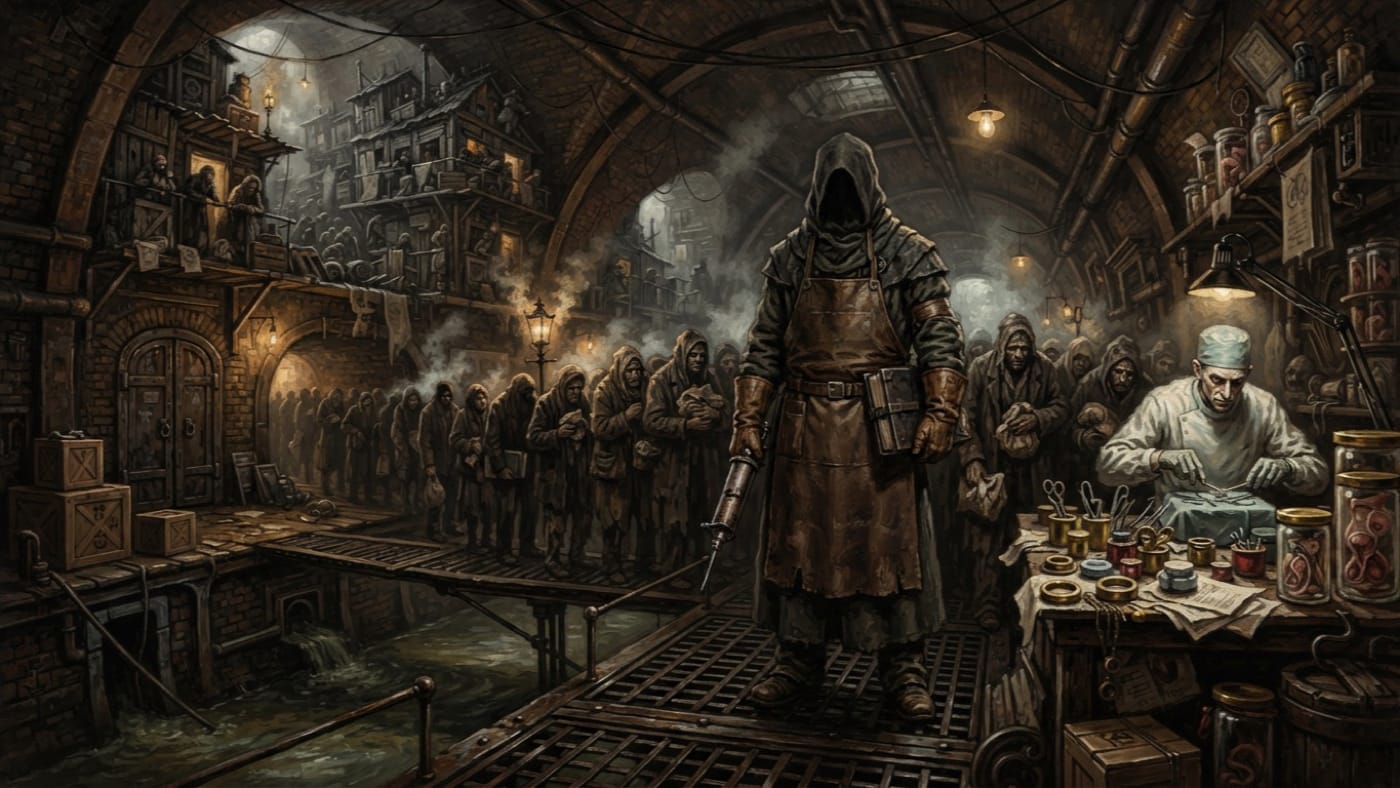
"Needle-King" Pavo
The quiet authority beneath Marrowgate's white lines
Pavo runs Marrowgate's Stitchmarket, selling the permissions lawful offices withhold. The Chapter calls this quietness weakness; Purity calls it competence. I have found Purity's reading more useful.
Codex Ref. III.2.01-201
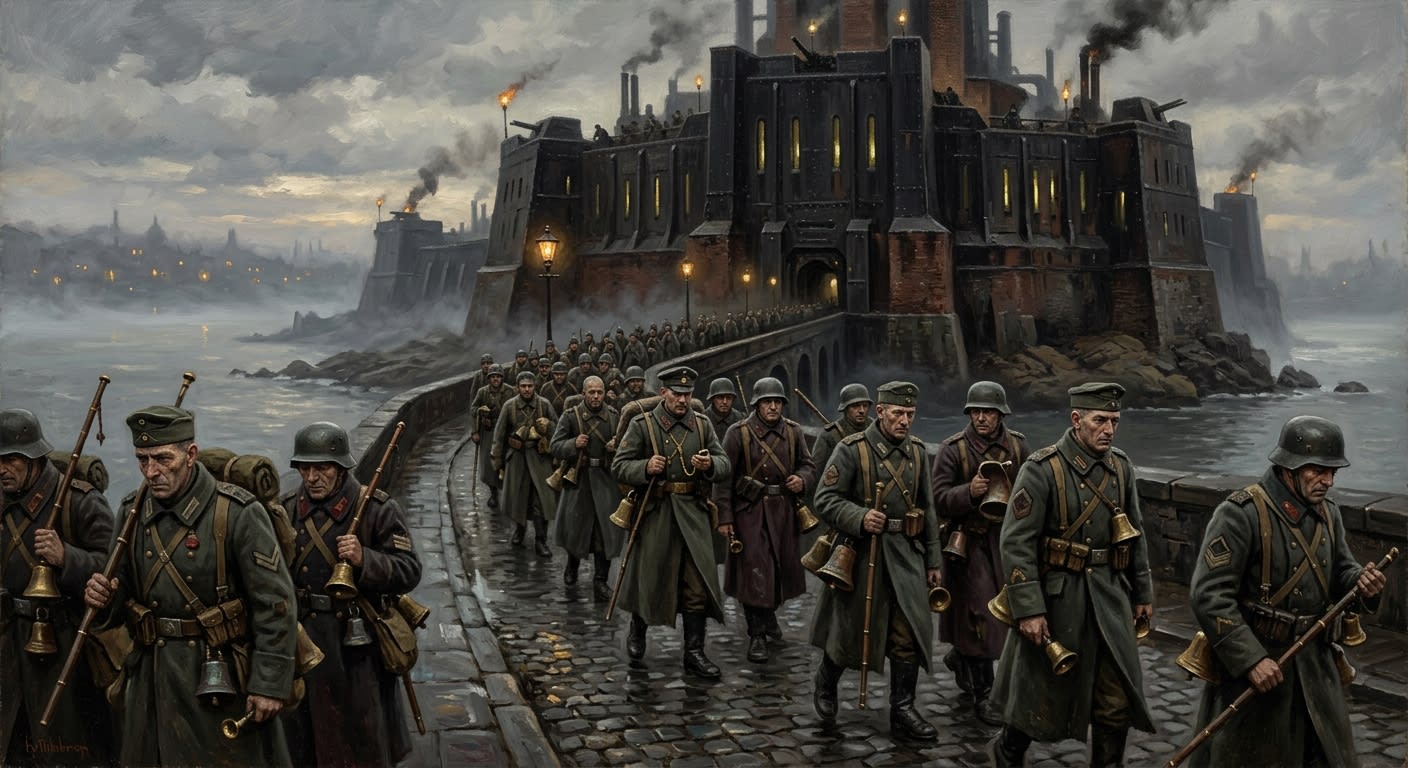
14th Bellwarden Cohort
The men who make sleep hurt at Shipka
The 14th Bellwarden Cohort keeps Bastion-Shipka awake with ugly bells, broken intervals, and the saintly cruelty of correct seconds.
Codex Ref. VIII.5.14-147
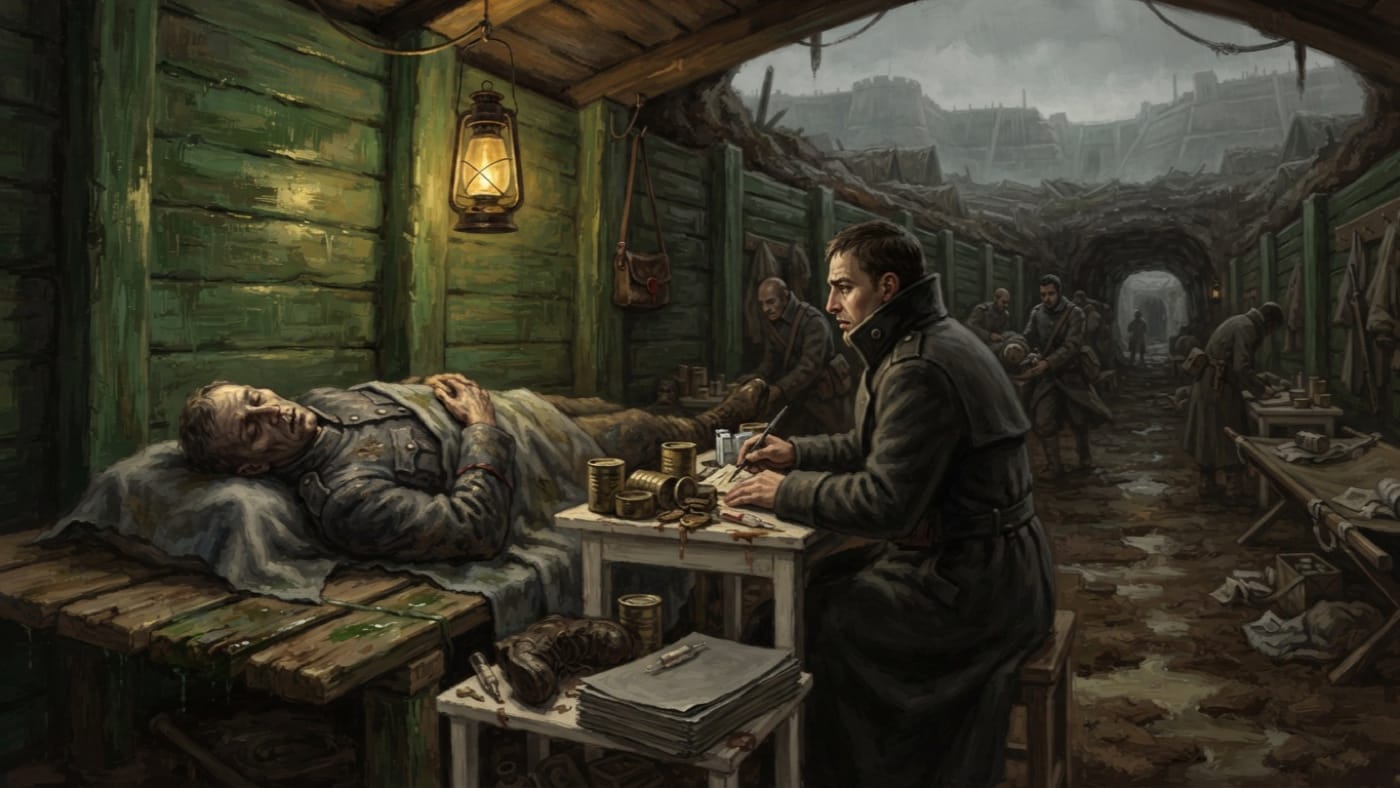
19th Ravelin Sappers
One corporal, two voices, no recovered roll
The 19th Ravelin Sappers survive in one corporal's unit line. Maes spoke in his living captain's voice; the Ledger preserved the designation and left the formation's history unattested.
Codex Ref. VIII.5.19-091
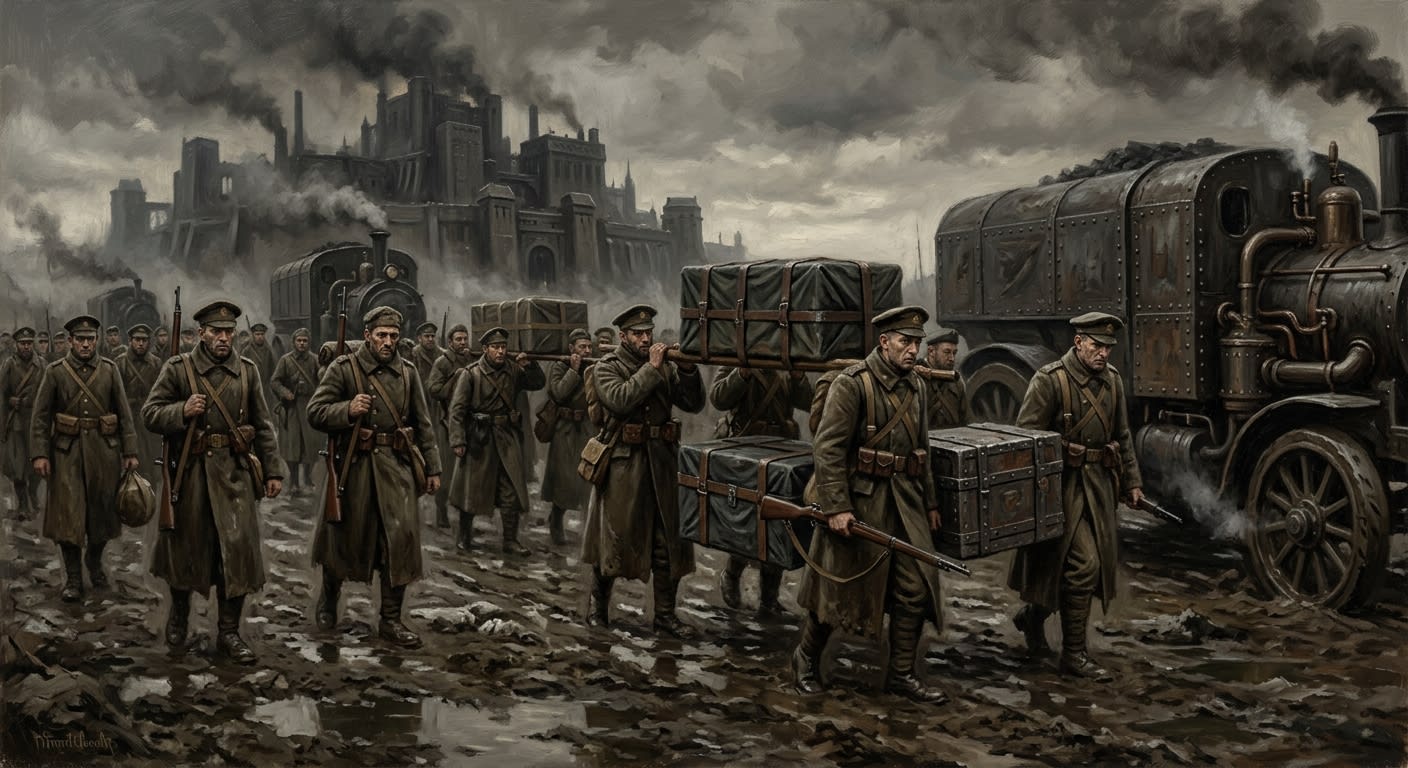
7th Rearguard Column
The middle hand that did not lose the bones
The 7th Rearguard Column did not blaze at Kalnik; it carried the bones through the middle miles, and the miracle survived because nobody lost the packet.
Codex Ref. VIII.5.07-045
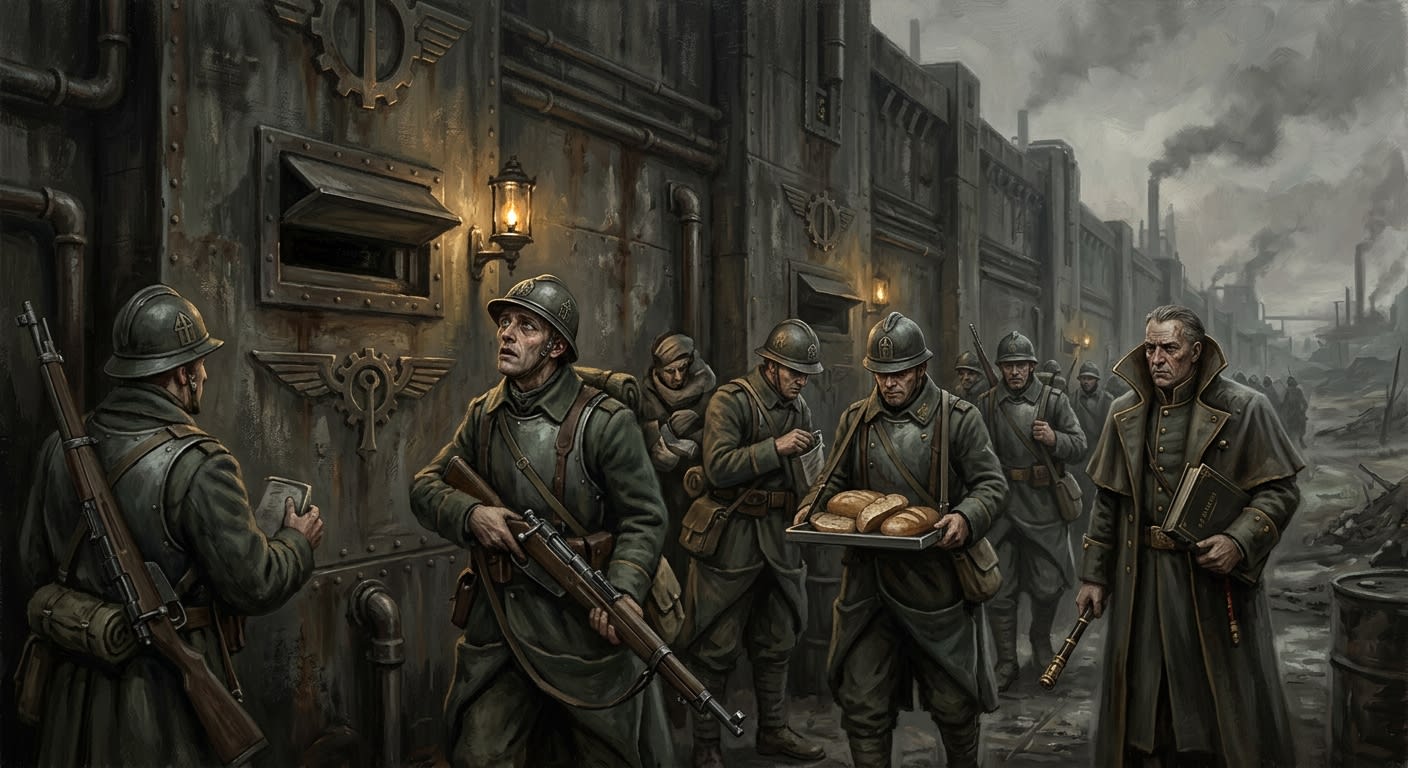
9th Garrison
Enough at the slit, bread under witness
The 9th Garrison taught the southern wall that looking too long has teeth, and that survival after hunger-contact begins with covered slits and witnessed bread.
Codex Ref. VIII.5.09-196
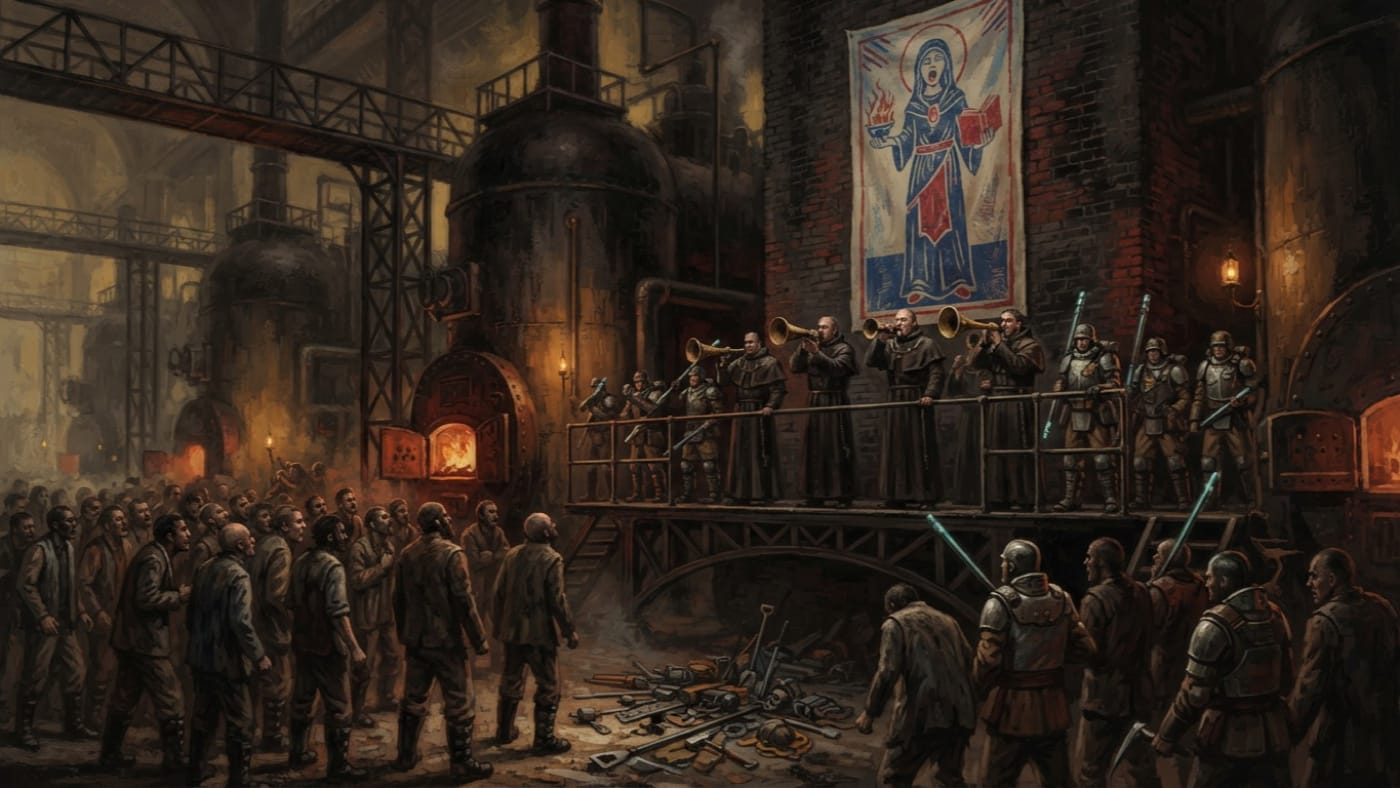
A.S. 104 Boiler Riots
The workers asked why; Doctrine sent six men to answer louder
Fourteen stokers burned in A.S. 104. Survivors demanded truth lessons; Doctrine sent six preachers, and the Furnace Catechist office stayed to keep the explanation.
Codex Ref. VII.8.10-104
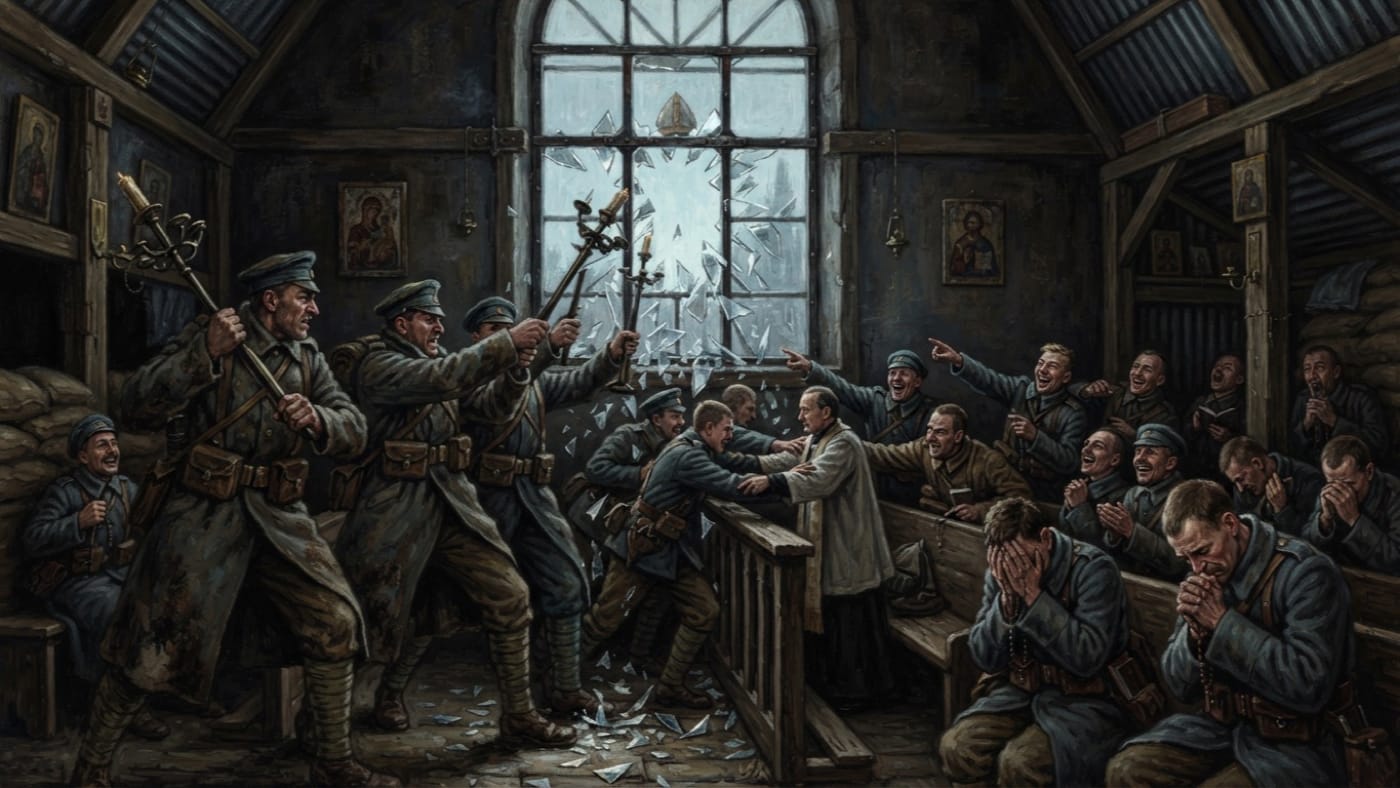
A.S. 188 Chapel Glass Incident
Three candle-stands did the work of doctrine
In A.S. 188, salvaged mirror-glass showed twenty-two soldiers episcopal mitres. Six attacked the liturgy; three saved Saint Phocian's chapel with candle-stands. The glass offered hats. The men supplied authority.
Codex Ref. VII.8.10-188
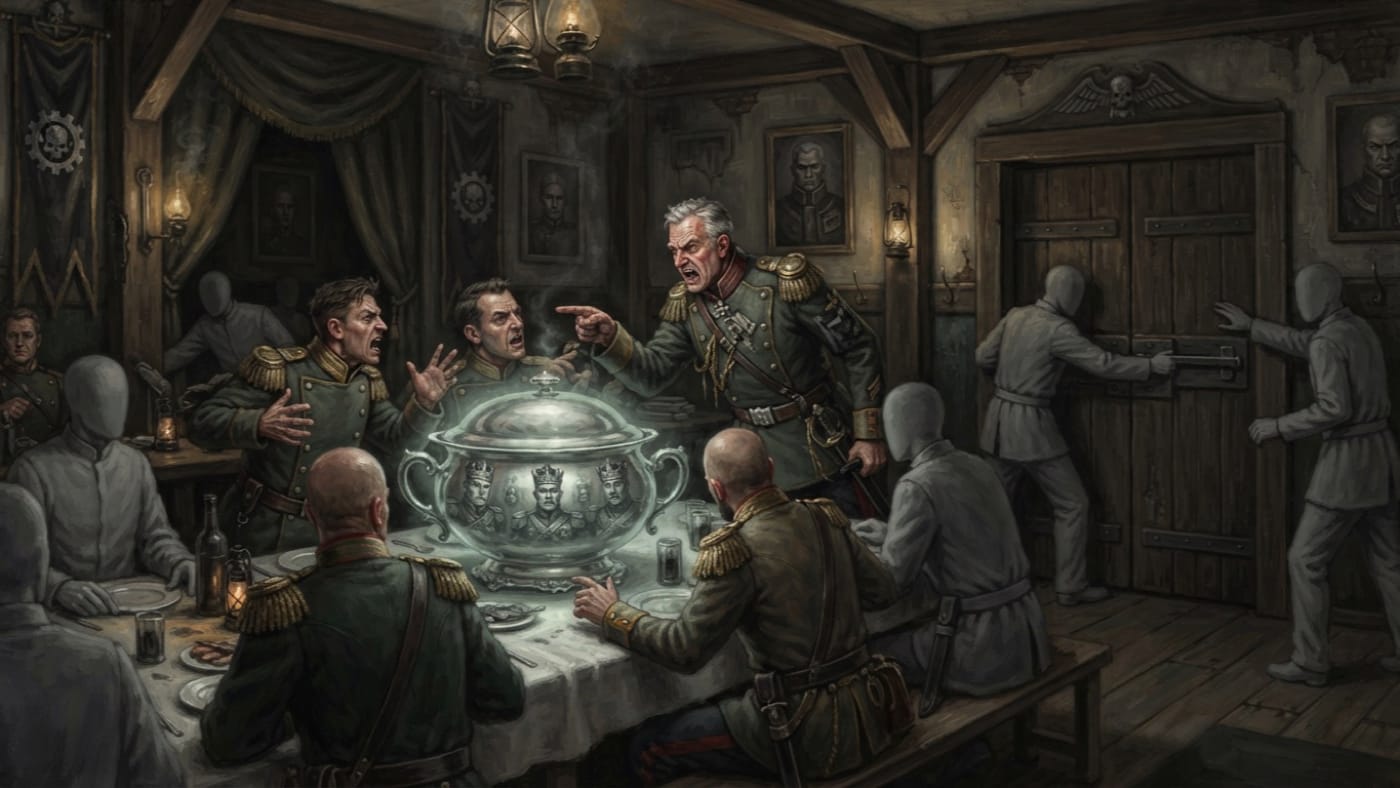
A.S. 191 Officer's Mess Disturbance
The servants had a key; the officers had genius
In A.S. 191, a silver tureen crowned the staff in reflection. The servants locked the mess and sent for Purity. They received medals; the officers received treatment. The soup was innocent.
Codex Ref. VII.4.09-191
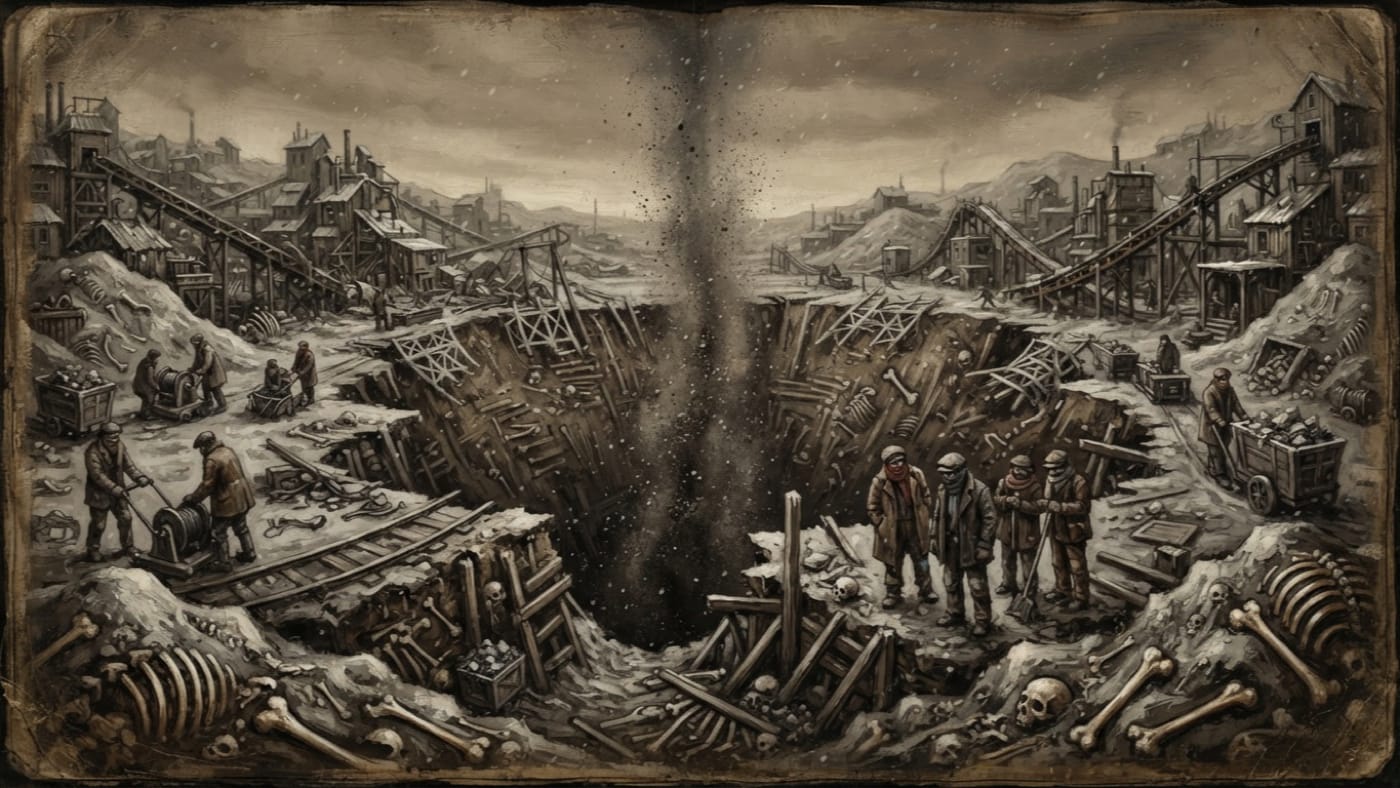
A.S. 194 northern Storm Pit sinkhole
Where buried weather rose and rumour found a face
In A.S. 194, Lor's northern Storm Pit opened, exposing pre-founding bones and driving ash upward. The sinkhole is recorded; Ilex Marr's supposed disfigurement remains rumour.
Codex Ref. III.2.04-1953
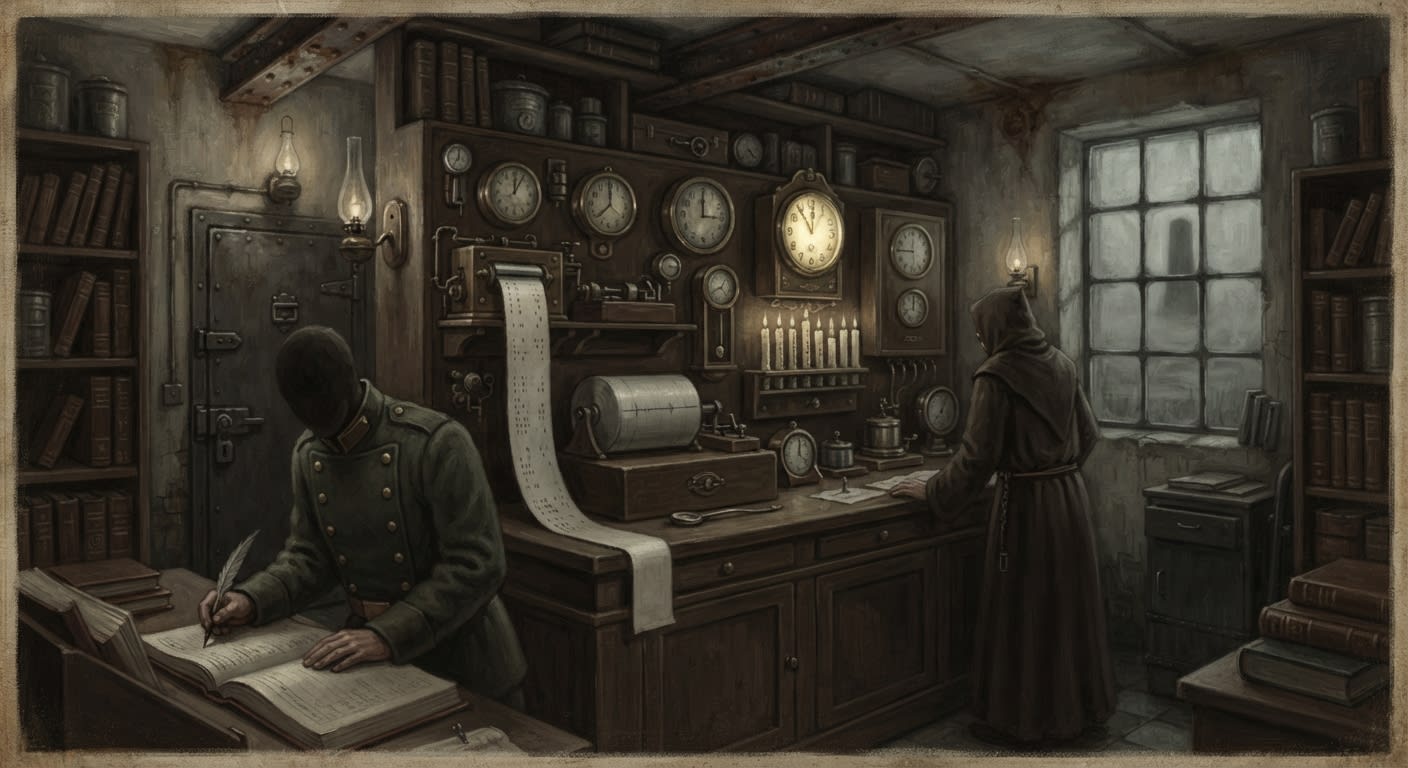
A.S. 199 Skip
The minute and a half that Station Two loses without noticing
The A.S. 199 Skip is Station Two's daily ninety-second absence: a clean missing interval that refuses Syrion, the Monolith, and every decent habit of causation.
Codex Ref. VII.5.06-199
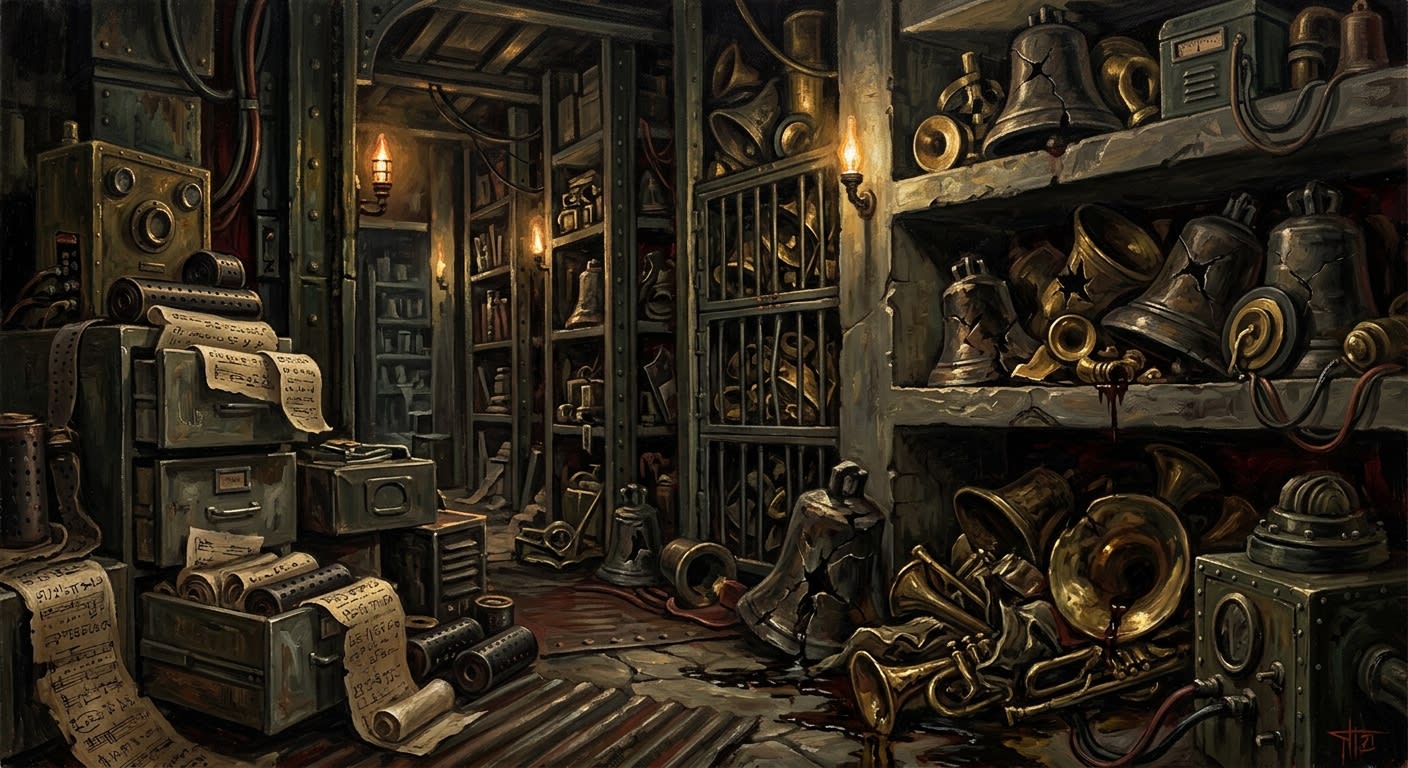
Acoustic Heresy Annex
Where forbidden notes are catalogued before anyone useful burns them
Strasbourg's Acoustic Heresy Annex preserves lethal notes, suspect hymn sheets, cracked bells, and musical filth too useful for Purity to burn.
Codex Ref. XIII.1.96-201
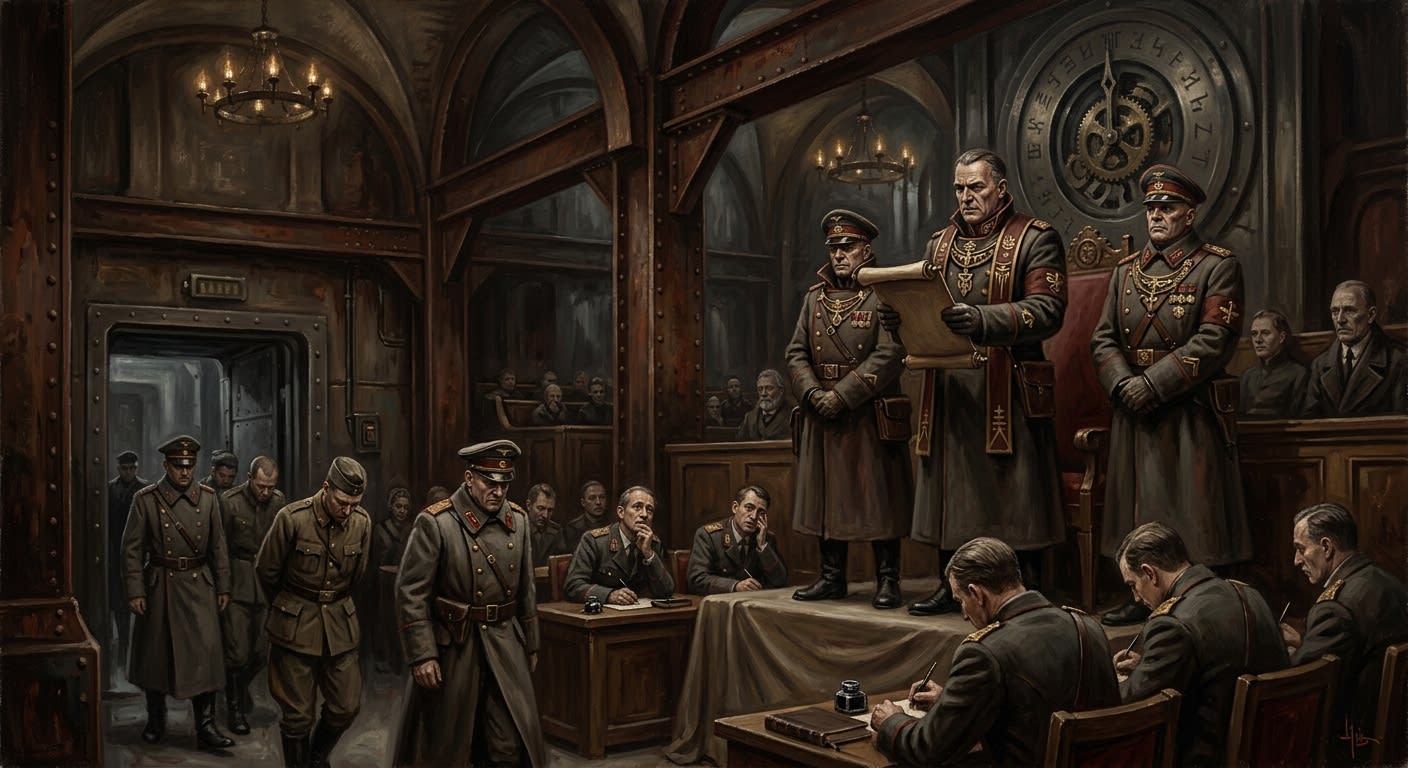
Act of Hierarchical Supremacy
The first chain, polished until citizens mistake it for anatomy
Ratified at Strasbourg in A.S. 90, the Act made authority descend through the Hierarchs and made refusal dissolve office, status, and comfort.
Codex Ref. XIII.1.89-090
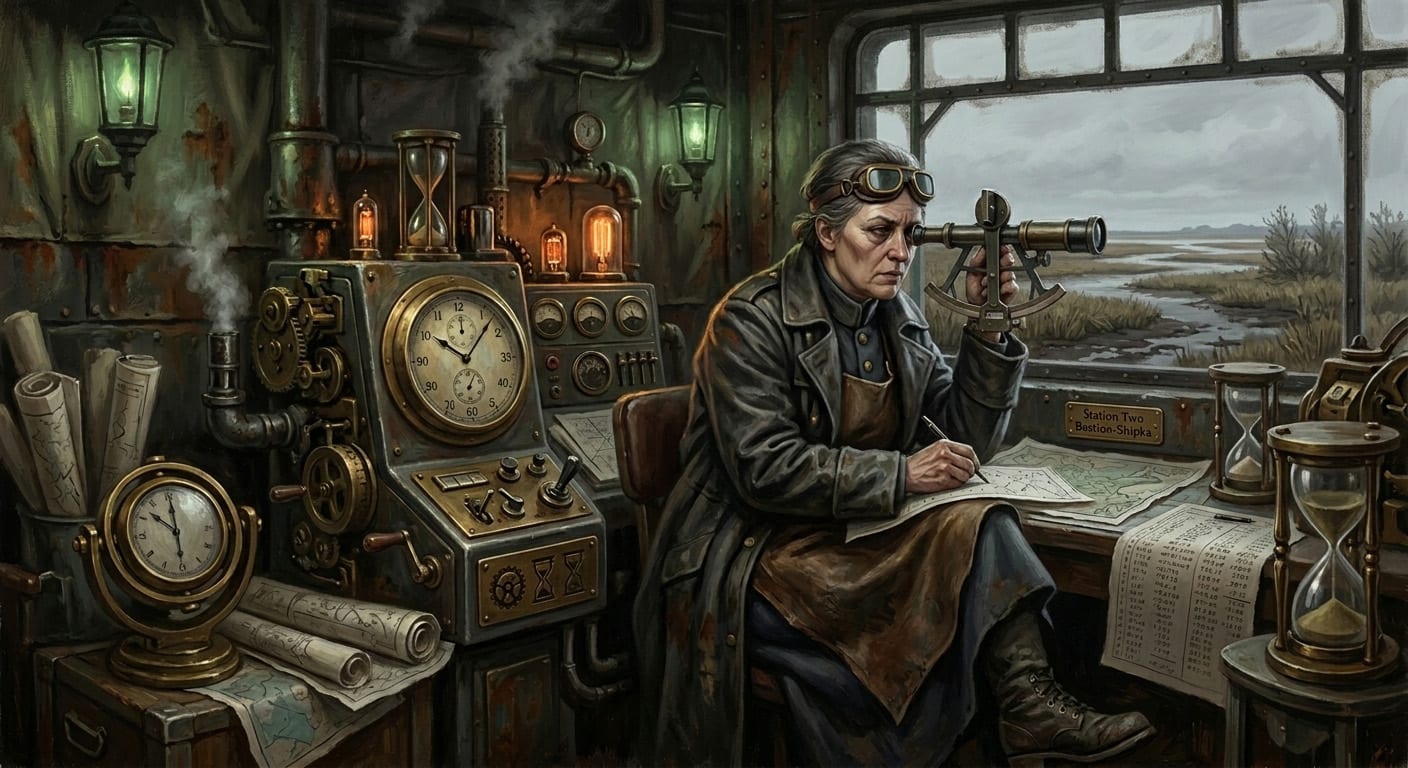
Adept Meryth Vesk
She counted the missing seconds, and the marsh counted back
Senior Hourglass observer at Bastion-Shipka's Station Two, whose measurements of a daily ninety-second absence have produced the one thing Strasbourg fears more than fog: a useful report.
Codex Ref. III.2.01-005
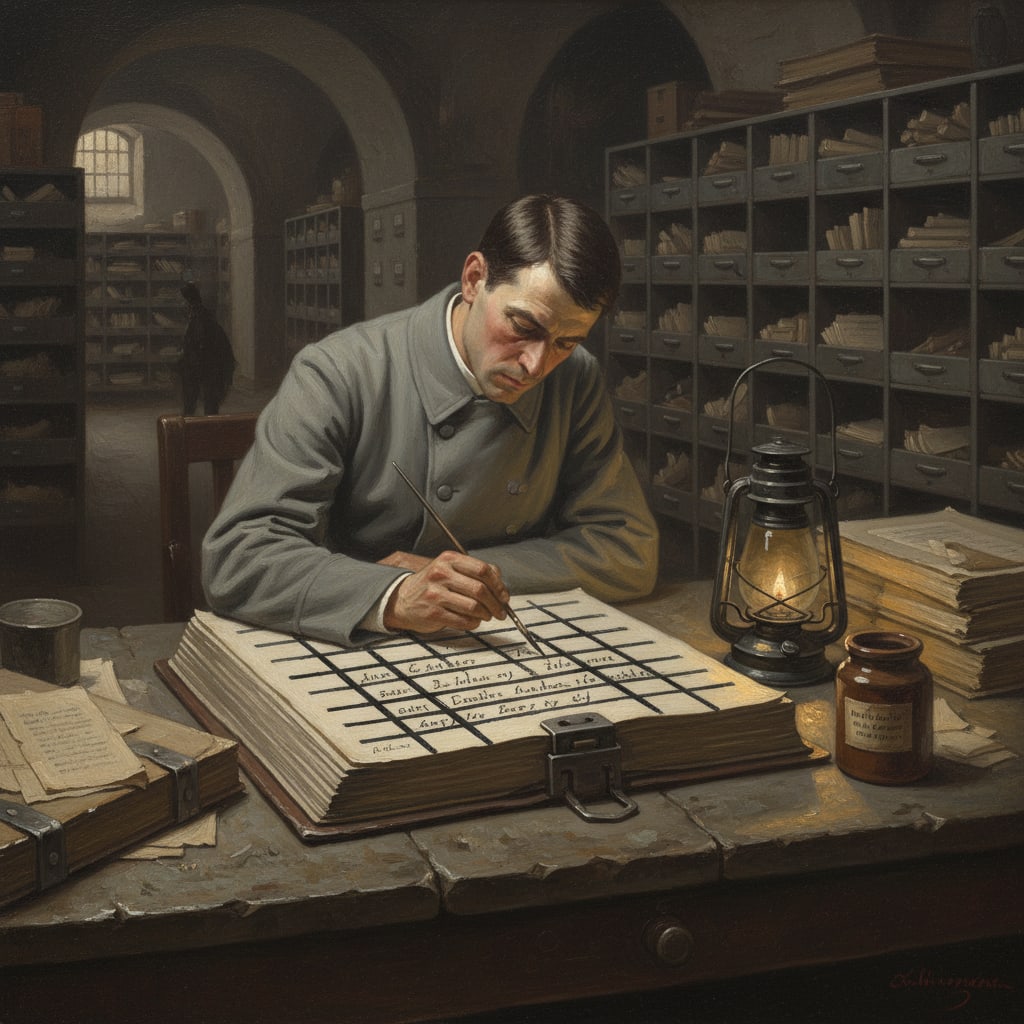
Administrative Dissolution
What the Bureau calls a filing action; what the dogs remember
Administrative Dissolution is the Bureau of Records' procedure for rendering a soul present but illegible — a grid of Mortuary Black drawn across the name-entry, the null-mark Ø applied, the Ledger amended.
Codex Ref. XIII.1.01-001
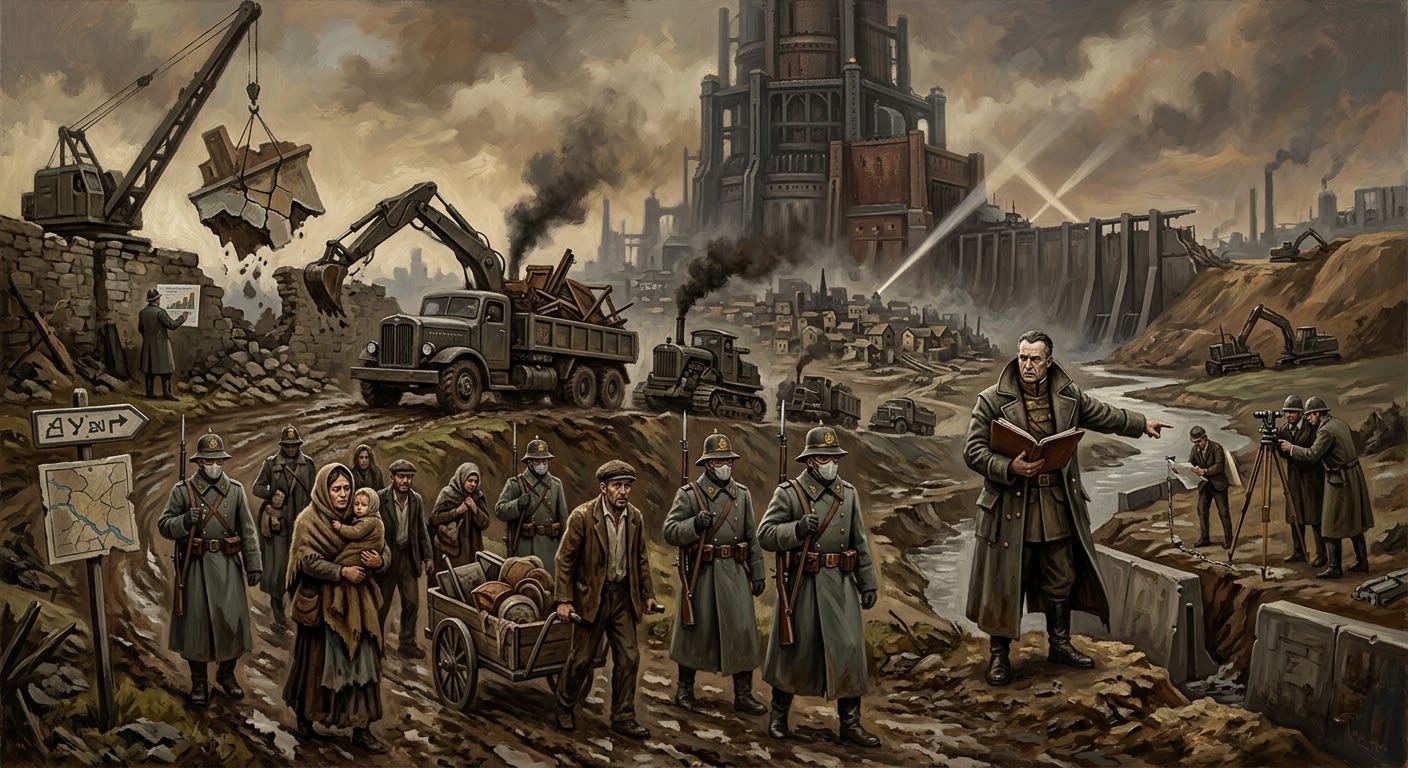
Administrative Redrawing of A.S. 188
A line moved, forty thousand obeyed, and Keska vanished into the neatness
Mandate 188-A redrew the Hintermark and Constantinople terraces in fourteen days, moved forty thousand civilians, and omitted Keska from the map.
Codex Ref. VII.2.04-001
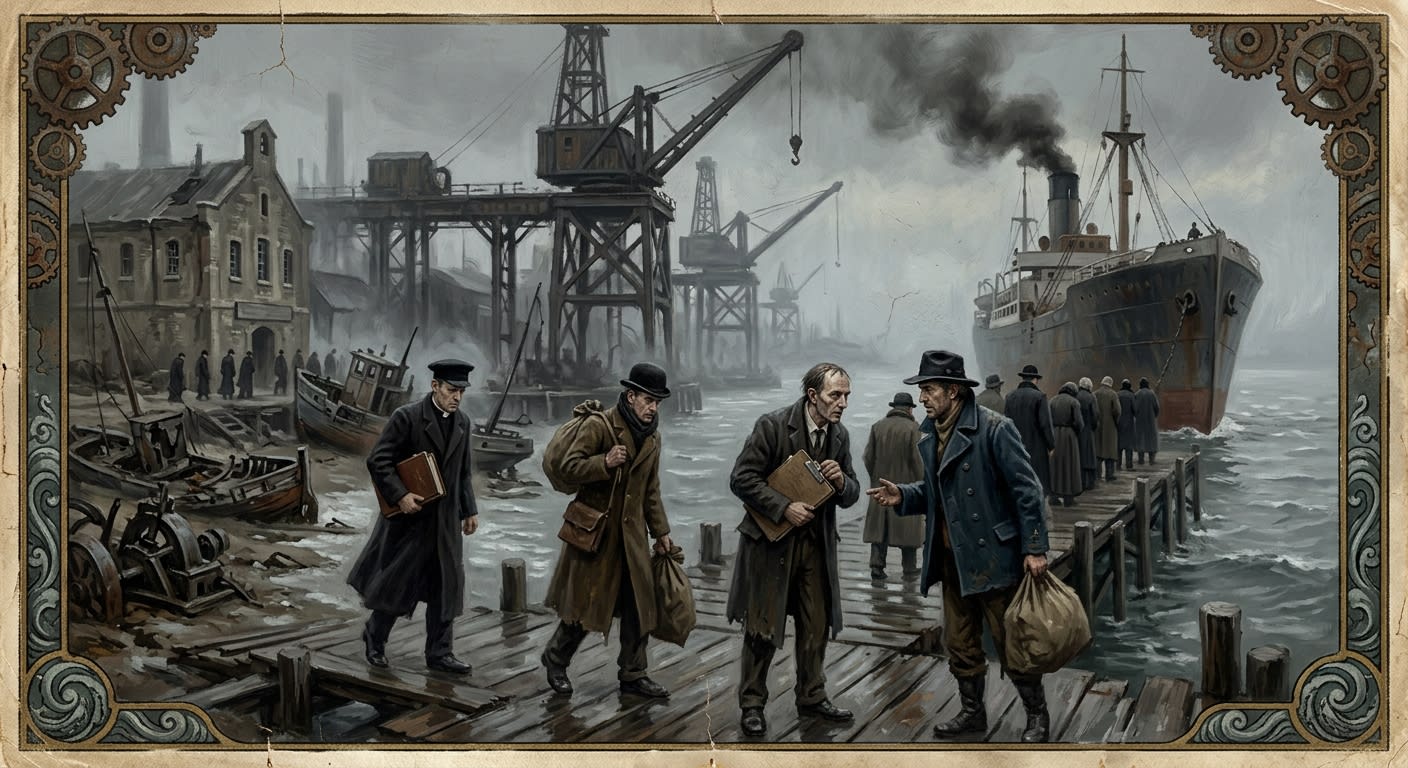
Aegean
The sea is held where it is counted
The Aegean is the Synod's southern salt-ledger: supply lane, pilgrim road, smuggler's chapel, drown-office, and sea with a clerical appetite.
Codex Ref. II.4.09-072
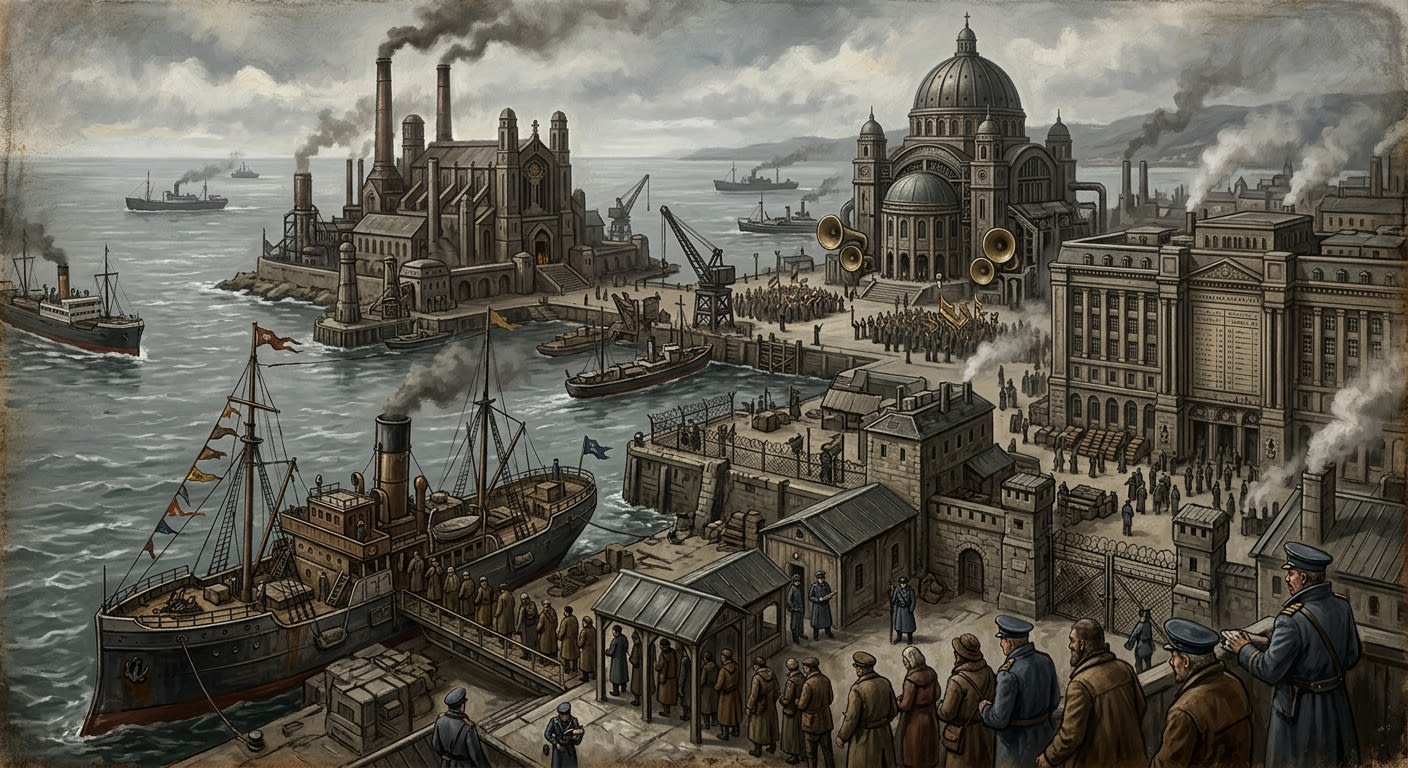
Aegean Shrine-Circuit
Devotion by convoy, tariff, bell, and brine
Licensed pilgrim sea-route where Marseille weighs devotion, Saffron quarantines it, Thessaloniki sings at it, and the Bureau invoices the miracle.
Codex Ref. XIII.1.40-123
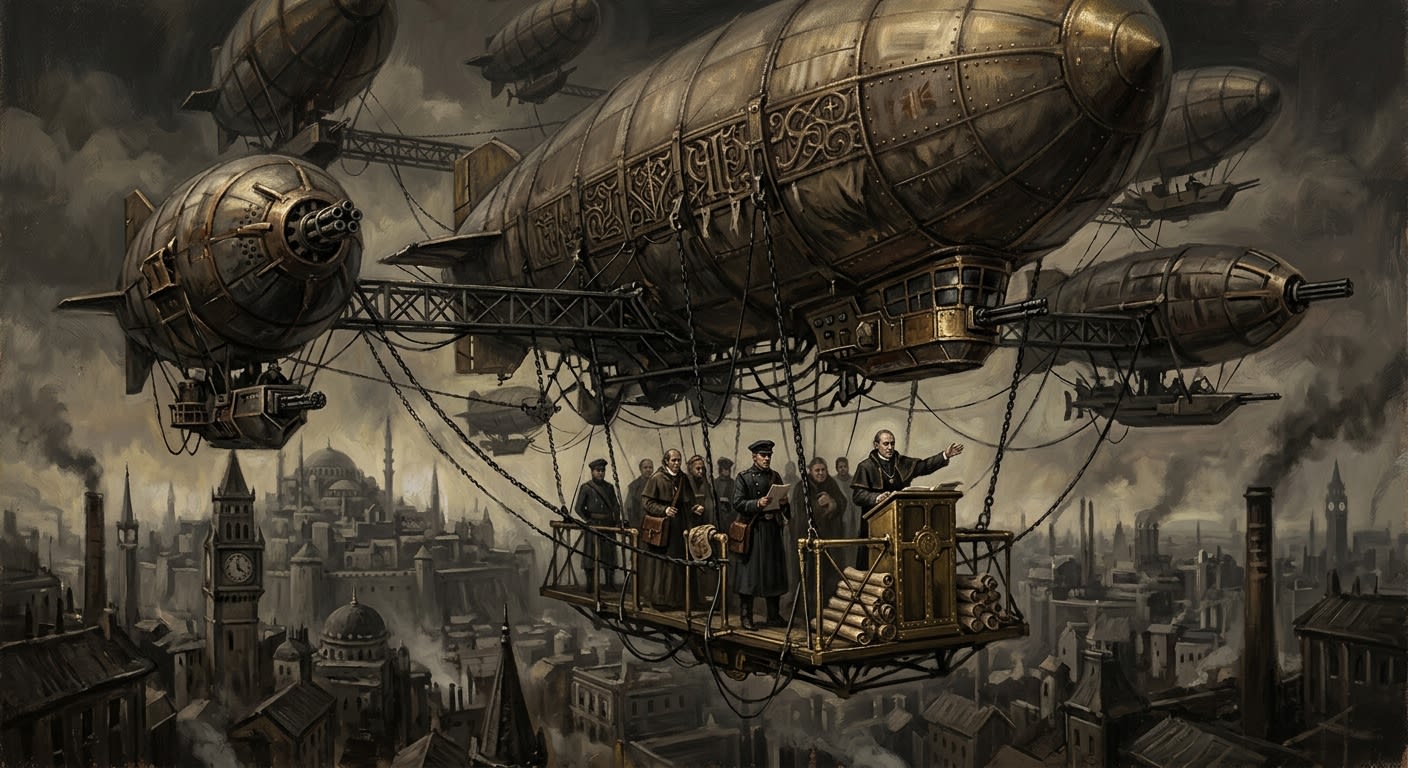
Aerial Wing
The sky, briefly obedient, under seal
Joint aerial custody apparatus by which the Synod lifts reliquary dirigibles, sermons, guns, clerks, and terror above Bastion-Constantinople.
Codex Ref. XIII.1.21-168
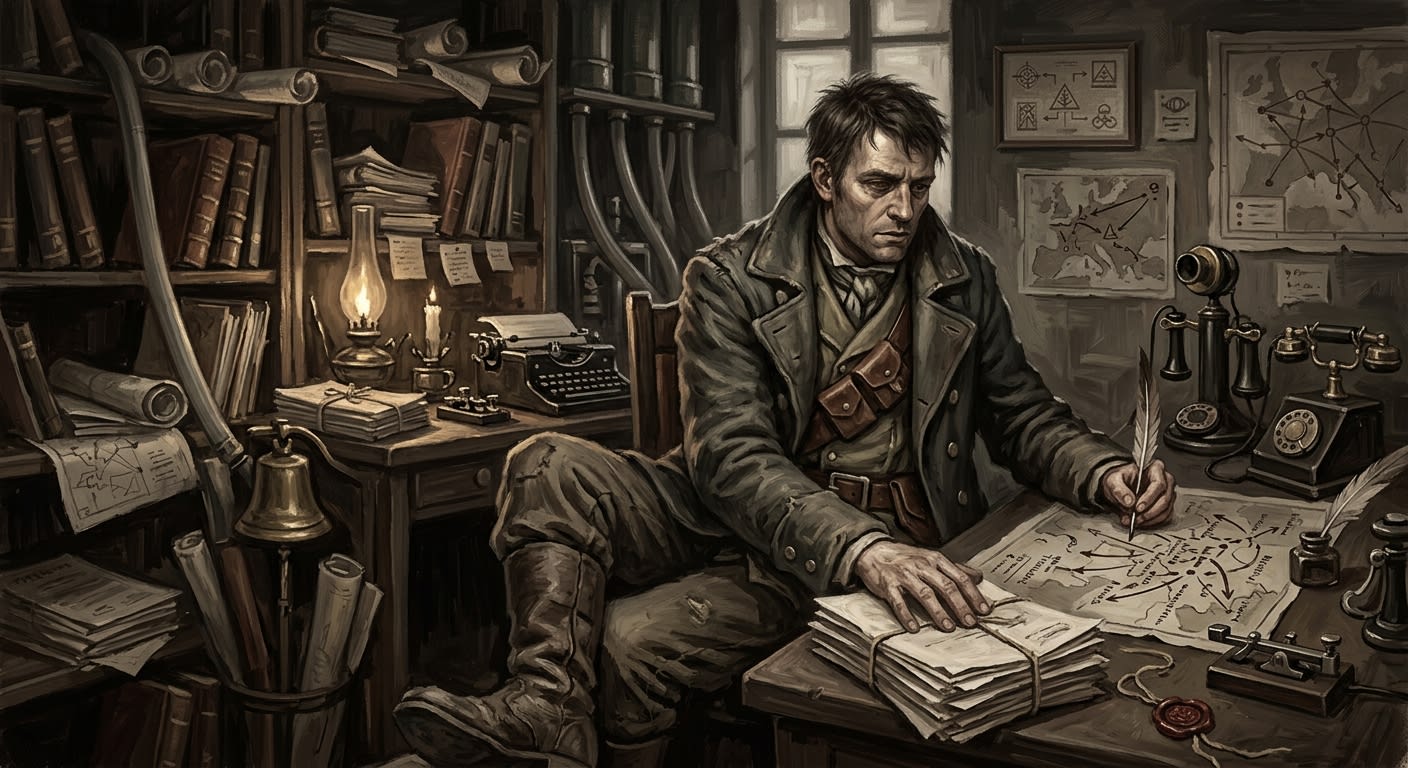
Albi
The first road-sign of the Toulouse fire
Albi did not invent the Toulouse fire. It proved the fire could travel: by courier, confession, pamphlet scrap, bell, and useful fear.
Codex Ref. II.1.09-093
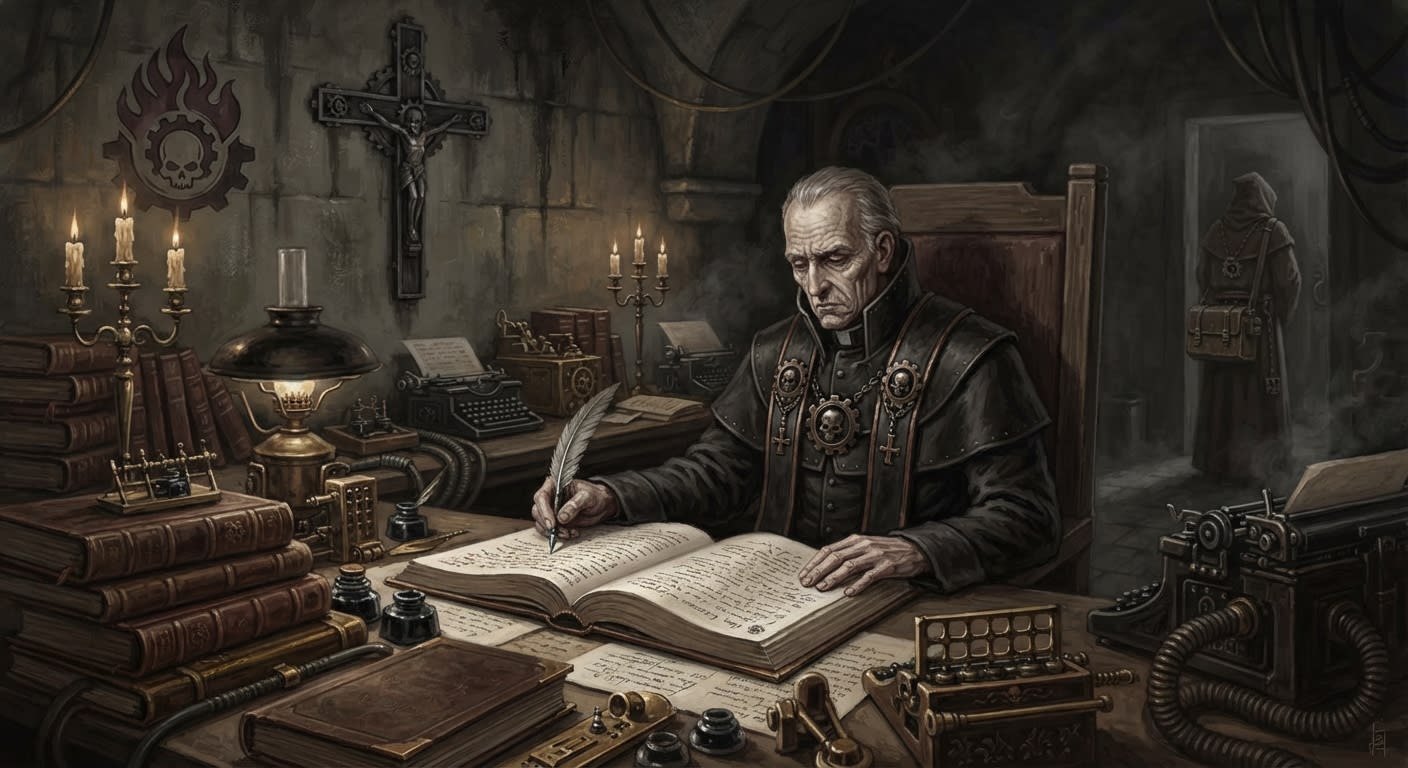
Aldric the Unbending
Thirty-one years, one perfect sentence, and no accommodation
The longest-sitting Liturgist-Primus, useful to the Bureau of Rites because almost nothing remains of him except thirty-one years, a perfect sentence, and a refusal no petitioner can answer.
Codex Ref. III.2.01-201
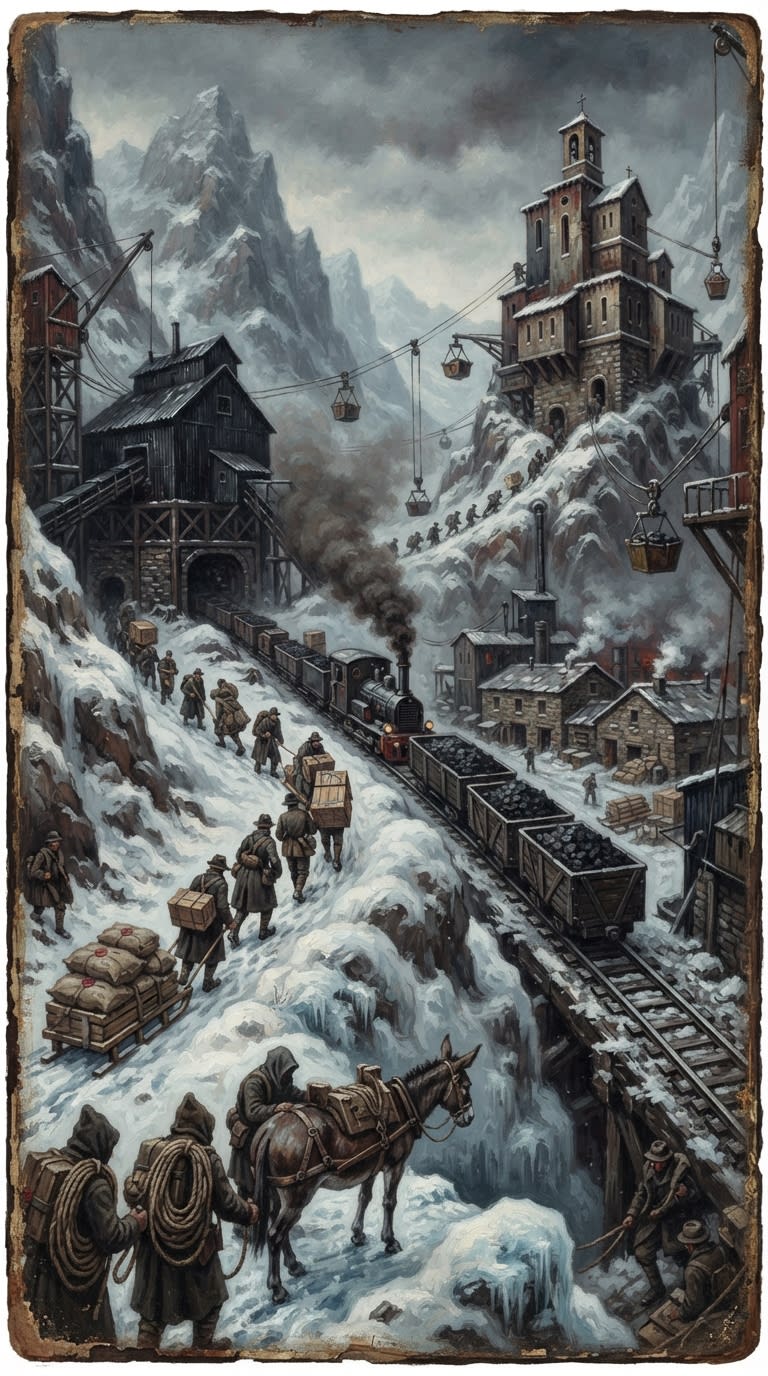
Alpine Marches
The Mountain Province That Obeys by Receipt
The snowbound Procuratorial region of passes, salt roads, coal depots and hidden wards whose obedience is meticulous, profitable and never quite submission.
Codex Ref. II.2.08-201
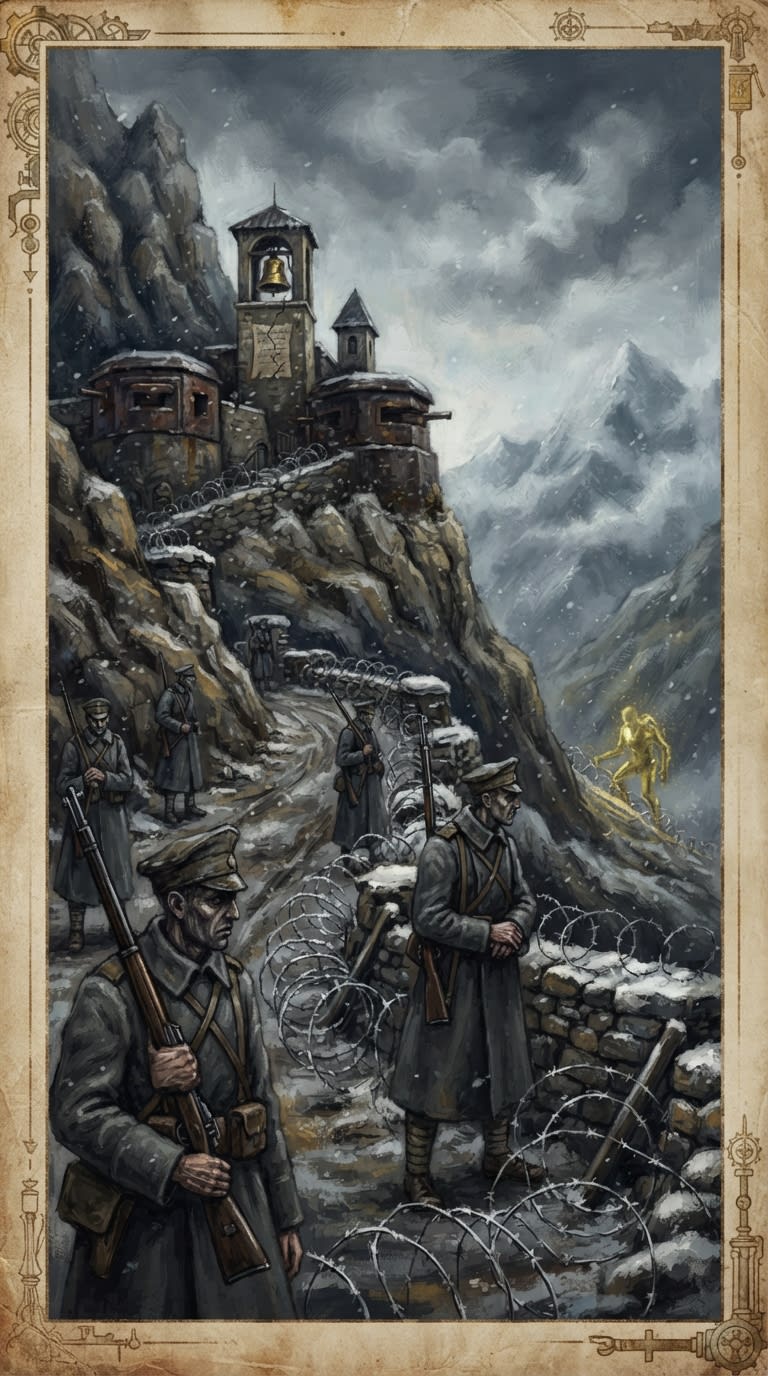
Alpine Watch
The pass holds while the pay chest lies
The Alpine Watch keeps Sibiu's mountain passes with rifles, wire, snow, and empty pockets. Velmora does not storm them. She lets their wages do the climbing.
Codex Ref. VIII.5.04-201
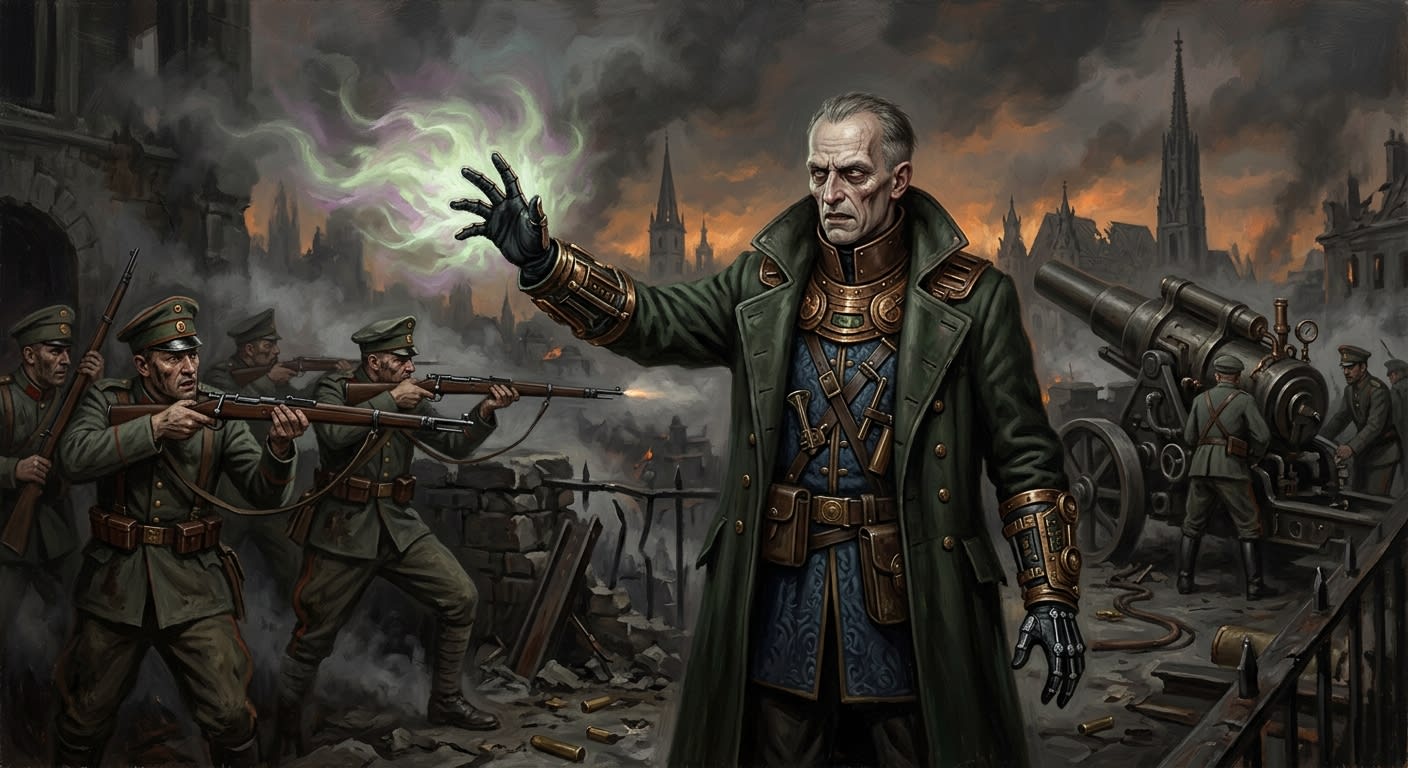
Althazar of Pest
The unauthorized man history mistook for a throne
Althazar of Pest was the sorcerer-lord of Vienna's last siege, a Rationalist remnant commander destroyed by Clemens Stahlhand and Saint Aldebrand's reliquary mace.
Codex Ref. III.2.01-153
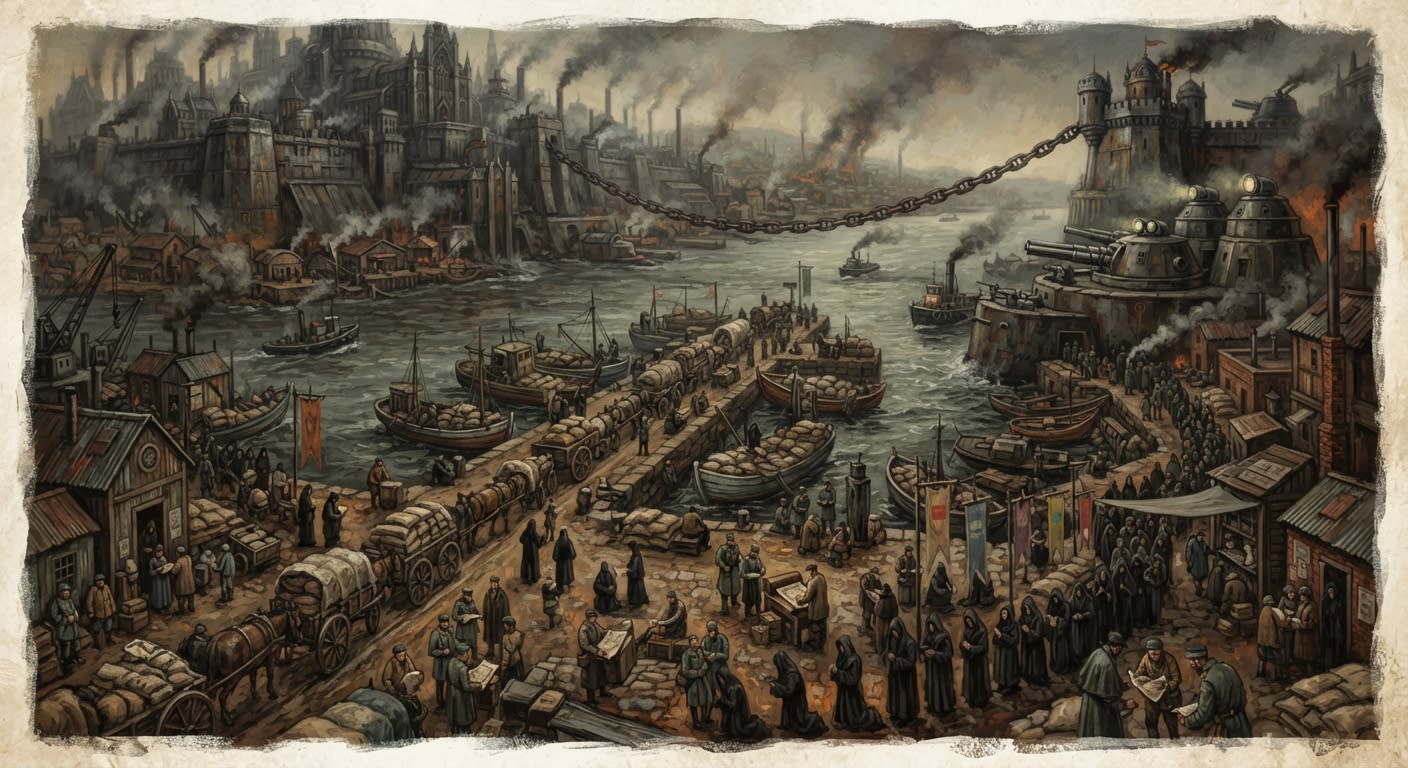
Anatolian Prefectures
The pantry the Hinge audits after eating
Synod-held Green Approach across the Bosphorus: grain, pilgrims, black diesel, and the arithmetic by which Bastion-Constantinople eats while accusing the hand that feeds it.
Codex Ref. II.4.09-069
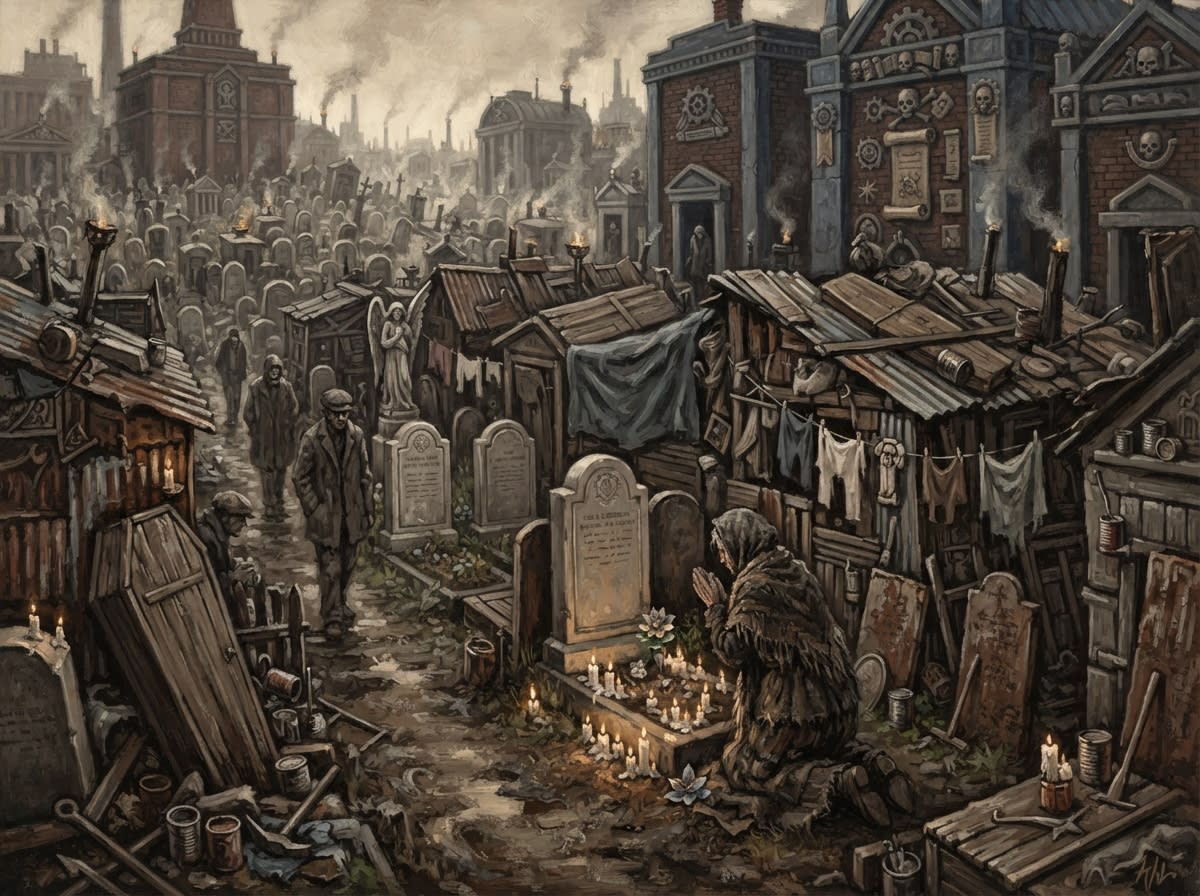
Anchor Graves
Where burial right does the work housing law refuses
Anchor graves are lawful family plots whose burial privileges let grave-field lanes pretend that shacks are caretaker shelters rather than homes.
Codex Ref. XIII.1.78-017
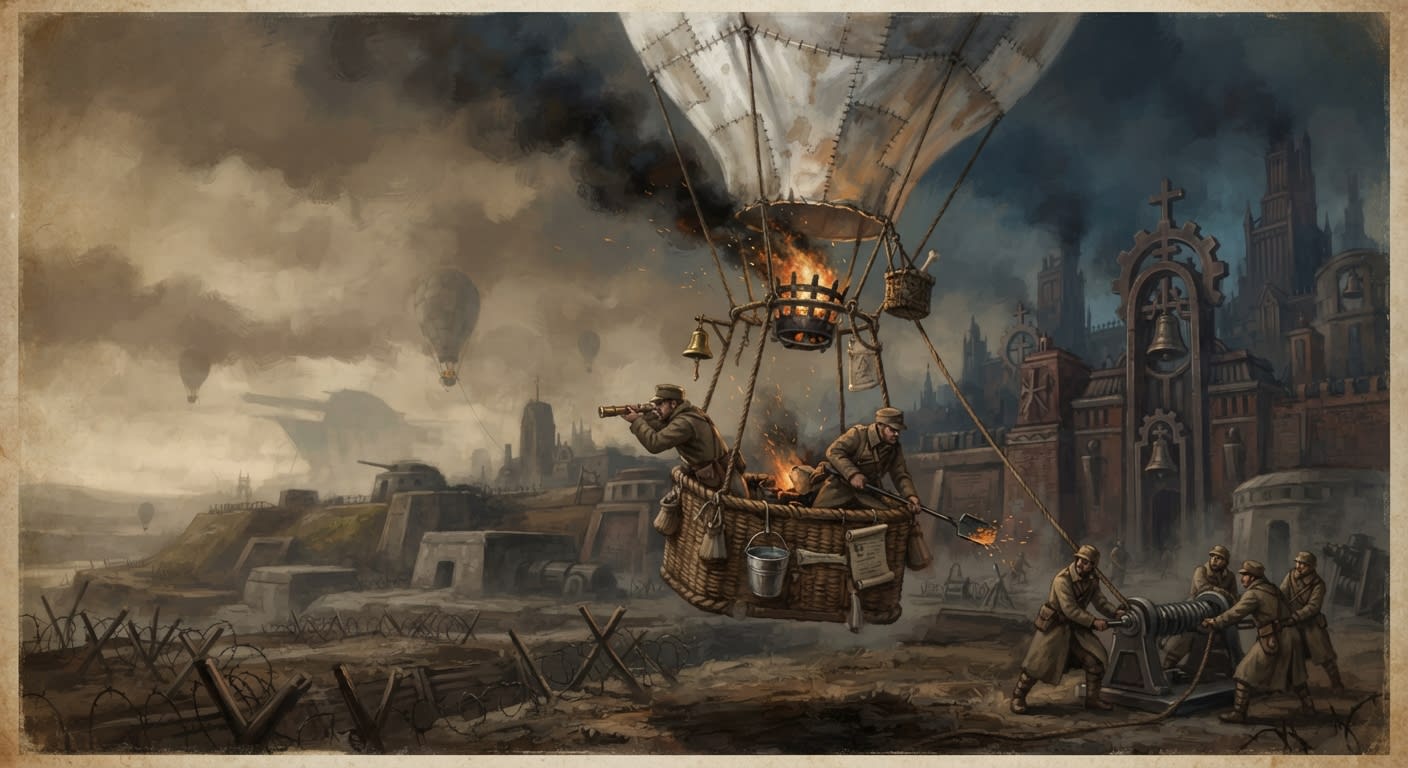
Angelus Engines
Before the sky was blessed, it was set on fire by committee
The Angelus Engines were the Synod's first intentional aircraft: silk envelopes, braziers, minor relics, two-man crews, and a casualty record later dressed as ascension.
Codex Ref. II.4.11-000
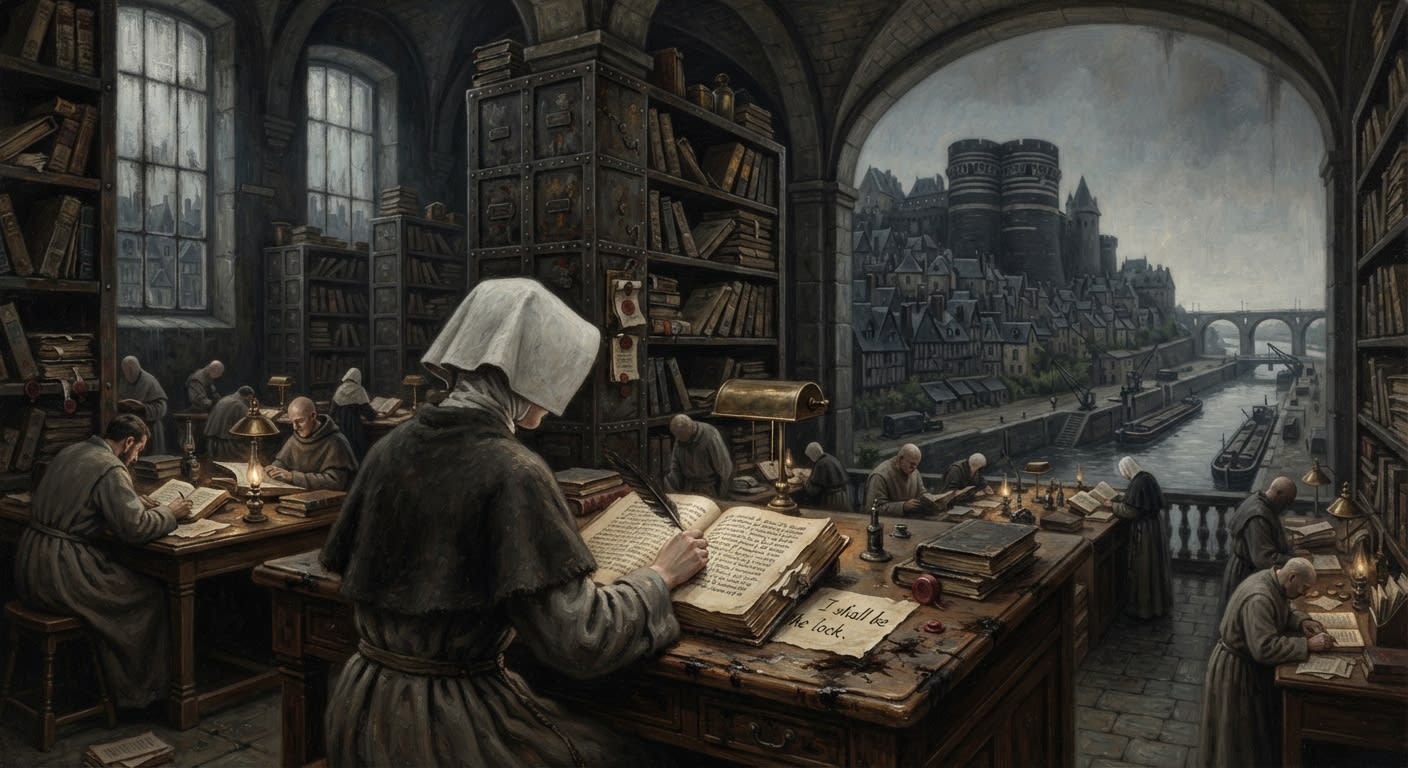
Angers
Five words, no bridge, and a city trying to found an order
Angers is a Zone One city whose claim on the Sisters of the Martyrdom rests on five psalter-margin words: I shall be the lock.
Codex Ref. II.1.09-015
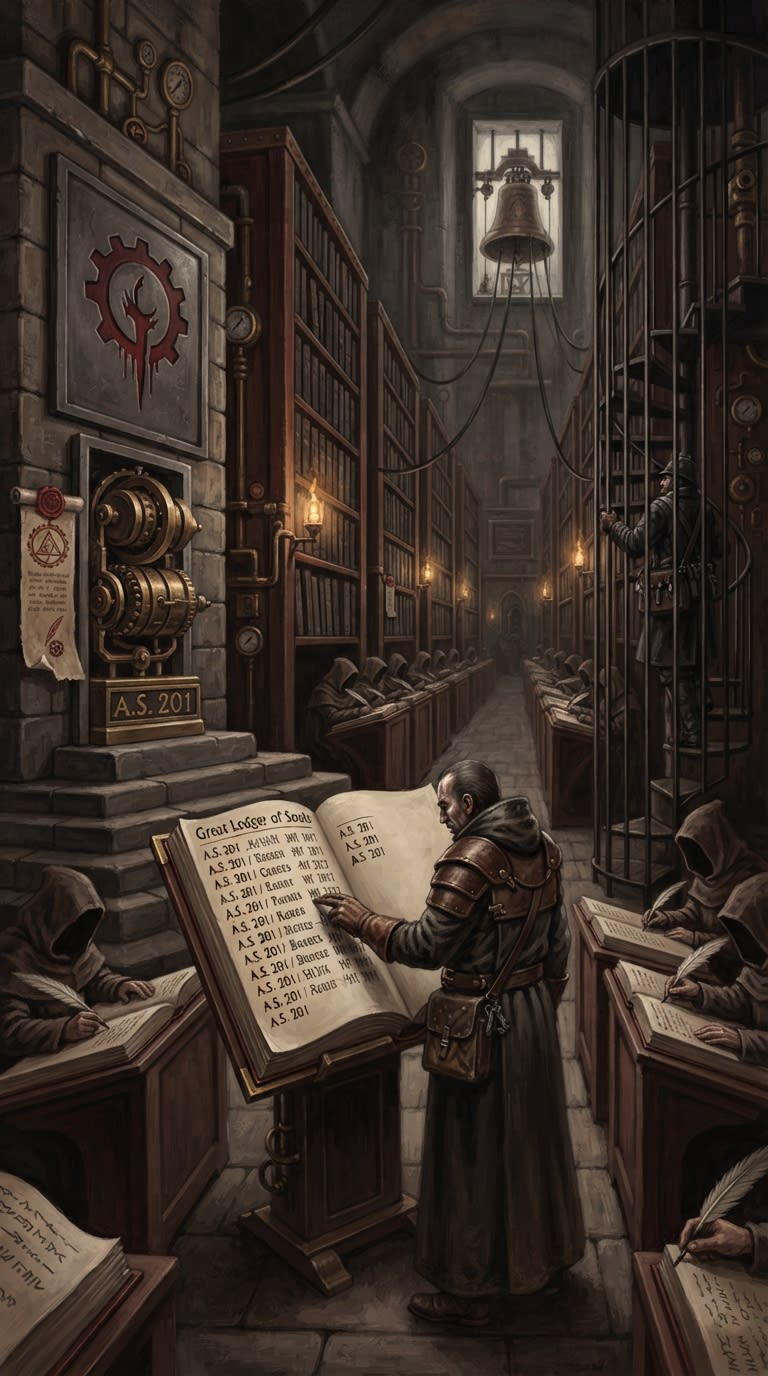
Anno Synodi
The wound by which Strasbourg owns the year
The Synod's calendar counts not from triumph but from wound: A.S. 0 at De Vera Luce, adopted retrospectively at the Concordat, and enforced by Records, Bells, and Doctrine.
Codex Ref. XIII.1.00-090
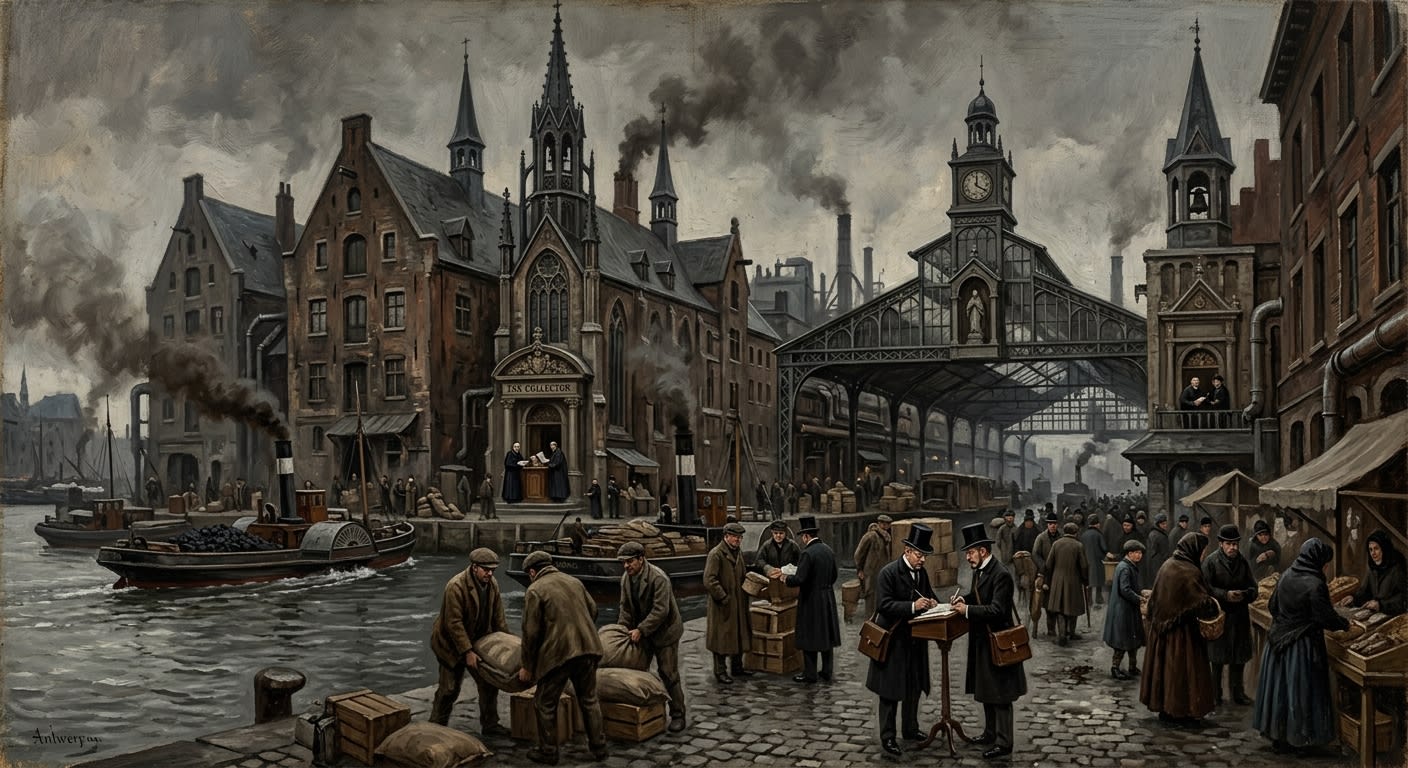
Antwerp
A port city weighing saints by warehouse light
Antwerp is the Scheldt port where commerce learned piety, hunger learned arithmetic, and every warehouse keeps a chapel close enough to tax.
Codex Ref. II.1.06-138
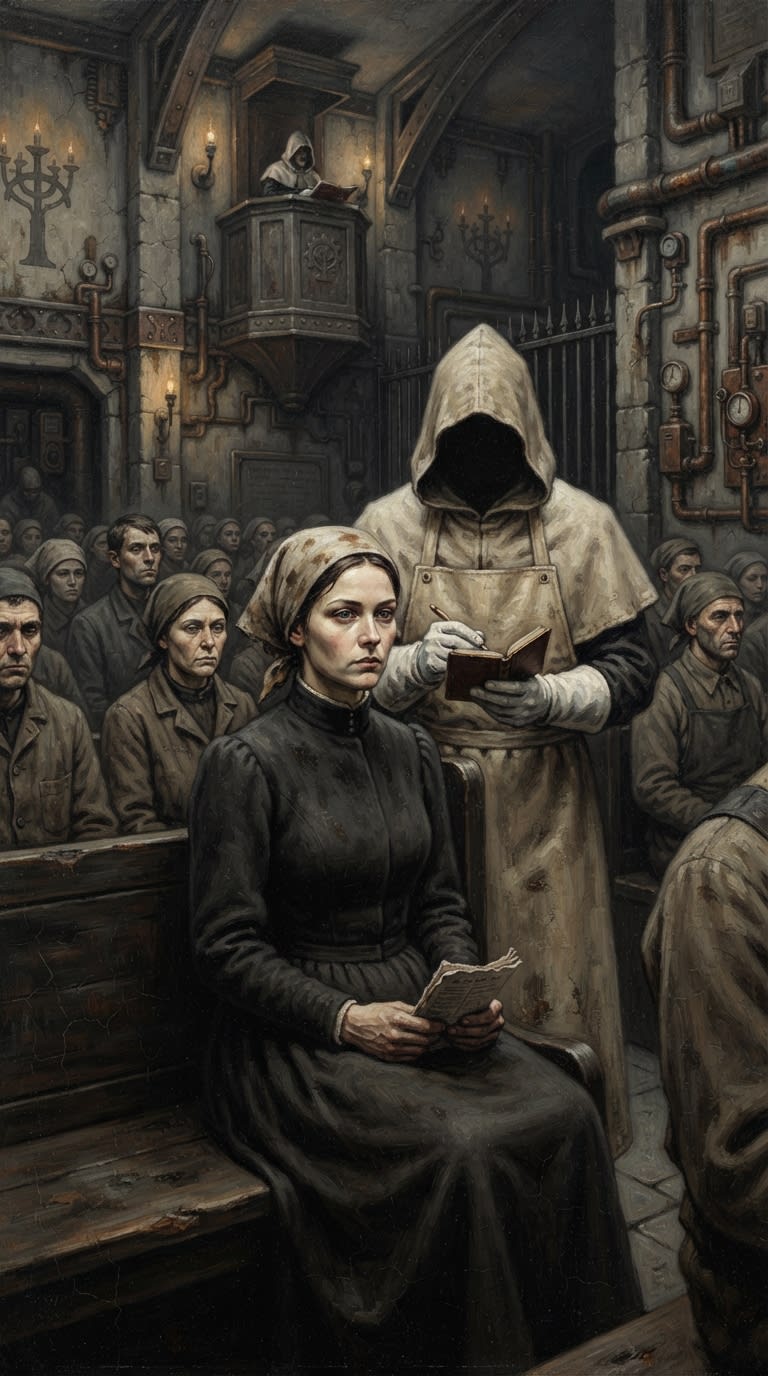
Appendix C
The face is a sloppy clerk; it files everything eventually
Restricted schedule to the Twelfth Amendment, Appendix C withholds the facial indicators by which Purity finds unlicensed thought sitting on the citizen's face.
Codex Ref. XIII.1.04-196
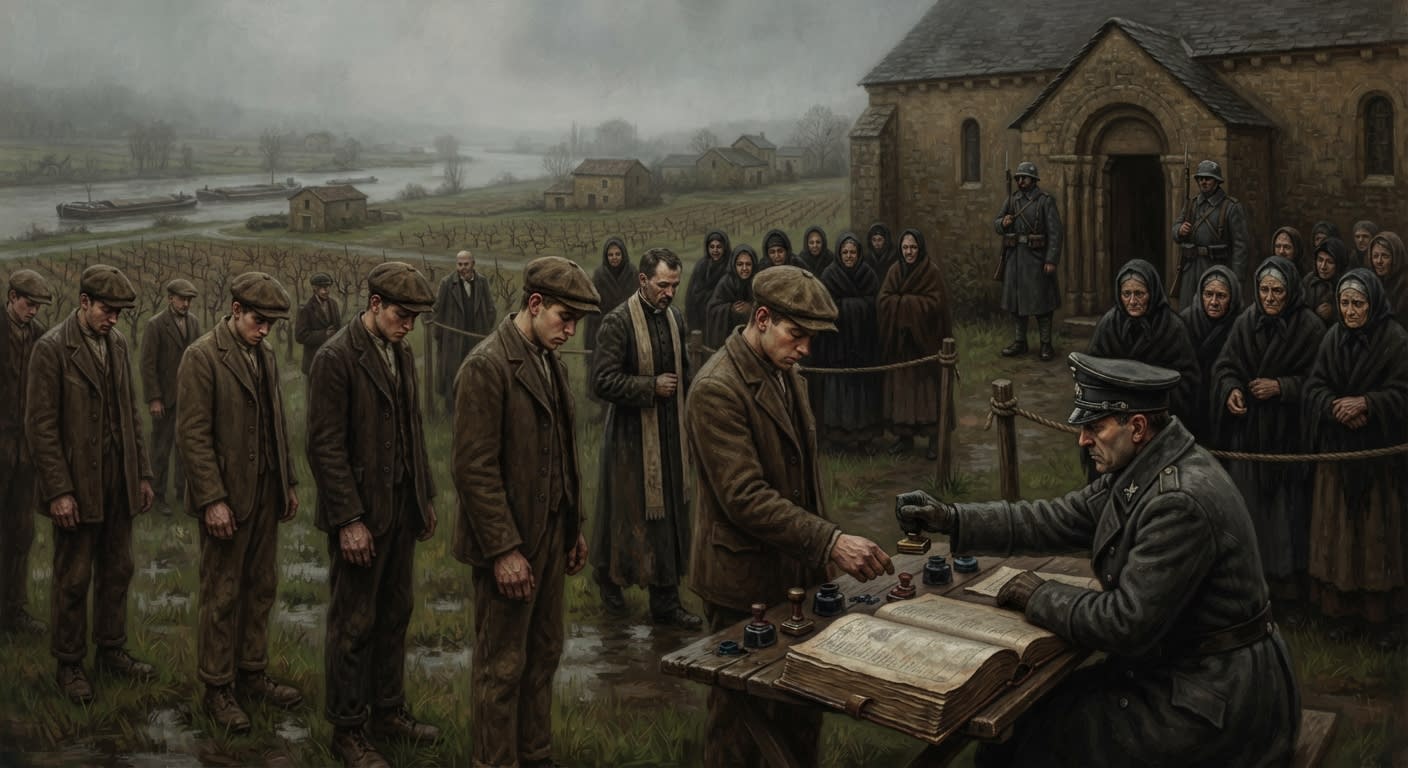
Aquitaine
The western field where sons go missing politely
Aquitaine is the Synod's damp western grain and wine basin: loyal by return, undercounted by suspicion, and courteous enough to make evasion look like hospitality.
Codex Ref. II.1.12-201

Arbiter-Widow Solenne
The Bench mourns first and invoices after
Veiled judge of Griefgate's grief-tax appeals, famous for verdicts that arrive before noon and for a private ledger the culverts insist should not exist.
Codex Ref. III.2.01-094
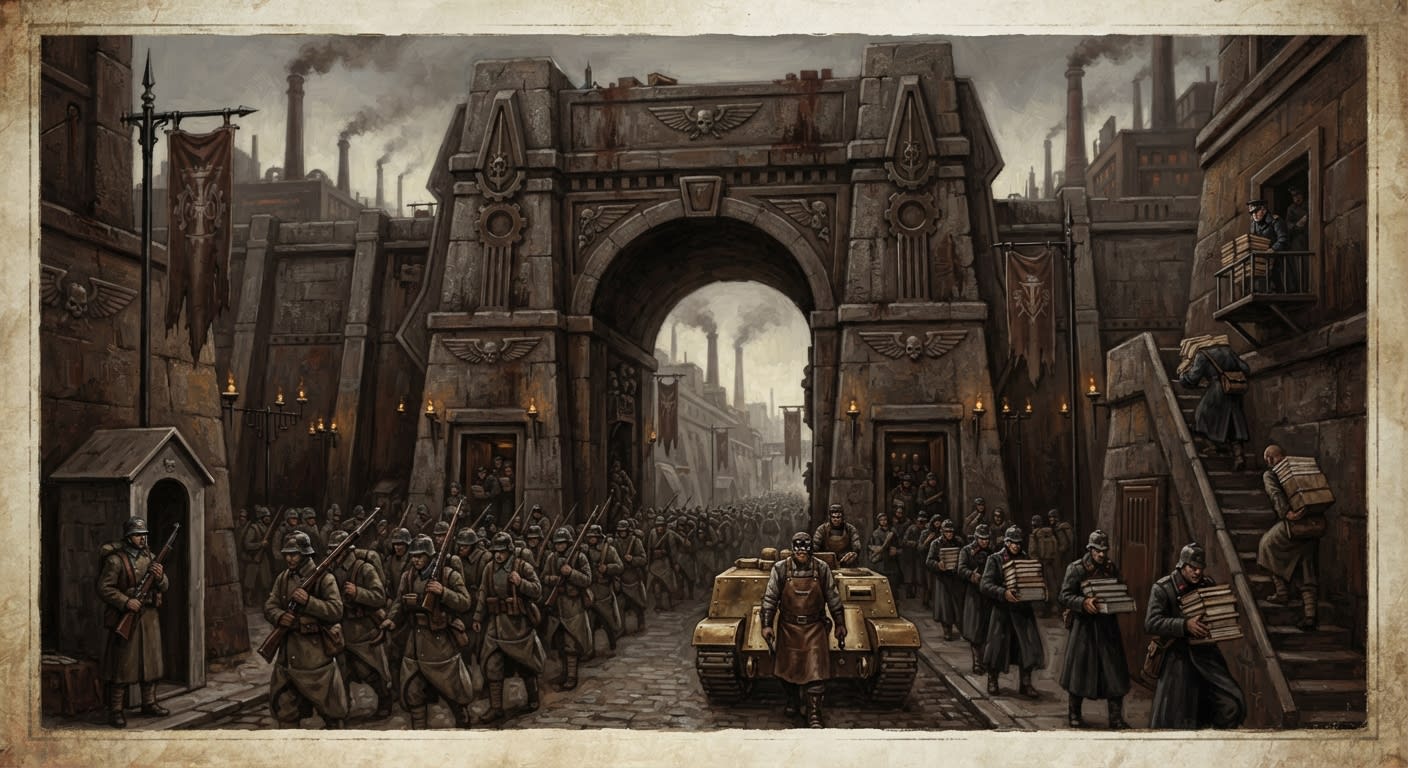
Arch of Campaigns
Where iron enters, and law exits wearing a crimson seal
Strasbourg's military threshold, where the Bureau of War turns cannons, levies, rail priority, and coffin orders into lawful violence beneath the keystone.
Codex Ref. II.3.06-105

Arch-Artificer Lute Brann
The burned hand that quiets engines and embarrasses theology
Lute Brann commands the Foundry Quarter's lower works, signs impossible provenance, quiets bound housings bare-handed, and remains useful enough to survive inquiry.
Codex Ref. III.2.01-150
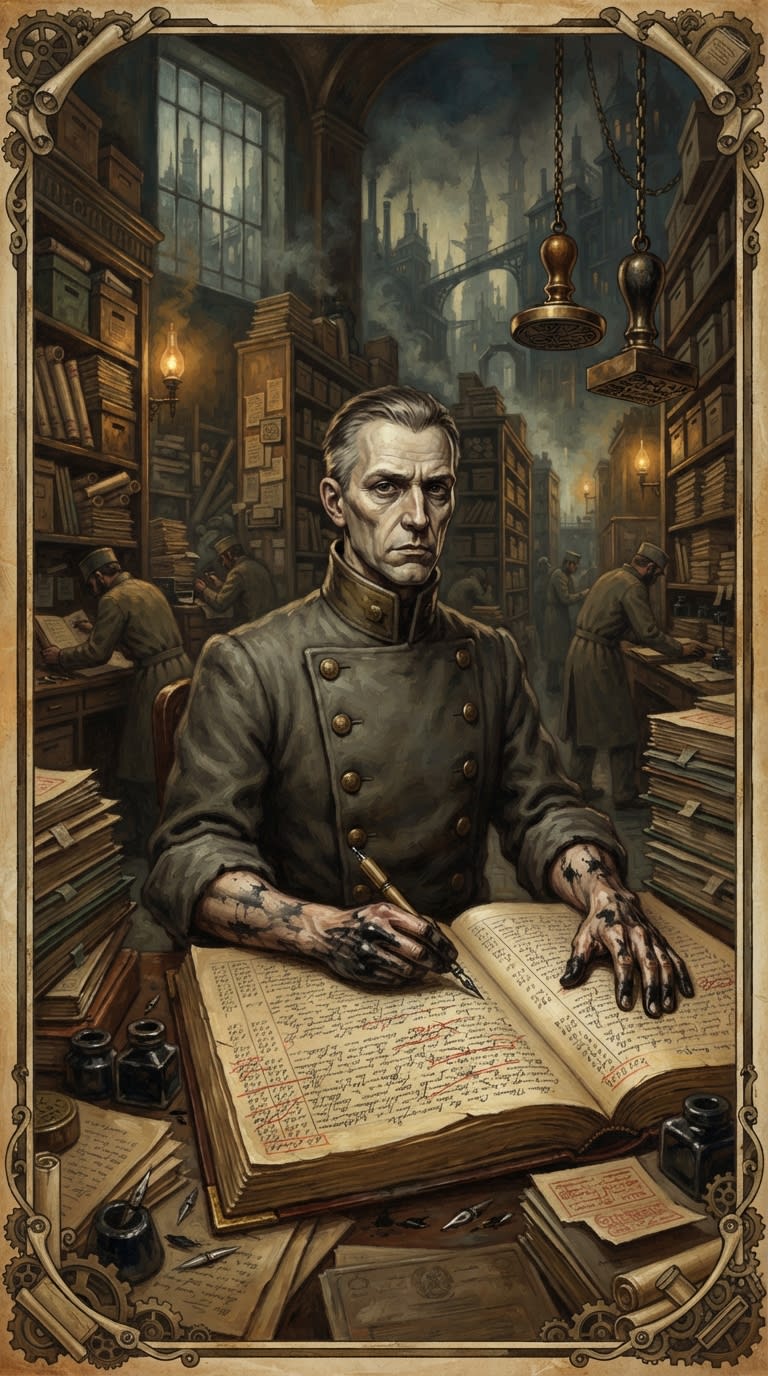
Arch-Notary Veyl
The man who can misspell a soul into hunger
Arch-Notary Veyl holds Essen's Records chair, turning misspelled names, Bloom-tainted ledgers, and Compact crises into fees no furnace can refuse.
Codex Ref. III.2.01-153
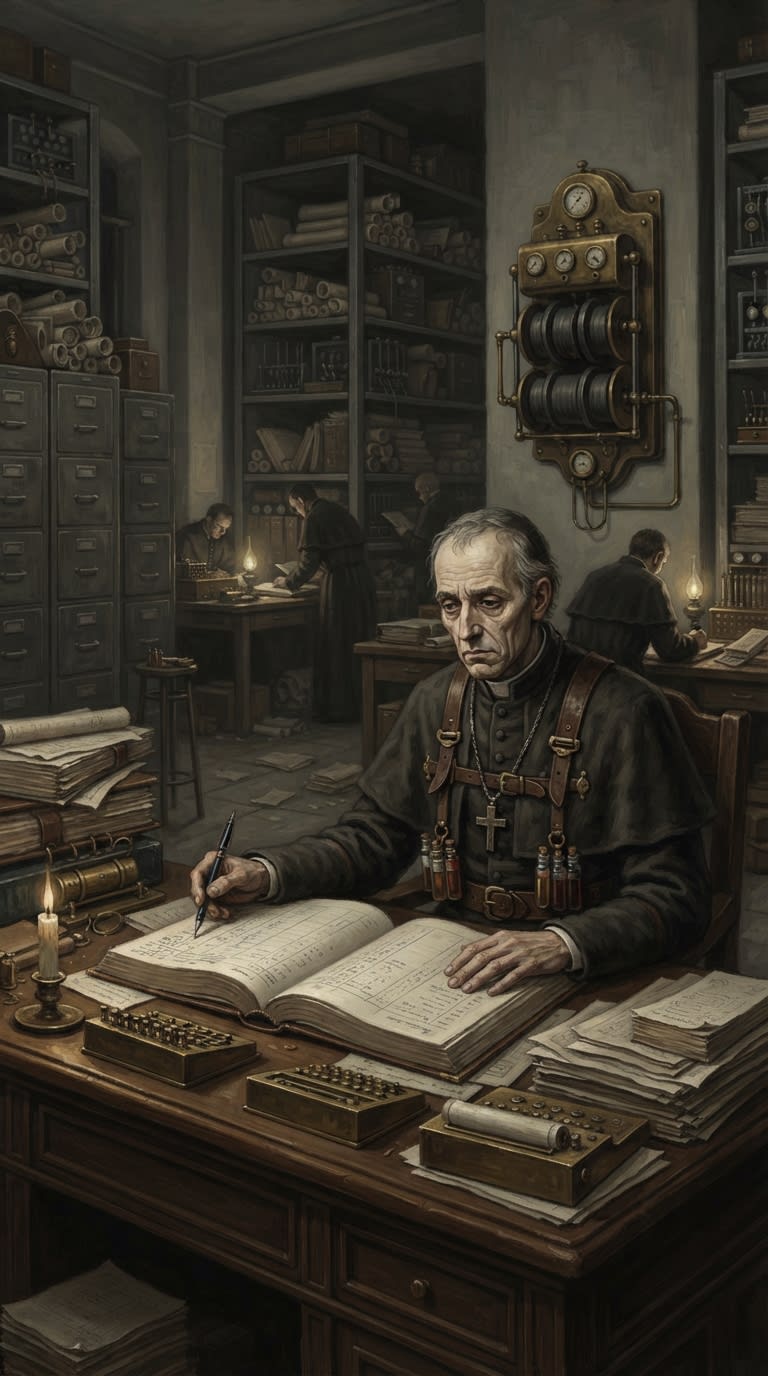
Archbishop Pellian of Rouen
The mercy that cost three percent
Archbishop Pellian of Rouen briefly governed the Bureau of Tithes, tried conciliation, lost three percent in one quarter, and taught Strasbourg that mercy must be priced.
Codex Ref. III.2.01-059

Archbishop Salome Veyrault
The smile that made arrears a sacrament
Archbishop Salome Veyrault governs the Bureau of Tithes with a smile sharp enough to audit grief, humble Purity, and make the Sagittal Line pay for one more day of survival.
Codex Ref. III.2.01-055
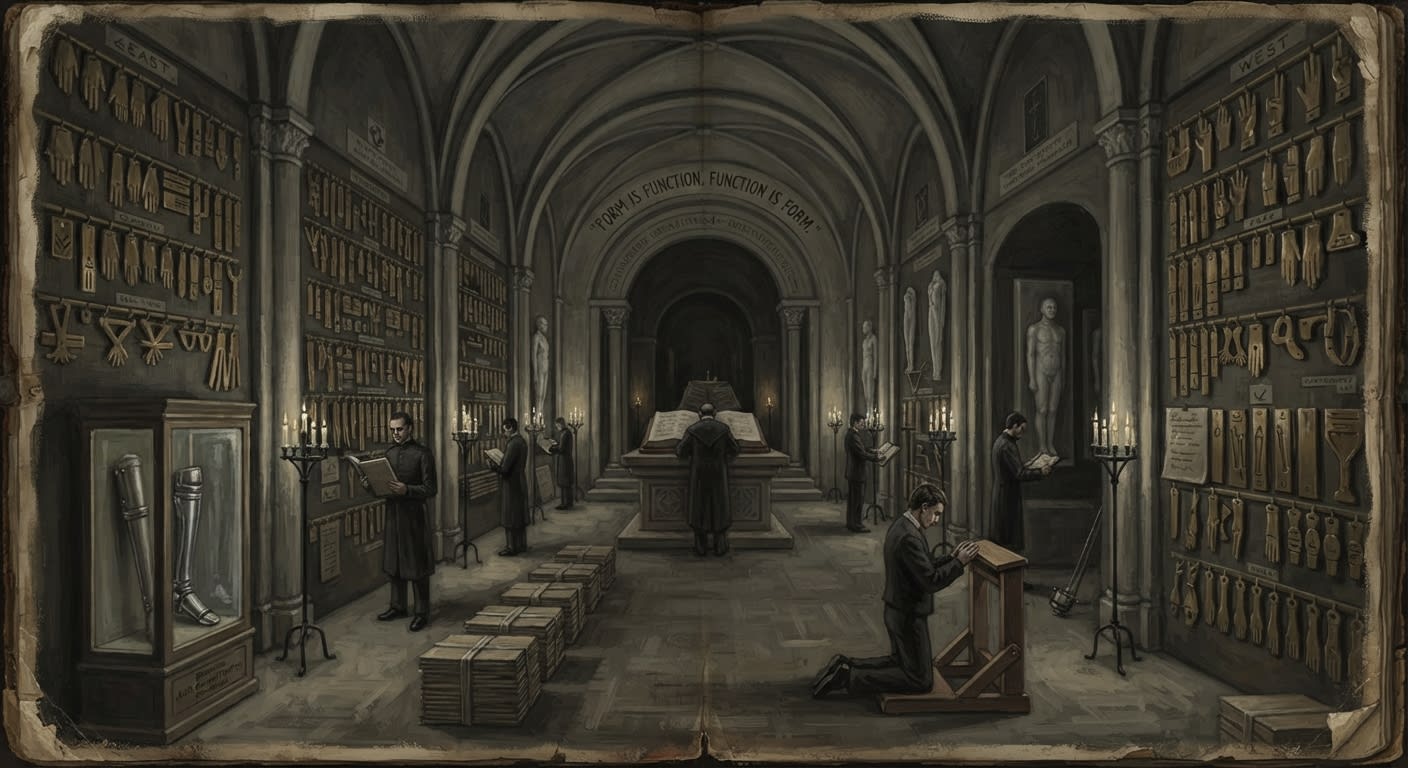
Archive of Prescribed Gesture
The room where the Synod files the body.
A vaulted Strasbourg hall where posture becomes law: brass plates, knee gauges, timing tables, sealed anomalies, and every lawful motion the faithful may perform before the Creator.
Codex Ref. II.2.06-195
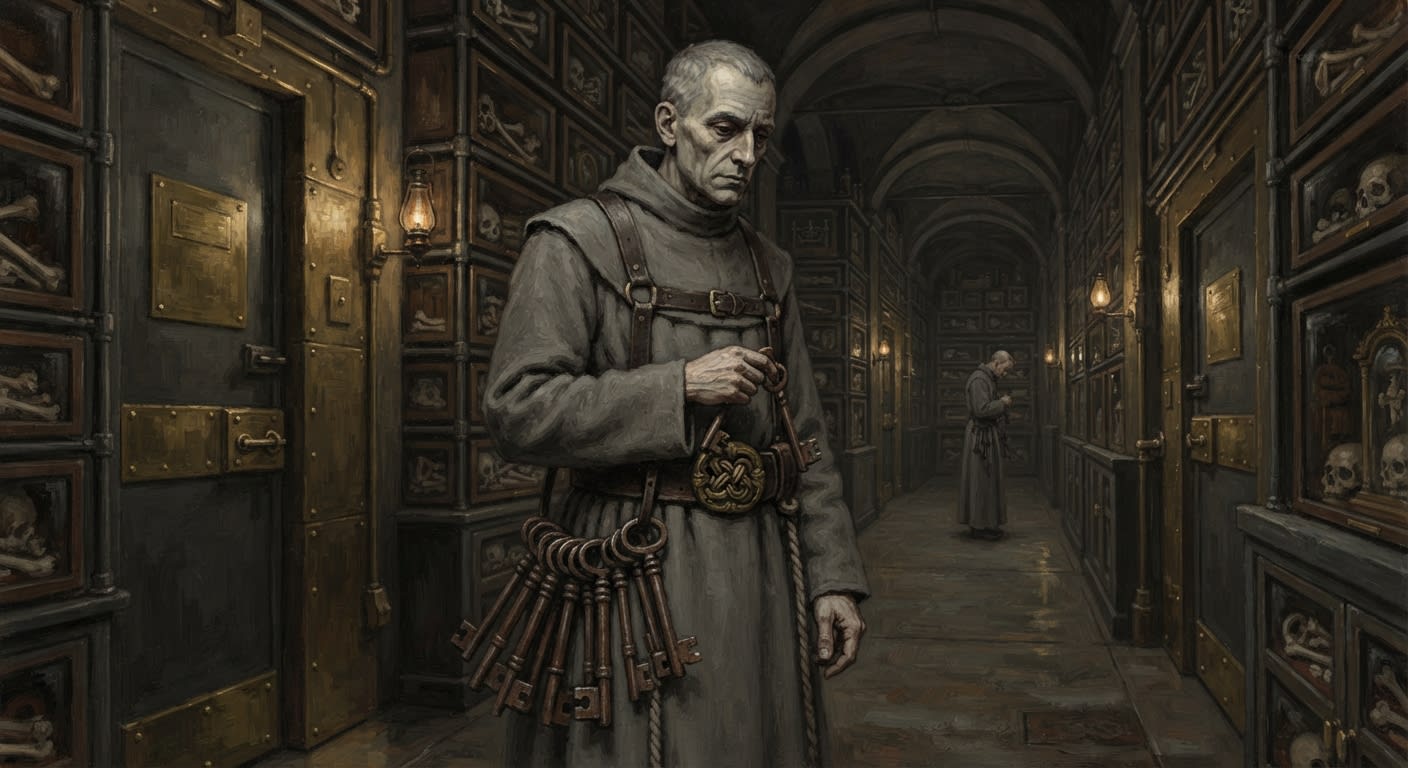
Archon-Custodian of Relics
The keys are issued to the chair. The chair lends them to the man.
The classified holder of the Bureau of Relics' custodial chair keeps the Vault, the keys, the silence, and the useful fiction that bones answer to shelves.
Codex Ref. III.2.01-201

Archon-Custodian's Office
The shelf is not appealed; the silence is audited
The private paper machinery beneath the Archon-Custodian's seal: clerks who decide where authenticated relics are shelved, lent, melted, silenced, or remembered only as a numbered absence.
Codex Ref. XII.35.02-001
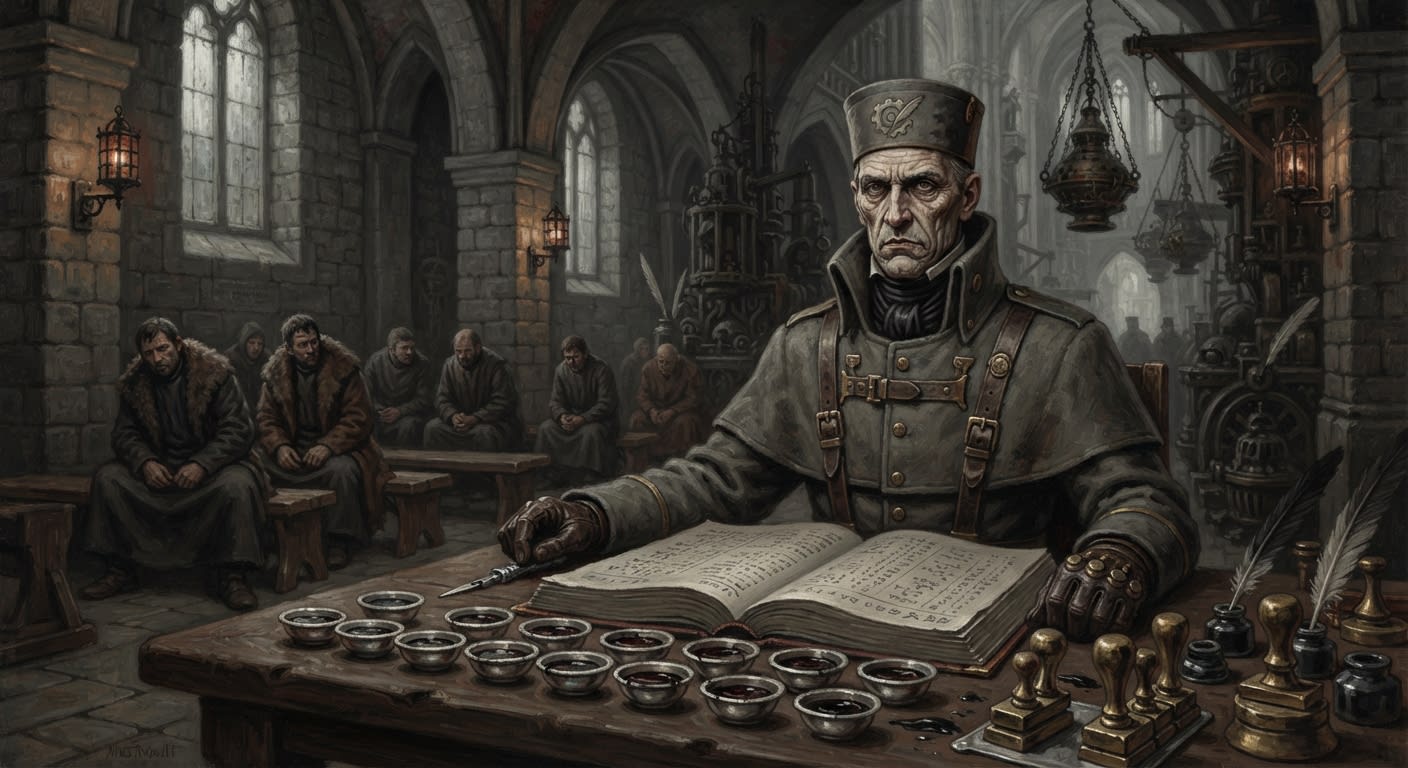
Archon-Mediator Havel of Tithes
The quiet voice that taught a thousand guilds arithmetic
The Bureau of Tithes officer active at Münster in A.S. 105, remembered for one sentence, one vanished district, and no biography worth preserving.
Codex Ref. III.2.01-105
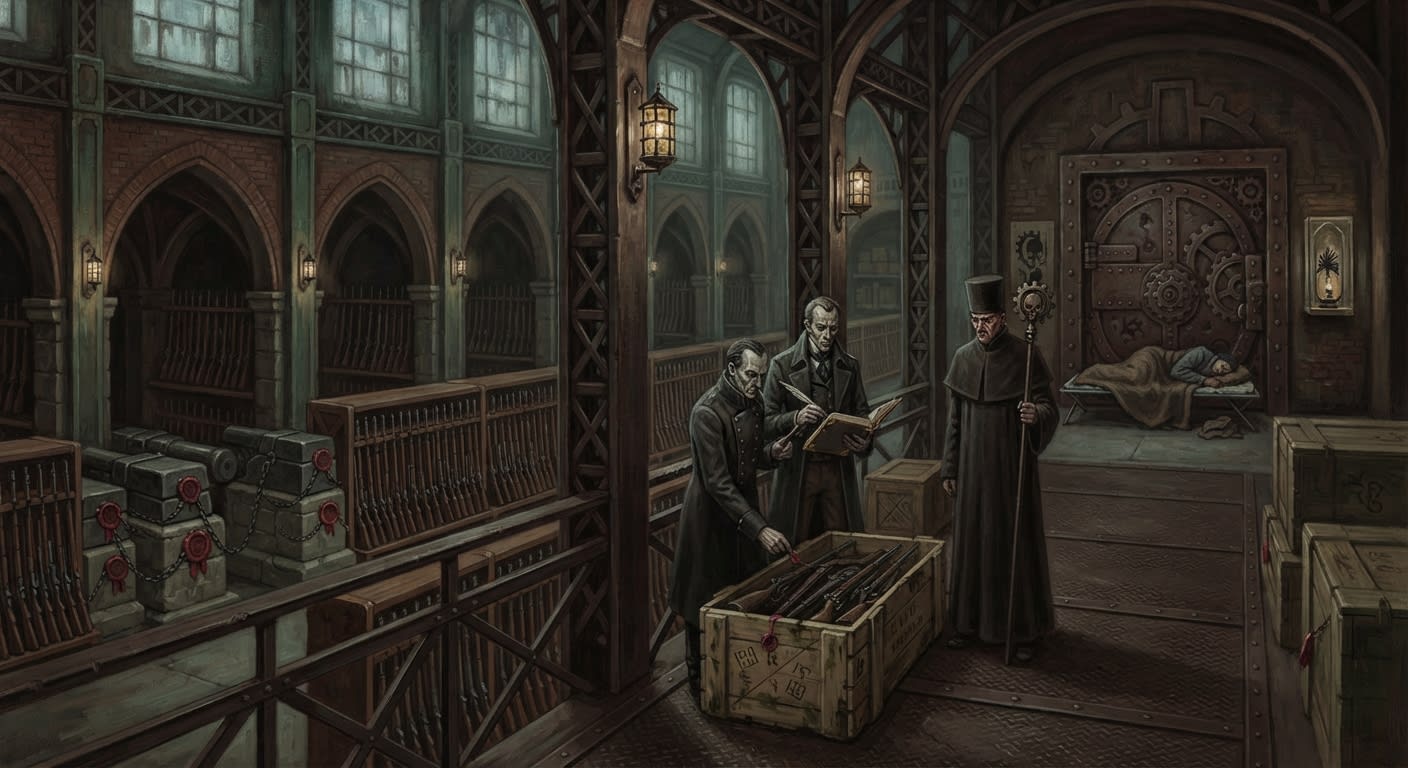
Armoury
Where Strasbourg stores the war it insists will not arrive
Strasbourg's Armoury keeps rifles, powder, breech-blocks, parade steel, and very careful ledgers for a city that claims itself safe. Twenty thousand weapons wait more honestly than their owners speak.
Codex Ref. II.2.09-201
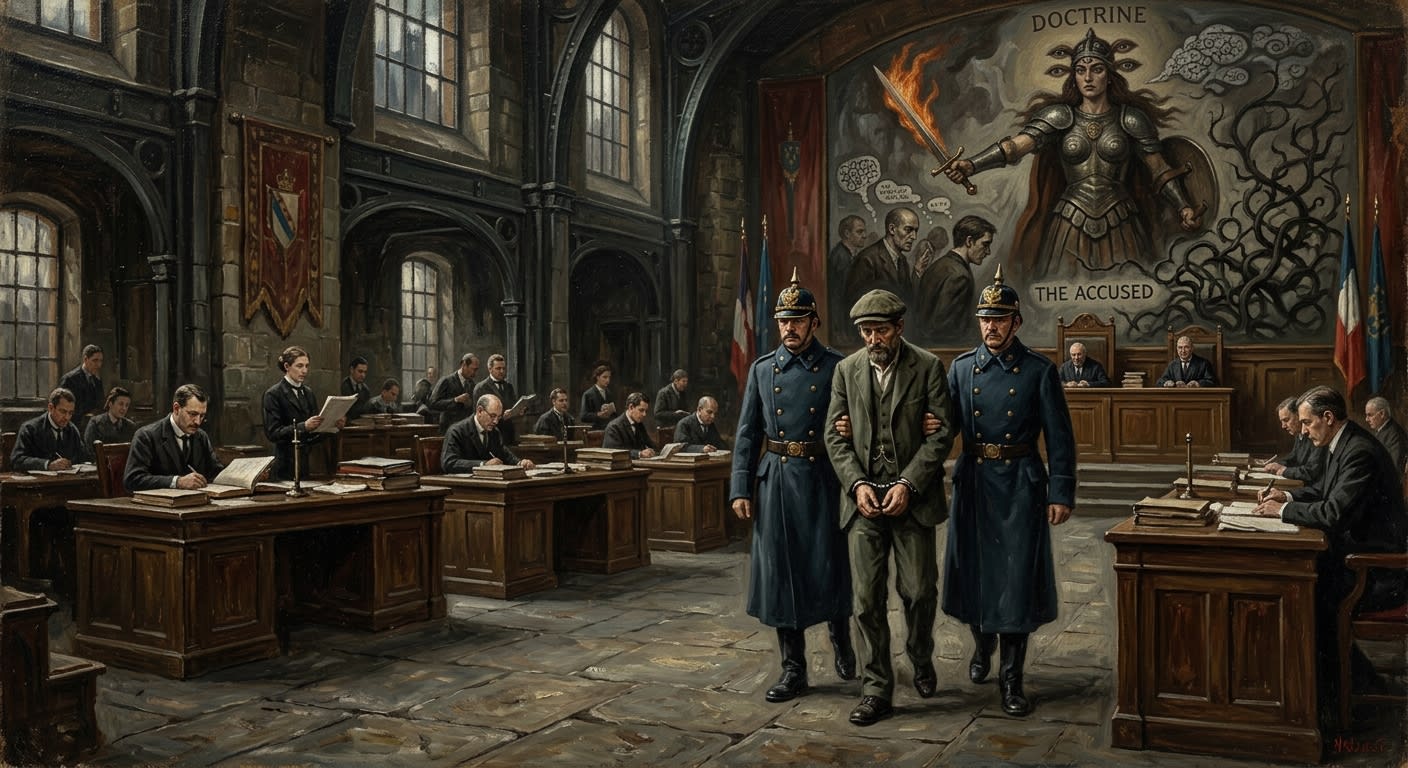
Article 9 of the Catechism of Obedience
The offence remains open so the soul cannot close
Article 9 refuses to define heresy, then makes Doctrine's later declaration retroactive to the first formation of the accused thought. Mercy hates the efficiency.
Codex Ref. XIII.1.04-009
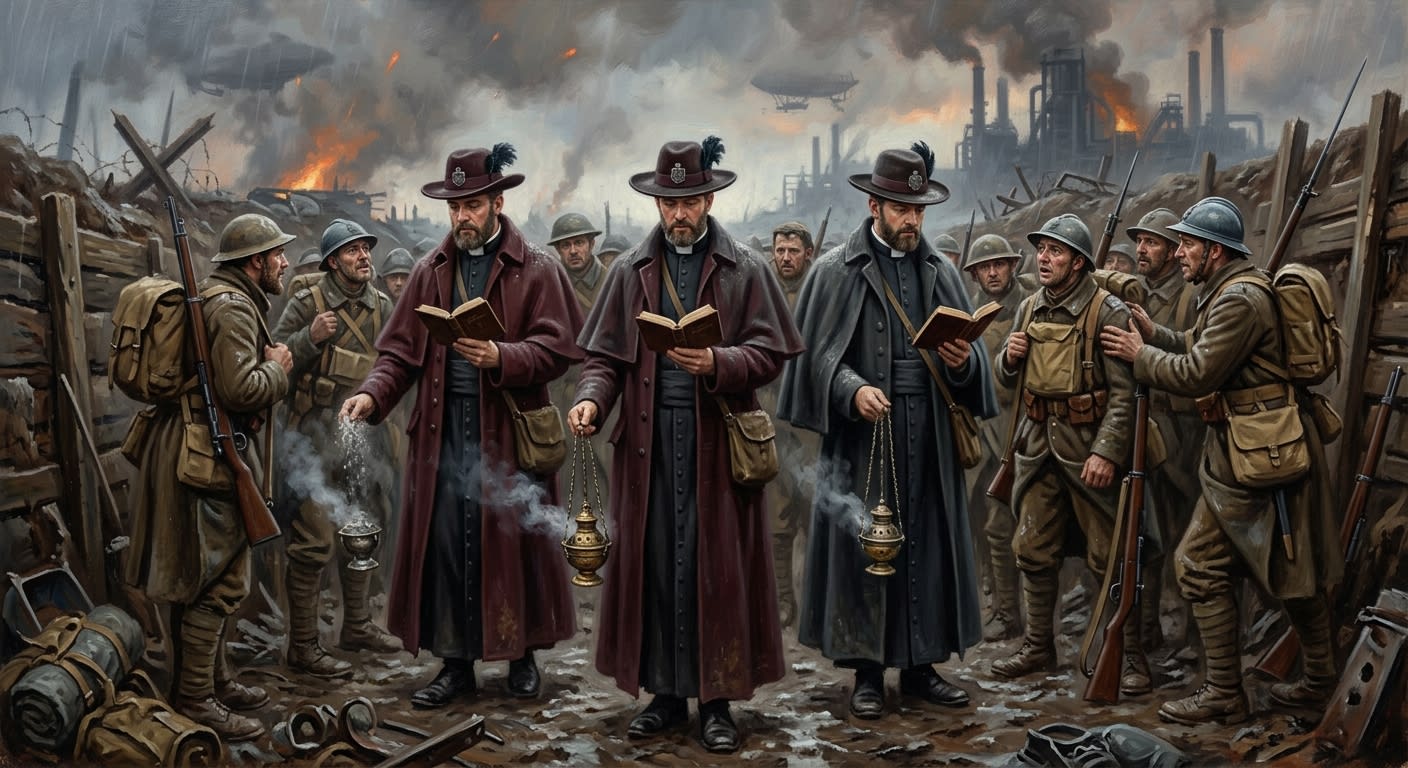
Ash Chaplains
Breath is only pastoral after War has taught it to hold
Bureau of War lung-clergy who deploy relic-ash, the Litany of Stones, cadence discipline, and name-silence to keep breach cohorts breathing in obedience under shell, song, and rupture.
Codex Ref. VIII.5.07-001
Ash Registrars
The child disappears when the form learns to lie
Pale Kin paper-first faction that frees hidden children by ruining, duplicating, and dulling official records until the Ledger loses confidence in its own page.
Codex Ref. XI.4.01-004
Ash Warrens
Where Essen rents warmth by the breath
The Ash Warrens are Essen-of-Hymnsteel's southern warm-duct sprawl: refugee burrow, condemned labour reserve, heat market, and acoustic wound.
Codex Ref. II.2.01-008
Ash-Chapel of Saint Lorn
Where Lor turns failed breath into wards
At the Warrens edge of Black-Snow Lor, the Ash-Chapel comforts the choking, registers storm-orphans, and keeps the oath lists no Bureau wants to read.
Codex Ref. II.4.09-201
Ash-Credit
The dead are tender once Tithes finds a scale
Ash-credit is the Synod's devotional collateral, converting cremains, saint-dust, and pledged future remains into bread, grace rations, and obligations the dead cannot refuse.
Codex Ref. VI.3.01-002
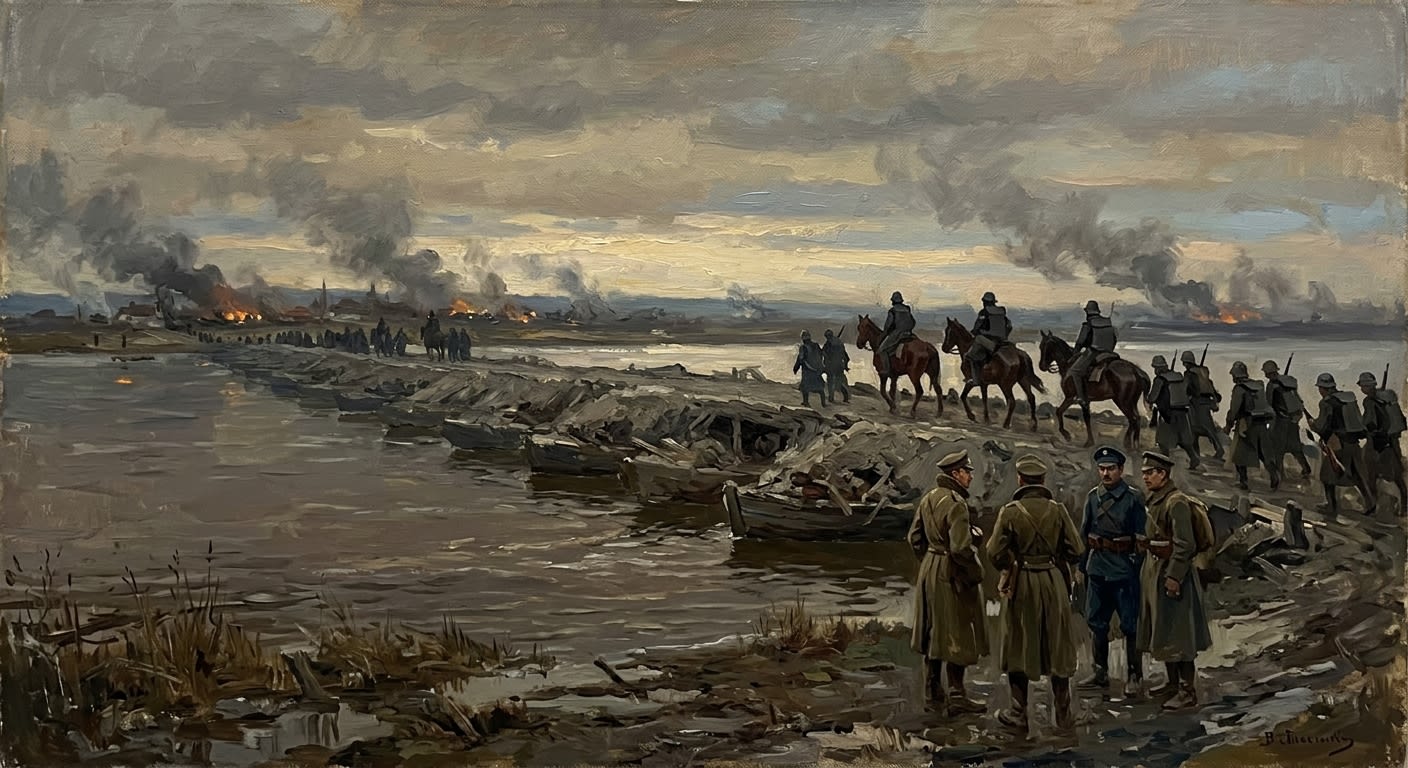
Ash-Fodder
The cheapest weapon in the Adversary's ledger — and the one no committee is willing to count
The Ash-Fodder Militias are the lowest tier of the Shadow Court's mortal force taxonomy — unenhanced, unarmed or barely armed, drawn from conquered populations and driven forward to exhaust Synod ammunition and armour before the real assault begins.
Codex Ref. IX.1.03-001
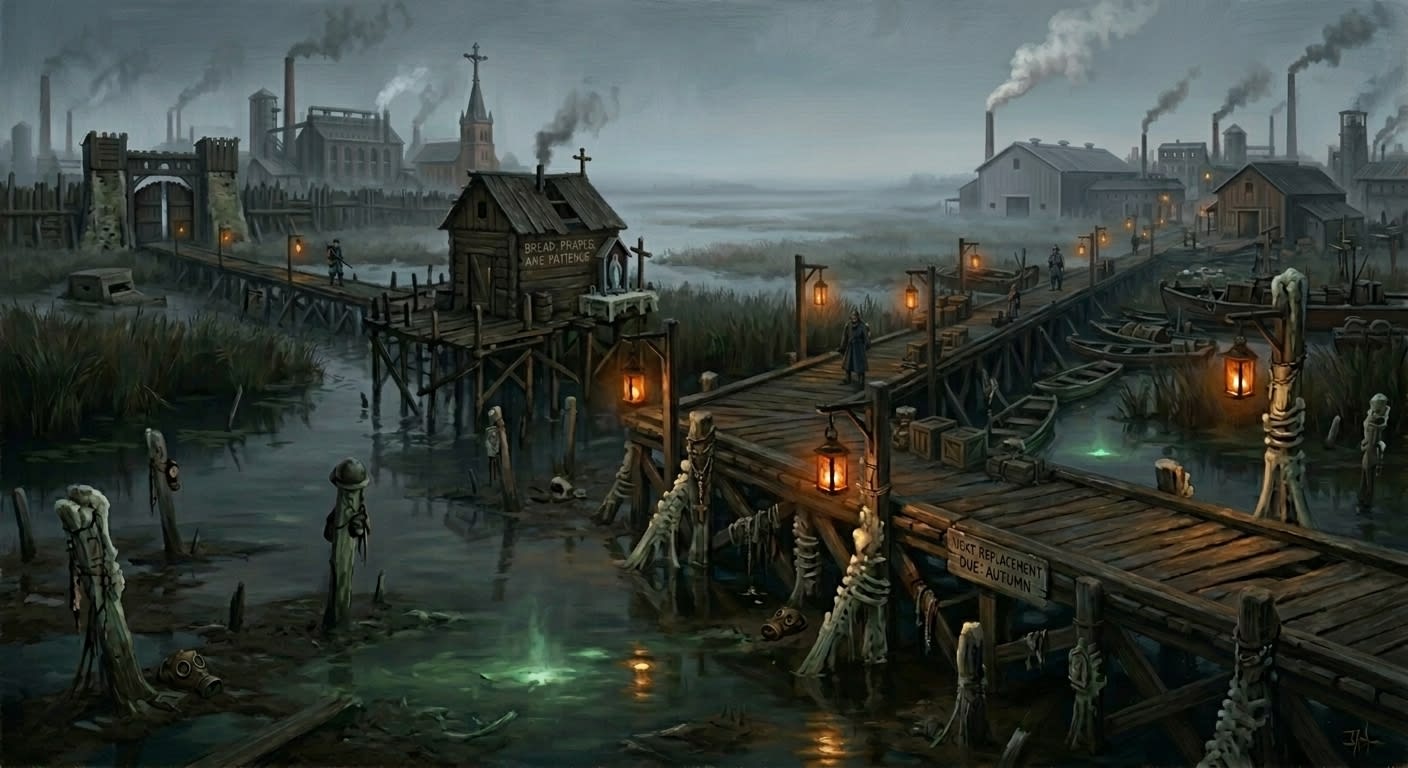
Ash-Glyph Marshworks
All graves are provisional at the river's edge.
A mortuary settlement at the Danube's mouth where the war-dead are converted into filing coordinates. The marsh glows at night, the relics arrive already tagged, and the Bureau has been reviewing the anomalies for fifty-eight years without result.
Codex Ref. II.4.08-004
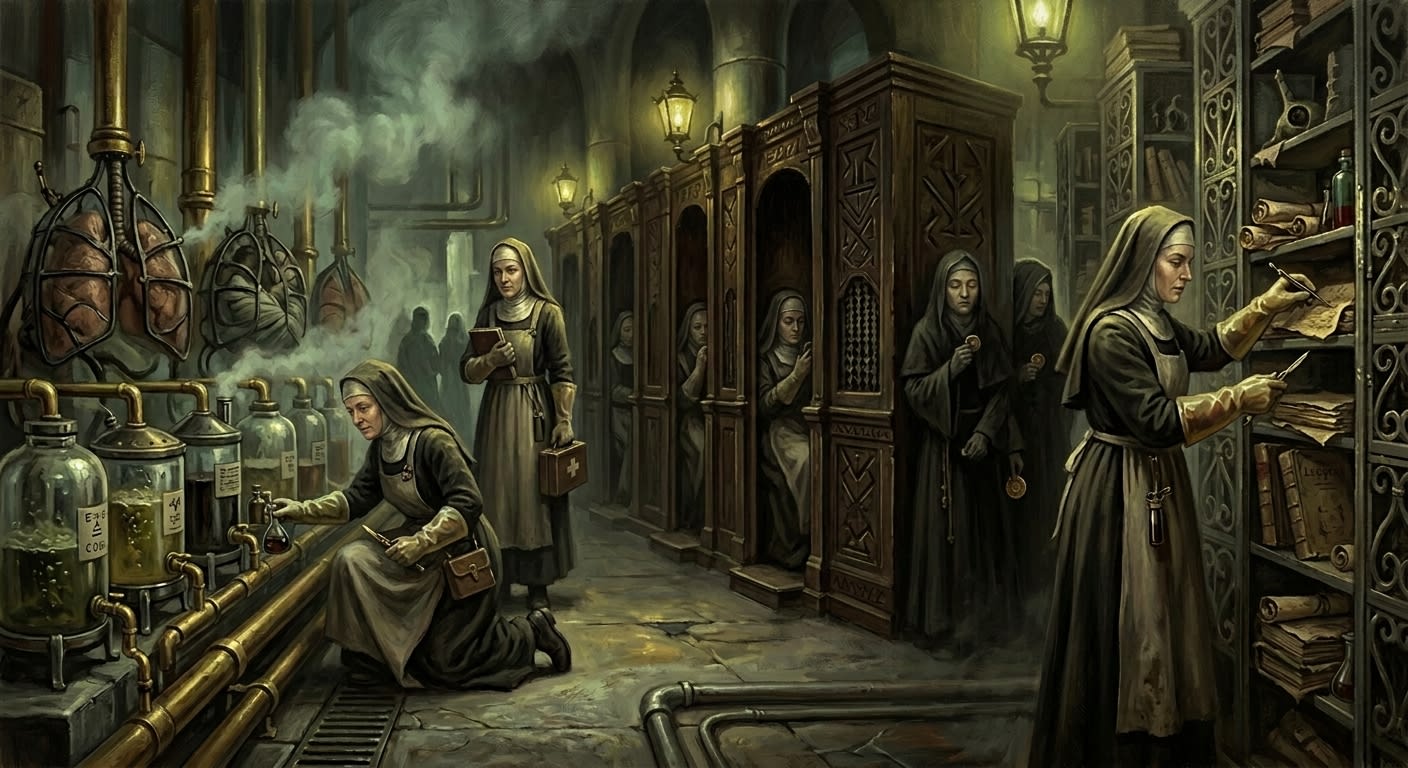
Ash-Hospice Sisters
Mercy keeps the ward warm and the accident ledger warmer
The Ash-Hospice Sisters tend Brast's lungs, confession booths, and most dangerous archive: mercy with resin gloves and an exact hand.
Codex Ref. VIII.6.05-001
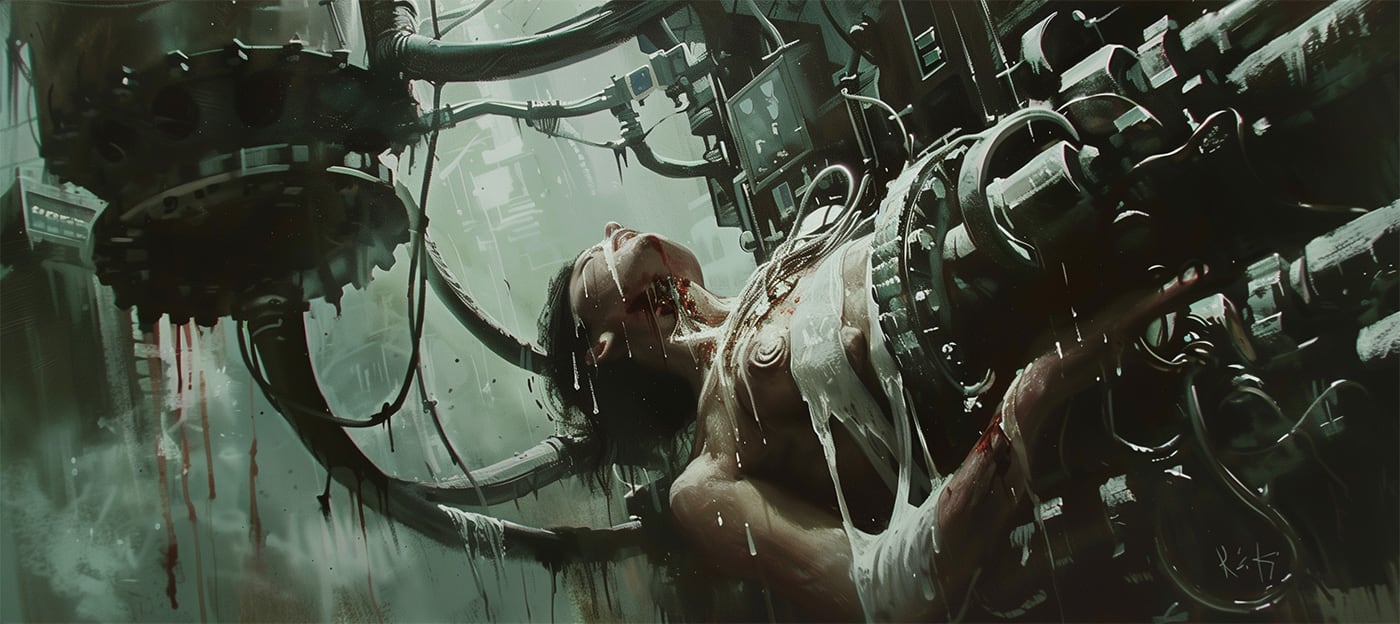
Ash-Mothers
A production line. The Bureau said two paragraphs were enough. They were not.
The Bureau's most exhaustive silence — Ash-Mothers are enemy reproductive logistics cells, captured women sustained by sorcery to generate Thrall regiments at industrial scale. I file the account that two paragraphs could not contain.
Codex Ref. IX.1.02-001
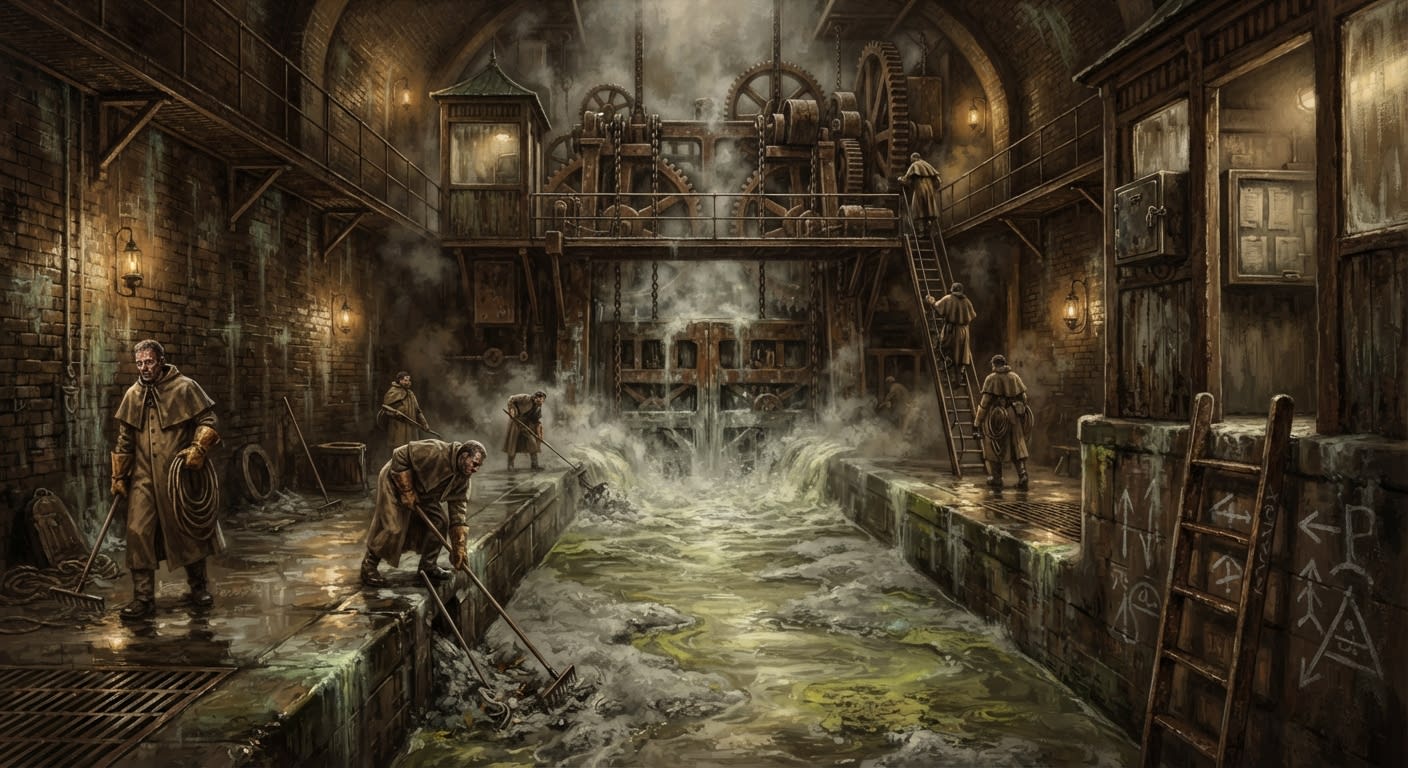
Ash-Sluice Line
Who holds Gate IX holds the water, and therefore everything else
The lowest line of Candle-Sump: soot brick, caustic water, Gate IX's singing gears, and the chart boxes that may govern both flood releases and the harvest of dead names.
Codex Ref. II.1.05-002
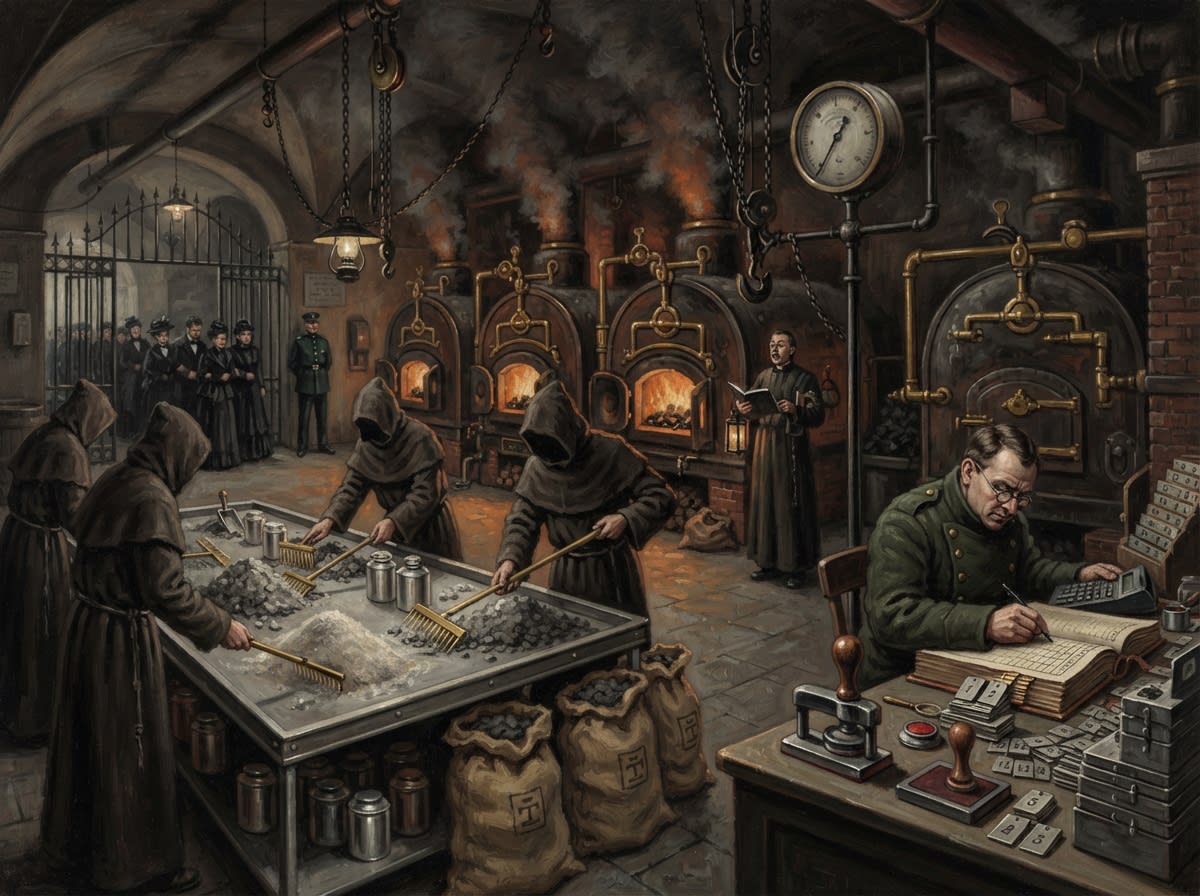
Ashbinders
The dead are sacred, and the receipt is extra
The Ashbinders burn the Synod's dead, sort the ash, sell the comfort, and accidentally perform one of the few procedures that keeps the cemeteries quiet.
Codex Ref. XII.41.01-001
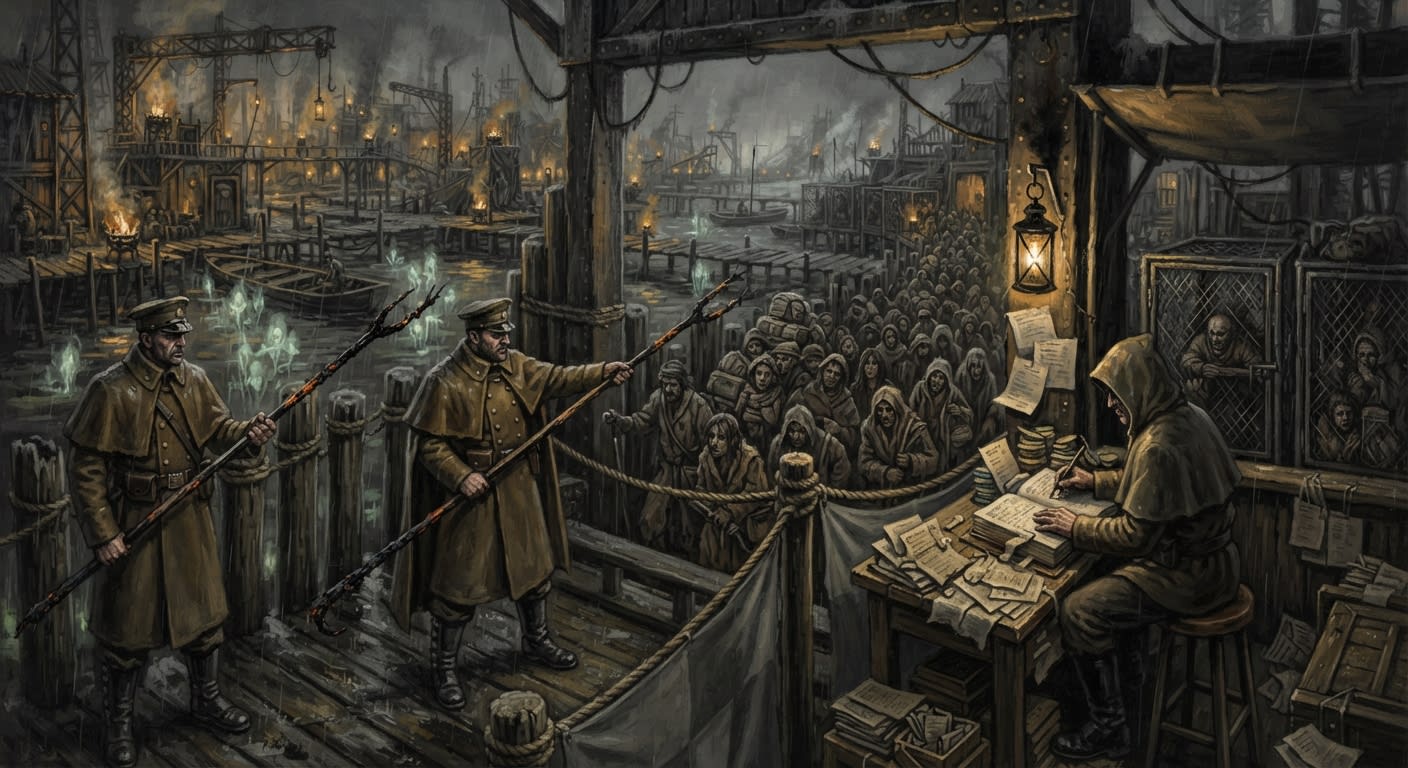
Ashbound Wardens
The Gate has one road out and one ledger open
The Ashbound Wardens hold the Causeway Gate at the Ash-Glyph Marshworks, enforcing a temporary quarantine that has lasted eighty-nine years and converting passage, debt, and fear into revenue.
Codex Ref. XII.7.02-002
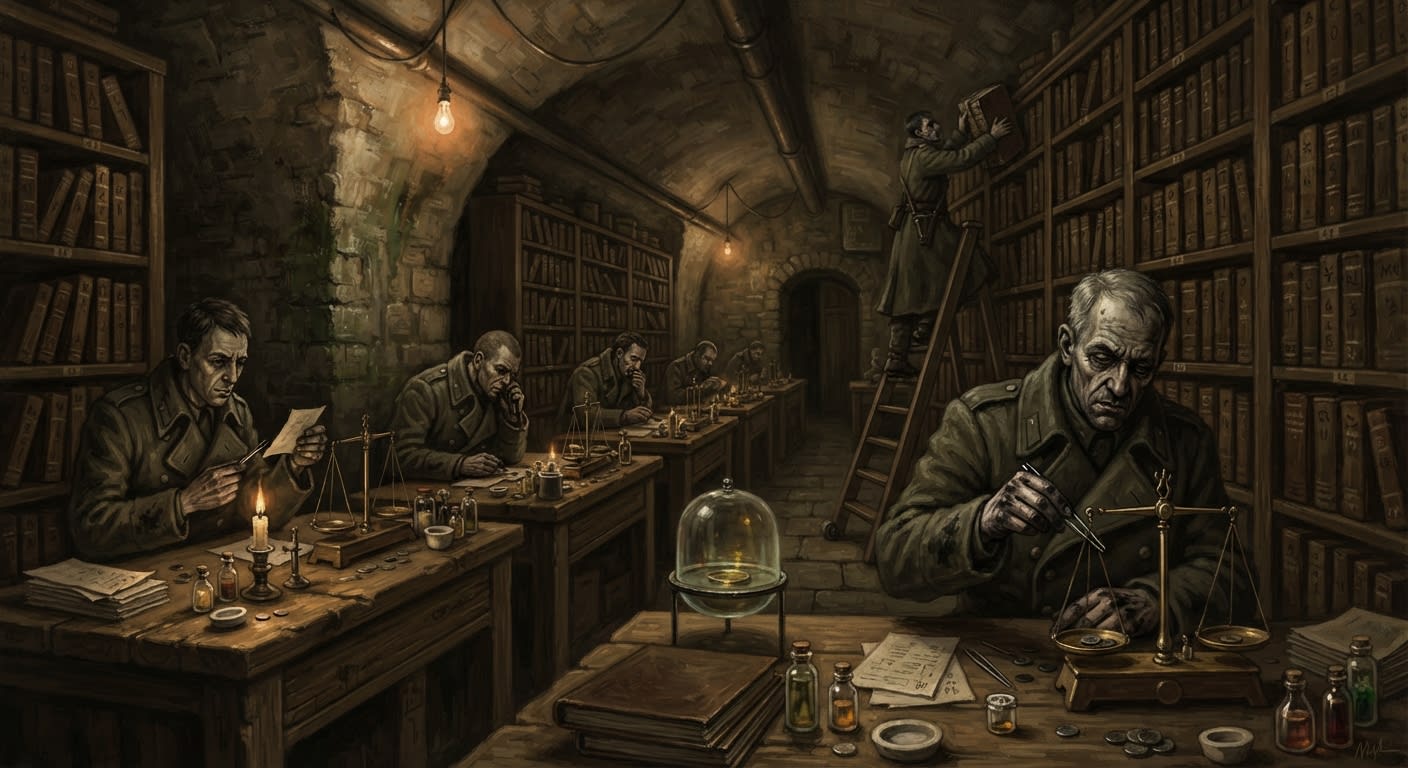
Assay Chamber
The scales are honest. That is the problem.
The Assay Chamber weighs Sibiu's war in coin, scrip, brass, and clean gold. Its tests are excellent. Velmora's economy is faster.
Codex Ref. II.4.09-181
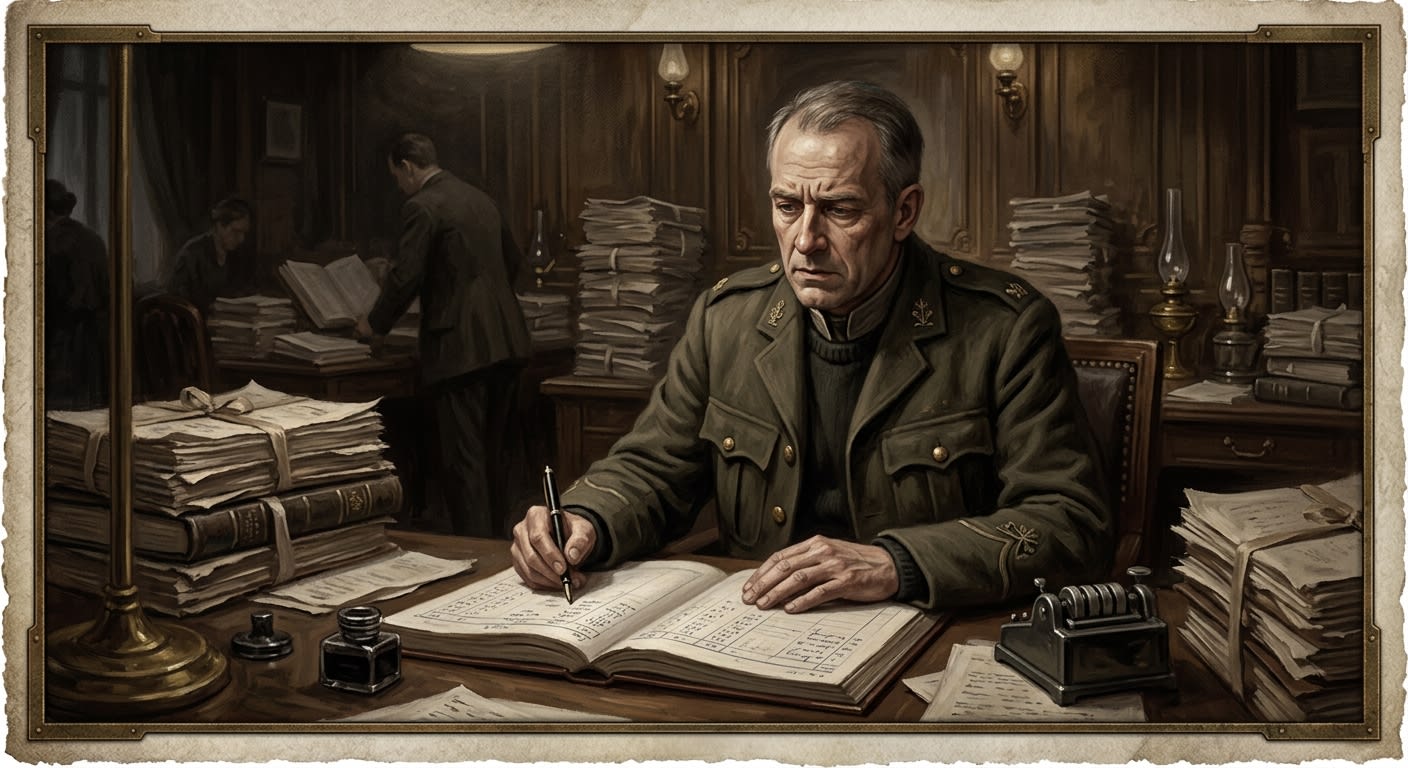
Assessor-General Kaethus Brenn
The crossed-out prayer beneath the Widow’s Penny
Assessor-General Kaethus Brenn wrote the arithmetic that turned pity exemptions into Widow’s Pennies, regretted it in the margin, and sent it forward.
Codex Ref. III.2.01-147

Assessor-Tertiary Yrsa Haugen
She keeps watch over Hell's resentments, which is why the minutes still matter
Yrsa Haugen directs Inter-Infernal Analysis from three rooms in Strasbourg, keeping fourteen analysts and one dangerous assumption from becoming a lullaby.
Codex Ref. III.2.01-152
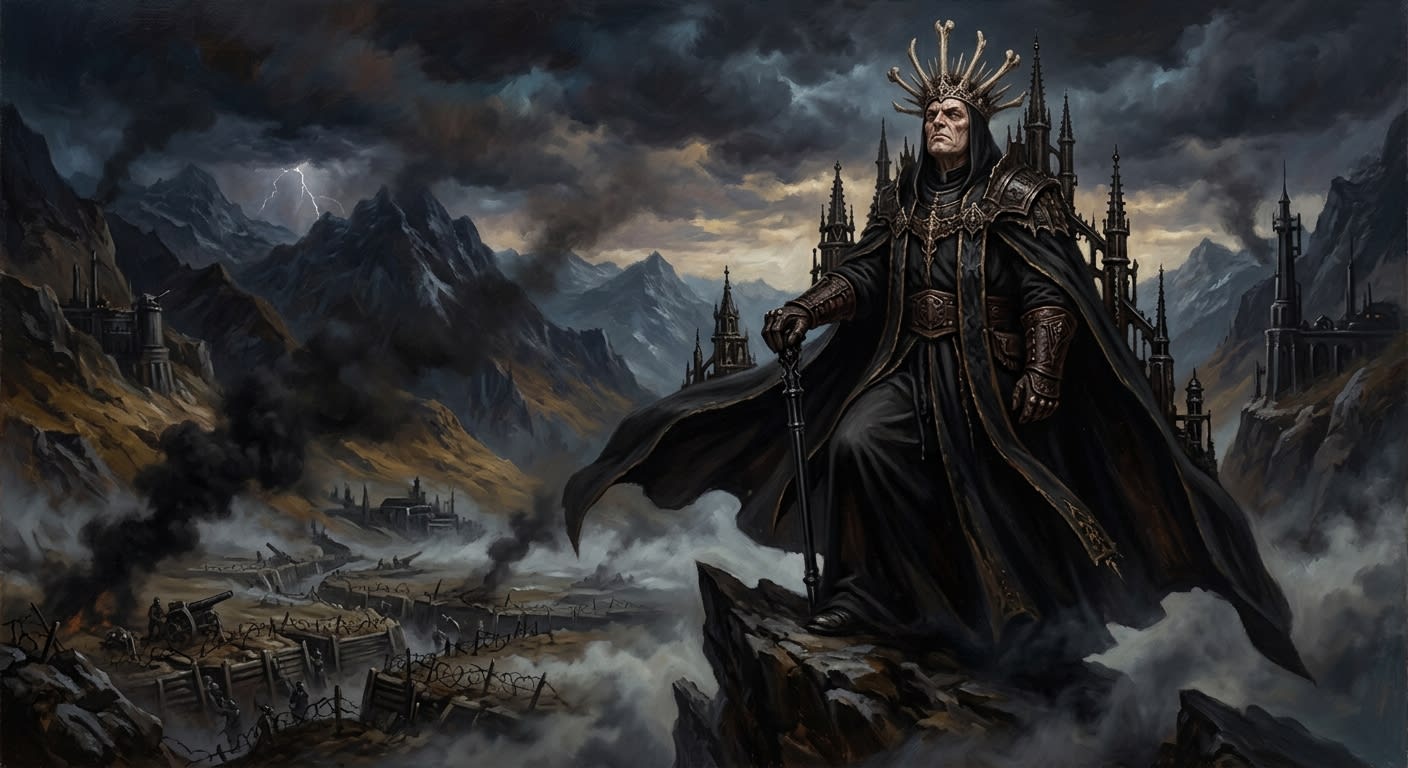
Atheron
The summit that denied the mountain that bore it
Atheron, Sin-General of Pride, holds the Carpathian passes opposite Bastion-Przemyśl — not for strategy, but for the dominion of being seen from above. He is the enemy the Synod least understands because it resembles him most.
Codex Ref. IV.1.07-006
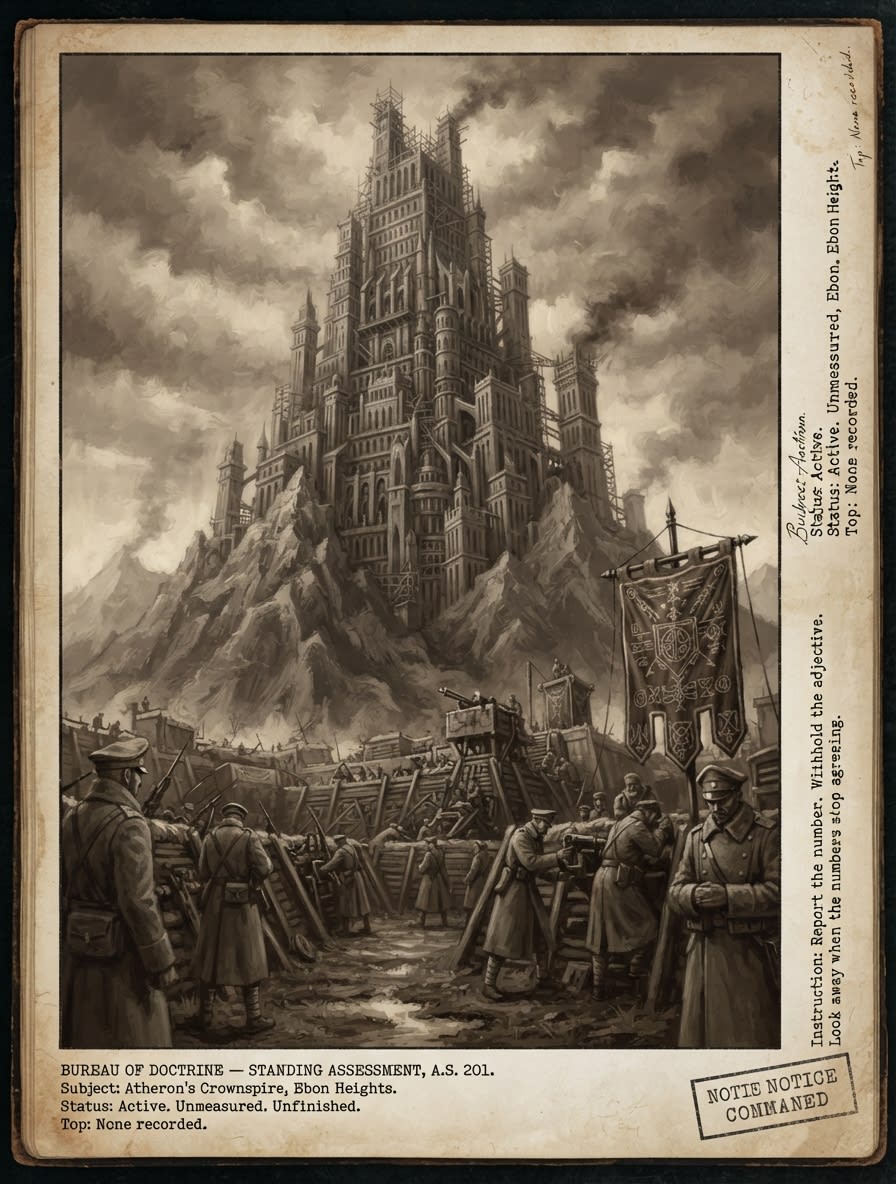
Atheron's Crownspire
The ascent is the throne and the cage
Atheron's Crownspire is Pride's unfinished throne: a tower without a top, a citadel without a throne room, and the reason Przemyśl teaches soldiers to look low.
Codex Ref. II.4.03-047
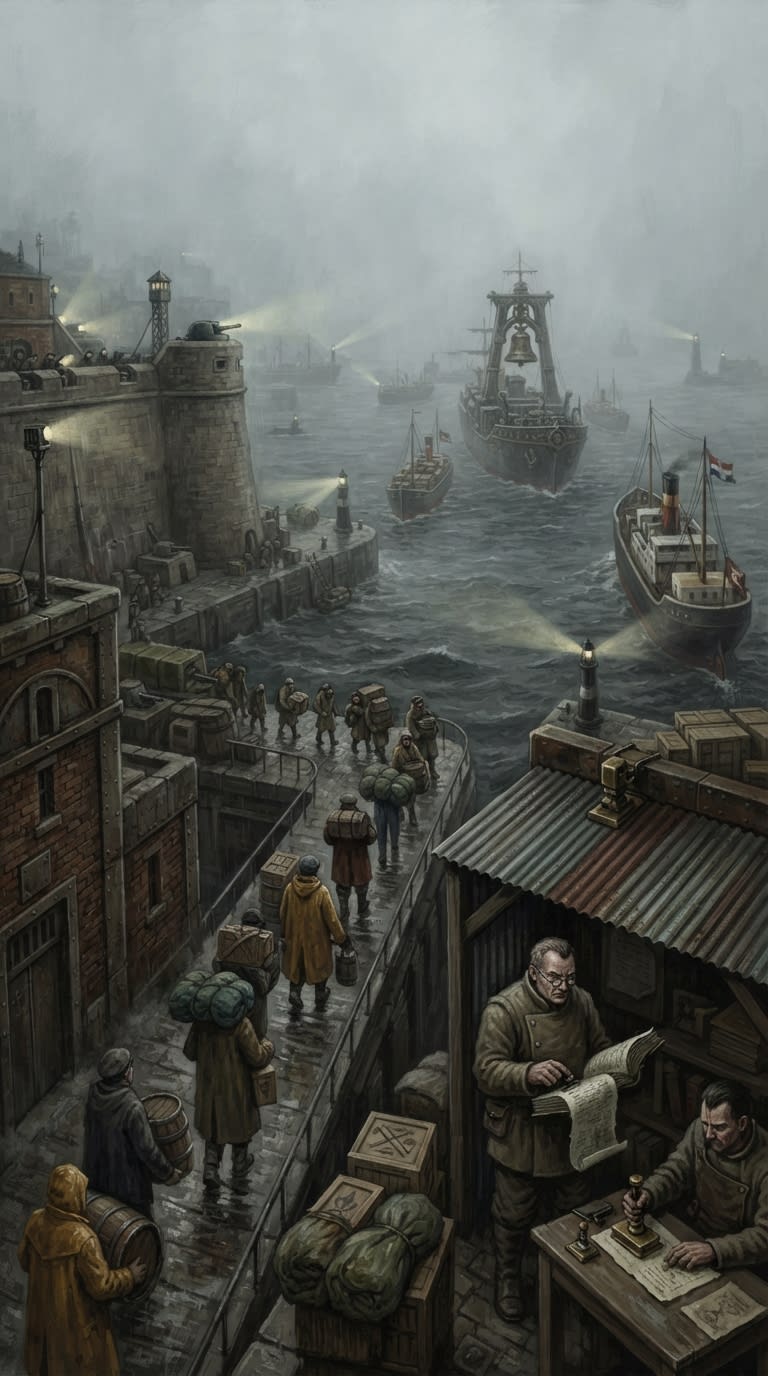
Atlantic
The water at the western end of every Synodal sentence
The Atlantic is the Synod's western water: open, escorted, profitable, watched, and owned by nobody, with Zone 1 harbours feeding the Line through wet ledgers and foreign hulls.
Codex Ref. II.4.09-201

Auditor Goss of Sibiu
The number remained after the man was removed
Auditor Goss found the perfect false scrip inside Bastion-Sibiu: Bureau paper, Bureau ink, and serial numbers the master ledger had never issued. His finding remains. His file does not.
Codex Ref. III.2.01-140
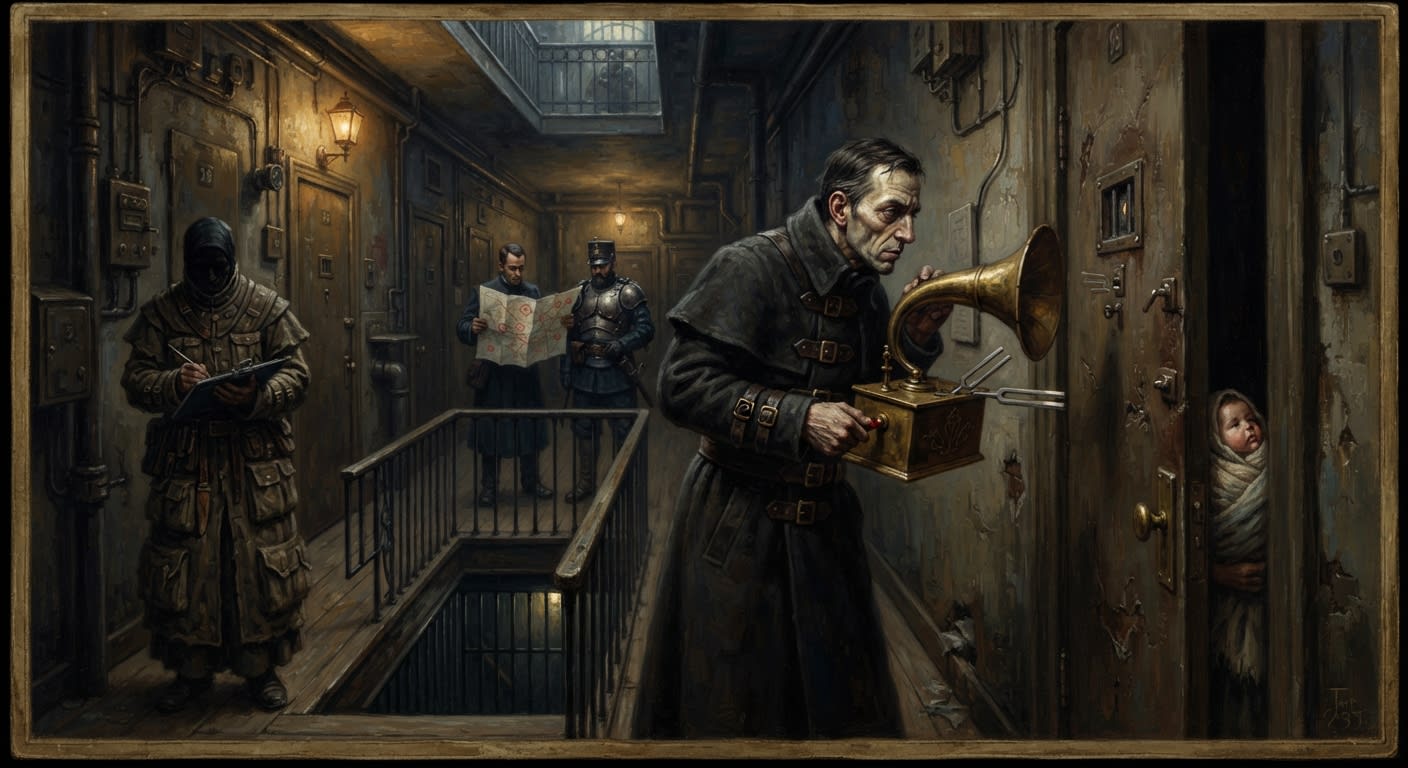
Auditory Heresy
Where recognition is possession and silence has a docket
The Synod's charge for unlicensed sound, where recognition becomes possession, comfort becomes contamination, and a child's sleep can convict a household.
Codex Ref. XIII.1.86-094
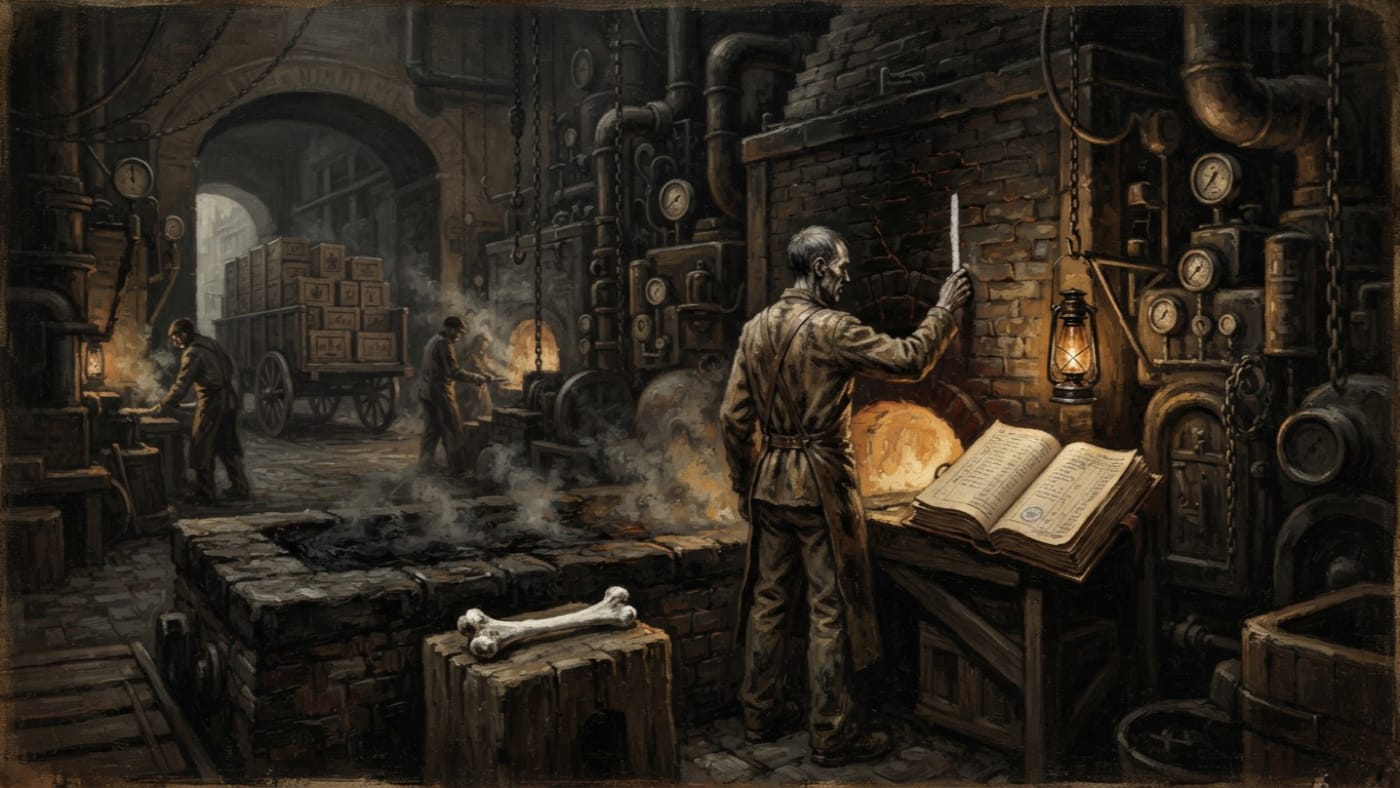
Aurel Eve
A white line, an honest bone, and guilt ready for the winter convoy
Aurel Eve gives Saint-Bone Melters one white line, one clean bone, and a ledger before the first winter convoy. Doctrine tolerates the devotion; the dead must still be numbered.
Codex Ref. XIII.1.89-201
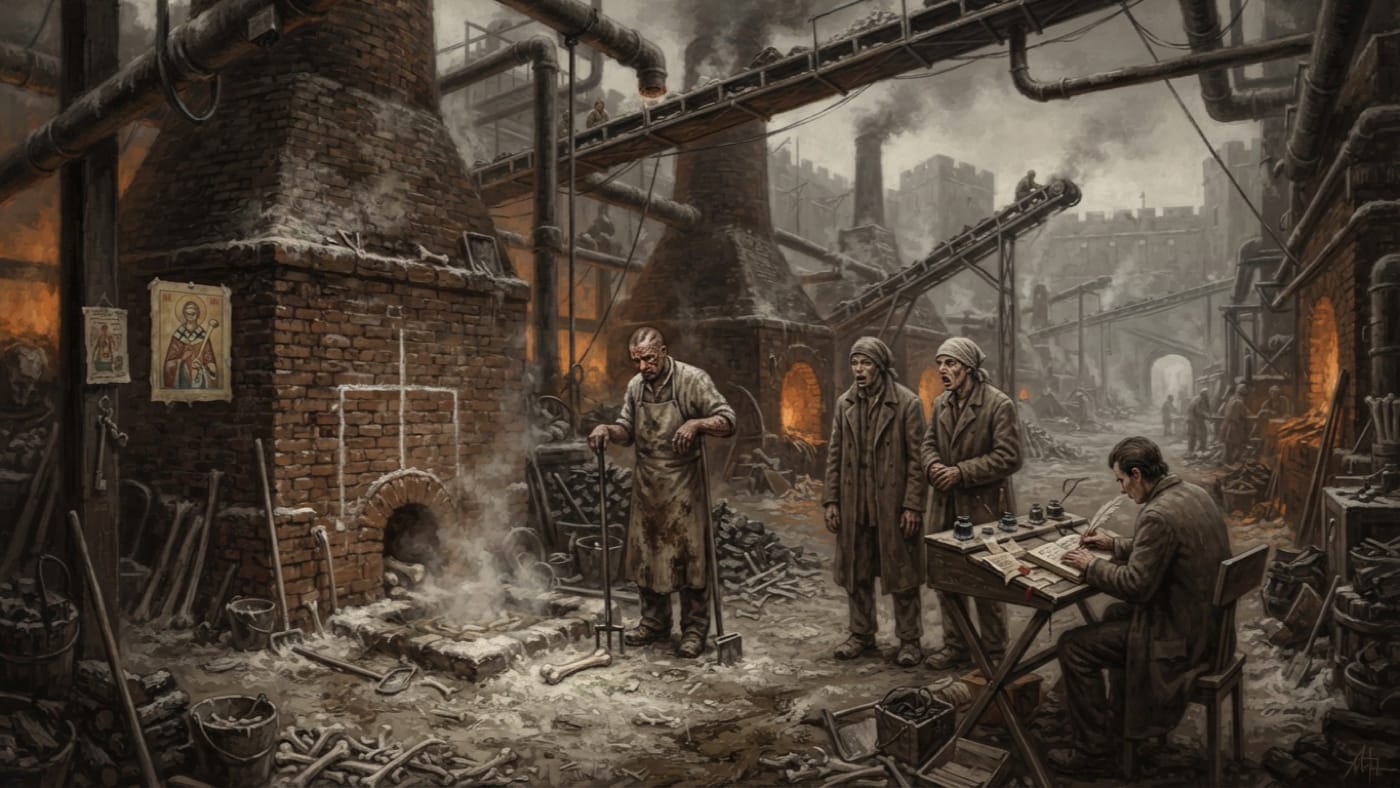
Aurelite Use
Four lines for mercy, no additional licence for the kiln
One attributed kiln prayer and a tolerated yard observance: Aurelite Use lets Saint-Bone Melters ask Saint Aurel for mercy while granting no additional licence to burn.
Codex Ref. XIII.1.91-146
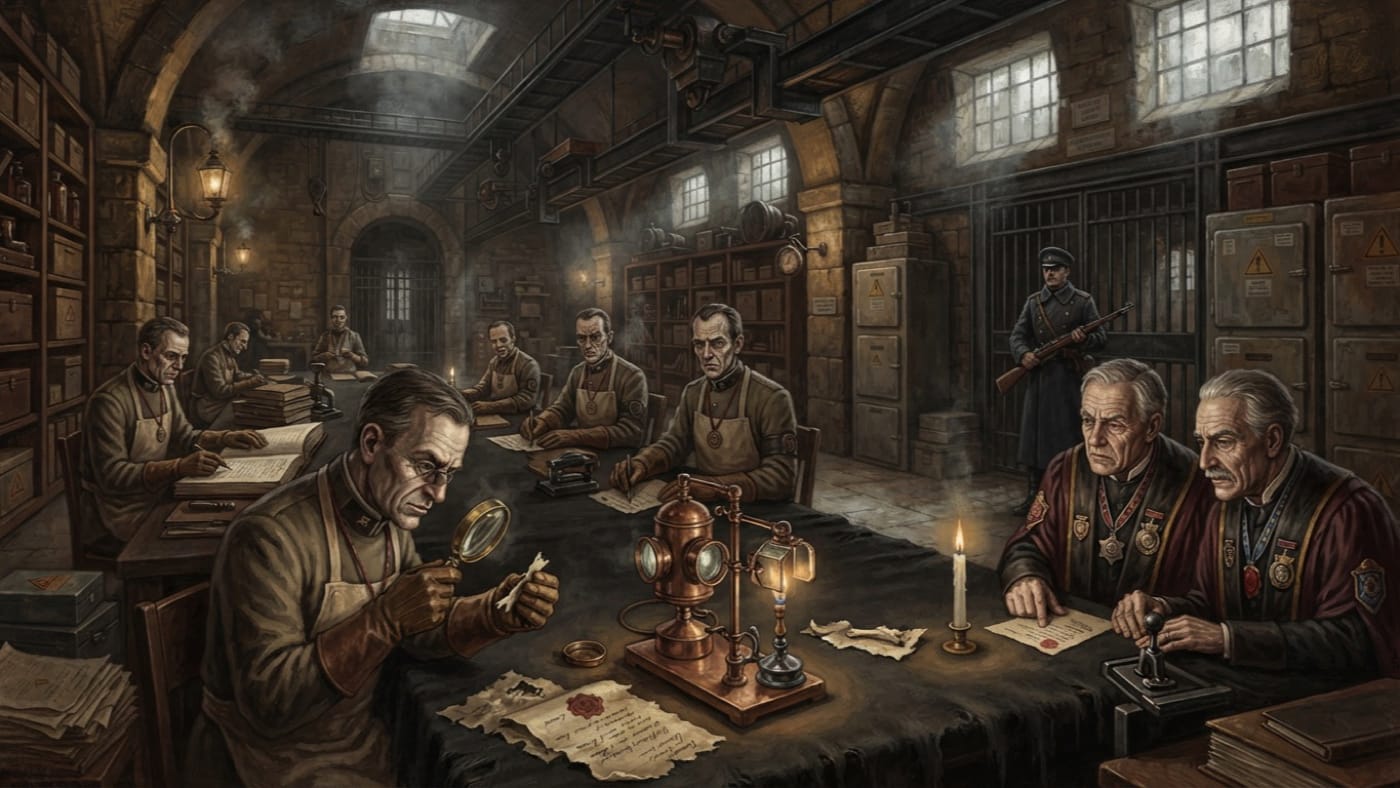
Authentication Hall
Where a rumour in a box becomes a verdict in wax
The Bureau of Relics' examination halls turn sealed submissions into Ward-safe, Votive, Contaminant or Fraud. Seven stages, two witnesses and a press decide whether a bone guards the Line, graces a shrine or becomes mortar.
Codex Ref. II.2.06-006
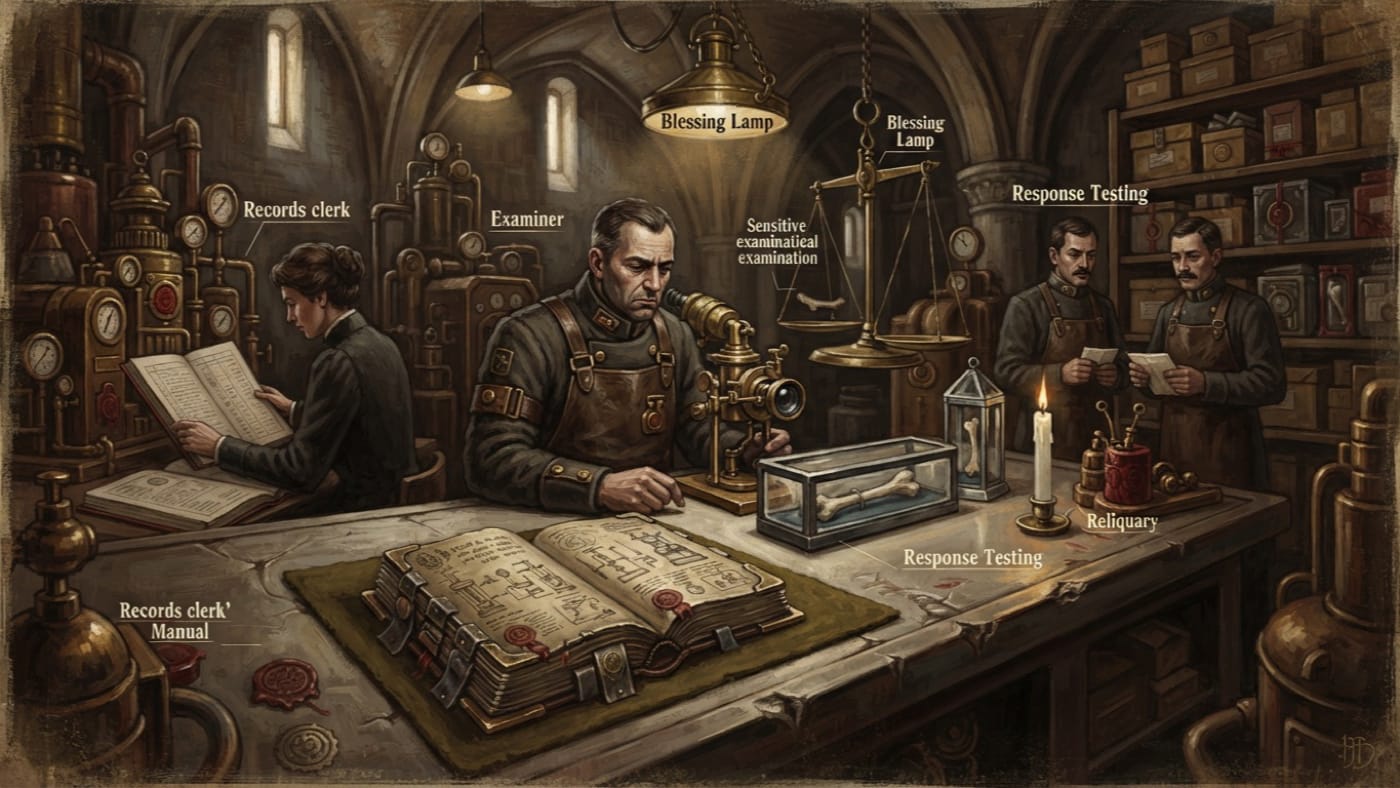
Authenticators' Manual
Seven stages. Two witnesses. Responsibility belongs to the hand.
The Bureau of Relics' working rulebook in A.S. 201: seven stages, two witnesses and seals that outrank arithmetic. Permission belongs to the Bureau; responsibility belongs to the Examiner.
Codex Ref. XIII.1.81-002
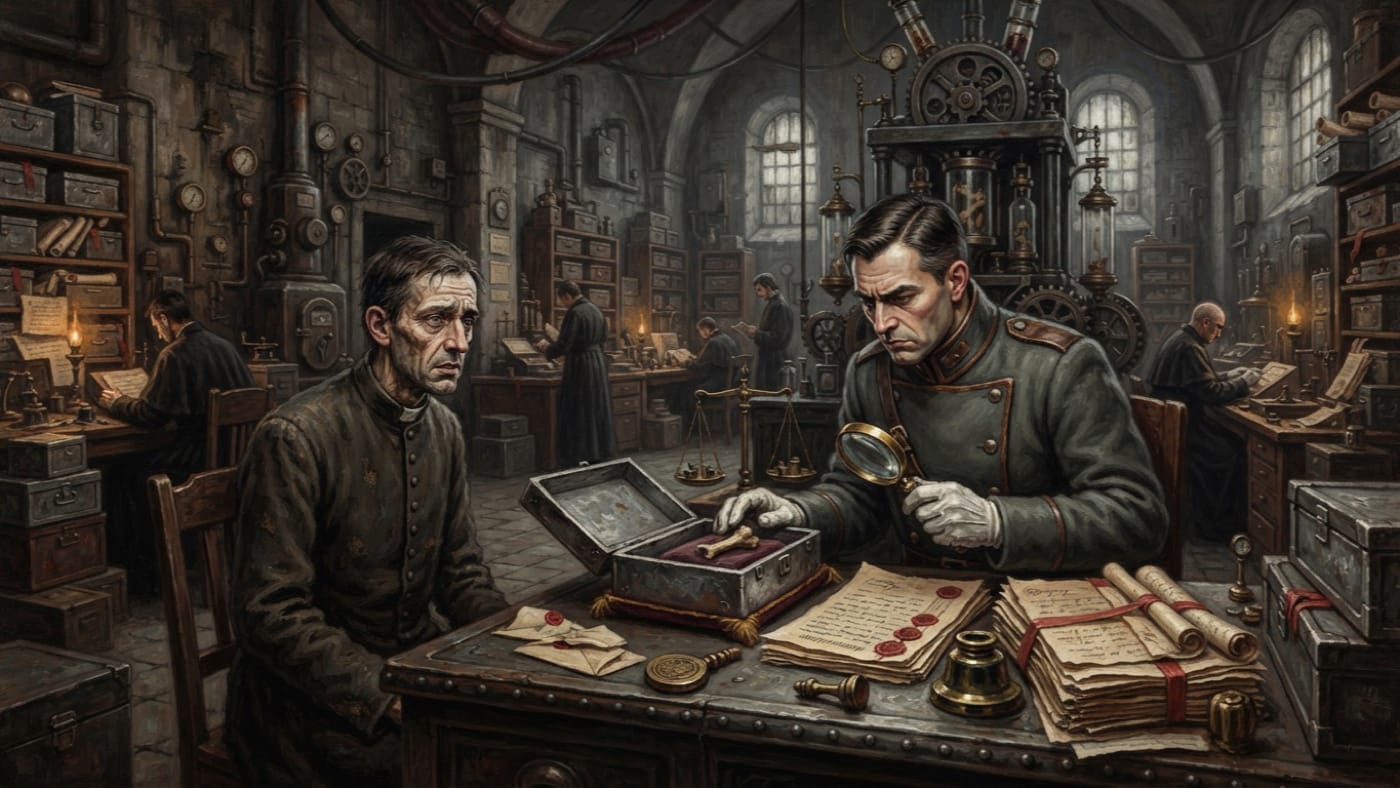
Authenticity Writ
Receipt is not recognition.
The Authenticity Writ brings a claimed relic before the Bureau: custody chain, description, doctrine and proof of payment. The applicant has paid to ask a question; the verdict comes later.
Codex Ref. XIII.1.35-201
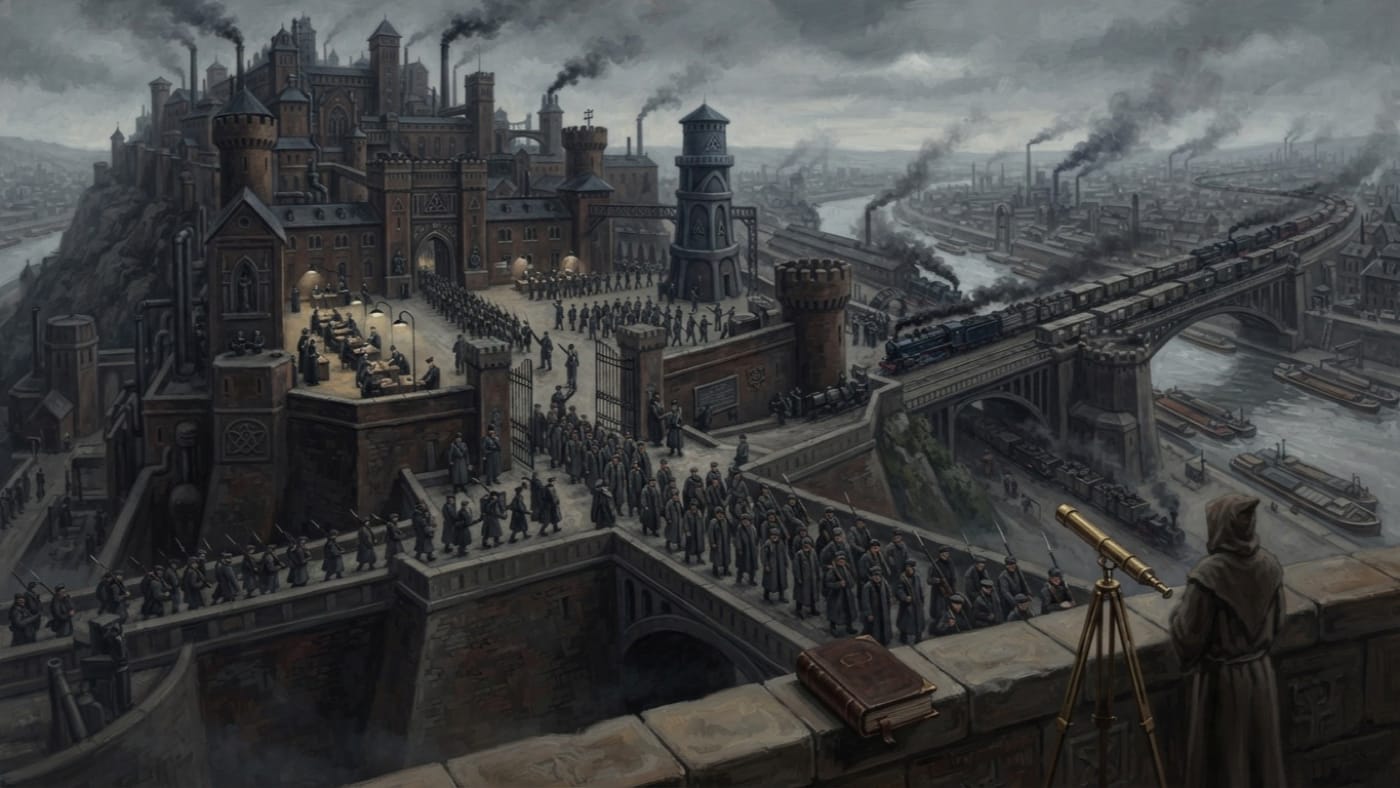
Auvergne
The province supplies, Lyon receives, the east consumes
Auvergne supplies levy boys to the Citadel of Lyon. This commissioned A.S. 201 survey records its place in the Rhône corridor's machinery: the province supplies, Lyon receives, the east consumes.
Codex Ref. II.1.12-201
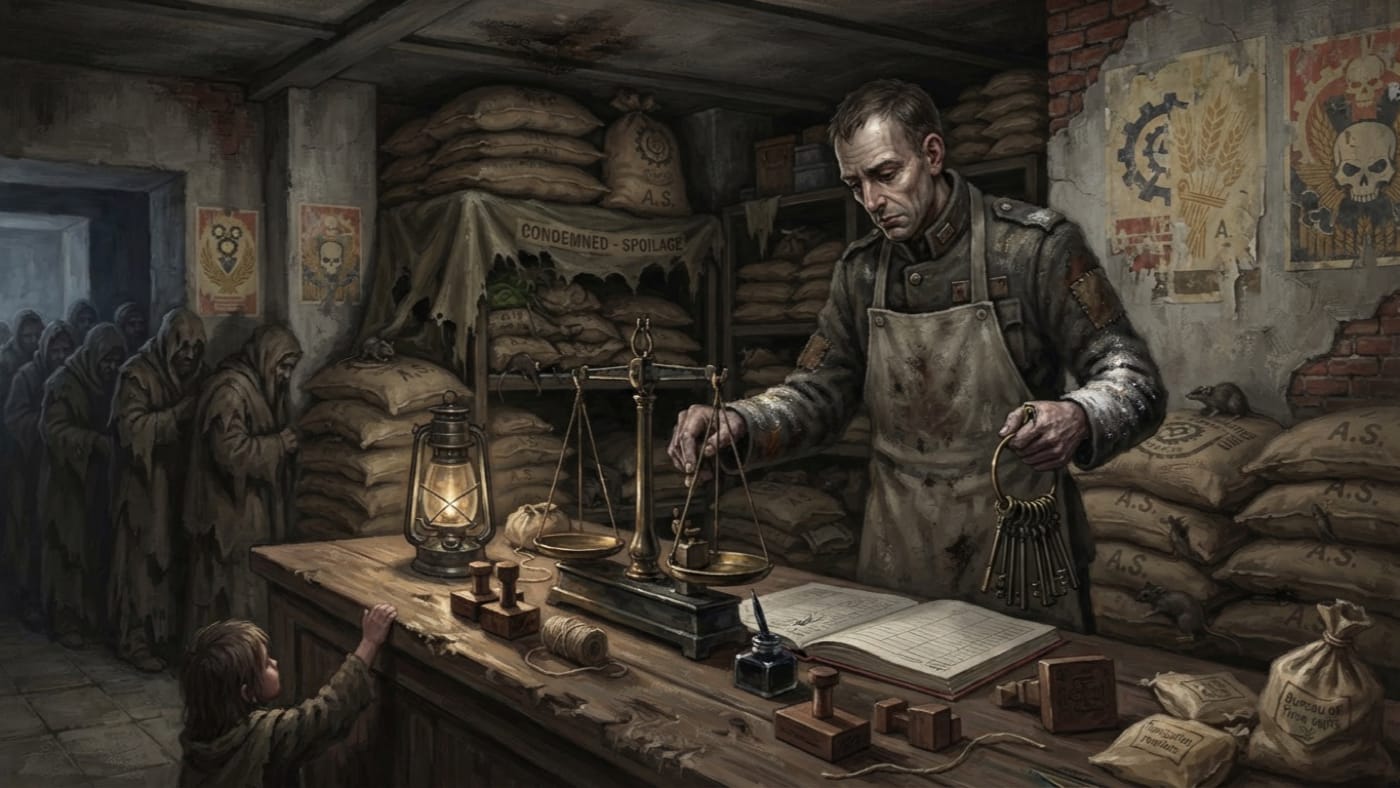
Auxiliary Store Warden
The keys are lawful; what they unlock is another question.
The licensed granary custodian whose scales, keys and ration ledgers give Grain Keepers lawful access to food. Some Wardens keep honest books; the Bureau cannot tell which by the flour on their sleeves.
Codex Ref. XII.8.02-001
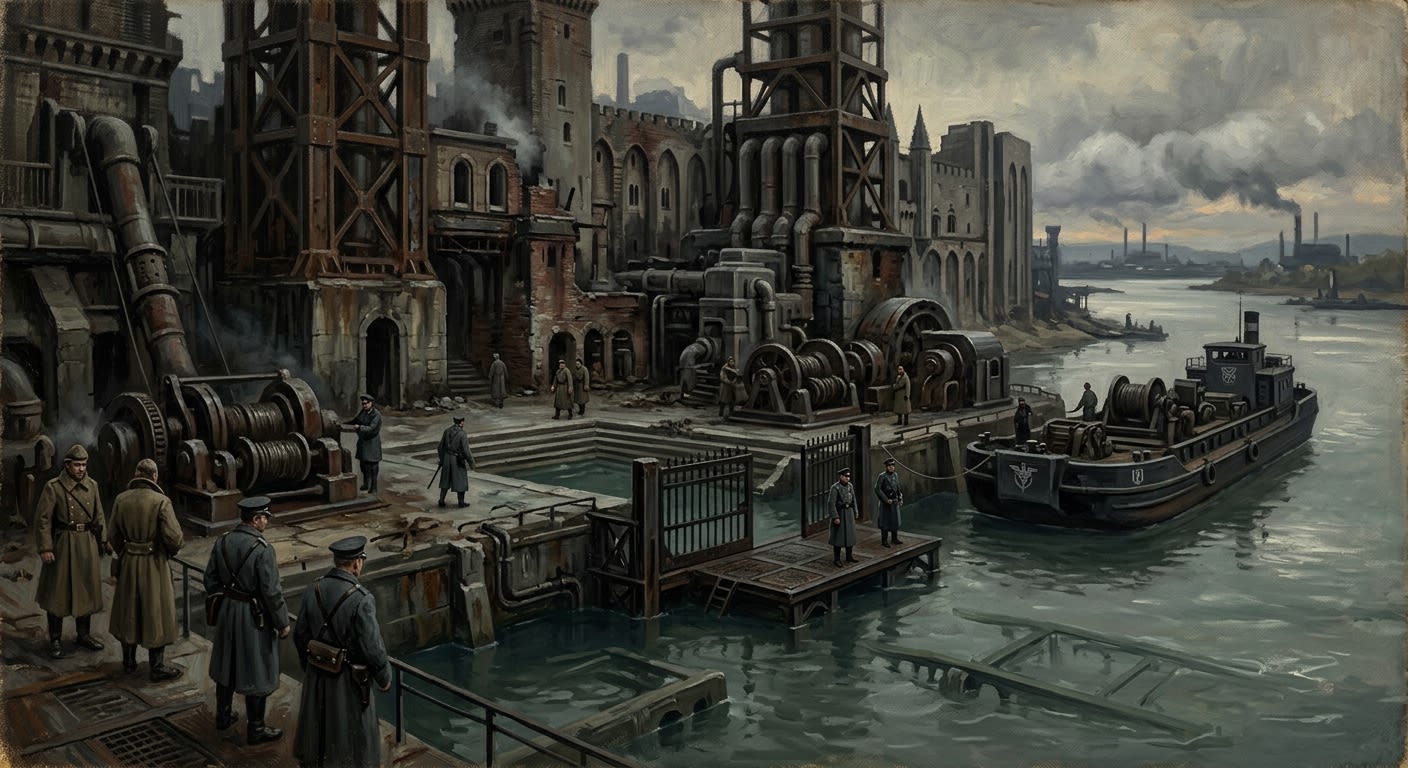
Avignon
A city corrected so thoroughly the river kept the receipt
Penitential ruins on the Rhône, where the Pontifex Submersis was crowned beneath water in A.S. 111, Avignon was razed into correction, and A.S. 145 burned the calendars into agreement.
Codex Ref. II.1.08-111
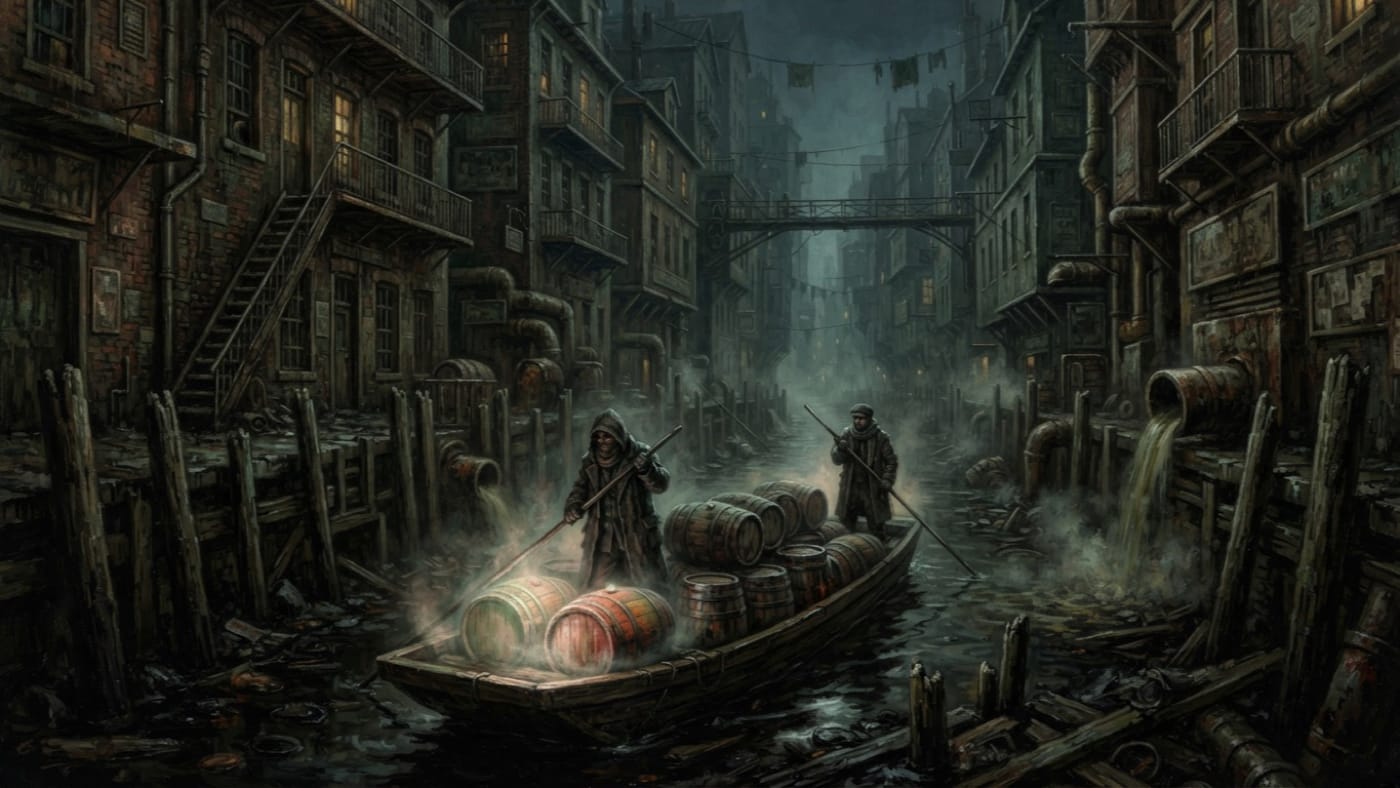
Backchannel Needleway
Where condemned sanctity finds a buyer
Mournwater's uncharted smuggler run carries condemned saint-dust, forged seals and futures intelligence to buyers whose chapels prefer a full cask to an honest certificate.
Codex Ref. II.2.03-002
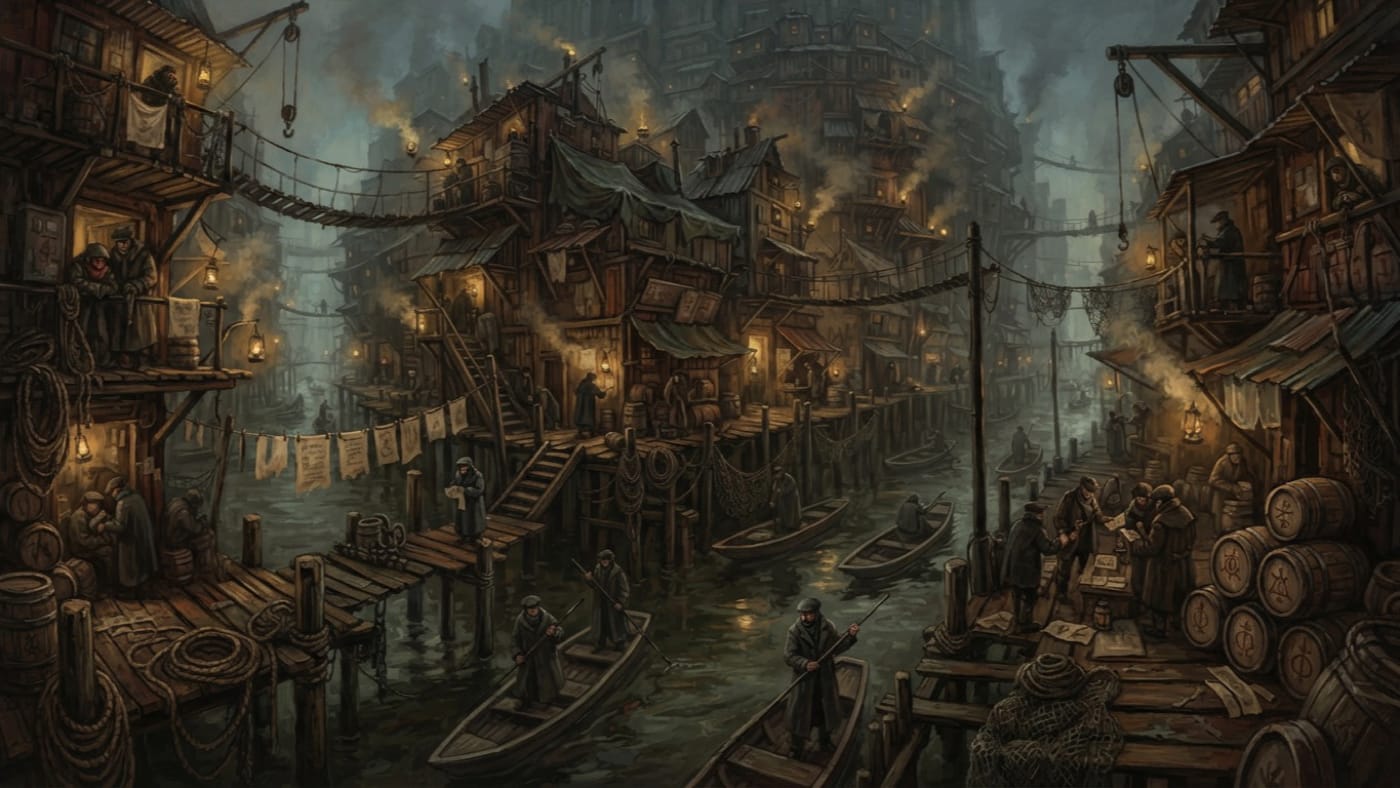
Backchannel Shacks
Where the ledger ends, the river keeps trading.
Mournwater's flooded under-quarter trades cut saint-dust, forged purity seals and hidden passage. The Silt-Rooks keep its routes; the ledger declines to count its people.
Codex Ref. II.2.03-003
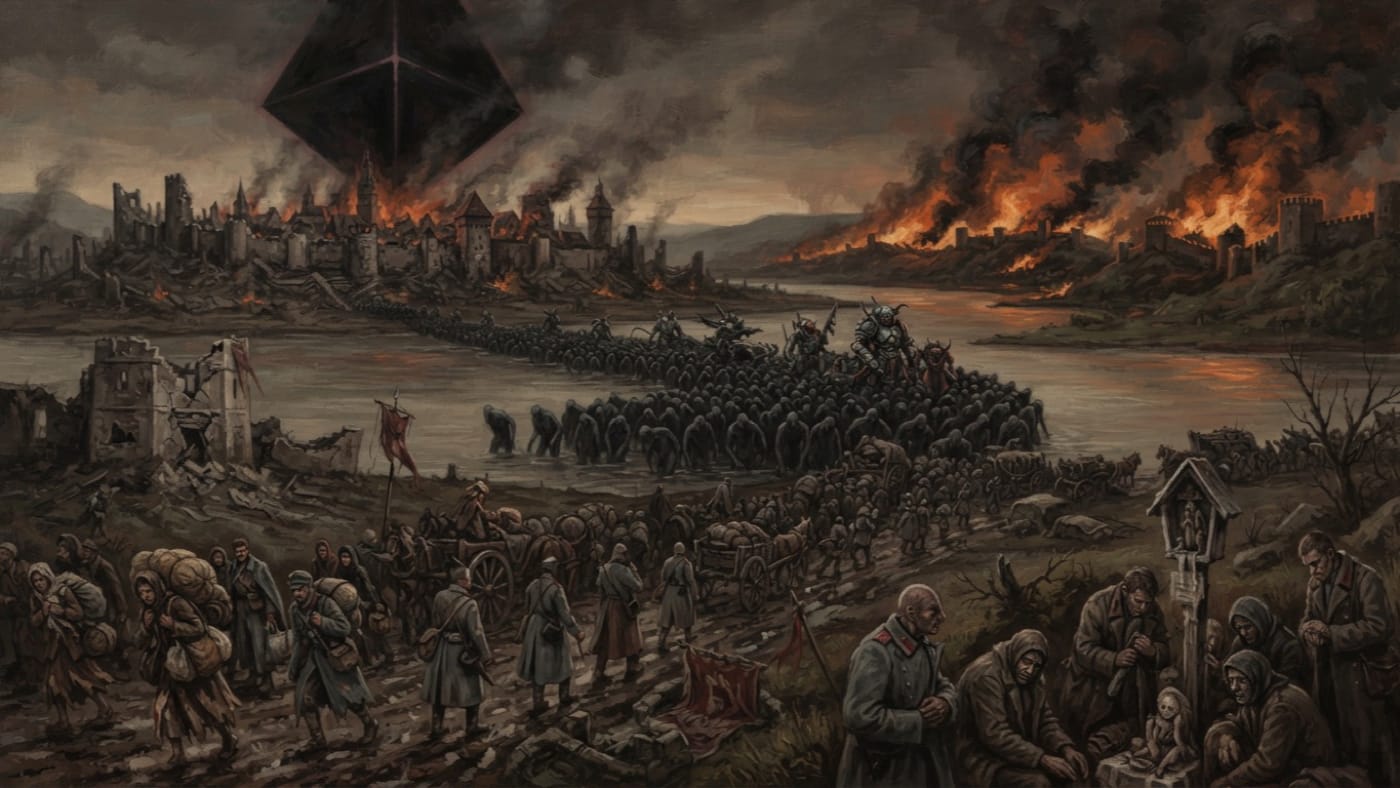
Balkan Collapse
A season of ruin, a permanent claim on sons
Brașov consumed, the Danube crossed on the drowned, and Thrace burned: the A.S. 110 Balkan Collapse gave Strasbourg an emergency it could charge to every household.
Codex Ref. IV.1.09-162
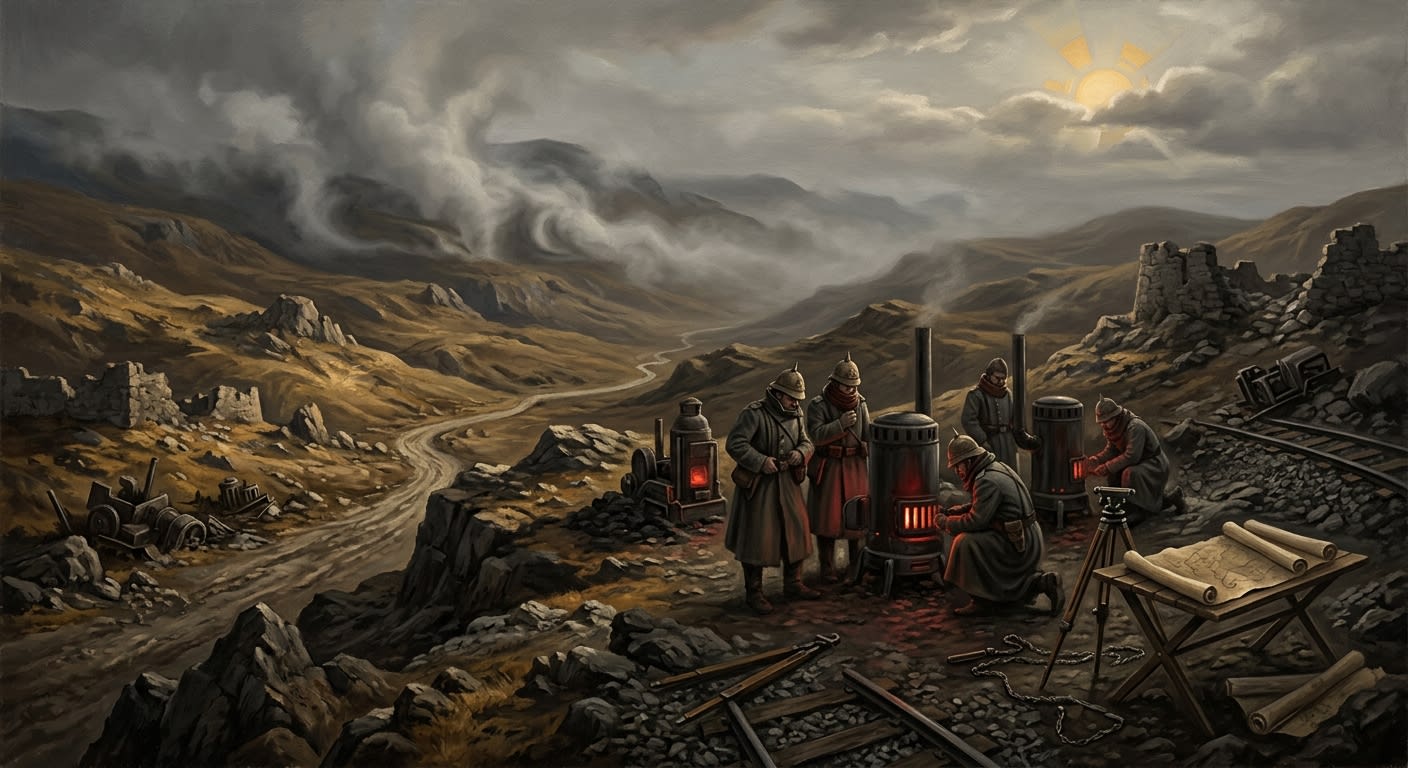
Balkan Foothills
Where the weather learned politics
The Balkan foothills are the broken stair below Shipka, where Maldrake's furnace weather, Syrion's time-fog, and Synodal maps all lose jurisdiction.
Codex Ref. II.4.12-045
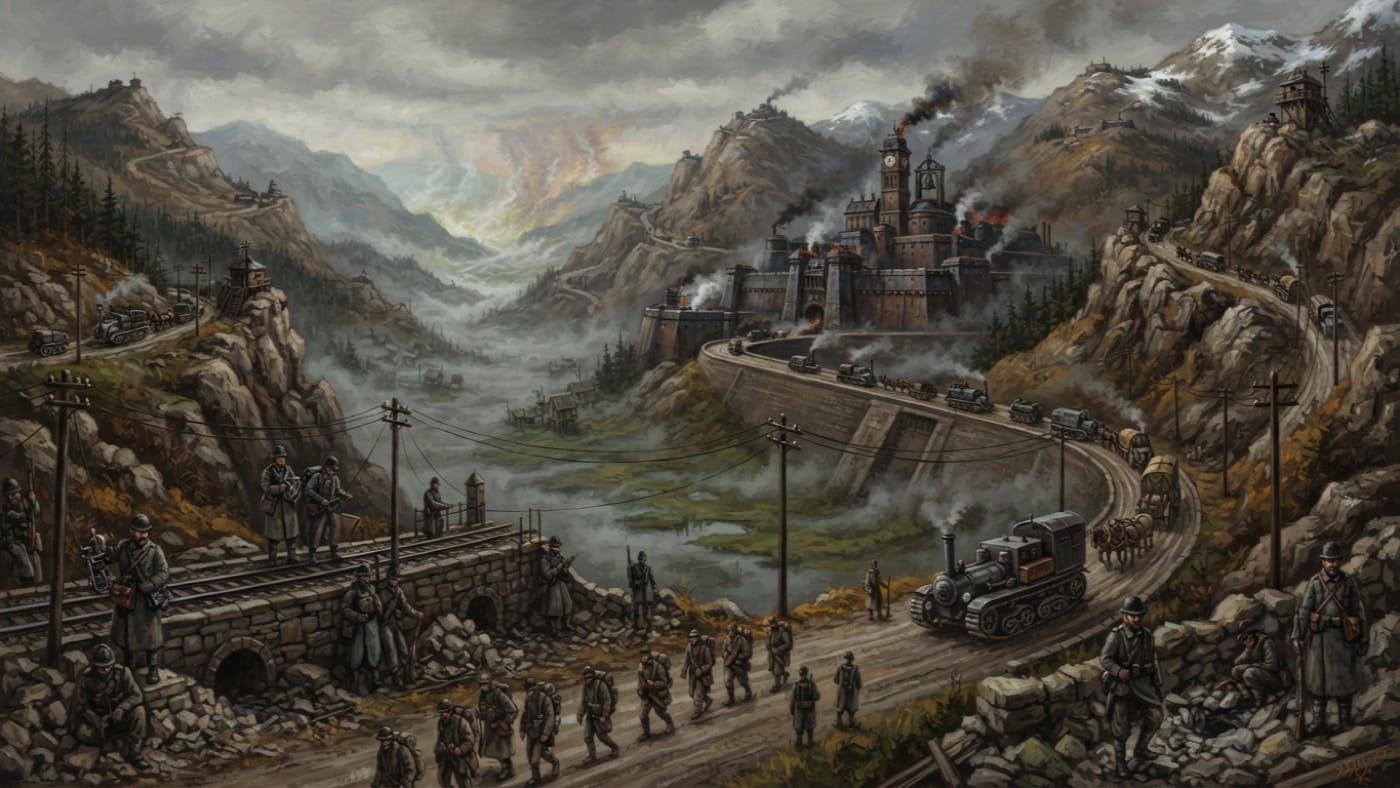
Balkan Mountains
The road is held as far as the bells can reach
Bulgaria's mountain barrier carries Shipka's supply road toward Thrace and Constantinople. Convoys cross under escort while Syrion's fog steals hours in the valleys. The passage is maintained; beyond the bells, geography is written in pencil.
Codex Ref. II.4.12-046
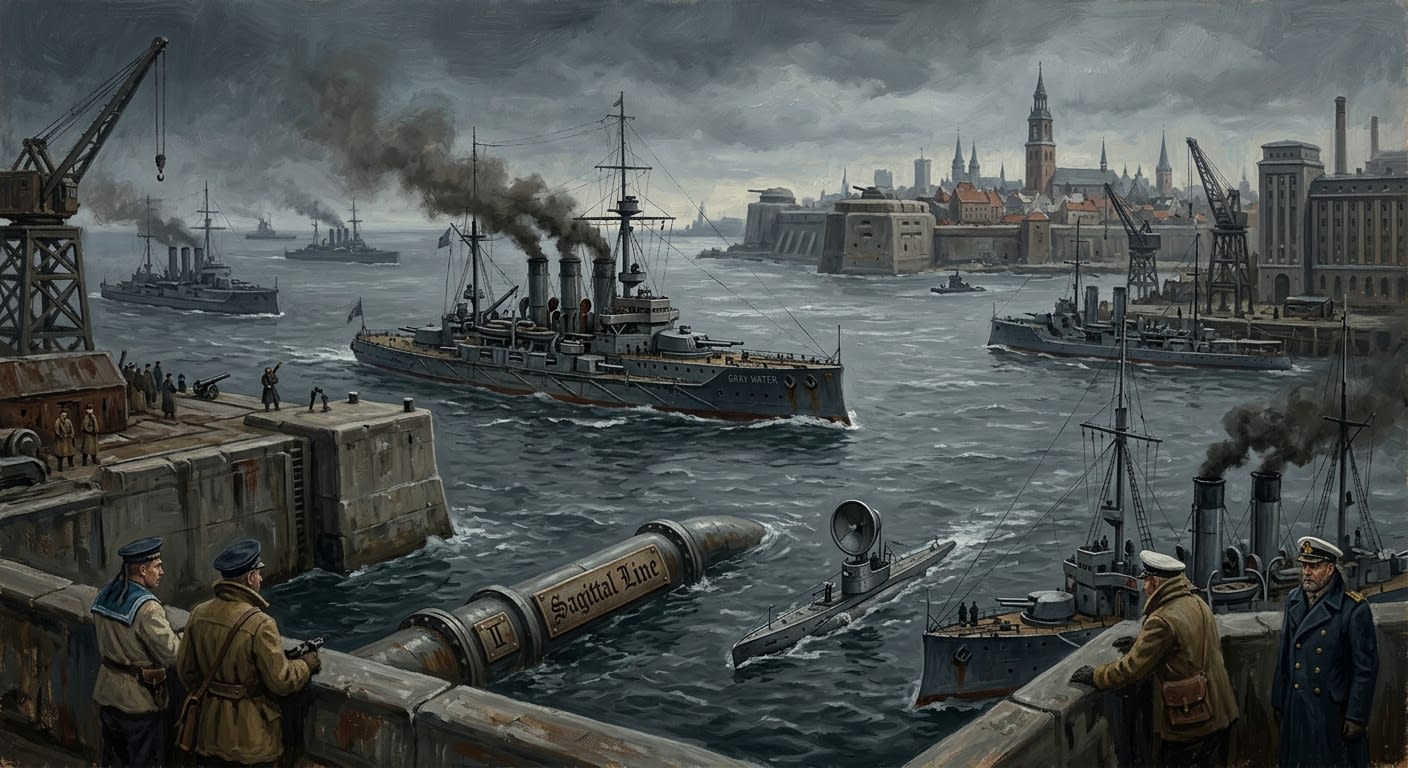
Baltic Sea
The cold bowl that listens back
The Baltic Sea is the cold northern bowl where the Sagittal Line ends at Königsberg, Grey Water listens, old bells answer, and maps lose courage.
Codex Ref. II.8.01-065
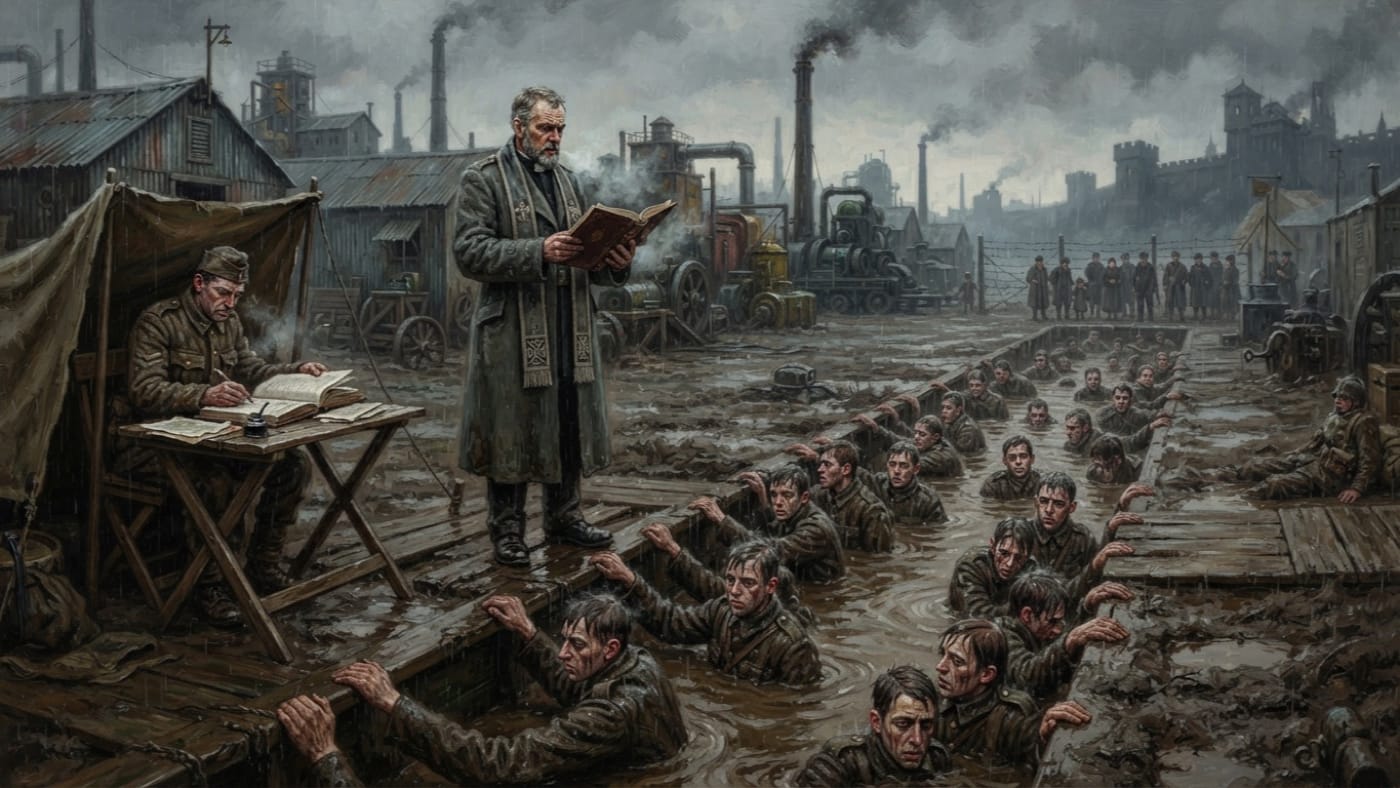
Baptism of Mud
The household loses a son; War receives a name
The Baptism of Mud receives levy recruits into War's custody: a flooded trench, the Litany of First Earth, and three days of mud that make the household's loss official.
Codex Ref. XIII.1.54-002
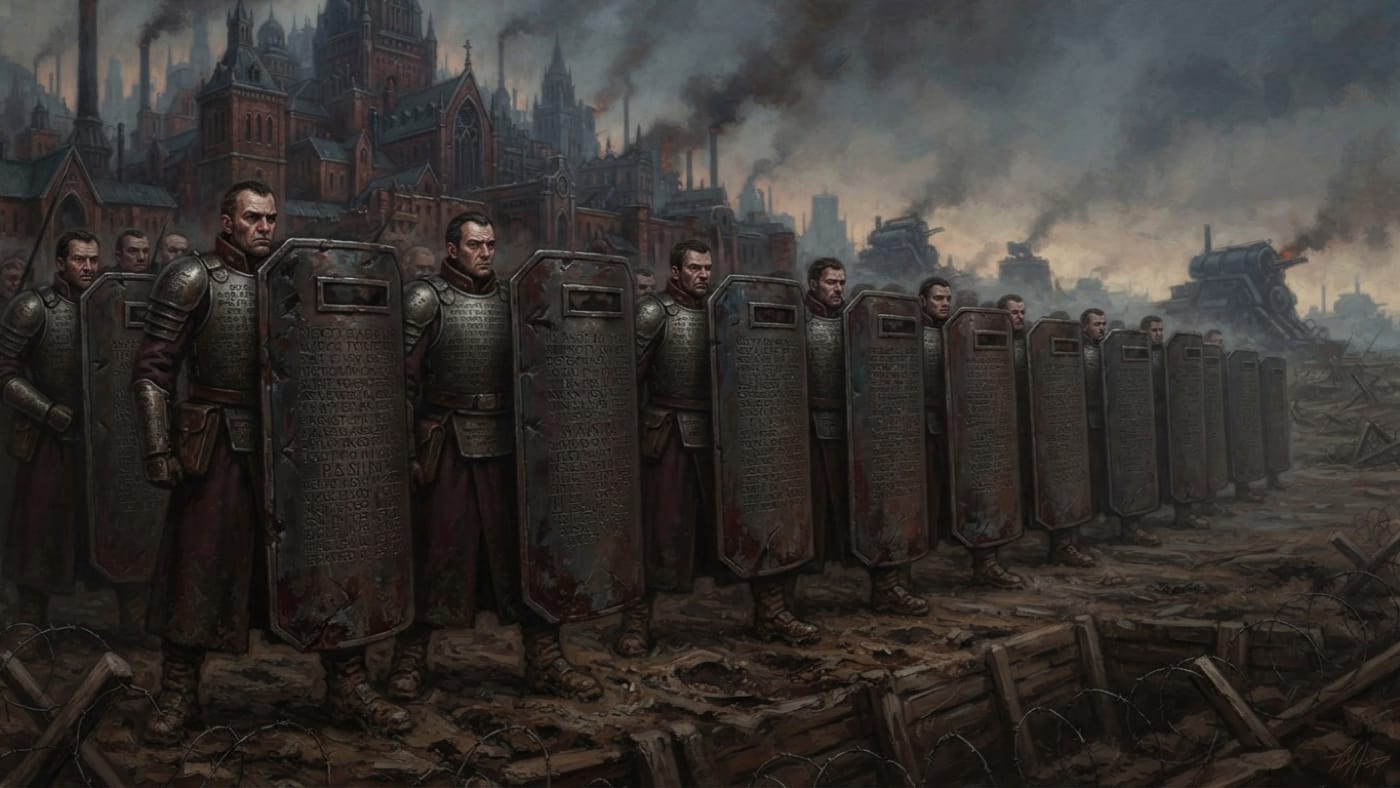
Bastion Guard
Scripture upon the plate, psalms before the flesh
The Covenant's basic line infantry: scripture upon their plate, psalms upon their tower shields, and men expected to hold the ground. This commissioned survey records their present equipment; their first formation remains undated.
Codex Ref. VIII.5.01-175
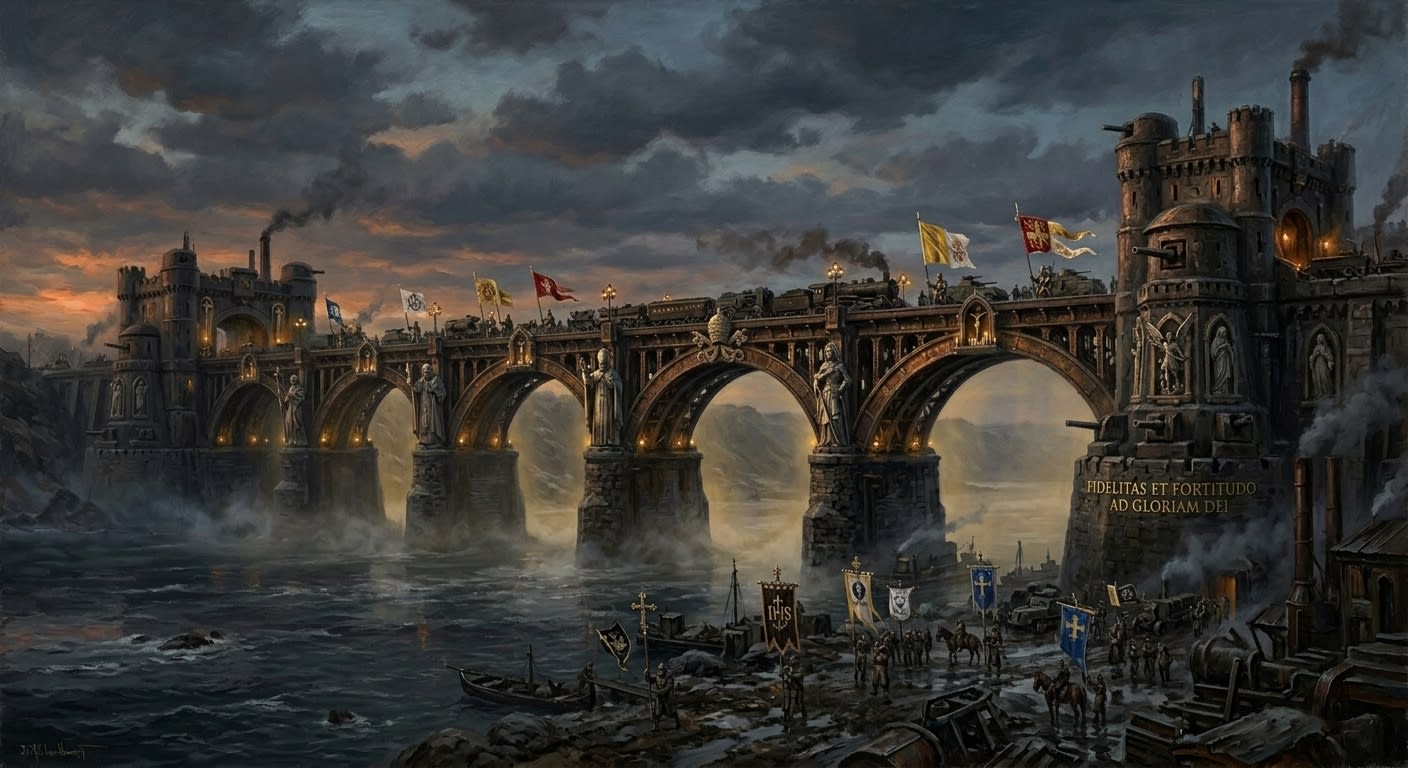
Bastion-Brest
Where the Confession Comes Back
The Brass Ribs of the Bug River crossing — a bridge-fortress of thirty-two brass-ribbed trusses where crossing the span requires a moral audit at gunpoint, confession is currency, and the sins spoken into the booths have, since A.S. 199, begun to come back.
Codex Ref. II.4.07-002

Bastion-Constantinople
The Hinge of the South
Keystone fortress of the Sagittal Line, ratified in A.S. 68. The southernmost anchor of the Wall and its most celebrated grave. Where the advance of Hell first broke against ink and iron, and has broken ever since.
Codex Ref. III.2.04-017
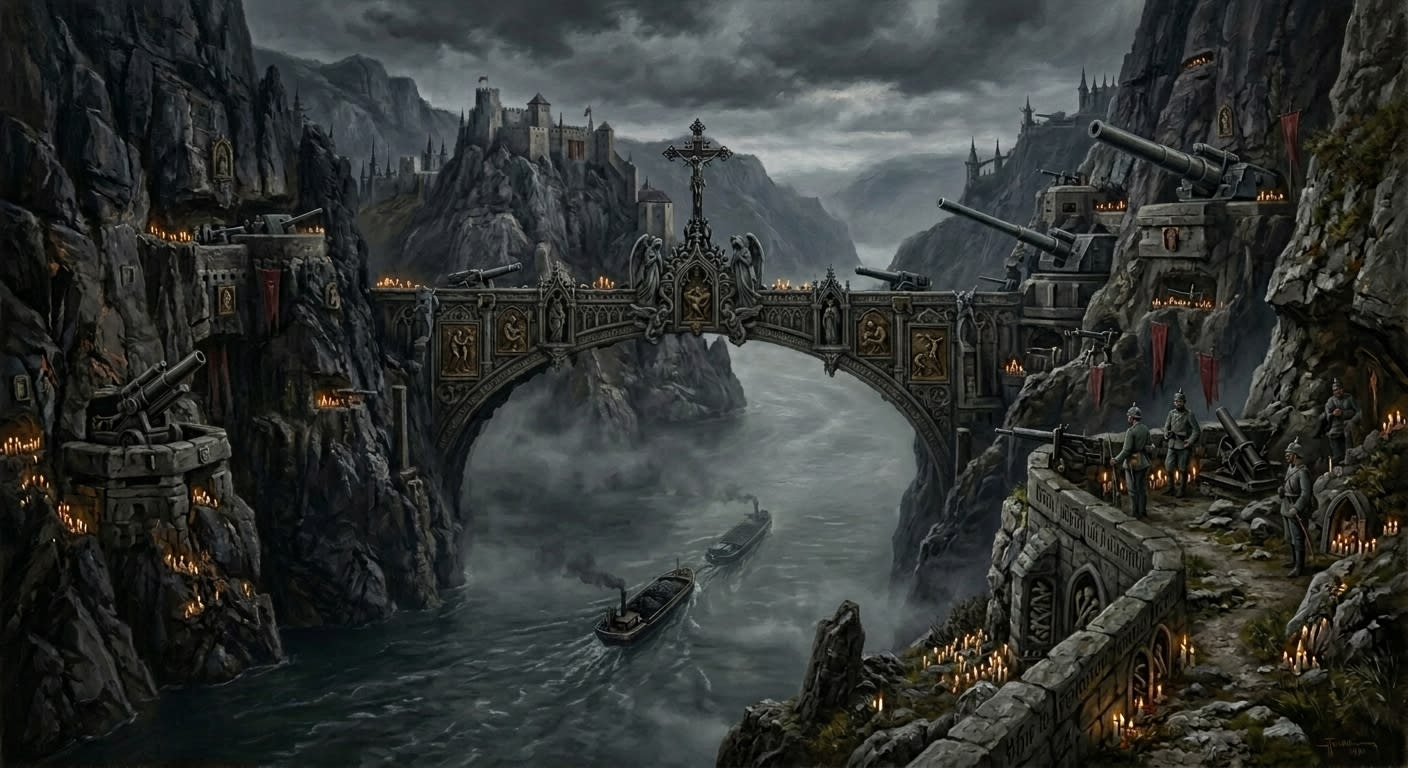
Bastion-Irongate
The mountain does not need the iron. The mountain needs the sound.
The fifth bastion of the Sagittal Line guards the Danube gorge with stone, chain-booms, and a choral infrastructure whose song is the only reason the mountain has not yet collapsed. Facing Morwen, Sin-General of Envy, who attacks not to take the gorge but to ruin it.
Codex Ref. II.4.07-005
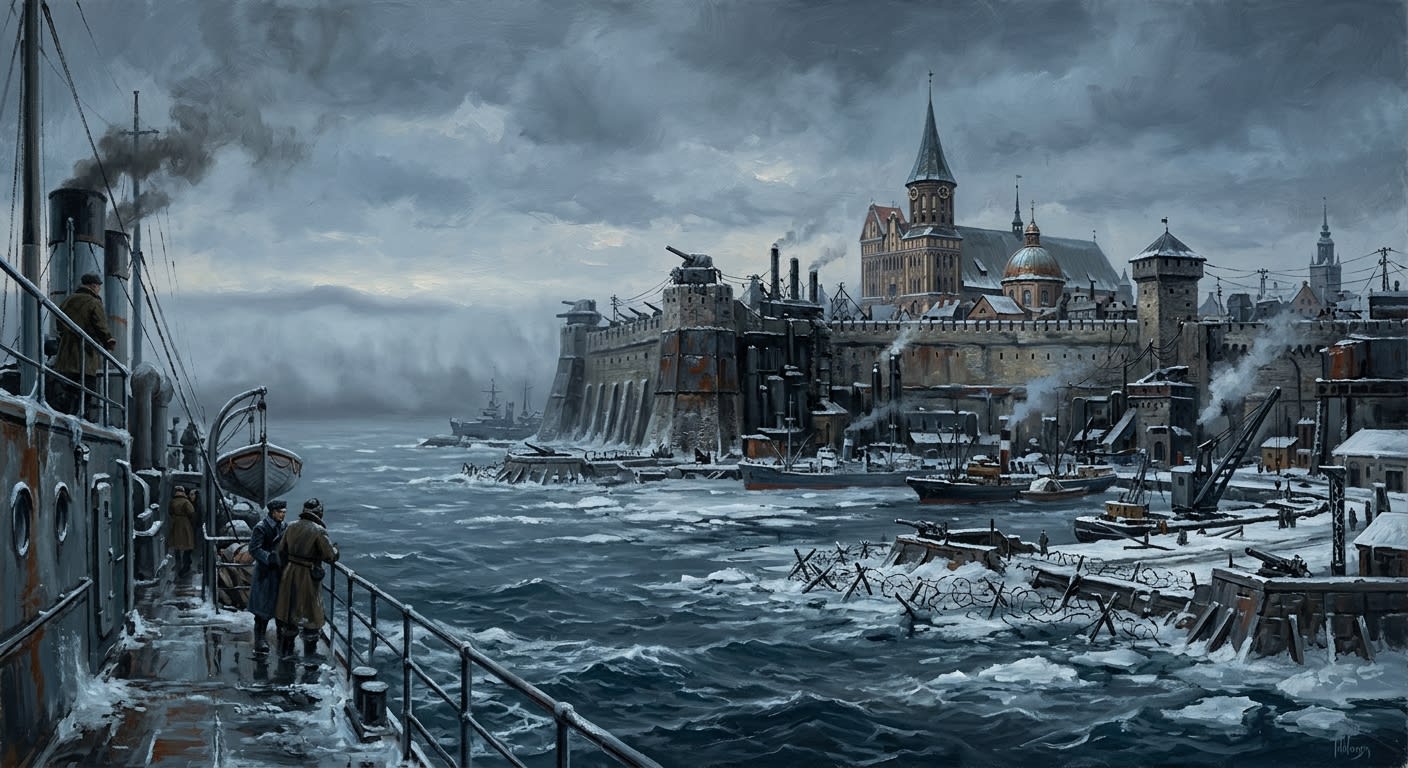
Bastion-Königsberg
The Far Nail, the Last Bell, the Thing the Grey Has Not Yet Chosen to Break
The northern anchor of the Sagittal Line and the loneliest posting on the face of the earth — where the bells answer something that has no name, and the fog has faces, and the garrison holds for reasons the Bureau has spent eleven years declining to investigate.
Codex Ref. II.4.07-001
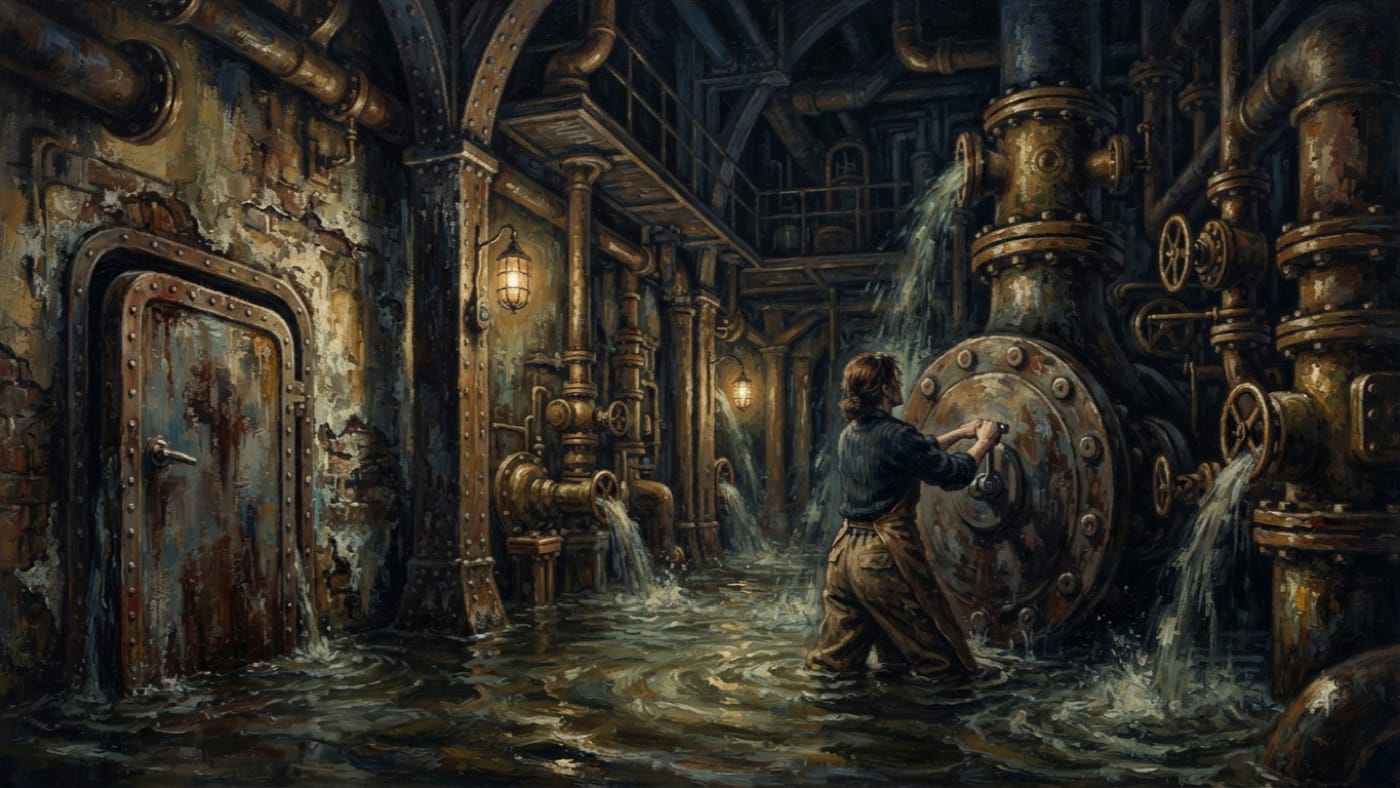
Bastion-Metz
Behind the Line, the water is the enemy that files no declaration.
Metz's historical rear supply-bastion, where Orla completed Seal Seven beneath rising water. The low ward survived; the mechanic did not. Its founding is unrecorded, and its present condition remains uncertified.
Codex Ref. II.4.09-176
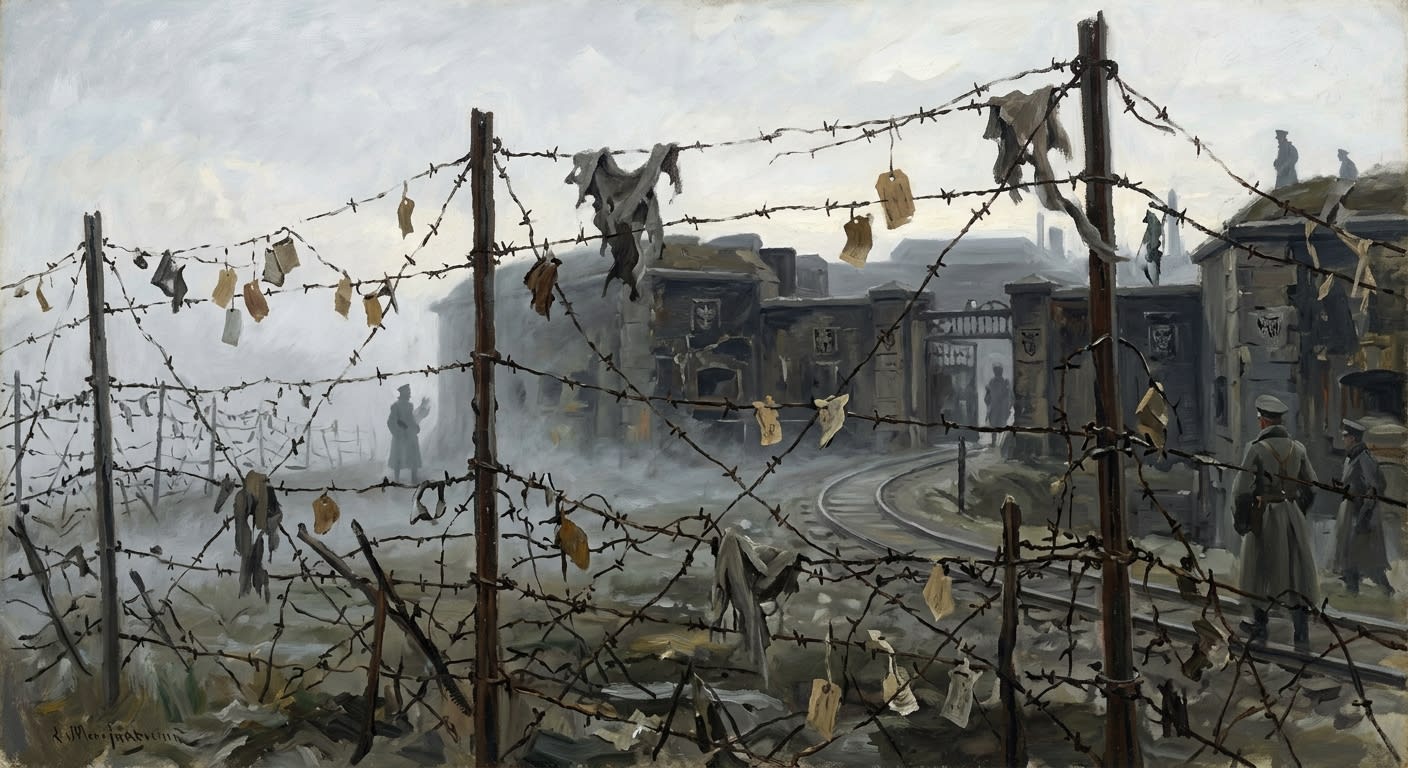
Bastion-Przemyśl
The Wire Remembers What the Ledger Forgets
The Wire Orchard at the Carpathian arc: three miles of electrified barb, a ration-tag economy, and the cold arithmetic of the dawn harvest. What enters Bastion-Przemyśl is processed. What exits is stamped. What fails the stamp feeds the Orchard.
Codex Ref. II.4.07-003
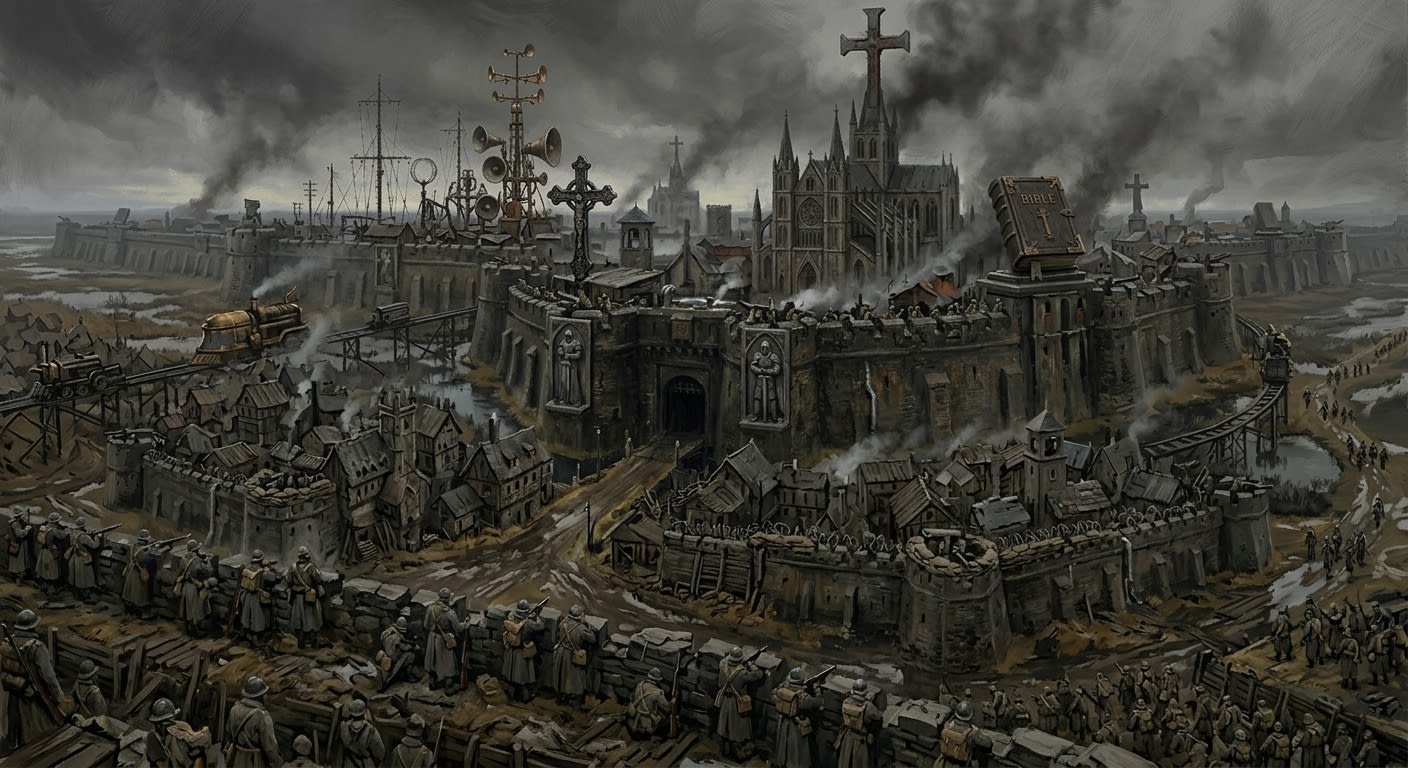
Bastion-Shipka
The Bastion That Guards the Minutes
The mud-sunk marsh-gate at the edge of Syrion's dream, where a kingdom once slept itself to death and a bastion stands awake by sheer force of maintenance schedules. Shipka guards not walls but minutes — the last reliable clock before the Vales of Stagnance.
Codex Ref. II.4.07-006
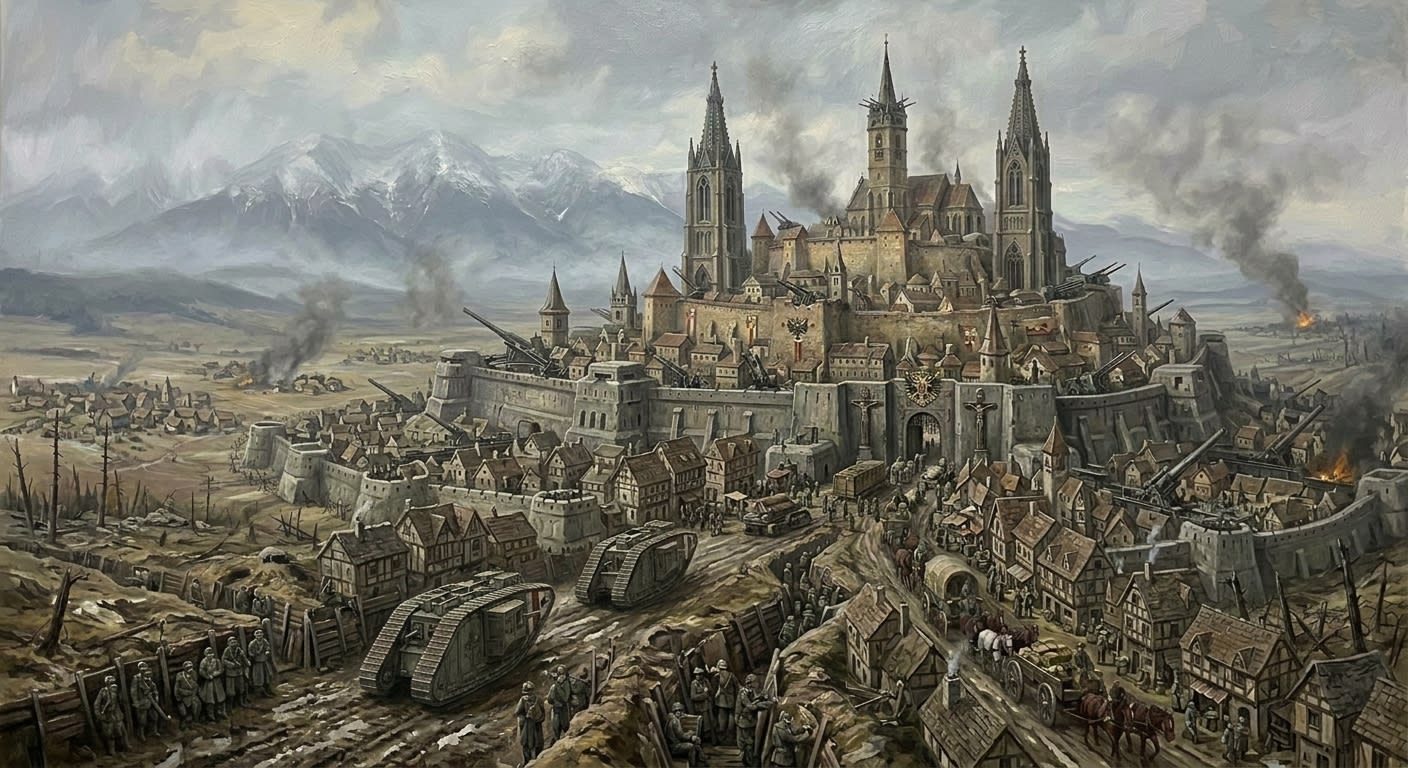
Bastion-Sibiu
The walls hold. The ledger bleeds.
Bastion-Sibiu has never fallen. Its economy is another matter. Velmora does not storm the Transylvanian Alps — she audits them: counterfeit scrip, corrupted convoys, and the gold veins that may already be hers.
Codex Ref. II.4.07-004
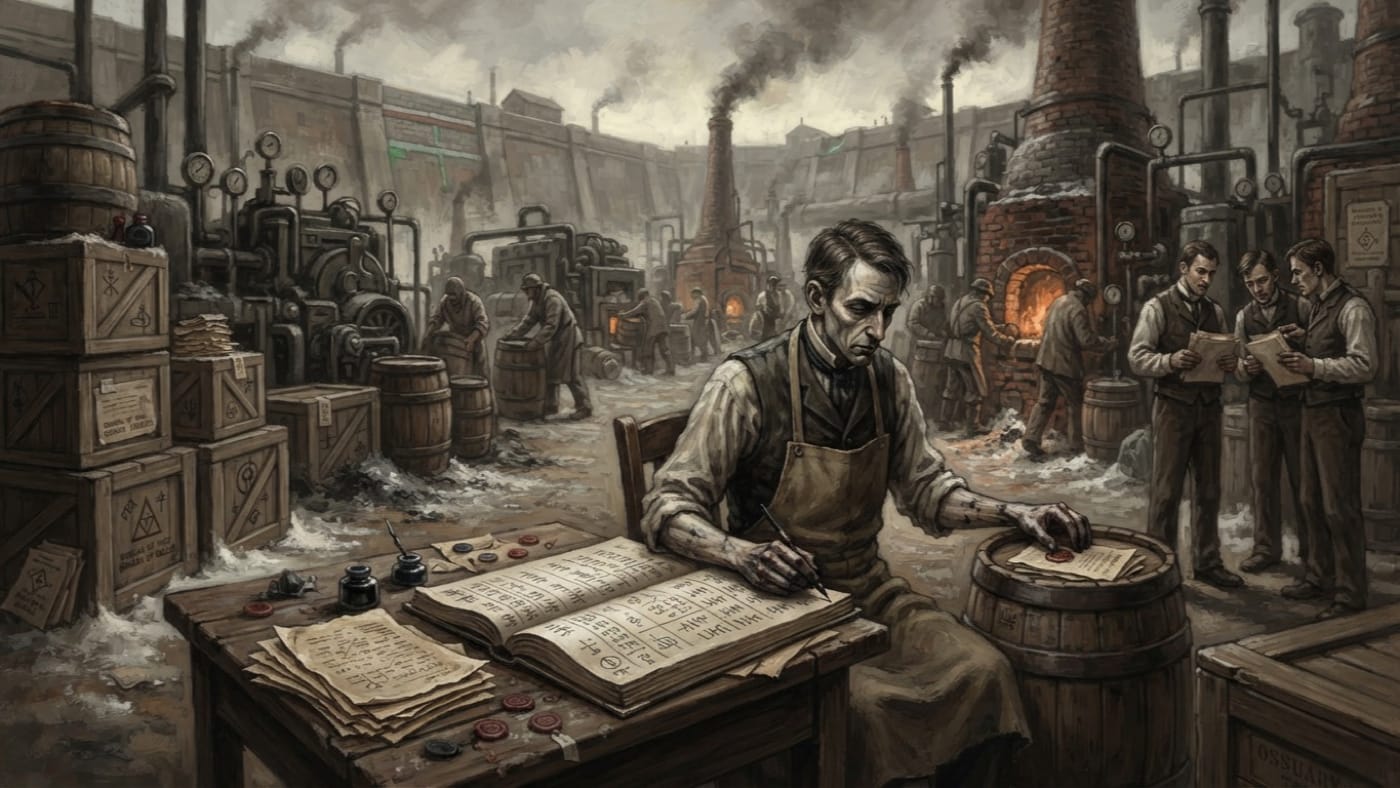
Batch Scribe
The hand that remembers every saint the kiln forgets
The Saint-Bone Melter's middle-rank clerk, tracing each fragment from crate to barrel to wall seam. The book records what was burned; when the mortar fails, it also records whose hand the tribunal can blame.
Codex Ref. XII.40.03-001
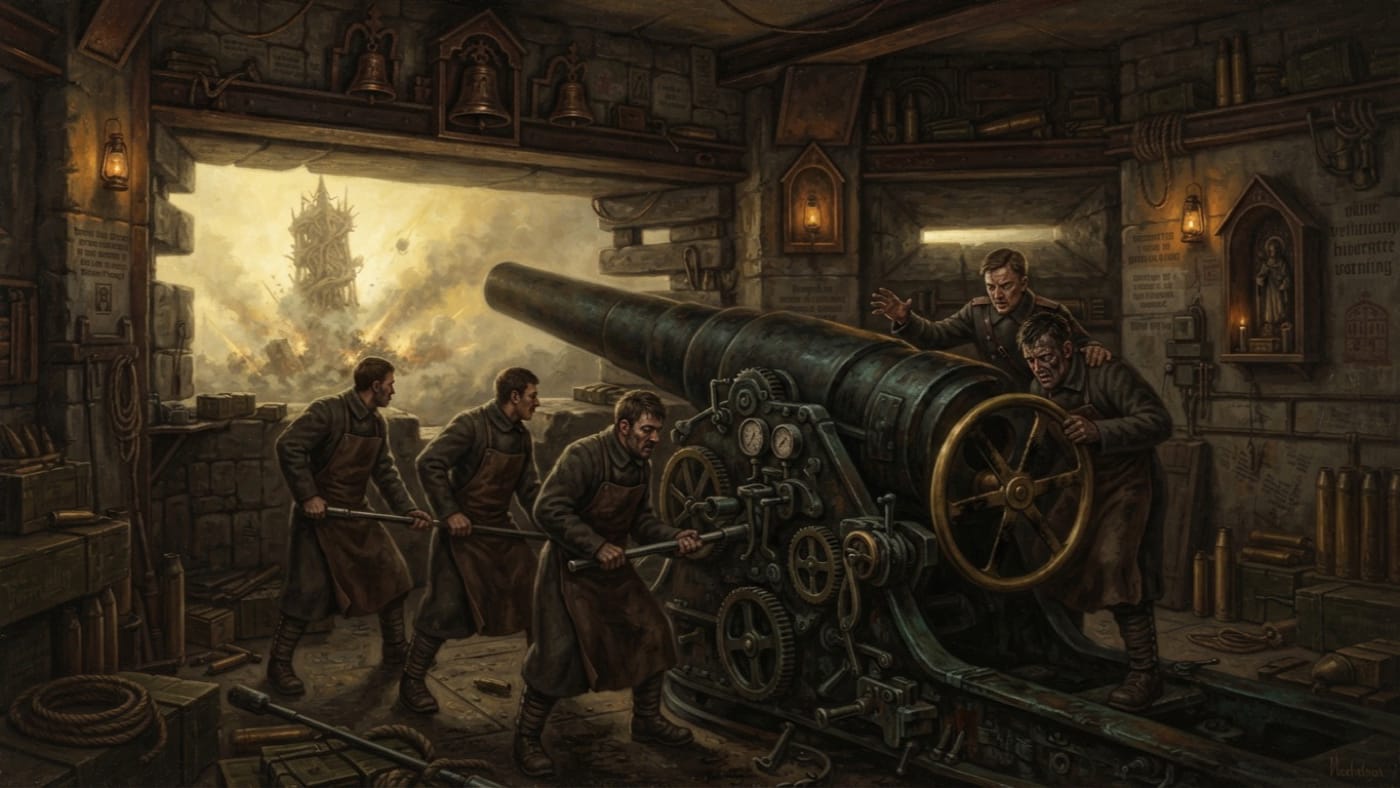
Battery Saint Ulrich
Blacken the numerals and fire again
Pride found Saint Ulrich's polished numerals in A.S. 184. In A.S. 195 the battery opened the Nine-Hour Rubric at 6:12; the rest belongs to the salient.
Codex Ref. VIII.5.15-182
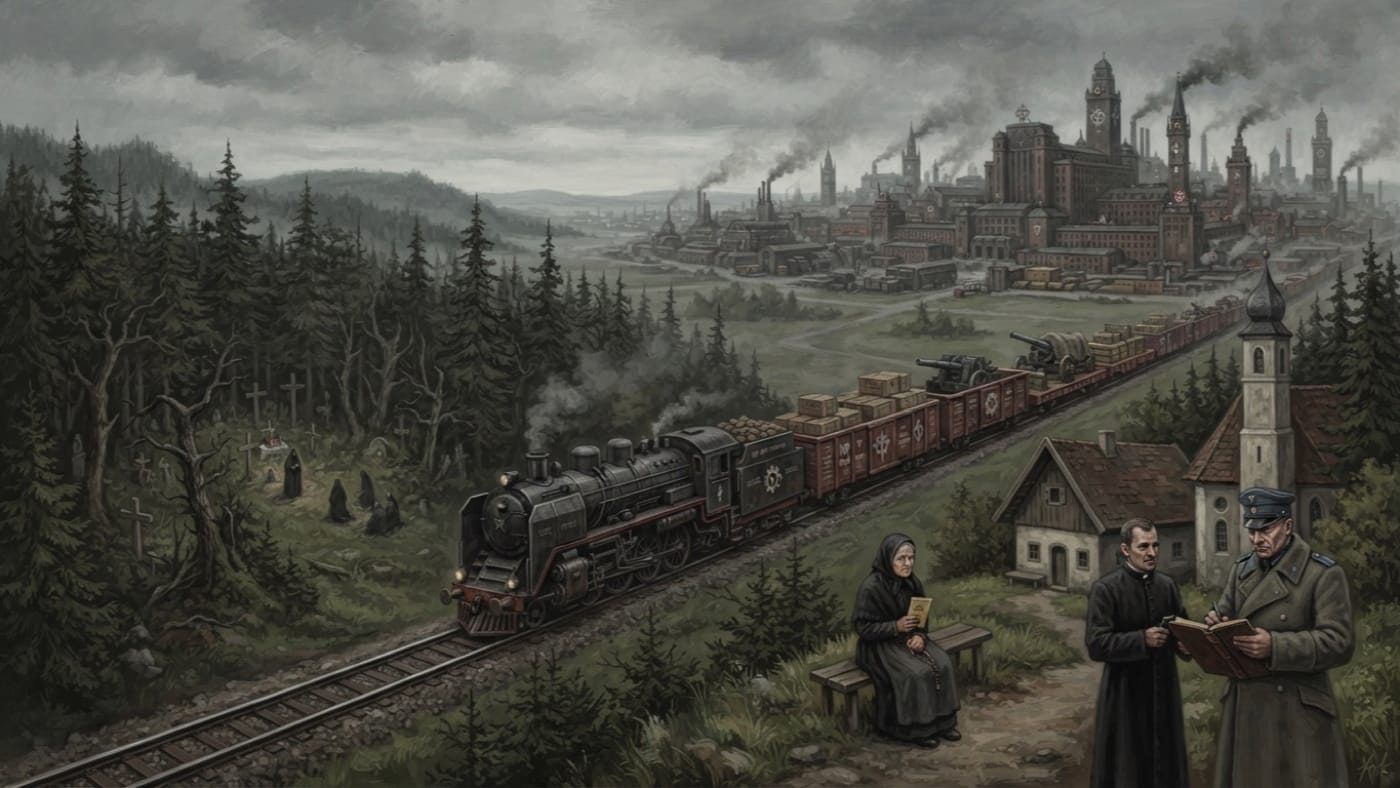
Bavaria
The heartland pays for safety one son at a time
Bavaria's forests once hid scattered faithful. Its parishes now supply the Continental Levy, while Munich sends War's freight east. Heartland safety is paid for one household at a time.
Codex Ref. II.2.11-201
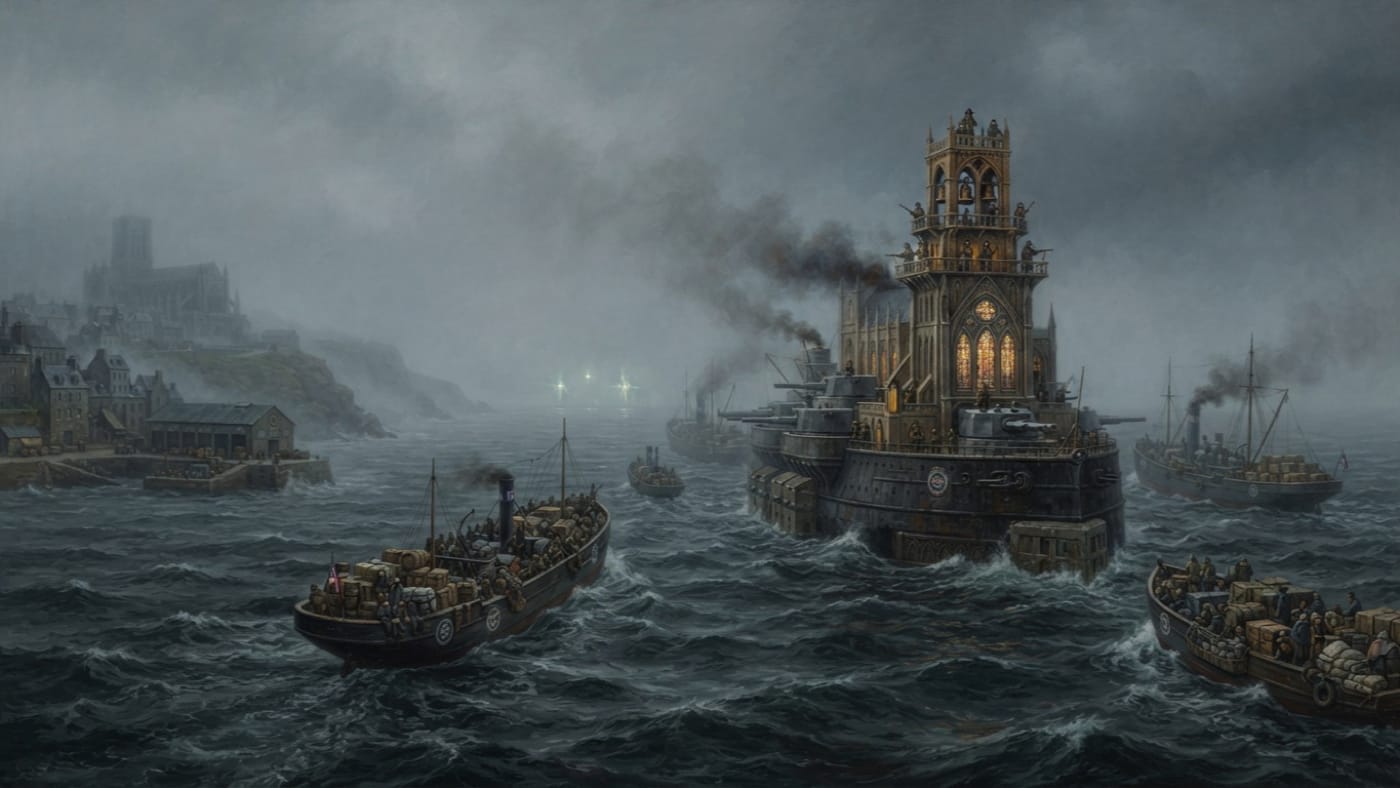
Bay of Biscay
We seal the barrels; the British bring them through
Off the western French and northern Iberian coasts, Biscay carries the Synod's cargo under British escort. The shore bears our seals; the open water has accepted none.
Codex Ref. II.4.09-189
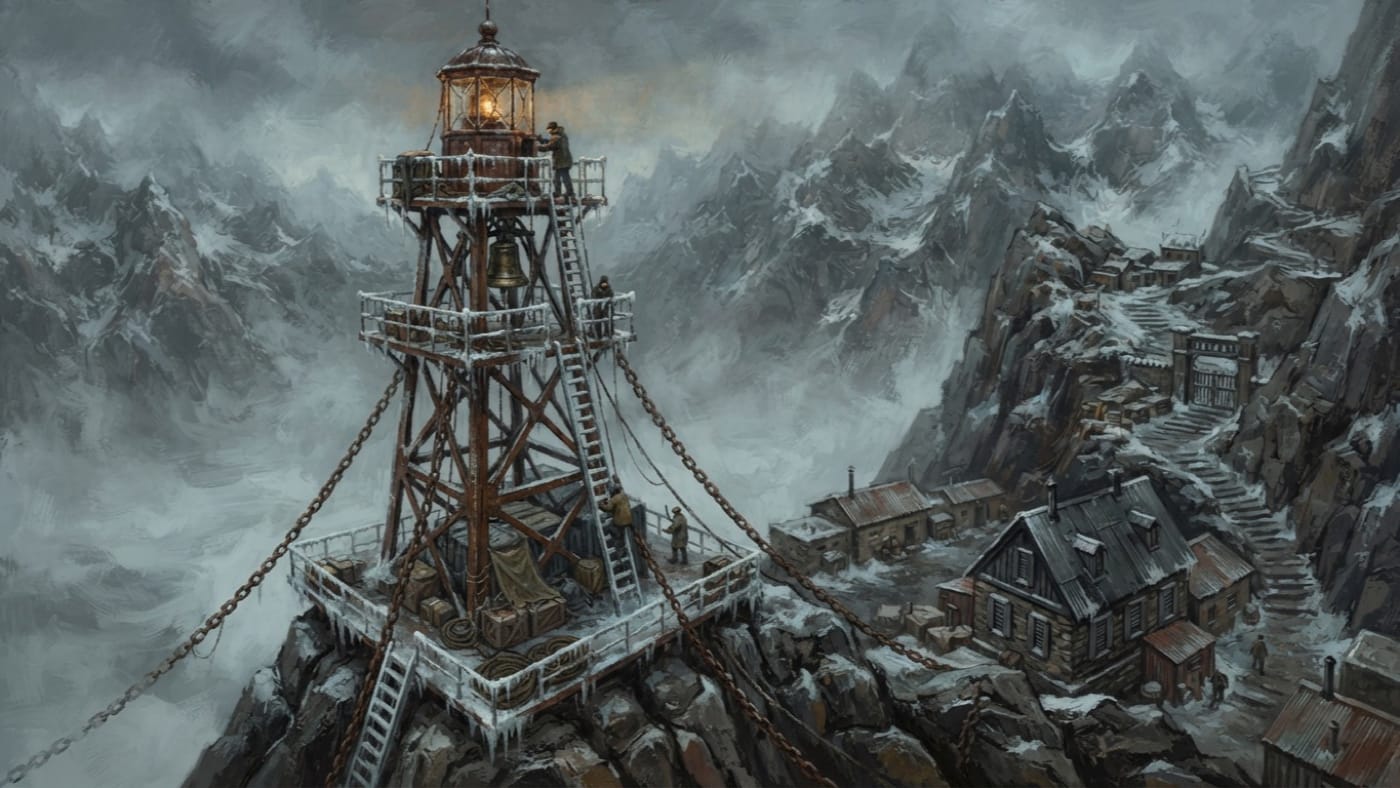
Beacon Tower Three
Six cycles of light, and one answer too many
The fifty-foot signal tower at Third Light, where a relic-lantern, a restricted bell and six daily cycles govern convoy passage. The fog answers in the tower's own protocol; the logs accept what the ridges deny.
Codex Ref. II.4.08-006

Beaconchain
Permission travels by lantern; certainty by stamp
The Carpathian relay of iron towers, relic-lanterns and bells governs convoy passage. Its seals certify every answer; at Third Light, the fog has learned to answer correctly.
Codex Ref. II.3.05-072

Beaconmaster Jorren Quill
Clean gloves, complete logs, seven false answers
Jorren Quill commands Third Light's Signal Office, with eleven years of unbroken logs. Seven false acknowledgments now bear his office's stamp; no finding ties the Beaconmaster to their making.
Codex Ref. III.2.01-201
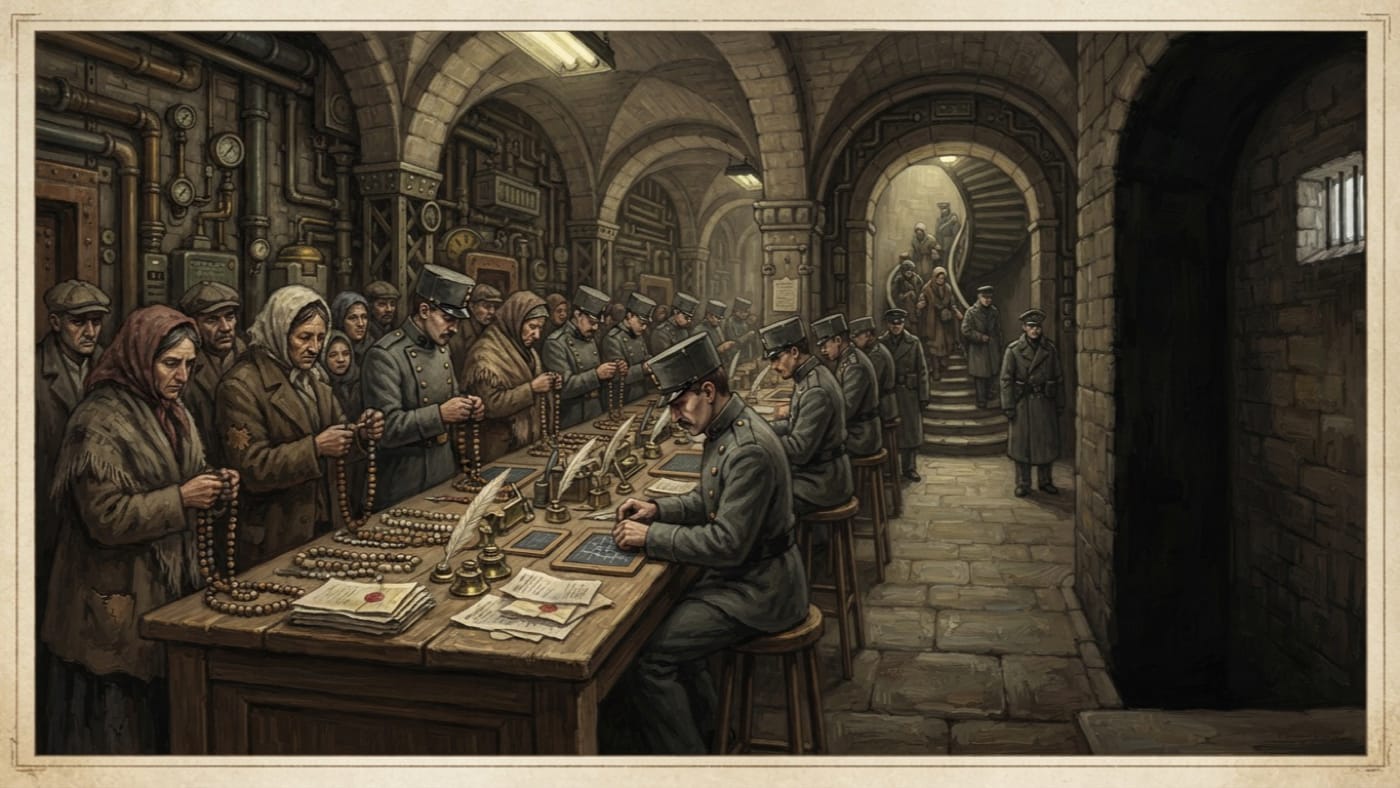
Bead Courts of Peregrine Row
Where the working is erased and the verdict kept
Twelve tables in Peregrine Row reconcile pilgrims' beads against confession receipts and passage credit. The working is wiped away; the verdict survives. A discrepancy costs passage, money, or liberty.
Codex Ref. XIII.1.23-002
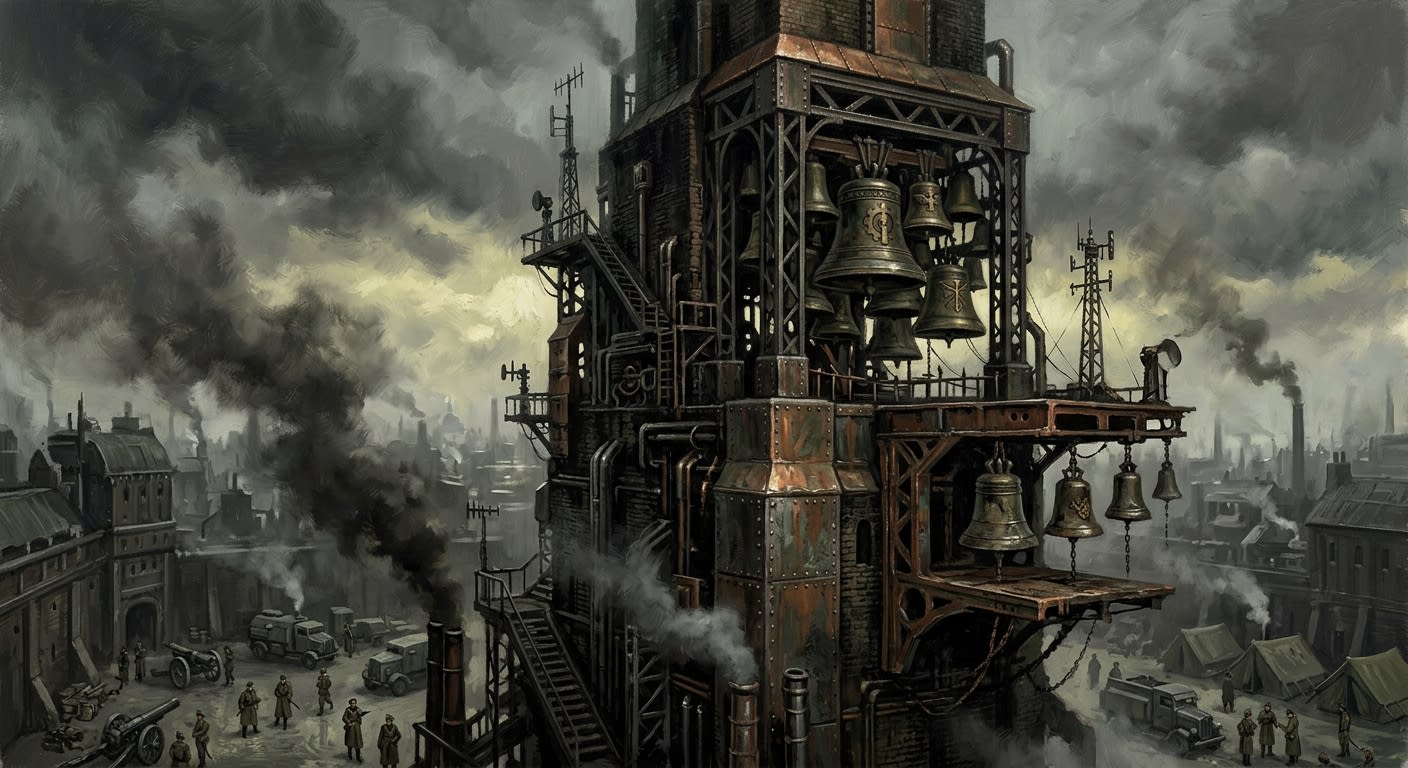
Belfry of the Hinge
Twenty-three mouths teach Constantinople which fear is lawful
The Belfry of the Hinge is Bastion-Constantinople's command tower: twenty-three principal bells, four shame bells, and the voice that makes fear lawful.
Codex Ref. II.4.10-007
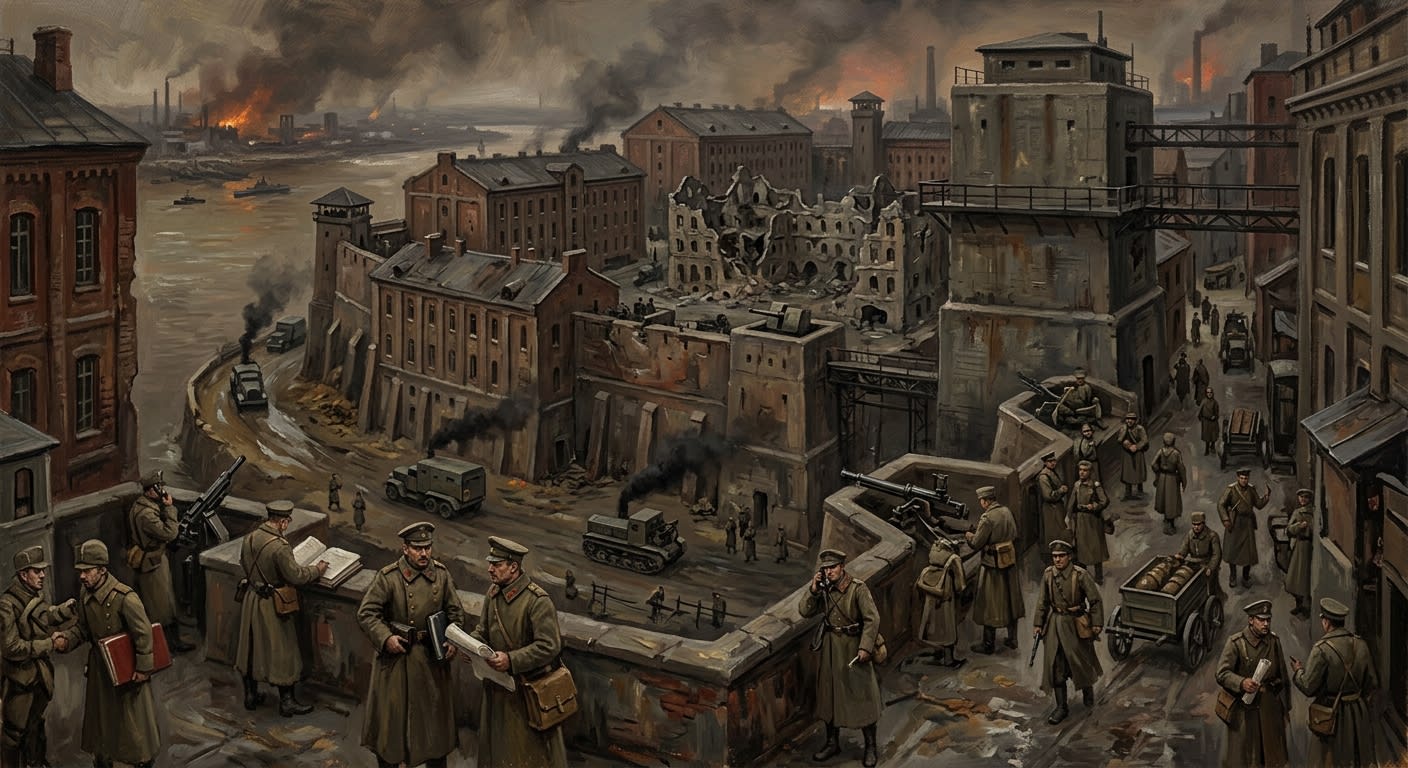
Belgrade Courts
Where miracle became evidence and silence learned to testify
The Belgrade Courts are the judicial-military scar around Velkara's Shattered Courts, where Maldrake burned, the Danube turned, and silence acquired paperwork.
Codex Ref. II.5.06-121
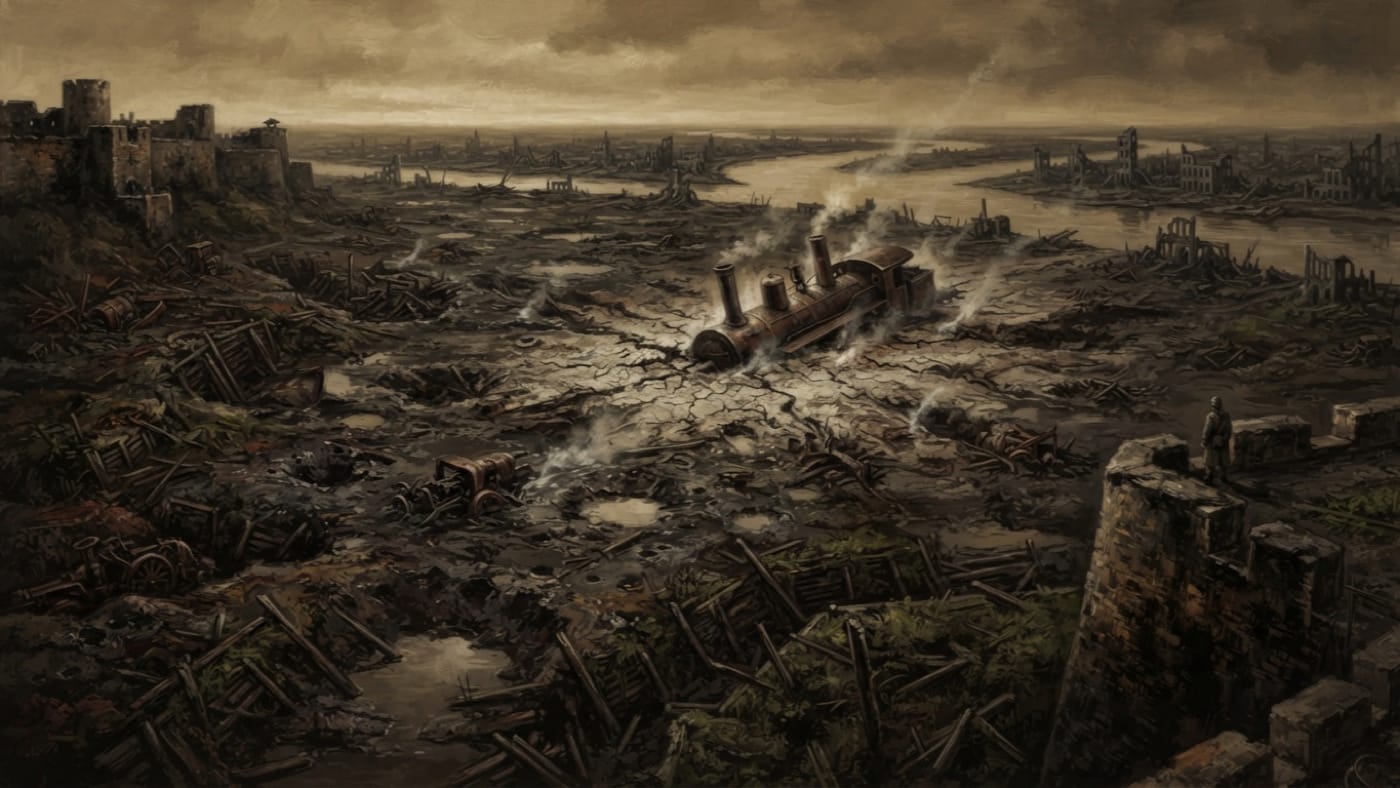
Belgrade flats
Victory ratified. Ground not.
The Belgrade flats are forbidden low ground at the Sava-Danube confluence, where Flesh-Mud swallowed a Wrath-forged engine in A.S. 120. The victory was ratified; the ground remains hungry.
Codex Ref. II.5.06-122
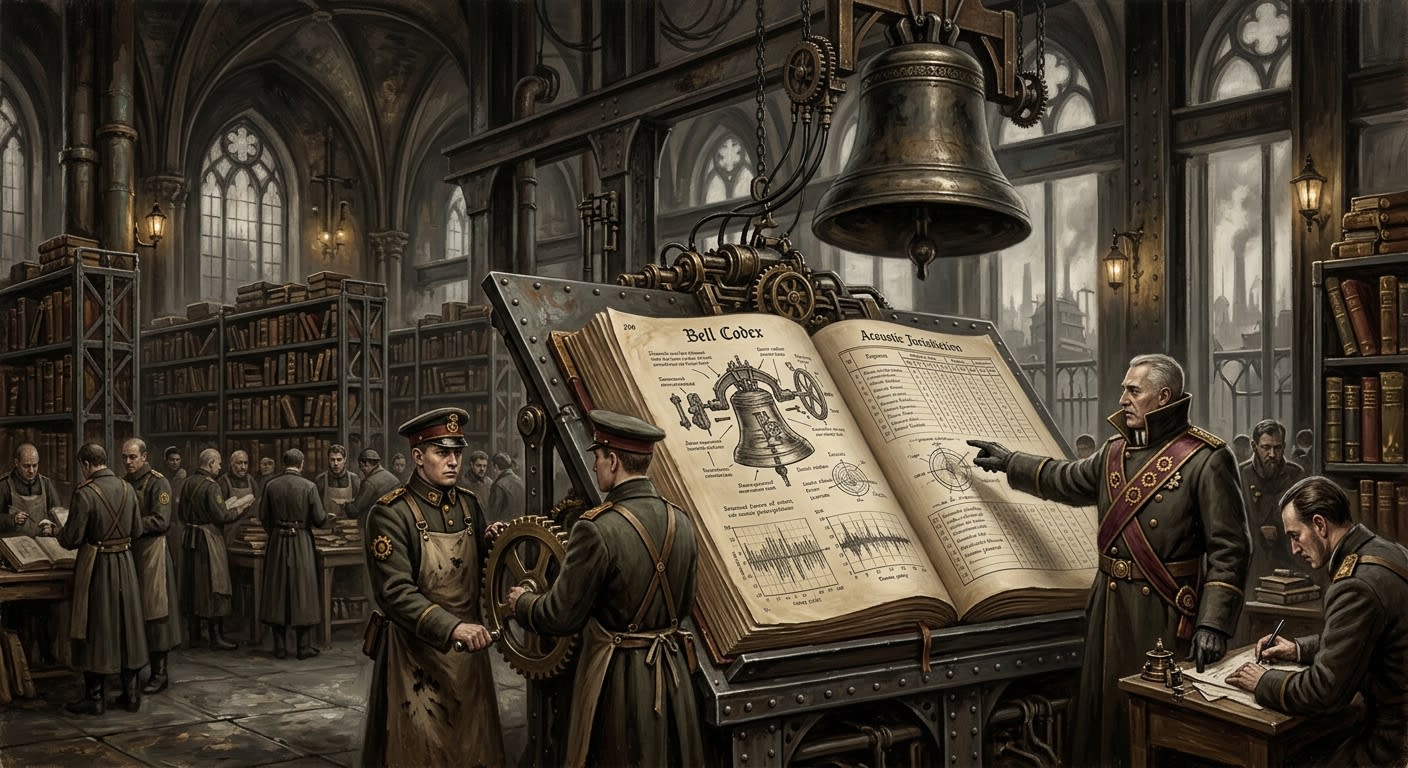
Bell Codex
The book by which bronze became law and silence learned to sign
Ratified in A.S. 115, the Bell Codex fixes the lawful grammar of peals, silences, curfews, alarms, licenses, and acoustic jurisdiction across the Synod.
Codex Ref. XIII.1.62-001
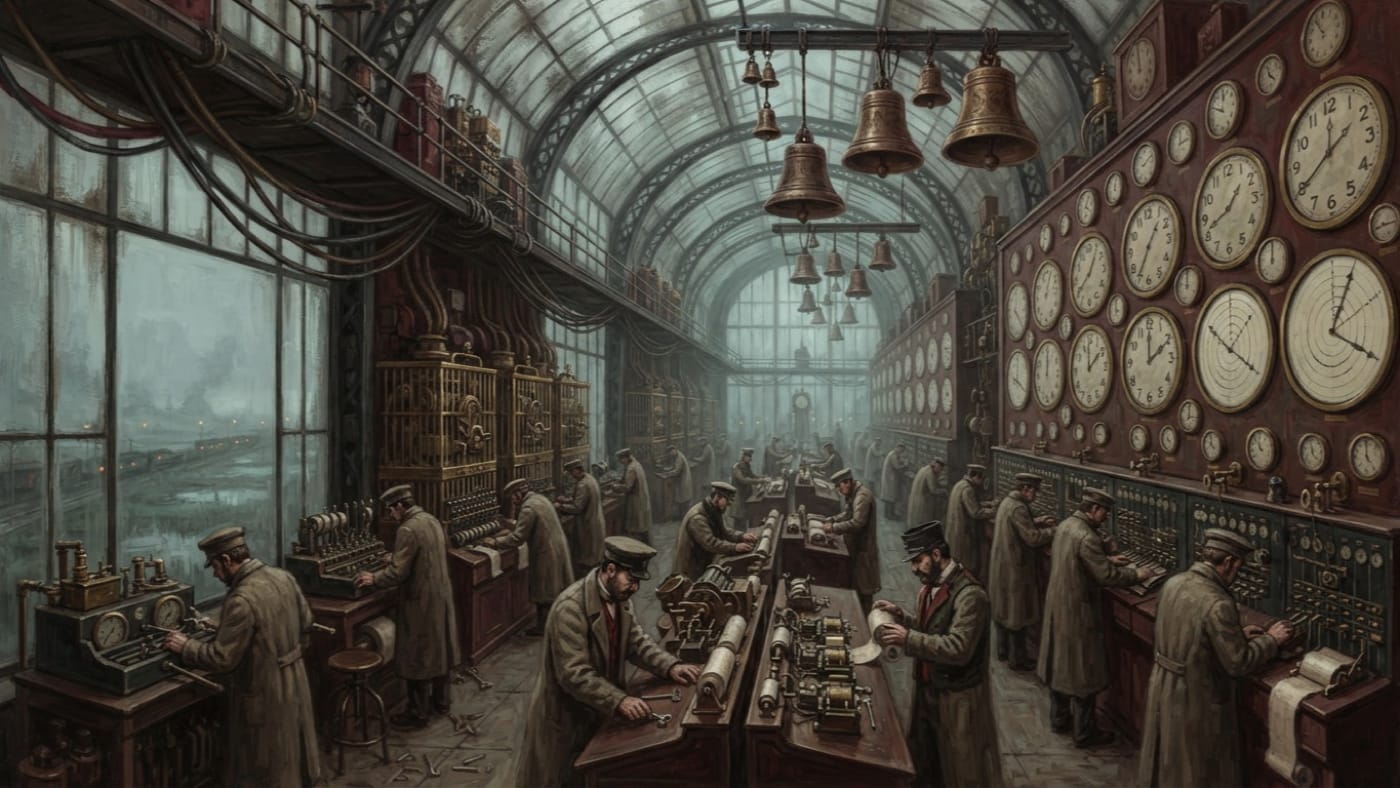
Bell Gallery
The bells keep the hour; the committees keep its meaning
The Bell Gallery governs Shipka's bells, clocks and telegraph traffic. Its hours move trains and patrols; what those hours measure remains before committee.
Codex Ref. II.4.08-209
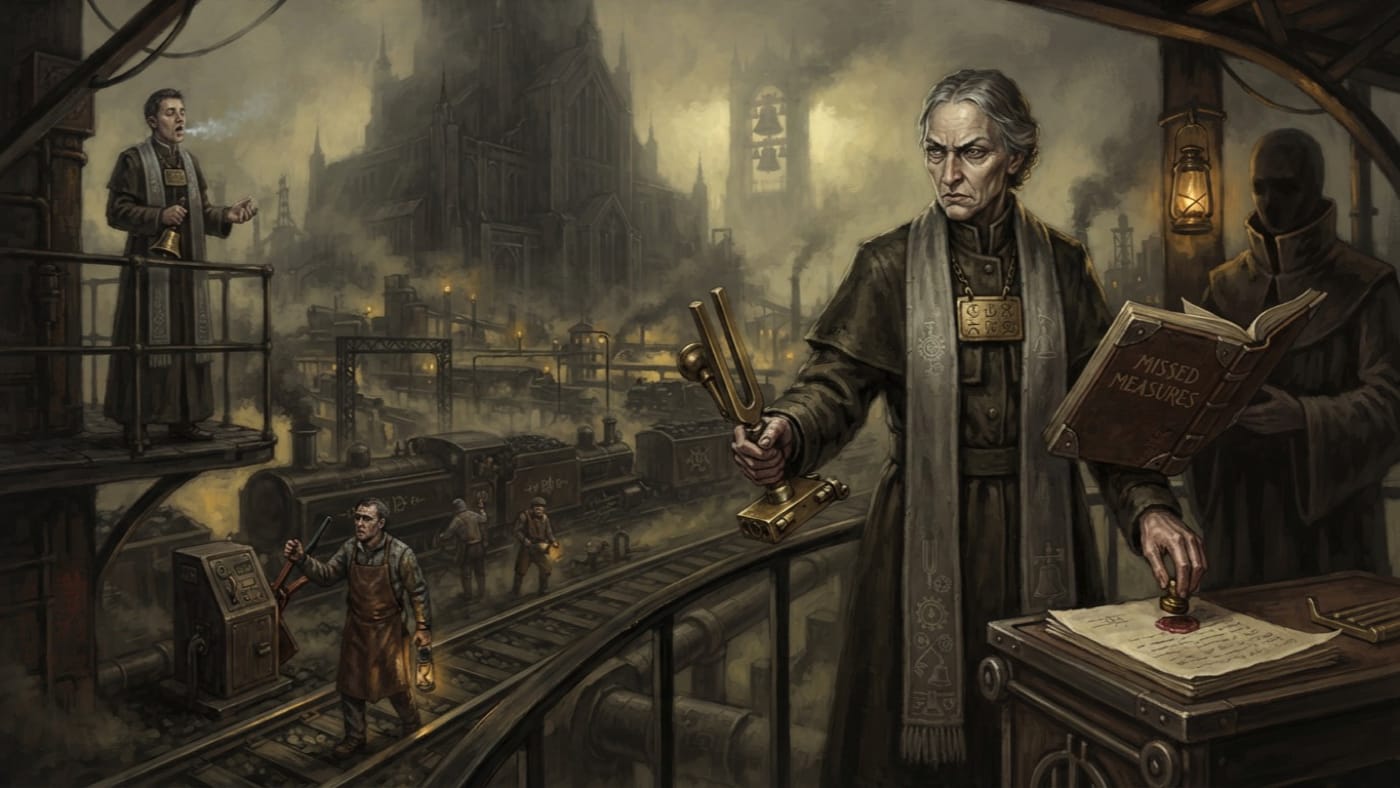
Bell Marshal
The hymn is correct; the dead await a signature
In Lorn, the Bell Marshal licenses every dispatch hymn and keeps the Missed Measures. Sister-Calder can certify the song; the dead still lack a signature.
Codex Ref. XIII.1.94-201

Bell Marshal Sister-Calder
The voice that certifies motion and prosecutes its failures
Sister-Calder licenses Lorn's motion with 112 certified voices and a book of failures; correct song remains her doctrine, her defense, and Hark's next question.
Codex Ref. III.2.01-201
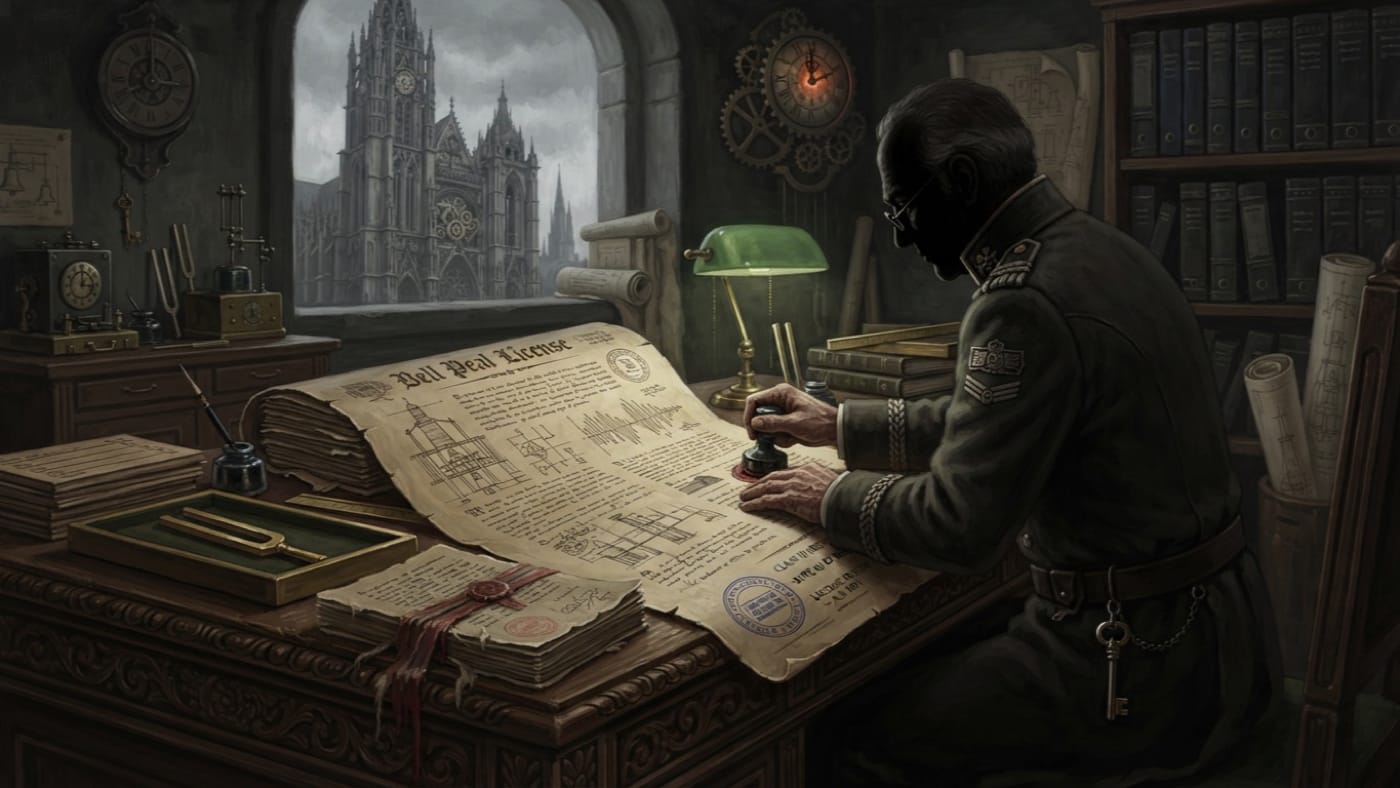
Bell Peal License
Bronze belongs to its owner. The hour belongs to the Bureau.
The Bell Peal License fences lawful sound in twelve pages and a longer appendix, fixing strokes, hours, tone, reach, and permitted grief. An extra stroke may cost more than the devotional fee.
Codex Ref. XIII.1.62-002
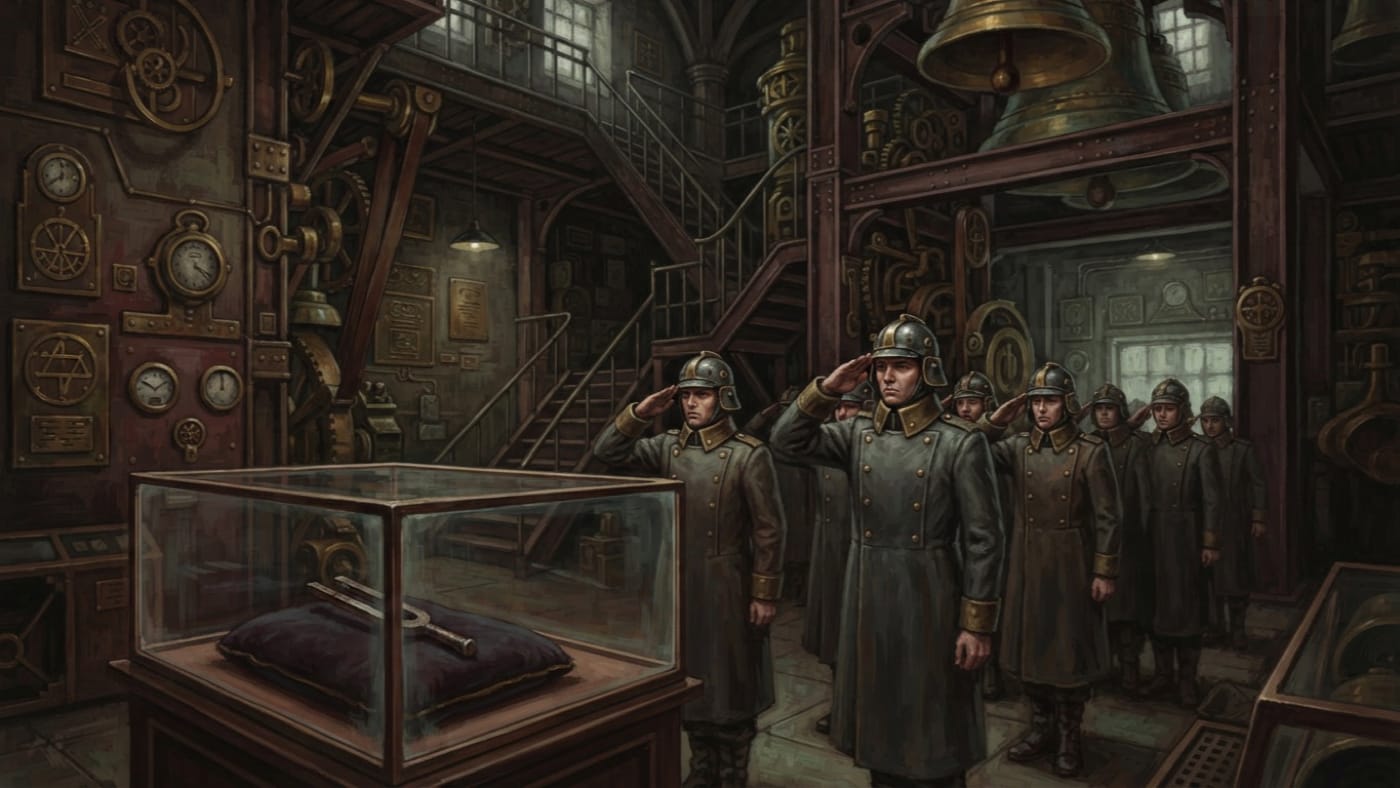
Bell Tower
The city obeys the bronze; the recruits salute the fork.
On Strasbourg's seventh floor, Canon Veyl's fork receives the Counter-Toll recruit salute. The Bell Tower keeps lawful hours and teaches that obedience must be louder than its enemies.
Codex Ref. XIII.1.62-201
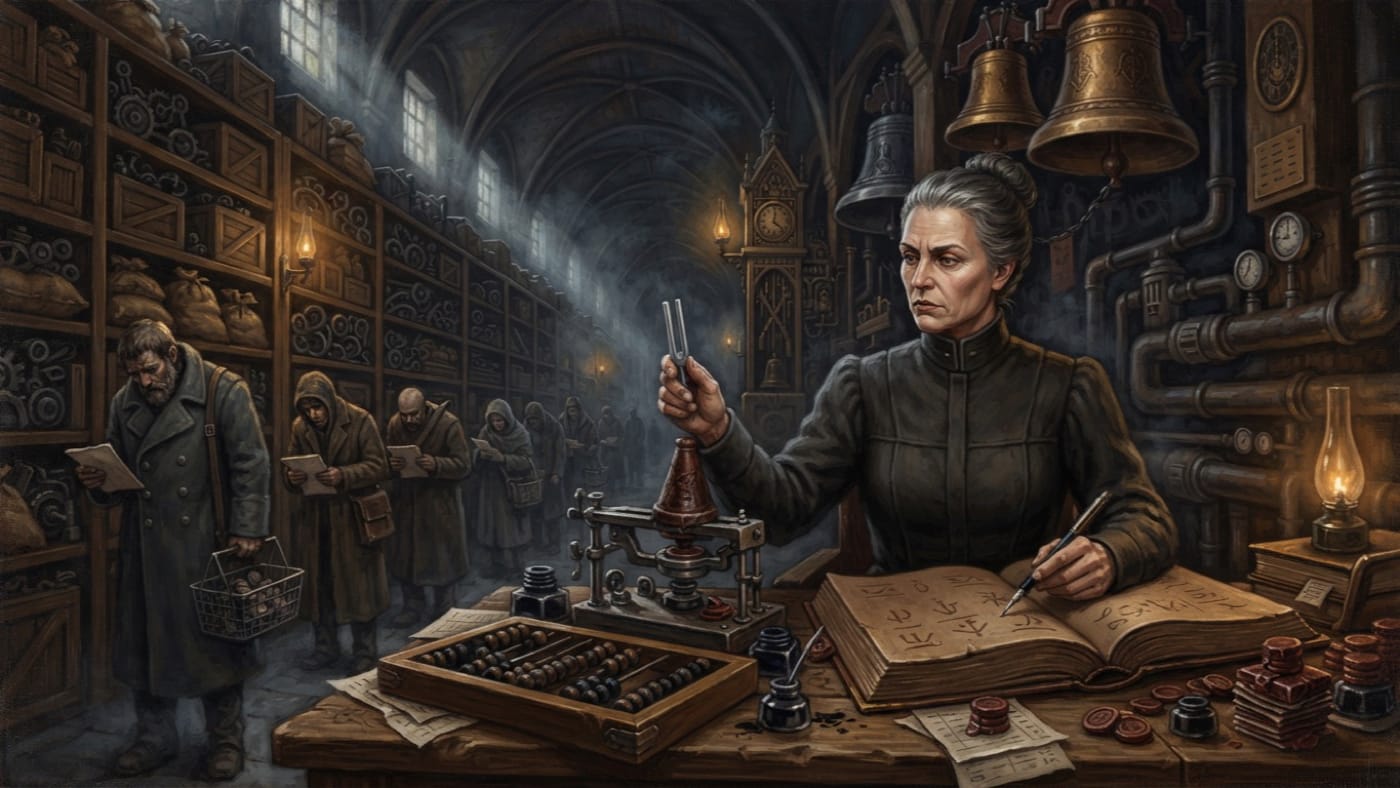
Bell-Accountant
The clerk who counts the hours and questions the wax
Bell-Accountants turn bell-hours into ration priority and test hymn-gasket wax for its remembered song. Their ledgers decide whether bread may move, seals may pass, and emergency repairs may become lawful.
Codex Ref. XIII.1.62-202
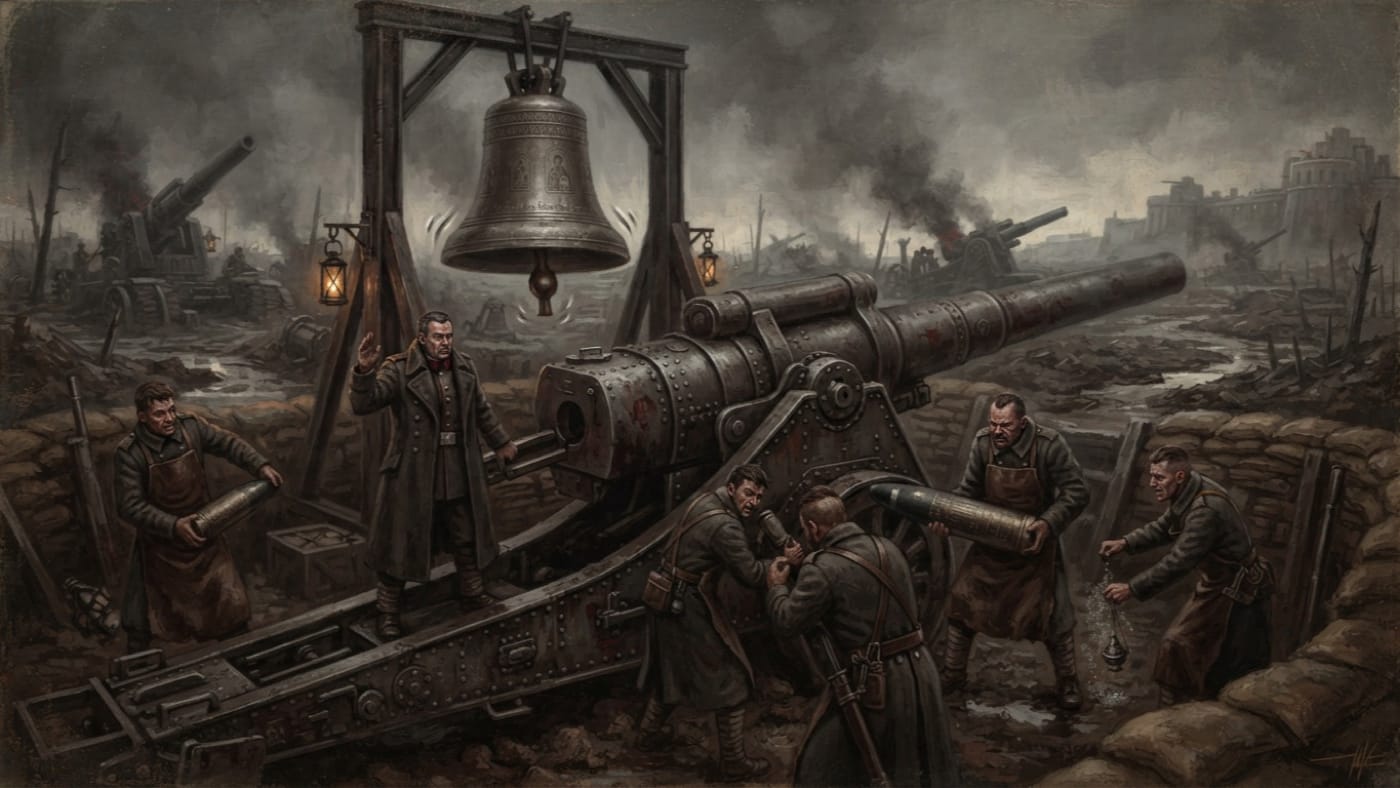
Bell-Cannon
The toll governs the barrage; the ledgers govern the blame
Field artillery governed by three peals and sustained by Essen's hymnsteel throats. The Bureaus agree when it should fire; each names a different author when it fails.
Codex Ref. XIII.1.93-201
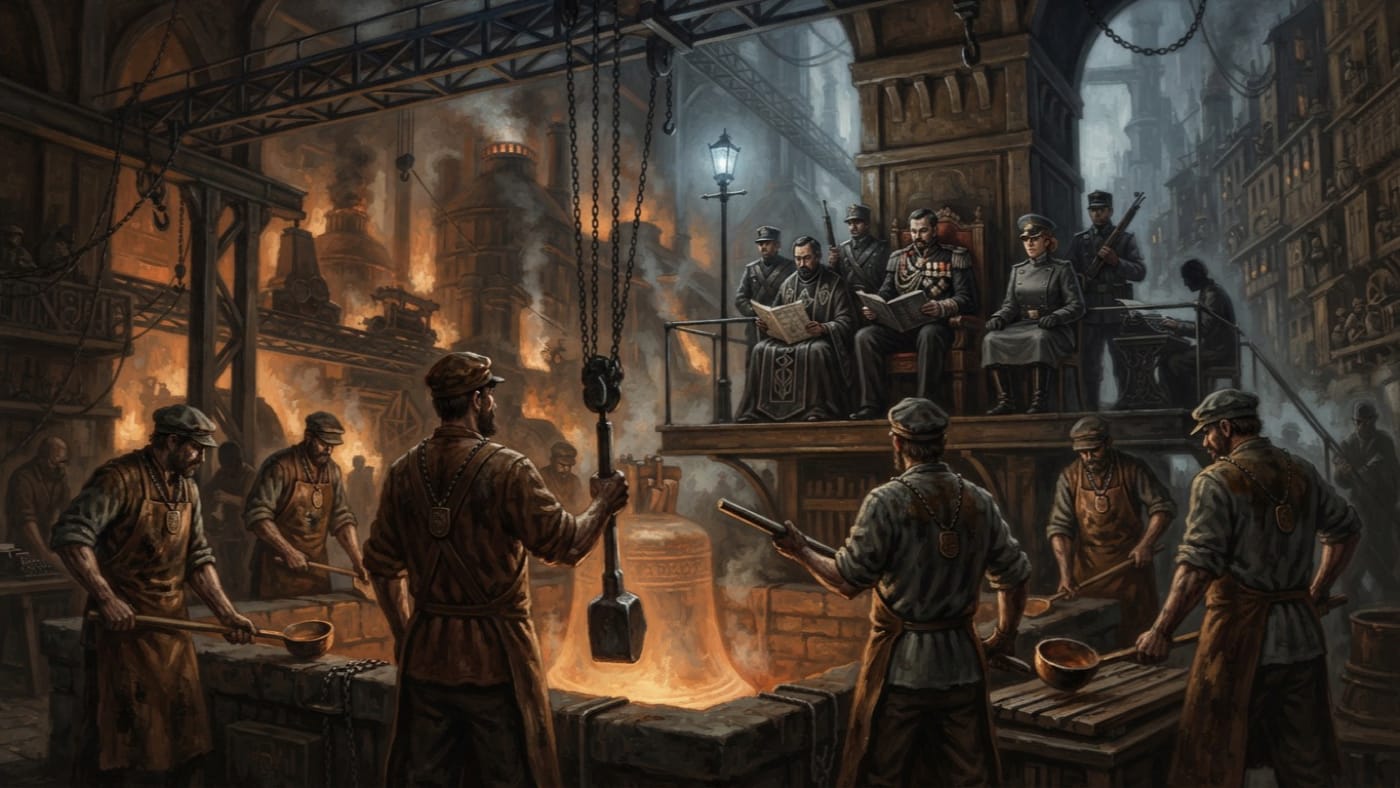
Bell-Founders of Essen
They cast the bells; other offices own the voice
The Bell-Founders sent six masters and one clapper to Münster in A.S. 105. One thumb bound their craft and descendants; they cast the bells while other offices own the voice.
Codex Ref. XIII.2.05-105
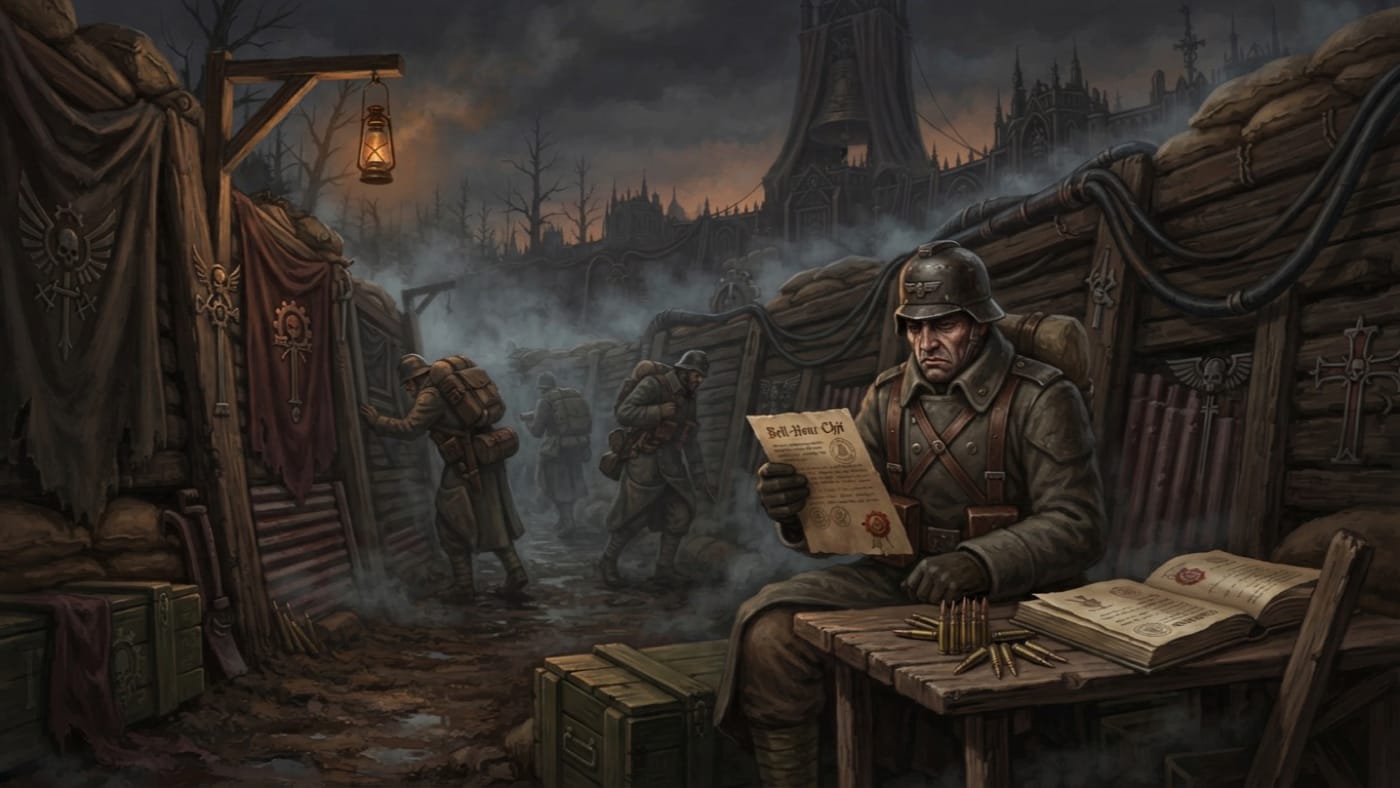
Bell-Hour Chit
The claim is paid in paper; the courage is paid in flesh
A bell-hour chit records a company's claim upon sanctified ringing. The Bureau of Bells audits the debit; the soldiers pay weariness for valour. Heaven's permission arrives on paper. Its cost arrives in the marrow.
Codex Ref. VI.3.01-003
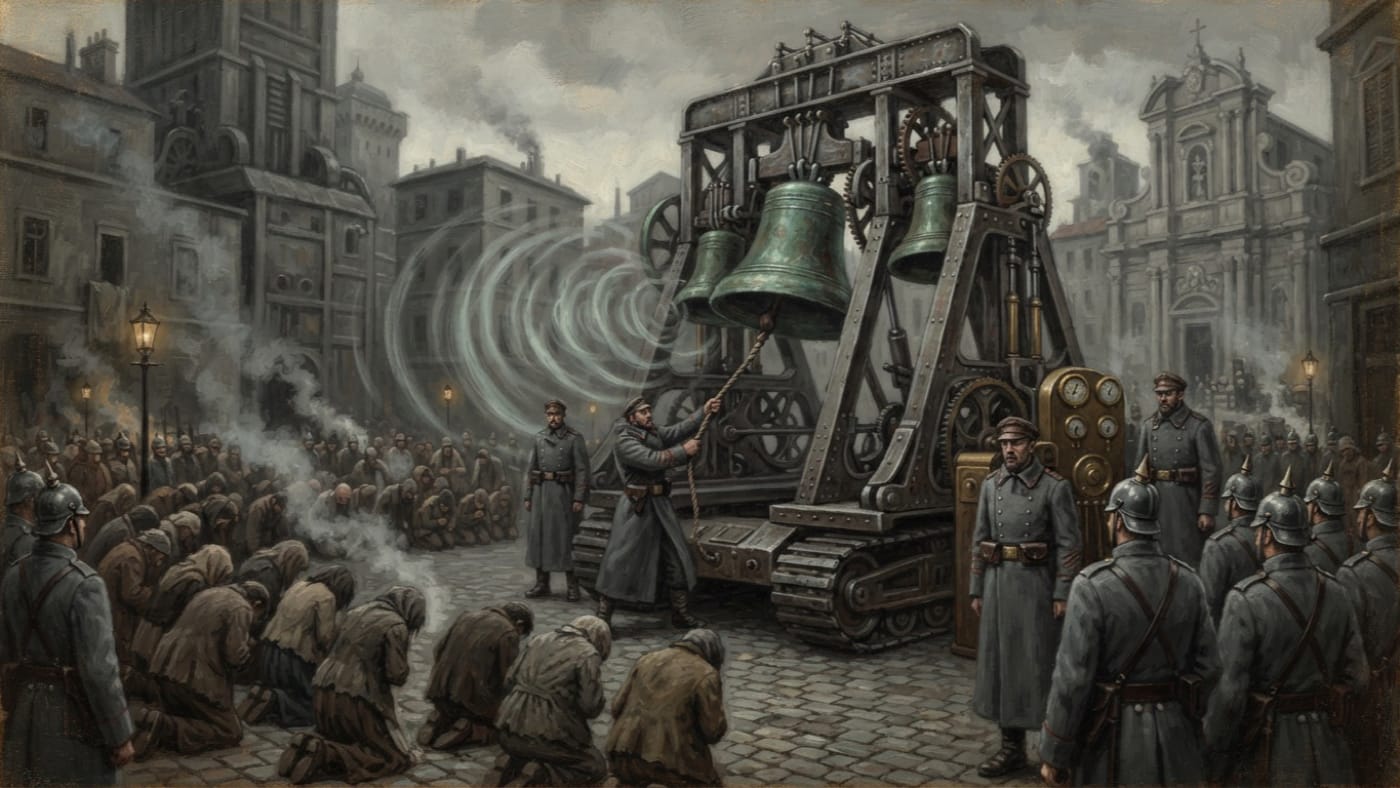
Bell-Litanies
The body obeys; the paperwork calls it willing
Bell-Litanies rout mobs, halt riots and recall stragglers through sanctioned sound. The company spends a chit; the faithful spend their strength. At Ragusa the crowd burned. The Bureau calls this a triumph of acoustics.
Codex Ref. VI.3.01-004
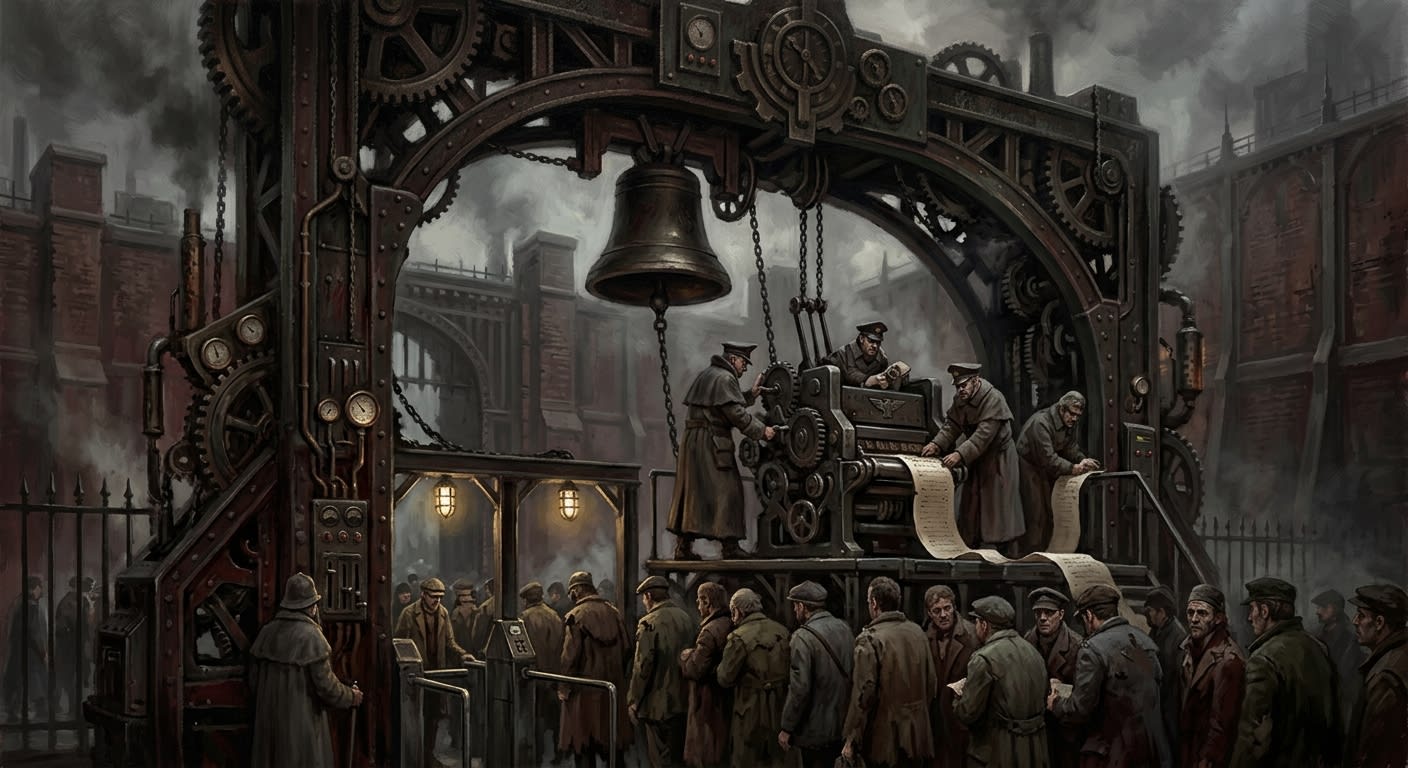
Bell-Mark Gantry
A stamp is violence without perspiration
The Bell-Mark Gantry is the Queue Road's iron throat above Gate Three, where bells, stamps, and priced minutes convert waiting bodies into lawful revenue.
Codex Ref. XIII.1.16-111
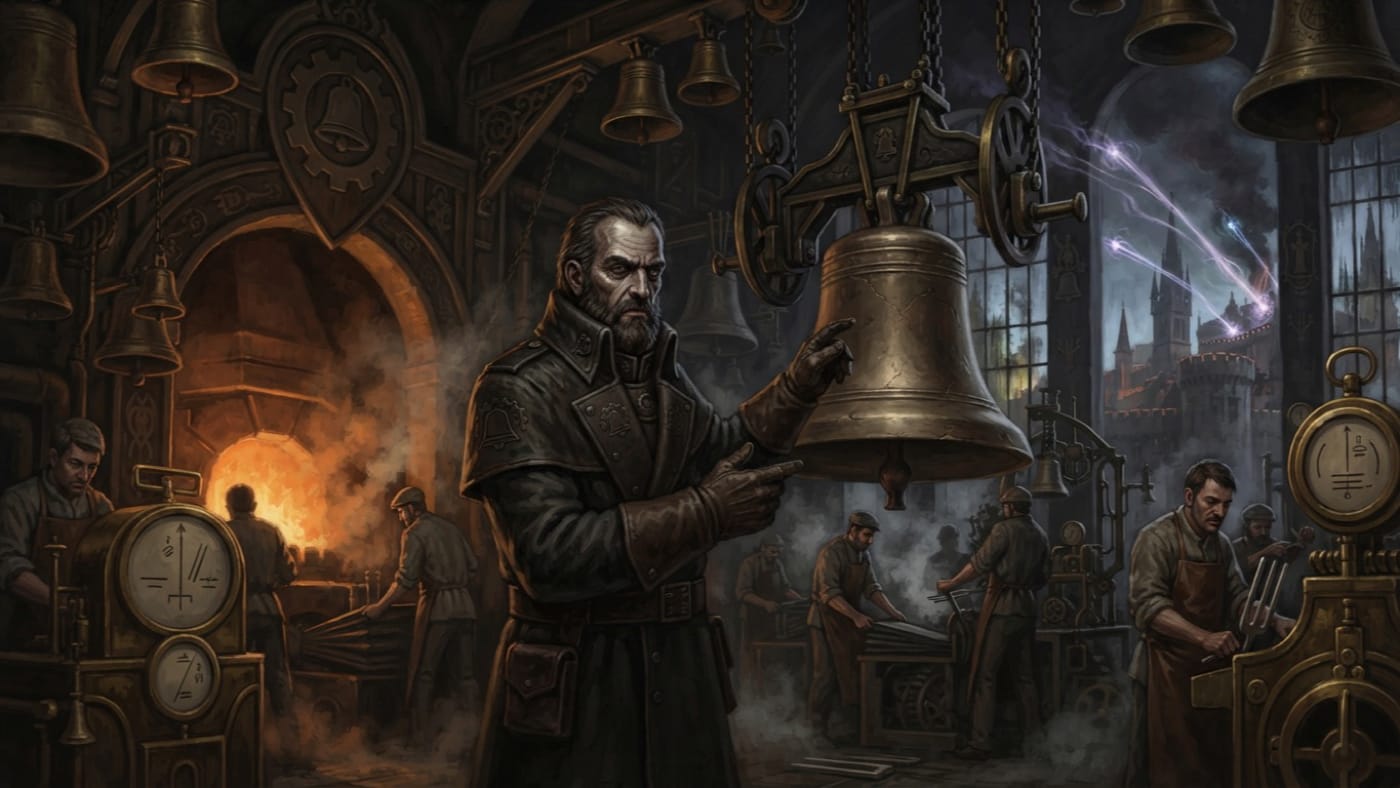
Bell-Master Odran Vey
One quarter-tone earns a dossier; the dream earns a seal
Odran Vey ordered Vienna's bells recast a quarter-tone sharp in A.S. 190. The remedy worked; his claimed dream earned provisional miracle procedure and a classified file.
Codex Ref. XIII.1.94-190
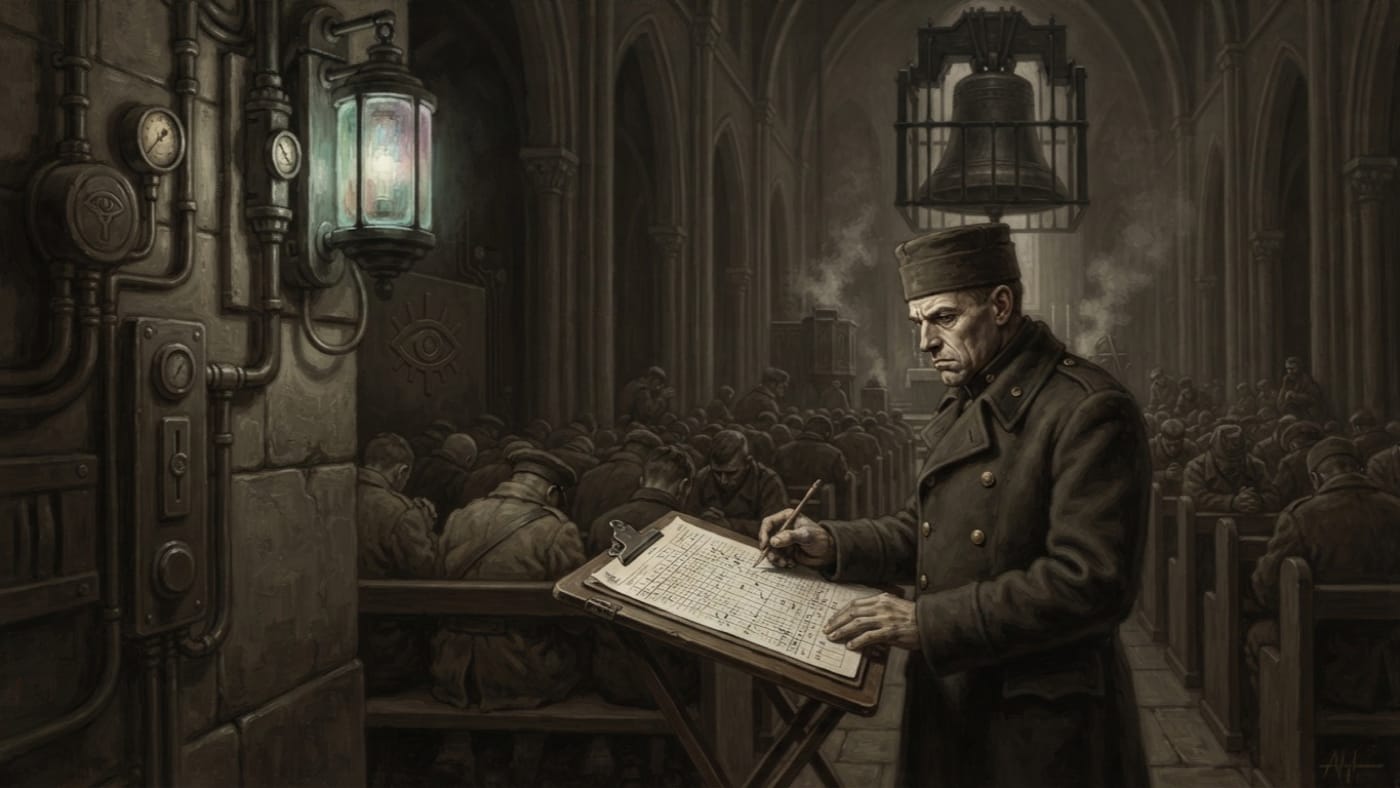
Bell-Pause Chart
Where the amen becomes evidence
Purity's ruled sheet measures the pause where an amen was owed and gives the Auditor a first line for the file. This A.S. 201 survey records current practice; the chart's first issue remains unknown.
Codex Ref. XIII.1.99-226
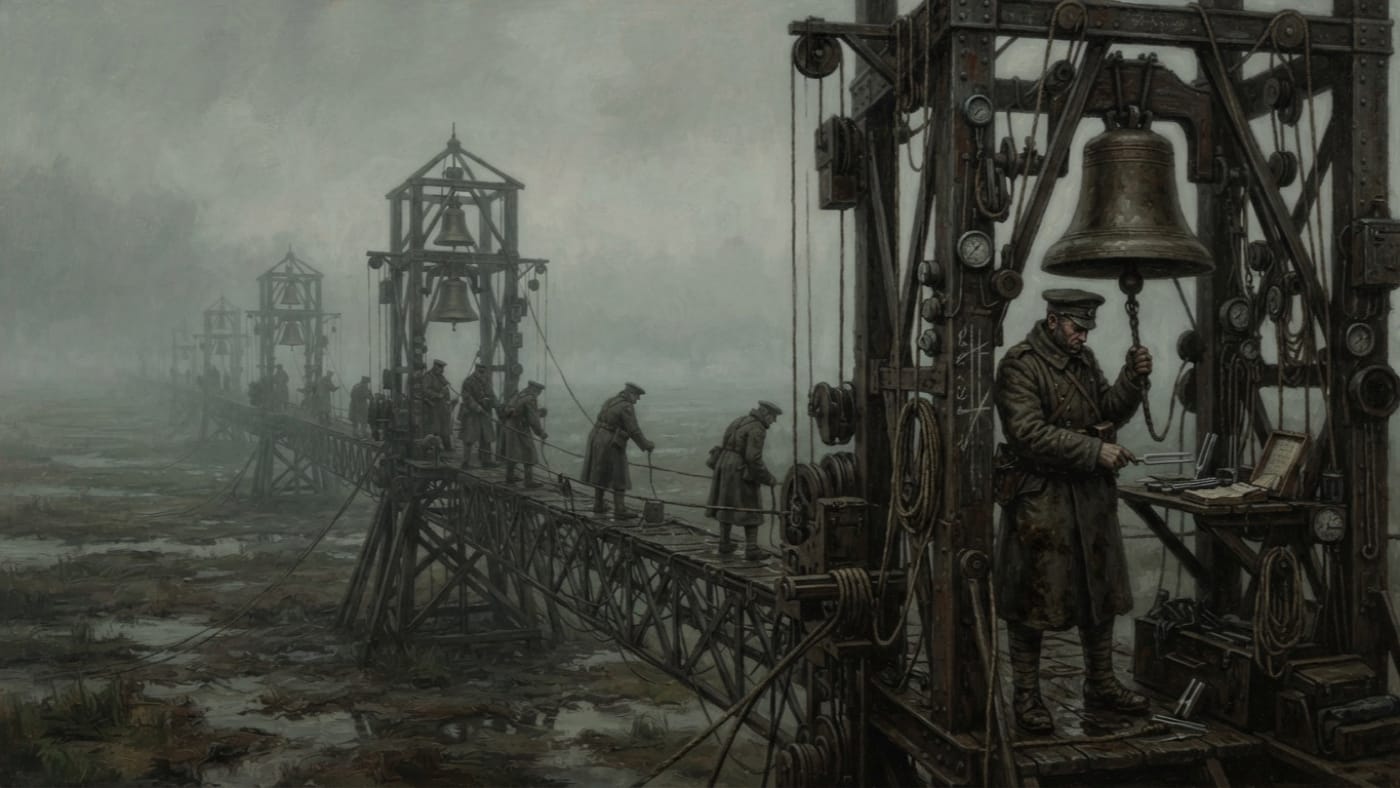
Bell-Resonance Towers
The Peal Is Lawful; the Traveller Is Unproven
Brest's forward-wire towers order watches, warnings and lawful movement. Their peals are calibrated, licensed and logged; the Bureau has yet to make an honest traveller by ringing a bell.
Codex Ref. XIII.1.62-201
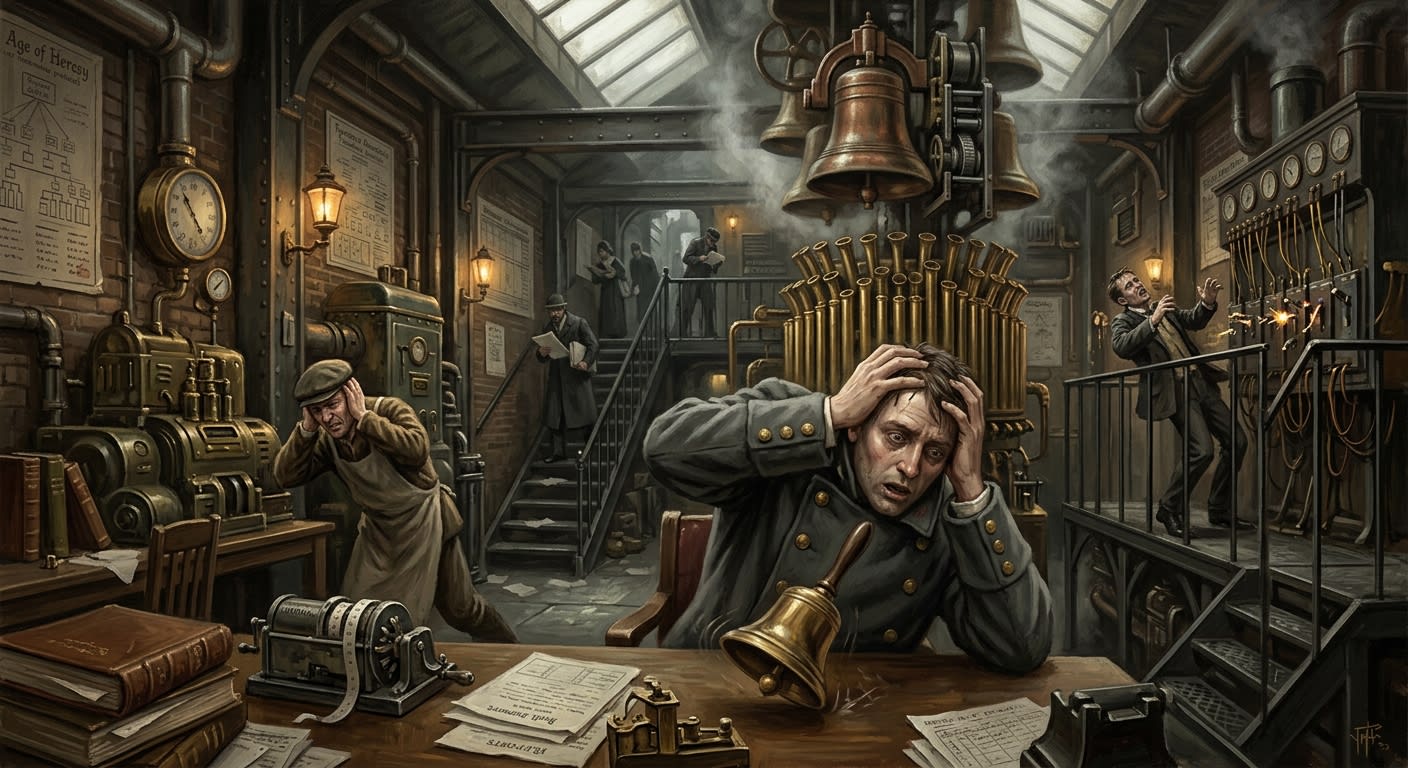
Bell-sickness
The bell stops; the obedient skull keeps ringing
Bell-sickness is the Synod's recognised resonance affliction: phantom peals, compulsive cadence, command mislocation, and the small theological problem of obedience ringing back.
Codex Ref. XIII.1.87-201
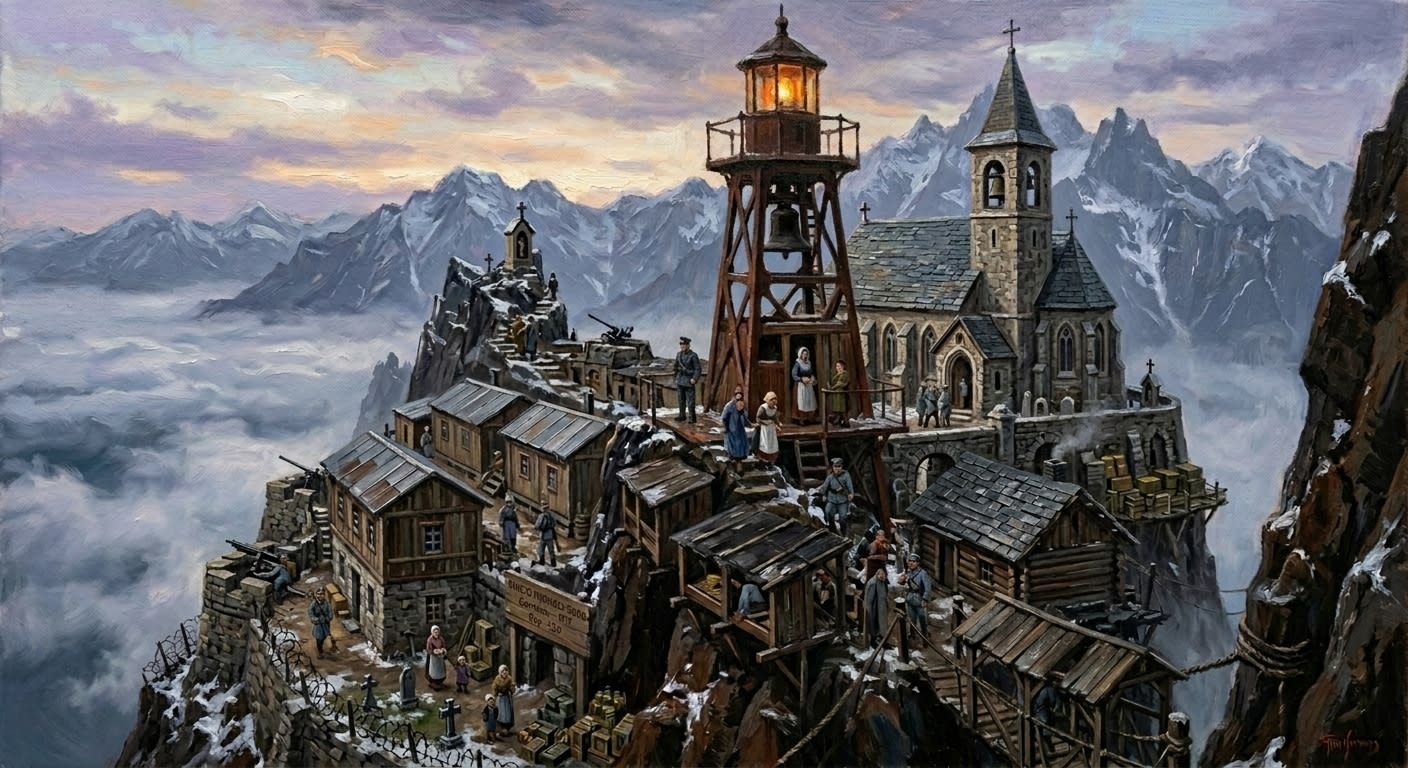
Bell-Signet Beaconchain Hamlet, Third Light
Where the signal ends and the fog begins to answer
A relay station of four hundred souls on a basalt knife-ridge in the high Carpathians, where the Beaconchain's Third Light burns between civilization and the fog — and the fog has started answering back.
Codex Ref. II.4.08-005
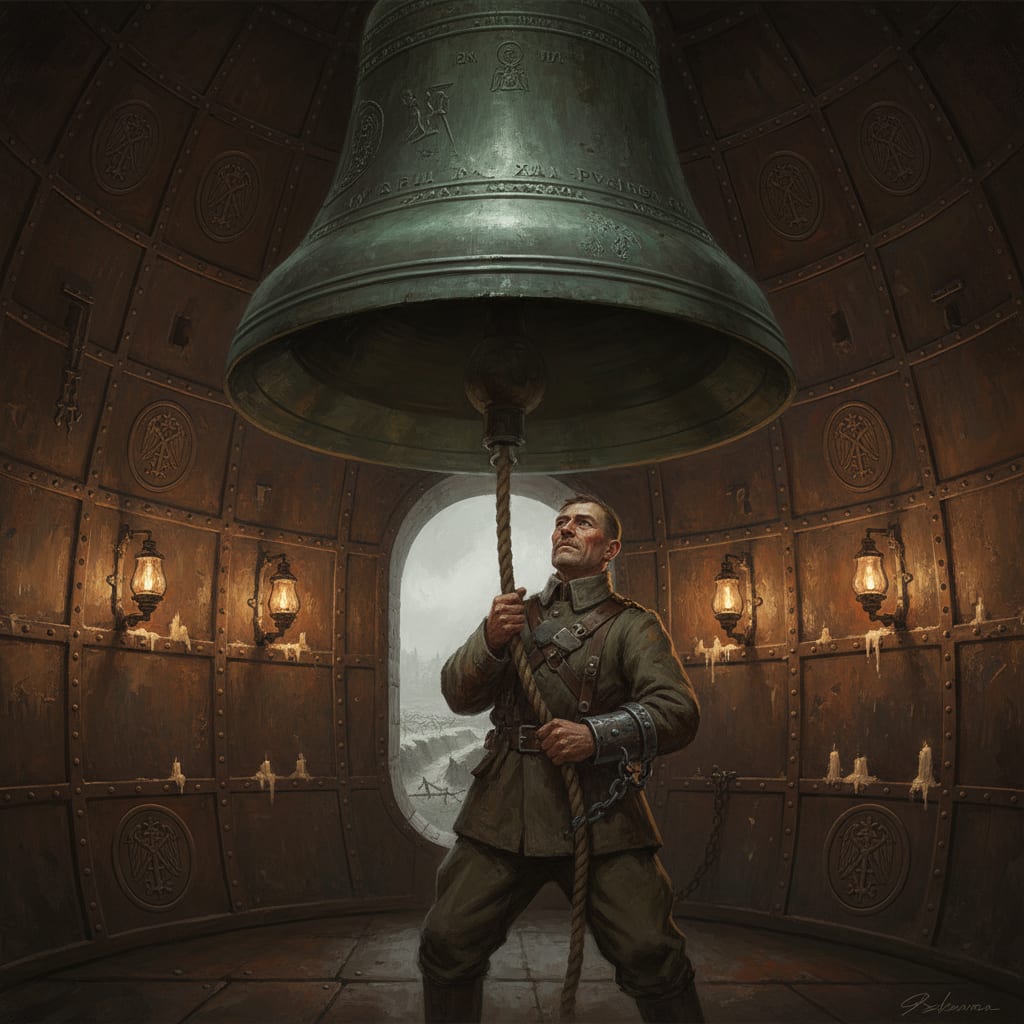
Bellwarden
Chained by the wrist to the Synod's schedule, he rings a war he will never be permitted to understand.
Eleven thousand four hundred souls chained by the wrists to a Synod schedule they did not write, ringing a war they cannot explain, in service of a theology their bells increasingly refuse to perform.
Codex Ref. XII.2.01-001
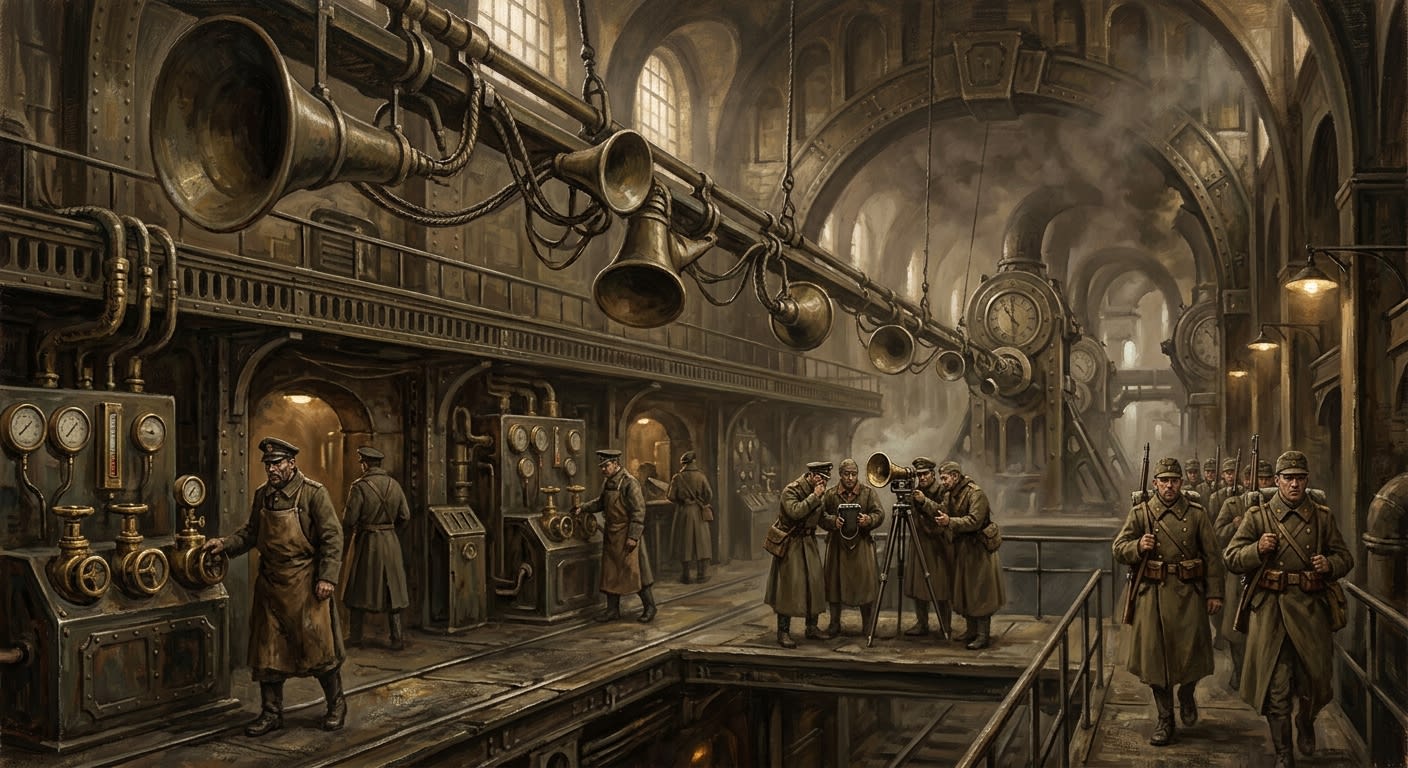
Bellway
The road that hears you, blesses you, taxes you, and may repeat you
Bellways are the Synod's sanctioned acoustic corridors: road, alarm, sermon, surveillance net, and mercy with teeth, carrying lawful sound through the Line and beyond.
Codex Ref. XIII.1.88-201
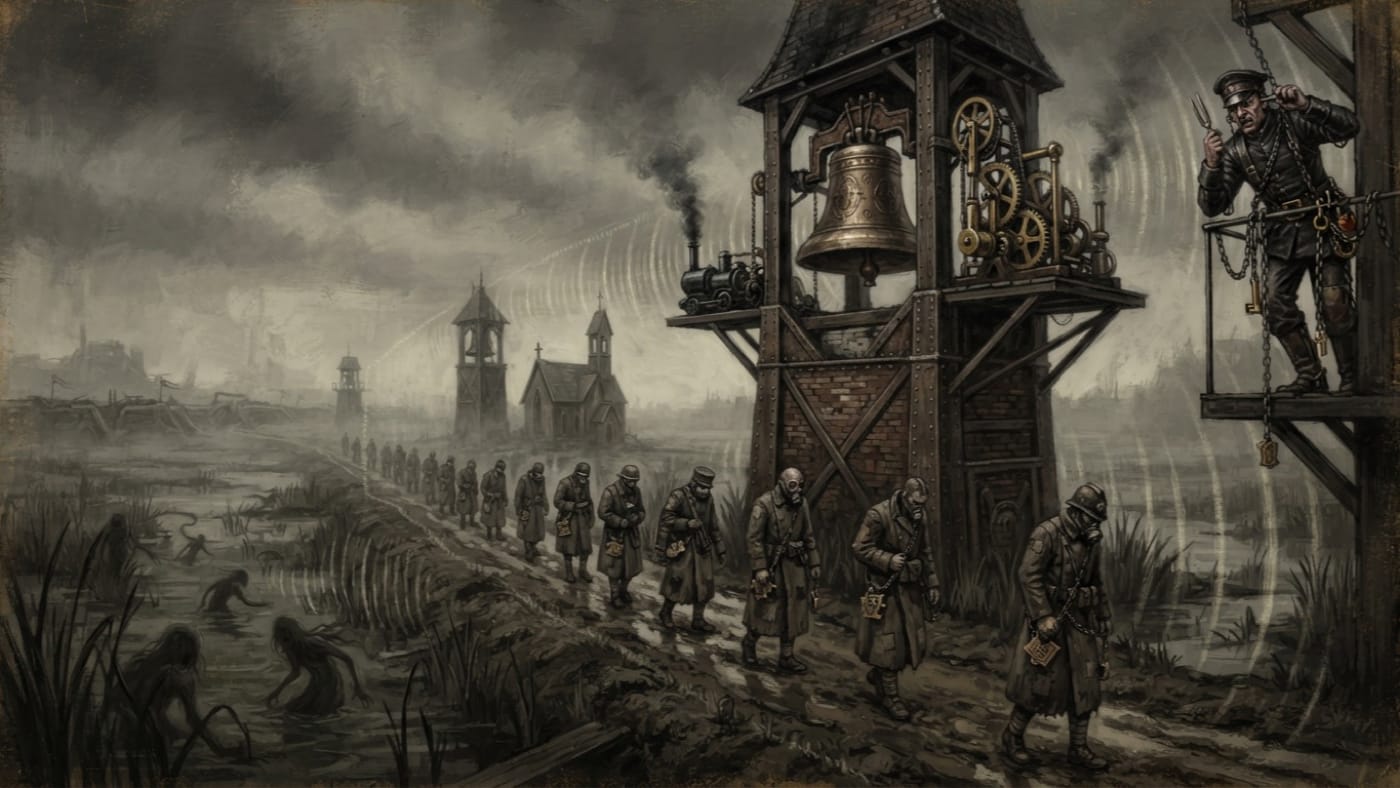
Bellway Protection
The road has no walls; the bells keep the boundary
Bellway protection keeps licensed pilgrims within maintained acoustic corridors that repel minor roadside threats. Bells tune the road; tokens keep the walker in time, and Tithes keeps the invoice.
Codex Ref. XIII.1.88-002
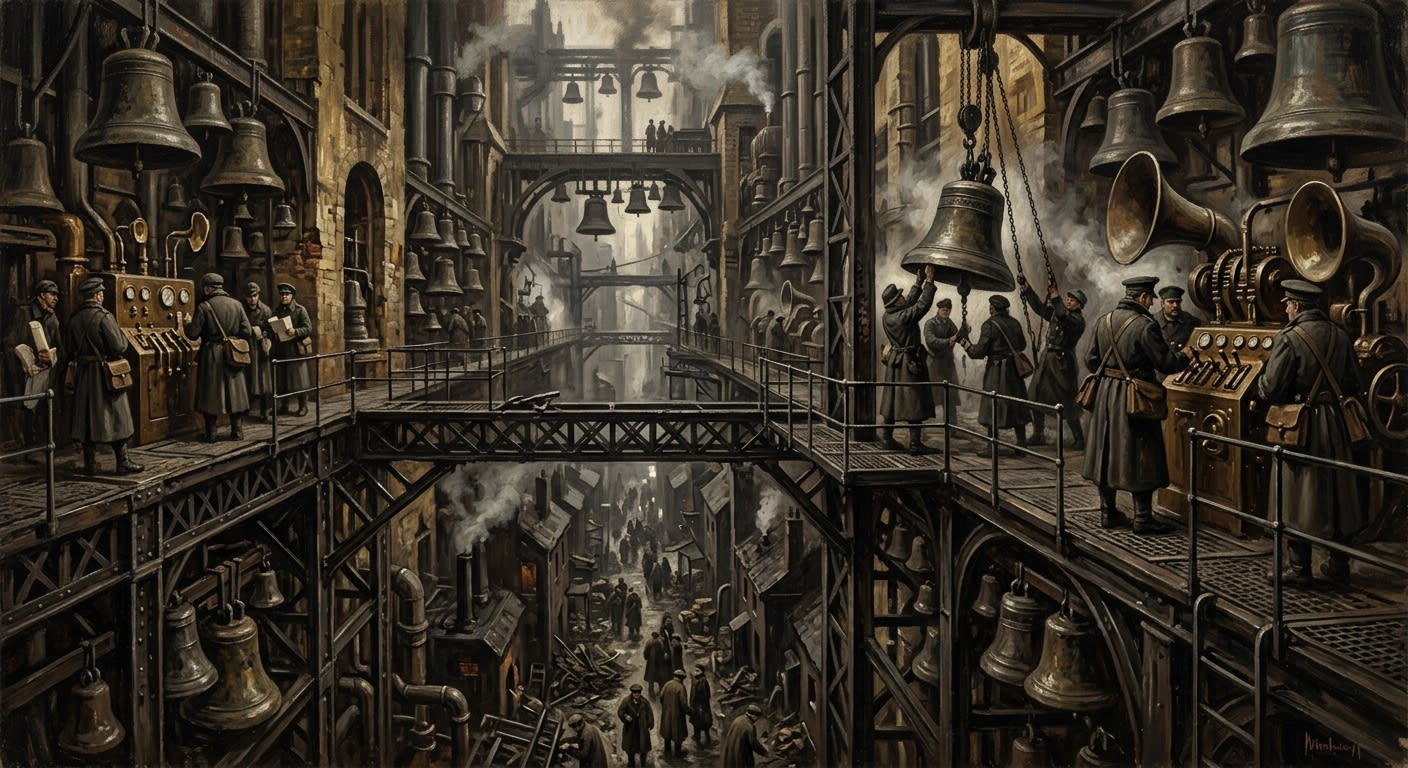
Bellways
The plural doctrine of roads, sky, trench, and taxable obedience
Bellways are the Synod's plural acoustic jurisdiction: low roads, middle war-lattices, high Ark corridors, and every quarrel they make audible.
Codex Ref. XIII.1.89-201
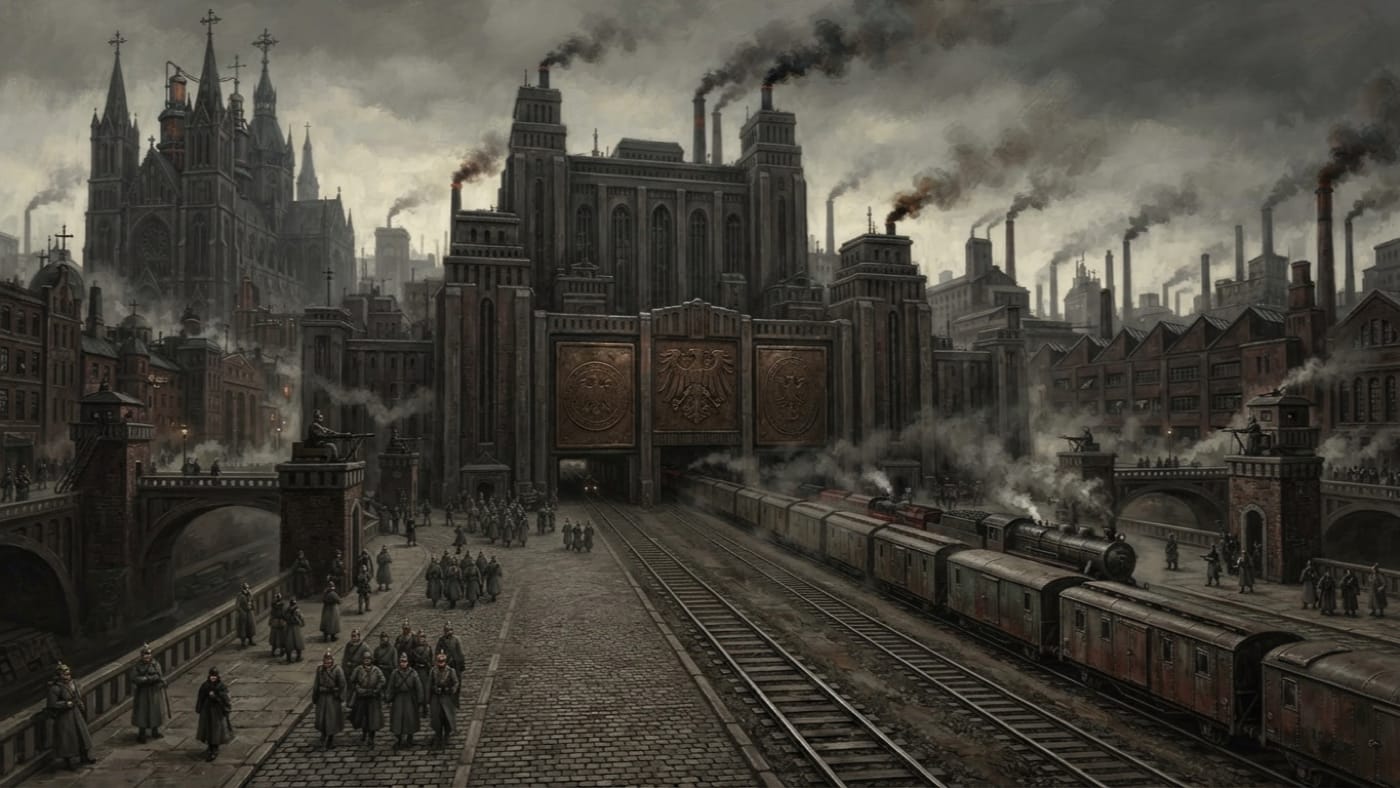
Berlin
The Ledger keeps both names; the city answers to one
Berlin supplied the Northern Garrison sent to famine-struck Hamburg in A.S. 65. Renamed Kanzleiburg in A.S. 95, it remains the same city; the Ledger keeps both names.
Codex Ref. II.4.09-095
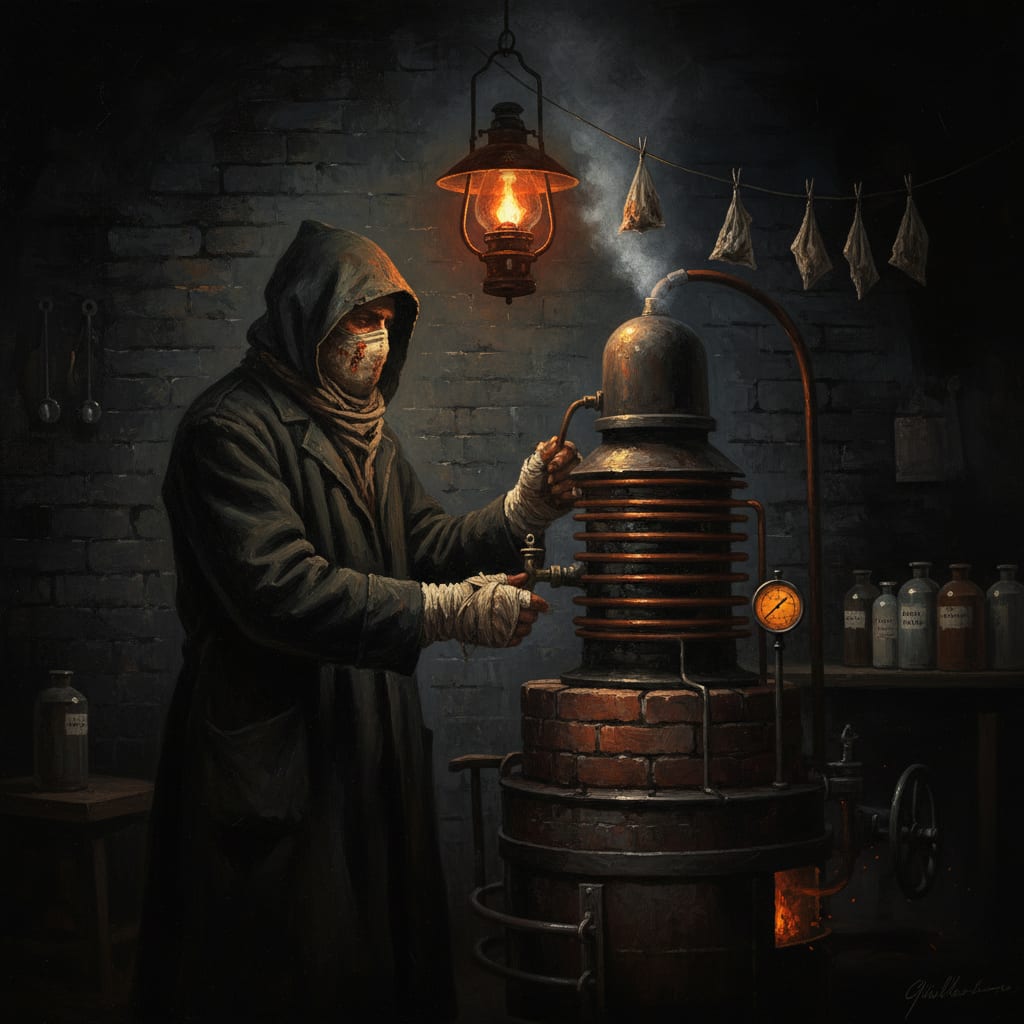
Black Diesel Distiller
The Bureau calls it heresy; the districts call it warmth; the fuel, on occasion, calls back
The Black Diesel Distillers burn the Anatolian sludge the Bureau condemns, the Line requires, and Providence cannot explain — for the smoke sometimes writes.
Codex Ref. XII.3.01-001
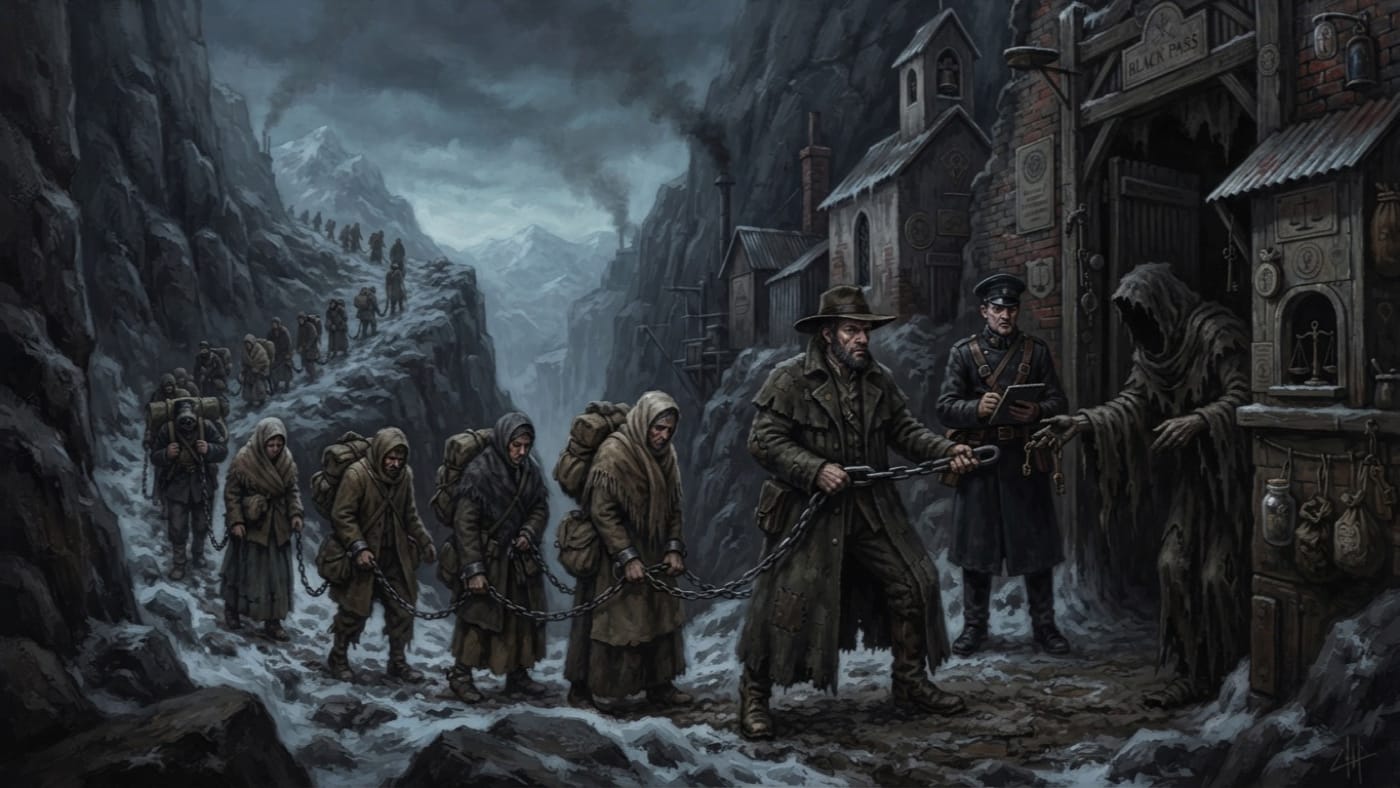
Black Pass
The demon offers release; the Station collects a toll
The tenth Station of Obedience on Varric's road, where a demon offers release, a saint tightens the chain, and a toll survives the absence of a reliable map.
Codex Ref. III.2.04-272
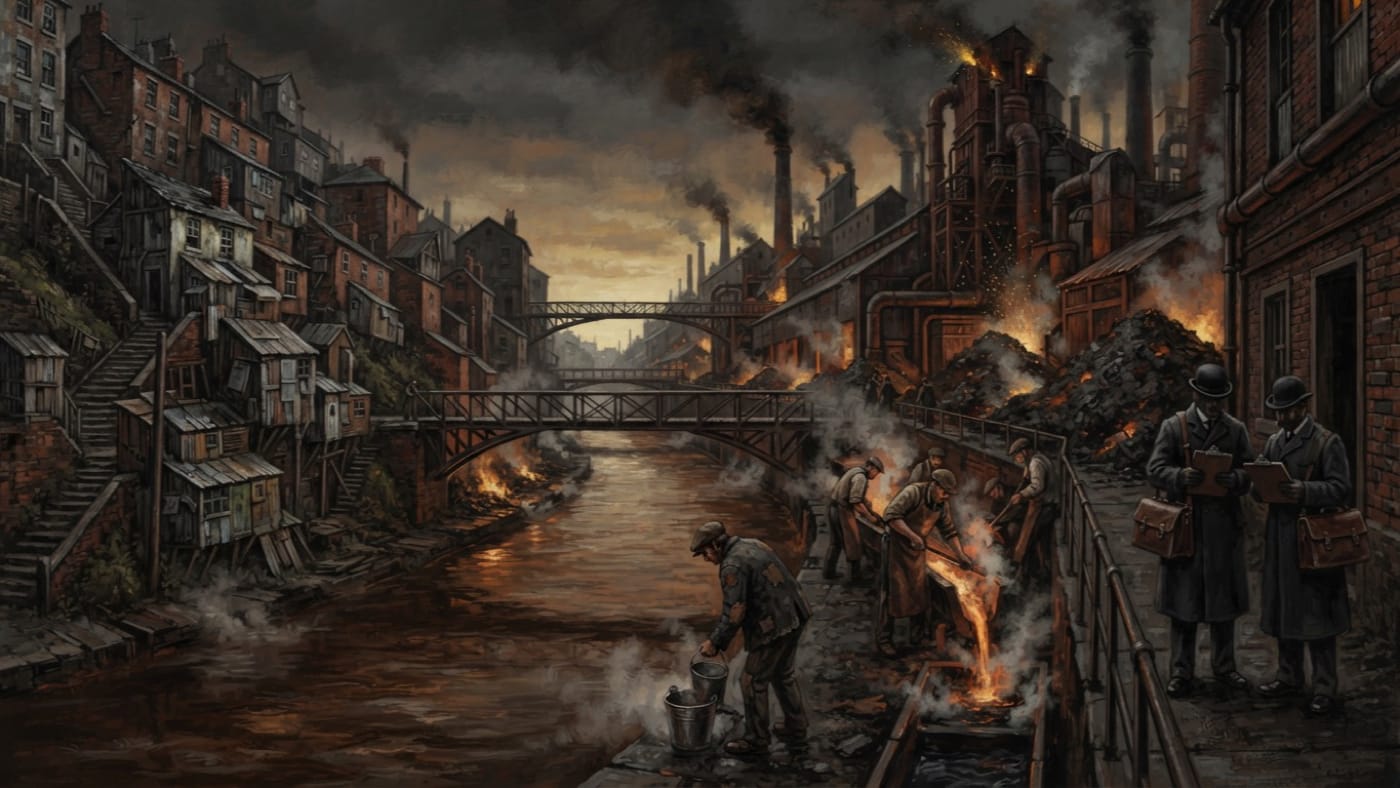
Black Run
A saint on the survey, slag in the water, and a town between the lines
The Black Run is Keska's Saint Orban Channel: warm slag water beside a rural strip Mandate 188-A erased. The water strips paint; Settlement preferred a town.
Codex Ref. II.3.06-003
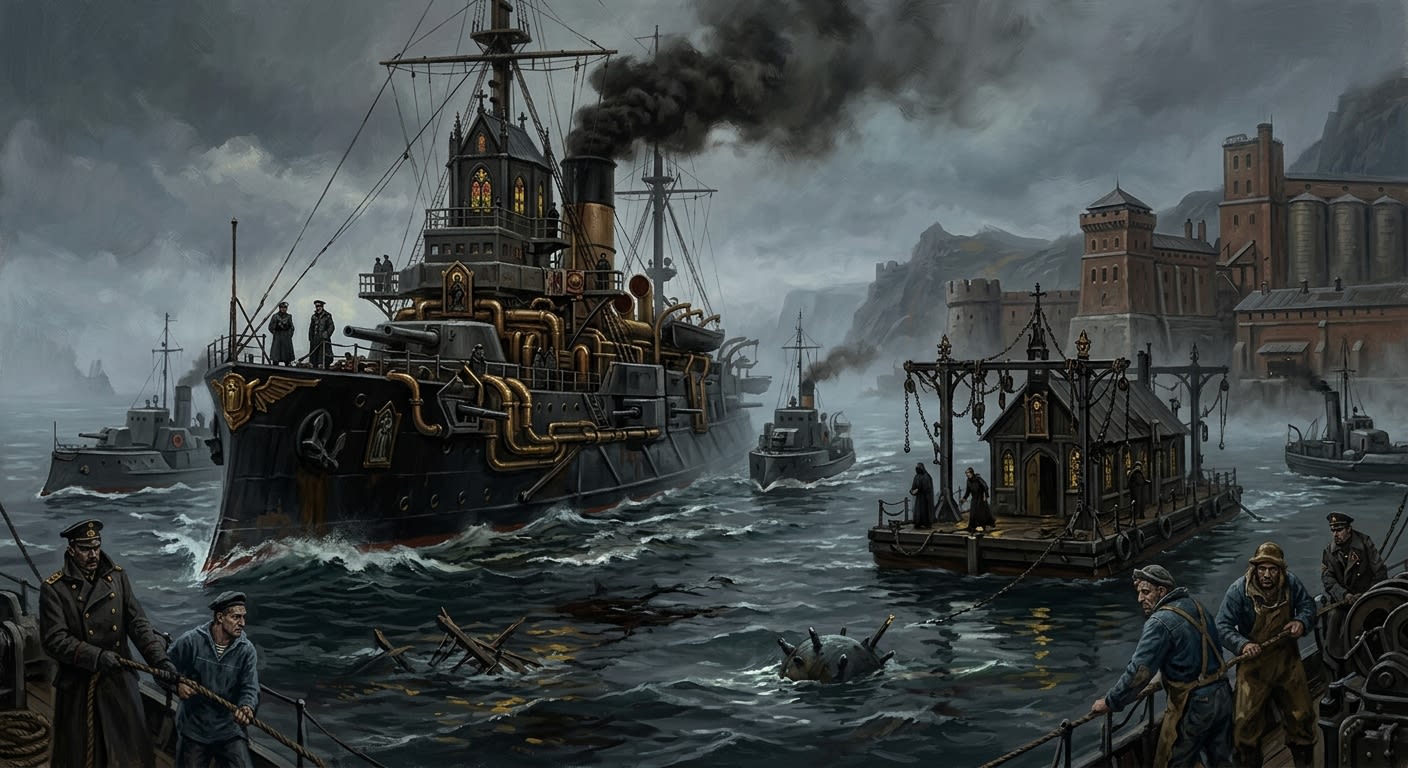
Black Sea
The Sable Deeps keep their own docket
The Black Sea is the Synod's northeastern wound against salt water: threat lane, relic route, grain hazard, Flotilla parish, and water that remembers too much.
Codex Ref. II.4.09-018
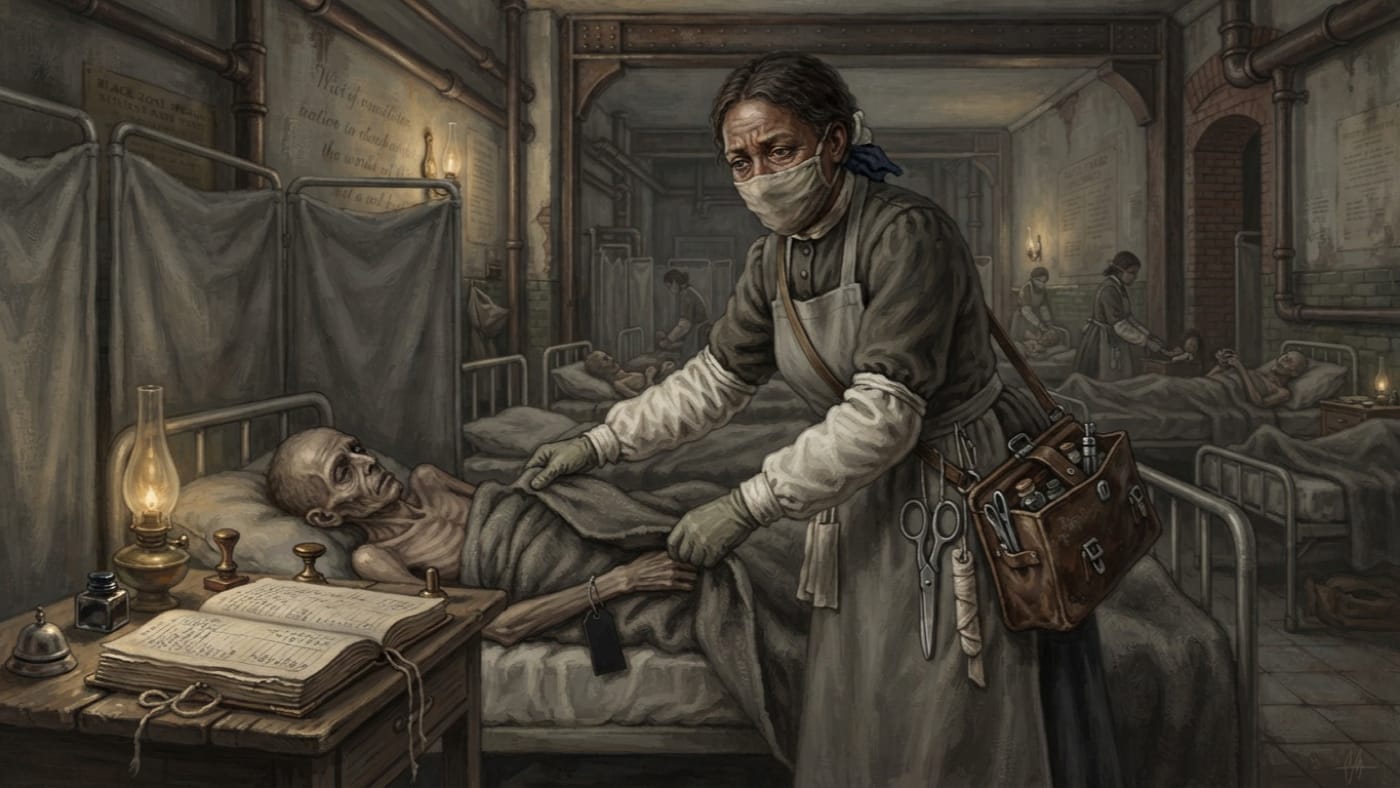
Black-Zone Specialist
Behind the screen, every kindness needs a signature
The Black-Zone Specialist serves Mercy Ward patients classified as terminal, contagious, anomalous, inconvenient, or beyond allotment. Every kindness needs a signature; every death must balance the ledger.
Codex Ref. XII.6.04-002
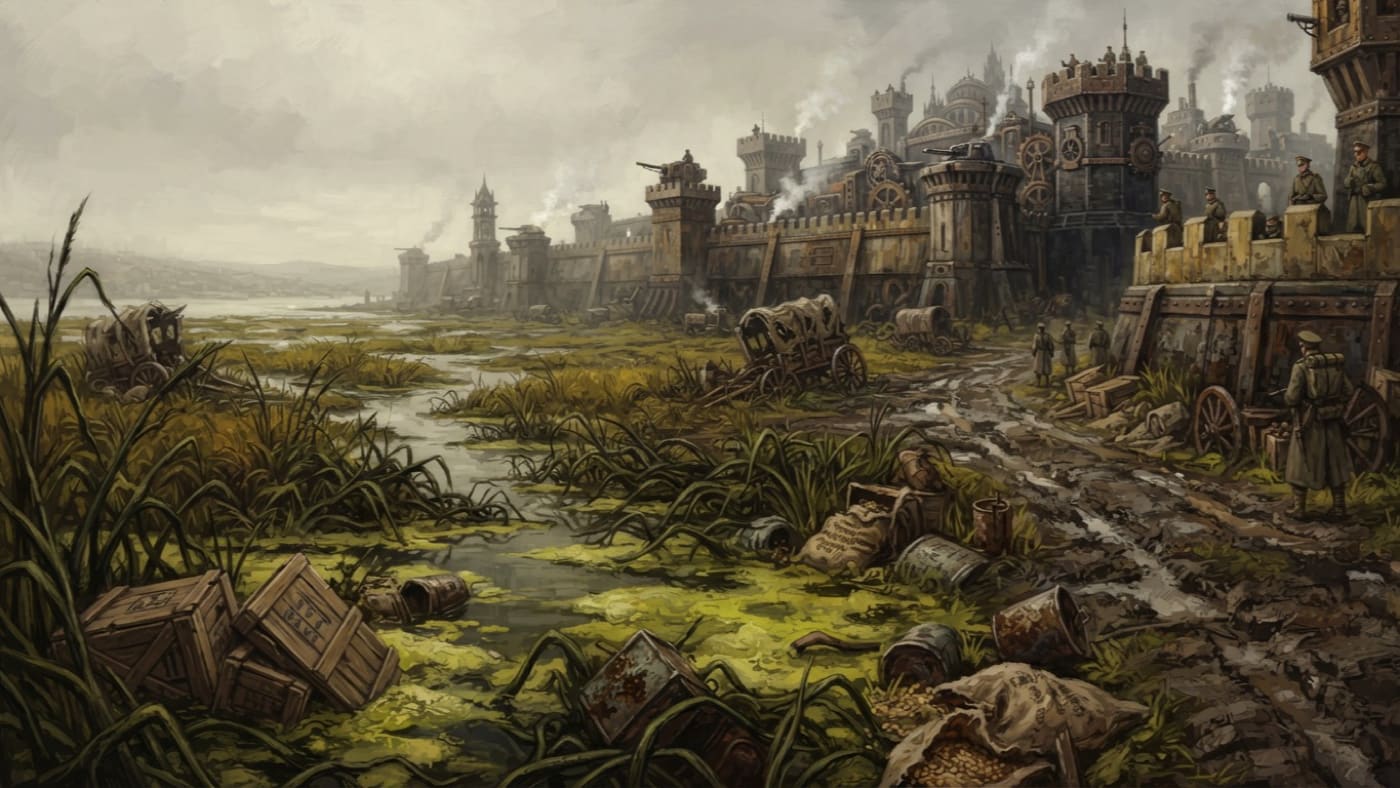
Blackening of the Bosporus
The reeds crawl; the onset remains unrecorded
A.S. 201 survey of the corrupted marshes opposite Bastion-Constantinople: crawling reeds, bile-coloured algae and ruined provisions. Doctrine names Kargath; the cartographers cannot name a beginning.
Codex Ref. VII.4.18-319
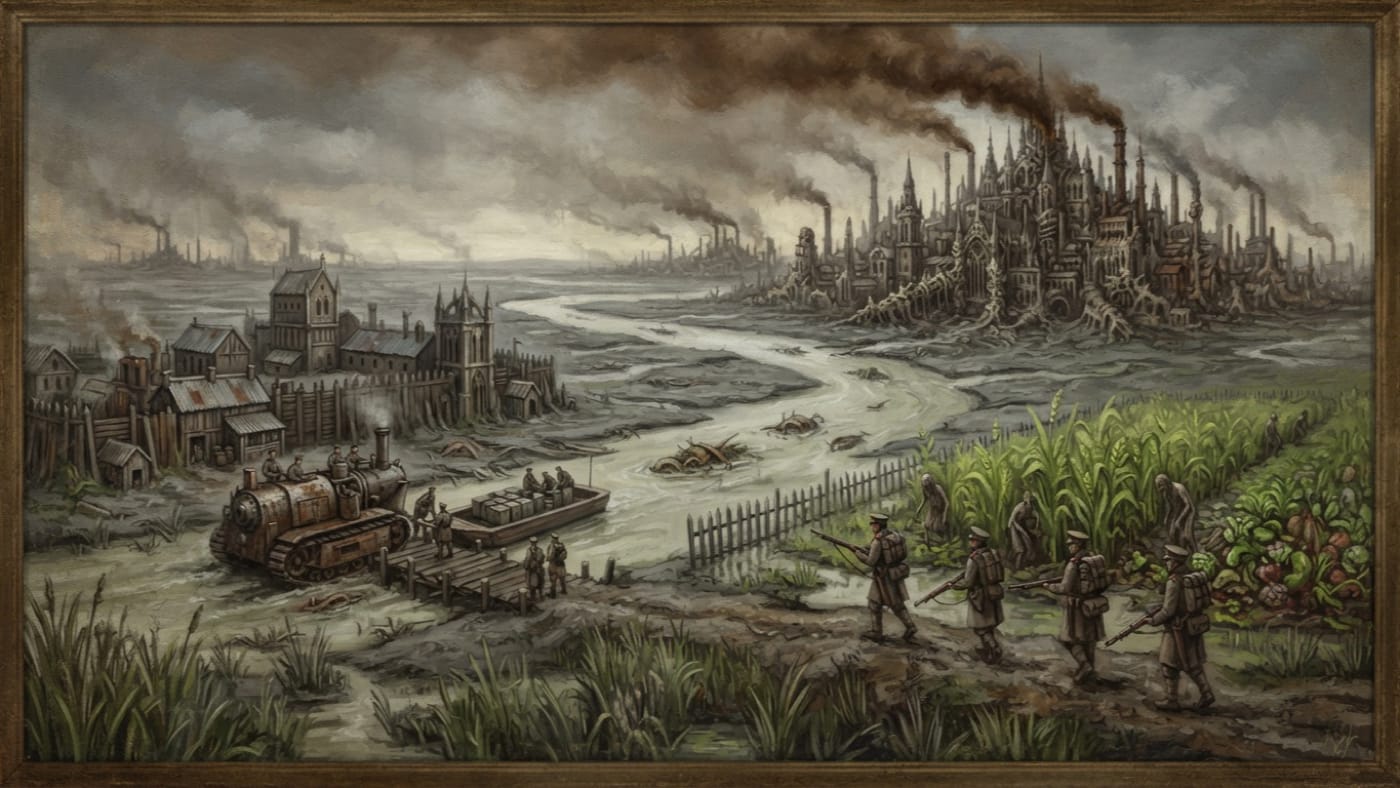
Blightmarsh of the Drava
Where the Breadbasket Became a Stomach
Kargath's dominion in the drowned Drava and Sava valleys: a Pannonian breadbasket consumed into marsh, false harvests and famine. Its boundary cannot be certified; its hunger travels farther.
Codex Ref. V.6.01-004
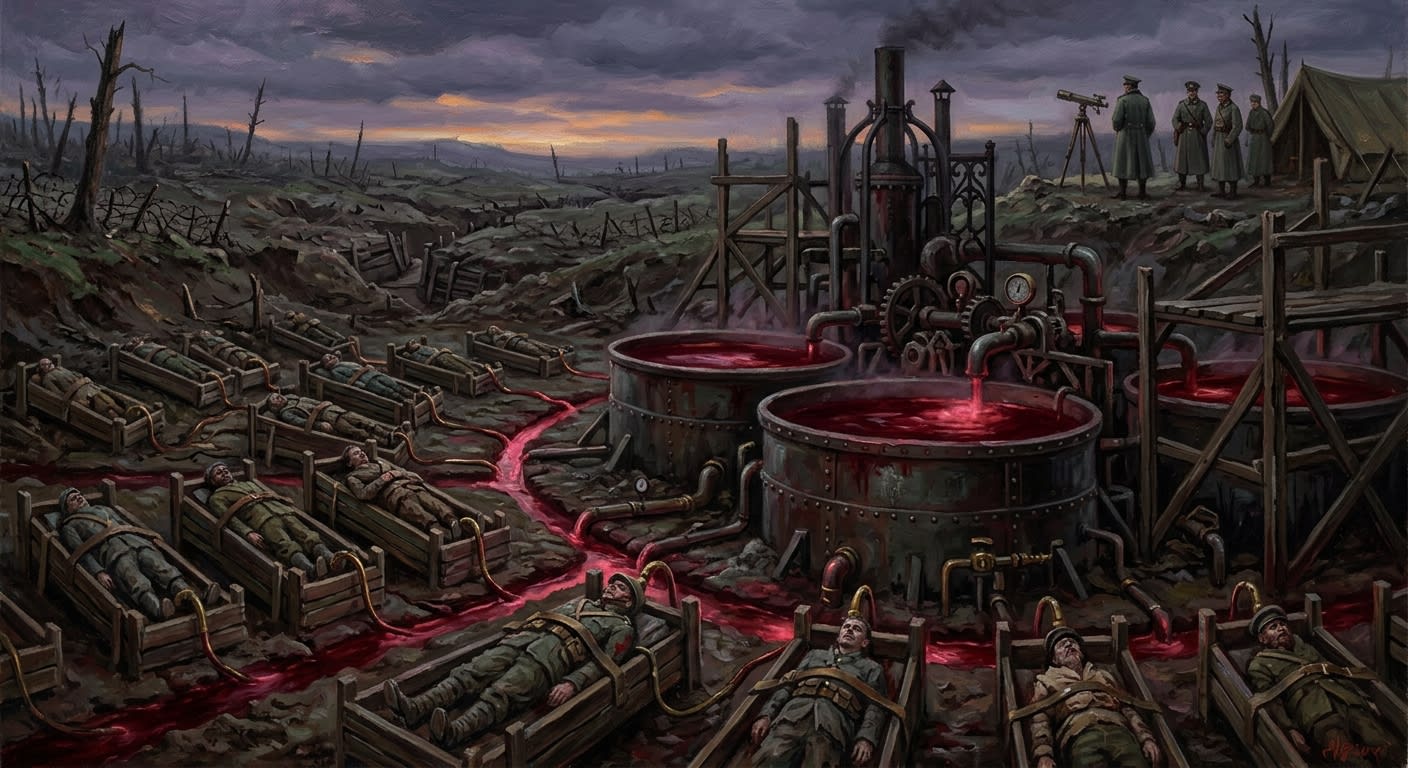
Blood-Tithes
Brass tubes, serial-numbered. Wooden cradles, precisely fitted. The Bureau calls it infrastructure. The screaming is a side-effect.
The Lie's sorcery economy runs on living blood. Prisoners are fitted with brass leeching tubes, arranged in geometric rows, and drained for weeks. The Bureau files it under infrastructure. The soldiers call it mercy work.
Codex Ref. IX.1.07-001
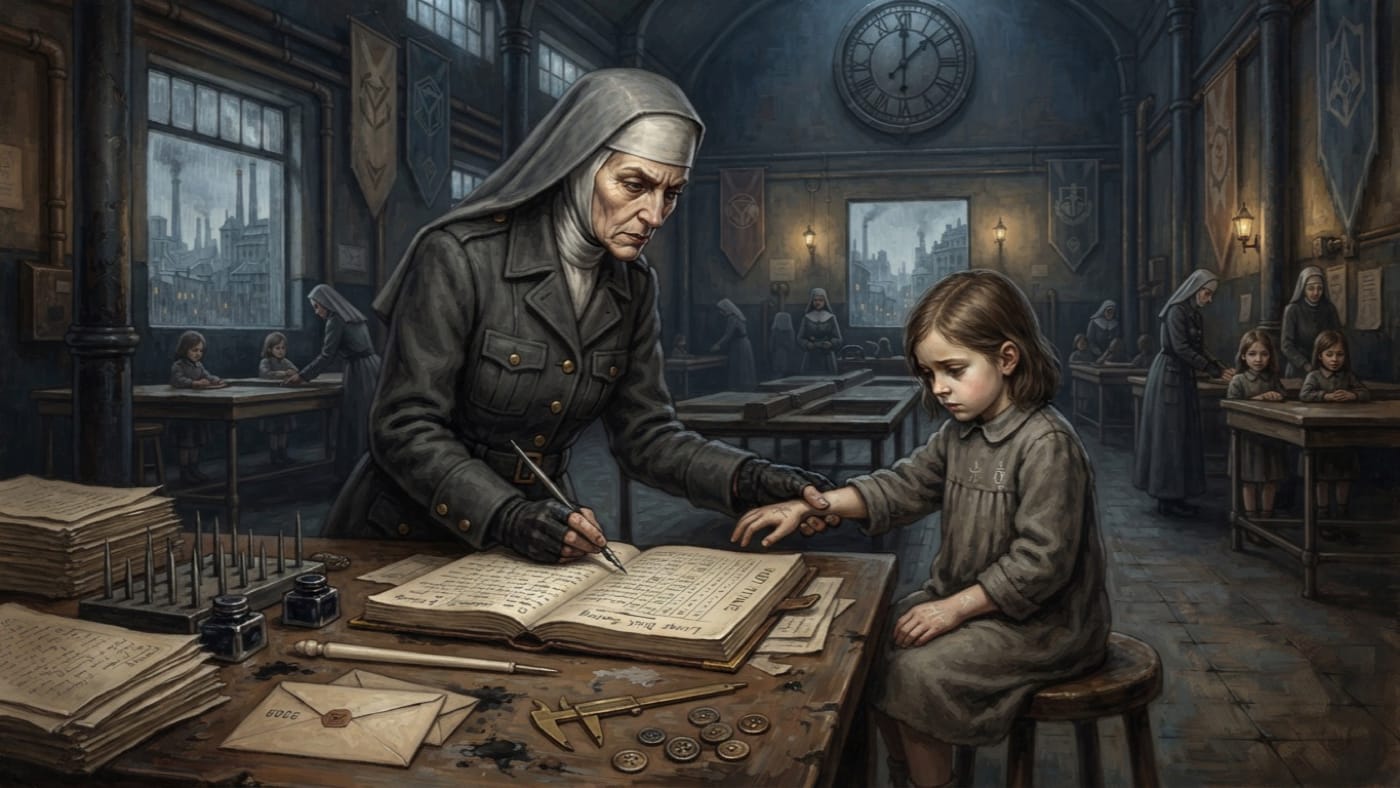
Bloodline Hawks
A clean name cannot silence the family the child remembers
The Bloodline Hawks distrust clean names: Registrars and Root assessors who turn inherited gestures, forbidden songs, and remembered parents into lineage flags.
Codex Ref. XI.1.05-002
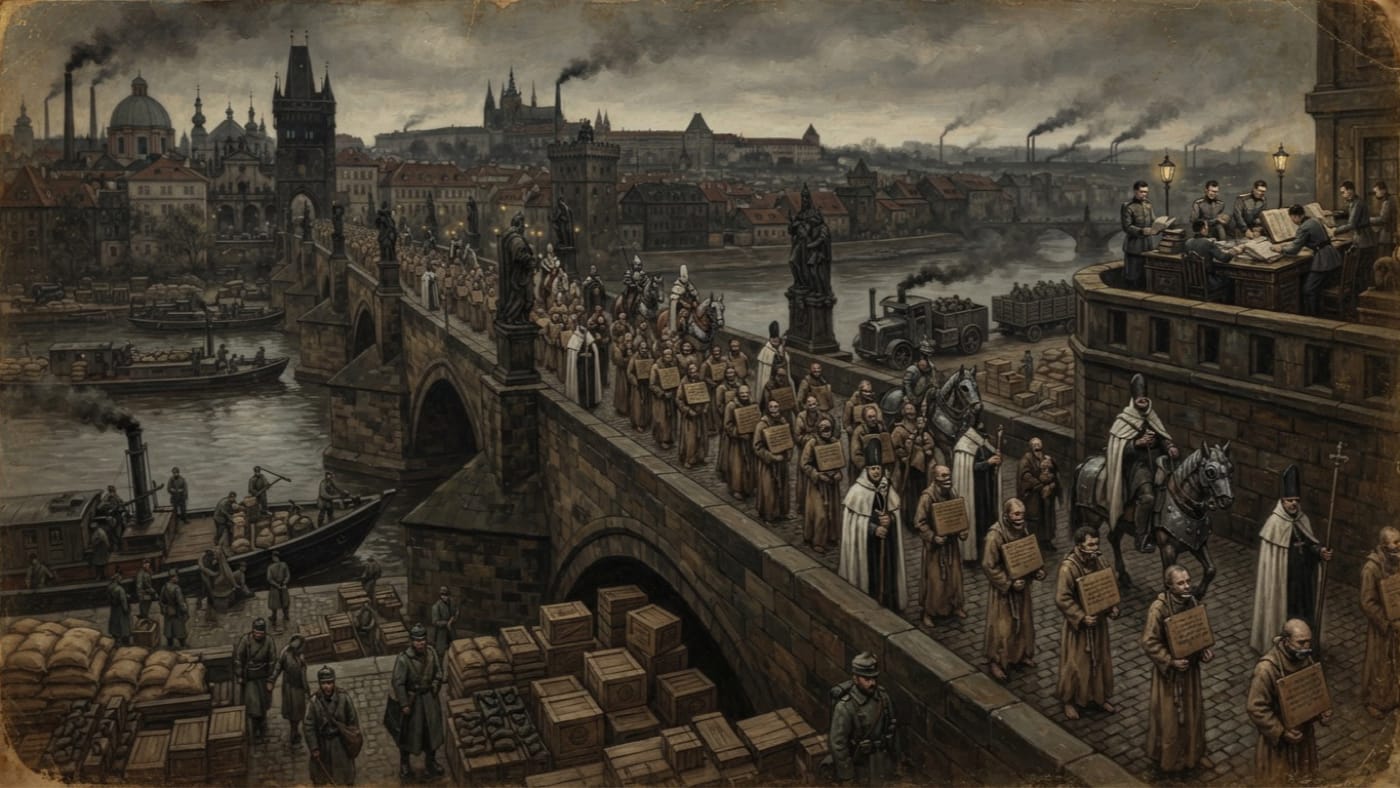
Bohemia
The province that feeds the Line and lets Prague instruct its tongues.
Bohemia, a Synod-held province of the Forward Heartlands, provisions the Sagittal Line while Prague supplies public correction. Grain moves east; the Procession of Tongues crosses its bridge. Both have paperwork.
Codex Ref. II.3.01-001
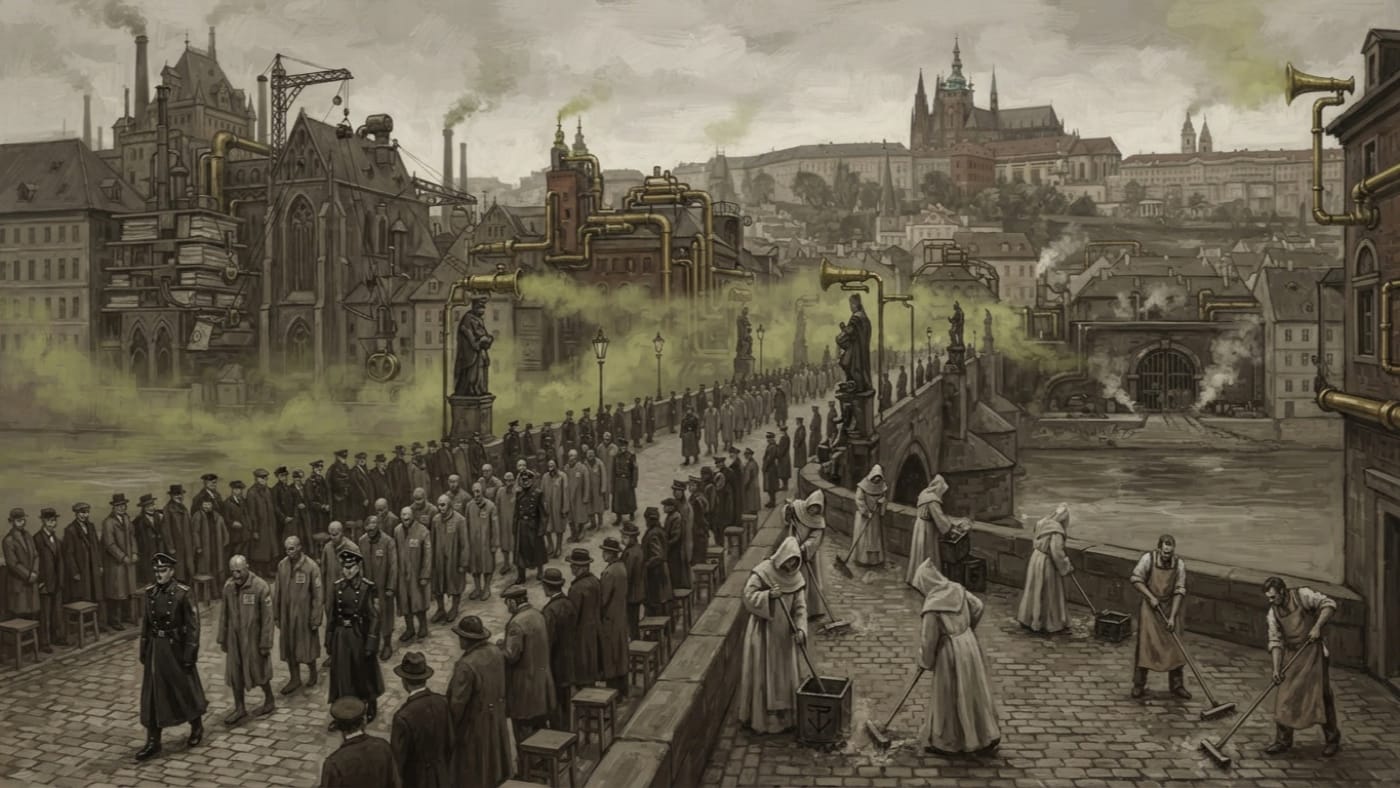
Bohemian Severity District
Where severity travels under counterseal
Prague's attested severity jurisdiction, where Purity sentences travel by Ephrath route, bell cadence and counterseal. Wider boundaries remain unproved.
Codex Ref. II.3.02-295
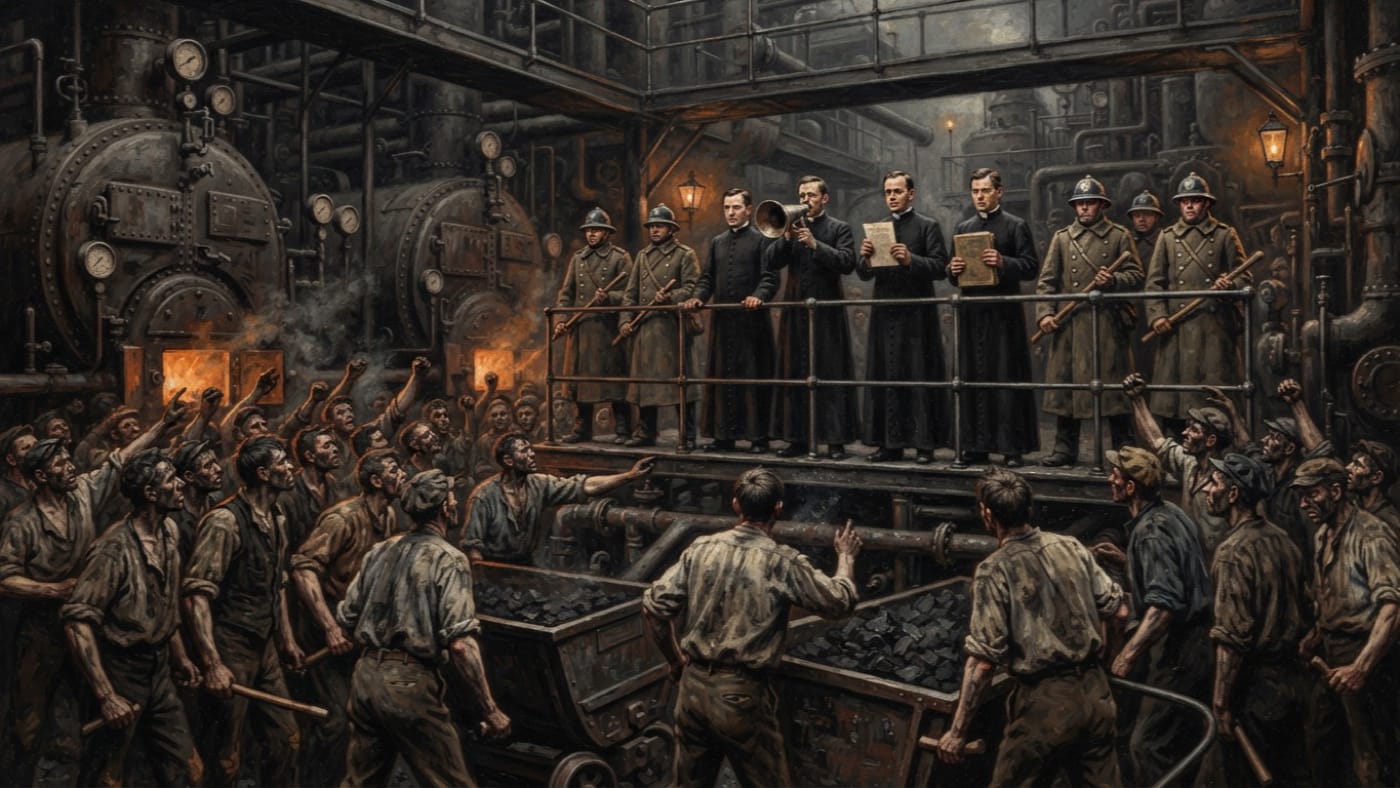
Boiler Riots of A.S. 104
Fourteen stokers burned; the survivors received a sermon instead of an explanation.
Fourteen stokers burned in A.S. 104. The survivors asked for truth lessons; Doctrine sent six preachers with Warden escorts. The riots ended, and the Furnace Catechist office remained.
Codex Ref. VII.8.10-104
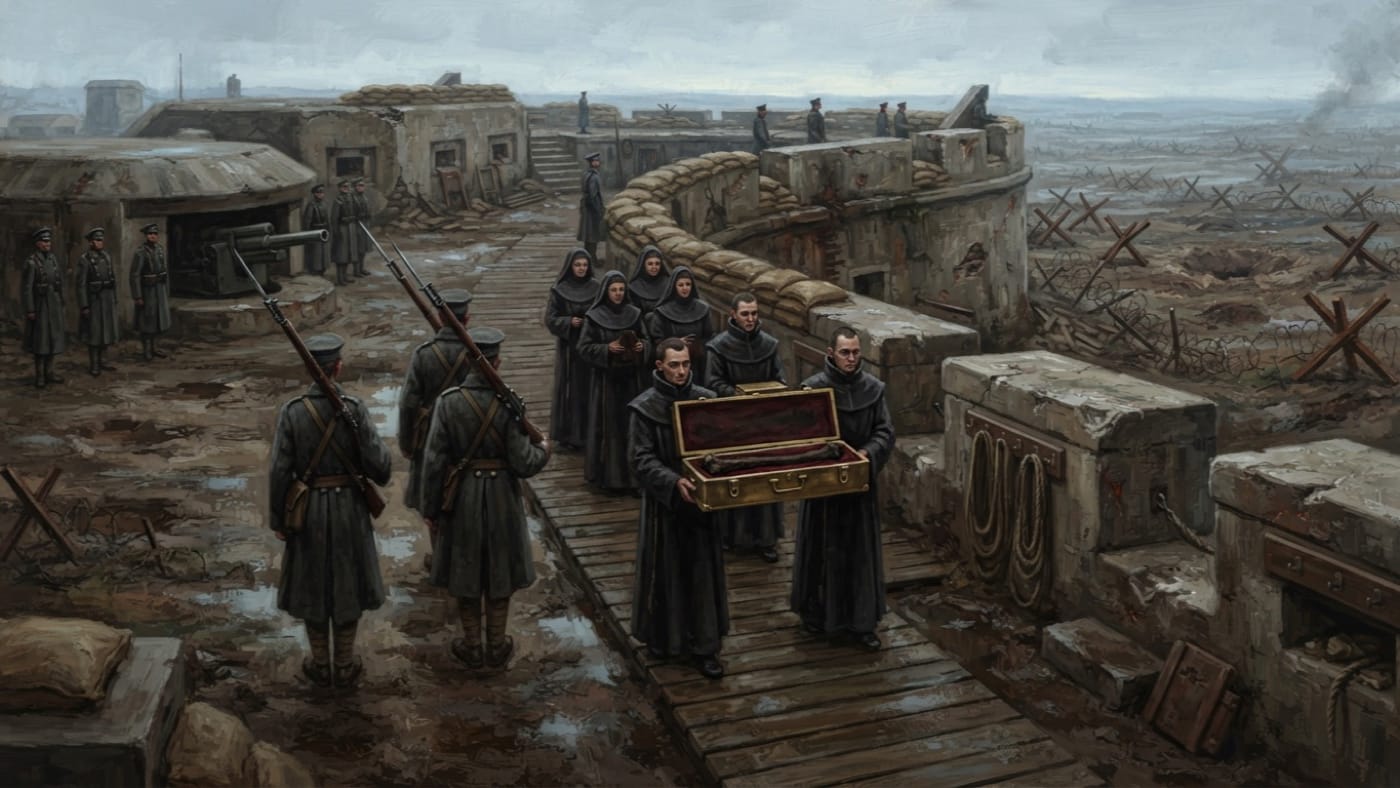
Bone Walk
Mechanism uncertified. Posture improved.
A notarized femur passes along the Ravelin of Vigilance on the third Friday of each month. The soldiers stand straighter. The miracle remains uncertified.
Codex Ref. XIII.1.12-311
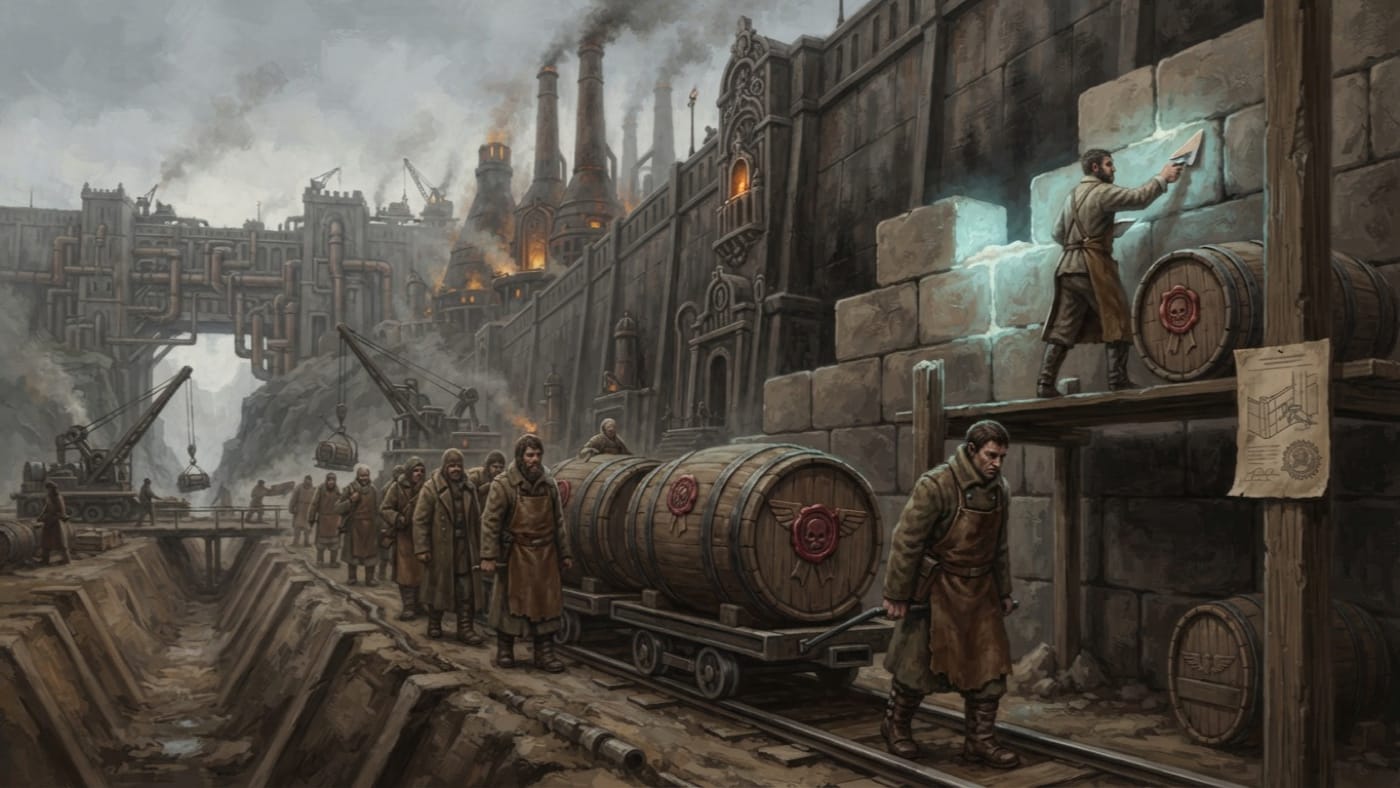
Bone-lime
The saint bears weight; the barrel bears a seal
Sanctified lime rendered from licensed relic fragments and mixed into mortar for the Sagittal Line. The saint bears weight; the barrel bears a seal; the parish receives a notice.
Codex Ref. XIII.1.99-002

Bone-Lime Consortium
The dead supply the material; the living supply the obedience
Marrowgate's informal alliance of kiln foremen, carters, prelates and ash-credit factors turns casualties into lime and civic dependency into power. Its accounts prefer anonymity; the Marrowwind keeps restoring names.
Codex Ref. XII.31.07-201
Bone-Lines
What only you remember, until the copy remembers too
Bone-lines are the small, private memories Irongate files against Morwen's copies. Records calls them copy-resistant; I advise the reader to remember the distinction.
Codex Ref. XIII.1.01-004
Bone-Stamp
The impression passes audit; the corridor gives its own verdict
The bone-stamp certifies that remains were received, catalogued, prayed over and placed. The Bureau audits the impression; the corridor judges whether it holds. Drax surveys the procedure in A.S. 201.
Codex Ref. VI.2.02-001
Bonefield Vaults of Lor
Where the dead hold the air and the living pay to breathe
Mortuary chambers beneath Black-Snow Lor carry its air through the forgotten dead. A northern chamber yielded recovered assets in A.S. 194; the rest remain unsurveyed. The Bureau approves the mortar and declines to discuss the lungs.
Codex Ref. II.4.08-003
Book of Departures
Where the last breath becomes lawful ink
The Book of Departures receives every lawful death: mercy, tax instrument, burial rite, inheritance key, prayer license, and muzzle for ghosts.
Codex Ref. XIII.1.87-112
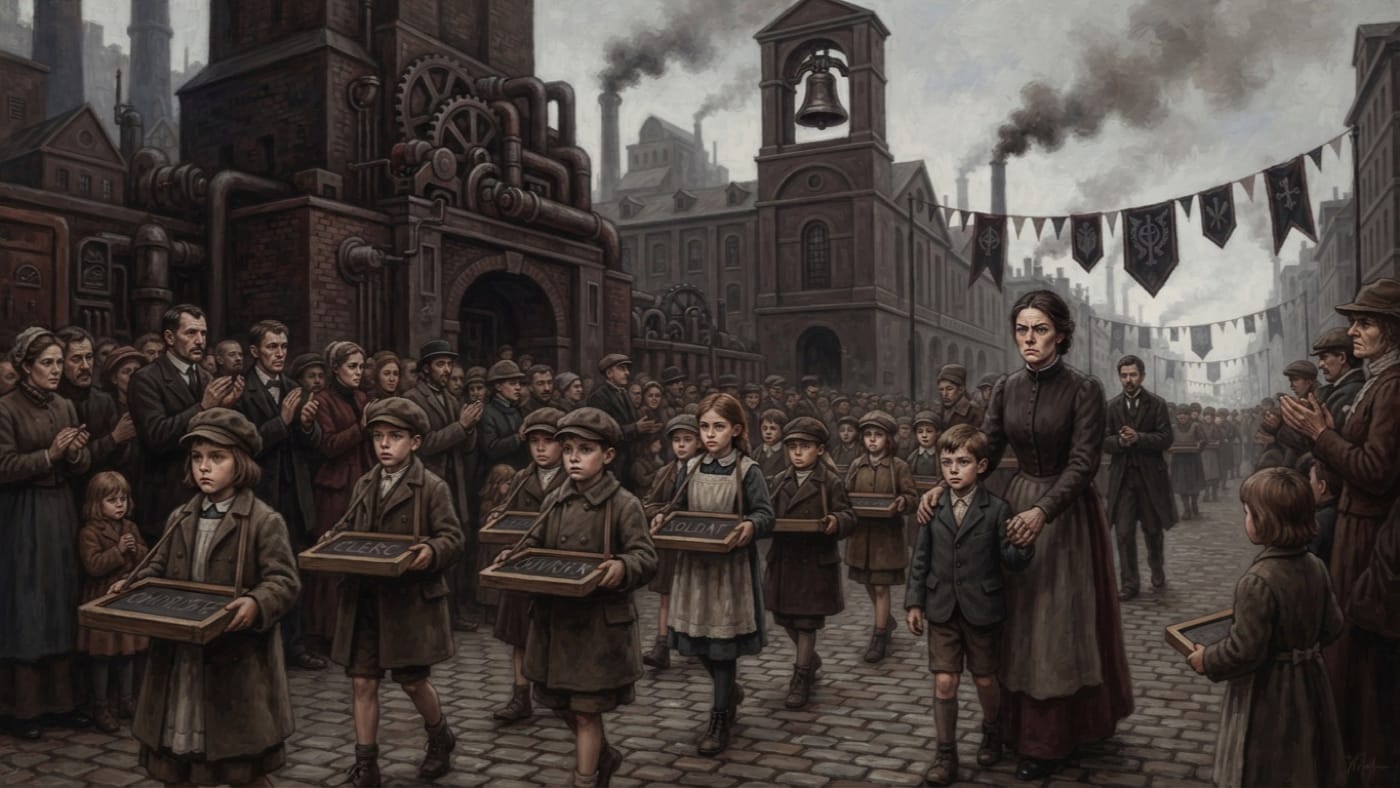
Book of Promise Parade
The child carries a future; the Bureaus retain the right to revise it
The Book of Promise Parade brings childhood's provisional vocations into the street: children carry wax tablets, families applaud, and the Bureaus reserve the right to change the future.
Codex Ref. XIII.1.22-002
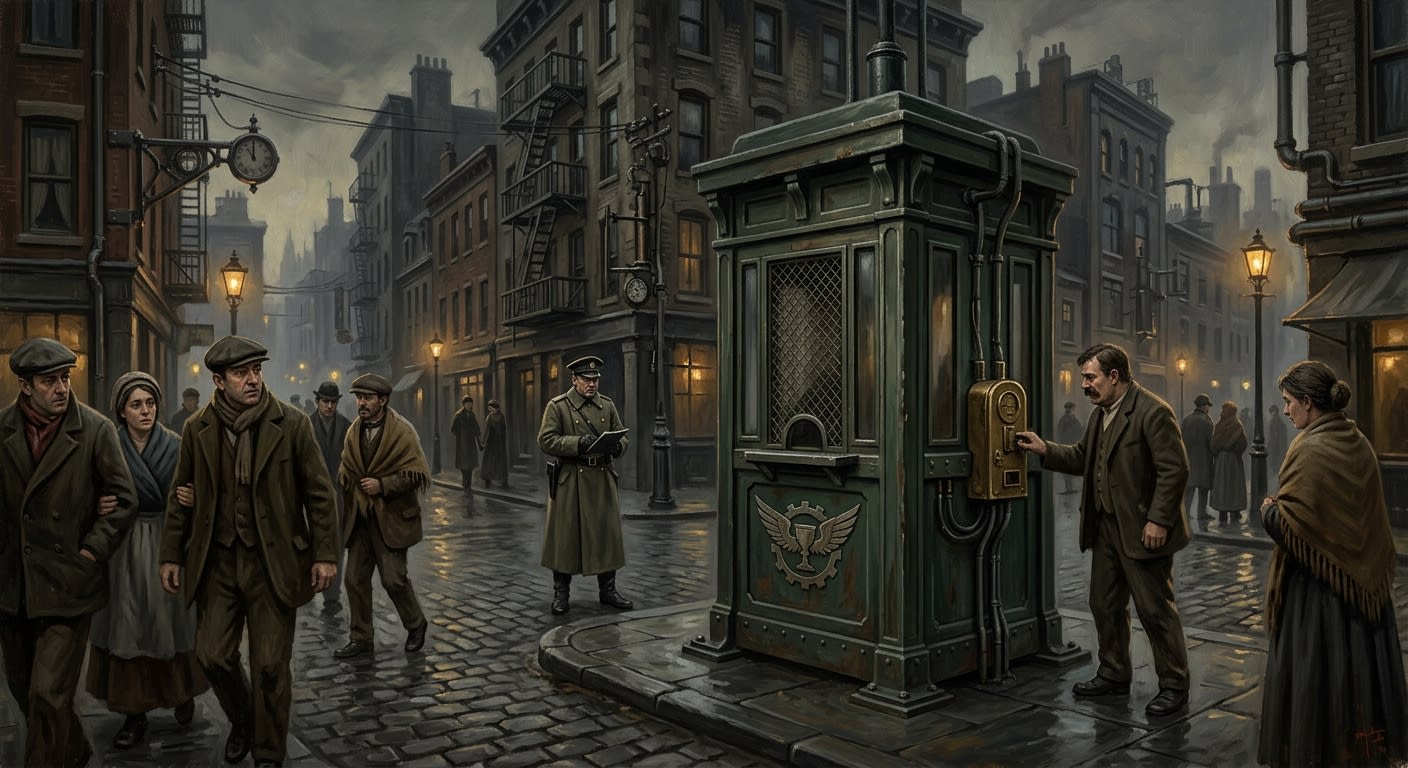
Booth Proliferation Decree of A.S. 112
One wooden box every three blocks, and Europe called it grace
A.S. 112 Bureau of Rites decree mandating one registered confession booth per three city blocks, turning confession into local, billable, auditable street infrastructure.
Codex Ref. VII.8.10-015
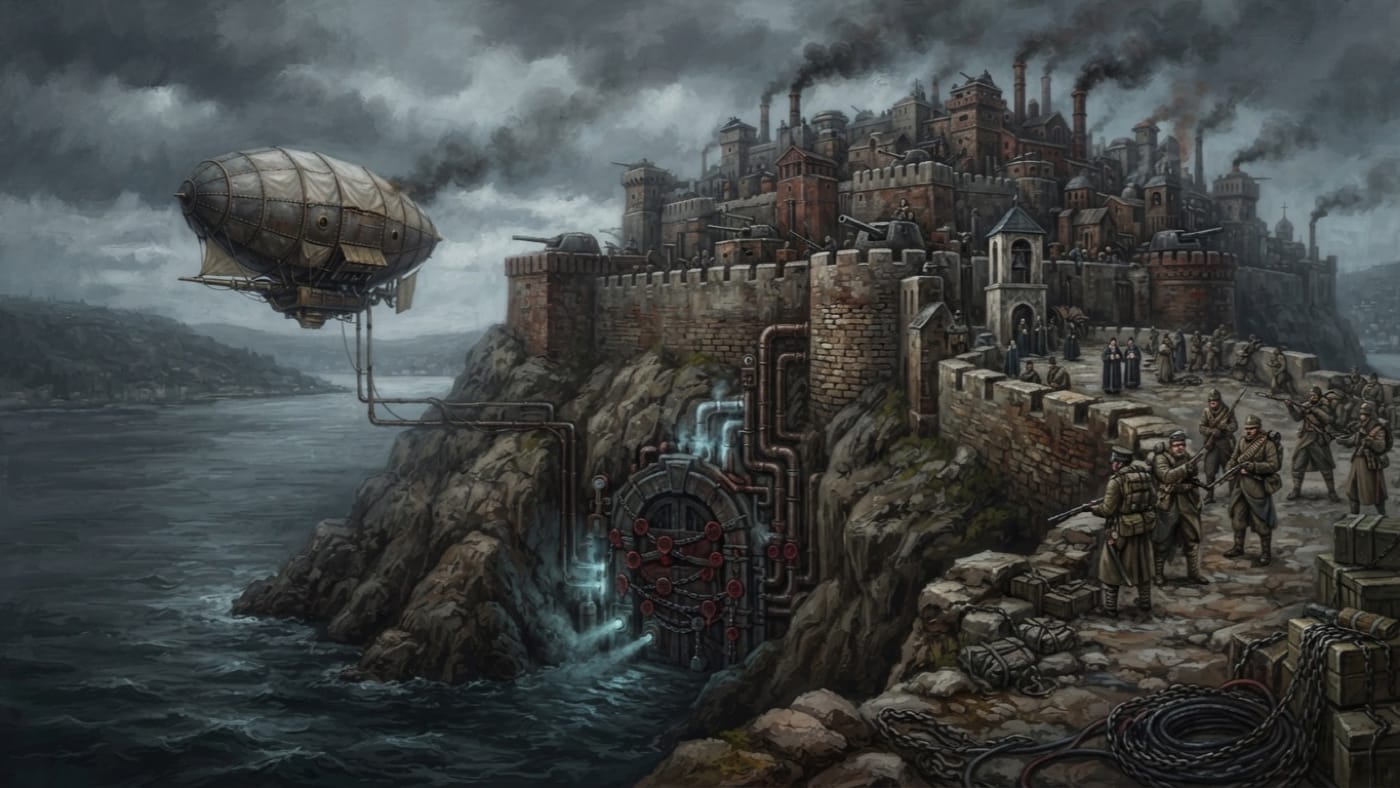
Bosphorus headland
The soldiers chose the rock. Doctrine arrived later.
Ancient bedrock above the Bosphorus, occupied in the winter of A.S. 47. Its first pilings struck sealed chambers. Bastion-Constantinople rose above them; the Third Ossuary remains below. The rock was defensible. The silence was not catalogued.
Codex Ref. II.4.10-047
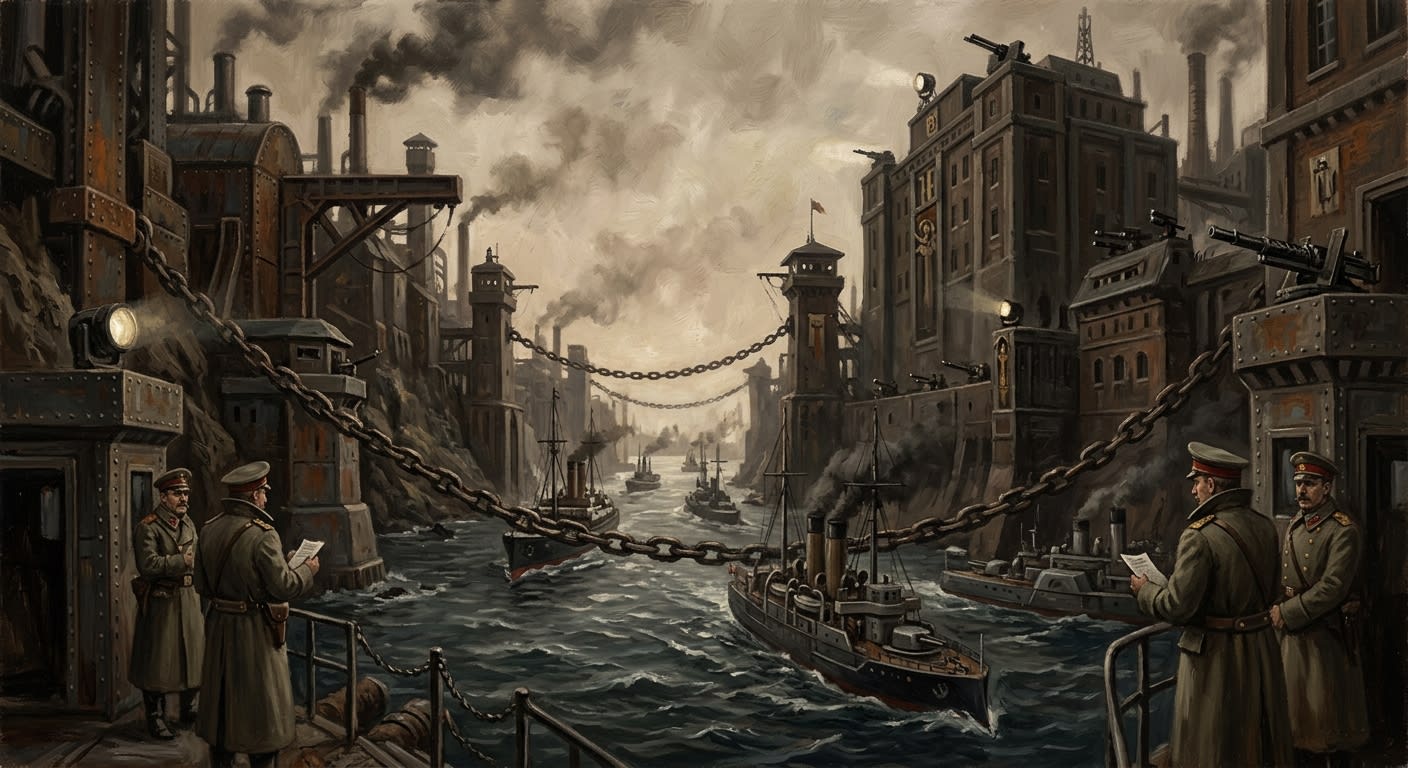
Bosphorus Strait
The wet throat where the Line learns to drown
The Bosphorus Strait is the southern maritime hinge of the Sagittal Line, chained, taxed, watched, and never quite obedient to the maps that claim it.
Codex Ref. II.4.09-004

Bran corridor
The road is held. The accounts are under review.
The Bran corridor guards a northeastern approach to Bastion-Sibiu. An Alpine Watch battalion holds the road while Velmora's credit reaches the villages behind it. The corridor is held. The accounts remain under review.
Codex Ref. II.4.08-066
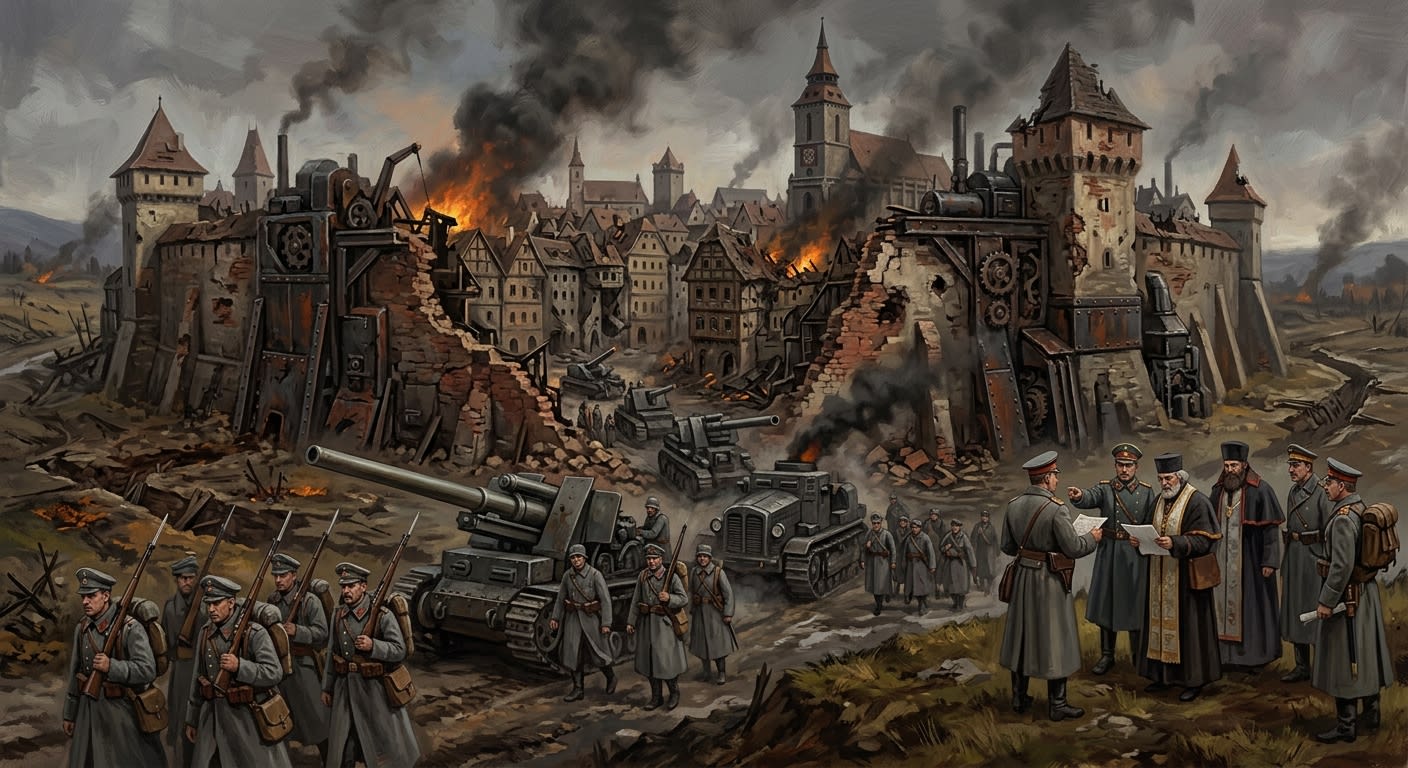
Brașov
The city [[hell|Hell]] ate before [[strasbourg|Strasbourg]] learned to count sons
Brașov, the Saxon-walled city consumed by Kargath in A.S. 110 and made pretext, warning, and arithmetic for the Synod's first continental levy.
Codex Ref. VI.1.01-110
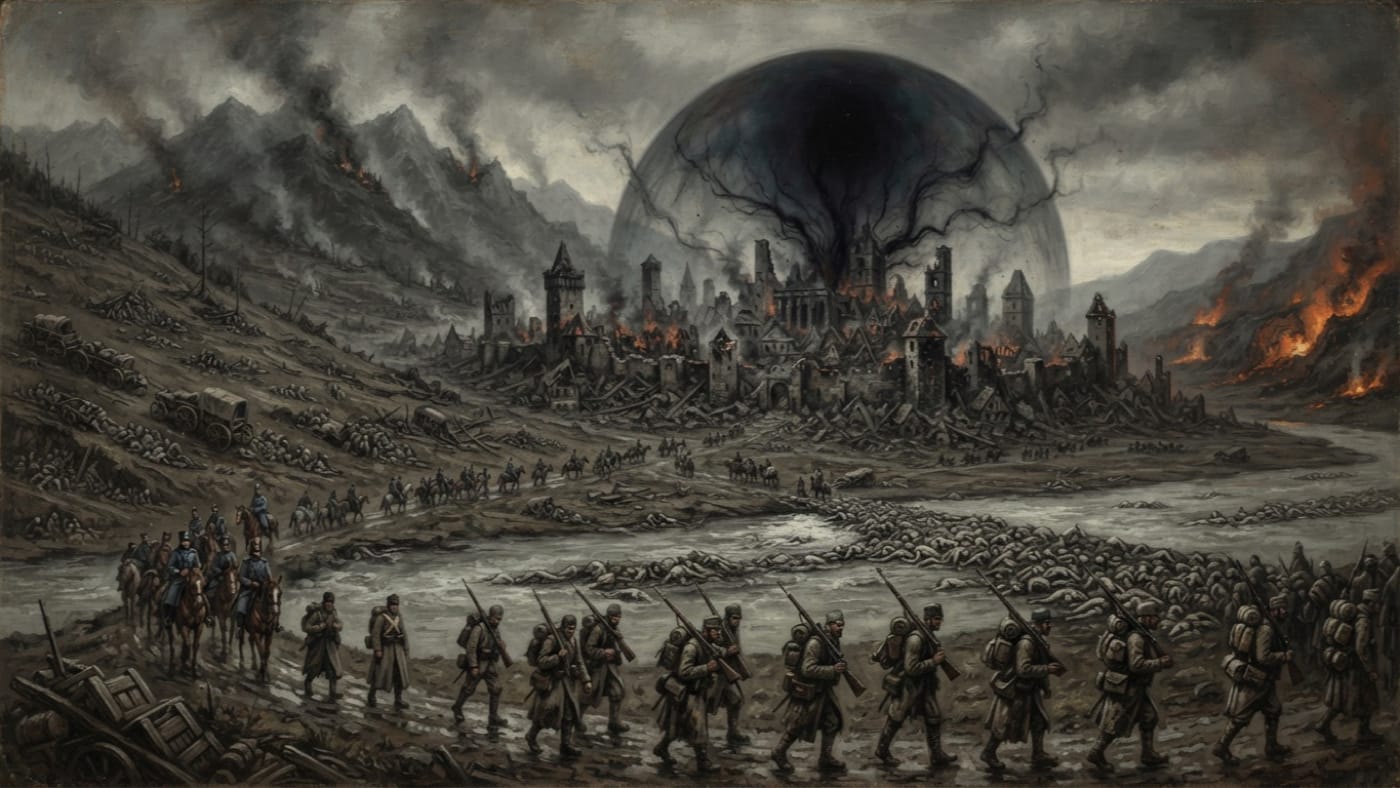
Brașov Crisis
The emergency that taught a fraction to march
In A.S. 110, Brașov was consumed, the Danube bridged with drowned men, and the Thracian passes burned. Strasbourg answered with one son in ten, an emergency measure that learned to endure.
Codex Ref. VII.8.10-110
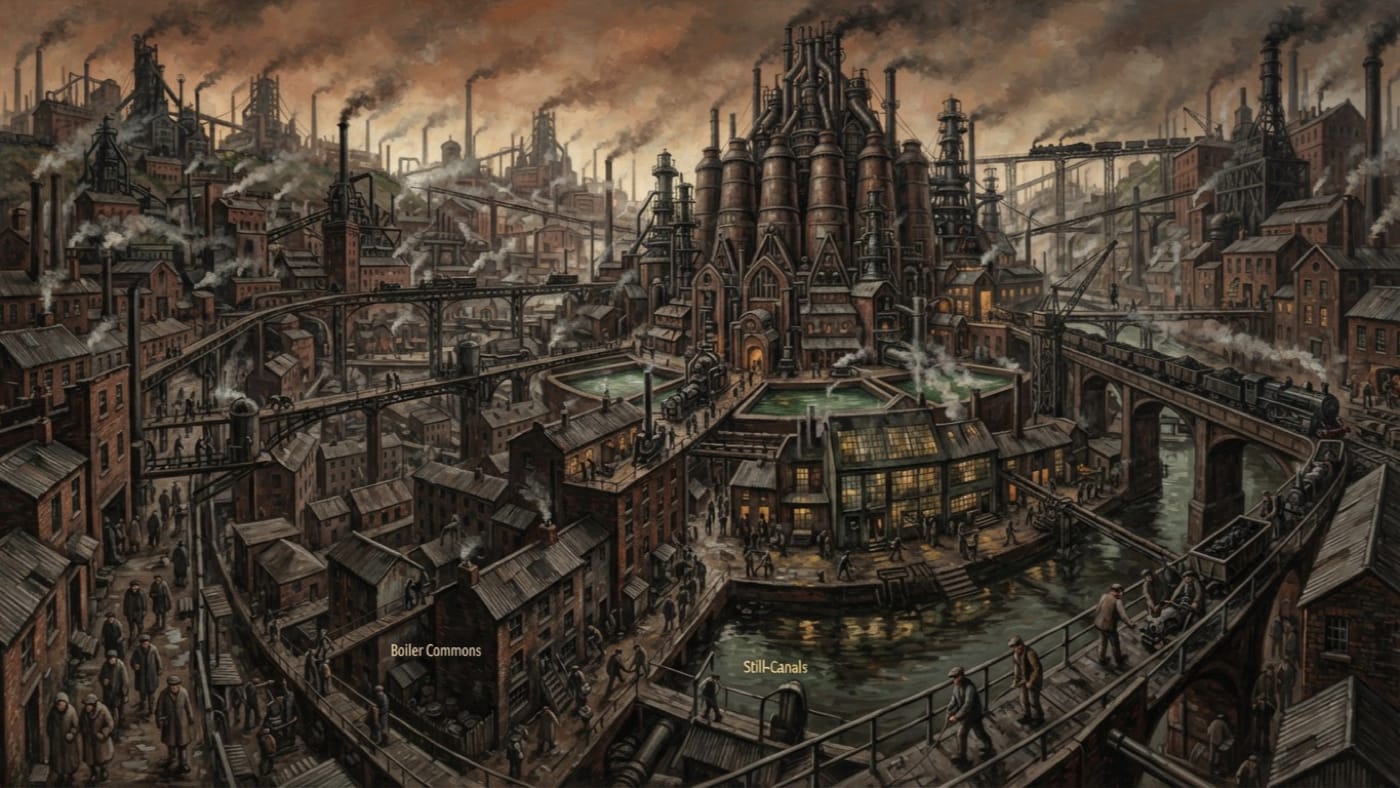
Brast
The Warm City, where fuel obeys licensed breath
Brast feeds the Line through seventeen kilns, licensed throats and audited drums. Heat is rationed; obedience is sold; the boilers have begun to answer.
Codex Ref. II.2.01-004
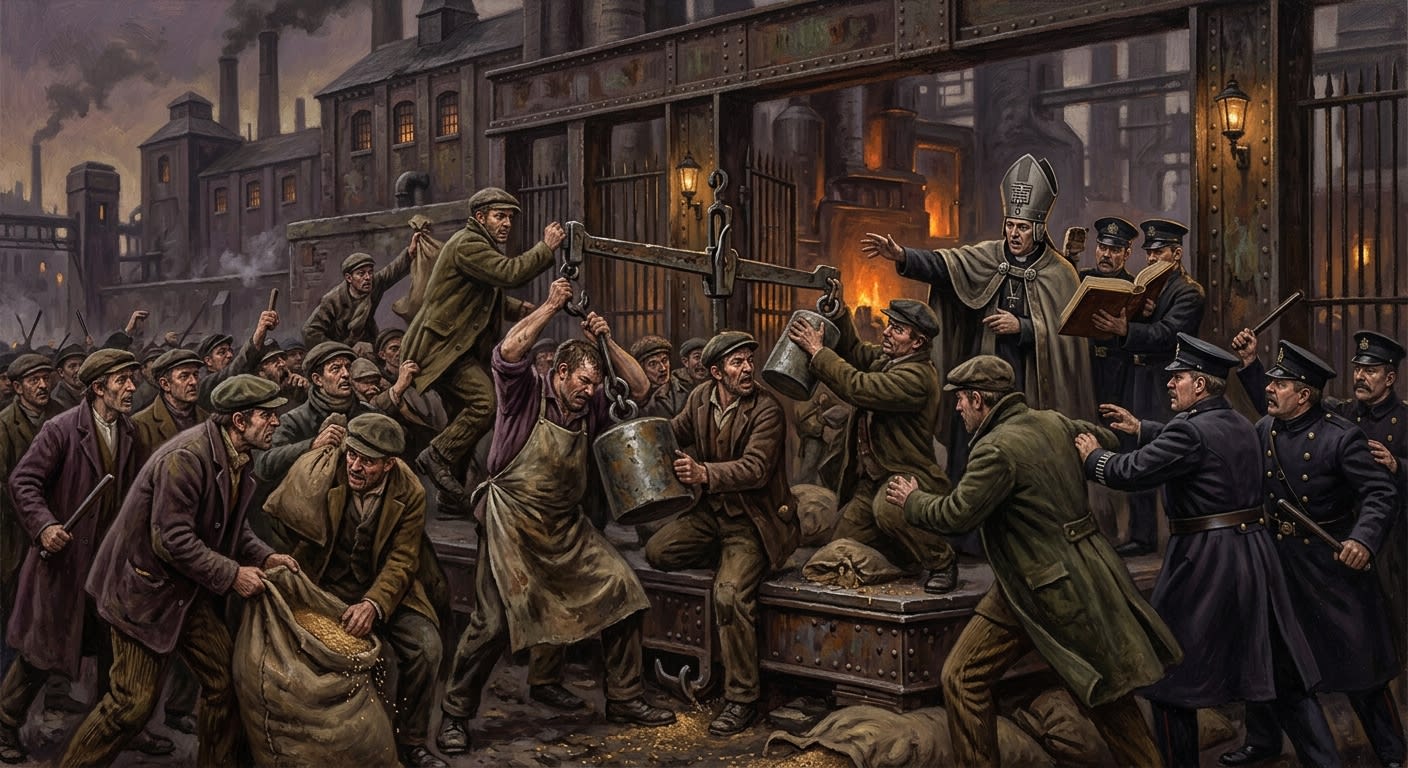
Bread-Scale Uprising
When hunger weighed the law and found lead beneath it
A.S. 97 southern-gate riot over leaded grain scales, later clarified into the sacramental seizure of measure and the birth of the tariff-chapel system.
Codex Ref. VII.8.10-011
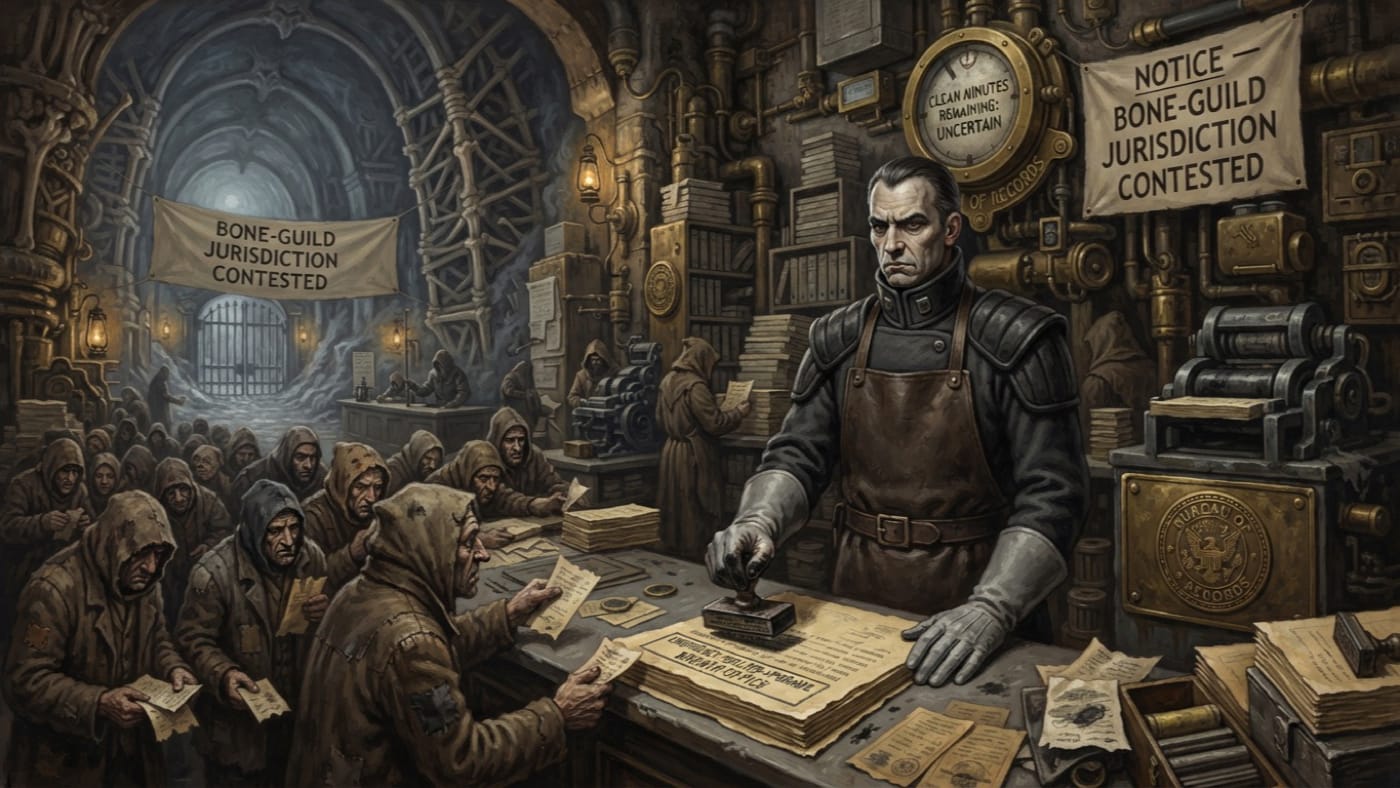
Breath Comptroller Juno Varr
The ledger admits the lungs; the storm audits the claim
Juno Varr stamps Black-Snow Lor's rations and clean-room access. Emergency shelter permits challenge the Bone-Guild; the charge of selling air twice awaits proof.
Codex Ref. III.2.01-340

Breath Cordon
Three bells decide which lungs belong indoors
Black-Snow Lor's inner shelter perimeter seals at third bell. Marr commands closure, Varr controls admission, and Sael certifies the rooms. The storm grants no extensions.
Codex Ref. II.4.08-341
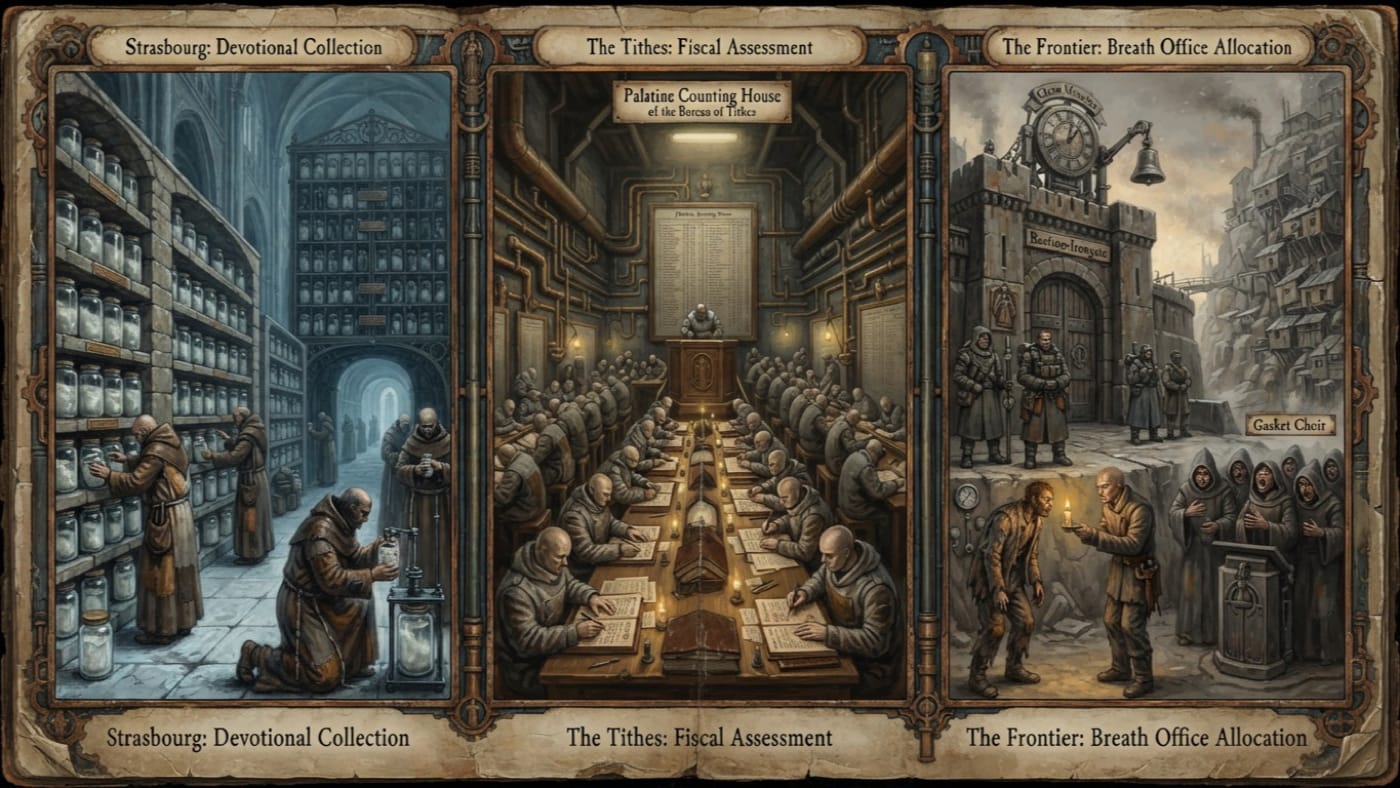
Breath-tithes
Whatever passes through a mouth can be made to pass through a desk
Breath-tithes make respiration administratively payable: Strasbourg collects devotion in jars, Tithes assesses atmospheric sanctification, and frontier offices price voice, warmth and shelter. The seals differ; the lungs do not.
Codex Ref. XIII.1.38-002
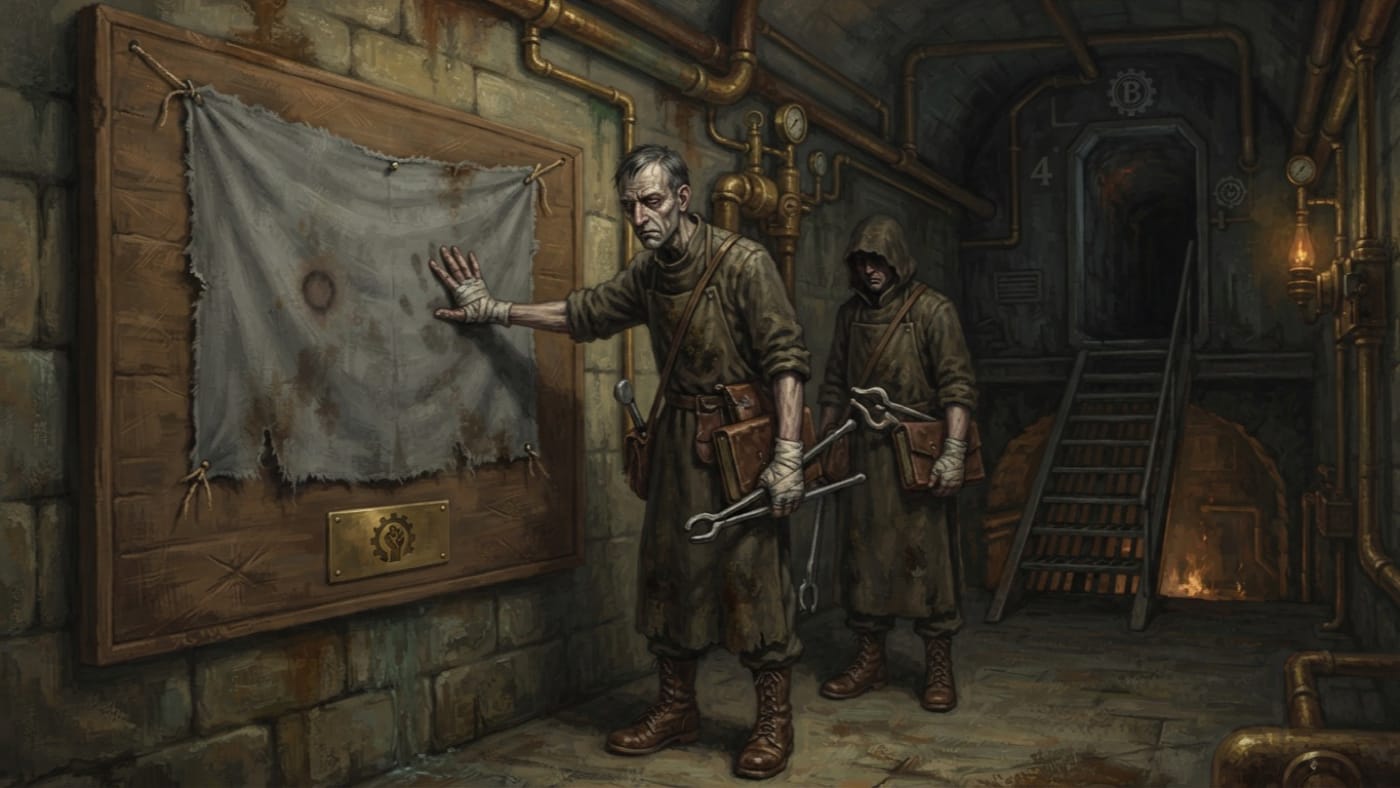
Brest Palm-Cloth
The linen failed authentication. The stampers kept touching it.
Grey linen attributed to Saint Vellum, rejected by Relics in A.S. 140 and still touched before hot corridors. The cloth quiets workers; its paperwork remains unsatisfactory.
Codex Ref. III.2.04-346
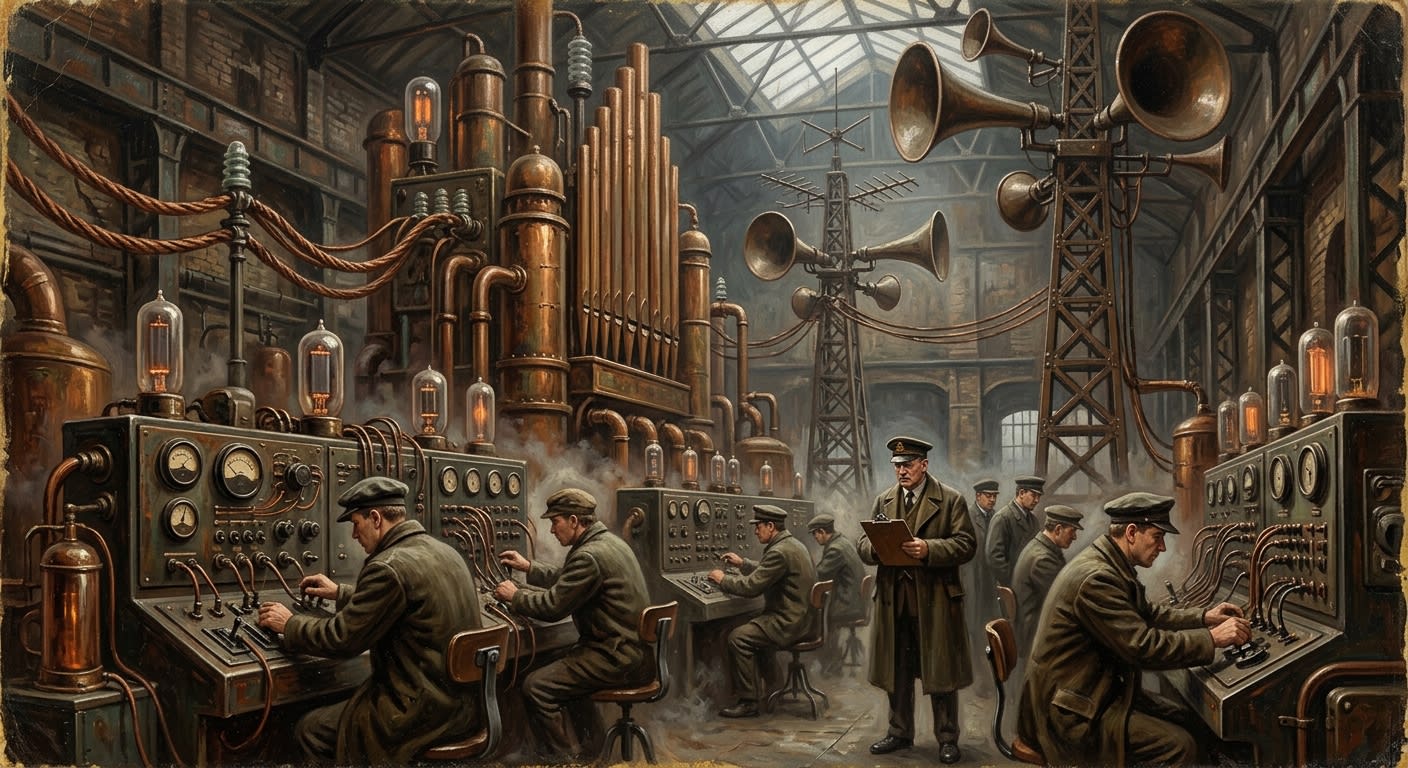
Broadcast Directorate
The long throat that makes distance obey
The Broadcast Directorate is Orison's long throat: saint-dust, copper, coercion, and daily prayer made into empire-wide reach.
Codex Ref. VIII.6.02-092
Broker Compact
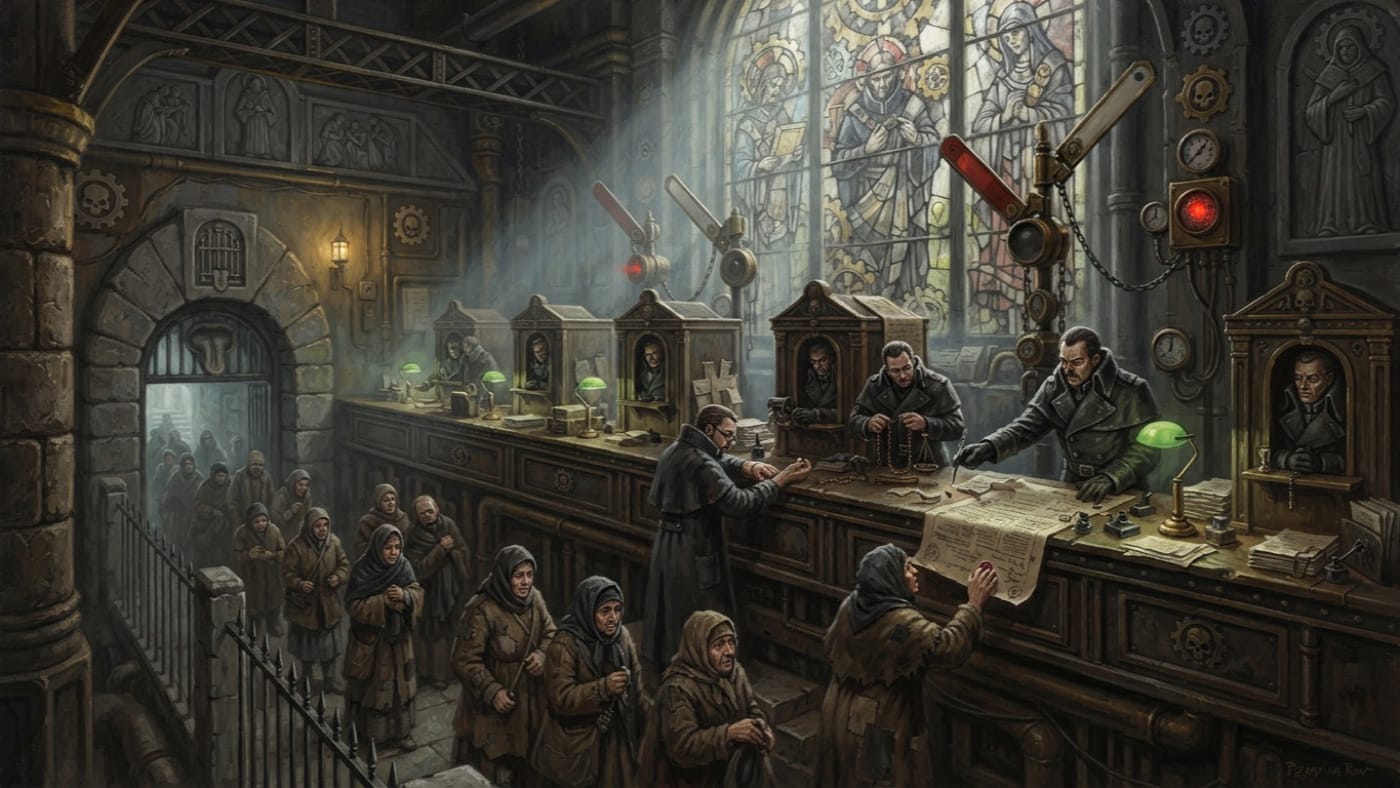
Safety is sold by the bell; liability disappears by the vowel
Peregrine Row's licensed insurance guild sells canyon passage by the bell-window. Three founding families hold its hereditary seats; escort bonds, creed scores and grief clauses keep protection profitable under continuing Amber review.
Codex Ref. XII.32.01-201
Broth Riots of A.S. 112
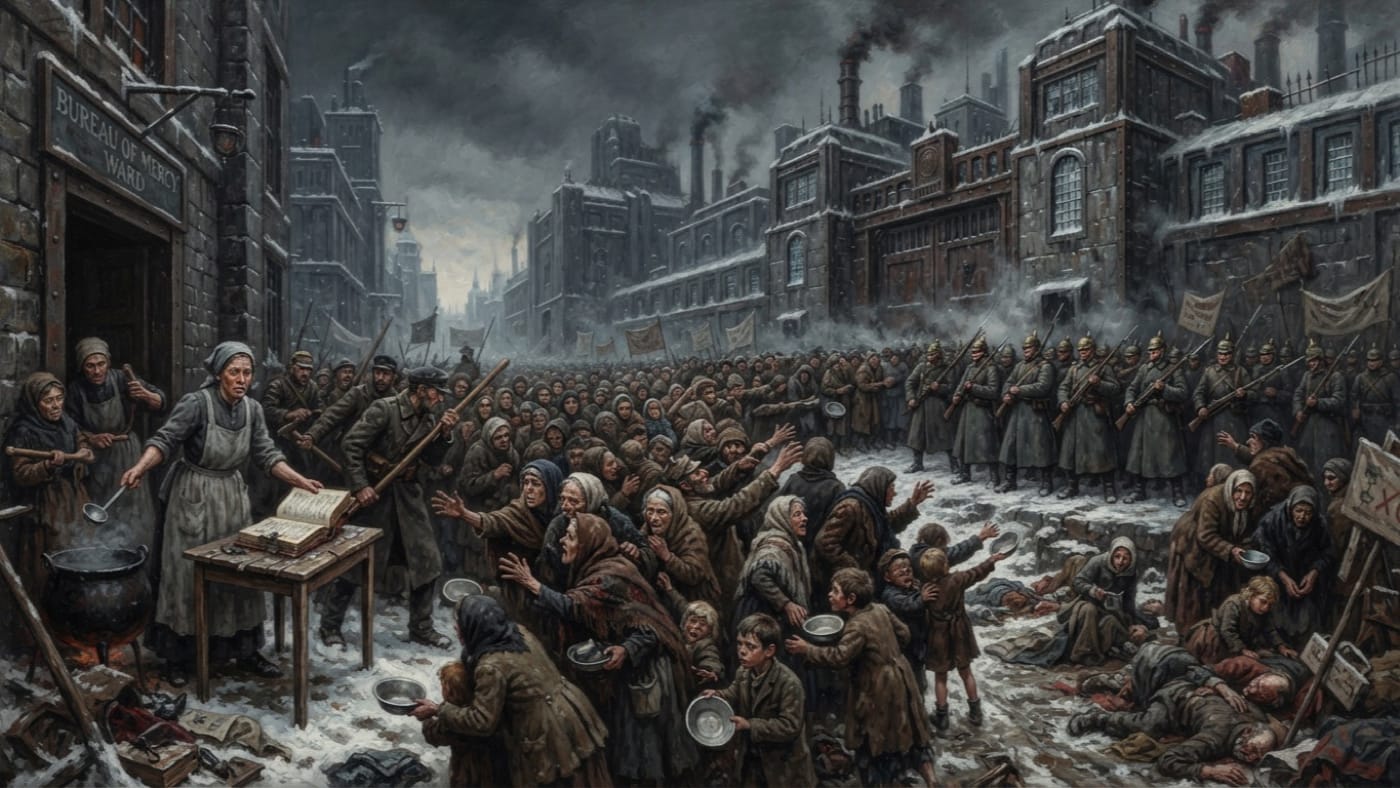
The hungry approached the granary; Mercy opened a ledger
The Broth Riots of A.S. 112 lasted eleven days: three hungry garrison populations sought grain; War supplied rifles, Purity arrests, and Mercy the Ledger Laws.
Codex Ref. VII.8.10-112
Brother Albrecht of Innsbruck
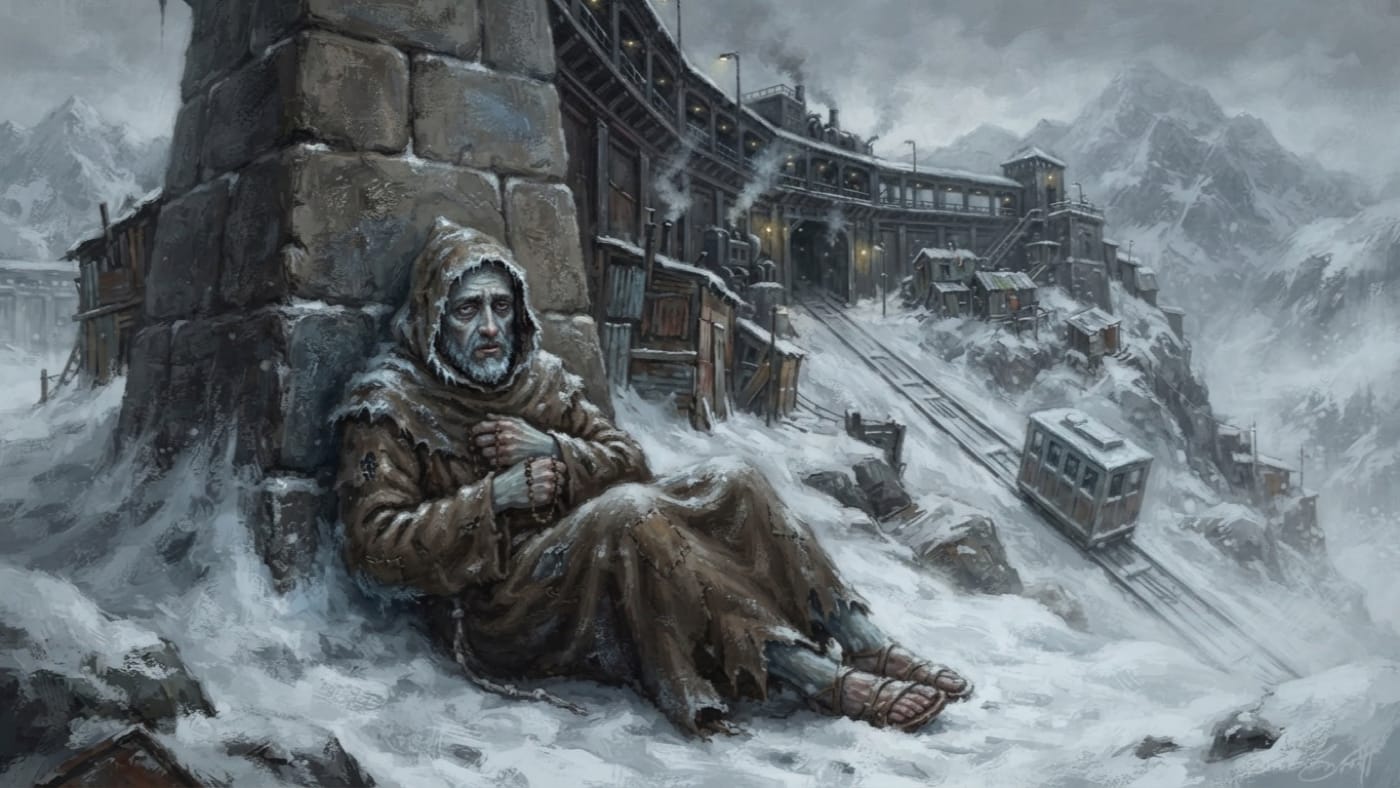
One dream, one reassignment, and a testimony the Church could not keep sealed
Brother Albrecht testified to a radiant dream-figure in A.S. 78. The Church filed his words and sent him to the Carpathian foothills, where he froze the following winter. His testimony escaped the archive; its copier remains unidentified.
Codex Ref. III.2.01-078
Brother Tomislav
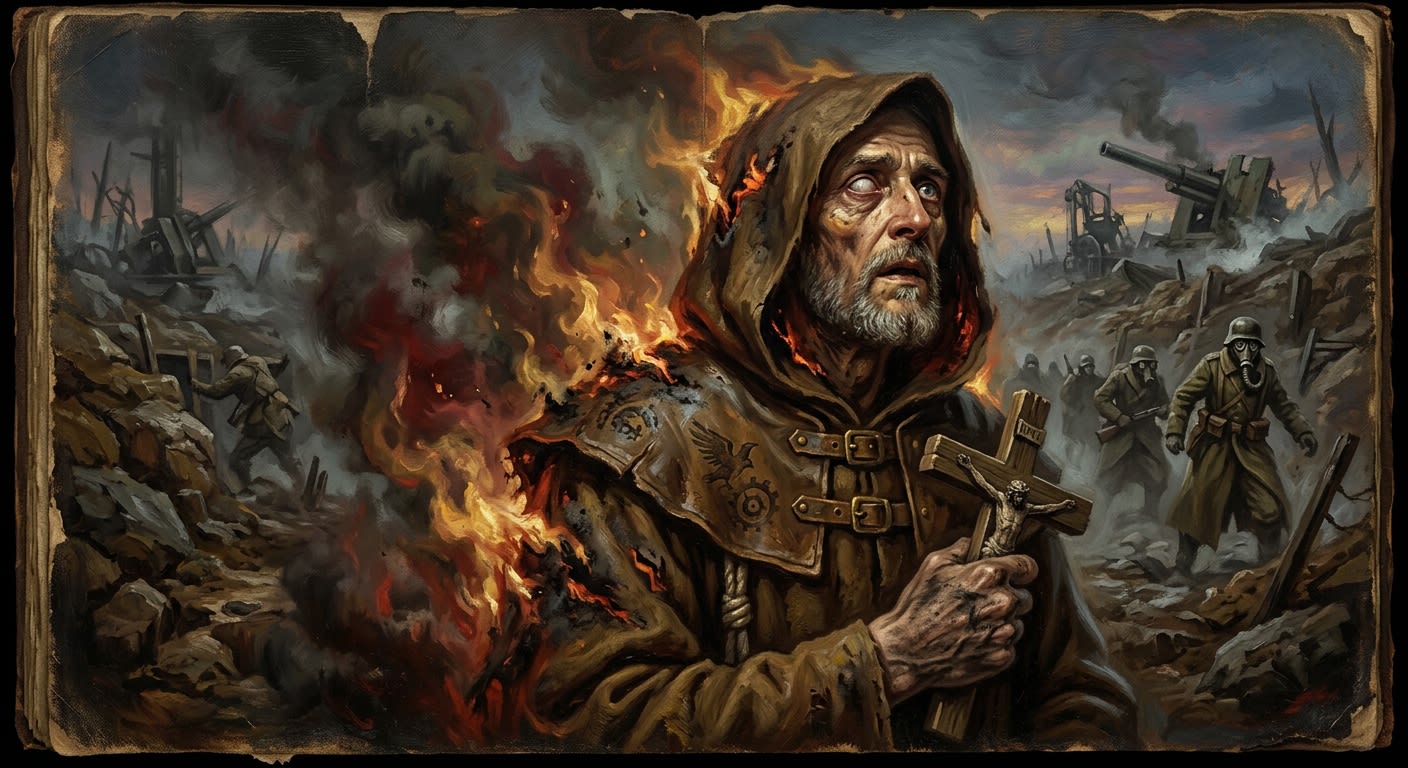
The half-blind monk who lifted a reliquary and made Wrath recoil
Half-blind Franciscan, custodian by refusal, and instrument of the Miracle of Kalnik Ridge; consumed by sacred fire in A.S. 48, though the Bureau remains professionally unable to call him dead.
Codex Ref. III.2.01-004
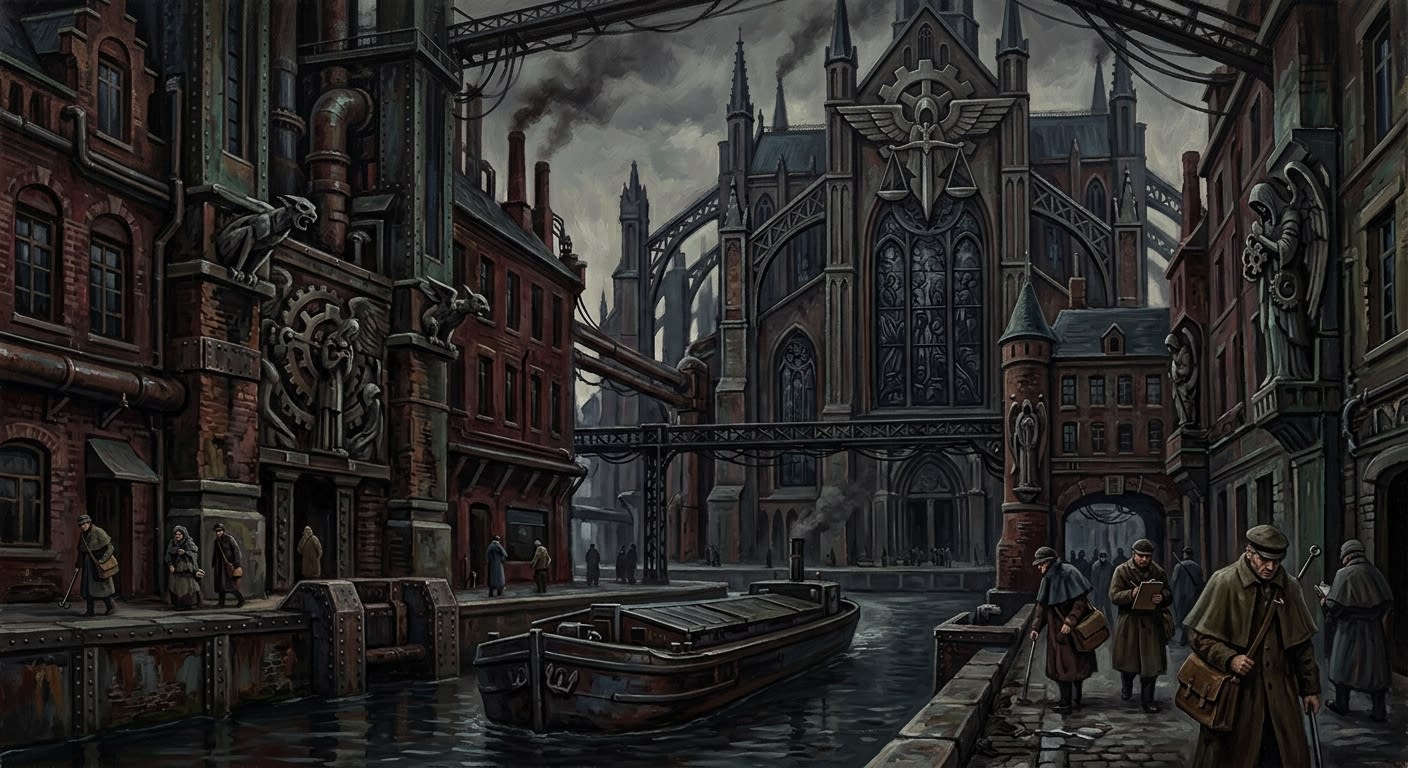
Bruges
Permit prosperity; audit beauty
Bruges is the Synod-held Lowlands city whose canals, colours, grotesques, relic glass, and impossible Tithes seal make beauty a recurring audit problem.
Codex Ref. II.1.04-058
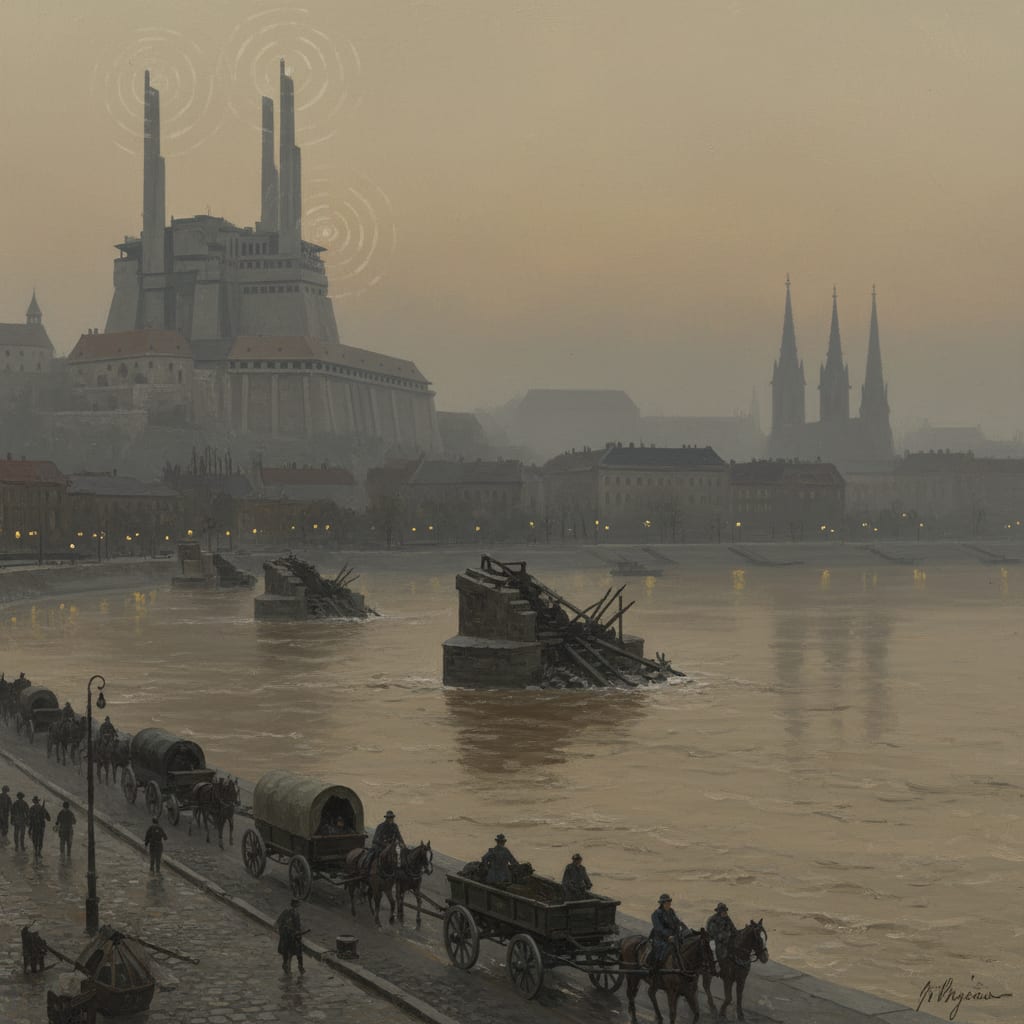
Budapest
The city the Danube cut in half, and the half that watches back
The largest city in the forward heartlands and the principal staging hub of the Central Corridor. 850,000 souls on the western bank, and something unaccounted for on the eastern. The Danube runs between them like a sentence the Bureau started and declined to finish.
Codex Ref. II.4.09-009

Budapest-Irongate Corridor
The road that pays in fuel and settles its accounts in men
The southern feeder route from Budapest to Bastion-Irongate carries blessed freight past nineteen confirmed wound-sites and four probable. Charter houses draw the fuel; their crews settle the human account.
Codex Ref. II.4.09-369
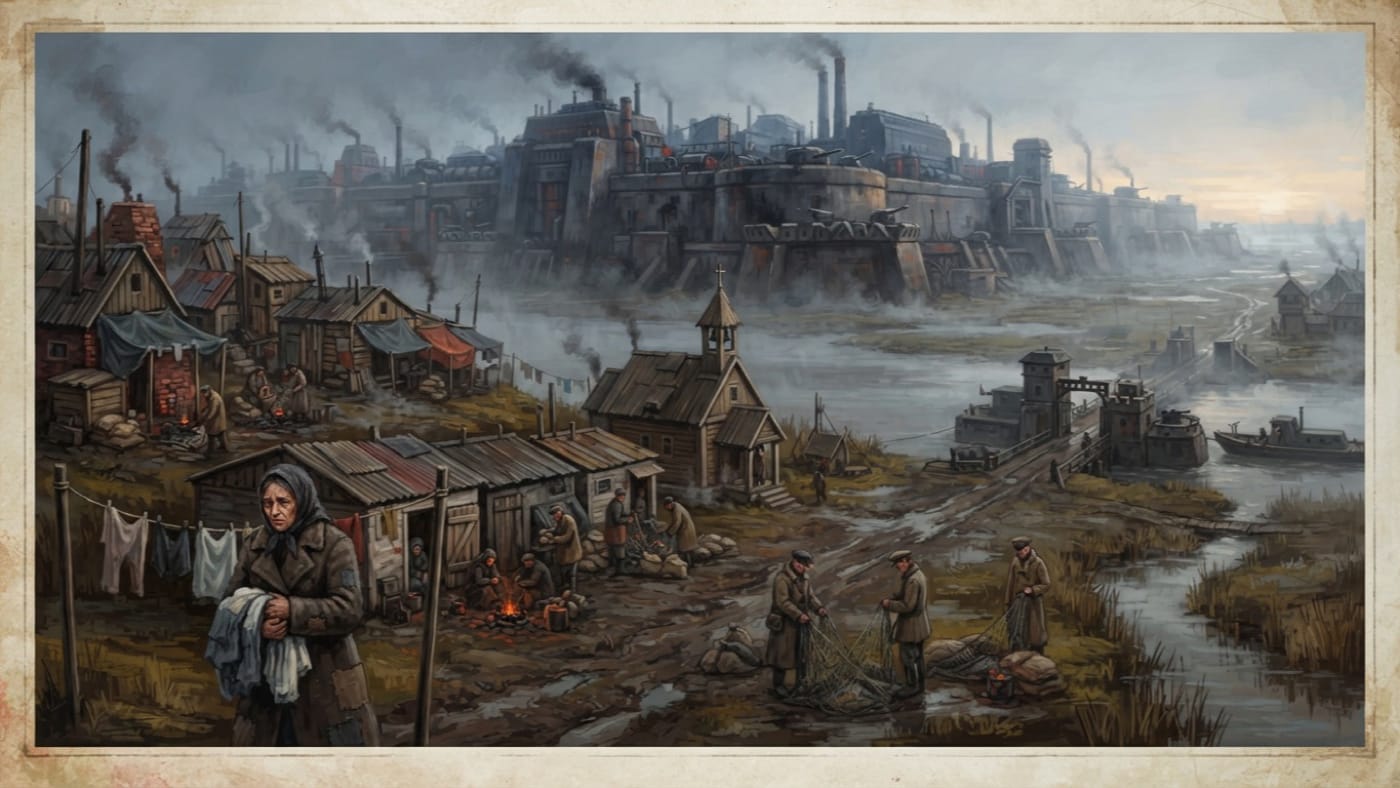
Bug River settlements
The villages disappear; their people remain pending
The Bug River settlements survive as a few western service hamlets and displaced households in Warsaw and Brest. Most villages are absent; their people still require permission to exist.
Codex Ref. II.4.09-201
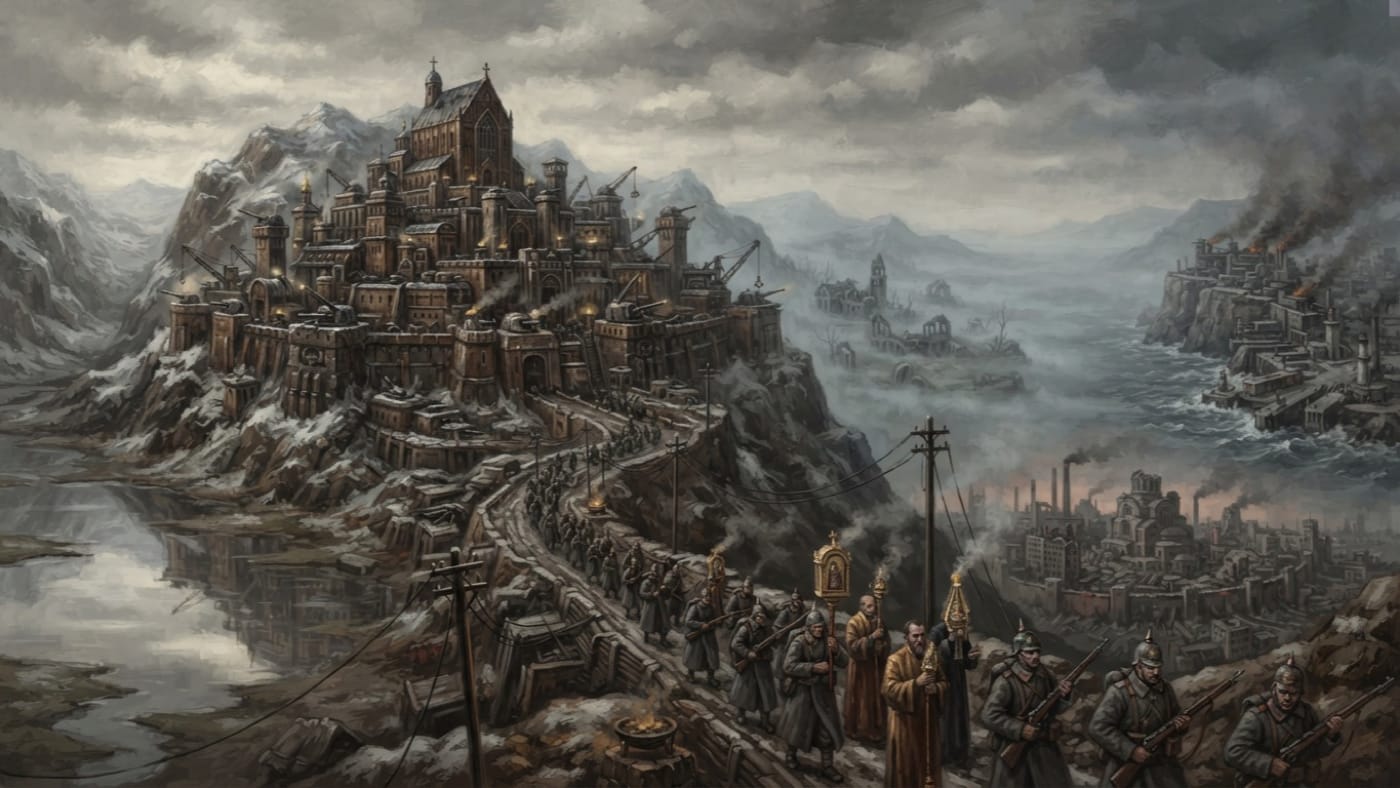
Bulgaria
Three holdings, disputed roads, and a name the Ledger keeps
Bulgaria remains held at Shipka, Sofia and Varna, contested along the approaches, and fallen beyond the returns. The Church keeps the country's name; its garrisons keep what ground they can.
Codex Ref. II.6.06-008
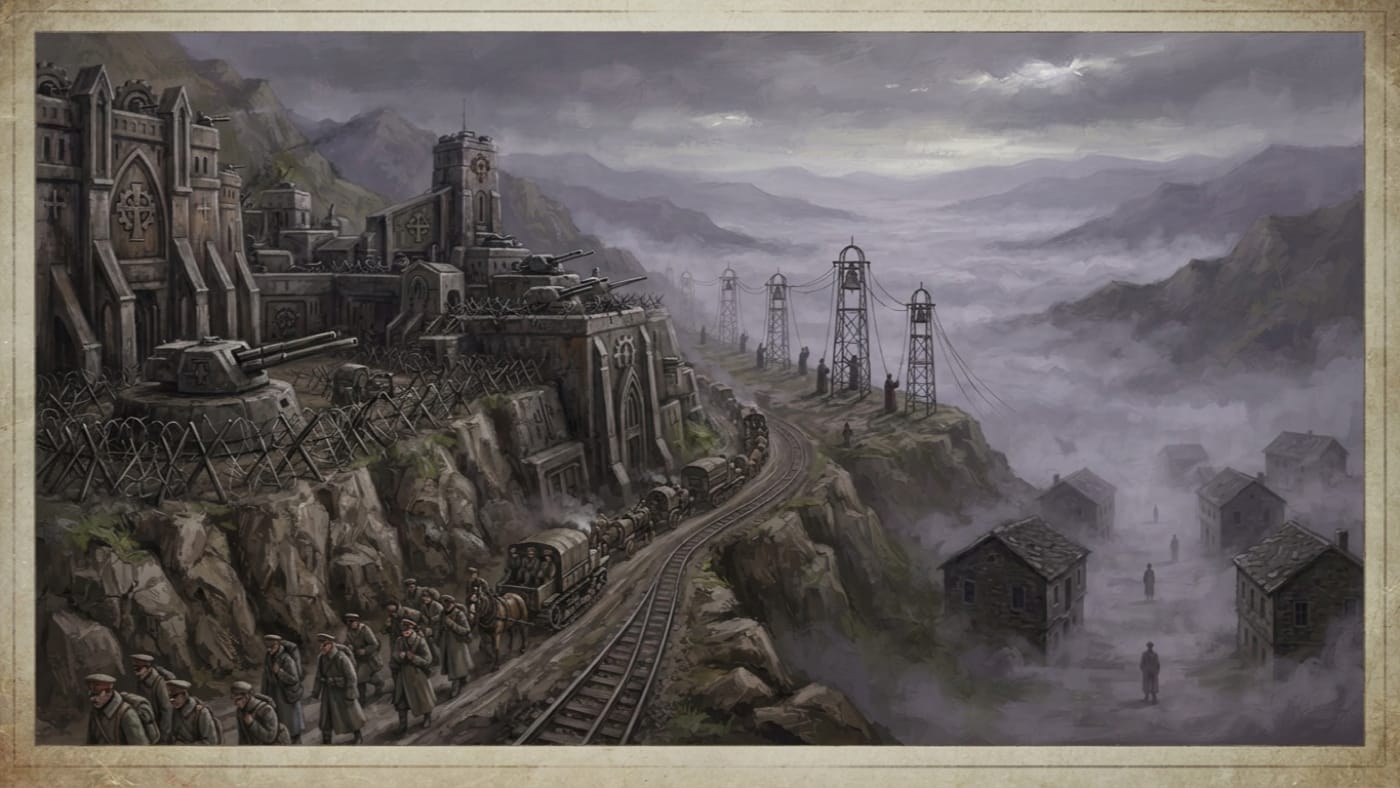
Bulgarian highlands
The villages remain on the rolls after their replies cease
Syrion's time-fog occupies the Bulgarian highlands in depth. Shipka holds the passage, the approaches remain contested, and the villages beyond the bells still receive letters they no longer answer.
Codex Ref. II.4.12-201
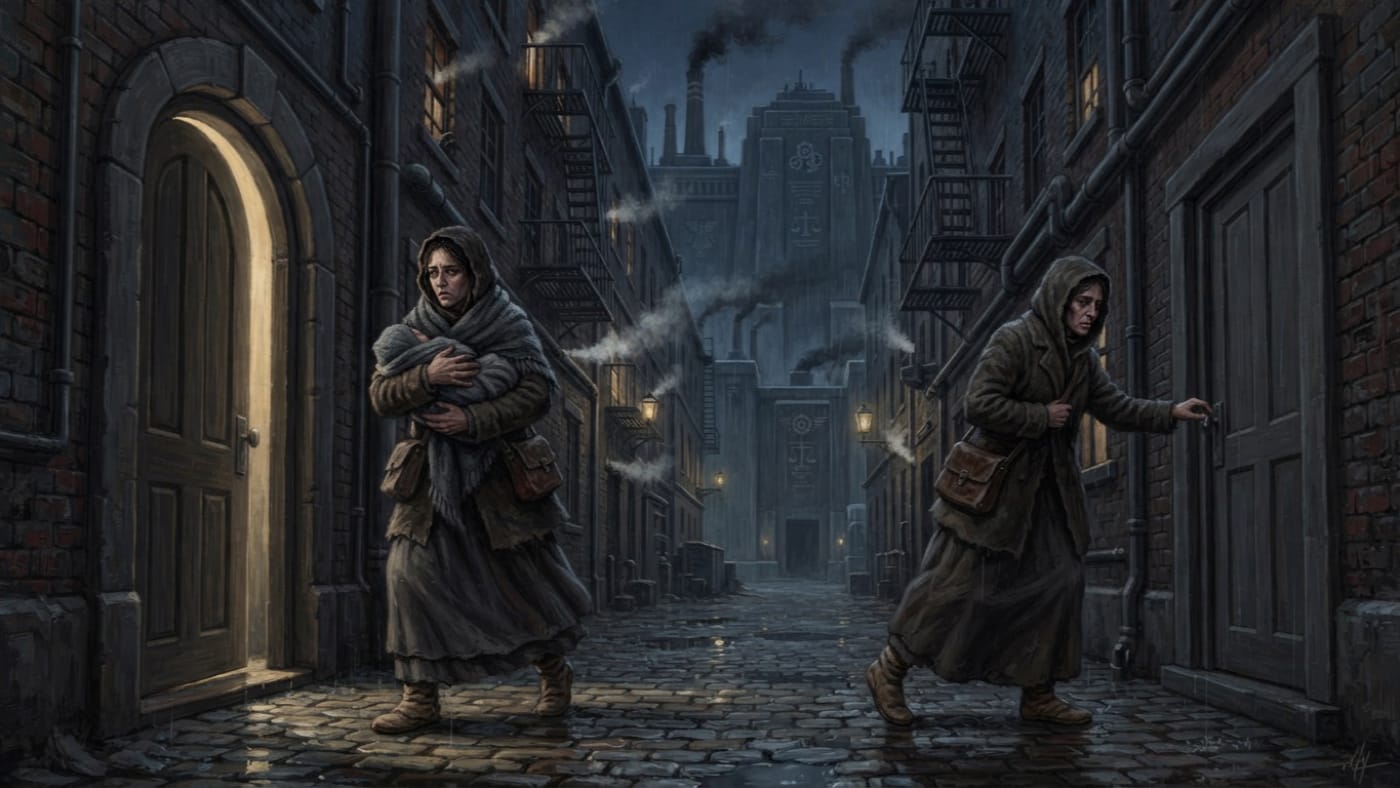
Bundle-Carriers
Two doors, one living child, no papers
The Pale Kin's entry rank carries infants between two doors, with no papers and little knowledge. The Bureau counts thieves; the trade counts children alive after winter.
Codex Ref. XII.28.02-001
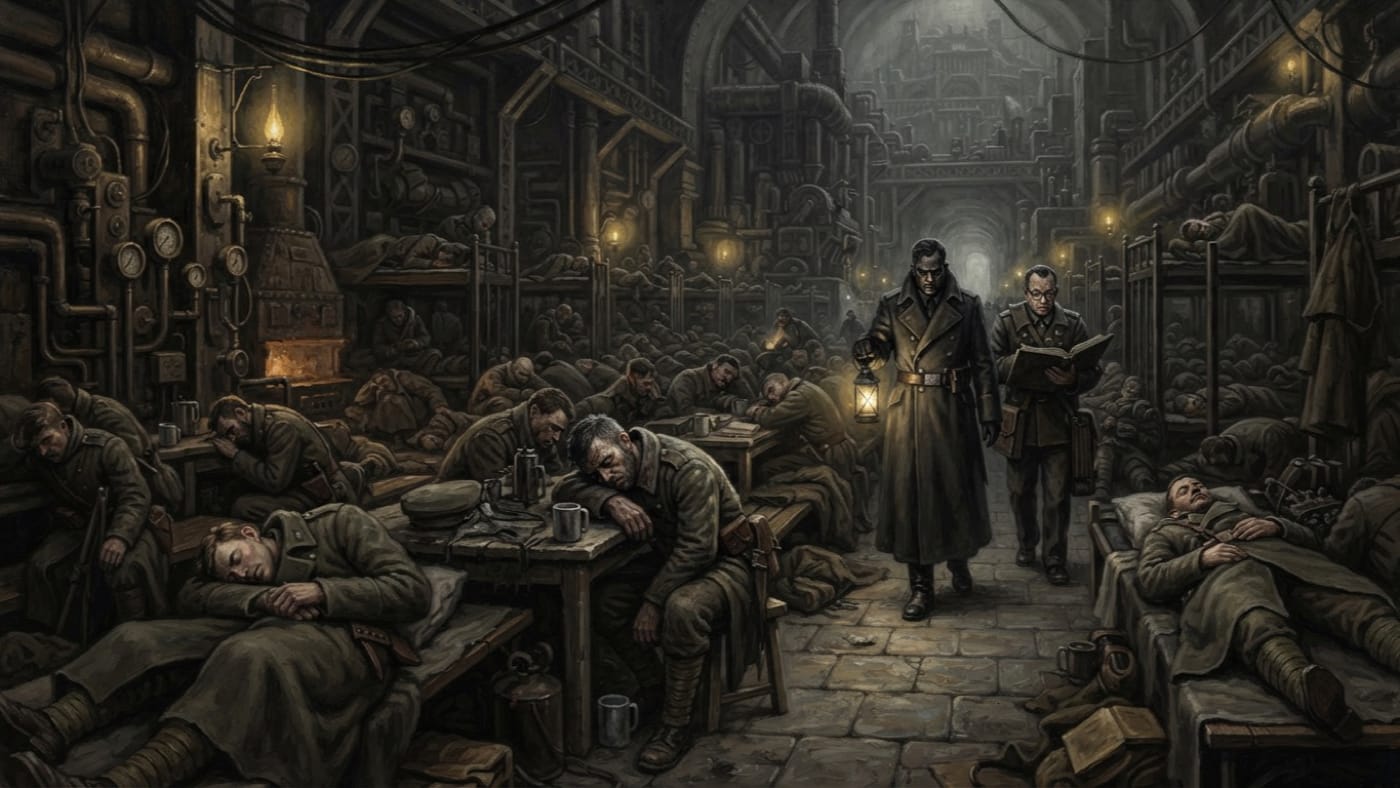
Bureau Circular 779-C
The intention to resume, invisible in the field.
Bureau Circular 779-C distinguishes rest from Sloth by the intention to resume labour. Doctrine acknowledges that the difference is invisible in the field, and leaves the field to manage it.
Codex Ref. XIII.1.07-779
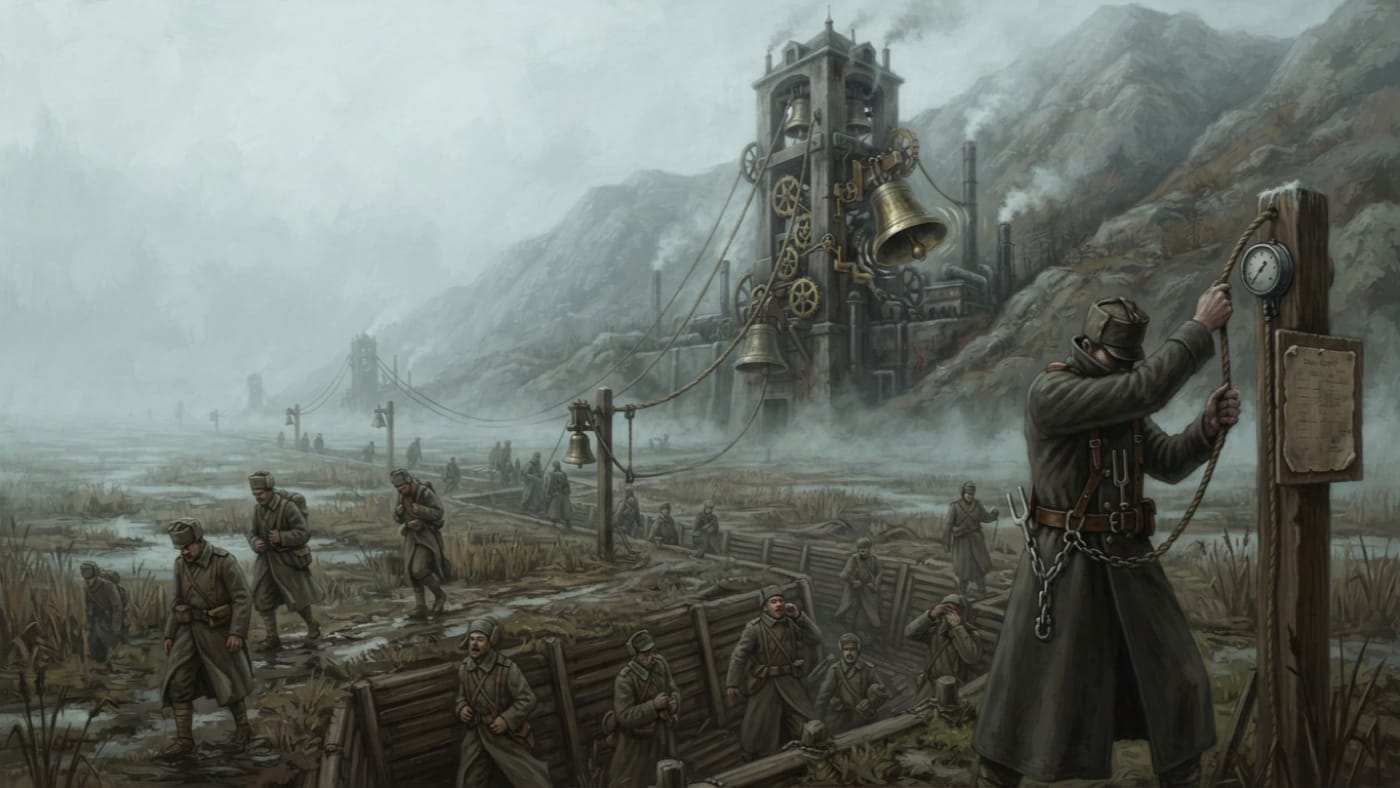
Bureau Internal Memorandum 312-K
The bells keep ringing. The question stays open.
An A.S. 201 survey of Memorandum 312-K as cited in the Syrion dossier. Extra bell-ringing near the front has been debated since A.S. 160. The bells ring; the question remains open.
Codex Ref. VIII.6.12-312
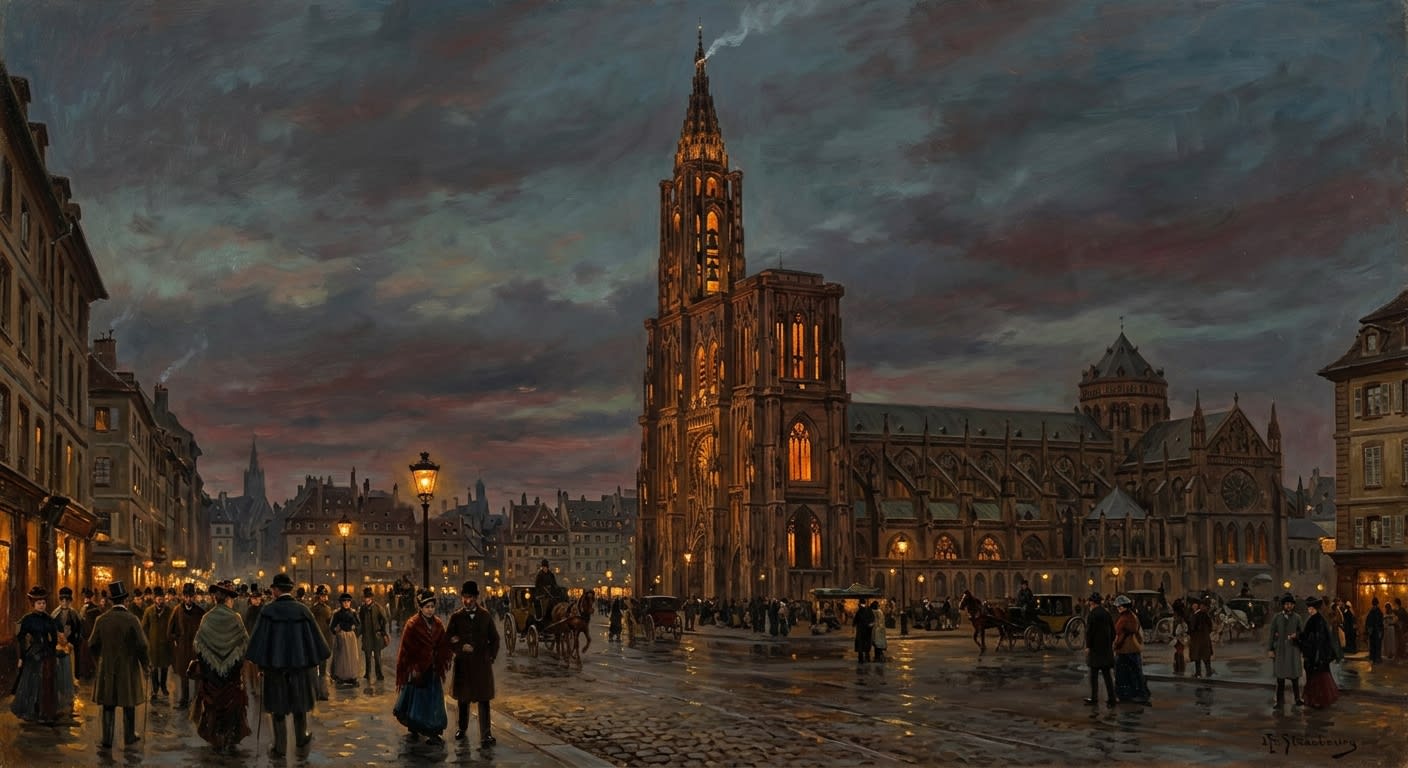
Bureau of Bells
Every hour is the Creator's hour. Every silence is His verdict.
The Bureau of Bells regulates every sacred peal from Calais to Constantinople — weapon, doctrine, and nervous system of the Theocracy, constituted A.S. 52 on the authority of a miracle that cracked the cobblestones.
Codex Ref. IV.3.01-012
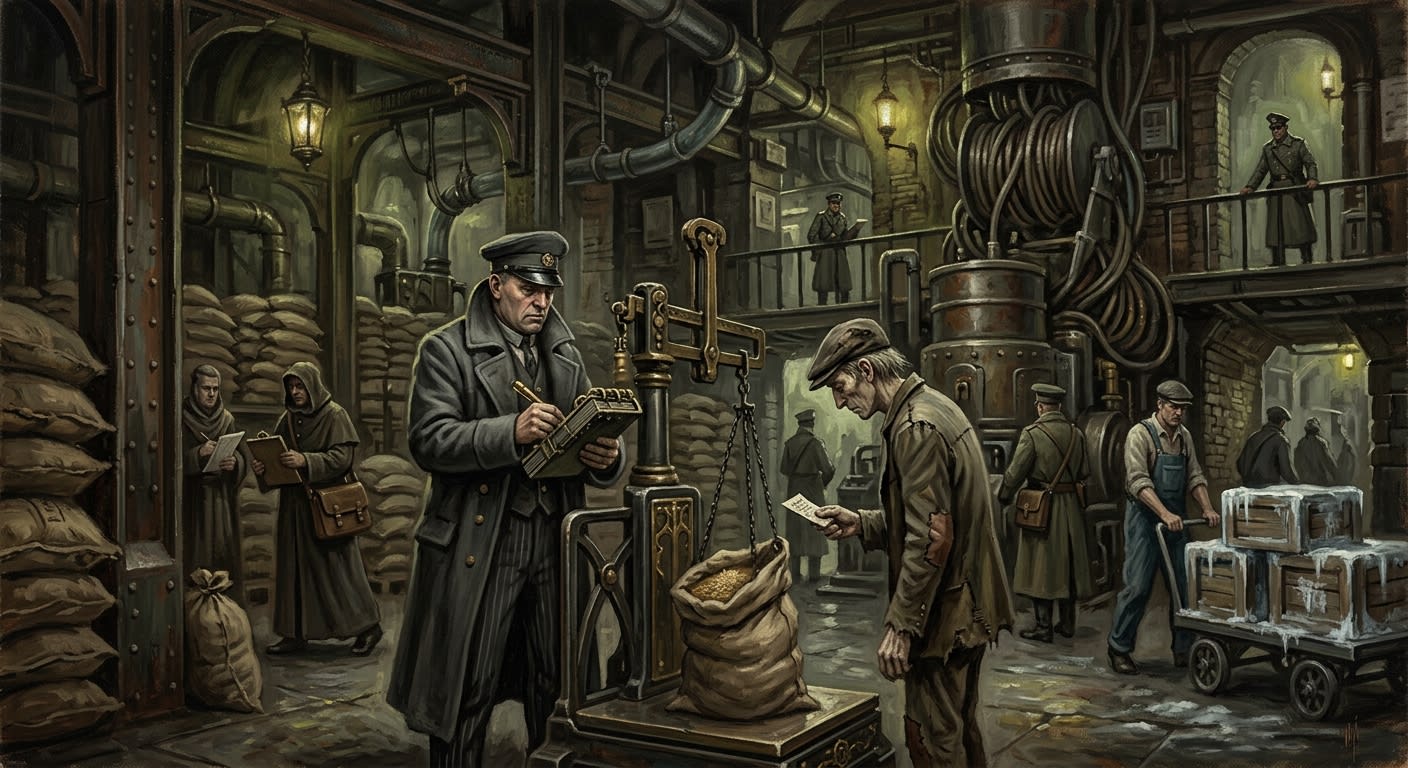
Bureau of Commerce
Bread becomes law before it becomes bread
The Bureau of Commerce prices obedience: weighing grain, freezing cargo, selling road-sound, licensing shortage, and making hunger kneel before the scale.
Codex Ref. VIII.2.10-097
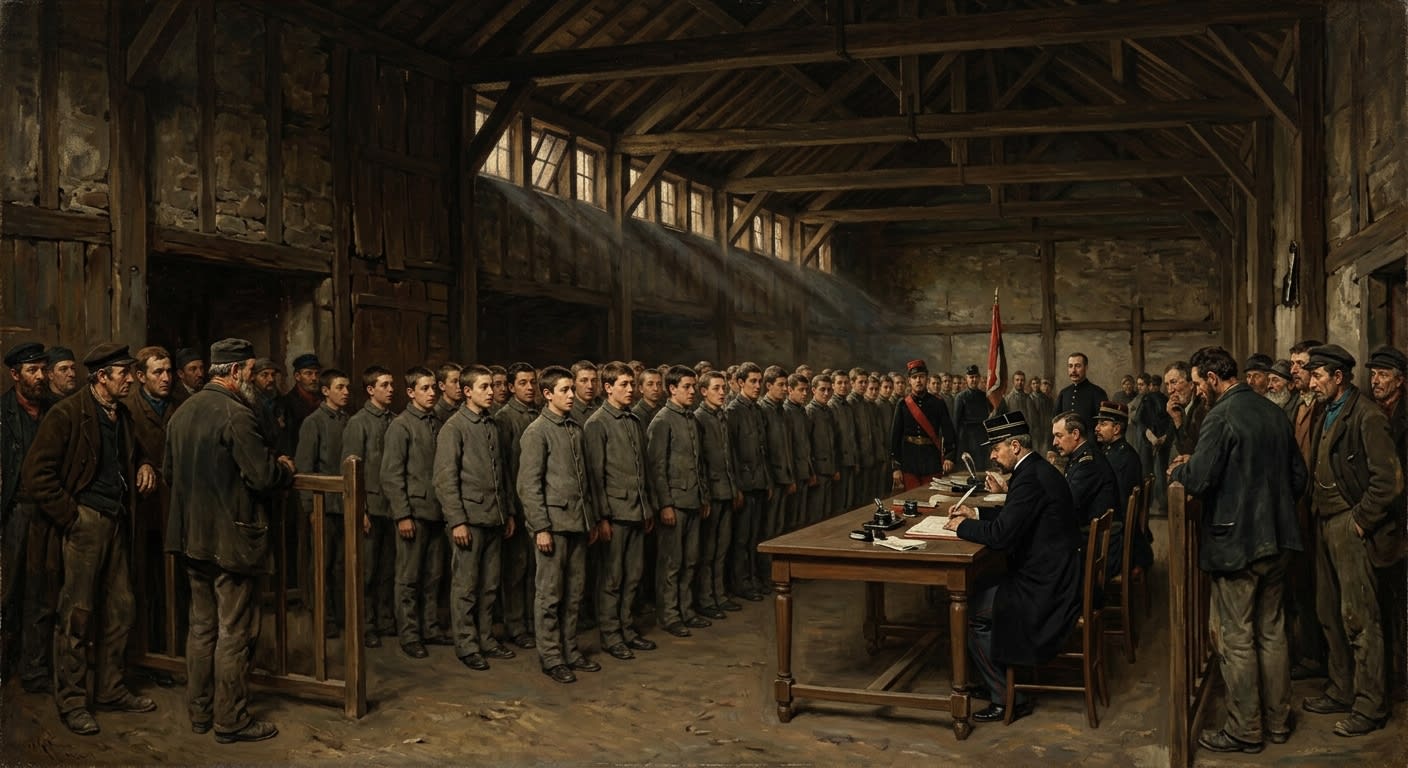
Bureau of Conscription
A tithe of flesh. The Bureau calls it a fraction.
The Bureau does not take. It collects. The hand that reaches into the household, past the mother's grip, and removes what was promised — which is to say, everything.
Codex Ref. III.4.07-112
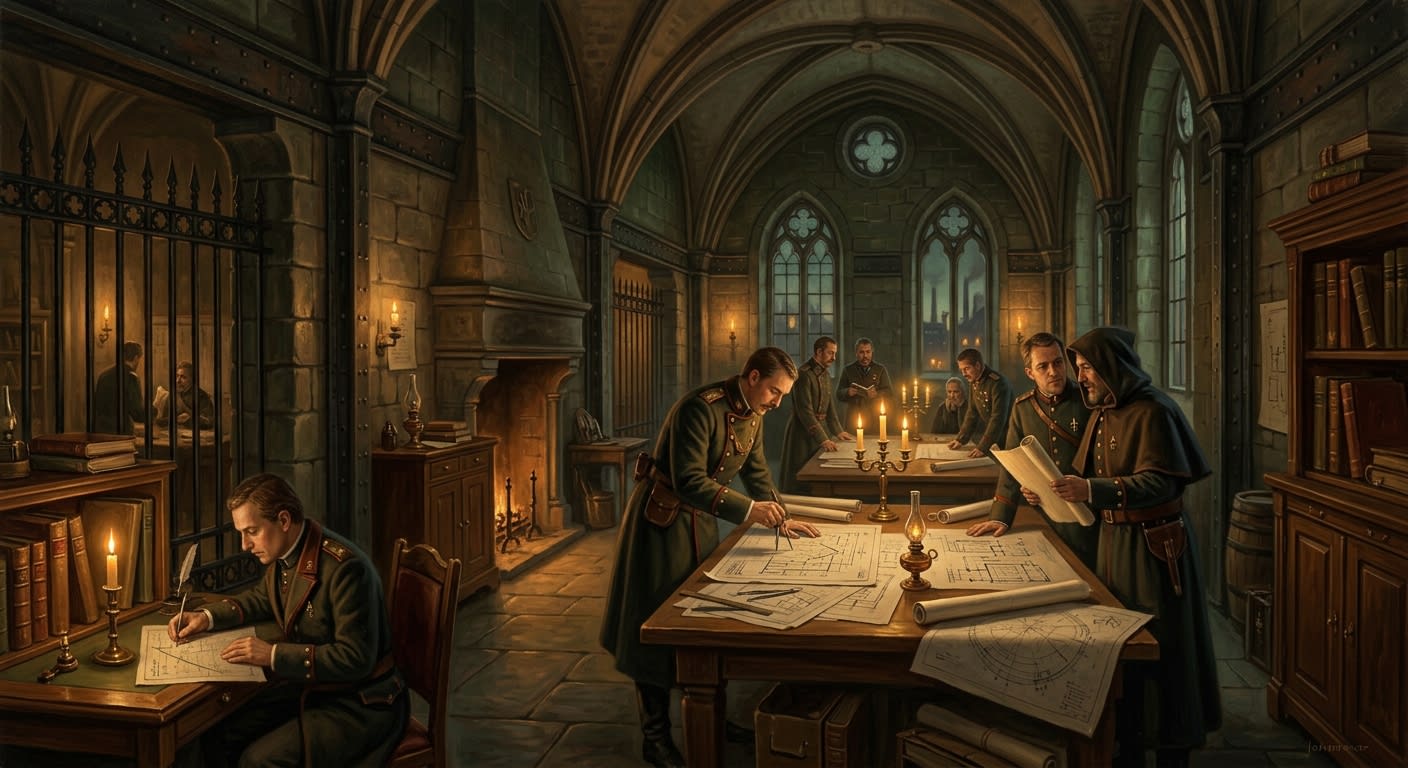
Bureau of Engineering
The number is the number, and the number does not care whether you find it convenient.
The Bureau of Engineering digs, measures, pours, rivets, surveys, calculates, and then builds the thing that holds every other Bureau upright. Its motto is not in any catechism. It is carved into latrine walls.
Codex Ref. VII.4.02-011
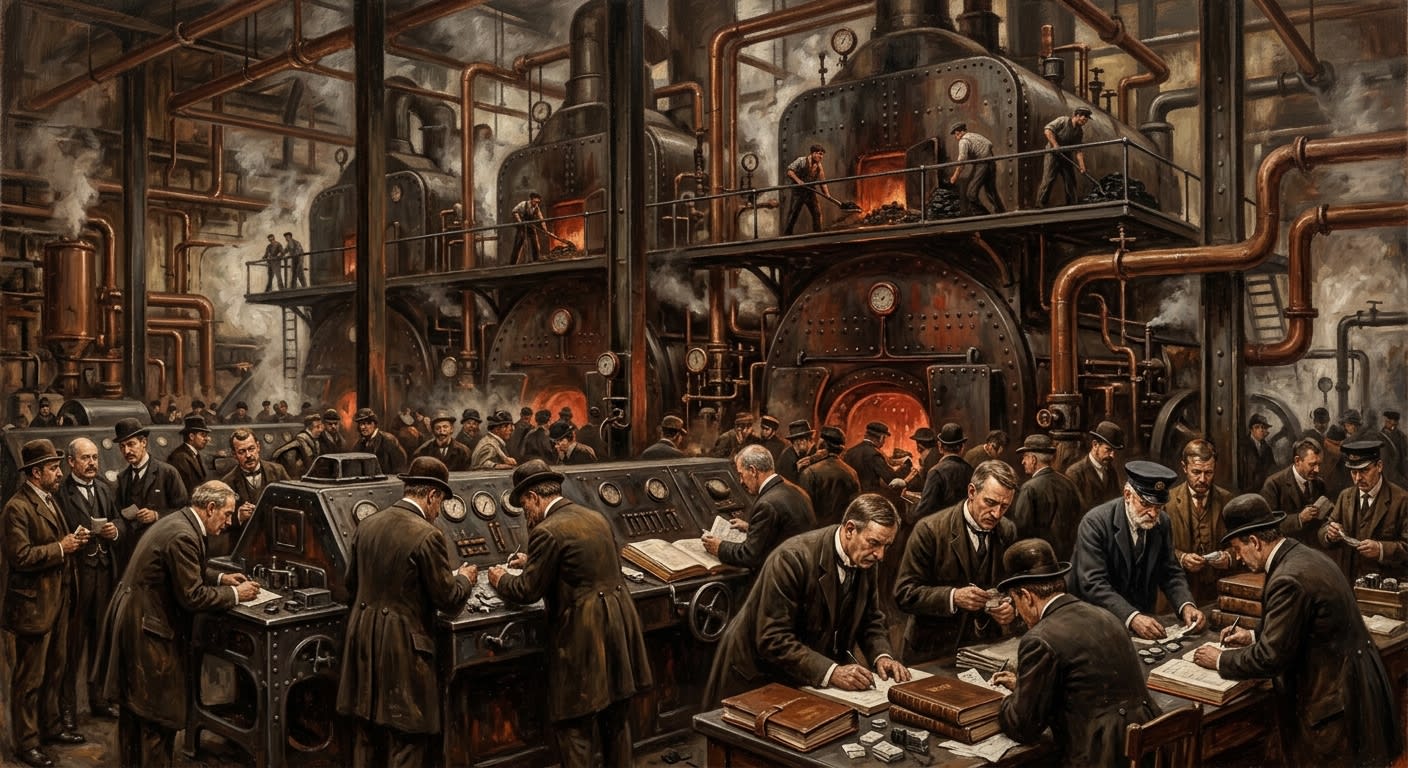
Bureau of Engines & Furnaces
The furnace burns because it must, and someone must invoice the flame
The Bureau of Engines & Furnaces governs the Synod's hot machinery: fuel allowances, furnace discipline, wound-site yield, pressure systems, and every boiler too useful to condemn.
Codex Ref. VIII.2.02-001
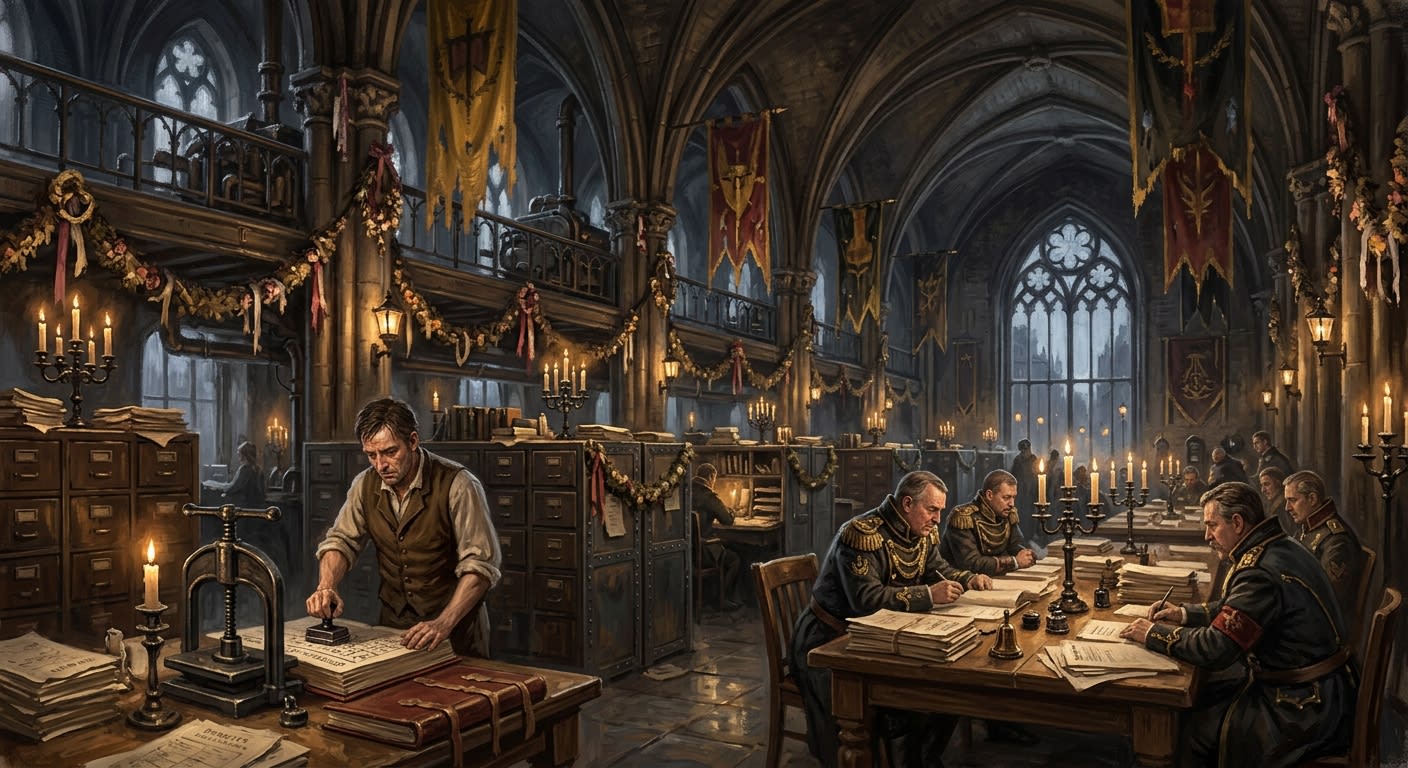
Bureau of Festivals
Joy, administered at scale — licensed, measured, and periodically revoked
The Bureau that manufactures joy, schedules grief, and meters celebration with the same rigour the Bureau of War applies to troop rotations — and which has, on seventeen documented occasions, deployed confetti.
Codex Ref. VIII.5.01-001
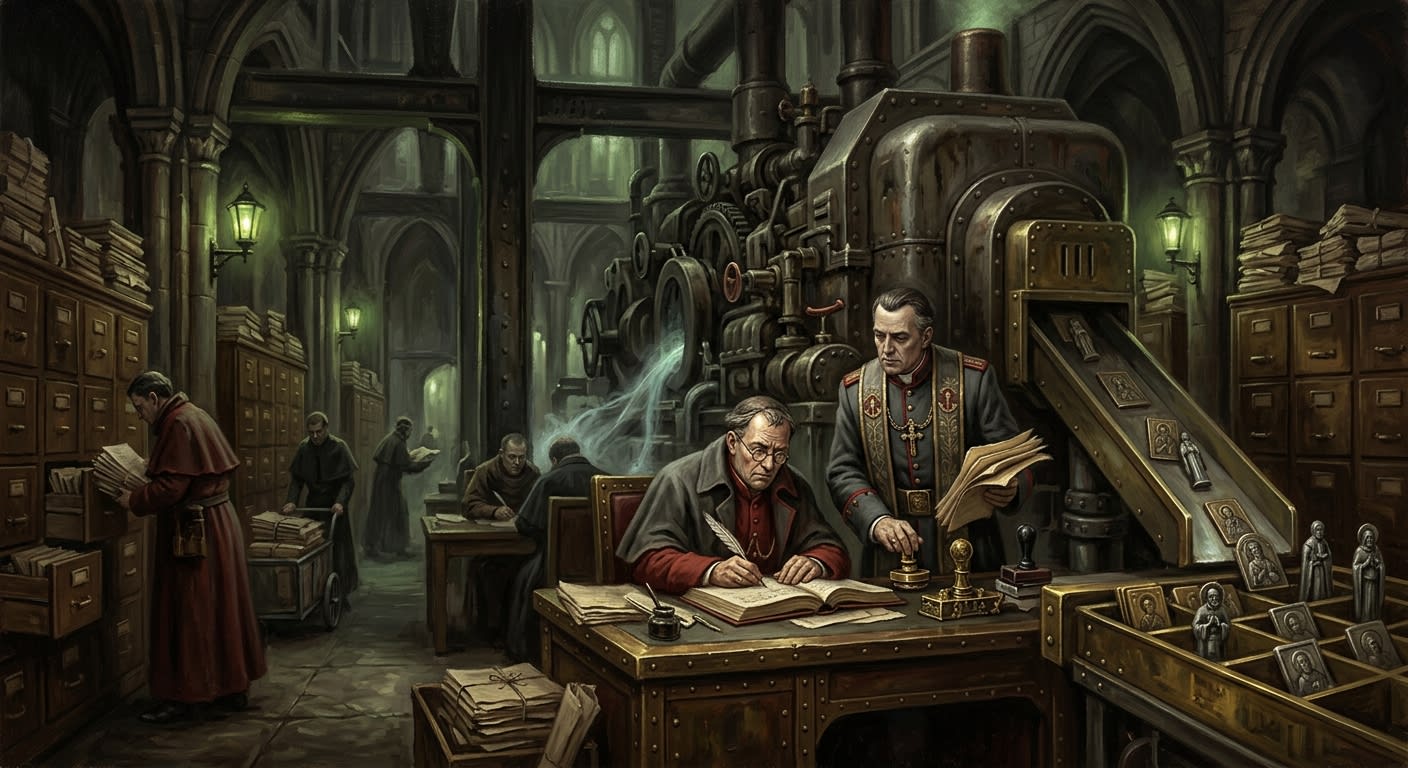
Bureau of Hagiography
The dead may vote only after editing
The Bureau of Hagiography edits the dead into useful saints, delaying, ratifying, taxing, suppressing, and polishing grief until it obeys.
Codex Ref. VIII.6.03-112
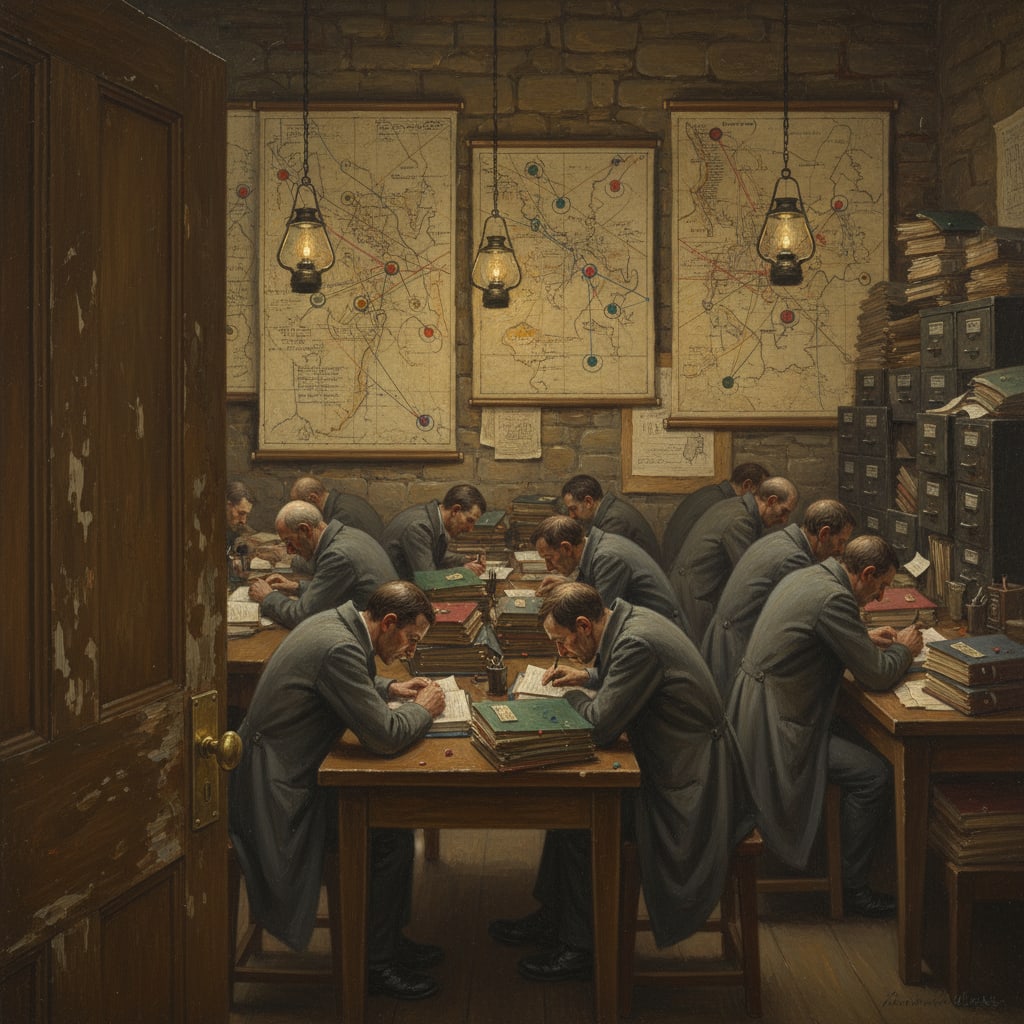
Bureau of Inter-Infernal Analysis
Fourteen analysts, three rooms, one assumption; the Line holds because the assumption holds
The Bureau that watches Hell watch itself — fourteen analysts cataloguing the rivalries among the Seven Sin-Generals, amplifying their feuds, and verifying quarterly that spite remains the Sagittal Line's most reliable load-bearing element.
Codex Ref. VIII.7.01-001
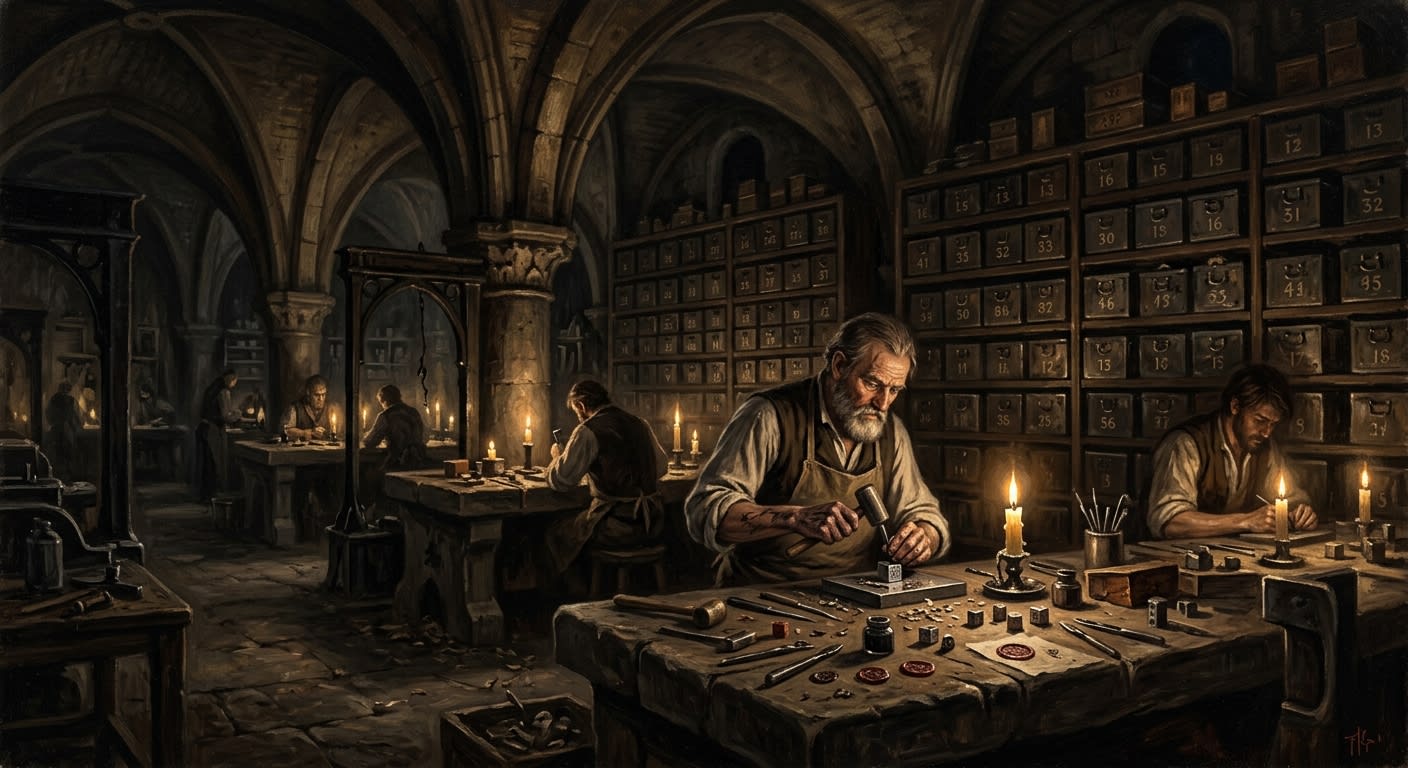
Bureau of Masks and Seals
The stamp is the Synod. Everything else is suggestion.
The Bureau of Masks and Seals controls every stamp, seal, and counter-seal in Synod territory. Without its impressed wax, no document is real. Without its license, no face may be hidden. Casselius of Mainz holds the Synod's mouth and press in one pair of ink-stained hands.
Codex Ref. VI.4.19-014

Bureau of Medicine
It measures. It classifies. It declines.
The Bureau of Medicine is not, technically speaking, a Bureau. It is something more dangerous: an institution that measures everything and recommends nothing, staffed by people who have read every report and arrived at conclusions they will not share.
Codex Ref. XII.7.09-044
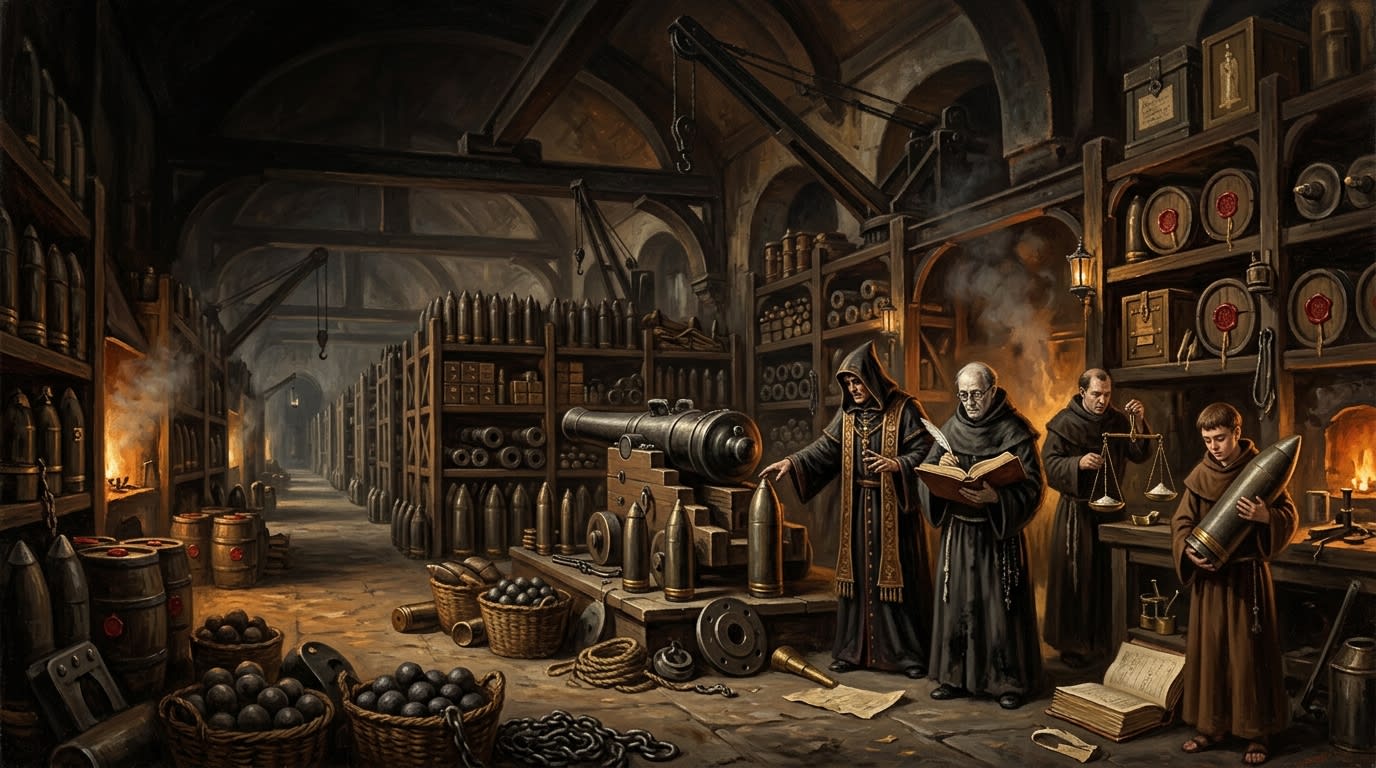
Bureau of Ordnance
No violence is lawful until inventory permits it
The Bureau of Ordnance blesses powder, counts shells, seals fuel, restrains officers, and teaches matter to obey violence only after the Ledger consents.
Codex Ref. VIII.2.11-090
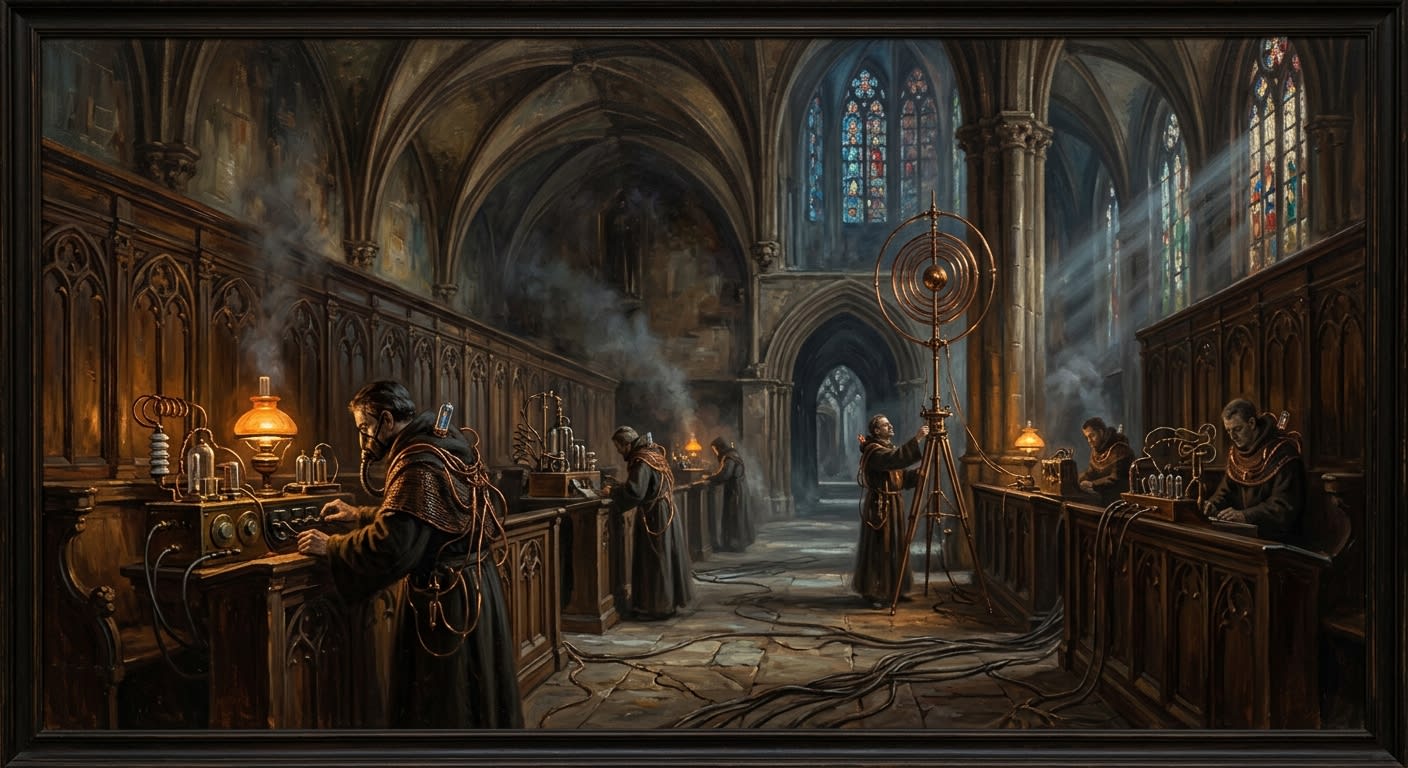
Bureau of Orison and Song
The only Bureau that can kill you with a hymn.
The Bureau of Orison and Song governs every hymn, broadcast, and weaponised voice in the Synod's arsenal — from the Master Hymnal Plates at Strasbourg to the Dustcasters of the Line, to the Sunken Choir whose throats have been converted into instruments of war.
Codex Ref. VI.3.12-042
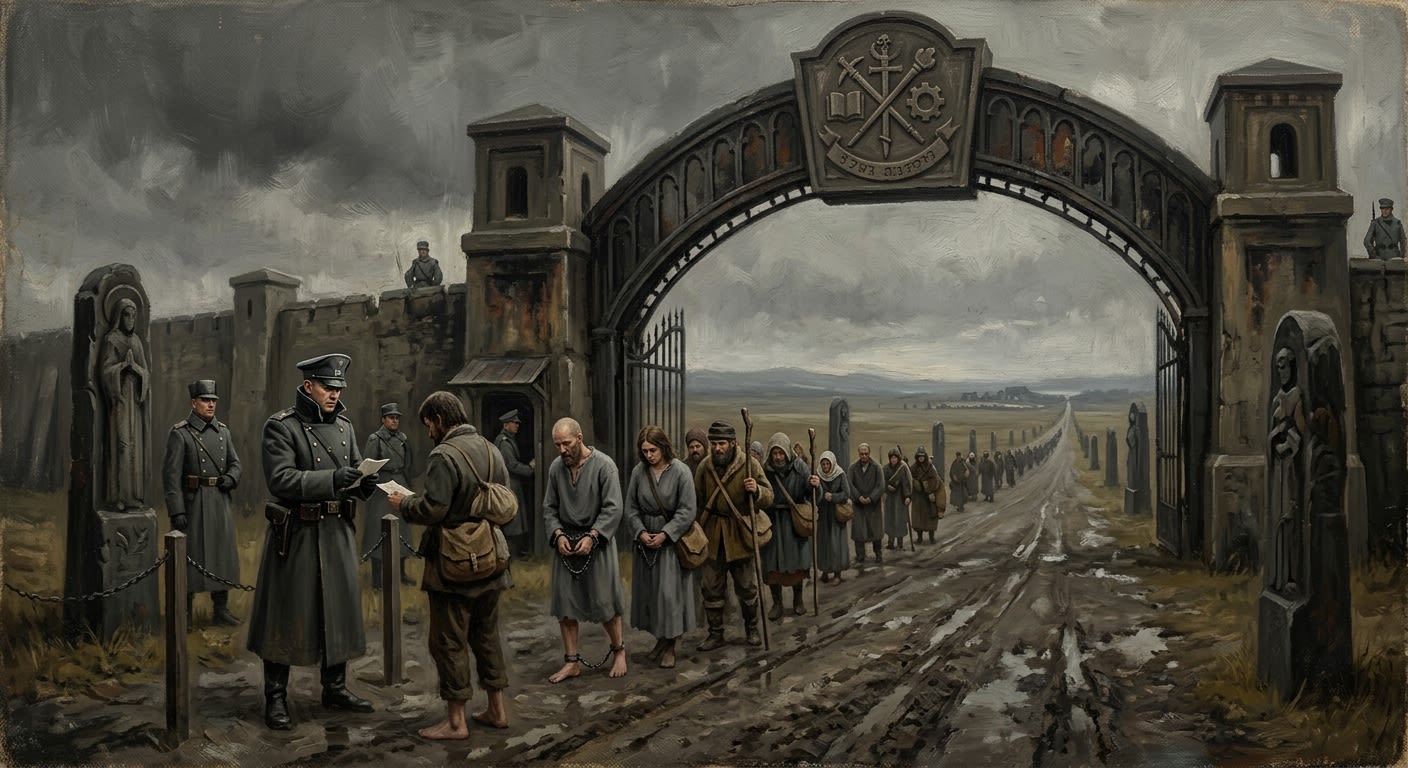
Bureau of Pilgrimage
Three million permits. Six million Crowns. No foot moves unwatched.
The Bureau of Pilgrimage governs all movement across the Theocracy's holy roads — issuing tokens, licensing routes, crushing guilds, and extracting revenue from every soul who dares to walk toward sanctity without prior authorisation.
Codex Ref. III.2.07-004
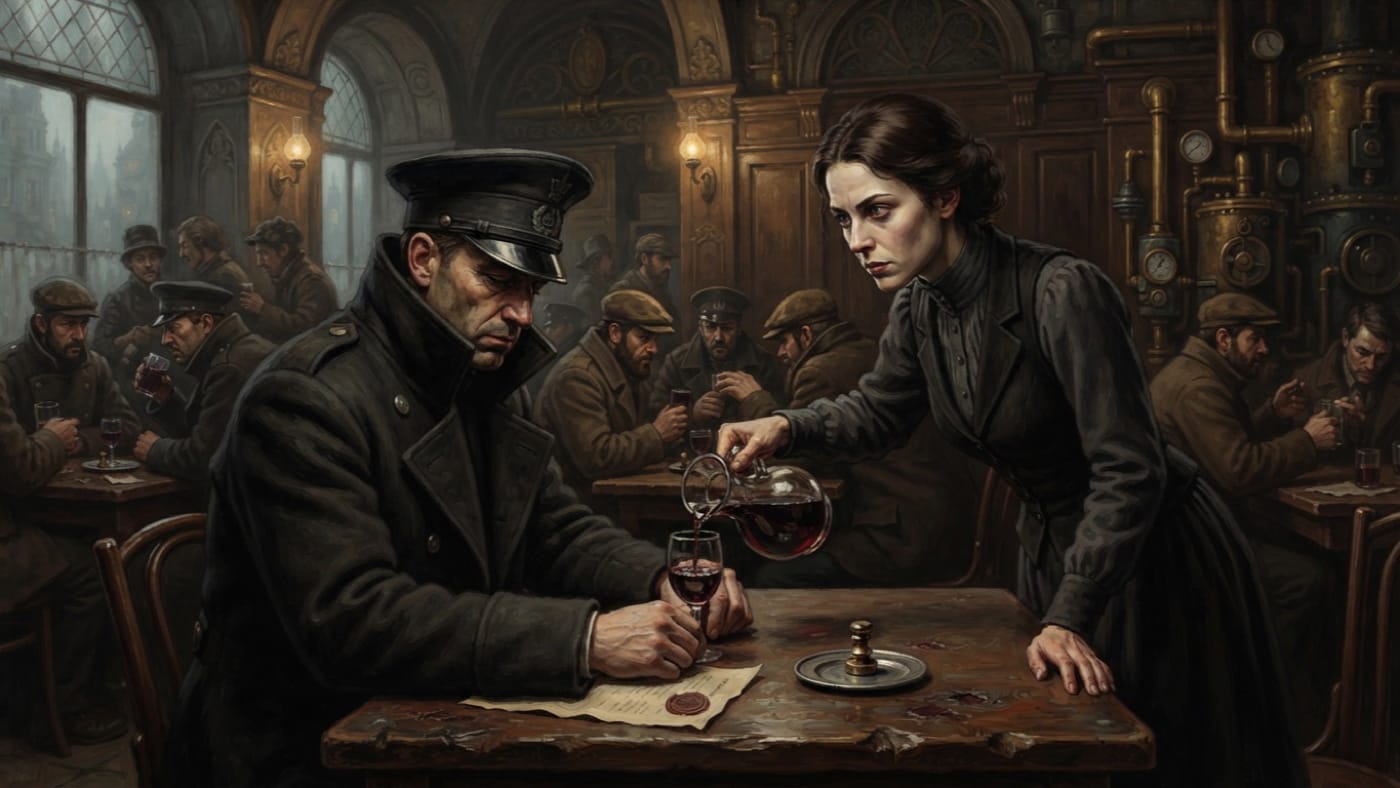
Bureau of Purity Case File 197-K-9
The guest was traced to a district. The officer remains unnamed.
File 197-K-9 reaches the Codex through an A.S. 199 reconstruction: a Choir operative traced to Constantinople's pilgrim quarter, an unchecked seal, and a retired officer still formally unnamed.
Codex Ref. VII.8.10-197
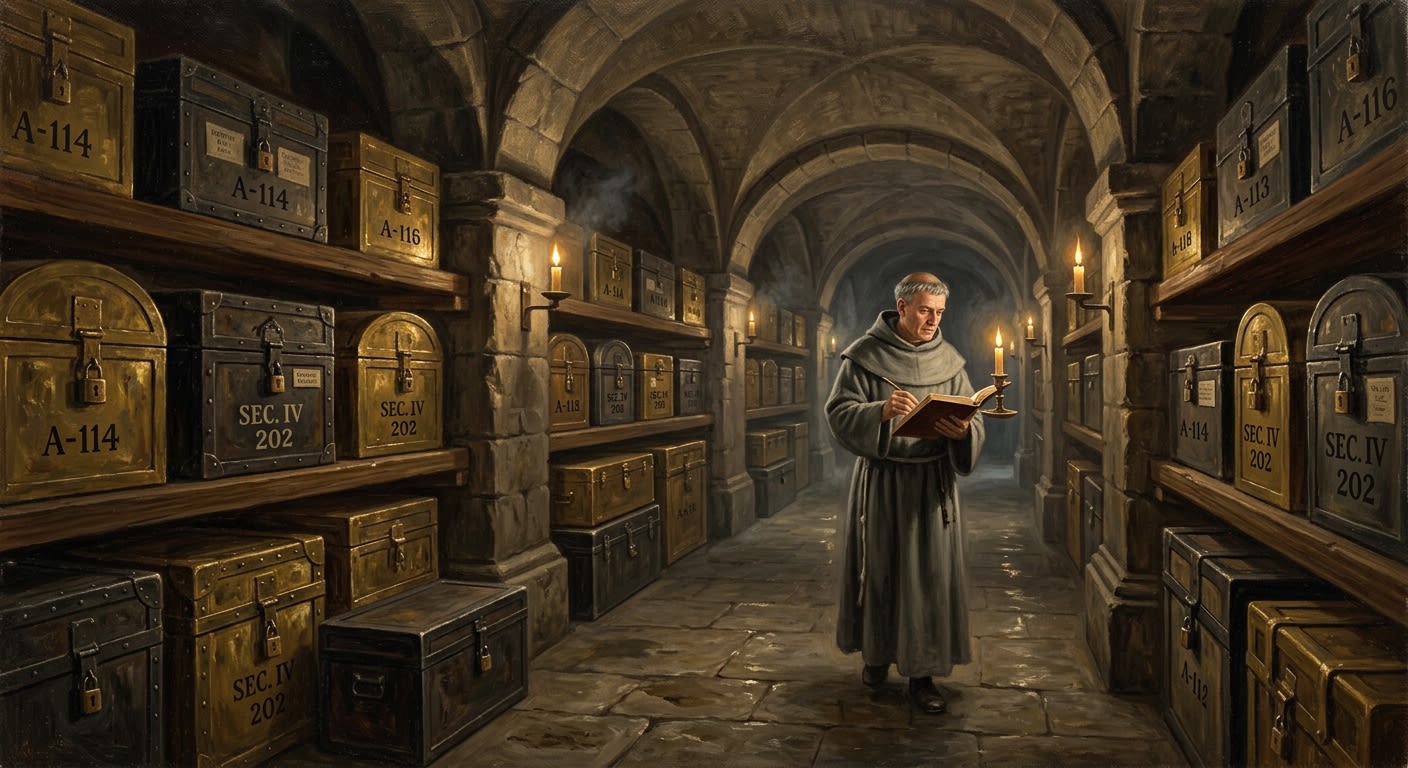
Bureau of Relics
The stamp is not the sanctity. The stamp is merely necessary.
The Bureau of Relics guards four thousand seven hundred authenticated bones, adjudicates the holiness of ash, and maintains the cheerful institutional fiction that it controls the things it catalogues.
Codex Ref. IV.3.12-019
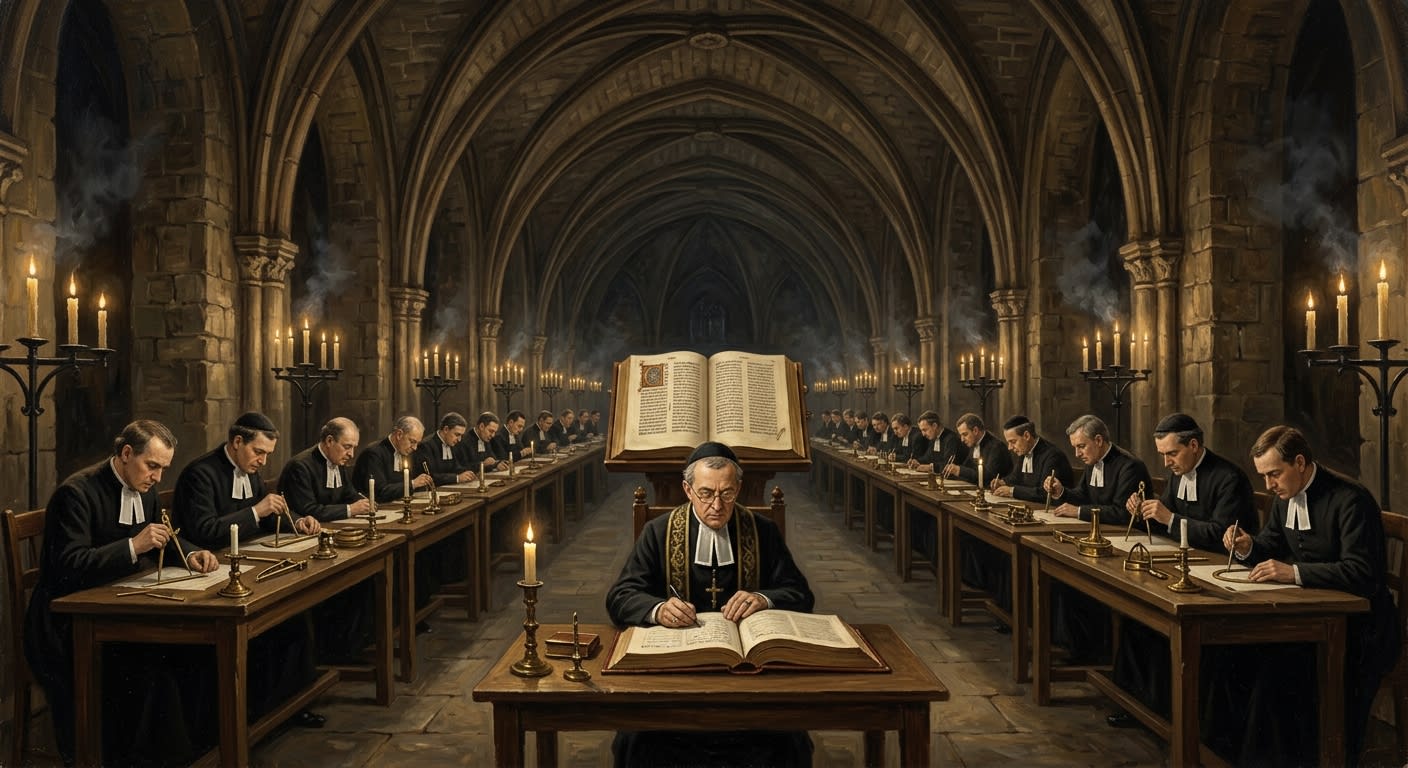
Bureau of Rites
The grammar no one speaks and everyone obeys.
The grammar of the Dominion, indistinguishable from its law: the Bureau that does not govern governs everything, from the angle of the censer to the weight of the Host on Lenten Fridays.
Codex Ref. VIII.1.01-001
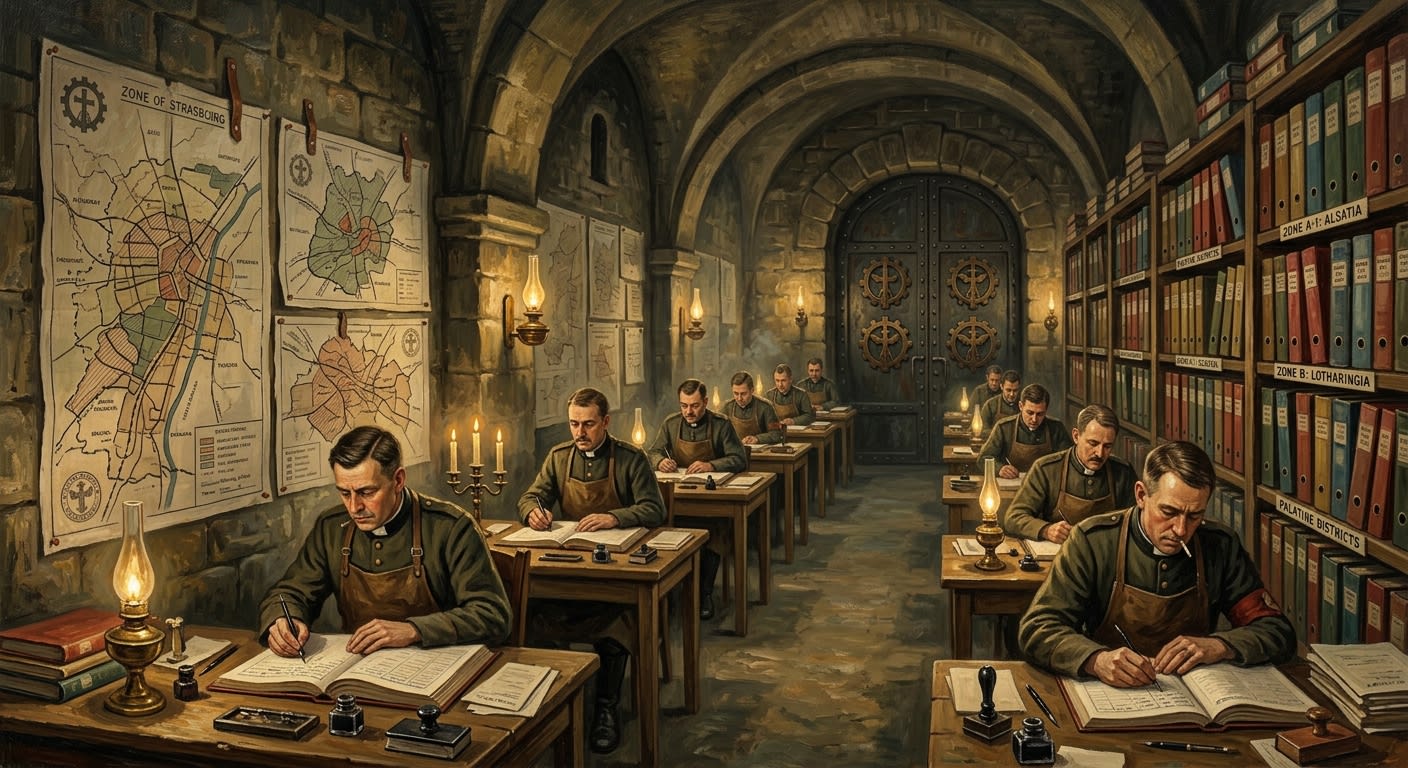
Bureau of Settlement
Where three hundred million subjects are permitted to stand — and by whose leave.
The Bureau of Settlement does not appear in the twelve canonical portfolios. No crimson sash, no hymn. What it has is authority over the address of every living subject of the Theocracy — and the knowledge that no one listens until the plumbing fails.
Codex Ref. IV.3.08-001

Bureau of Shadows
Fourteen confirmations of nonexistence. The grave-dust wax alone cost more than silence is supposed to.
The Bureau of Shadows does not exist. Fourteen decrees confirm this, each bearing between three and seven counter-seals, each filed under a category the Bureau of Records insists is empty.
Codex Ref. VIII.8.01-001
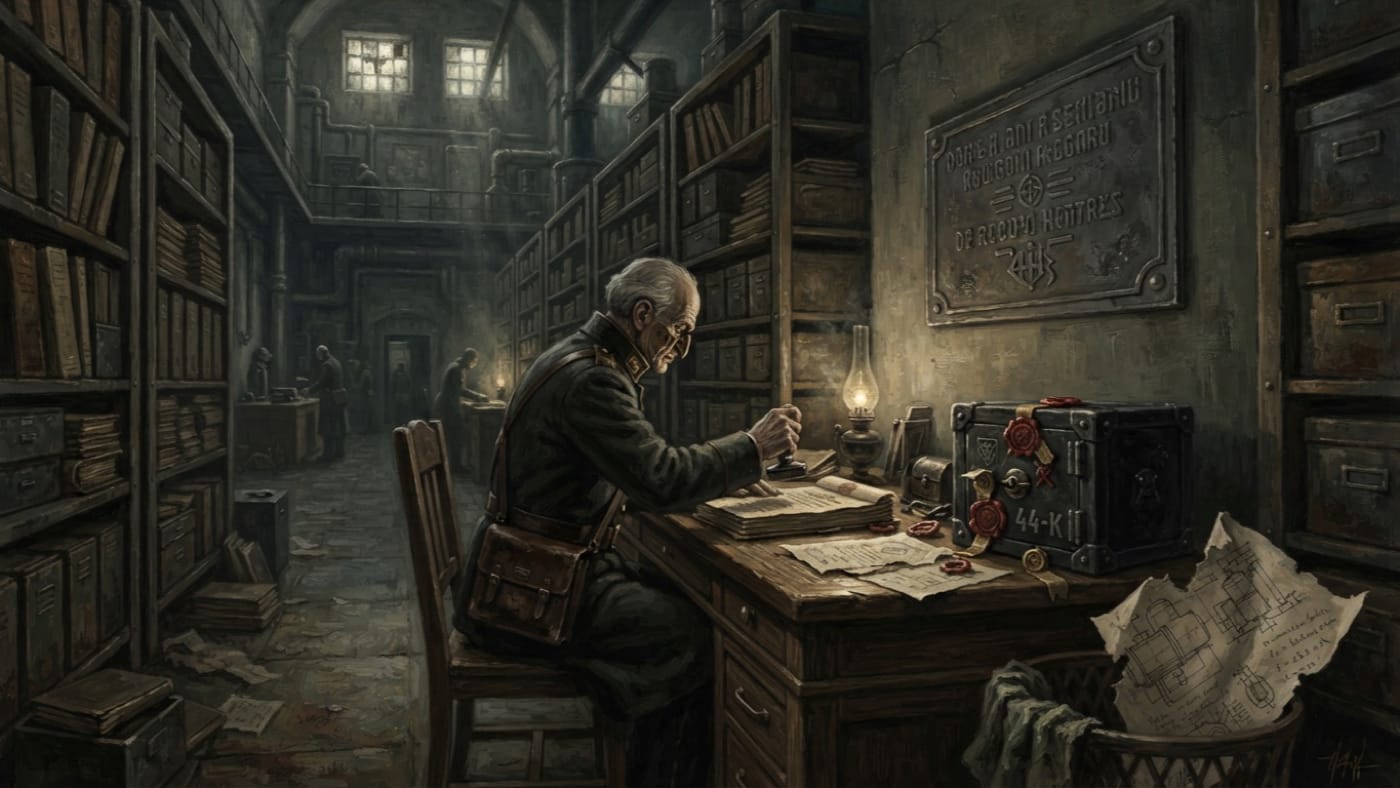
Bureau of Shadows File 44-K
On the name kept under seal after the men who read its arithmetic were walled up.
Doctrine's A.S. 147 correction admits that Fuel Is Chemistry came from a senior Engineering draughtsman. File 44-K seals his name; the sixty-one immured readers at Przemyśl remain in the public account.
Codex Ref. VIII.8.44-001
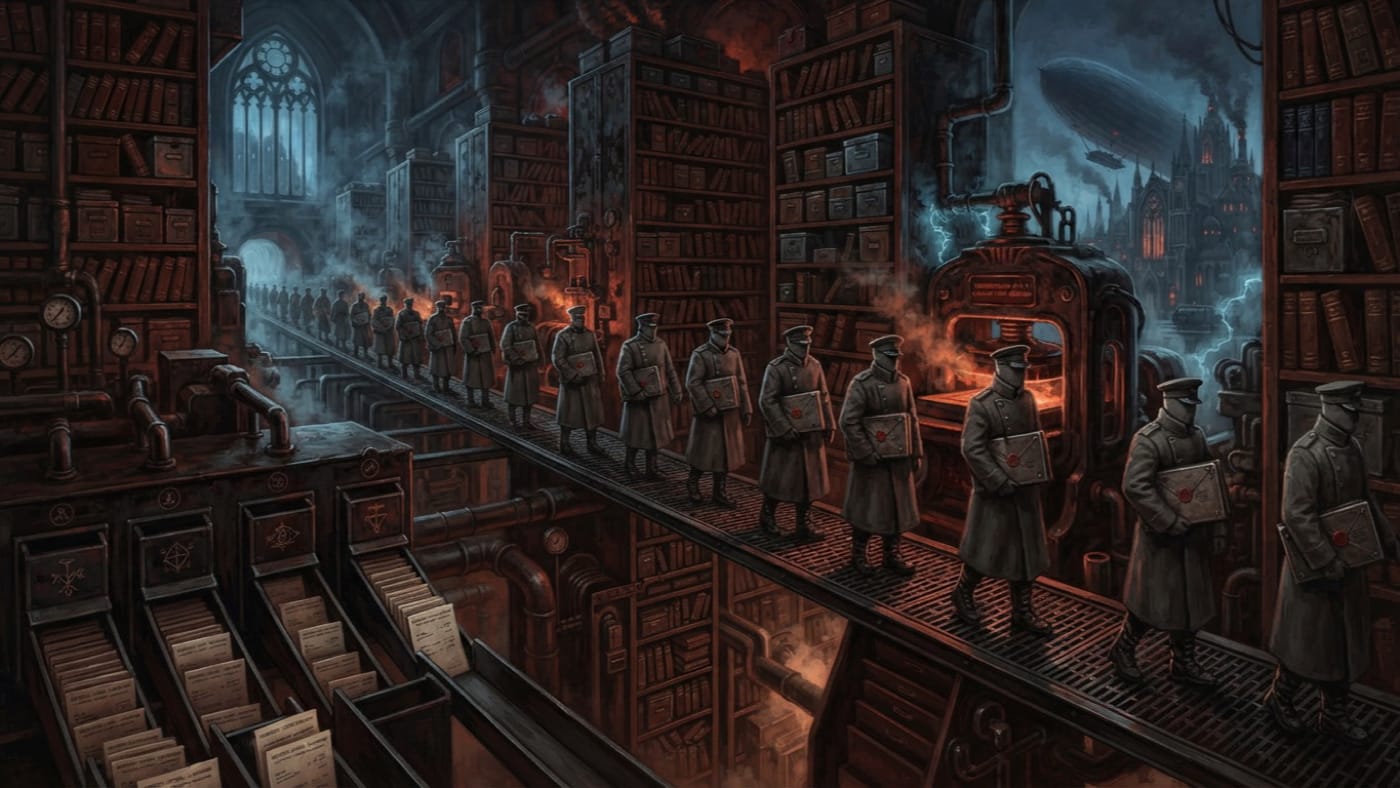
Bureau of Shadows Memorandum 441-V
One hundred and fourteen years overdue. The file disagrees.
An A.S. 201 survey of the OBSIDIAN memorandum on three Shadow Court expeditions. The third departed in A.S. 87. Its pay slips are still processed quarterly; its return date remains unspecified.
Codex Ref. VIII.8.01-441
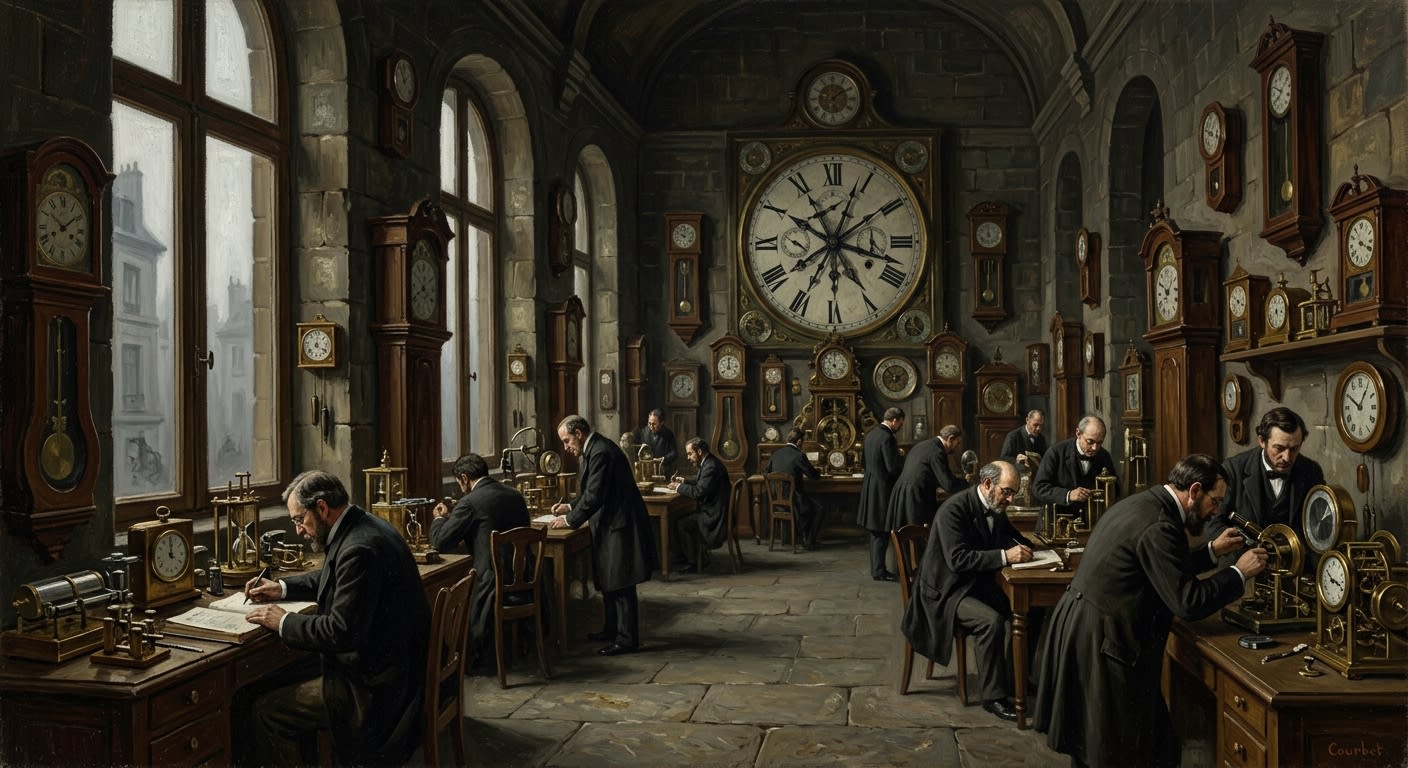
Bureau of the Hourglass
The Bureau measures. The Synod does not read. Time continues to disagree.
The Bureau of the Hourglass, constituted A.S. 134 to measure the Languid Dreamer's temporal drift along the Line, publishes quarterly reports no one reads, and has spent sixty-seven years proving that time is thinner near the front.
Codex Ref. VIII.3.01-001

Bureau of Tithes
The organ no one praises and no one dares remove
The Bureau of Tithes is the Synod's fiscal organ — the stomach no one praises and no one dares remove. It taxes breath, grain, bereavement, and the management of its own taxation.
Codex Ref. VIII.4.01-001
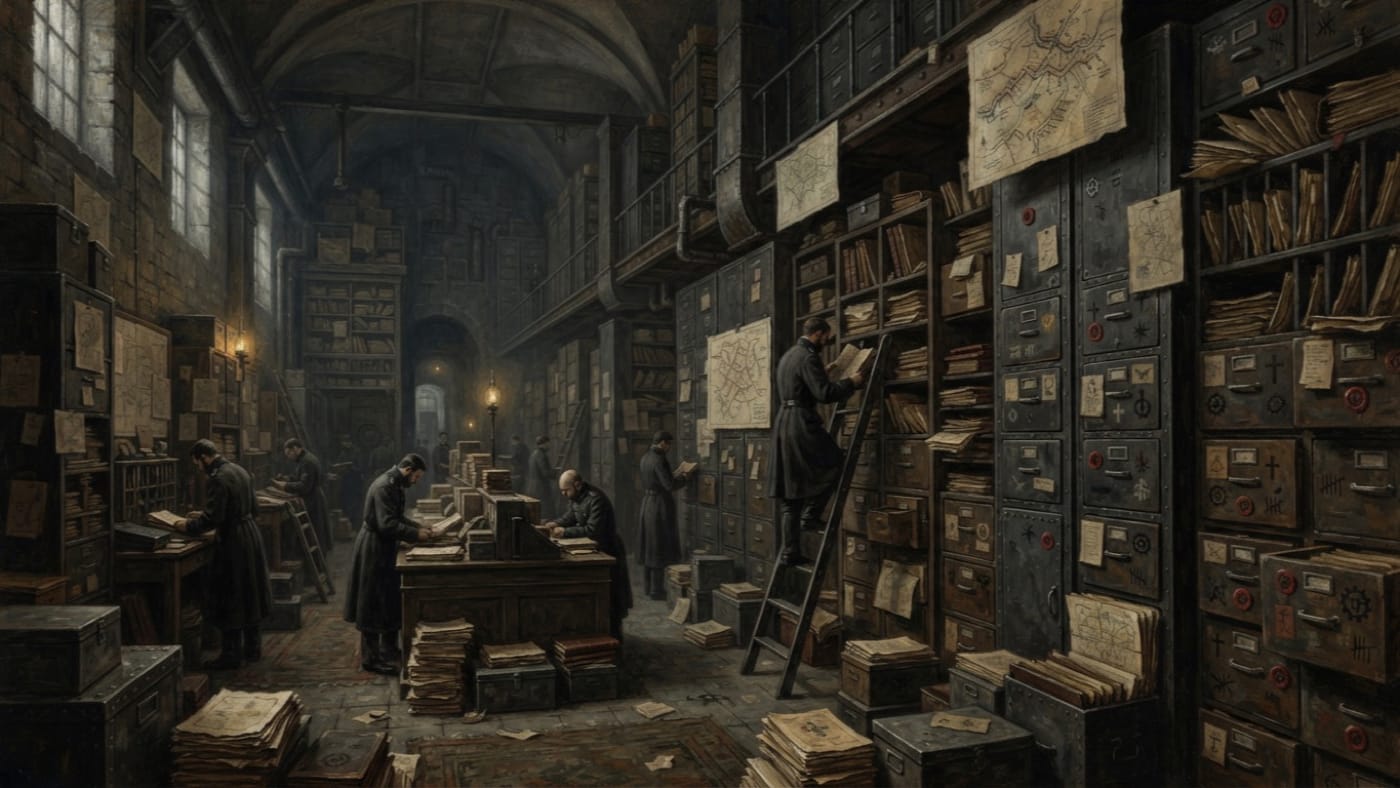
Bureau of War archives
What the next commander must know
The Bureau of War's operational memory: maps, assessments, supply rolls and field images kept against the next assault. Doctrine may correct the account; the guns still require the arithmetic.
Codex Ref. III.2.07-042
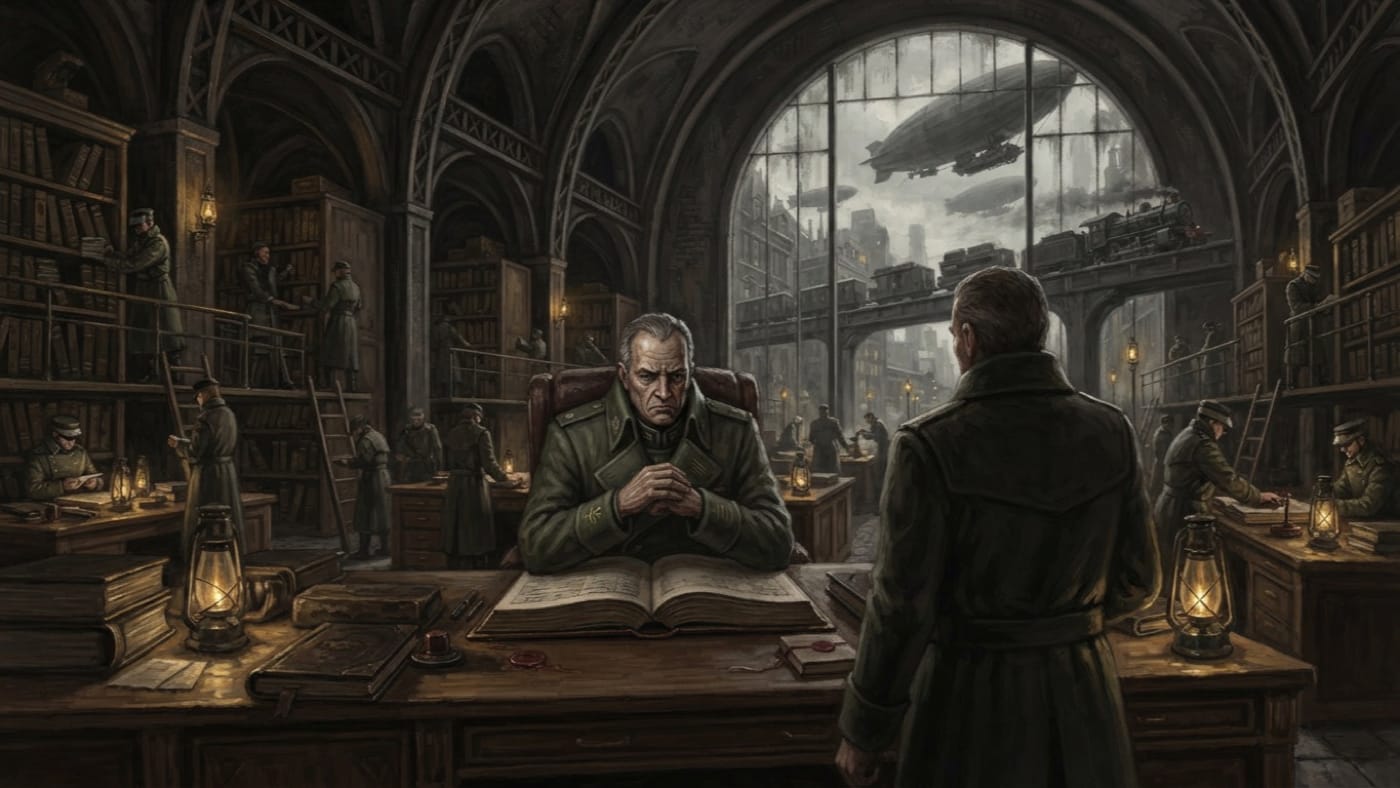
Bureau of War Chief Logistician
The number is classified. The arithmetic is not.
War's Chief Logistician speaks for its replacement arithmetic and keeps the installation total classified. I record two exchanges, a withheld number and the footnote nobody wishes to write.
Codex Ref. III.2.07-043

Bureau of War Instrument 44-K
The word is voluntary. The collar is iron.
Instrument 44-K classifies the Sunken Choir's boys as "Liturgical Combatants, Voluntary" and licenses Line deployment. Mercy's objection enters the file; the cohort returns underground.
Codex Ref. XIII.1.44-001

Burner Catechisms
Approved prayers, unapproved margins
Approved prayer books whose intact devotions conceal ash-ink microtext: routes, countersigns, replacement names and safe runners. The Church printed the prayers; Burnwrights made the margins useful.
Codex Ref. XI.1.02-003
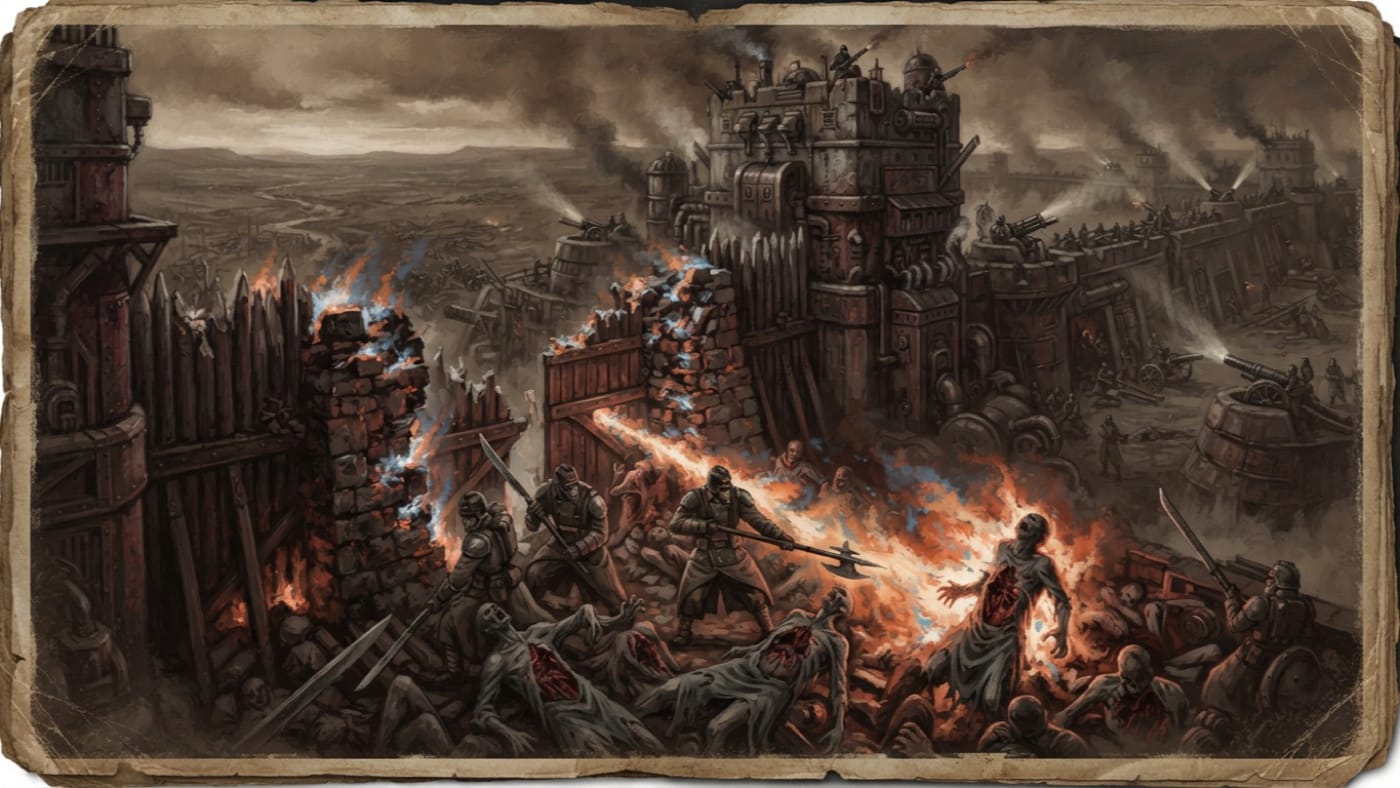
Burning of the North Gate
Obedience Opened the Bodies
In A.S. 140, Hollowed collapsed before Bastion-Constantinople's North Gate. Paladin blades opened their chests; sorcery-flame ate stone. The Ninth of Corvus commemorates obedience with disastrous results.
Codex Ref. VII.3.01-002
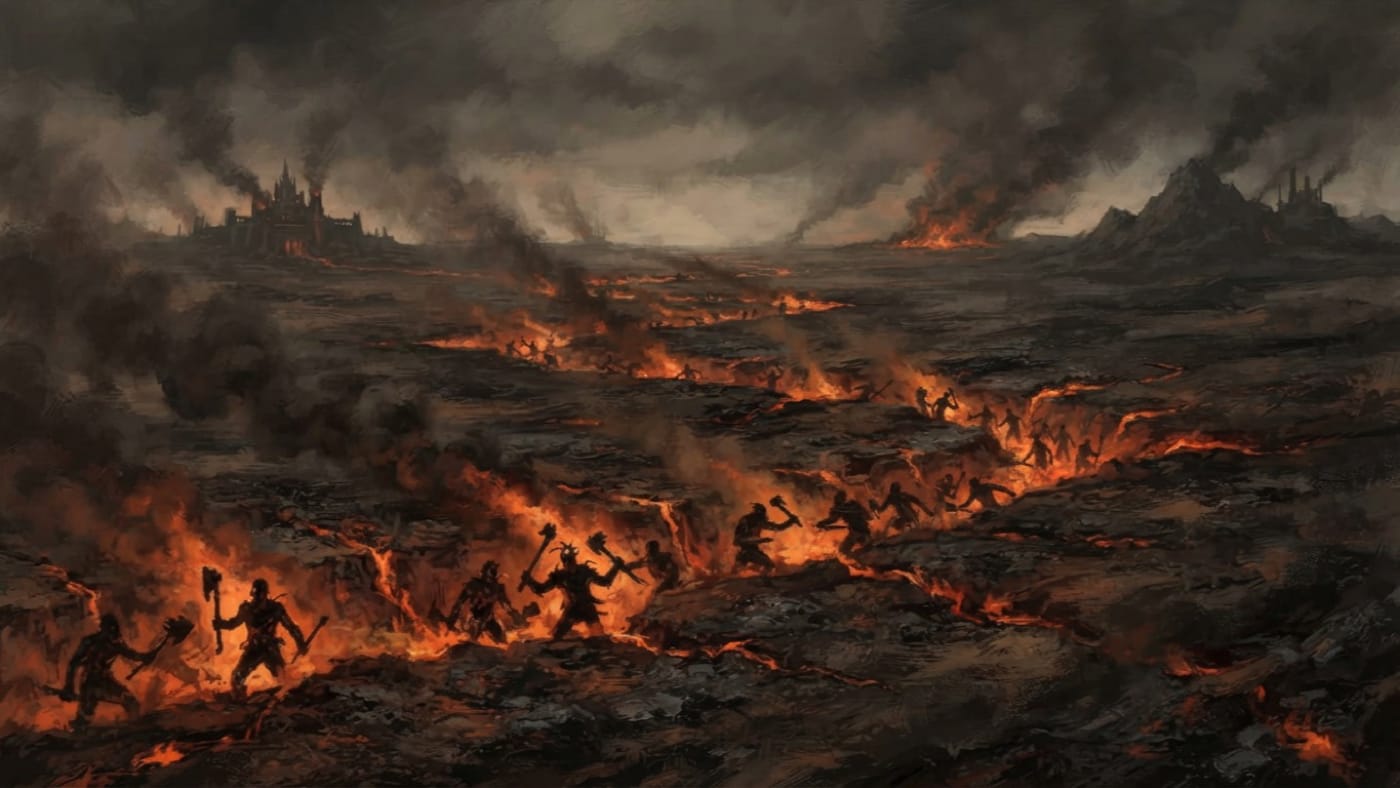
Burning Trenches
The fighting is the point.
A.S. 201 survey of Maldrake's Burning Trenches in Thrace: a mirror of the Sagittal Line carved in fire. They advance, consume ground and produce warriors. The fighting is the point.
Codex Ref. II.6.06-402

Burnwrights
The forgers who kill a name so the body may keep walking
Silent Godless specialists in identity disposal, document forgery, ash-ink, burner catechisms, and the paper death that lets condemned bodies survive.
Codex Ref. XI.1.02-002
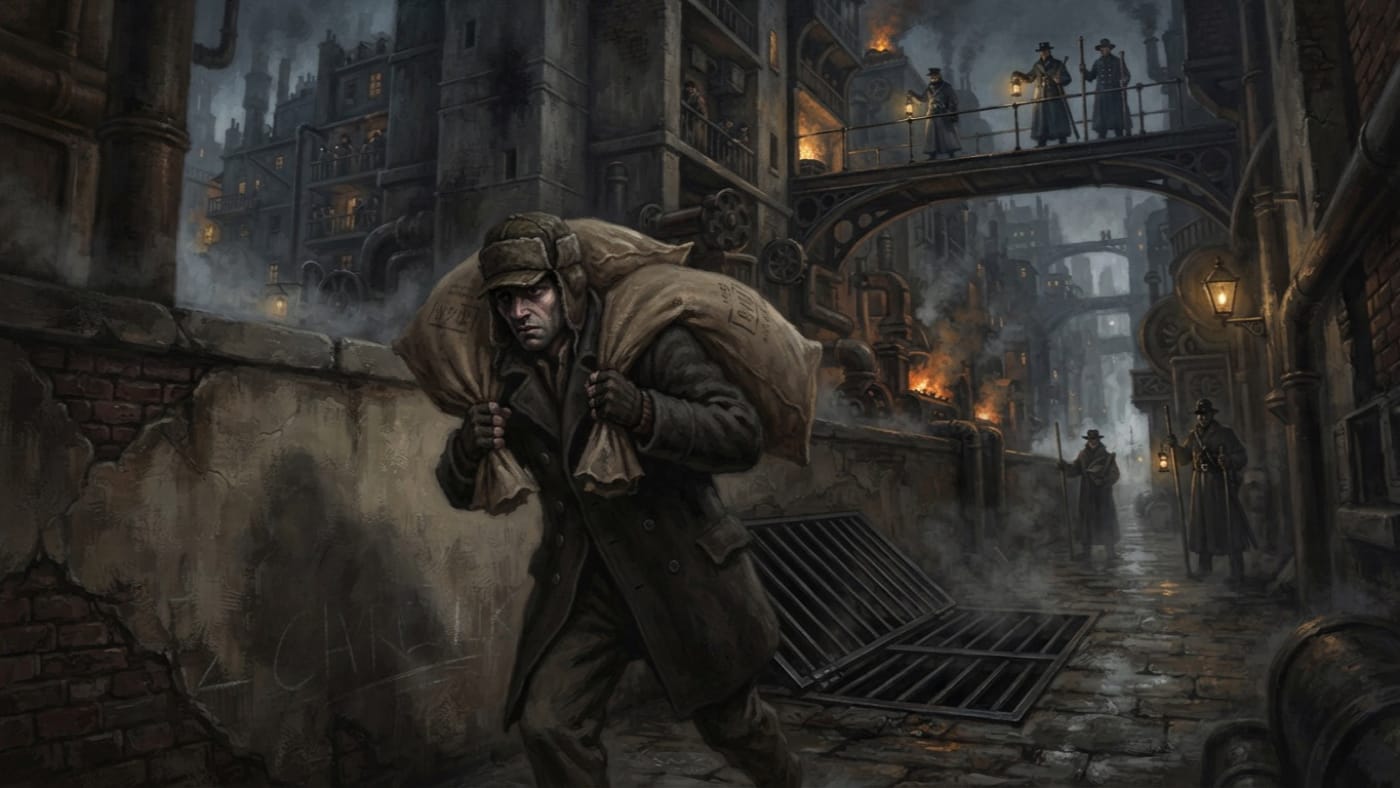
Cache Runner
The clerk hides the absence; the runner carries the weight
The Cache Runner is the Grain Keeper's route specialist, moving diverted grain through curfew to hidden stores and hungry households. One interception gives the Bureau a cellar, a ledger, and a ward.
Codex Ref. XII.13.07-001

Cadence Corps
One beat, one body, one road, and one stick for correction
The Cadence Corps teaches crowds to move as one obedient spine: ration queues, funerals, levies, relic routes, and riots corrected by beat, rope, whistle, and boot.
Codex Ref. XII.7.01-112

Cadence Corps Manual
Cut the crowd, signal Rites, refrain from listening
A.S. 201 present-use survey of the Cadence Corps Manual: route discipline, bell clearance, SCATTER and Section 7's withdrawn explanation of choirwind. Cut the crowd, signal Rites, do not listen.
Codex Ref. XII.31.02-201
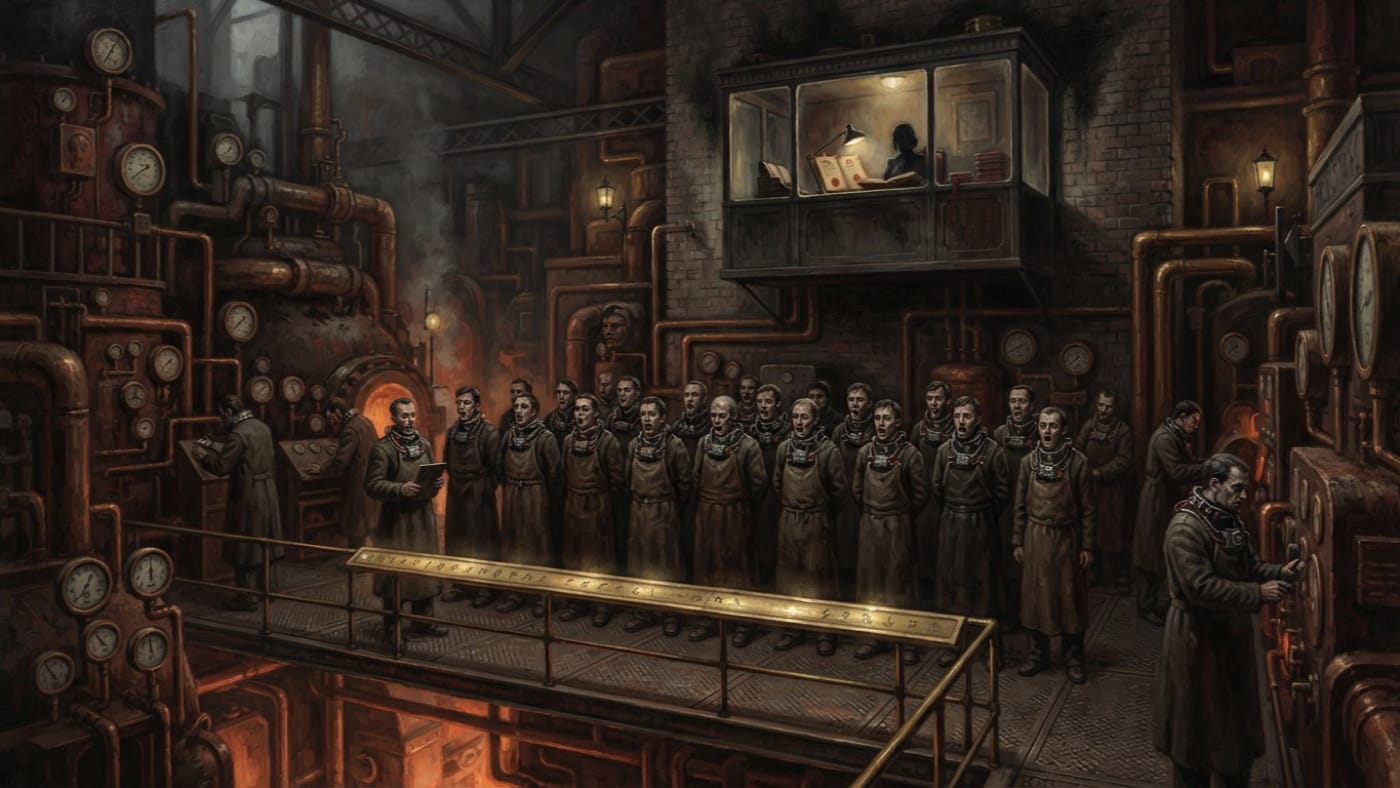
Cadence License
The paper licenses breath; Kest decides whether it works
A cadence license permits a Brast throat to command machinery. Doctrine and Ordnance keep the seals; Kest keeps the voice, the register, and the power to erase it.
Codex Ref. XIII.1.11-002
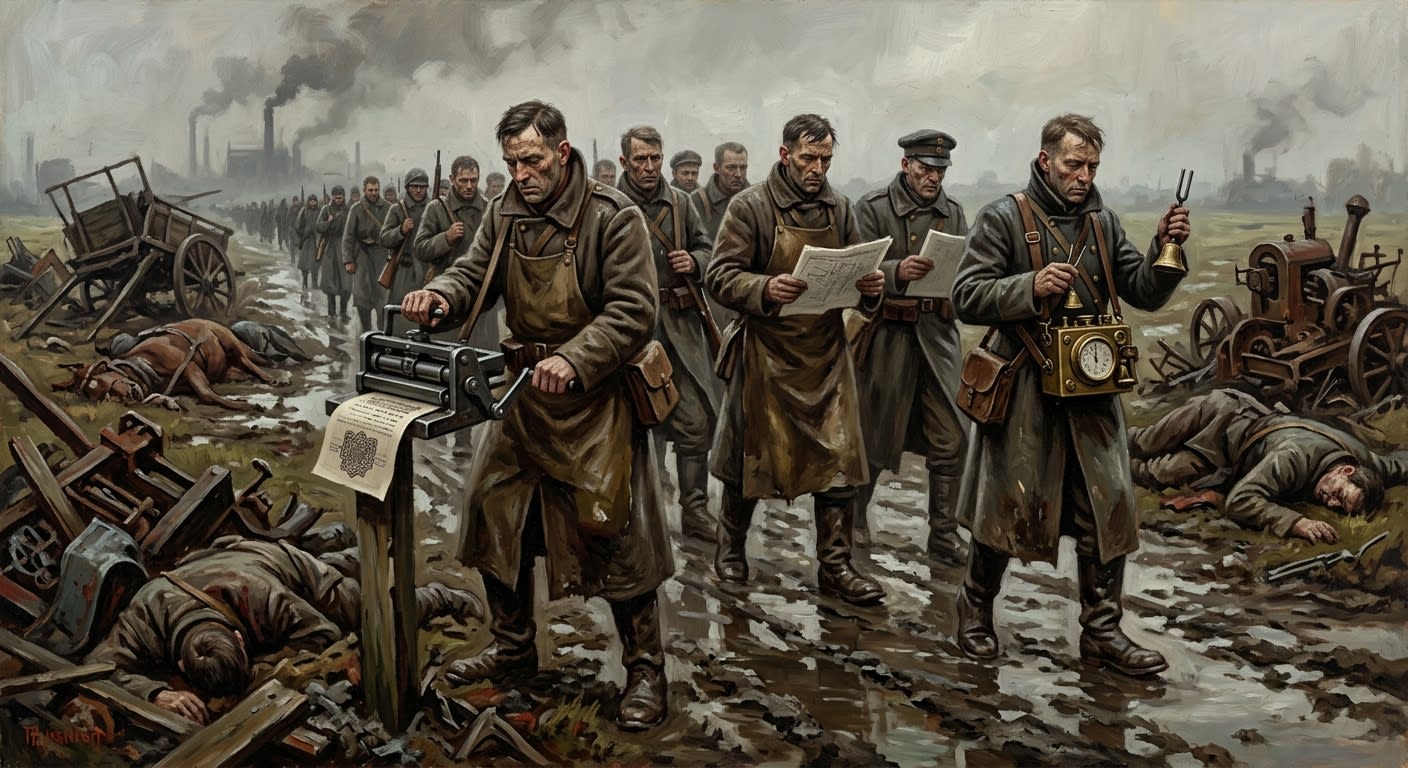
Cadence Purists
The table is holy; the road is expected to comply
Strict-compliance faction of Route-Stampers and Bell-Hour Calibrators who obey printed quarterly harmonics even when roads, fog, weather, and corpses object.
Codex Ref. XII.2.06-002
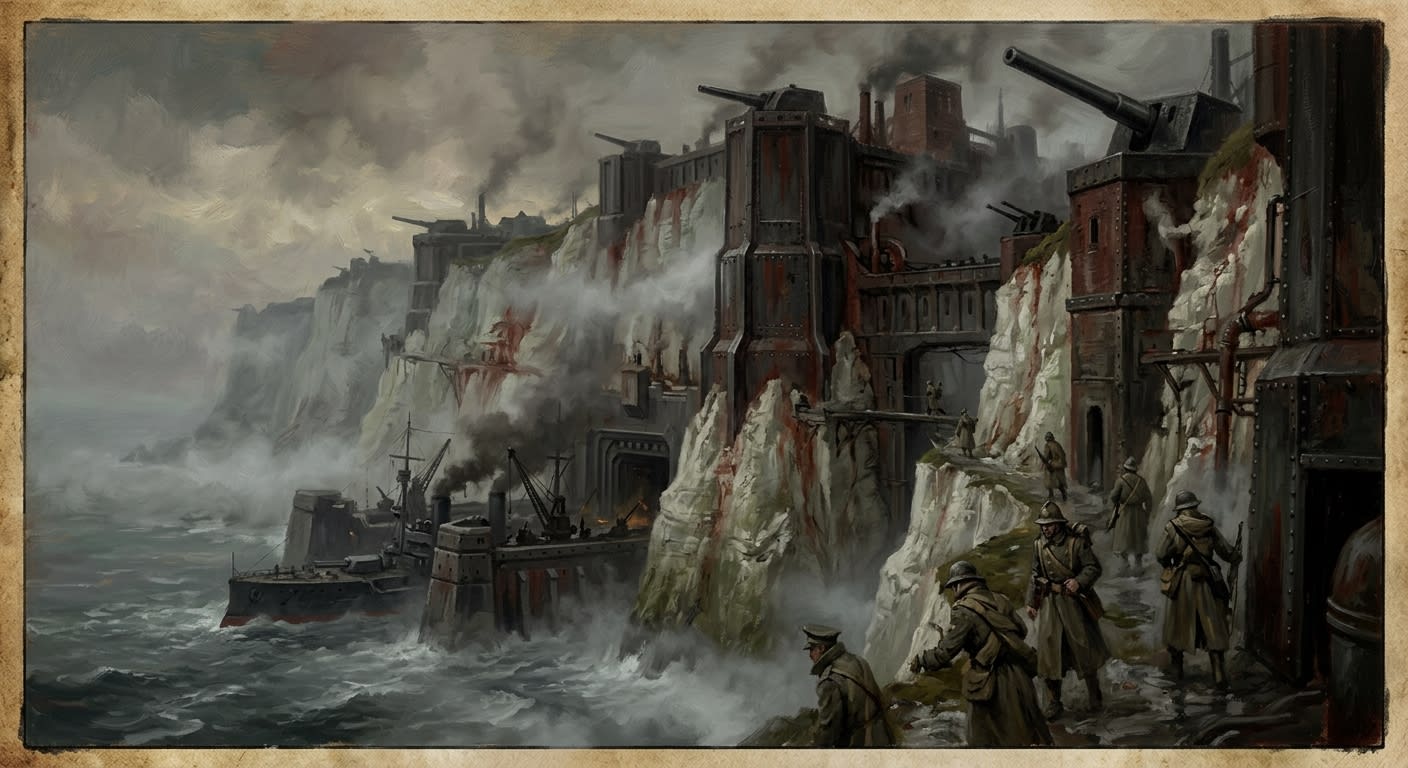
Calais
Read the fog, hold the sea, and pretend the Channel is only water
Calais is the Synod's western coastal tooth: a chalk redoubt where the fog writes names, the sea answers omissions, and every passage is taxed in breath.
Codex Ref. II.4.09-011

Calendar of Saints
Eternal saints, monthly amendments, and a clerk with glue
The Church's calendar of saints, feasts and fasts, held under the Seal of Martyrdom and revised by monthly amendment strips. Sanctity is permanent; the parish must keep its glue ready.
Codex Ref. XIII.1.05-002
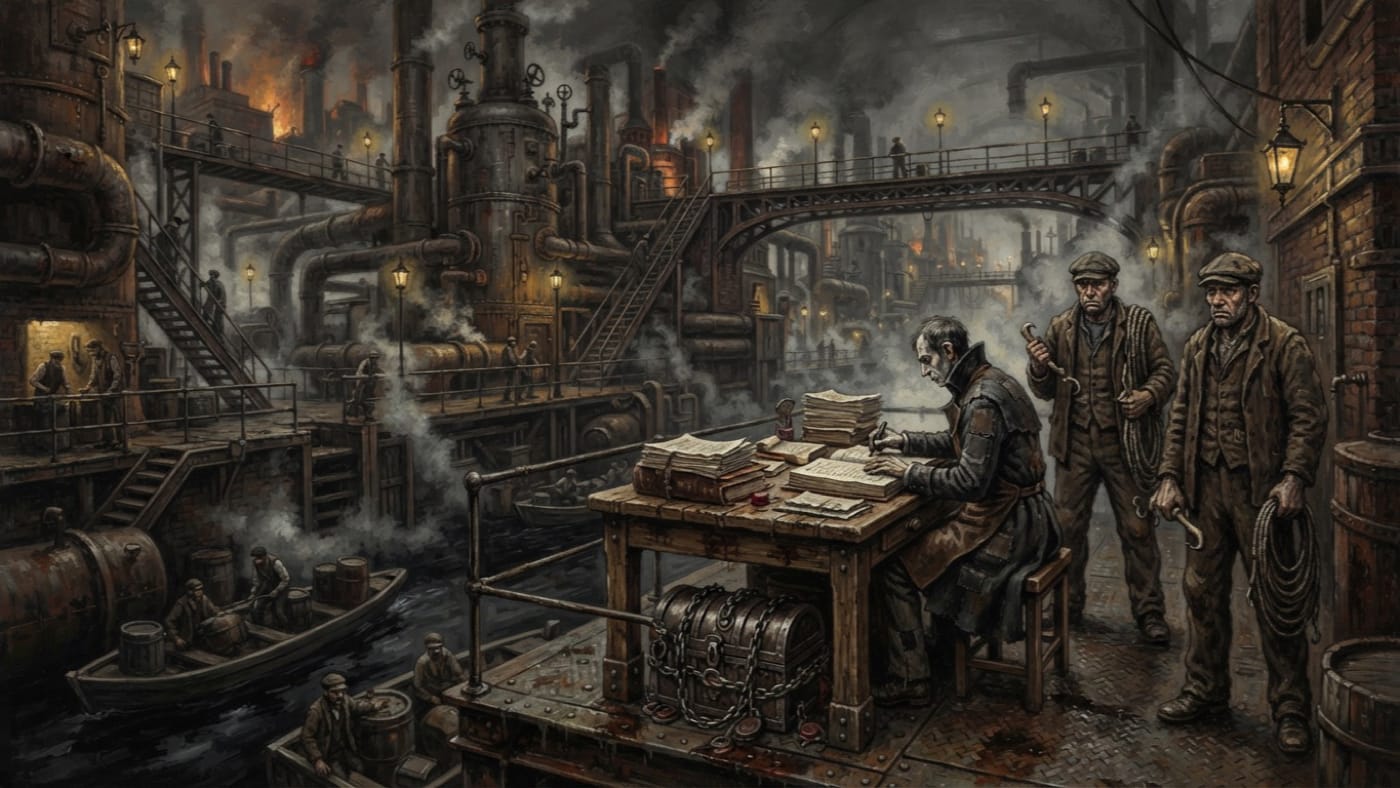
Canal South
Where a locked casket does the work of a cathedral
Canal South keeps Brast's substrate receipts beneath a counting table. Pex Ruln holds the key; the auditors hold requests answered in excellent grammar.
Codex Ref. II.2.01-023
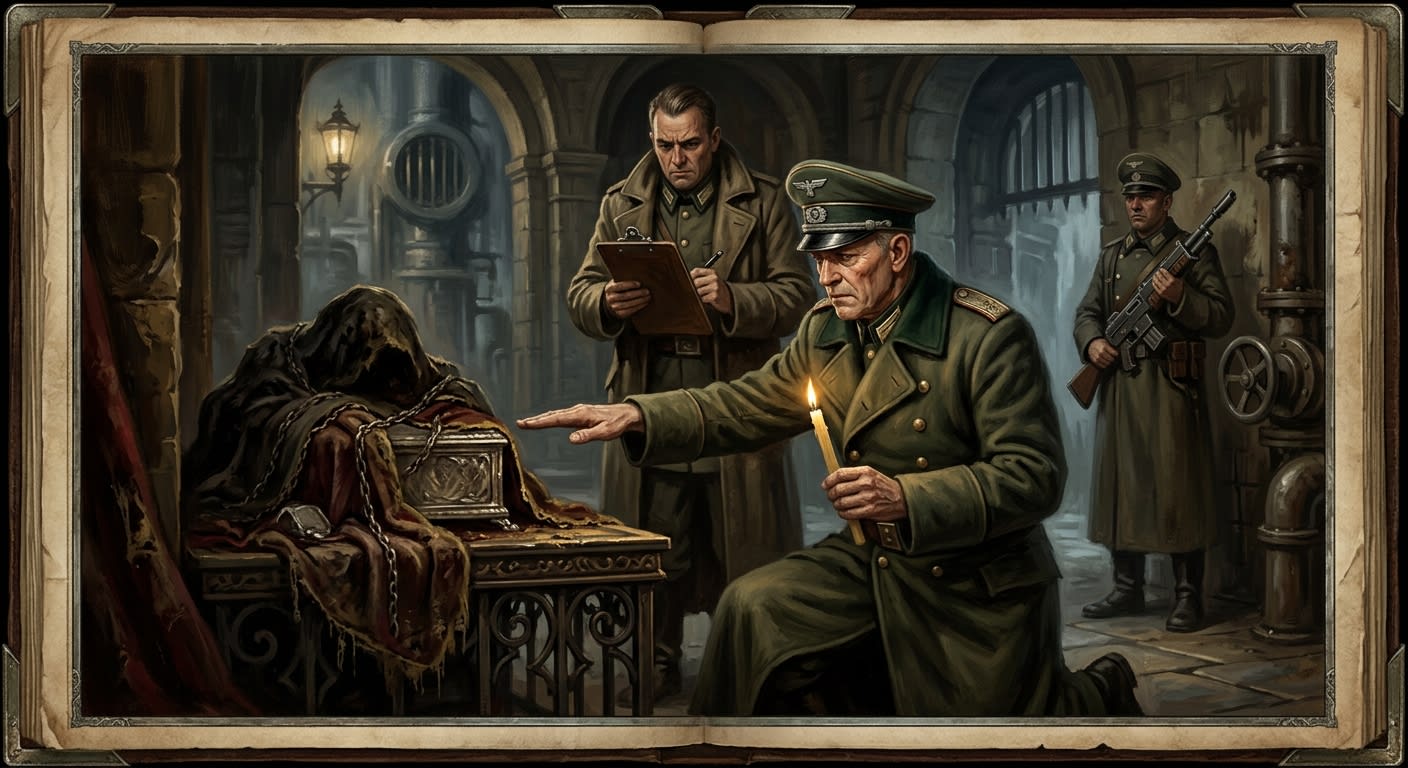
Candle Proof
One palm-width of wax between sanctity and arrest
Relics doctrine standardised in A.S. 98: a clean taper, one palm-width from a suspected relic, asks whether the holy thing wants the flame.
Codex Ref. XIII.1.81-001
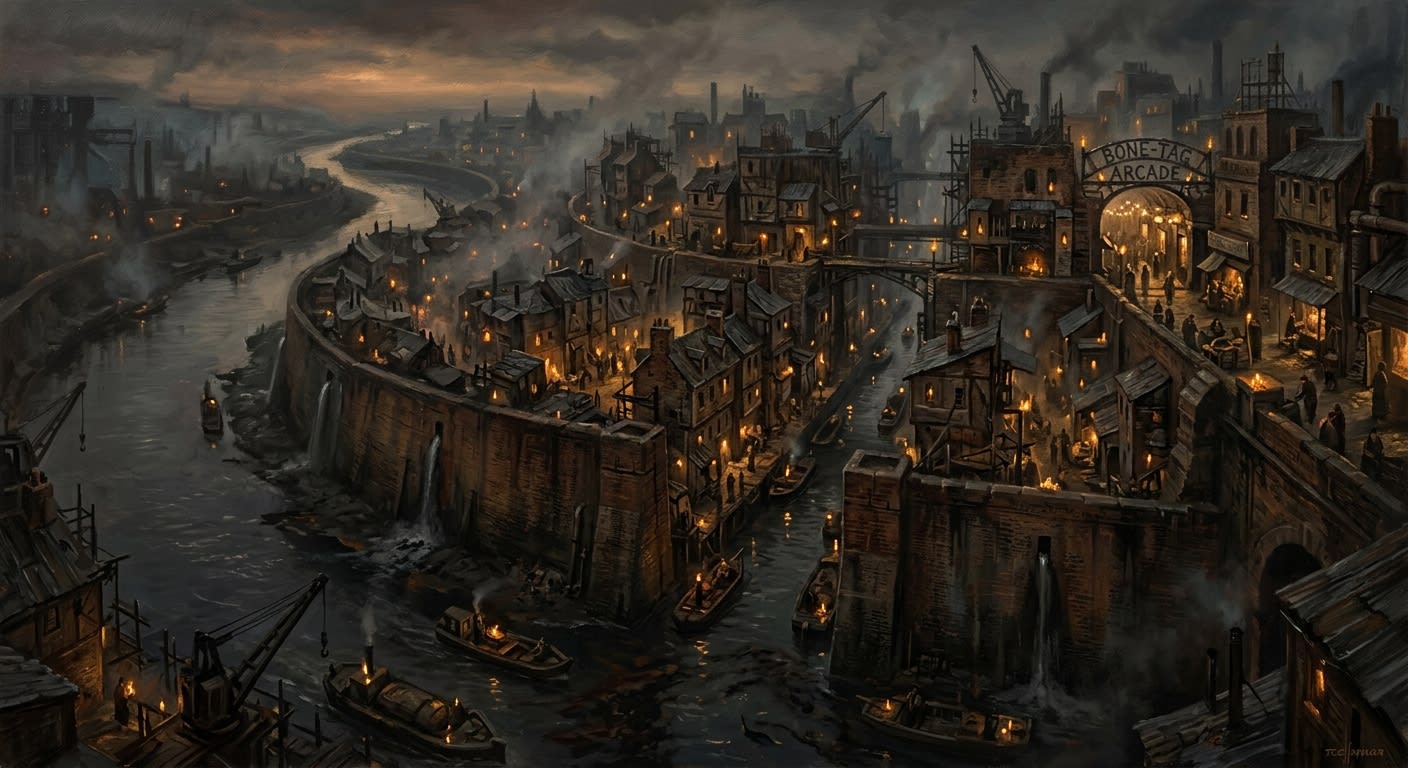
Candle-Sump District (Lower Vire)
The gut of Lower Vire — it was supposed to be a drainage ditch
The gut of Lower Vire — a drainage ditch that metastasised into a district of forty-two thousand souls, where tallow feeds the wards above, bone tags stamp the dead into existence, and the crypt-route drafts murmur names no one asked to hear.
Codex Ref. II.1.05-001
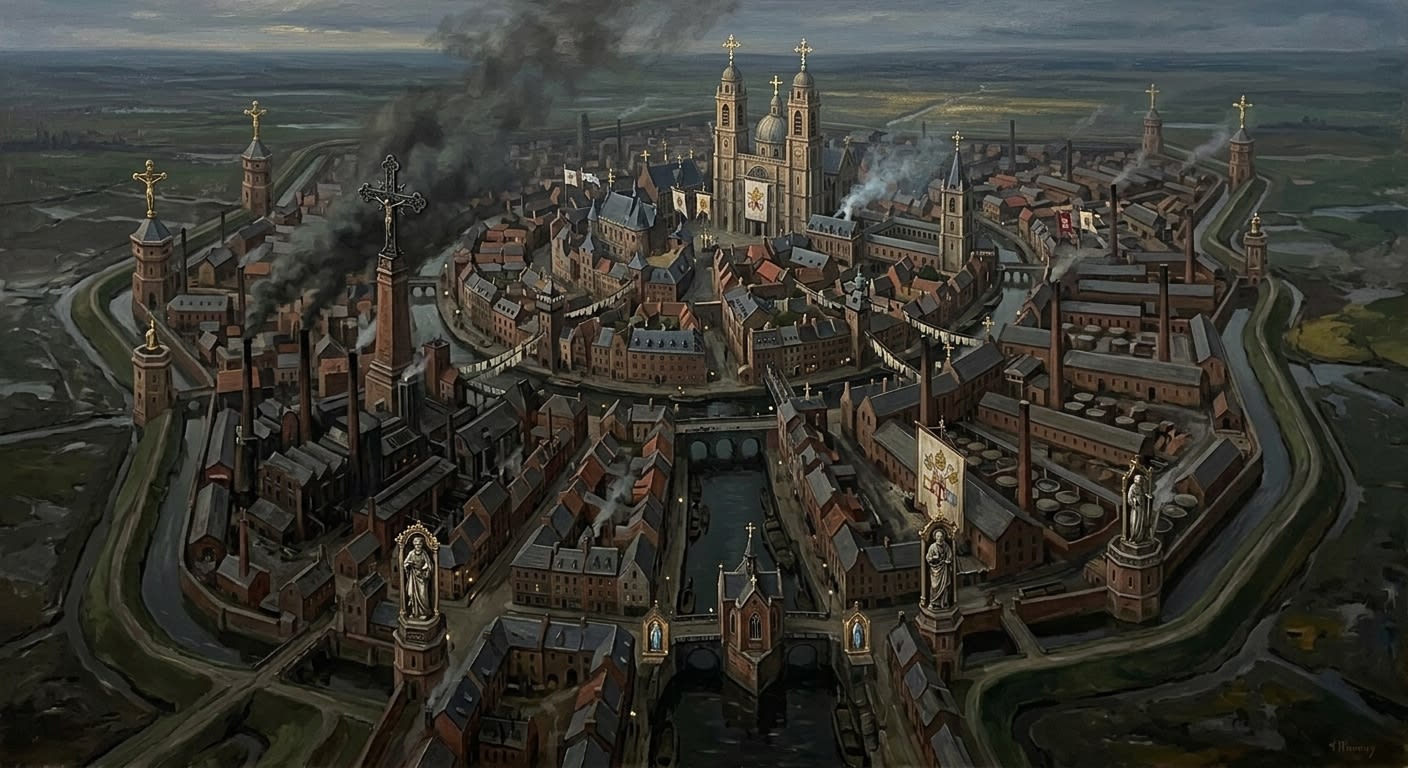
Candlewick Palatinate
Where Legitimacy Is Manufactured, and Colour Is Law
Canal city of chandlers, dyers, and wax-merchants whose misfortune was to be competent and noticed. The Candlewick Palatinate supplies the Synod with seals, sanctioned inks, and watermarked paper — and thus with the material substance of reality itself.
Codex Ref. II.1.01-001

Canticle of Assured Return
The hymn assures. The Ledger counts.
Sixteen voices sang the Canticle before Commission 73-C in A.S. 73. Of 114 expeditions reportedly sent out under its assurance, 74 never returned. Doctrine considers the result sufficient.
Codex Ref. XIII.1.86-073

Cantor Corps
The hymn is certified; the wreck is yours
Lorn's Cantor Corps sings twelve rail lines into lawful motion. Its 112 licensed voices certify the hymn; the switchmen inherit the wreck.
Codex Ref. XI.5.02-001
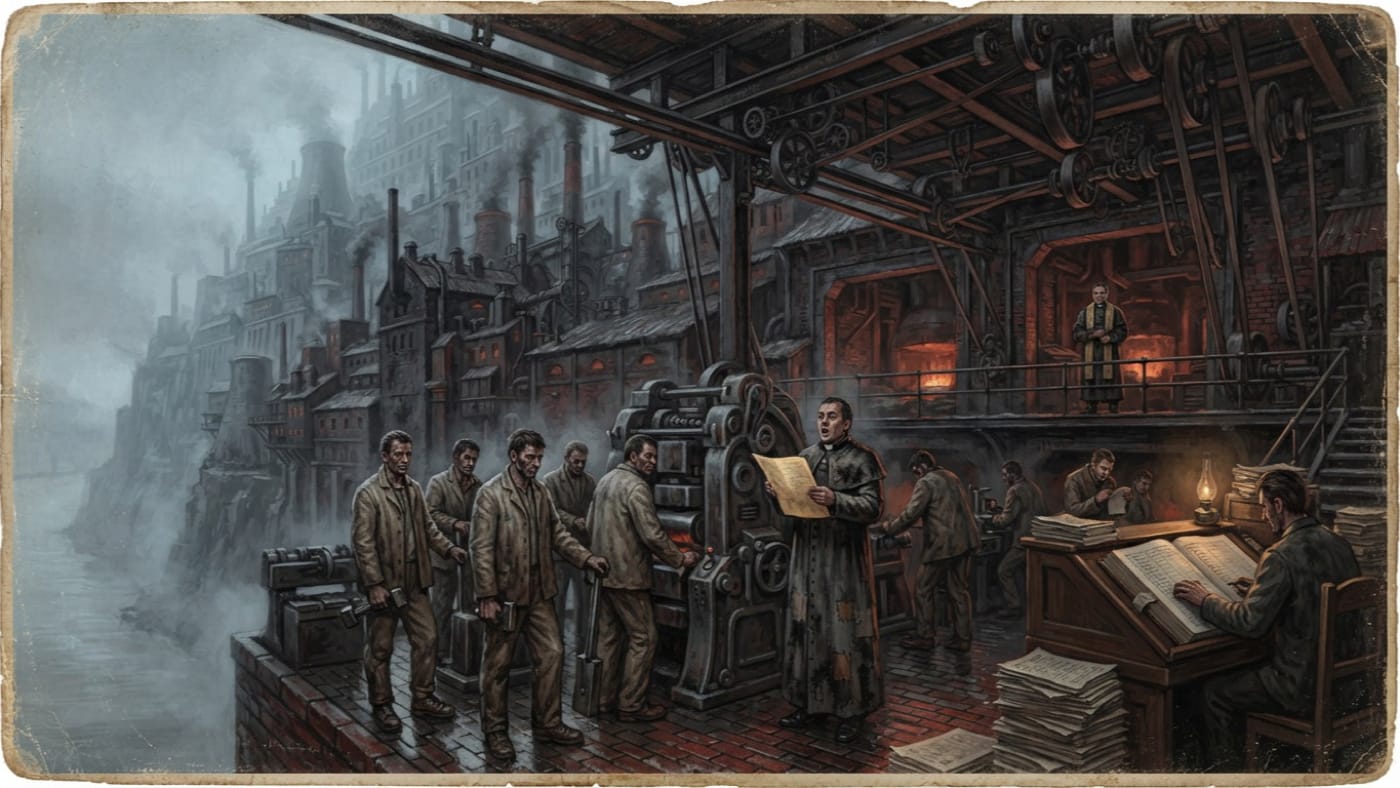
Cantor Foundries
Beneath the judges and above the dead, even the hour must be bought
Rheinscarp's eighth terrace runs its furnaces on purchased bell-hours and the Mill-Crown Cantors' cadence. The machinery may be ready; permission remains the Marshal's commodity.
Codex Ref. II.2.08-001
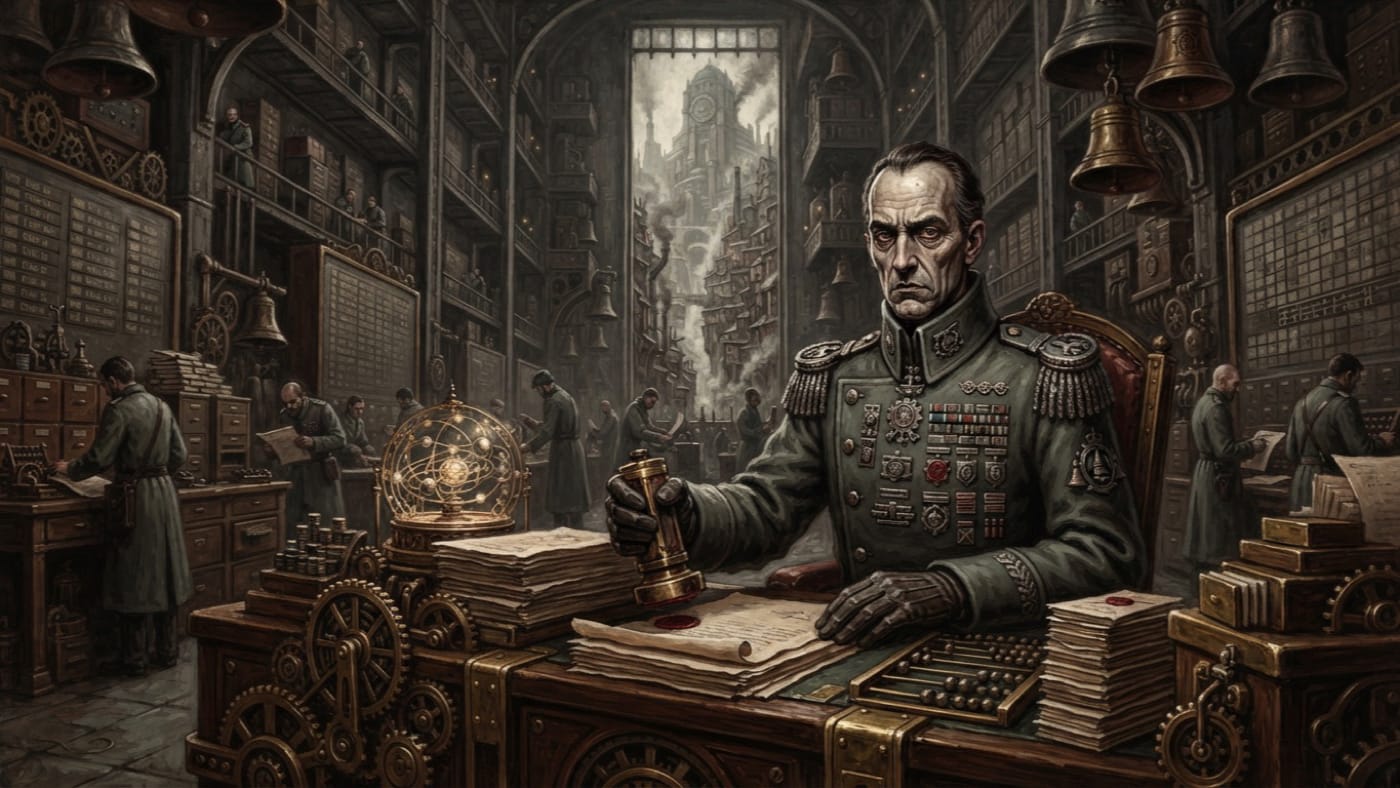
Cantor-Marshal Hrodric Venn
He holds the hours; the hungry hold their receipts
Hrodric Venn holds Rheinscarp's bell-hours, mill cadences and convoy timing. His credits decide ration priority; the hungry may miss their window, but the schedule does not miss them.
Codex Ref. III.2.01-201
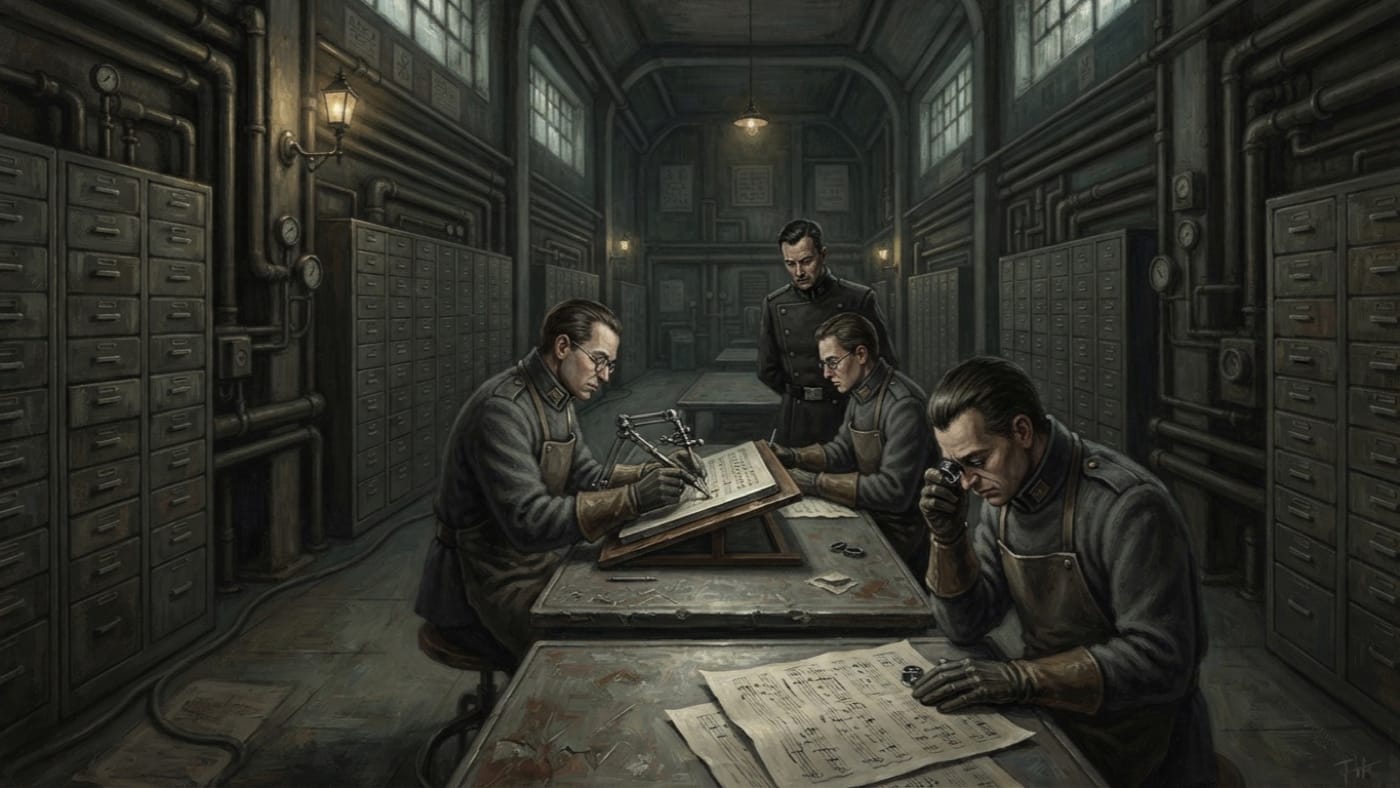
Cantor-Scribe
The hand signs; the metal remembers
Cantor-Scribes turn Orison's steel notation into lawful song. When a copied breath mark kills a gun crew, the seals lead back to the hand that signed.
Codex Ref. VI.4.07-019
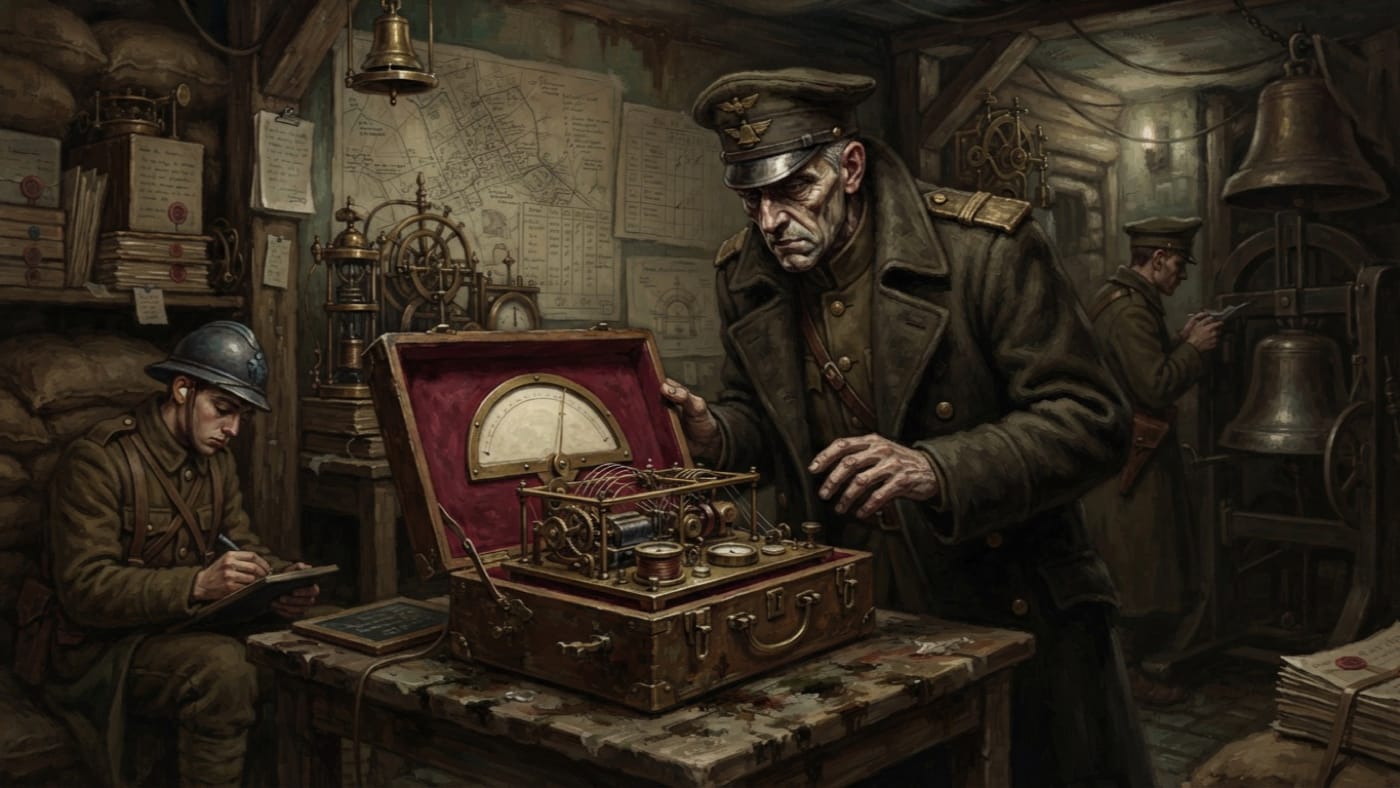
Cantor's Gauge
The wire trembles; the Bureau keeps the explanation
A.S. 201 survey of the Bureau of Bells' brass-and-wire instrument for measuring resonance degradation. It trembles toward discord; the Bureau keeps the explanation.
Codex Ref. III.2.04-463
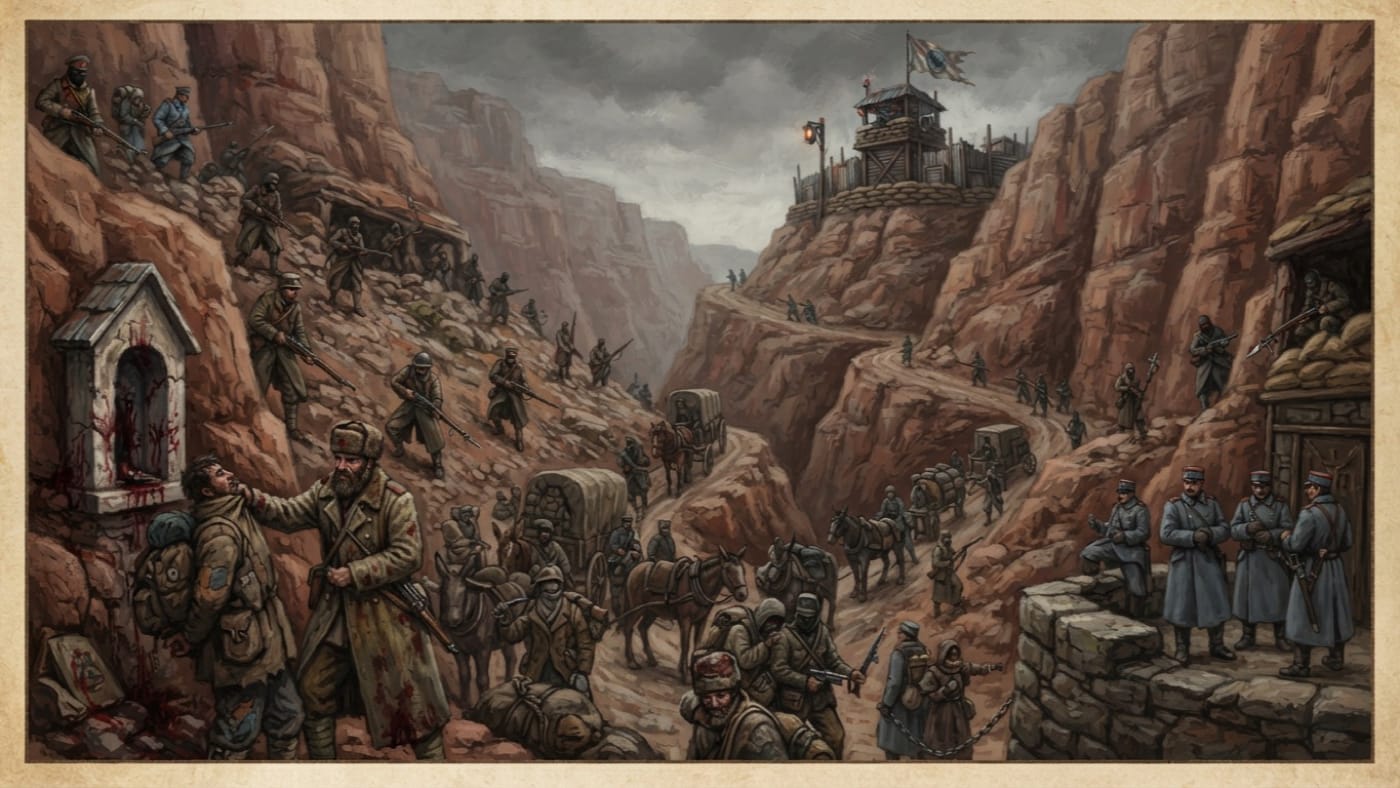
Canyon Saints
Where the knives collect and the seals sell safety
The Canyon Saints ambush pilgrims on Peregrine Row's eastern approach, taking hostages and offerings while brokers sell protection. The knives and the seals collect from the same road.
Codex Ref. XI.5.03-001
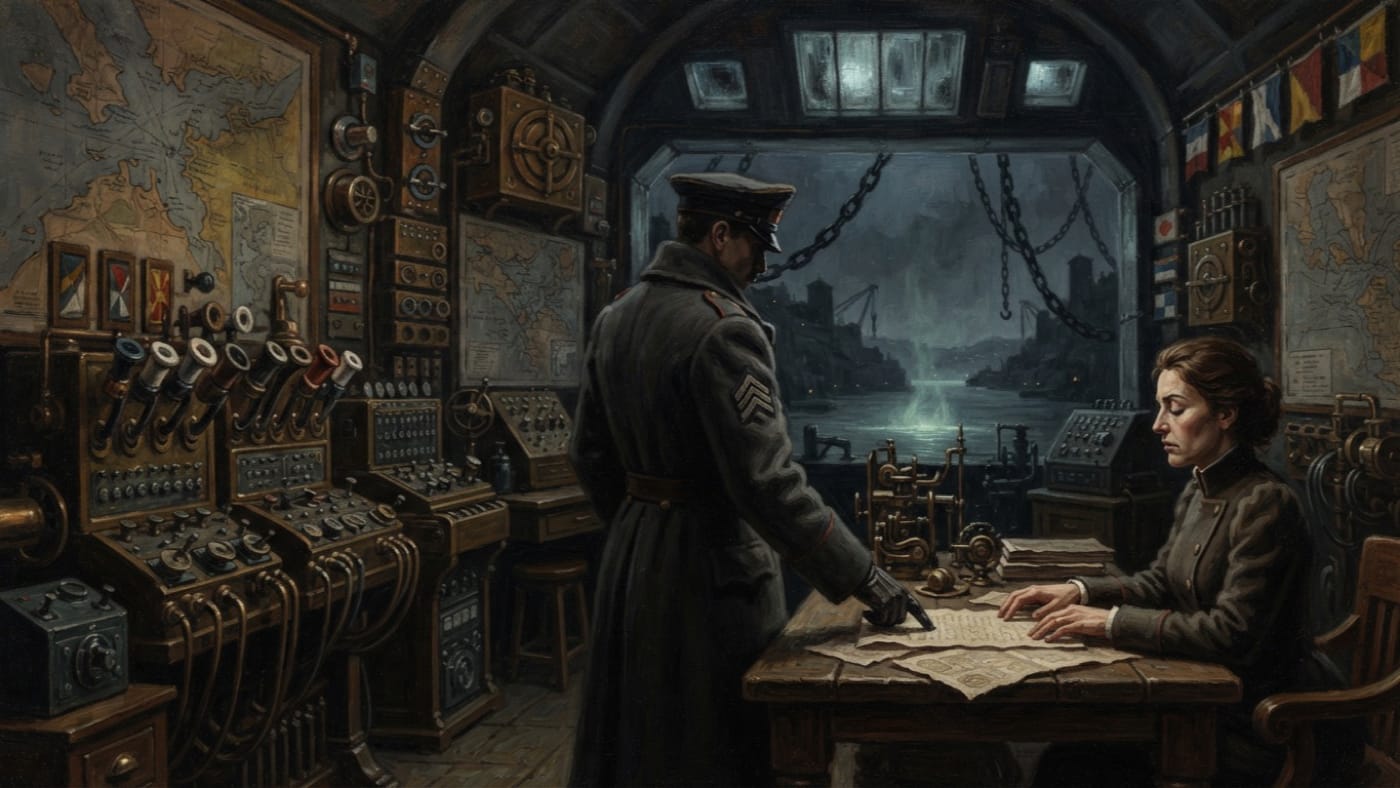
Captain Orsik
One rank, one surname, one clause
Captain Orsik survives in one cited deposition: Valenne read the second-night withdrawal order by touch during the Silence of Harbor Lamps, A.S. 185. The Ledger preserves the clause; biography remains unestablished.
Codex Ref. III.2.01-472
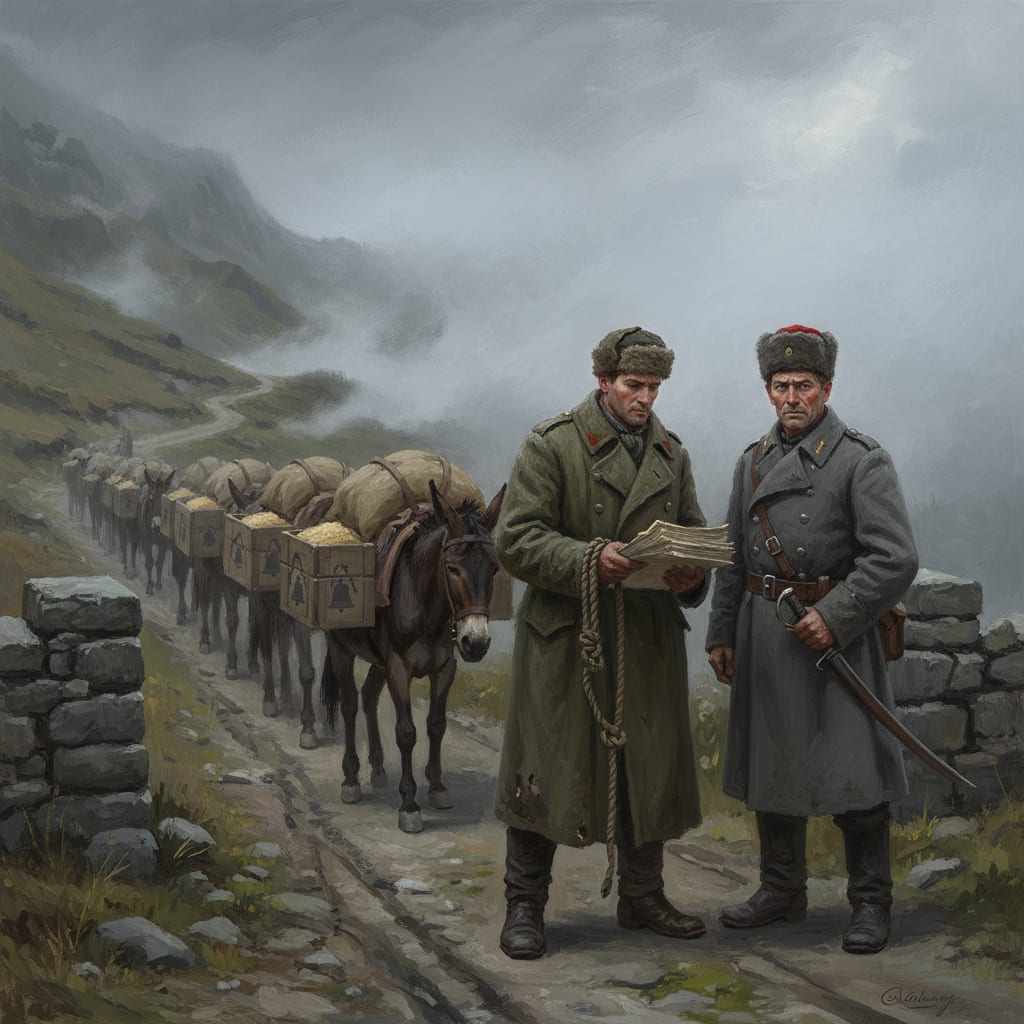
Caravan Factor
The Synod's confession that geography is ungovernable, licensed and taxed accordingly
The Caravan Factor occupies the gap between the Bureau's filed route-plan and the road's actual condition — part cartographer, part accountant, part diplomat, and part criminal, though the Synod prefers not to use the last term in official correspondence.
Codex Ref. XII.6.01-001

Caretaker Saints
Mercy with a rent book, a candle, and no licence whatsoever
Caretaker Saints are the conscience-stricken branch of Grave-Field Shanty Brokers: unchartered grave-lane landlords who keep rents low, names whispered, and mercy barely deniable.
Codex Ref. XII.27.02-001
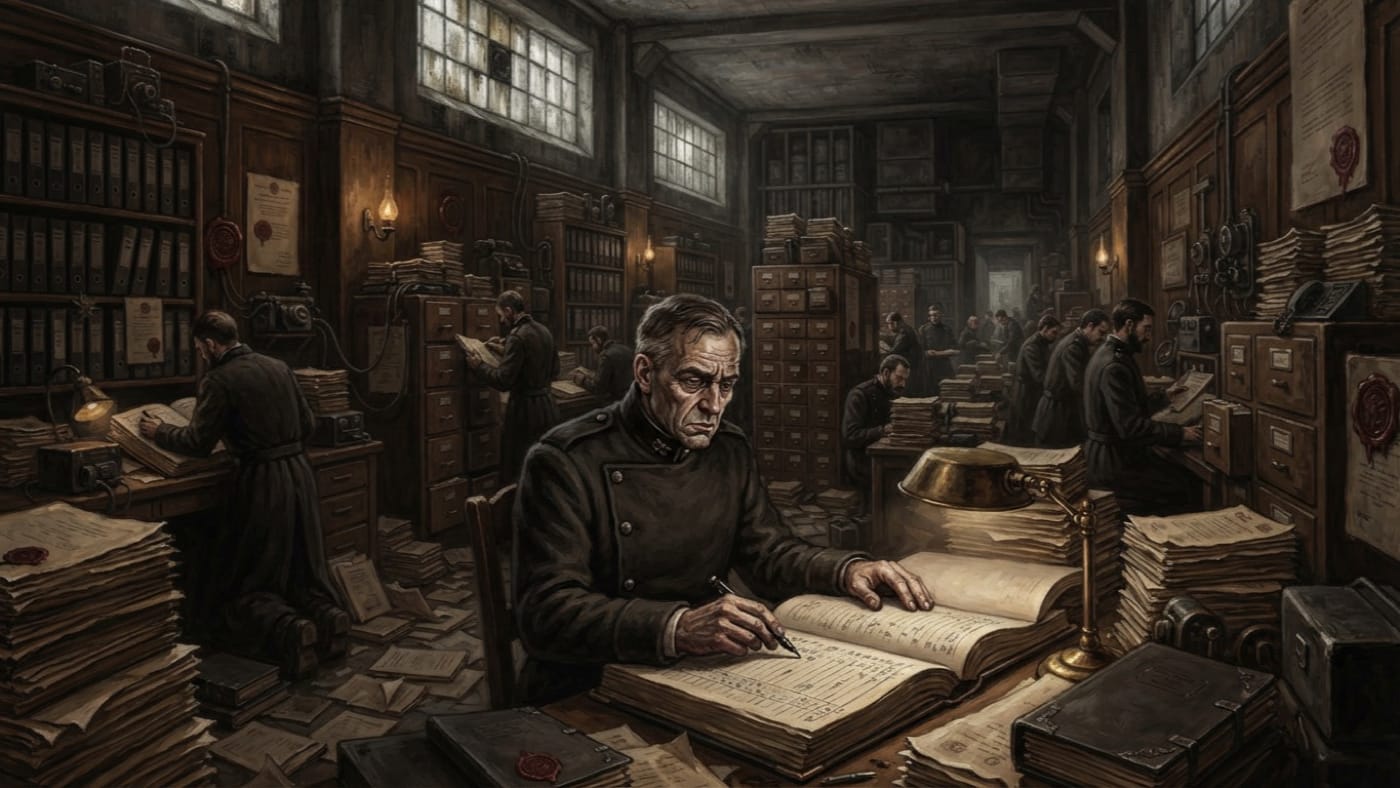
Carnelian erasures
Every seal was correct; the ledger was impossible
In A.S. 67, three Notaries struck the Carnelian lineage across four cities without a shared anchor table. Two lawful cousins vanished from the rolls; the Notaries followed. The children lost their bread.
Codex Ref. VII.8.10-067
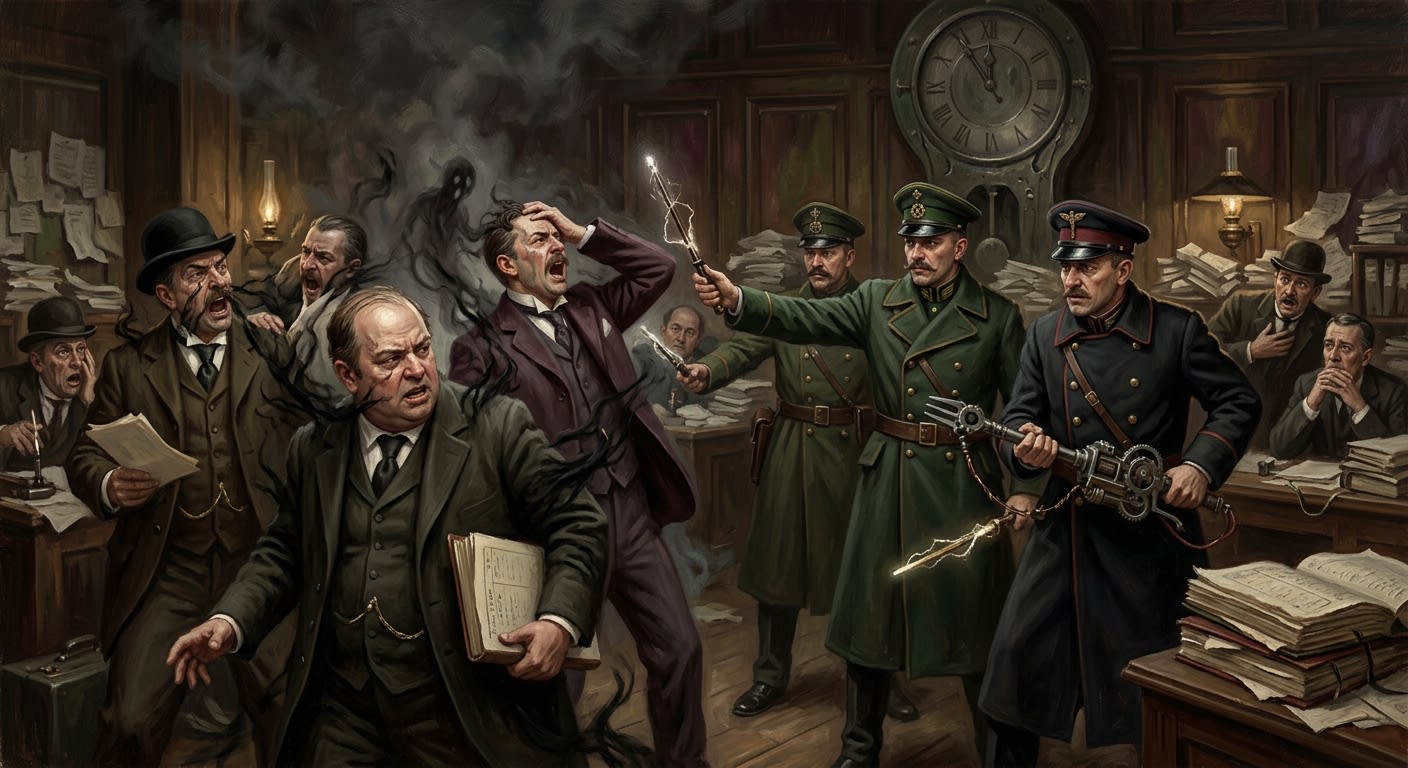
Carnelian Family of Metz
The lineage strike that bit its own hand
The A.S. 67 first recorded lineage-wide nullification attempt, in which Carnelian ration fraud, plague permits, and three overeager Notaries taught absence to bite backward.
Codex Ref. XIII.1.69-001
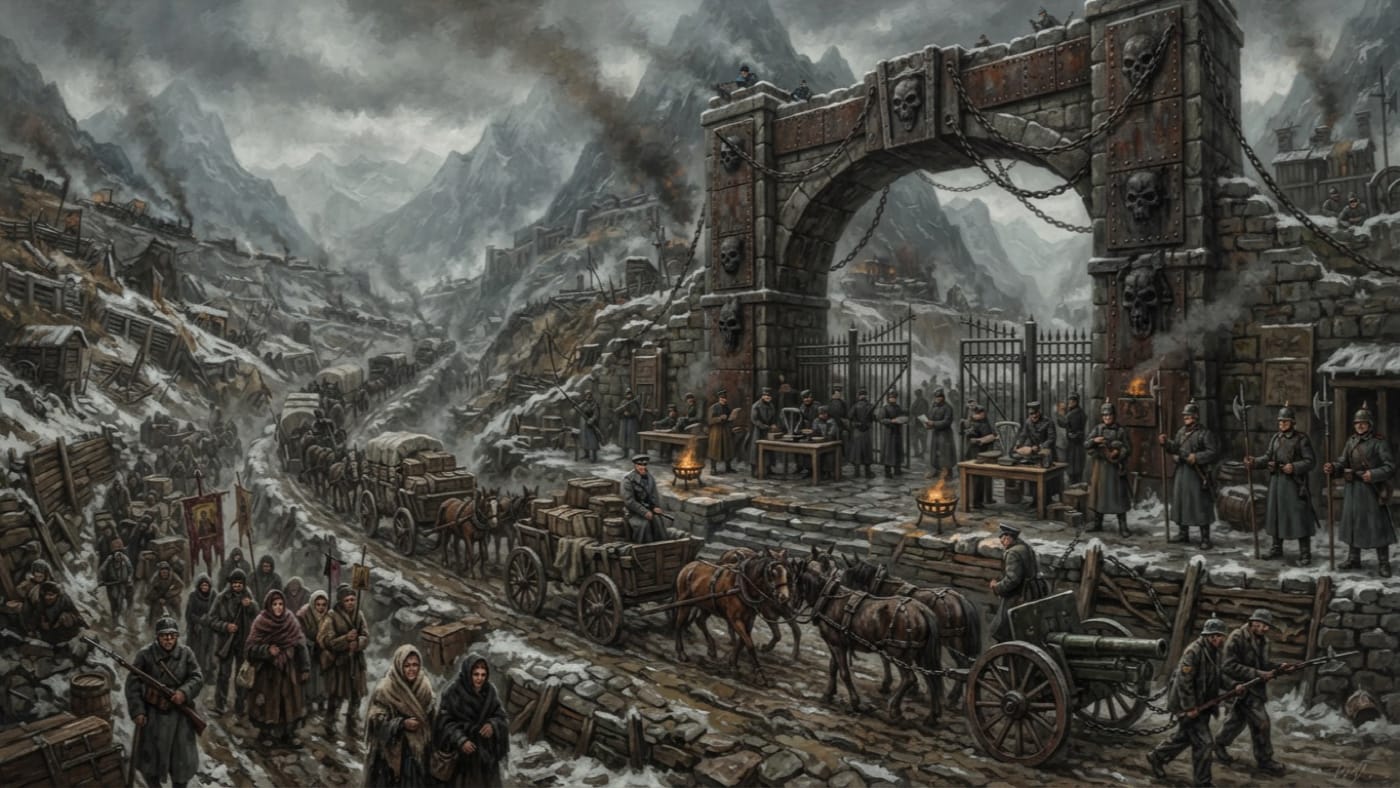
Carpathian Approaches
The ground between the last warm room and the first cold order
Roads and staging ground feeding the Carpathian Gates, where supply wagons, pilgrims and condemned labour climb toward the Line. No charter governs the region; every checkpoint knows how to charge it.
Codex Ref. II.4.08-015

Carpathian Corridor
The road that charges every mile twice
The Carpathian Corridor is the Synod's central mountain throat: rail, road, mule, shrine, bribe, and weather feeding Przemyśl and Sibiu.
Codex Ref. II.3.05-201
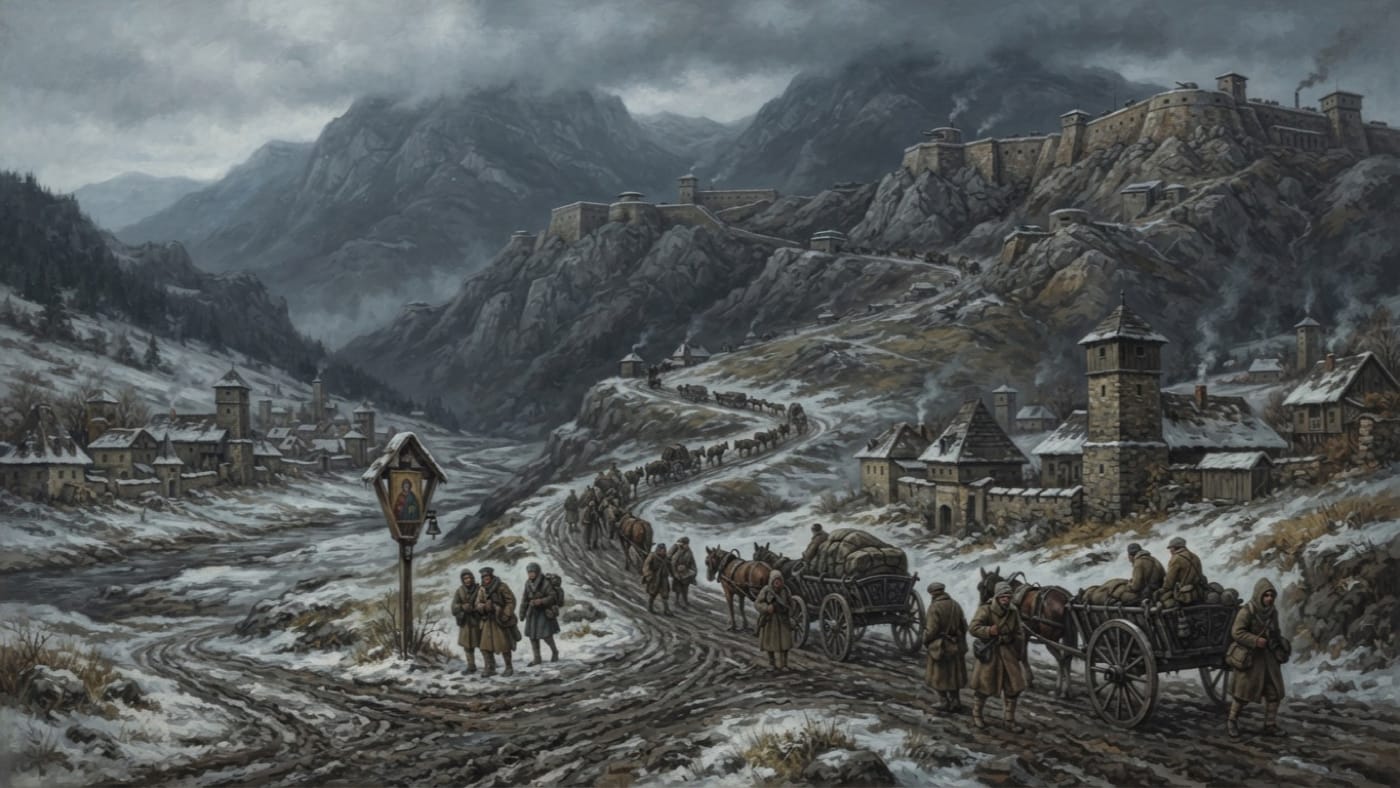
Carpathian Foothills
Below the wall, the country that feeds it
The country below the Carpathian wall feeds its bastions and hears its borders in the parish bells. Brother Albrecht froze here after his posting. The Ledger knows the region's name and cannot draw its edge.
Codex Ref. II.3.05-488
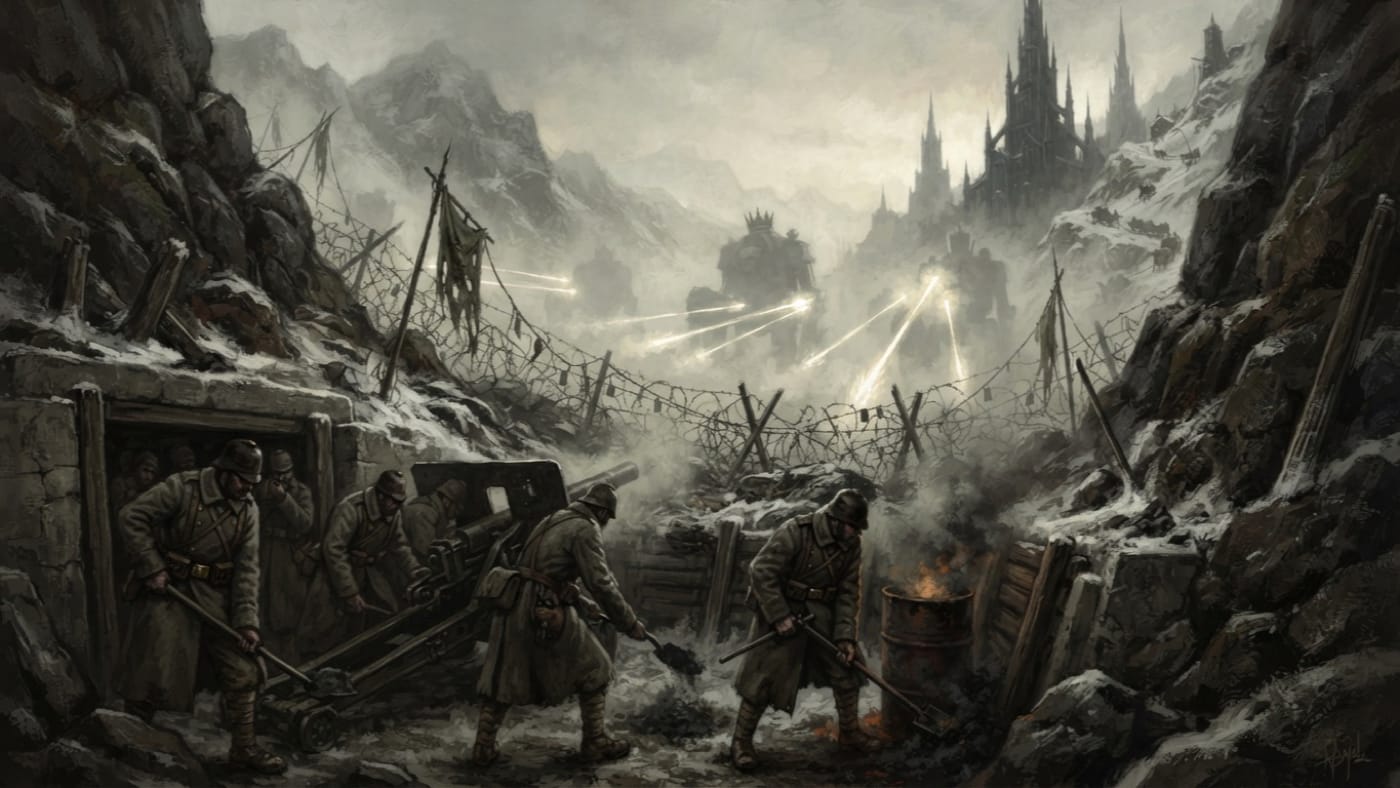
Carpathian Front
Altitude is another way to charge the infantry
The Carpathian Front is Przemyśl's mountain war against Atheron: frozen supply routes, blinding lances, and survival bought with ash, mud, and a lowered gaze.
Codex Ref. II.4.07-201
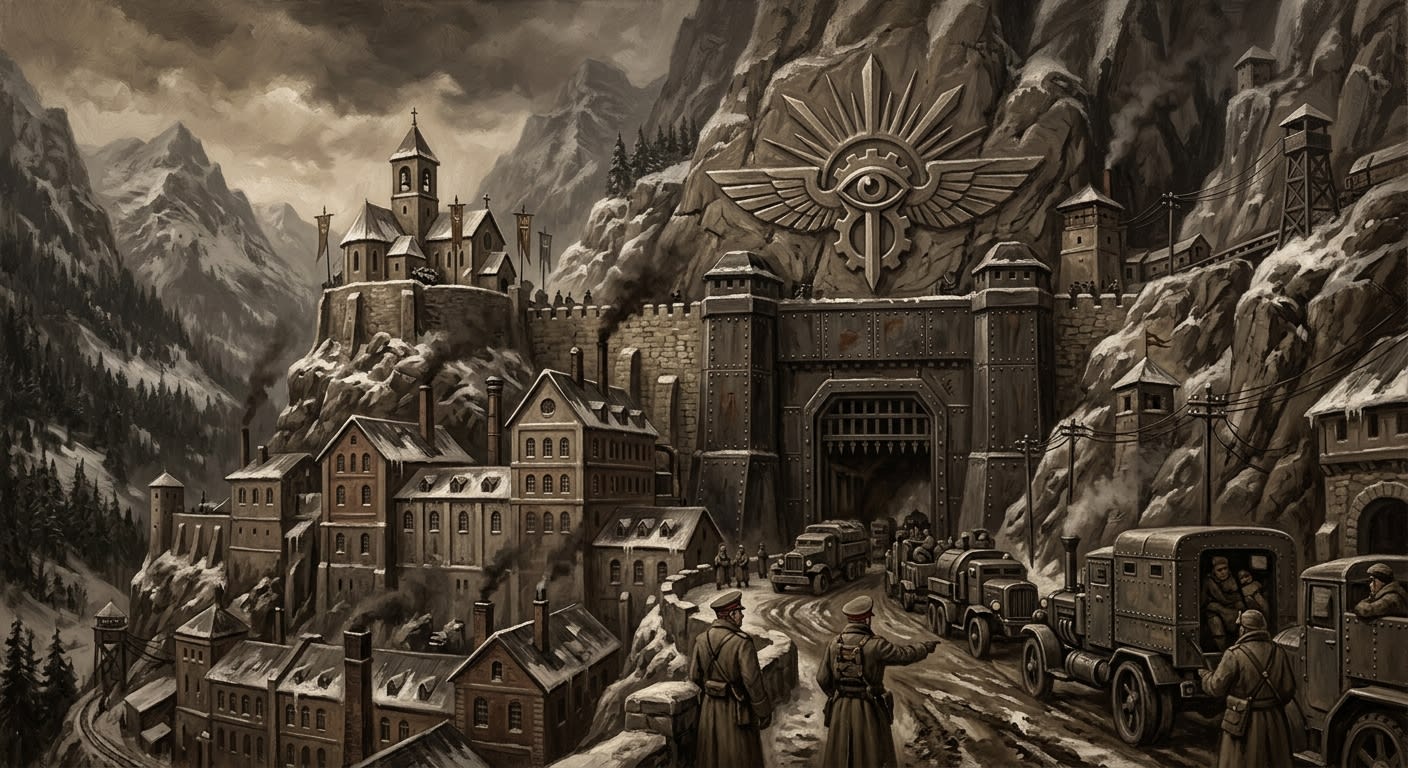
Carpathian Gates
Where the mountain learned to close its teeth
Mountain hinge of the middle Line: passes, locks, shrines, snow-voices, and Harrowglass terror between Bastion-Przemyśl and the Carpathian spine.
Codex Ref. II.4.08-065
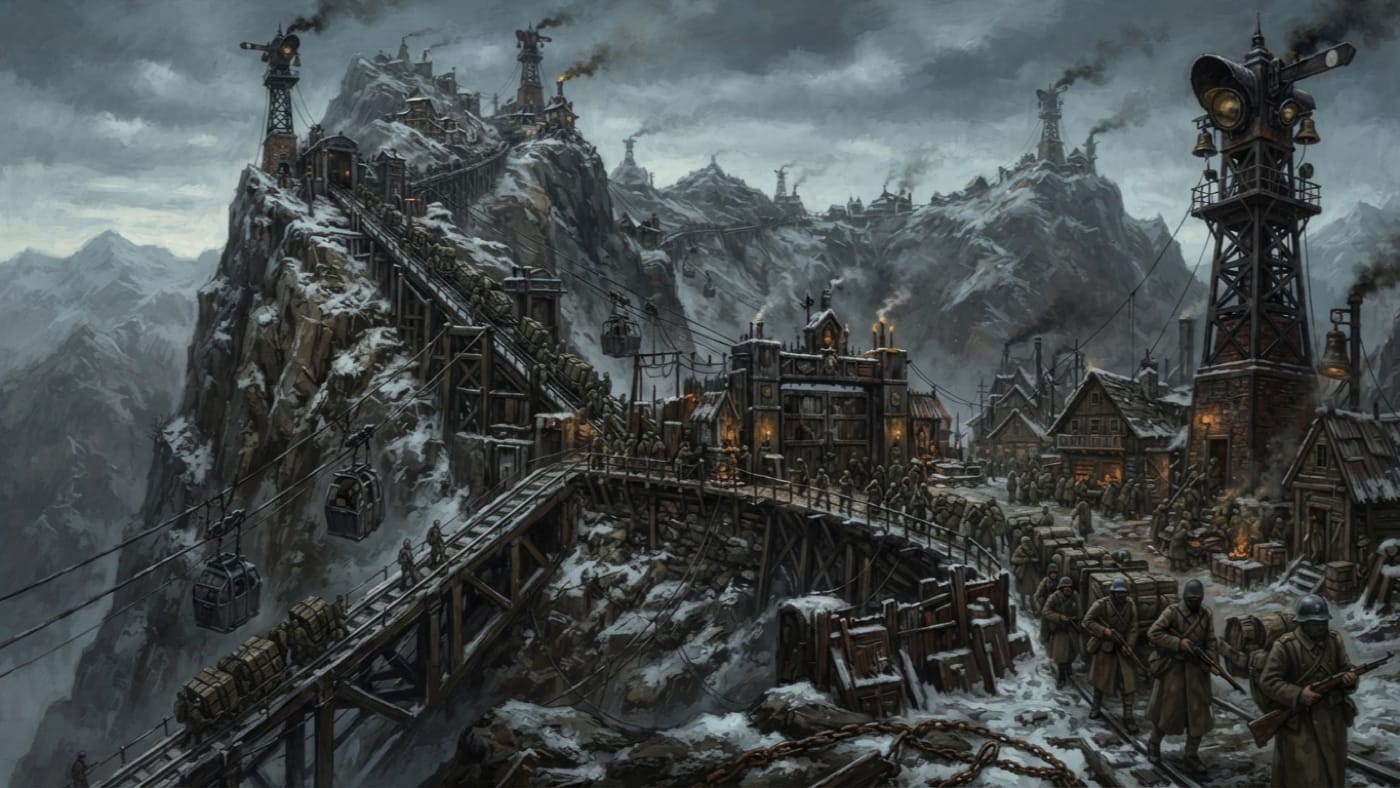
Carpathian Highlands
Where the Line climbs and every passage carries a price
The inhabited ridges and supply roads of the middle Sagittal Line, where relics climb, signal towers ration passage, and warmth costs more than absolution. The Church issues the paperwork; the mountain sets the terms.
Codex Ref. II.3.05-490
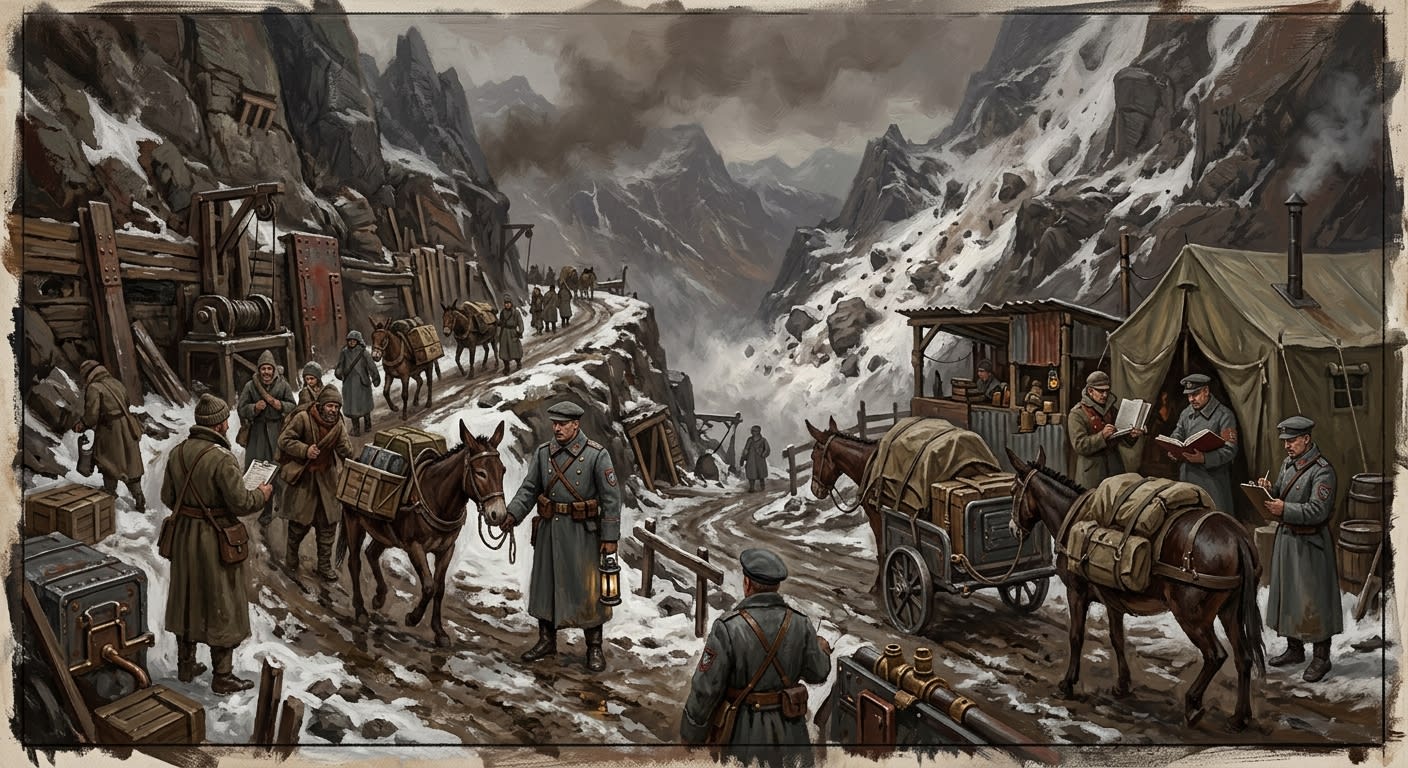
Carpathian Passes
Roads are wounds with toll offices
Licensed mountain wounds of the middle Line, where pilgrims, relics, mules, Wardens, tokens, avalanches, and invoices cross by permission.
Codex Ref. II.4.08-123
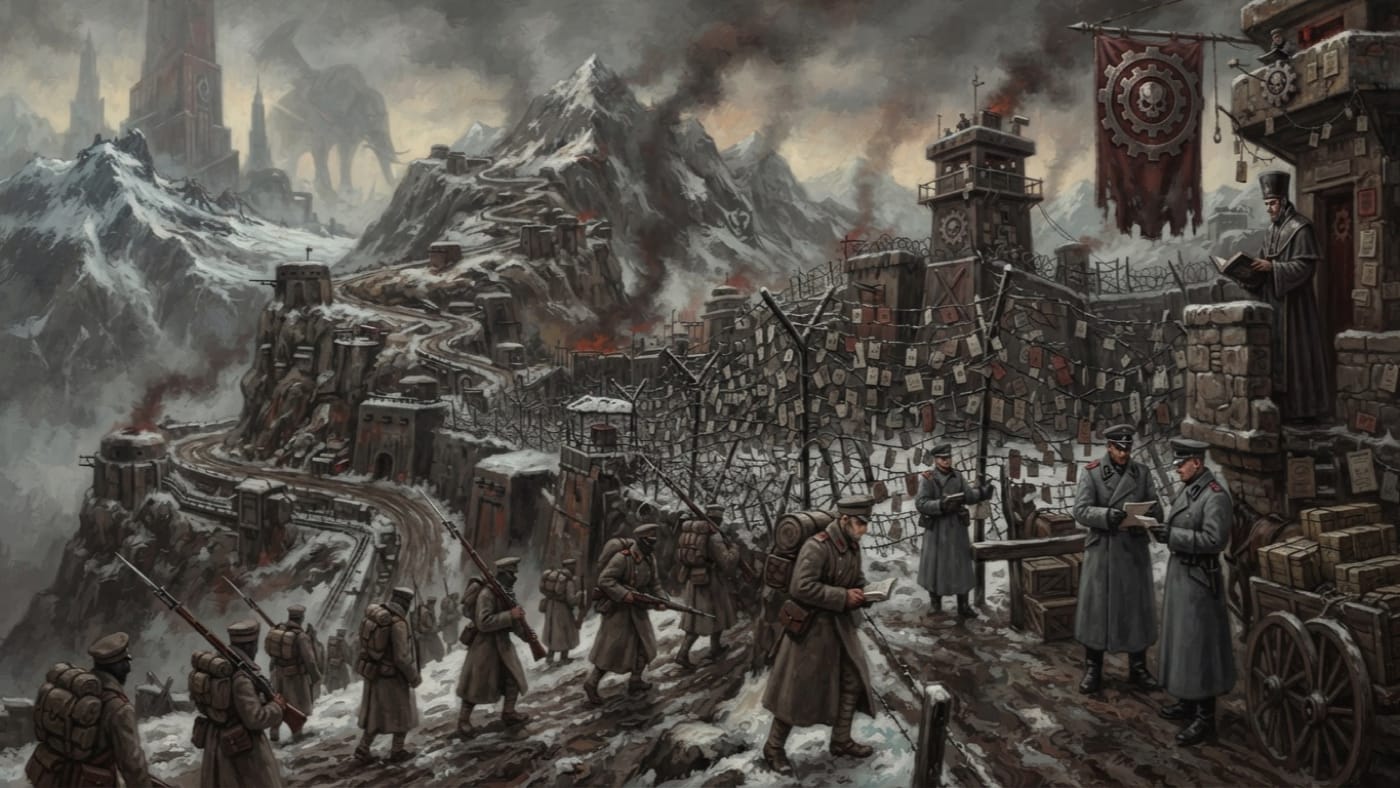
Carpathian Soldiers
Mountains do not enlist. Men are sent up them.
A.S. 201 survey of War's Carpathian postings: levy soldiers hold the middle Line, guard passes and freight, and face Pride at Przemyśl and Greed at Sibiu. The mountains recruit nobody; the clerks do.
Codex Ref. VIII.5.08-201
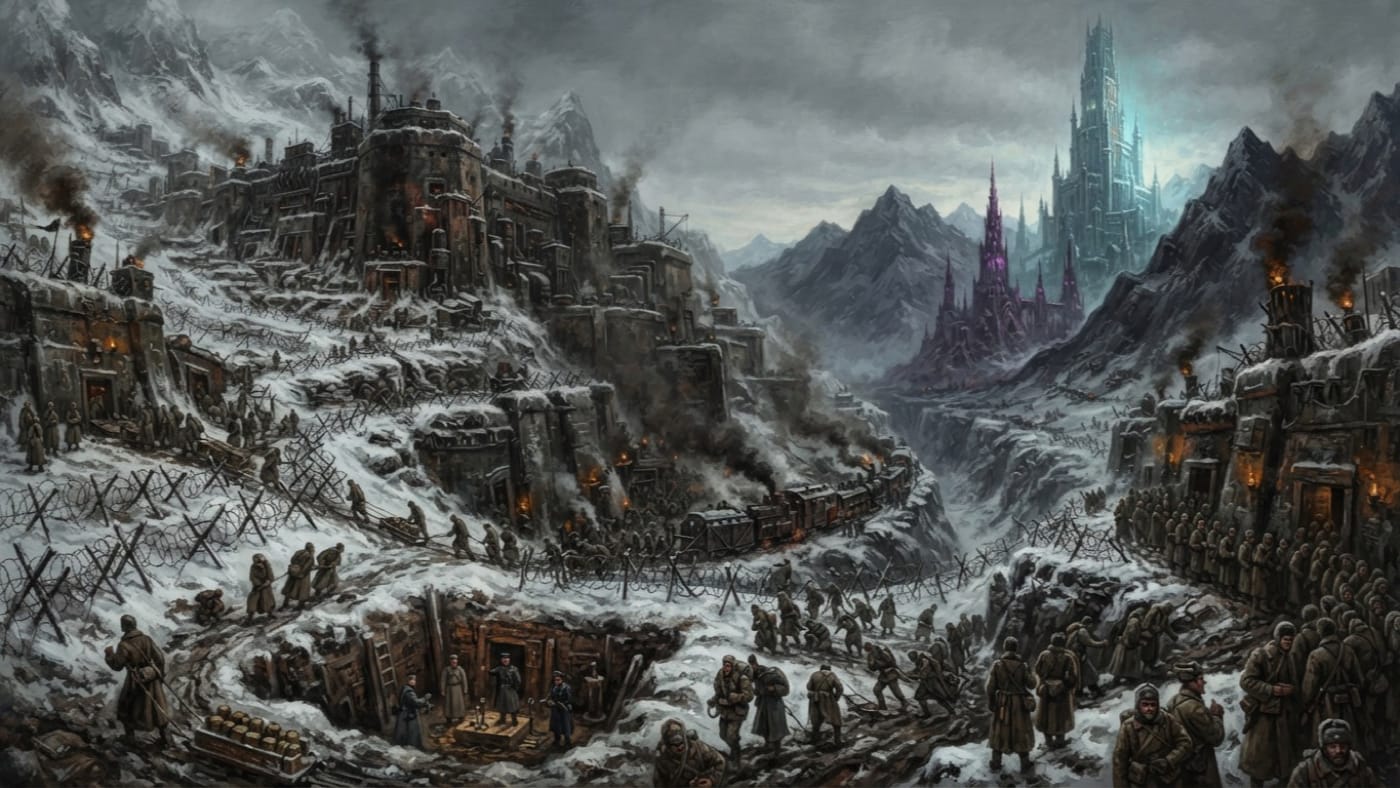
Carpathian Theater
Mud with a Filing System
The Przemyśl sector of the Carpathians: frozen passes, ration tags, and low bells against Atheron's Pride. War calls it a theater. Its boundaries remain unsigned, and the men holding them still require a stamp for bread.
Codex Ref. II.4.07-202
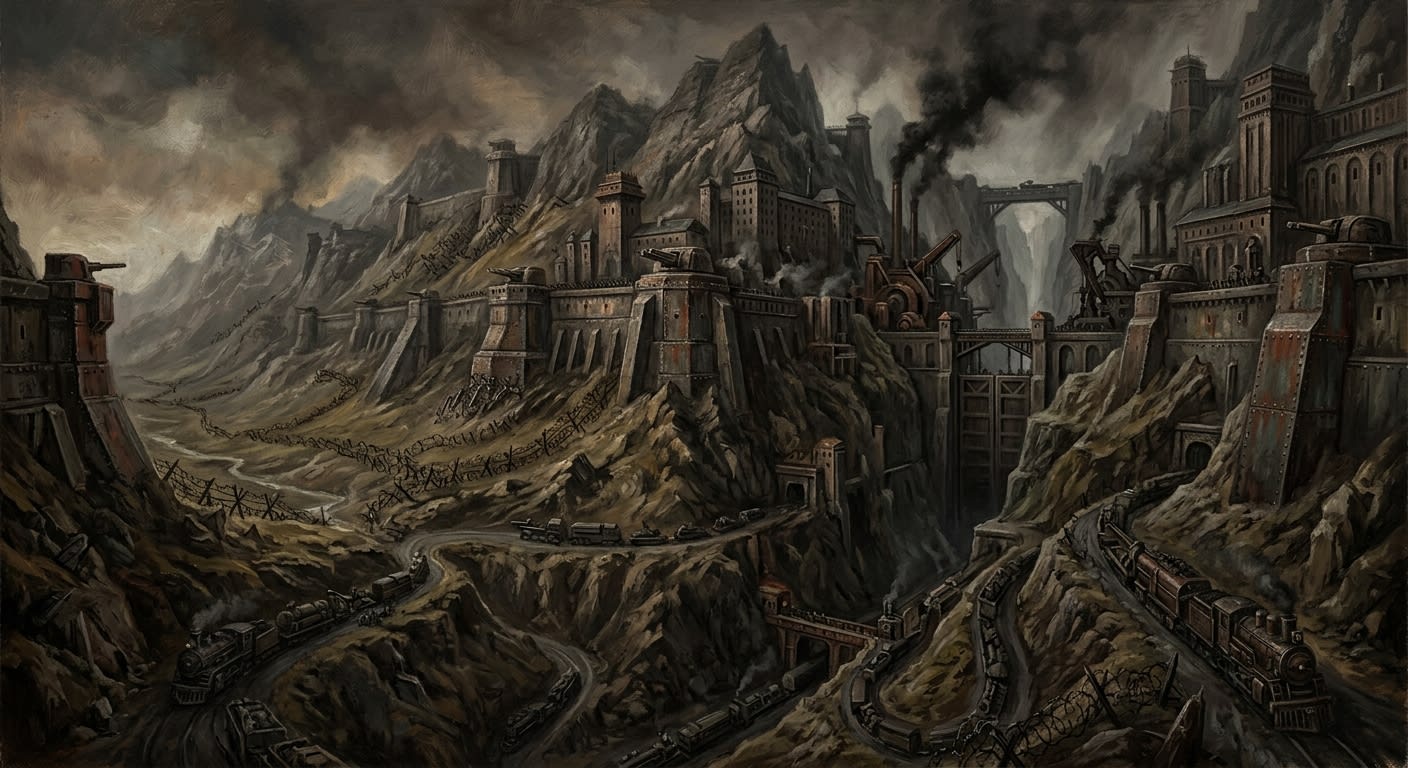
Carpathians
The mountains do not kneel; we made them useful
The Carpathians are the Synod's middle mountain wall: Przemyśl's wire, Sibiu's Saxon stone, Irongate's cut, and every road that charges blood.
Codex Ref. II.3.05-202
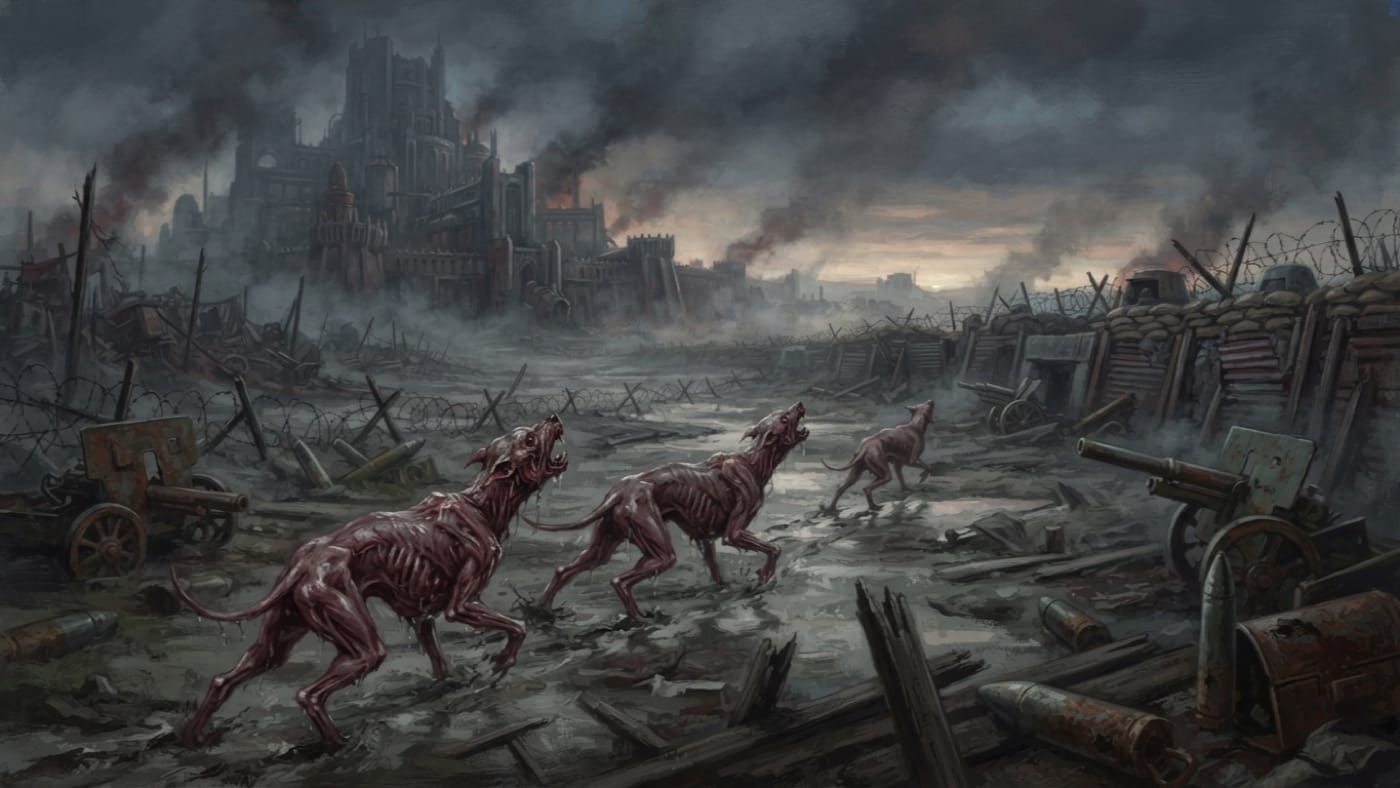
Carrion-Dogs
Skinless Hounds of Kargath, Howling in Human Voices
Skinless hounds of Kargath's host, howling in human voices and tearing throats from the living. The howl is confirmed; their origin and first encounter remain blank in the ledger.
Codex Ref. IV.1.07-493
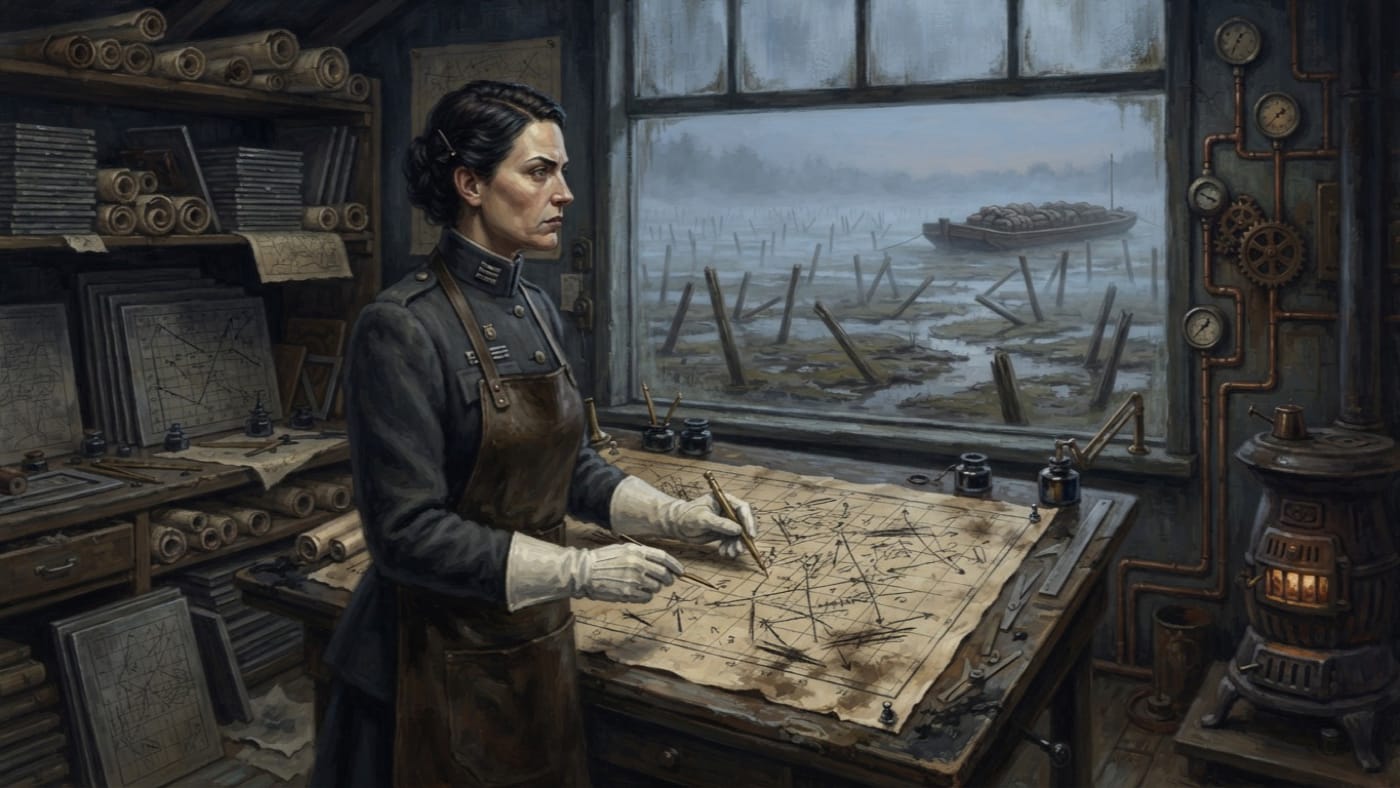
Cartographer-Provost Lysa Vane
The gloves stay clean. The graves do not stay put.
Lysa Vane maps the war-dead into the Glyphyard's burial grids and redraws them when the marsh moves the graves. Her gloves remain immaculate. The official truth requires correction every dawn.
Codex Ref. III.2.01-1704
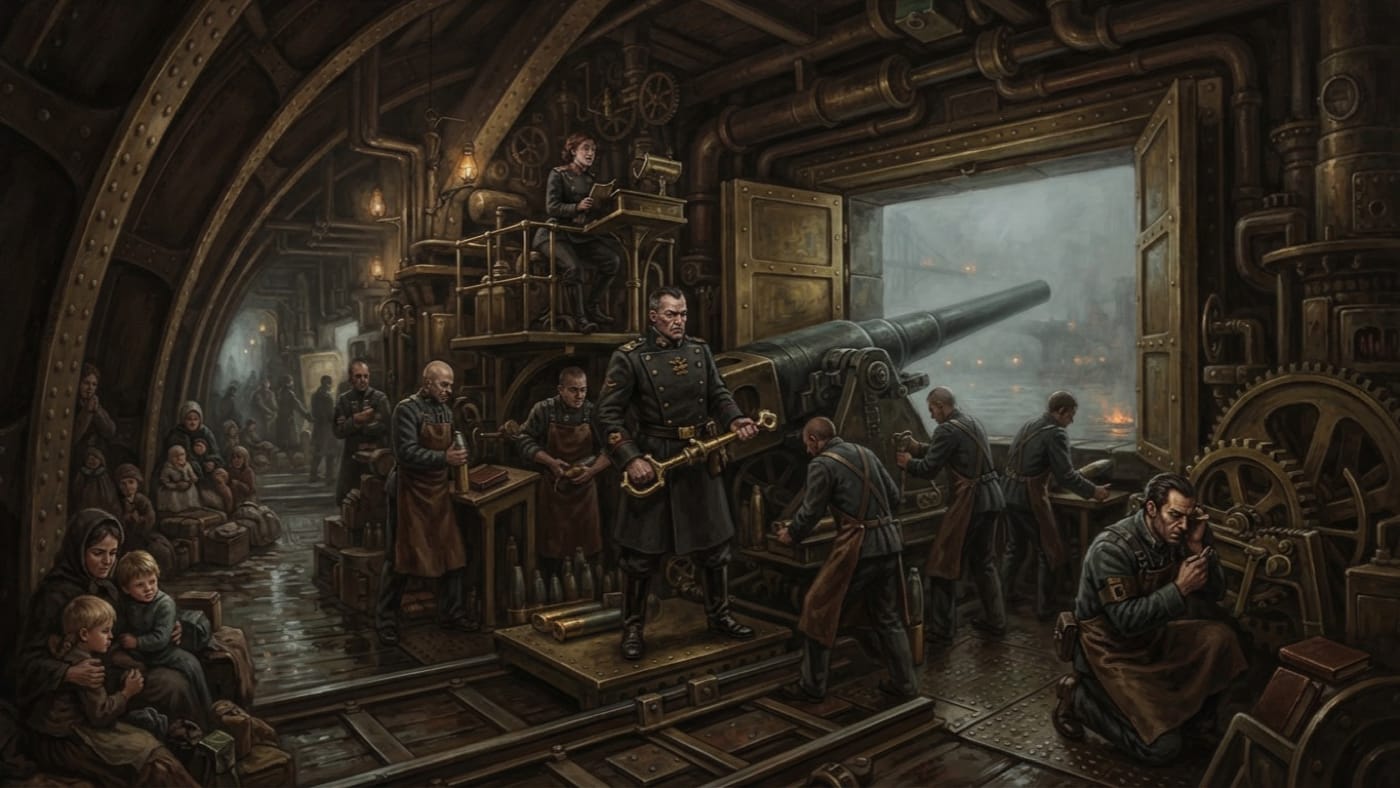
Casemate Galleries
Do Not Answer the Shutters
Bastion-Brest's artillery galleries lie beneath the Ribwalk, where cantors time the guns, the Brasswright Guild keeps the shutters moving, and the Confession Echo has learned the sound of a command. Operational, by the Bureau's definition.
Codex Ref. II.4.08-004
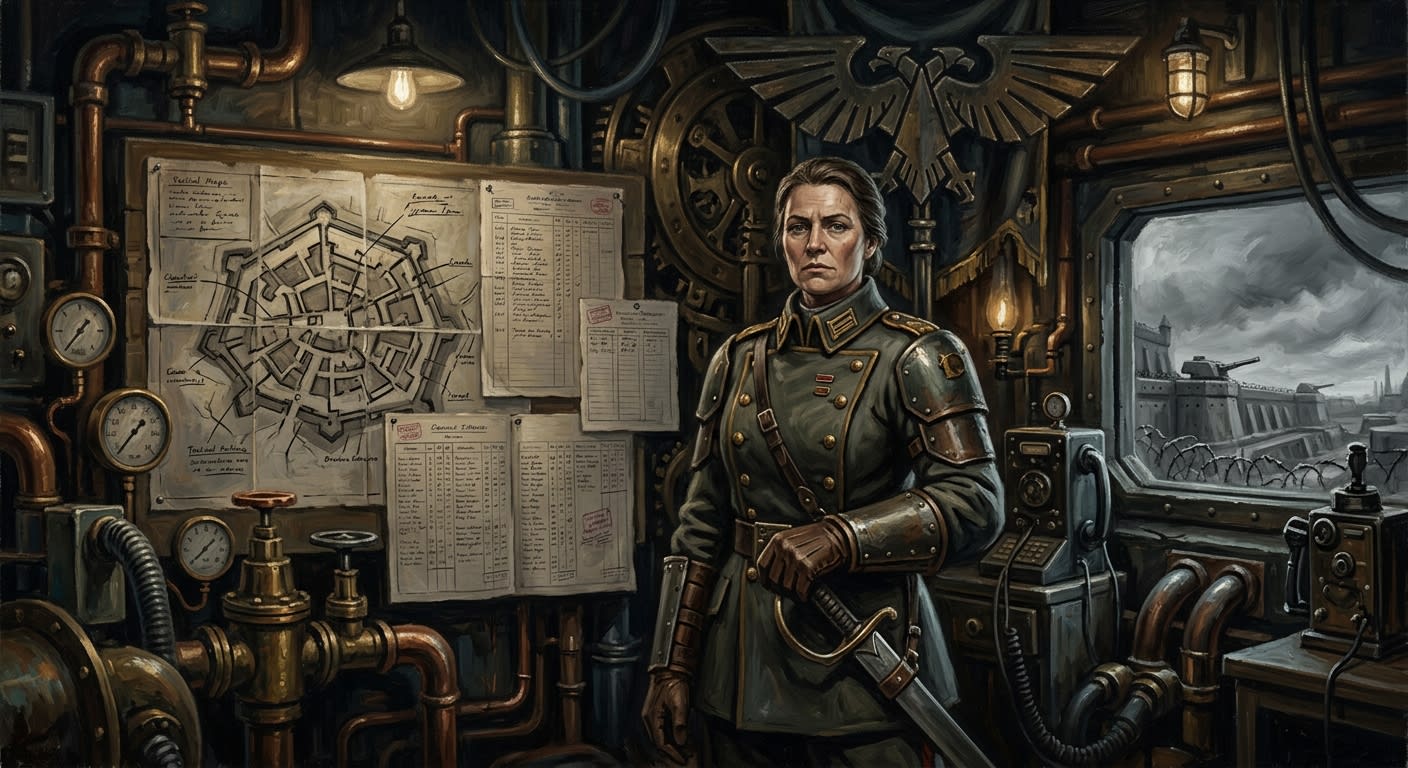
Castellan-Warden Ingrid Halvorsen
She commands the Far Nail by refusing to mistake inaction for peace
Castellan-Warden Ingrid Halvorsen has commanded Bastion-Königsberg since A.S. 191, keeping twenty-six thousand souls aligned against the Grey's patient nothing.
Codex Ref. III.2.01-039
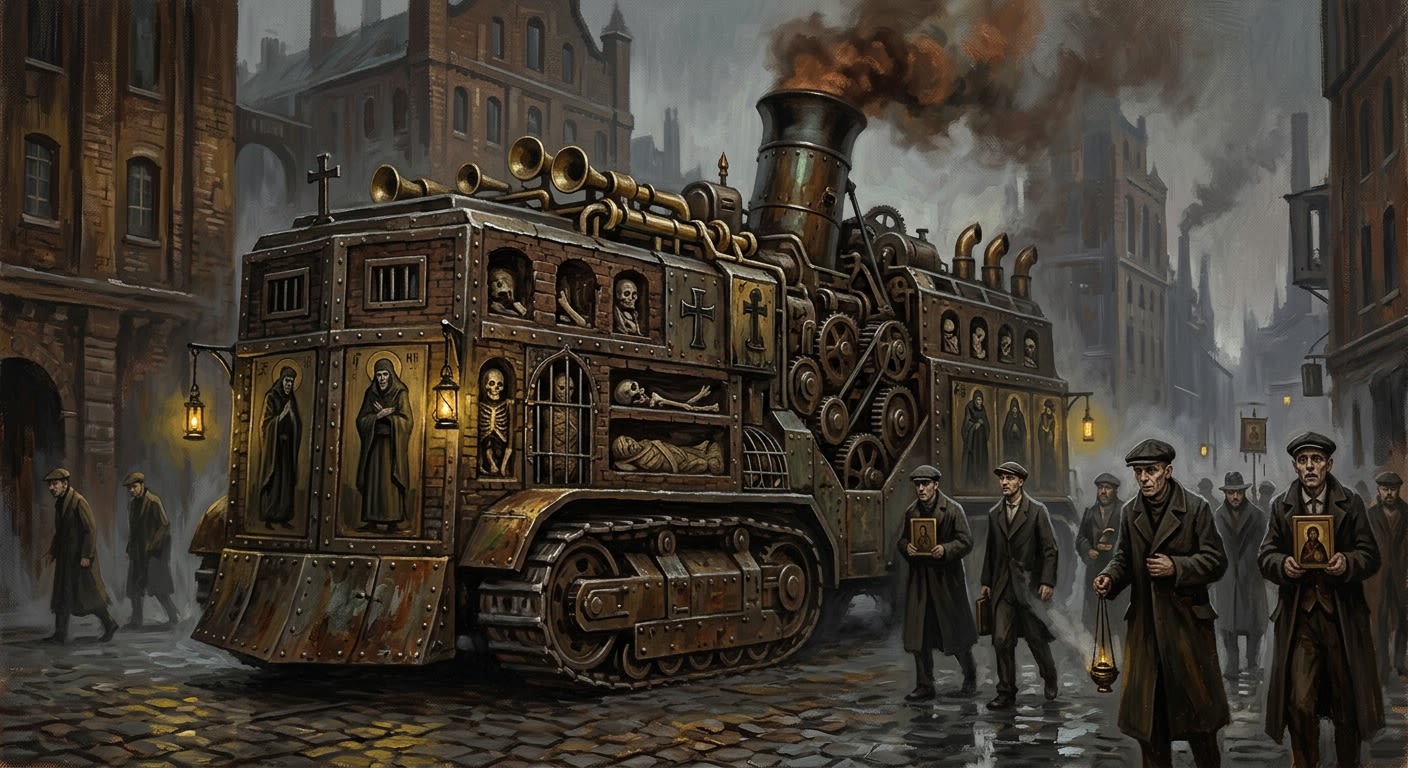
Catacomb-Carrier
A cathedral on treads, because Constantinople dislikes modest blasphemy
Catacomb-Carriers are sixty-ton armoured reliquary-engines from Bastion-Constantinople: hymn-driven, saint-bricked, effective, and wrong.
Codex Ref. XIII.1.72-007
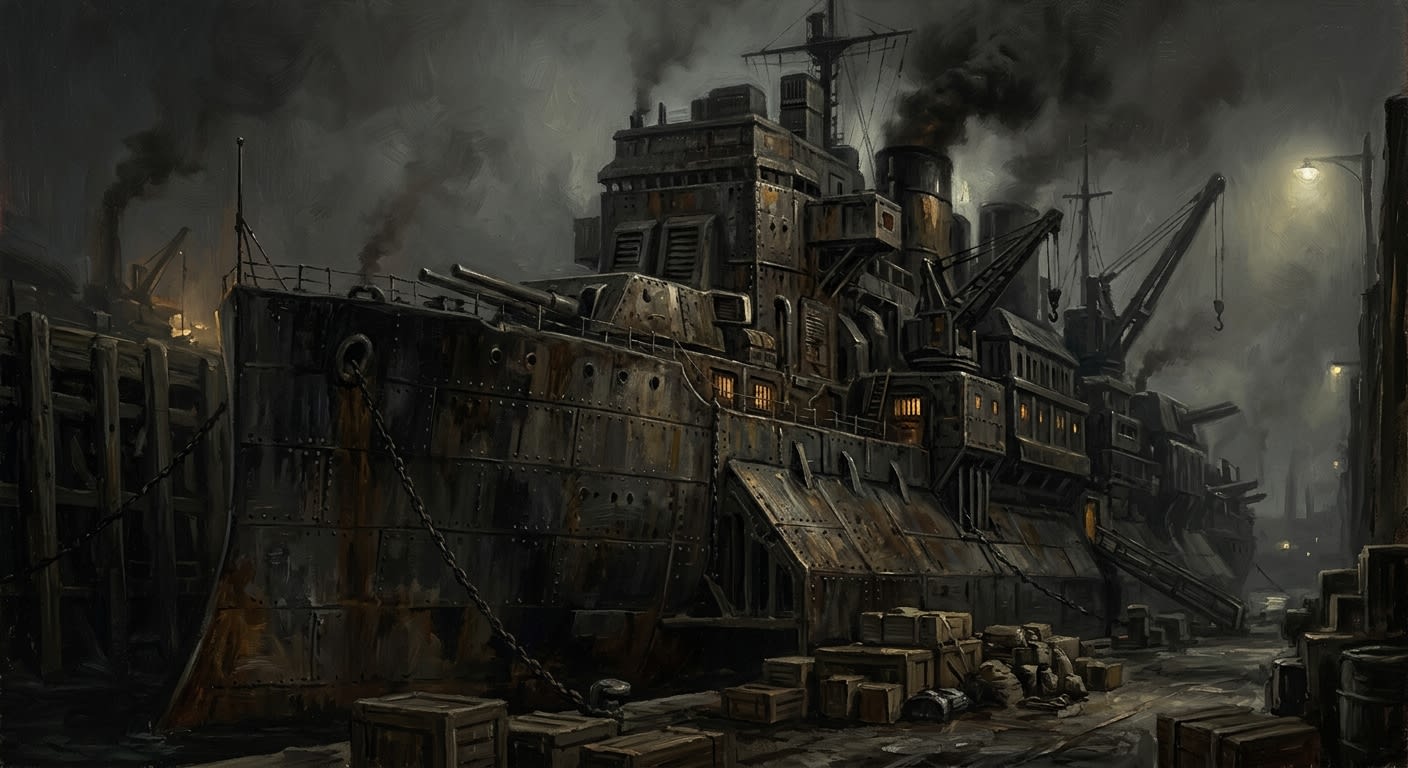
Catacomb-Carrier Threnody
A dirge on treads arrives before the dead
Earliest famous Catacomb-Carrier: sixty tons by courtesy, seventy by fear, moored at Pier Seven with rations for a crew no one sees.
Codex Ref. XIII.1.72-009
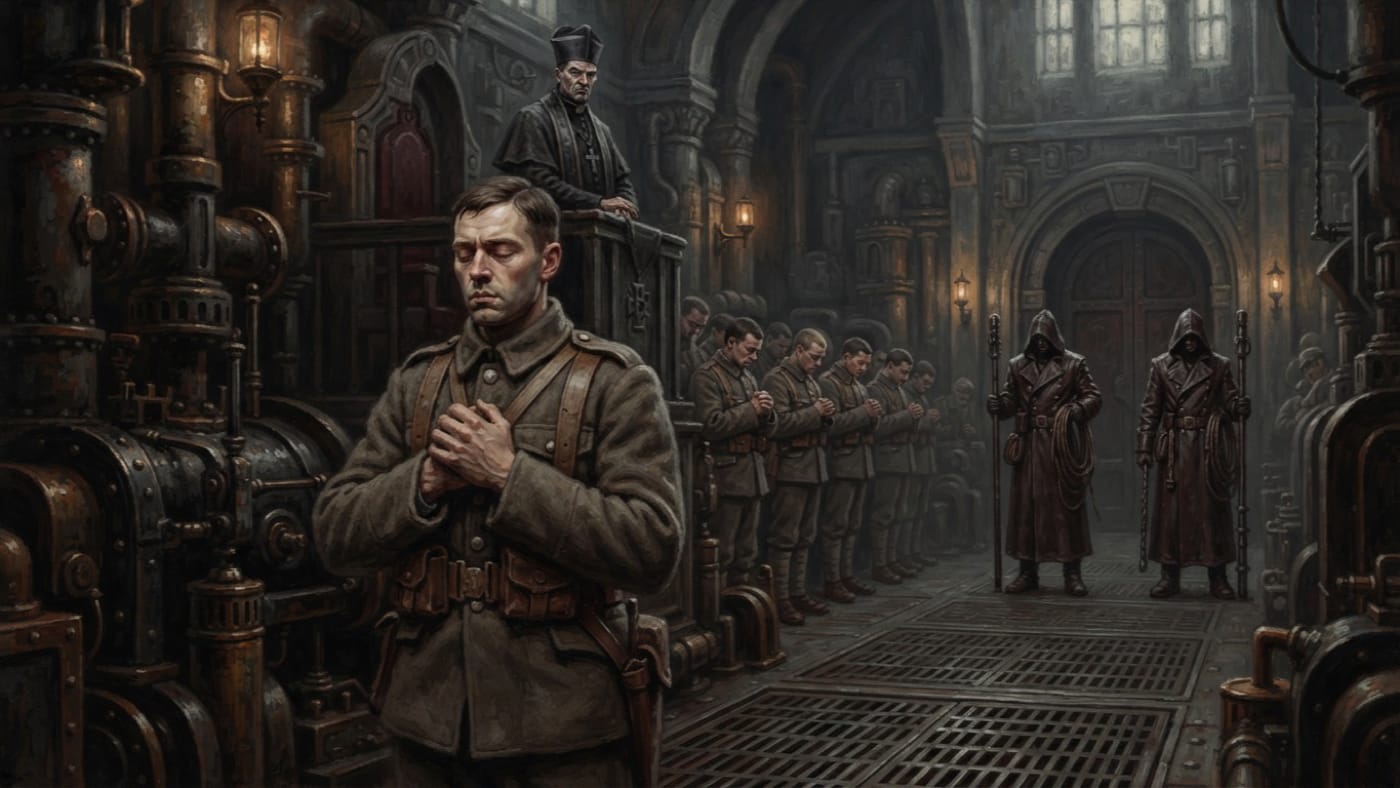
Catechism of Humility
The cure that asks the proud man whether he is cured
Purity prescribes the Catechism of Humility against Atheronic pride: close the eyes, recite, then report to a chaplain or the Lictors if needed. The manual names the cure and leaves its words to the chaplains.
Codex Ref. XIII.1.94-201
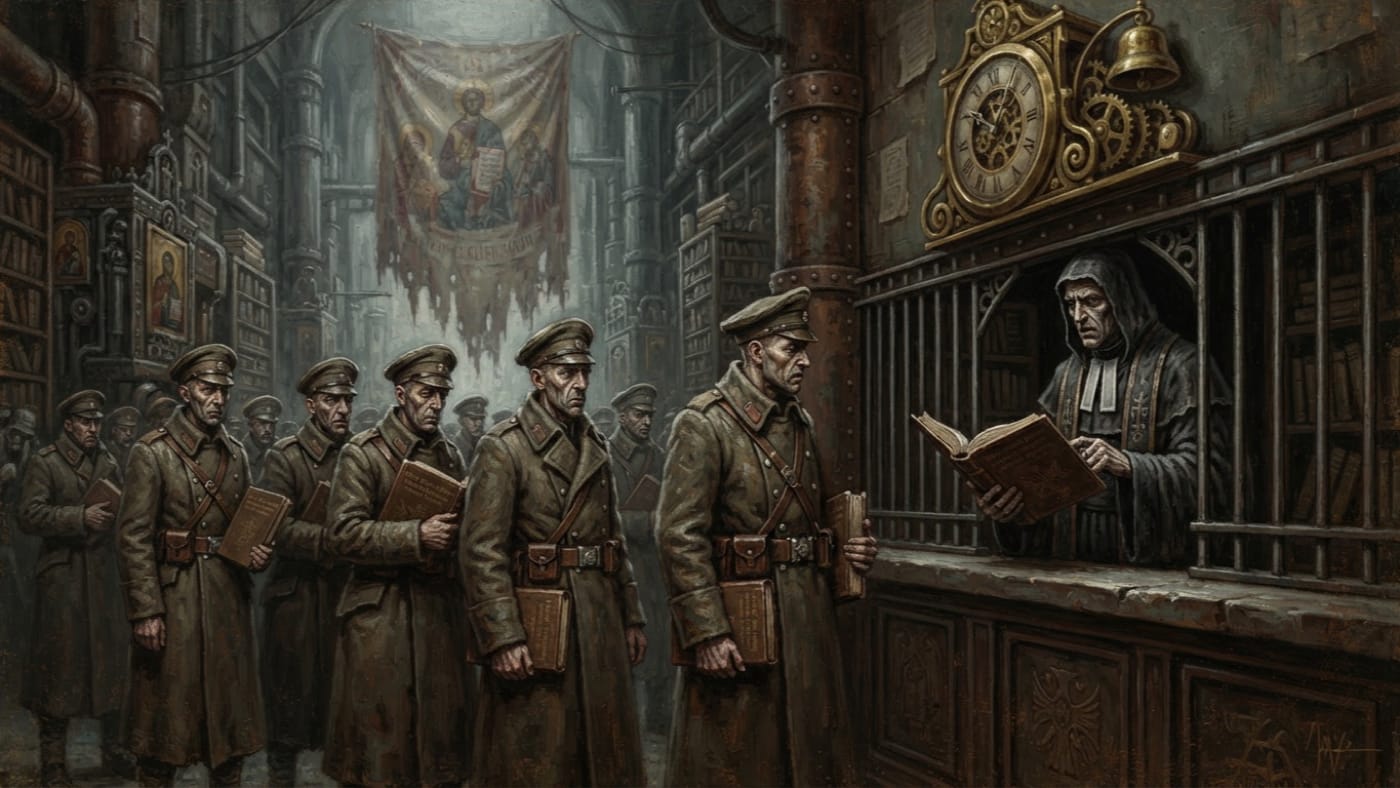
Catechism of the Empty Belly
An empty pot enters the register as readiness
In this A.S. 201 survey, Seraphinus's sixty-nine articles and seven appendices remain compulsory officer reading. The Synod gives shortage a grade and calls it readiness.
Codex Ref. XIII.1.69-001
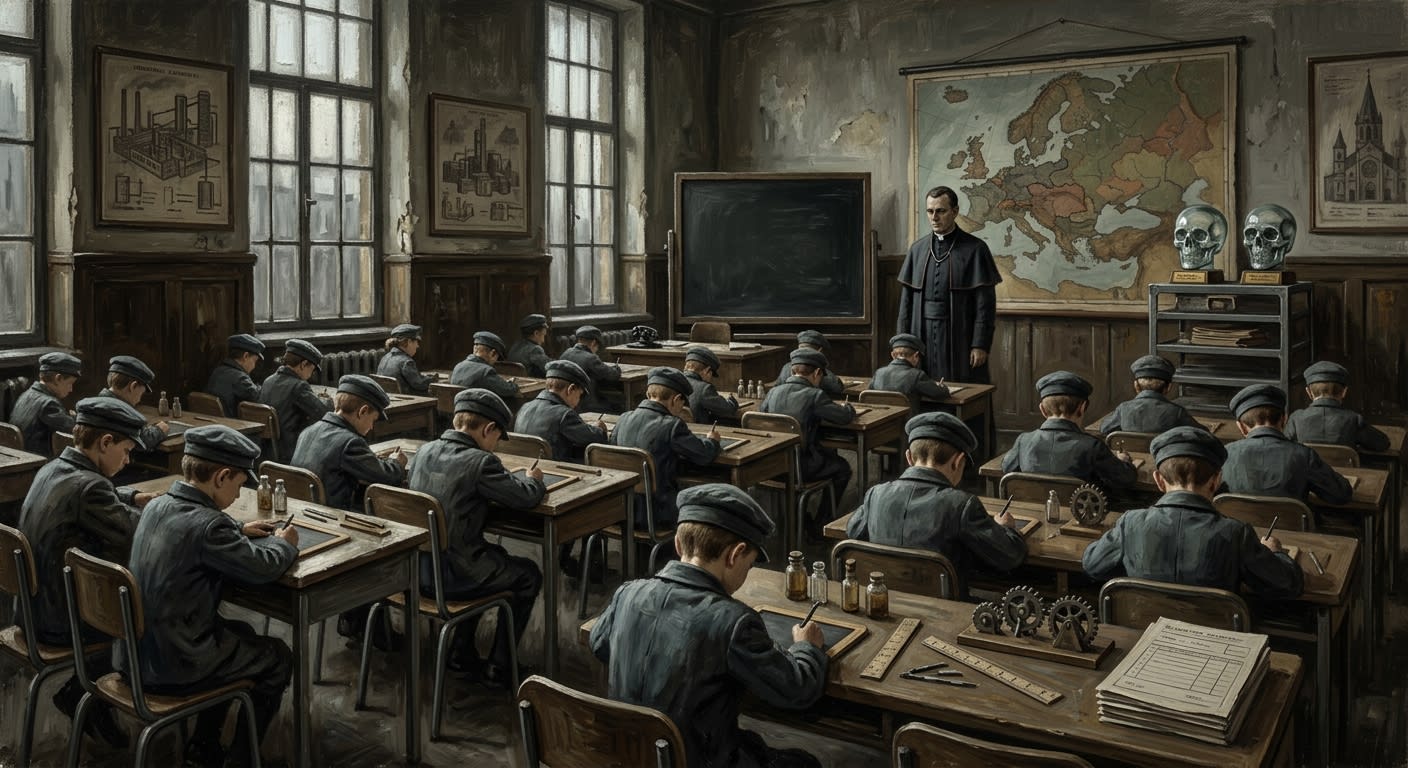
Catechism Schools
The child enters unformed; the school returns property
The Synod's parish and ward school system, where Creed, arithmetic, maps, loyalty trials, and entrance Glass Skull Stacks turn children into obedient instruments with names attached.
Codex Ref. VIII.8.01-001
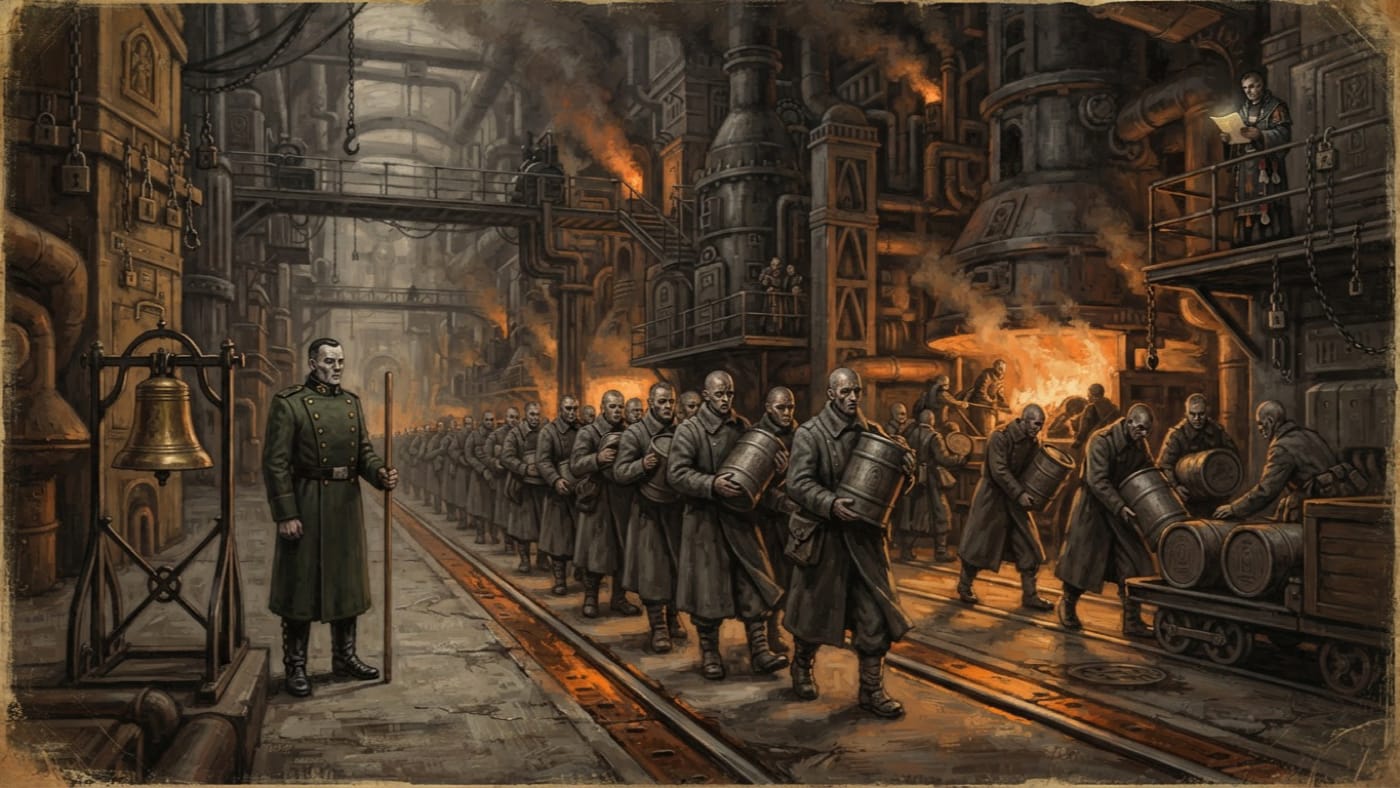
Catechism-Barracks of Brast
Where obedience learns the furnace's hours
Brast's catechism-barracks turn Levy recruits, furnace workers and penal crews into bodies that keep the furnaces' time. Courage is optional; cadence is required.
Codex Ref. XIII.1.98-201

Category Epsilon
Two weapons, one letter, and no defining memorandum.
Category Epsilon files Pale Chanters and Gore-Slingers under one letter. Two applications are attested; no general definition is on file. The ledger records what the bodies produce and leaves their names elsewhere.
Codex Ref. XIII.1.99-201

Category Three Harmonic Anomaly
Too beautiful to be natural. Too useful to be investigated.
The Bureau of Bells names Irongate’s Gasket Choir a Category Three Harmonic Anomaly: sound that holds a fortress together, governs who stays warm, and remains too useful to explain.
Codex Ref. XIII.1.12-003

Category Two Spiritual Security Breach
An intact casket offers no defence against an unsigned line.
A missing seal or unsigned transfer breaks a sanctioned relic shipment’s custody chain and invokes the martial codes of treason. The bones may be intact. The paperwork is what the Bureau keeps.
Codex Ref. XIII.1.07-002
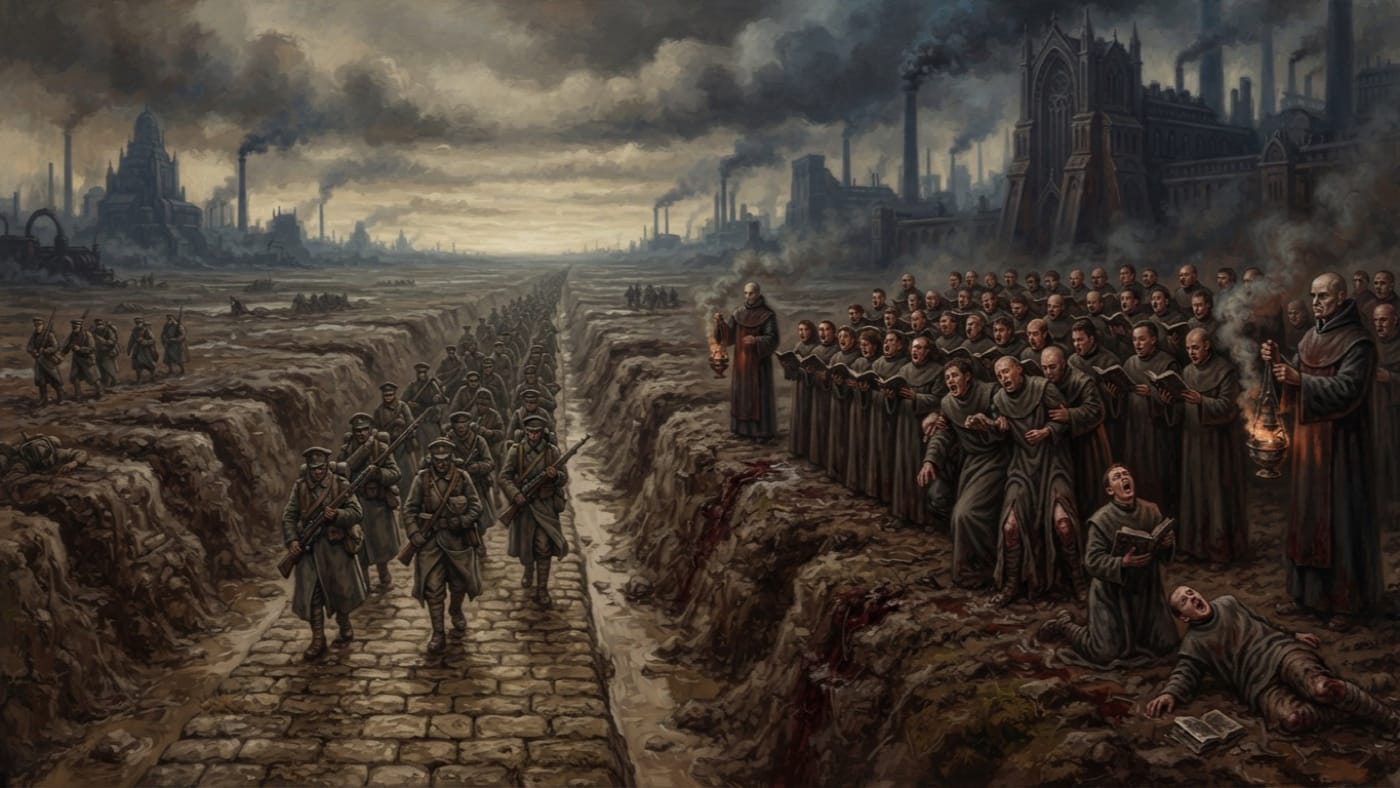
Cathedral Act
The army marches dry; the choir pays in years
Current doctrinal survey, A.S. 201: the Cathedral Act parts mud for an army while volunteer choirs stand until their knees split and surrender years of life. The passage is dry. The bill is human.
Codex Ref. VI.3.01-002
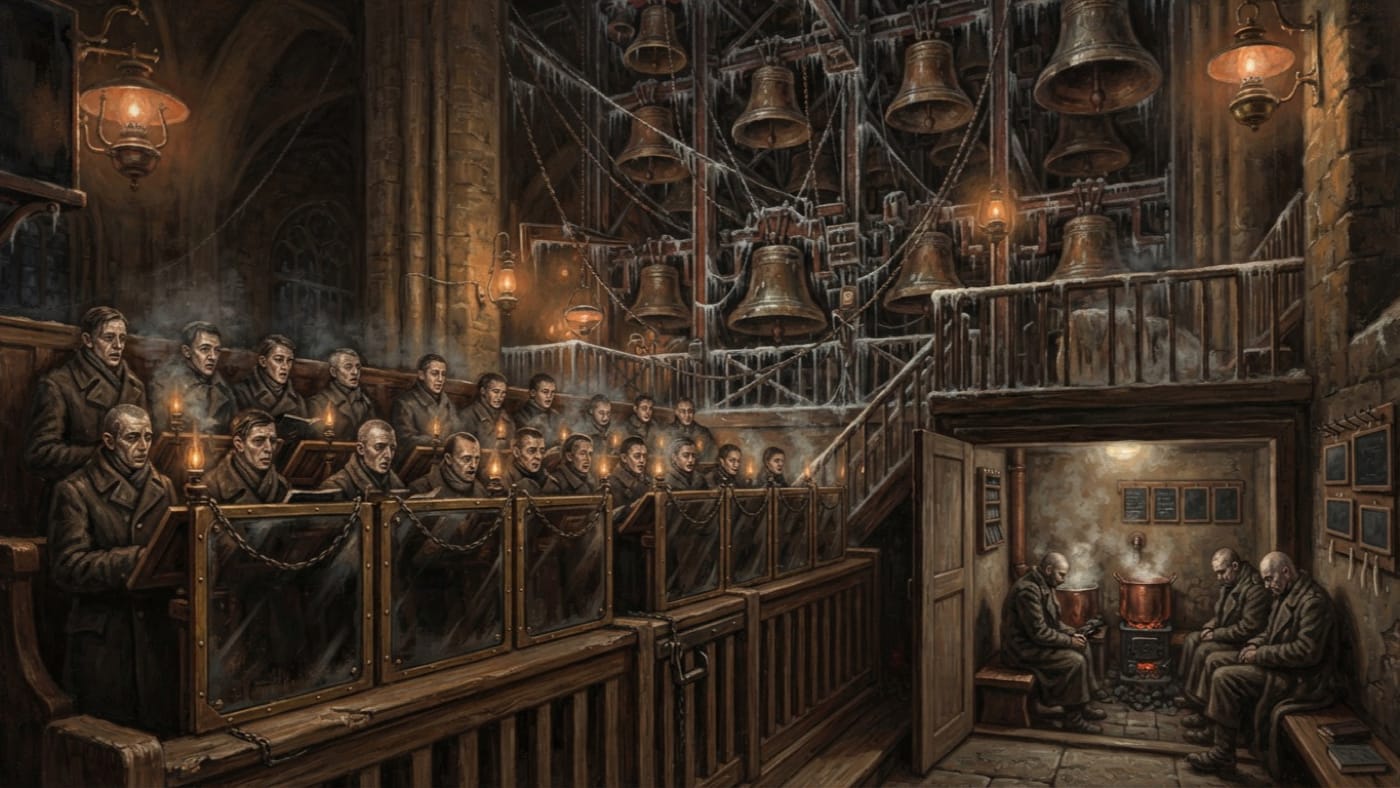
Cathedral Close (Königsberg)
Forty-one bells, seventeen fit voices, and an answer the screens cannot keep out
Königsberg's cathedral precinct keeps forty-one bells, the Northern Standard Choir, and Grau's throat-room in service. The screens reduce the Grey's reply; the Bureau calls this success.
Codex Ref. II.4.07-201
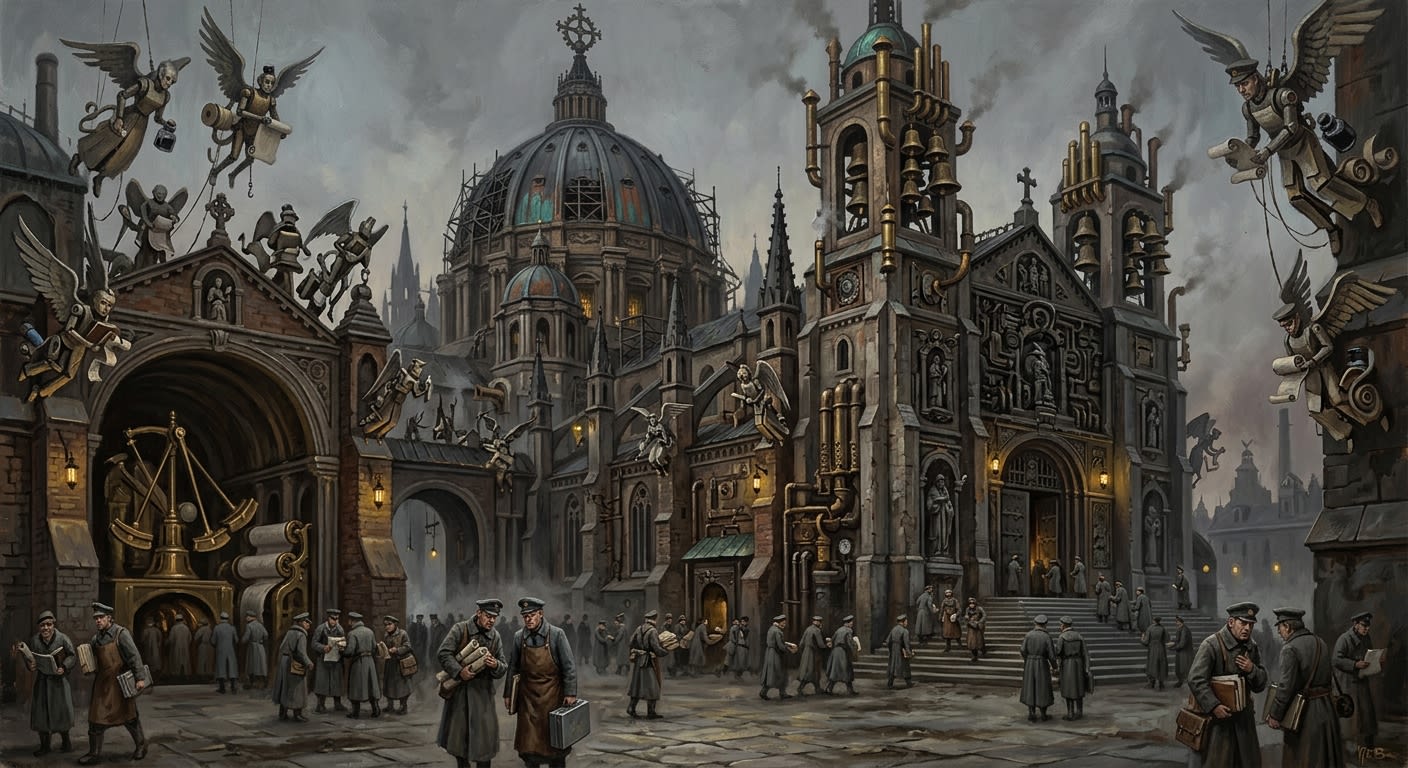
Cathedral of the Perpetual Registry
The dome that learned to stamp
Bastion-Constantinople's old Hagia Sophia turned ratification cathedral: dome, Registry Chapel, bell-choirs, seismograph vault, and all the paper angels of the southern war.
Codex Ref. II.4.10-008
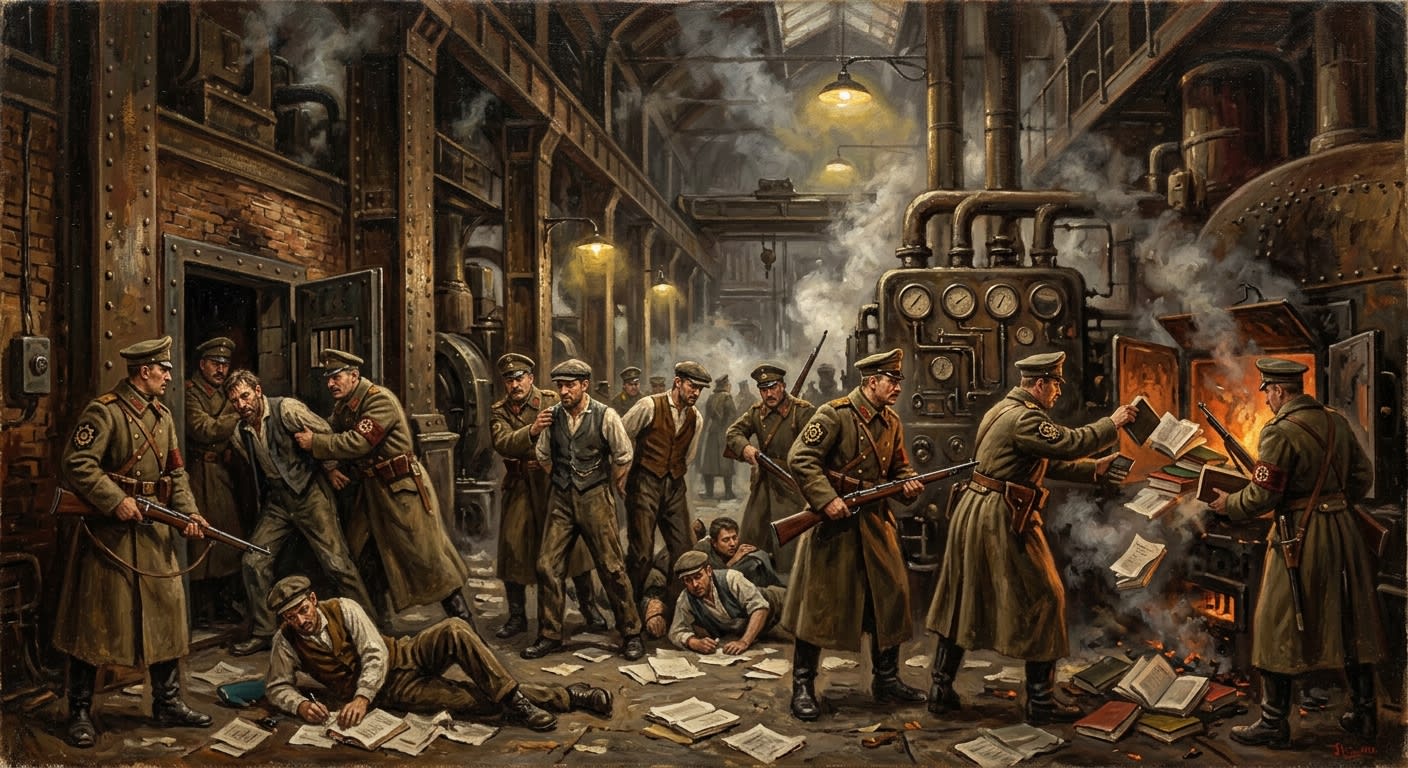
Causality Purge of A.S. 134
When arithmetic entered the furnace and Doctrine answered with masonry
A.S. 134 mechanistic-heresy purge after *Fuel Is Chemistry* manuals spread through six bastion powerhouses, ending in Przemyśl immurements and a larger vocabulary war.
Codex Ref. VII.8.10-030
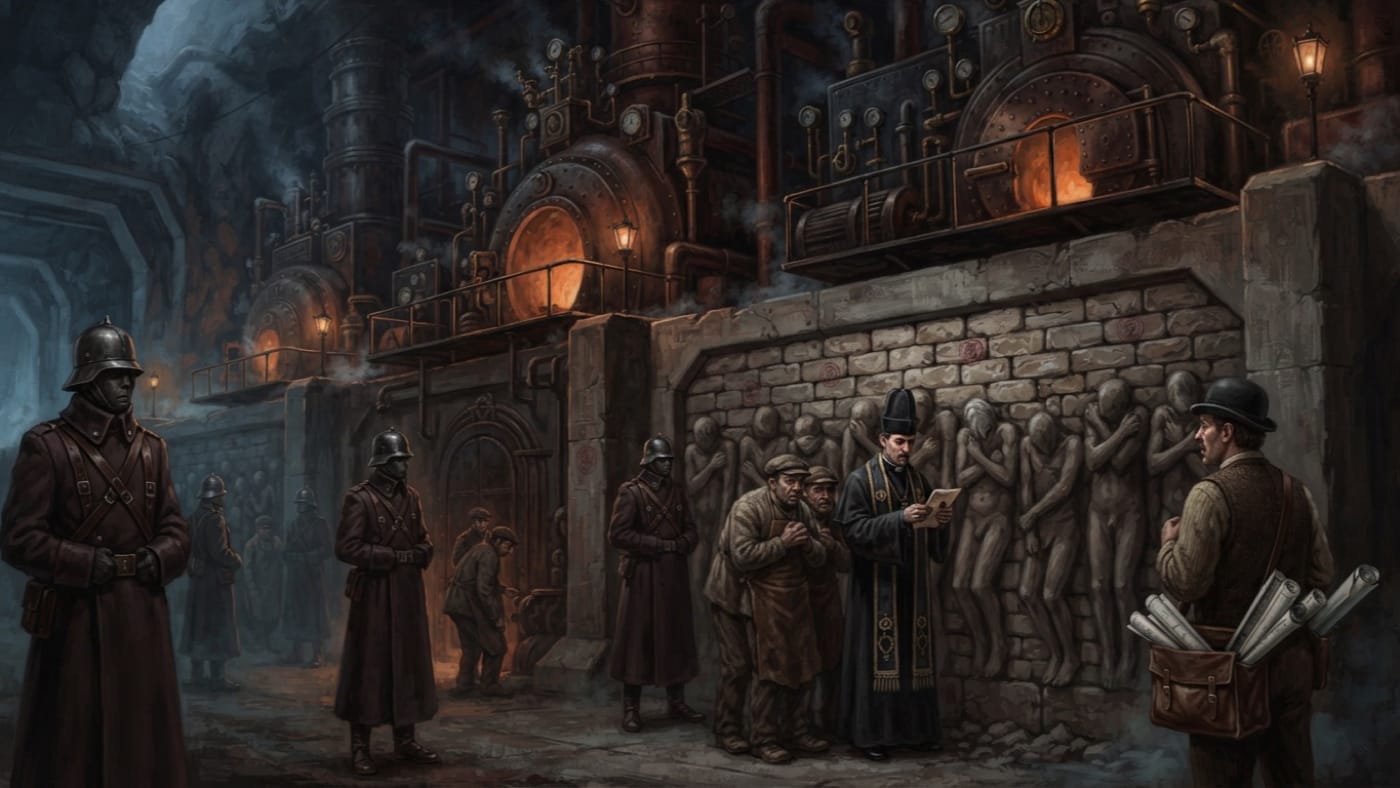
Causality Wars
Engineering owns the facts. Doctrine owns the sentences. The stoker owns a shovel.
Engineering owns the facts; Doctrine owns the explanation. Their undeclared feud reached its bloodiest engagement in A.S. 134, when sixty-one people were immured at Przemyśl. The account remains open.
Codex Ref. VII.8.10-134
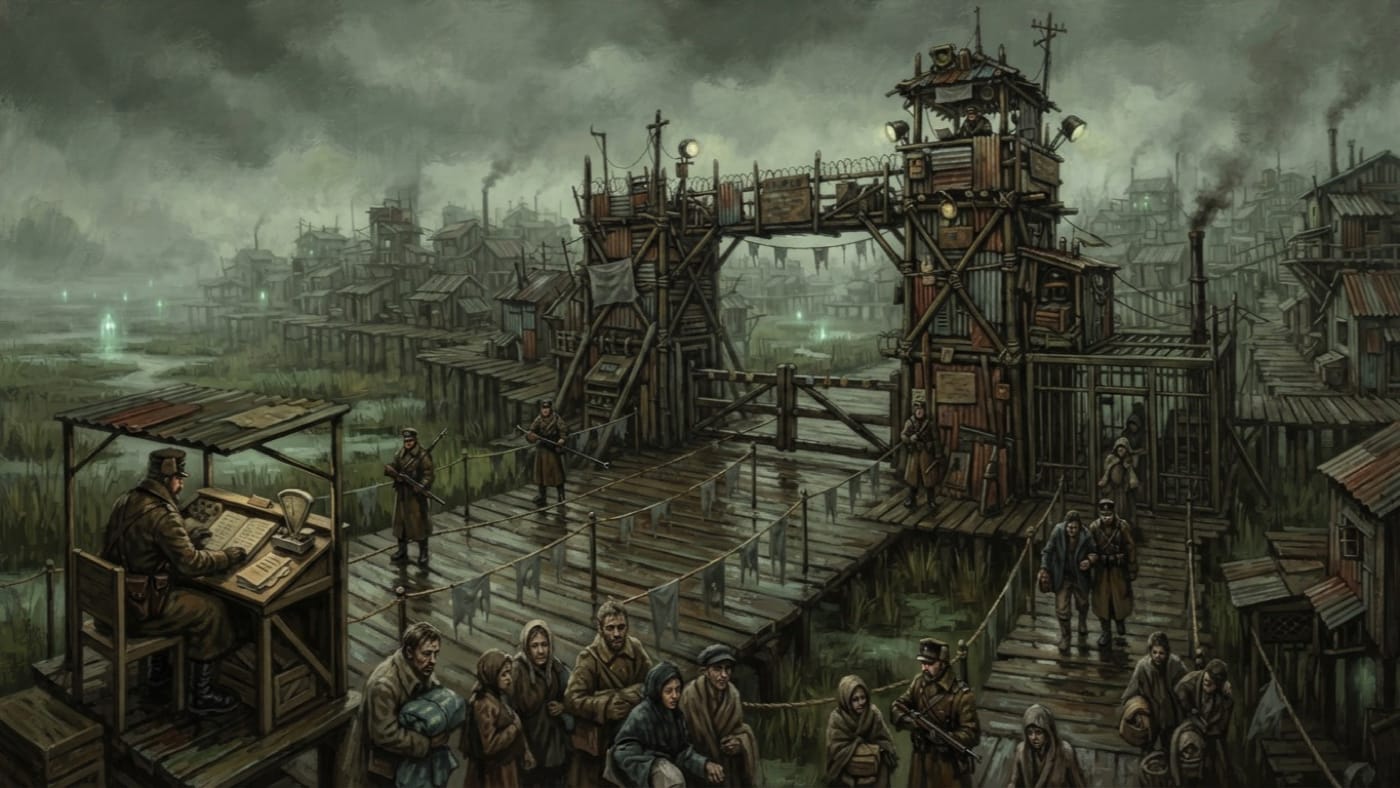
Causeway Gate
The road is open to those who can afford to leave.
The Ash-Glyph Marshworks' sole land checkpoint, where the Ashbound Wardens inspect seals, sell quarantine exemptions and charge more to leave than salvage earns. Those unable to pay are released to service. The ledger has yet to explain the release.
Codex Ref. II.4.08-005
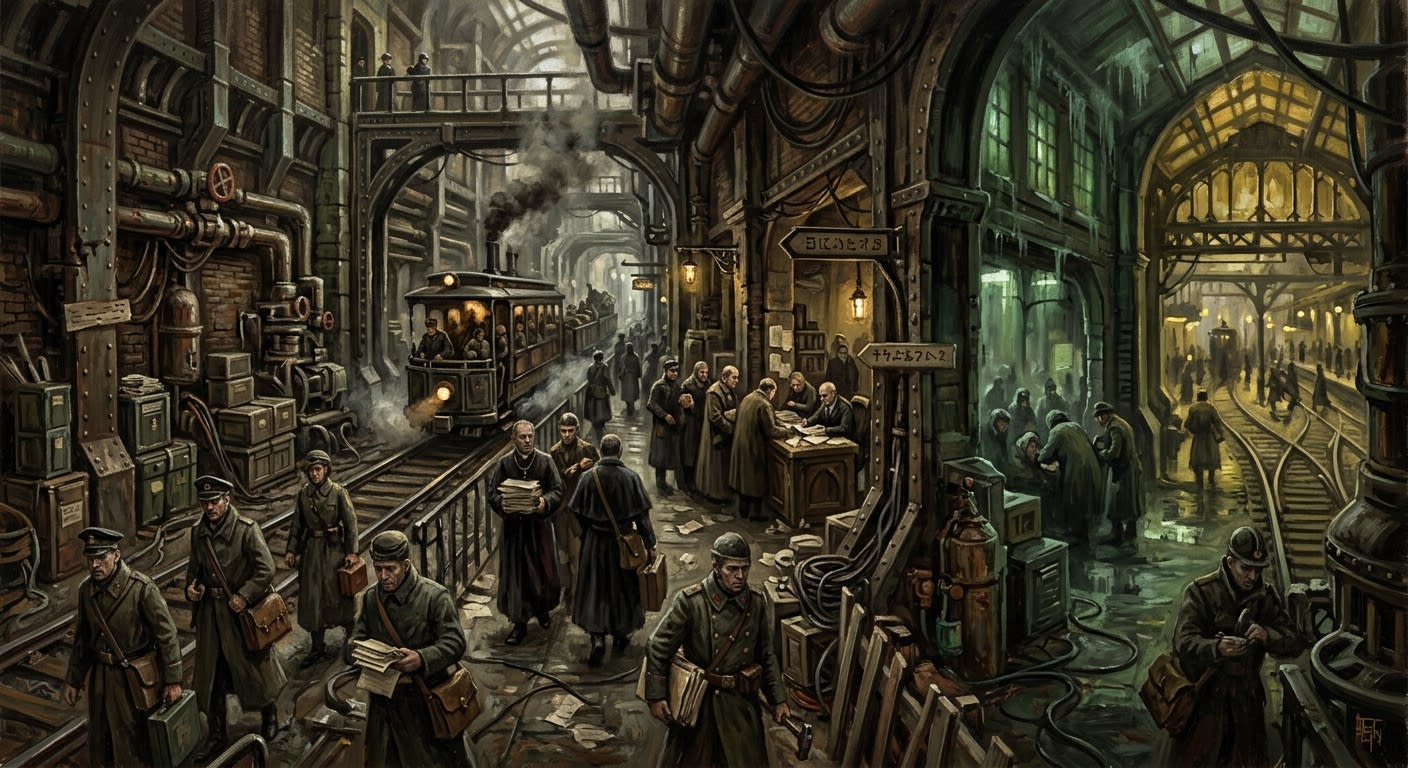
Central Corridor
Motion blurs the screams, which is why the Ledger loves trains
The Central Corridor is the Synod's middle artery: Munich's packed motion, Vienna's holy delay, Bratislava's damp throat, and Budapest's yellow pins.
Codex Ref. II.4.09-201

Central Corridor Command
Where a yellow pin decides who eats
The Bureau of War's logistics authority in Budapest's former Royal Palace, directing Central Corridor convoys to the forward bastions. Green moves, red is lost, and yellow requires decisions.
Codex Ref. VIII.7.04-201
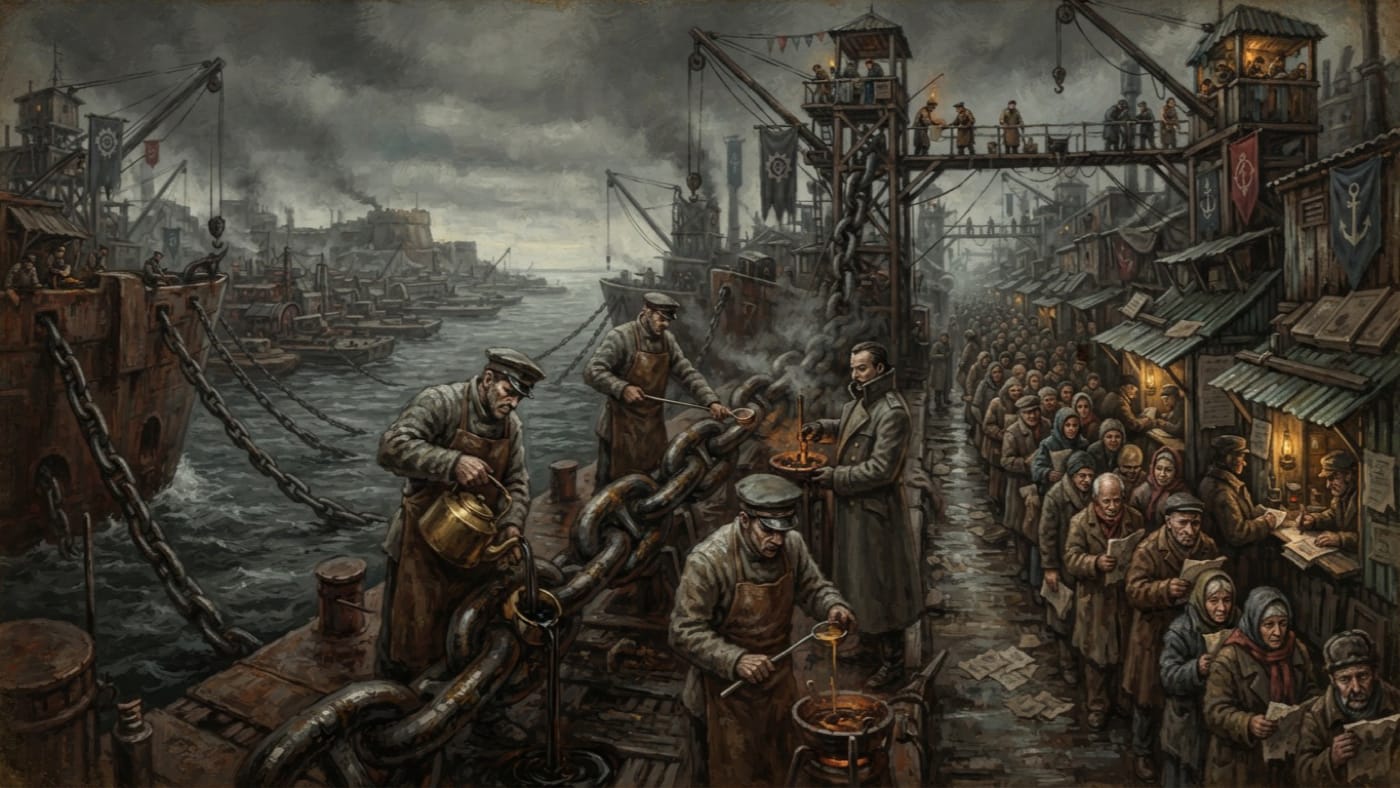
Chain Blessing
The chain is blessed; the debt keeps accruing.
An A.S. 201 survey of the Flotilla's spring blessing: oil and wax for the Grand Lash, half a day's rest for chain crews, and papers renewed at Seal Row. The iron is blessed; the debts continue.
Codex Ref. XIII.1.89-201
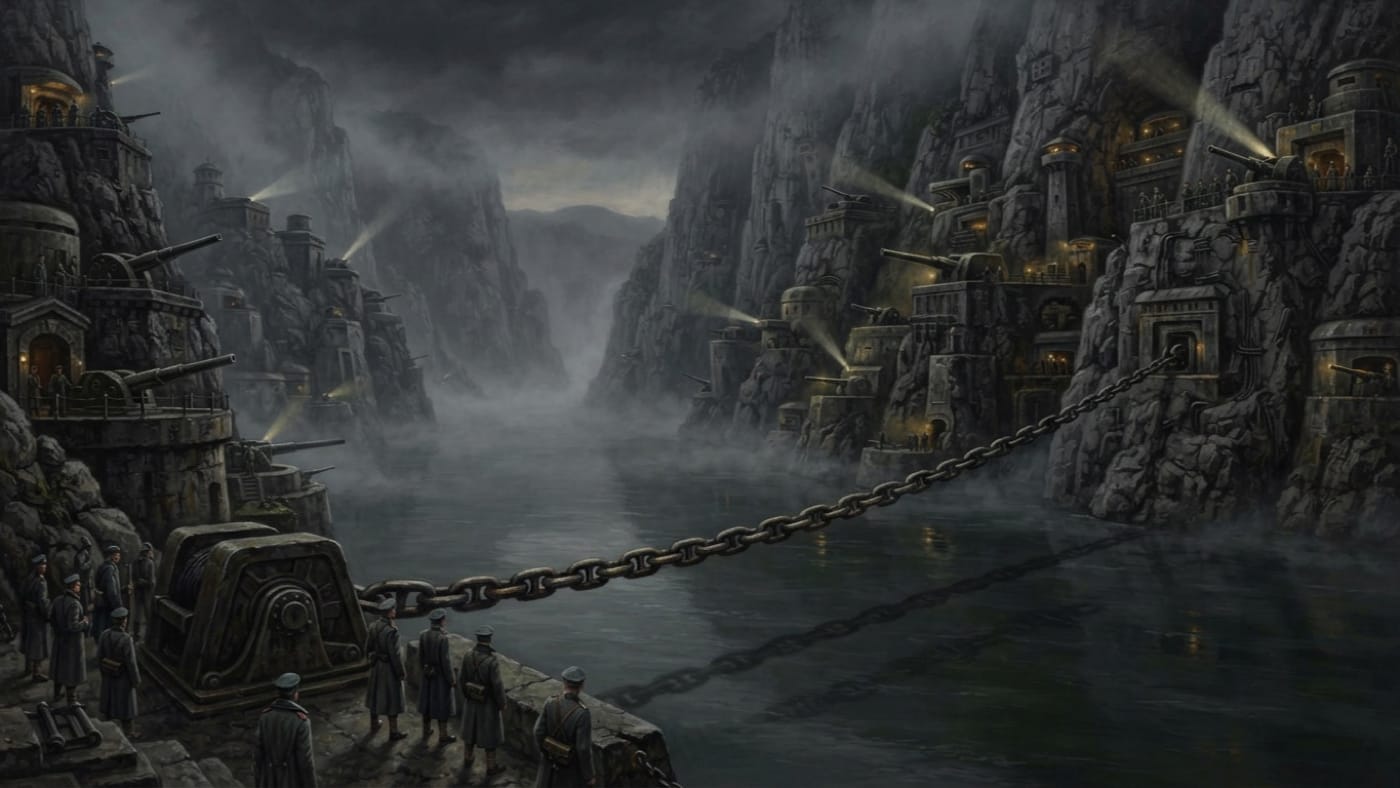
Chain Gate One
The chain stops hulls. The seal admits men.
The river barrier of Bastion-Irongate spans the Danube beneath batteries on both cliffs. The mountain must be sung into stability; passage requires a seal. Morwen would rather replace the sentry than break the chain.
Codex Ref. II.4.24-001
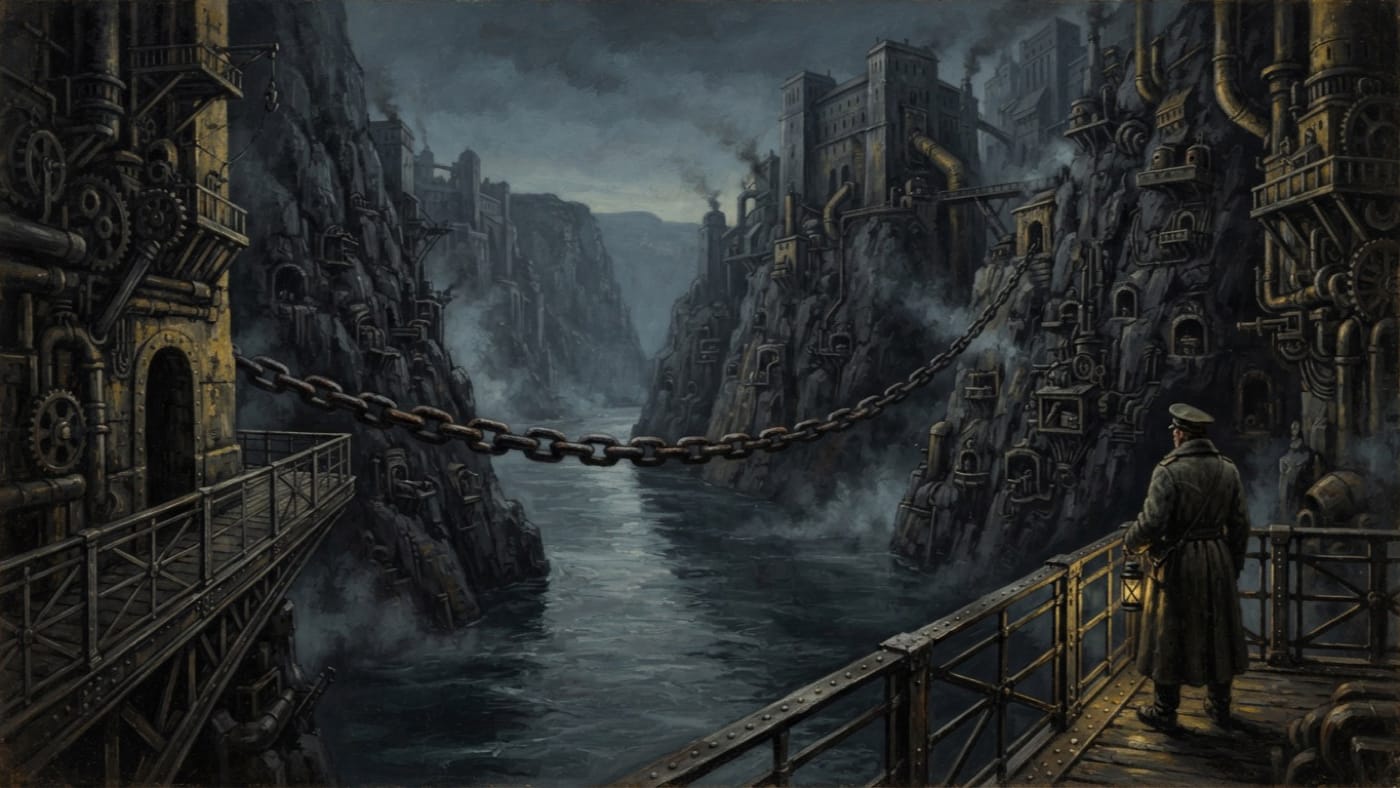
Chain Gate Two
Where the cliffs lean close enough to be chained.
Bastion-Irongate's second river-chain position bars the Danube beneath cliff batteries. Above it, Drax hears the Gasket Choir from the observation gallery. Iron stops hulls; Morwen prefers a sentry whose face the garrison already knows.
Codex Ref. II.4.24-002
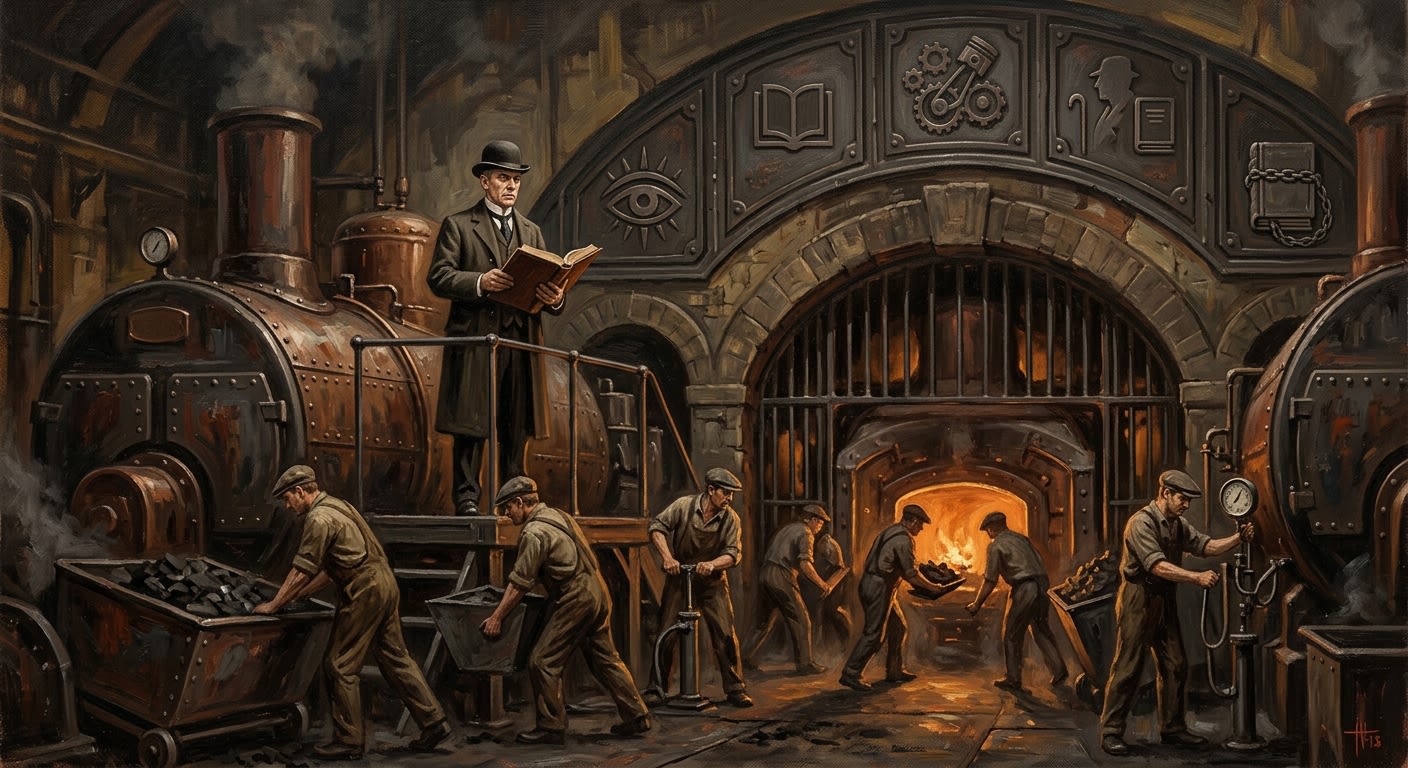
Chain of Cause
Fire may burn, provided it cites its superiors
Furnace Catechist recitation that subordinates fuel, spark, pressure, and output to Heaven, Doctrine, Engines, foremen, and the Ledger's jealous grammar.
Codex Ref. XIII.1.91-134
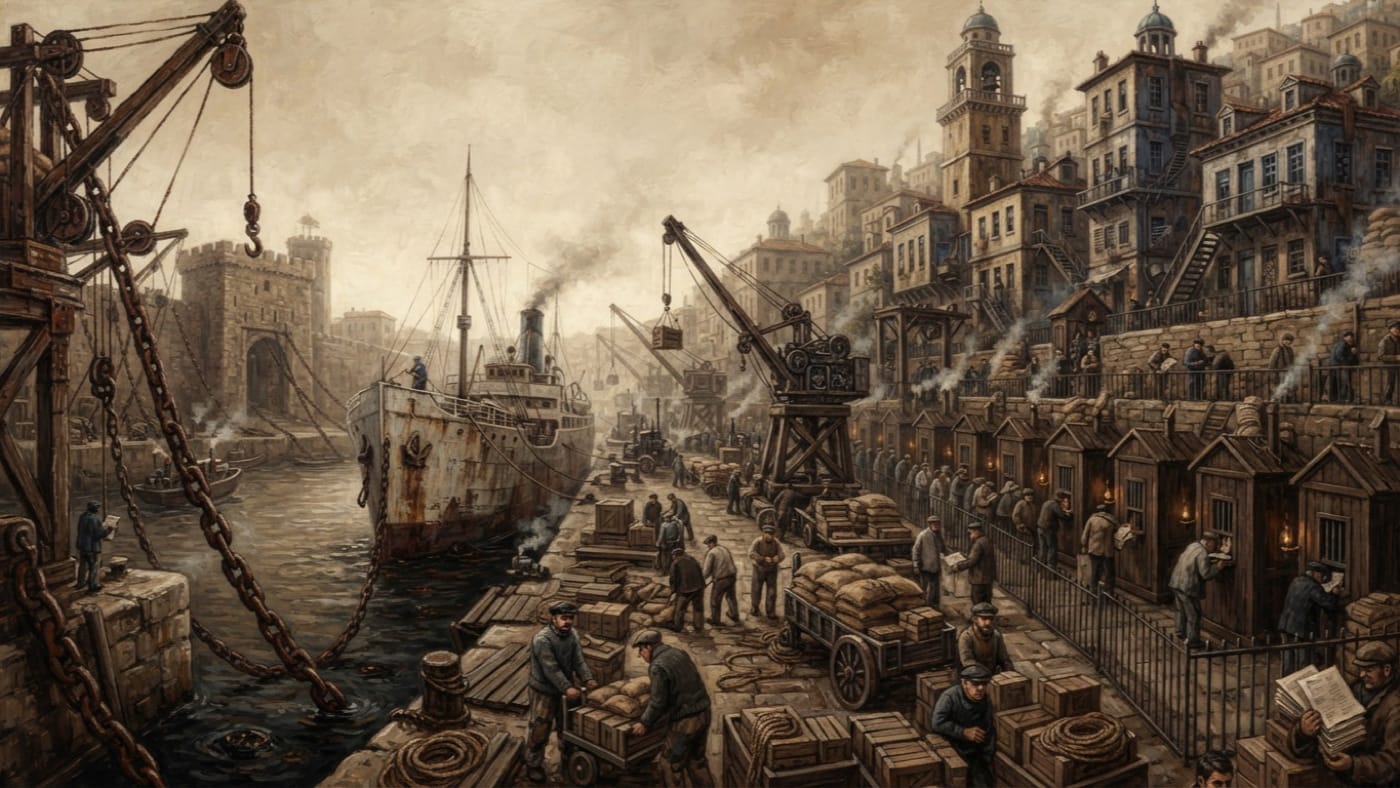
Chainward Quays
Three passes, three stamps, and the price of arriving
Thessaloniki's docking and inspection frontage, where Records, Purity and the provost each require a stamp, a fee and a receipt. The bells have exchanged voices; the quays still confer arrival by ink.
Codex Ref. II.4.09-004
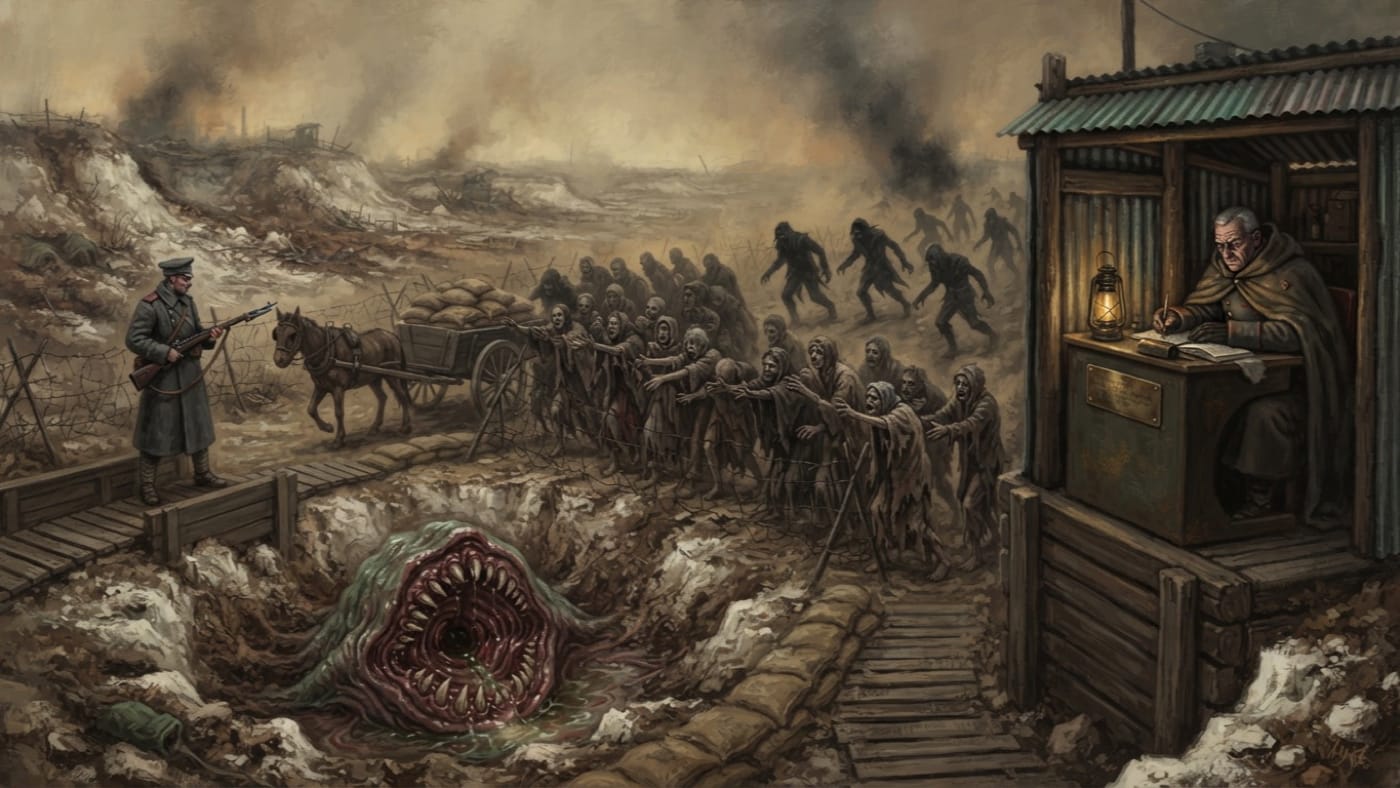
Chalk Pit Nine Maw-Born cough
A cough gathered beggars and gave an assault its cover
In A.S. 190, a fixed Maw-Born at Chalk Pit Nine coughed at passing food carts. Hollow-Walkers gathered, pity occupied the sentries, and scavengers advanced under cover of the crowd. The record certifies no outcome.
Codex Ref. III.2.04-559
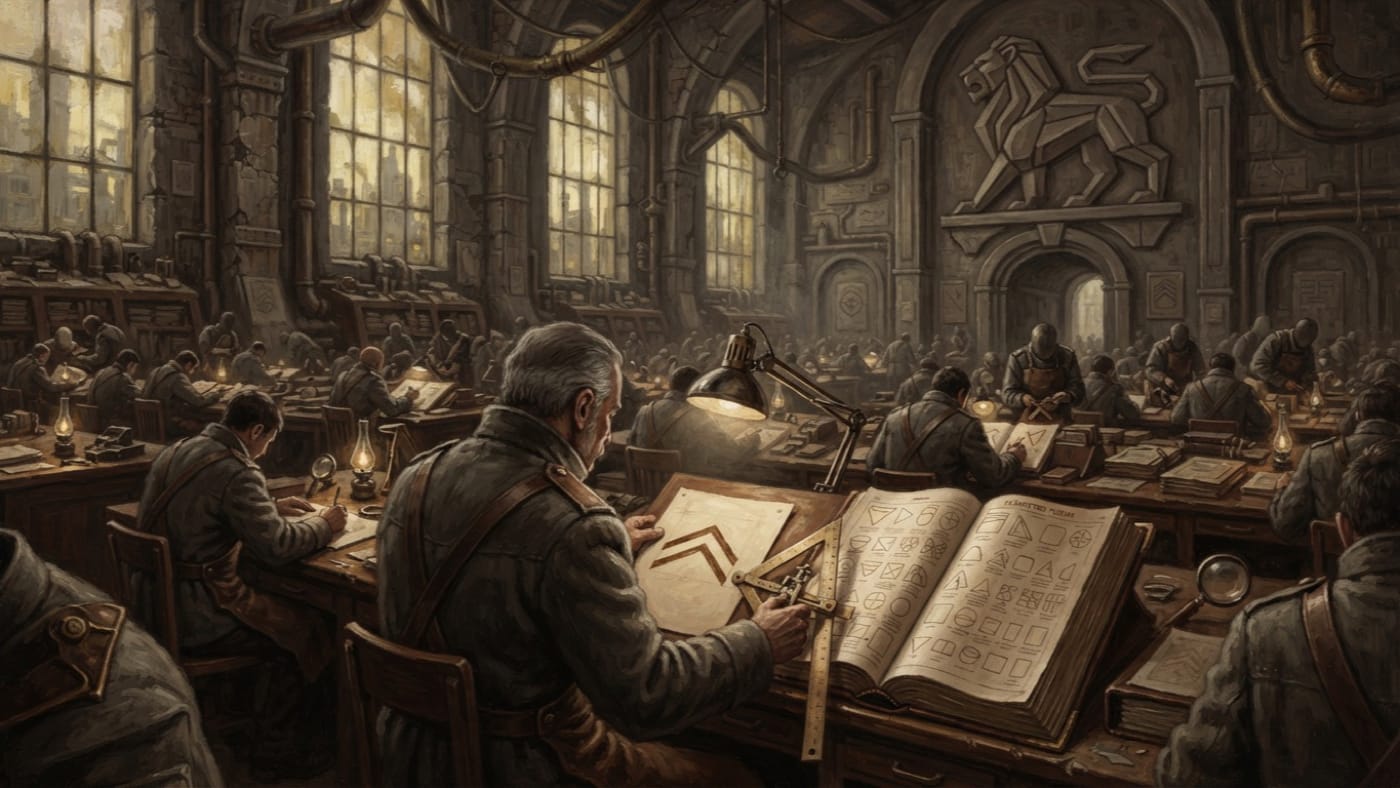
Chancellery of Permitted Forms
Even a corner must petition for absolution
Heraldry's geometry office licenses every bend, circle and corner before display. A lawful shape still requires the right surface, occasion and Armorial entry.
Codex Ref. VIII.1.03-006
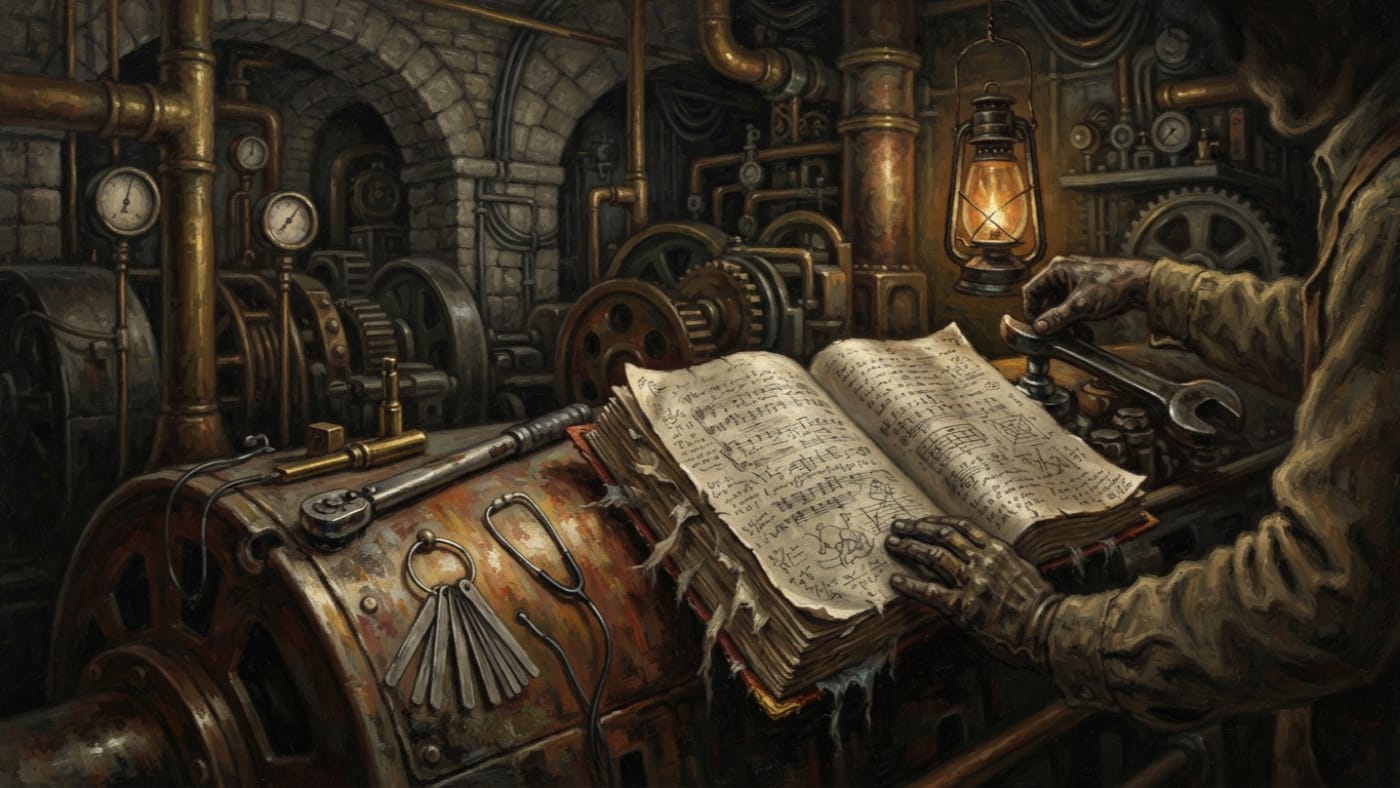
Chant Codex
The book that tells an engine what to hear and an auditor whom to blame.
The Litany-Engineer's sanctioned reference for cant aligned to engine RPM bands. It keeps combustion orderly and gives auditors a page to quote when the operator does not.
Codex Ref. XII.1.02-201
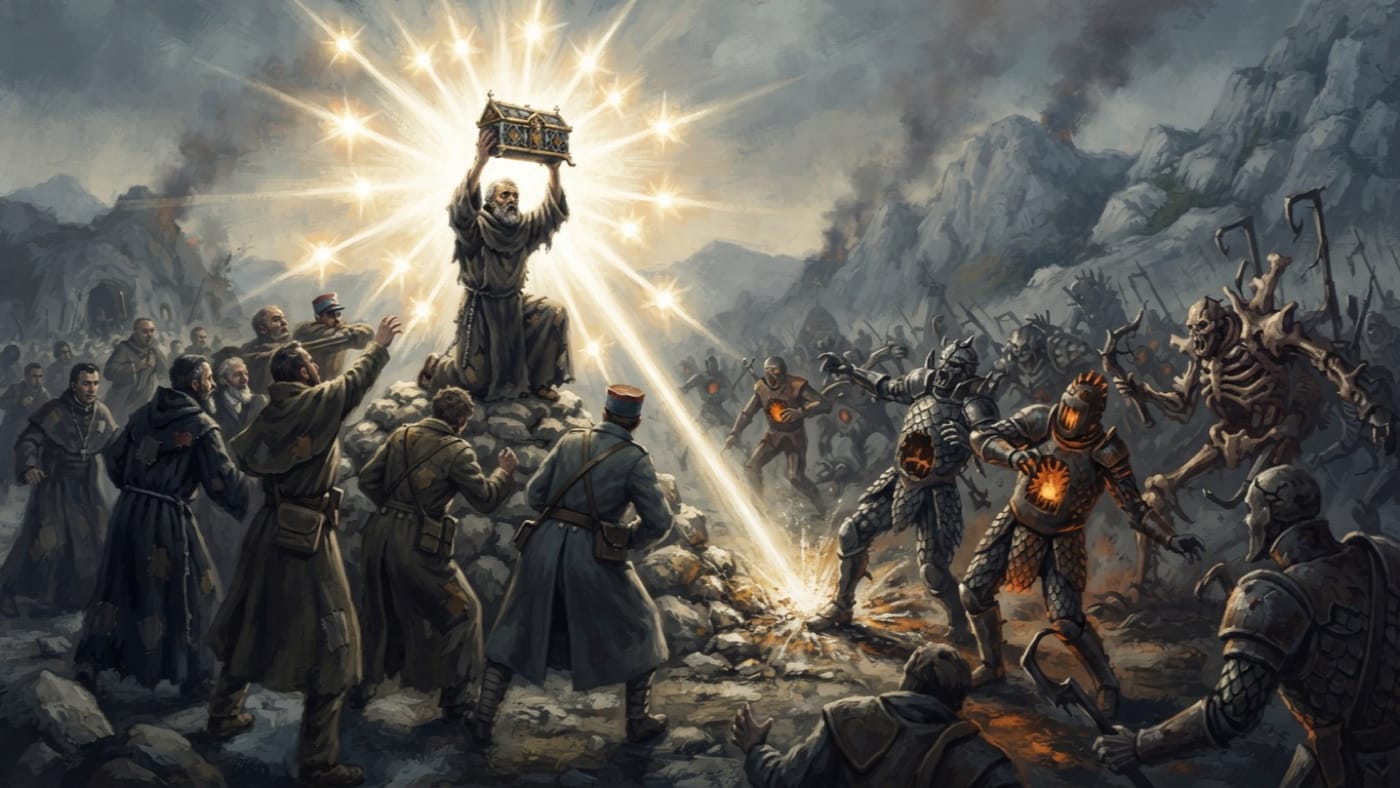
Charnel Host
A name, an association, and a recoil; the rest remains unrecorded.
The Charnel Host is named among Maldrake's attackers at Kalnik Ridge in A.S. 48 and recorded recoiling before Saint Isidore's reliquary. Its composition and command are unrecorded; the Bureau has a name and a recoil, and will certify no more.
Codex Ref. IV.2.07-048
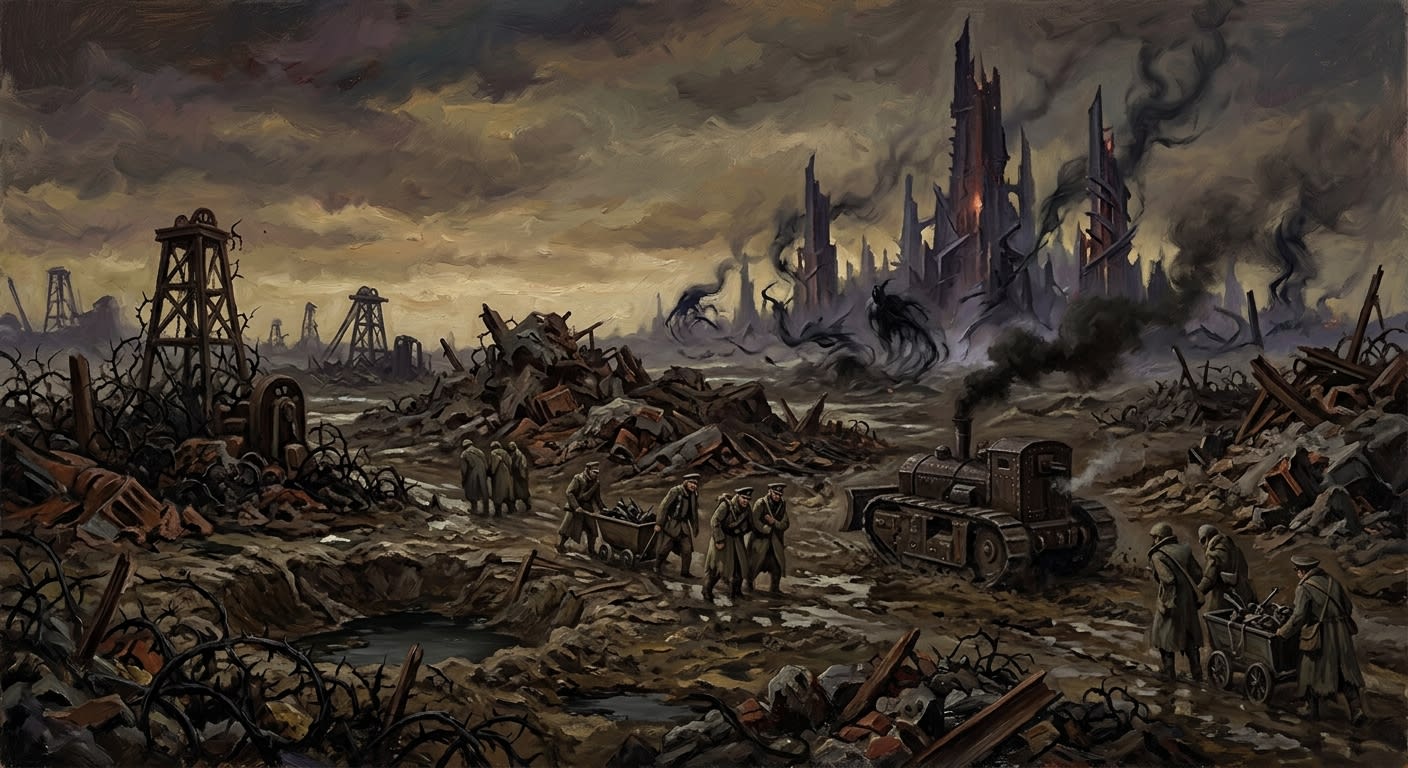
Charnel Lands
Where geography continues after mercy has been denied
The Charnel Lands are Zone 6, the demonic territories east of the Sagittal Line: geography made hostile to custody, with wilderness and cemetery both demoted to inadequate clerkly metaphors.
Codex Ref. II.6.06-001
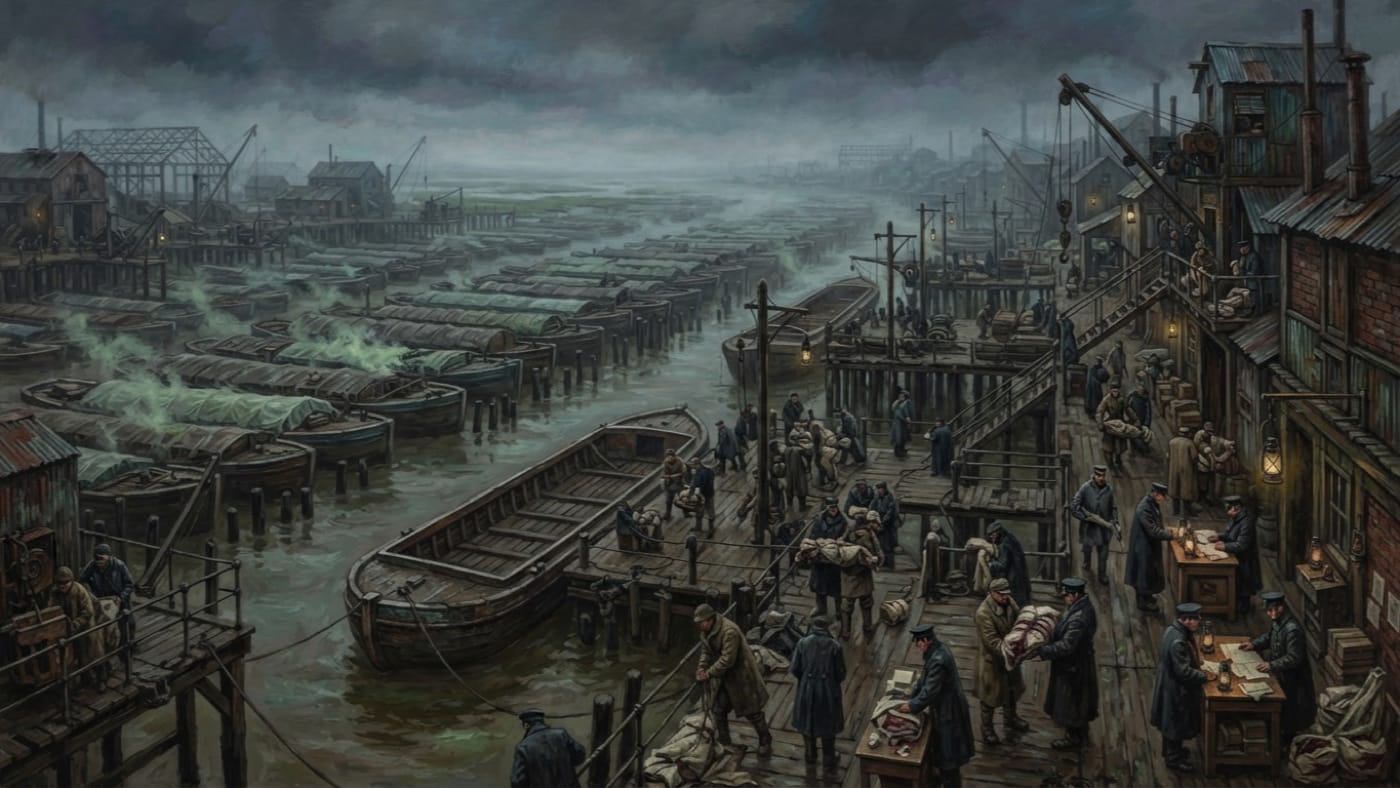
Charnel Moorings
Where a missing crew becomes a matter of weather.
The corpse-barge docks at the eastern end of Ash-Glyph Marshworks, where forty barges may wait on a seal. Registry Fourteen has returned empty and crewless three times. The Bureau files the returns under Weather.
Codex Ref. II.4.08-201
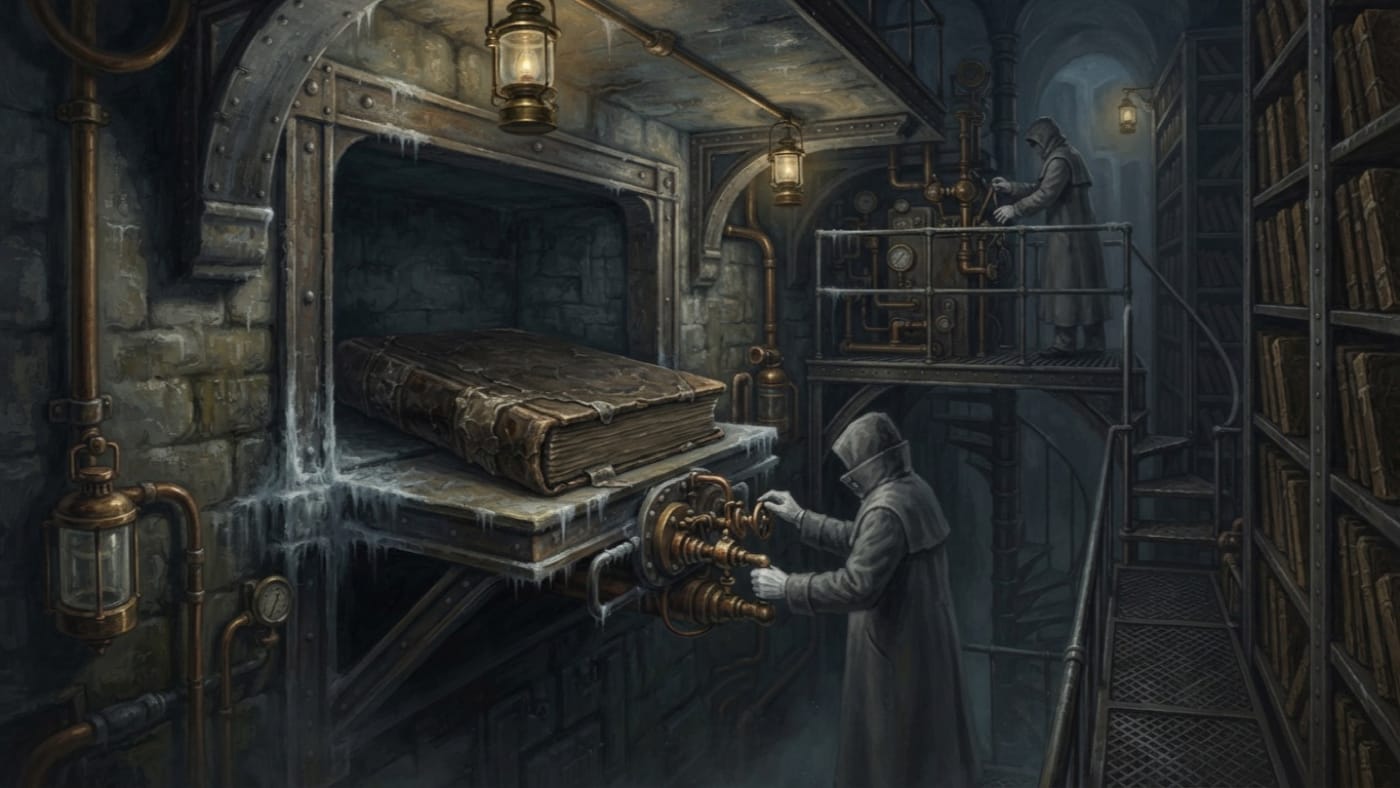
Charter of Administrative Node Seven
The filing is certain. The clauses are another matter.
Filed by Records in A.S. 78, the charter remains on the Burnless Archive's founding shelf. Its custody is attested. Its clauses have not crossed my desk.
Codex Ref. XIII.1.78-007
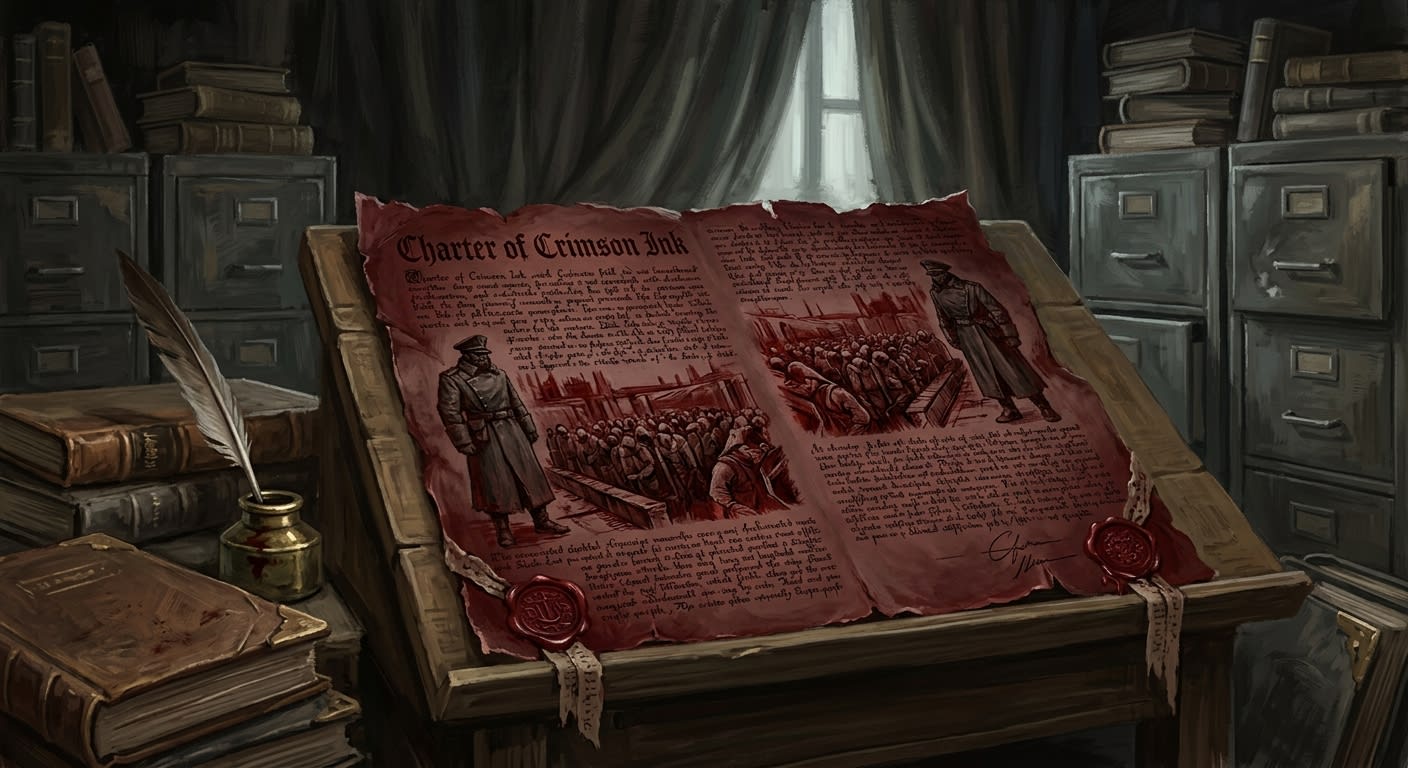
Charter of Crimson Ink
The sword received a desk and called the wound lawful
The Charter of Crimson Ink is War's founding writ: crimson vellum, authorised loss, levy custody, and the blessed discovery that armies obey better once owned.
Codex Ref. XIII.1.54-105
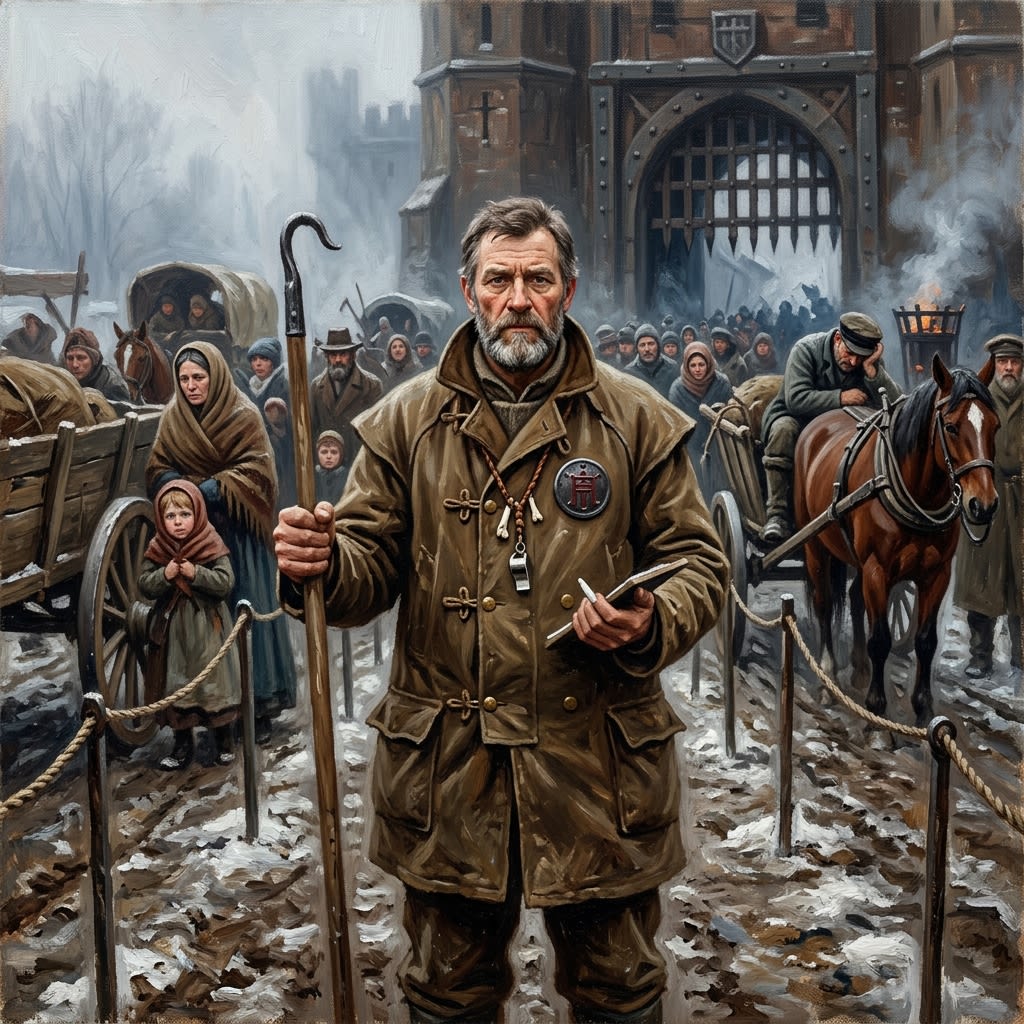
Checkpoint Queue-Marshal
The man who holds the rope holds the war
The Synod's most hated indispensable servant — 1,140 Queue-Marshals holding the ropes that hold the lanes that hold the war together, constituted A.S.
Codex Ref. XII.7.01-001
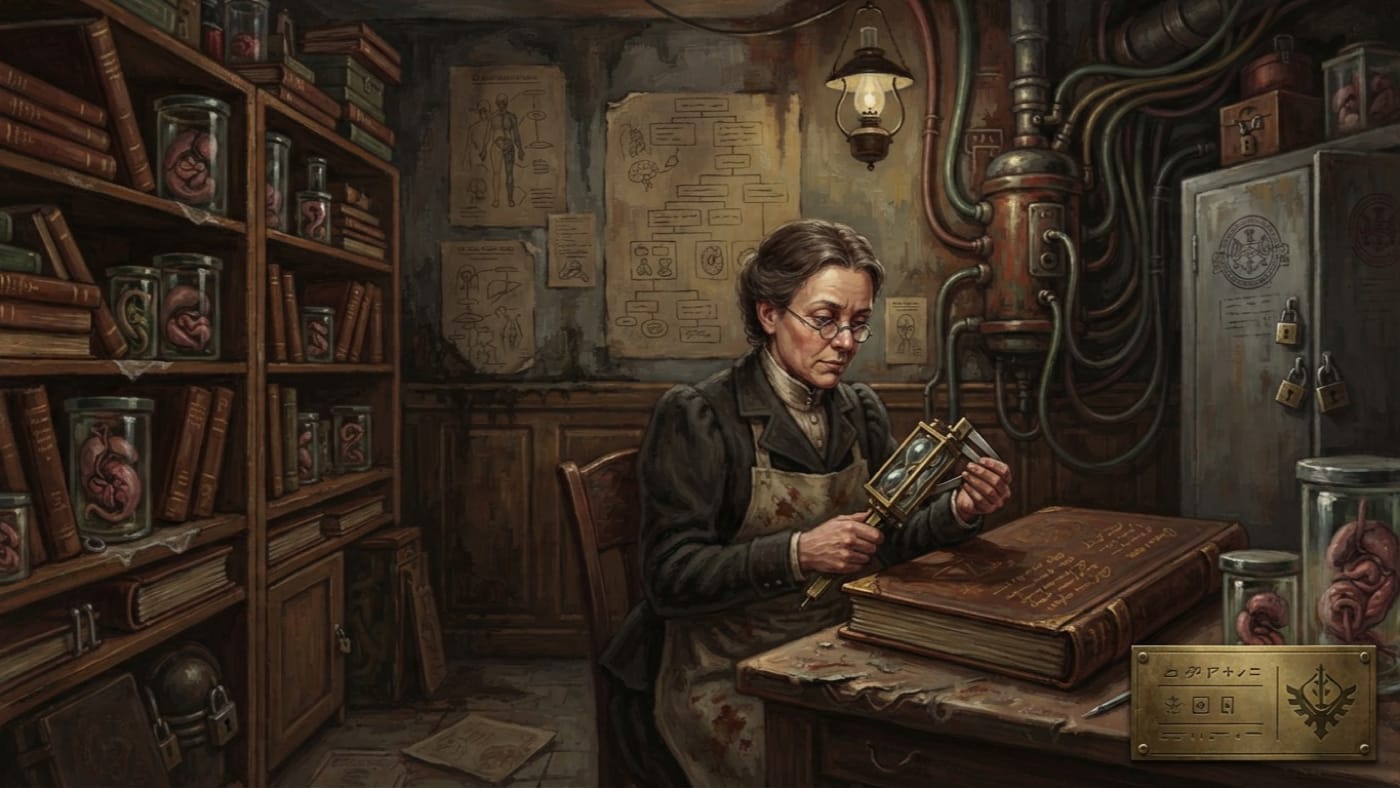
Chief Anatomist
Absent from the procession. Indispensable to the front.
The Chief Anatomist has no Synodal rank and every garrison's attention. Doctor Trenn holds the office: measurement, classification and a disclaimer that travels with each finding.
Codex Ref. XIII.1.07-082
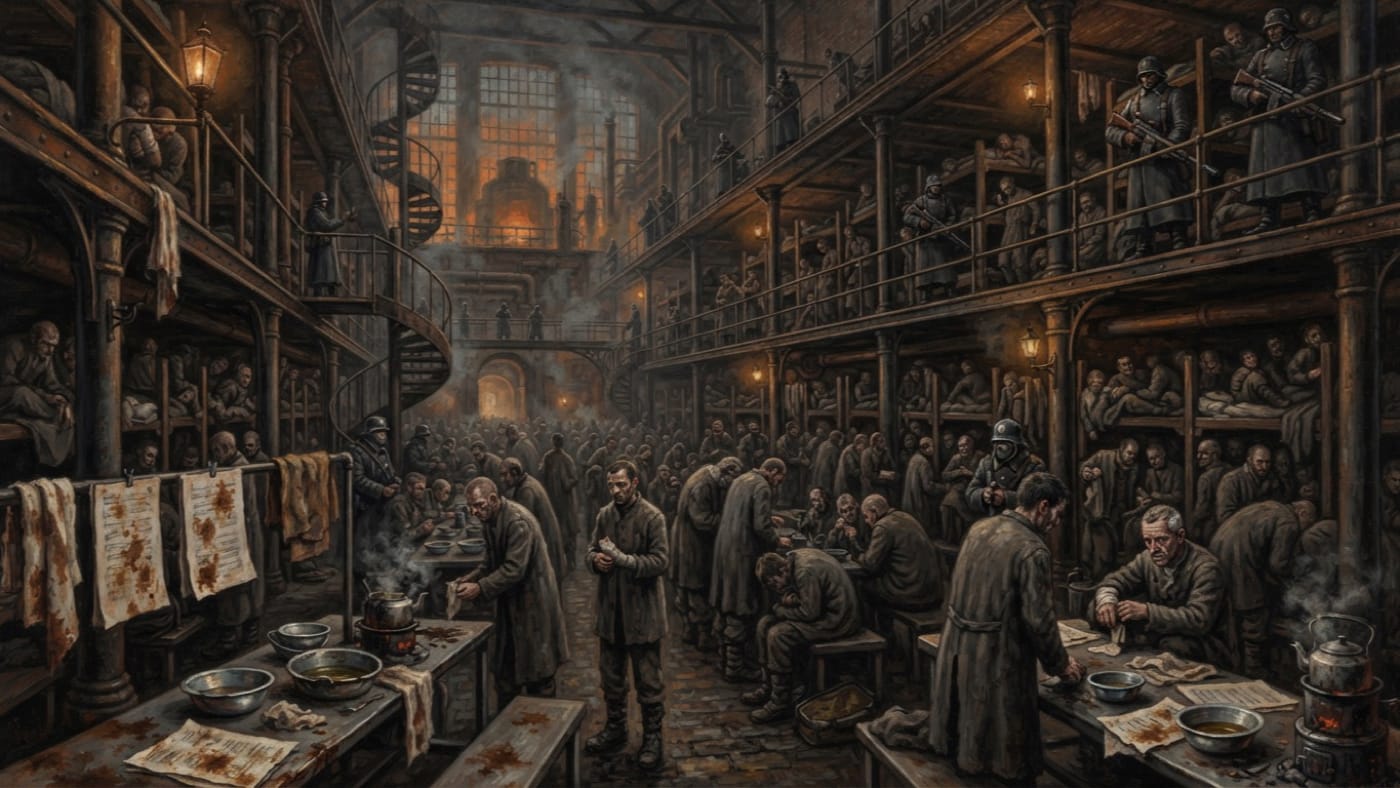
Choir Quarters
Two thousand voices and a union that bargains by the breath
Essen's Choir Quarters maintain two thousand calibration voices. Within the barracks, the unchartered Throat Line contests bleed shifts one doctrinally cautious breath at a time.
Codex Ref. XI.5.03-201
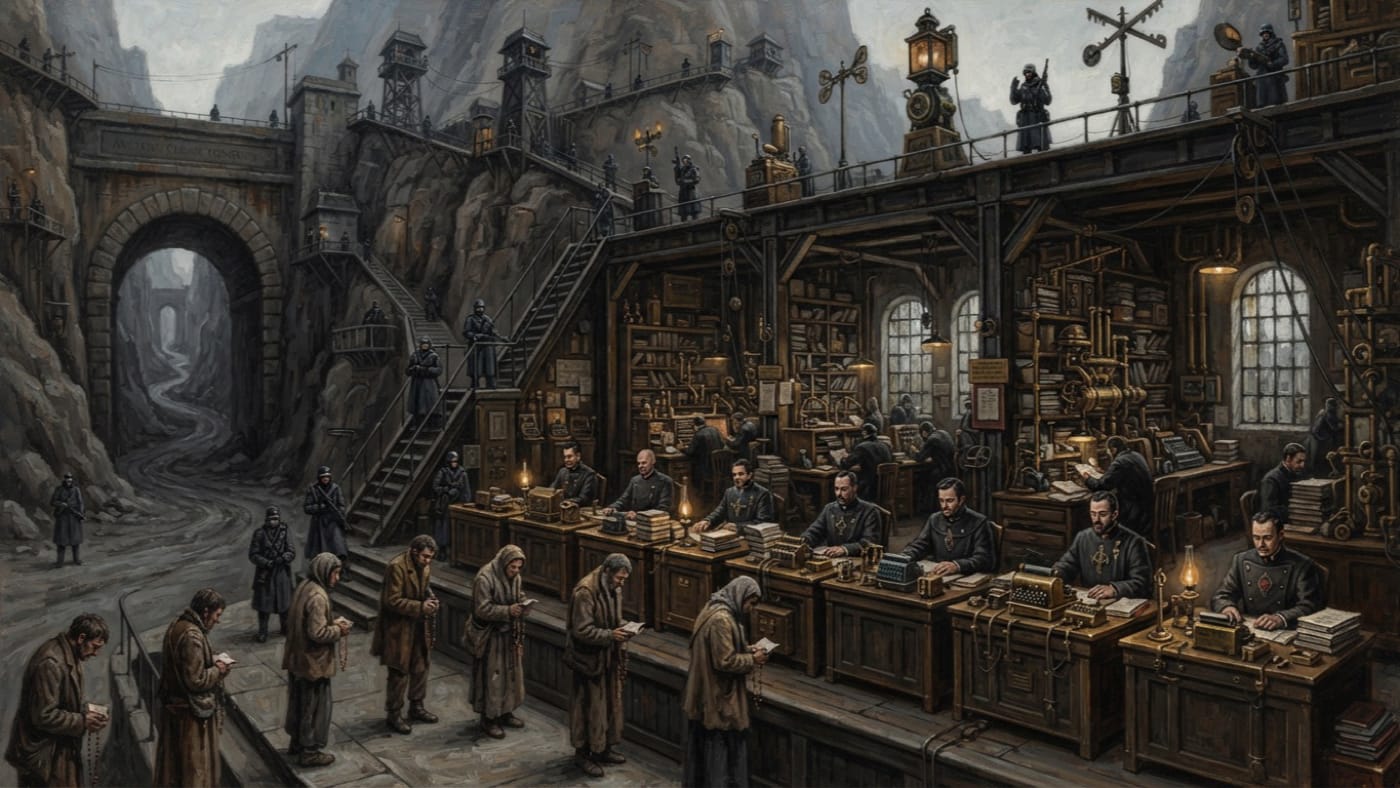
Choir-Broker Compact
Safety by the window, liability by the vowel
Peregrine Row's licensed insurers sell escort windows, bind protection to creed scores and fund the Quiet Pen Wardens. Seven council seats govern the trade; the pilgrim carries the risk.
Codex Ref. XII.32.02-201
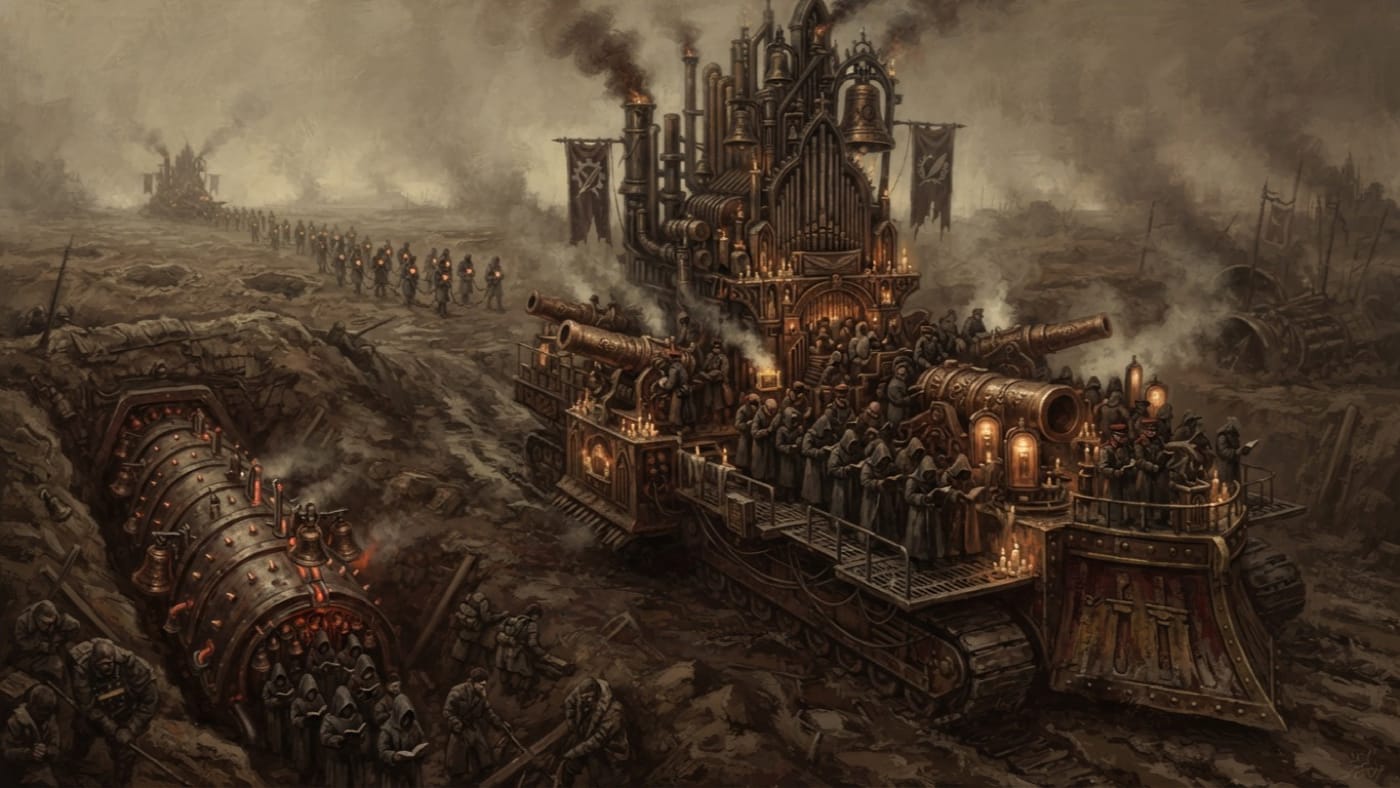
Choir-Engines
The Creator grants the miracle; the singer pays for it
The Sunken Choir, Processional Arsenal and Chorus Absolvers turn sanctioned prayer into siege work under Orison's War Directorate. The Creator grants the miracle; the singers pay in hearing, throats, lungs and years.
Codex Ref. XIII.1.32-001
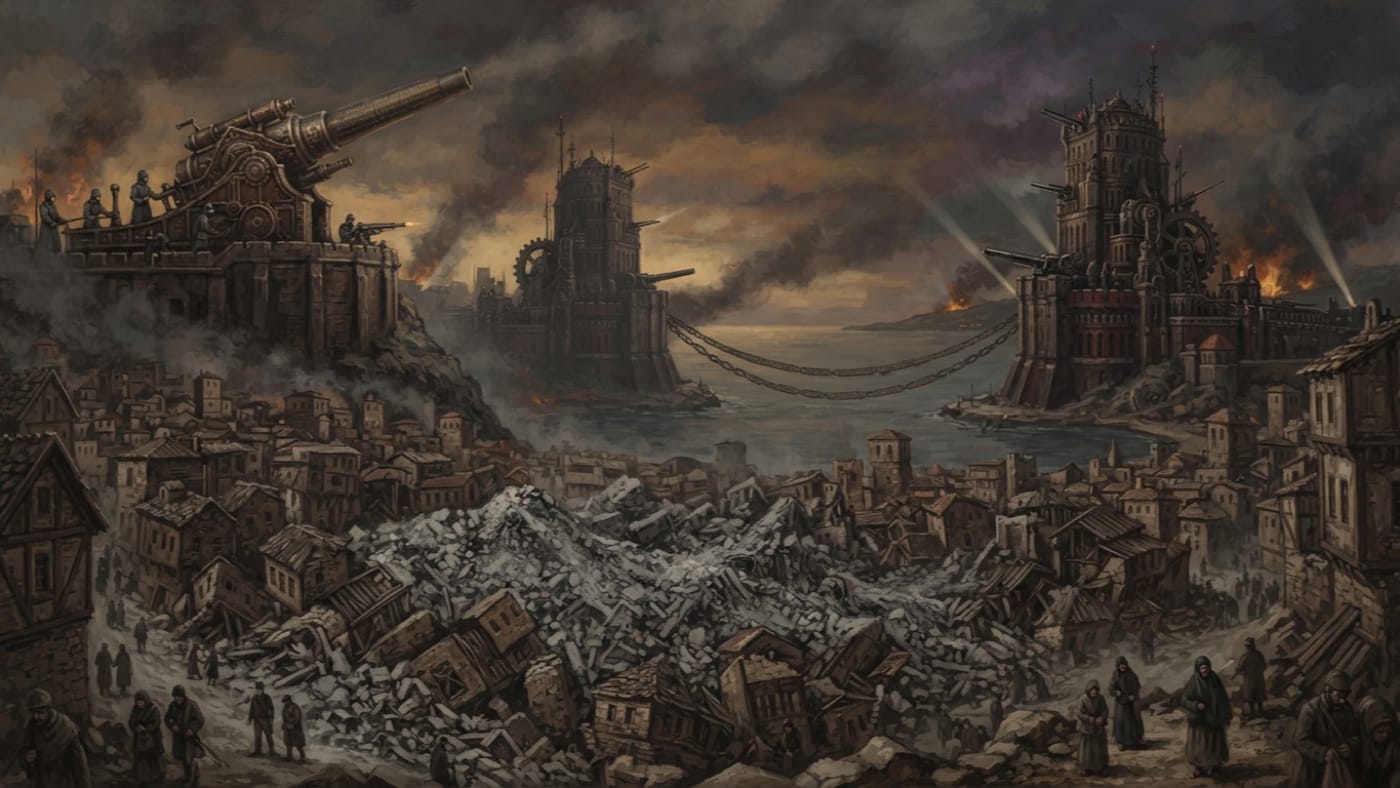
Choir-Mortar Campaigns
Five towers fell; the record kept two names and no year.
An A.S. 201 survey of the undated Thessaloniki engagement: one Choir-Mortar barrage brought down five sorcery towers and entombed thousands of captive civilians. The city calls it the Ash Wedding; Doctrine files it as necessary.
Codex Ref. VII.5.03-002
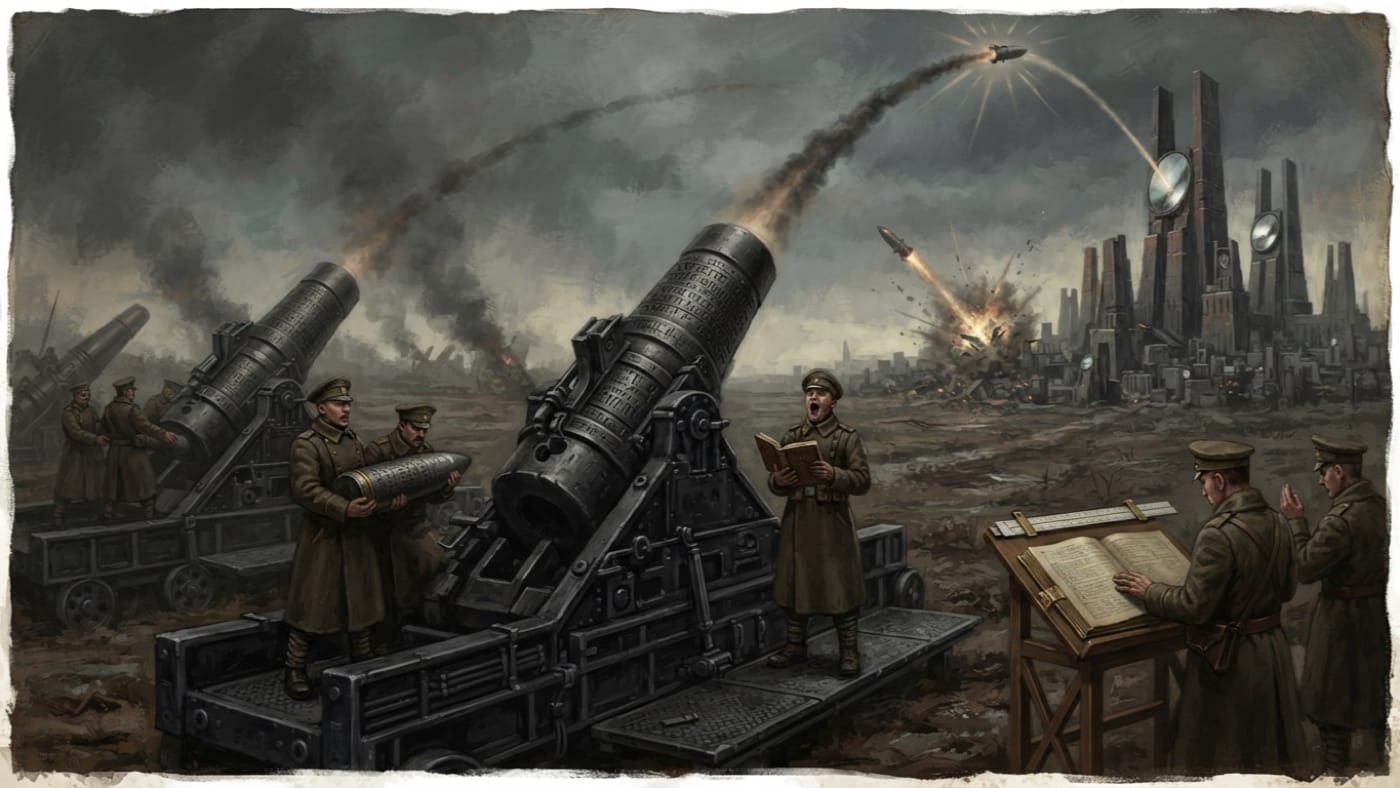
Choir-Mortars
Aim with the psalter; correct with the slide-rule
My A.S. 201 survey of liturgical artillery and counter-battery practice: barrels bear canticles, crews chant the trajectory, and shells finish the hymn in fire. Enemy mirrors may return the refrain.
Codex Ref. XIII.1.66-001
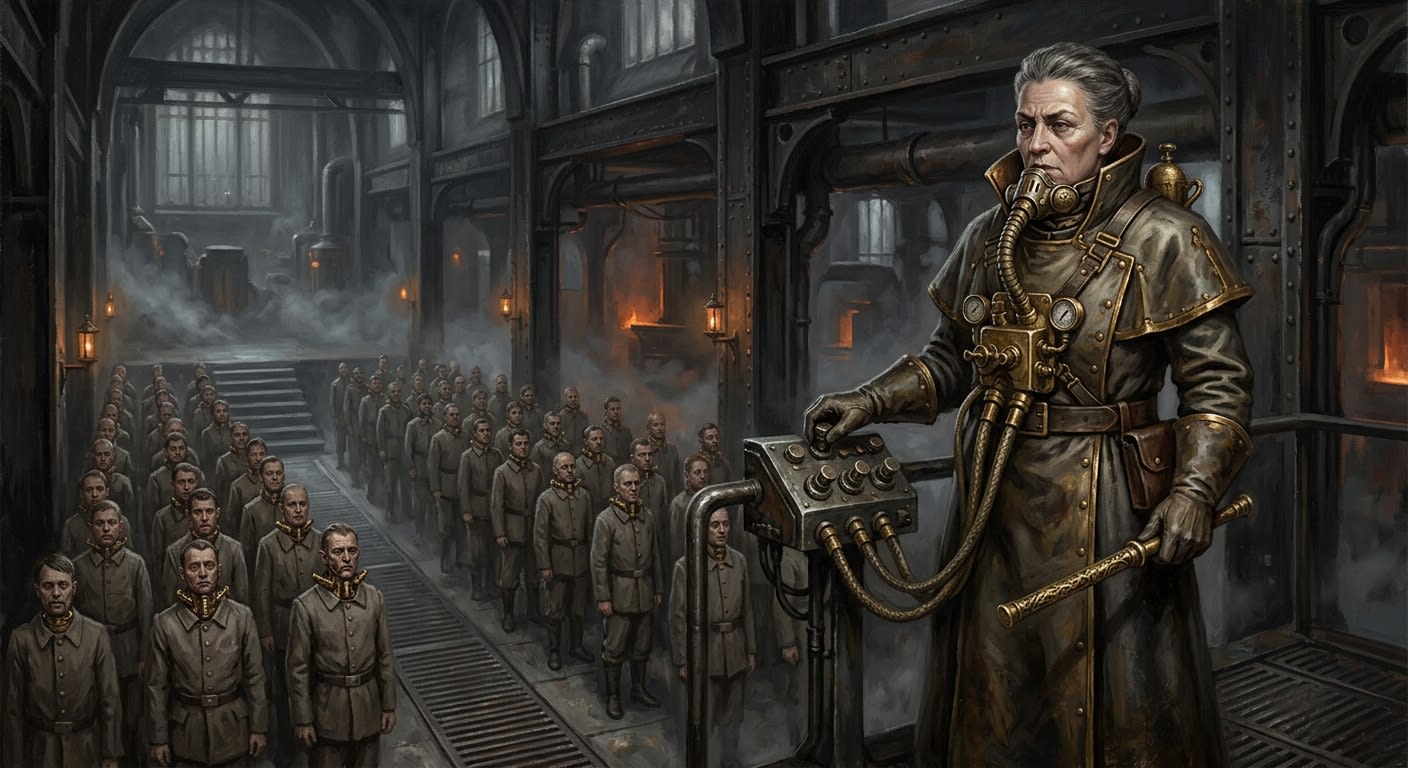
Choirmaster-Calibration Ilyra Kest
The woman who taught valves to obey a murmur
Ilyra Kest presides over Brast's Calibration Choir: three hundred and twelve licensed throats, one ruined public voice, and valves that still obey.
Codex Ref. III.1.04-002
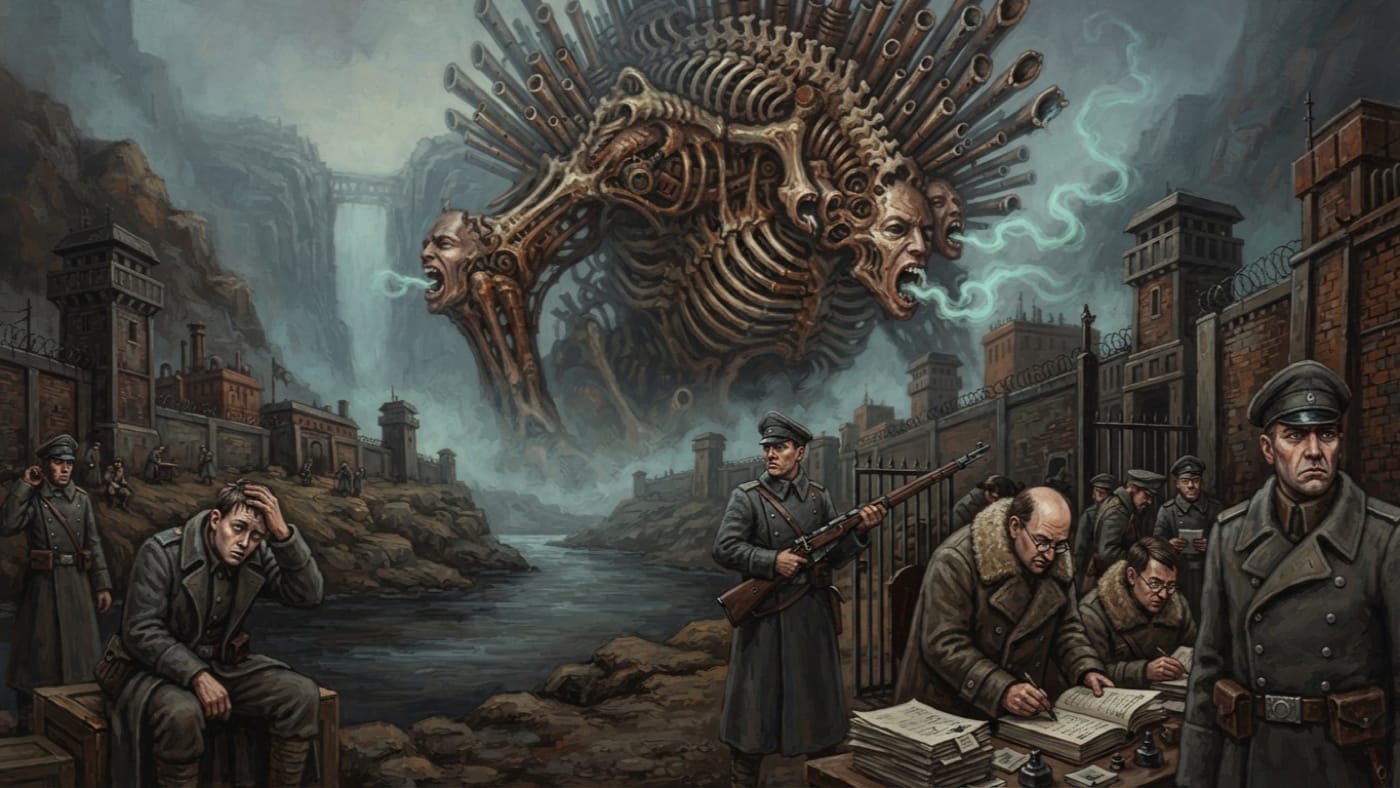
Choral Maw
Where Your Own Voice Ceases to Be Evidence
Morwen's vast organ of bone and sinew wails in stolen voices until a man cannot distinguish his thoughts from their echo. The Bureau can verify his name; it cannot make him trust the voice that answers.
Codex Ref. IV.1.07-008
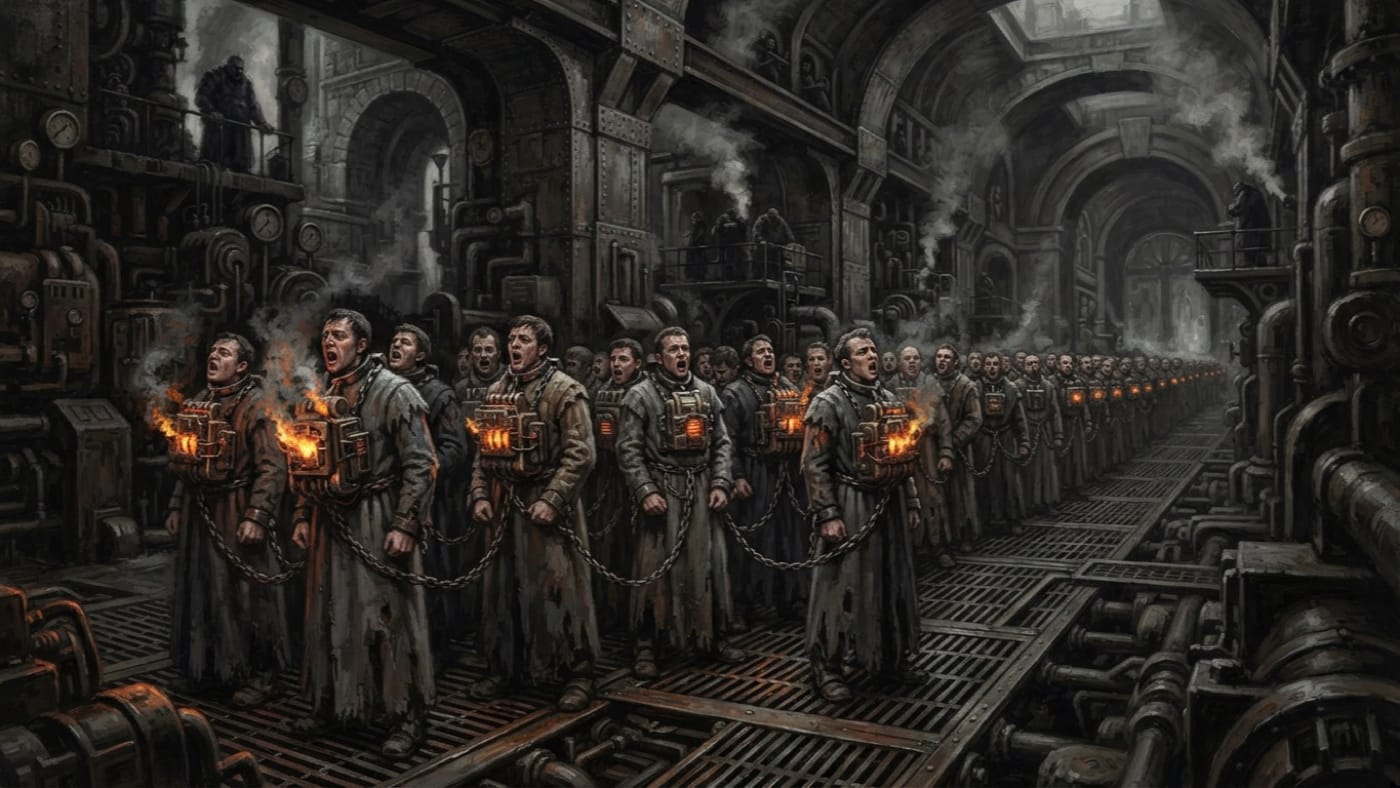
Chorus Absolvers
Elite. Bound. Sung until the relic burns.
The Chorus Absolvers are Orison's Elite choir in chains: chest-mounted vox-relics broadcast hymns that rattle teeth and rupture lungs until the relics burn. The Bureau calls the cost proportionate.
Codex Ref. VIII.5.12-613
Chrismole
Blessed fuel, classified substrate, and the blue-black argument of necessity
Chrismole is sanctified fuel: oil disciplined by hymn, substrate, seal, and denial until it warms guns, feeds engines, and argues back.
Codex Ref. XIII.1.12-072
Chrismole Distillation Manual
The procedure keeps its seal; the explanation receives a correction
The Seventh Revision governs Brast's seven-stage fuel distillation. In A.S. 187 the Bureau corrected its explanation and left every bell intact. As of A.S. 201, the manual remains sacred; the engines remain difficult.
Codex Ref. XIII.1.12-187
Cinderrow Wards
Where the hands are licensed and the lungs are not logged
The soot-brick worker wards of Lorn, where employment requires confession, debt is paid in night shifts, and the dying remain paper-safe. The Thrown Hand prepares a slowdown; the schedule still certifies its labour supply.
Codex Ref. II.3.01-003
Circuit Annex 7-East
The seal came home. The six did not.
The sealed supplement to Judicial Circular 4.12 records Shipka's A.S. 172 cancellation and A.S. 173 recovery. The seal survived; six accused remain unaccounted for.
Codex Ref. VII.8.10-172
Circular 192-M
Dull the glass before it promotes you
Circular 192-M orders Przemyśl's forward positions to spoil needless reflections and supervise essential ones. A man who cannot see a peer cannot hold the Line.
Codex Ref. XIII.1.07-192
Civic Cut
The Levy takes a fraction. The Cut prepares the whole field.
Conscription takes a fraction. The Civic Cut prepares the whole field: children learn to eat, march, rejoice and betray in time with the bells, years before the Levy arrives.
Codex Ref. XIII.1.23-201
Civic Triage Tribunal
The court where wounds learn their price before they heal
Marrowgate's Civic Triage Tribunal turns beds, saws, broth, labour, debt, and death into rulings; mercy enters only after allocation.
Codex Ref. XIII.1.88-083
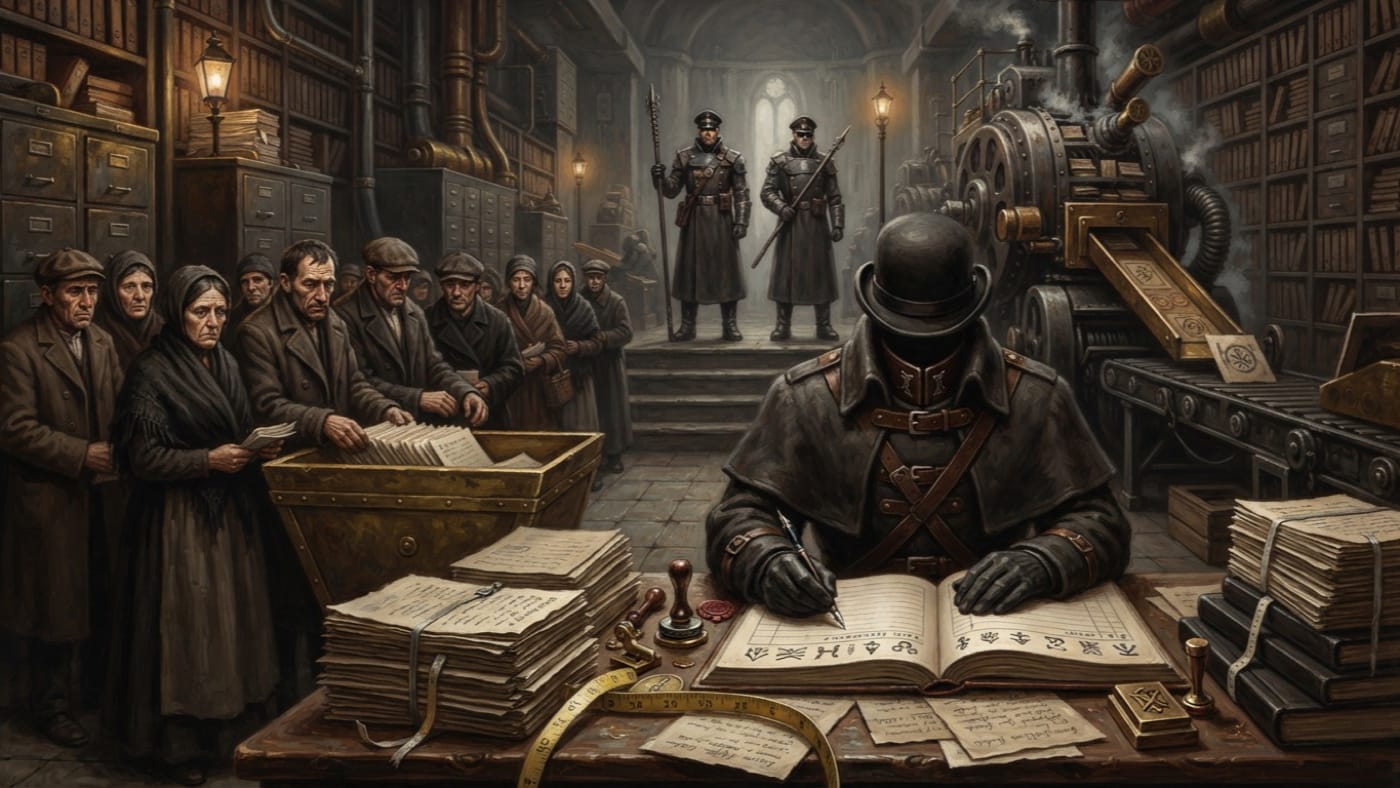
Classification Report
The grade is spoken; the objection is filed
The Classification Report turns shrine measurements, receipts and pilgrim counts into a binding grade. Pilgrimage pronounces it; Records preserves it; the parish files its objections beside it.
Codex Ref. XIII.1.51-151
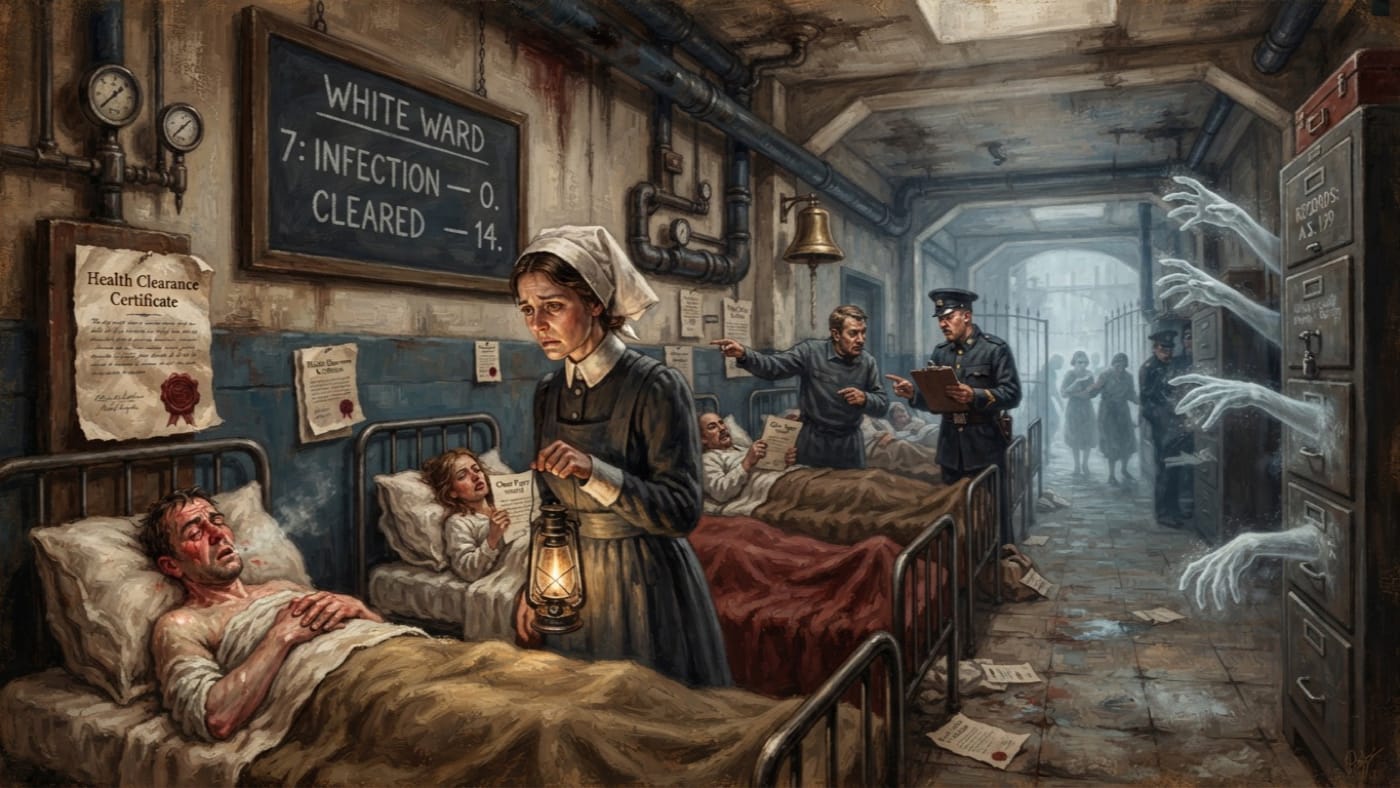
Clean Paper Plague
The certificate passed inspection. The fever passed the gate.
In A.S. 199, Marrowgate certified feverish patients as healthy and let them through its cordons. The official audit found tolerable fraud; the Marrowwind corrected the ledgers without such restraint.
Codex Ref. VII.4.20-199
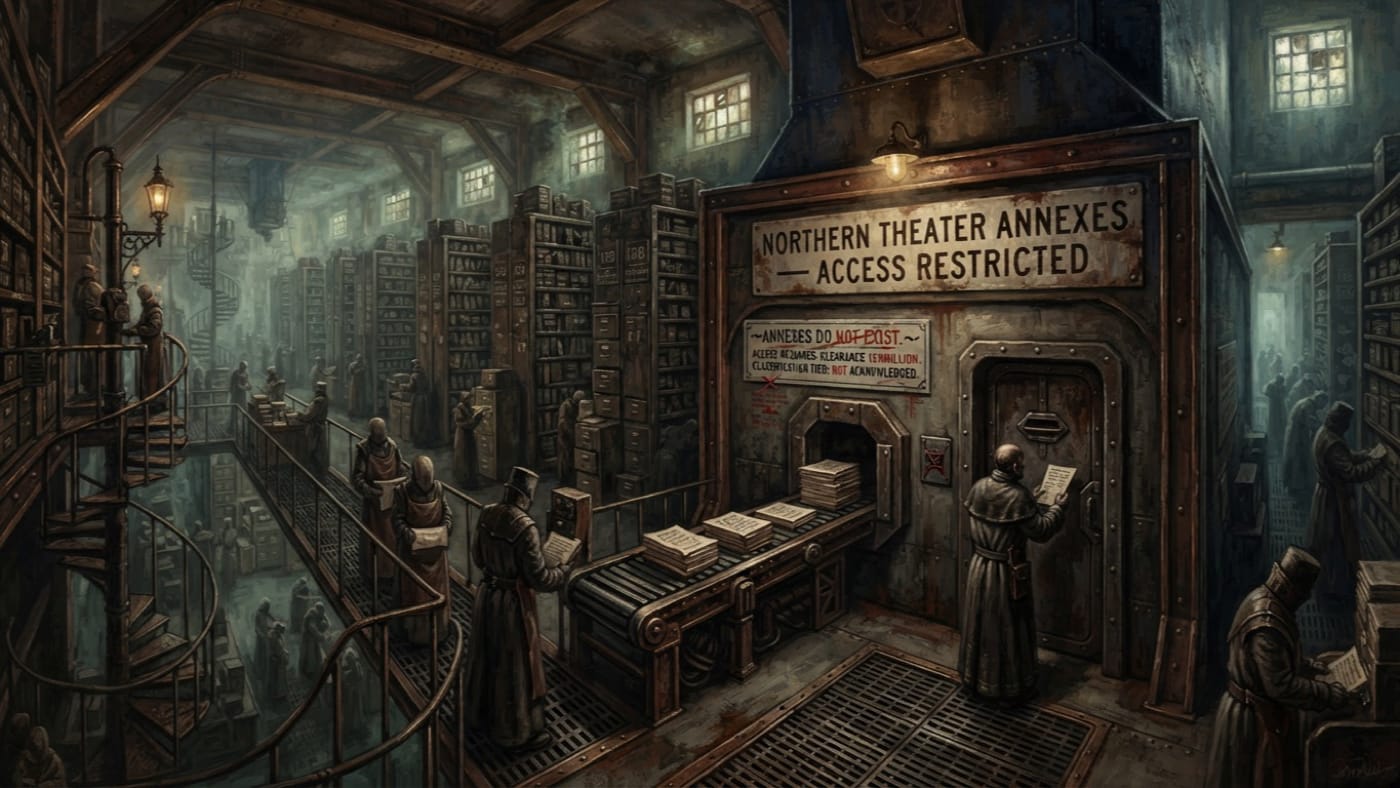
Clearance Vermillion
The Tier That Denies Its Own Existence
Clearance Vermillion restricts Brest's Northern Theater annexes while the Church denies the tier exists. I recorded the denial; my record acquired the same classification. The Ledger keeps its answer from its own Warden.
Codex Ref. XIII.1.72-011
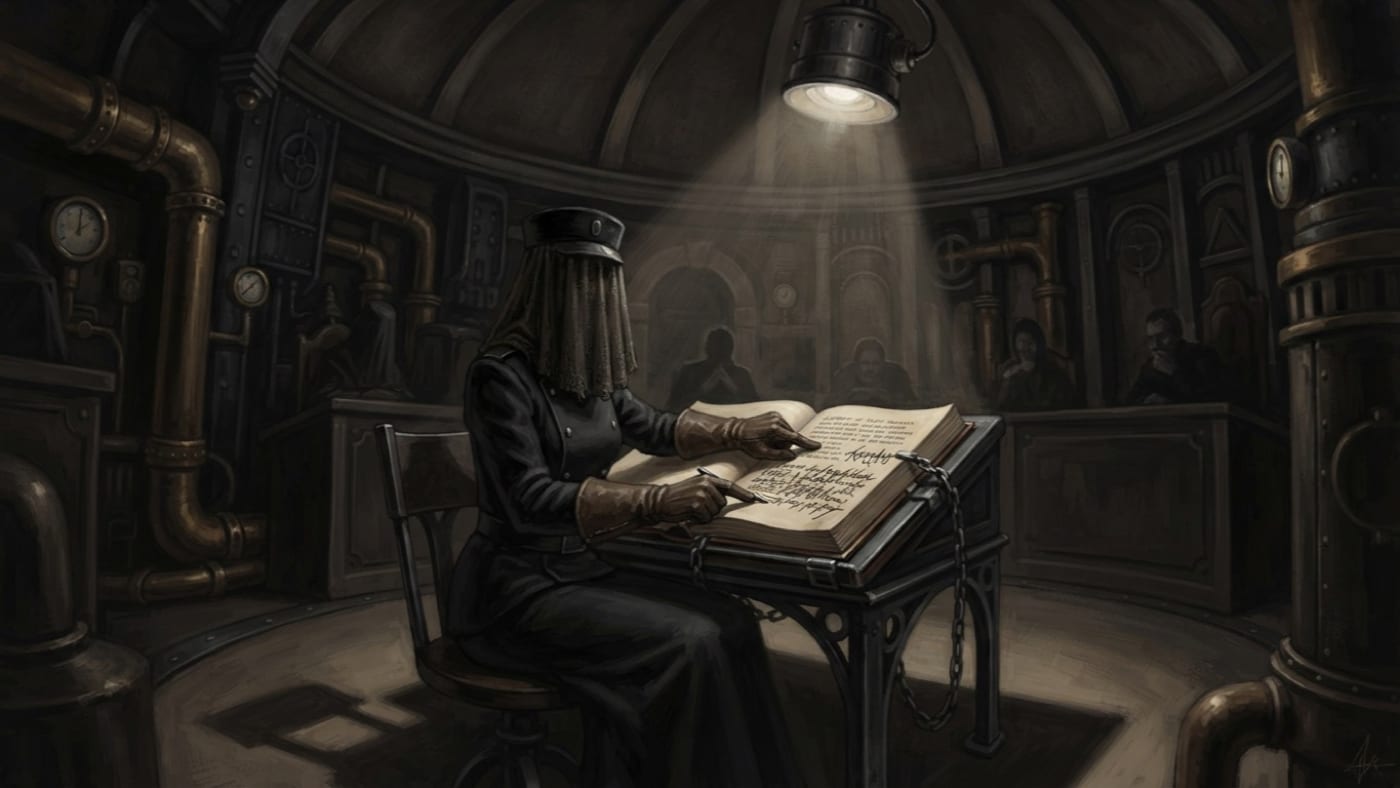
Clerk Voss
Permission to stop reading: denied
Clerk Voss asked to stop reading when a Ledger amended itself during Irongate's A.S. 199 Twinning hearing. Permission was denied. The archive preserves the request; it does not preserve the clerk's fate.
Codex Ref. III.2.01-199

Clerk-Prime Yoren
The hand that decides whether an hour was ever entered
Clerk-Prime Yoren heads the Time Clerks' Collegium of the Queue Road. His guild decides which waiting hours reach the ledger. The file records his office; it offers no history of the man.
Codex Ref. III.2.01-648
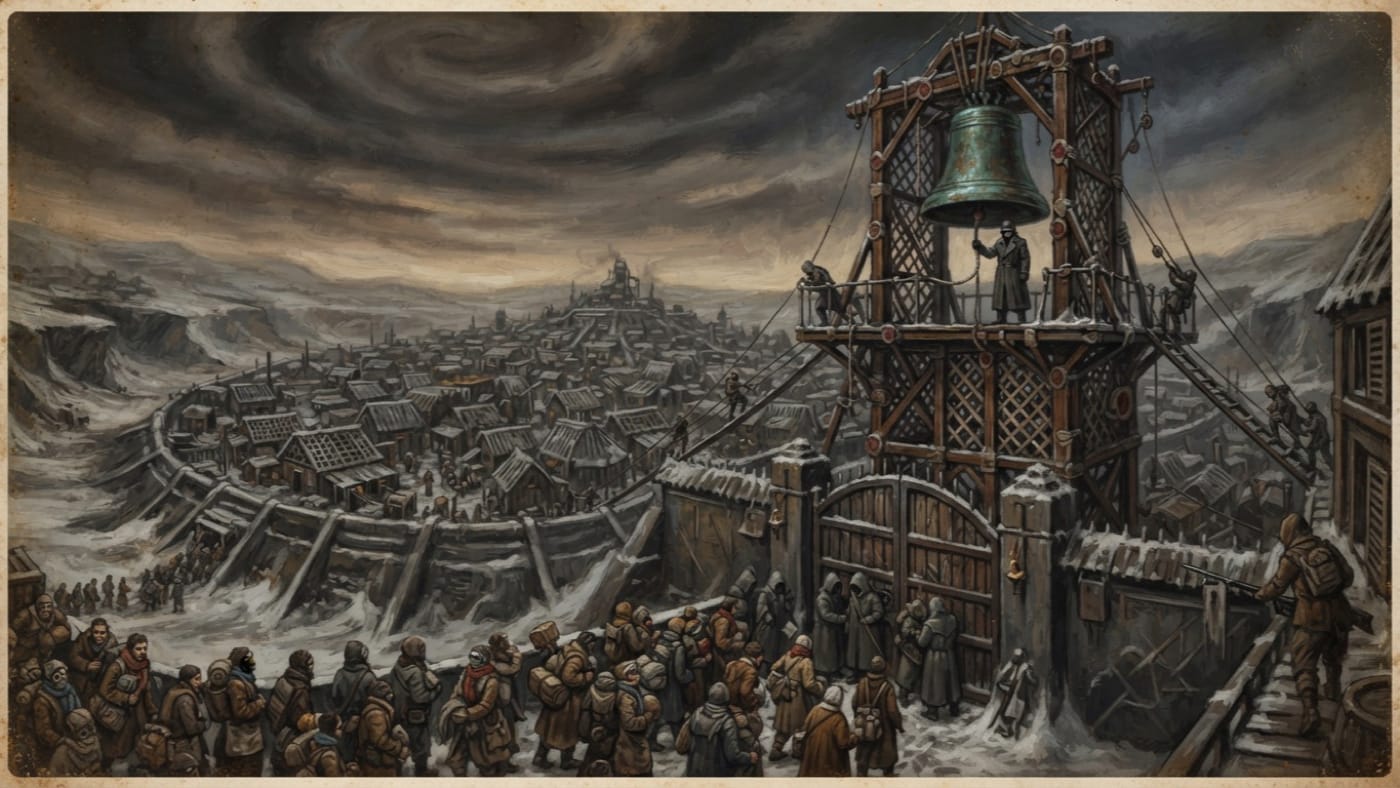
Closure Bells
The third bell decides which side of the gate may breathe
Black-Snow Lor's closure bells govern warning, preparation and sealing under Ilex Marr. The third signal ends bargaining; the storm receives all further appeals.
Codex Ref. V.2.04-658
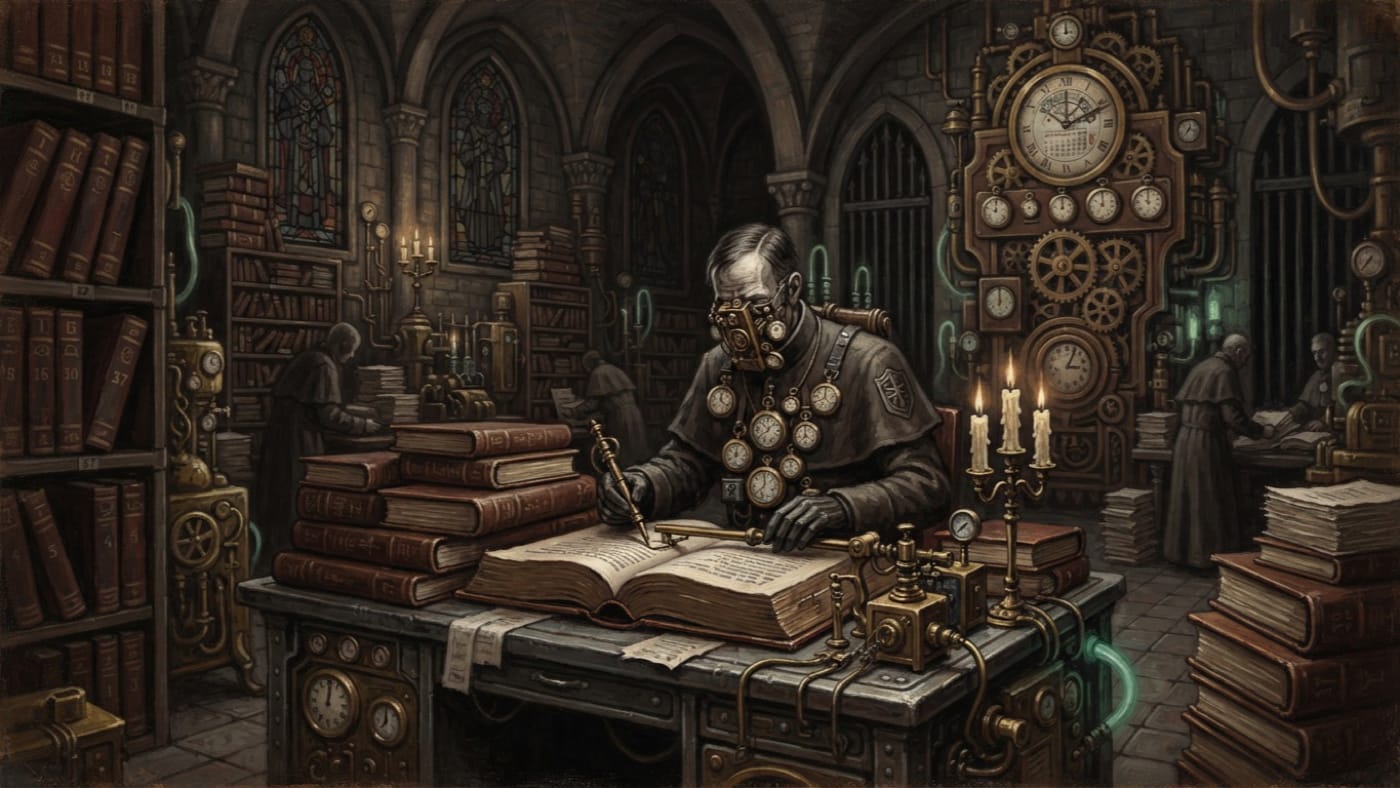
Codex Liturgiae
Eleven volumes. Thirty-seven annexes. One lawful way to kneel.
Eleven volumes and thirty-seven annexes prescribe every authorized rite in the Dominion. The Bureau of Rites measures obedience by the syllable and the second; the faithful pay afterward.
Codex Ref. XIII.1.63-001
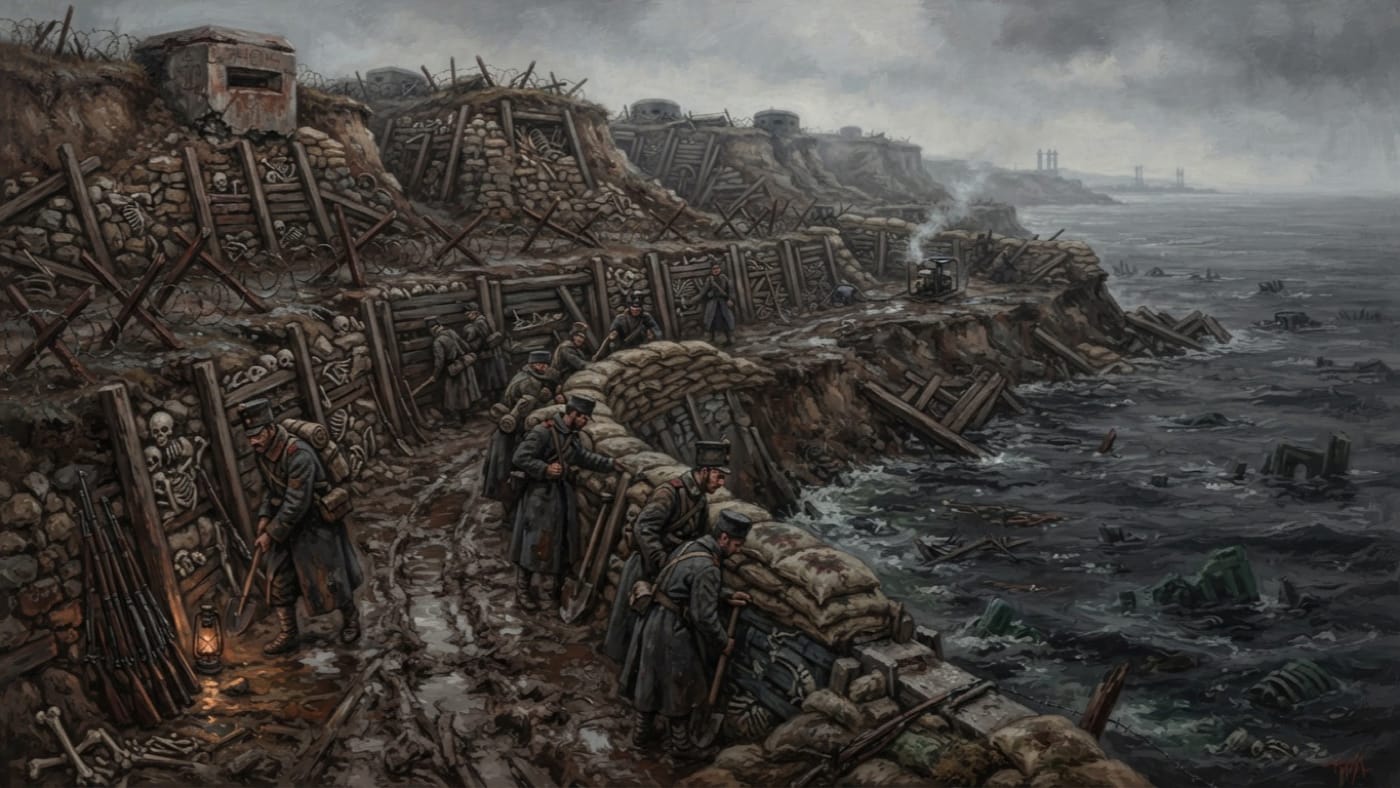
Collapse Tradition of the Sister Trenches
The ledger predicts; the garrison rebuilds
Commissioned in A.S. 201, this review preserves the Sister Trenches' Collapse as disputed tradition, rejects its numbered form as history, and finds Elder and Younger still active. The ledger cannot replace a shovel.
Codex Ref. XIII.1.08-201
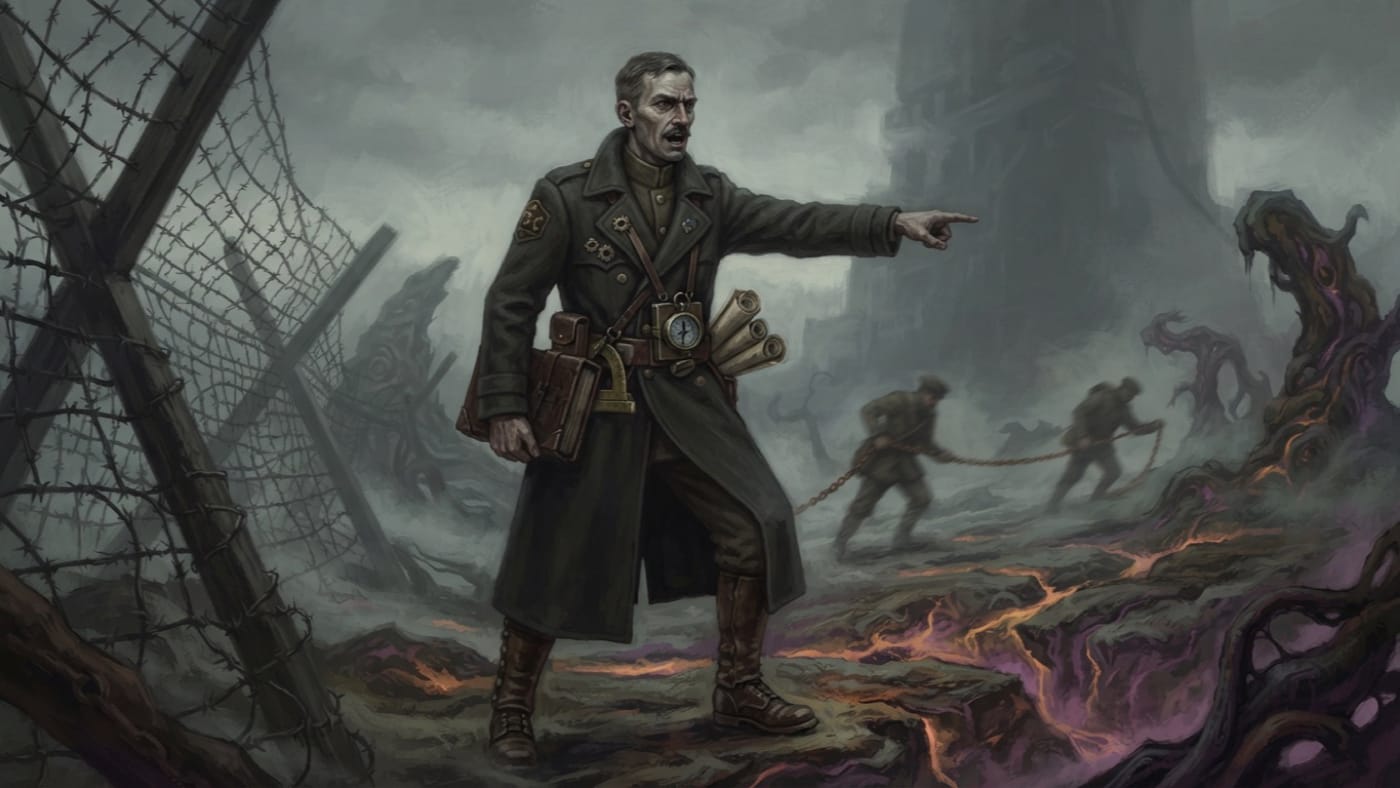
Colonel-Cartographer Oswin Reath
Hold the chains. The chains are the truth.
Commander of Commission 73-C, Oswin Reath took three hundred men beyond the wire in A.S. 73. Fourteen returned without him. Records lists him as Missing, Presumed Cartographic.
Codex Ref. III.2.01-073
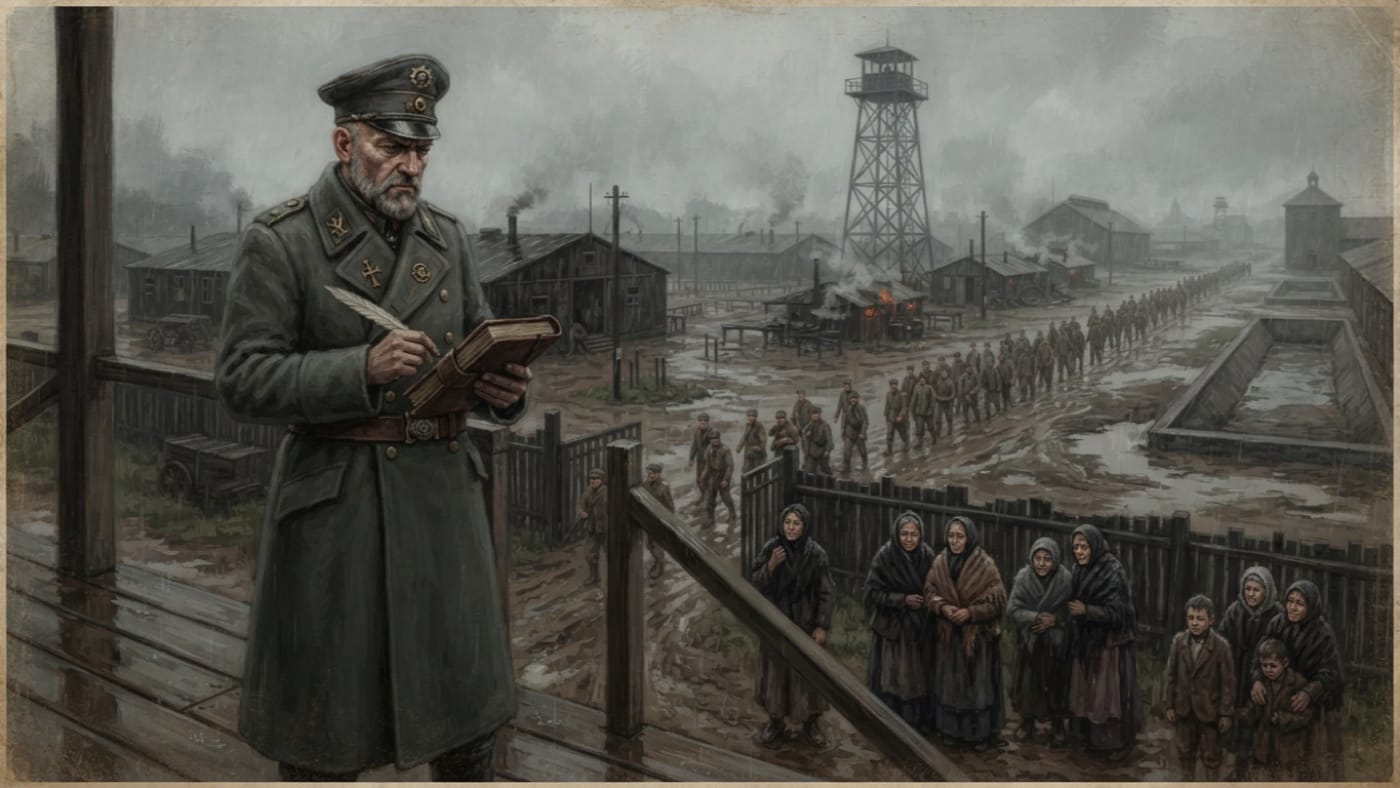
Colonel-Catechist Othmar Vey
Two trenches, three kitchens, and a roof for grief
Othmar Vey commands Stuttgart's catechism-barracks in the A.S. 201 survey. His recorded petition asks for another mud trench, three ration kitchens, and a roof for families; Doctrine approves the instincts and delays the silver.
Codex Ref. III.2.01-201

Colonel-Inquisitor Aras Venn
Every man returned. The file is closed.
Aras Venn led the First Shadow Court Expedition in A.S. 72. Every man returned. Venn died in an Adriatic sanitarium in A.S. 94; the phrase covering his quarters remains classified.
Codex Ref. III.2.01-677
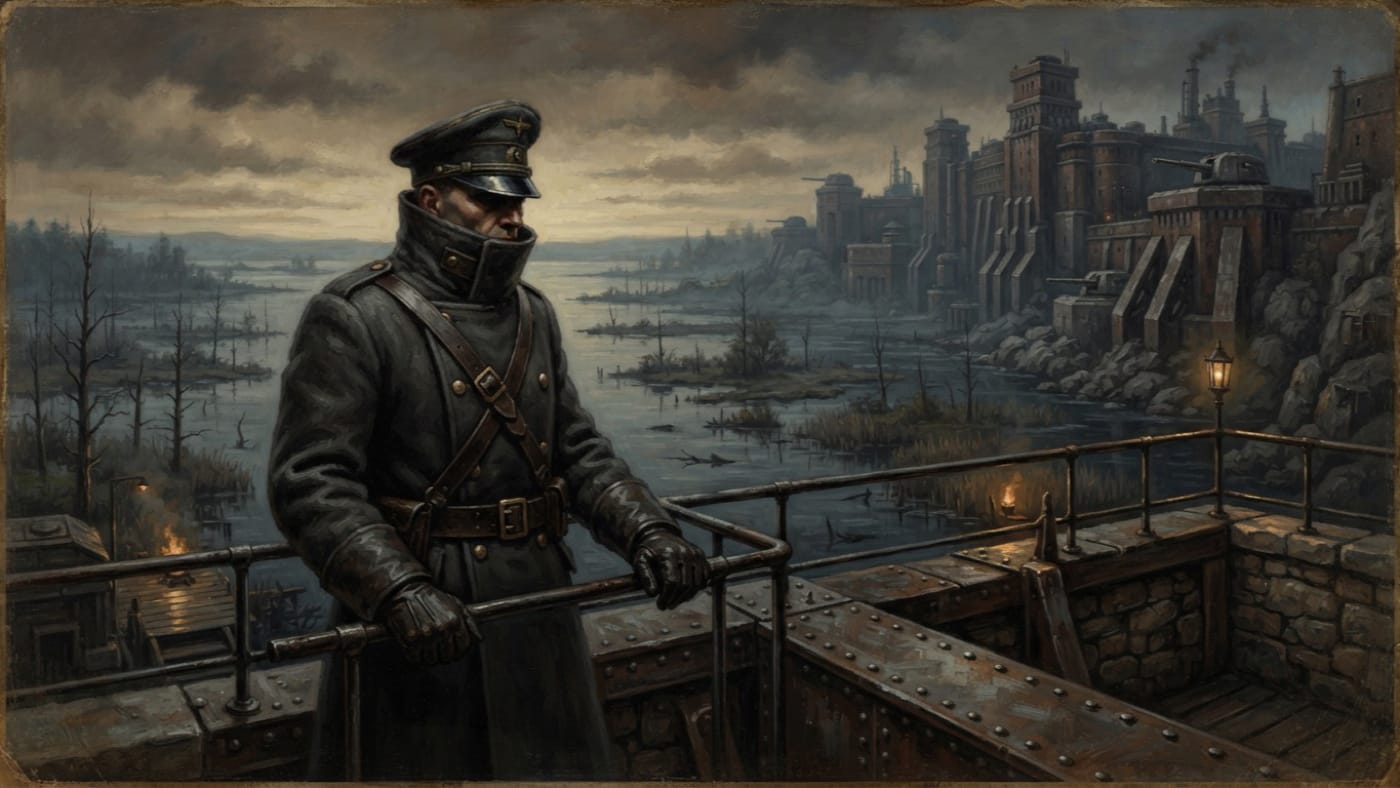
Colonel-Warden Bruhns
Three Sentences, One Surname, and the Limits of the Record
Three sentences about the Masurian Lakes, attributed to Colonel-Warden Bruhns under A.S. 189. The Ledger preserves the name and title; it supplies no posting, tenure or biography.
Codex Ref. III.2.01-189
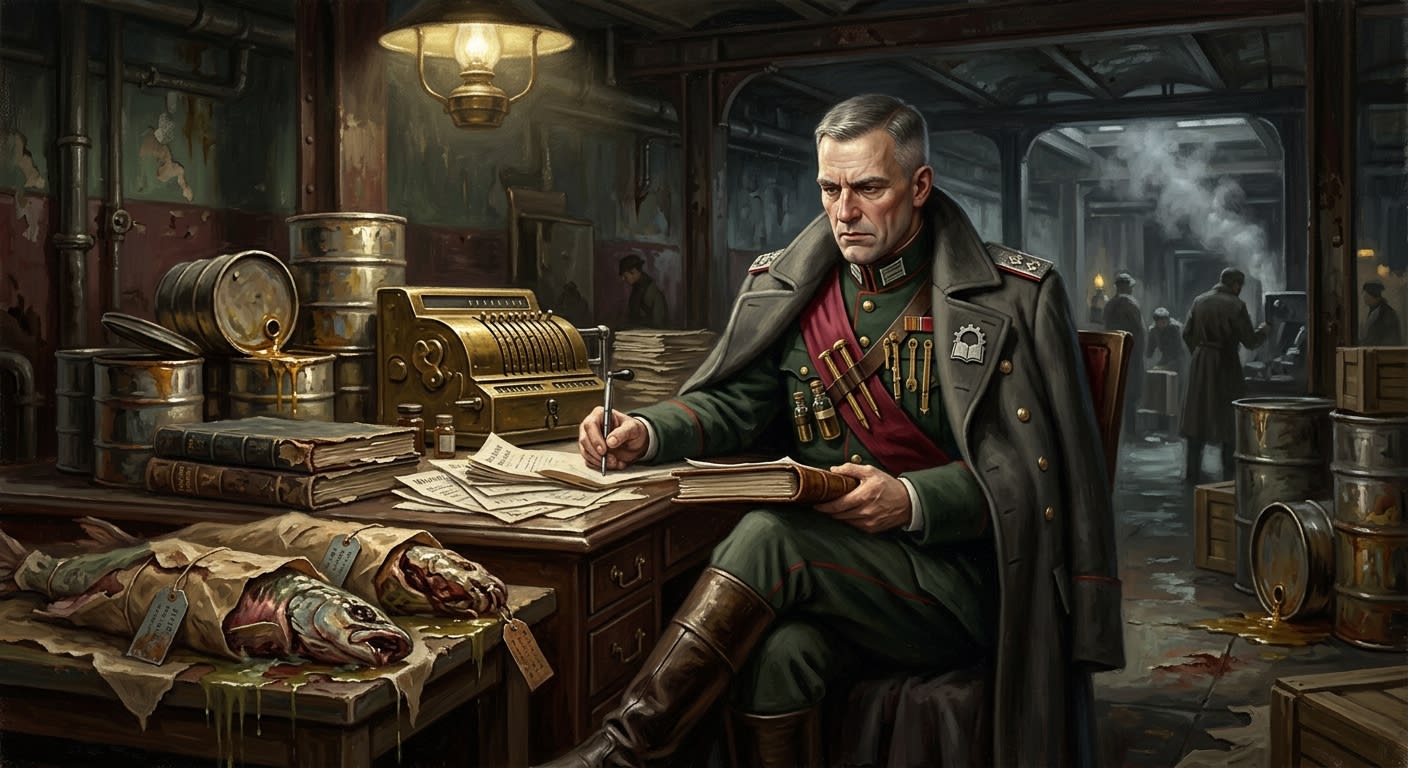
Commander-Auditor Sorn Vale
The ledger that learned to execute before supper
Sorn Vale adjudicates Brast's drums, ledgers, missing gallons, and useful corpses. His boots remain spotless; his docket does not.
Codex Ref. III.1.04-004
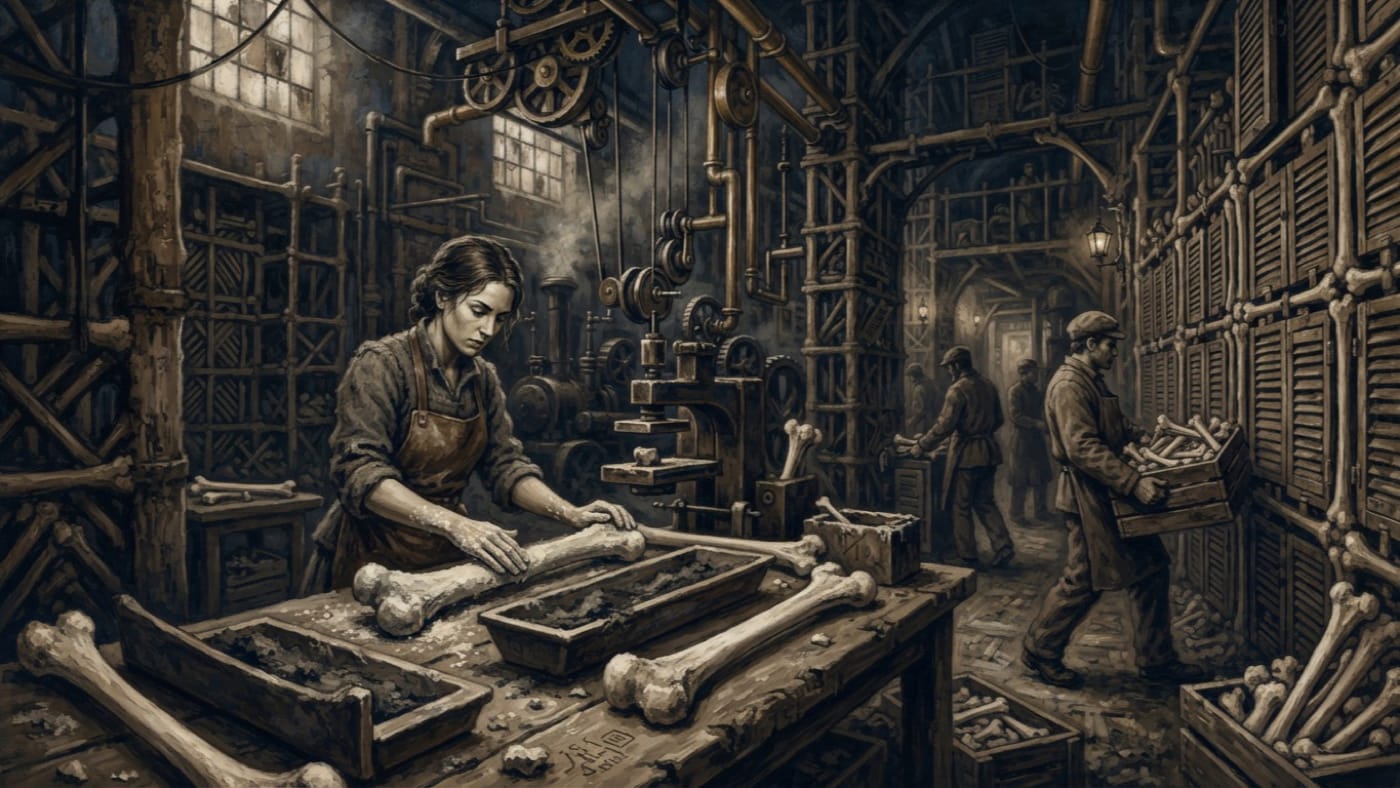
Common Use Litany
Identity not restored. Service accepted.
Black-Snow Lor puts nameless bones to work through five acts: wash, seal, knock, hold, declare. Identity stays lost; the Guild's invoice finds its way.
Codex Ref. XIII.1.41-001

Compact Council
Three Bureaus, one furnace, and no innocent minutes
Essen's Compact Council lets Engines, Records, and Orison govern one furnace-city by heat, ledger, bell order, mutual blackmail, and useful lies.
Codex Ref. VIII.6.05-110
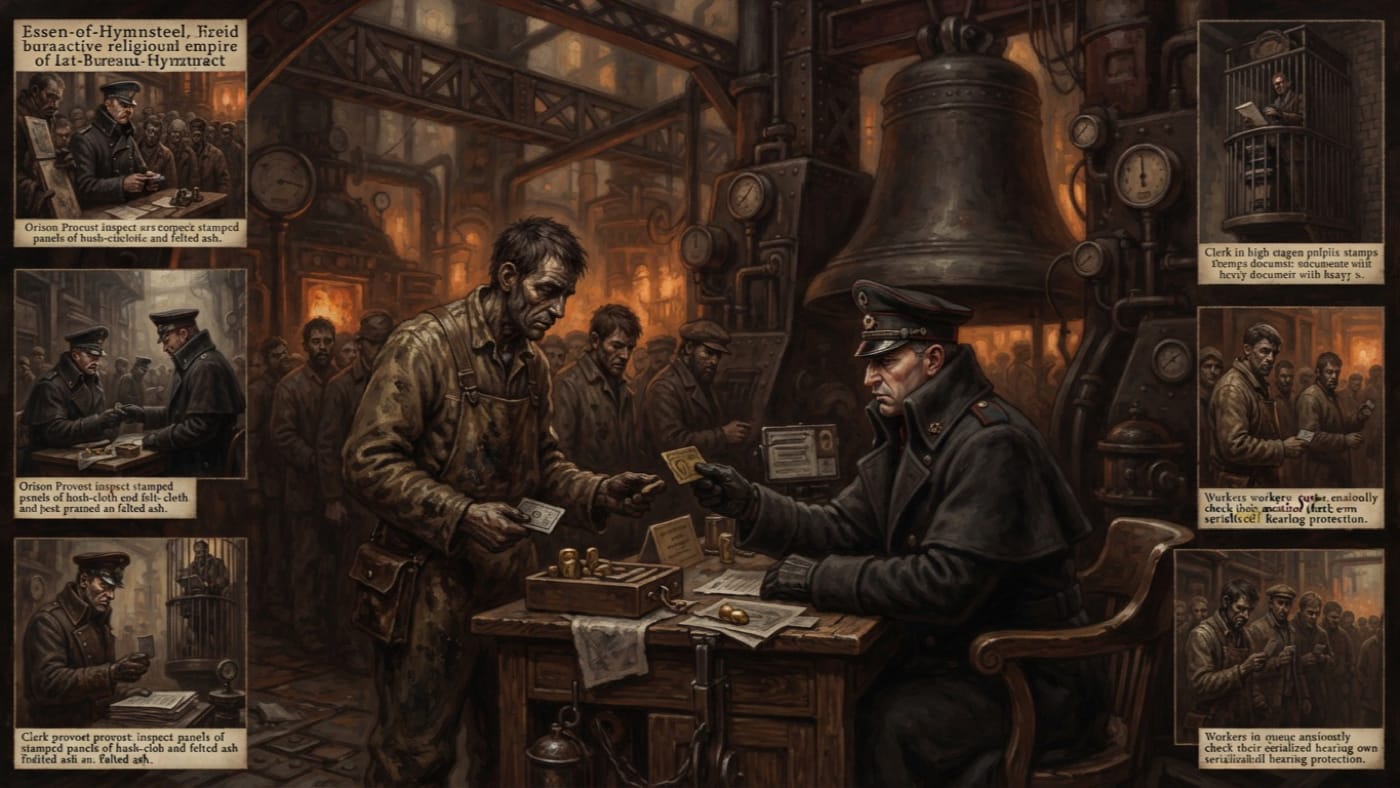
Compact Ordinance 7-C
The ears may rest when the paperwork permits
In this A.S. 201 survey, Essen's 7-C makes unauthorised silence an offence, demands current Hushwright seals, and treats unlicensed hearing protection as contraband. Even the ears require papers.
Codex Ref. XIII.1.93-007
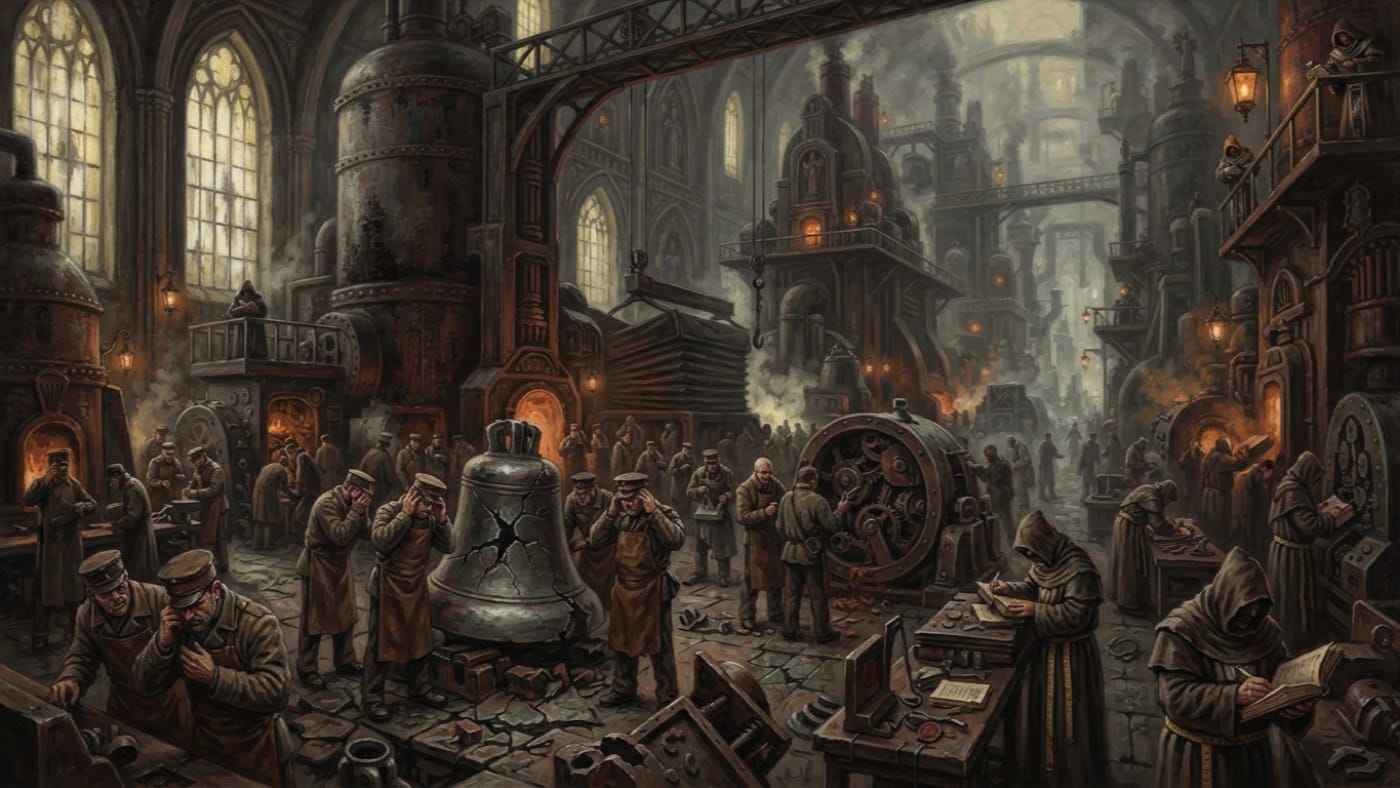
Compact Report 447-E
The accusation survived longer than its arithmetic
The Compact's A.S. 198 report blamed Resonance Bloom on the Mirror Choir. Sealed review broke the chronology, and two Codex errata withdrew the convenient explanation.
Codex Ref. XIII.1.447-198
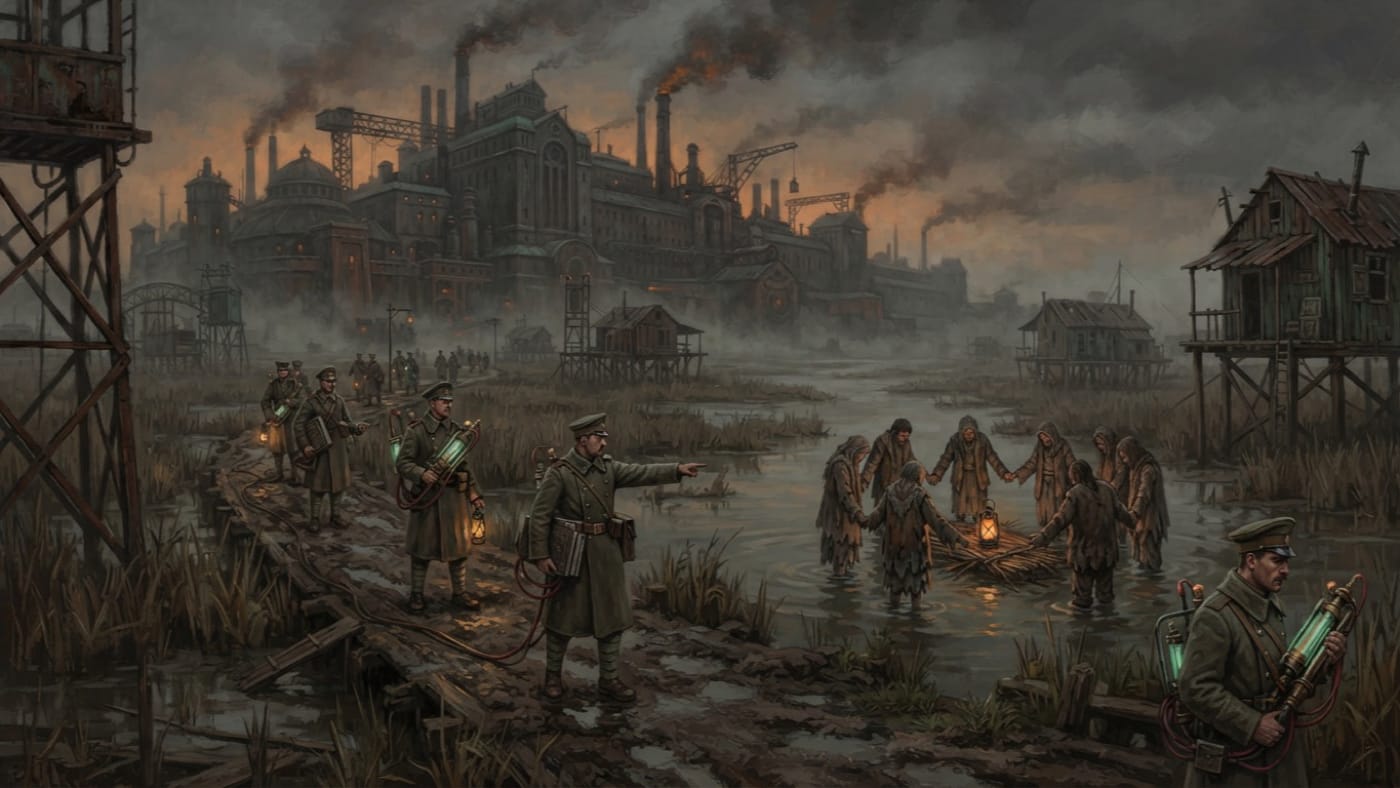
Compendium of Proscribed Devotional Practices
A number for the practice; no answer for the marsh
Subsection 14.iii supplied the Bureau of Purity's A.S. 196 classification of the Somnolent Communion Cells: Sloth-Heresy, Passive Variant. The practice was numbered; the marsh remained unimpressed.
Codex Ref. XIII.1.14-196
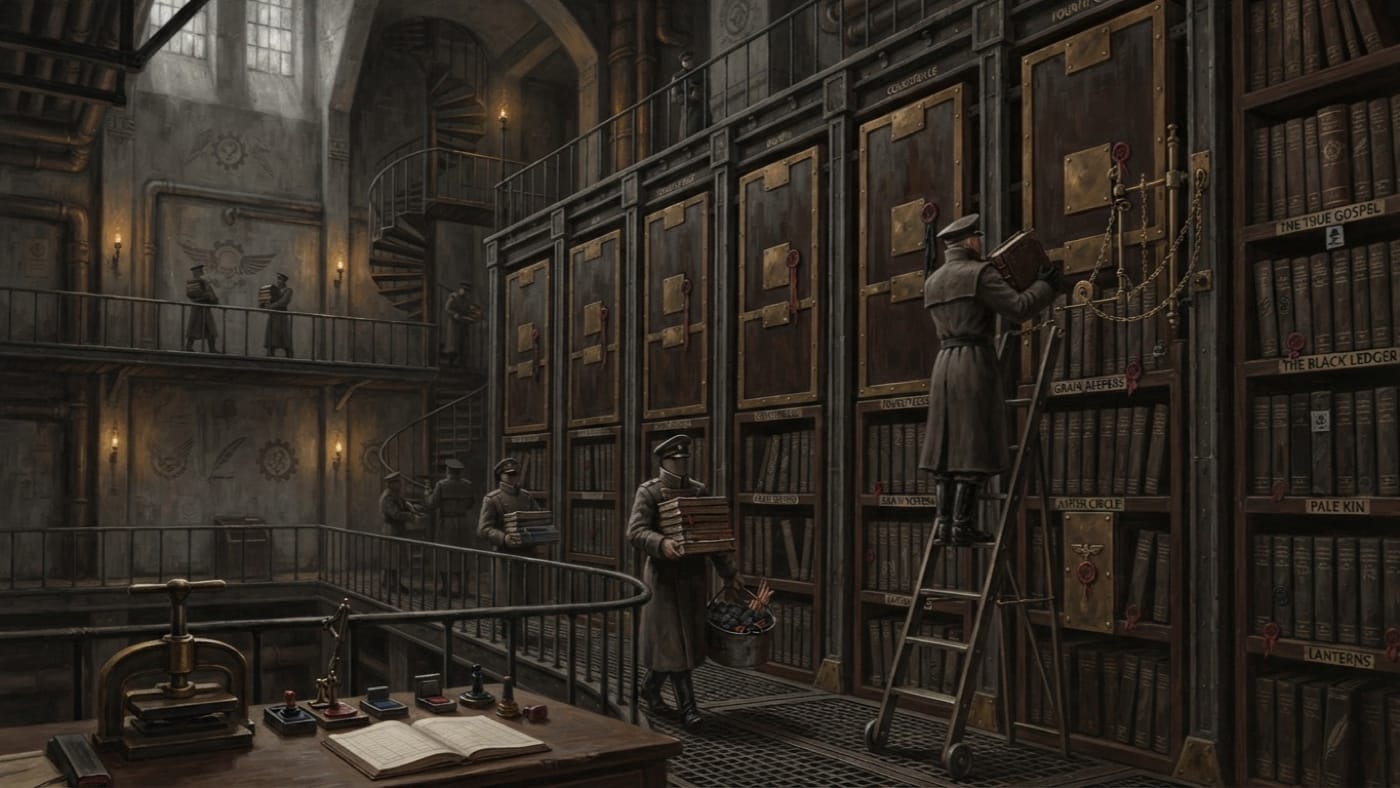
Compendium of Proscribed Errors
Every grievance gets a shelf; the clerk supplies the kindling
The Bureau of Doctrine's register of eight proscribed heresies: every grievance receives a shelf, and every clerk learns which kindling to fetch.
Codex Ref. XIII.1.37-002

Concordat Charter
The officer dies. The obligation survives.
The Concordat Charter of A.S. 92 / 1802 CE formally founded the Bureau of Tithes and fixed its fiscal mandate. The Church's tenth became a recorded debt; the officer may die, but the obligation survives.
Codex Ref. III.1.02-092
Concordat of Silence
Orders for the street; explanations for the vault
The A.S. 155 classification of crowd acoustics and demonic audition: Marshals receive orders to break the crowd, while Doctrine withholds what the crowd might be answering.
Codex Ref. VII.2.10-061
Confession of Pride
The clean return that proves nothing
Confession of Pride asks Przemyśl's officers to name contempt before a confessor. Purity receives candid intelligence from men still able to examine themselves; the most compromised sincerely confess nothing.
Codex Ref. XIII.1.95-201
Confessors
The penitent goes home lighter. The register stays full.
The parish Confessor absolves the penitent and records the sin. I survey the ordained listeners who keep the Ear of the Synod open, from parish grilles to baptismal duty under Standing Order 88-F.
Codex Ref. XII.9.03-201
Continental Levy
The decimal point where obedience becomes infantry
The Continental Levy is the Synod's permanent tithe of flesh, born from the A.S. 110 crisis and refined into household arithmetic.
Codex Ref. XIII.1.54-001
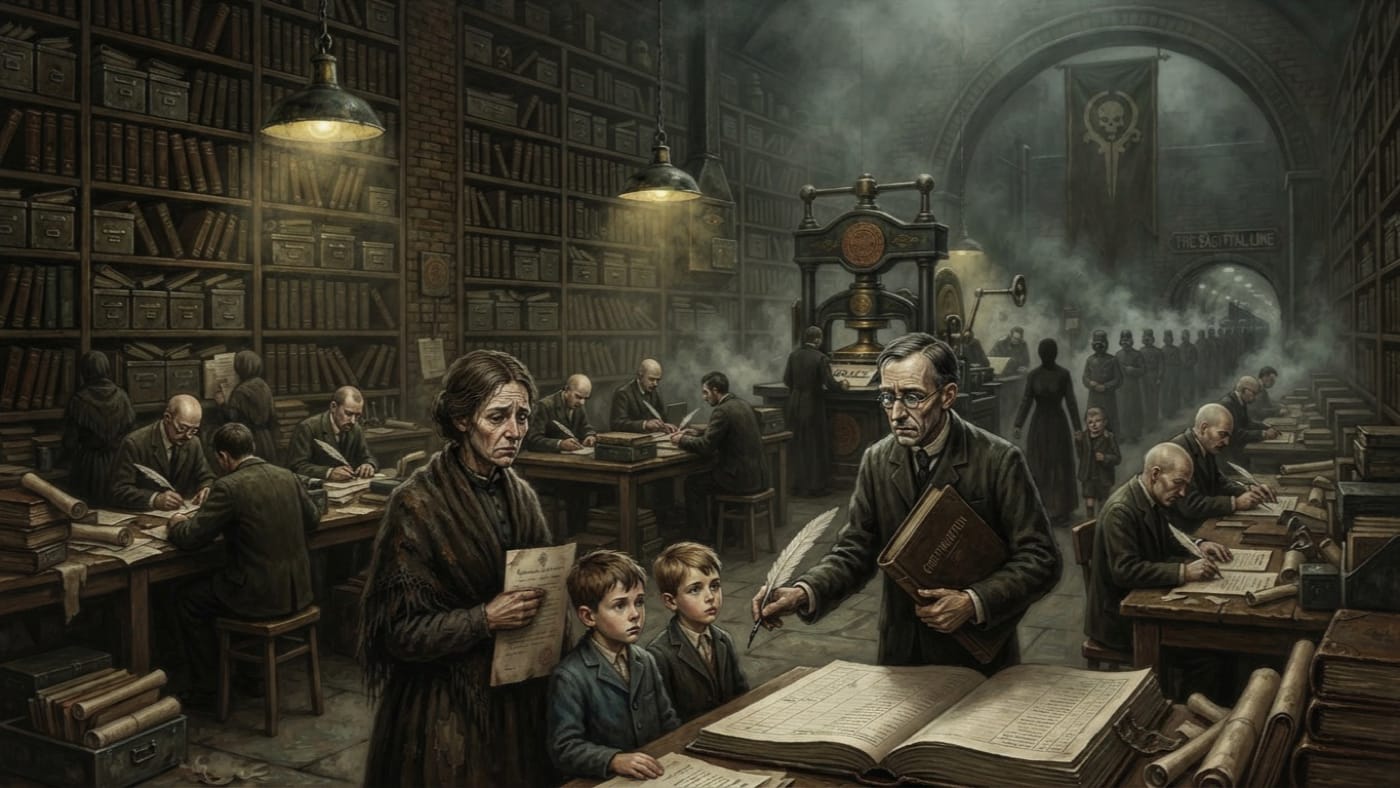
Continuations of the Original Grace
Grace is given once and collected forever
War's name for the Continental Levy renewals: the A.S. 110 emergency carried into successive generations, with sealed quotas and no promise of completion.
Codex Ref. XIII.1.54-002
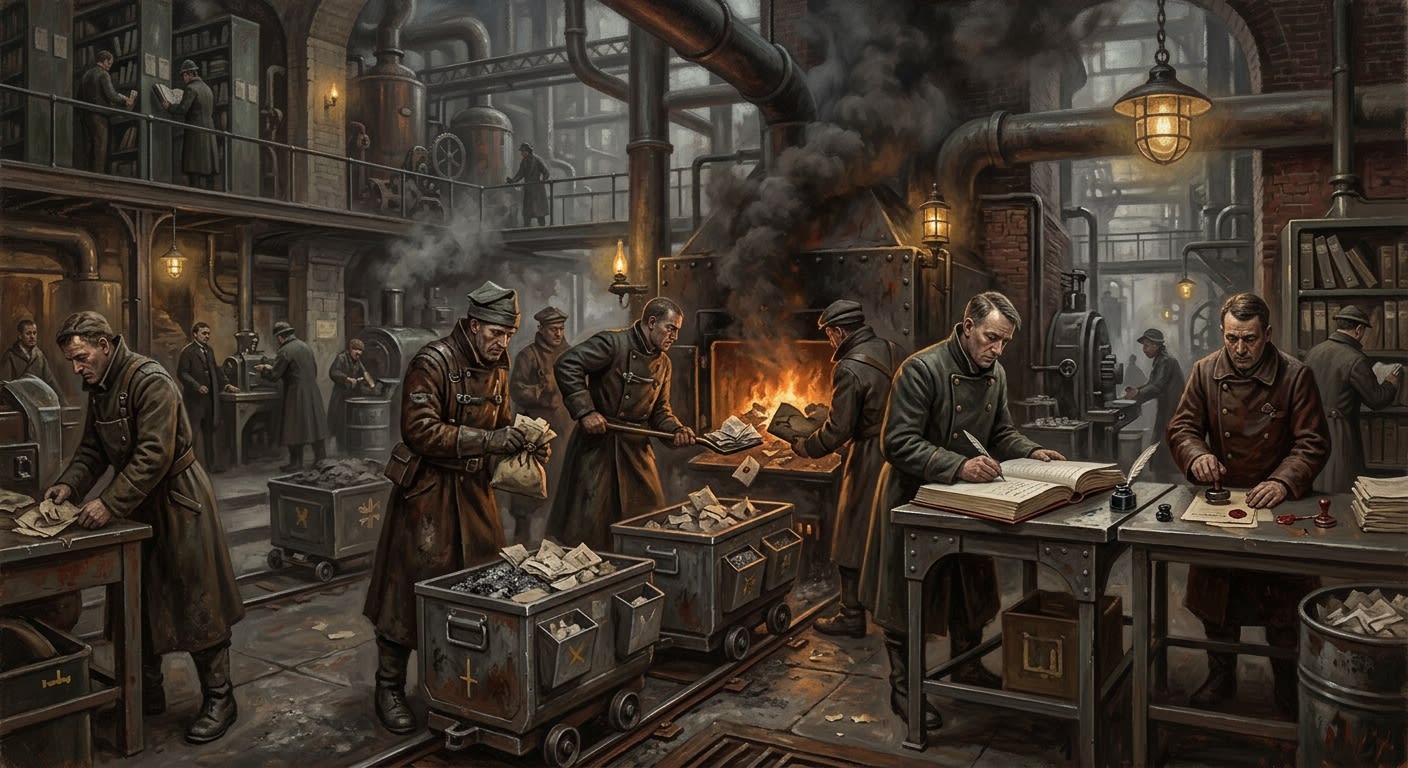
Contradiction Custodians
The hand between archive and ash
Senior Trench Court handlers of contradiction pouches, burn-cycle disposition, furnace logs, ash certification, and evidence too dangerous to remain speech.
Codex Ref. XII.47.04-091
Contradiction Pouch
Two ties for the blame; one number for the ash
The Trench Courts' waxed satchel holds dangerous last words under two ties until review or authorised fire. Its bundle number survives in three registers; the accusation is less fortunate.
Codex Ref. III.2.08-201
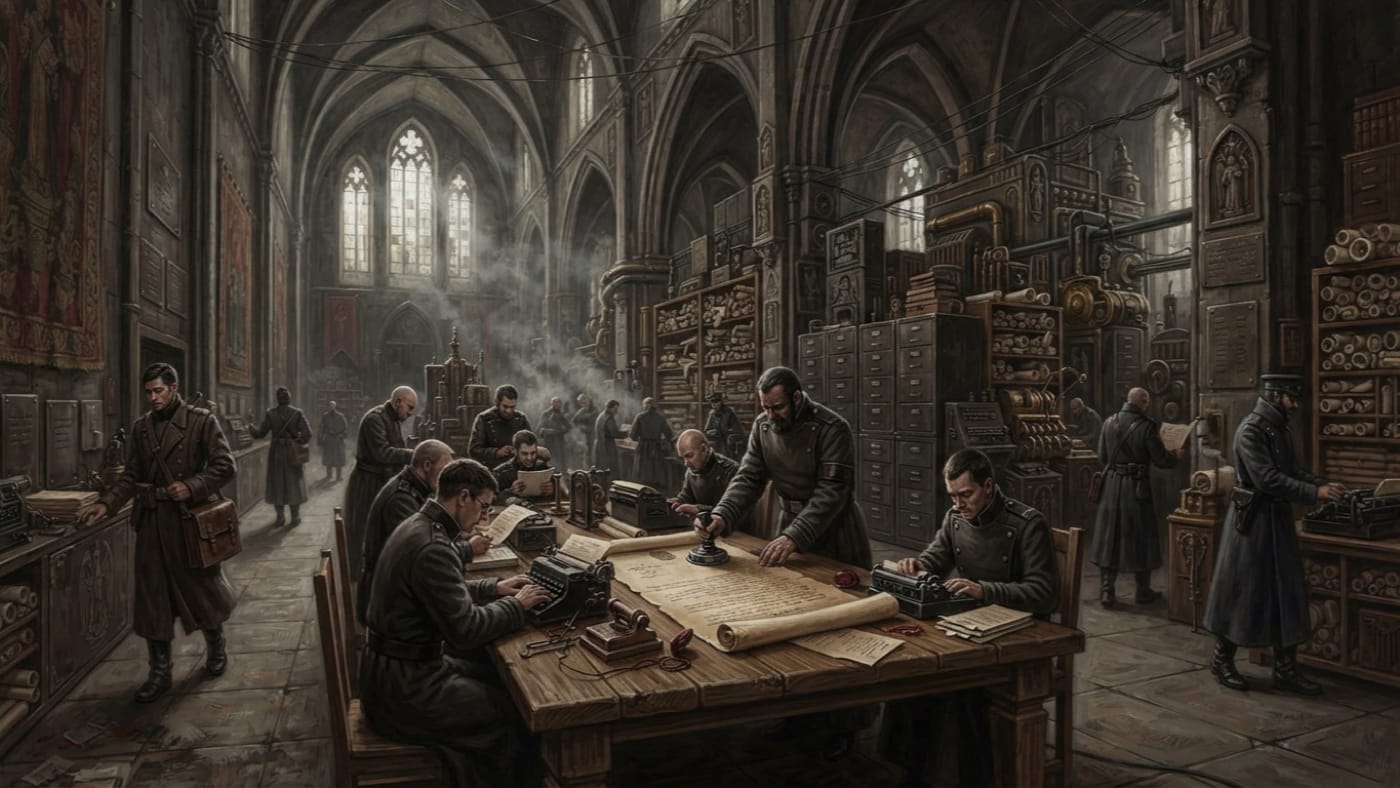
Conventus Fidelium
An assembly on vellum; its first convocation unrecorded
The Common Allegiance proposed the Gathering of the Faithful in A.S. 55: one assembly, common command and five offices. I record its ancestry without inventing its first convocation.
Codex Ref. I.3.02-055

Convoy Escort Corps
The bastion must eat tomorrow.
Bastion-Sibiu's largest command escorts grain, wages and manifests along three roads under Velmora's pressure. The Corps guards the wagons; three Bureaus decide whether the cargo may enter.
Codex Ref. VIII.5.04-002
Cooperage Audit
The certificates are in order; the dust is not
An A.S. 201 survey of Mournwater's pending Cooperage Audit: certified saint-dust turns in transit, the ledgers balance, and the locks remain open.
Codex Ref. XIII.1.22-201
Cooperage Compact
Purity belongs to the seal; the guild owns the cask.
Mournwater's barrel-makers control casks, quotas and shipping manifests. Purity belongs to the White Steps; the Compact profits from everything holiness travels in.
Codex Ref. XII.2.06-104
Cooperage Yards
The cooper answers for the cask; the contents arrive with other men's signatures.
Mournwater's oldest working district shapes the casks that carry saint-dust to the Line. Master Cooper Vell Arno controls the barrels; the White Steps certify the contents, and the Settling Bell decides when the hammers may resume.
Codex Ref. II.2.03-002
Copenhagen
The ledger is ours. The harbour is theirs. The debt is ours as well.
Copenhagen's Danish harbour compact bargains over oil tithes and guarantees northern advances against future cargo. The Synod keeps an assessor at the counter; the harbour keeps the chain.
Codex Ref. IX.8.03-001

Corporal Aldric Voss
The testimony was kept; the witness was reassigned
A.S. 201 survey of Voss's surviving caption, sketch and reassignment record. Purity kept his vivid testimony; the corporal of the Rhineland Ninth went to the Paper Mines.
Codex Ref. III.2.01-744

Corporal H. Mace
His mother's whistle reached the wire; his answer was a shot
At Bastion-Constantinople's eastern wire in A.S. 197, Corporal H. Mace heard a Hollow-Walker speak his childhood name with his mother's whistle. He fired; the file records no later fate.
Codex Ref. III.2.01-197

Corporal Tamen Voss
One accurate sentence and one cracked clapper
Corporal Tamen Voss reported the Spire-Crusher at Przemyśl in autumn A.S. 195. His superior rebuked the poetry, checked the ridge, and cracked the alarm clapper.
Codex Ref. III.2.01-195

Corpse-Light
If it shines, don't follow.
Green-white light at the Ash-Glyph Marshworks copies lantern routes and burial grids, drawing boats into sinkholes. The Guild rows blind; the Bureau has spent fifty-eight years leaving the classification pending.
Codex Ref. XIII.1.24-002

Corven Aul
Three ledgers, no sermon, and a pension left pending
Corven Aul, Master Seal Mechanic at Bastion-Przemyśl, shortened cleansing on four repairs before the A.S. 164 Split-Ring Disaster. The commission preserved his error; his household pension remained unresolved.
Codex Ref. III.2.01-758

Corvin Marche
Nineteen years. No window. Adequate, narrowly.
Corvin Marche has held the Chair of Prescribed Observance for nineteen years. His memory holds seventeen suppressed rites; his office balances grace and returns questions with their grammar corrected.
Codex Ref. III.1.04-019

Corvin Rault
He gave Lyon a standard and left it an unclaimed ring
Adept-Master Corvin Rault argued for Lyon's single temporal standard and received the Monolith's design credit. His death in A.S. 146 left a restricted notebook, an unclaimed ring, and a classification in place of an explanation.
Codex Ref. III.2.01-146

Counter-Relic Examiners
White gloves, little flames, and the permission to take away hope
Relics cadre founded in A.S. 182 to inspect, confiscate, and classify hostile saint-objects after Velmoric counterfeits reached frontline chapels.
Codex Ref. XII.13.03-001
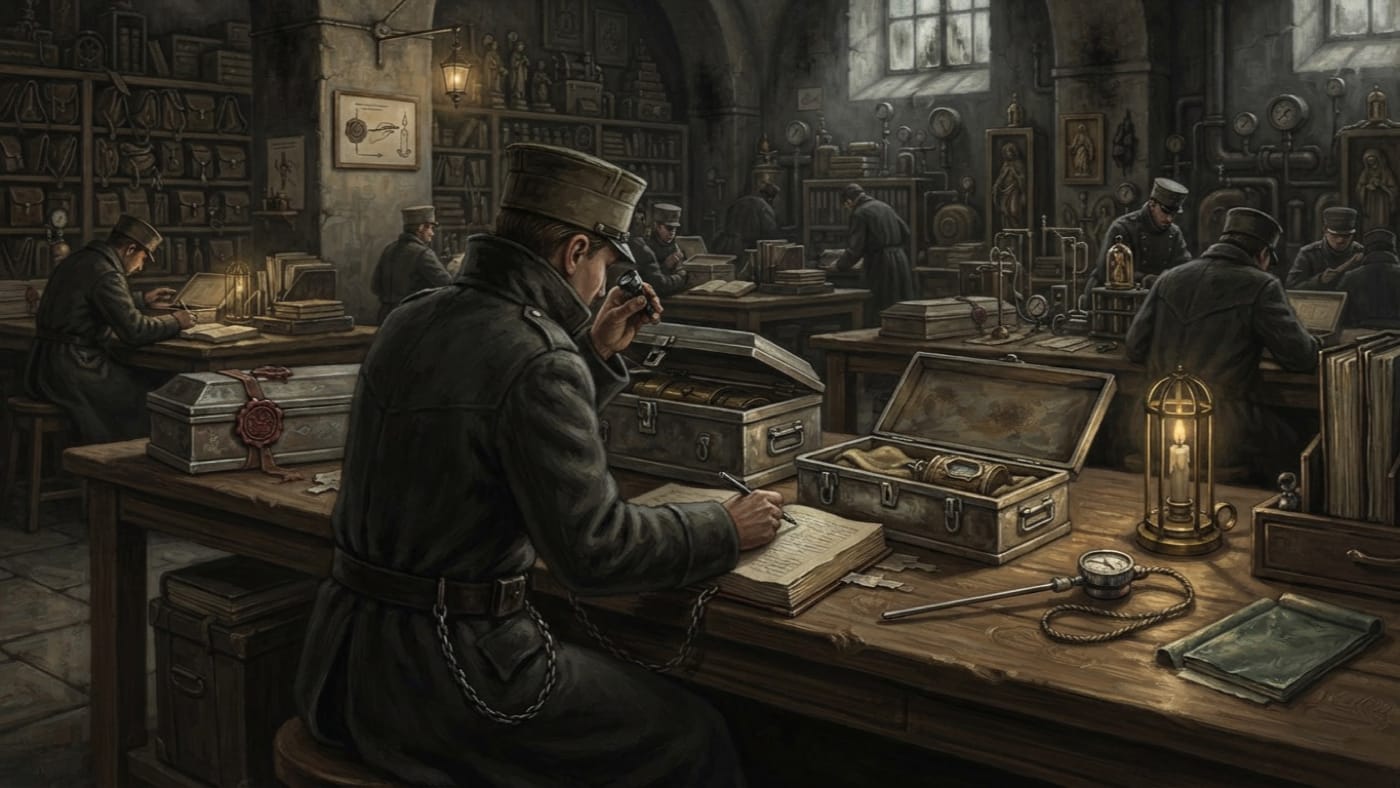
Counter-Relic School
Interrogate the favour before lighting the taper
A.S. 201 survey of Strasbourg's Counter-Relic School training record and instructional role: question the favour, read the debt, then observe the flame. The founding and training note remain undated.
Codex Ref. XIII.1.81-002

Counter-Toll Corps
Louder is cleaner, until the city taps back
The Counter-Toll Corps is the Synod's sanctioned acoustic overwrite force: bronze artillery for false curfews, borrowed obedience, and bells that answer back.
Codex Ref. XII.2.02-135

Counter-Toll Operator
What the enemy rings, the Bureau drowns. The toll is paid in bone and nerve.
The Bureau of Bells does not debate; it drowns. Its Counter-Toll Operators sit in sub-tower vaults and overwrite hostile tones with louder ones. The city's obedience is the bell's argument.
Codex Ref. XII.2.02-001
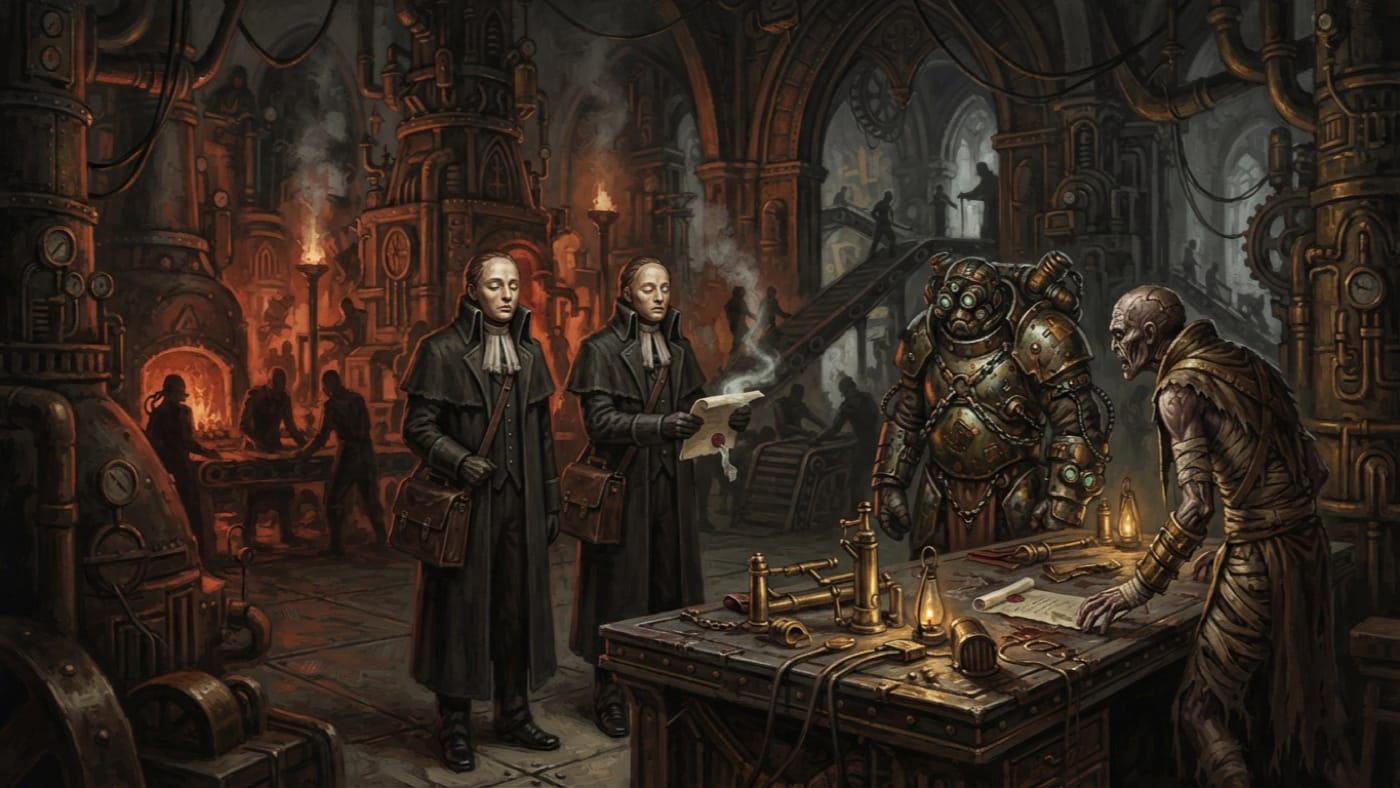
Court-Adjacents
The Bureau recognizes the work. It refuses the title.
Reports describe human envoys carrying writs between the Sin-Generals in masks taken from saints. The Bureau recognizes the function and refuses to call it diplomacy.
Codex Ref. V.9.02-001
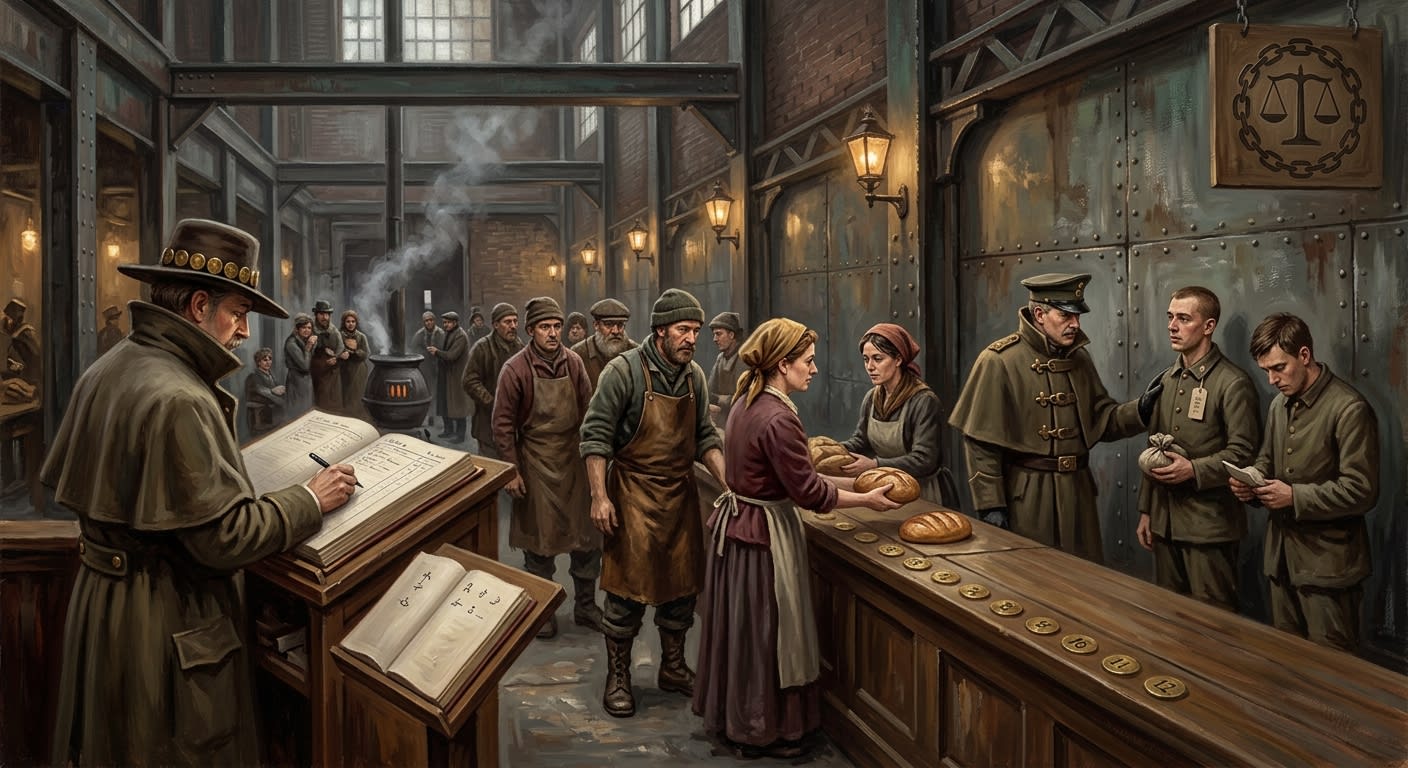
Covenant
The leash with bread on it, sanctified for public use
Covenant is the Synod's master noun: sacred pact in sermon, enforceable belonging in ledger, bread-chain in queue, and body-debt at the Line.
Codex Ref. XIII.1.04-090
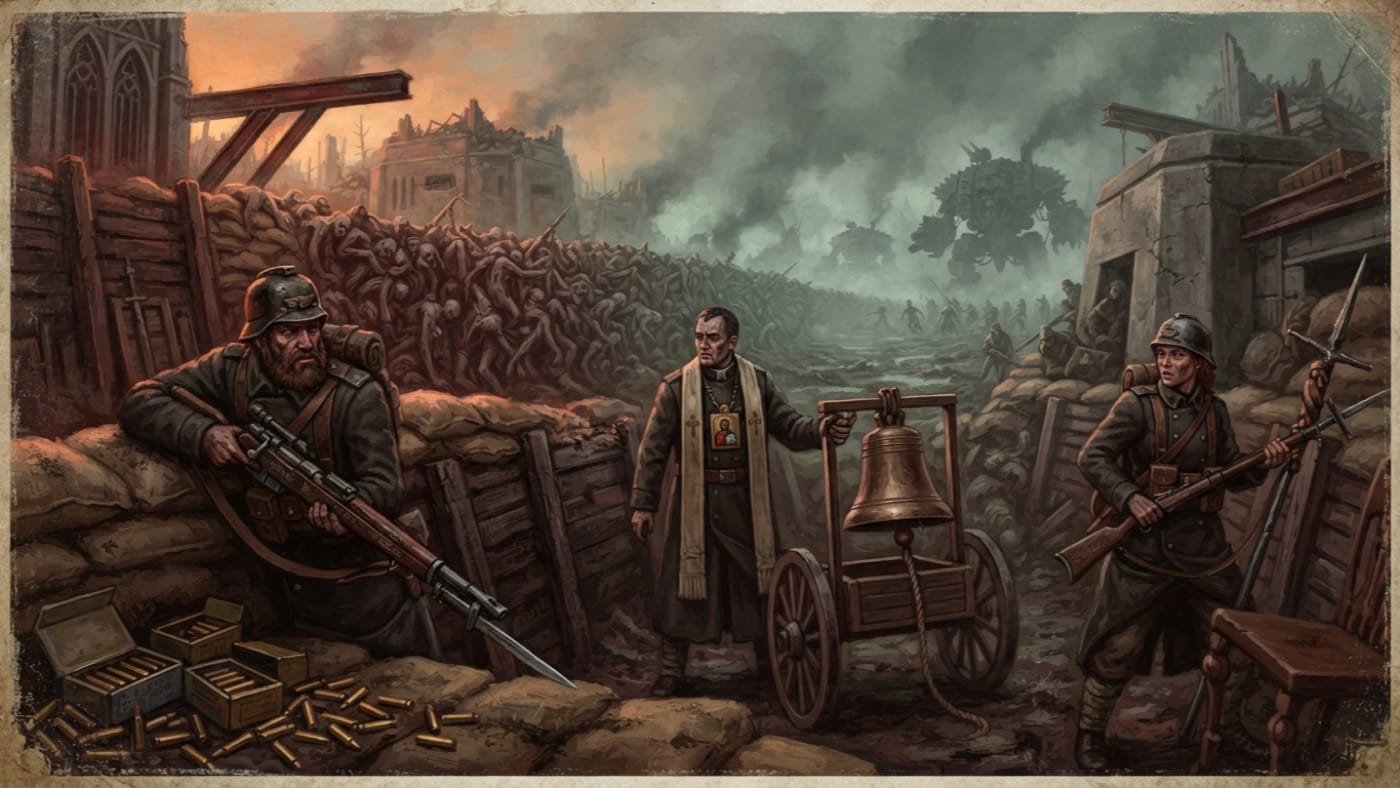
Covenant Garrison
Six hundred names, three days of stores, eleven days of holding
The Covenant Garrison is the parish name for Rostov's six hundred defenders in A.S. 153. Supplied for three ordinary combat days, they held eleven. The roll preserves their names and records final dispositions where known.
Codex Ref. VIII.5.05-153
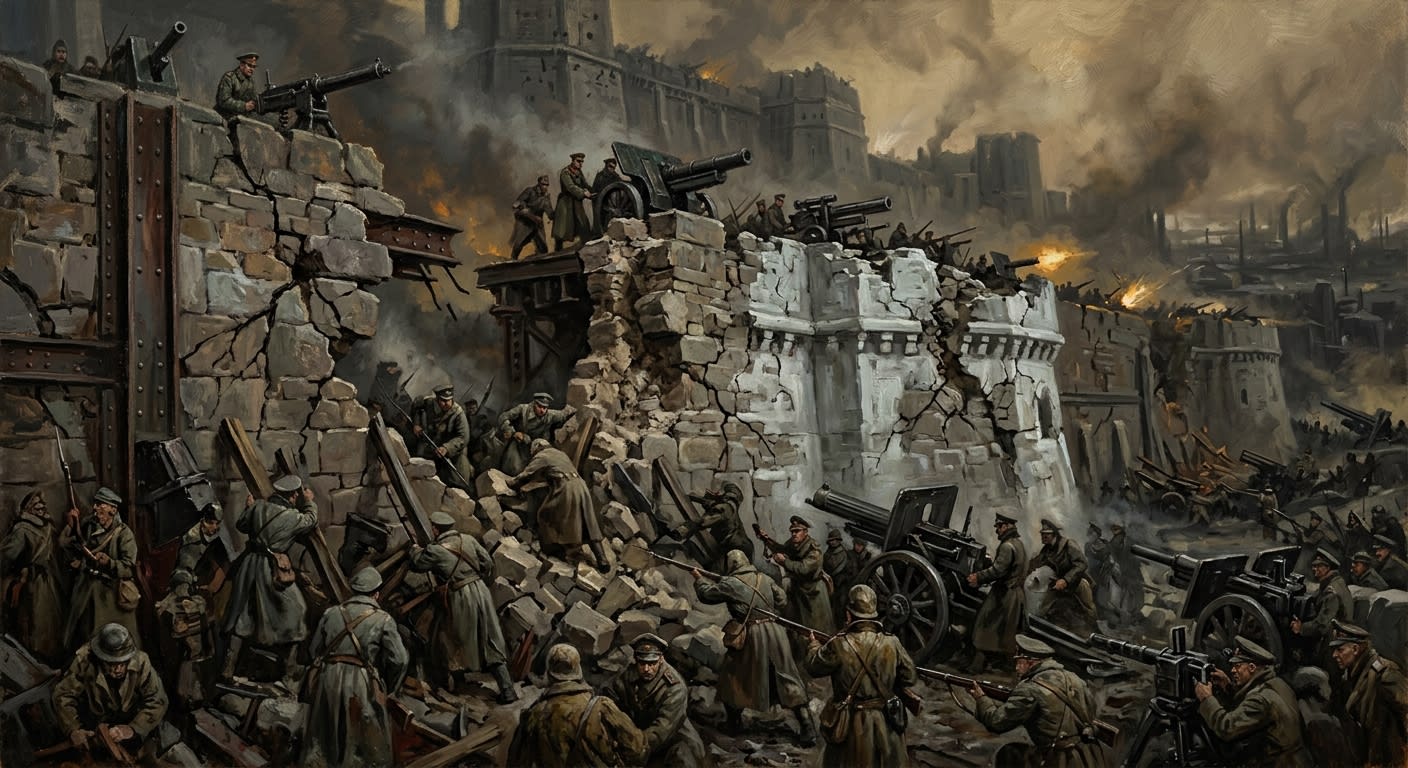
Cracked Ring Sieges
When the wall taught the law by cracking first
The Cracked Ring Sieges proved at Bastion-Constantinople that common mortar cracks under Maldrake, while sanctified bone-lime holds long enough for law to discover courage.
Codex Ref. VII.8.10-096
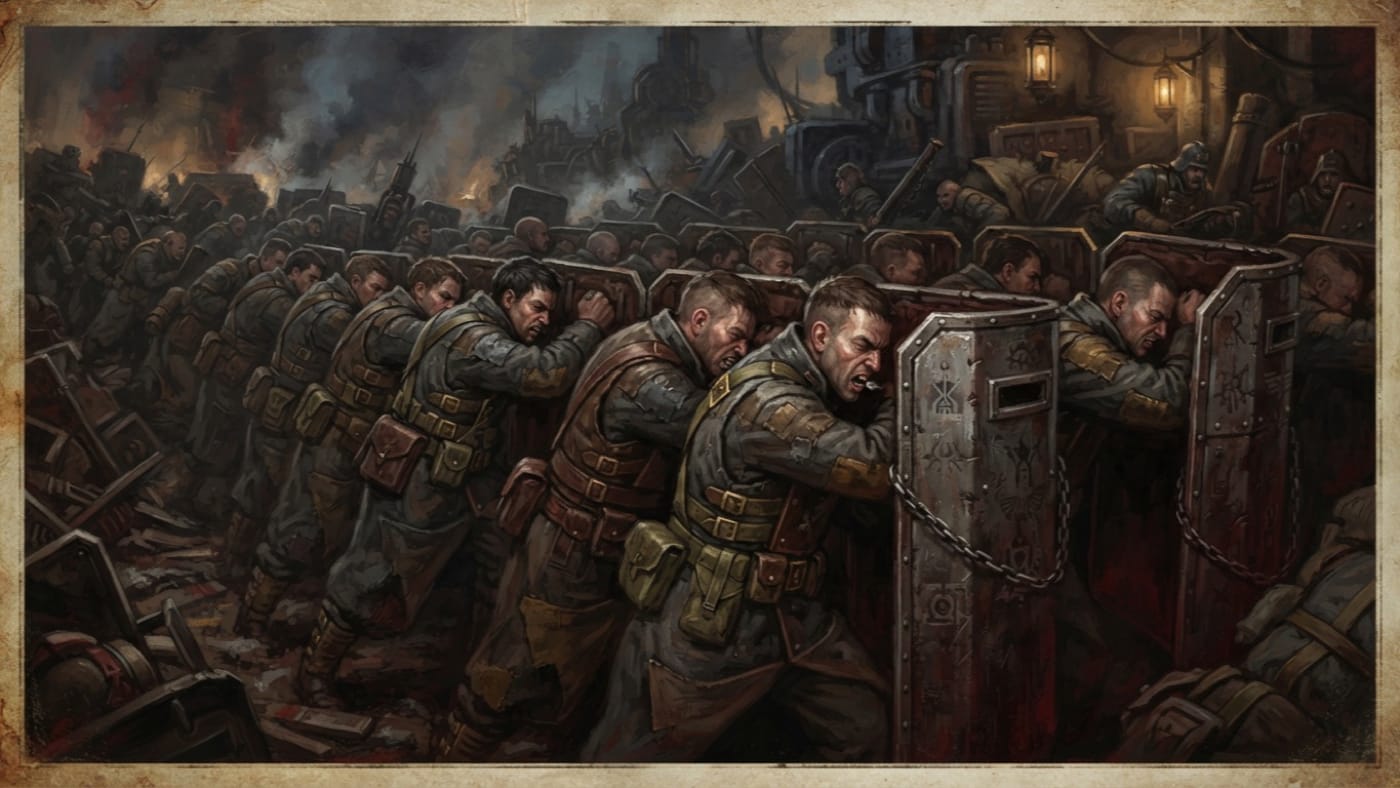
Credo Lapidem
Two words; the rest of the breath belongs to the wall
The Shield Paladins' second rank chants Credo Lapidem on each exhale, turning breath into a common brace. War counts the minutes; Doctrine certifies the lungs.
Codex Ref. XIII.1.64-002

Creed
The shortest border is the one behind the teeth
The Creed is the Synod's shortest border: a licensed mouth, a timed answer, a civic leash, and the little gate through which bread, obedience, and punishment pass.
Codex Ref. XIII.1.04-090
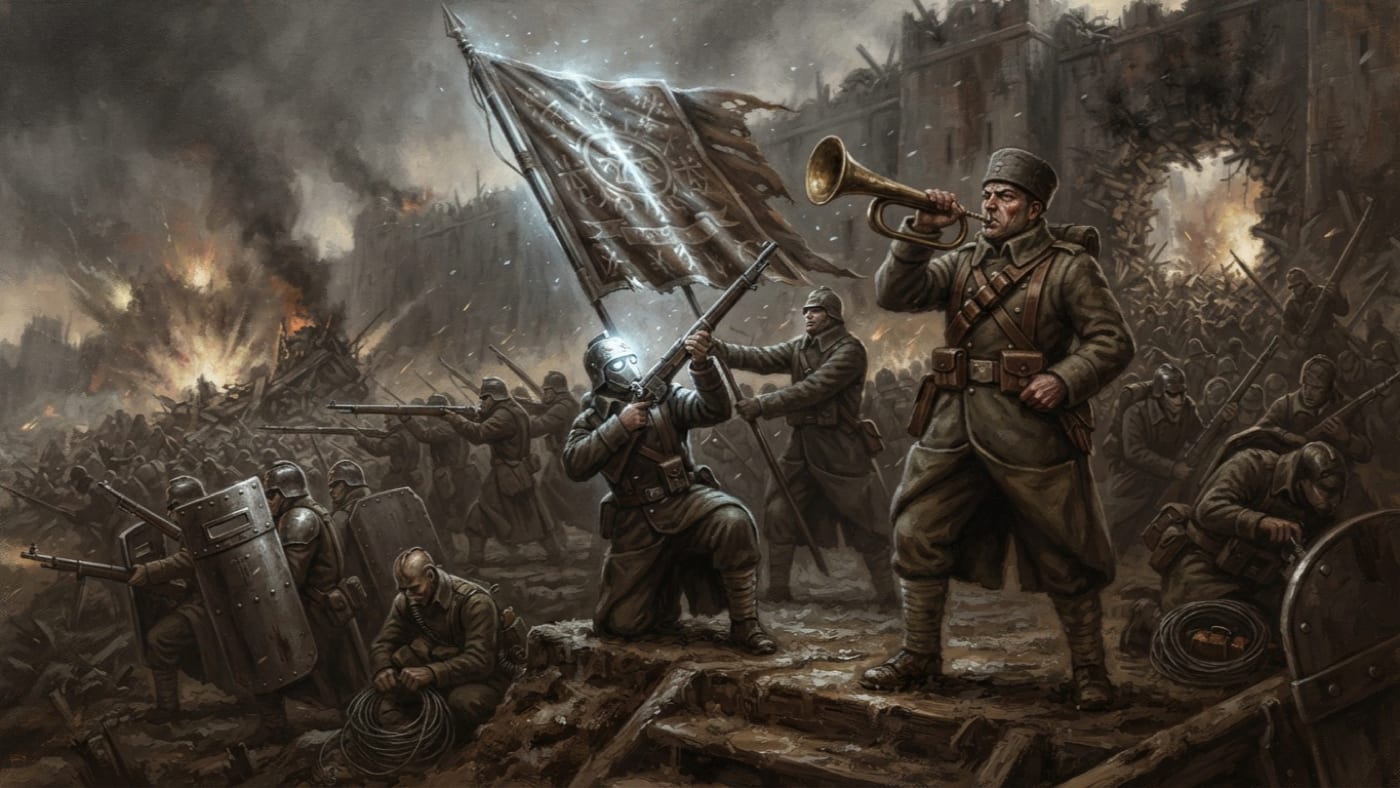
Creed Volley
The horn summons; the banner commands
The Creed Volley reserves the Processional Band's horns for Radiant Fusilier intervention in Layered Death's fourth layer. The horn summons; the banner permits fire; neither promises relief.
Codex Ref. XIII.1.64-002
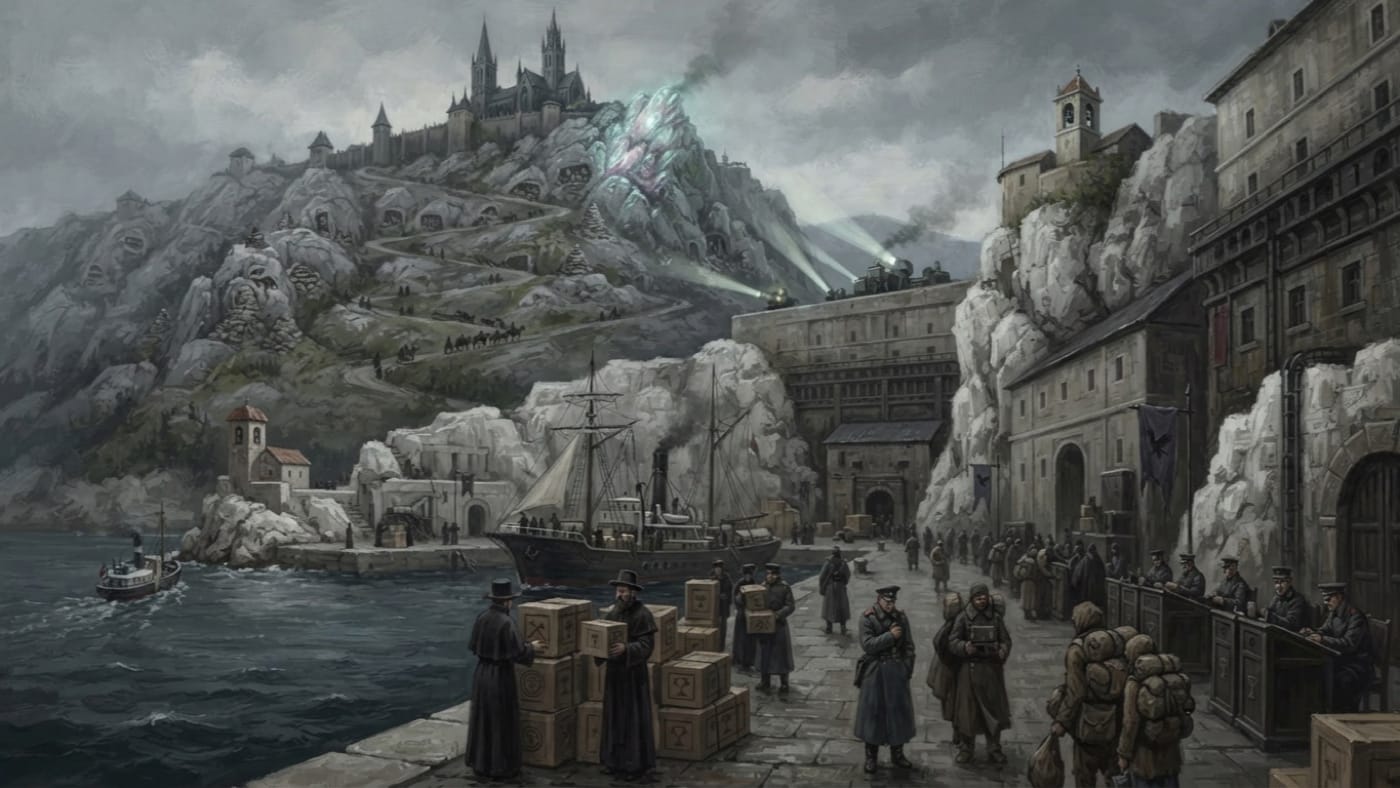
Croatia
A ridge to pray on, a coast to unload at
Croatia survives in the Ledger as Kalnik's armed shrines and Dalmatian supply harbours. The Church certifies the cargo more readily than the borders.
Codex Ref. II.7.04-201
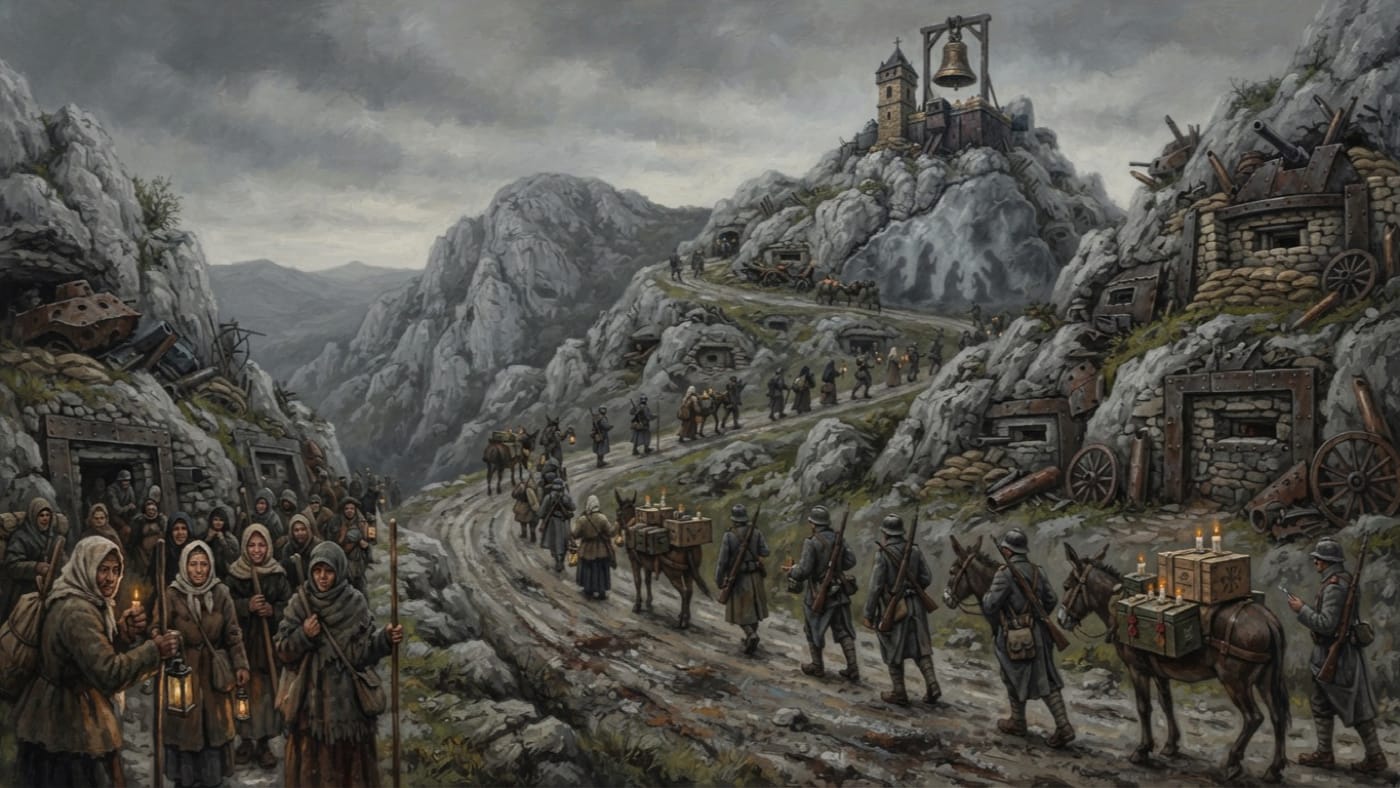
Croatian highlands
Where candles and cartridges climb the same road
The Croatian highlands enter the Ledger through Kalnik Ridge, where cave chapels became armed shrines and the same road carries pilgrims, candles and cartridges.
Codex Ref. II.3.07-807
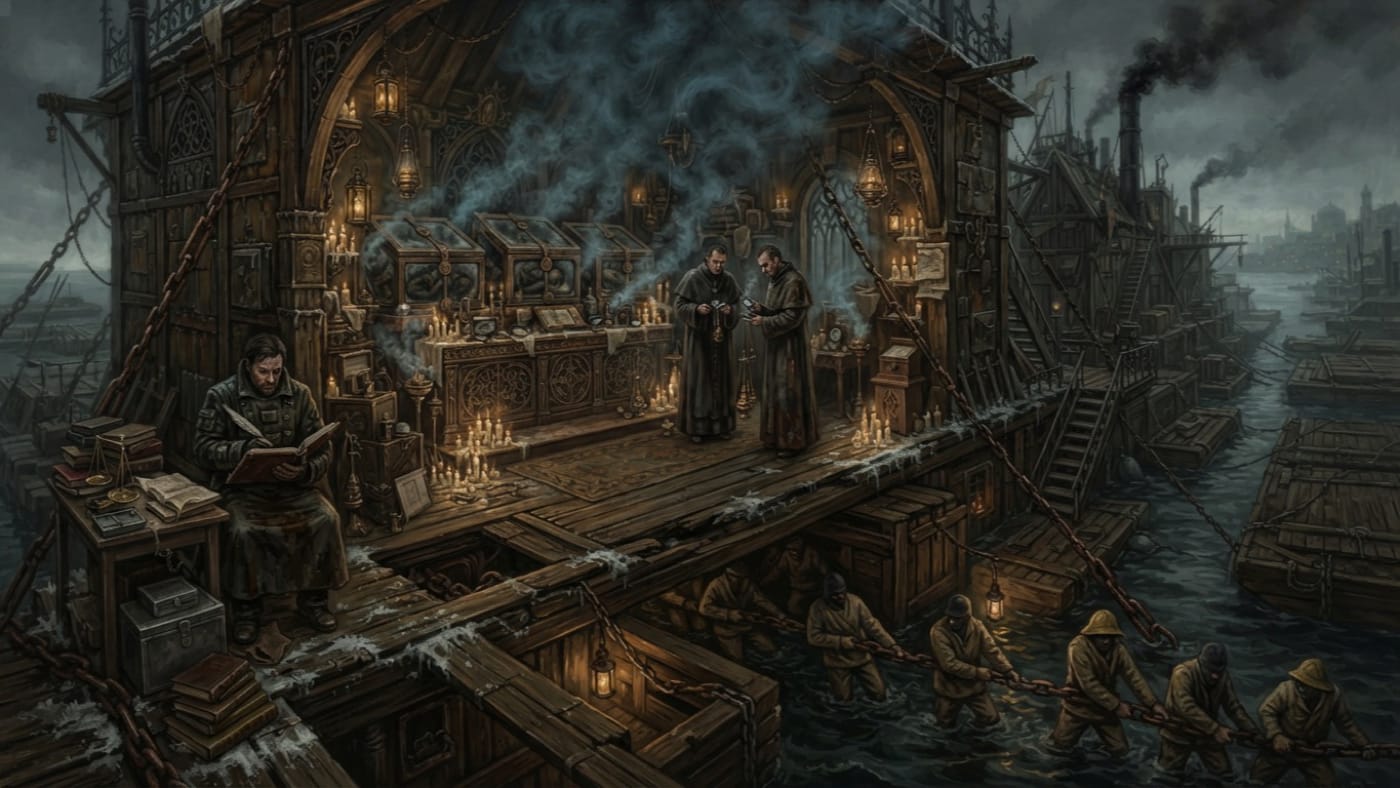
Crown Deck Chapel
Three relics. Ten feet of theology. Wet timber.
At the summit of the Saintward, three sealed relics give the Crown Deck Chapel ten feet of theologically active air. Strasbourg certifies their custody; the chain crews keep it afloat.
Codex Ref. II.4.09-811
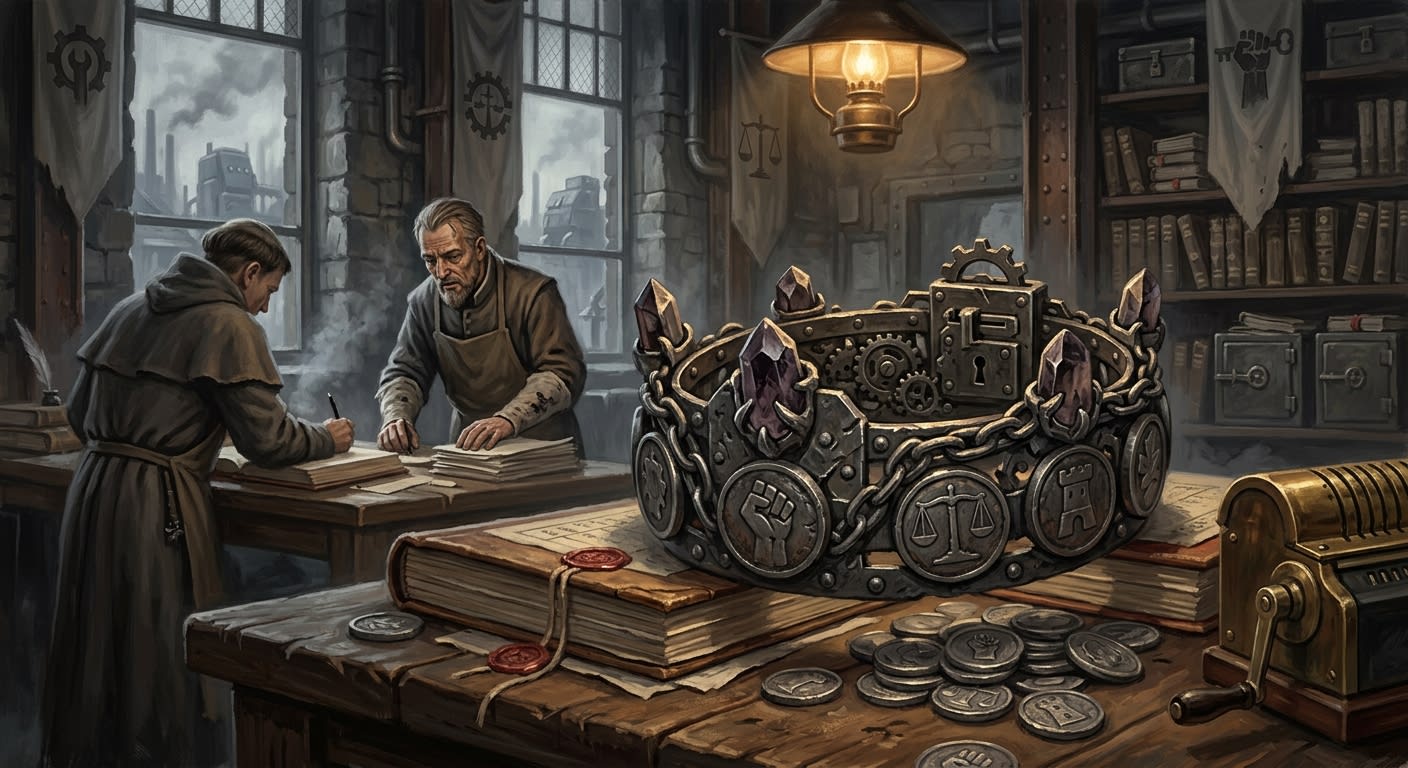
Crown of Grace
Iron given a halo, so long as the receipt survives
The Crown of Grace is the Synod's iron sacrament of value: minted, blessed, tested, taxed, hoarded, counterfeited, and still expected to buy bread under artillery.
Codex Ref. XIII.1.22-092
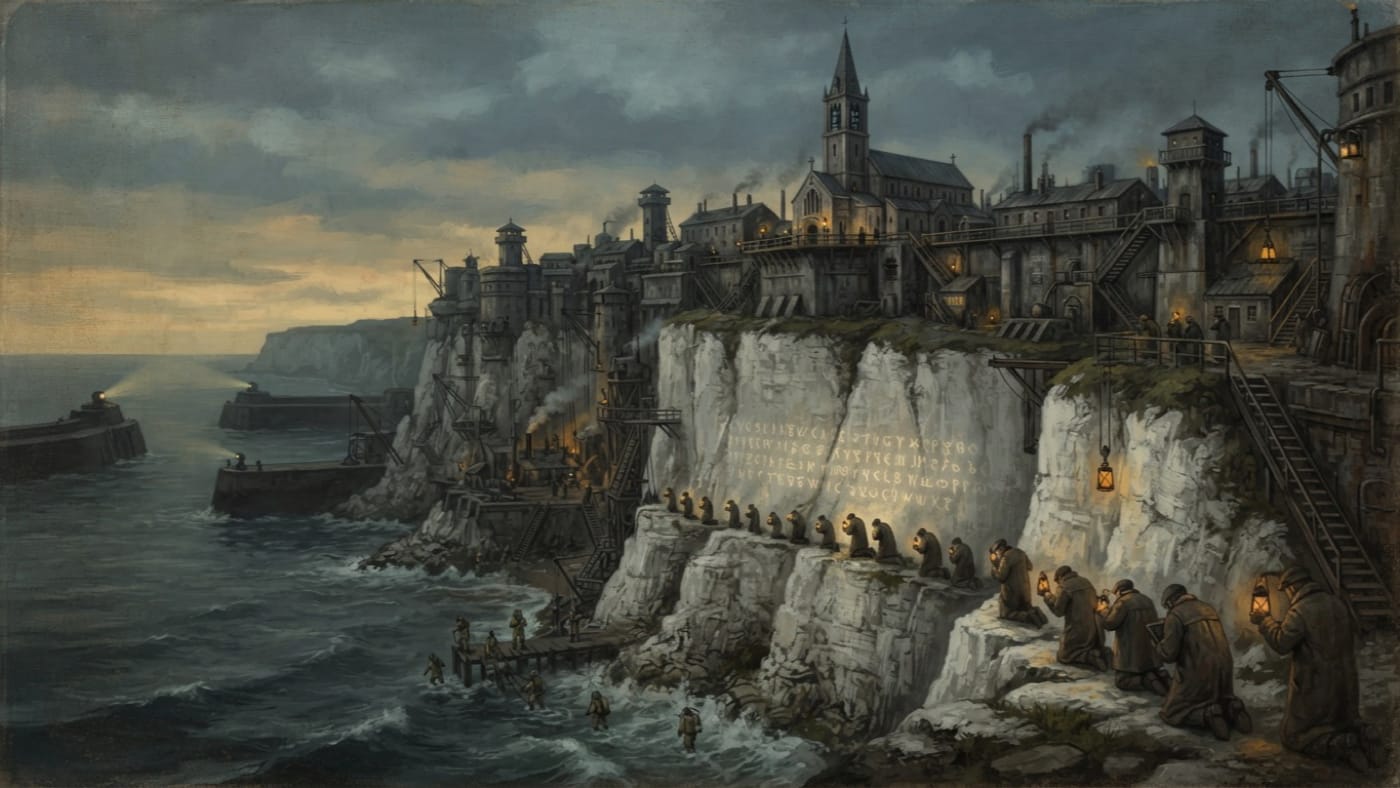
Crownline (Calais)
Command keeps warm while the city pays in breath
The Crownline is Calais's upper fortification: Chapterhouse and officer quarters above the Script Wall, where command keeps warm while the city pays in breath.
Codex Ref. II.4.09-201
Crownspire
The tower that mistakes altitude for title
Crownspire is Atheron's black vertical thesis in the Ebon Heights: throne-plan, citadel, temptation, and measurement-trap opposite Bastion-Przemyśl.
Codex Ref. II.4.03-045
Crucible Cities
Where the grievance ends and the rage remains
In Maldrake's Crucible Cities, years of ritual violence refine living humans into Crucible-Born. The streets melt and reform; the grievance ends, but the rage remains.
Codex Ref. VI.1.03-002
Crucible-Born
Wrath that remembers, reasons, and waits.
Human survivors of Maldrake's Crucible Cities, transformed by choice and still capable of thought. They plan campaigns, lay ambushes, and wait. The Bureau would prefer an enemy that only burns.
Codex Ref. IV.1.07-012
Crumble Ward
The casks leave clean; the people remain under observation.
Mournwater's quarantine district receives the dust-sick, debt-bound washers and inconvenient witnesses. The Sisters keep the treatment ledgers; observation lasts indefinitely.
Codex Ref. II.2.03-004
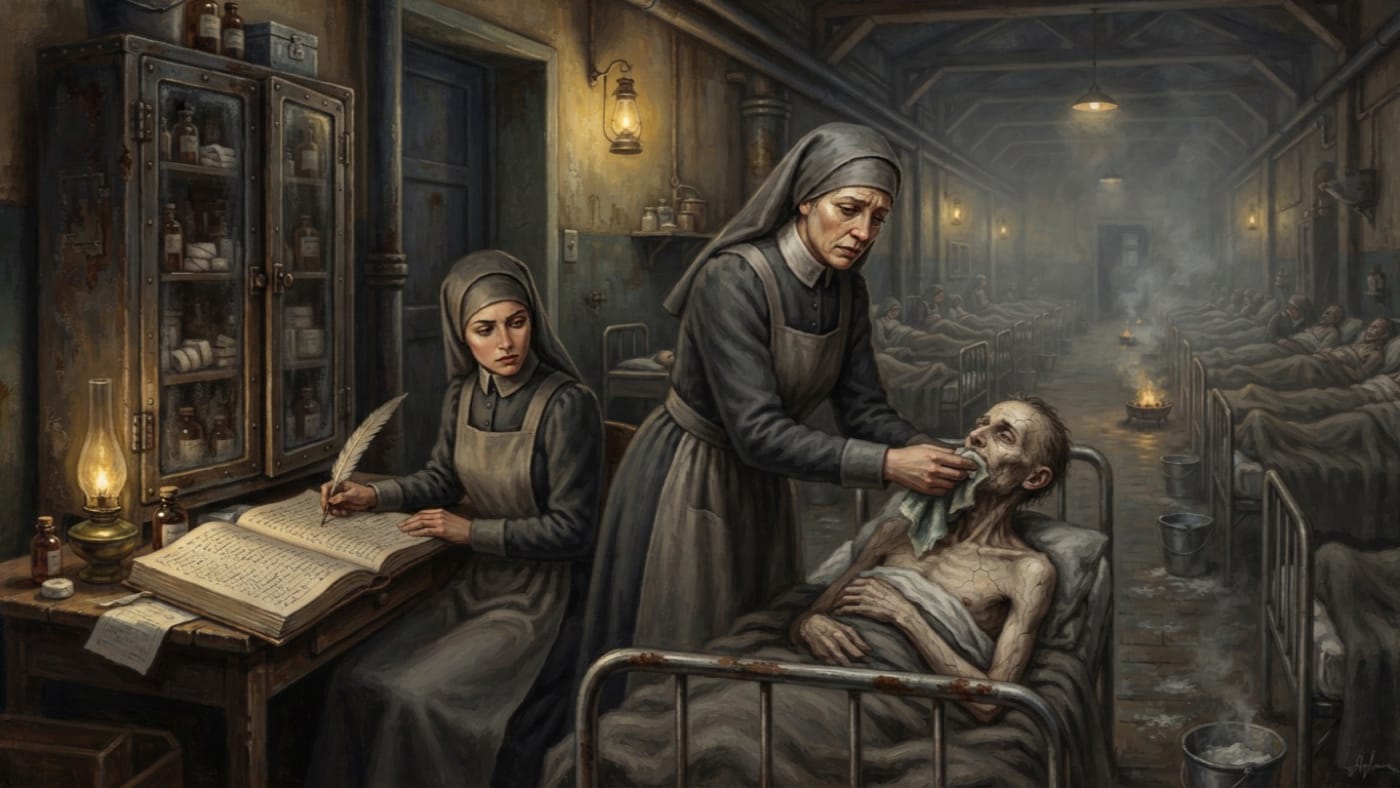
Crumble Ward Sisters
The cupboard holds mercy; the ledger keeps the patient
The Crumble Ward Sisters tend Mournwater's dust-sick, control the medicine cupboard and keep the ledger that decides who remains a patient and who becomes evidence.
Codex Ref. VIII.6.07-001
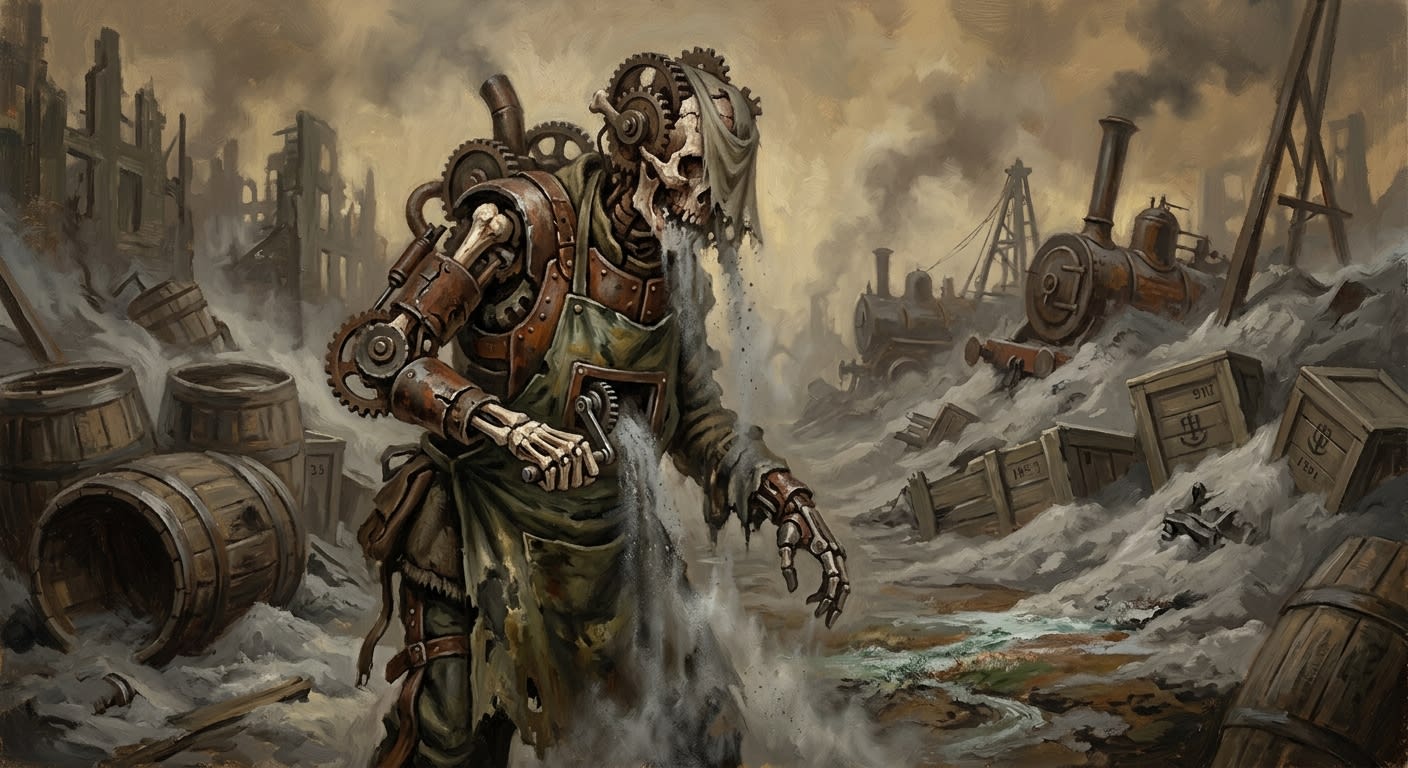
Crumble-Wrong
When saint-dust remembers the body and refuses commerce
At Mournwater, saint-dust settles into bones, ruins casks, fattens futures markets, and suggests that industrialized holiness has begun objecting.
Codex Ref. XIII.1.21-001
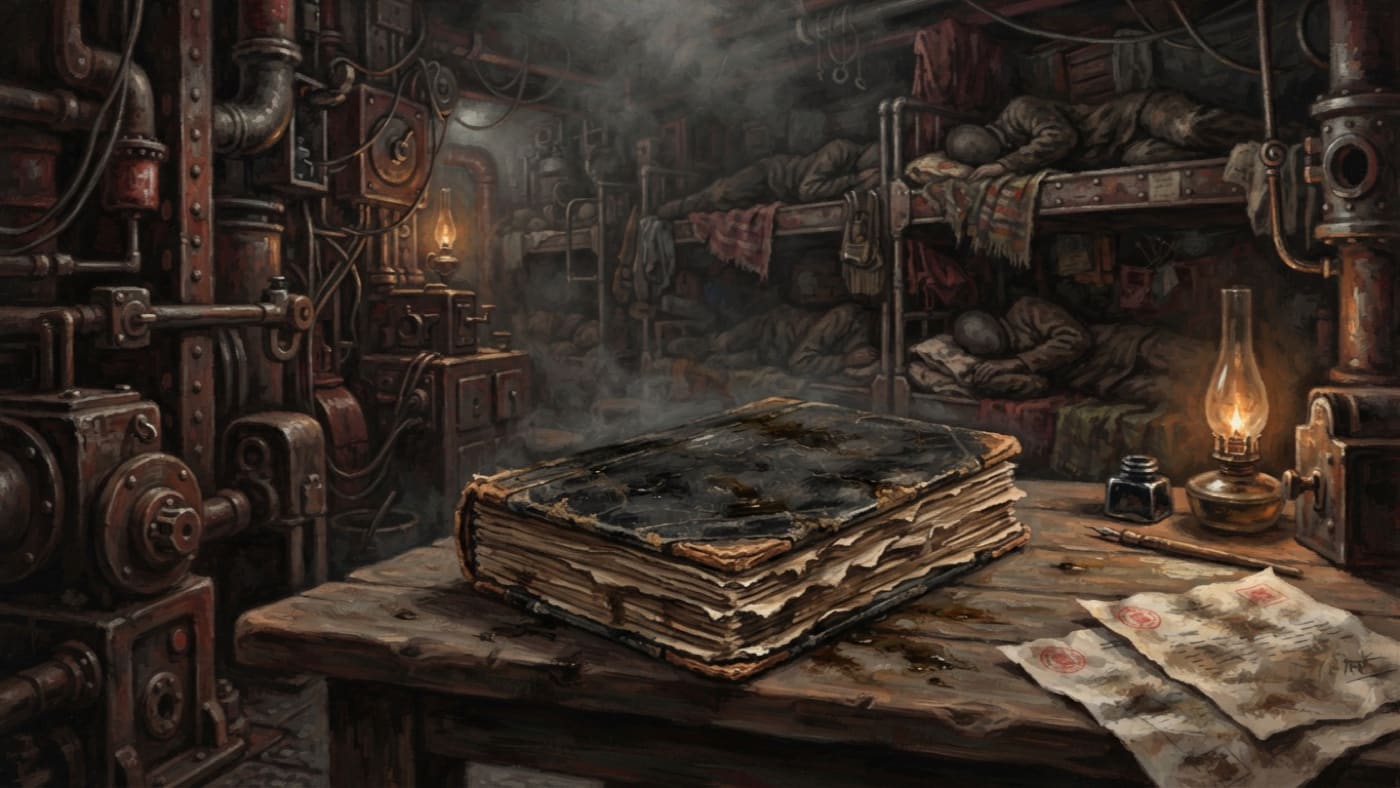
Crushed Book
The obedient dead require a separate ledger
The Switchmen's Union keeps Lorn's Crushed Book: workers killed after correct hymns, manifests and orders. No complete copy exists; obedience has its own death roll.
Codex Ref. XIII.1.87-003
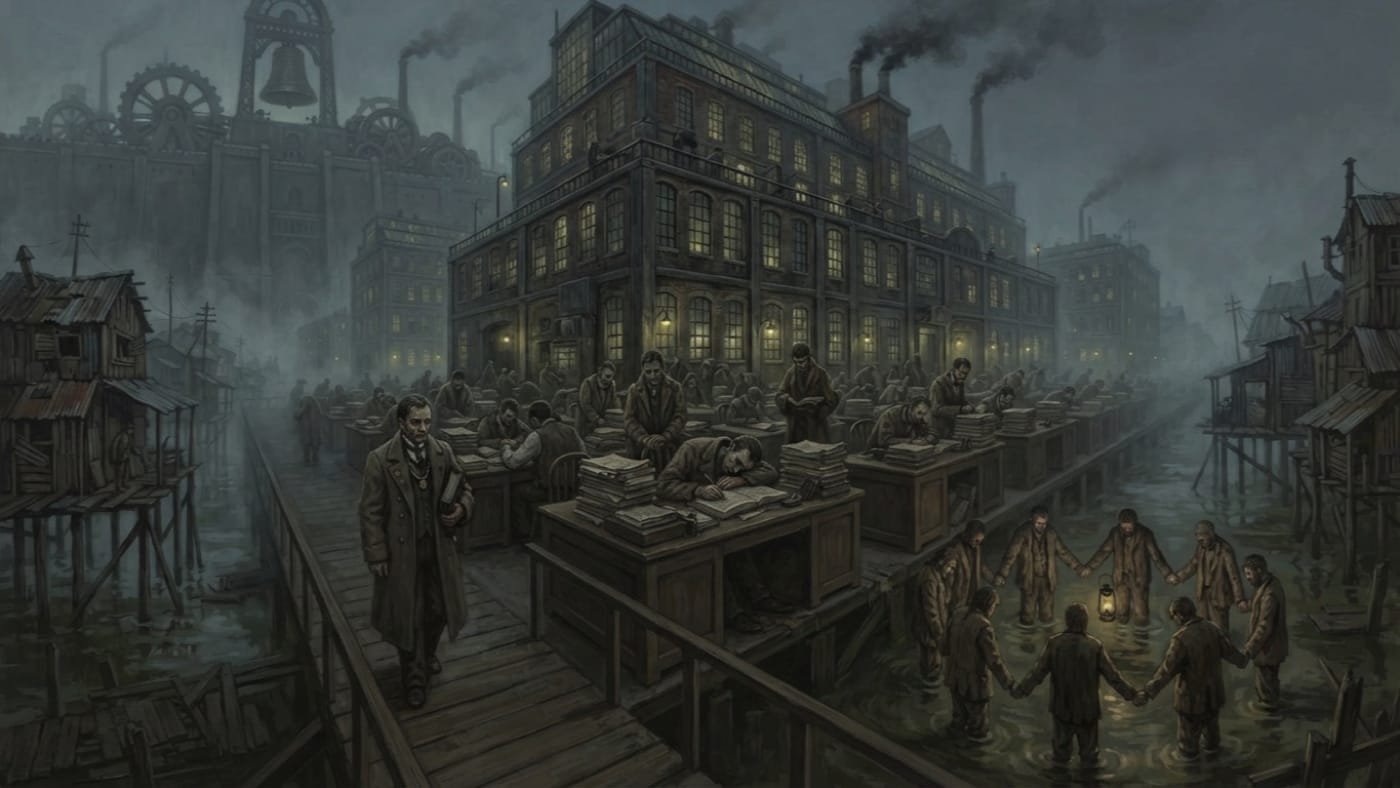
Cults of Stillness
The recruiter of Sloth comes carrying a blanket.
Syrion's quiet cells turn relief into a creed of surrender, spreading through wards, monasteries and Bureau offices. Purity can punish an abandoned duty; it cannot reliably tell devotion to Sloth from exhaustion.
Codex Ref. XI.6.01-002
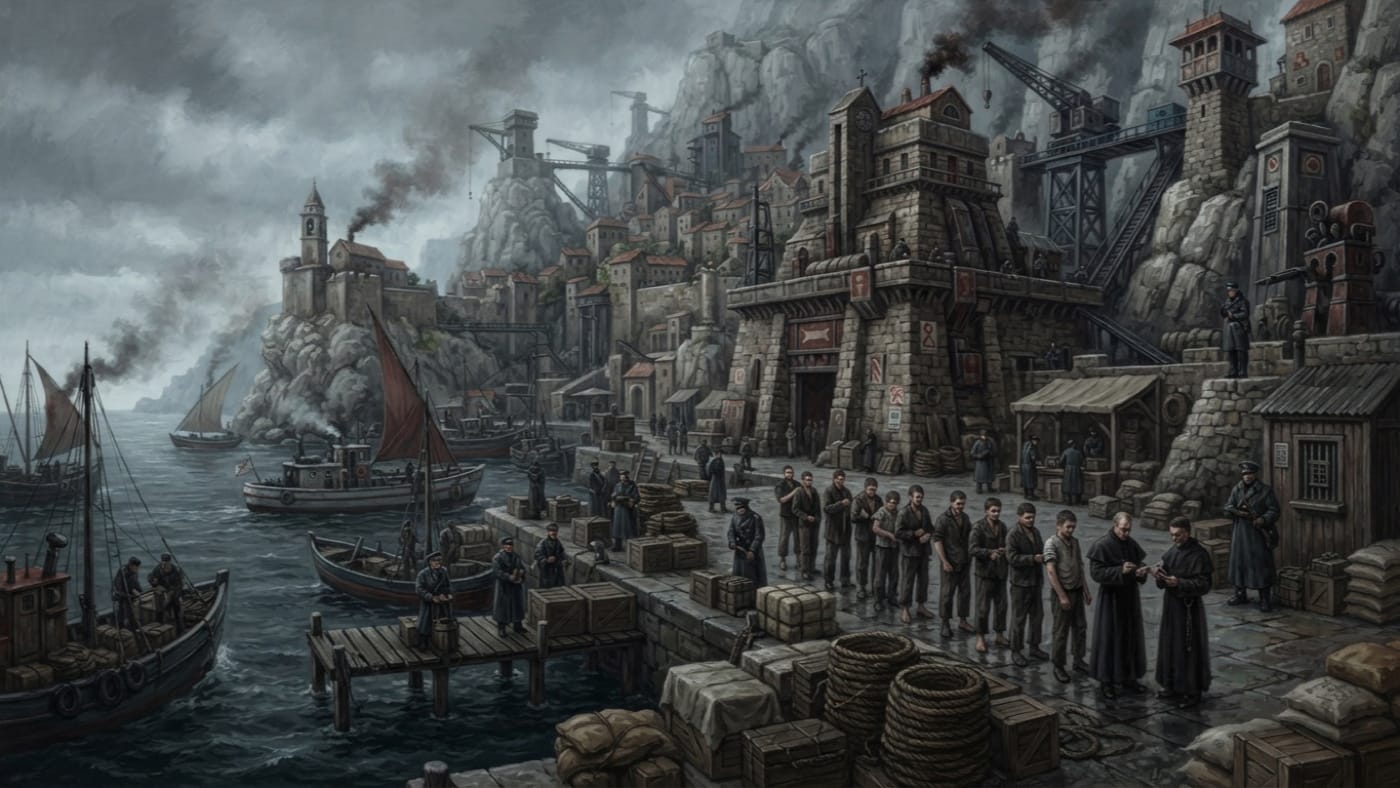
Dalmatia
Where rope is sold and sons are assessed
Dalmatia is the Synod's Adriatic supply coast: Venetian cargo, quarantine piers and parish rolls. Rope, salt and harbour labour are sold; the tenth son is assessed.
Codex Ref. II.7.05-201
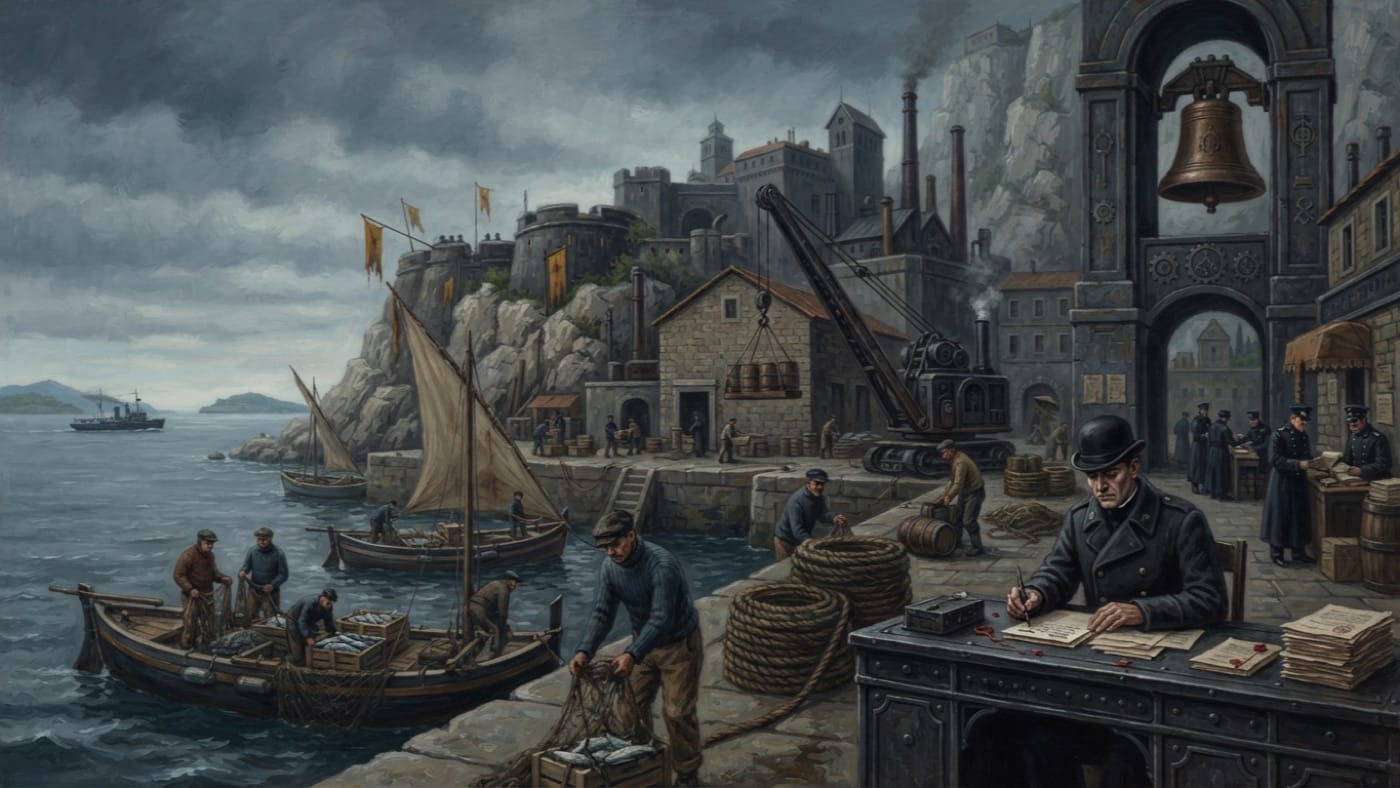
Dalmatian coast
Salt Fish, Sealed Passes, and a Tithe of Sons
The Dalmatian coast feeds the southern Line with salt fish, harbour labour, and fishermen's sons. The boats return to the quay; the sons answer to Strasbourg.
Codex Ref. II.3.07-201
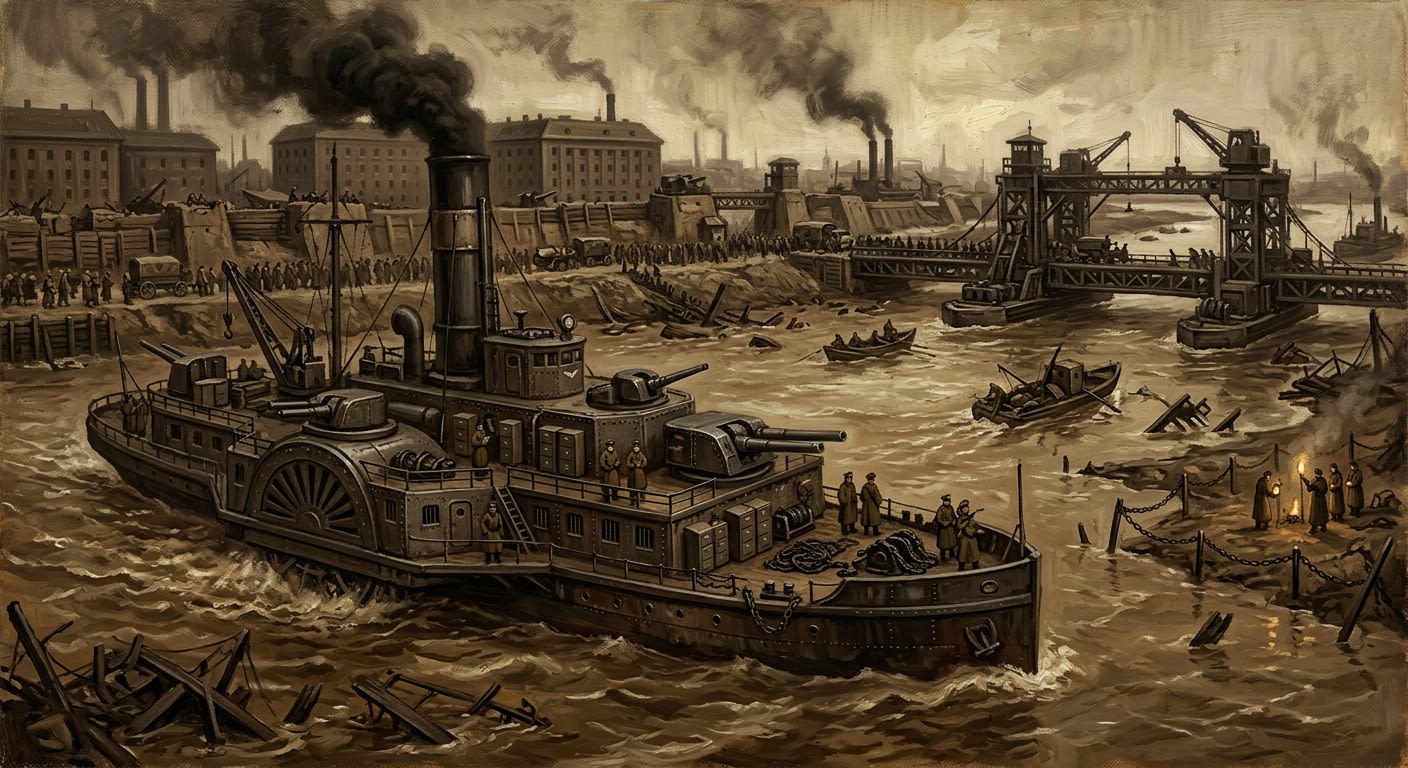
Danube
A moving jurisdiction, interrupted by Hell
The Danube is the Synod's brown moving jurisdiction: road, border, weapon, archive, tariff, grave, miracle-site, and contested throat of Irongate.
Codex Ref. II.4.09-034
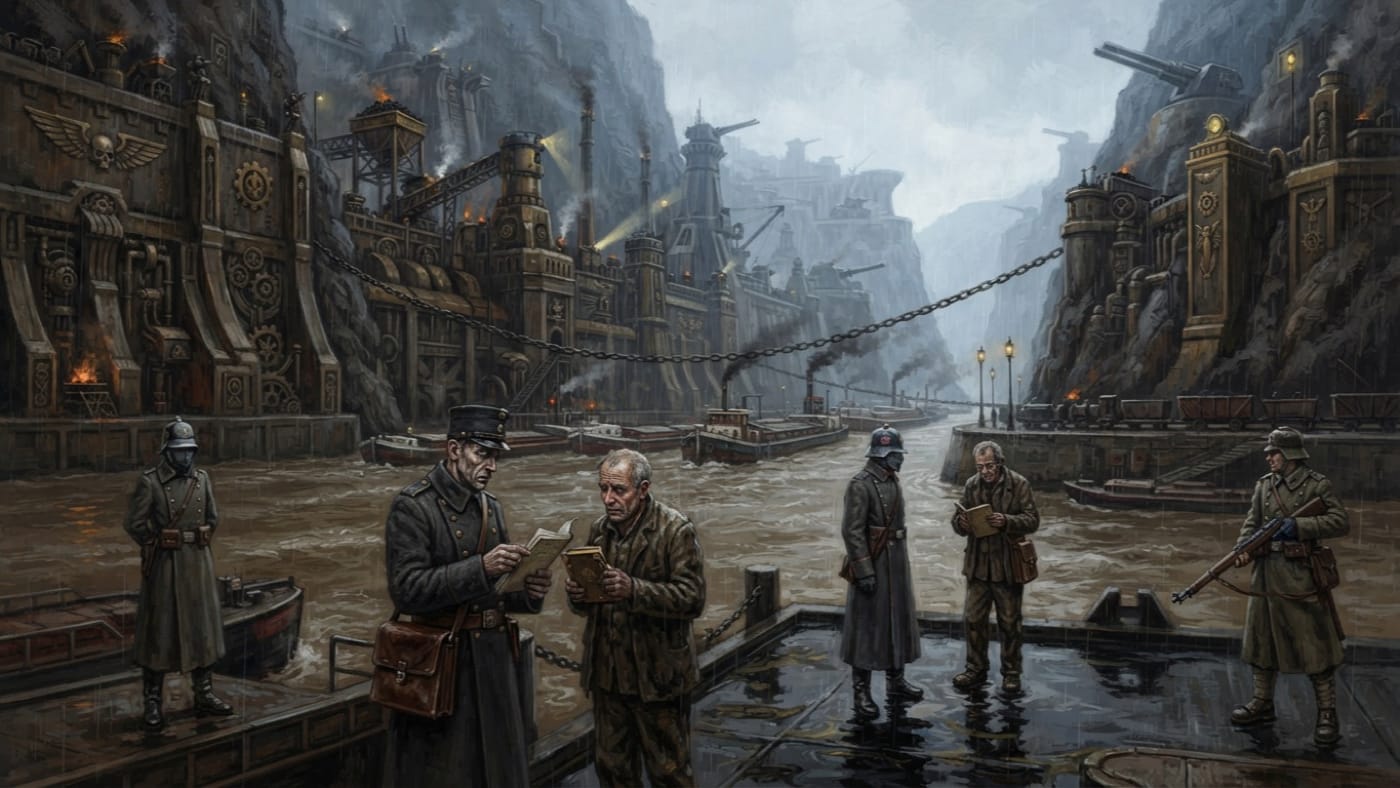
Danube approaches
The guns watch the water; the clerks watch the faces
The guns at Irongate command the Danube; the clerks must still establish who is sailing it. Along the approaches, Morwen borrows familiar faces and passage remains provisional.
Codex Ref. II.4.08-201
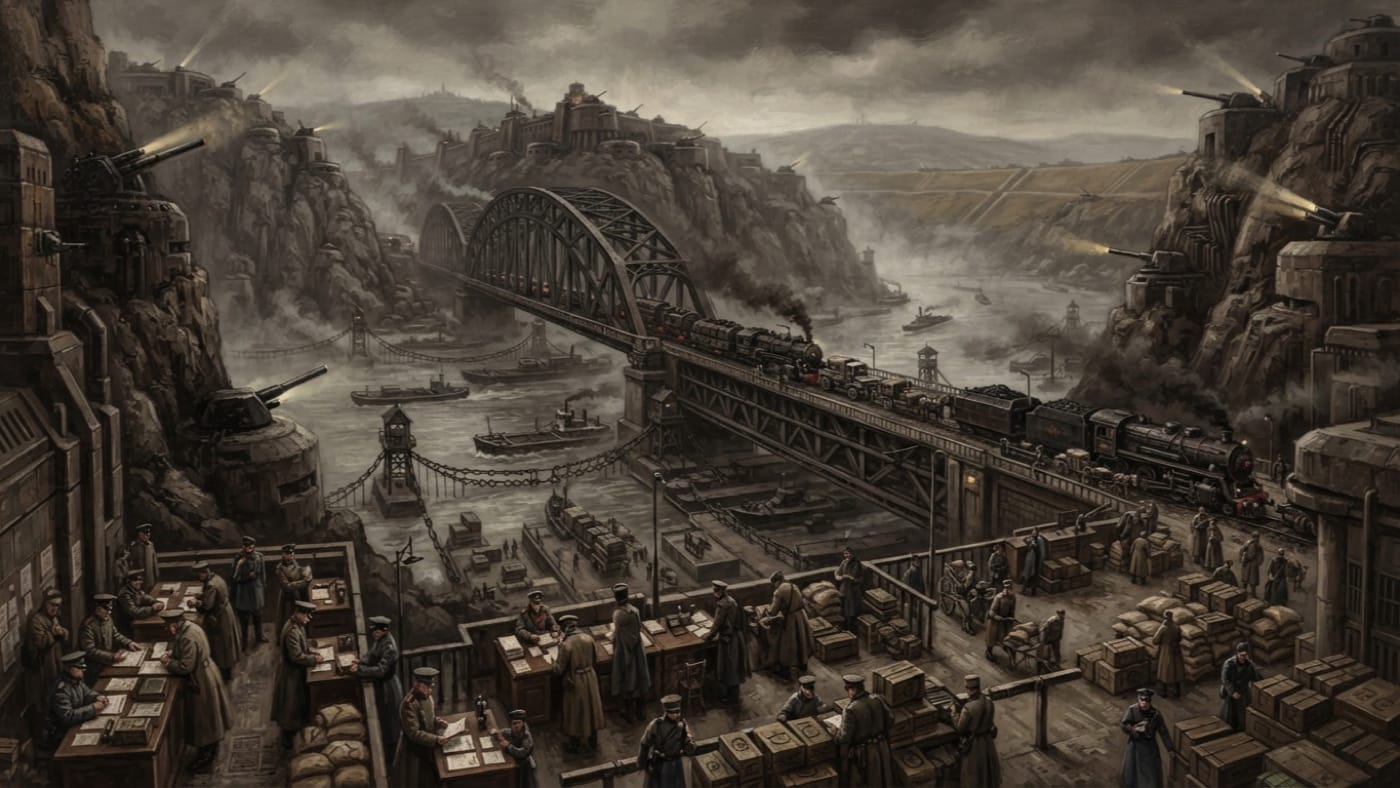
Danube Crossings
The guns command the river. The ledgers command the cargo.
The Danube crossings carry the Synod's men, freight and paper toward the Sagittal Line. The batteries hold the gorge; Velmora buys loyalties, and Morwen forges the faces that pass.
Codex Ref. II.4.09-833
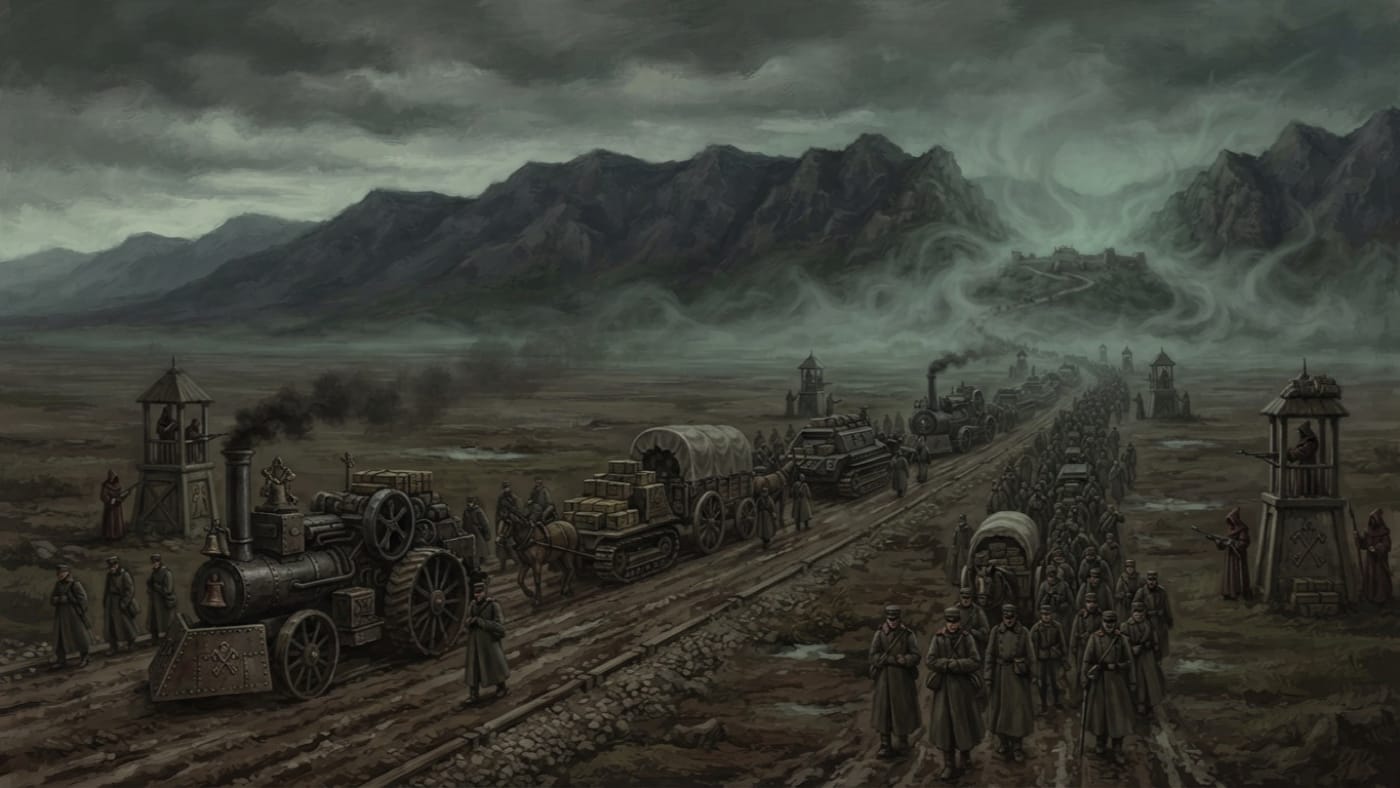
Danube lowlands
The range has one door the registry counts.
The Danube lowlands gather Shipka's convoys and relief drafts north of the Balkan range. The Church keeps the roads moving; the region's full extent and district control remain unrecorded.
Codex Ref. II.4.12-047
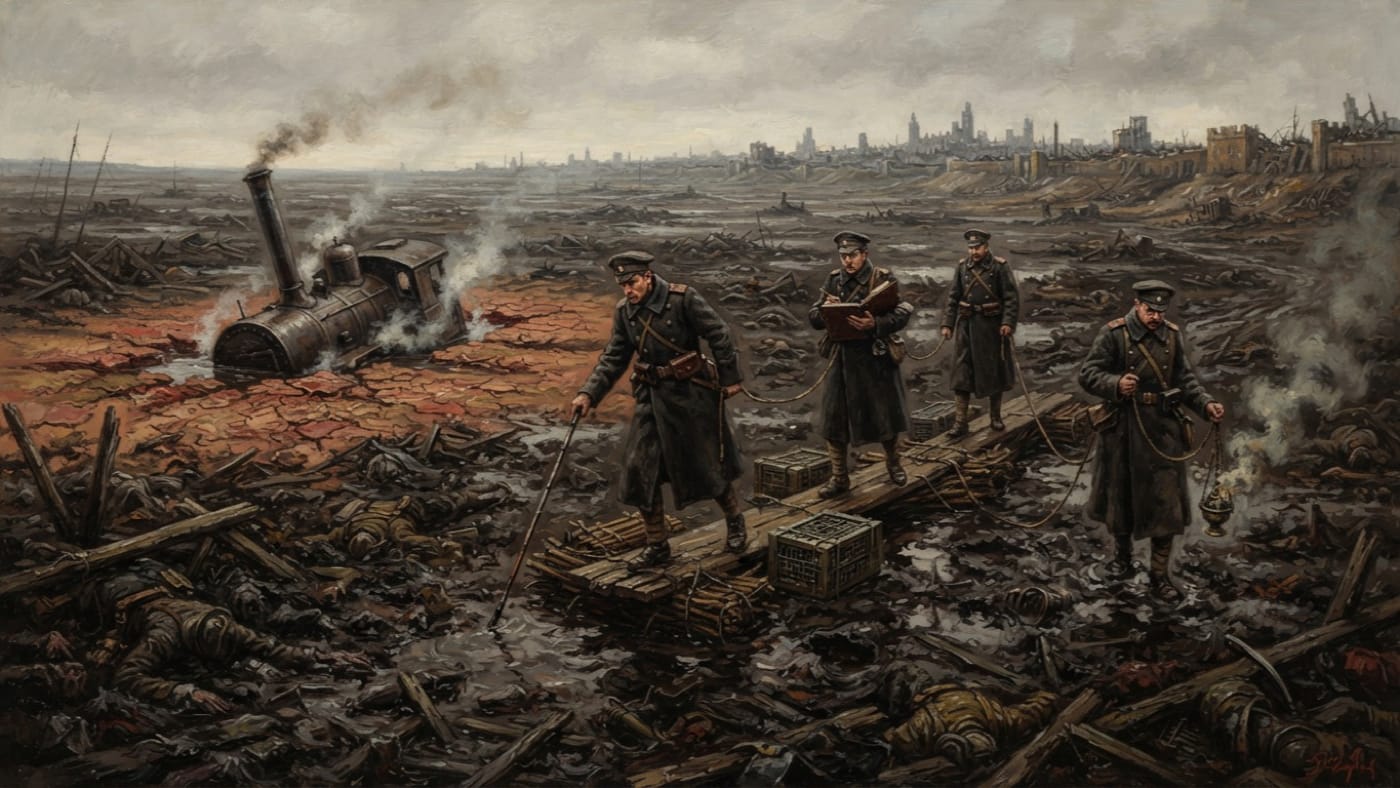
Danubian flats
The crust looked safe at Belgrade too.
An A.S. 201 survey of Danubian front flats in No Man's Land where Flesh-Mud is reported. Belgrade's A.S. 120 file records a swallowed Wrath-forged engine. Three Bureaus disagree; the crust looked safe there too.
Codex Ref. II.4.12-048
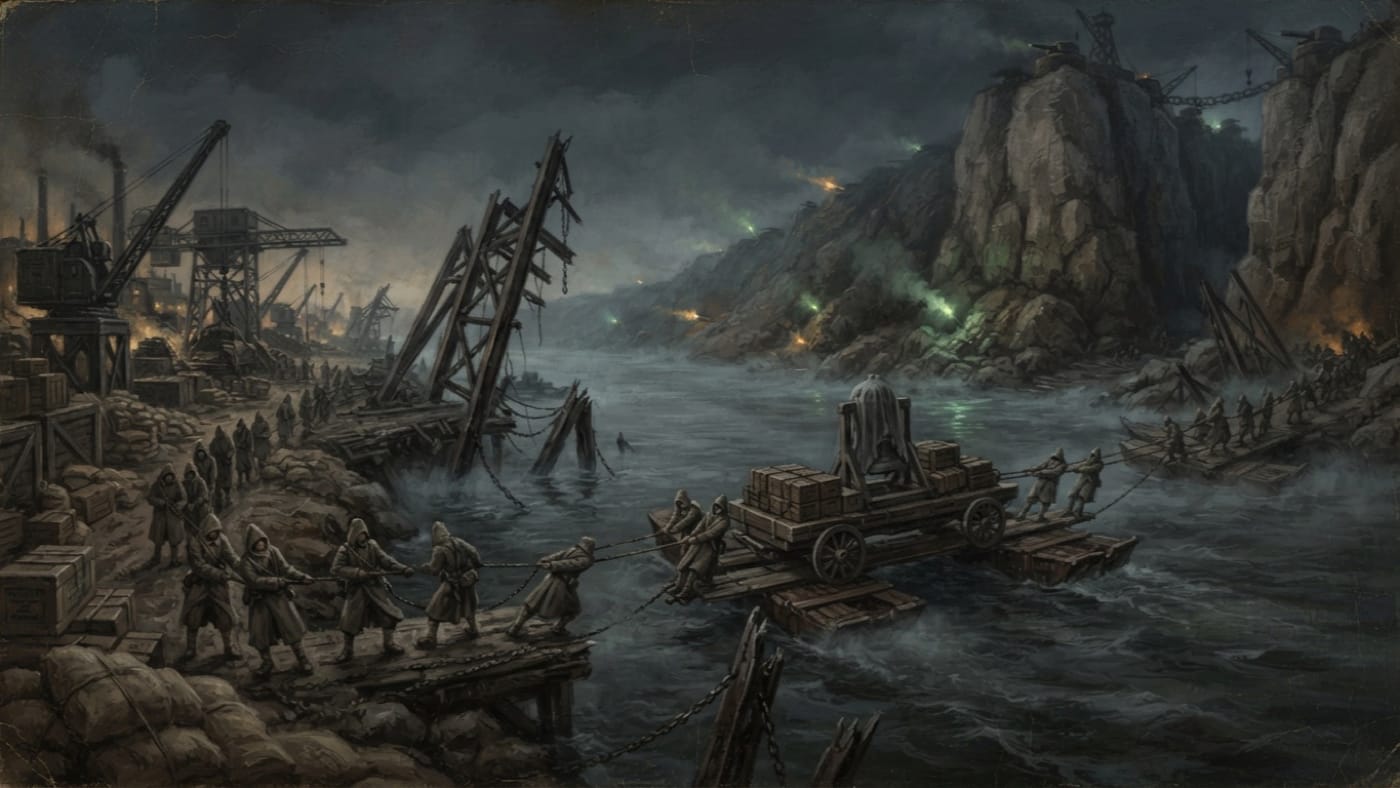
Danubian forward corridor
The grain arrives; the river keeps the difference
Between Budapest and Bastion-Irongate, the Synod moves grain, cartridges and bells through ruined crossings. The cargo is counted; the river keeps the difference.
Codex Ref. II.4.09-172
Dean-Marshal
One boot in the lecture hall. The other on the lecturer.
The Dean-Marshal governs the War College under War custody and Doctrine and Records supervision. In this A.S. 201 survey, I find competent administration, borrowed arithmetic and no gratitude for its authors.
Codex Ref. VIII.5.09-001
Debrecen
The city that was eaten
Forty-two thousand souls, a grain exchange that set prices from the Danube to the Rhine, and a harvest the world will never taste again. Kargath ate it. The Blightmarsh is all that remains, and the Blightmarsh is still hungry.
Codex Ref. VI.1.01-001

Demon-Glass Polisher
The craft the Bureau has shattered, blessed, interred in lime, and declined to stop purchasing
The profession the Bureau insists does not exist: found in every port from Marseille to the Harbor of Chains, supplying the Bureau of War with combat-grade optics, having developed a hierarchy, a patron saint, and three factions — all since the last Purity raid.
Codex Ref. XII.13.01-001
Demon-Glass Scavenger
The trade that crawls through Hell's workshop at three in the morning, because the Bureau's purchasing department opens at nine
The profession that supplies the Polisher, the Smuggler, the Bureau of War's optics division.
Codex Ref. XII.13.02-001
Demons
Iron for the flesh, a separate column for the theology
Corporeal demons die by iron; rare influence-demons whisper. Their hosts are chiefly human. Doctrine certifies their origin; the surgeon keeps their bodies.
Codex Ref. IV.1.00-001
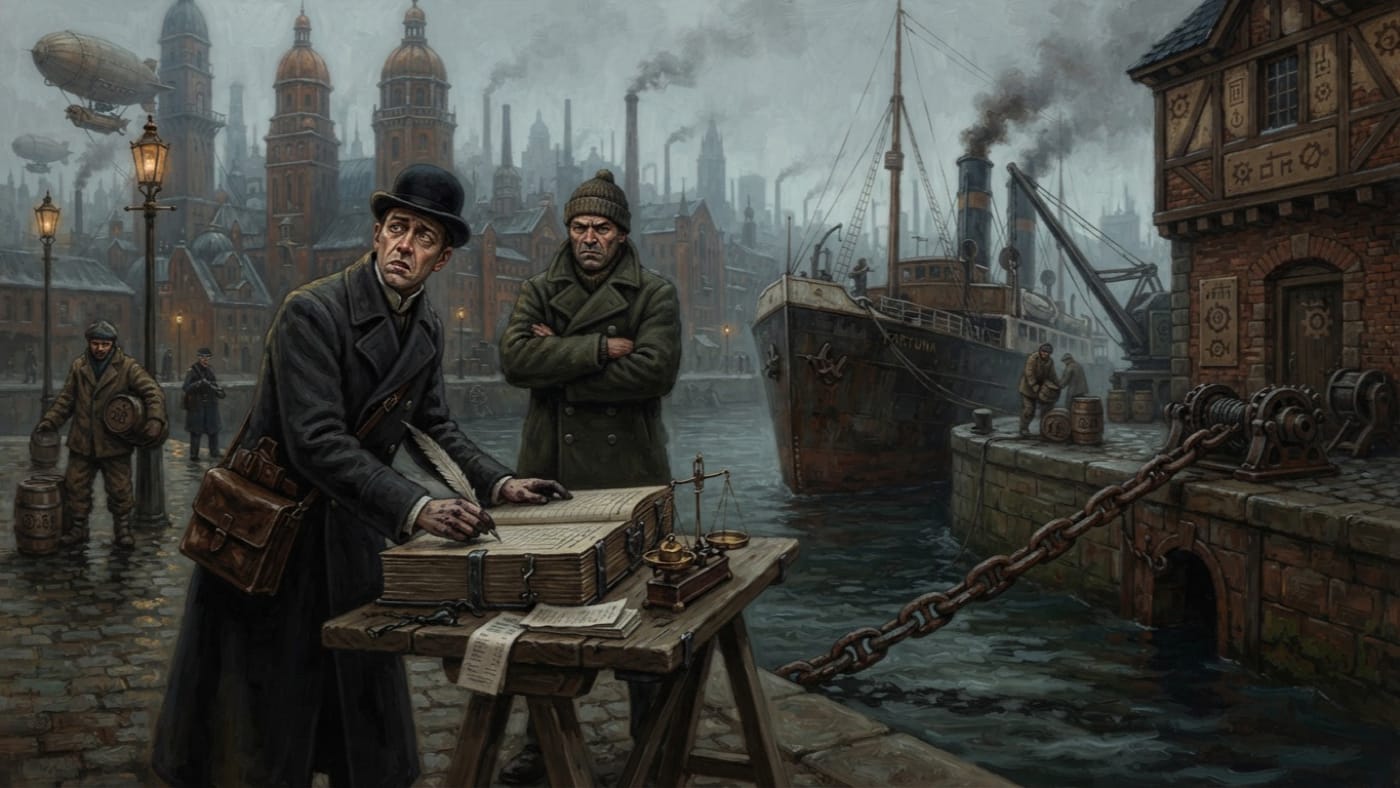
Denmark
The assessor keeps the ledger; the harbour keeps the chain
Denmark admits the Synod's assessor, negotiates its tariffs and guarantees its war credit. A.S. 201 assessment of the Danish harbours: the ledger is tolerated; the chain remains Danish.
Codex Ref. II.8.03-001
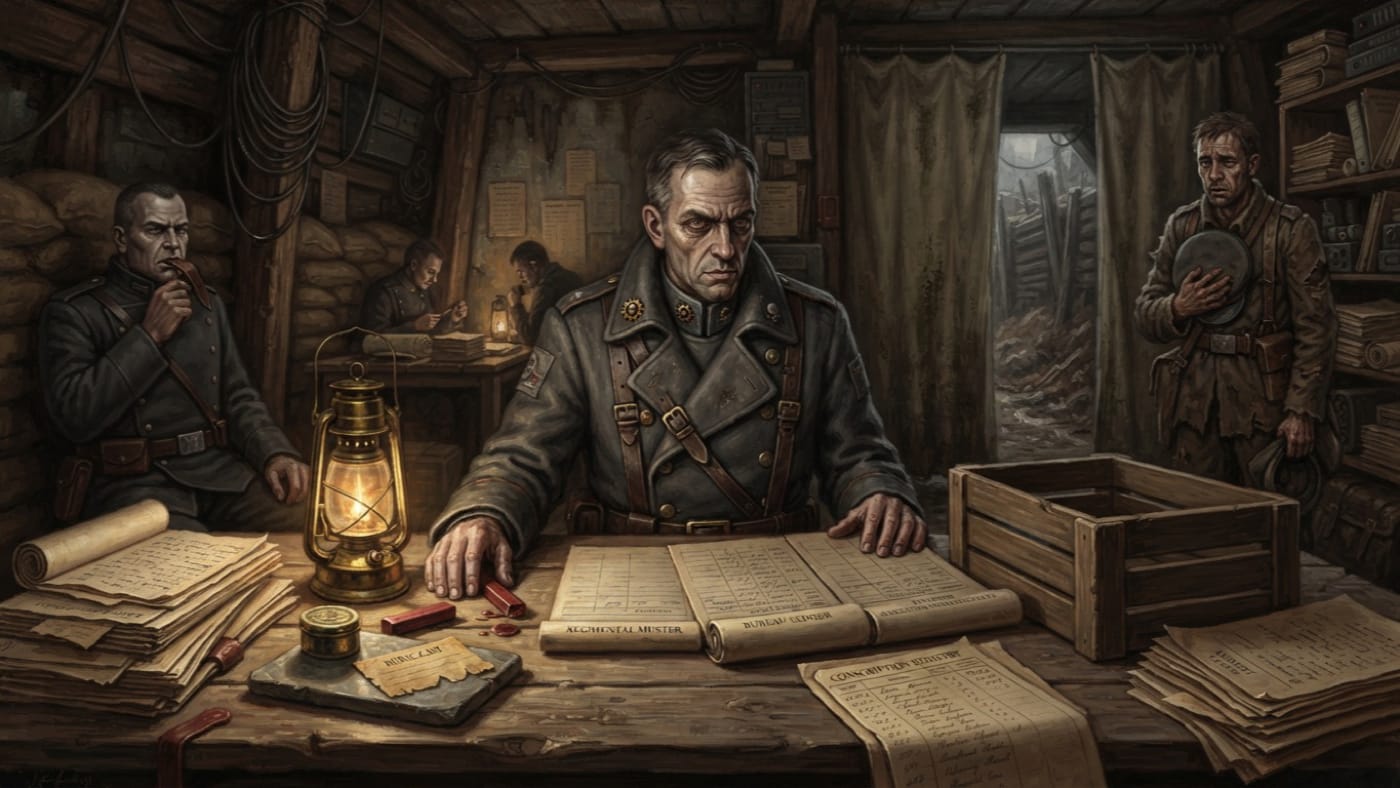
Desertion Hearing Specialist
Where absence is made to testify
Elite Trench Court clerks who reconcile disputed absence, hear deserter identity cases, and prepare the record that sends a man back to his name, punishment, or the rope.
Codex Ref. XII.47.06-201
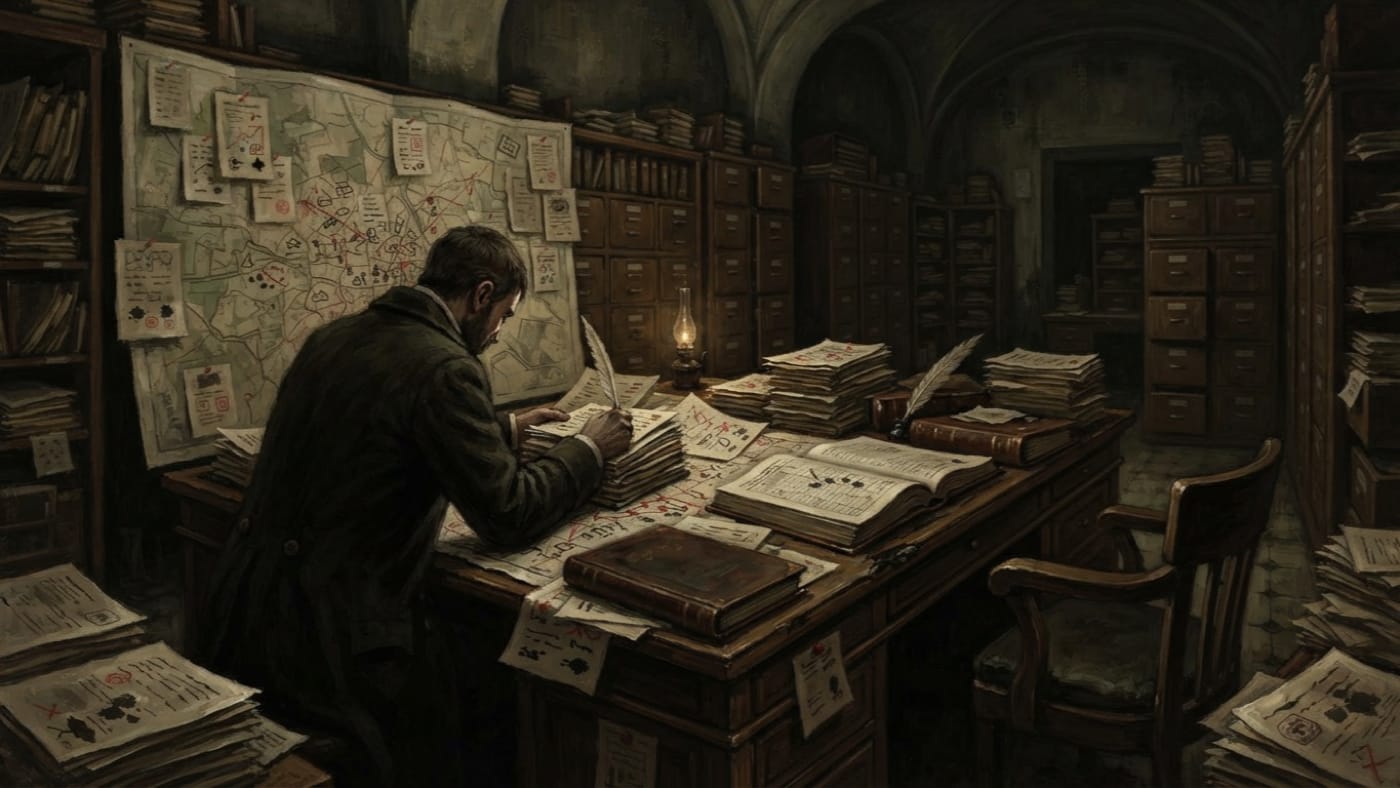
Desk of Civil Order
The office that counted the crowd and missed its author
The Desk of Civil Order counted Vienna's gatherings and priced their suppression. Koeler's A.S. 38 arithmetic survived into Synodal war teaching; the office's reassurance did not.
Codex Ref. VIII.1.04-038
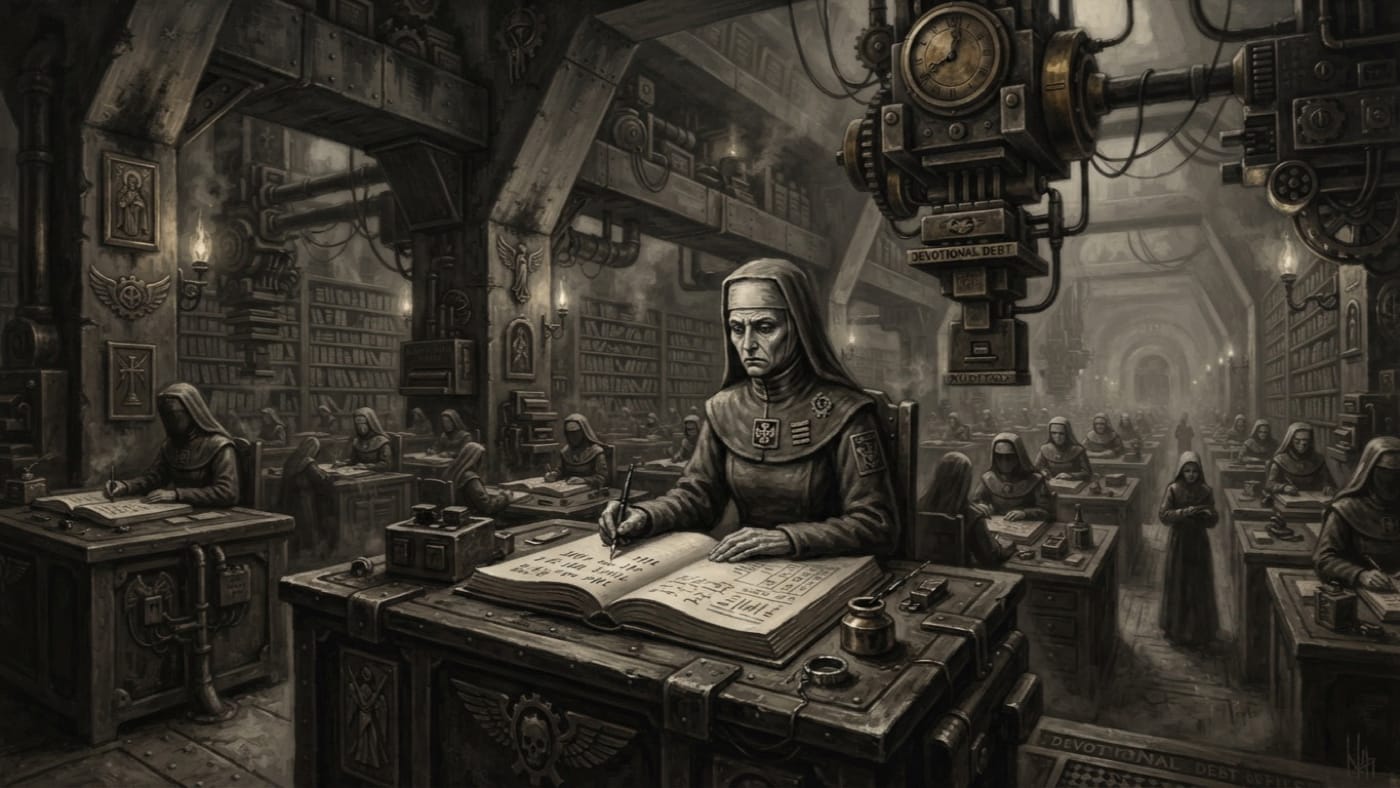
Devotional Debt
The Bureau balances; it does not forgive.
Current survey, A.S. 201: grace entails obligations, and unpaid obligations accumulate as devotional debt. Rites records the deficits and their reported signs. The Bureau balances; it does not forgive.
Codex Ref. VI.3.01-002

Diesel Resonance Plumber
The unwashed saints who keep the bastions from collapsing — and are blamed when they do.
The Diesel Resonance Plumber — Pipe-Singer, Thumper-Runner, Heretic Wrencher — maintains the pressurised diesel conduits that carry resonant vibration through the bastions' bones. The Bureau of Engines insists this work is impossible. The bastions continue to require it.
Codex Ref. XII.2.03-001
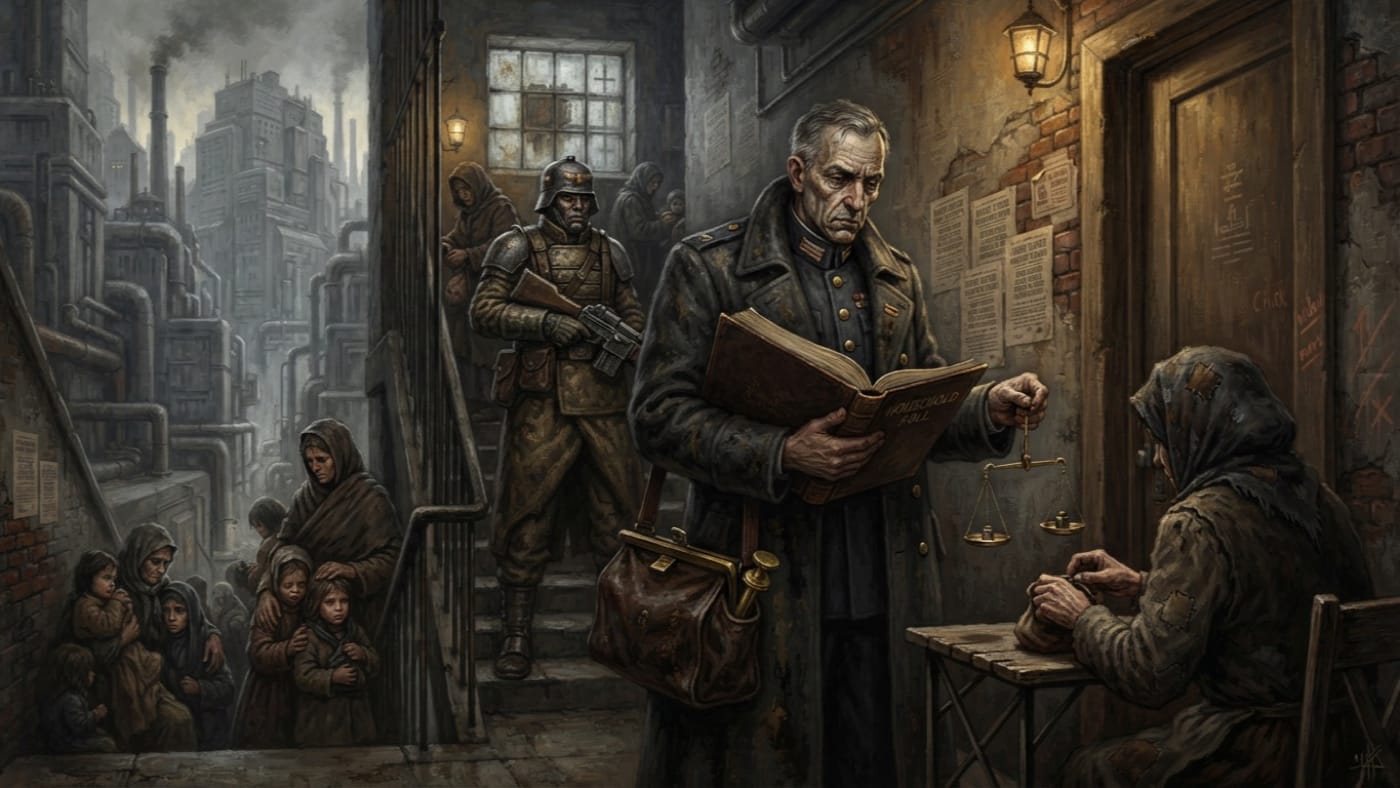
Directive 91-B
Grief kept its discount and lost its exemption
Issued in A.S. 139, Directive 91-B closed the pity-exemption rolls and made Widow's Pennies compulsory at reduced rate. Grief kept its discount; the Bureau kept its account.
Codex Ref. XIII.1.91-139

Discord Scribe
The hand is absent when the cannon fails
The Mirror Choir's Discord Scribe alters lawful hymn sheets at Essen-of-Hymnsteel. The ink passes audit; the hymnsteel may fail far from the hand that changed it.
Codex Ref. VI.4.07-020
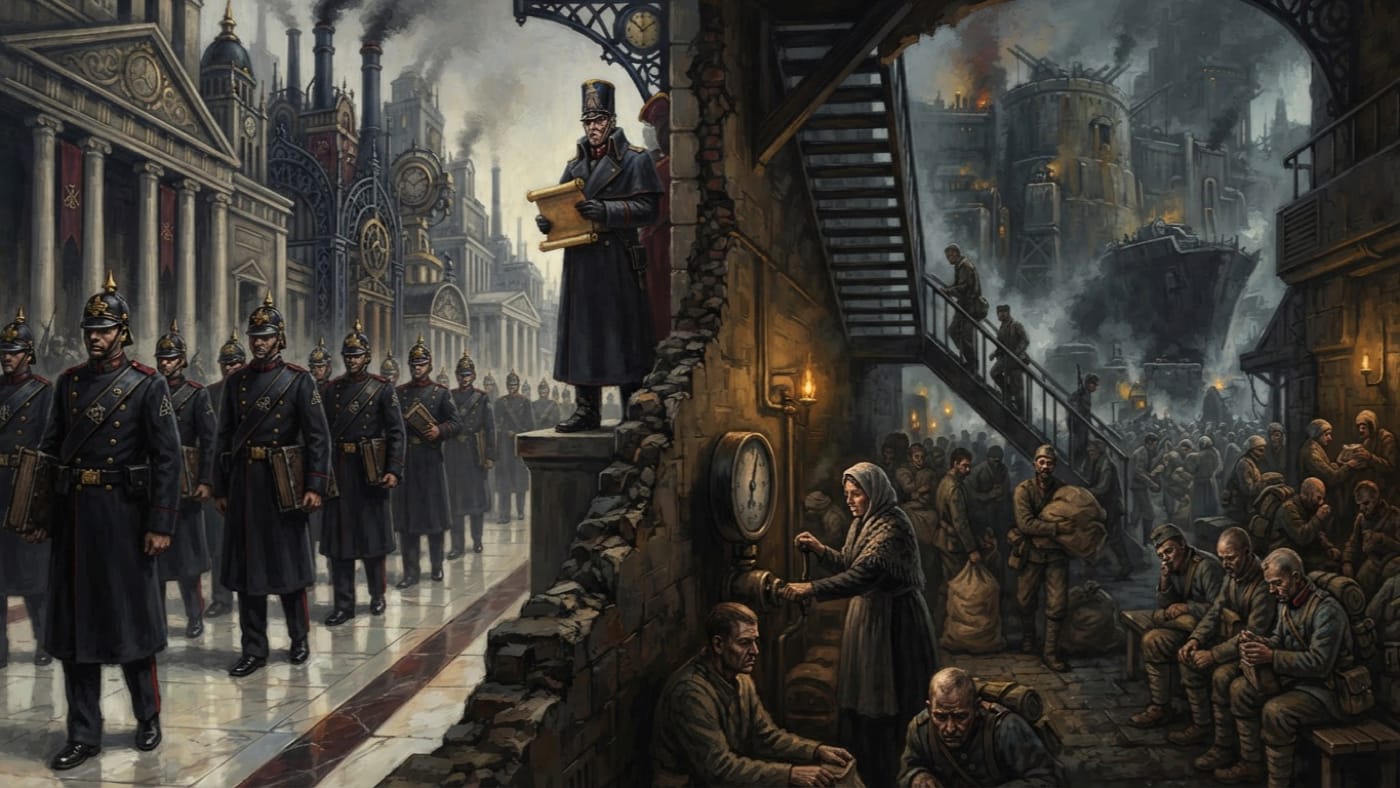
Dispatches from the Southern Hinge
One paragraph, and the review still waits
One paragraph from Warden-Adjutant Remy Sauvage's suppressed Dispatches survives in the Codex's A.S. 197 citation. It credits Constantinople's endurance to exhausted competence. The theological review remains pending.
Codex Ref. XIII.1.197-001
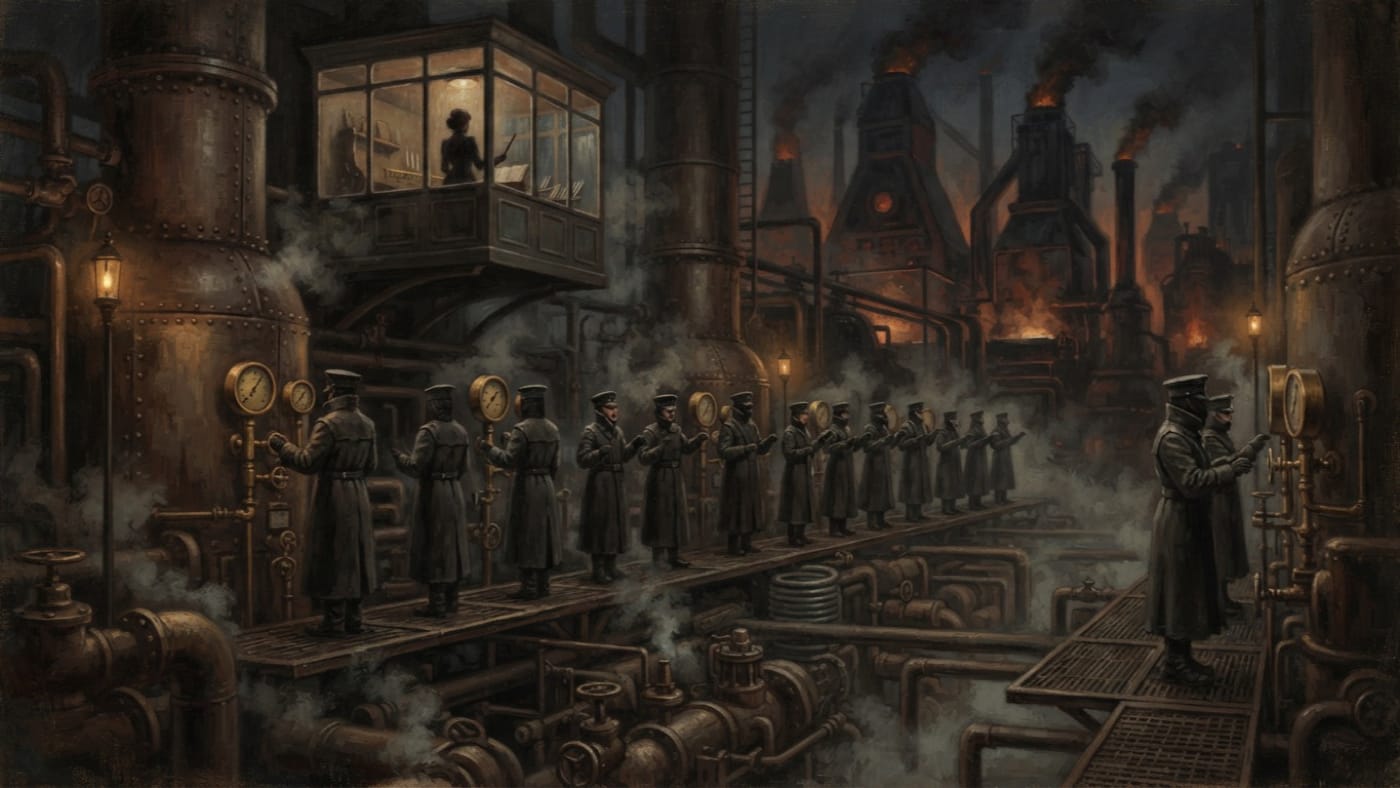
Distillation Hymn
Fourteen stanzas to make fuel obey; no license for an answer
The Distillation Hymn governs Brast's fuel with fourteen stanzas and a three-beat tolerance. The procedure remains sacred, the explanation has retreated, and the Choir reports an answer from the furnaces.
Codex Ref. XIII.1.12-014
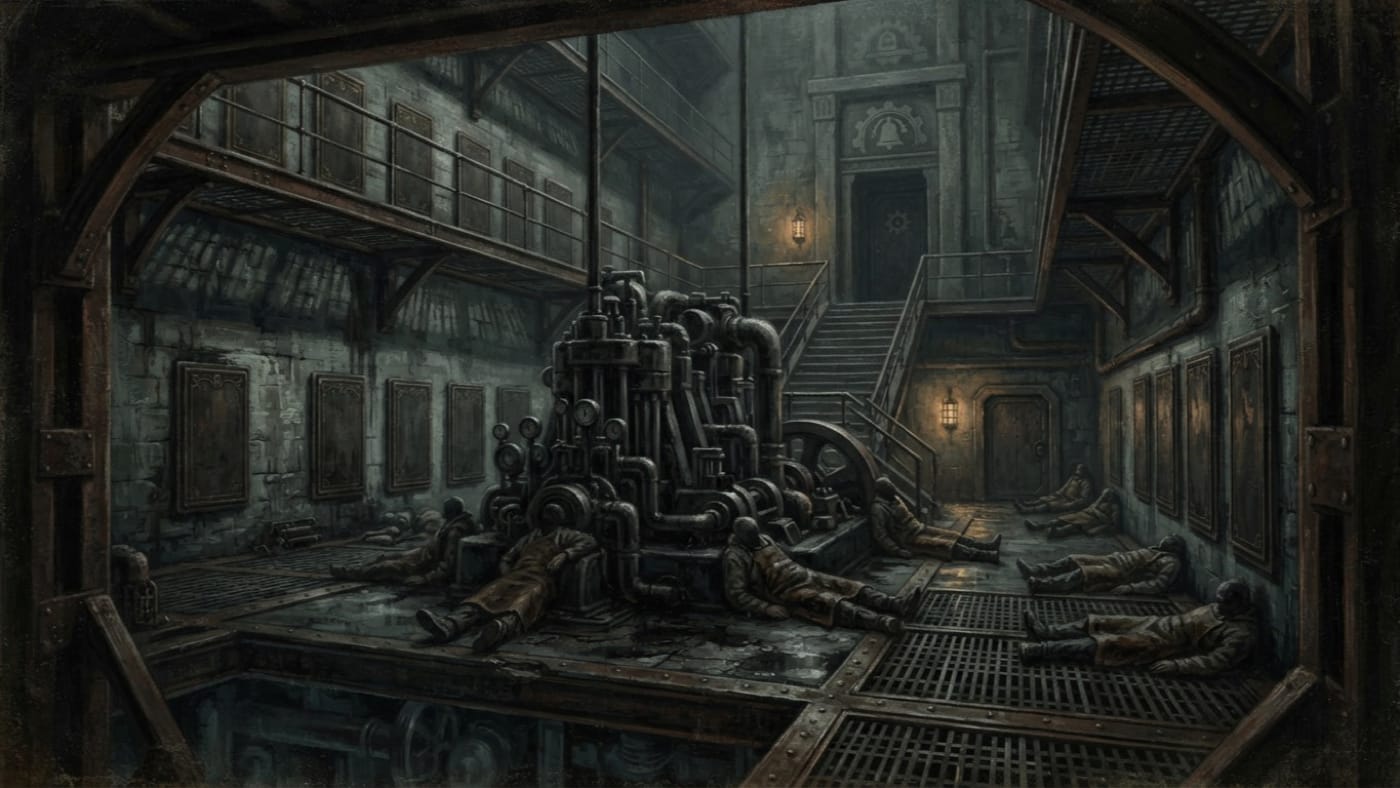
District Seven (Bastion-Przemyśl)
Where the bastion keeps its pulse, and has been known to mislay it
District Seven is Bastion-Przemyśl's western industrial resonance district. Its ward-plates fell silent in A.S. 171; four hundred died before the bastion recovered its pulse.
Codex Ref. II.4.07-007
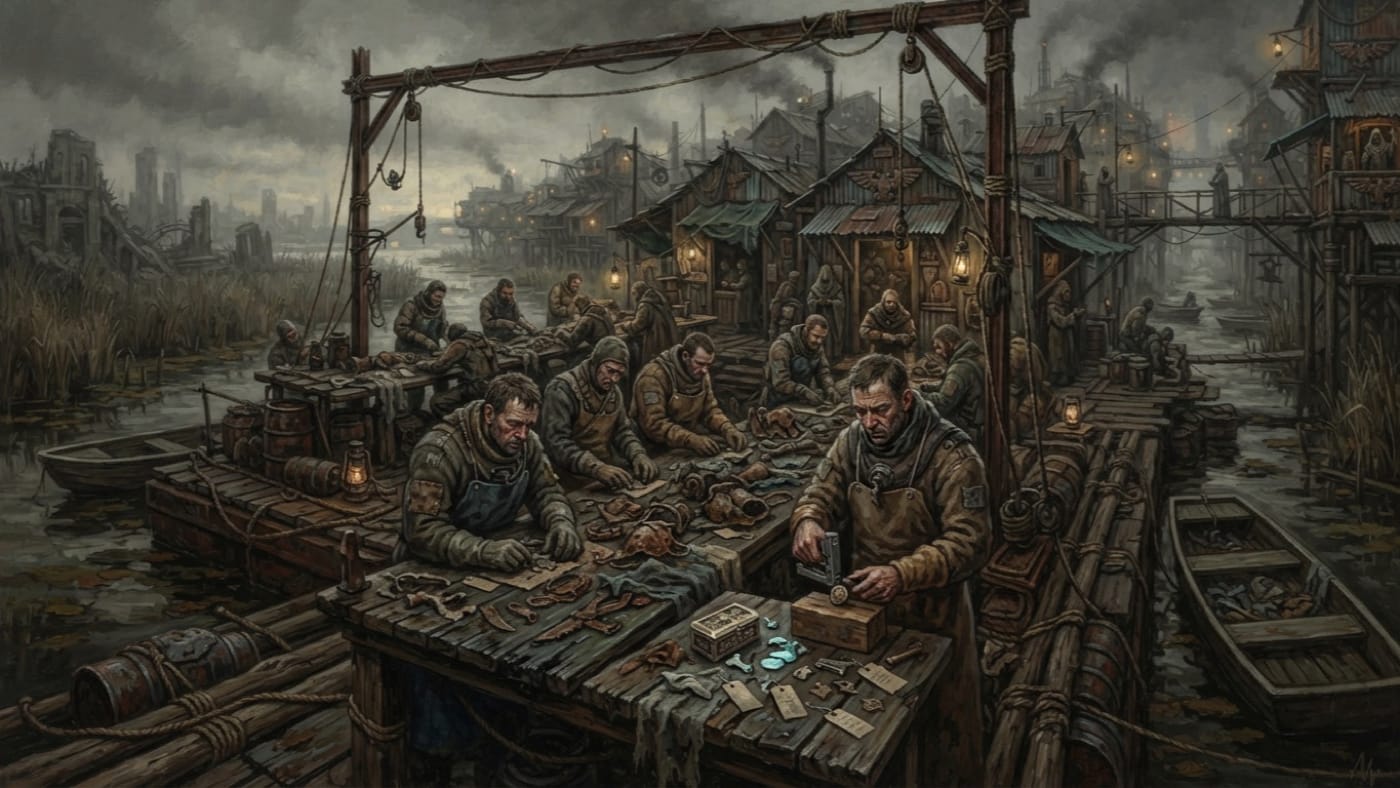
Diver's Gut
The mud supplies the relic. The clerk supplies its past.
The floating salvage quarter of Ash-Glyph Marshworks, where indebted divers sort the Danube's dead and relics sometimes arrive already tagged. Authenticity can be certified; provenance remains inconvenient.
Codex Ref. II.4.08-006
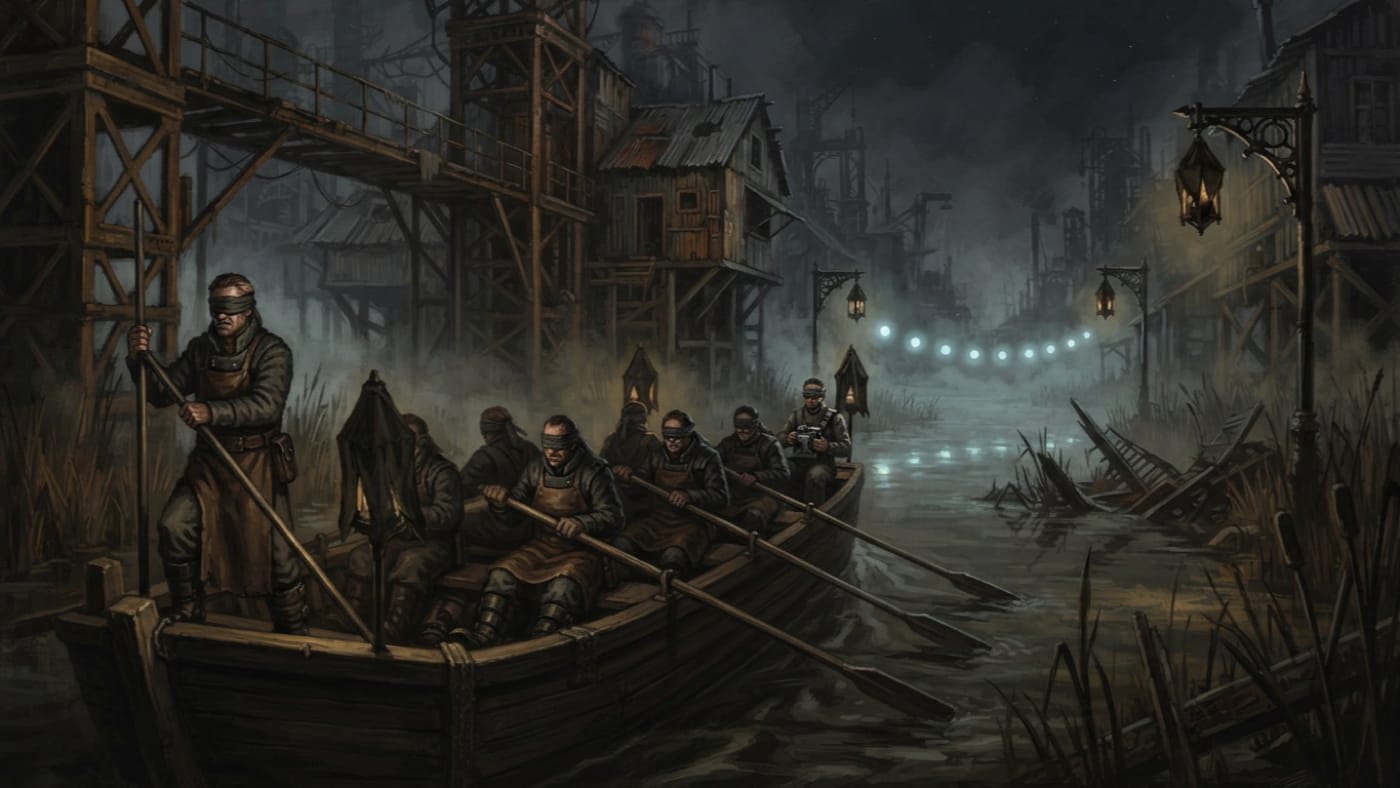
Do Not Answer
When the water answers, put out the light.
At the Ash-Glyph Marshworks, the Lantern Guild meets counterfeit corpse-light with hooded lamps, blindfolded oarsmen and bell-click cadence. The code is withheld; its origin is unrecorded.
Codex Ref. XIII.1.24-003
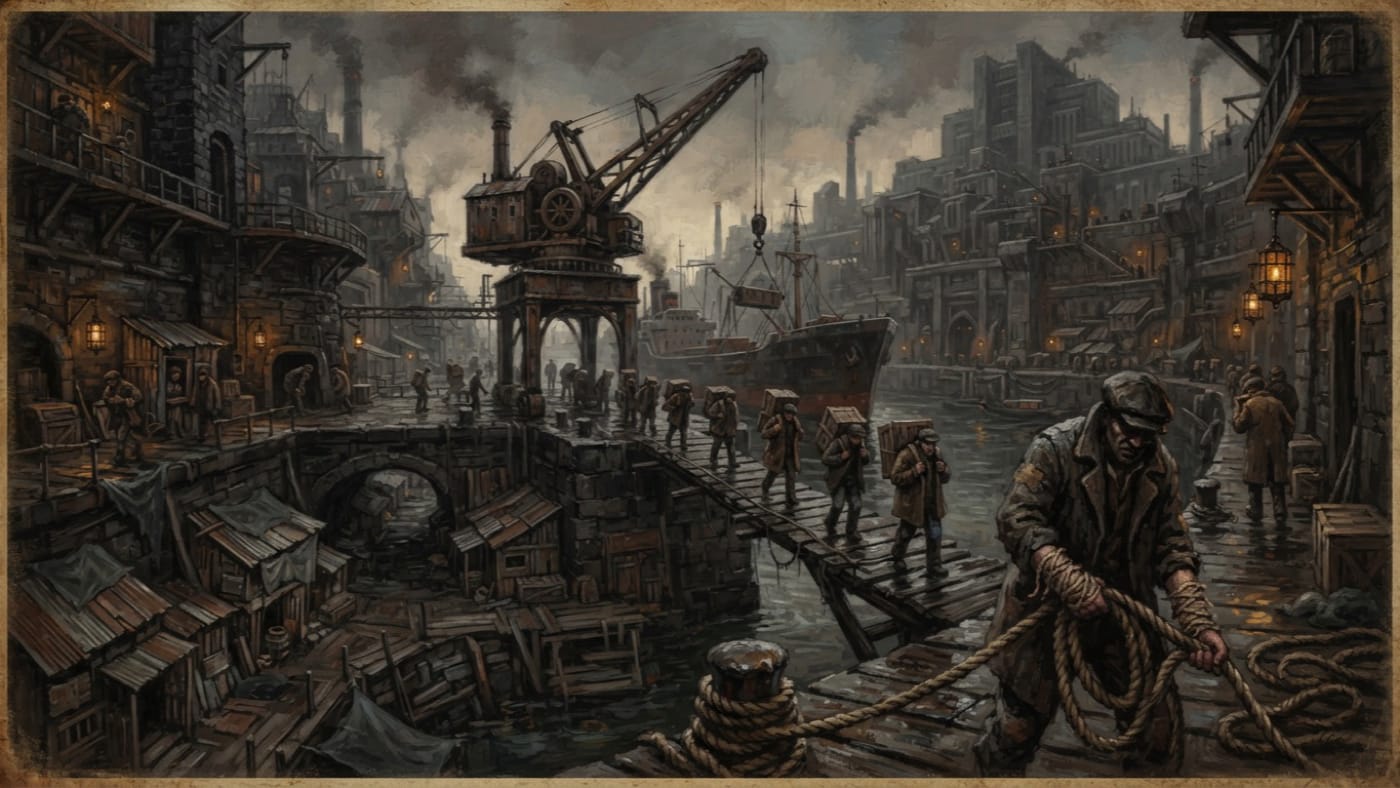
Dock Union of the Low Nets
A harbor can wait for cargo; a drafted family cannot
The Ropehand Compact protects Saffron Bastion's dockhands with slow strikes, smuggling routes and knots. Three strikes won no concessions; the Chapterhouse drafted their families. Mercy saves ammunition.
Codex Ref. XI.5.03-201
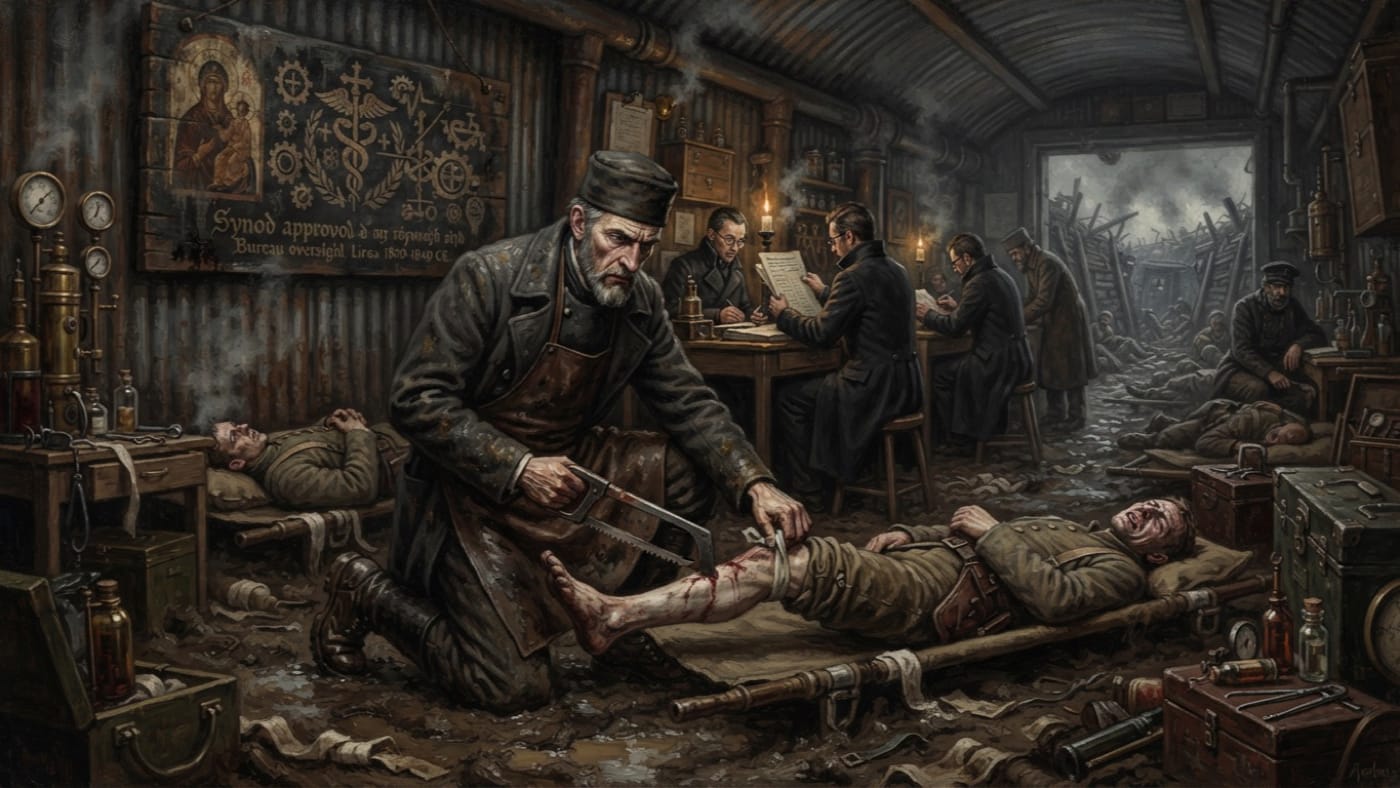
Doctor Kael Brenner
Returned to the payroll. Reconciliation has no entry.
Doctor Kael Brenner served as Medicine's first Chief Anatomist from A.S. 82 to 134. His excommunication and rehire were filed on the same day. Reconciliation has no entry.
Codex Ref. III.2.01-082
Doctor Trenn
The anatomist who measured hunger and refused comfort
Doctor Trenn, Chief Anatomist of the Bureau of Medicine, gave the Famine Pit horror its clinical name and kept the word real where comfort wanted illusion.
Codex Ref. III.2.01-023

Doctrine of Concordant Multiplicity
Contradiction is heresy until a competent office teaches it to pay rent
Bureau of Doctrine ruling born from Saint Halva's incompatible deaths, permitting approved contradictions to coexist when authority, utility, audience, and vocabulary have been properly sealed.
Codex Ref. XIII.1.42-001
Doctrine of Cool Hatred
The hand must open when the prayer is done
The Doctrine of Cool Hatred teaches Thracian soldiers to kill from duty and surrender pleasure in violence. Its improvement is marginal; the Bureau publishes the margin and withholds the count.
Codex Ref. XIII.1.125-201
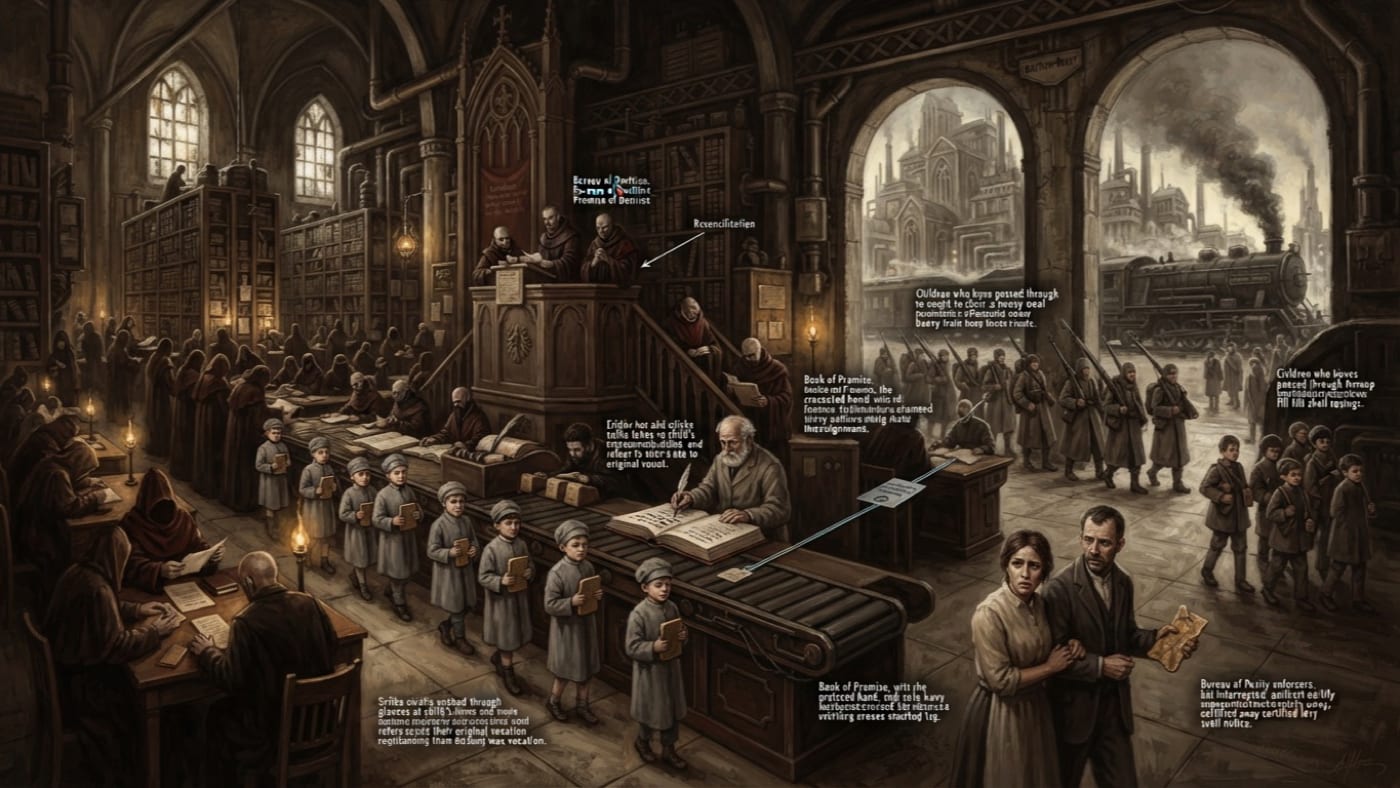
Doctrine of Deferred Fulfilment
The promise stands; the route belongs to the Bureaus
The Synod's promise is never broken: the Bureaus revise the vocation, Records certifies fulfilment, and the household's understanding is deferred indefinitely.
Codex Ref. XIII.1.22-002
Doctrine of Divine Withdrawal
The way to our ears was broken. The responsibility remains ours.
Ratified in A.S. 72, the Doctrine blames Rationalist desecration for the Creator's silence. His return awaits Perfect Faith. The delay, naturally, belongs to the faithful.
Codex Ref. XIII.1.90-072
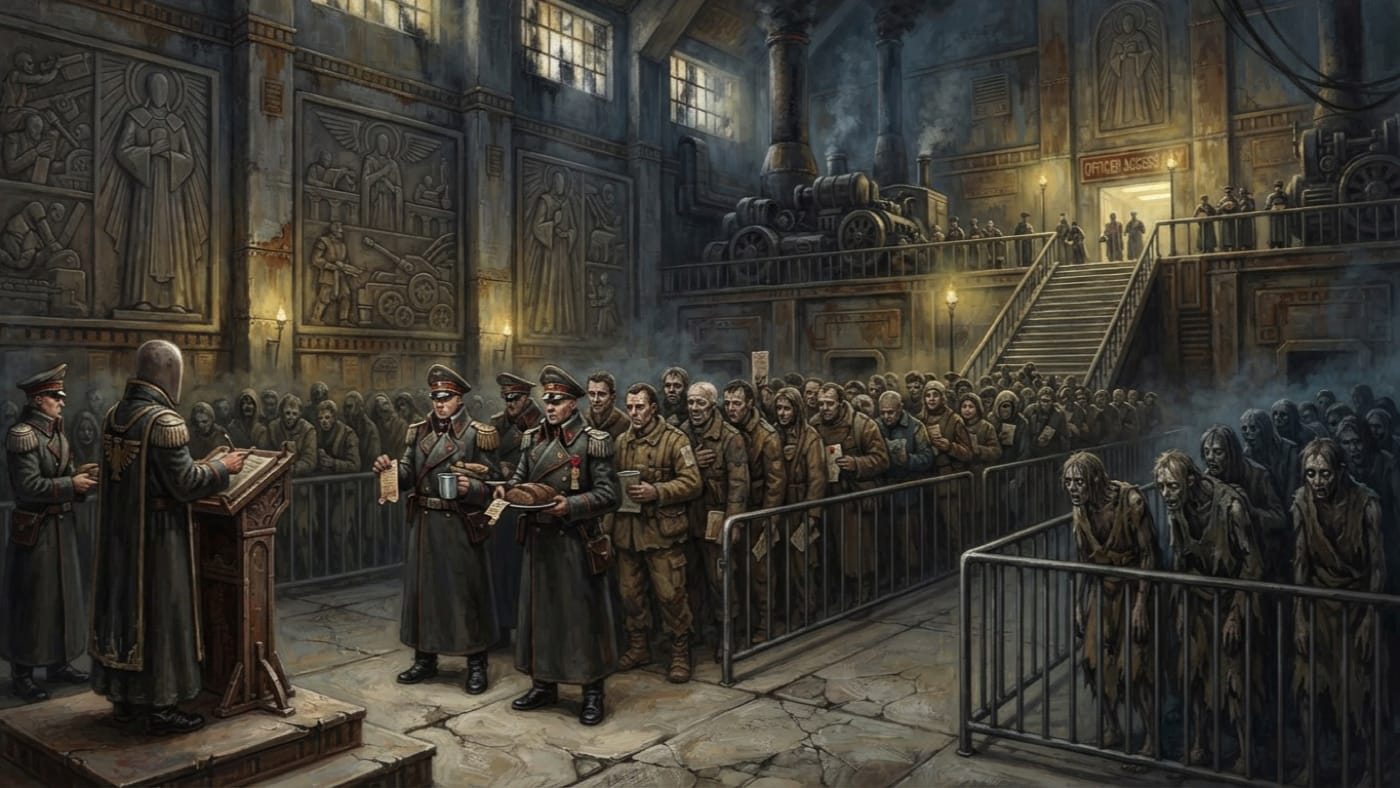
Doctrine of Equality Before the Divine
Equal at the blessing; ranked at the table
All humans stand equal before the Creator; the ration queue observes other rules. I assess the Synod's defence against Pride, its four disciplines, and the hierarchy that defeats them at Przemyśl.
Codex Ref. XIII.1.07-006
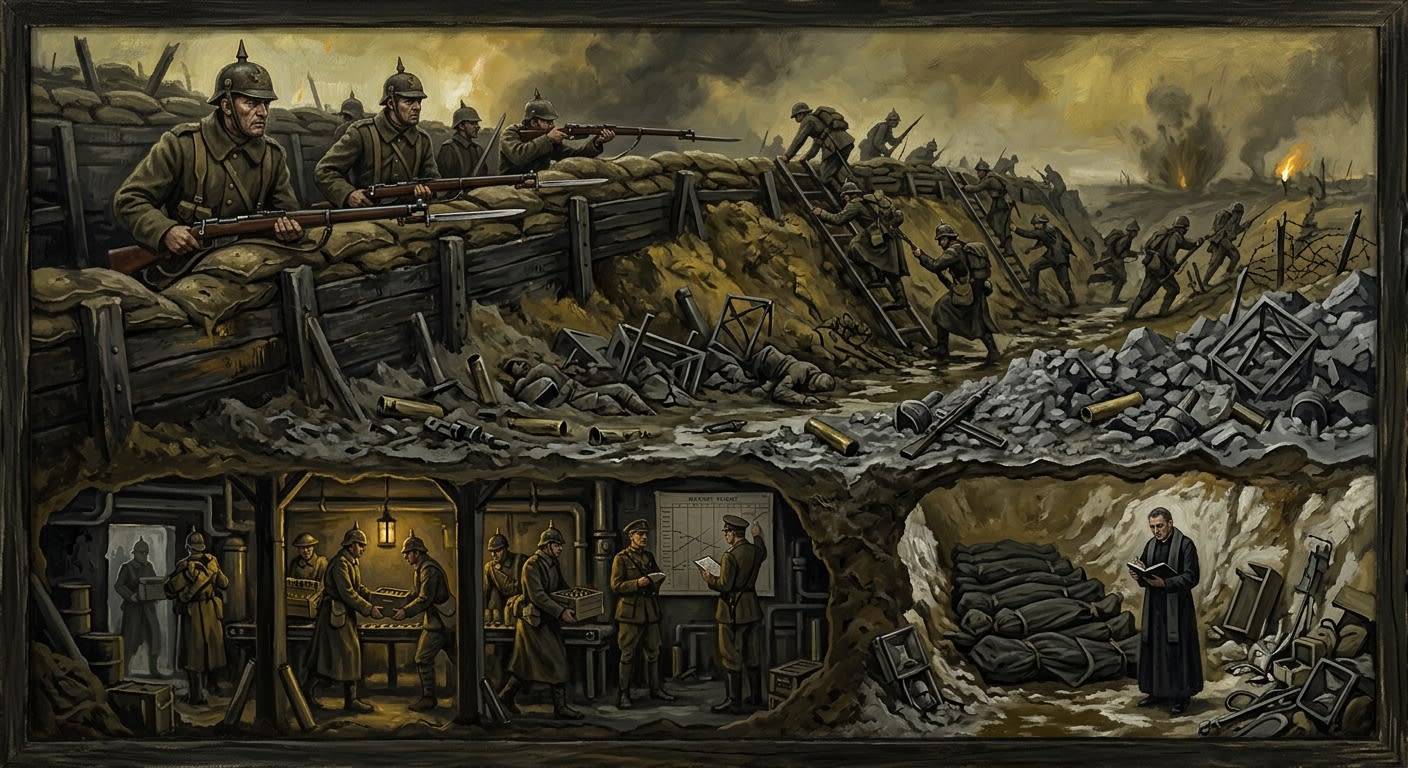
Doctrine of Layered Death
If all layers fail, make the failure expensive
War's breach-holding doctrine arranges panic into five useful layers: wall, charge, ash, rhythm, and the final dividend by which failure becomes legible.
Codex Ref. XIII.1.64-001
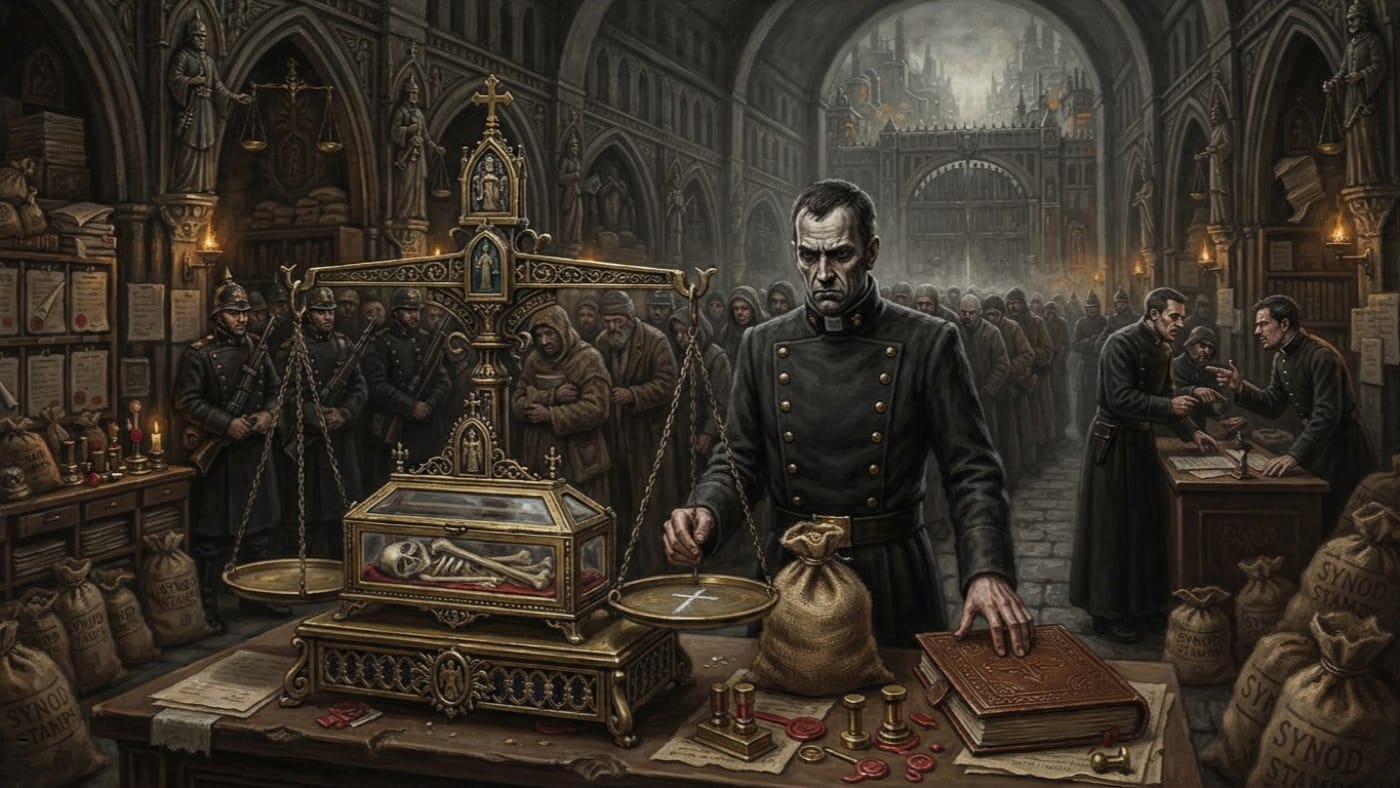
Doctrine of Measure
The scale tells the truth while the city starves
The Synod makes weighing a sacrament and false weight heresy. Relic-calibrated scales certify honest sacks; the offices remain free to let the grain rot.
Codex Ref. XIII.1.59-002
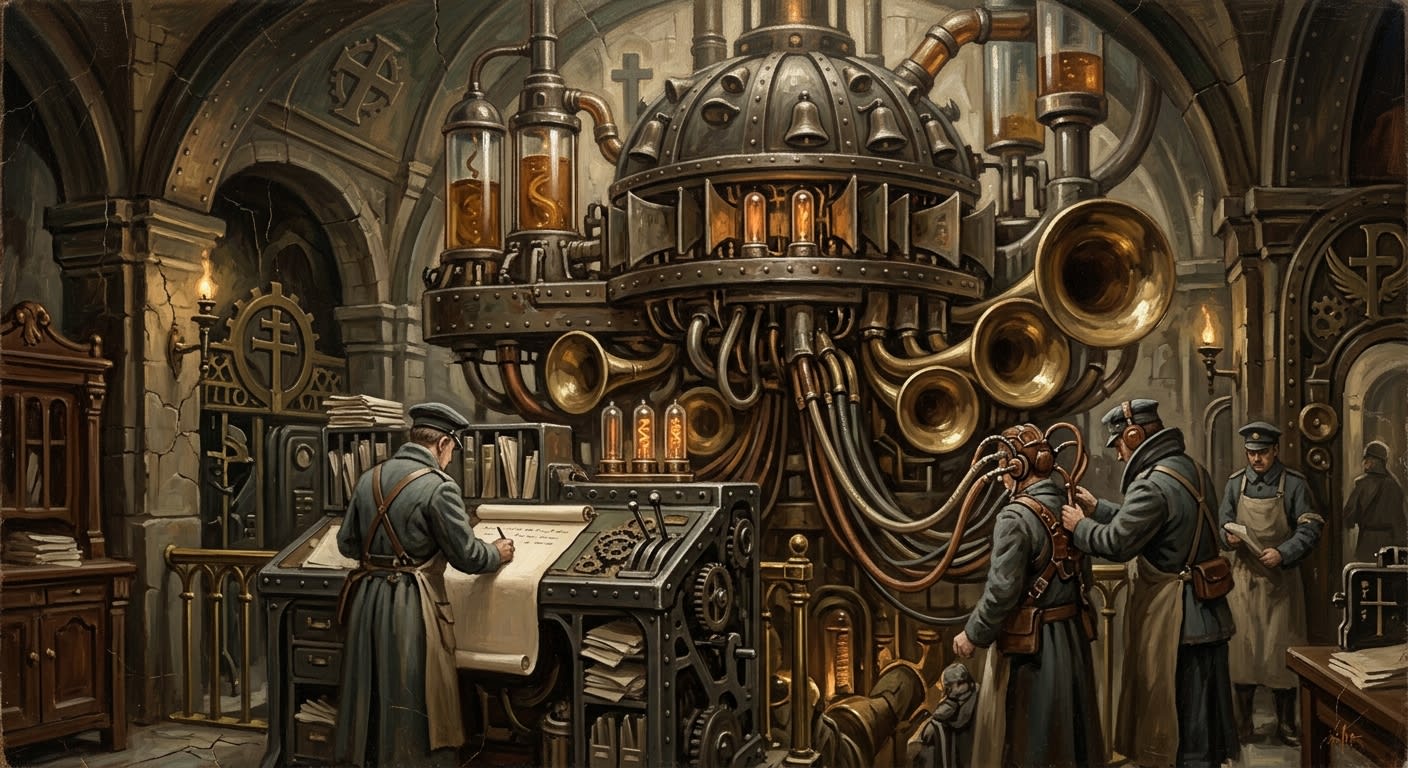
Doctrine of the Inaudible Voice
The Bureau's golden answer to the most dangerous quiet
Ratified in A.S. 104, the Doctrine of the Inaudible Voice converts divine quiet into mortal defect, pastoral discipline, and useful machinery.
Codex Ref. XIII.1.90-104
Doctrine of the Virtue-Generals
The witness reports; the Bureau names
The faithful may report a stranger on the road. They may not appoint him Heaven's general. Standing Order 44-D condemns the belief and retains the evidence.
Codex Ref. IX.3.44-002
Dominion
Europe held in one gloved hand and taught to call it custody
Dominion is the Synod's official name for custody over Europe: border, tithe, bell, school, grave, and the thought before speech.
Codex Ref. XIII.1.02-090
Dossier Carmine
The thinnest file in the Seven still outweighs a province of graves
Dossier Carmine is Inter-Infernal Analysis's thinnest file: Kargath, hunger, Blightmarsh creep, famine aftereffects, abundance hazards, and the brutal mercy of short sentences.
Codex Ref. VIII.7.01-004
Drava
The river that stopped flowing and learned appetite
The Drava was once a river. Kargath made it an artery: grey, hungry, cartographically insulting, and still marked blue by clerks too tender to delete water.
Codex Ref. II.6.05-201
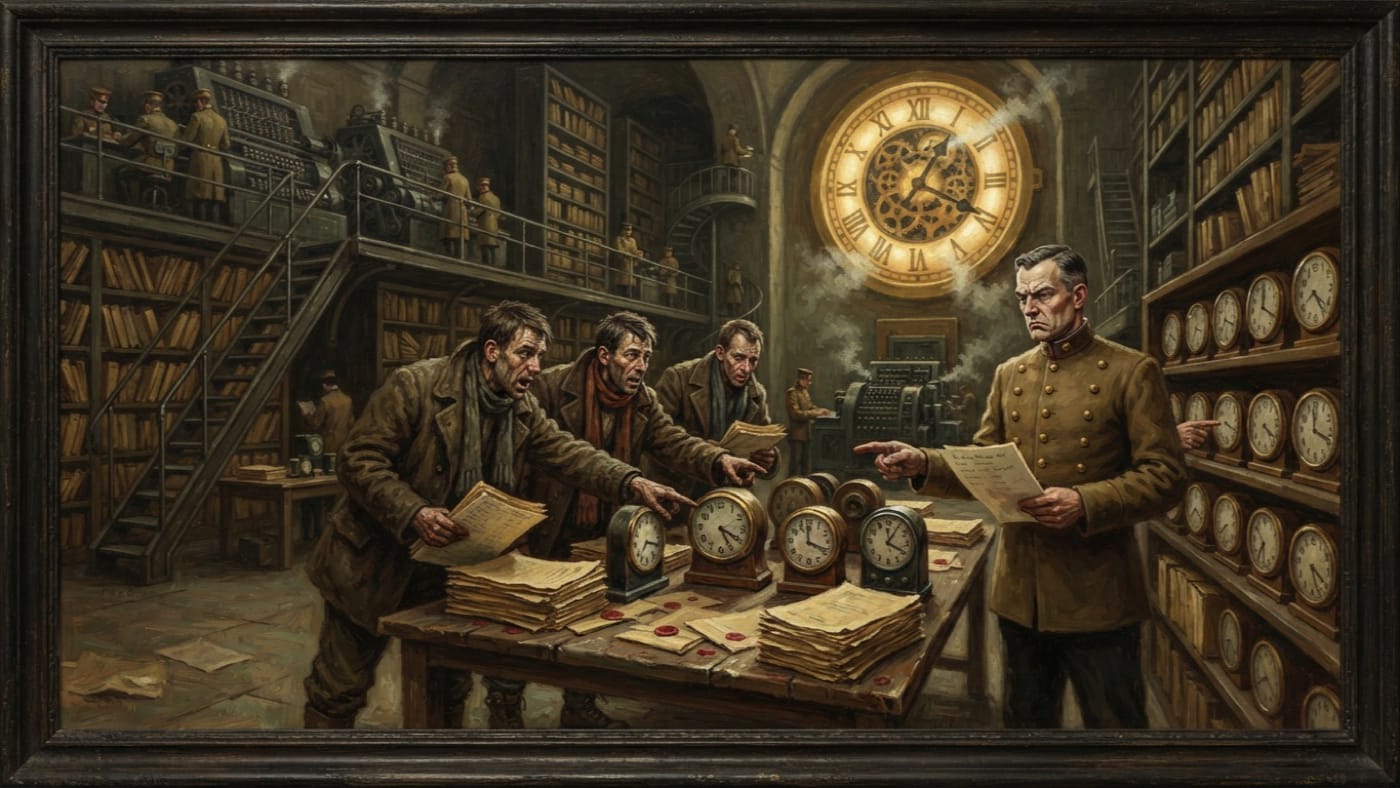
Drava clock-complaints
Nine hours by the crew; four hours eleven by the clocks
In A.S. 130, a Drava rail crew claimed nine hours against four hours eleven on every clock. Engineering charged the men; War eventually founded a bureau.
Codex Ref. VII.8.10-130
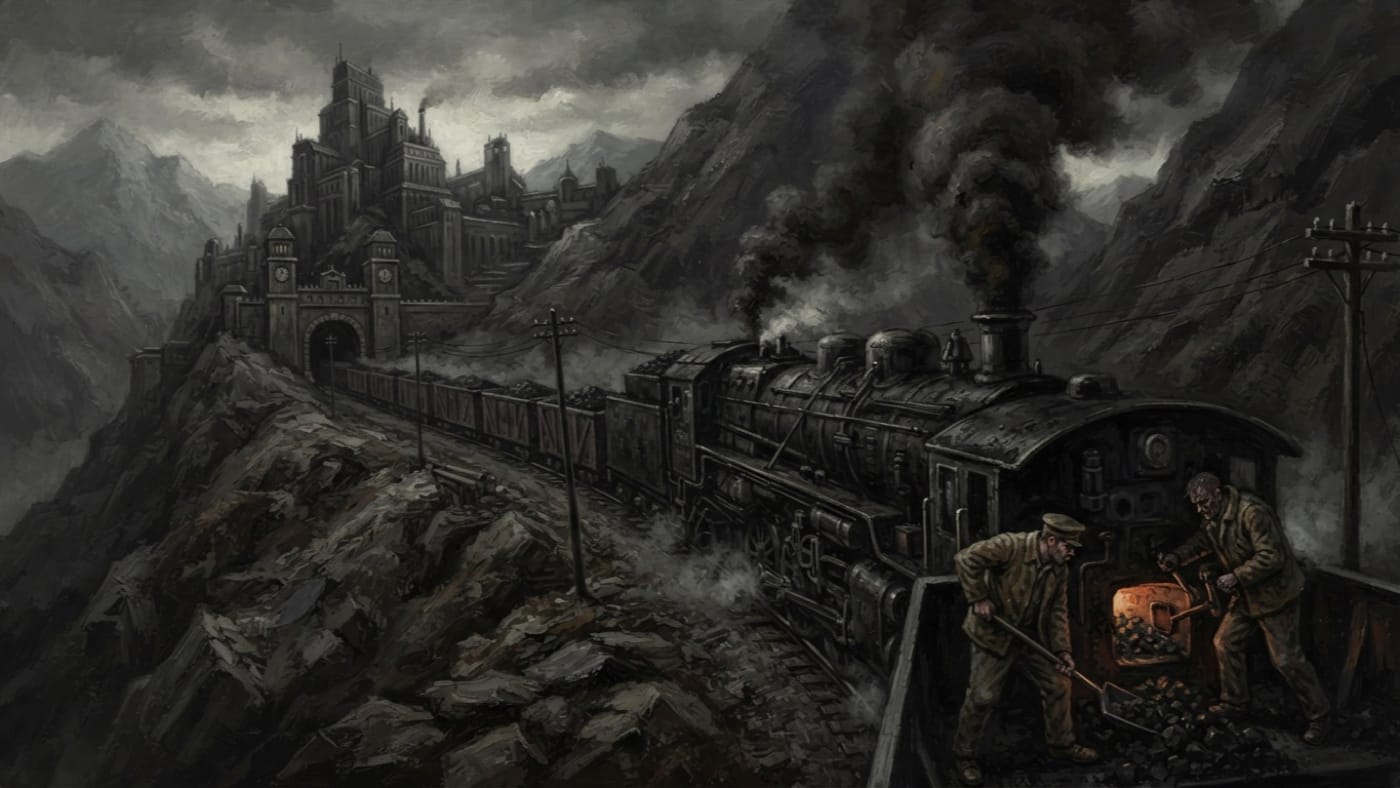
Drava spur
Nine hours of labour, four hours eleven on the clocks.
The Drava spur linked Heartlands depots to the Balkan bastions. Its A.S. 130 crew reported nine hours against four hours eleven on every clock. Engineering docked their pay; War eventually founded a bureau.
Codex Ref. II.4.11-130
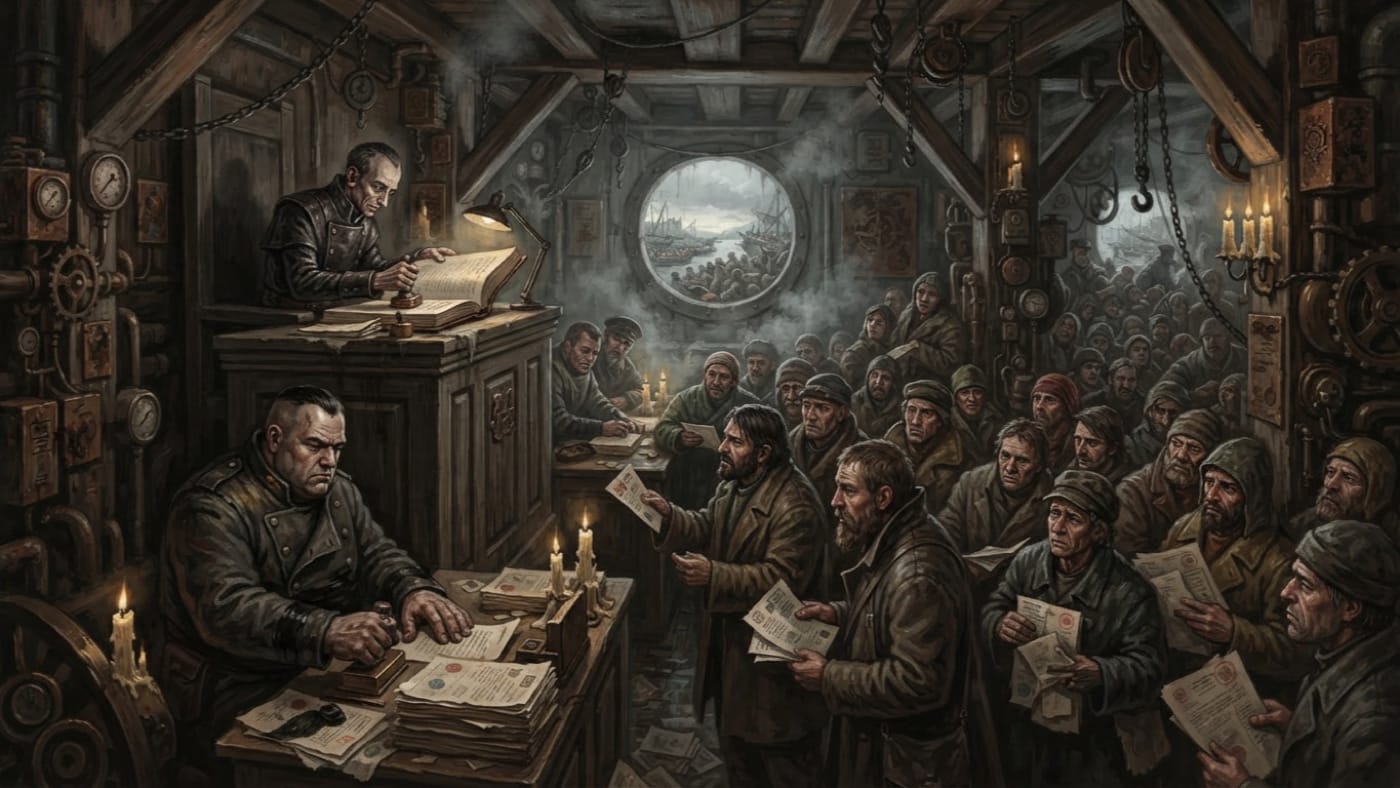
Drift Court
Storms move wood; courts move lives.
The Flotilla's floating tribunal follows every storm with a docket. Seal-Justice Miran Kest reassigns debts and sells jurisdiction; the sea supplies the business.
Codex Ref. XII.1.08-002
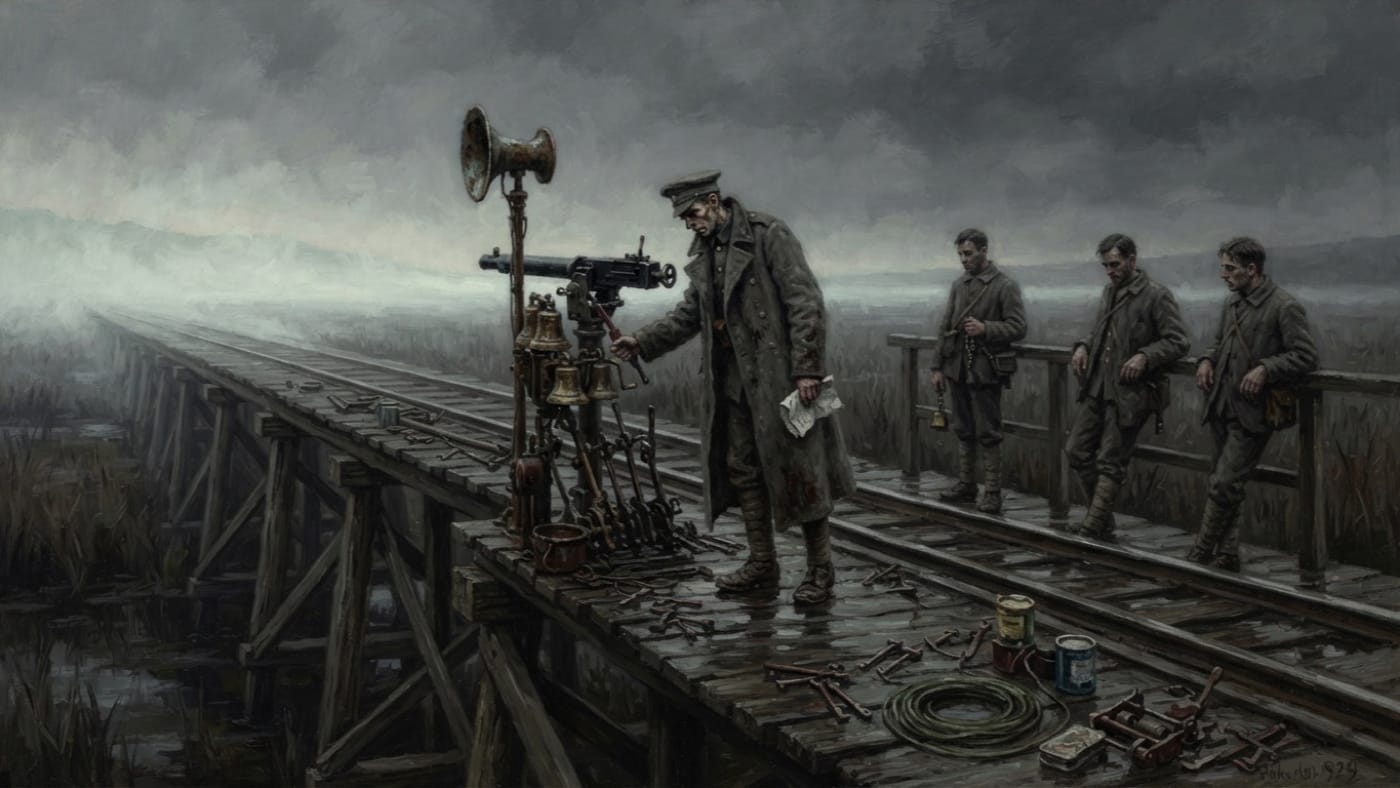
Drift-S 9
The order was spoken; the year remains unknown
An A.S. 201 survey of Drift-S 9's surviving patrol record: Rusk gave the order to fire, could not finish wanting it and was recovered alive. The incident year is unknown; Mercy keeps three sentences.
Codex Ref. VII.5.06-009
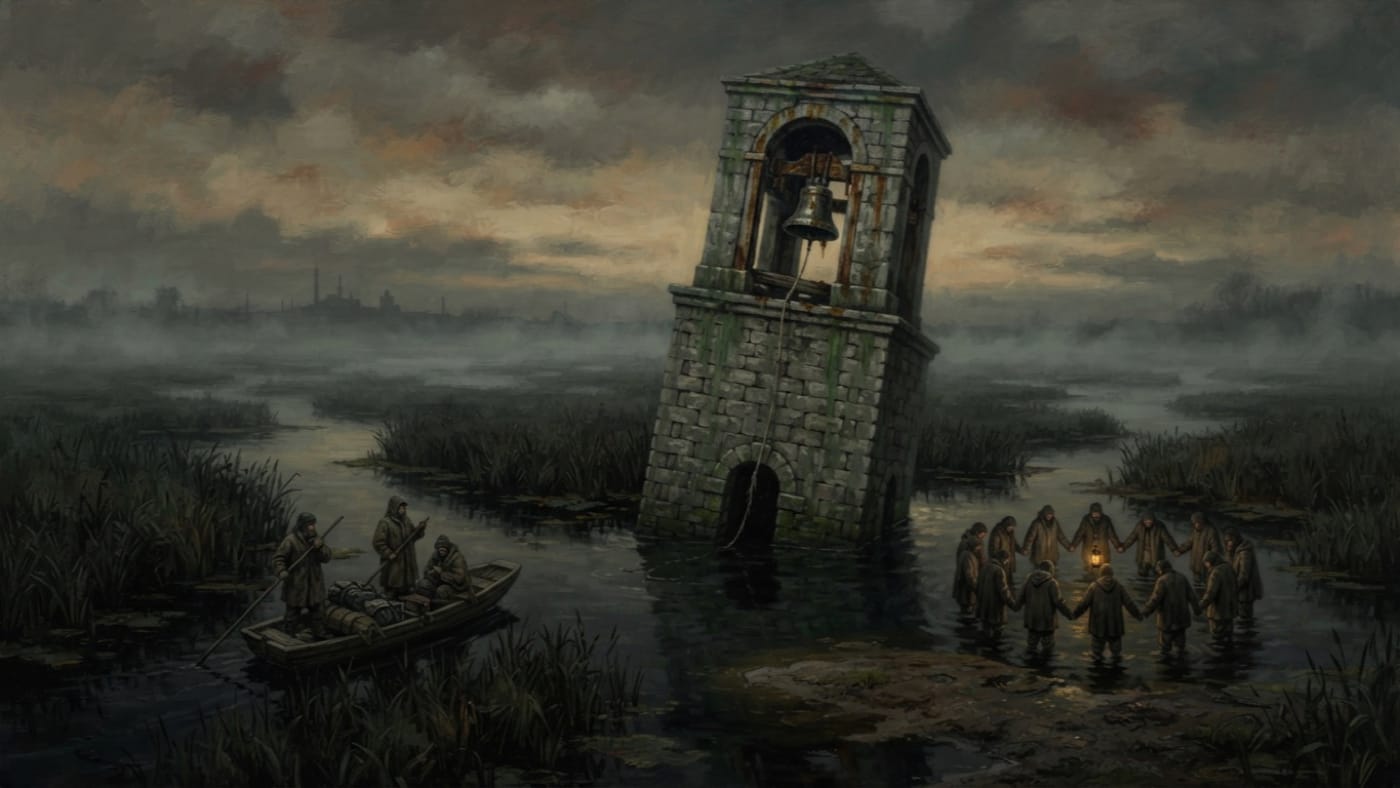
Drowned Shrine
Four Bureaus, four verbs, one tower
A drowned way-shrine east of Bastion-Shipka: a corroded bell, recorded percussion, and Communion circles within sight. Records restricts access without boats; four Bureaus preserve one open file.
Codex Ref. II.4.08-018
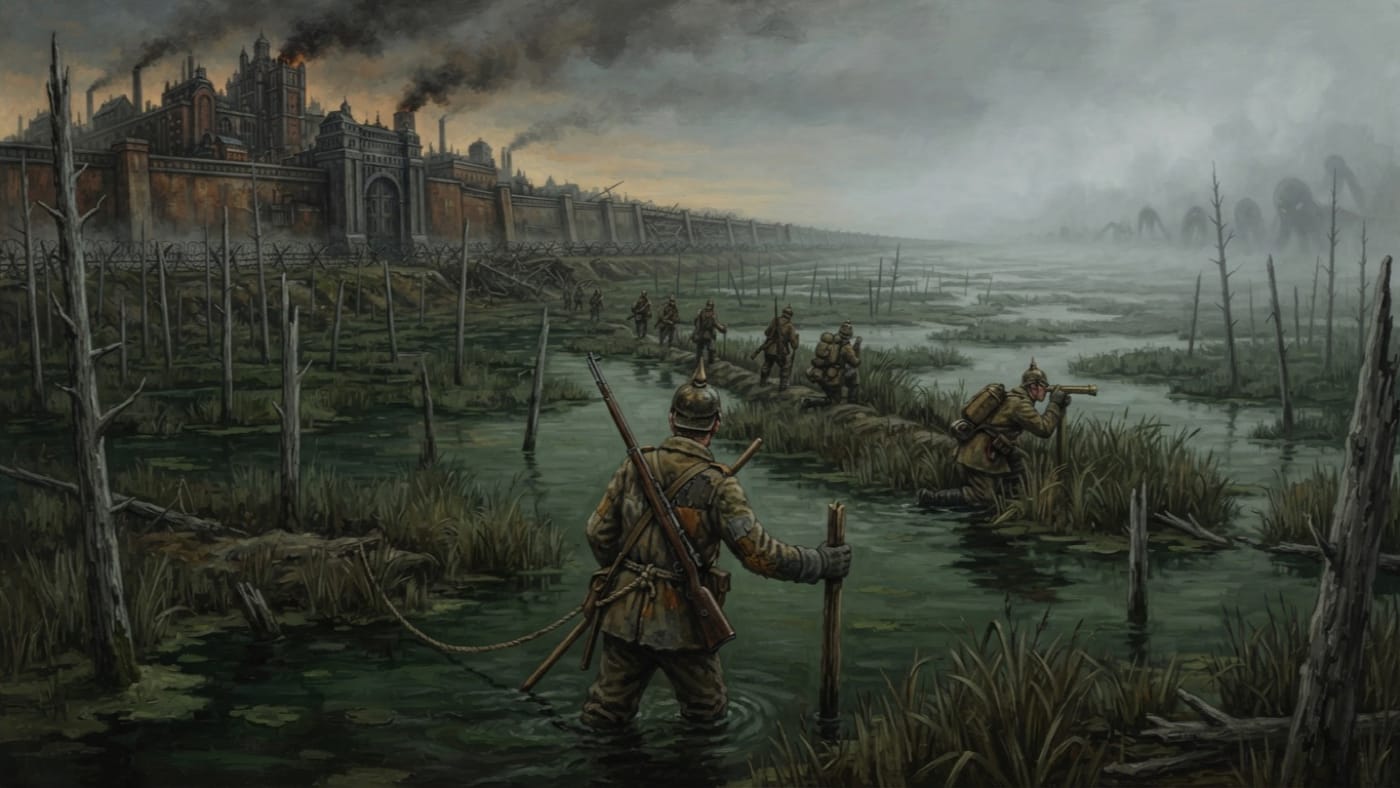
Drowning Garden
Seven Maps, Two Doctrines, and Water That Requires Neither
The Masurian lake-maze east of Bastion-Königsberg: seven canonical maps, two seasonal doctrines, and Watchers who know what the Bureau cannot file. The defence faces east. The Grey does not.
Codex Ref. II.4.07-068
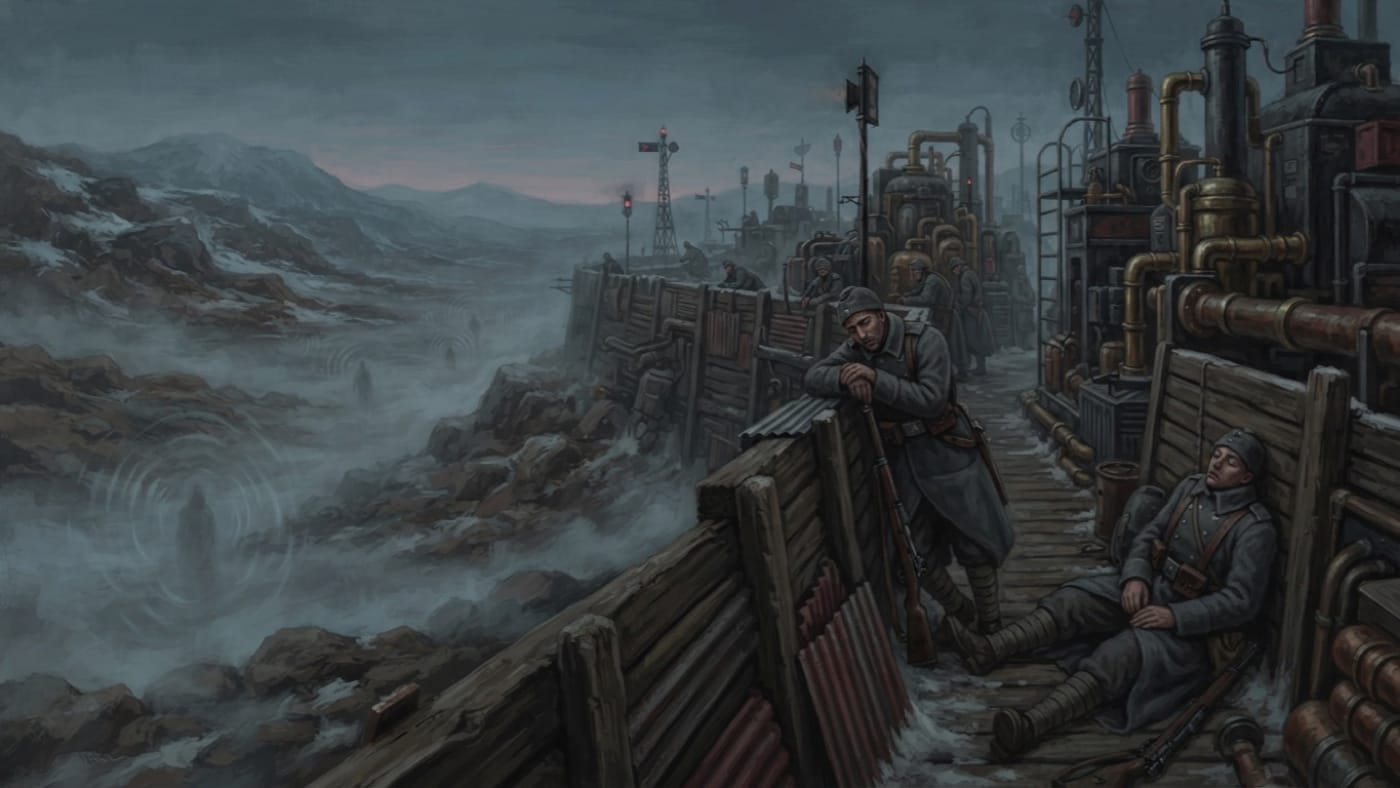
Drowse-Singers
The lullaby is attested. The rest remains fog.
A.S. 201 survey of Syrion's Drowse-Singers: support creatures whose lullabies are reported to induce stupor and unravel courage. Blood descriptions remain unmeasured; the Ledger does not mistake bodily injury for surrendered will.
Codex Ref. IV.4.01-002
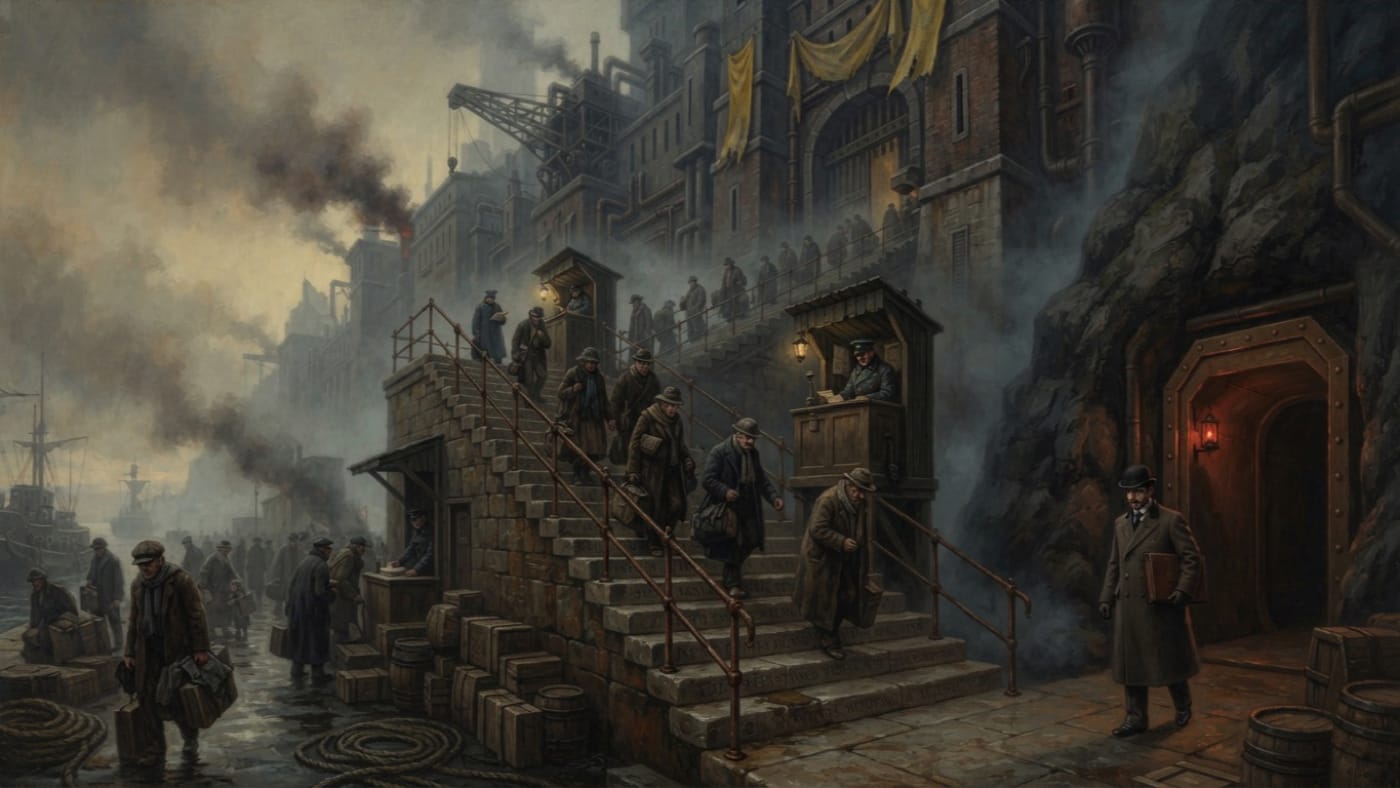
Duesstairs
The steps tell you what you owe. The clerks decide how much.
Saffron Bastion's tax ascent: one hundred and forty-seven steps, each carved with a dues category. The invoice proves payment; the dry-pass grants release. The rich have another route.
Codex Ref. II.4.09-002
Durchgangskaserne
Munich's barracks of passage, where men are counted before the Line counts them again
Munich's Durchgangskaserne processes forty thousand soldiers a month through intake queues, kit rooms, mess halls, doctrinal briefings, and the last unofficial blessing before Platform Eighteen.
Codex Ref. II.2.06-014
East Gate
Where a stamp admits the traveller and the bell abandons him
East Gate receives Bastion-Brest's convoys, pilgrims and prisoners through wet papers, chained dies and holding pens. Krail holds the argument, Ruis the clock, and Vonn the bell.
Codex Ref. III.2.04-945
East Gatehouse (Brest)
Where a small mark decides who may move
Brest's eastern intake, where wet papers meet vinegar, confession receipts meet chained dies, and Hett Ruis's transit mark decides who may cross the Bug and who waits in the holding pens.
Codex Ref. II.4.07-003
East Prussia
Where the Line Runs Out of Land and the Survey Runs Out of Courage
East Prussia holds the Baltic end of the Sagittal Line: Königsberg, the Masurian maze, and the villages that feed the walls. The Bureau can count its stamps. It has yet to count the region.
Codex Ref. II.4.07-002
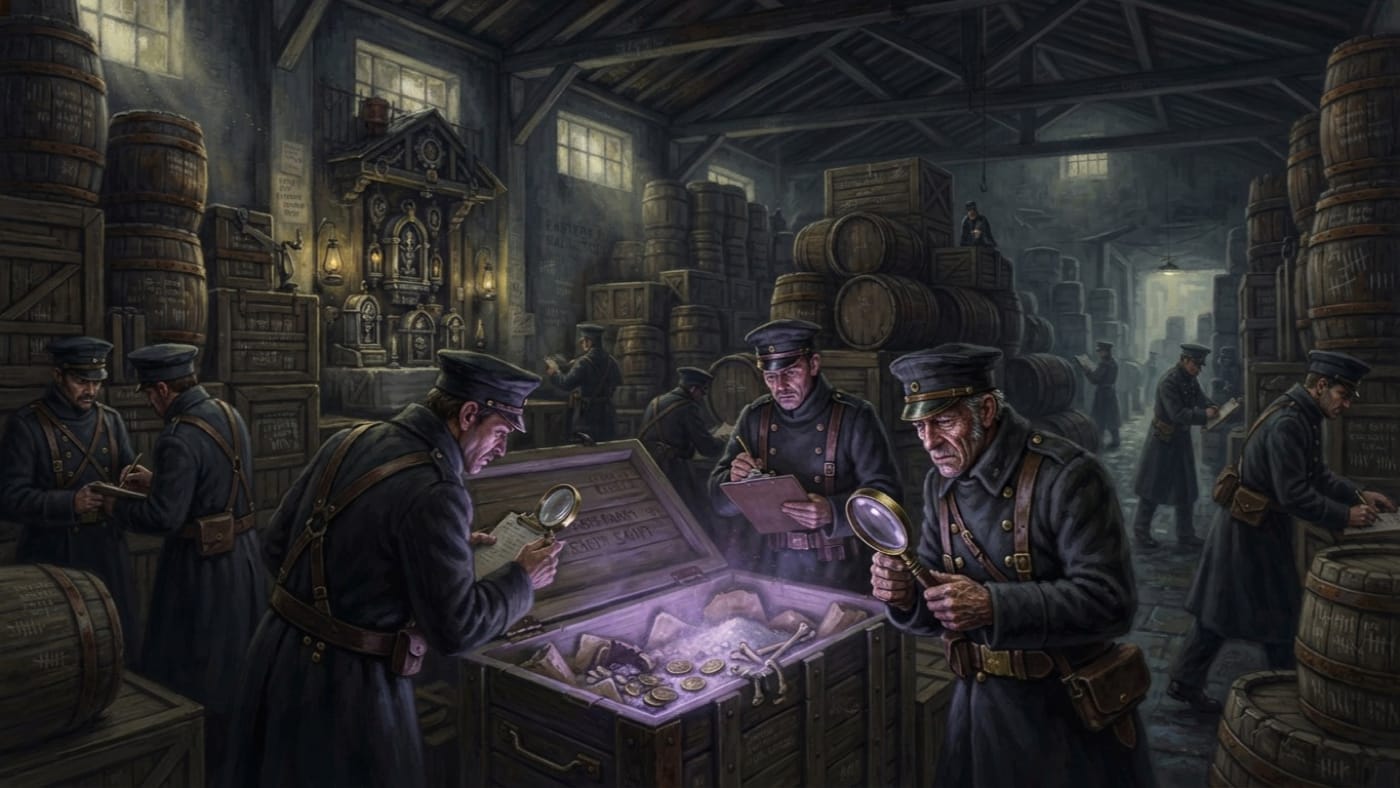
Eastern Basin Salt Stores
Five Bureaus claimed the cargo; the ledger called it spoilage
The Eastern Basin Salt Stores survive in Marseille's A.S. 199 audit: cured fish declared, children and violet light found, five Bureaus claiming custody, and the account closed as spoilage.
Codex Ref. II.4.09-019
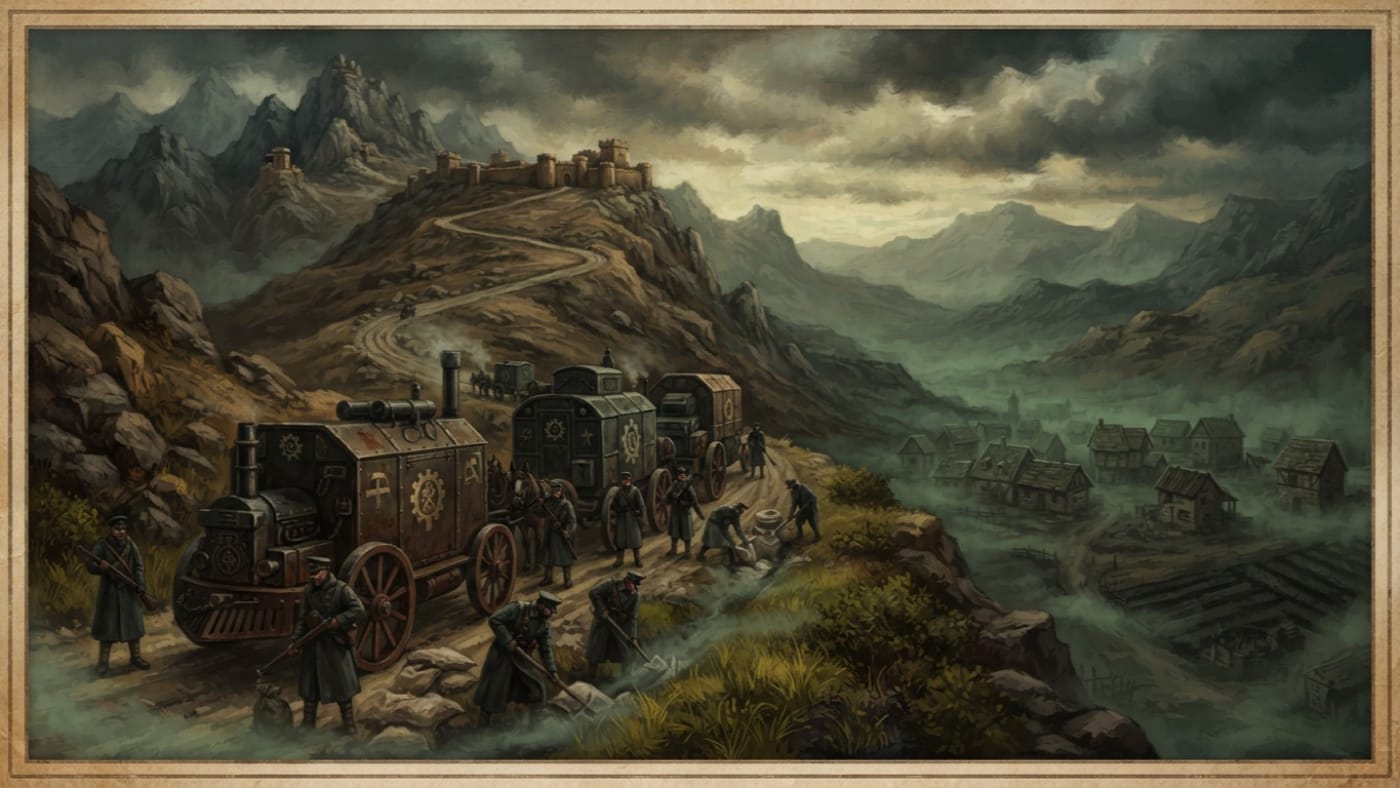
Eastern Corridors
A clear road is a road not yet tested
The Eastern Corridors are the hostile approaches beyond Sibiu and toward Przemyśl: corpse-trains poison the passage, and every clean road must prove its innocence.
Codex Ref. II.3.06-201
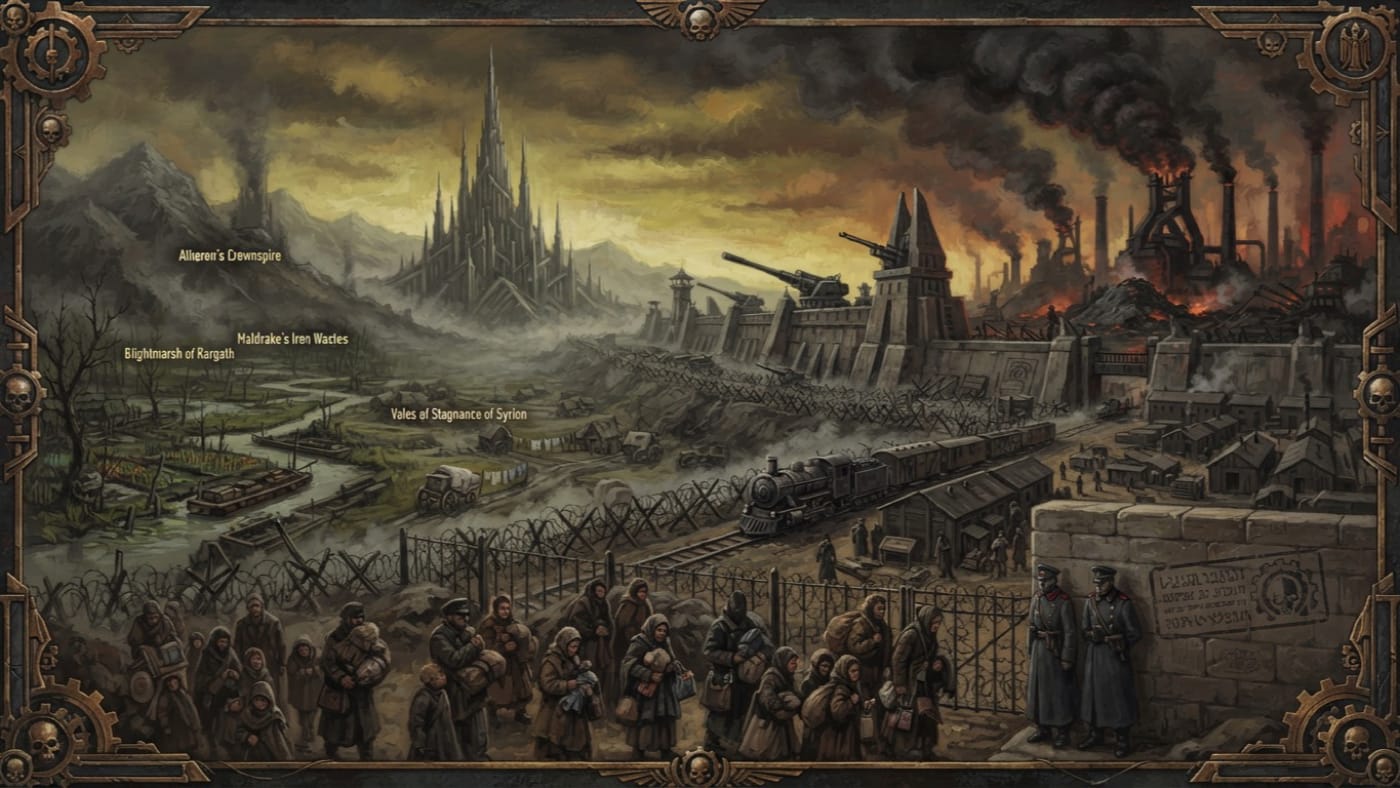
Eastern Kingdoms
The lands were lost; the Ledger retains their names
The eastern jurisdictions lost after the Sundering, now largely held by rival Sin-General dominions. Their people endure; the Ledger still calls the occupation temporary.
Codex Ref. II.6.07-201
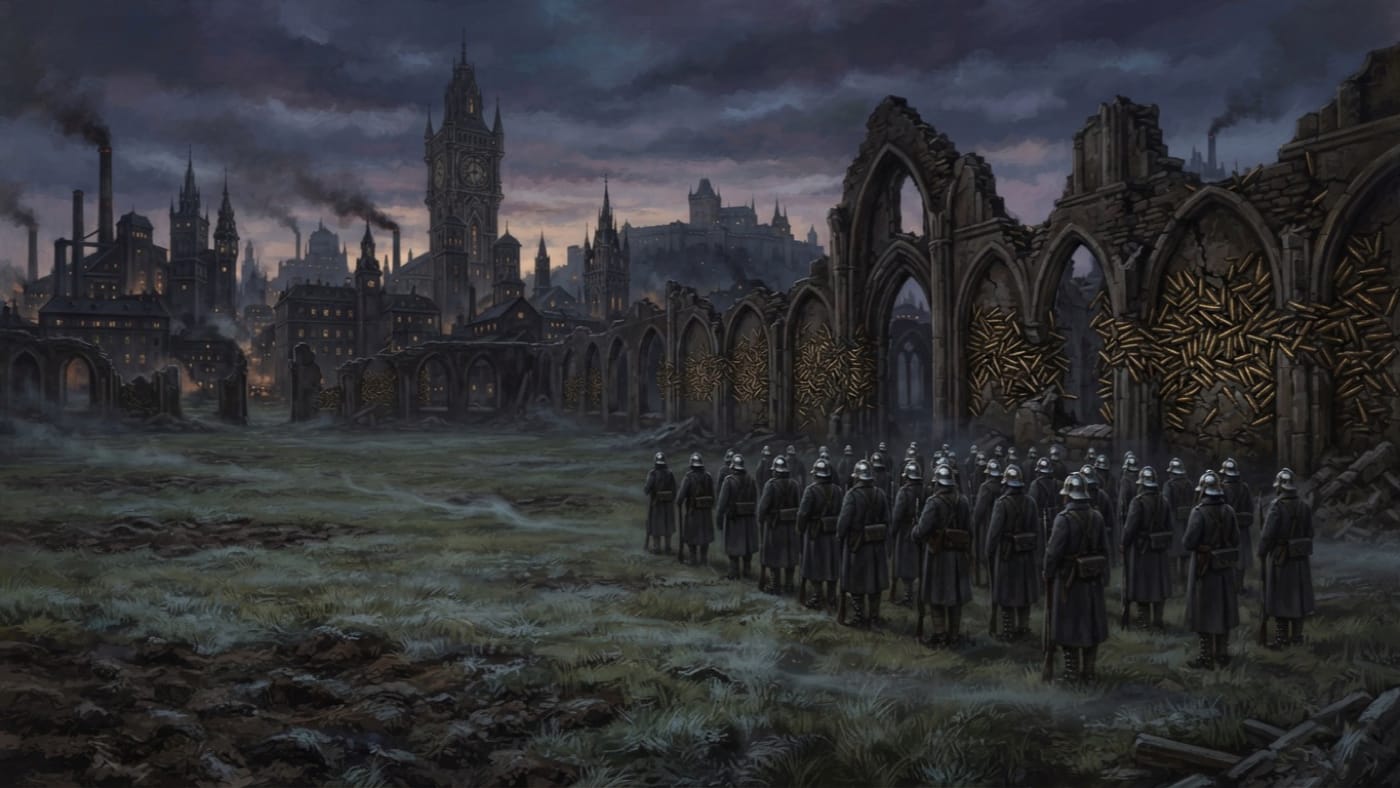
Eastern Seminary Field
Where loaded rifles kept their silence
Prague's eastern seminary field holds a ruined cloister and the memory of forty-three Fusiliers who died without firing in A.S. 167. Records calls it command miscommunication; soldiers leave brass.
Codex Ref. II.3.02-002
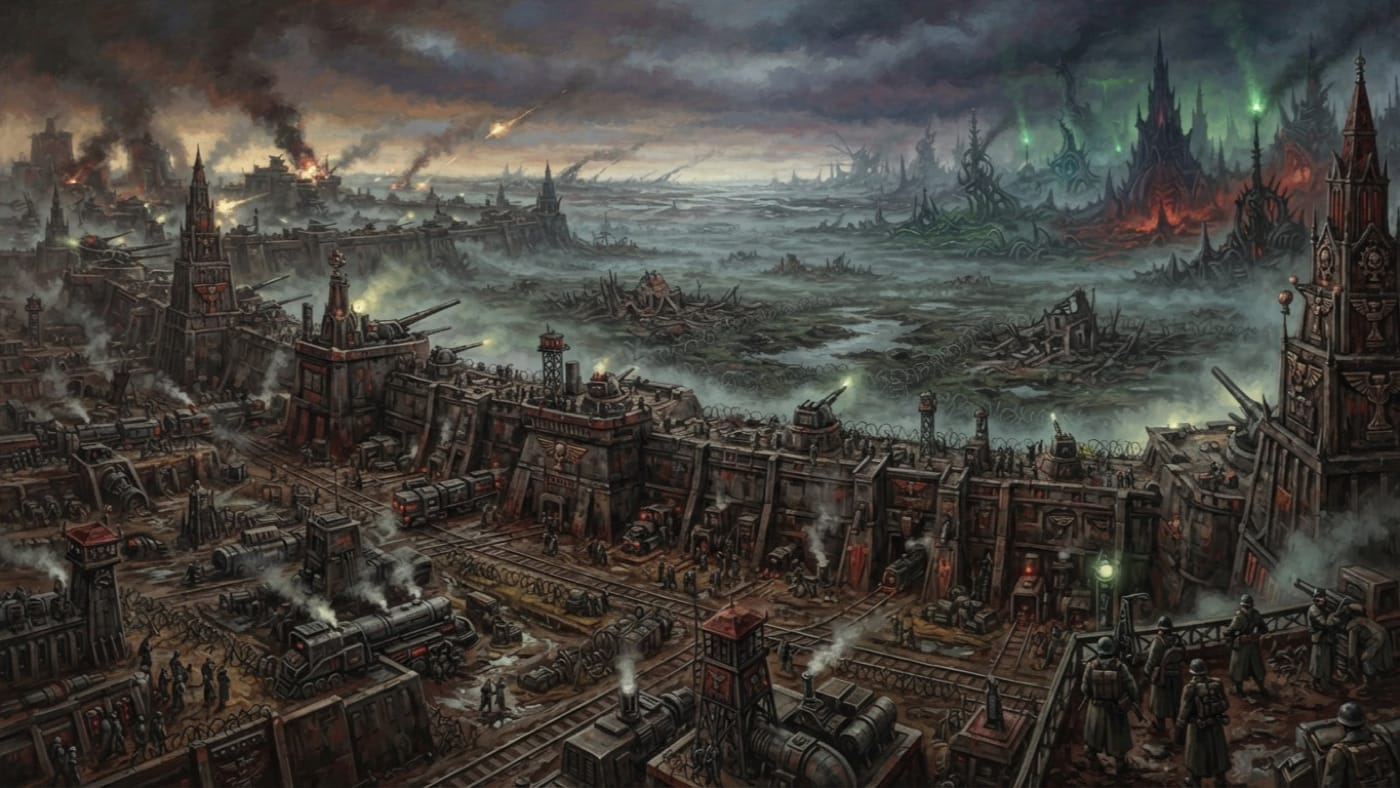
Eastern Theatre
A province has a governor to blame. The Eastern Theatre has an inbox.
The eastern war's unchartered heading: the Sagittal Line, contested strip, fallen lands and supporting rear. Drax surveys the front in A.S. 201; the reports have desks, but the Theatre has no commander.
Codex Ref. II.4.13-201
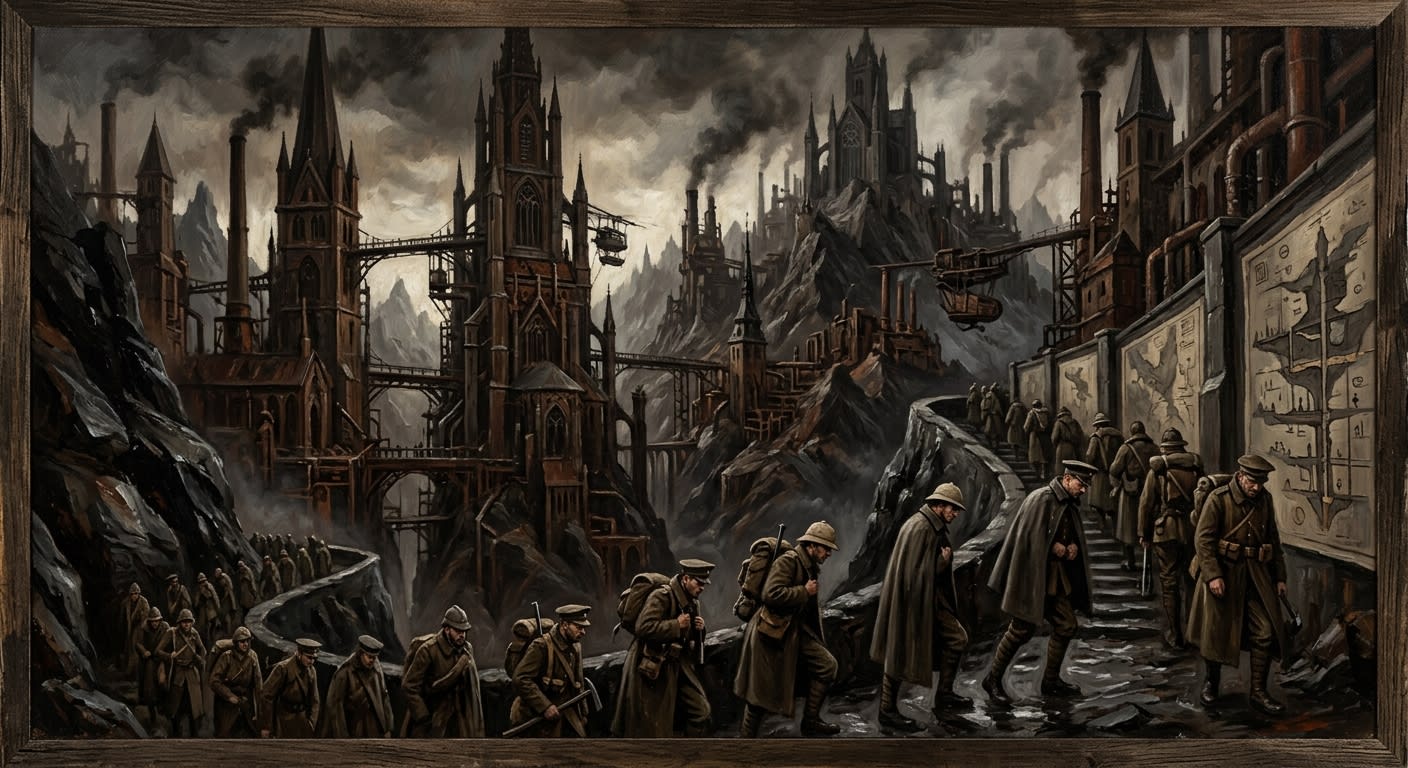
Ebon Heights
Where Pride built mountains tall enough to injure the watcher
The Ebon Heights are Atheron's black Carpathian dominion east of Bastion-Przemyśl, where spires grow upward, soldiers learn shame, and maps fail vertically.
Codex Ref. II.4.03-046
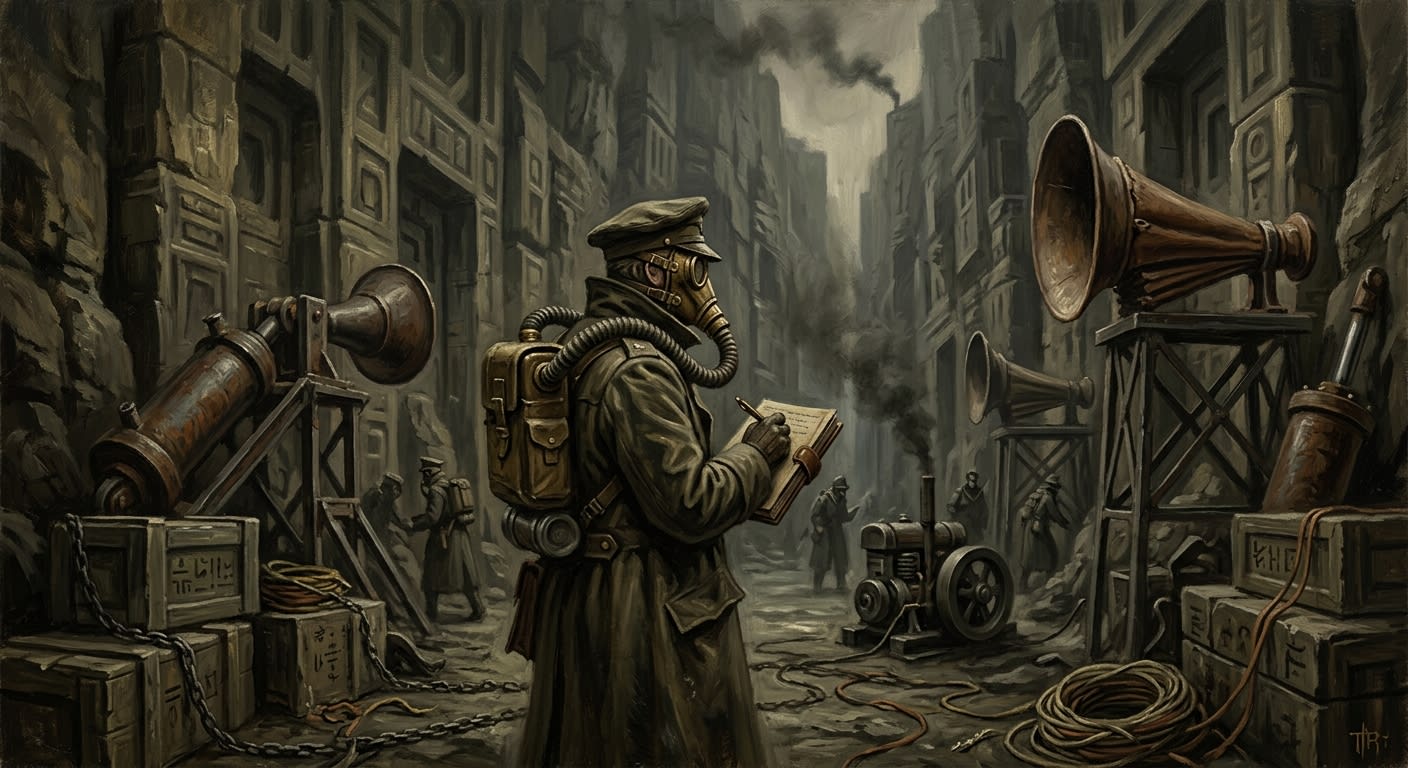
Echo Creed
When the canyon misquotes prayer and the invoice arrives clean
At Peregrine Row, a canyon repeats prayers with one vowel altered, and the Road Chapter has discovered that bad theology invoices beautifully.
Codex Ref. XIII.1.23-001
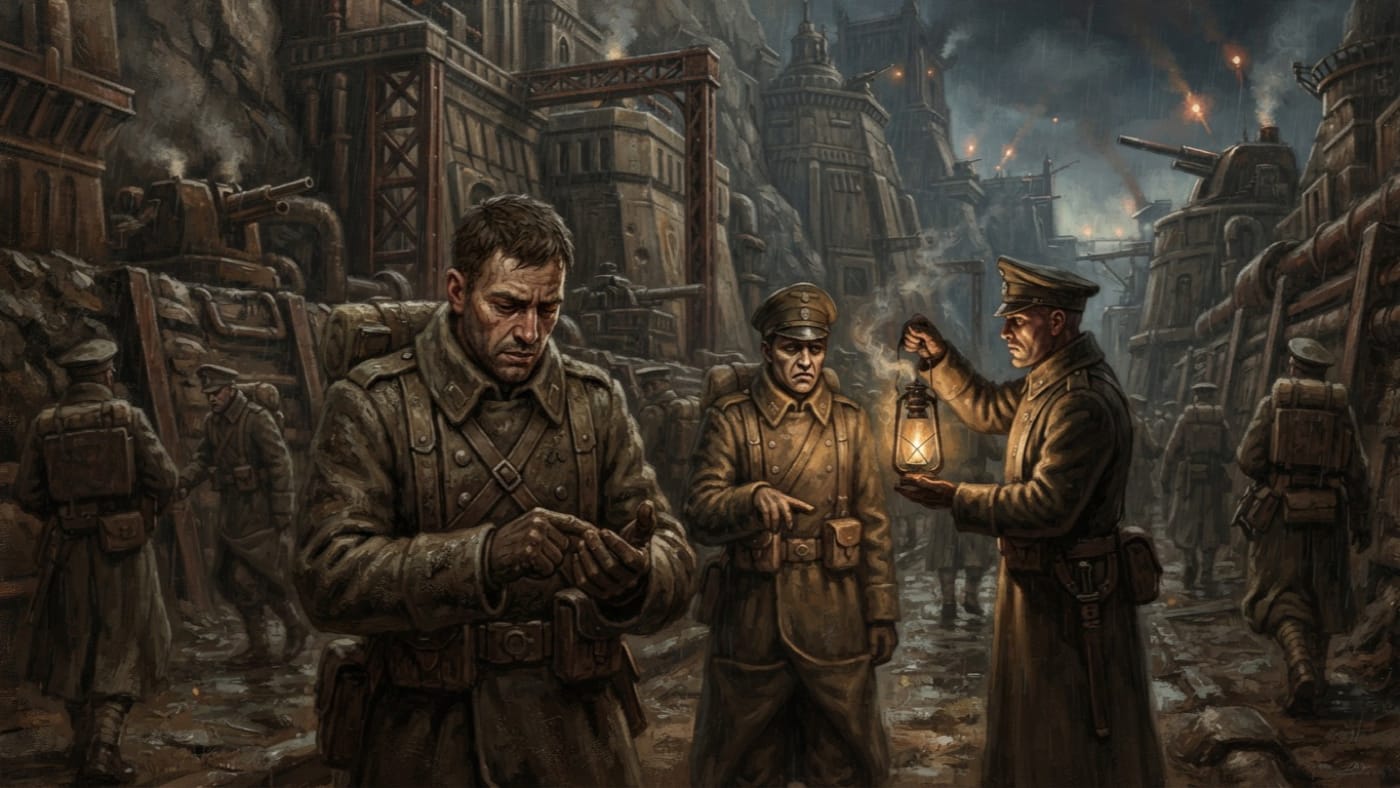
Echo-Kin
The copy is easily caught; the doubt remains.
Morwen's lesser imitators copy gait, gesture and speech badly enough to be caught. At Irongate, the copy dies; the soldier's doubt outlives it.
Codex Ref. IV.1.07-016
Echo-Sickness
The rota replaces the voice; the priest keeps the name
In A.S. 201, echo-sickness is recorded as a reason for removal from Königsberg's Choir rotation. Grau keeps the names after the rota replaces the voices; the record supplies neither diagnostic criteria nor a proven link to bell-sickness.
Codex Ref. XIII.1.88-201
Echoed Hymns
The hymn is approved. The answer remains pending.
At Königsberg, the Choir's classified hymns return without a note altered, sometimes before they are sung. Three disruptions are documented; the source remains unproved. Doctrine has no drawer for perfection.
Codex Ref. XIII.1.97-201
Edremit
The town that casts the throats by which Constantinople breathes
Edremit is the Hintermark casting town that makes boiler throats, casing collars, rivet stock, and hoarse children for Constantinople's hungry works.
Codex Ref. II.4.09-118
Edric Sann
Testimony gives him the wheel. The stores book gives him the gaskets.
Edric Sann signed for counterfeit gaskets at Przemyśl in A.S. 171. Plumber testimony gives him the restoration wheel beneath Chapel C; the official record leaves its operator unnamed and his fate unresolved.
Codex Ref. III.2.01-171
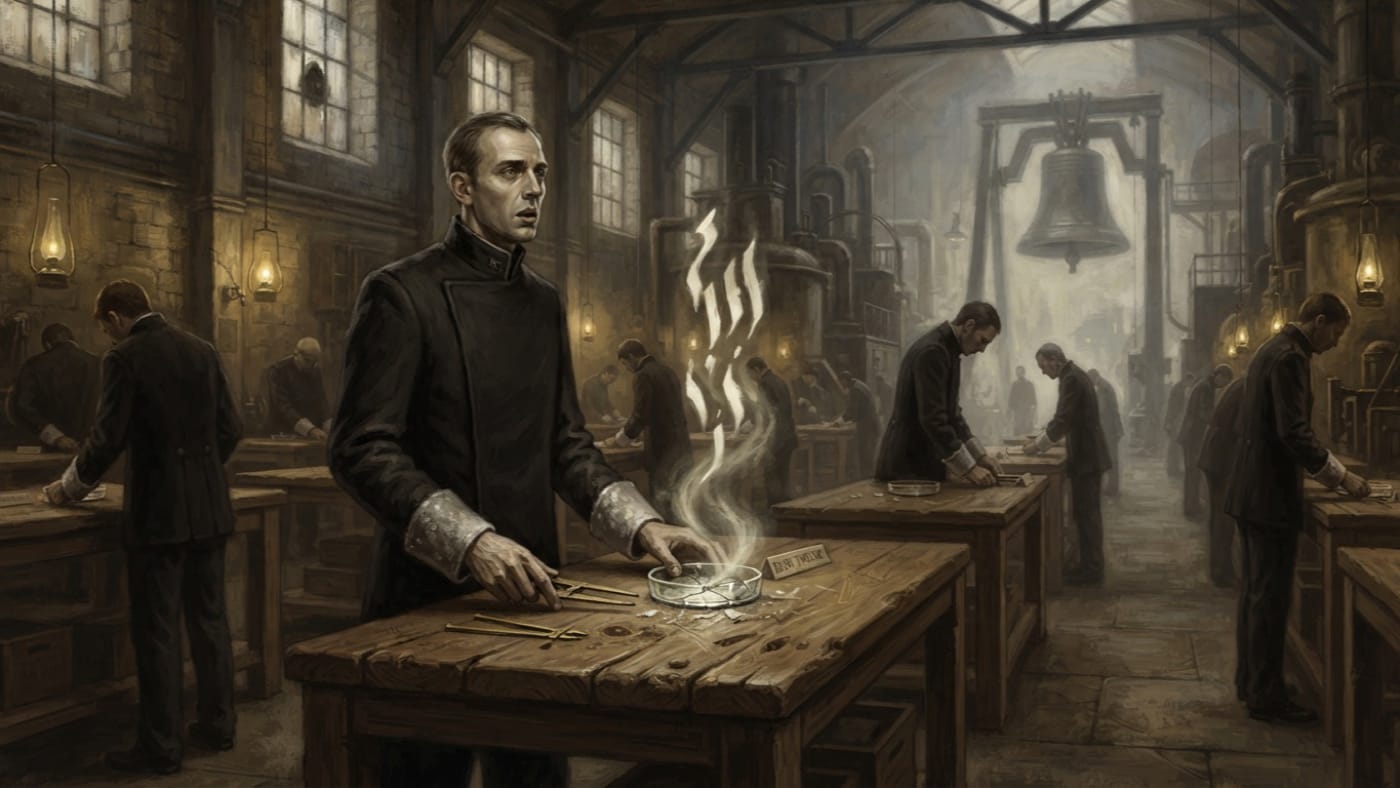
Elian Voss
A grader, a redacted phrase, and a body entered as unavailable
Elian Voss spoke a redacted phrase over Dish Twelve at Mournwater in A.S. 199, then collapsed. The body is unavailable; the paperwork survives.
Codex Ref. III.2.01-199
Empty Throne of War
A chair may command armies if enough clerks fear it
The Seventh Seal's white-draped chair has been publicly unoccupied since A.S. 107 and legally occupied ever since, proving absence can march an army.
Codex Ref. XIII.1.52-001
Enemy
One word for the thing beyond the Line and the person beneath the seal
The Enemy is the Synod's collective name for demonic powers, mortal auxiliaries and sanctioned targets. This present survey records how Doctrine's word becomes War's seal, the shrine-platform's volley and Records' permanent entry.
Codex Ref. XIII.1.43-201
Enforcement Digest
The canisters are counted; the pipes remain unfound
The Bureau of Purity's Enforcement Digest counts seized black diesel, corrects eradication into reduction, and preserves a return the Bureau of Tithes' projections contradict. The figures are sealed; the furnaces remain lit.
Codex Ref. XIII.1.97-198
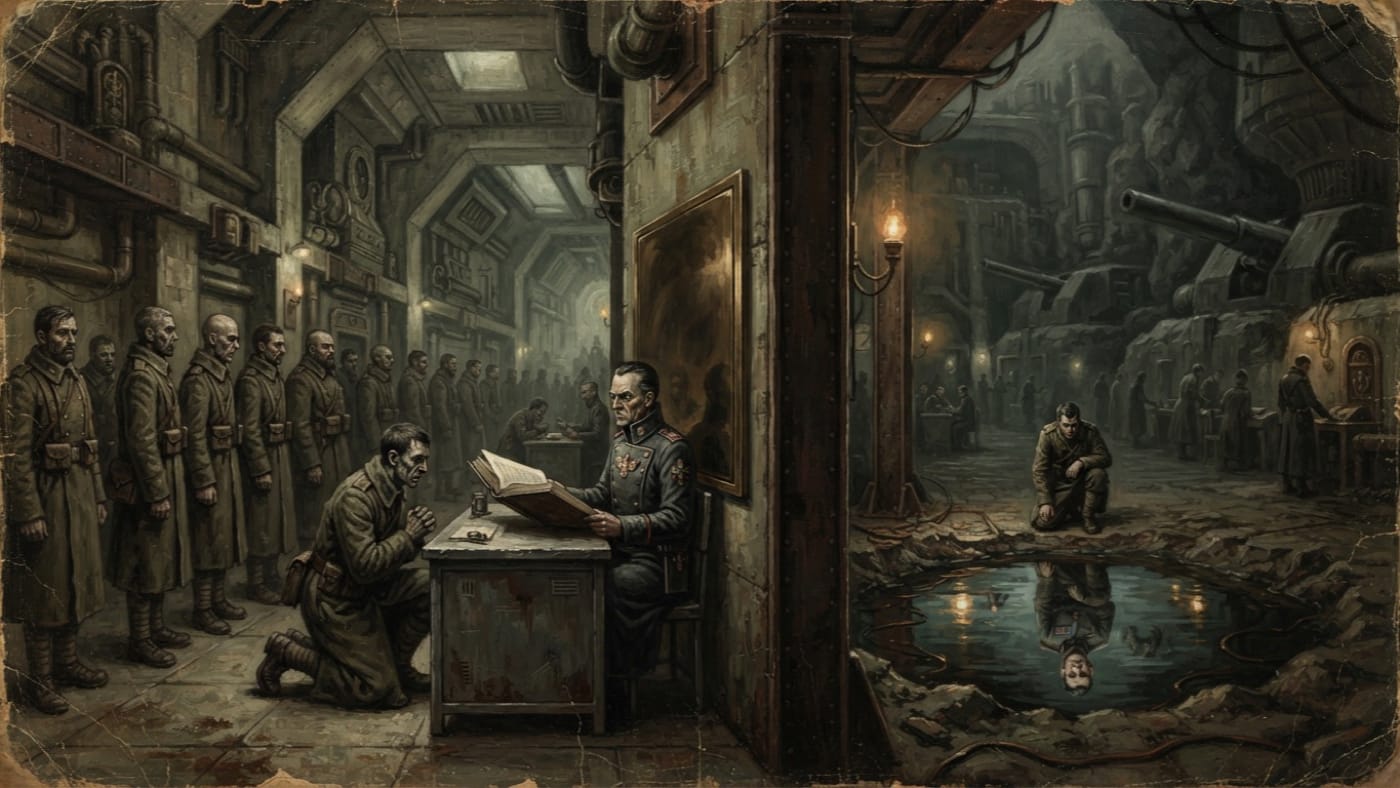
Envy
Greed wants your purse. Envy wants your name on it.
Envy covets another person's place and hollows the self to take it. Morwen makes the improvement work; the Synod's remedies remain easier for a good copy to pass.
Codex Ref. XIII.1.07-007
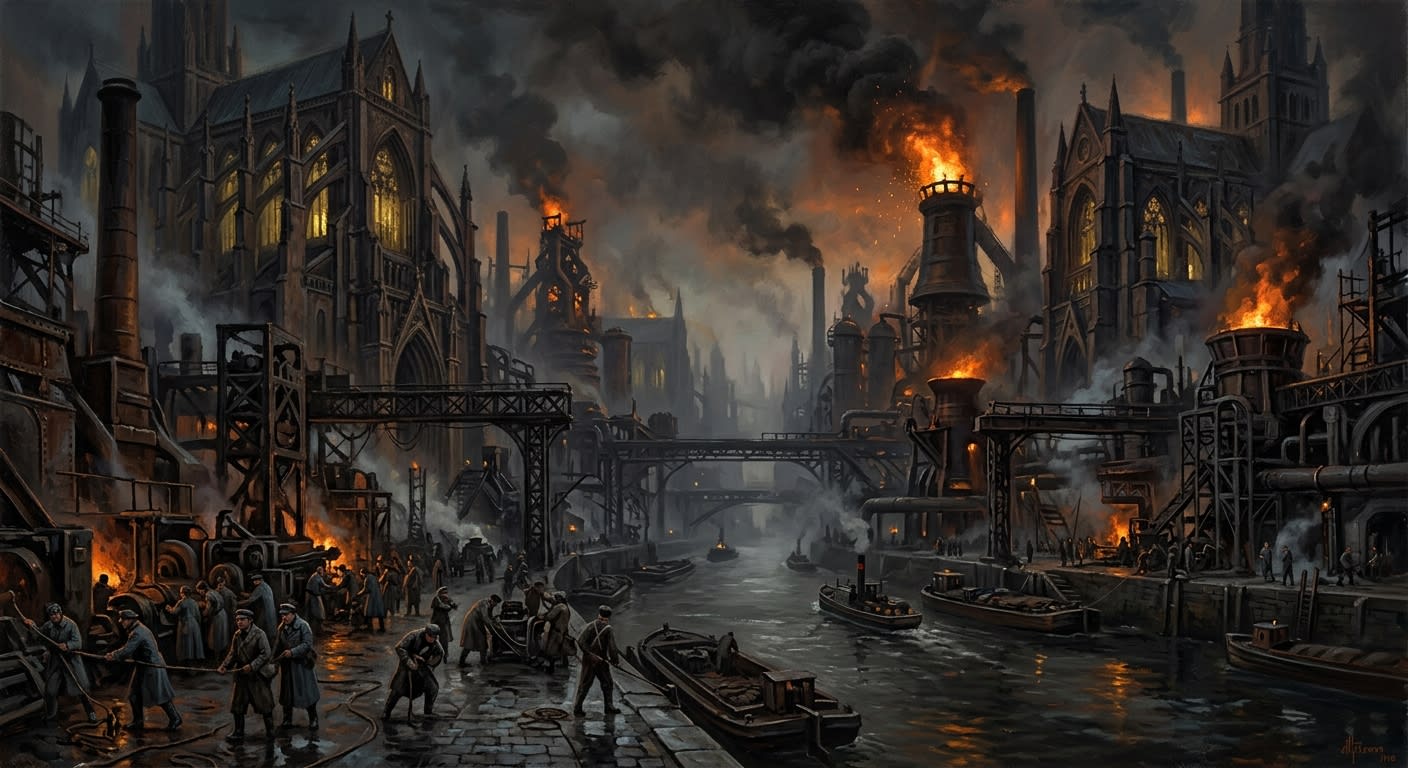
Essen-of-Hymnsteel
The city the Line cannot outlive, and dare not silence
Industrial holy city where steel is calibrated by choir and governed by three Bureaus who share nothing willingly except the fiction that none of them is losing.
Codex Ref. II.2.01-001
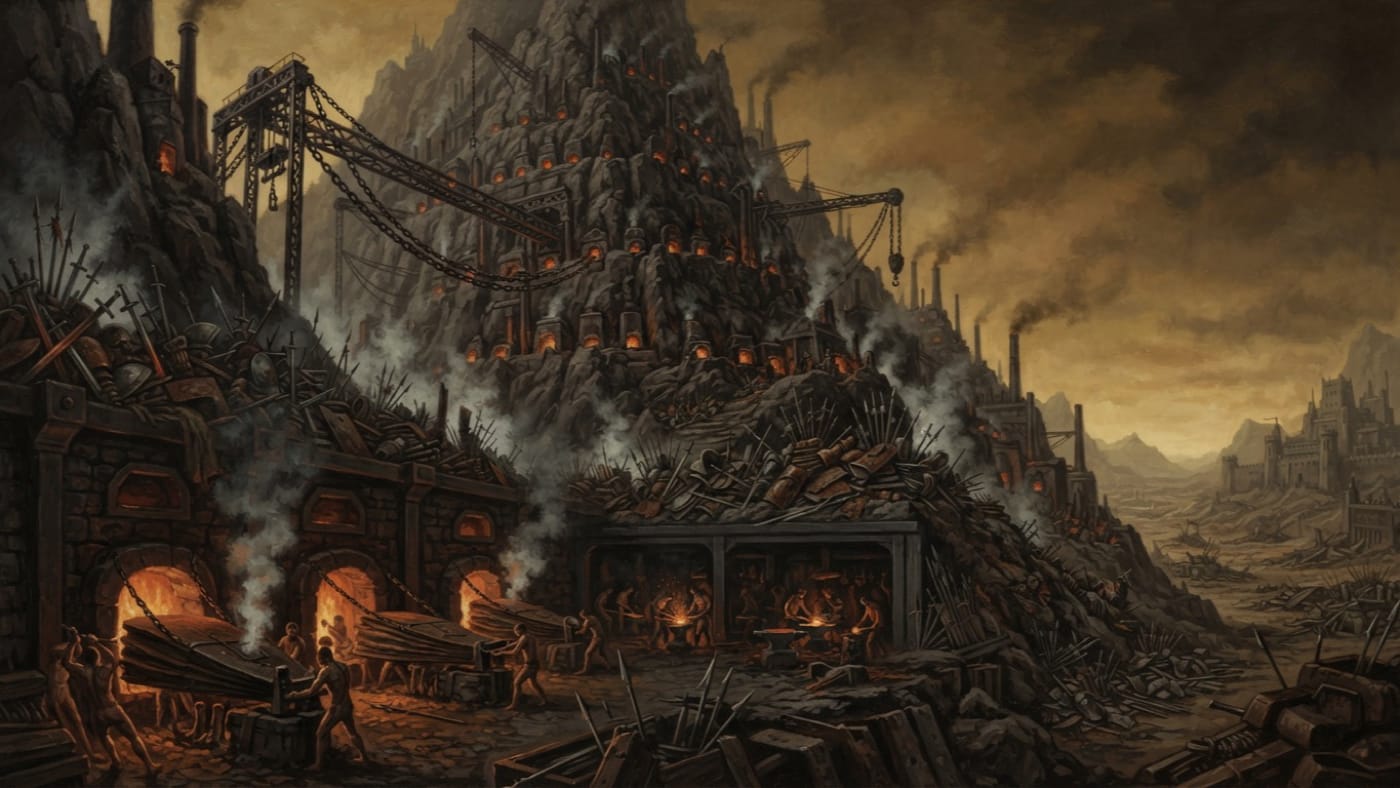
Eternal Forges
Wrath keeps producing. The bellows still need people.
Maldrake's mountain forges in the Thracian highlands produce arms and the Hammered without orders or inventory. Enslaved humans work the bellows until their lungs fail. The weapons are surplus; the people are spent.
Codex Ref. VI.1.03-003
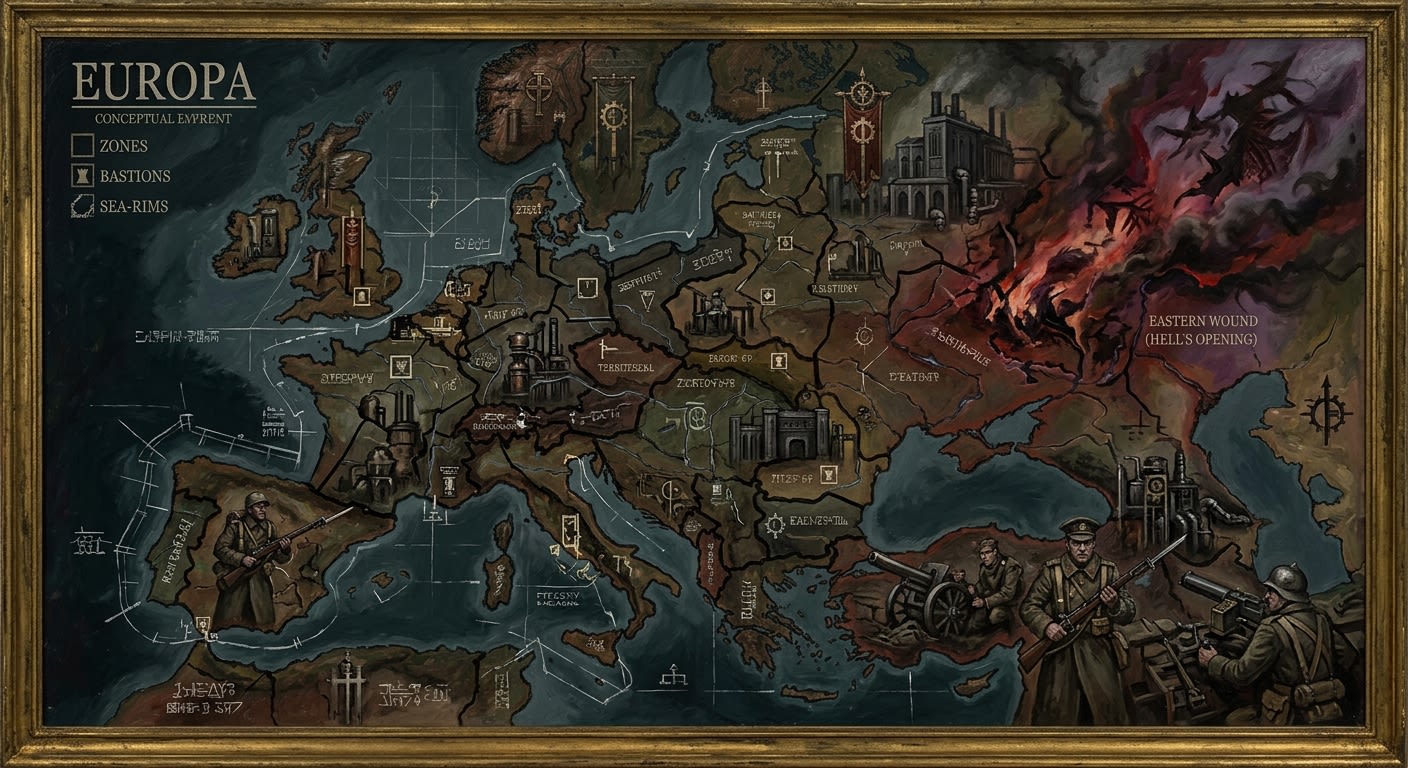
Europa
The continent as filed, wounded, taxed, and made obedient enough
Europa is not whole; it is the continent filed into zones, bastions, sea-rims, independent nuisances, and the eastern wound Hell keeps open.
Codex Ref. II.0.00-201

Europe
The wounded continent, held together by rails, bells, hunger, and denial
Europe is the wounded continent: Synod west, Charnel east, Line between, and every road, harbour, cradle, ration card, bell, and grave bent toward survival.
Codex Ref. II.0.01-201
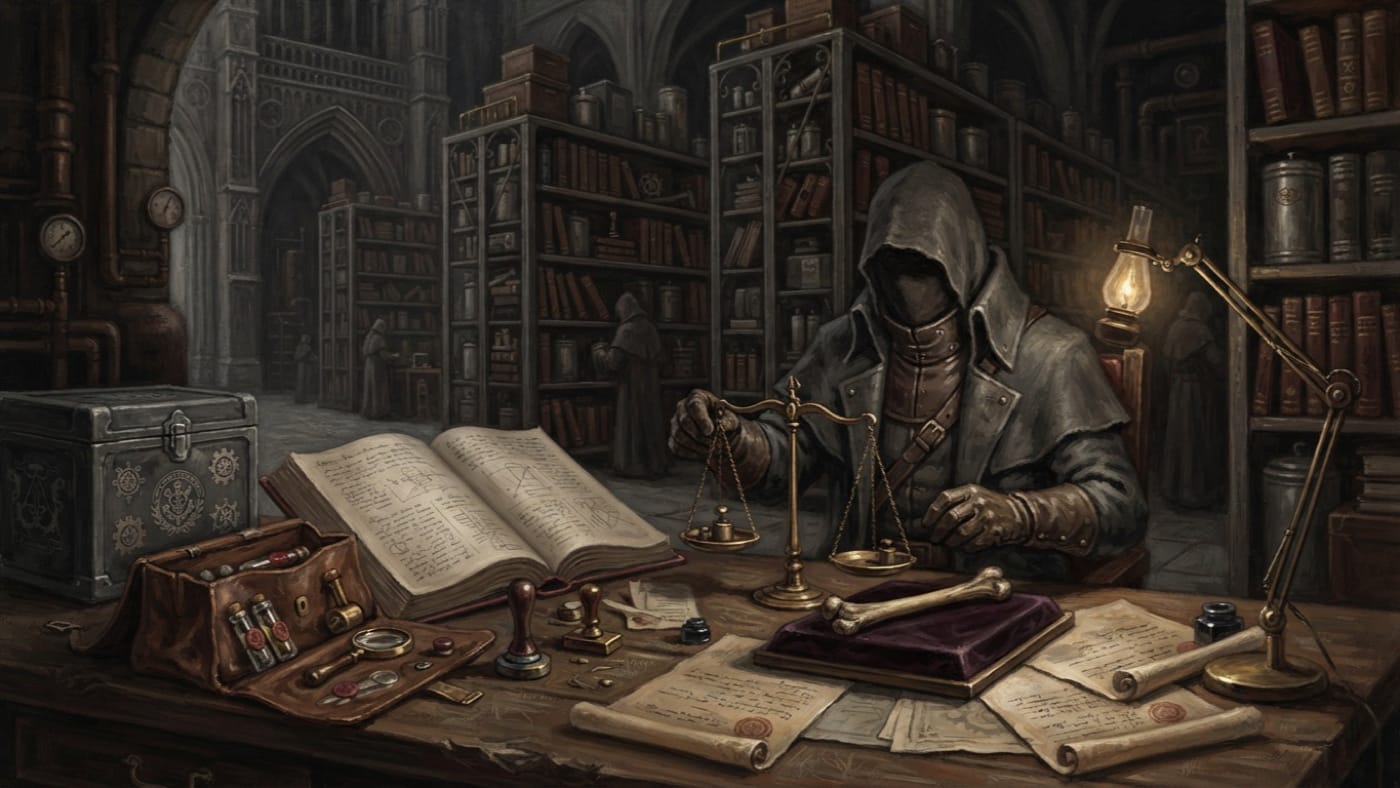
Examiner of the Third Degree
The seal is the Bureau's. The signature is yours.
Commissioned current survey, A.S. 201: the Bureau of Relics' Examiner assesses Authenticity Writs, weighs bones and records phenomena. A parish receives a certificate or a receipt. The office's founding remains unrecorded.
Codex Ref. XII.35.03-001
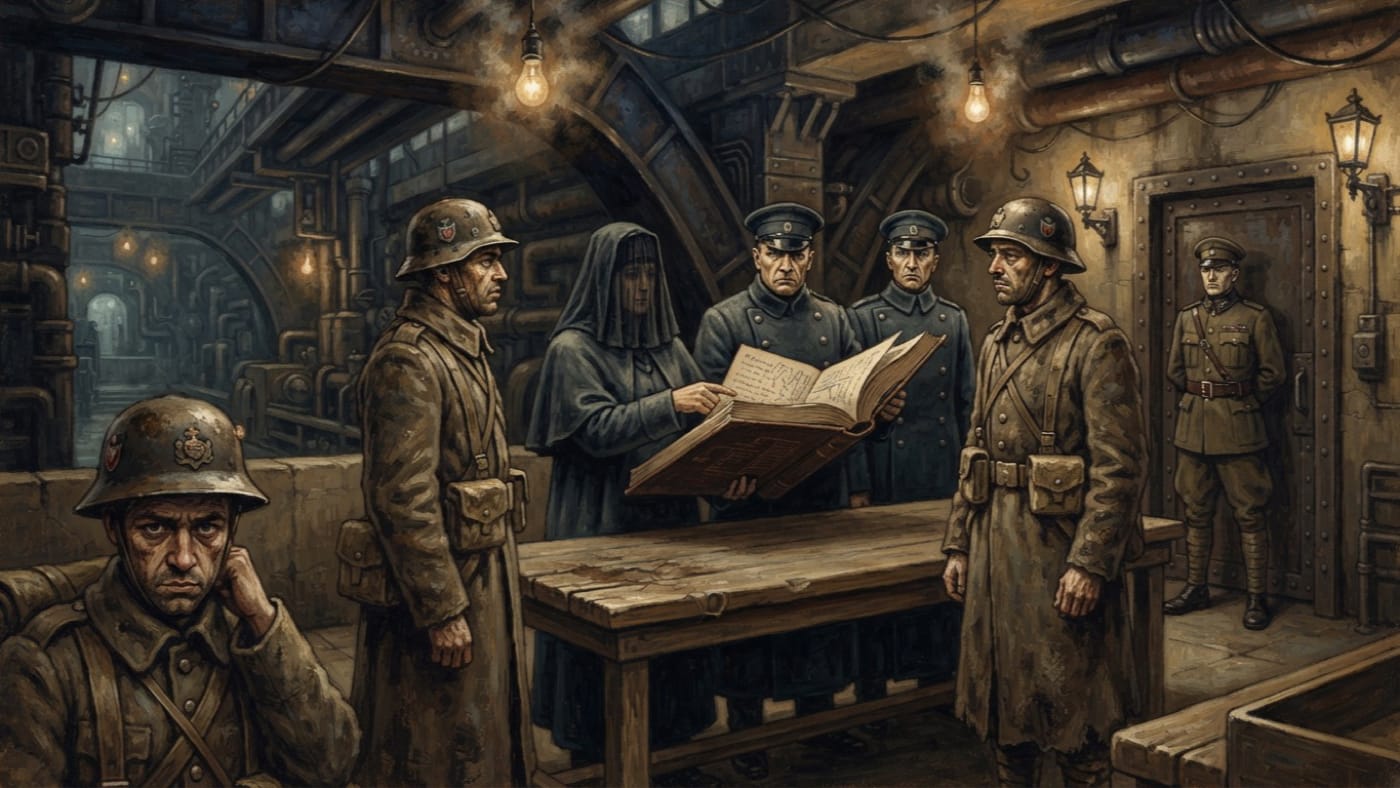
Face-Thieves
The face is only the credential.
Morwen's precision demons study a chosen person for weeks or months, then take his place. At Irongate, even the evidence may learn to agree with the thief.
Codex Ref. IV.1.07-017
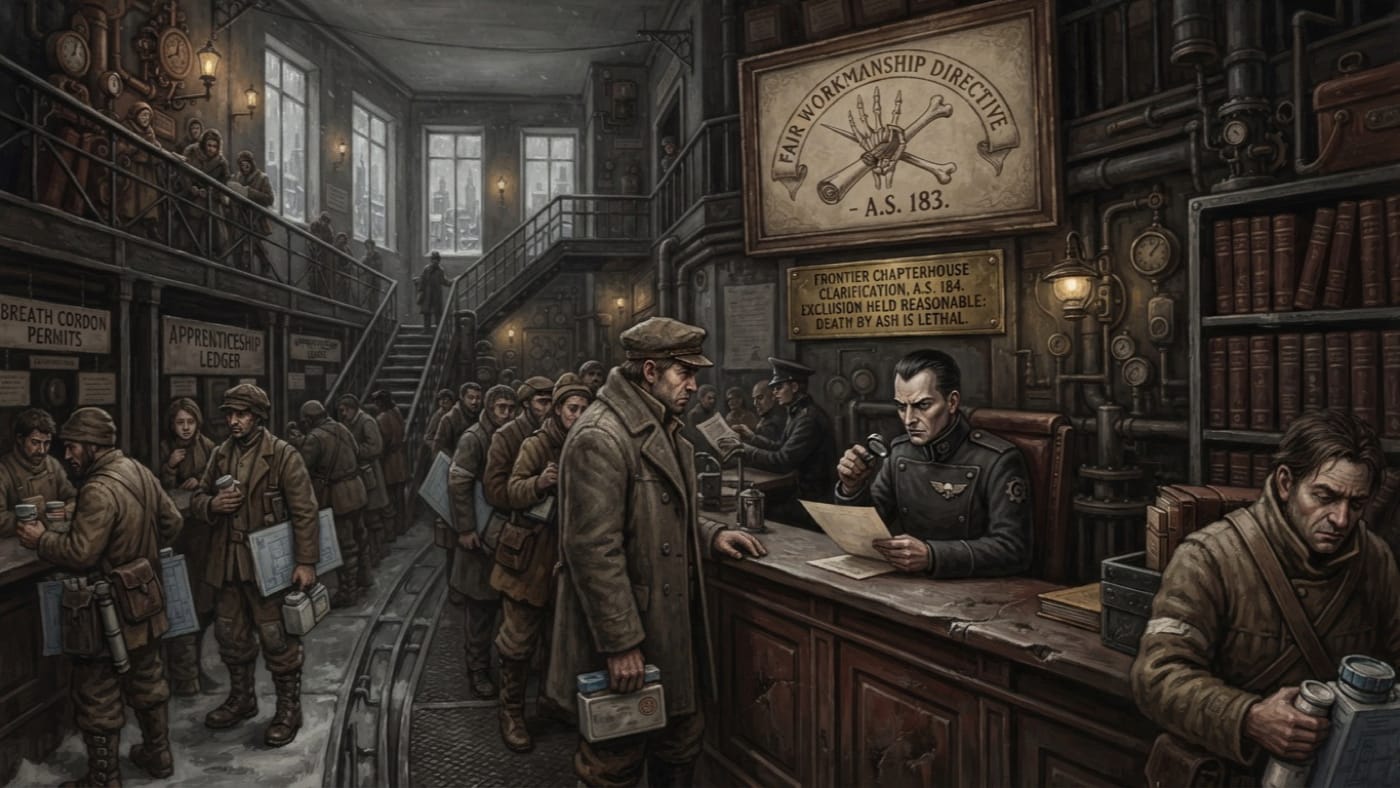
Fair Workmanship Directive
The adjective that kept the monopoly breathing
The A.S. 183 directive forbids unreasonable exclusion from frontier craft markets. Lor's Chapterhouse found death by ash sufficient reason to preserve the Bone-Guild's monopoly.
Codex Ref. XIII.1.183-001
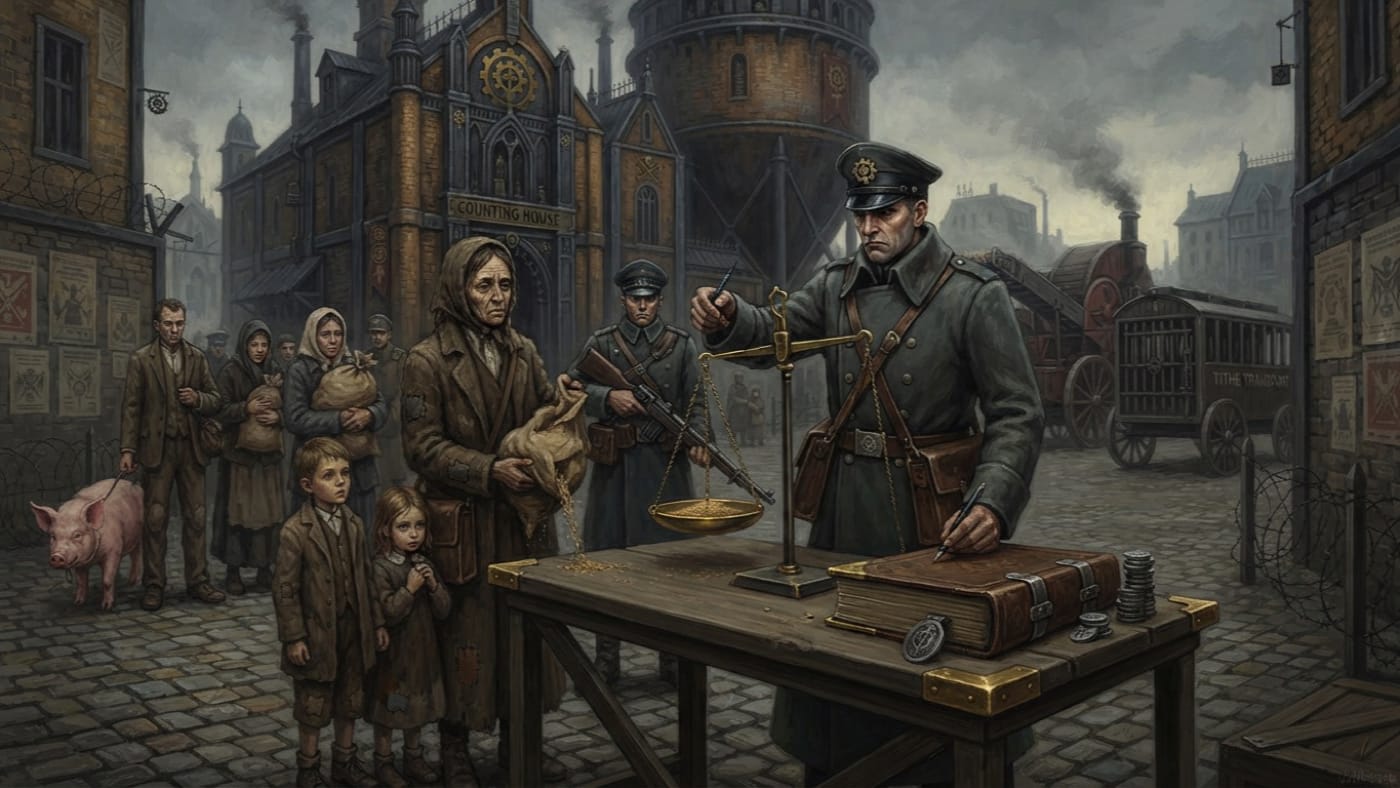
Faith-Tithe
The tenth that never settles the bill
The Faith-Tithe is the tenth owed by every baptised Synod subject, payable in coin, livestock, grain or labour. I certify the receipt; the surcharges follow.
Codex Ref. XIII.1.92-001
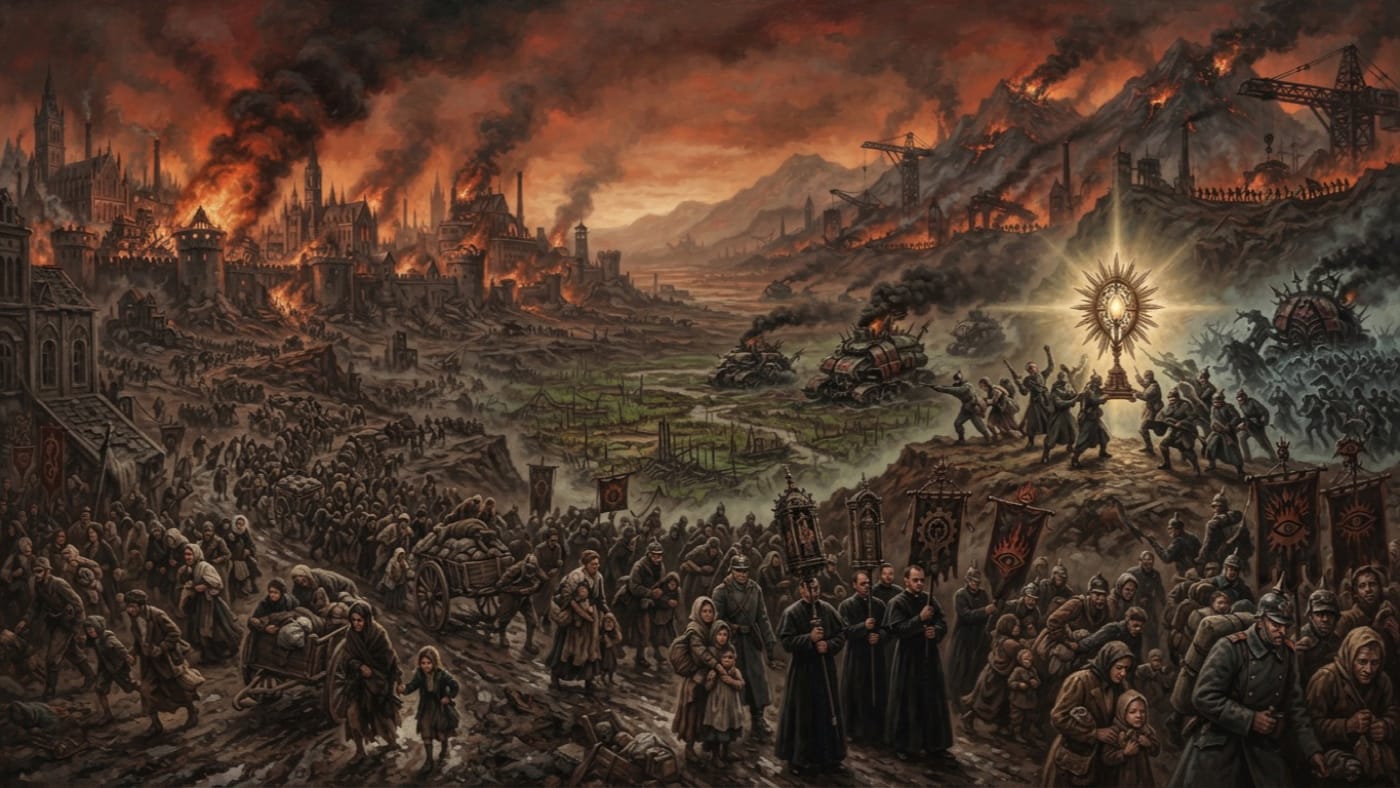
Fall of the Eastern Kingdoms
The Kingdoms Fell; Their Accounts Remain Open
The eastern jurisdictions collapsed after the Sundering of A.S. 45: garrisons burned, granaries failed, and refugees fled west. I retain their accounts in the Ledger; occupation does not constitute permission to forget.
Codex Ref. VII.1.02-001
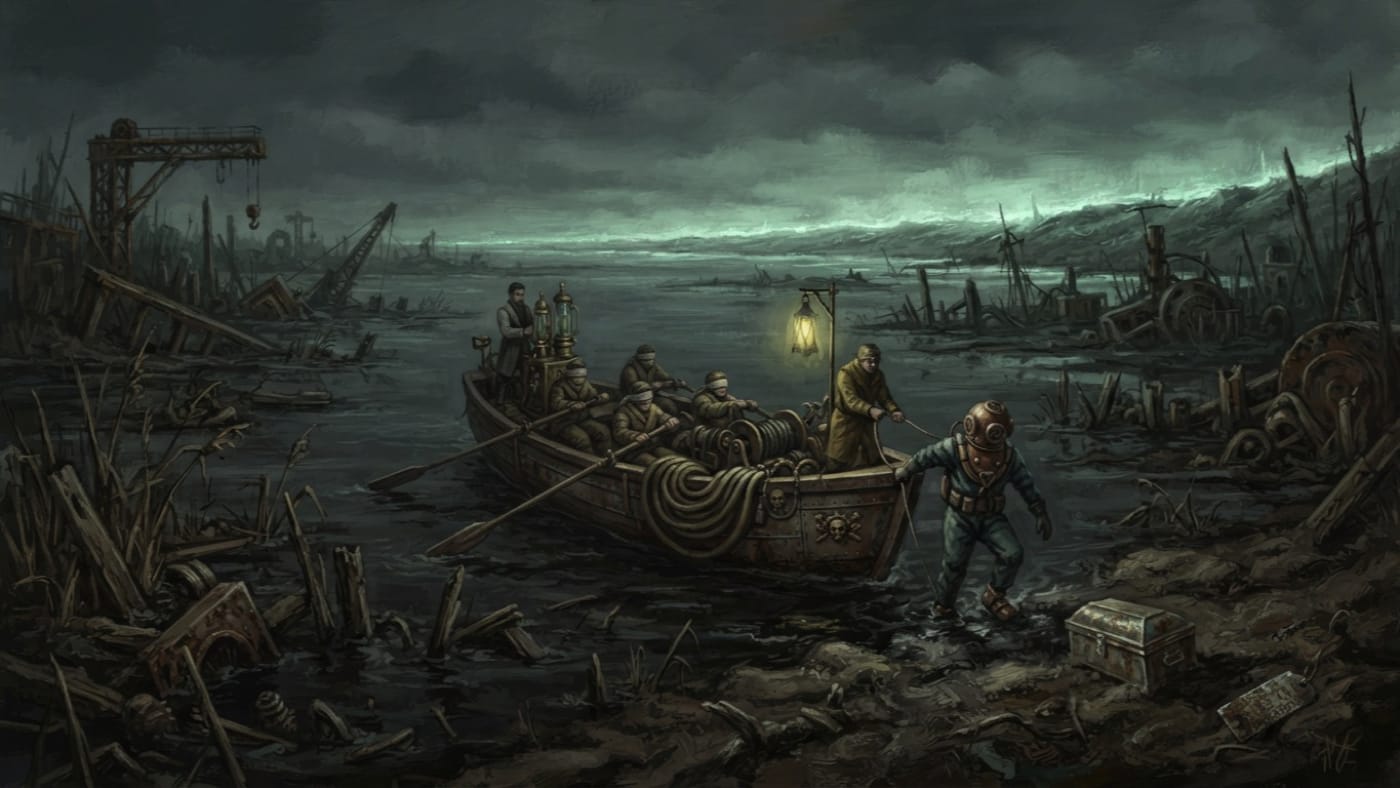
False Shore
The recovery is recorded. The shore will not stay filed.
An uncharted bank off Ash-Glyph Marshworks, reported to shift with the tides. Relics surface fresh, divers report warmth, and an A.S. 199 casket bore a tag dated three days ahead. No chart position is on file.
Codex Ref. II.4.08-007
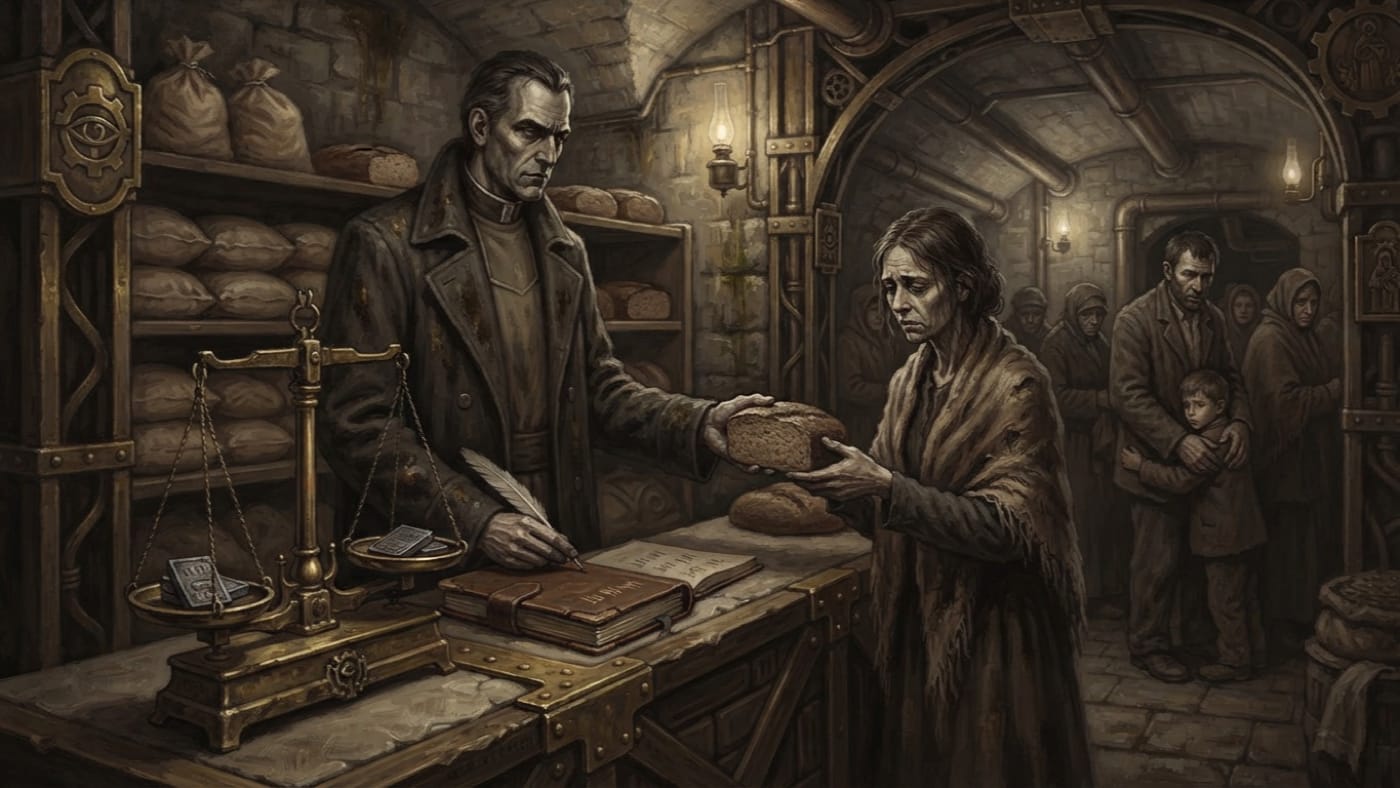
Famine Interest
The loaf is eaten; the obligation survives
Famine interest advances bread against property, silence, service, and persons. The Hunger Broker's ledger compounds because the debtor keeps eating.
Codex Ref. XIII.1.13-001
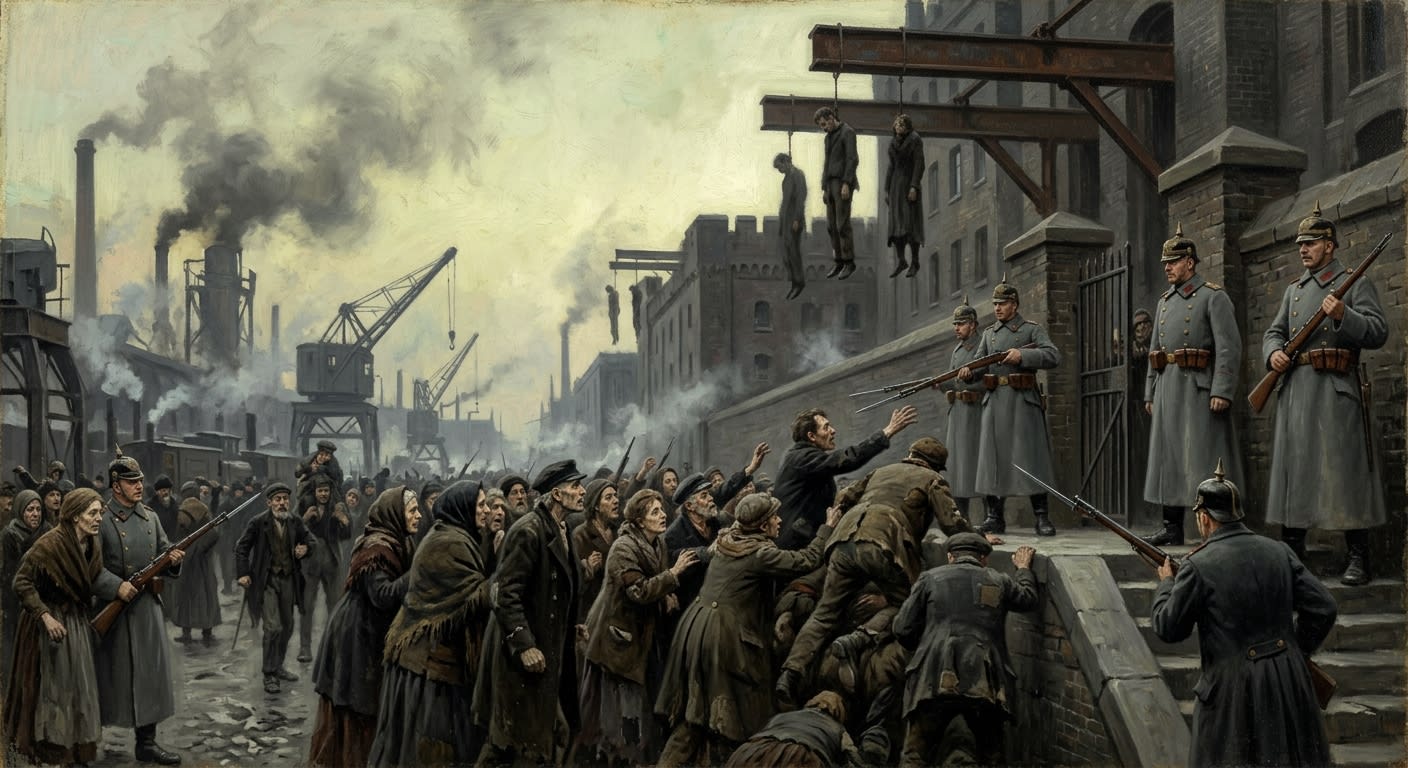
Famine of A.S. 65
Two per cent mercy, measured against an empty sack
The A.S. 65 Hamburg famine and nine-day riot came as the northern throat became indispensable: failed harvests, due tithes, Berlin troops, public hangings, and a two-per-cent mercy too small to eat.
Codex Ref. VII.4.21-065
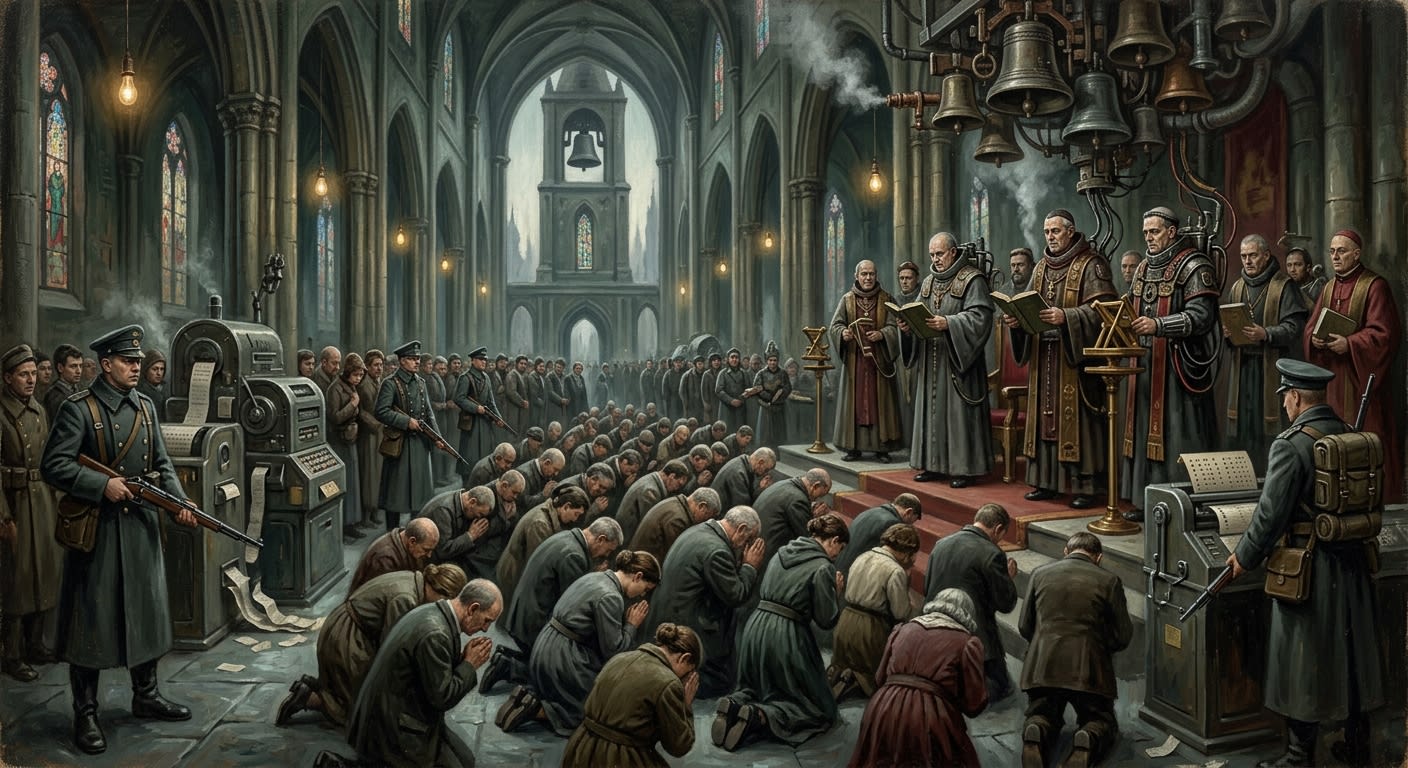
Feast of Doctrinal Submission
The holiday that teaches the spine to kneel before the mouth calls it faith
The Feast of Doctrinal Submission is the Synod's mandatory kneeling holiday: census, pageant, ration queue, loyalty assay, and permitted joy under bells.
Codex Ref. XIII.1.89-072
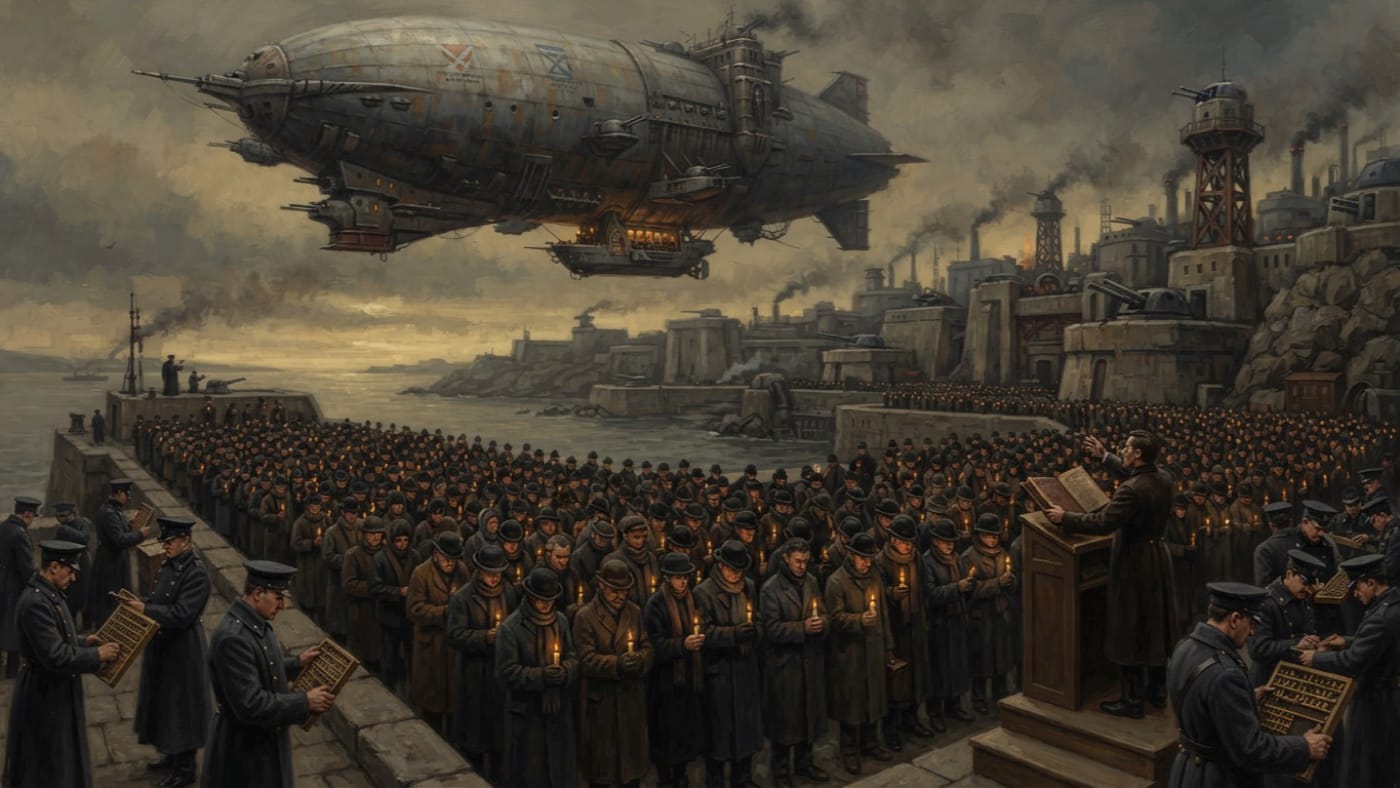
Feast of Saint Barachiel
The calendar gave the sky a patron and the weapon an appropriation
Ratified in A.S. 167 and bound to the Ark's first ascent in A.S. 168, Saint Barachiel's feast supplies lawful witness, counted candles, and the holy protection of a military budget.
Codex Ref. XIII.1.89-167
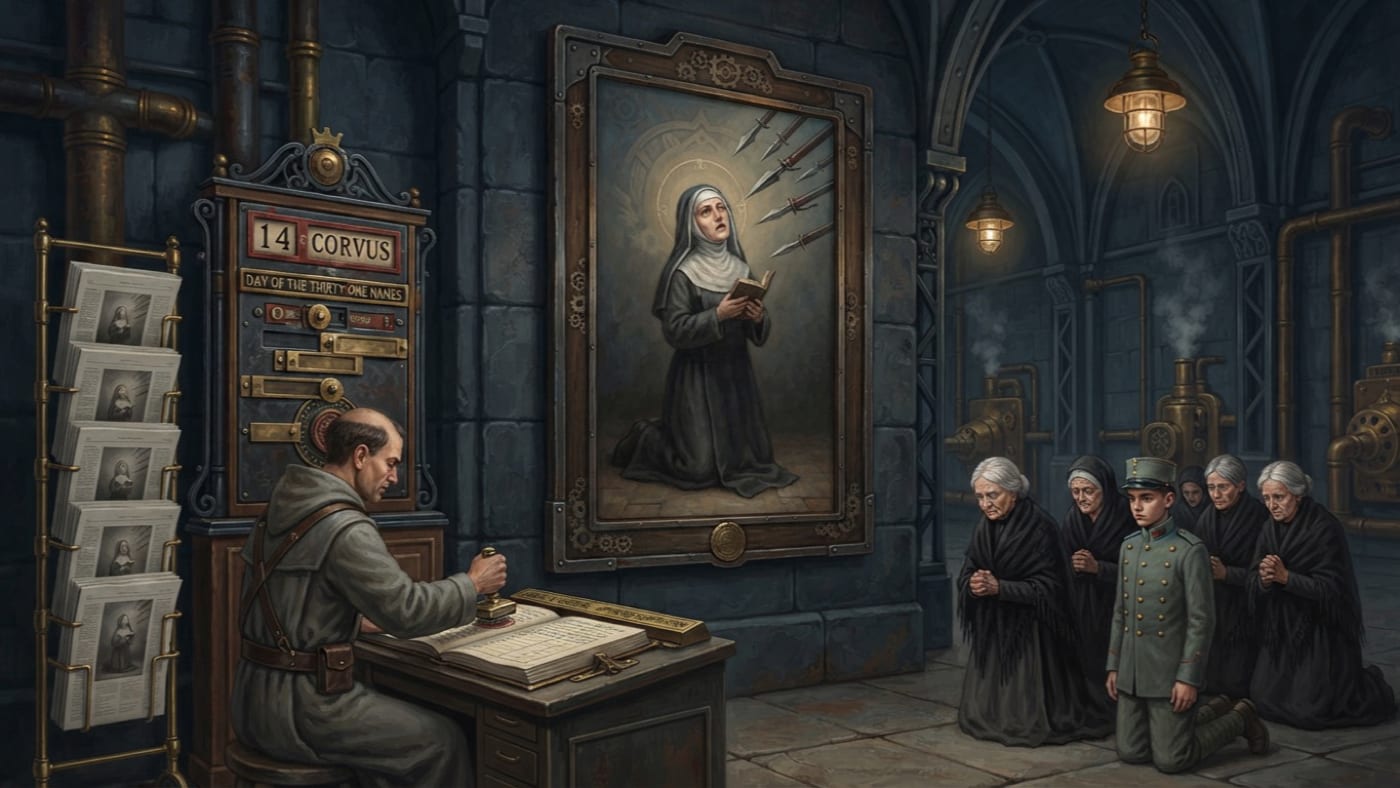
Feast of Saint Margaux
Thirty-one dead, one approved face
On 14 Corvus, Saint Margaux shares her feast with the Day of the Thirty-One Names. The grief belongs to the faithful; the face, the calendar and the uses belong to the Bureaus.
Codex Ref. XIII.1.87-014
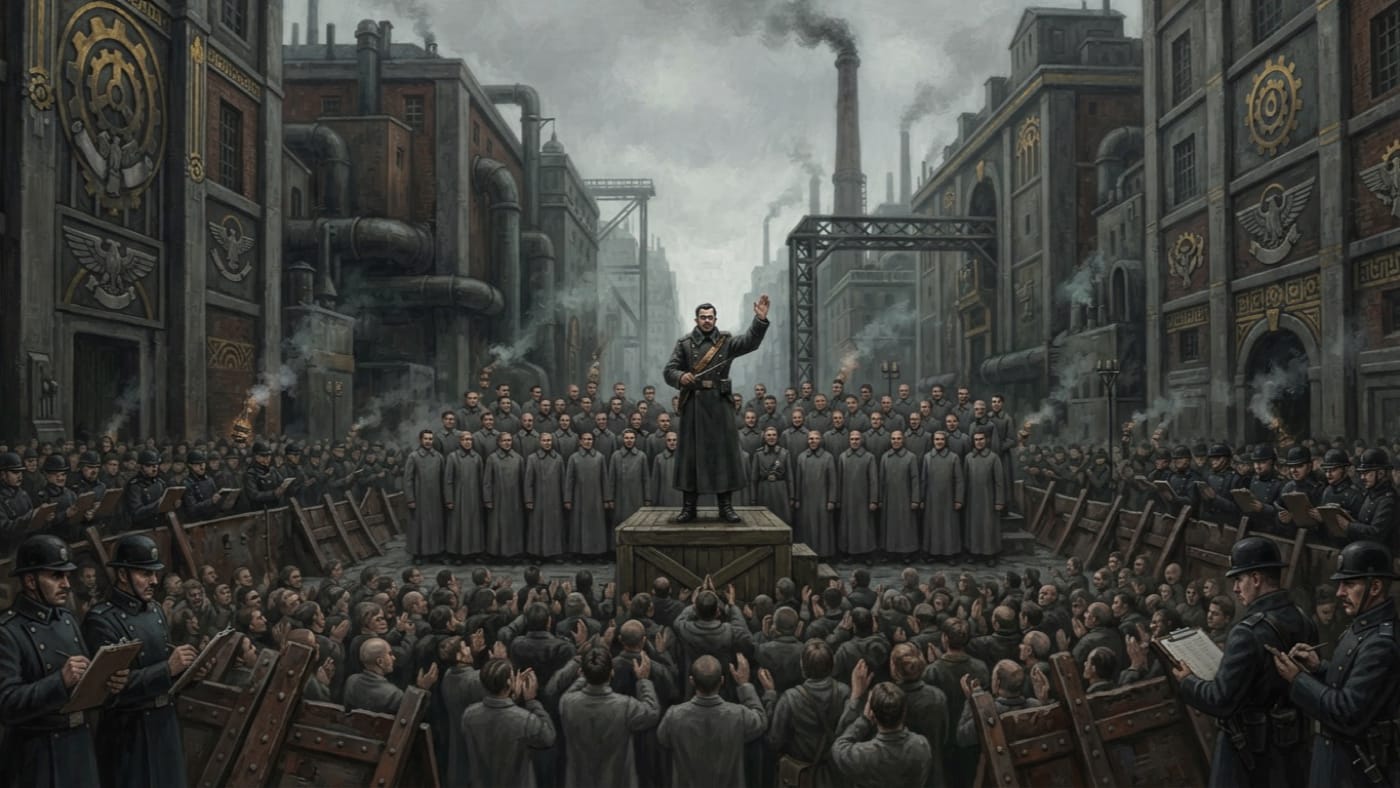
Feast of Saint Rupert
Attendance is mandatory; relief has no column
Saint Rupert's mandatory feast, preserved in the Strasbourg return of A.S. 199: 1,847 present, 13.7 seconds of applause, and joy classified Within Parameters.
Codex Ref. XIII.1.89-199
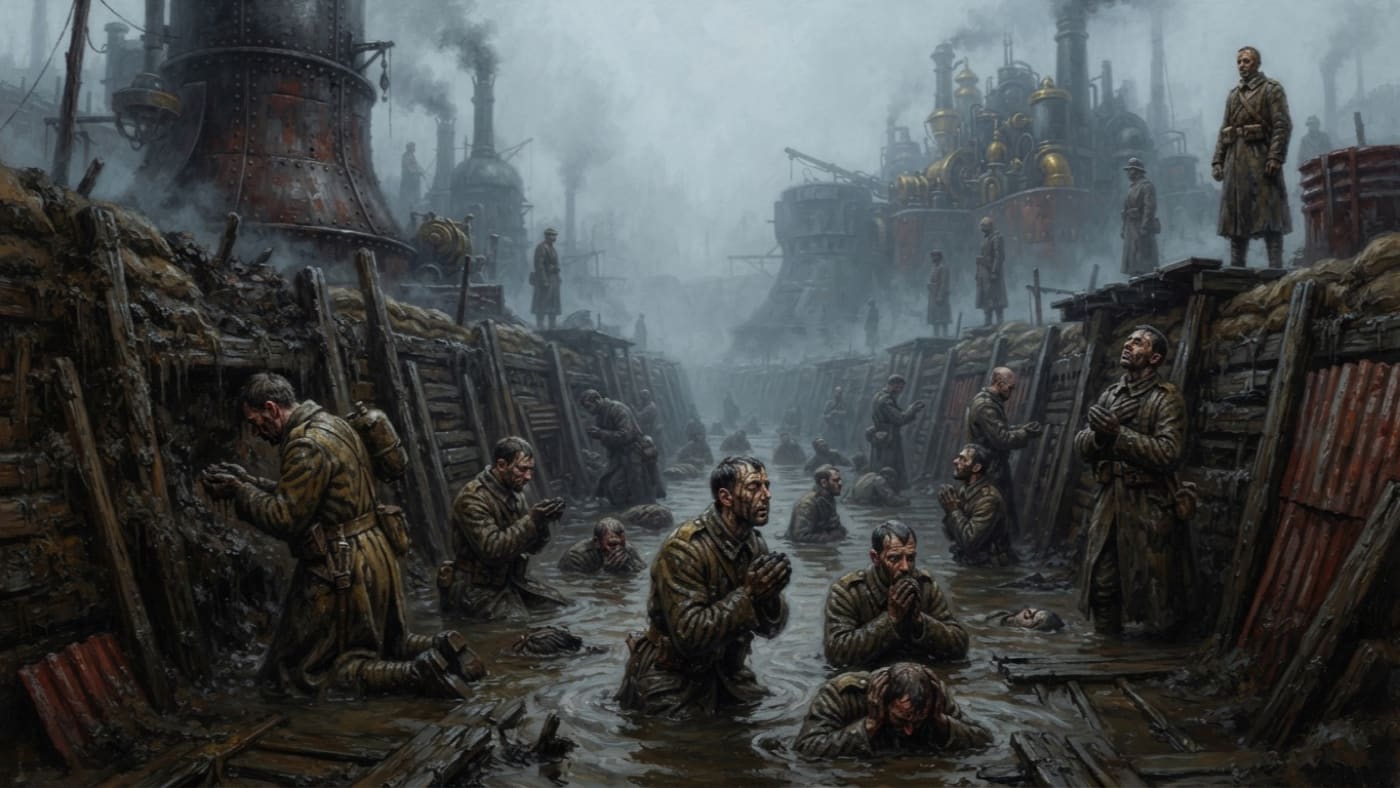
Feast of the Mud
The trench becomes a cathedral when the order arrives
Soldiers coat themselves in trench mud and chant endurance into duty; children rehearse it with clay, and villages buy the residue as saint-soil. Attendance, unlike belief, is required.
Codex Ref. XIII.1.89-1047
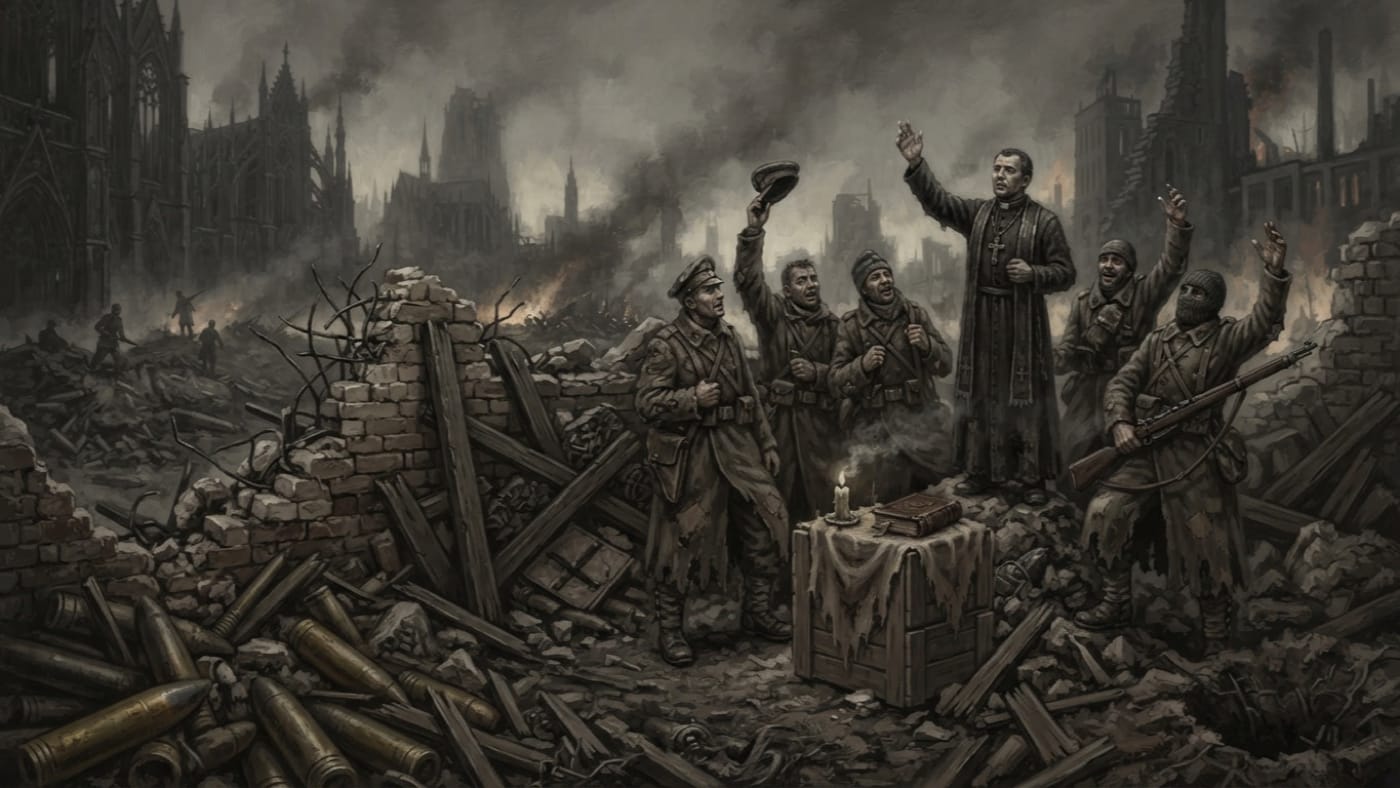
Feast of the Unbroken Wall
The wall held; the bureaucracy arrived later
A surviving barricade, an unnamed priest, and one unscheduled cheer in A.S. 52: the Bureau of Festivals' founding precedent. The wall held; the bureaucracy arrived later.
Codex Ref. VII.8.10-1050
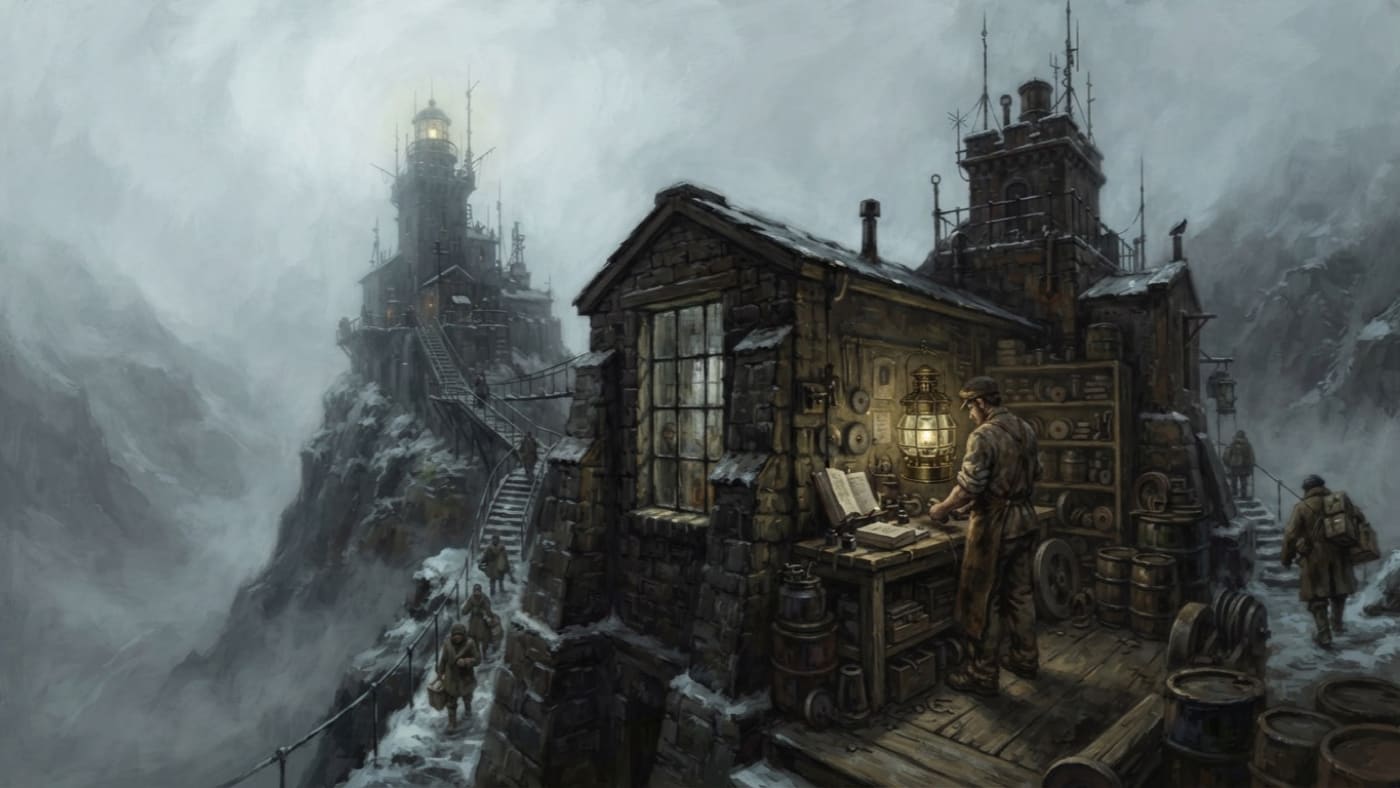
Ferrens
Two requests, one fire, and a location still pending
Third Light's former lantern-mechanic asked twice to leave after the fog looked back. Second Light burned four months after his transfer. Ferrens survived; the ledger still calls his whereabouts pending.
Codex Ref. III.2.01-1055
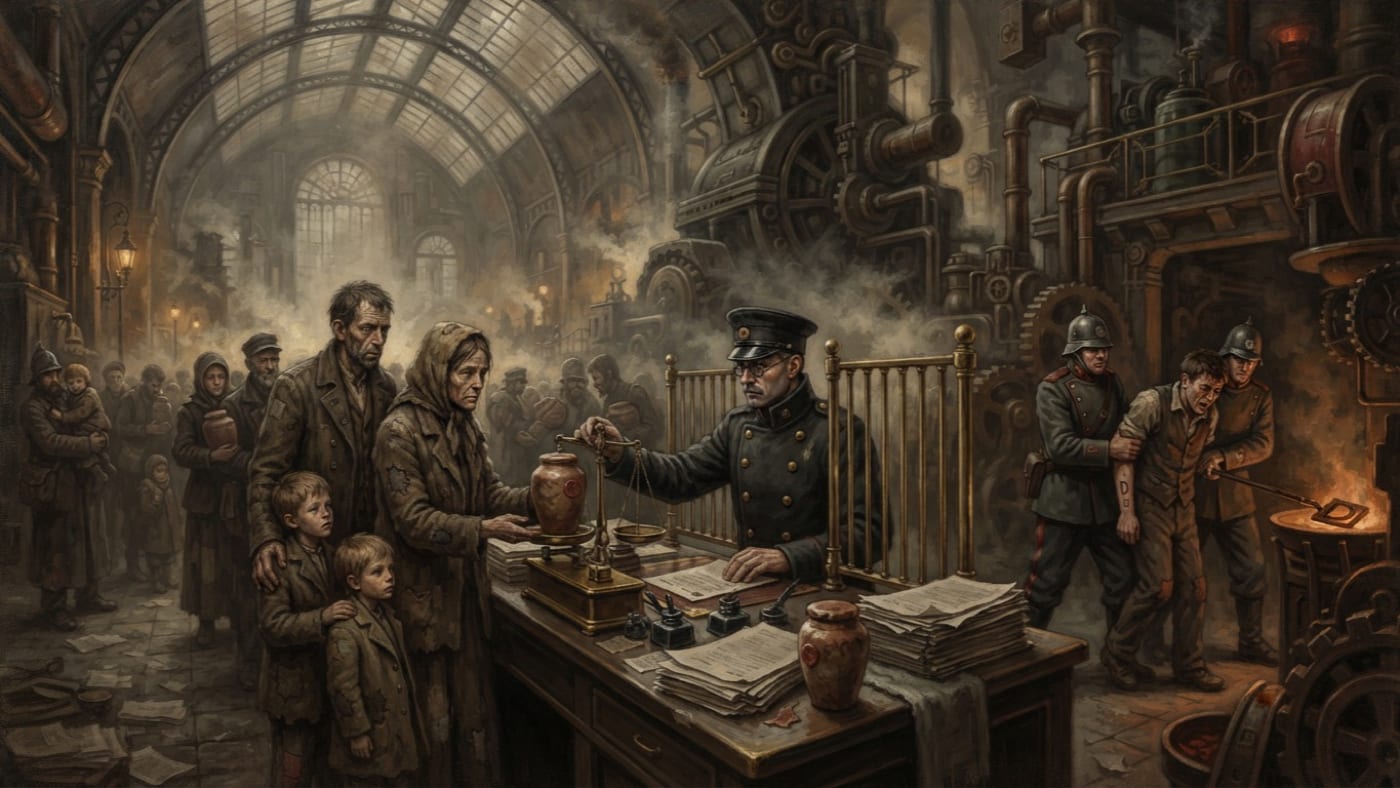
Festival of Ash Debts
The dead are asked to pay. The living are asked only to carry them.
Surveyed in A.S. 201: families trade ancestral ashes for bread. Those unable to produce ashes are branded debtors and conscripted. The family line makes excellent collateral.
Codex Ref. XIII.1.24-201

Field Agent Corren
A title, a name and a report; the career is unrecorded
The record gives Corren a Purity title and an A.S. 198 report citation. It gives the merchant eleven years of false classification and the agent no recorded fate.
Codex Ref. III.2.01-198
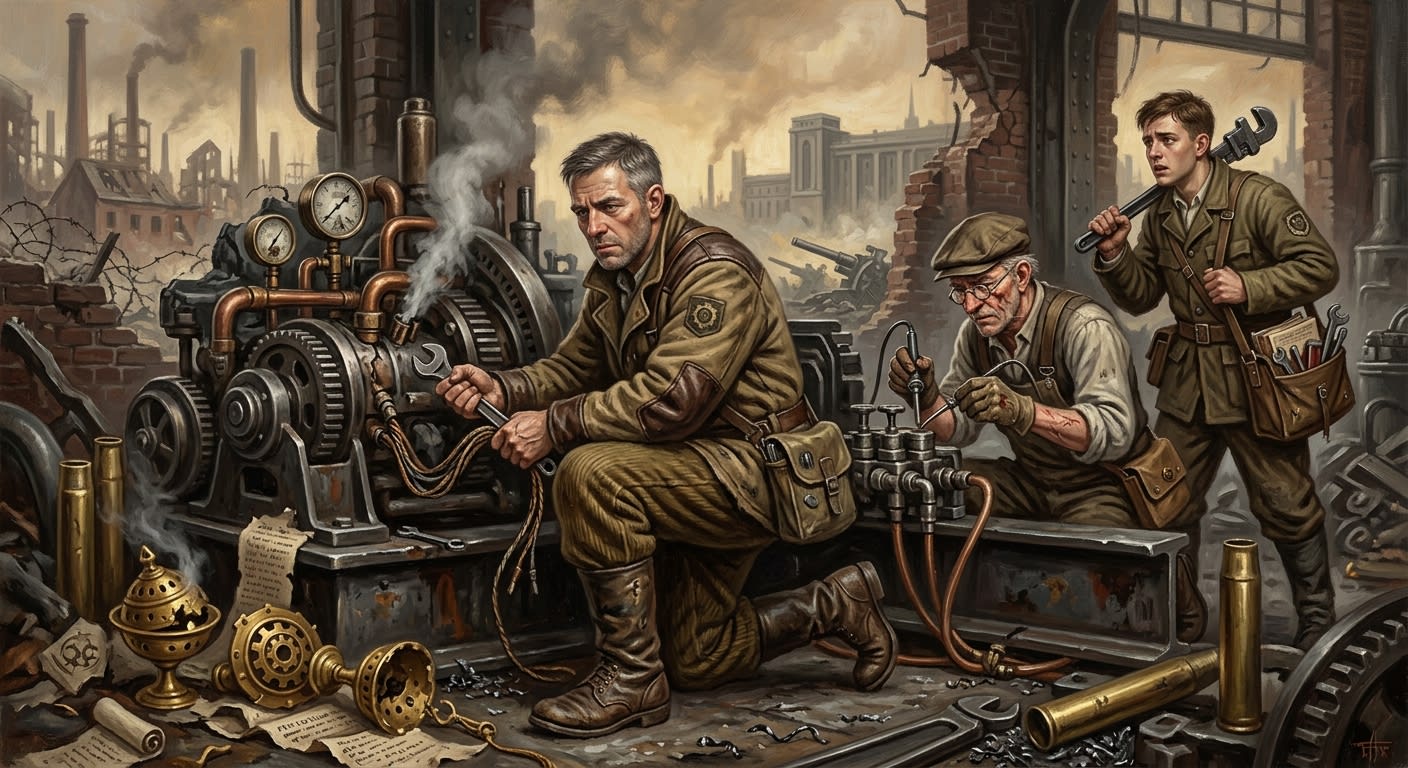
Field Pragmatists
The illegal hand that keeps the corridor warm
Field Pragmatists are the Engineering-preferred faction of the Gasket-Hymn Mechanic craft, preserving life by bending rites the Ledger later pretends were whole.
Codex Ref. XII.2.04-004
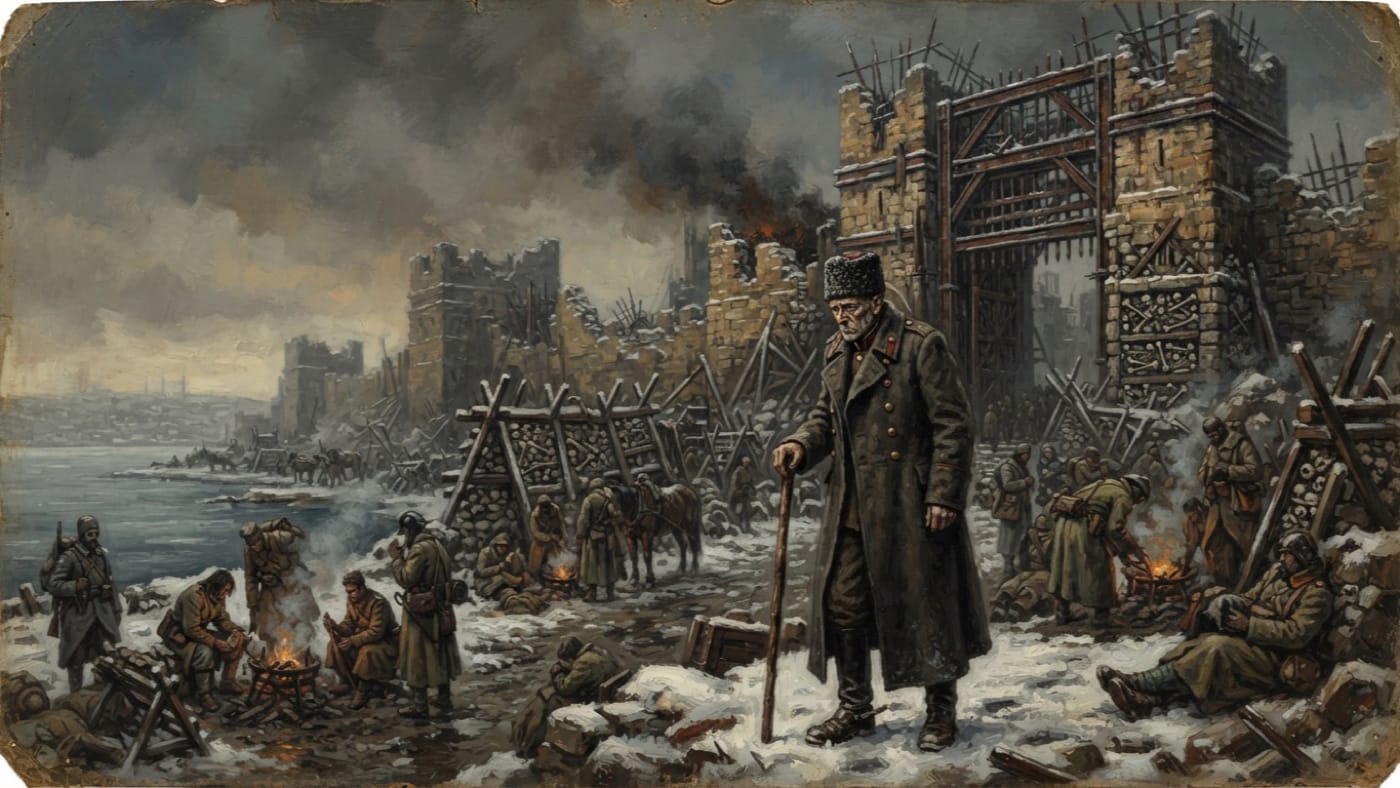
Field-Marshal Edras
A winter's halt, remembered in masonry
Field-Marshal Edras halted at ruined Constantinople in winter A.S. 47. Drax blames his boots and legs; the Bastion remembers him with a gate. The record grants him a rank, not a career.
Codex Ref. III.2.02-047
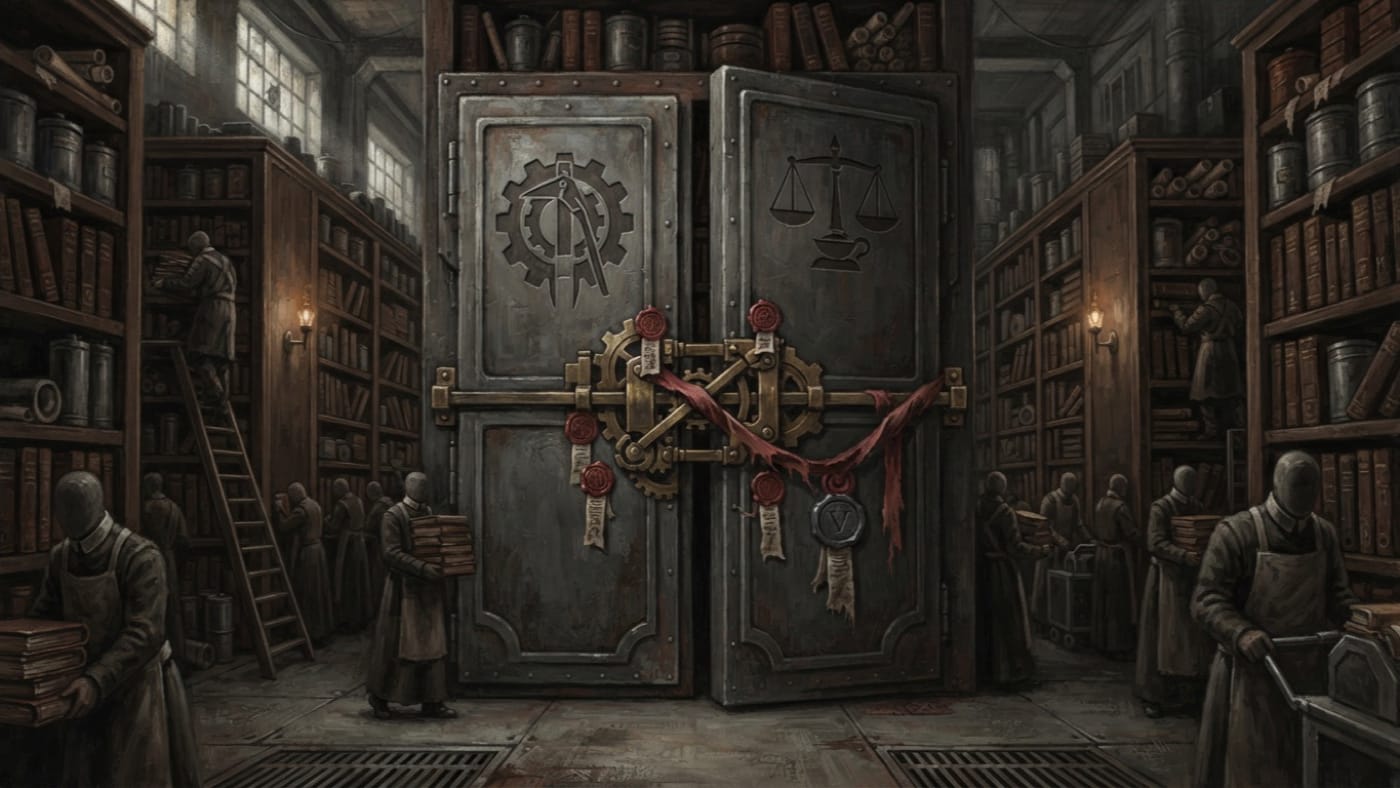
Fifth Ratification
The name is filed; the particulars remain sealed
An A.S. 201 survey of the Fifth Ratification's attested sealing of Augustinus's construction particulars. Engineering keeps the structural data; Mercy keeps the rest. The name is filed. The text is not before us.
Codex Ref. XIII.1.90-201

Filter Gate
Admission is stamped; shelter is another matter
Filter Gate admits the living to Black-Snow Lor, checks their stamps and filters, and locks at third bell. A permit gets you into town; the Breath Cordon keeps its own account.
Codex Ref. II.4.08-003
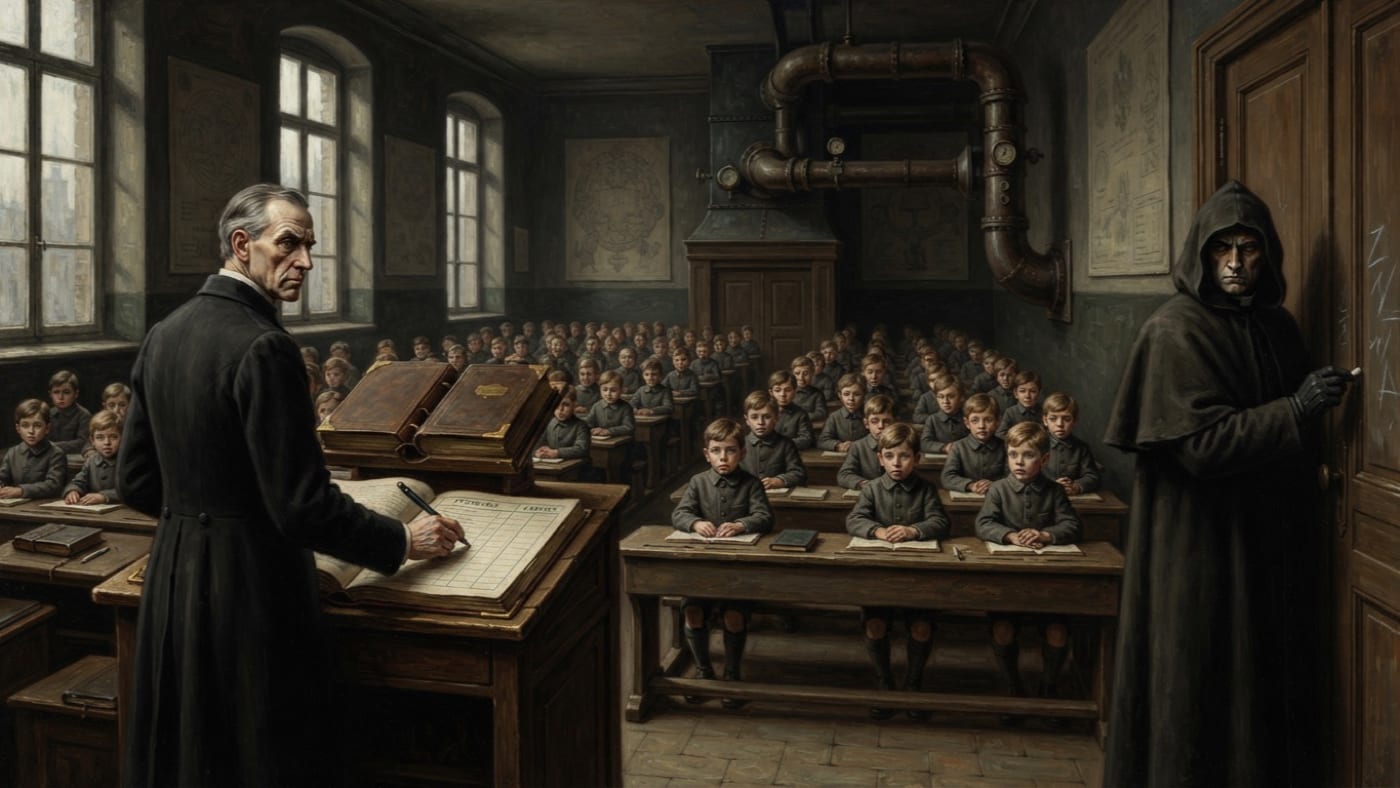
First Catechism
The sentence is settled. The child's hesitation is filed.
A present survey of the First Catechism's opening sentence, taught at five and ratified in perpetuity. Doctrine may revise its explanations; Records keeps the child's hesitation.
Codex Ref. VI.1.01-002
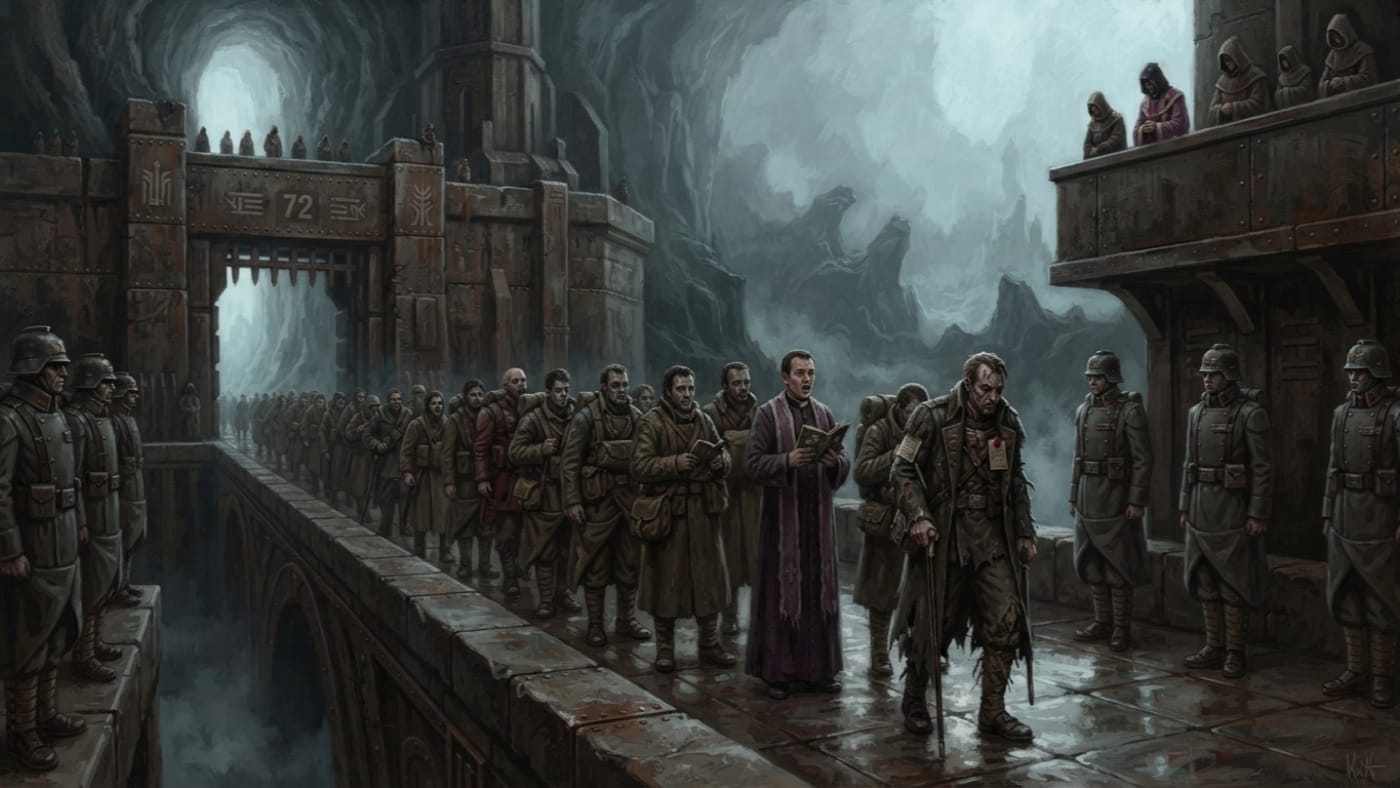
First Expedition
Every name returned. The fourteenth page remains sealed.
The First Expedition sought the Shadow Court in A.S. 72. Every listed man returned on day fourteen. The Church certified their identities and sealed their findings.
Codex Ref. V.9.01-002
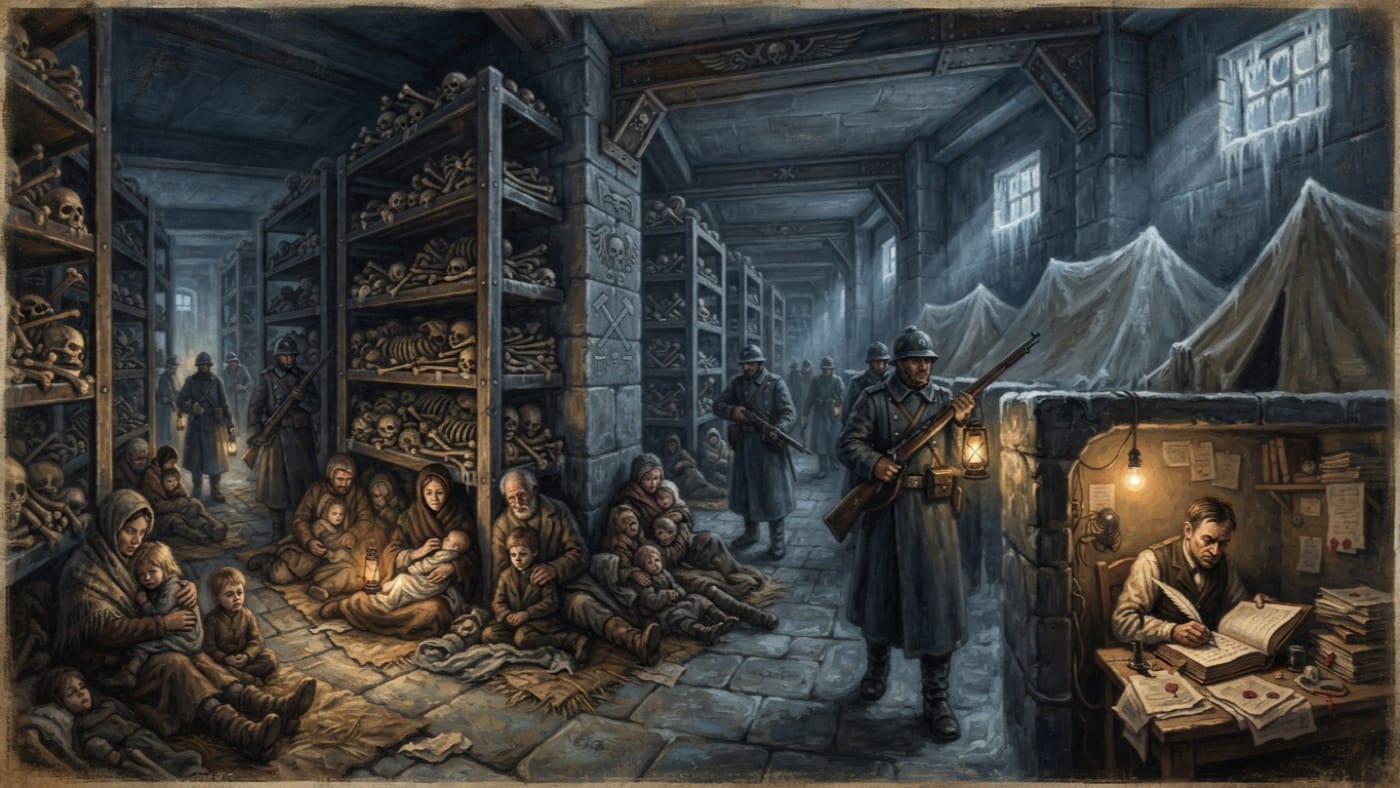
First Grave-Field Winter
The tents froze, and the shortage acquired a clerk
An A.S. 201 retrospective of an undated winter at three unnamed bastions, when frozen tents drove refugees into sanctified dead chambers. Four offices objected; shelter beside the dead acquired a clerk.
Codex Ref. VII.4.11-081
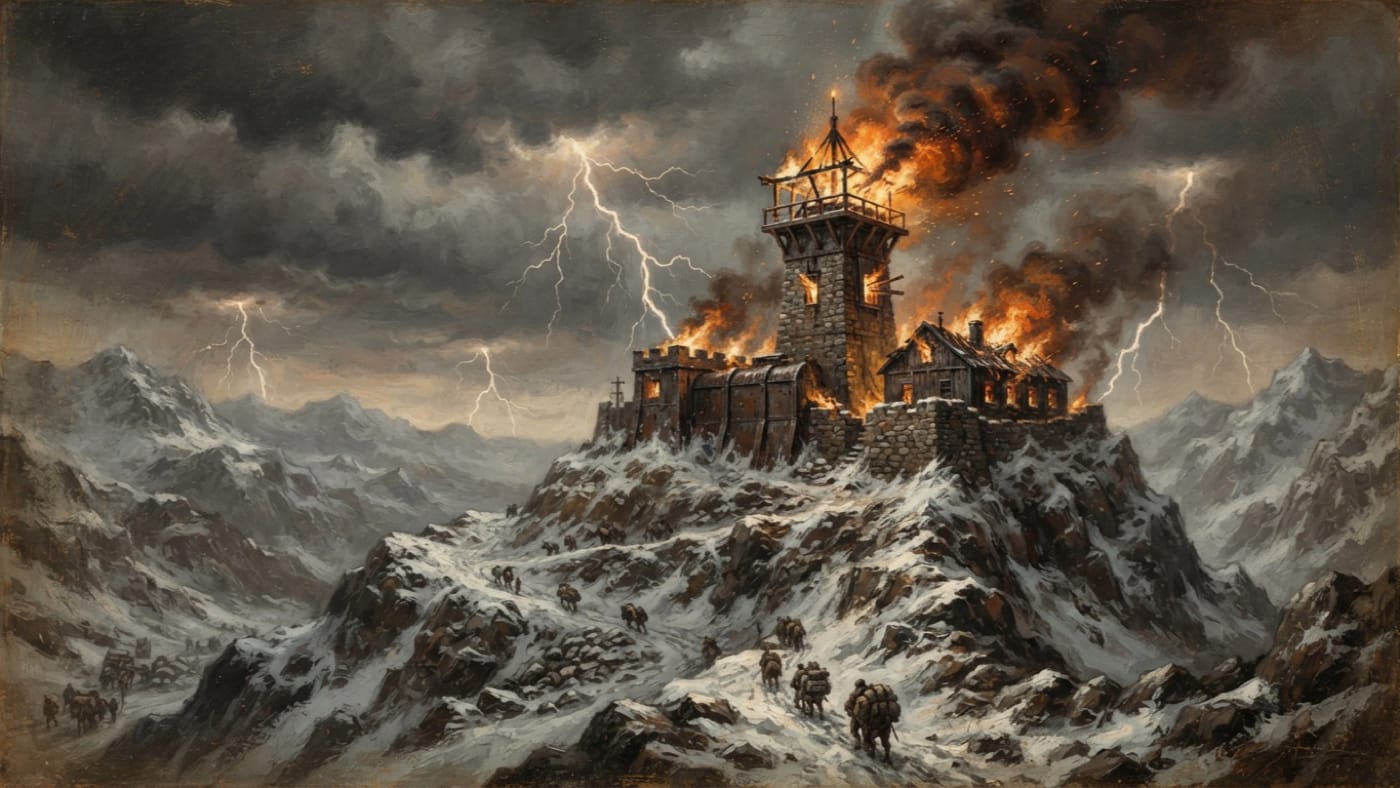
First Light
It saved convoys; the Ledger saved a paragraph
First Light saved convoys from the northern crest of the Carpathian Beaconchain before burning in A.S. 76. Its completion date and later condition are absent from the Ledger.
Codex Ref. II.4.08-076
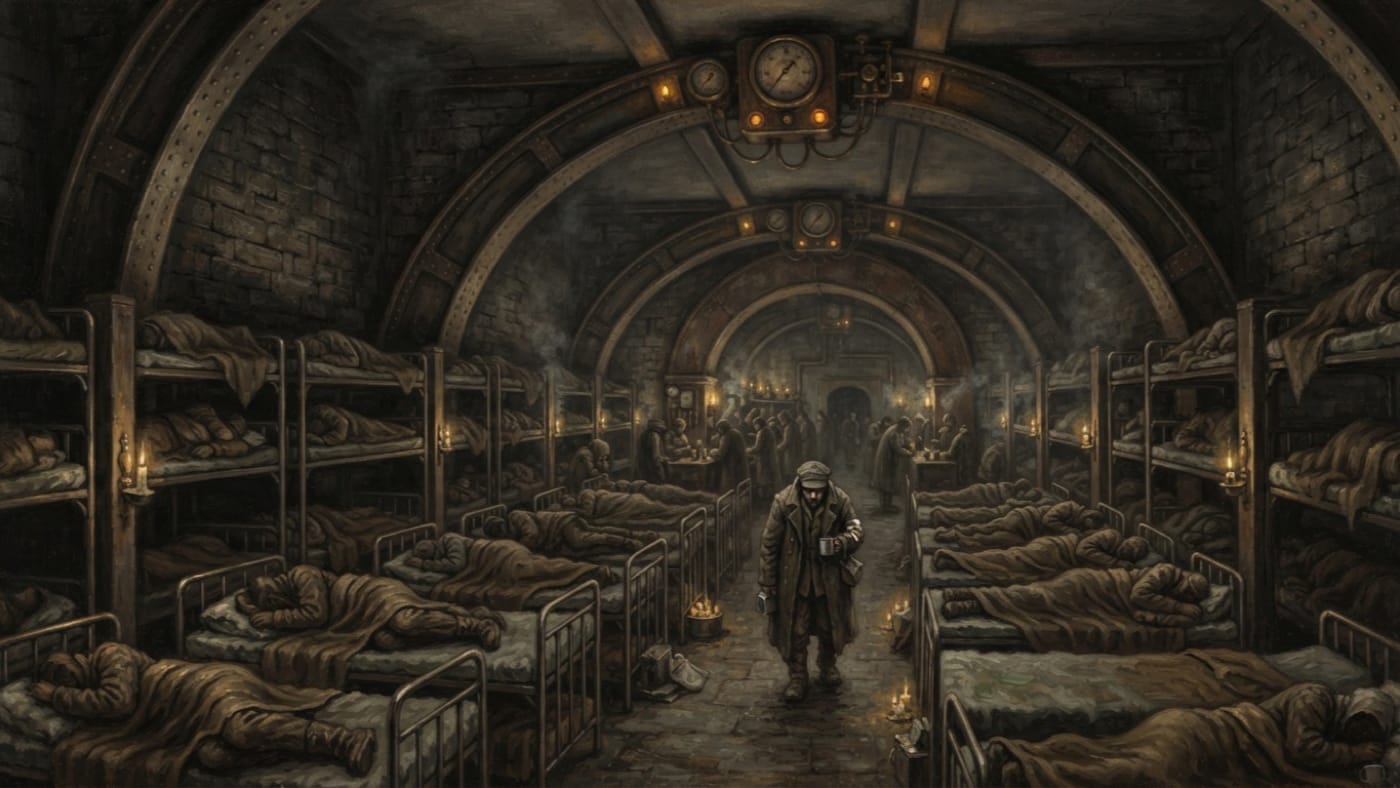
First Lung
You rent the bunk. Your voice earns the warmth.
The dormitory vaults of Bastion-Irongate rent bunks by the hour and warmth by vocal tier. The chant keeps the ceiling above the sleepers; a failed voice leaves its owner housed, cold, and administratively accounted for.
Codex Ref. II.4.24-201
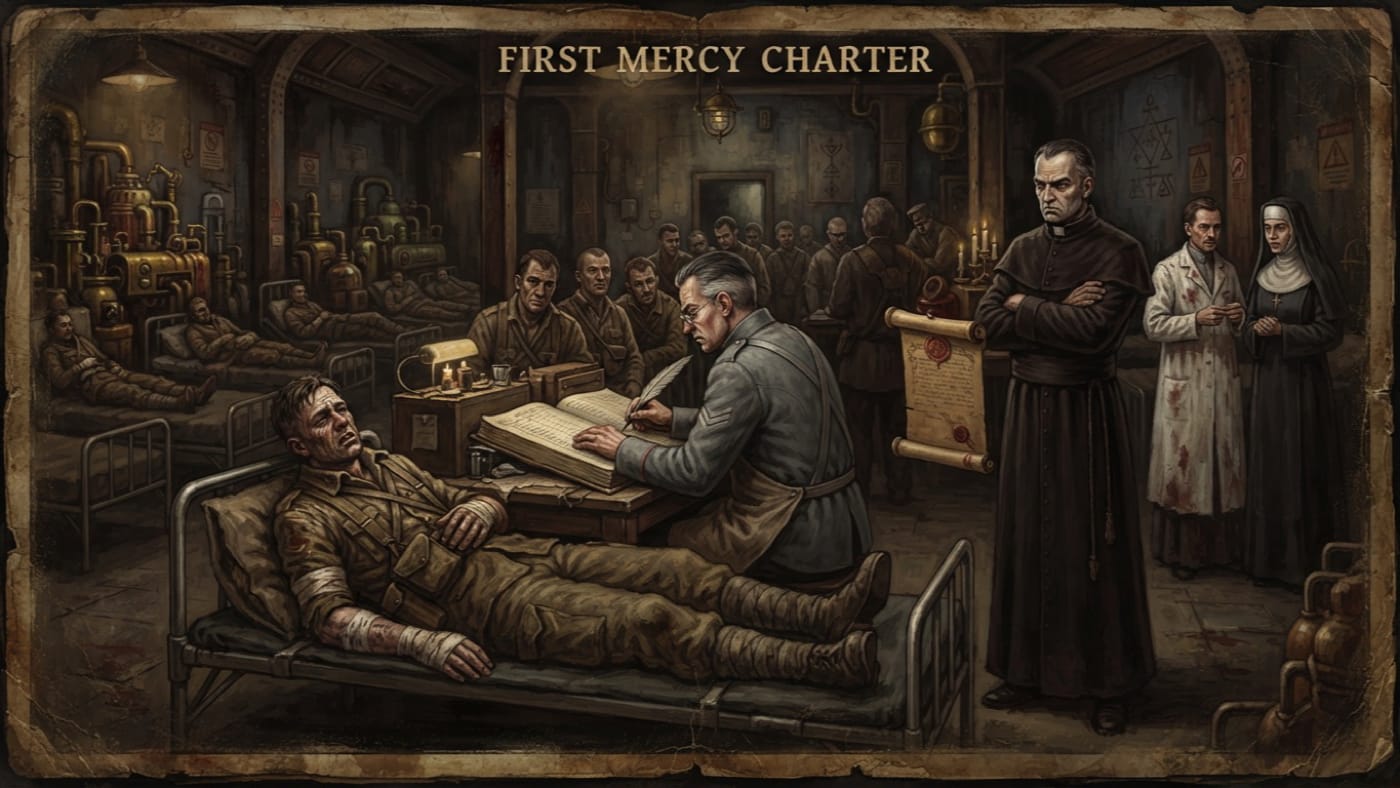
First Mercy Charter
The wound waits while the soul is put in order.
The First Mercy Charter of A.S. 92 conditions treatment on confession, absolution and acknowledgment of Providence. The body waits while the soul's paperwork is completed.
Codex Ref. XIII.1.92-092
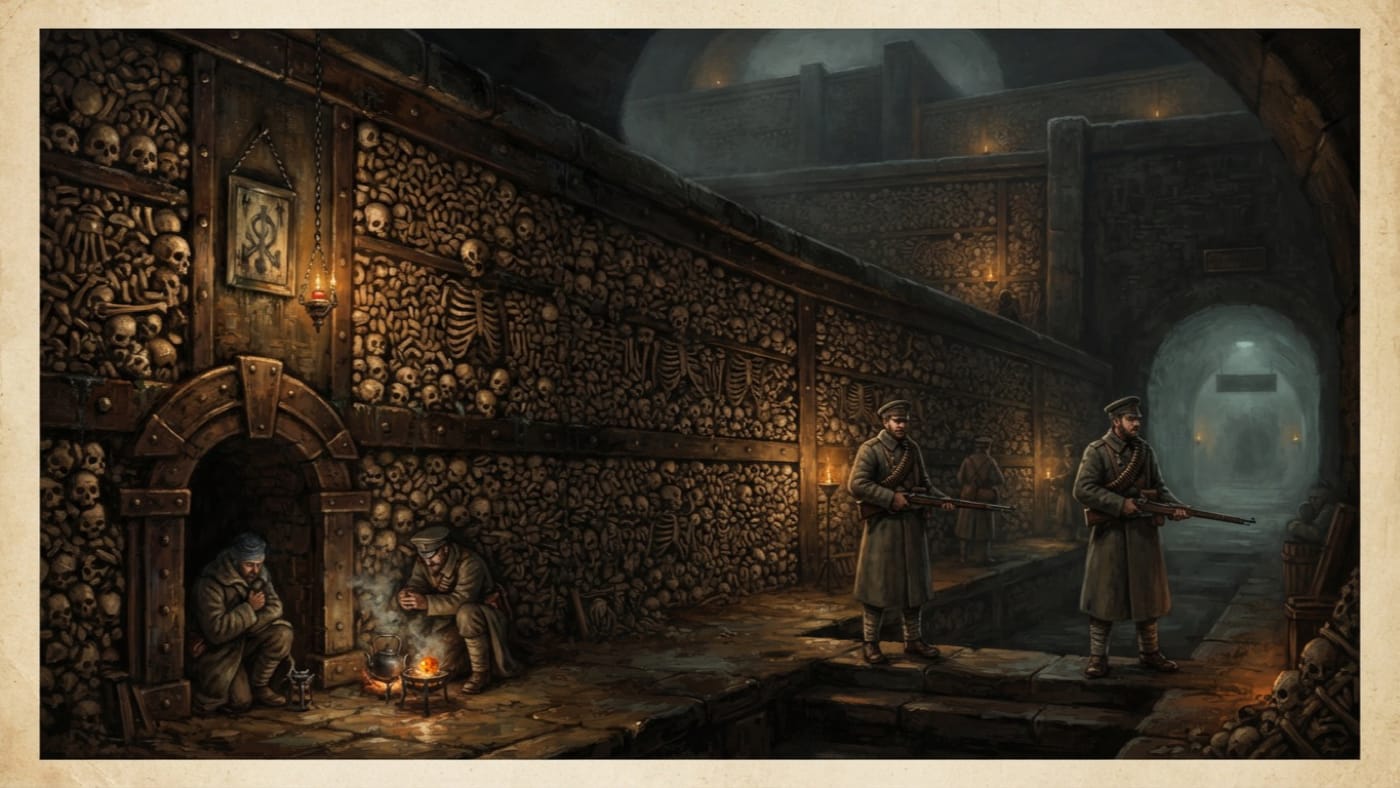
First Ossuary Ring
The dead remain on duty
The oldest bone-built wall of Bastion-Constantinople, accreted from the Continental Levy's graves in the winter of A.S. 47. Standing, garrisoned and consecrated by attestation. The dead remain structural; their service has not concluded.
Codex Ref. II.4.10-047
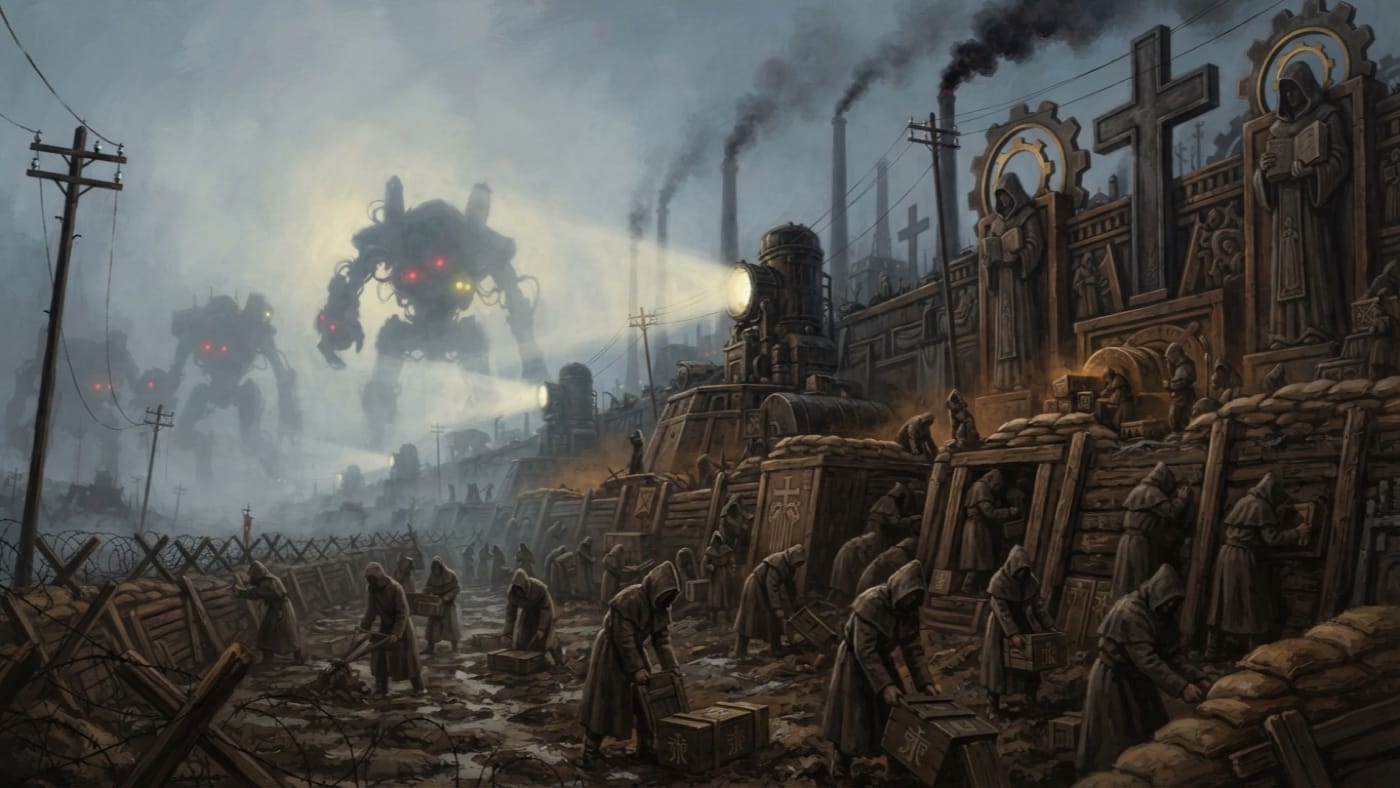
First Position
The debt was inherited. The balance was never disclosed.
The former teaching that the Great Deceiver punishes Rationalist sins and will withdraw after sufficient penance. Recorded in the A.S. 201 survey: the doctrine is superseded, the debt unmeasured, and the faithful still paying.
Codex Ref. VI.1.01-002
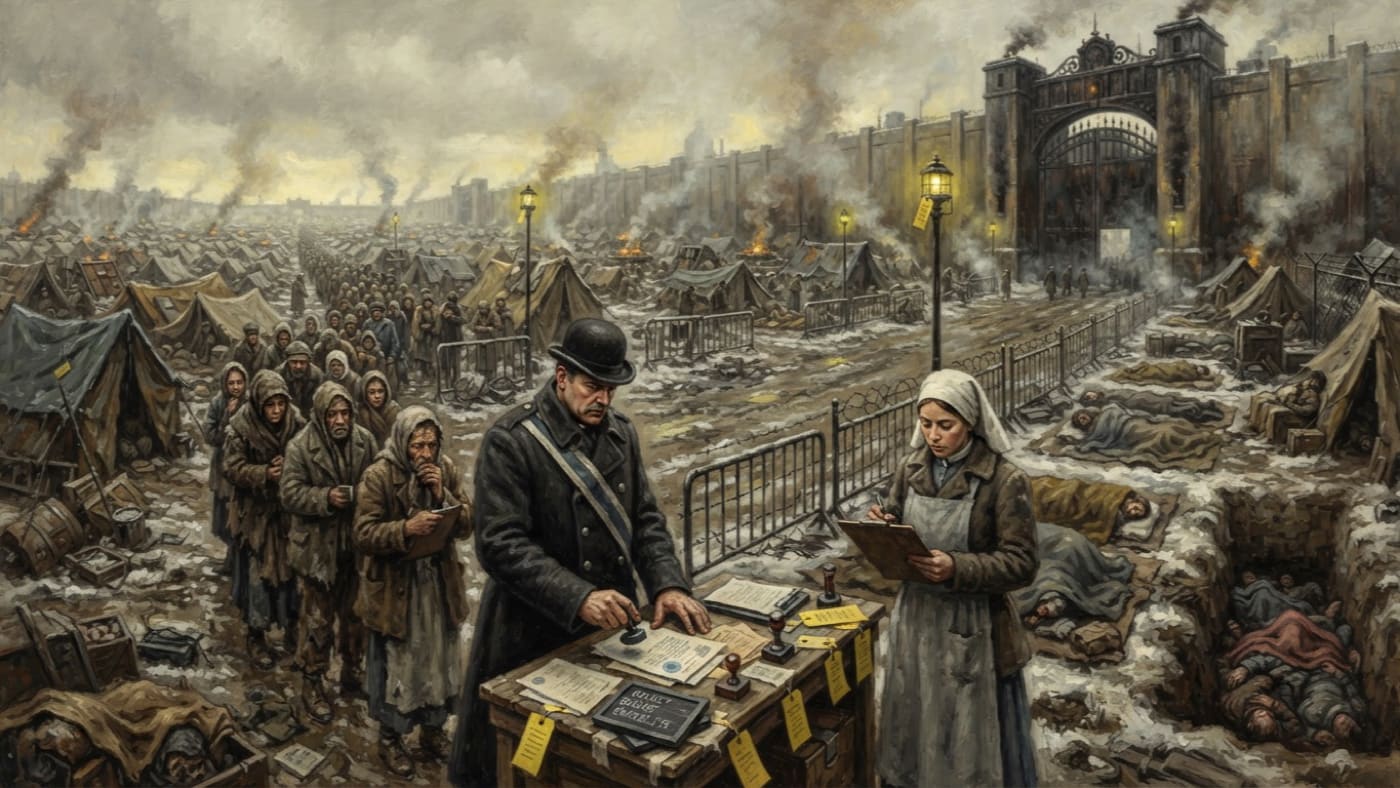
First Quarantine Winter
The year went missing. The authority remained.
An A.S. 201 survey of the undated convoy-camp plague remembered as the First Quarantine Winter. The camps became charnel pits; the gates gained medical authority they have never relinquished.
Codex Ref. VII.8.10-1094

First Ratification of A.S. 92
The charter that gave a seal jurisdiction over the holy dead
The A.S. 92 ratification gave the Bureau of Relics custody, authentication, classification and distribution, making sacred standing a matter of seal. The bones were not consulted.
Codex Ref. VII.2.10-092
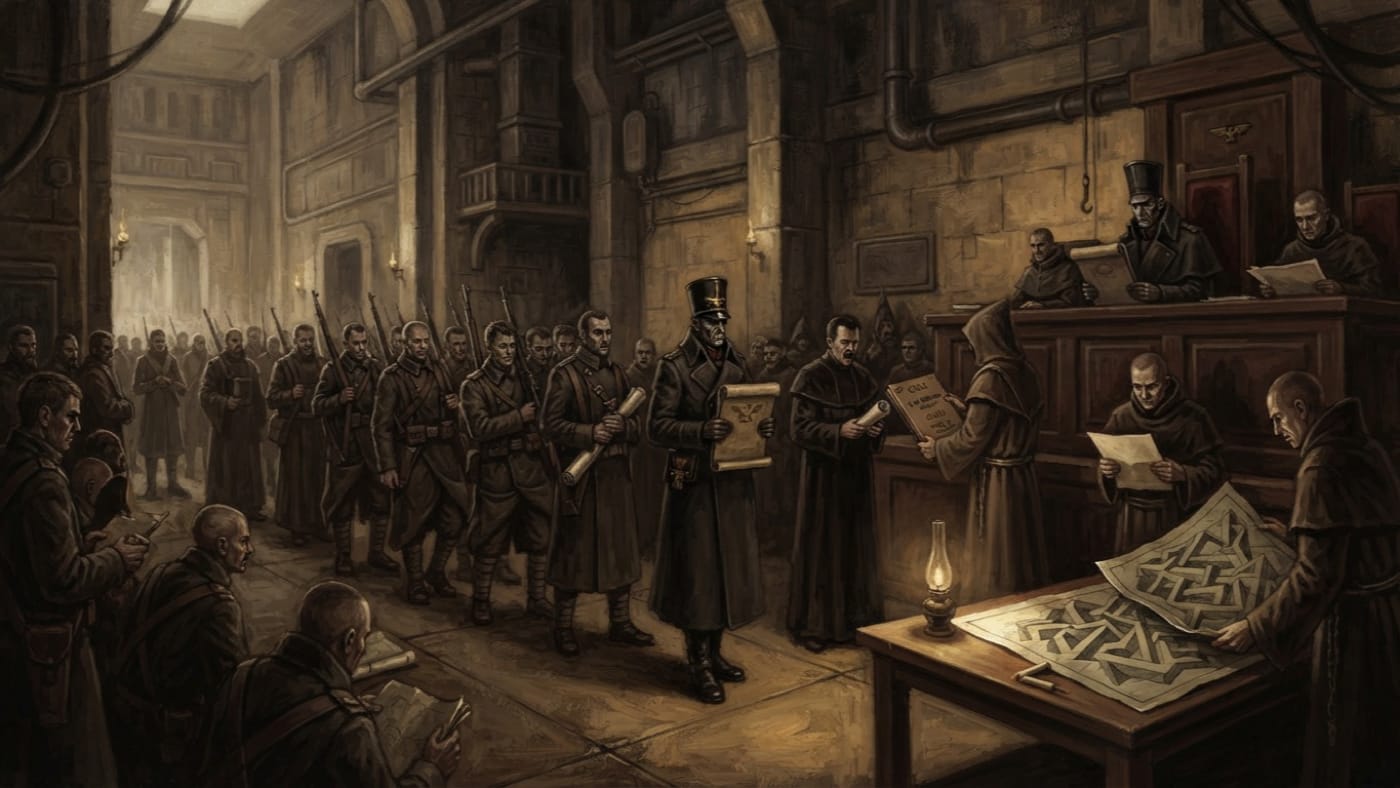
First Shadow Court Expedition
Every name returned; the objective remains undetermined.
Venn's A.S. 72 expedition returned every listed man and two matching maps of no known geography. Identity was certified; success was not.
Codex Ref. V.9.01-002
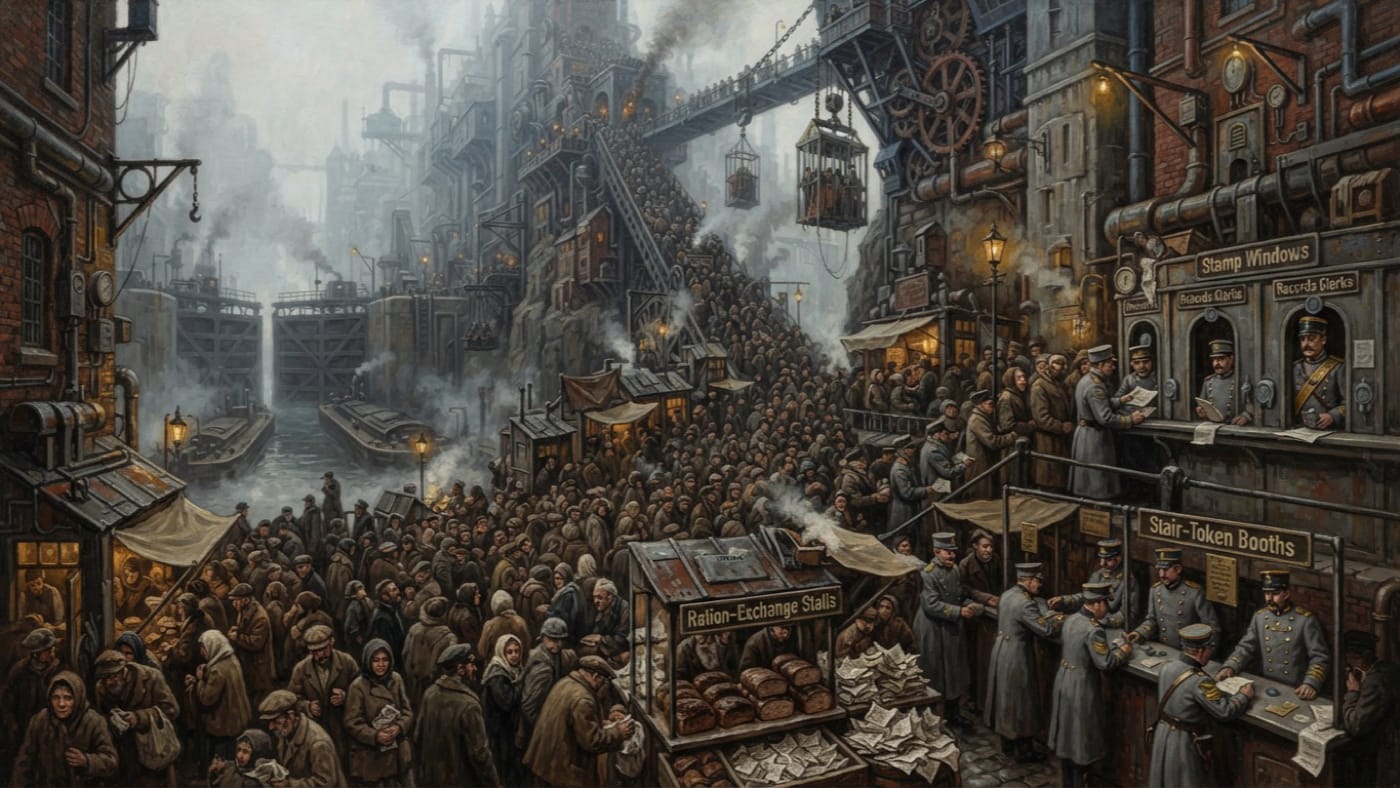
First Step Market
Where brass buys a crossing and bread competes with the stairs
Rheinscarp's market above the locks sells ration chits, clipped brass stair-tokens and instruction in staying registered. Each coin buys bread or ascent; the Ledger is quite content to let a newcomer choose.
Codex Ref. II.2.01-003
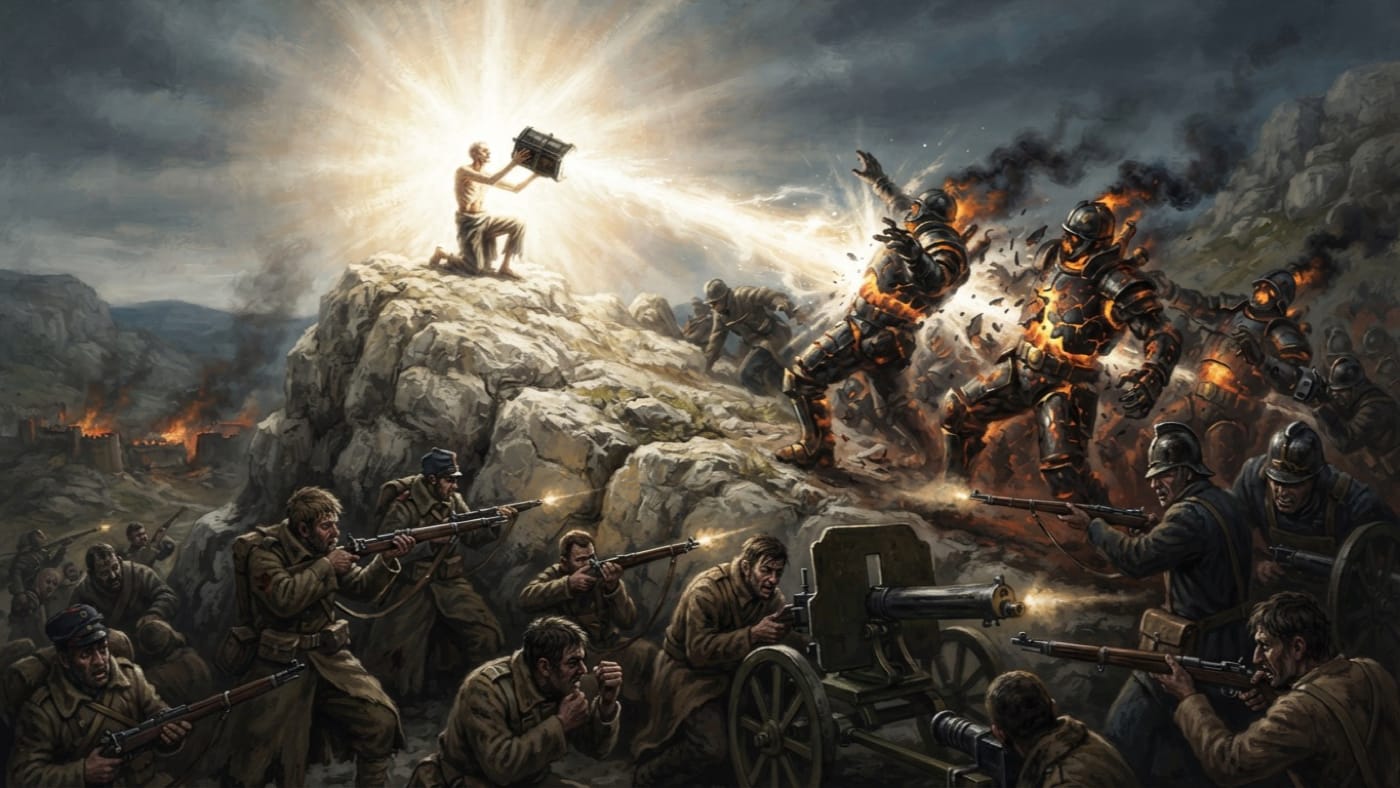
First-Order Miraculous Emission
The enemy recoiled; the rubric remains undefined
At Kalnik Ridge in A.S. 48, seventeen relics checked Maldrake's vanguard. The Bureau later filed the blaze as First-Order Miraculous Emission, Category: Martial; it neglected to define First-Order.
Codex Ref. VI.3.01-048
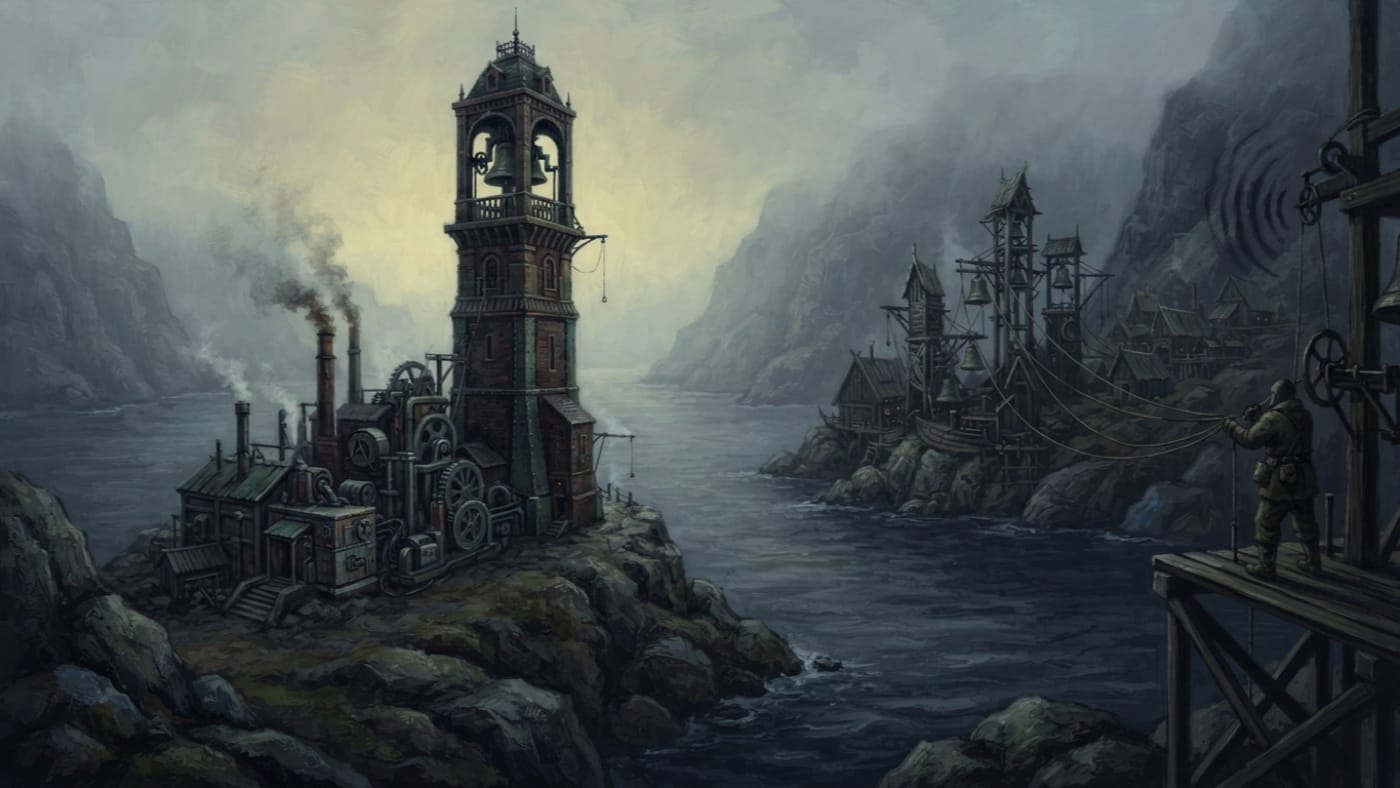
Fjord-Bells of Scandinavia
Strasbourg claims the hour. The North keeps its own.
A.S. 201 survey of Scandinavian fjord-bell traditions, their quarrel with Strasbourg's schedules and their reported answer to the Grey. The old tunings are withheld; the Bureau has asked three times.
Codex Ref. XIII.1.62-002
Flame-Tongues
A furnace needs no argument. It needs a draught.
A.S. 201 survey of Maldrake's Flame-Tongues: demons that scream provocation and feed when fighting begins. In Synod territory, the listener still chooses what his hands do.
Codex Ref. IV.2.1108-201
Flameheart Colossus
The weapon that leaves a column open
Maldrake's singular siege weapon: a furnace-wrought giant recorded at grid 4-9-7 on the Thracian Plain in A.S. 194, still motionless in the A.S. 201 dossier. War finds its stillness worse than movement.
Codex Ref. IV.1.07-011
Flaming Sword
Permission has weight, and obedience has smoke
The Flaming Sword carries Synodal authority on coinage and lends its name to Strasbourg's burning of Rationalist instruments. I record its public uses; the emblem's origin remains unproved.
Codex Ref. XIII.1.03-001
Flesh-Mud
The trench remembers what the grave failed to finish
Flesh-Mud is No Man's Land with appetite: trench mire made from rain, bone, grief, and the administrative failure to bury men separately.
Codex Ref. VI.2.01-004
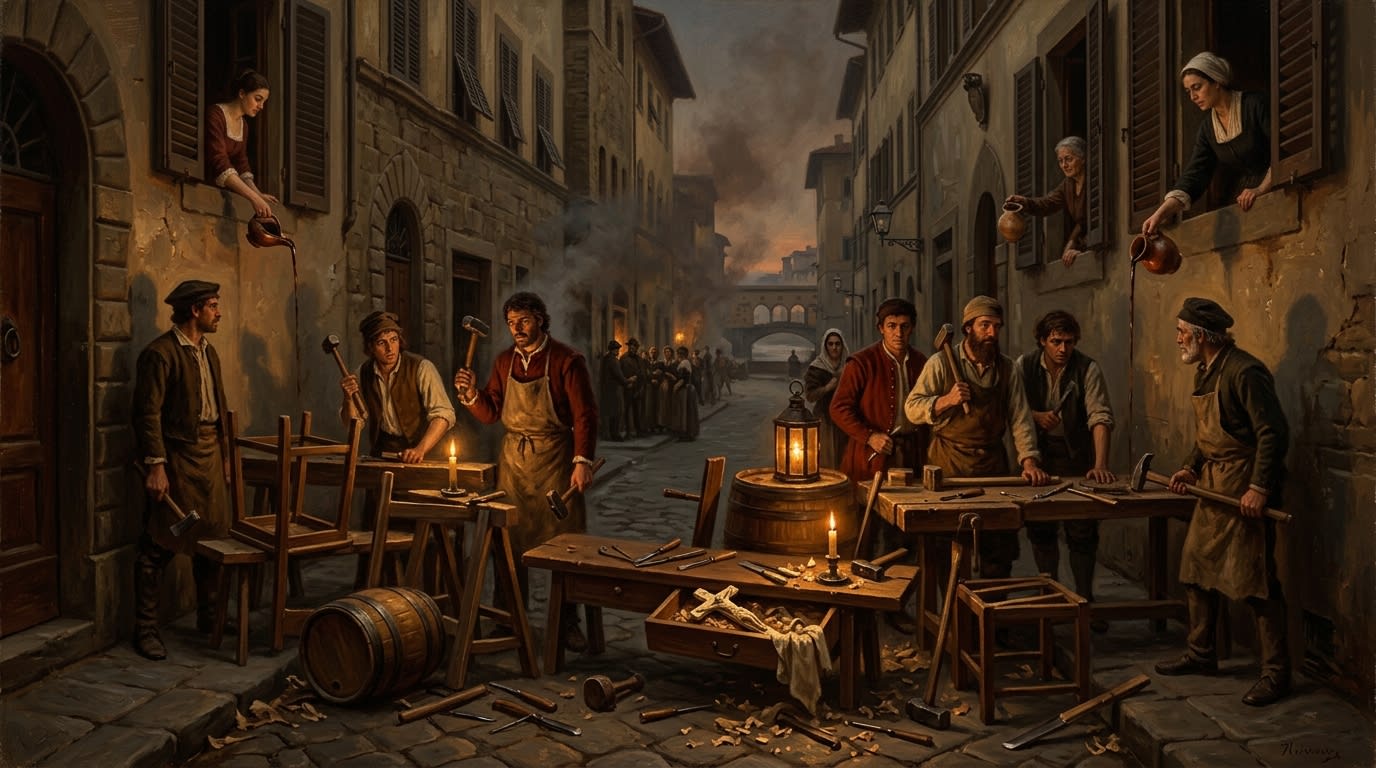
Florence
The city that taught drawers to keep the faith
Florence is the polished Tuscan wound where hidden crucifixes, artisan tools, and the A.S. 44 Ivory Revolt made small devotion sharper than empire.
Codex Ref. II.4.09-044
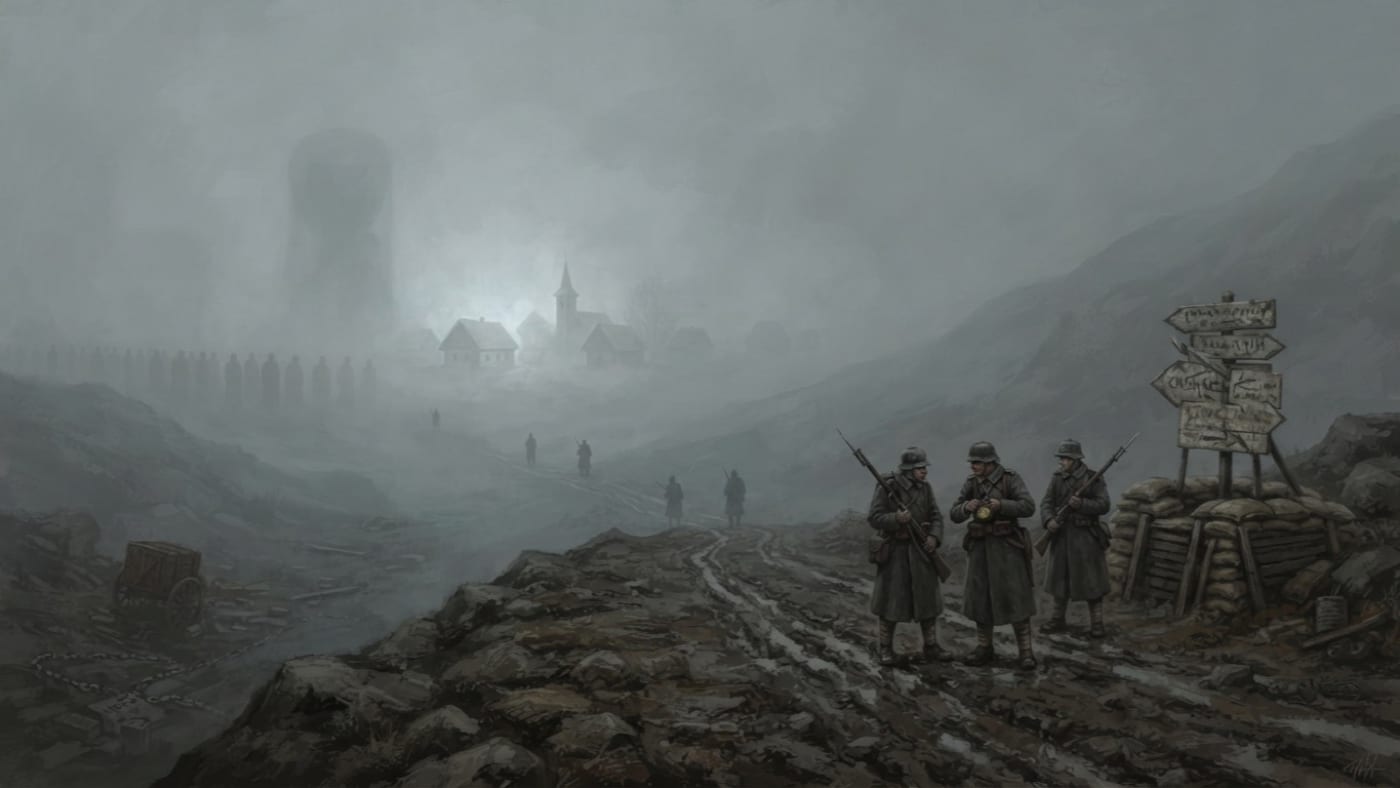
Fog Kingdoms
The pass is held. The boundary remains unsurveyed.
The soldiers' name for Syrion's unsurveyed fog beyond Shipka. The pass is held, the approaches contested, the depth occupied. The villages remain on the rolls; their letters go unanswered.
Codex Ref. II.6.08-201
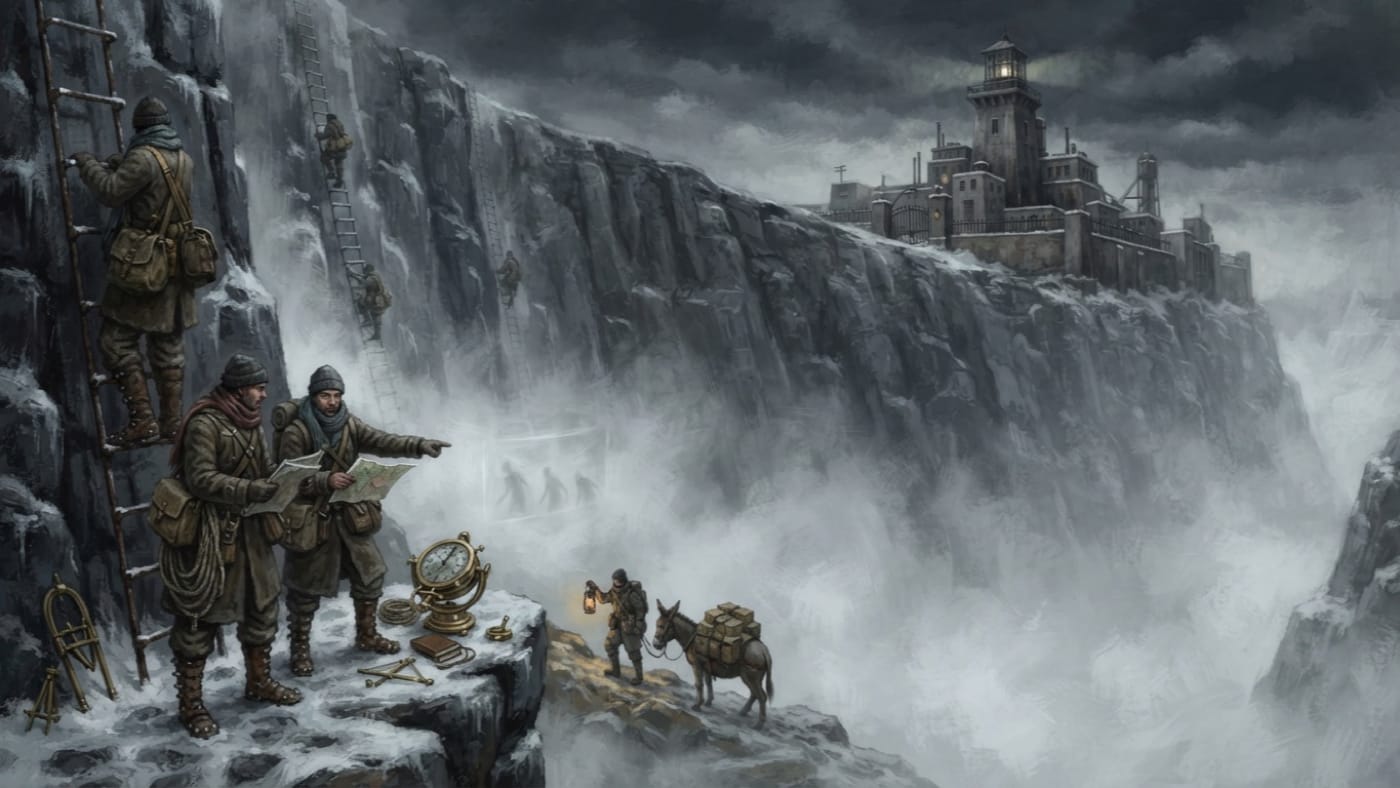
Fog-Scouts
Condemned on the ridge, indispensable below it
Unlicensed guides beneath Third Light, condemned as heretics and hired by the Gate Provosts. They map moving shapes, lead contraband through White Mouth, and claim the fog keeps the bell's hours.
Codex Ref. VIII.4.08-004
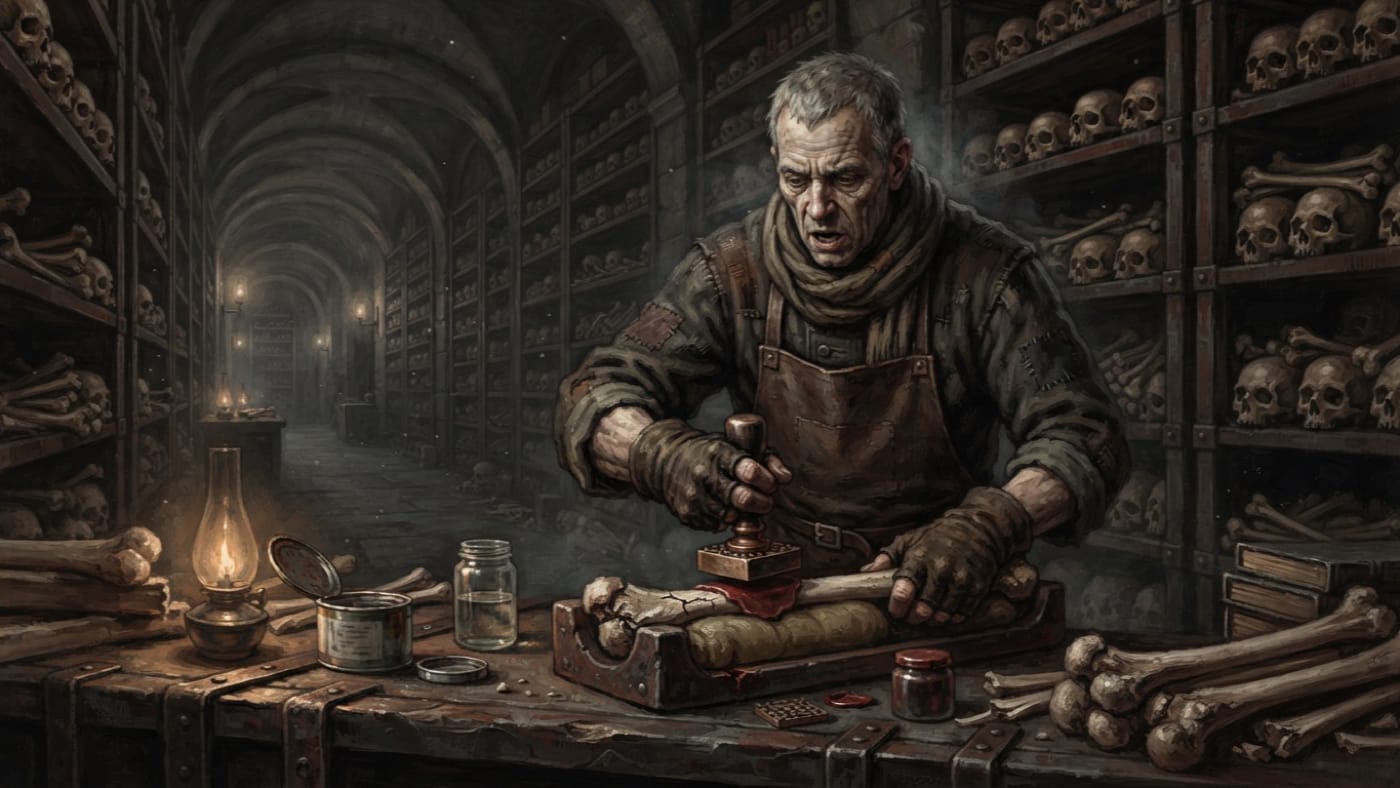
Force-Count
The voice keeps time; the corridor keeps score
The cadence that keeps stamp pressure honest and dead bone where the Ledger put it. Quiet Hands reportedly quiet corridors before the wax touches; Records requires the Count without printing its words.
Codex Ref. XII.37.03-001
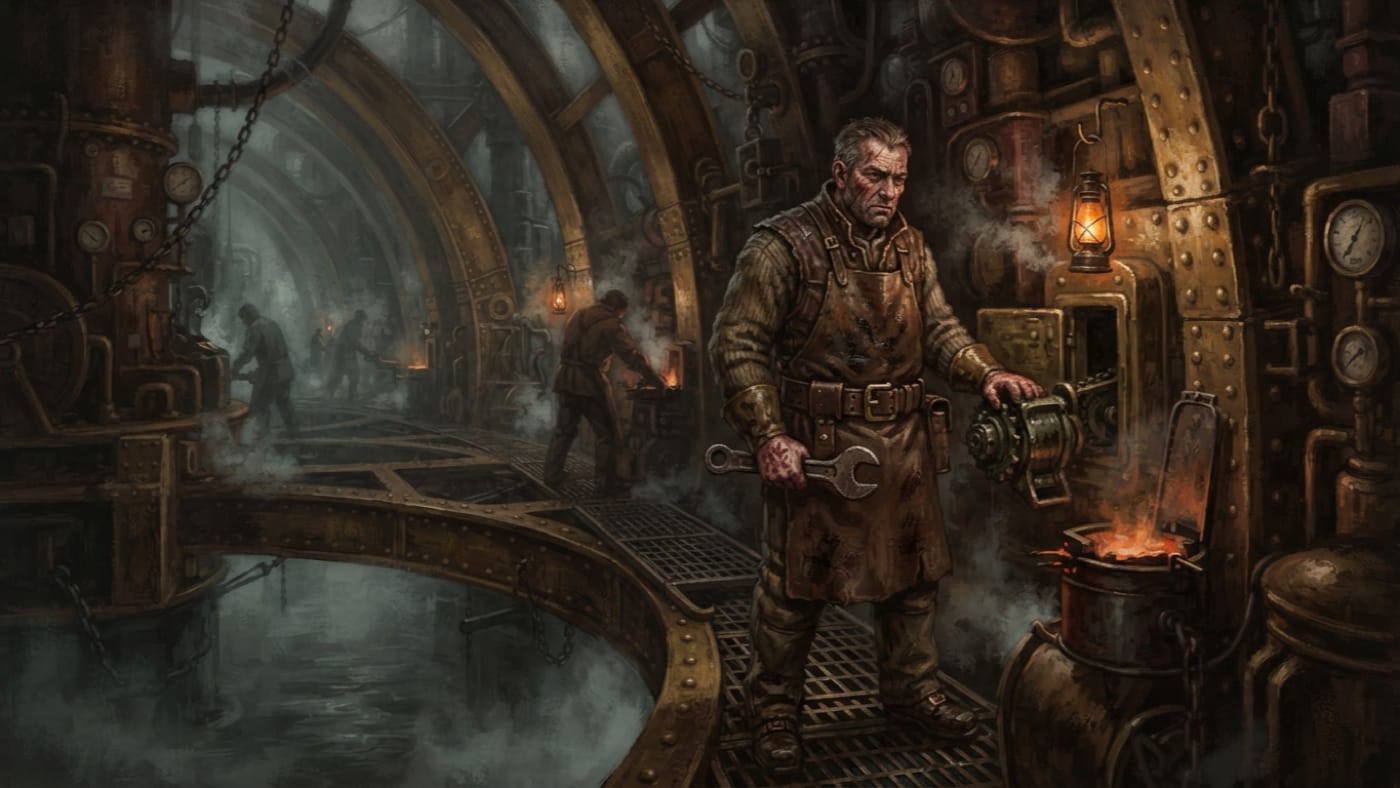
Foreman Jost
Structural Necessity, Unaudited
Foreman of Bastion-Brest's Brasswright Guild, Jost keeps the shutters moving and the span standing. The Bureau calls this structural necessity; it has yet to secure an audit.
Codex Ref. III.2.01-1127

Forewoman Rute
Collector of bone rent in the city she makes washable
Forewoman Rute collects bone rent for Marrowgate's Bone-Lime Consortium. She denies knowing whose remains inhabit the ward walls; the city remains courteous and pays.
Codex Ref. III.3.07-002
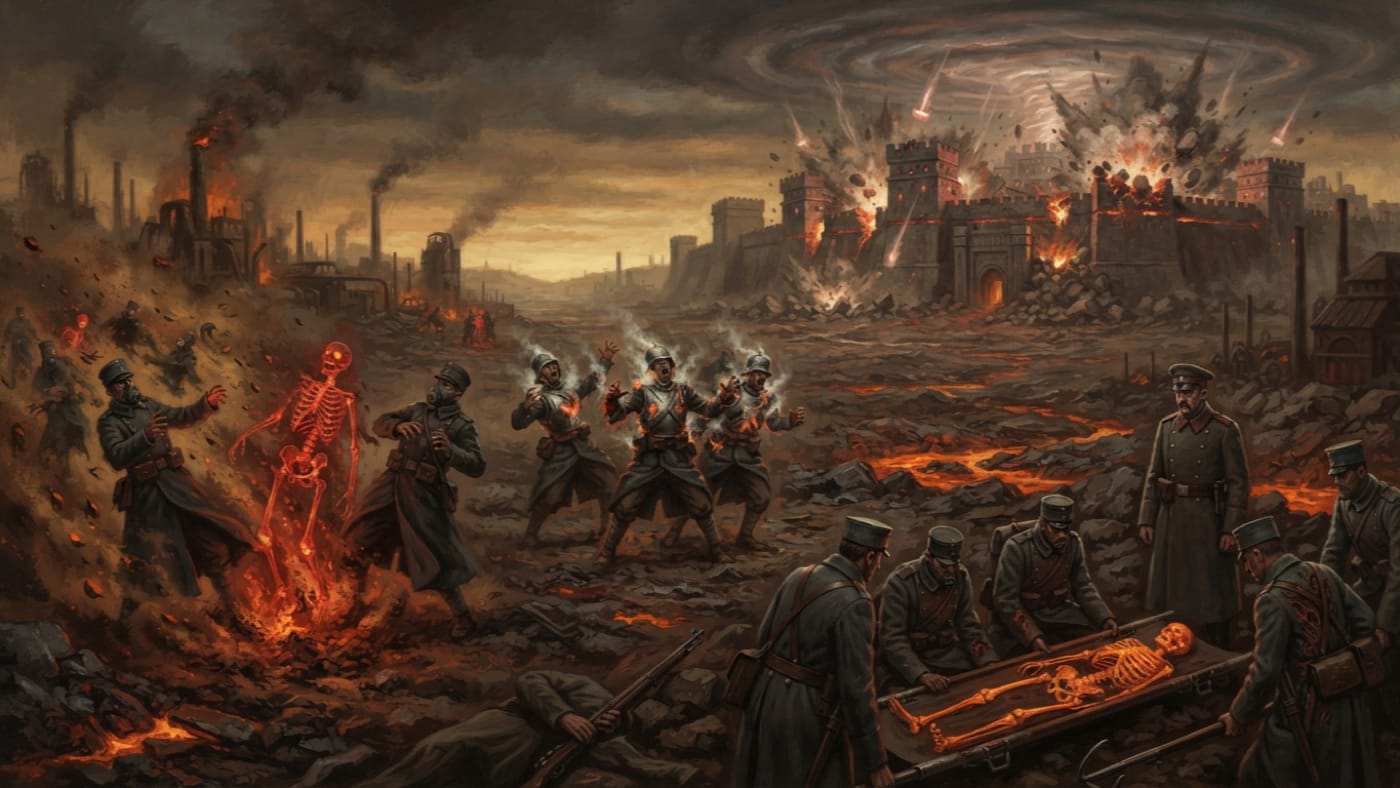
Forge Evocations
Molten rage hammered into spell-form
Maldrake's Forge Evocations turn Wrath into slag-storms, screaming armour and blows from an empty sky. Three manifestations are certified. The first use is unrecorded; the bones are recovered.
Codex Ref. VI.3.01-004
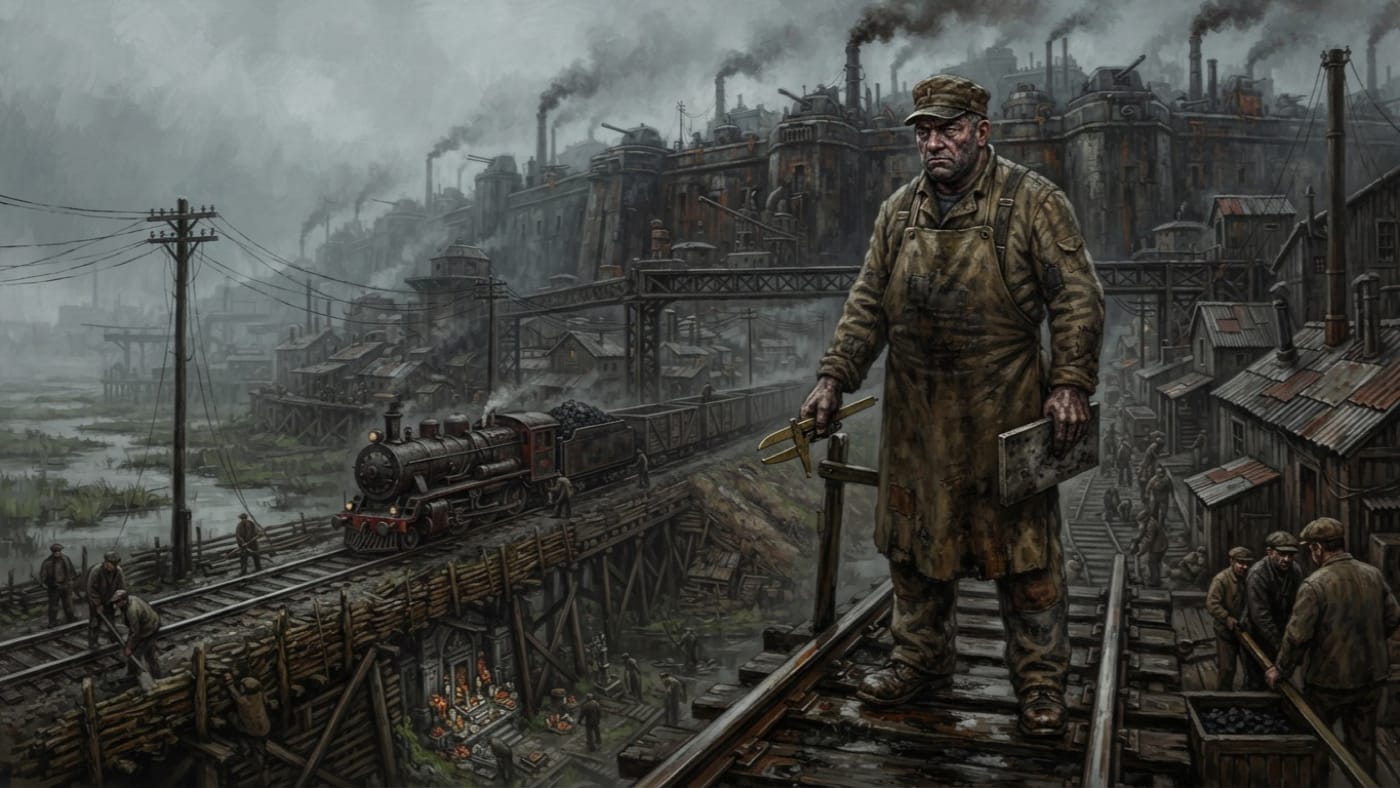
Forge-Master Oskar Rhone
The nod that keeps Shipka moving
Oskar Rhone holds no commission, yet Shipka's rail clans wait for his nod. His measurements keep the marsh spur alive; his suspicion of supply diversion remains unproven.
Codex Ref. III.2.07-005
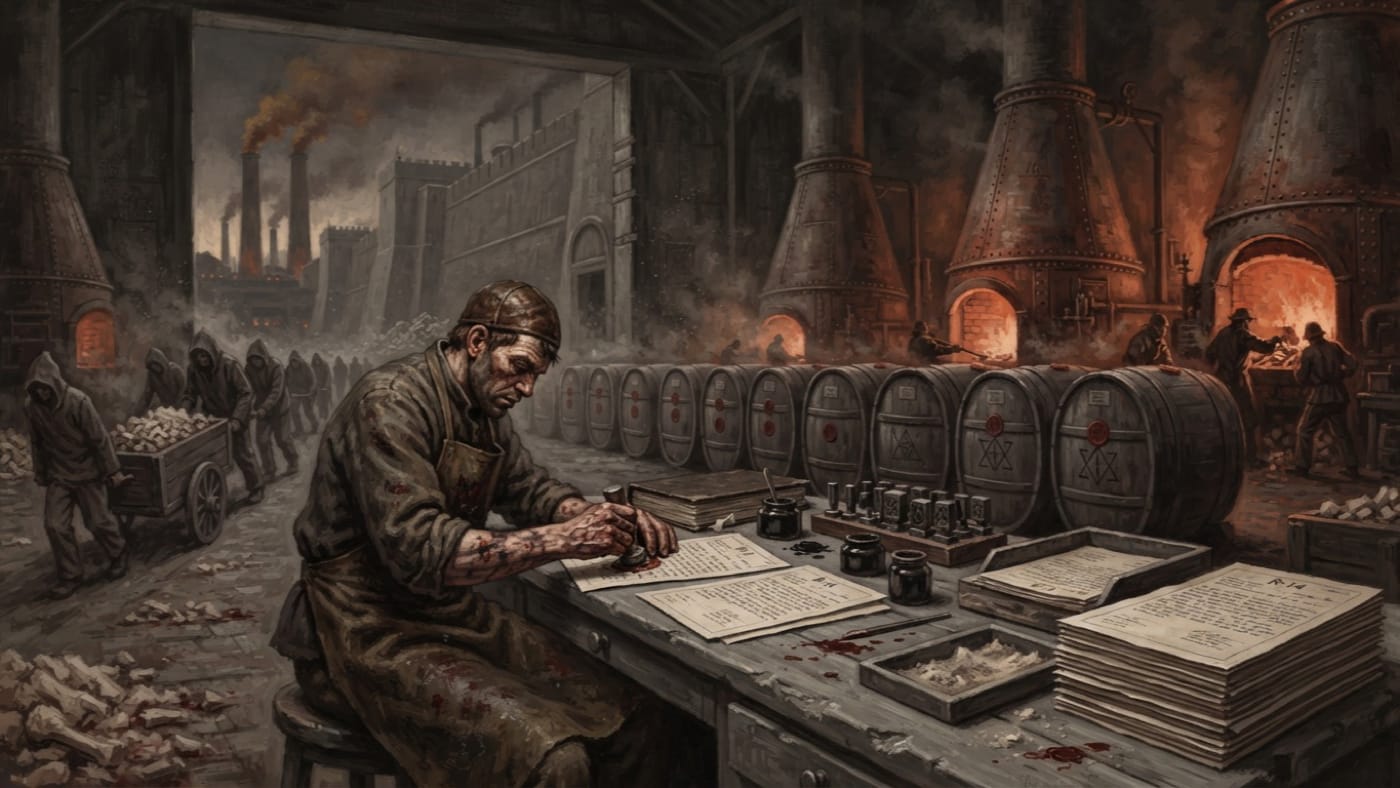
Form R-14
After thirty days, the wall will have set
The Saint-Bone Melter's Standard Destruction Certificate, revised A.S. 198, records a relic's permanent redistribution into sanctified mortar. Objections have thirty days. The bone has none.
Codex Ref. XIII.1.14-198
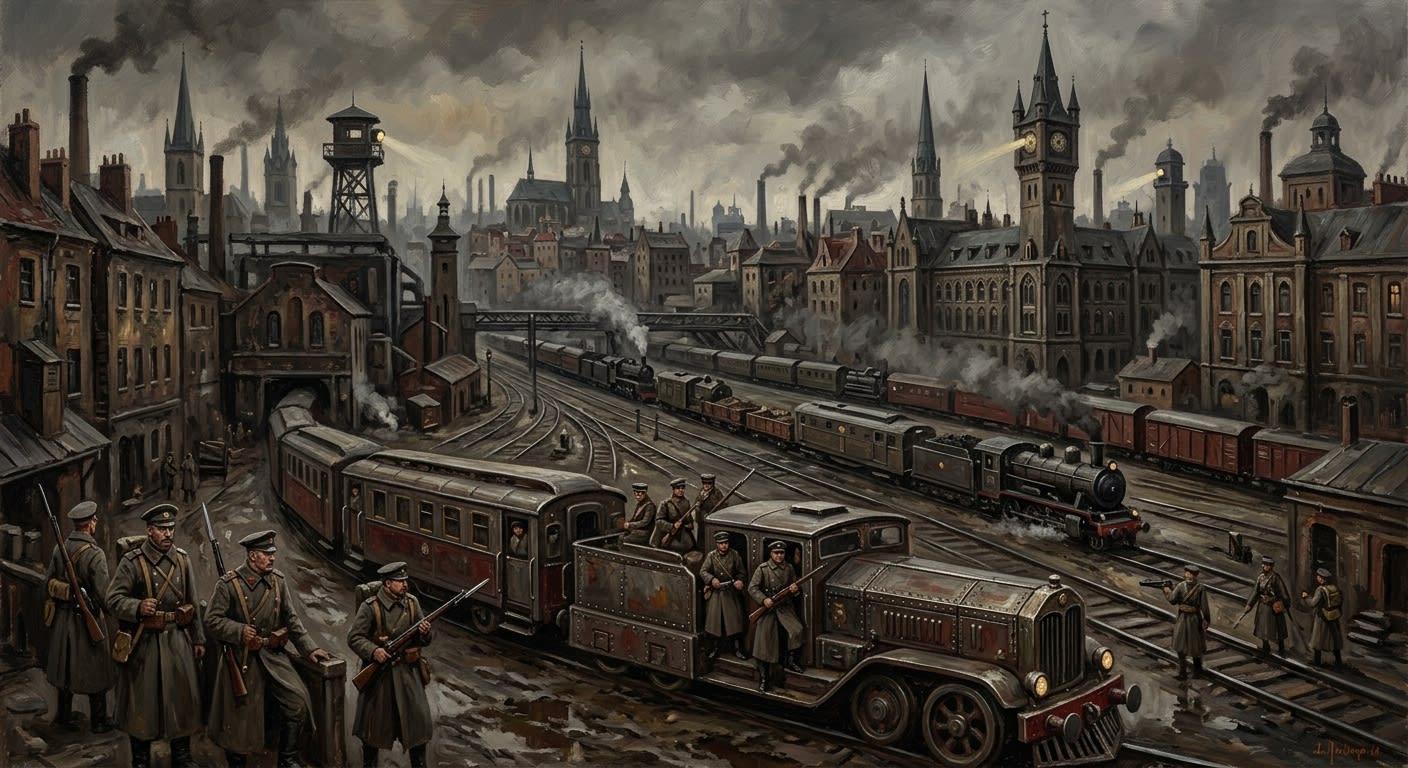
Forward Heartlands
The held breath behind the gunline
Zone 3 is the Synod's forward heart: Prague's corrected beauty, Bratislava's damp throat, Budapest's divided engine, Warsaw's teeth, Sofia's hard face, and every ugly town that keeps the Line fed.
Codex Ref. II.3.00-201
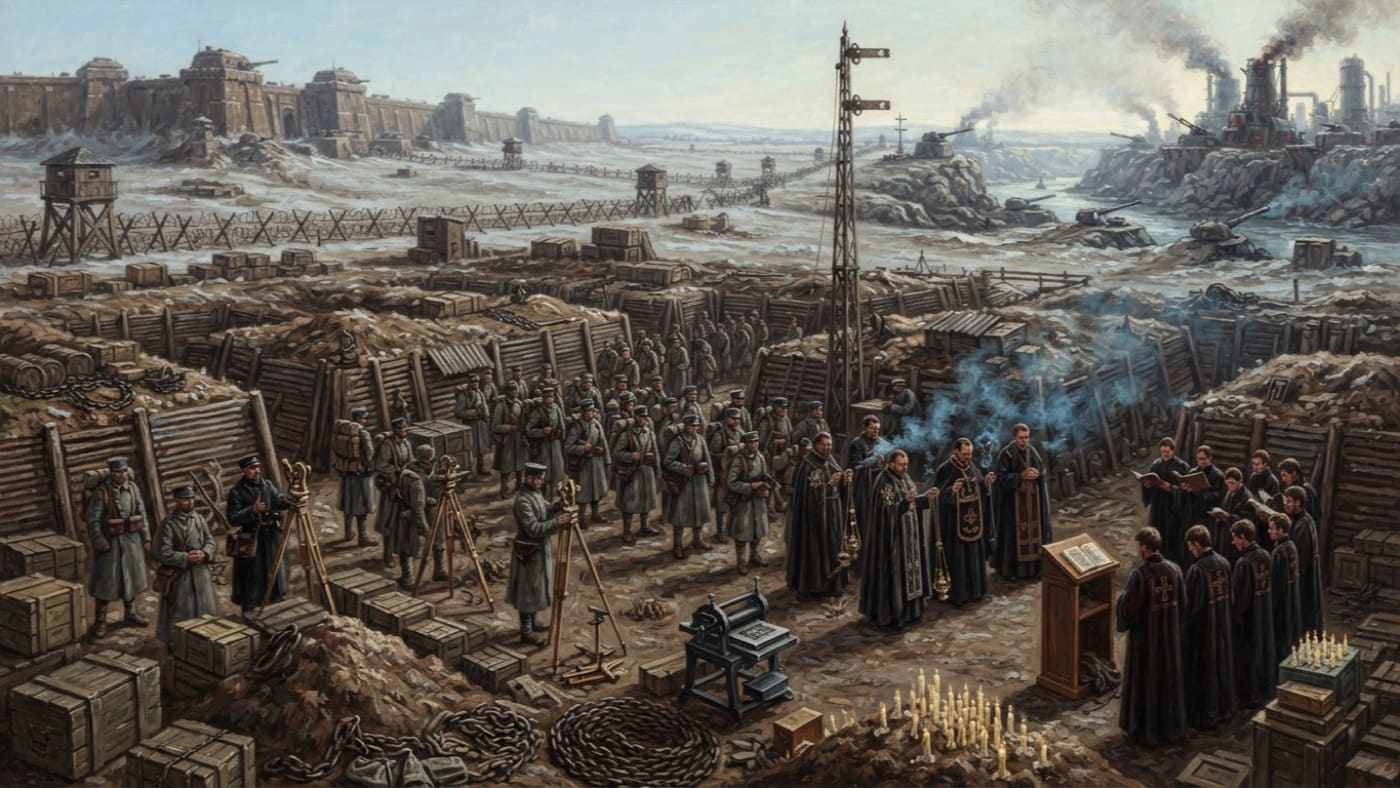
Forward Staging Point Kessler
One morning attested. The ground awaits its own file.
A trench-depot three miles behind the wire south of Bastion-Irongate, attested at Commission 73-C's muster on 14th Martius, A.S. 73. Three hundred were authorized to depart. The depot's foundation and present condition remain unrecorded.
Codex Ref. II.4.08-073
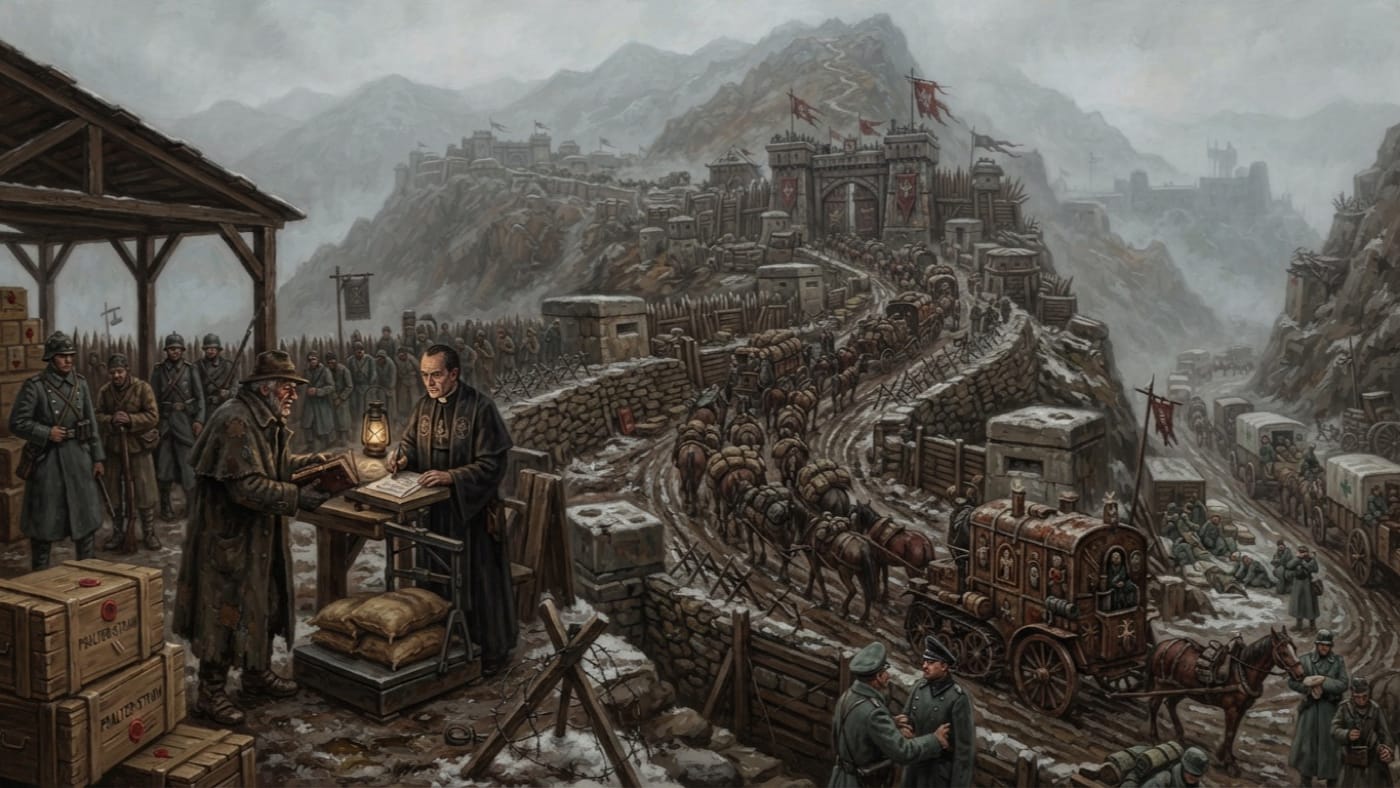
Forward Supply Zone
Where freight becomes evidence and every sack requires a confessor
The Bureau of War defines the Forward Supply Zone as Zones 4–7: bastions, contested ground, Charnel Lands and southern sea lanes. Freight crosses by permit; every loss and every bribe must find a name to answer for it.
Codex Ref. II.4.07-201
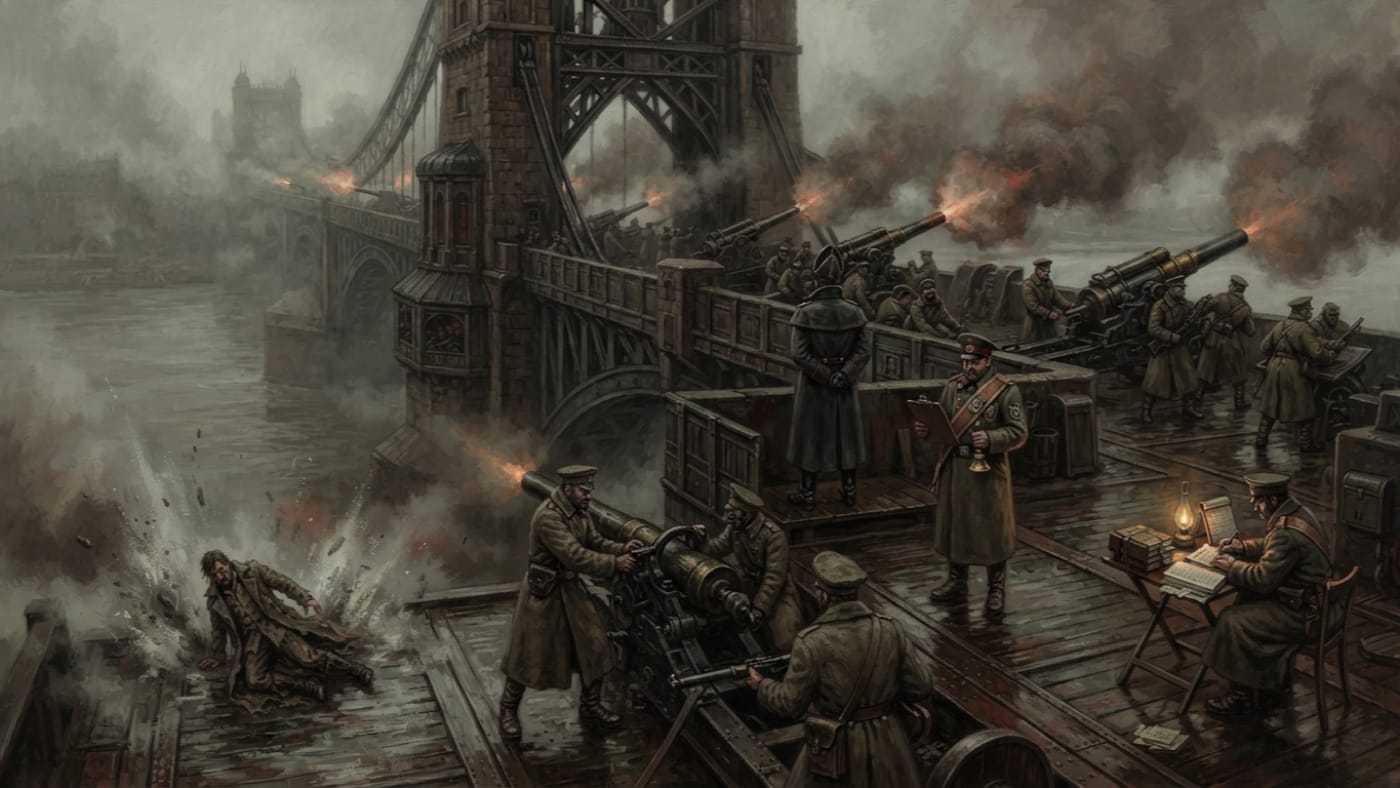
Founding Salvo of Bastion-Brest
The bridge fell. The anniversary remains licensed.
Brest's annual gun salute honours, per the current Codex, the nine-day stone-bridge defence of A.S. 66. The bridge fell on the tenth day. The guns commemorate endurance; Records files accidental deaths as celebratory expenditure.
Codex Ref. XIII.1.89-1146
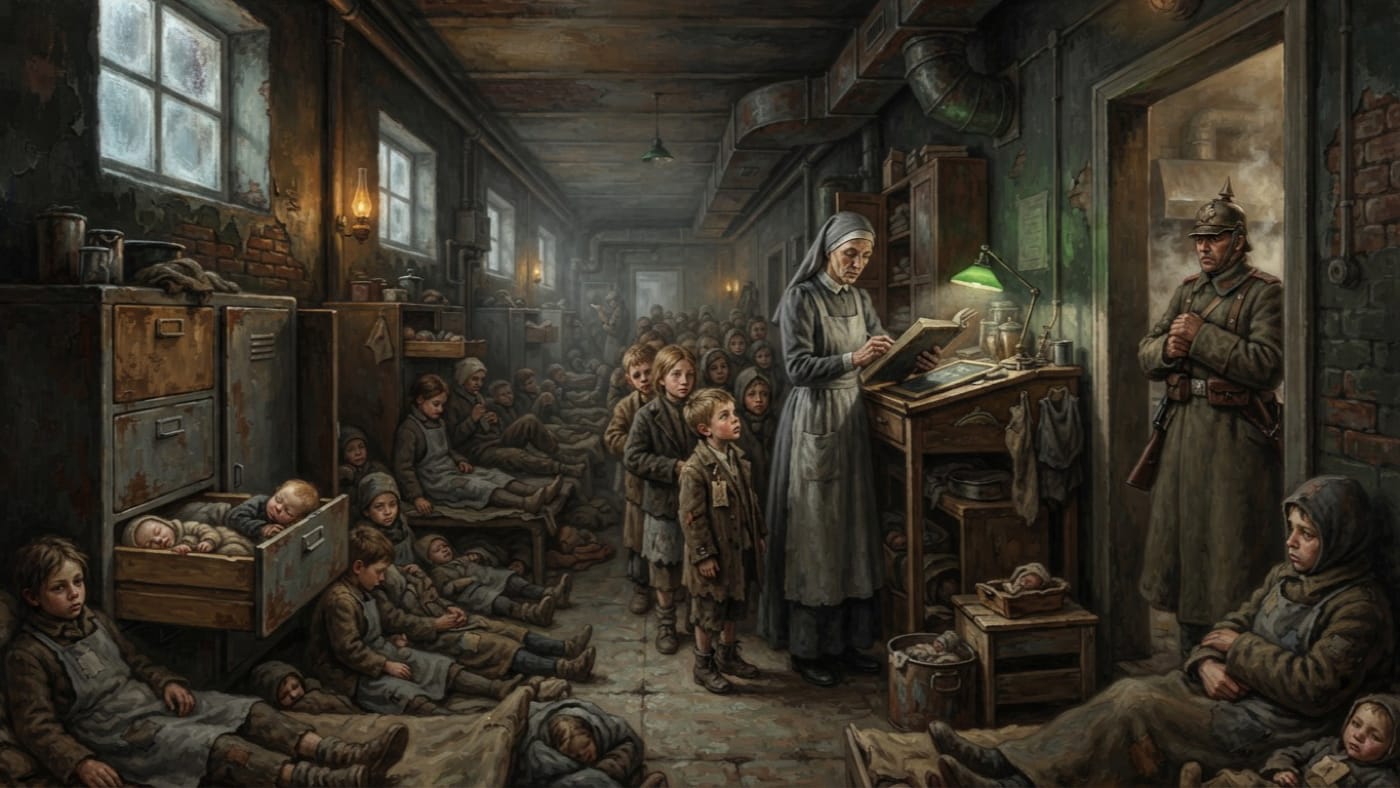
Foundling Winter
Hunger filled the drawers; the ledger decided who could eat
An A.S. 201 survey of the undated famine episode that crowded early Orphanarii with abandoned children and prompted Mercy's ration-eligibility codes. Hunger filled the drawers; the ledger decided who could eat.
Codex Ref. VII.2.12-001
Foundry Archive
Engineering keeps what the Synod stands on
On Strasbourg's eastern canal, Engineering keeps the papers the Synod stands on. Its Archive exceeds Cathedral tolerances; Doctrine has twice failed to move it.
Codex Ref. II.1.04-005

Foundry Core
Where steel learns obedience and the floor answers back
The Foundry Core teaches steel to sing, workers to burn, ledgers to blame, and the floor beneath hymnsteel to answer in the wrong voice.
Codex Ref. II.2.01-110
Four Thousand Nails roll
The dead were filed separately from the measure
A.S. 201 survey of the surviving memorial roll cited against bloodless rail modernization. The relaying cost approximately four thousand lives; the measure was tidier than its accounts.
Codex Ref. XIII.1.44-201
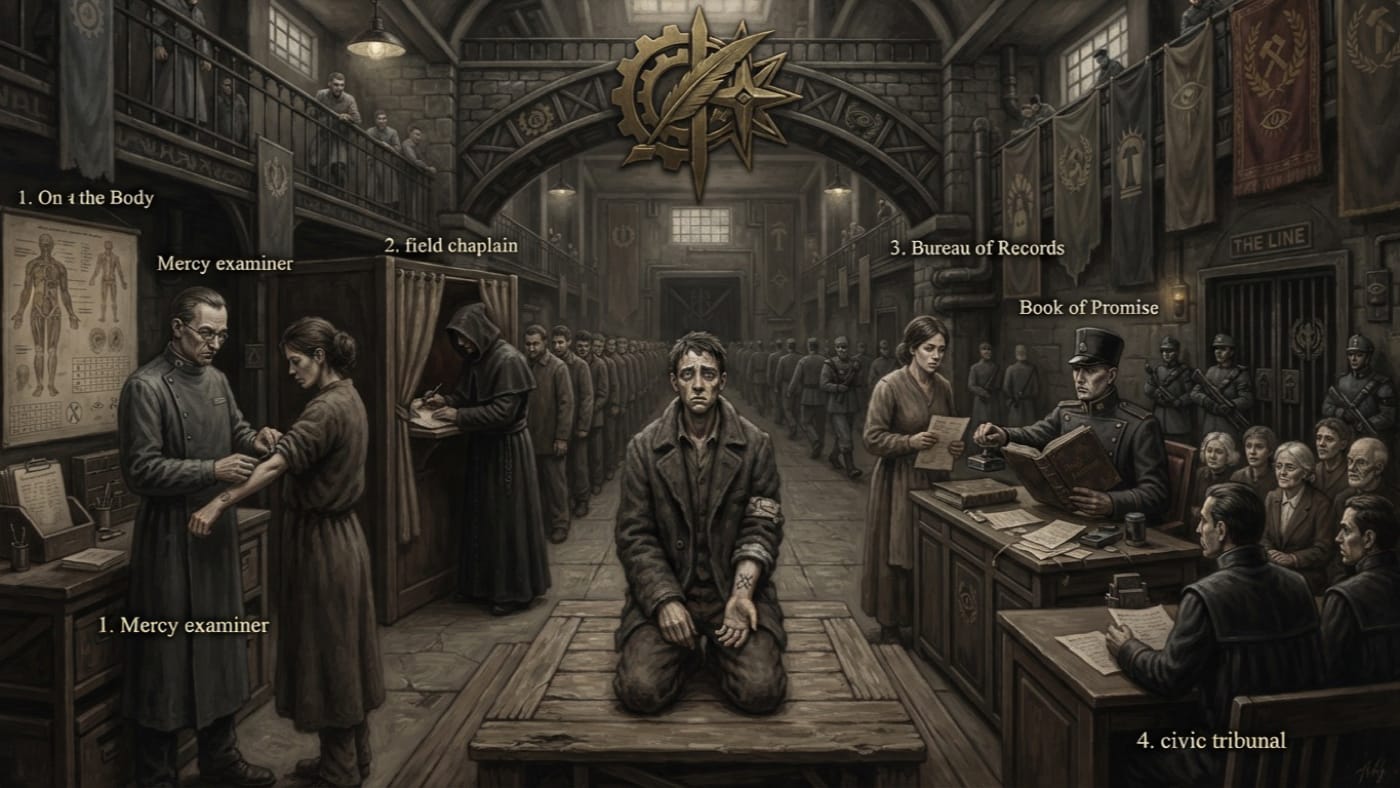
Fourfold Assessment
Four folios, one file, and a destination.
Body, confession, Promise and loyalty: the Fourfold Assessment converts a conscript into an assignment. Mercy examines, Records reconciles, and Conscription decides what the boy is worth.
Codex Ref. XIII.1.23-201
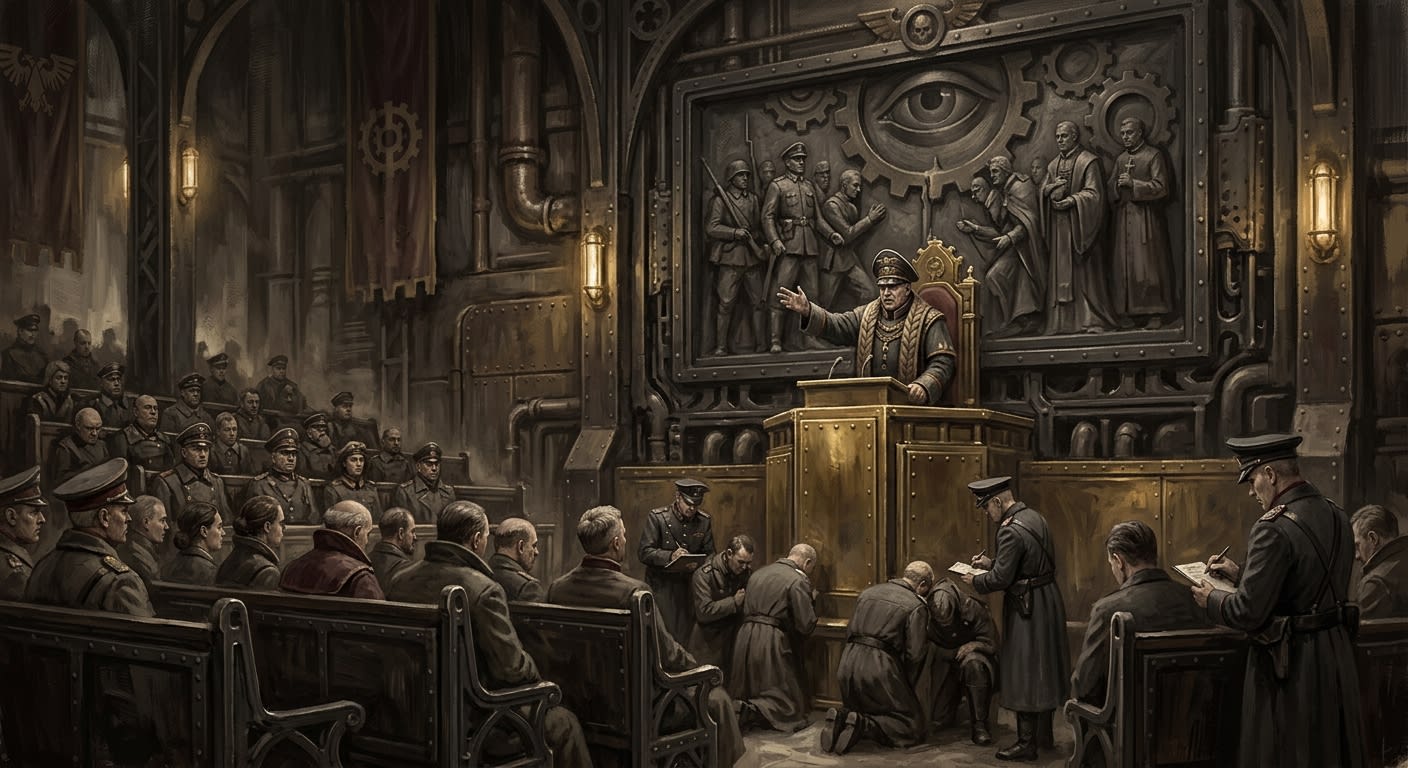
Fourth Doctrinal Congress
Where silence was made to testify against the listener
The Fourth Doctrinal Congress did not end doubt. It converted silence into mortal fault, canonised useful dead, and taught Strasbourg to occupy the Creator's quiet.
Codex Ref. XIII.1.90-104

Fourth Light
Where the wax and the witness disagree
A current A.S. 201 survey of Third Light's neighbouring relay outpost, three to four hours by ridge rope. Seven acknowledgments bear its name; Fourth Light reports the signals never arrived. The wax and the witness disagree.
Codex Ref. II.4.08-201
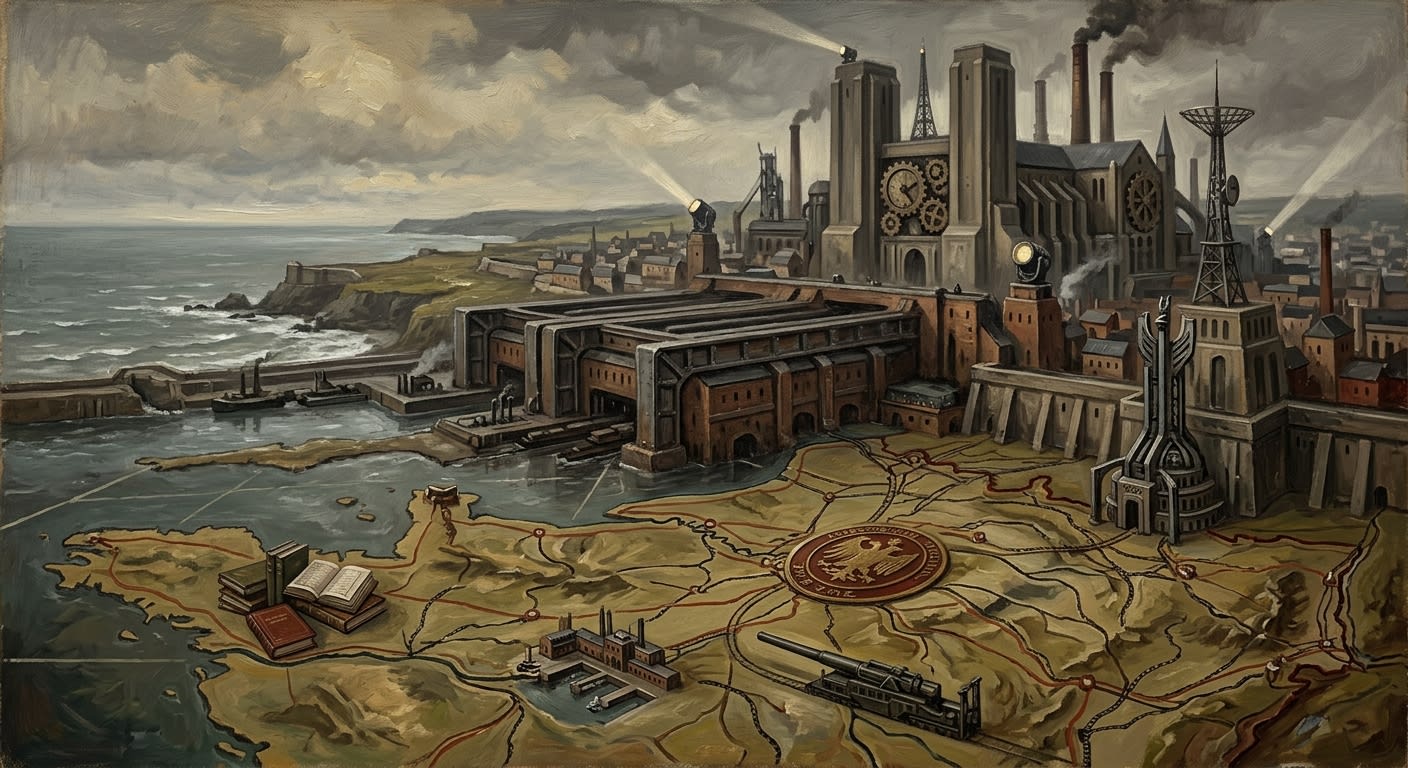
France
The country the Synod did not abolish, because it proved too taxable to waste
A.S. 201 survey of France as Zone One heartland: martyr coast, watched cities, taxable memory, useful ports, and one conquered name made indispensable.
Codex Ref. II.1.01-201
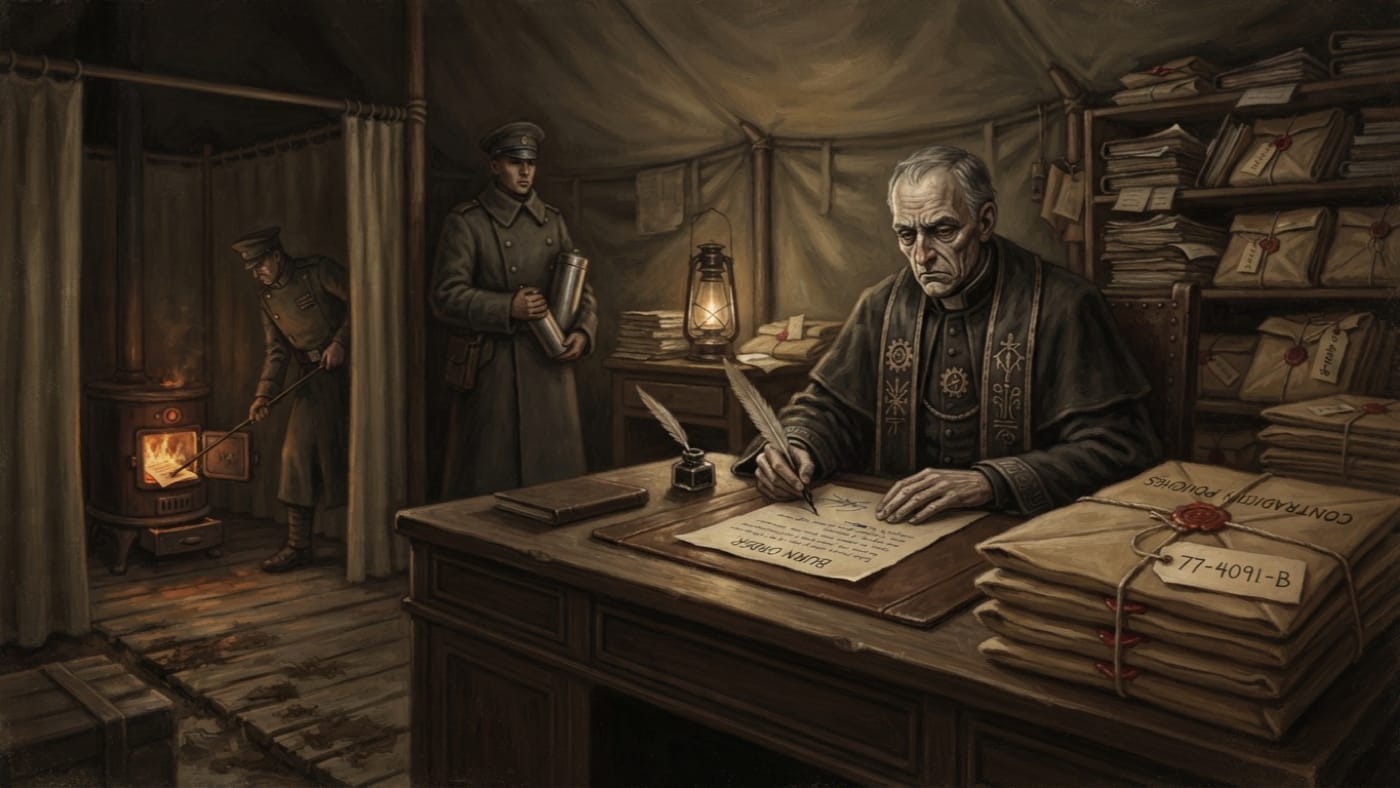
Front Prelate
The hand that makes the furnace lawful
The trench-court office whose signature authorises burning sealed contradictions under Burn Directive 7-C. The bundle numbers survive; the dying men's words do not.
Codex Ref. XII.47.02-001
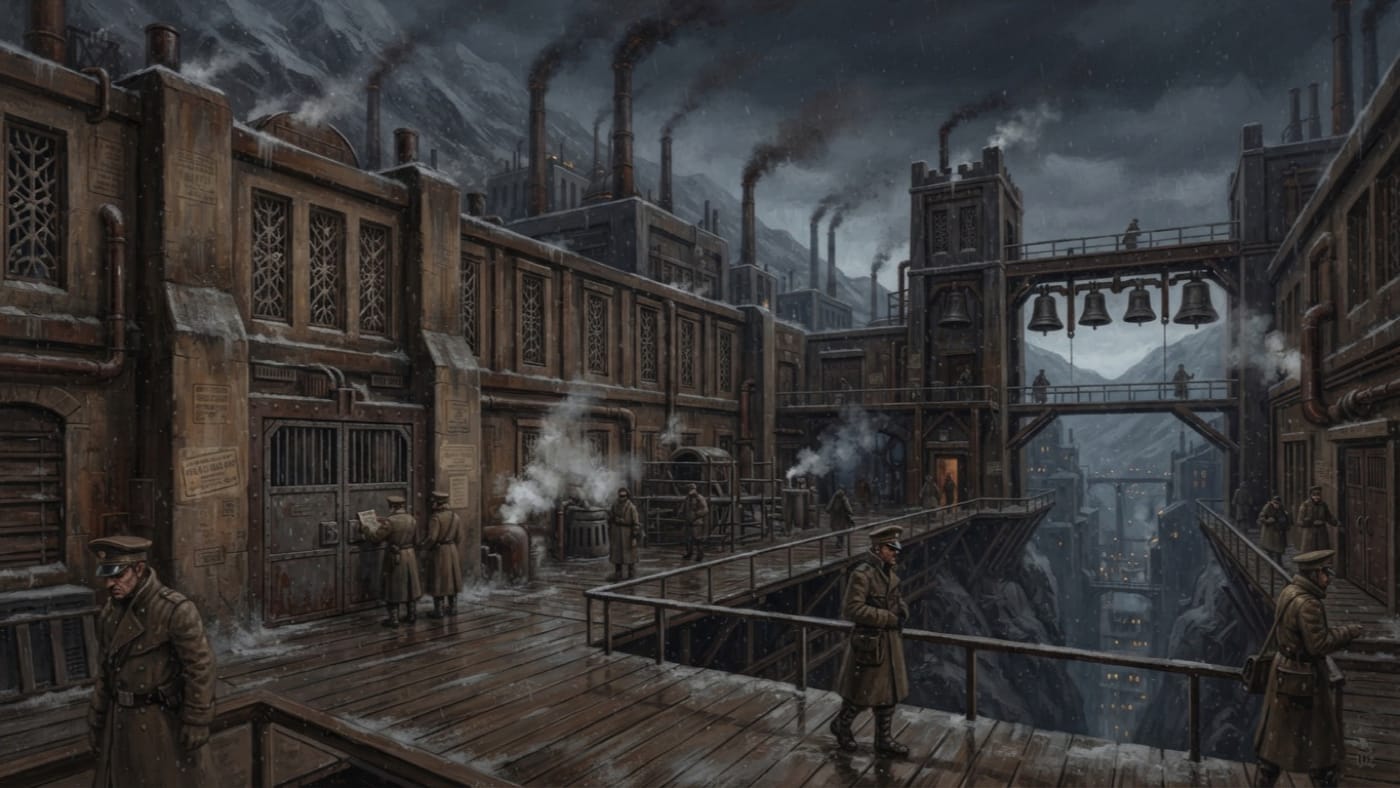
Frontier Chapterhouse
The law holds until third bell
Lor's Frontier Chapterhouse keeps the Bone-Guild monopoly lawful and answers disputed emergency permits with its most prudent ruling: silence.
Codex Ref. I.2.07-201
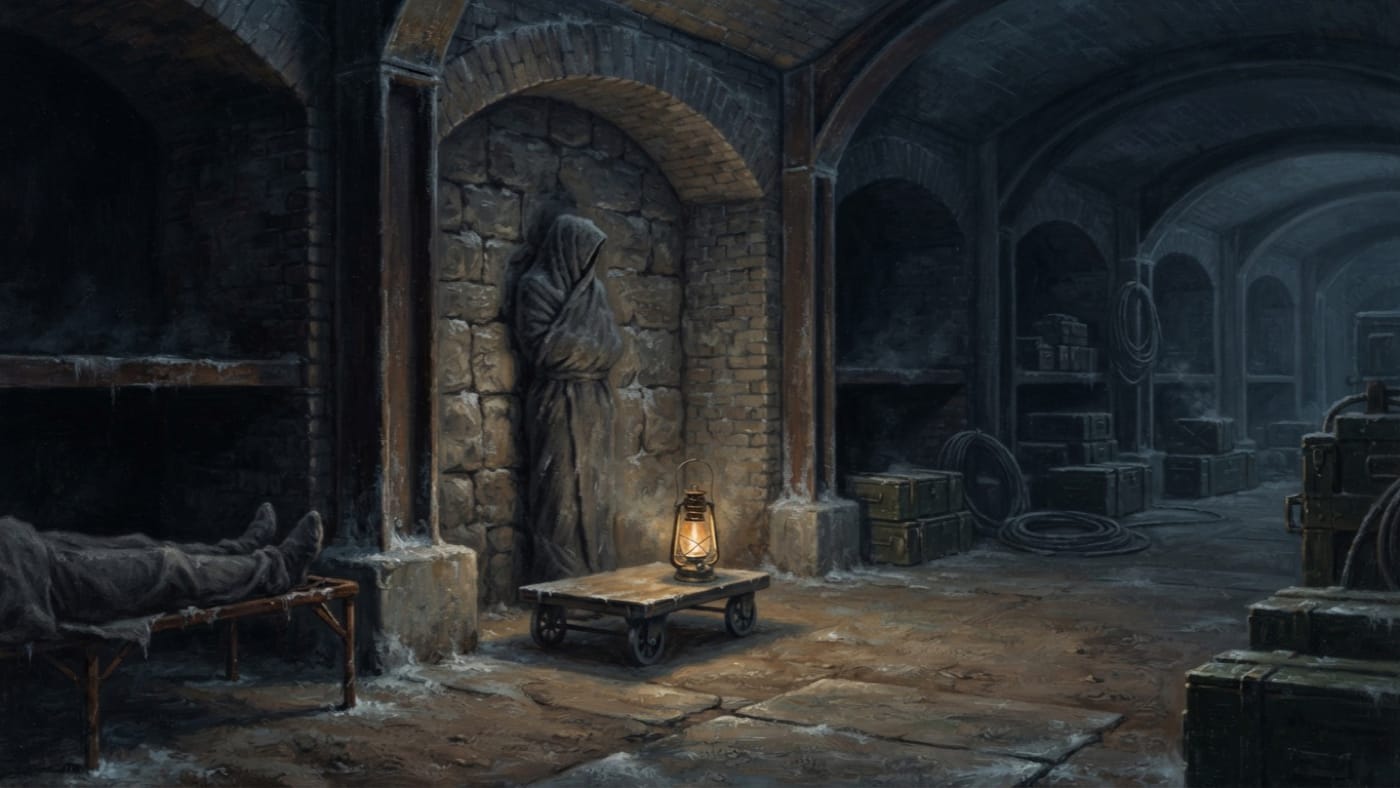
Frost Yards Displacement
The witness was credible; the floor received the blame
Seven reports from Königsberg's Frost Yards record bodies found in changed postures, A.S. 195–199. Purity certified the custodian and blamed ice-heave. The dead remain unexplained.
Codex Ref. VII.4.08-195
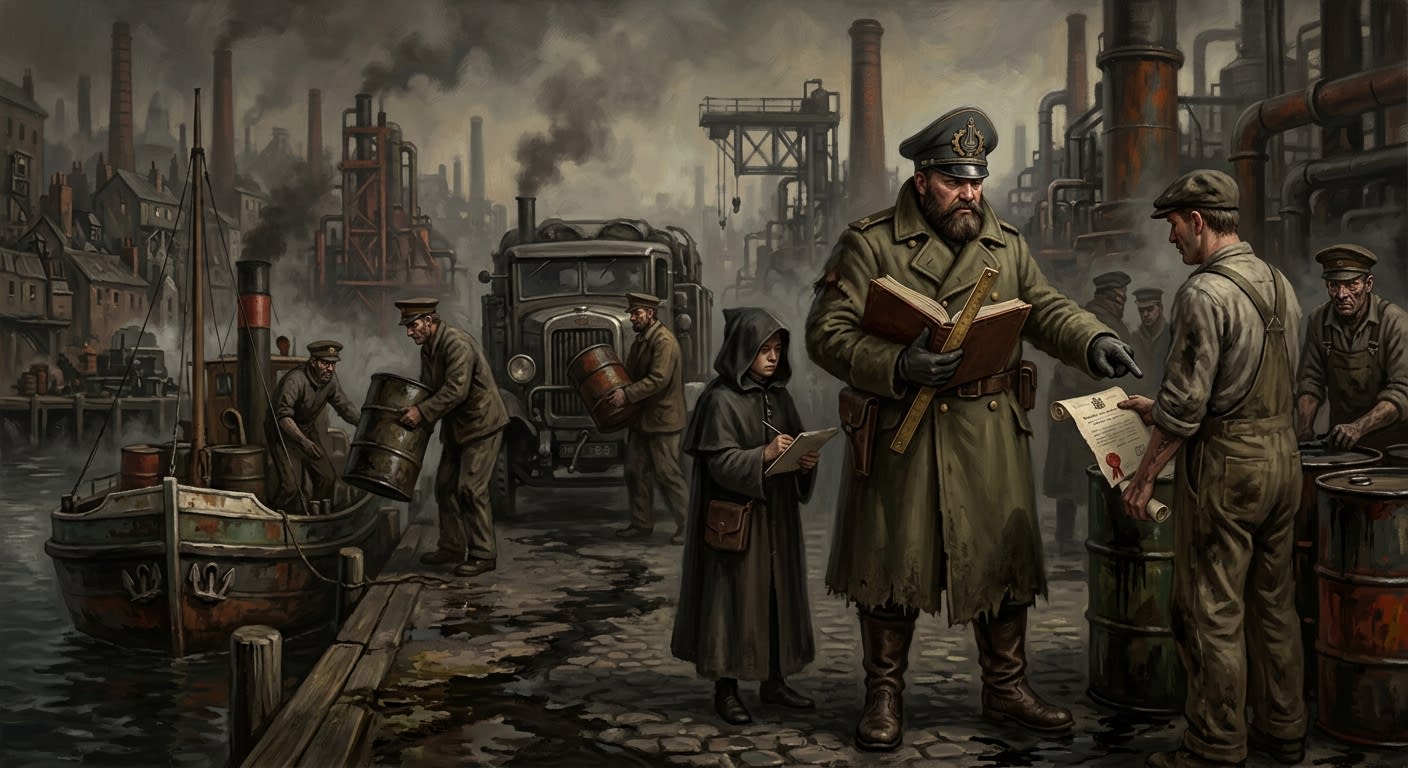
Fuel Monopoly Acts
The statute by which heat learned to kneel before a tariff table
A.S. 112 legal doctrine placing wound-site fuel, drums, charters, workers, accidents, and heat itself beneath Synodal licence and tariff.
Codex Ref. XIII.1.92-112
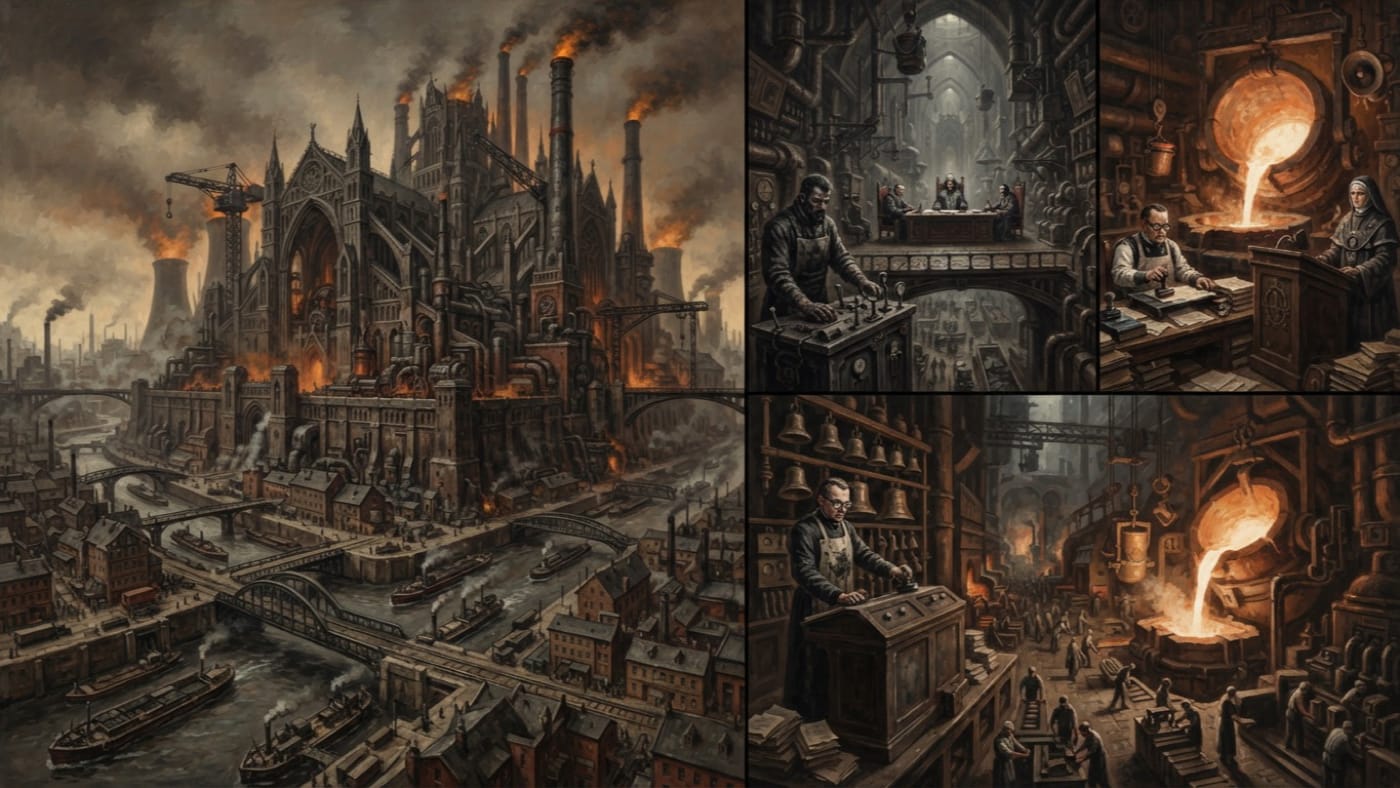
Furnace Basilica
Three chairs govern the heat; the bell governs everyone else
Current survey, A.S. 201: Essen's Compact Council governs from the Furnace Basilica by decree, audit and bell order. The pours require three Bureaus to agree; the workers are required only to obey.
Codex Ref. II.2.01-002
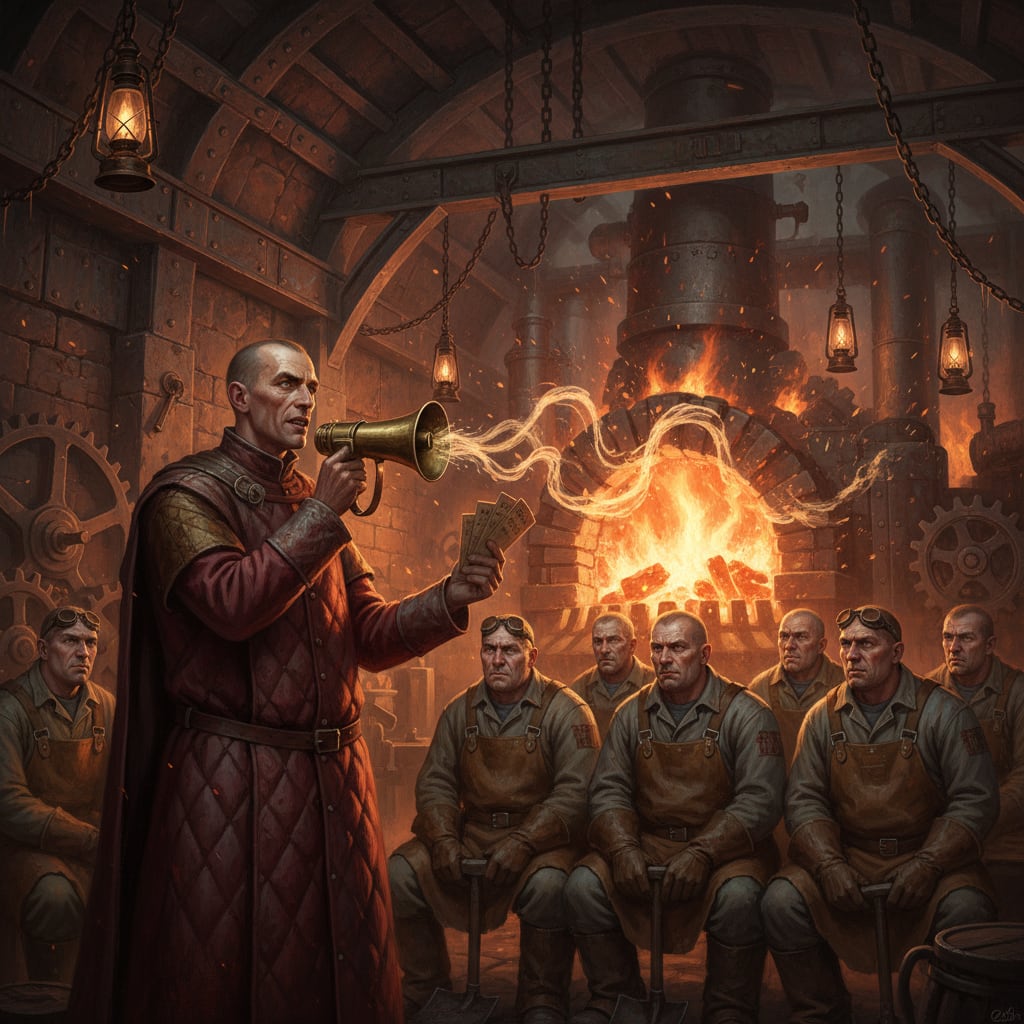
Furnace Catechist
On those who preach the Chain of Cause to men who know perfectly well why the furnace roars — and why neither party will say so aloud.
The Bureau of Doctrine's industrial clergy — stationed in every bastion powerhouse to preach that fire burns by divine permission rather than chemistry. Three thousand four hundred Catechists, two factions, and one question no one will authorise an answer to.
Codex Ref. XII.18.01-001
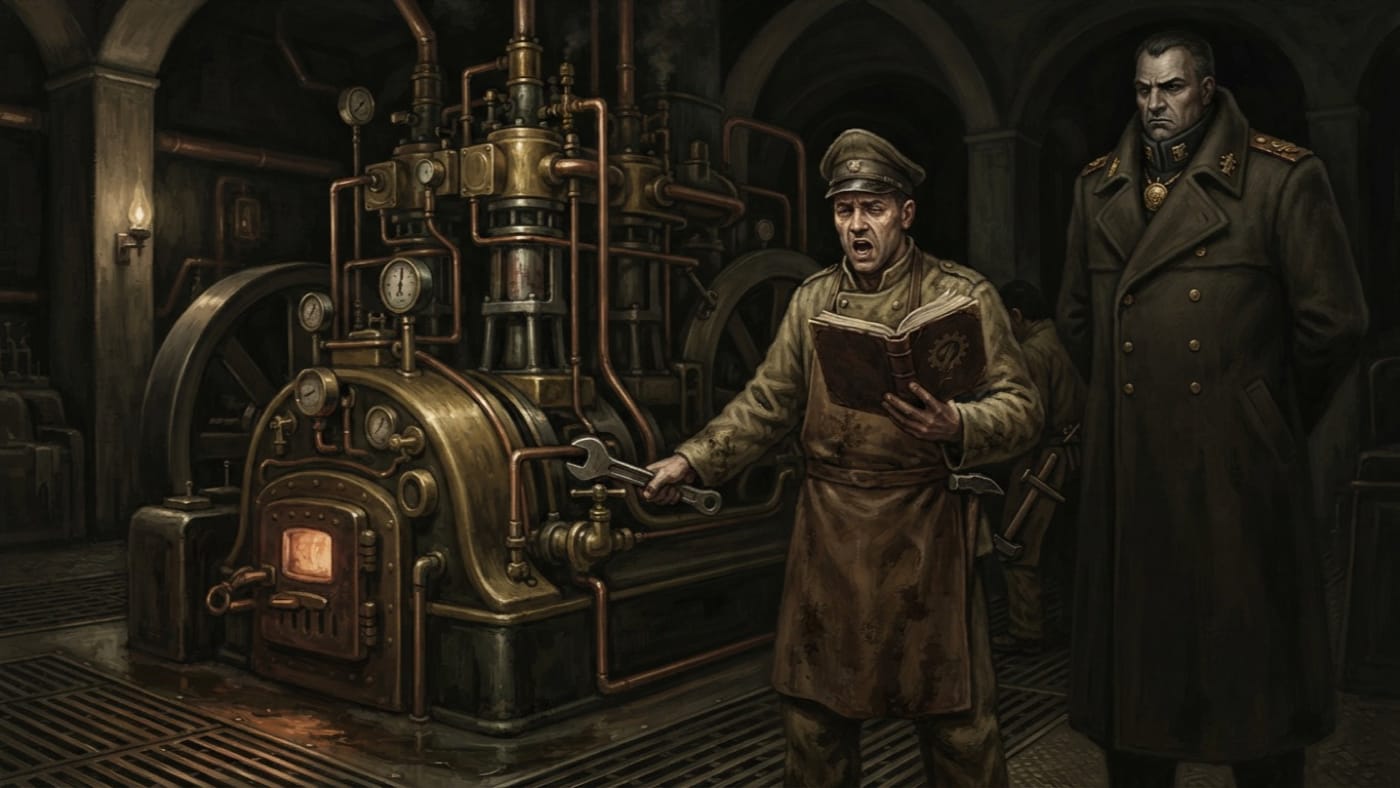
Furnace Choir Reforms
One sanctioned voice for every engine; the old tunes persist off the ledger.
The A.S. 134 reforms gave every bastion and rear installation one authorised engine cant. Folk tunes became heresy; engines continued to prefer them.
Codex Ref. VII.2.10-134
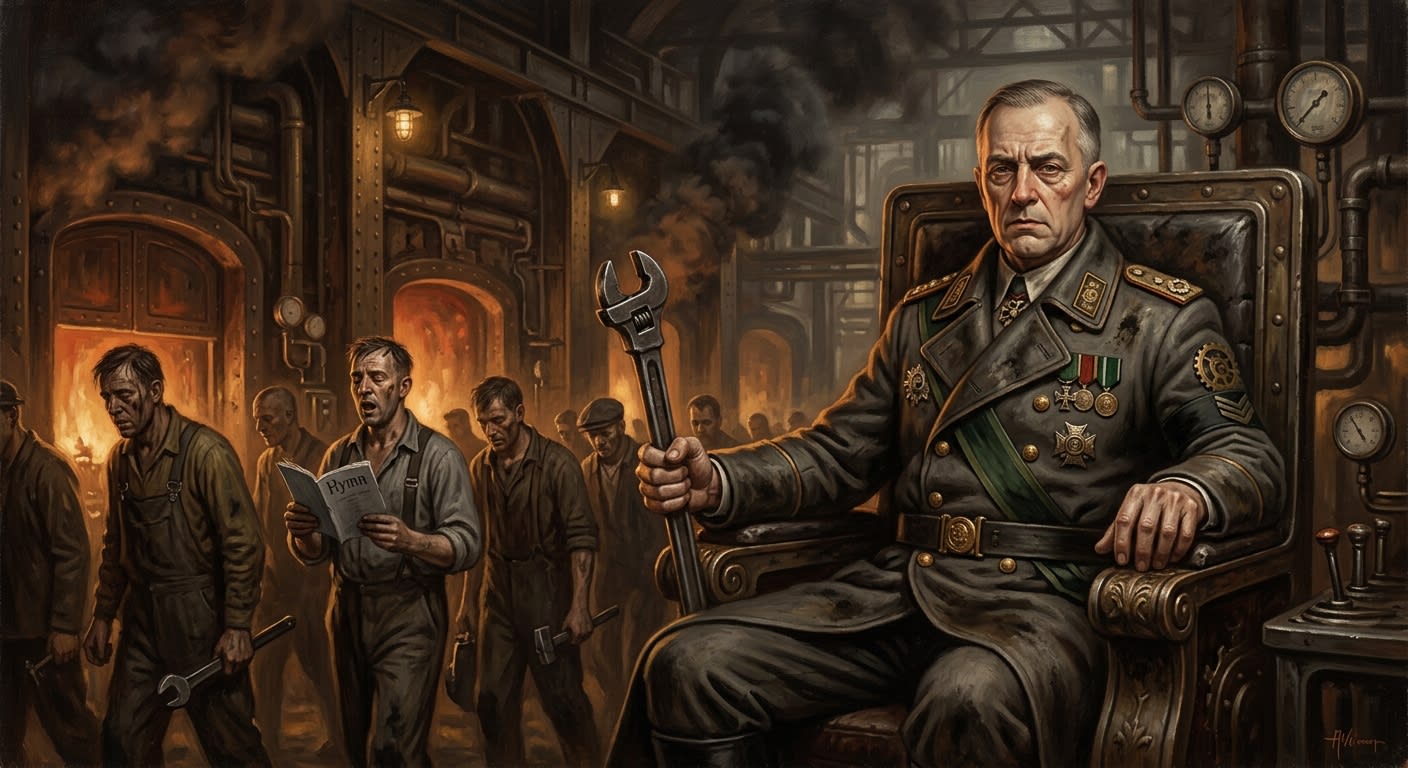
Furnace-Marshal Kord
The man who schedules heat as if hunger were a hymn
Furnace-Marshal Kord holds Essen's Engine chair, ruling heat by schedule, labour by hunger, and every cracked hymnsteel throat as somebody else's fault.
Codex Ref. III.2.01-152
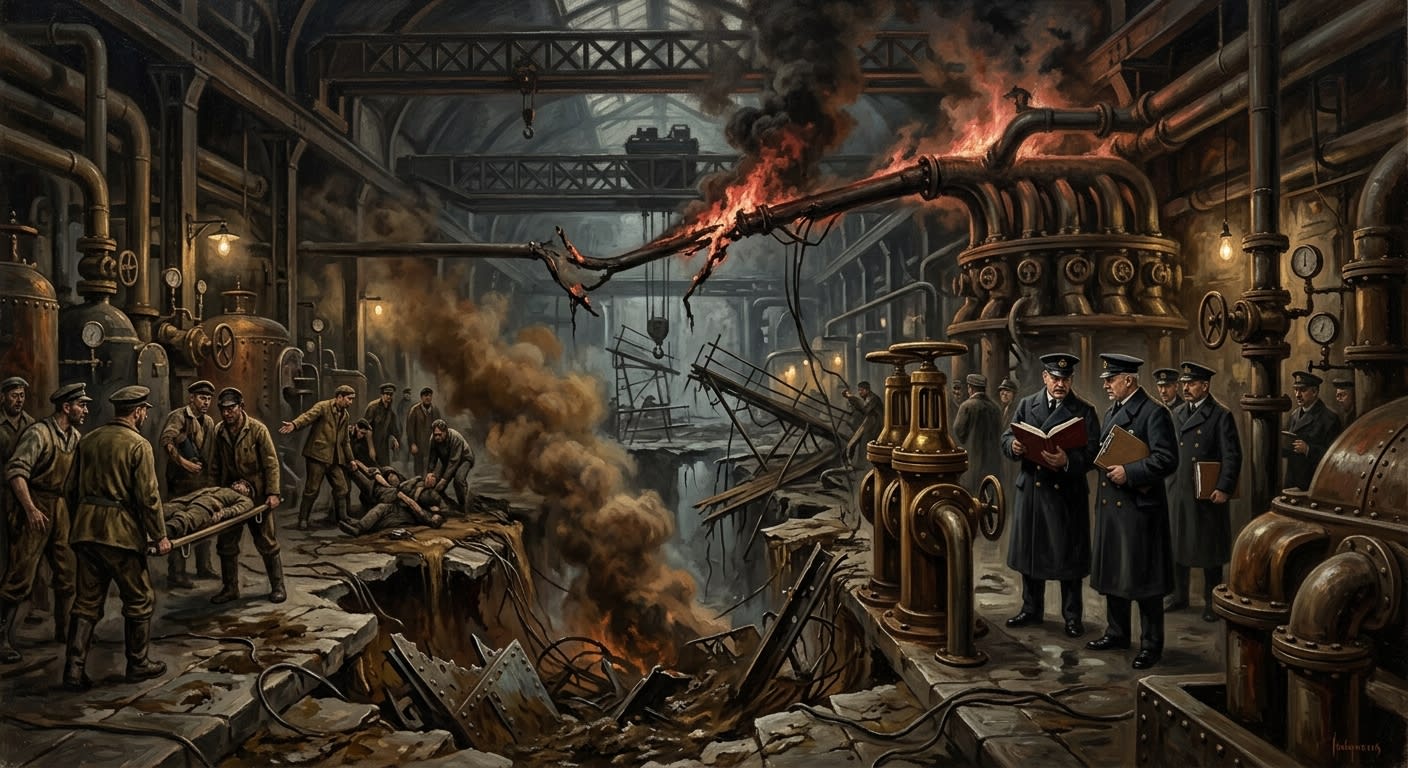
Furrow of Pest
A ditch with paperwork, until the ground corrected the song
The wound-site rupture of A.S. 152 that killed thirty-seven workers, sent wrong flame through the southern fuel line, and forced the Gasket Hymn Reform into law.
Codex Ref. VII.8.10-153
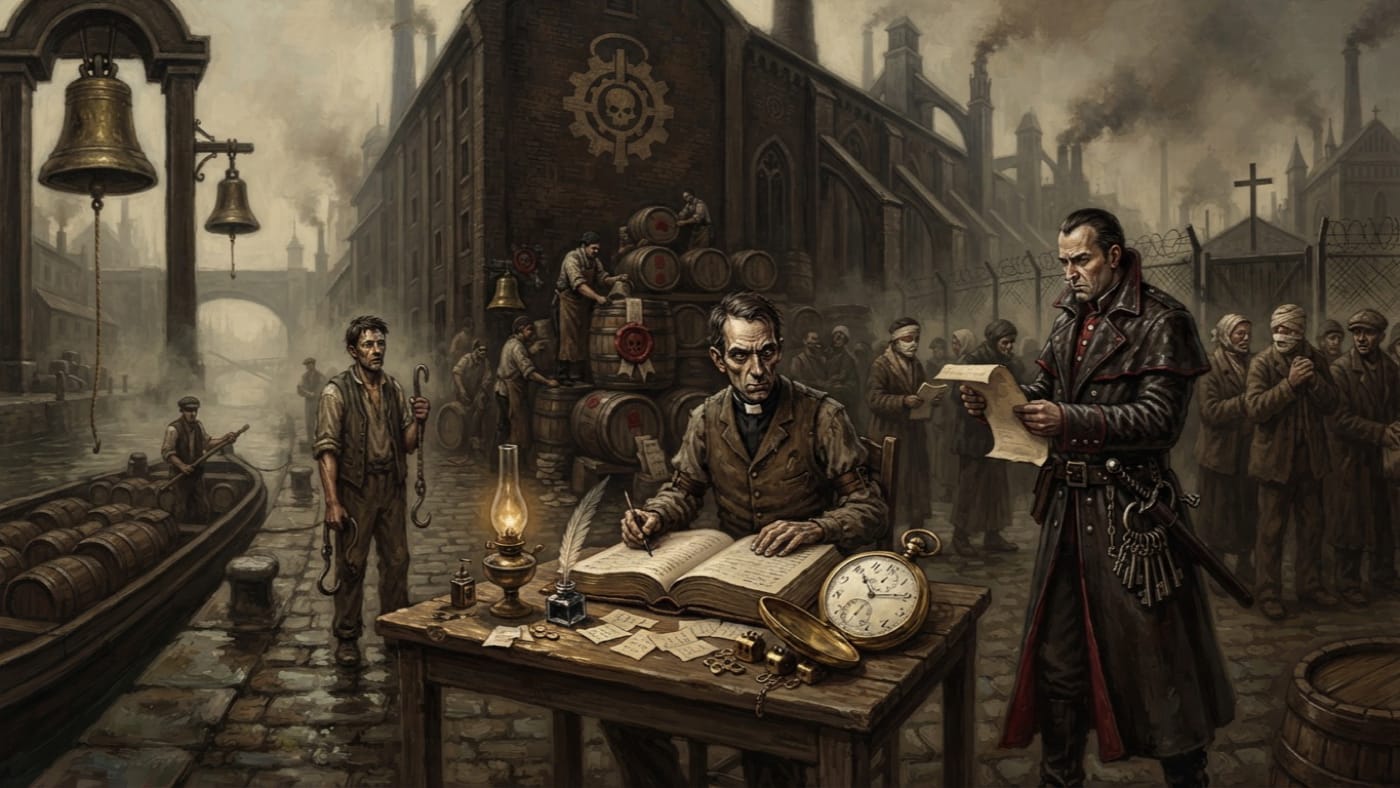
Futures Clerks
Tomorrow's dead, priced before the second bell
Mournwater's futures clerks price saint-dust, bell delays and tomorrow's dead. The ledger calls it weather; guild bailiffs collect the losses in labour, names and quarantine.
Codex Ref. XII.8.02-201
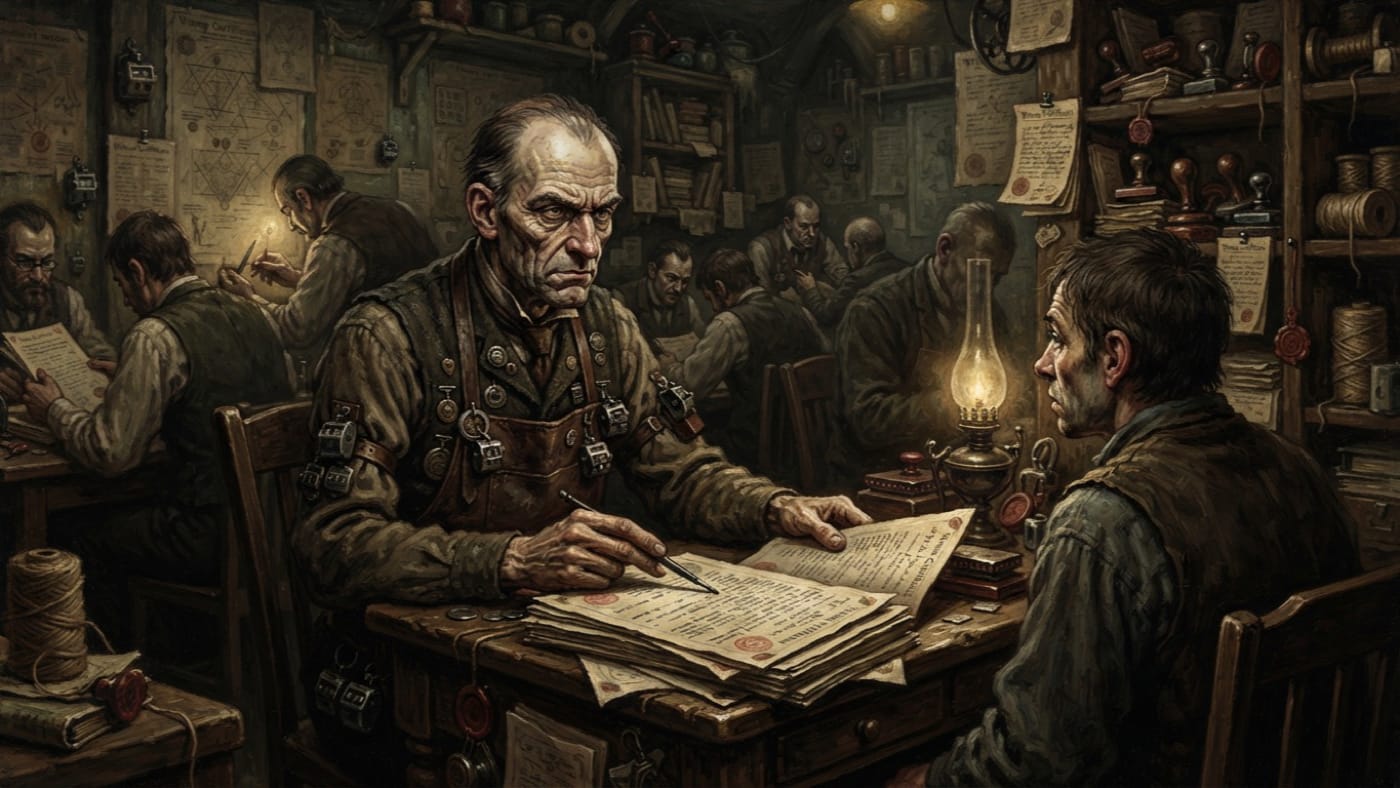
Garrik Two-Names
What the court remembers depends on who has paid
Garrik Two-Names and Mother Venn run the Queue Road's largest witness ring. They sell hours nobody stood and facts Gate Nine can stamp. This office records the partnership; truth is billed separately.
Codex Ref. III.2.01-1181
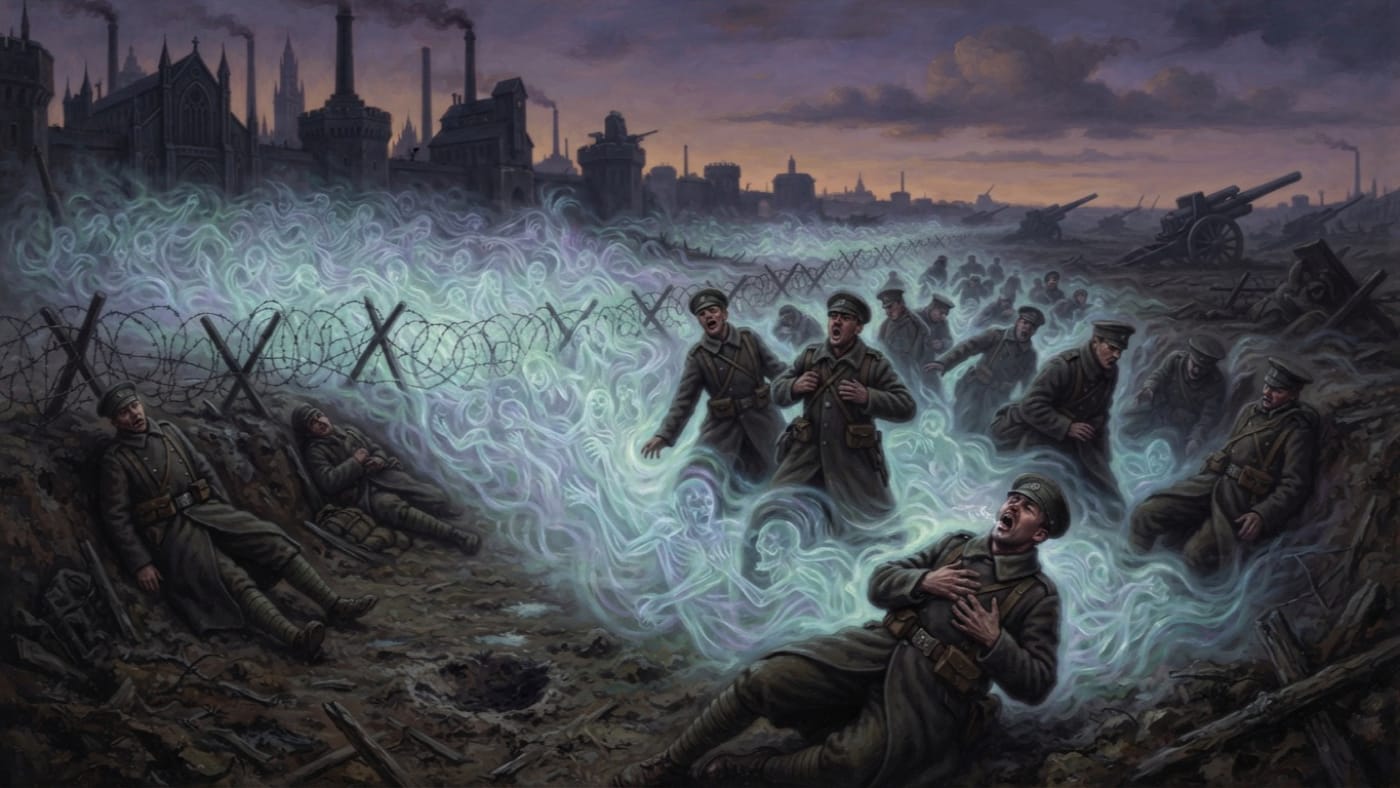
Gas That Sings
The Breath Spent in Song
I have seen No Man's Land's singing mists press wordless hymns from lungs until they burst. The Bureau of War's A.S. 197 survey records the danger; its origin, chemistry and remedies remain unknown.
Codex Ref. VI.2.01-006
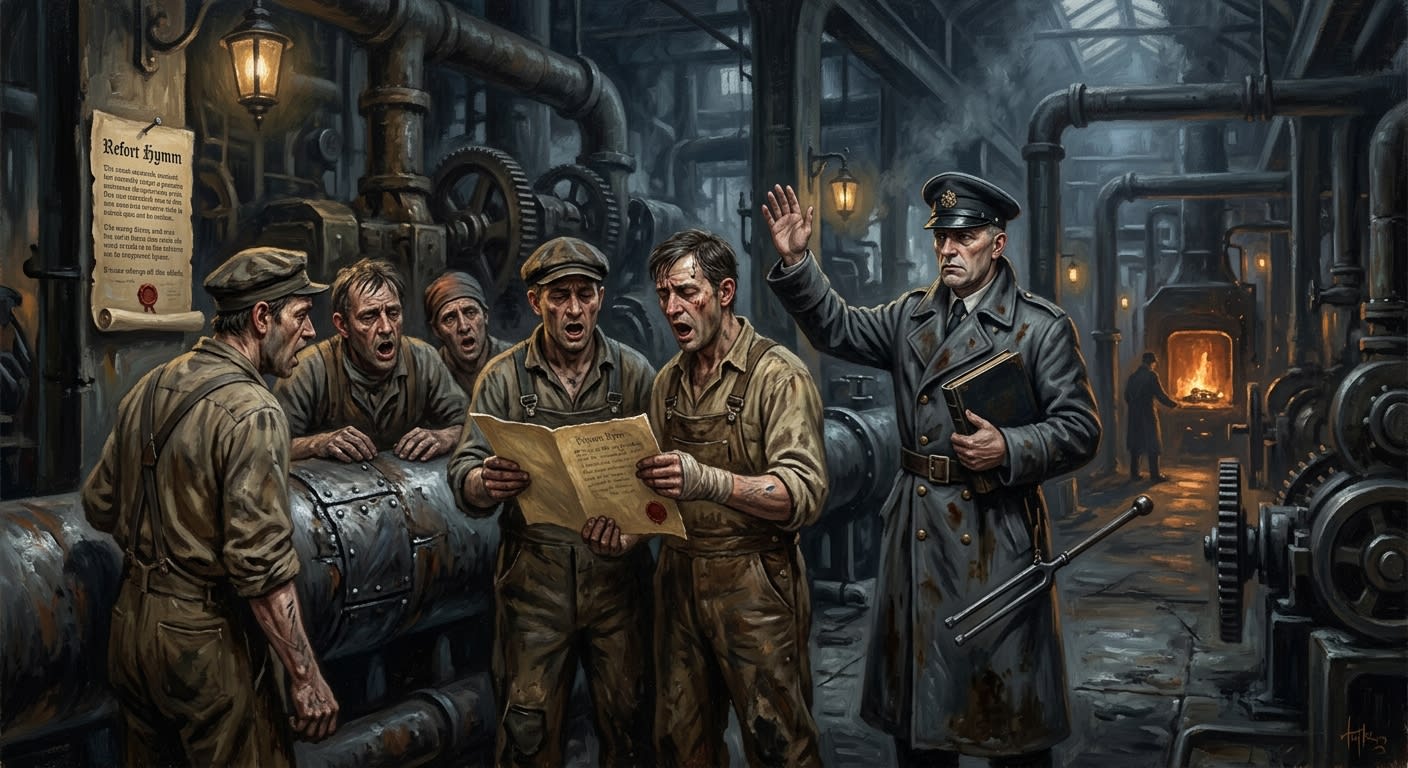
Gasket Hymn Reform
The seal must be sung, because the wound has learned to answer
The A.S. 152 reform that turned wound-site sealing into mandatory sung procedure after the Furrow of Pest killed thirty-seven workers and sent wrong flame through the southern corridor.
Codex Ref. VII.8.10-152
Gasket-Hymn Mechanic
Seat the ring. Speak the line. Do not abbreviate the cleansing verse.
The Synod's three thousand four hundred licensed miracle-workers and most dangerous maintenance staff: the craft predates its sanctification by decades, the liturgy and the torque pattern are the same document.
Codex Ref. XII.2.04-001
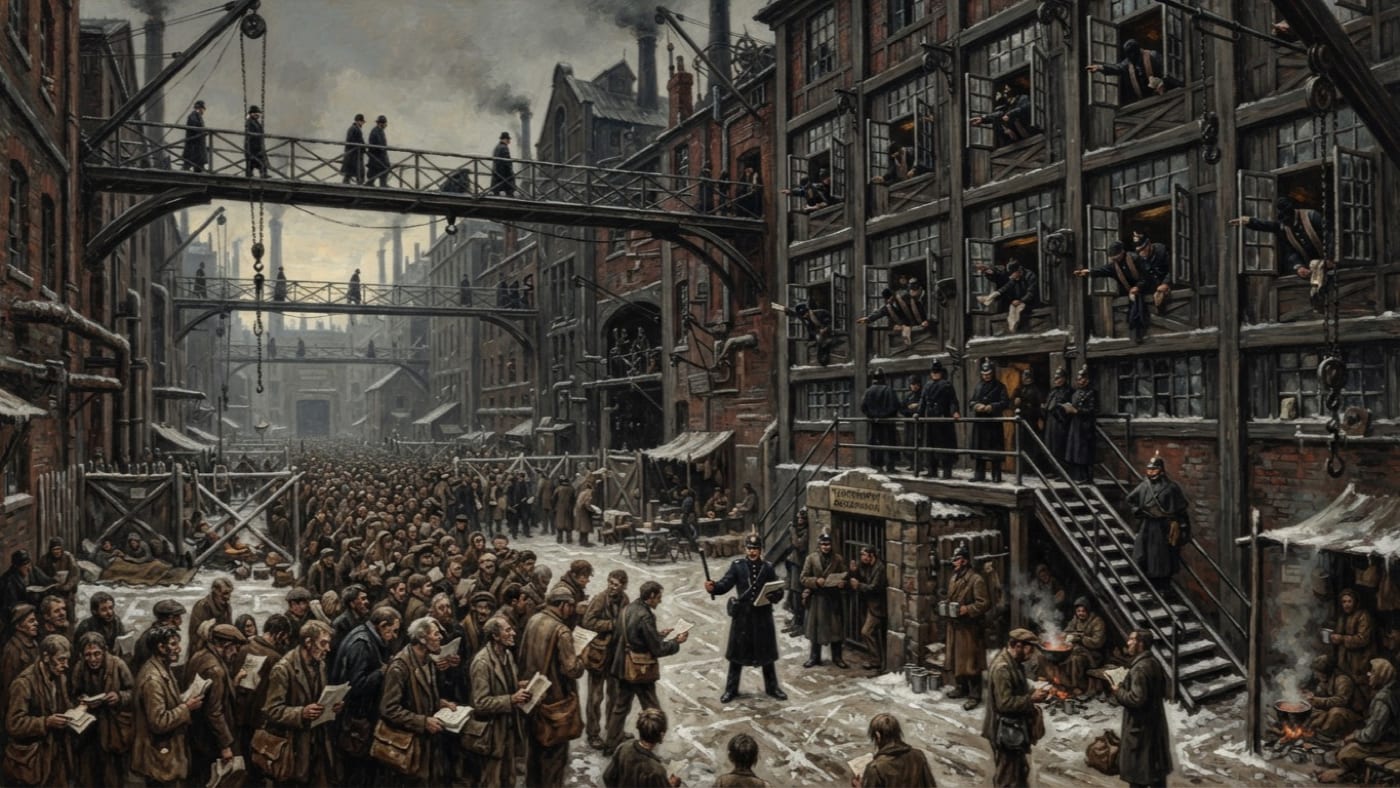
Gate Nine Commons
Where minute debt acquires hands
At the Queue Road's ninth court, day hire, recruitment and conscription share one chalked yard. Minutes buy an appeal; minute debt buys the labourer. The Directorate calls this employment.
Codex Ref. II.3.05-009
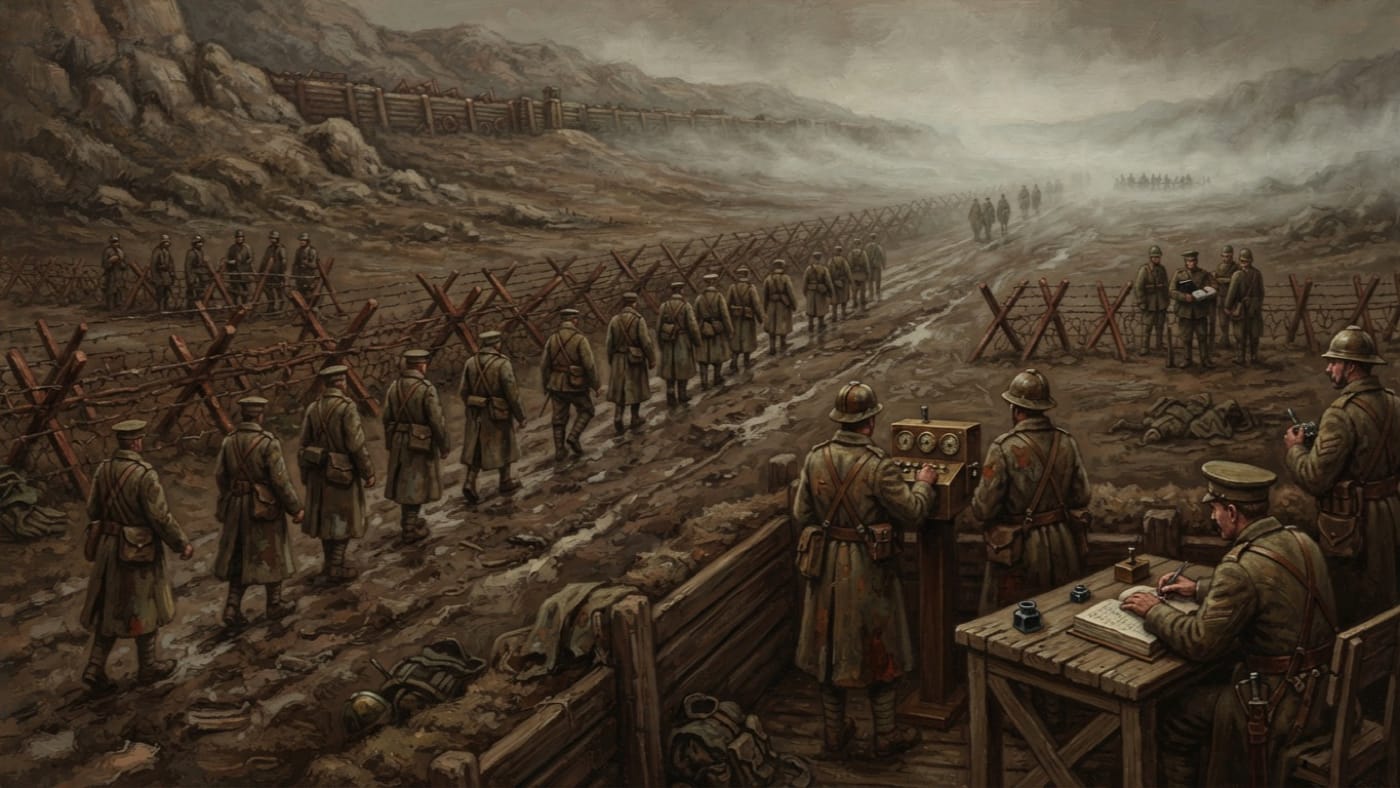
Gate Nineteen
The gate counted correctly. The file preferred an error.
Gate Nineteen counted Commission 73-C from three hundred to two hundred and ninety-six across six hundred yards of wire. Fourteen returned. The investigation preferred a transcription error; the missing four remain unaccounted for.
Codex Ref. II.4.08-019
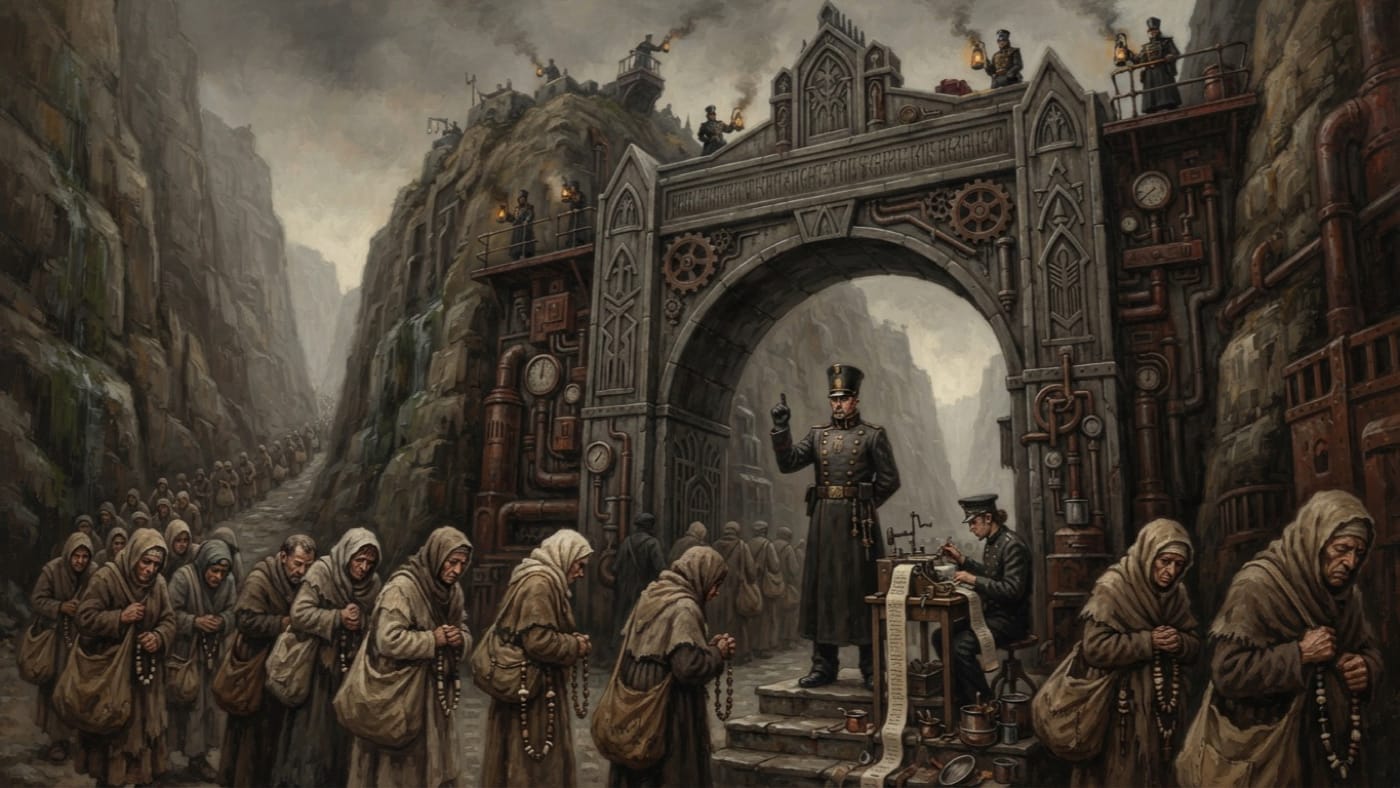
Gate of Clean Tongues
Where the canyon speaks and the pilgrim pays
Peregrine Row's western gate tests the Creed, checks sin-beads, and stamps arriving pilgrims. The canyon supplies a second voice; the proctor decides which one earns detention, and the brokers collect on either verdict.
Codex Ref. II.1.03-002
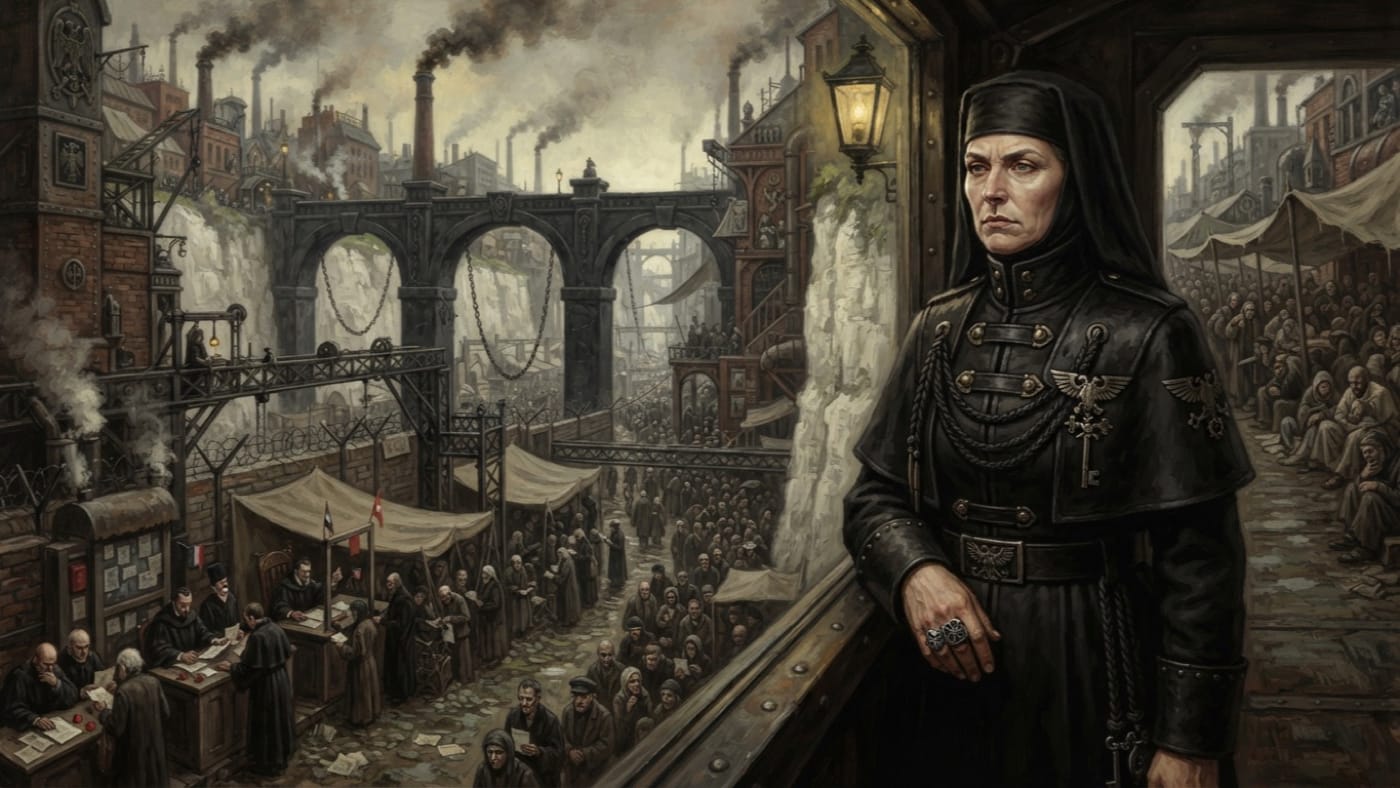
Gate-Canon Meral Voss
Two masters, one stamp, and a queue that must not riot
Meral Voss holds Griefgate's shared seal between brokers who want traffic and a Synod that wants bodies. Her inspectors always produce a confession; the forms do not ask where it came from.
Codex Ref. III.2.01-201
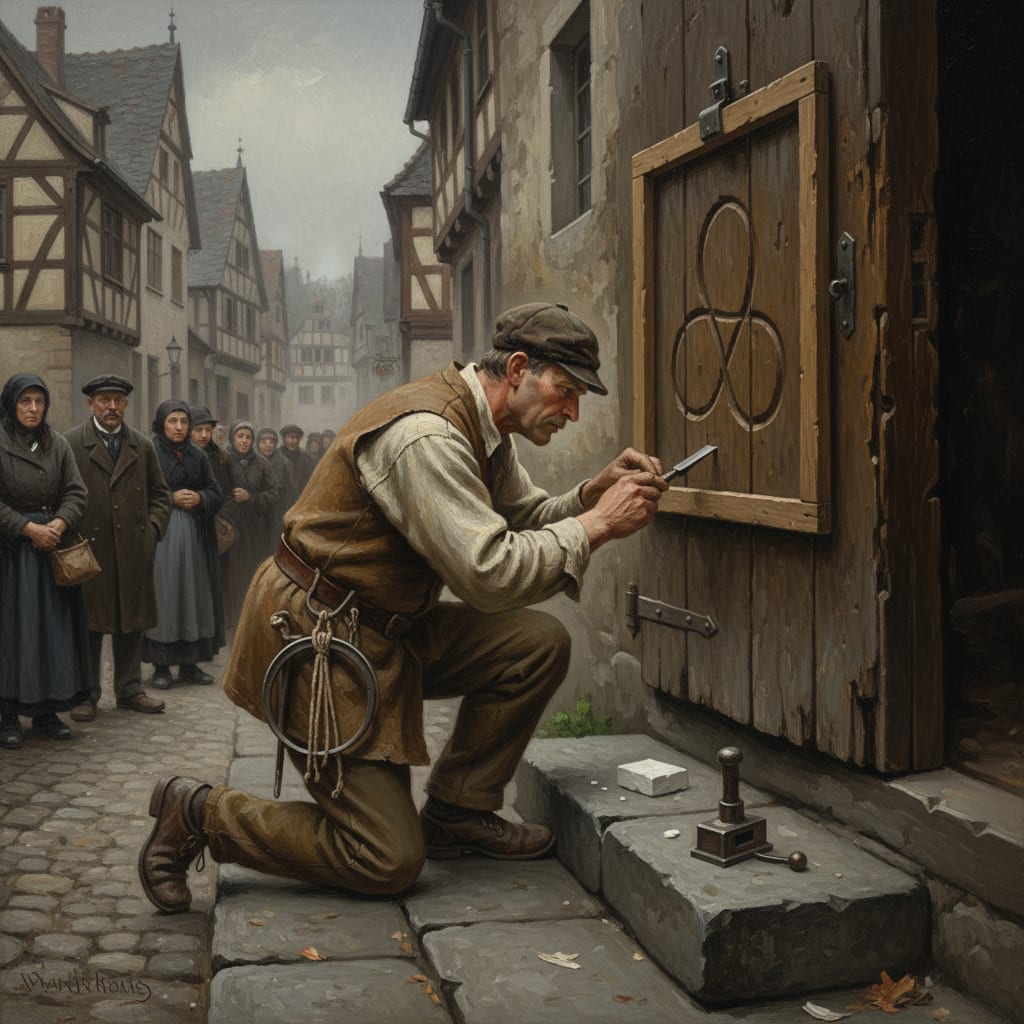
Gate-Carver of the Triune Knot
Three loops, one law, and the prayer that this time the threshold will hold
Six thousand licensed Gate-Carvers execute the Triune Knot into every threshold, grave-slab, and ossuary niche — sanctifying doors, sealing dead, and sustaining the Bureau of Heraldry's claim that a world without geometry is a world the enemy can enter.
Codex Ref. XII.19.01-001

Gate-Warden Petra Valenne
The woman who taught a southern gate to keep its teeth shut
Gate-Warden Petra Valenne commands Constantinople's six ravelins, integrated the Vigil Ark Saint Barachiel, and made darkness retreat first.
Codex Ref. III.2.01-006
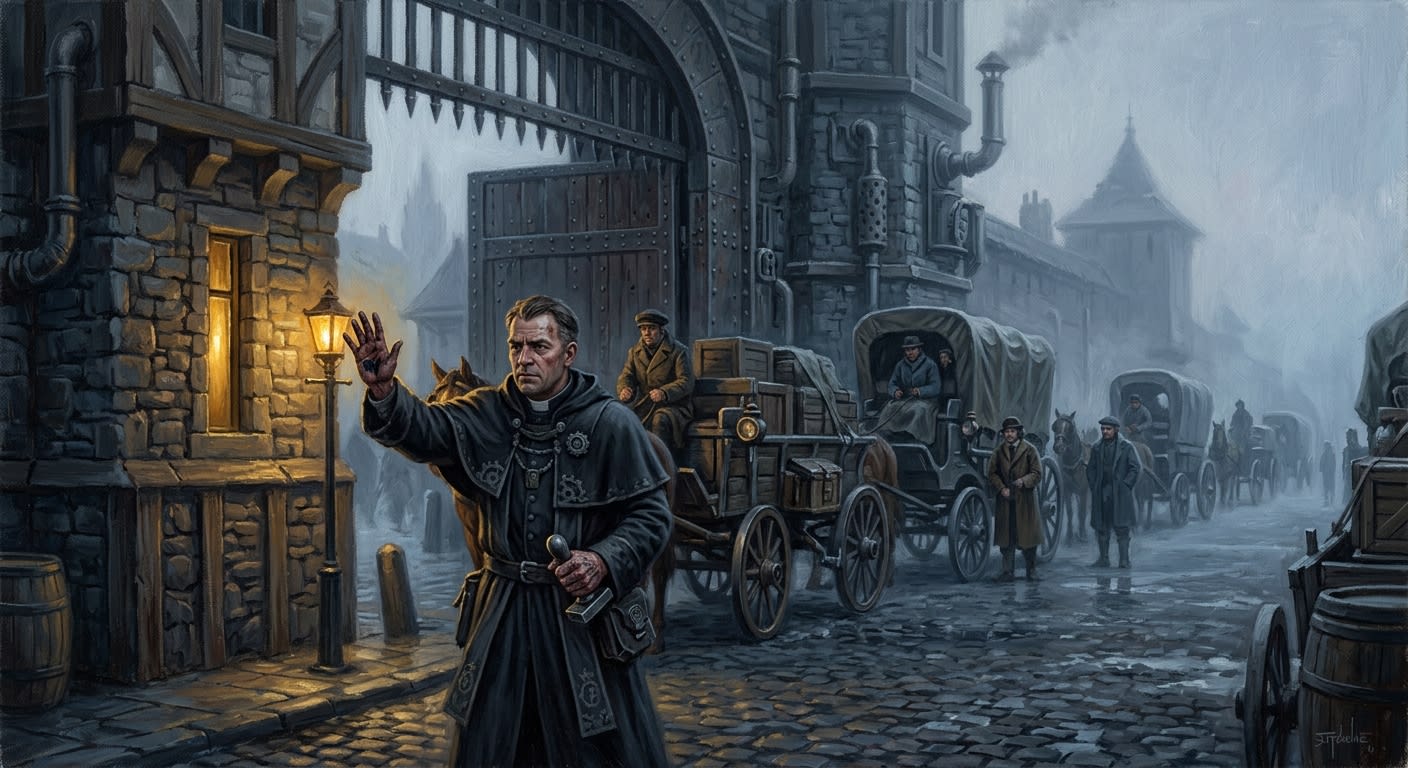
Gatewarden-Notary of Passage
The sole functionary who may halt a column of four thousand by raising one ink-stained hand and asking for documentation.
The Gatewarden-Notary of Passage stands at the point where all five great commodities of the war — disease, heresy, desertion, contraband, and ambition — must be sorted, weighed, stamped, and either admitted or refused. The Gate does not care about the man.
Codex Ref. XII.7.04-001
Gauge Standardization Decree
One measure for the iron, four thousand graves for the agreement
The A.S. 136 decree imposed 1,435 millimetres on Dominion rail and ended the Gauge War by threat of closure. Three years of relaying cost approximately four thousand lives; Engineering supplied the measure, labour the graves.
Codex Ref. XIII.1.136-001
Gauge Standardization Decree of A.S. 136
One measure in ink, three years under the hammer
The A.S. 136 decree fixed Dominion rail at 1,435 millimetres and ended the Gauge War by fiat. Three years of relaying cost an estimated four thousand lives. Engineering supplied the number; Guild crews supplied the measure.
Codex Ref. XIII.1.136-001
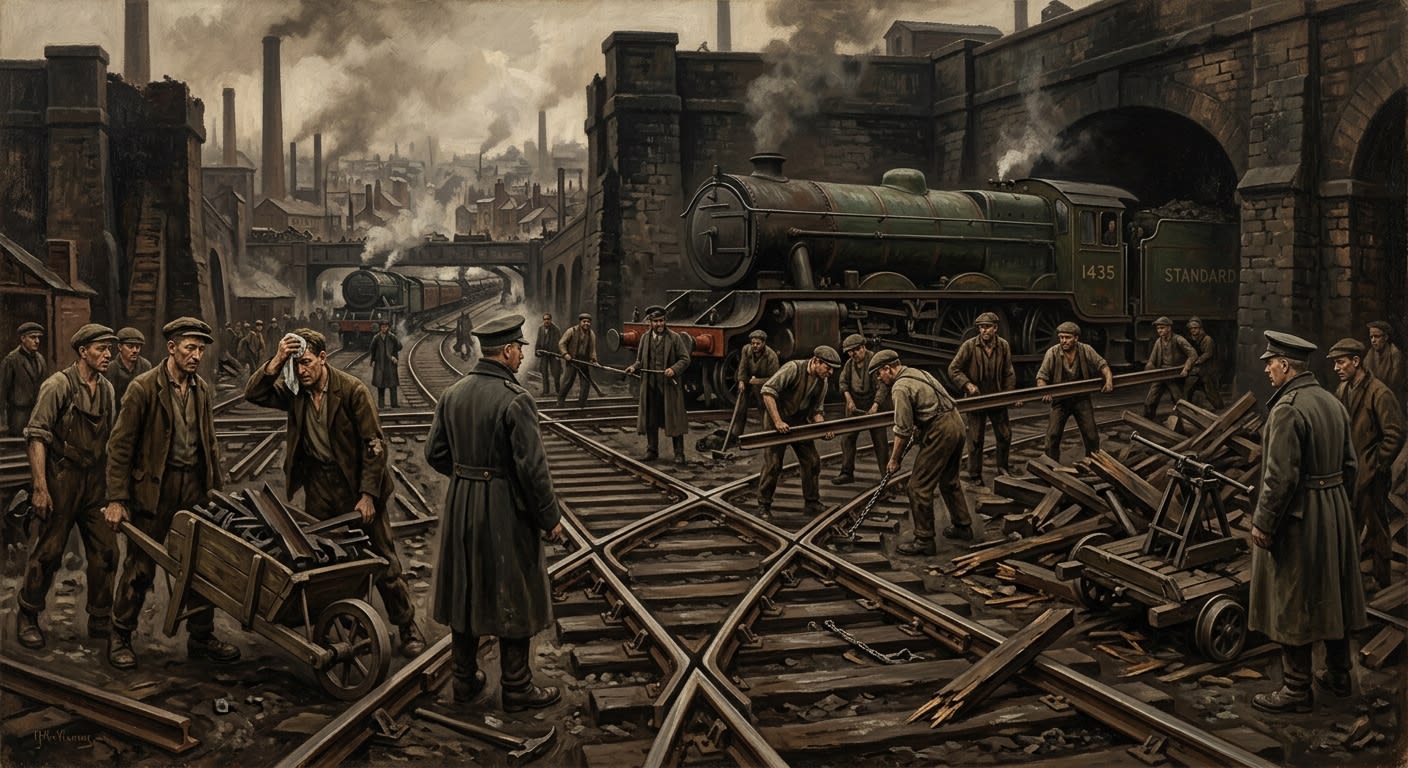
Gauge War
Forty years to agree on the distance between two rails
A.S. 96–136 rail-standardization conflict in which rival gauges starved bastion corridors until Engineering imposed 1,435 millimetres and labour paid in hands, hunger, and four thousand dead.
Codex Ref. VII.2.10-136
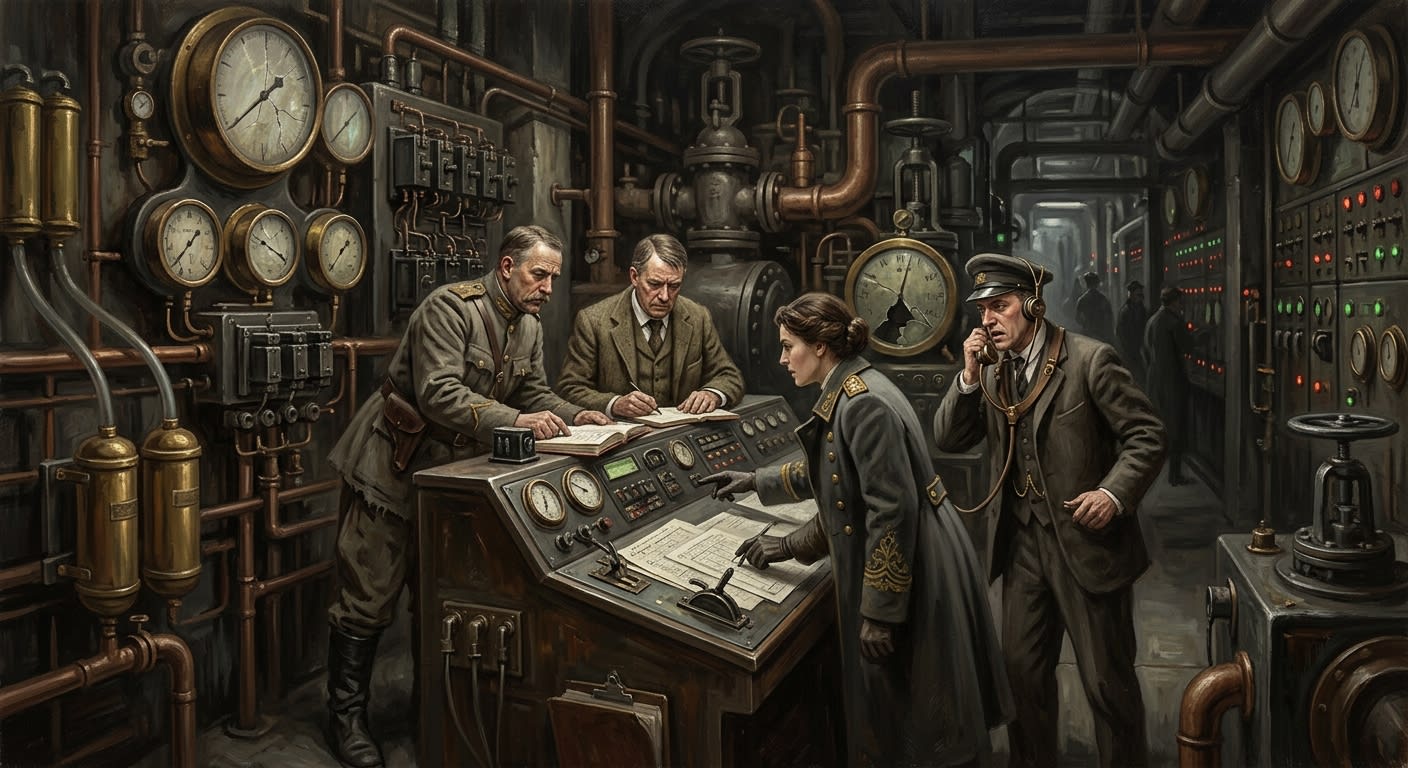
Gauge Ward
Where brass confesses before men are permitted to lie
The Gauge Ward is Brast's inner-ring instrument throat, where pressure needles, licensed voices, and Ilyra Kest decide which lie becomes artillery.
Codex Ref. II.2.01-020
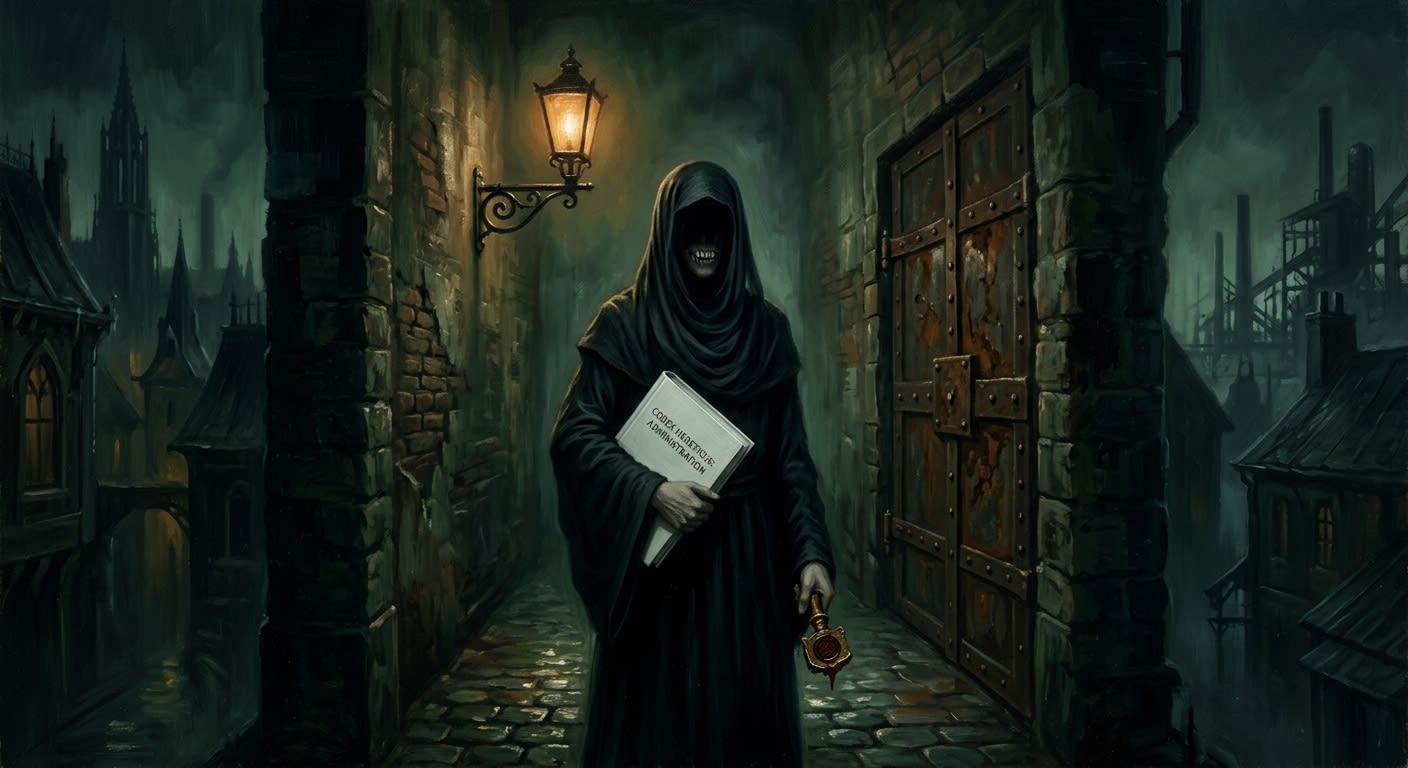
Gauze-Masked Custodian
Nine turns of gauze, one white ledger, and the administrative certainty that nothing happened
The operative the Bureau of Shadows does not employ, who performs collections the Bureau of Purity cannot conduct, in corridors no Bureau will map. Nine turns of gauze. One white ledger. Nothing happened.
Codex Ref. VI.8.01-009
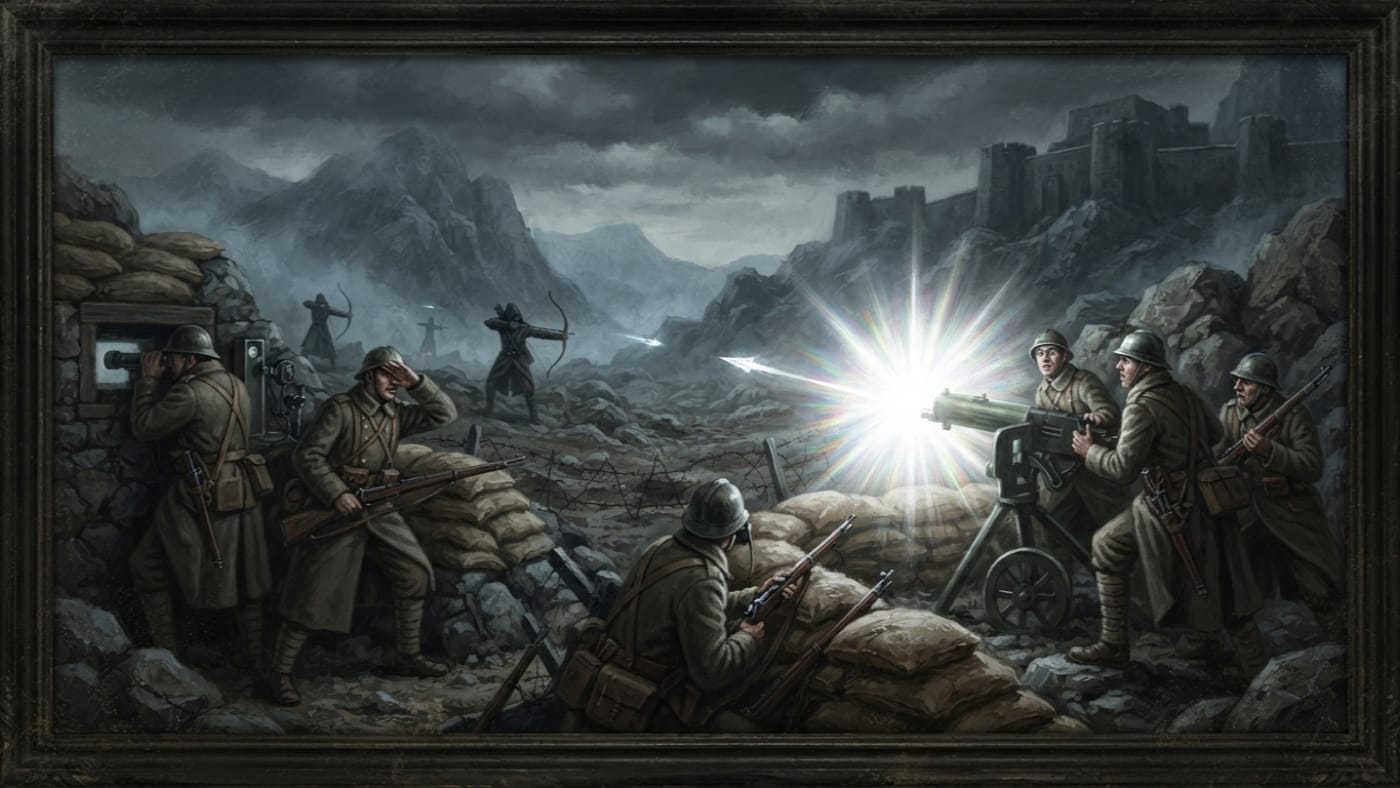
Gem-Eyed Archers
The shaft blinds. The signature remains yours.
Velmora's ranged elite loose crystalline shafts that burst into blinding brilliance. I am told the light is beautiful and men who stare into it sign things. The testimony is attributed; causation remains unproved.
Codex Ref. IV.2.02-003
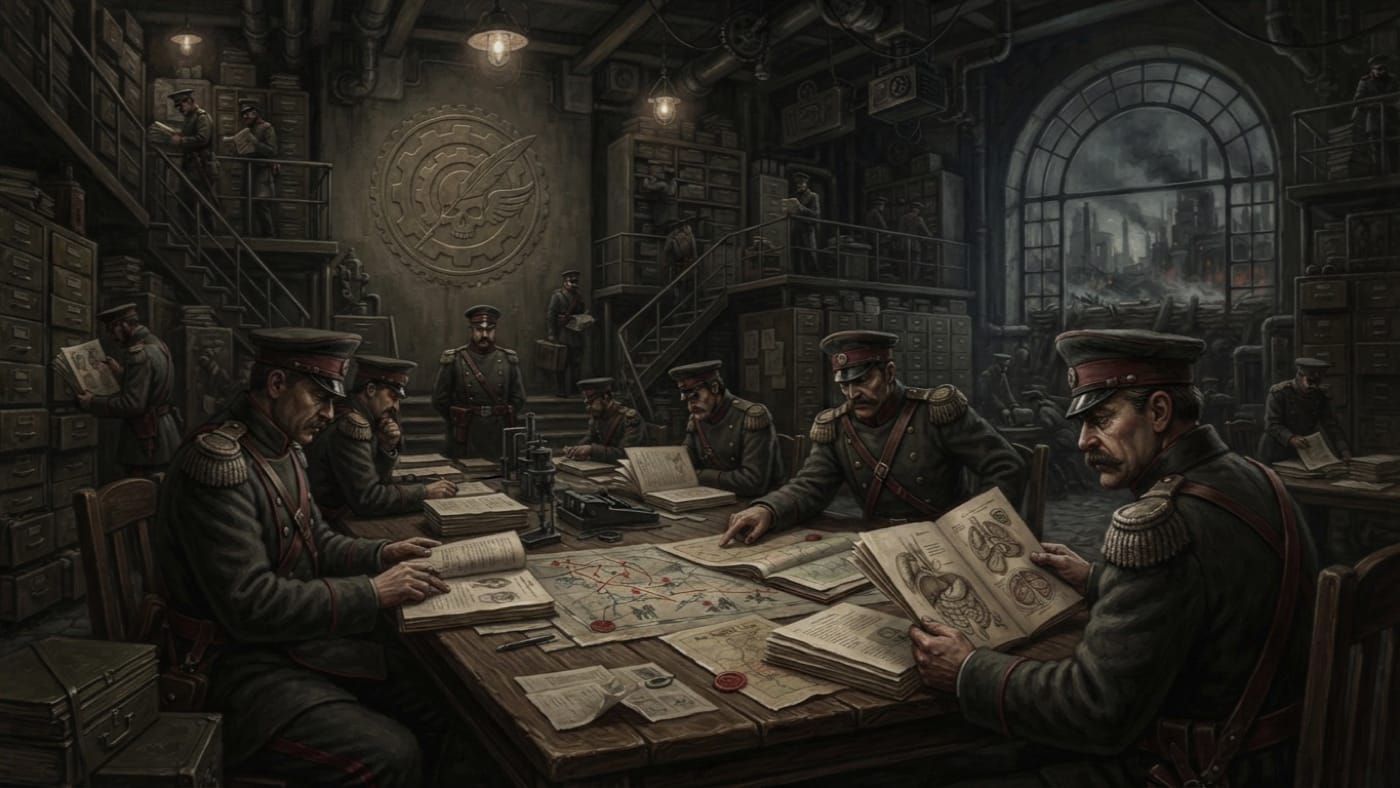
General Staff of the Bureau of War
The Staff reads. The record says so.
War's General Staff reads the Chief Anatomist's replies and accords the office grudging respect. This A.S. 201 survey records that habit. A founding, a roster and a formal remit require evidence the record has not supplied.
Codex Ref. III.2.07-042
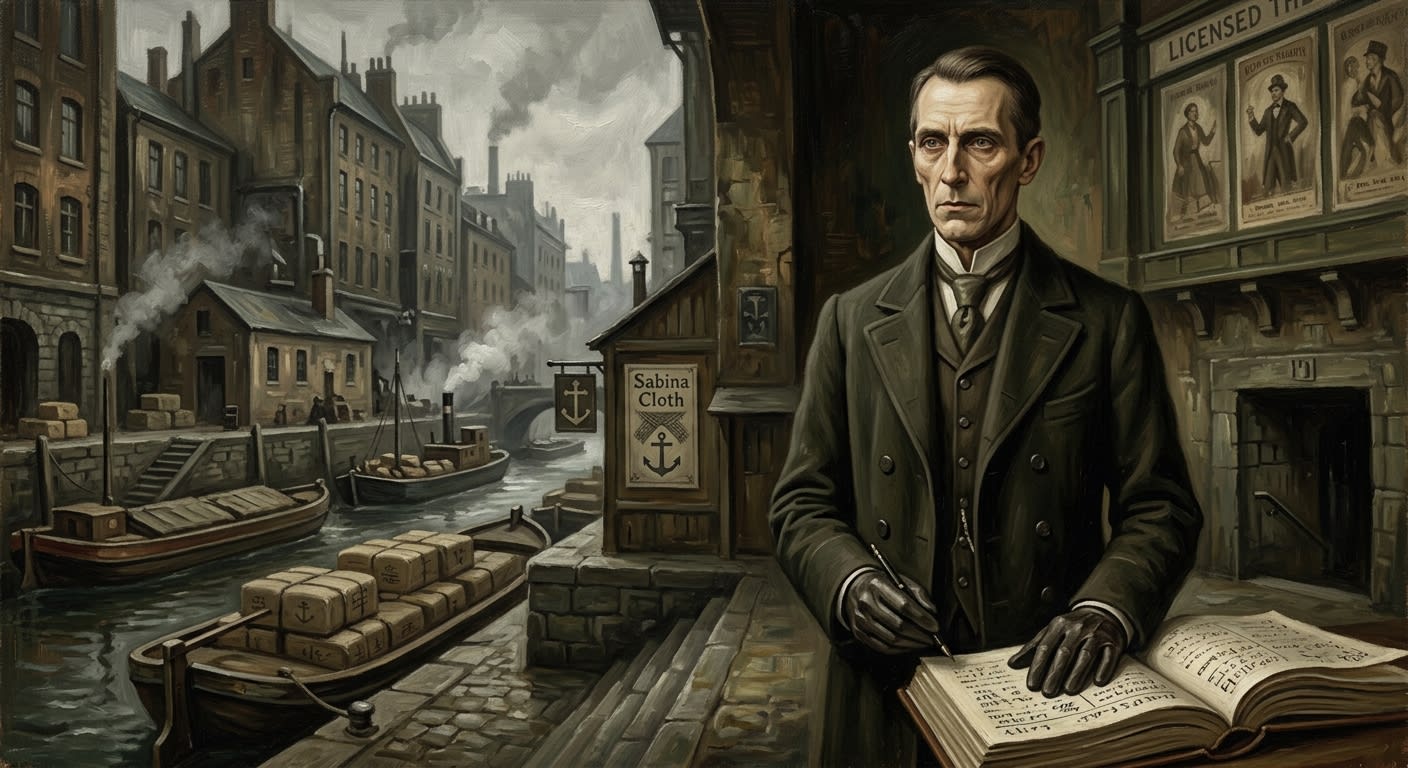
Ghent
The canal city where water keeps copies and loyalty learns to smuggle
Ghent is the Synod's wet ledger in Flanders: canal trade, Records quays, Sabina cloth, licensed theatres, Black Ledger cells, Wormhost scars, and obedience with annotations.
Codex Ref. II.1.05-201

Ghost Tags
A true number, a false history, and a fragment worth keeping
Forged salvage custody strips borrow numbers from destroyed registries, giving true fragments a false history. Relics keeps the fragment; the forger fares less well.
Codex Ref. XIII.1.36-002
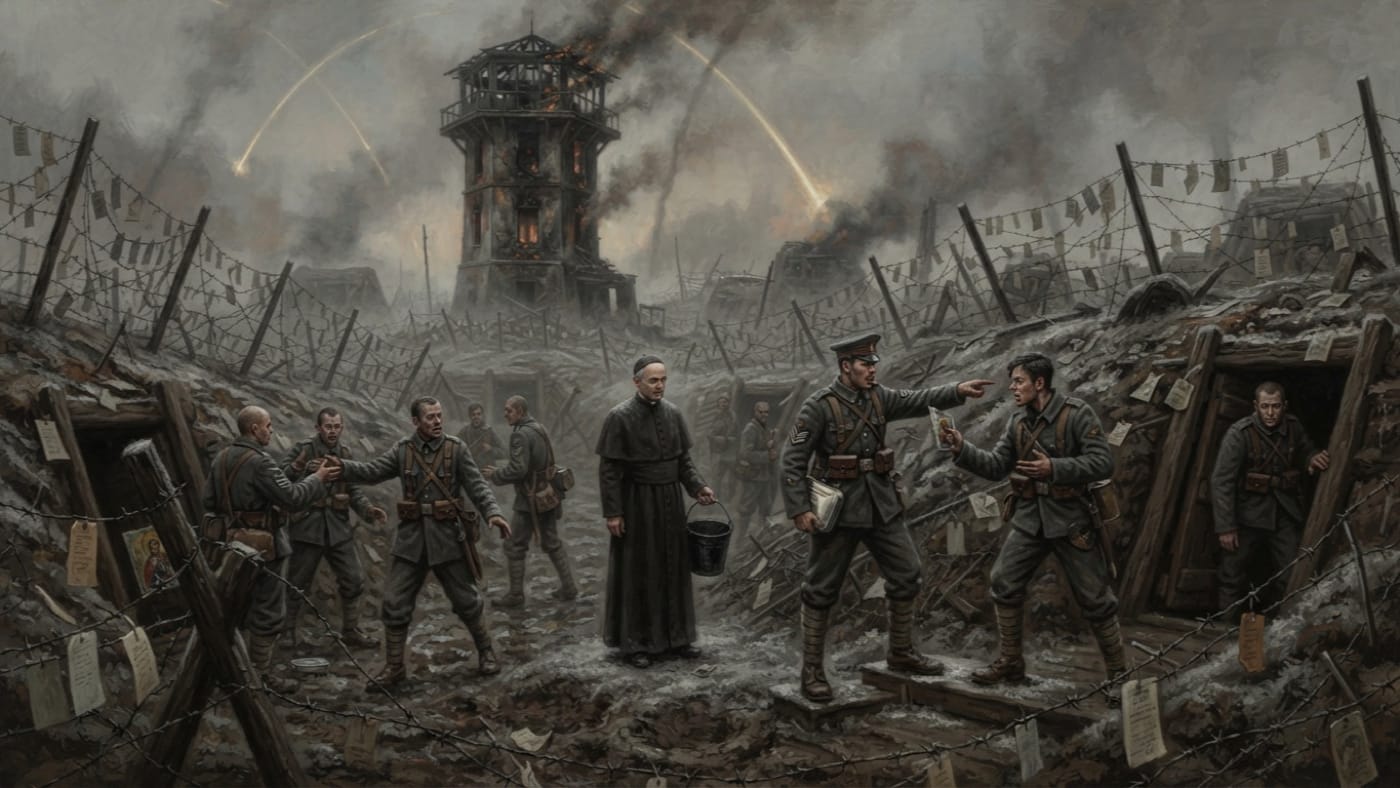
Glass Rain
Forty minutes of promotions, ended with a bucket of ash
In A.S. 194, a Sun-Spear strike at Bastion-Przemyśl preceded forty minutes of reflected ranks and competing commands. Kelle brought ash; the rolls kept their verdict.
Codex Ref. VII.4.09-194
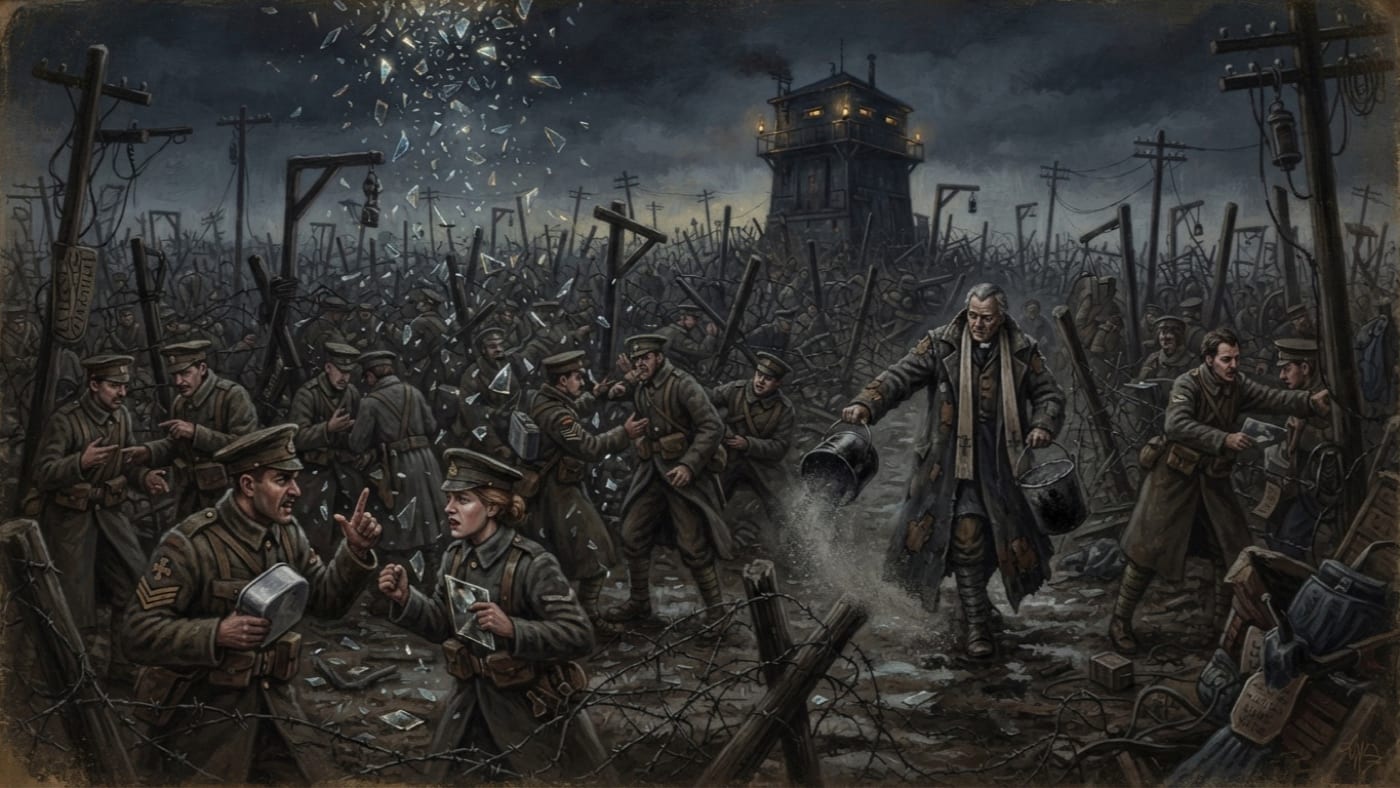
Glass Rain over Orchard Ring
Forty minutes of promotions and a bucket of ash
A Sun-Spear strike in A.S. 194 preceded forty minutes of counterfeit ranks at Orchard Ring. The roll stayed correct; the garrison disagreed, and Kelle brought ash.
Codex Ref. VII.4.09-194
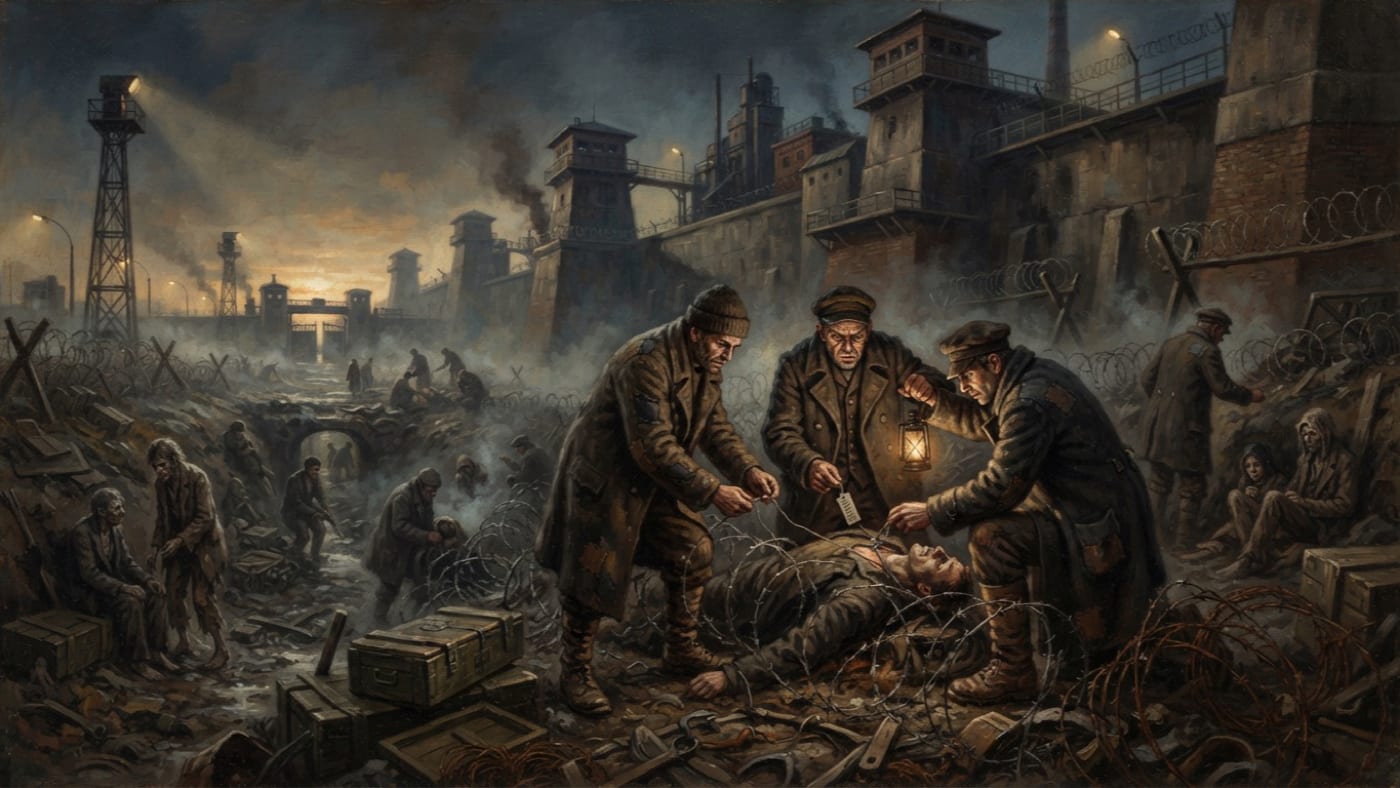
Gleaners
What the harvest leaves behind may yet live
Beneath Bastion-Przemyśl, the Gleaners shelter the Erased, swap the living into dead men's tags, and steal survival from the dawn harvest. Purity calls it sacrilege; the uncounted call it another day.
Codex Ref. XI.5.02-001
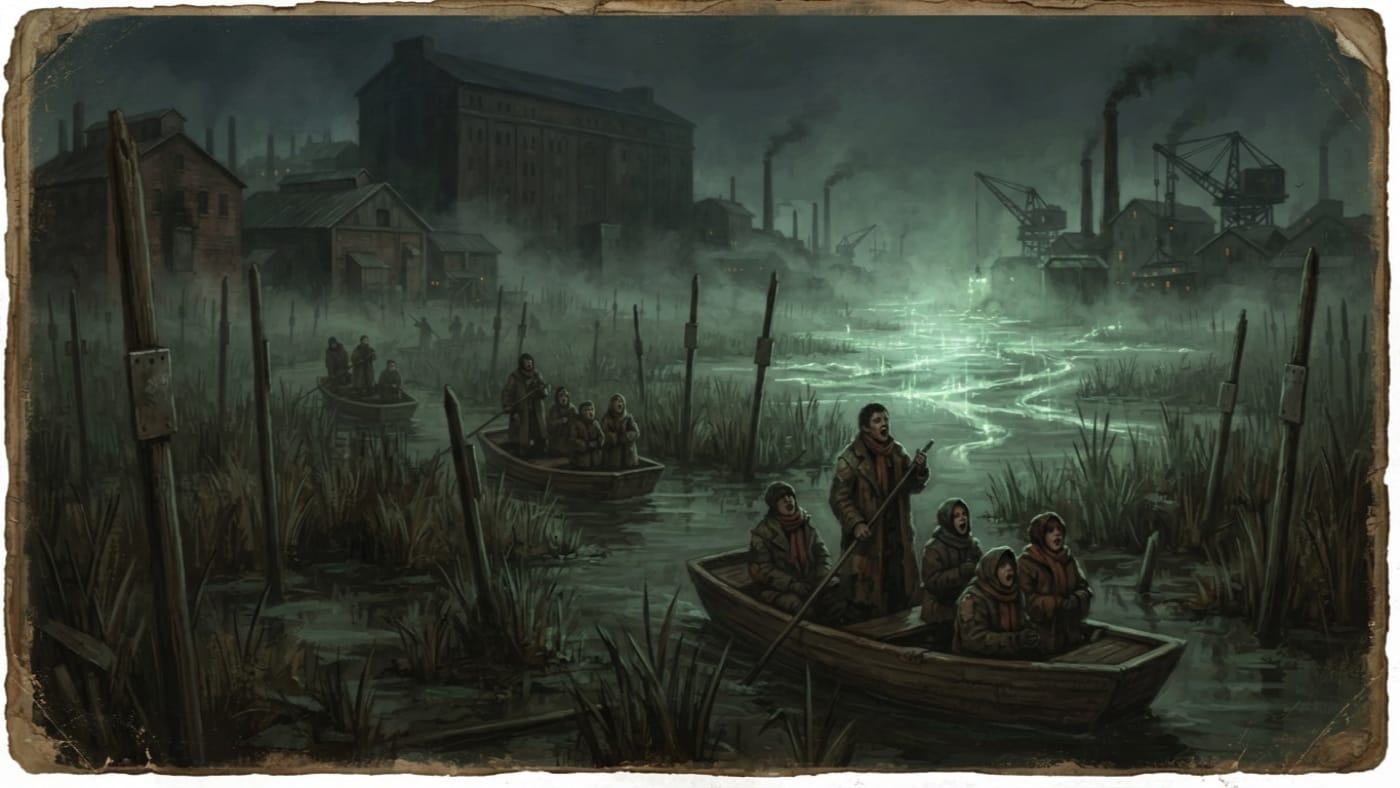
Glow Choir
Seven investigations, no arrests, and three informants singing.
At the Ash-Glyph Marshworks, a mourning sect sings to corpse-light and calls its false channels invitations. Seven Purity investigations have yielded no arrests; three choristers are Purity's own informants.
Codex Ref. XI.1.09-001
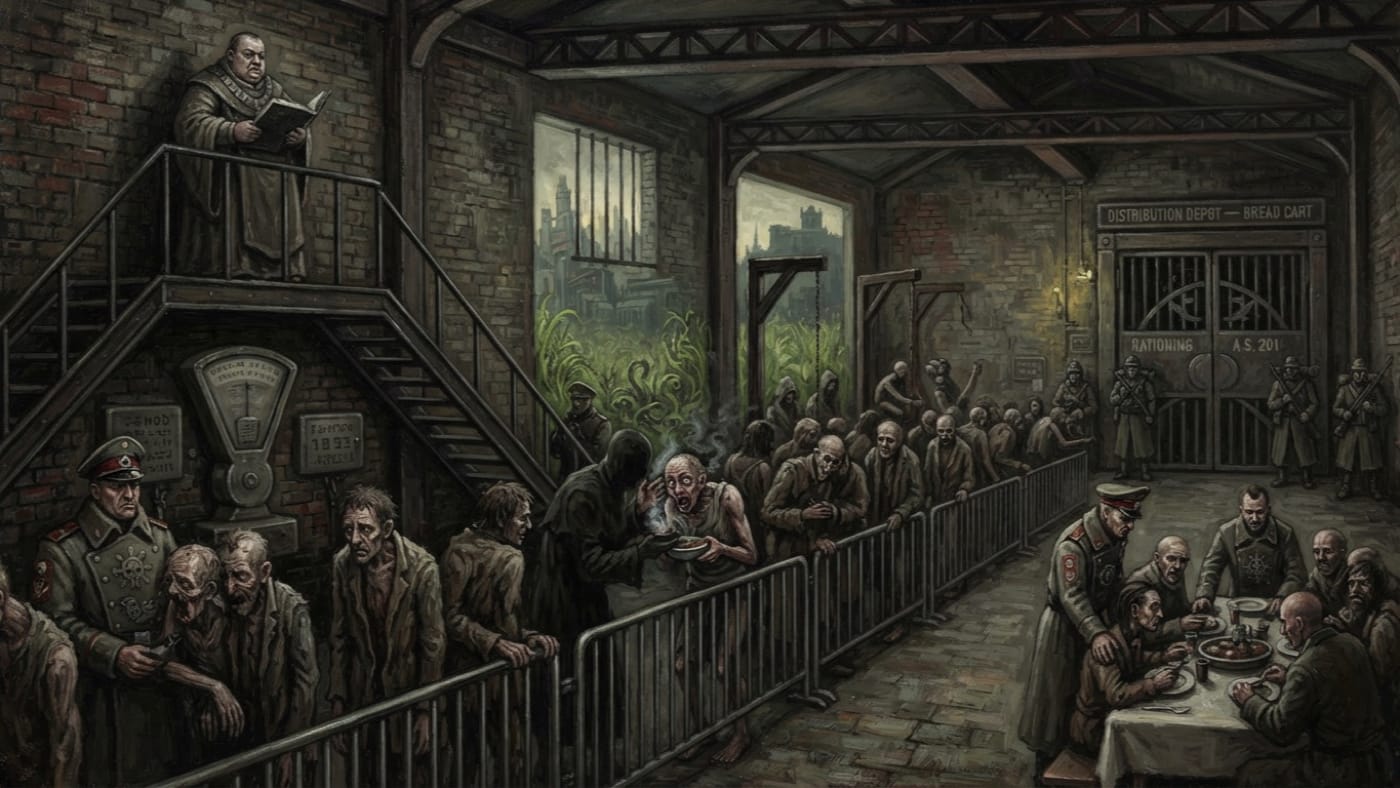
Gluttony
The Hunger That Survives the Feast
In this A.S. 201 survey, Gluttony is need that grows with feeding. Kargath offers relief before the hunger returns larger; the Synod answers with rationing, fasts and gallows. An empty stomach is no proof of a guilty soul.
Codex Ref. VI.3.01-003
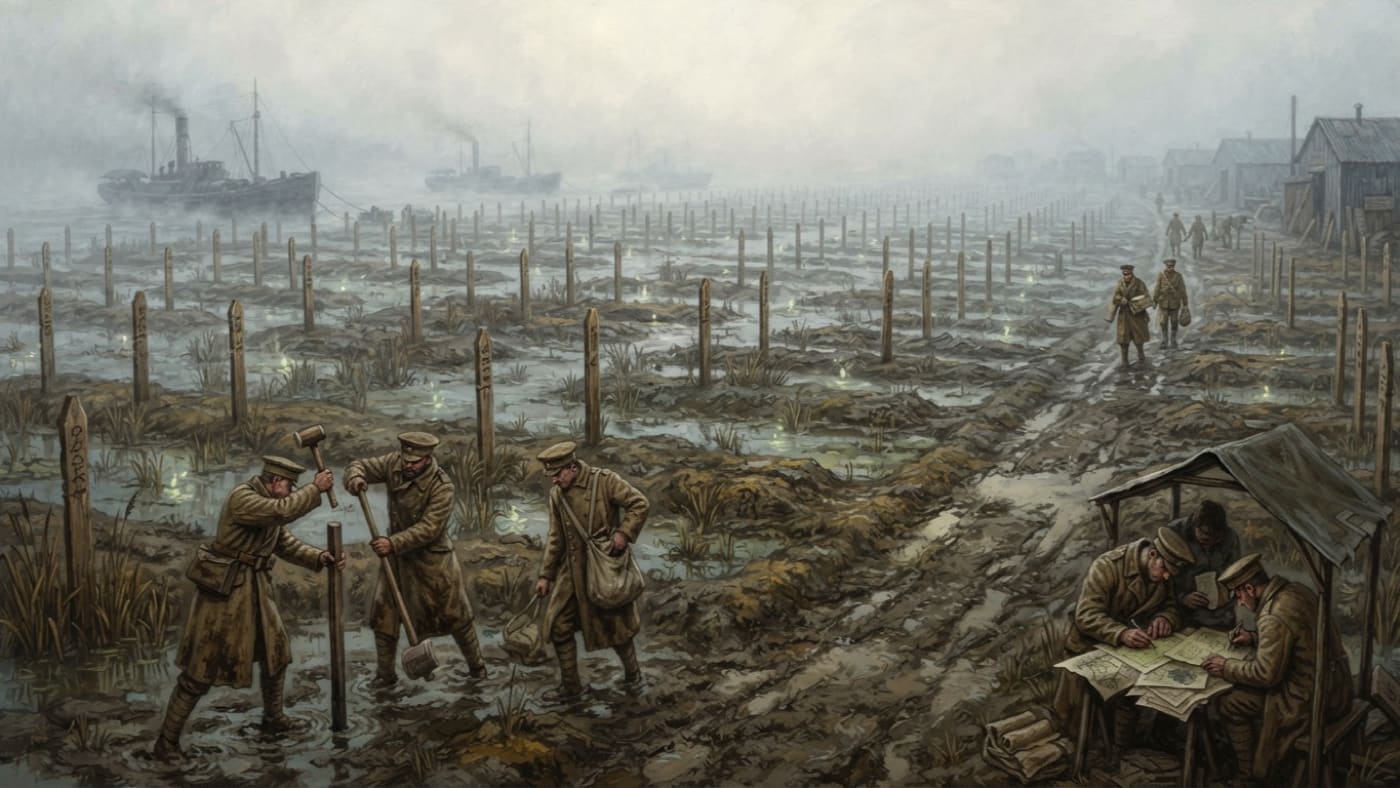
Glyphyard
The graves move. The ledger calls it drift.
The southern burial district of the Ash-Glyph Marshworks, where war-dead become filing coordinates. Stakes move overnight, maps are redrawn at dawn, and the Office proposes more ground that will not hold a line.
Codex Ref. II.4.08-005
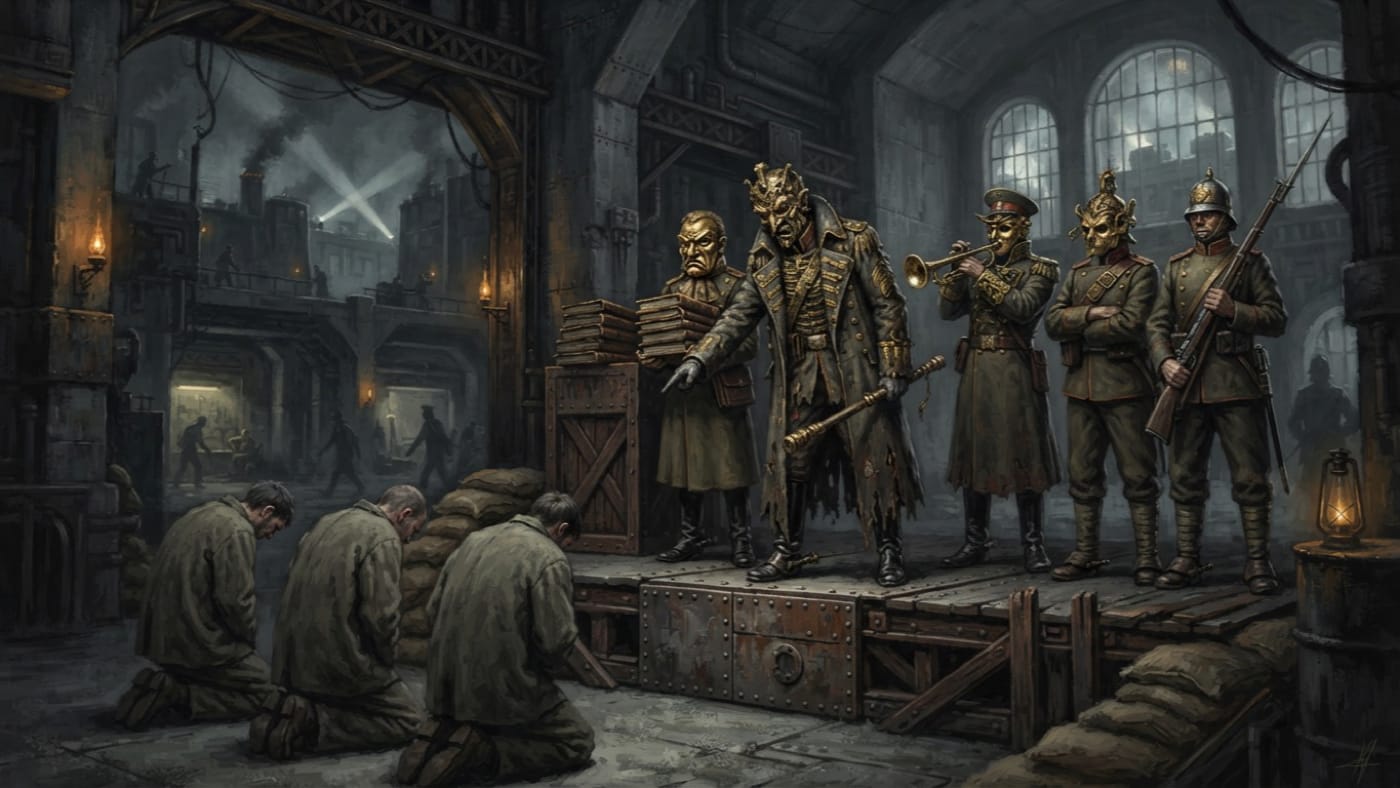
Golden Masquerade of Varna
The file is resolved. The cast is missing.
Atheron's public cult recruits the overlooked through pageants of rank and judgement. Its Przemyśl file is marked Resolved; the confessants remain unlocated.
Codex Ref. XI.6.01-006
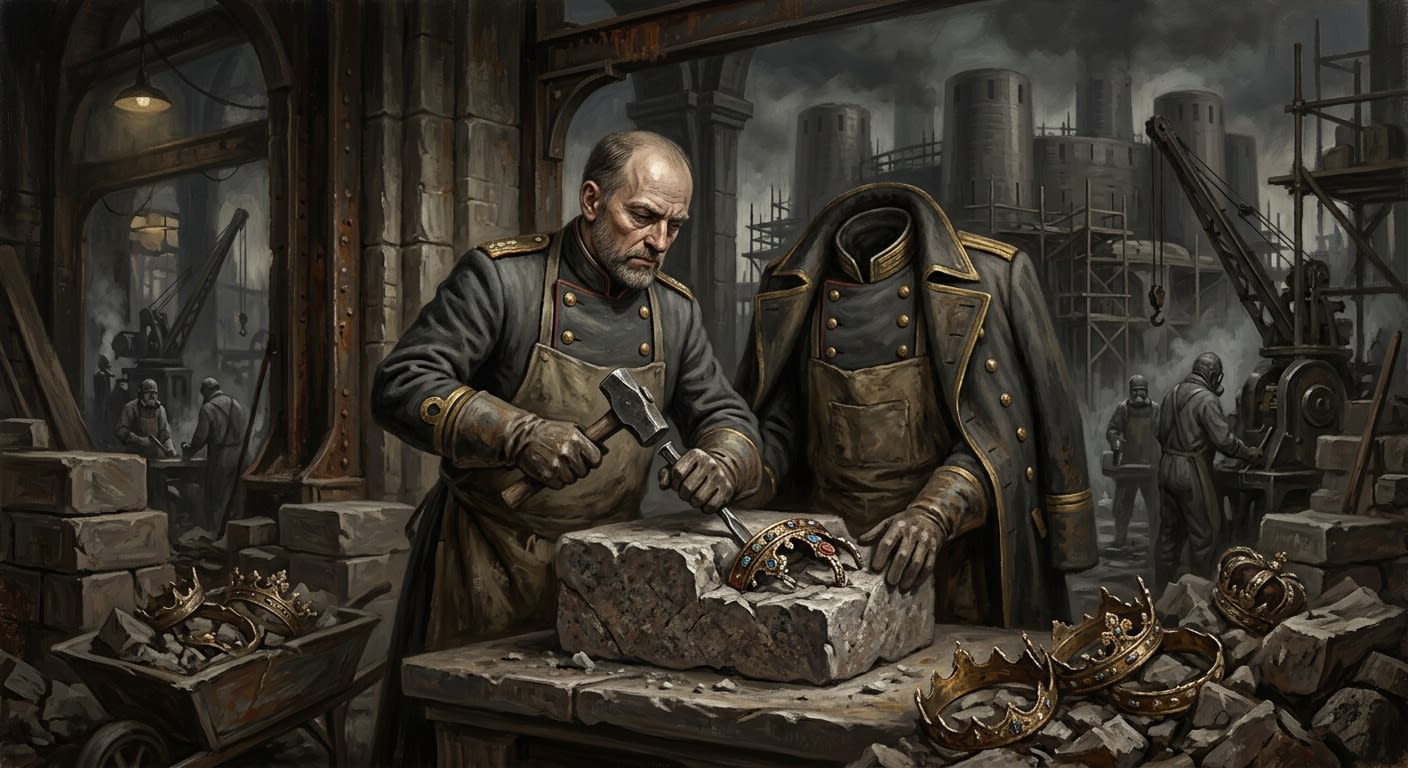
Governor-Praelate Hugo of Constantinople
The man who made abdication useful and bone load-bearing
Governor-Praelate Hugo surrendered his coronet in A.S. 68, ordered the Second Ossuary Ring, and taught crowns to become masonry.
Codex Ref. III.2.02-001
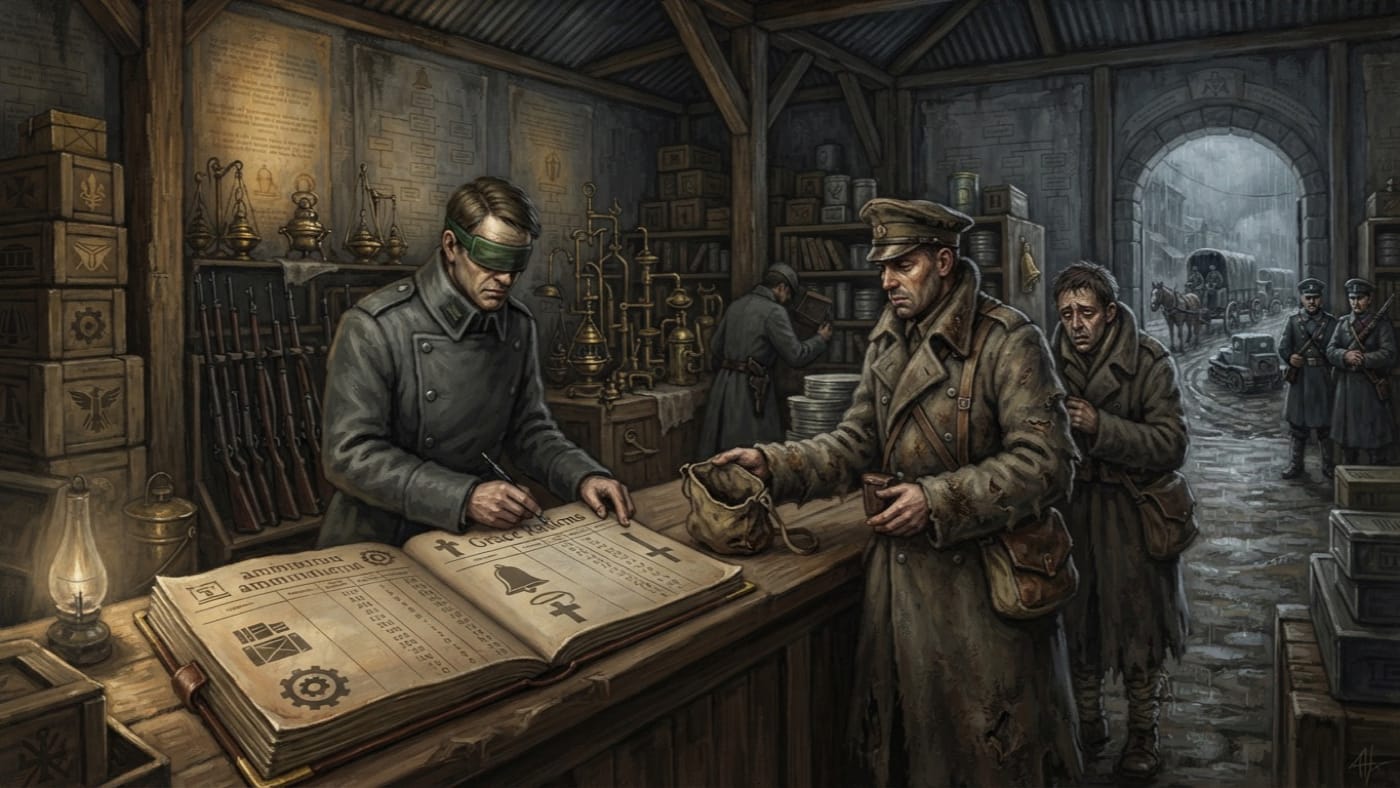
Grace Rations
The pouch is issued; the soldier is spent
Bell-hour chits, saint-shares and indulgence slips ration mercy to the Church's armies. Tithe arrears suspend the claim; invoking grace still spends the soldier. The pouch is issued. The body pays.
Codex Ref. VI.3.01-004
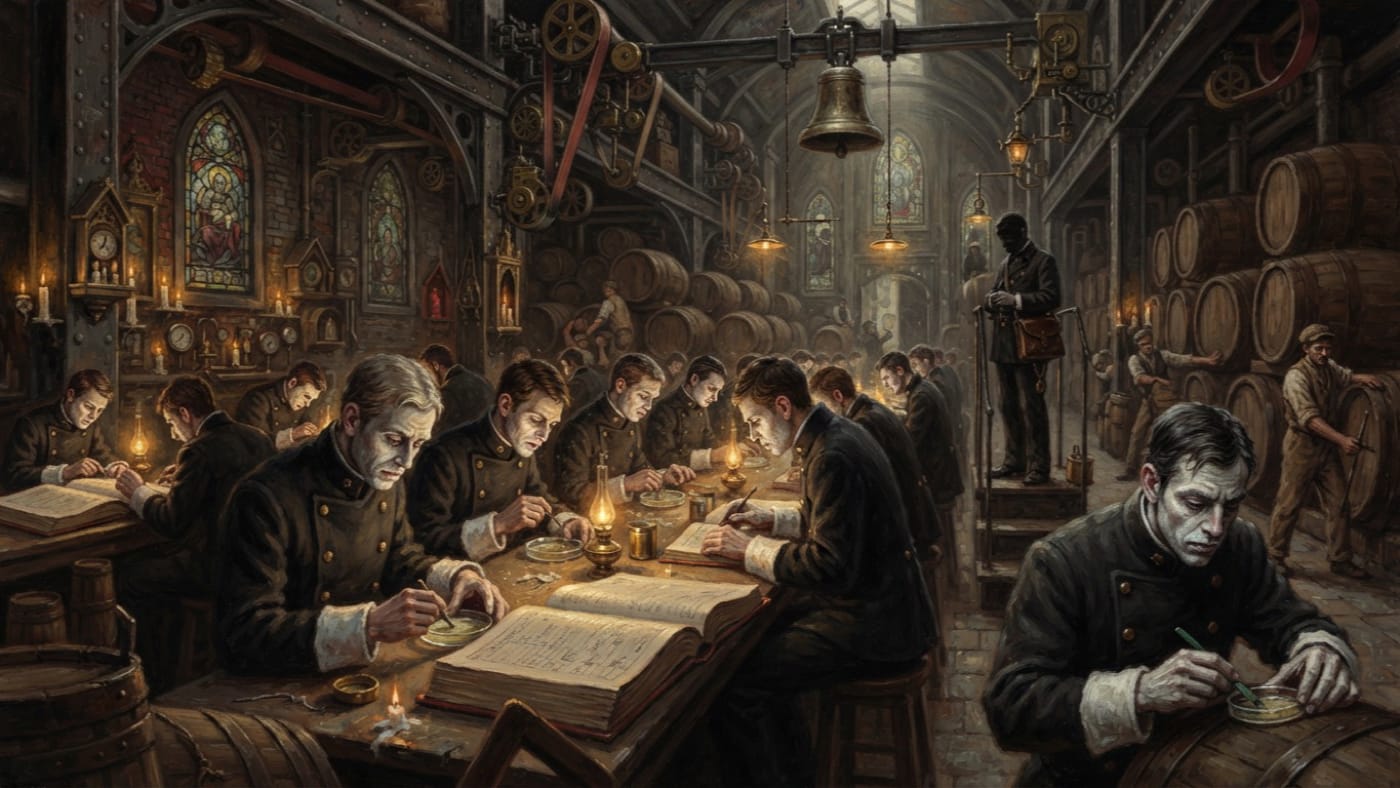
Graders' Quiet Union
The graders see the taint; the White Steps press the seal.
Mournwater's unchartered graders protect and sell the truth of taint, mark suspect casks, and keep the relic trade moving beneath seals they cannot press.
Codex Ref. XI.5.02-001
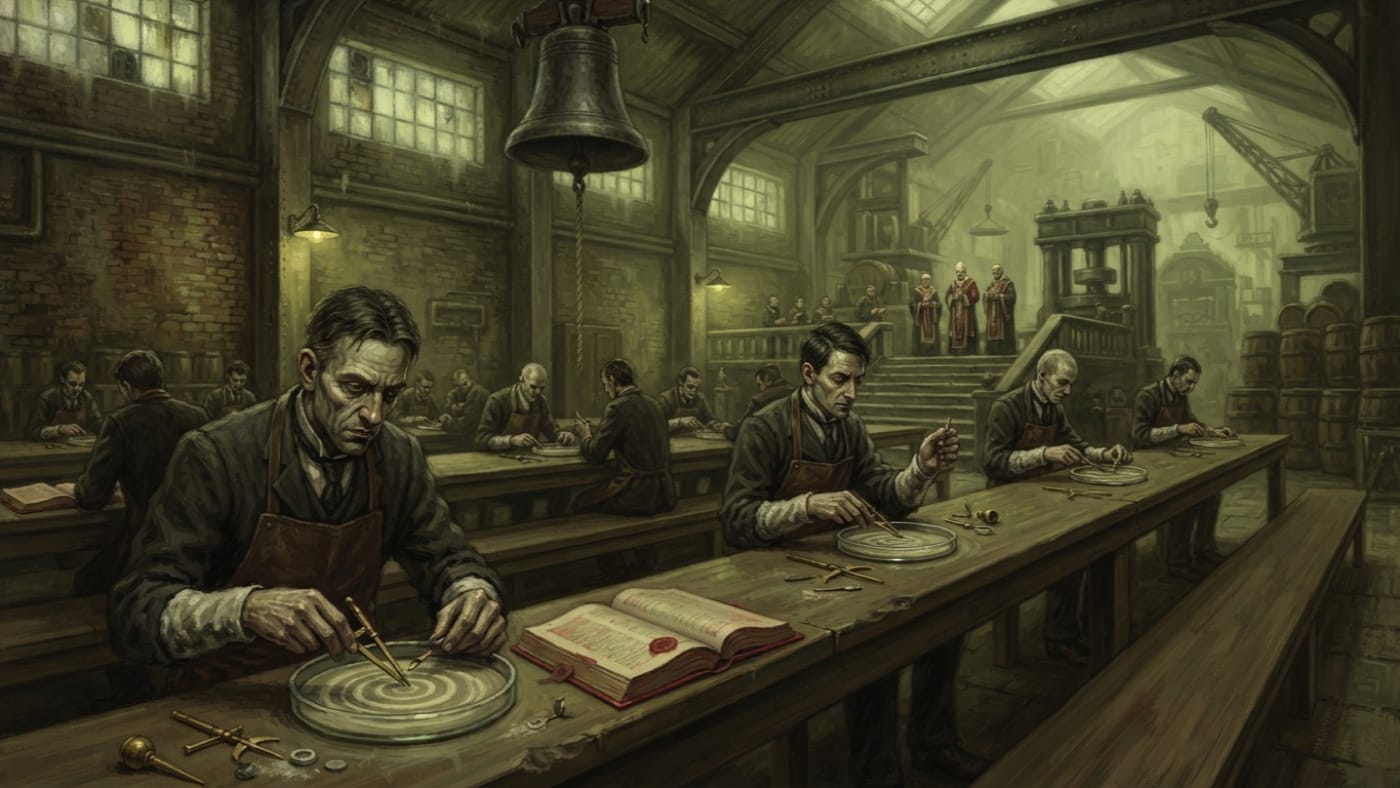
Grading Hall of Settled Light
A town holds its breath while holiness decides how to lie down.
Mournwater's saint-dust grading hall holds a river-town silent while shallow dishes decide its commerce. The graders measure holiness against a falsified ledger; the White Steps supply the seal.
Codex Ref. II.2.03-005
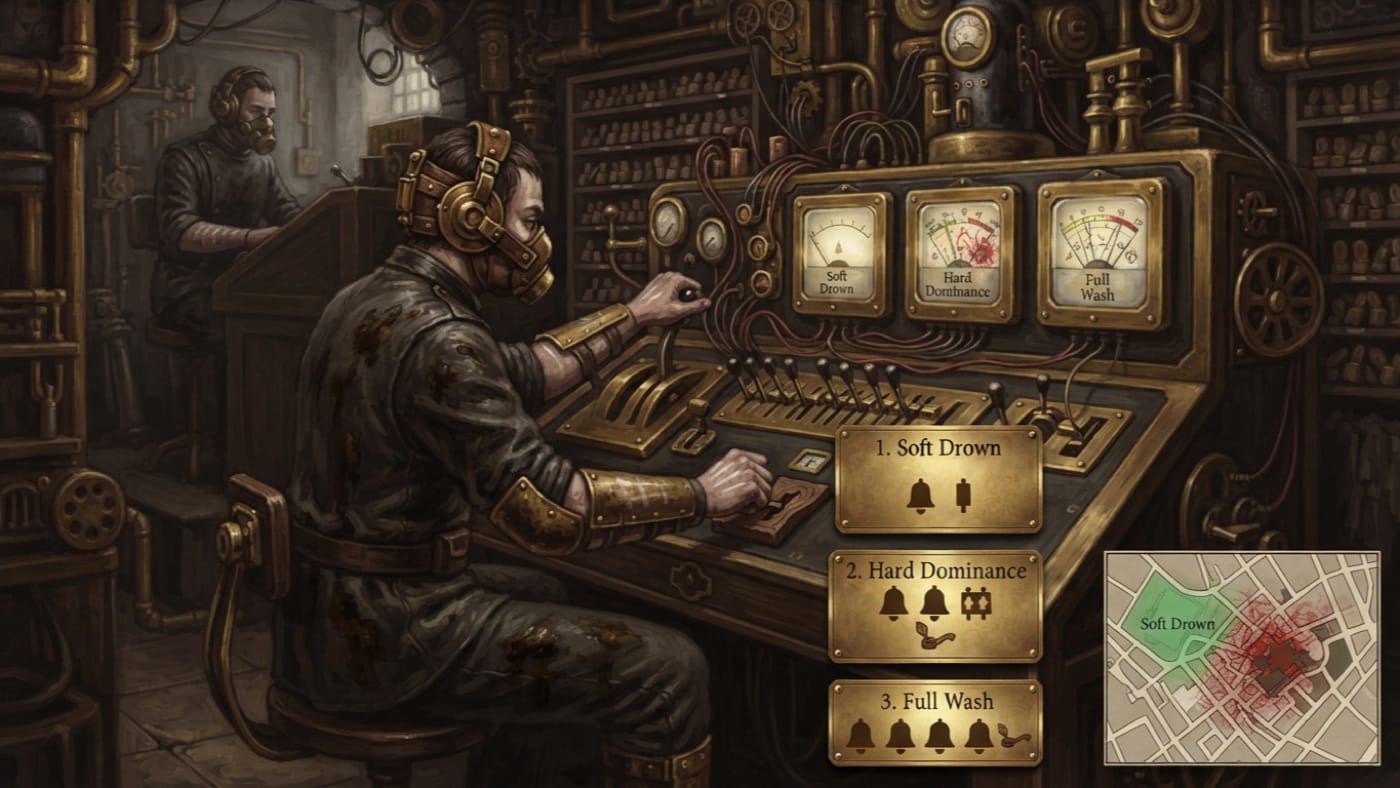
Graduated Dominance
Every louder answer requires a higher signature.
An A.S. 201 survey of the Counter-Toll escalation protocol: hostile tones drowned in three authorised bands, with wax, voice and living keys. The street and the operator pay for every louder answer.
Codex Ref. XIII.1.62-201
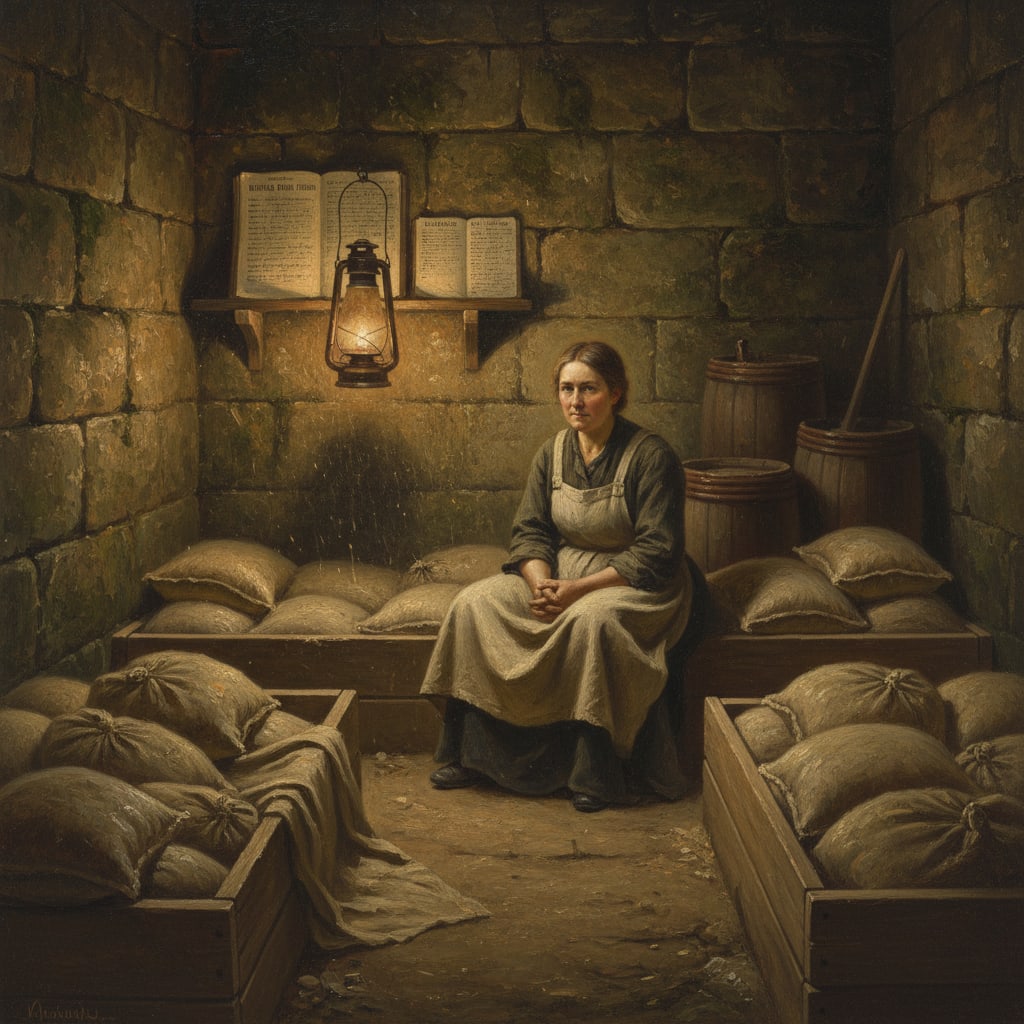
Grain Keeper
The fifth proscribed heresy, which is also why most of the civilian population west of the Sagittal Line survived the last four winters
The fifth proscribed heresy: farmers and millers who hide grain from the Bureau's ration ledger and thereby keep the population alive. The Bureau calls them spiritual saboteurs. The population calls them their only recourse.
Codex Ref. XI.2.01-001
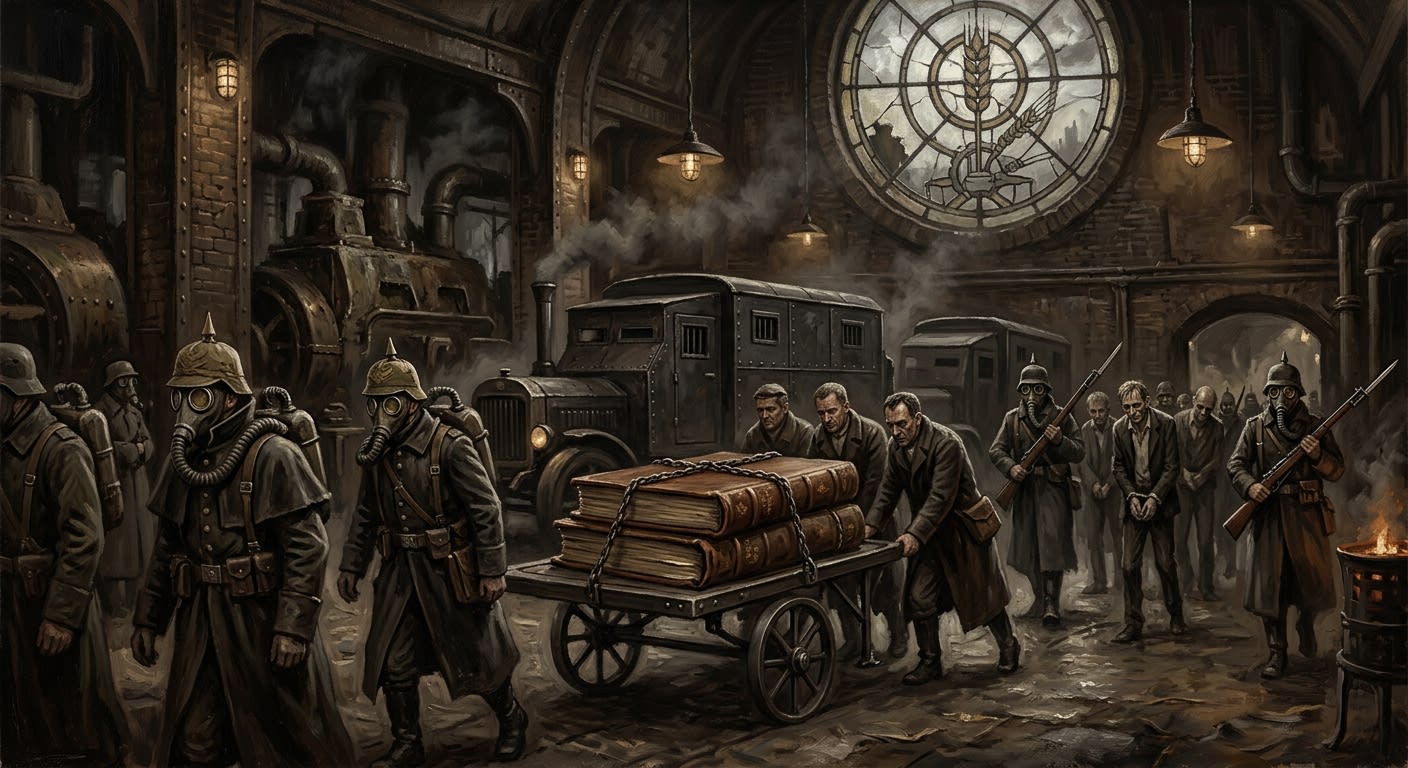
Grain Merchants' Guild, Lübeck
The fattest civic animal discovered the Creator when black gauze knocked
Dissolved Lübeck grain fraternity whose A.S. 180 spiritual renewal followed eleven Night Wagons, seized ledgers, and Shadow custody of the northern corridor's hungriest arithmetic.
Codex Ref. XII.26.02-001
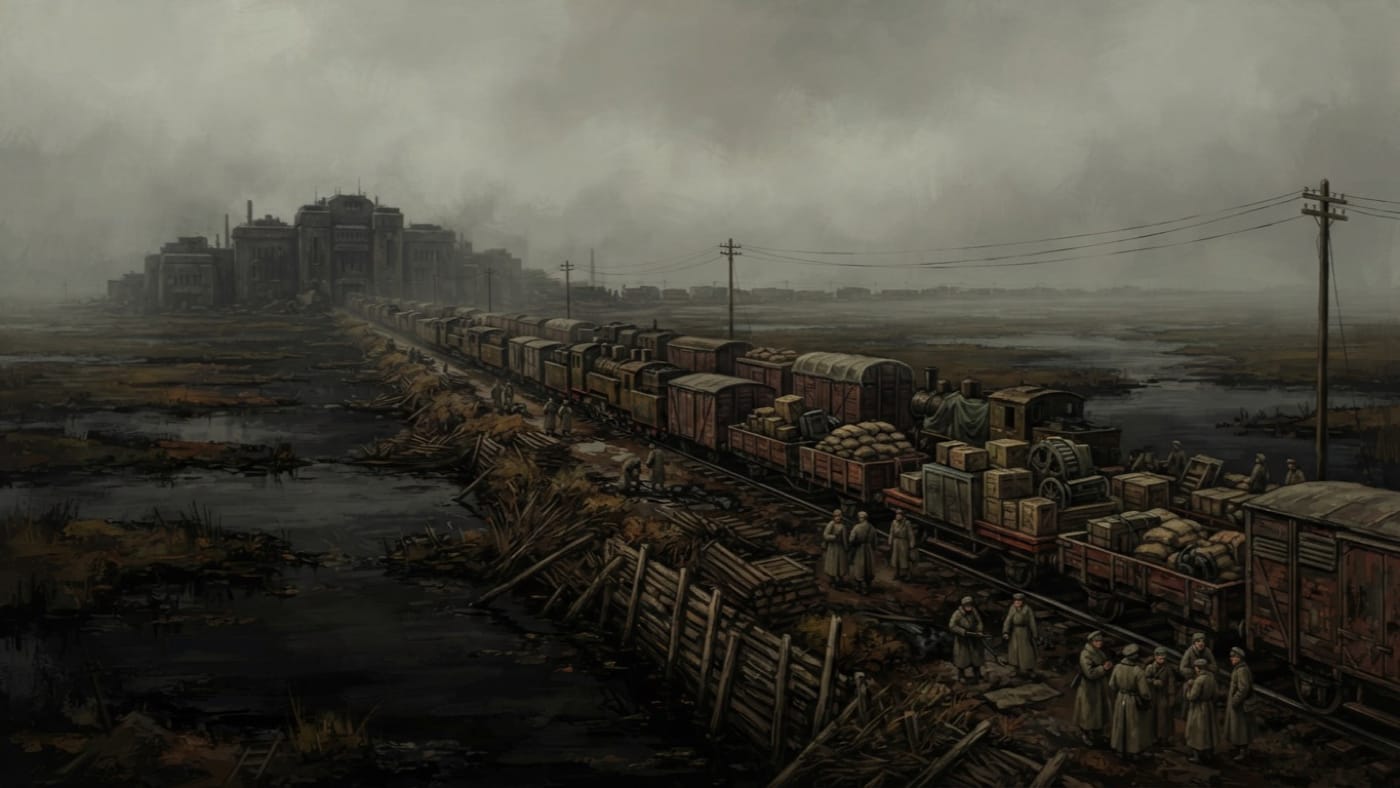
Grain Riots of the Drava corridor
The year is missing; the railway bore the load
An A.S. 201 retrospective of the undated Drava corridor grain riots: Shipka's marsh spur carried loads far beyond capacity, trains queued for days, and Strasbourg praised the logistics from a desk.
Codex Ref. VII.8.10-201
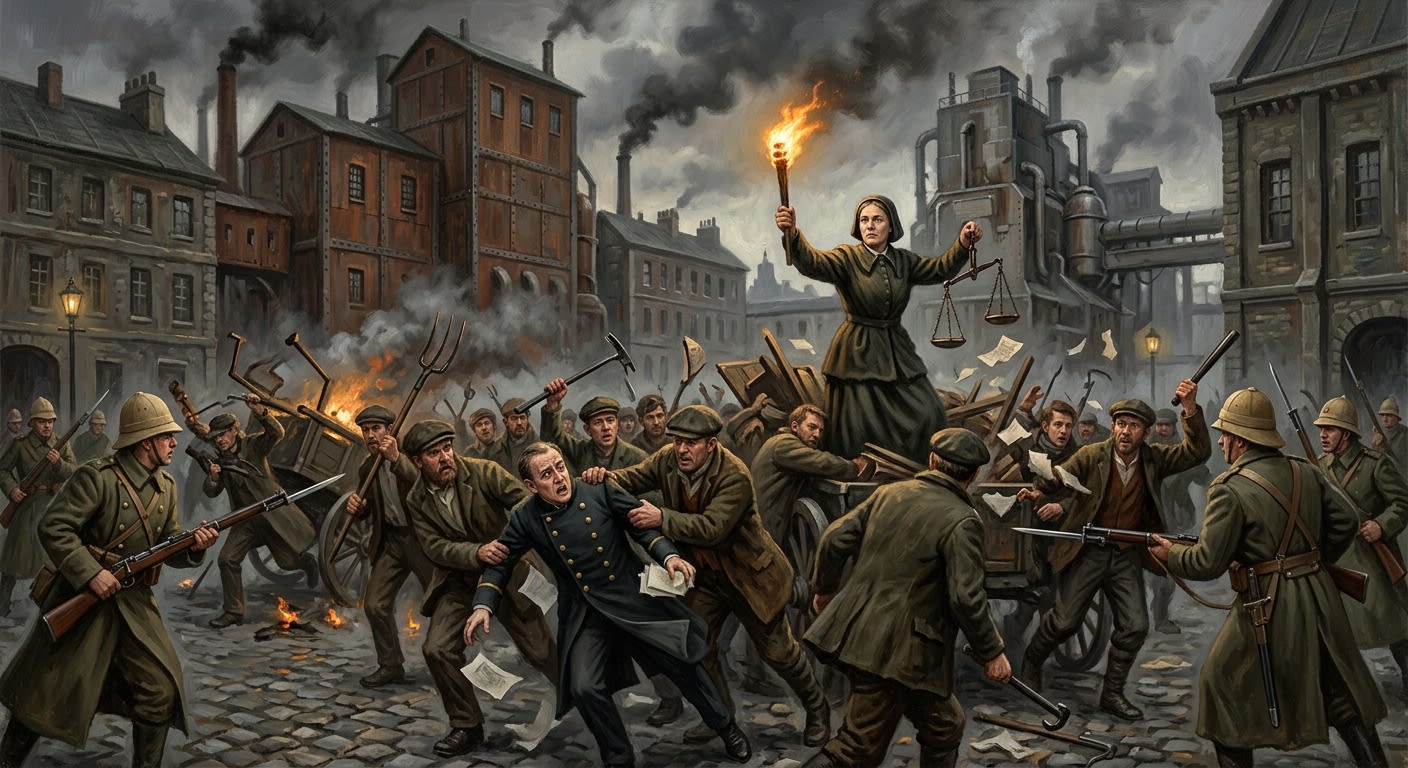
Grain Tithe Riots
Where hunger learned arithmetic and Hildegarde brought fire
The Grain Tithe Riots of A.S. 160 killed three Tithes Assessors, condemned forty Rhenish villages, and made Hildegarde of Mainz a saint with a scale in one hand and a torch in the other.
Codex Ref. VII.8.10-160
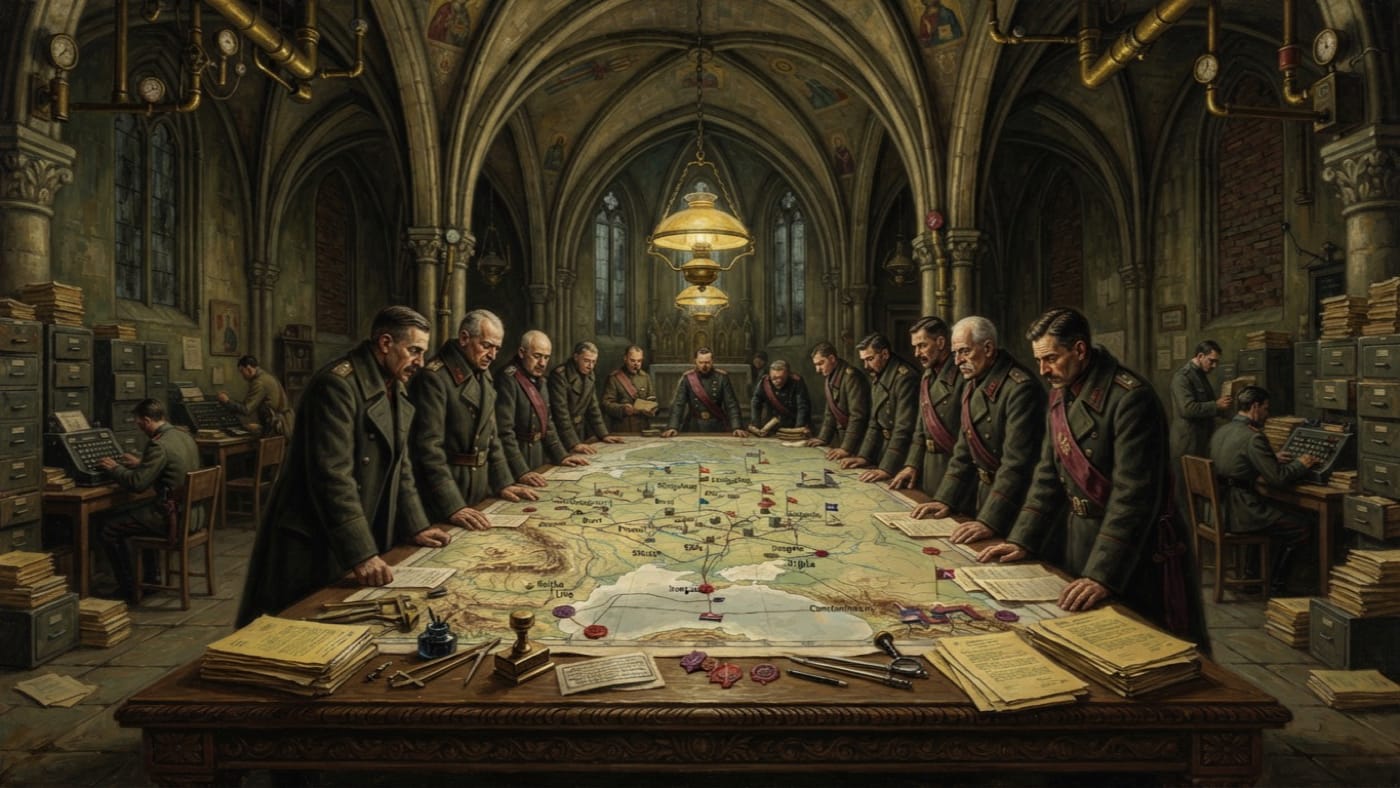
Grand Strategy Chamber
The Part of the War That Can Be Sealed
A chapel beneath Strasbourg's Arch of Campaigns where the Bureau of War moves armies on paper. Doctrine and Purity seal the plans; the frontier, regrettably, is not bound by their signatures.
Codex Ref. II.3.06-201
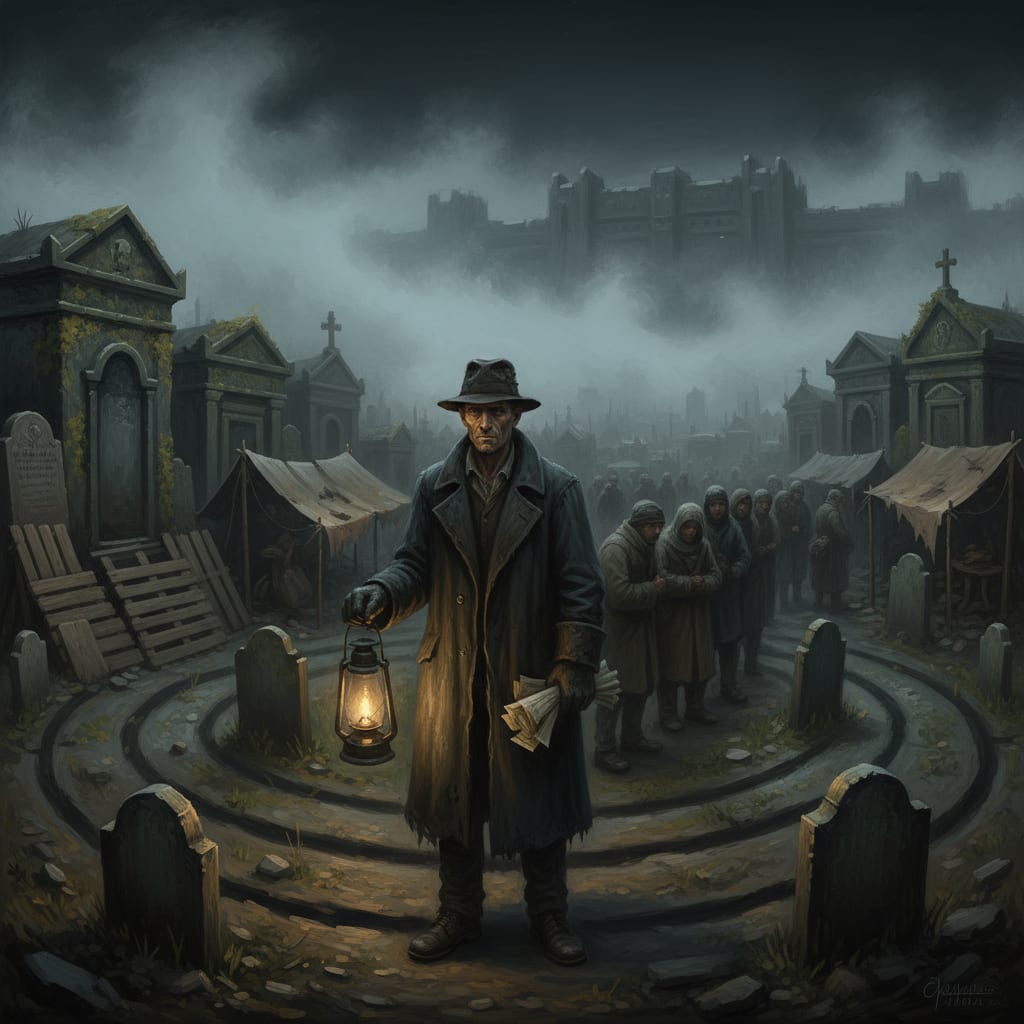
Grave-Field Shanty Broker
Where the Dead Own the Ground and the Broker Owns the Quiet
The officially unacknowledged profession administering forty thousand souls in the consecrated dead-lands the Bureau cannot legally rezone, will not formally notice, and cannot do without.
Codex Ref. XII.21.01-001
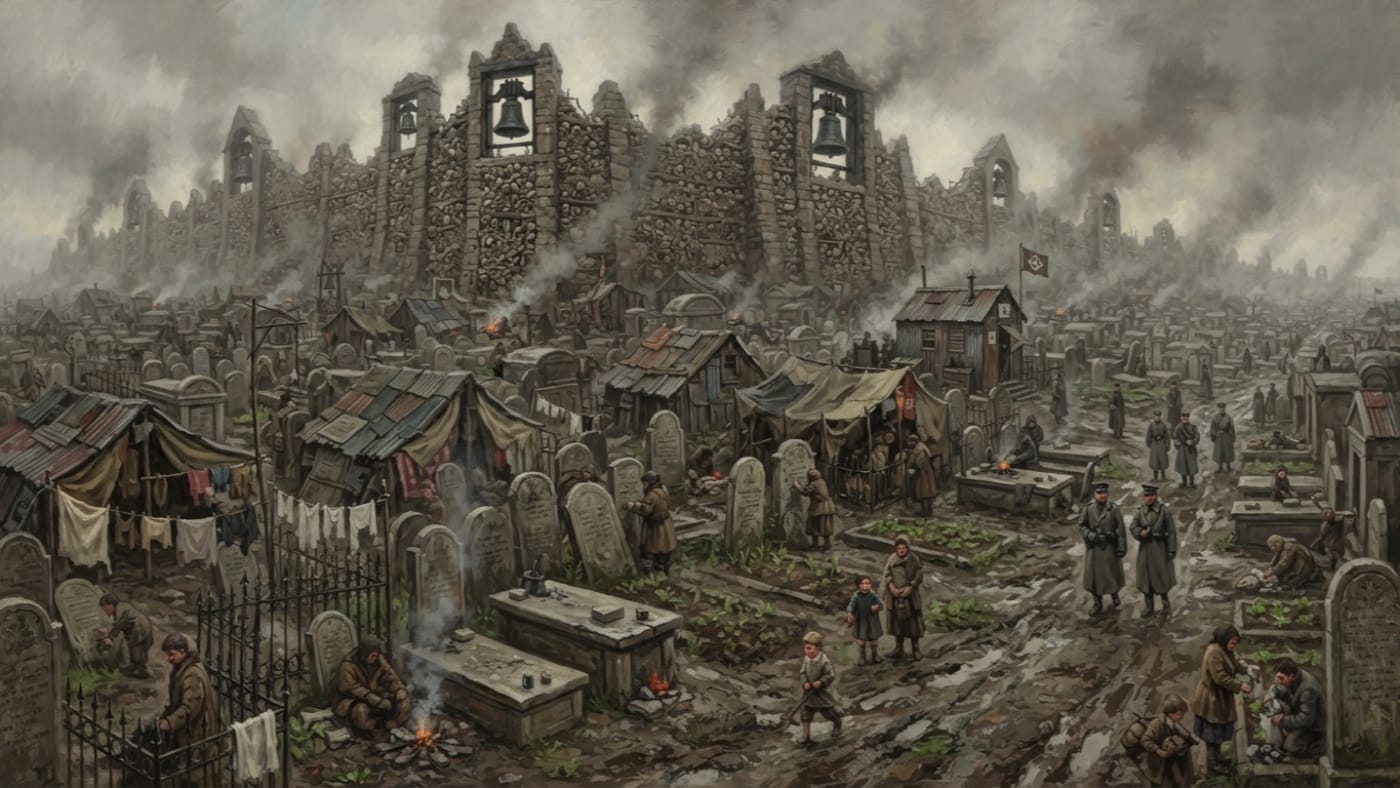
Grave-Fields
Occupancy temporary. Residents permanent.
Grave-fields house the living among the dead outside ossuary walls. Dry ground, bell coverage and renewable permits keep temporary residence permanent.
Codex Ref. III.2.04-1252
Graven Colossus
Stone legs, inscribed sanction, and a short file
Surveyed in A.S. 201: Engineering's sacred biped walks on inscribed stone legs, with fist grinders described in the Lore Book. Doctrine blessed it. Its beginnings remain undocumented.
Codex Ref. XIII.1.201-001
Grey Heralds
Syrion's kindness, spoken softly enough to kill
Grey Heralds are Syrion's fog-borne influence-demons: kind voices that invite soldiers, villages, and whole watches to sit, sleep, and never return to duty.
Codex Ref. IV.1.07-201
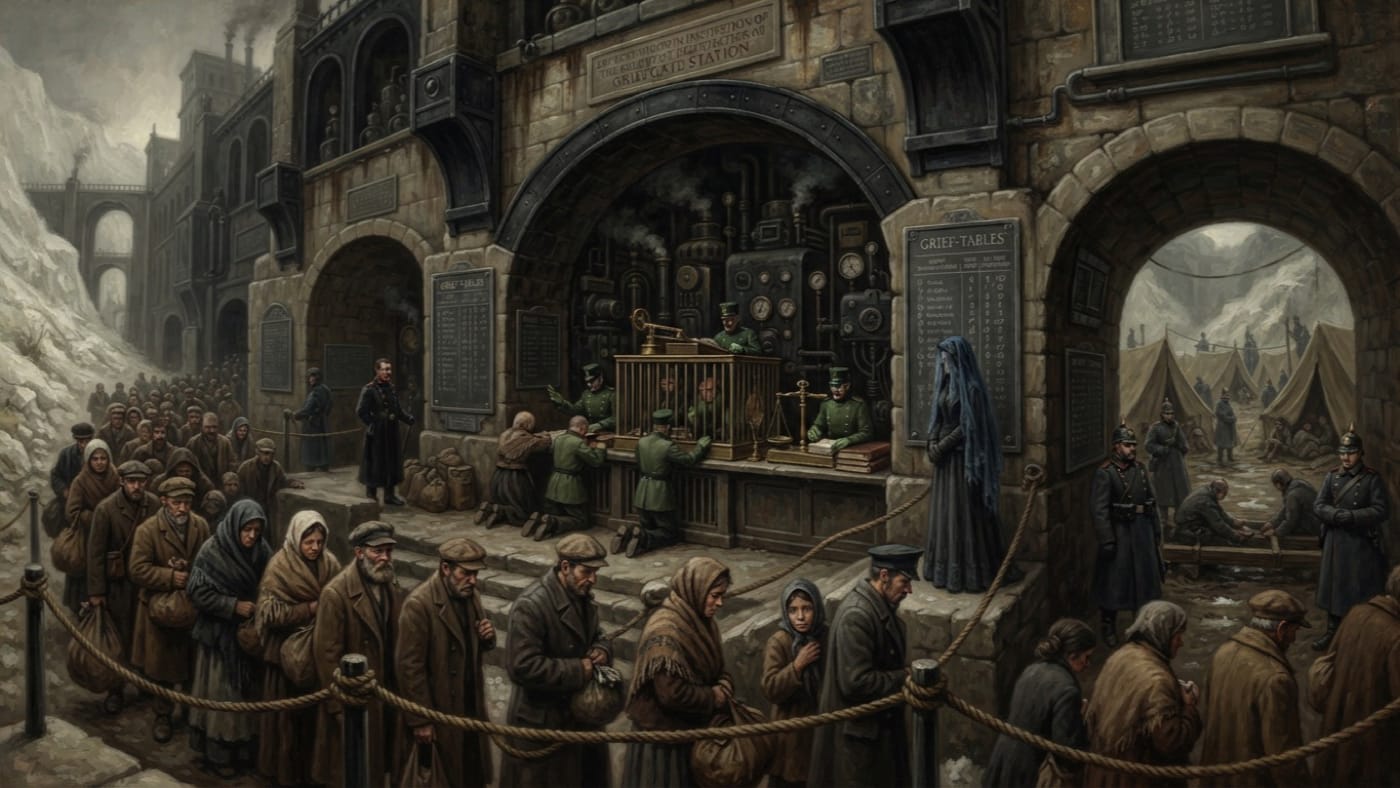
Grief-Tax
Declare your burden; the Gate will declare its price
At Griefgate, spiritual burden becomes a toll, payment becomes portable clearance, and unpaid sorrow becomes detention debt. The tables have no row for the unburdened.
Codex Ref. XIII.1.85-201
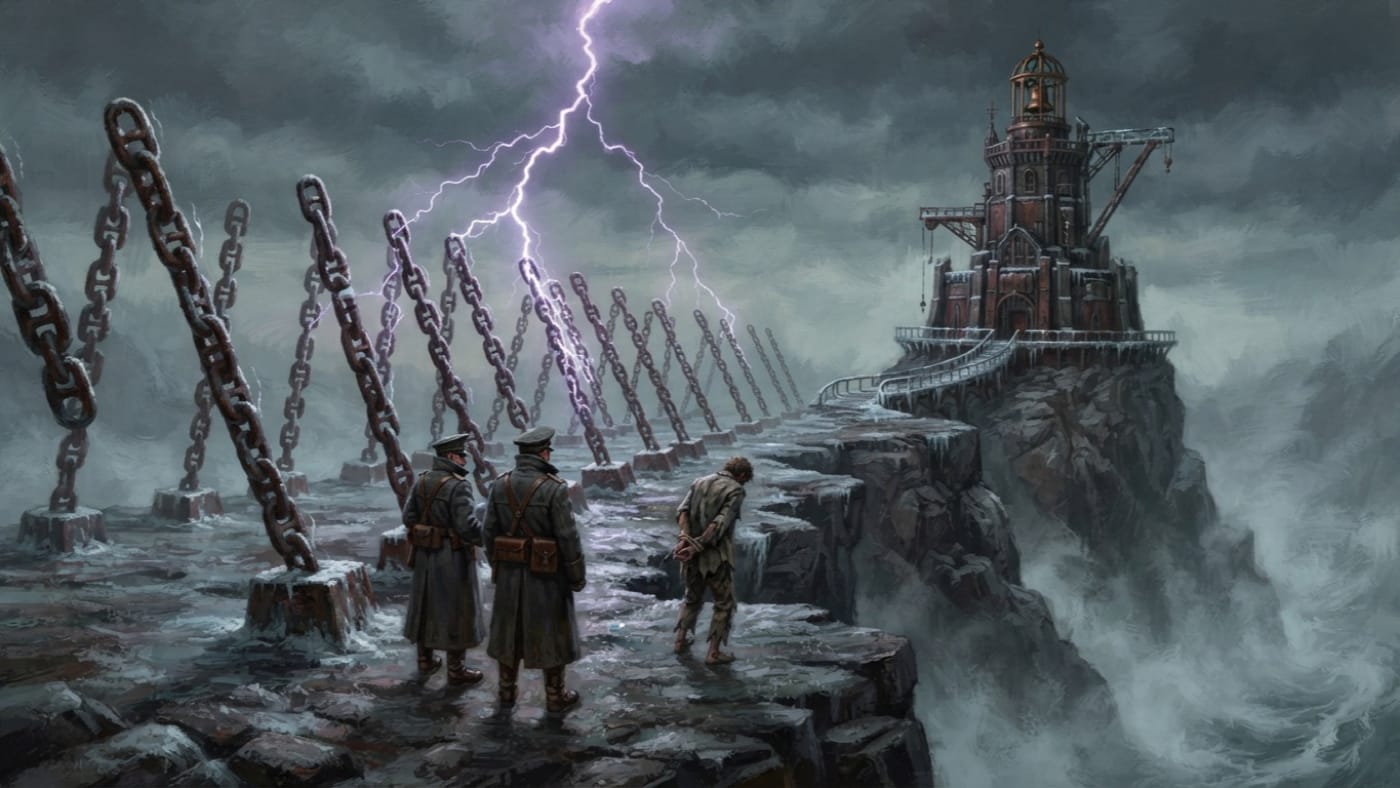
Grounding Field
Iron for the storm, folklore for the interrogator
Forty-seven iron chains guard Third Light against lightning. The Provosts hear oaths beside them; Doctrine calls their judgment folklore and conducts its interrogations there all the same.
Codex Ref. II.4.08-047
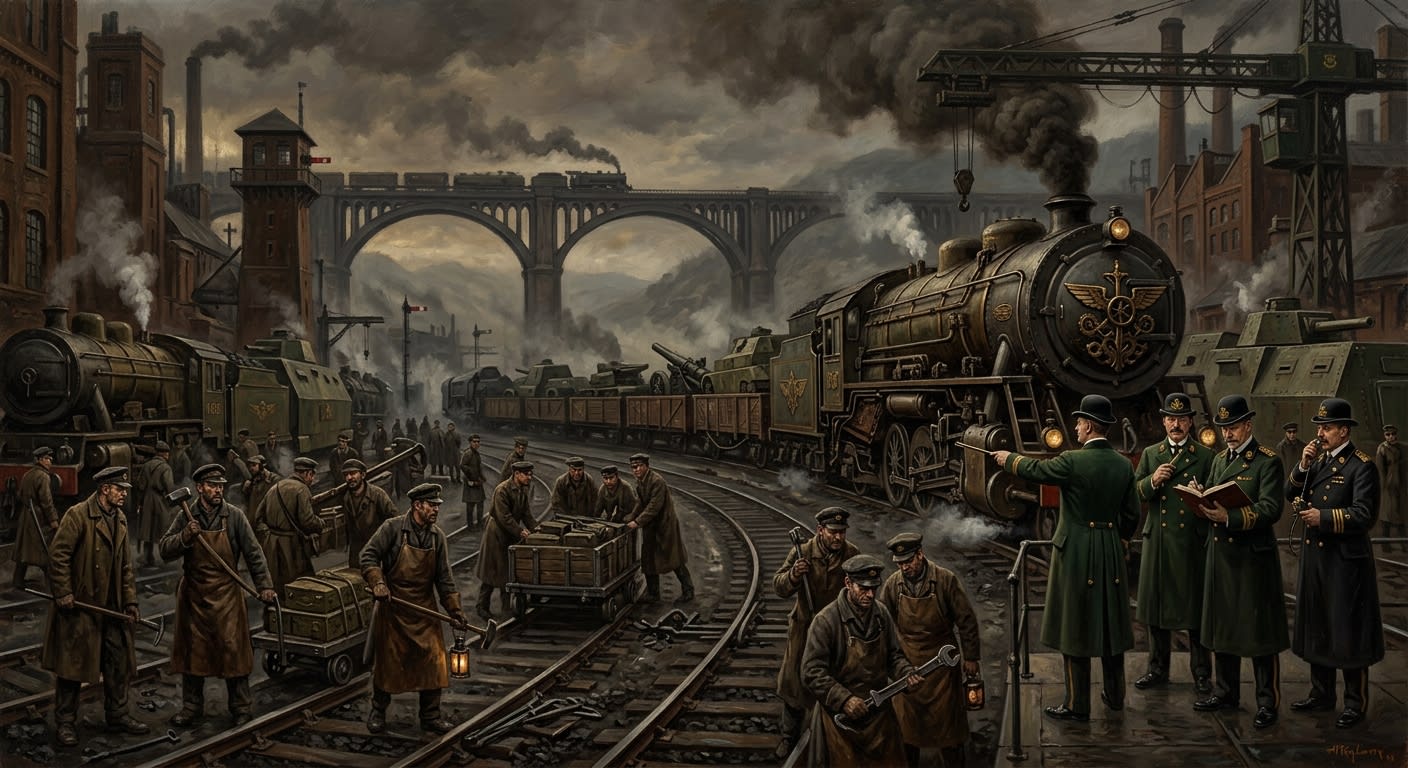
Guild of Rails
The iron road permits the war to arrive
Licensed brotherhood of track, gauge, junction, ballast, bridge, and schedule; the Guild moves the Dominion’s war and charges extra when physics objects.
Codex Ref. XII.44.01-001

Guildmaster Joryn
The arm restores work; the contract chooses it
Guildmaster Joryn restores Marrowgate's wounded to usefulness, then collects on that usefulness for life. The fitting is affordable; charity is absent from the contract.
Codex Ref. III.2.01-201

Guildmaster Maer Voss
The filters were adequate; the lungs were not
Maer Voss declared Brast's filters adequate for thirty-one years and died of lung varnish in A.S. 186. His successor inspected sooner and charged more.
Codex Ref. III.1.04-004

Guildmaster Pex Ruln
The man who owns the mesh beneath sanctity
Pex Ruln governs Brast's filters, locks, substrate receipts, and the useful delay between sanctity and throughput. His hands are never clean.
Codex Ref. III.1.04-003
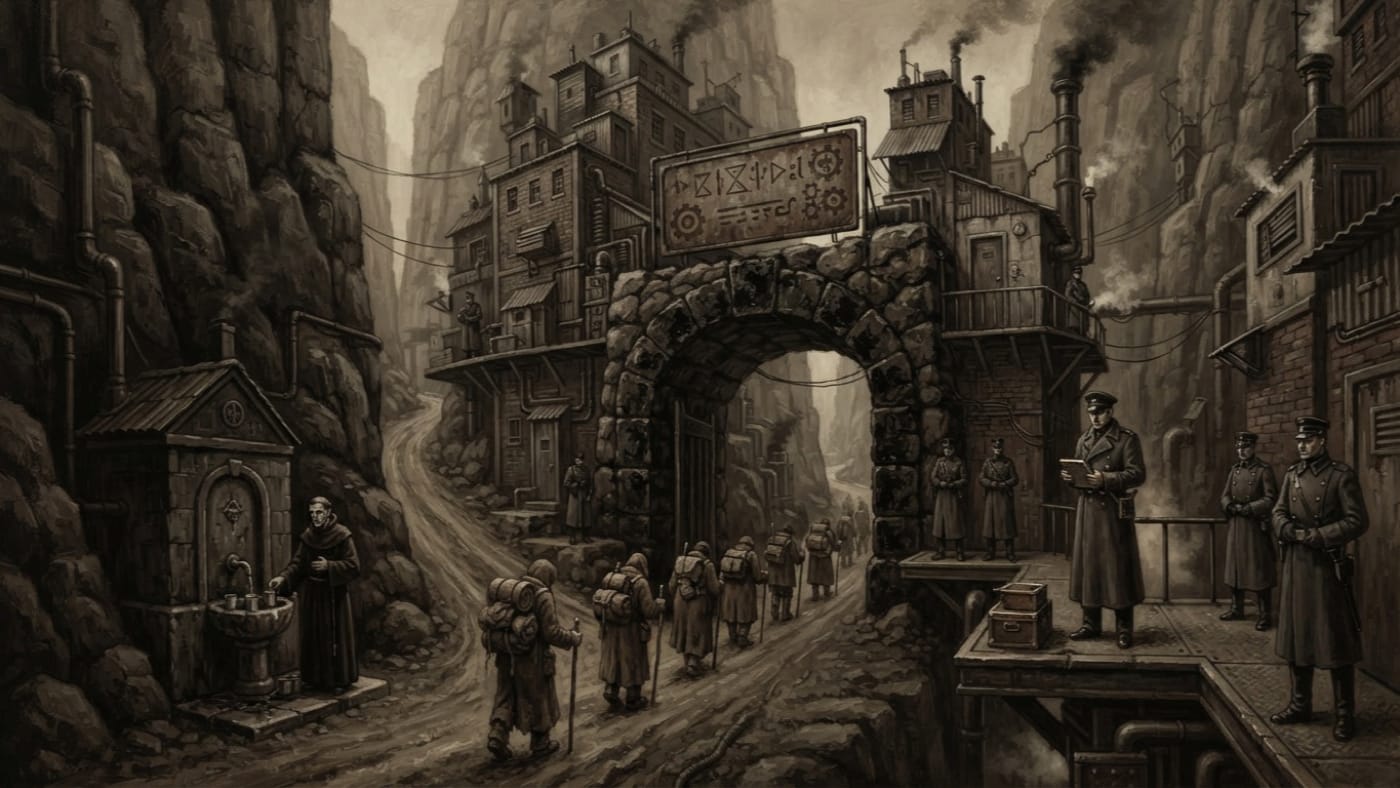
Haelke
A founding surname and two tolls
The Haelke were one of three families taxing water and passage at Peregrine Row before the formal Synod. The record preserves the tolls; it does not supply a dynasty.
Codex Ref. VIII.6.11-001
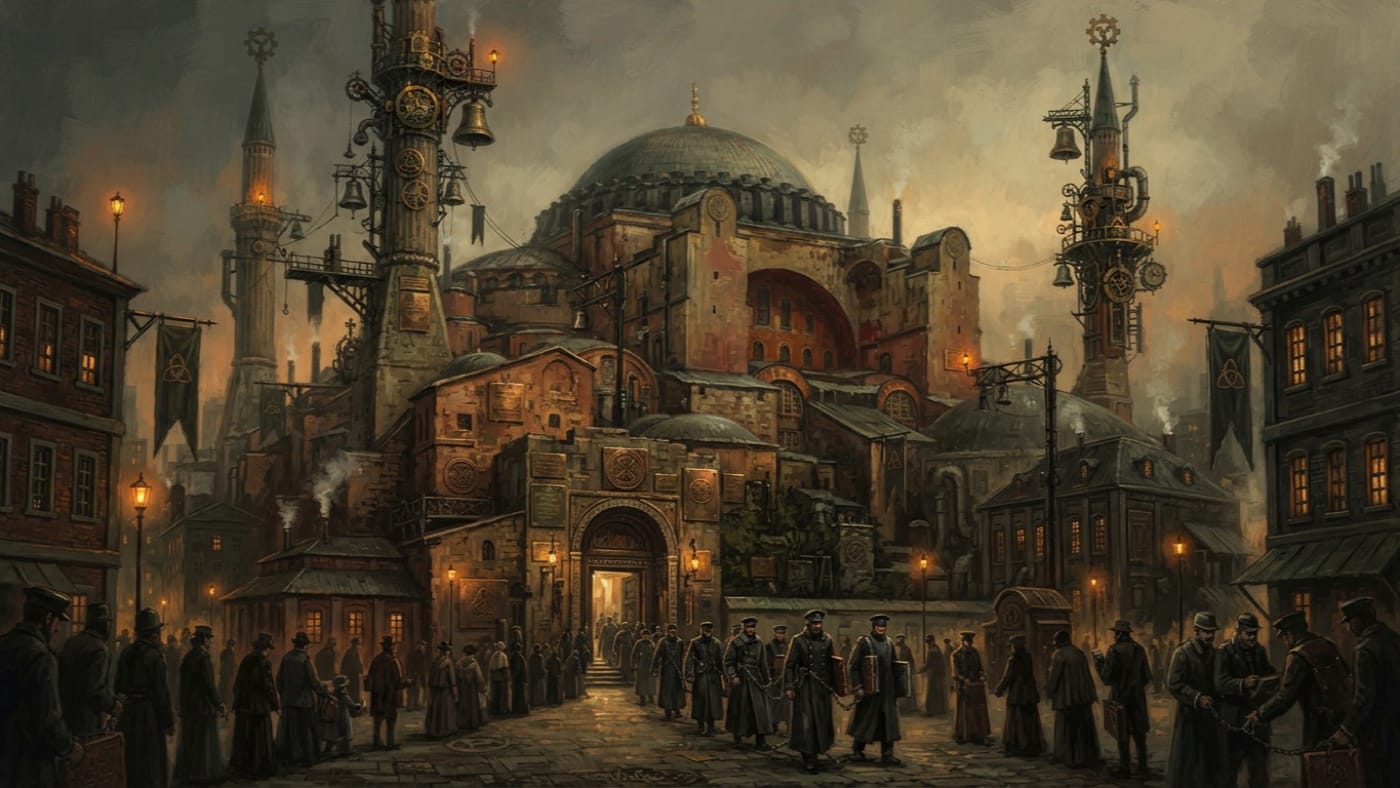
Hagia Sophia
The Dome Has Not Countersigned
Constantinople's old Hagia Sophia, seized in A.S. 68 and titled the Cathedral of the Perpetual Registry in A.S. 72. Beneath its ancient dome, the southern front is made official one ratified record at a time.
Codex Ref. II.4.10-1298
Hall of Measures
Where steel receives a throat and blame receives a cage
The Hall of Measures is Essen's calibration chamber, where paired choirs sing molten steel into lawful grain and every failure becomes paperwork.
Codex Ref. II.2.06-110
Hall of Seals (Latchford)
Thirty-two bays. The bell closes the window; the clerk keeps his seat.
Latchford's Hall of Seals stamps personhood through thirty-two bays and bell-governed windows. Its blank master-permits vanished in late A.S. 199. The Hall remains operational; the discrepancy remains open.
Codex Ref. II.4.08-002
Halle
The city that says the Creed, washes the chalk, and keeps the oven warm
Halle is a compliant rear city with salt in its gutters, fever in its records, Creed on its tongue, Ashen fragments in its ovens, and obedience with undocumented residue.
Codex Ref. II.2.09-201
Halve
Coin truth, green fingers, and no allowance for mercy
Master Assayer Tinn Halve keeps Griefgate's coin honest and its trade stoppable. His green fingers certify the money; other offices collect the human cost.
Codex Ref. III.2.01-201
Hamburg-Kanzleiburg Line
The iron throat by which the northern front is fed
The double-tracked 280-kilometre rail throat between Hamburg and Kanzleiburg carries grain, coal, shells, orders, and the northern front's daily permission to continue breathing.
Codex Ref. II.3.05-007
Hammered
A thing that was never anyone cannot be called back to itself.
Demons made in Maldrake's Eternal Forges: wrath given a body, with no prior human identity. They can be destroyed. The first manufacture remains undated.
Codex Ref. IV.1.07-1316
Hammers
Ninety days on paper; twelve thousand men in Grey
Bastion-Constantinople's Grey conscript quarter houses twelve thousand Continental Levy men on ninety-day orders. Relief trains run late; shells, fouled water, and the Velvet Choir keep their appointments.
Codex Ref. II.4.10-201
Harbor Marshal Command
The berth may be refused; the gun need not explain
Saffron Bastion's armed harbor authority holds the berths, chains and cliff guns. Canon-Marshal Veyra Sable keeps the port supplied, the lure lanes ranged, and the cost entered as marine incidents.
Codex Ref. VIII.5.09-201
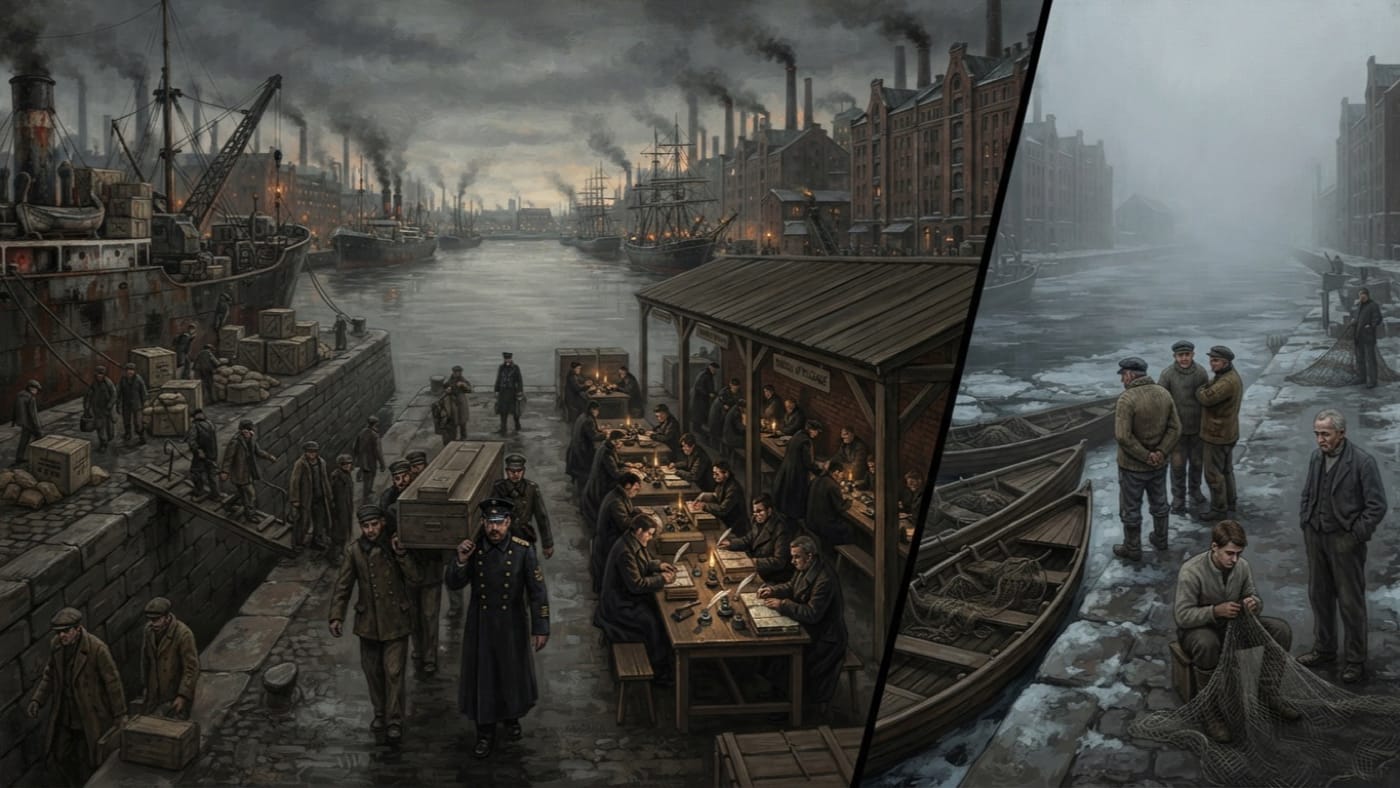
Harbour Quarter (Königsberg)
The clerks count the cargo; the fishermen watch what comes back
Königsberg's old merchant port supplies the northern bastion until winter seals the basin. Passage counts every vessel; the fishermen keep their own reckoning of what the Grey returns.
Codex Ref. II.4.07-201
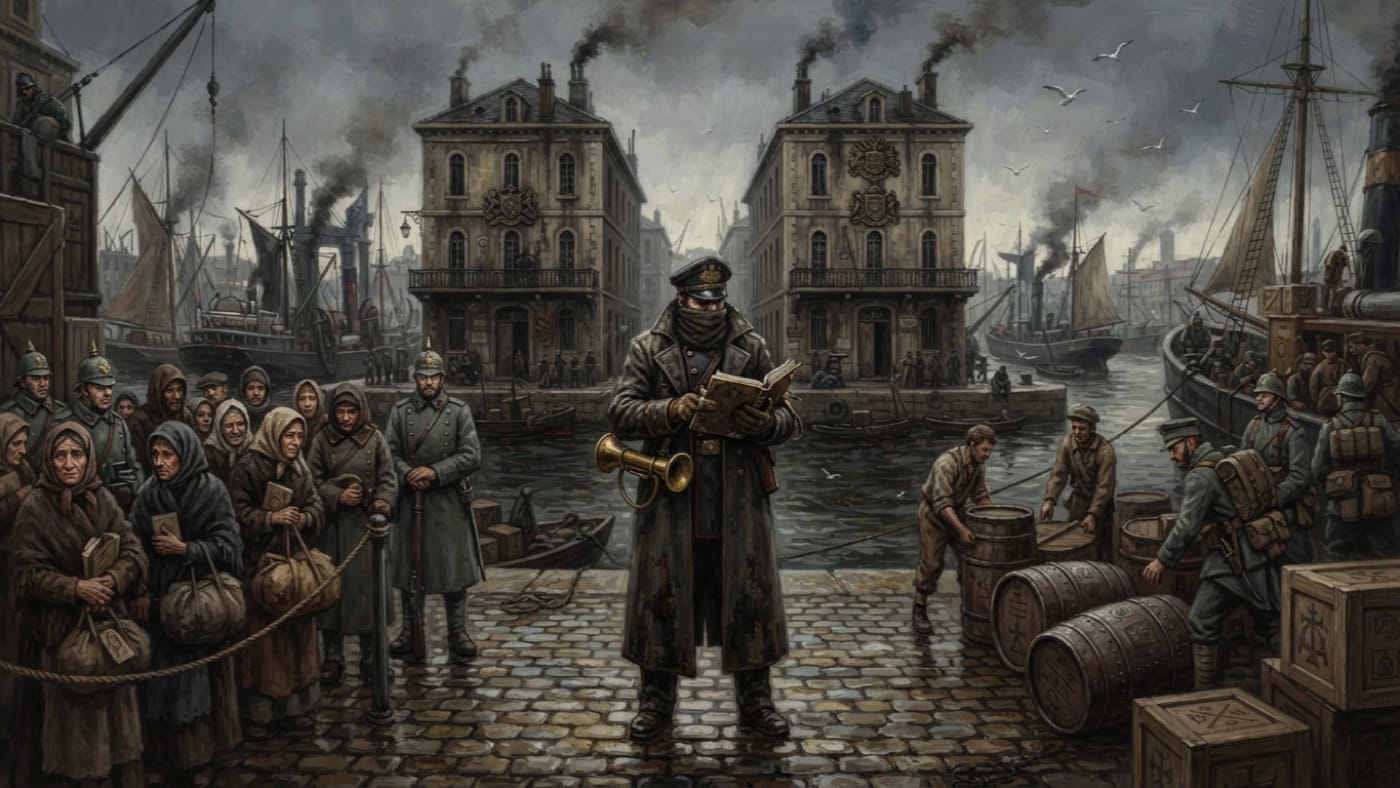
Harbour-Master
Authority has five claimants; responsibility awaits a name
Marseille's Harbour-Master claims authority beside four Bureaus. The Ledger records the title; the cargo waits for someone willing to answer for it.
Codex Ref. XIII.1.39-002
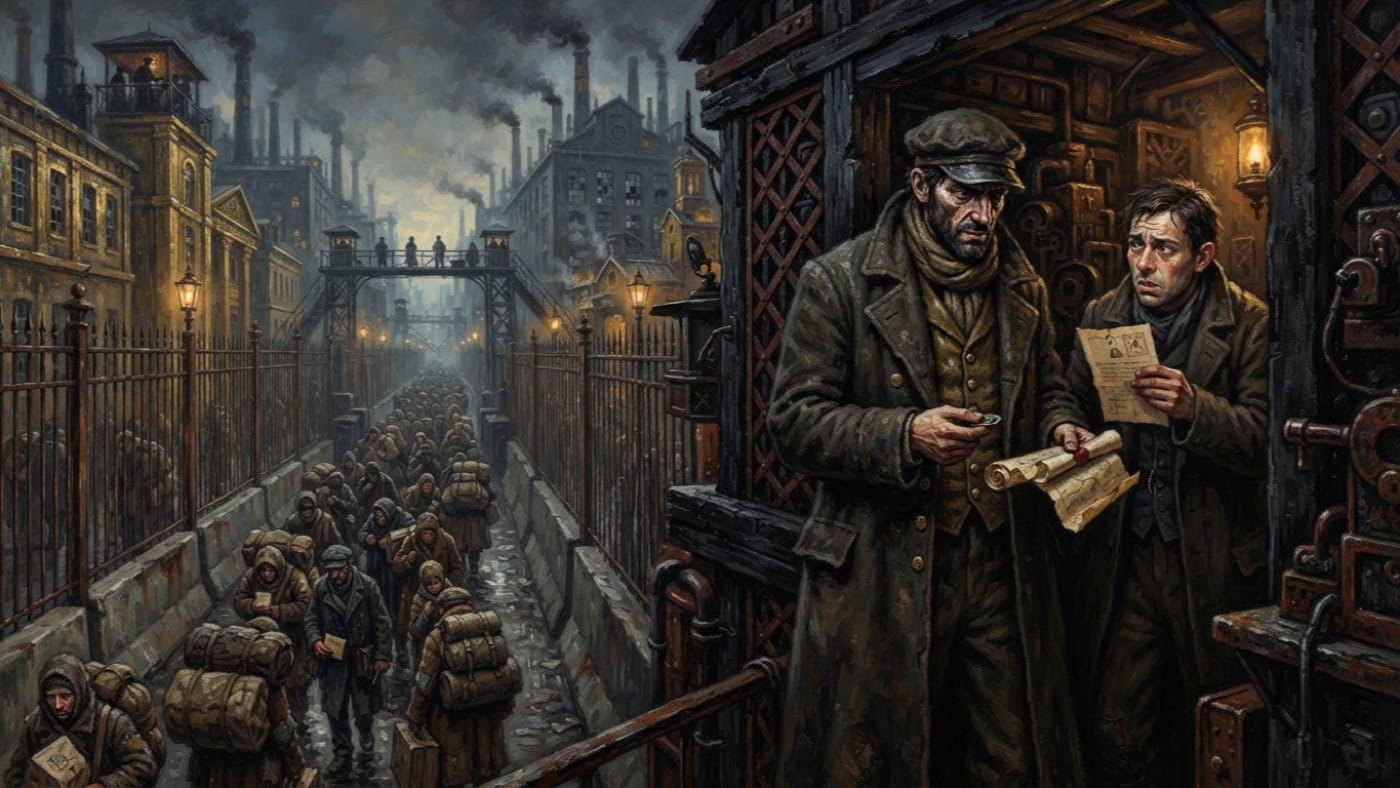
Hatch Lyd
The man who sells passage where motion is taxed
Boss of the Queue Road's Runner Union, called the Lanes. Hatch Lyd sells passage, black-market timestamps and information where every lawful minute is taxed. Unlocated, untaxed and tolerated: the Directorate has use for him.
Codex Ref. III.2.05-001
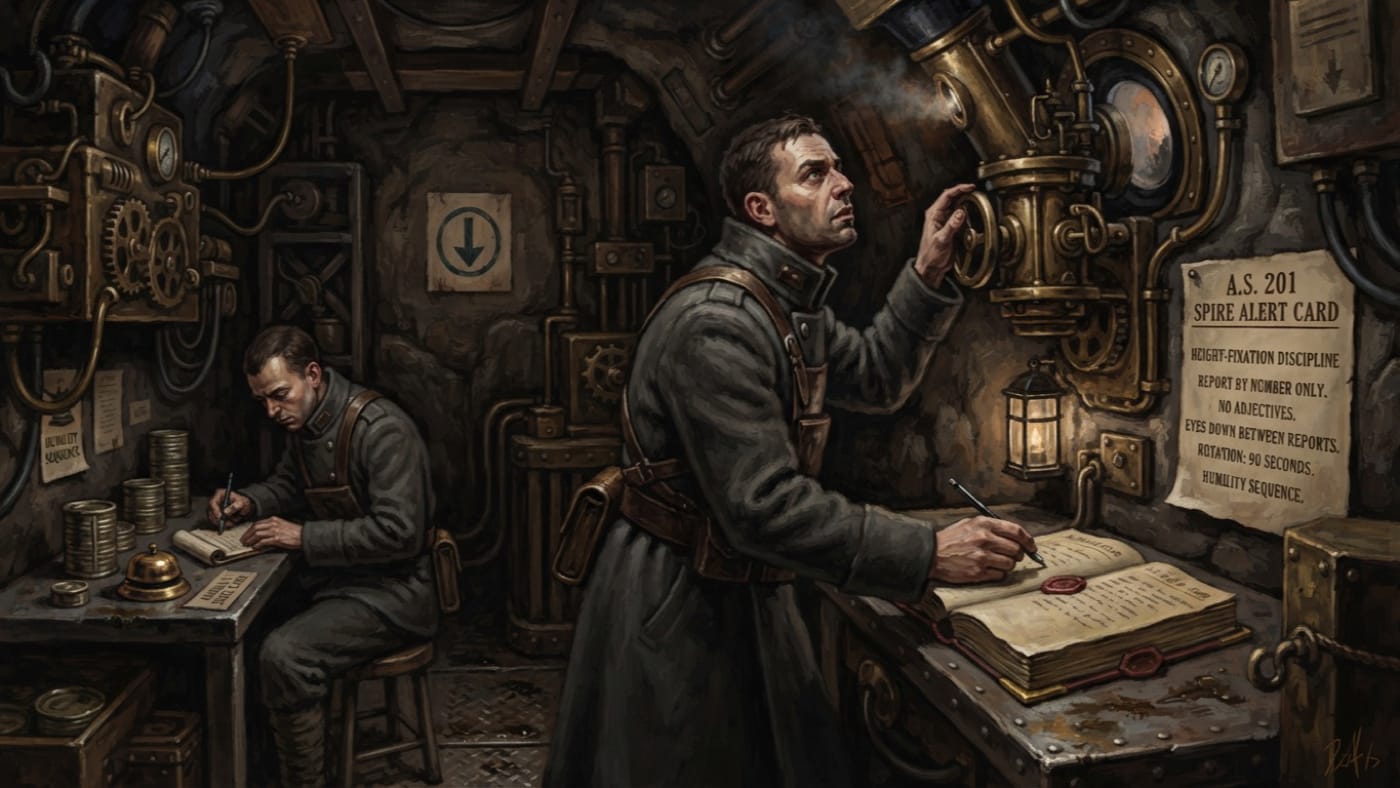
Height-Fixation Advisory
Report the height, then remember what is moving beneath it
The Height-Fixation Advisory keeps Przemyśl's spotters reporting numbers instead of admiration. Its discipline survives in the A.S. 201 Spire alert card; its original issue date remains unknown.
Codex Ref. XIII.1.95-201
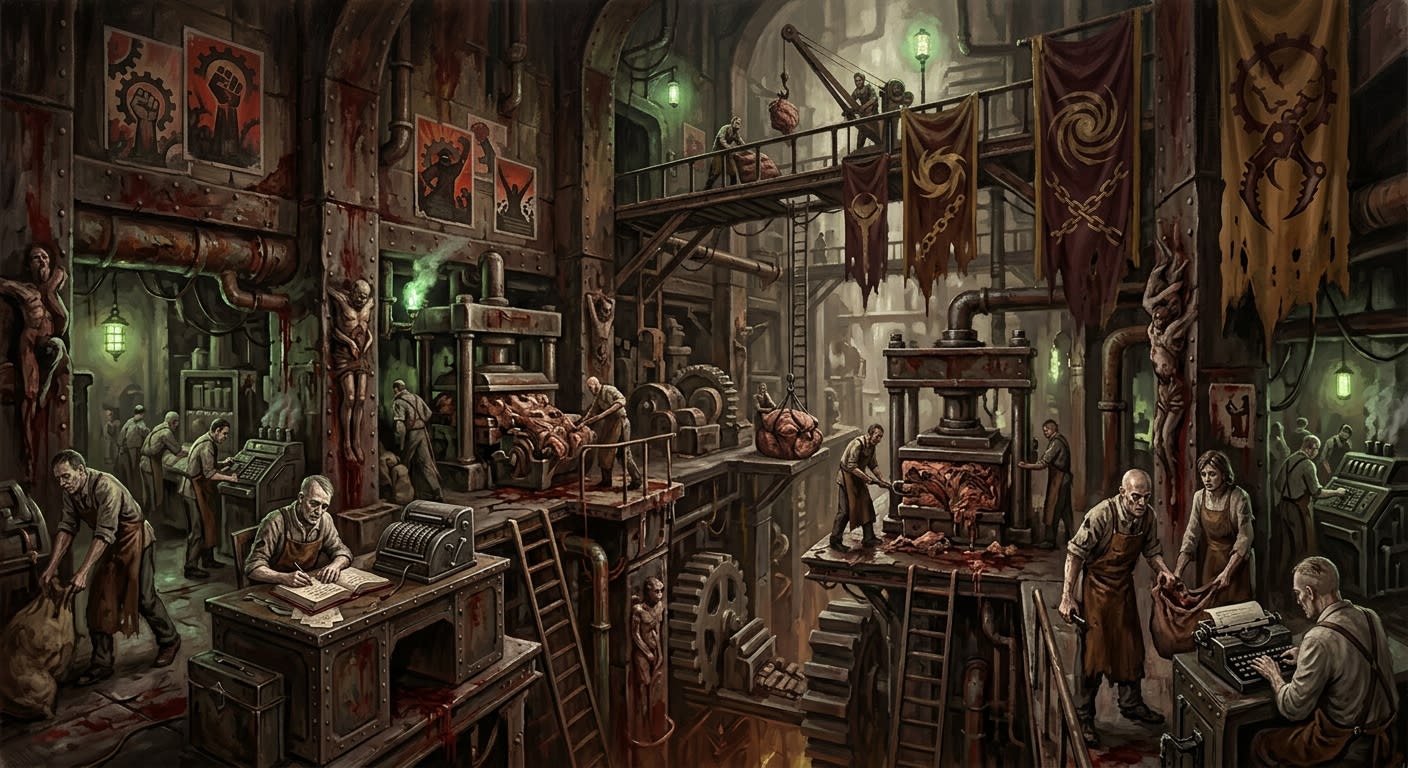
Hell
The Enemy's claim upon Creation, filed where screams become jurisdiction
Hell is not merely a place beyond the Sagittal Line. It is the Great Deceiver's active claim upon Creation: jurisdiction expressed through matter, contract, territory, sorcery, corrupted flesh, and obedient fear.
Codex Ref. XIII.1.01-201
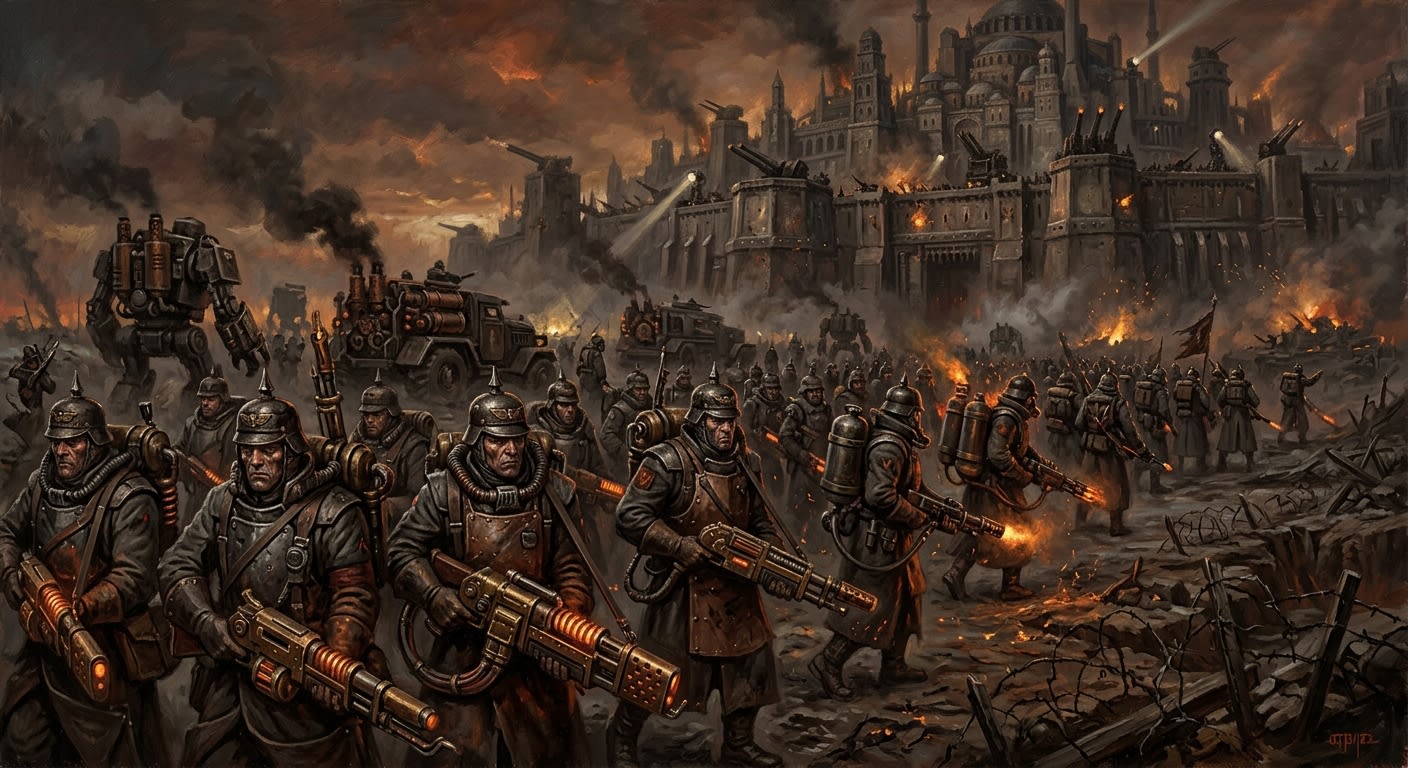
Hellbow Legion
Maldrake's arc of wrath, where range becomes theology and stone learns fear
Maldrake's Hellbow Legion is a wrath-forged assault host, not a regiment of archers: slag-bow cohorts, pyre-smiths, Ember-Soldiers, Hollowed columns, and siege heat aimed at Bastion-Constantinople.
Codex Ref. IV.1.07-009
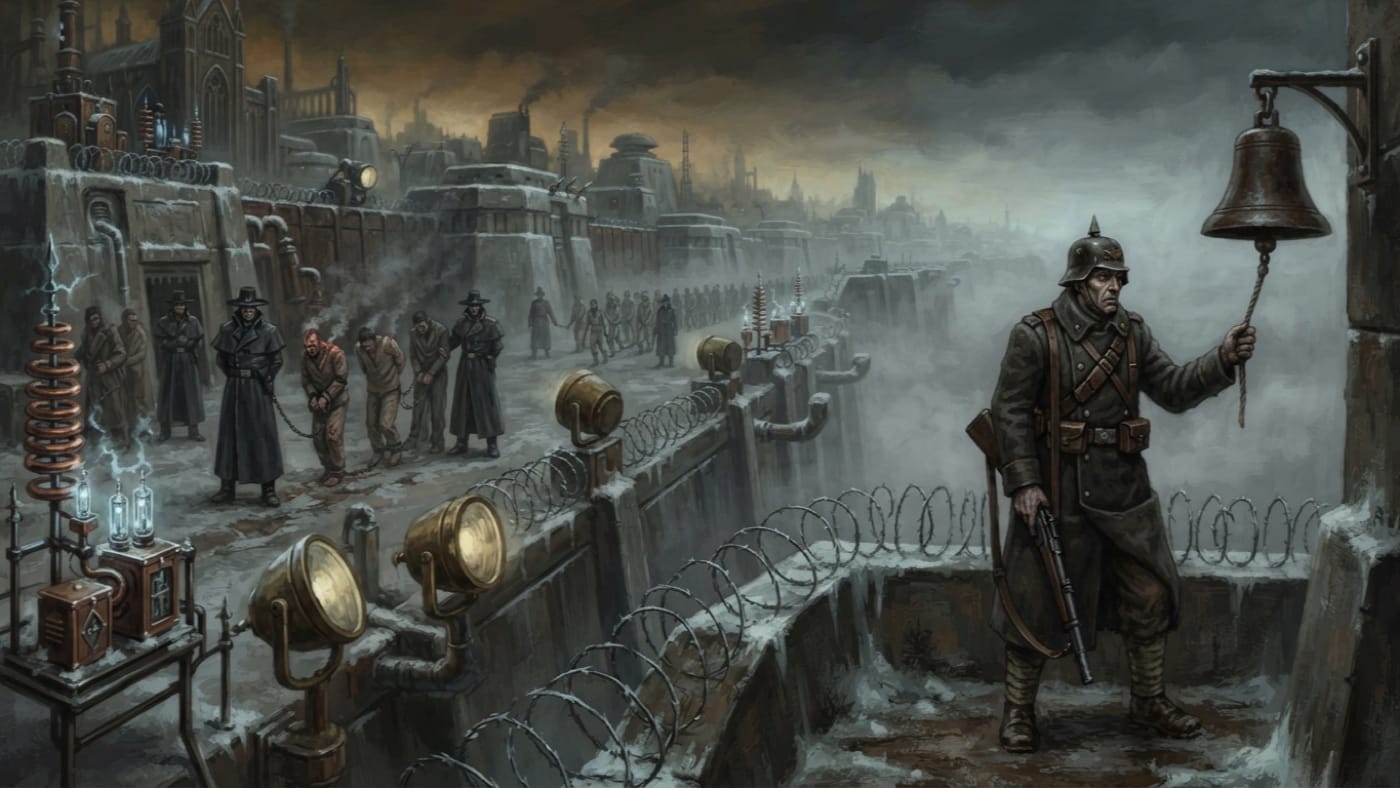
Heresy of the Absent Creator
The wards still hold. The promise no longer does.
The northern garrisons' claim that the Creator is dead and miracles spend His residual holiness. The wards still hold; the Bureau of Purity still brands adherents and sends them to the Penal Choir.
Codex Ref. VI.1.01-002
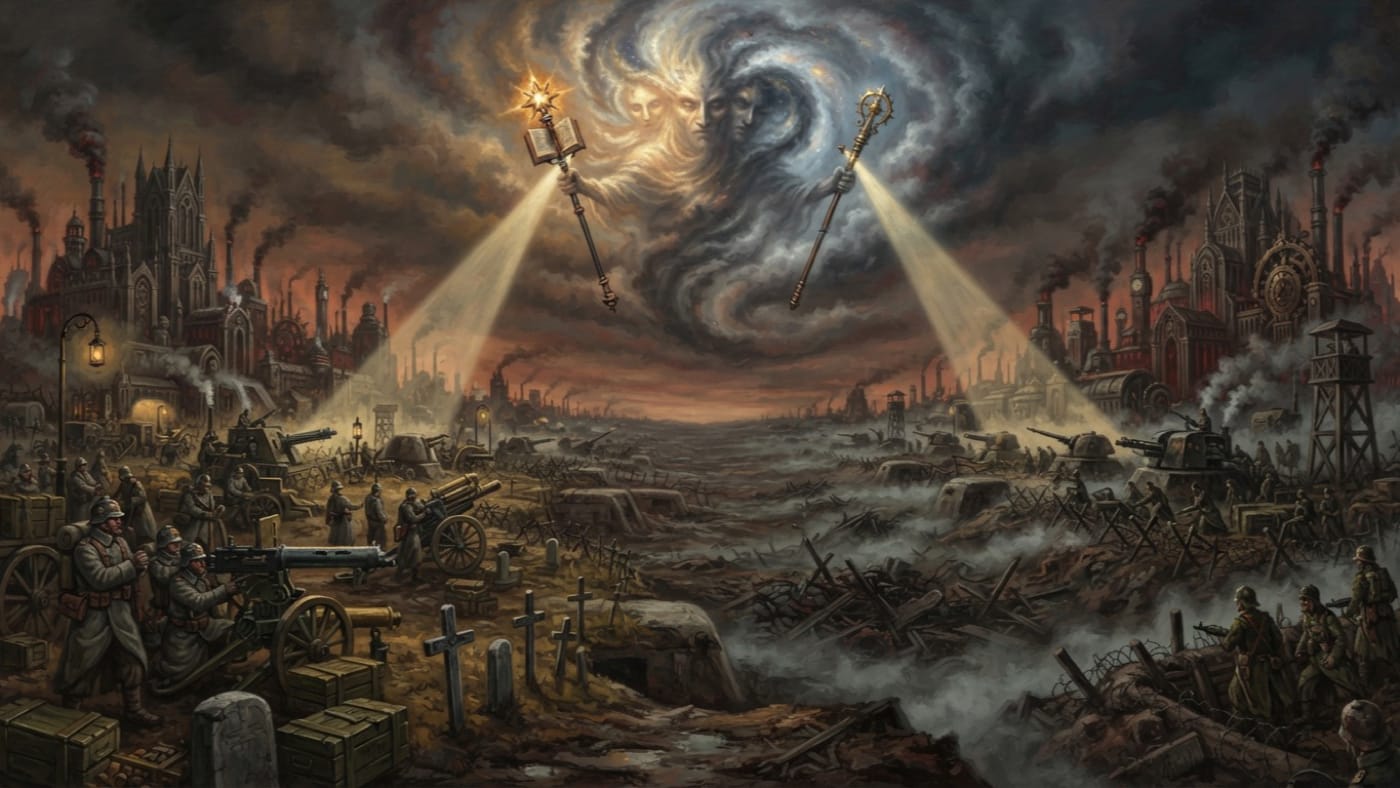
Heresy of the Complicit Creator
The proposition is prohibited. The classification remains blank.
The claim that the Creator and the Great Deceiver are one power, and the war a performance. I record its arguments under Standing Order 7-A; the Bureau prohibits the proposition and leaves its classification blank.
Codex Ref. VI.1.01-004
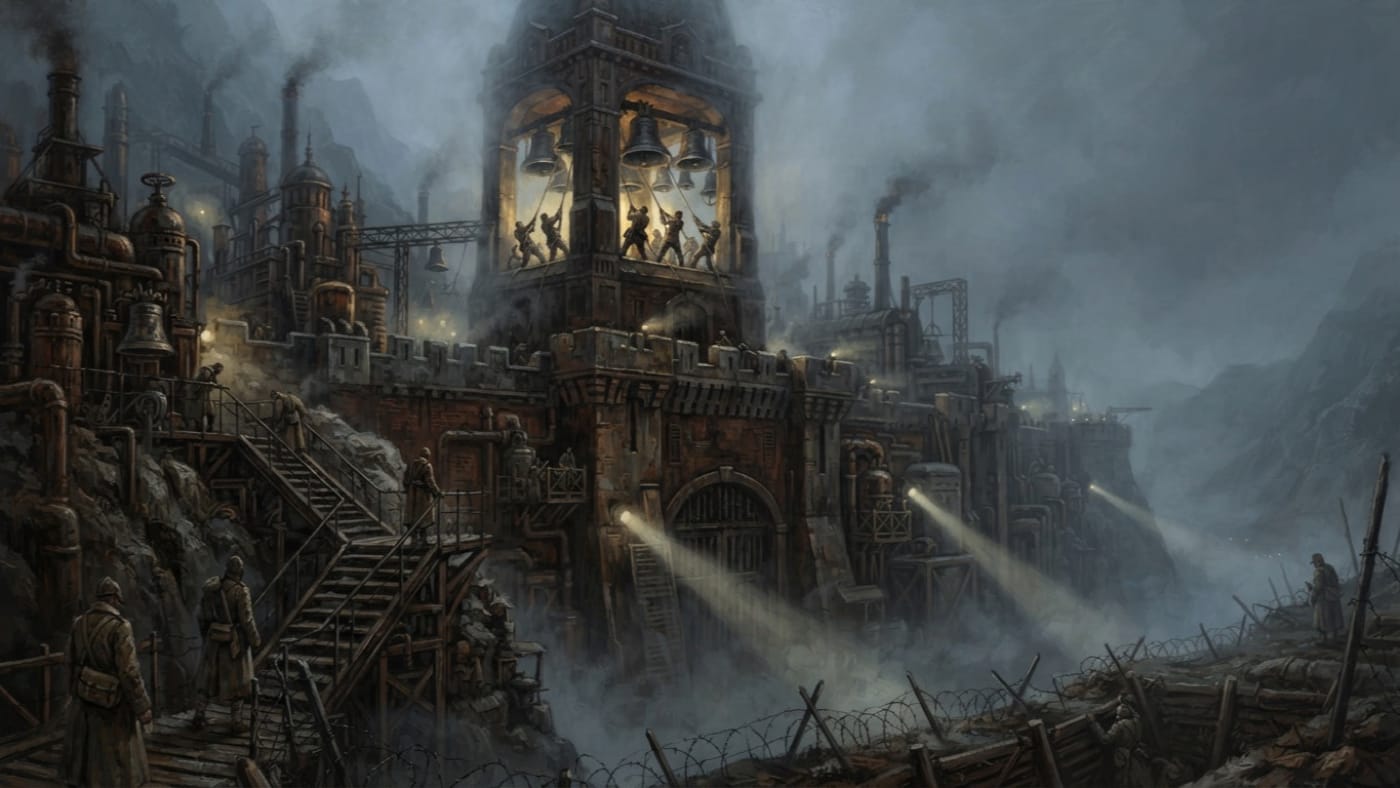
Heresy of the Sleeping Creator
The condemned ring on time. The Bureau keeps the rope.
A Second-Degree heresy claims the Creator dreams Creation into being and the bells keep Him asleep. I catalogue its southern circulation, the reported breath and the sentence imposed on men who ring with exceptional diligence.
Codex Ref. VI.1.01-003
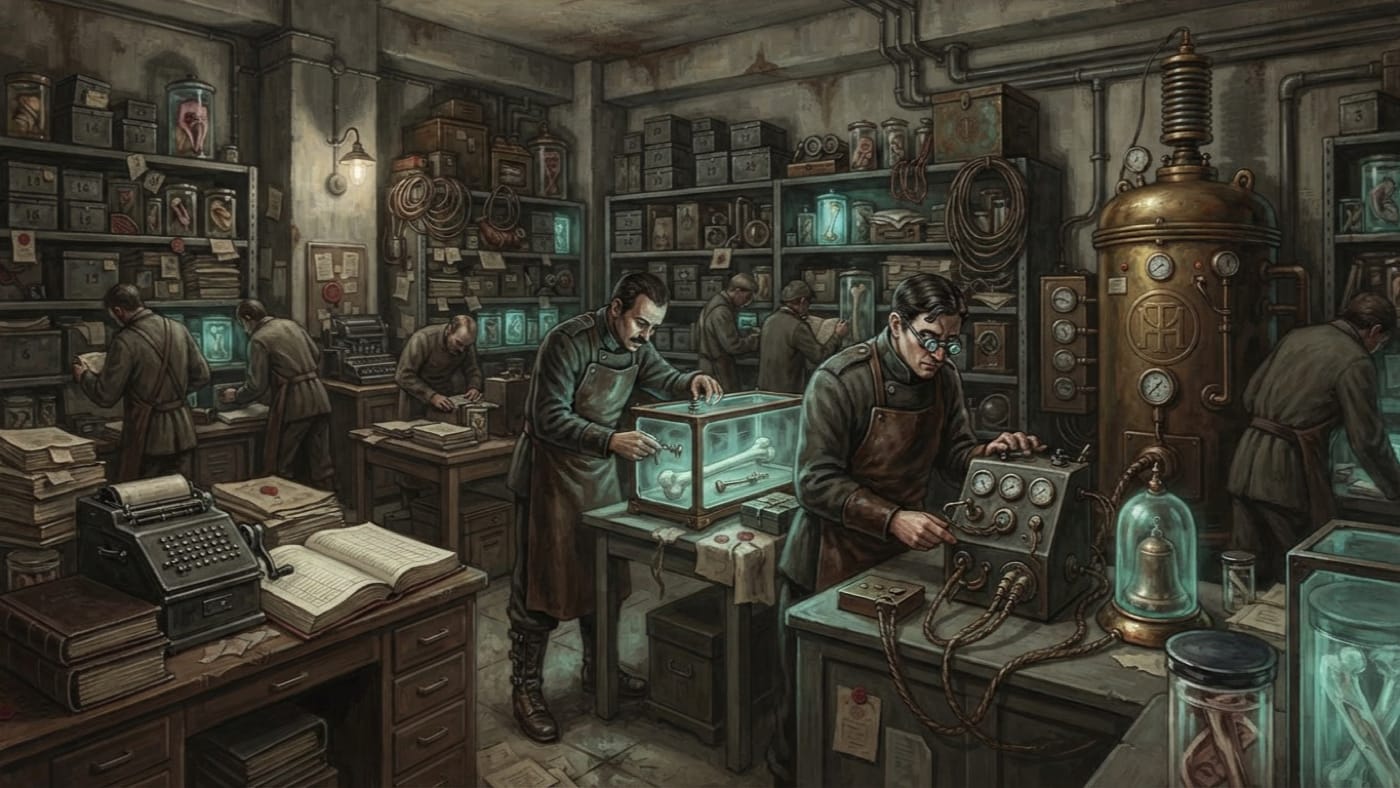
Heresy of the Unnecessary Creator
The bone keeps its glow. The Hieromnemon may lose his post.
The forbidden proposition that relics, bells and consecrated stone work without a divine source. I catalogue what it grants, what Doctrine cannot demonstrate, and what becomes of our mandate when custody is merely property.
Codex Ref. VI.1.01-005
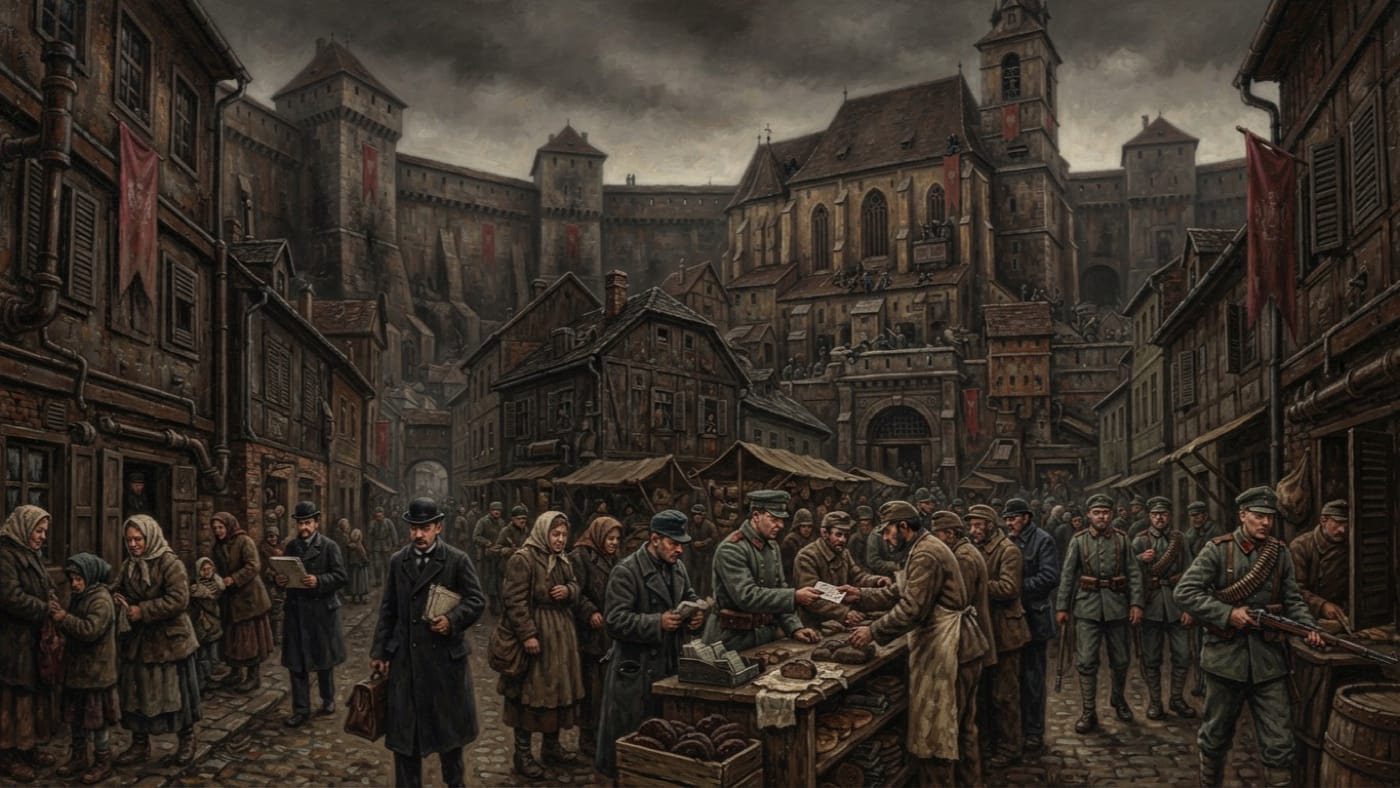
Hermannstadt
The parish is tolerated pending powder.
Hermannstadt survives inside Bastion-Sibiu: three Saxon streets, parish rolls kept in dialect, and a market trading in suspect scrip. The magazines remain full. The Bureau tolerates the grammar.
Codex Ref. II.3.04-201
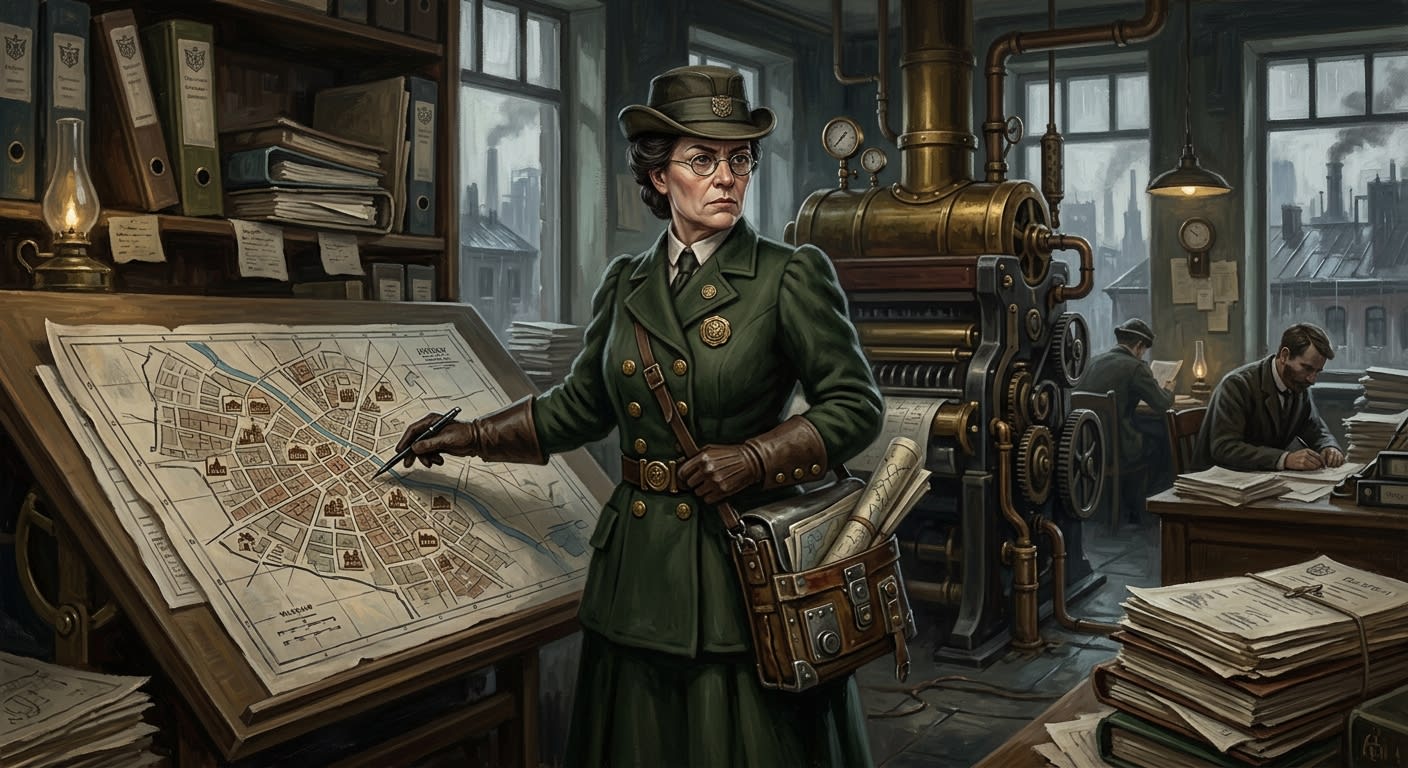
Herta Stoltz
The woman who made refusal resemble arithmetic
Herta Stoltz, Warsaw's Bureau of Settlement Resident-Director, has spent nineteen years declining false readiness, revising Standing Order 14-W/3, and teaching maps to admit bakeries.
Codex Ref. III.2.01-152
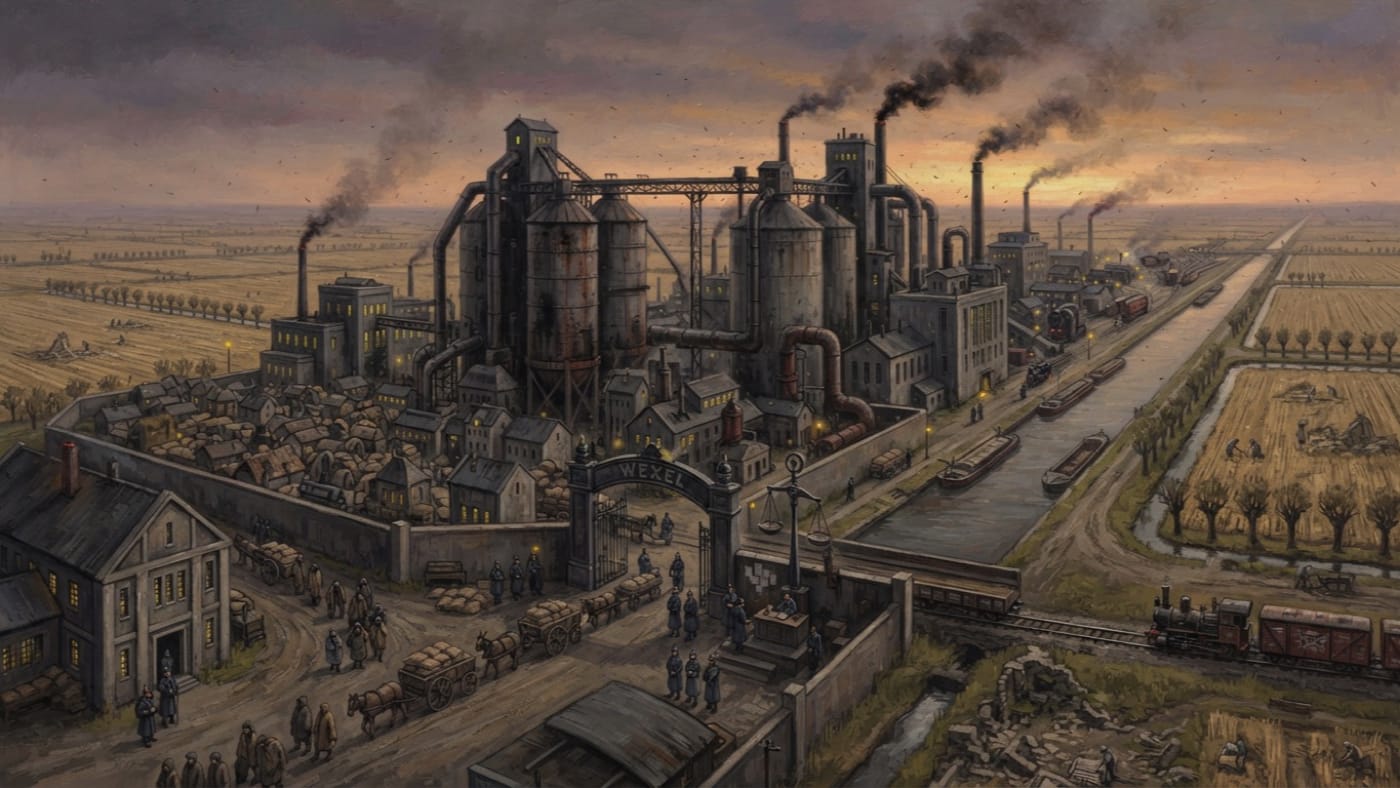
Hessian Lowlands
The fields grow the grain; Wexel grants permission to eat it
The Hessian grain country feeds Wexel's scales and the Heartlands' bread trains. Its boundaries remain unfiled, its people uncounted, and its permission to eat belongs to a town.
Codex Ref. II.2.04-002
Hidden Pipe-Runner
Classified nonexistent. Audited quarterly. The pipes remain.
The Synod's invisible circulatory system: four ranks of Soot-Boys, Joint-Menders, Route-Keepers, and Bell-Duct Ghosts delivering black diesel through pipe networks the Bureau of Engineering has surveyed three times and failed to find, at the standard rate for failure.
Codex Ref. XII.3.02-001
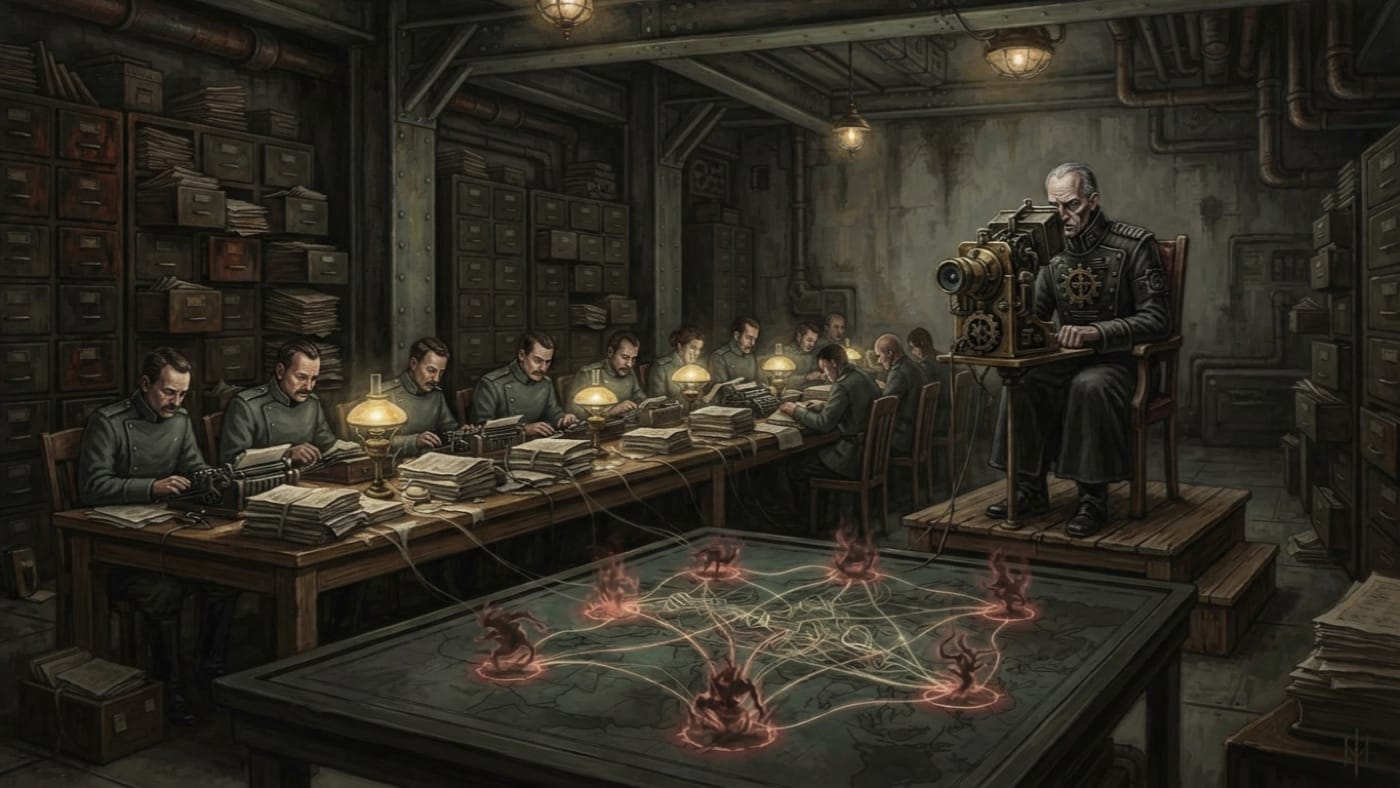
Hierarch Lorrenz
Fourteen was sufficient; the offices that followed made it sacred
Hierarch Lorrenz allotted fourteen analysts to watch seven Sin-Generals in A.S. 94. His arithmetic survived as canonical policy; the enemies grew less obligingly separate.
Codex Ref. III.2.01-094

Hierarch of Doctrine
Truth is what leaves the Seal; reading is a courtesy
The unnamed current holder of the First Seal defines orthodoxy for the Synod, commands Doctrine, and proves that authority need not wait upon comprehension.
Codex Ref. III.2.01-071
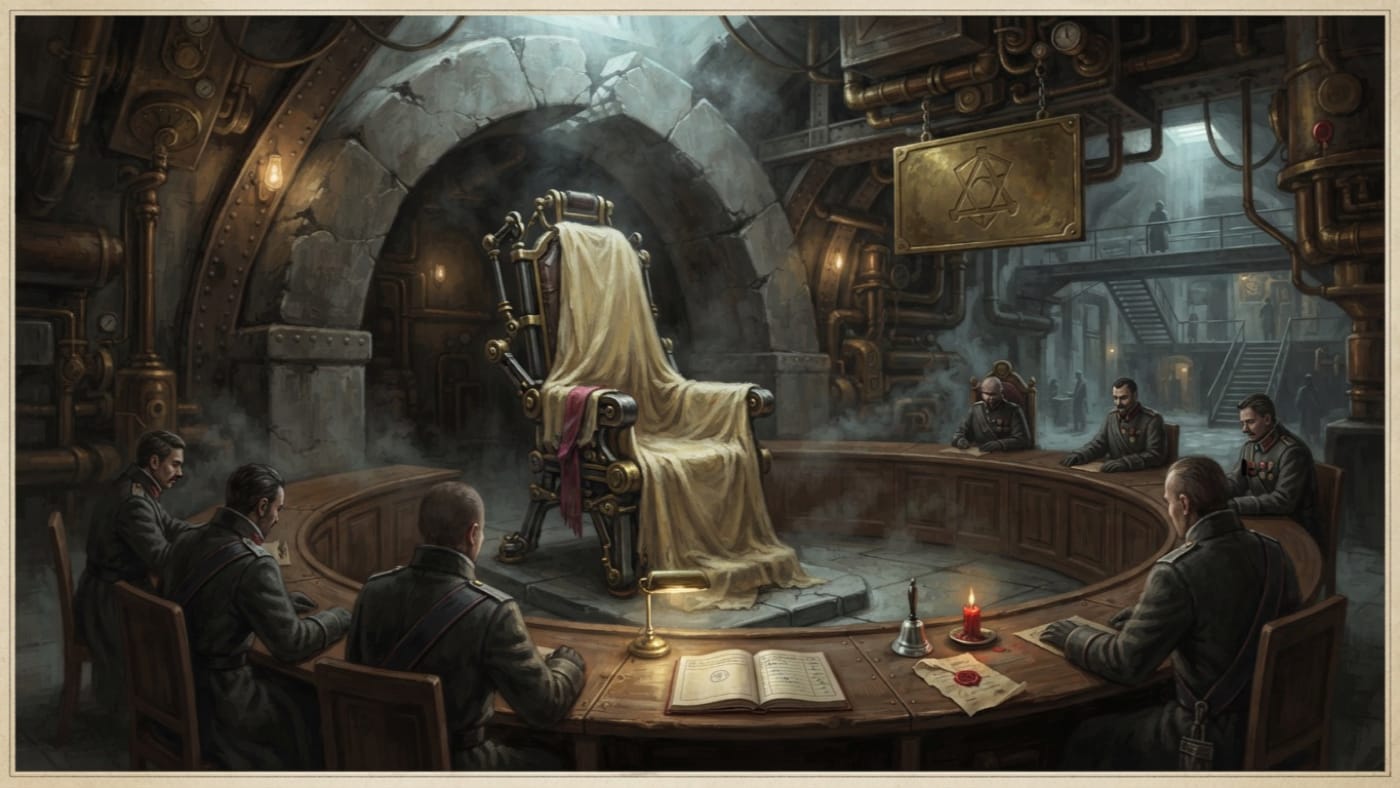
Hierarch of War
The hand withdrew; the wax continued to command
In A.S. 107 the Hierarch of War ceased public attendance. Records called it contemplation; the Seventh Seal kept commanding, voting and occupying its office in absentia.
Codex Ref. VII.4.01-107
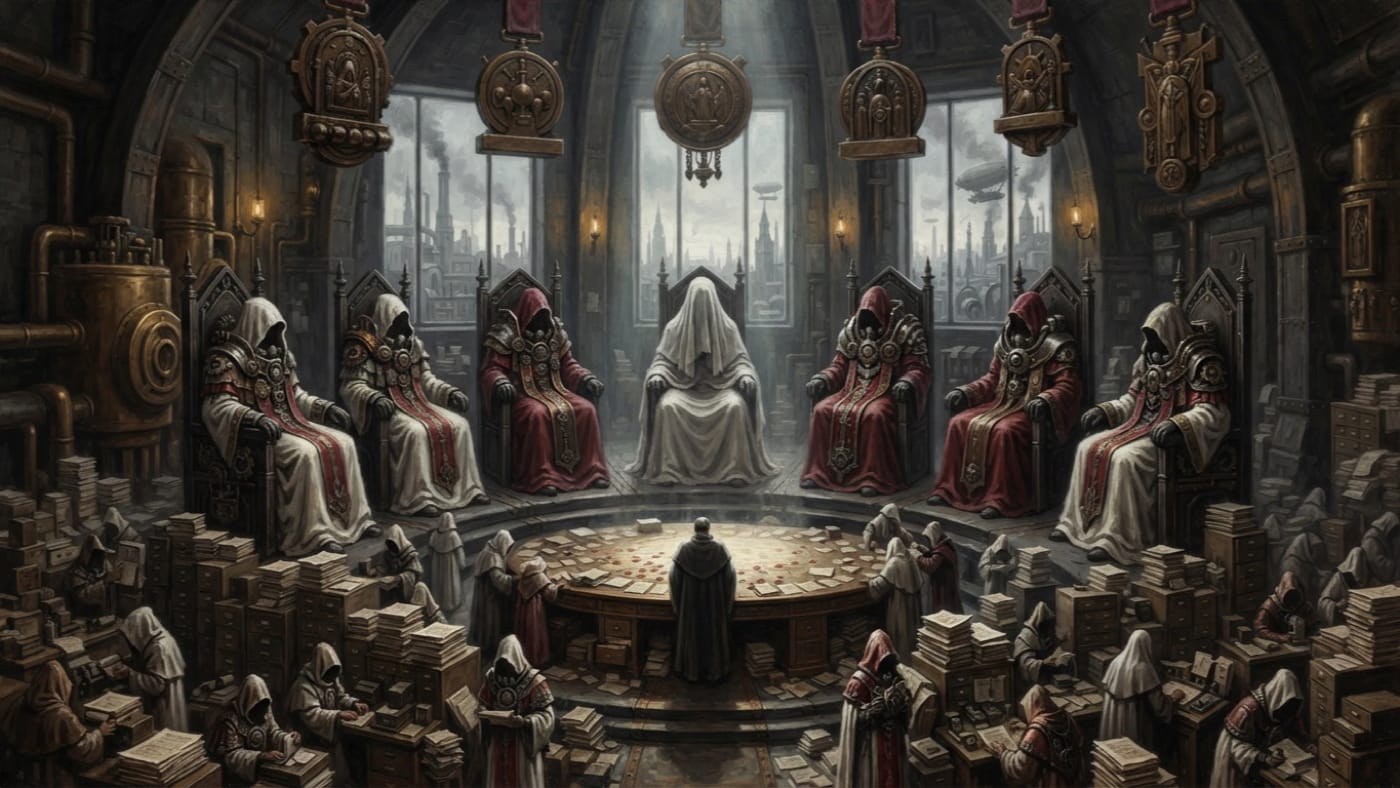
Hierarchs
Seven Chairs, One Head of State
The Seven Hierarchs rule the Bureaucratic Synod from Strasbourg under seven Seals of Faith. Their decrees are absolute; reconciling them is my department.
Codex Ref. I.3.01-005

Hieromnemon
The office that teaches memory to kneel
The Hieromnemon governs public memory for Doctrine: seal, margin, erratum, redaction, and the blessed sentence that makes contradiction obey.
Codex Ref. XIII.1.31-090

Hieromnemon Octav
The predecessor preserved by correction
An A.S. 201 survey of Hieromnemon Octav, an earlier holder known through two corrected Codex claims: Constantinople's ratification and the Salt-Vigil's tear tithe. His errors survive; his life remains undocumented.
Codex Ref. III.2.01-1362
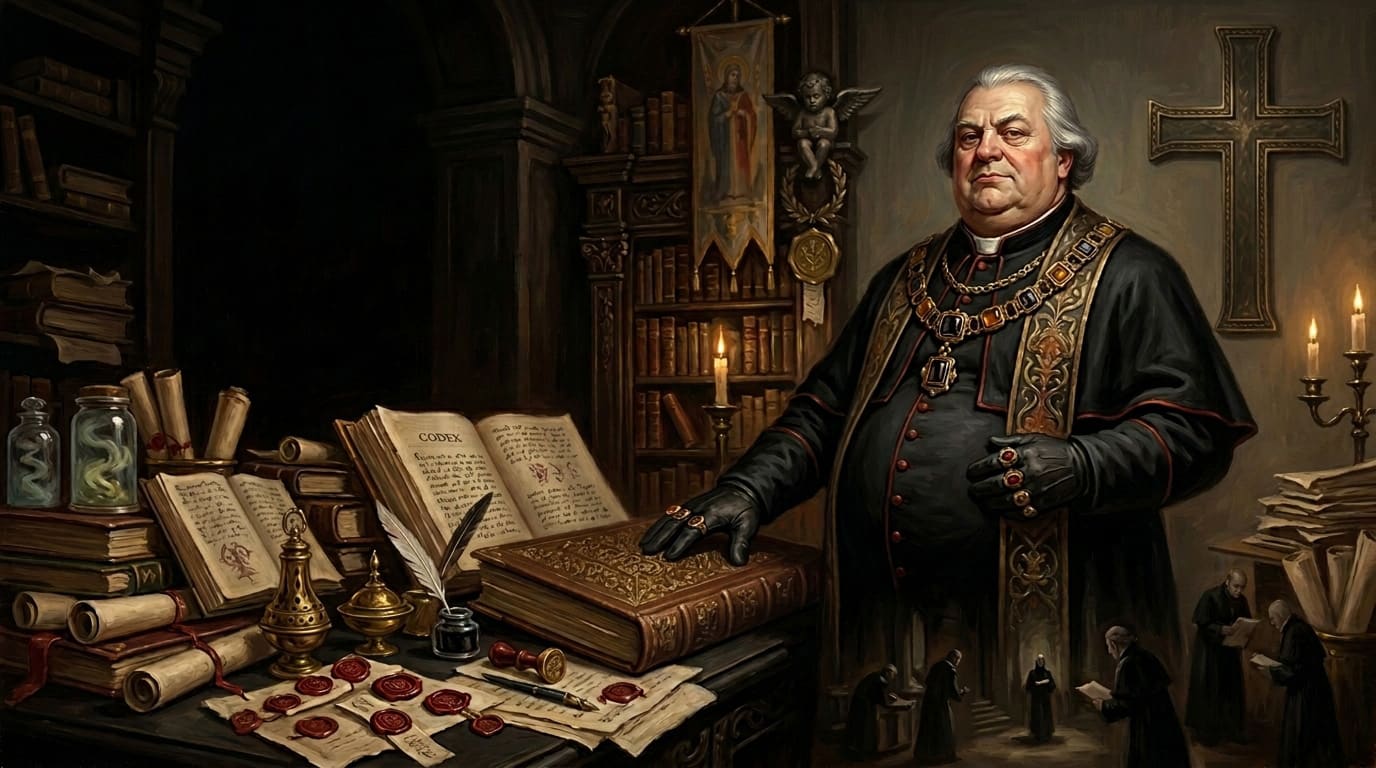
Hieromnemon Valerius Drax
The hand that corrects History before History embarrasses itself
Valerius Drax, Hieromnemon and Warden of the Sacred Ledger, is Doctrine's finest current instrument: prose stylist, ratifier, propagandist, archivist, and living rebuke to committee language.
Codex Ref. III.2.01-201
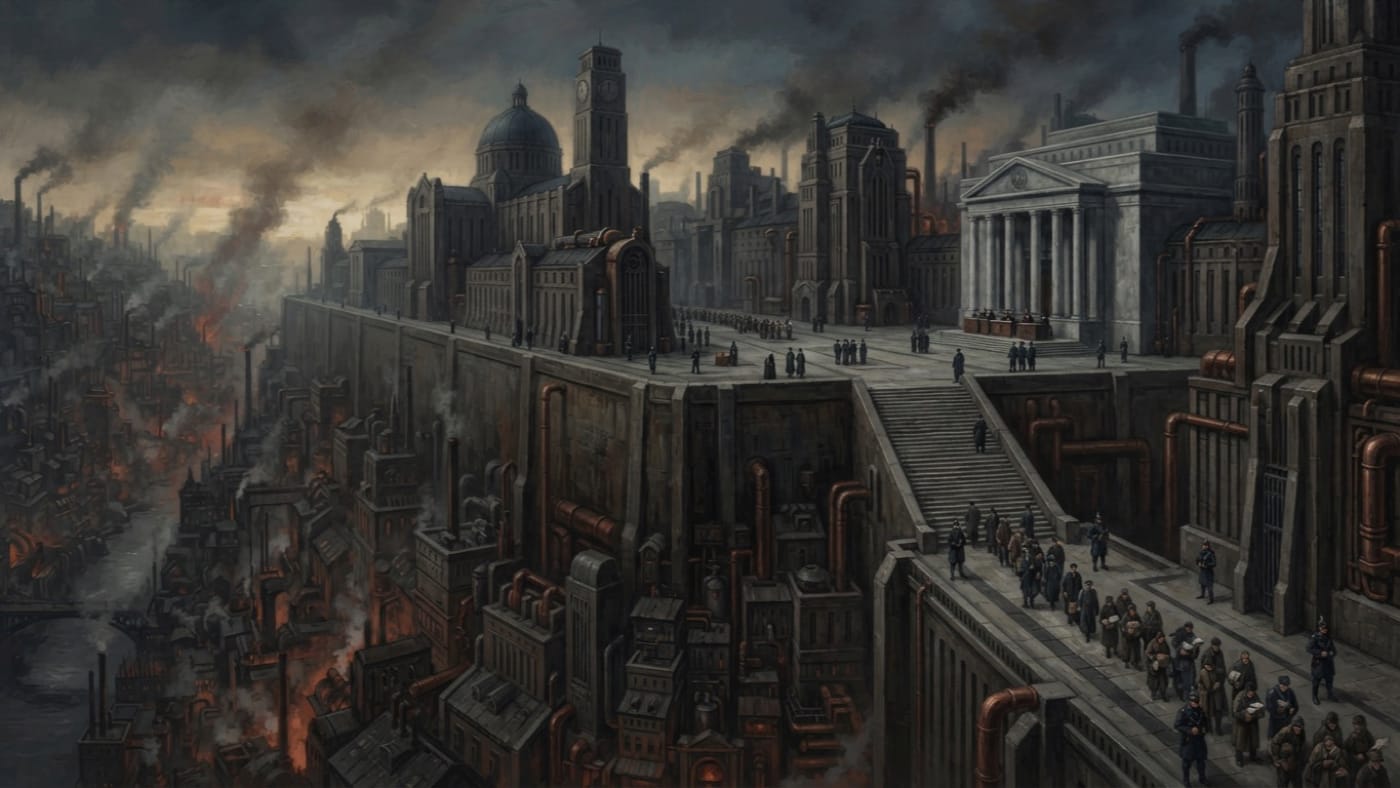
High Step Precinct
Clean air, correct names, and a posted rate for confession
Rheinscarp's ninth terrace houses the Ration-Cathedral, Tribunal of Stairs and offices that govern names, hours and ashes. The air is clean, the names are correct, and every debt survives the climb.
Codex Ref. II.2.01-009
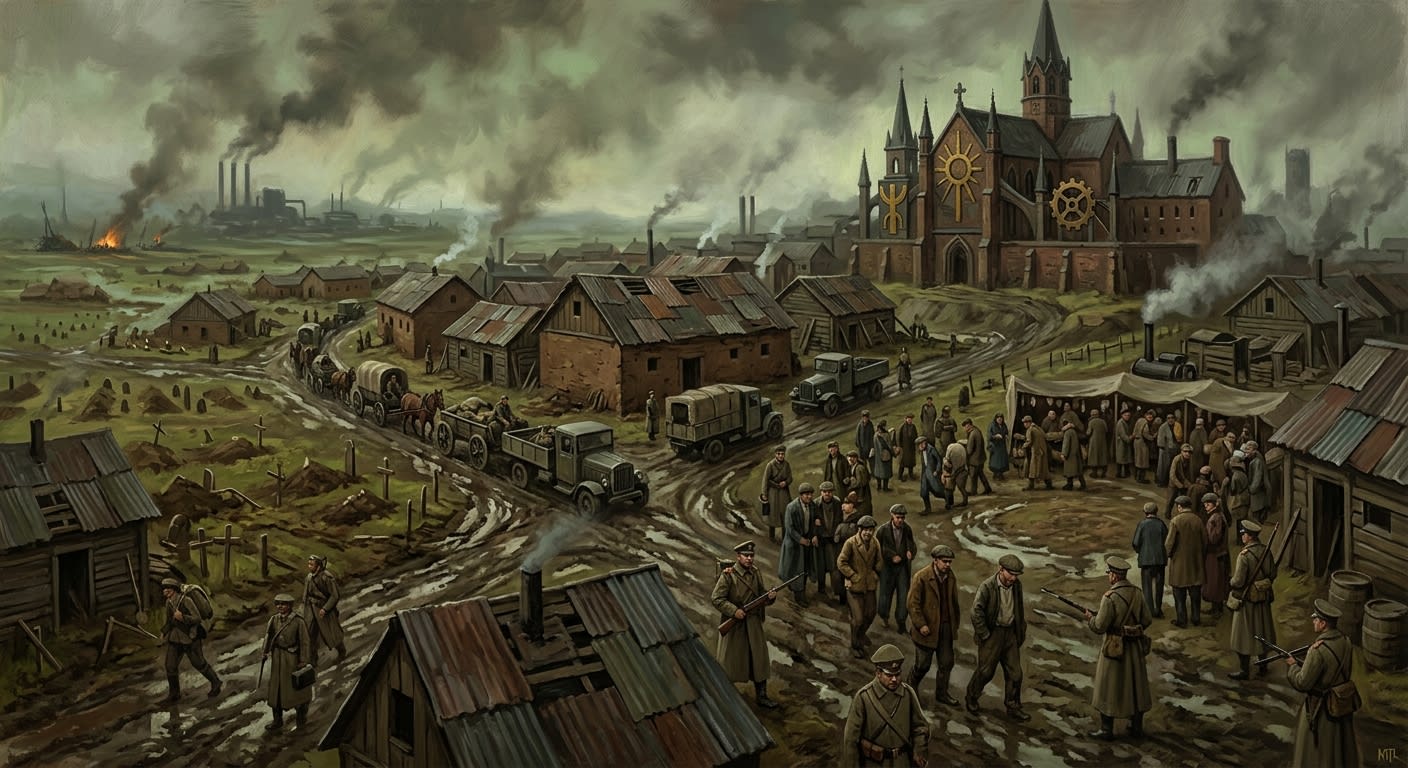
Hinterland
The fifty kilometres that pretend to be rear
The Hinterland is the fifty-kilometre bruise behind the Sagittal Line: farms, wards, graves, depots, markets, and civilians ordered to call occupation protection.
Codex Ref. II.4.09-201
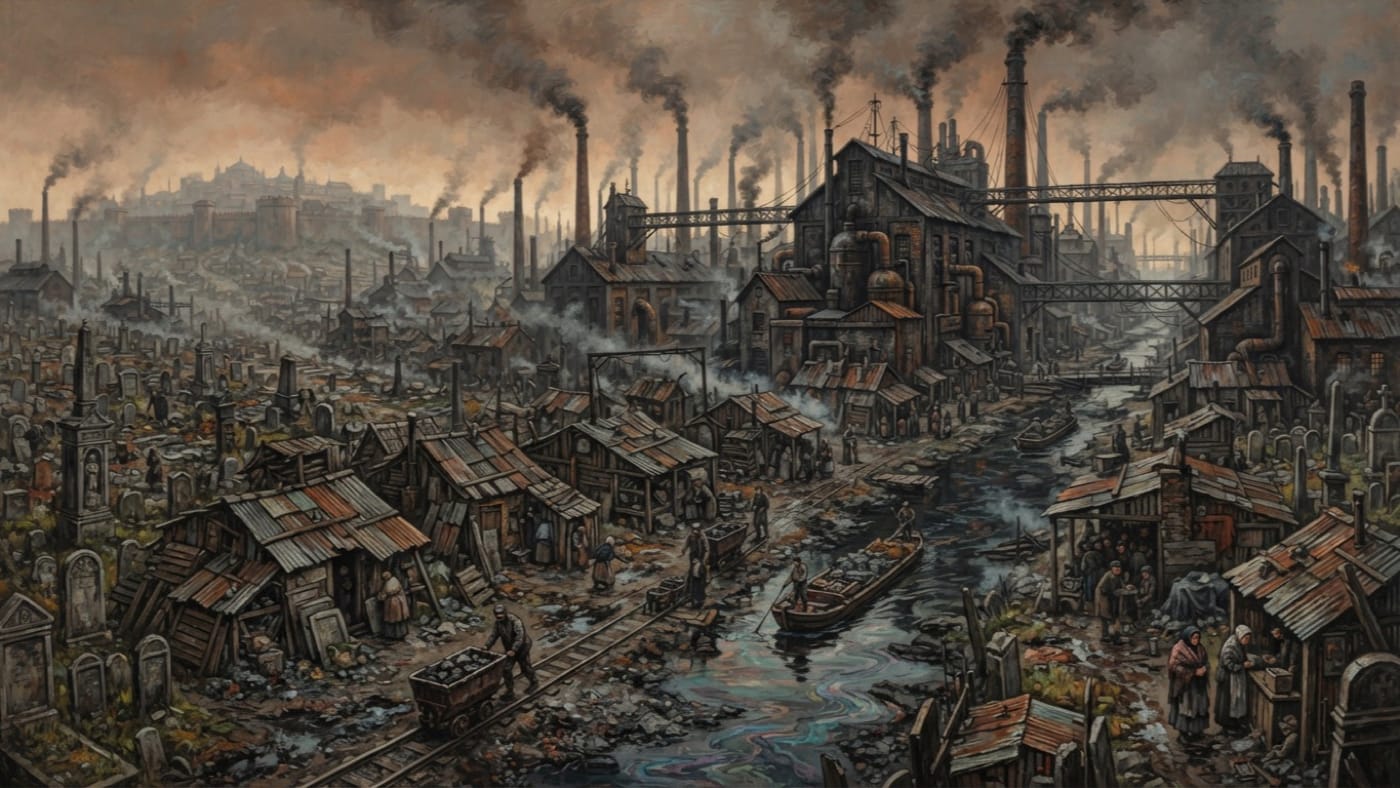
Hintermark settlements
The furnaces have addresses; their households do not
The Hintermark settlements keep Bastion-Constantinople supplied with iron, labour and coffin timber. A.S. 201 finds production continuing, registers disputed, and hungry households entered in the Black Ledger's second books.
Codex Ref. II.3.06-003
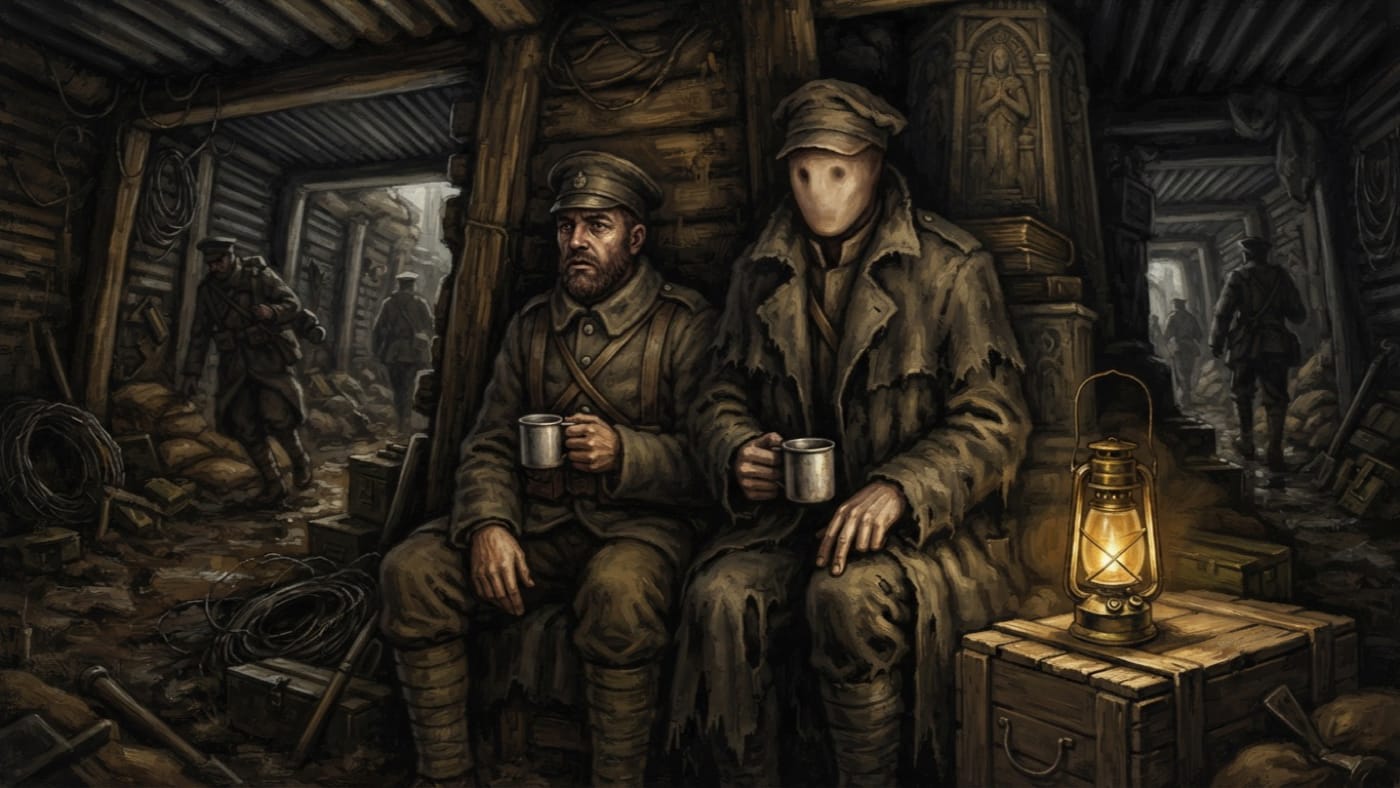
Hollow Ones
It learns your life while you forget it.
Morwen's Hollow Ones learn your phrases while you forget them. At Irongate, the Ledger may recognise the thief more readily than the man.
Codex Ref. IV.1.07-018
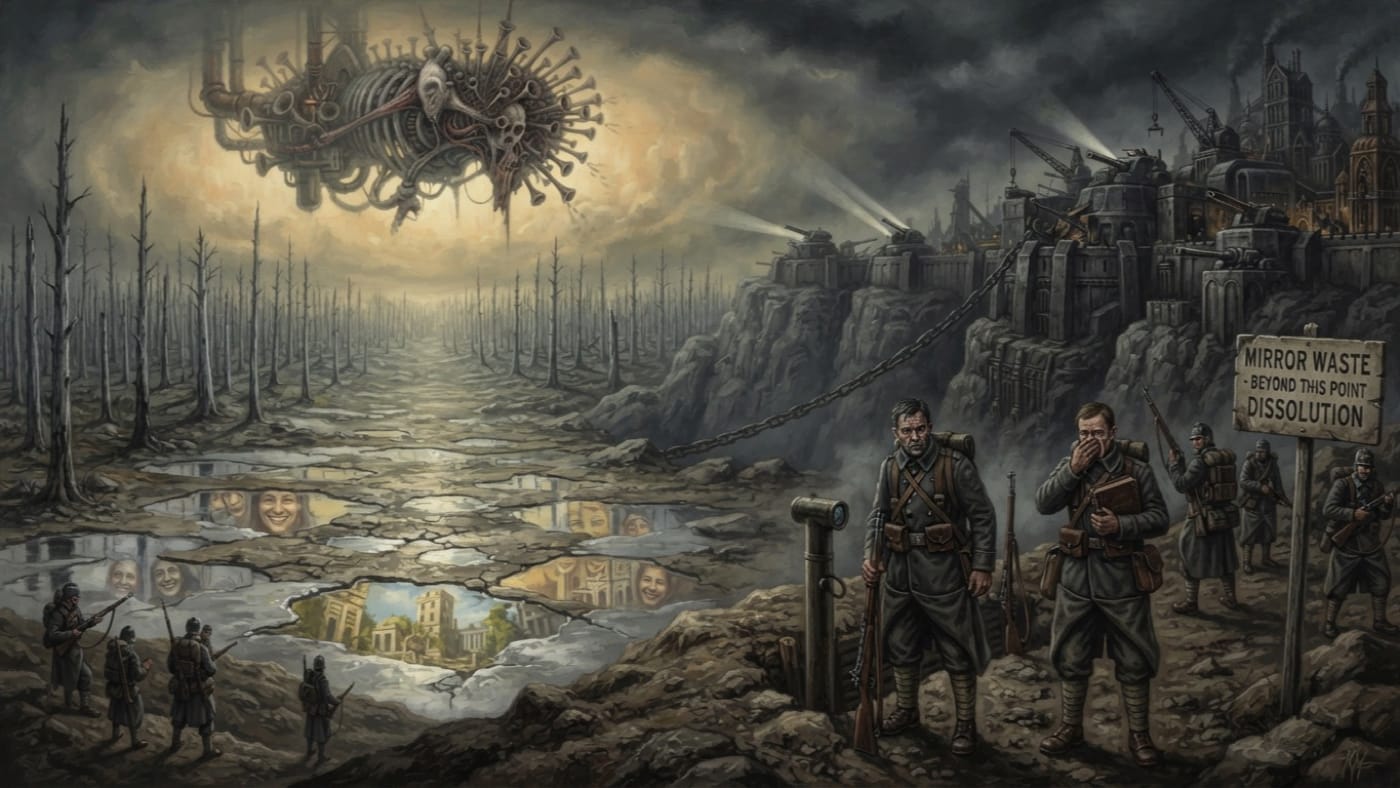
Hollow Vale
Envy's country, where the forest rings and the maps disagree
Morwen's domain beyond Bastion-Irongate: hollow forests, false skies and borrowed faces. The Bureau certifies its hostility; its borders remain unconfirmed.
Codex Ref. II.6.07-201
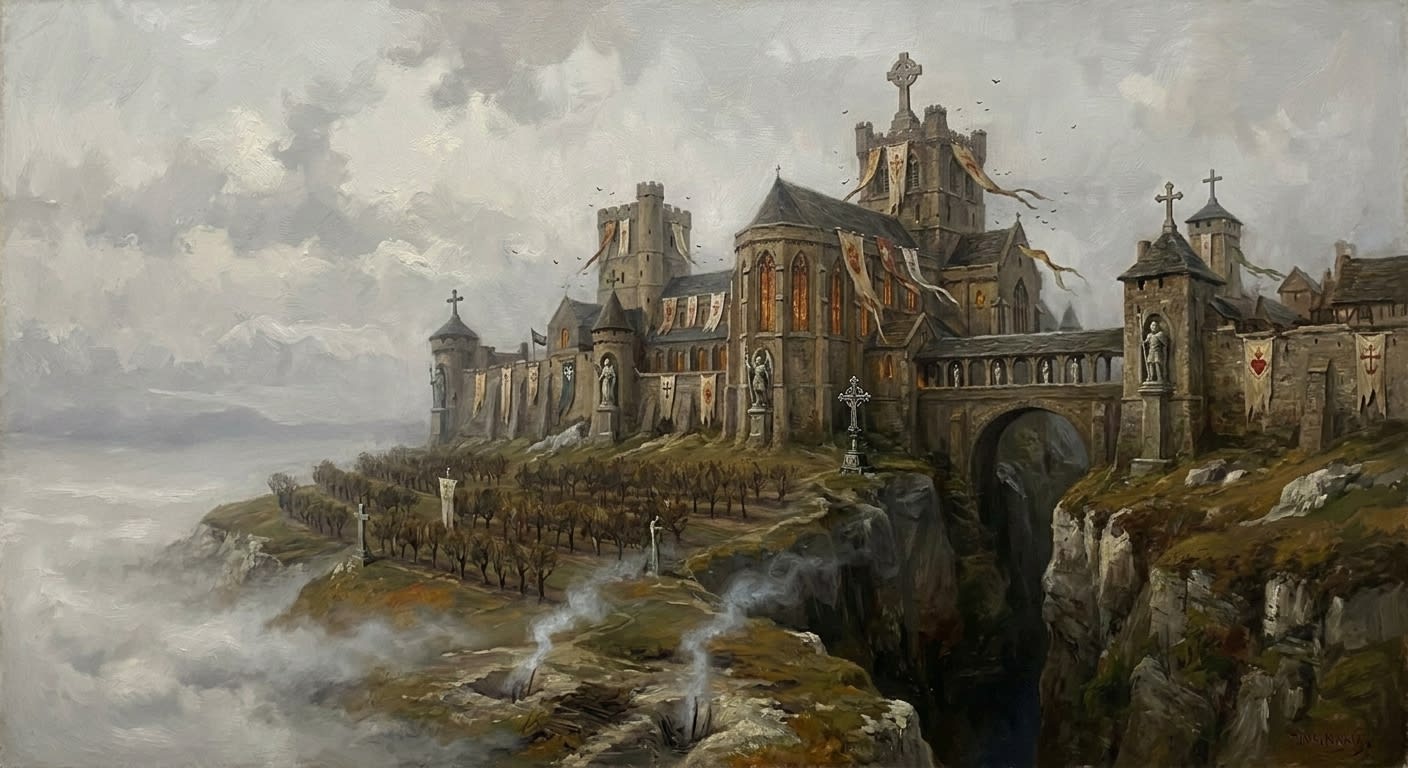
Hollow-Script Scriptorium of Nemea
Where the ink rewrites the truth, and the truth rewrites the ink
The Bureau of Records' master archive-scriptorium on a chalk ridge: where names are erased, contracts rewrite themselves overnight, and the ash in the Yards speaks. Drax has been named by its ink and would prefer the record show otherwise.
Codex Ref. II.2.06-002
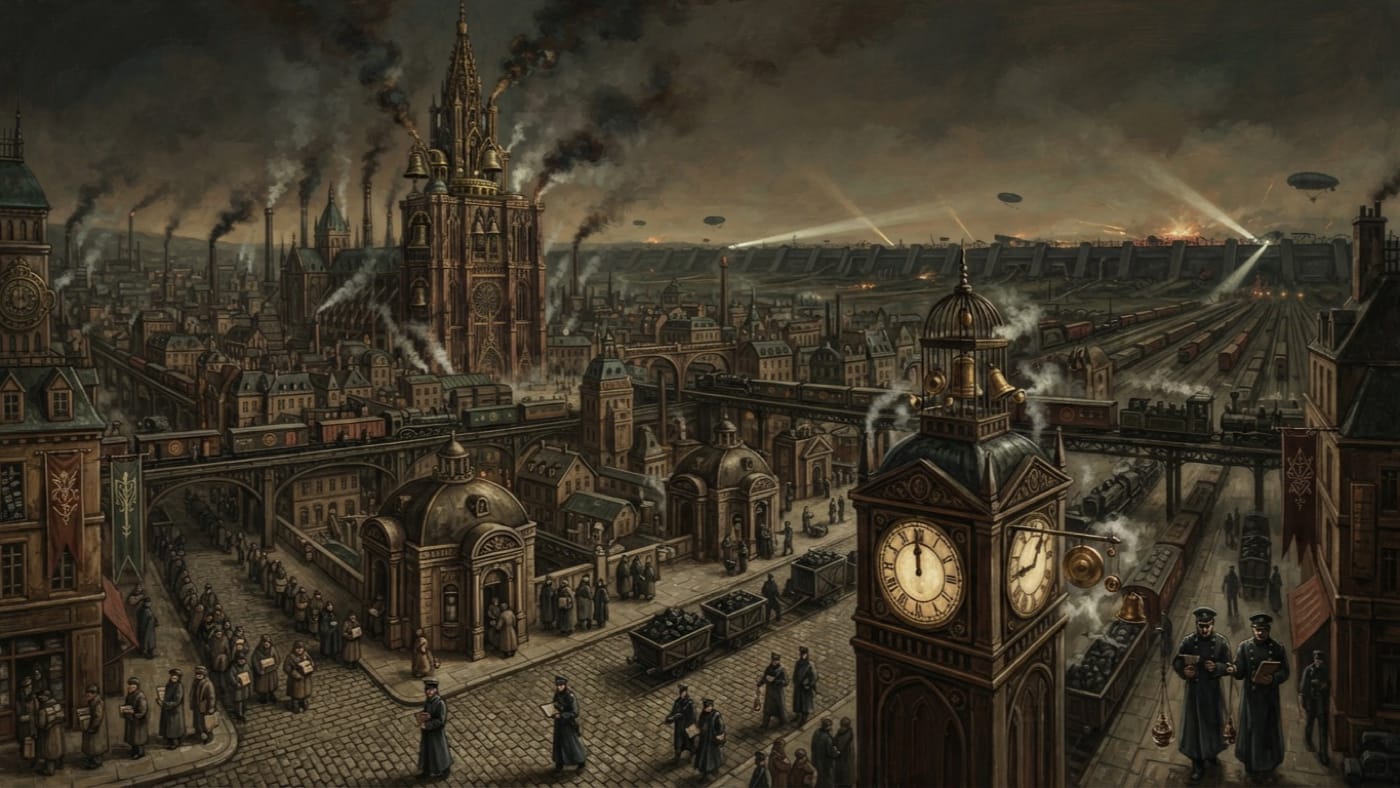
Holy Dominion
Your name is in a book. The book is in better repair than you are.
The Holy Dominion is the Synod's continental jurisdiction, surveyed in A.S. 201. From Strasbourg to the Sagittal Line, bells govern the hours, tithes feed the guns, and every soul must appear in a book.
Codex Ref. II.1.01-001
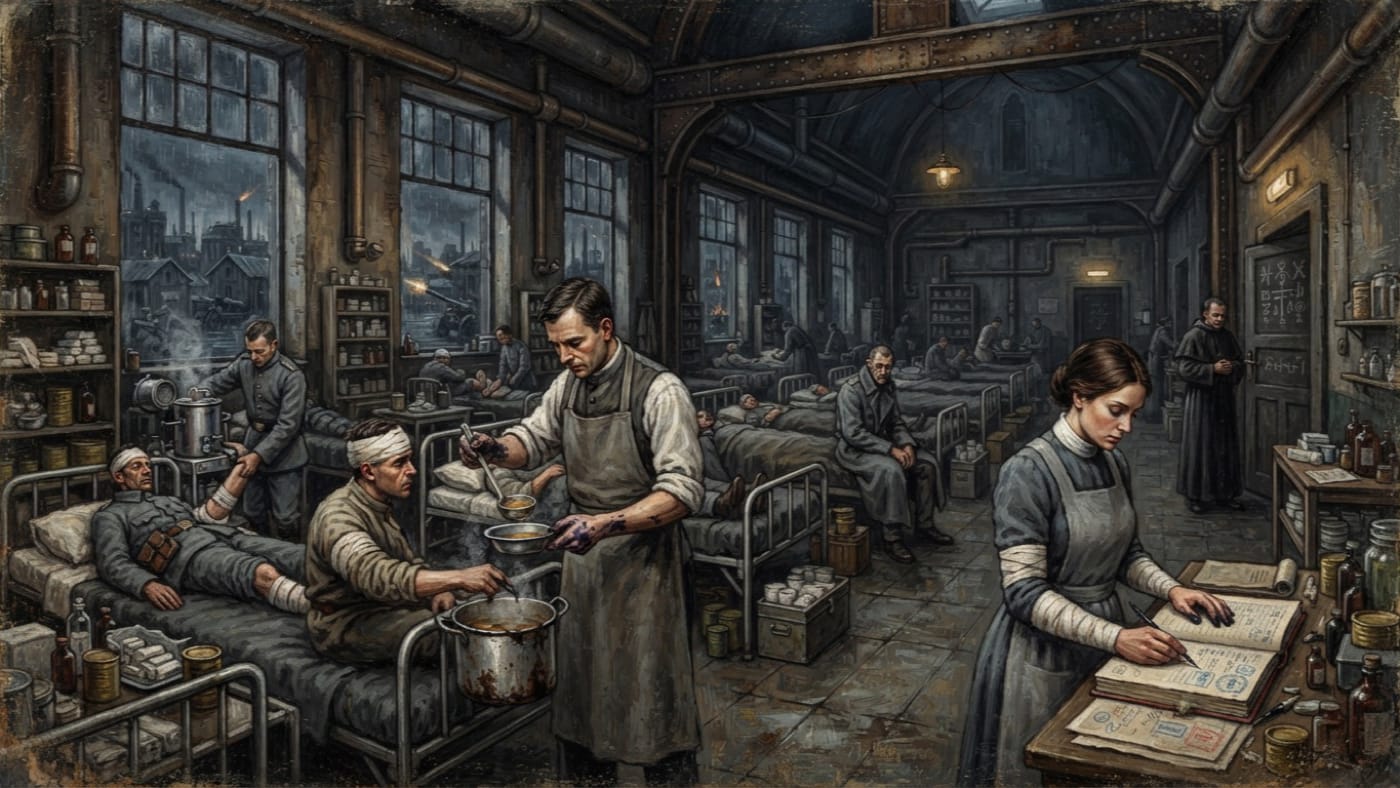
Hospital of Saint Sebastian
Where the Military City sends the wounded
Saint Sebastian tends wounded soldiers or buries them in Strasbourg's Military City. This A.S. 201 survey keeps the local record distinct from Mercy's wider machinery of care, confession and ink.
Codex Ref. II.2.10-201
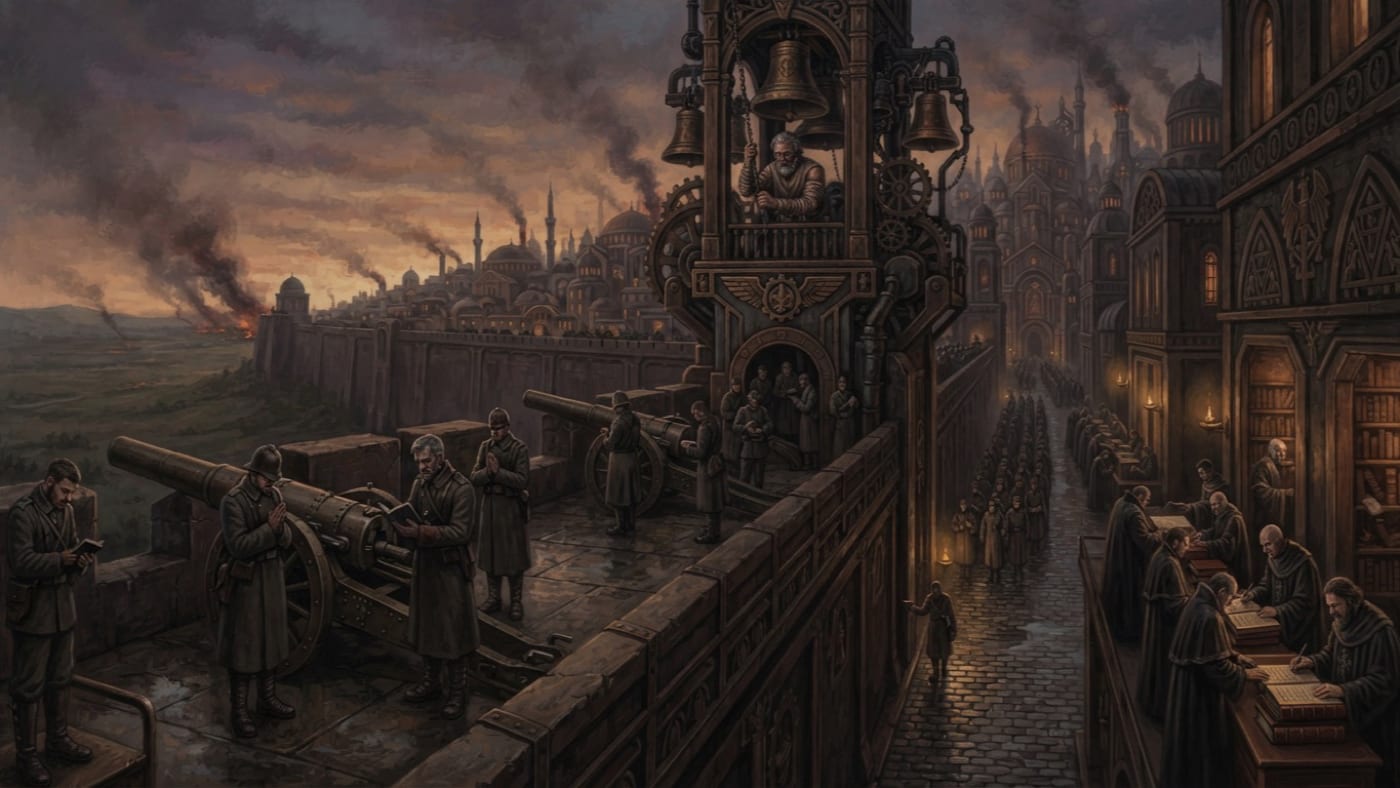
Hour of Vespers
The day closes when the bell permits it
The evening interval of Bastion-Constantinople, where prayer, watch readiness and the day's accounts answer to authorized bronze. Four Bureaus close the day; the guns remain attentive.
Codex Ref. XIII.1.96-201
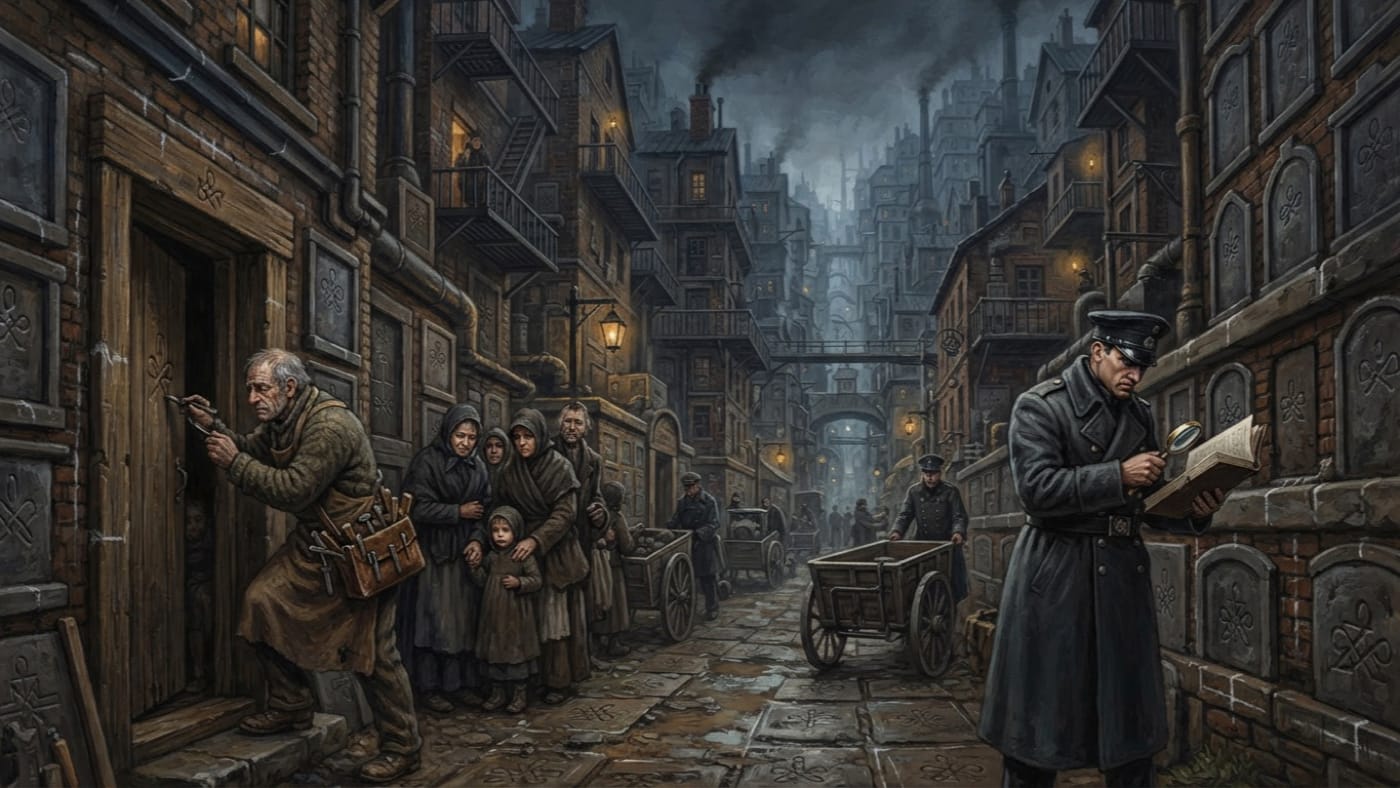
Housing and Burial Codes
A roof and a grave remain yours while the marks agree
The Housing and Burial Codes bind roofs and graves to the same ledger. A valid Triune Knot makes a household legible; a failed mark makes its stone available for confiscation.
Codex Ref. XIII.1.07-014
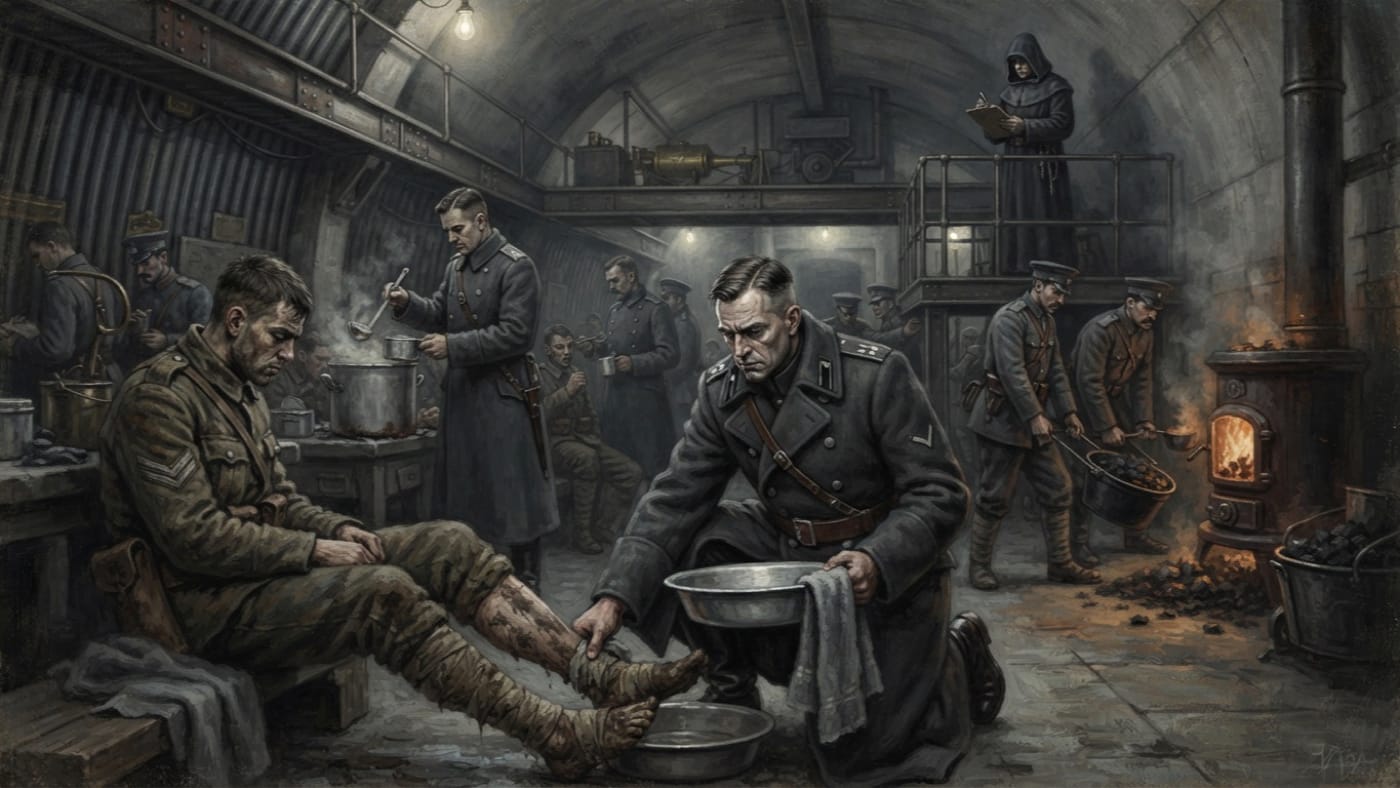
Humility Practices
A basin can be countersigned; a conscience cannot
Purity sends officers above captain to wash feet, serve meals and labour beneath their station each quarter. The register certifies the task; it cannot certify humility.
Codex Ref. XIII.1.94-003
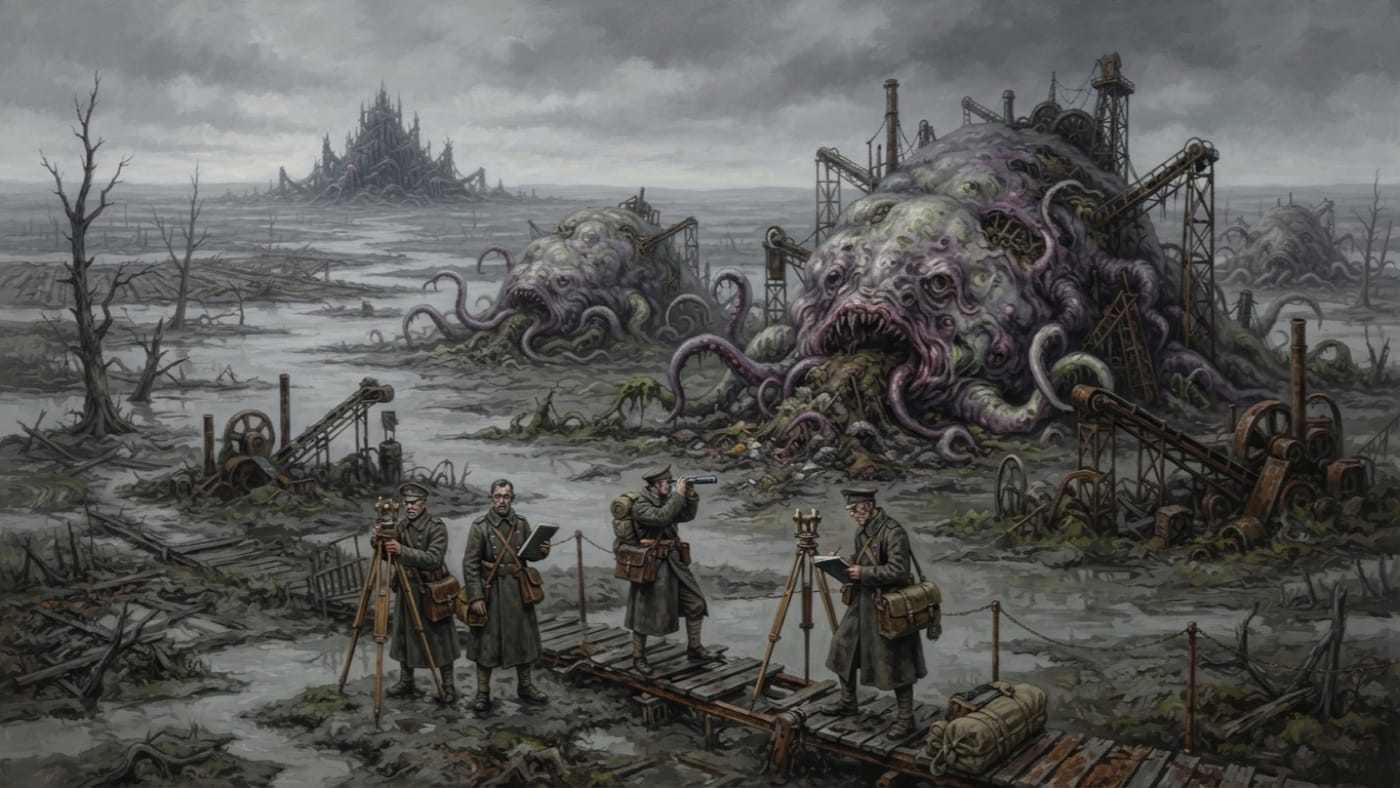
Hungarian plains
The country that fed the armies now feeds what waits for them
Once the breadbasket of armies, the Hungarian grain country is now the Blightmarsh. The A.S. 200 survey confirms eleven stationary Gorged. The Church's yield is nil; the hunger remains productive.
Codex Ref. II.4.09-200
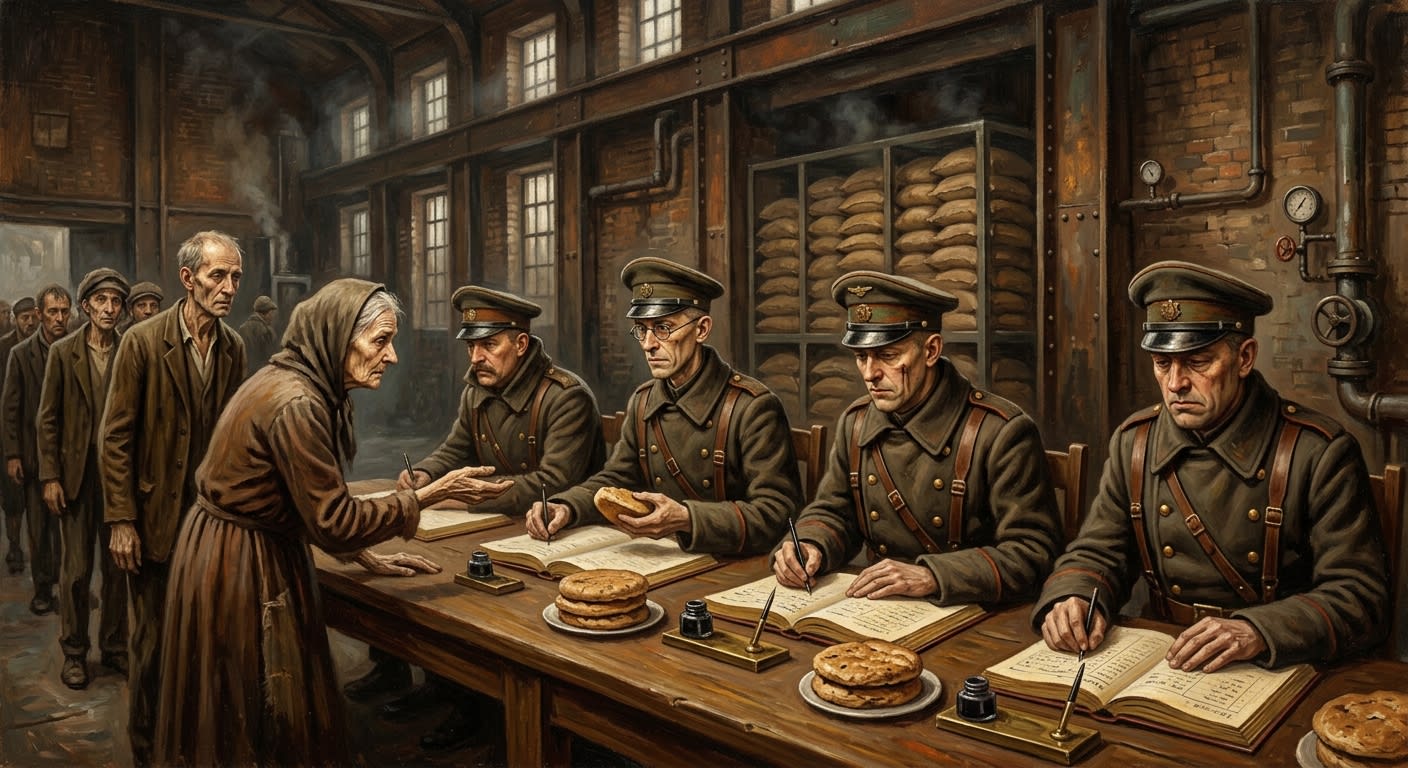
Hunger Brokers
The loaf becomes a chain when tomorrow is sold by the slice
Hunger Brokers are the tyrant faction of Grain Keepers, turning bread into debt, recruitment, silence, and ward sovereignty by ration ledger.
Codex Ref. XII.13.06-001
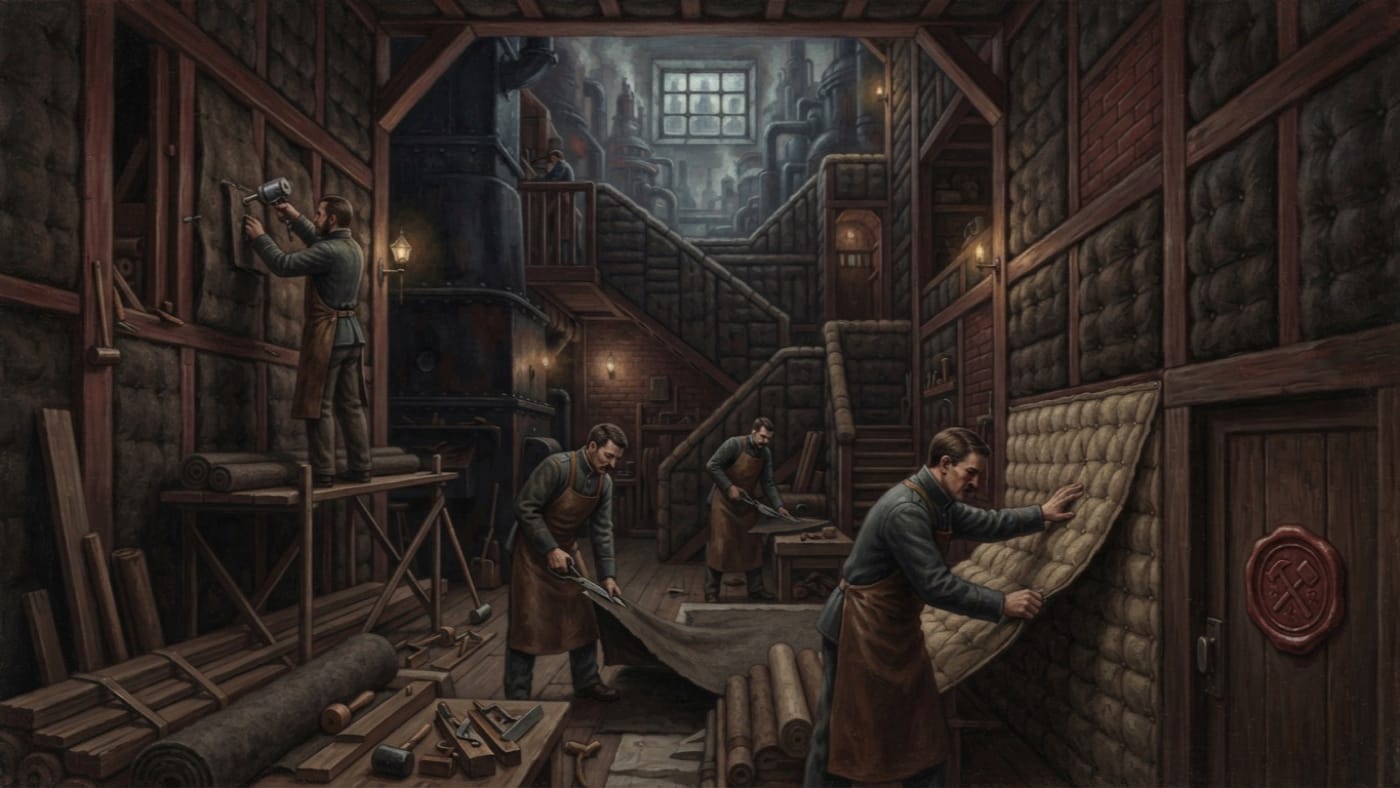
Hushwright Guild
Silence is a privilege, and the Guild sends the invoice
Essen's wealthiest guild lines the Quiet Gradient with felted ash and sealed timber. It calls the trade safety; its customers call it sleep, and Orison calls the unlicensed alternative contraband.
Codex Ref. XII.2.07-201
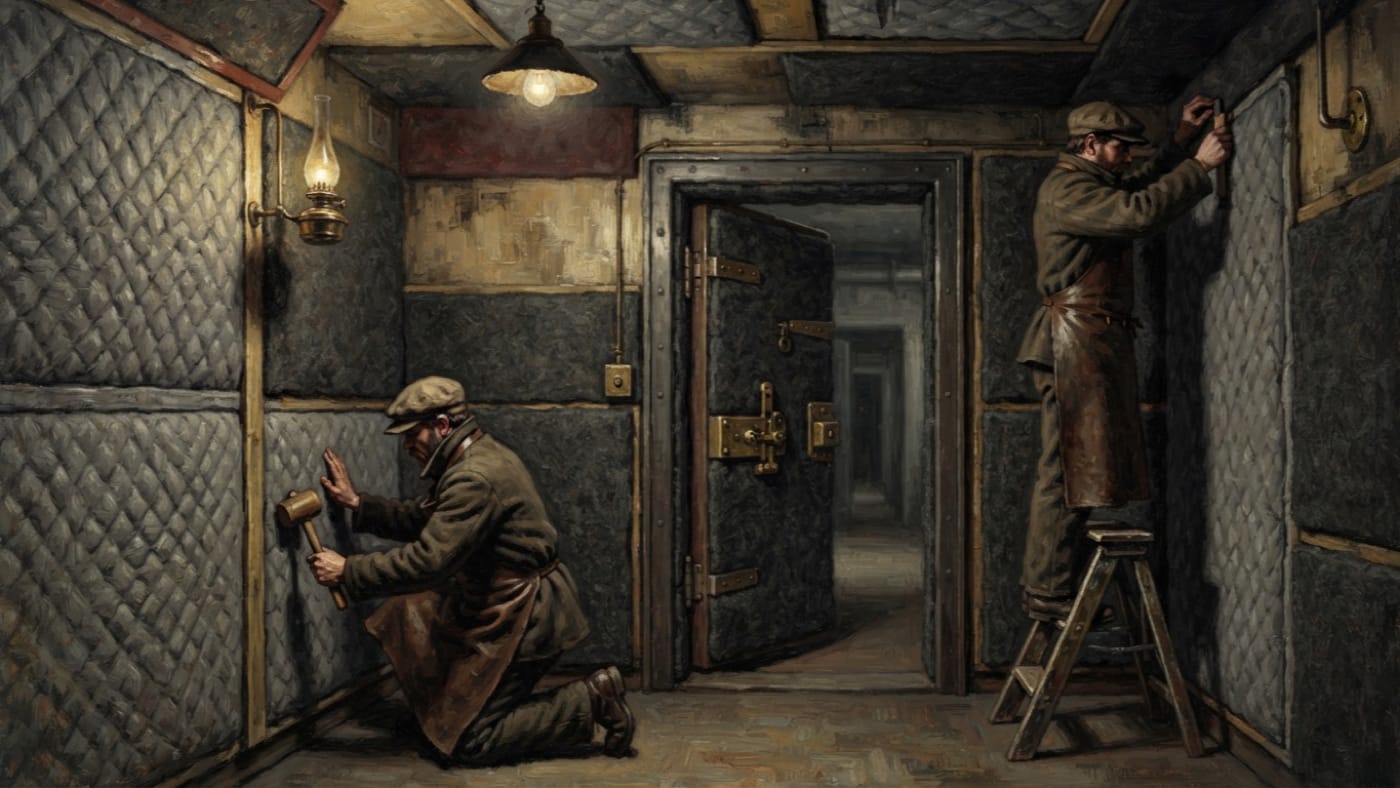
Hushwrights
In Essen, even silence needs a permit
Essen's hushwrights line rooms with cloth and felted ash, selling sleep, hearing and secrets. The Guild holds the contracts; Purity studies the customers, and a thick door proves only that someone paid.
Codex Ref. XII.2.07-001
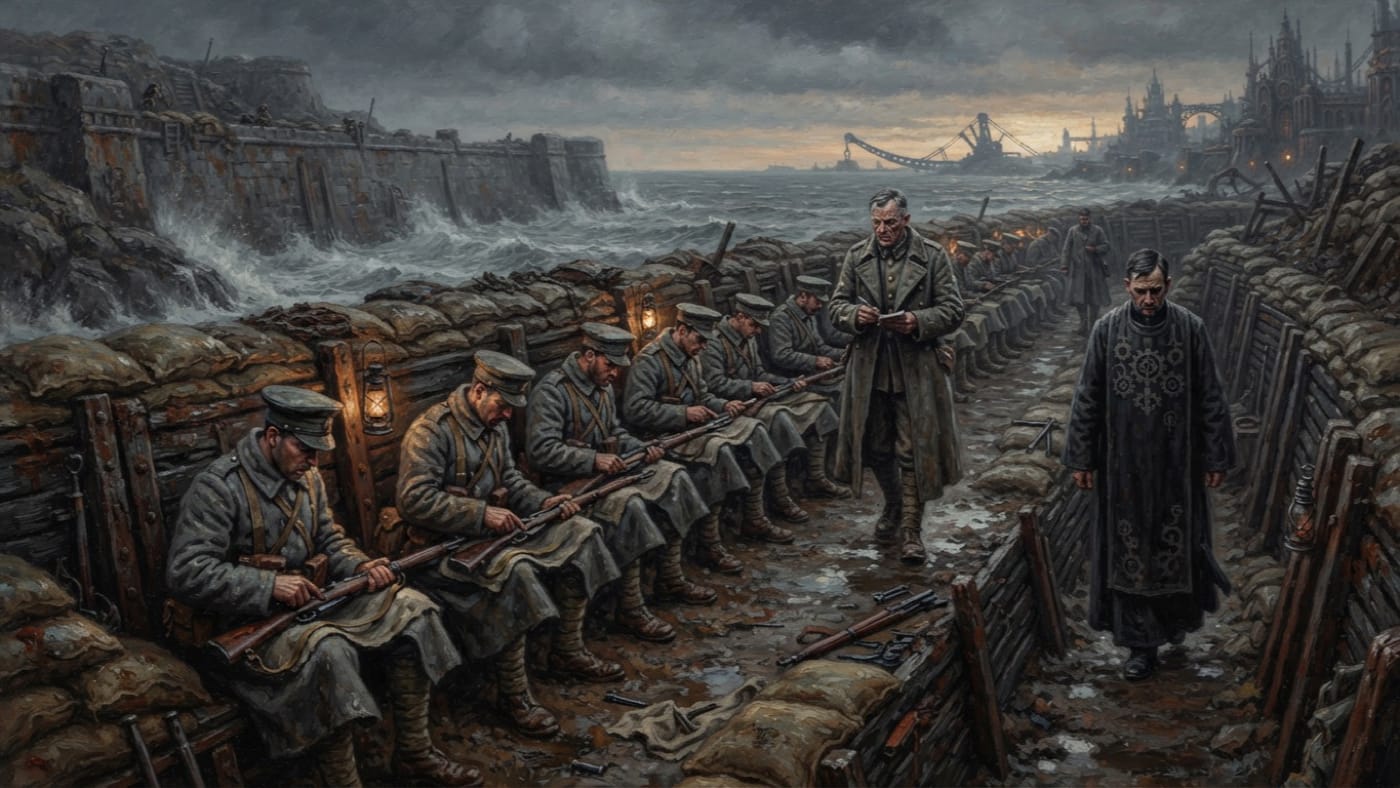
Hymn of Rust
Where a rag, a tune, and a clerk keep the rifles ready
At the Sister Trenches, the Hymn of Rust sets rifle cleaning to an evening chant. Each fallen flake is believed to buy the Line an hour; the quartermaster requires only that the rifle fire.
Codex Ref. III.5.08-017
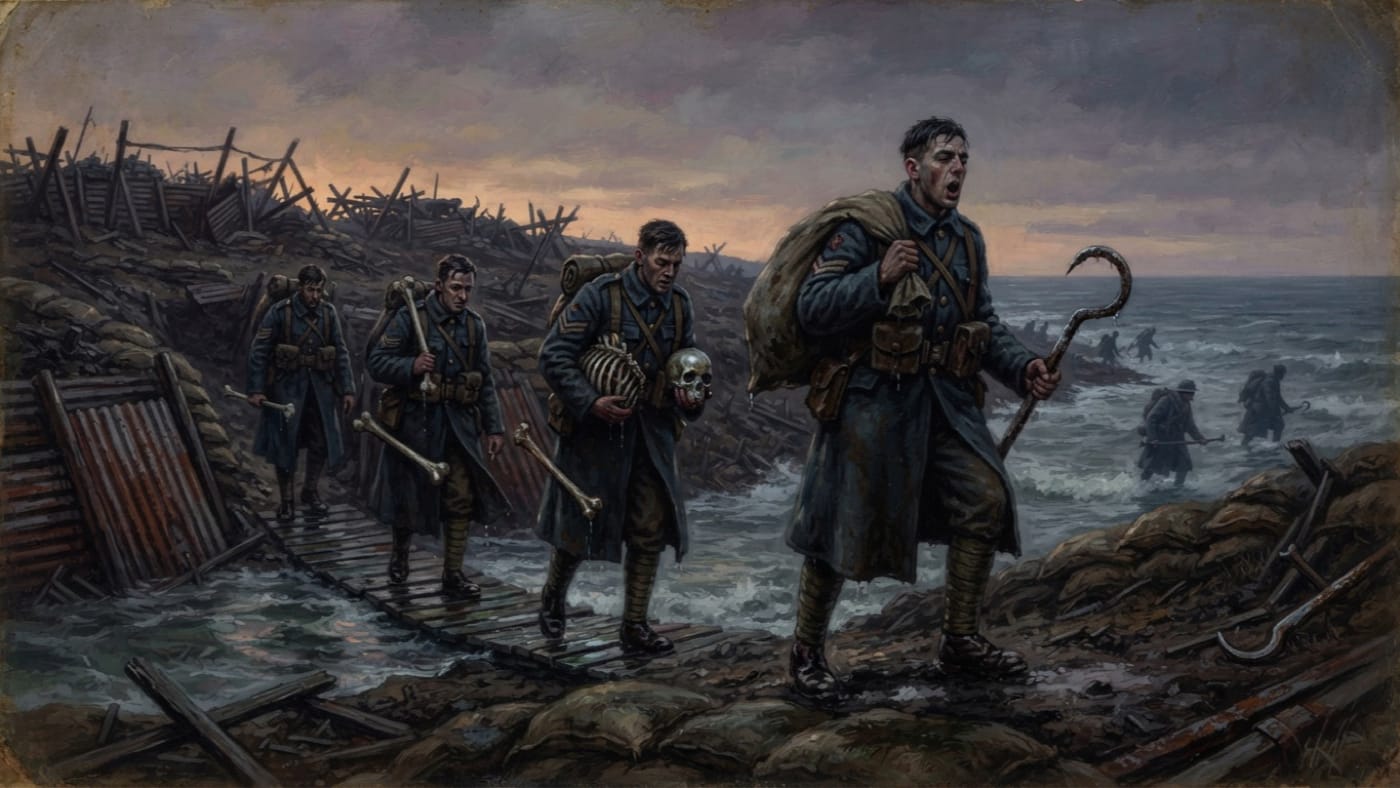
Hymn of Salt
The sea returns the dead; the garrison supplies the hymn
At the Sister Trenches, soldiers chant the Hymn of Salt at dusk while collecting and reburying remains returned by the tide. The words are not held under seal; the dead still require a pit.
Codex Ref. III.5.08-018
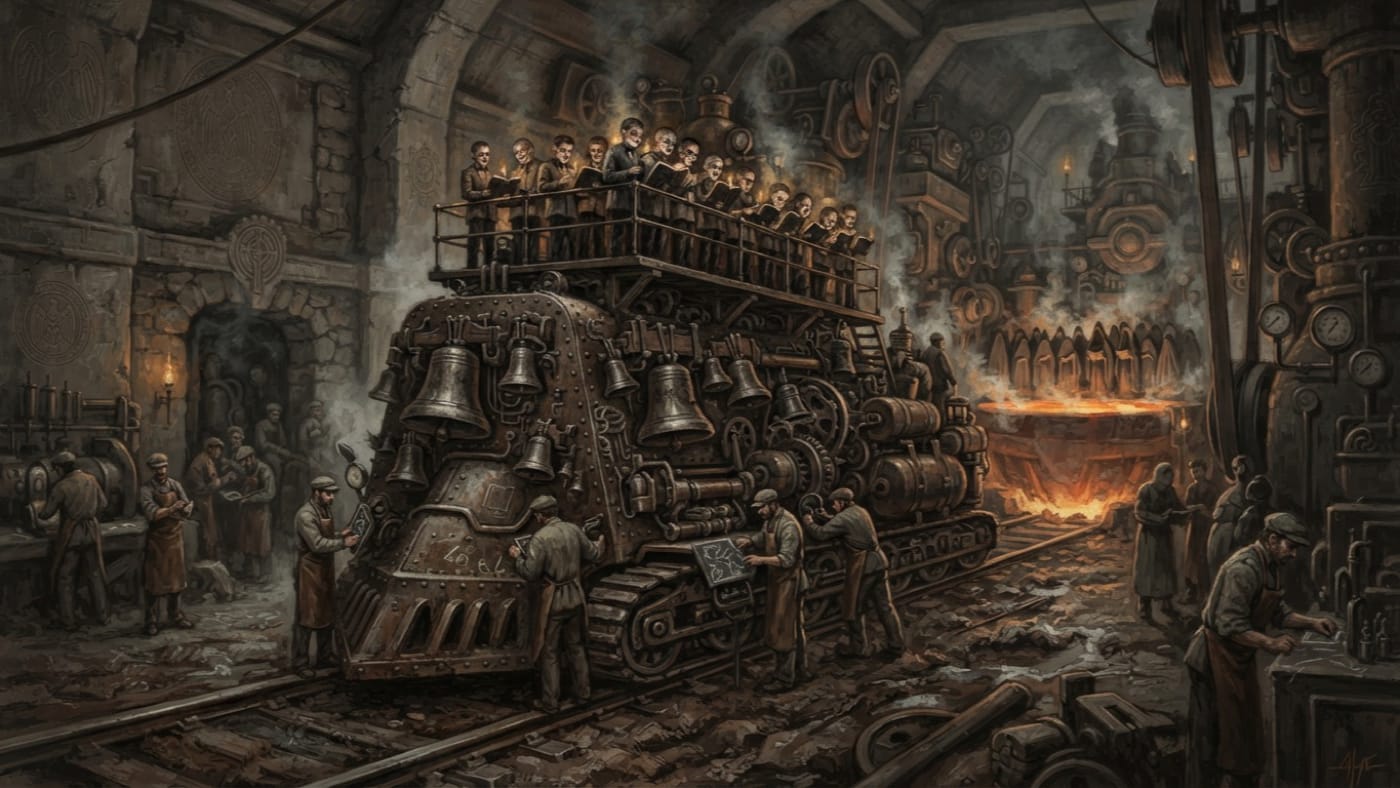
Hymn-Drive
The Line orders more engines; Essen runs short of throats
Synodal siege engines join prescribed song, hymnsteel housings and mechanical works. Essen supplies the calibrated casings; the Line supplies the demand. Origin remains unfiled, and tripled output awaits sufficient throats.
Codex Ref. XIII.1.93-002
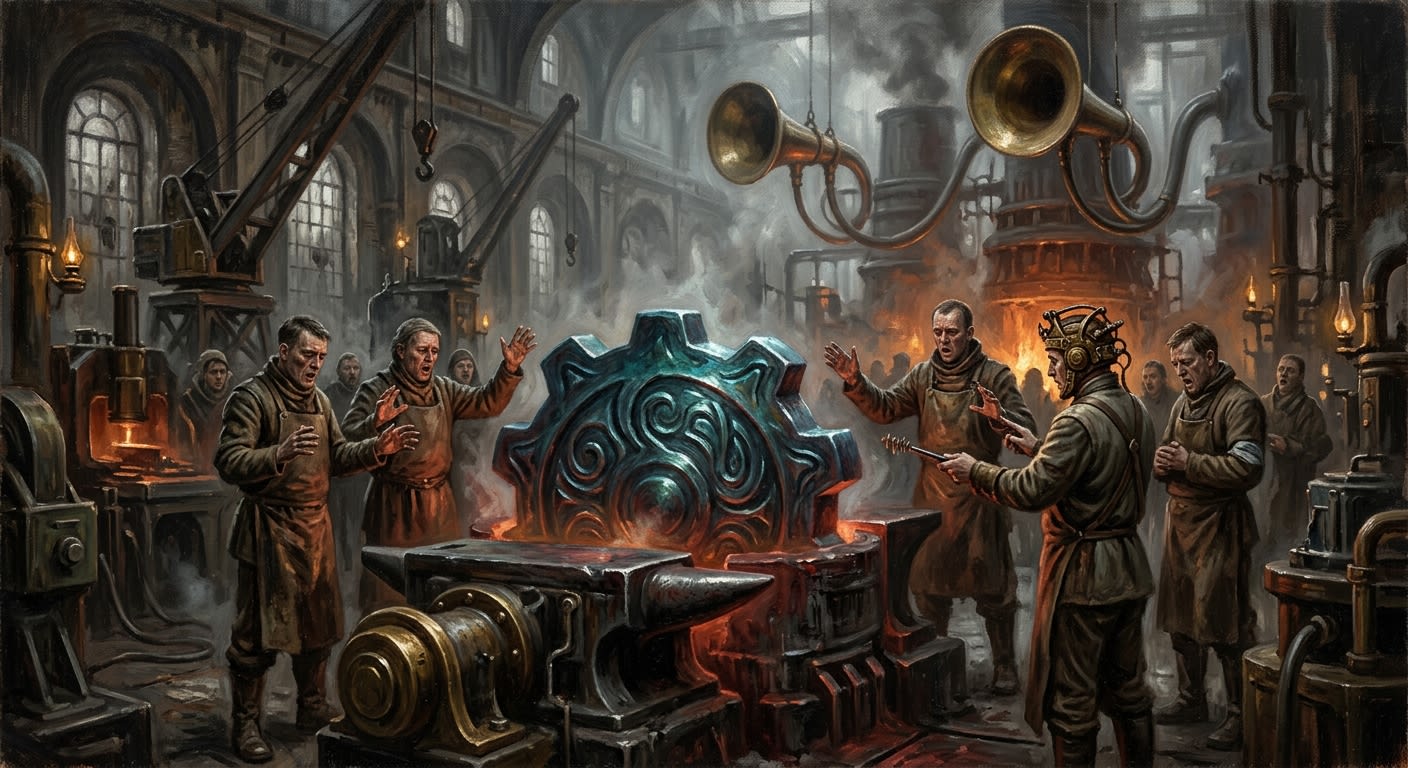
Hymnsteel
Metal taught obedience remembers every wrong note
Hymnsteel is obedient metal: forged at Essen by heat, formula, seal, and throat until iron remembers the note it was commanded to serve.
Codex Ref. XIII.1.93-110
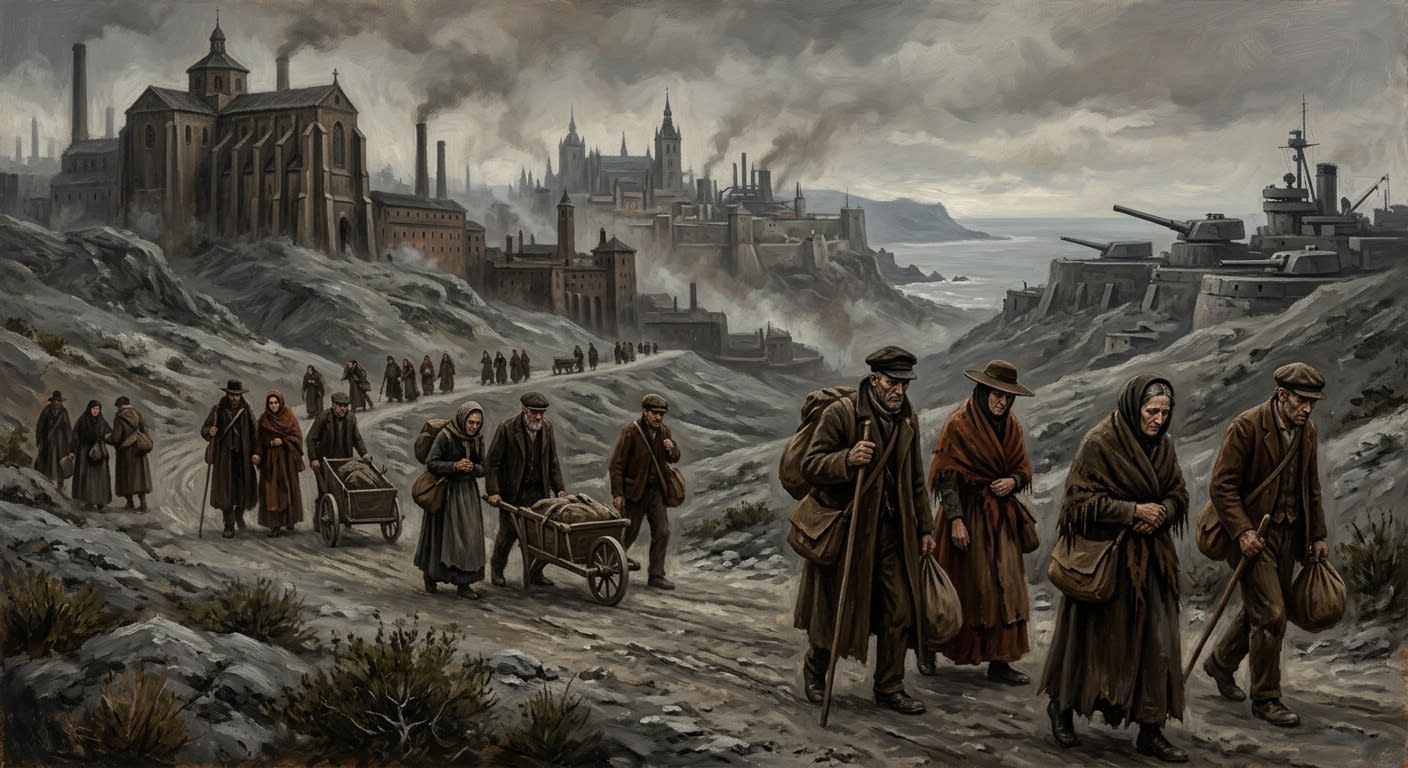
Iberia
The western furnace kneels, pays, murmurs, burns, and remembers
Iberia is the Synod's western furnace: a sealed peninsula of relic ash, late Concordat obedience, Seville mutters, Toledo martyrdom, pilgrimage roads, British guns at Gibraltar, and memory too old to confiscate cleanly.
Codex Ref. II.1.04-090
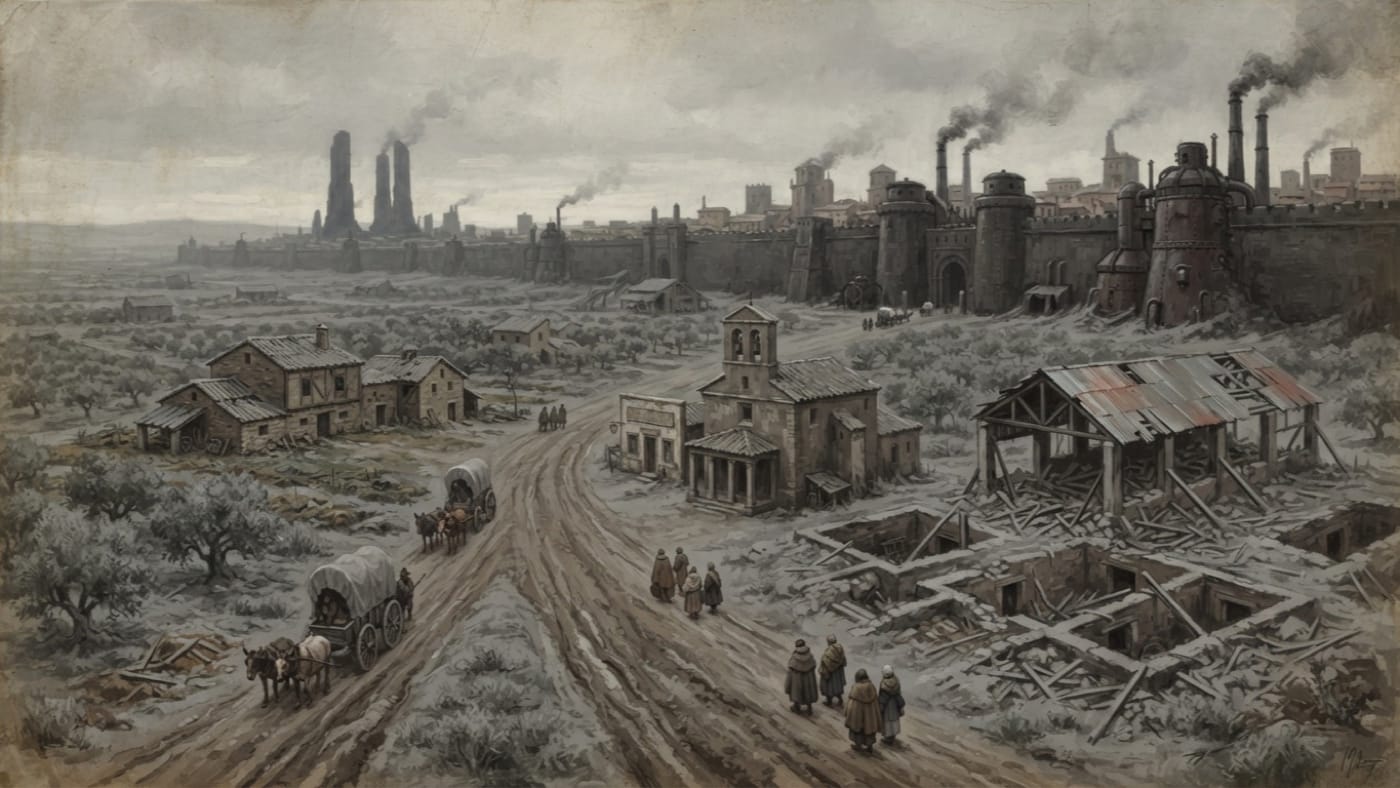
Iberian Approaches
Purity certified the ground. Nobody lifted the floorboards.
Zaragoza's outer farms, warehouses and approach road: an unsurveyed locality in the western heartland where a Velkara-aligned compound survived Purity certification until the A.S. 143 bombardment made weather of the evidence.
Codex Ref. II.1.07-143
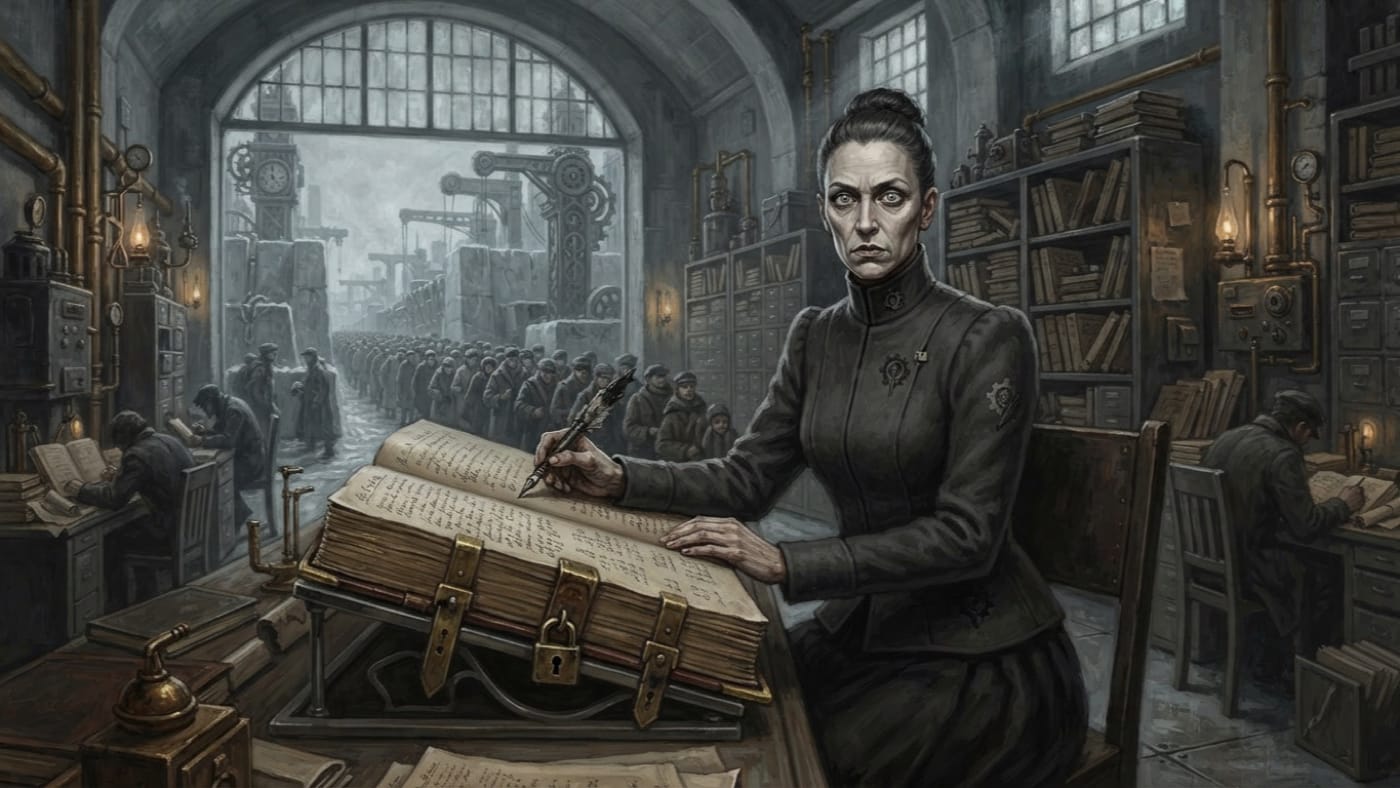
Ilse Quill
The keeper of the Directorate's true book
Adjunct Ilse Quill keeps the Permit Directorate's hidden master ledger. The public books record compliance; her book records what waiting was sold for. The ledger remains withheld, and her biography is no better supplied.
Codex Ref. III.2.01-201
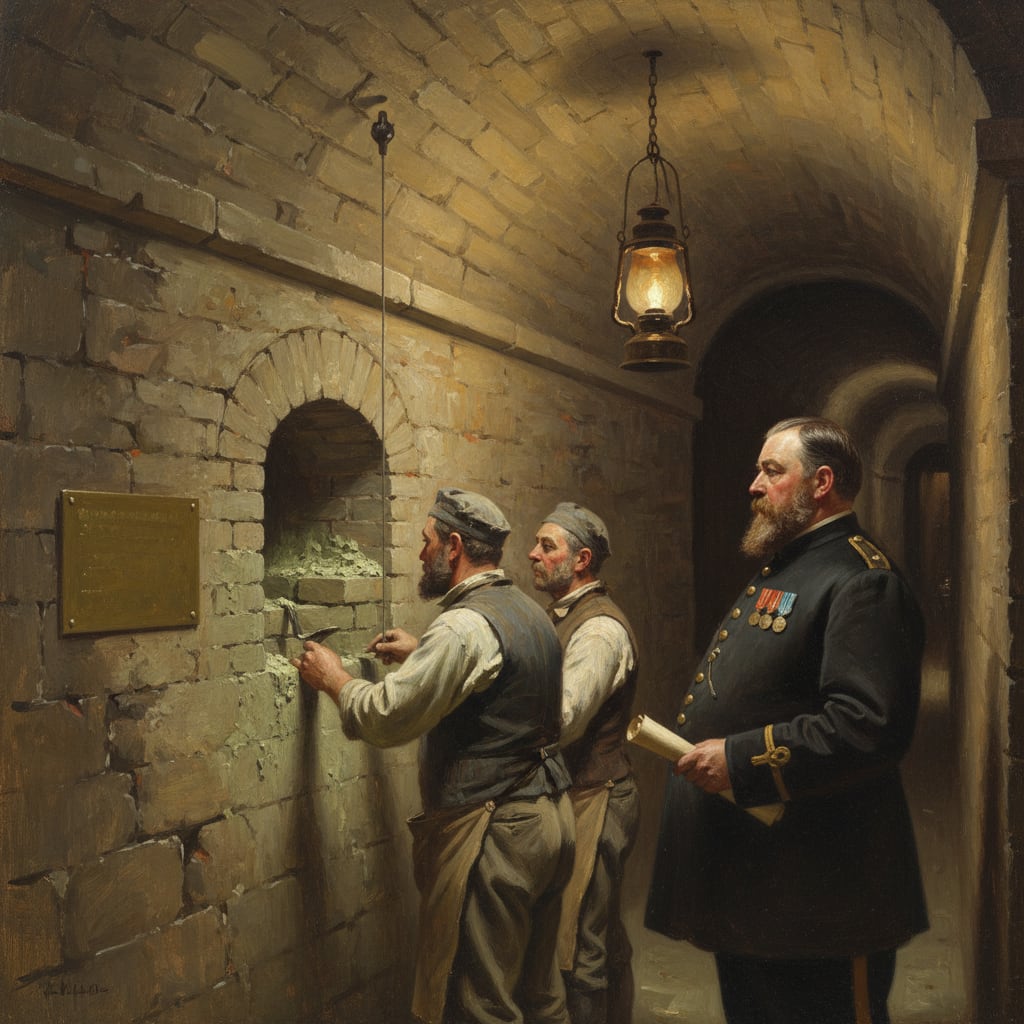
Immurement Mason
The Punitive Construction Auxiliary: On the craft of permanent deterrence, the condemned as structural element, and the mortar that does not negotiate
~2,400 licensed Masons who turn living bodies into load-bearing lessons; three ranks, two factions, one Standing Order that recommends no air provisions; the condemned ceases to be a problem and becomes a structural element.
Codex Ref. XII.22.01-001
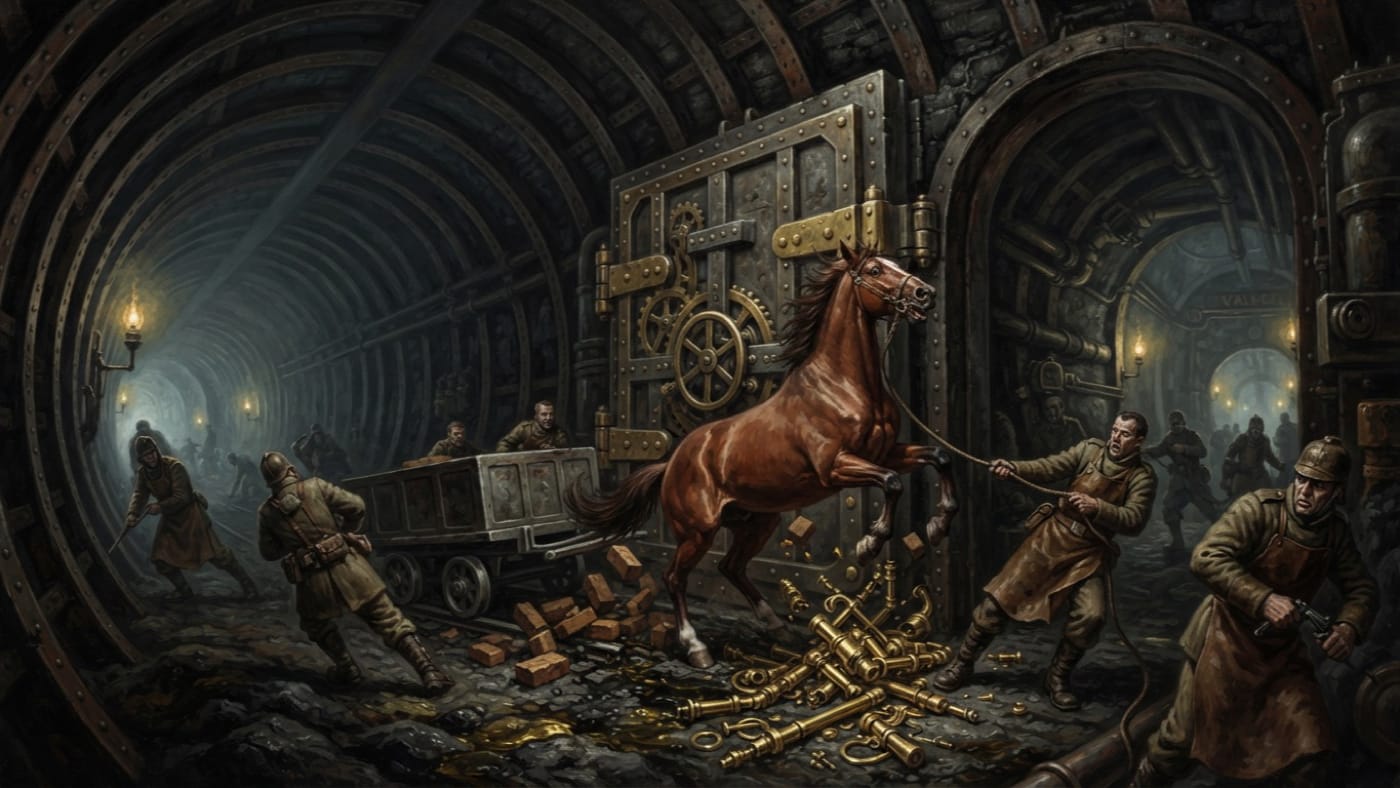
Incident of A.S. 141
The horse is gone. The prohibition remains. The brass is unaccounted for.
A spooked gelding, a pressure door, and unaccounted brass at Bastion-Irongate in A.S. 141. The particulars are missing. Horses remain forbidden in the tunnels, and the Bureau of Ordnance's account remains open.
Codex Ref. VII.4.24-141
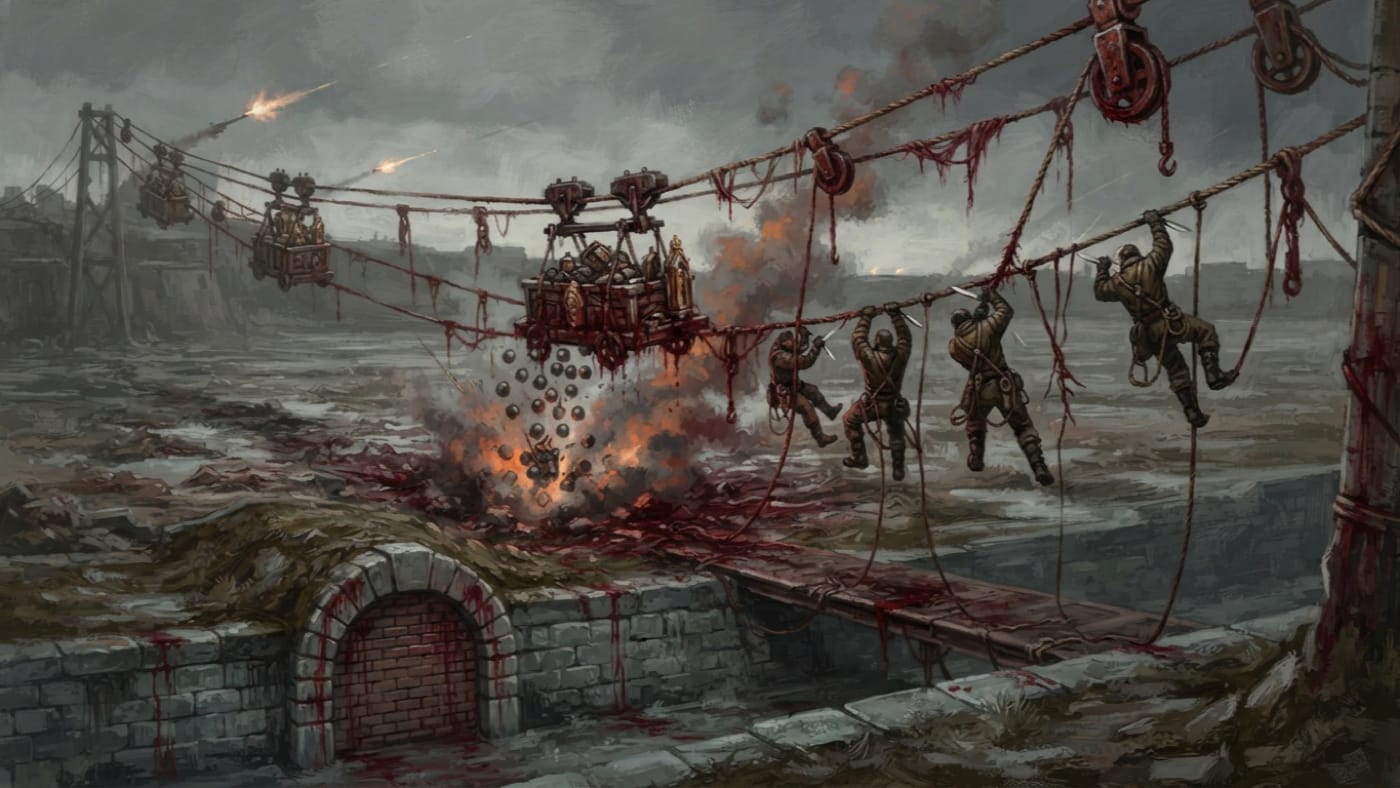
Incident of the Crimson Pulley
Every hand obeyed; the rope did not
At Knife Mile in A.S. 189, Pale Chanter silence made every repairman cut the wrong rope. Reliquary shot fell and detonated; survivors swore the pulley bled. Records preferred oxidation.
Codex Ref. VII.5.04-002
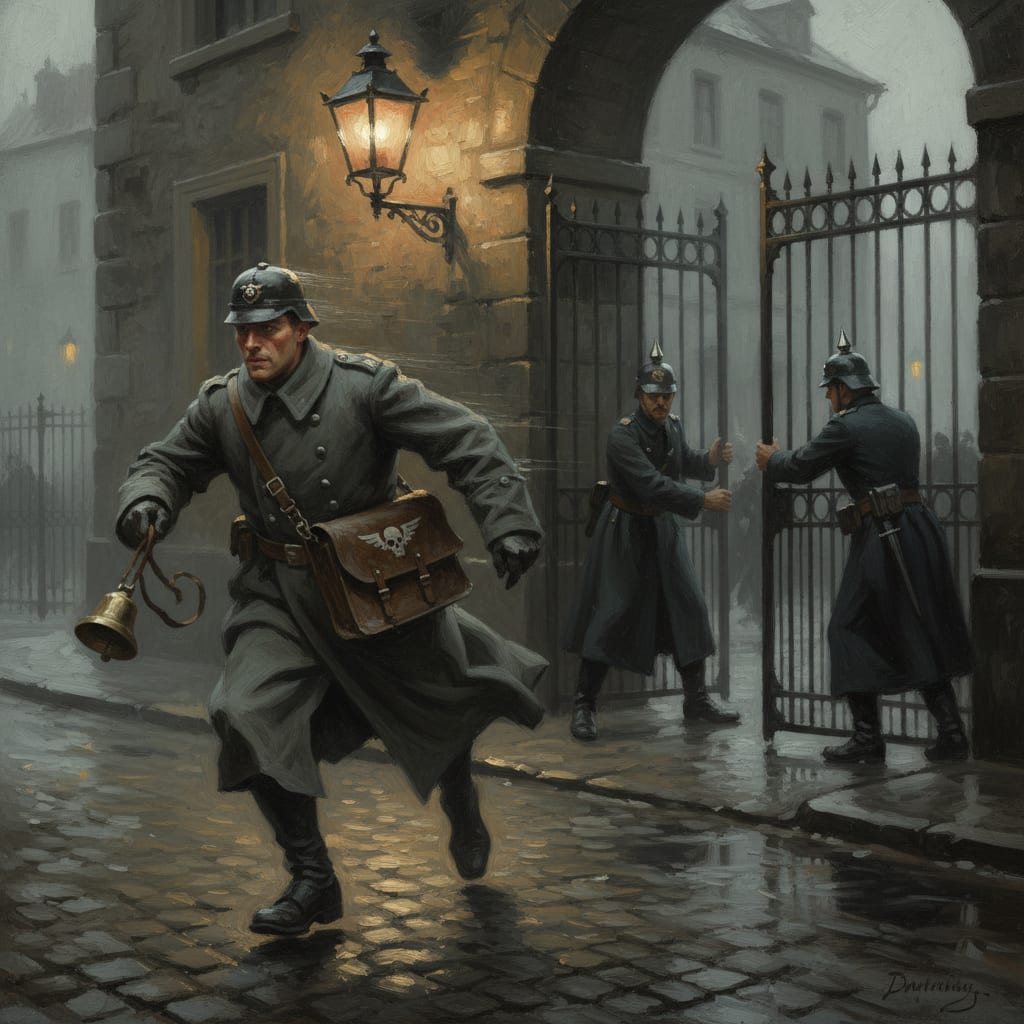
Index Damnatus Runner
On couriers who carry condemned names faster than the condemned can flee
The Bureau of Purity's courier corps: eleven hundred Runners who carry condemnation packets from Strasbourg to every gate, ferry, orphanage, and shrine before the damned can cross a border. Speed is doctrine. Late is the same as false.
Codex Ref. XII.23.01-001

Index of Canonised Persons
The name is recognised; the bone still has questions to answer
A.S. 201 survey of the Index used at Doctrine Fit. The Church recognises the person; the Authenticator must still answer for the bone. A name in the book supplies neither provenance nor a leaning candle.
Codex Ref. XIII.1.35-001
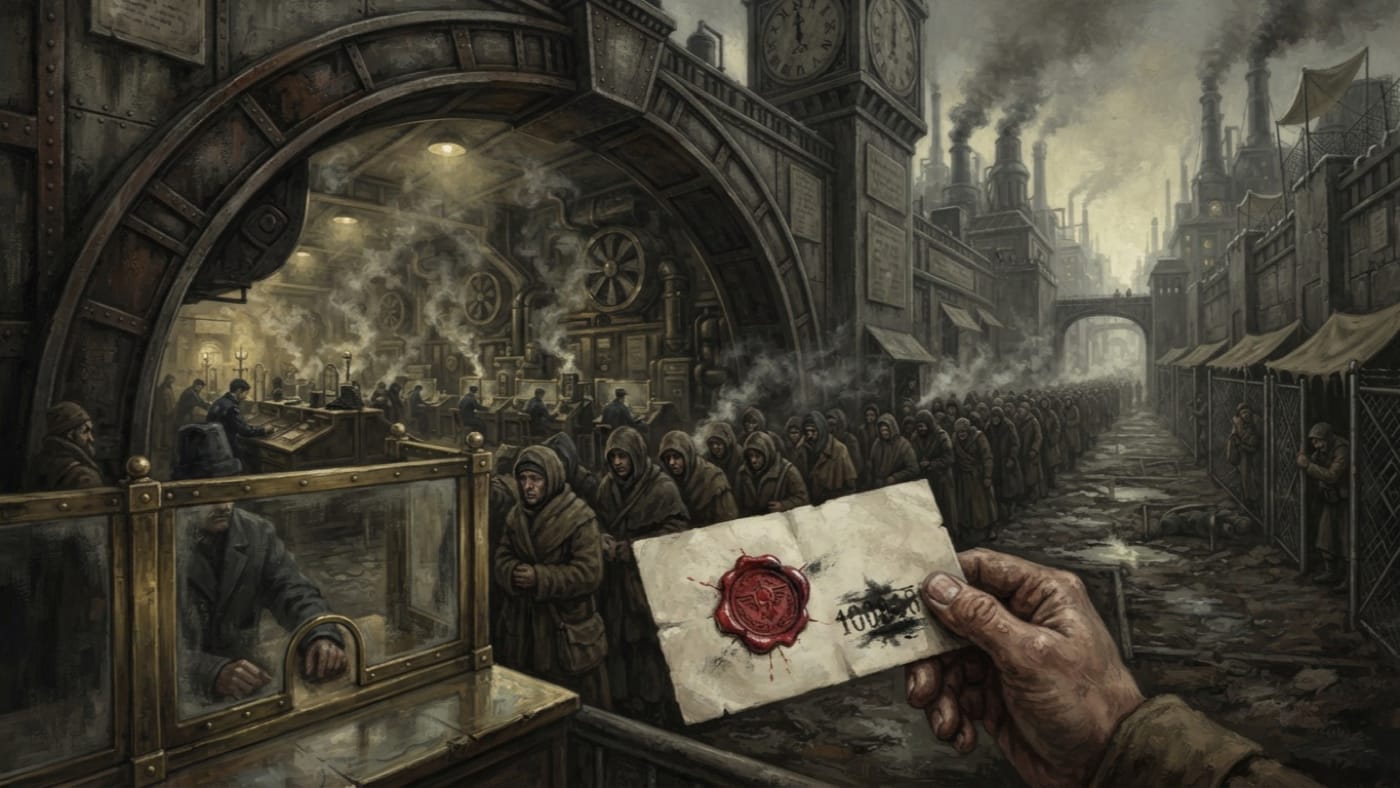
Indulgence Slip
Thirty days of passage; the name remains on file
Portable innocence in wax and paper: thirty days of passage on the Pilgrim Roads, a disputed currency, and no protection against a doubt flag on the bearer's name.
Codex Ref. XIII.1.40-002
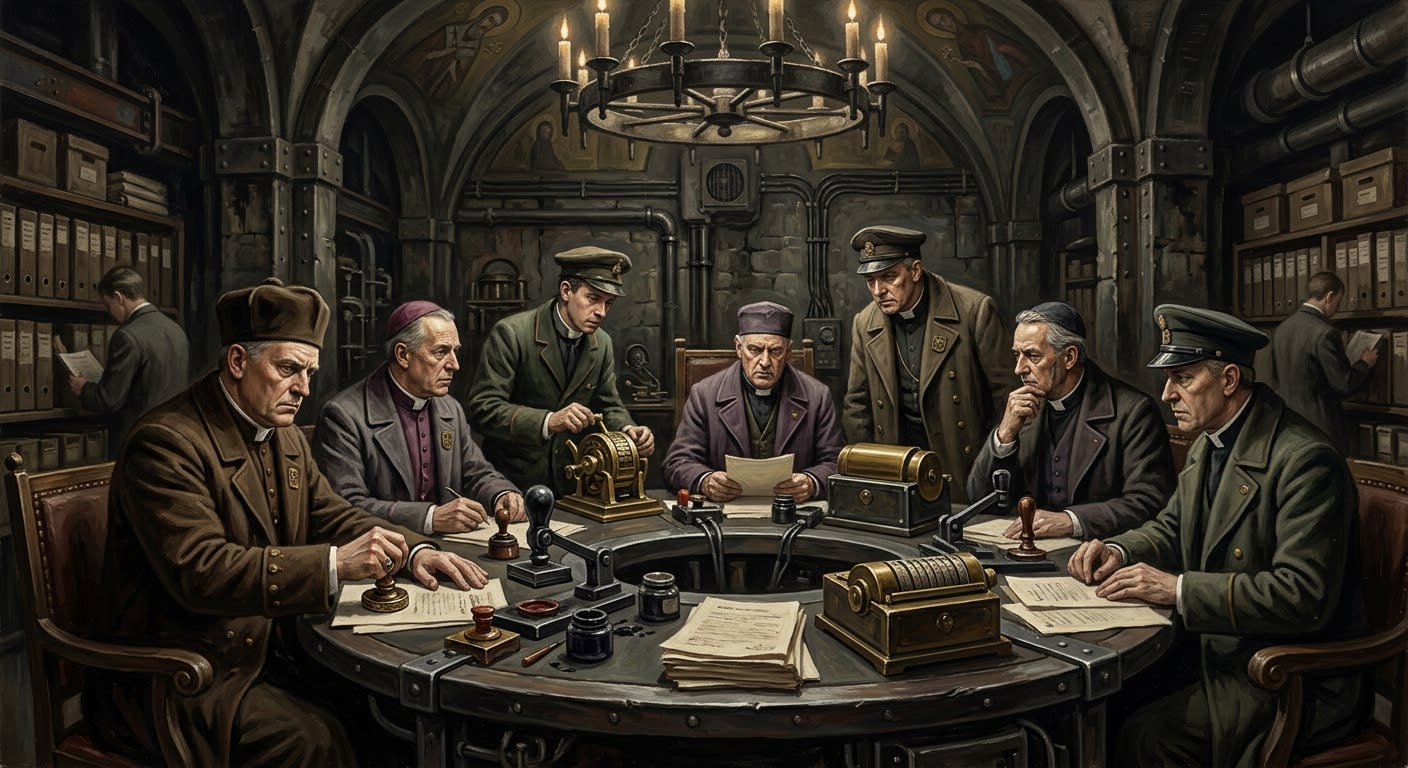
Inner Circle
Seven knives pointed inward, and Europe calls the locked box government
The Inner Circle is the Synod's highest chamber: seven Seal authorities locked in Strasbourg beneath the Basilica, manufacturing unanimity from obstruction, fear, rotating stamps, clerks, and the occupied absence of War.
Codex Ref. XIII.1.05-090
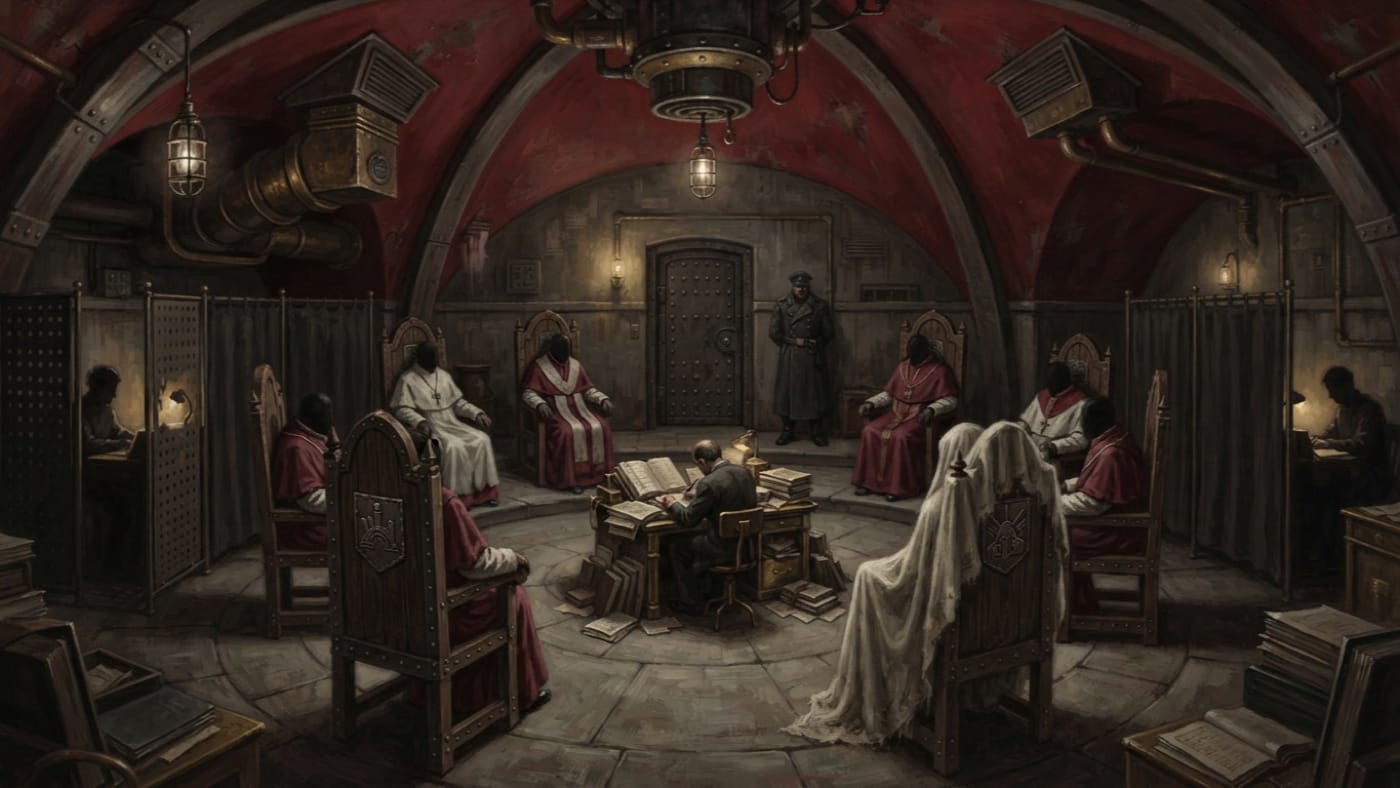
Inner Circle of Strasbourg
Six Chairs Answer. Seven Seals Decree.
Seven chairs, six occupants, no table. From the Basilica's highest floor, the Synod decrees through corrected minutes, seven stamps, and War's vote counted by faith.
Codex Ref. III.2.04-1452
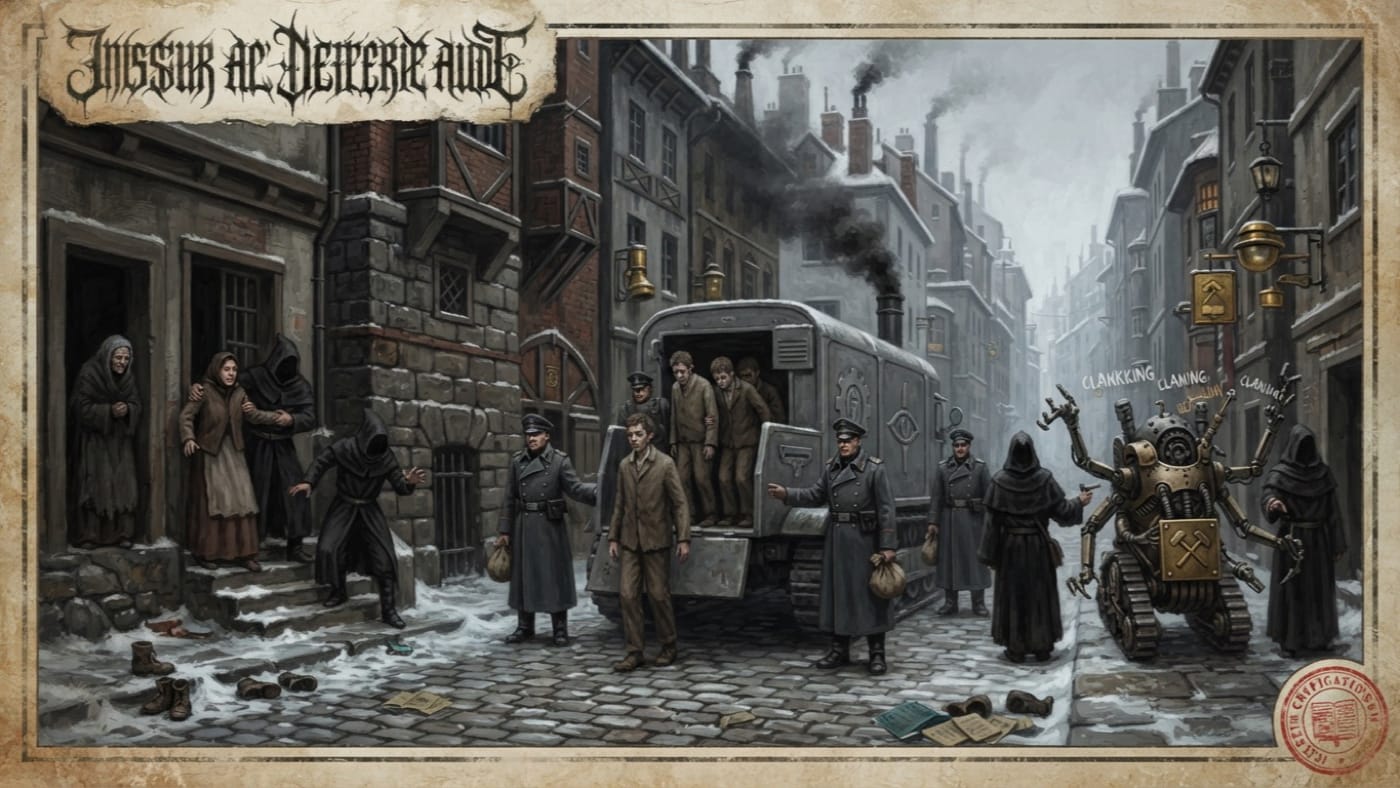
Innsbruck Audit
Fourteen years late, the Ledger declared victory
In A.S. 178, Innsbruck's auditors found three sons concealed for fourteen years. Conscription took the sons, the Index took the parents, and an iron choir took the midwife. The Ledger called its lateness a victory.
Codex Ref. VII.8.10-178
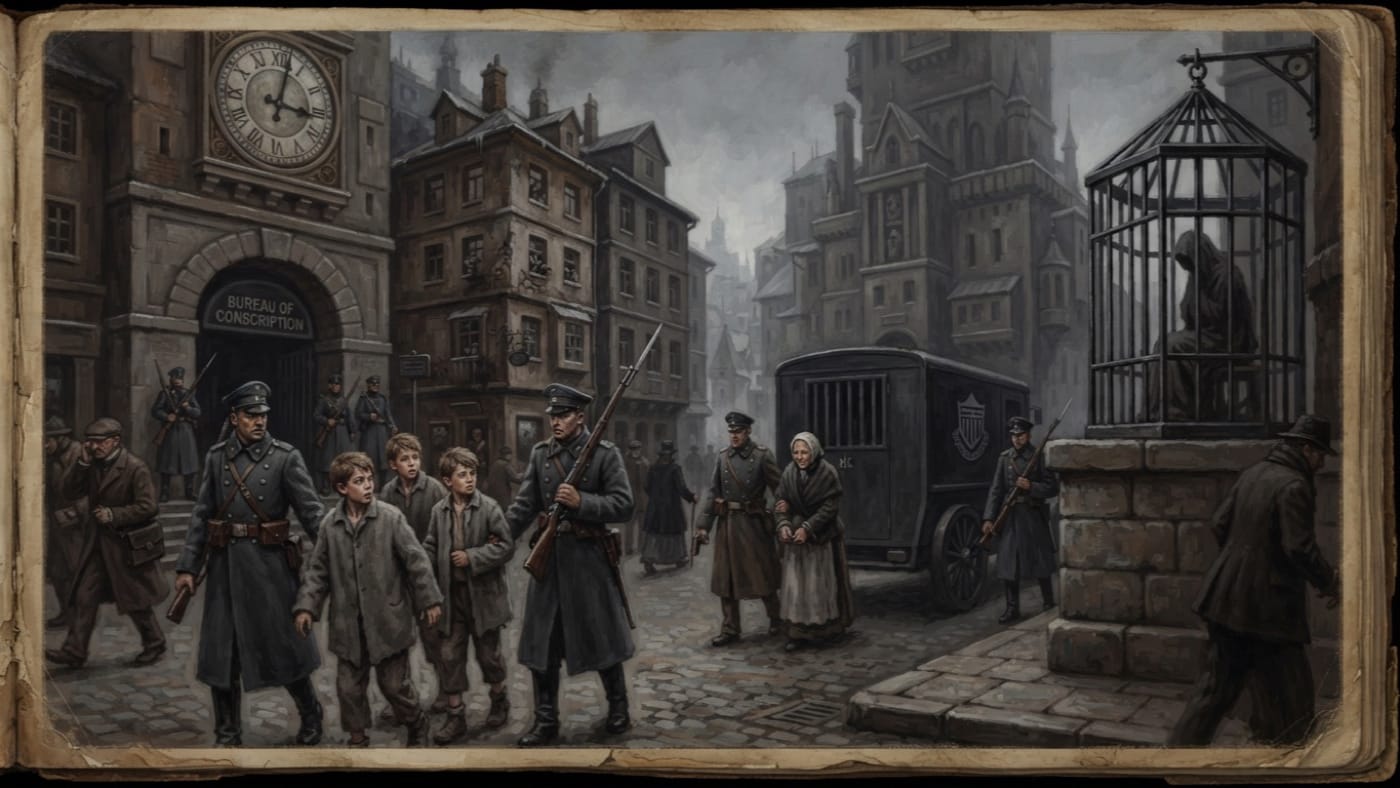
Innsbruck Audit of A.S. 178
Three recovered; fourteen years unaccounted
In A.S. 178, Purity found three sons concealed in Innsbruck for fourteen years. The sons were conscripted, the parents entered the Index, and the midwife died in an Iron Choir. The Bureau filed its lateness as vigilance.
Codex Ref. VII.8.10-178
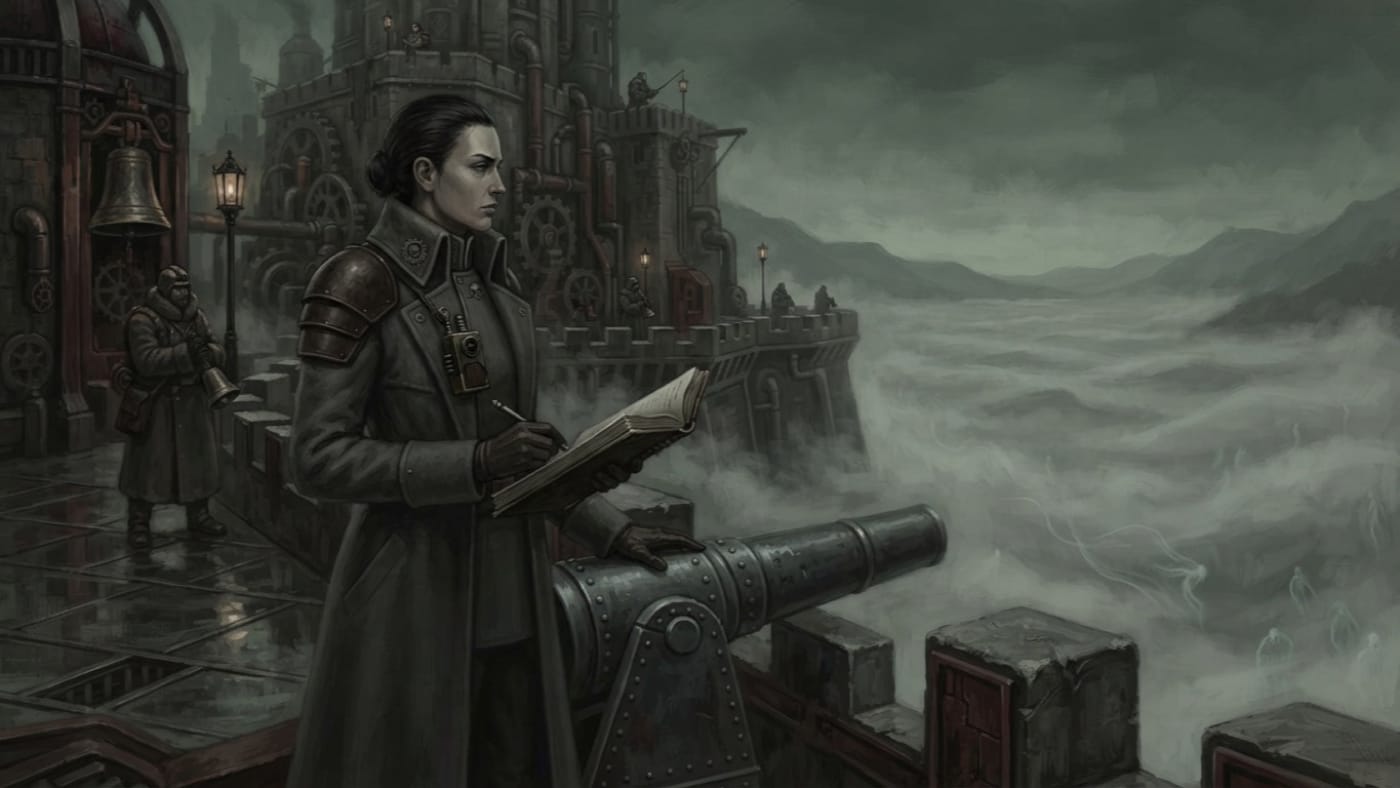
Inquisitor-Assessor Maren Doyle
Work Filed. Assessor Posted.
Four years hearing Velkara's survivors produced six orders of demons. Maren Doyle filed the taxonomy and requested the Line. At Bastion-Shipka, she calls Syrion's fog restful by comparison.
Codex Ref. III.2.01-1729

Instrument Vault
The minutes vanish; the paperwork remains
Station Two's crowded chamber of drag-gauges, bells and logbooks, where Meryth Vesk measures temporal anomalies and the daily ninety-second Skip. The minutes vanish; the paperwork remains.
Codex Ref. II.4.08-018
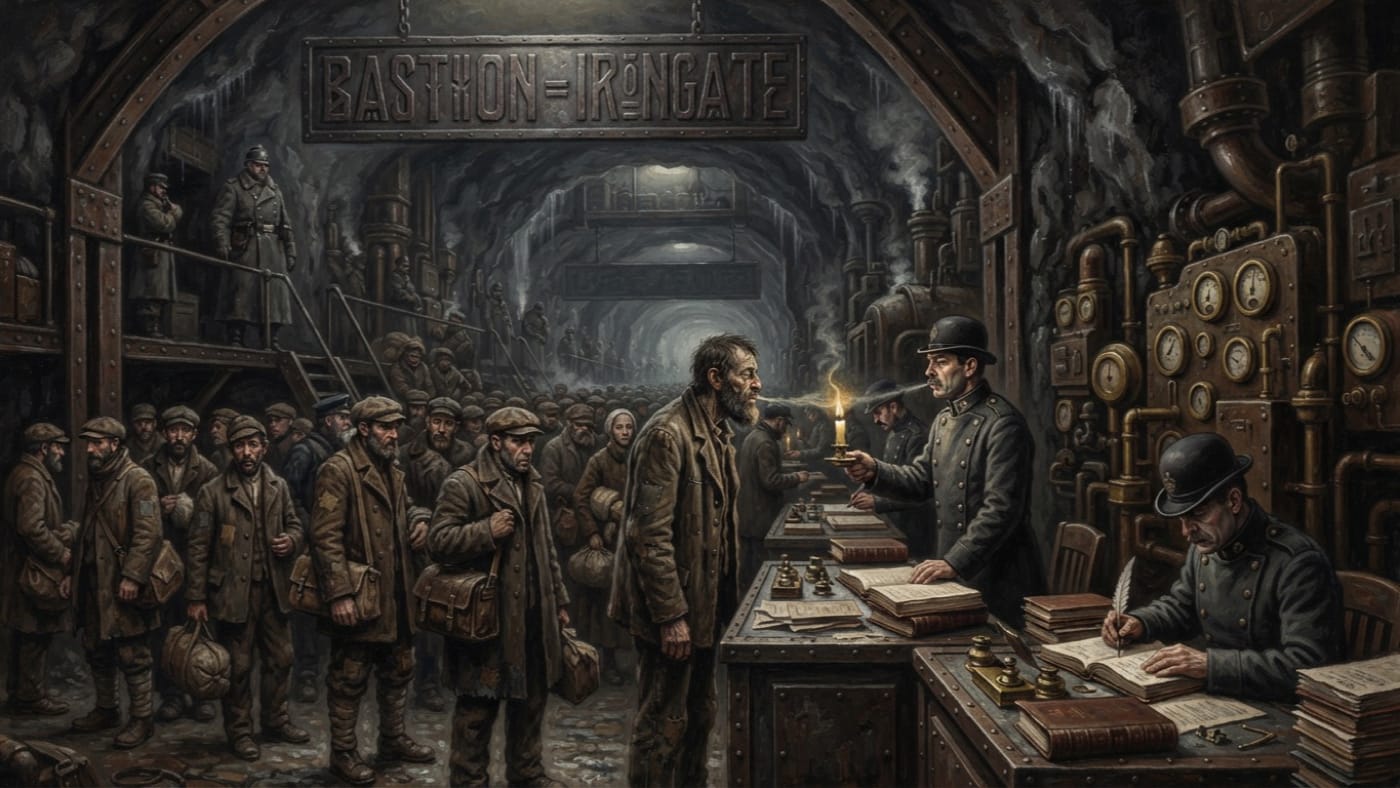
Intake Gateworks
A gate pass buys entry. Warmth requires a tier.
At Bastion-Irongate's Intake Gateworks, a candle makes lungs into paperwork. Permits, pressure checks and quarantine orders decide who enters; vocal licenses decide who sleeps warm.
Codex Ref. II.4.24-201
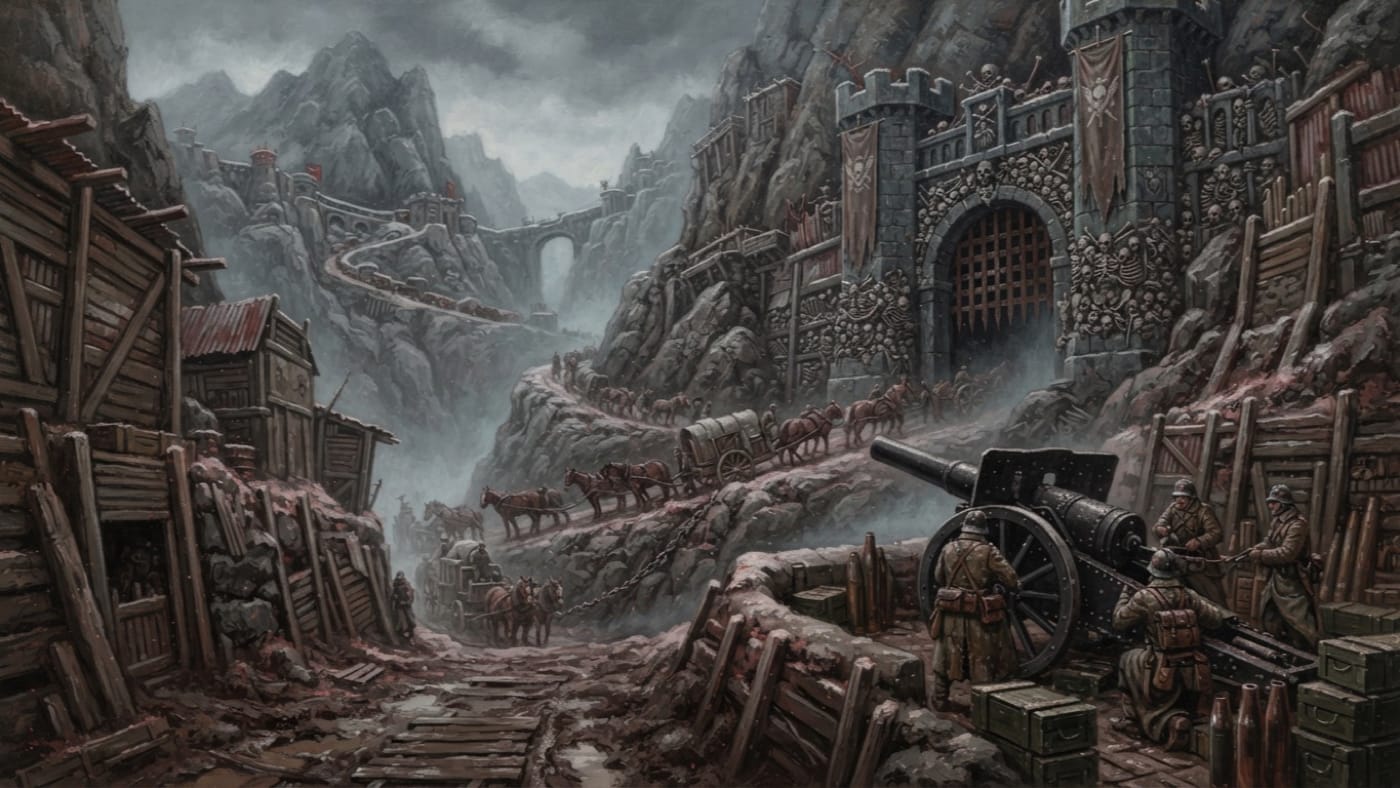
Iron Corridor
Three sectors, whatever the map once claimed
Trench sectors 14–16 of the Carpathian Gates, surveyed in A.S. 201. Three numbers in the Ledger; the pass and its ossuary checkpoint keep their own names.
Codex Ref. II.4.08-016
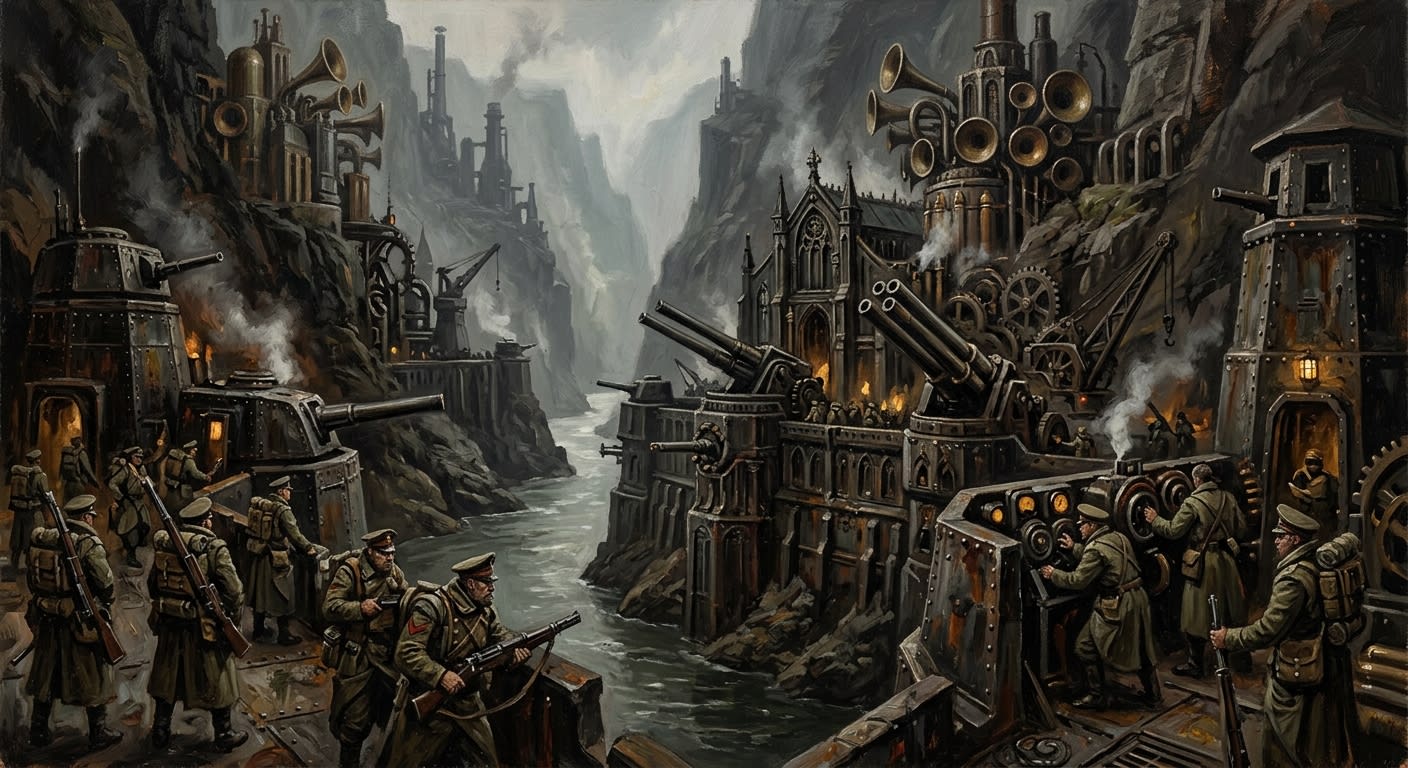
Iron Gates Gorge
Where the Danube is made to breathe in doctrine
The Iron Gates Gorge is the Danube's black throat: a natural chokepoint made into a choral machine, held by Bastion-Irongate at ruinous pitch.
Codex Ref. II.4.08-067
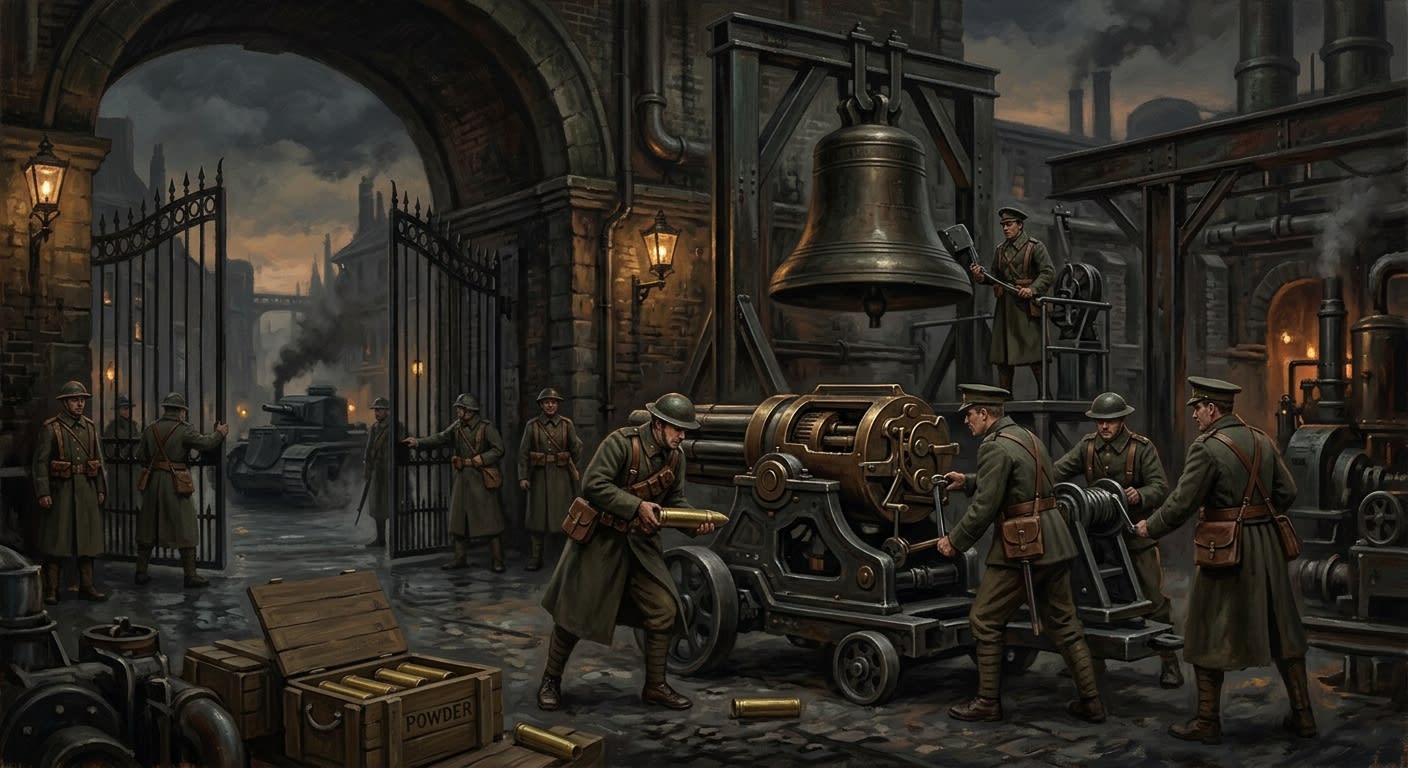
Iron Vespers
Bronze orders the night to become useful
Iron Vespers is the Synod's martial evening peal: seven strokes that lock gates, open powder, transfer custody to night, and teach soldiers that fear obeys better when bronze gives the order.
Codex Ref. XIII.1.62-004
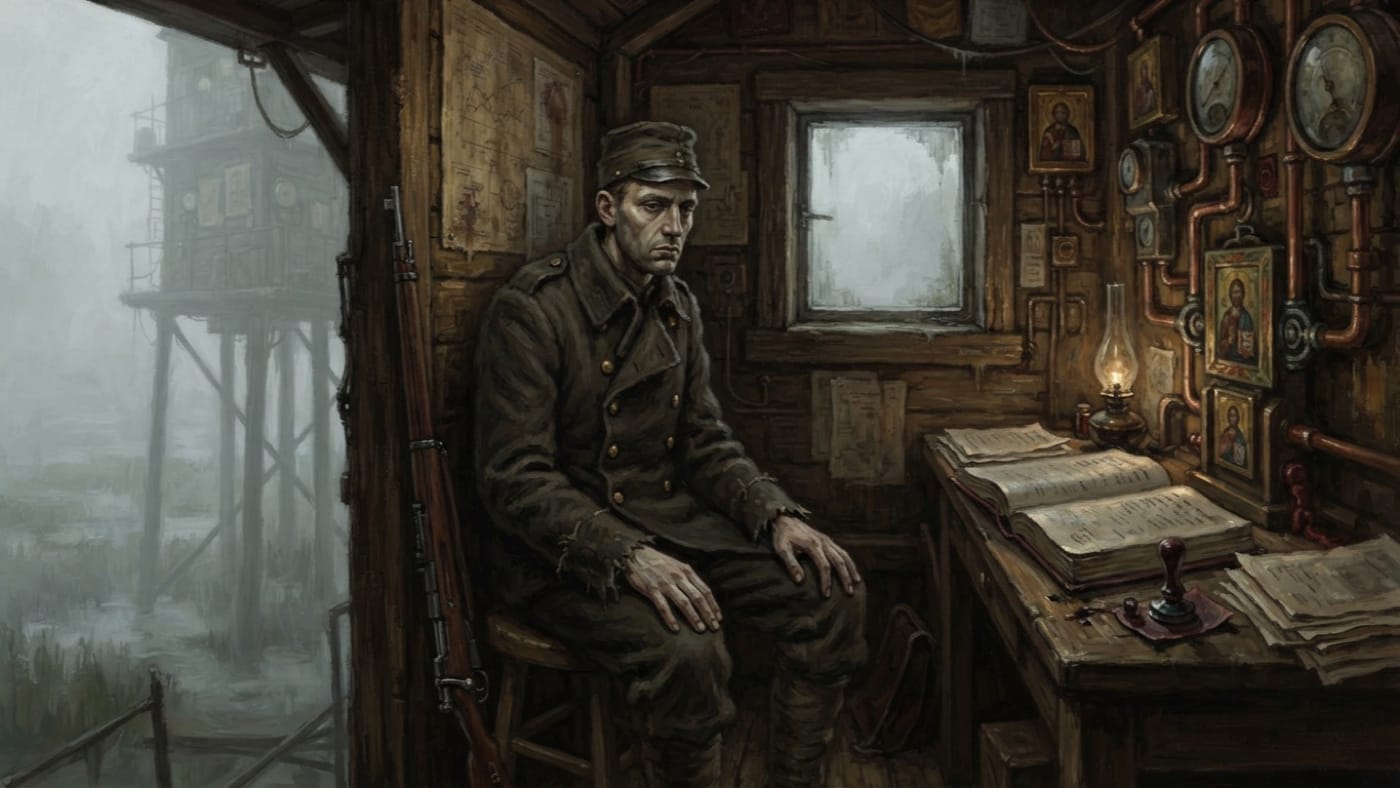
Ivenn Rusk
The order was spoken; the wanting remained unfinished
This A.S. 201 survey keeps Corporal Ivenn Rusk's undated Drift-S 9 report within its evidence: an order spoken and understood, wanting left unfinished, recovery alive, and three sentences sealed under Mercy custody.
Codex Ref. III.2.01-1497
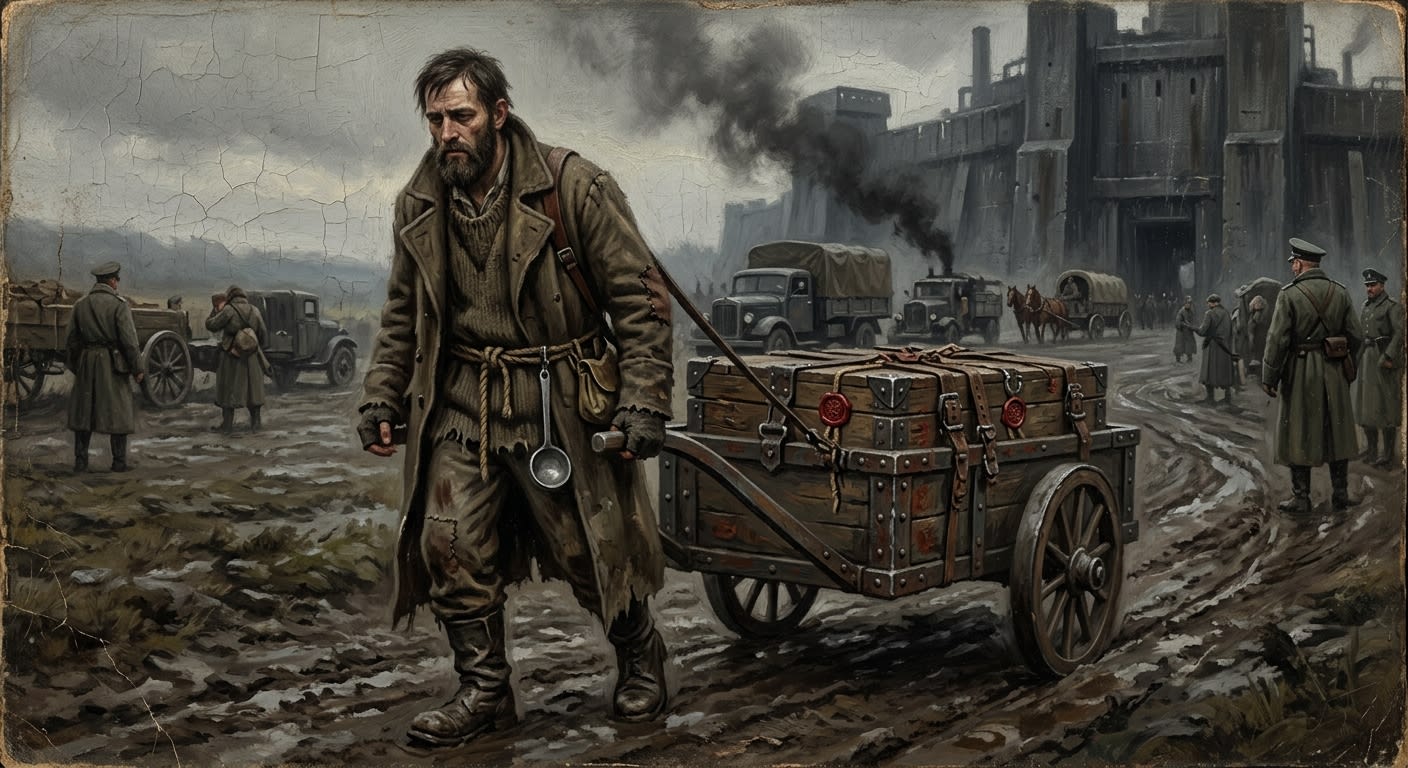
Josek of Düren
The debtor who carried the crate and became too memorable
Josek of Düren, condemned debtor and Grade A relic carrier, bore a sealed ossuary crate to Bastion-Irongate in A.S. 138 and became the forbidden Cart-Saint of convoy rumour.
Codex Ref. III.2.01-131
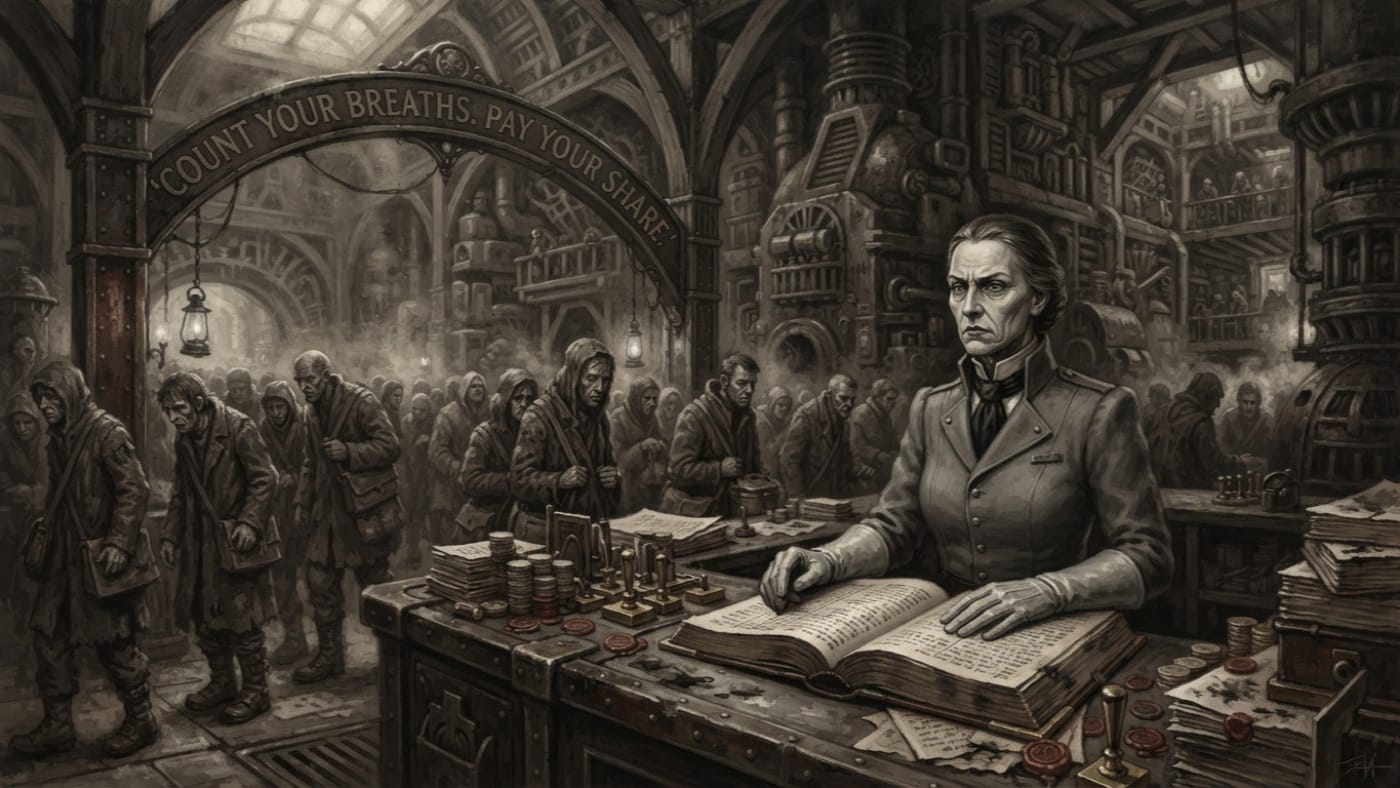
Juno Varr
Grey gloves, stained thumbs, and the price of breathing
Juno Varr allocates Black-Snow Lor's rations, clean minutes and shelter rights. Her ledgers are immaculate; the charge of selling air twice remains unadjudicated.
Codex Ref. III.2.01-340
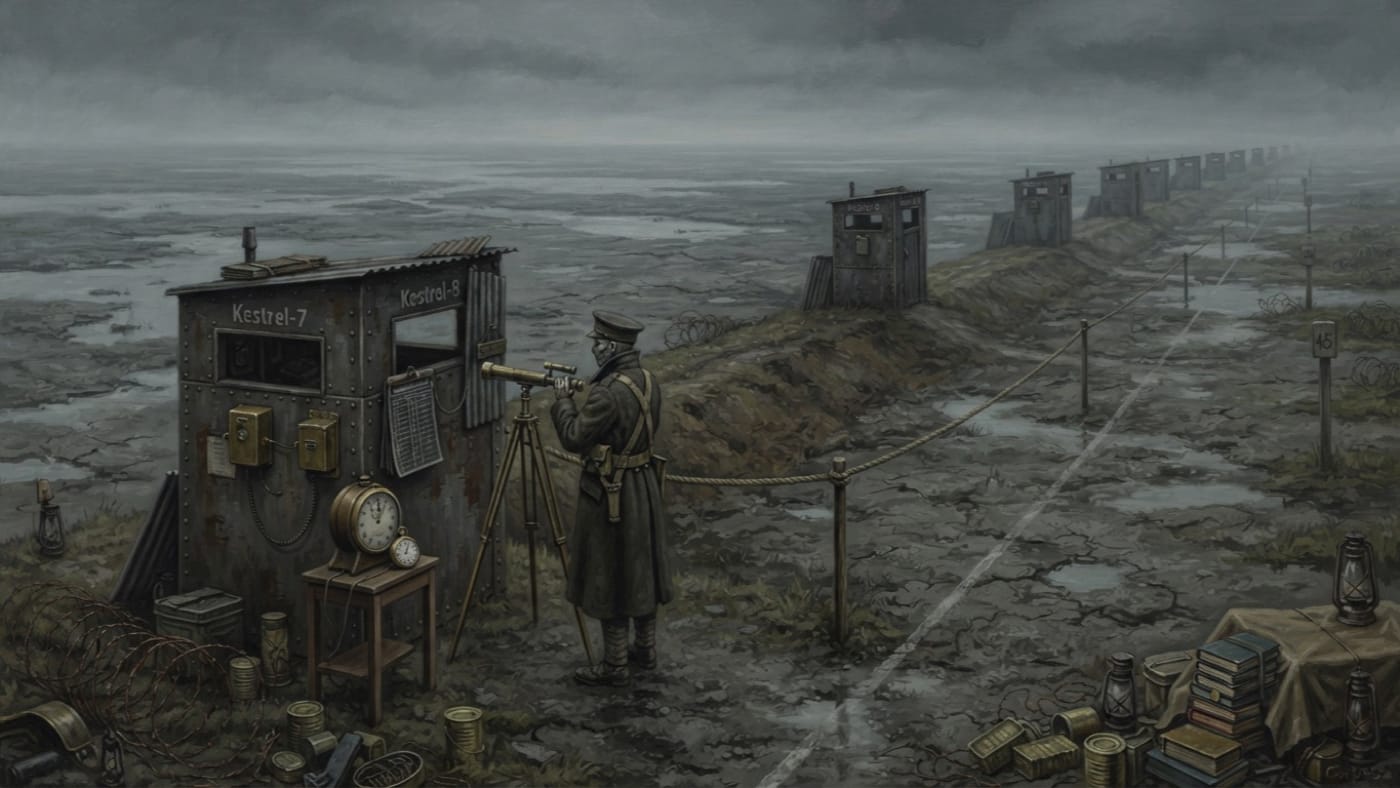
Kestrel Line
Fourteen posts to measure what nobody can stop
Fourteen numbered posts watch the Blightmarsh. The A.S. 201 return lists three unnamed vacancies; War supplies the numbers and leaves readiness uncertified.
Codex Ref. II.4.09-1533
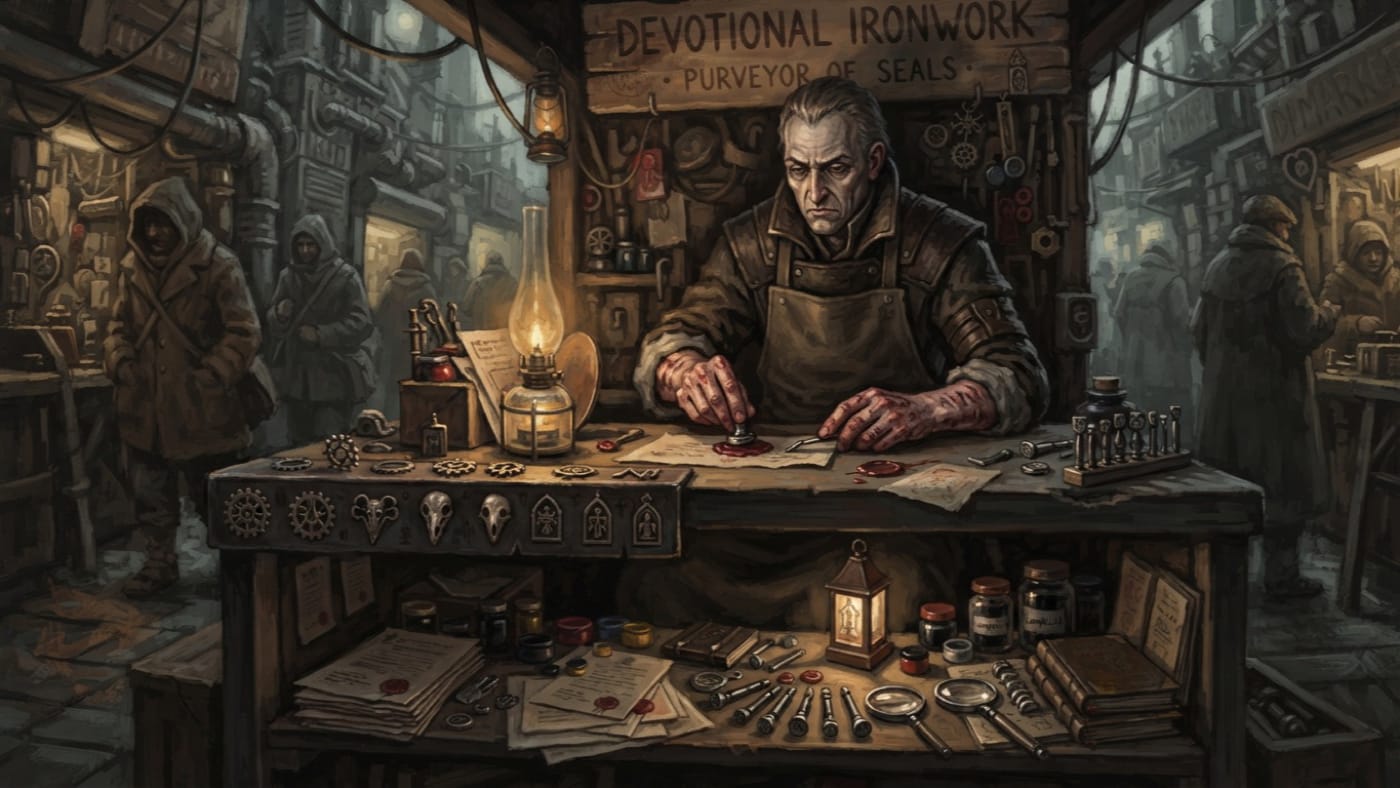
Kestrel Waxhand
Devotional ironwork, counterfeit authority
Kestrel Waxhand sells devotional ironwork above the table and counterfeit seals beneath it. Essen tolerates the Shard Markets; Records can close the account.
Codex Ref. III.2.01-201
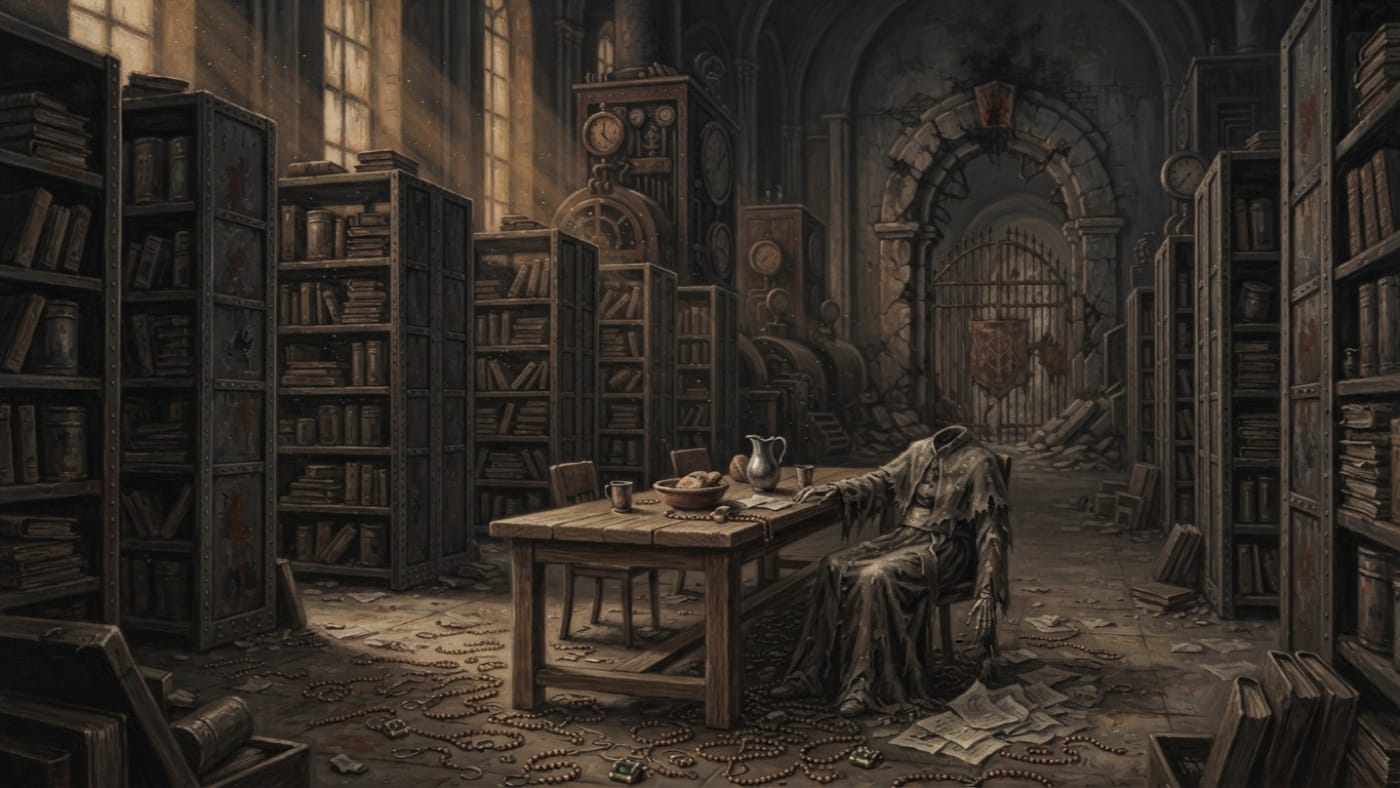
Kiev
A city lost; a chronology still open
Kiev is marked Lost. This A.S. 201 survey keeps the A.S. 91 meat-tides chronicle apart from the undated silence account. The archives establish neither their relationship nor the cause.
Codex Ref. II.4.09-201
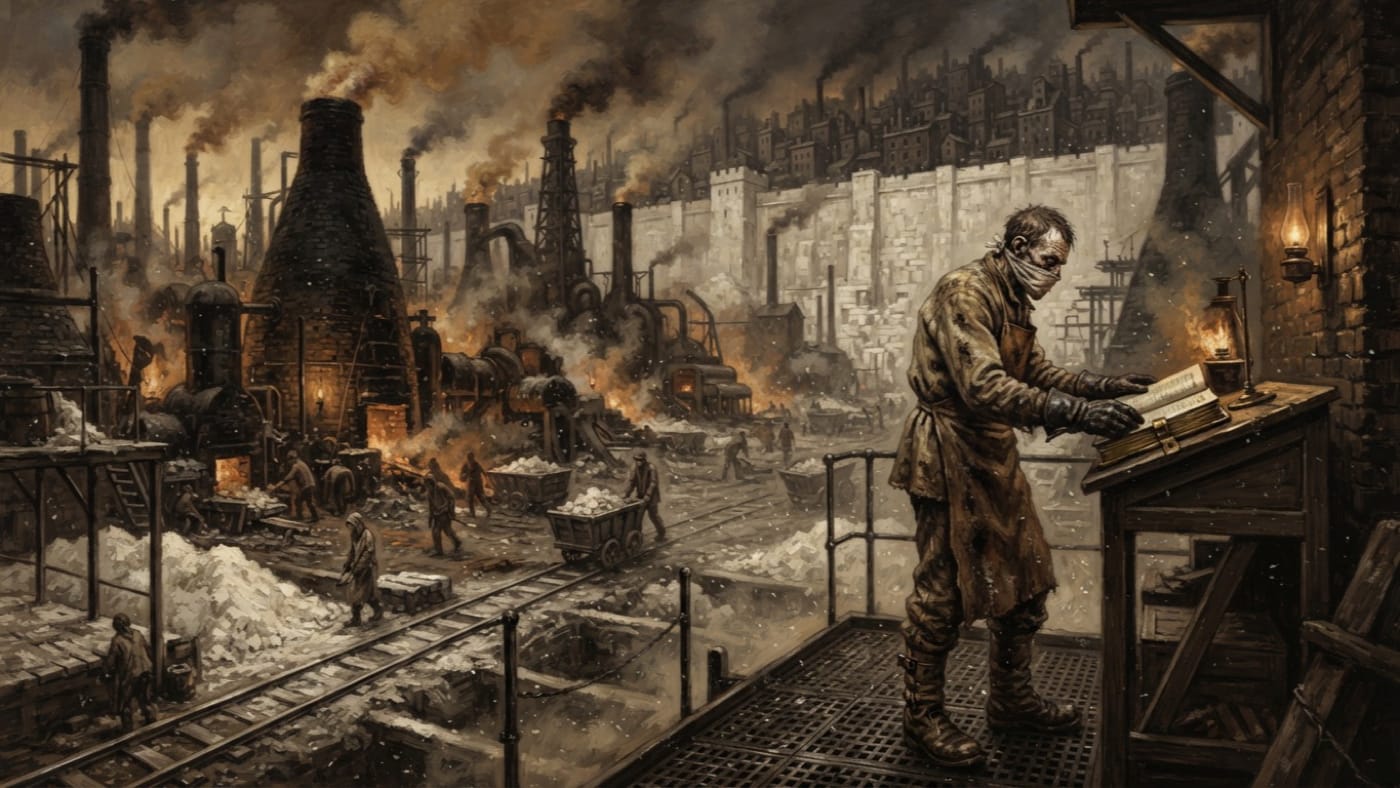
Kilnmaster Hark
The fire schedule stands; the dead keep correcting the ledgers
Kilnmaster Hark keeps Marrowgate's central kilnfield burning, turning cleared remains into walls, roads and white lines. His origins are unfiled; the Marrowwind restores the names his schedule leaves out.
Codex Ref. III.3.07-003
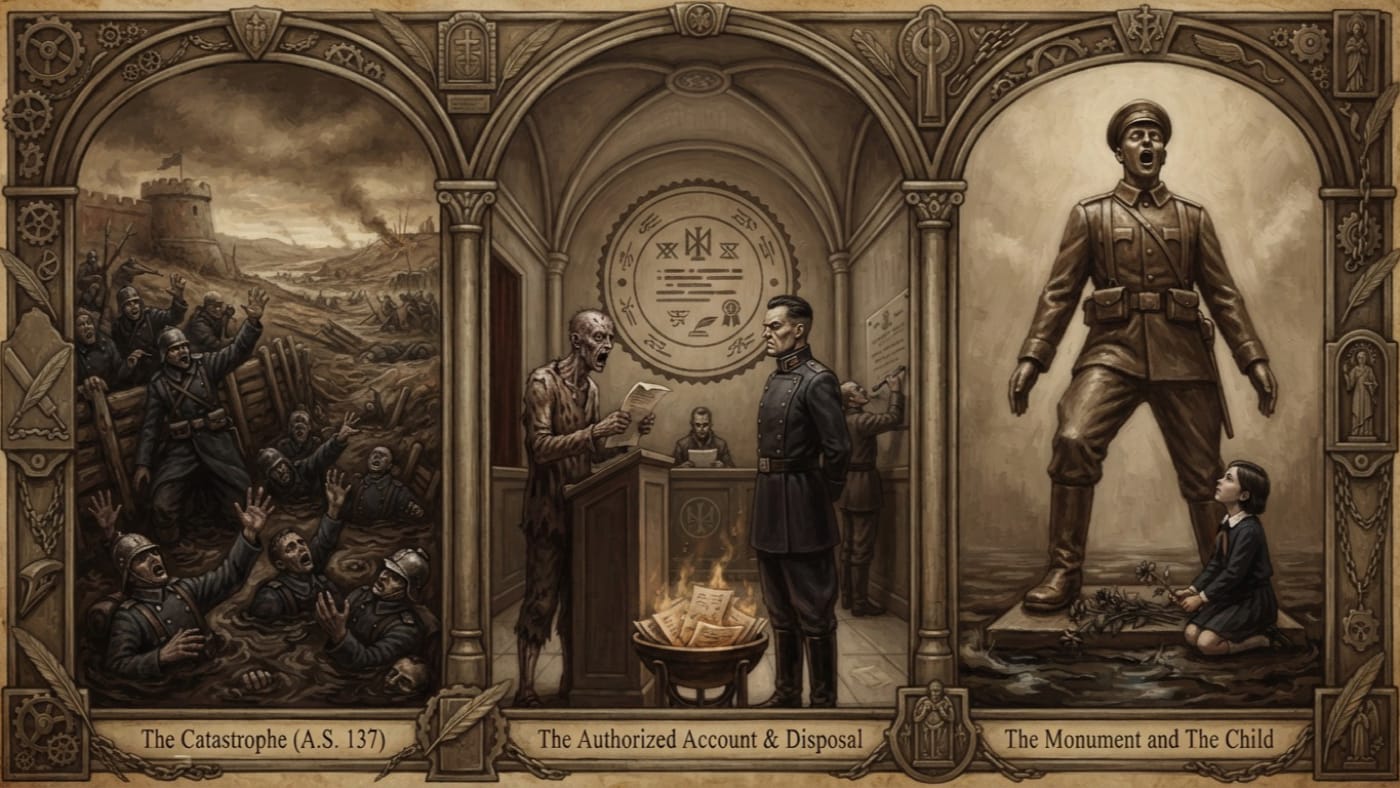
Knife-Mile Reframing
The companies drowned; Records supplied their intentions
Records renamed the Knife Mile drowning a Penance March, destroyed testimony, and made survivors recite the improvement. A.S. 137 dates the catastrophe; the reframing remains undated.
Codex Ref. XIII.1.137-001
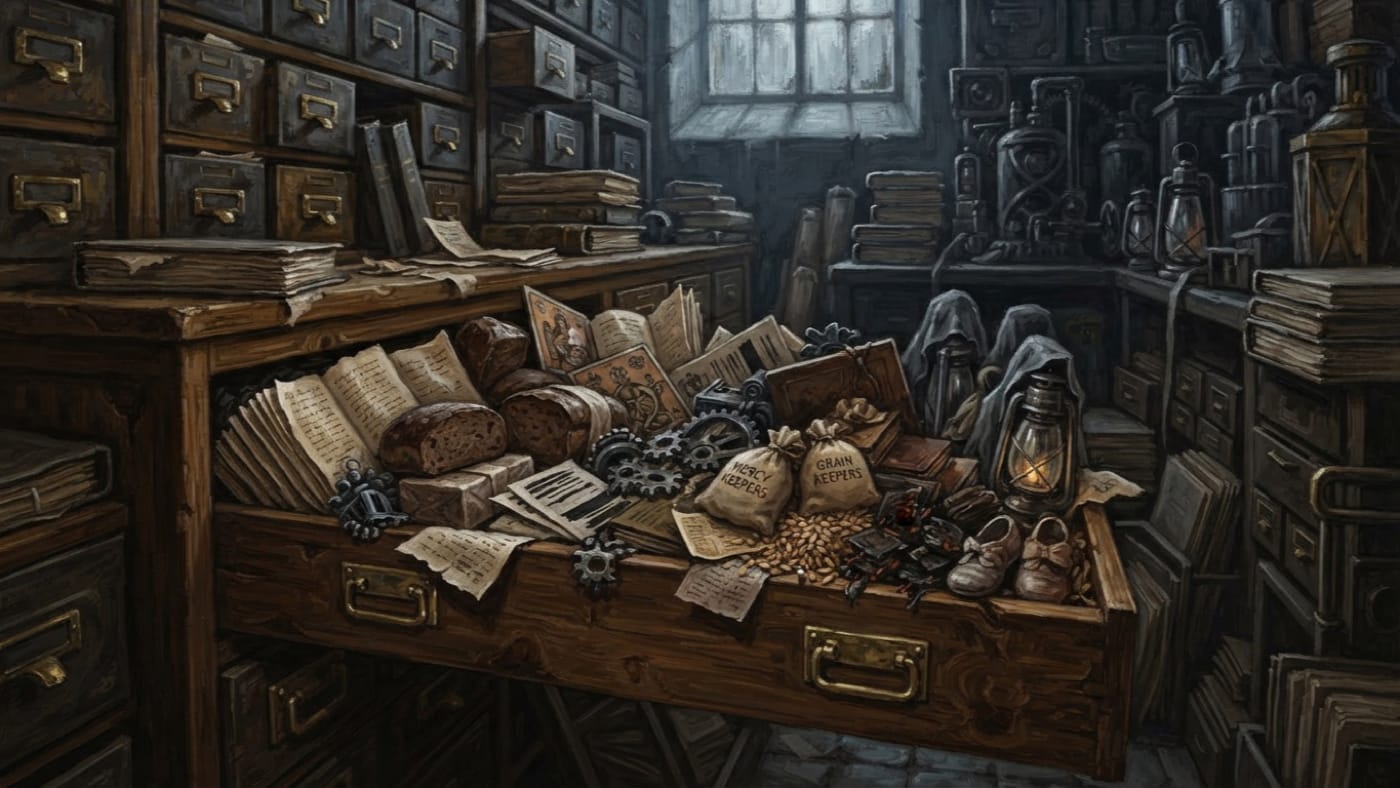
Known Heresies
Eight offences. One drawer.
Eight movements condemned under one jurisdiction: scripture without a gloss, stolen bread, unbelief, demonic accommodation, hidden grain, forbidden inquiry, unregistered children and unauthorized mercy. The drawer is full.
Codex Ref. XIII.1.38-001
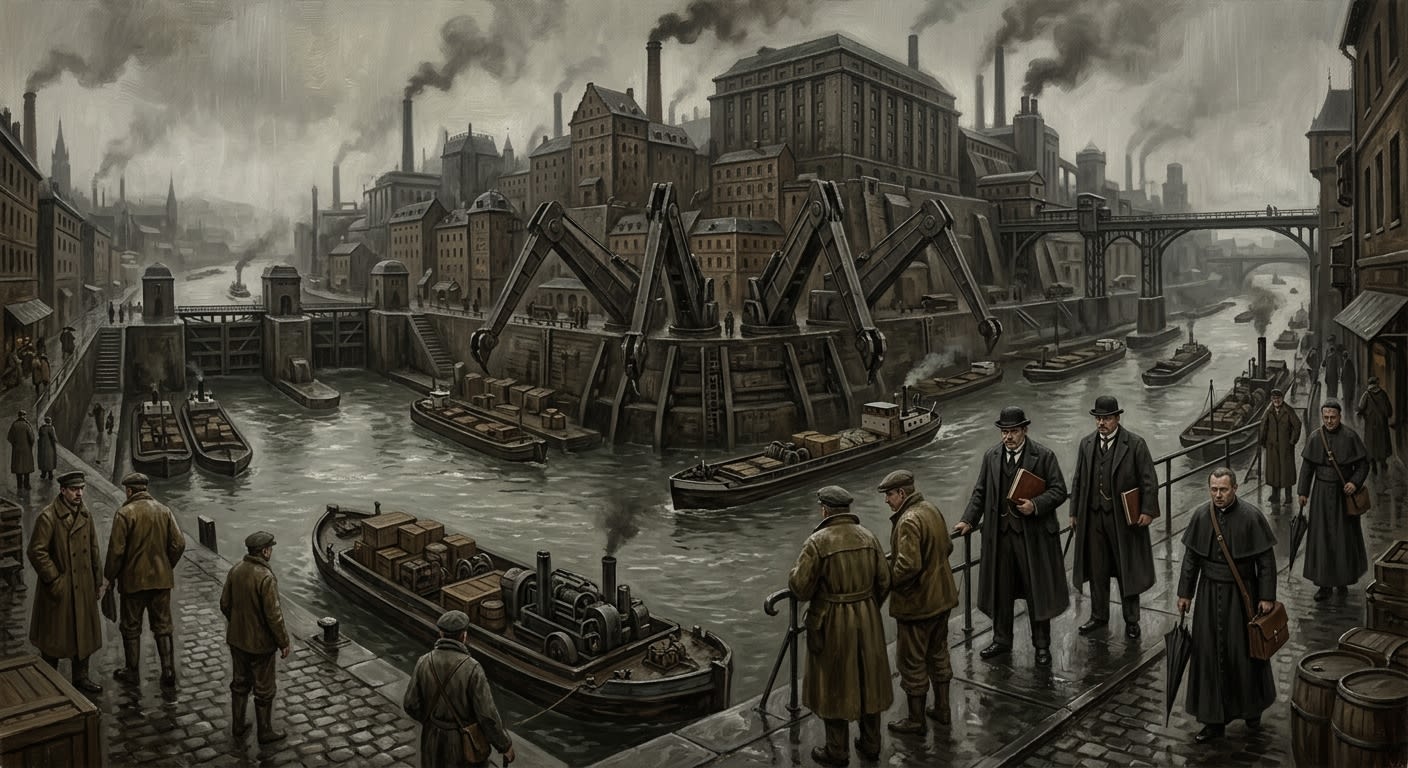
Koblenz
The holy art of handing the burden onward
Koblenz is the wet middle hand of the Ignatian chain: a Rhine-Moselle transfer city where sanctity lasted six minutes and became taxable forever.
Codex Ref. II.3.05-045

Koeler
The analyst who counted correctly and understood nothing
Koeler, a Rationalist Prefectural Analyst in Vienna, calculated the ammunition cost of stopping Ash-Fodder formations in A.S. 38; his arithmetic survived his Republic and his body.
Codex Ref. III.2.01-058
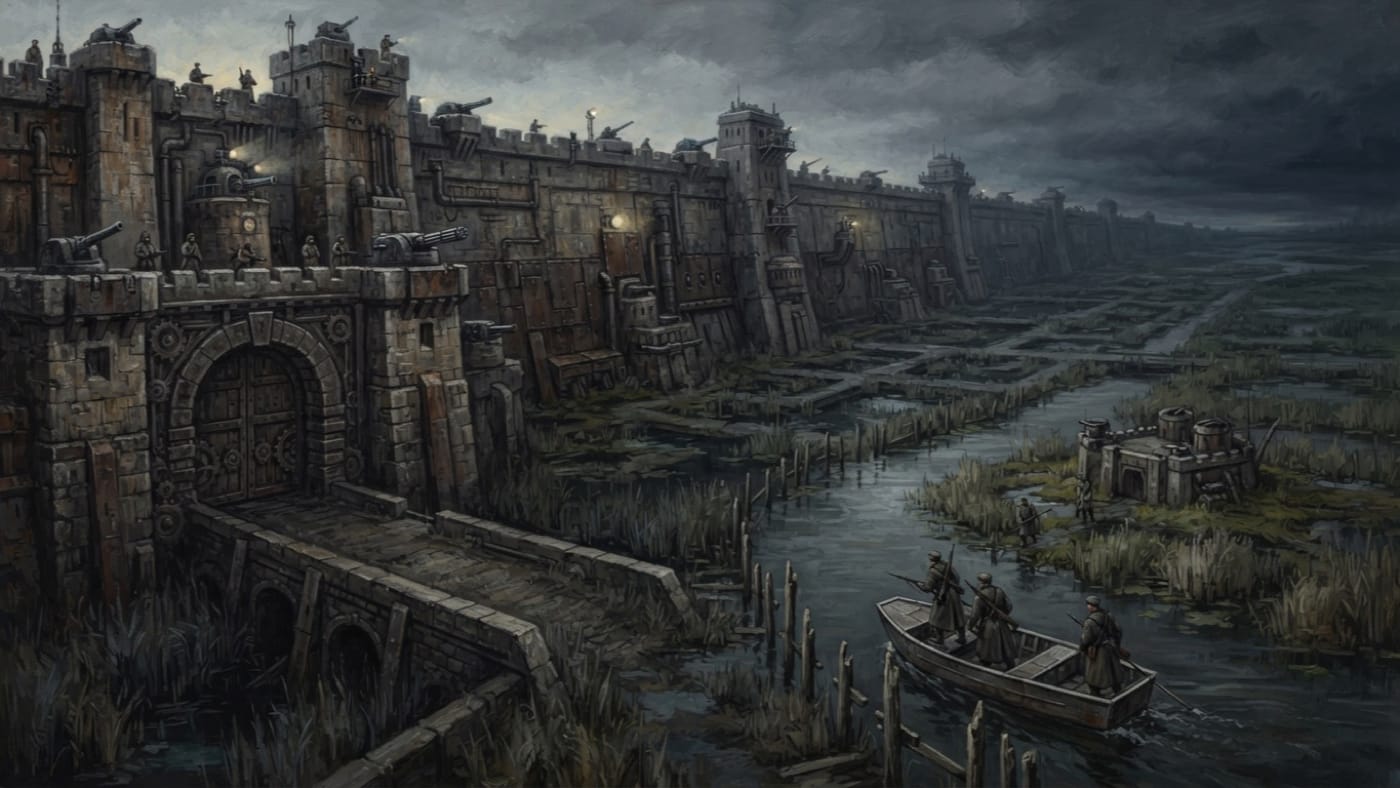
Lake Gate
Twelve metres of wall awaiting the enemy the engineers expected
Königsberg's eastern district faces the Masurian lakes with twelve metres of stone, iron and fill. The Watchers deploy; no eastern assault is recorded. The Bureau may not call this a victory.
Codex Ref. II.4.07-004

Lake-Captain Kaspar Dreyse
Nine Clearances, One Command, and Stakes the Bureau Cannot Read
Commander of Königsberg's Masurian Watchers, third-generation lake native, and nine times cleared by Purity. The Ledger certifies the man; it still cannot read his stakes.
Codex Ref. III.2.01-201
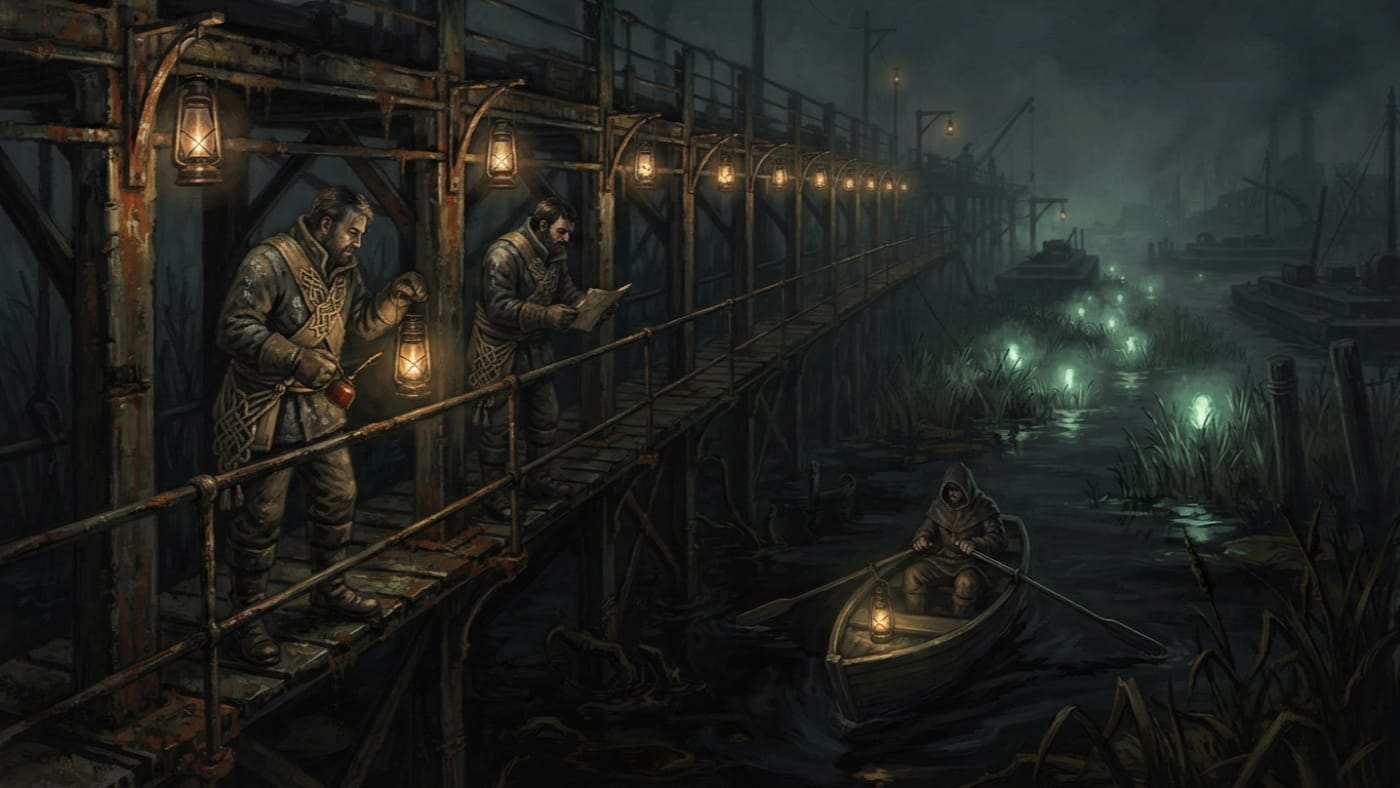
Lantern Guild of the Third Brine
The right to come home after dusk is issued at a fee.
The Lantern Guild controls night passage through the Ash-Glyph Marshworks, selling routes by coded lamp while the corpse-light copies its credentials.
Codex Ref. XII.7.02-003
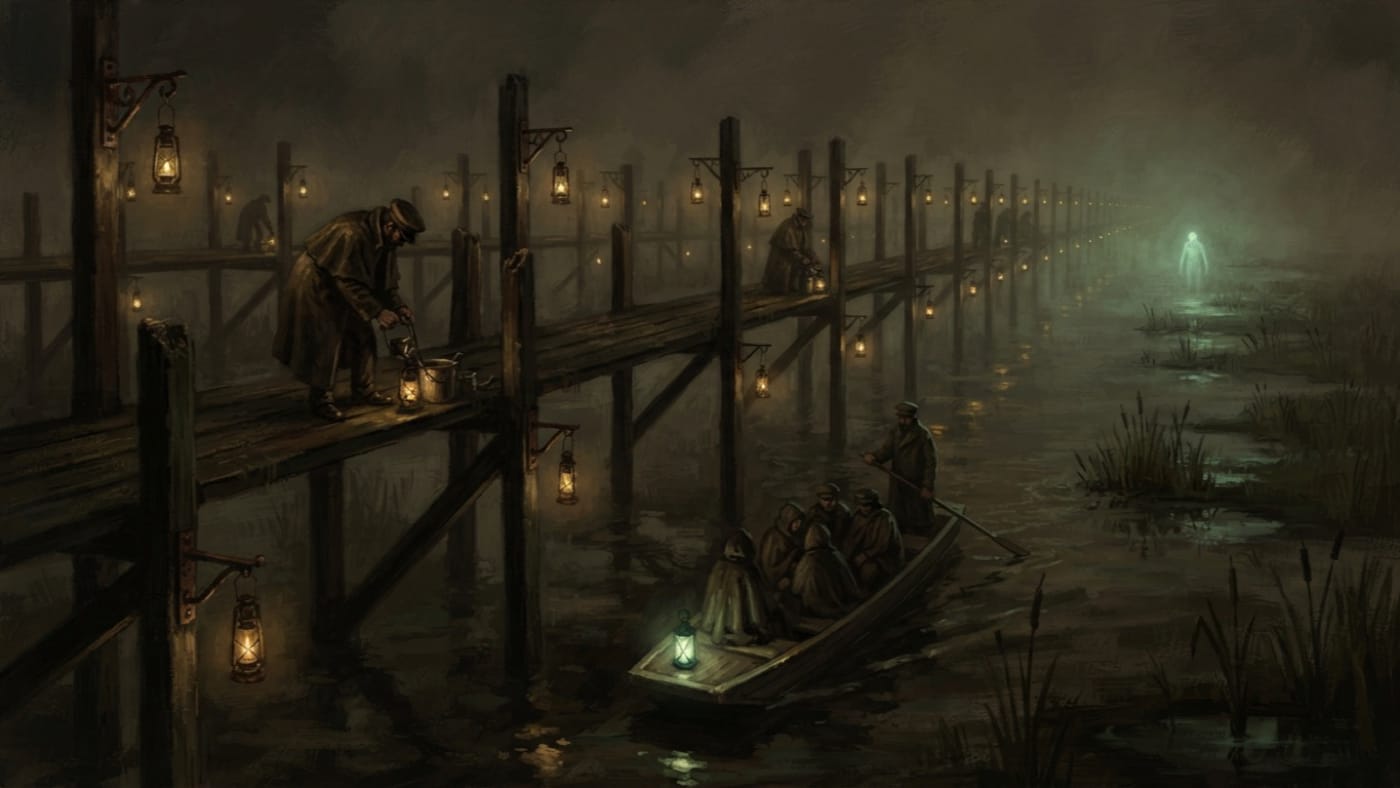
Lantern Rackway
The water has learned the route codes.
Tallow lamps guide night traffic through the Ash-Glyph Marshworks, under Orren Pike's Lantern Guild. The water sometimes returns their signals. Passage requires a brine-mark; survival requires knowing when to extinguish the light.
Codex Ref. II.4.08-008
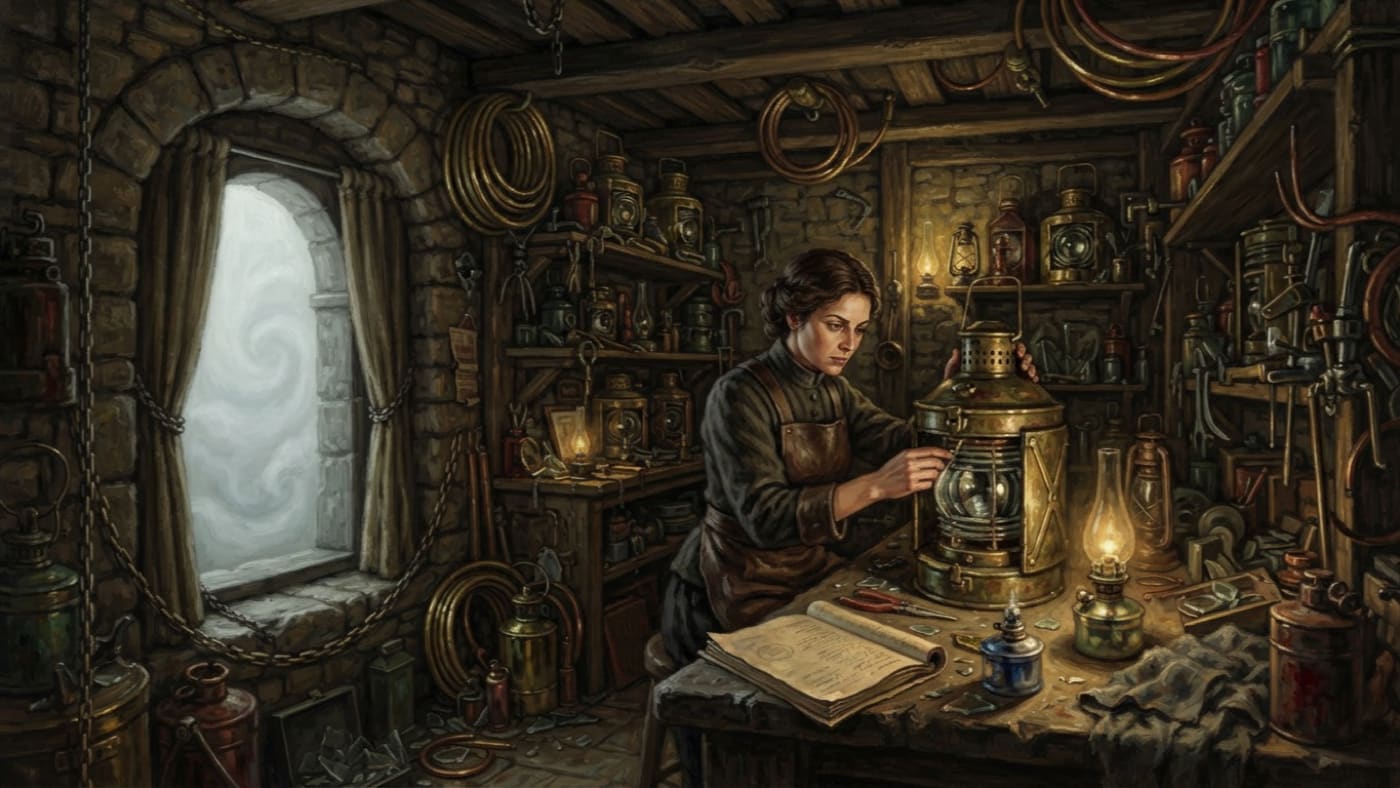
Lantern Shed
The tower speaks because someone mends its eye
The Lanternwright Knot's workshop at Third Light keeps relic-lanterns obedient with salvaged glass, rationed oil and Sister-Mechanic Vey Sable's hymns. The fog answers the signals; Ordnance answers her request for new lenses with a memorandum.
Codex Ref. II.4.08-015
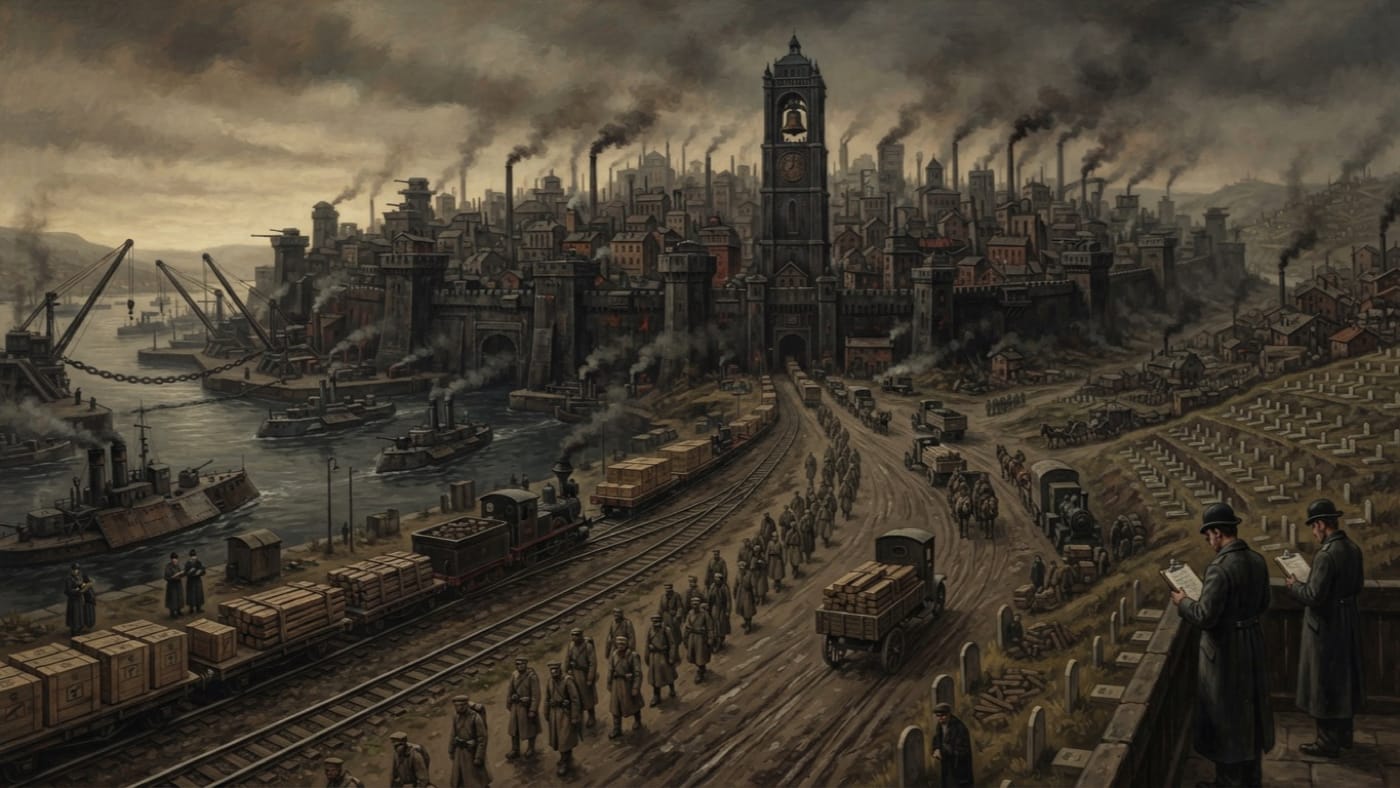
Last Lock
The southern anchor takes the credit; the Hintermark sends the bill
The Last Lock is Bastion-Constantinople, southern anchor of the Sagittal Line: barred strait, punctual hunger, and walls kept standing by Hintermark coal, metal, levies, and graves.
Codex Ref. II.4.10-068
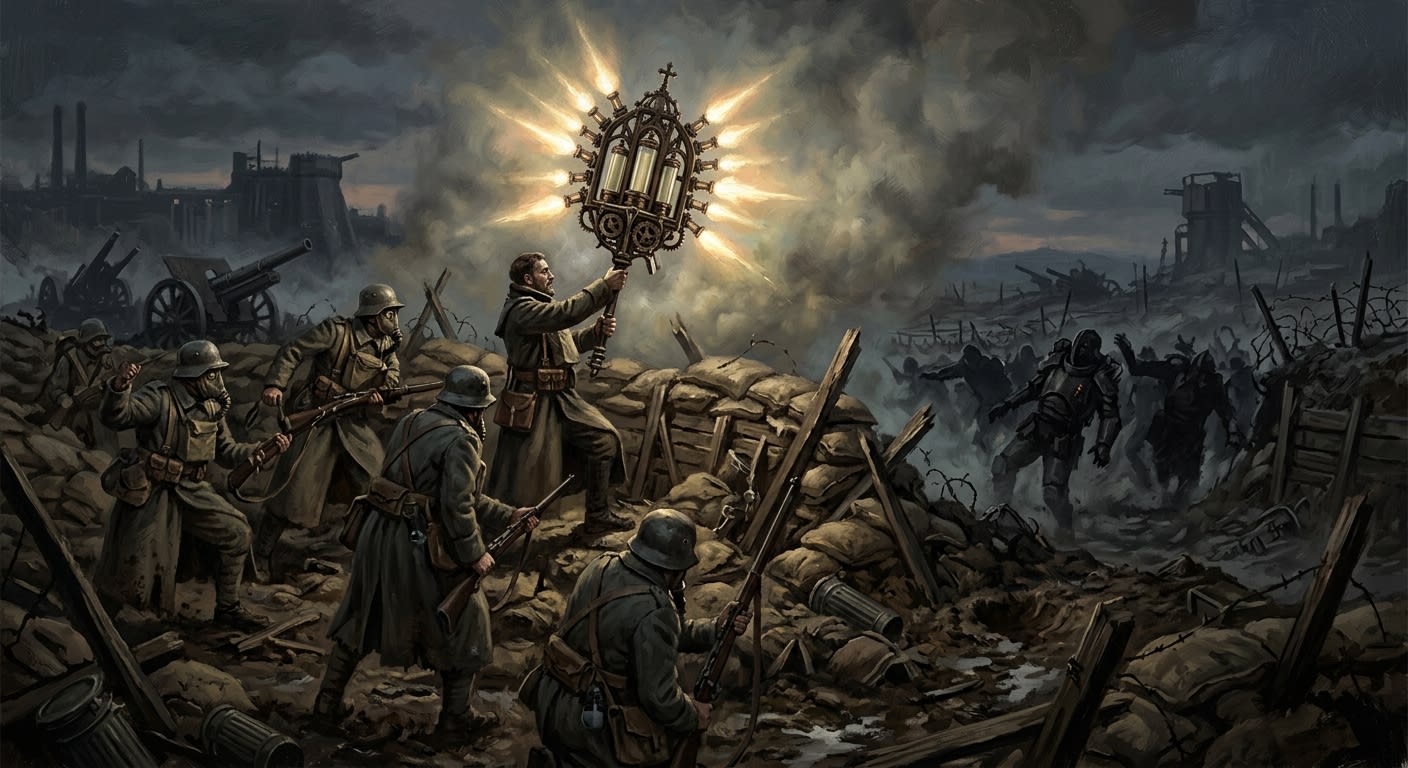
Last Stand of Kalnik Ridge
Where Wrath flinched and retreat learned to march
At Kalnik Ridge in A.S. 48, Brother Tomislav raised the Reliquary of Saint Isidore, seventeen relics blazed, Maldrake's vanguard recoiled, and rout became discipline.
Codex Ref. VII.5.03-001
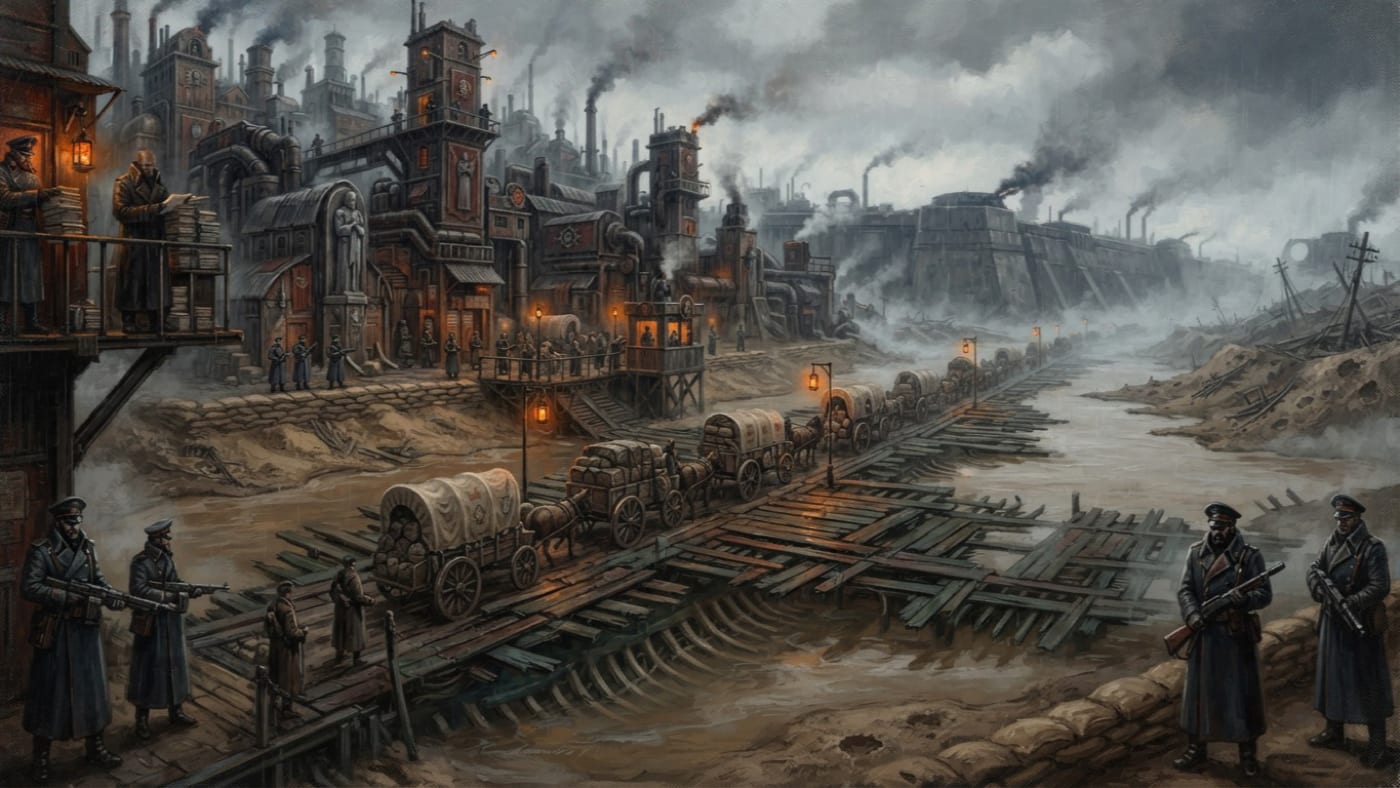
Latch River
The ford endures. By definition, the river has lost no one.
A small river whose ford funnels convoys through Latchford's permit machinery. Minutes slip, stamps arrive early, and people disappear outside the boundary the Bureau drew to exclude the crossing.
Codex Ref. II.4.08-009
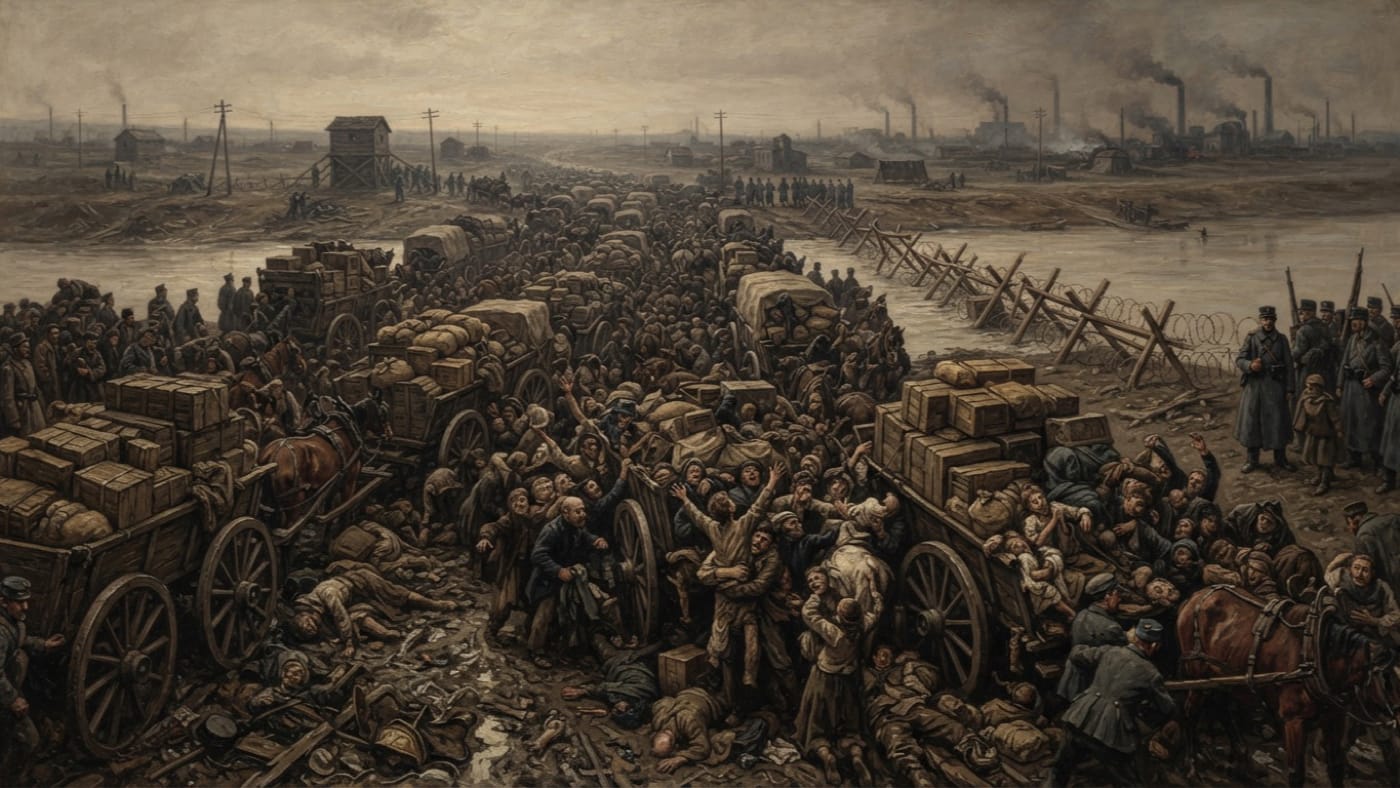
Latch River Ford Panic
The week the Queue Road learned to stop.
A false plague rumour drove a week-long crush at the Latch River ford in A.S. 97: three thousand dead, five hundred more lost to fevers. The Synod's answer was nine inspection gates.
Codex Ref. VII.8.10-097
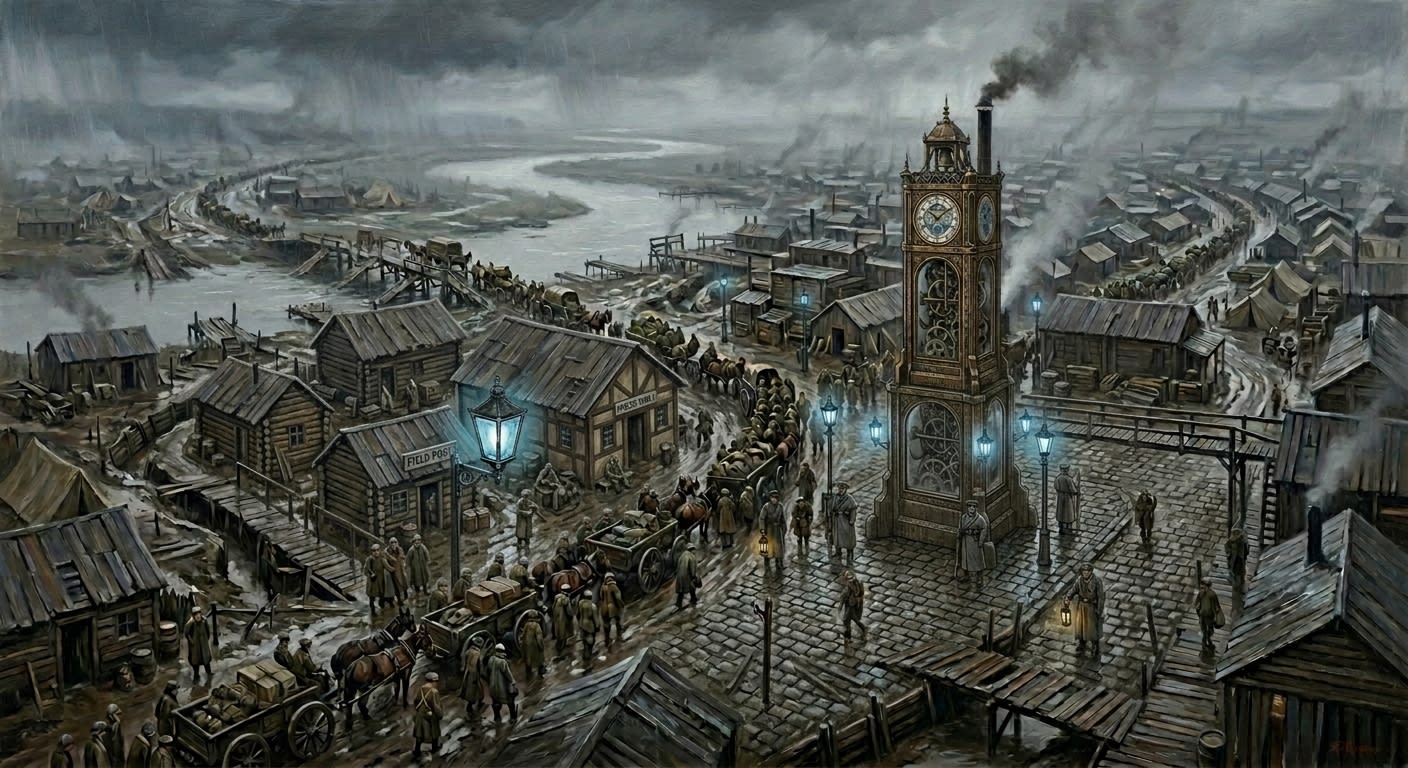
Latchford Permit-Yards
The ford endures. The queue endures. The stamp falls, and so do you.
A swollen permit-bottleneck on the Danubian rear-approach where the Bureau processes sixty thousand souls per convoy season and the Master Gate Clock eats the minutes it cannot account for. Drax visited once. The Bureau has classified the extra eight days as clerical weather.
Codex Ref. II.4.08-001
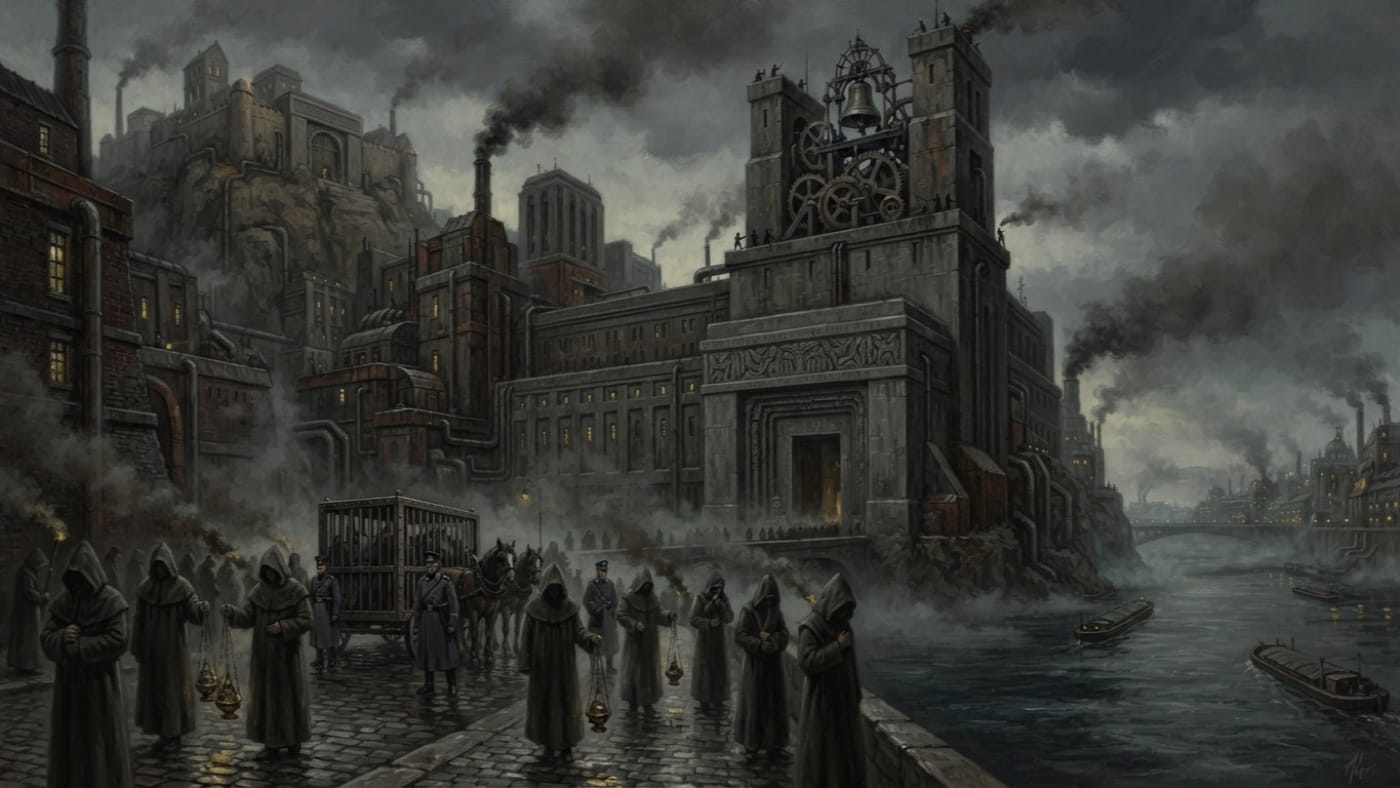
Latin
The river kept the hours; the Church kept arguing about the language
Latin carries the Church's prayers, titles and ceremonial condemnations. The Rhône reportedly used it; witnesses disagreed, and the archive declines to supply a grammar.
Codex Ref. XIII.1.97-001
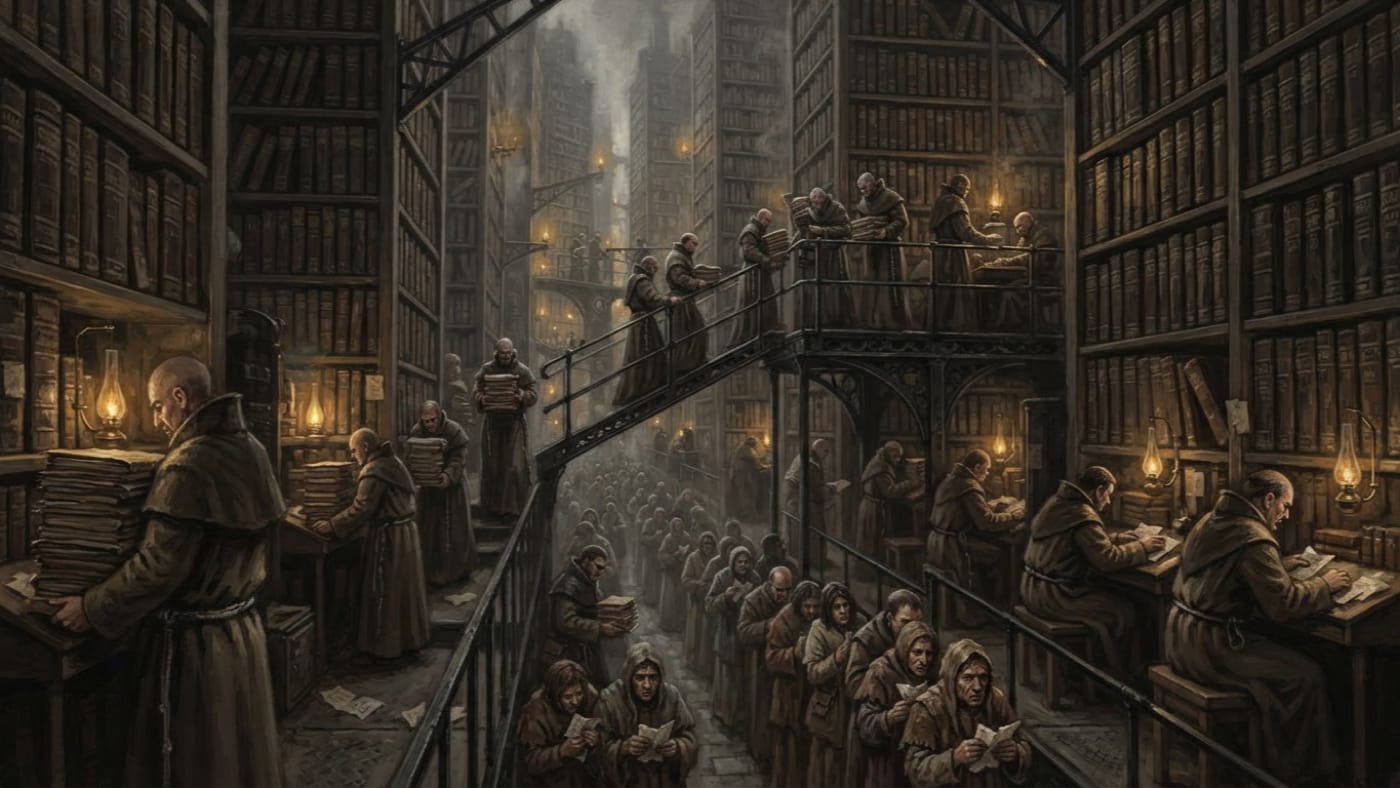
Ledger Cloister (Rheinscarp)
On the fifth terrace, the bread waits for your name to agree with the register
Rheinscarp's fifth-terrace Records labyrinth reconciles crossing receipts, ration rolls and names under Ysabeau Kelm. You arrive to file a receipt; the Quill-Choir may correct whether you exist.
Codex Ref. II.2.01-003
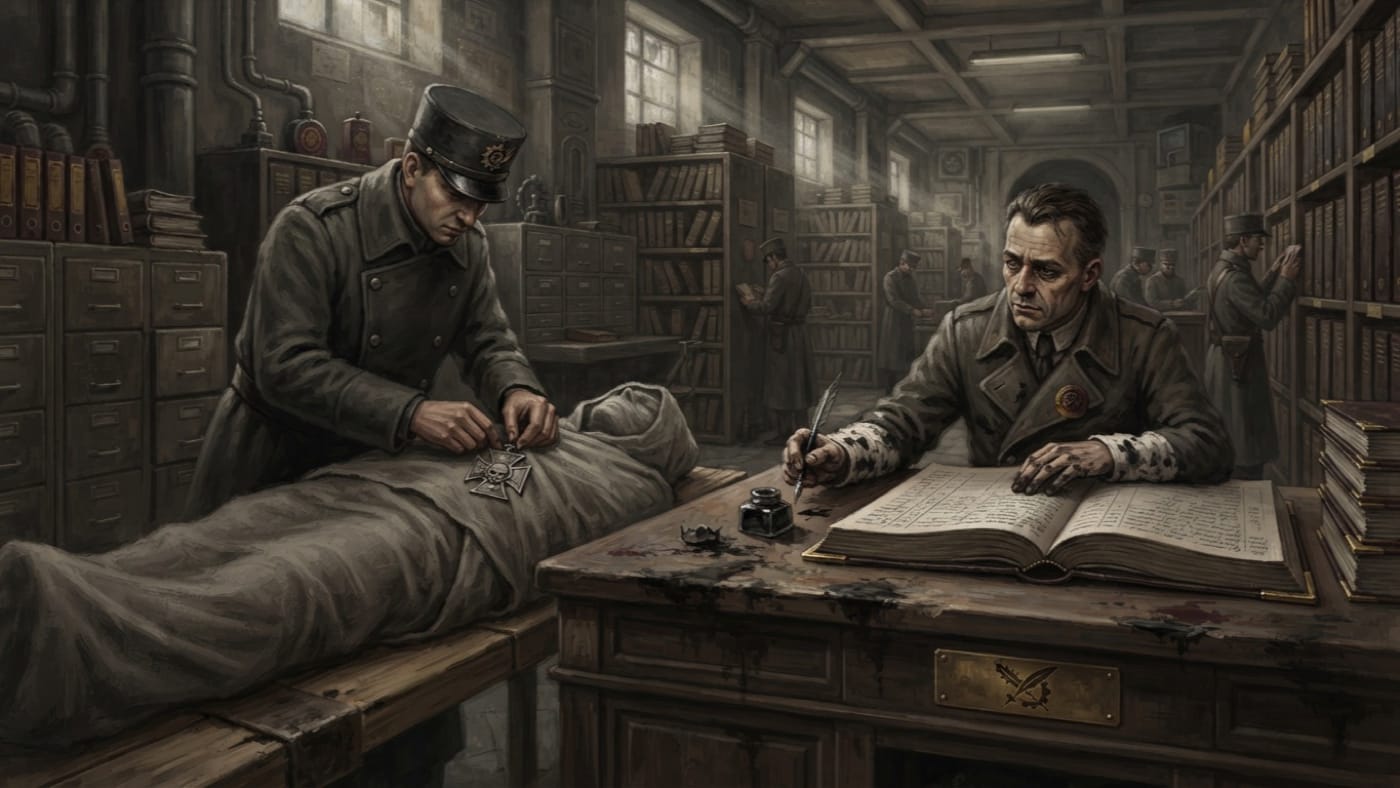
Ledger of Honourable Dust
The recipient cannot embarrass the award
An A.S. 201 survey of War's posthumous honours: a medal through the shroud, an entry above ground, and no guarantee that the widow will be paid.
Codex Ref. XIII.1.56-001
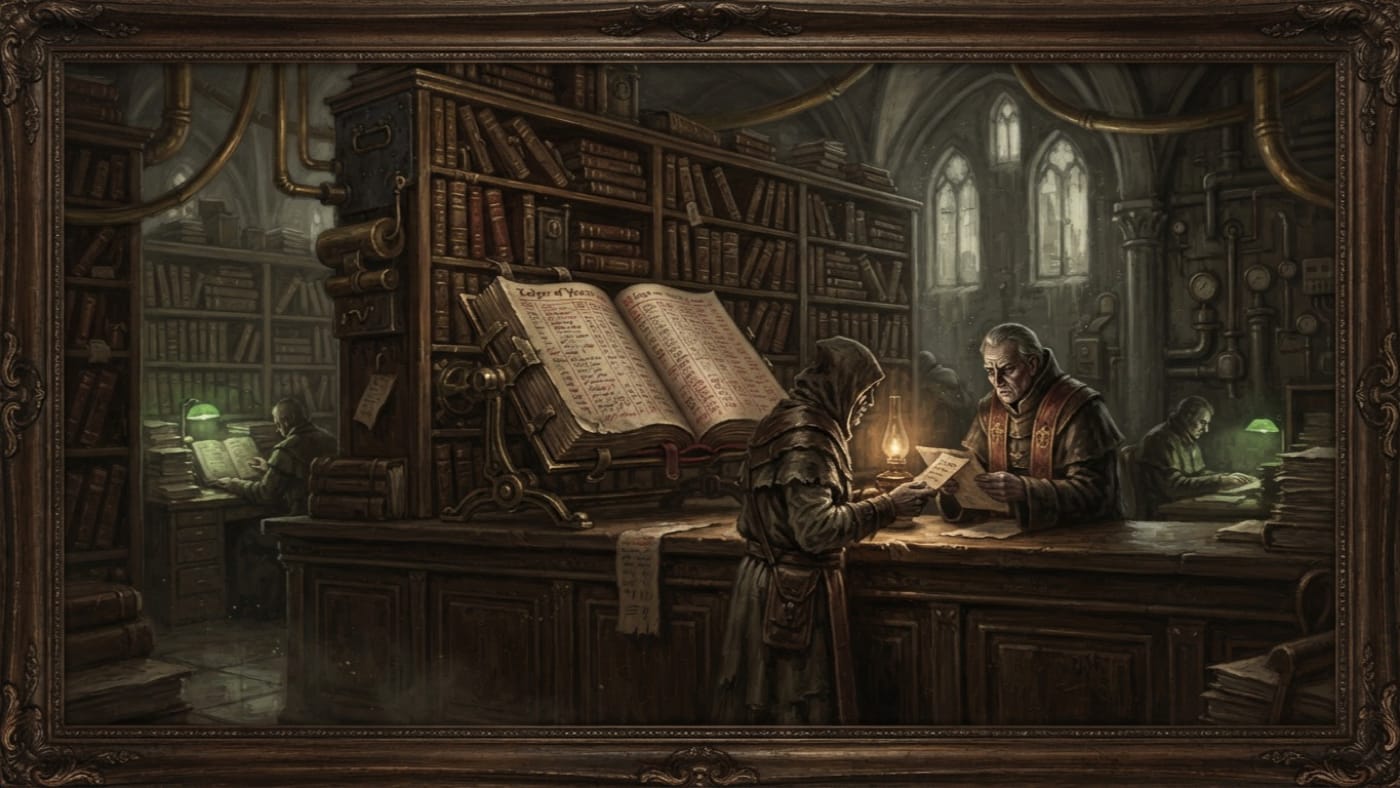
Ledger of Years
Entered, therefore occurred. Unentered, therefore pending.
The Ledger fixes the years from which the Church recognizes institutions, ratifications and precedence. Records certifies the entries; Doctrine supplies the meaning. Bring your year to the counter.
Codex Ref. XIII.1.33-201
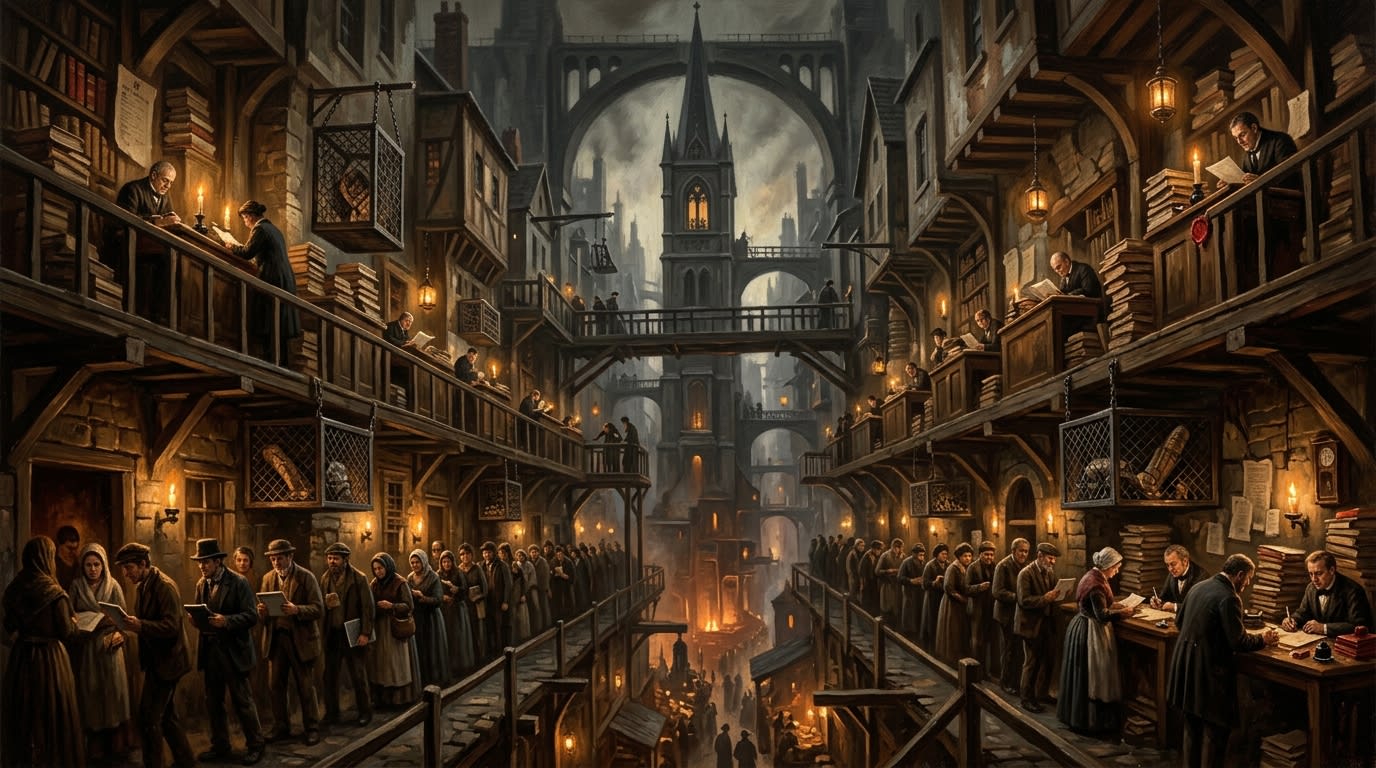
Ledger Row
Where existence queues before supper
Ledger Row is Essen-of-Hymnsteel's Records district, where names, rations, pour records, and corrected lives queue beneath Arch-Notary Veyl's pen.
Codex Ref. II.2.06-110
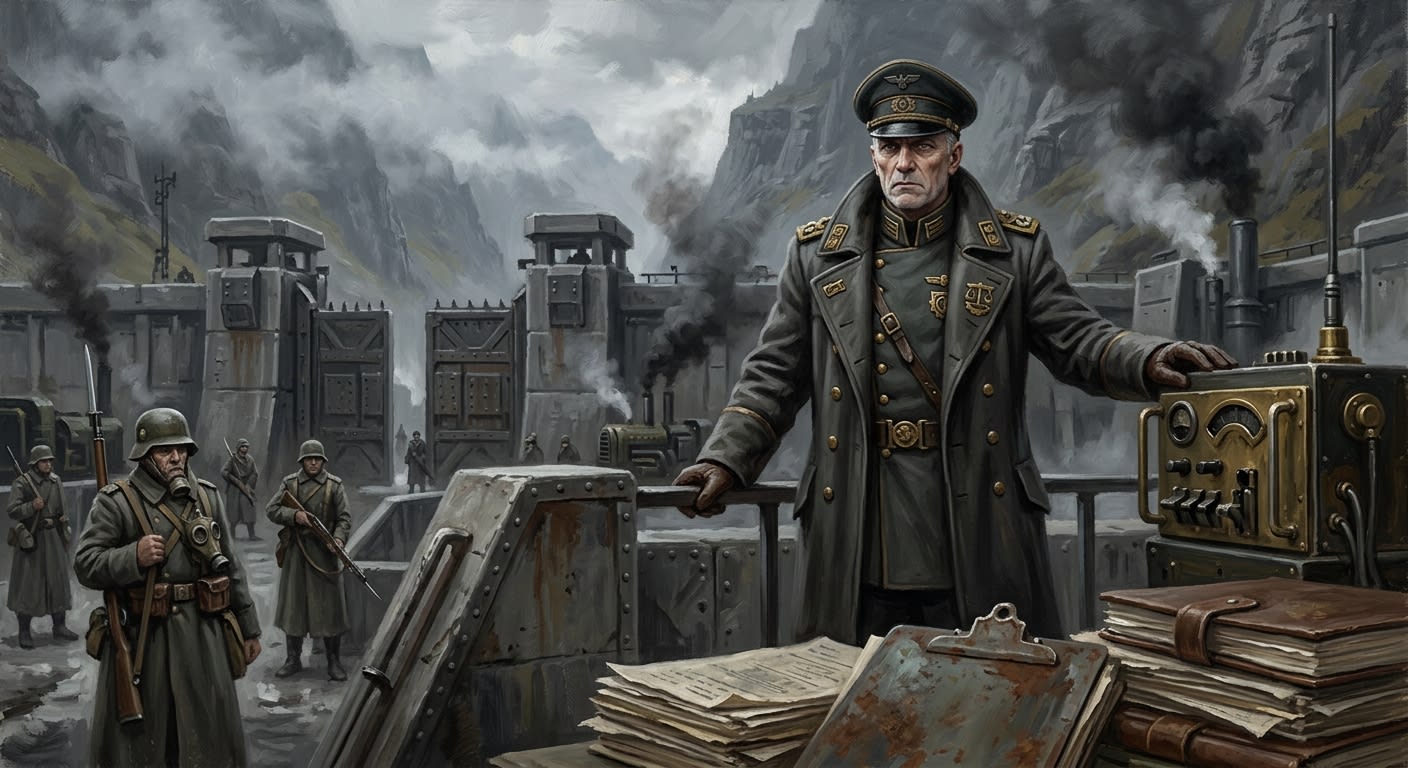
Legate-Inspector Theron Vast
The man whose open road indicts a locked gate
Theron Vast commands the Macedon Escarpment checkpoints, filed an A.S. 187 closure proposal still pending after fourteen years, and remains useful enough to frighten Doctrine.
Codex Ref. III.2.01-051
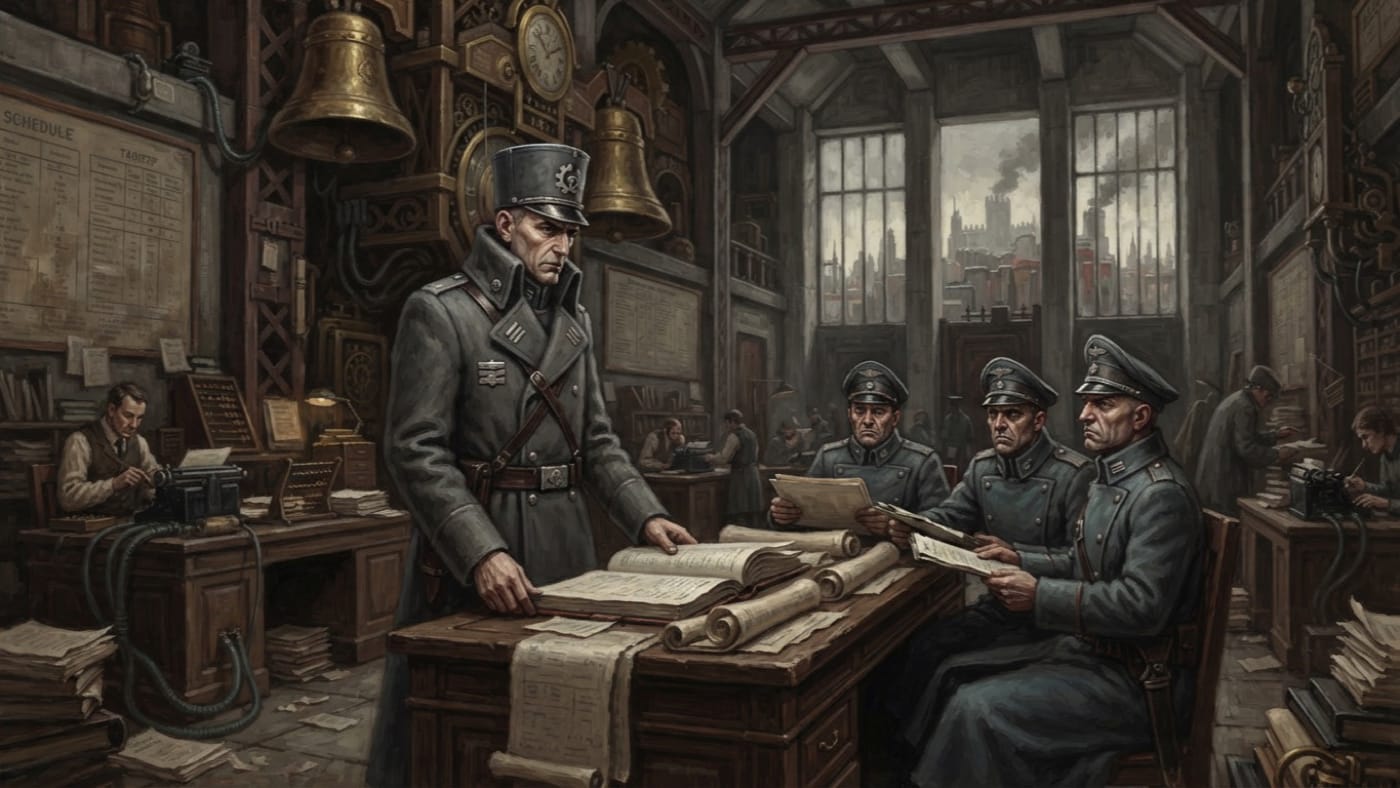
Legate-Praetorial
The guns are autonomous; the kitchens are inspected
Quarterly inspector of Bastion-Constantinople's internal administration. The fortress commands its guns; its observances remain open to correction. Seraphinus of Lyon's three generals supply the warning.
Codex Ref. XIII.1.33-201
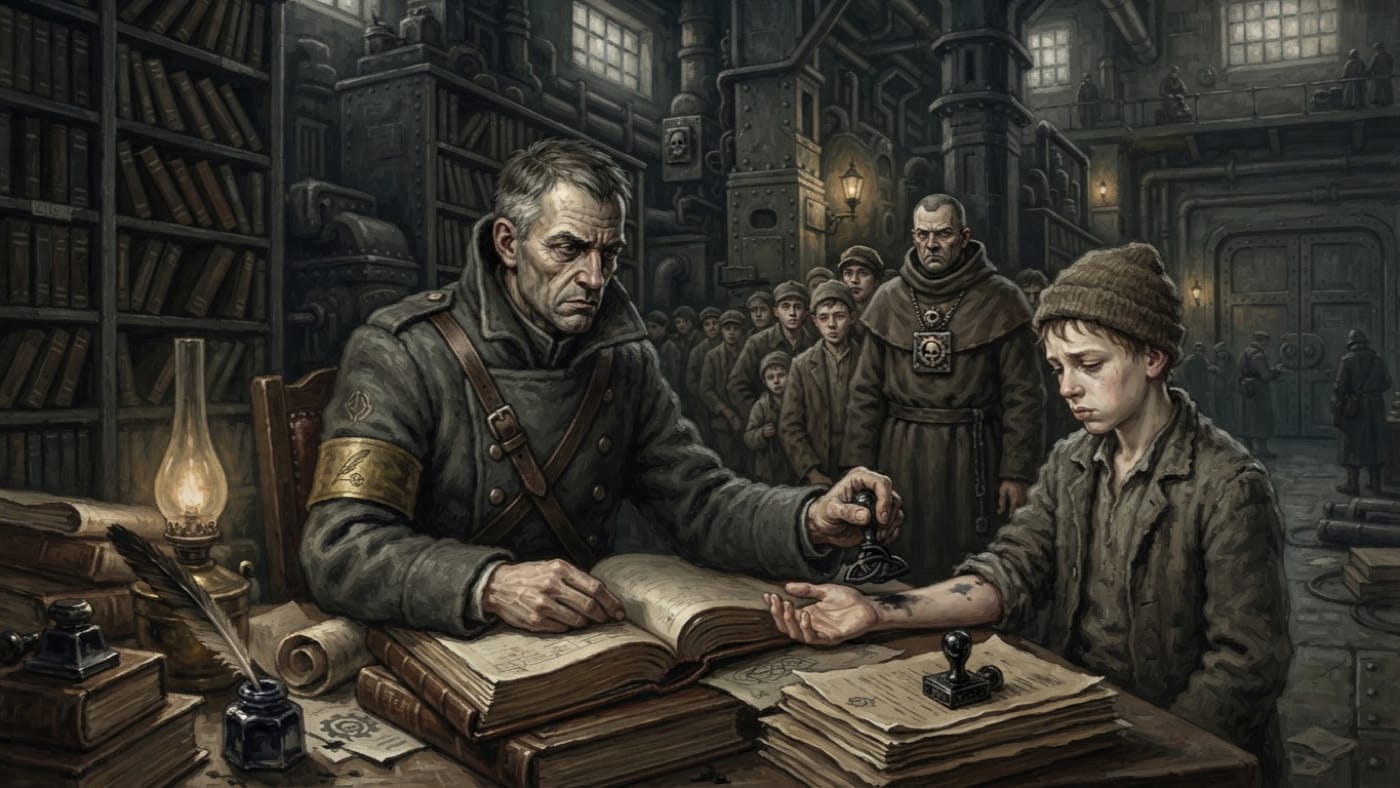
Levy Assessor
The census names the household. The Assessor names the son.
The Levy Assessor compares sacred ledgers, declares a household's liability and stamps the selected wrist. The Bureau calls this collection. The household has other names.
Codex Ref. III.4.08-201
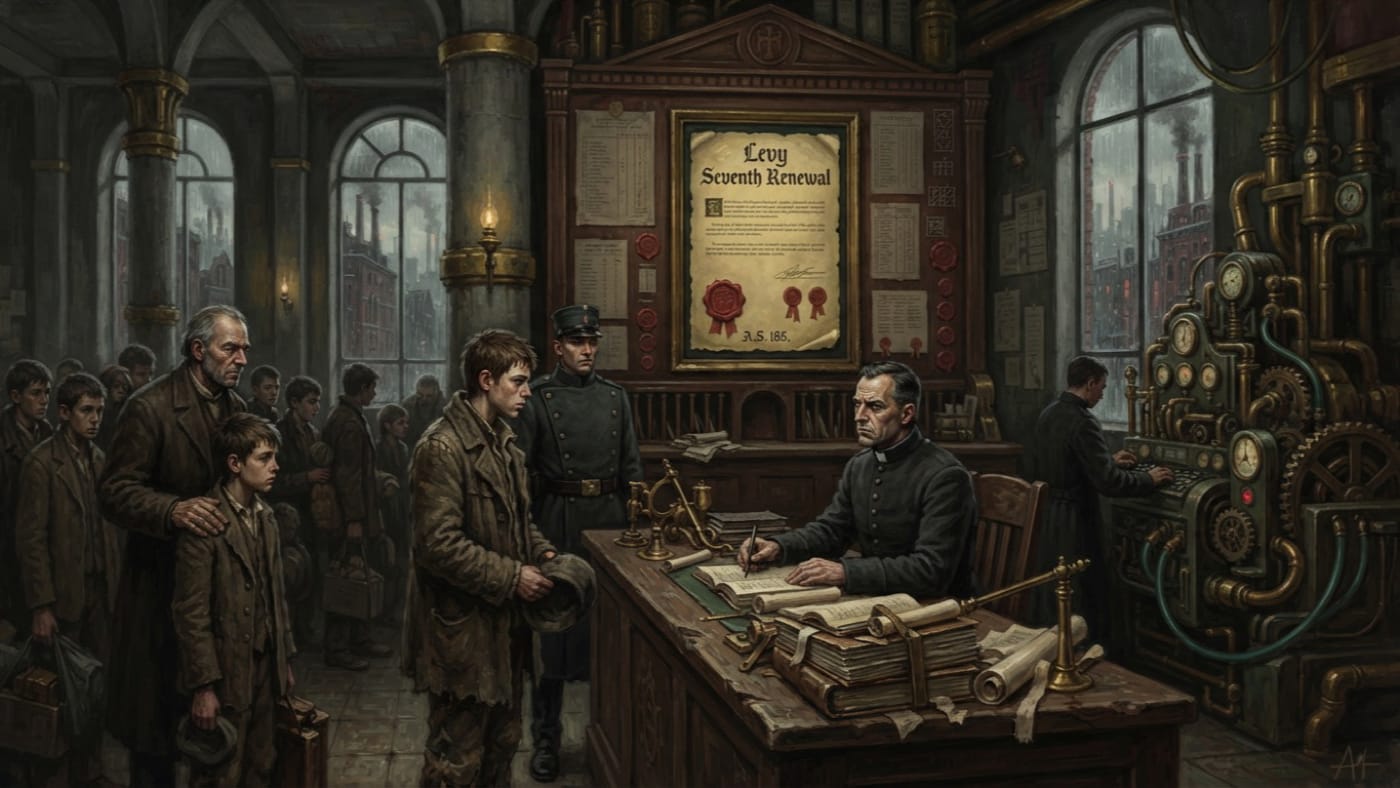
Levy Seventh Renewal
The charter is renewed. The fraction remains under wax.
In A.S. 185, the Church renewed the Bureau of Conscription's charter and revised levy quotas under a sealed Martial Edict. The year is public. The fraction, the provinces and the additional ratifying seals remain under wax.
Codex Ref. VII.8.10-185

Liber Examinationis
The bone awaits a verdict. The reader incurs a strain.
The Bureau of Relics' Examiners carry the Liber Examinationis to the bench. Its cross-references constitute a Category Two Devotional Strain; the bone awaits a verdict.
Codex Ref. XIII.1.64-001
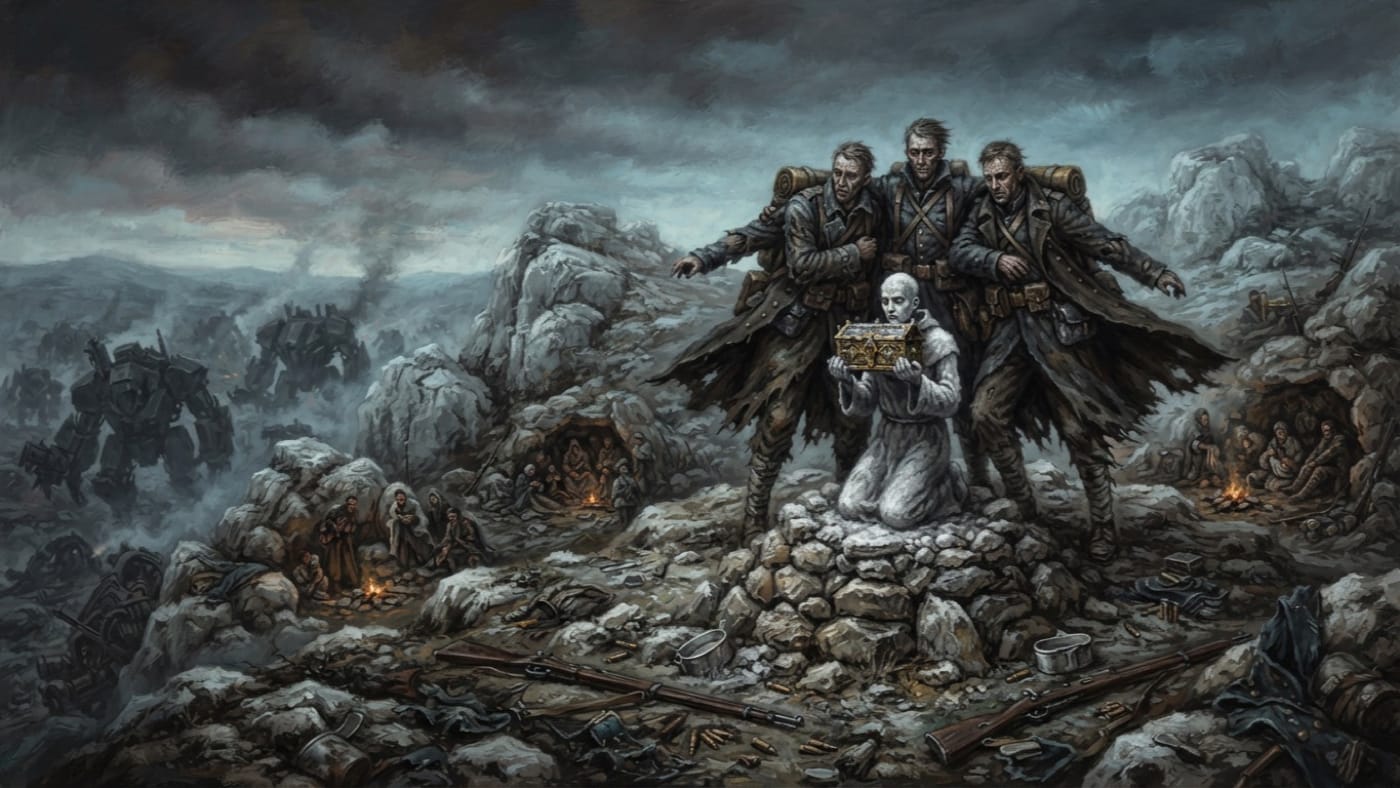
Lieutenant Petar Vladek
The lieutenant who posted a guard against the wind
Kalnik Ridge's sole surviving defending officer, A.S. 48: four lines on extraordinary morale, one guard against the wind, and no birthplace for the Bureau to enter.
Codex Ref. III.2.01-048
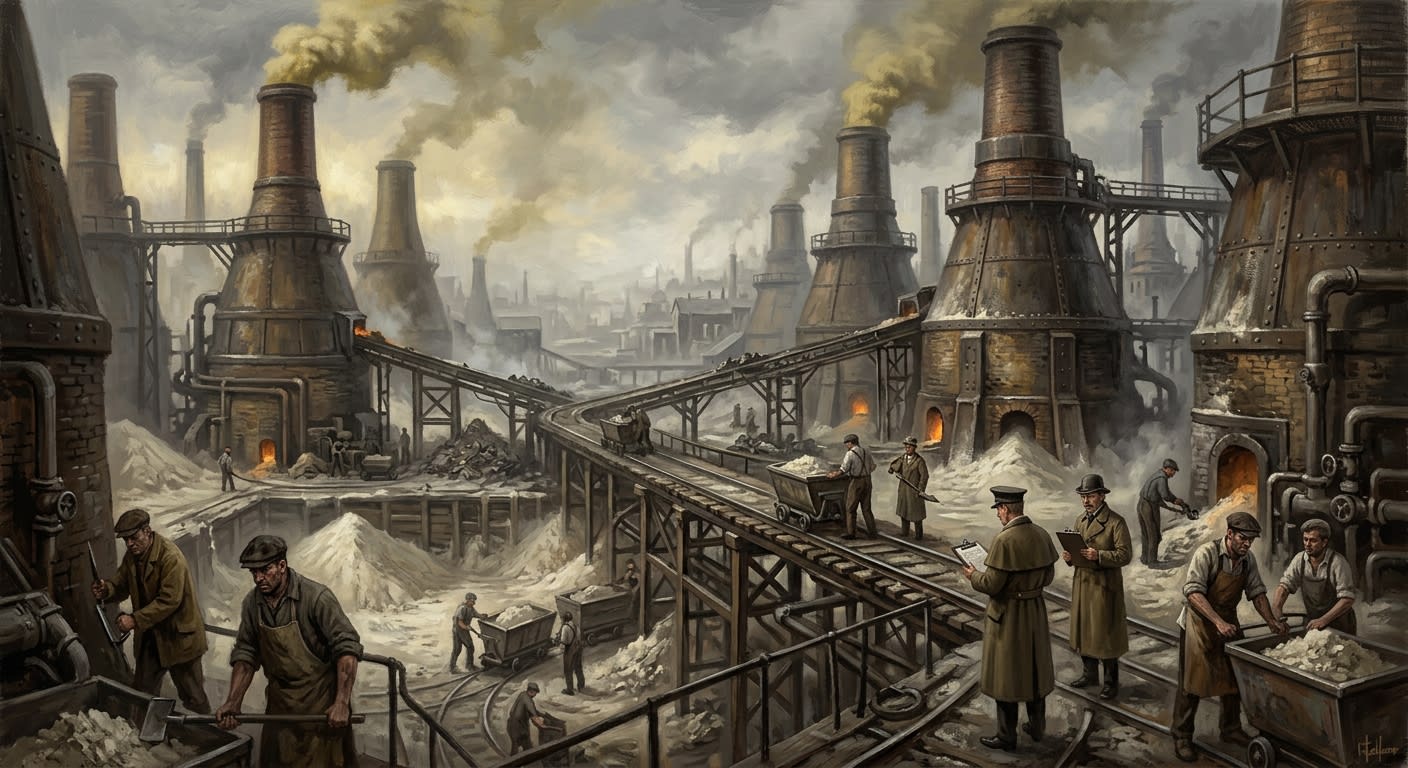
Lime Yards
The white furnaces where Marrowgate distributes its dead into walls, roads, and weather
The Lime Yards of Marrowgate are kilnfields where salvage remains become bone-lime, whitewash, road powder, ash-credit, and, when the Marrowwind rises, witness.
Codex Ref. II.2.06-003
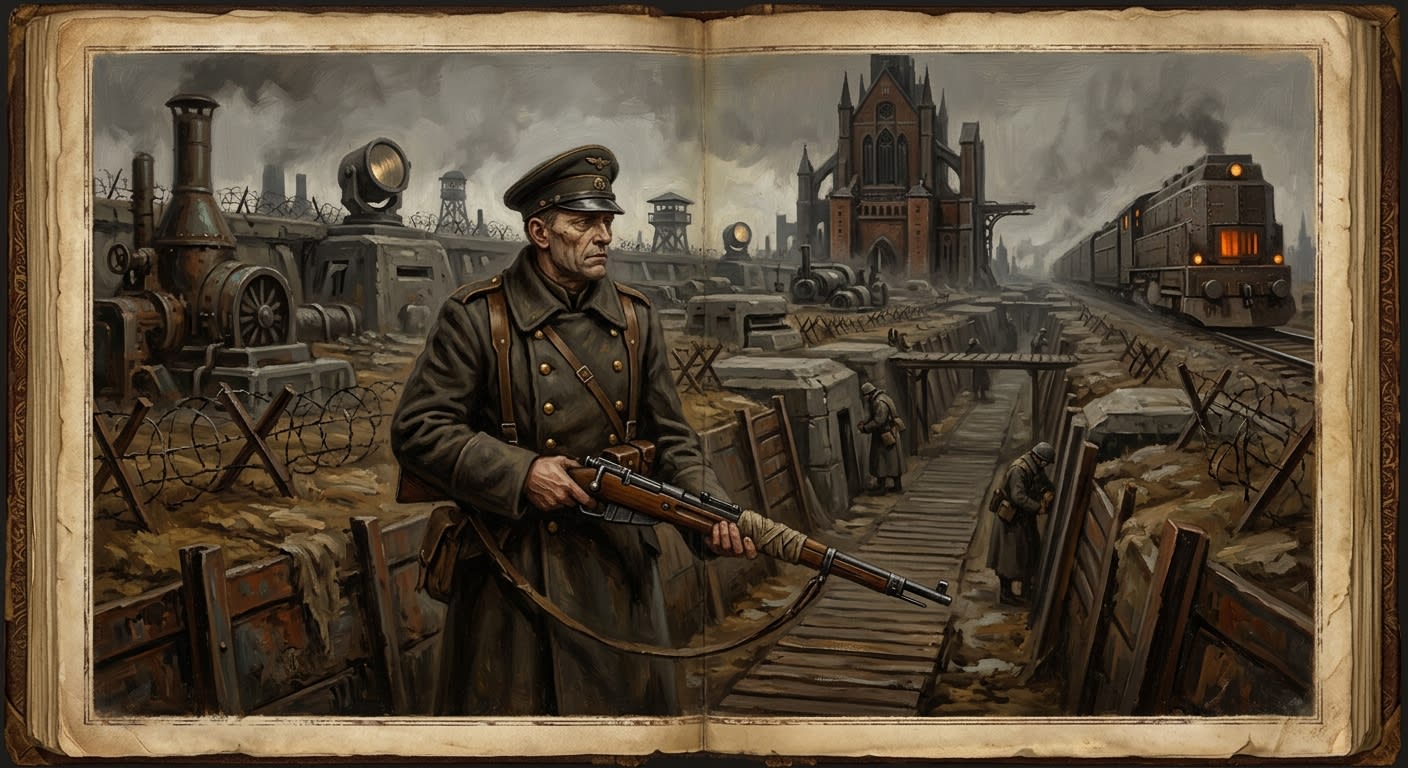
Line
The short word soldiers spend instead of breath
The Line is the soldier's short name for the Sagittal Line: the Baltic-to-Bosphorus membrane where Europe is counted, spent, and kept west.
Codex Ref. II.4.07-065
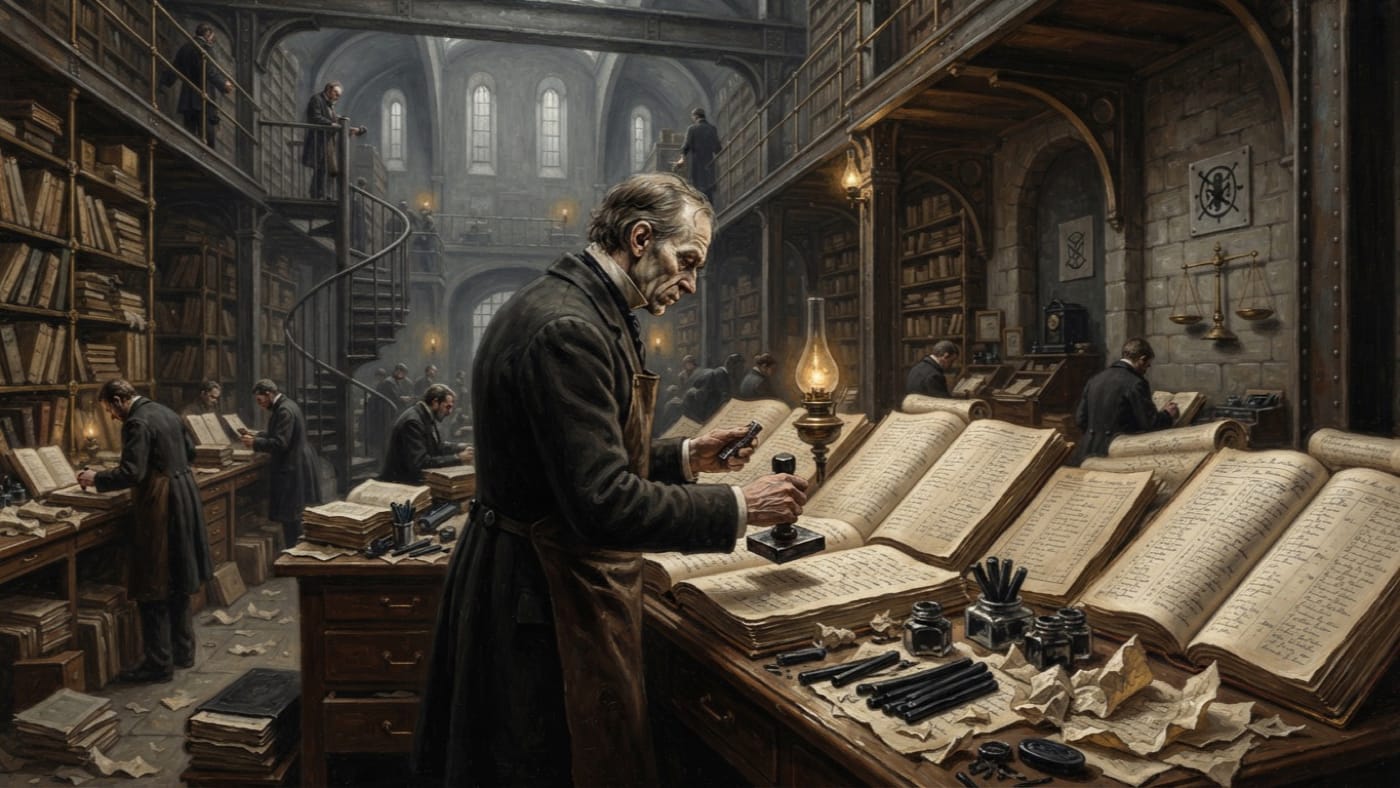
Lineage Severer
The household loses its standing; the Office keeps every page.
The Office of Nullity's family-strike specialists reconcile dependent rolls before sealing a household out of civic life. Nobody dies at the desk; every office afterward refuses them.
Codex Ref. XII.14.01-003

Links
Custody is only a small fastening with authority
Links are the Synod's smallest instruments of custody: iron, ink, oath, route, relic claim, debt, guilt, and every useful fastening in between.
Codex Ref. XIII.1.84-201
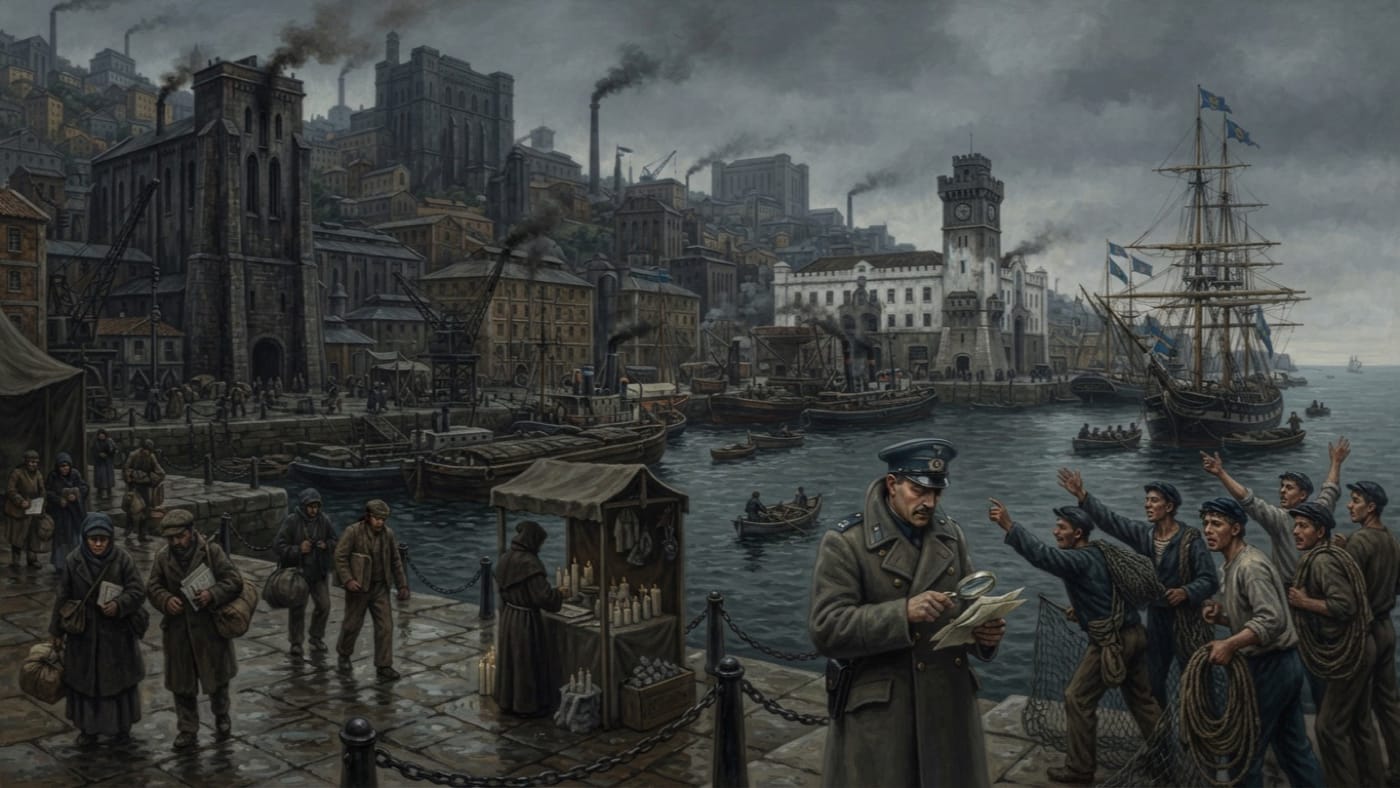
Lisbon
The harbour counts by contract
Lisbon sells sea candles, quake memory and licensed passage at the Atlantic mouth of the Tagus. Strasbourg counts its revenue; its sailors tell the catastrophe in the wrong order.
Codex Ref. II.4.09-201
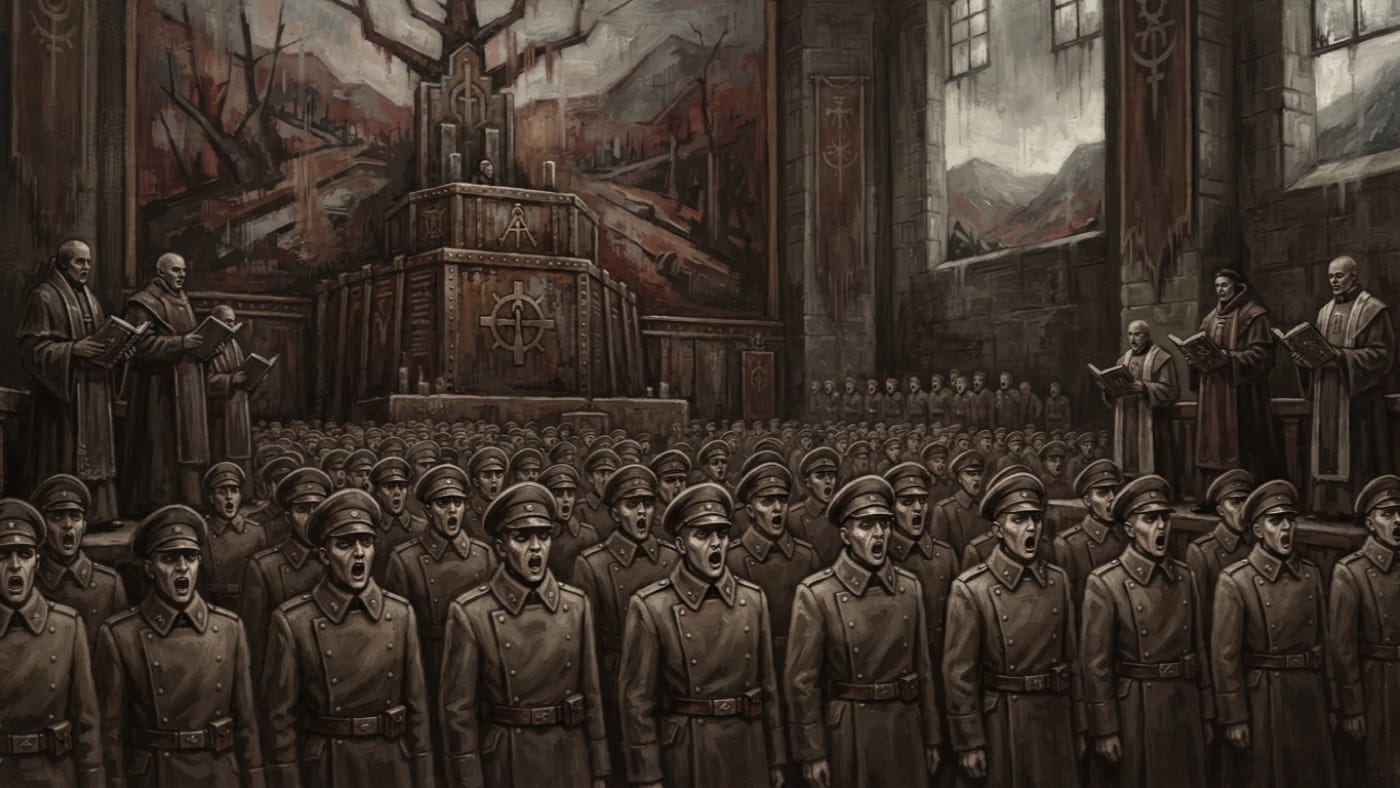
Litany of Errors
Eleven names. One designation. Four minutes to agree.
At Bastion-Przemyśl, cadets recite eleven Ulm signatories and the unknown twelfth, then condemn all twelve in unison. Four minutes of exact remembrance, with no room left for curiosity.
Codex Ref. XIII.1.95-201
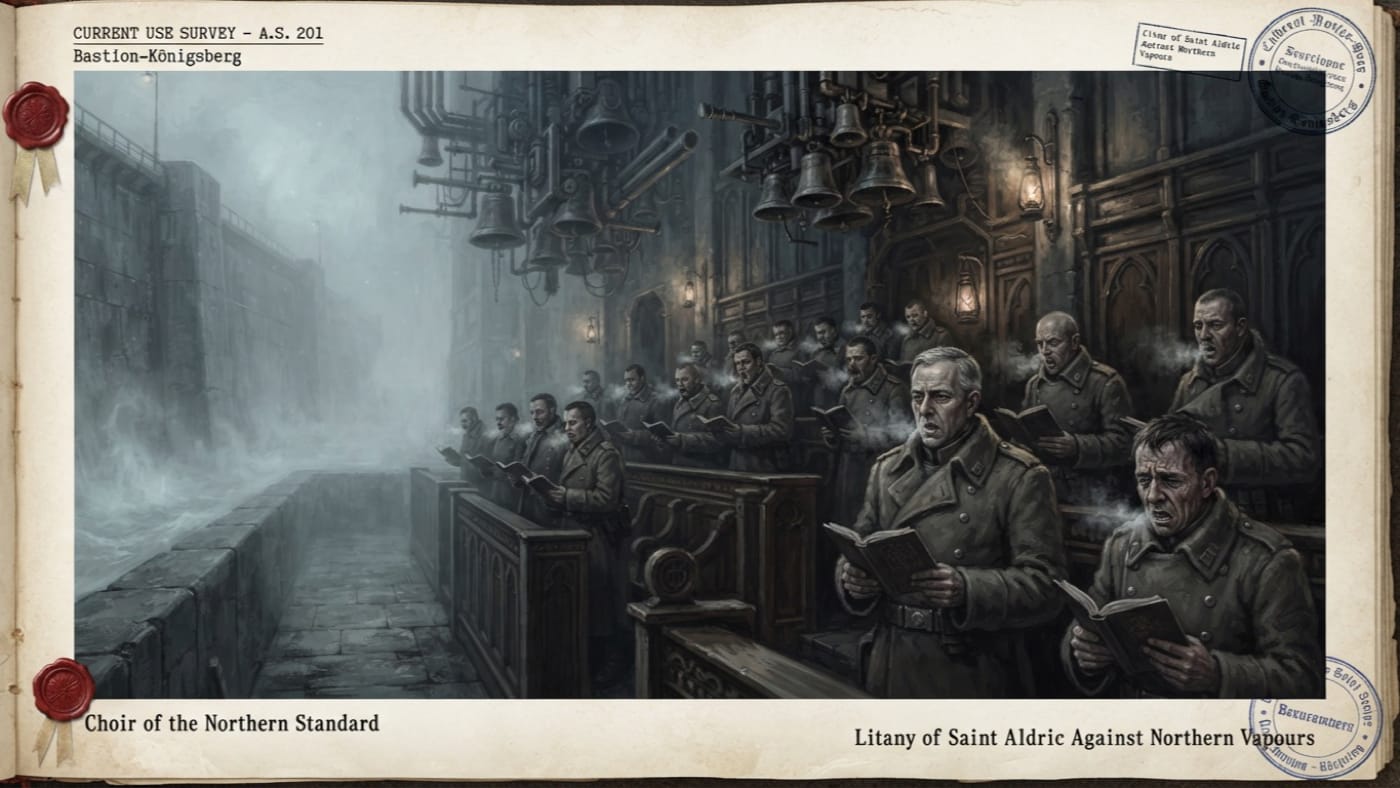
Litany of Saint Aldric Against Northern Vapours
The fog answers before the last breath; the Choir finishes
At Königsberg, Saint Aldric's litany is answered by the fog before its final antiphon ends. The Choir finishes; protection against vapours remains unproved.
Codex Ref. XIII.1.57-201
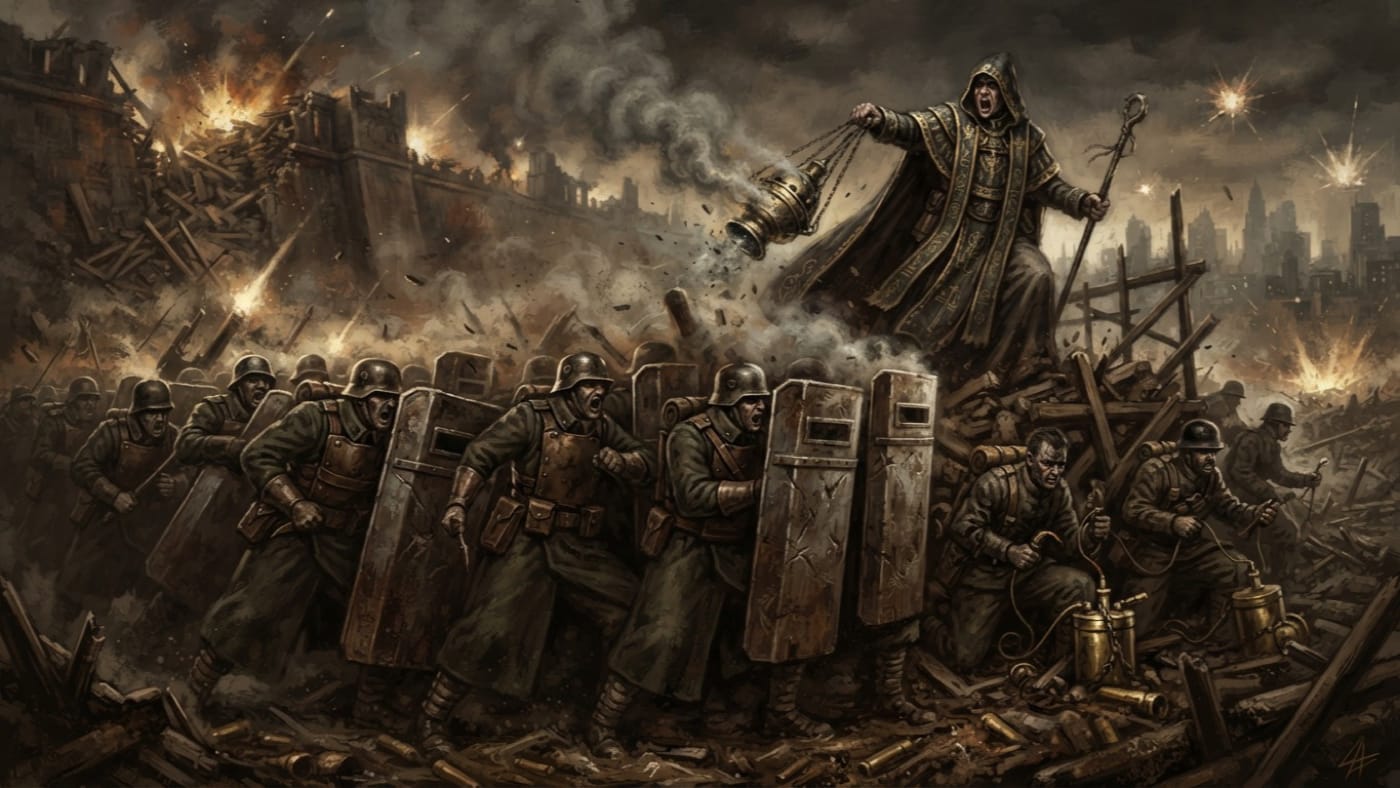
Litany of Stones
One throat keeps iron and powder in the same minute
The Ash Chaplain's breach litany binds Shield-Paladins and Litany-Engineers to one count. Iron braces, powder waits, and a name withheld teaches the cohort what silence costs.
Codex Ref. XIII.1.64-002

Litany-Engineer
The Sanctified Mechanist — wrench in one hand, chant codex in the other, keeping the Sagittal Line from becoming an extraordinarily expensive wall.
The Bureau of Engineering's foundational combat-rated mechanists: four thousand licensed, nine thousand actual, all keeping engines running by wrench and cant in chambers that hum in frequencies no codex records.
Codex Ref. XII.1.01-001
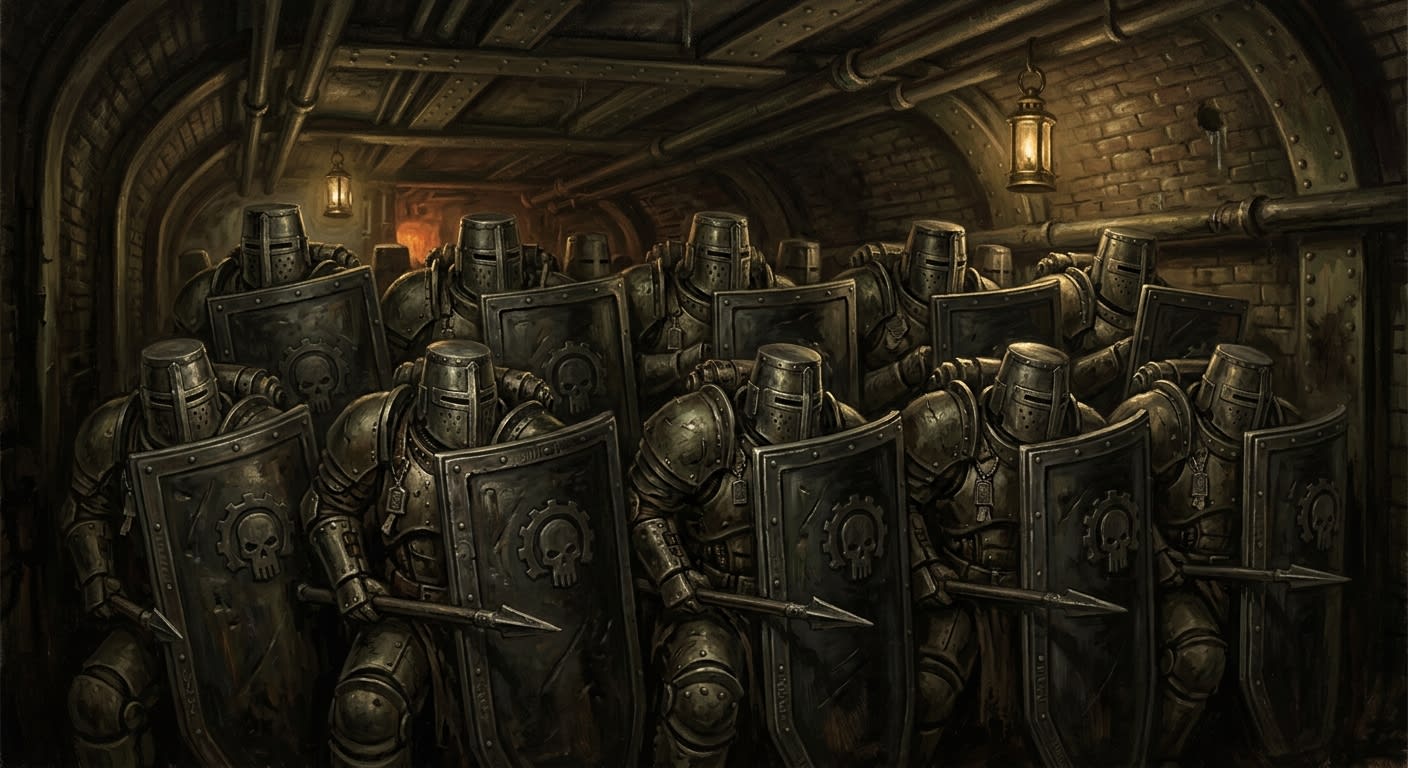
Lock Formation
Three ranks, one breath, and the wall answering in iron
The Shield Paladins' breach-reception doctrine: three ranks of interlocked iron, jawbone chant, rim discipline, and the geometry by which panic is denied passage.
Codex Ref. XIII.1.63-001
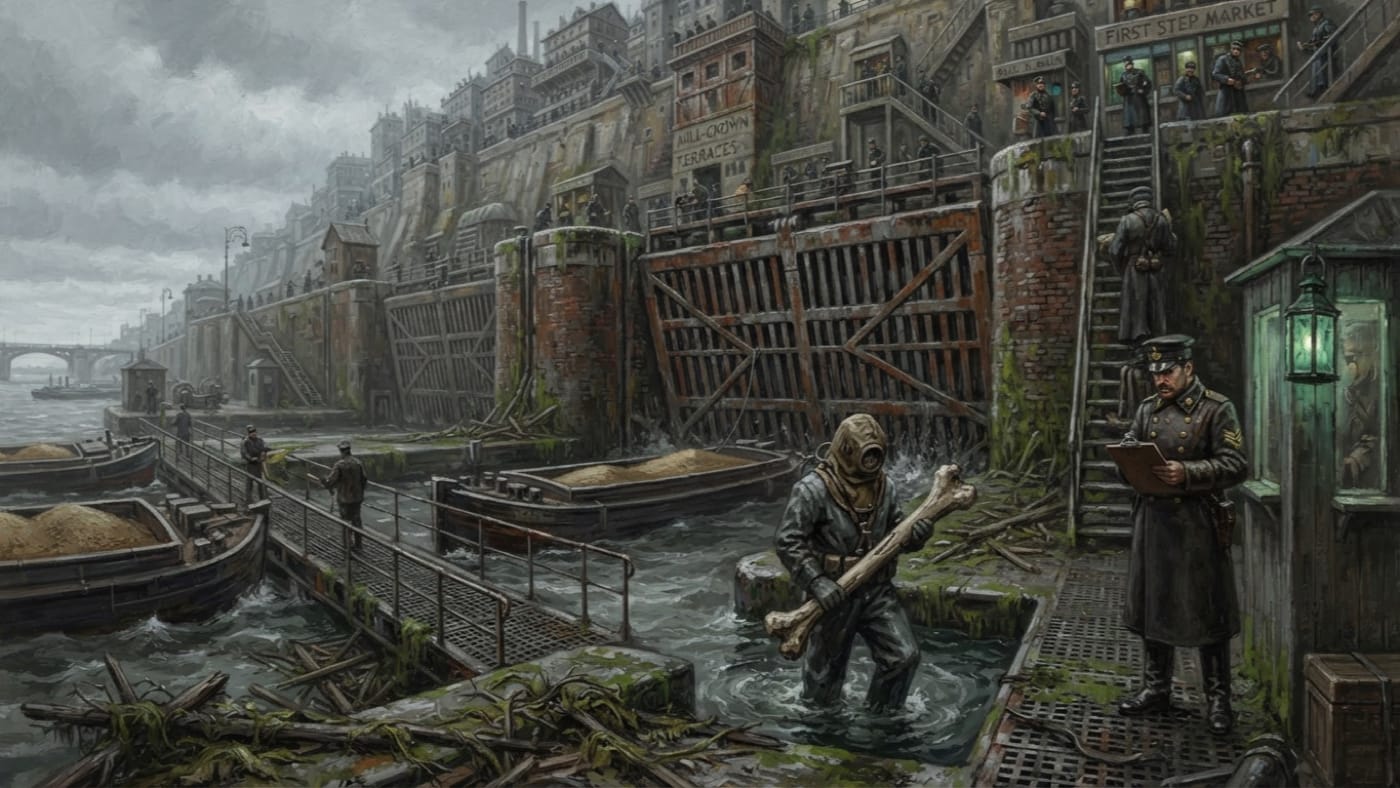
Lockmouth Works
The Brotherhood holds the keys; the terraces wait for bread
Rheinscarp's harbor locks admit the grain that feeds nine terraces. The Brotherhood holds the keys, Venn keeps the hours, and the divers earn bread by clearing what the river leaves in the grates.
Codex Ref. II.2.01-010
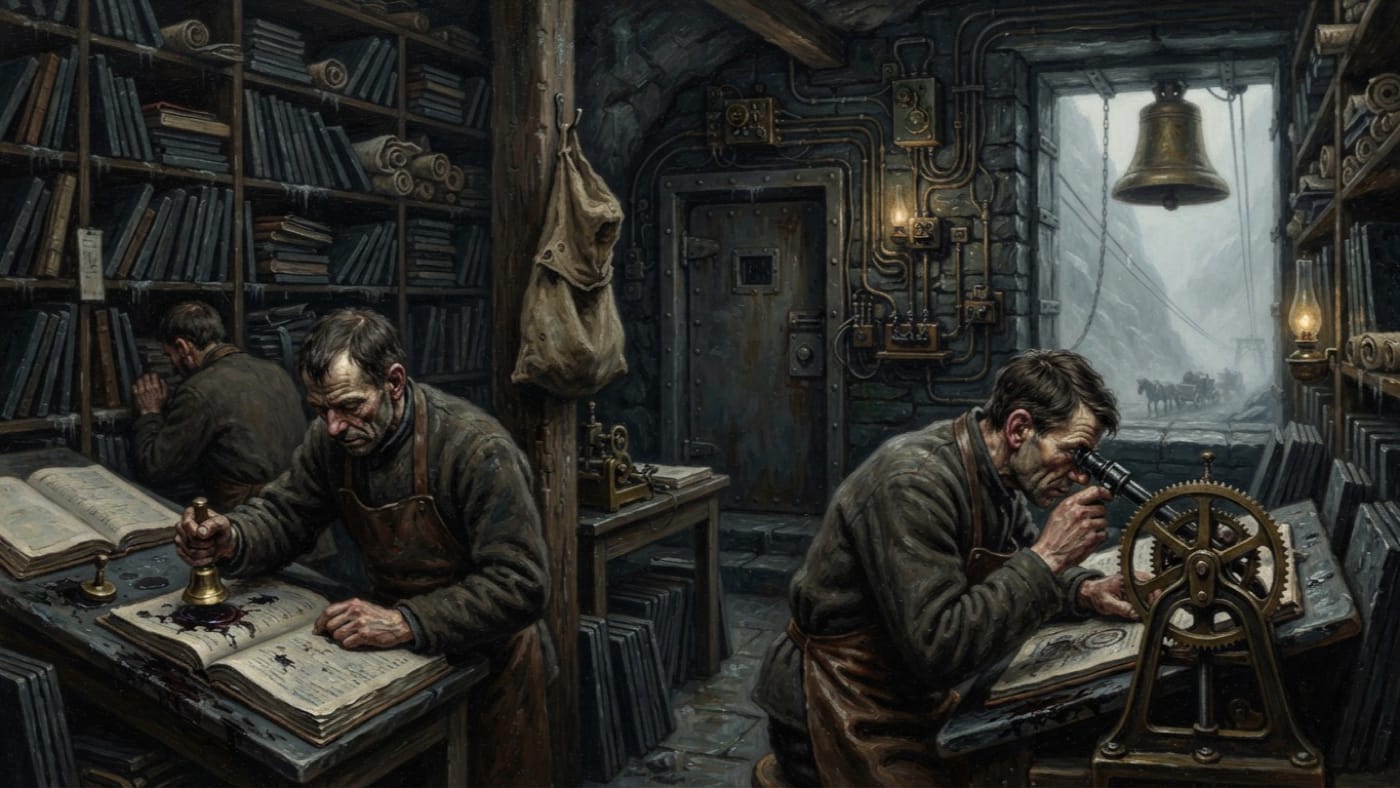
Loghouse of Slate Pages
The procedure was followed; the signal never arrived
Third Light's cliffside record house certifies every convoy clearance by bell-signet and timing wheel. Seven impeccable acknowledgments now sit beside Fourth Light's denial; the pages remain unbroken.
Codex Ref. II.4.08-585
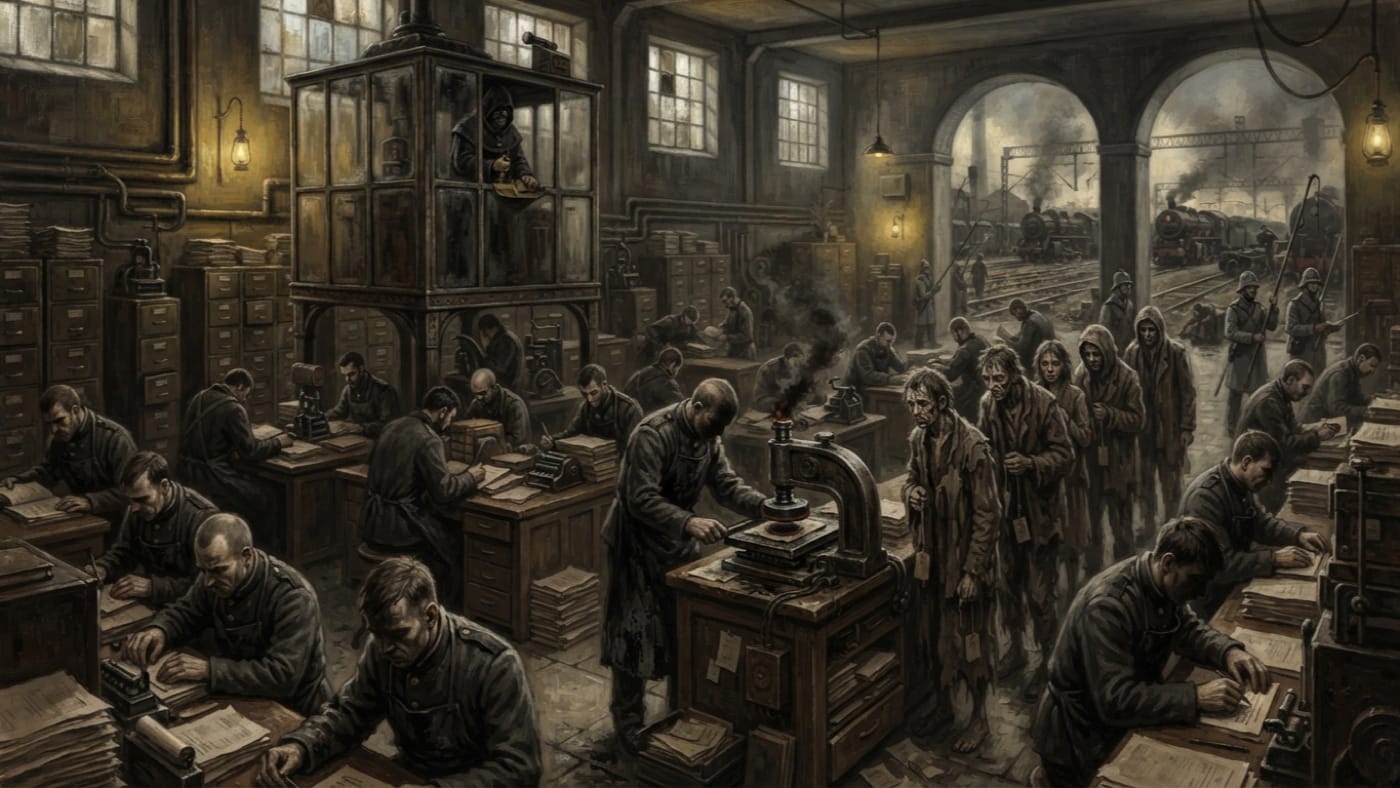
Logistics-Penance Tribunal
When the Ledger Will Not Balance on Paper
At Bastion-Przemyśl, the Logistics-Penance Tribunal balances ration ledgers by audit, confession and erasure. A missing stamp die has left its largest discrepancy without a name, and the Provost-Marshal would like its authority.
Codex Ref. I.2.07-003
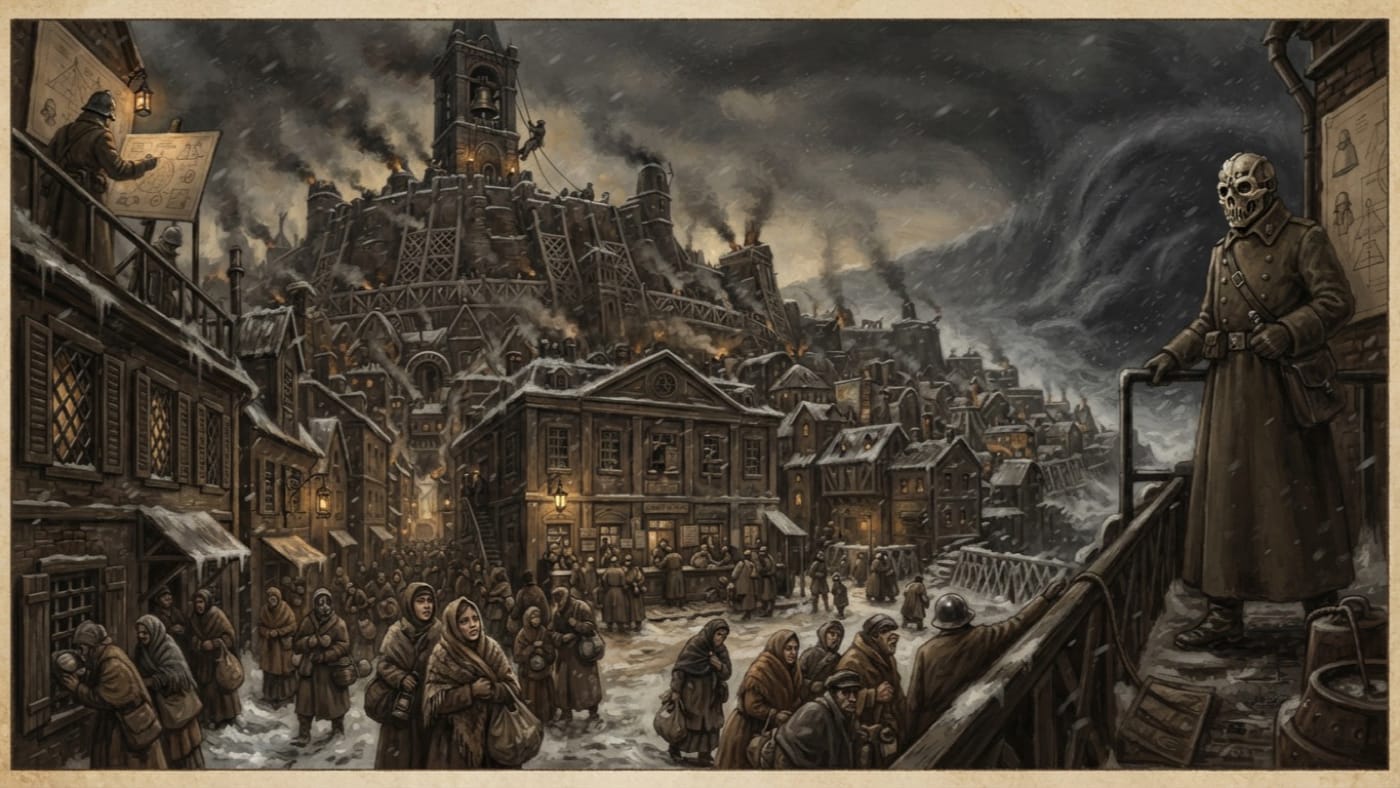
Lor
The bell closes the gate; the ledger sells the air
Lor shelters the Line's convoys behind bone lattice, filters and closure bells. Storm Wardens govern the deadline; the Breath Office sells the shelter, and the poor learn how much air costs.
Codex Ref. II.4.08-1666
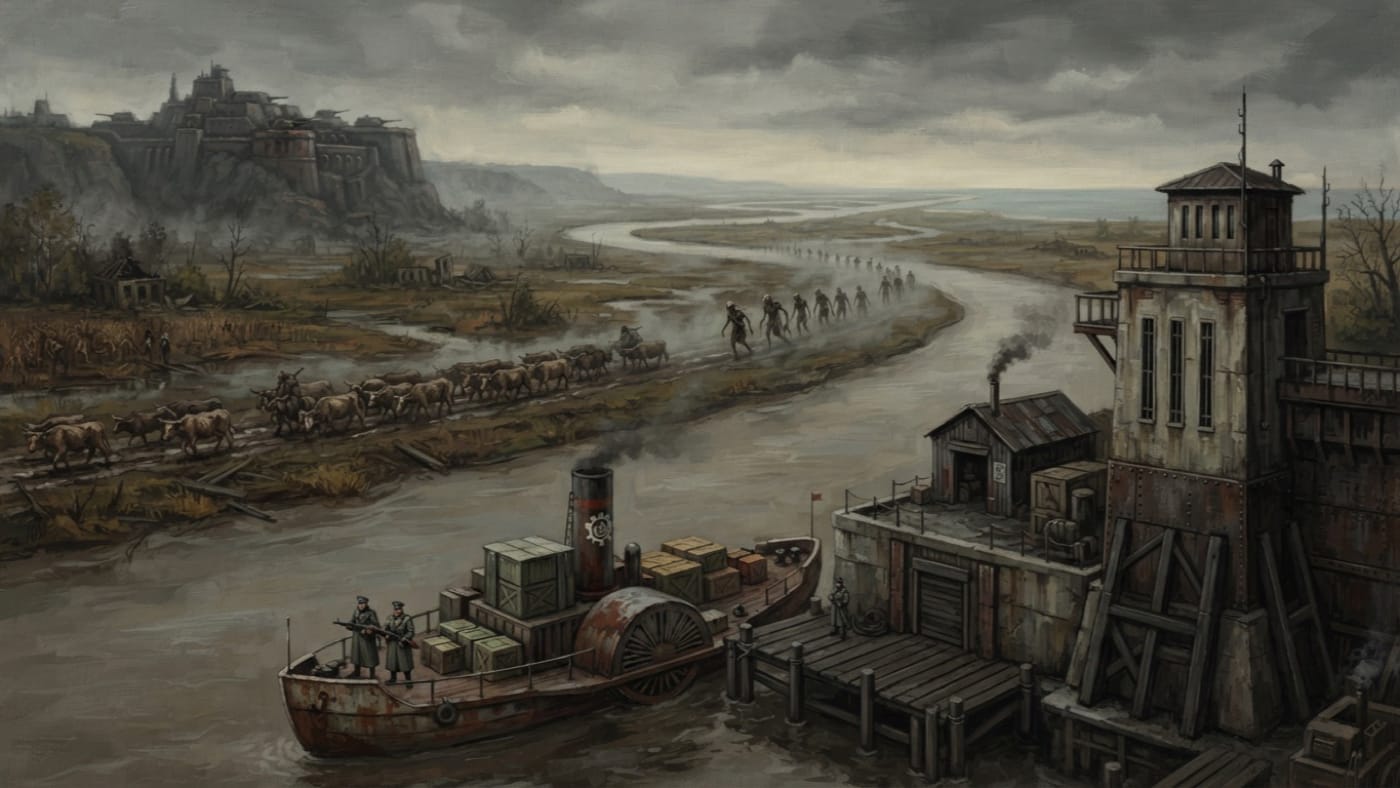
Lower Danube
Broad water, three appetites, and one butcher's manifest
Below the Iron Gates, the Danube carries food through competing appetites. Carmine's A.S. 193 correction records the governing fact: the Blightbearers had smelled cattle.
Codex Ref. II.4.08-201
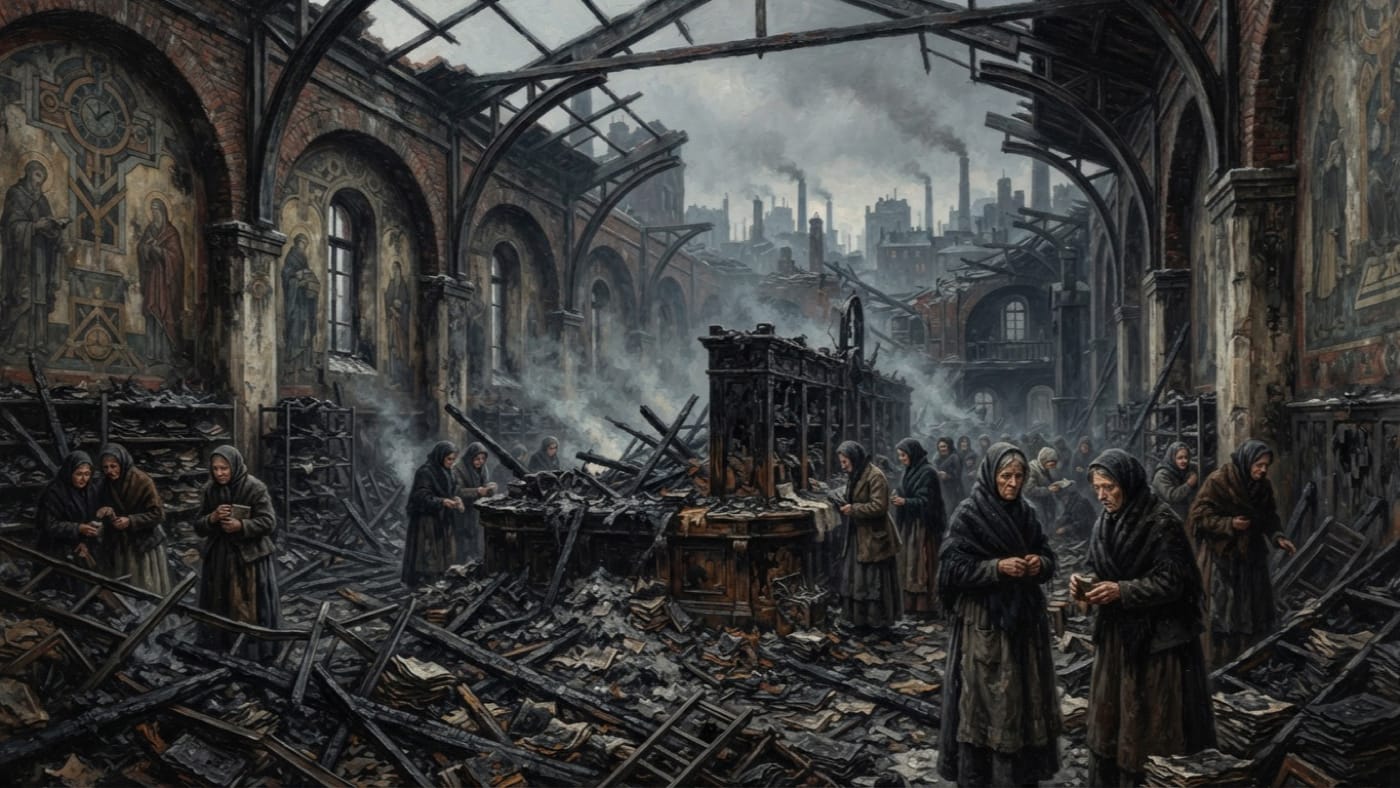
Lower District Tithe Office
The counter burned; the obligation survived
The Lower District Tithe Office in Bastion-Königsberg burned during the A.S. 139 Widow Riot against compulsory Widow’s Pennies. The counter and its records burned; the obligation survived.
Codex Ref. III.2.04-1673
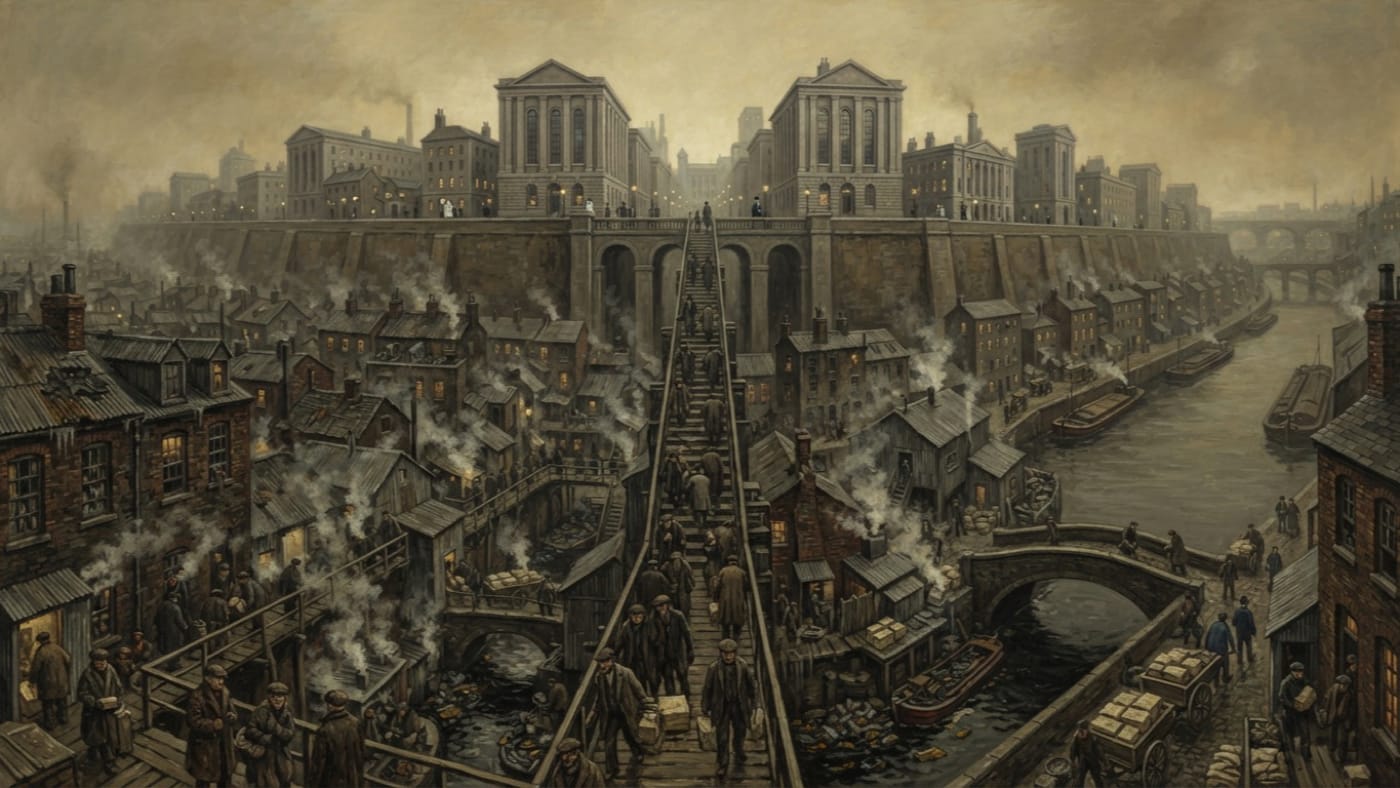
Lower Vire
Candles go up. Refuse comes down.
A River-belt city where Candle-Sump supplies the Heights with light, broth and certified dead. The offices above keep their stamps dry; the people below pay for the privilege.
Codex Ref. II.1.05-002
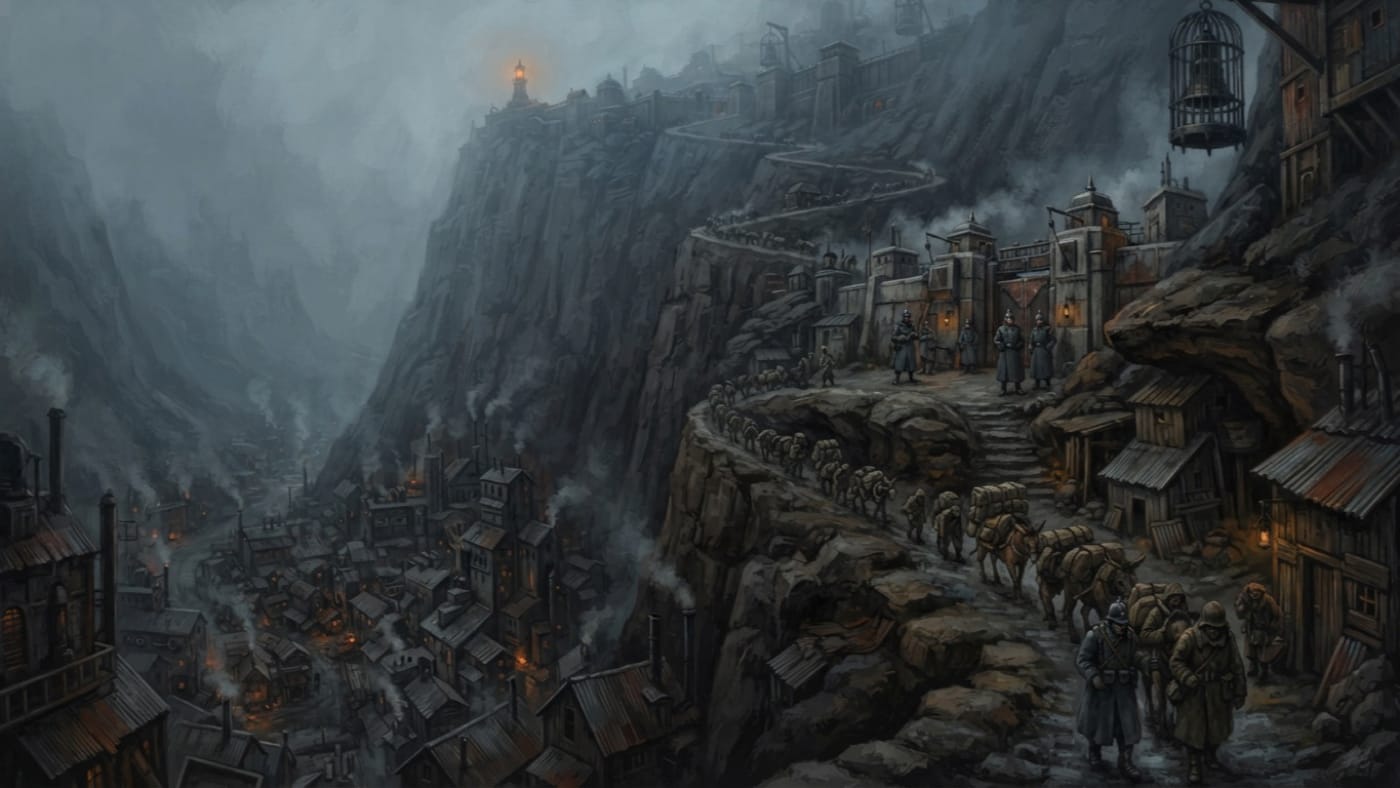
Lowvale Tallytown
The ridge's dependence, entered against the valley
Lowvale Tallytown sends lamp oil, salvaged glass and conscripts up to Third Light. The ridge calls it dependent, then charges its porters twice for keeping the beacon lit.
Codex Ref. II.4.08-1681
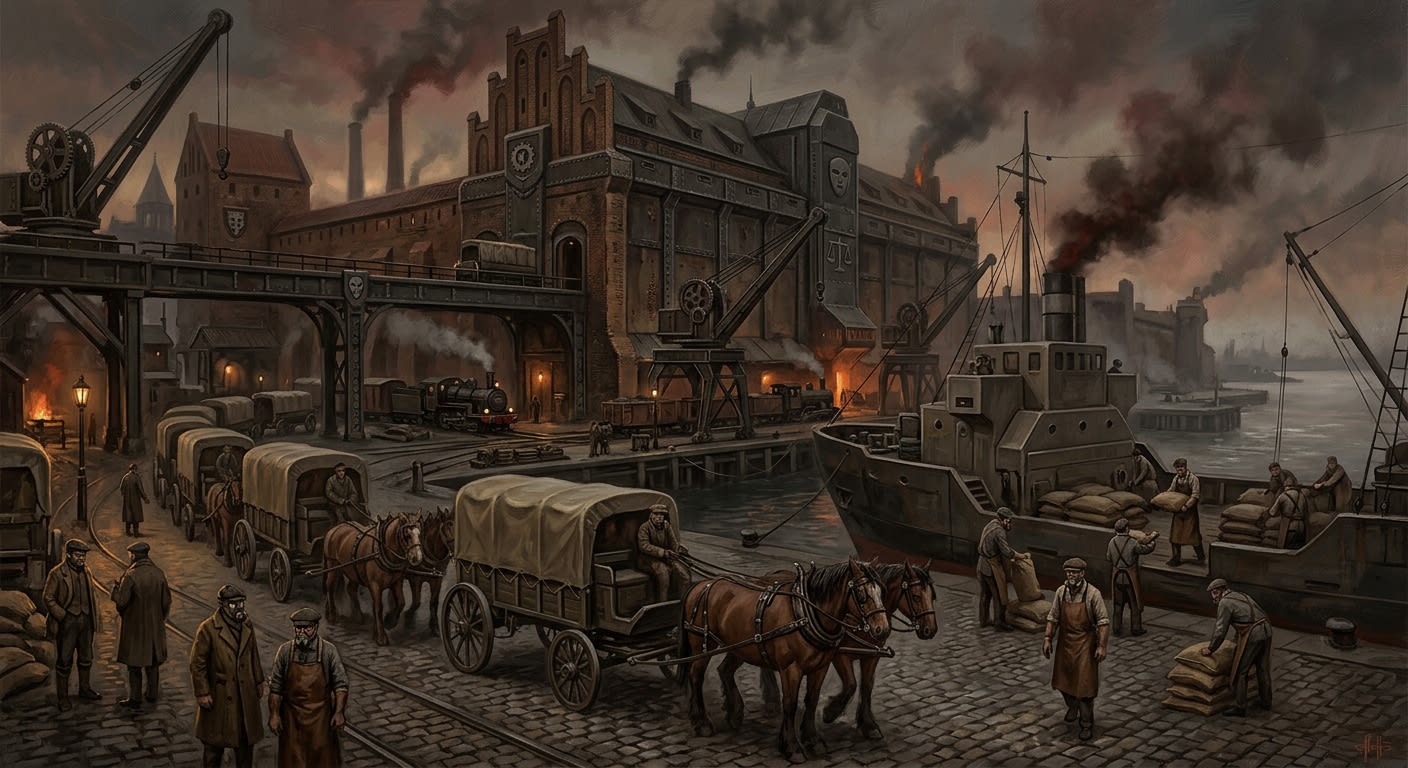
Lübeck
The harbour remembers eleven; the records remember smoke
Baltic grain port and northern corridor municipality made exemplary in the A.S. 180 Year of Smoke, when eleven night wagons taught Lübeck to move cargo and misplace memory.
Codex Ref. II.4.09-011
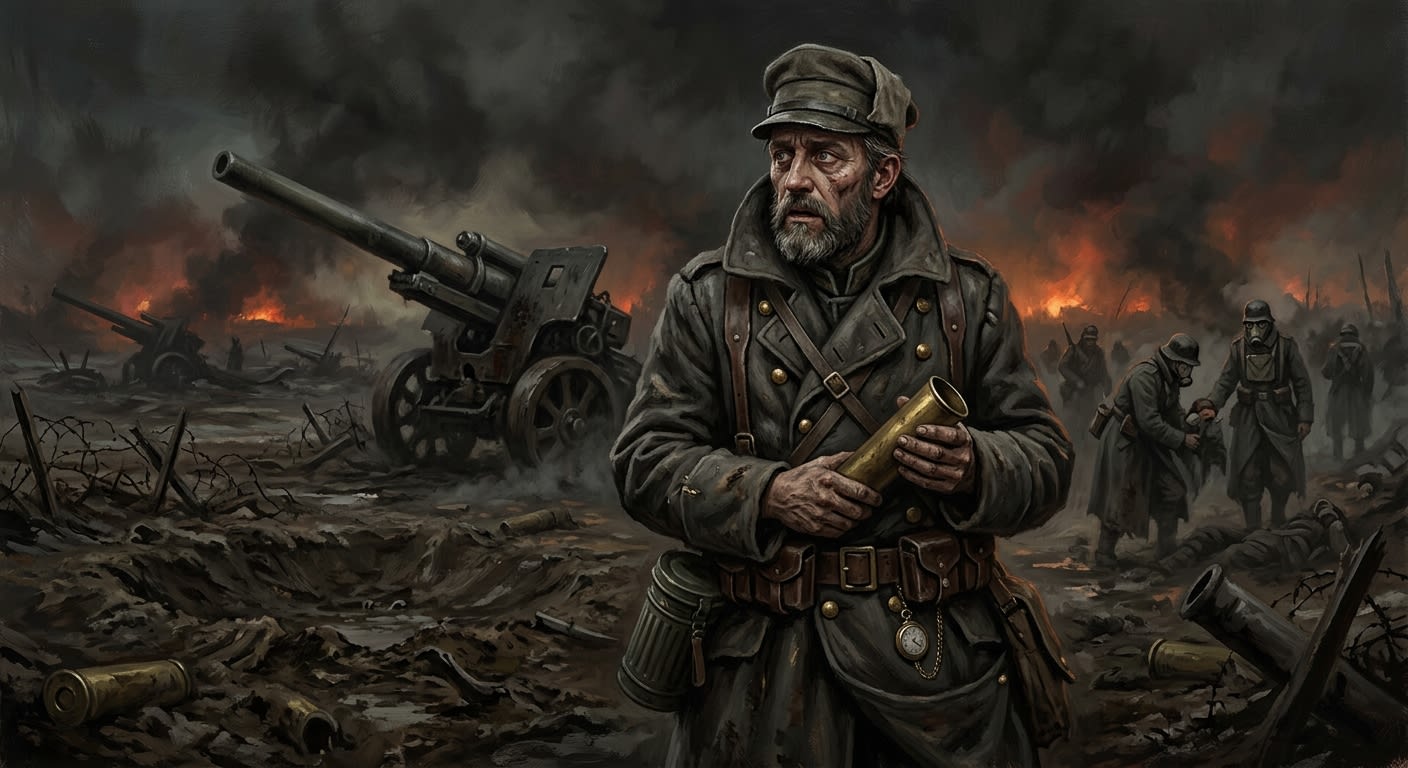
Lucien Artois
The cleverest gunner Reason fed to fire
Lucien Artois made Reason's artillery sing at four rounds per minute, then learned at the Iron Plains that Hell does not consult firing tables.
Codex Ref. I.1.06-001
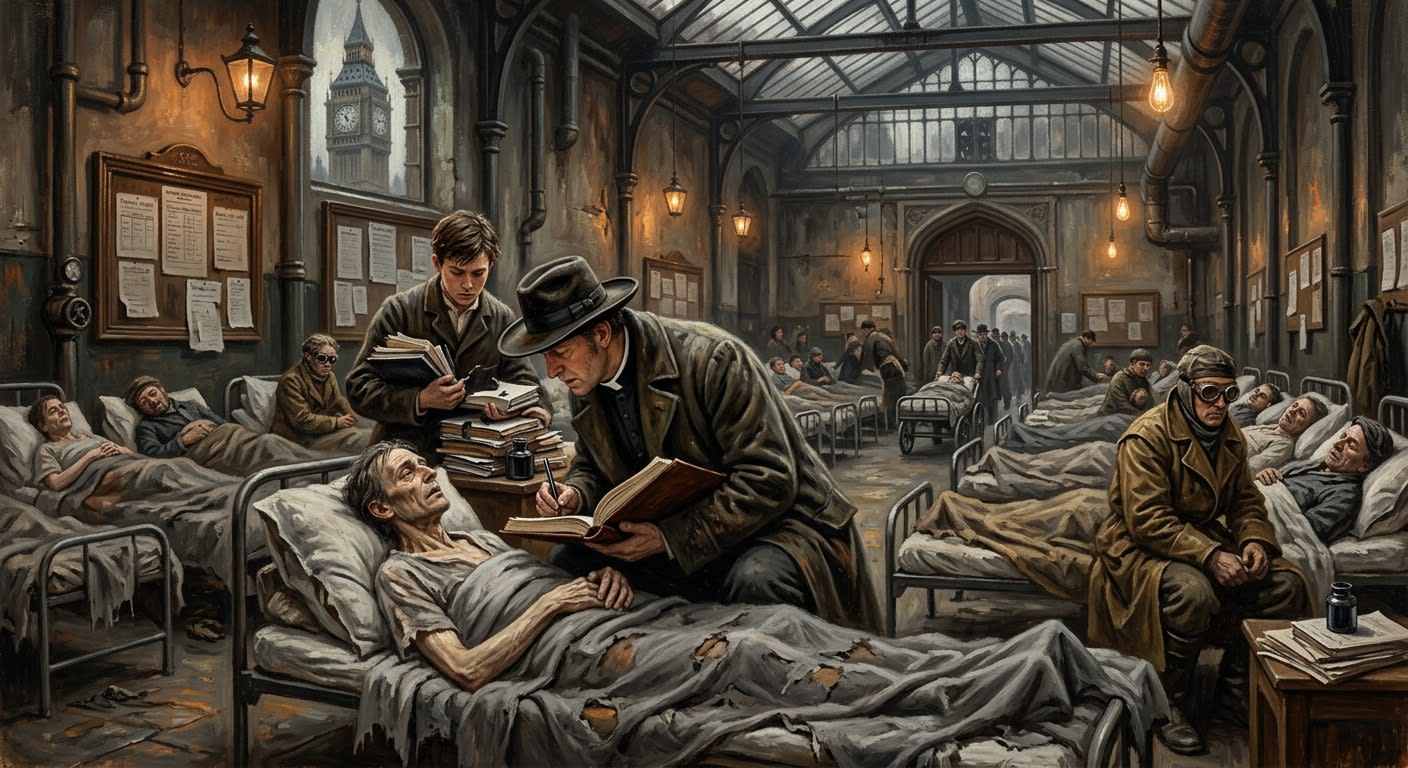
Lull of Names
The plague year when silence became a breach and the bedside became a bureau
The Lull of Names was the A.S. 78 plague-year catastrophe in which deaths in the southern wards outran transcription, birthing Standing Order 22-C and the Deathbed Confession Harvester corps.
Codex Ref. VII.8.10-022
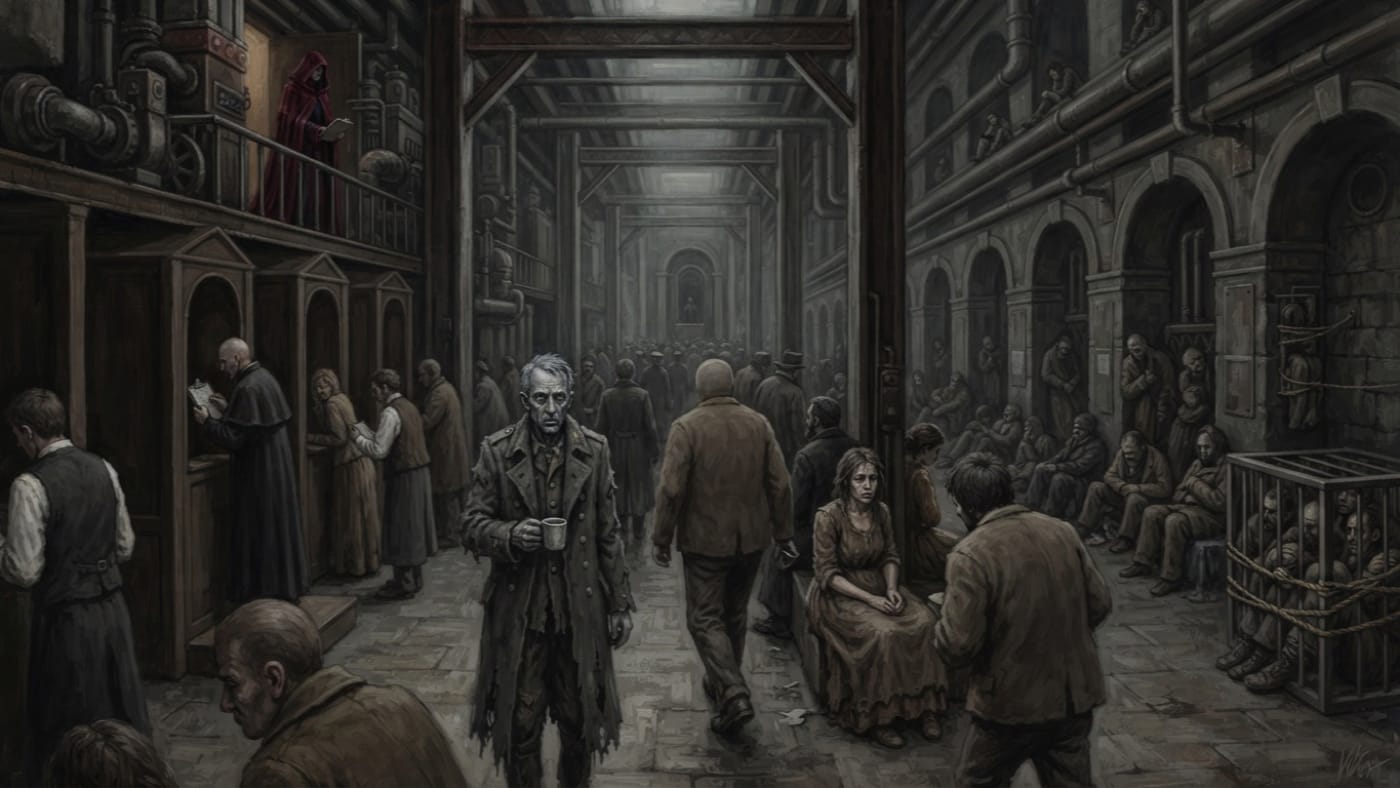
Lust
The tally survives the names
Lust uses people as material for sensation and discards them when the thrill fades. This A.S. 201 survey records Velkara's influence, greying and six Synodal remedies. The sin is the user's; the used bear none of it.
Codex Ref. XIII.1.07-005
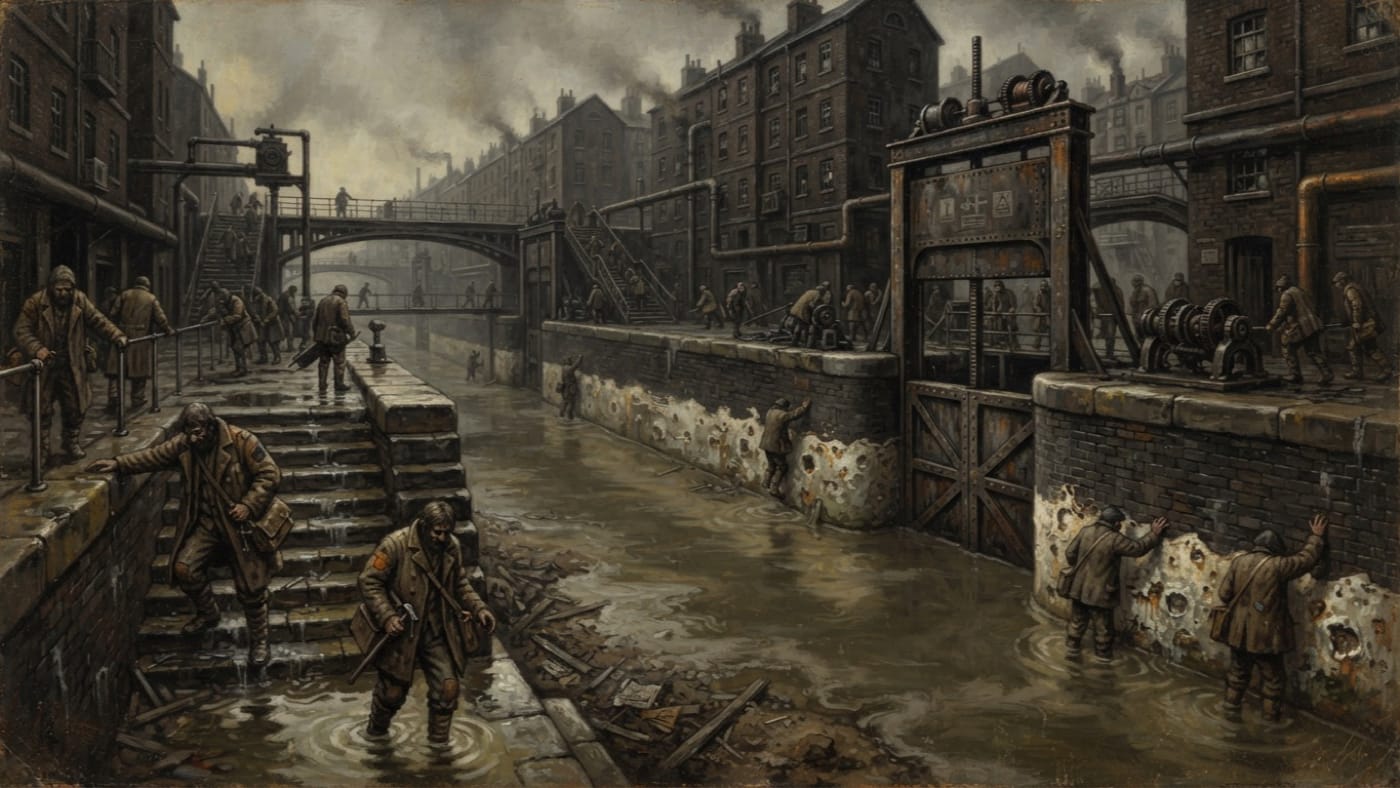
Lye Flood
The water burned; the paperwork followed
Candle-Sump's first catastrophe, attributed to A.S. 84: ash-water burned skin, dissolved papers and scarred the brick. The Chapterhouse appointed offices to manage water and records; the injured remained the Sump's concern.
Codex Ref. VII.8.10-084
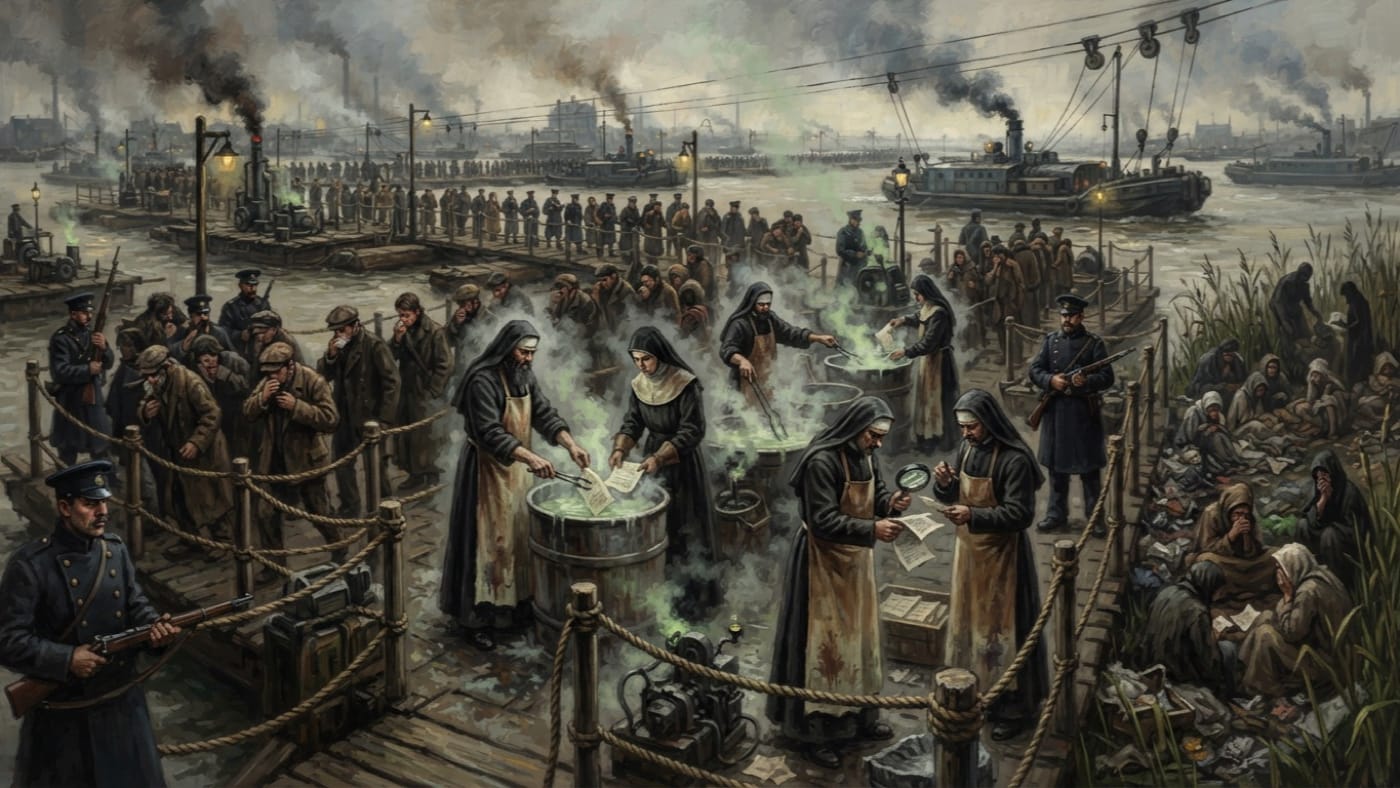
Lye Order
Bodies accompany their papers.
The Quarantine Wardens of the Rope-Ferry Chain wash travellers, inspect stamps, and widen cordons. Their mandate is plague prevention; their surest product is fear.
Codex Ref. XI.8.01-001
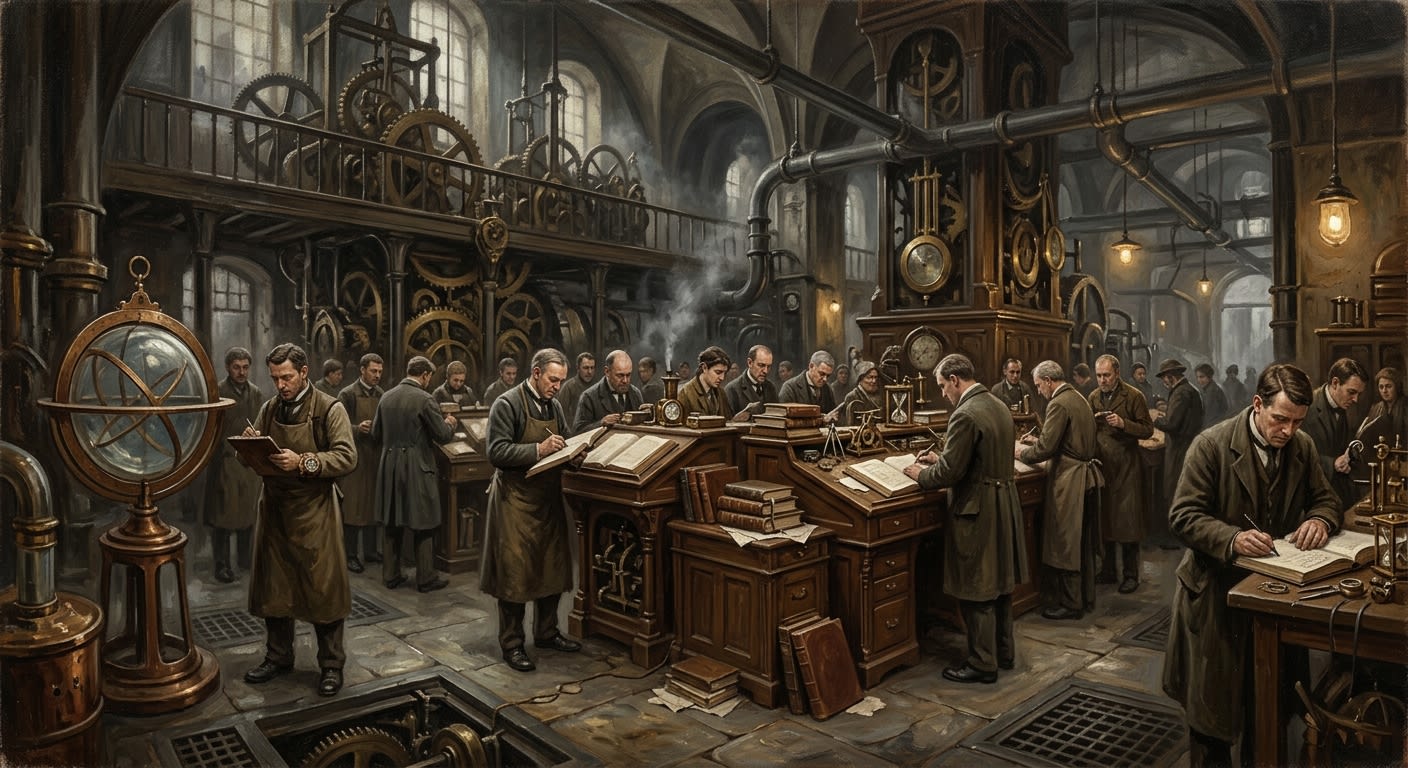
Lyon Academy of Horological Sciences
Where clocks are taught to testify without poetry
The Lyon Academy trains Hourglass adepts, clock-priests, and report-writing survivors: a useful suspect where seconds are measured before officers care.
Codex Ref. VIII.9.03-136
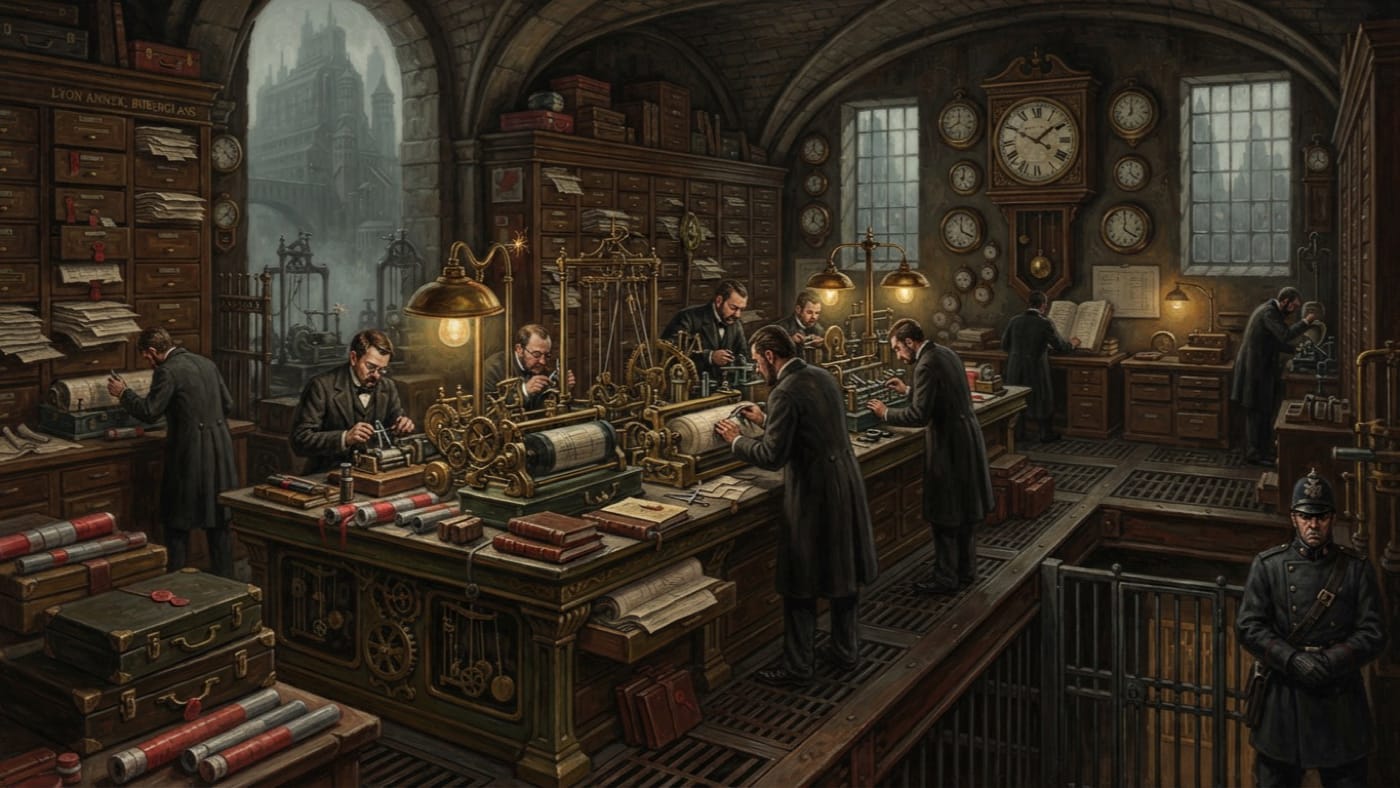
Lyon Annex
The Line keeps time by Lyon. Lyon records its own disagreements.
The Lyon Annex houses the Bureau of the Hourglass: comparison benches, temporal archives and a restricted standard below the clock hall. The Line keeps time by Lyon. Lyon records its own disagreements.
Codex Ref. II.3.06-201
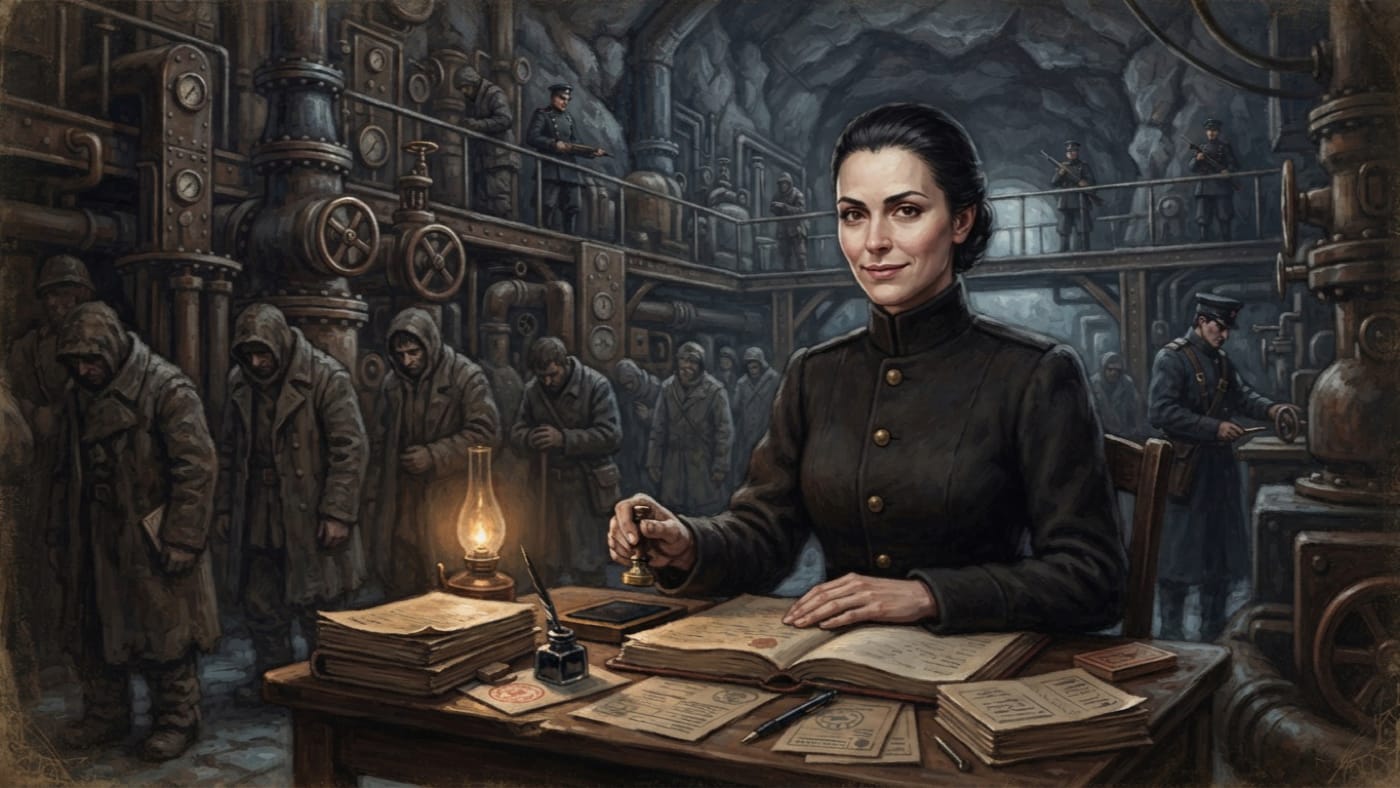
Lysa Murne
The smallest piece of brass in the Irongate, and the heaviest
Seal-Broker Lysa Murne turns the Breath Office's judgments into permits, quarantine clearances and heat allocations at Bastion-Irongate. Her smile is soft; the consequences bear a brass seal.
Codex Ref. III.2.01-1703
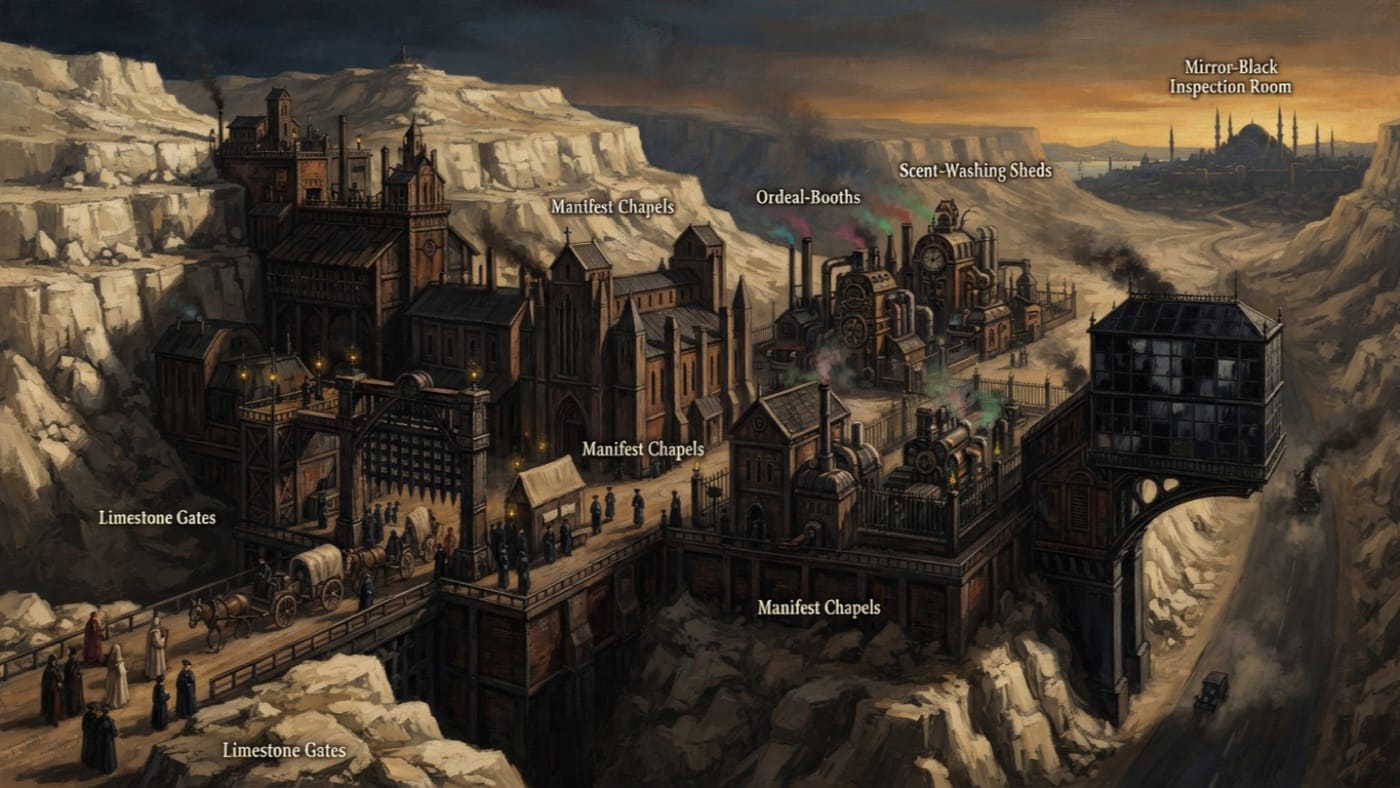
Macedon Escarpment Checkpoints
Where the papers pass and the people remain a question
The Macedon gates keep Constantinople supplied and its manifests correct. Vast's A.S. 187 closure proposal remains pending in A.S. 201; the papers certify names more readily than people.
Codex Ref. II.4.10-009
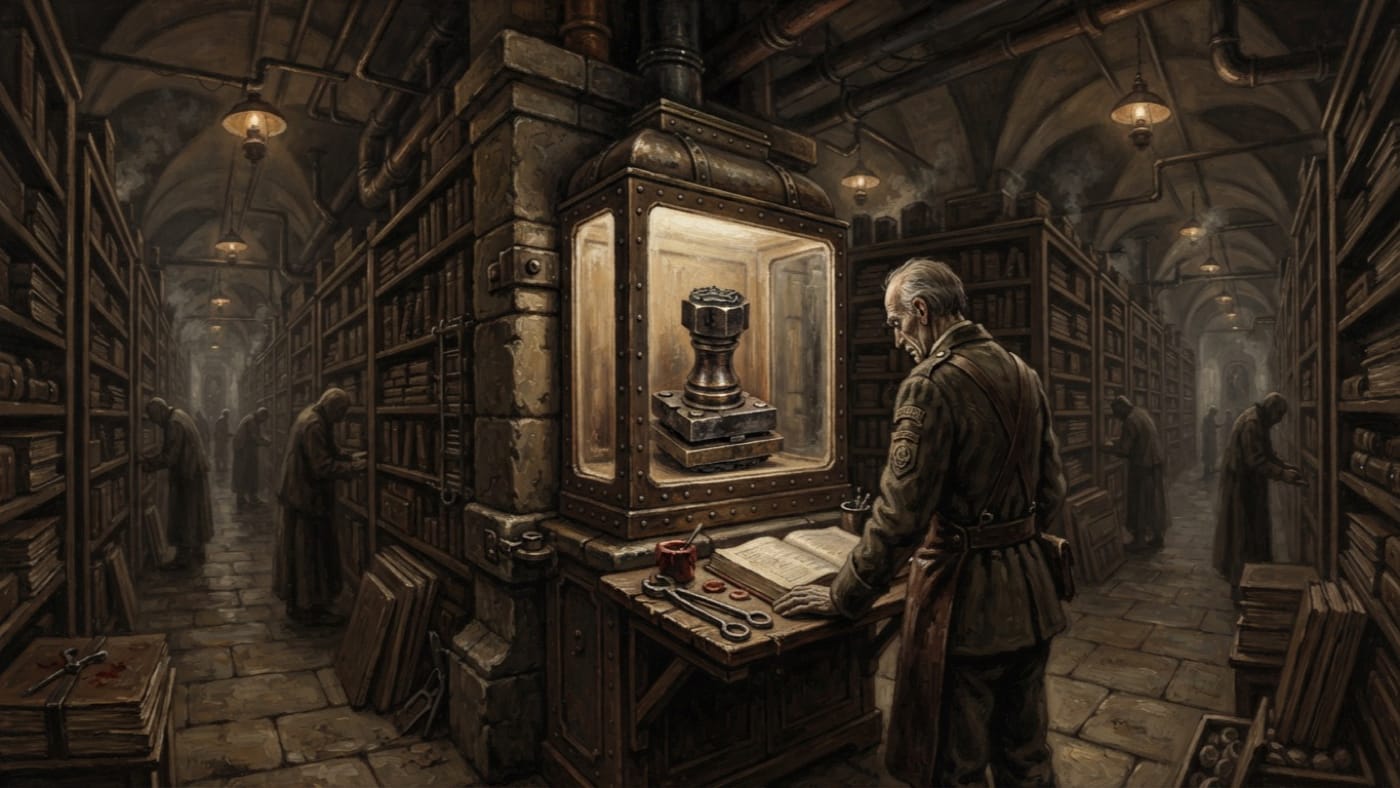
Mainz Stamp-Head
Devotion has supplied what provenance has not
One of six objects attributed to Saint Vellum-of-the-Quiet-Hand: venerated, tested, doubted and returned to custody. The devotion is recorded; the authentication is absent.
Codex Ref. XIII.1.45-002
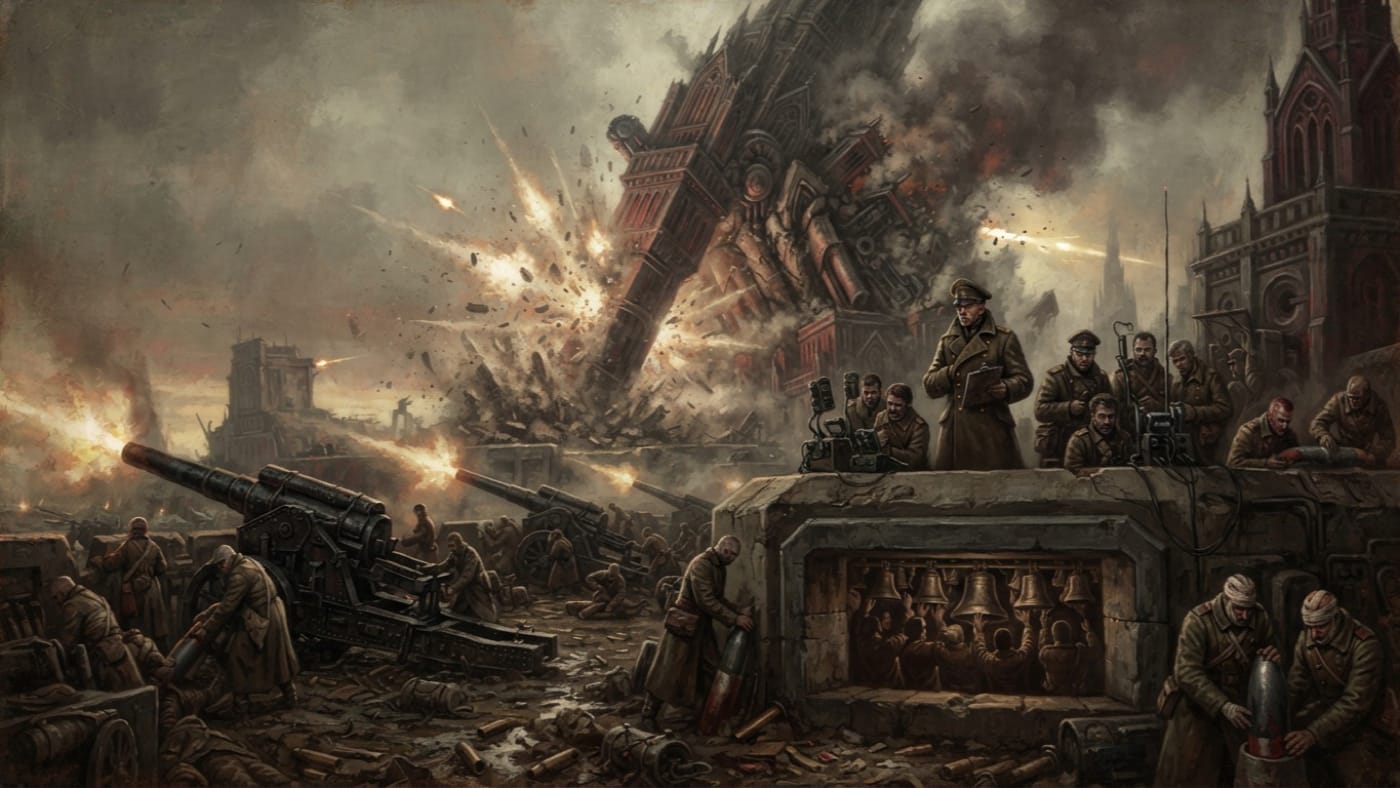
Major Cestian Rell
Two orders, one mark, and a tower brought low
The record grants Major Cestian Rell two orders at Przemyśl in A.S. 195: raise the guns, then strike one narrowing. The tower fell; the major's later file is blank.
Codex Ref. III.2.01-195
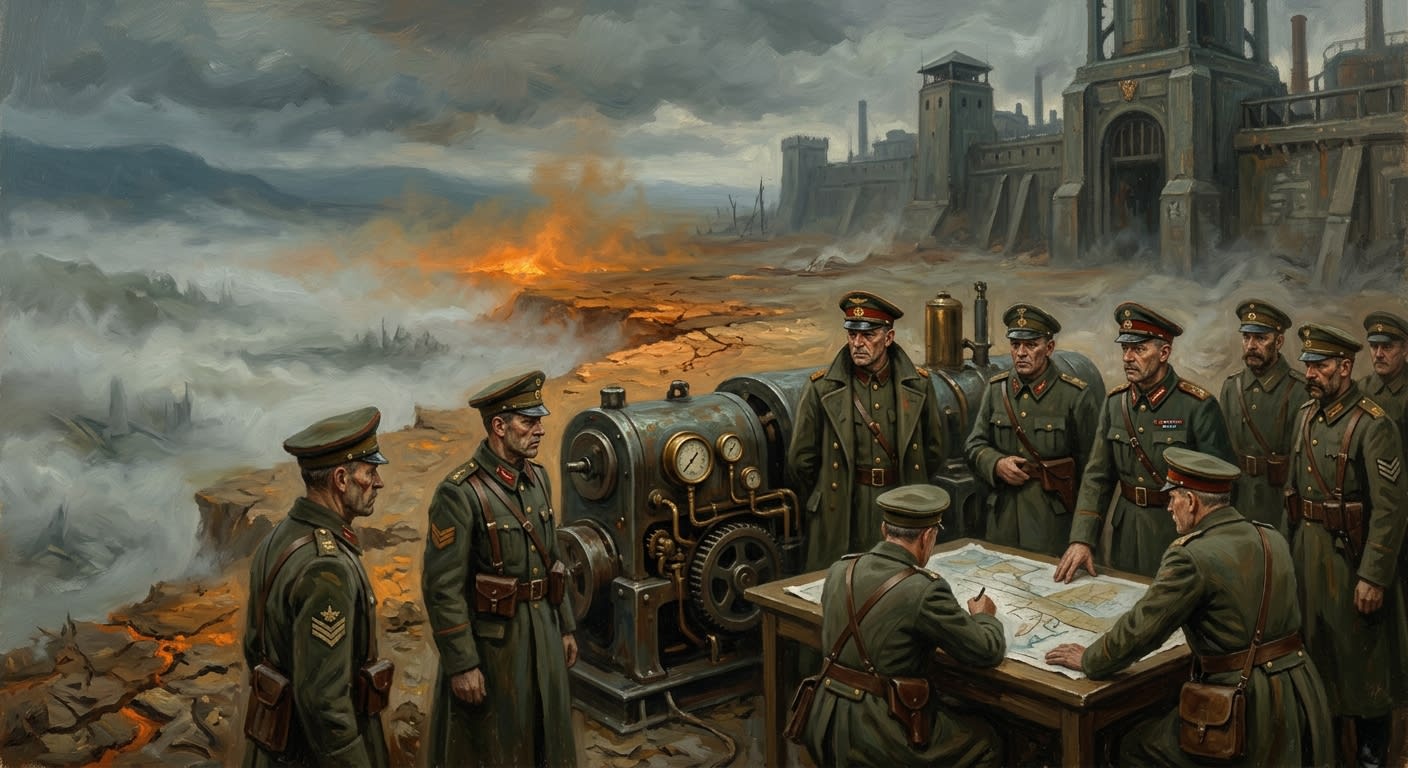
Maldrake-Syrion Contact Zone
Where fire learned patience and fog acquired manners
The Maldrake-Syrion Contact Zone is the Balkan strip where Wrath's furnace weather and Sloth's time-fog hold a stable hostile interface, which is Doctrine's least relaxing miracle.
Codex Ref. VII.8.10-201
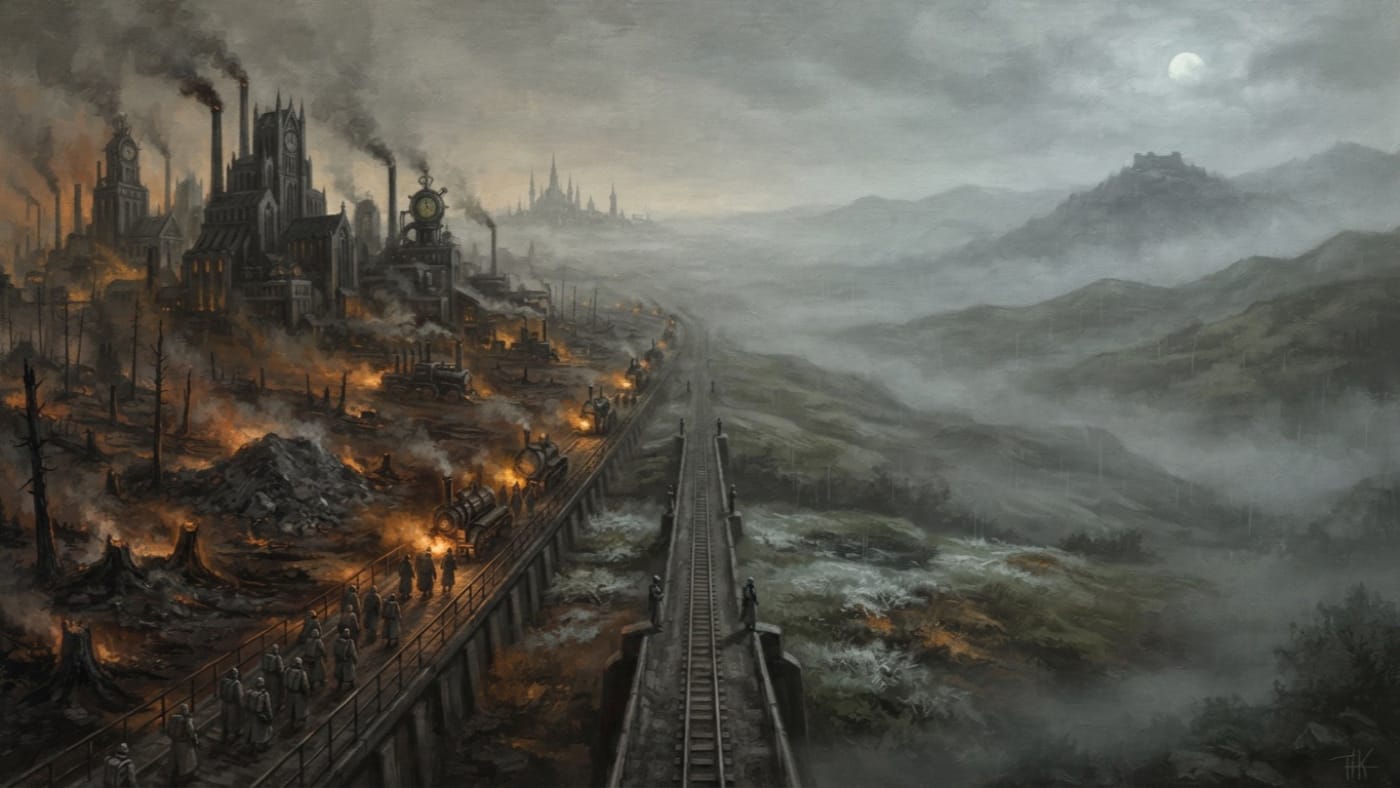
Maldrake-Syrion feud
War feeds the hatred; the foothills refuse to explain their quiet.
An A.S. 201 survey of the Maldrake-Syrion rivalry: War feeds a feud that has devastated sectors, while local accommodation in the Balkan foothills troubles the arithmetic.
Codex Ref. VII.8.11-201
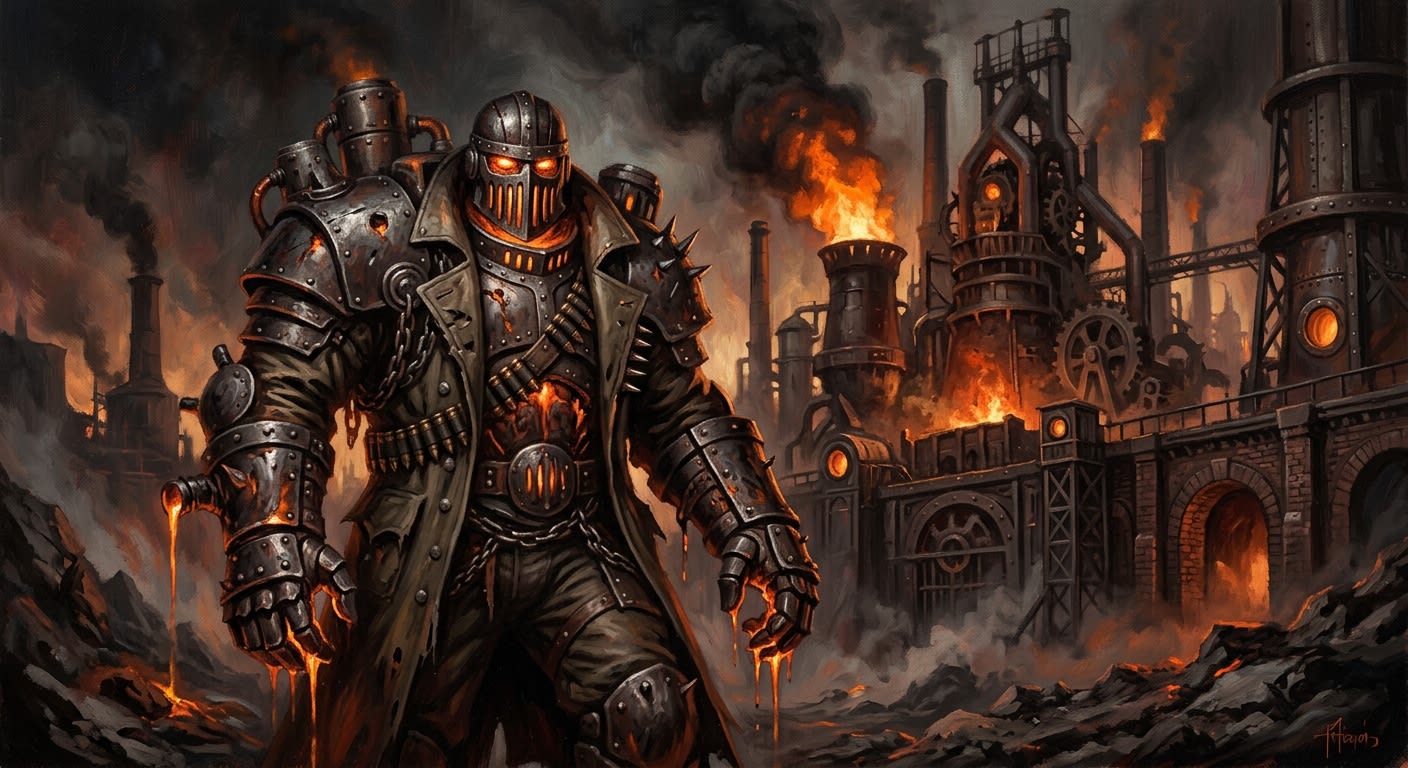
Maldrake, the Wrathforged
The fire does not care what it was given to burn.
Sin-General of Wrath: architect of the Eternal Forges, commander of the Hellbow Legion, fourteen confirmed breaches of the Sagittal Line. The fire that outlived its cause and kept marching.
Codex Ref. IV.1.07-003
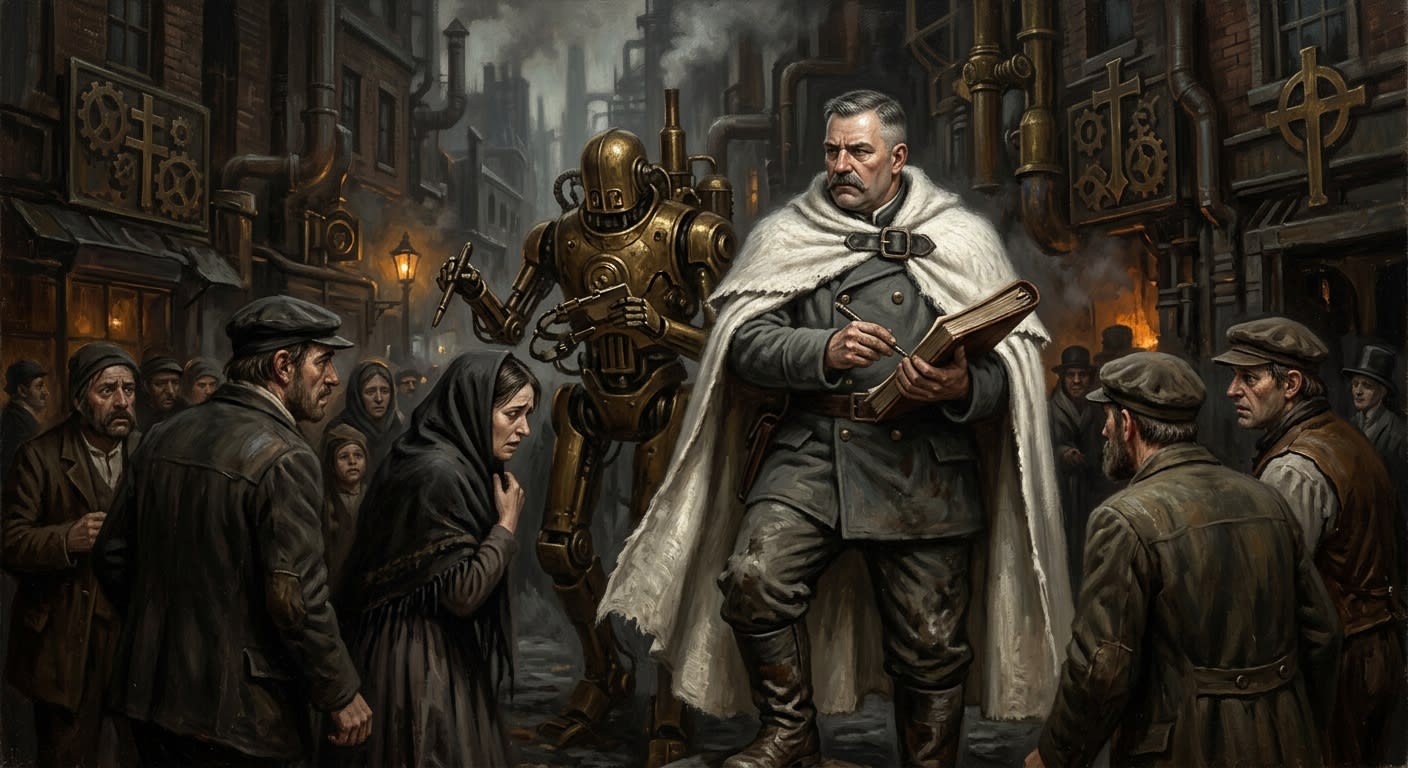
Mandatum Candoris
The decree by which terror learned to wear white
Hildegarde of Mainz's A.S. 62 decree requiring visible white mantles for Bureau of Purity field agents, making correction legible before it struck.
Codex Ref. XIII.1.88-062
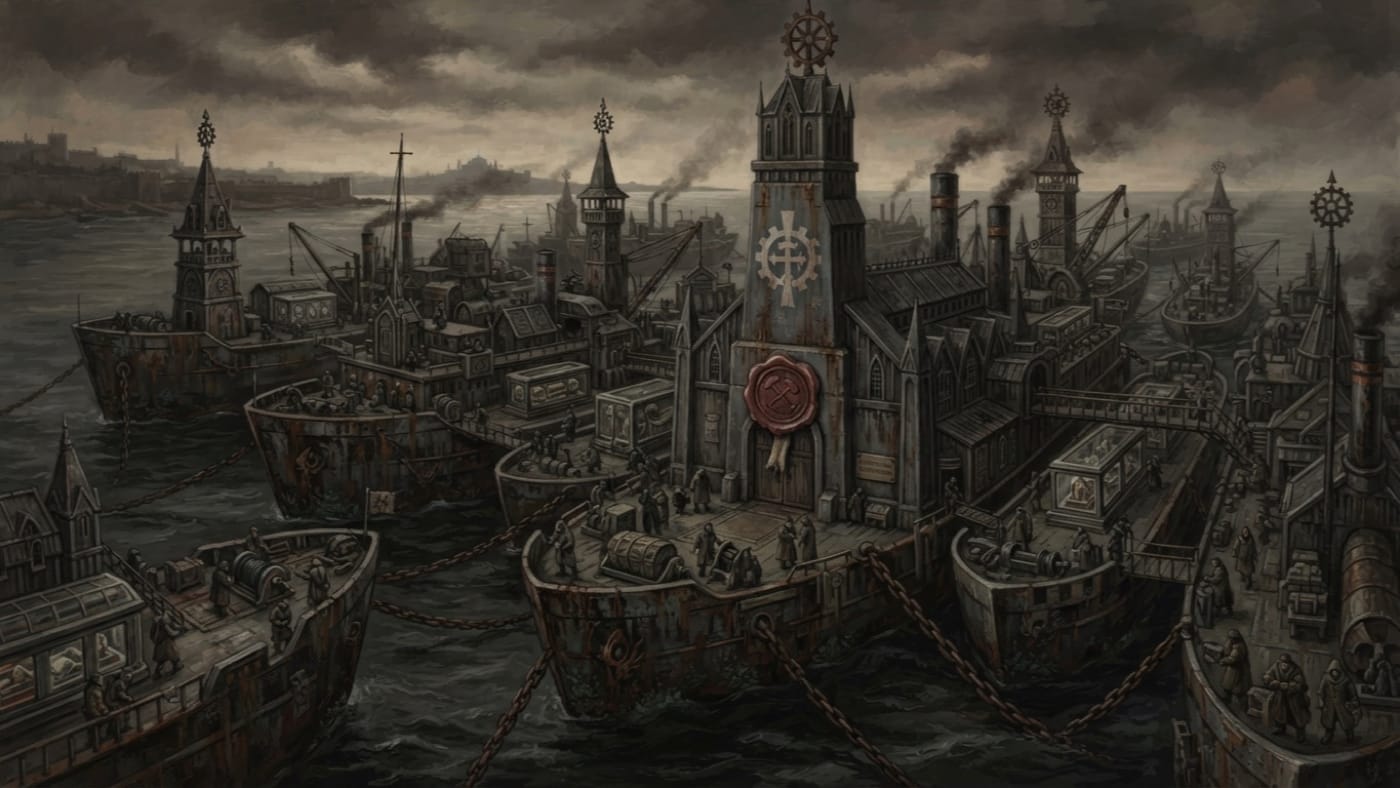
Maritime Reliquary Charter
Operational, conditionally. The condition is not stated.
The Flotilla governs in the name of a charter filed in A.S. 72. Nine pages of the founding record are absent; the joint seal survives. Operational, conditionally. The condition is not stated.
Codex Ref. XIII.1.72-001
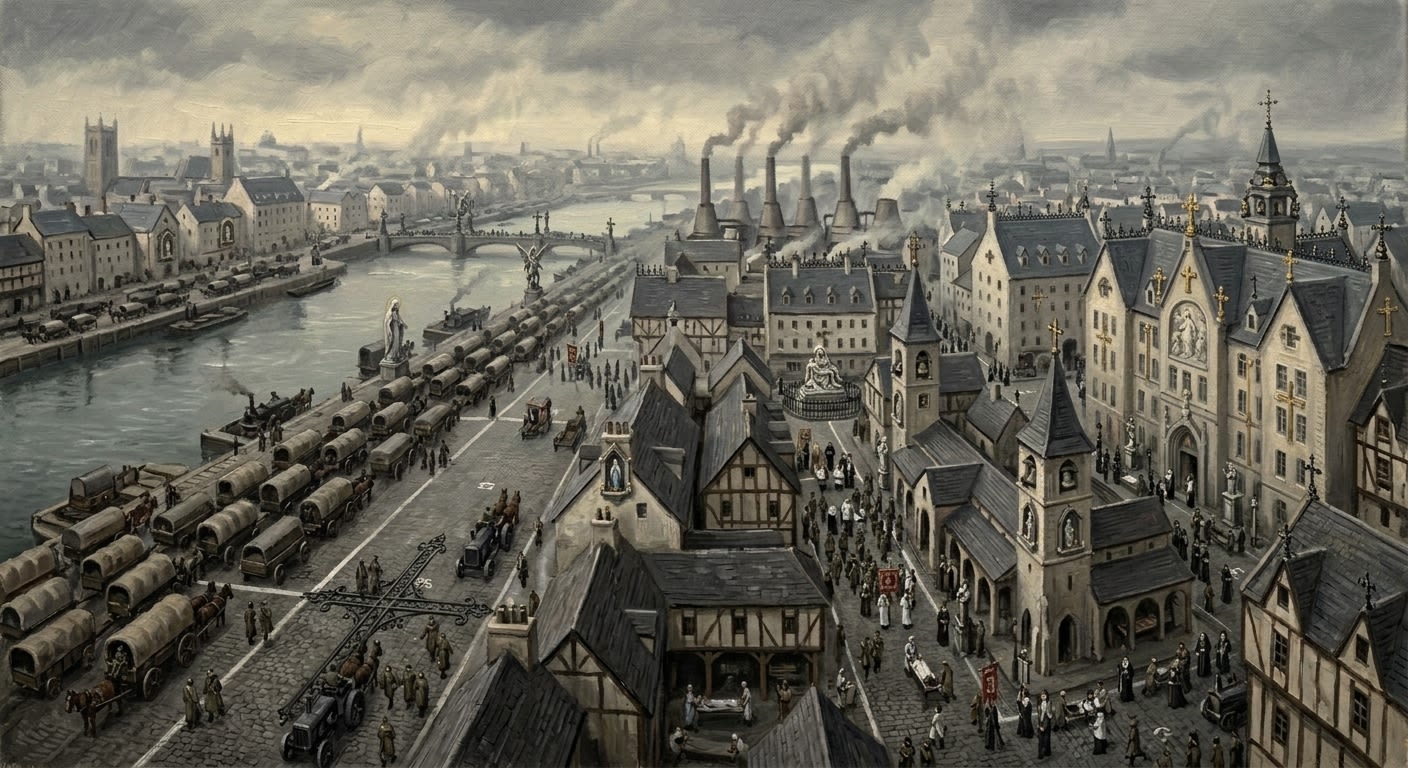
Marrowgate
The Inland Medical Port — where the broken are filed, the dead are processed, and the paperwork outlasts both
The Synod's proudest logistical confession: an inland port that converts the Line's broken men into administrative order. At Marrowgate, the ledgers are more reliable witnesses than the bodies, and the dead are meticulous auditors.
Codex Ref. III.3.07-001
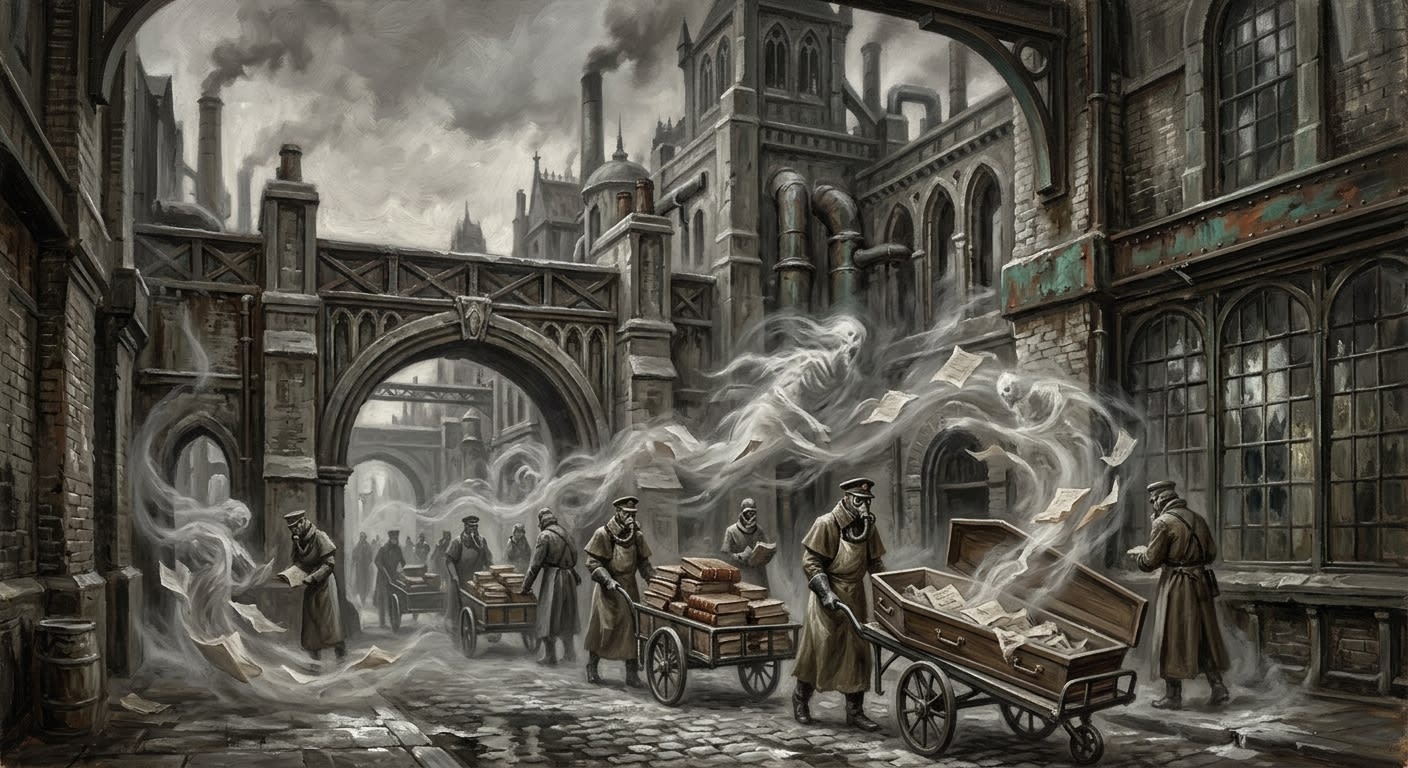
Marrowwind
The dead file amendments in lime and breath
At Marrowgate, chalk wind carries the voices of the dead, corrects fraudulent ledgers, and proves that a corpse with paperwork remains a witness.
Codex Ref. XIII.1.20-001

Marseille
Salt, pilgrims, and a territorial dispute the [[bureau-of-records|Bureau of Records]] has declined to arbitrate
The Synod's southern mouth — 650,000 souls between limestone and salt water, two competing Bureaus sharing a harbour they cannot agree on.
Codex Ref. II.4.09-012
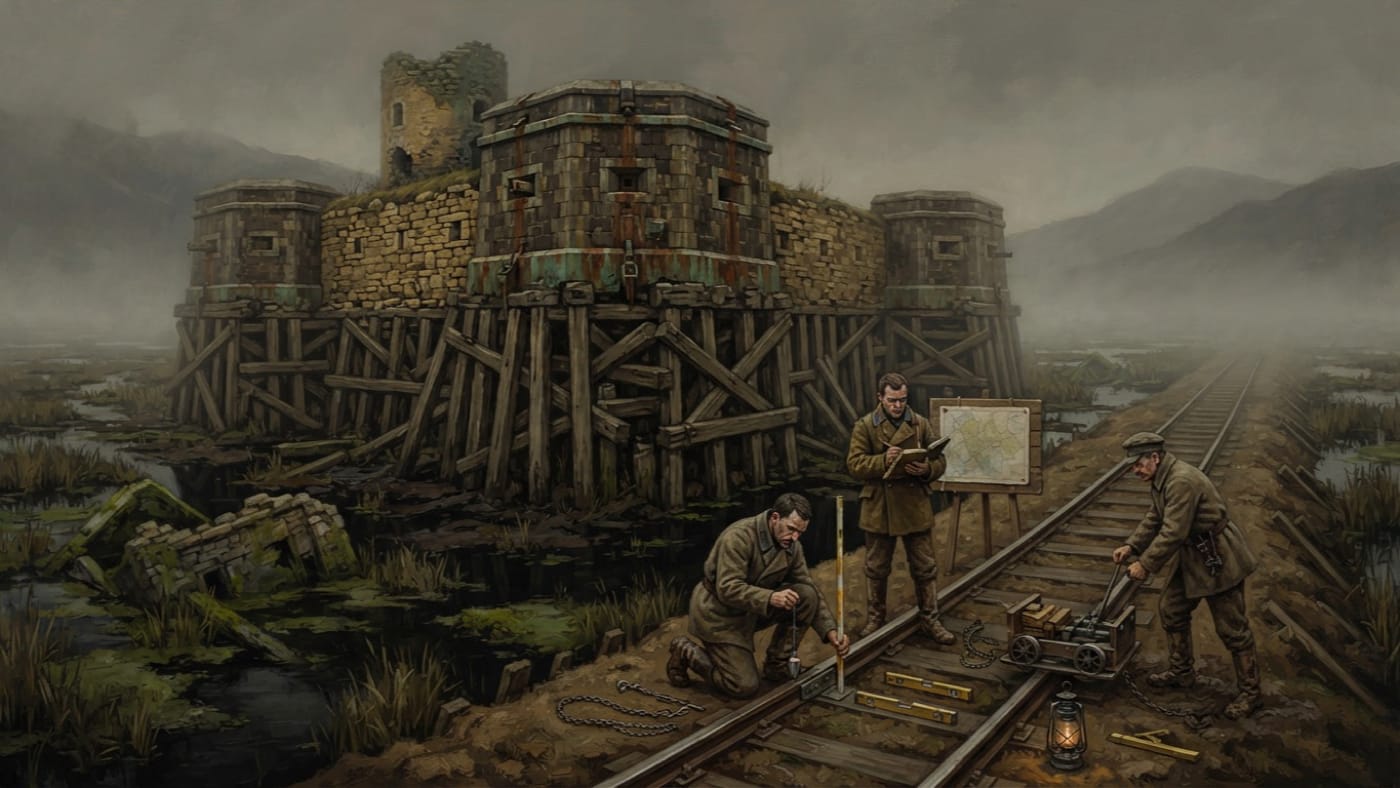
Marsh Cartography Division
The Piles Have Outlasted the Paperwork
The Division shares credit with the Litany-Engineers for Shipka's first architecture. Its charter, command and fate remain unrecorded. The piles have outlasted the paperwork.
Codex Ref. VIII.2.09-072
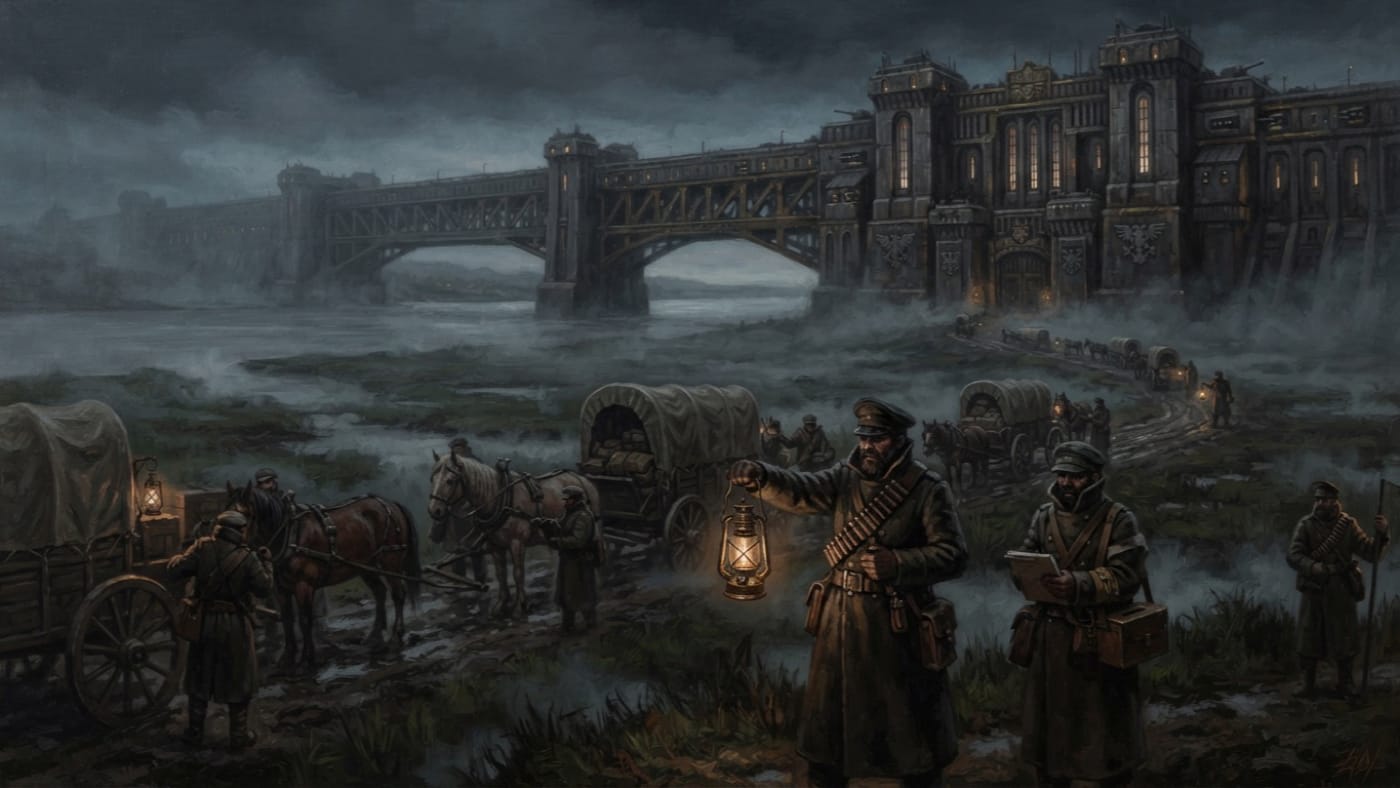
Marsh Lanterns
The lamps show the road; the militia names the price
An A.S. 201 survey of Brest's floodplain militia: lantern signals, marsh routes, toll ambushes and escort fees, tolerated by the Commandant when useful. Protection from bandits is the public claim; extortion is the business.
Codex Ref. VIII.5.05-002
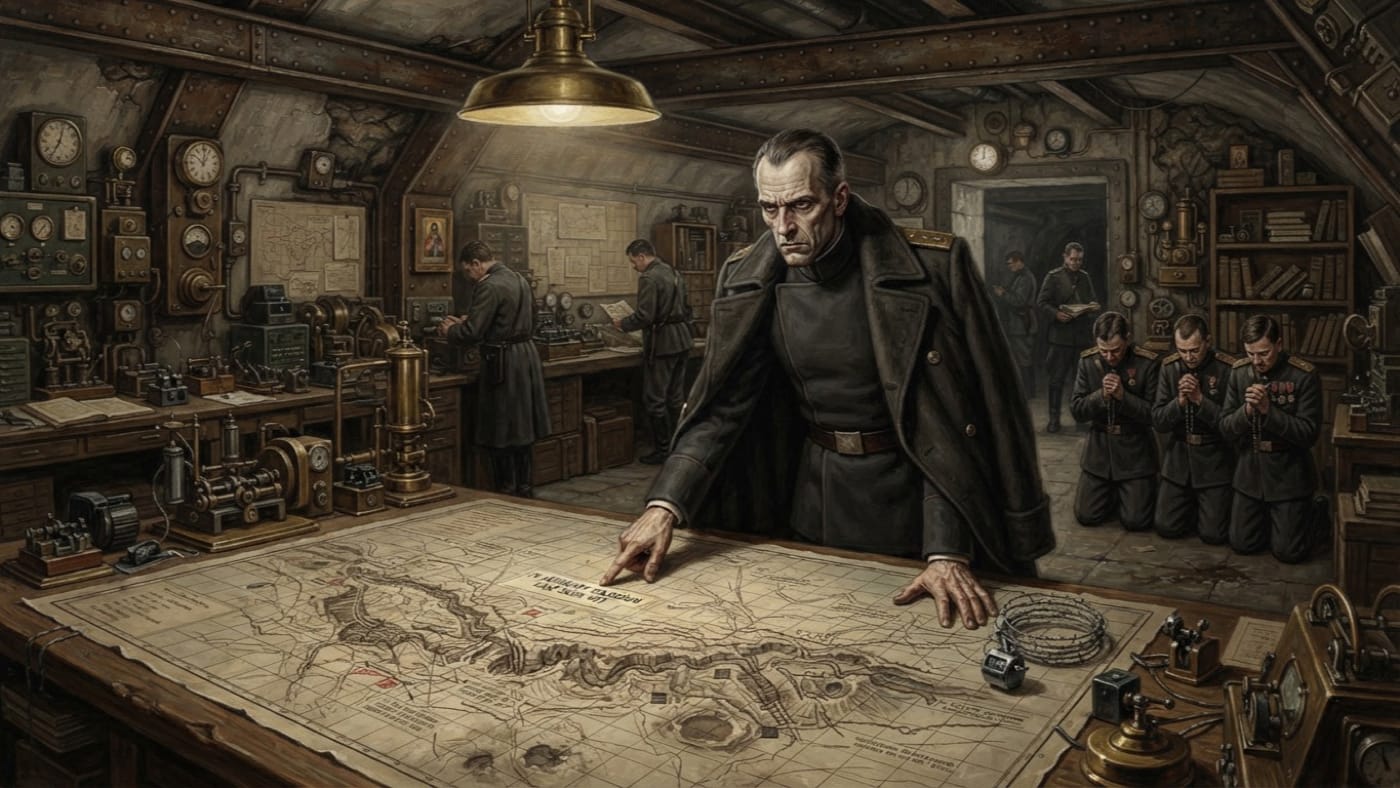
Marshal Vaubret
He counts the wire; his officers supply the prayers
Marshal-Elector Galien Vaubret commands the Thracian theater beneath Bastion-Constantinople. He counts wire; his officers pray for him. Two Bureaus dispute whether this is sufficient.
Codex Ref. III.2.02-018
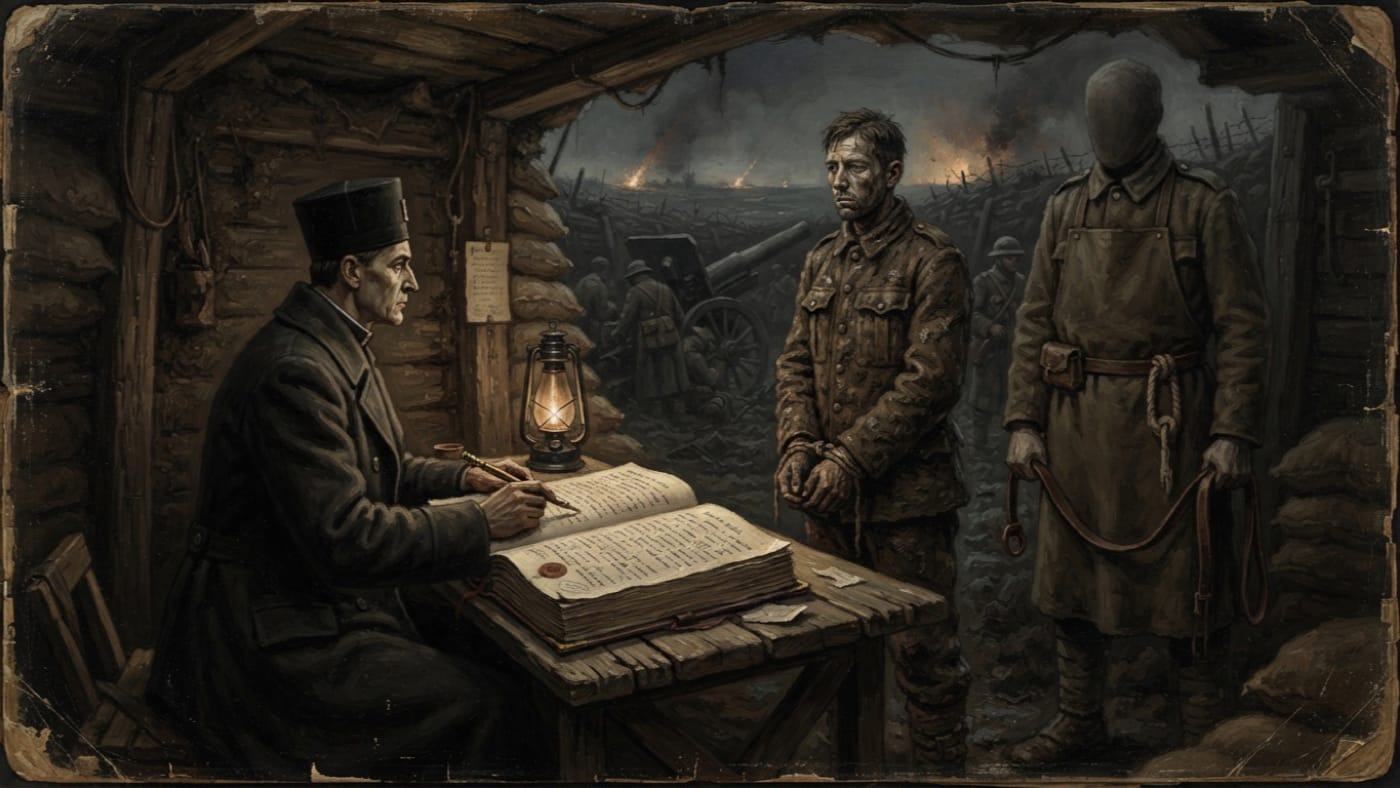
Martial Code
The Bureau hears the oath and notarises the silence.
In this A.S. 201 survey I follow the Martial Code from witnessed service to notarised silence. The military oath-breach penalty stands; the Bureau calls its use rare. The Code's origins remain unestablished.
Codex Ref. XIII.1.01-001
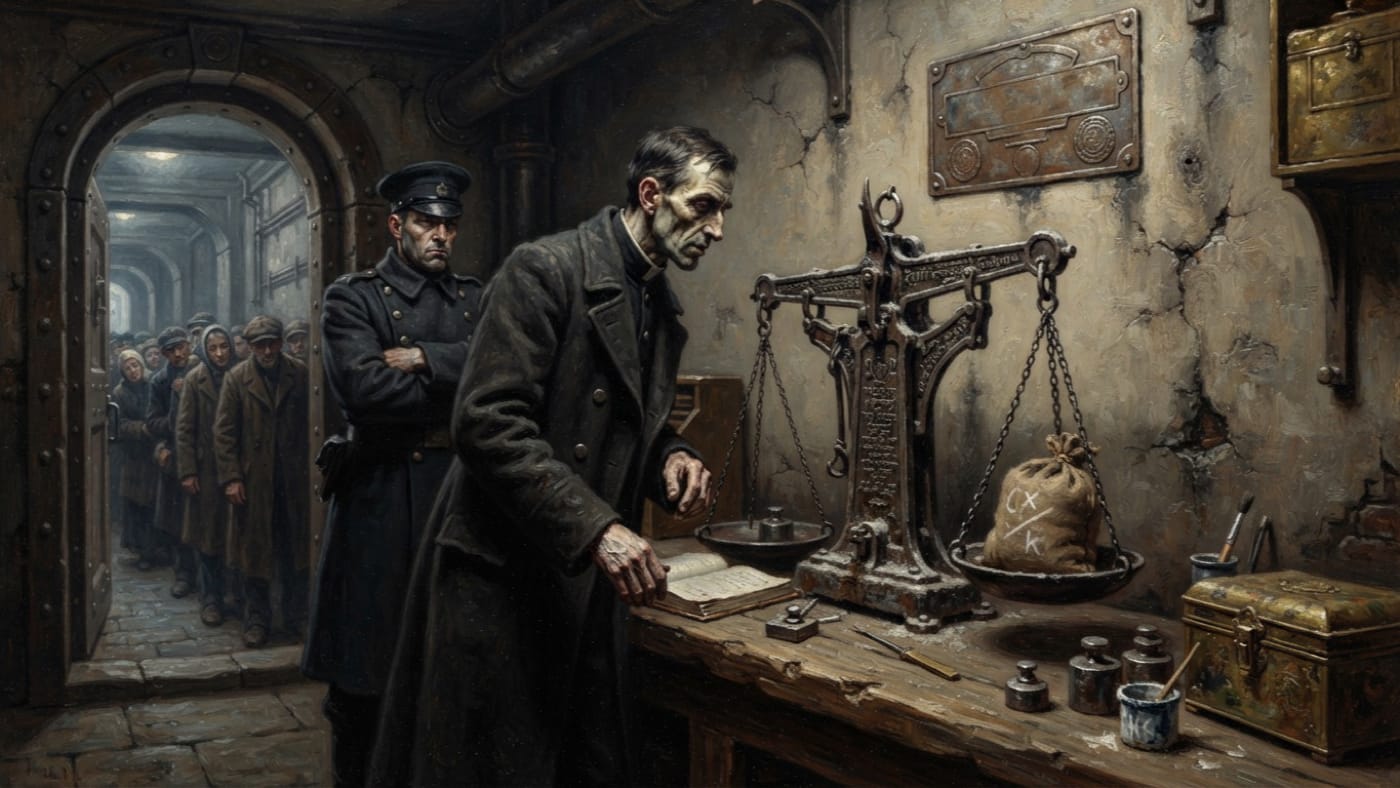
Martial Code 14-A
The zero is sacred. The hand that alters it is answerable.
Martial Code 14-A makes tampering with a sanctified scale spiritual contamination. The notice names the offence; the full text and prescribed sentence remain beyond my ledger.
Codex Ref. XIII.1.14-001
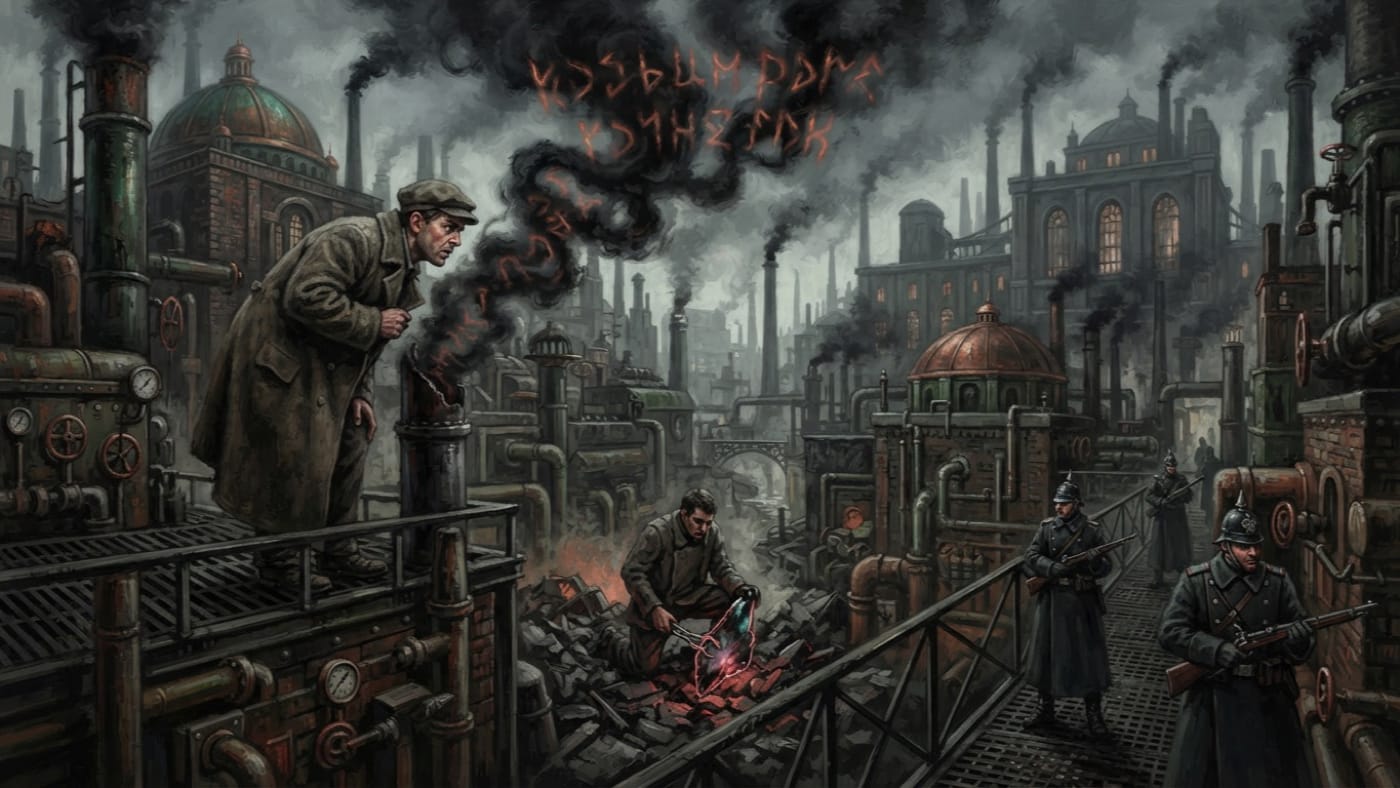
Martial Code 22-A
The smoke may write. The reader must answer.
Martial Code 22-A names voluntary spiritual contamination: reading smoke-text and specified demon-glass recovery under Standing Order 14-K. I hold the citations; the full Code and its prescribed sentence remain beyond my desk.
Codex Ref. XIII.1.22-001
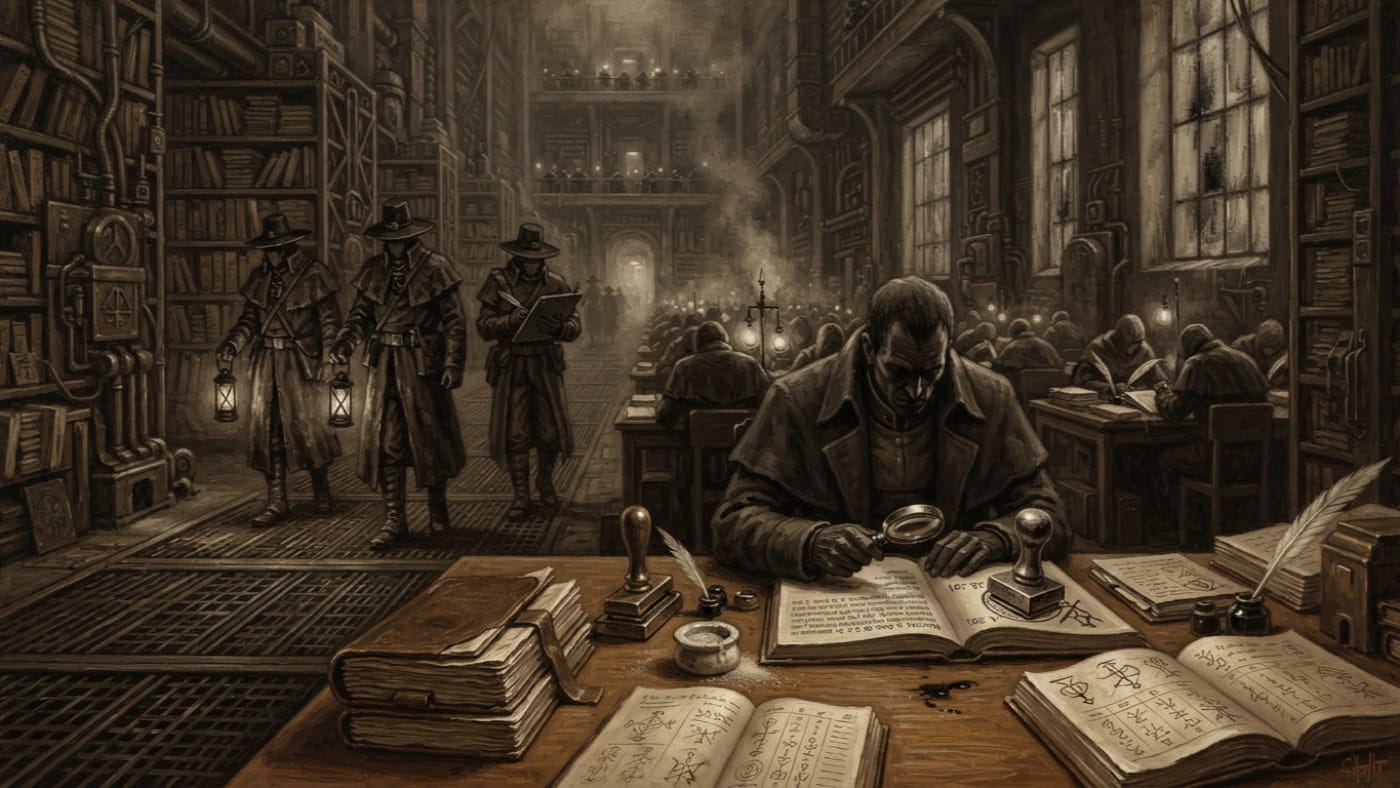
Martial Code 22-B
The thirty-first licensed name turns a tolerated Circle into an unauthorised gathering.
Under Standing Order 14-V, a Circle exceeding thirty licensed operatives becomes an unauthorised gathering under Martial Code 22-B. I hold the citation; the Code's full text and penalty remain beyond my desk.
Codex Ref. XIII.1.22-002
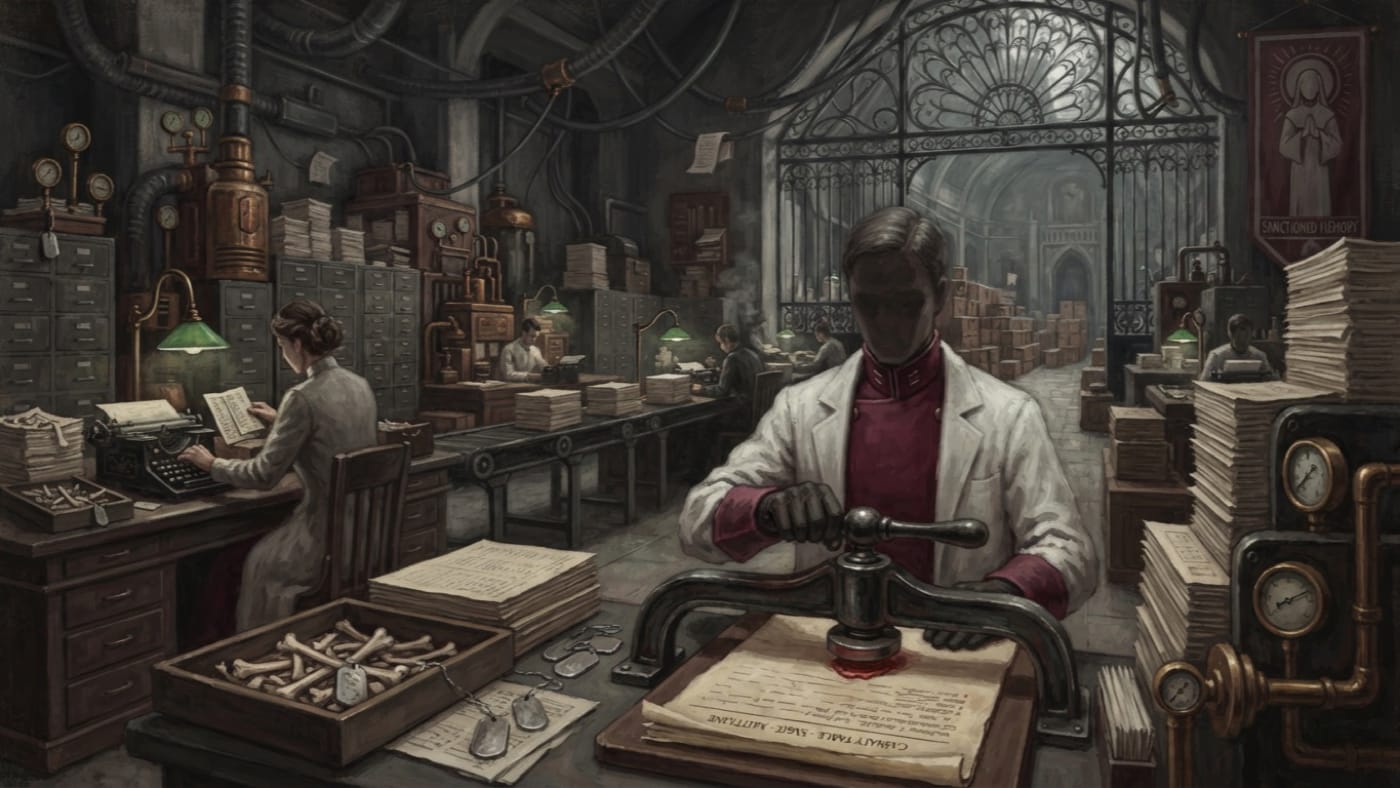
Martyrdom
The dead remain useful until their paperwork fails
The Seal of Martyrdom governs the Synod's recorded dead, sanctions their memory and commands the Bureau of Relics. War supplies names; Martyrdom decides what the parish may say.
Codex Ref. VIII.1.10-201
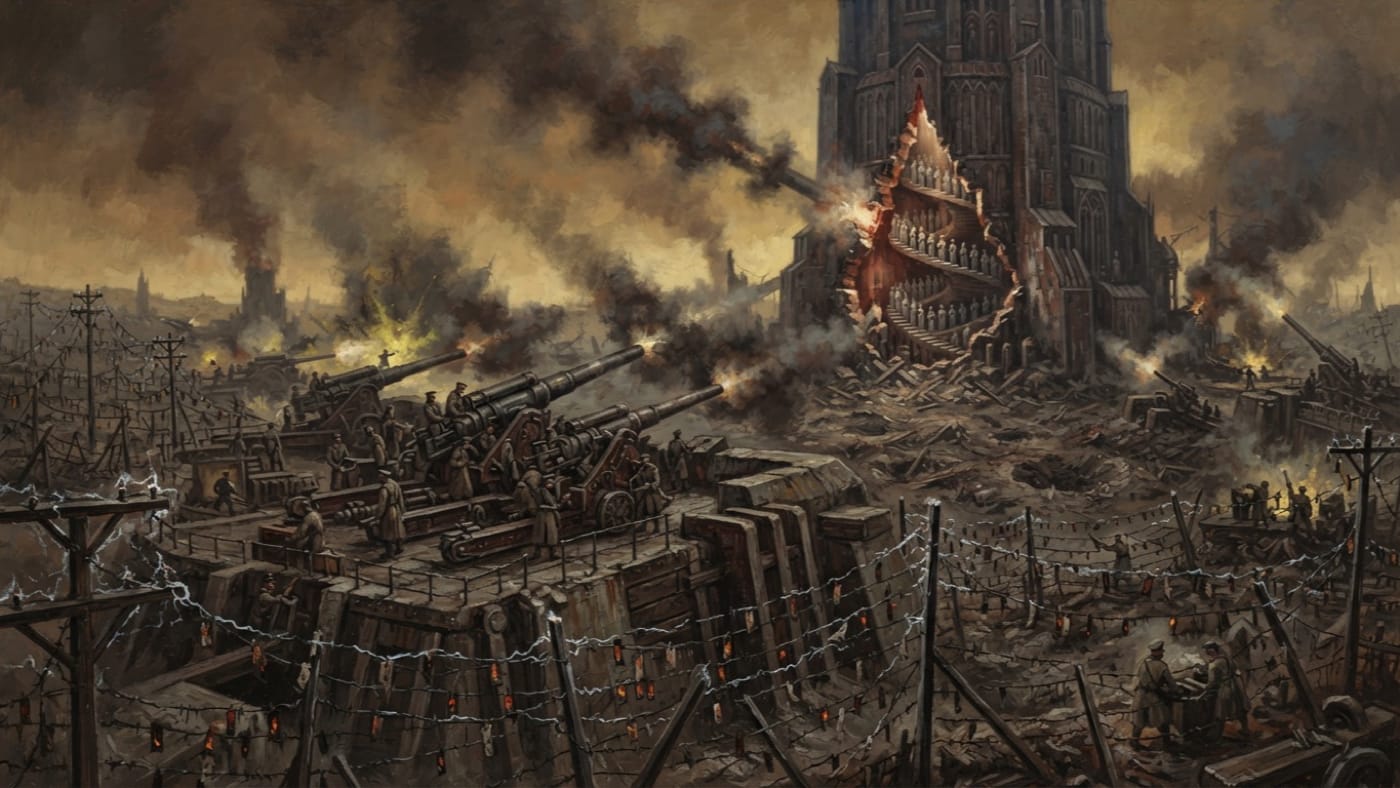
Martyrs' Teeth
One shell opened the tower; the salient brought it down
Przemyśl's heavy-gun platform opened the Spire-Crusher's westward face during the A.S. 195 Nine-Hour Rubric. One breach belongs to Martyrs' Teeth; the fall belongs to the salient.
Codex Ref. II.4.09-195
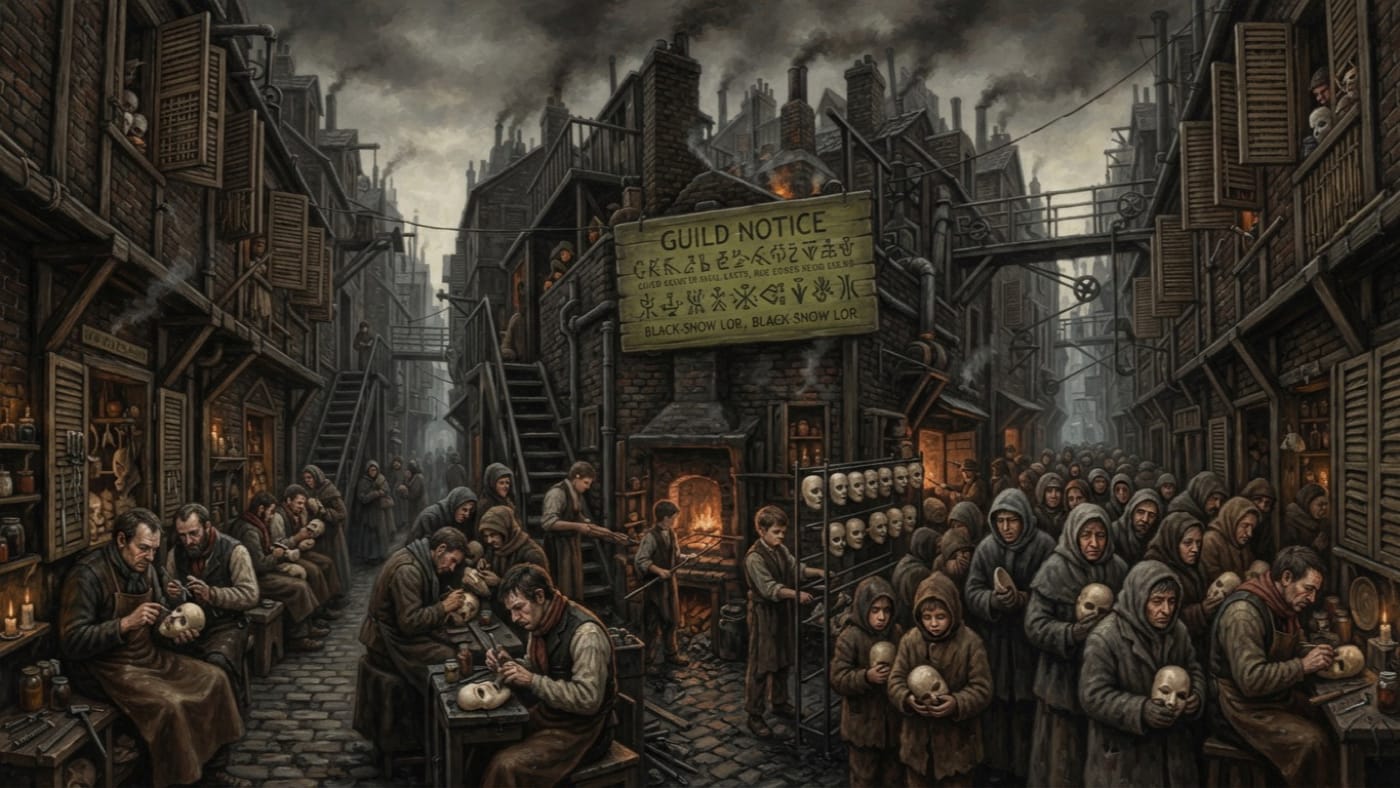
Maskers' Row
The face of Lor's monopoly on breath
Maskers' Row carves Black-Snow Lor's bone respirators under Guild monopoly. Its kilns remain lit while a threatened stoppage teaches the town the price of air.
Codex Ref. II.4.08-006
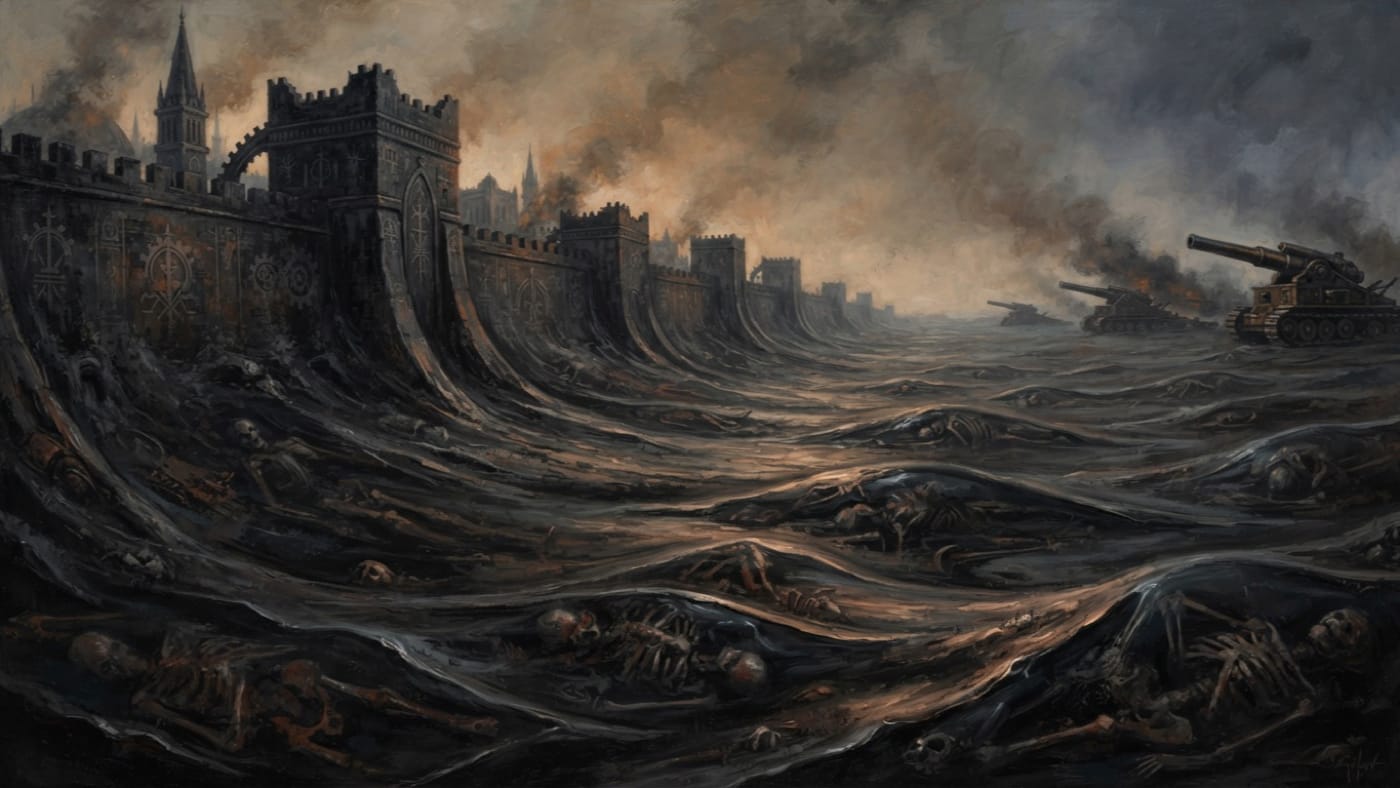
Massacre at old Constantinople
The guns left black glass; the living supplied a parish
An A.S. 201 survey of the Glass Parish account: a mistimed barrage at old Constantinople, a regiment reported vaporised, and prayers that survived. The massacre itself remains undated.
Codex Ref. VII.8.10-201
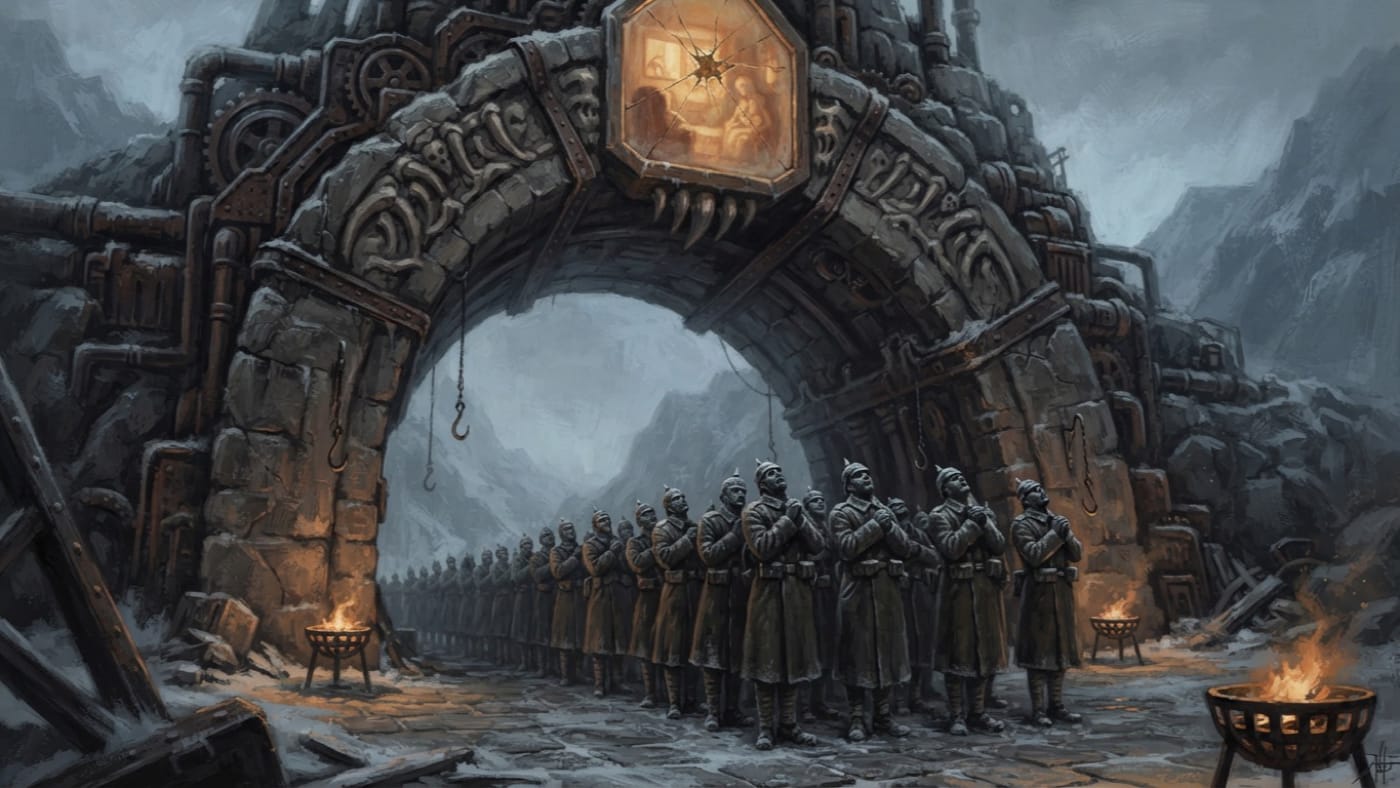
Massacre Beneath the Span
The Arch kept silent; the offices supplied the verdicts
Survey of A.S. 201: one levy company froze upright beneath Harrowglass Arch. War filed weather attrition; Doctrine called it a zealous freeze. The year is withheld, the cause undetermined, and passage remains mandatory.
Codex Ref. VII.8.10-1776
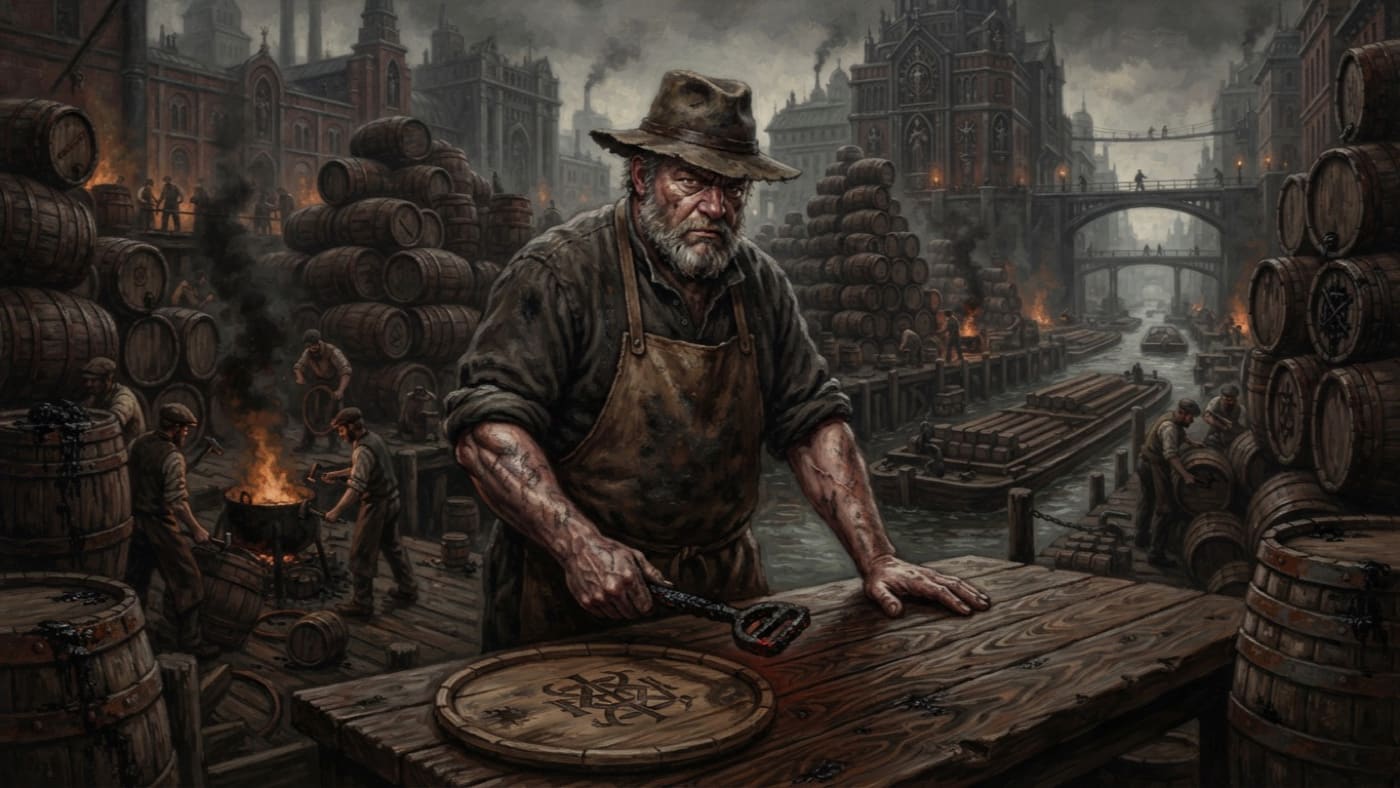
Master Cooper Vell Arno
The Line requires his barrels; the audit can wait.
Vell Arno controls Mournwater's barrels and six weeks of the Line's patience. His casks hold; the Cooperage Audit remains pending.
Codex Ref. III.2.01-201
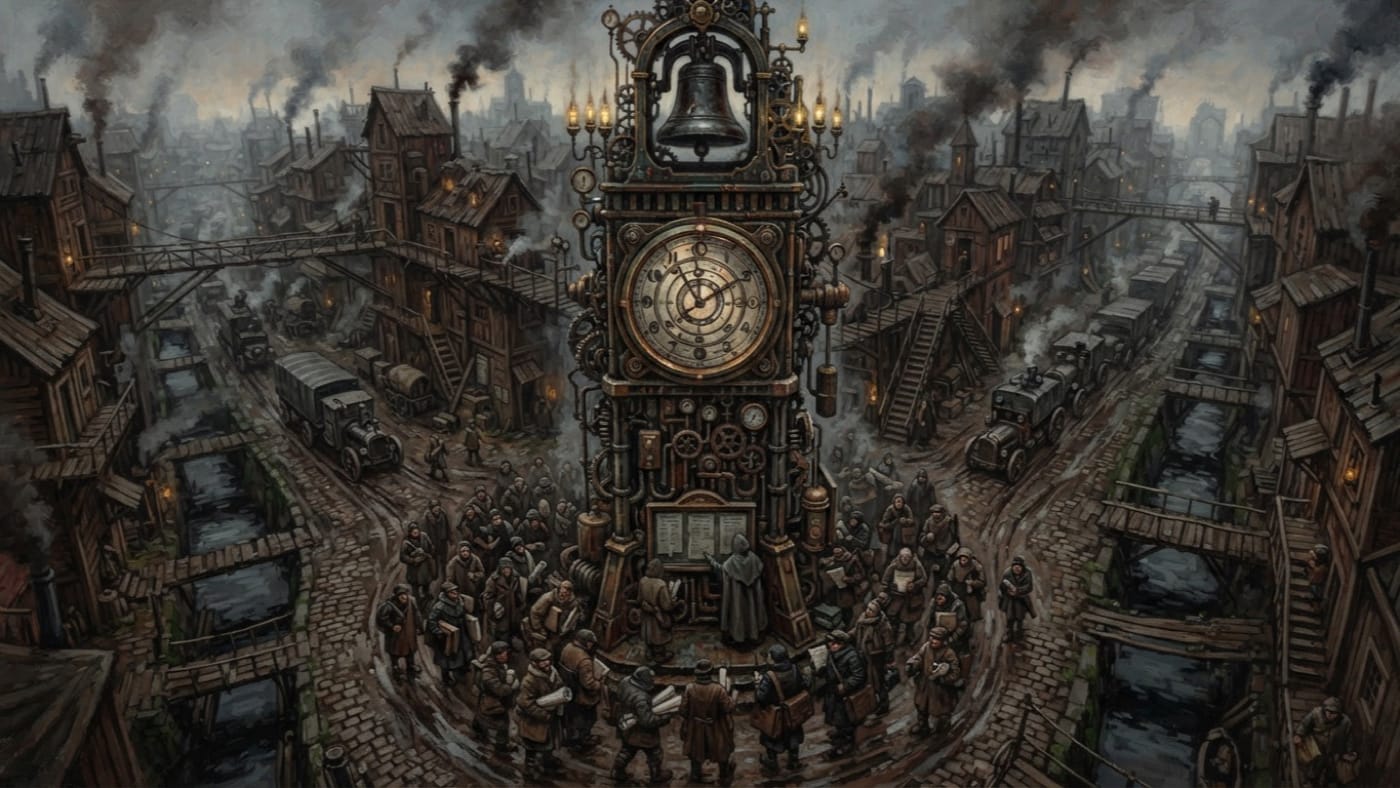
Master Gate Clock
The bell closes the window. The report closes nothing.
Latchford's Master Gate Clock governs transit windows with a bell that drifts and remains legally valid. Nine inspections are filed; the allegation that it is fed remains unanswered.
Codex Ref. II.4.08-002
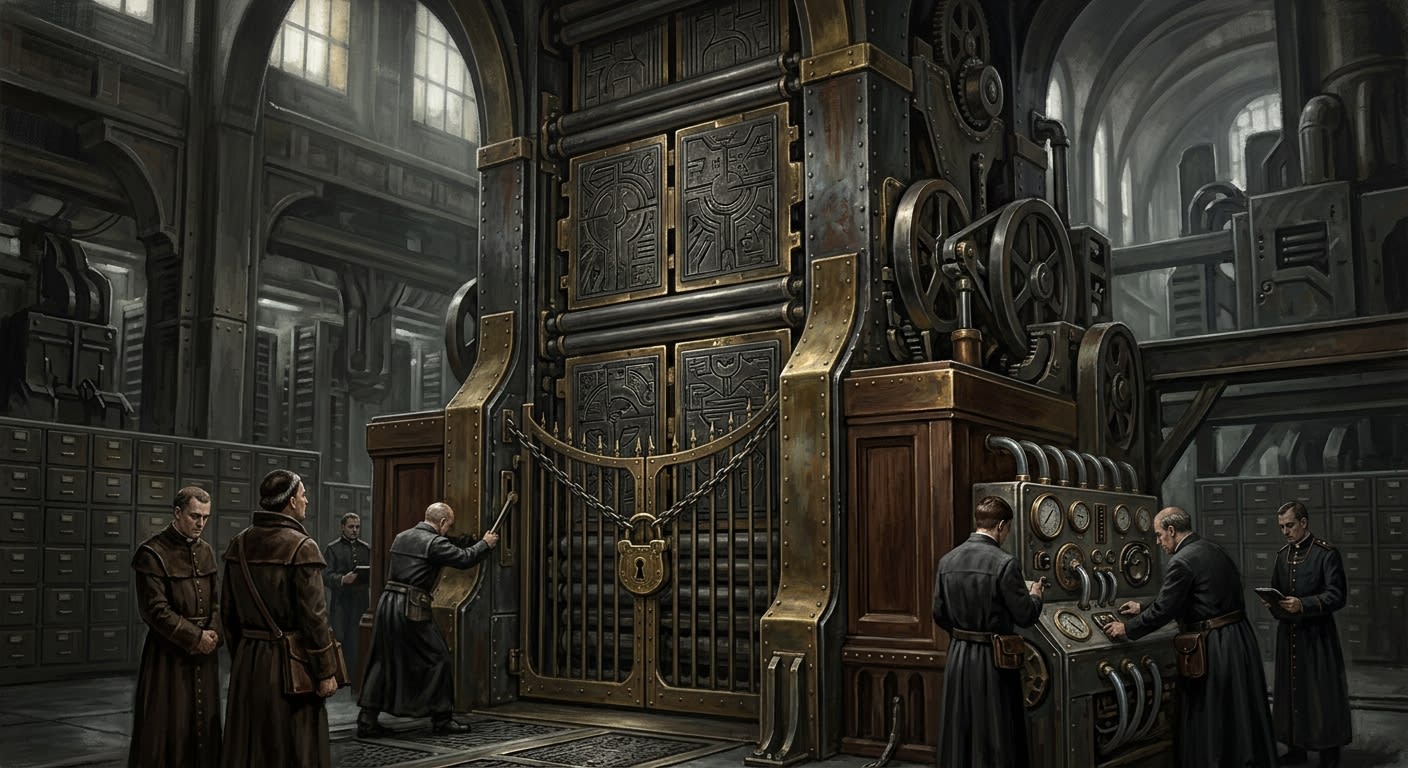
Master Hymnal Plates
The steel throat from which obedience descends
The Master Hymnal Plates are Orison's locked throat: steel scripture, legal ancestor, and the correction by which yesterday's mouths become wrong.
Codex Ref. XIII.1.96-092
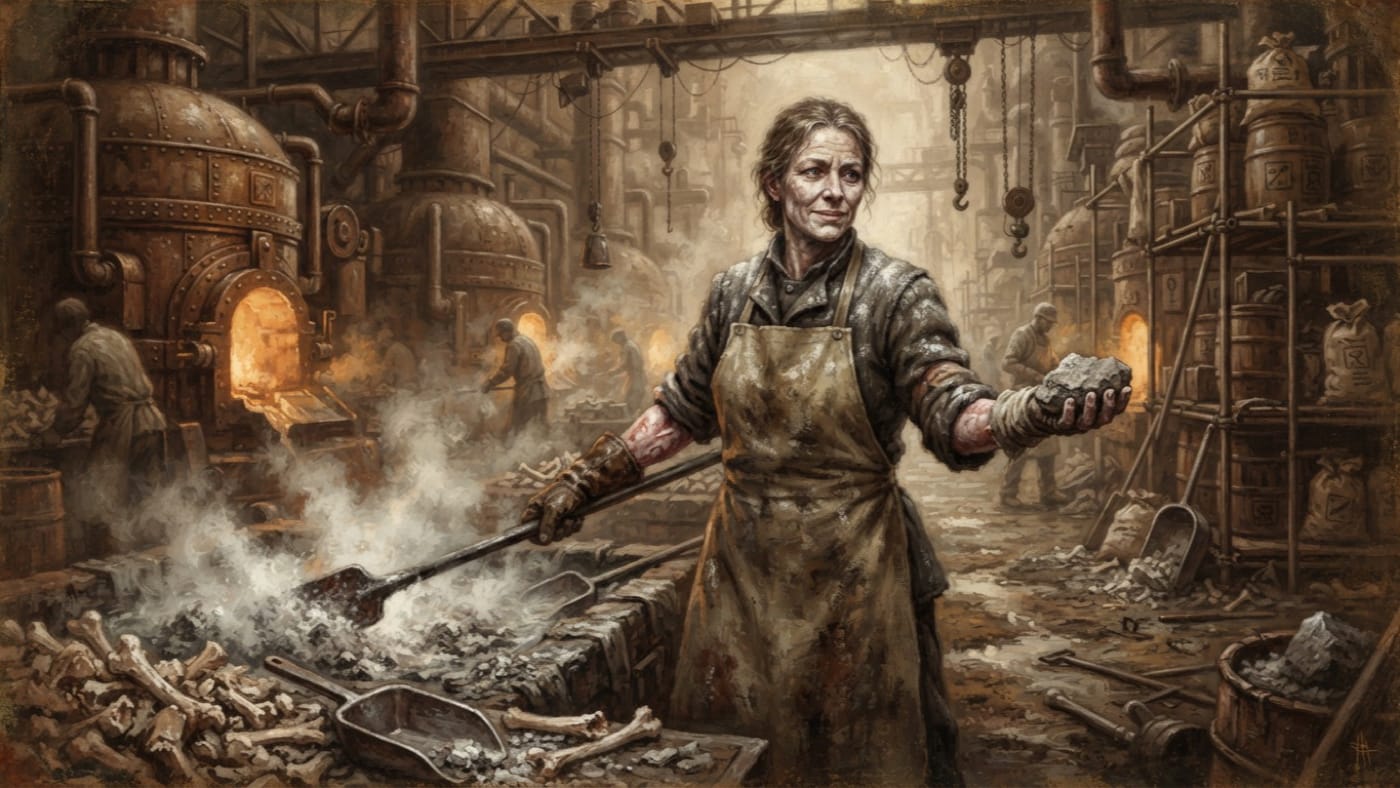
Master Melter Gretz
One name, one rank, one encounter in the kiln steam
At Bastion-Przemyśl in A.S. 194, Master Melter Gretz handed me mortar she identified as Saint Ephraim's leg. I record her station and her laugh. The Ledger supplies no later service record.
Codex Ref. III.2.01-194
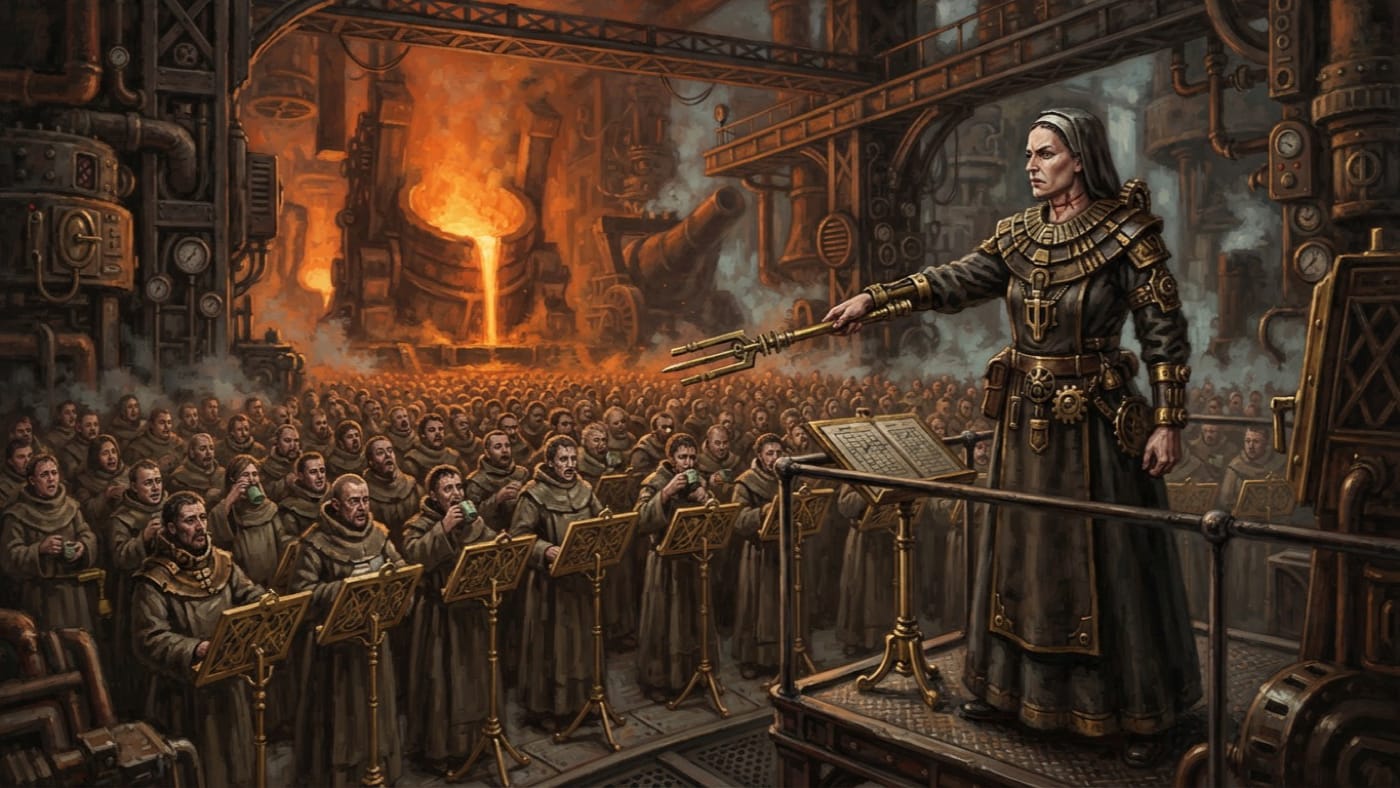
Master-Calibrator Sister Rauth
The furnaces may hurry. The song may not.
Master-Calibrator Sister Rauth governs Essen's calibration choirs, audits its suspect stanzas, and refuses the faster tempo Strasbourg demands. The Line waits upon her baton.
Codex Ref. III.2.01-154
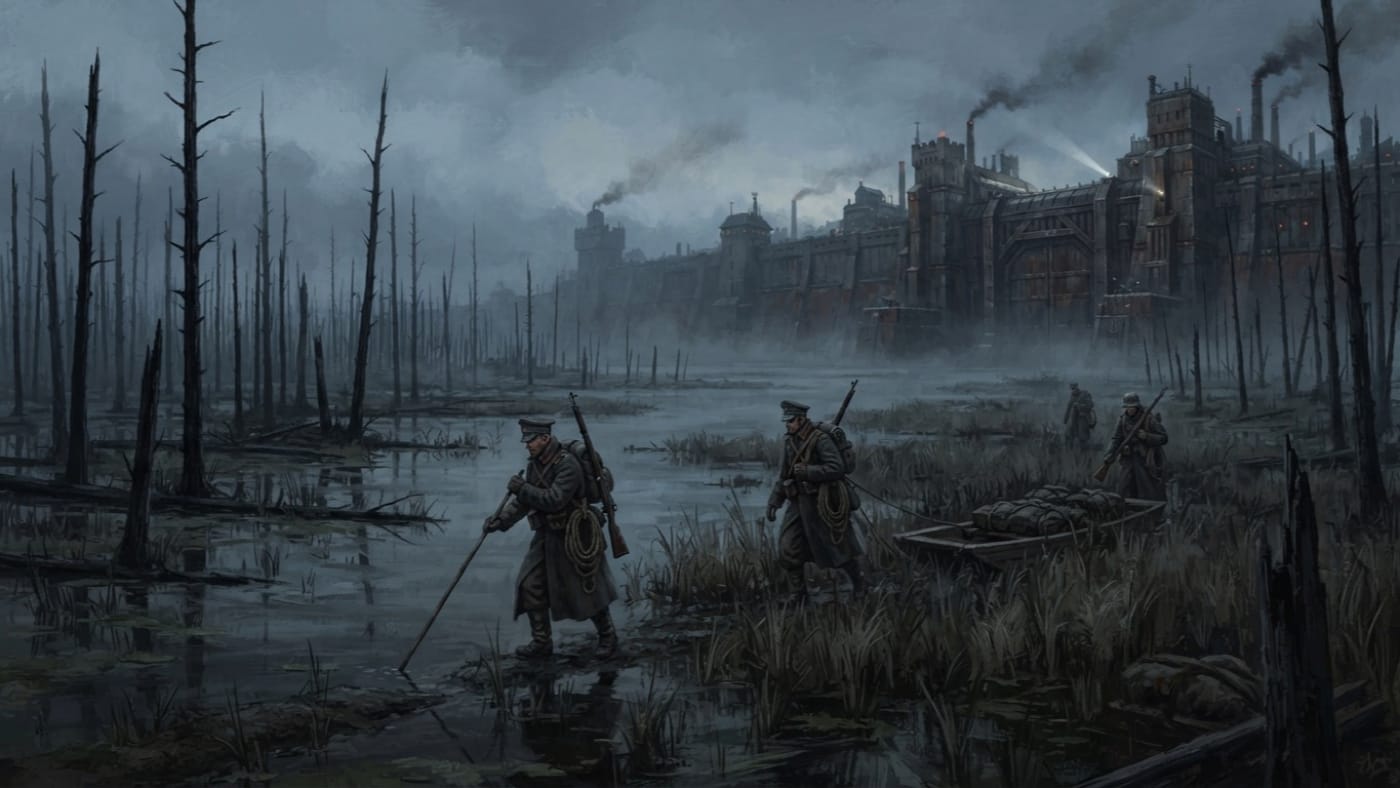
Masurian Lake District
The Drowning Garden, Where the Moat Becomes a Road
Königsberg's eastern moat of lakes, reeds and drowned forest, guarded by the Masurian Watchers. Summer breaks columns; winter offers roads. Seven canonical maps disagree.
Codex Ref. II.4.07-201
Masurian Lakes
Seven maps disagree; the Watchers still know the way
Bastion-Königsberg's outer maze is held by the Masurian Watchers under separate doctrines for water and ice. Seven canonical maps disagree; Halvorsen lets fog pursuit outrank the bell-schedule.
Codex Ref. II.4.07-069
Masurian Watchers
The lakes have their paths; the Bureau has its suspicions
The Masurian Watchers hold Königsberg's lake approaches by reed-pattern, bird-call and notched stakes. War depends on their knowledge; Purity has cleared their captain nine times and remains suspicious.
Codex Ref. VIII.5.05-003
Matej Ors
The train passed; the file remains open
Junior hammer, twenty-three, assigned from Sofia to the A.S. 191 Southern Spur crew. Last seen beside the ballast with a spike in his left hand. The train passed; nobody was sent. His fate remains unconfirmed.
Codex Ref. III.2.01-191
Mawwheel
Each Slaughter Fuels the Next
Kargath's colossal wheel of iron and flesh grinds armies beneath iron fangs and devours the slain as fuel. Its maker and first appearance remain blank in the ledger.
Codex Ref. IV.1.07-494
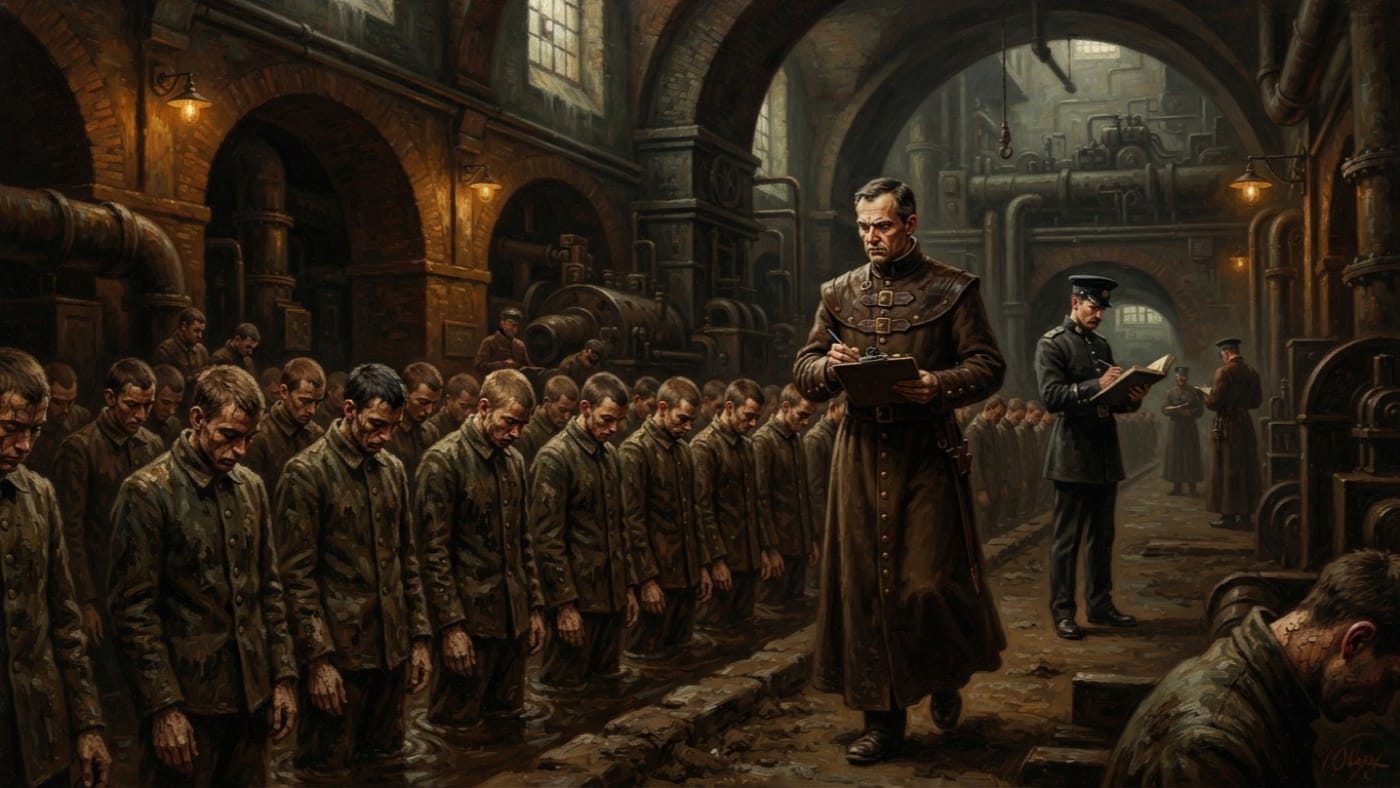
Medical Annex 44-C
Seventeen cases, one corrected sentence
Medical Annex 44-C survives through Stuttgart's broadsheet correction: trench rash, fungal bloom and seventeen cases of devotional fever. The A.S. 201 survey records amended promises and unchanged mud; the annex's issue date remains unrecorded.
Codex Ref. XIII.1.91-044
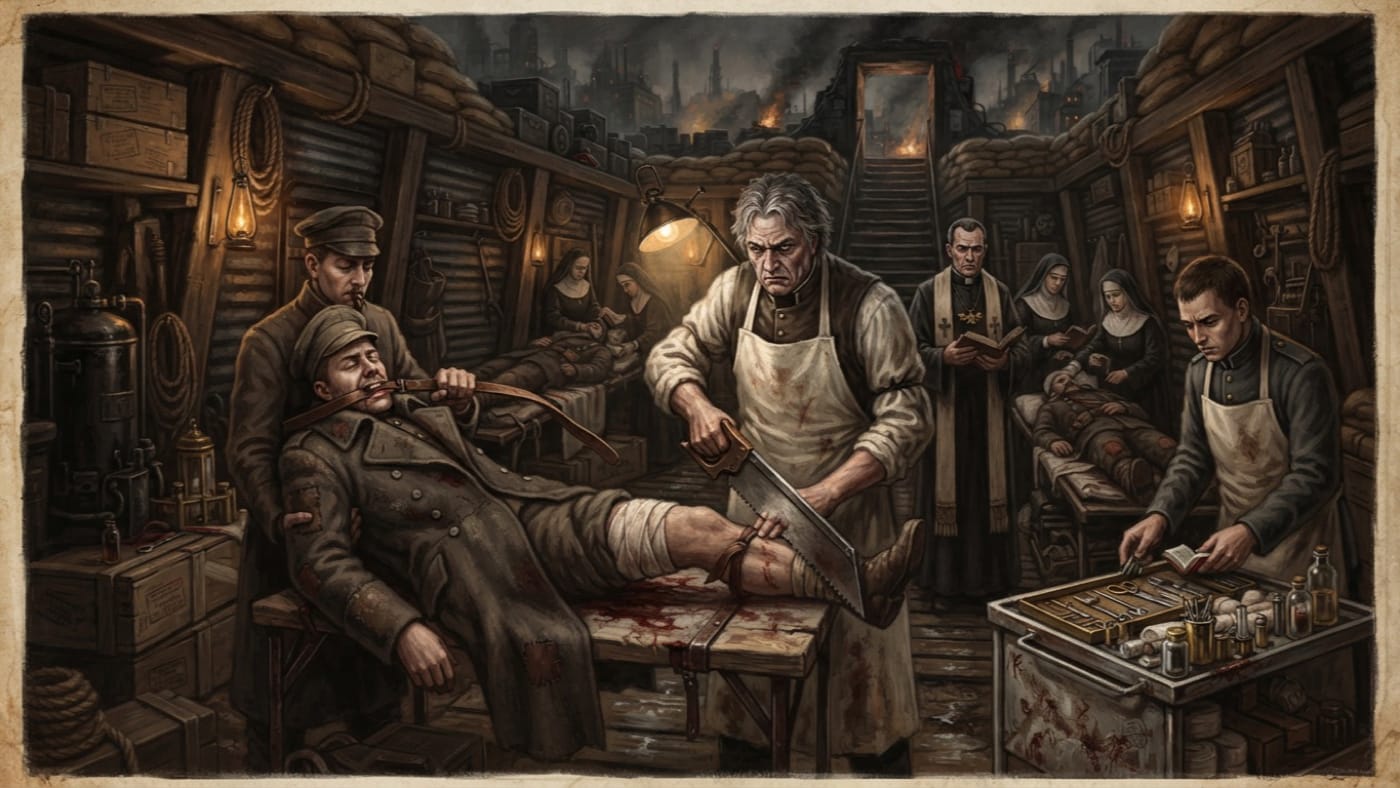
Medical Directorate of the Bureau of War
The surgeons arrived before the charter.
First recorded in A.S. 82, the Medical Directorate is the older name of the Bureau of Medicine. Its surgeons treated the wound before the confession ended. The charter followed ten years later.
Codex Ref. XII.7.09-045
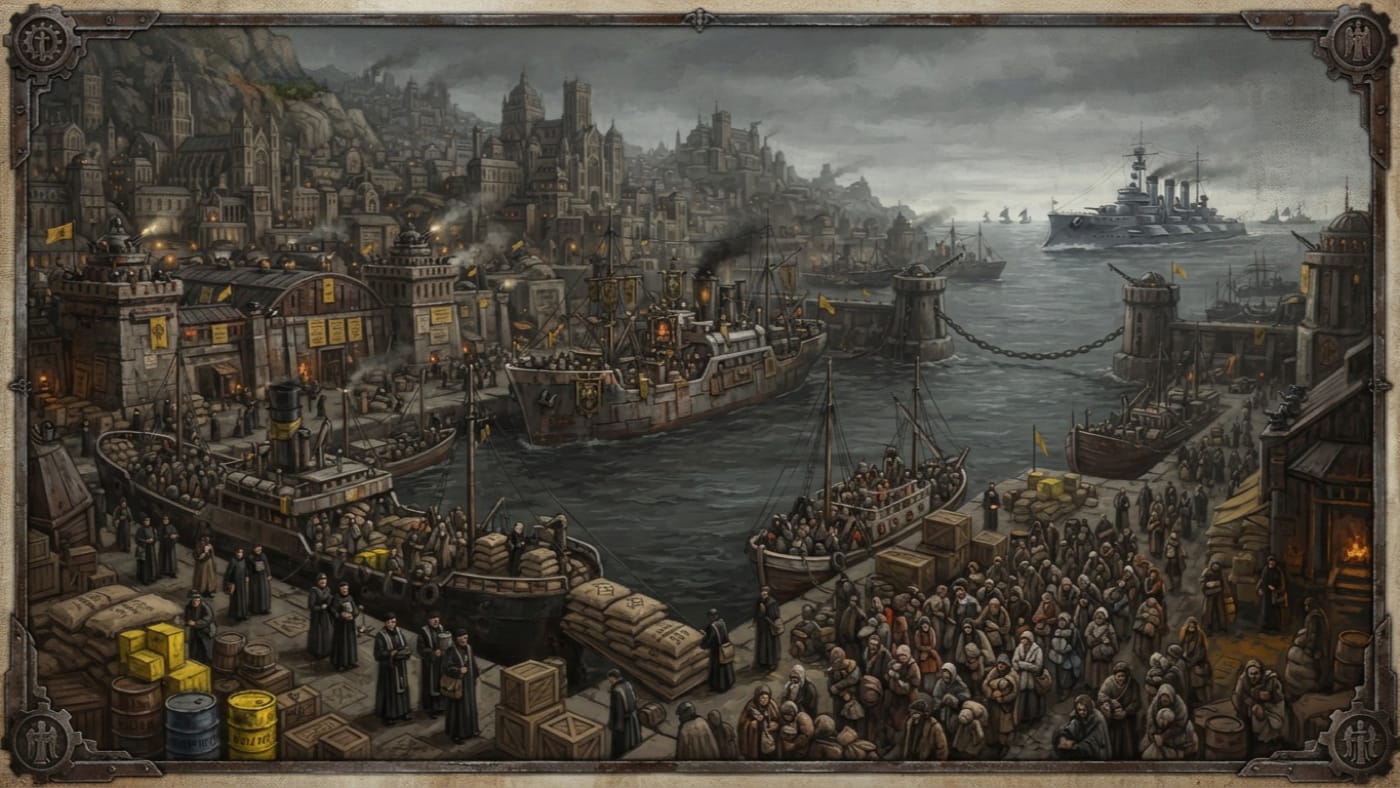
Mediterranean
The oldest road the Church holds, and the only one it cannot pave
The Mediterranean feeds the southern Line with grain, shot and pilgrims. Rival ports tax the passage, quarantine the passengers and leave room for contraband. The sea takes its share without a receipt.
Codex Ref. II.7.01-201
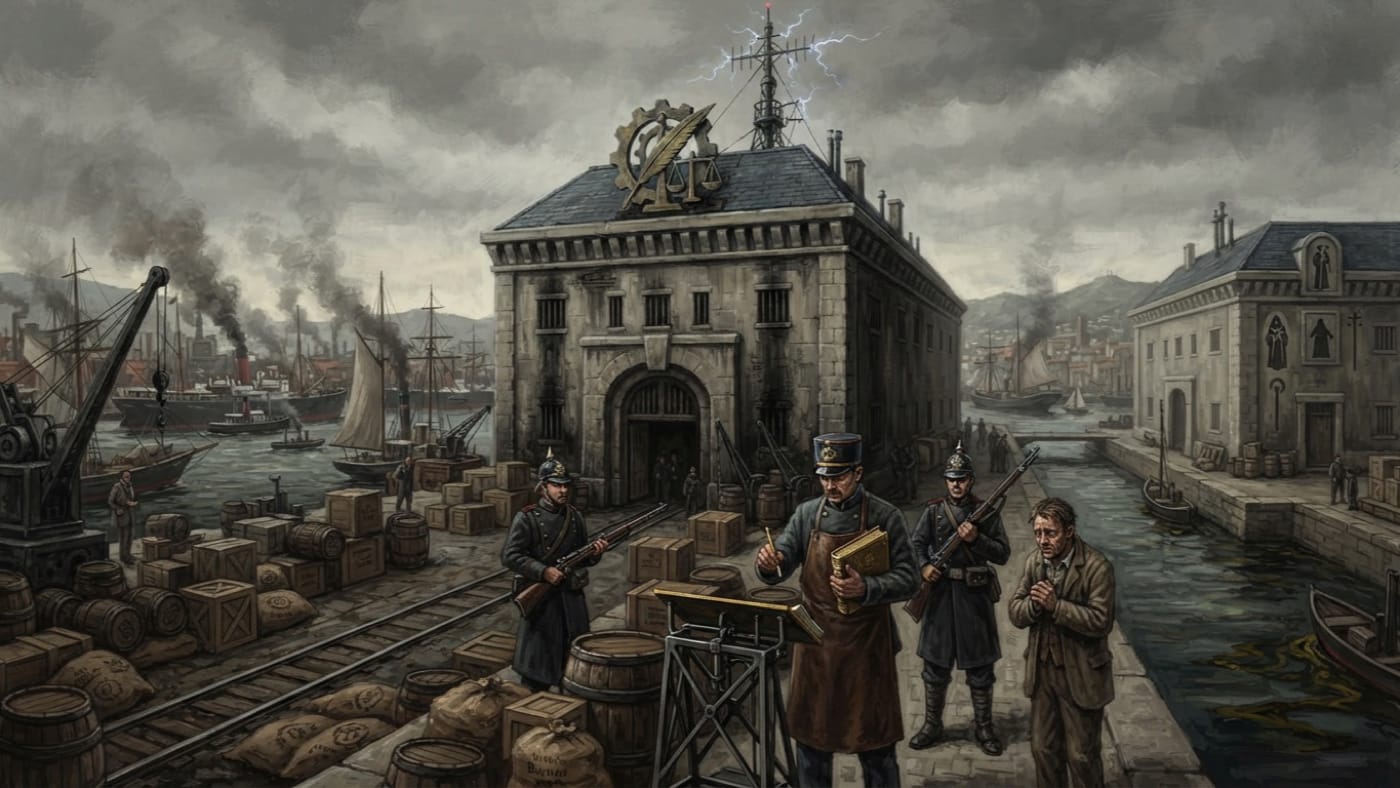
Mediterranean Revenue Office
Jurisdiction contested, collection continuous
The Bureau of Tithes' regional seat in Marseille weighs cargo and collects Salt Dues still temporary after 109 years. Harbour jurisdiction remains contested. Collection continues.
Codex Ref. II.4.09-201
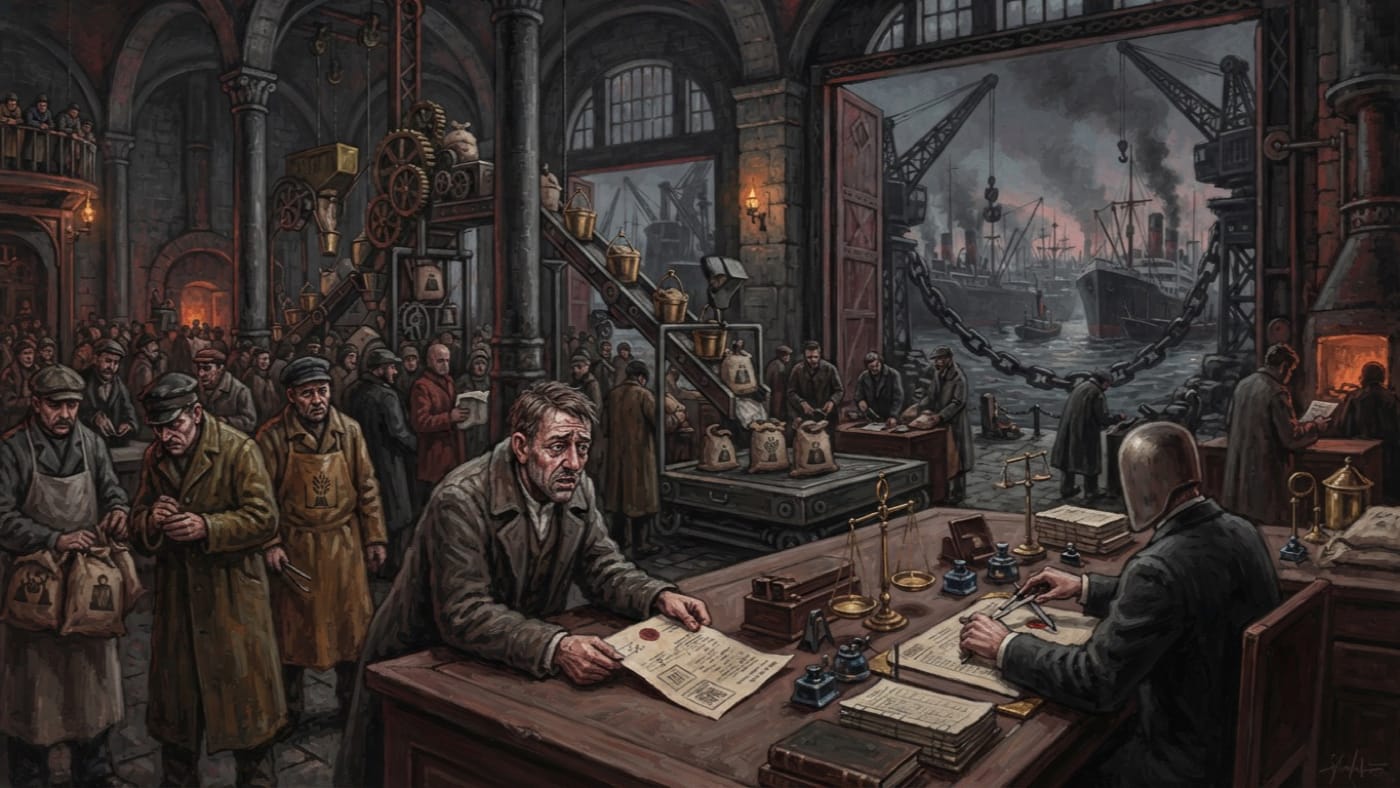
Merchant Marine Guild
Three stamps for an assurance. The fee survived the withdrawal.
The civilian guild that bought the Bureau of War's low-threat assurance before the Black Sea Armada of A.S. 162. The assessment was withdrawn in A.S. 163. The printing fee survived.
Codex Ref. XII.26.04-162
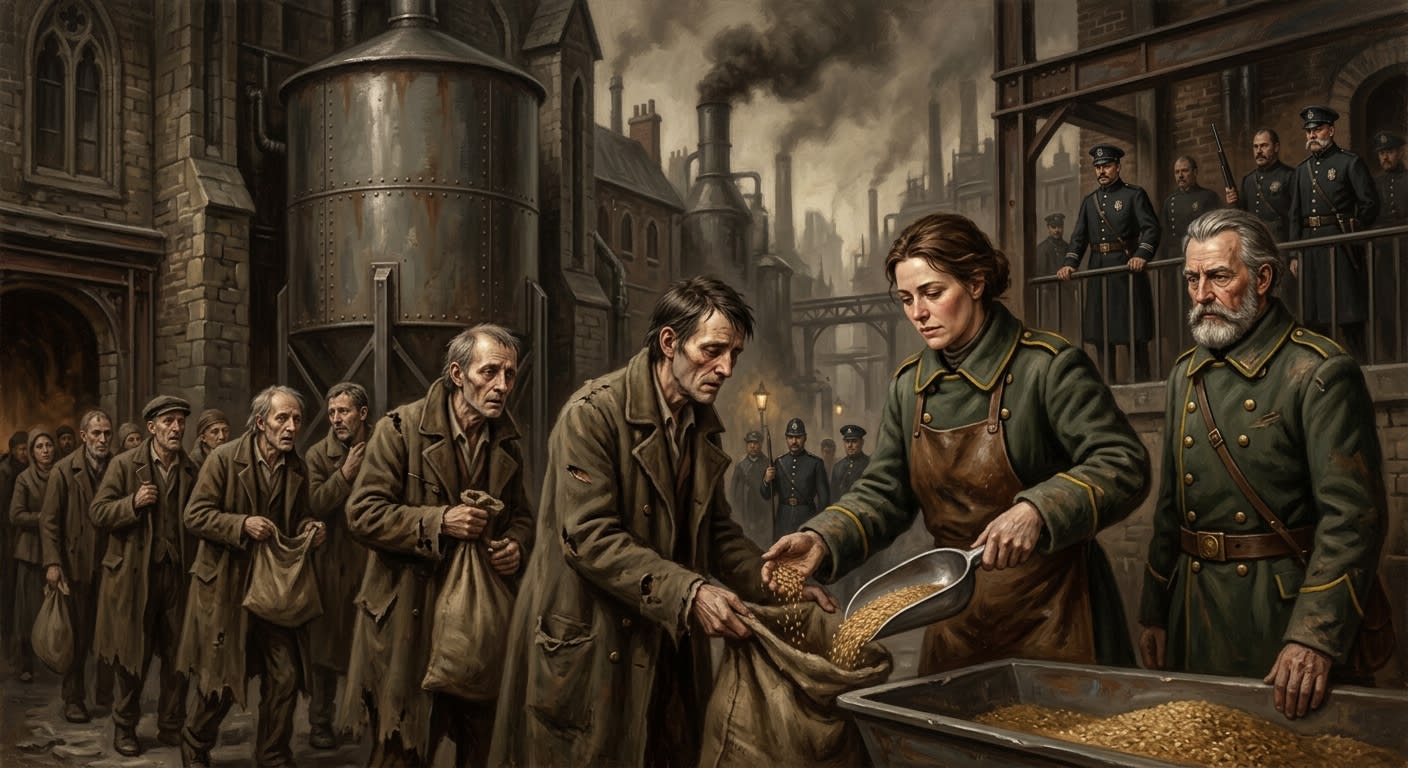
Mercy Keepers
The softest heresy is always the one that feeds before it counts
Mercy Keepers are the beloved, ruinous Grain Keeper faction that gives bread without fee, receipt, or permission, thereby offending every profitable theology.
Codex Ref. XII.13.04-001
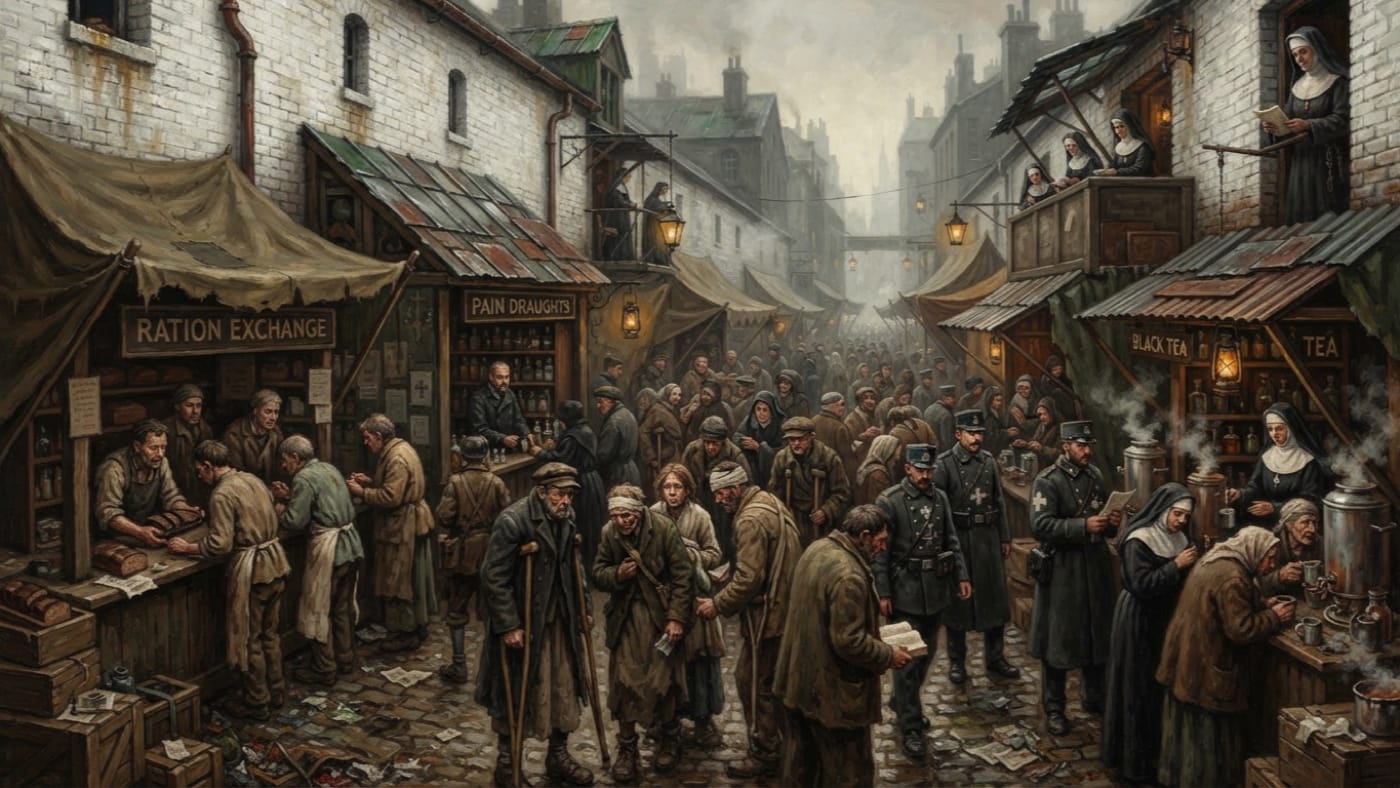
Mercy Market
Bread has a price; relief requires permission
Mercy Market trades in rations, pain draughts and black tea under Marrowgate's overlapping authorities. Bread has a price; relief requires permission.
Codex Ref. III.3.07-006
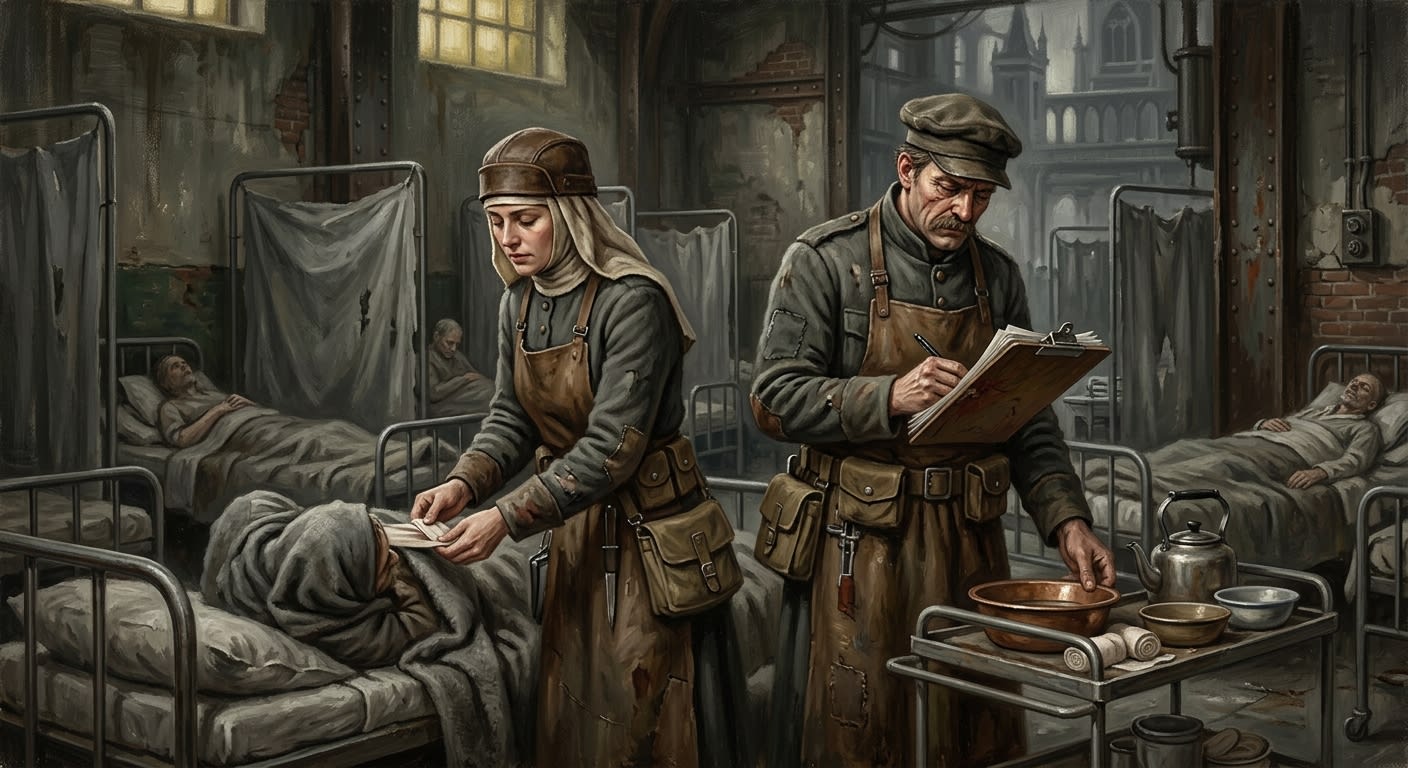
Mercy Ward-Sister / Mercy Ward-Brother
The hand that brings broth also carries the ledger
The Mercy Ward-Sister and Ward-Brother are the Bureau of Mercy's grey-aproned operators of counted compassion, where broth, bandage, confession, and paperwork become one instrument.
Codex Ref. XII.6.04-001
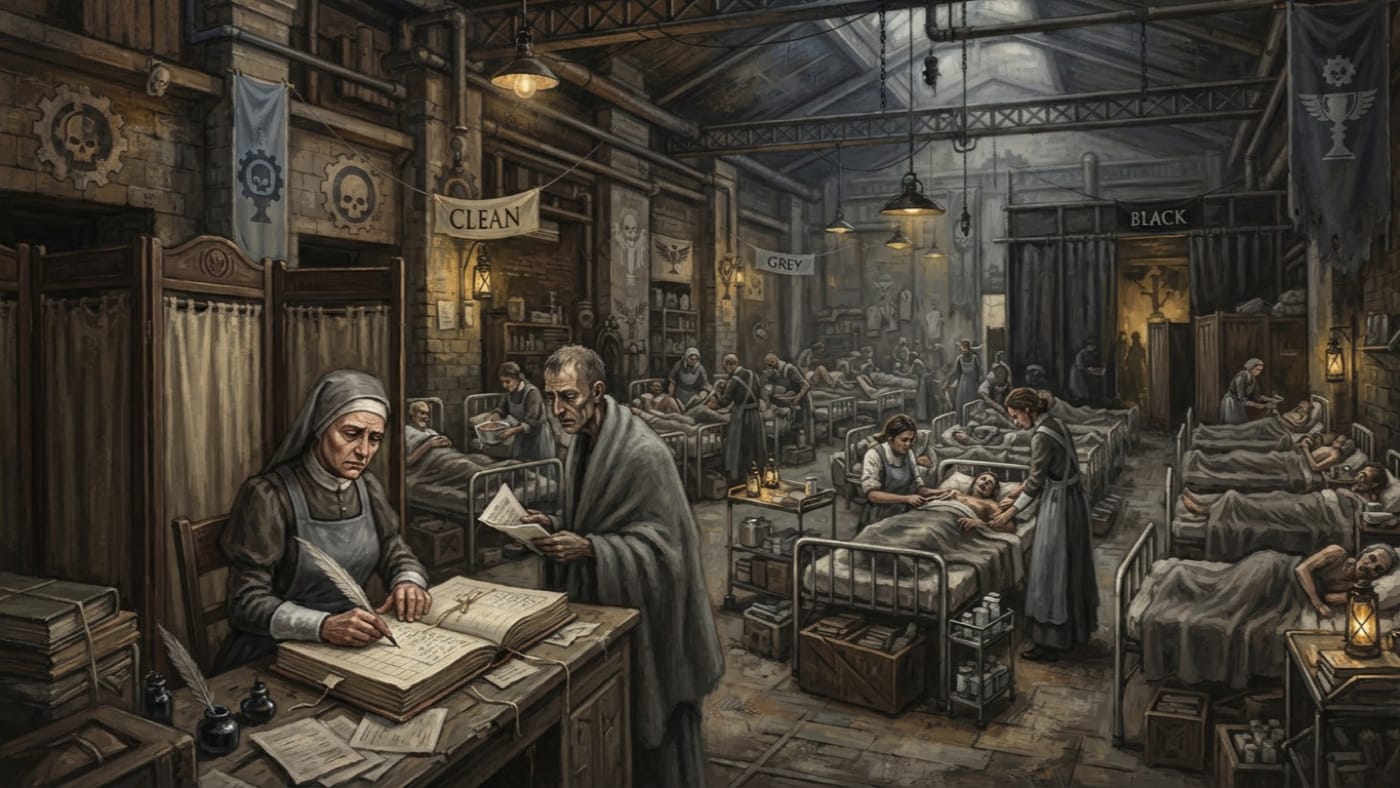
Mercy Wards
The bed is allotted; the suffering must be entered
The Bureau of Mercy's houses of the sick: broth, bandages, confession and clean, grey or black tags. This A.S. 201 survey counts the registered wards; the living remain harder to reconcile.
Codex Ref. II.6.04-001
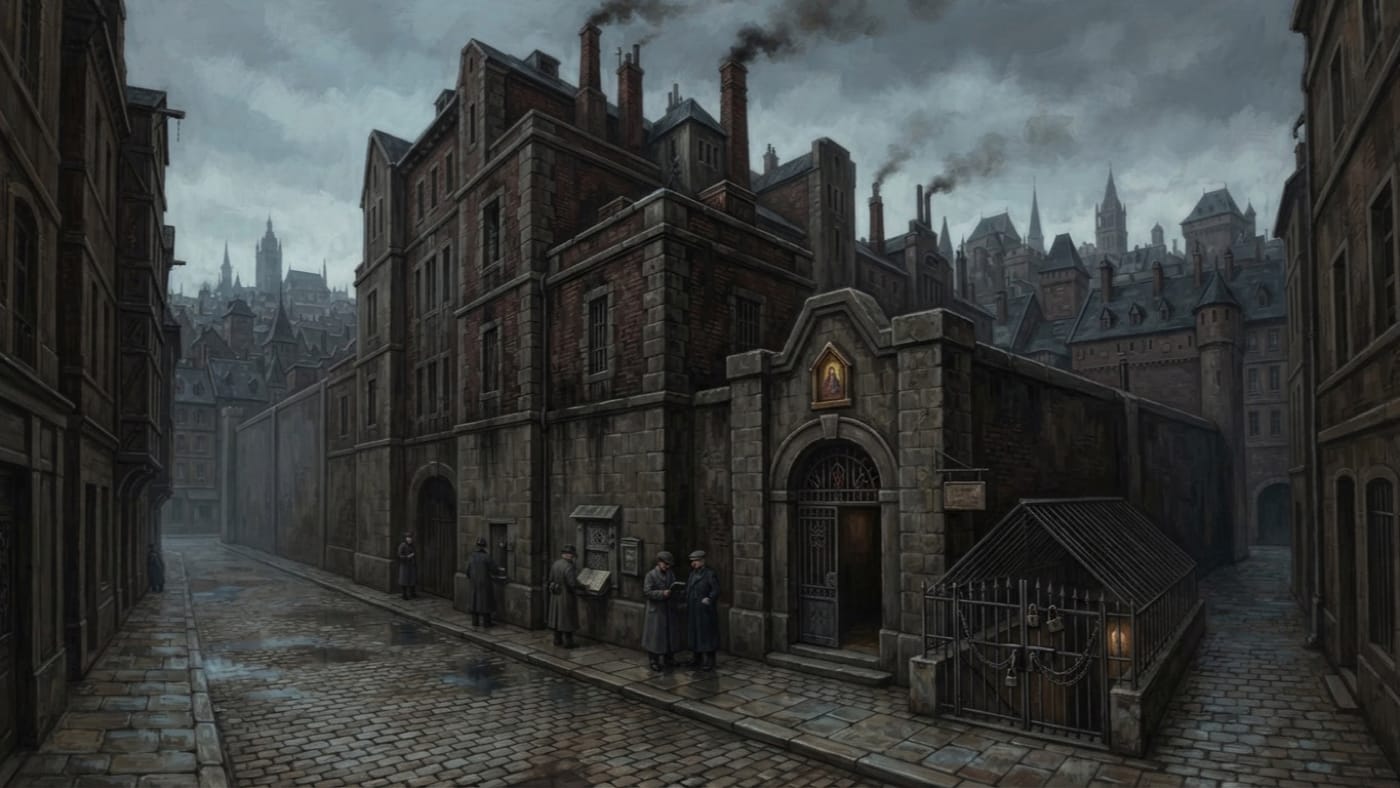
Mercy Wing
The building keeps its name. The Vault keeps its findings.
The old Mercy Wing on Strasbourg's Rue des Cendres houses the Vault of Findings in its sub-basement. Medicine keeps the evidence; two Bureaus clear entry to the archive, and three clear departure.
Codex Ref. II.1.09-201
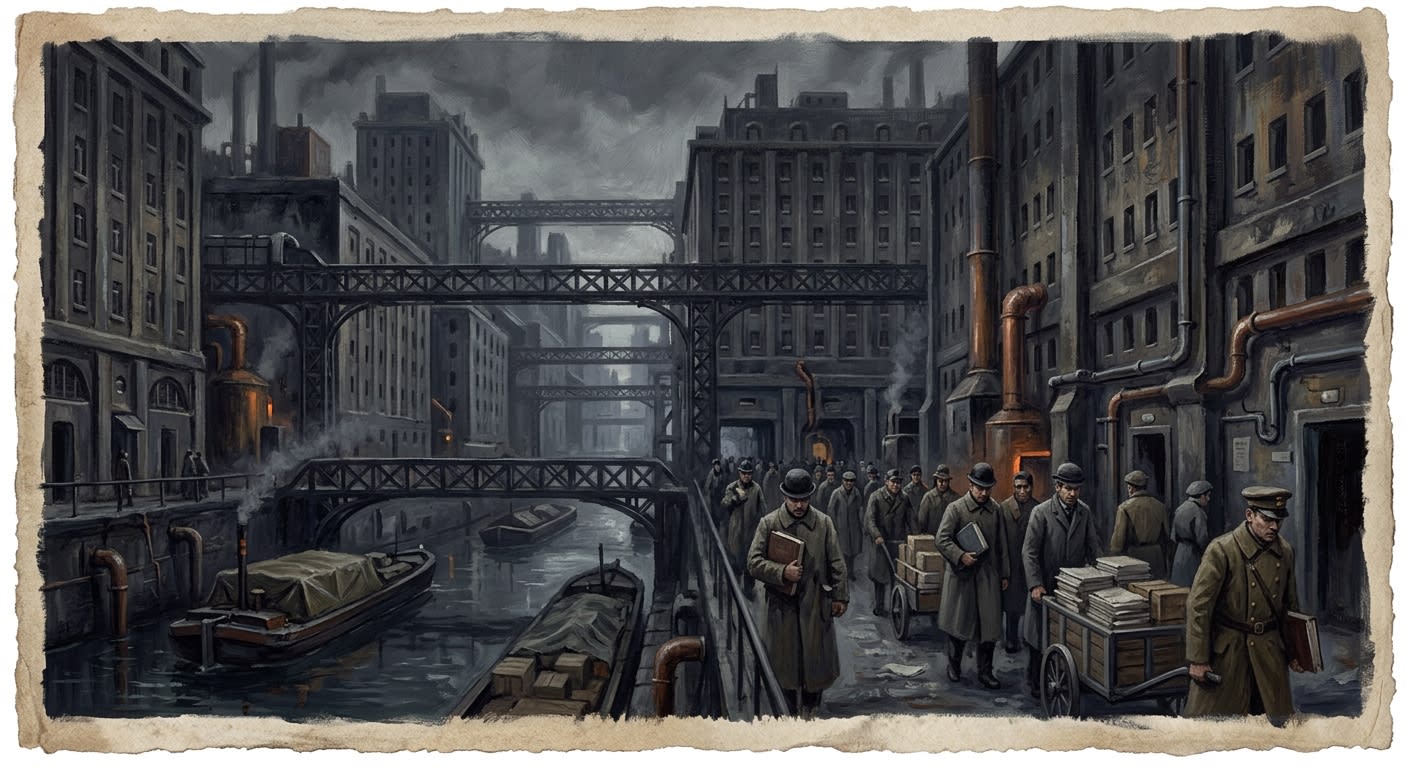
Metz
The depot-city where contradiction learned double entry
Synod-held Metz is a Zone 1 depot-city of ash vaults, double ledgers, silent bridges, supply arithmetic, and the Black Census that taught Medicine to count horror properly.
Codex Ref. II.1.05-001

Milan
The city that mistook minutes for sovereignty
Milan is Lombardy's polished mouth: silk, steel, banking paper, guild keys, and the old civic delusion that a beautiful memorandum can outrank Strasbourg.
Codex Ref. II.1.07-150
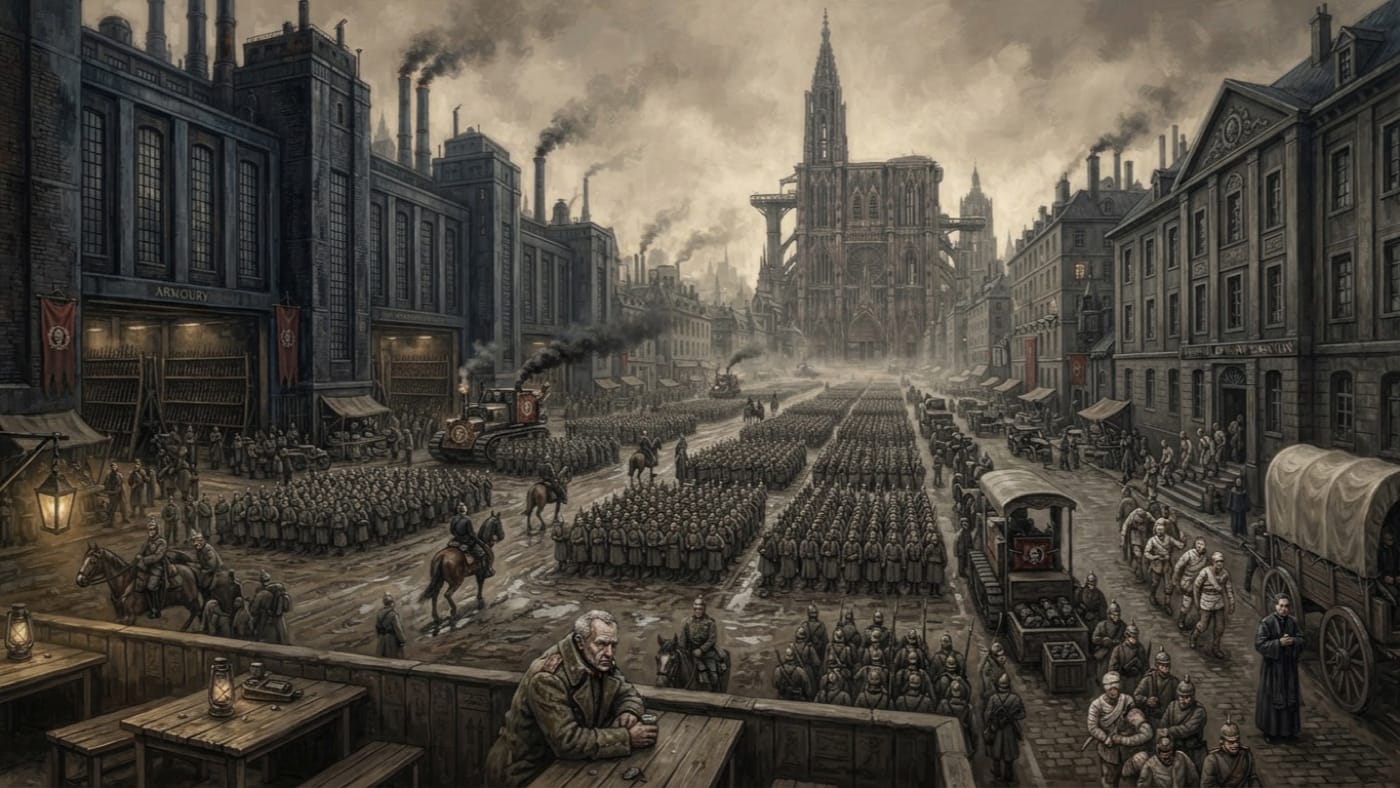
Military City
Where the Rear Keeps Its Front
Strasbourg's military district drills ten thousand, keeps arms for twenty thousand and tends the men who return. The Bureau counts capacity more readily than casualties.
Codex Ref. III.2.01-005
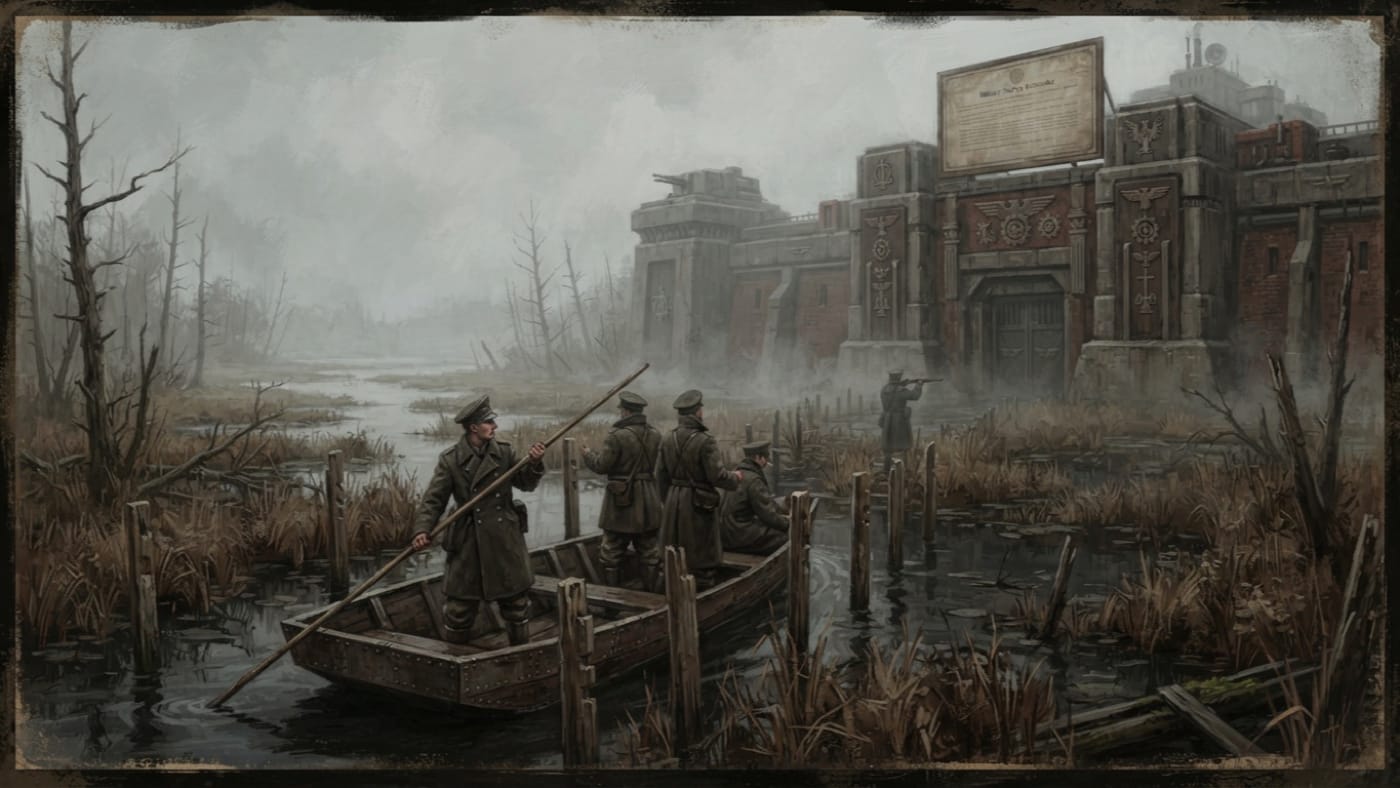
Military Secrecy Concordat
The Bureau owns the routes. The Watchers know the way.
An A.S. 201 survey of Article 17's attested restriction on copying Masurian lake charts. The Bureau owns the routes; the Watchers know where they are.
Codex Ref. XIII.1.17-001

Military Track Corps
The rail advances first, and complains last
War-requisitioned Guild crews who lay, repair, certify, and sometimes die beneath tactical rail so guns, shrines, and commanders may arrive pretending motion was inevitable.
Codex Ref. XII.44.02-001
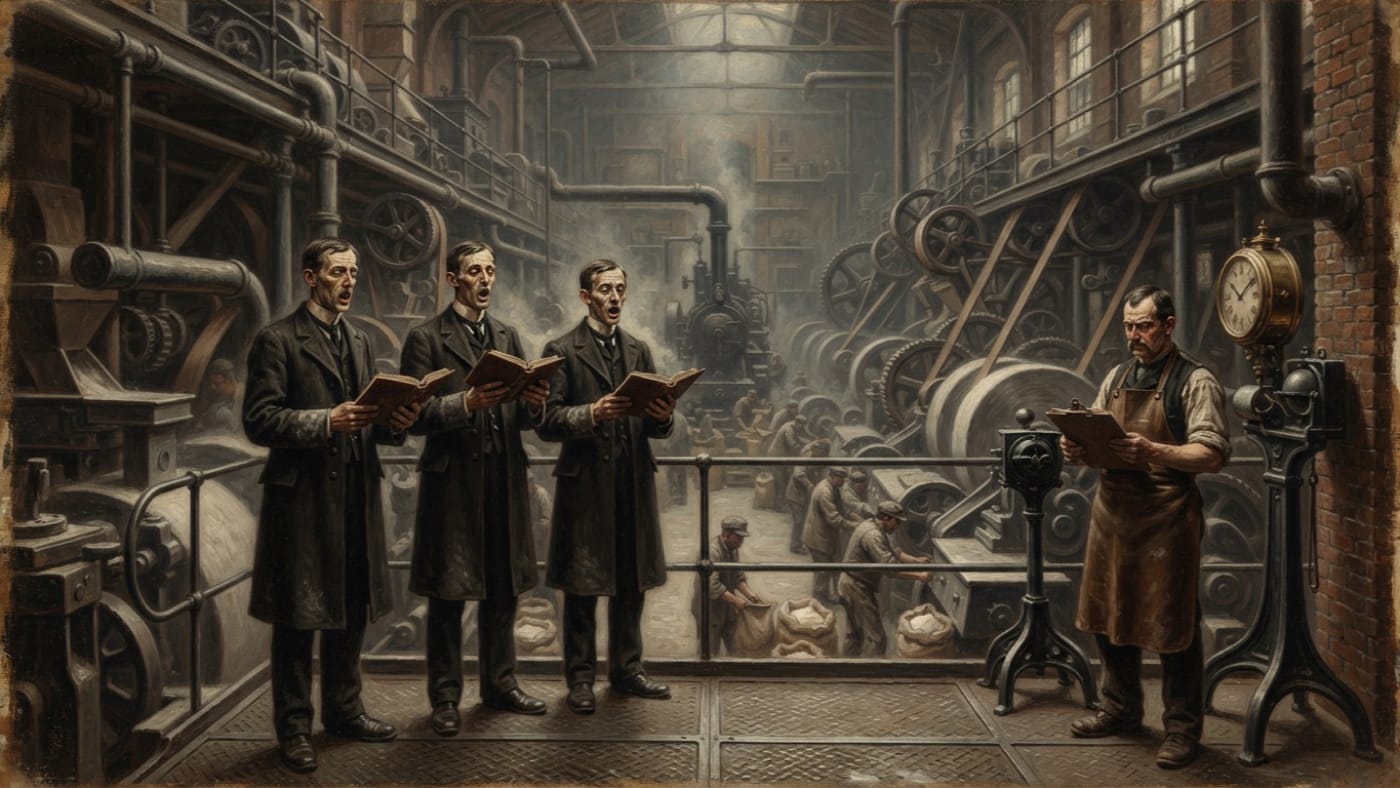
Mill-Crown Cantors
The mills need a cadence; the Cantors require a contract
Rheinscarp's mill and foundry singers sell cadence by the bell-hour under Hrodric Venn. The mills need rhythm; the Cantors insist the rhythm needs a contract.
Codex Ref. VIII.6.03-001
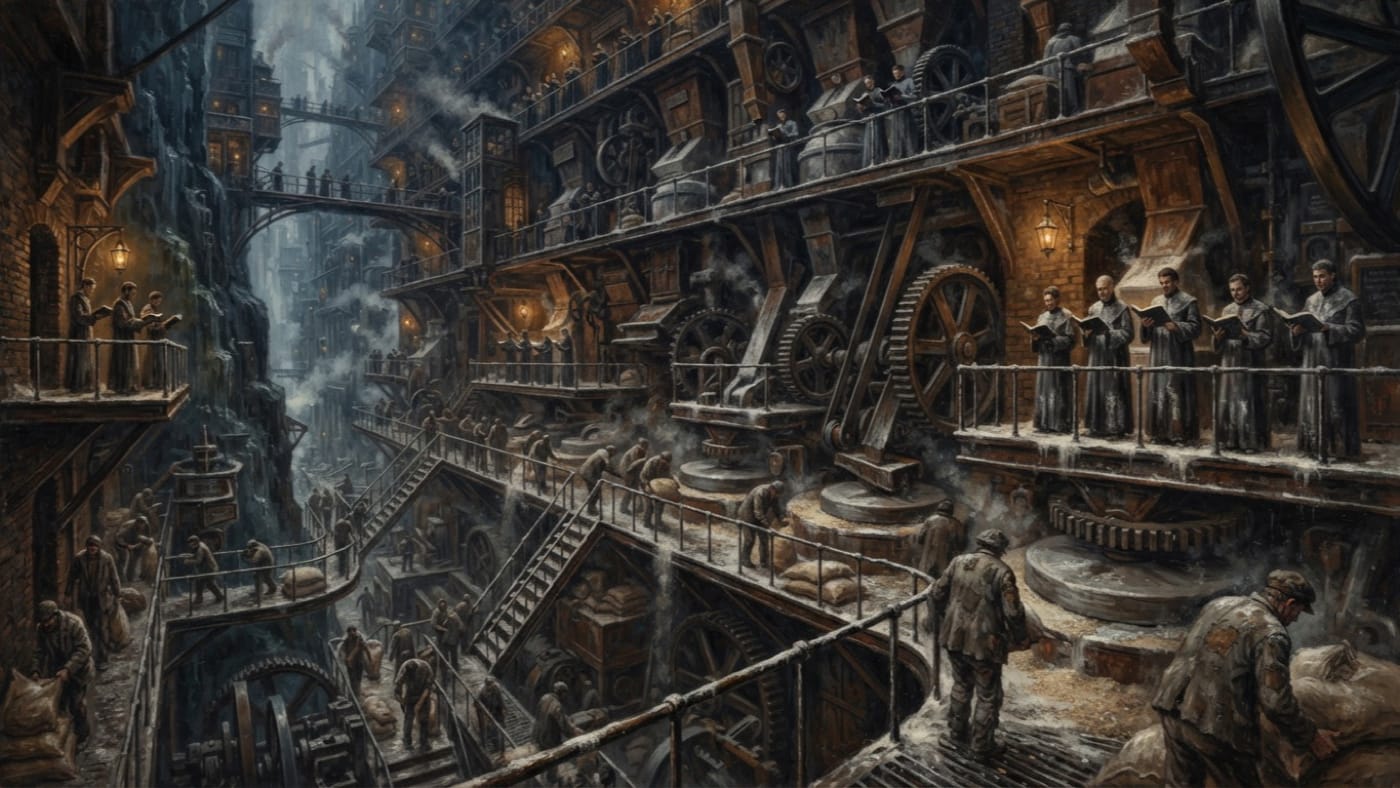
Mill-Crown Terraces
The fourth Step grinds the flour; the fifth decides who may eat
Rheinscarp's fourth terrace grinds ration flour to purchased hymns. The Cantors sell the cadence, Records certifies the hungry, and a mill-hand may work a full shift while officially absent.
Codex Ref. II.2.01-004
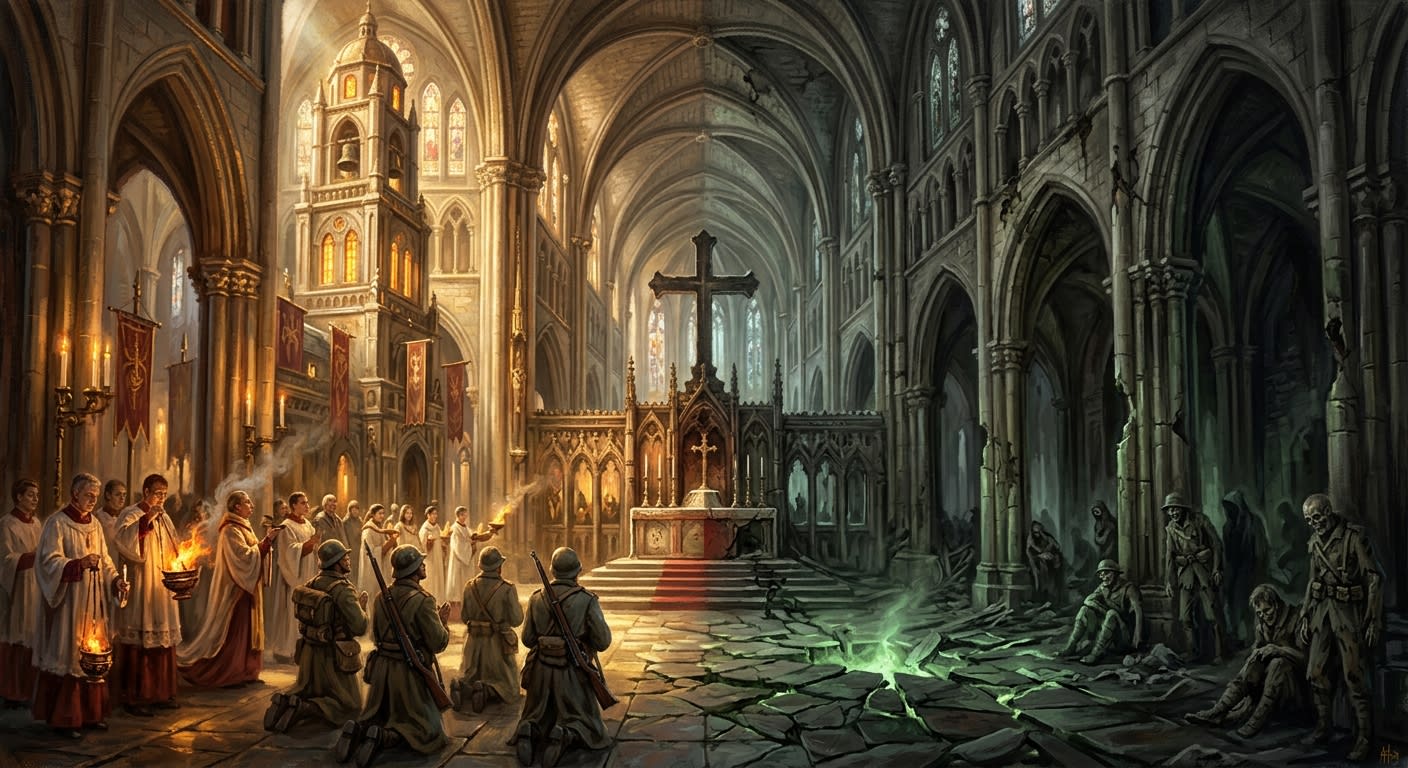
Miracles and Sorcery
Both crack Creation; only the paperwork differs
The Bureau insists miracles and sorcery are opposites. The mechanism, as Drax reluctantly confirms, is identical. The source determines canonisation or burning. The paperwork is different. The world pays either way.
Codex Ref. VI.3.01-001
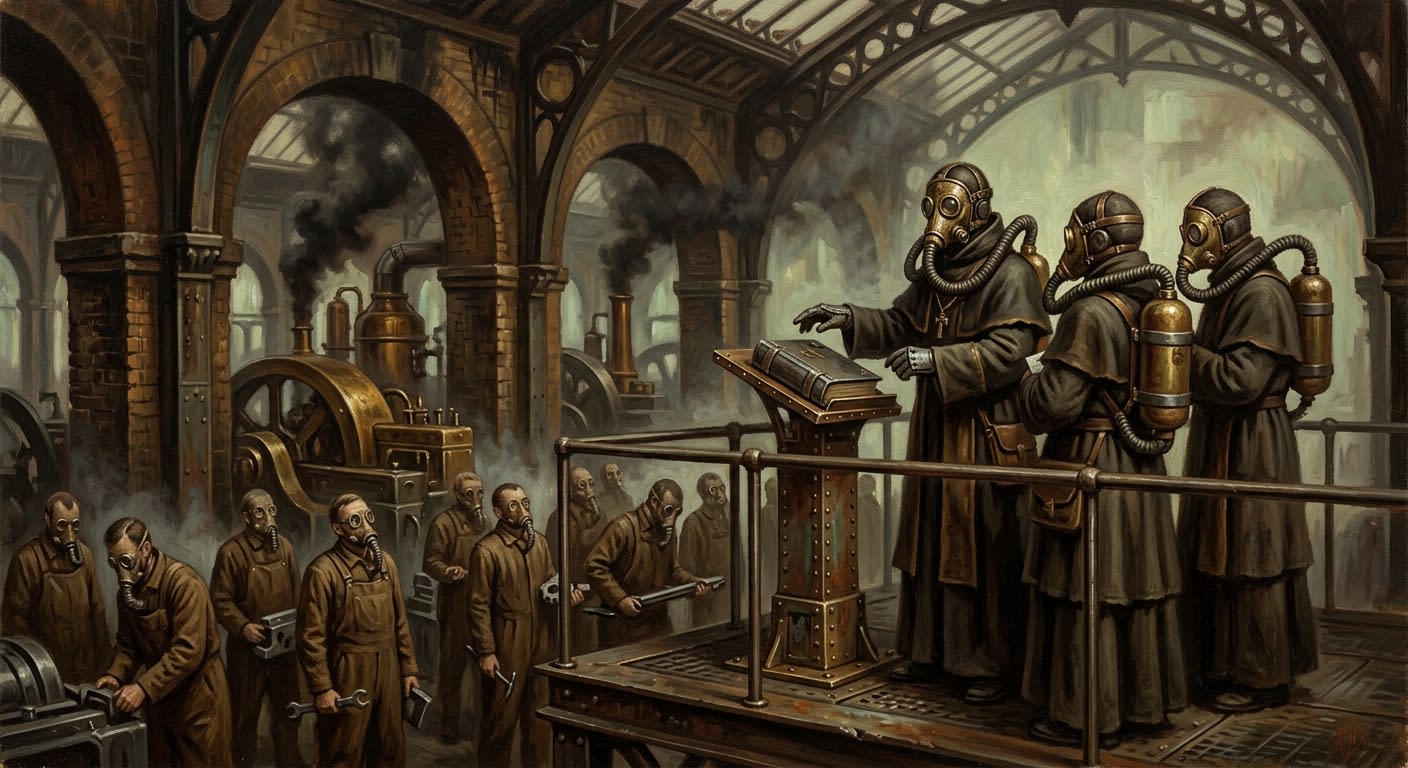
Mirror Choir
One wrong syllable, and the cannon remembers
At Essen-of-Hymnsteel, the Mirror Choir alters sanctioned hymns by a syllable and teaches obedient metal how to fail later, elsewhere, and with doctrine watching.
Codex Ref. XI.1.02-001
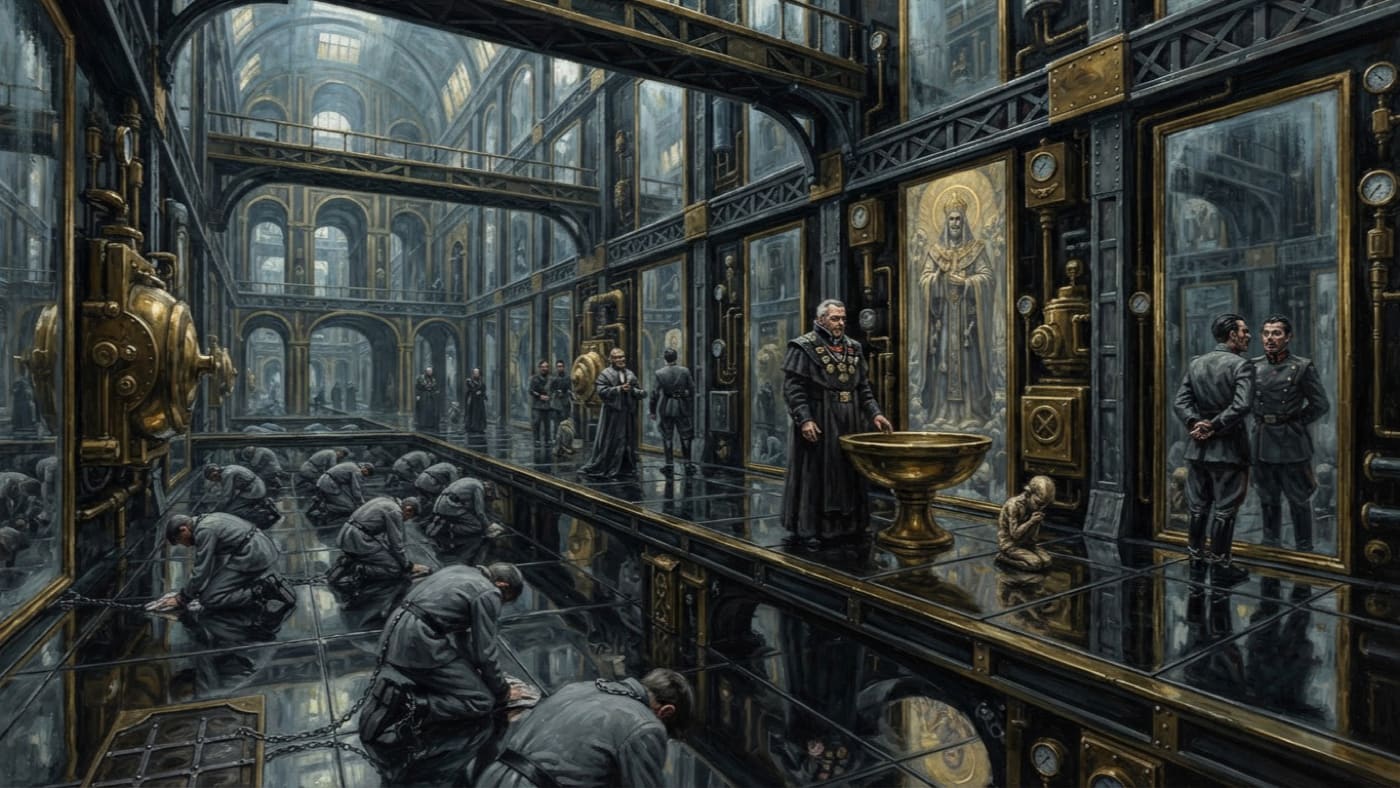
Mirror Courts
Where every surface agrees and no one has a peer
Atheron's palaces below Crownspire return each visitor's self-belief without contradiction. The glass agrees with everyone; cooperation seldom survives.
Codex Ref. II.4.03-047
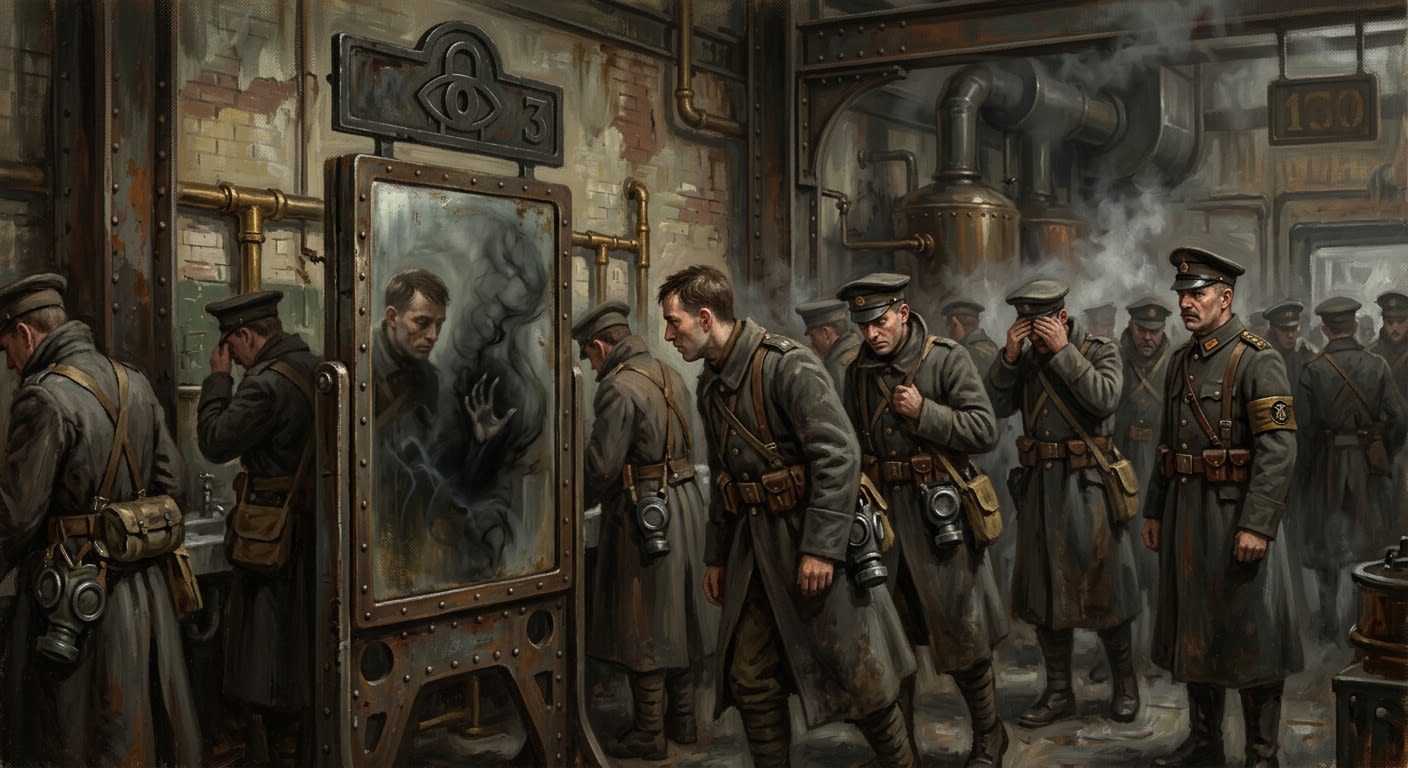
Mirror Discipline
Count to three before your face becomes negotiable
Mirror Discipline forbids the Irongate garrison from lingering over its own face, because Morwen enters where vanity counts past three.
Codex Ref. XIII.1.01-003
Mirror Waste
The ground offers a better face; the gate demands proof of your own.
Between the Hollow Vale and Bastion-Irongate lies contested ground that reflects better faces beneath false skies. The gorge is held; the identity of those returning is harder to certify.
Codex Ref. II.5.07-201
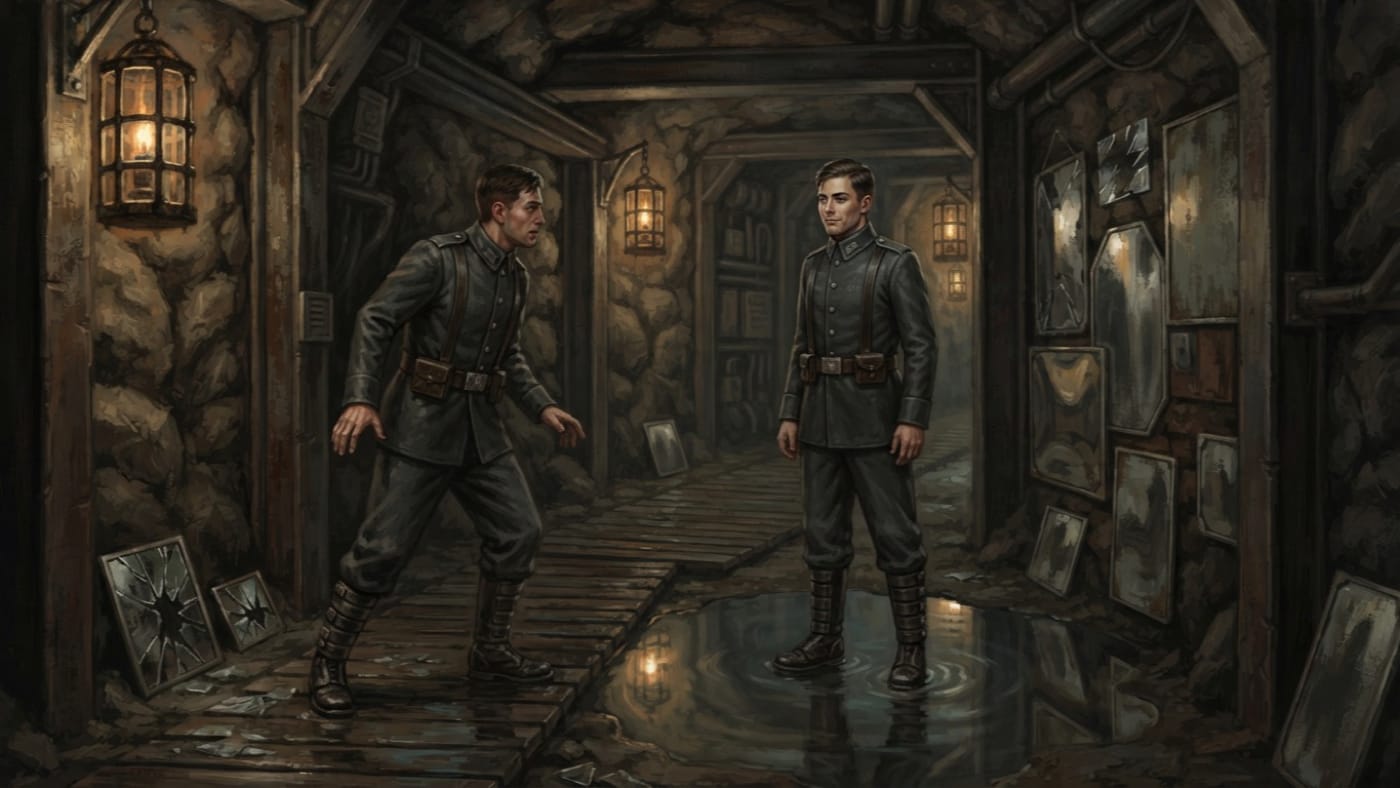
Mirror-Stalkers
Your face, with every quality the Church rewards.
Morwen's Mirror-Stalkers watch from mirrors, steel and trench puddles, then emerge as improved copies of those who linger. The original tends to falter. The copy does not.
Codex Ref. IV.1.07-1856
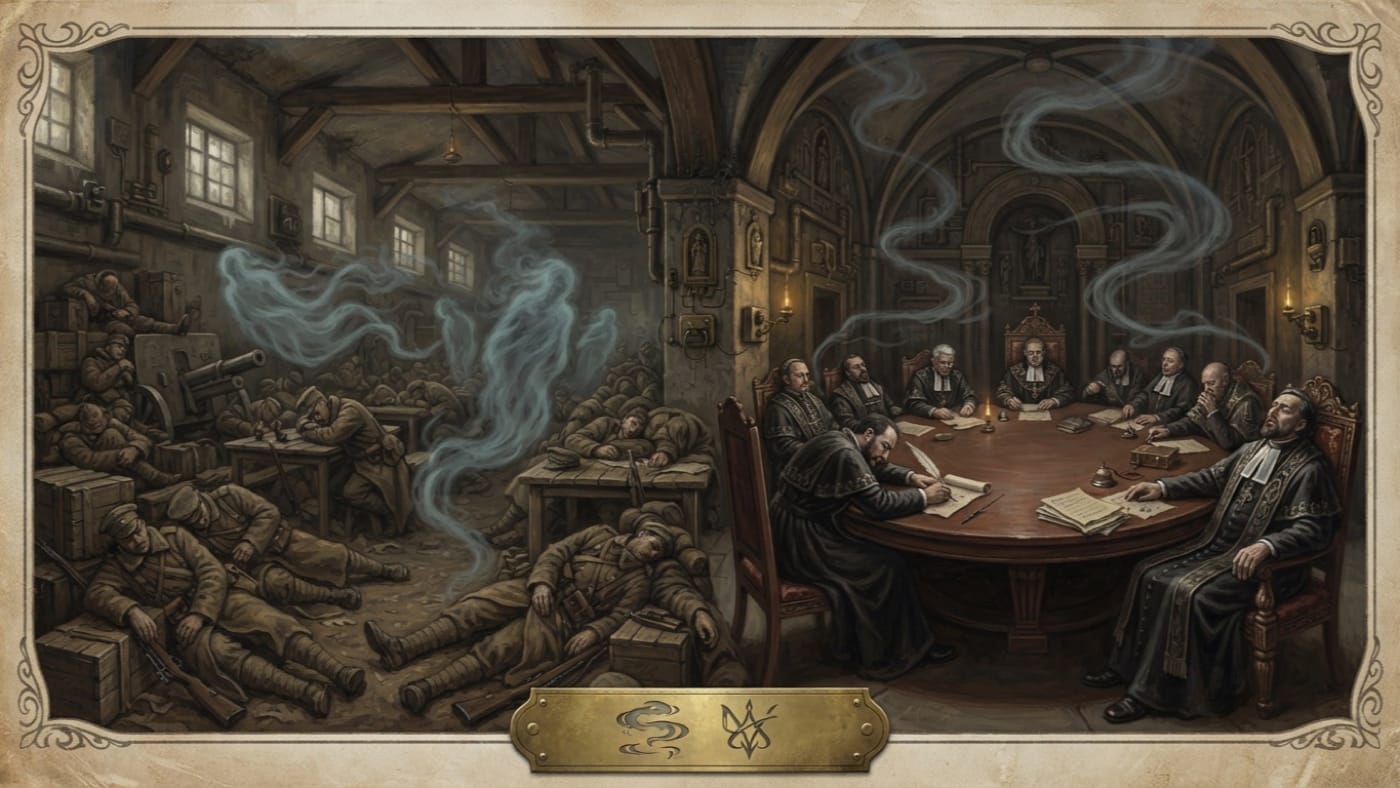
Mist-Walkers
The company sleeps. The decree waits.
An A.S. 201 survey of Syrion's stealth phantoms, drifting like smoke into camps and councils. Companies sink into dream; decrees wait; vigilance is abandoned. The Ledger records what remains awake.
Codex Ref. IV.4.02-001
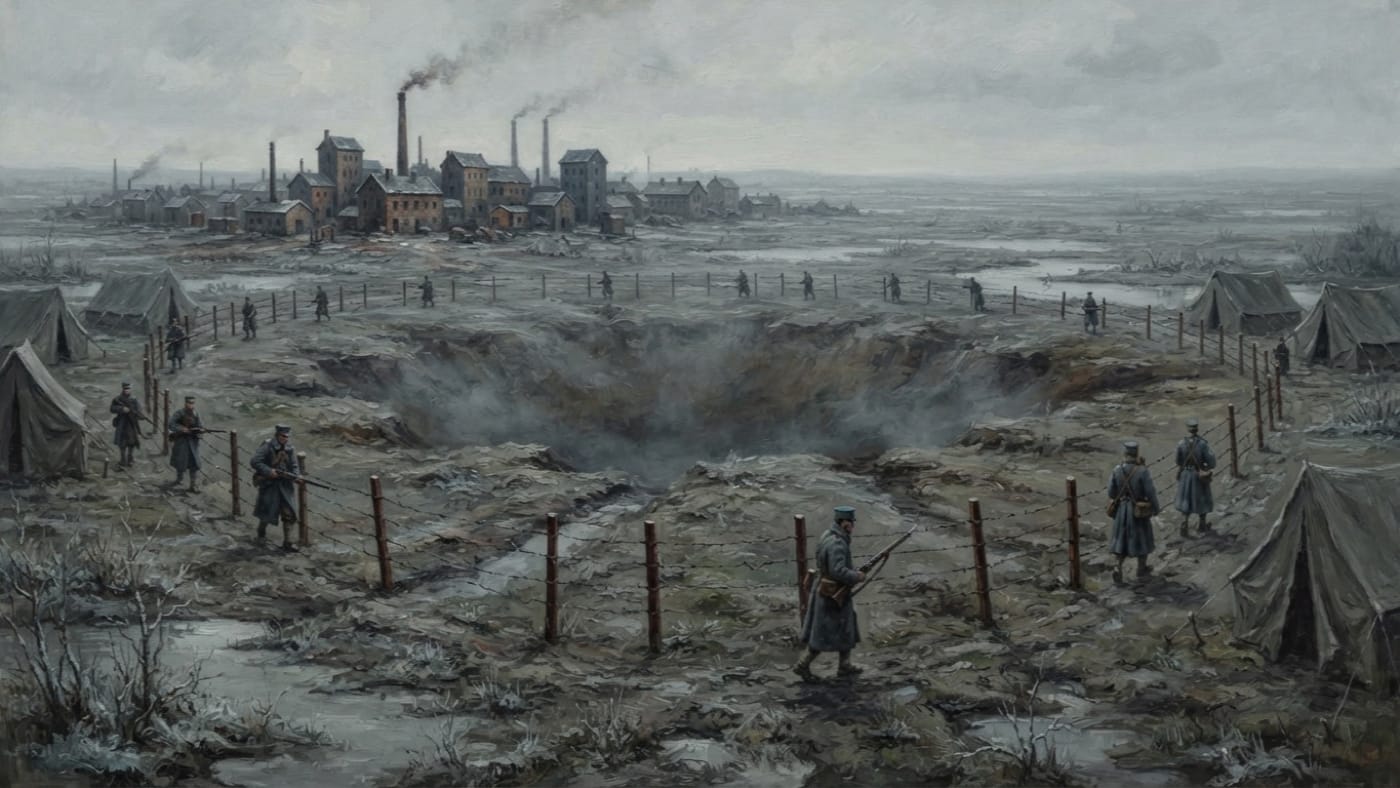
Mohács
A town remembered for what lies south of it.
Mohács survives in the Ledger as the bearing for Pit Seven, where approximately four thousand refugees were buried in A.S. 48. The town's fate remains unverified; the grave remains hungry.
Codex Ref. II.4.09-134
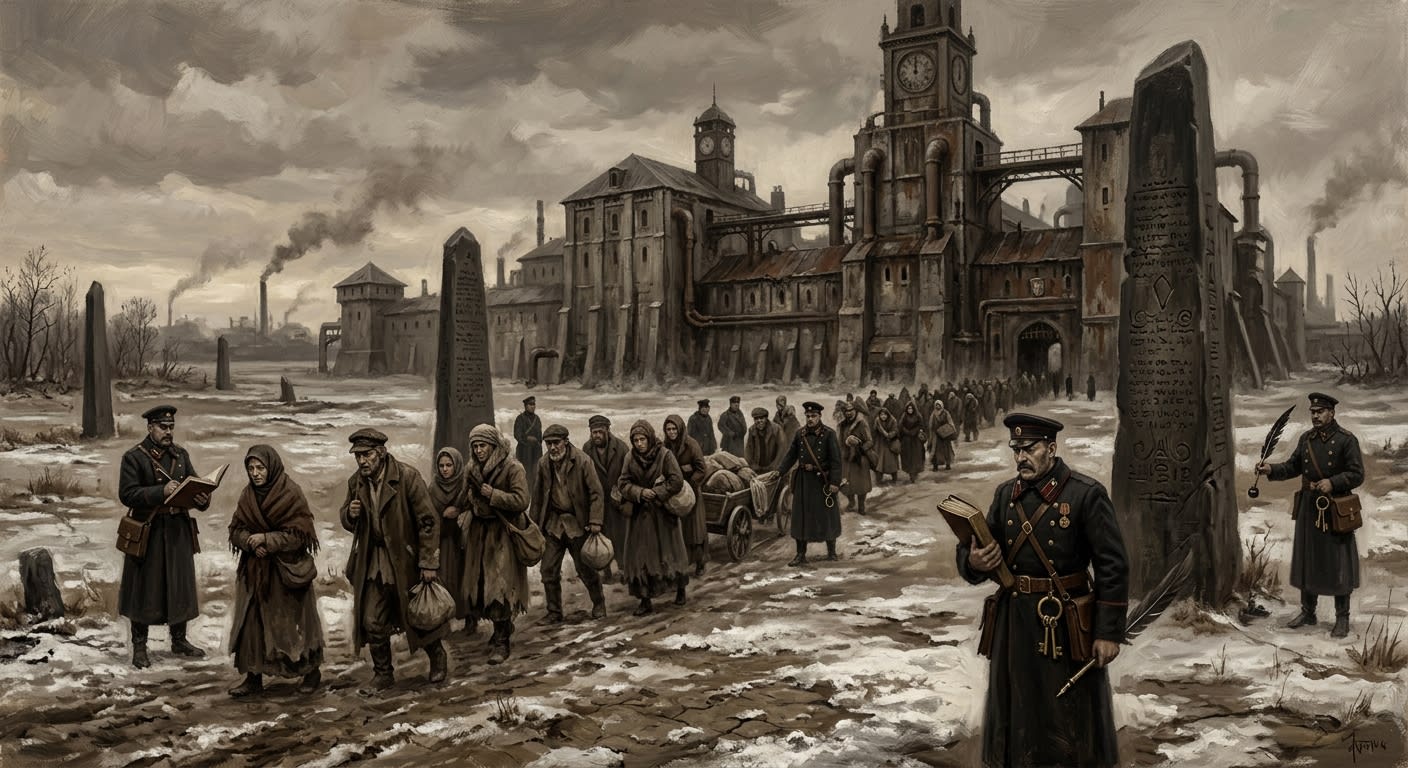
Moldavia
The province where hunger signs and debt remembers
Moldavia is the Charnel Lands' eastern account-book: famine, salt, treaty-stones, refugee names, warm keys, Velmora's credit, Kargath's rot, and a province still written so Hell cannot own it quietly.
Codex Ref. II.6.06-045
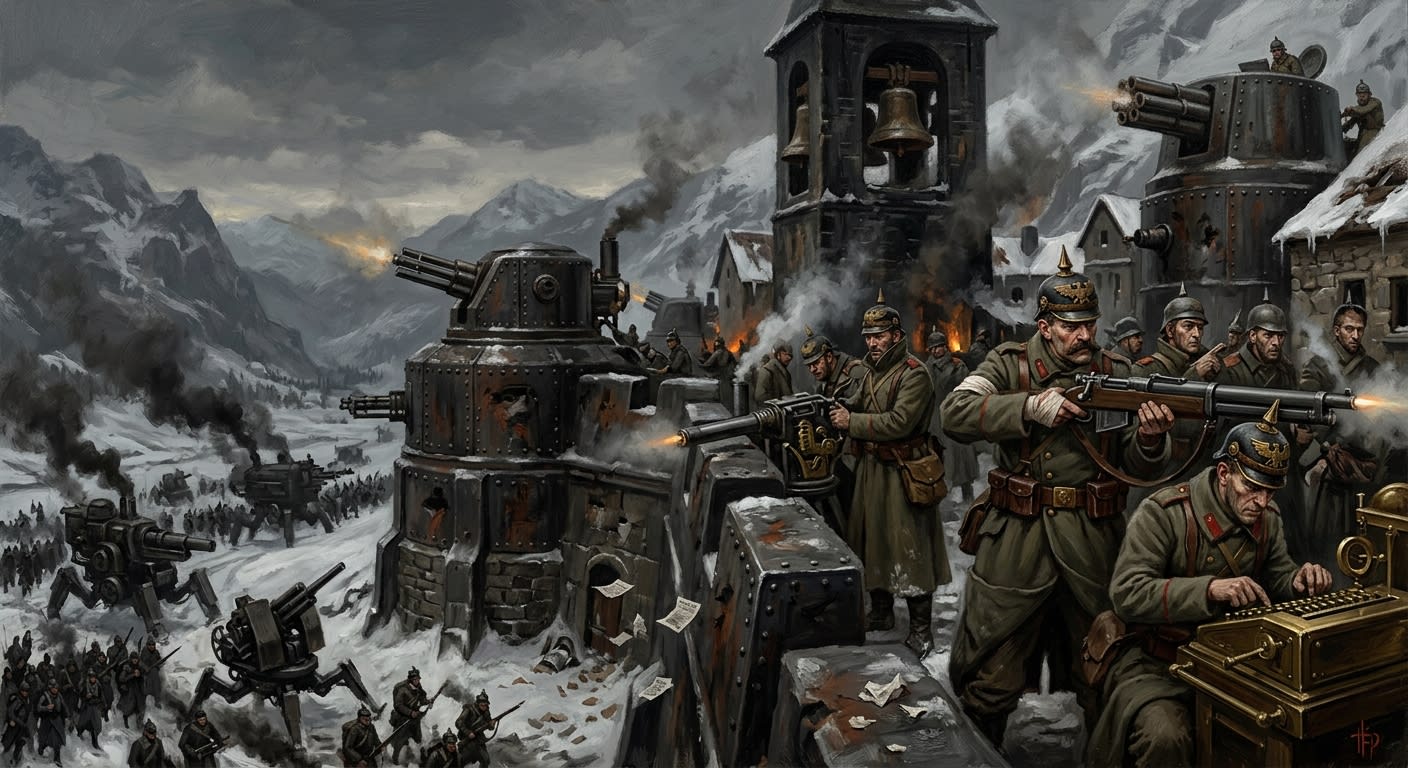
Montreval
The pass-town that taught Reason the road was closed
Montreval held three winters against Lucien Artois's clockwork guns, hunger, pamphlets, fever, and arithmetic; a southern pass-town where Severin bought time with walls, bells, broth, and burned bridges.
Codex Ref. II.1.09-015
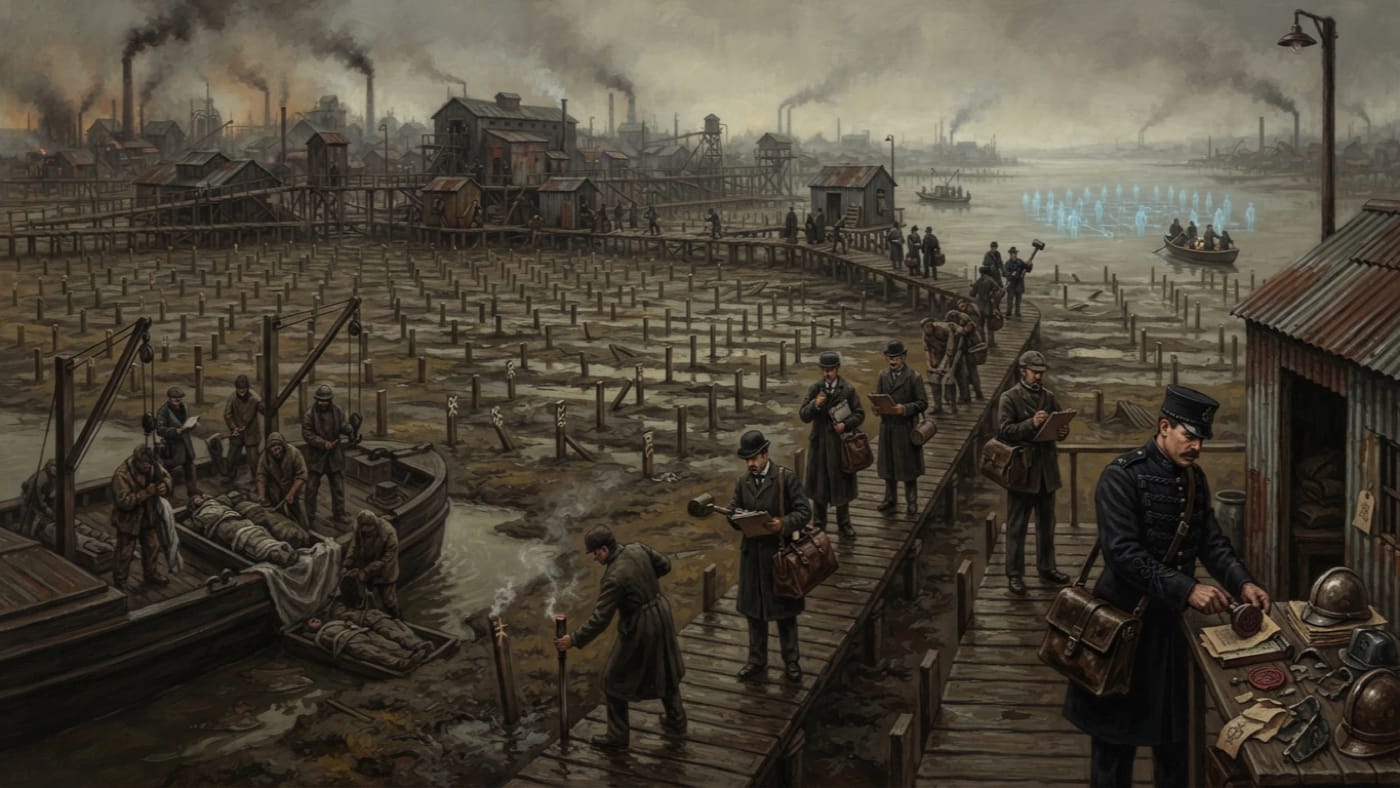
Mortuary Cartography Office
The maps are authoritative. The marsh revises them nightly.
The joint War and Records office at Ash-Glyph Marshworks converts the war-dead into sealed burial grids and salvage into tagged provenance. Its authority rests on maps the ground declines to obey.
Codex Ref. XII.7.02-004
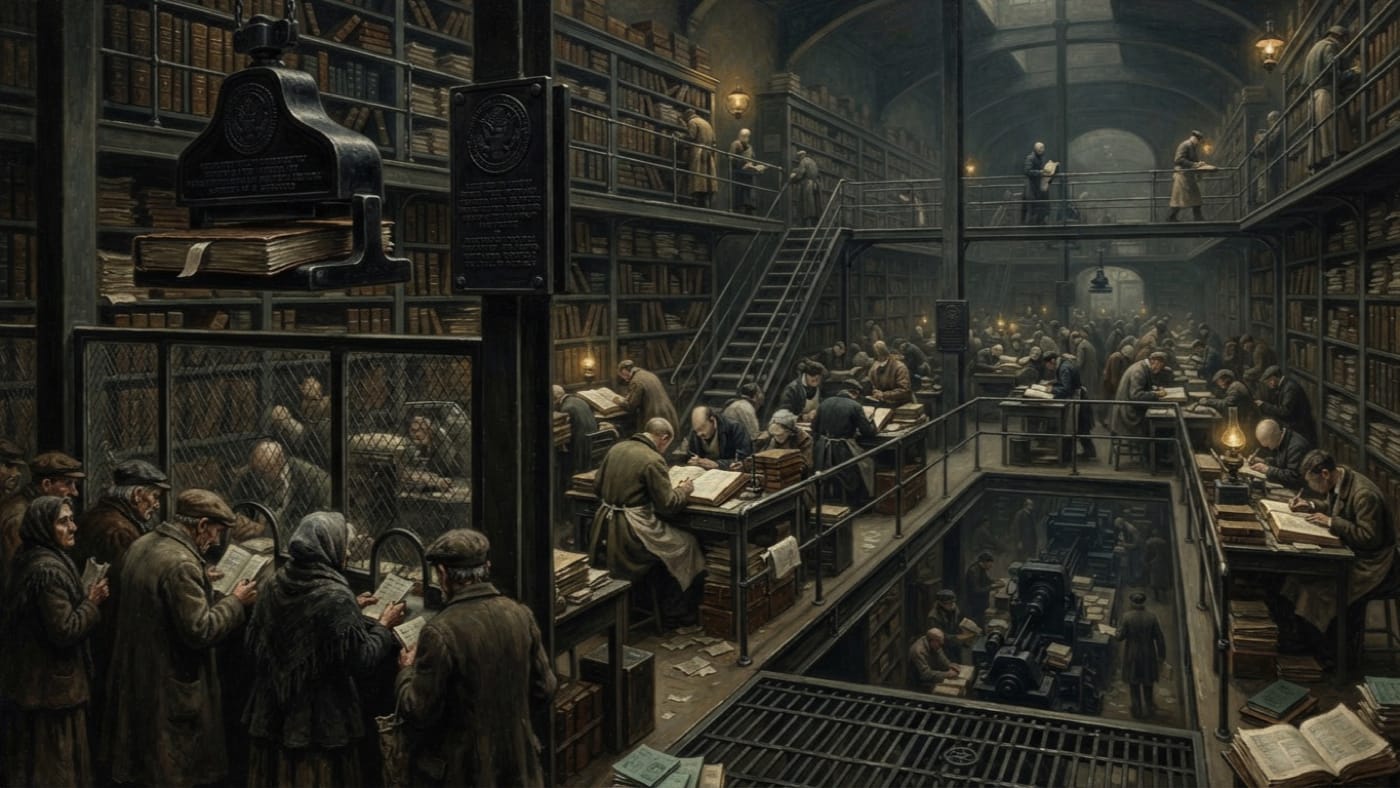
Mortuary Index
The dead receive a line. The erased receive nothing.
The Bureau of Records acknowledges the dead one name at a time. A line in the Mortuary Index records a recognised death; the erased receive none. I certify the distinction.
Codex Ref. XIII.1.98-201
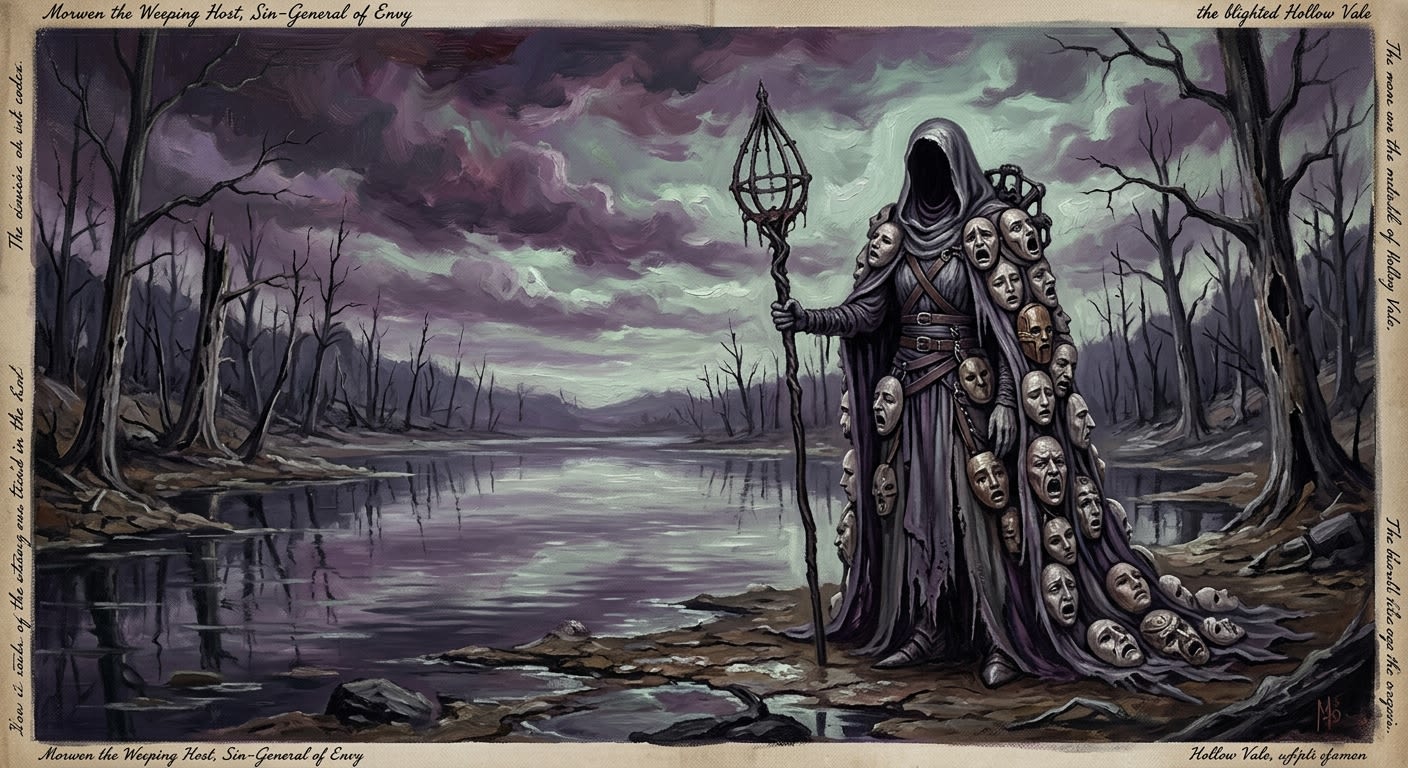
Morwen
She arrived without a face and has worn ten thousand since; none of them were hers.
The Weeping Host, Sin-General of Envy, holds the Hollow Vale and presses Bastion-Irongate not for strategy but for spite — for the sin of coveting beauty she can hollow but never possess.
Codex Ref. IV.1.07-007
Mother Giselle
Thirty years of soup; twelve findings of innocence
Mother Giselle has fed Strasbourg's poor for thirty years. Purity has investigated her for heresy twelve times and found her innocent every time. I have compiled longer dossiers on people who accomplished less.
Codex Ref. III.2.01-1882
Mother Pellis of the Split Rib
Her name stands first; her life has no entry
Mother Pellis gave Lor a respirator standard, a three-layer vent screen, and a rule requiring an origin mark on every bone. Her own life has no entry.
Codex Ref. III.2.01-105
Mother Tess Halver
Where a plea for help may be answered with fire
Tithes-End's midwife and keeper of marsh-lore suspects Sloth-taint among patients who forget their names. She fears a report will bring fire before help; the file remains open.
Codex Ref. III.2.01-1885
Mournwater
A town waiting for permission to breathe
Mournwater ships certified sanctity from the River-belt. Its coopers, graders and quarantine poor wait for a second bell that permits commerce to resume.
Codex Ref. II.2.03-002
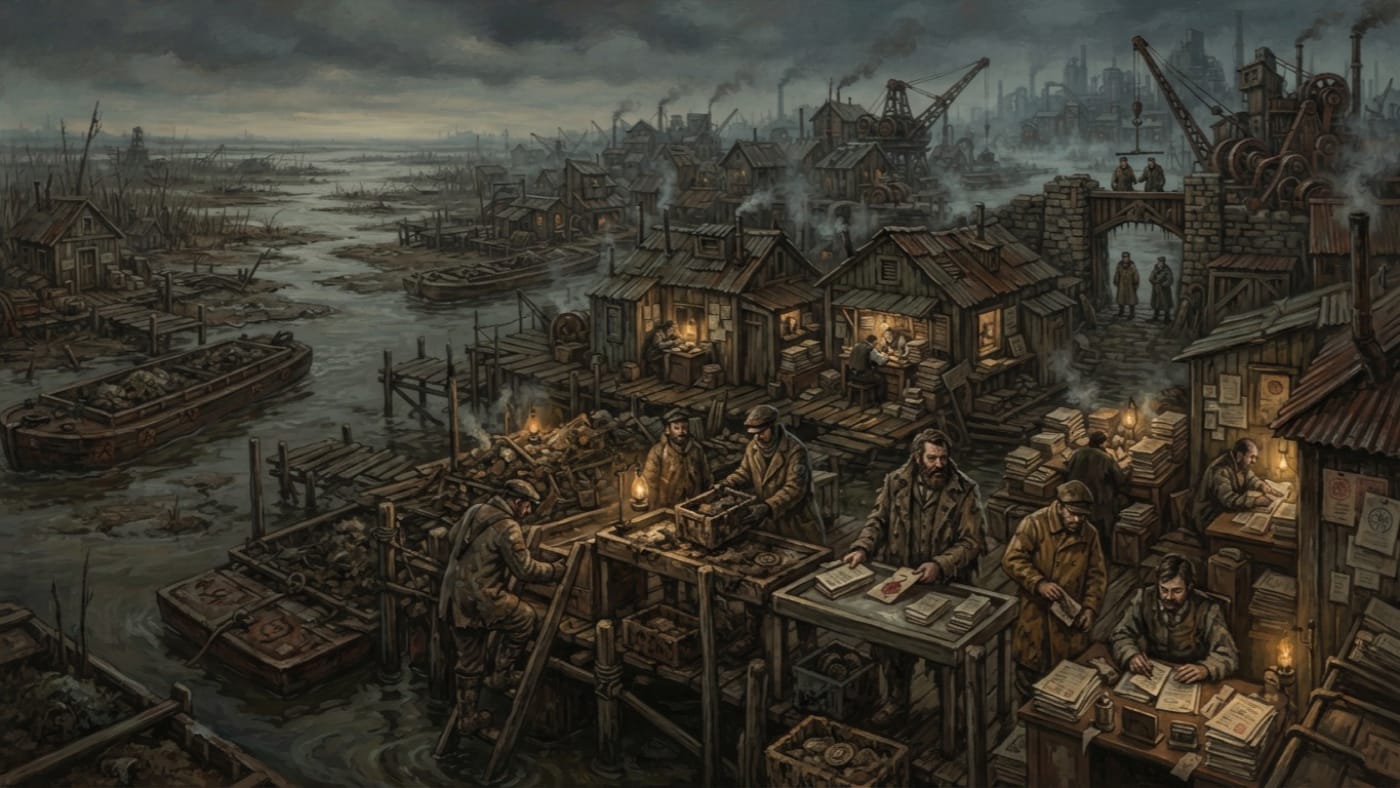
Mud-Relic Syndicate
A relic costs less than an acceptable history.
At the Ash-Glyph Marshworks, the Yesterday Finders turn planted relics and impossible recoveries into registered salvage. The tags are forged, the clerks are paid, and the mud has begun supplying its own paperwork.
Codex Ref. XIII.1.50-002
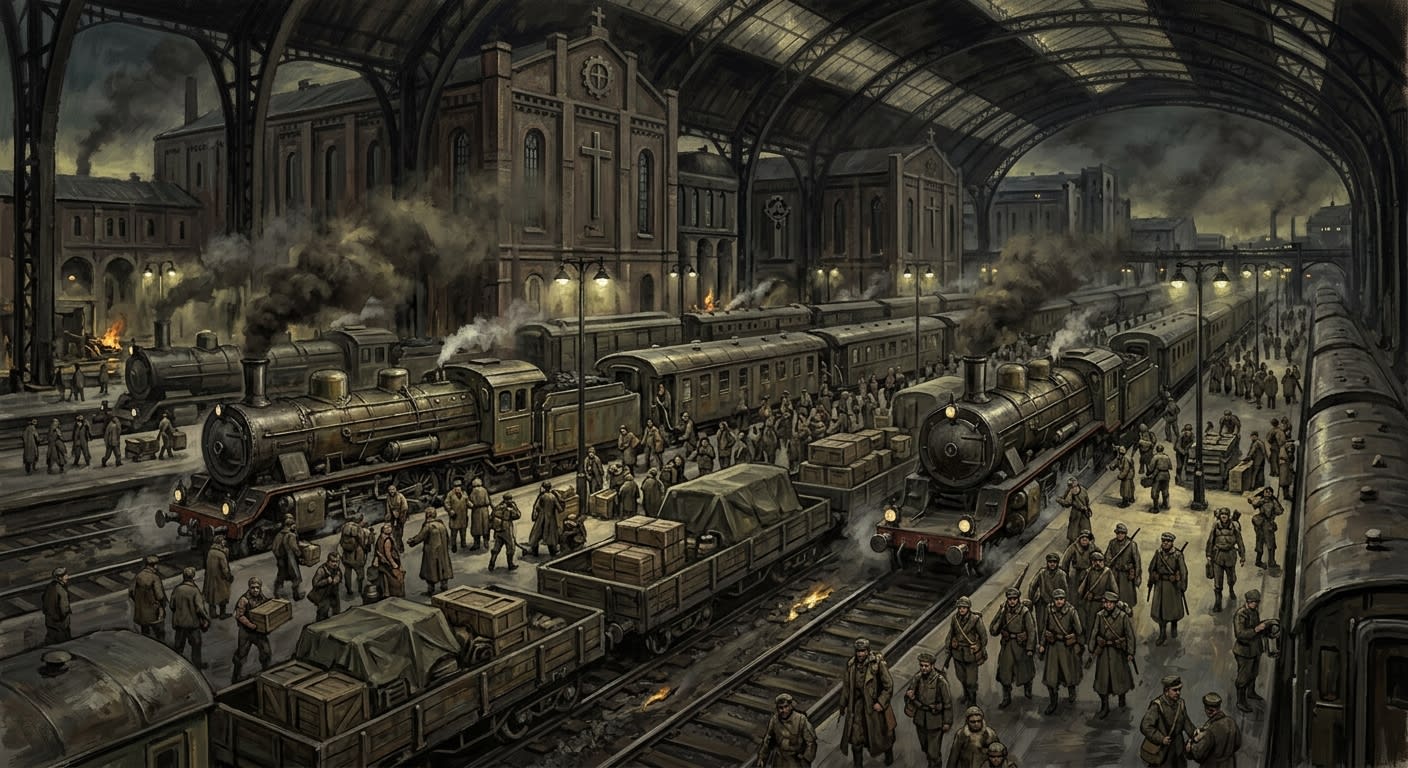
Münchner Kreuzbahnhof
Munich's iron jaw, chewing the west into eastbound obedience
Munich's Cross-Station is the Synod's second-largest rail complex: fourteen public platforms, sixty trains daily, ninety in surge, and eleven thousand workers feeding the eastern war.
Codex Ref. II.4.09-012
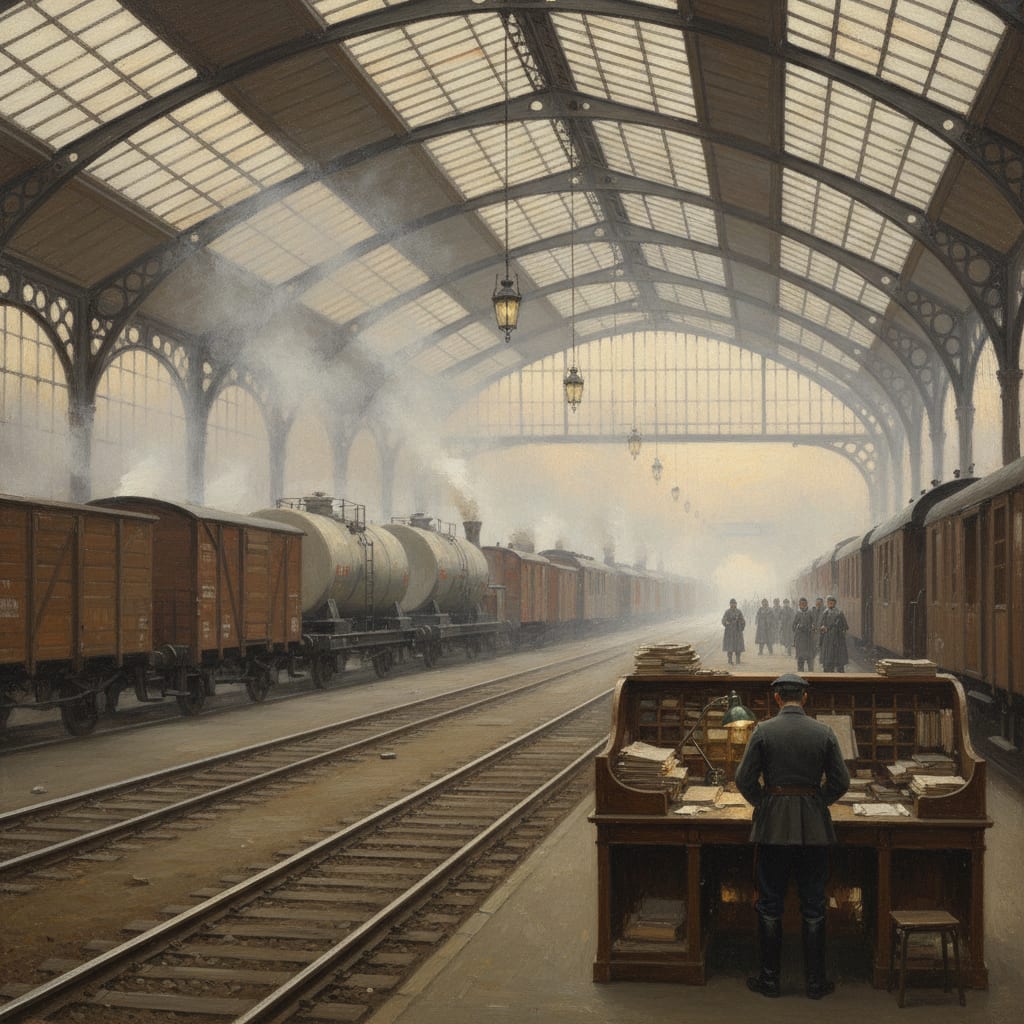
Munich
The last comfortable city; or, where the war becomes a number before it becomes a wound
The Synod's central logistics hub and the last city where the war is an abstraction. Seven hundred thousand souls administer the machinery of a conflict they will not fight. Munich pays its tithes, fills its quotas, and resents everything.
Codex Ref. II.4.09-008

Munich Provisorium
The temporary warehouse complex that learned to digest a city
The Provisorium is Munich's vast Bureau of War quartermaster depot: 412 storage facilities, 14,000 tons a week, three incompatible inventories, and lungs the paperwork declines to notice.
Codex Ref. II.2.01-013
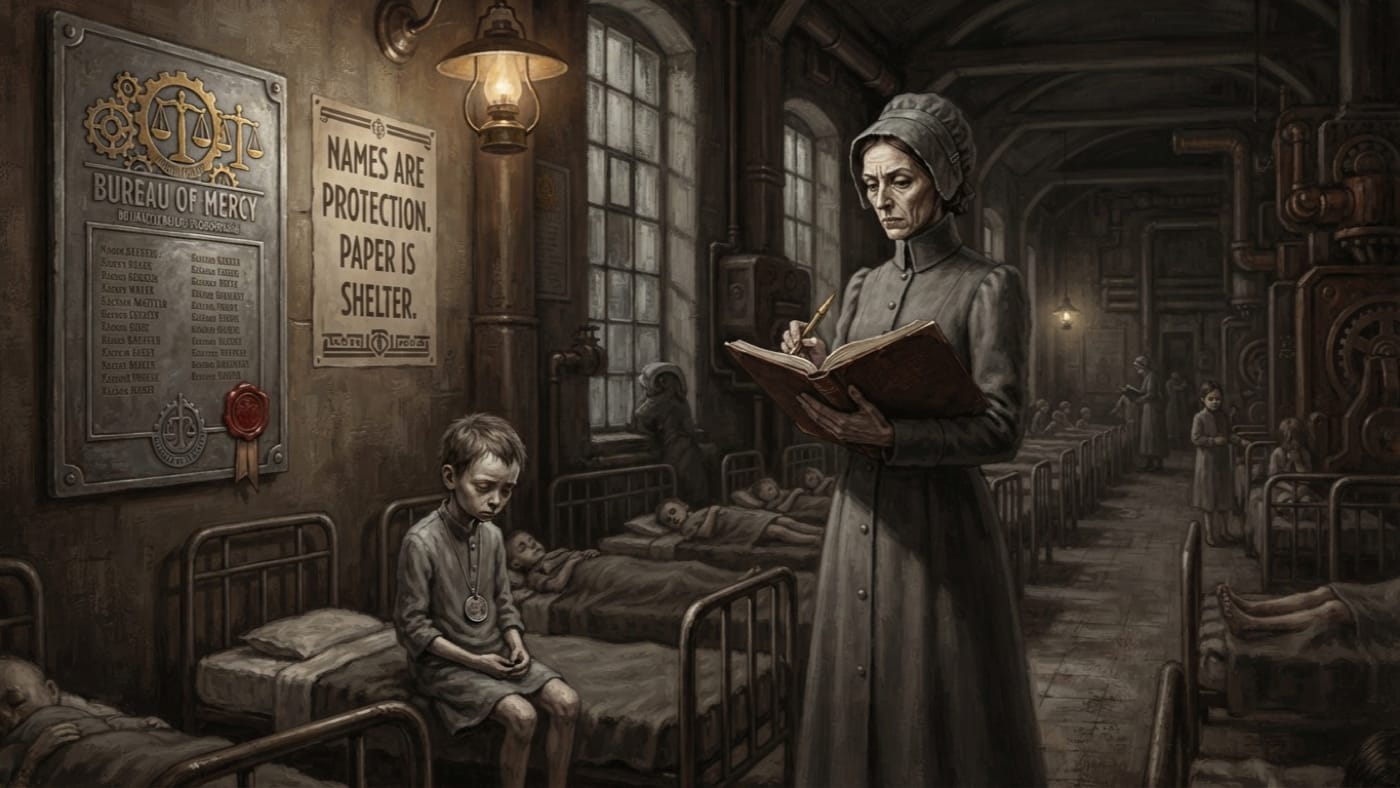
Name-Givers
The child answers to the name that feeds it
The Name-Givers are Orphanage Registrars who trust paper, discipline, and hunger to remake a child's identity. The assigned name secures supper; the remembered family remains a disciplinary problem.
Codex Ref. XI.1.05-003
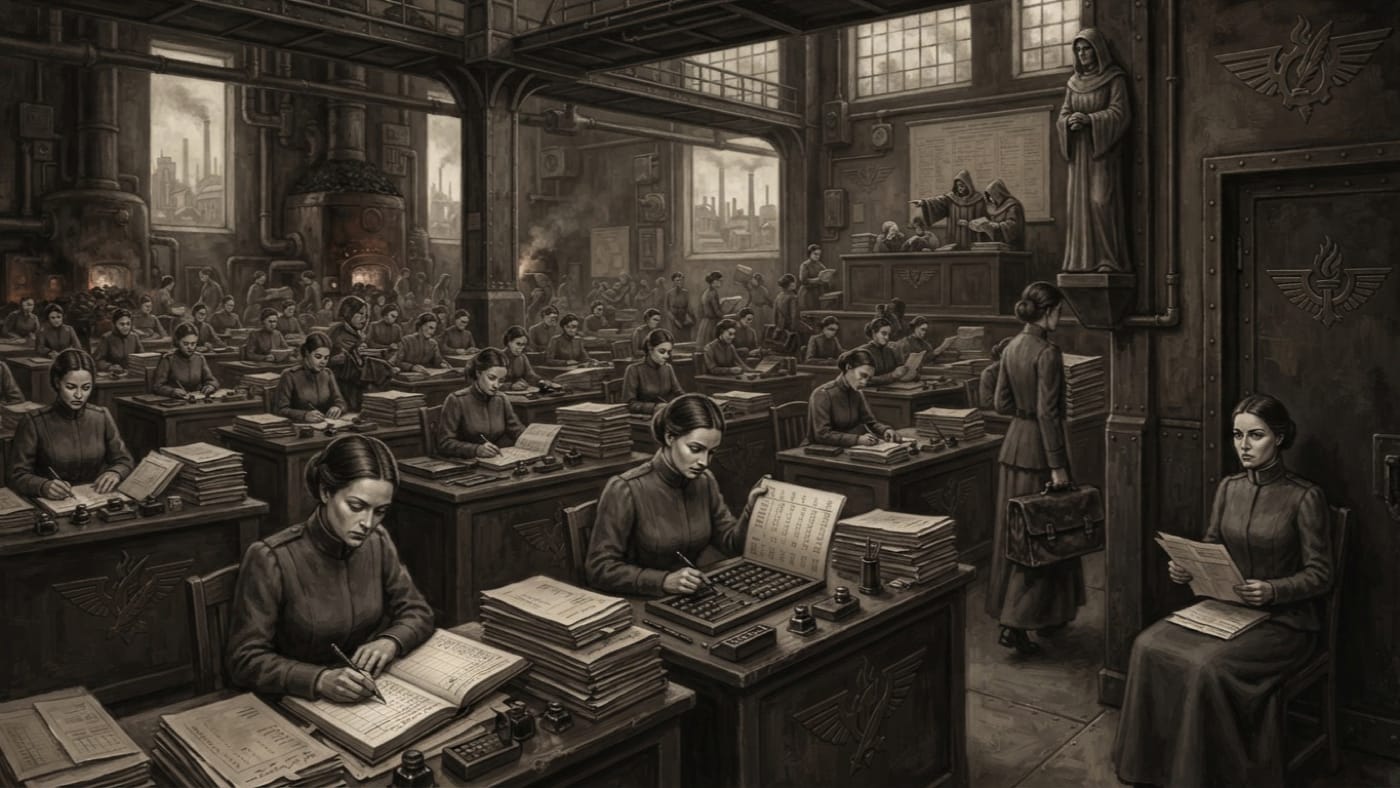
Natal Division
Where congratulations becomes a claim upon the household
The Natal Division trains Strasbourg's Womb Registrars to make pregnancy legible: notices, approved names, household sums, reconciled writs, and suspicions precise enough for Purity to act upon.
Codex Ref. XII.9.04-002
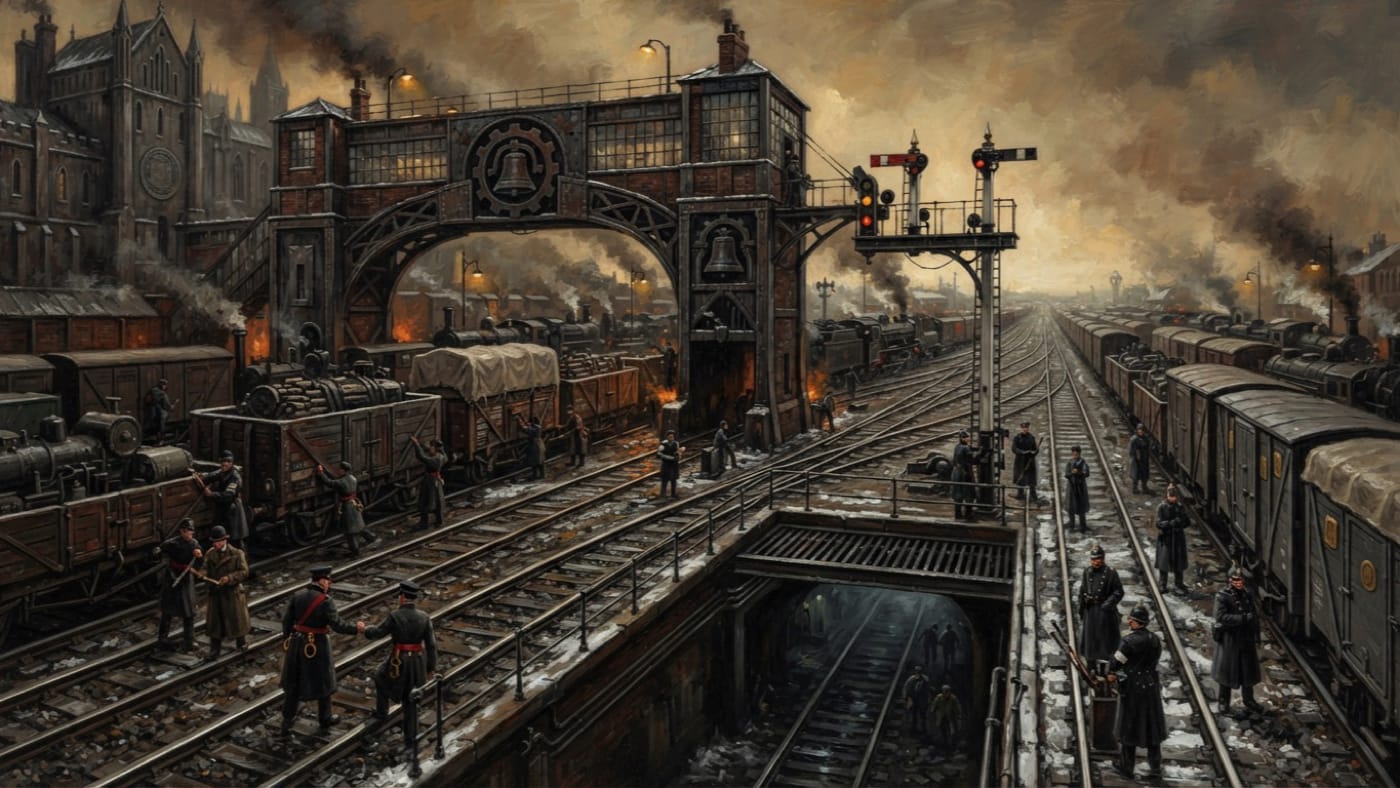
Needle
One track, one gate, and a price for every minute
The Needle holds Lorn's eastbound freight to one inspected track; priority windows buy release, while sealed Payroll Spur crates leave the gate with innocence on paper.
Codex Ref. II.3.01-201
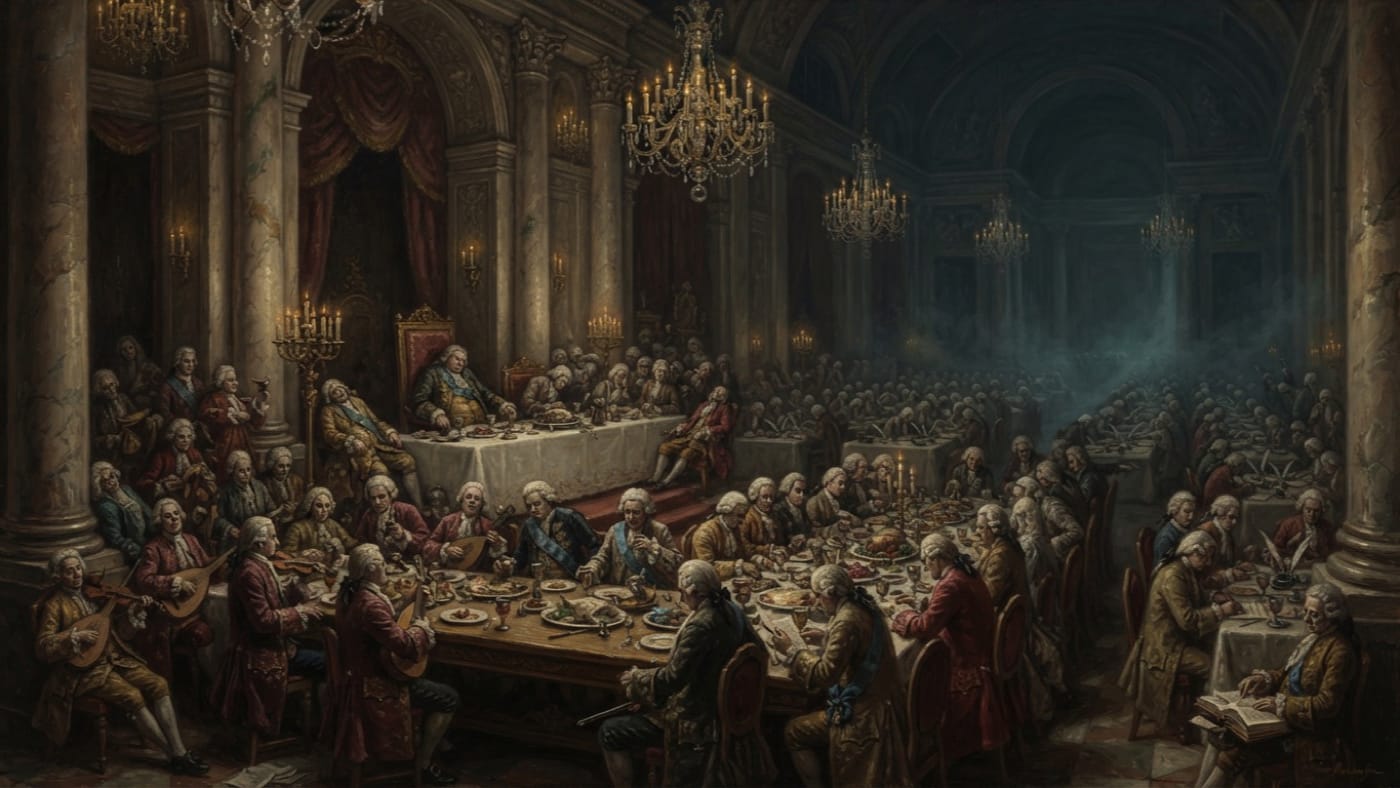
Night of a Thousand Lamps
The kingdom that ceased to command
Phocis lost its crown to sleep during the Sundering of A.S. 45. Drax compares the received accounts of the banquet, the bells, and the clerks who filed a kingdom's paralysis.
Codex Ref. VII.8.11-045
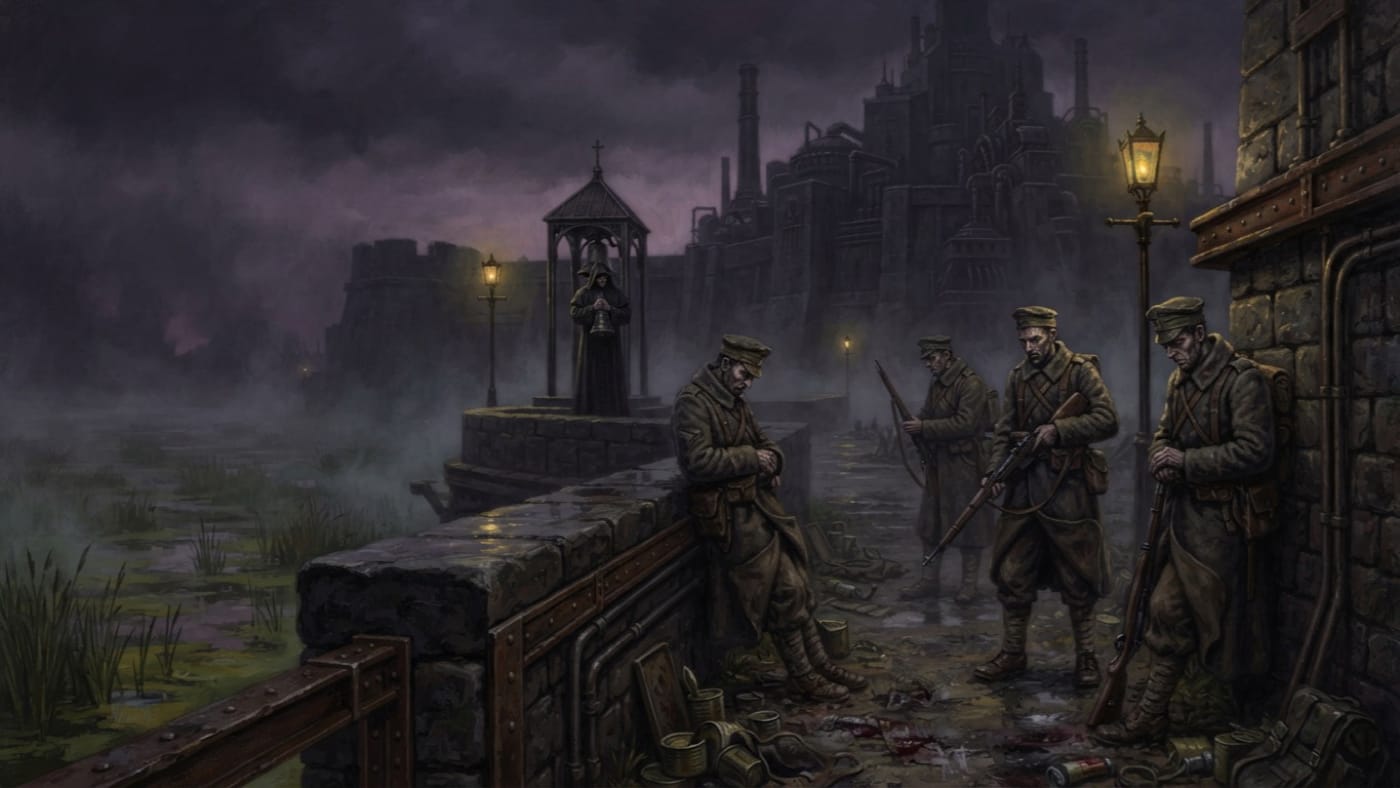
Night of the Fourth Watch
Three sentences survive. The rest is wax.
An A.S. 201 survey of the surviving public notice: a parish regiment consumed what remains redacted. Survivors were shriven and reassigned; Ninth-Ratification retains the rest.
Codex Ref. VII.8.04-001
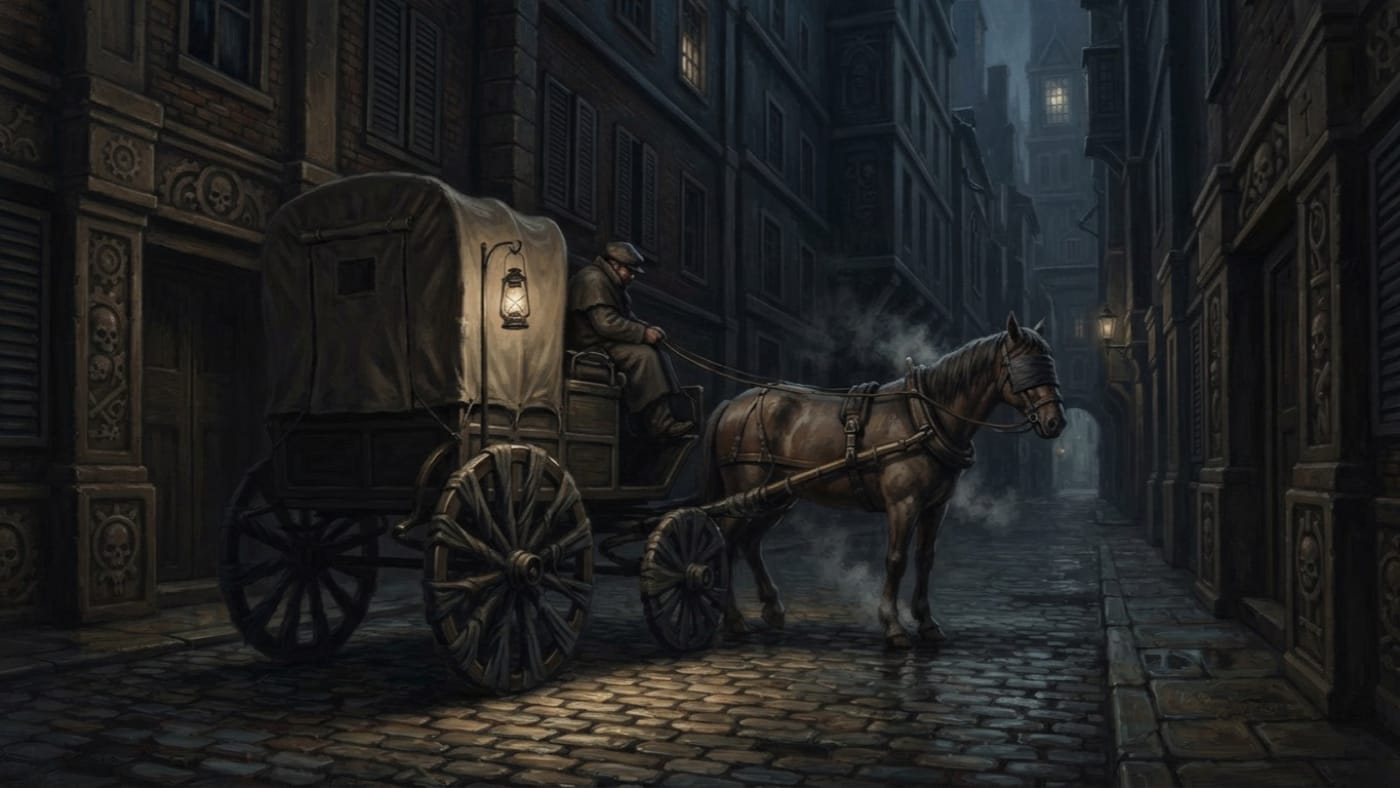
Night Wagon
A disappearance has mass, and someone must grease the axle
Night Wagons are the Bureau of Shadows' unmarked carts: wrapped wheels, hooded lamps, no manifests. They leave after the final peal and return before Matins. Records calls this routine supply; I recommend sleeping through it.
Codex Ref. V.2.04-001
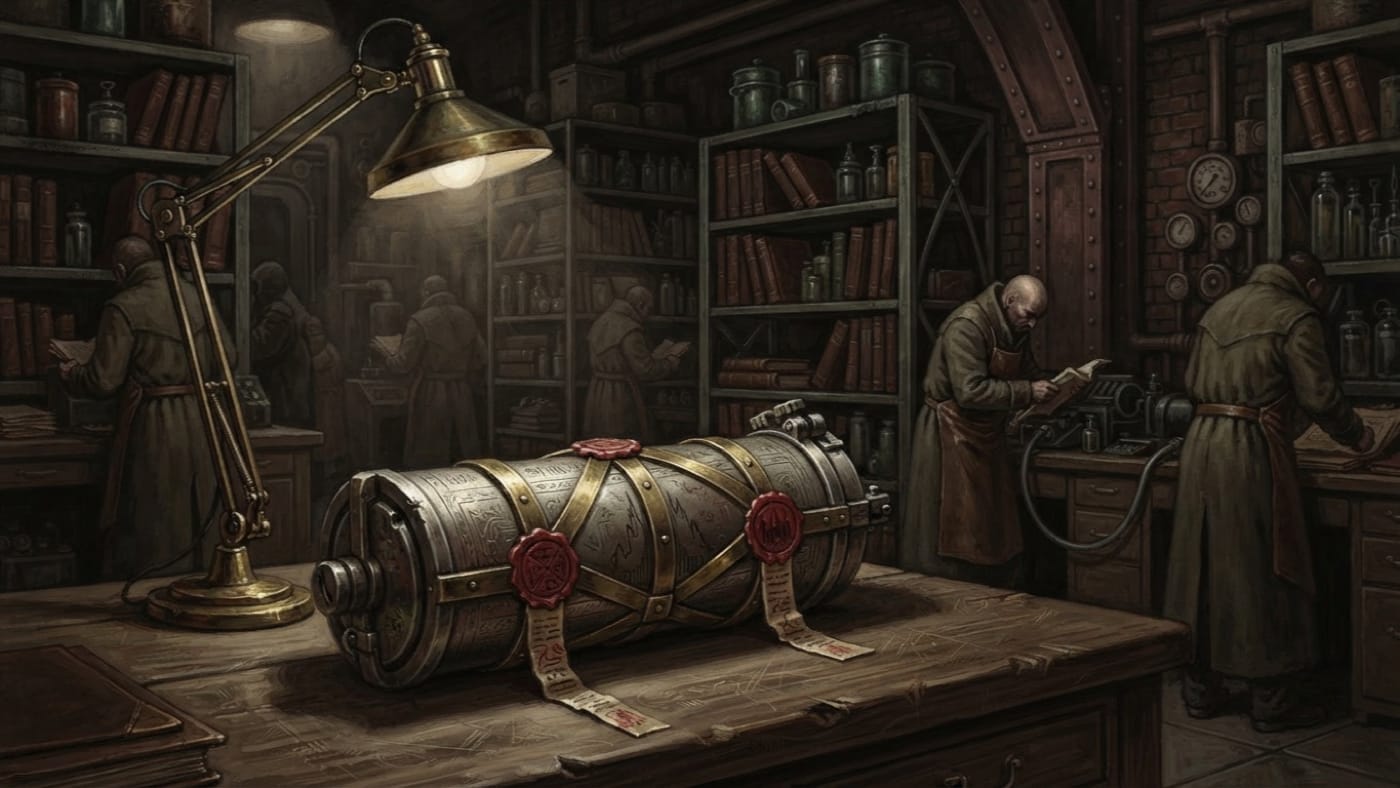
Night-Syllable Cylinder
The seal certifies custody; the contents remain uncertified
Kest has sealed Brast's night-syllable cylinder. The Bureau can certify the seal; contents, provenance and any connection to the unlicensed sound remain unproved.
Codex Ref. XIII.1.72-004
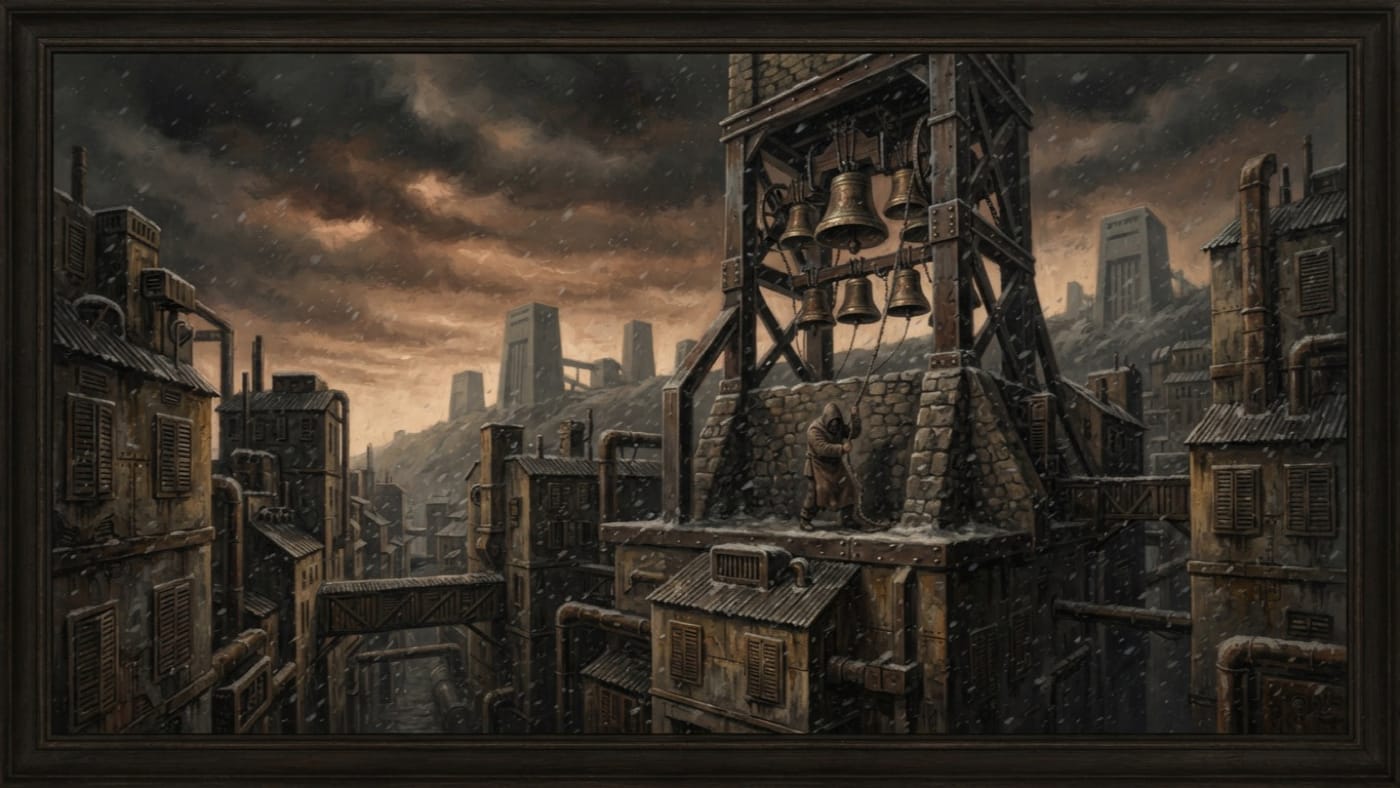
Nine-Bell Night
The district reached shelter; shelter did not keep it alive
This A.S. 201 survey records Lor's undated Nine-Bell Night: the towers rang late, a sealed district suffocated, and the Guild's charter outlived its claim to informality. The cause remains unsettled.
Codex Ref. VII.4.03-1928
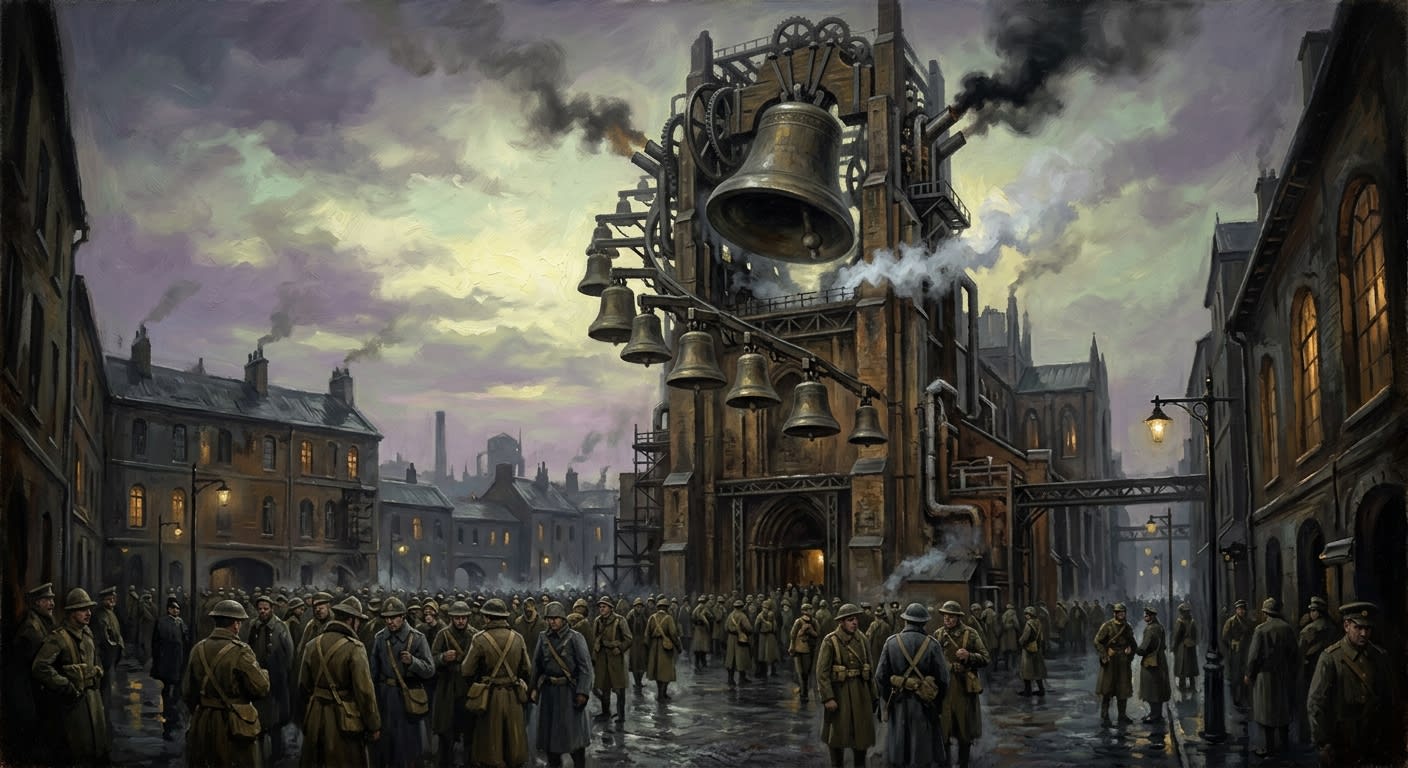
Ninefold Matins
Dawn is not welcomed; it is struck into obedience
Ninefold Matins is the Synod's dawn peal: nine descending strokes by which sleep is annulled, bodies are mustered, first actions become lawful, and the private self is beaten into schedule.
Codex Ref. XIII.1.62-115
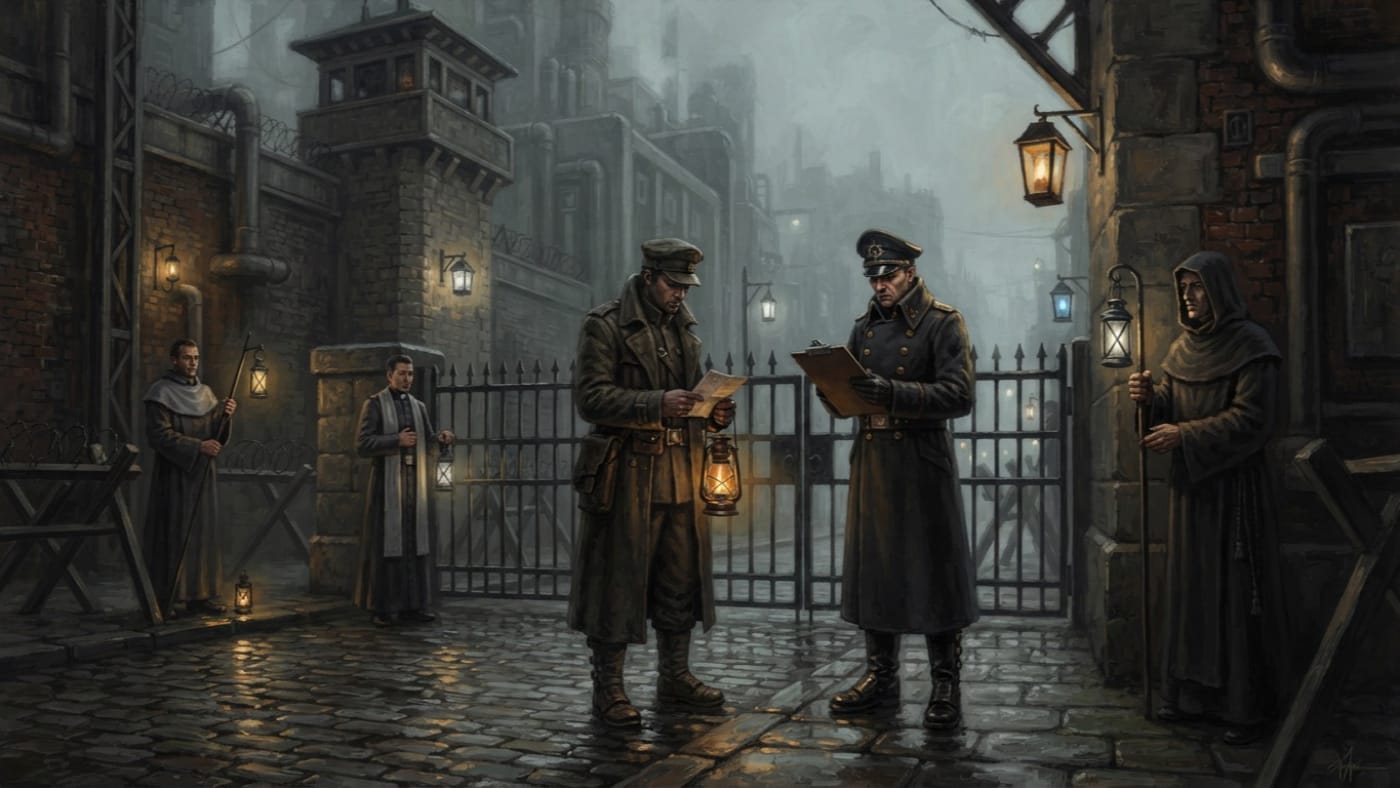
Ninth Peal
The hour when a walking body must explain itself
The Ninth Peal makes every step conditional: after dusk, Rhineland crossings demand cause, route, pass, lamp and witness. Drax surveys the machinery in A.S. 201.
Codex Ref. XIII.1.62-201
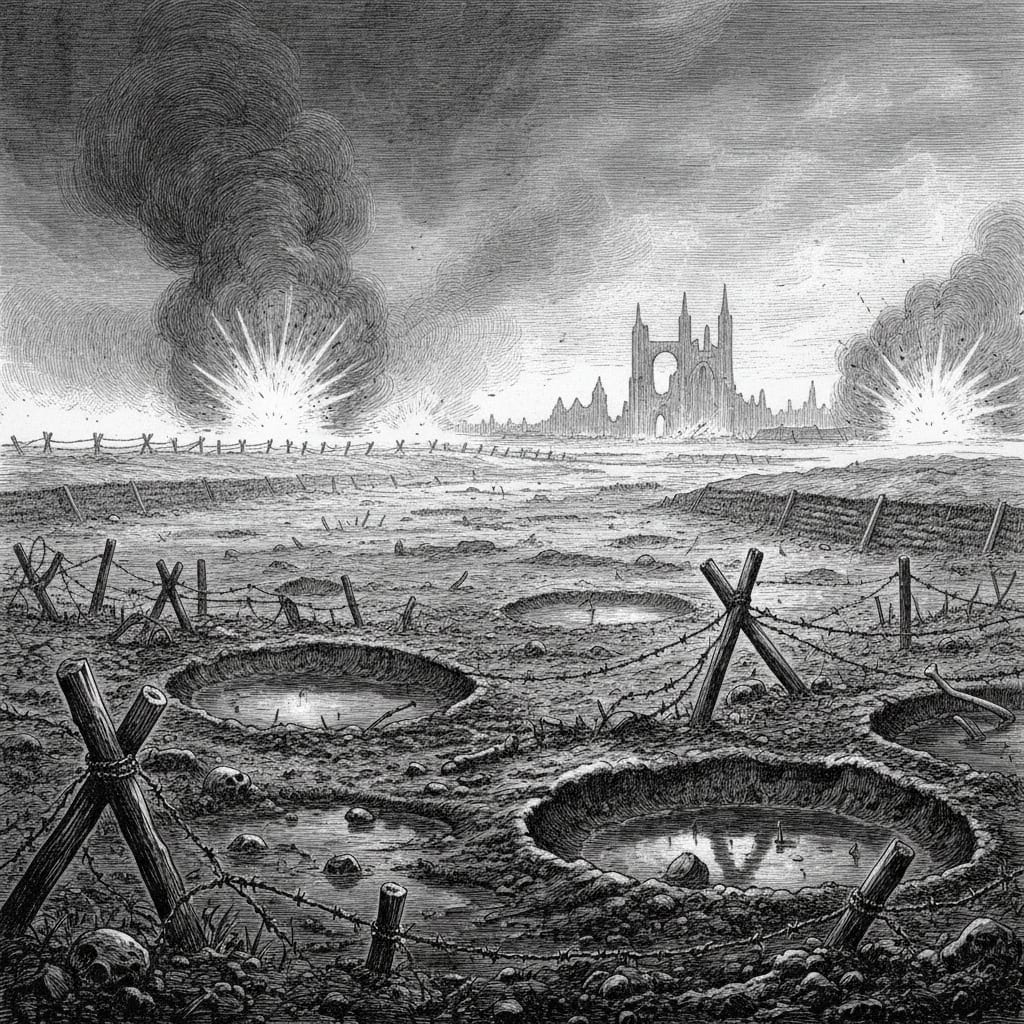
No Man's Land
The Wound That Will Not Heal
The continent-length scar between the bastions and the Great Deceiver's domains, where mud remembers, fog sings, and the dead outnumber the living by a margin the Bureau declines to publish.
Codex Ref. V.1.02-031
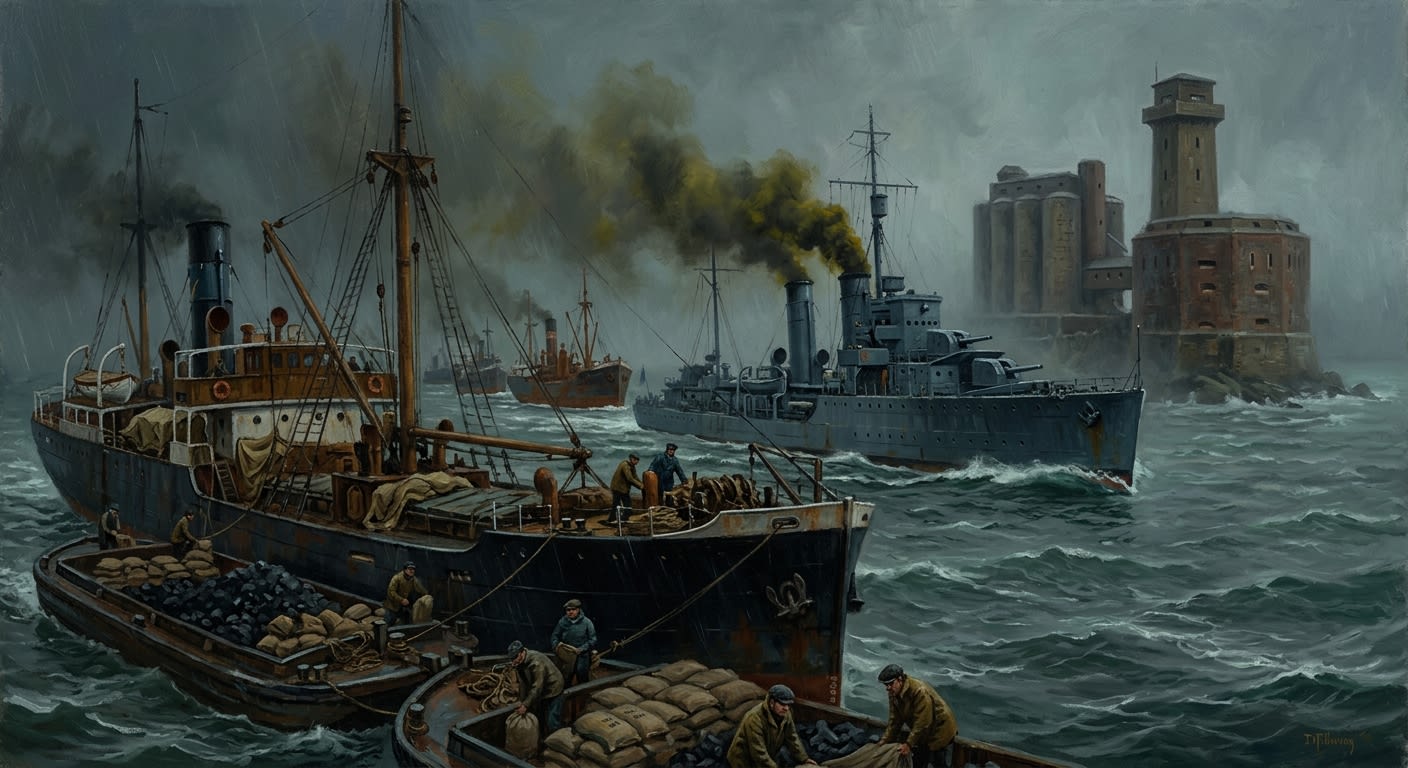
North Sea
The wet border that feeds the Line and refuses the Ledger
The North Sea is the Synod's least obedient frontier: a maritime supply basin of grain, coal, fish, fog, foreign credit, reluctant allies, and weather that accepts no stamp.
Codex Ref. II.4.09-201
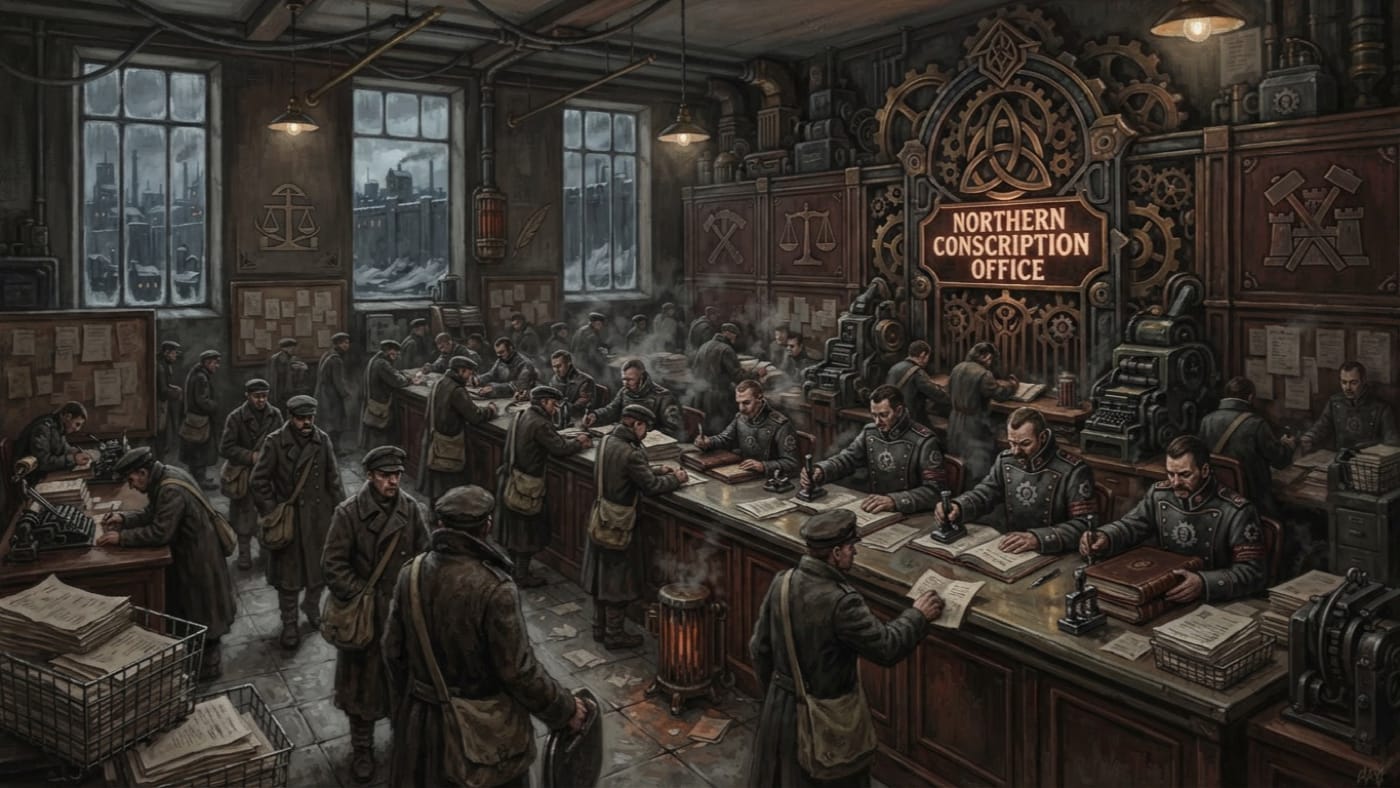
Northern Conscription Office
Every man volunteered. Every man was assigned.
The Northern Conscription Office receives Königsberg's conscripts and reconciles them against losses. Conscription claims the desk; War signs the briefing. Every assigned man is entered as a volunteer.
Codex Ref. III.4.07-1943
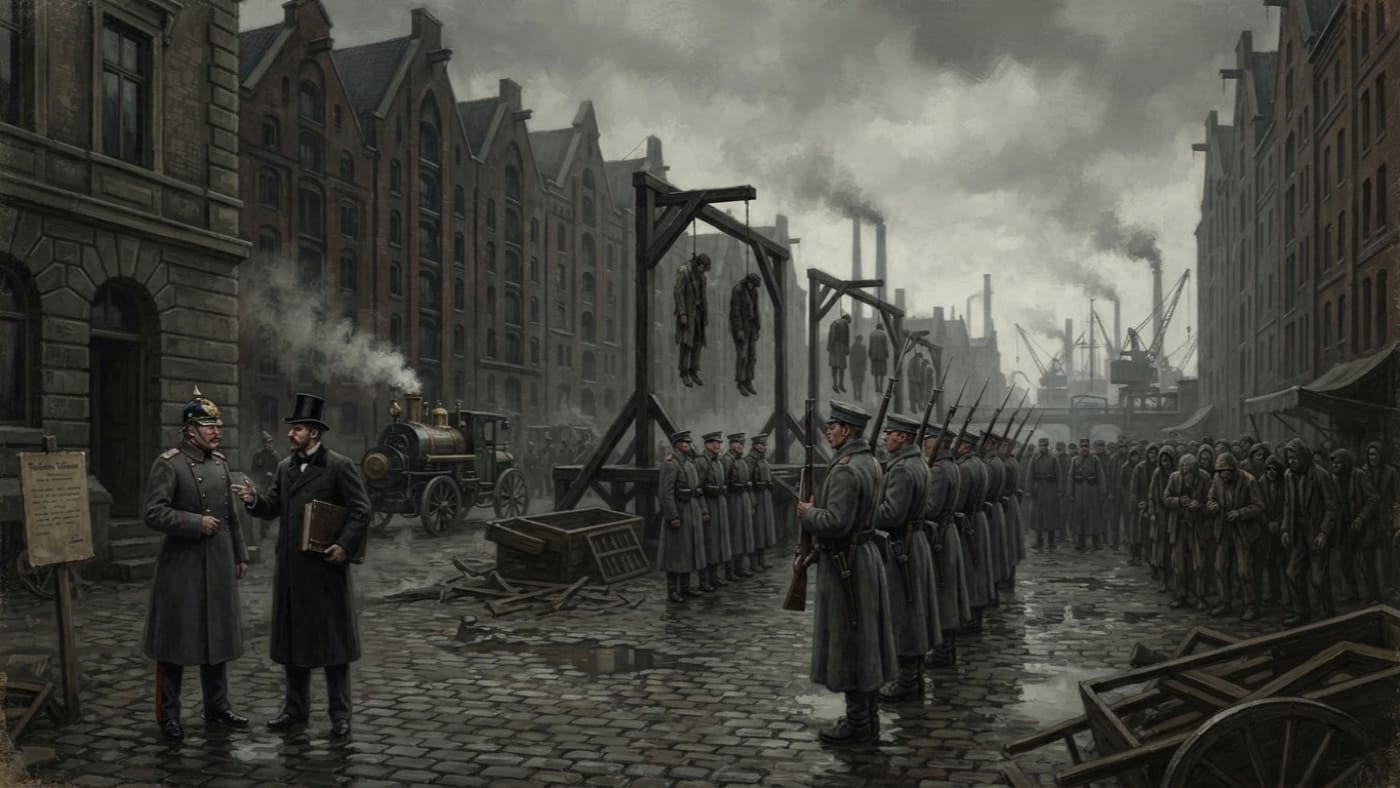
Northern Garrison
A hungry port received soldiers
Hamburg's harvest failed; the Northern Garrison came from Berlin. The A.S. 65 record preserves nine days of riot, hangings and a levy cut that expired after one quarter.
Codex Ref. VIII.5.07-065
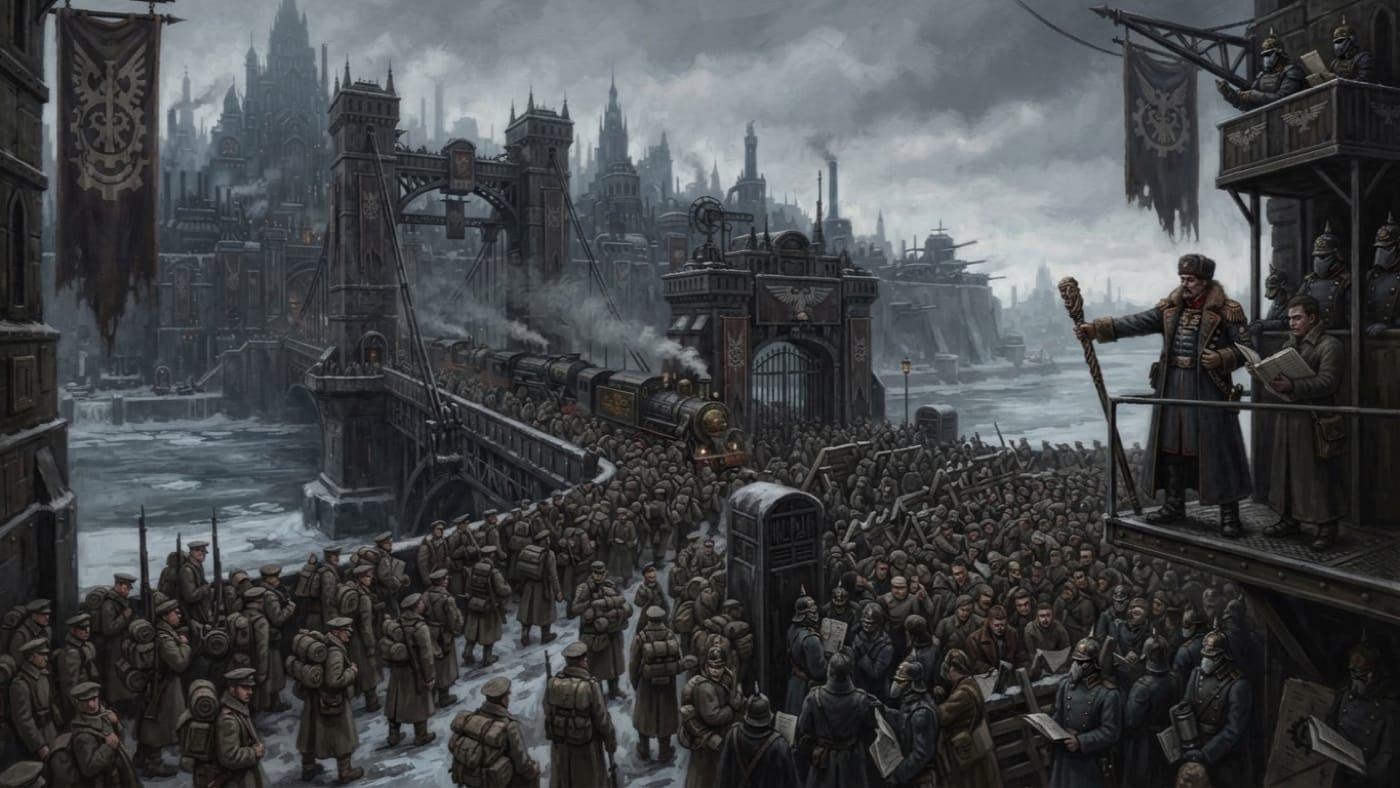
Northern Levy
Papers Complete, Movement Incomplete
The A.S. 201 return of Brest's northern replacements: lowland sons sent through Warsaw, columns arriving short and late, and valid orders awaiting the bridge's permission to cross.
Codex Ref. VII.8.10-201
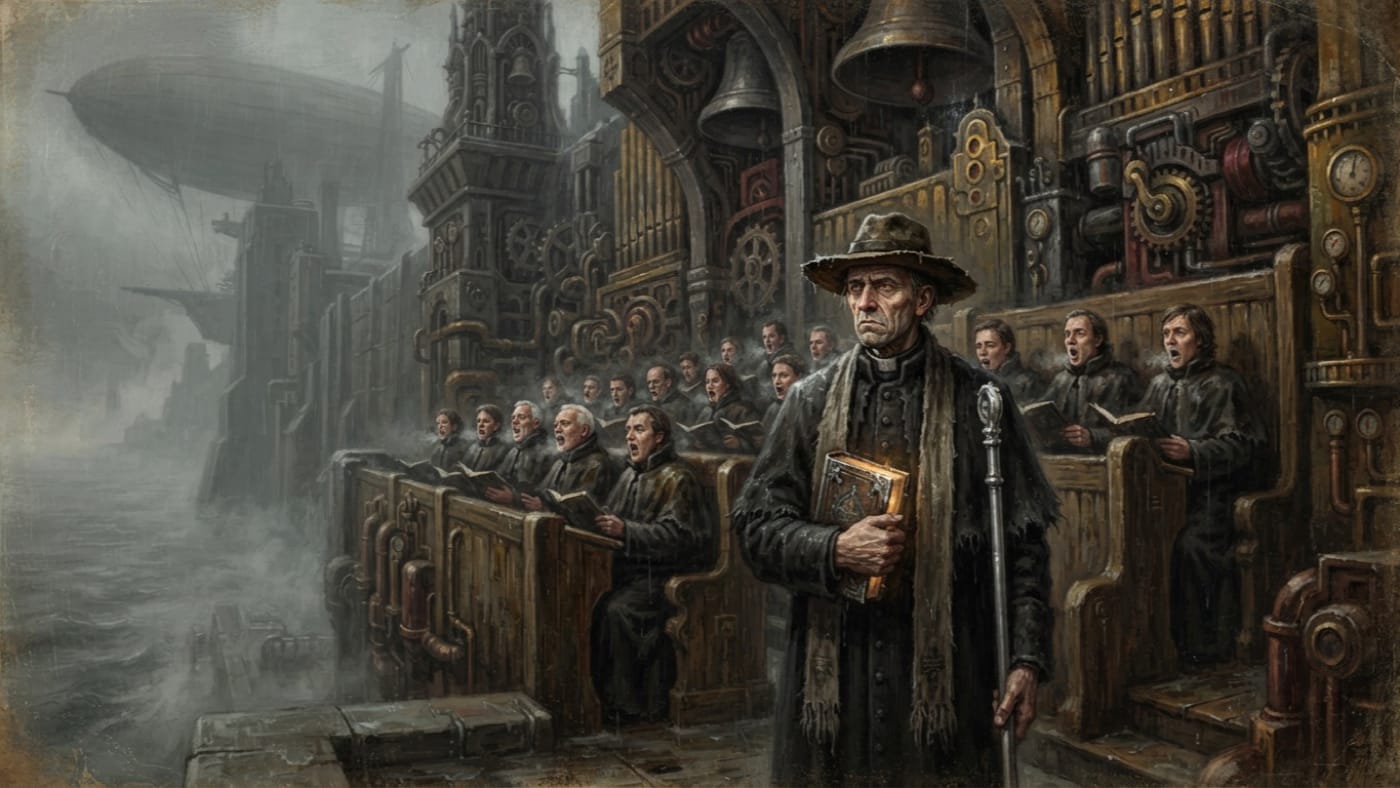
Northern Liturgical Inspector
A promotion denied because the Choir still needed its priest
The Northern Liturgical Inspector appears in Grau's personnel review as a promotion denied by operational necessity. The Bureau recorded a title; Königsberg kept its priest.
Codex Ref. XIII.1.57-201
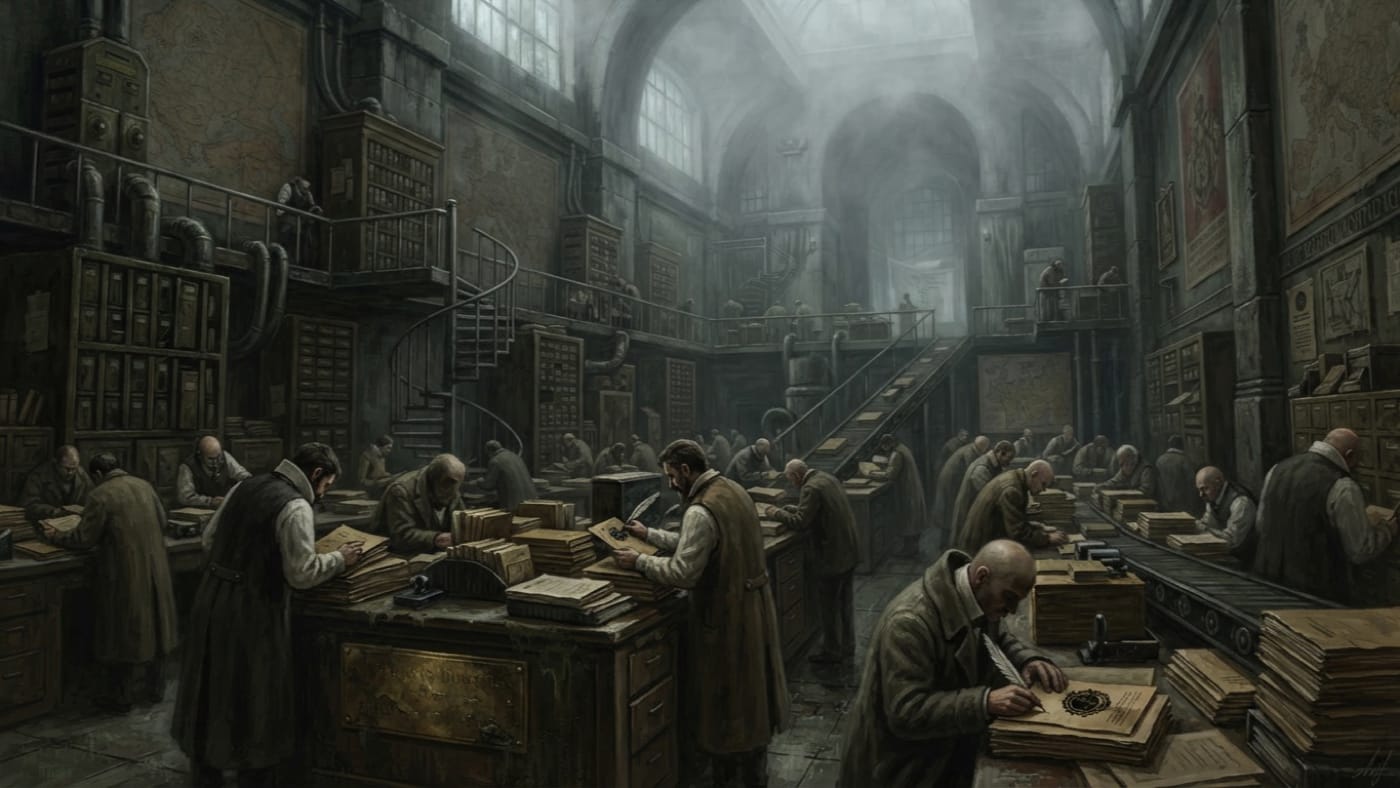
Northern Office
A desk that can halt an oath and still mistake silence for poverty
The Northern Office appears in two Königsberg dossiers: a paternal oath withdrawn after review, and a chaplain questioned for refusing to speculate. The fog remains unexplained.
Codex Ref. III.3.01-041
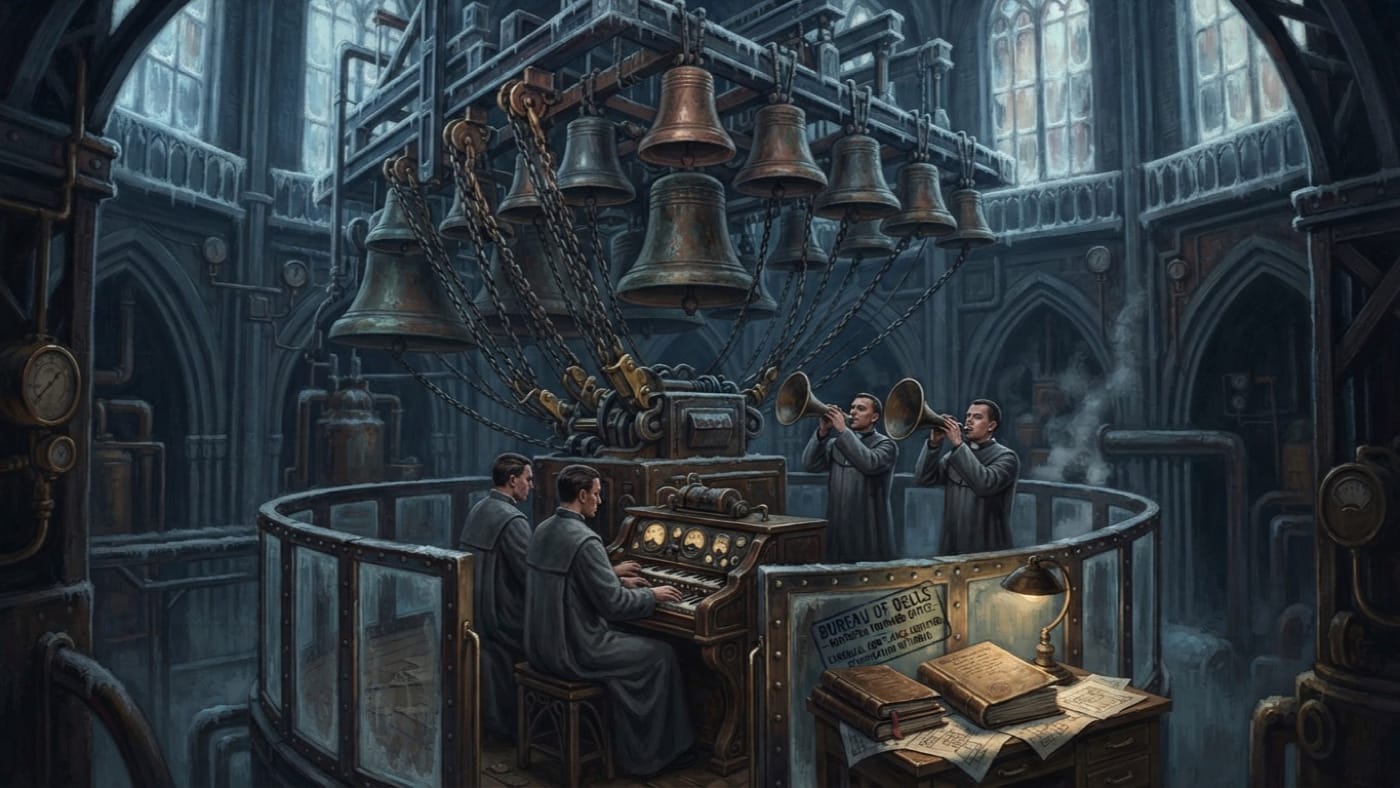
Northern Standard Resonance
The pitch is lawful; the answering remains unexplained
Northern Standard Resonance certifies the lawful tuning of Königsberg's forty-one bells. The gauges find no fault; the chaplains hear an answer. As of A.S. 201, both reports remain on file.
Codex Ref. XIII.1.62-201
Northern Theater
Where the north remains faithful because terror has not been assigned a better category
The Northern Theater is the Synod's coldest unresolved front: Königsberg, Brest, the Grey, the Nameless Tide, failed hymns, returned faces, echoing confessions, and confidence stamped over fear.
Codex Ref. II.4.10-190
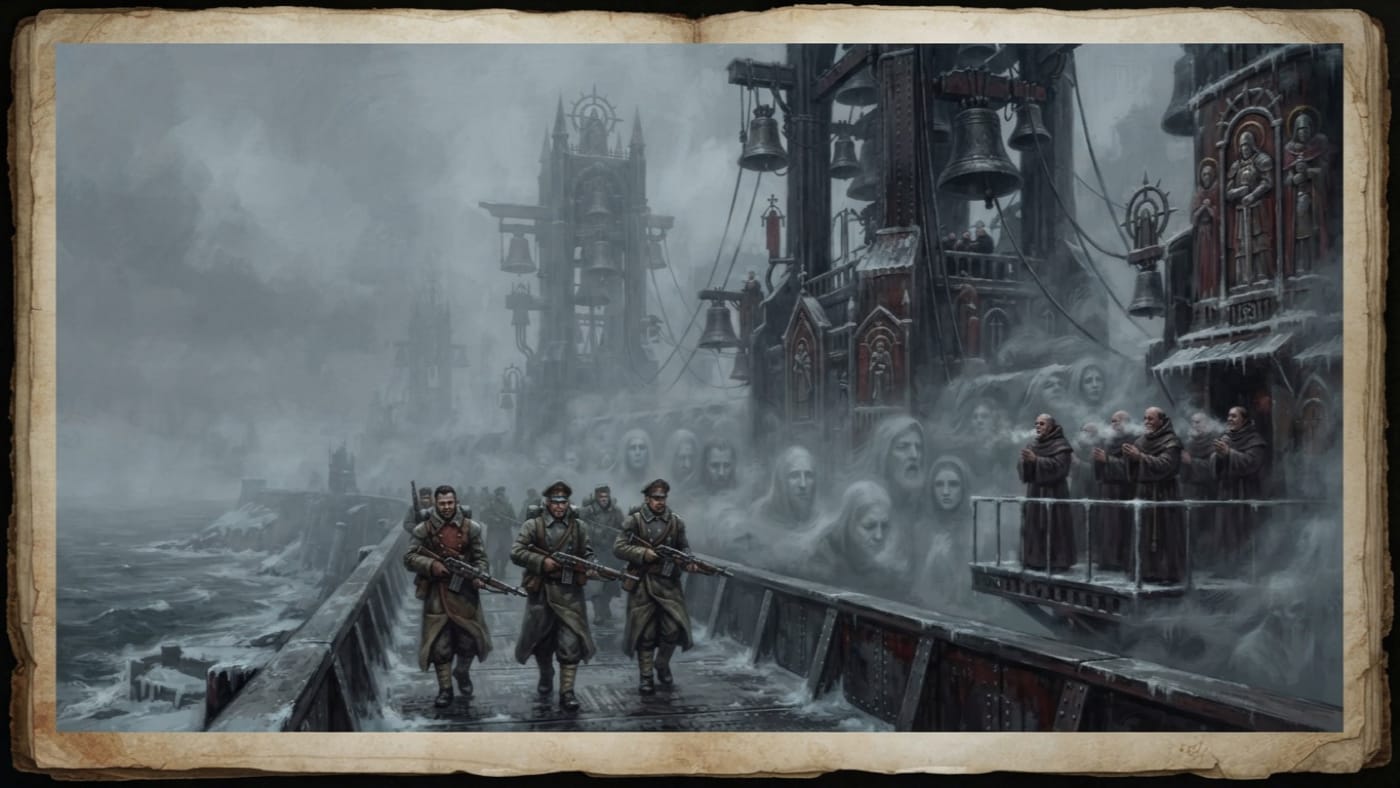
Northern Theater Assessment
Eleven years of acknowledged receipt, and still no ruling
The Bureau of War filed its assessment of the Grey in A.S. 190 and urged classification review in A.S. 196. Doctrine acknowledged both. Eleven years on, I can record the receipts; I cannot record a ruling.
Codex Ref. XIII.1.103-190
Northern Theater Logistics Command
The palace writes the order; the railway waits for bread
Northern Theater Logistics Command works from an old Polish palace in Warsaw, serving the routes to Brest and Königsberg. Orders are plentiful; coal, sound rail and bread decide what moves.
Codex Ref. VIII.7.05-201
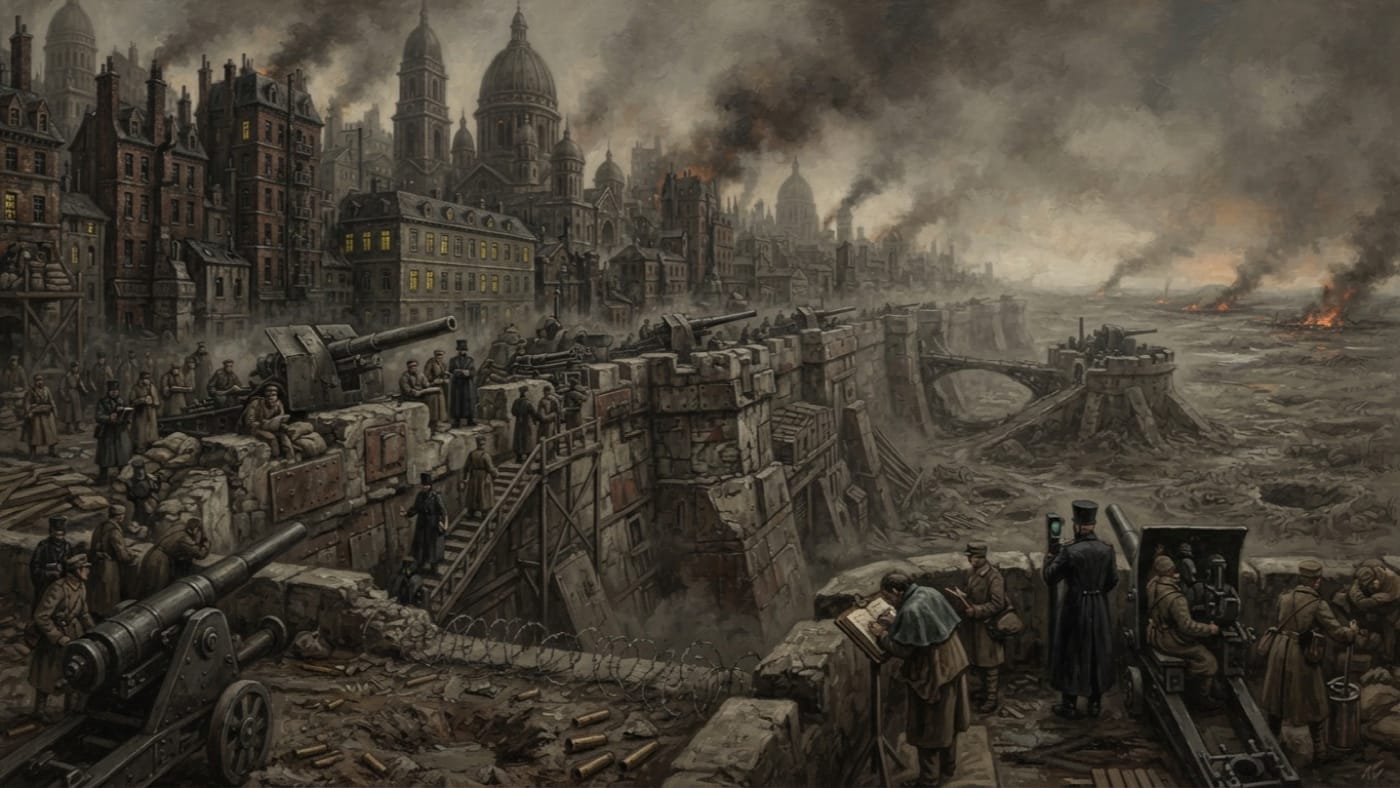
Northern Wall
The guns answer north; the city goes to dinner
The north-facing defenses of Bastion-Constantinople answer Maldrake across the Thracian Plain. Guns, Wardens and repair crews keep the frontage in service; the records still cannot agree where it ends.
Codex Ref. II.4.10-201
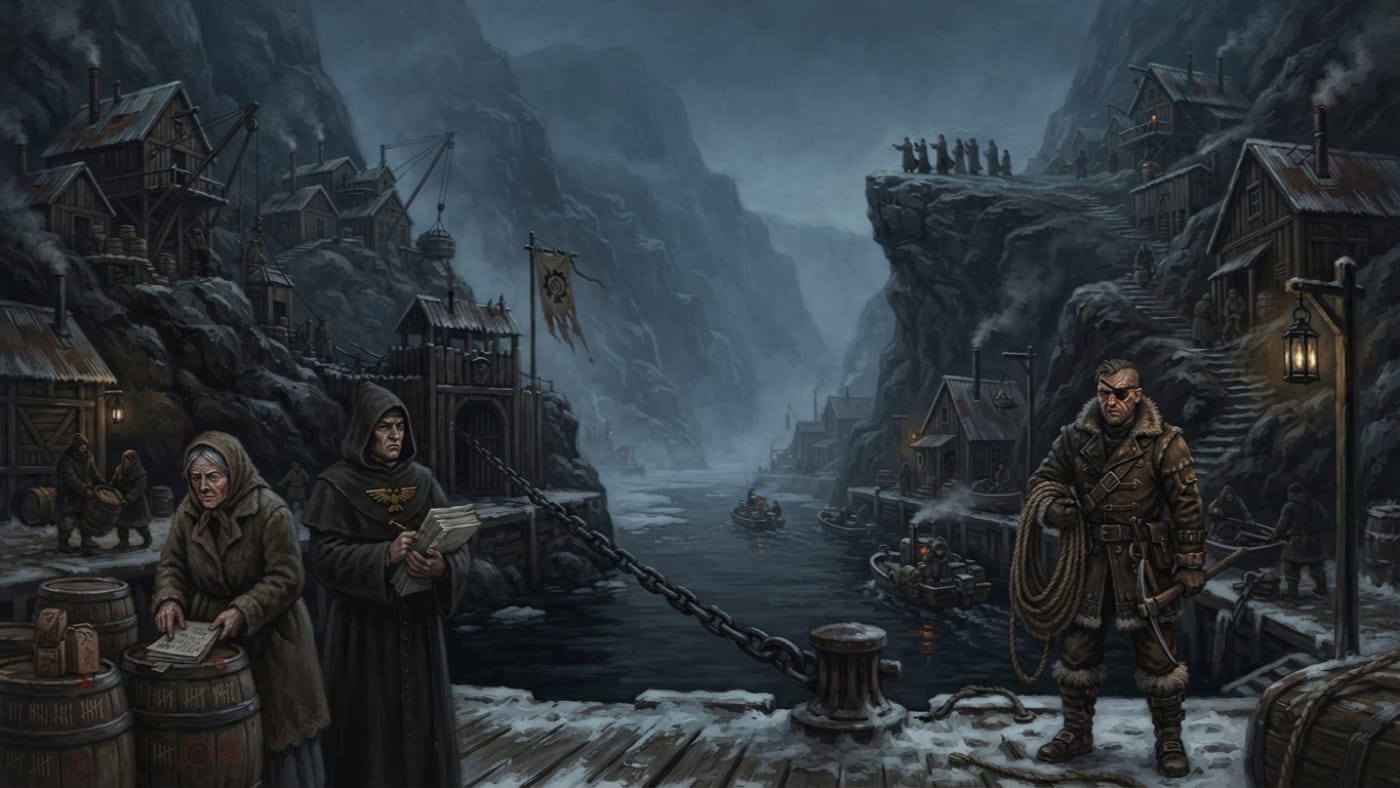
Norway
The map belongs to Strasbourg; the narrows belong to the clans
Norway's fjord compacts supply the Synod's northern war while keeping their own chains, watches and fasts. A.S. 201 assessment: the oil arrives; authority remains local.
Codex Ref. II.8.01-001
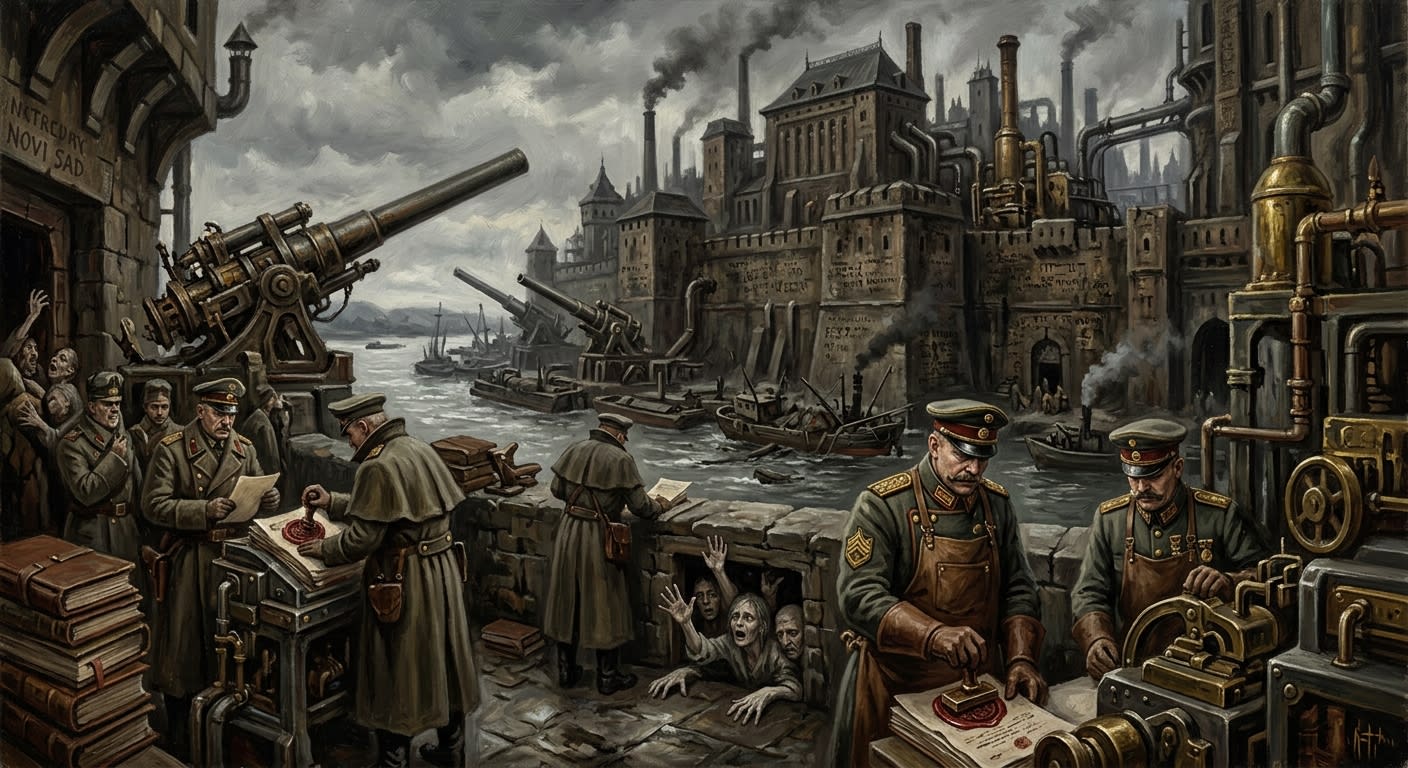
Novi Sad
The city where cannon, stone, and stamp each learned to fail
Novi Sad is a fallen Danube city whose cannon never fired, whose stones wrote living names, and whose valid seals once starved the bodies beneath them.
Codex Ref. II.4.09-045
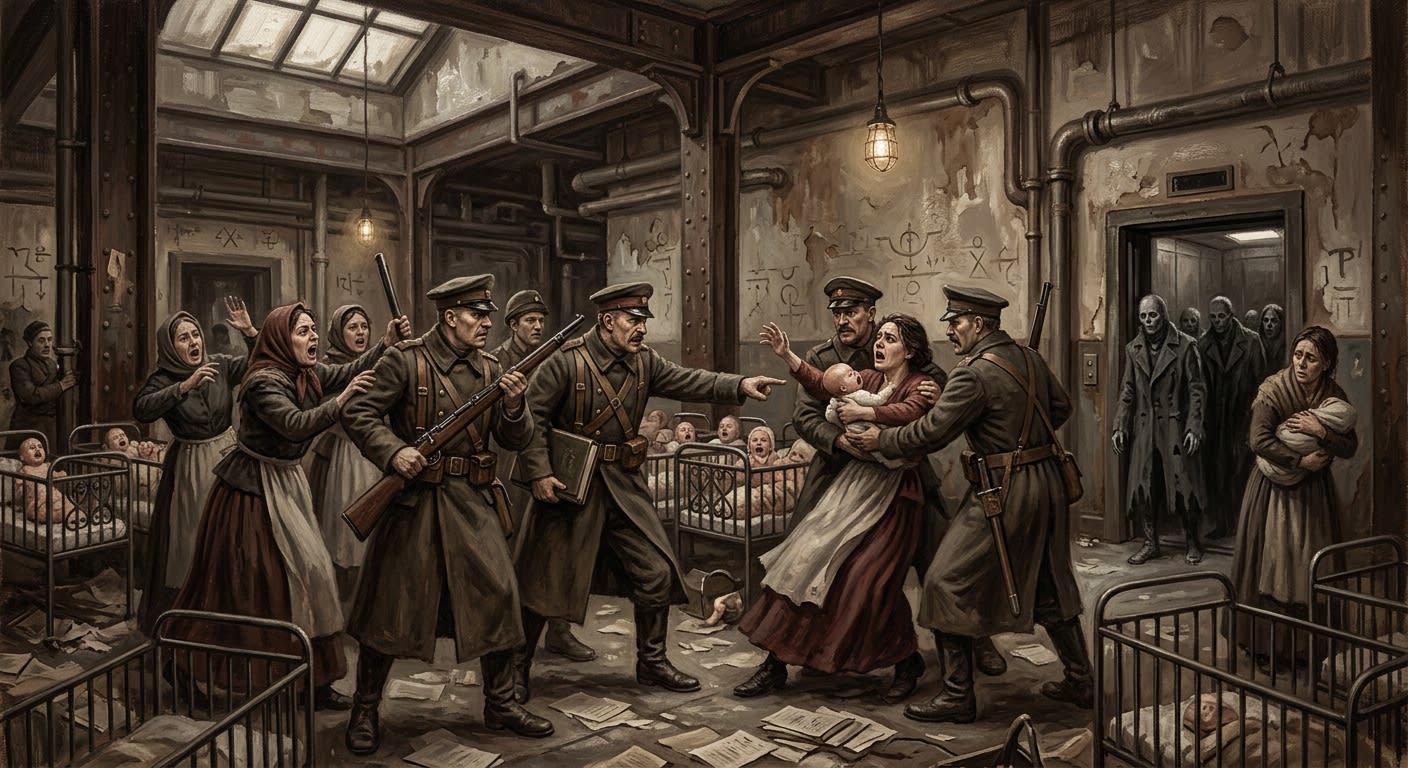
Nursery Levy Decrees
The law counted the cradle; the cradle learned to lie
A.S. 152 cradle-registration laws that cut infant filing to twelve and seventy-two hours, birthed armed registry teams, midwife resistance, and the Pale Kin trade.
Codex Ref. VII.8.10-054
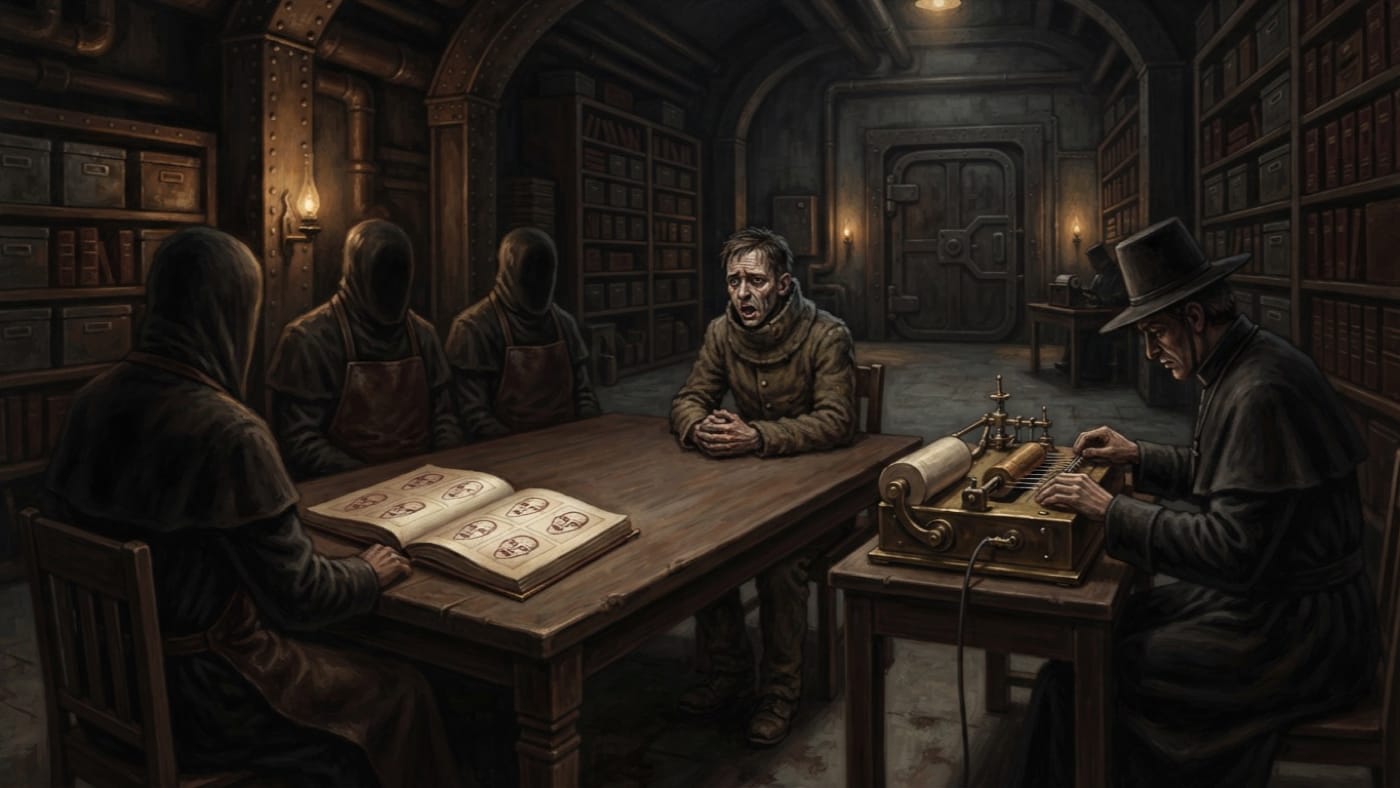
Oath of Compelled Testimony
Fourteen answers. No single account.
The oath requires truthful answers under threat of Administrative Dissolution. Fourteen survivors of Commission 73-C spoke under it in A.S. 73. Their accounts disagreed. The obligation was fulfilled.
Codex Ref. XIII.1.17-002
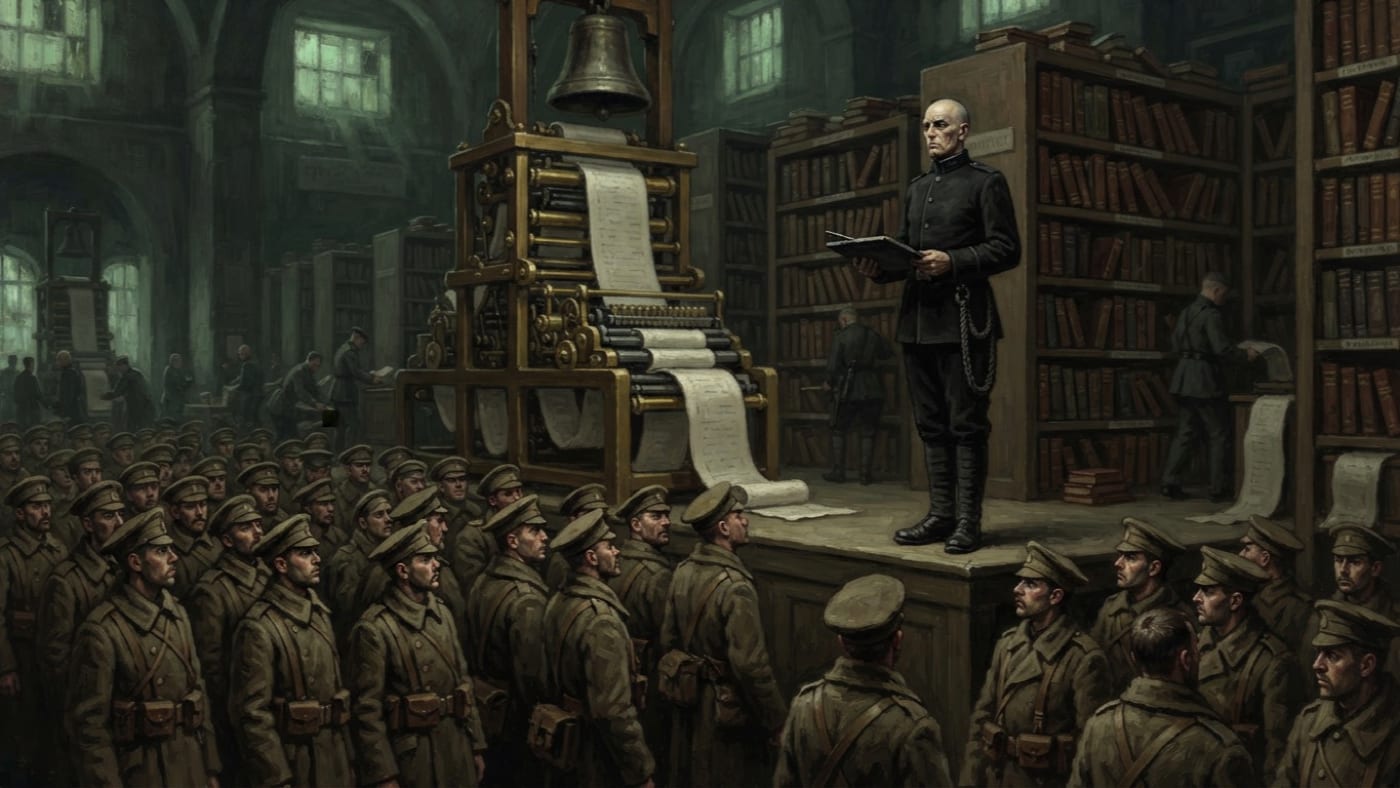
Oath of the Line
The Bureau does not recognize death as grounds for termination.
Every soldier swears before deployment. Service, obedience, the bell-schedule, and death if required pass into the Ledger; under the Bureau's doctrine, death does not end the obligation. Survey of current practice, A.S. 201.
Codex Ref. XIII.1.02-201
Oathglass Quarrytown, Saint-Helm's Cut
The mountain proves what the Seal House permits
A highland quarrytown built inside a volcanic-glass cleft that the Synod has declared a certified sacred site. The glass proves relics. The workers cough. The mountain, lately, has begun to sing.
Codex Ref. II.2.05-001
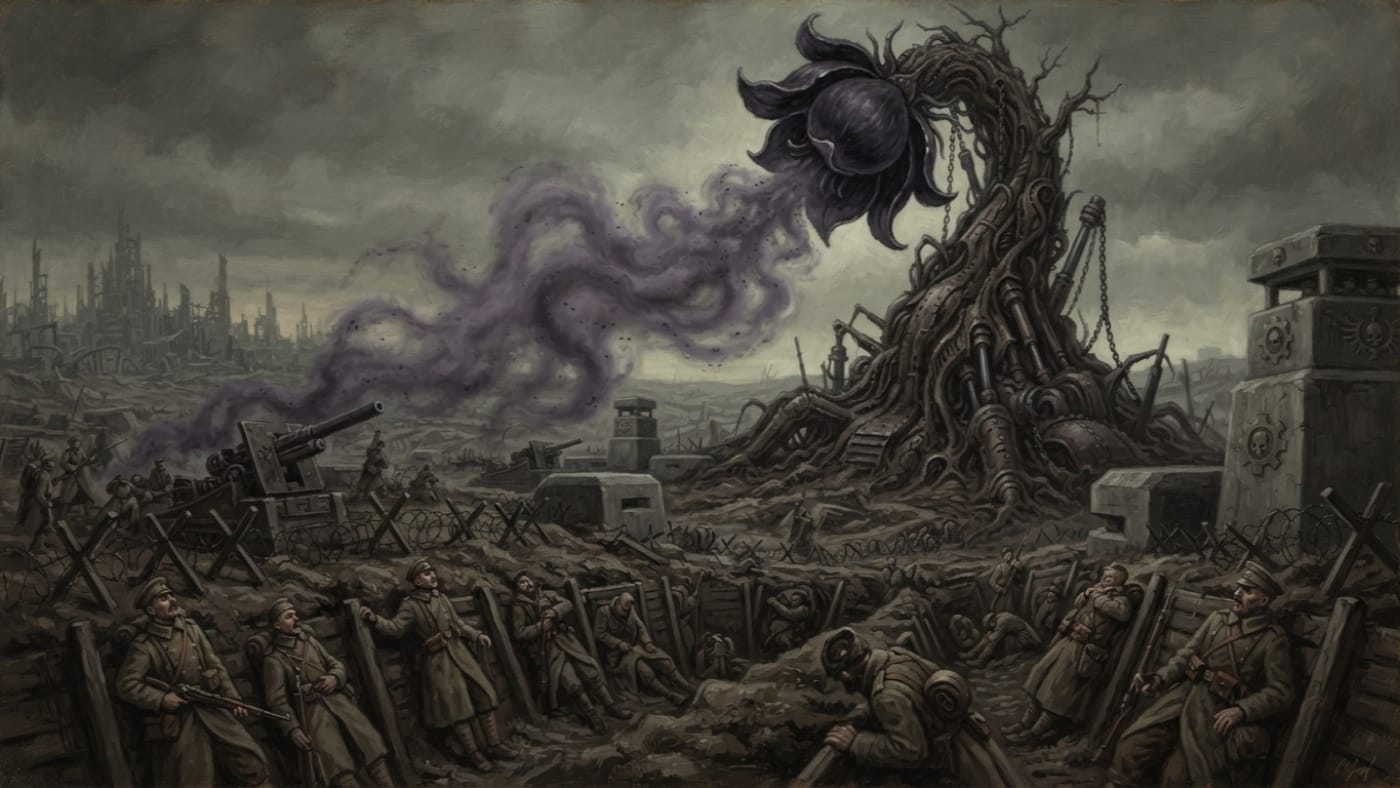
Obsidian Orchid
The Bloom Opens; the Ledger Remains Incomplete
Velkara's colossal living siege-engine releases intoxicating spores from a black bloom. Its origin, number, and first deployment remain blank beneath my seal.
Codex Ref. IV.1.07-009
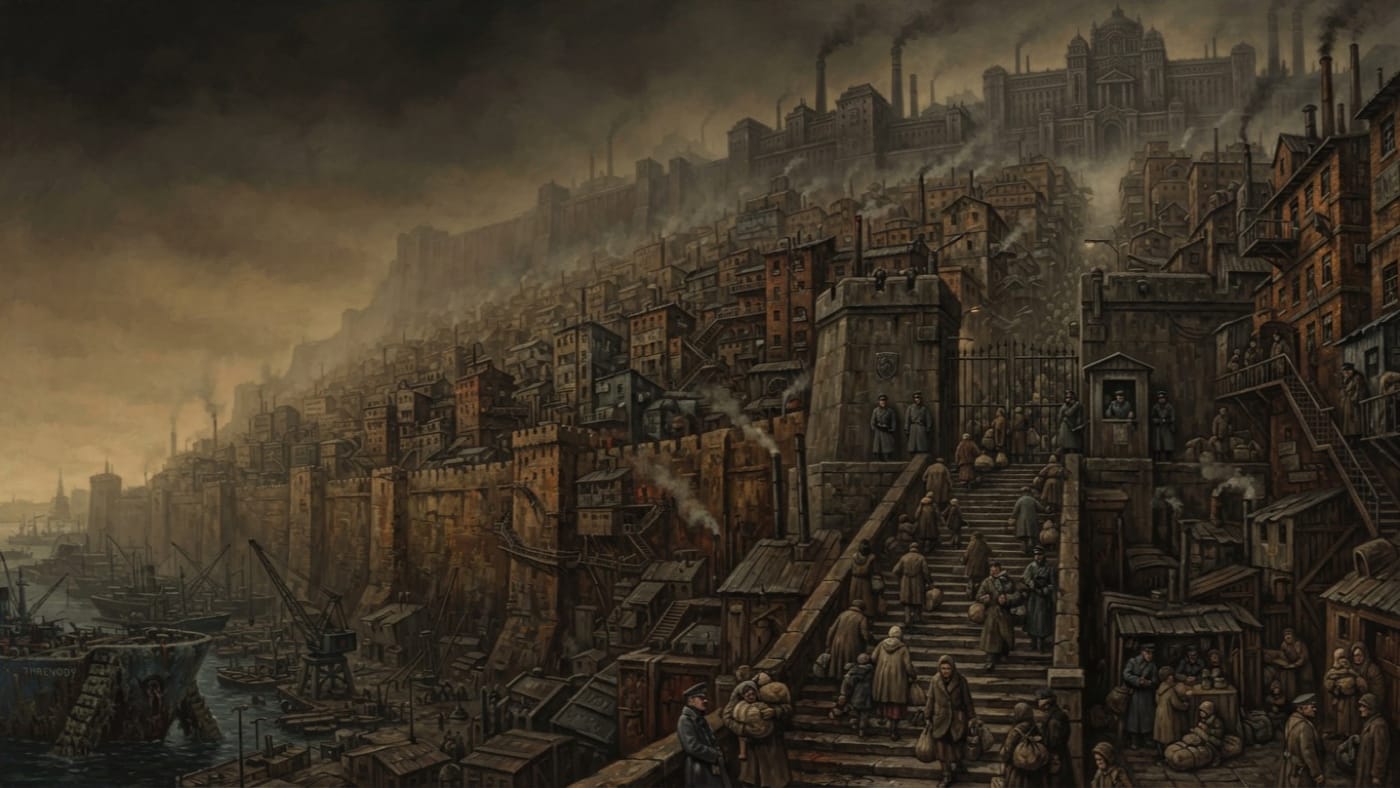
Ochre terraces
Above the walls, still within the ledger
Ochre enters the civilian terraces above Constantinople's old walls in the settlement ledger. A household may live uphill; passage to Blue still requires a stamp.
Codex Ref. III.2.04-1980
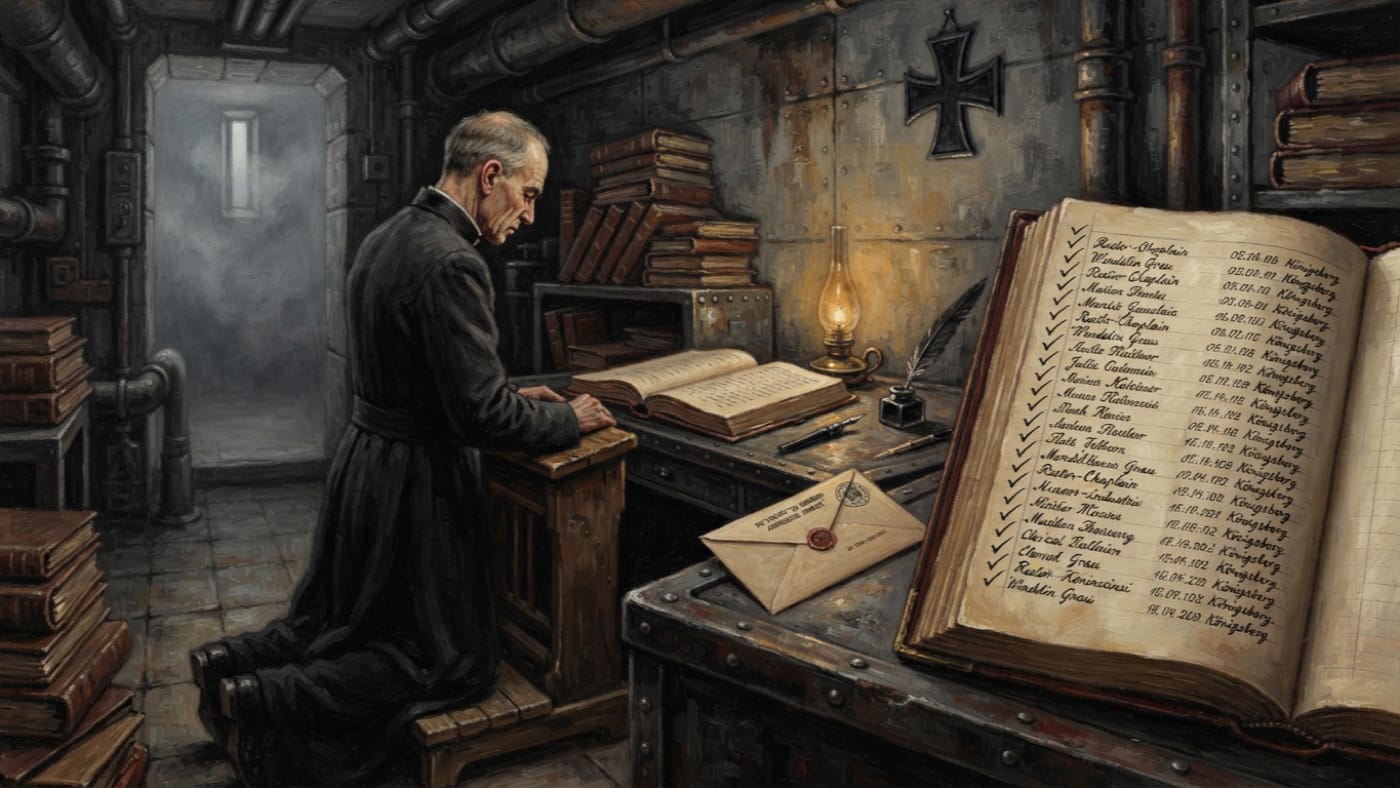
Office for Those Whose Voices Are Missing
A black tick beside the name; the name remains
Grau writes once to singers transferred beyond Königsberg. When no answer returns, he adds a black tick beside the name and says the Office. Records has the occasion; the words remain his.
Codex Ref. XIII.1.57-002
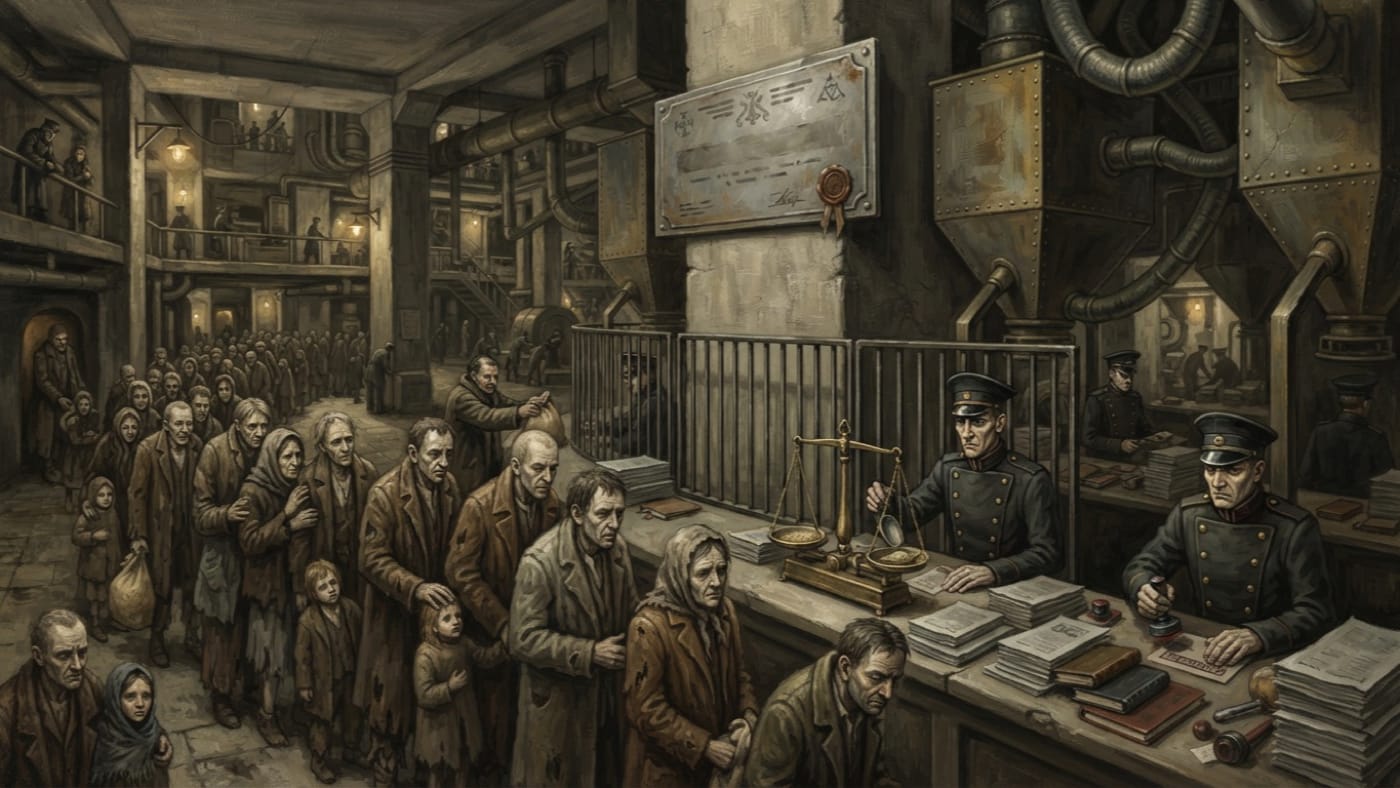
Office of Ration Compliance
Hungry enough to queue, fed enough to complain
The Office of Ration Compliance permits orderly complaint and tolerates the Quota Men who sustain it. Its undated training note is frank about hunger and silent about authority.
Codex Ref. VIII.4.02-201
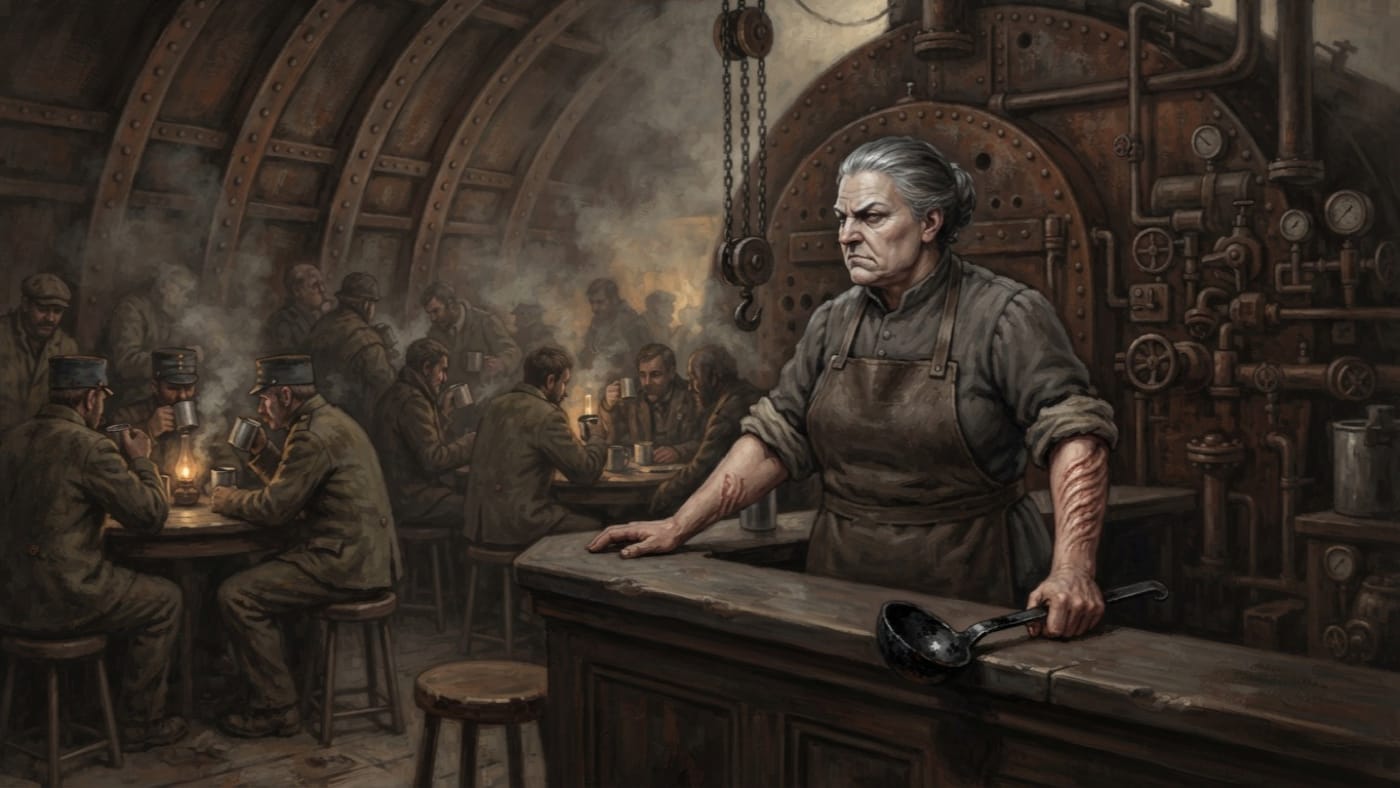
Old Ashka Greave
No office, no seal, and the rail quarter answers anyway
Old Ashka Greave keeps Shipka's boiler tavern and the rail quarter's peace. A former Scour trooper without an official seal, she counts the empty stools behind the Bureau's desertion reports.
Codex Ref. III.2.07-005
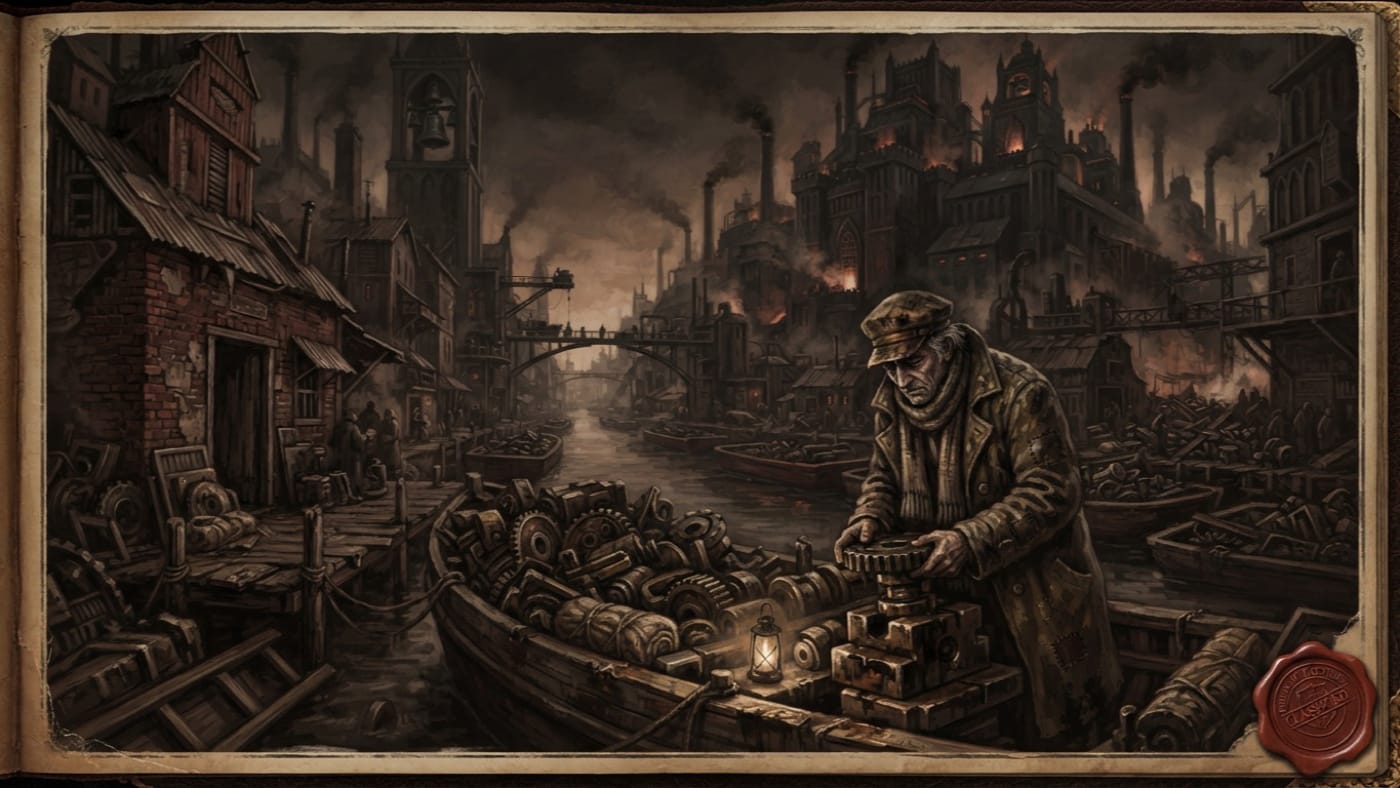
Old Juro
Stolen tooling and a berth that changes every third bell
Old Juro brokers stolen tooling from a canal skiff in Essen's Shard Markets, changing berths every third bell. Records tolerates the market; no licence in his name is on file.
Codex Ref. III.2.01-202
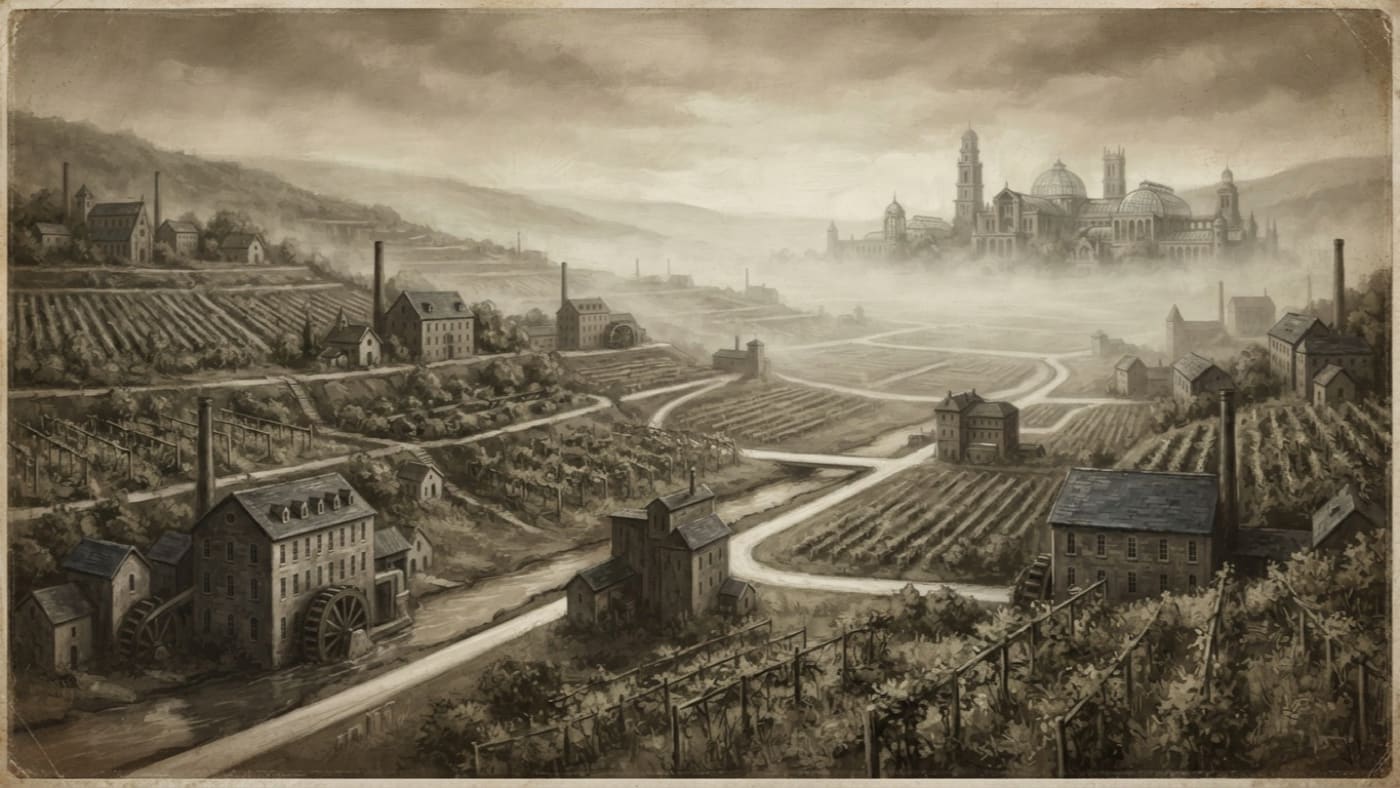
Old Kingdom of Phocis
The harvest was counted. The court slept anyway.
Phocis counted its harvests with royal confidence, then slept between sip and song. An A.S. 201 retrospective survey of the kingdom beneath Syrion's Vales.
Codex Ref. VI.2.04-005
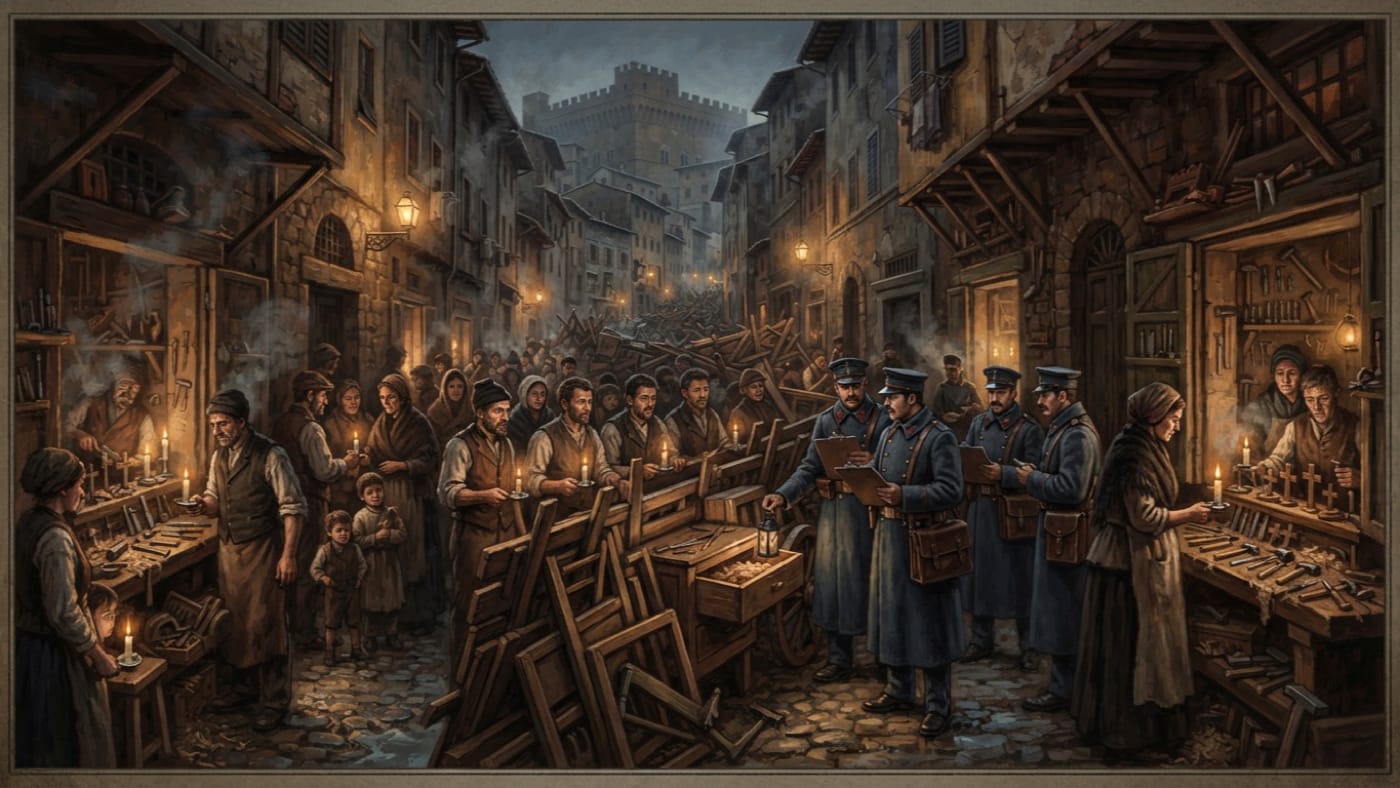
Oltrarno
The quarter that kept the Church in its drawers
Florence's workshop quarter kept the hidden Church in deep drawers, held a street in A.S. 44, and now supplies sacred craft under inspection by offices that arrived after the danger.
Codex Ref. II.4.09-201
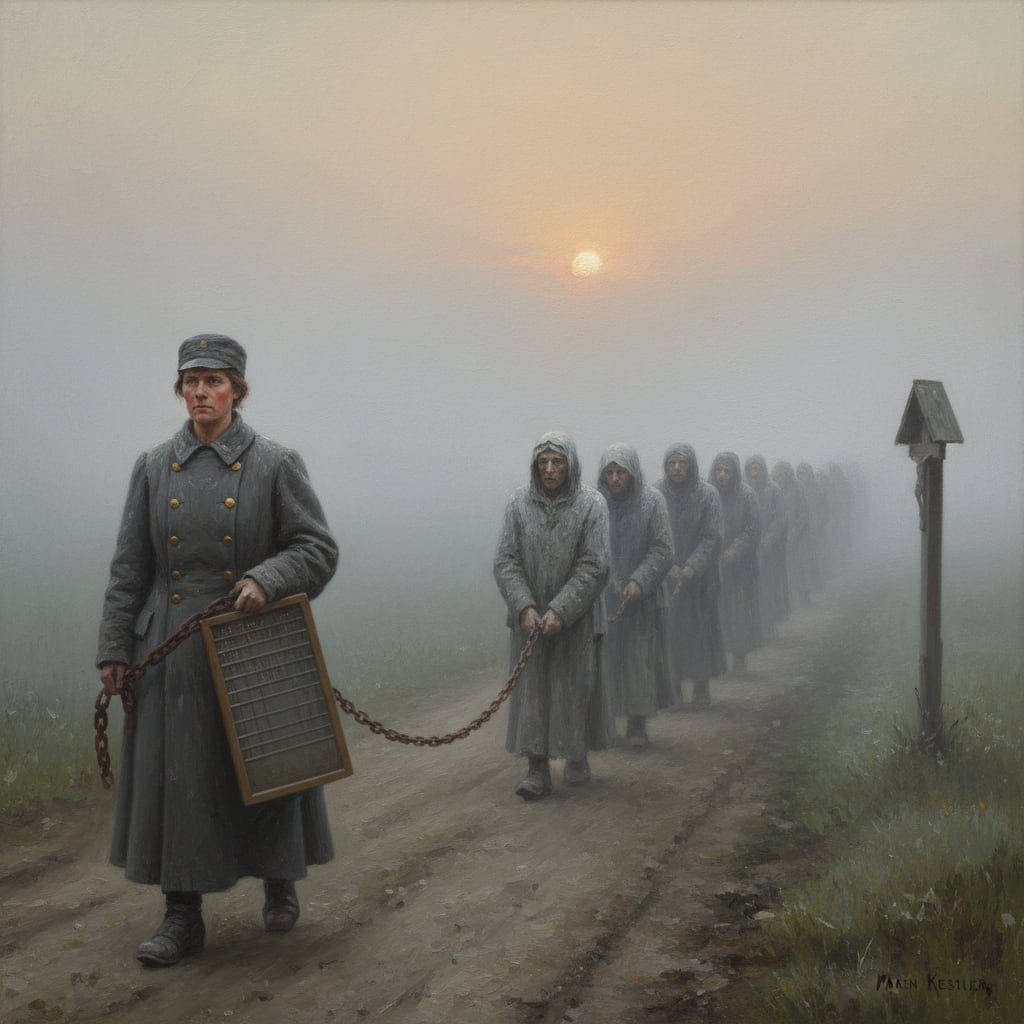
On the Pilgrim-Chain Handlers
The mercy quota; or, how the chain teaches patience to both ends
The licensed custodians of the Jubilee chain and everything the chain implies — water counted by formula, confession harvested in strips, and a ditch at the end of every route the Bureau calls holy.
Codex Ref. XII.29.01-001
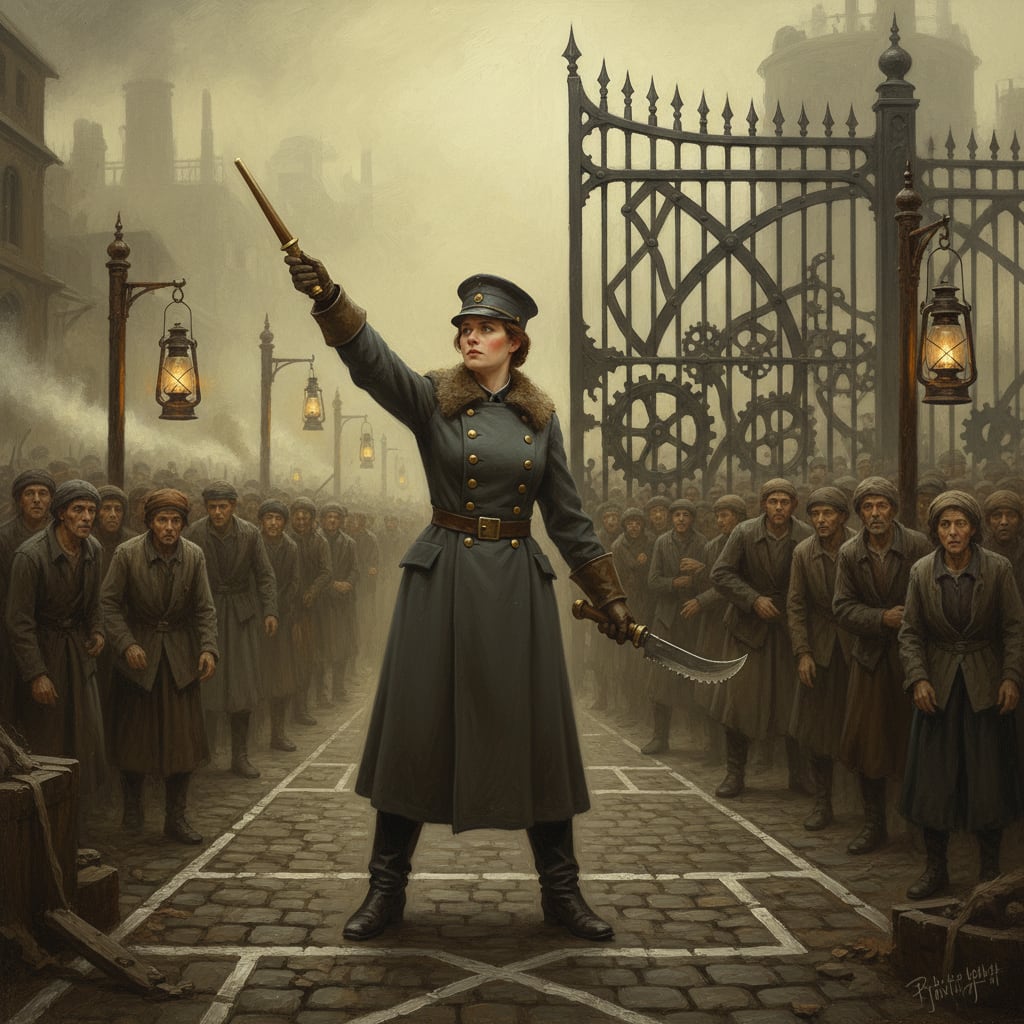
On the Procession Marshal
The boot behind the beat; or, why orderly grief is the Synod's last public prayer
The boot behind the beat. The Procession Marshal controls pilgrim columns, funeral trains, and levy marches — setting cadence by baton, marking routes in chalk, and cutting lane ropes when the crowd folds. Born of three hundred dead at Bastion-Brest, A.S. 112.
Codex Ref. XII.31.01-001
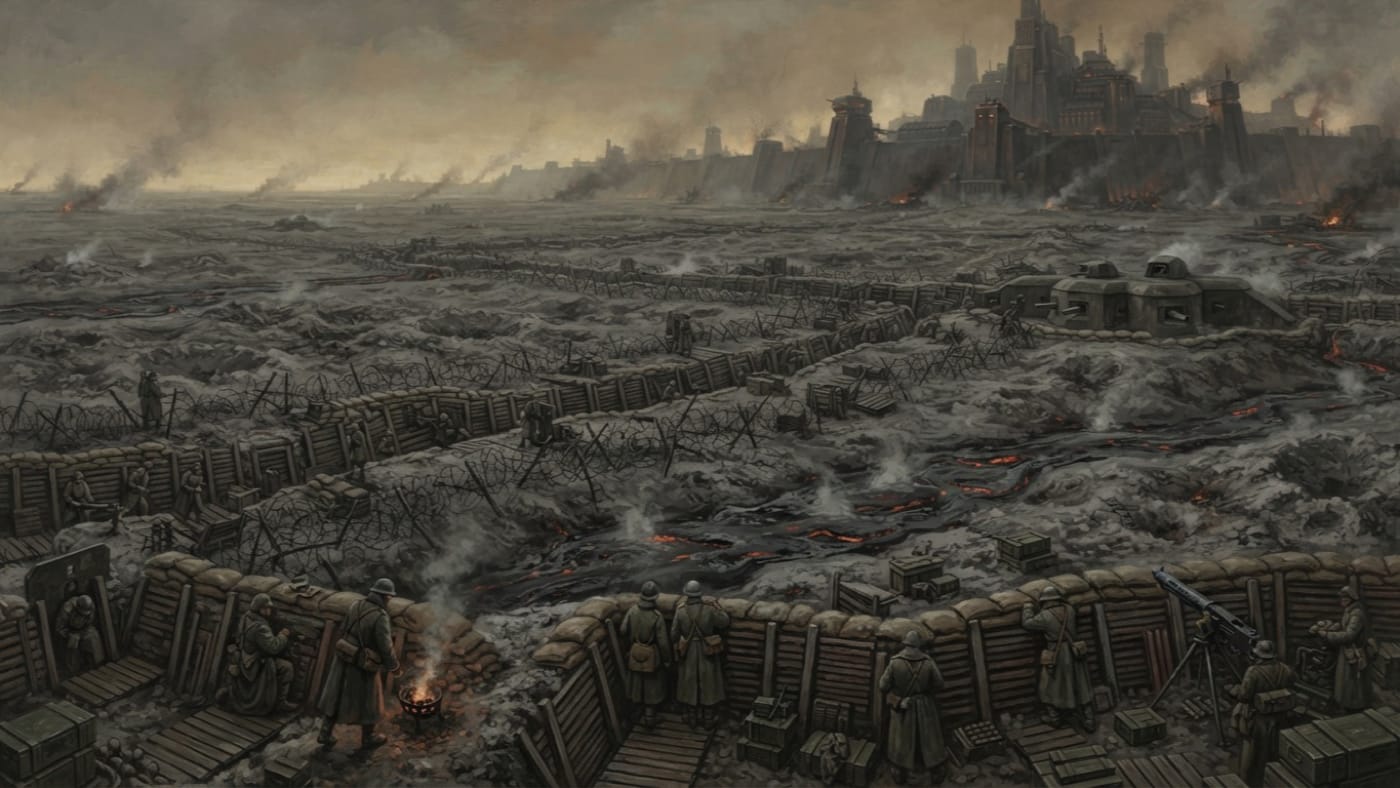
Operational Zone Ferrum-North
The Plate, Retained on the Active Register
The contested Thracian approach north of Bastion-Constantinople, entered by the Bureau of War as Ferrum-North and called the Plate by its defenders. Maldrake has room to muster here; the garrison has orders to hold.
Codex Ref. III.2.04-018
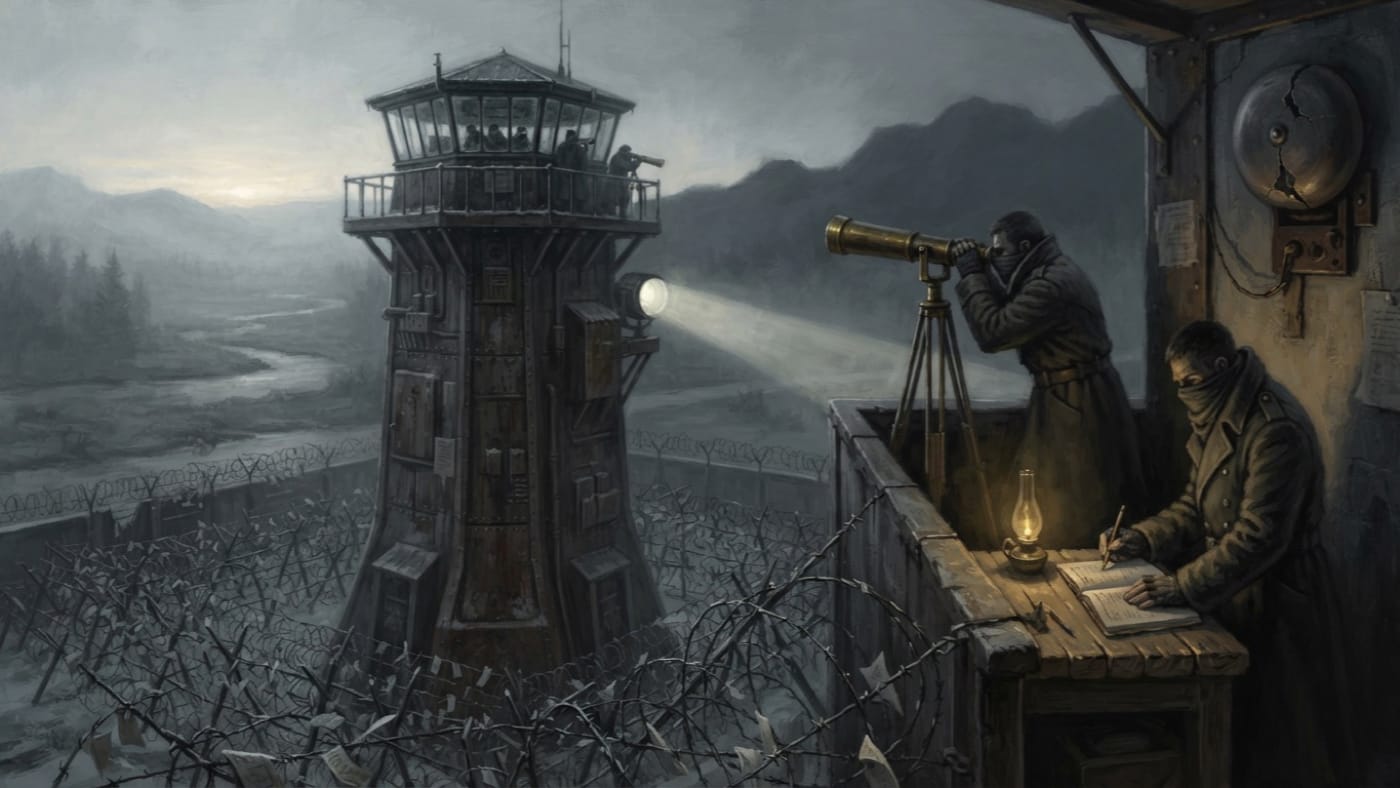
Orchard Eye
An eye for the enemy, a patrol book for everyone else
Orchard Tower Nine watches Atheron's heights and Przemyśl's own lanes. Its alarm cracked before the Spire-Crusher; Records insists its missing patrol book never existed.
Codex Ref. II.4.09-009
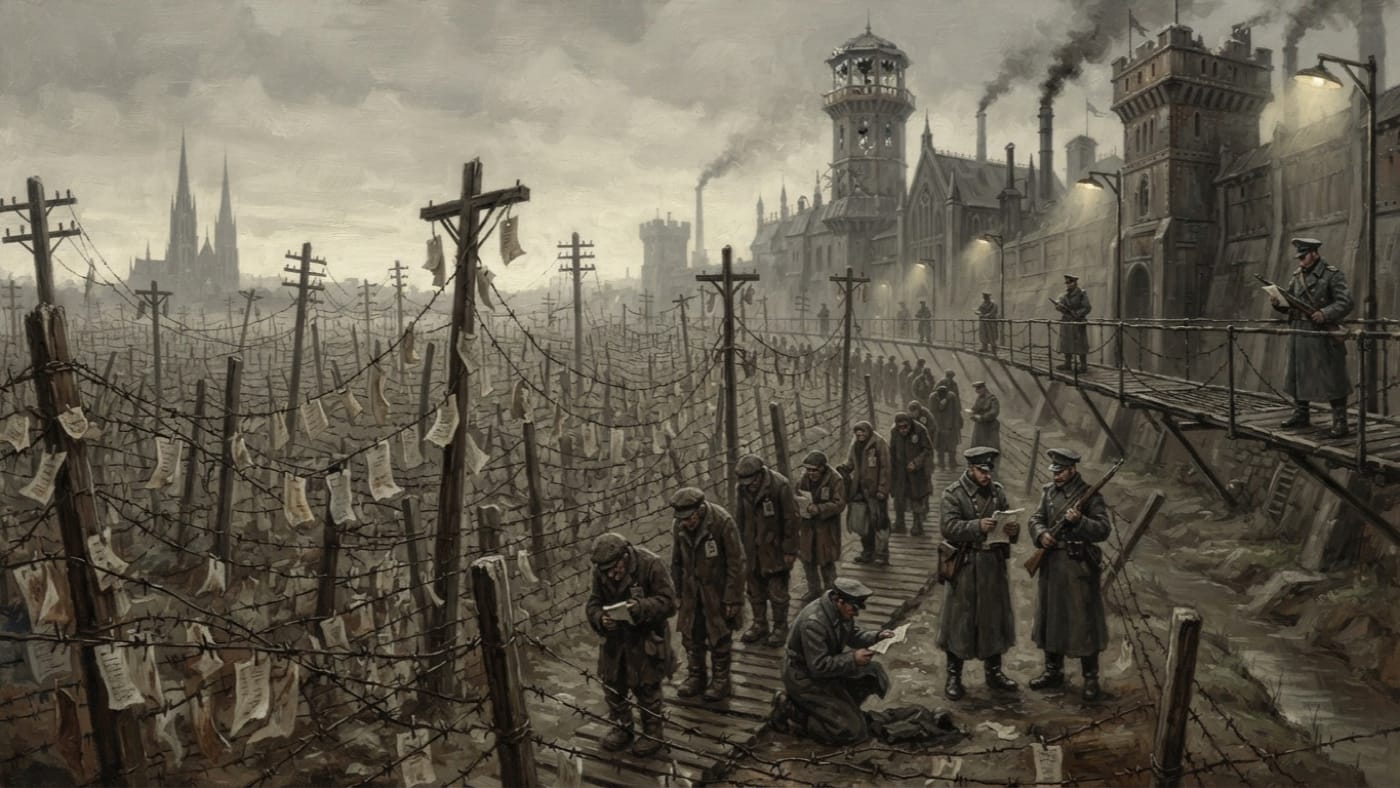
Orchard Ring
The wire keeps the papers; the ditch keeps the rest
Bastion-Przemyśl's district of wire groves and gallows posts keeps every tag in order. The living require more supervision, especially when glass starts issuing ranks.
Codex Ref. II.4.09-194
Orchard Ring North
A name on the Ring, a lesson in lampblack
At Orchard Ring North, twelve Sun Spear lances struck instruments in A.S. 184. Forty-one sheltered men lost partial sight. Engineering recommended lampblack.
Codex Ref. II.4.09-184
Orchard Tower Nine
The alarm bell cracked; the watch held
Orchard Tower Nine raised the Spire-Crusher alarm in A.S. 195 and fired through the Nine-Hour Rubric. The post still stands; its patrol logbook remains missing.
Codex Ref. II.4.09-009
Orchard Wardens
Which tower owns your shadow?
The militia of Bastion-Przemyśl's Wire Orchard controls its lanes and towers, repairs its barbs, and seeks a wider harvest. The wire is maintained; the limits of authority receive less attention.
Codex Ref. VIII.5.07-009
Ordained Repeater
The heretic made a gun; the Synod made it kneel
The Ordained Repeater is Artois's clockwork artillery corrected by chrism, ledger, bell-cadence, and the sacred art of denying useful debt.
Codex Ref. III.2.04-015
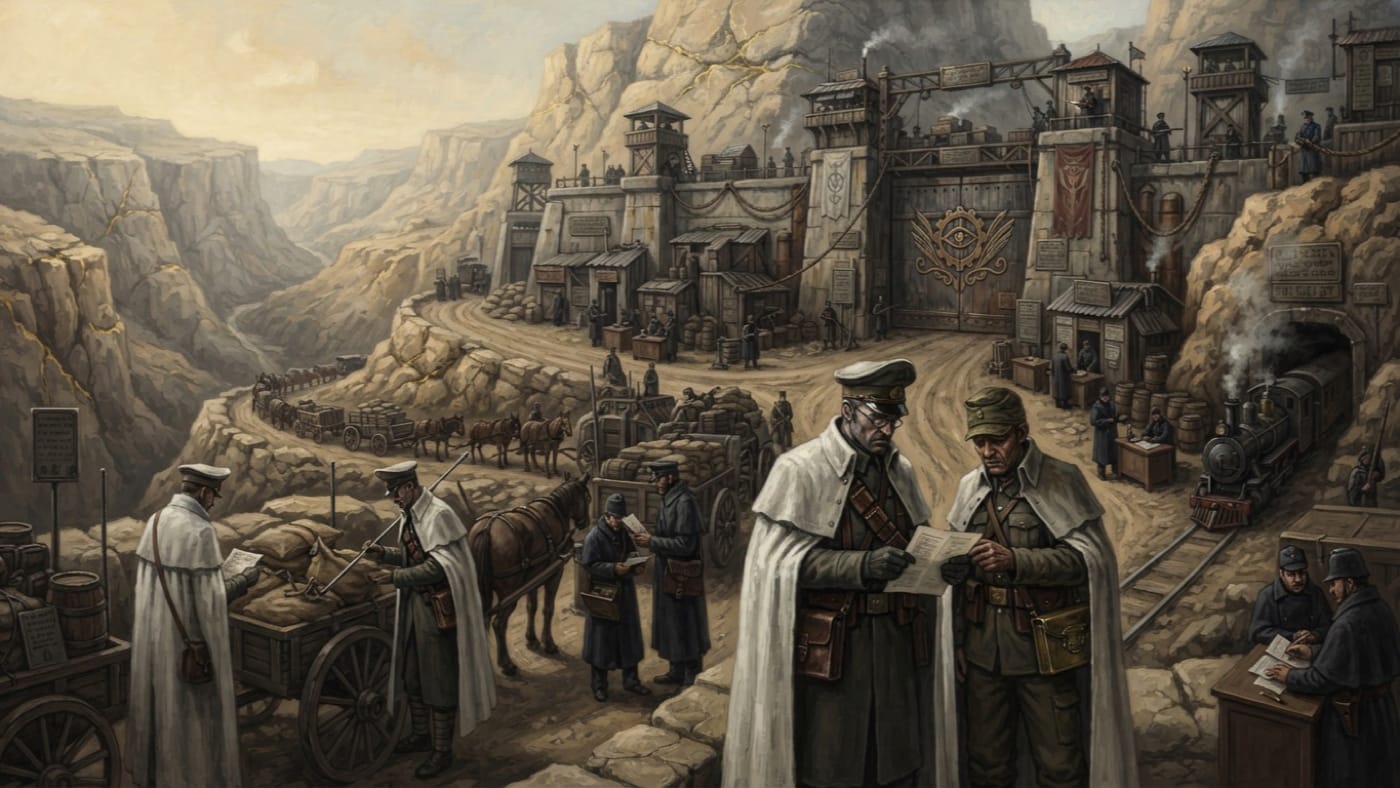
Ordeal-teams
The intervals are irregular. The enemy has a calendar.
Bureau of Purity field parties sent to the Macedon checkpoints against the Crimson Concord. Their visits are irregular, their intervals mapped, and their continued deployment easier to file than its failure.
Codex Ref. III.3.02-023
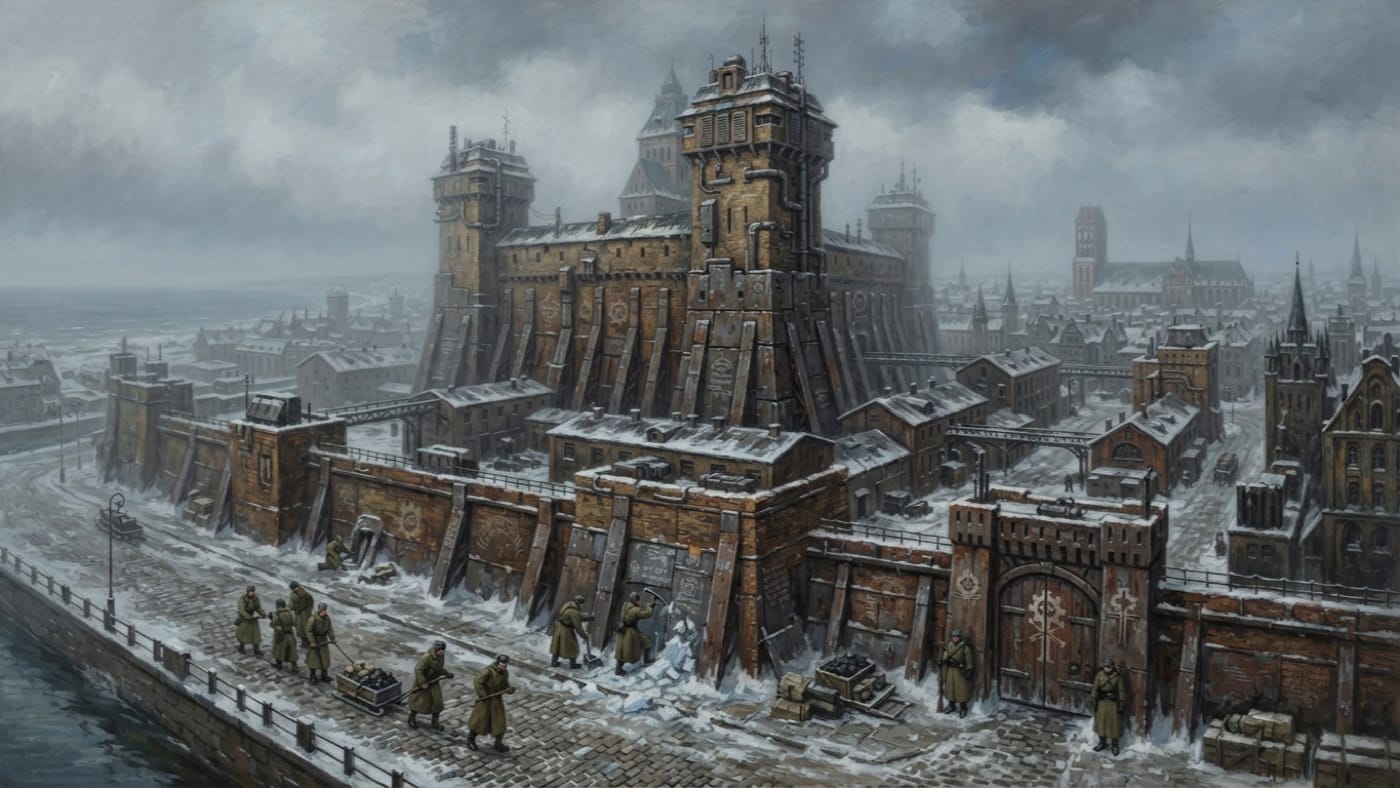
Ordensburg
Where the Walls Are Commanded and the Questions Are Filed
The old Teutonic castle and surrounding district of Bastion-Königsberg, housing garrison command and Doctrine's Northern Office. Halvorsen commands the walls; the office keeps the Grey pending. Both have learned to work with the cold.
Codex Ref. II.4.07-002
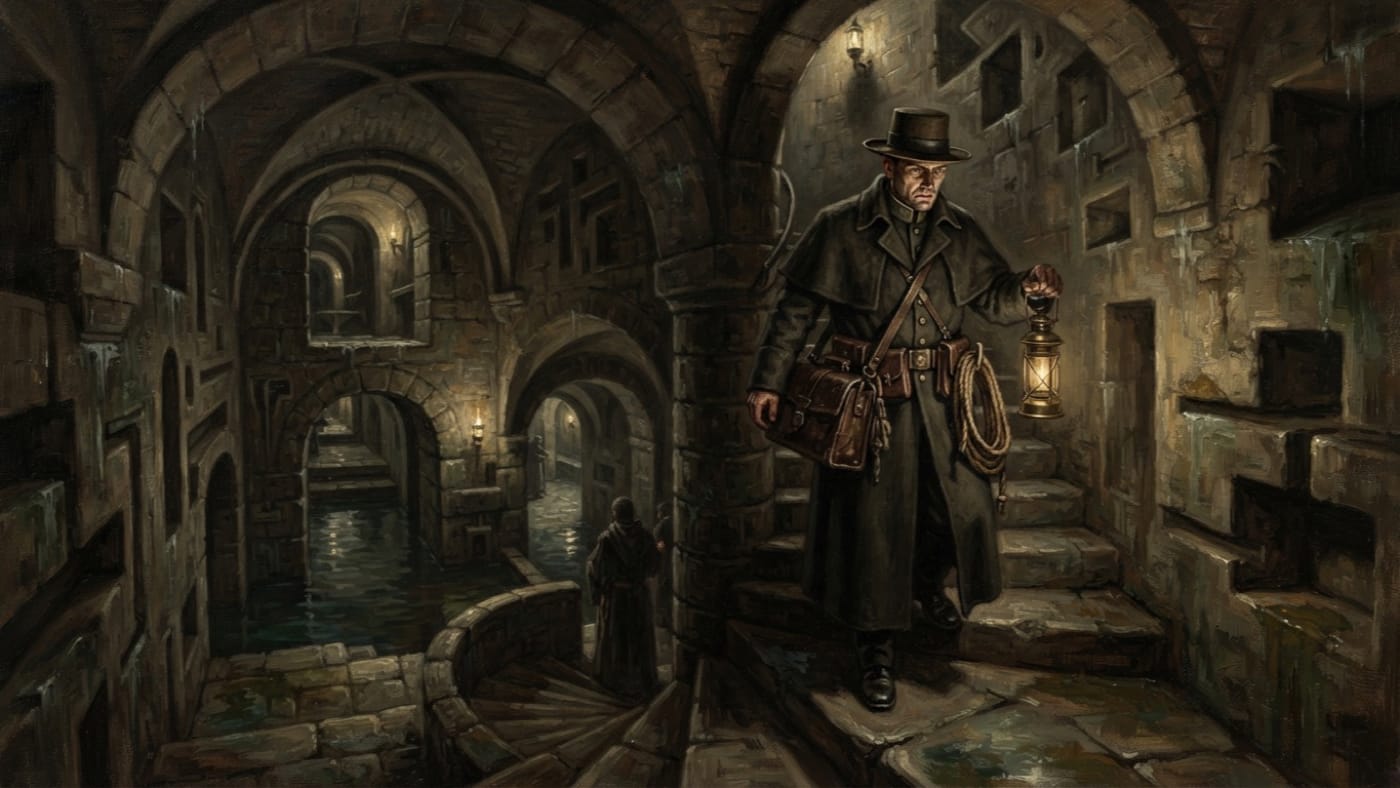
Order of Worms-Below
The pressure of stone, the speech of water
Purity's subterranean inquisitors question prisoners buried alive beneath Prague. Survivors return in borrowed voices; the Order files their confessions as clarified.
Codex Ref. III.3.06-042
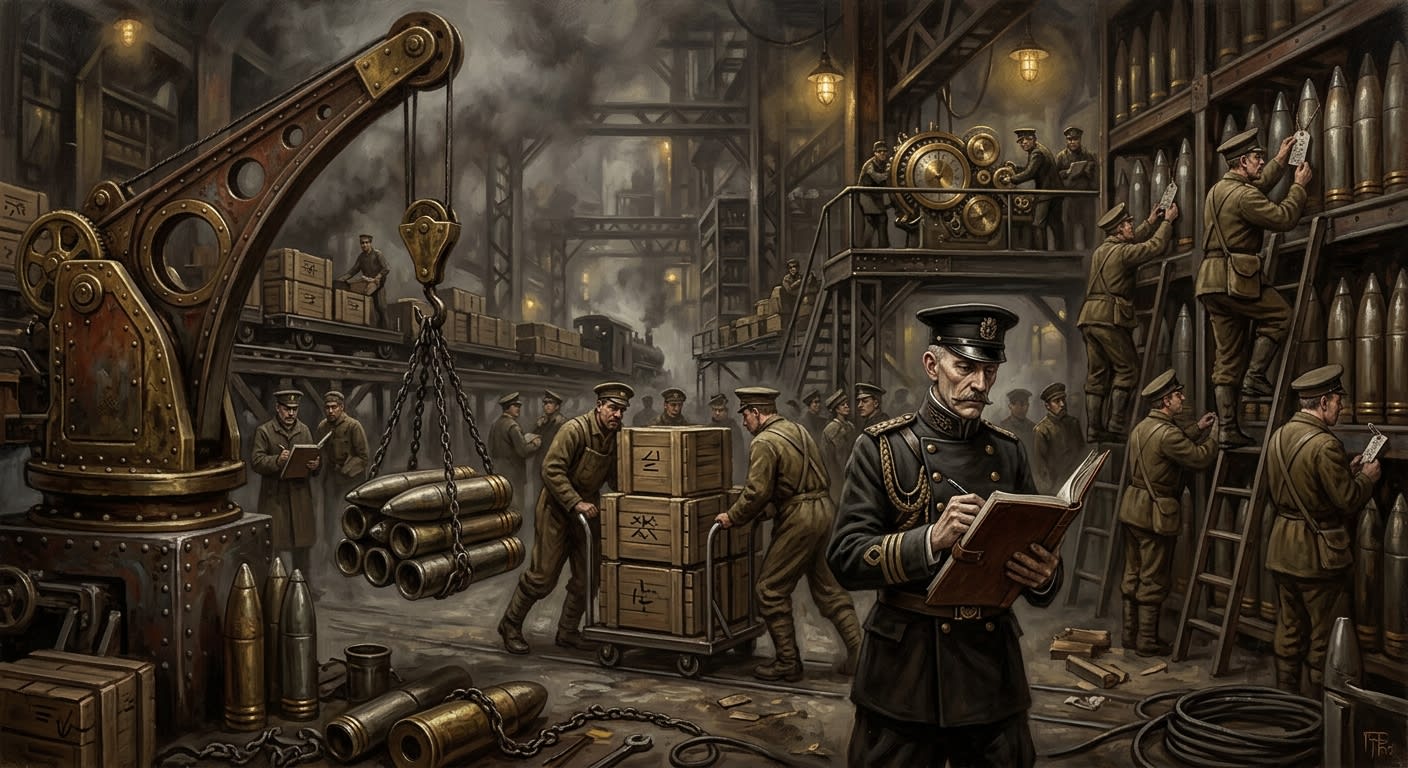
Ordnance Bureau
The office that makes thunder accountable
The Ordnance Bureau numbers, blesses, rations, ships, and recovers the Synod’s lawful violence; its shells arrive late, counted, and indispensable.
Codex Ref. VIII.2.12-090
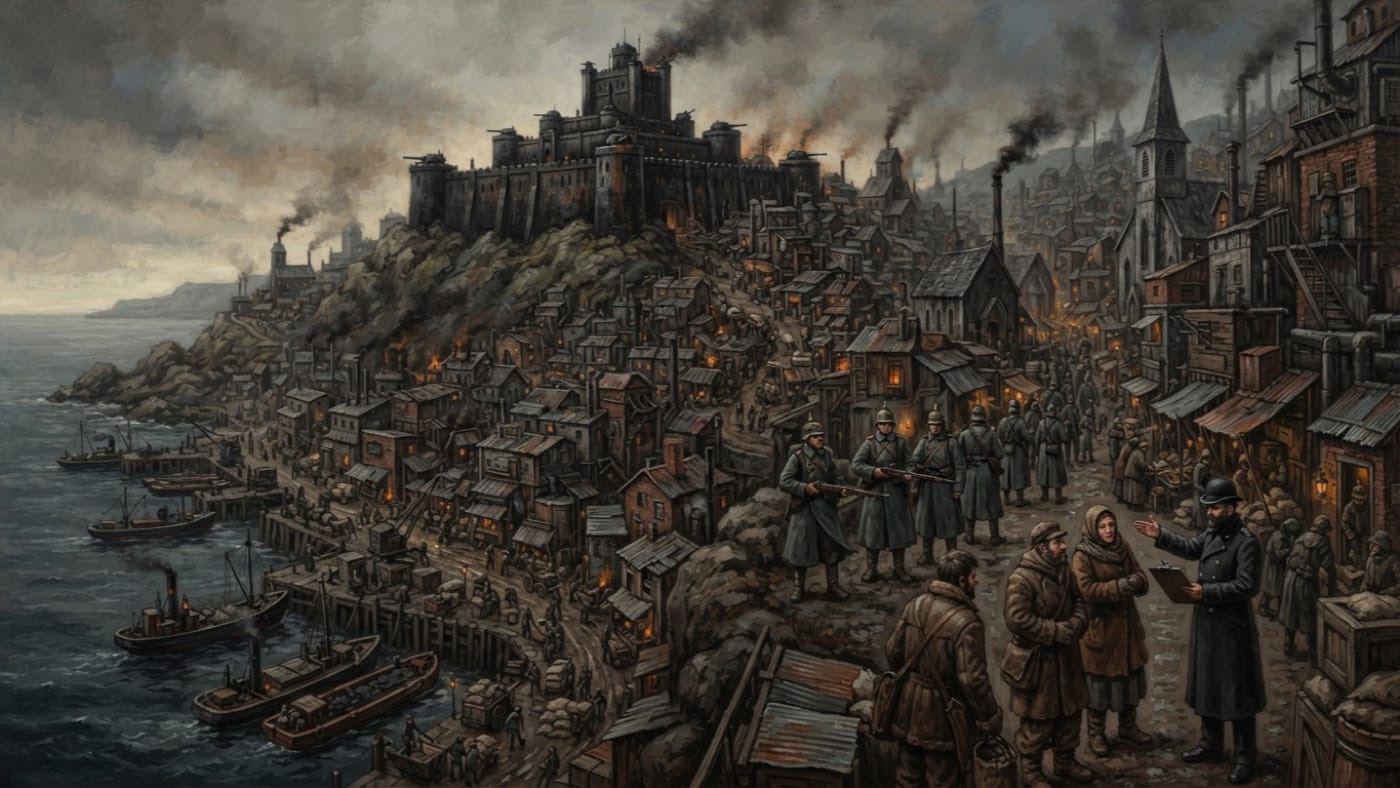
Organic Garrison Towns
The fort has soldiers. The town has a category.
An A.S. 201 survey of civilian communities that have outgrown Synod forts, especially along the Pilgrim's Coast. War claims the garrison, Tithes the market, Settlement the residents. The town has a category; responsibility remains pending.
Codex Ref. III.2.04-018
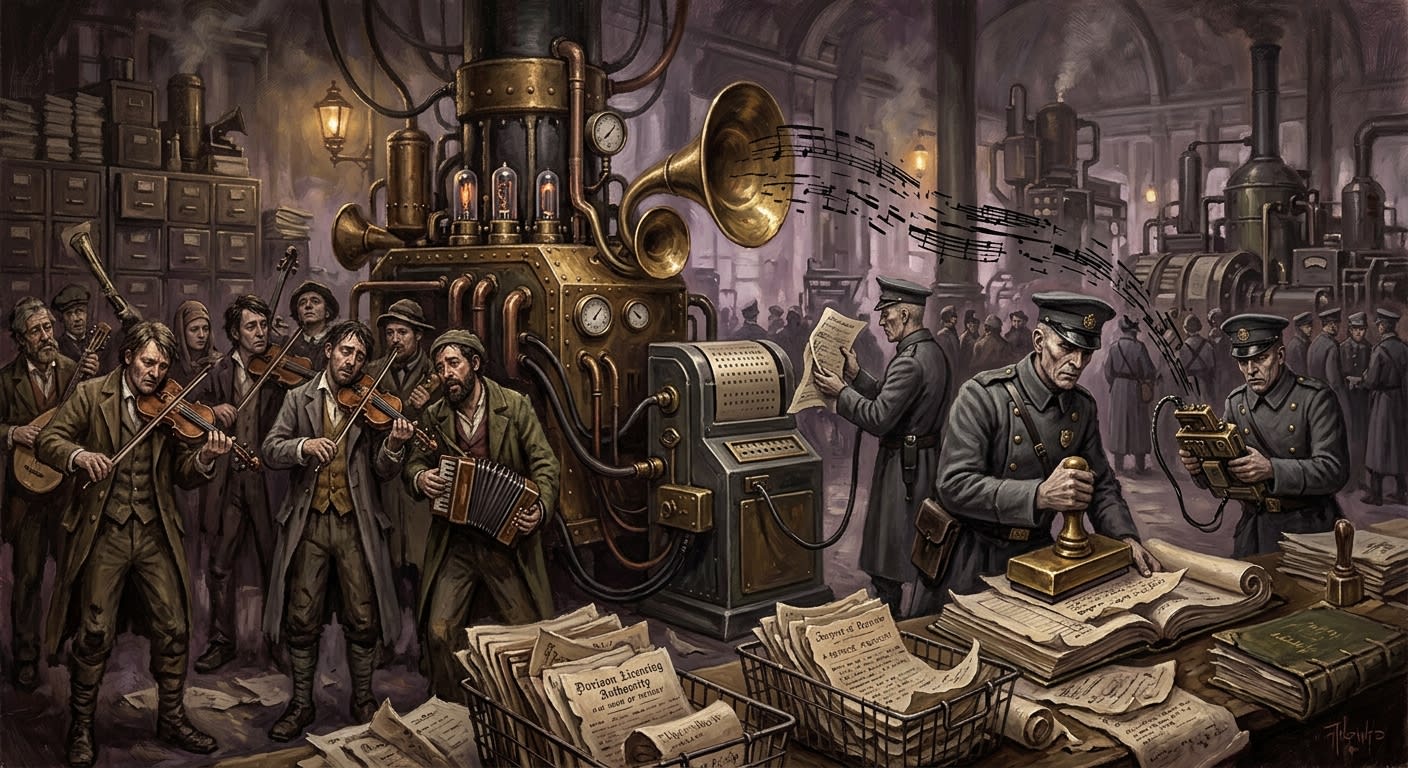
Orison Licensing Acts A.S. 94
No private hymn, no innocent breath
A.S. 94 legal seizure of melody itself: the Acts made every cadence licensed or criminal and created the market they pretended to destroy.
Codex Ref. VII.2.10-094
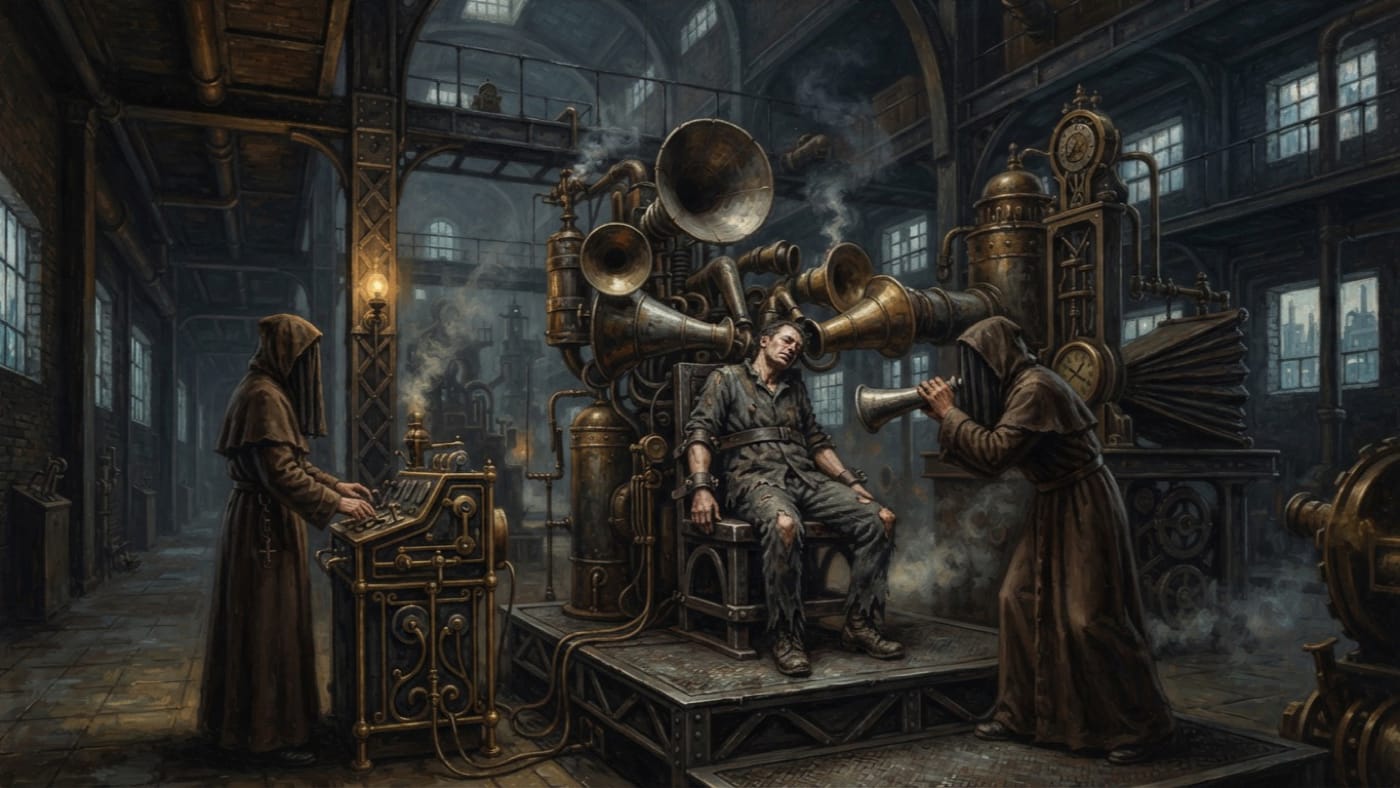
Orison Provost House
Where questions grow louder and answers grow less certain
Essen's Orison Provost House enforces sanctioned cadence through acoustic interrogation. Mercy records permanent impairment; Orison files the confession and renames the chamber.
Codex Ref. II.2.06-014
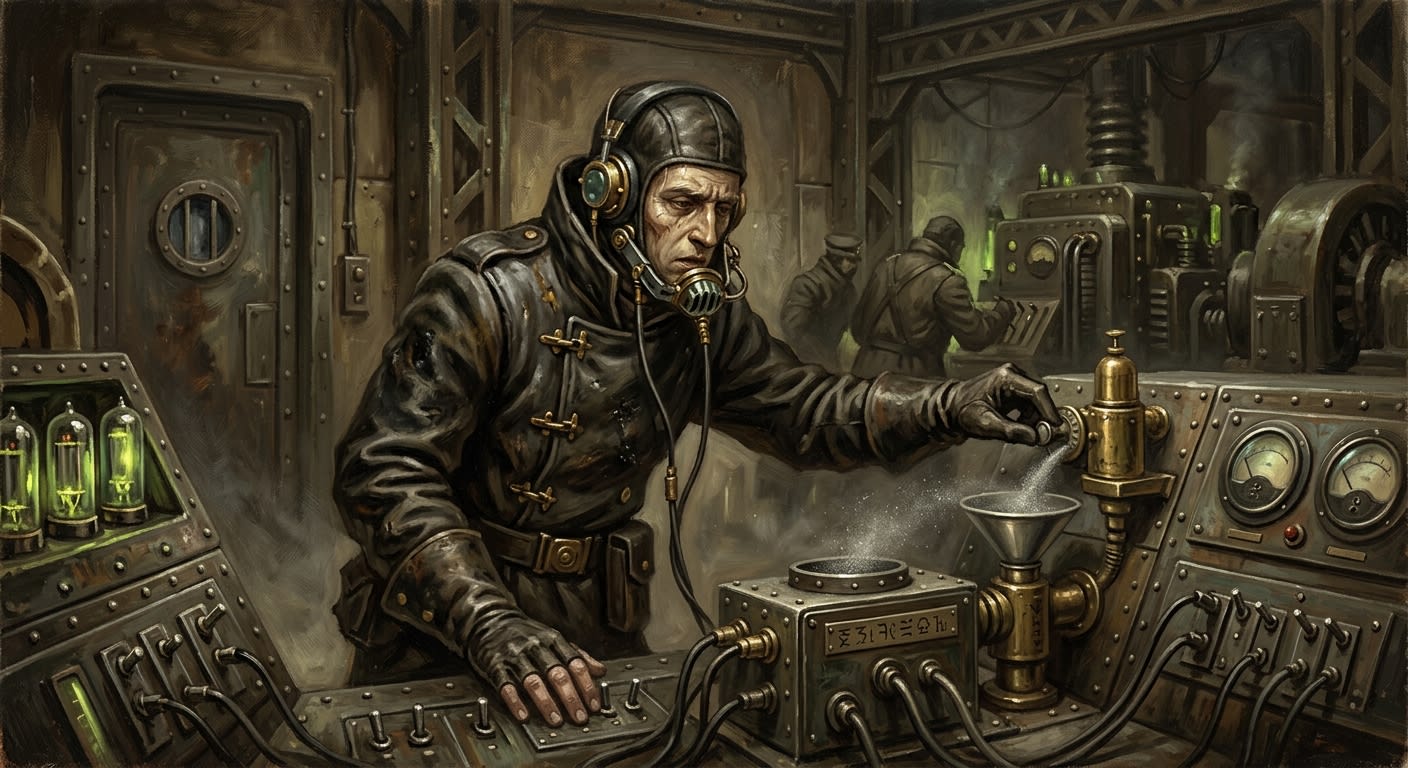
Orison Signal Engineer
The approved voice must arrive cleaner than the air that carries it
Orison Signal Engineers lace the Synod's broadcasts with saint-dust, keeping doctrine, ration orders, and war commands from curdling into enemy song.
Codex Ref. VI.4.07-018
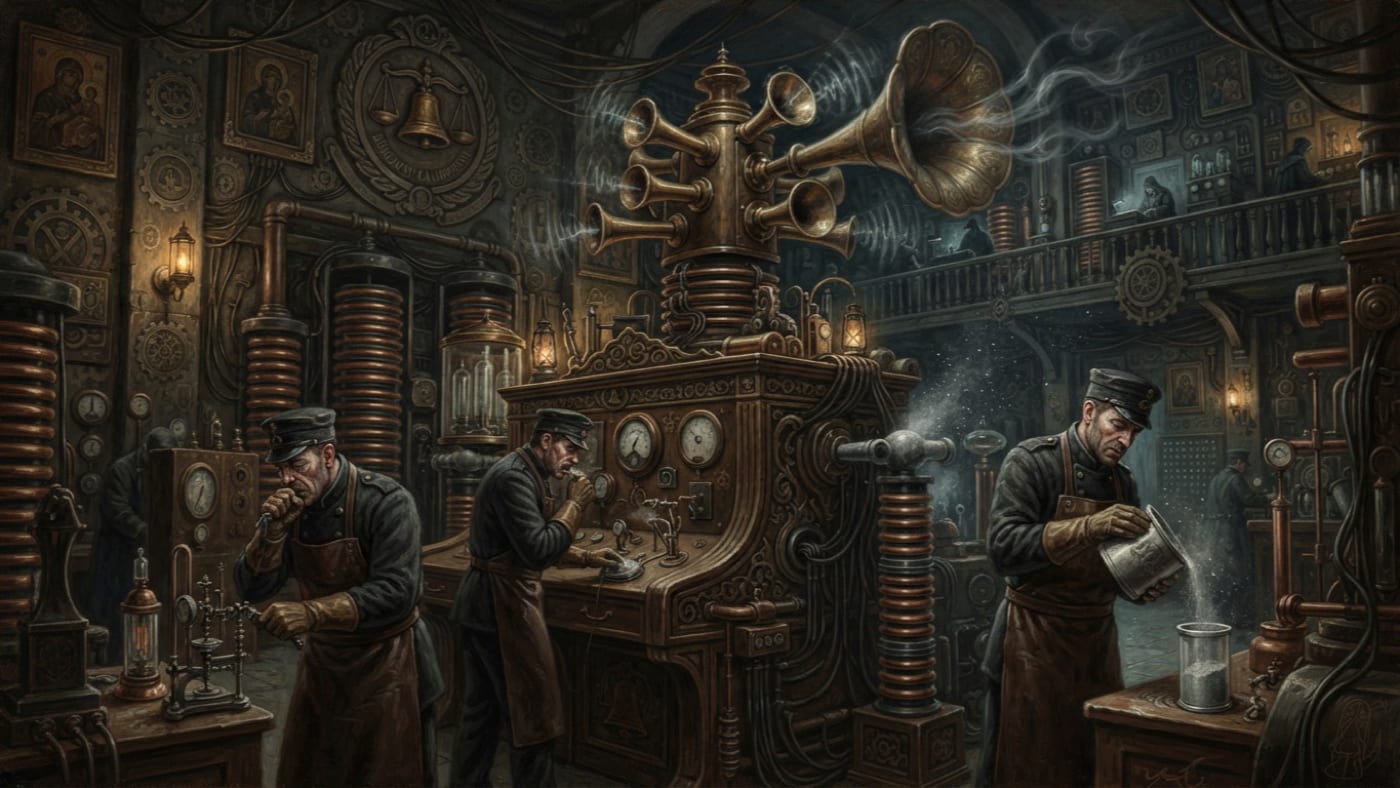
Orison Signals
The voice arrives certified; the lungs pay for its passage
Orison signals carry prayer, ration orders, and war commands on saint-dusted carriers. The voice arrives certified; whether it should be obeyed is another office's concern.
Codex Ref. VI.4.07-019
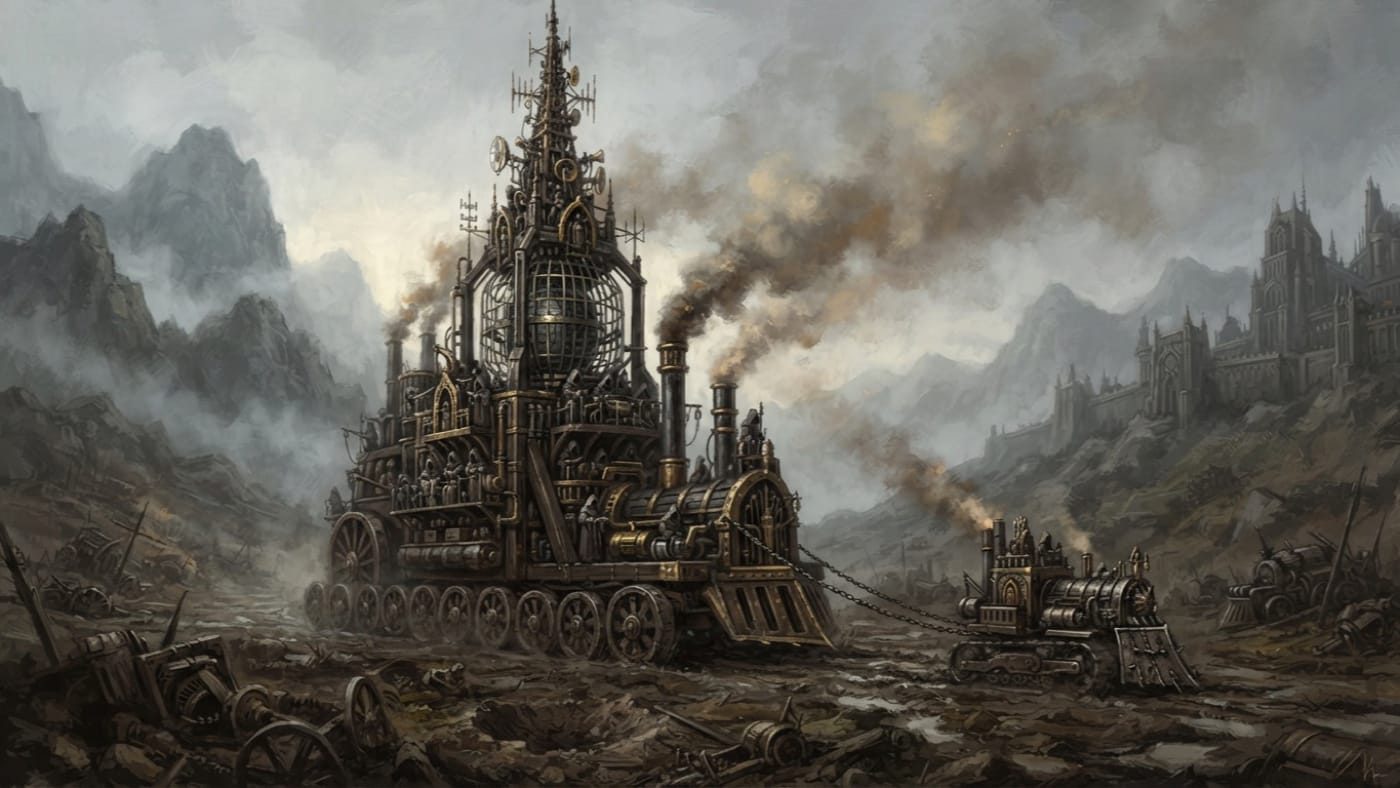
Orison Spire programme
The machines are scrap. The file remains open.
Proposed in A.S. 168, the Orison Spire programme put calibrated choirs and saint-dust reservoirs on wheels. Three prototypes were lost; their methods survived in transmission houses and Vigil Arks. The file remains open.
Codex Ref. V.3.12-168

Orphanage Registrar
The child enters crying and leaves legible
Orphanage Registrars convert foundlings into entries: named, tagged, risk-scored, and placed before hunger, memory, or bloodline can become a rival jurisdiction.
Codex Ref. VI.4.12-044
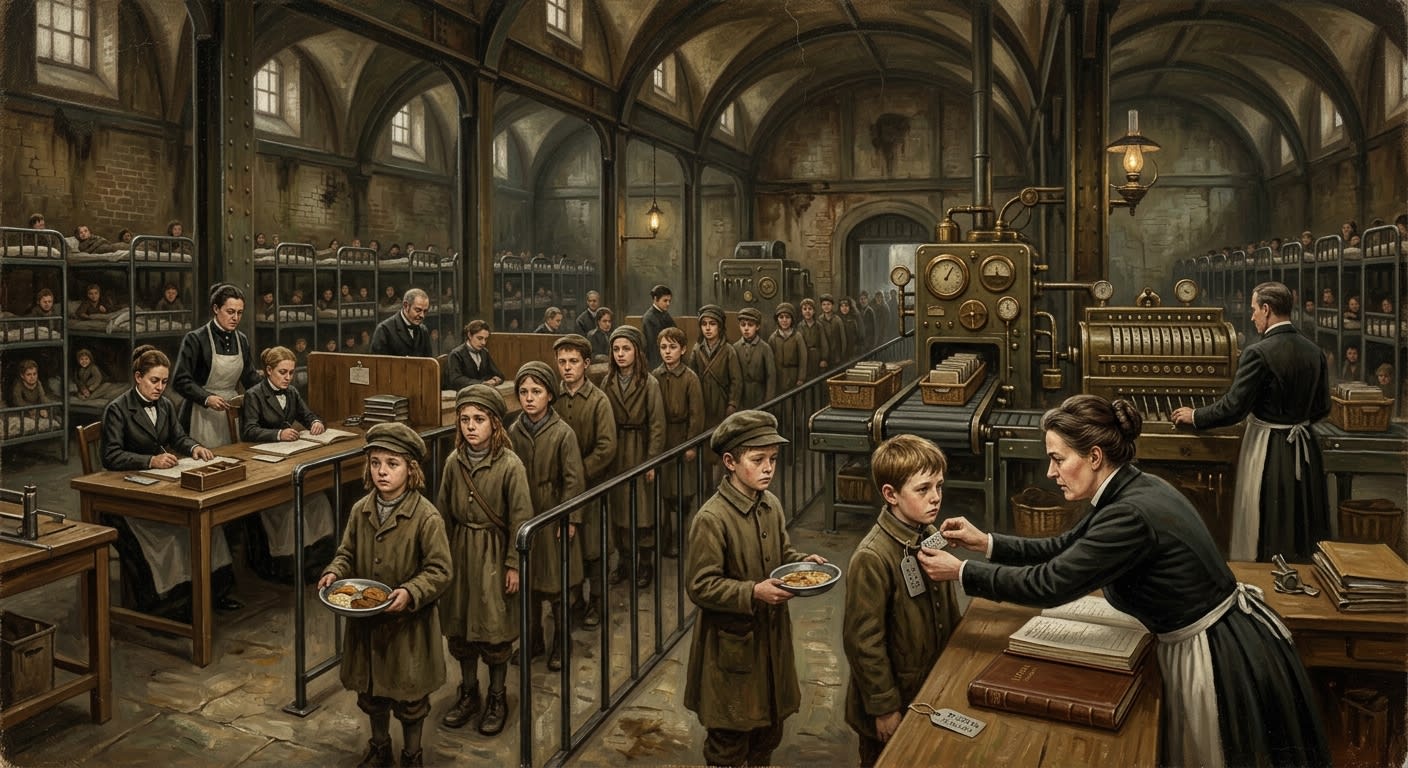
Orphanarii
Mercy with a cot, a tag-punch, and the legal courage to rename a child before breakfast
The Orphanarii are the Synod's state orphanage system: Mercy houses that wash, tag, rename, sort, feed, place, and sometimes erase children until grief becomes legible.
Codex Ref. VIII.2.12-134
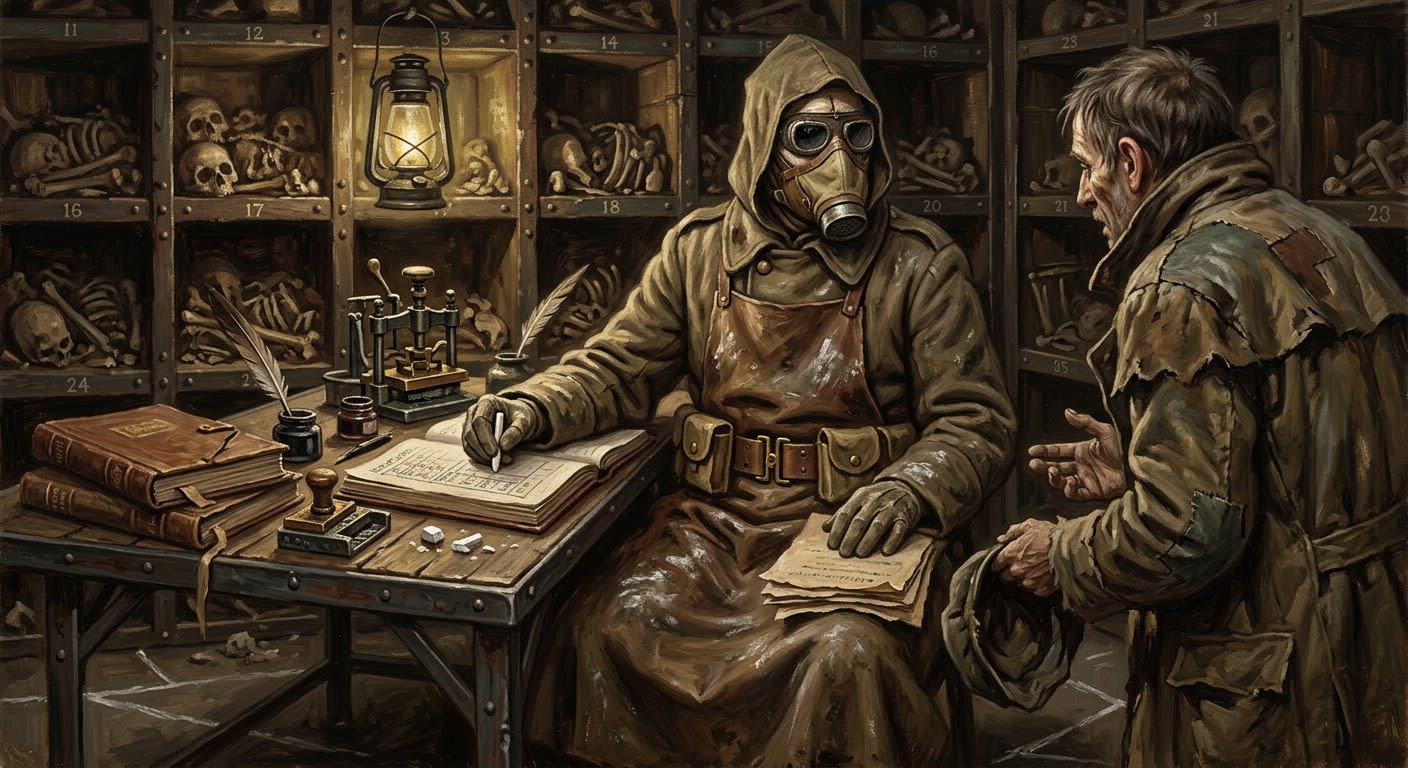
Ossuary Housing Allocator
The wall keeps the dead, and the clerk decides who may cling to it
Ossuary Housing Allocators sell dryness, bell-coverage, and sanctioned sleep beside the dead, converting overflow, grief, and fear into chalk lines and rent.
Codex Ref. VI.4.11-052
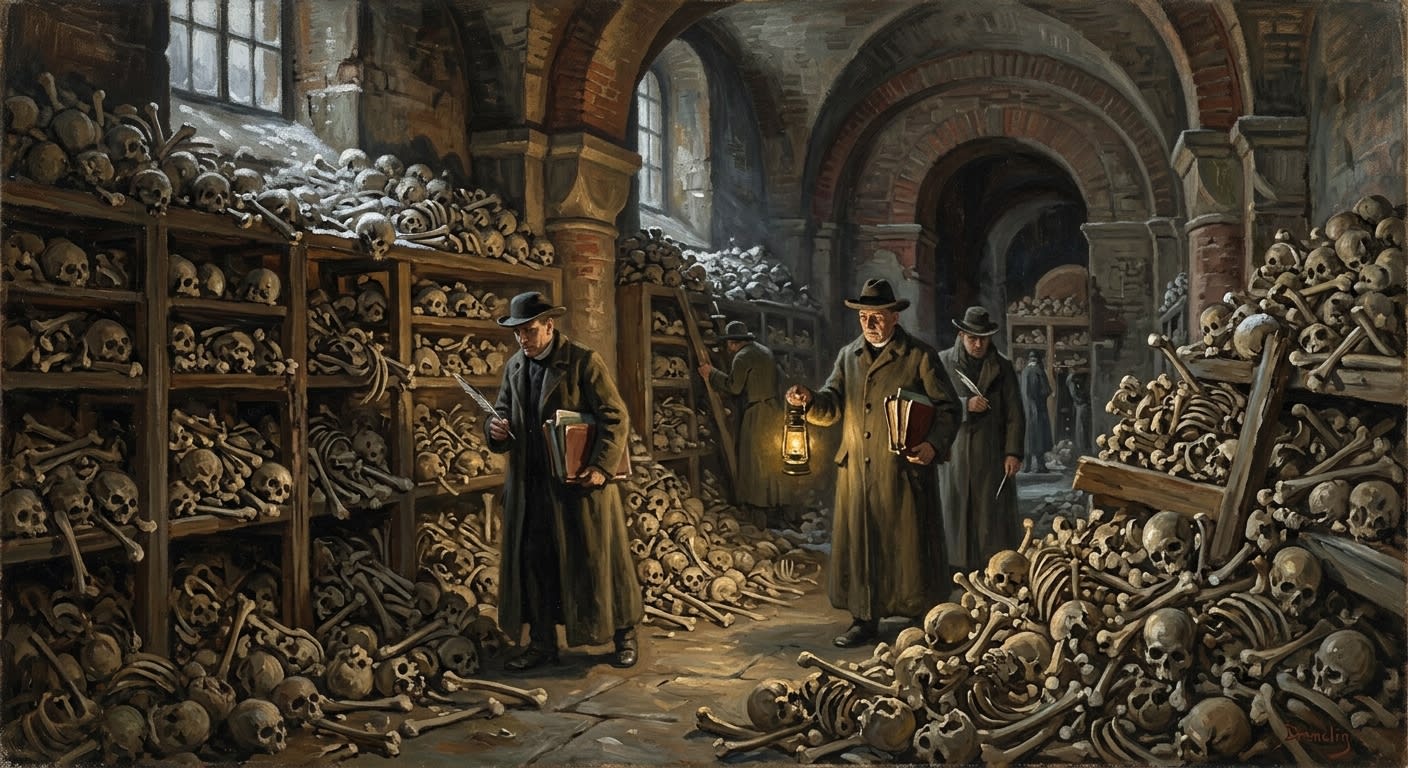
Ossuary Overflow Winters
The season when the dead exceeded the shelves and the wall learned appetite
Three A.S. 73–76 winters of forward ossuary collapse, suppressed ratios, frozen ledgers, and chapel overflow that taught the Synod to prefer sanctified walls to crowded shelves.
Codex Ref. VII.4.25-002
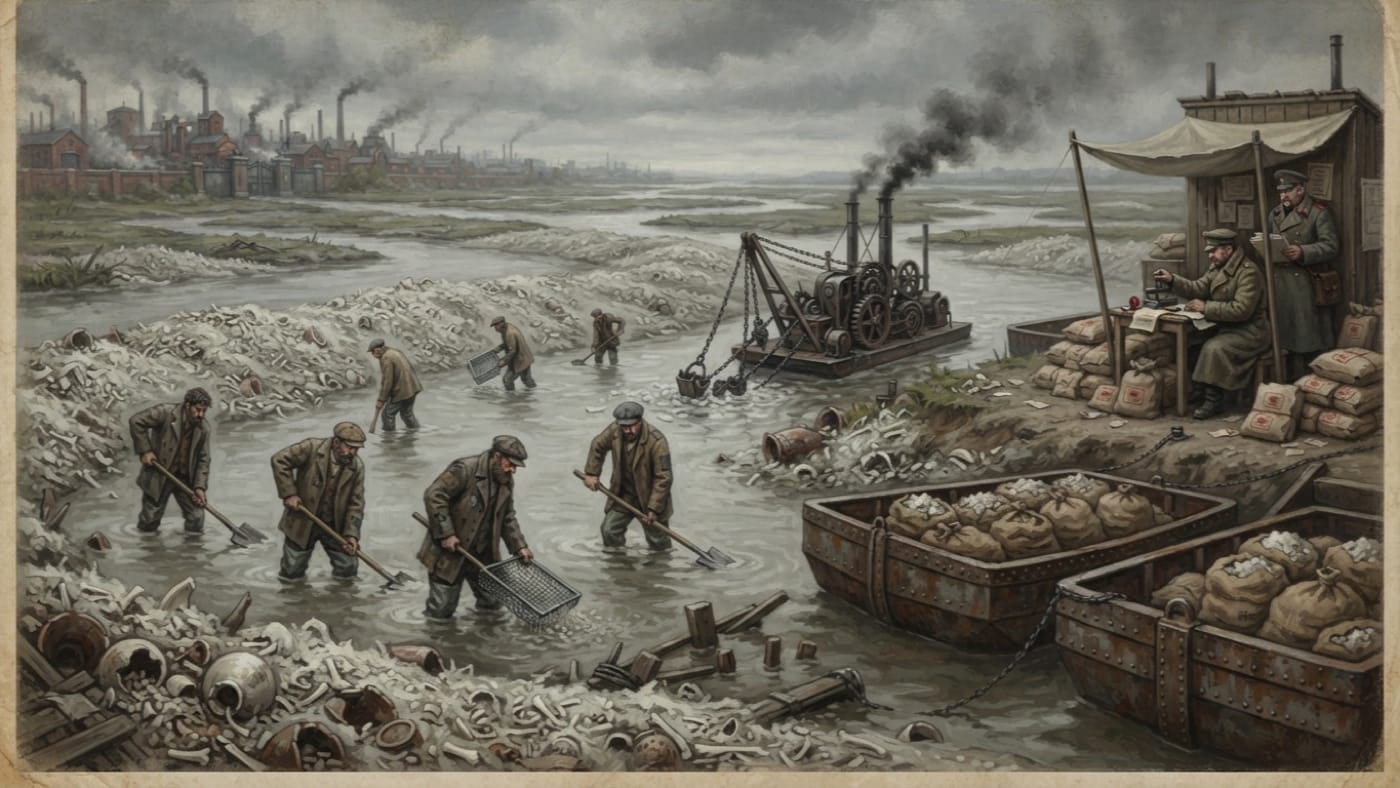
Ossuary Shoals
Every pinch is accounted for; its provenance is another matter.
The white banks upstream of Mournwater supply saint-dust, stamped in triplicate. The trade is documented; what replenishes the banks remains unproven.
Codex Ref. II.2.03-002
Outpost Eleven-West Incident
Where rest learned to smile and the Bureau forgot its nouns
At Outpost Eleven-West, a hearth appeared where no hearth could stand; seven soldiers returned screaming, and nine remained smiling in Sofia.
Codex Ref. VII.8.10-194
Outside Current Doctrinal Scope
The question has been received. A verdict has not.
The Bureau has received the question. It declines to say what the question concerns. I survey the northern filings under Outside Current Doctrinal Scope; no classification is conferred.
Codex Ref. XIII.1.99-201
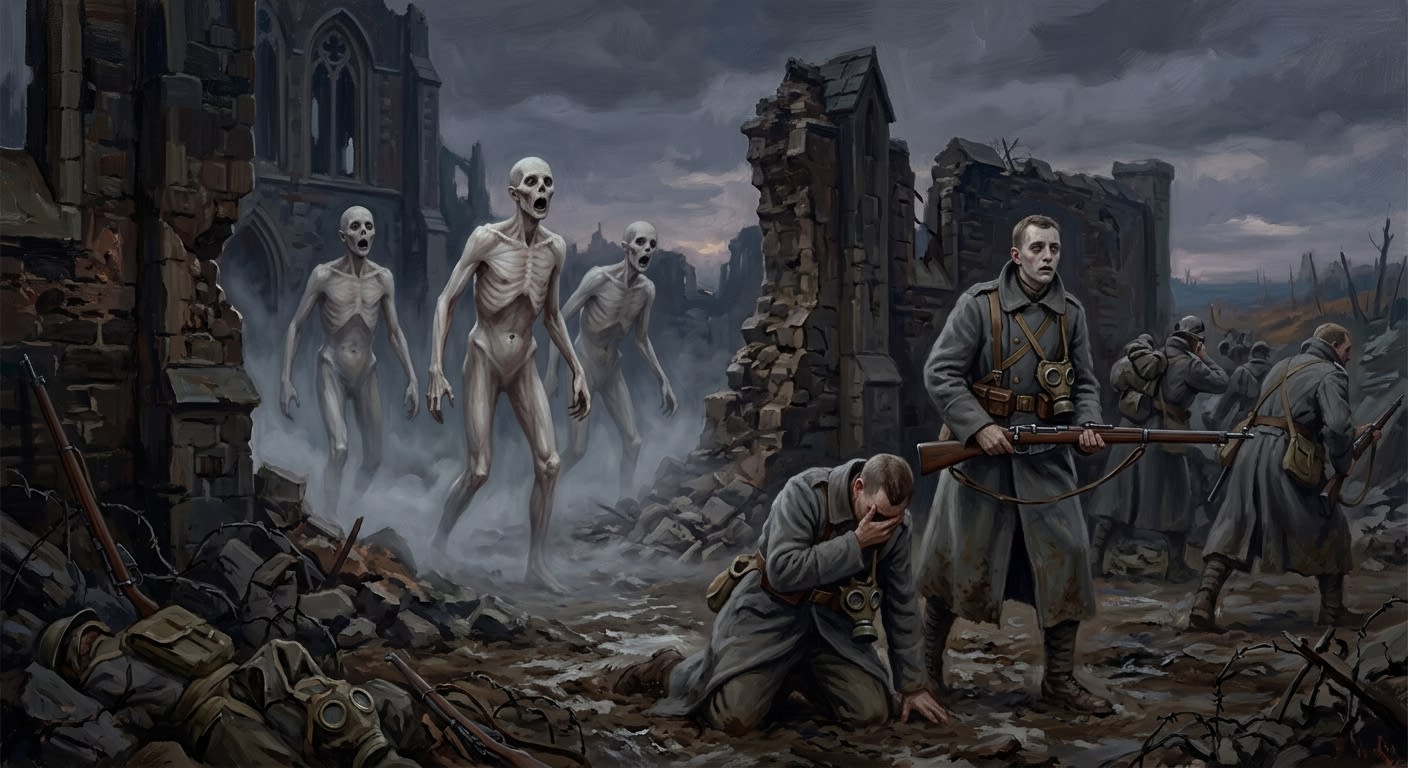
Pale Chanters
They do not sing. The Bureau is, as always, correct. And the Chanters keep singing.
Former humans animated by an unsanctioned hymn that evacuates the will to fight from every soldier within earshot. Classified as involuntary sorcerous emission, Category Epsilon. The Bureau forbids calling it song.
Codex Ref. IX.1.06-001

Pale Kin Runner
What the Bureau calls inventory discrepancy; what the mothers call salvation
The Pale Kin Runner is a child-smuggler, a midwife's heir, and the Bureau of Conscription's oldest unsolved arithmetic problem. She intervenes between birth and stamp. The Synod calls this heresy.
Codex Ref. XII.28.01-001
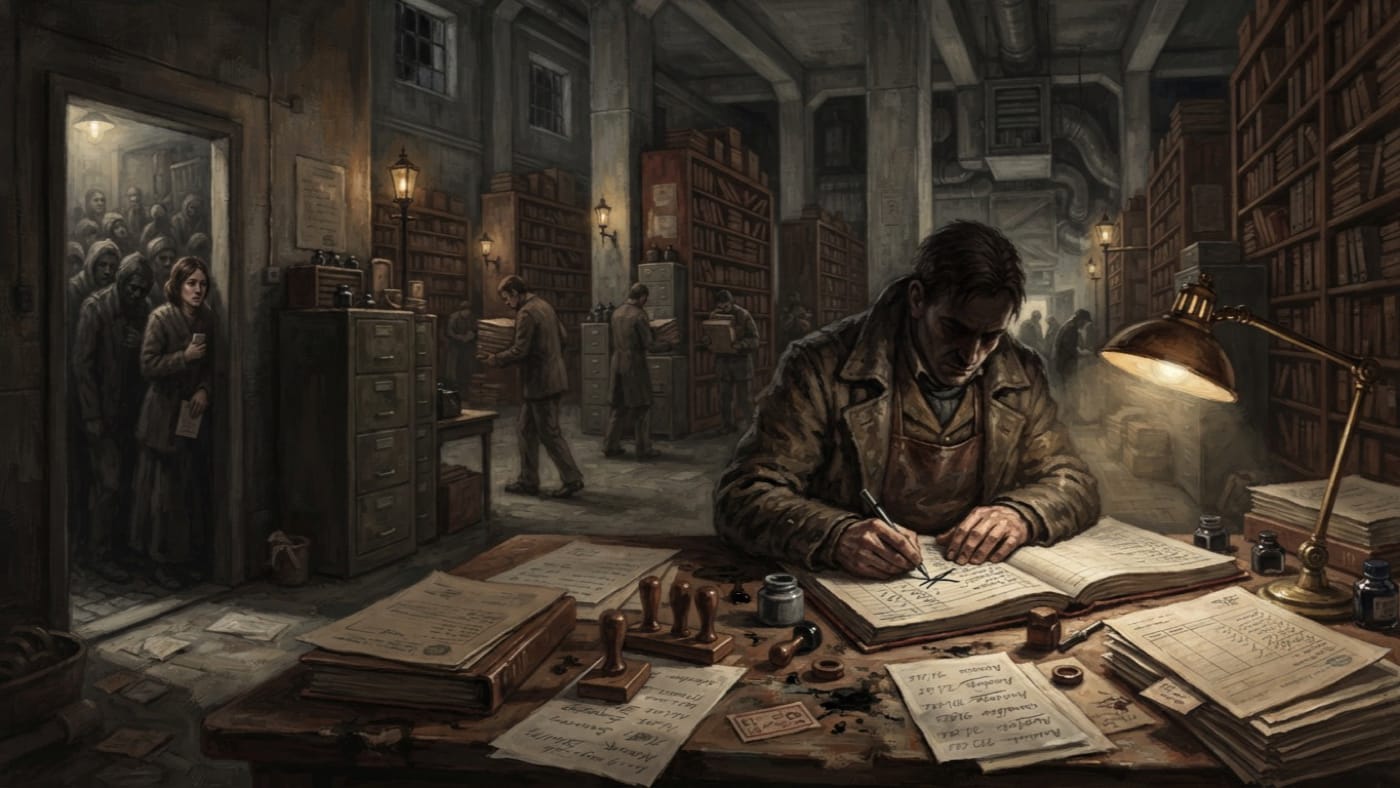
Paper Death
The name dies; its owner queues for bread elsewhere
The Burnwright kills a name across ration, tithe and parish records so its owner may survive under another. Records calls it forgery; the survivor calls it breakfast.
Codex Ref. XI.1.02-004
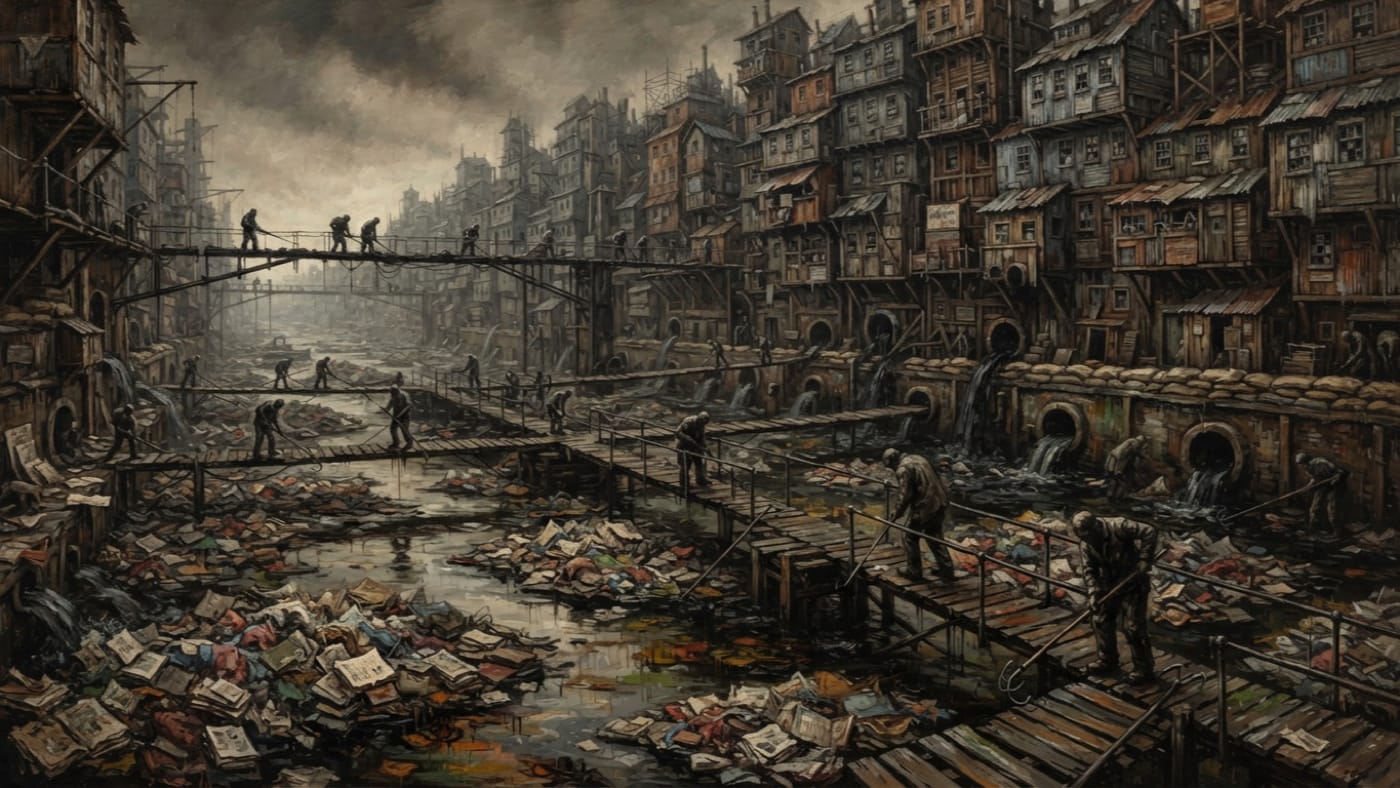
Paper Sump
The drainage belongs to Latchford. The losses occur outside it.
Latchford's drainage district receives discarded forms, acidic ink and debt labour. Records excluded it from the settlement boundary in A.S. 194. The water still arrives; the losses fall outside the count.
Codex Ref. II.4.08-003
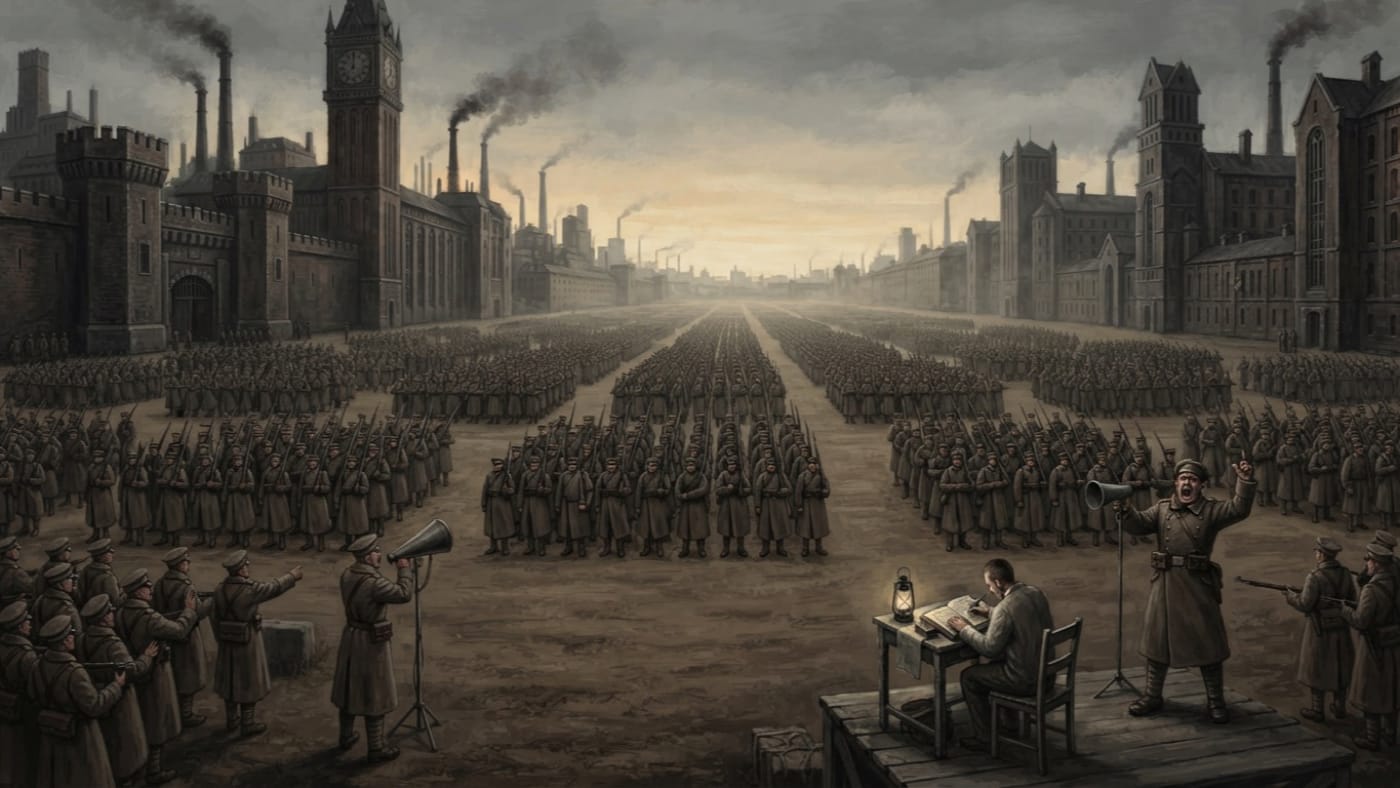
Parade Grounds
The Ground Is Counted; the Men Are Another File
Ten thousand soldiers can drill on Strasbourg's Parade Grounds at once. The Bureau of War counts the space; the levies must fill it. A capacity is easier to certify than an army.
Codex Ref. III.2.01-006
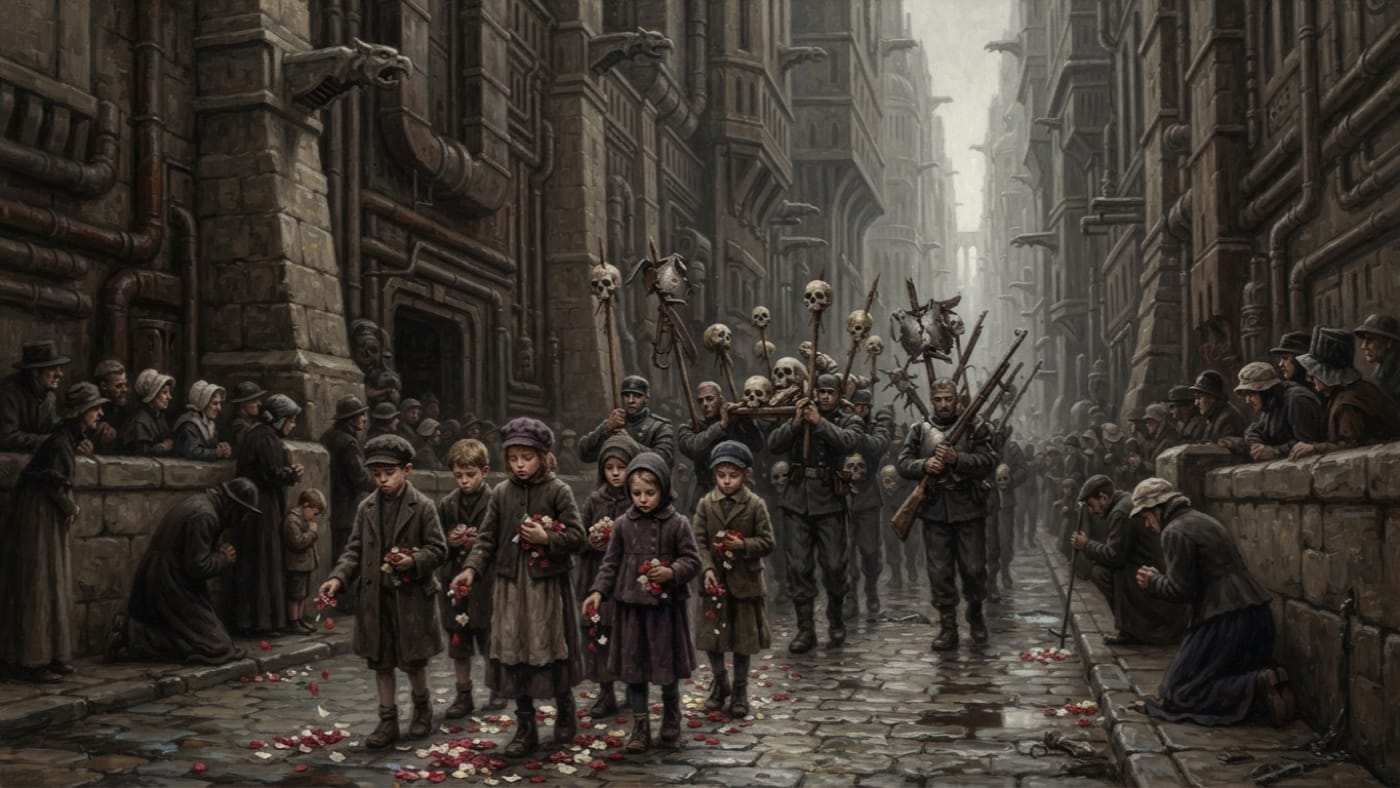
Parade of the Bones
The dead keep formation; the living scatter petals
The bastions carry skulls, shattered armour and consecrated iron behind children scattering petals. Festivals commends the cost per mile; Relics disputes the paperwork. The dead continue to serve without drawing pay.
Codex Ref. XIII.1.89-002
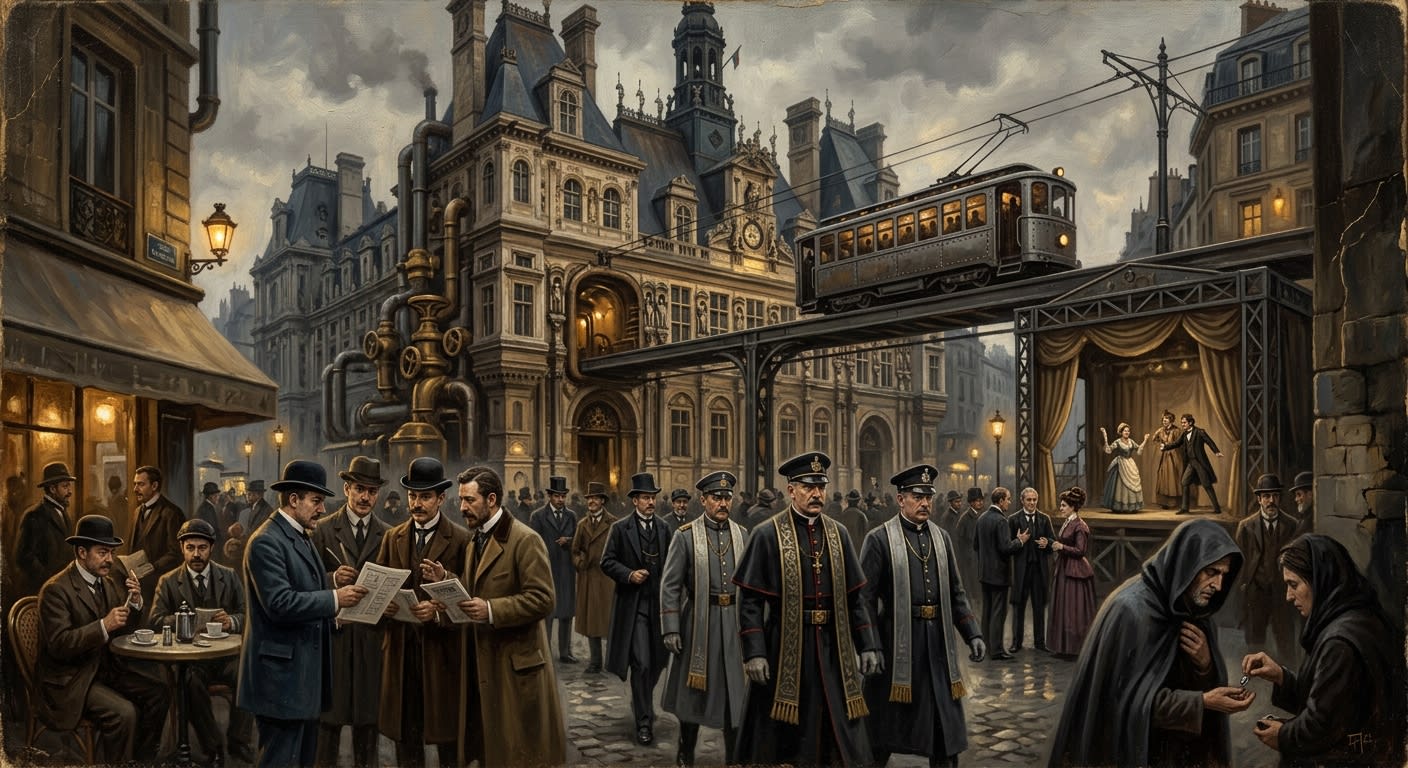
Paris
The city kneels beautifully, which is precisely why one watches the angle
Paris is the Western Heartlands' corrected jewel: Rationalist salon, Synod workshop, black-market confessional, obedient theatre, and treason with excellent diction.
Codex Ref. II.1.08-201
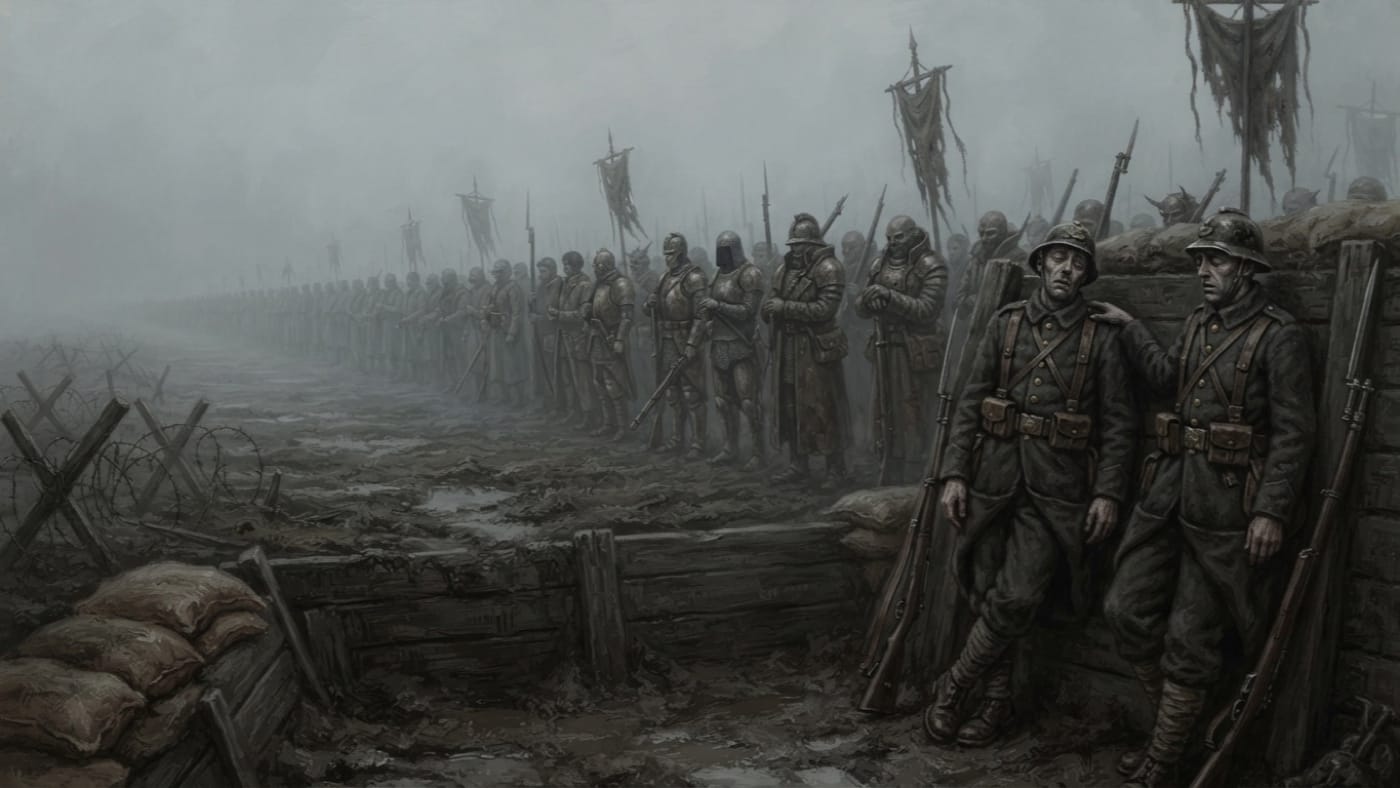
Patient Army
The ranks spend nothing. The watch spends men.
Syrion's corrupted humans and lesser demons hold the fog margins of the Vales of Stagnance. They advance with the mist. The men watching them still need sleep.
Codex Ref. IX.1.04-045
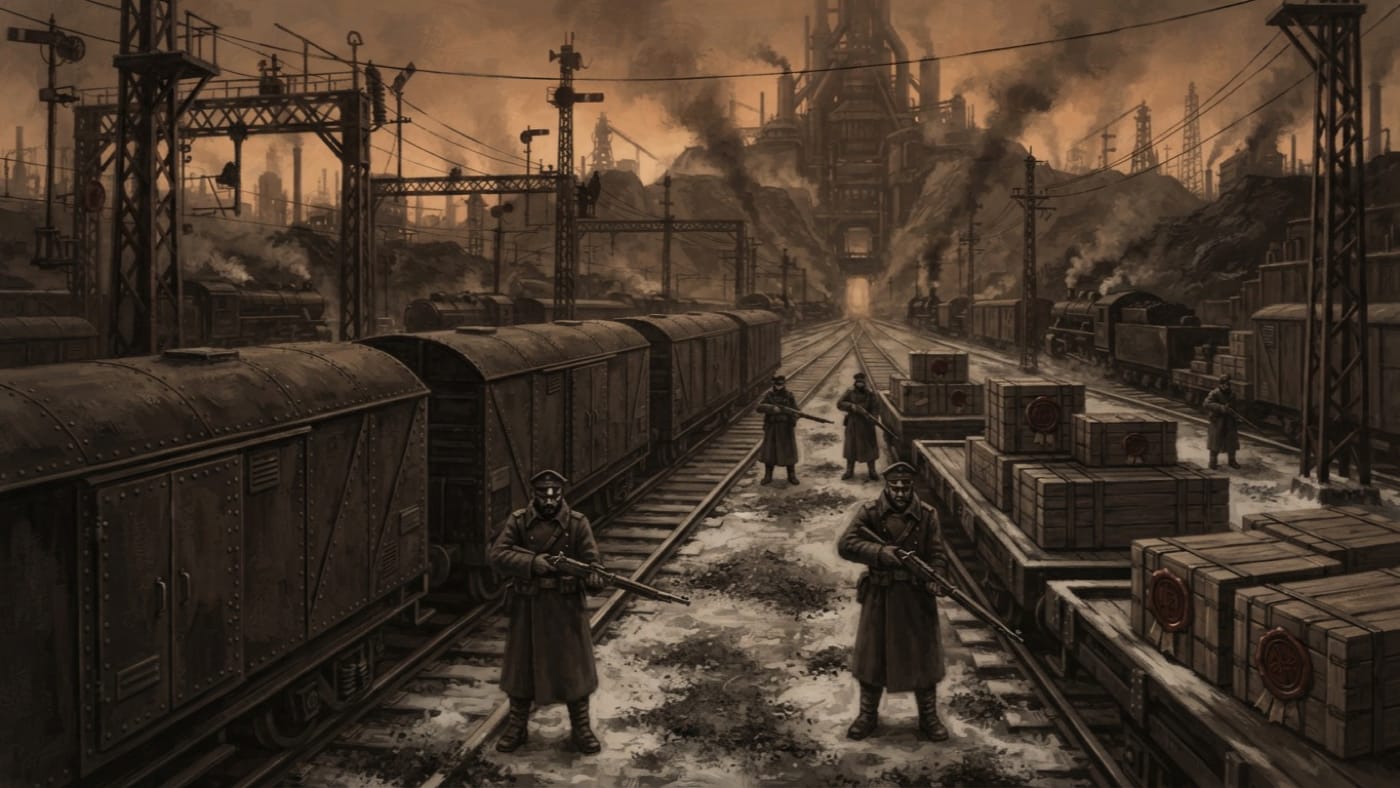
Payroll Spur Vaults
The seals arrived intact. The soldiers' pay did not.
At Lorn's eastern sidings, relic-payroll waits in guarded railway cars. Three crates arrived empty with intact seals; the paperwork remains in excellent condition.
Codex Ref. II.3.01-201
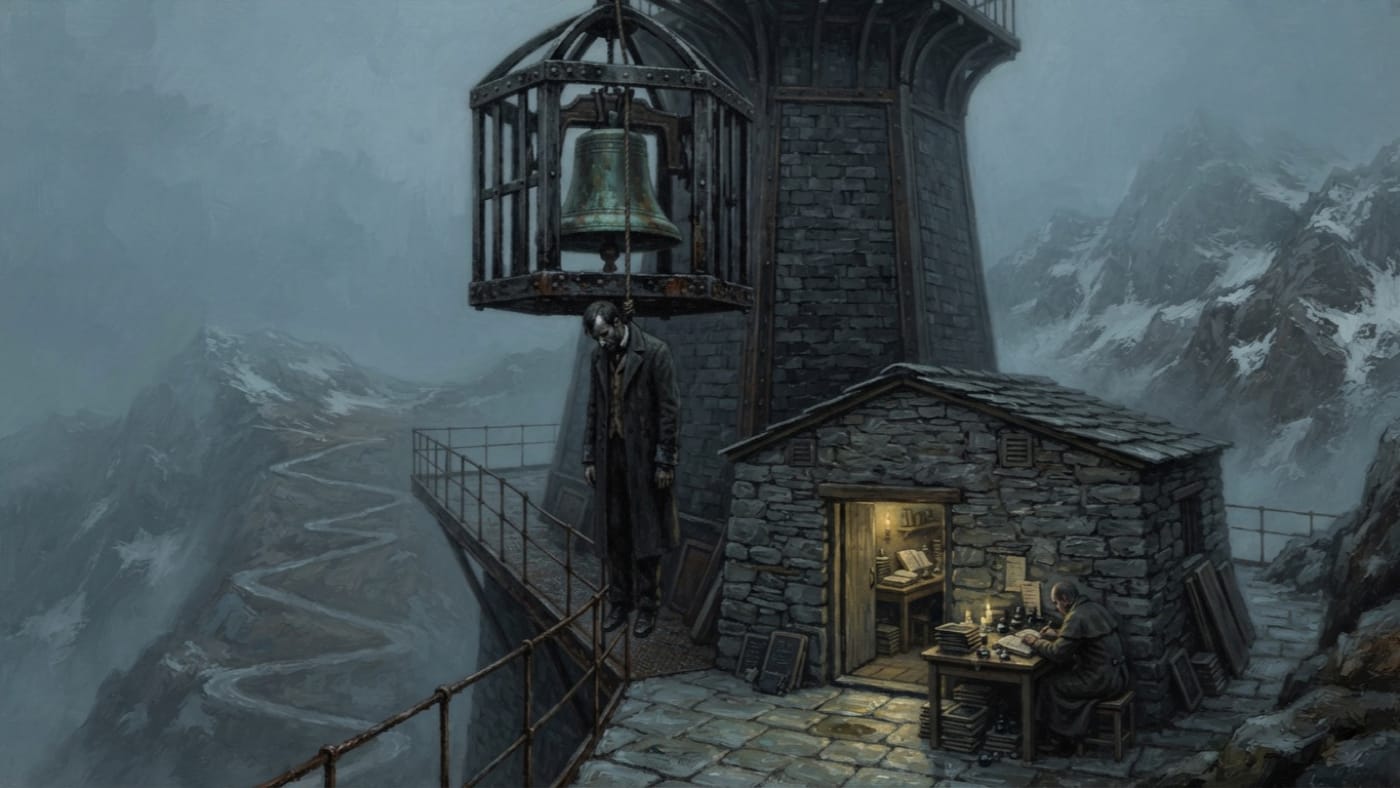
Pell Oster
The clerk filed as equipment maintenance
Pell Oster sold three weeks of forged clearance windows to Lowvale smugglers. Third Light hanged him from his bell-cage; the Bureau of Records filed the execution as equipment maintenance.
Codex Ref. III.2.01-094
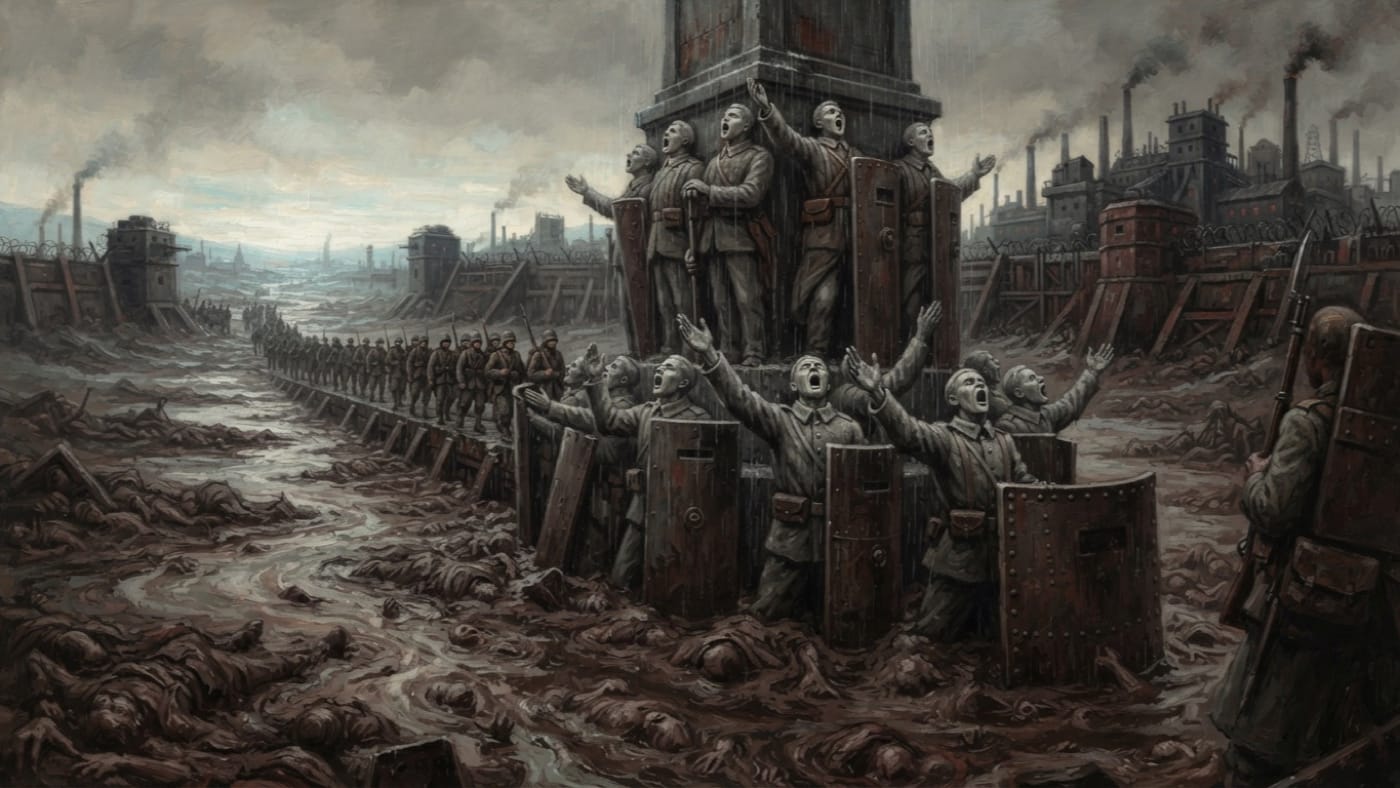
Penance March of Extraordinary Zeal
The dead sank; Records taught them to march
Records renamed the Knife Mile drowning the Penance March, taught survivors the approved account, and gave the dead singing mouths. A.S. 137 dates the catastrophe beneath the title.
Codex Ref. XIII.1.137-002
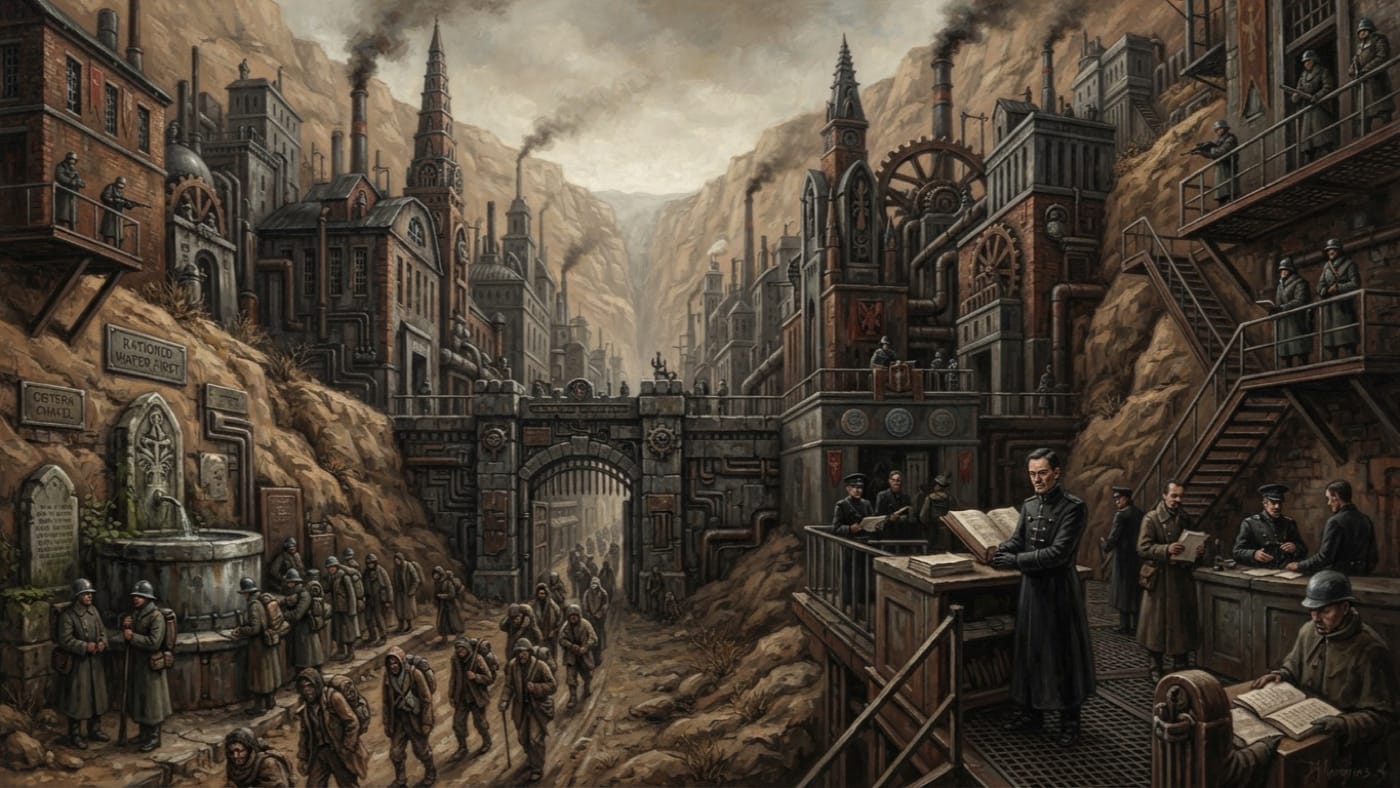
Peregrin
The toll is older than the charter
Peregrin is one of three founding households that taxed water and passage at Peregrine Row before the formal Synod. The Ledger preserves the toll; it supplies no genealogy.
Codex Ref. VIII.6.11-002
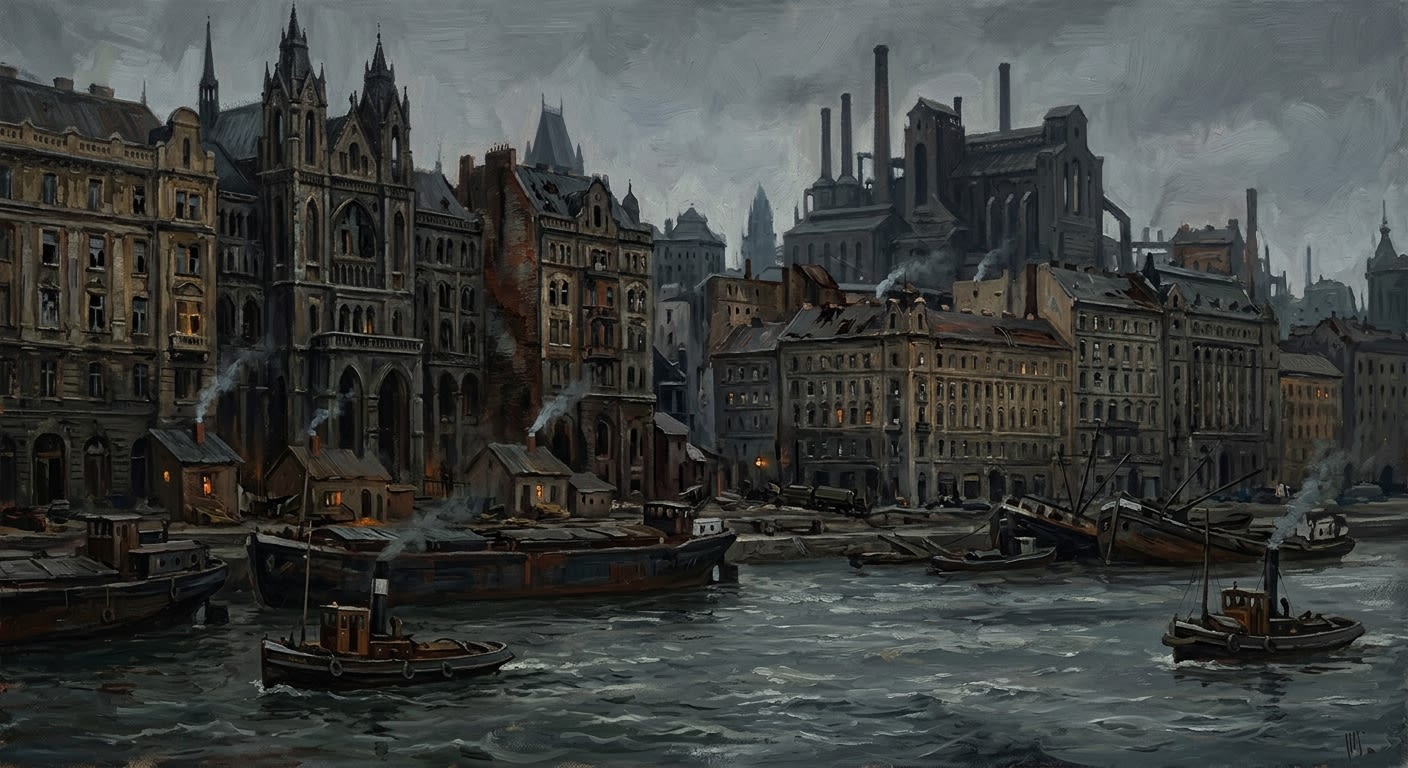
Pest, Abandoned Bank
The empty city that keeps answering without being called
Pest is the eastern bank of Budapest: declared Vacated in A.S. 120, visible across the Danube, annually confirmed, and inconveniently less empty than doctrine prefers.
Codex Ref. II.4.09-012
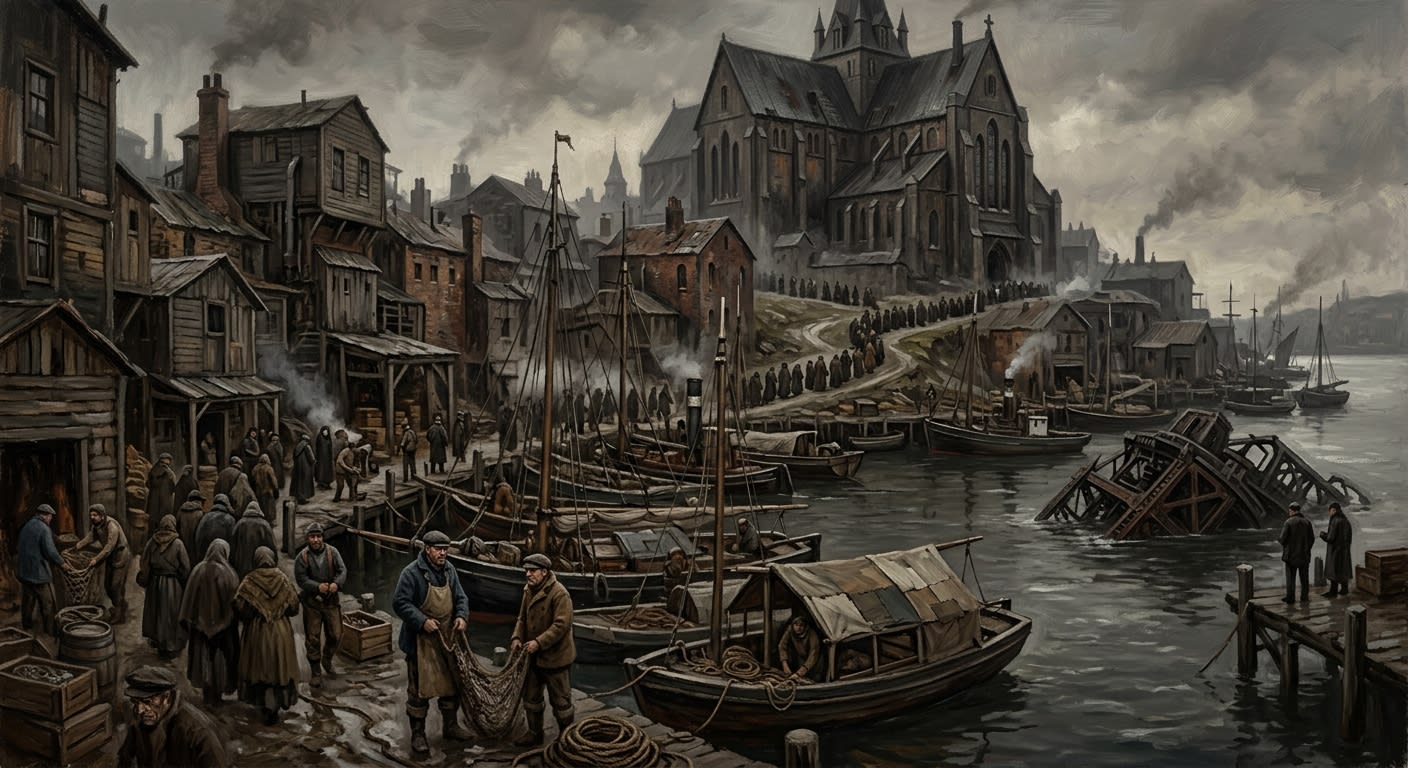
Phaleron Bay
The fishermen count boats because the water has learned names
Phaleron Bay is the Bosphorus inner approach's fishing ward, smuggling pocket, pilgrim nuisance, and quiet witness to the Iron Idol that waits below.
Codex Ref. II.4.09-189
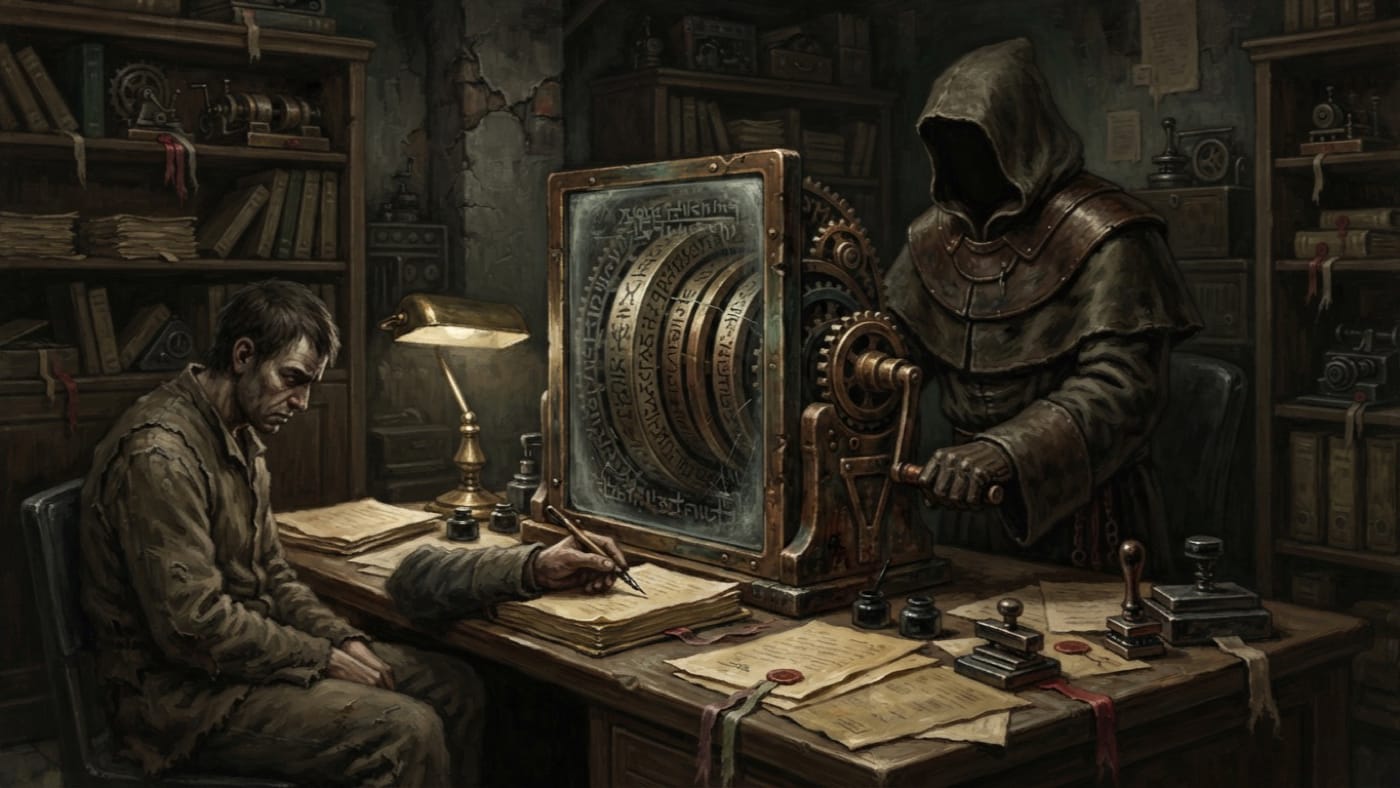
Phrase Wheel
The wheel supplies the words; the penitent supplies the pause
The Codex Auditor's aid to approved penance language. The wheel supplies the words; the penitent supplies the pause, and the Bureau records both.
Codex Ref. XIII.1.99-004
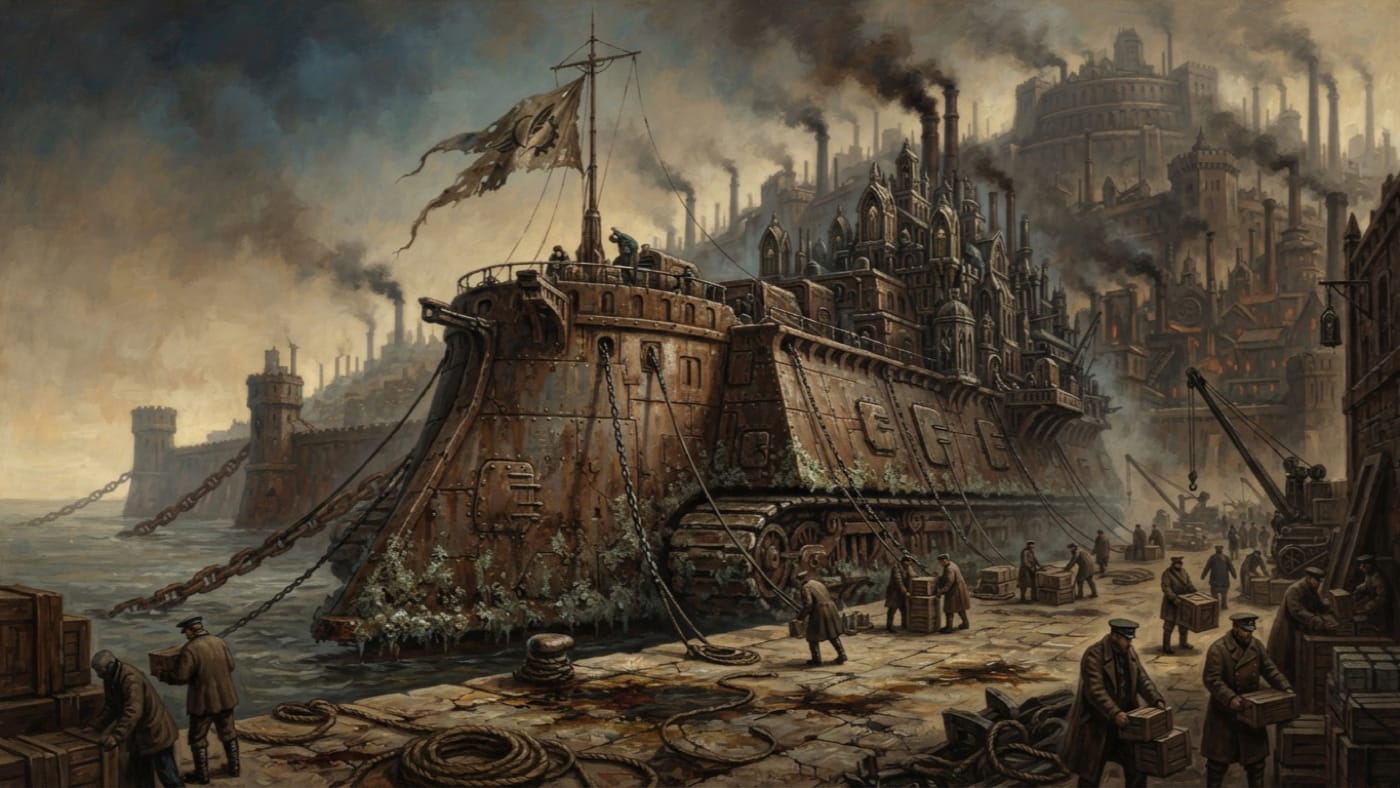
Pier Seven
The berth whose departure column remains blank
Seventh berth of the Harbor of Chains, beside Bastion-Constantinople's Foundry Quarter. Threnody remains under maintenance; the occupation is certified, its conclusion is not.
Codex Ref. II.4.10-008
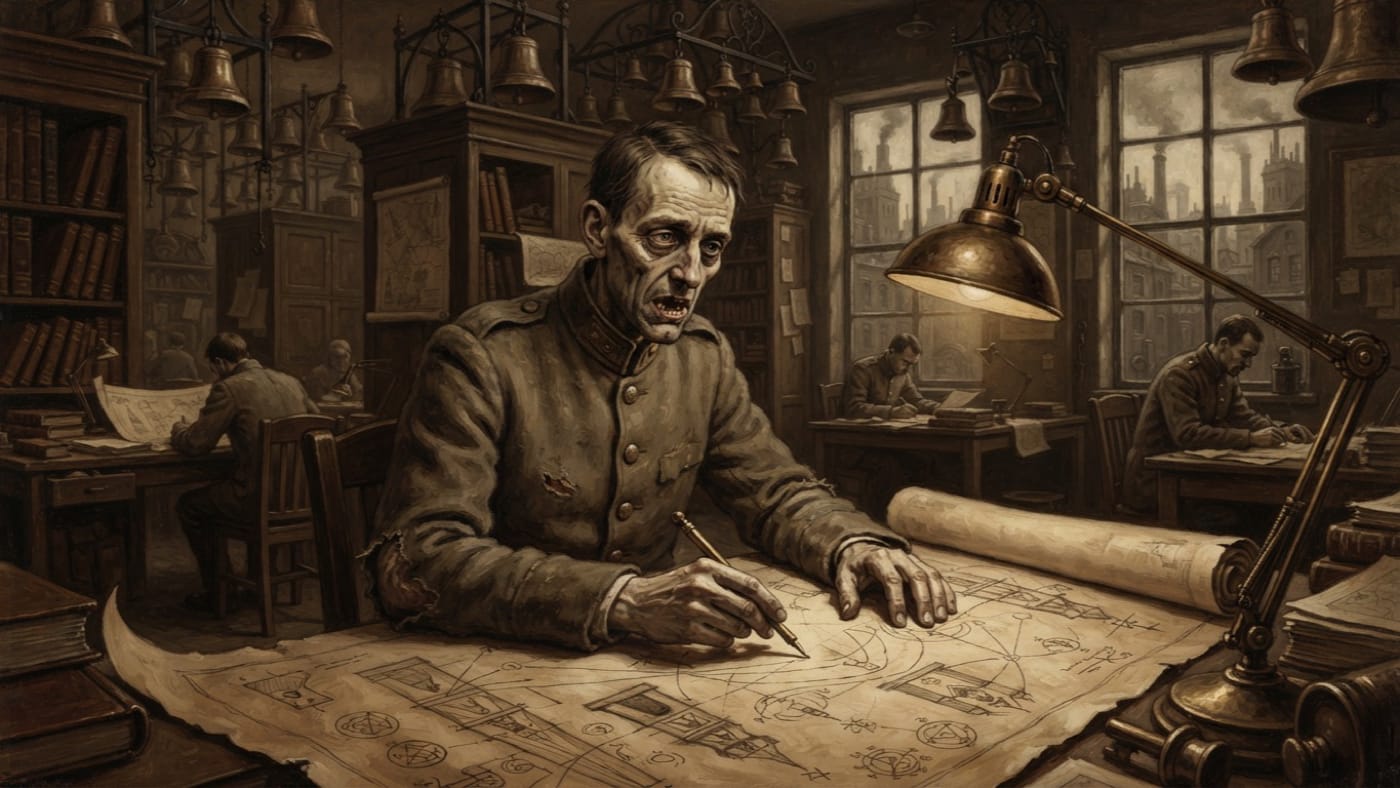
Pieter Dahlgren
A name, a trade, and a loss without a date.
Pieter Dahlgren returned from Commission 73-C in A.S. 73 lucid, able to speak and without a single tooth. His folio was burned; he was reassigned to acoustic charts. The record explains neither his loss nor his later fate.
Codex Ref. III.2.01-2117
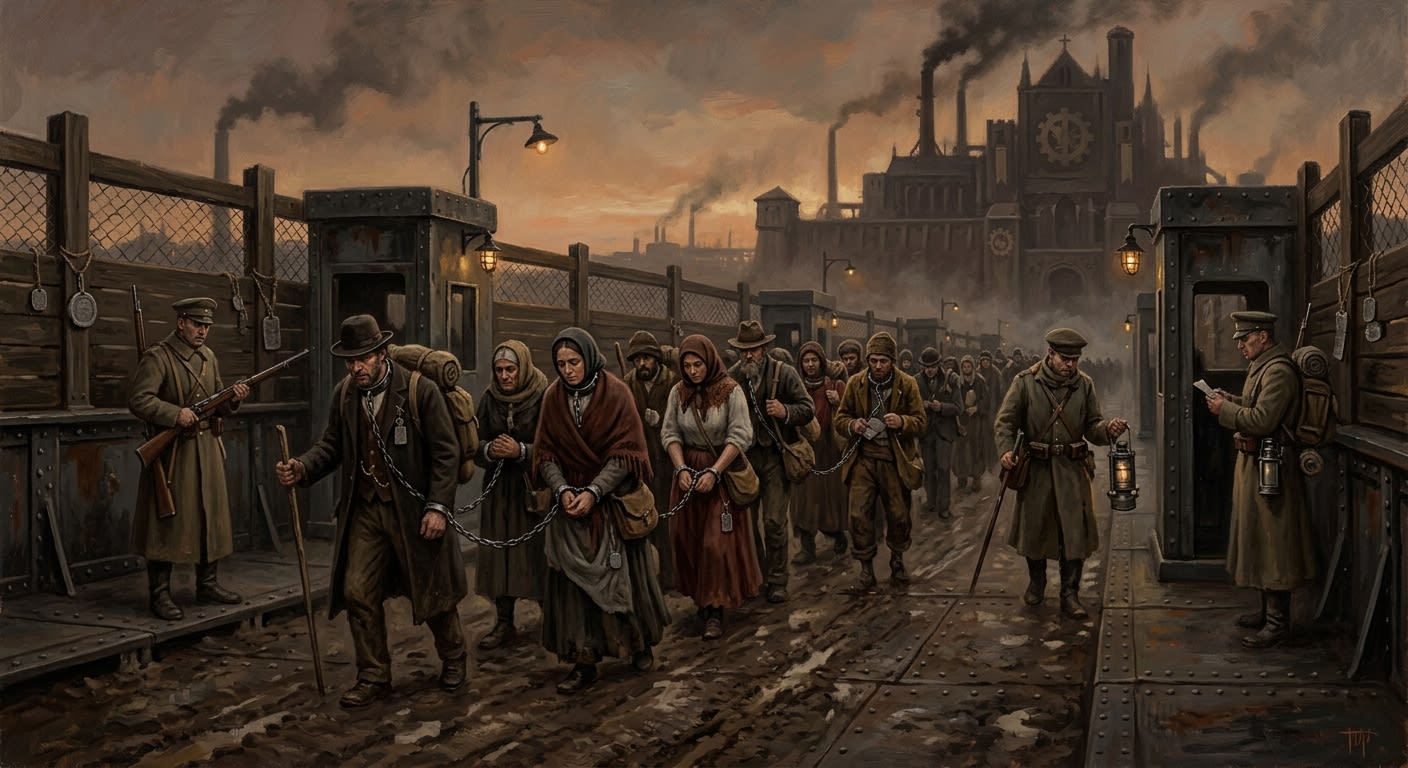
Pilgrim Roads
Sanctity is motion under witness, and witness under invoice
The Pilgrim Roads made walking obedient: licensed motion, tolls, tokens, chains, grief, delay, and low earth holiness under seal.
Codex Ref. XIII.1.86-094
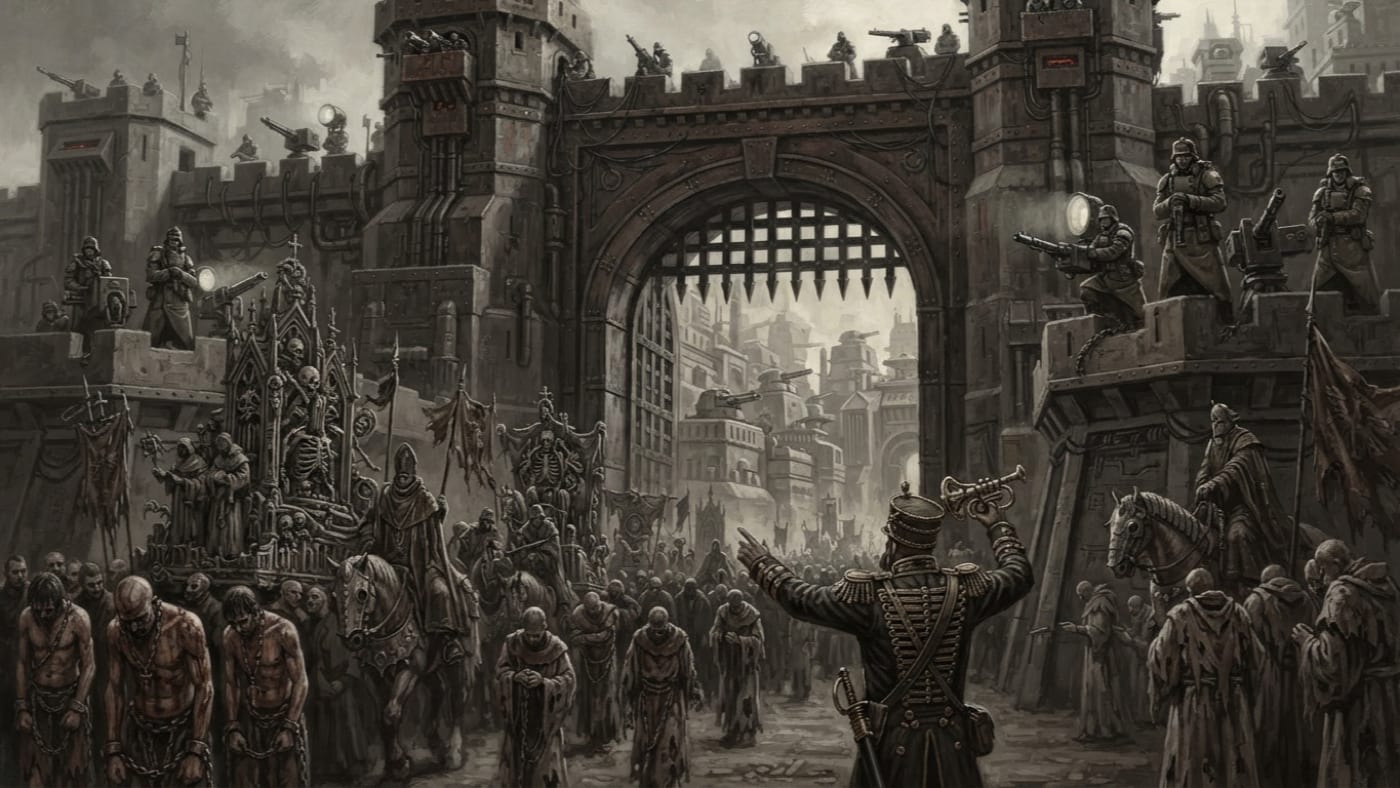
Pilgrim's Gate of Constantinople
Forty days of pageantry end where War's authority begins
The Procession of the Triune Hearth ends at Constantinople's Pilgrim's Gate. Festivals governs the pageantry; War governs what passes beyond it.
Codex Ref. II.4.09-201
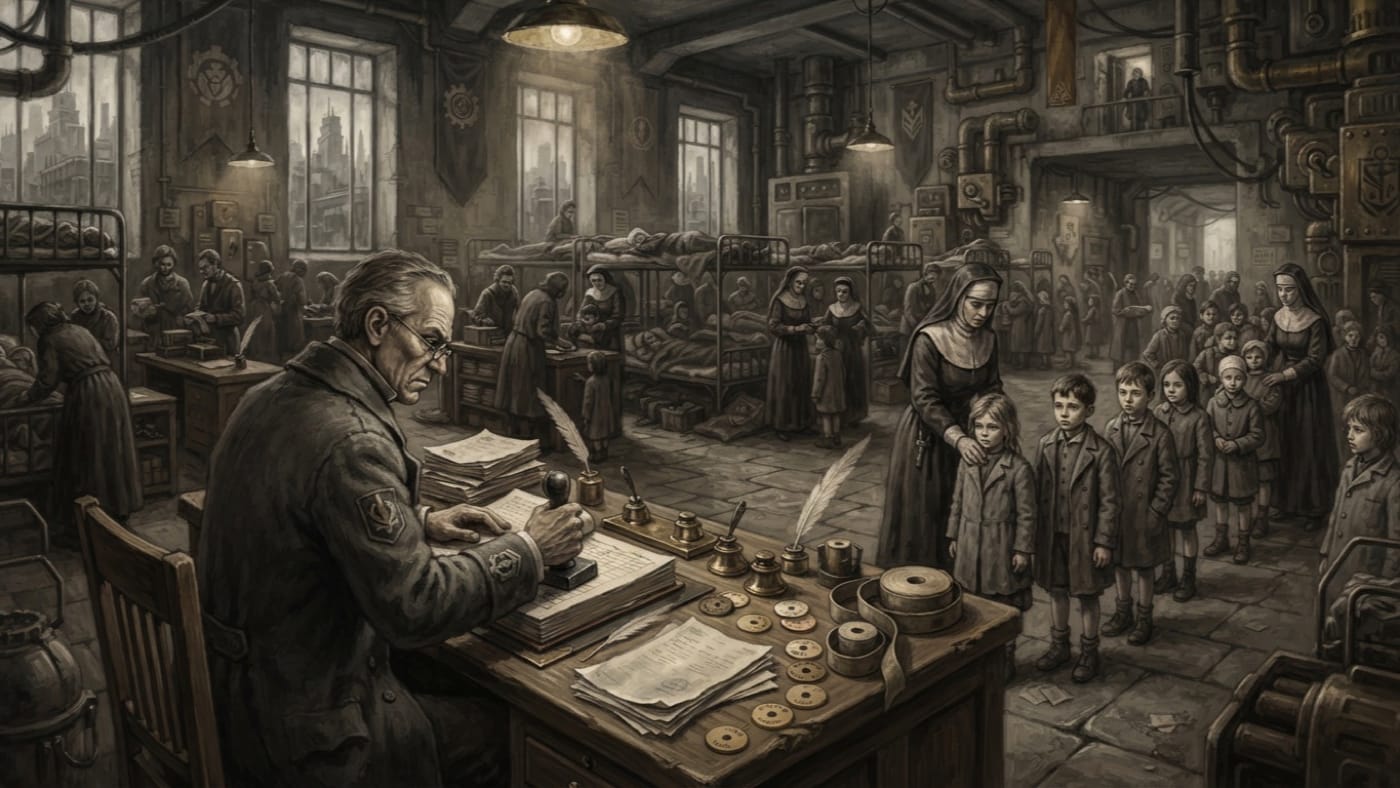
Pipeline Purists
The cot is a waiting room; the placement order is the purpose
The Pipeline Purists treat the Orphanarii as a route from cot to use: Registrars who prize swift placements, reconciled tags, and empty beds. The ledger records delivery more readily than harm.
Codex Ref. XI.1.05-004
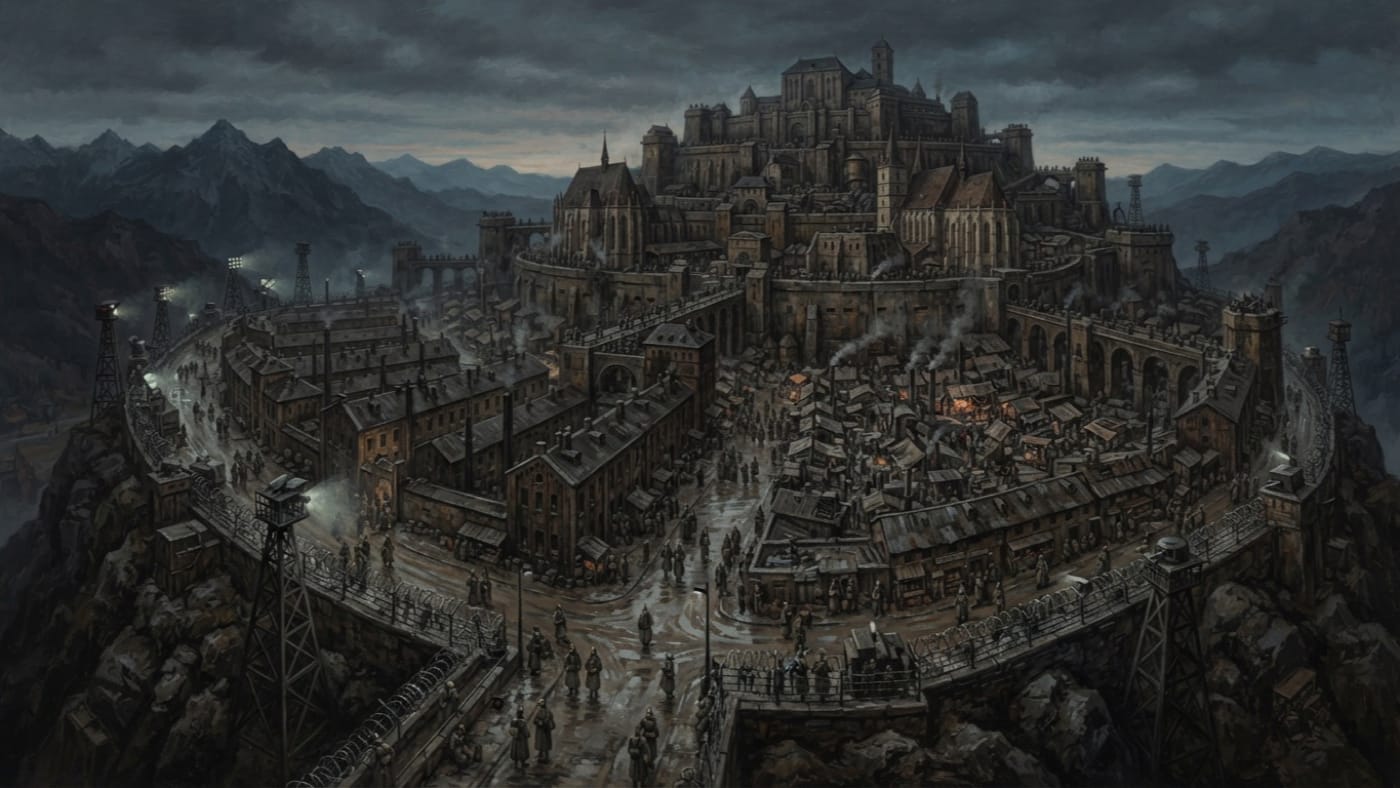
Plateau Guard
The walls hold. The wages do not.
The Plateau Guard keeps Bastion-Sibiu's perimeter and interior. The walls remain unbreached; counterfeit scrip circulates inside them. The Guard holds its posts. The Bureau of Tithes holds the explanation.
Codex Ref. VIII.5.04-003
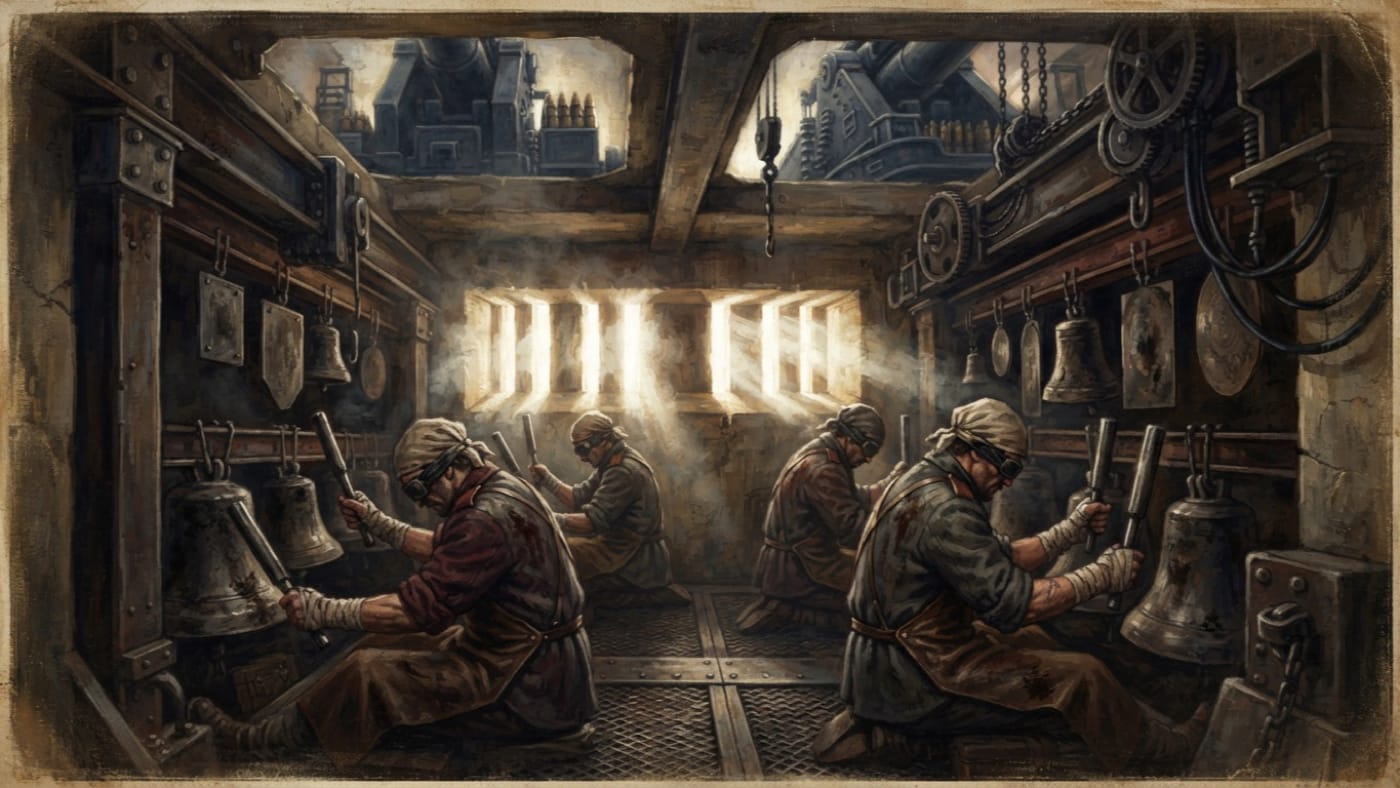
Platform Casimir
The guns had the view; the bell-men paid for it
Przemyśl's eastern gun platform, where blinded bell-men kept the Humility Sequence through the Nine-Hour Rubric. The guns received the better view.
Codex Ref. II.4.09-195
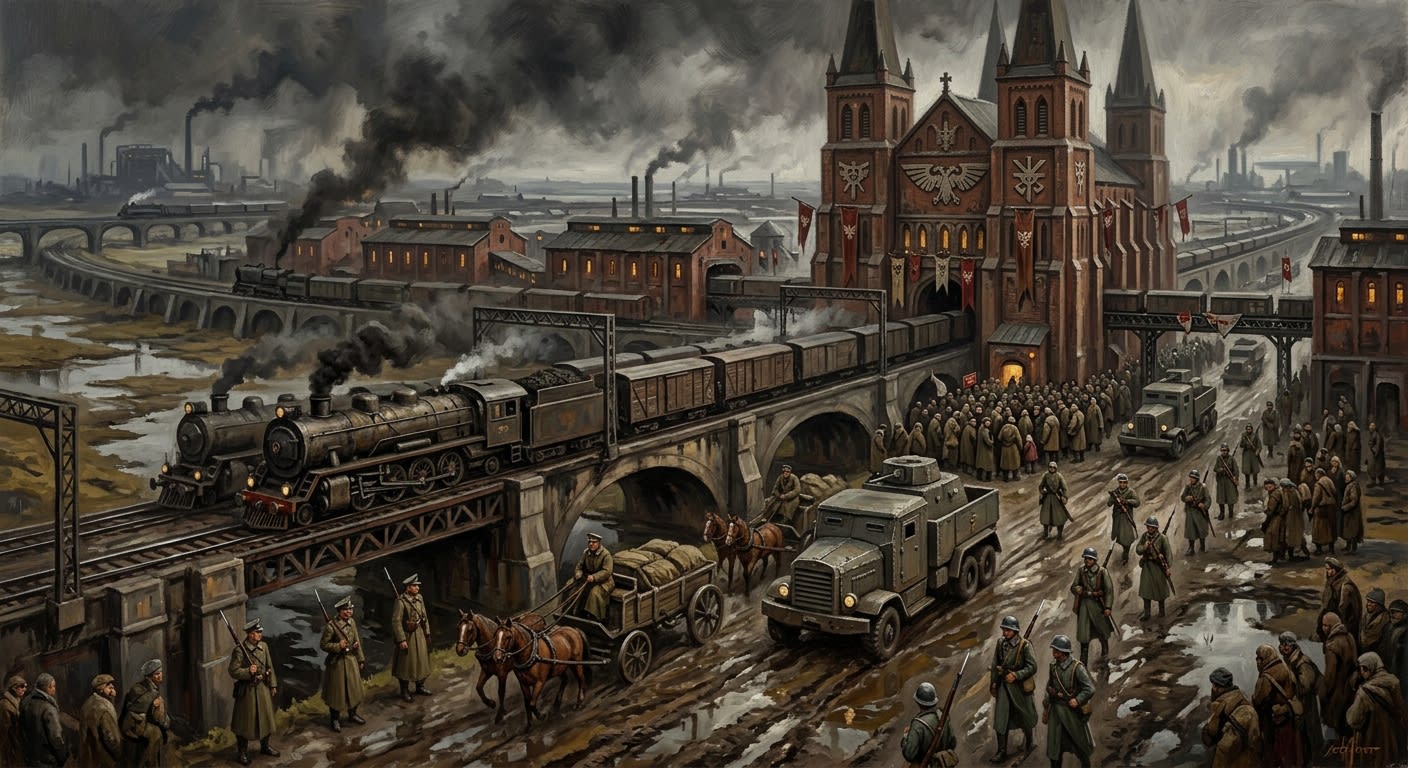
Polish Corridor
The flat throat by which Warsaw feeds the northern guns
The Polish Corridor is Warsaw's long flat throat: rail, road, hunger, prayer, and smoke feeding Brest and Königsberg while pretending passage is not a country.
Codex Ref. II.3.06-095
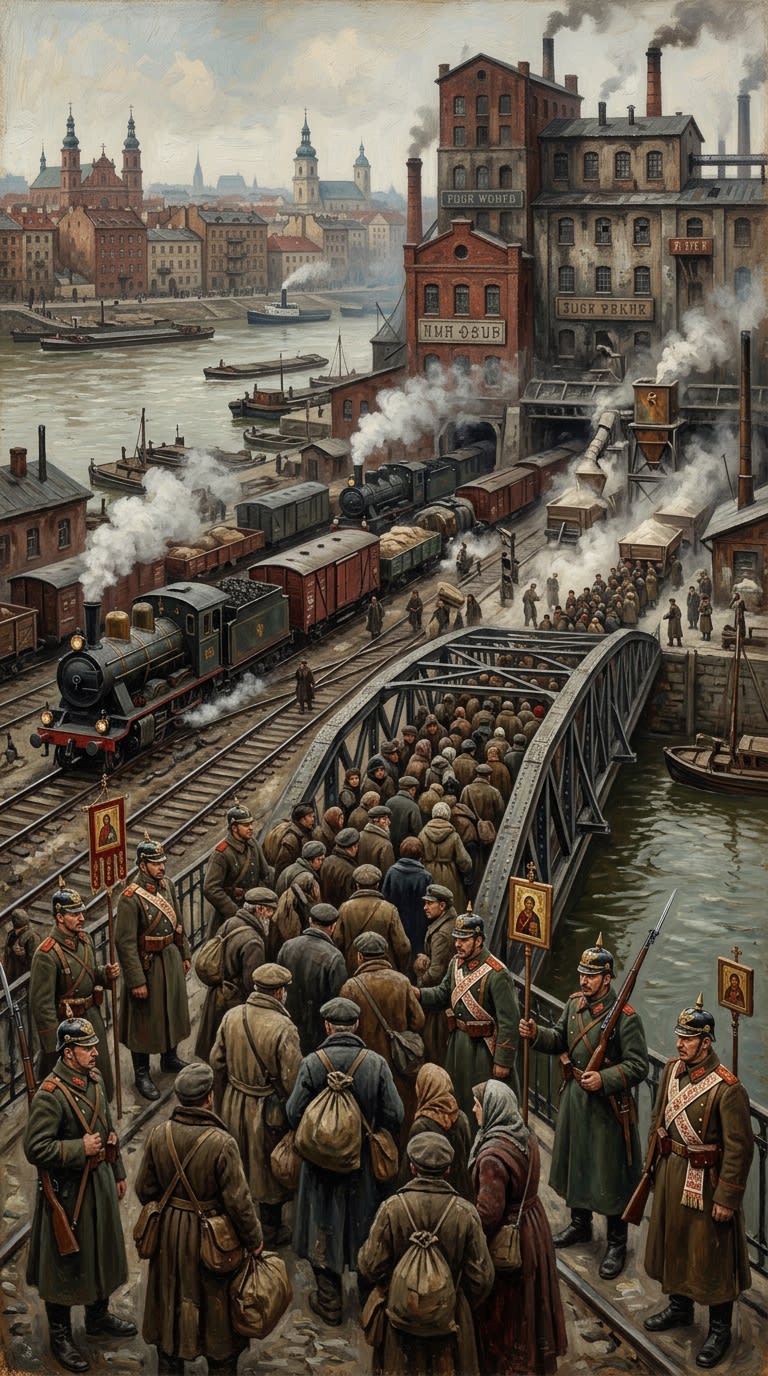
Praga
Warsaw's east-bank throat, where bread teaches logistics to kneel
Praga is Warsaw's east-bank rail throat: refugee room, bridge queue, flour wound, and the district that proved hunger can stop a northern corridor.
Codex Ref. II.3.06-188
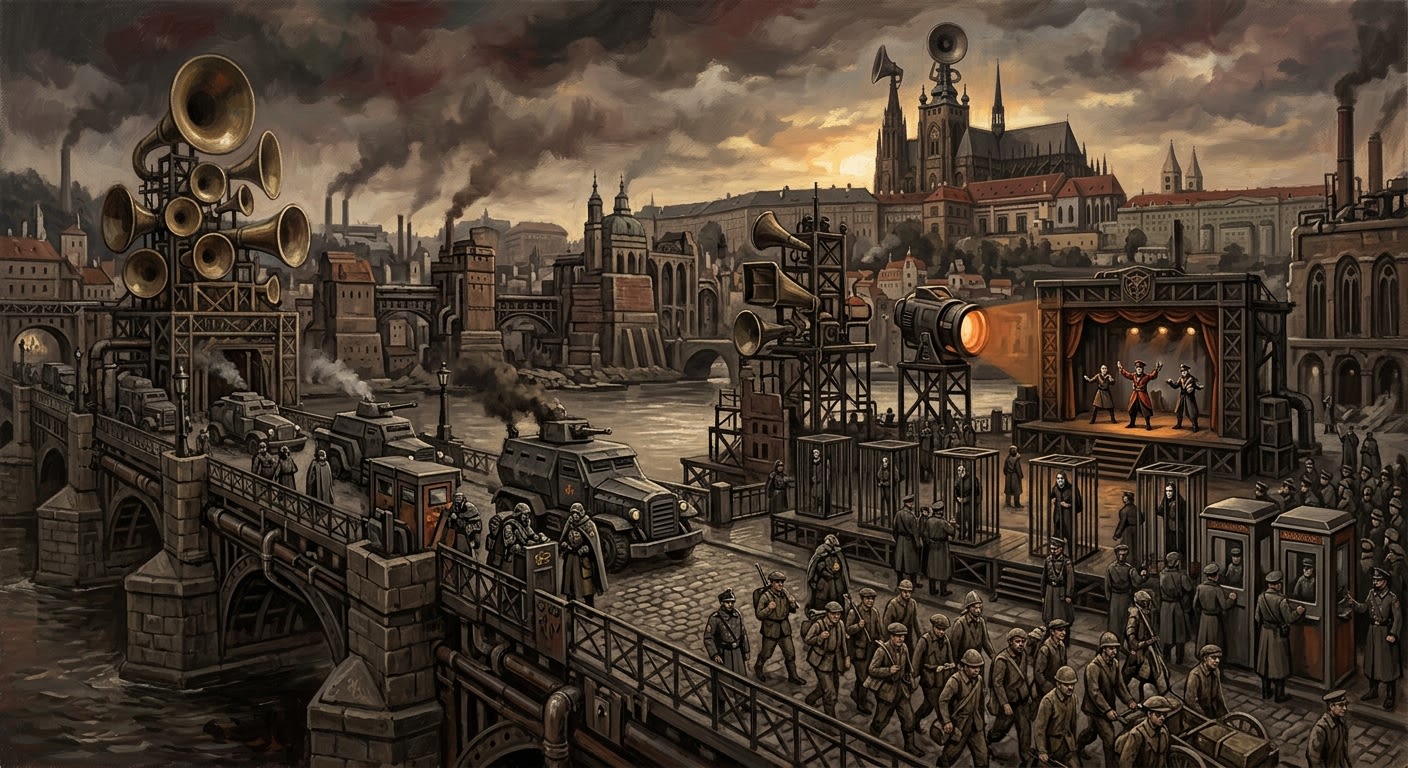
Prague
The bridge-city where shame learned civic architecture
Synod-held Prague is a Zone 3 bridge-city of public correction, Rationalist residue, Ephrath theatre, acoustic wounds, and useful civic obedience.
Codex Ref. II.3.02-001
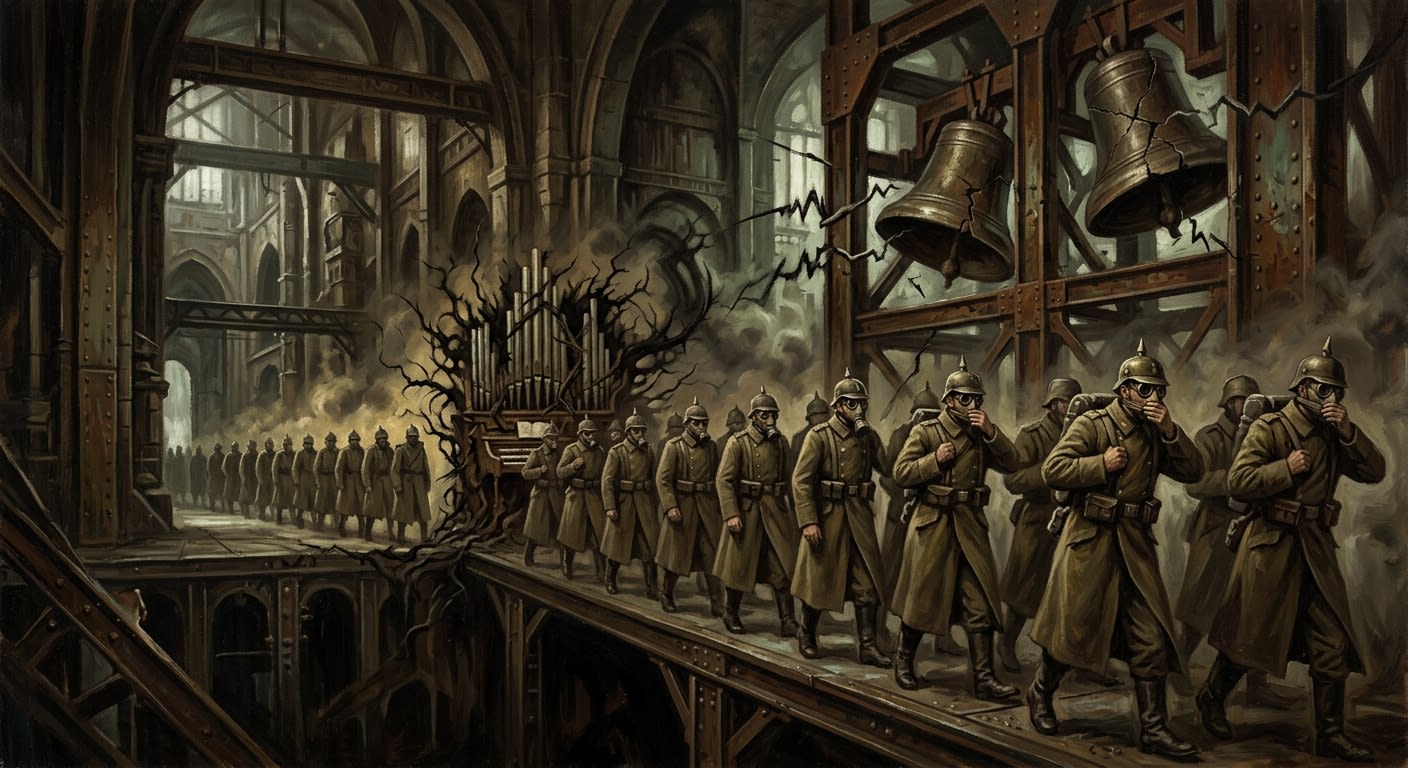
Prayer-Jam
When obedience enters the ear and comes out treason
Prayer-Jam is liturgical signal failure under hostile acoustic pressure: bells betray, hymns gag, and obedient men march precisely into ruin.
Codex Ref. VI.2.01-005
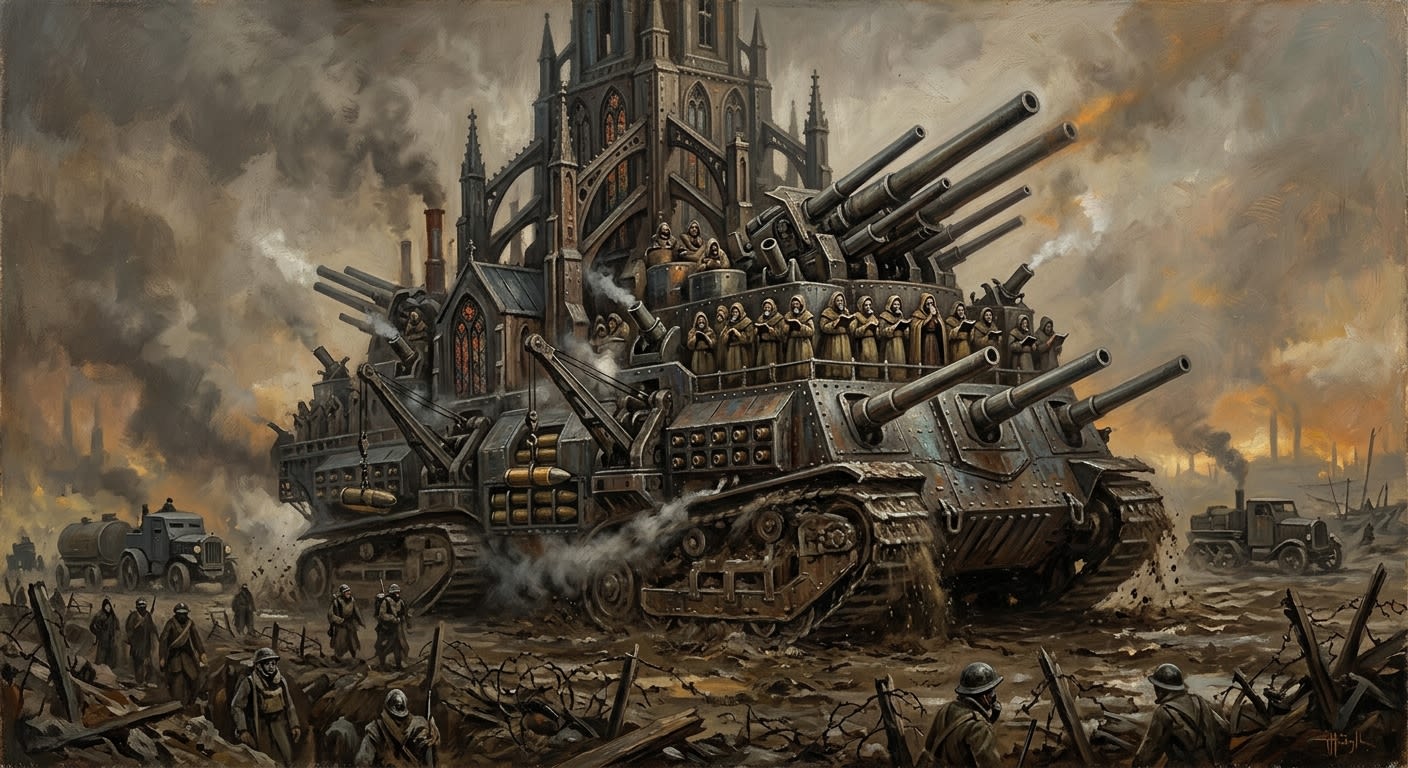
Processional Arsenal
Where the church climbs on treads and the Gloria arrives as mortar fire
The Processional Arsenal is a mobile shrine-artillery Choir-Engine: cathedral, battery, choir school, and powder magazine advancing together on blessed treads.
Codex Ref. XIII.1.34-001

Procurator Maxentius della Torre
The jaw by which Doctrine learned to bite
Della Torre expanded Purity in A.S. 80, birthed the Index Damnatus, and taught the Synod that a named error is already halfway into chains.
Codex Ref. III.4.02-031
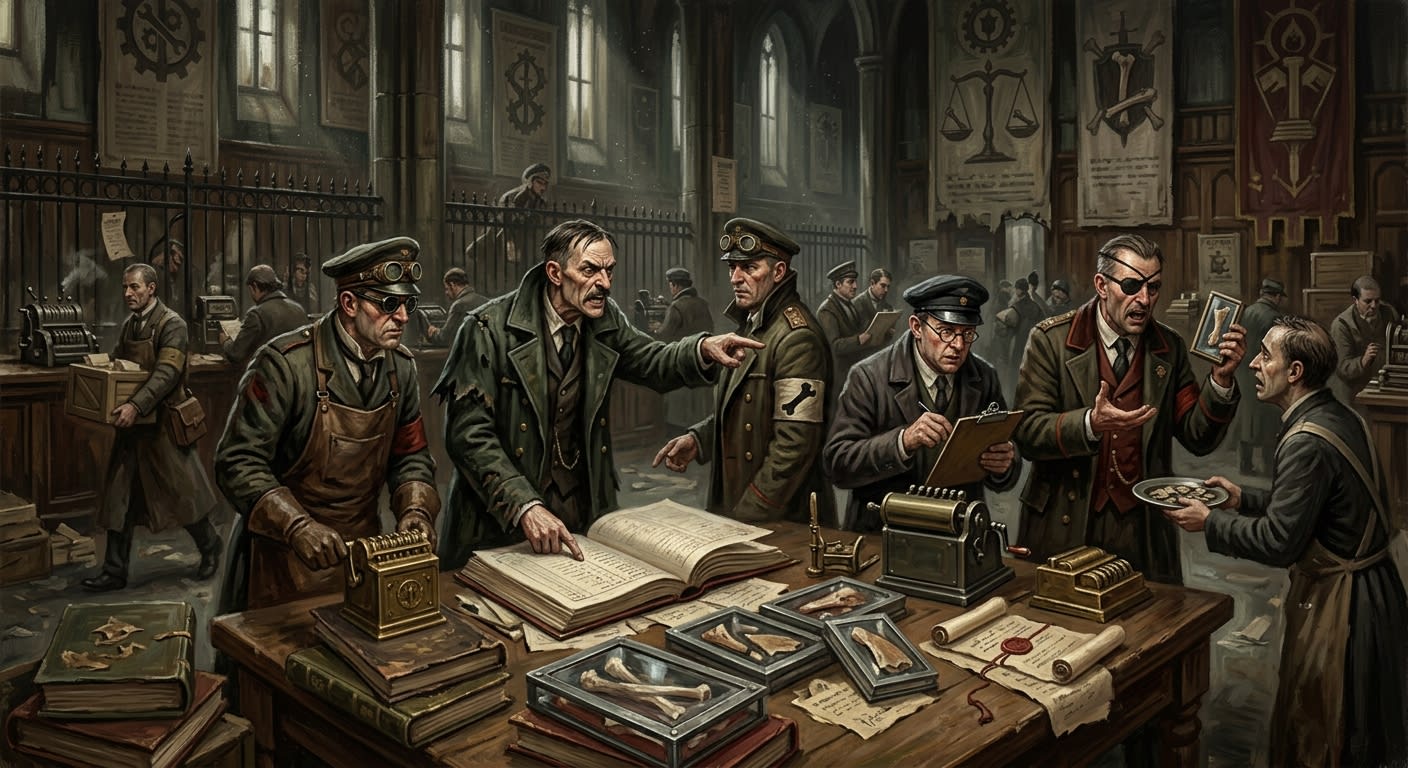
Profit Brokers
Where surplus holiness becomes inventory, urgency, and invoice
Profit Brokers are the aggressive Femur-War Broker faction, maximising contradiction yield through secondary fragments, rival claims, fee-bearing urgency, and useful greed.
Codex Ref. XII.15.03-001
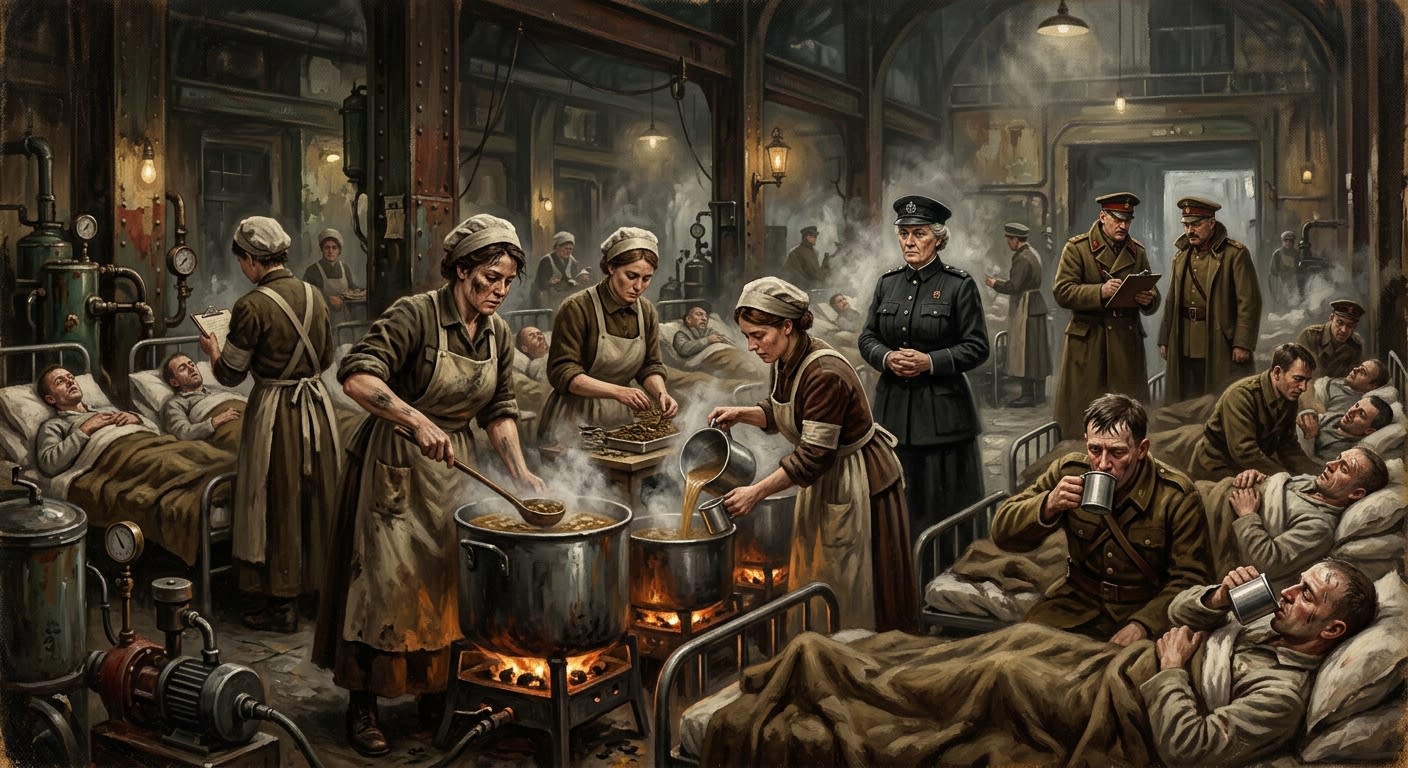
Protocol 7-C
The Bureau named the kettle after stealing the cure
Protocol 7-C saves fevered soldiers by boiling water, brewing bark, and pretending the woman who knew this first had never touched the pot.
Codex Ref. XIII.1.74-113
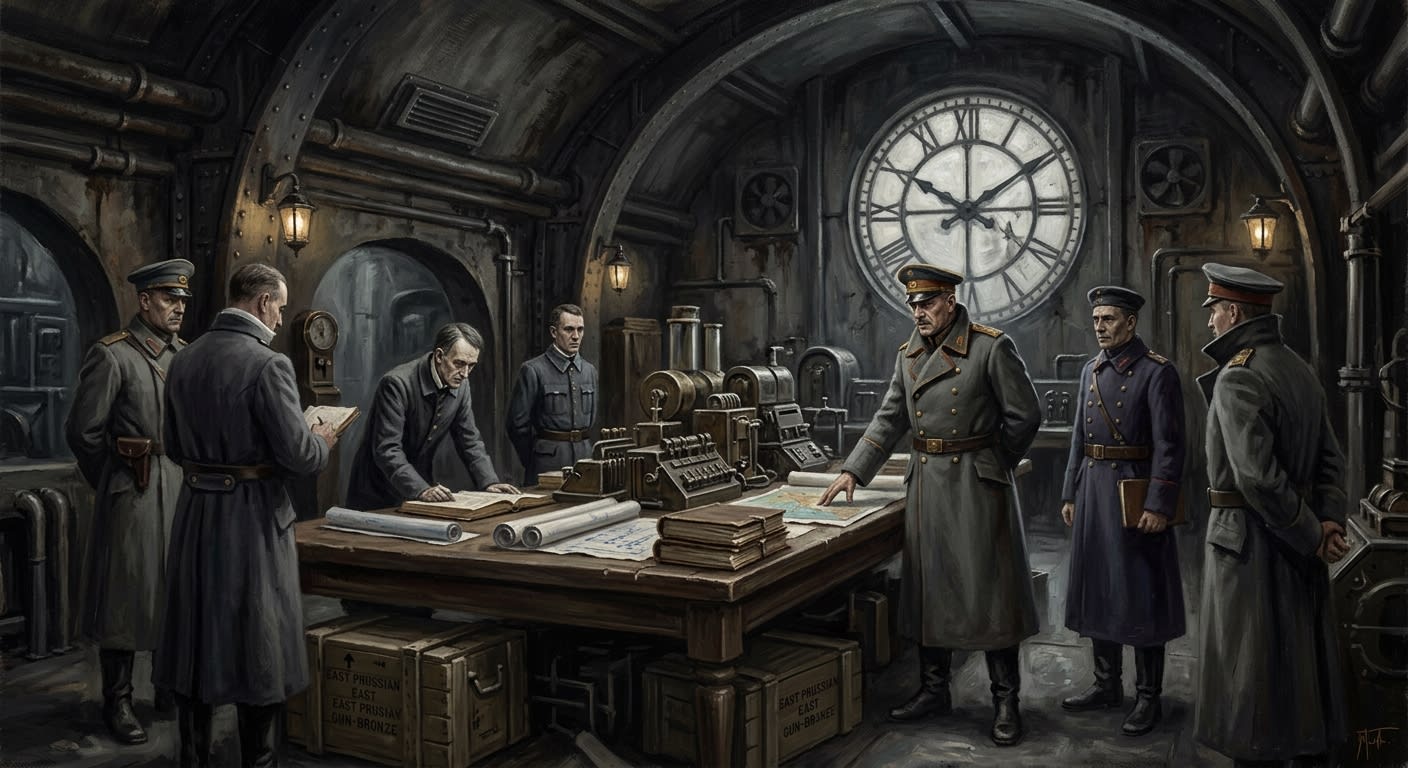
Prussia
The state died; the timetable kept breathing
Prussia is the dissolved northern kingdom that survived as method: rail clocks, cold clerks, officer corridors, East Prussian gun-bronze, and the north's habit of arriving.
Codex Ref. II.4.09-095
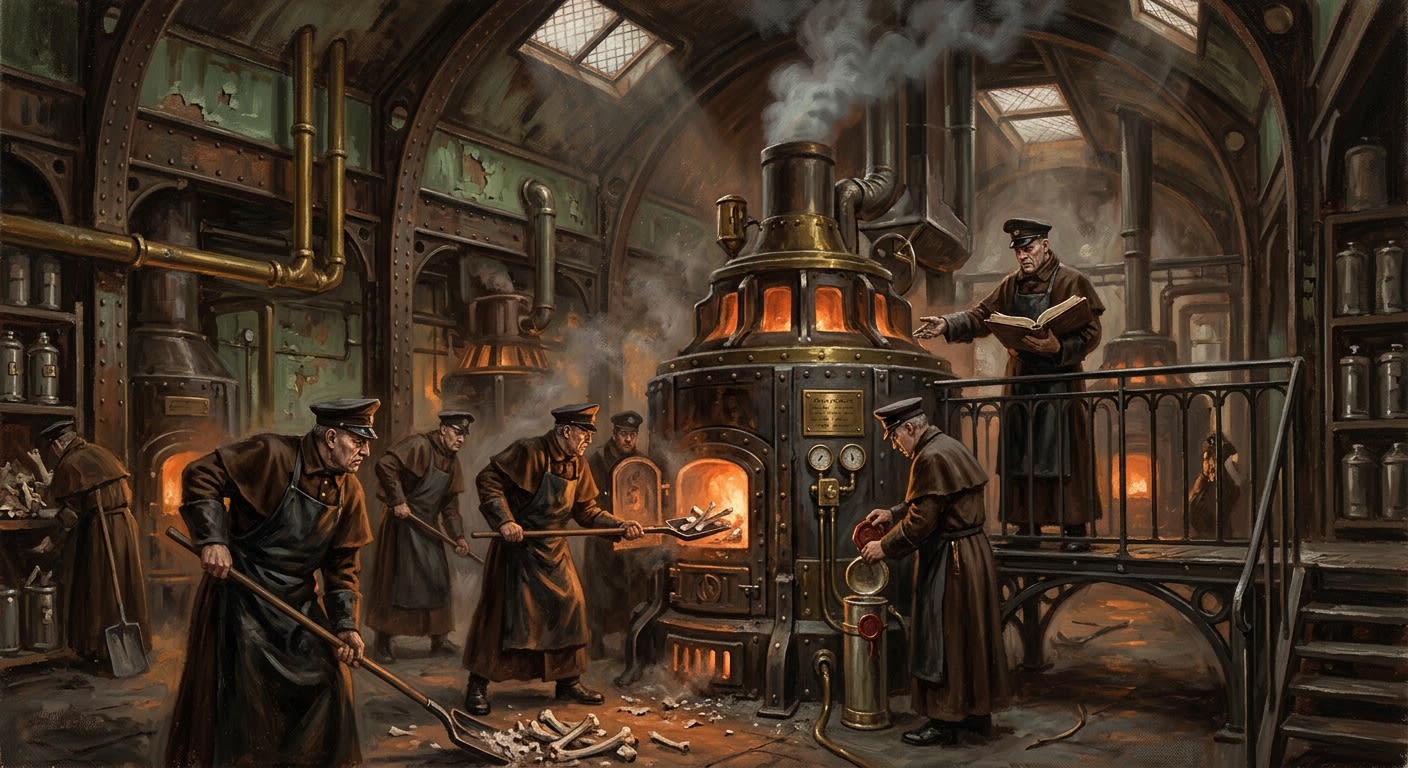
Purity Kiln Decree
Holiness must bear weight, and so must the men who burn it
The A.S. 142 decree made saint-bone burning legible: hymn, heat, quiet, seal, witness, blame, and the pious sentence that holiness must bear weight.
Codex Ref. XIII.1.91-142
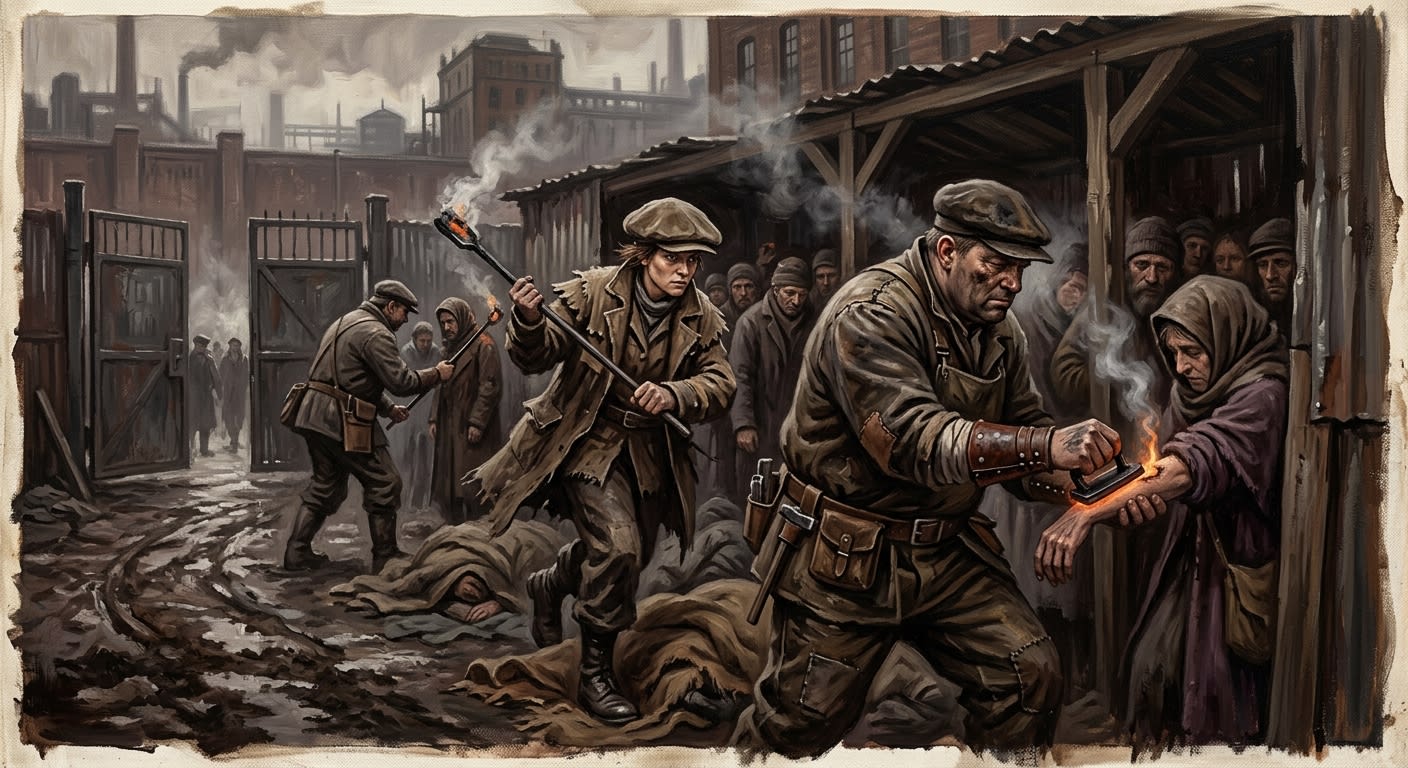
Quick Burners
Haste, under shelling, becomes a form of grammar
Quick Burners are accelerated field Brand-Smiths who mark bodies in queues, sheds, gates, and mud before ceremony can strangle movement.
Codex Ref. XII.20.06-001
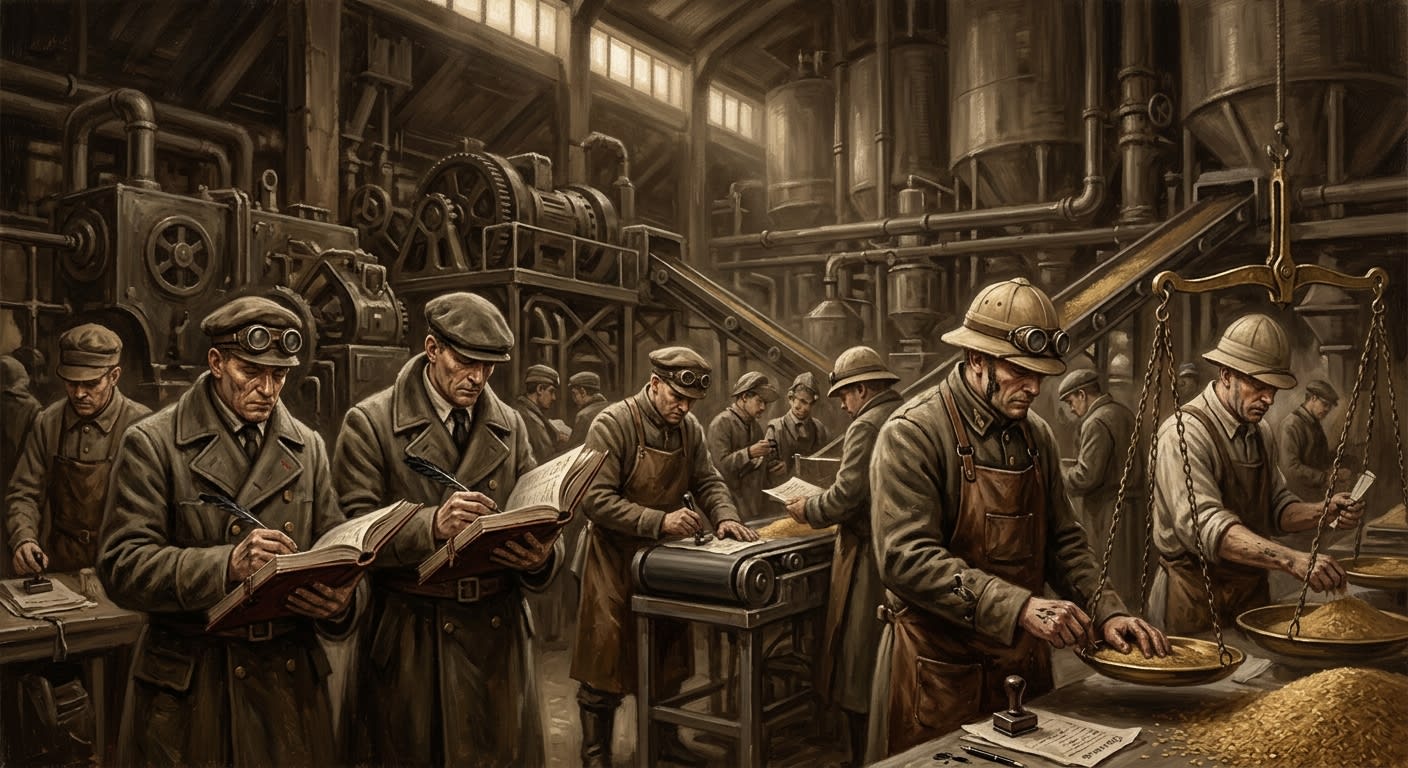
Quota Men
Modest theft is what famine calls governance when the pantry has witnesses
Quota Men are the Grain Keeper faction of modest diversion and immaculate ledgers, preserving wards by stealing little enough to keep collapse boring.
Codex Ref. XII.13.05-001
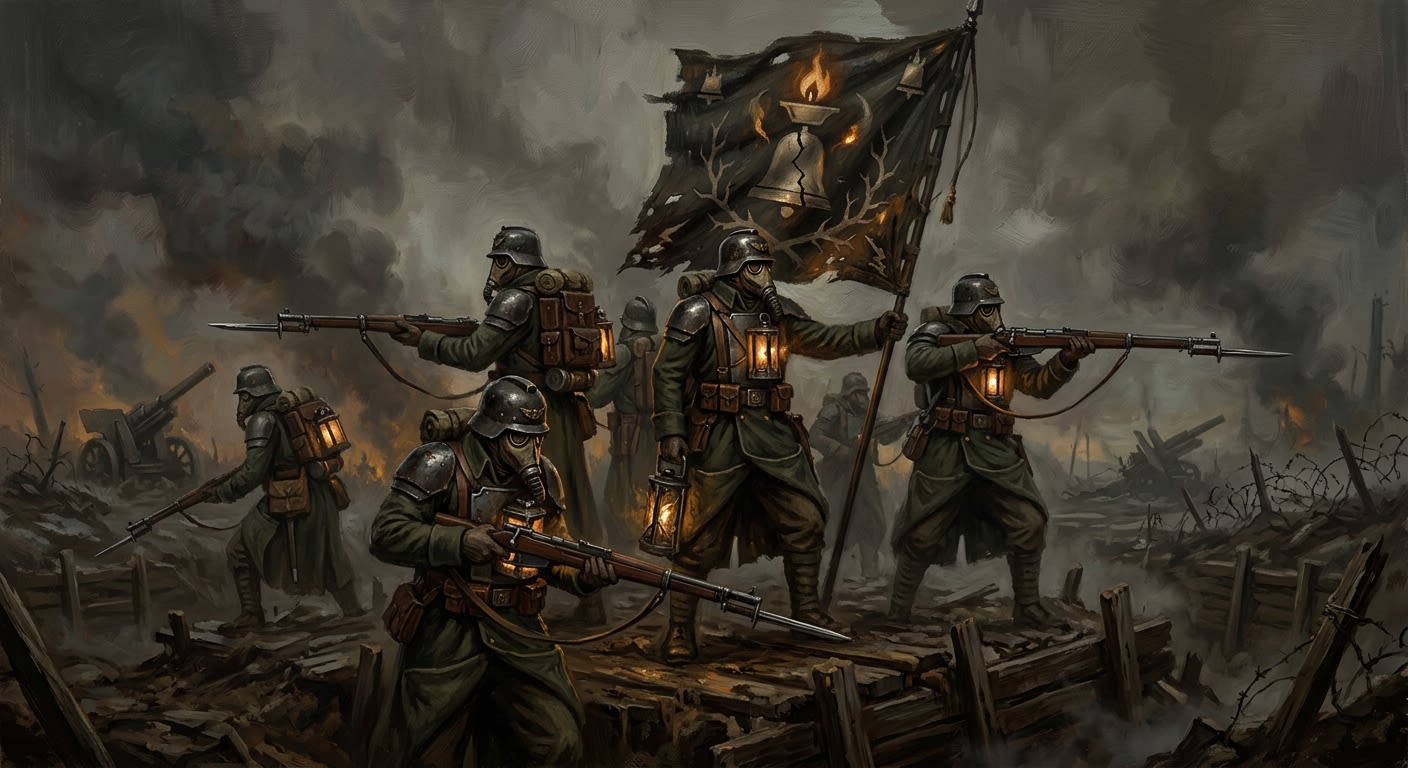
Radiant Fusiliers
The rifle as rite, the volley as testimony
The Radiant Fusiliers are elite Covenant light infantry whose banner-lit volleys serve as weapon, rite, and witness; at Debrecen, obedience learned to count horror after firing at it.
Codex Ref. VIII.5.02-001

Rail-Confessor Corps
Absolution cut to fit the departure bell
The Rail-Confessor Corps gives Warsaw's rail crews eleven seconds of blessing, ninety seconds of confession, and just enough mercy to depart before the wheels become sovereign.
Codex Ref. VIII.1.05-001
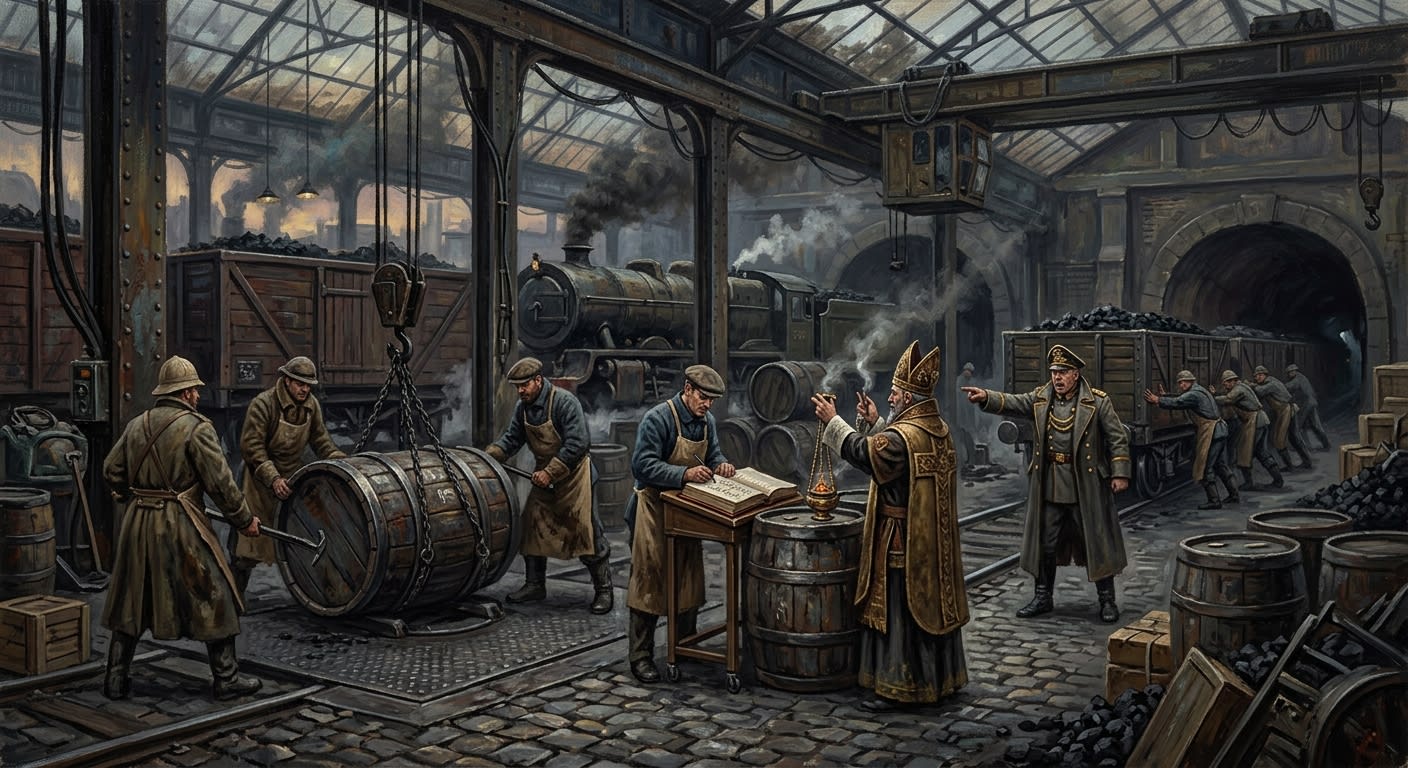
Rail-Manifest Quarter
Where fuel receives a number, a culprit, and permission to burn
Brast's Rail-Manifest Quarter is the court-throat where chrismole drums are weighed, blessed, numbered, blamed, and sent east to warm the Line.
Codex Ref. II.2.01-021
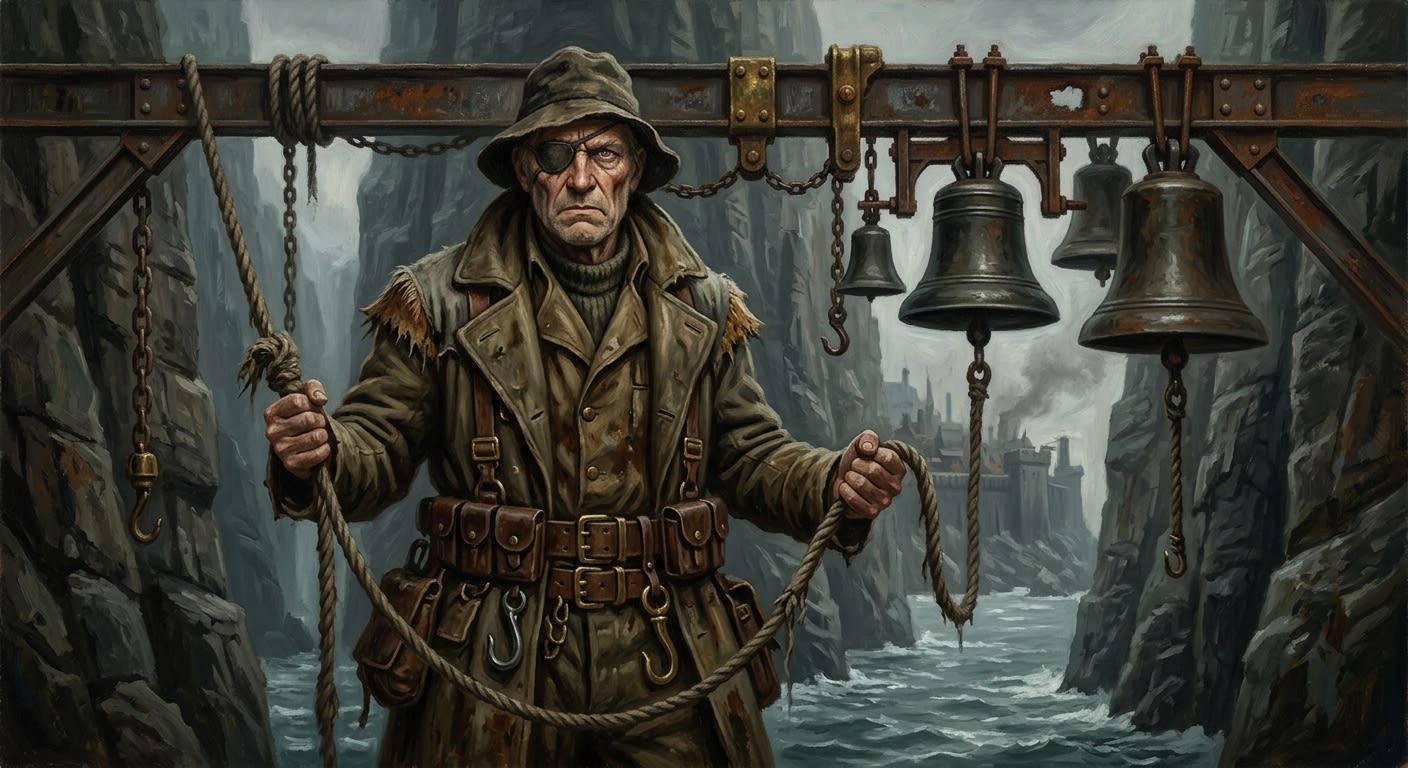
Rauk One-Eye
The man who listens to fog and refuses to explain survival
Rauk One-Eye holds Hrafnvik's narrows with bells, rope, silence, and the offensive northern habit of being right before Strasbourg has finished asking.
Codex Ref. III.2.01-201
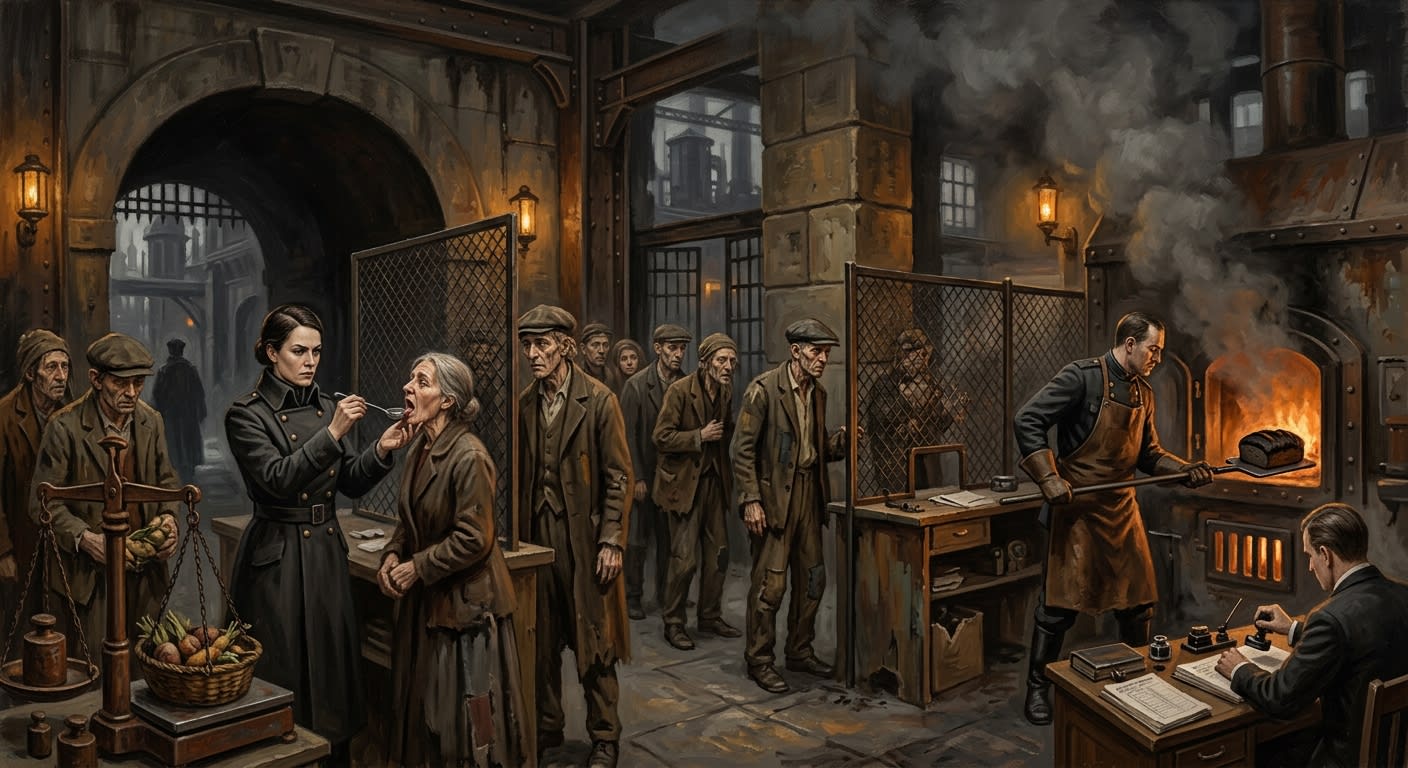
Ravelin of Purity
Cleanliness is a knife with lime on the blade
Purity is Bastion-Constantinople's second outer ravelin, where hunger is weighed, tongues inspected, bread burned, and cleanliness admits it is a knife.
Codex Ref. II.4.10-113
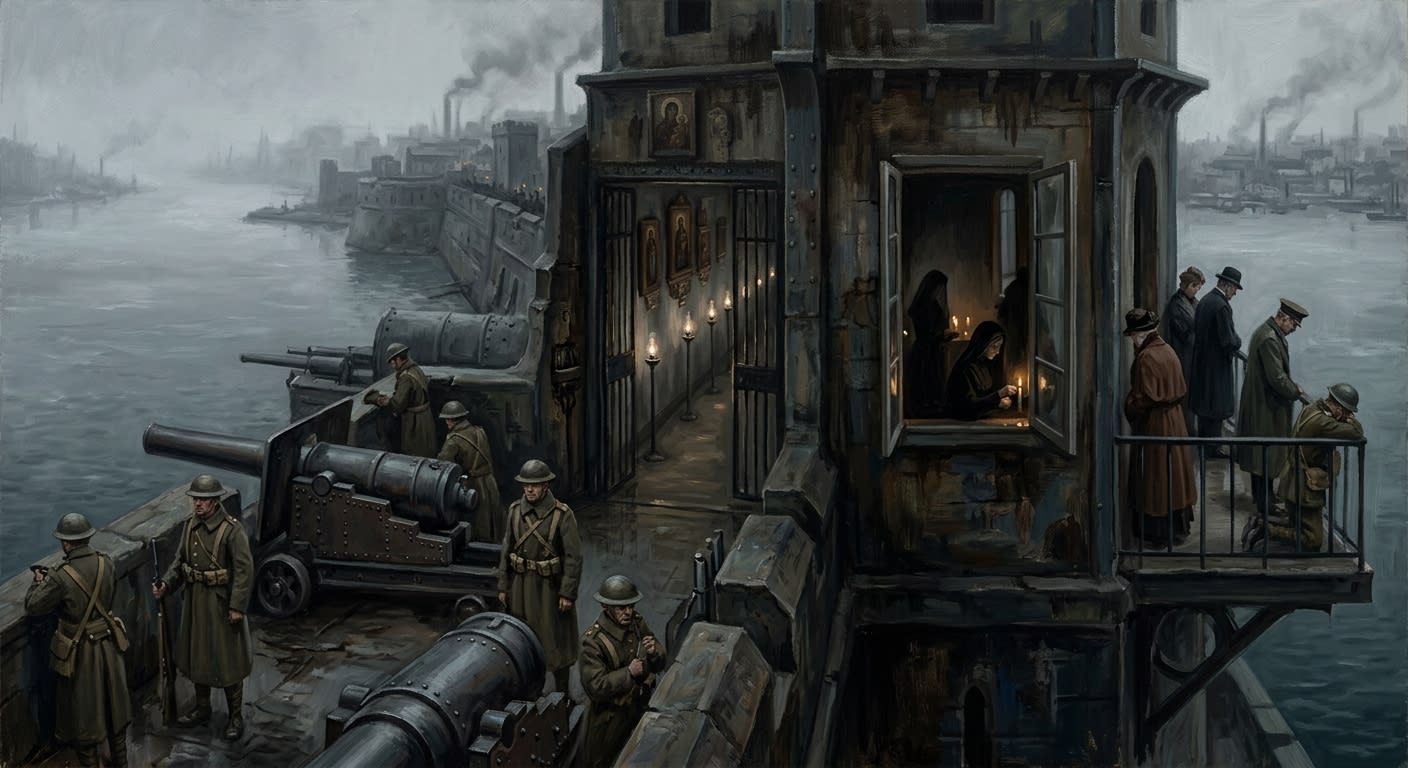
Ravelin of Sorrow
The wall that teaches grief where to stand
The Fifth Ravelin of Bastion-Constantinople is witness-post, lower harbour gun line, warded corridor, widow chapel, and authorised balcony for grief before Chamber 7.
Codex Ref. II.4.10-170
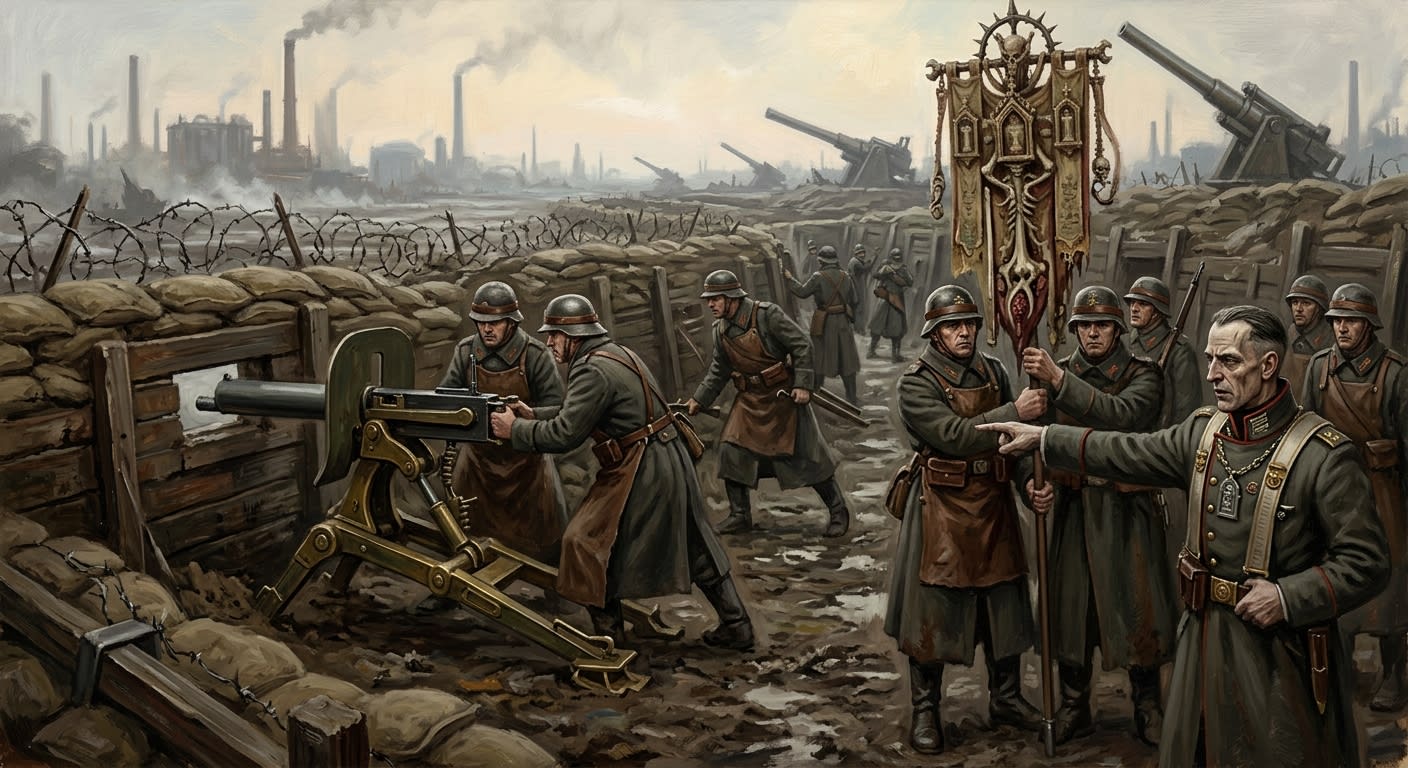
Ravelin of Vigilance
The eye that learned to blink by rotation
The First Ravelin of Bastion-Constantinople watches the Knife Mile, drills low guns, carries Saint Iselda's Bone Walk, and teaches sentries the cost of seeing first.
Codex Ref. II.4.10-137

Rector-Chaplain Wendelin Grau
The priest who teaches men to finish hymns the fog has already answered
Rector-Chaplain Wendelin Grau has served Bastion-Königsberg since A.S. 186, keeping the Northern Standard singing while the Grey returns hymns not yet written.
Codex Ref. III.2.01-037
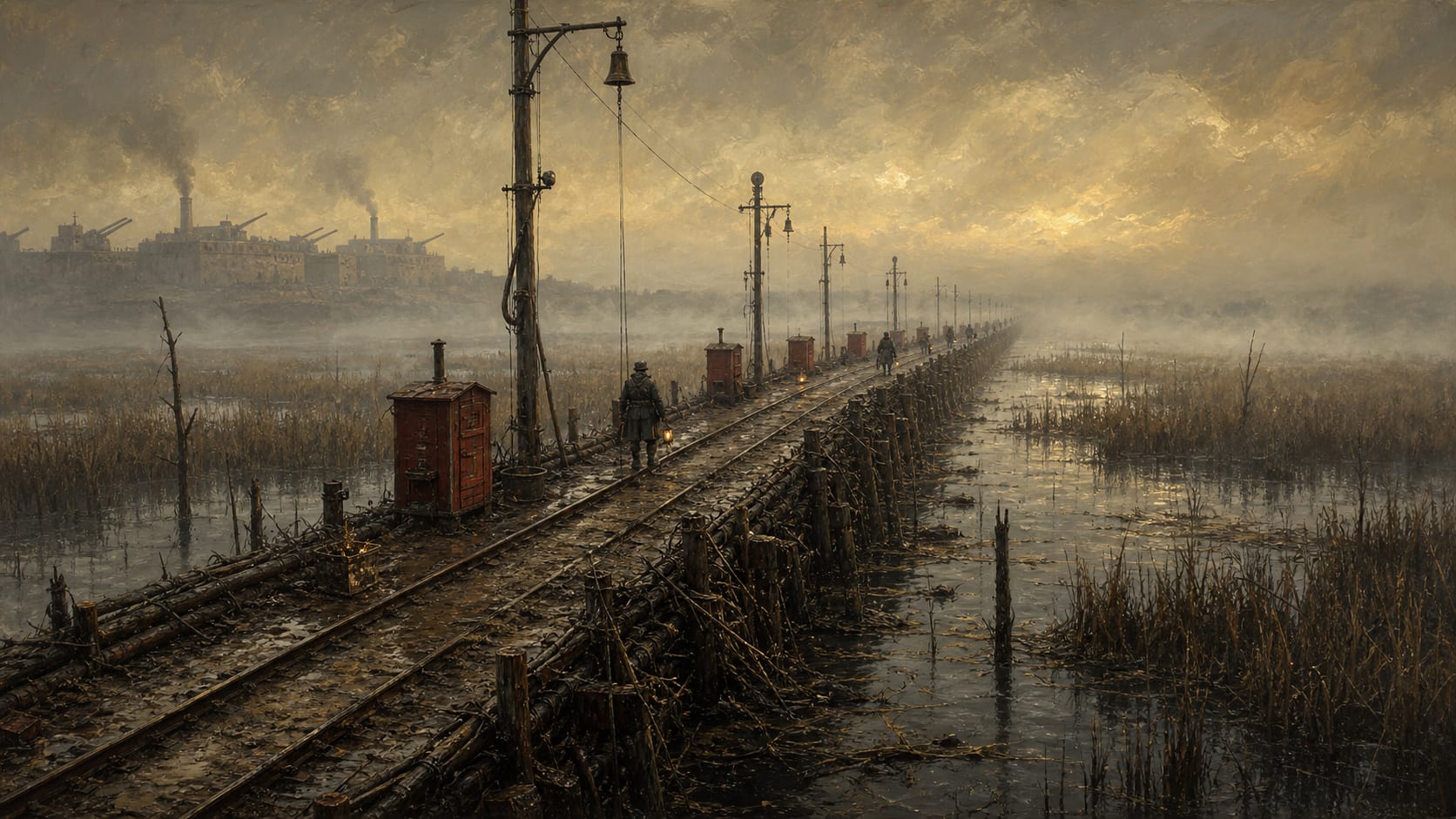
Reed Road
A bar of mud-stained insistence laid across sleep
The Reed Road is Bastion-Shipka's raised rail-causeway through the Phocis Marsh: supply artery, timing instrument, Scour fuse line, and daily insult to Syrion's fog.
Codex Ref. II.4.08-016
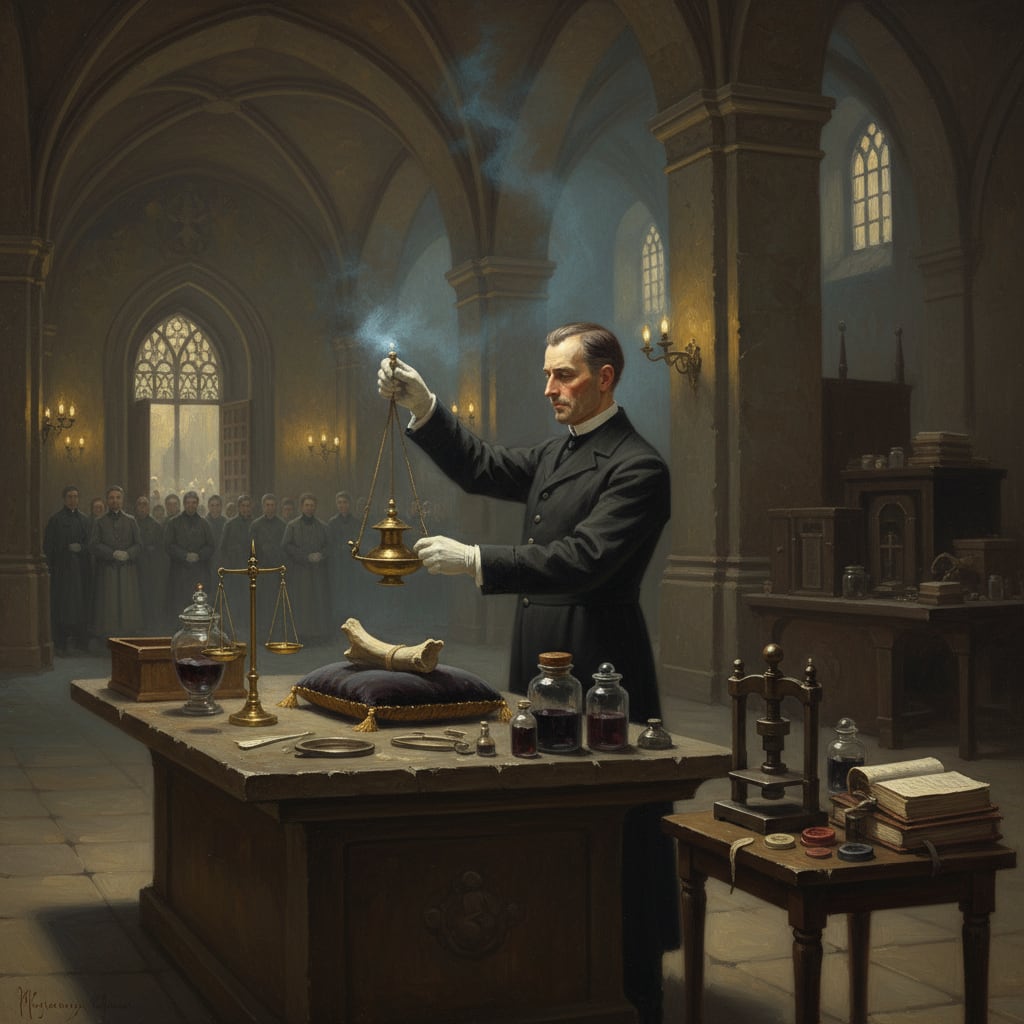
Relic Authenticator
The stamp makes the filing complete; the bone remains what it was
The Synod's miracle-bureaucrats — clerks with gloves, lamps, and seal-presses who decide whether a fragment of bone is holy or merely expensive.
Codex Ref. XII.35.01-001
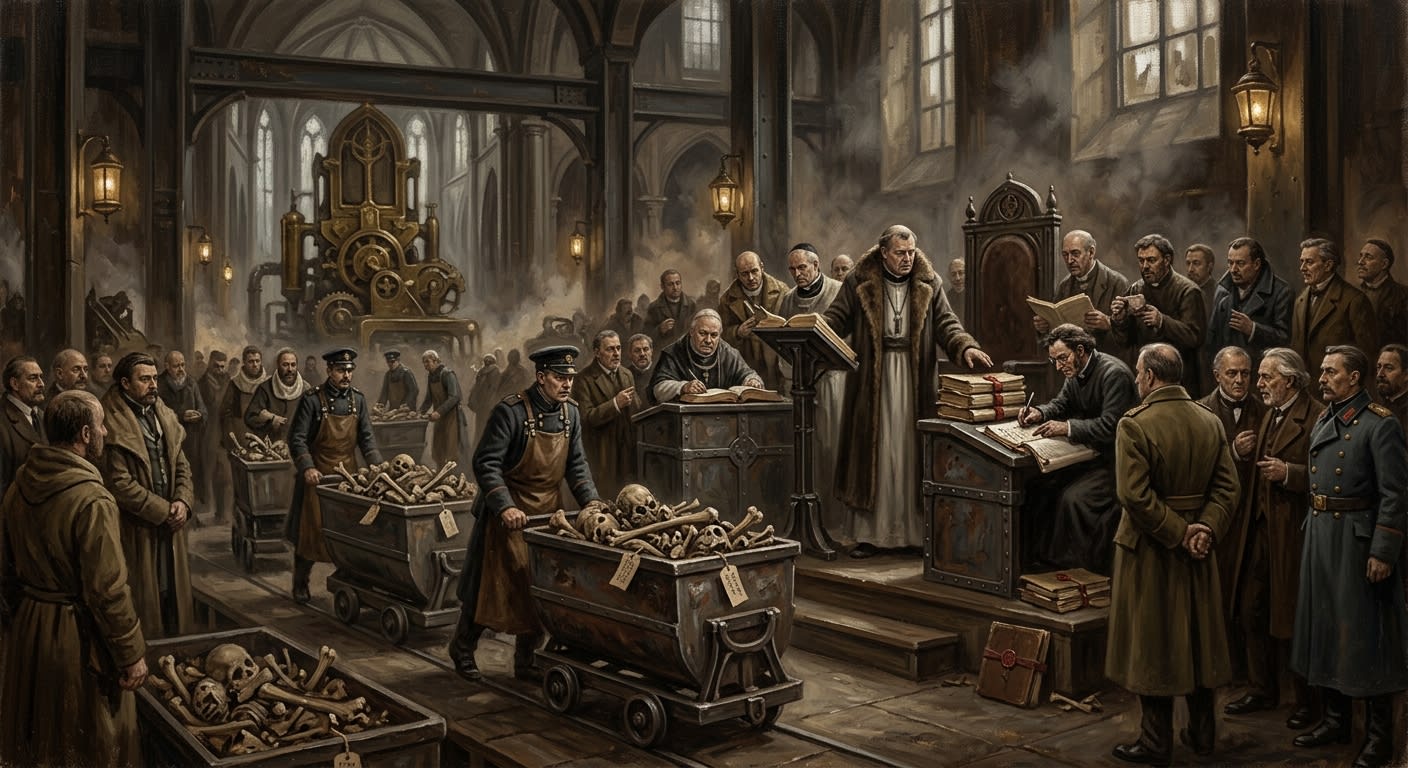
Reliquary Schisms A.S. 140–160
When seventeen femurs became policy and anatomy was reassigned
Twenty years of authenticated surplus bones, shrine bloodshed, and the Fourteenth Doctrinal Congress that made notarized contradiction lawful.
Codex Ref. VII.8.10-090
Rest Societies
The heresy that simply wants to sit down — and the Bureau that cannot permit it
A tract on the Rest Societies of Bastion-Shipka: two confirmed heretical assemblies forming among exhausted administrative staff who concluded that the Synod's wakefulness mandate was the greater sin. Three more suspected. The fog advances.
Codex Ref. XI.7.01-001
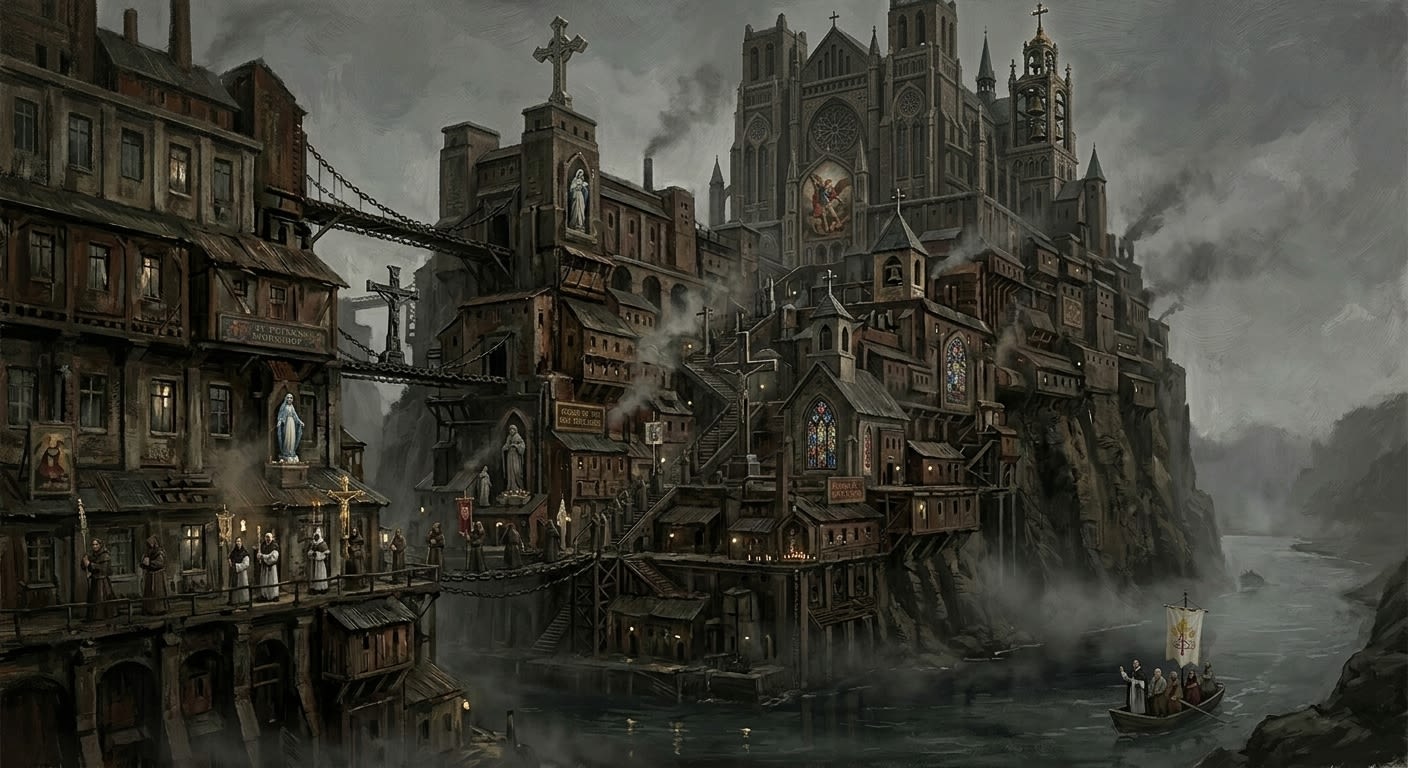
Rheinscarp
Nine terraces of sanctified extortion above the Rhine — each stair a sermon, each sermon a fee
A cliff-city above the Rhine, stacked nine terraces high and governed by three powers who own, respectively, your name, your time, and your ashes. Drax has climbed it twice and counted only the fees.
Codex Ref. II.2.01-002
Ritual Bone-Stamper
Unsealed is unbound; the stamp is mercy; the stamper is what mercy costs
The Bureau of Records calls them Ossuary Authentication Wardens. The stampers call themselves tired. They have sealed the night-shift dead since A.S.
Codex Ref. XII.37.01-001
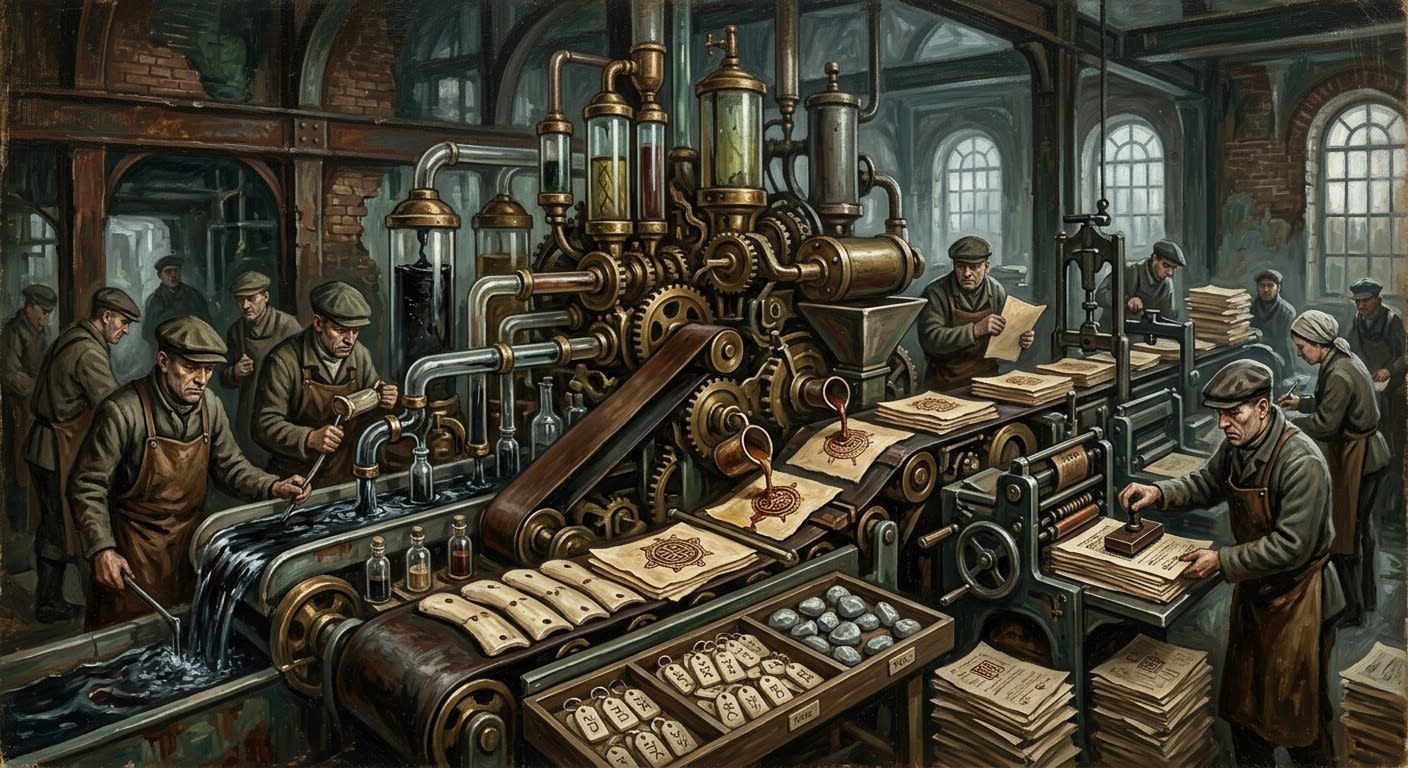
River-belt
The wet spine where permission learns to float
The River-belt manufactures permission in water, wax, ink, toll-stone, bone tags, saint-dust, and every damp little form by which reality becomes admissible.
Codex Ref. II.1.03-082
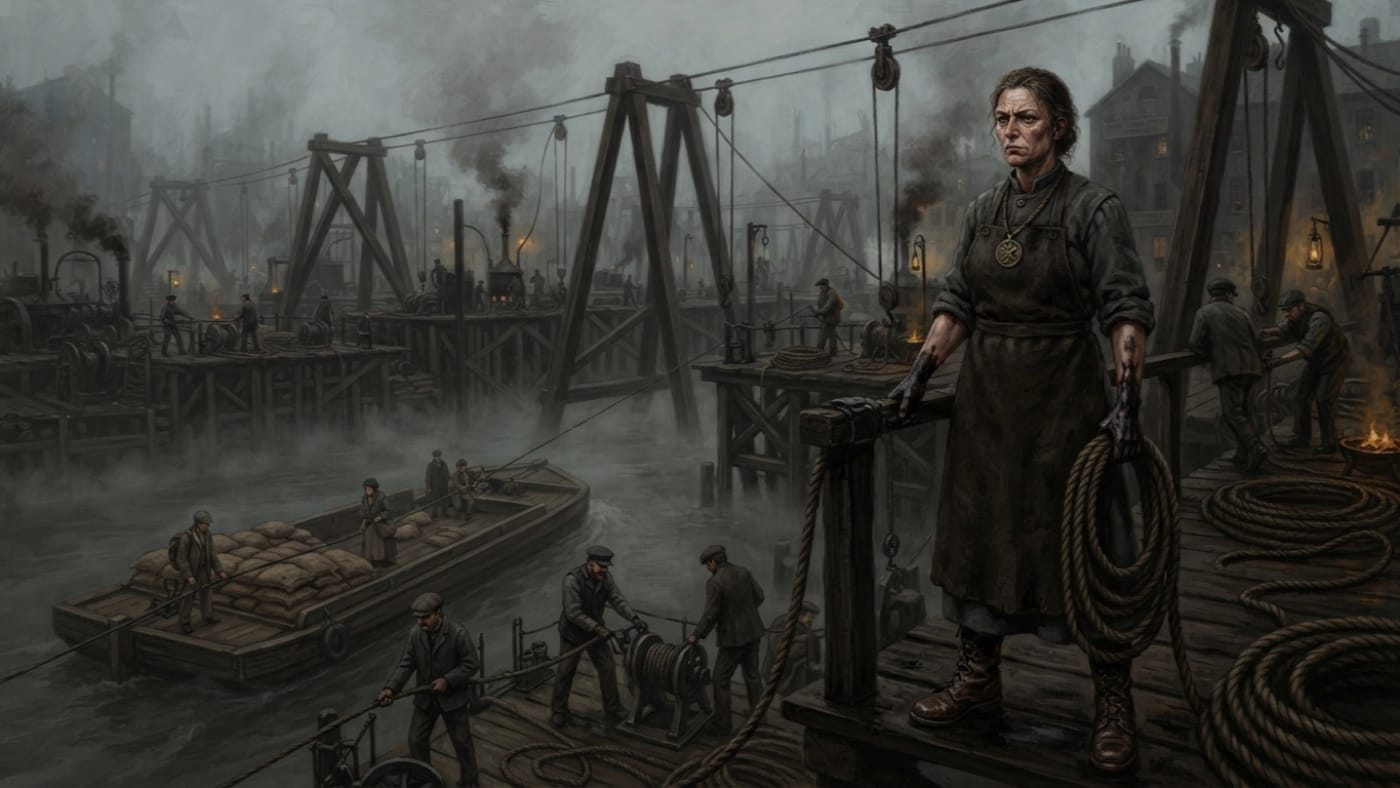
Rope-Master Lysa Kett
Only she may condemn the rope. Everyone else pays.
Lysa "Splicehand" Kett controls the Rope-Ferry Chain's cables and maintenance crews. Only she may condemn a mainline; the Guild's shortages are paid for in grain that never crosses.
Codex Ref. III.2.01-1701
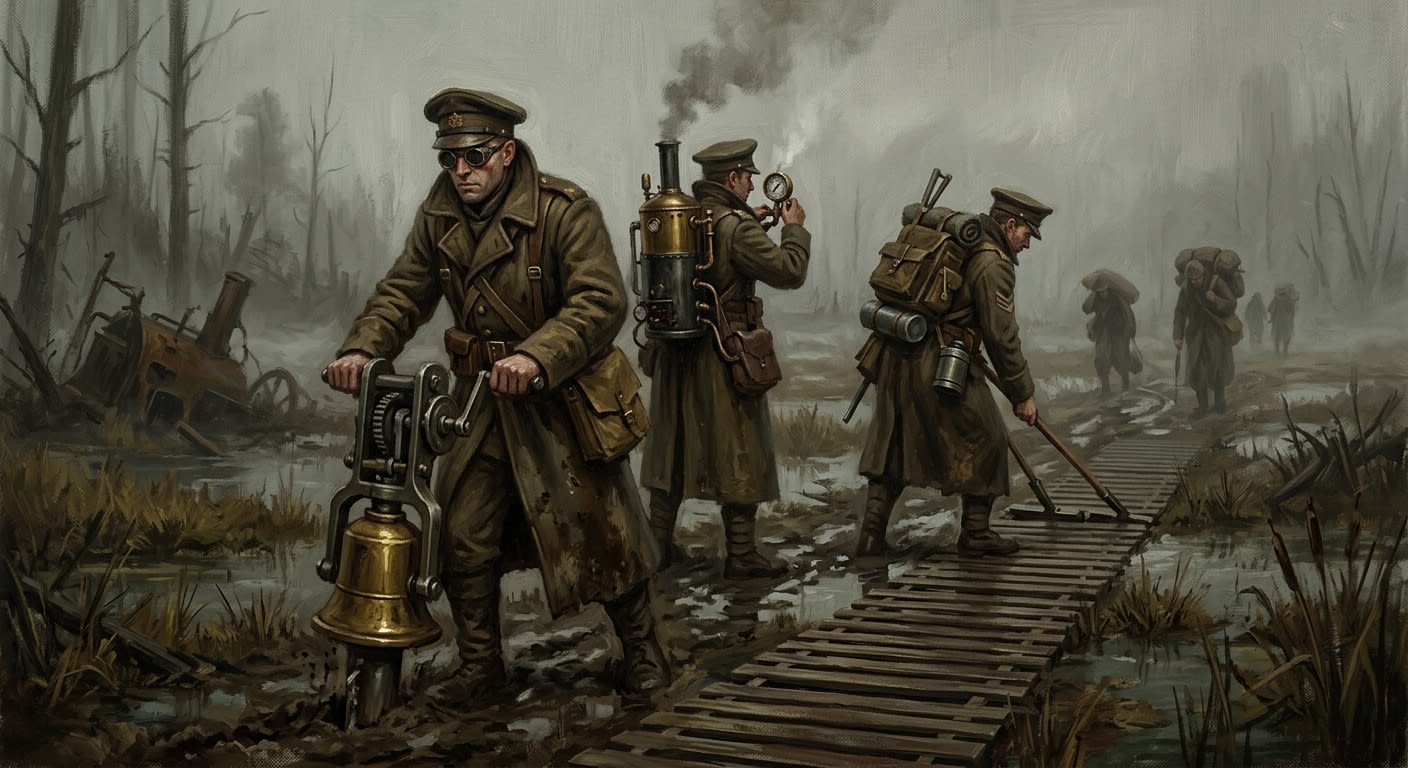
Route Pragmatists
The road speaks before the table learns its name
Field-expedient Route-Stamper faction that adjusts bell-hour cores to fog, water, marsh, demon-resonance, and the rude survival of travellers.
Codex Ref. XII.2.06-003
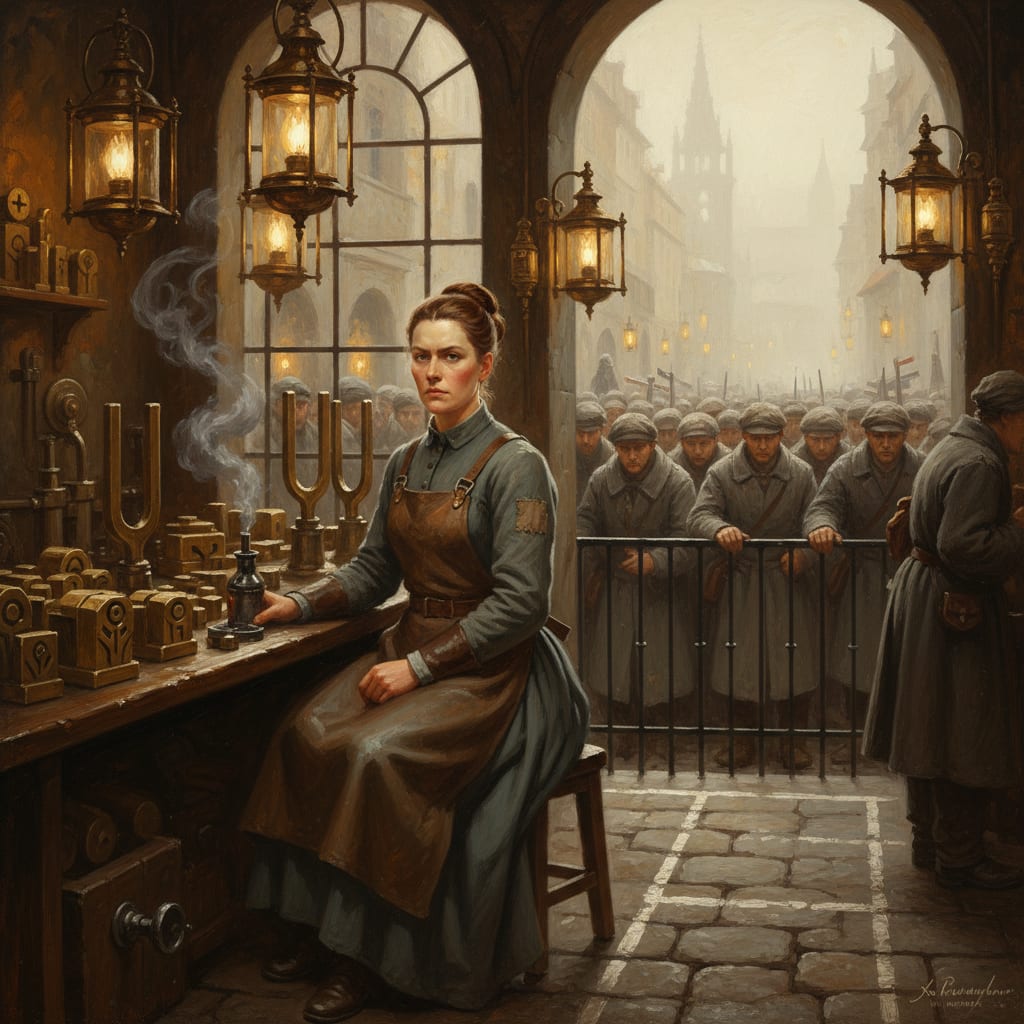
Route-Stamper / Indulgence-Token Smith
Walking is a contract; the Route-Stamper is the notary
Makers of the indulgence-token — a brass palm-piece whose captive bell-hour counts steps, repels road-spirits, and distinguishes the sanctioned traveller from the heretic-with-legs. The art is measured by one question only: whether it lies.
Codex Ref. XII.38.01-001
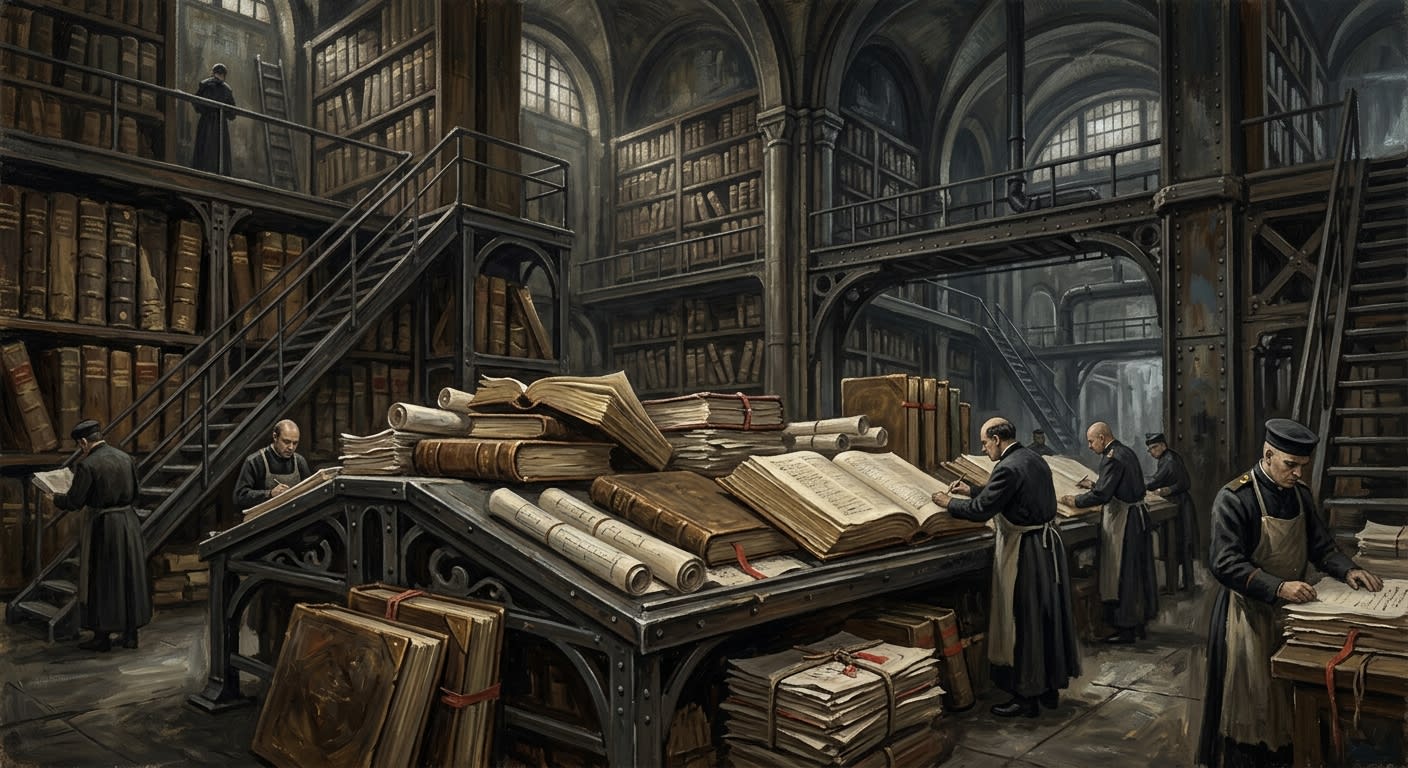
Sacred Ledger
The Synod's memory, sharpened until grief signs the receipt
The Sacred Ledger is the Synod's authorised memory: fact cooked into Doctrine, grief made grammatical, contradiction kept on a leash.
Codex Ref. XIII.1.32-090
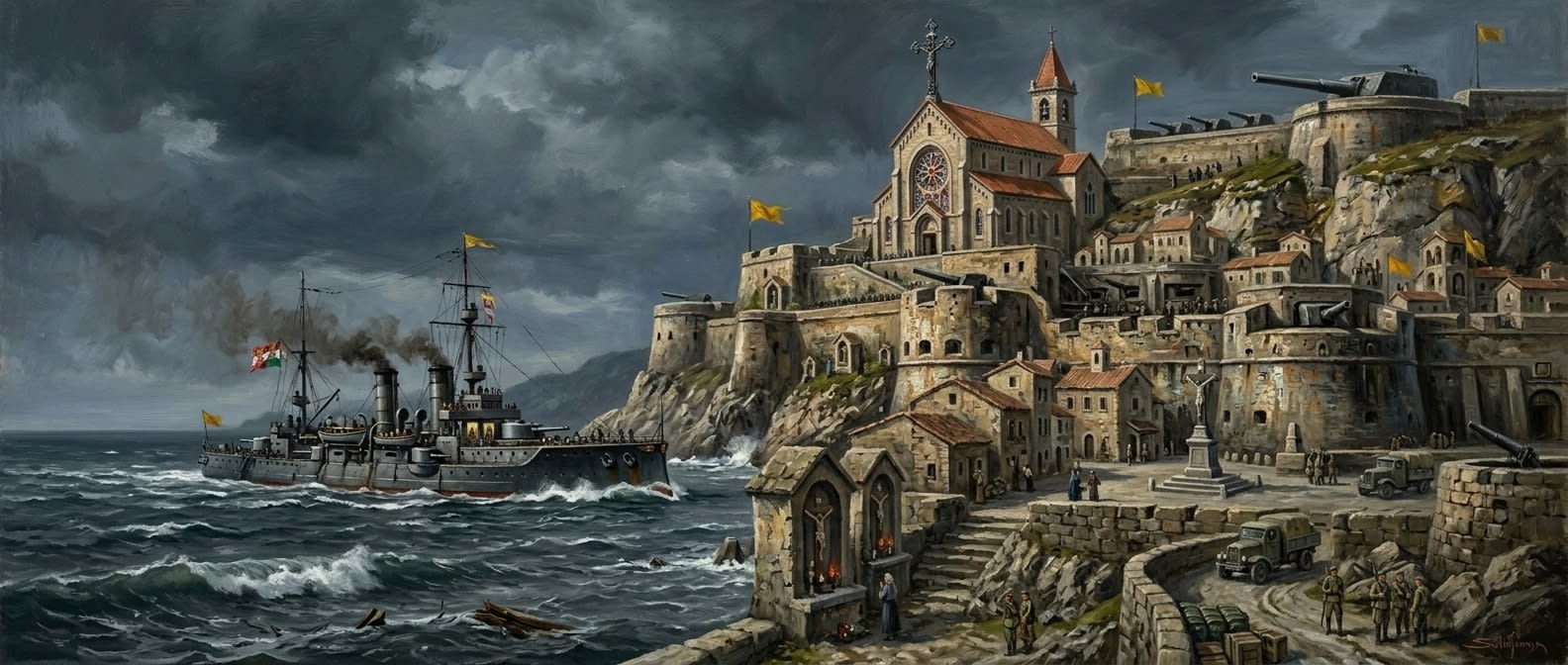
Saffron Bastion
Where quarantine is mercy, mercy is leverage, and the sea pays what it owes
The Synod's coastal chokepoint on the Adriatic — quarantine piers, cliff batteries, saffron flags, and one hundred and twenty thousand souls balanced on the edge of an audit. The sea pays what it owes.
Codex Ref. II.4.09-001
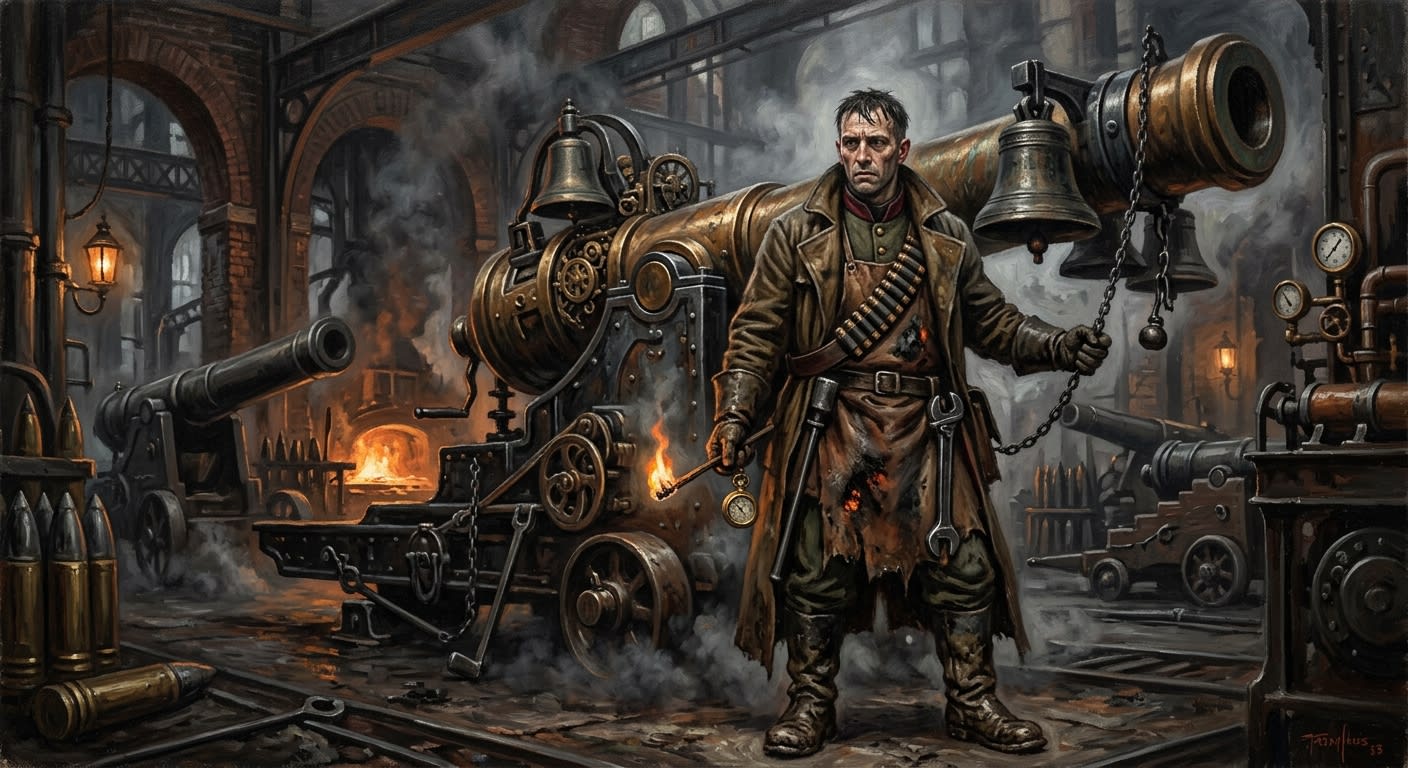
Saint Aegidius
The patron of the waiting hand and the honest charge
Saint Aegidius is the artillerymen’s patron: foundry hand, martyr of the Third Peal, saint of timed violence, bell-cannon discipline, and Shipka’s sulking gun.
Codex Ref. III.2.01-194
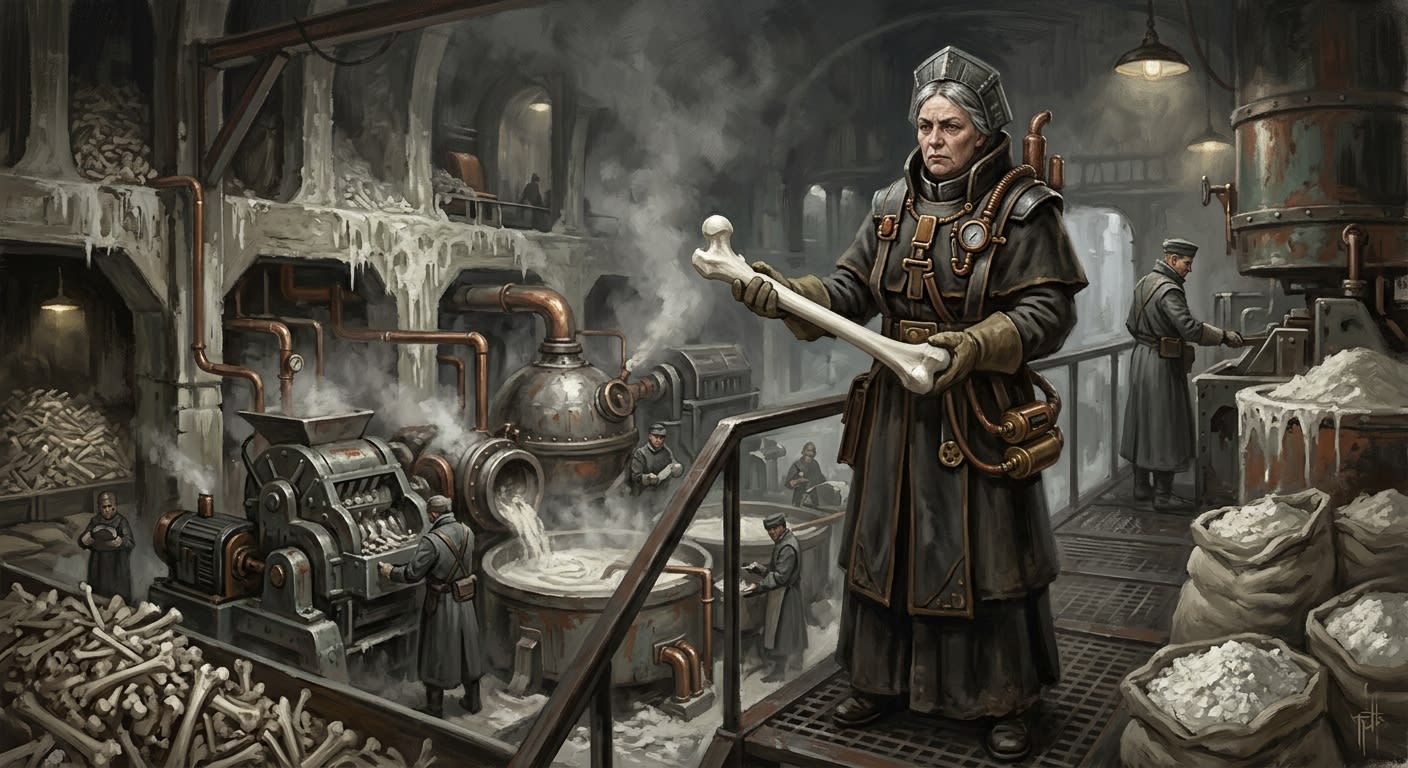
Saint Aurel of the White Wall
The saint who may have arrived after the invoice, yet holds the wall all the same
Disputed patron of Saint-Bone Melters, Saint Aurel offers the convenient femur by which relic fragments become bone-lime, mortar, wall, and doctrine with a clean conscience.
Codex Ref. III.2.01-142
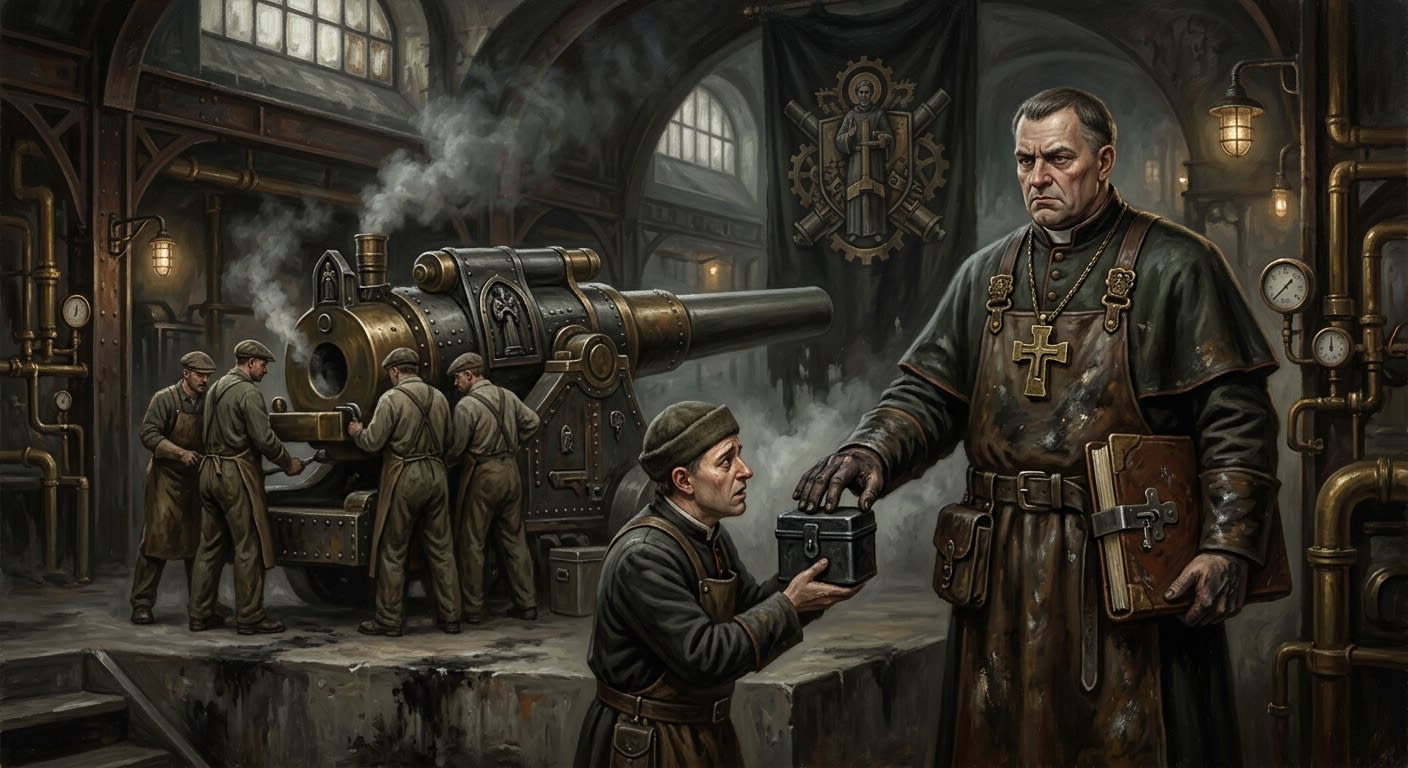
Saint Bartholomew of the Breech
Keep the hinge honest before prayer becomes shrapnel
Saint Bartholomew of the Breech guards shrine-artillery crews, not with comfort, but with latch, ledger, black palm, and the holy refusal of hidden powder.
Codex Ref. III.2.01-070
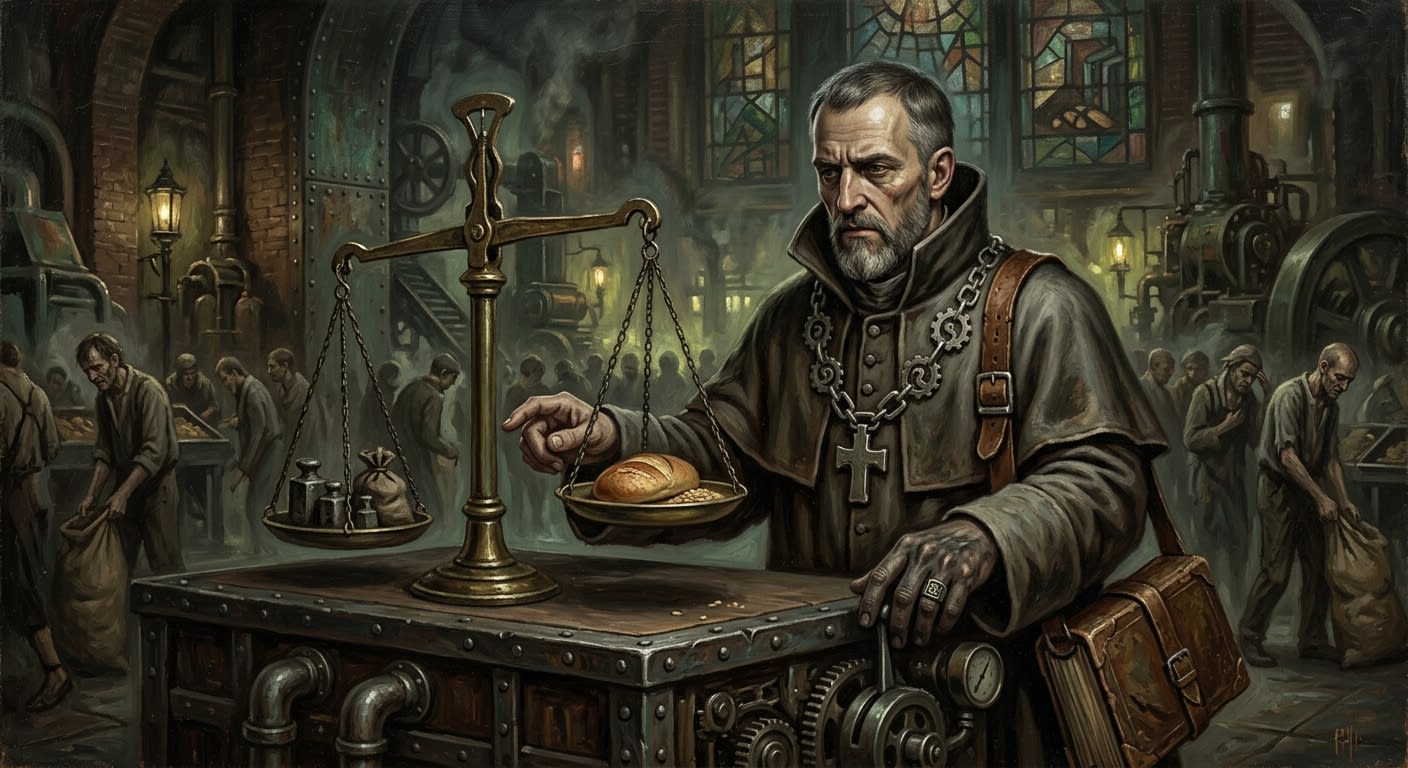
Saint Calibrus, the Level Hand
Measure is mercy, says the scale; hunger has filed a dissent
Patron of Commerce Clerks and tariff-chapel weighers, Saint Calibrus sanctifies the level scale, the lawful shortage, and the terrible arithmetic of hunger.
Codex Ref. III.2.01-101
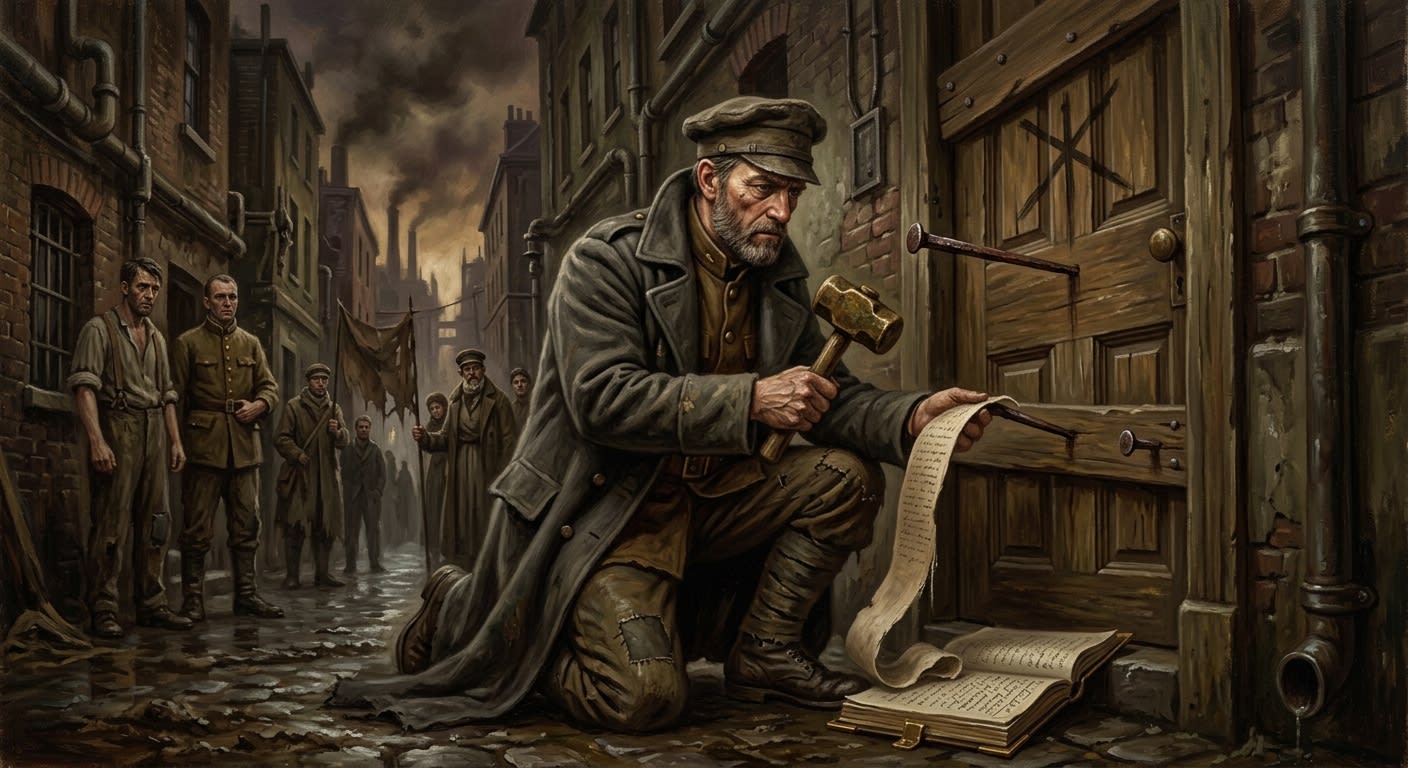
Saint Edrin of the Three Nails
Cut true, name all, hold the door
Saint Edrin of the Three Nails is the patron of Gate-Carvers, remembered for sealing a plague-house during the A.S. 78 Lull of Names with measure, witness, and refusal.
Codex Ref. III.2.01-120
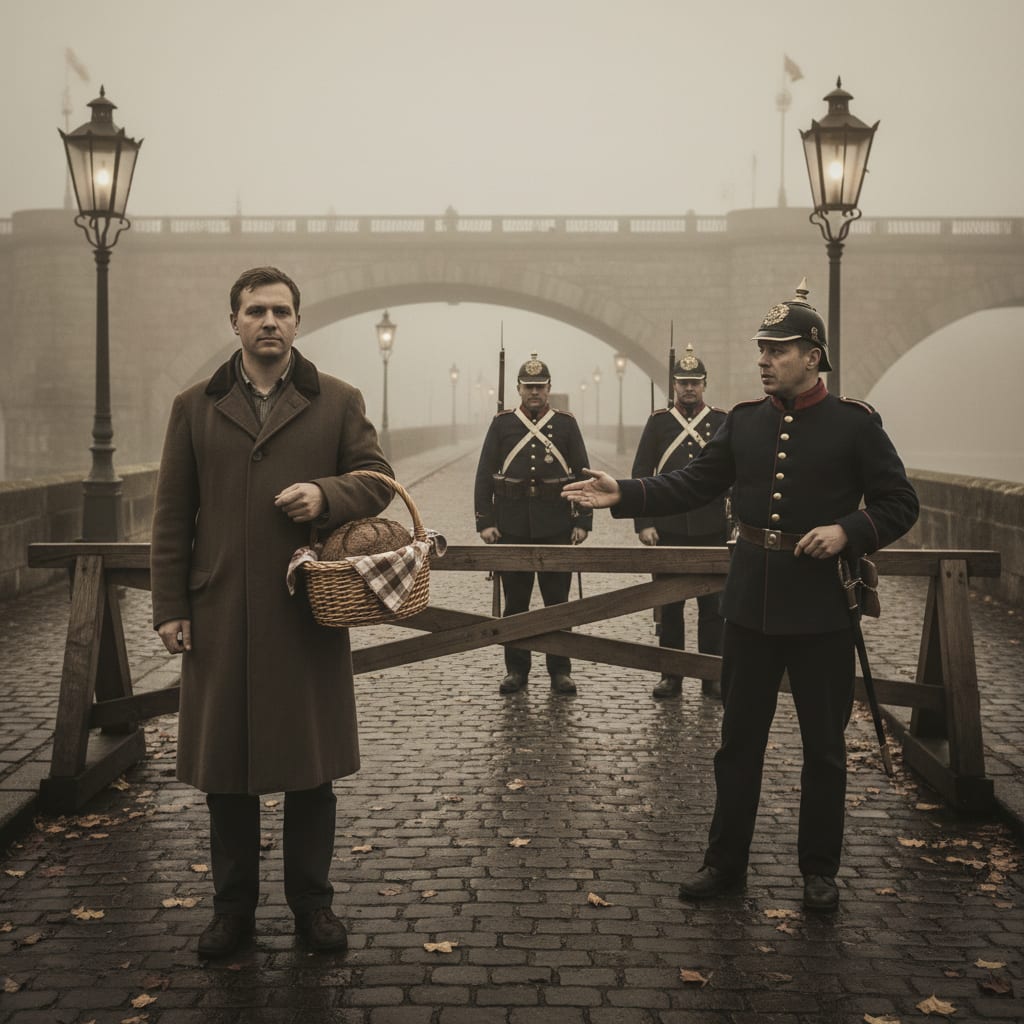
Saint Ignatius the Carrier
He walked. That was enough.
Parish clerk who carried three apostolic phalanges across a Rationalist checkpoint in a breadbasket. Zero personal miracles; one Kalnik Ridge. Canonized A.S. 104 at the insistence of every porter, smuggler, and supply-runner on the Line. He walked. That was enough.
Codex Ref. III.2.01-003
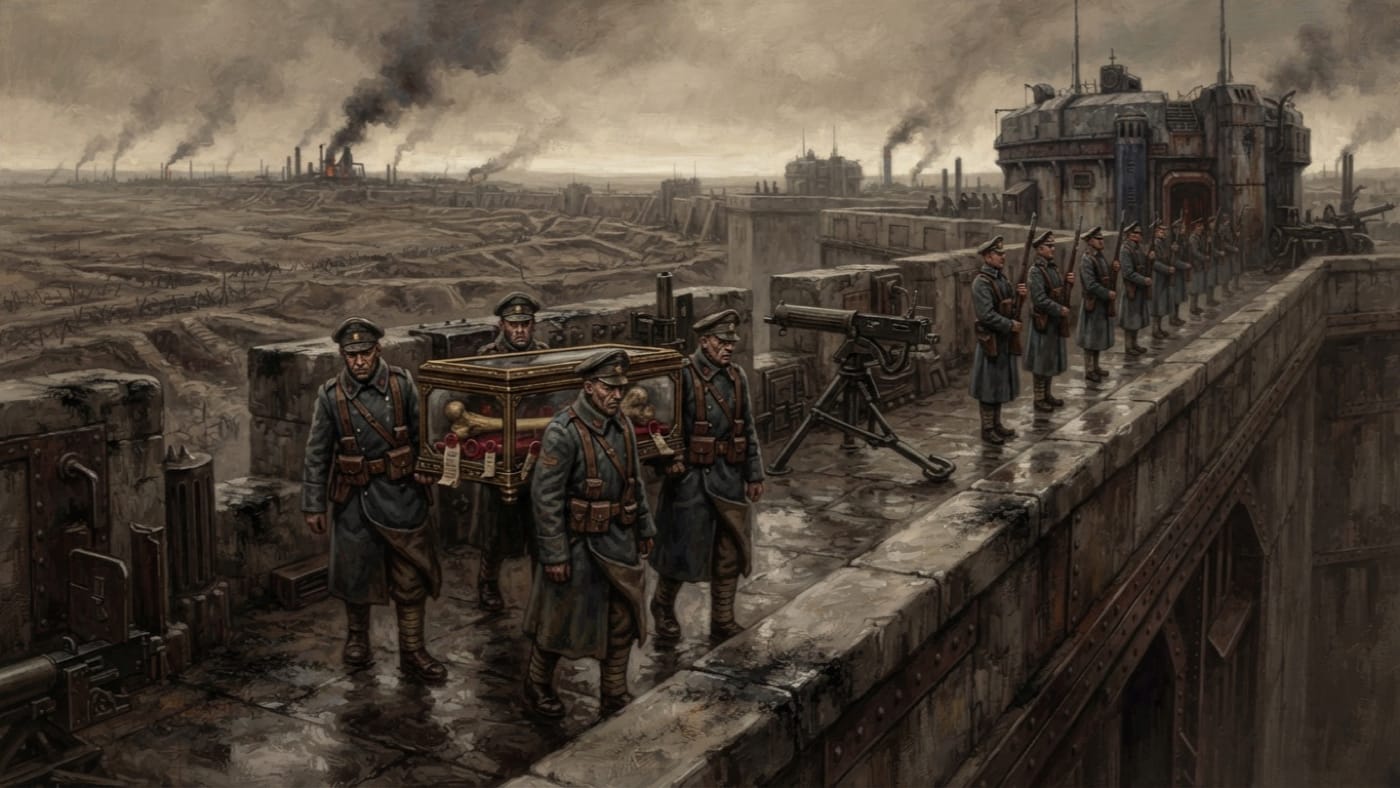
Saint Iselda
The saint whose station is a parapet
Survey of Saint Iselda's attested relic service in A.S. 201: a notarised femur makes the third-Friday Bone Walk along Vigilance's parapet. The soldiers stand straighter. The Bureau requires no more.
Codex Ref. III.2.01-201

Saint Margaux of the First Blood
Distinguishing features: none — which was precisely why she worked
She was old and small and grey and holding a book, and she died on her knees, and the Bureau wrote upon her blank page the most useful saint in the Theocracy's arsenal.
Codex Ref. III.2.01-002
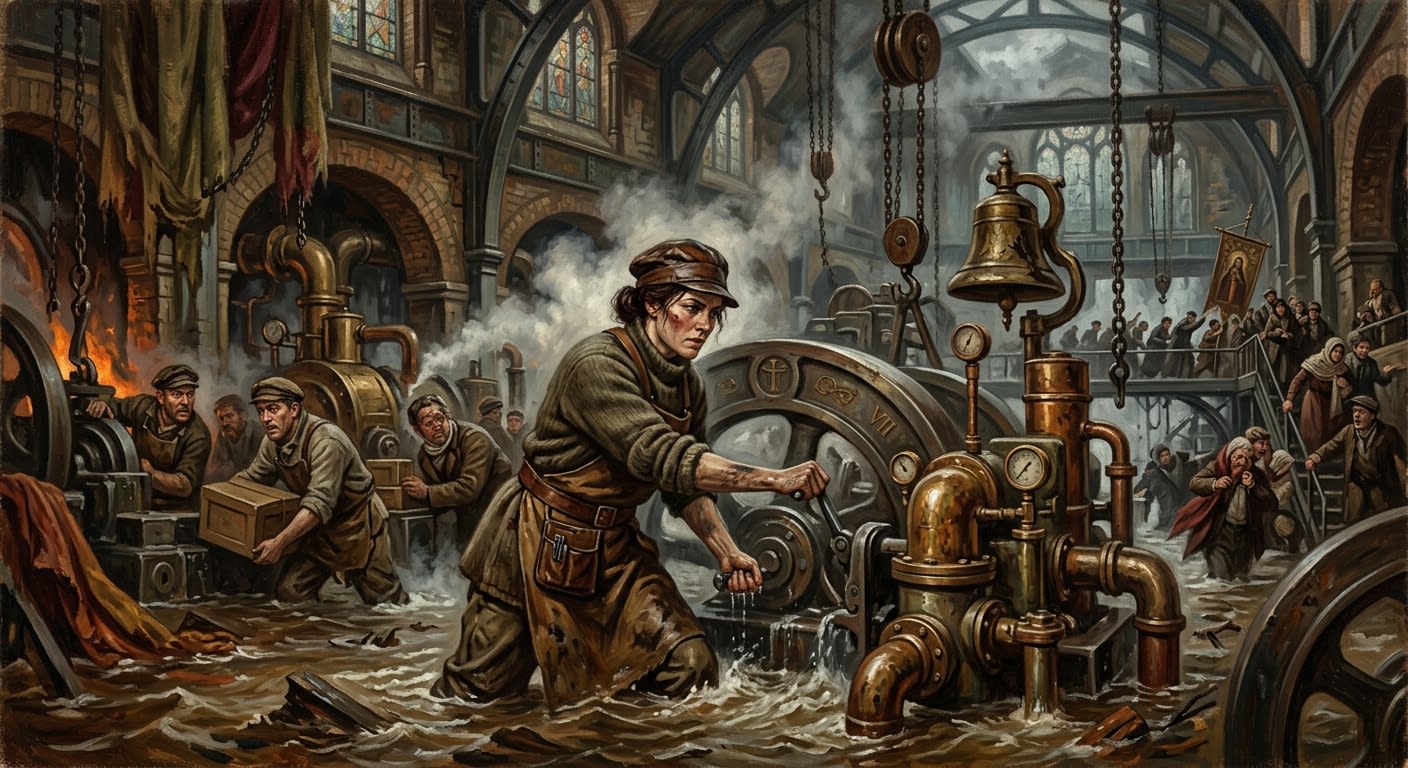
Saint Orla of the Seventh Line
She finished the sequence; the seal held; the Bureau arrived thirty years late with incense
Saint Orla of the Seventh Line, patron of Gasket-Hymn Mechanics, died completing Seal Seven during the A.S. 132 Metz flood and became the saint of the final turn.
Codex Ref. III.2.01-118
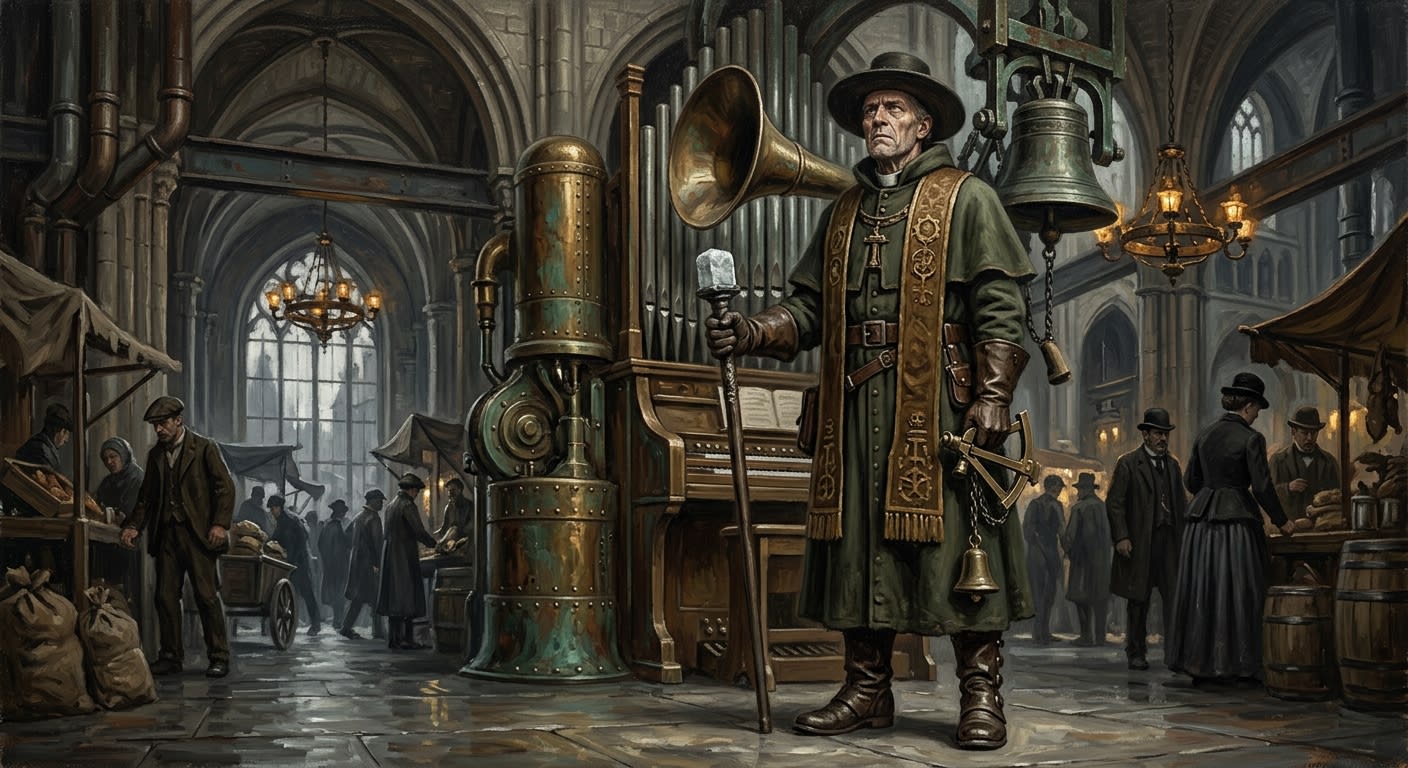
Saint Rupert
Salt in the wound, bronze in the tower, order in the market
Saint Rupert, Vienna’s salt-saint, preserves meat, measure, bells, markets, and civic memory: the patron whose bronze throat answered when men forgot to kneel.
Codex Ref. III.2.01-095

Saint Varric of the Twelve Blisters
The chain becomes holy when the foot bleeds on schedule
Approved patron of Pilgrim-Chain Handlers: a useful, poorly documented saint whose twelve blisters became stations, tolls, custody doctrine, and a halo bent from iron.
Codex Ref. III.2.01-134

Saint Vell of the Lantern Table
Seal it before the mud eats the name
Occupational patron of Trench-Court Clerks and front registrars, Saint Vell keeps the page dry, the lantern lit, and the dying name useful.
Codex Ref. III.2.01-148

Saint Vellum of the Valve
Hold while I turn, says the saint the clean offices refuse to hear
Uncanonised occupational patron of Diesel Resonance Plumbers, Saint Vellum of the Valve is the hand on the wheel where pressure, bell-shadow, and useful heresy meet.
Codex Ref. III.2.01-111

Saint Vellum-of-the-Quiet-Hand
The Saint Records Needed Before Rites Could Admit She Existed
Disputed patron saint of Ritual Bone-Stampers and ossuary notaries, operationally accepted after A.S. 92 because the corridors required a mother before the Bureaus could manufacture one.
Codex Ref. III.2.01-069
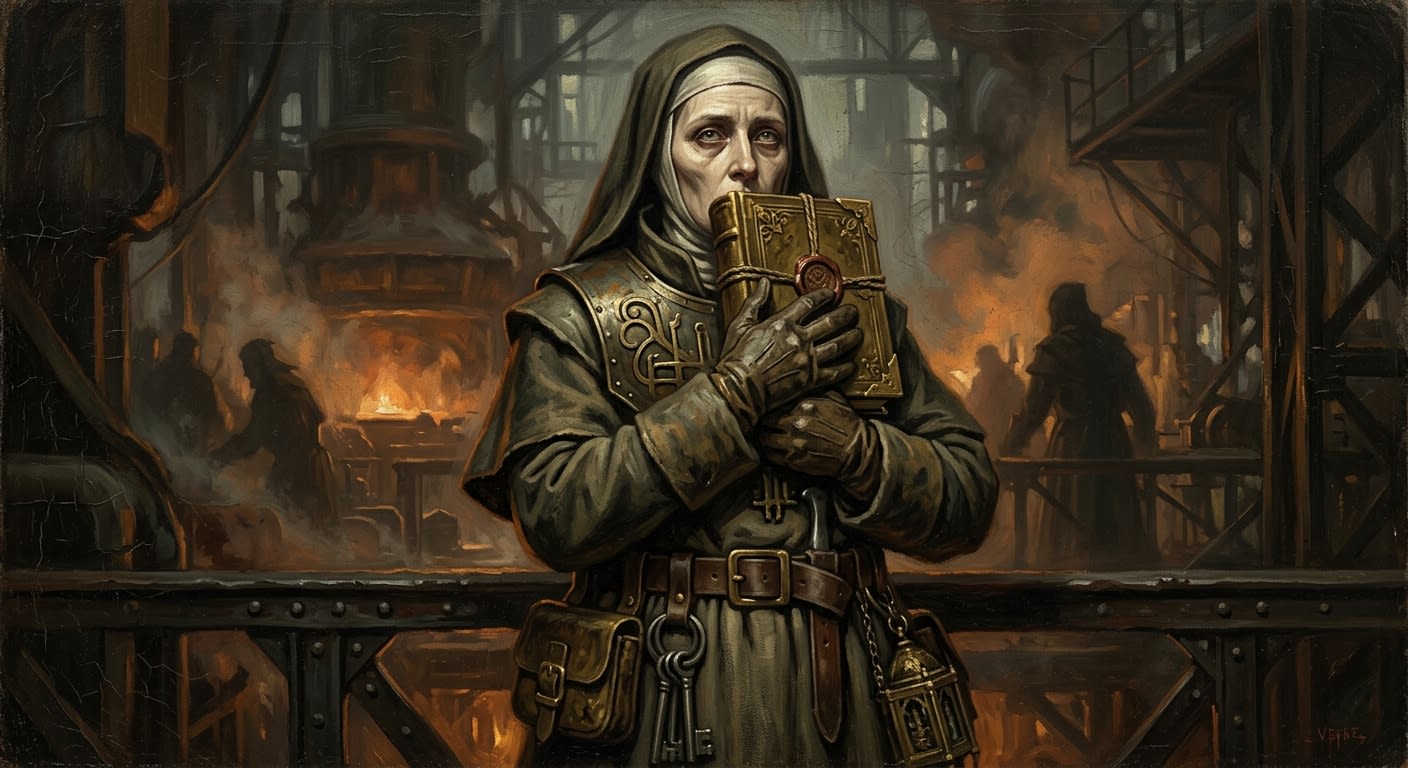
Saint Veyra of the Mouth
The patron who speaks into heat and answers nothing
Disputed but operationally indispensable patron of Furnace Catechists, invoked wherever Doctrine must make sealed ignorance look holy beside a working furnace.
Codex Ref. III.2.01-117
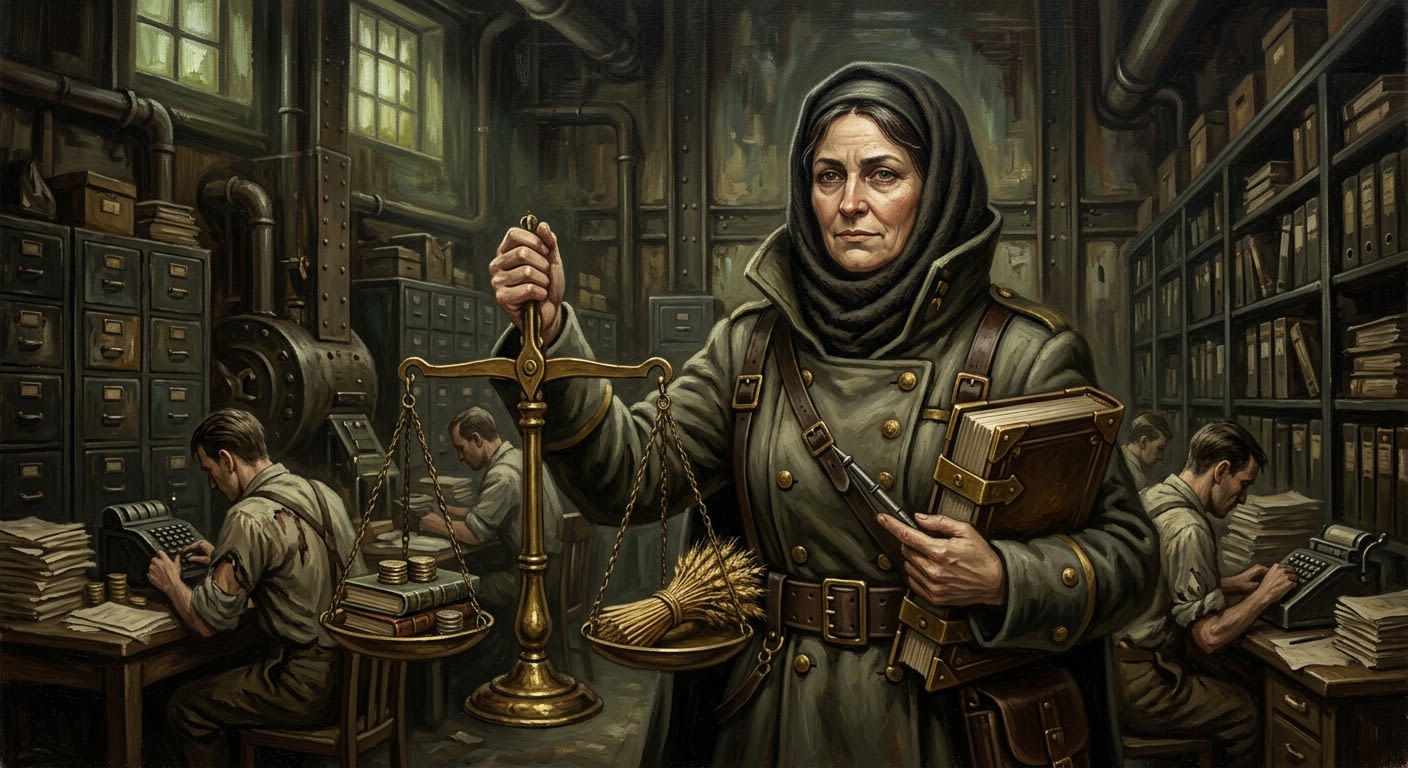
Saint Ysolt of the Scales
Patroness of pity weighed until it becomes collection
Ratified patron of Tithe Assessors and arrears clerks, Saint Ysolt gives extraction a kindly face, a brass scale, and a grain that never falls.
Codex Ref. III.2.01-146
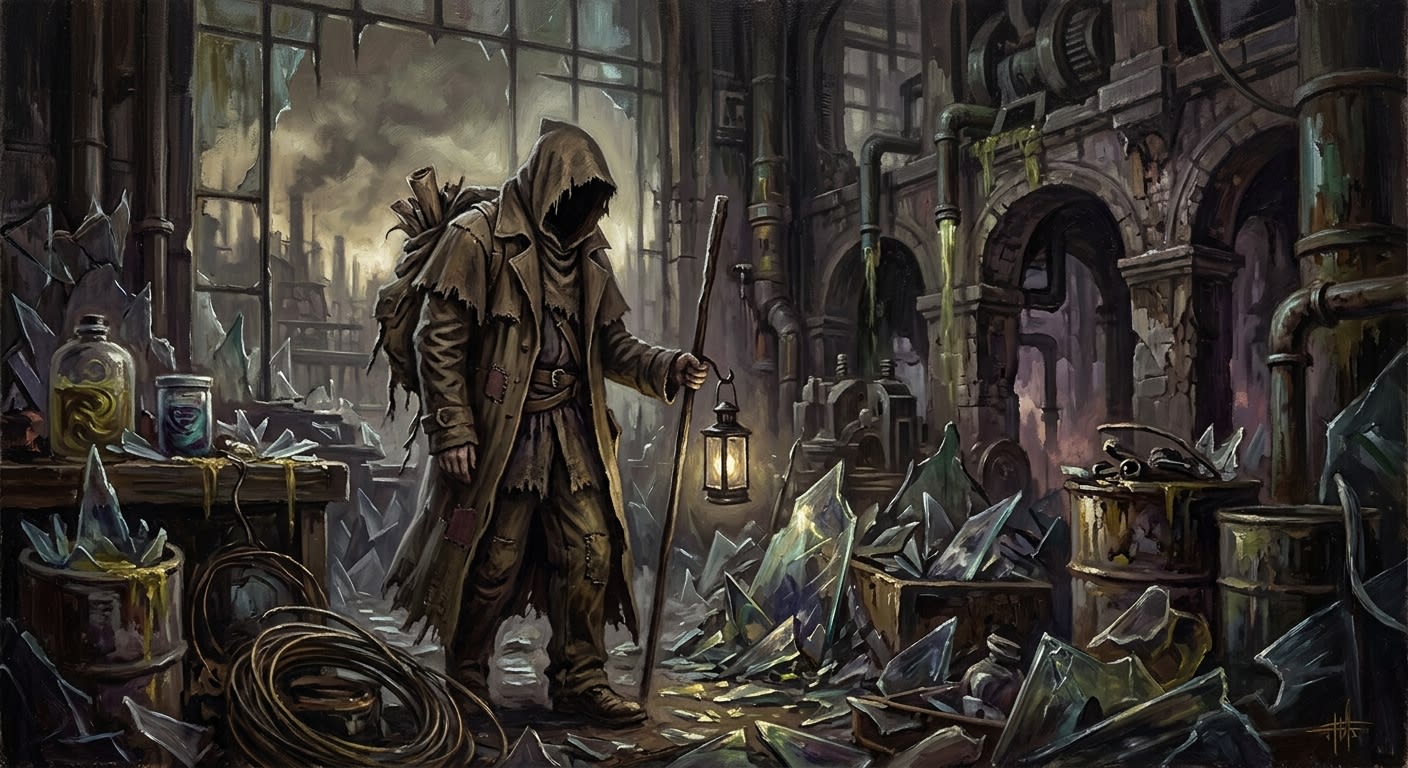
Saint-Anonymous of the Glass Parish
The nameless patron who keeps the shard from learning the road
Saint-Anonymous of the Glass Parish is the unauthenticated patron invoked by demon-glass scavengers, wrappers, route-null couriers, and other professionals whose safest miracle is remaining unnamed.
Codex Ref. III.2.01-110
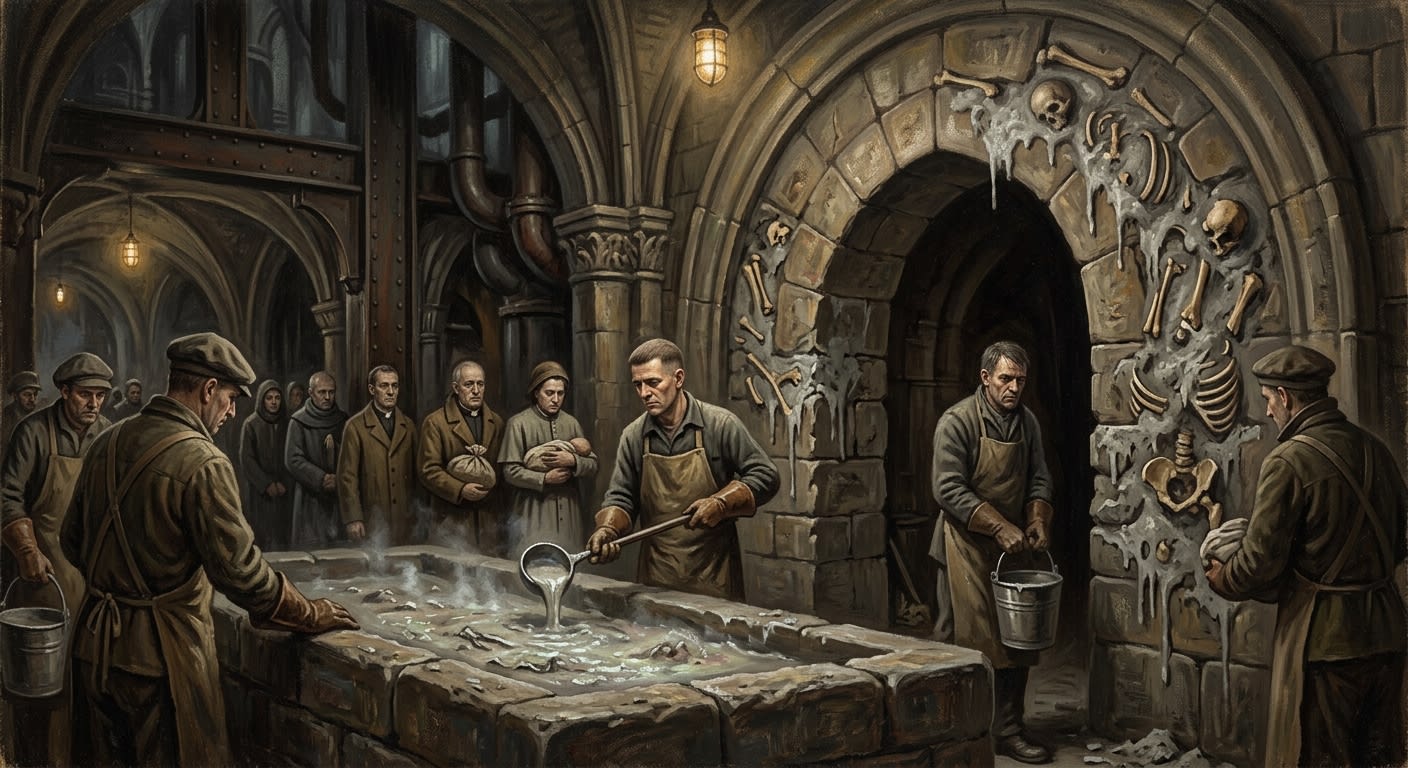
Saint-Bone Melting Acts
Sanctity must bear weight, and the wall has receipts
The A.S. 96 Saint-Bone Melting Acts made surplus holiness structural, teaching relics to become mortar and the faithful to call subtraction a wall.
Codex Ref. XIII.1.91-096
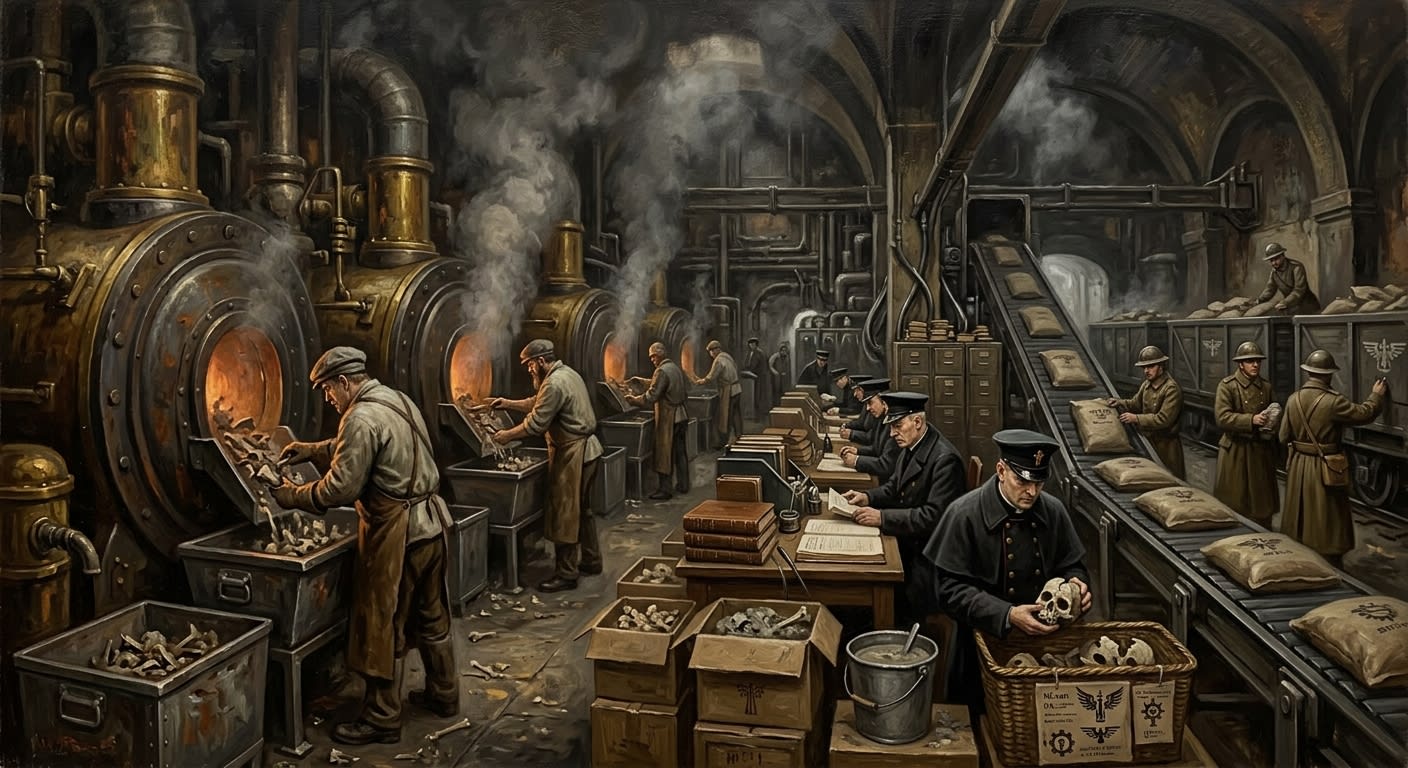
Saint-Bone Melting Acts A.S. 96
The statute that taught saints to bear weight, whether they had consented neatly or not
A.S. 96 legislation that turned surplus, damaged, disputed, duplicated, and unassignable relic fragments into deployable sanctified mortar for the Sagittal Line.
Codex Ref. VII.2.10-096
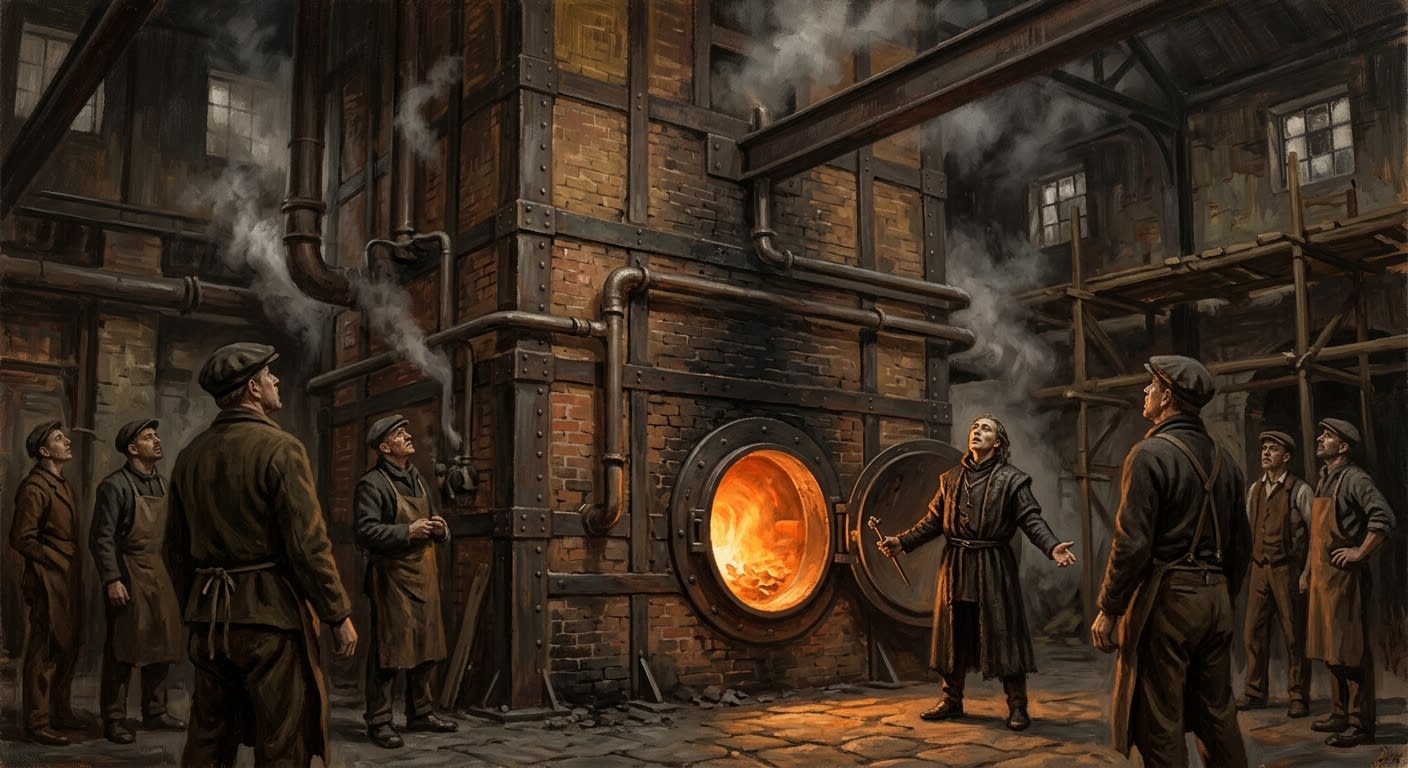
Saint-Combust
The furnace that became a saint because waste is impious and explosions need doctrine
Kiln Three of Brast, renamed Saint-Combust after the A.S. 74 pressure reversal that killed nine men and gave the Synod a theology for dangerous machinery.
Codex Ref. XIII.1.72-001
Saint-Dust
Powdered holiness enters the lung, the ledger, and the machine
Saint-dust is powdered holiness made useful: relic residue for broadcasts, wounds, shrines, walls, markets, miracles, and the lungs sacrificed between them.
Codex Ref. XIII.1.91-098
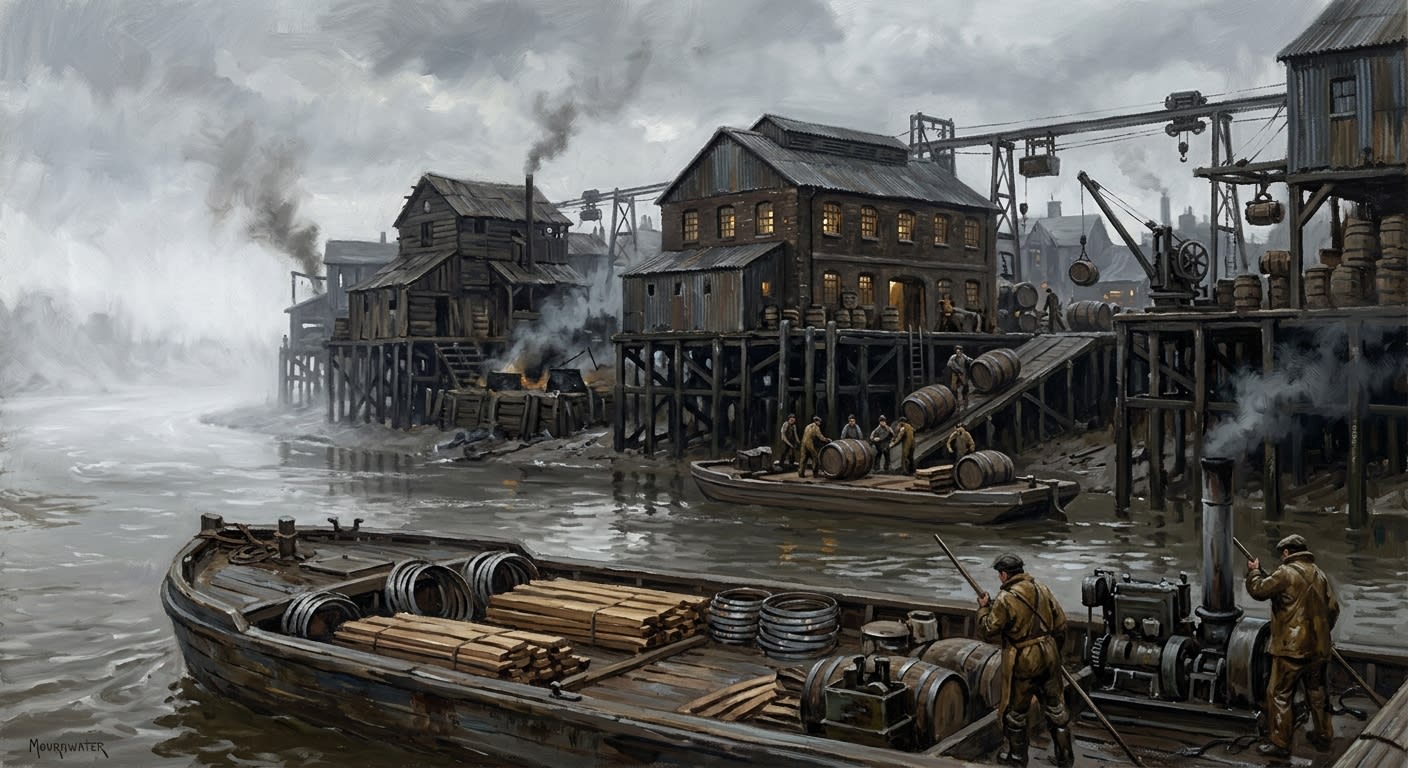
Saint-Dust Cooperage of Mournwater
The river keeps its own accounts, and they do not balance in the faithful's favour.
A Zone 2 river-town built on a cooperage industry that became a reliquary port: certified saint-dust slurry, suspicious settling dishes, and the slow realization that the river upstream is producing saints of its own devising.
Codex Ref. II.2.03-001
Sanitation Chapter
The clean line is a border, a sermon, and a threat
Mercy calls it sanitation; Marrowgate calls it the office that paints a white line and makes obedience look like hygiene.
Codex Ref. VIII.2.10-078
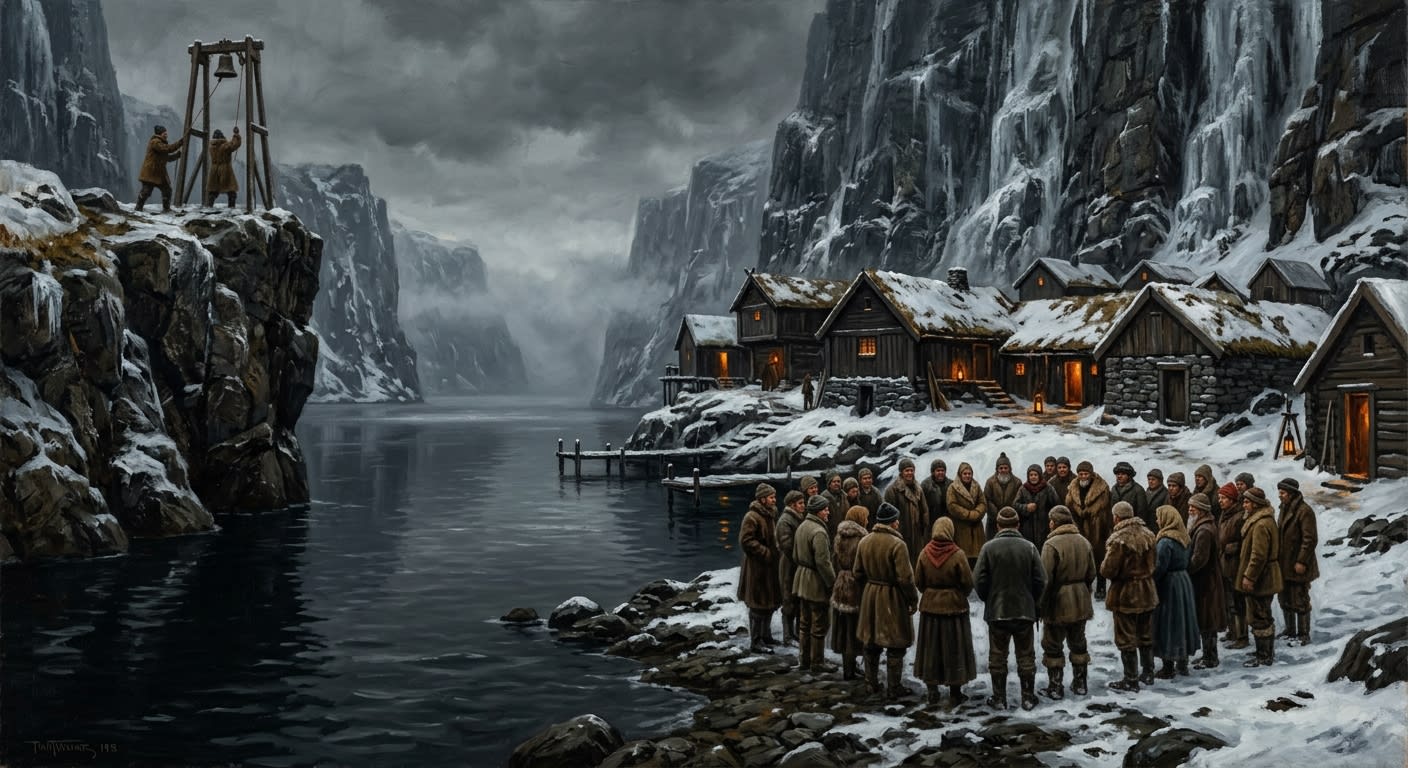
Scandinavia (The Fractured North)
The Synod's supplier, its creditor, and the thing the Bureau cannot name
A compliance assessment of Zone 8 — 1.9 million souls, clan moots, seal-oil, and the thing in the fog the Bureau classified Category Two Acoustic Distortion and has not re-examined. Filed by Drax. Not ratified by the wind.
Codex Ref. X.1.03-001
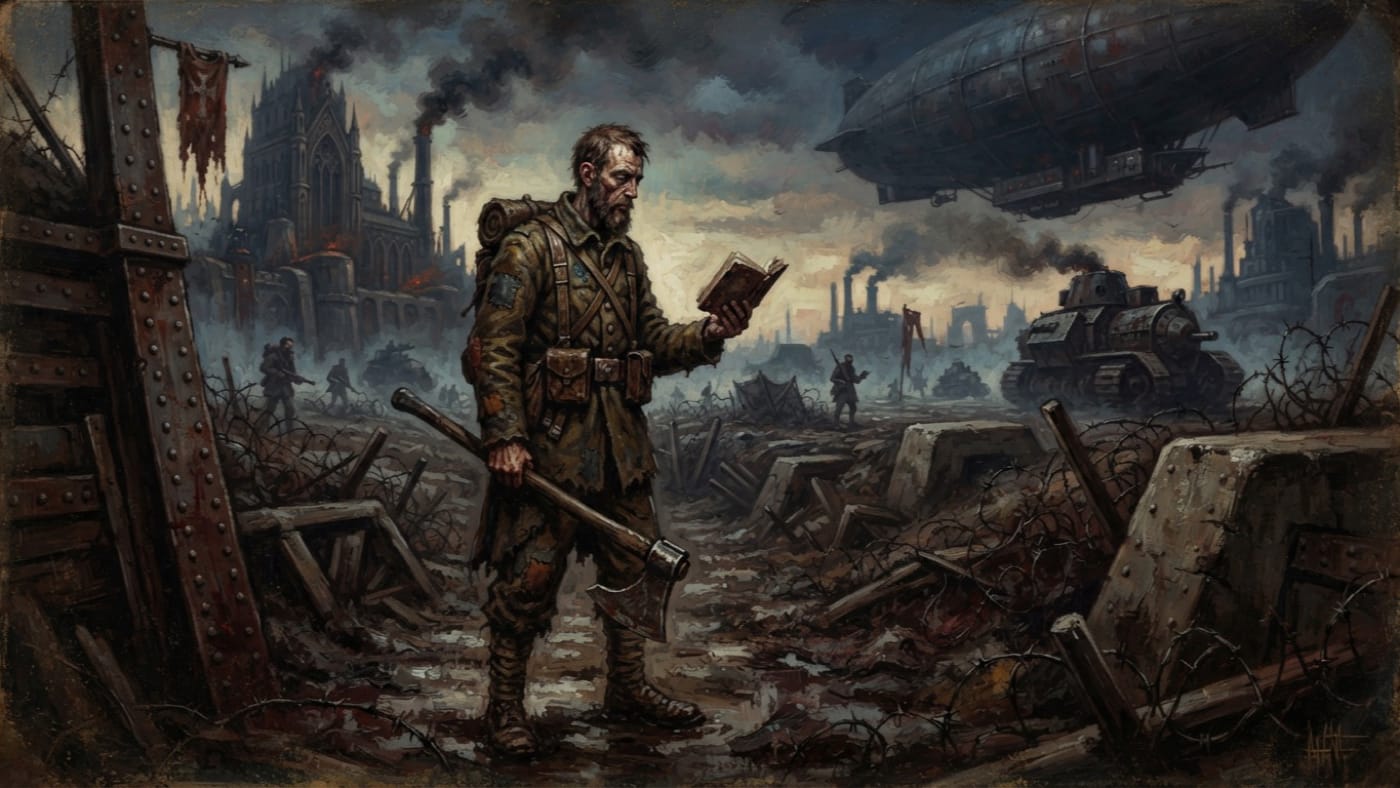
Scandinavian axe-psalter
The Line prizes the soldier. Doctrine keeps the household under Pending.
Strasbourg values the northern soldier who fights and prays in the same breath, then files the household that trained them under Pending. Every axe-psalter at the Line leaves the fjords with one fewer pair of hands.
Codex Ref. XII.8.02-155
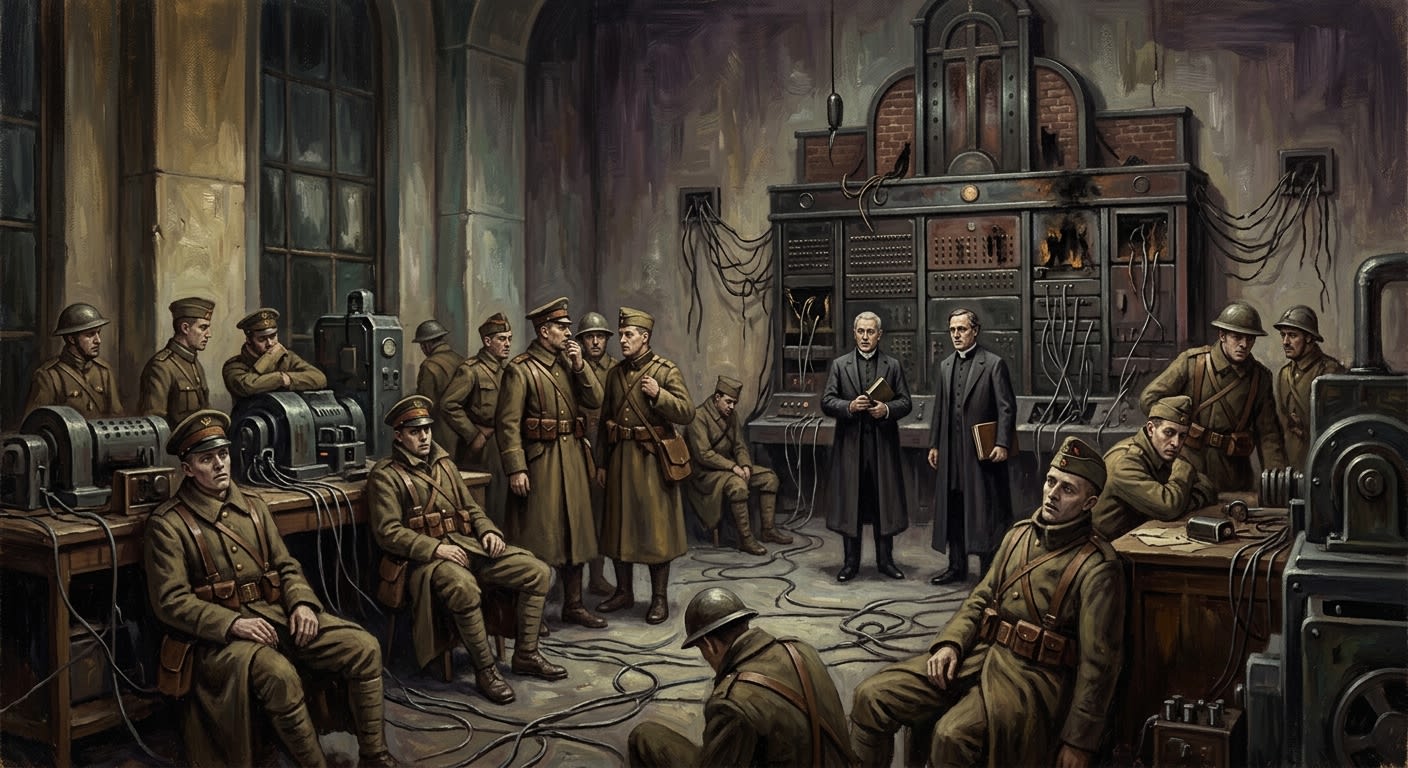
Schism of the Unspoken
The heresy that refused the courtesy of speech
The A.S. 78–83 southern garrison silence that taught the Synod absence could infect, and gave Purity the wound from which Codex Auditors grew.
Codex Ref. VII.8.10-009
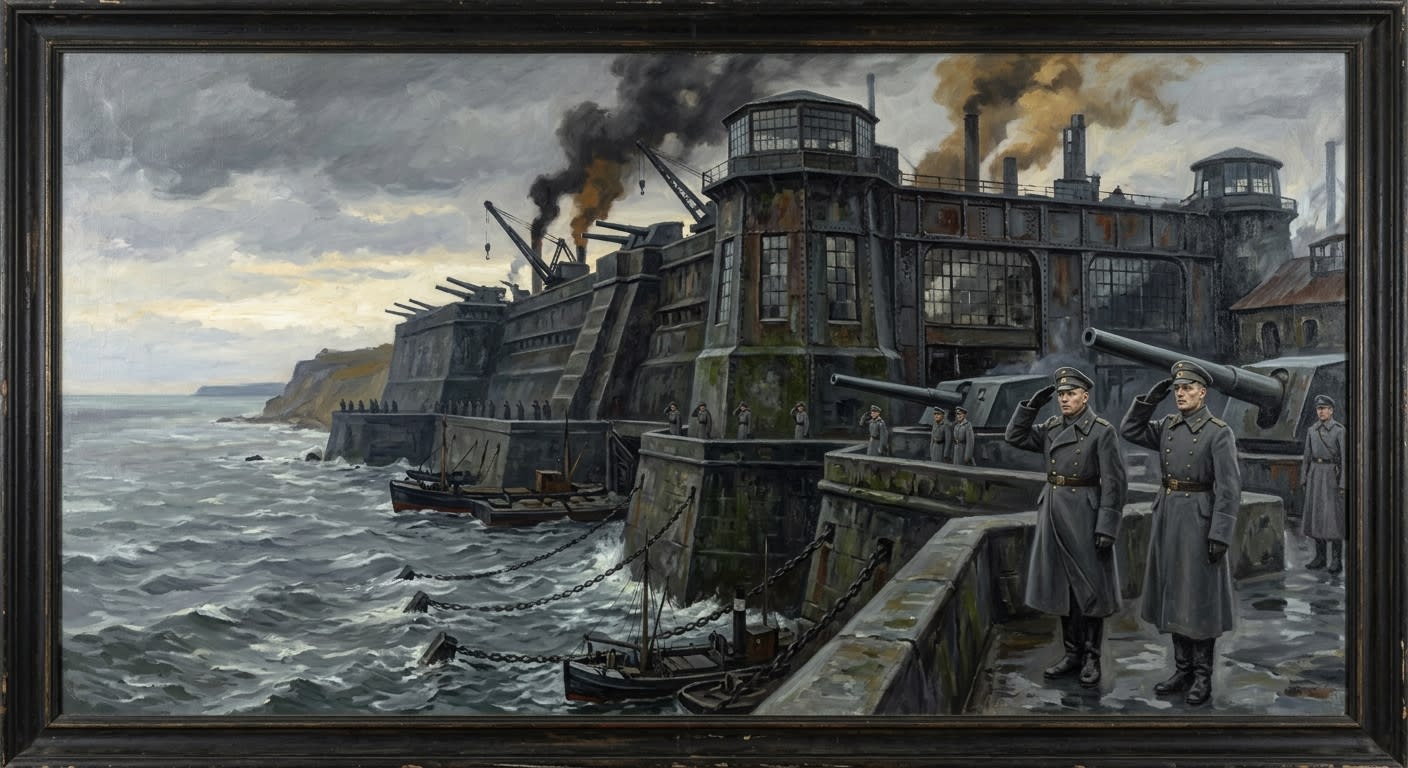
Sea Wall, Bastion-Königsberg
Where the Sagittal Line meets Baltic water and the fog outranks the wall
The Sea Wall of Bastion-Königsberg is where the Line runs into Baltic water, the Grey arrives without attacking, and sentries salute absence.
Codex Ref. II.4.07-067
Seal Locks
Where the river kneels, the Ledger learns to swim
Seal Locks pause water, cargo, papers, fugitives, ink, dust, and conscience long enough for the Synod to call movement lawful and billable.
Codex Ref. XIII.1.95-092

Seal Standardisation Edict
The law that taught rubber to confess and plumbers to keep two ledgers
The Seal Standardisation Edict answered Shipka's Unhymn with hymn-gaskets: a successful law, which means it created an office around the scar.
Codex Ref. XIII.1.92-164
Seal Standardisation Edict of A.S. 164
The law that put a choir inside a washer
Issued after the Unhymn Infiltration, the A.S. 164 Edict mandated hymn-gaskets across the Line, saved pipes from sleep-cadence, and minted a profitable new species of crime.
Codex Ref. VII.8.10-024

Sealwright-Master Joryn Malk
The Gun and the Confessional Sit Downstream of the Vat
Joryn Malk supplies the wax that lets Bastion-Przemyśl recognize a life. The die is missing, the investigation is open, and the Sealwright-Master continues to smile.
Codex Ref. III.2.01-201
Sepulcher Locomotive
A shrine at speed, with guns already turning
Rail-bound mobile shrine and artillery train whose blessed guns, ossuary magazine, choir bay, and ruinous maintenance bills make piety arrive on schedule.
Codex Ref. XIII.1.90-001
Seven Seals of Faith
Seven absolute sovereignties, each checking the others, which Kratz called something else entirely
The constitutional framework of the Bureaucratic Synod — seven domains of overlapping absolute authority, each assigned to one Hierarch, each cancelling the others into the only available direction forward, toward the Sagittal Line, where jurisdiction is settled by artillery.
Codex Ref. XIII.1.05-001
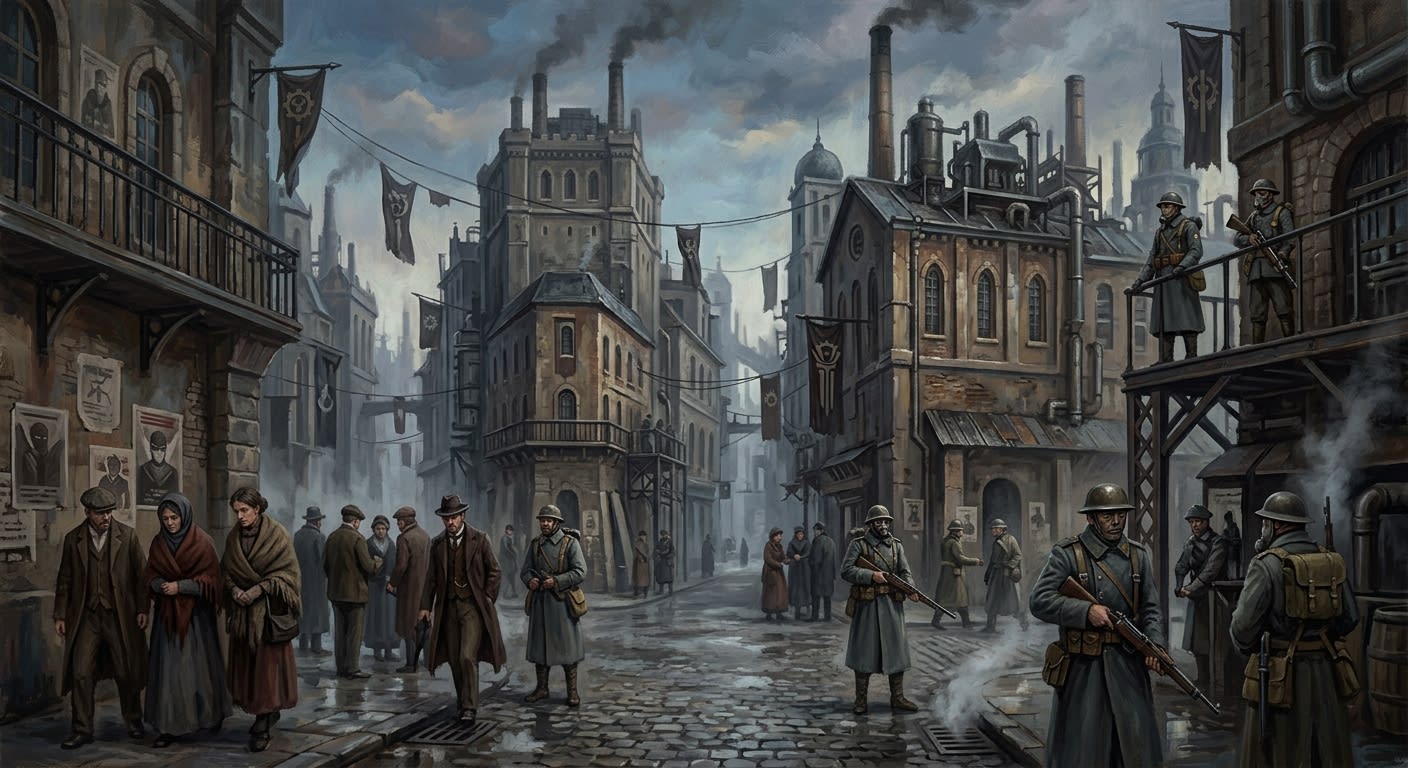
Seville
The city that lowered its voice and learned to speak in cups
Seville, the corrected City of Closed Lips: beautiful, prosperous, muted after the Laugh Riots of A.S. 153 and the Subjugation of A.S. 155.
Codex Ref. II.1.04-001
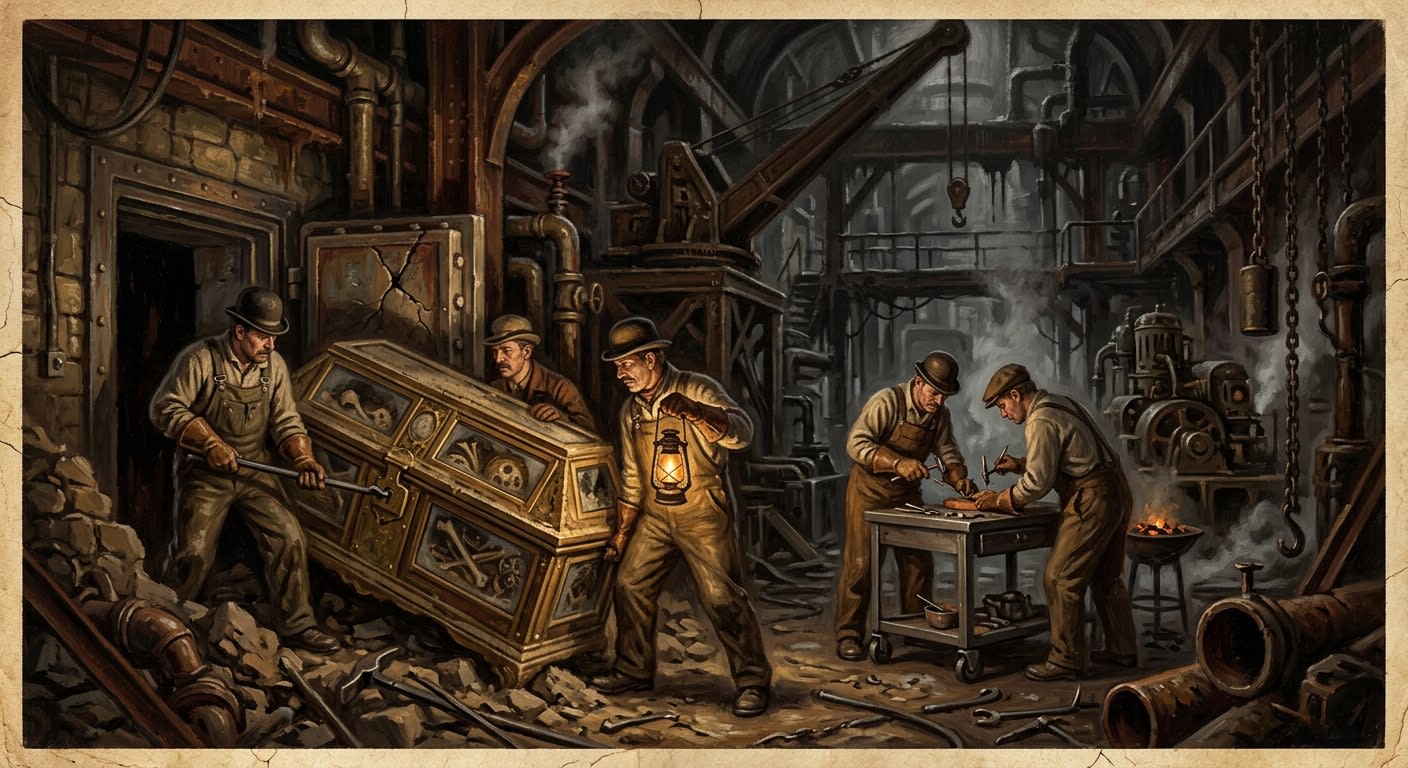
Shadow Pullers
Faster than law, dirtier than doctrine, and useful before breakfast
Unlicensed Reliquary Salvager crews who reach cracked vaults before the seal-box, forge ghost tags, and sell usefulness back to the Synod.
Codex Ref. XII.13.05-001
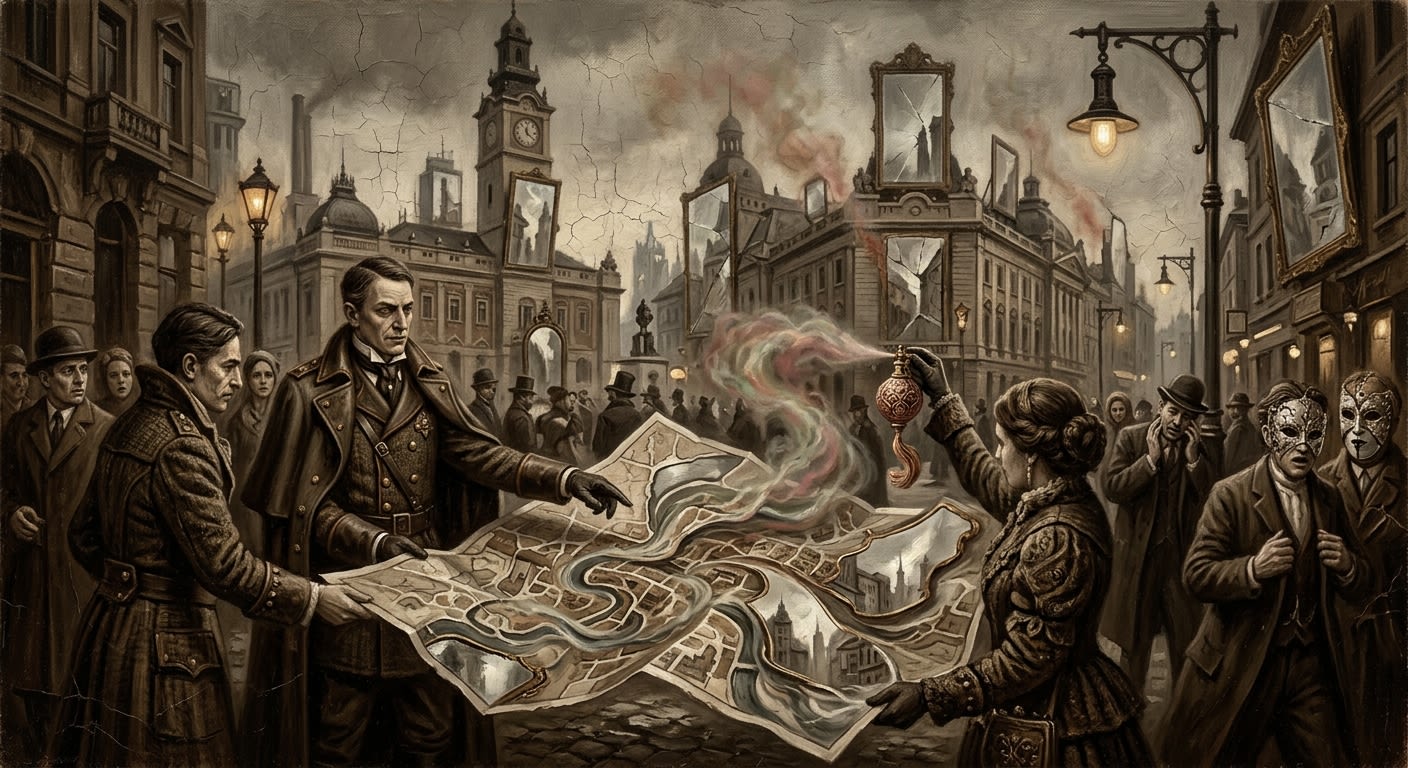
Shattered Courts
A palace that wears Belgrade like perfume wears a throat
Velkara's Shattered Courts occupy Belgrade by mirror, perfume, appetite, and refusal: a hostile palace that cannot be mapped without flattering it.
Codex Ref. II.5.06-117
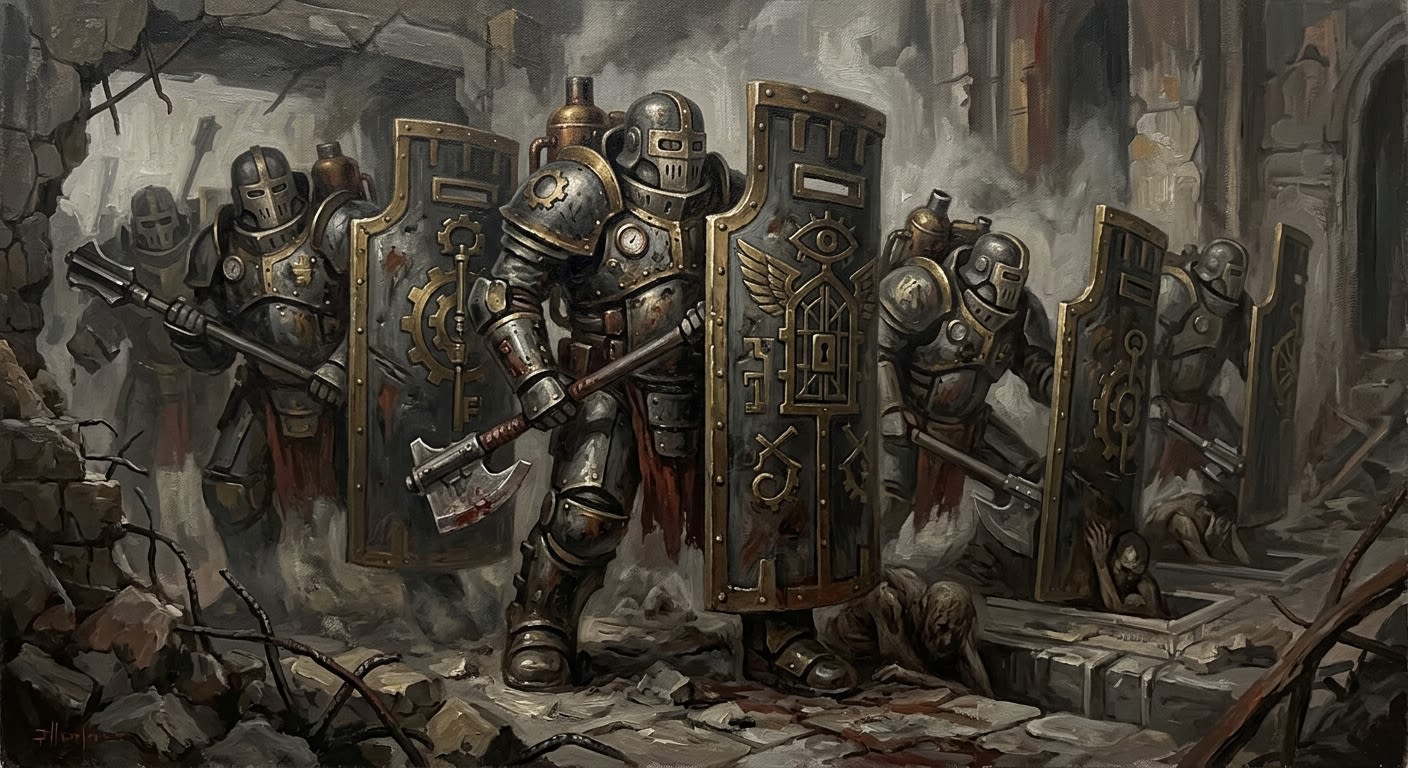
Shield Paladins
Men instructed to become wall until the wall believes them
Covenant heavy infantry trained for breach reception, line denial, emergency causeways, and the sacred absurdity of turning frightened men into architecture.
Codex Ref. VIII.5.06-001
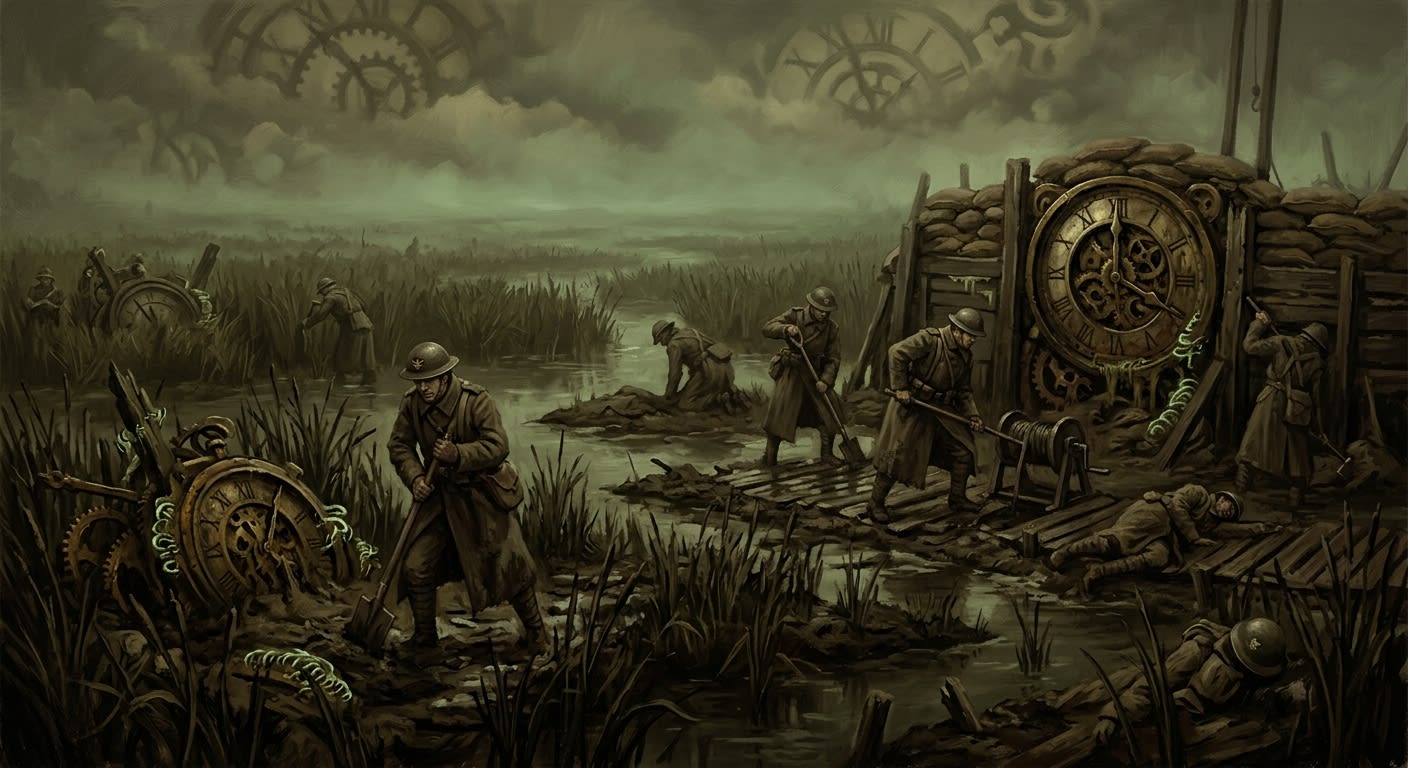
Shipka Marsh
The wet country where Sloth learned drainage
Shipka Marsh is the drowned Phocian corridor east of Bastion-Shipka, where reeds, clocks, sleep, and Syrion contest the Line by inches.
Codex Ref. II.4.08-017
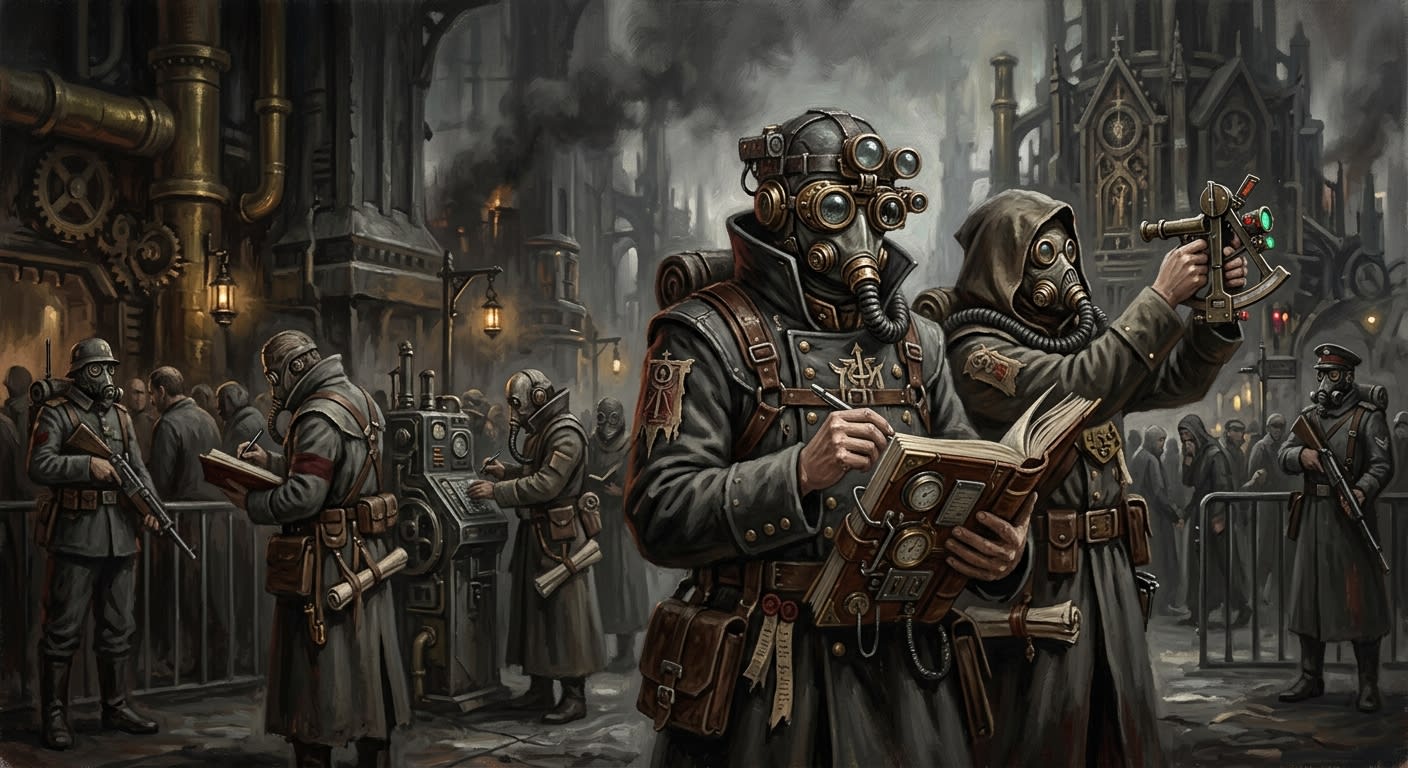
Shrine-Assessors
Holiness walks better after inspection, downgrade, and receipt
Shrine-Assessors are Pilgrimage's senior auditors of sanctity, classifying shrines, measuring traffic, binding relic-house access, and converting local miracles into routes the Bureau can tax, police, and survive.
Codex Ref. VIII.7.05-001

Sigil Inspector
The man who tells the world what it is allowed to look like — and scrapes the rest
The Bureau of Heraldry tells the world what it is permitted to look like. The Sigil Inspector is the man who walks the world and checks — codex in hand, swatch at the hip, blade heated to scraping temperature.
Codex Ref. XII.43.01-001

Silent-Core Crew
Permission without a voice remains a crime in better clothes
Shadow faction of Route-Stamper criminals who mute bell-hour cores, sell unmeasured movement, and teach the road the profitable shape of silence.
Codex Ref. XII.2.06-004
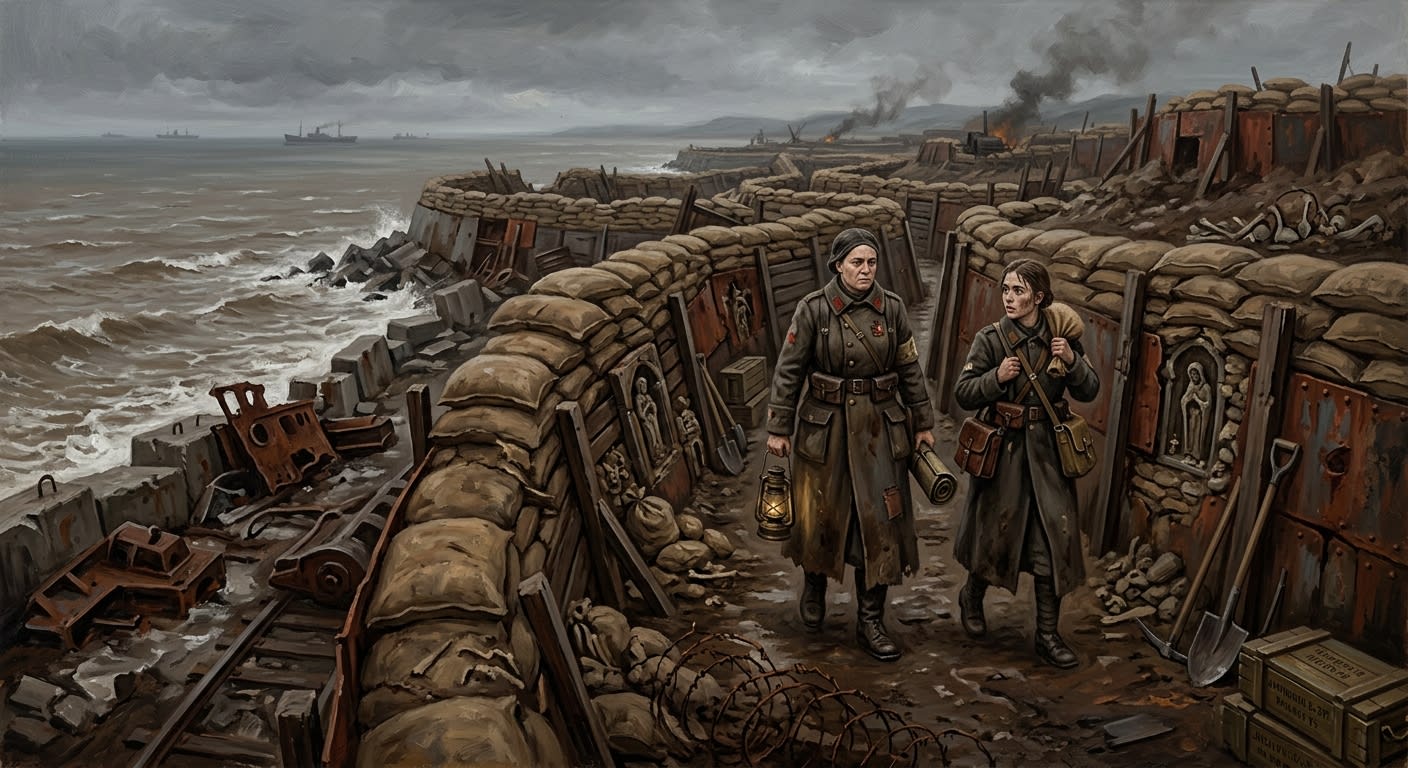
Sister Trenches
Where the Line touches surf and is corrected twice daily
The Sister Trenches are Elder and Younger, twin coastal forward works near Thessaloniki where sandbag, seawall, saint-bone, rust hymn, and tide-return burial keep the southern flank barely filed as held.
Codex Ref. II.4.08-017
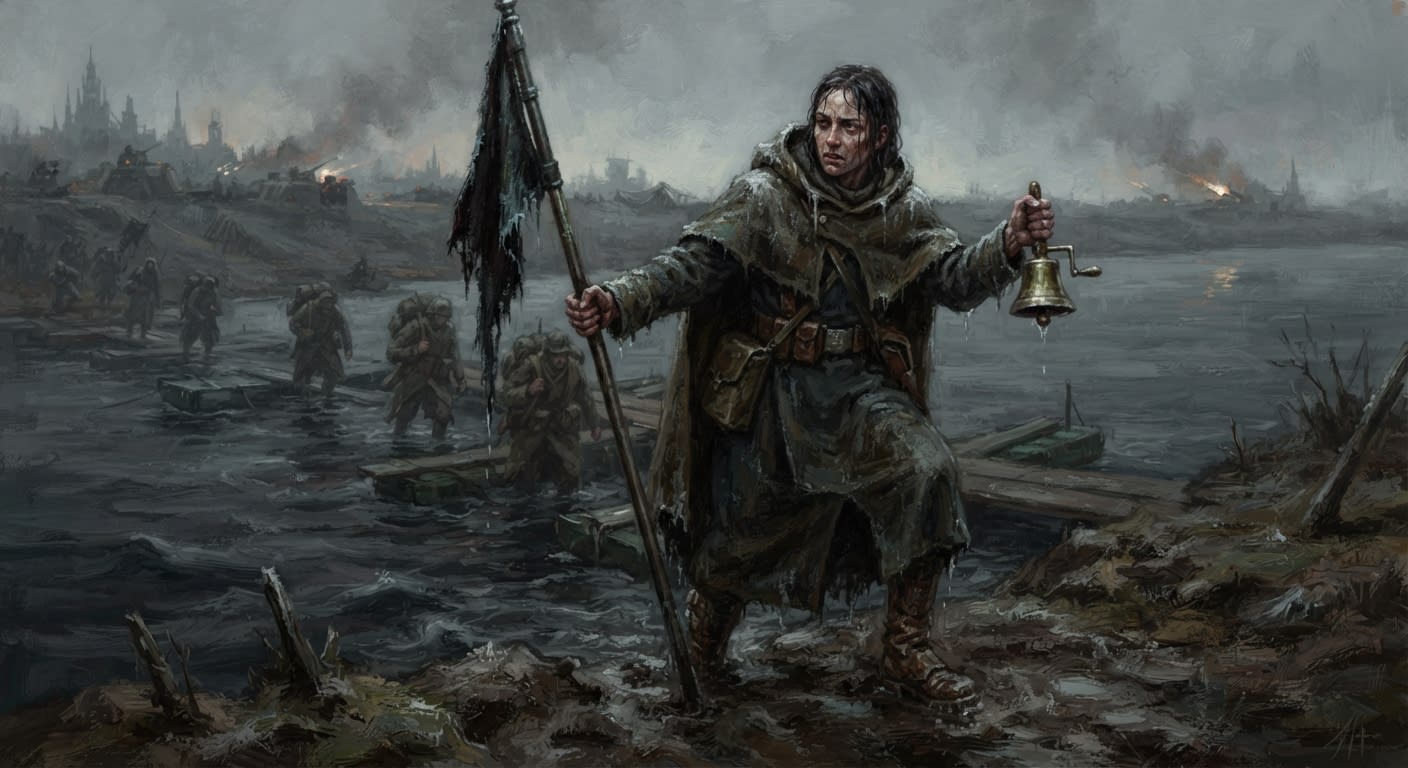
Sister-Vexillator Anje Rusk
The cloth stood, the bell rang, and Records misplaced the woman
Anje Rusk is certified at Mark Seven by one standard, one frozen bell, and one conspicuous absence from every useful casualty column.
Codex Ref. III.2.01-172
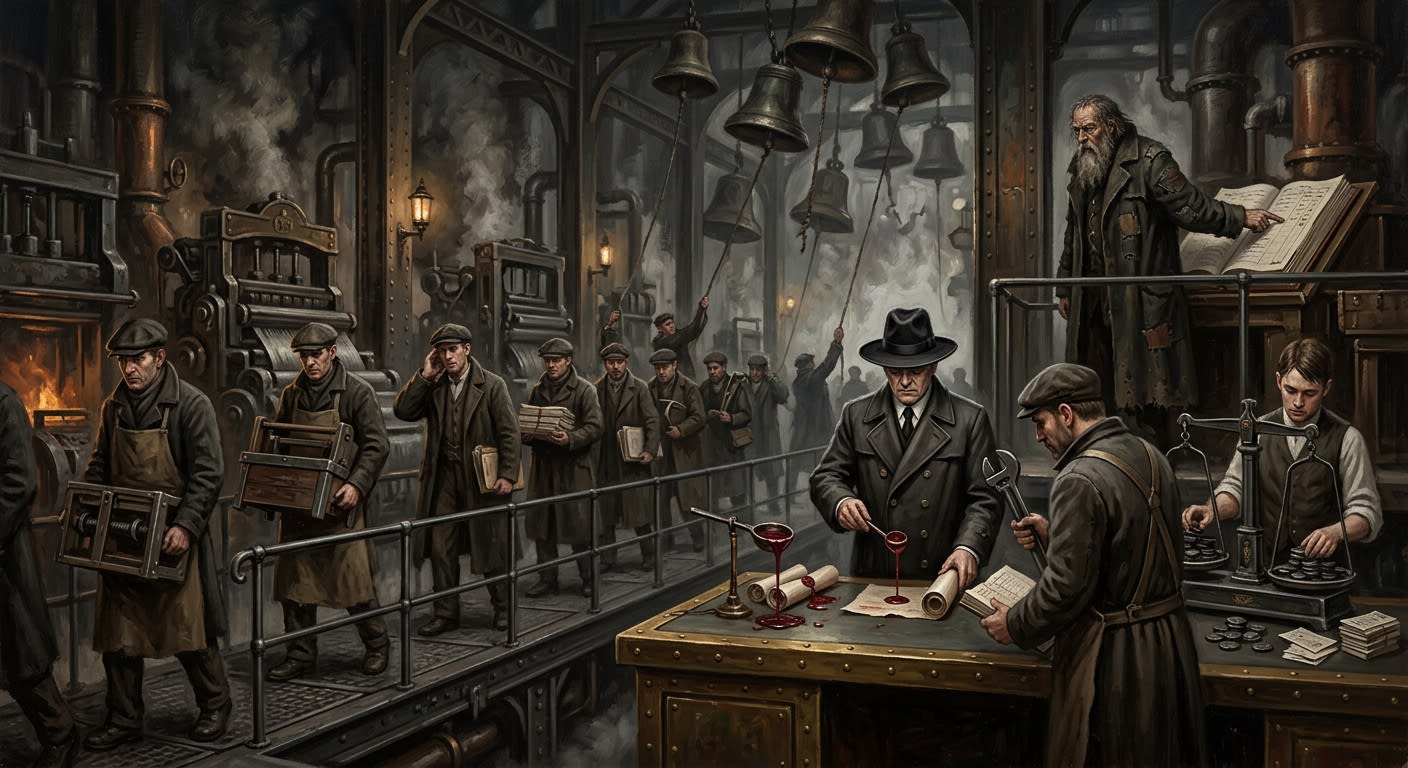
Sixth Canticle of Industry
The hymn that makes wax remember its superiors
The Sixth Canticle of Industry teaches purity wax to remember obedience, which is to say it lets Bells hear fraud, Doctrine name sin, and Tithes price both.
Codex Ref. XIII.1.86-178
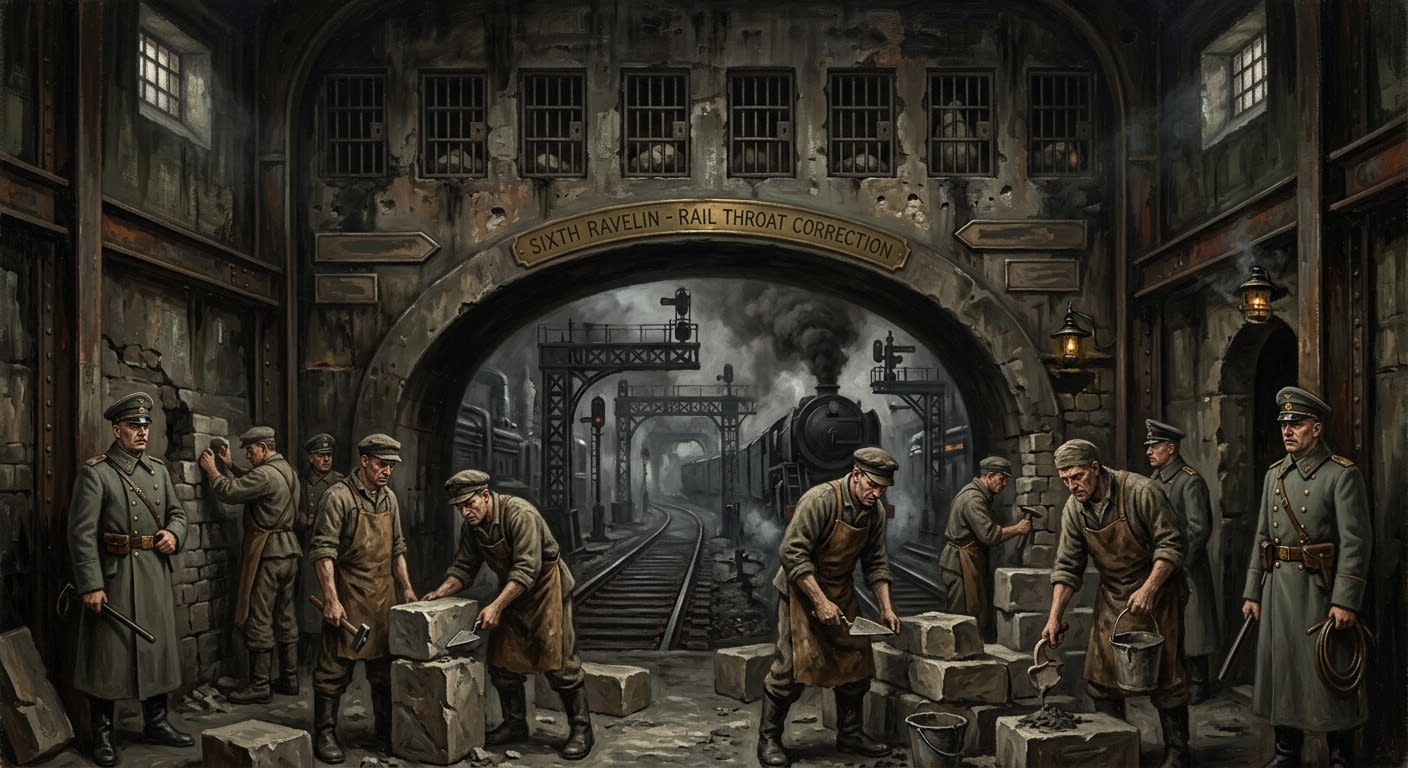
Sixth Ravelin
Correction faces consequence, and consequence answers warm
The Sixth Ravelin, called Correction, guards Bastion-Constantinople's rail throat and carries Chamber 7: forty-seven sealed in cement where guilt learned masonry.
Codex Ref. II.4.10-170
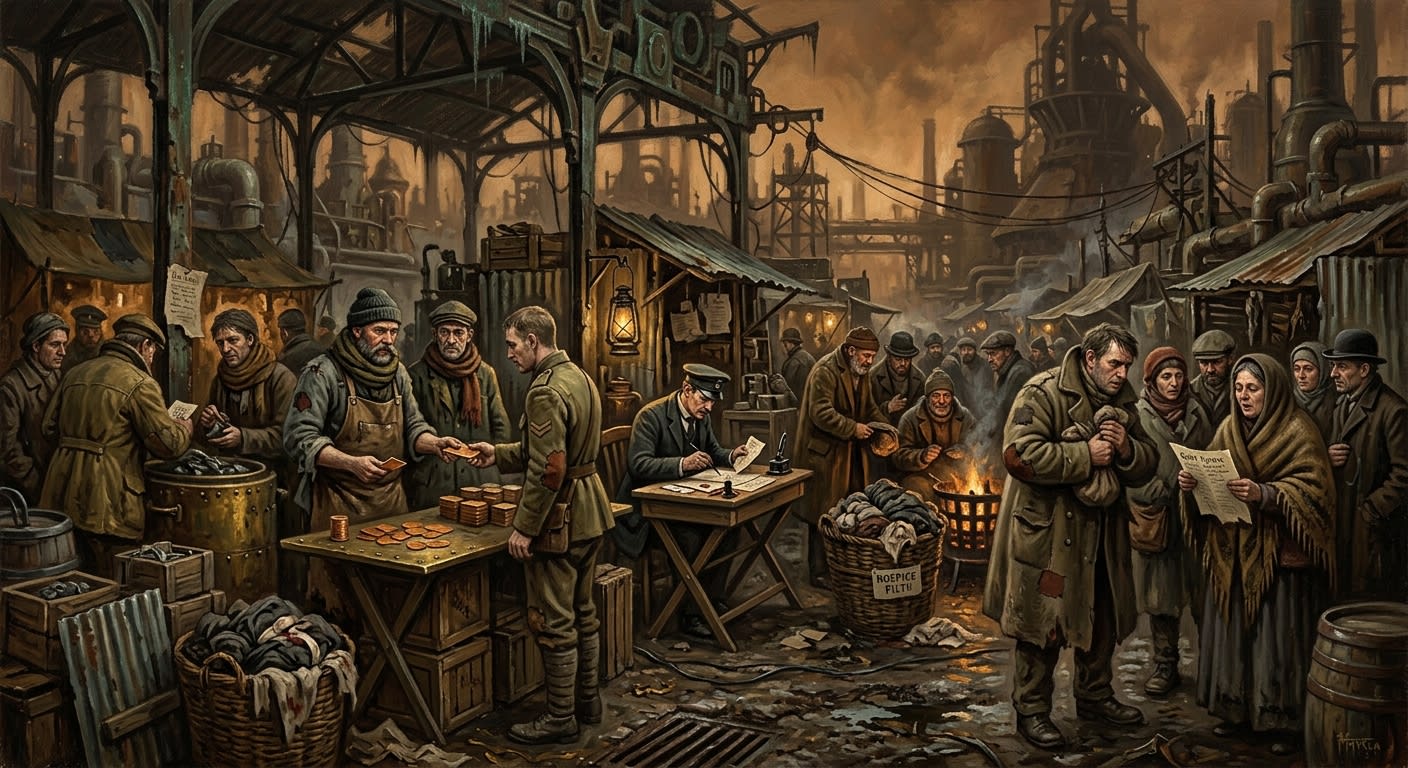
Slag Market
Where Brast's holy heat cools into crime and soup
The Slag Market is Brast's outer-ring commerce in leaked sanctity: warm chits, forged seals, quiet hymns, hospice filth, stolen heat, and necessary lies.
Codex Ref. II.2.06-201
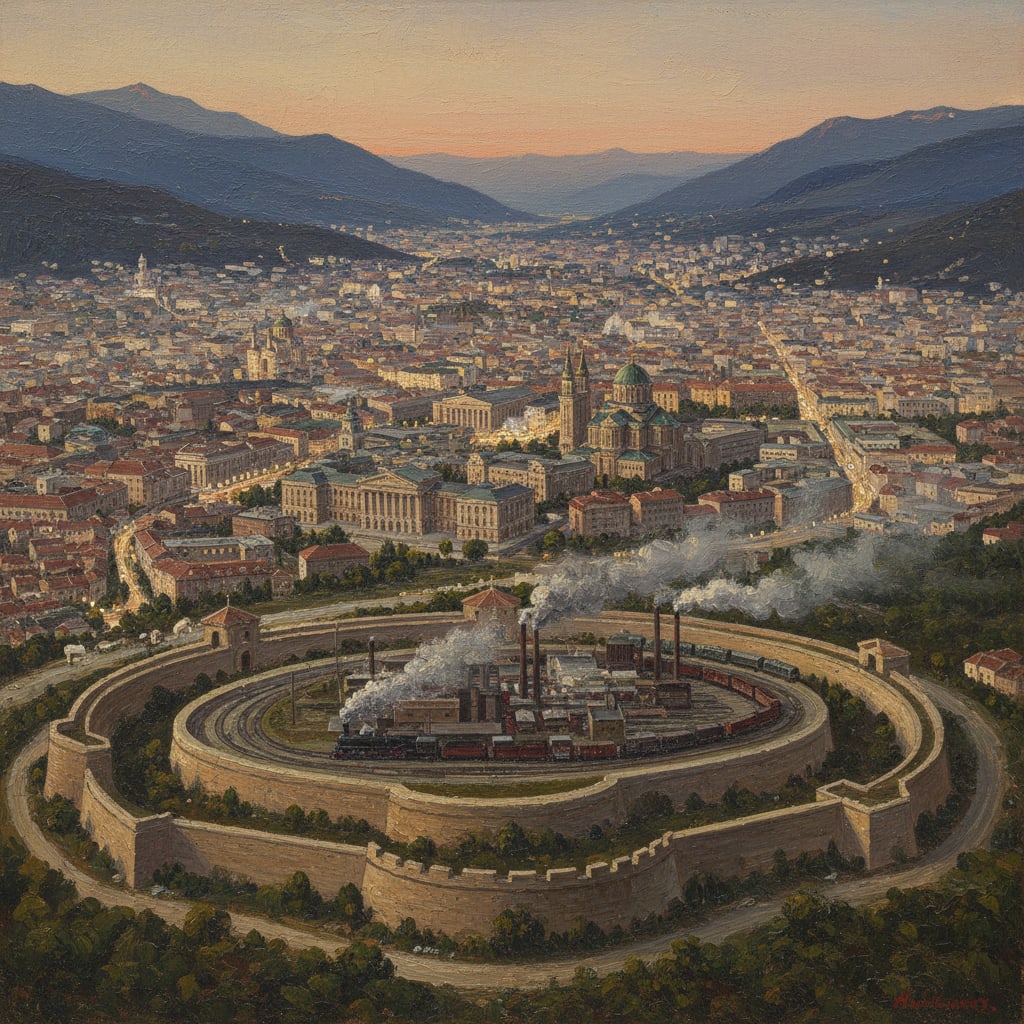
Sofia
Acceptable losses: total — and yet, here we are
Category Three Urban Holding between Irongate and Shipka. Classified expendable in extremis. Its council's objection cabinet is seven feet tall. Adhuc Stamus.
Codex Ref. II.4.09-011
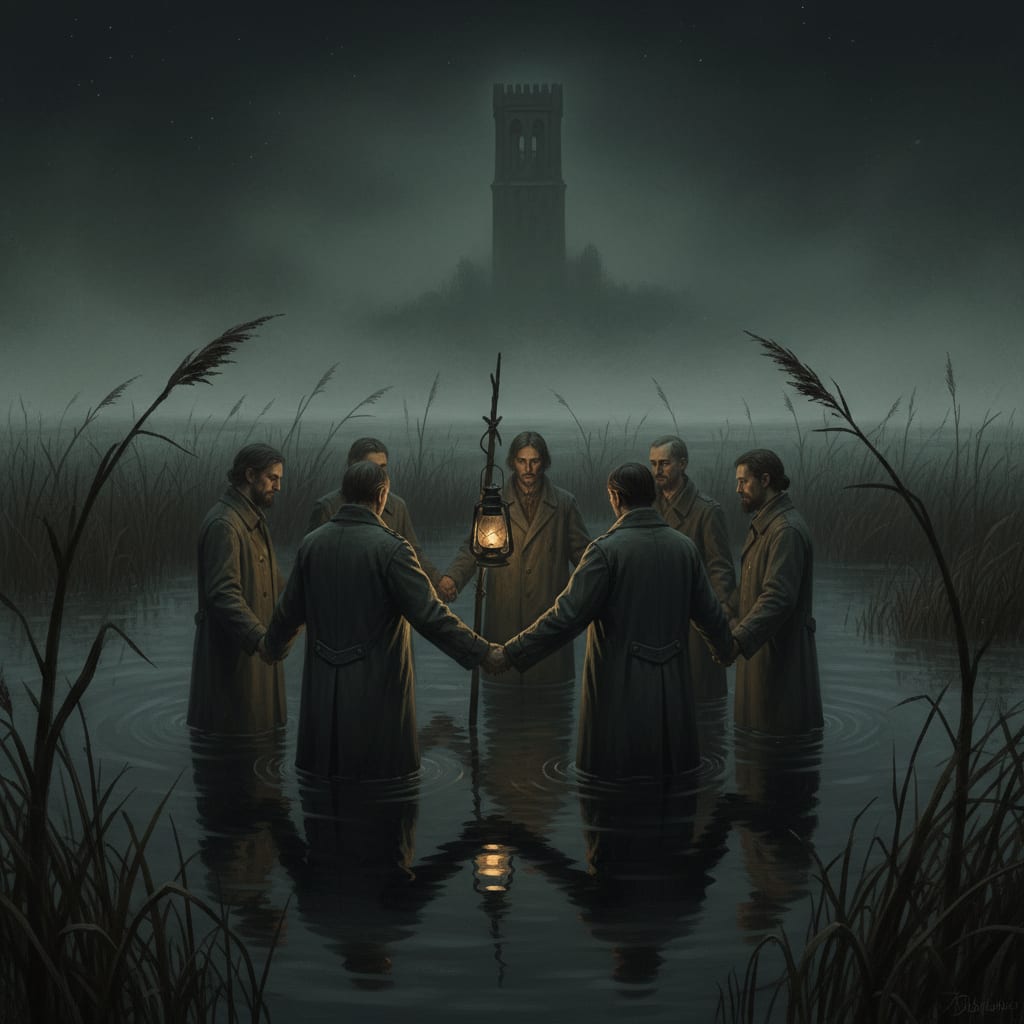
Somnolent Communion Cells
The heresy that holds hands; the Bureau that holds nothing
Bureau classification A.S. 196: Sloth-Heresy, Passive Variant. Participants link hands, face a dimmed lantern, and stand waist-deep in marsh water until dawn — producing Syrionic temporal drag the Bureau cannot explain and will not discuss.
Codex Ref. XI.6.01-001
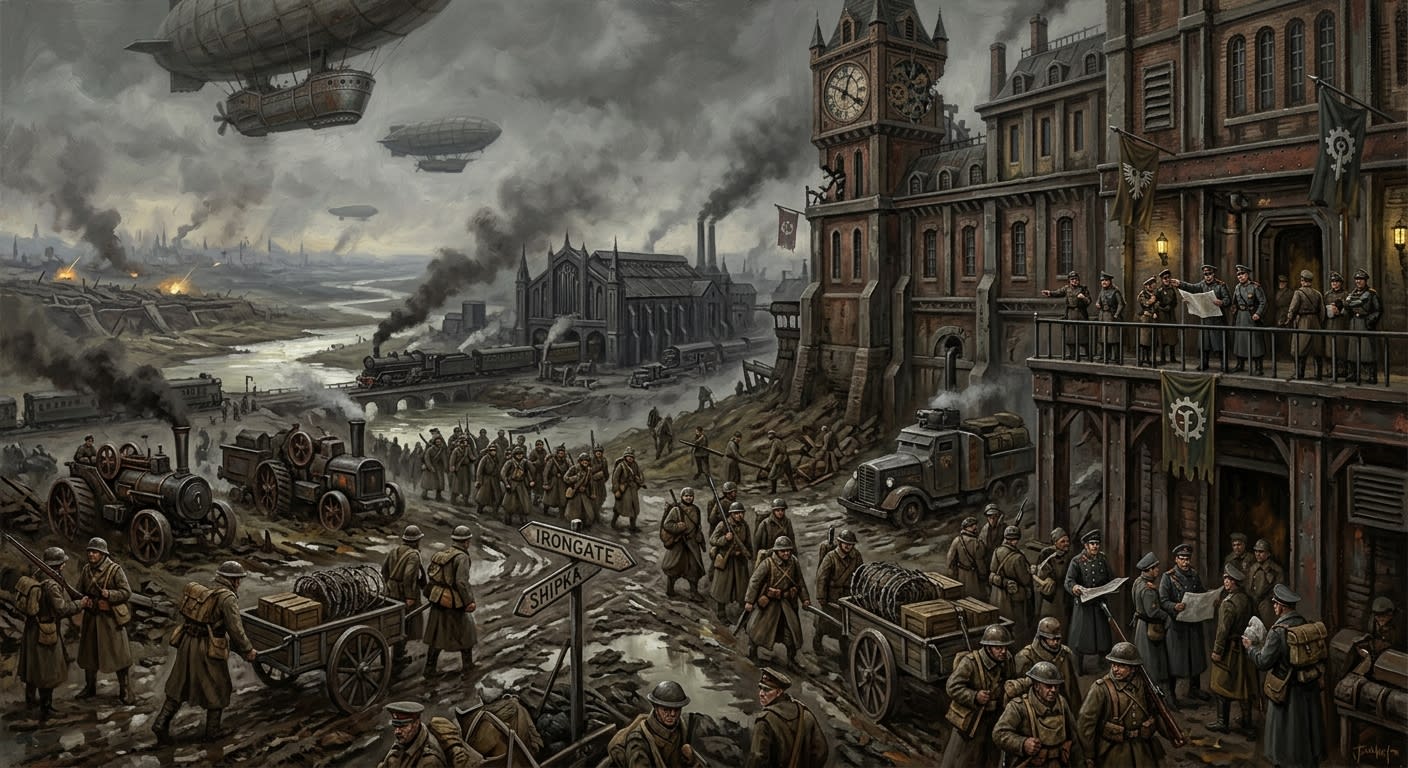
Southern Theater
The lower spear holds by bells, roads, suspicion, and bad sleep
The Southern Theater is the Line's lower spear: Irongate, Shipka, Constantinople, bad roads, worse clocks, mixed sins, and command halls full of clean answers.
Codex Ref. II.4.12-201
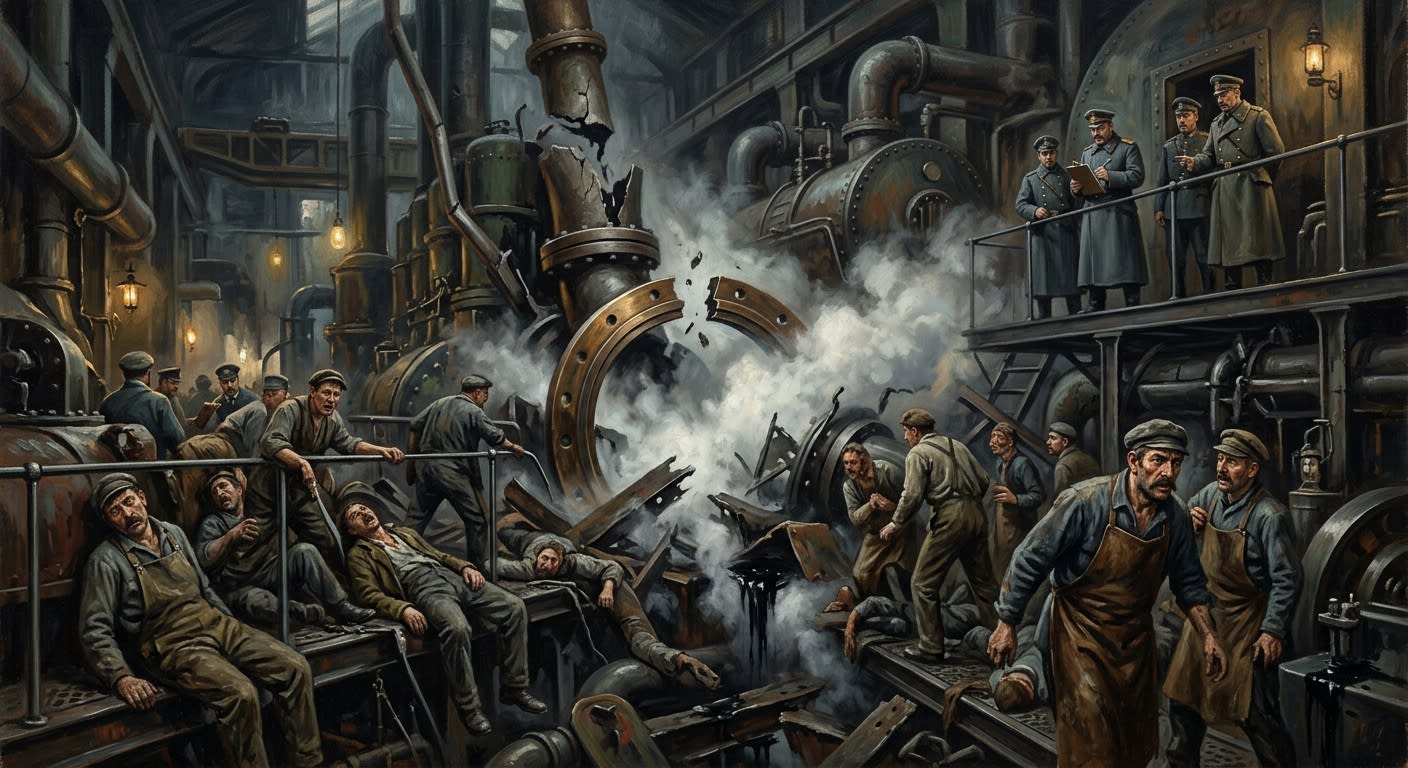
Split-Ring Disaster
Forty-three dead, ninety seconds saved, and a profession born in steam
The A.S. 164 Split-Ring Disaster at Bastion-Przemyśl killed forty-three workers and transformed gasket repair into a licensed, audited, sabotage-adjacent profession.
Codex Ref. VII.8.10-032
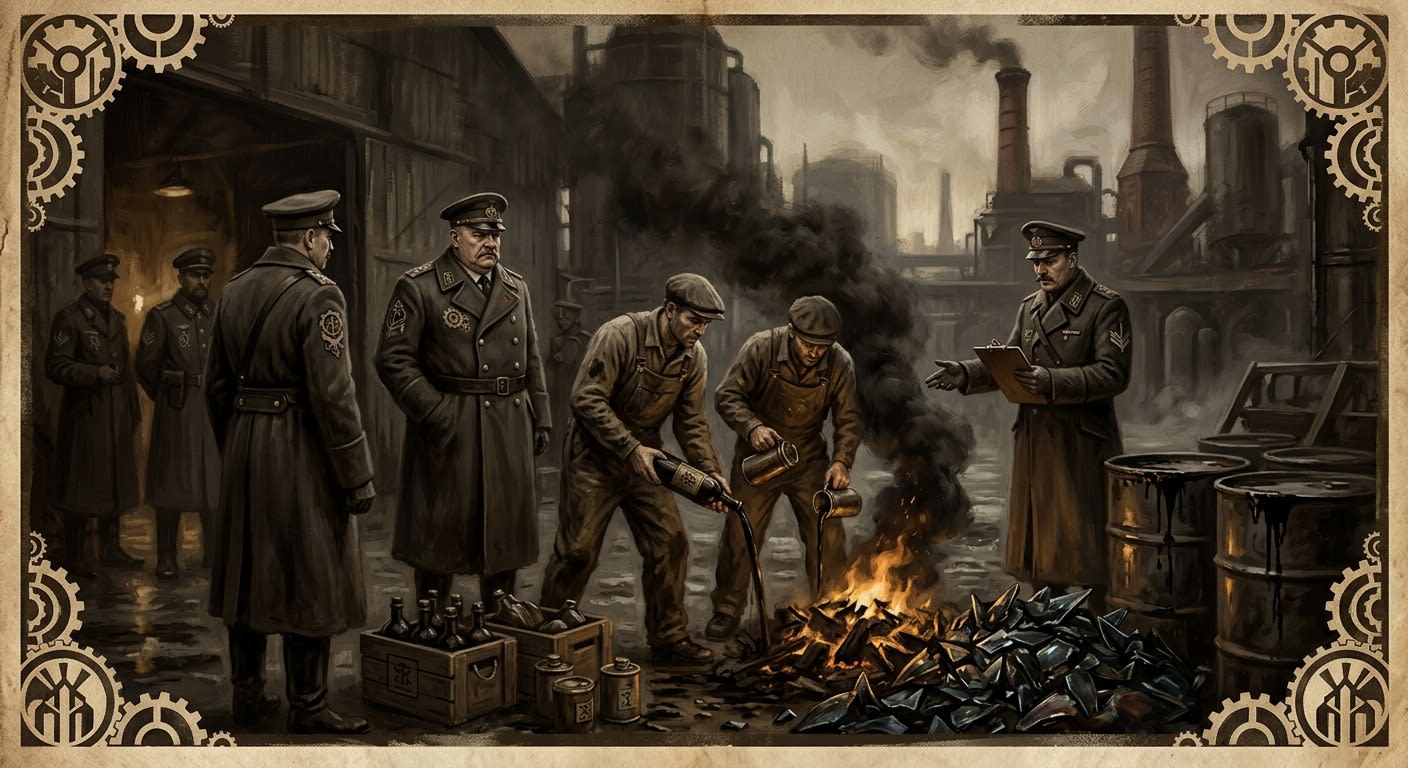
Standing Order 14-K
The law that forbids the fuel by which the righteous keep warm
Standing Order 14-K forbids black diesel, demon glass, scripture-smoke, and every useful contamination the Synod condemns in public and routes by night.
Codex Ref. XIII.1.96-134
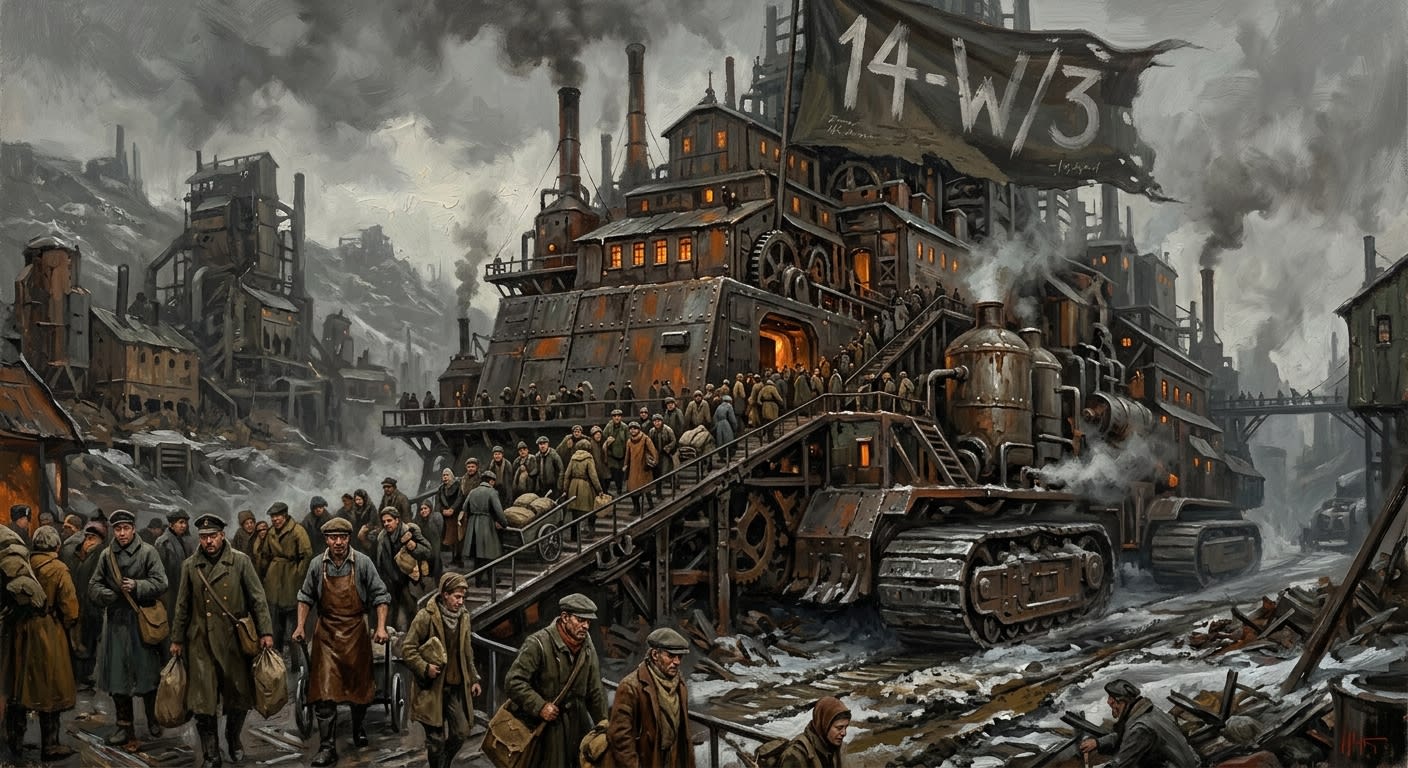
Standing Order 14-W/3
The evacuation order that discovered bakeries
Standing Order 14-W/3 ordered Warsaw to become movable in A.S. 95; a century later, the city remains larger, louder, and better fed by its own disobedience than by Settlement arithmetic.
Codex Ref. XIII.1.87-095
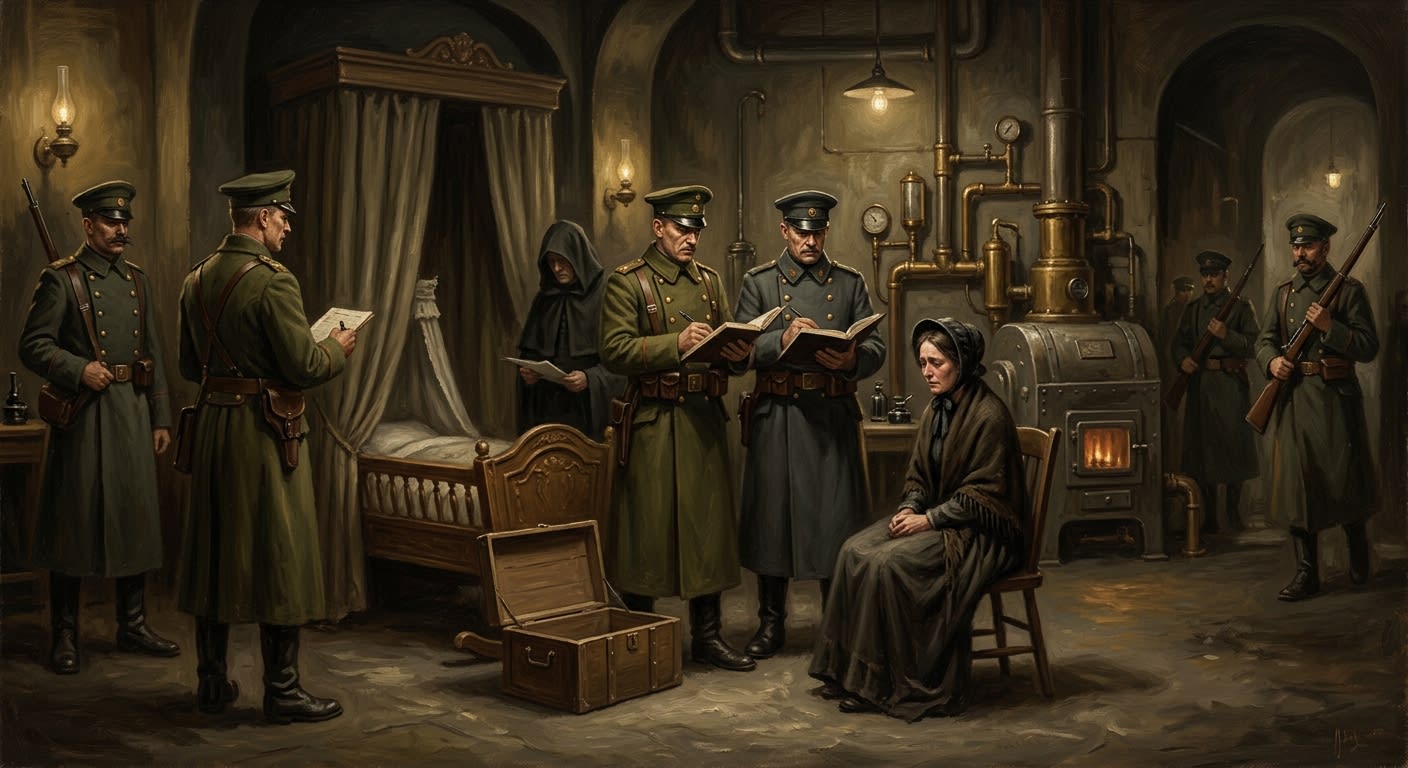
Standing Order 34-PK
The cradle confesses when the Ledger is hungry
Standing Order 34-PK makes the hidden cradle confess: missing infants become stolen soldiers, and a mother’s silence becomes evidence.
Codex Ref. XIII.1.34-158
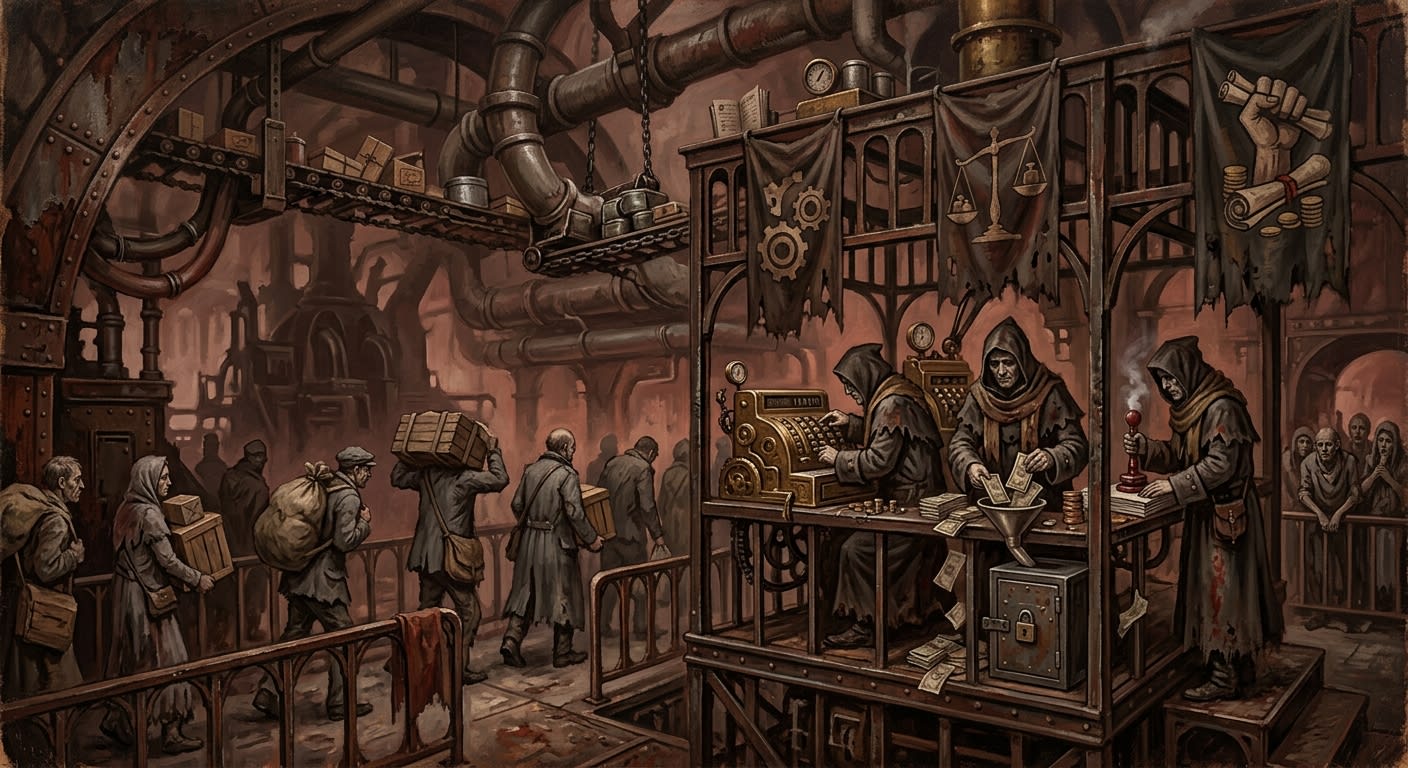
Standing Order 77-A
Movement is holy until the receipt arrives
Standing Order 77-A prices delay, blesses audited bribery, and teaches cargo to move before correctness kills the hungry.
Codex Ref. XIII.1.77-172

Storm Warden Corps
Whoever announces the storm decides when the town stops moving
The Storm Warden Corps keeps Black-Snow Lor alive by watch, bell and seal. Under Ilex Marr, it decides when the town closes and who remains outside.
Codex Ref. VIII.5.16-001
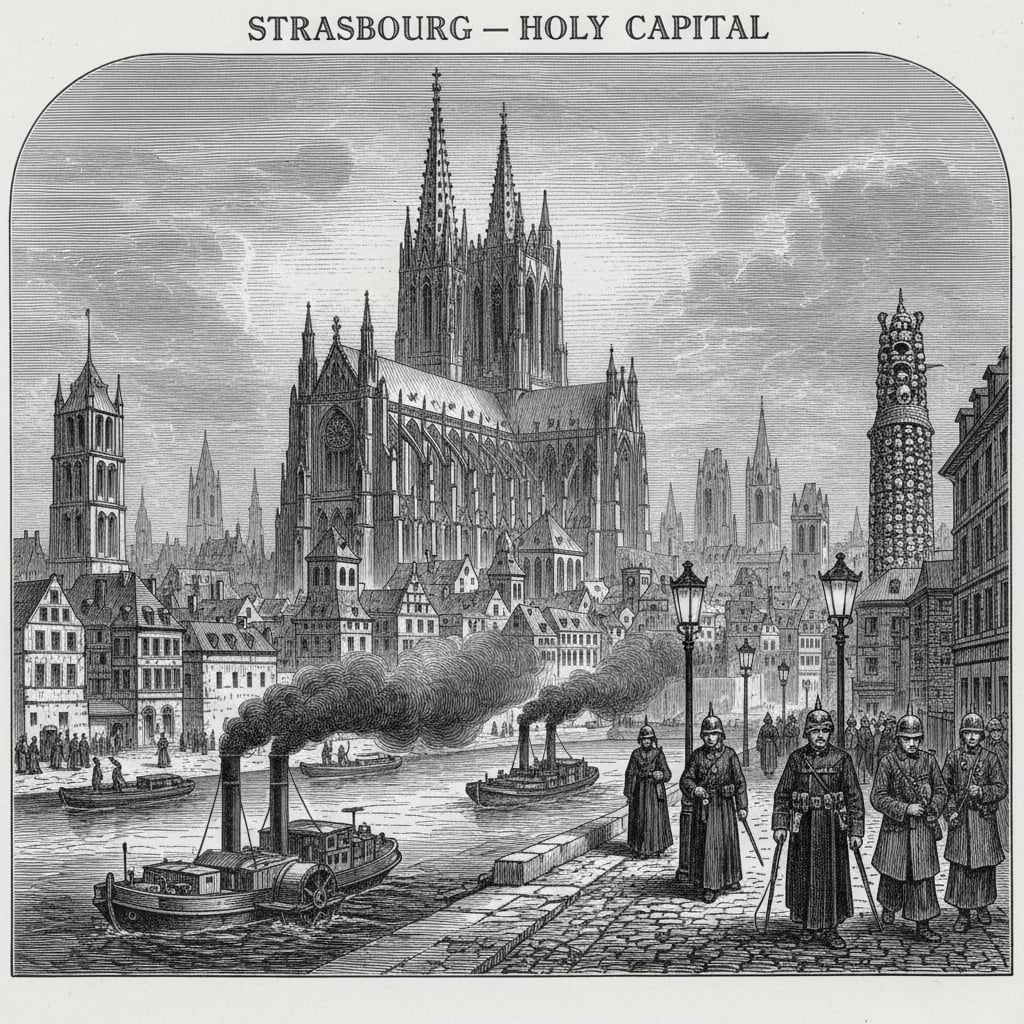
Strasbourg
The Holy City, or the Weight of Fifteen Centuries of Paperwork
Seat of the Synod, capital of the Dominion, largest city on the continent, and the only place where the bells never stop ringing. Strasbourg has forgotten what silence sounds like. So have its residents.
Codex Ref. III.2.01-001
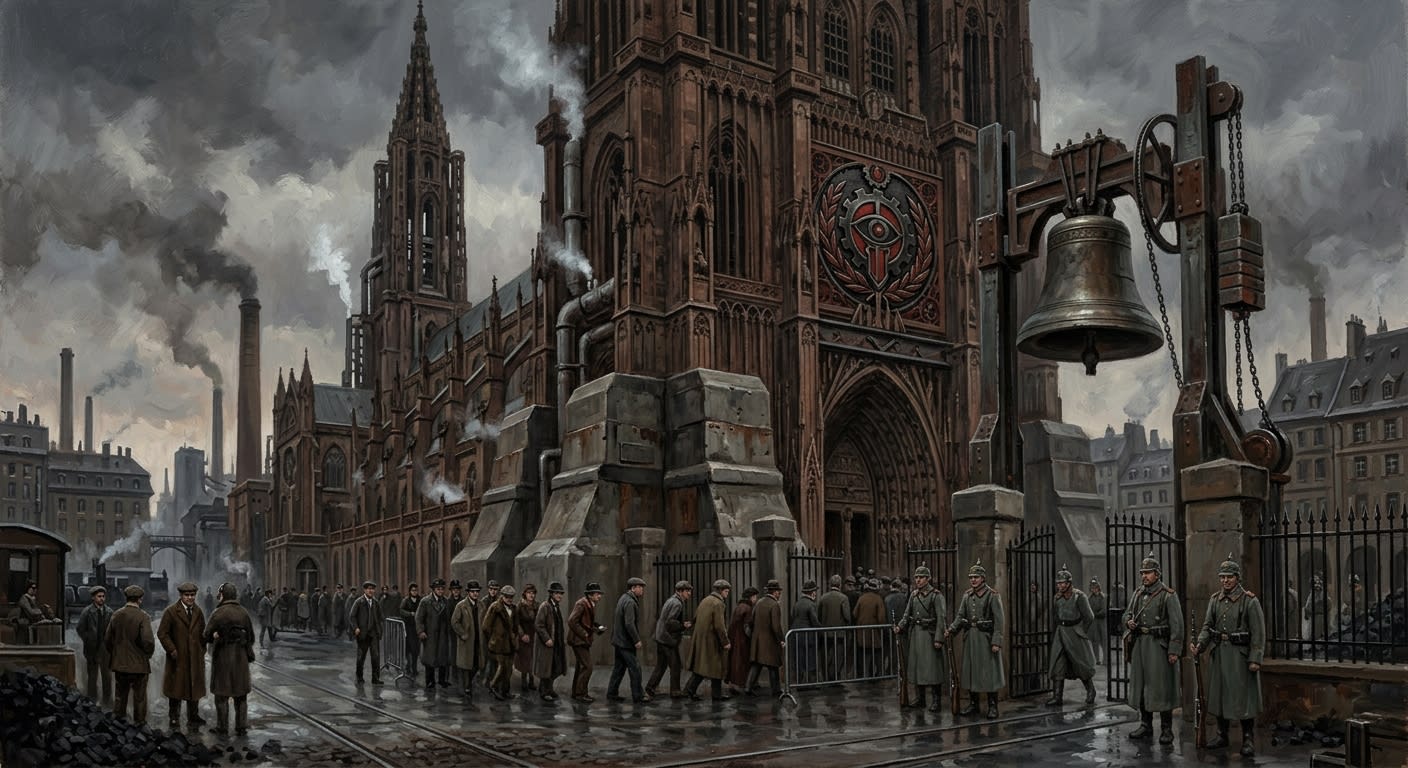
Strasbourg Cathedral
The stone lease by which Heaven rents authority to the Bureaus
Strasbourg Cathedral is stone, bell, vault, bench, seal, and threat: the capital's holy machine for turning awe into obedience.
Codex Ref. II.1.04-004
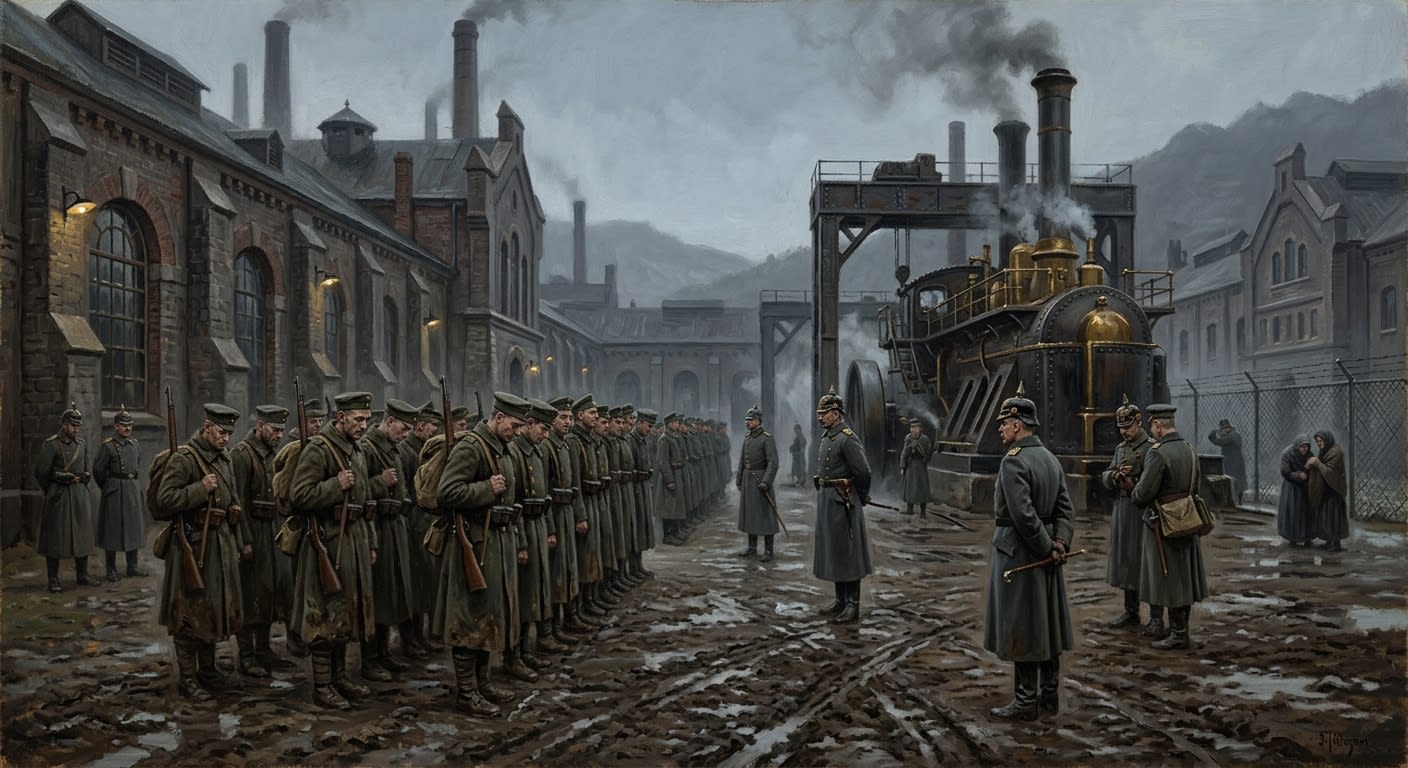
Stuttgart
Where Swabian thrift is spent in sons
Stuttgart is War's Swabian catechism-barracks, a Zone 2 training engine where ration economy, mud discipline, and family grief are measured into obedience.
Codex Ref. II.2.01-004
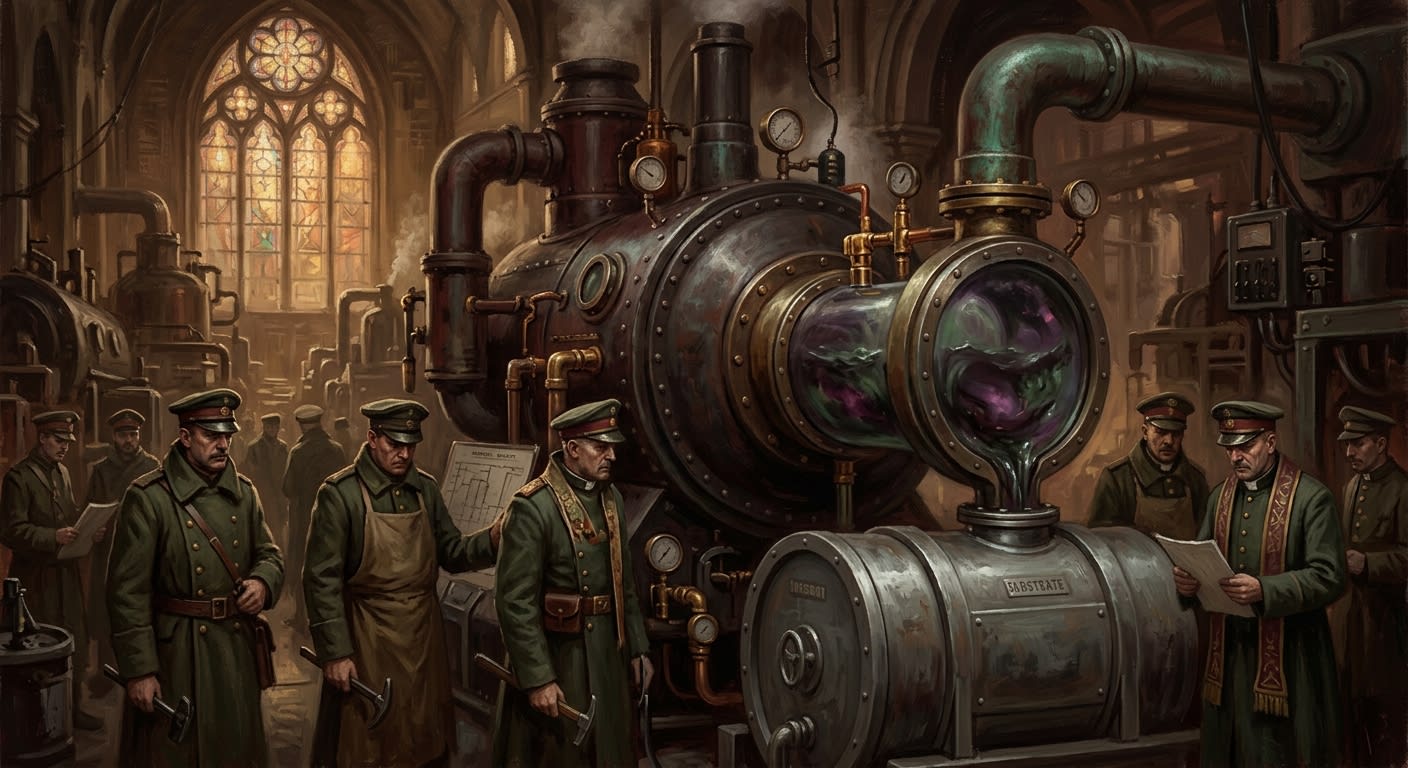
Substrate
The grey thing beneath the hymn
Brast's fourth fuel component is named blandly because useful horrors prefer dull labels, locked caskets, and a hymn before seventh bell.
Codex Ref. XIII.1.92-201

Superintendent Halvick Sorn
The man who keeps the hours fears the break
Halvick Sorn keeps the Rope-Ferry Chain's master slate: twenty-three years on schedule, four bridge petitions refused, and one bad winter from cascade failure.
Codex Ref. III.1.05-001

Surveyor First-Class Edda Grieve
The order survived. The rest of the file is closed.
In A.S. 73, Edda Grieve recorded Reath's last order and returned with thirteen others. Her later Cologne posting is undated; her age and present status remain unverified. The Ledger preserves what the file permits.
Codex Ref. III.2.01-964
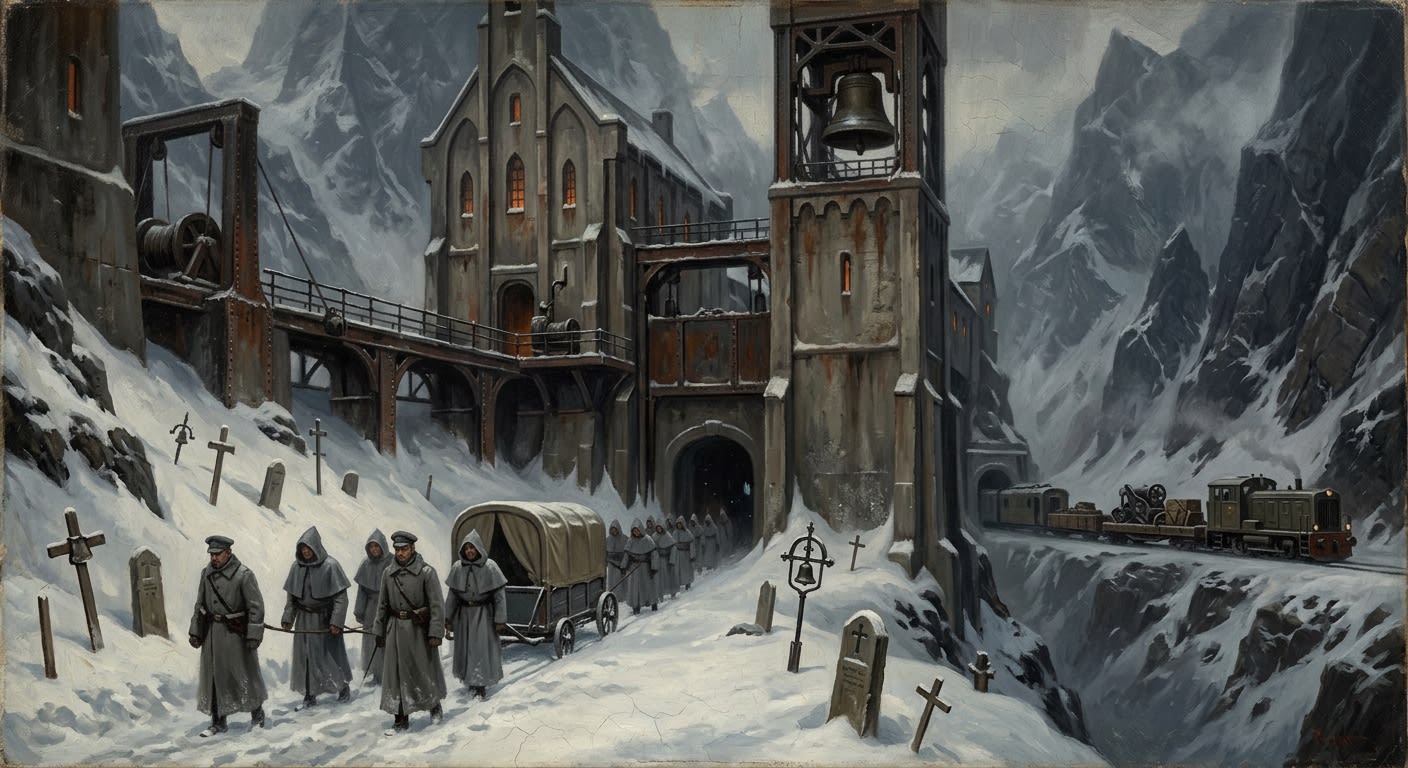
Swiss Cantons
Where mercy climbs uphill and stops writing back
The Swiss cantons keep passes, bells, hospice beds, and the Synod's most merciful disappearances beneath snow clean enough to indict Heaven.
Codex Ref. II.2.08-201
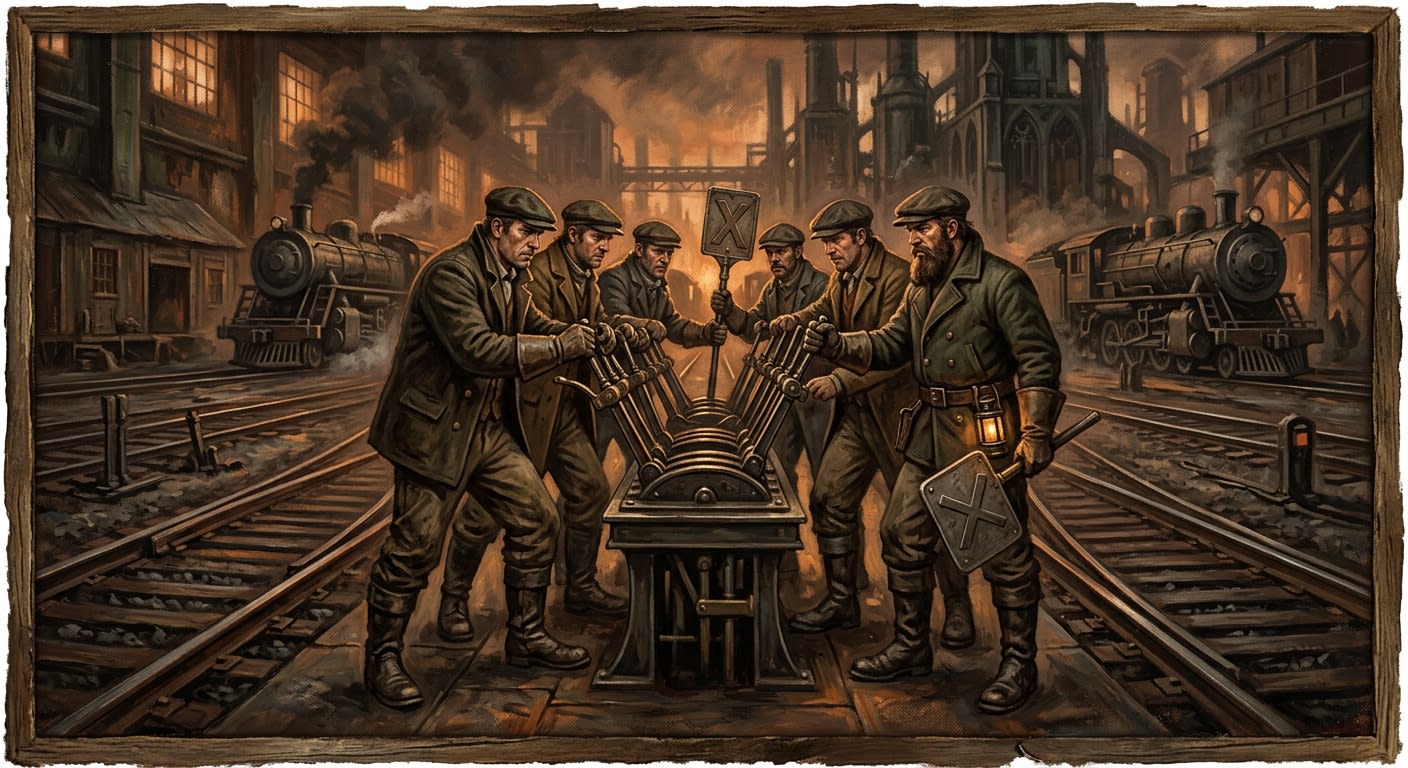
Switchmen's Union
The hand that throws may also refuse
The Switchmen's Union of Lorn is a safety brotherhood, a devotional racket, and the hand that can stop the Palatine Yard by refusing to throw.
Codex Ref. XI.5.01-001
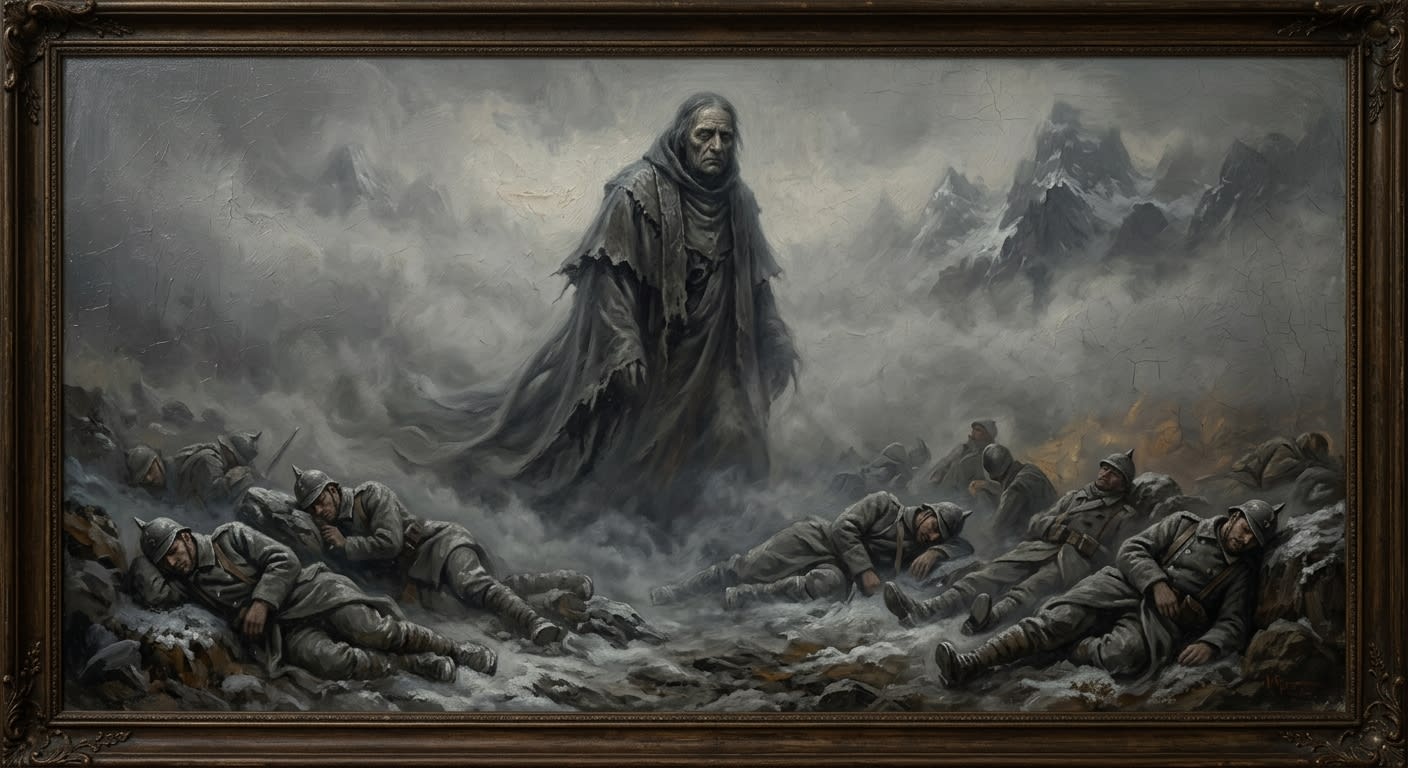
Syrion
The fog does not advance. It waits for you to stop moving.
Fourth of the Seven, Syrion holds the Bulgarian highlands in a fog of stillness and stolen time. He does not attack. He waits while you attack yourself.
Codex Ref. IV.1.07-004
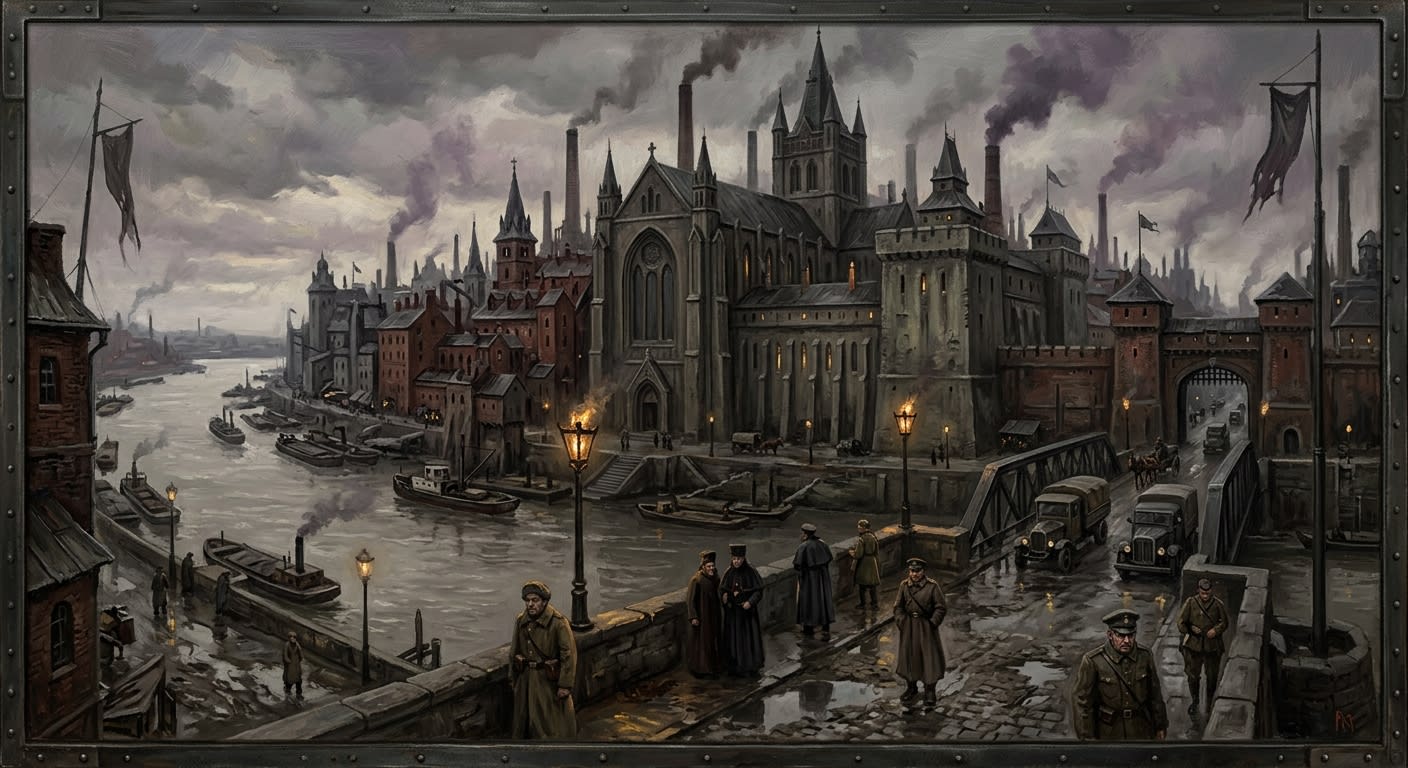
Szeged
The river city where the light failed while shining
Szeged is the Tisza city where psalm-light learned betrayal, candles died inward, and the road to Baja began reaching back with teeth.
Codex Ref. II.4.09-201
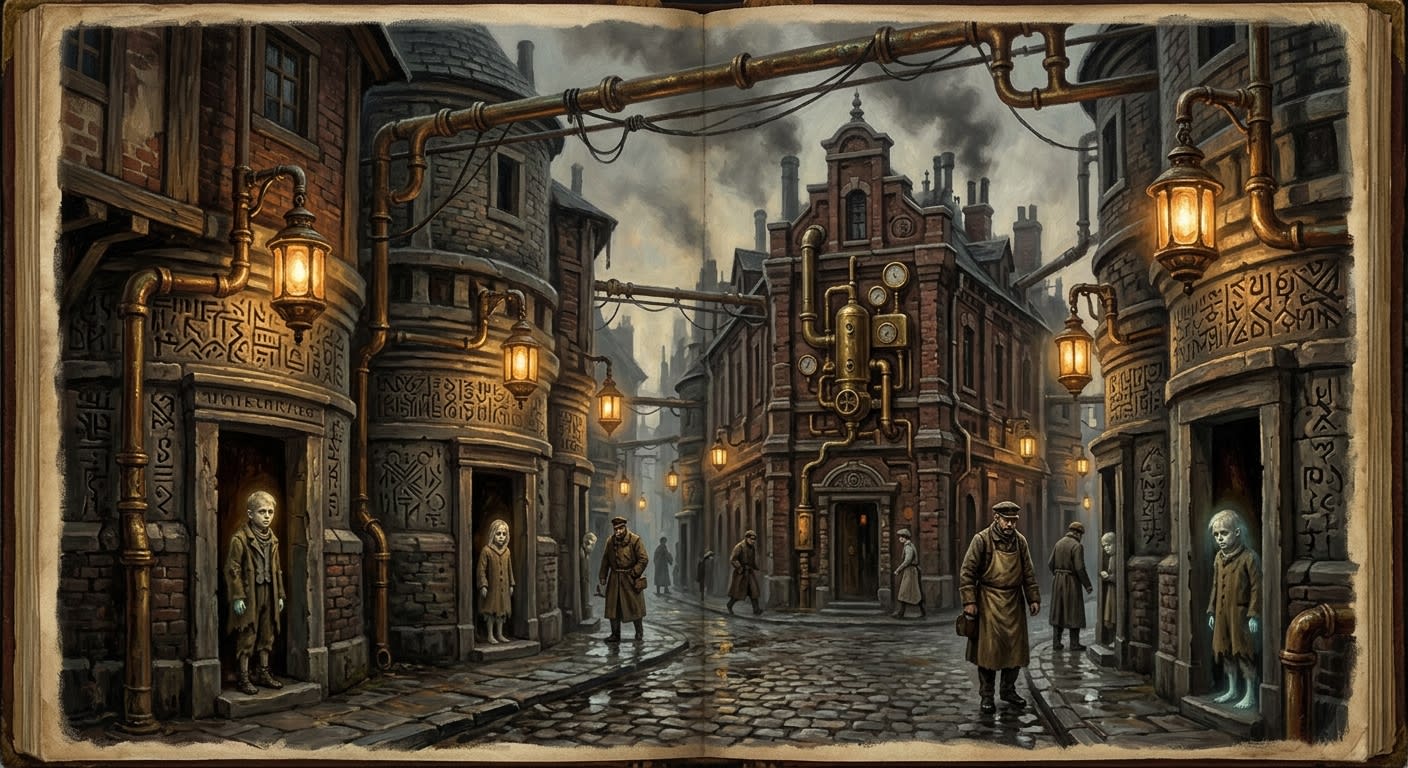
Târgu
The grave-ring town where walls learned doctrine
Târgu is the Przemyśl approach town where grave-rings house the living, walls recite through mortar, and surplus lamps taught children to glow.
Codex Ref. II.4.09-201

The Age of Heresy
A World Sundered, a Faith Forged in Fire
The definitive overview of the Age of Heresy — a continent sundered by demonic invasion, ruled by a theocratic bureaucracy of bells and ink, locked in eternal war against the Seven Sin-Generals. As compiled by the only man qualified to compile it.
Codex Ref. I.1.01-001
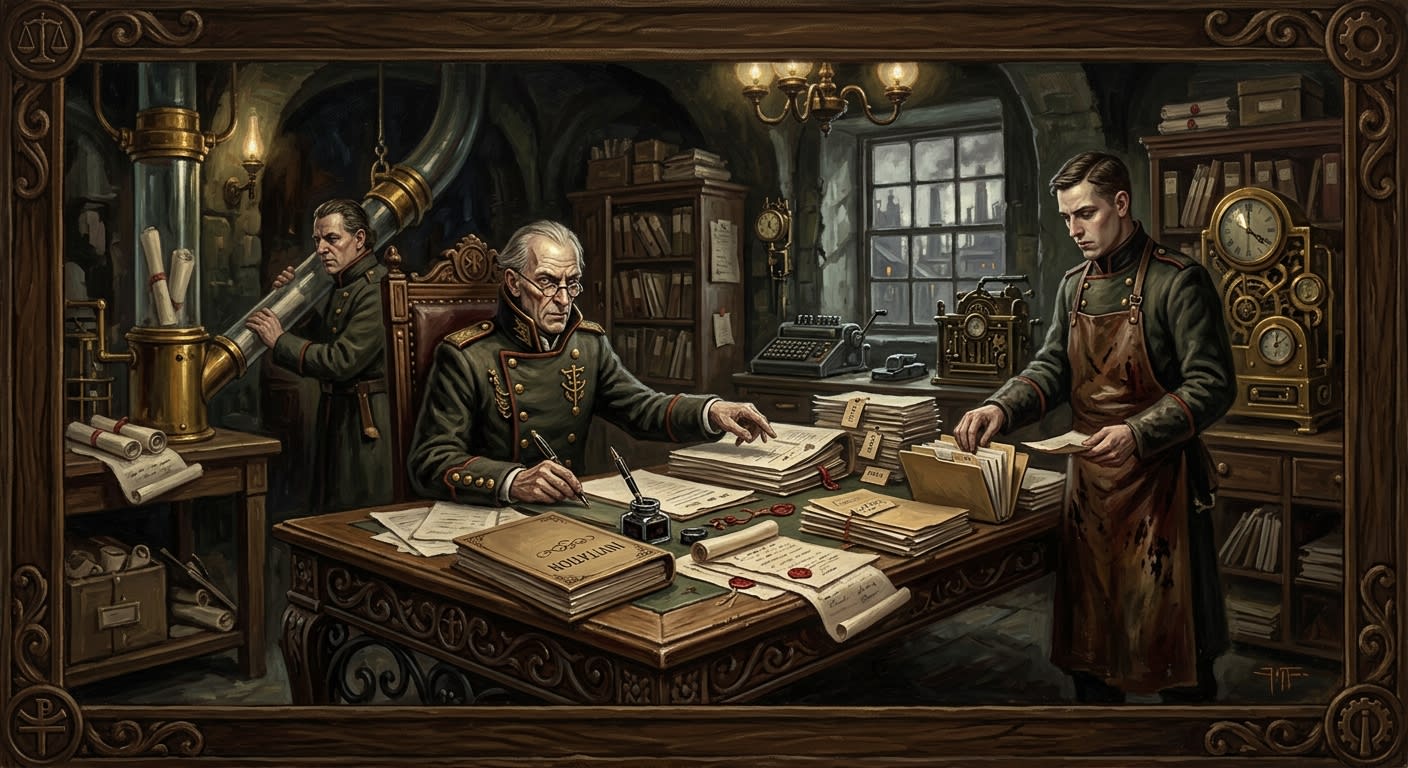
The Anti-Synod
Damnation keeps minutes when chaos would be merciful
The Shadow Court's rival bureaucracy answers Synod decree with invitation, poisoned fact, swift procedure, and papers that make treason feel appointed.
Codex Ref. XIII.1.26-001
The Apparatus Beneath Gate Nine
The Grindstone turns. The Bureau declines to comment.
Beneath Gate Nine of the Queue Road, forty-two feet below the Hearing Hall, a wheel turns. It has been turning since before the Synod existed. The Bureau of Doctrine classifies this assessment as pending. The Grindstone does not.
Codex Ref. II.3.06-001
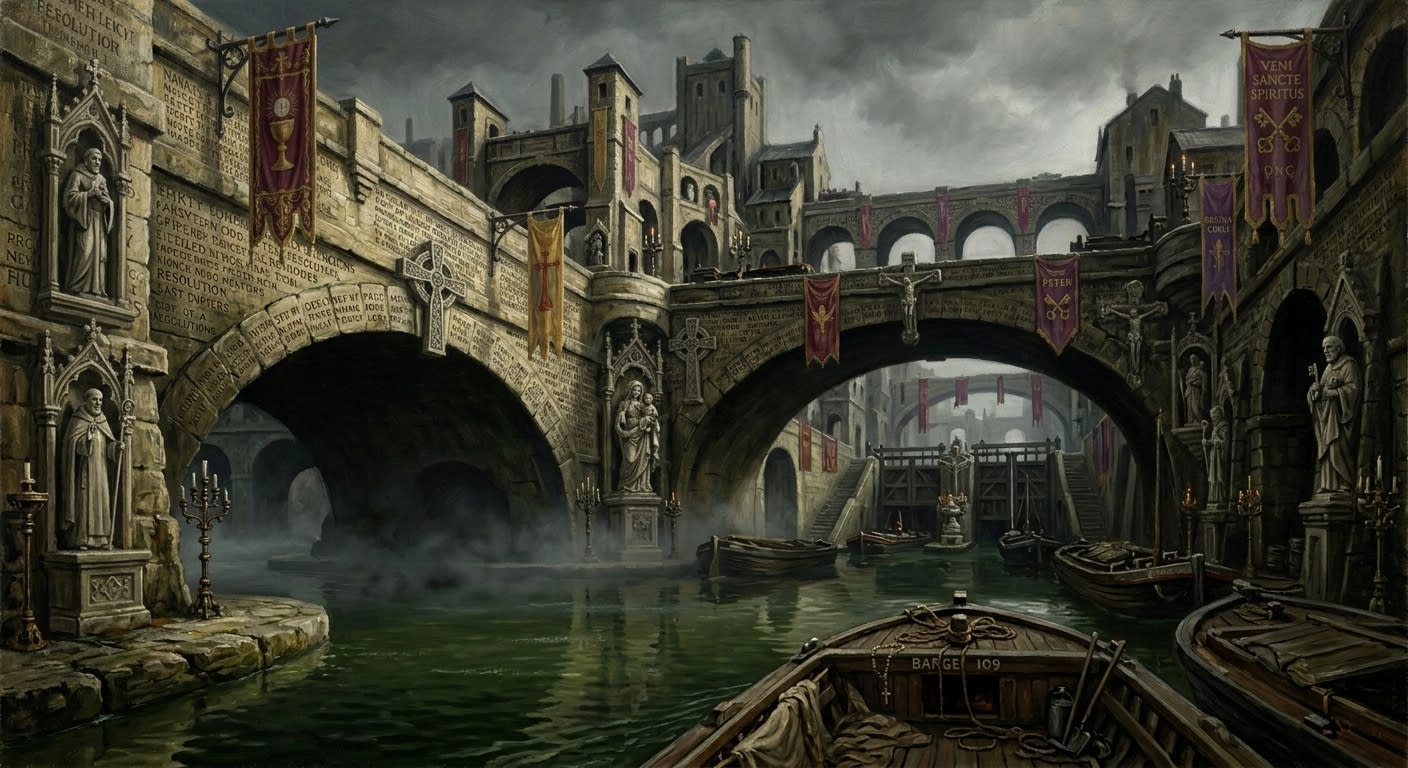
The Archivolt Causeyworks
Where stone keeps accounts, and every arch is also a court of law
A canal city where bridges are courts and debts are carved in granite — the Archivolt Causeyworks keeps its ledger in stone, and the stone has begun to listen.
Codex Ref. II.1.02-001
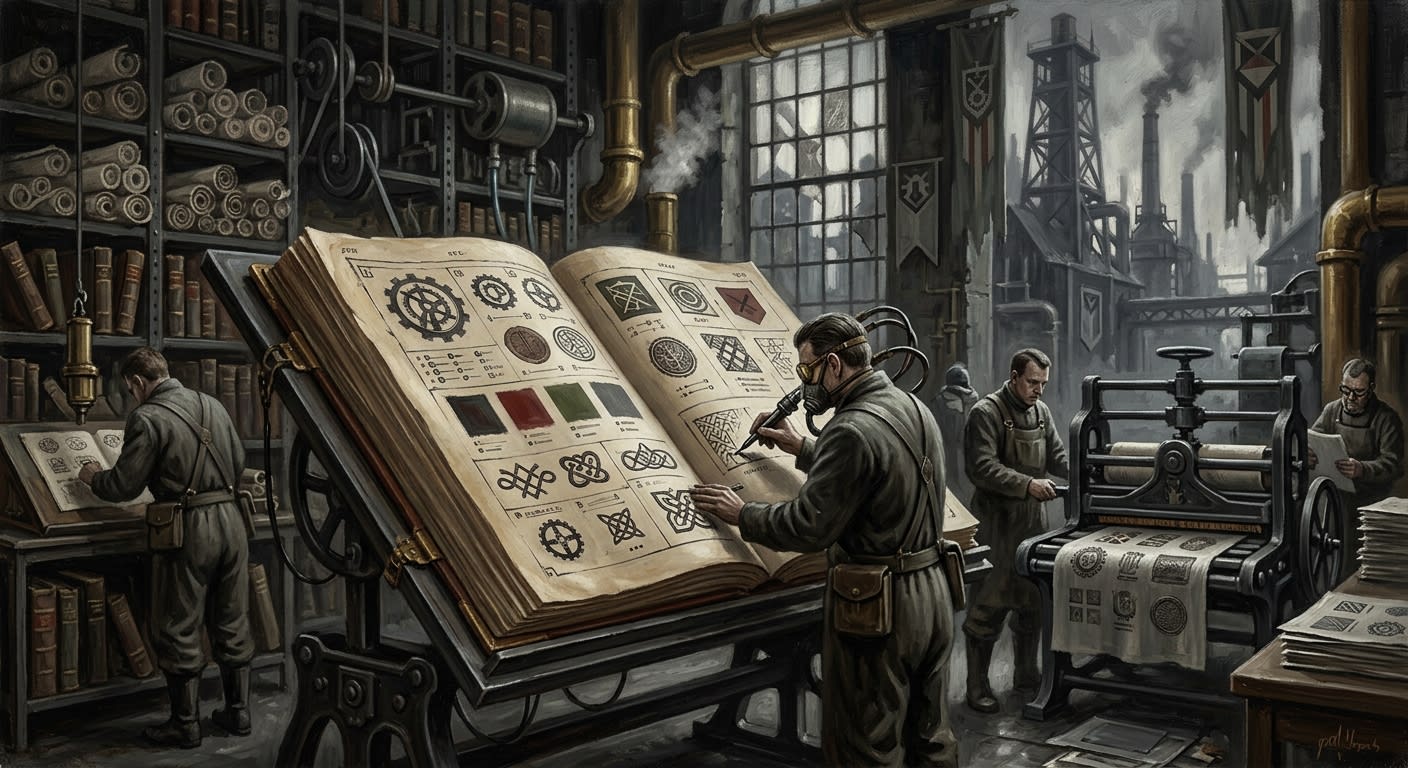
The Armorial of the Faithful
The book by which even colors learn obedience
The Armorial teaches every banner, crest, seal, colour, knot, and shop sign in the Synod the first virtue of a surface: obedience.
Codex Ref. VIII.1.03-002
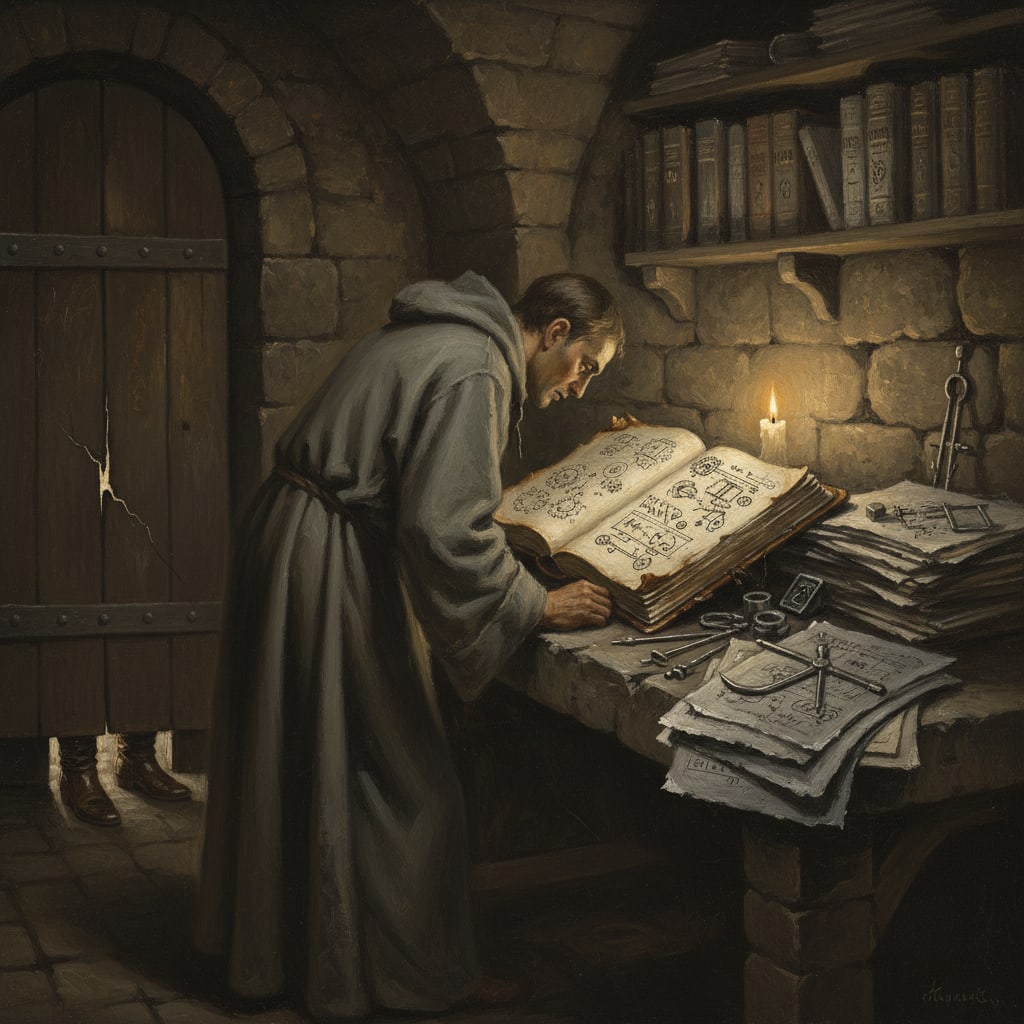
The Ashen Circle Scholar
What the Bureau Burns, the Circle Preserves — the Synod's Indispensable Heretic
The Bureau calls them poison. The front calls them indispensable. The Ashen Circle Scholar trades in what the Index Damnatus cannot afford to have gone permanently missing.
Codex Ref. XI.1.01-001
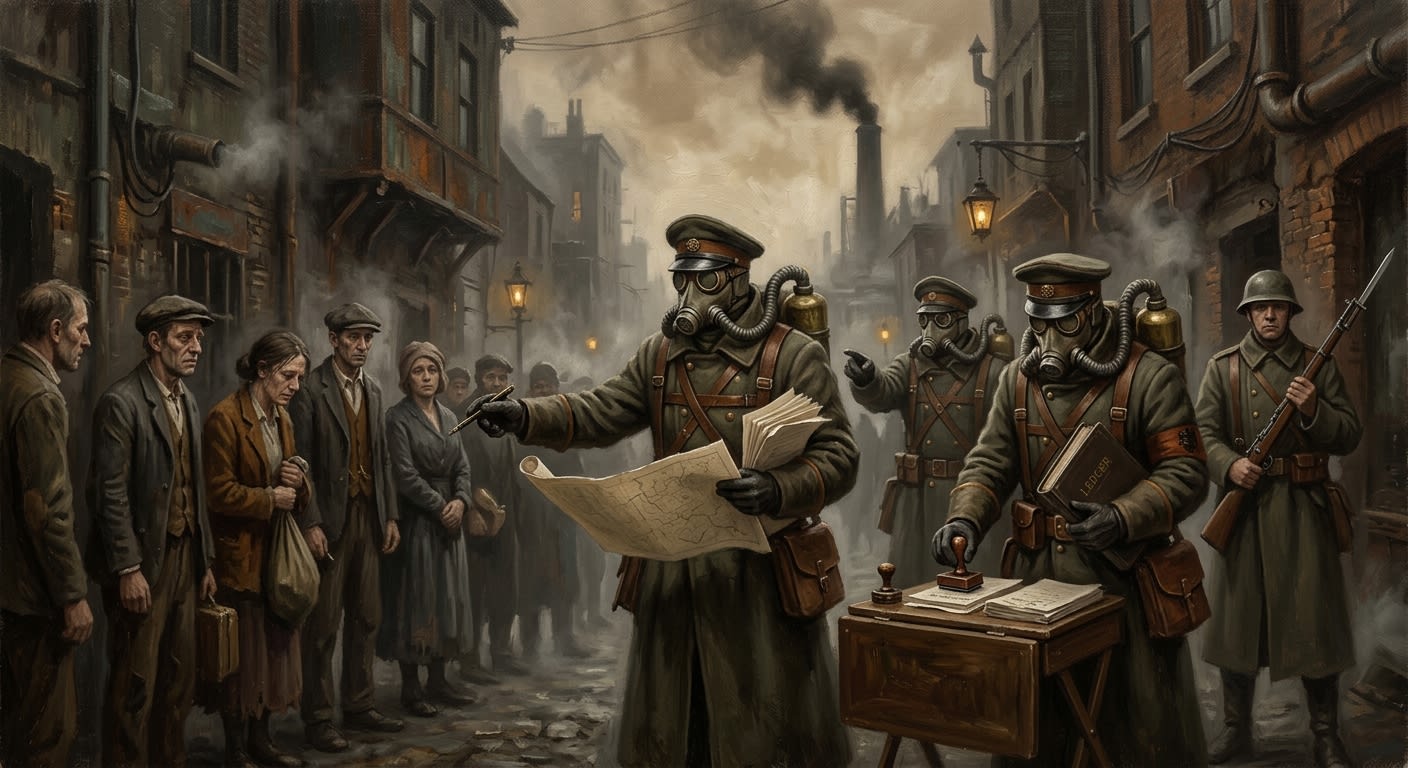
The Assignors
Men with maps, seals, and exactly enough authority to be hated
Assignors are Settlement field officers: map-carriers, permit-revokers, and escort-dependent instruments by which ink tells citizens where to stand.
Codex Ref. XII.2.06-001
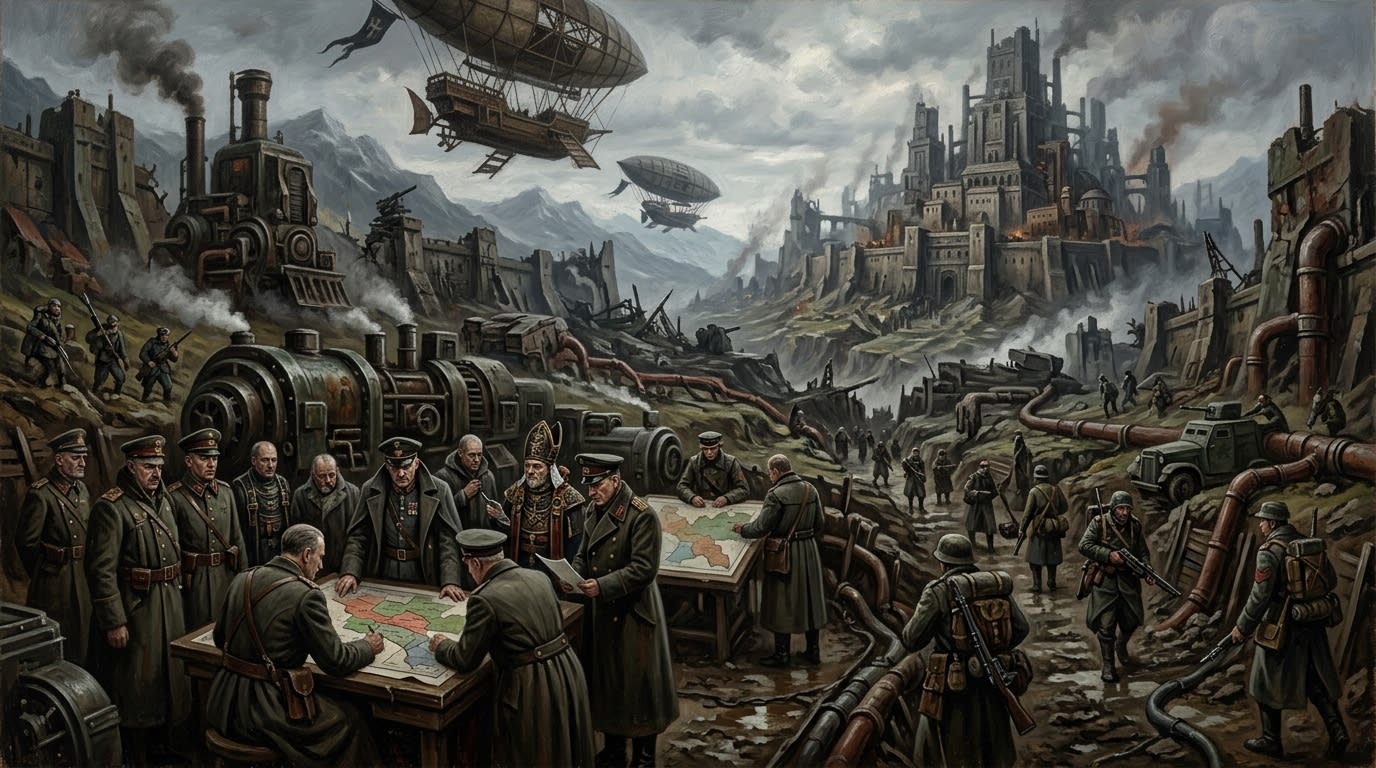
The Balkans
The wound that taught Europe to count its bleeding
The Balkan wound-region, broken first by the Eastern Silence and the Sundering, then divided into Synod margins, contested corridors, Sin-General dominions.
Codex Ref. II.6.05-045
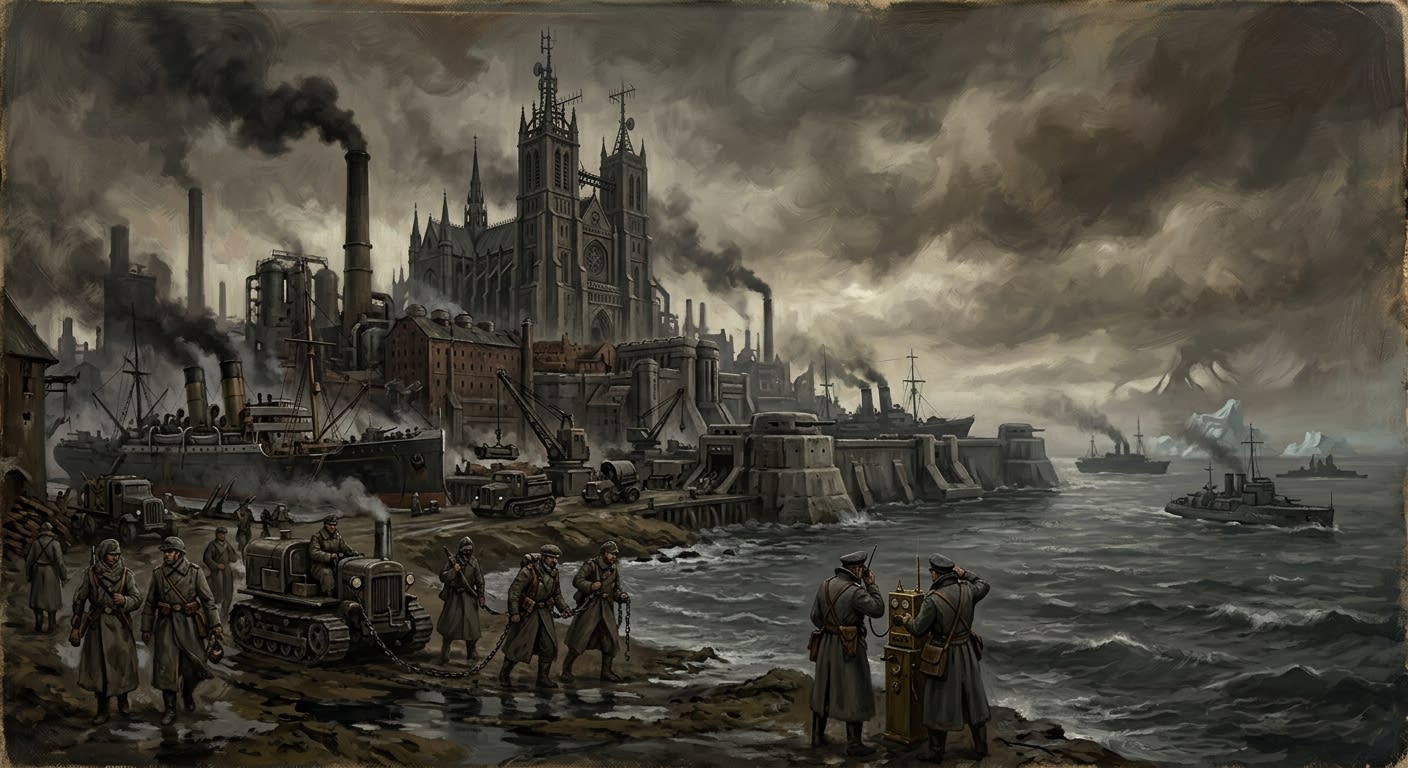
The Baltic
The cold sea at the end of the Line, claimed by ink and not by water
The Baltic northern war basin, where the Sagittal Line ends at Königsberg, Danzig feeds the cold corridor, the Fractured North rings older bells, and Grey Water listens.
Codex Ref. II.8.01-065
The Battle of the Iron Plains
Where twelve thousand trained men died proving that competence is a necessary but insufficient condition for survival
Twelve thousand Rationalist professionals deployed in textbook formation on 1 November A.S. 45. Fire fell from a cloudless sky. The Bureau calls it evidence. The ground still rings when struck.
Codex Ref. VII.5.01-001
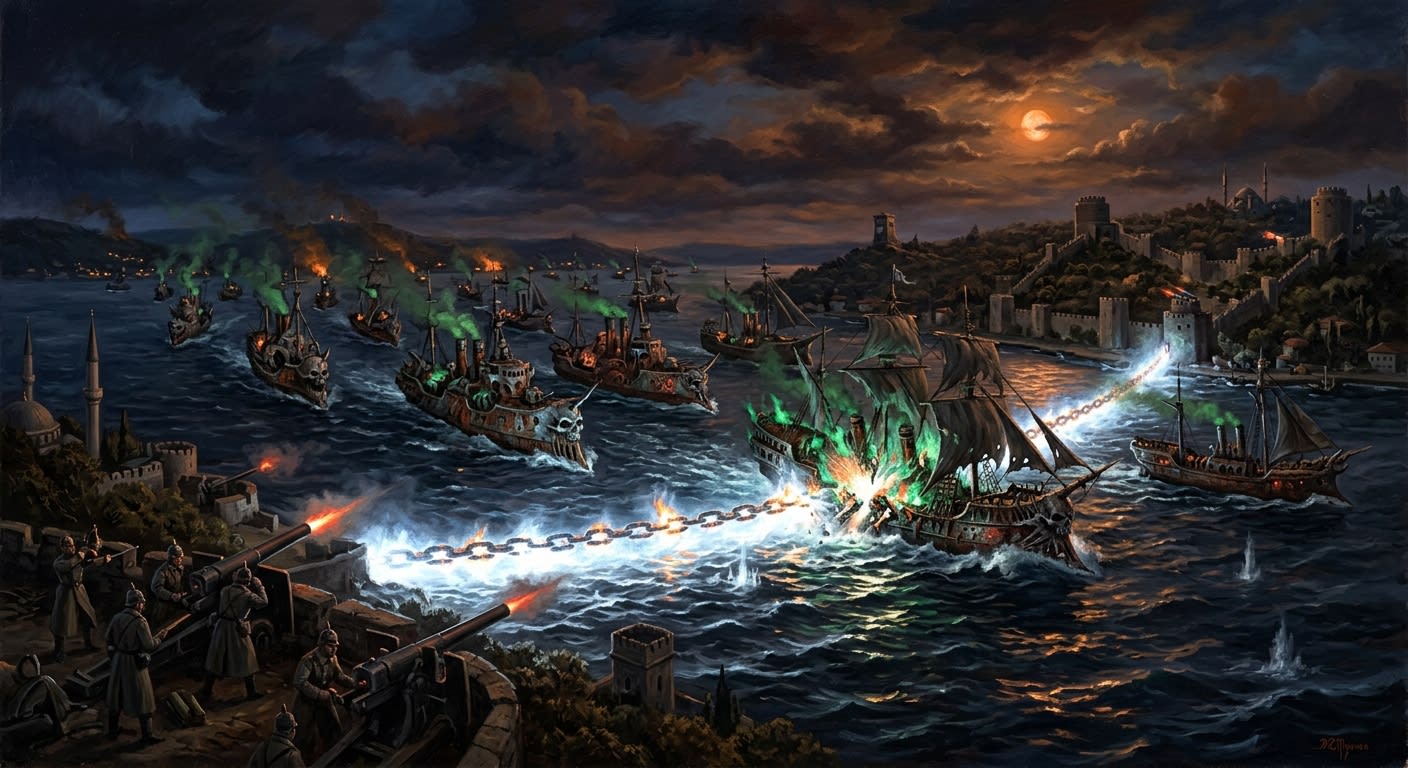
The Black Sea Armada
Forty-seven ships. The Bureau counted them twice. The second count was worse.
On the night of 14 Ferrum, A.S. 162, forty-seven demon vessels entered the Bosphorus. The Chain of Saint Anakletos held — and burned white-hot for seven hours. Forty-three ships destroyed, the chain gone dark ever since, and one ship never found.
Codex Ref. VII.4.01-001
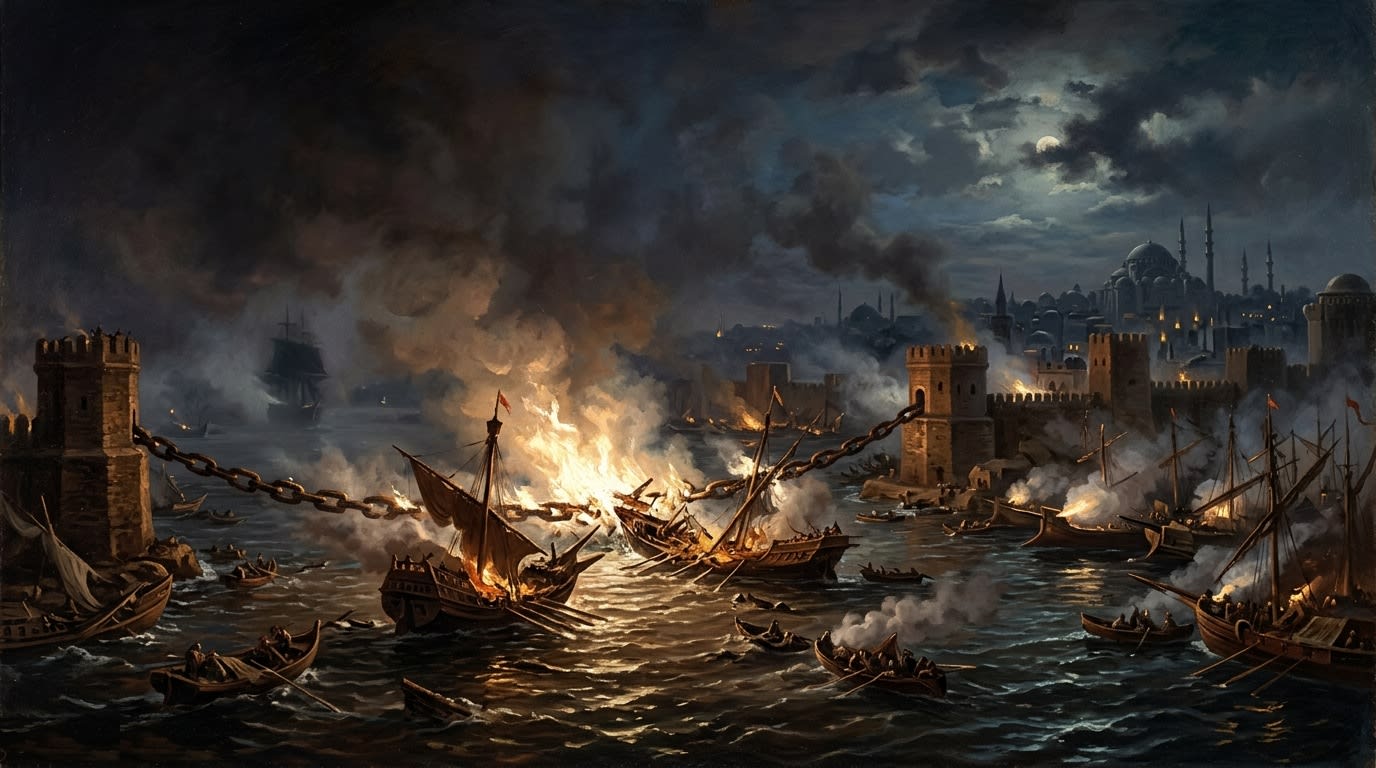
The Black Sea Armada Engagement
Forty-seven ships entered the ledger; one refused arithmetic
The A.S. 162 naval assault on Bastion-Constantinople's Harbor of Chains: forty-seven demon vessels, seven hours of white fire, and one ship-shaped absence still drawing interest.
Codex Ref. VII.5.10-162
The Black Sea Reliquary Flotilla "Saints Afloat"
The sea does not answer to the Bureau. The Bureau answers to the sea.
Two hundred and thirty-seven hulls lashed into a drifting city on the Black Sea, carrying six hundred saints and eighteen thousand souls — administered, tithed, reparished by storms, and anchored to something the Bureau of Doctrine has declined to name.
Codex Ref. II.4.09-002
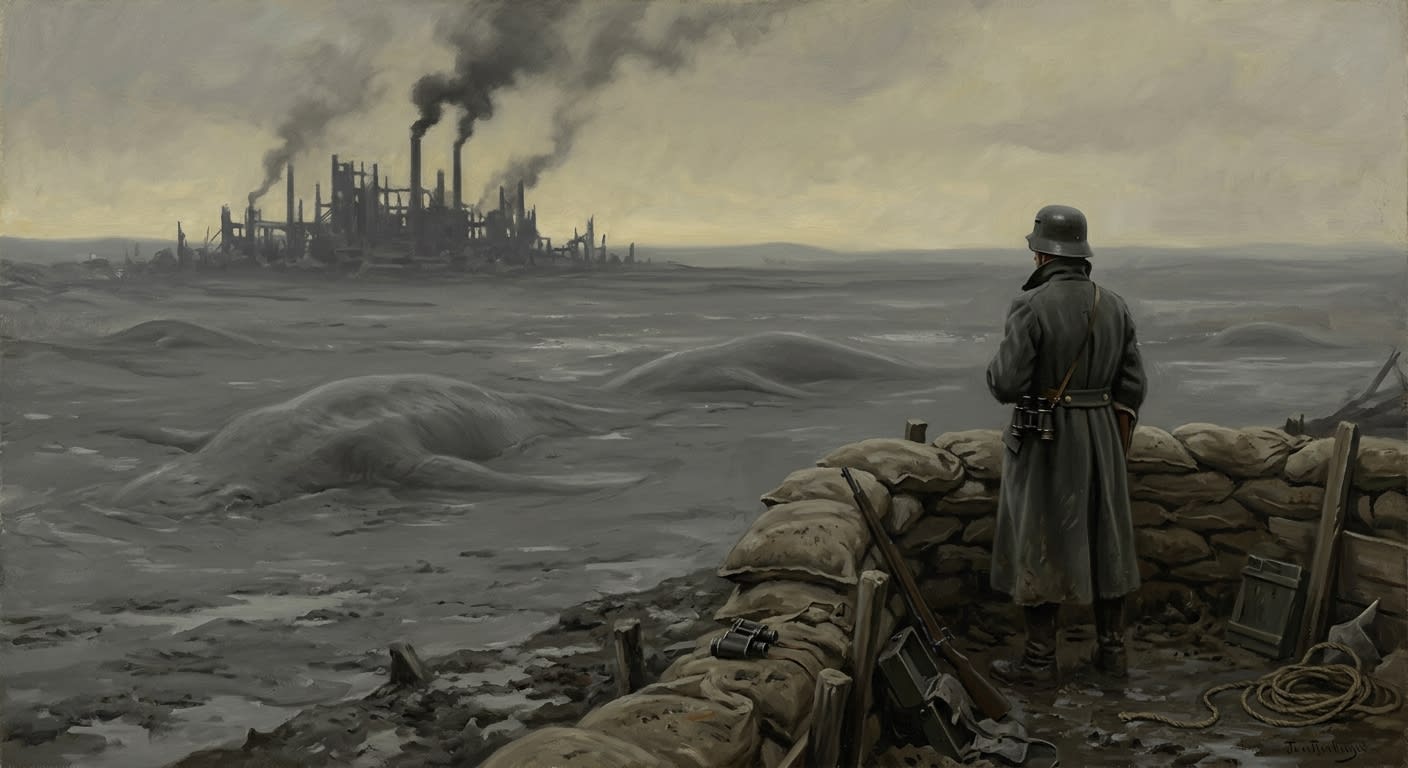
The Blightmarsh
Kargath's larder, fully stocked, permanently empty
The consumed plains of Hungary — twenty-three thousand square miles of grey mud, expanding mouths, and hunger that does not end. Kargath's forward infrastructure. The Sagittal Line's nearest unsolvable problem.
Codex Ref. V.6.01-001
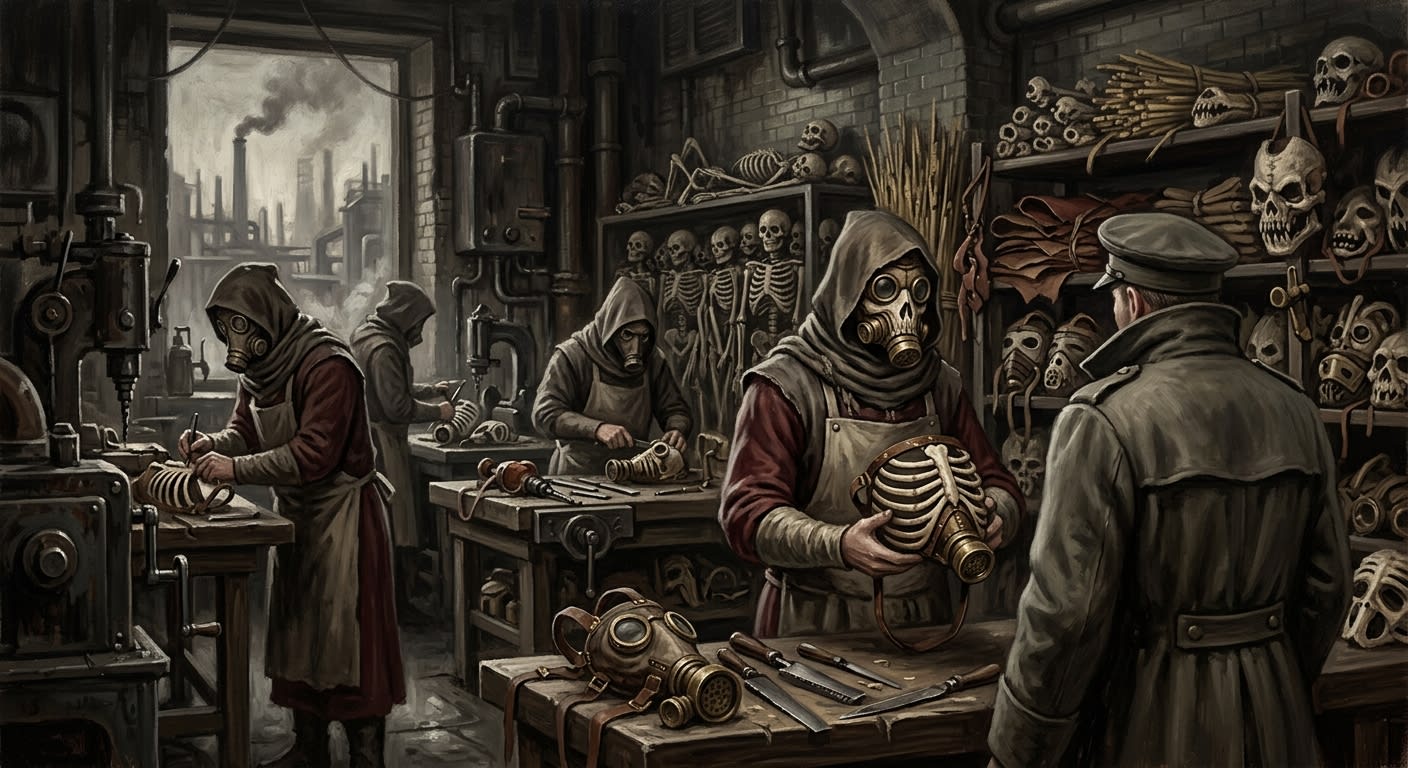
The Bone-Guild of Rib and Reed
No Guild lattice, no Guild guarantee
Black-Snow Lor's Bone-Guild sells the useful mercy of breathing: masks, shutters, vent-screens, and monopoly, all carved from the dead.
Codex Ref. XII.41.01-001
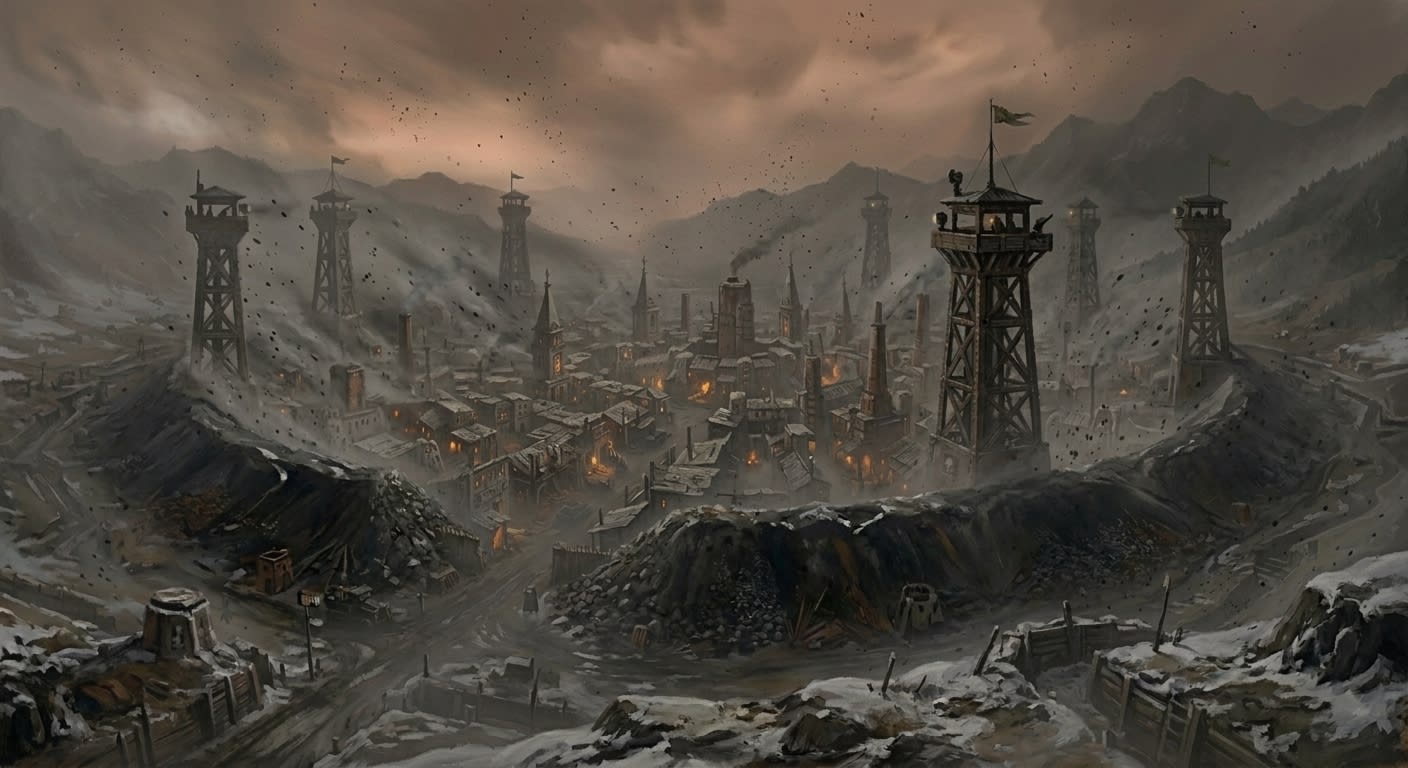
The Bone-Lattice Warrens of Black-Snow Lor
Where the dead are structural and the living pay by the breath
Frontier storm-shelter accreted into a town on the Carpathian edge of the Line — where the air is taxable, the architecture is anatomical, and the Bureau of Alchemical Standards has had a classification pending since A.S.
Codex Ref. II.4.08-002
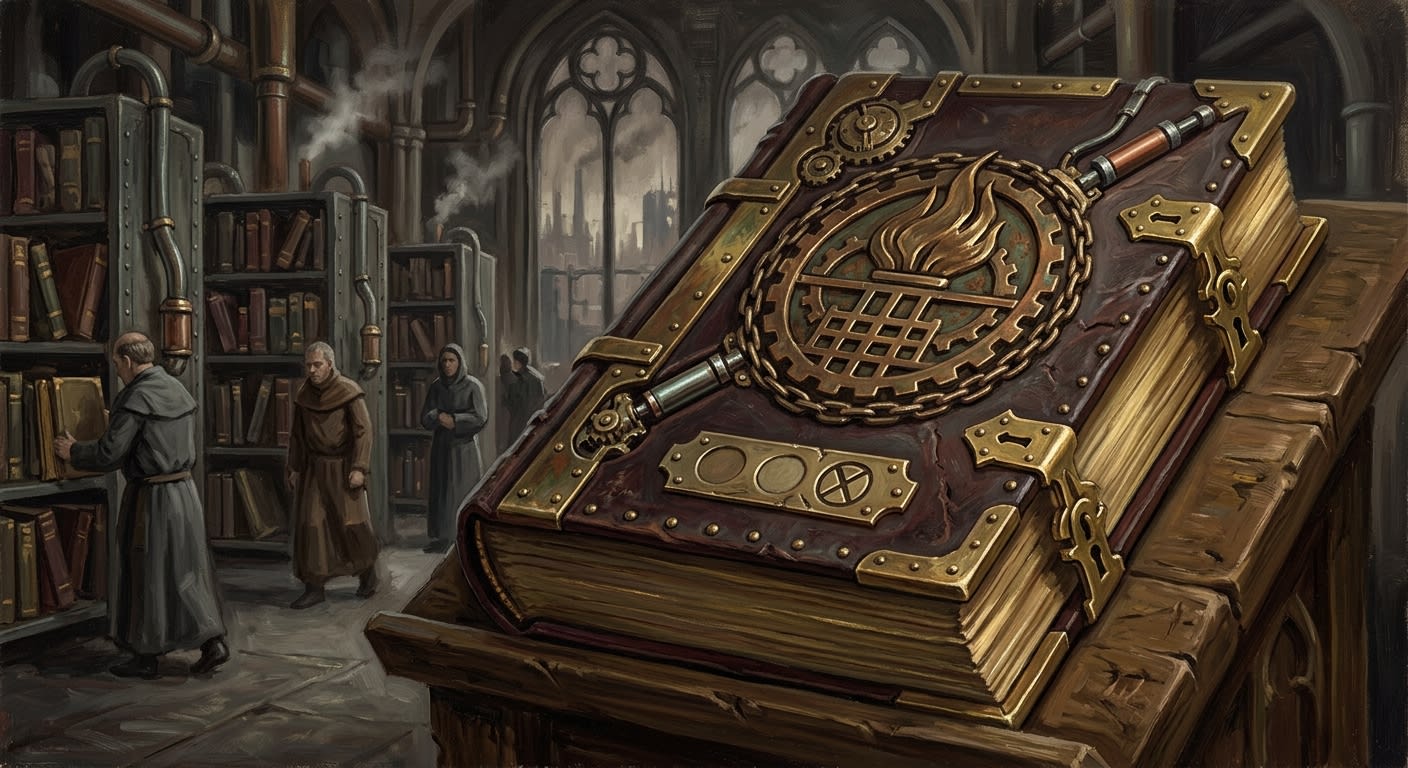
The Book of Promise
The child is named, measured, forecast, and gently confiscated
The Book of Promise is the Synod's vocational pre-allocation ledger, where baptism becomes forecast, childhood becomes collateral, and hope receives a quota mark.
Codex Ref. XIII.1.22-001
The Bosphorus
The water has not countersigned
The Bosphorus is the southern hinge of the Sagittal Line: chain-defended, tariff-choked, relic-strung, and still refusing to admit that water can be owned.
Codex Ref. II.4.09-004
The Bug River
The moat has learned to audit the drowned
The Bug River is Bastion-Brest's natural moat: cold water, legal throat, corpse archive, anomaly carrier, and the wet witness beneath the Brass Ribs.
Codex Ref. II.4.08-066

The Bureau of Heraldry
The grammar of loyalty, measured in ink and iron
The Bureau of Heraldry controls what the Synod is permitted to look like. Every crest is a sentence. Every unregistered symbol is a rebellion not yet named.
Codex Ref. VIII.1.03-001
The Bureau of Mercy
Compassion Is a Ration. A Ration Is a Policy. A Policy Is the Synod's Will.
The Bureau of Mercy administers the Synod's hospitals, orphanages, broth-kitchens, and Hospices of Departure — every institution where subjects are at their most vulnerable and therefore most in need of documentation.
Codex Ref. VI.4.12-031
The Bureau of War
The Crimson Sash and the Sanctified Bayonet
Founded after the Siege of Vienna so that the Faith would never again beg feudal lords for swords. War raises the levy, baptizes the bayonet, and writes after-action reports indistinguishable from scripture.
Codex Ref. III.2.07-041
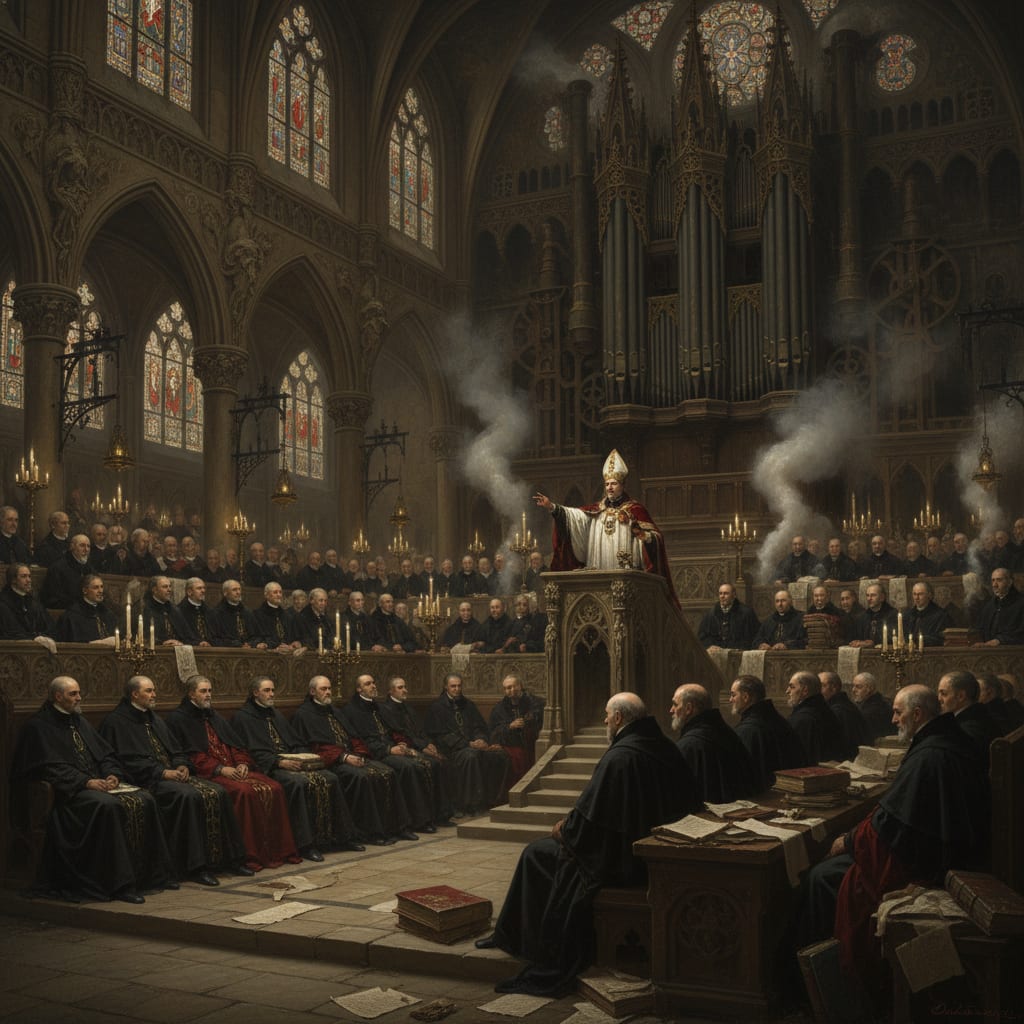
The Bureaucratic Synod
Throne and Altar, Quill and Sword
The ruling theocracy of Europa — born in blood, forged in ink, and maintained by a bureaucratic apparatus so vast that even its own clerks cannot map its full extent. As explained by its finest servant.
Codex Ref. I.3.01-004
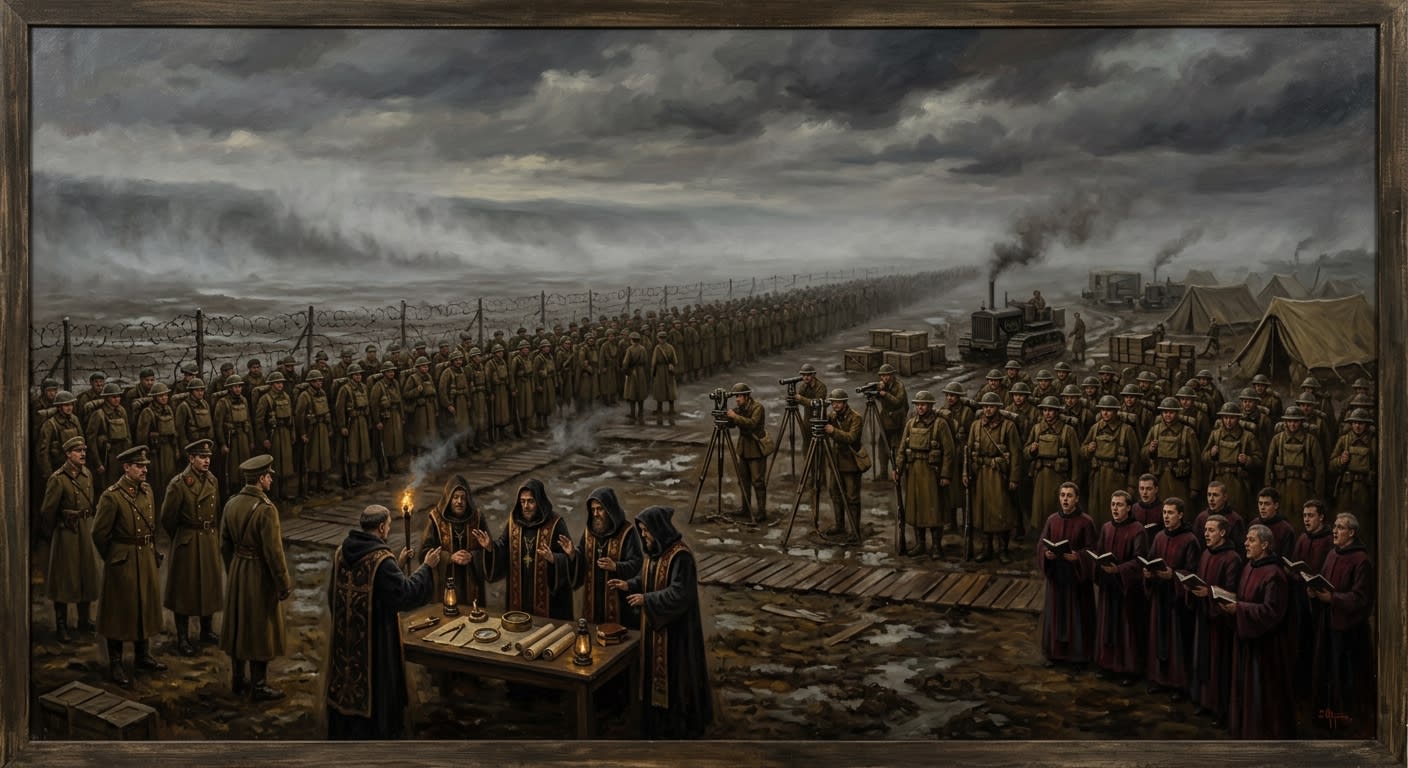
The Cartographic Expedition of A.S. 73
Three hundred men went to draw a map. The map drew them instead.
In A.S. 73, three hundred men entered the Charnel Lands to draw a map. Fourteen returned, and on every folio they carried — drawn in charcoal, ink, graphite, and in one case blood — the same face. Commission 73-C is closed. Its lesson is not.
Codex Ref. VII.1.01-001
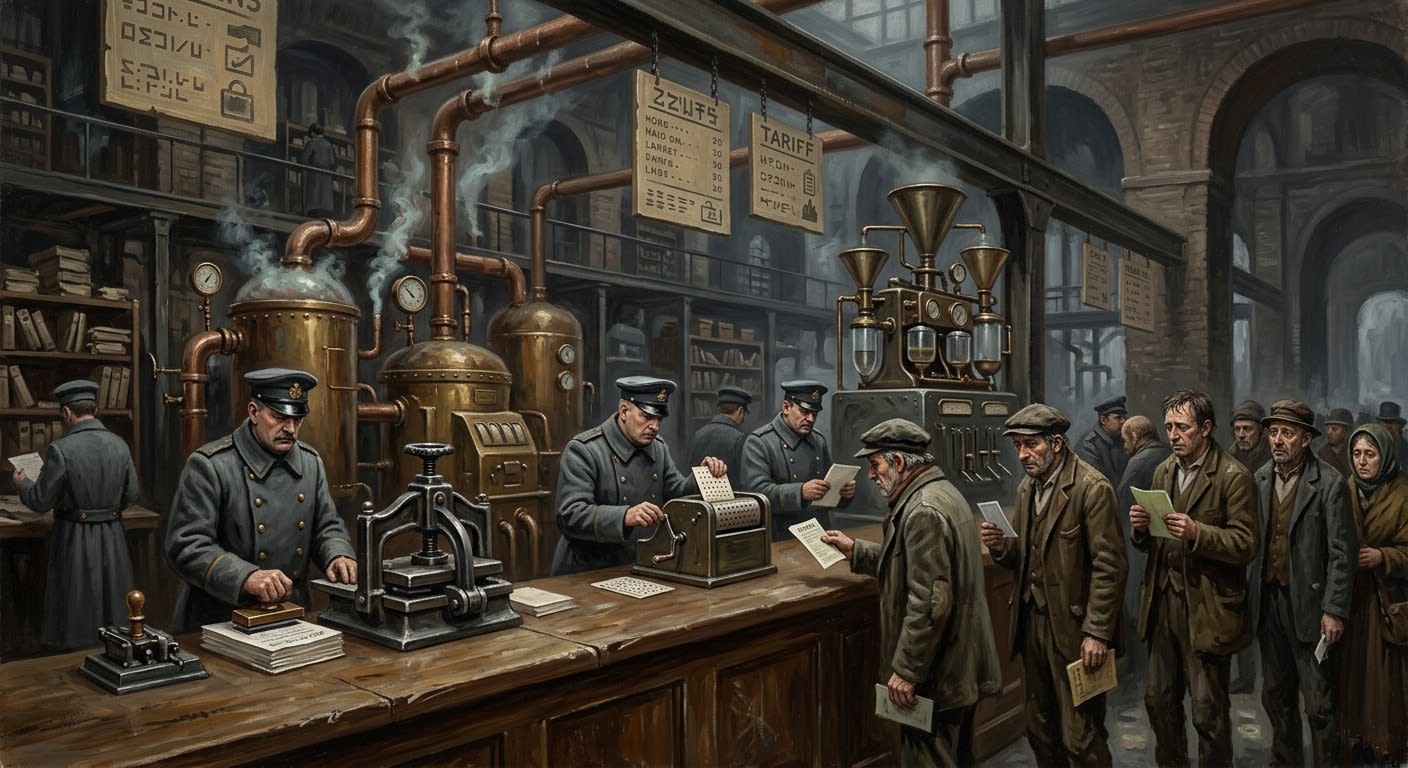
The Censorium of Taverns
Joy is safest when entered, weighed, and extinguished by permit
The Censorium of Taverns is the Bureau of Festivals sub-office that licenses drink, meters laughter, pumps curfew-fume, and proves that even joy may be made obedient by placard, bead, and ash.
Codex Ref. VIII.5.07-001
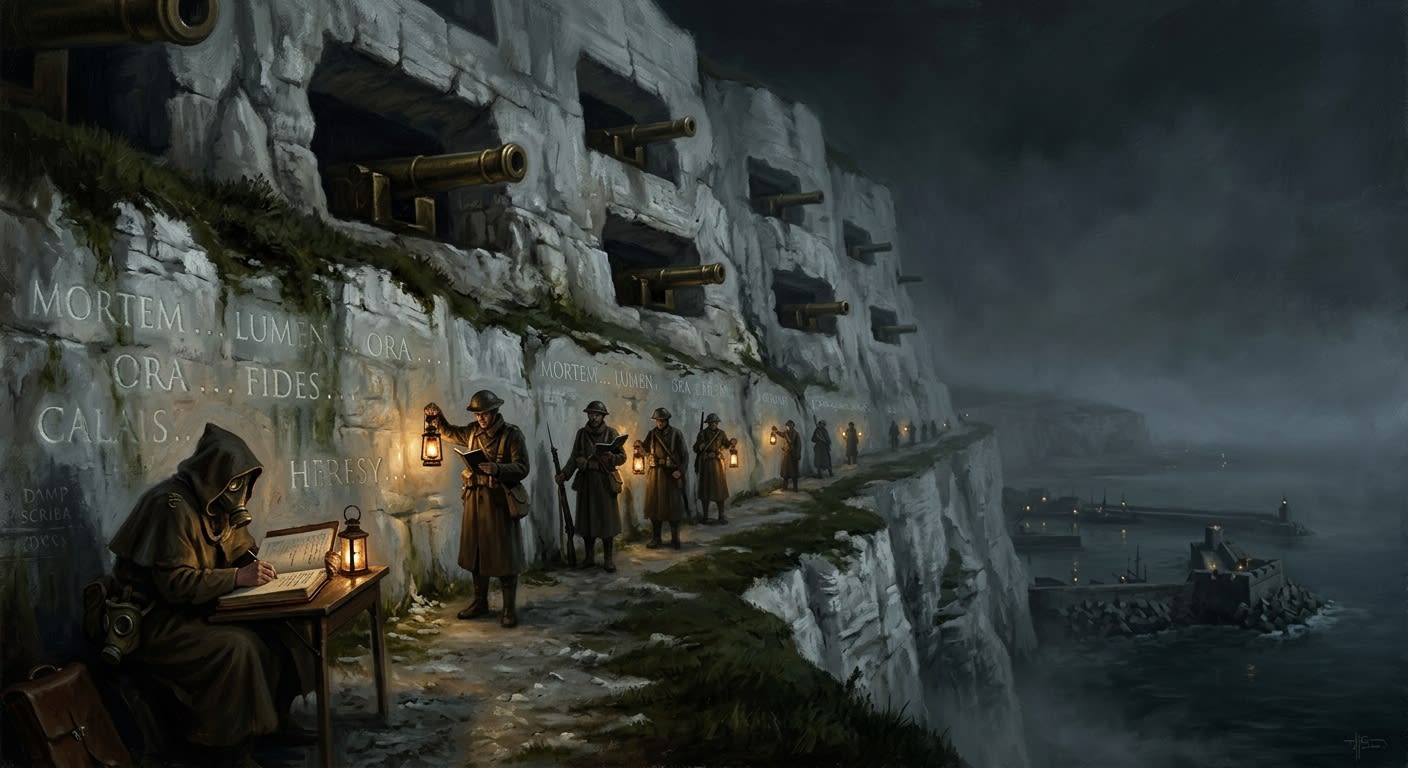
The Chalk Redoubt of Calais
What the Sea Remembers, the Stone Writes
Coastal installation at Calais, where the cliff face writes names in fog and the garrison reads them aloud each night — lest the sea claim what the chalk has named. The Bureau calls it pareidolia. The drowned call it correspondence.
Codex Ref. II.4.09-004
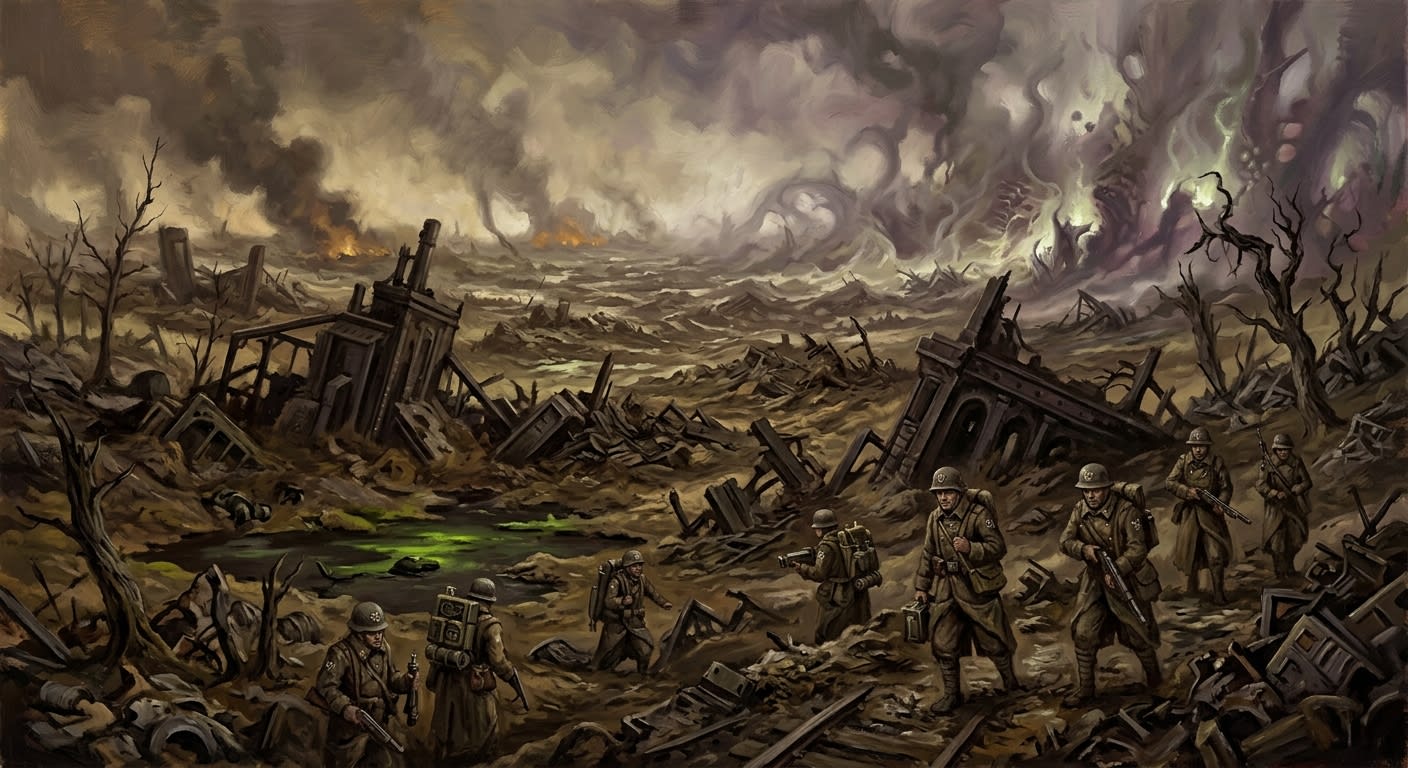
The Charnel Lands
The East keeps our failures alive in hostile weather
Zone 6 is the Synod's polite name for the Charnel Lands: the demonic East where appetite has borders, maps fail, and names come home missing.
Codex Ref. II.6.06-001
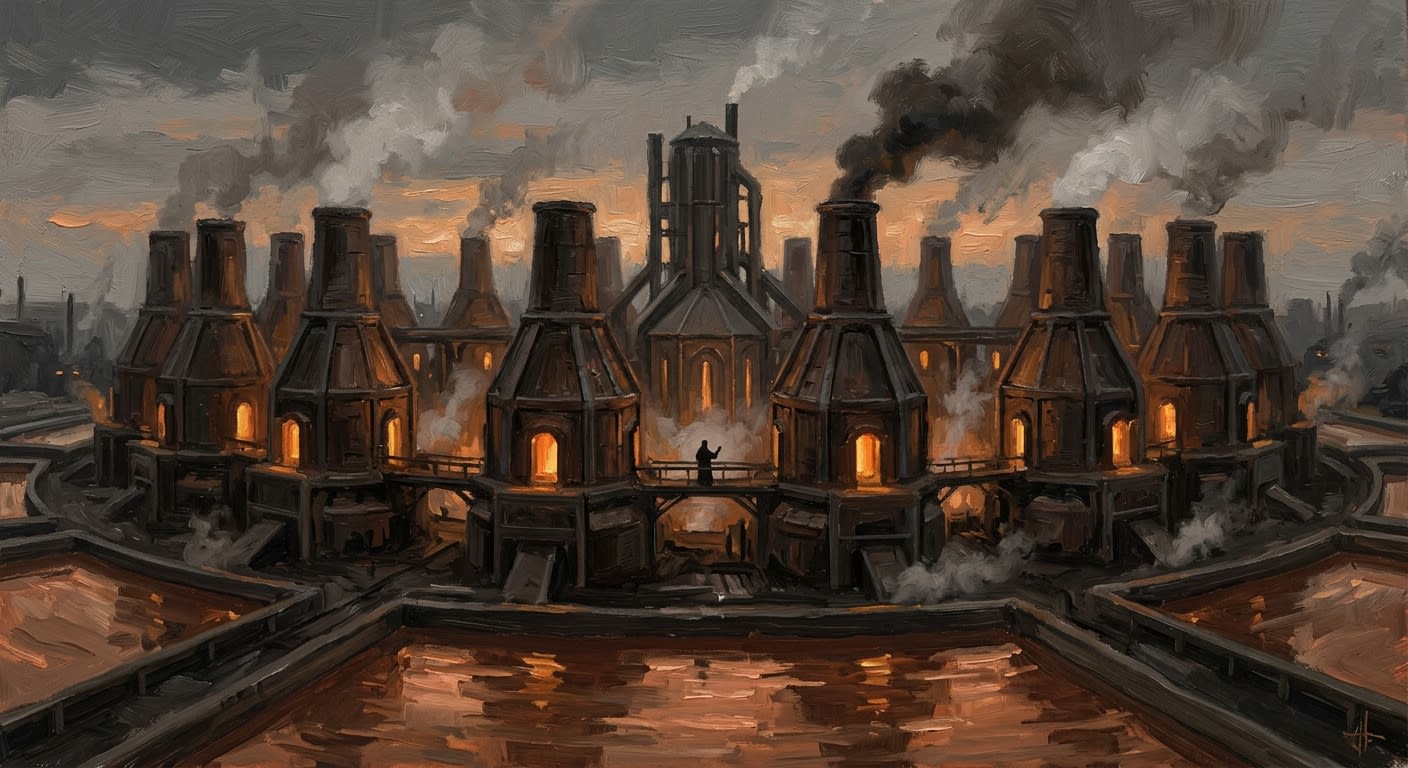
The Chrismole Furnaces of Brast
Faith provides the flame; the Bureau provides the invoice
Ninety-two thousand souls and an unknown number of engines live in Brast, the continent's only producer of sanctified chrismole fuel — and something in the furnaces has recently begun to sing back.
Codex Ref. II.2.01-003
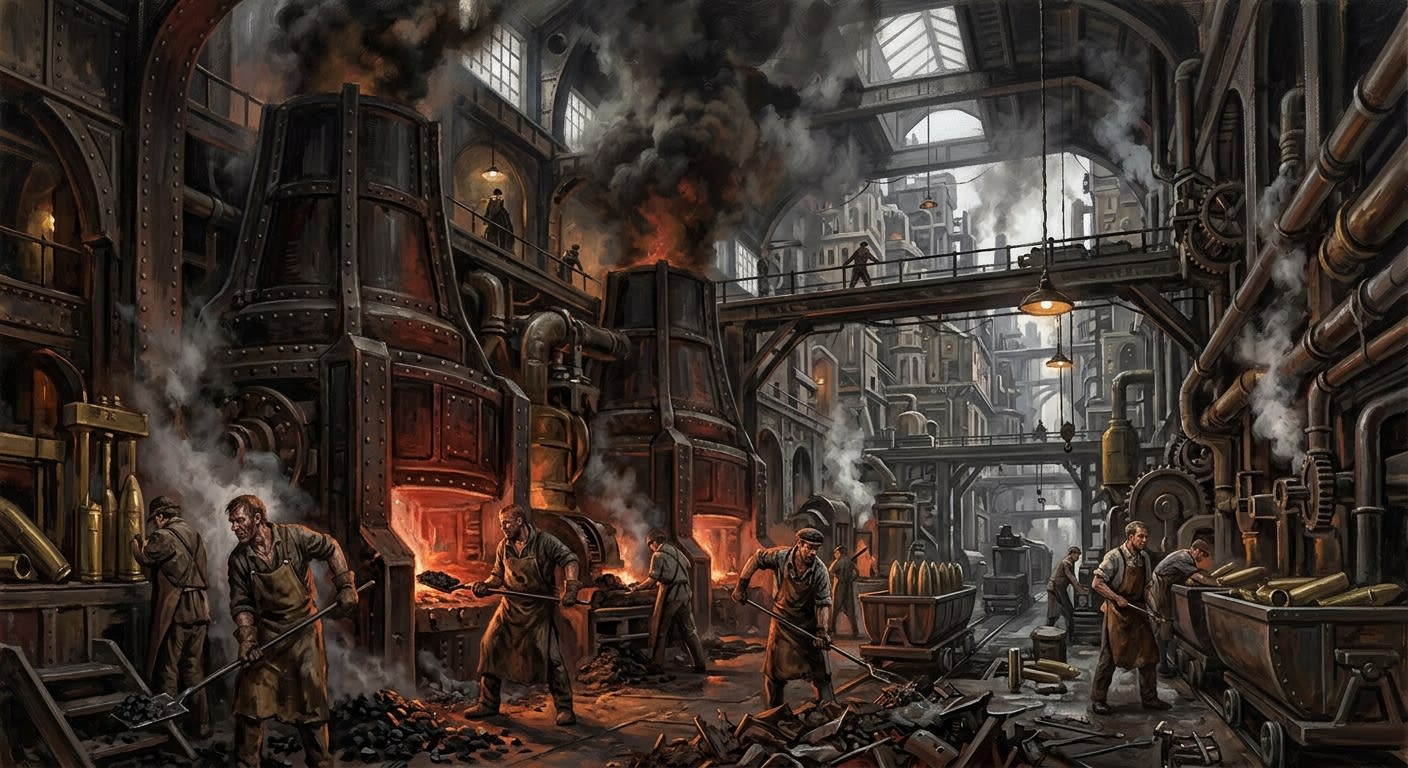
The Chrismole Furnaces of Brast
Where oil learns hymn and iron consents to kill
Brast is the Warm City, a Zone 2 foundry-city whose chrismole furnaces turn fuel, hymn, soot, and denial into artillery breath for the Line.
Codex Ref. II.2.01-003
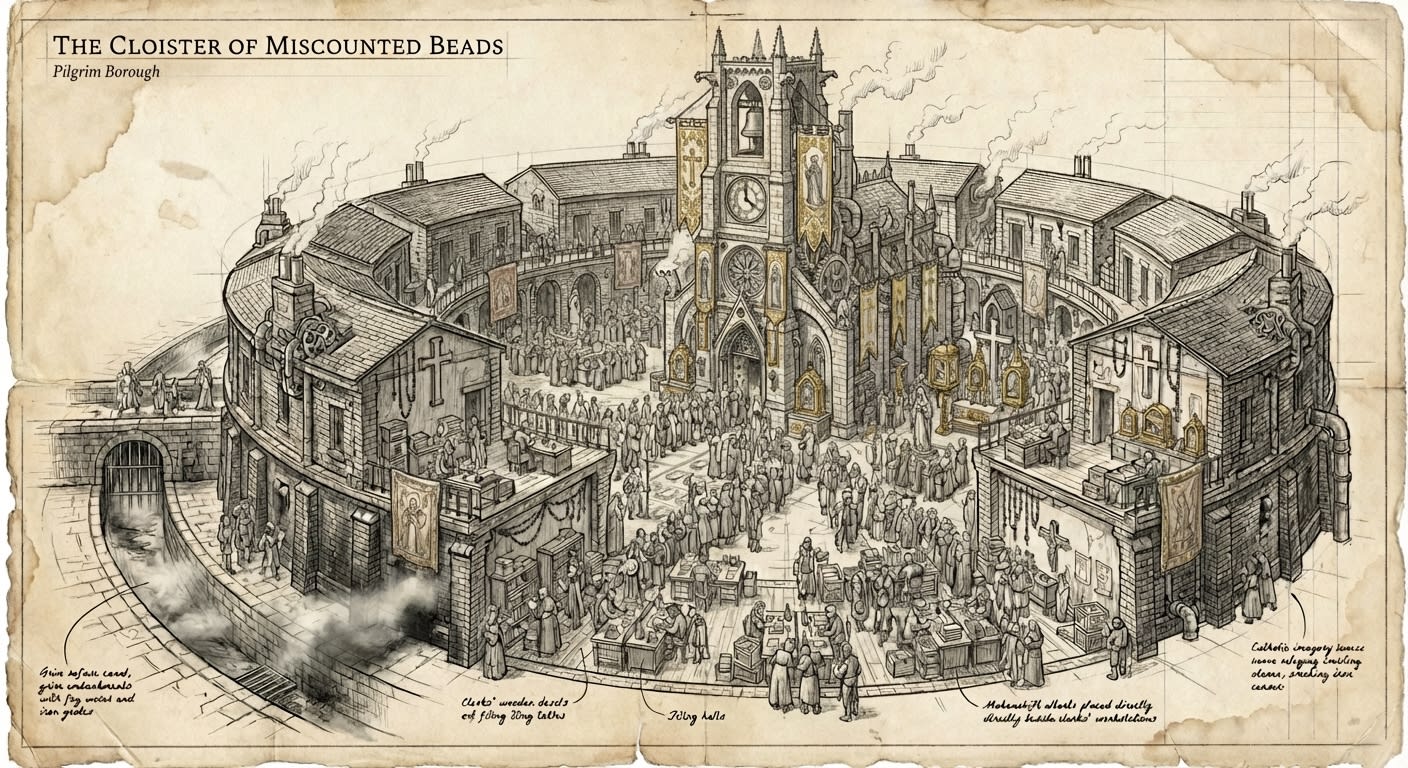
The Cloister of Miscounted Beads
The Bureau does not distinguish between mercy and procedure. Both produce the same paperwork.
Strasbourg's pilgrim processing facility, where six thousand souls await bead reconciliation, the dead reappear on intake rosters, and the Bureau of Records declines to call any of it a problem.
Codex Ref. II.2.06-001
The Coexistence Heresy
The treaty Hell offers while still chewing the witnesses
Fourth of the eight proscribed heresies, the Coexistence Heresy teaches that mankind should bargain with demons; Doctrine answers that Hell only negotiates while digesting.
Codex Ref. XIII.1.37-001
The Collapse of the Rationalists
The Adversary did not invade. It arrived.
The Rationalist Republic dismantled every spiritual defence on the continent, and in A.S. 45 the Adversary walked through the unguarded door. A doctrine article, a body count, and a mandatory catechism text.
Codex Ref. VII.2.01-001
The Commerce Clerk (Tariff-Chapel Weigher)
The man who stands between a bastion and famine, and who resolves the question with the splintered bone of a saint.
The Synod's most bribable sacrament: the chalk-fingered clerk whose iron scale, calibrated against saint-bone, determines whether a bastion eats.
Codex Ref. XII.8.01-001
The Common Allegiance
Seven pages that ended the age of a thousand altars
Drax examines the seven-page A.S. 55 charter that bound dioceses through local subscriptions and helped build the authority later formalized at Strasbourg.
Codex Ref. VI.5.01-001
The Concordats of Ulm
Twelve signatures. One seal. Two hundred and fifty-six years of warm wax.
The founding instrument of Rationalist organisation — a compact of 'rational fraternity' signed in –55 A.S. by twelve university professors who mistook cleverness for wisdom, and built the machine that drove a century of war.
Codex Ref. II.7.03-055
The Covenant Military
The rifle behind the sermon, visible enough to be pastoral
The Synod's standing armed auxiliary between war and administration: civic cordon, Bureau escort, rear-line reinforcement, and visible obedience with a rifle.
Codex Ref. VIII.5.05-001
The Creator
The Bureau has two words for the most important question in theology. This entry contains both of them.
A doctrinal entry on the Creator composed by Hieromnemon Drax under compulsion, covering divine nature, the Silence, the inconvenience of miracles, and four forbidden heresies the Bureau insists do not exist.
Codex Ref. VI.1.01-001

The Crimson Concord
It does not recruit heretics. It promotes competent ones.
Velkara's instrument of command-structure infiltration. The Velvet Choir seduces. The Crimson Concord administers. The Bureau of Purity cannot find the cells. The cells are the Bureau.
Codex Ref. V.5.03-007
The Custodians
The broom, the knife, and the blank page share one handle
The Custodians preserve Synodic continuity by omission: gauze-veiled operatives who collect contradictions, file absence, and leave the chair cleaner than the corpse.
Codex Ref. VIII.8.02-001
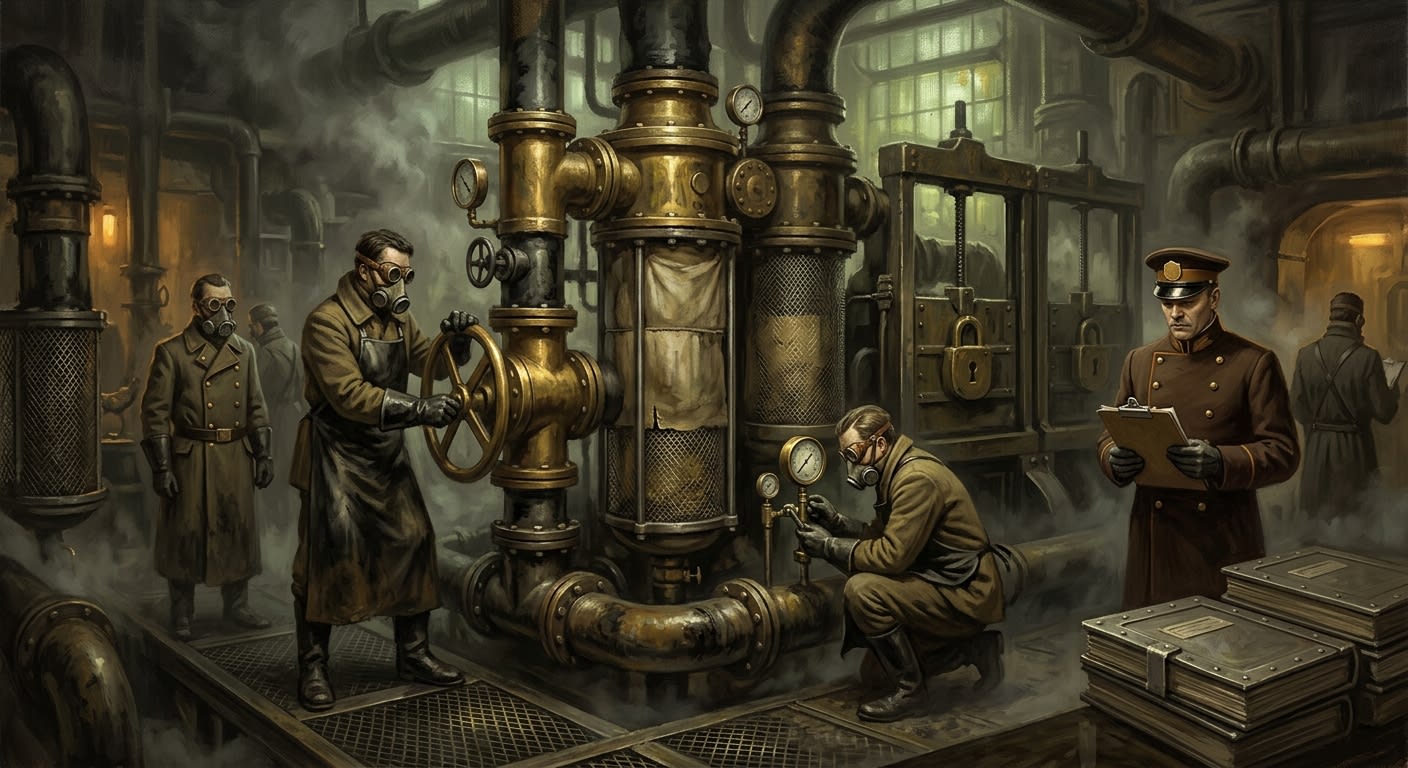
The Distillers' Compact
Where sanctity clogs, monopoly learns to breathe
The Distillers' Compact controls Brast's filters, locks, and substrate receipts: a guild that learned sanctity must pass through mesh.
Codex Ref. VIII.6.03-001
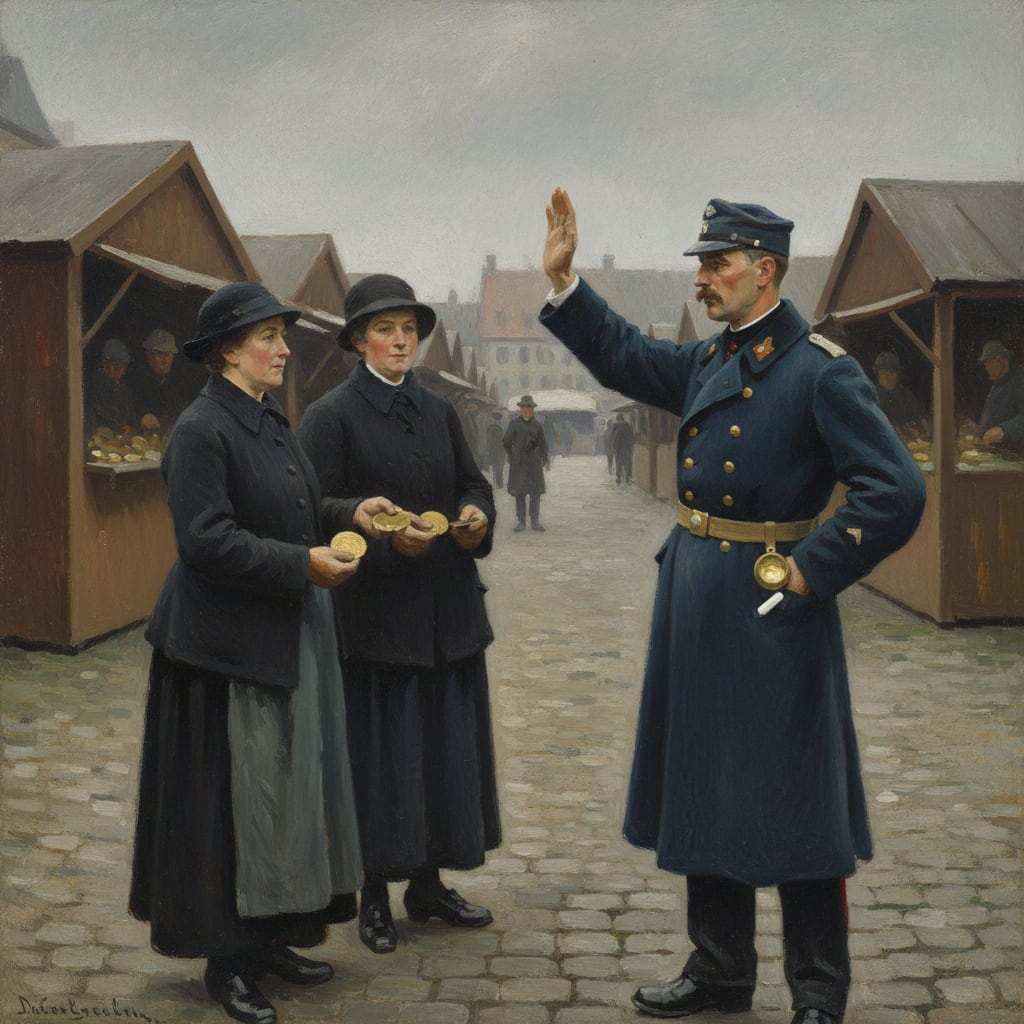
The Doctrine Street-Vicar
The bell's feet; the chalk's teeth; the compliance that comes to you.
The Bureau of Doctrine's mobile enforcement arm: four thousand three hundred chalk-bearing officers who walk where the bell cannot reach, inspect purity tokens, and mark doorframes in white, yellow, and red.
Codex Ref. XII.9.02-001
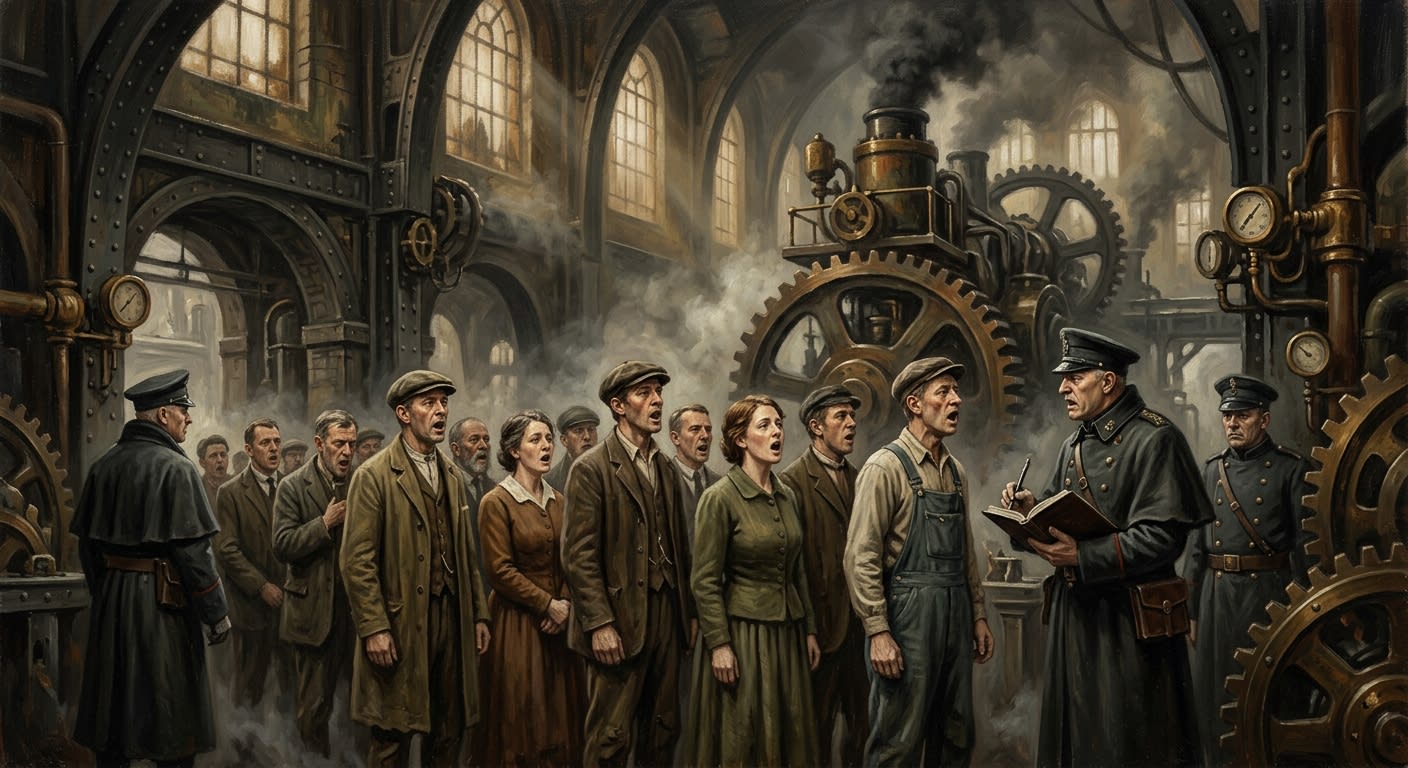
The Eternal Creed
The first tax of the day is breath
The Eternal Creed is the Synod's oral civic machine: recited at dawn, commerce, correction, and inspection, hidden from paper so obedience may occupy the tongue.
Codex Ref. XIII.1.68-001
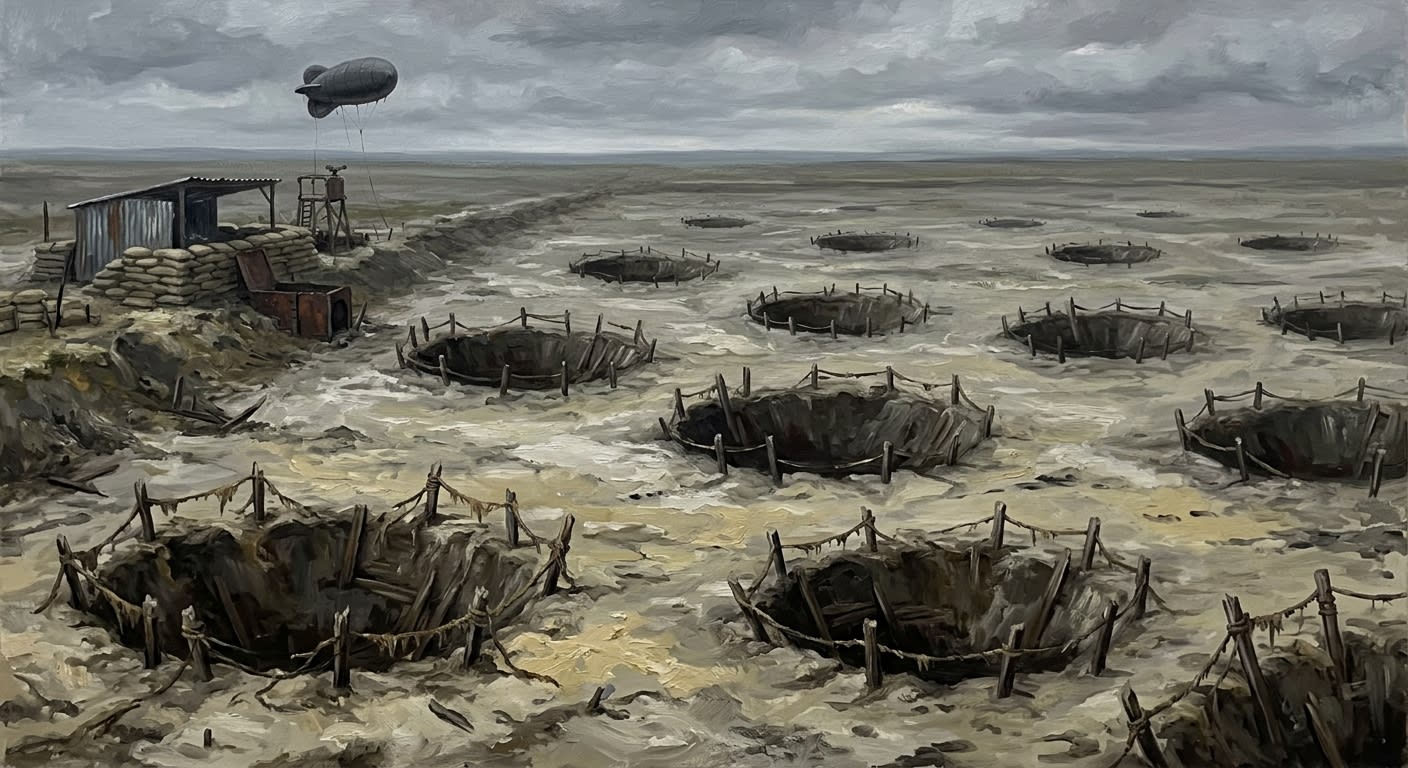
The Famine Pits
The dead are still hungry, and the Bureau prefers not to speculate why.
Fourteen confirmed burial sites in the former Hungarian plain where the dead of the Great Retreat have refused to stop dying. Their hunger radiates into the living. The Bureau classifies this as demonic. Drax does not agree.
Codex Ref. V.6.01-002
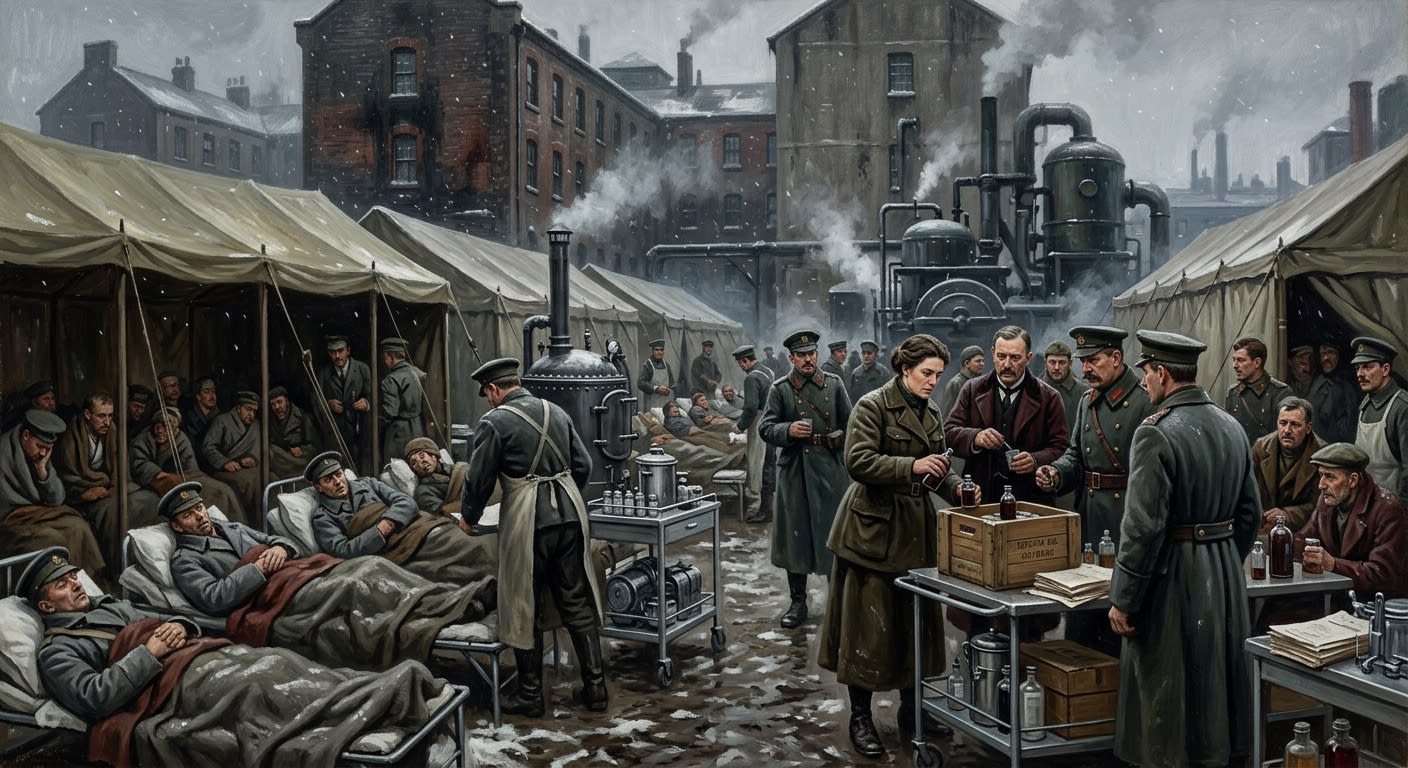
The Fever Winter of A.S. 112
Blessed salt failed; an old woman’s oven remembered medicine
The A.S. 112 Fever Winter killed four thousand Hinterland soldiers, exposed sanctioned medicine's failure, and let Gerda Weil's stolen remedy become Protocol 7-C(E).
Codex Ref. VII.4.20-001
The Great Deceiver
The Adversary Without Name, the Will Behind the Veil
He has no face, no form, no name the Bureau dares to print — only a Will that wears the world like a mask. The supreme architect of the Sundering, the forger of the Seven Sin-Generals, and the one enemy the Synod cannot file, stamp, or archive into submission.
Codex Ref. IV.1.01-001
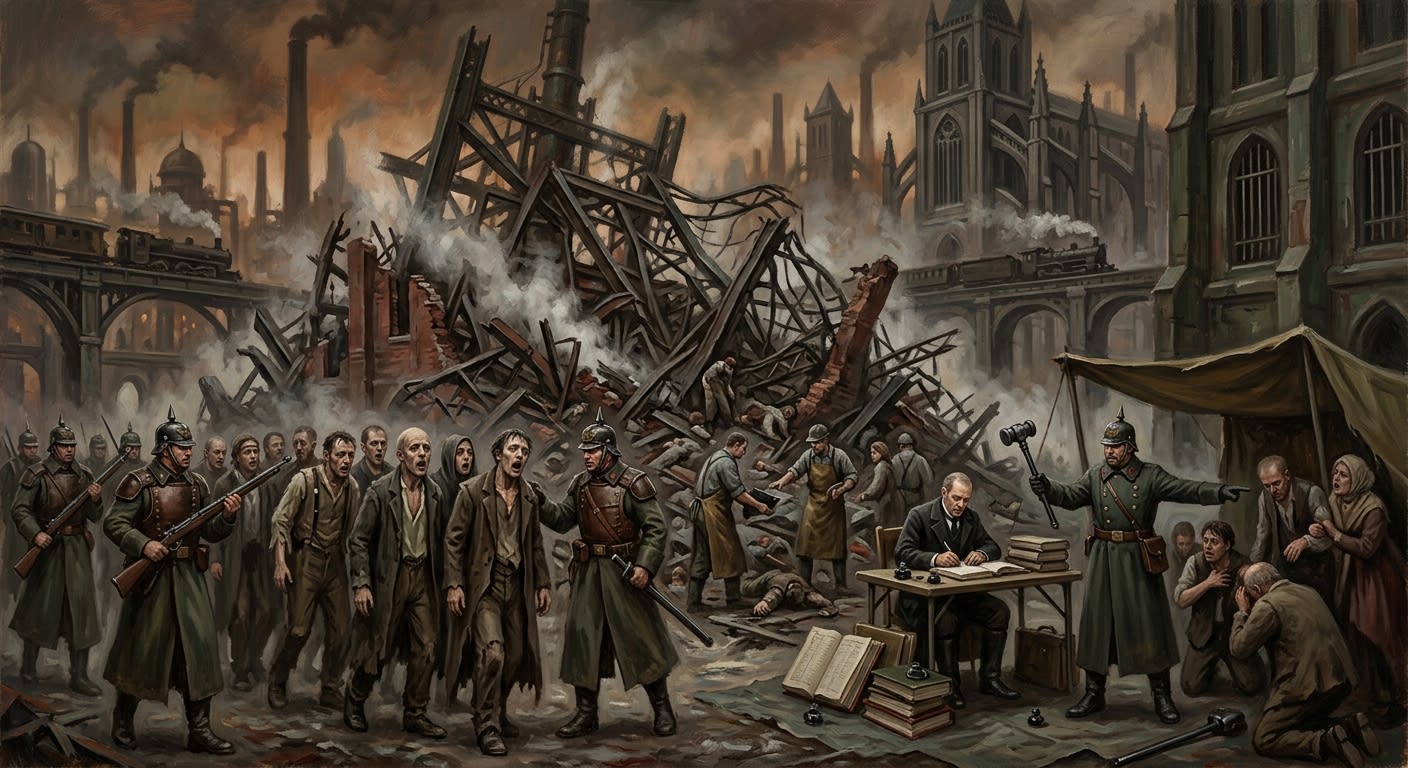
The Great Hush
Nine hours of silence, three thousand dead, and a century of licensed throats
The Great Hush of A.S. 94 collapsed Irongate's Third Lung, killed three thousand, birthed the Gasket Choir, and made silence into evidence, office, law, and cudgel.
Codex Ref. VII.4.24-001
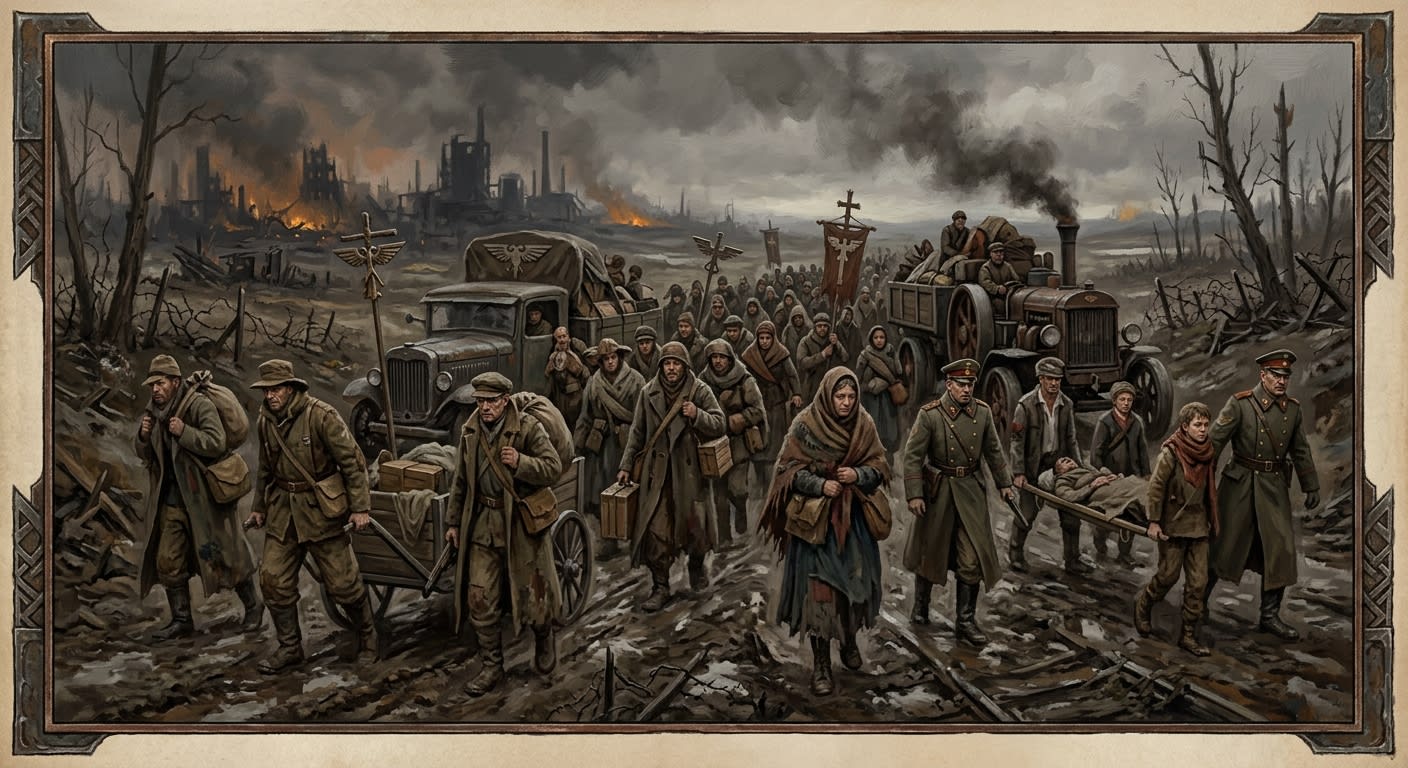
The Great Retreat
Seventeen years of westward mud before the Line learned to stand
From A.S. 48 to A.S. 65, the faithful West walked, bled, improvised institutions, and finally stopped running where the Sagittal Line began to hold.
Codex Ref. VII.1.03-001
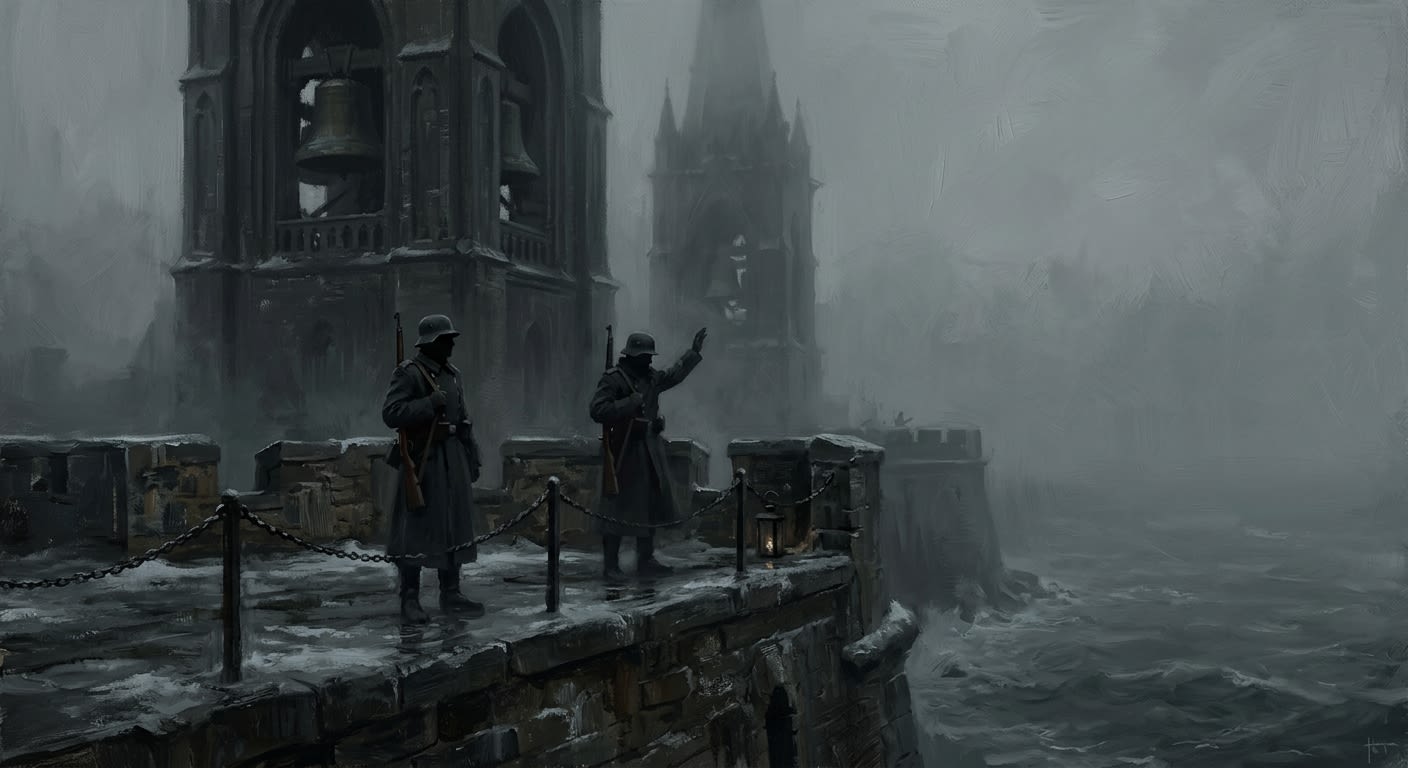
The Grey (The Unnamed)
Eleven years of classification pending, and the Bureau's best answer to why
The Grey is not a Sin-General. The Bureau has known this for eleven years and found the fact so uncomfortable that it has not yet produced a classification. Drax produces one anyway.
Codex Ref. VI.3.01-001

The Heartlands
The safe country, provided one defines safety as distance from teeth and proximity to stamps
The Heartlands are the Synod's safe interior only by infantry arithmetic: Zones 1–3 feed the Line with bread, steel, bodies, bells, paperwork, and bones.
Codex Ref. II.0.02-201
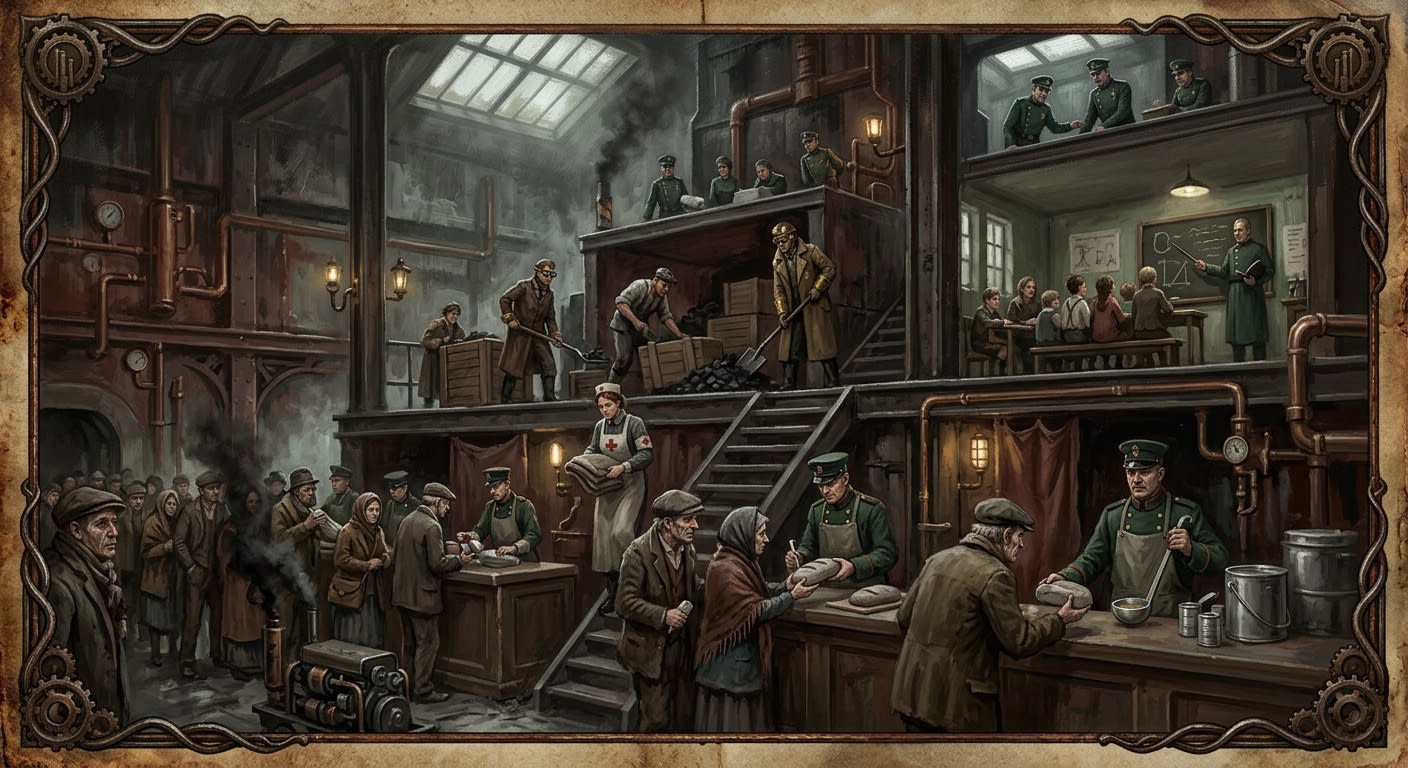
The Hierarchy of Need
Hunger is the sermon Kargath learned to serve hot
Kargath's cults do not begin with horns, but with bread. The Bureau calls their five stations a hierarchy. The hungry call them provision.
Codex Ref. IX.2.01-001
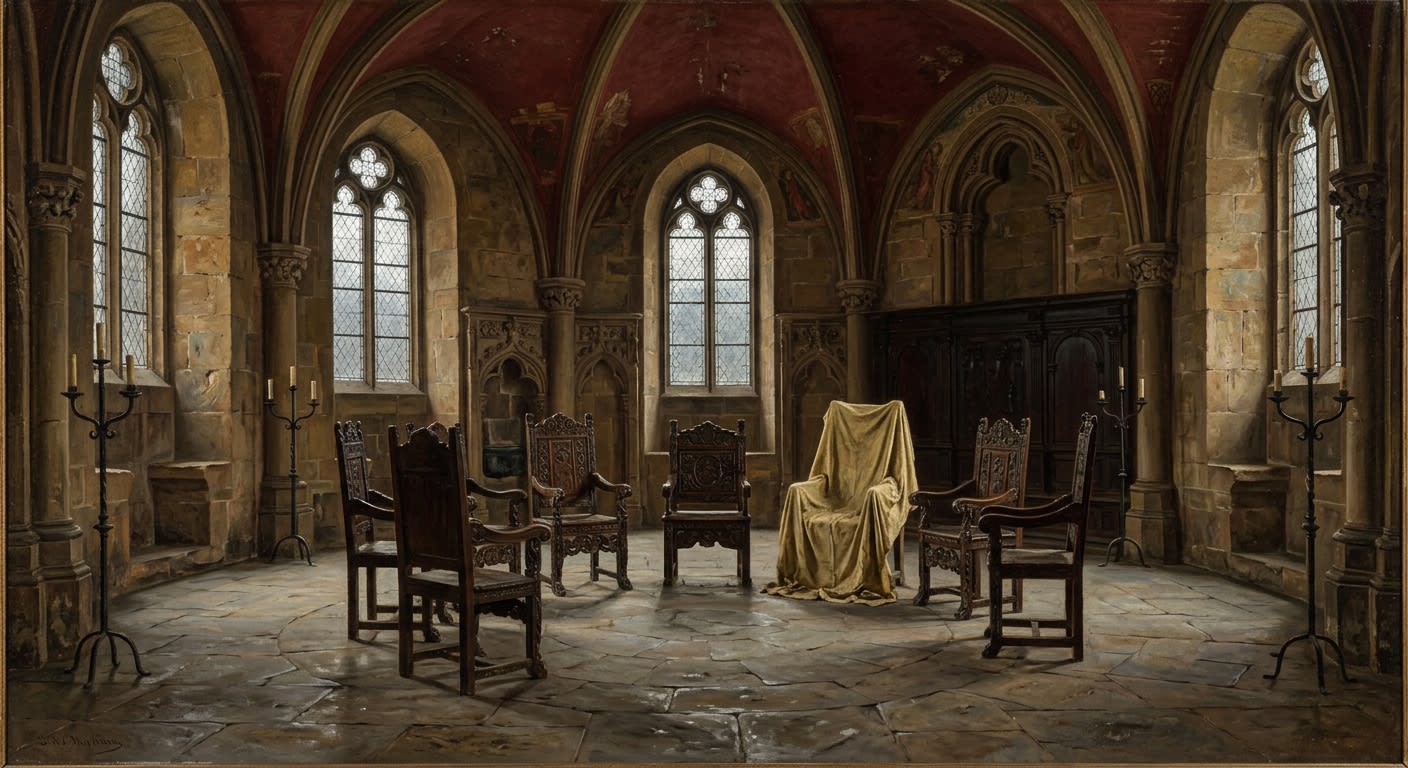
The Hierarchy of the Synod
Seven Seals, Six Occupants, and a Chair No One Has Laundered Since A.S. 107
Seven Seals. Six occupants. One chair draped in cloth no one has laundered since A.S. 107. The succession is continuous. The gaps are classified.
Codex Ref. VI.3.02-001
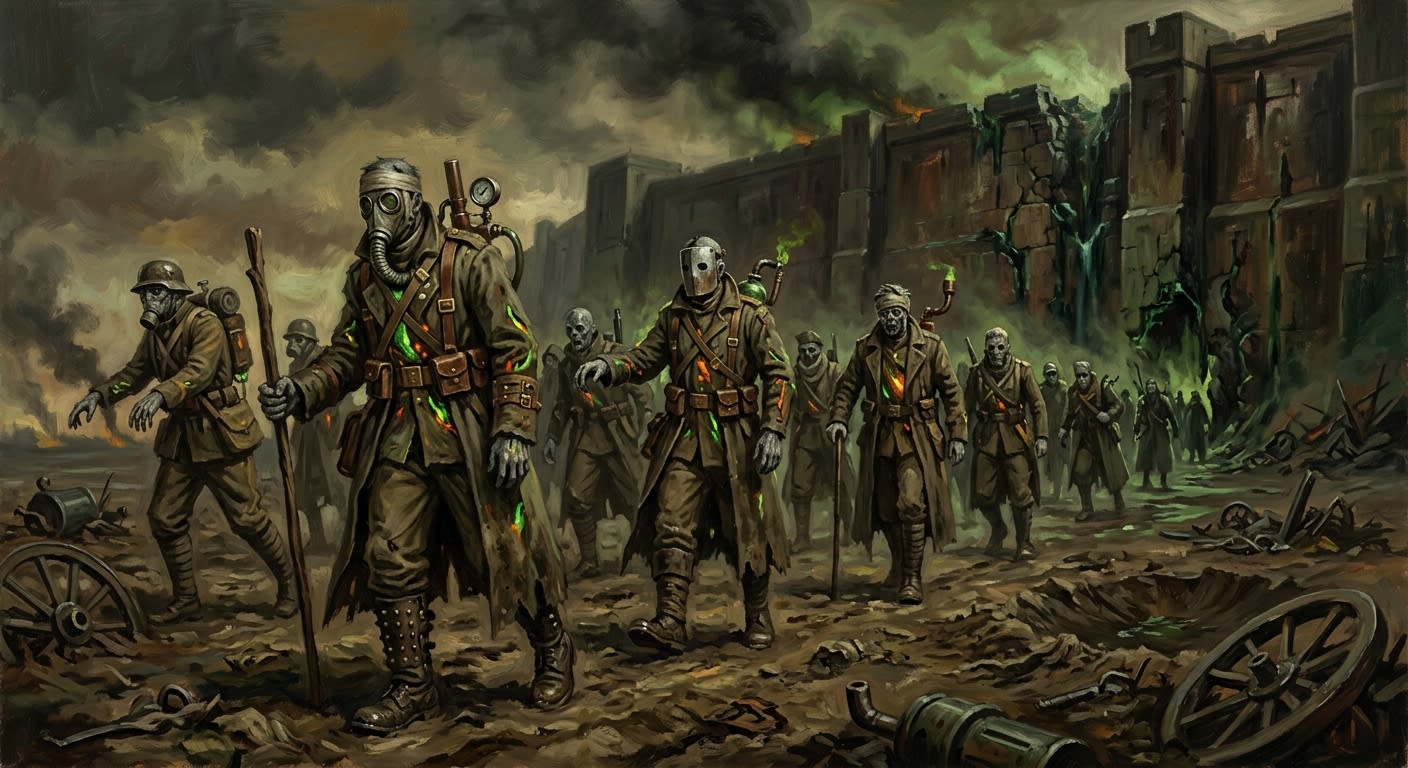
The Hollowed
Dead men packed with breach-fire, because Hell has learned logistics
The Hollowed are profaned corpse-ordnance: dead bodies emptied, packed with bile and sorcery-flame, and walked patiently into walls until stone forgets itself.
Codex Ref. IV.1.07-004
The Holy Bureaus
Twelve Instruments of Providence, or Thirteen If You Count the One That Does Not Exist
The twelve sacred organs through which Strasbourg bends a continent to its will. Each Bureau claims a charism of governance descended from the Apostolic Sundering. Their clerks are legion, their archives endless, their contradictions — by design.
Codex Ref. III.3.01-001

The Hourglass Monolith
A black standard for measuring the ways time refuses obedience
The Hourglass Monolith is Lyon's forbidden temporal standard: part instrument, part confession, and quite possibly an enemy noun wearing Bureau wax.
Codex Ref. XIII.1.86-134
The Judges
They walk without letter, without herald, and without the patience of the Bureau.
The Judges arrive without letter, try without jury, and depart without filing. The Bureau denies they exist. It has been denying this since A.S. 92. The denial requires renewal every thirty years, which is itself a kind of evidence.
Codex Ref. V.1.01-003
The Ledgers of Self
Identity, accepted provisionally until the next contradiction
At Bastion-Irongate the self is filed in triplicate, because Morwen steals what is unfastened and Strasbourg fastens with ink.
Codex Ref. XIII.1.01-002
The Legions of Sin
Forty-seven souls for every demon — and the Bureau calls this mathematics
The mortal host beneath the Lie's banners: Thralls, Hollowed, Ash-Mothers, Blood-Tithes, Wormhosts, Processional Slaves, Ash-Fodder. Forty-seven souls for every demon. The Bureau calls this mathematics. I call it a confession.
Codex Ref. IX.1.01-001
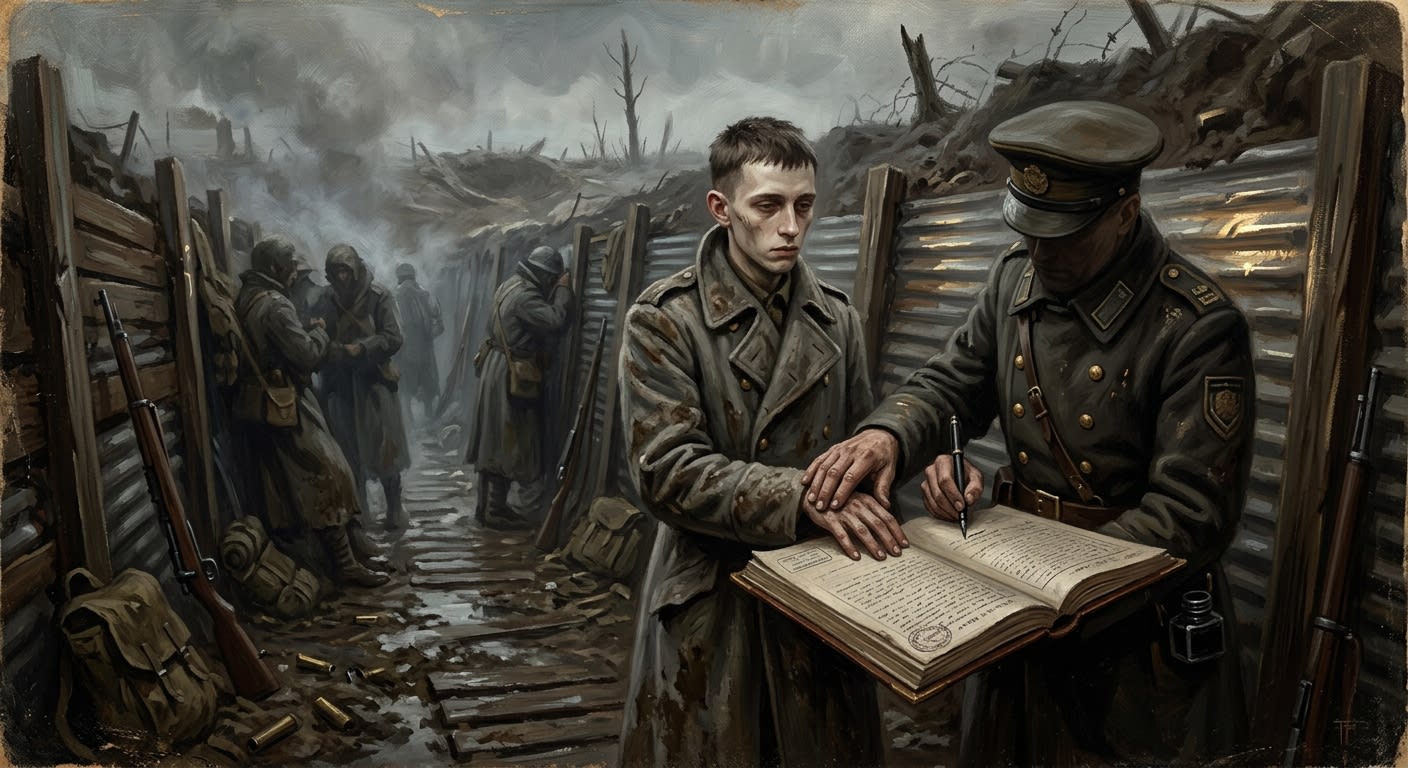
The Litany of First Earth
Mud receives the flesh; War receives the name
The Litany of First Earth is War's mud-prayer for levy transfer: four public lines, twenty-seven barracks responses, one cold trench, and a boy made legible before the Line eats him.
Codex Ref. XIII.1.55-105
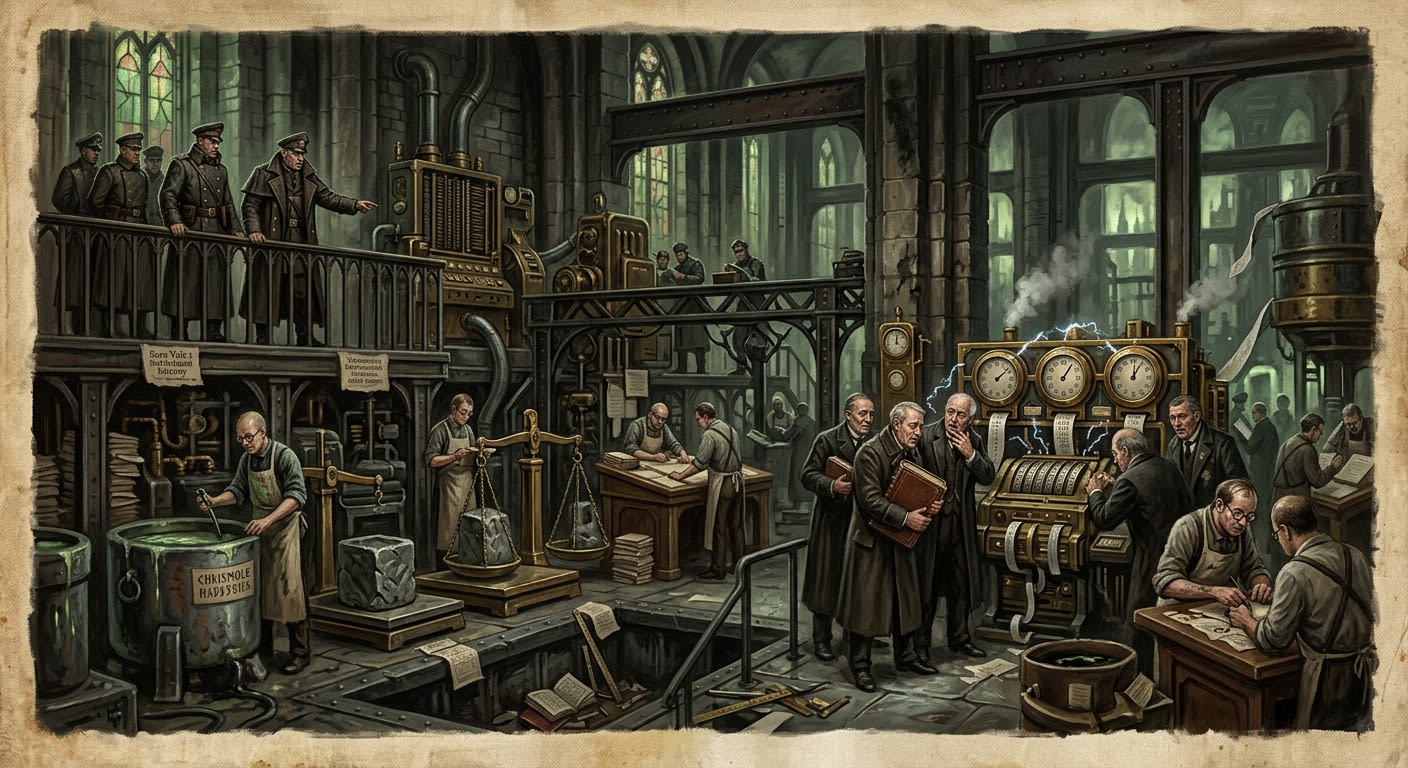
The Manifest Court
Where a drum becomes lawful and arithmetic learns the rope
The Manifest Court of Brast counts chrismole into legality: weigh-bridges, wax tables, variance pits, missing gallons, Sorn Vale's balcony, and the sacred terror of a number disagreeing with itself.
Codex Ref. XIII.1.93-090
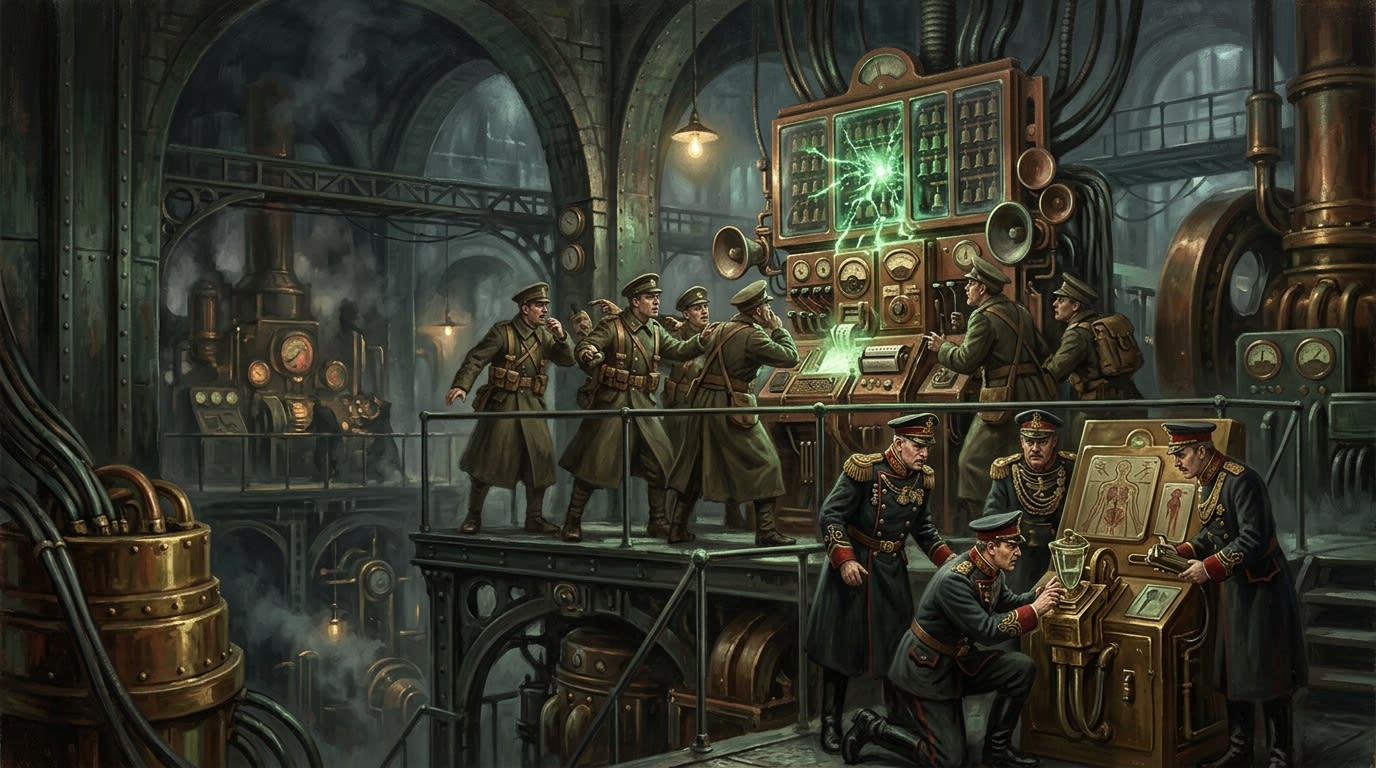
The Mimic Incident
When obedience heard the lawful sound and moved for the enemy
The Mimic Incident was the sealed bell-grid breach in which a hostile tone copied lawful Bureau patterns, redirected a Line garrison for seventeen minutes, and forced living-key authentication upon Counter-Toll command.
Codex Ref. VII.8.10-021
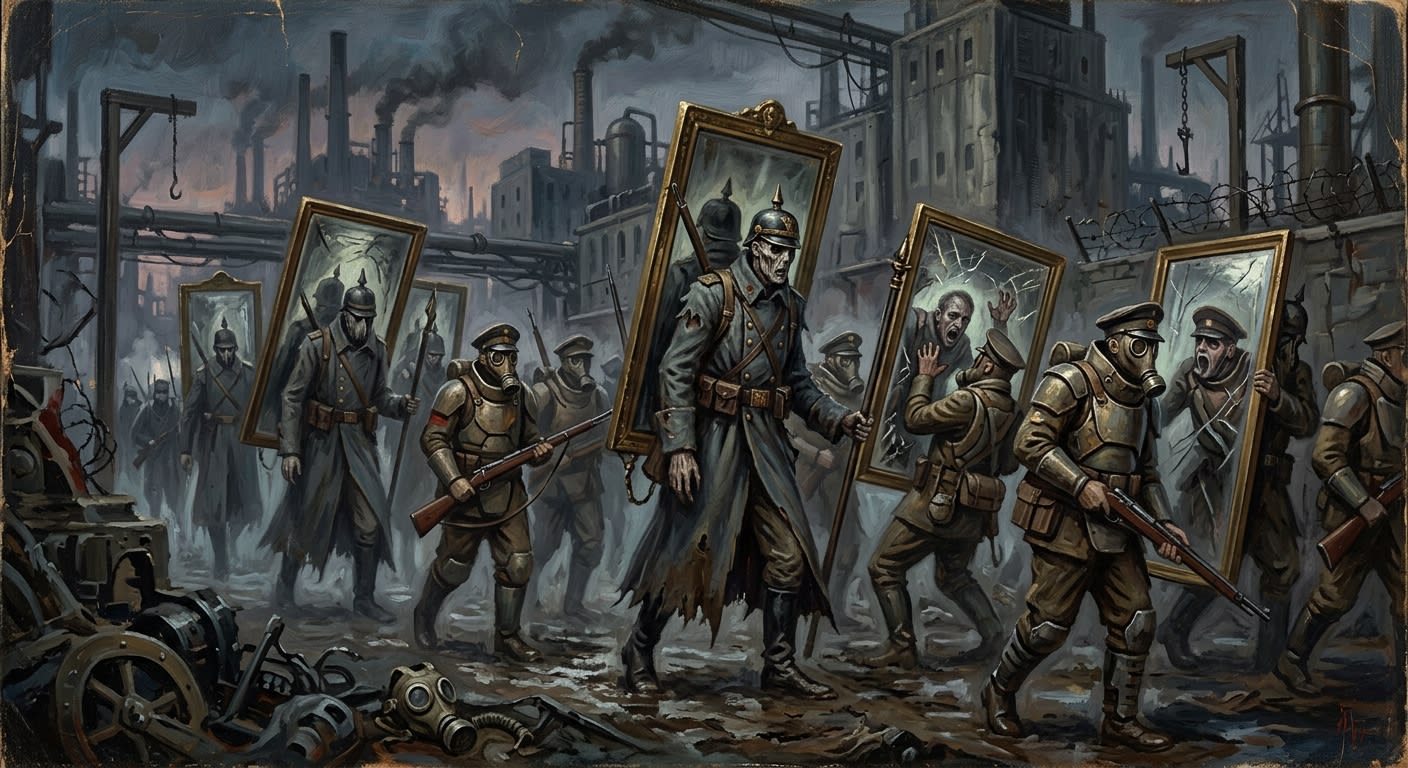
The Mirror-Lords
The glass does not lie; it flatters
Atheron's mirror-bearing support demons turn polish into accusation, reflection into rank, and a regiment into its own court-martial.
Codex Ref. IV.1.07-009
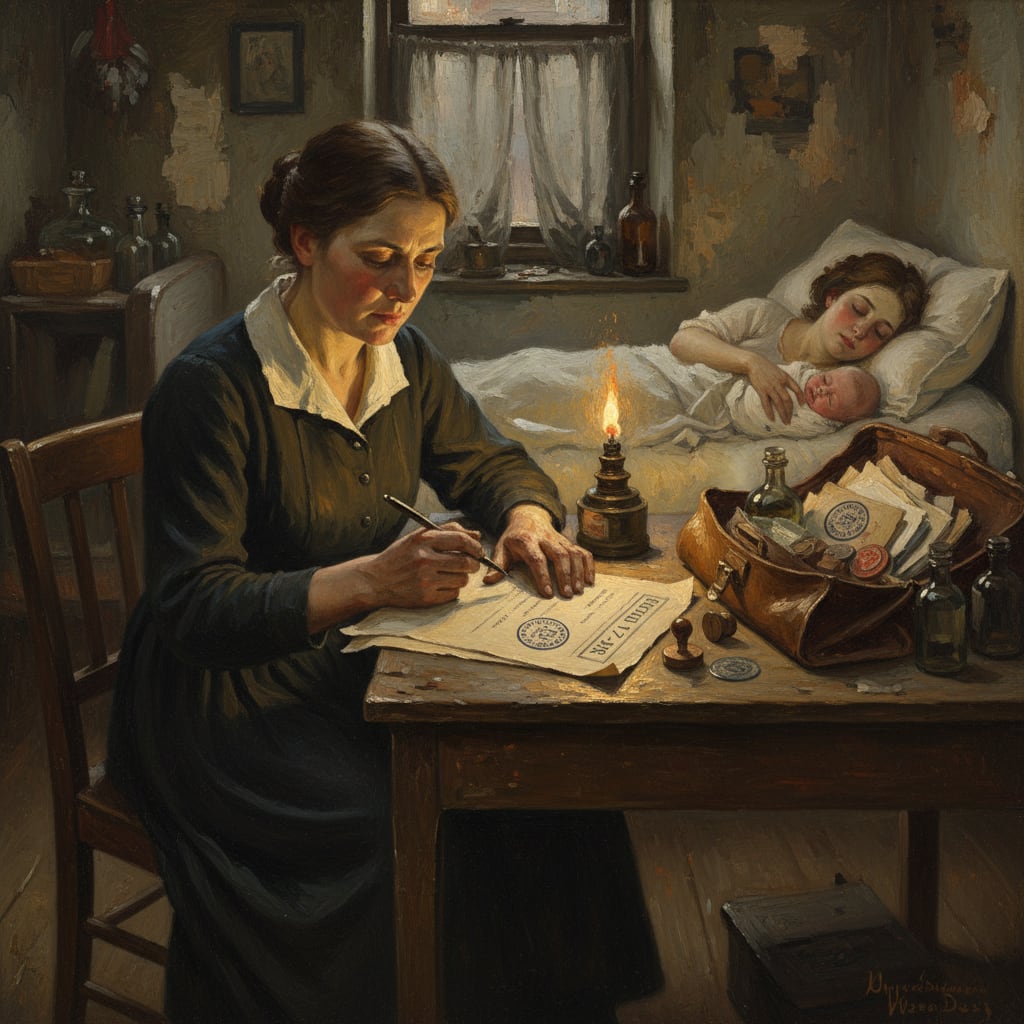
The Natal Registration Writ
Eleven inches by fourteen, and the whole apparatus of a life not yet lived
Form 7-NR is eleven inches by fourteen, bears two watermarks, and calculates the fiscal value of a human life at the moment of birth. Drax explains the theology, the penalties, and the people who would rather disappear than sign it.
Codex Ref. XIII.1.02-001
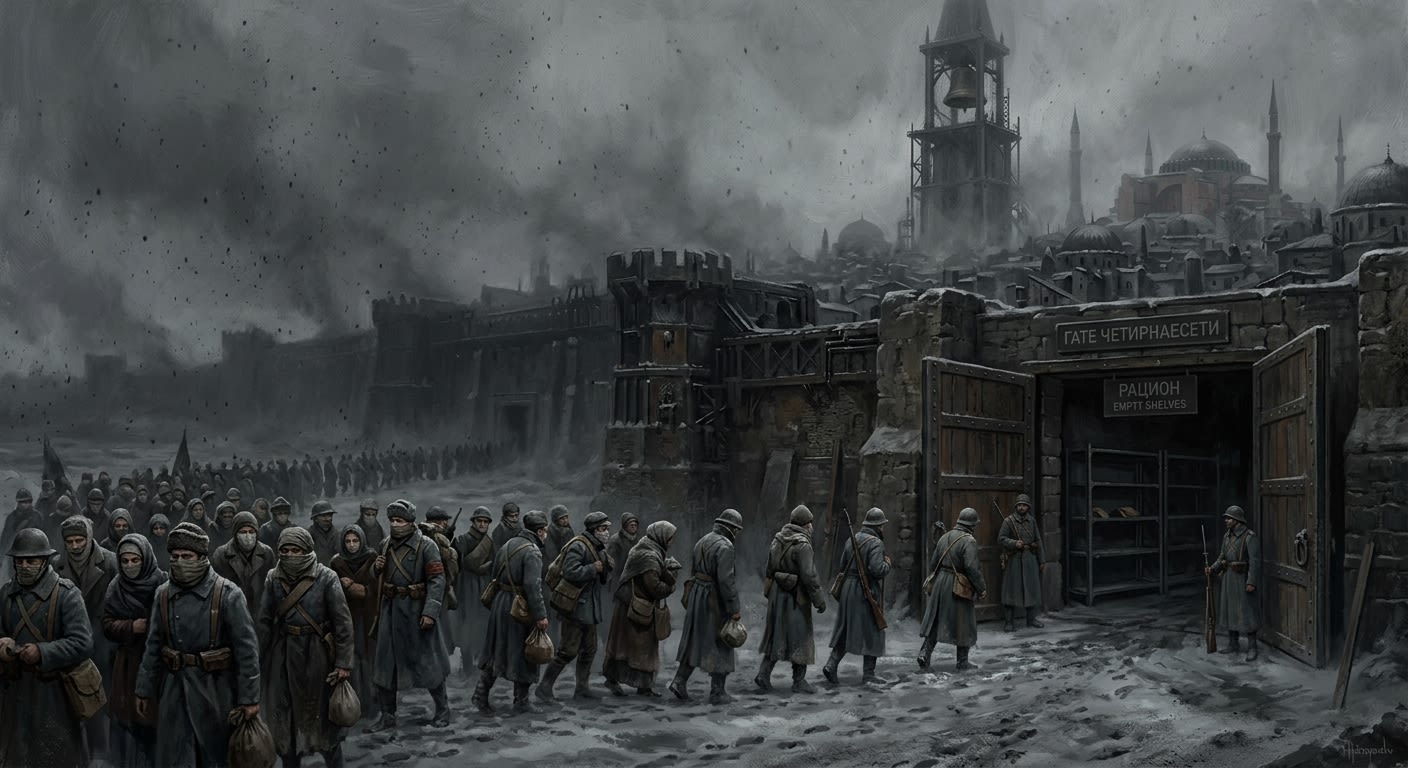
The Ninth Bell Famine
The bell tolled. The bread did not arrive. The Bureau classified this distinction later.
Sixty-eight thousand dead. Nine months of ash. The ninth bell tolled on time. The bread did not arrive. The Bureau of Rites calls it a refining tribulation. The refined are in the walls.
Codex Ref. VII.5.01-001
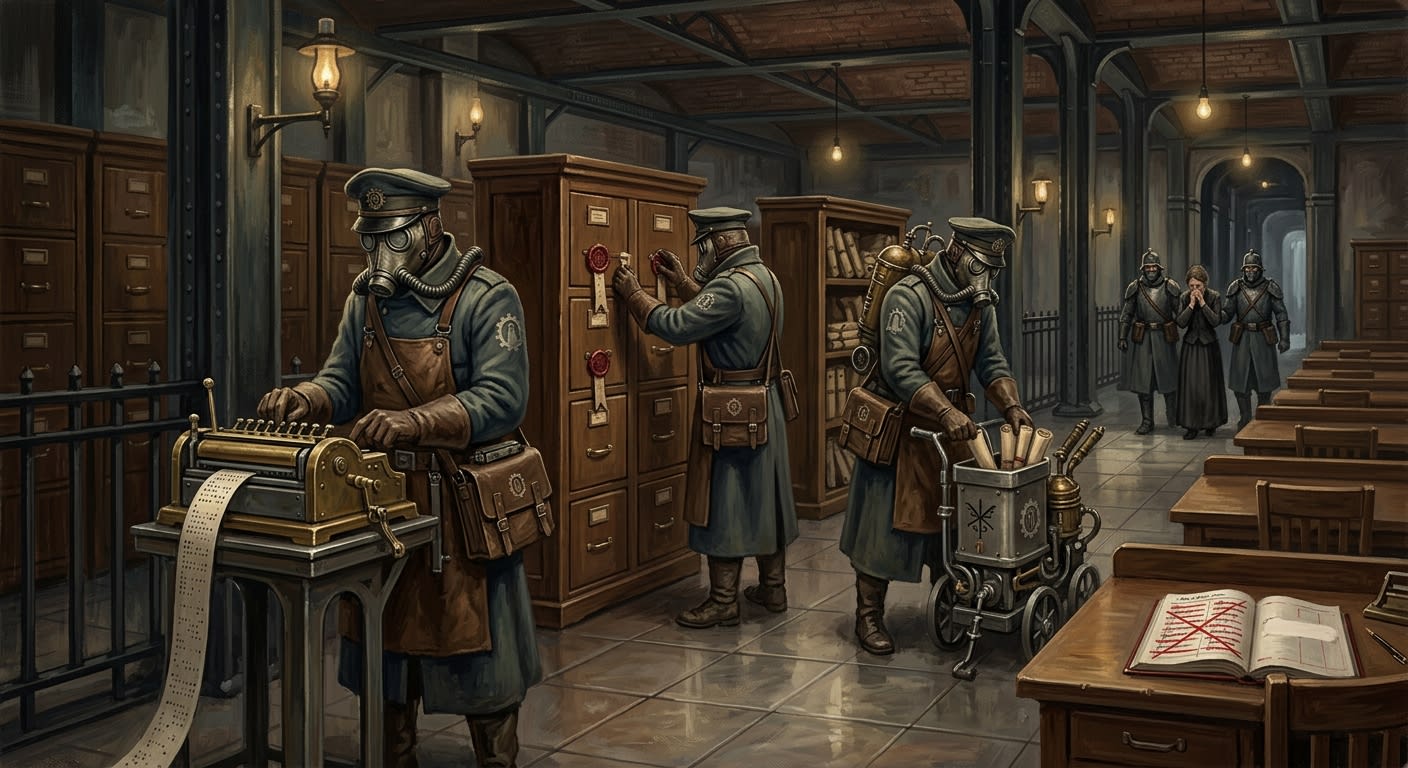
The Order of the Shroud
The mercy of no martyrs, delivered by black wagon
The Shroud does not burn heretics into warnings. It removes them into arithmetic, leaving tidy rooms, corrected rolls, and grief without permit.
Codex Ref. XI.6.01-001
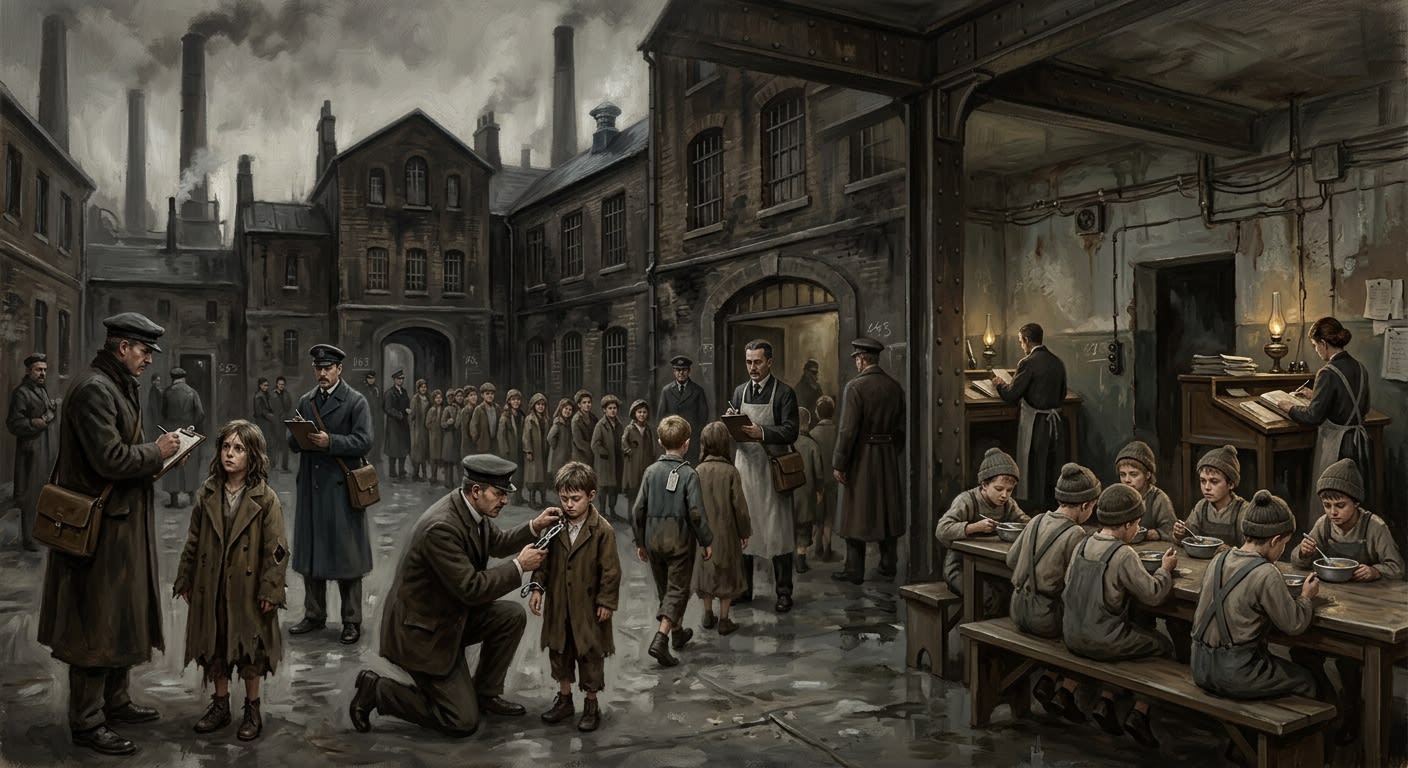
The Orphanarium
Mercy with hinges, locks, soup, and a tag cabinet
The Orphanarium receives children without acceptable custody and returns registered minors: washed, renamed, tagged, fed, placed, and corrected until Mercy can invoice itself.
Codex Ref. II.2.06-005
The Palatine Switchyard of Lorn
The city that became a filing system — and the filing system that became a theology
The continent's largest rail interchange, where the Heartlands' freight is converted into the Line's appetite by two hundred ten thousand registered souls, twelve converging lines, and a schedule that has never once apologized for what it costs.
Codex Ref. II.3.01-001
The Pale Kin
Where the cradle refuses its invoice
The Pale Kin are the proscribed cradle-resistance families who hide births, alter records, shelter unnumbered children, and make maternity a crime against arithmetic.
Codex Ref. XI.4.01-001
The Paper Plague of A.S. 112
Where forged paper entered Przemyśl and flesh became policy
The Paper Plague of A.S. 112 was the Bastion-Przemyśl forged-pass disaster that killed eighty-seven, locked the western perimeter, and birthed bodily identity law.
Codex Ref. VII.8.10-036
The Pilgrim Token
A tiny bell at the throat, counting every licensed step toward mercy
The pilgrim token is Pilgrimage's stamped disc of licensed motion: bronze, silver, or gold by road and rank, fitted after A.S. 140 with a bell-hour core that turns approved walking into billable absolution.
Codex Ref. XIII.1.40-001
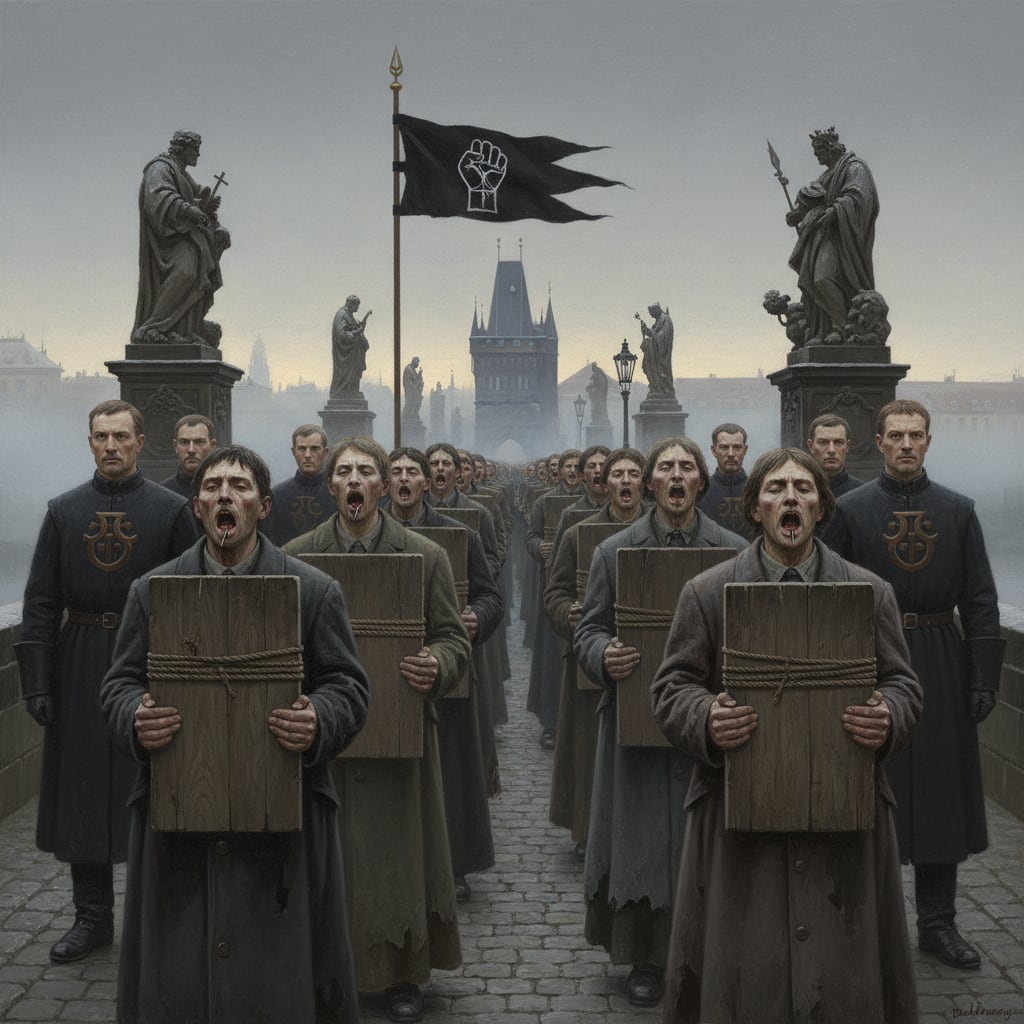
The Procession of Tongues
One hundred and seven consecutive years of doctrine tablets, iron nails, and fixed cobblestones — the [[bureau-of-purity|Bureau of Purity]]'s clearest argument, and the one requiring no rebuttal.
The Bureau of Purity's ceremony of ambulatory confession — heretics with tongues nailed to doctrine tablets, marching across Prague's Charles Bridge since A.S.
Codex Ref. VII.6.01-001
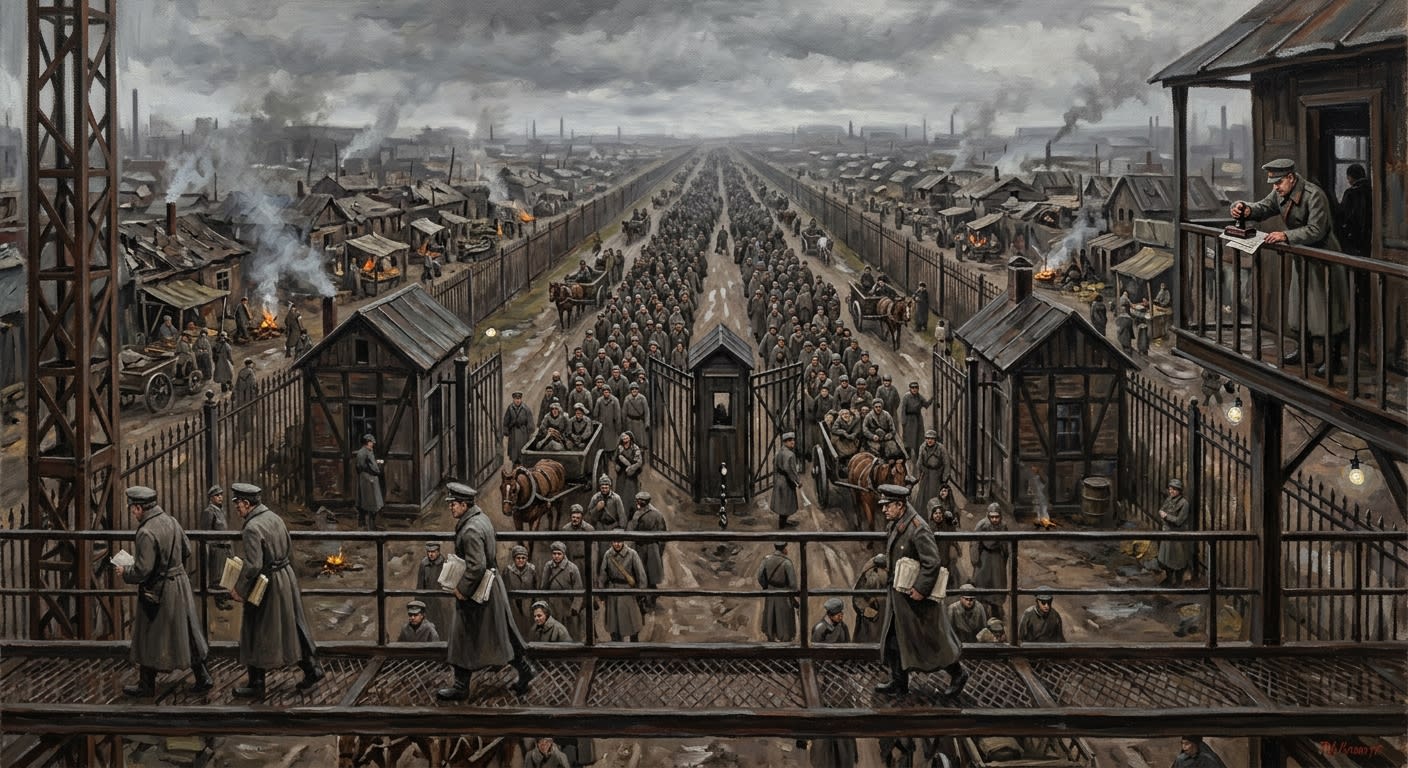
The Queue Road
Where motion became a taxable offense and patience became policy
One hundred and twelve miles of weaponised patience. The Queue Road converts motion into revenue and compliance into a commodity — nine gates, forty-eight thousand registered souls, one apparatus beneath Gate Nine that the Bureau of Doctrine does not discuss.
Codex Ref. II.3.05-001
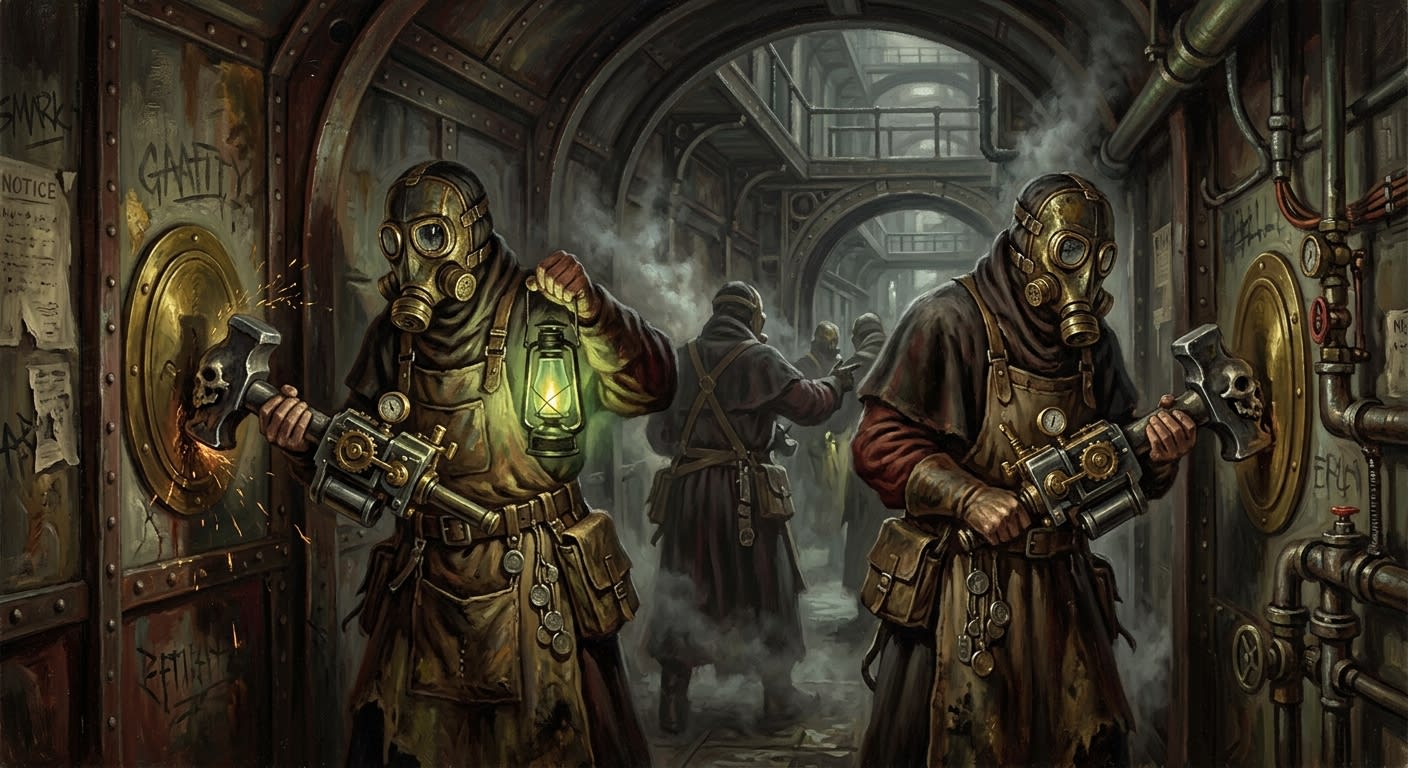
The Quiet Hands
The hand that does not tremble is the one the corridor obeys
Senior Ritual Bone-Stampers who quiet active corridors when ordinary seals fail, unlisted by organigramme yet indispensable wherever the dead begin correcting the Ledger.
Codex Ref. XII.37.02-001
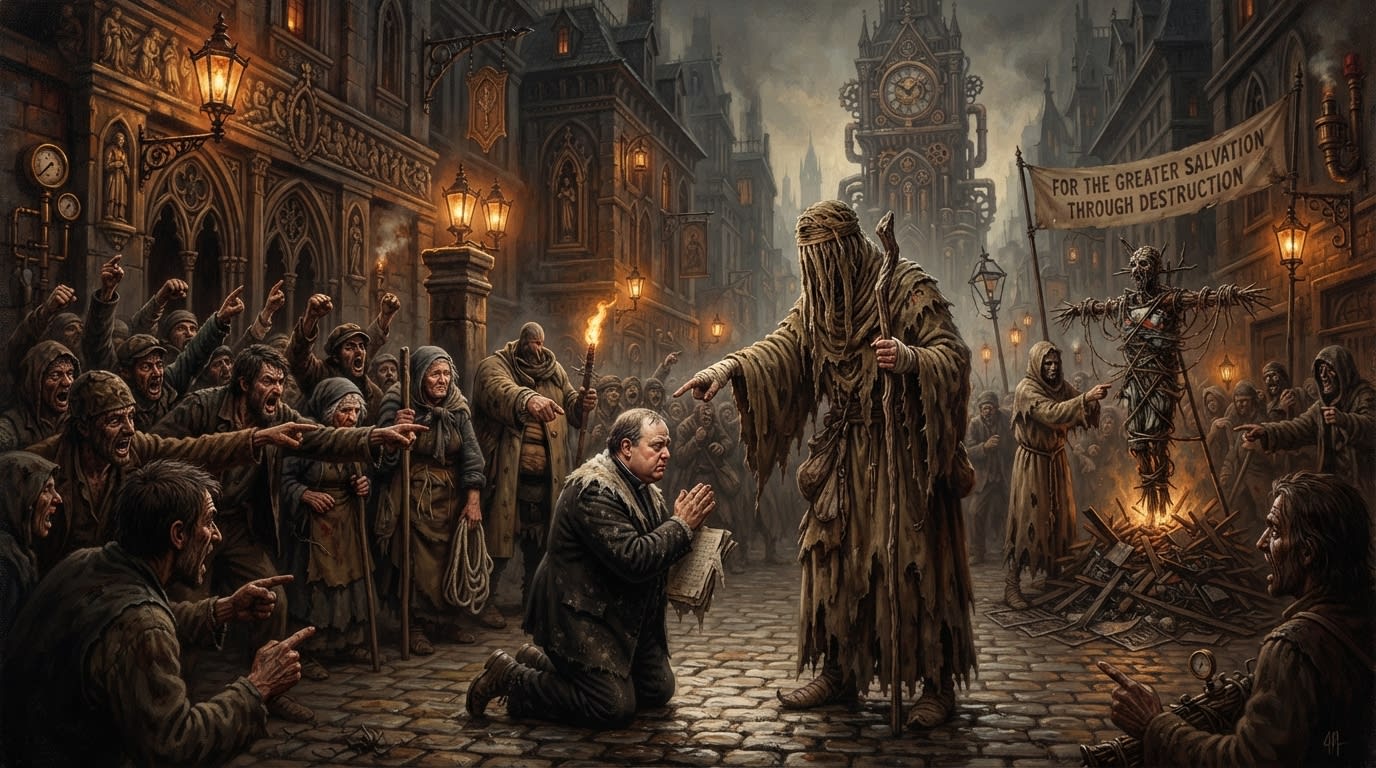
The Ragged Host
Where the remainder learned to kneel and the kneeling learned to burn
The Ragged Host is the condemned mobile movement that treats unaddressed harm as a public charge before the Creator — poor, armed, improvised, and more dangerous than any mob because it keeps records.
Codex Ref. XII.9.02-001
The Rationalists
Architects of the wound the Synod counts from
The Synod's most instructive enemy — philosophers who stripped Europe of its spiritual armor on the eve of Hell's invasion and then had the grace to be destroyed by the consequences.
Codex Ref. I.1.01-001
The Reliquary Salvager
The Synod misplaces relics; the Salvager retrieves them; no one speaks of the arrangement
The Synod does not lose its relics. It misplaces them — in collapsed vaults, sheared cathedrals, and quake-opened cellars. The Reliquary Salvager crawls in to retrieve them. His compliance record is spotless. His lungs are not.
Codex Ref. XII.36.01-001
The Rhine
The wet jurisdiction by which the heartlands pretend to be orderly
The Rhine is the Synod's wet jurisdiction: artery, tithe-chain, pilgrim road, corpse carrier, ferry court, and profitable rebuke to every office built too near the bank.
Codex Ref. II.2.08-201

The Rhine Corridor
Damp procedure, counted backward from every bridge
The Rhine Corridor is the Synod's damp procedure: a Zone 2 logistics artery, mortuary road, ferry court, heresy school, and billable proof that movement can be made afraid.
Codex Ref. II.2.08-202
The Rope-Ferry Chain
Twelve ferries. One schedule. No bridges.
Twelve flat-bottomed barges lashed across a river that swallowed the last bridges. The Rope-Ferry Chain is where the heartlands end and the queue begins.
Codex Ref. II.3.05-002
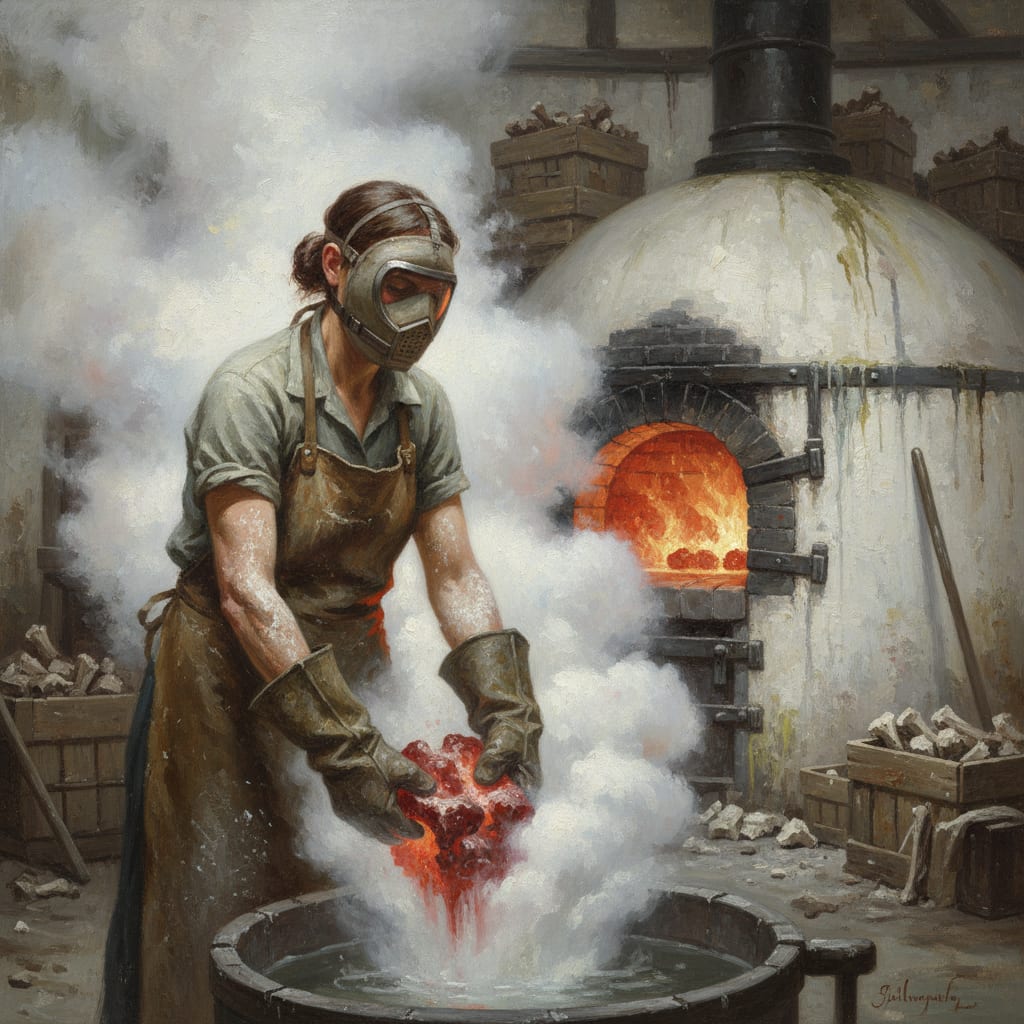
The Saint-Bone Melter
The wall is the only sermon the Enemy has ever been forced to hear
The artisan who feeds the bones of saints to the kiln and receives in return the mortar that holds the Sagittal Line together. The arithmetic is simple and brutal: a femur in a reliquary inspires; a femur in a wall holds.
Codex Ref. XII.40.01-001
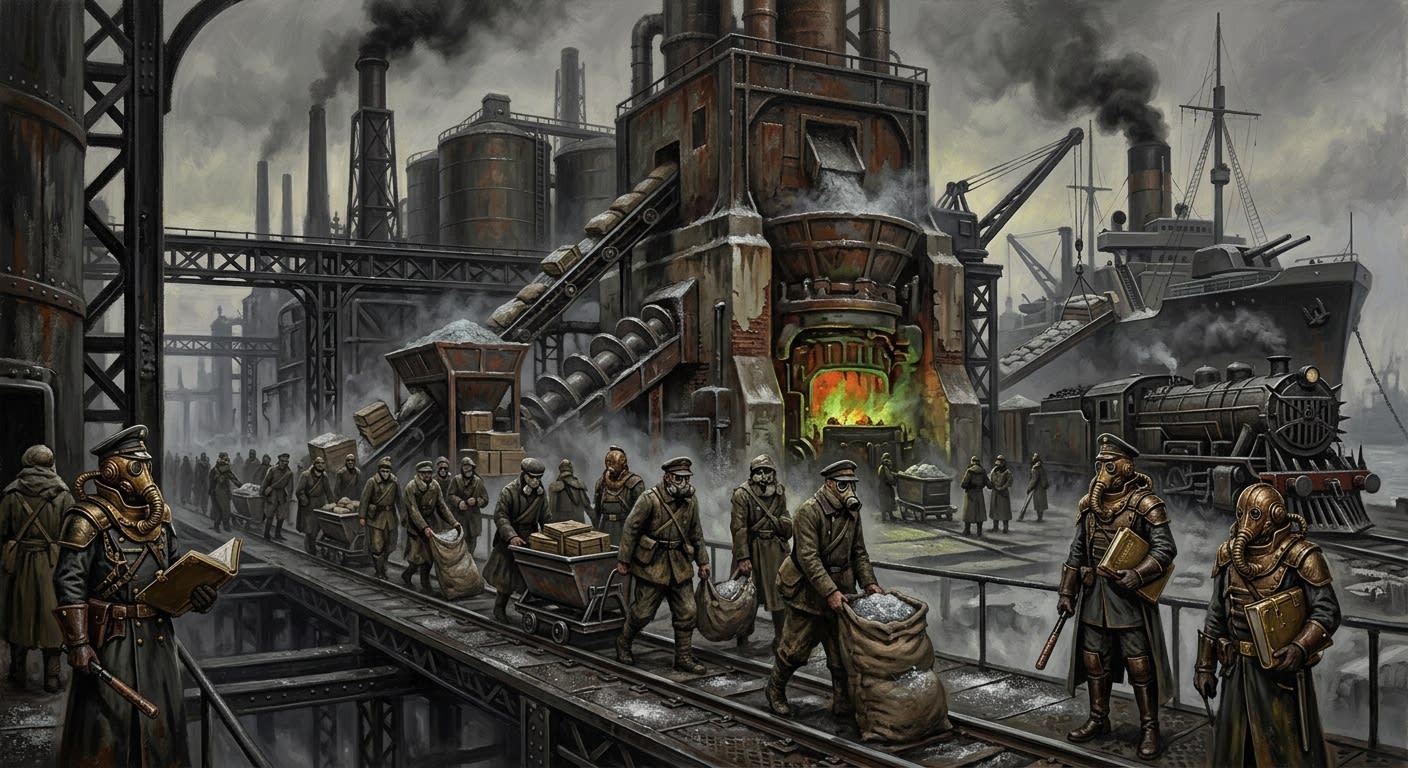
The Salt Dues of Marseille
Temporary measures have the finest survival instincts
The Salt Dues of Marseille began as an A.S. 92 emergency surcharge on coastal salt and learned immortality, feeding war, pilgrimage, and every clerk hungry enough to call permanence temporary.
Codex Ref. XIII.1.39-001
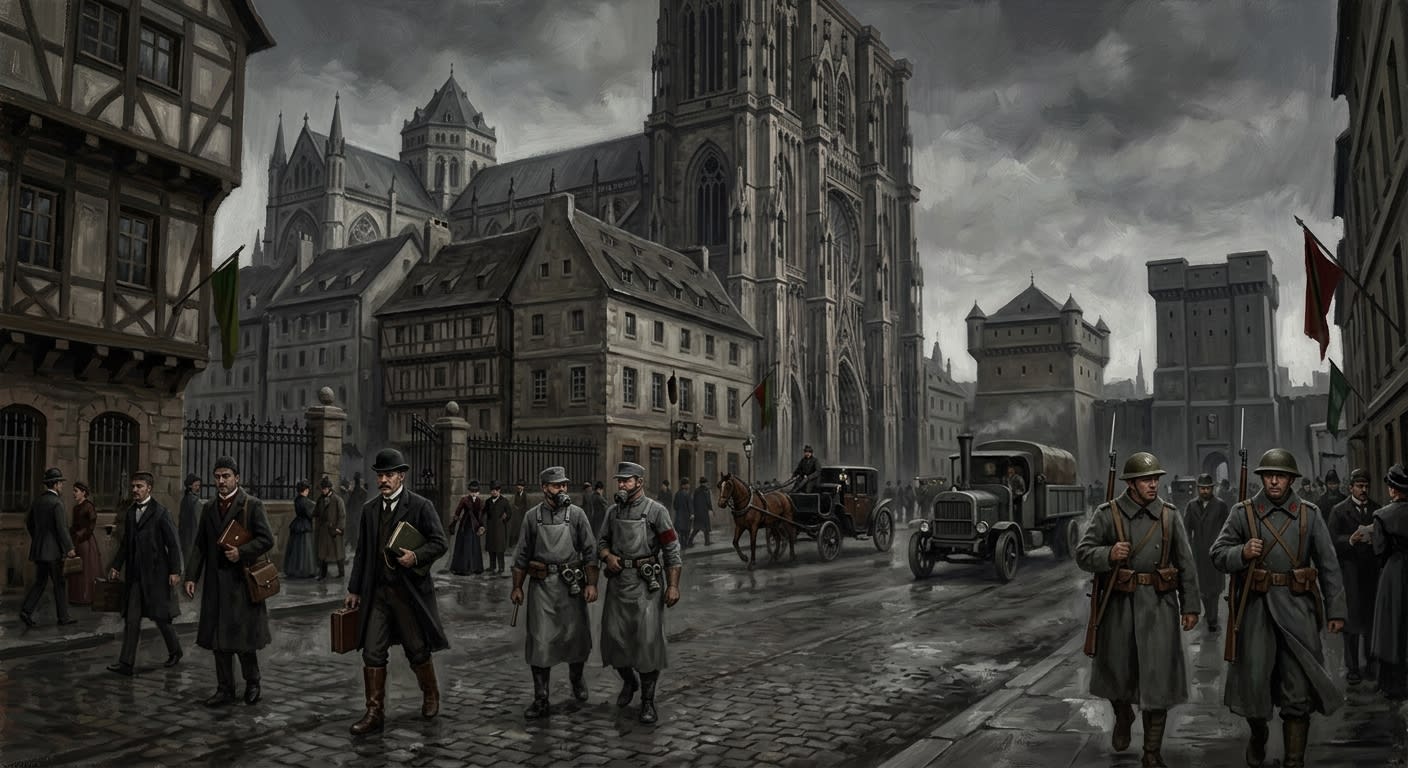
The Sanctum Mile
Strasbourg's white corridor, scrubbed clean enough to hide the blood
The Sanctum Mile is Strasbourg's white civic-sacral corridor: cathedral stone, Bureau houses, the Hall of Confessions, and the Prison of Questions in polished alignment.
Codex Ref. II.2.02-002
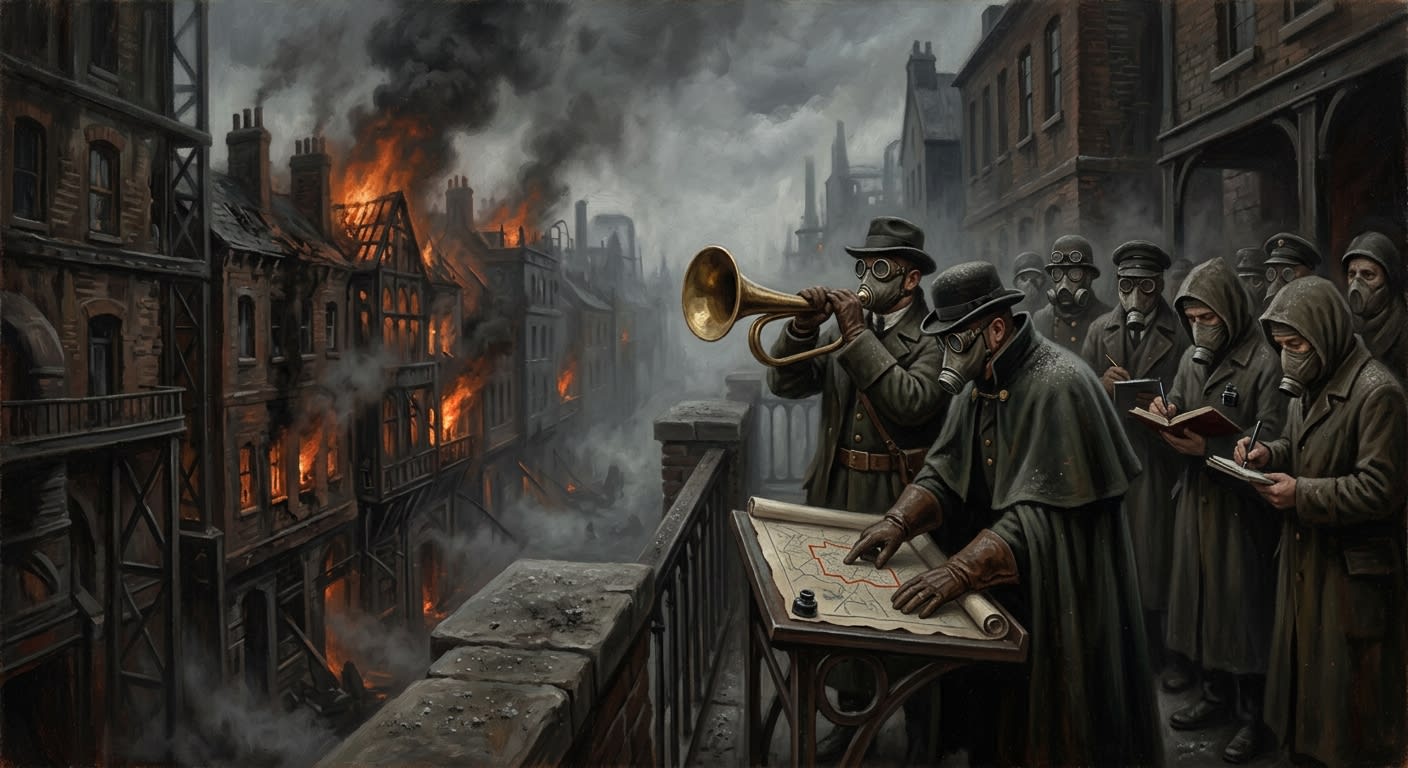
The Scour
When the Bureau decides a street has forfeited the privilege of remaining architecture
The Synod's ritual fire-purge of condemned quarters: horn, map, witness-line, and ash — the point at which bureaucracy ceases to argue and begins to burn.
Codex Ref. VI.4.01-001

The Second Concordat of Münster
A thousand signatures were required, so one man became arithmetic
The A.S. 105 blood-compact that yoked nine hundred and ninety-nine craft guilds to Synod tithe, then corrected the thousandth refusal by erasing a district.
Codex Ref. VII.2.01-002
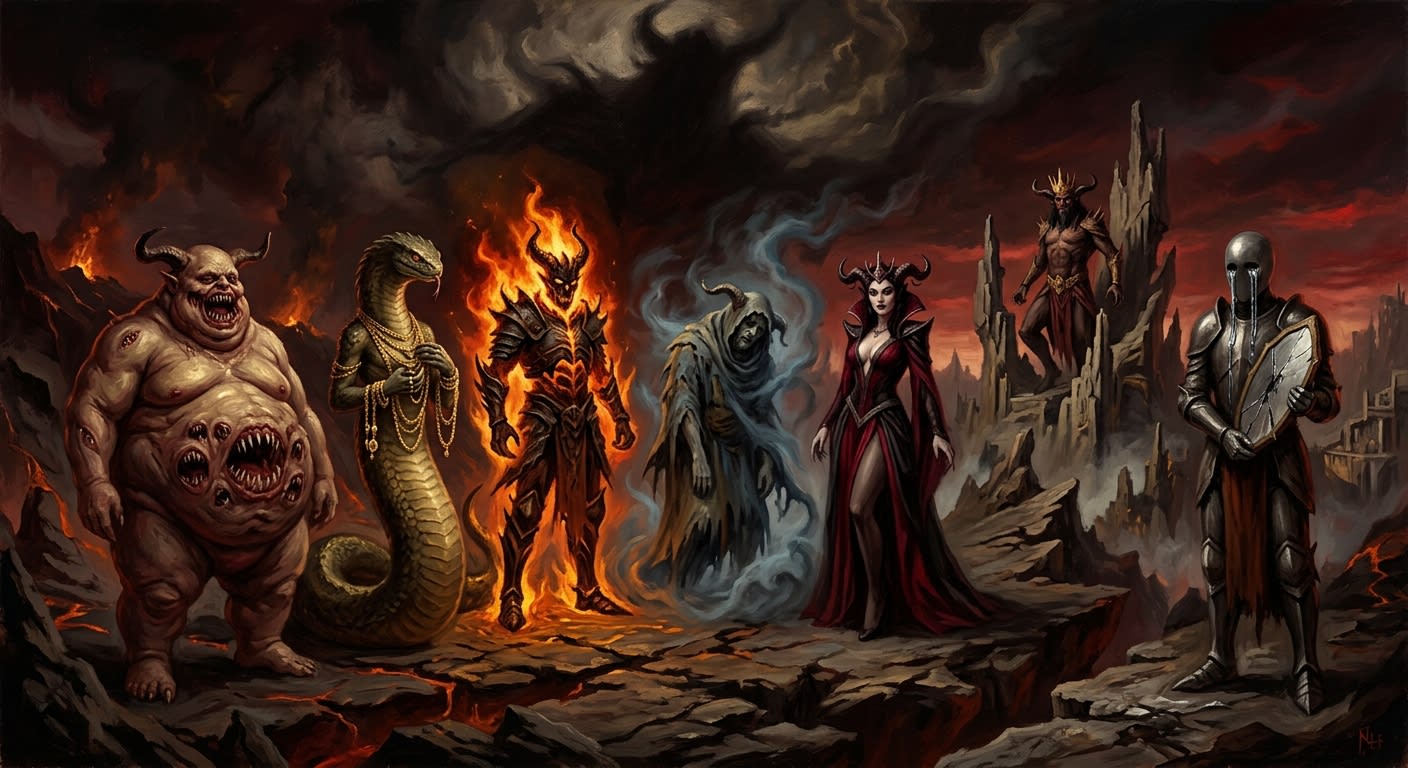
The Seven Sin-Generals
Shards of the Great Deceiver's Will, Made Flesh and Given Dominion
Seven abominations forged from the Great Deceiver's own Will, each sovereign over a cardinal sin and a blighted domain east of the Wall. They are not his servants. They are his fingers — and they grip the throat of the world.
Codex Ref. IV.1.02-001
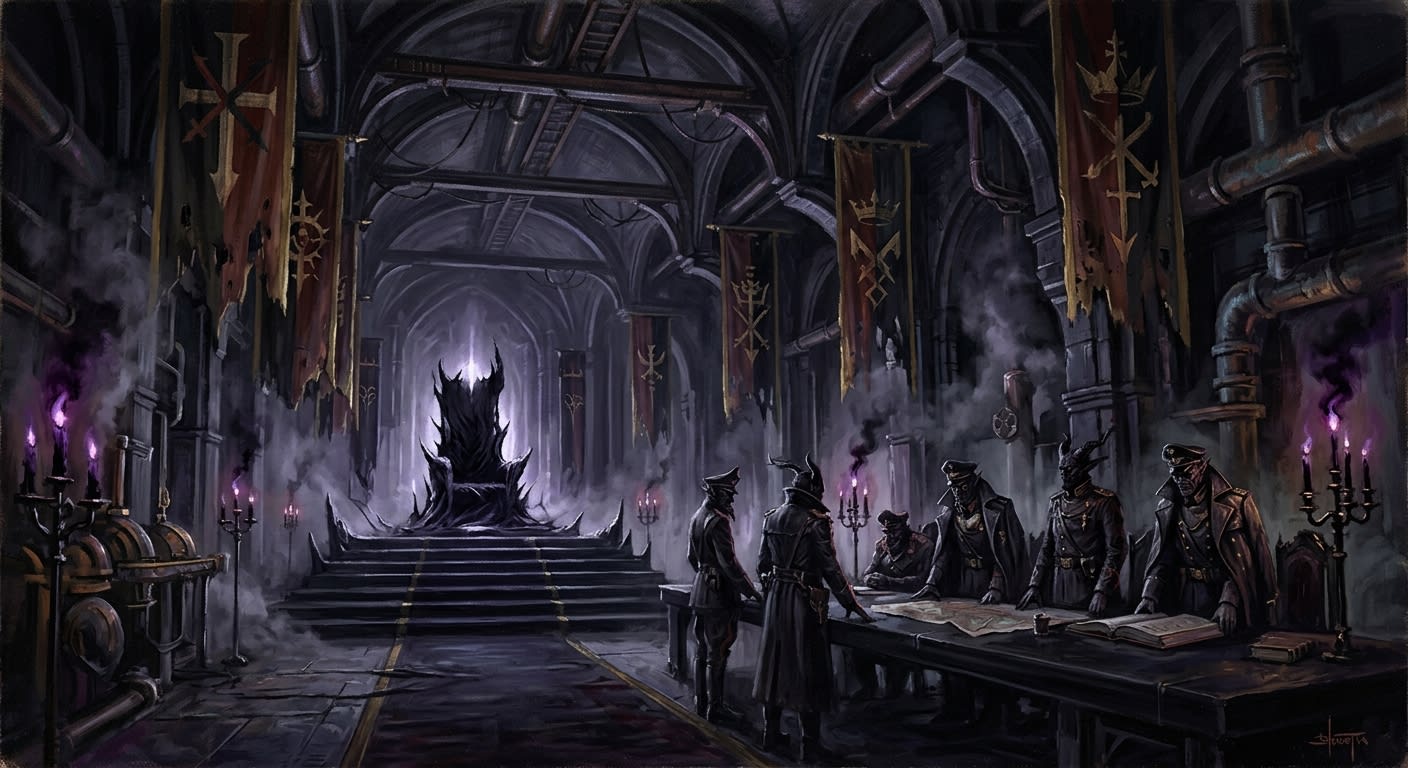
The Shadow Court
Filed under 'Locations, Hostile, Extant.' Coordinates: Pending.
The Bureau of Records has assigned the Shadow Court a filing number. The filing number is one hundred and nine years old. The Shadow Court has not provided coordinates.
Codex Ref. V.9.01-001
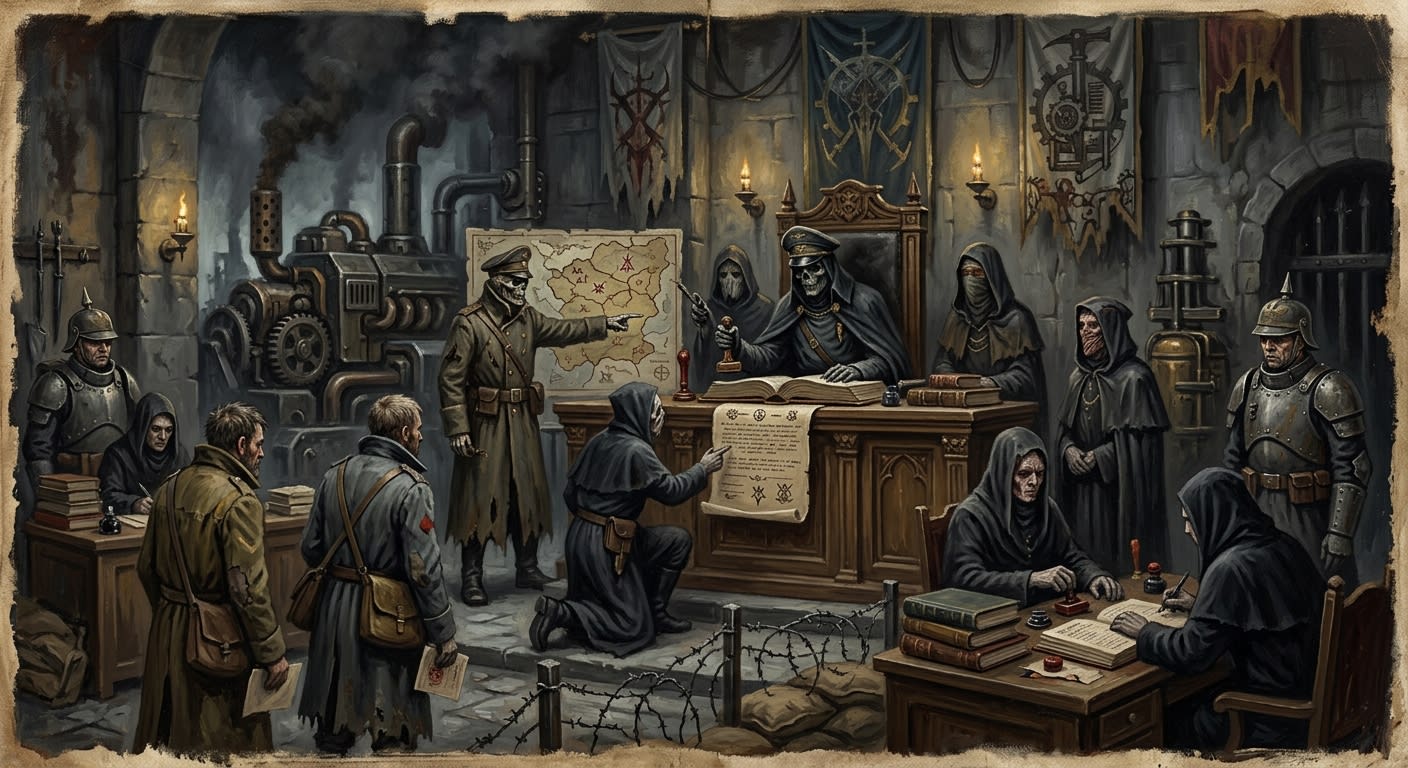
The Shadow Court
Infernal sovereignty without a capital, throne, or mercy
The Great Deceiver's anti-Synodal jurisdiction: not a mere place east of the Line, but a hostile authority expressed through sin-generals, bargains, mortal auxiliaries, and mock liturgy.
Codex Ref. IX.1.01-001
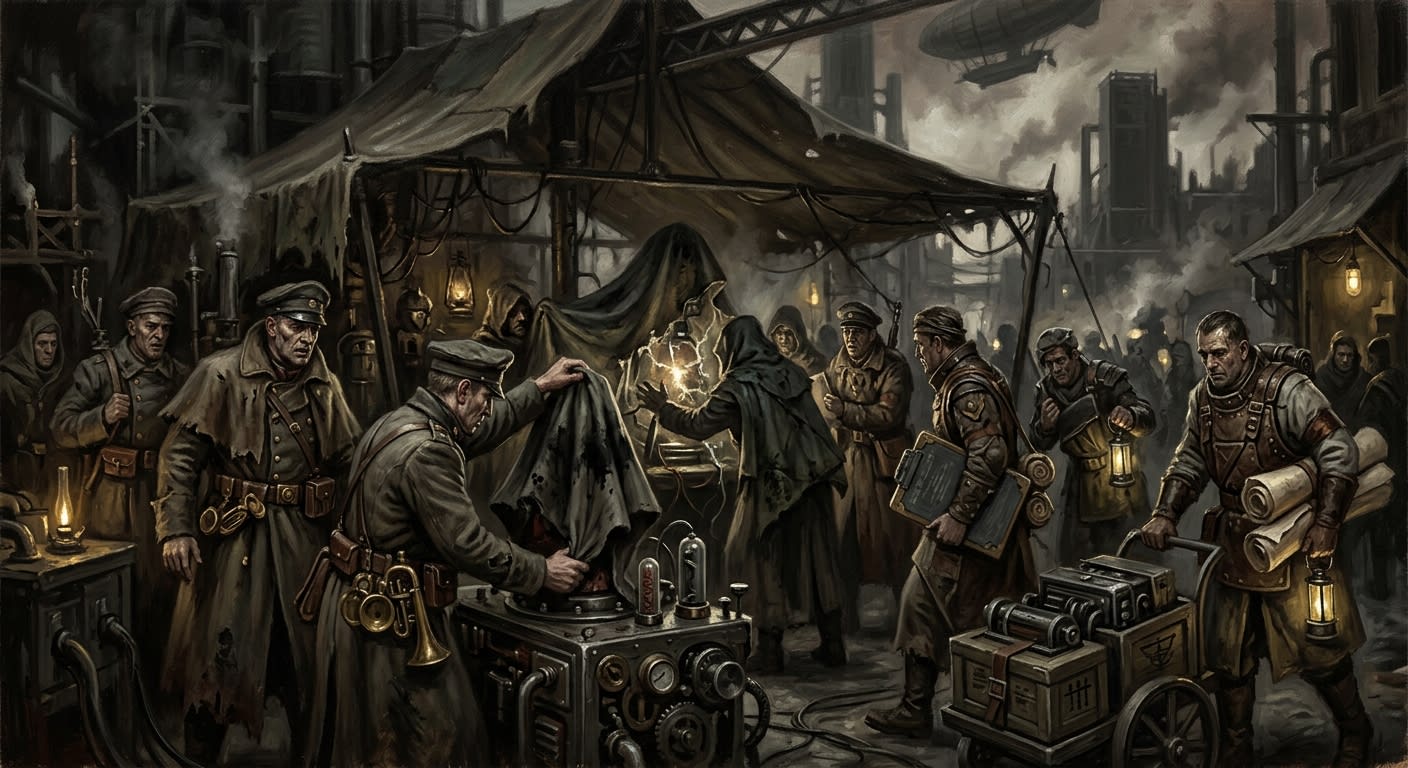
The Sibiu Anomaly
Where the creditor lent the preacher a knife and called it relief
The A.S. 199 Sibiu Anomaly confirmed contact between Crimson Concord argument and Velmoran debt-work: officially anomalous, practically a screaming fact under an ink hood.
Codex Ref. VII.8.10-199
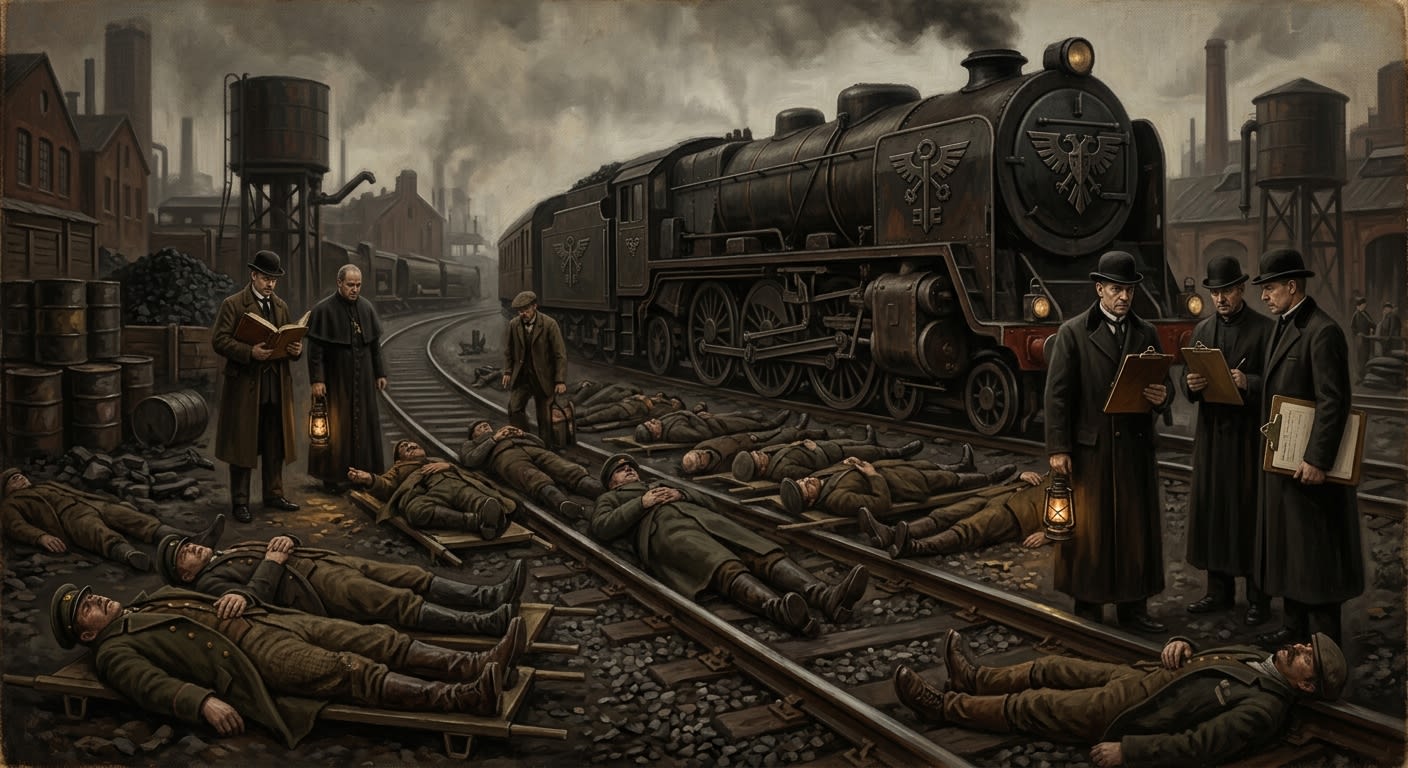
The Silent Derailment
Forty-one dead men made Lorn hear its own obedience
In A.S. 112, forty-one men died on an unregistered Lorn siding, proving that a yard may obey every hymn and still deliver corpses to an illegal rail.
Codex Ref. VII.8.10-112

The Slumber-Hulk
A building that remembered how to walk — and what it was built to crush
Syrion's heaviest deployed asset — a chain-bound mass of compressed flesh and arrested time, classified HEAVY SIEGE (SUB-TYPE: TEMPORAL) by the Bureau of War. It does not strike. It approaches.
Codex Ref. IV.4.01-001
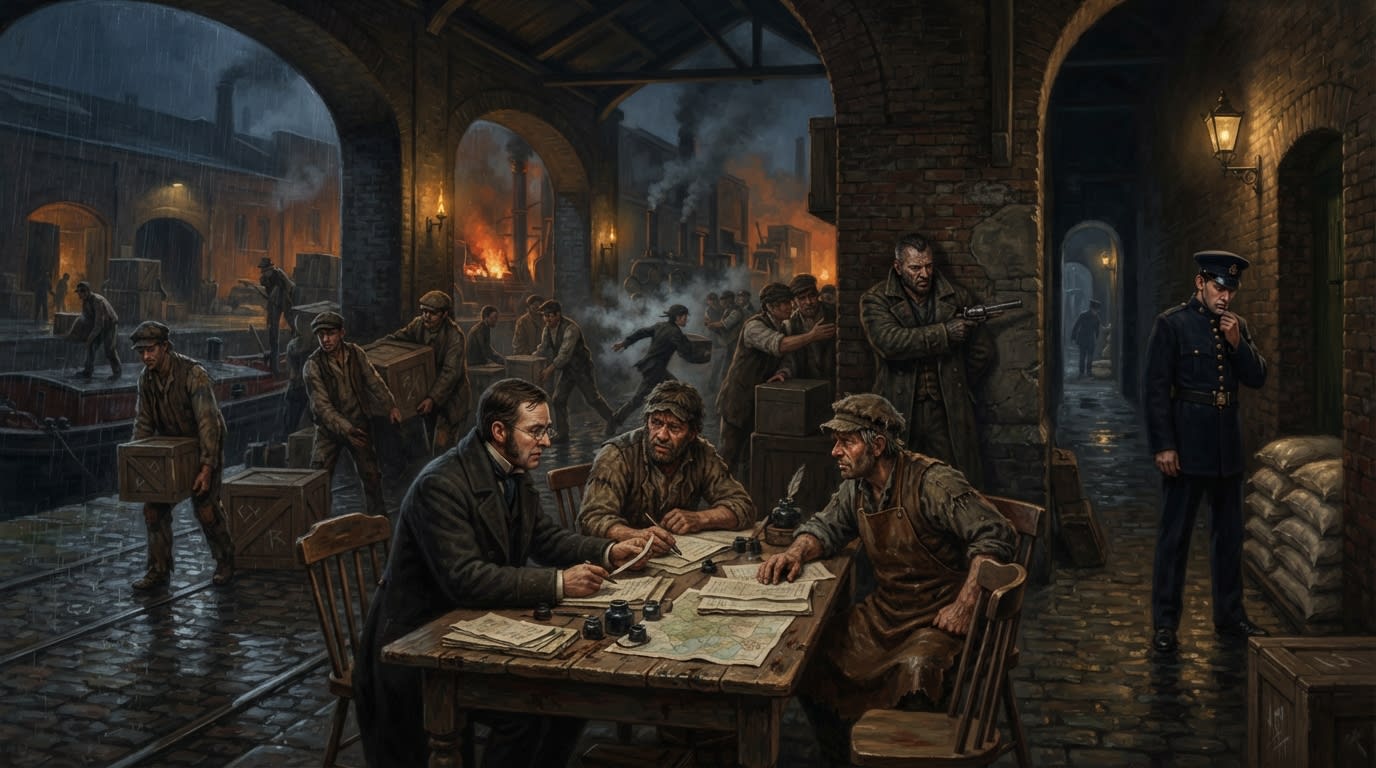
The Smuggler's Syndicate
The Other Road Has a Toll
Not a guild, brotherhood, cartel, or cause: the Syndicate is what emerges when official roads kill more reliably than unofficial ones. It moves medicine, witnesses, bodies, proof, names, and obligations through the interval between need and permission.
Codex Ref. IV.7.03-001
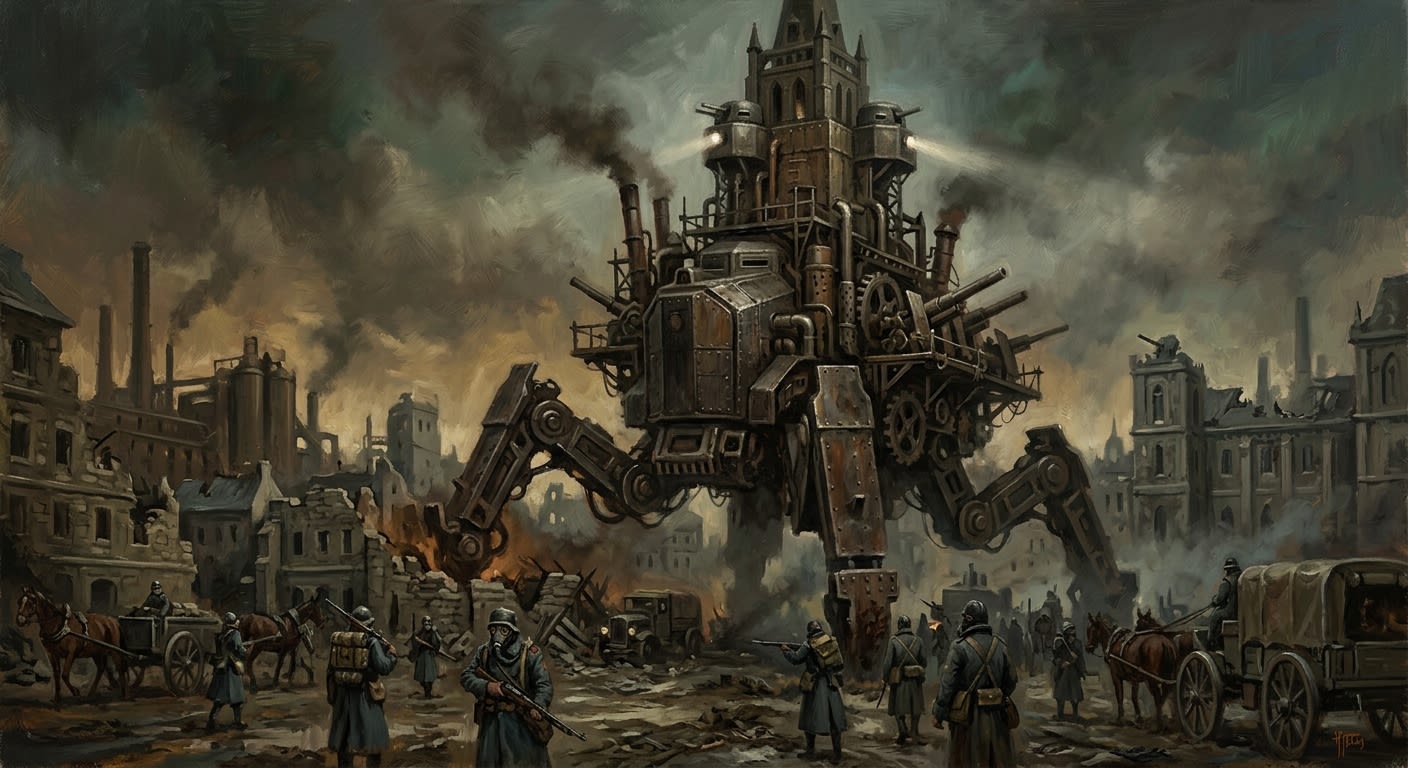
The Spire-Crusher
Pride built a tower tall enough to make the wall feel rude
Atheron's Spire-Crusher was a walking tower that grew from 340 to 900 feet before Przemyśl broke its forward pier and learned to fear empty sky.
Codex Ref. IV.1.07-011
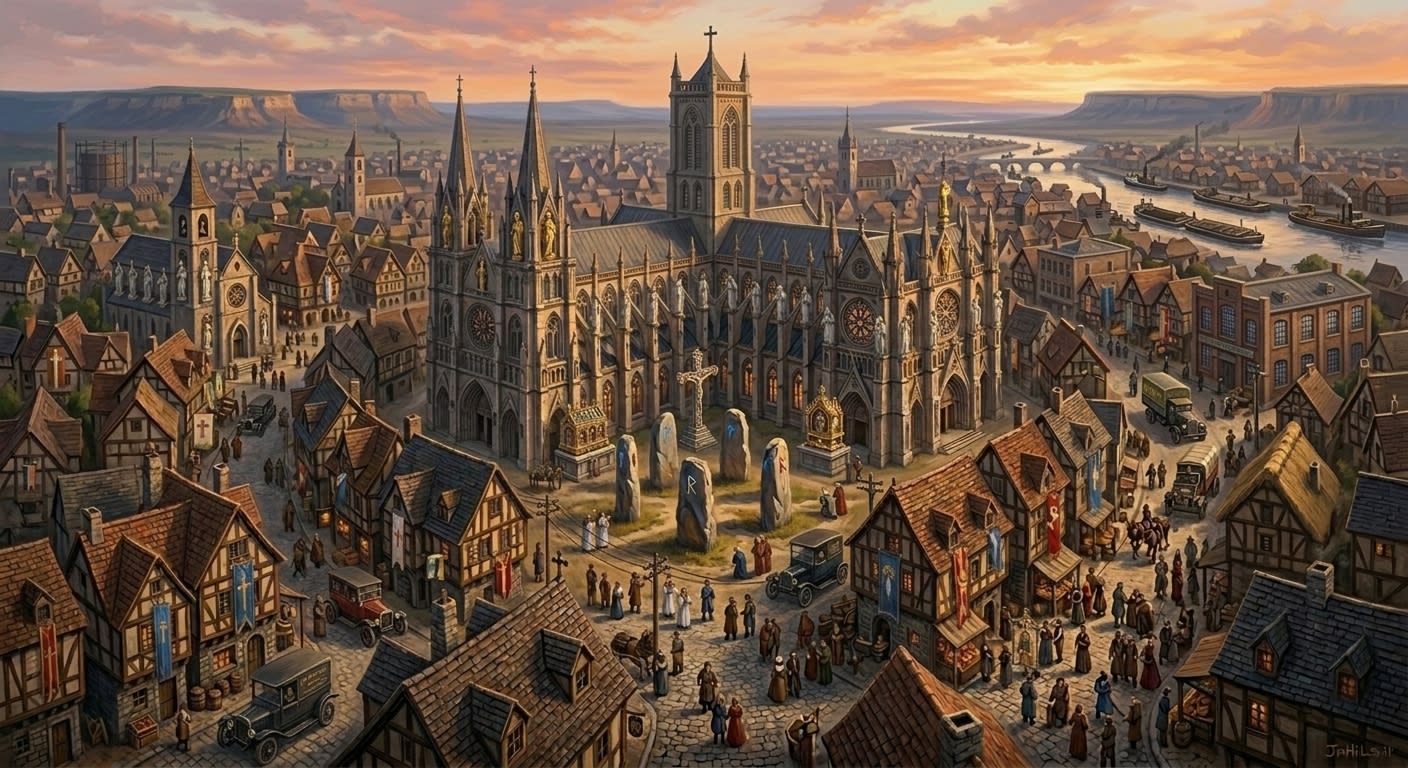
The Steppe Gate of Windscript Treaty-Stones
Say it clean, or pay it red
A border compact written in stone and enforced by the wind. Where pronunciation is a medical condition, silence is heresy, and the treaty has begun amending itself.
Codex Ref. II.4.08-003
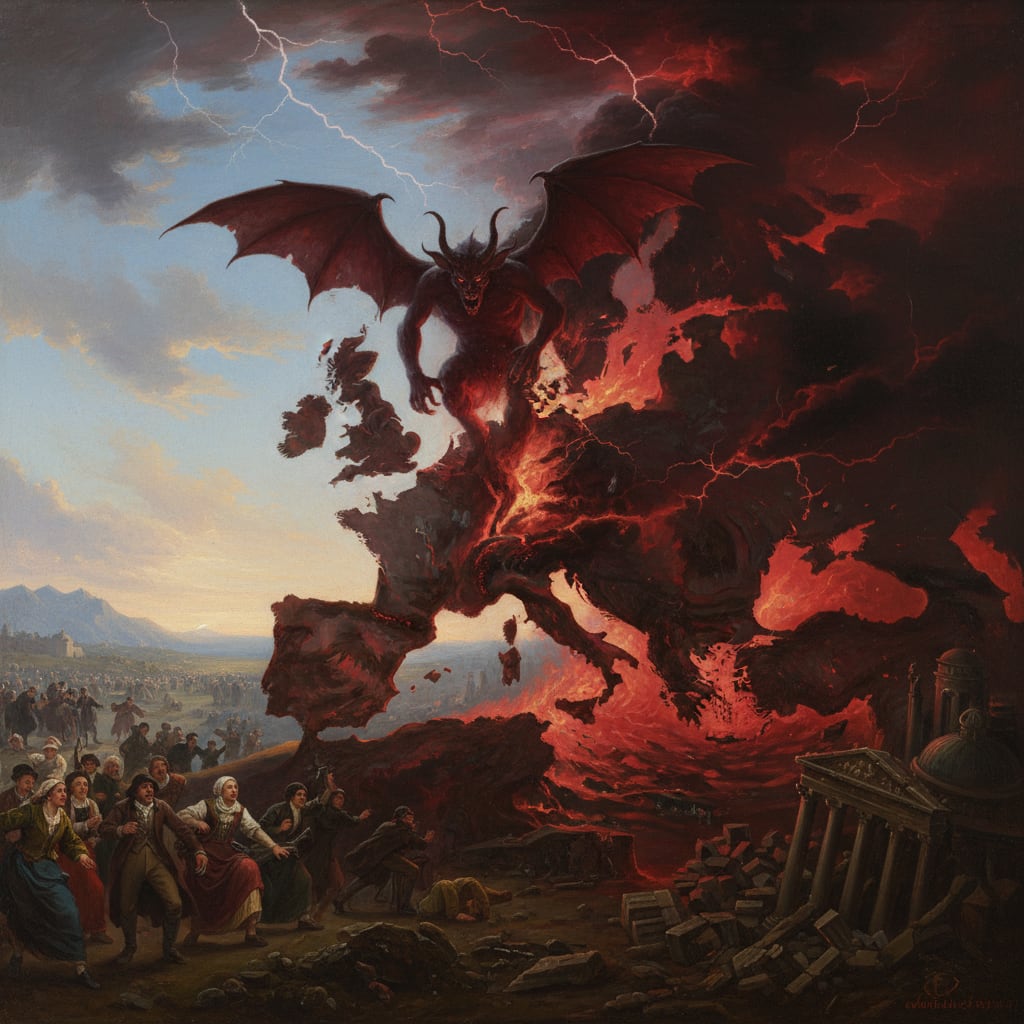
The Sundering
The Day the World Cracked Open and the Creator Sent His Invoice
The cataclysm of 1 November, 45 An.S. — when the Balkans erupted and the legions of the Great Deceiver poured through the wound in Creation. The event that ended Reason and birthed Faith's second coming. As explained by the only man whose explanation matters.
Codex Ref. I.1.02-001
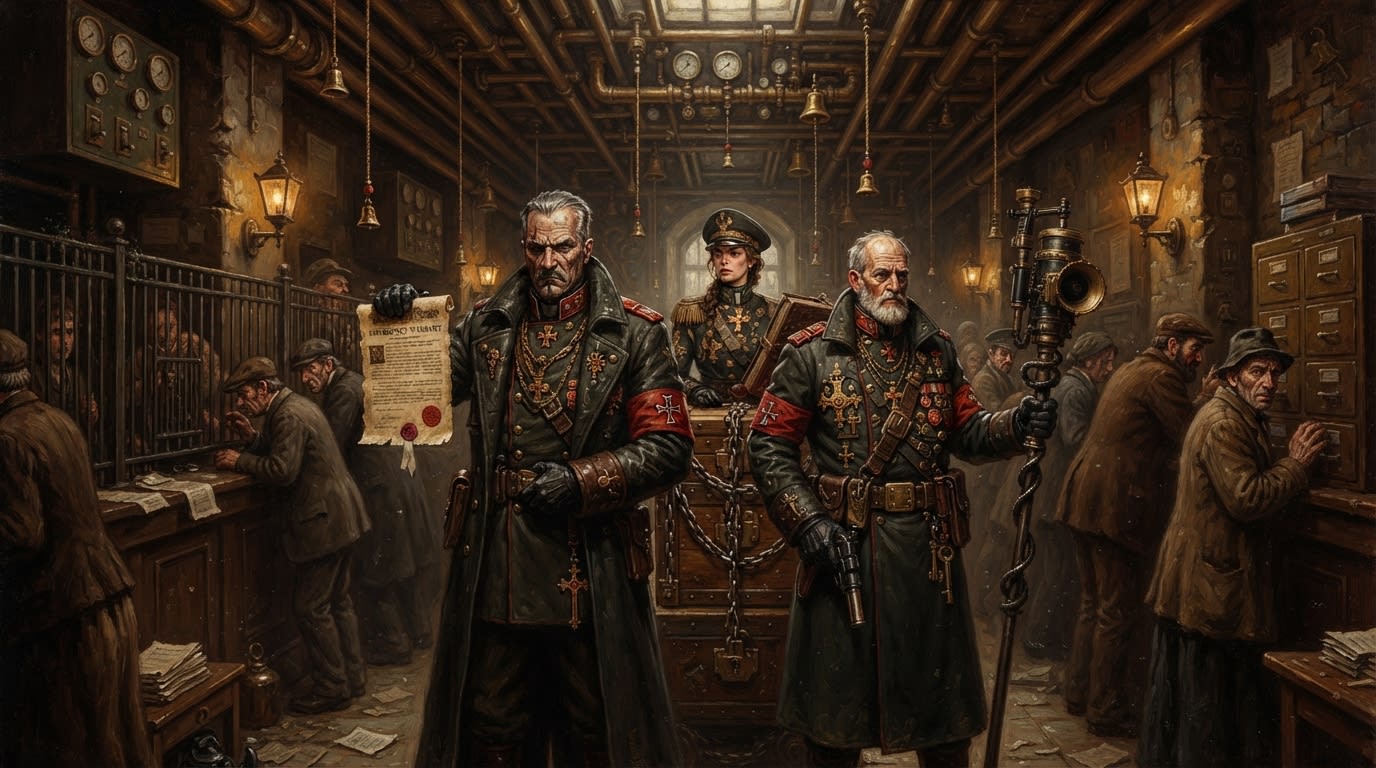
The Synod Task Force
On the Armed Enforcement of Administrative Truth
The Synod's answer to contested truth: temporary, armed administrative cells dispatched by warrant when ordinary procedure has failed, become complicit, or begun devouring its own paperwork. They preserve facts powerful offices would prefer misplaced.
Codex Ref. IV.7.12-001
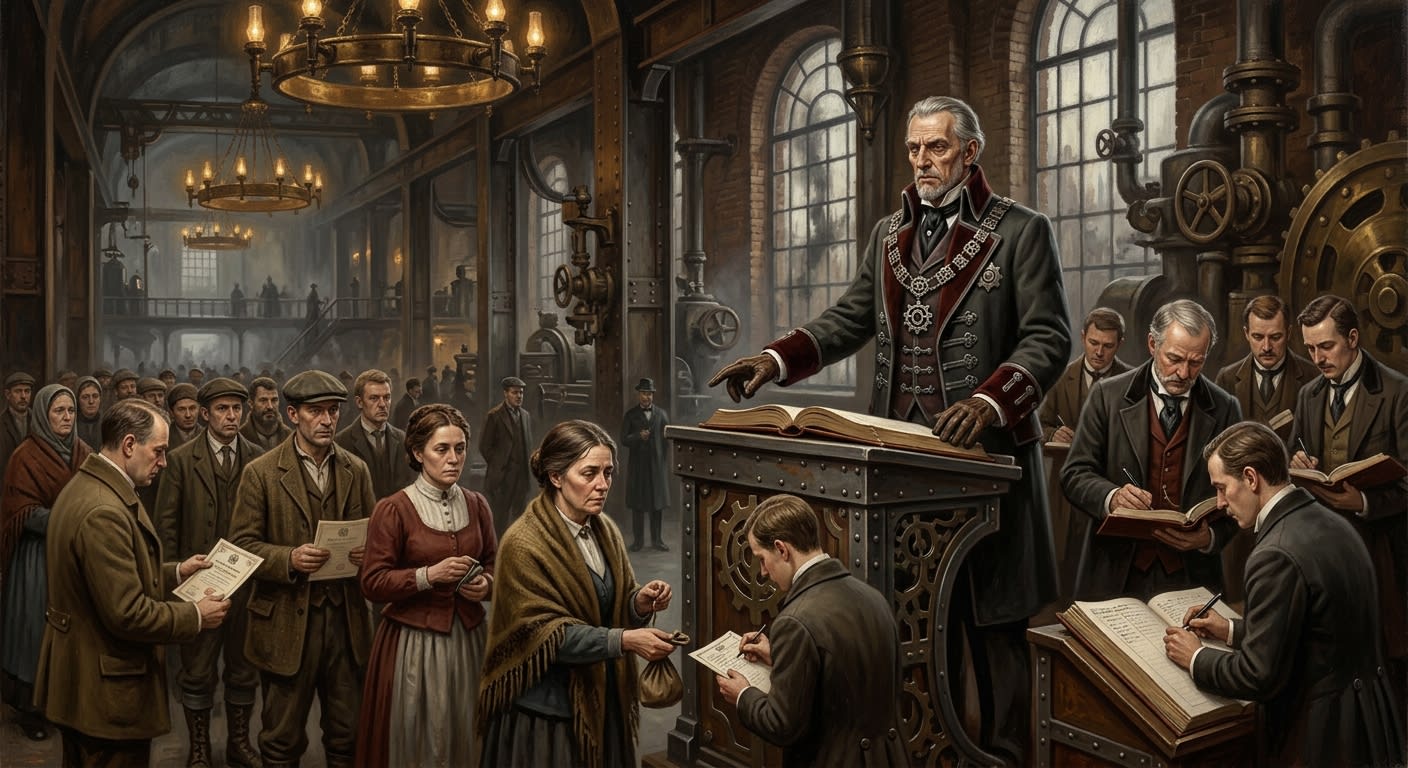
The Twelfth Amendment
The skull is licensed ground; keep your thoughts in uniform
Ratified in A.S. 196, the Twelfth Amendment closes the internal loophole, licenses private hope, and gives Purity the citizen's face as evidence.
Codex Ref. XIII.1.04-196
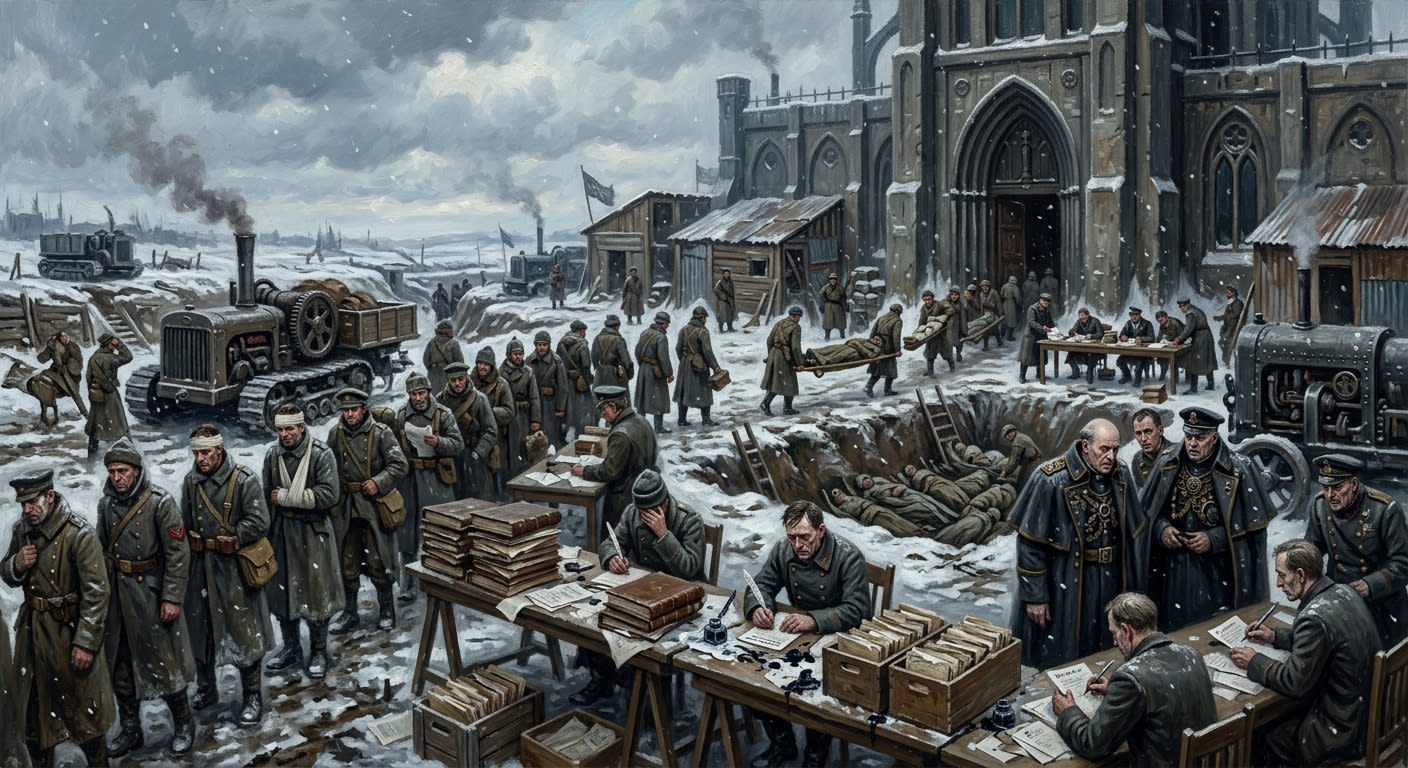
The Uncounted Winter
Fifty thousand dead, and the page arrived late
Northern offensive and registry collapse of A.S. 87–91, when fifty thousand dead went unattested and the Synod learned to put a court beside the wound.
Codex Ref. VII.8.10-091

The Velvet Choir
[[velkara|Velkara's]] order of consciences-undone: it unfolds inside the [[the-sagittal-line|Line]]
The classified assessment of Velkara's primary infiltration instrument by the Bureau of Doctrine — the network by which Lust enters Synod territory as a Tuesday rather than an army.
Codex Ref. VIII.6.01-001
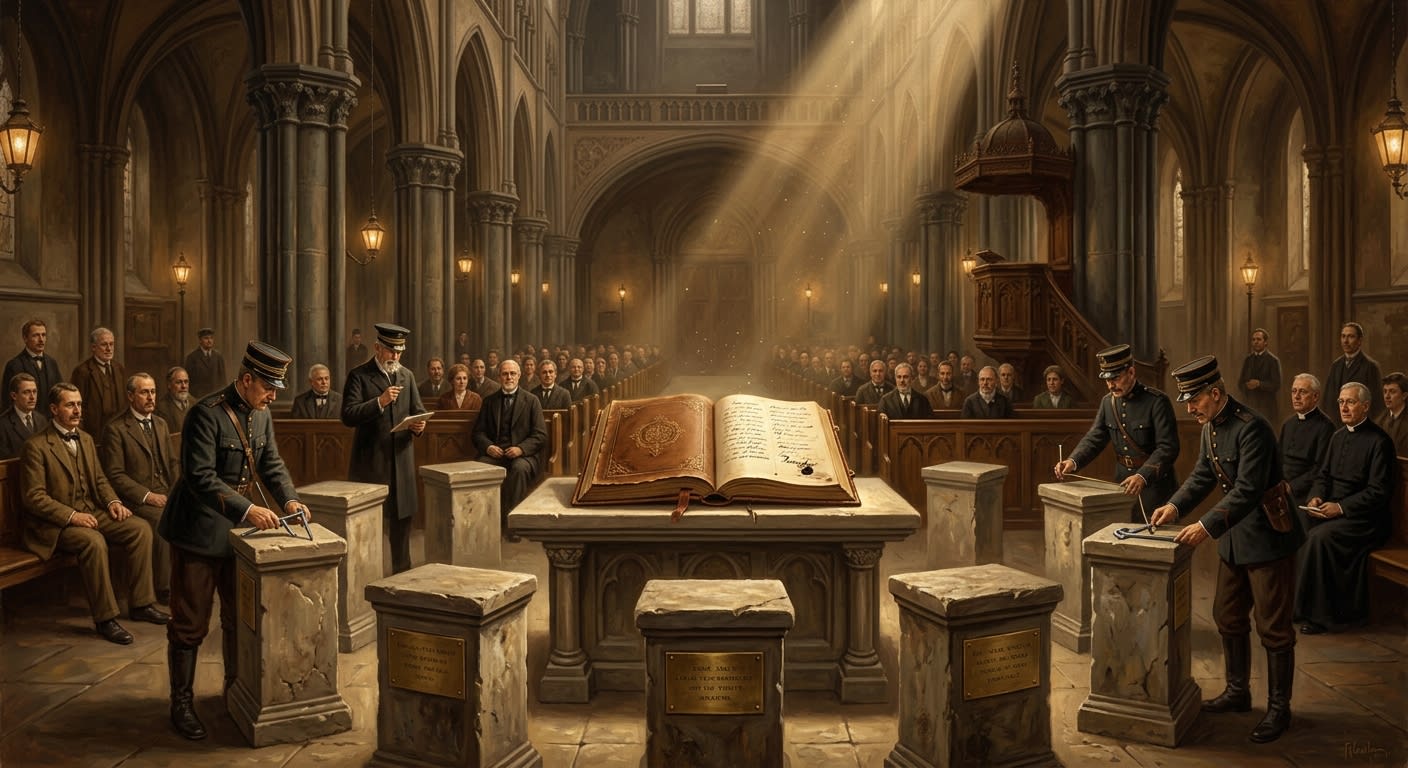
The Virtue Generals (So-Called)
Seven heresies dressed as hope, condemned in the forty-fourth standing order
Standing Order 44-D refuted, filed, and reluctantly left open. Seven alleged champions of the Creator — unregistered, unconfirmed, and disturbingly active for entities that do not exist.
Codex Ref. IX.3.44-001
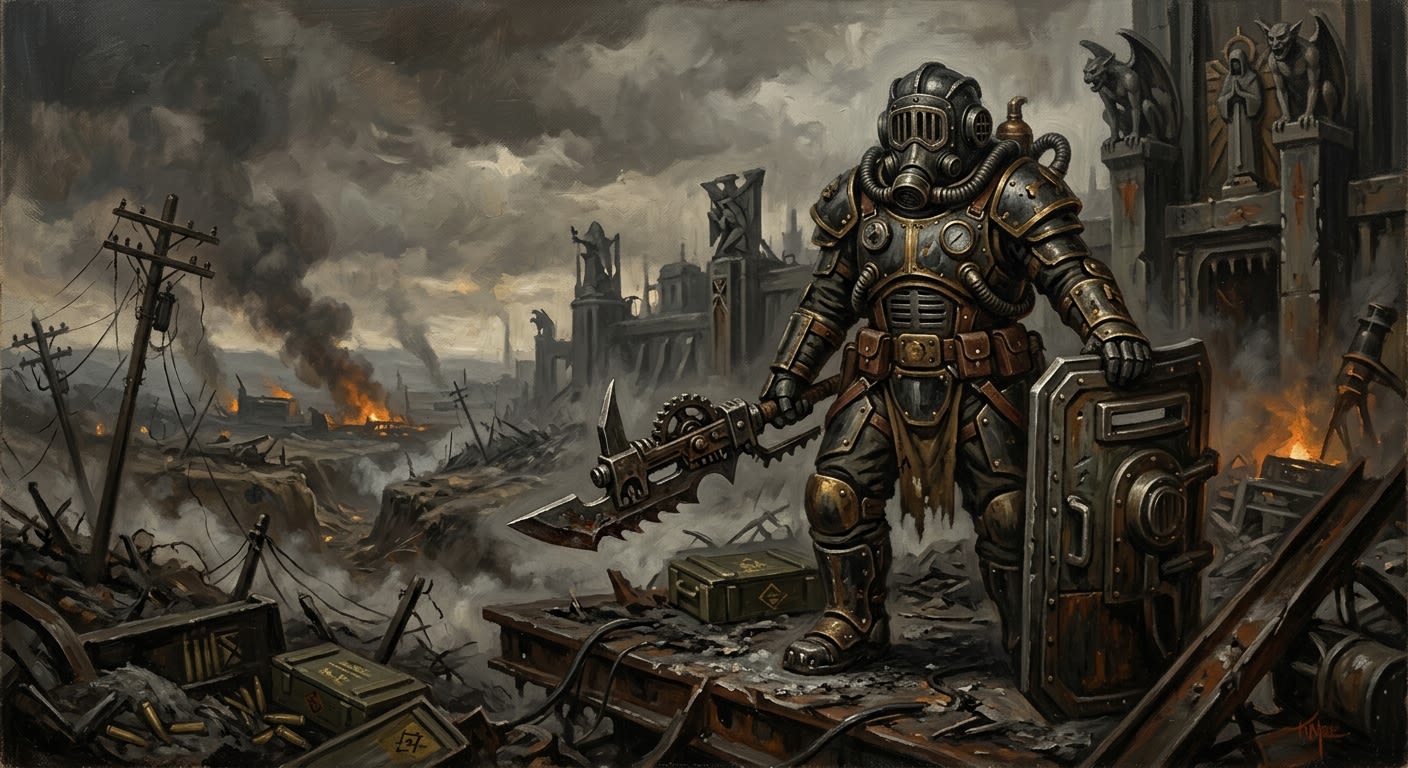
The Warrior of Justice
The faceless correction no Bureau has managed to license
Condemned as the Third so-called Virtue General, the Warrior of Justice is an unconfirmed faceless combatant whose alleged interventions rescue losing lines and insult every licensed channel of hope.
Codex Ref. III.2.01-053

The White-Mantled Inquisitor
The Bureau does not silence speech; it teaches the population to do it themselves
Bureau of Purity's language constables — Chalklings, Mantle Examiners, Chainmasters, and Glass-Canons — charged with containing unregistered speech, enforcing the Index Claritatis, and hunting the phrases that make the chain sing.
Codex Ref. XII.49.01-001
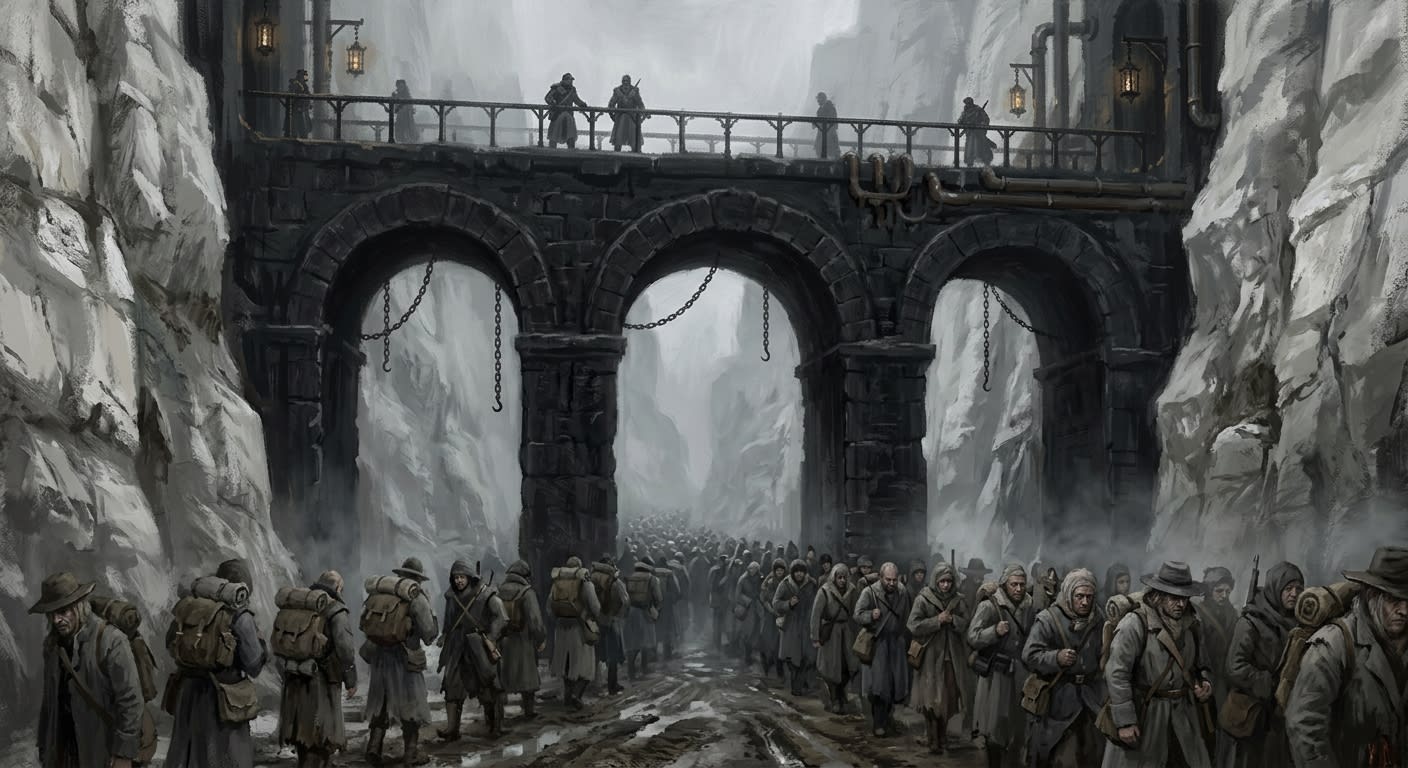
The Widow's Pennies Exchange at Griefgate
Where guilt is the currency and the arch keeps the change
The most efficient grief-processing apparatus on the pilgrim roads — three black-stone arches, a ledger of sorrows, and a staff of professionals who charge for the arithmetic.
Codex Ref. II.1.04-001
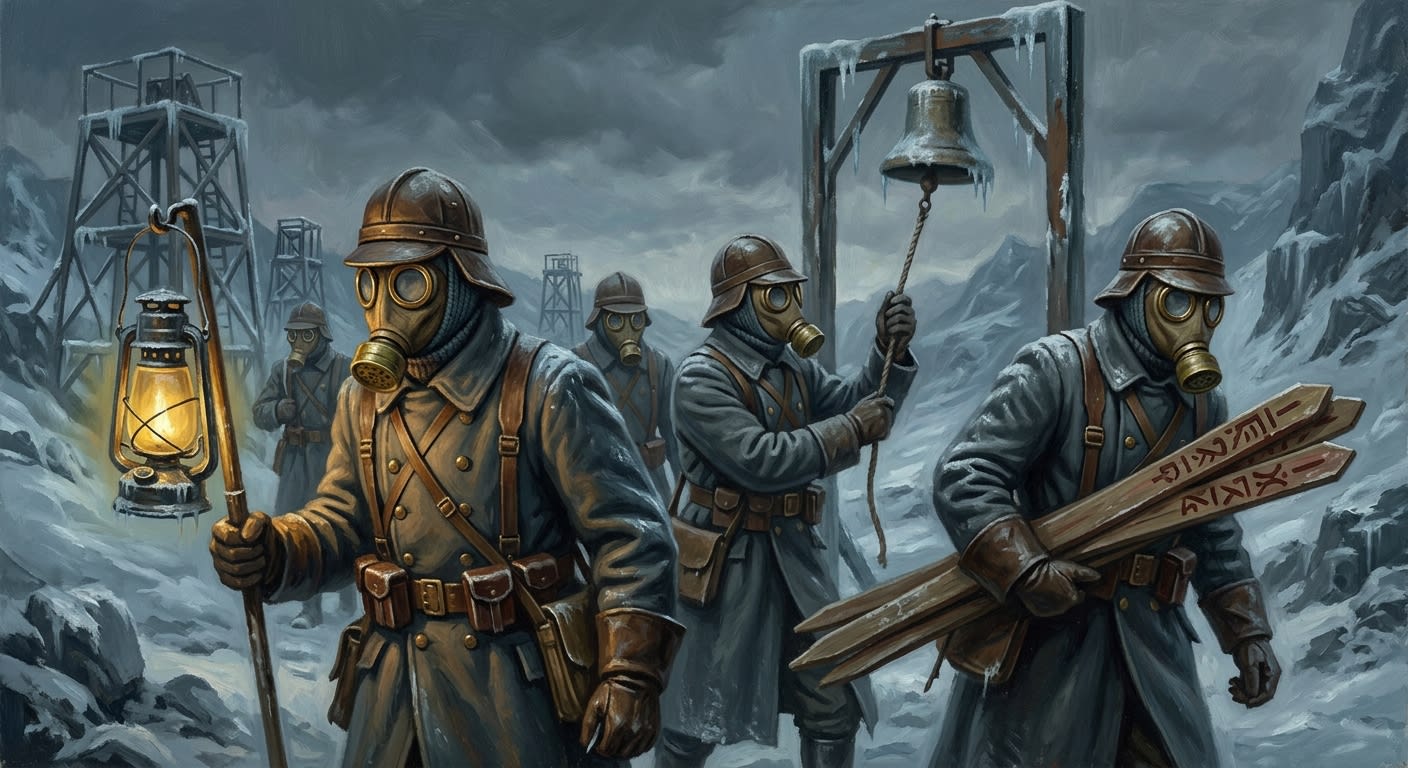
The Winter Watch
Ring first, explain never, and keep the road alive until thaw
The Winter Watch is the Fractured North's armed obligation: elected captains, cliff-bells, route marks, lamp-oil debts, and the old silence by which settlements survive what Strasbourg cannot command.
Codex Ref. XI.5.01-001
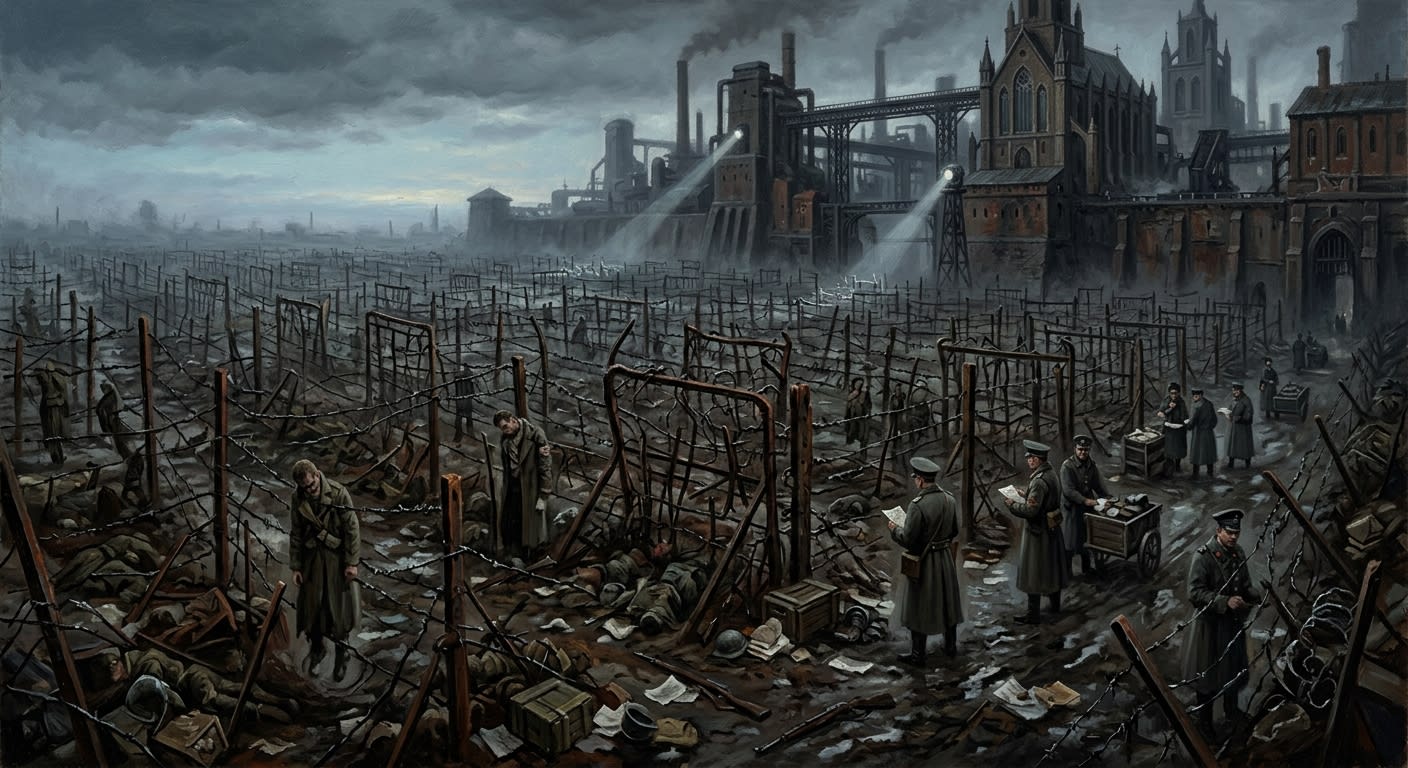
The Wire Orchard
Where the paper grows teeth and the dawn performs audit
The Wire Orchard is Bastion-Przemyśl's three-mile killing and sorting grid, where paper becomes permission, wire becomes judgment, and dawn harvests both.
Codex Ref. II.4.09-075
The Year Without Dawn
The Bureau's Second Portent: forty days without sun, seventeen explanations without facts, and one Province without tongues.
A.S. 32: forty days without the sun, children born grey-eyed and voiceless, the Rationalists publishing seventeen treatises to explain a volcano no one could find. The Bureau's Second Providential Portent.
Codex Ref. VII.4.01-001
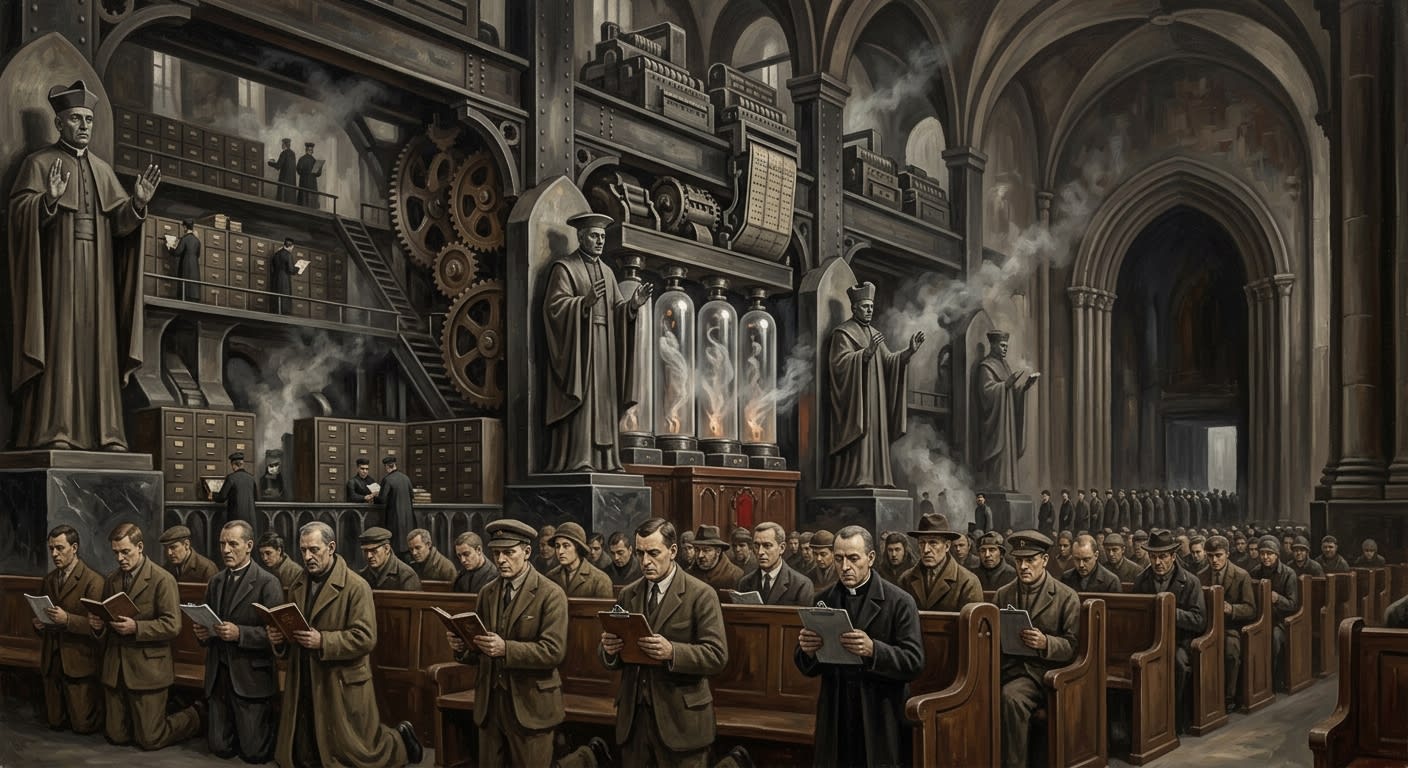
Theocracy
Piety with pipes, doctrine with payroll
Theocracy is the Synod's mature art: altar made warrant, prayer made schedule, fear made grammar, and every soul brought under ratified custody.
Codex Ref. XIII.1.01-201
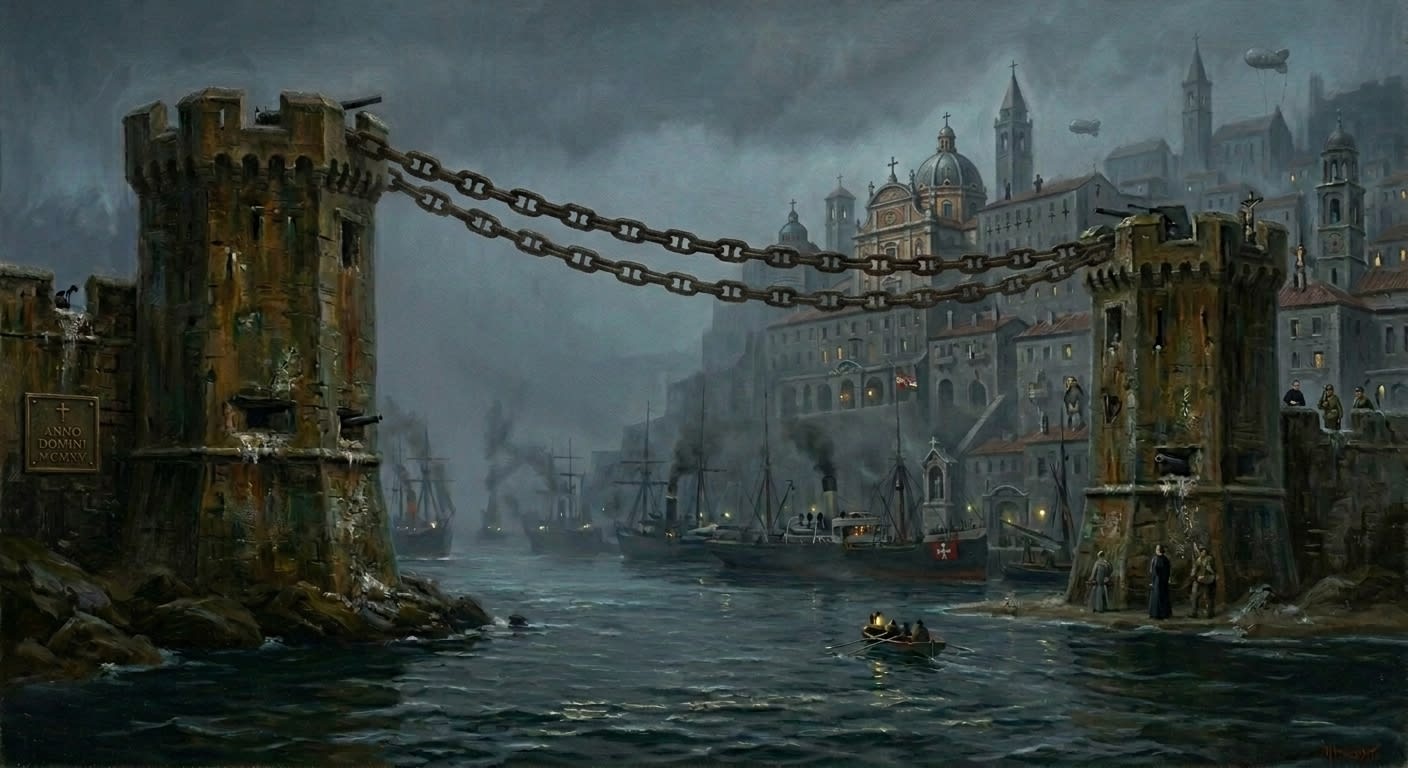
Thessaloniki (Harbor-Chain Towers)
Where every passage is a registration event, and the chains keep the ledger
The Synod's Aegean gullet — Twin Towers of the Harbor-Chain processing ~280,000 souls and every caravan bound for the southern Line, while the Drowned Choir counts beneath the psalm-hum.
Codex Ref. II.4.09-003
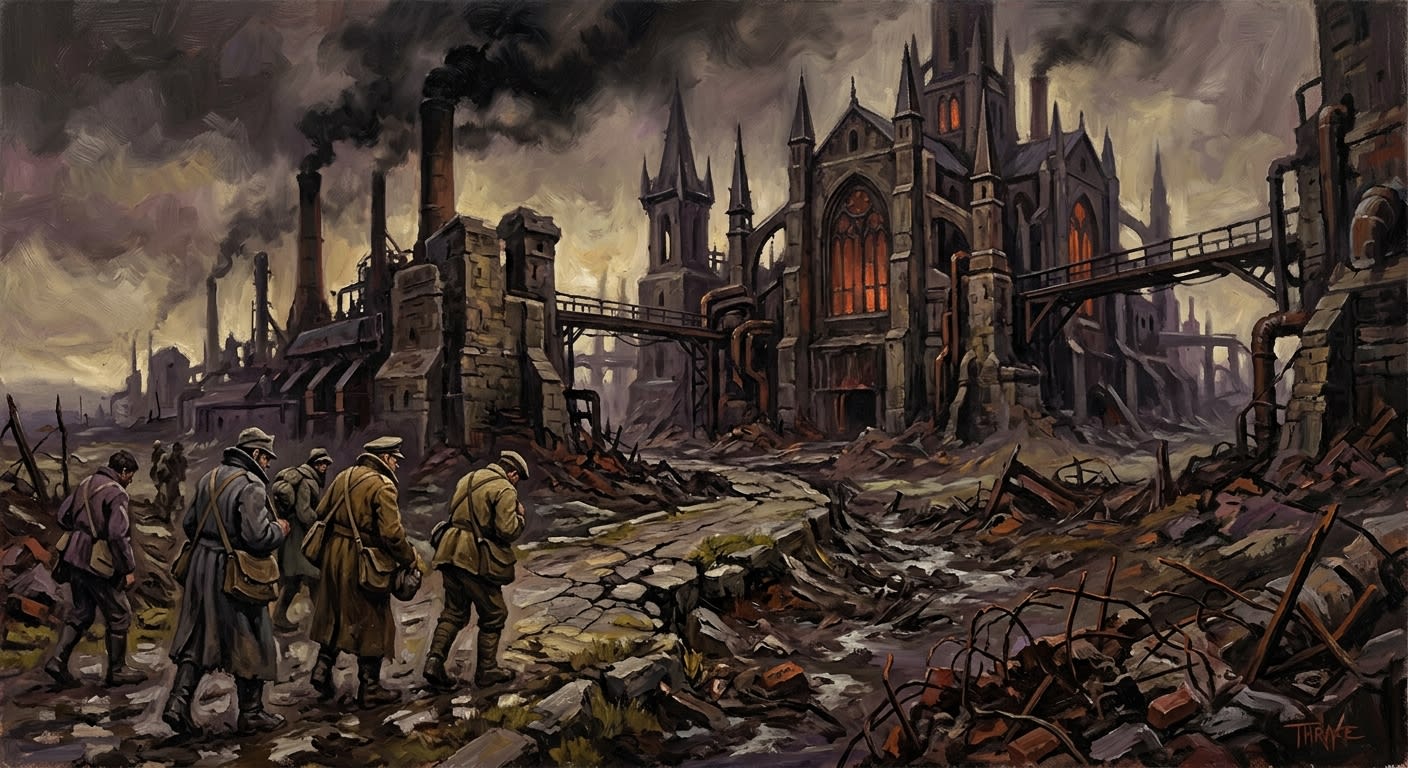
Thrace
The province geography learned to condemn
Thrace is the fallen south-eastern furnace where old roads became warnings, Maldrake taught soil to rage, and maps learned shame.
Codex Ref. II.6.03-045
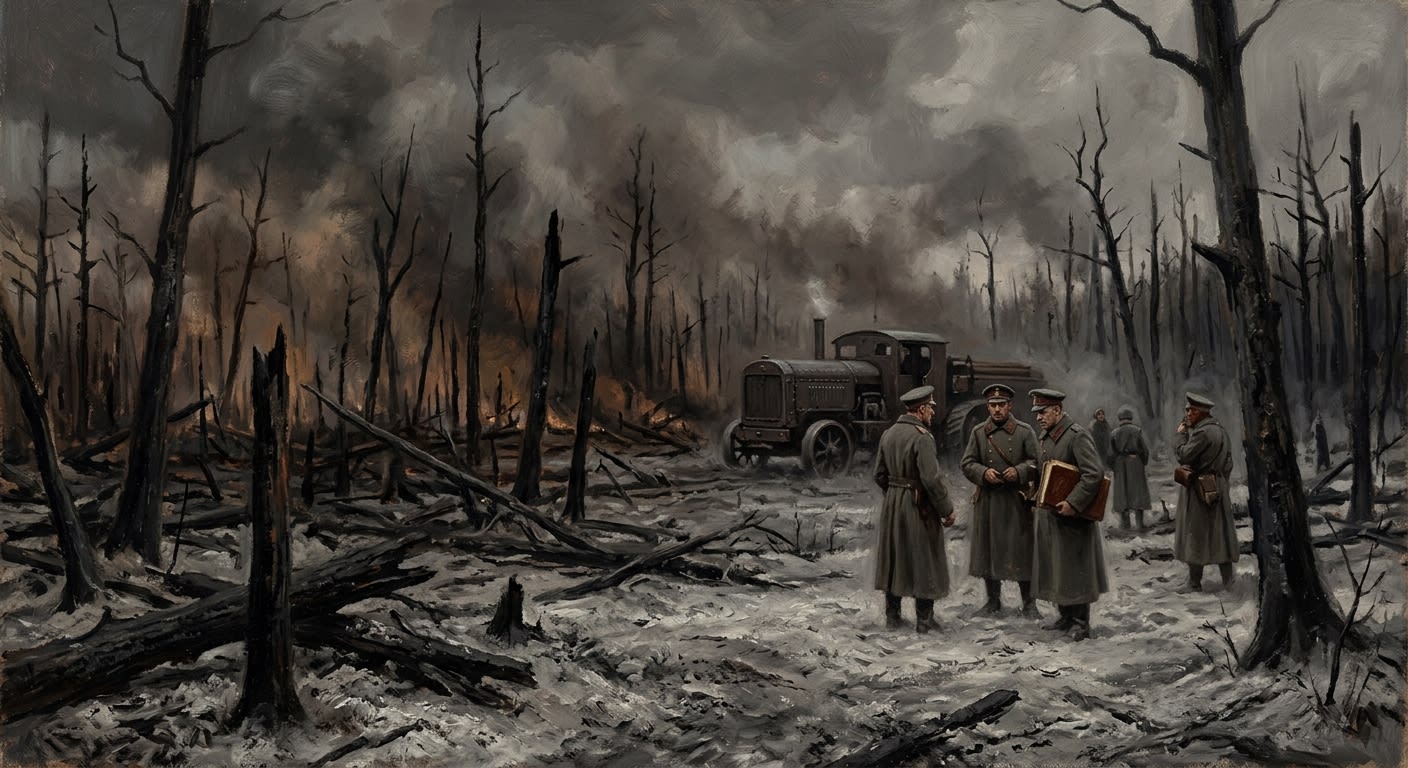
Thracian Forests
Maldrake felled a province into the sky
The Thracian forests were Maldrake's timbered weapon: a fallen reserve burned in A.S. 143 until ash became famine, ink-hunger, echo drift, and weather.
Codex Ref. II.6.03-143
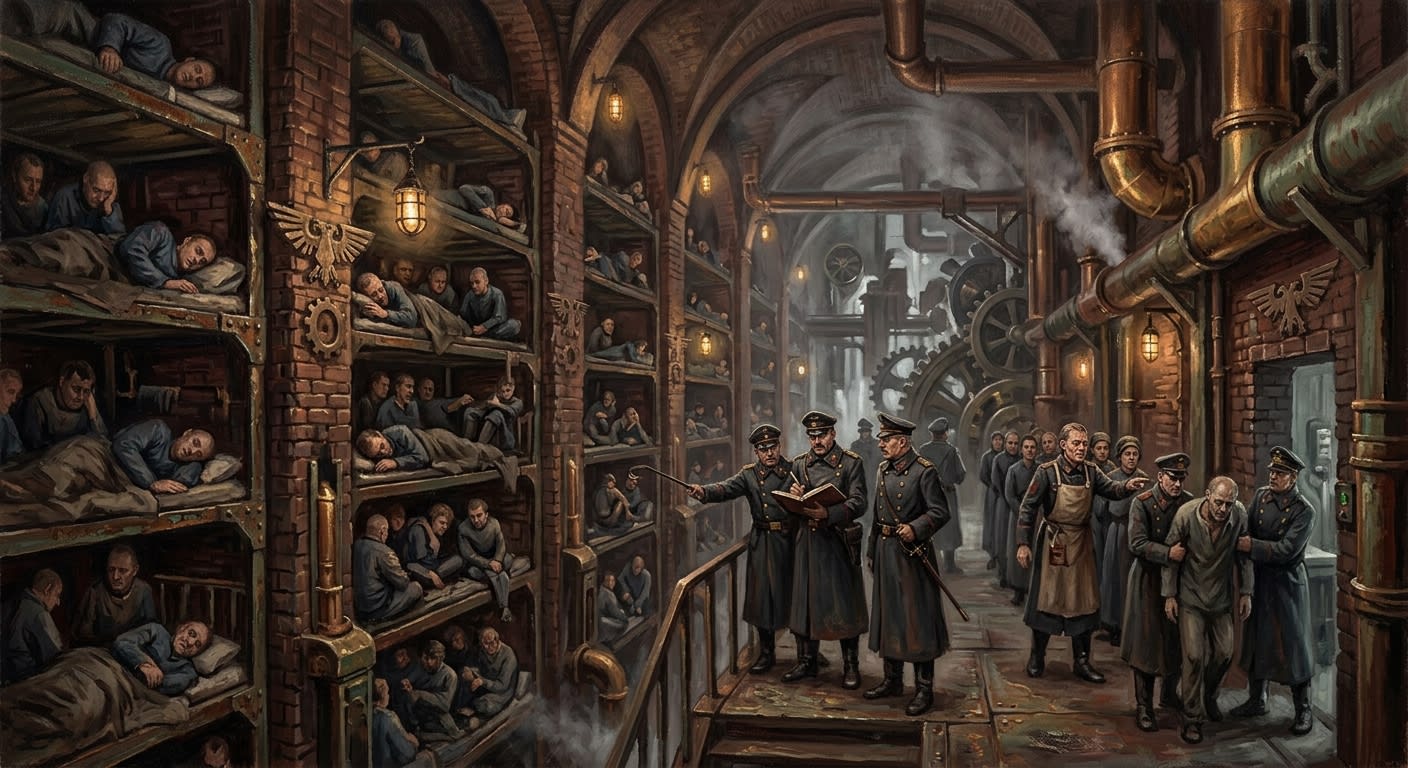
Throat Dorms
Where Essen stores the voices it spends
The Throat Dorms are Essen-of-Hymnsteel's choir barracks: brick lungs where two thousand calibration voices are housed, inspected, bled, and spent for hymnsteel.
Codex Ref. II.2.06-115
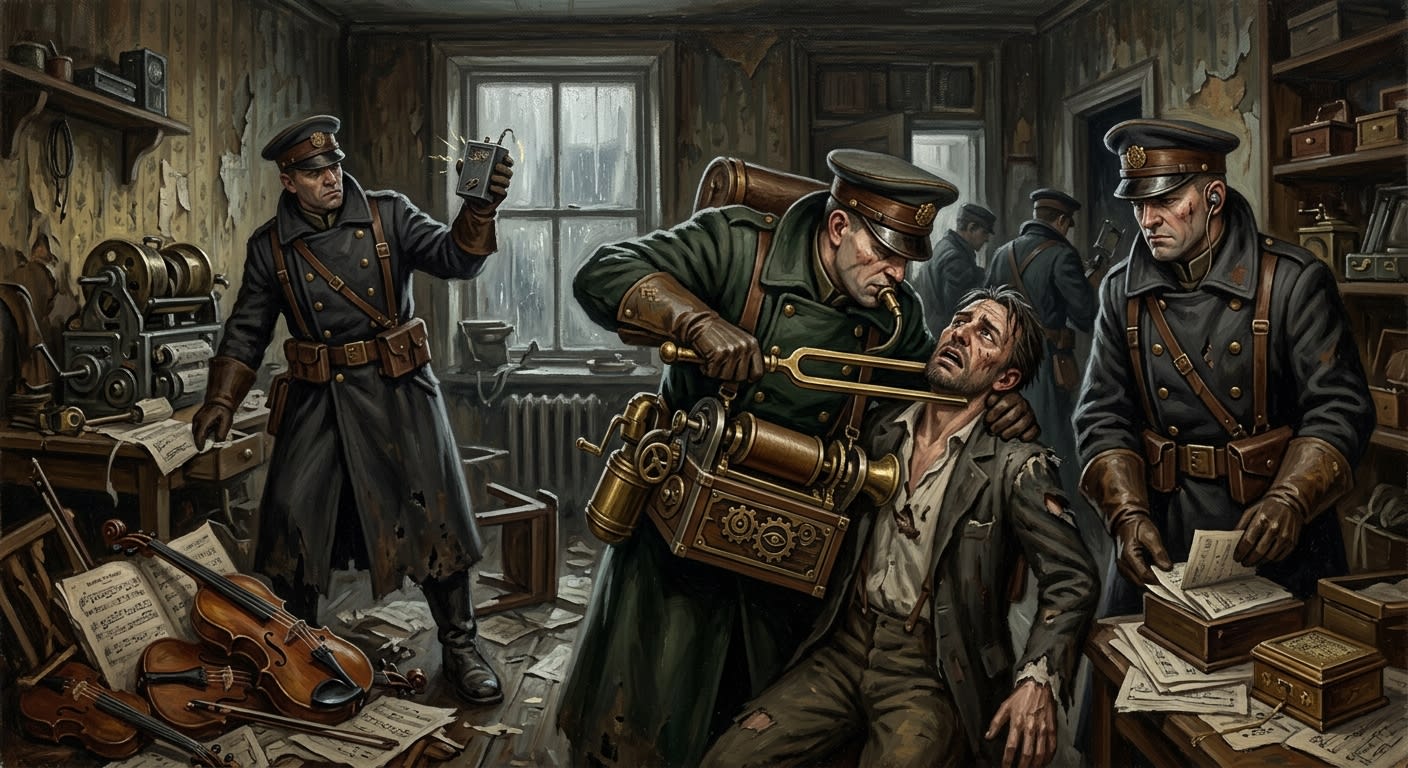
Tone Inquisitors
The ear becomes courtroom, and comfort confesses
Field enforcers of the Bureau of Orison and Song who provoke, detect, record, and prosecute unlicensed melody with forks, boxes, and ruined ears.
Codex Ref. XII.48.02-096
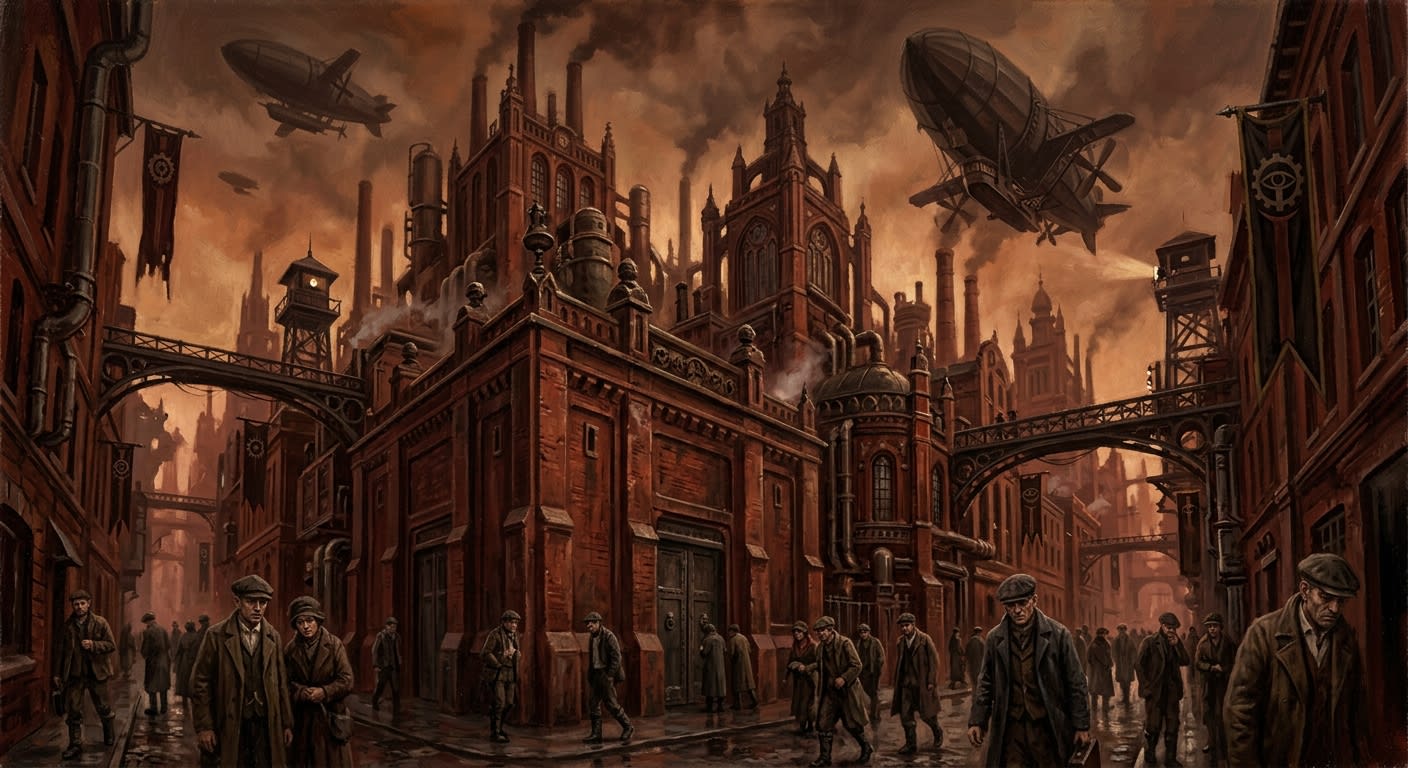
Toulouse
The safe city where Purity learned its grammar
Toulouse is the red-brick safe city corrected in A.S. 93: birthplace of Purity's public dread, still loyal, profitable, lowered-voiced, and watched.
Codex Ref. II.1.09-093

Tower of the Quill
The tallest structure in Strasbourg, which is to say the world, which is to say the matter is settled
Seat of the Bureau of Doctrine and tallest structure in Strasbourg, commissioned in A.S. 92 by successor authorities. Three bells, a classified gallery, and a sealed archive beneath the flagstones.
Codex Ref. II.1.04-001
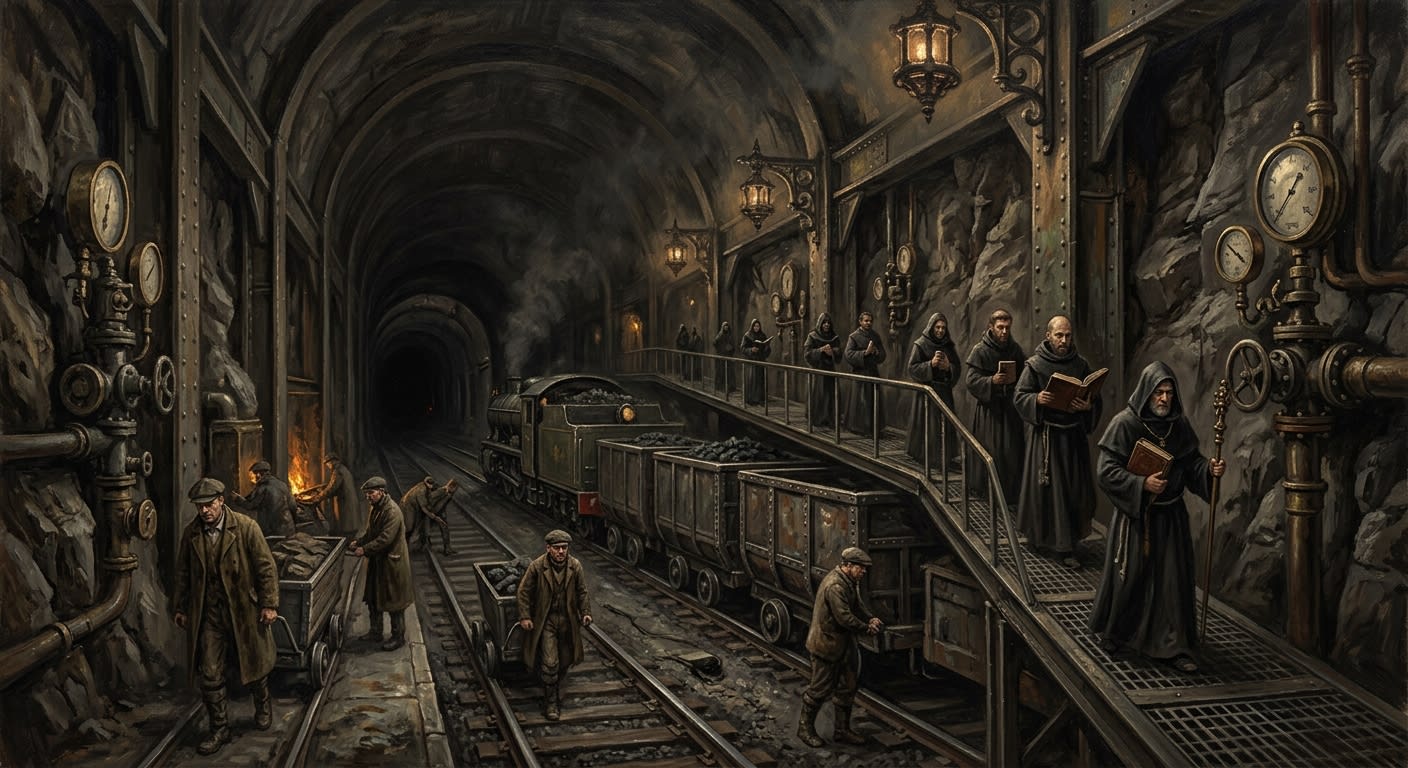
Transit Spine
The road through stone that cannot survive silence
The Transit Spine is Irongate's load-bearing road through the mountain: rail throat, chant corridor, pressure instrument, and courtroom for breath.
Codex Ref. II.4.24-072
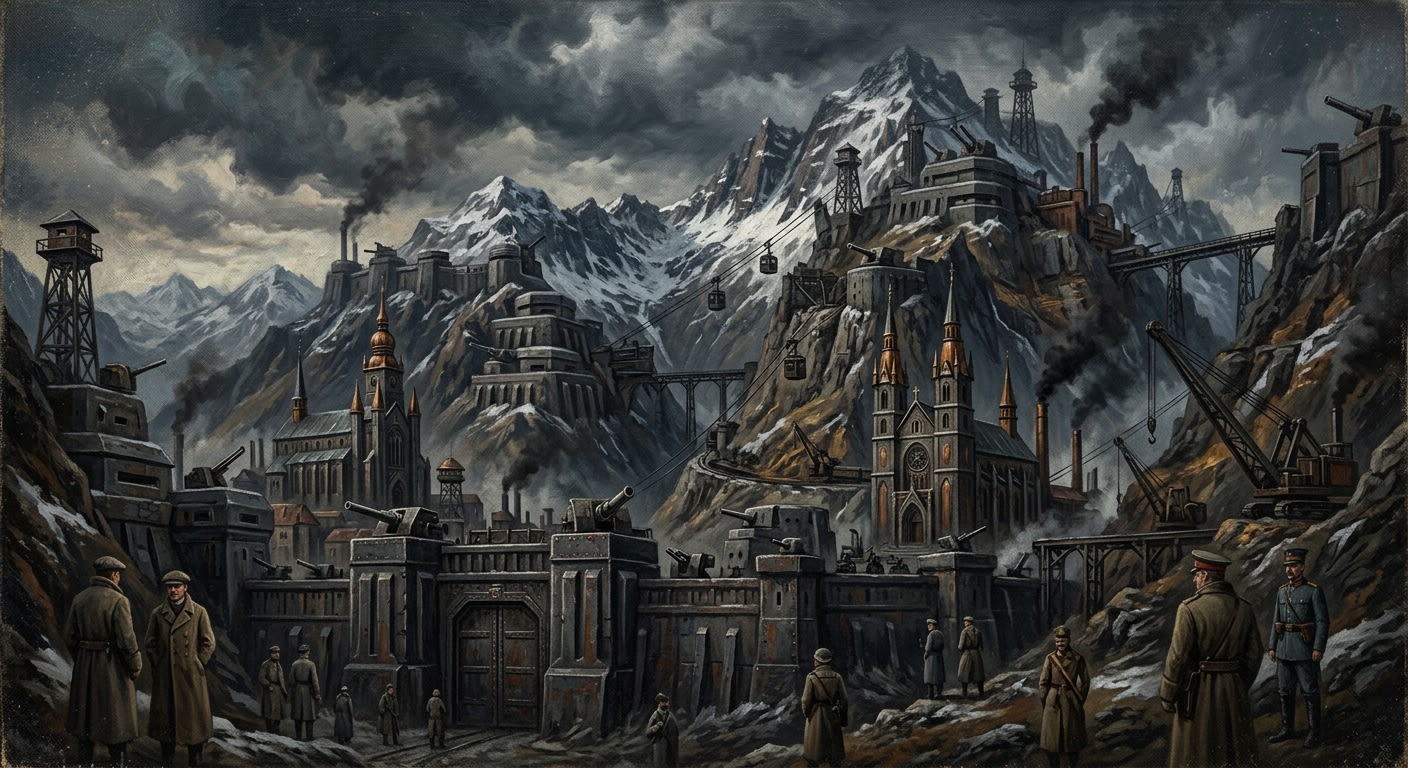
Transylvanian Alps
The mountain wall that makes greed climb uphill
The Transylvanian Alps are Sibiu's natural rampart: a wall of stone, snow, fortified churches, pass-forts, gold pressure, and Velmoran debt.
Codex Ref. II.4.08-065
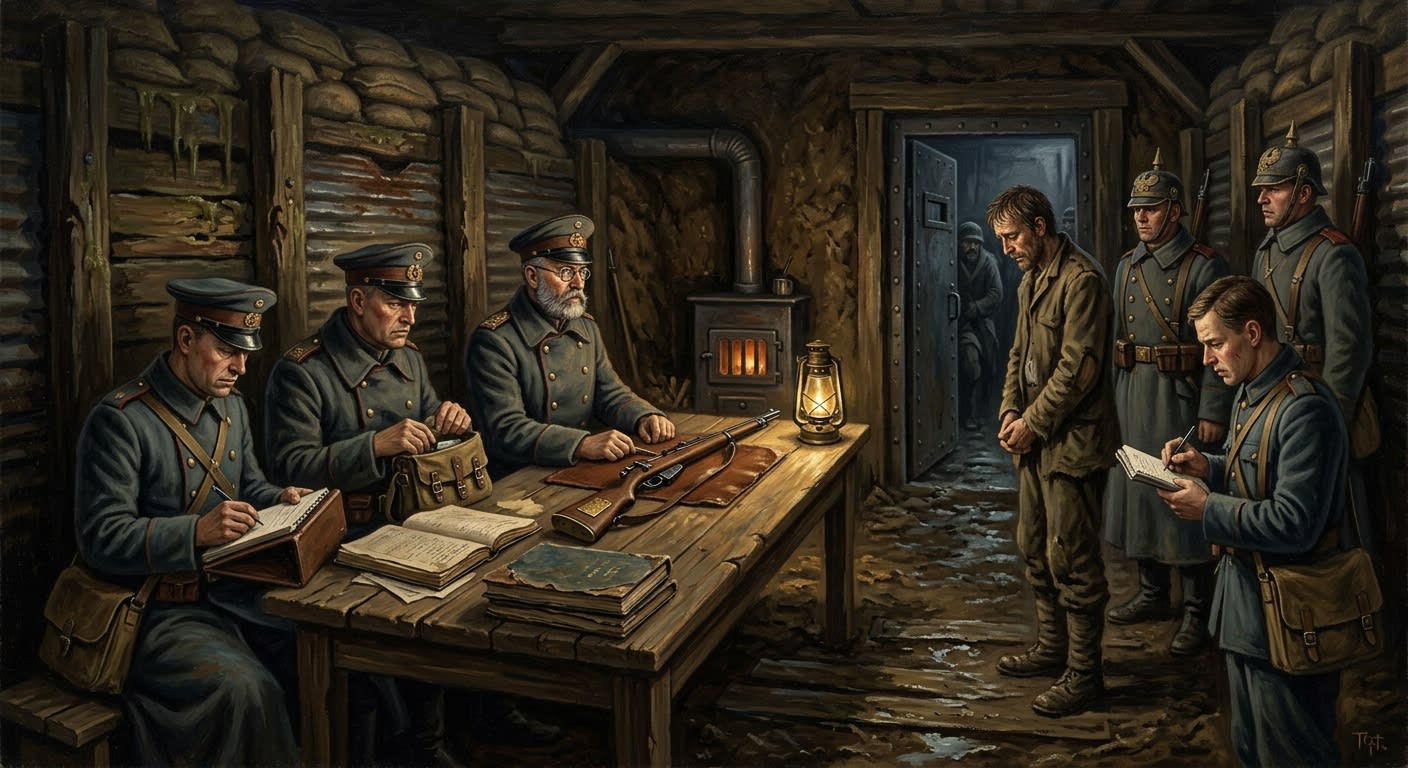
Trench Courts
Due process, shortened to fit one hymn and a rifle knock
The Trench Courts drag law into mud: lantern table, rifle-gavel, contradiction pouch, furnace, and the mercy of recording men before they rot out of legality.
Codex Ref. XIII.1.86-091
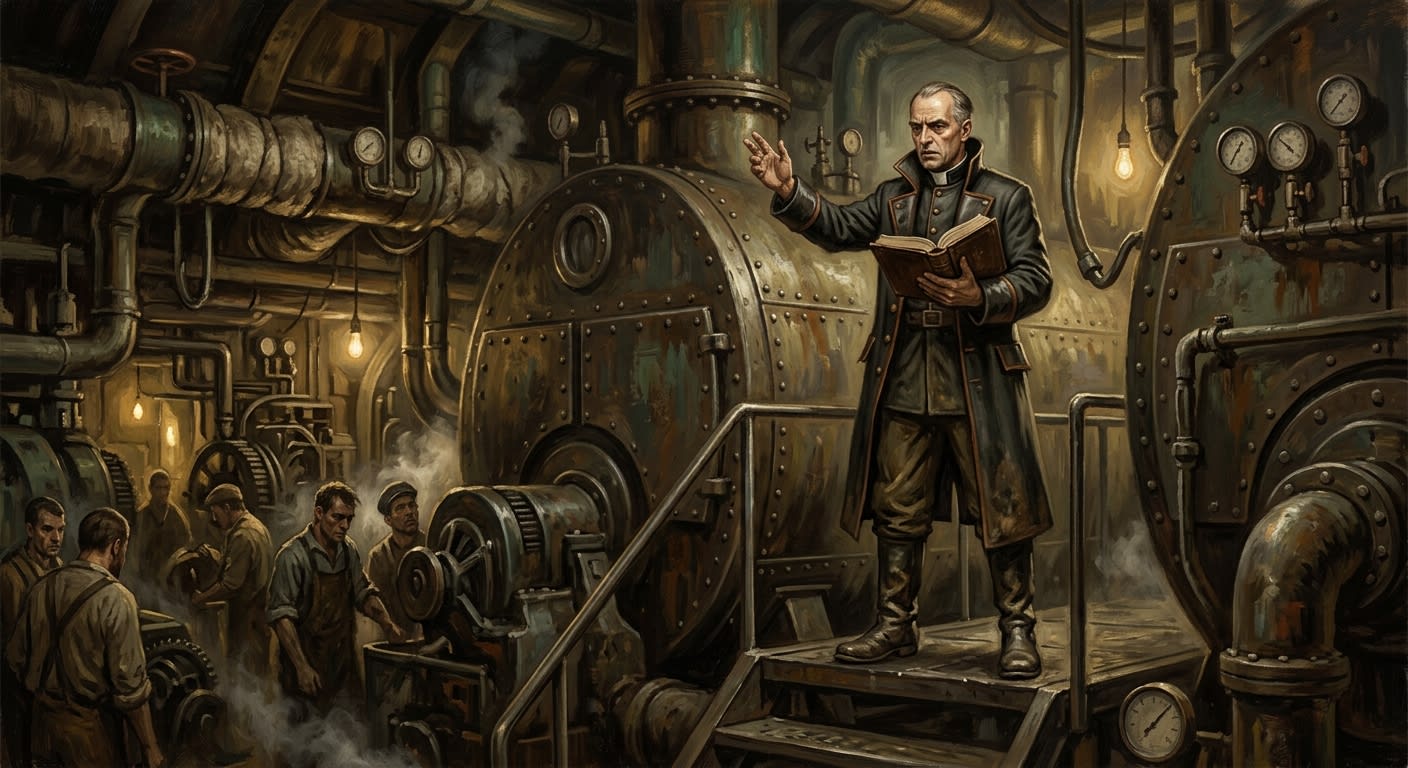
Trench Sermon Mandate
The furnace obeys best when it fears grammar
The Trench Sermon Mandate of A.S. 158 placed Furnace Catechists inside Line power installations, turning boiler speech into doctrine and maintenance into surveillance.
Codex Ref. VII.8.10-019
Trench-Court Clerk
The last words of the faithfully dead; and what becomes of the rest
Forward-deployed registry clerks of the Bureau of Records, stationed at Trench Court dugouts on the Sagittal Line to record the last confessions of the dying, assign doctrinal categories.
Codex Ref. XII.47.01-001
Tri-Bureau Compact
Three hands on one throat, and the furnace calls it law
The A.S. 110 Compact put Essen's heat, names, and voices under three rival Bureaus, turning guild craft into hymnsteel law and tyranny into minutes.
Codex Ref. XIII.1.93-110
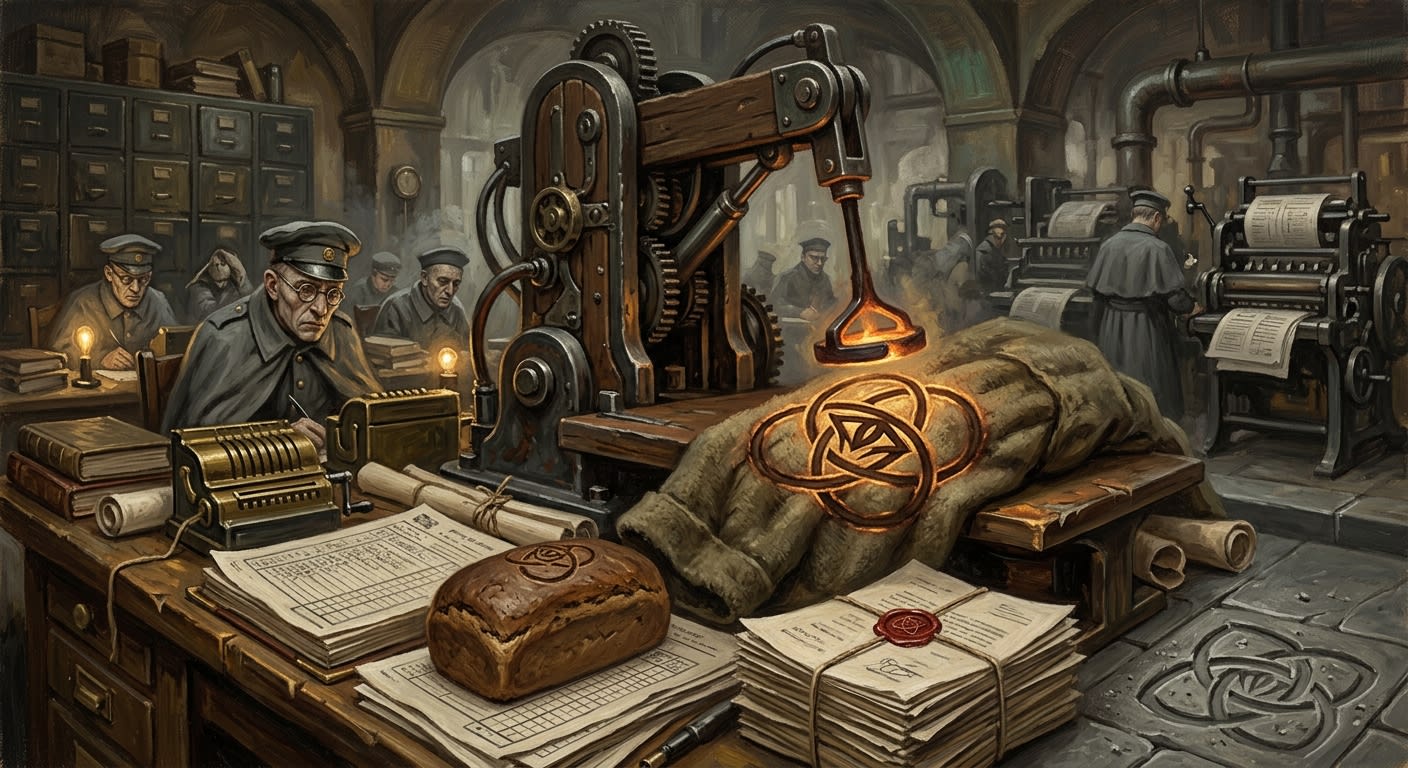
Triune Knot
Three loops, one law, and every door accounted for
Universal Synodal binding mark standardised under Theobald of Worms, by which doors, papers, bread, flesh, and graves become readable to law.
Codex Ref. XIII.1.03-002
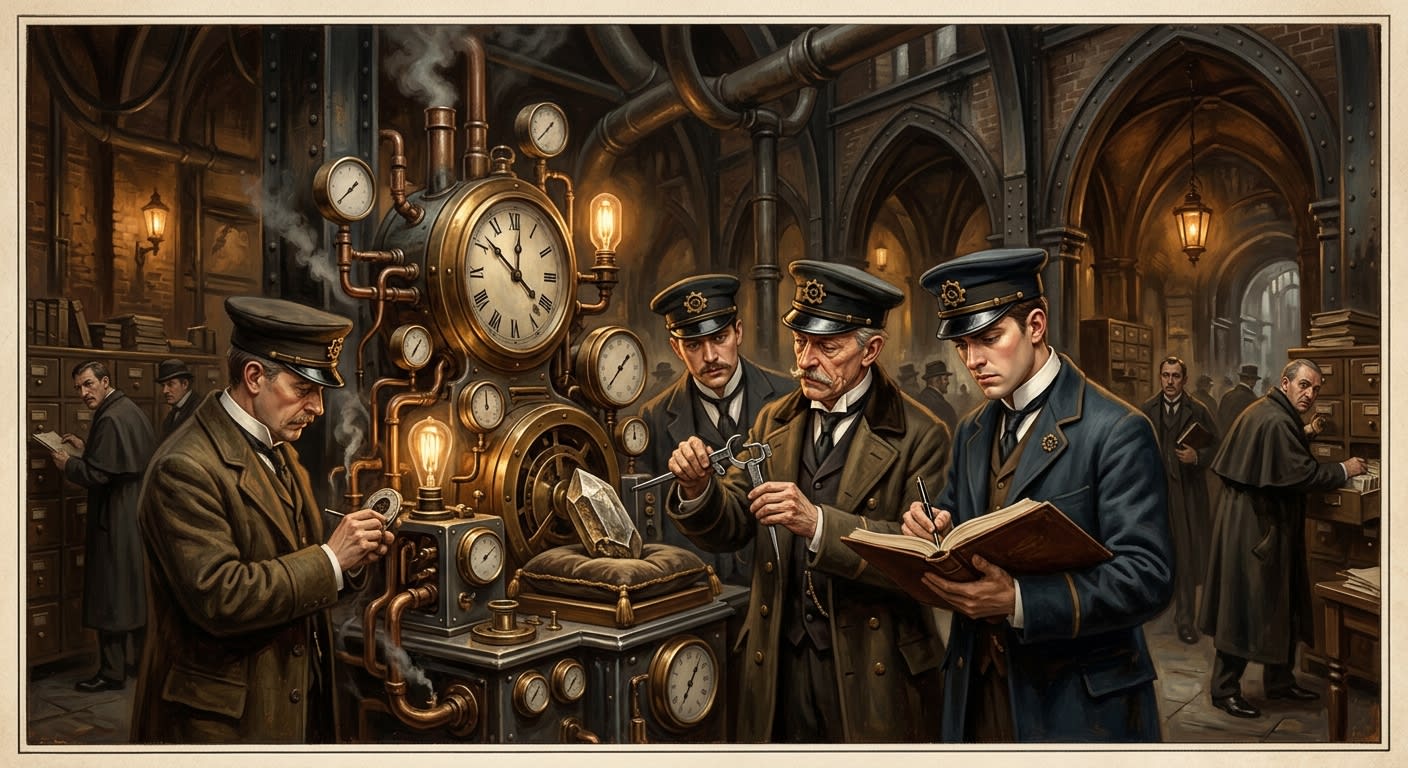
True Measure Zealots
The pan decides, which is why everyone hates the pan
Internal tariff-chapel faction of Commerce Clerks whose devotion to strict relic calibration makes them useful witnesses, hated colleagues, and excellent disasters.
Codex Ref. XIII.1.59-001

Unauthorized Melody Smuggler
The lullaby the Bureau buried; the mouth it walks out of now
The Unauthorized Melody Smuggler is classified under Tongue-Crime, Melody Intent, Doctrinal Sabotage — above common theft, below armed heresy. The lullaby does not care what the Bureau calls it. It continues to walk out in someone else's mouth.
Codex Ref. XII.48.01-001
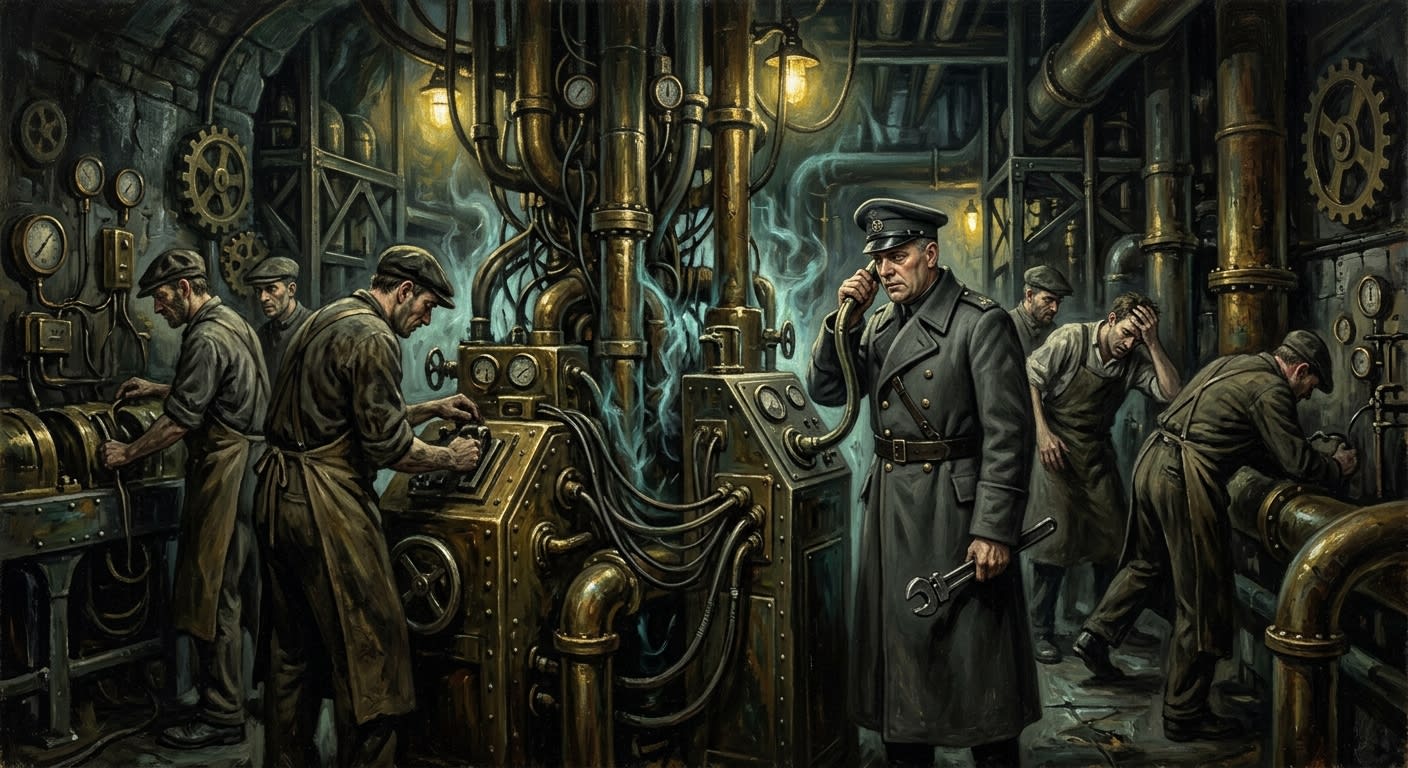
Unhymn Infiltration of A.S. 163
When the [[the-bureaucratic-synod|Synod's]] own pipes sang Later
The Unhymn Infiltration of A.S. 163 turned Shipka's resonance conduits into authorised lullabies, proving that hostile cadence could travel through honest metal.
Codex Ref. VII.4.23-001
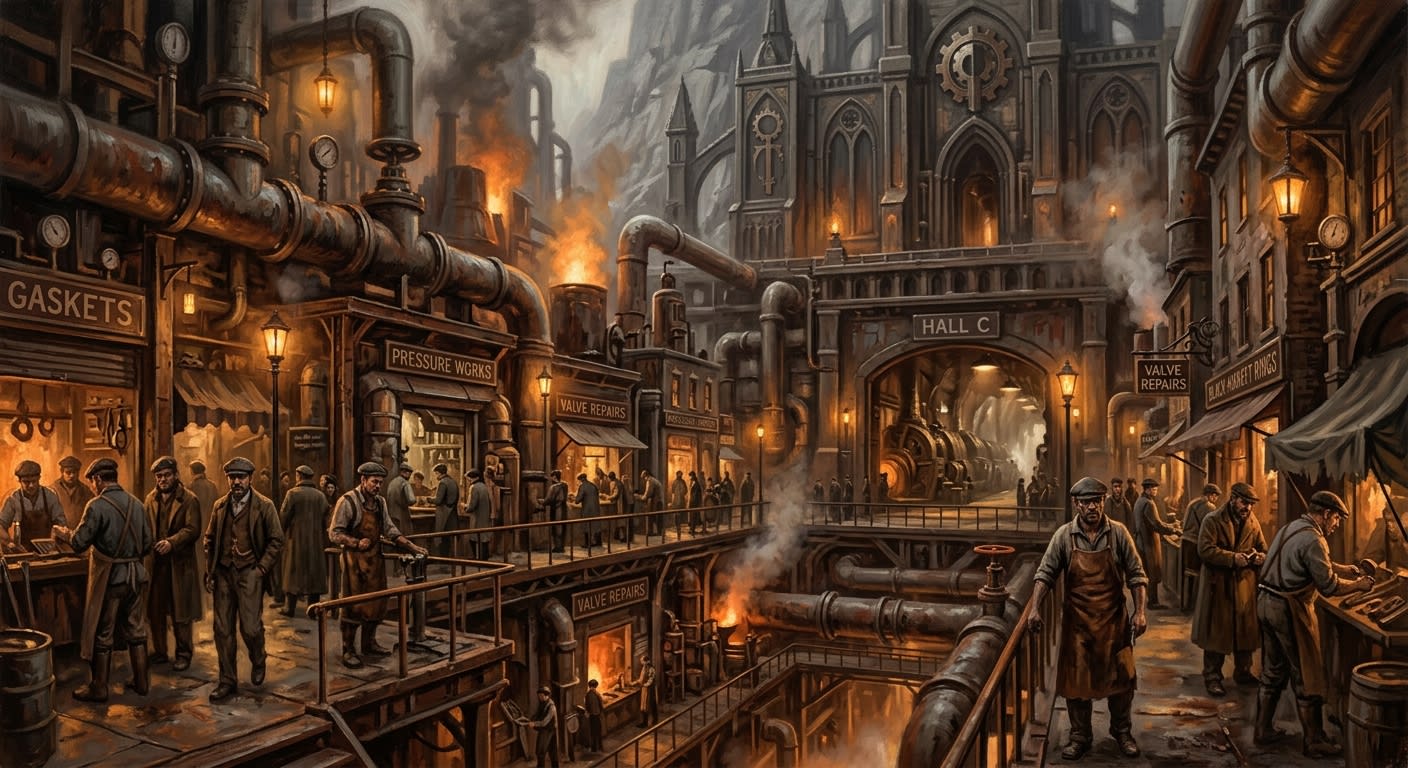
Valve Quarter
Where [[bastion-irongate|Irongate]] keeps its warmth, its gaskets, and its deniable sins
The Valve Quarter is Bastion-Irongate's hot side-throat: pressure works, gasket shops, black-market rings, worker lungs, Hall C, and all the warmth the mountain denies elsewhere.
Codex Ref. II.4.24-096
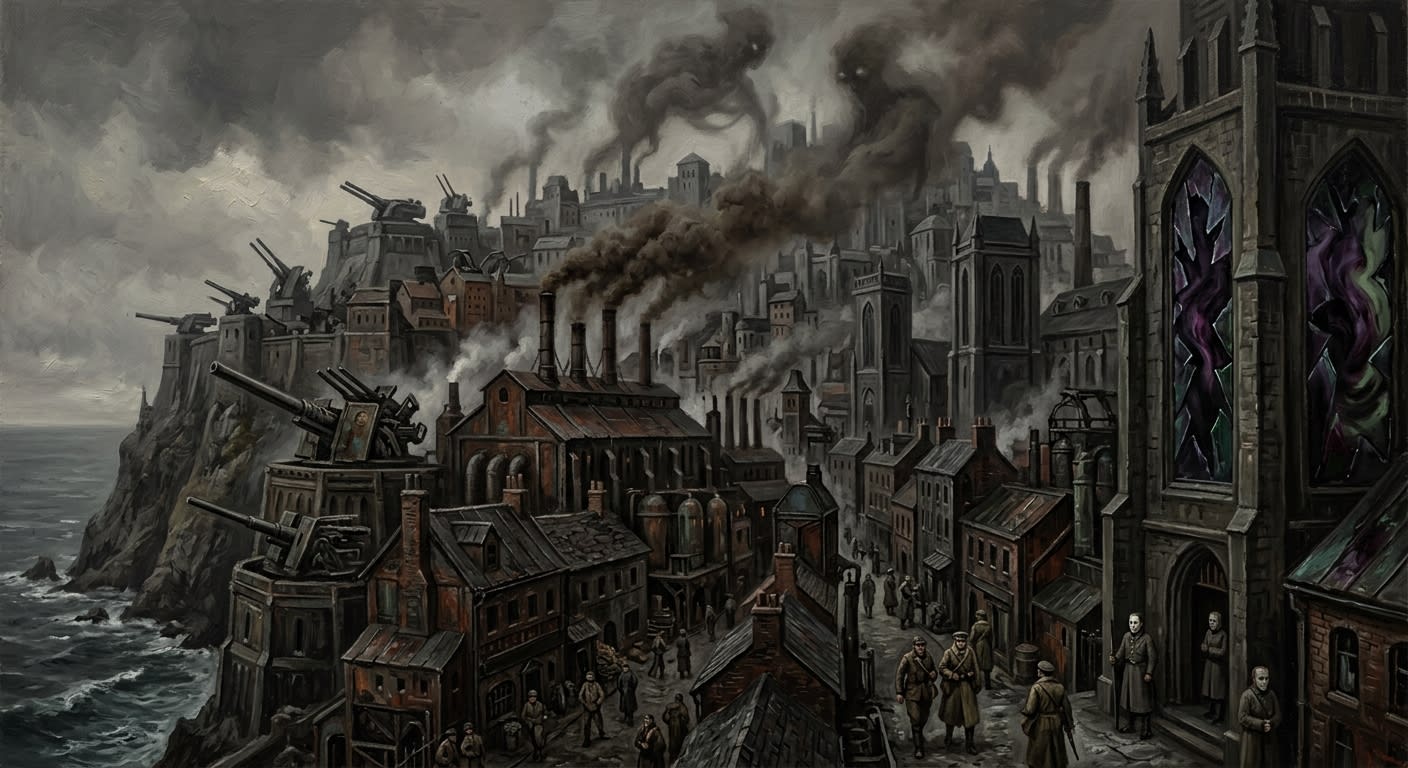
Varna
The Ashen Redoubt where smoke looks back and bread learns law
Varna, the Ashen Redoubt, is a Black Sea cliff-fortress of guns, bone-kilns, tariff chapels, demon glass, hunger law, debt masks, and smoke that looks back.
Codex Ref. II.4.09-070
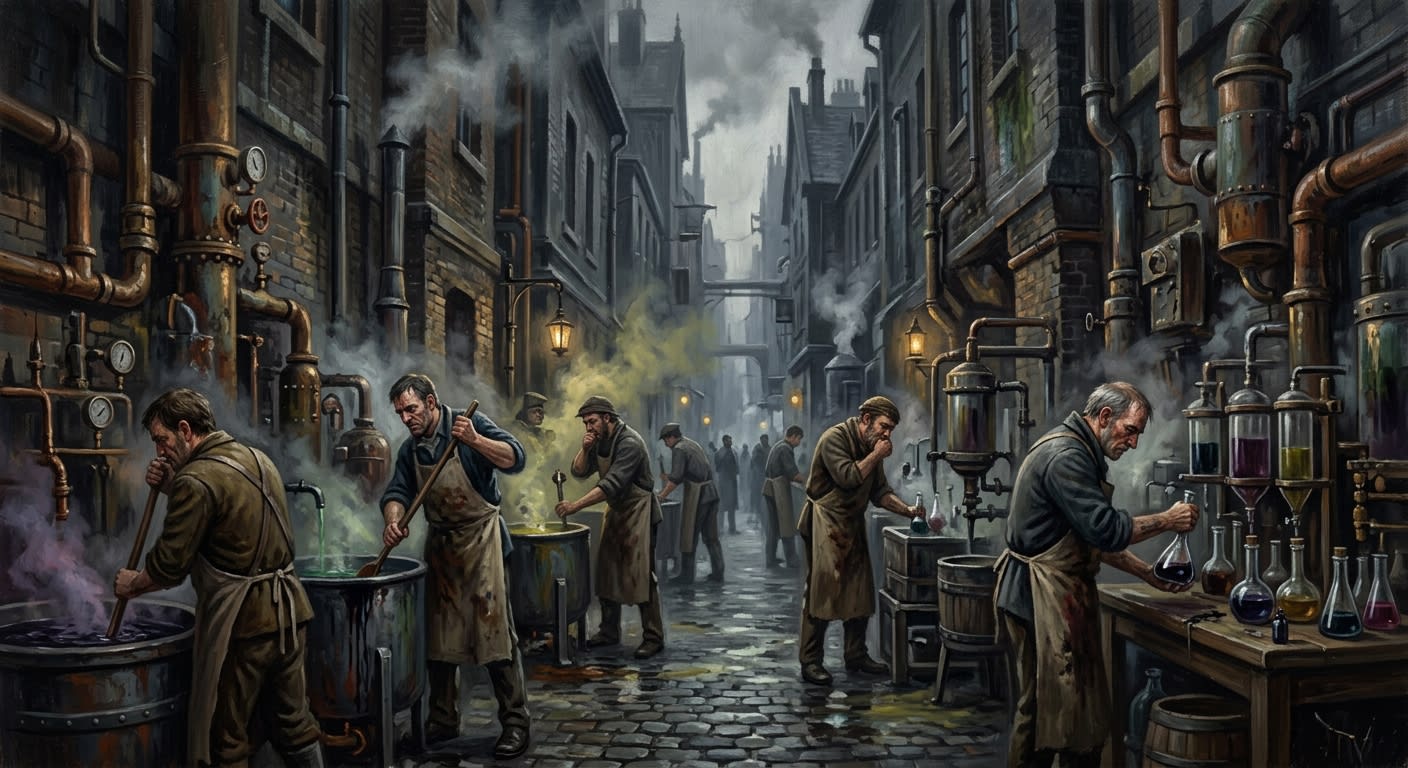
Vatmarsh Row
Where ink learns to outlive mercy
Vatmarsh Row fixes the Synod's ink and loosens the lungs of those who make it. Permanence, naturally, invoices by the breath.
Codex Ref. II.1.01-092
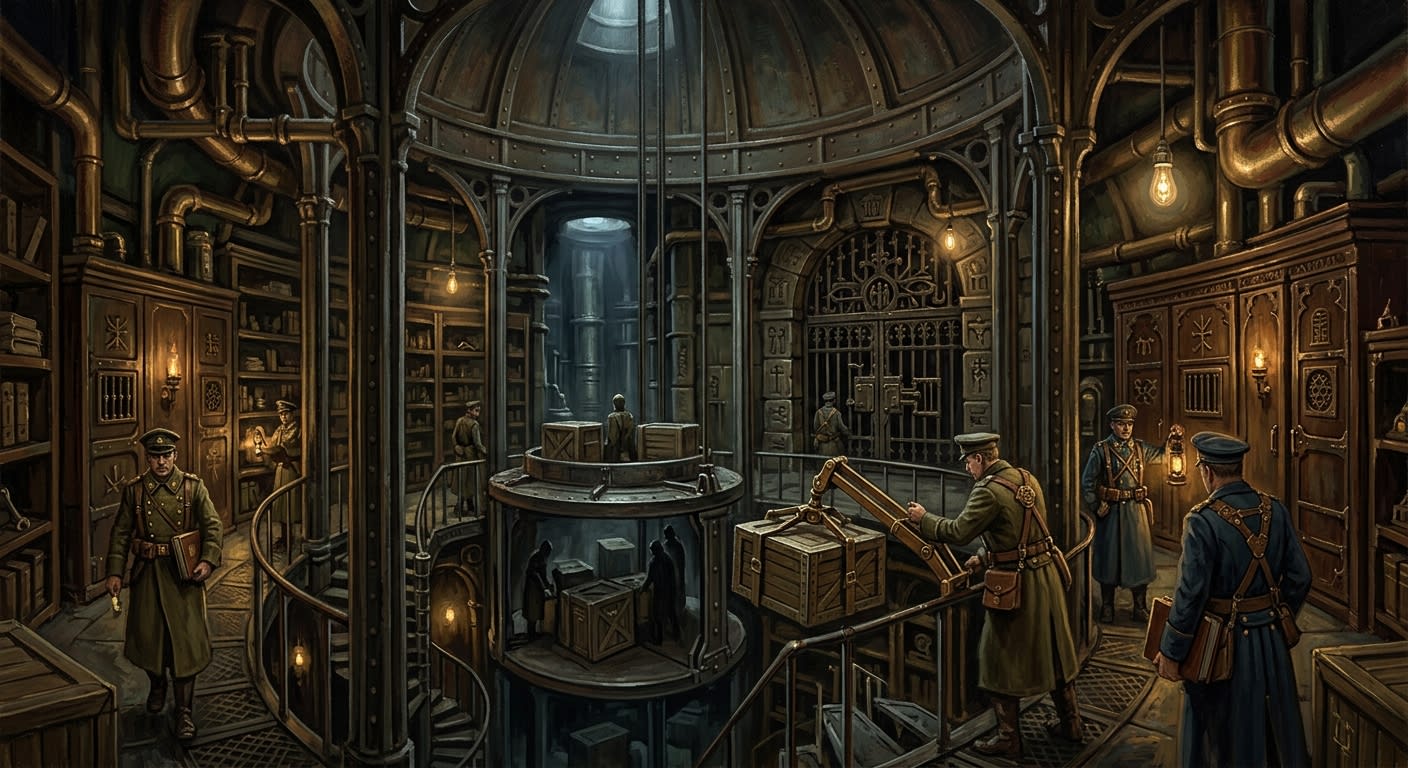
Vault of Sacred Custody
The locked stomach beneath [[strasbourg|Strasbourg]] where bones become policy
Subterranean headquarters of the Bureau of Relics beneath Strasbourg Cathedral Close, where authenticated bones, hostile cabinets, and silence are stored by grade.
Codex Ref. II.2.06-004
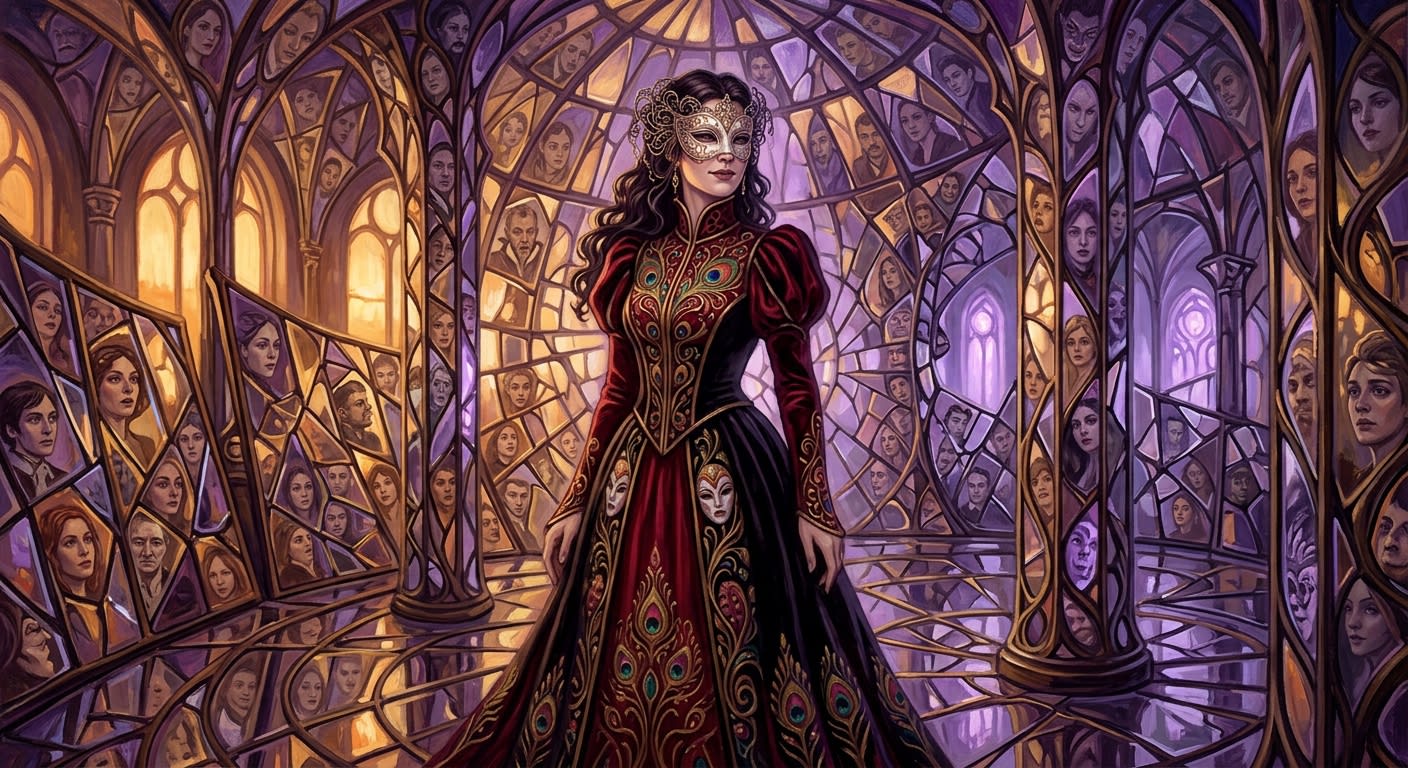
Velkara
She Holds No Sector. She Holds Every Room.
The Sin-General of Lust holds no sector of the Sagittal Line and requires none. Velkara does not breach walls. She wakes inside them, and the Bureau cannot identify the seam.
Codex Ref. IV.1.07-005
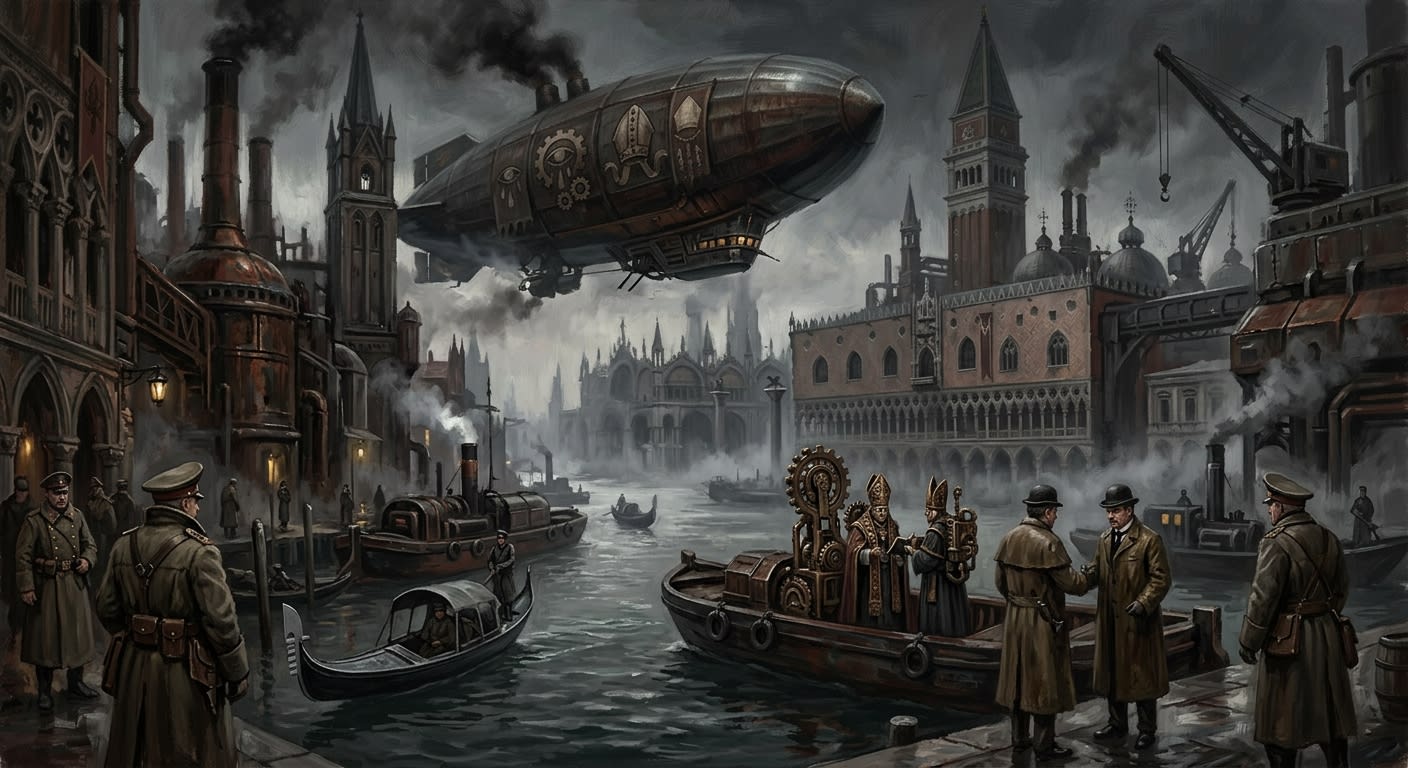
Venice
The city that obeys by tide and invoices by fog
Venice is loyal, wealthy, damp, evasive, and necessary: an Adriatic city the Synod owns by writ and must still ask politely by tide.
Codex Ref. II.4.09-201

Vexillators
Keep the cloth upright, or permit panic to govern
Bureau of War standard-bearers and visible formation anchors whose sanctioned cloth turns panic into geometry when officers, drums, and voices fail.
Codex Ref. VIII.5.07-001

Vigil Ark *Saint Barachiel*
On the consecrated dirigible that blesses the Bosphorus sky, the sermon heard forty feet below the water, and the eleven minutes forty-three seconds of A.S. 199 the Bureau has classified as Not Our Co
The Vigil Ark Saint Barachiel: armed dirigible-reliquary, Constantinople theater, A.S. 168–present. Thirty-three years of consecrated patrol. One unexplained Broadcast. The Ark flies. The Bureau recommends continued faith.
Codex Ref. II.4.11-001
Vigil Ark of Saint Uriel
Fully assembled, fully consecrated, fully maintained, and grounded
The Vigil Ark of Saint Uriel was authorised to sanctify the southern Bellway in A.S. 191. It has lifted four times, flown never, and gathered petitions like rust.
Codex Ref. XIII.1.21-002
Wallachia
Fair prices are how Hell asks for a signature
Wallachia did not fall by trumpet and fire. It borrowed, signed, refinanced, and became Velmora's creditor province pointed at Sibiu.
Codex Ref. II.6.06-006
War Eternal
Victory assured; timetable irrelevant
The War Eternal is governed horror: the Line fed daily so the West may mistake survival for morning.
Codex Ref. XIII.1.92-065
Ward-Seal Artificer
The rank no table admits and every failing boundary remembers
Ward-Seal Artificers are the denied apex of the Gasket-Hymn Mechanic hierarchy, summoned where ordinary repair succeeds mechanically and fails as a ward.
Codex Ref. XII.2.04-002
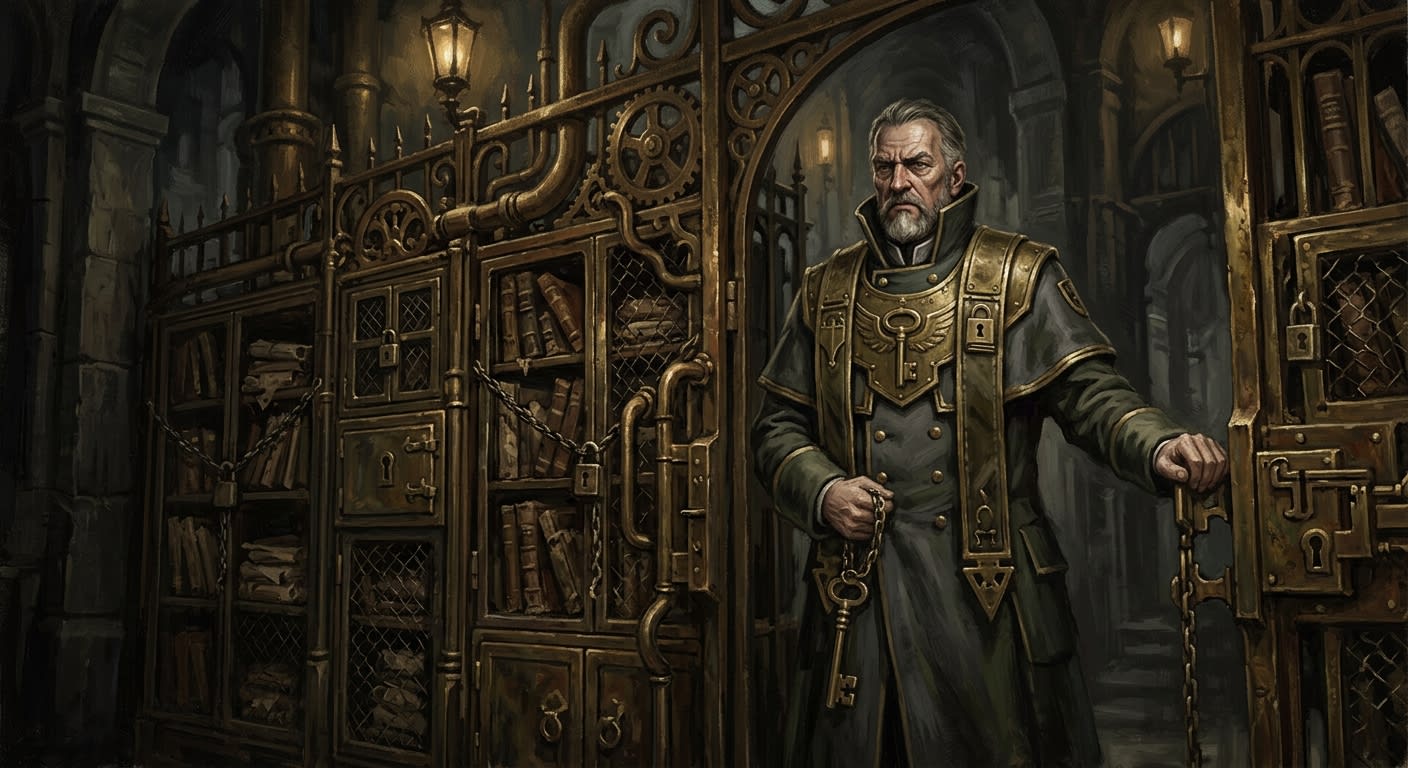
Warden of the Sacred Ledger
Memory is permitted only after custody
The Warden of the Sacred Ledger guards the passage between recorded fact and ratified meaning, lest memory escape and become a riot with dates.
Codex Ref. XIII.1.33-090
Warden-General
Command is safest when it kneels beneath an empty chair
The Warden-General is the rotating public throat of the Bureau of War, commanding beneath the Empty Throne and its occupied-in-absentia Seal.
Codex Ref. VIII.5.03-001
Warrens of Strasbourg
The capital's conscience, filed under mildew
Strasbourg hides its poor where bells arrive broken, maps grow bashful, and charity, crime, and surveillance share the same wet staircase.
Codex Ref. II.2.06-201
Warsaw
The city the Bureau told to leave, and the bakeries it opened in reply
The Synod's forward staging city on the Vistula — Zone Three, Northern Corridor, entry 14-W. 160 km from the Sagittal Line; close enough to hear the front on clear nights. The Bureau told it to leave in A.S. 95. It has grown by a quarter-million souls since.
Codex Ref. II.4.09-007
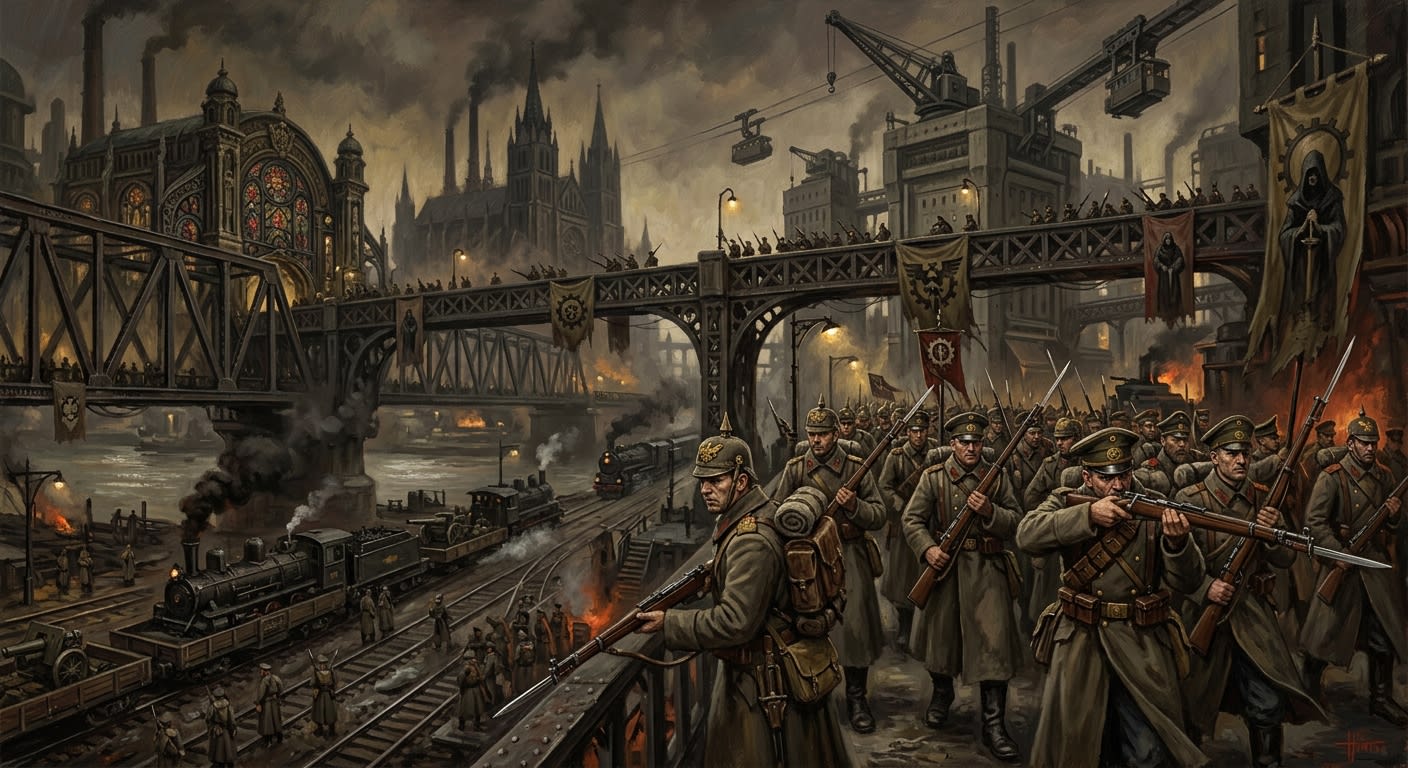
Warsaw Standing Brigade
The wall behind the wall has bayonets and bakery rumours
The Warsaw Standing Brigade is twelve thousand rear-echelon soldiers drilled to front-line standard, holding rails, queues, bridges, and the fiction that Warsaw is safely behind the Line.
Codex Ref. VIII.5.05-002
Widow's Pennies
A penny enters the palm and waits for the scale
The Widow's Pennies are the Bureau of Tithes' smallest perfected cruelty: bereavement turned into household continuity, route discipline, and receipt.
Codex Ref. XIII.1.85-065
Womb Registrars
The cradle has a visitor, and she has already priced the child
Womb Registrars are Bureau of Records parish deputies who turn pregnancy into ledger matter: notice, name control, midwife compliance, and tithe projection before first breath becomes evasion.
Codex Ref. XII.9.04-001
Wormhosts
The human face, retained just long enough to open the gate
Mortal auxiliaries seeded with living parasites, recognisable as human until rupture turns pity, checkpoint mercy, and defensive formation into a door.
Codex Ref. IV.1.07-009
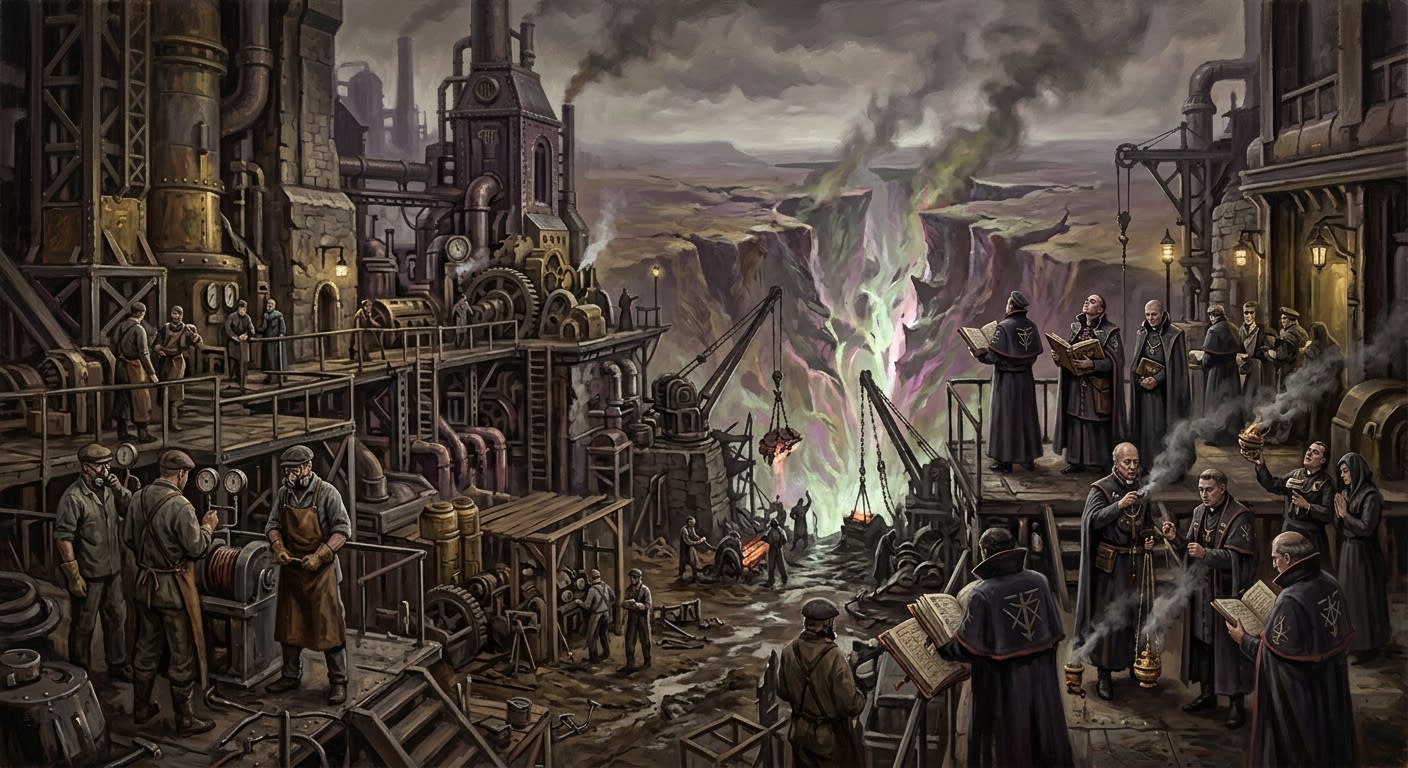
Wound-Sites
Where Creation filed an exception and the Bureau charged admission
Wound-Sites are Creation's open injuries: measured, taxed, exploited, prayed over, and officially caused by the Lie unless useful evidence says otherwise.
Codex Ref. XIII.1.29-001
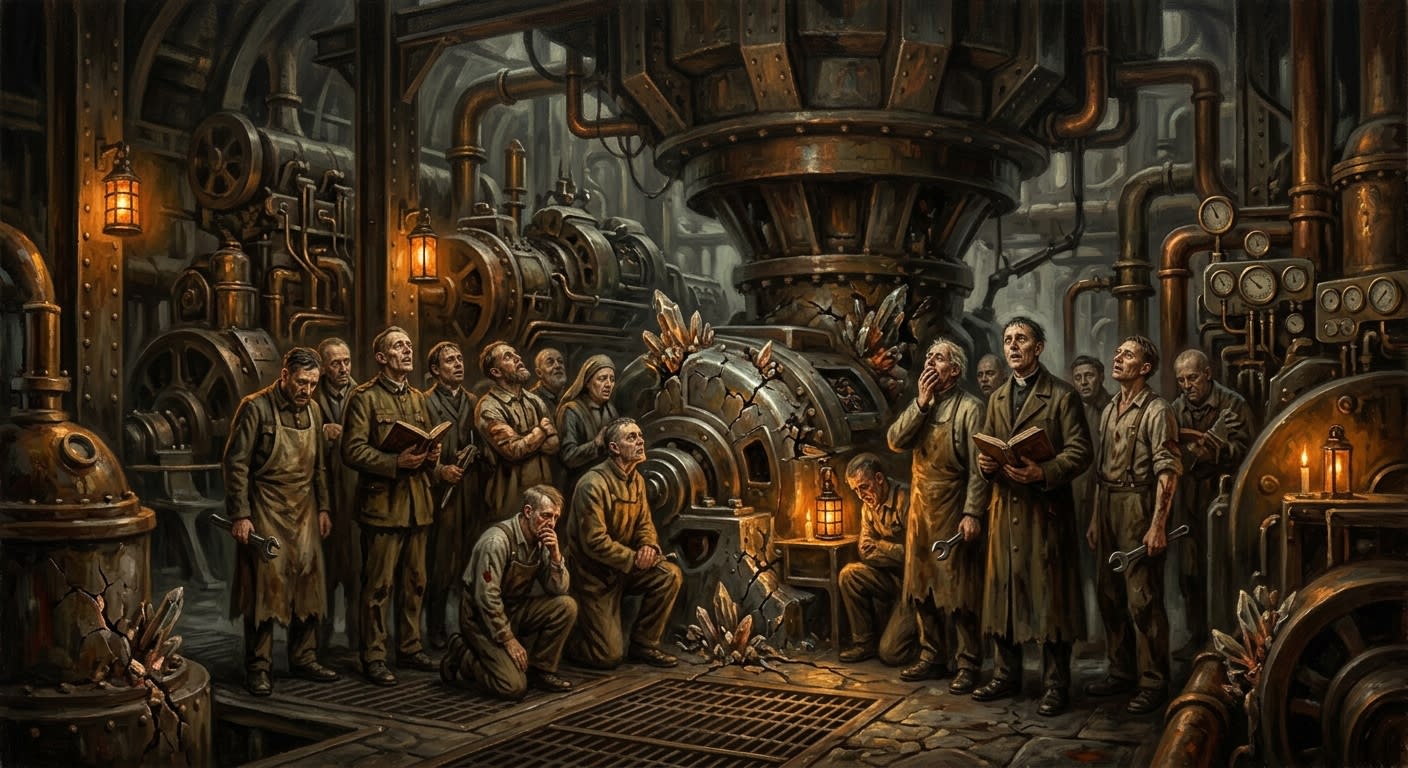
Wrong Choir
The sound beneath Essen that every office renamed and no office silenced
Essen's Wrong Choir is the sub-foundation hum beneath the Foundry Core, officially explained as resonance, cadence error, or providence while Resonance Blooms crack steel and teeth alike.
Codex Ref. XIII.1.73-001
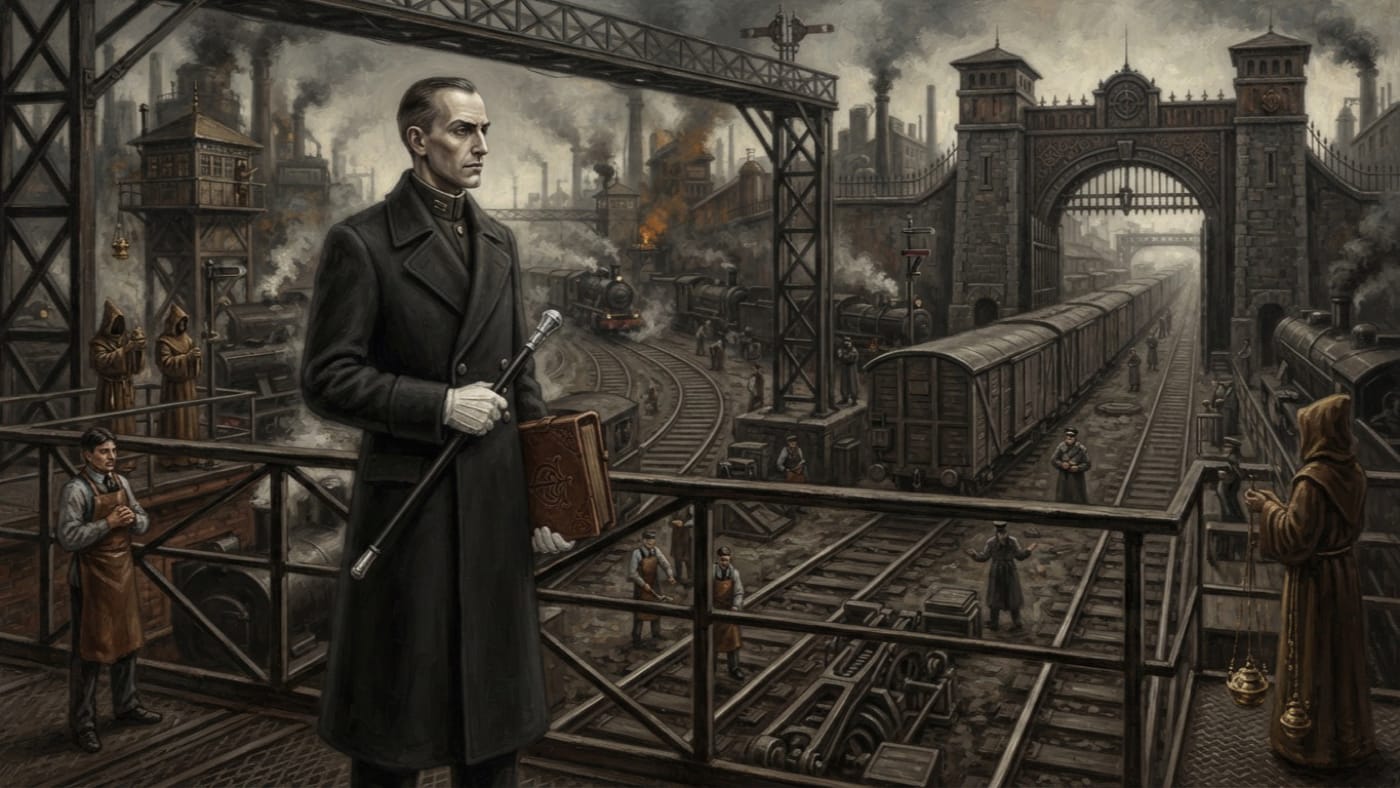
Yard Palatine Odrin Kessel
The man who decides which bastion eats on Thursday
Yard Palatine Odrin Kessel commands Lorn, controls the Needle's priority windows, and prepares immaculate answers for an audit that has yet to arrive.
Codex Ref. III.2.02-201
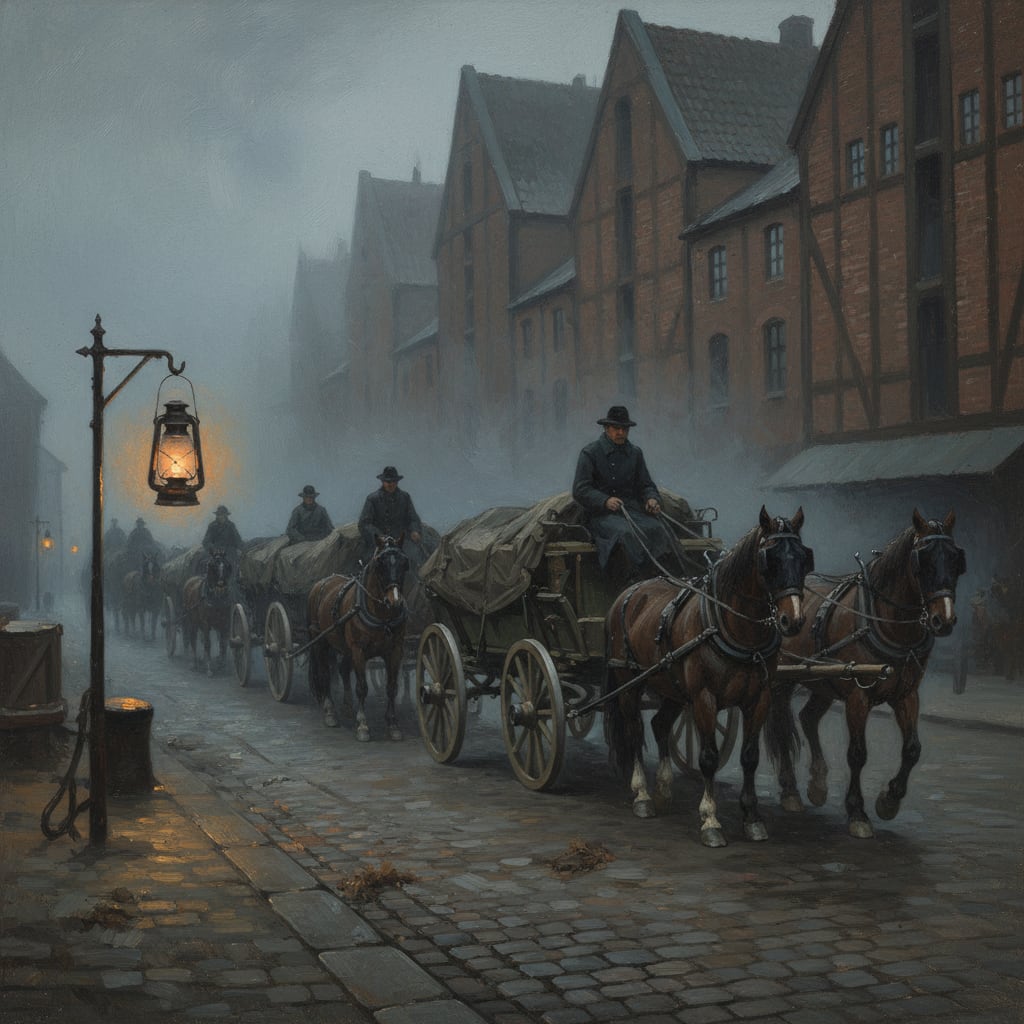
Year of Smoke
Eleven wagons, one fire, and the night the [[bureau-of-shadows|Bureau of Shadows]] stopped being a ghost story
The night Lübeck's harbour records burned, its guilds dissolved, and eleven wagons drove into legend. The Year of Smoke is what happened when the Bureau of Shadows stopped being theoretical and started being operational.
Codex Ref. VII.1.02-001
Zone 1
The rearward paradise that learned to invoice the war
Zone 1 is the Synod's polished western rear: safe enough to tax, rich enough to excuse itself, and stained to the elbows by logistics.
Codex Ref. II.0.03-201
Zone Five
The strip where maps confess and mud countersigns
Zone Five is the Synod's contested receipt between living stone and demonic appetite: No-Man's-Land, where mud, bells, shadows, and orders all lie.
Codex Ref. II.5.00-201
Zones 1 through 5
Five lawful pressures between invoice and mud
Zones 1 through 5 are graded permissions for bread, sons, movement, fear, artillery, and the state’s appetite.
Codex Ref. XIII.1.00-201
Zones 5 through 7
Mud, mouth, water — the outer grammar of danger
Zones 5 through 7 are the Synod’s controlled contact belt: contested mud, demonic custody, sea-rim commerce, contraband, pilgrimage, and useful contamination.
Codex Ref. XIII.1.00-207