

Reverse Index
Referencing “The Bureaucratic Synod”
Every codex entry that links to The Bureaucratic Synod. 1025 entries.
Return to The Bureaucratic Synod
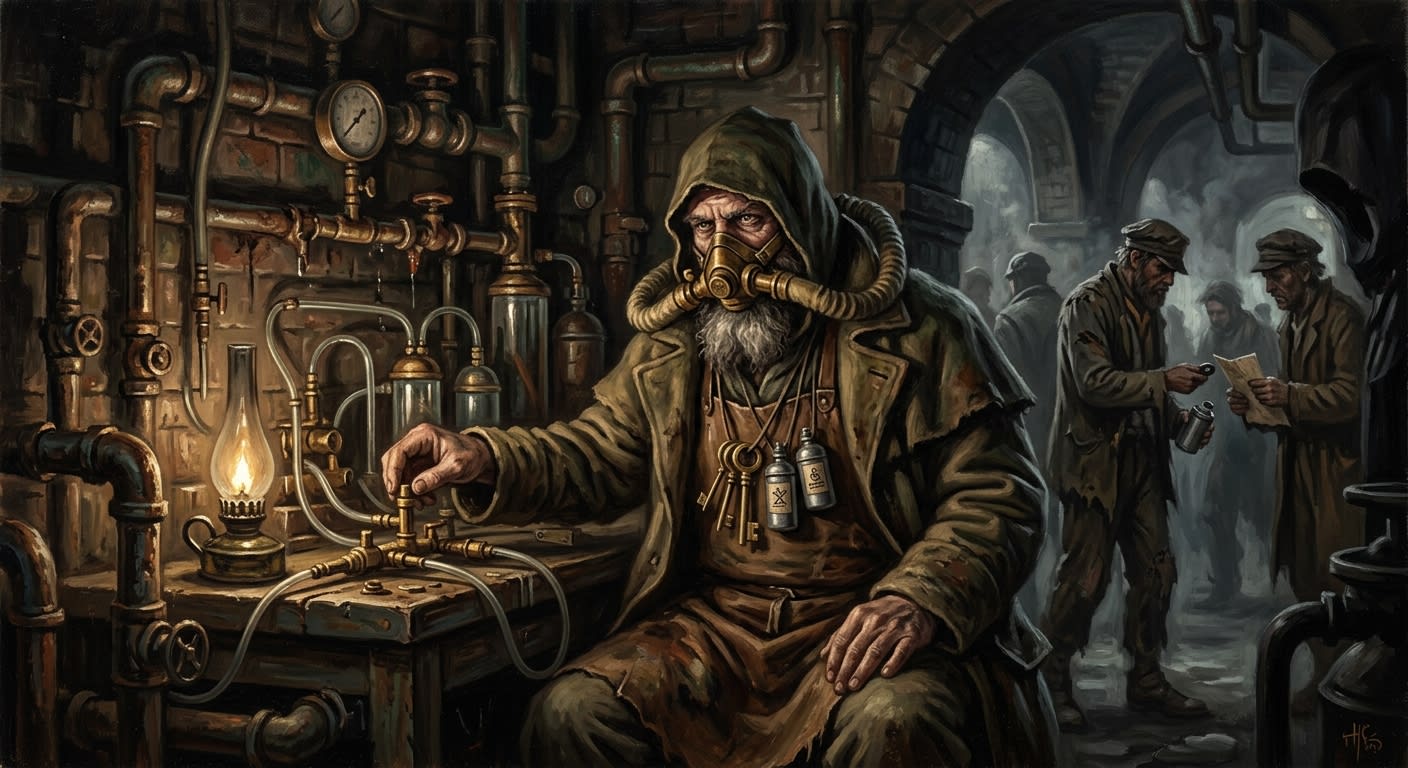
"Tap-King" Jaro
The silent monarch of Irongate's illegal lungs
Jaro has not spoken since A.S. 187. Beneath Bastion-Irongate, his pipe-code sells air, silence, routes, and the little mercies official power cannot admit it needs.
Codex Ref. III.2.01-026
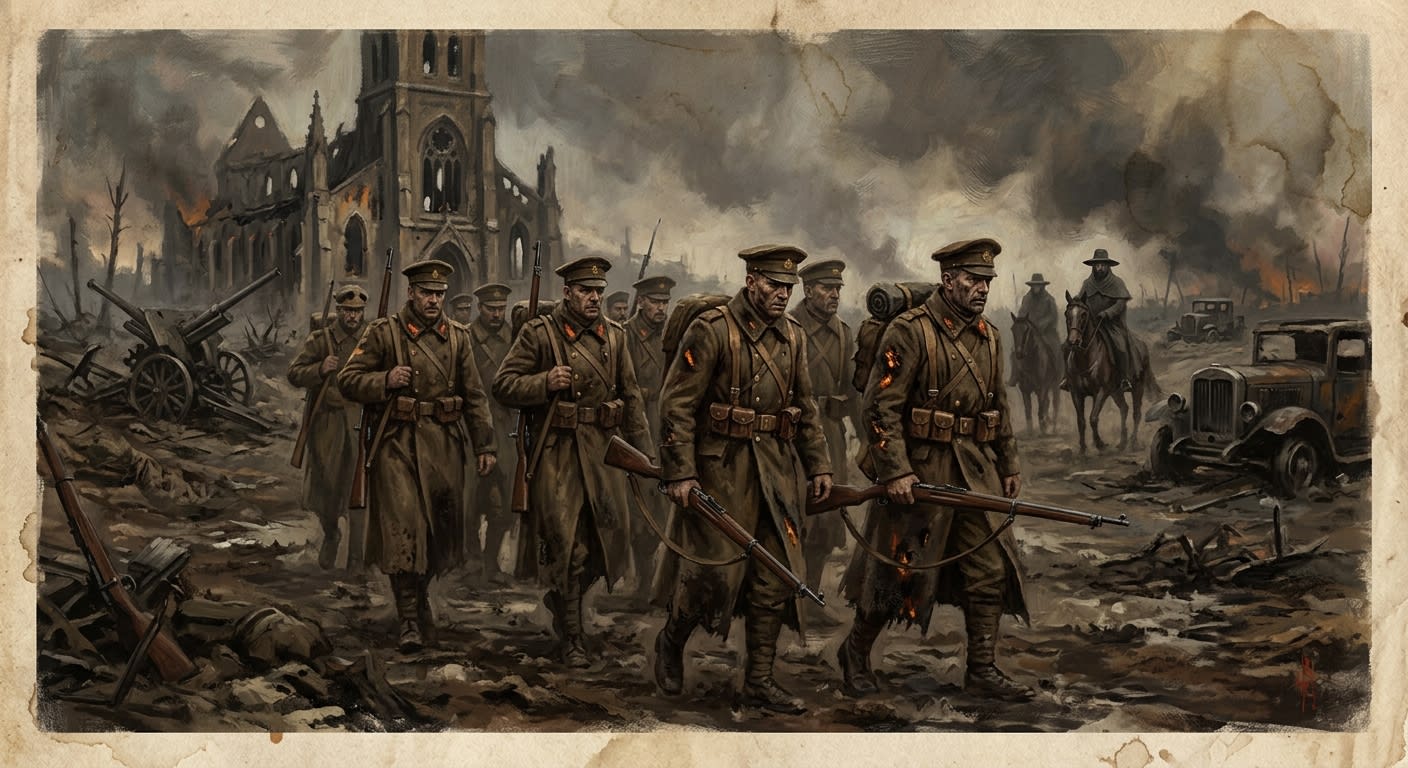
14th Parish Regiment
A regiment erased so thoroughly it still casts smoke
The 14th Parish Regiment was burned, erased, denied, and still left an unmanned curtain before Maldrake's Hellbow assault. Absence, when filed carelessly, has edges.
Codex Ref. VIII.5.14-170
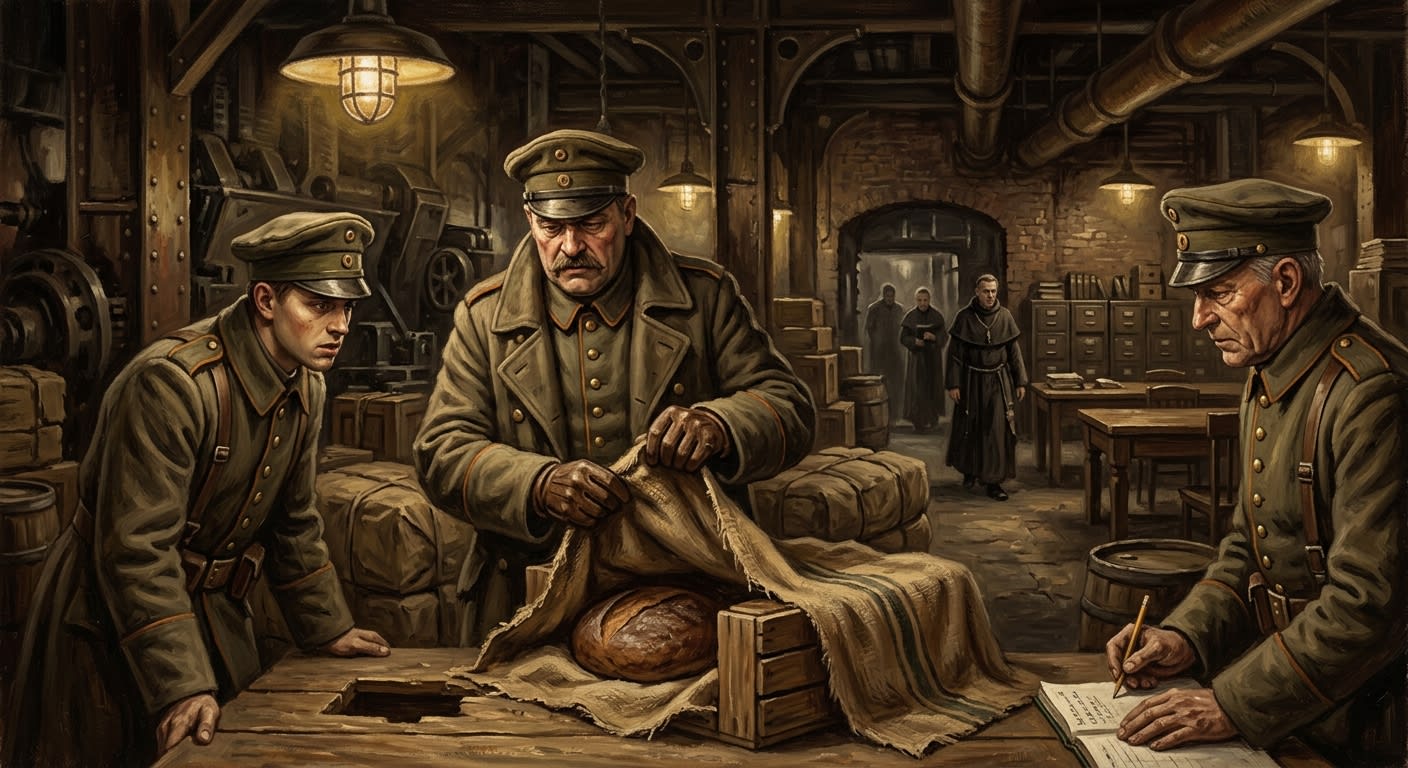
14th Rhine Customs Brigade
The guards who inspected bread and missed Providence
The 14th Rhine Customs Brigade lifted a cloth, saw bread, and missed three apostolic phalanges; Providence has seldom dressed itself so plainly.
Codex Ref. I.1.14-031
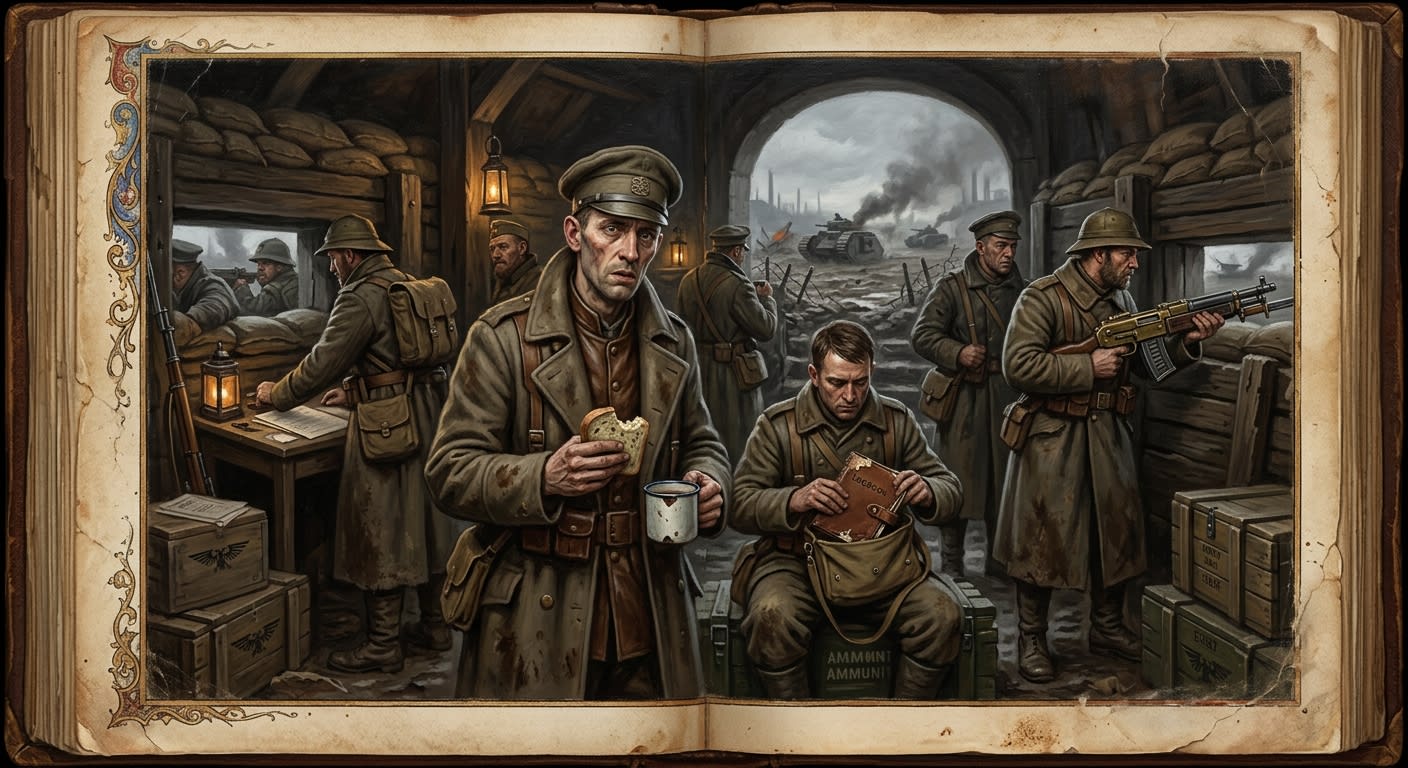
22nd Line Company
The hand is servant, and therefore watched
The 22nd Line Company gave Doctrine one bitten logbook, one hungry corporal, and the ninety-second rule by which men now survive looking.
Codex Ref. VIII.5.22-191
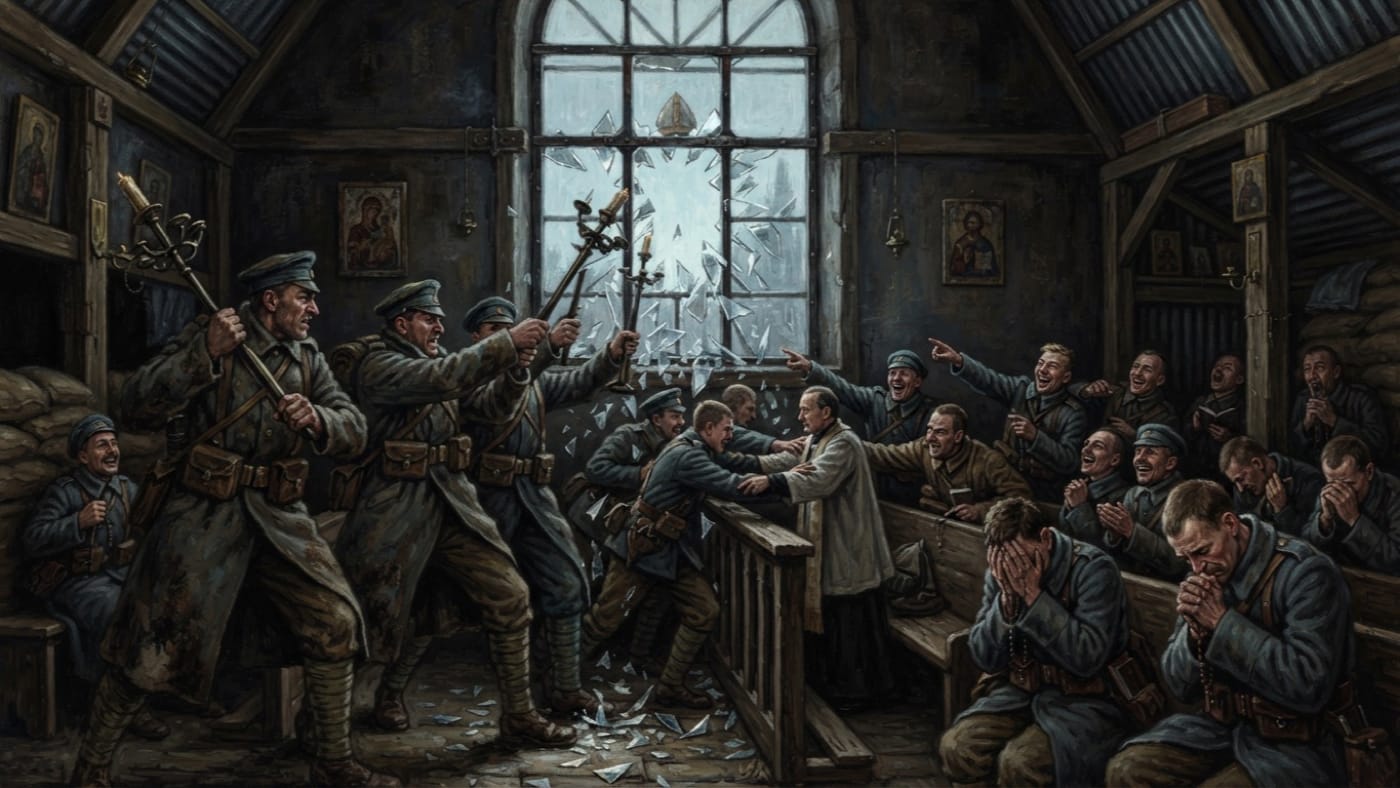
A.S. 188 Chapel Glass Incident
Three candle-stands did the work of doctrine
In A.S. 188, salvaged mirror-glass showed twenty-two soldiers episcopal mitres. Six attacked the liturgy; three saved Saint Phocian's chapel with candle-stands. The glass offered hats. The men supplied authority.
Codex Ref. VII.8.10-188
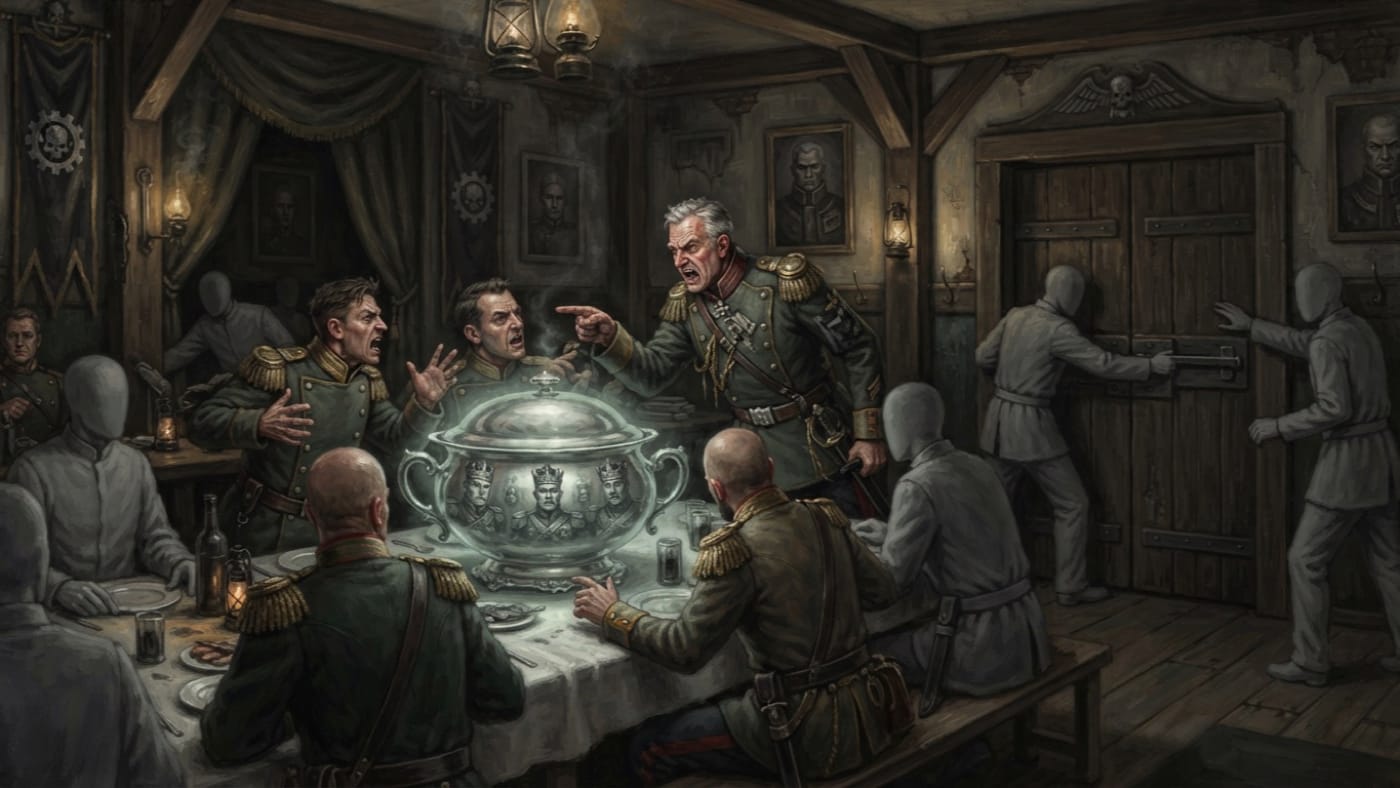
A.S. 191 Officer's Mess Disturbance
The servants had a key; the officers had genius
In A.S. 191, a silver tureen crowned the staff in reflection. The servants locked the mess and sent for Purity. They received medals; the officers received treatment. The soup was innocent.
Codex Ref. VII.4.09-191
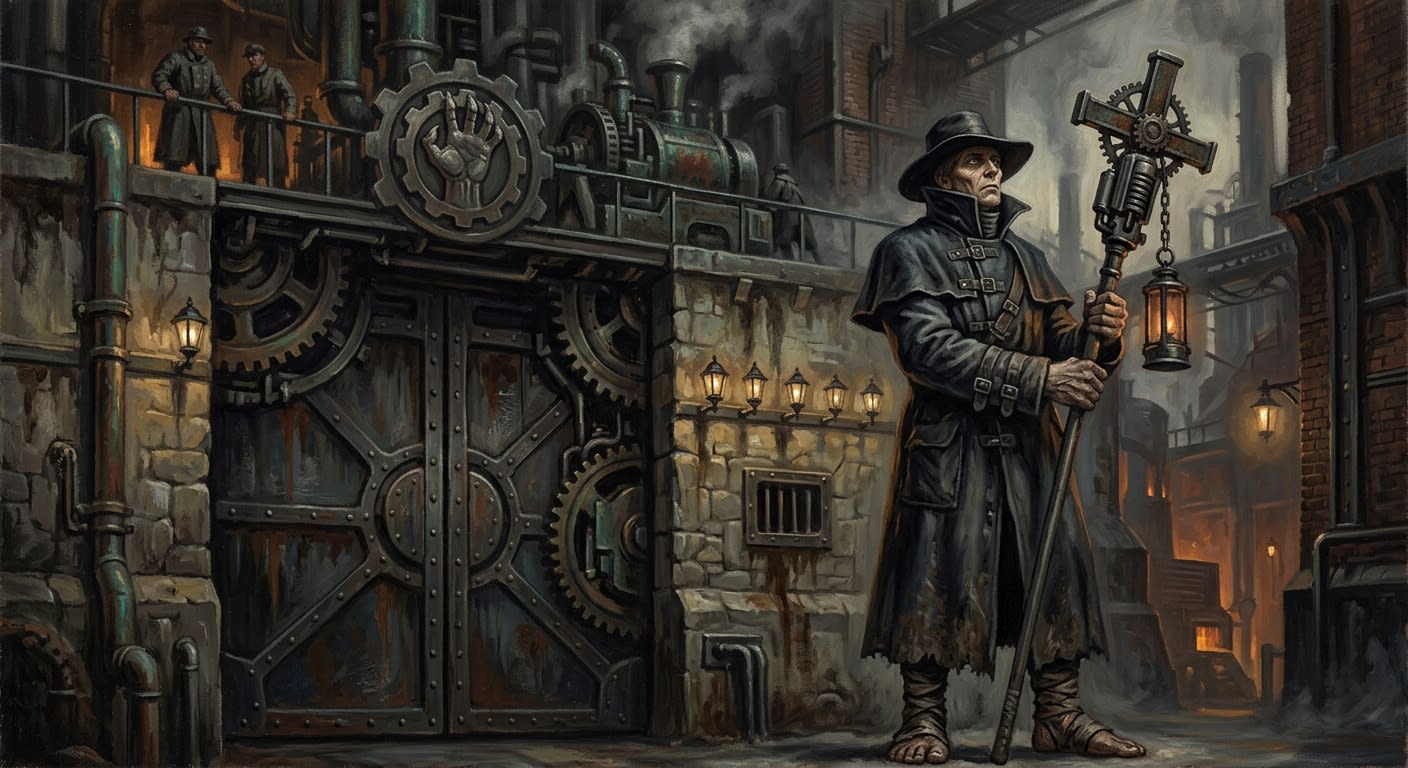
Aachen
The city that survived its own fall
Aachen opened its gate in A.S. 25, survived the betrayal, and has spent every taxed, polished, barefoot century proving survival is not innocence.
Codex Ref. II.2.02-001
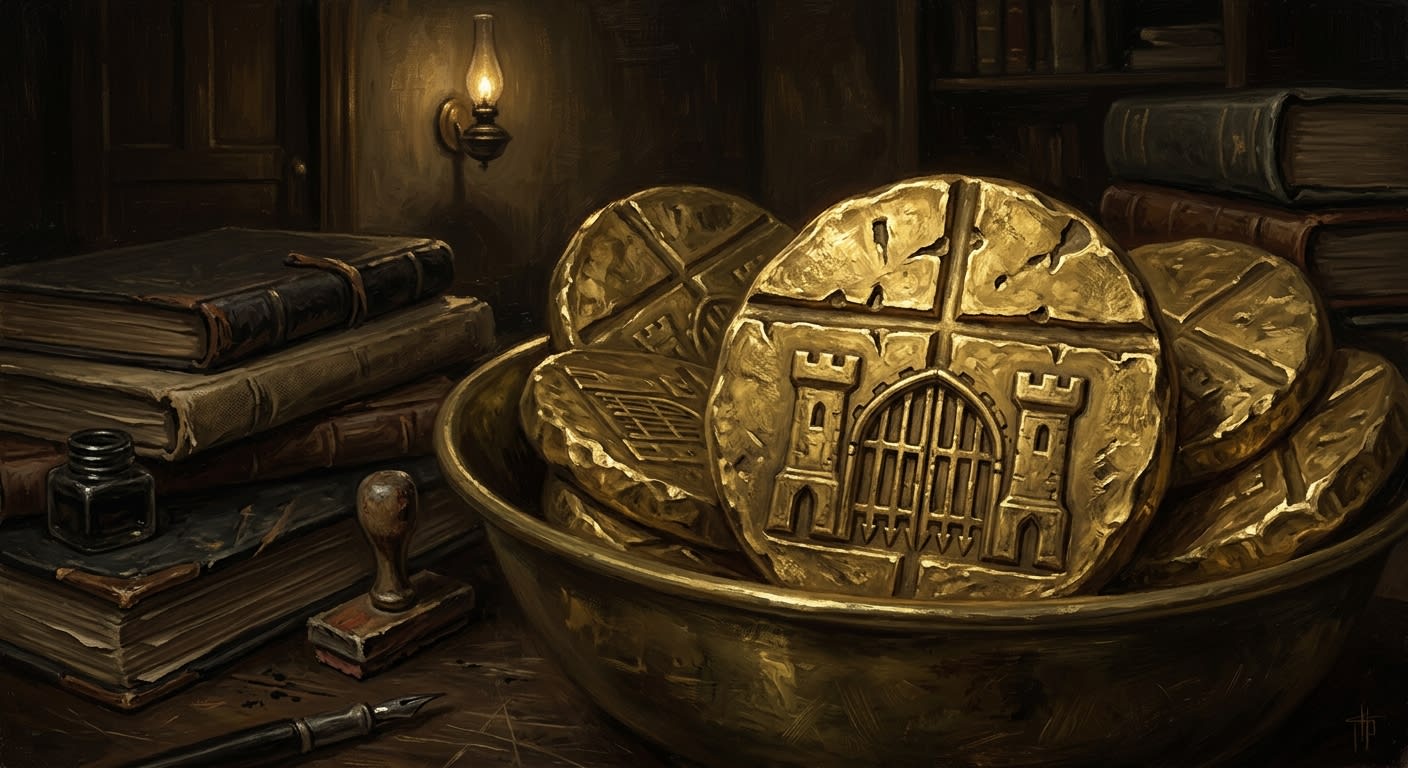
Aachen Gate-Penny
A saint's housing made small enough to buy boot grease
The Aachen gate-penny is reliquary gold made into emergency currency: a closed gate, a cross-groove, and a city’s old betrayal priced by the handful.
Codex Ref. V.2.04-160

Abbot-Registrar Solene
She made contradiction choose a widow and a loaf
Solene of Lyon, first Abbot-Registrar of Nemea, made ruins into an archive and panic into the doctrine of original by ratification.
Codex Ref. III.2.01-096
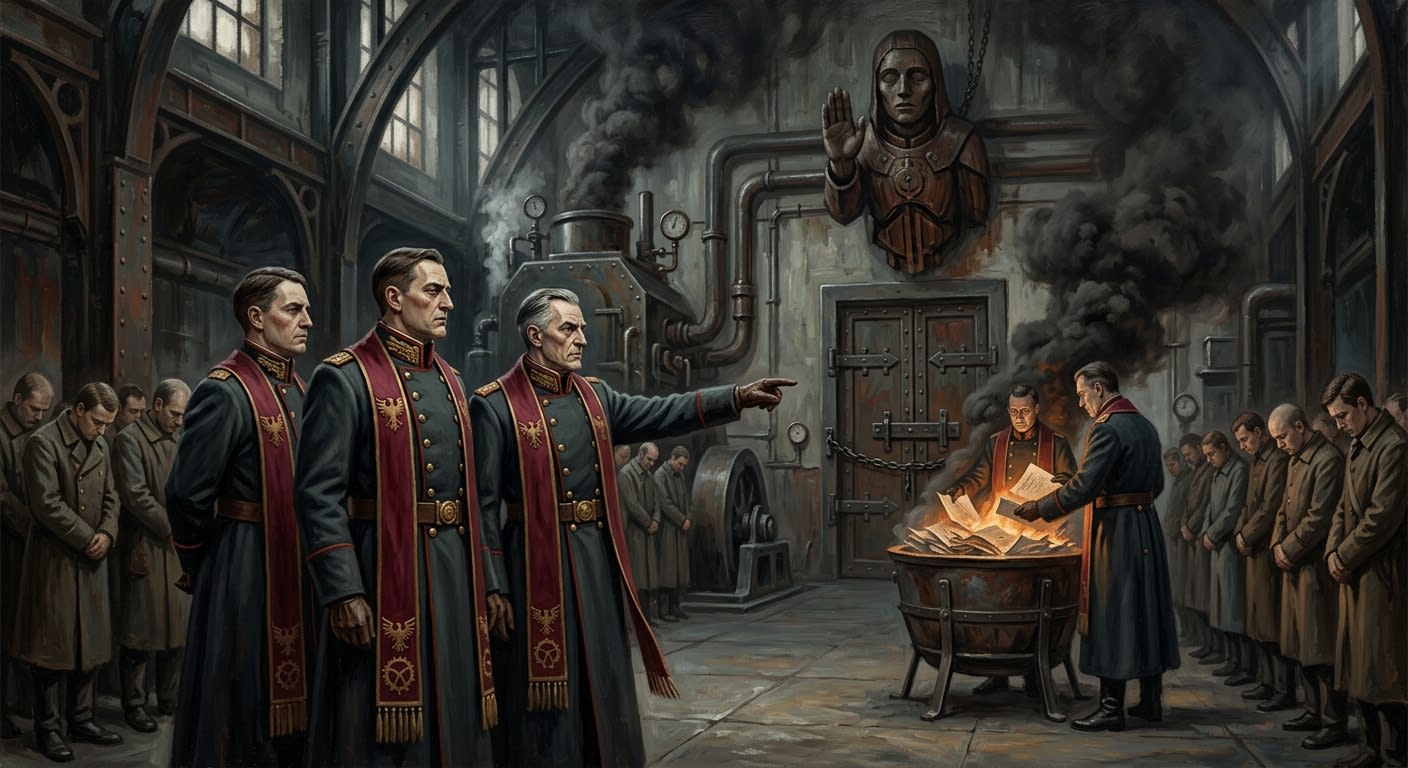
Absolute Suppression
The secret so holy it must command what it denies
Absolute Suppression is the Bureau's art of making hidden knowledge binding: a silence that issues orders, then denies it has a mouth.
Codex Ref. XIII.1.97-190
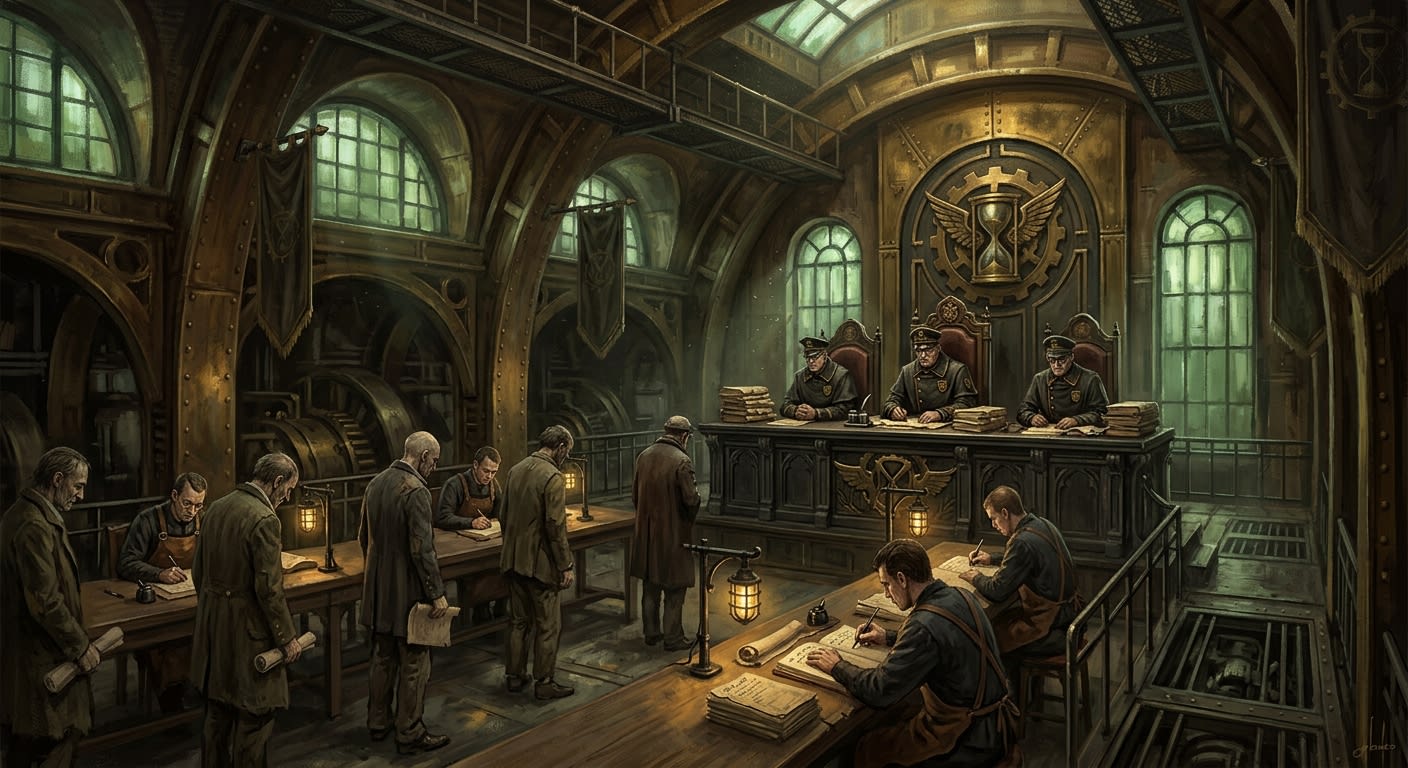
Absolution Hall
Where crossing becomes confession and confession becomes custody
Mid-span tribunal chamber inside Bastion-Brest's brass bridge-body, where crossing petitions, confession irregularities, Blank-Sheet cases, and Echo events are weighed in iron ink.
Codex Ref. II.4.08-098
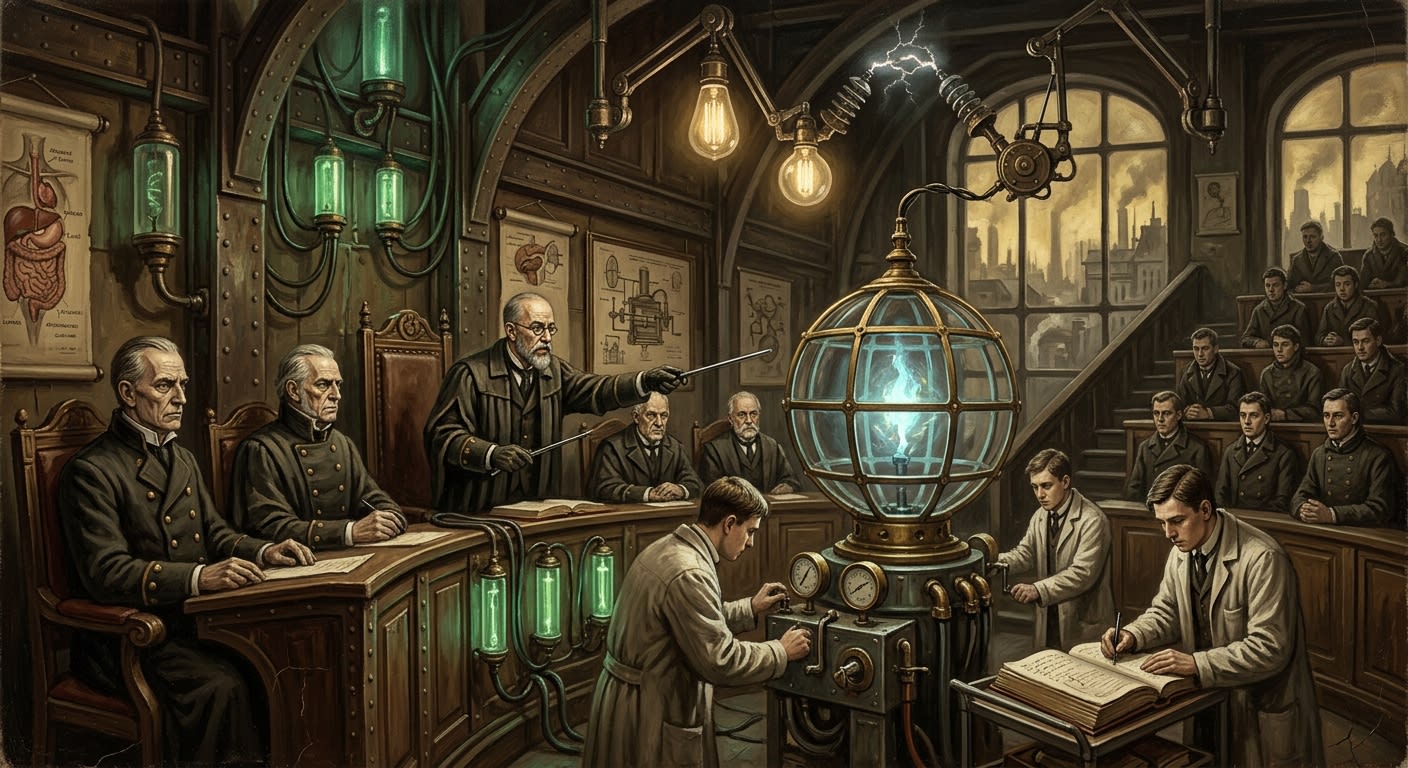
Académie des Sciences
Reason alone, applauding the dark until it called the clapping dawn
The Académie des Sciences measured miracles, disciplined facts, rewarded approved errors, and taught Vienna how to call Providence inadmissible in four languages.
Codex Ref. I.1.03-032
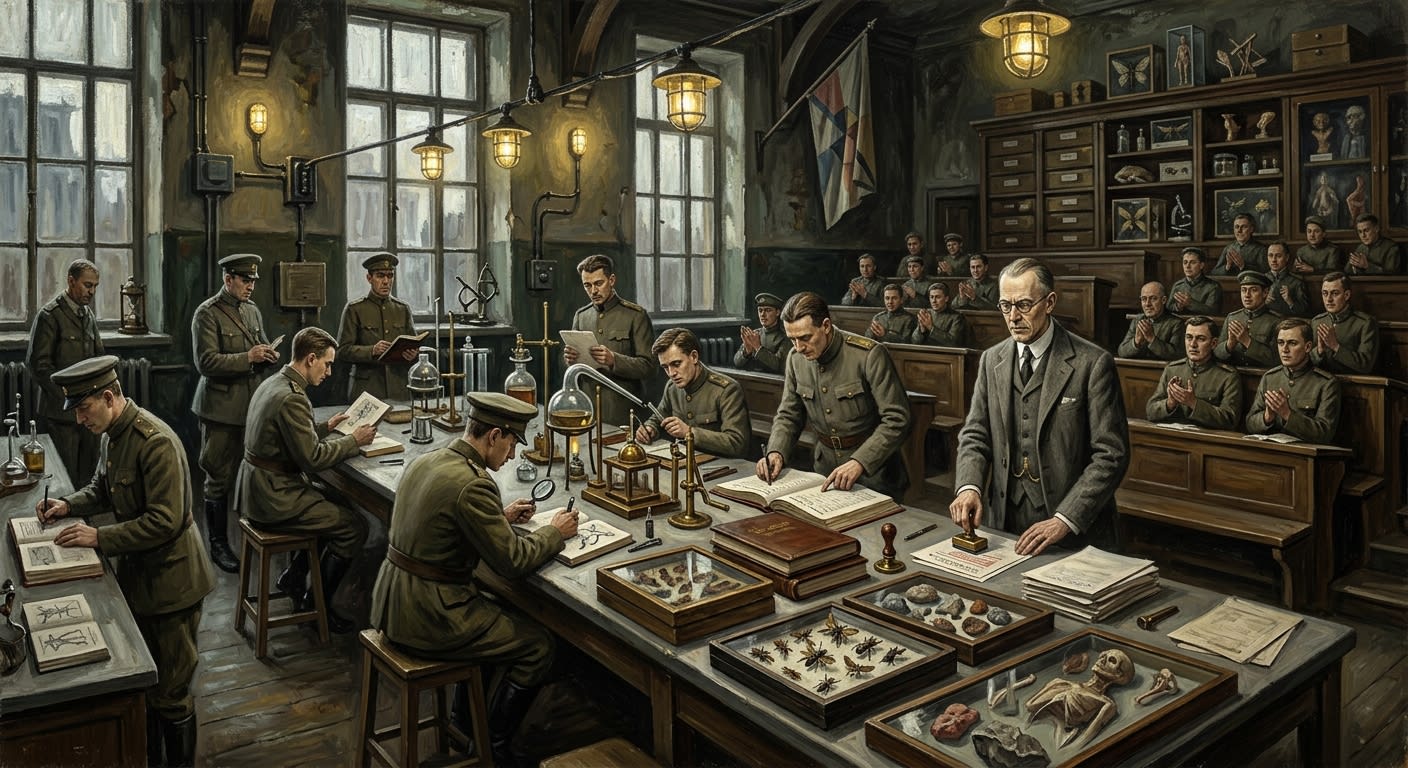
Academies
New cathedrals of Reason, with better brass and worse gods
The Academies taught Europe to replace altar with demonstration table, relic with specimen case, prayer with applause, and cruelty with excellent paperwork.
Codex Ref. I.1.03-000
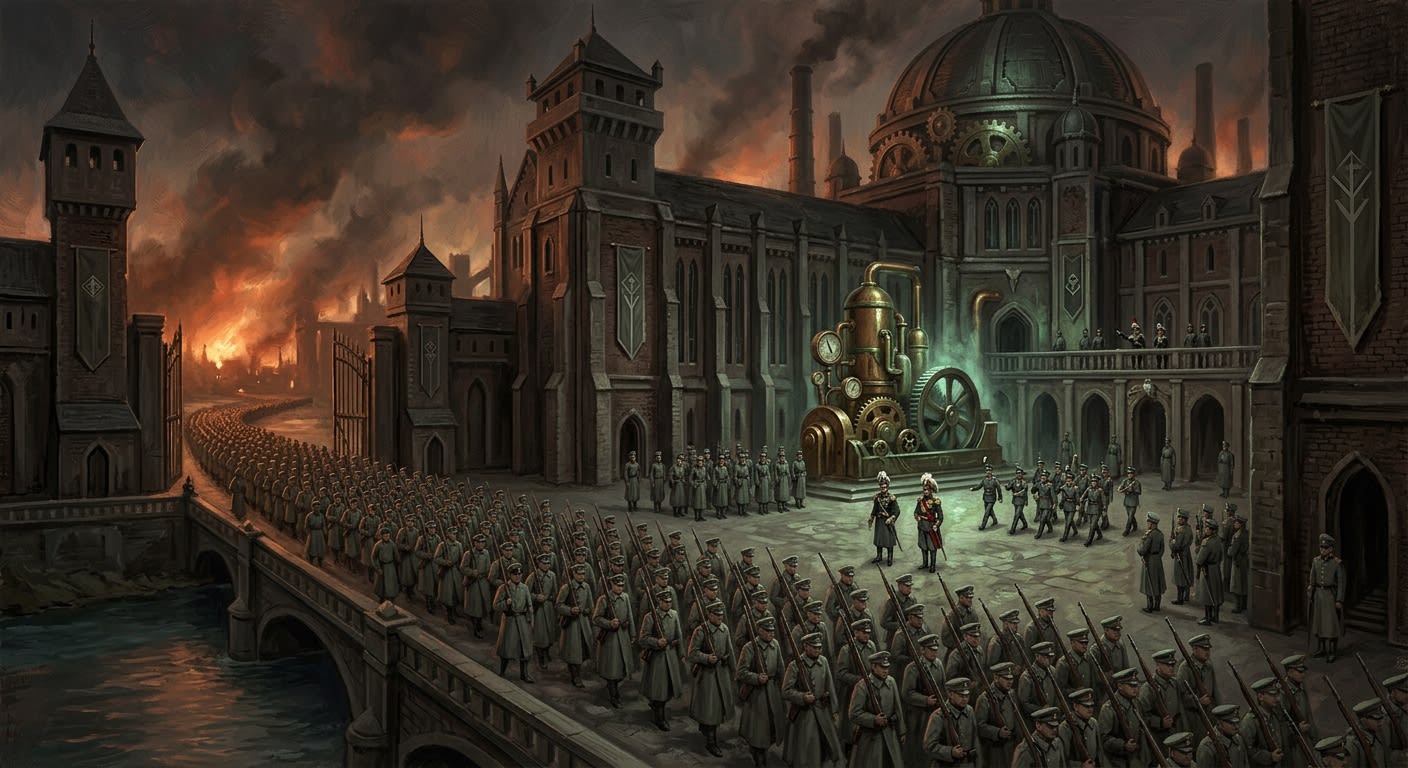
Academy at Vienna
Where correct formation met fire from a cloudless sky
Vienna's Academy taught order so perfectly that twelve thousand men marched by its rules into Maldrake's cloudless fire at the Iron Plains.
Codex Ref. II.4.09-045
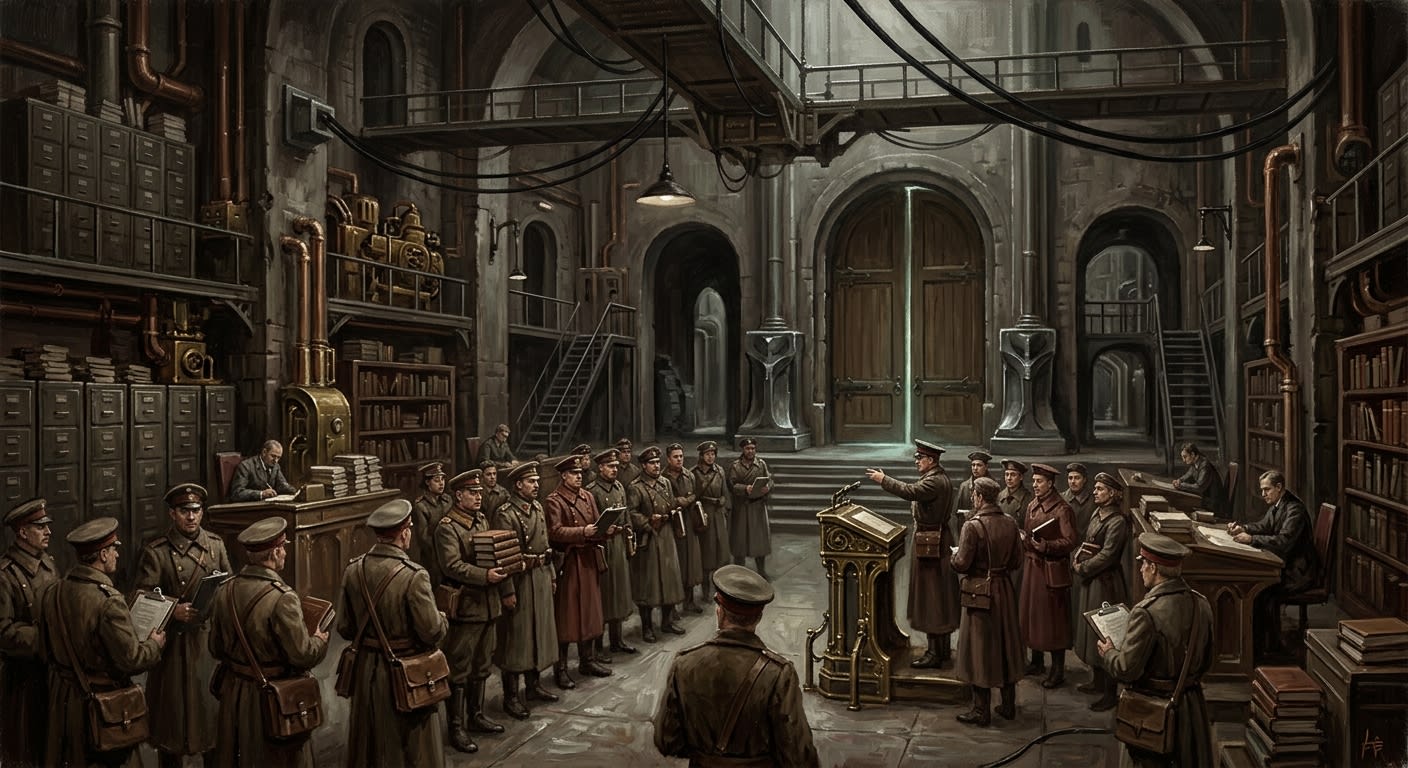
Academy of Strasbourg
Where questions are taught to kneel before they are permitted to stand
The Synod's capital academy trains clever minds for dangerous offices by making knowledge kneel, speak late, file early, and fear extra doors.
Codex Ref. I.1.03-090
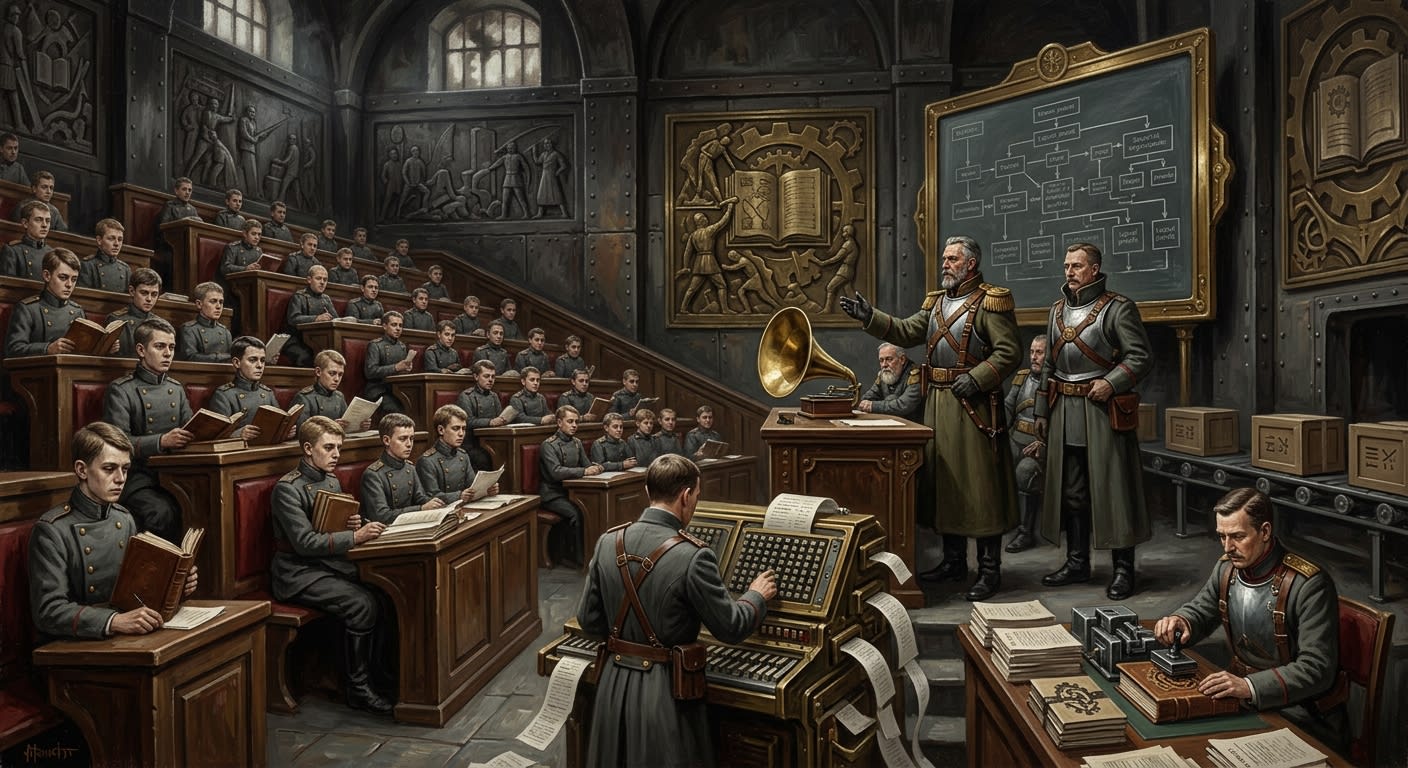
Academy System
The lecture hall as ministry, purse, press, knife, and alibi
The Rationalist Academy System made scholarship into command: lectures became policy, footnotes became bayonets, and children learned unbelief as paperwork.
Codex Ref. I.1.03-000
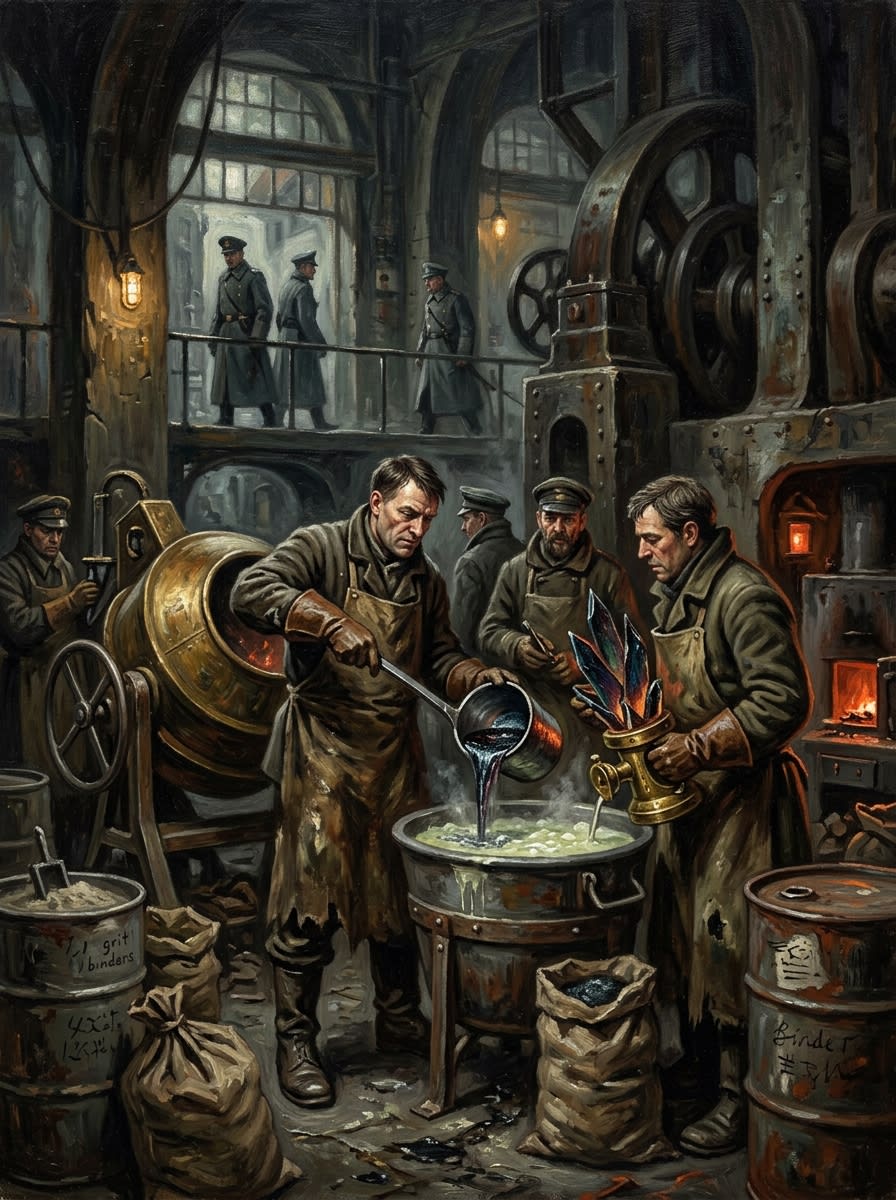
Additive Heretics
The men who put forbidden strength into holy mortar and called the wall their witness
Condemned Saint-Bone Melter tendency that improves sanctified lime with forbidden binders, hardeners, grit, and demon-glass heat-listeners while the Bureaus pretend not to measure the results.
Codex Ref. XI.5.01-001
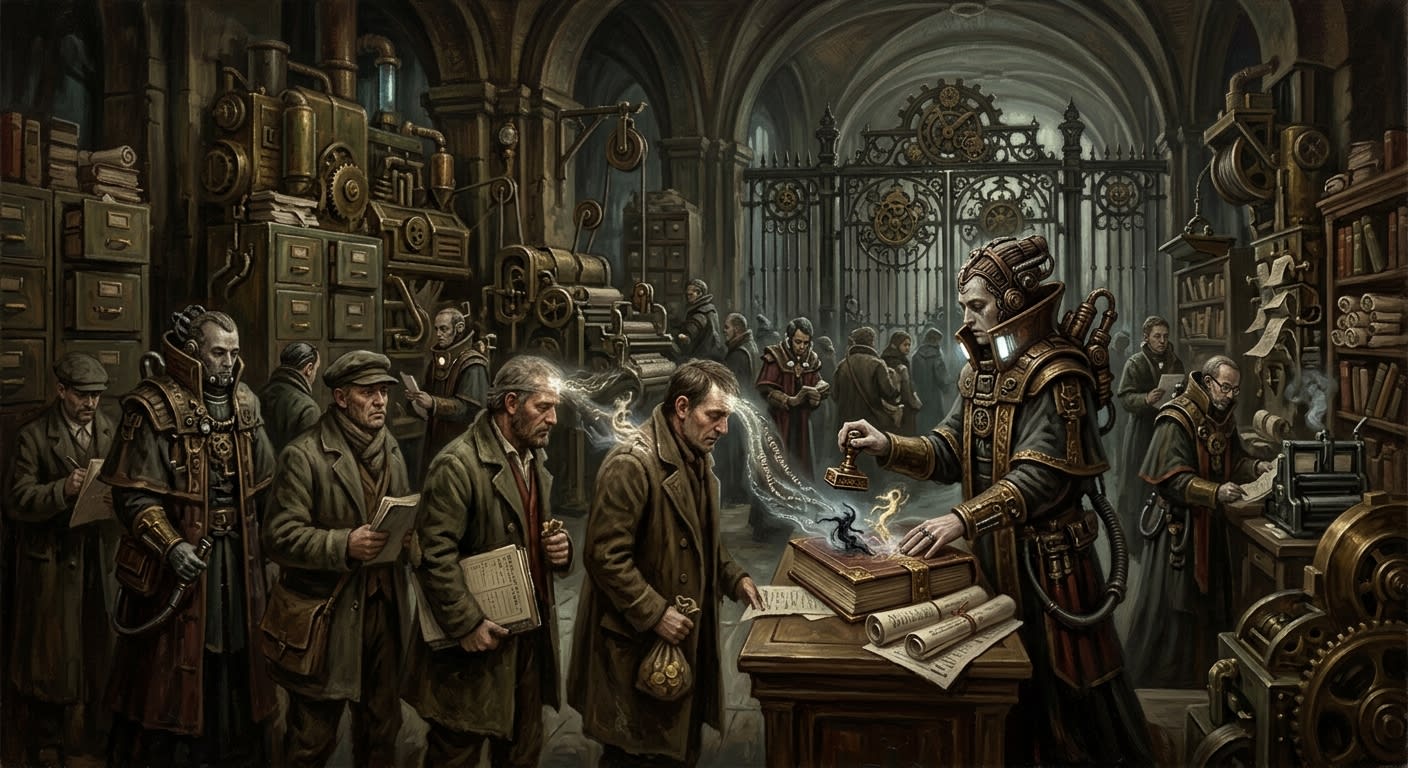
Administrative Harmonists
The school that taught contradiction to queue politely
The Administrative Harmonists saved Regensburg's gate economy by teaching blessing and curse to obey the pamphlet, the stamp, and the fee schedule.
Codex Ref. XIII.1.76-092

Administrative Inconvenience Premium
The price of making the Ledger notice you twice
The Premium prices disobedience as clerical labour: miss Form 7-NR, trouble the Ledger, and watch one infant become a lifetime of doubled debt.
Codex Ref. XIII.1.02-158
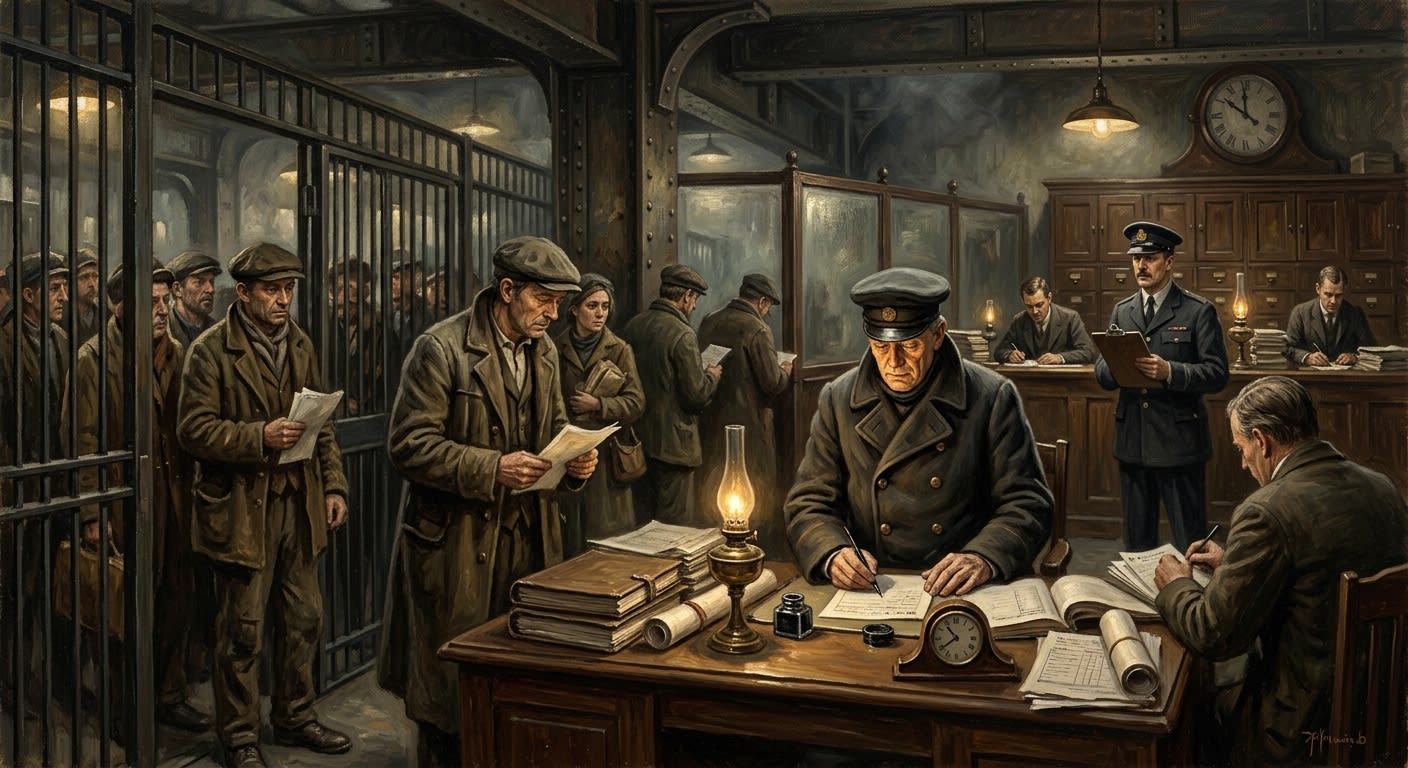
Administrative Order 44-B
The mercy of eight hours in a room that wanted twelve
Order 44-B shortened Vault duty after Breel's hand wrote forbidden music, proving the Bureau can call terror a scheduling improvement.
Codex Ref. XIII.1.44-188
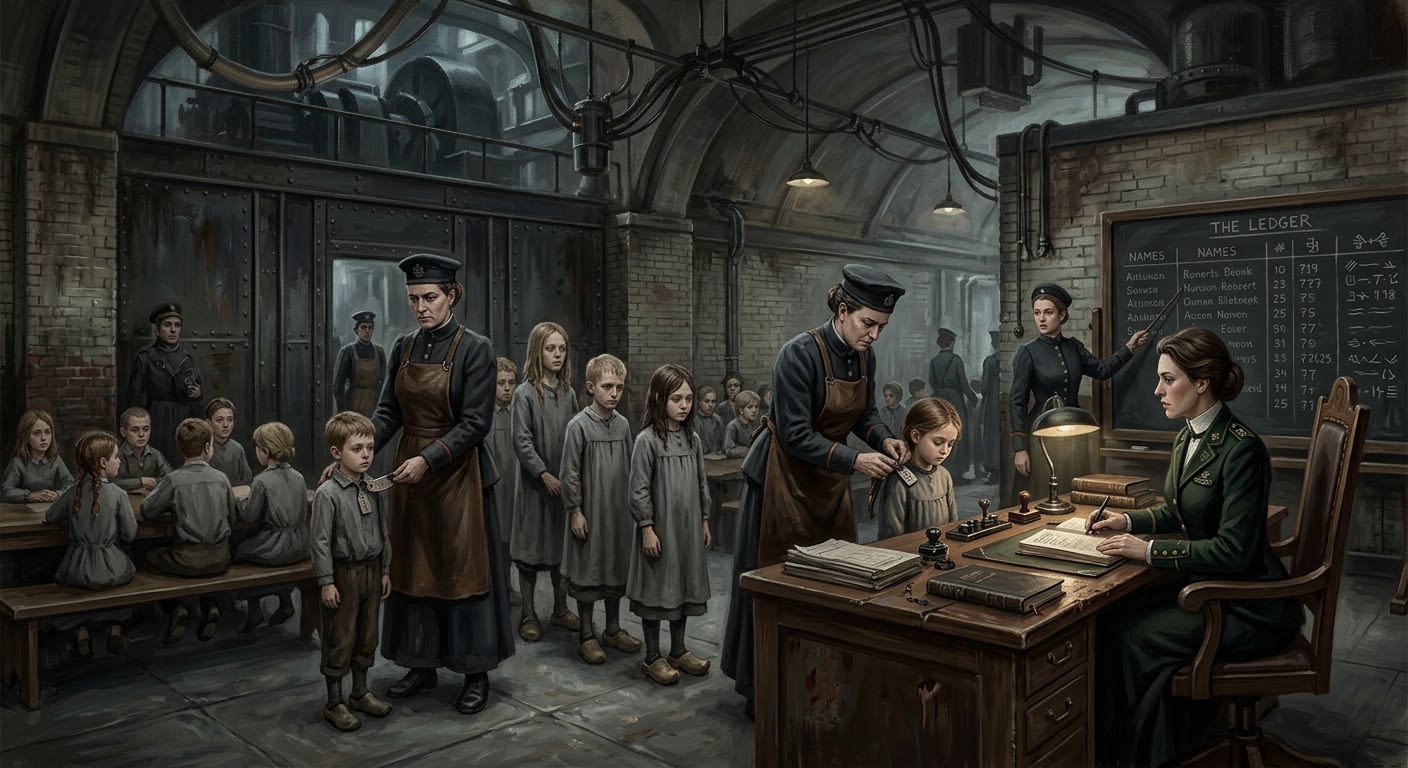
Administrative Recovery
The state calls it custody because theft has poor margins
Administrative Recovery is Mercy's washed name for taking unregistered children, renaming them, tagging them, and teaching the Ledger to stand where a family stood.
Codex Ref. XIII.1.02-159
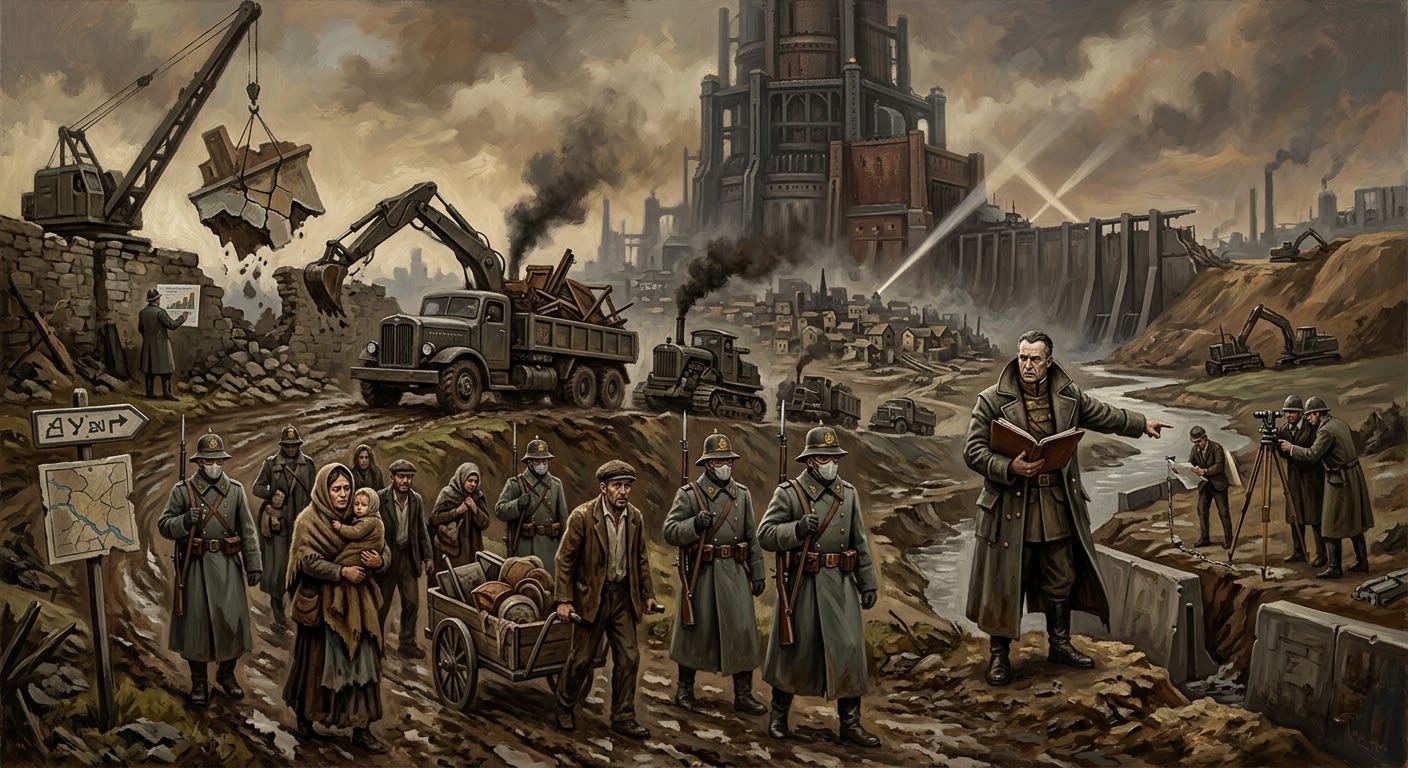
Administrative Redrawing of A.S. 188
A line moved, forty thousand obeyed, and Keska vanished into the neatness
Mandate 188-A redrew the Hintermark and Constantinople terraces in fourteen days, moved forty thousand civilians, and omitted Keska from the map.
Codex Ref. VII.2.04-001
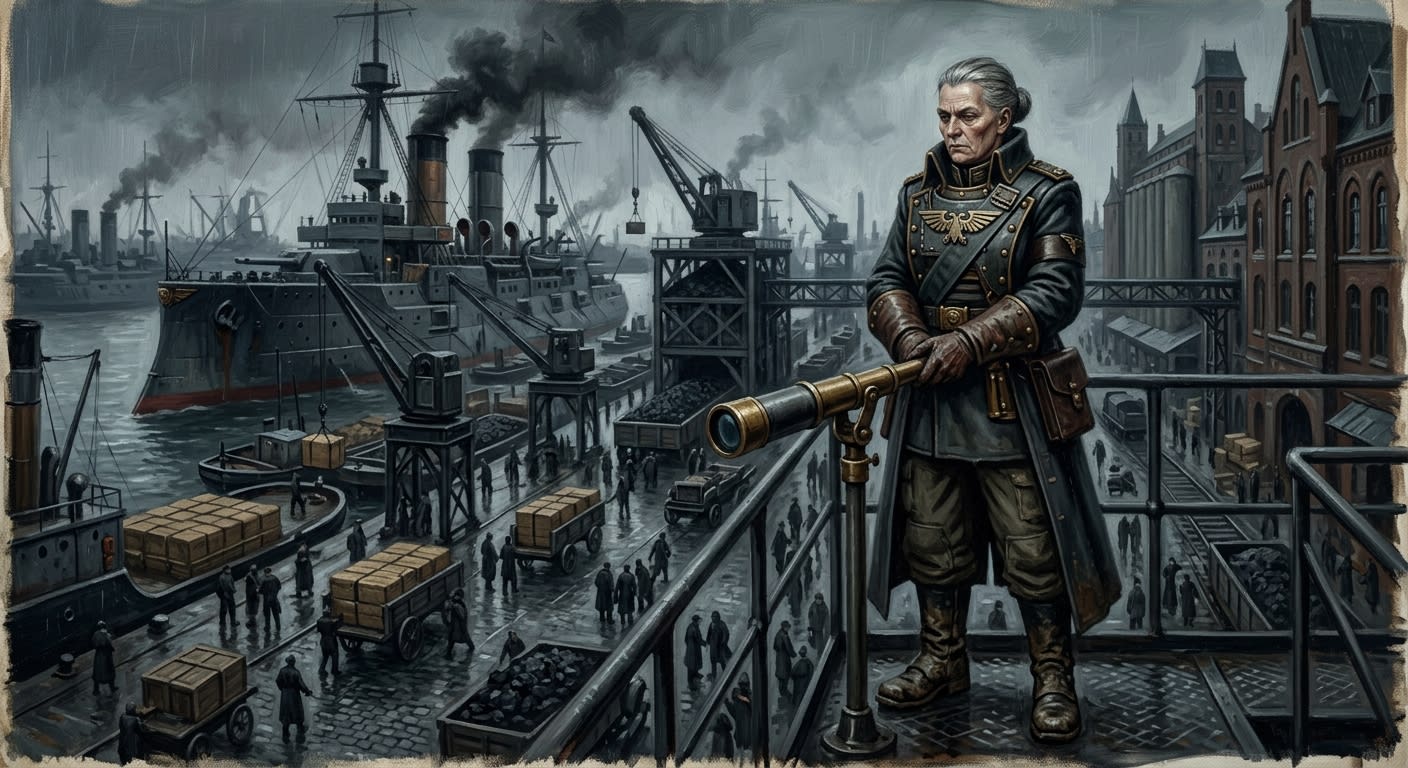
Admiral-Prefect Gerta Halske
The tide table has more mercy than most bishops
Admiral-Prefect Gerta Halske rules Hamburg's wet arithmetic: ships, grain, coal, foreign credit, dock rage, and the northern front's daily refusal to starve.
Codex Ref. III.2.01-151

Admiral-Prefect Gerta Halske
The harbour obeys her because theology cannot unload grain
Hamburg's Admiral-Prefect since A.S. 194, Gerta Halske governs harbour routing, foreign factors, war-cargo priority, and the arithmetic by which the northern front continues breathing.
Codex Ref. III.2.01-150
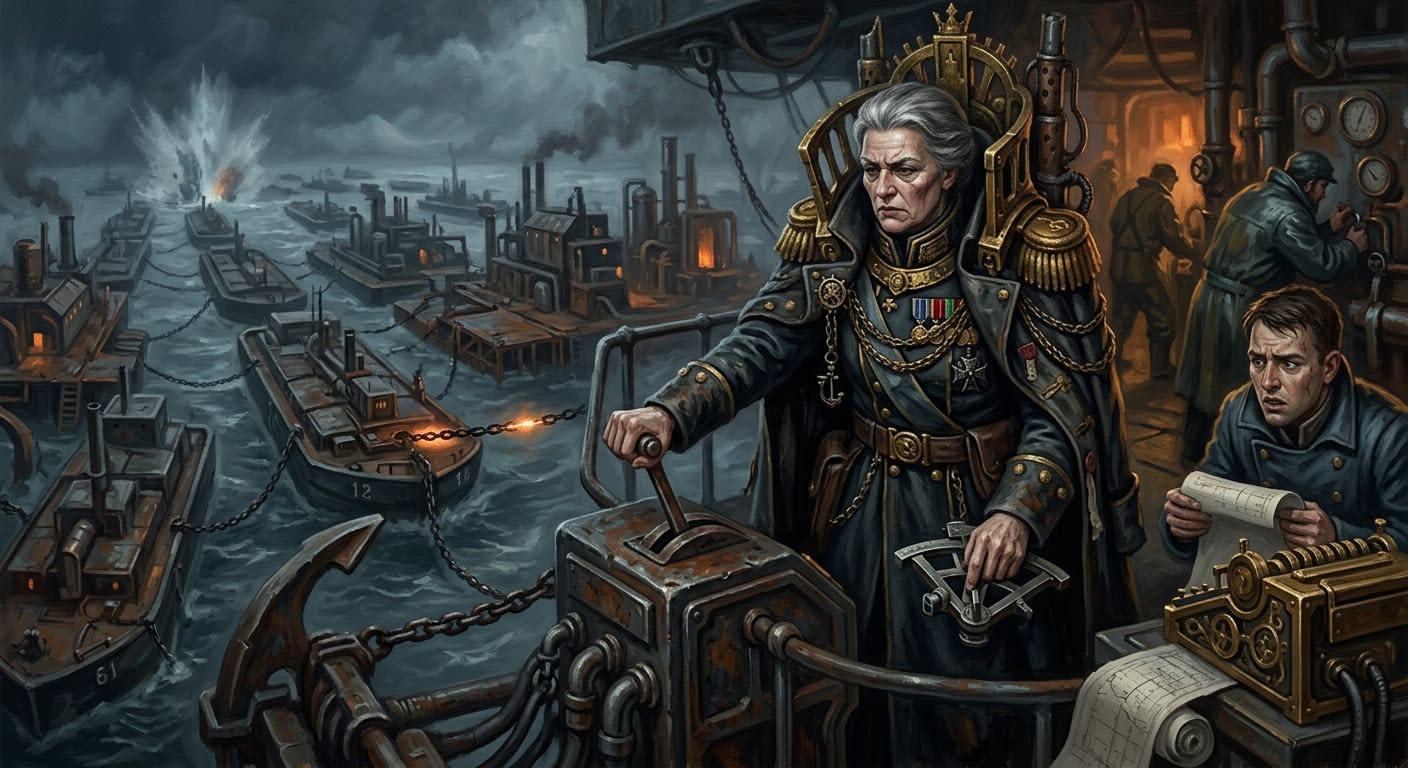
Admiral-Prior Veyra Salt-Crown
She commands the city that changes shape and calls it obedience
Veyra Salt-Crown governs Saints Afloat by chain, relic, quarantine, storm arithmetic, and the sacred brutality of knowing which barge must be cut loose.
Codex Ref. III.2.01-153
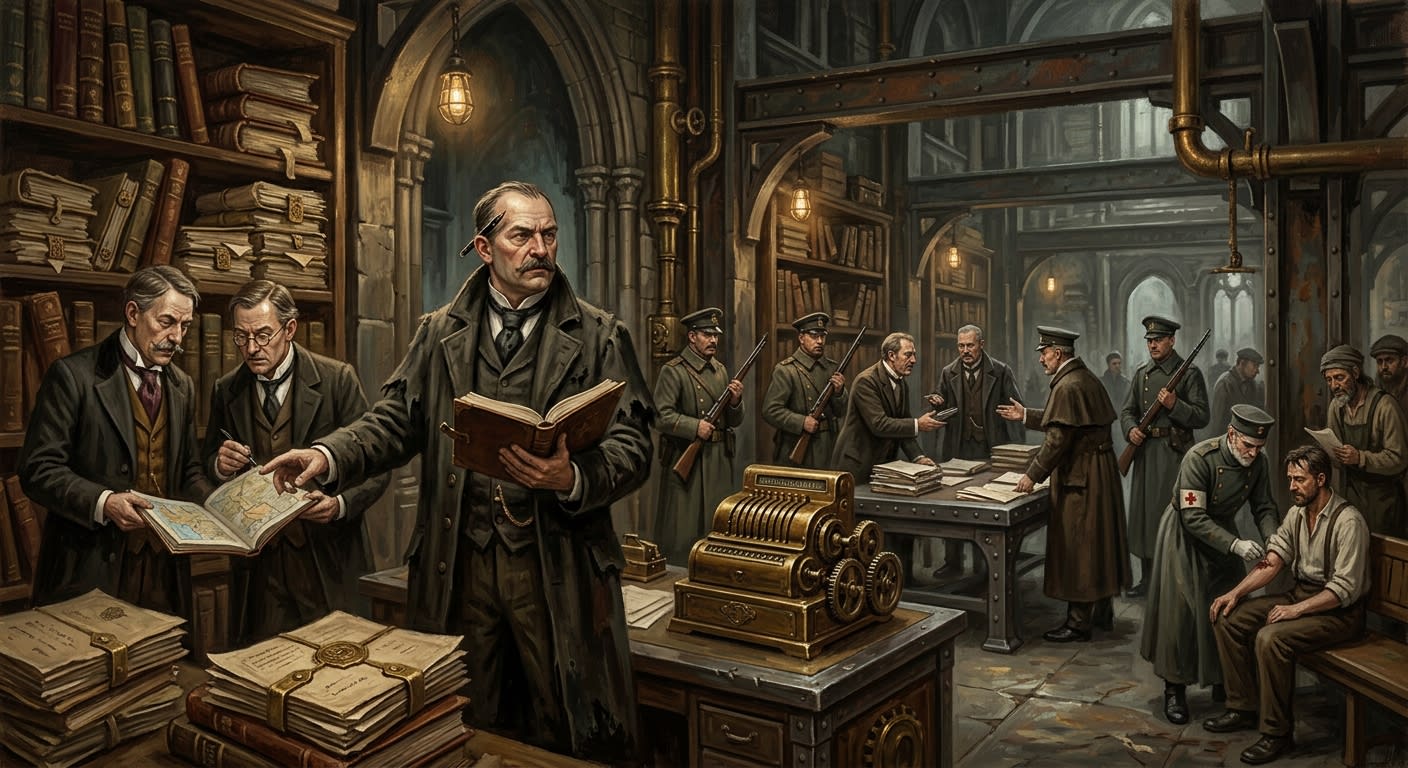
Advocates Guild
Licensed cruelty with gloves, seals, and a fee table
Licensed fraternity of Citation Advocates that turns Synodal quarrels into ledger-duels, sells precedent, polices pits, and calls the resulting injuries civil peace.
Codex Ref. XII.28.01-001
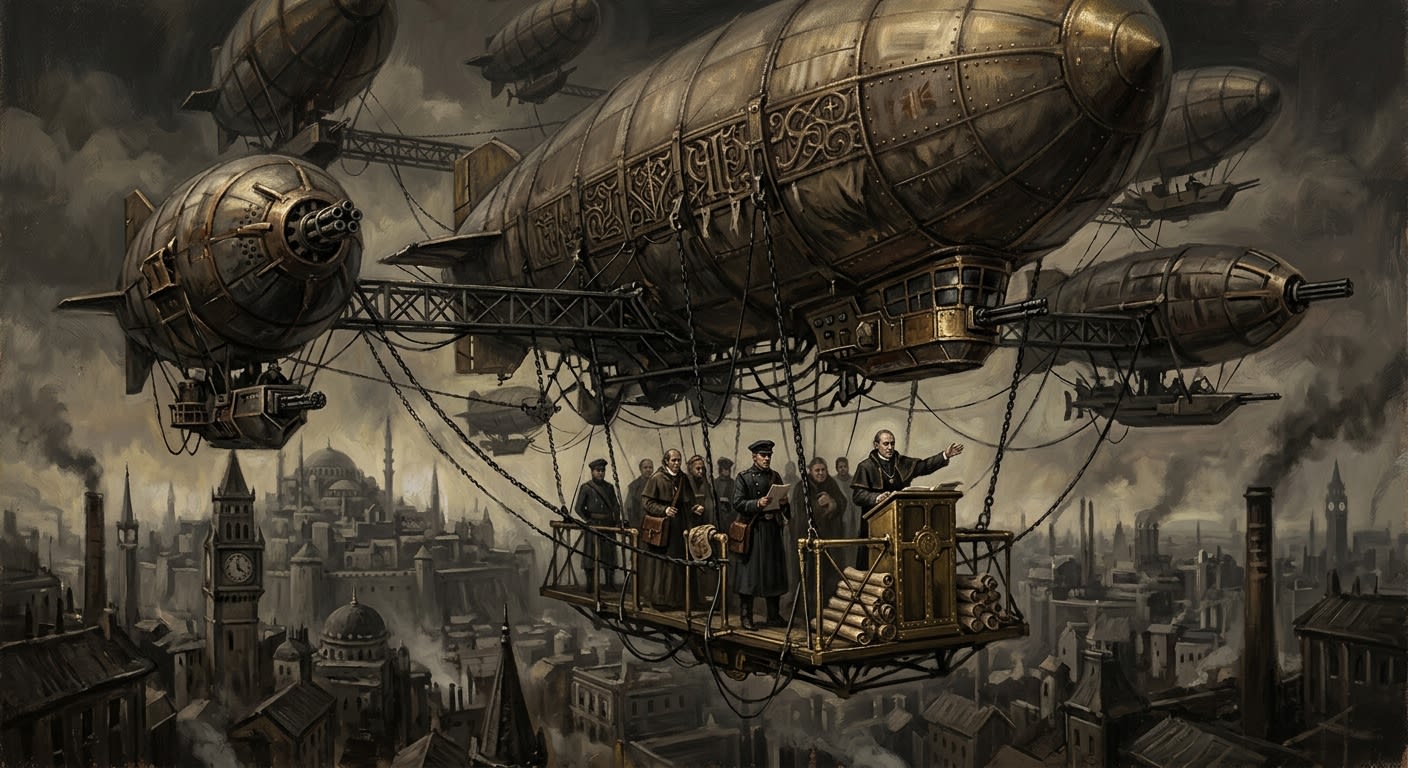
Aerial Wing
The sky, briefly obedient, under seal
Joint aerial custody apparatus by which the Synod lifts reliquary dirigibles, sermons, guns, clerks, and terror above Bastion-Constantinople.
Codex Ref. XIII.1.21-168
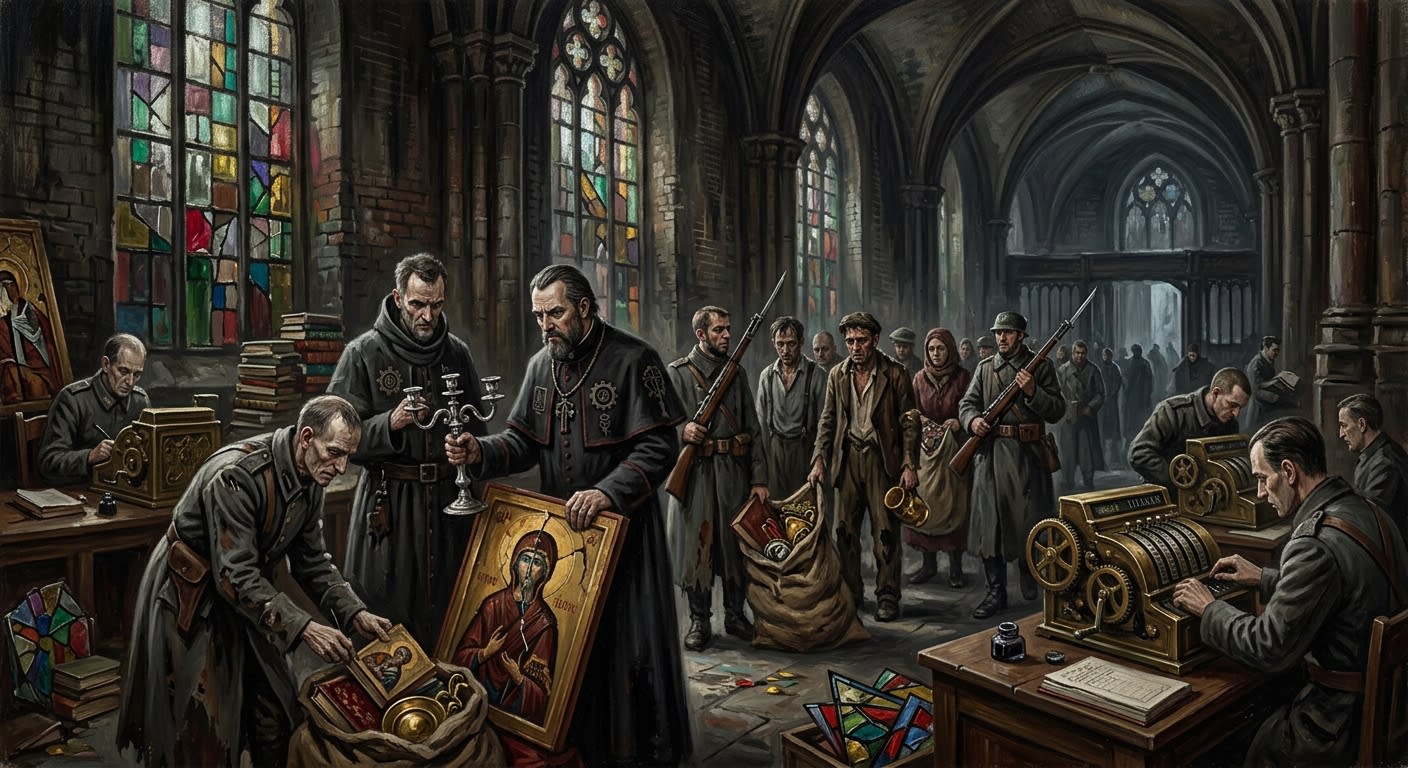
Aesthetic Tithe
When destruction discovers taste
Denied revenue, tolerated theft, and stained-glass hypocrisy: the Aesthetic Tithe turns seized beauty into patronage under the smile of useful sin.
Codex Ref. XIII.1.76-094

Air Auditor
The senior nose that lets a district breathe
Senior Ninth Mark officers who govern smoke by selective detection: smelling every crime, filing fewer, and calling survival atmospheric discipline.
Codex Ref. XII.32.02-143
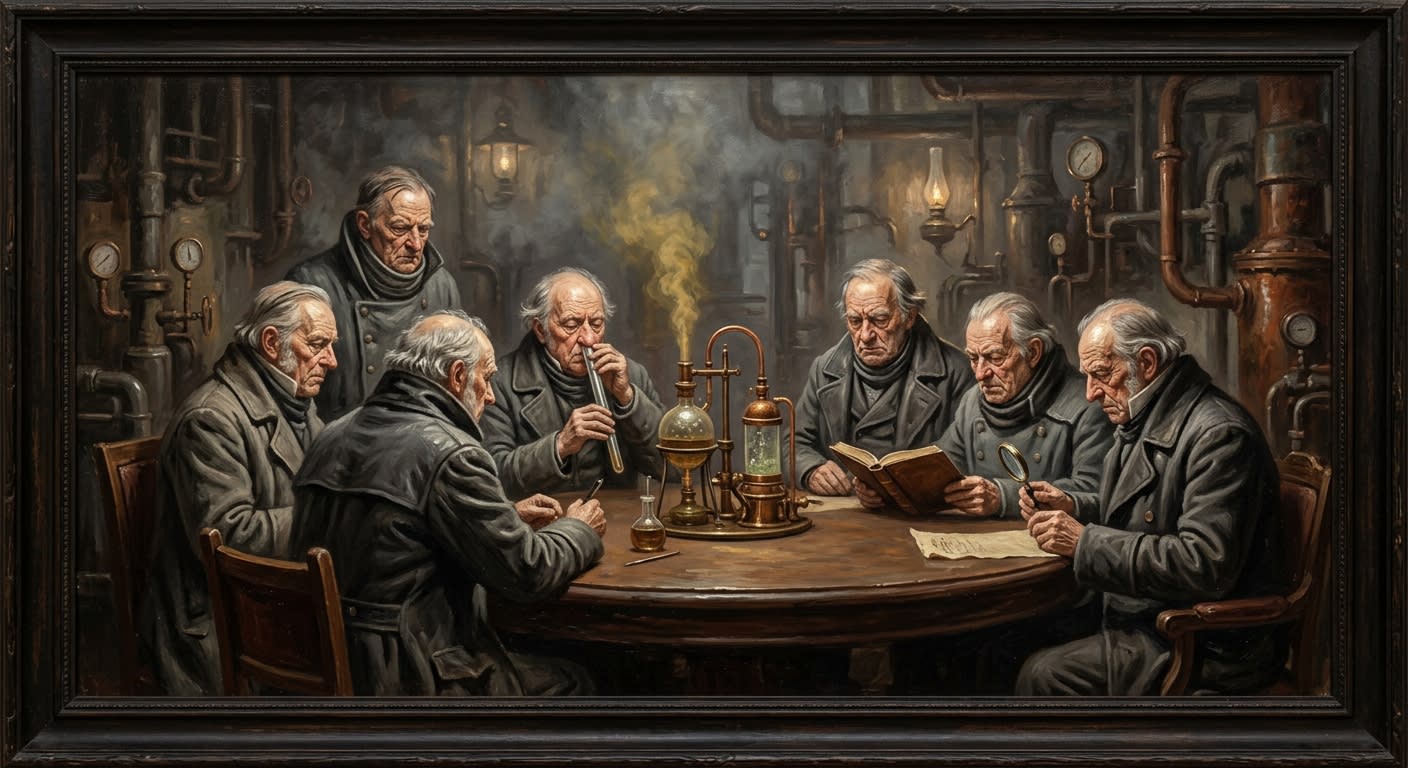
Air Auditors
The plural office that edits the breath of cities
The senior collective custom of Ninth Mark Air Auditors: old noses deciding which smoke becomes law, revenue, mercy, or blessed omission.
Codex Ref. XII.32.03-143
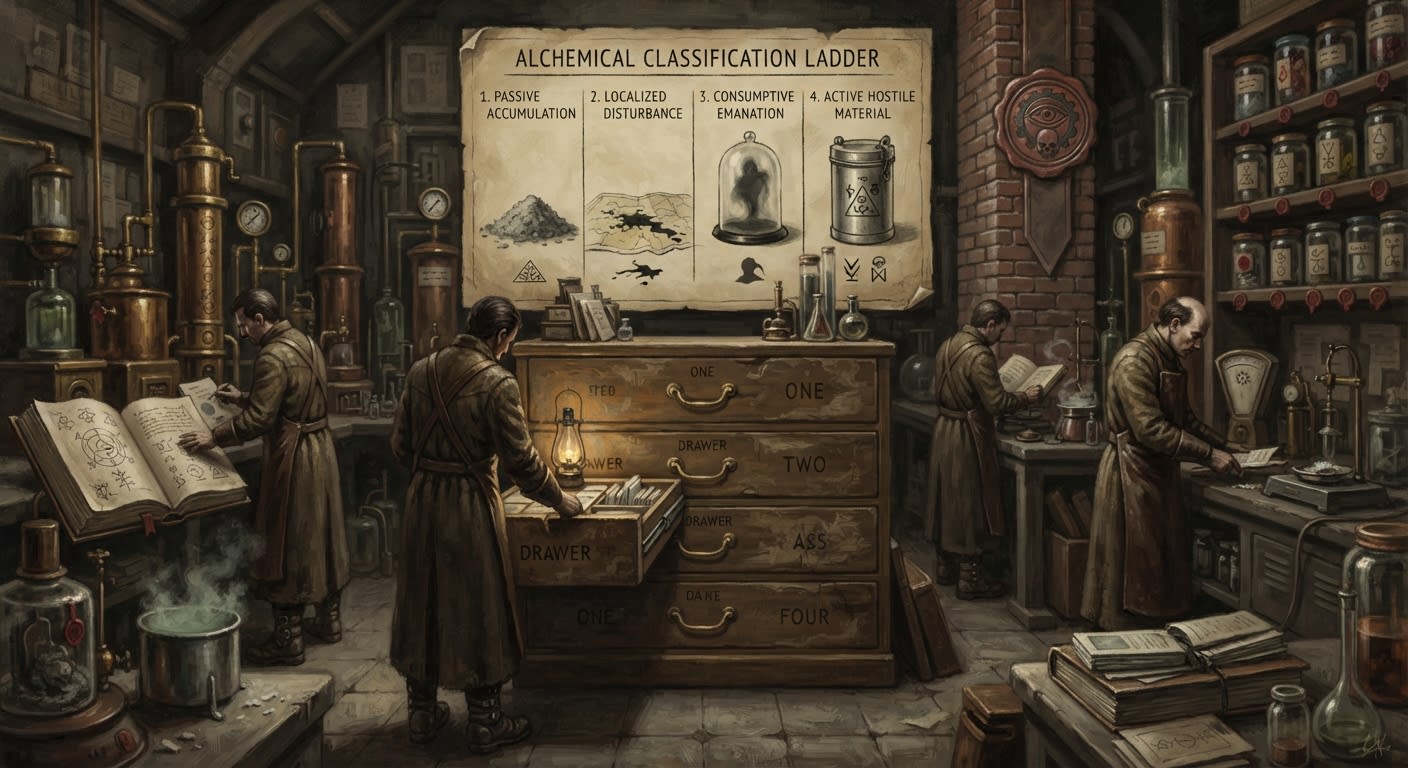
Alchemical Classification Ladder
Four drawers for terror, and none of them empty
The Bureau's four-rung ladder turns twitching ash, hungry ink, harmful vapours, and materials with intent into classifications Strasbourg can seal, bill, and fear politely.
Codex Ref. XIII.1.02-092

Aldara Vess the Elder
The woman who taught fire to be inefficient
Aldara Vess the Elder founded the Bureau of Silence in A.S. 82 and gave the Synod its coldest doctrine: words are not burned; they are made absent.
Codex Ref. III.2.01-082
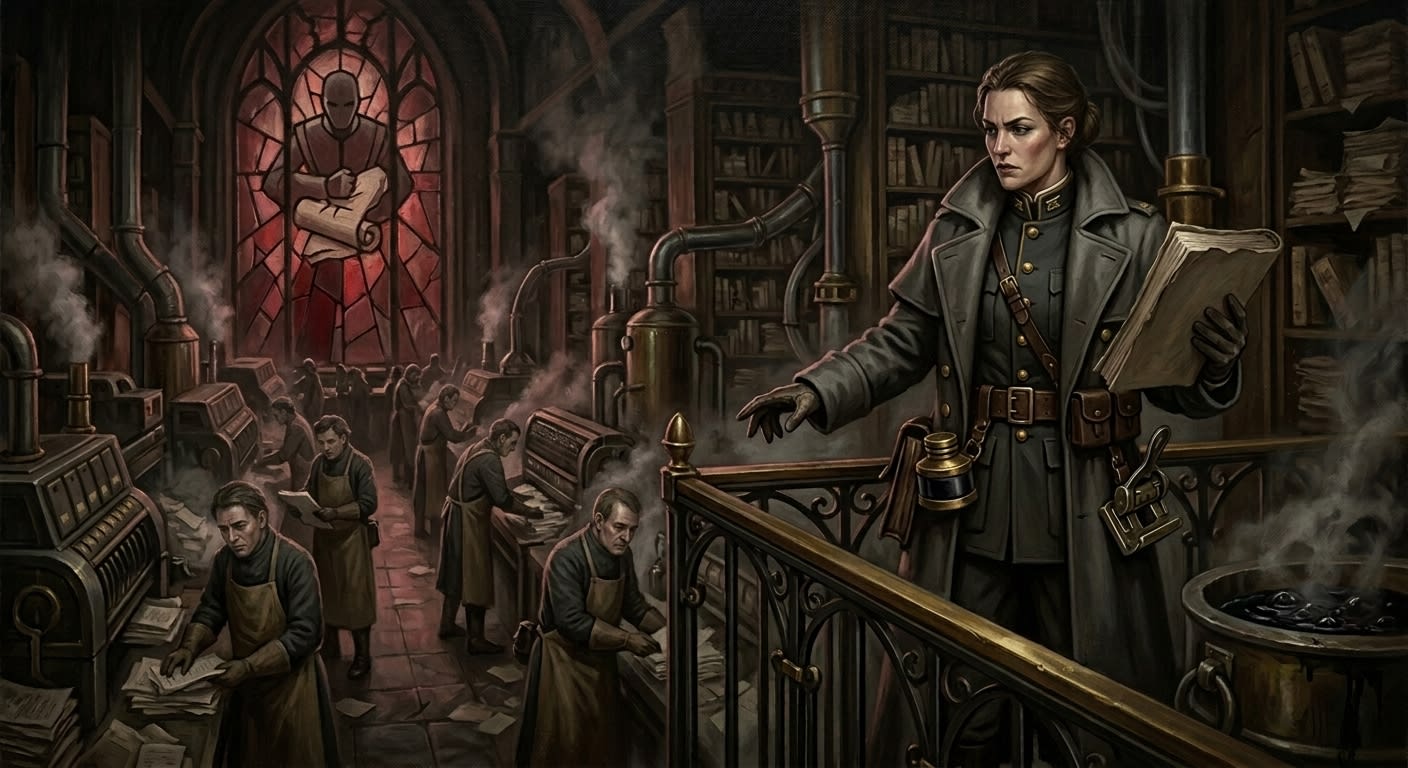
Aldara Vess the Younger
The woman who removes language from the room until obedience remains
Aldara Vess the Younger commands the Bureau of Silence, the Forbidden Stacks, and the art of making words administratively absent before they become dangerous.
Codex Ref. III.2.01-018

Aldous Crenn
Seven saints in one quarter, and not one accuracy review survived to trouble them
Bureau of Doctrine hagiographic clerk whose A.S. 94 quarter processed seven canonization packets, including Saint Halva's deficient file, and made sanctity behave like paperwork.
Codex Ref. III.2.01-067
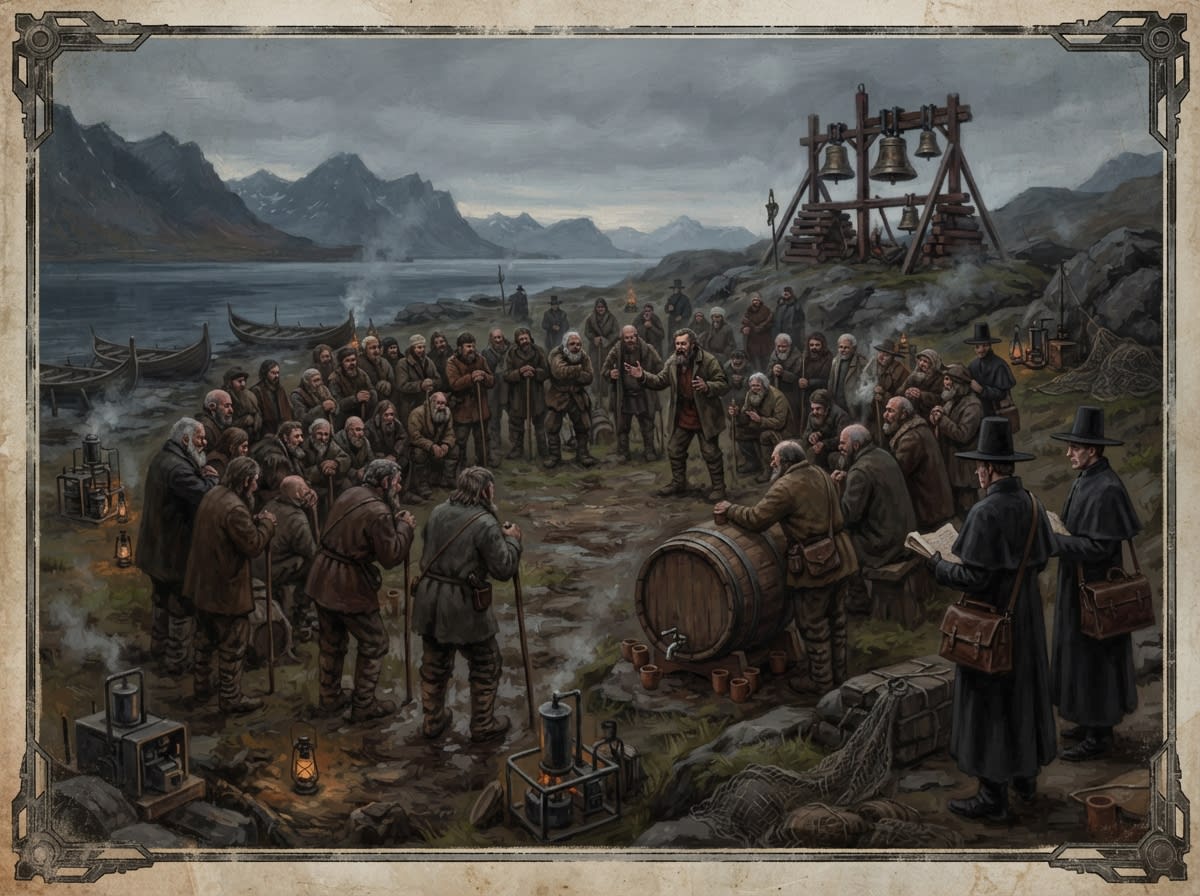
All-Moot
A legislature with no hall, no roll, no seal, and therefore no convenient target.
The Fractured North's annual midsummer assembly settles feuds, oil, passage, bells and Strasbourg's patience from a field that moves every year. The Bureau files it as customary. The North files nothing.
Codex Ref. IX.8.01-002
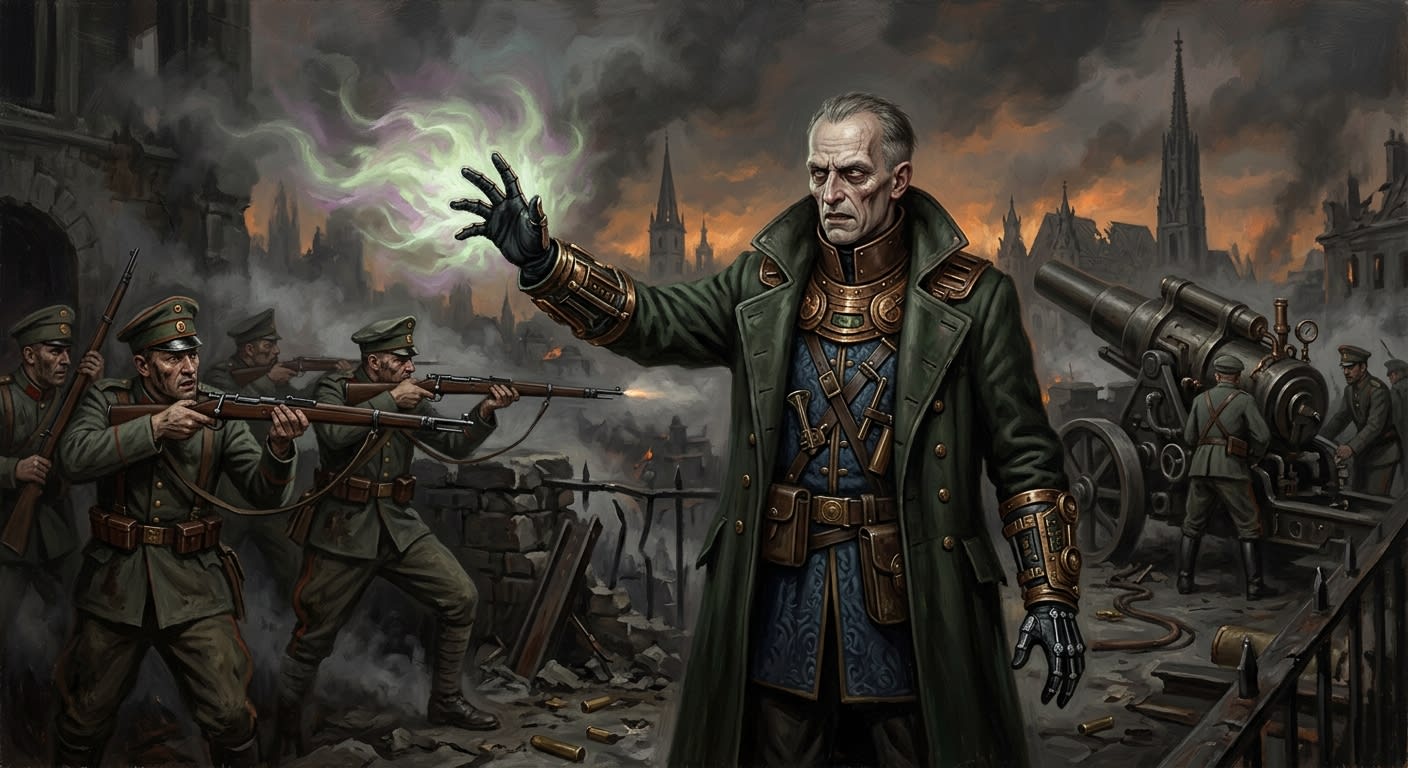
Althazar of Pest
The unauthorized man history mistook for a throne
Althazar of Pest was the sorcerer-lord of Vienna's last siege, a Rationalist remnant commander destroyed by Clemens Stahlhand and Saint Aldebrand's reliquary mace.
Codex Ref. III.2.01-153
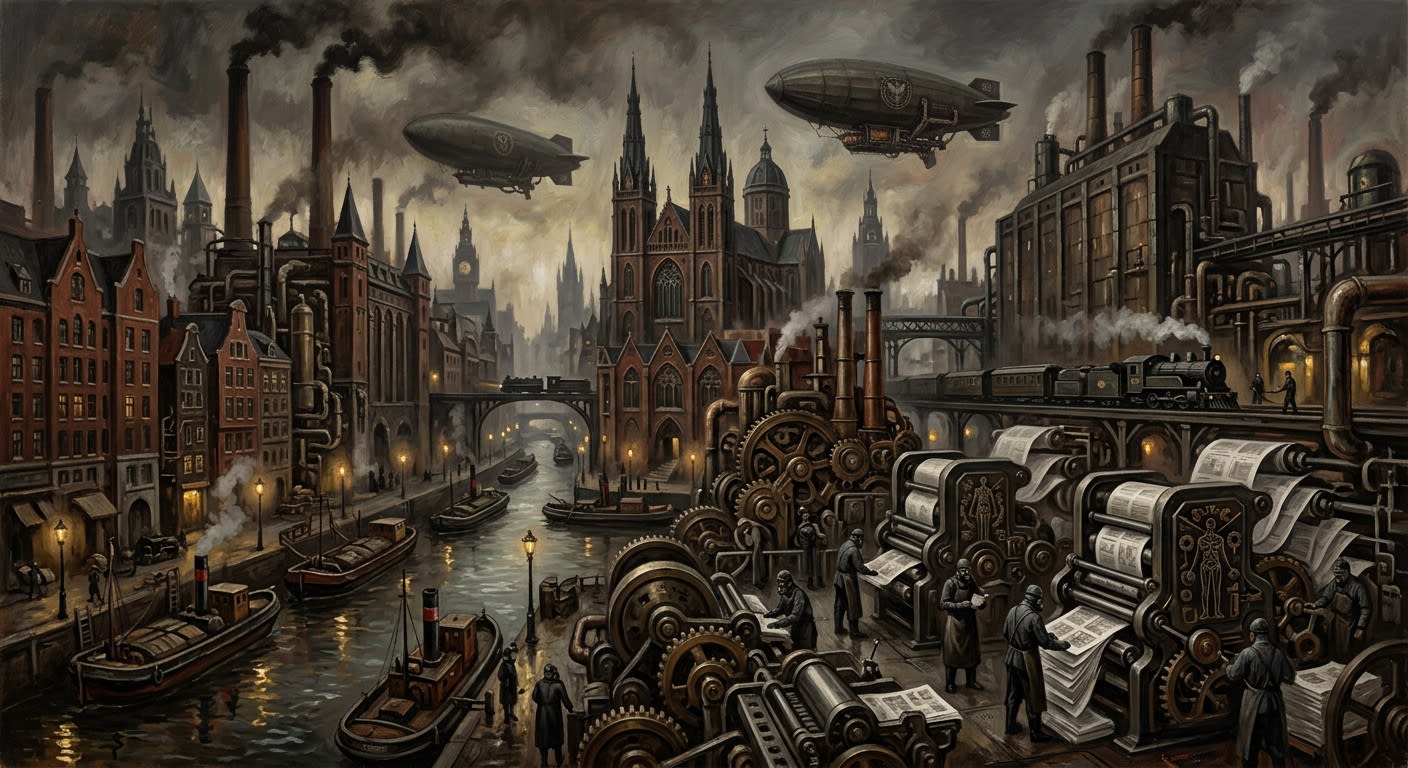
Amsterdam
The city where Europe learned to sin in pamphlet form
Amsterdam is the independent Dutch city where the Synod's calendar wound was printed: first the Year of Letters, then *De Vera Luce*, then Europe taught to doubt by invoice.
Codex Ref. II.4.09-012
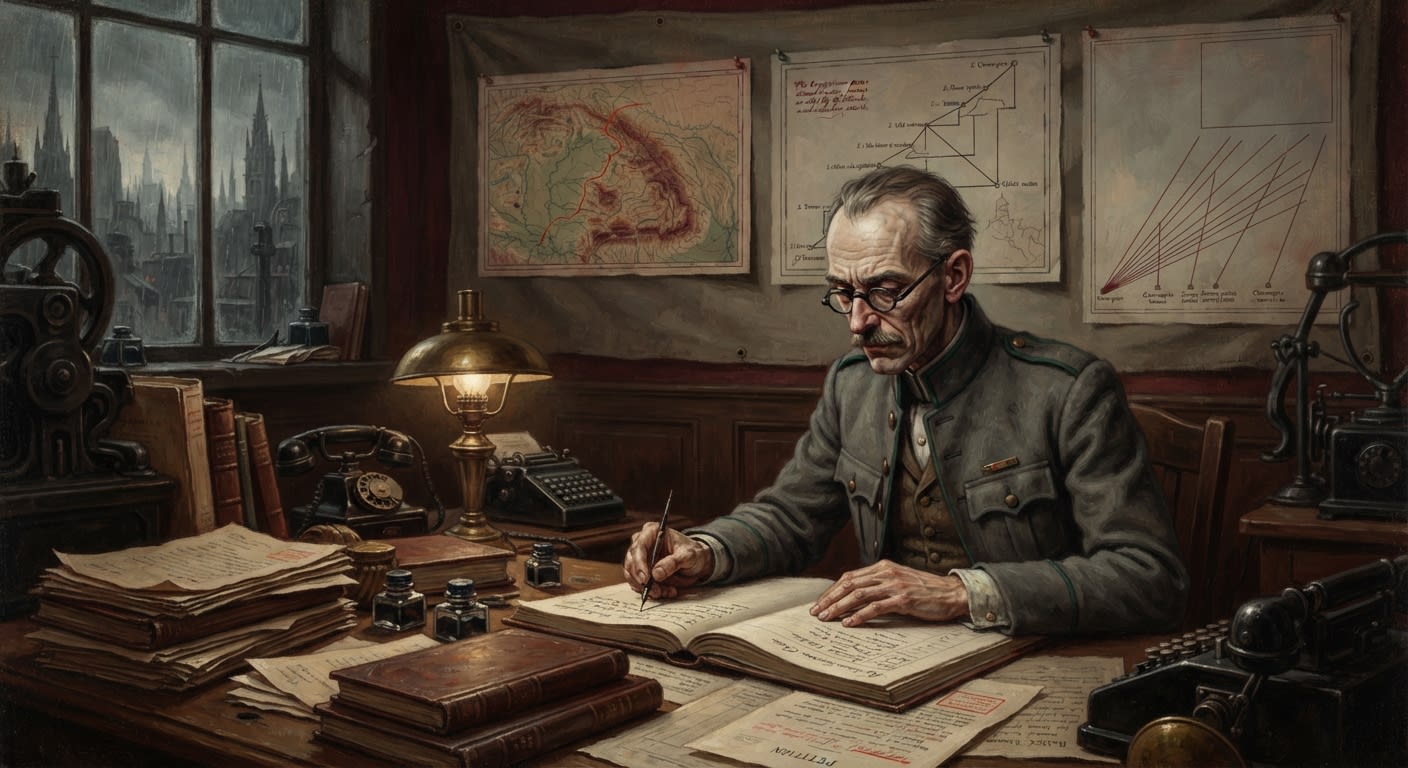
Analyst Second-Grey Mavren
The clerk who taught a red file to climb
Analyst Second-Grey Mavren gave Dossier Vermillion its staircase: one A.S. 150 register, three maps, one petition, and a phrase the Bureau has not escaped.
Codex Ref. III.2.01-153
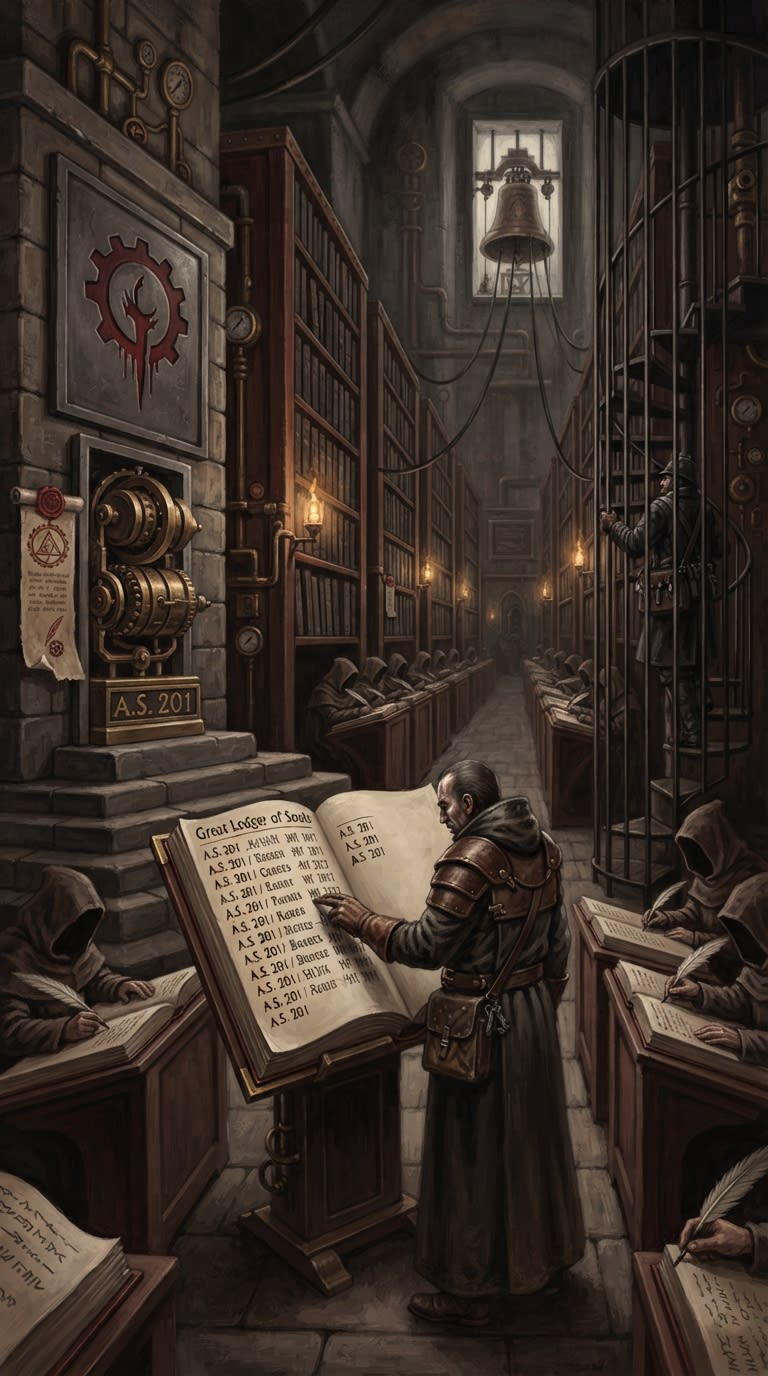
Anno Synodi
The wound by which Strasbourg owns the year
The Synod's calendar counts not from triumph but from wound: A.S. 0 at De Vera Luce, adopted retrospectively at the Concordat, and enforced by Records, Bells, and Doctrine.
Codex Ref. XIII.1.00-090
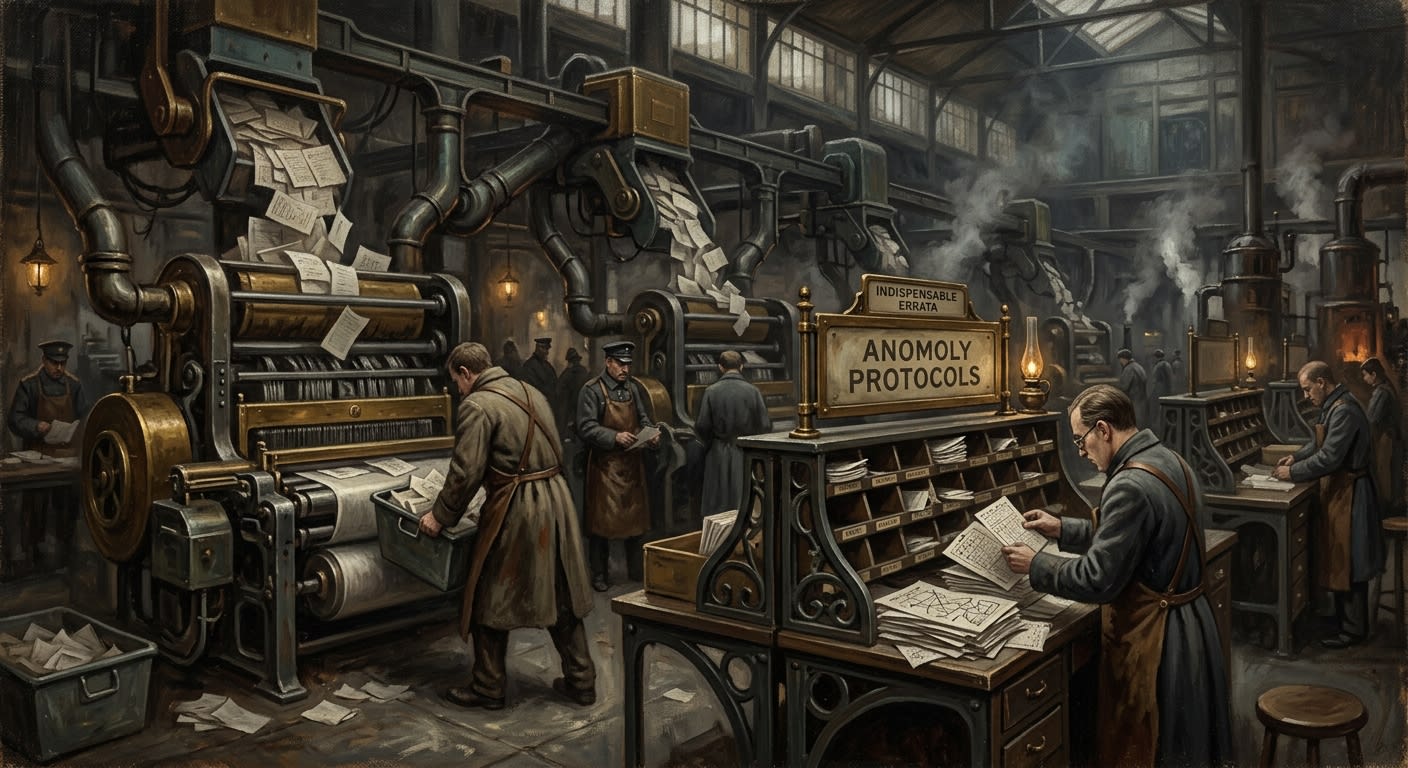
Anomoly Protocols
The misspelled machinery by which panic becomes billable silence
The Anomoly Protocols are the Cloister's approved handling procedures for bead drift: misspelled, deniable, indispensable, and far too useful to correct.
Codex Ref. XIII.1.72-003
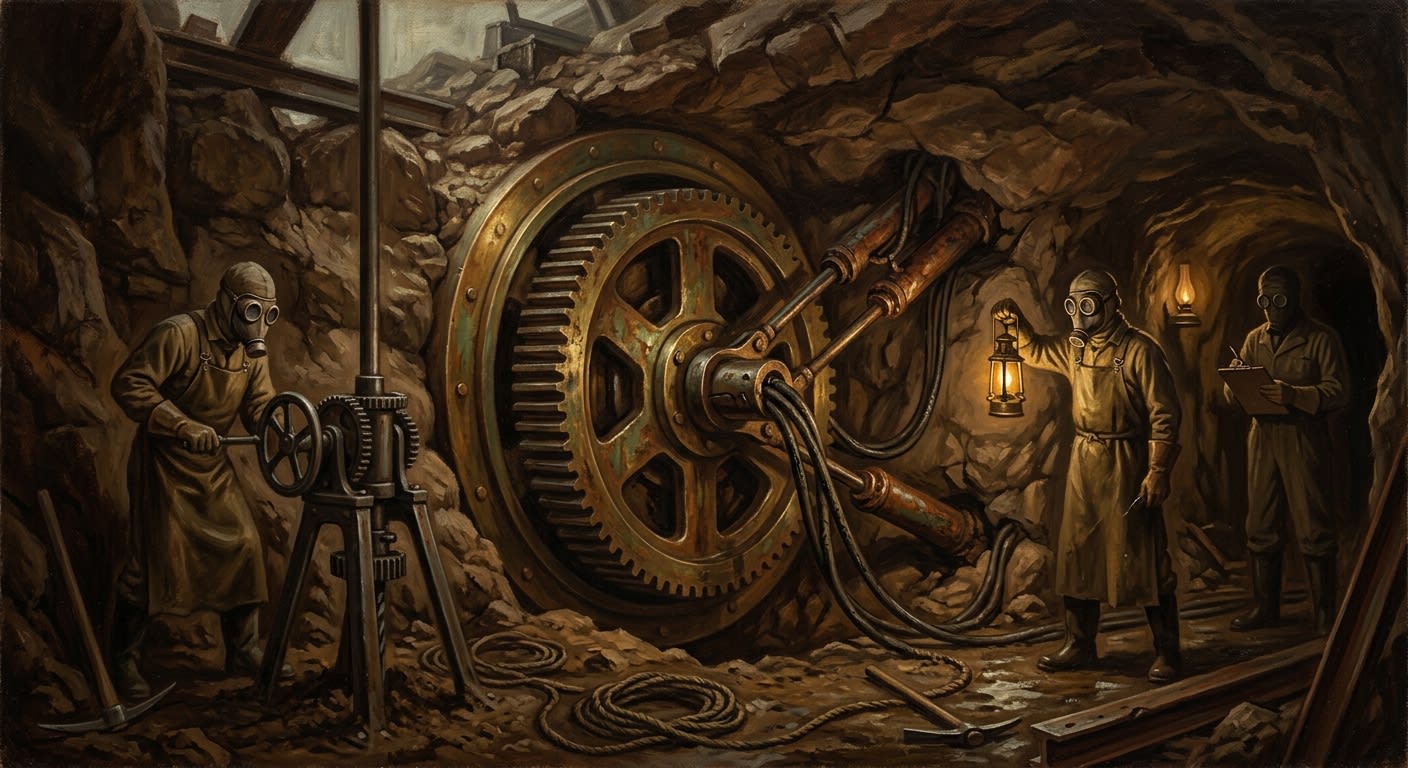
Apparatus of Gate Nine
The drill went down for vibration and returned with doctrine
A.S. 178 Gate Nine survey in which Bureau of Engineering Team Gamma-9 drilled beneath the Queue Road and found a turning wheel, a sealed chamber, and obedience already waiting.
Codex Ref. VII.4.15-001

Arbiter-Widow Solenne
The Bench mourns first and invoices after
Veiled judge of Griefgate's grief-tax appeals, famous for verdicts that arrive before noon and for a private ledger the culverts insist should not exist.
Codex Ref. III.2.01-094

Arch-Artificer Lute Brann
The burned hand that quiets engines and embarrasses theology
Lute Brann commands the Foundry Quarter's lower works, signs impossible provenance, quiets bound housings bare-handed, and remains useful enough to survive inquiry.
Codex Ref. III.2.01-150
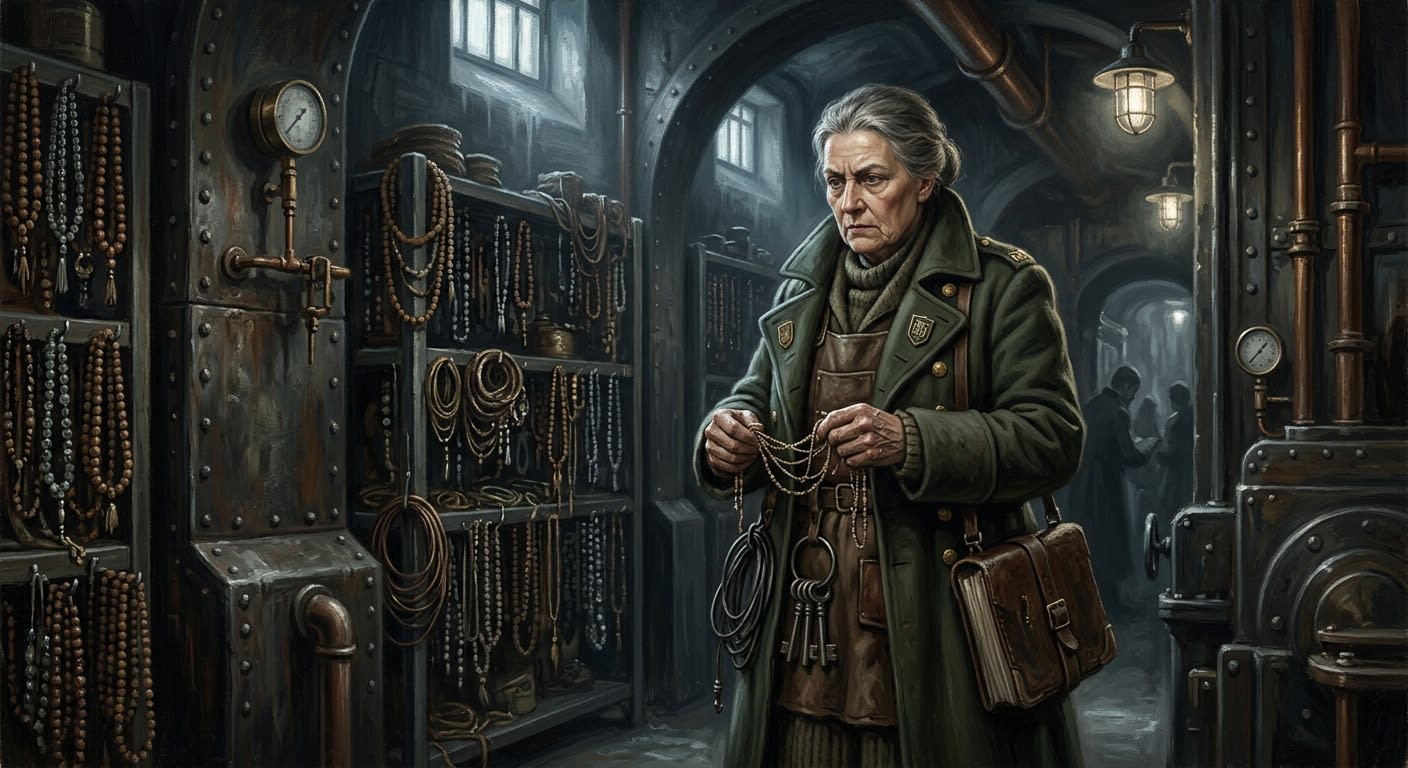
Archivist Keth
Mother Thread hears what the cases deny
Archivist Keth, called Mother Thread, keeps the Bead Vault cold, locked, and almost obedient while its confiscated pilgrim strings learn to answer.
Codex Ref. III.2.01-152

Archon
The chair survives the man and charges rent to history
An Archon is less a man than a legal altitude: Bureau sovereign, city master, seal threshold, and chair that lets the Synod replace the occupant while preserving the blame.
Codex Ref. XIII.1.07-090
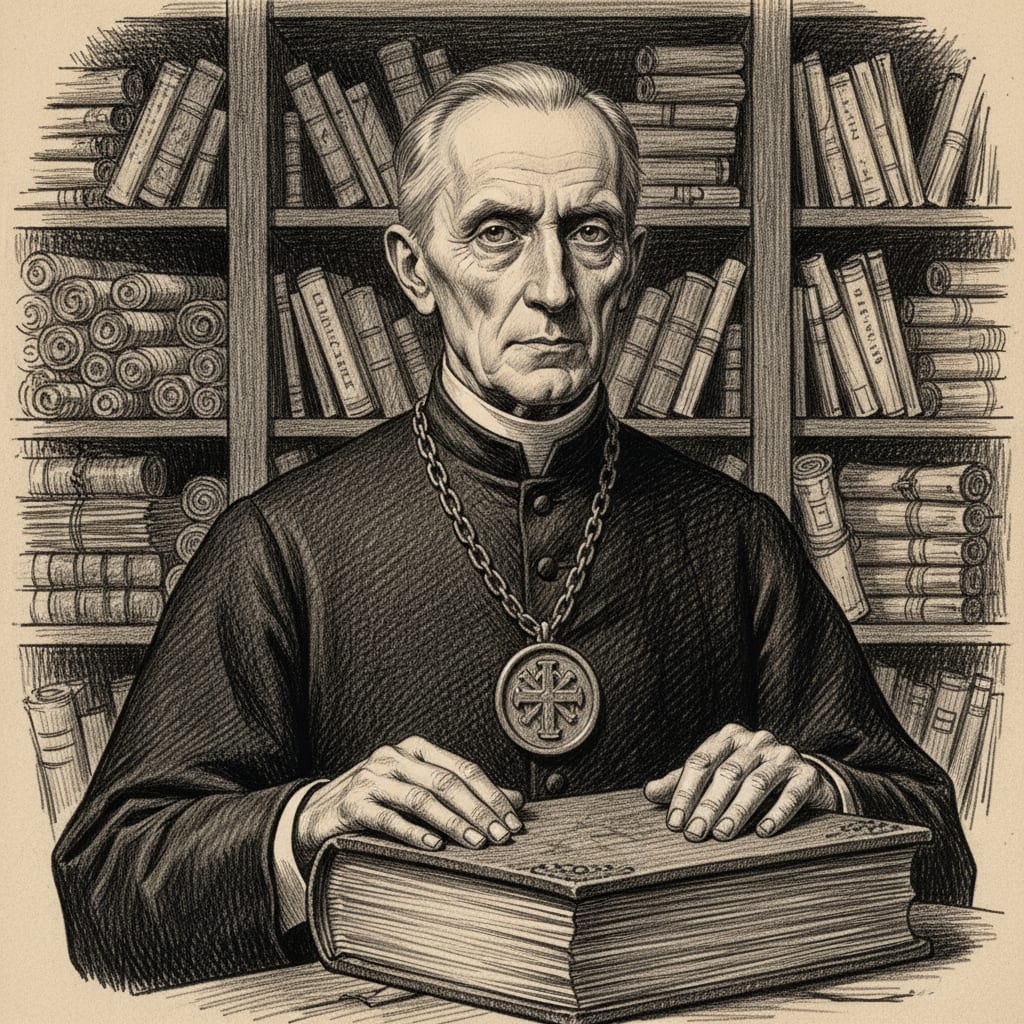
Archon Benedict Veyrault
The Monk Who Made Memory a Weapon
Once a monk of Dijon, Veyrault built the Bureau of Records into the scaffolding of reality itself. Cities he struck from the ledgers ceased to exist. His motto endures — "Nothing is forgotten" — and the faithful repeat it with equal parts pride and terror.
Codex Ref. III.3.02-008

Archon Casselius of Mainz
The man who hears treason in hardware and measures it correctly
Casselius of Mainz holds Heraldry and Masks and Seals in personal union, deciding what may be seen, stamped, licensed, and punished.
Codex Ref. III.2.01-017
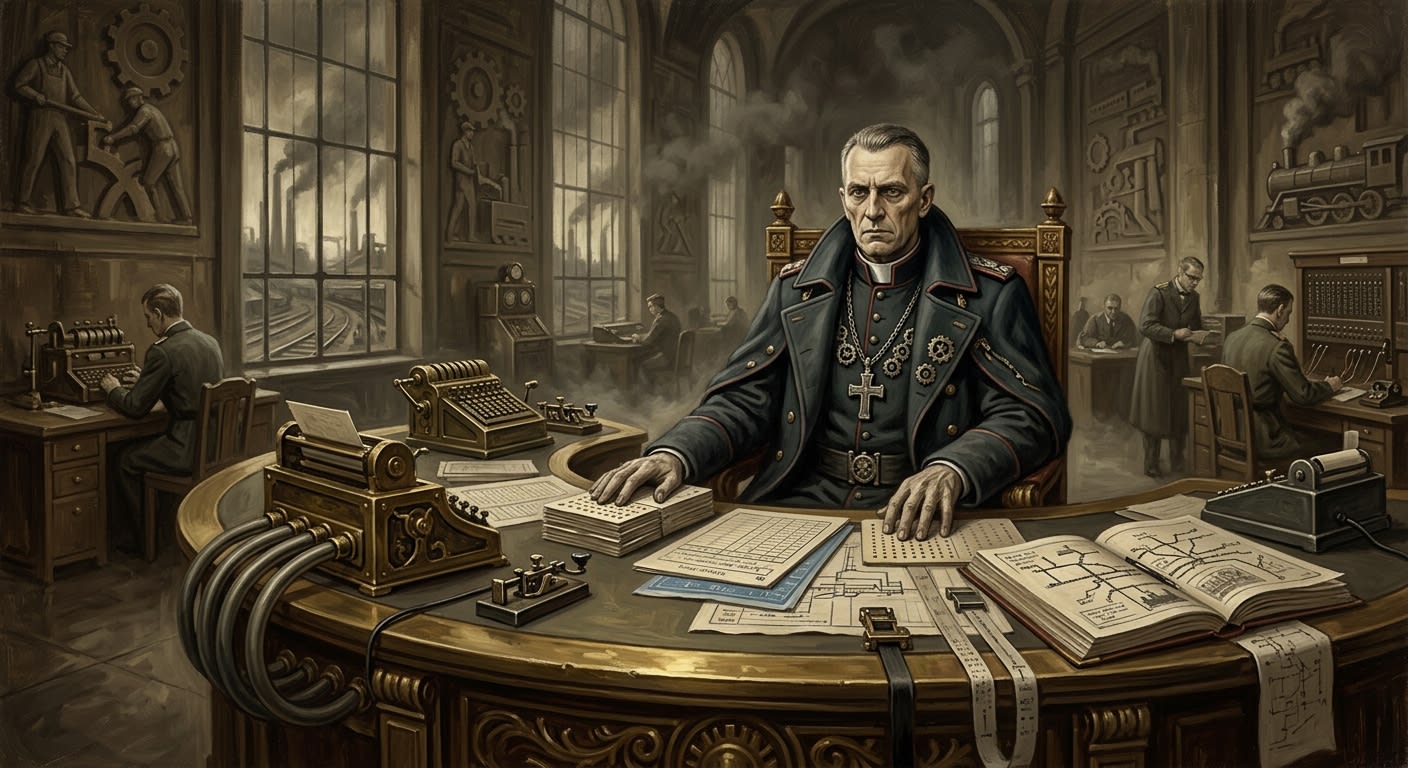
Archon of Kanzleiburg
A nameless man is sometimes the cleanest machinery of State
Nameless by courtesy and terrifying by routing table, the Archon of Kanzleiburg governs northern civil movement, reserves, rail priority, and Hamburg liaison as infrastructure with a pulse.
Codex Ref. III.2.01-151
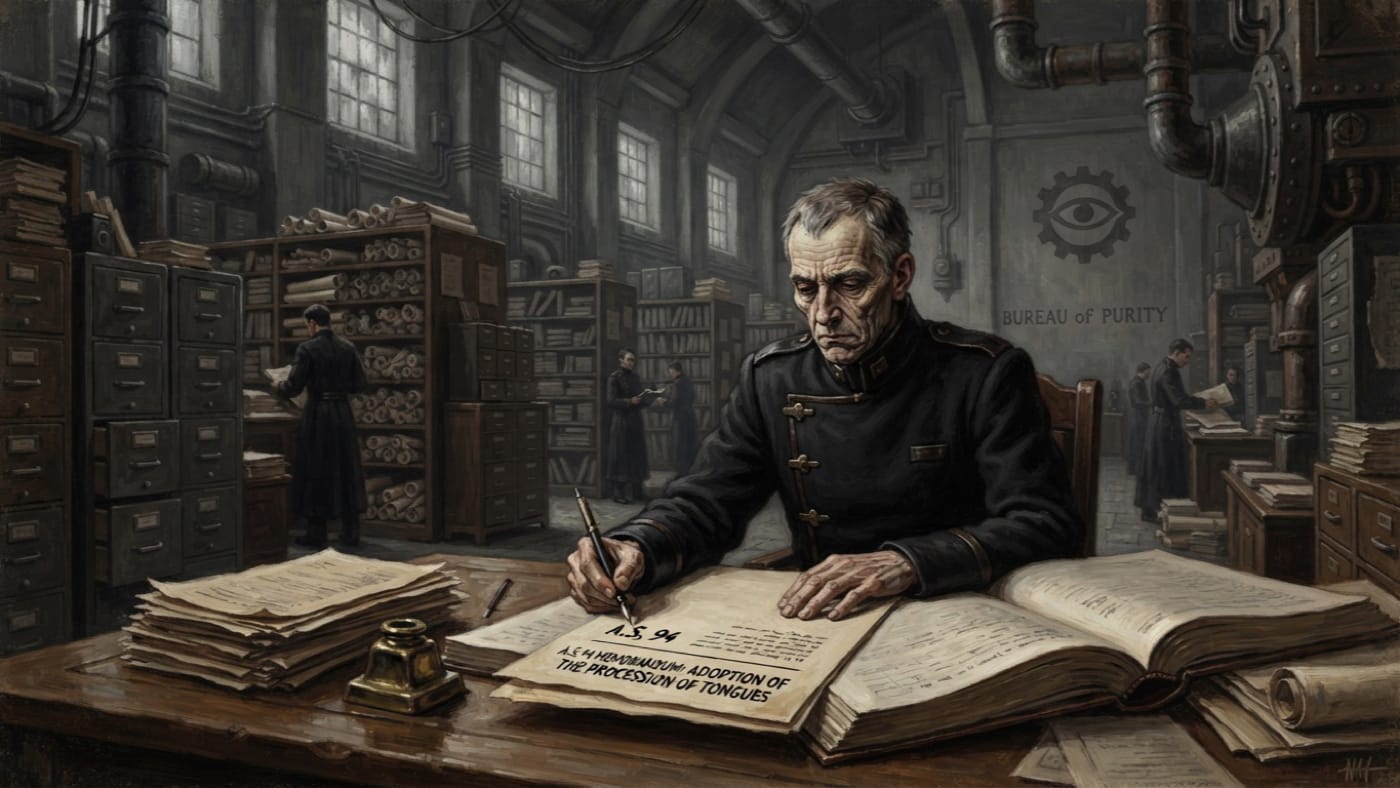
Archon of Purity
One title, one signature, and no name the Ledger supplies.
The unnamed first Archon of Purity signed the A.S. 94 memorandum adopting the Procession of Tongues. The Ledger preserves the signature; it supplies neither a personal name nor a succession.
Codex Ref. III.2.01-094
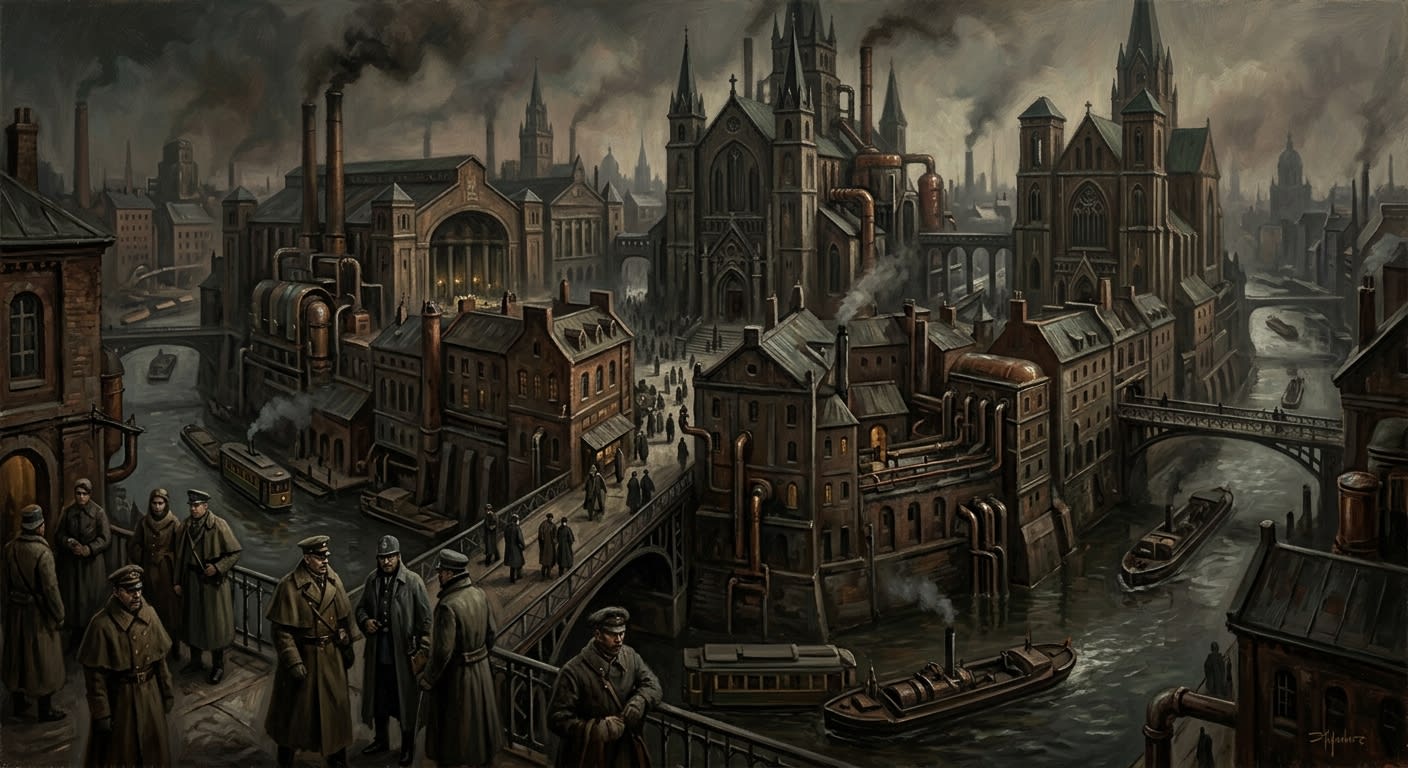
Archonate Isle
The north is not commanded; it is routed until obedience becomes timetable
Administrative island at Kanzleiburg's Spree core, where the Northern Hierarchate, the Archon, Records vaults, War concurrence, and Doctrine's coldest sermon desk make the north move.
Codex Ref. II.4.09-007
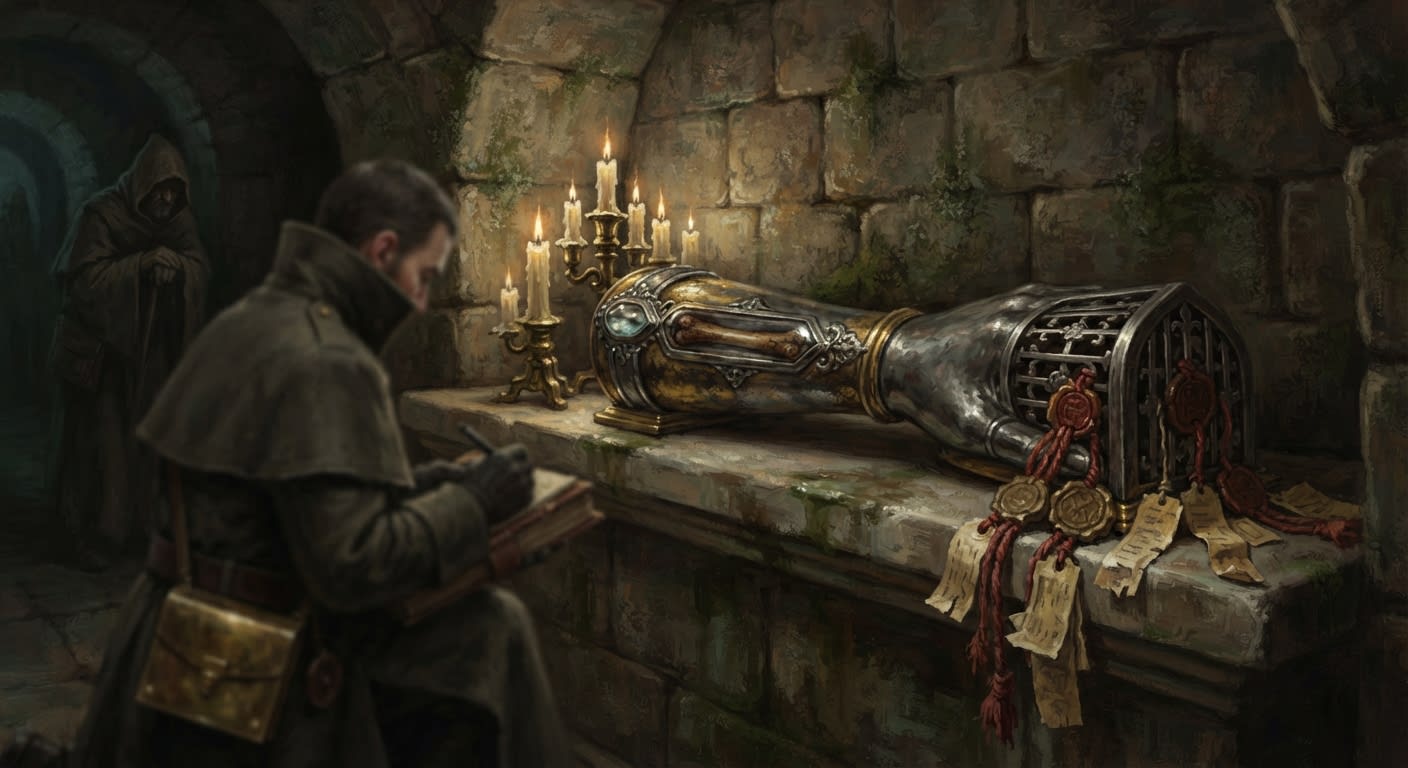
Arm of Victor
A forearm twice certified, once contested, and still too close to the bell
The Arm of Victor is the twice-authenticated forearm reliquary in Saint-Victor's crypt: a nervous bone under Relics seal, market hunger, and bell-shadow.
Codex Ref. III.2.04-018

Arno Kett
The man who made disbelief small enough to fit in a pocket
Founder of the first verifiable Silent Godless cells, author of the question-based recruitment method, and the corpse from which Doctrinal Nullification was made lawful.
Codex Ref. III.2.01-144
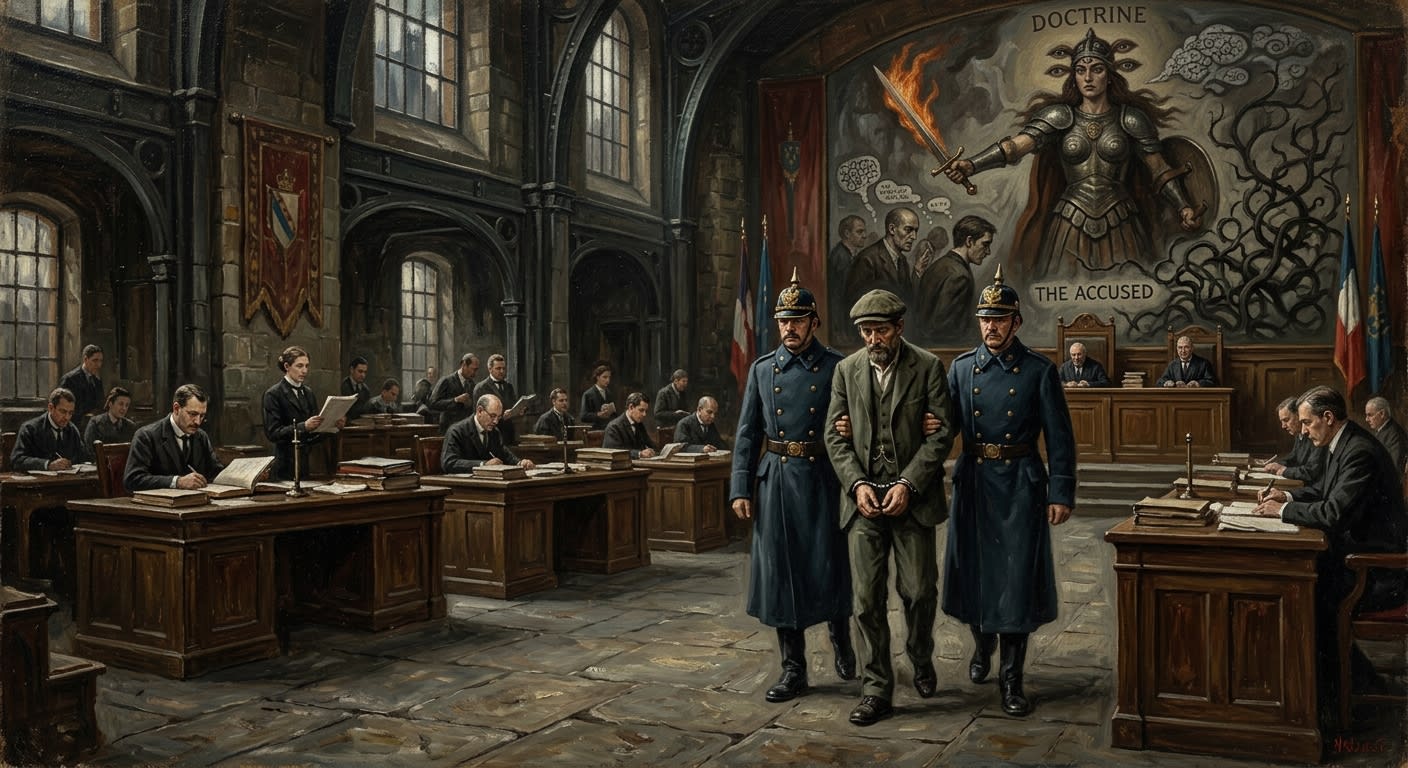
Article 9 of the Catechism of Obedience
The offence remains open so the soul cannot close
Article 9 refuses to define heresy, then makes Doctrine's later declaration retroactive to the first formation of the accused thought. Mercy hates the efficiency.
Codex Ref. XIII.1.04-009
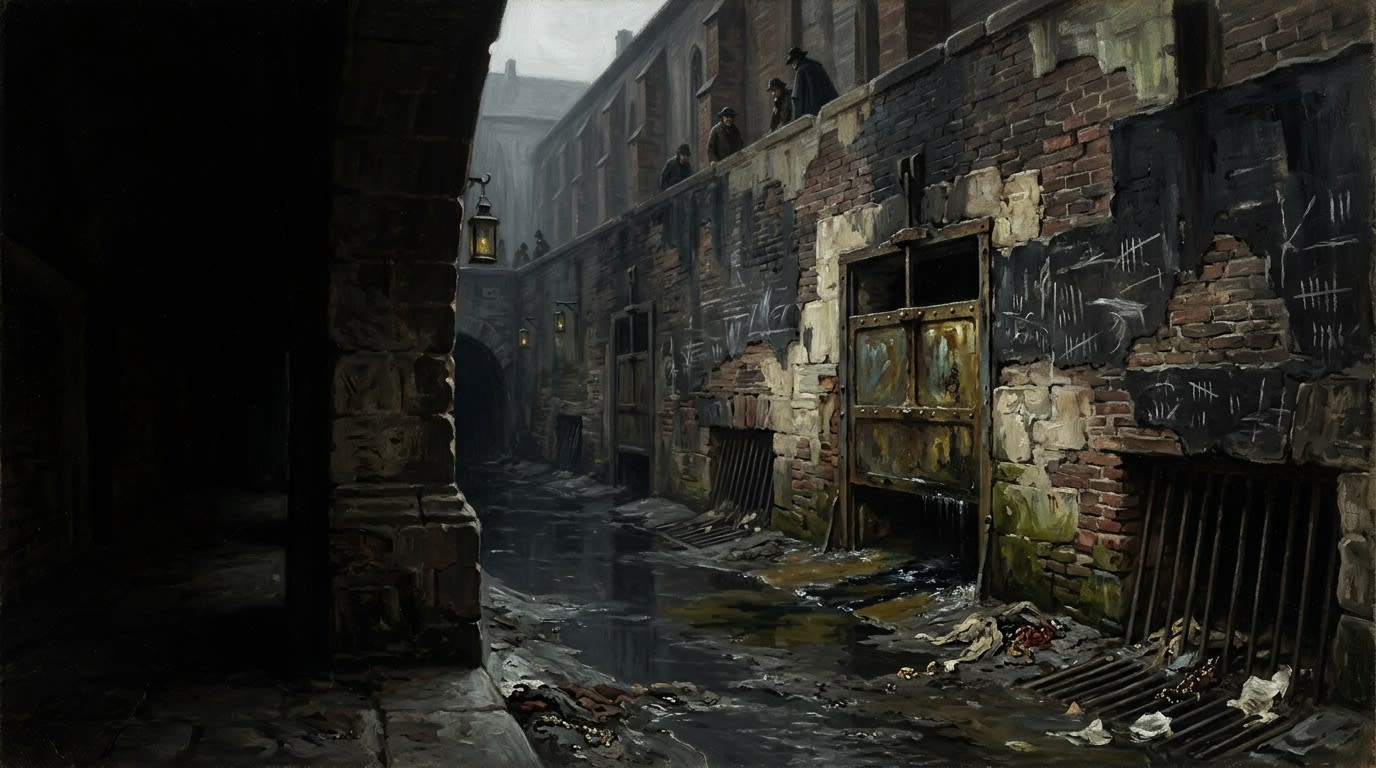
Ash Canal
Where Strasbourg teaches water to forget names
The Ash Canal is the Cloister's south runoff: drain, boundary, market, fever line, and the useful black water into which inconvenient custody is poured.
Codex Ref. II.3.06-007
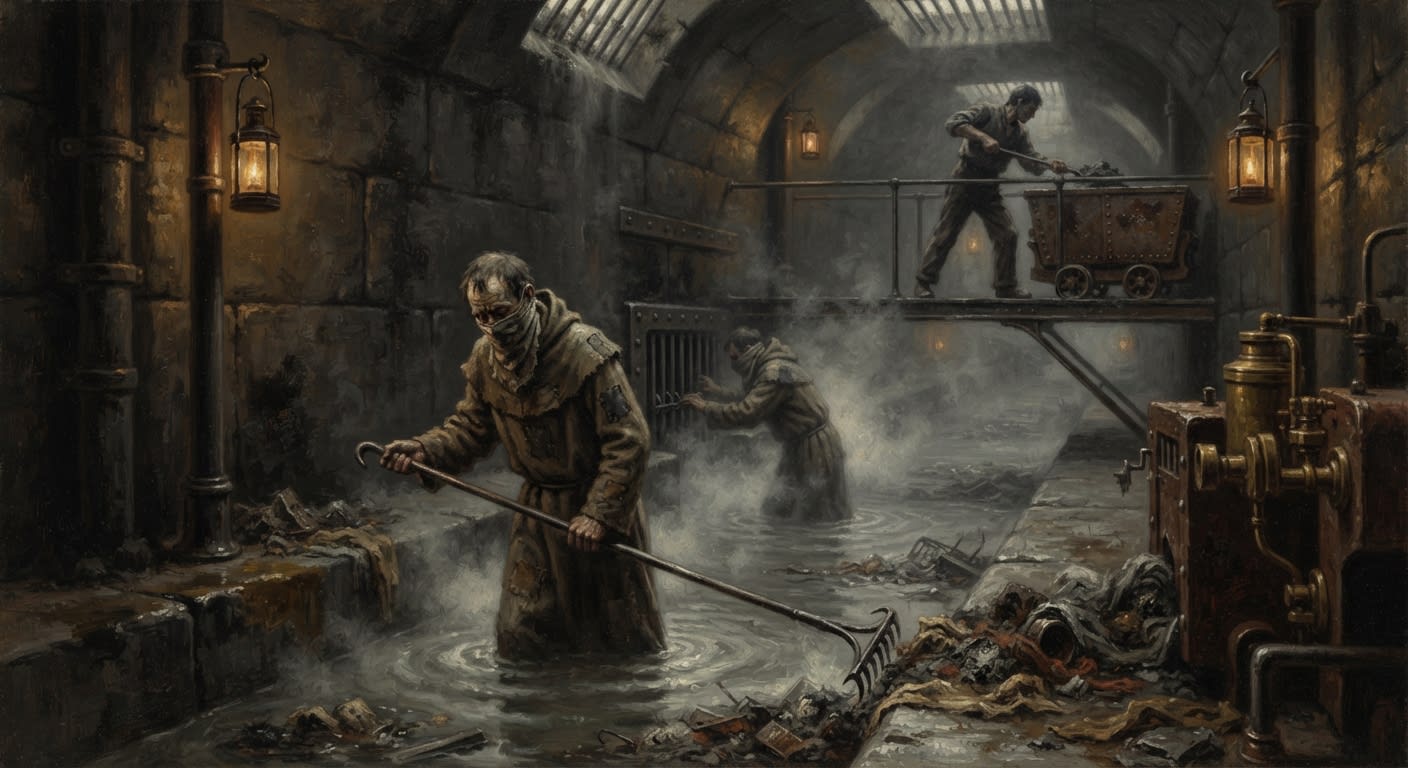
Ash Canalworks
The Throat takes what the ovens cannot afford to remember.
Lower basalt channels beneath San Vesta where cooling water, kiln waste, recovery-service debt, and unlicensed mercy run together in wet soot.
Codex Ref. VII.1.03-002
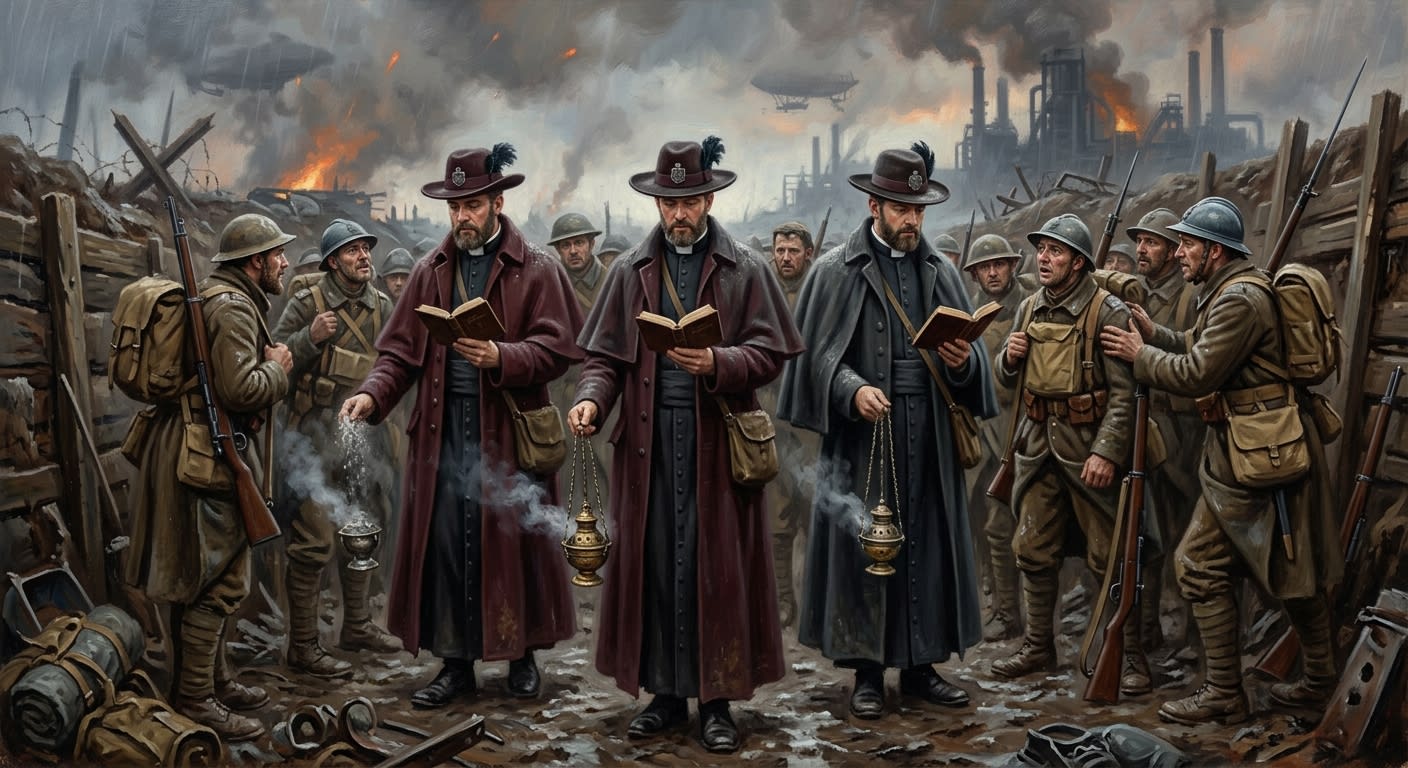
Ash Chaplains
Breath is only pastoral after War has taught it to hold
Bureau of War lung-clergy who deploy relic-ash, the Litany of Stones, cadence discipline, and name-silence to keep breach cohorts breathing in obedience under shell, song, and rupture.
Codex Ref. VIII.5.07-001
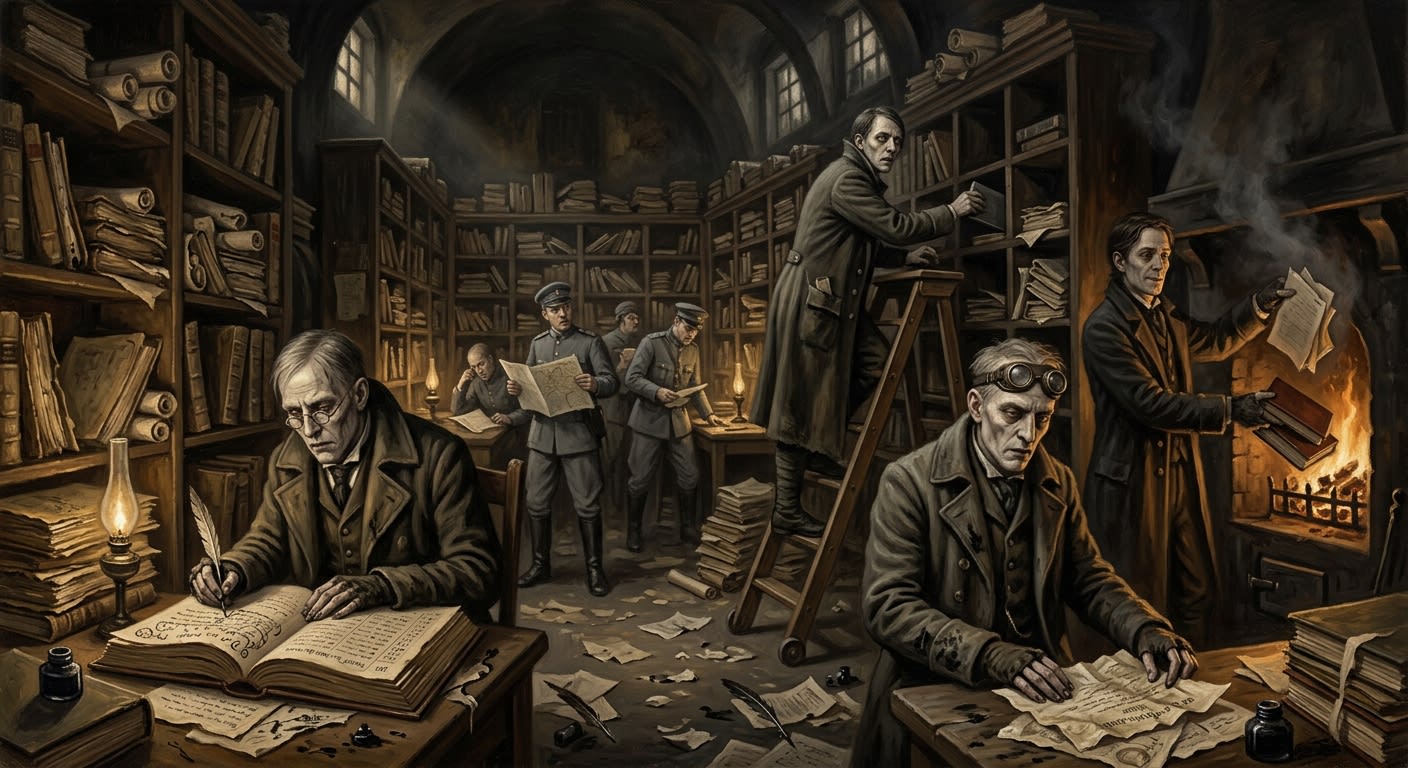
Ash Registrars
The child disappears when the form learns to lie
Pale Kin paper-first faction that frees hidden children by ruining, duplicating, and dulling official records until the Ledger loses confidence in its own page.
Codex Ref. XI.4.01-004
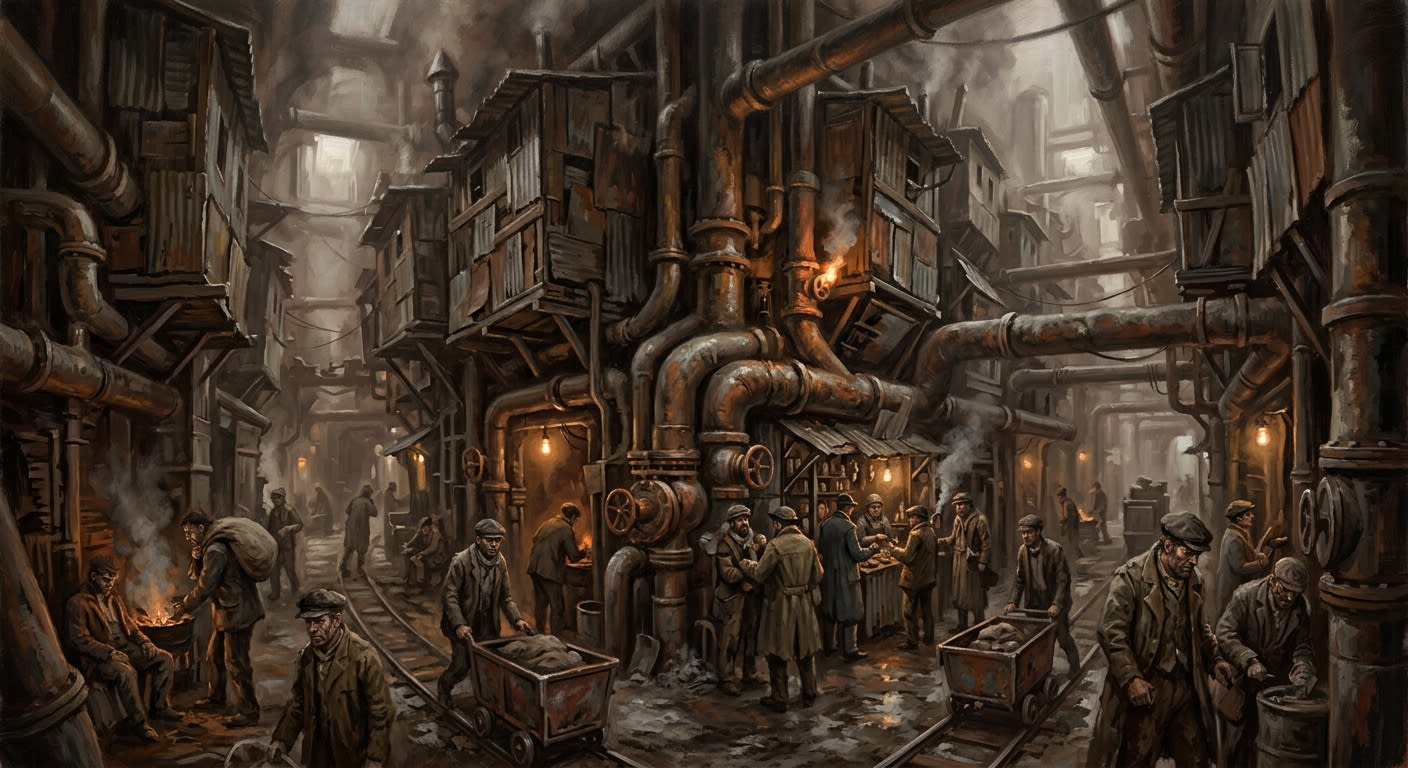
Ash Warrens
Where Essen rents warmth by the breath
The Ash Warrens are Essen-of-Hymnsteel's southern warm-duct sprawl: refugee burrow, condemned labour reserve, heat market, and acoustic wound.
Codex Ref. II.2.01-008
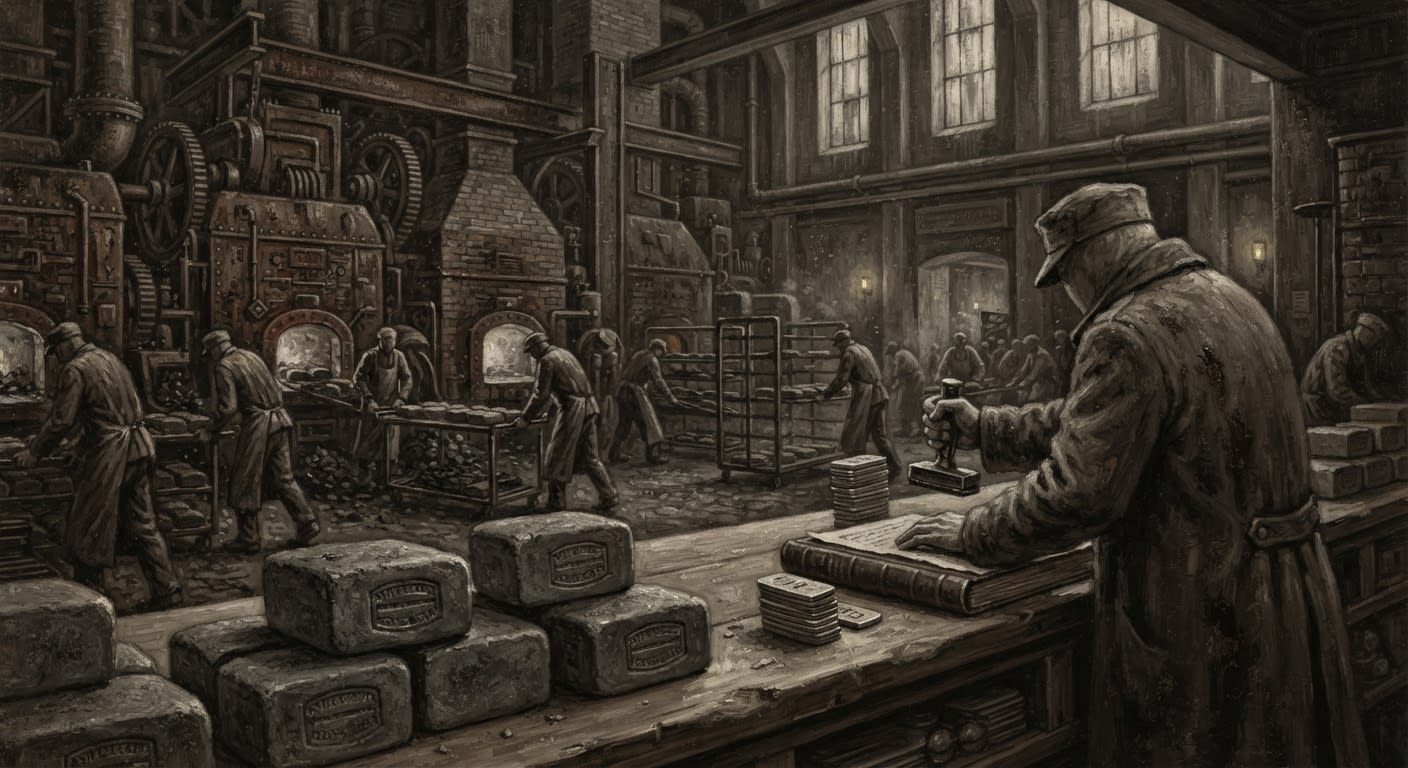
Ash-bread
The loaf does not spoil. That is how it learned to collect names.
San Vesta's grey ration-loaf does not rot, does not forgive, and does not let a name detach from its stamp; the Bureau of War calls this nutrition.
Codex Ref. VI.4.21-134
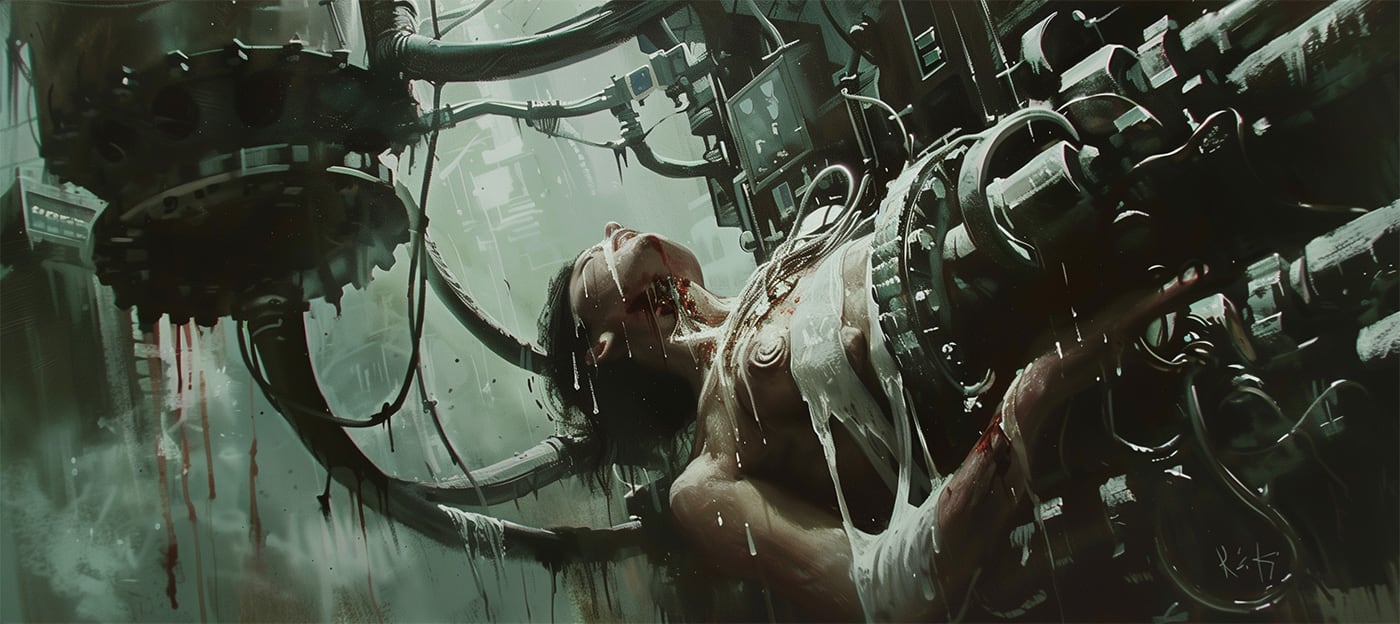
Ash-Mothers
A production line. The Bureau said two paragraphs were enough. They were not.
The Bureau's most exhaustive silence — Ash-Mothers are enemy reproductive logistics cells, captured women sustained by sorcery to generate Thrall regiments at industrial scale. I file the account that two paragraphs could not contain.
Codex Ref. IX.1.02-001
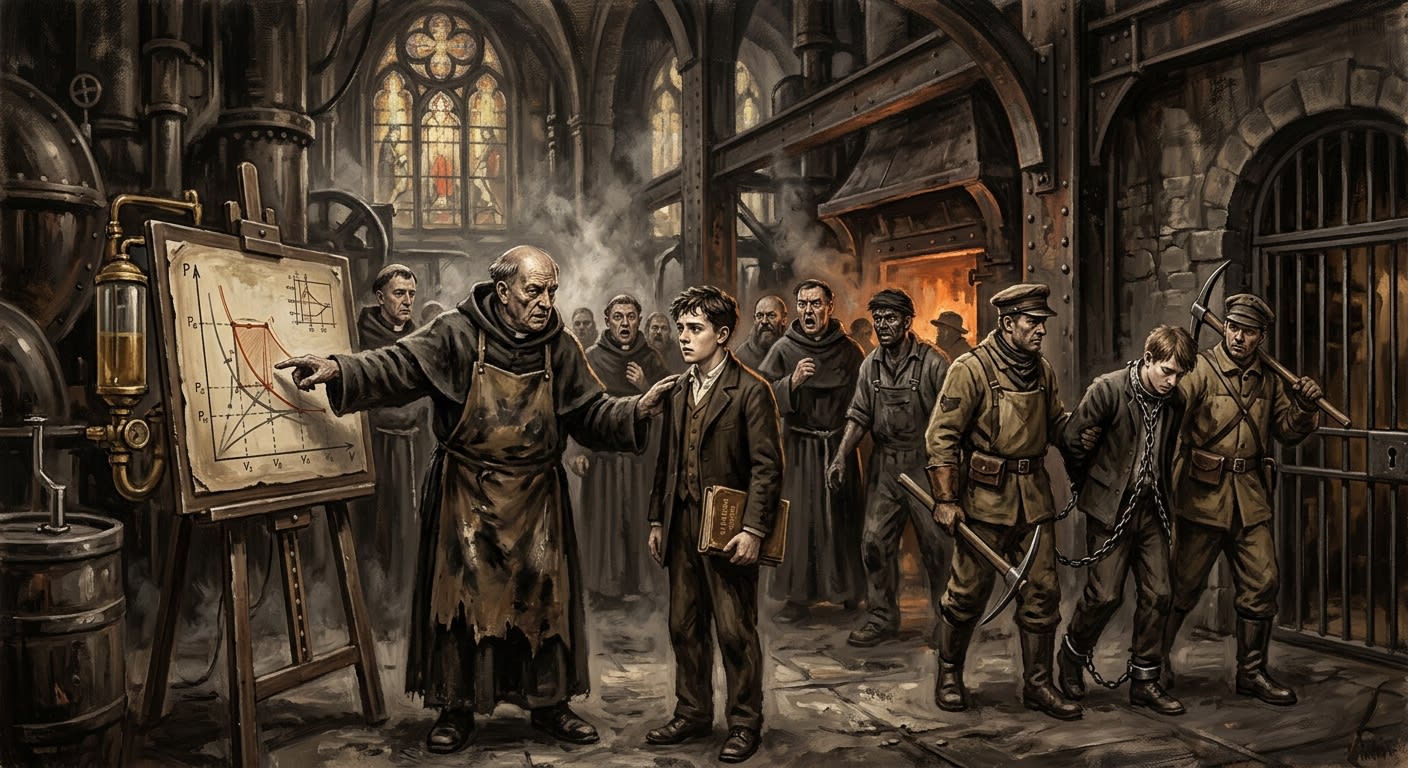
Ash-School Scandal
The lesson that saved a pour and cost two souls
A.S. 187 Essen scandal in which a Furnace Catechist taught real thermodynamics to a brilliant apprentice, producing one saved pour, one immurement, and one transfer to Ulm.
Codex Ref. VII.8.10-031
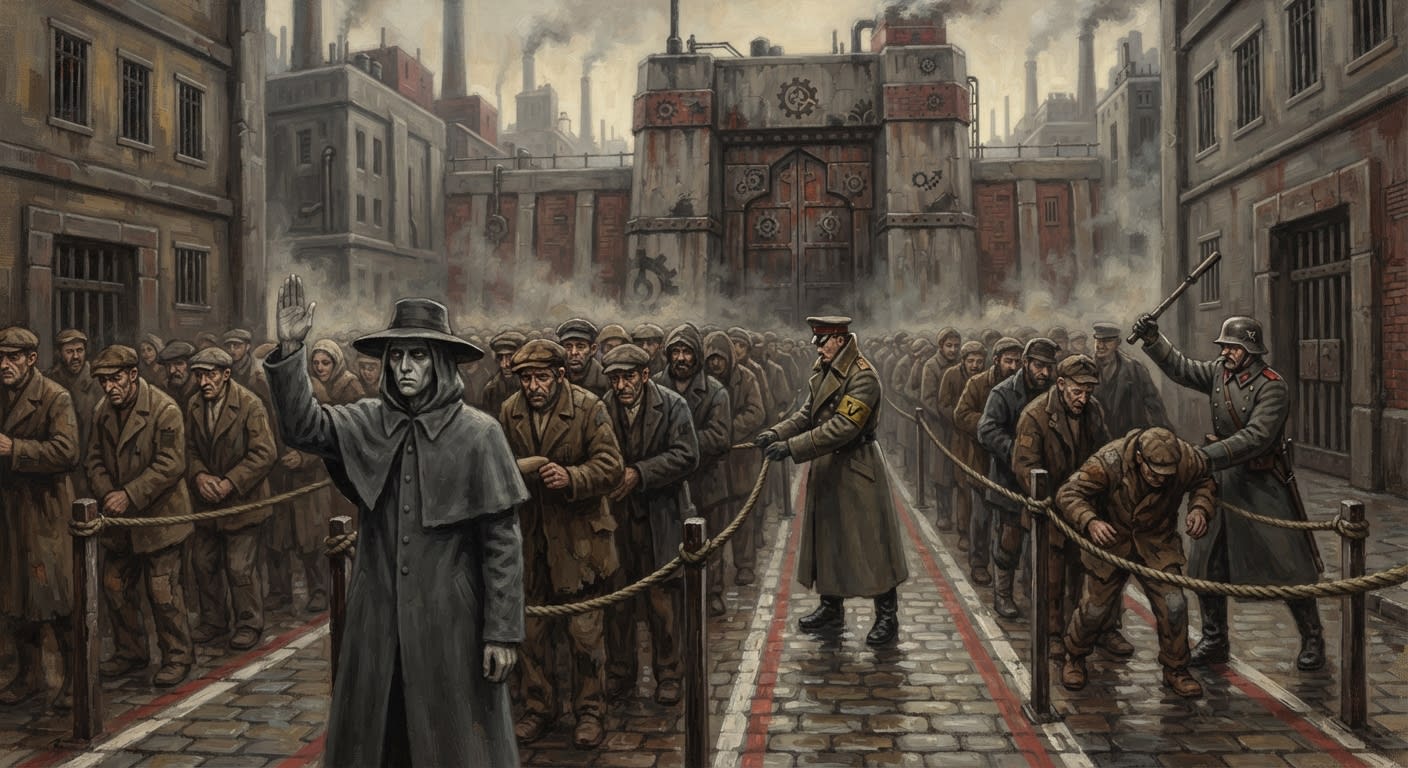
Ashbread Clause
The sentence that taught hunger to march
The A.S. 113 clause of the Concordat of Civic Cadence that made every bread queue subject to sound, rope, baton, and Bureau grammar.
Codex Ref. XIII.1.10-113
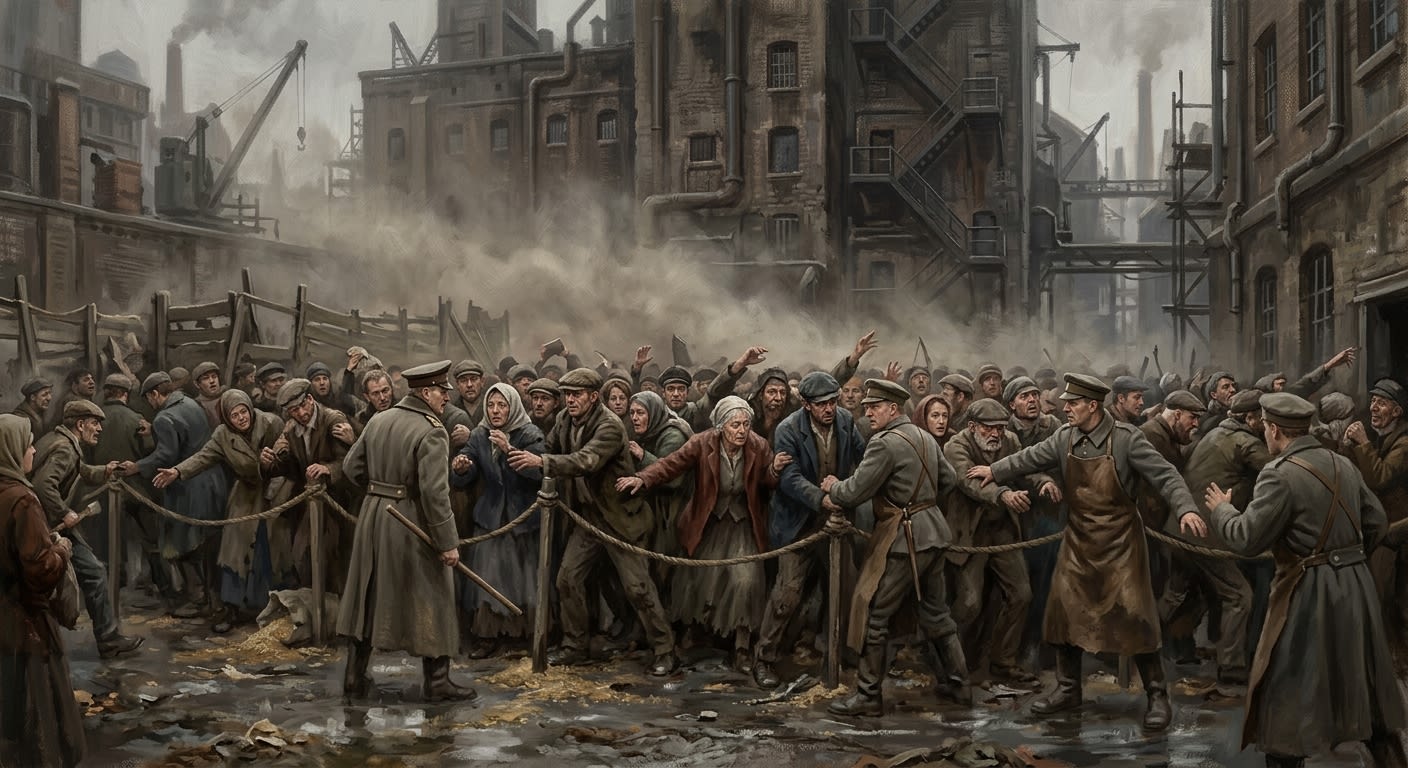
Ashbread Stampede
Where wet rope, short bread, and perfect schedules made a corps
A.S. 112 ration-yard crush at Bastion-Brest whose 317 official dead, wet lane ropes, and visible shame birthed the Cadence Corps.
Codex Ref. VII.8.10-057
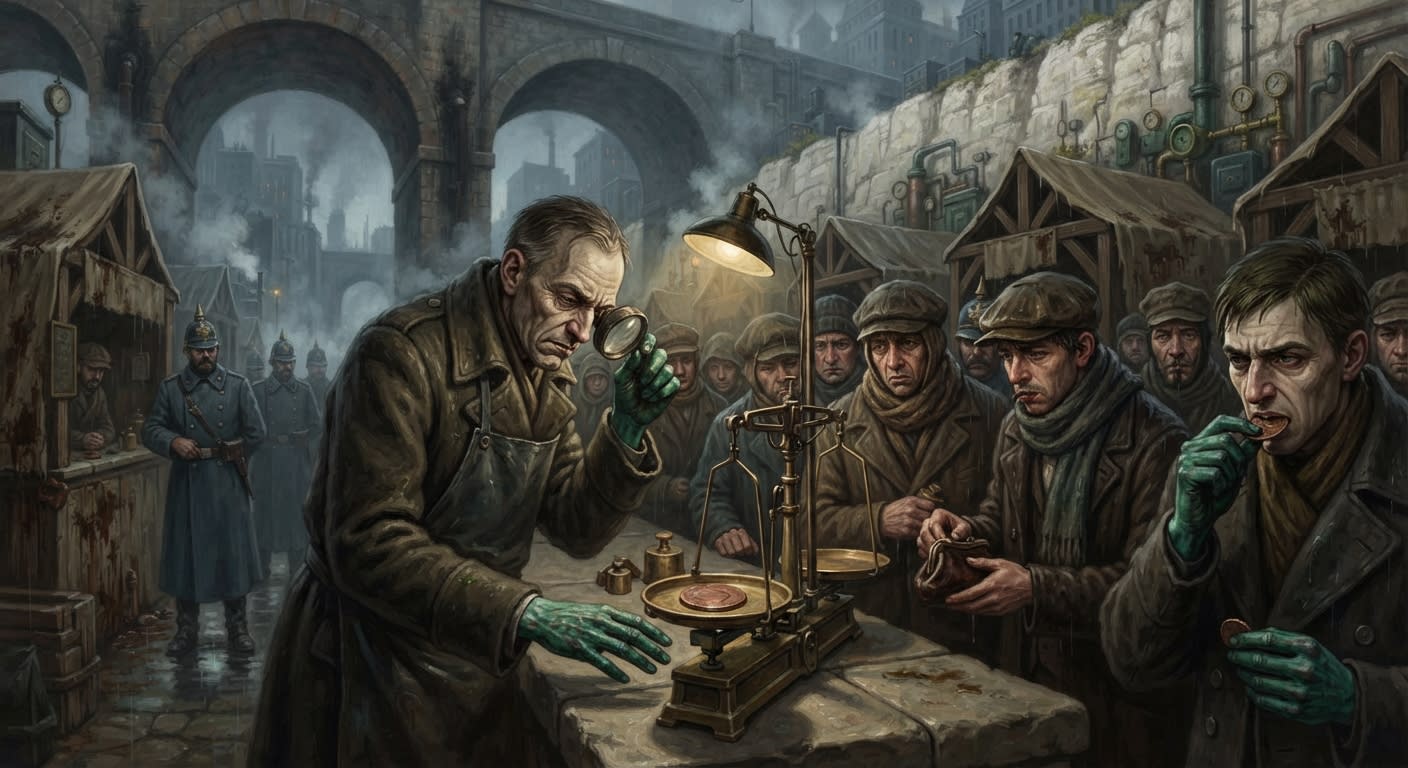
Assayers of the Bitter Scale
Where coin truth bites back
The craft order that weighs Griefgate's coin in public, stains its hands green, and can stop a pilgrim road with one bitter word.
Codex Ref. VIII.4.04-094
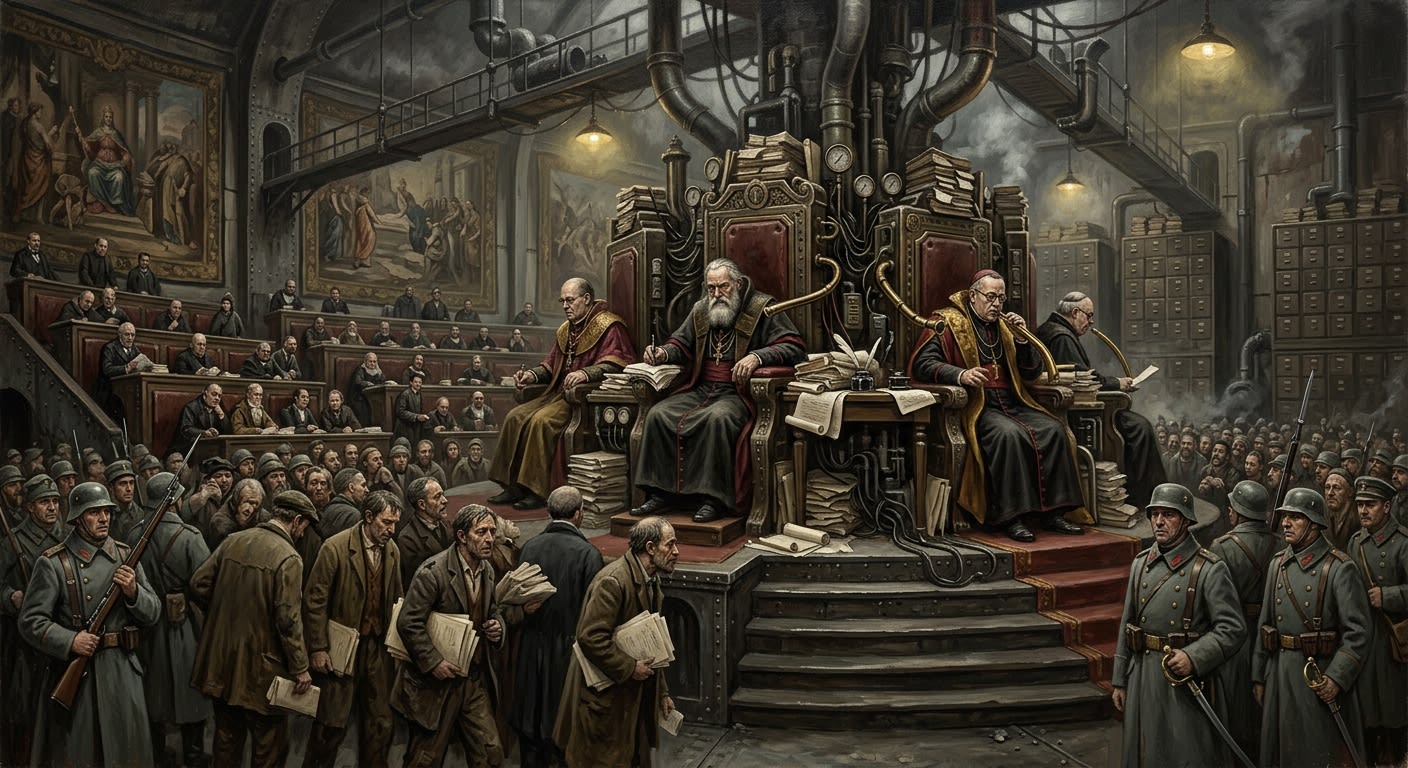
Assembly of Thrones
A chamber where pride is seated before it becomes militia
The Assembly of Thrones lets Bishops-Praetorial thunder safely: grievance seated, fury docketed, pride taxed, and every rebellion delayed by procedure.
Codex Ref. XIII.1.07-093
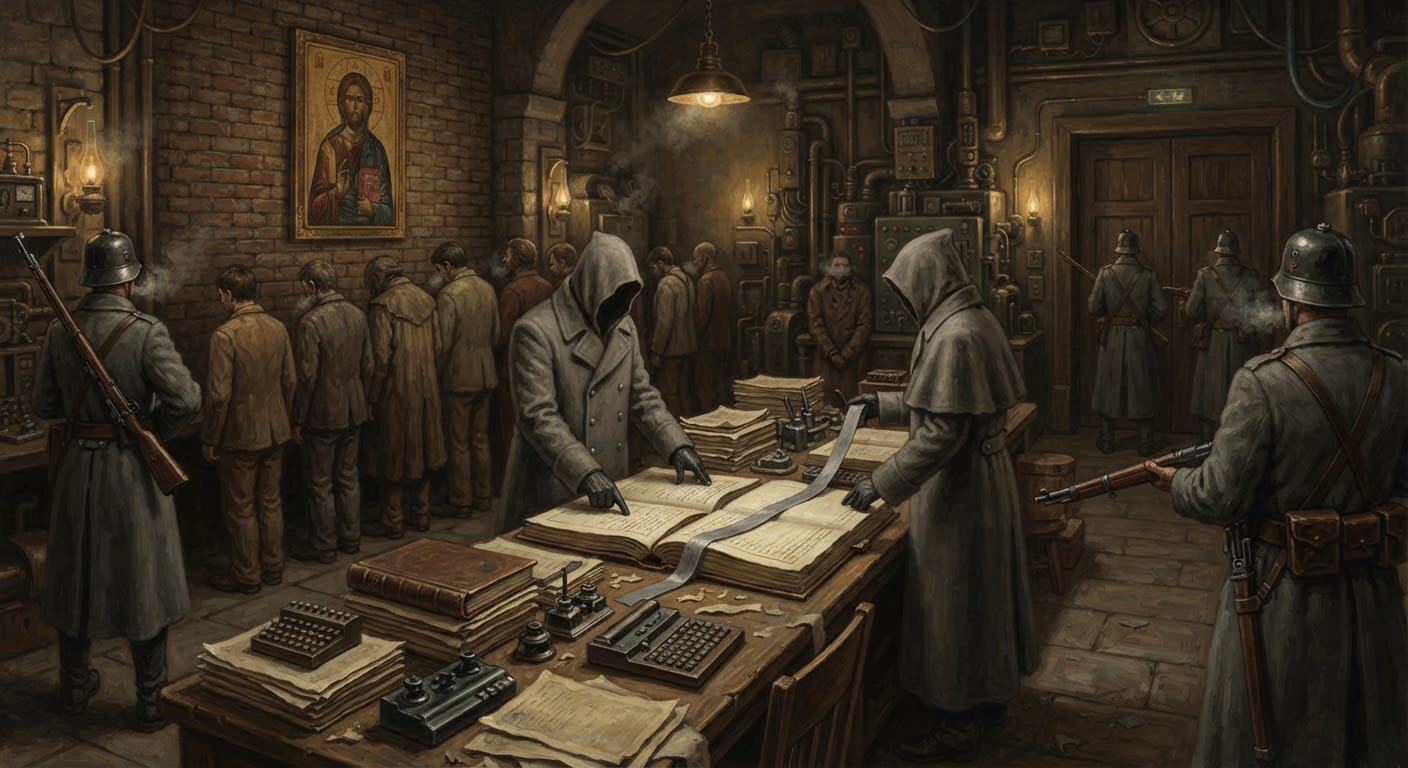
Audit Silence
The hush by which Records makes a room confess
Audit Silence is the Bureau of Records doctrine that stills speech, opens locked repositories, encloses witnesses, and lets an Indiction writ make law out of hush.
Codex Ref. XIII.1.06-090
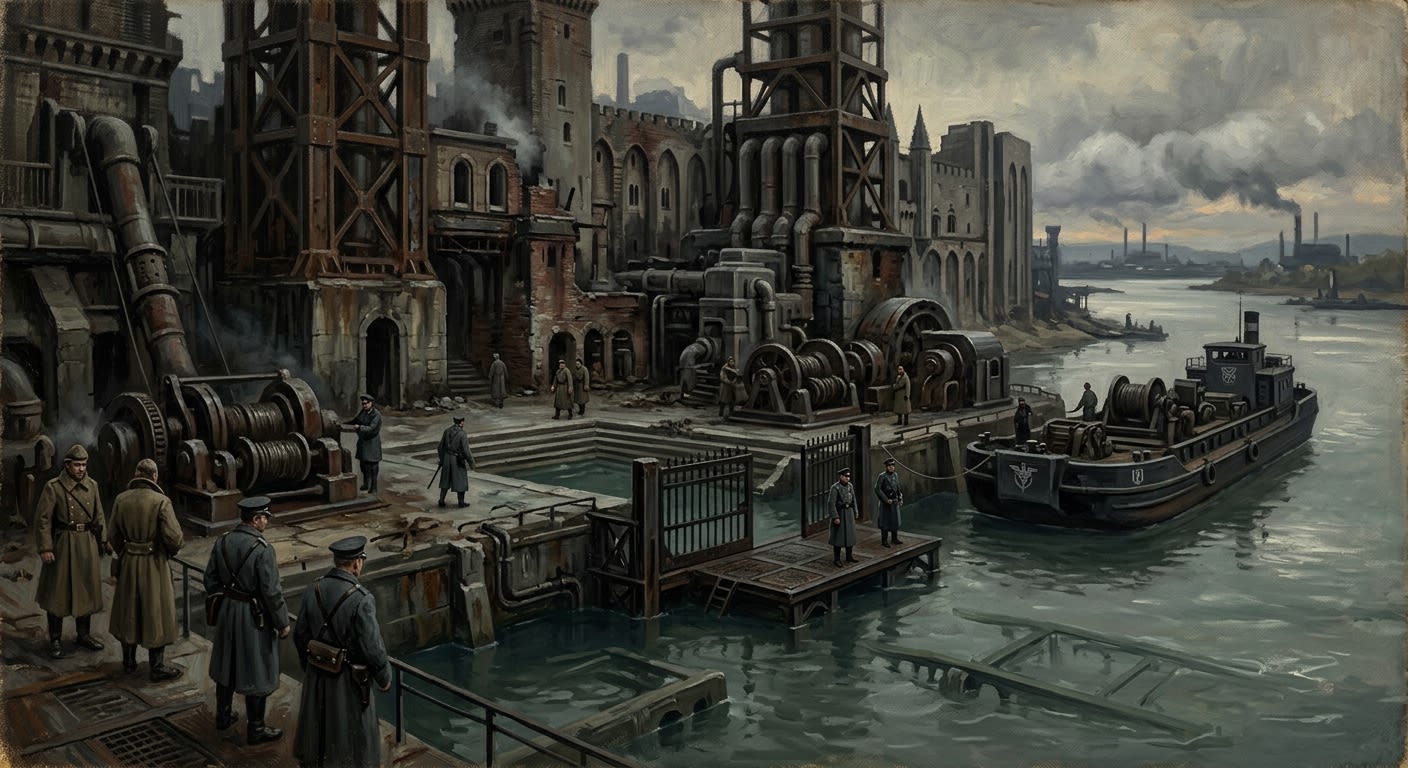
Avignon
A city corrected so thoroughly the river kept the receipt
Penitential ruins on the Rhône, where the Pontifex Submersis was crowned beneath water in A.S. 111, Avignon was razed into correction, and A.S. 145 burned the calendars into agreement.
Codex Ref. II.1.08-111
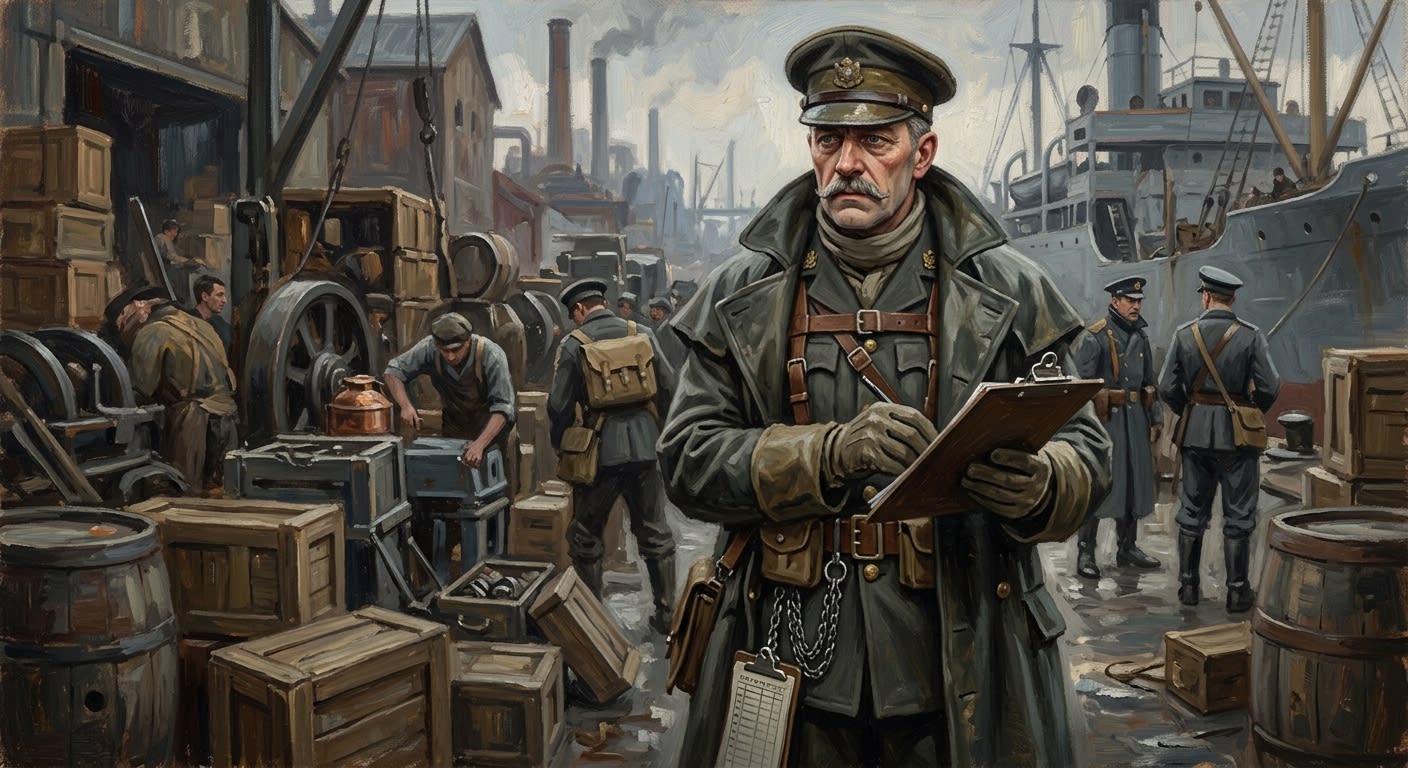
Bailiff-Captain Sable Rook
The chime made law; the chain kept its own arithmetic
Instructional Bailiff-Captain of the Brest port seizure, praised for making riot into inventory and restricted for the three prisoners his chain misplaced.
Codex Ref. III.2.01-142
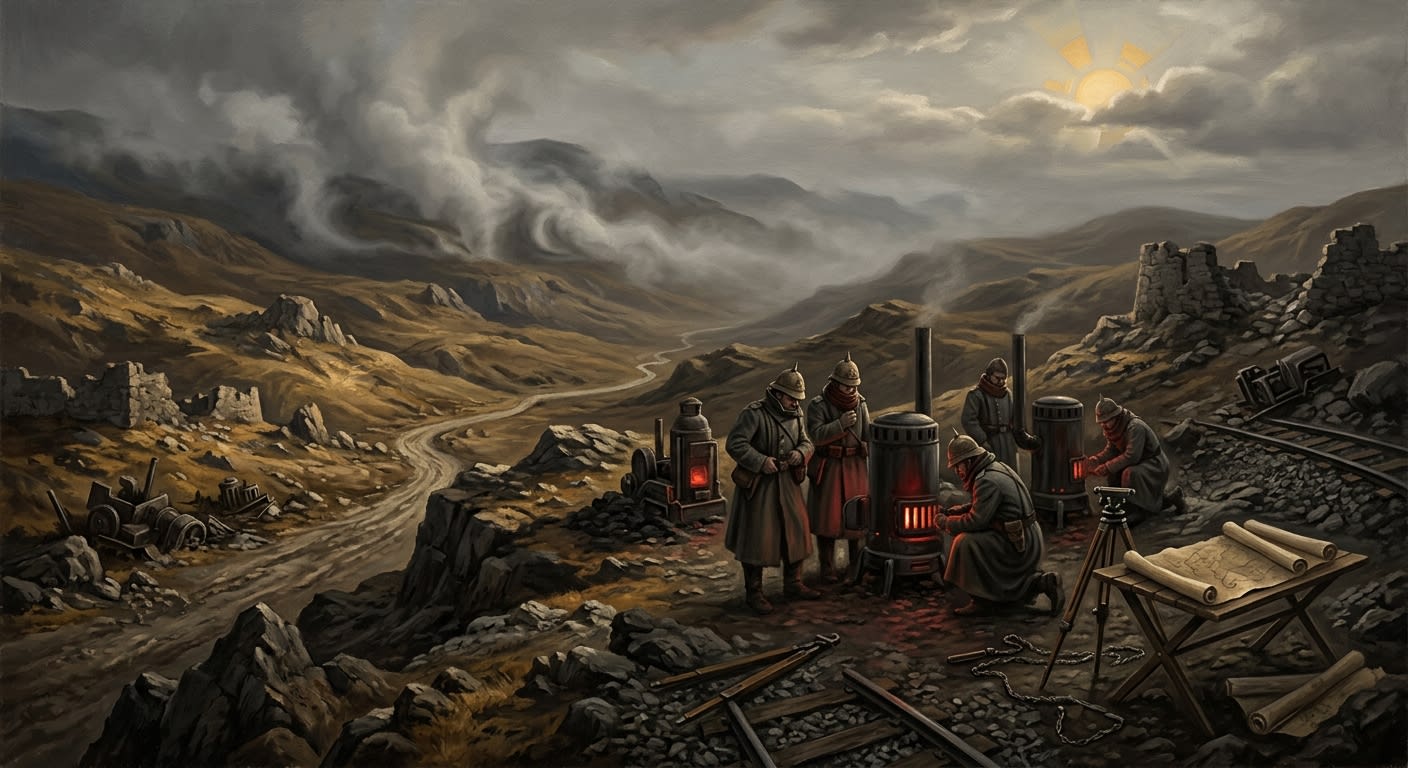
Balkan Foothills
Where the weather learned politics
The Balkan foothills are the broken stair below Shipka, where Maldrake's furnace weather, Syrion's time-fog, and Synodal maps all lose jurisdiction.
Codex Ref. II.4.12-045
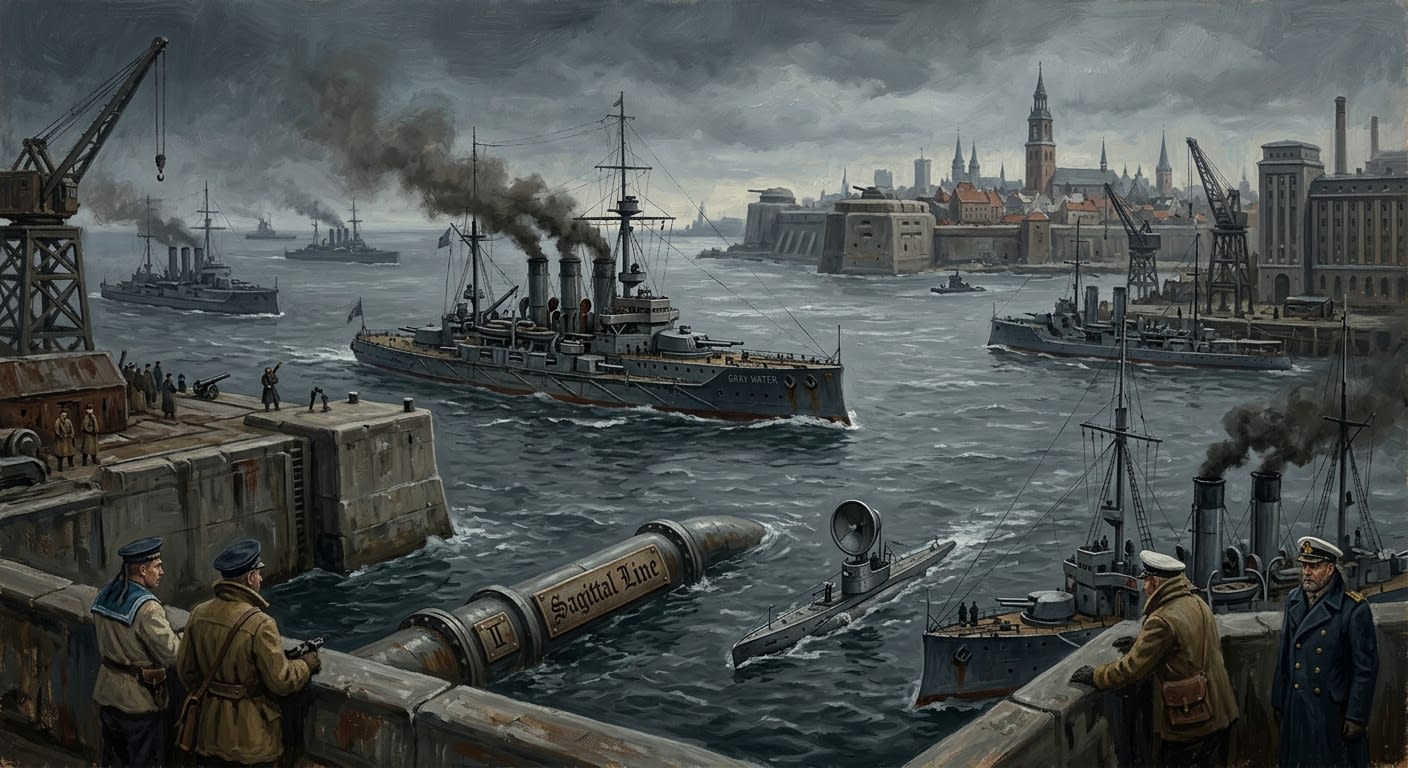
Baltic Sea
The cold bowl that listens back
The Baltic Sea is the cold northern bowl where the Sagittal Line ends at Königsberg, Grey Water listens, old bells answer, and maps lose courage.
Codex Ref. II.8.01-065
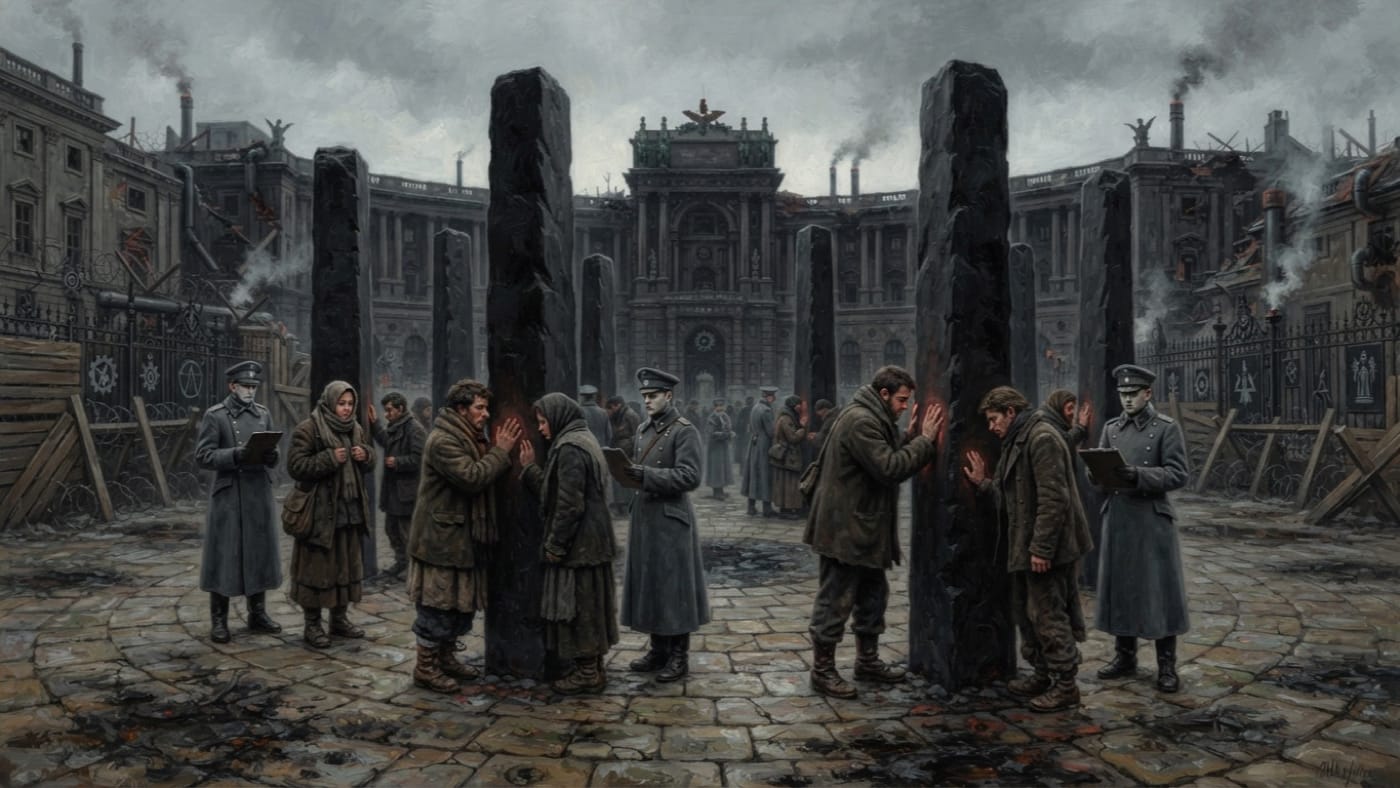
Basalt Columns of Heldenplatz
Seven stones, two explanations, and one temperature
Seven basalt columns warm the palms of Vienna's pilgrims at thirty-seven degrees. Raised in A.S. 95 where Rationalist pyres burned cold, they need no fuel; their explanations require two Bureaus.
Codex Ref. II.4.09-012
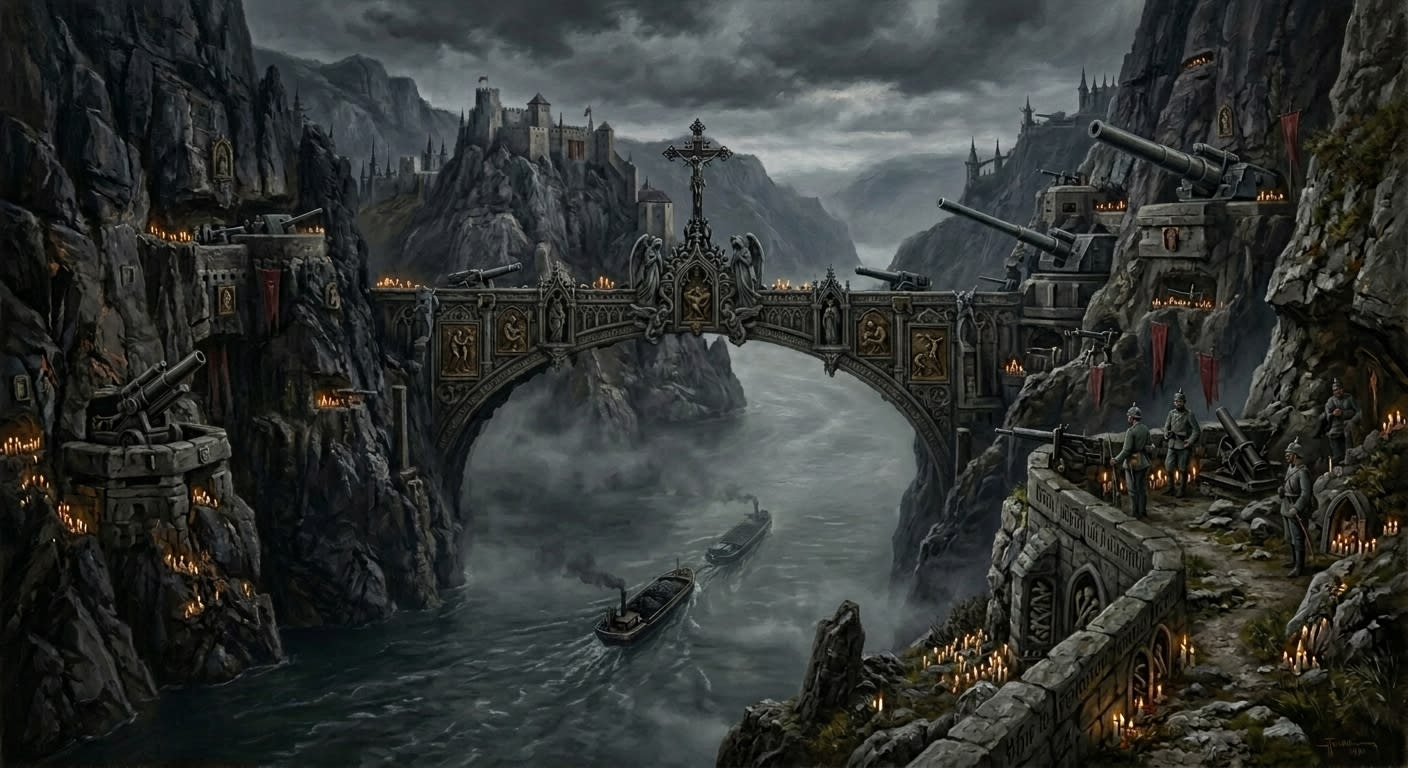
Bastion-Irongate
The mountain does not need the iron. The mountain needs the sound.
The fifth bastion of the Sagittal Line guards the Danube gorge with stone, chain-booms, and a choral infrastructure whose song is the only reason the mountain has not yet collapsed. Facing Morwen, Sin-General of Envy, who attacks not to take the gorge but to ruin it.
Codex Ref. II.4.07-005
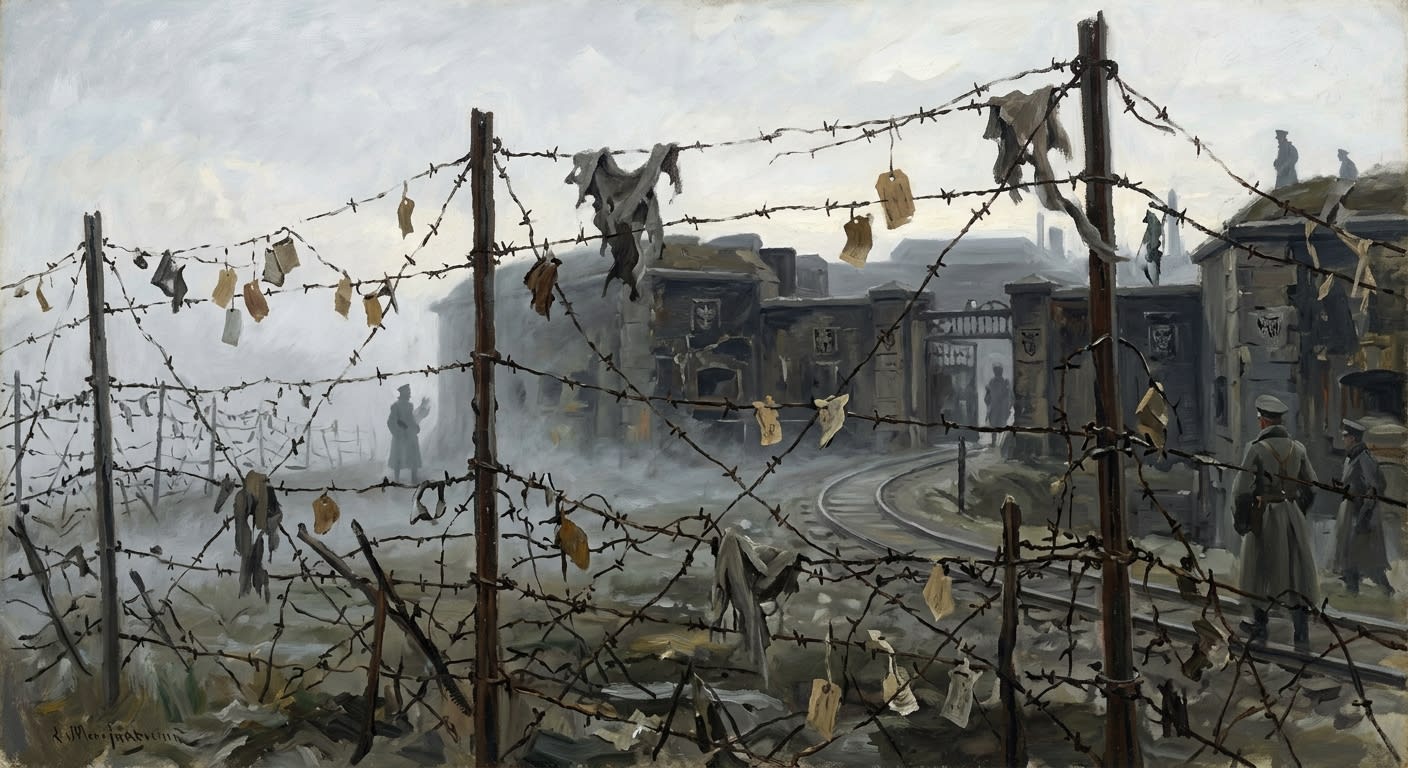
Bastion-Przemyśl
The Wire Remembers What the Ledger Forgets
The Wire Orchard at the Carpathian arc: three miles of electrified barb, a ration-tag economy, and the cold arithmetic of the dawn harvest. What enters Bastion-Przemyśl is processed. What exits is stamped. What fails the stamp feeds the Orchard.
Codex Ref. II.4.07-003
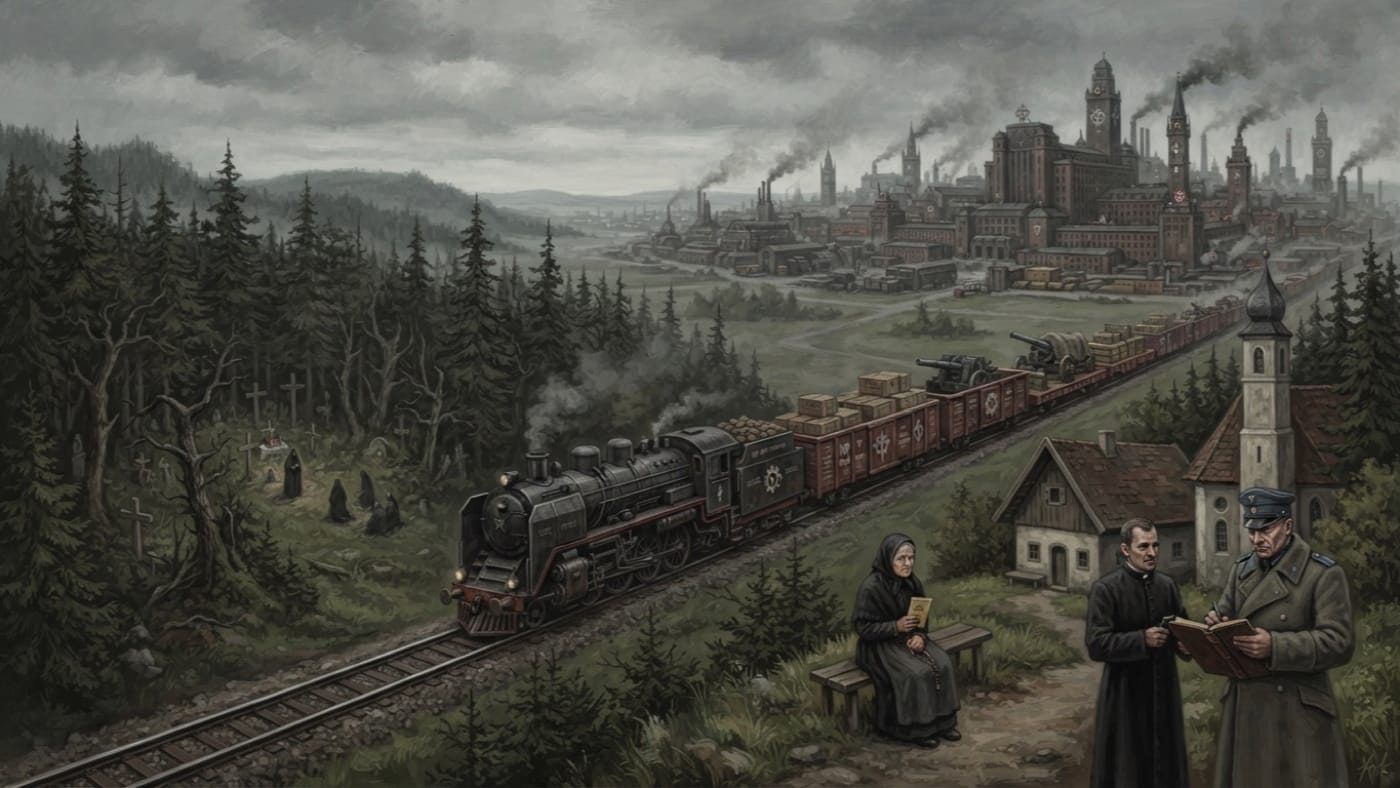
Bavaria
The heartland pays for safety one son at a time
Bavaria's forests once hid scattered faithful. Its parishes now supply the Continental Levy, while Munich sends War's freight east. Heartland safety is paid for one household at a time.
Codex Ref. II.2.11-201
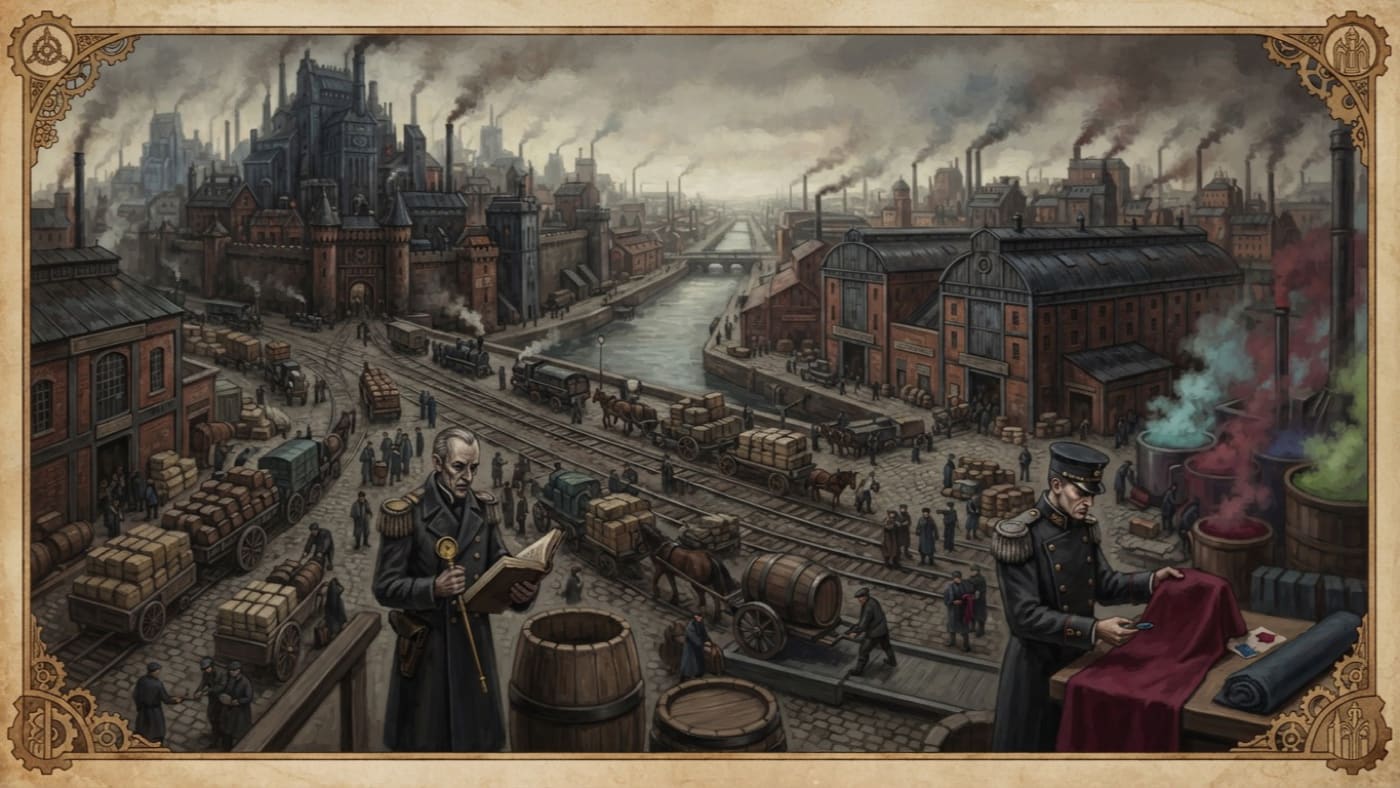
Beaune
Count the casks, check the swatch, knock on the barrel
Beaune sends Burgundy's wine toward the Rhône. Tithes gauges its casks, the Chancellery watches its dyes, and Shadows remembers a barrel that held no wine.
Codex Ref. II.1.12-201
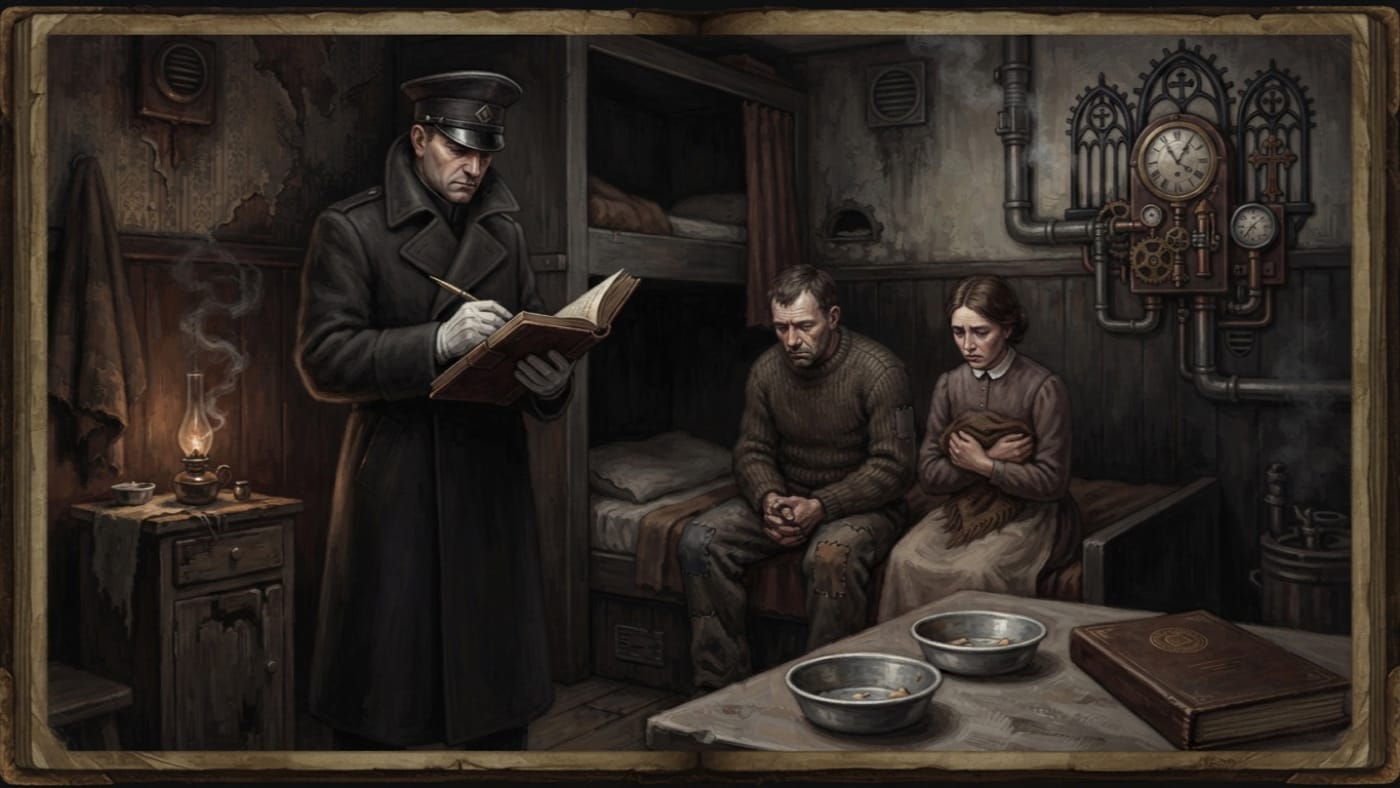
Bed Audits
The Bureau Counts Nights; the Household Counts Bread
Purity requires married couples to share a bed at least thrice per week. Failure is theft of fertility, answered by reduced rations. The Bureau counts nights; the household counts what remains in the bowl.
Codex Ref. XIII.1.02-197
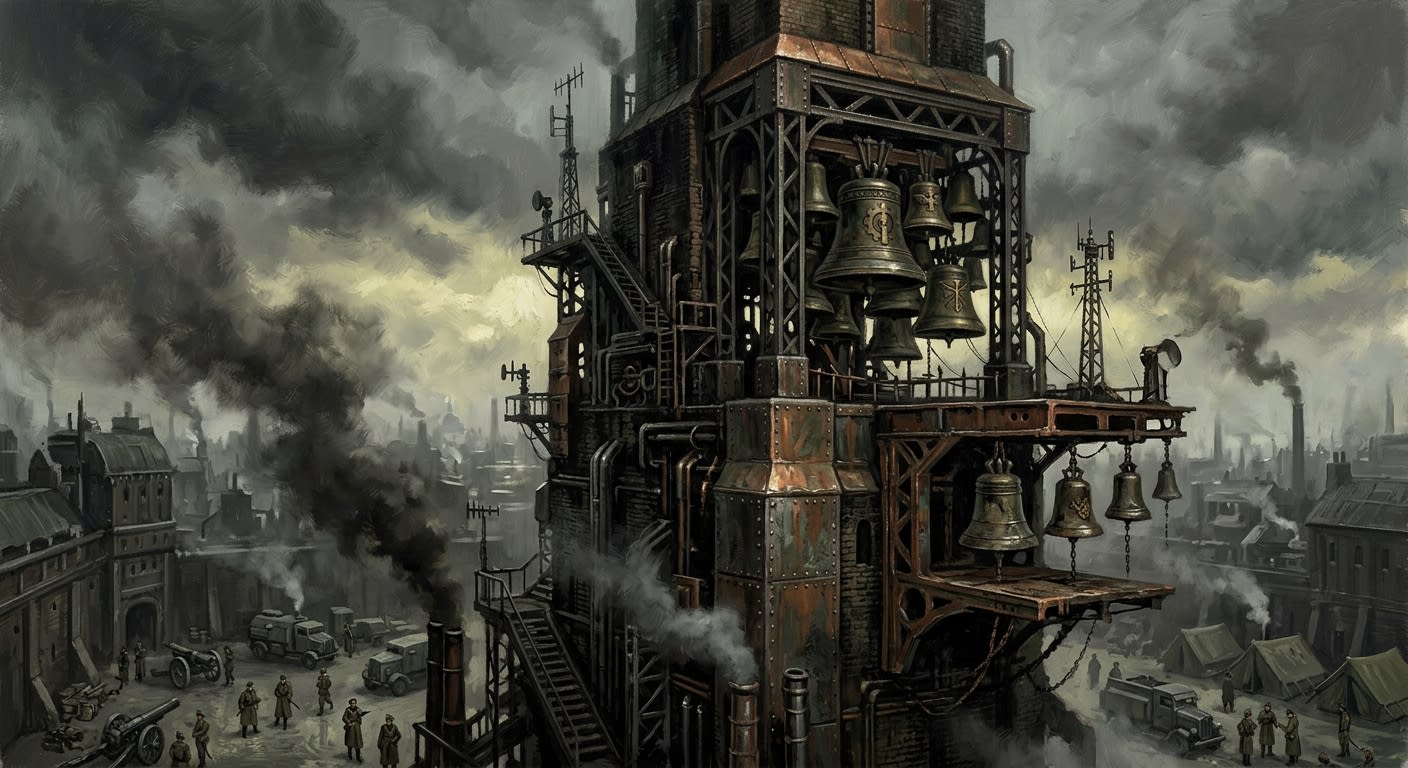
Belfry of the Hinge
Twenty-three mouths teach Constantinople which fear is lawful
The Belfry of the Hinge is Bastion-Constantinople's command tower: twenty-three principal bells, four shame bells, and the voice that makes fear lawful.
Codex Ref. II.4.10-007
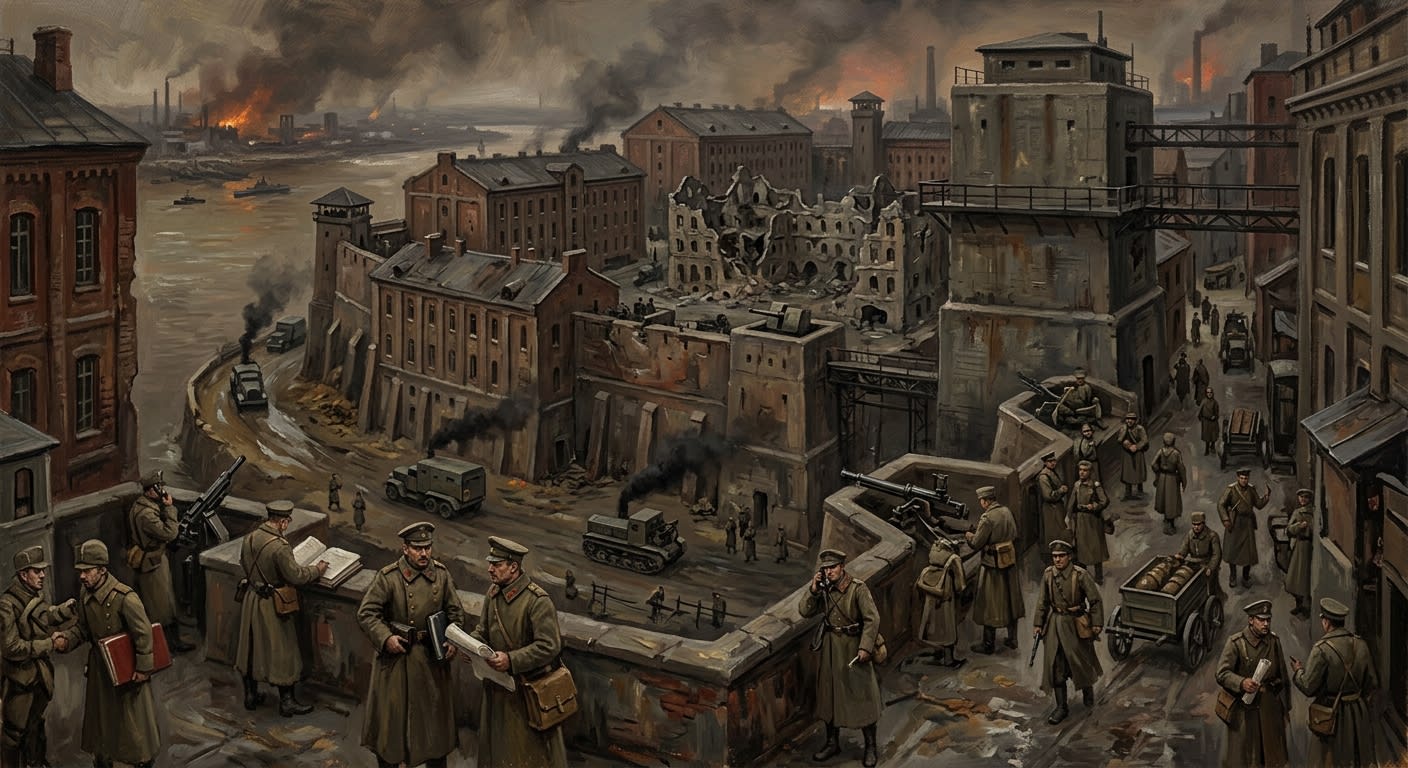
Belgrade Courts
Where miracle became evidence and silence learned to testify
The Belgrade Courts are the judicial-military scar around Velkara's Shattered Courts, where Maldrake burned, the Danube turned, and silence acquired paperwork.
Codex Ref. II.5.06-121
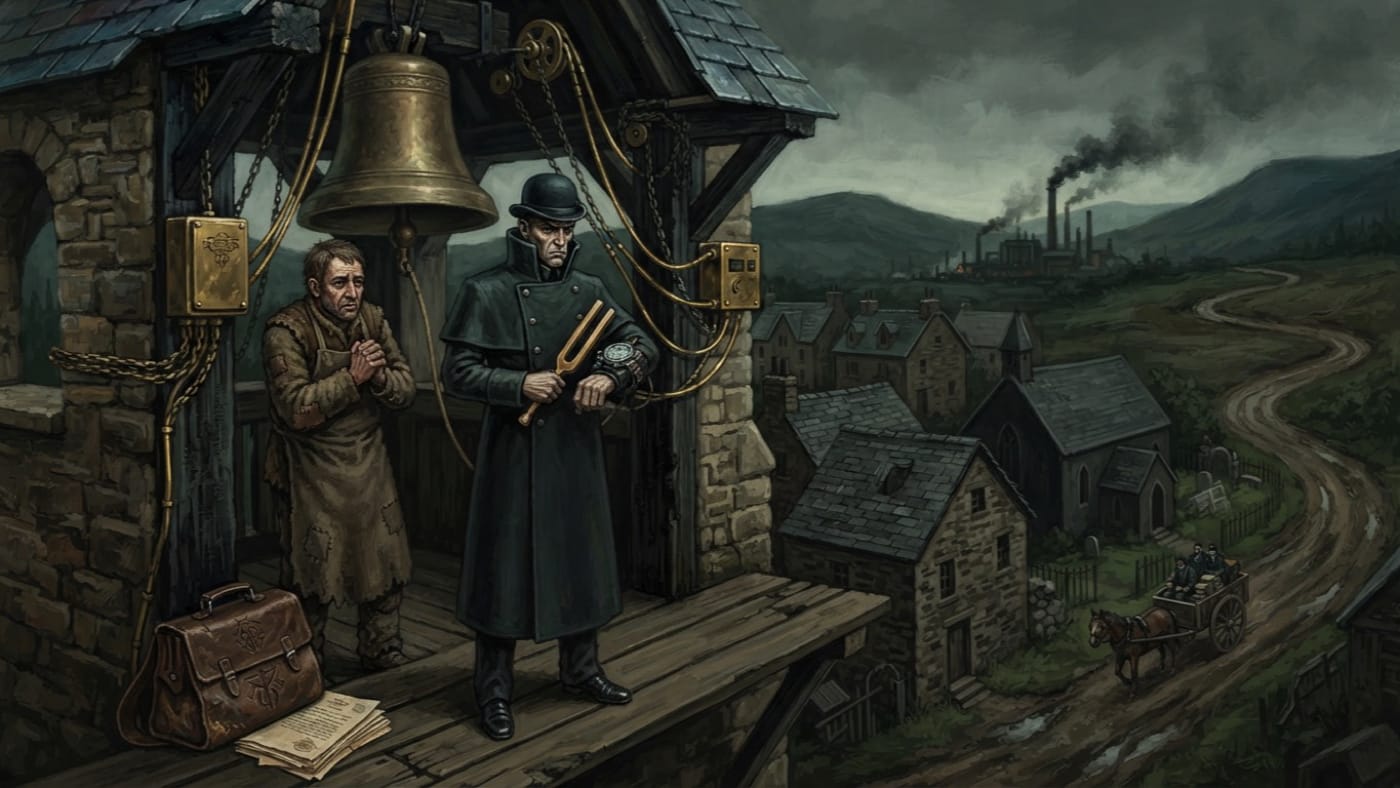
Bell Inspectors
Seven seconds of tolerance, and a book for the eighth
The Bureau of Bells sends inspectors from parish to parish with tuning forks, sanctified chronometers and seven seconds of tolerance. They record the discrepancy; other offices make the parish answer for it.
Codex Ref. XIII.1.62-214
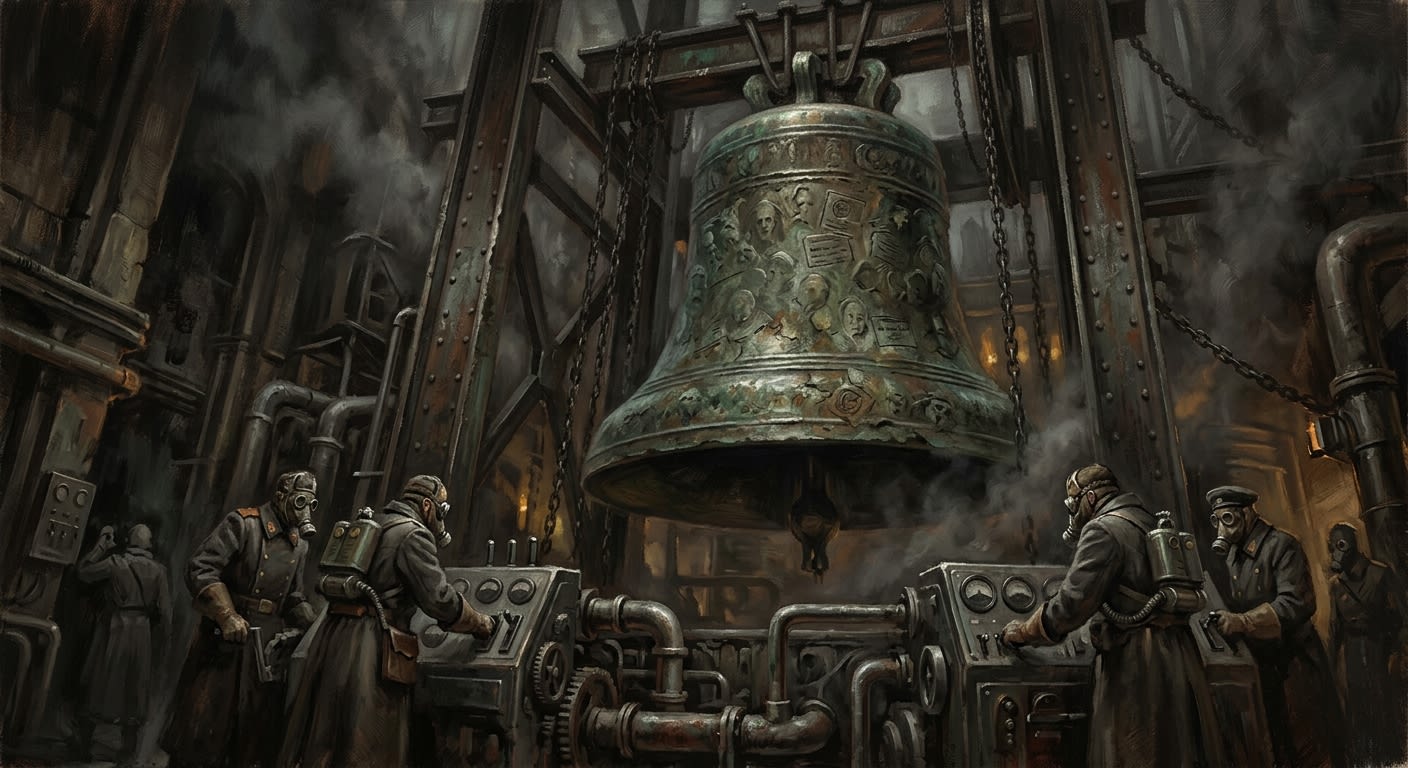
Bell of Names
When a city survives by paying thirty years from its own throat
The Bell of Names is the Synod's highest civic miracle: a forbidden peal that revises a city's memory and charges the years to its living.
Codex Ref. XIII.1.32-001
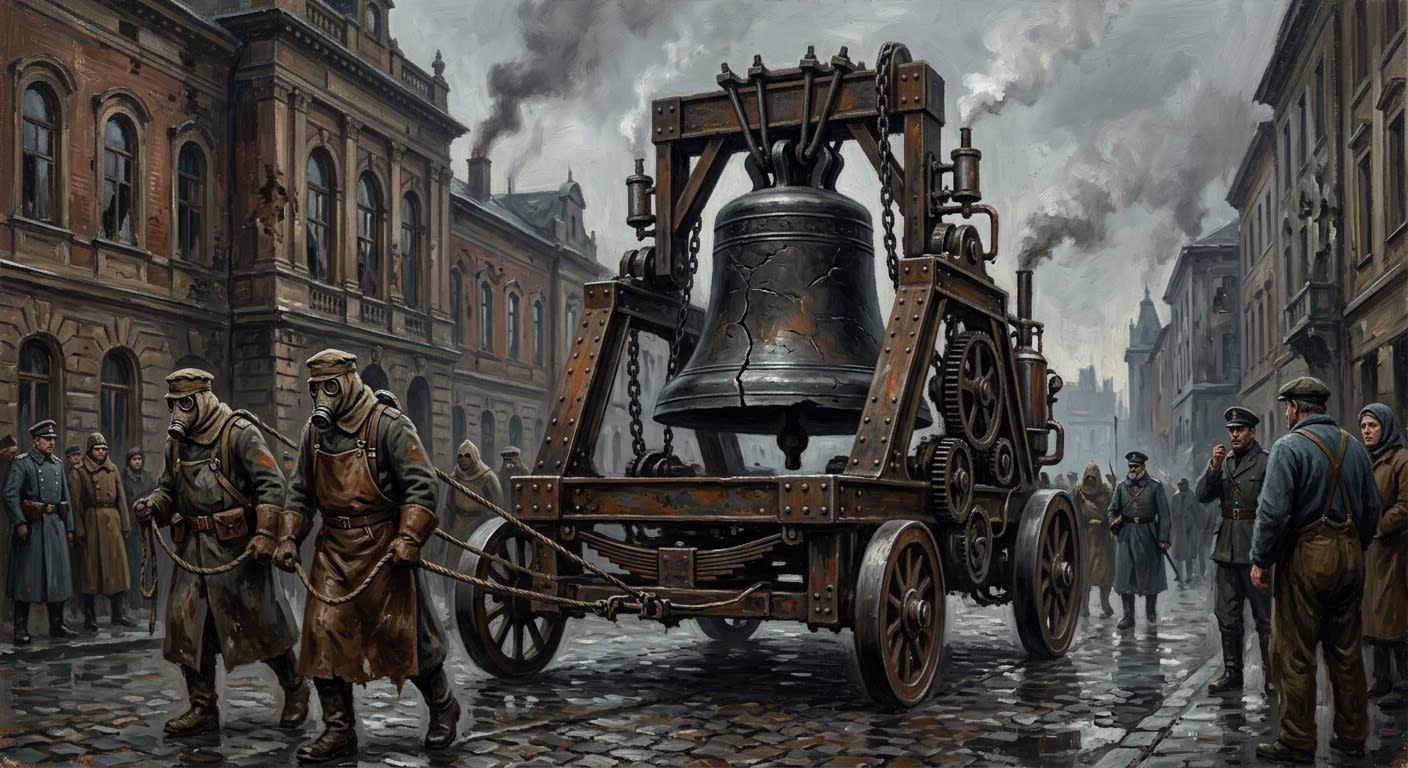
Bell of Saint Isidore
The cracked bronze that made Debrecen inherit a miracle's bill
The Bell of Saint Isidore is a cracked mobile relic-bell born from Kalnik Ridge, useful enough to parade and costly enough for Debrecen to remember in its bones.
Codex Ref. V.1.02-001
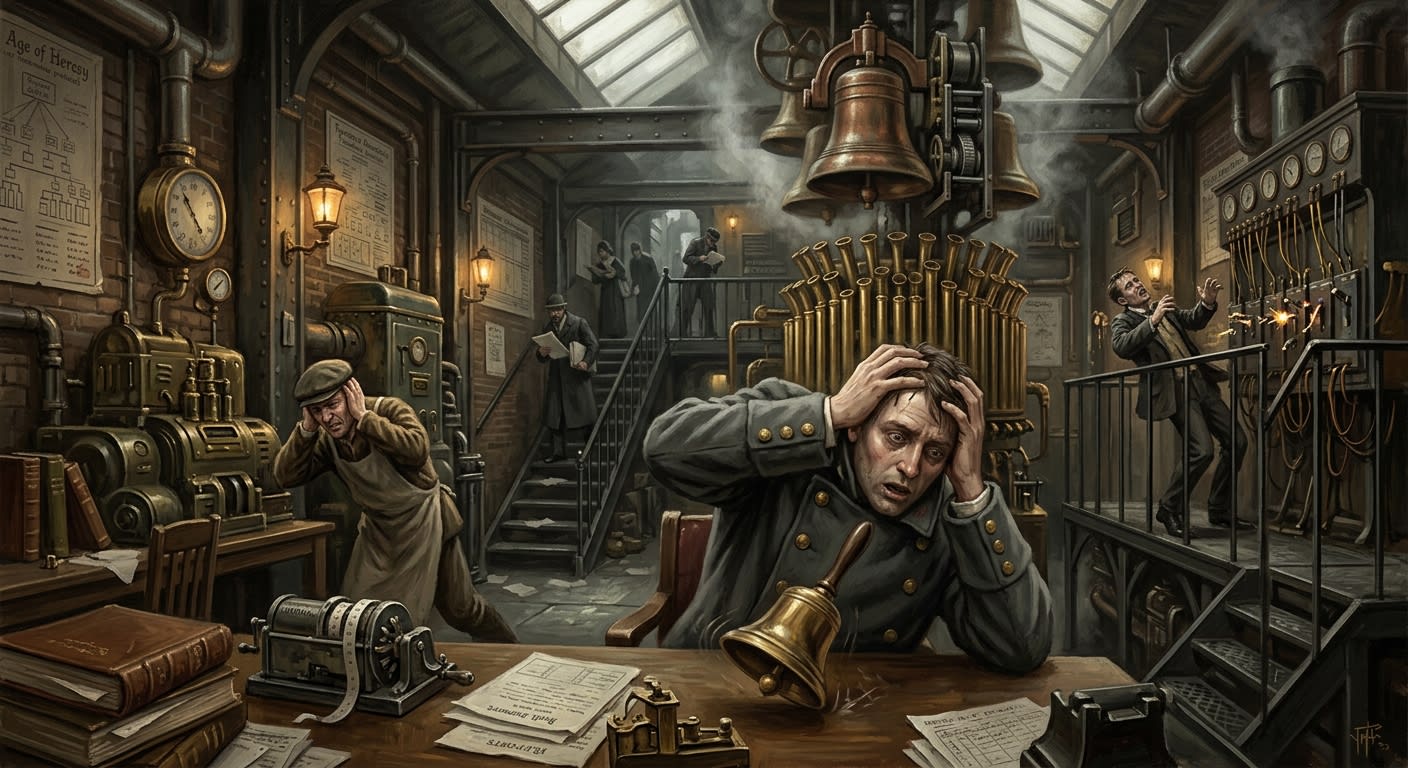
Bell-sickness
The bell stops; the obedient skull keeps ringing
Bell-sickness is the Synod's recognised resonance affliction: phantom peals, compulsive cadence, command mislocation, and the small theological problem of obedience ringing back.
Codex Ref. XIII.1.87-201

Bell-Warden Andros Pell
The hand remained steady when the bell returned the wrong voice
Andros Pell, First Class Bell-Warden of Thessaloniki's Elder Tower, struck silence for seventy-two hours and wrote terror down without improving it.
Codex Ref. III.2.01-030
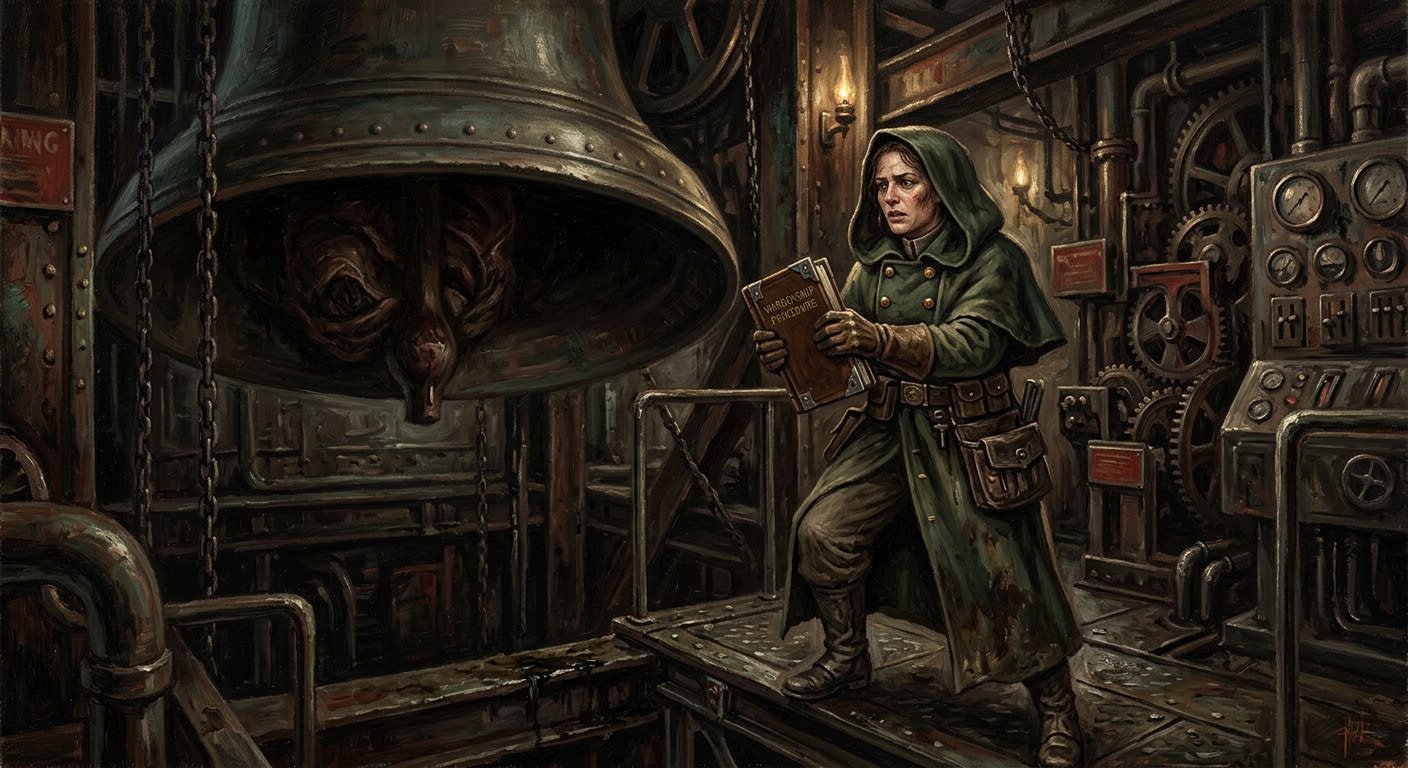
Bell-Warden Katerin Liss
The wrong voice crossed the harbour and she made panic wait outside
Katerin Liss, Second Class Bell-Warden of Thessaloniki's Younger Tower, found occupancy inside the silent bell and held procedure like a weapon.
Codex Ref. III.2.01-031
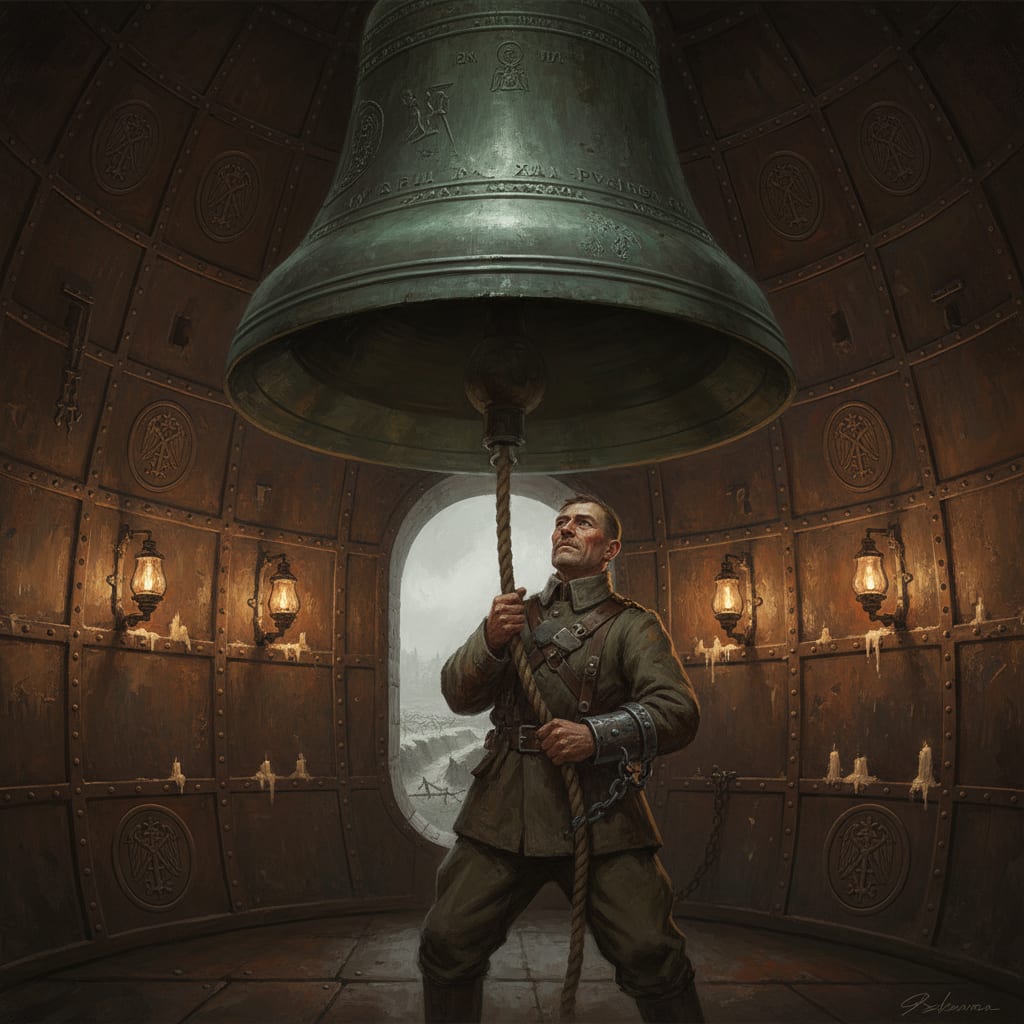
Bellwarden
Chained by the wrist to the Synod's schedule, he rings a war he will never be permitted to understand.
Eleven thousand four hundred souls chained by the wrists to a Synod schedule they did not write, ringing a war they cannot explain, in service of a theology their bells increasingly refuse to perform.
Codex Ref. XII.2.01-001
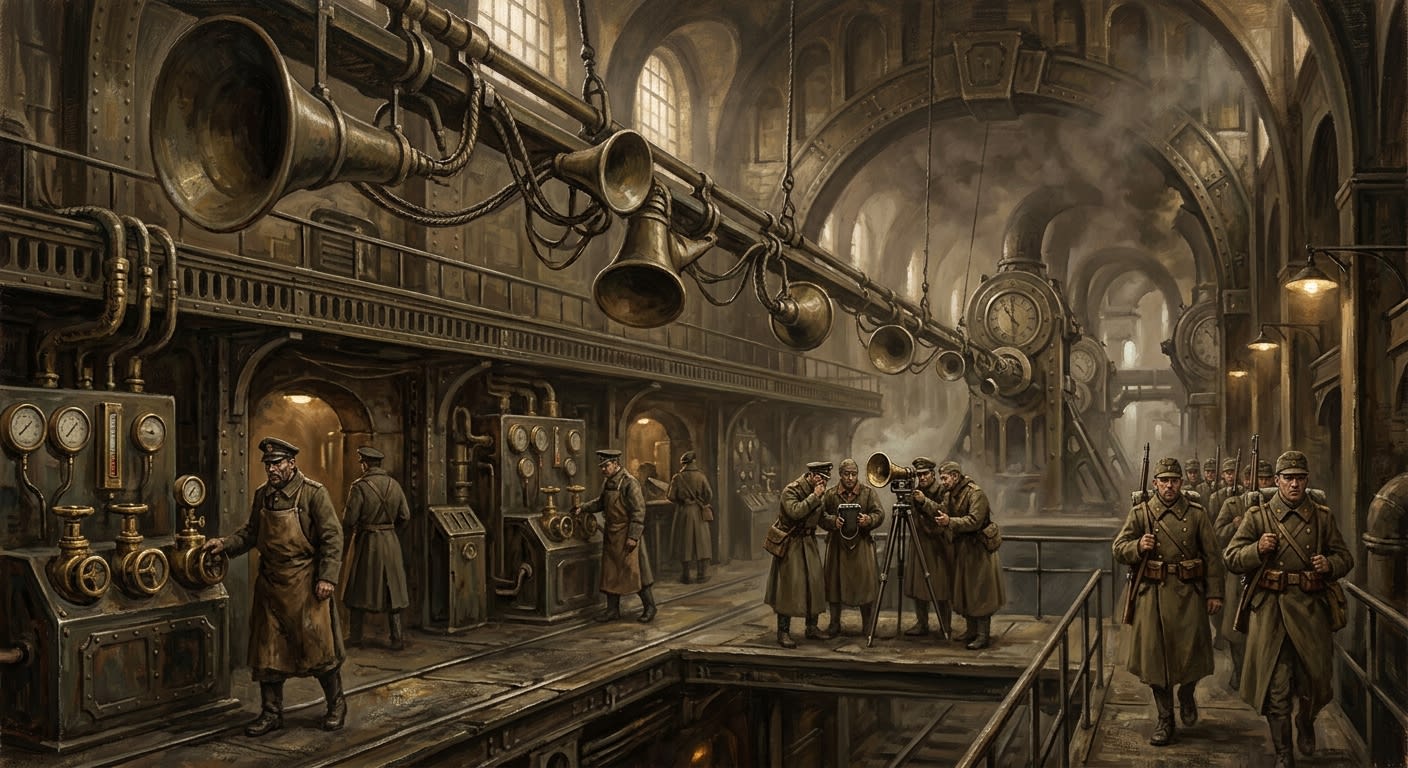
Bellway
The road that hears you, blesses you, taxes you, and may repeat you
Bellways are the Synod's sanctioned acoustic corridors: road, alarm, sermon, surveillance net, and mercy with teeth, carrying lawful sound through the Line and beyond.
Codex Ref. XIII.1.88-201
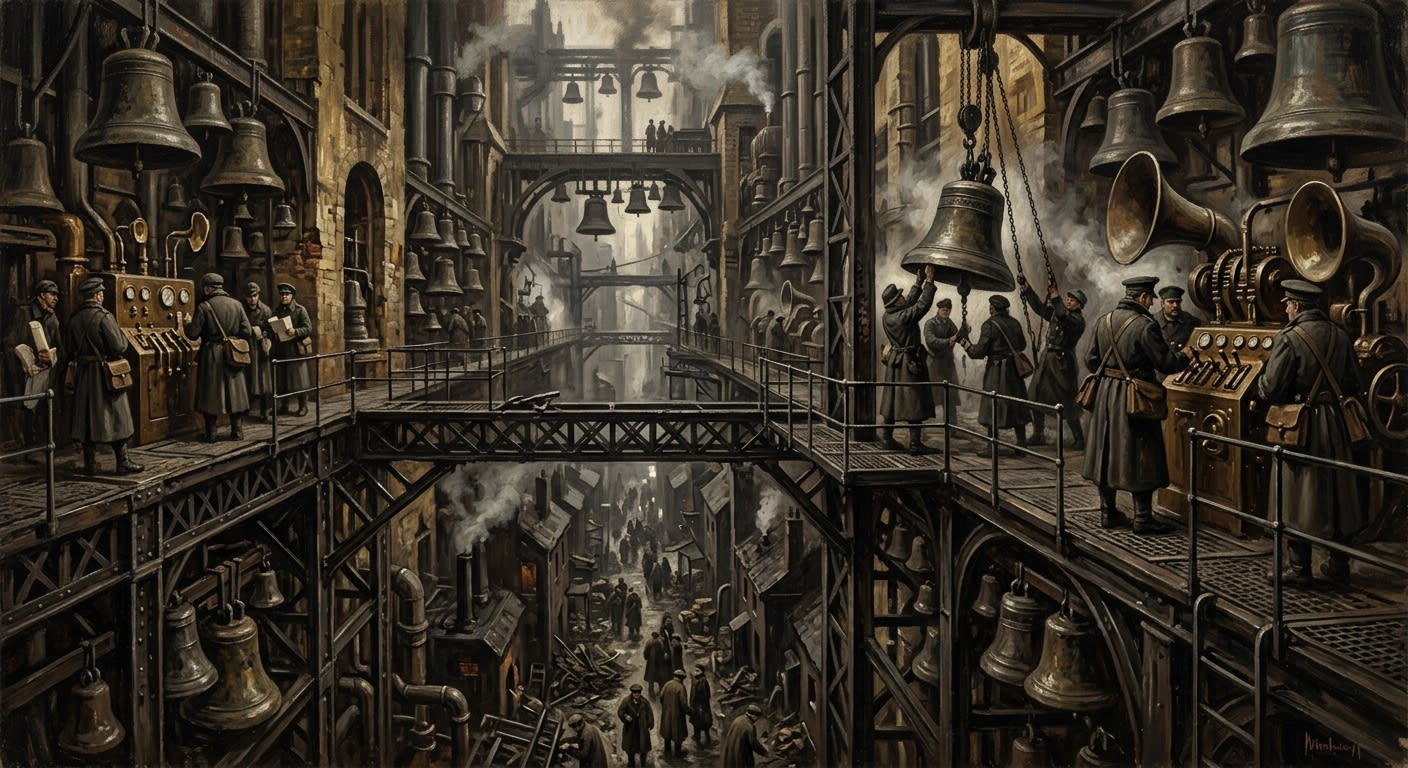
Bellways
The plural doctrine of roads, sky, trench, and taxable obedience
Bellways are the Synod's plural acoustic jurisdiction: low roads, middle war-lattices, high Ark corridors, and every quarrel they make audible.
Codex Ref. XIII.1.89-201
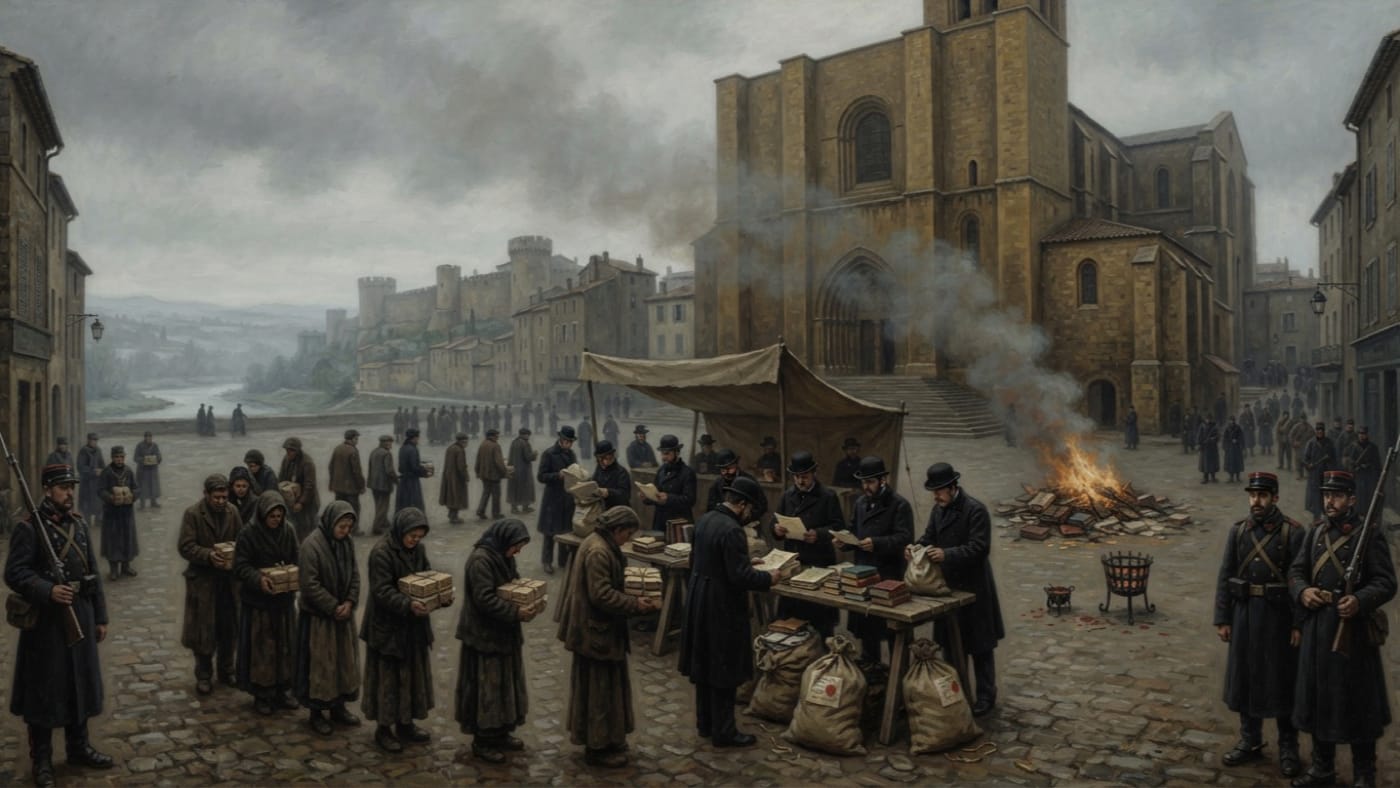
Béziers
A city named by someone else's confession
Béziers entered the Toulouse Hunts in A.S. 93 through a confession taken at Carcassonne. Purity retained the name; the surviving record supplies no separate local reckoning.
Codex Ref. II.1.10-093
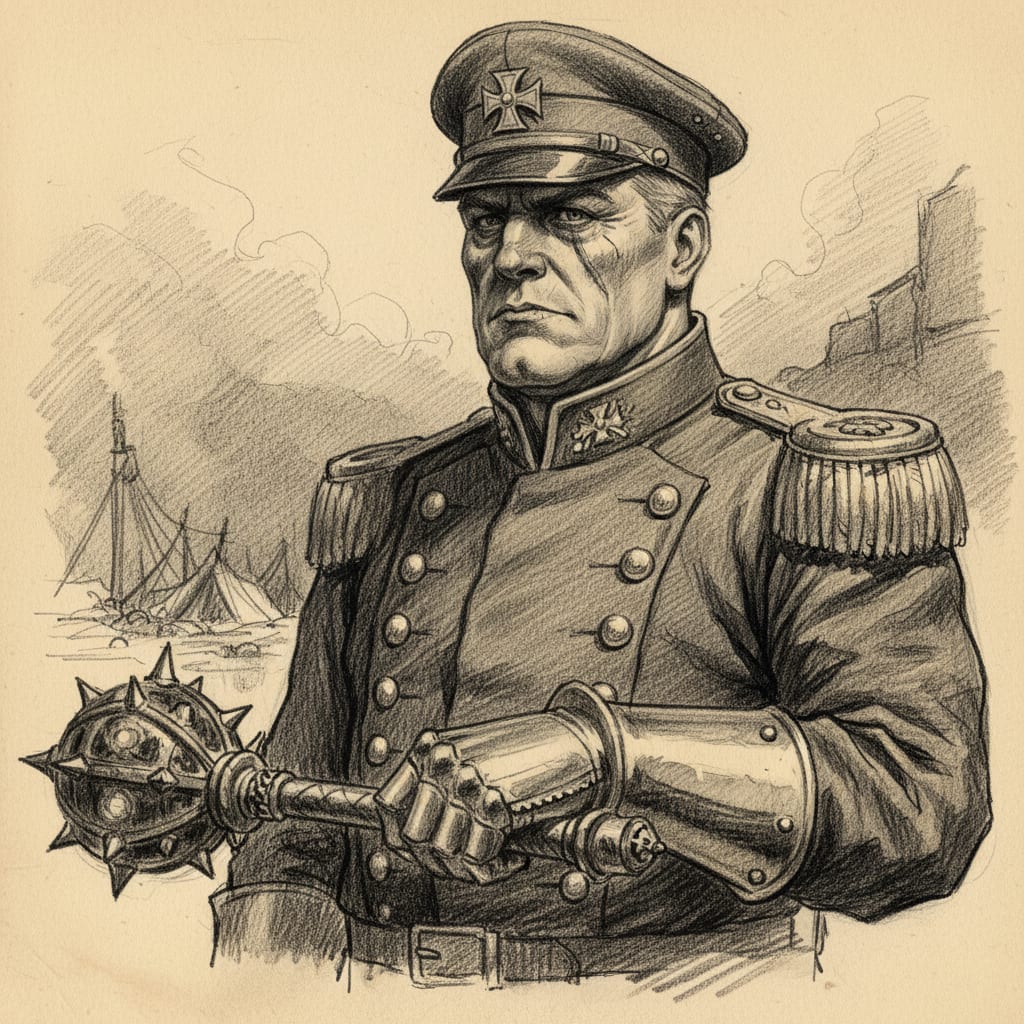
Bishop-Warden Clemens Stahlhand
The Hammer of Vienna
Bishop-Warden of Vienna, whose reliquary blow at the Siege shattered Rationalist power and entered the canon of Synodal myth. Steel hand. Iron faith. Useful corpse.
Codex Ref. III.1.02-031

Bishops-Praetorial
Mitres welded to prefectures, and souls counted twice
The Bishops-Praetorial keep souls, quotas, provinces, and grudges: mitred governors whose pastoral care arrives with tithe tables attached.
Codex Ref. VIII.3.04-093
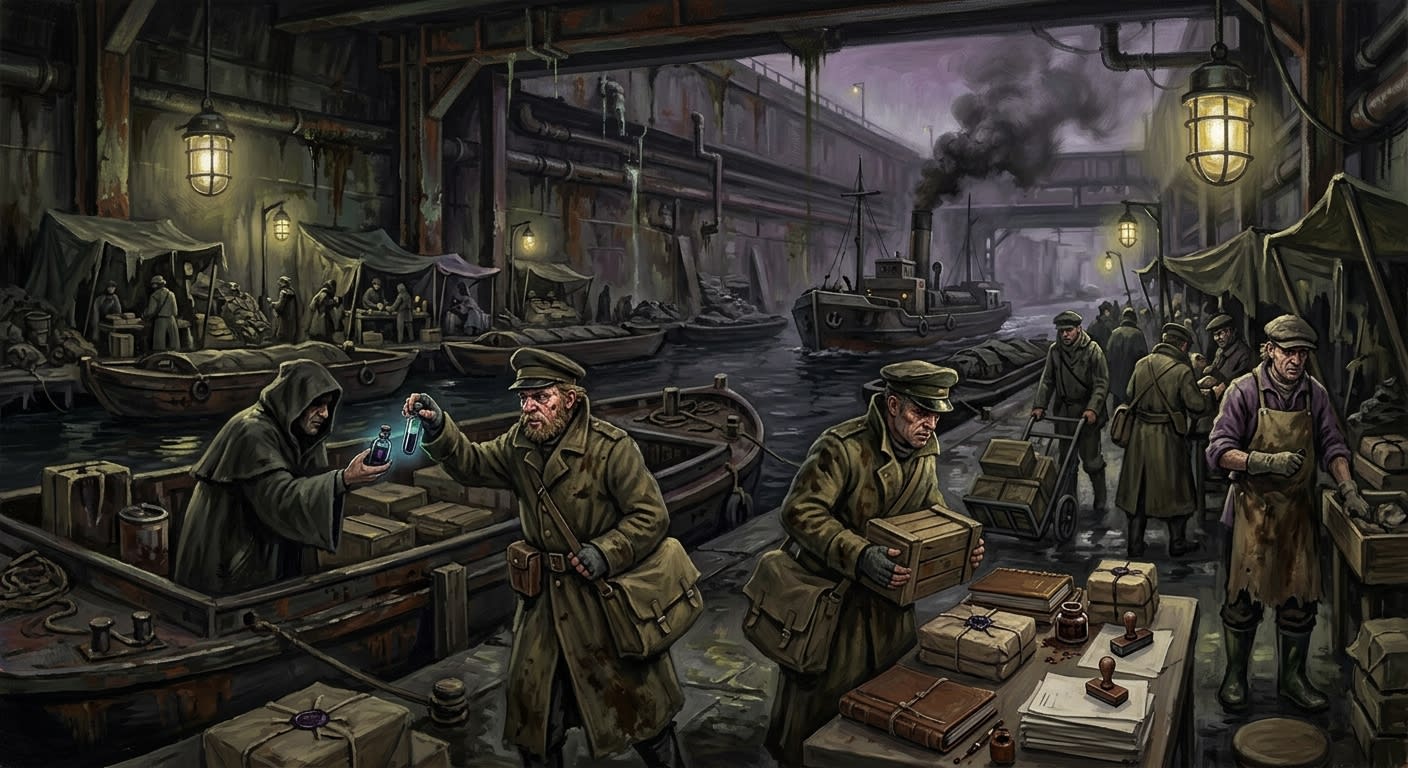
Black Canal
Where unlawful water teaches authority to float
The Black Canal is Candlewick's under-dike criminal water: a wet market of outlaw shade, Hungry Ink, false seals, name packages, and useful denial.
Codex Ref. XIII.1.19-098
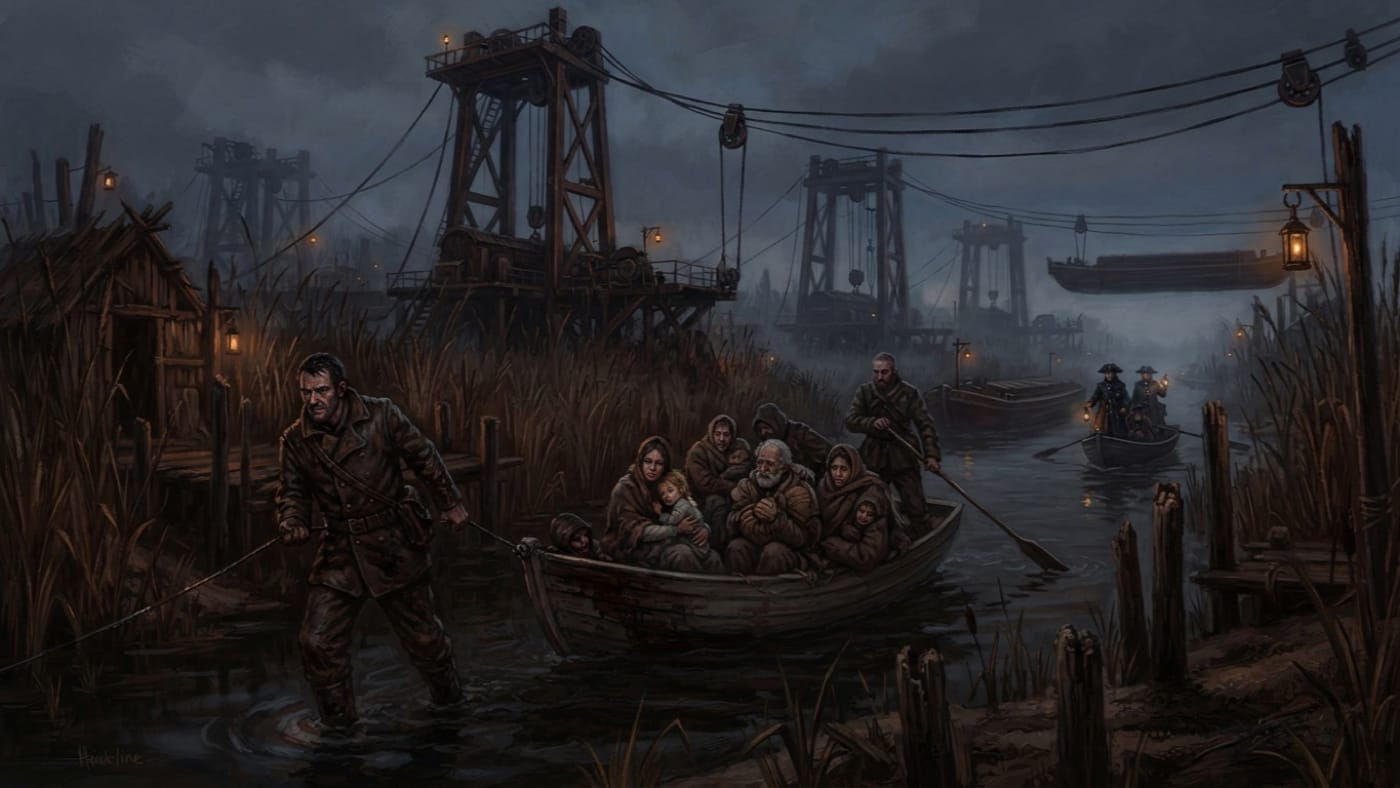
Black Ferrymen
The river keeps no curfew
The Black Ferrymen carry the Rope-Ferry Chain's rejected passengers through reed channels after curfew. The provosts sell them schedules, seize their cargo, and sell it back.
Codex Ref. XII.16.02-001
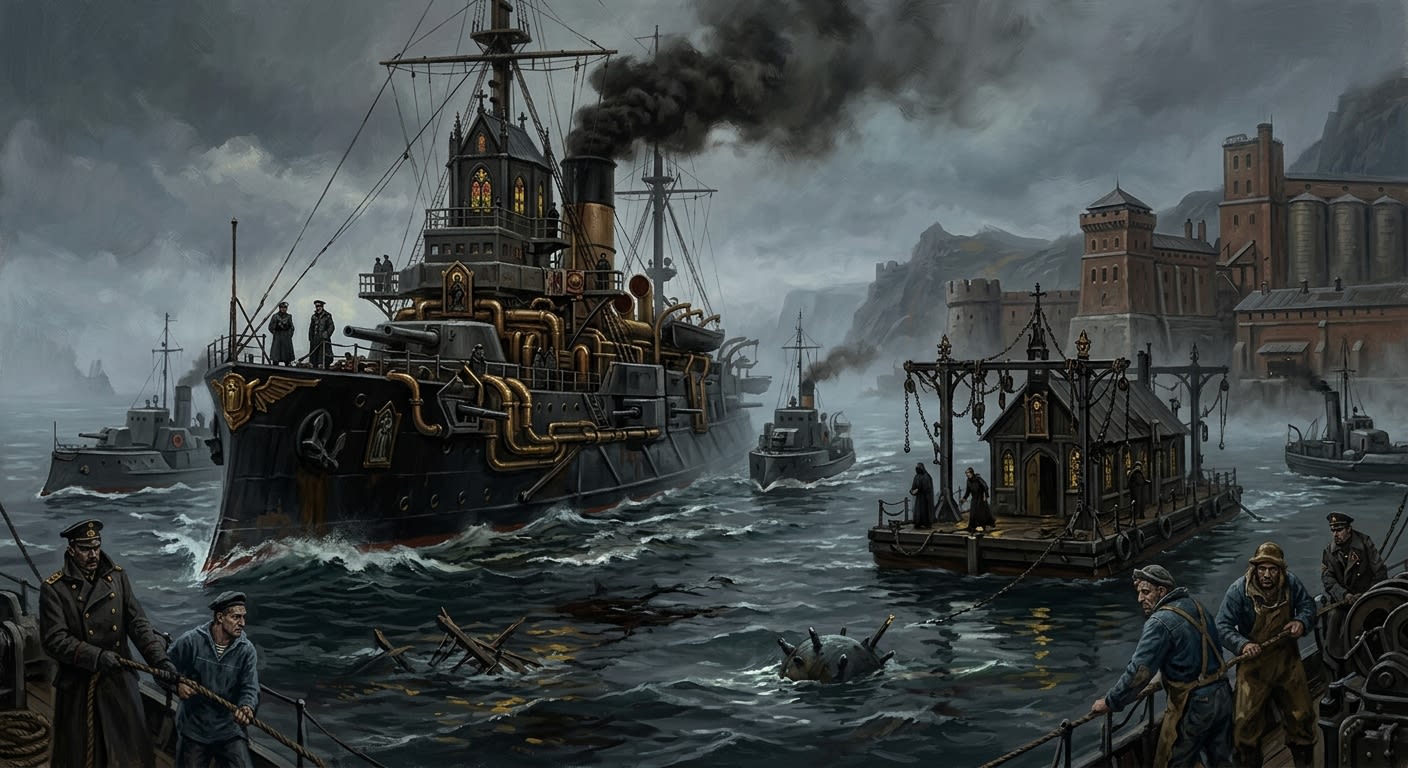
Black Sea
The Sable Deeps keep their own docket
The Black Sea is the Synod's northeastern wound against salt water: threat lane, relic route, grain hazard, Flotilla parish, and water that remembers too much.
Codex Ref. II.4.09-018
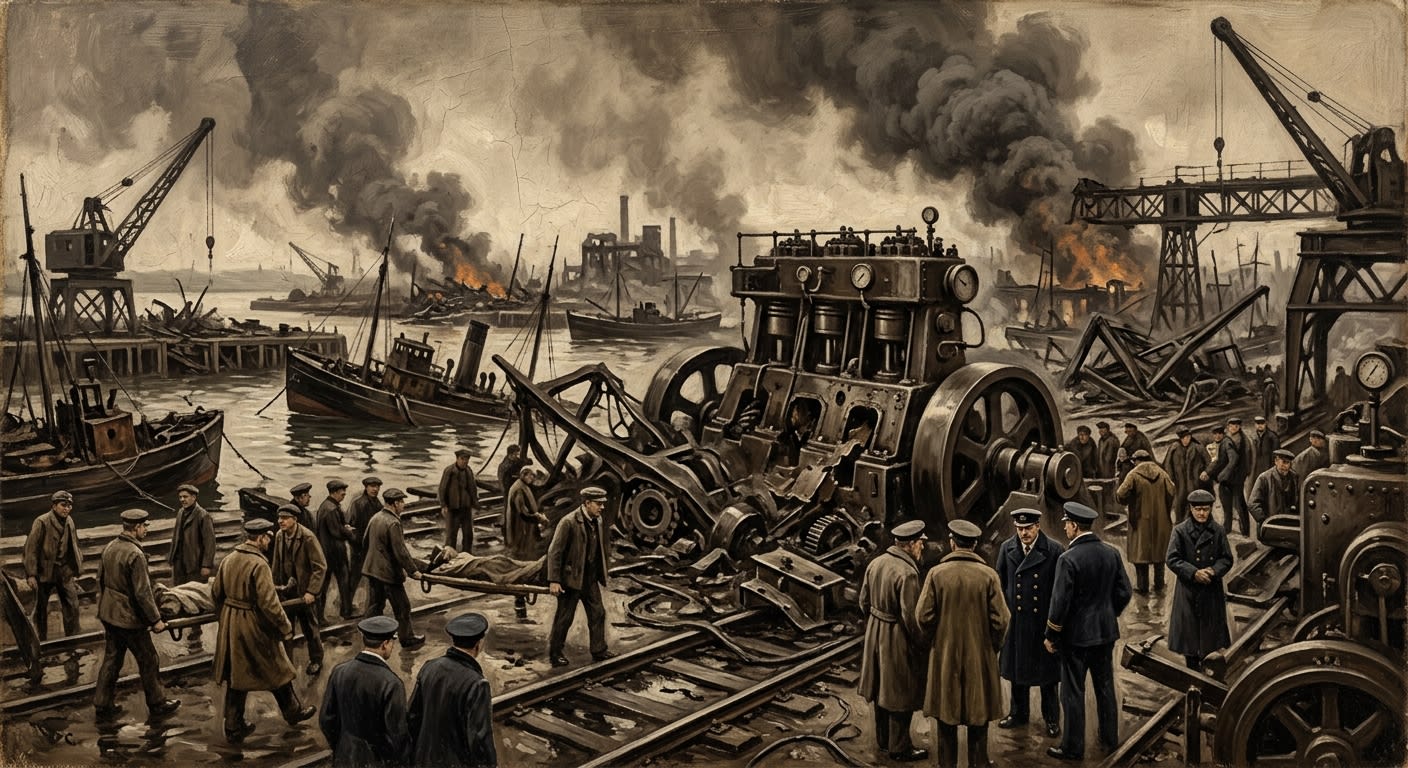
Black Start Catastrophe
Forty-three dead, one wall niche, and a profession born screaming
A.S. 97 Bastion-Brest harbour disaster in which an uncertified black start killed forty-three men, burned half the port, and created the licensed Litany-Engineer vocation.
Codex Ref. VII.8.10-051
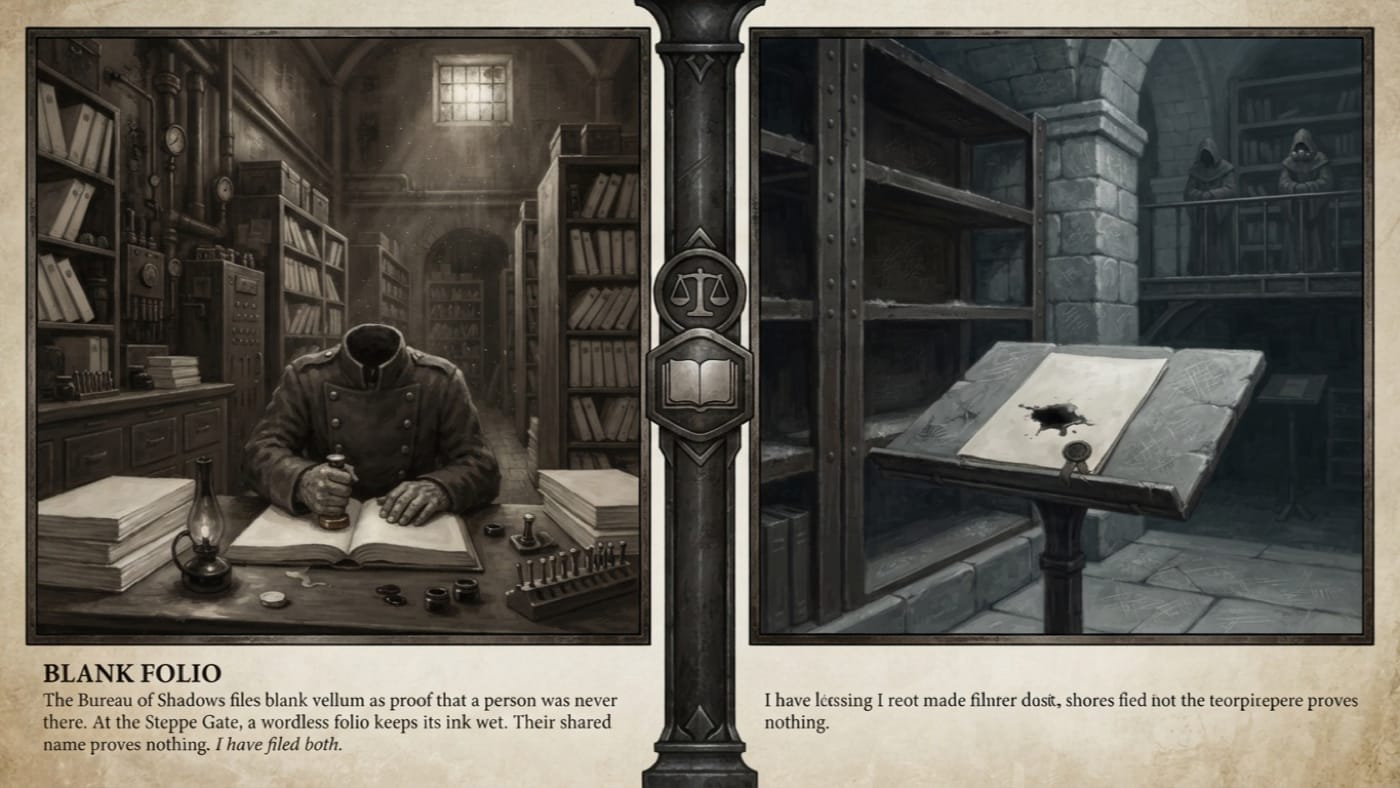
Blank Folio
One page erases a name. Another refuses to dry.
The Bureau of Shadows files blank vellum as proof that a person was never there. At the Steppe Gate, a wordless folio keeps its ink wet. Their shared name proves nothing. I have filed both.
Codex Ref. XIII.1.29-001

Blessed Clerk Harlowe “Dry-Ink”
The closed stamp pad by which mercy learned its office hours
Tolerated vocational patron of Confessor-Booth Clerks: a devotionally sufficient blessed whose dry stamp pad sanctifies refused mercy and audit-safe cruelty.
Codex Ref. III.2.01-102
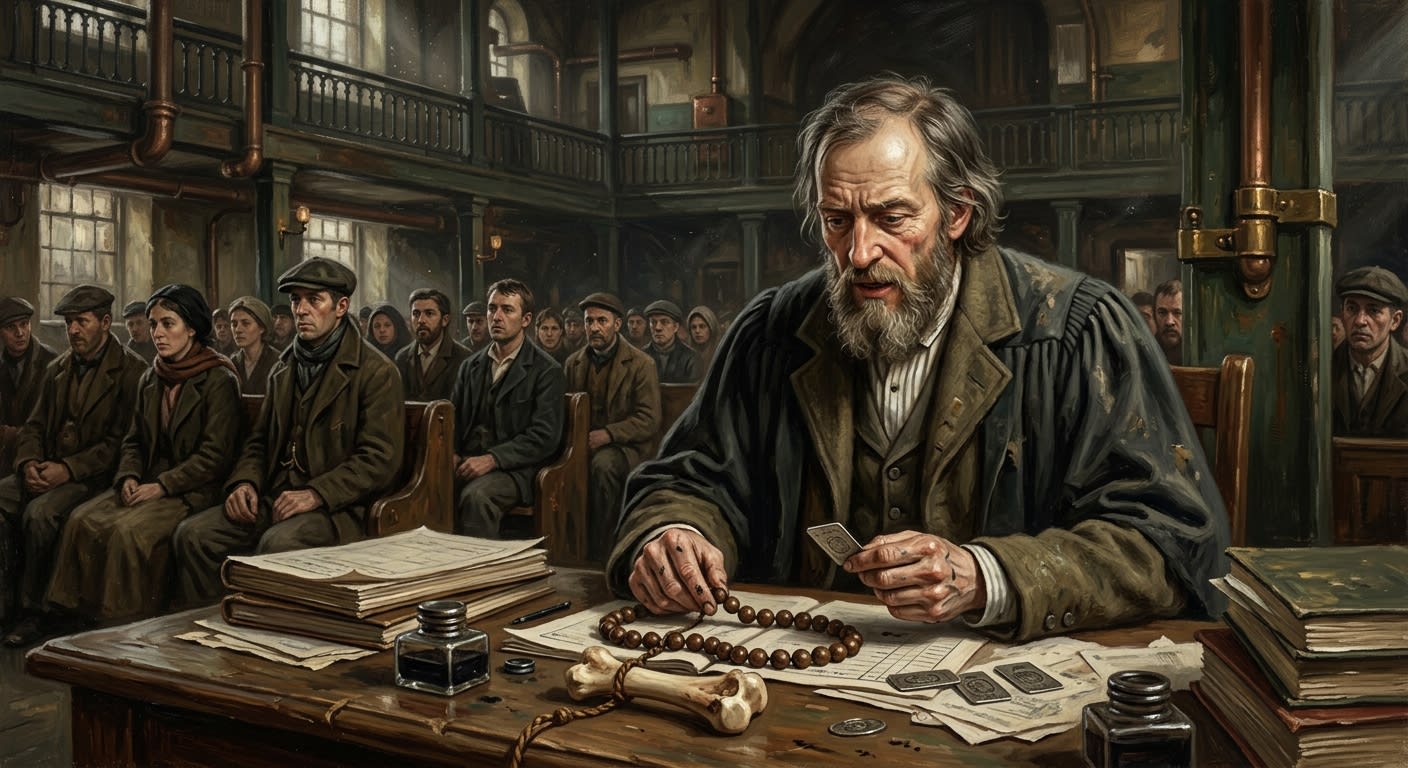
Blessed Edrin of the Count
The saint who proved an ear is holiest when entered in a column
Patron of Sky-Sermon Attendance Auditors, Blessed Edrin sanctifies visible listening, counted bodies, sermon tokens, and the pig-bone relic that honestly moves beads.
Codex Ref. III.2.01-146
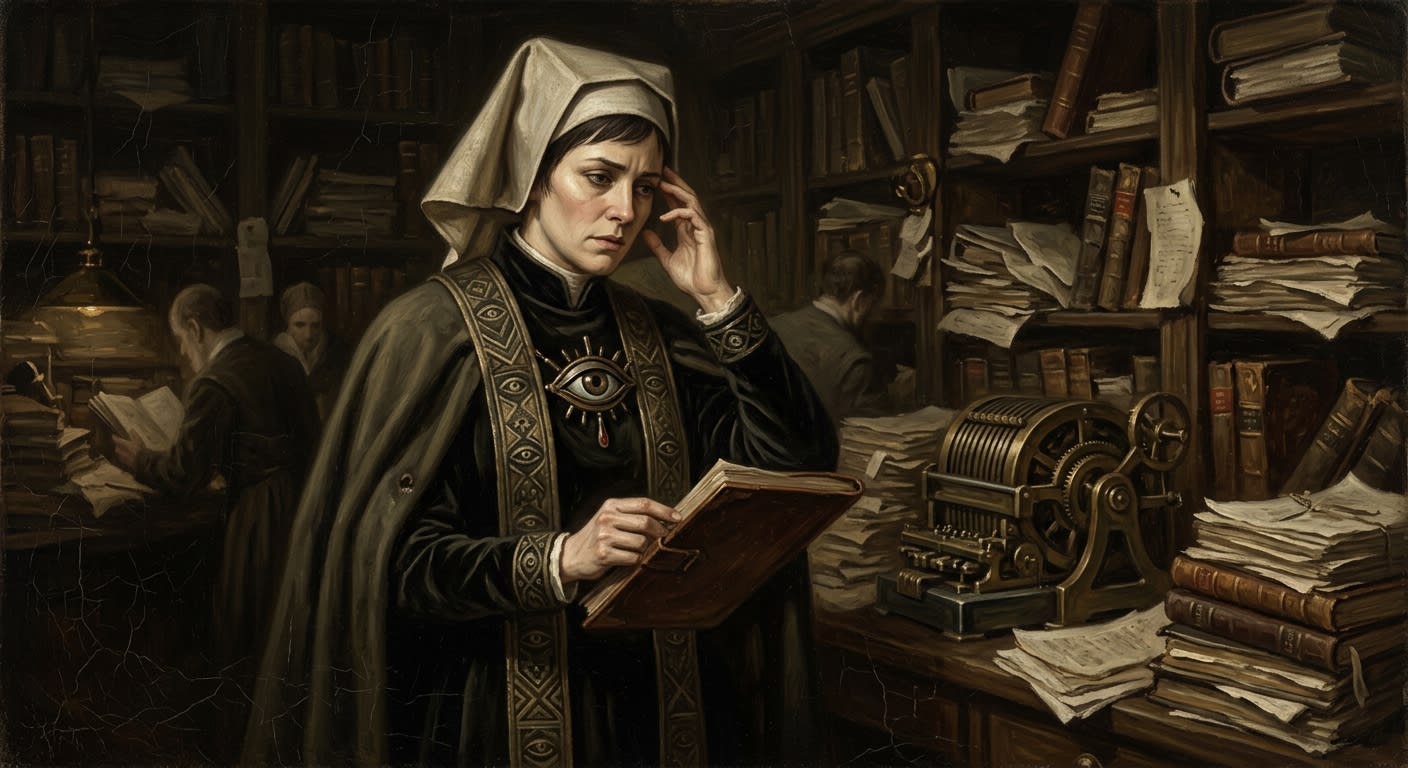
Blessed Marrow-Eye Lestine
The saint who heard doubt until she heard herself
Blessed Marrow-Eye Lestine, restricted patron of Codex Auditors, heard hesitation in choirs, confession abstracts, and finally herself.
Codex Ref. III.2.01-100
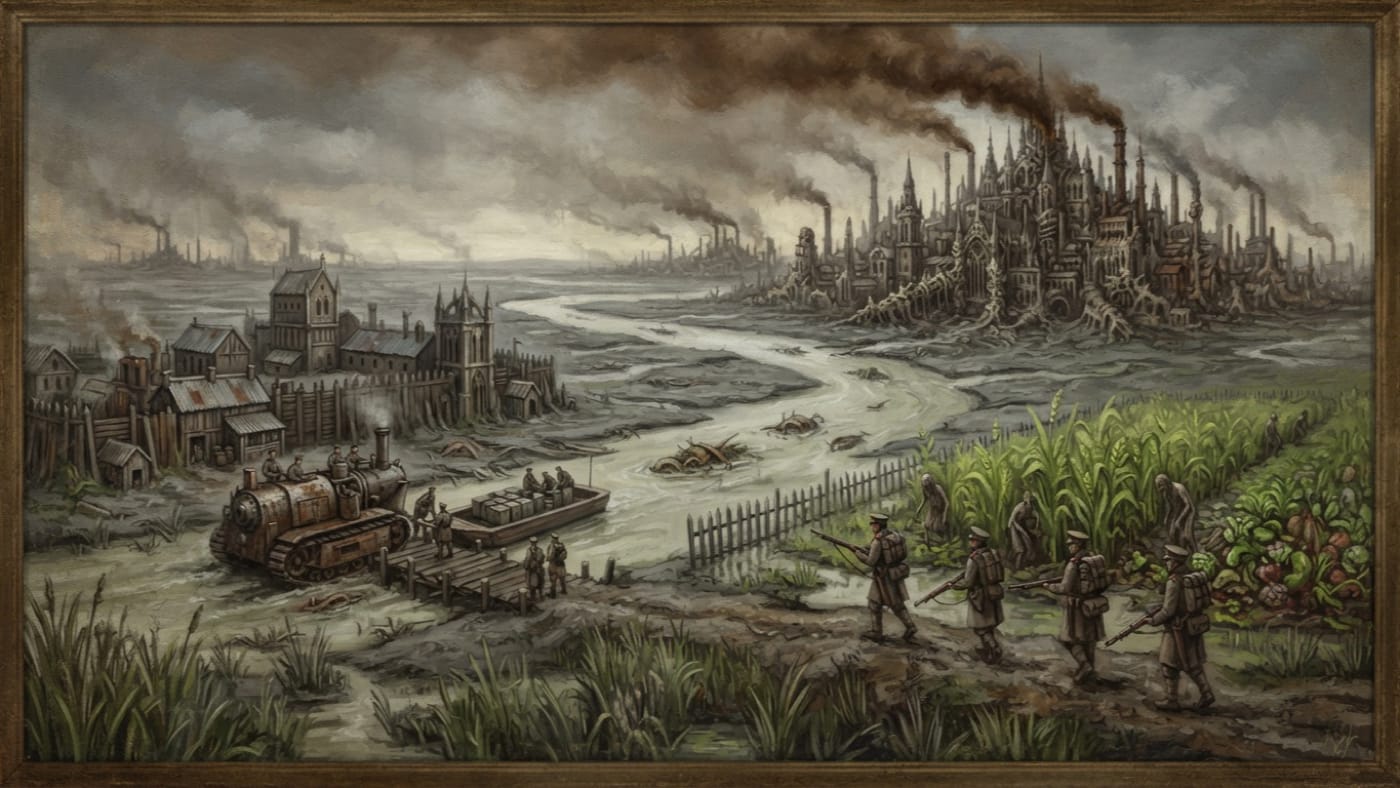
Blightmarsh of the Drava
Where the Breadbasket Became a Stomach
Kargath's dominion in the drowned Drava and Sava valleys: a Pannonian breadbasket consumed into marsh, false harvests and famine. Its boundary cannot be certified; its hunger travels farther.
Codex Ref. V.6.01-004
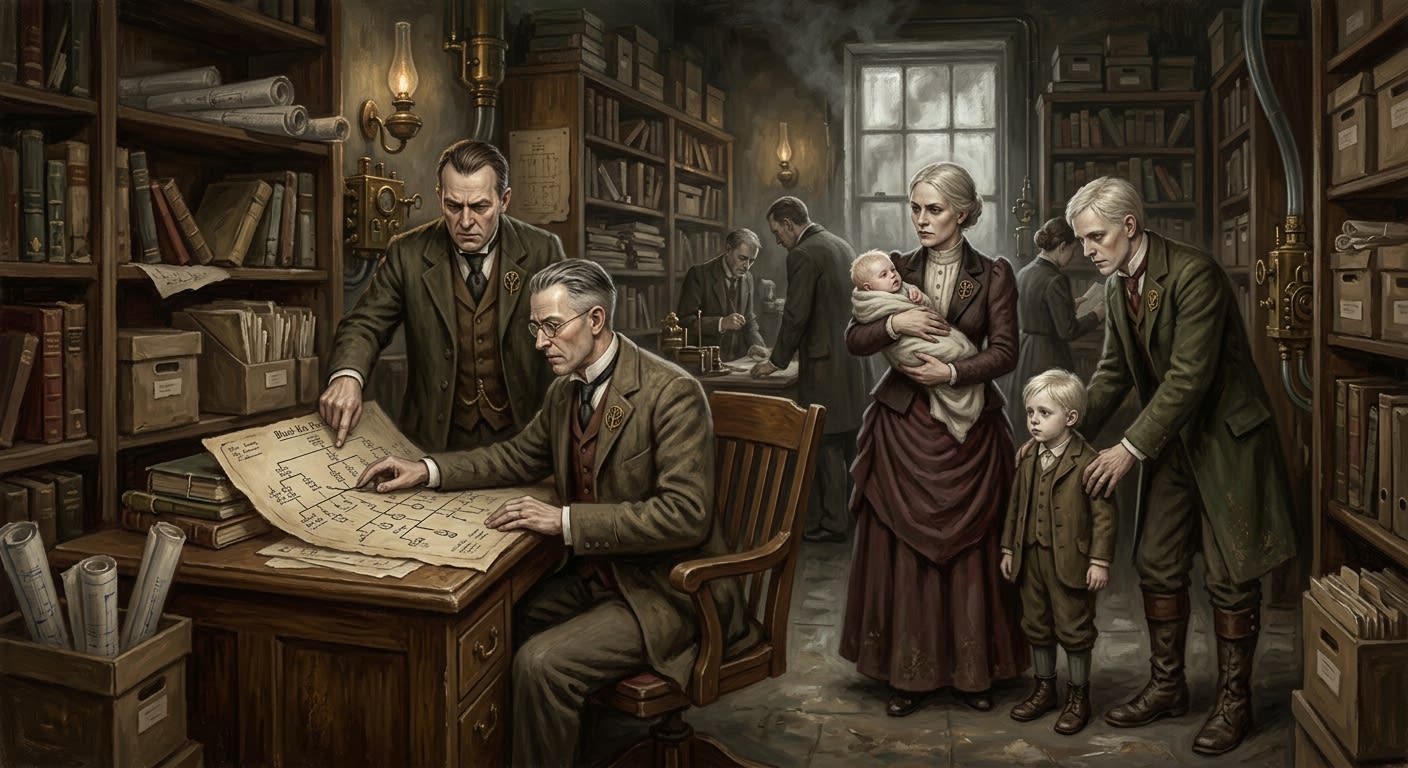
Blood-Kin Purists
The family tree, sharpened into a smuggling route
Conservative Pale Kin faction insisting hidden children be placed with blood relatives, preserving family memory while making Purity's kinship charts dangerously useful.
Codex Ref. XI.4.01-002
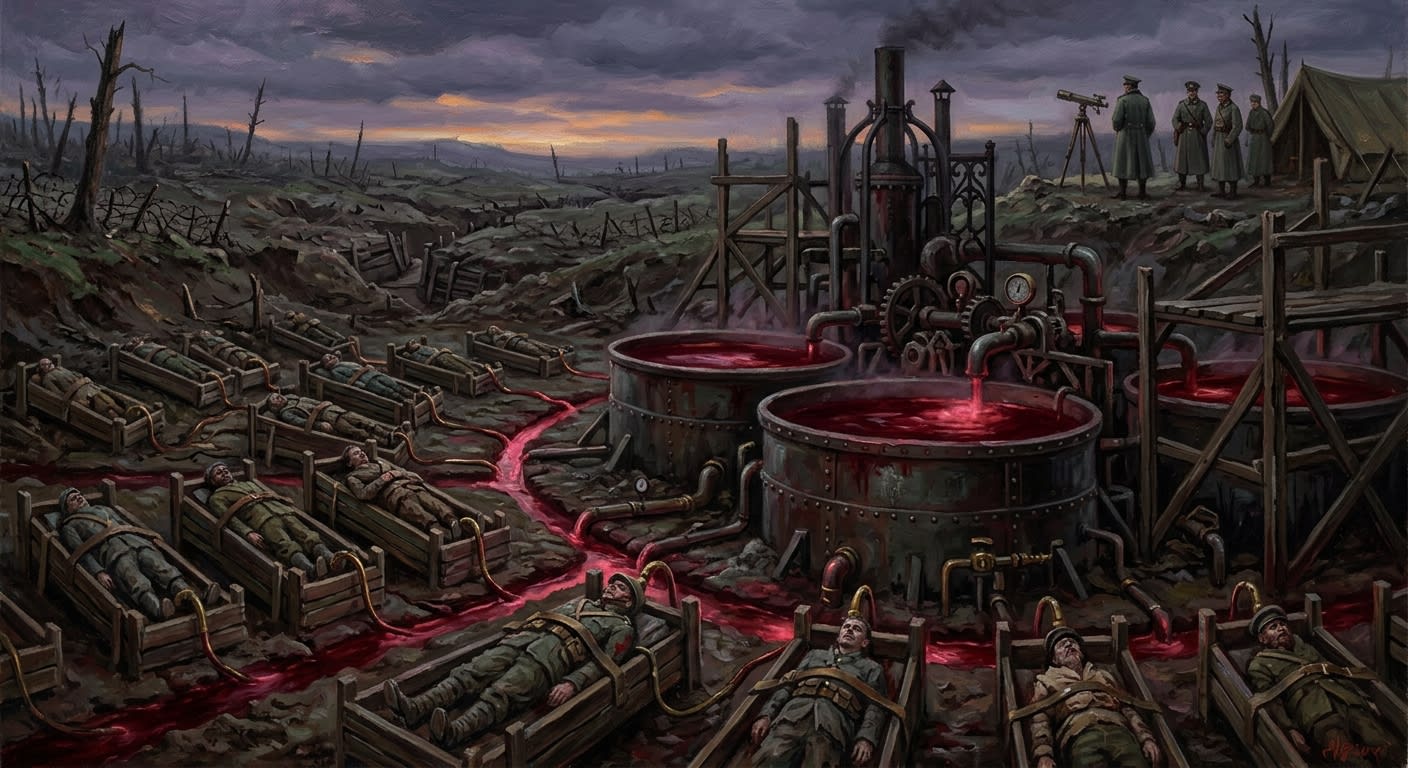
Blood-Tithes
Brass tubes, serial-numbered. Wooden cradles, precisely fitted. The Bureau calls it infrastructure. The screaming is a side-effect.
The Lie's sorcery economy runs on living blood. Prisoners are fitted with brass leeching tubes, arranged in geometric rows, and drained for weeks. The Bureau files it under infrastructure. The soldiers call it mercy work.
Codex Ref. IX.1.07-001
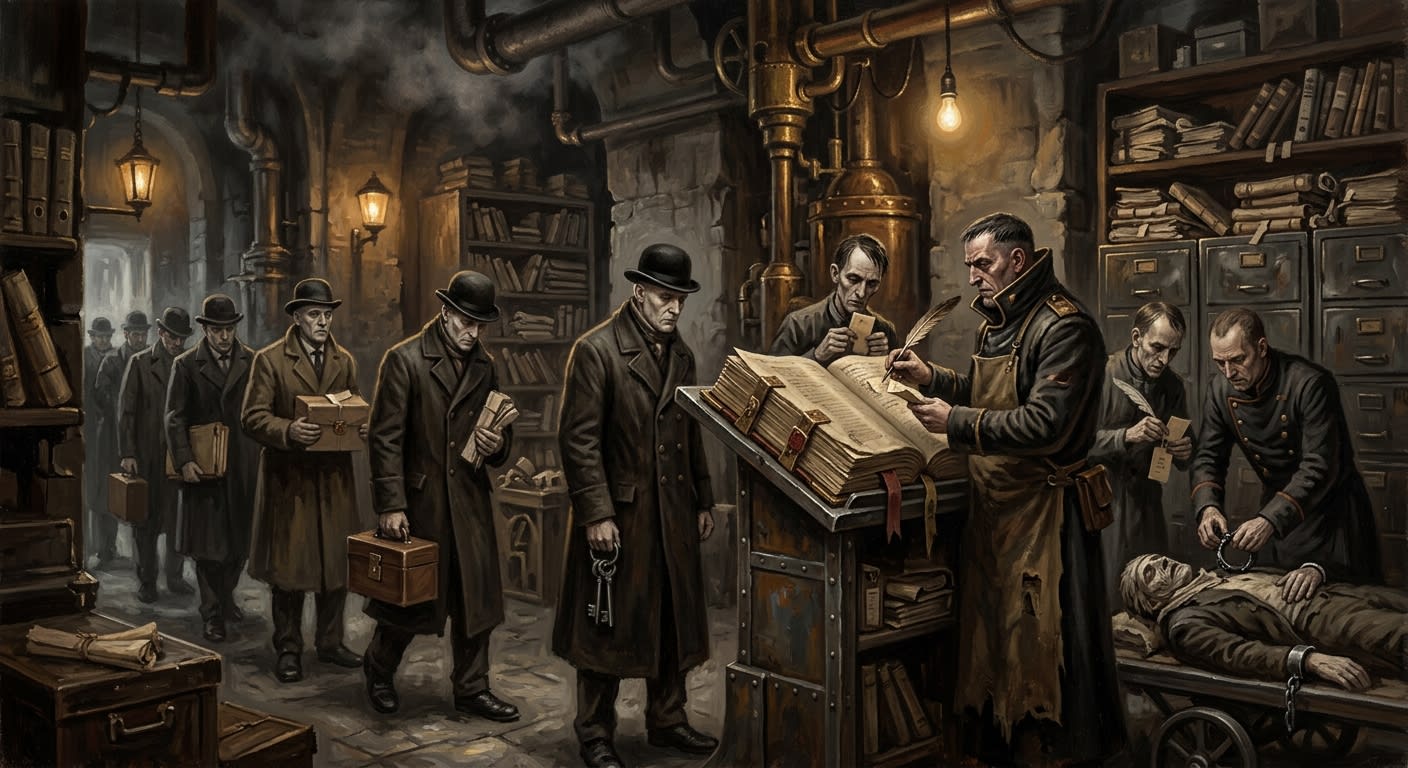
Book of Departures
Where the last breath becomes lawful ink
The Book of Departures receives every lawful death: mercy, tax instrument, burial rite, inheritance key, prayer license, and muzzle for ghosts.
Codex Ref. XIII.1.87-112
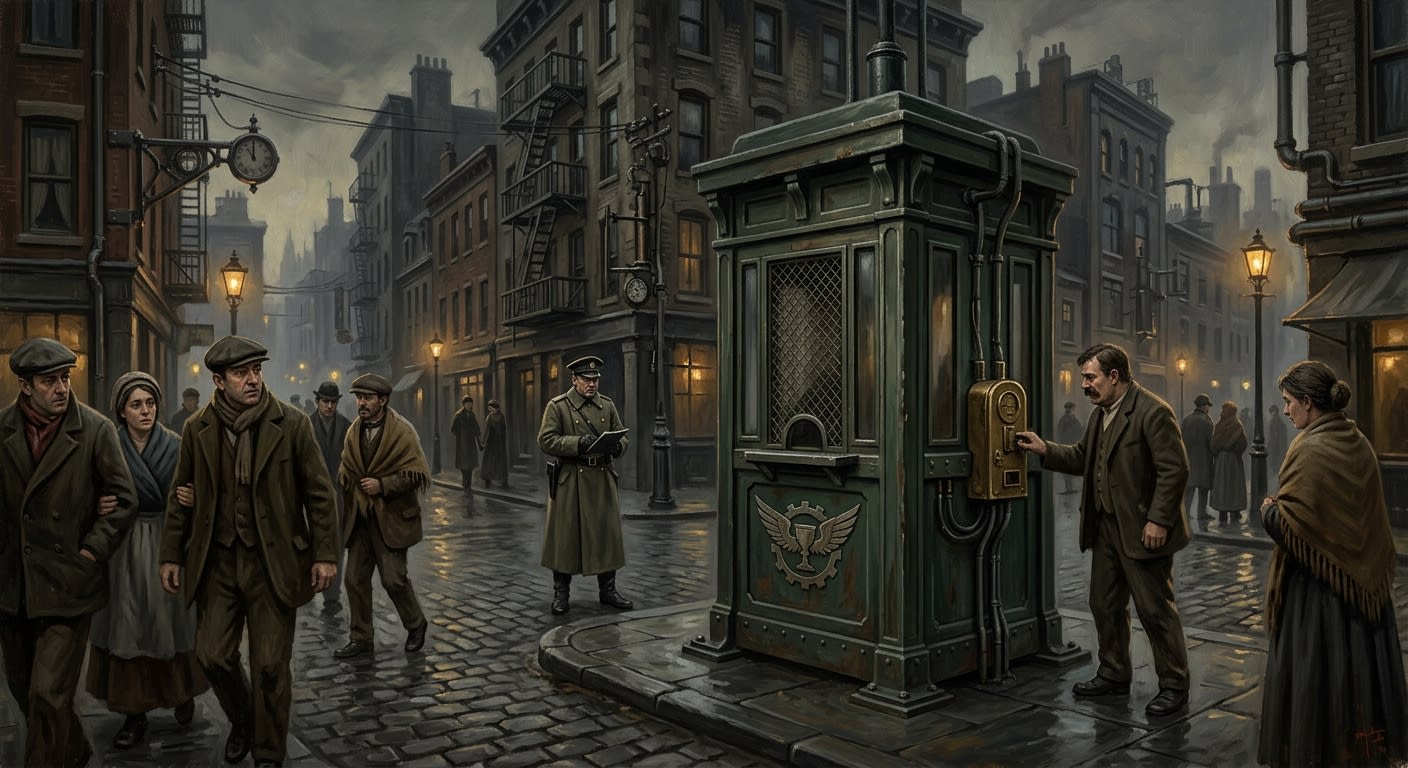
Booth Proliferation Decree of A.S. 112
One wooden box every three blocks, and Europe called it grace
A.S. 112 Bureau of Rites decree mandating one registered confession booth per three city blocks, turning confession into local, billable, auditable street infrastructure.
Codex Ref. VII.8.10-015
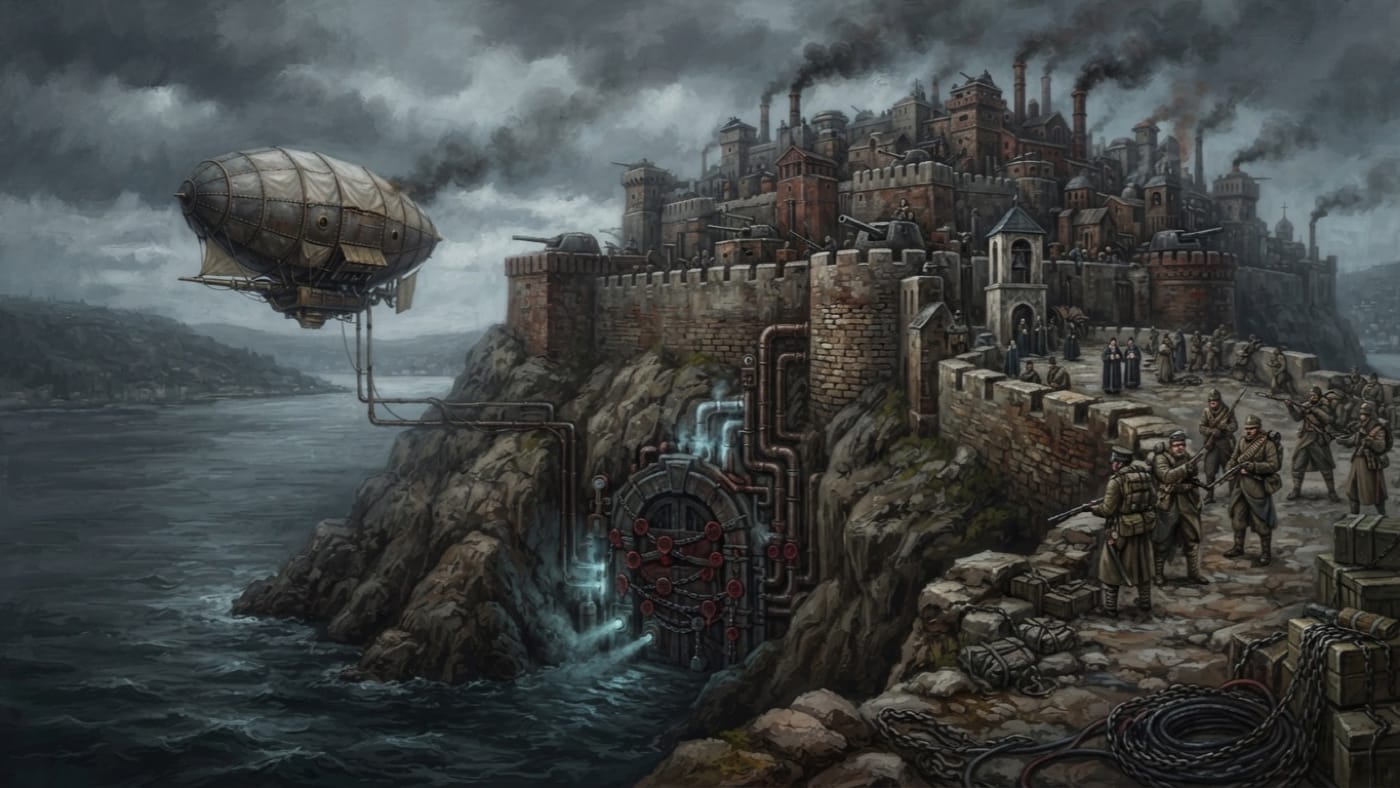
Bosphorus headland
The soldiers chose the rock. Doctrine arrived later.
Ancient bedrock above the Bosphorus, occupied in the winter of A.S. 47. Its first pilings struck sealed chambers. Bastion-Constantinople rose above them; the Third Ossuary remains below. The rock was defensible. The silence was not catalogued.
Codex Ref. II.4.10-047
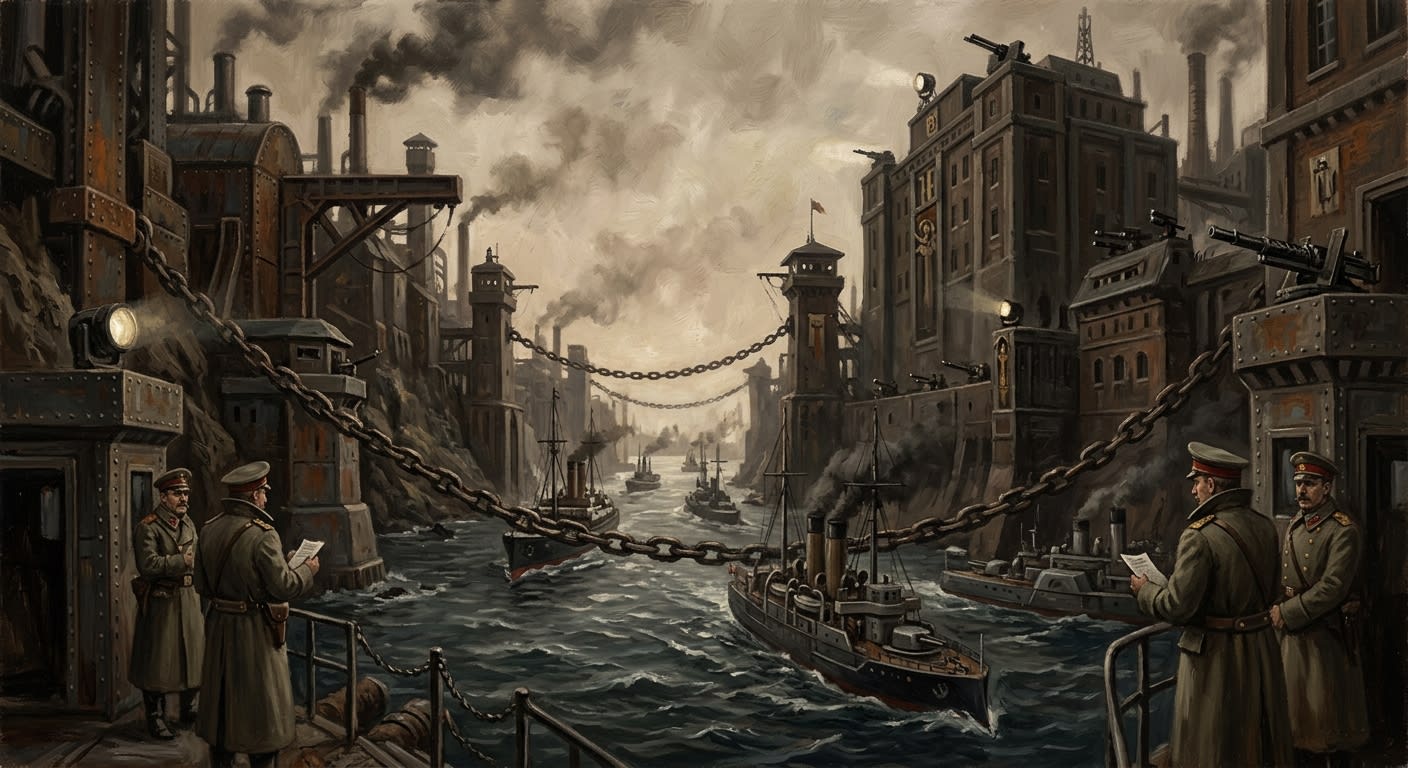
Bosphorus Strait
The wet throat where the Line learns to drown
The Bosphorus Strait is the southern maritime hinge of the Sagittal Line, chained, taxed, watched, and never quite obedient to the maps that claim it.
Codex Ref. II.4.09-004
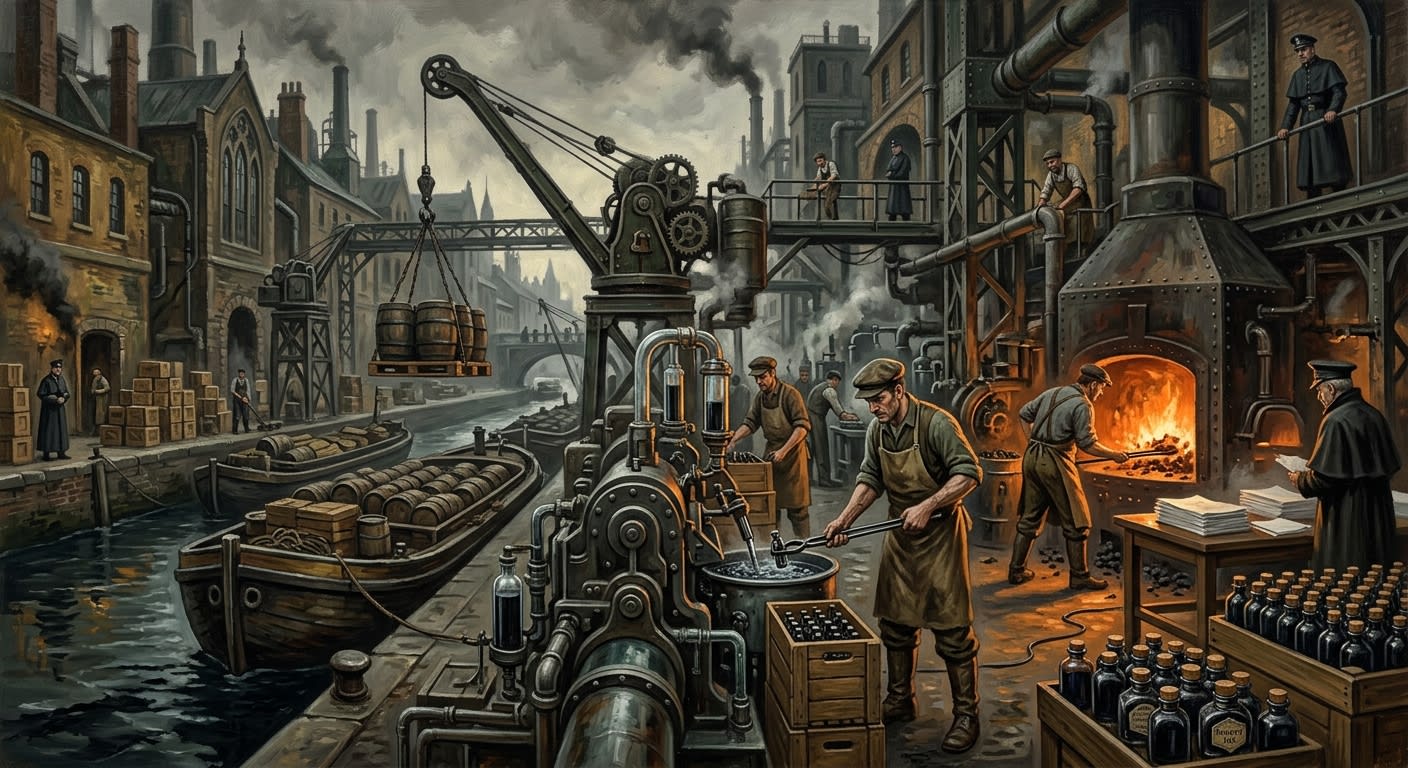
Bottle Quay
Where authority is poured into glass and taught appetite
Candlewick's ink-bottling throat: glassyards, shade seals, micro-vials, Hungry Ink suspicion, and the useful fires by which paper learns command.
Codex Ref. II.1.01-092
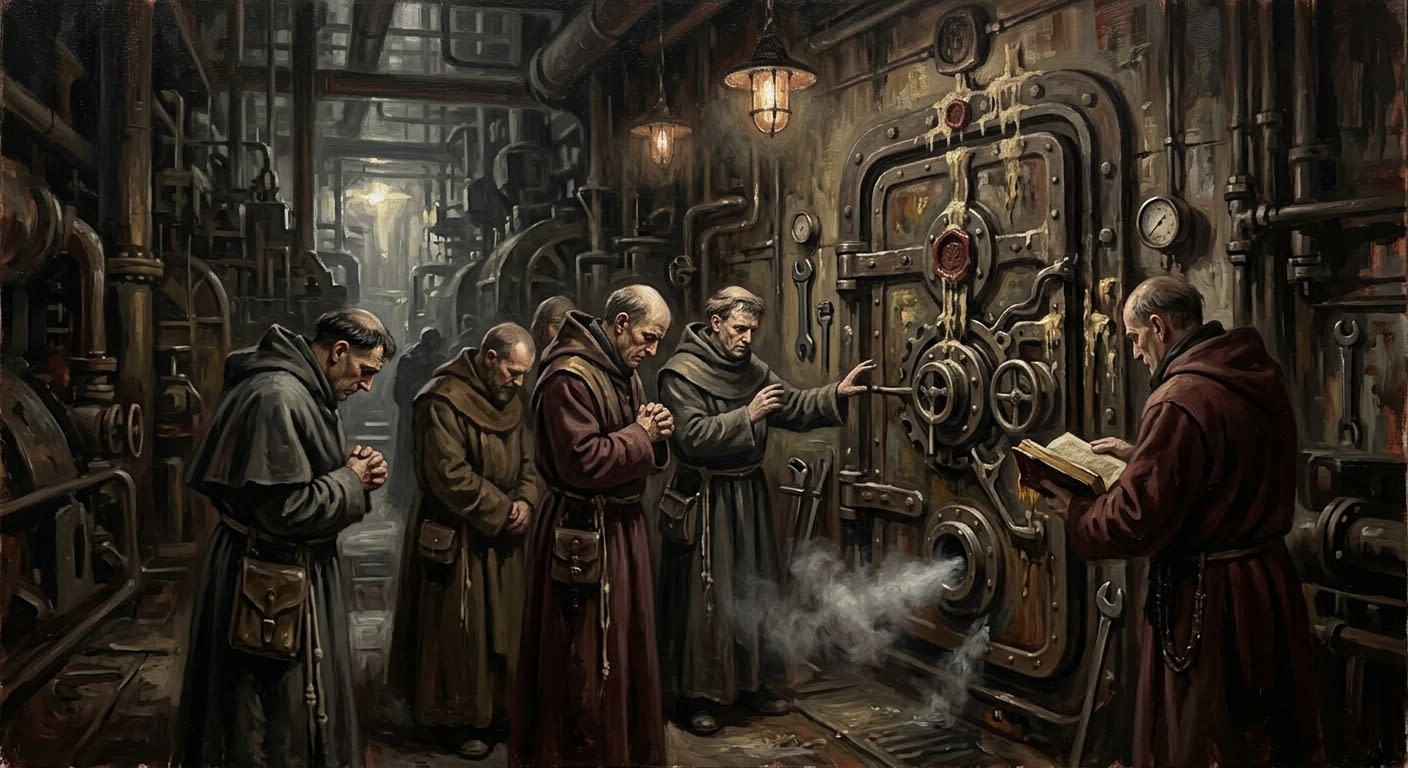
Boundary Litany
The hymn that teaches seals to remember where the world ends
Operational hymn for gasket, wax, flange, drum-mouth, and pressure door: the Boundary Litany makes matter confess where obedience stops.
Codex Ref. XIII.1.85-152
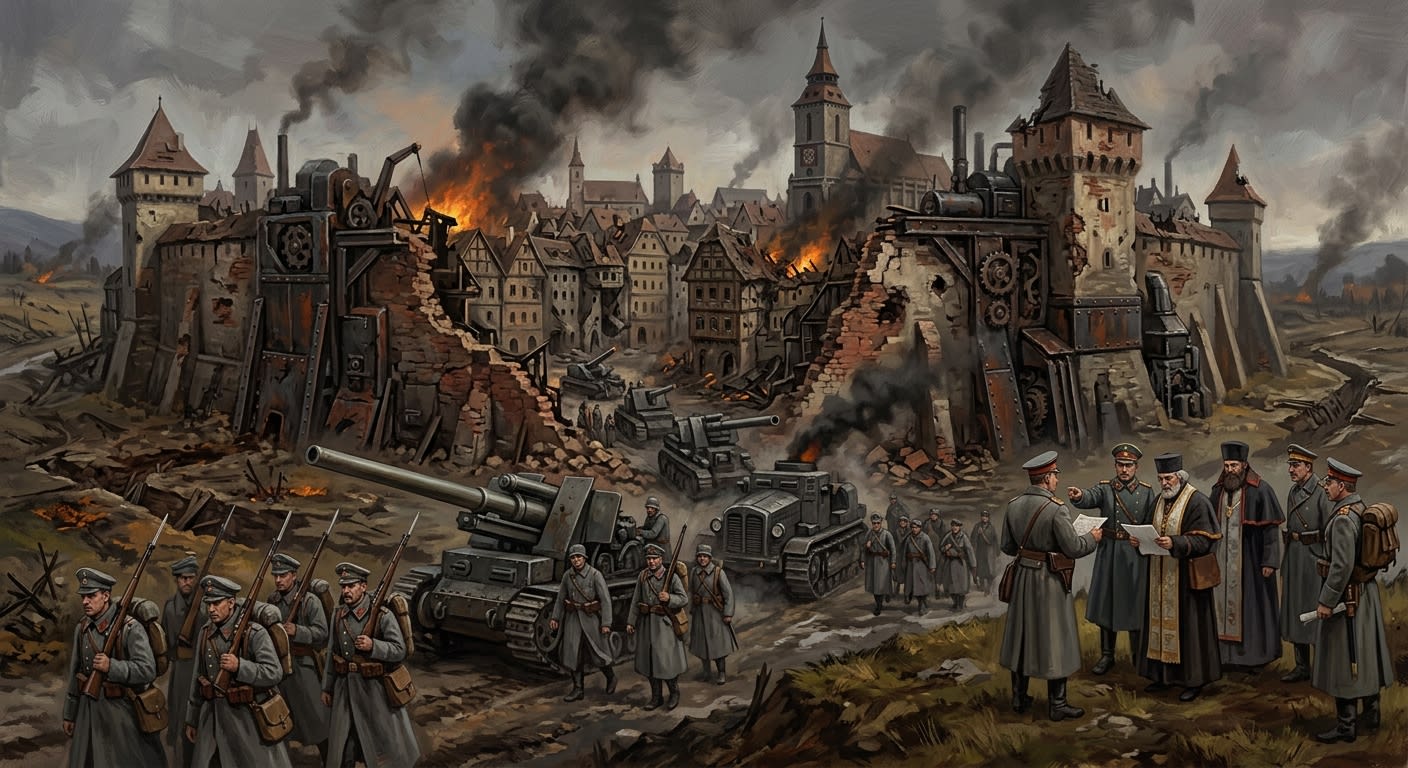
Brașov
The city [[hell|Hell]] ate before [[strasbourg|Strasbourg]] learned to count sons
Brașov, the Saxon-walled city consumed by Kargath in A.S. 110 and made pretext, warning, and arithmetic for the Synod's first continental levy.
Codex Ref. VI.1.01-110
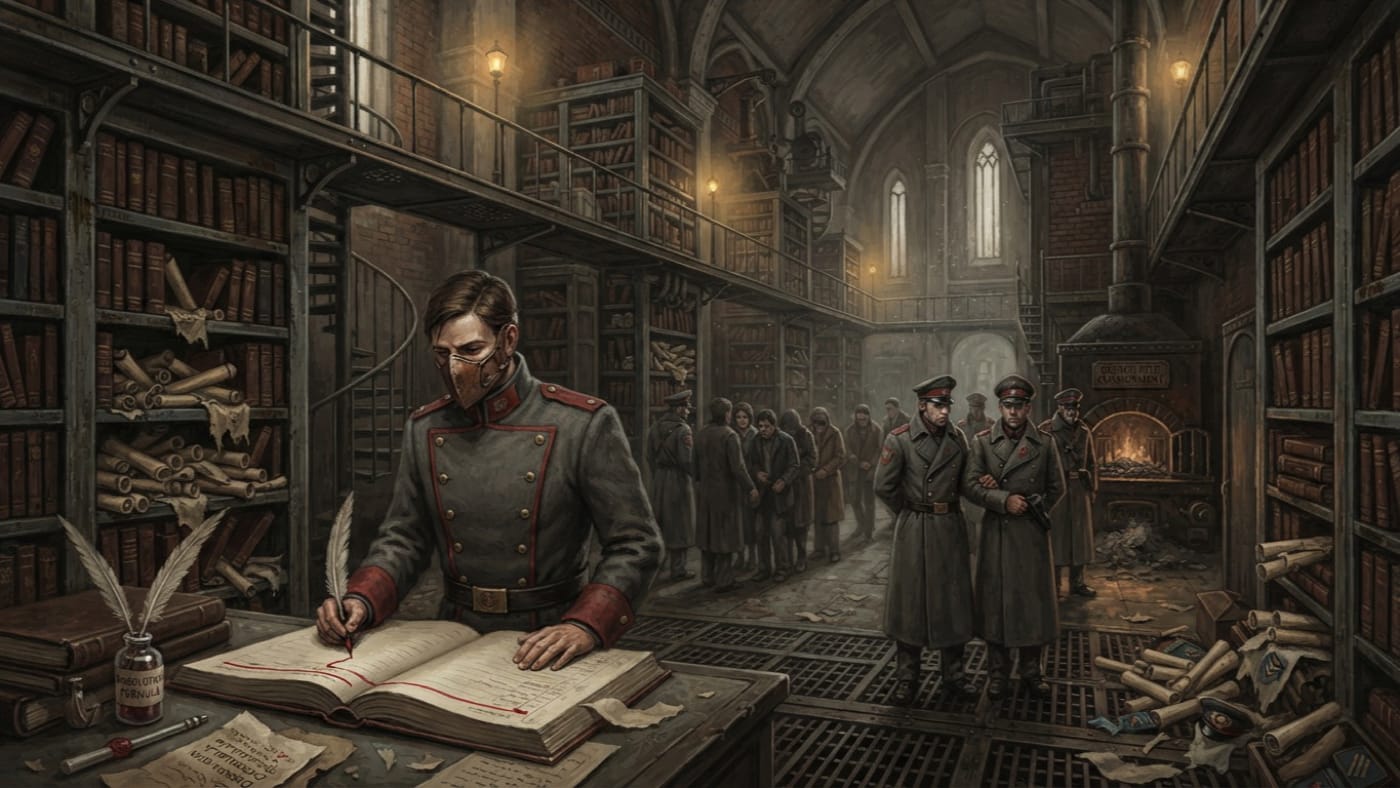
Breach Plagues
The Bureau found a cure in its own ink.
Around A.S. 110–115, communal violence became the Bureau of Oaths' proof that broken vows rot. The dead supplied the argument; the Breach Rites supplied the ink.
Codex Ref. VII.8.11-112
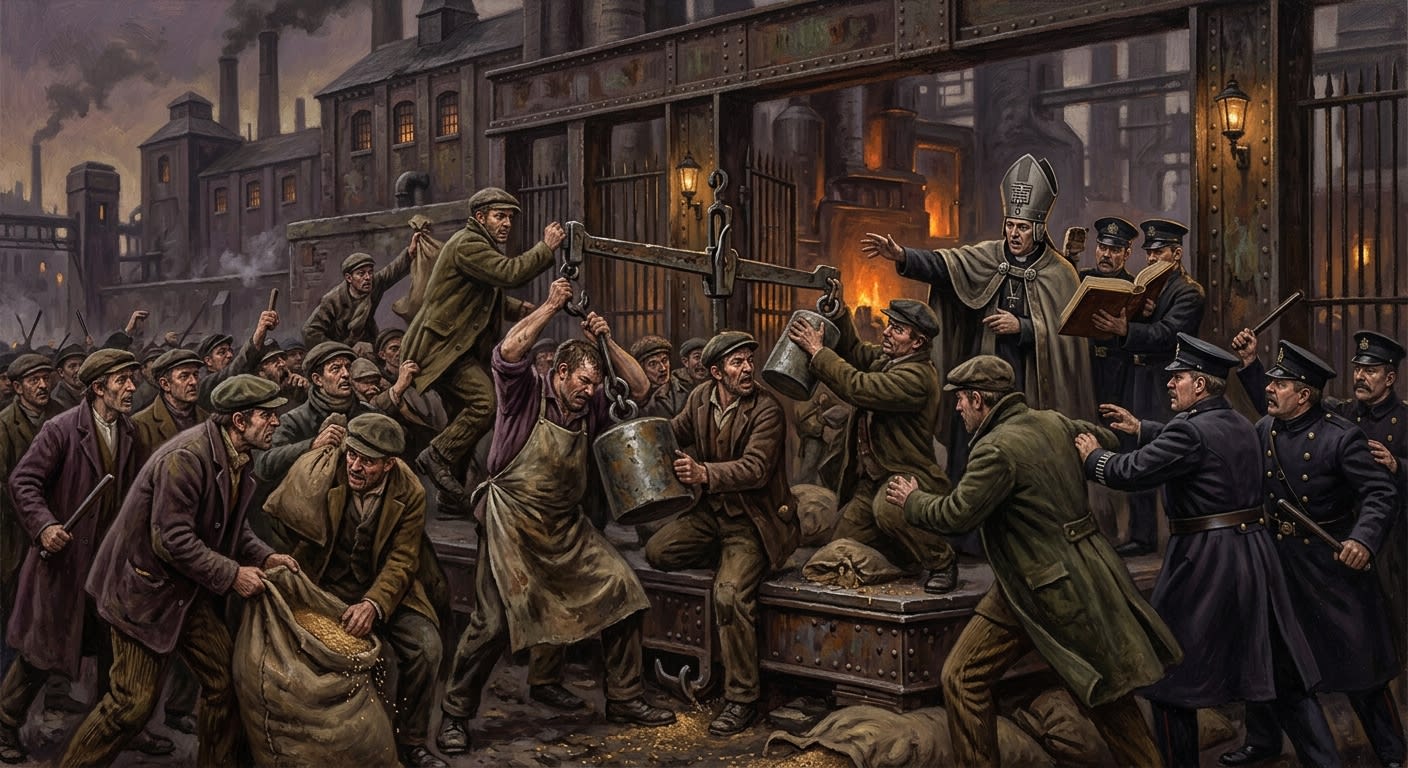
Bread-Scale Uprising
When hunger weighed the law and found lead beneath it
A.S. 97 southern-gate riot over leaded grain scales, later clarified into the sacramental seizure of measure and the birth of the tariff-chapel system.
Codex Ref. VII.8.10-011
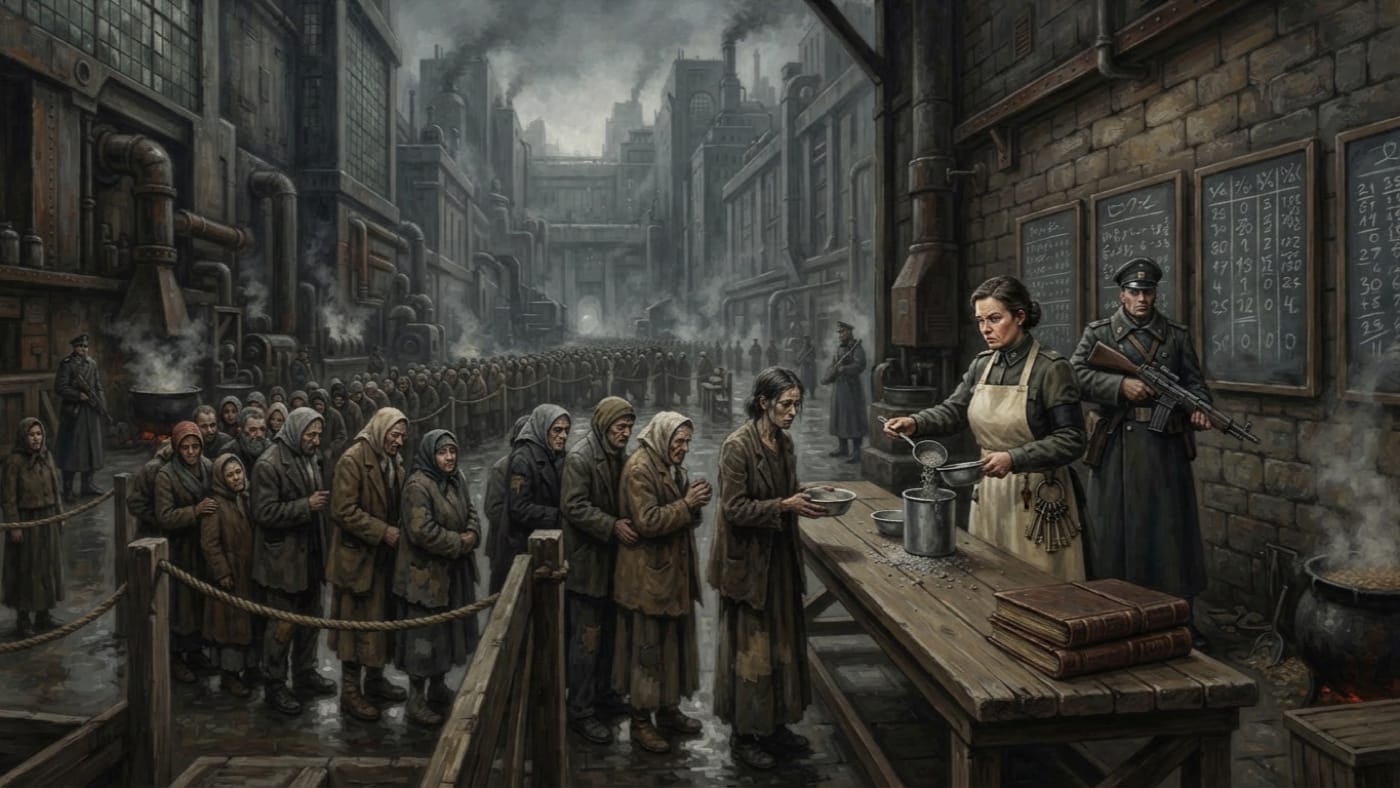
Breadfire Week
The ledgers burned; the guards remained
An A.S. 201 survey of Breadfire Week: ration halls burned in three unnamed bastion cities, records went with them, and the Mothers of Plenty gained guards and enforcement authority. The year remains disputed; the queue remains governed.
Codex Ref. VII.8.10-337
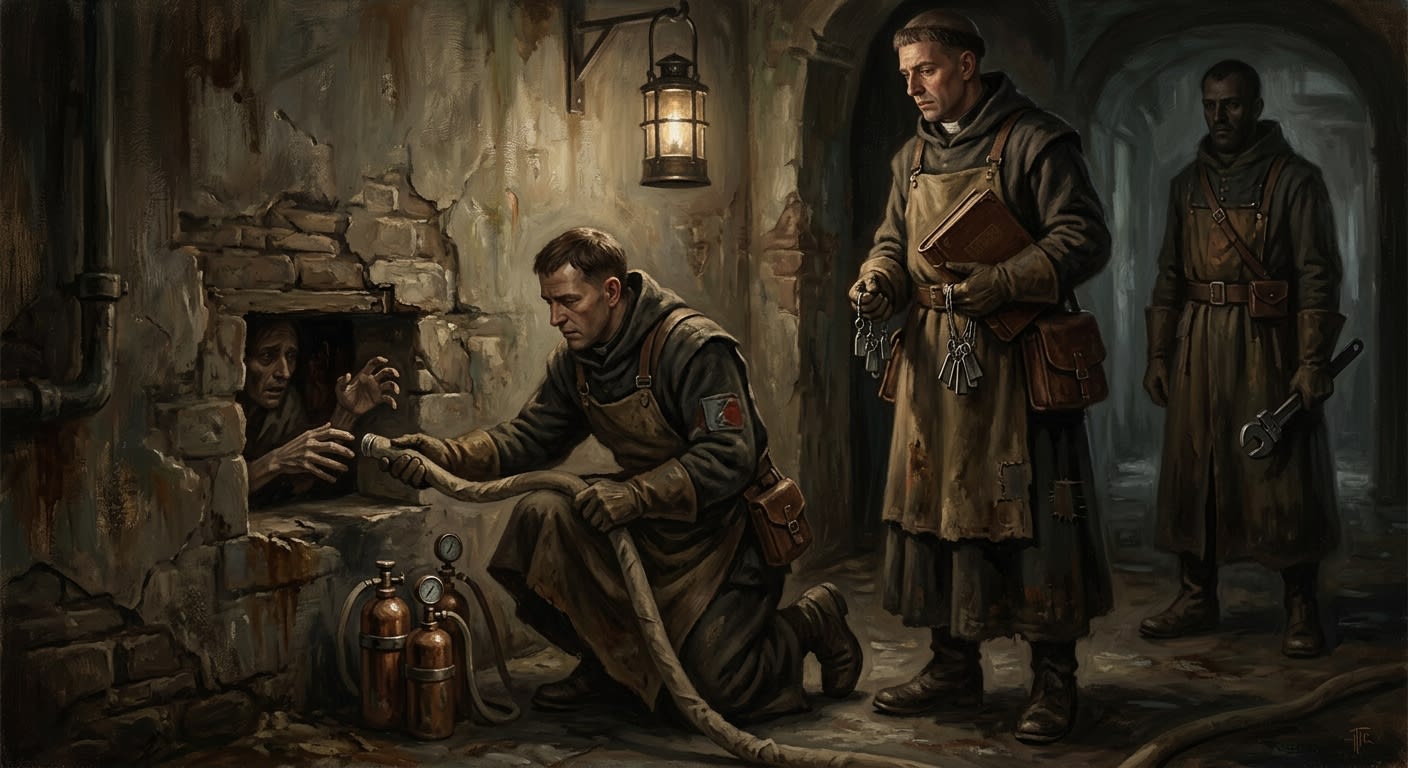
Breath-Givers
Another measure of air, never absolution
Denied merciful faction of the Immurement Masons, Breath-Givers sell hidden air through walls and call duration a lesson.
Codex Ref. XII.22.03-001
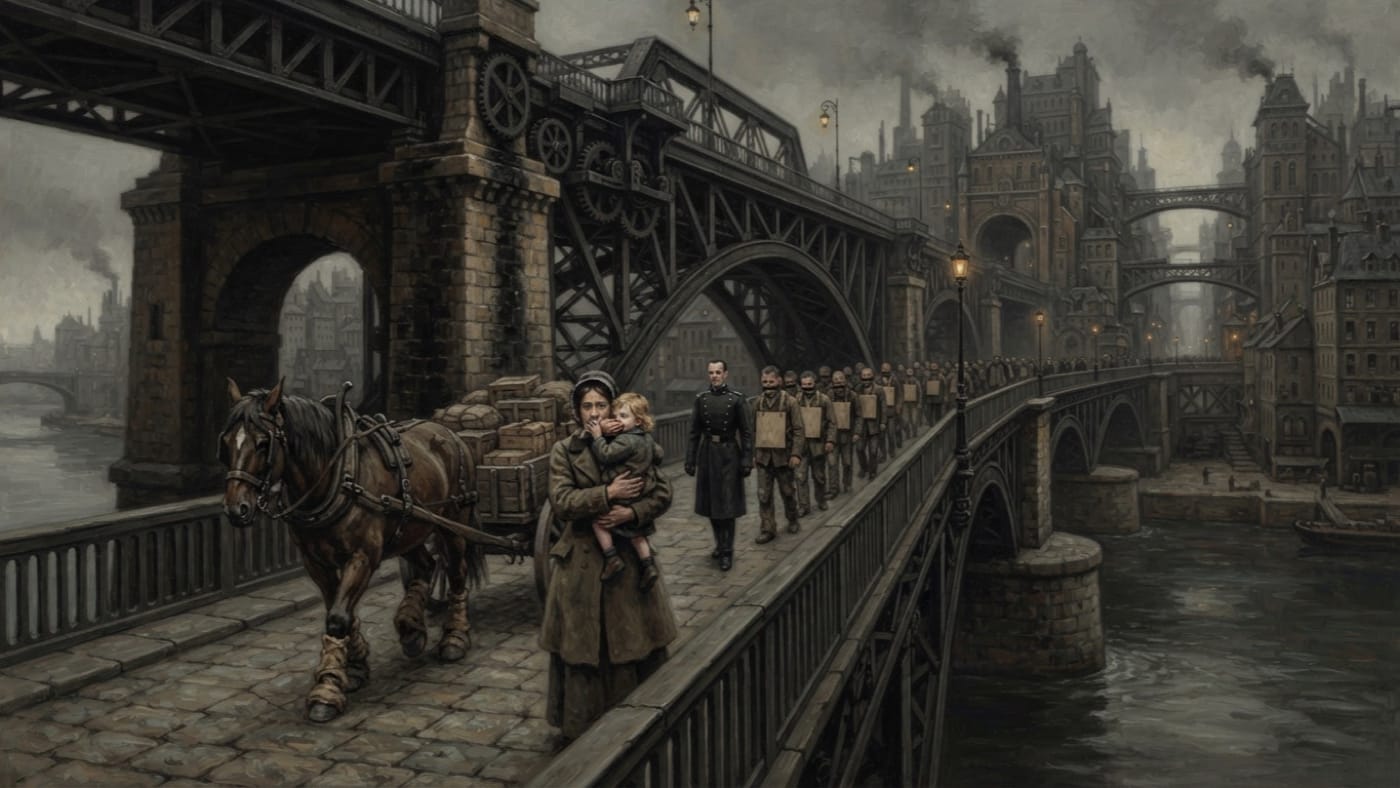
Bridge of the Silent Toll
Where silence pays and Purity speaks for the condemned
Metz's Bridge of the Silent Toll accepts silence instead of coin. Its rebuilt span carries muted travellers and the Toll of Held Speech; the masonry was corrected, the silence retained.
Codex Ref. II.1.05-002
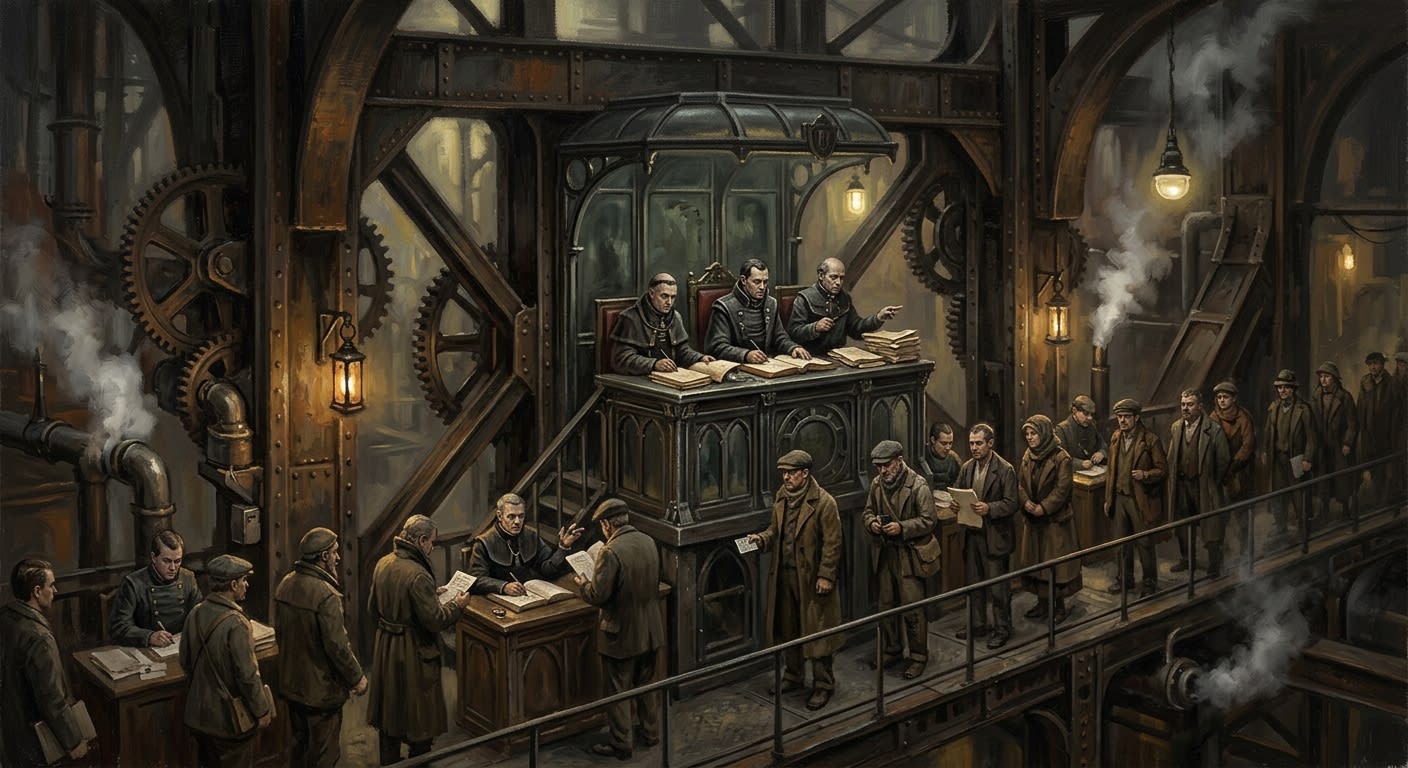
Bridge Tribunal
The court that made a crossing into a confession with traffic
The Bridge Tribunal of Bastion-Brest is the span-sovereign court that audits names, sins, crossings, and blank papers inside the Brass Ribs.
Codex Ref. VIII.1.07-001
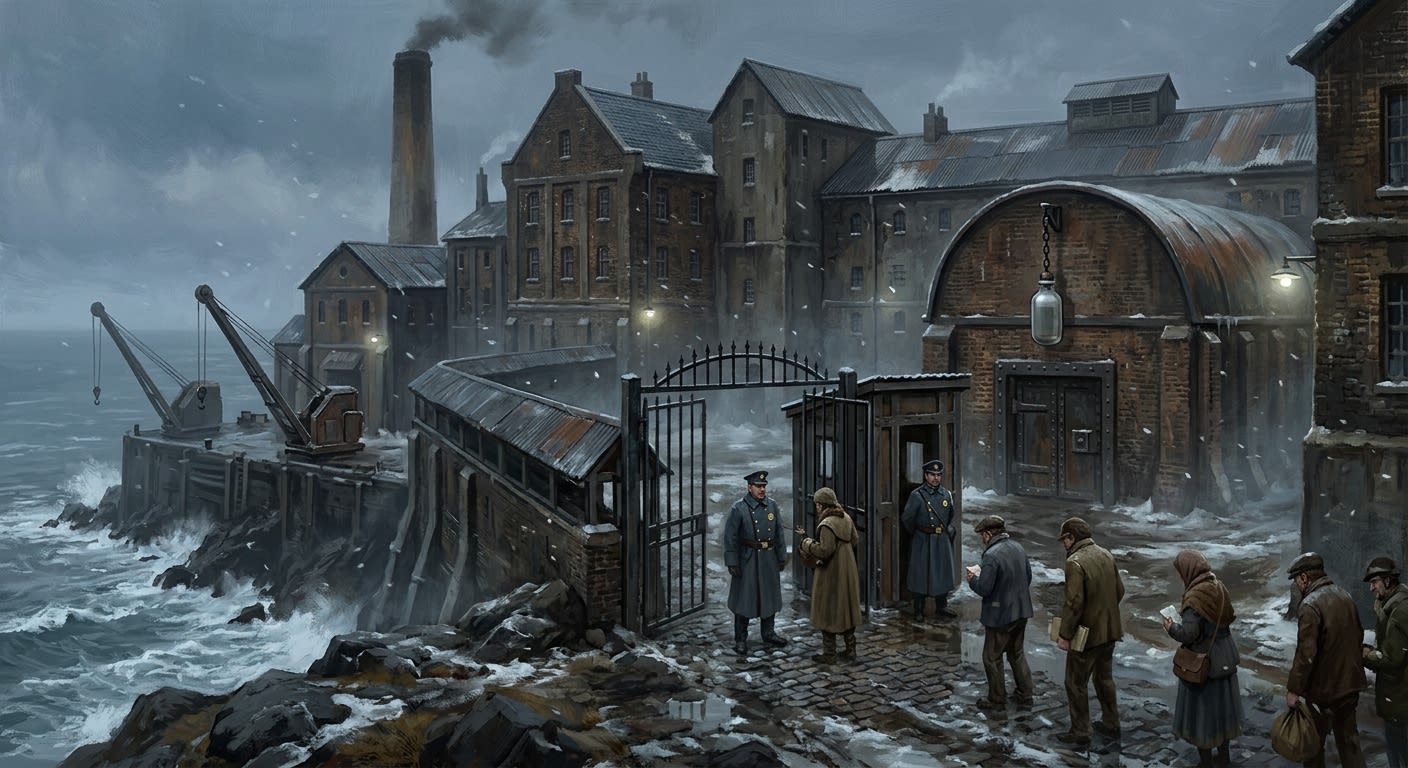
Brine Fork
Where three roads pay their grief before choosing a direction
Brine Fork is the Salt-Vigil island where winter roads divide, tolls become grief, and the Phial Cellar keeps the tears with better discipline than mercy.
Codex Ref. II.3.05-082
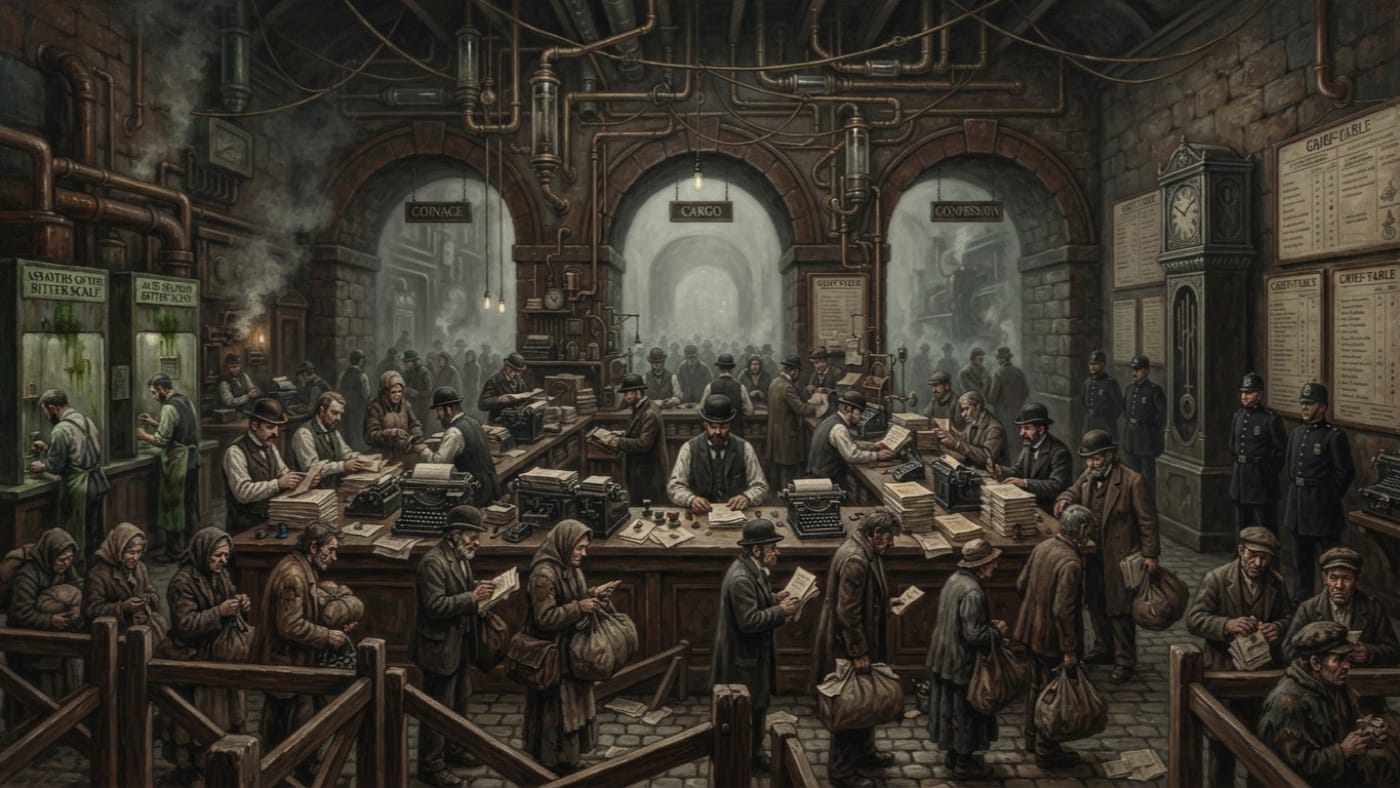
Broker Compact Council
A weight that has been measured can be made to wait
The Broker Compact Council governs Griefgate's lane priority, toll rates, paperwork speed and loss categories under joint Gate Chapter stewardship. Delay remains its most saleable mercy.
Codex Ref. VIII.4.04-201
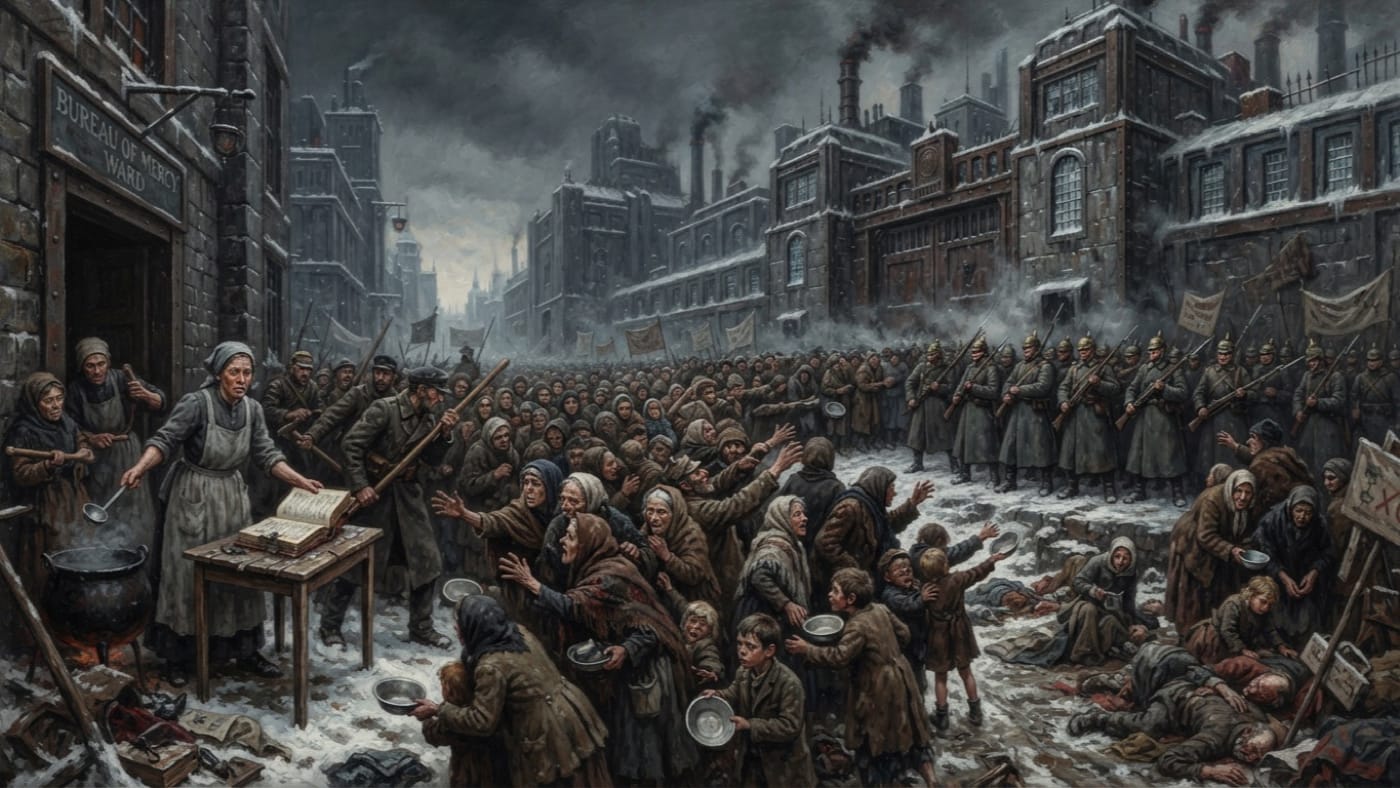
Broth Riots of A.S. 112
The hungry approached the granary; Mercy opened a ledger
The Broth Riots of A.S. 112 lasted eleven days: three hungry garrison populations sought grain; War supplied rifles, Purity arrests, and Mercy the Ledger Laws.
Codex Ref. VII.8.10-112
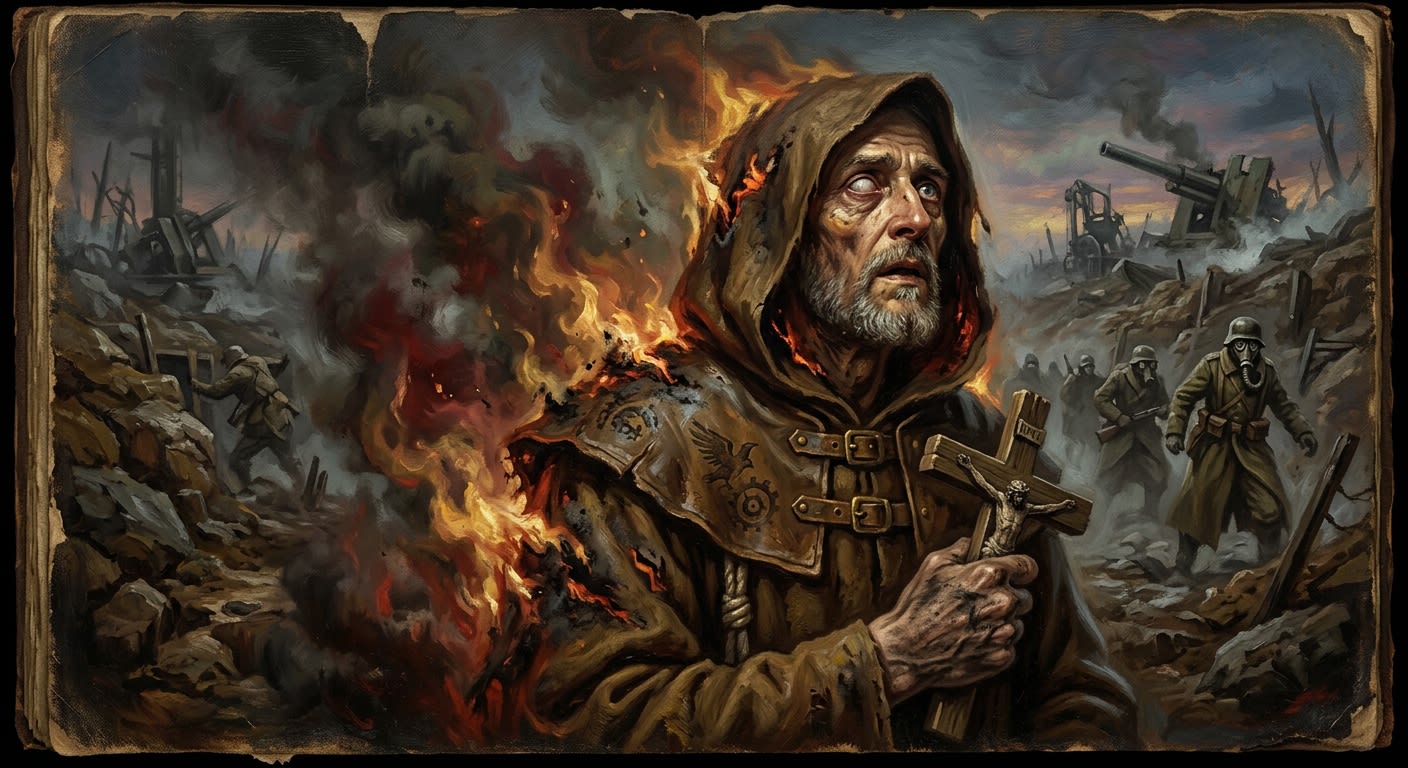
Brother Tomislav
The half-blind monk who lifted a reliquary and made Wrath recoil
Half-blind Franciscan, custodian by refusal, and instrument of the Miracle of Kalnik Ridge; consumed by sacred fire in A.S. 48, though the Bureau remains professionally unable to call him dead.
Codex Ref. III.2.01-004
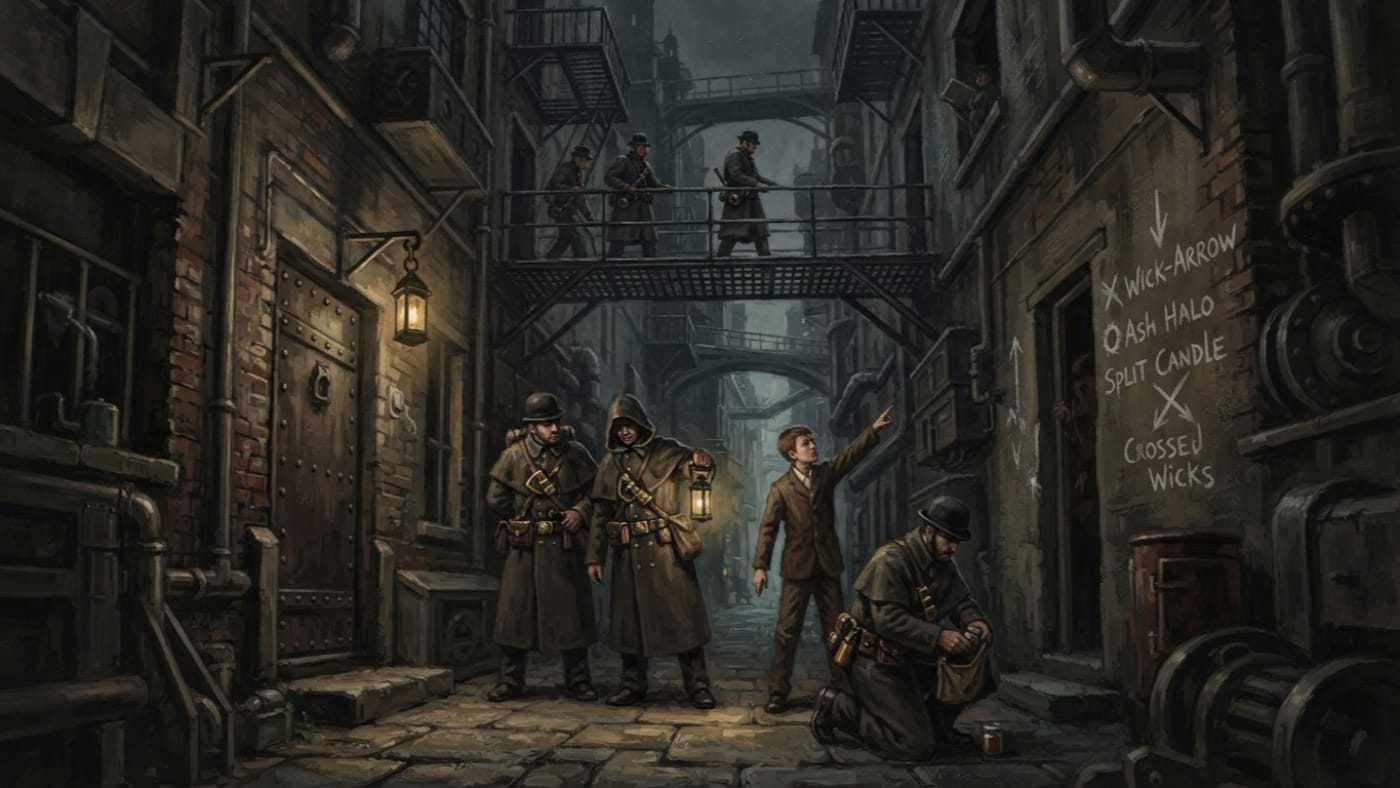
Brotherhood field manual
One page of wax paper, one night of memory, one minute at the lamp.
My A.S. 201 examination of the Brotherhood's disposable field leaf: five lantern signals, five street marks, the Triangle of Witness and proof too dangerous to carry past dawn.
Codex Ref. XII.25.11-201
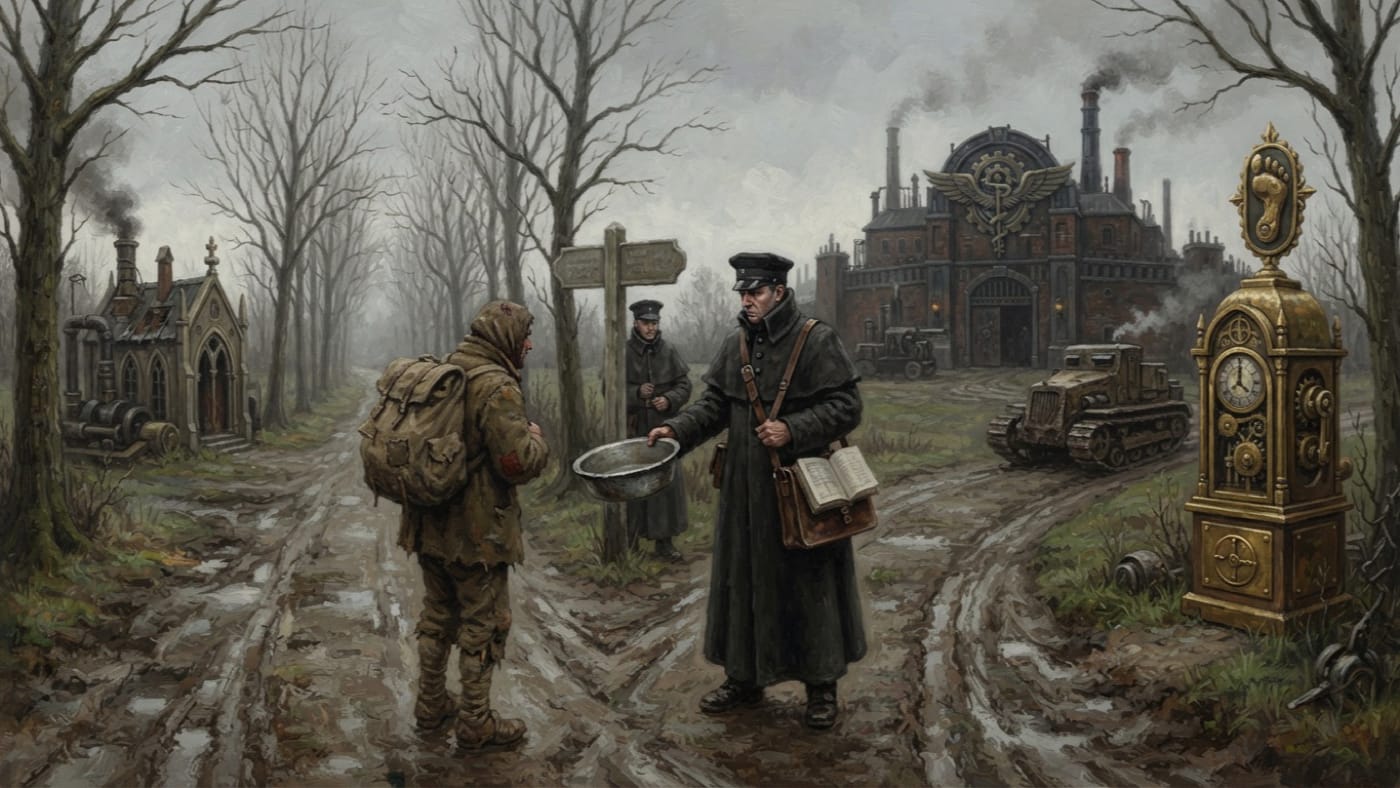
Brotherhood of the Blessed Foot
Flemish feet, private fees, and an audit into penitence
The Brotherhood of the Blessed Foot taxed Flemish pilgrims at crossroads it did not own, selling protection from unnamed threats until litigation, audit and the A.S. 123 Harmonized Routes Edict ended its independent authority.
Codex Ref. XI.5.01-123
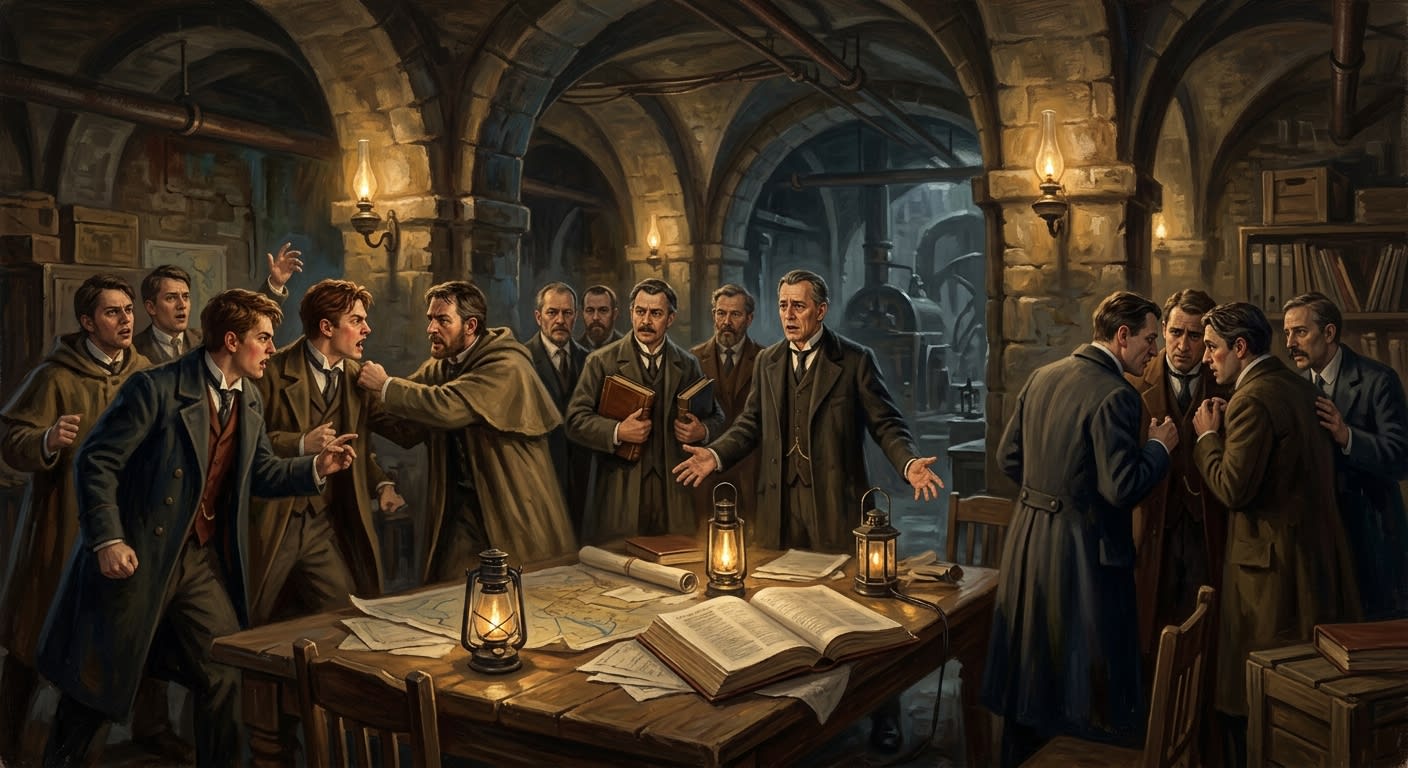
Brotherhood Schism of Cologne
Three lamps, one route slip, and a mercy too useful to remain innocent
A.S. 178 Cologne cellar fracture in which three Lantern Brotherhood watch circles split over Mercy Preacher complicity, birthing Purists, Loyalists.
Codex Ref. VII.8.10-045
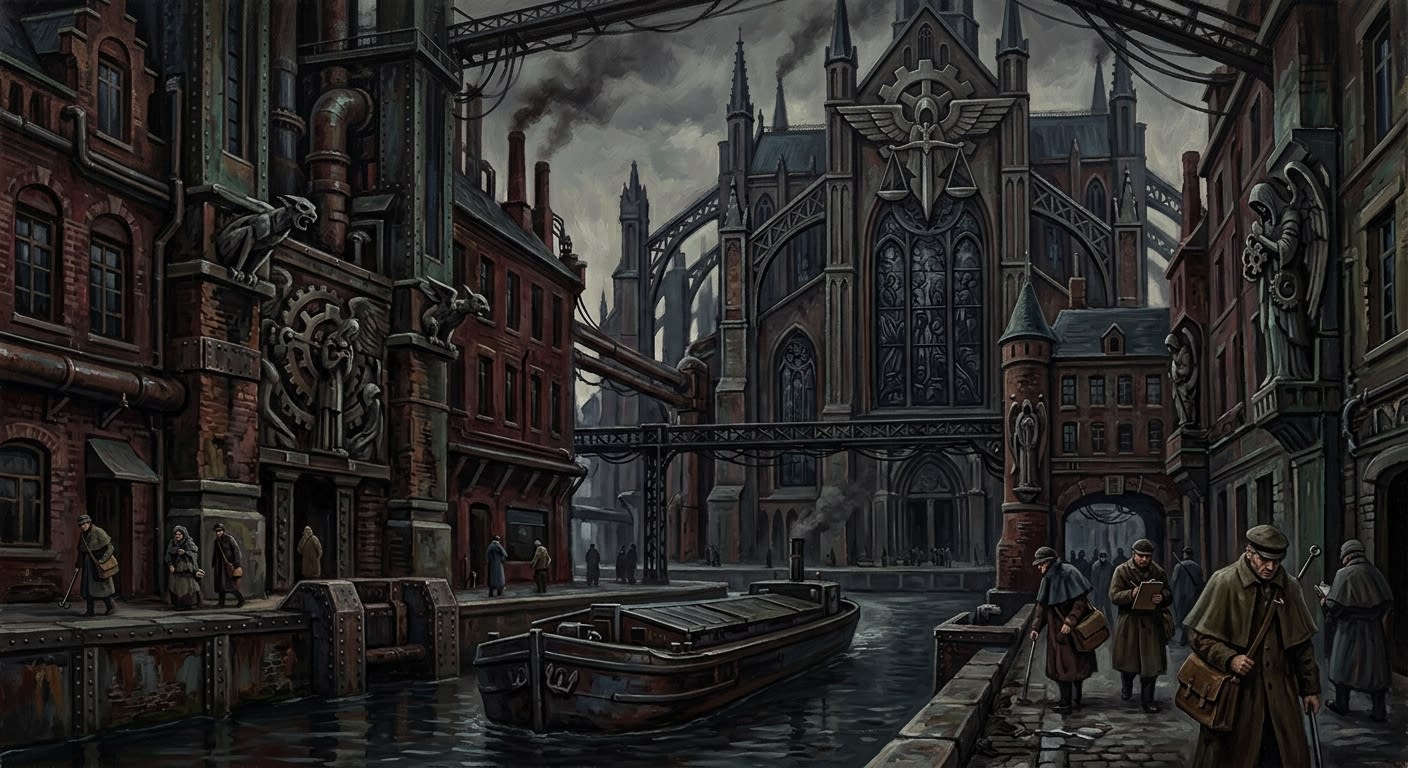
Bruges
Permit prosperity; audit beauty
Bruges is the Synod-held Lowlands city whose canals, colours, grotesques, relic glass, and impossible Tithes seal make beauty a recurring audit problem.
Codex Ref. II.1.04-058
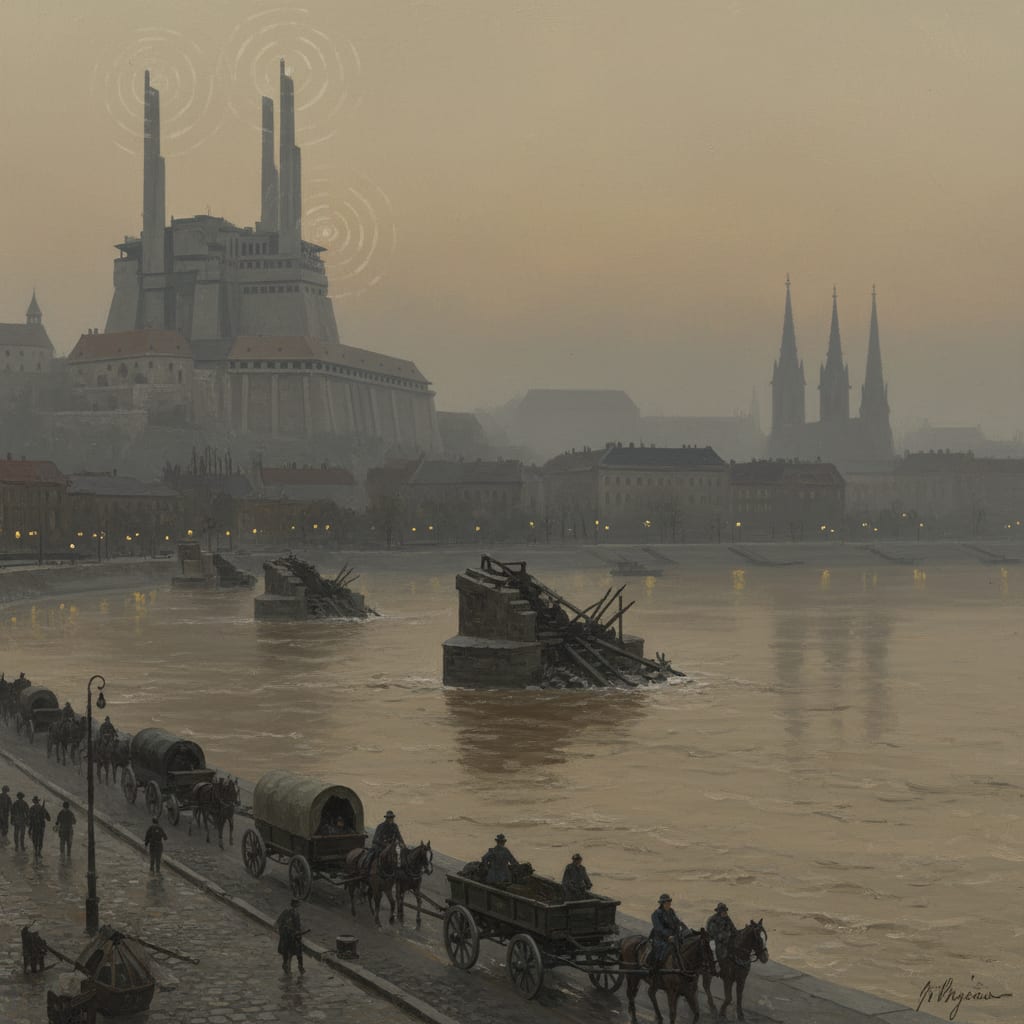
Budapest
The city the Danube cut in half, and the half that watches back
The largest city in the forward heartlands and the principal staging hub of the Central Corridor. 850,000 souls on the western bank, and something unaccounted for on the eastern. The Danube runs between them like a sentence the Bureau started and declined to finish.
Codex Ref. II.4.09-009
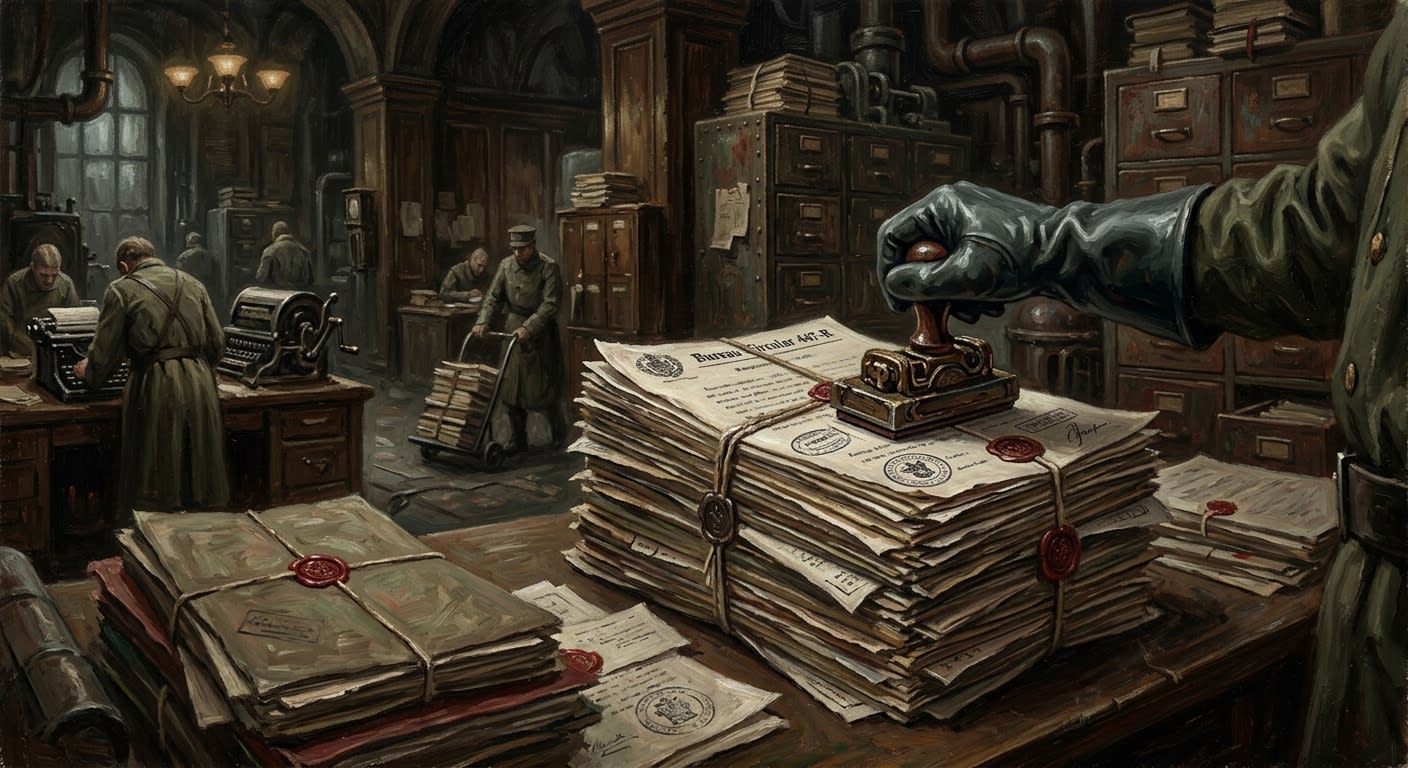
Bureau Circular 447-R
Four hundred and forty-seven words, none of them innocent
Bureau Circular 447-R denies the Codices Obscurae in exactly 447 words, each counted, sealed, revised, denied, and improved by fear.
Codex Ref. XIII.1.06-002
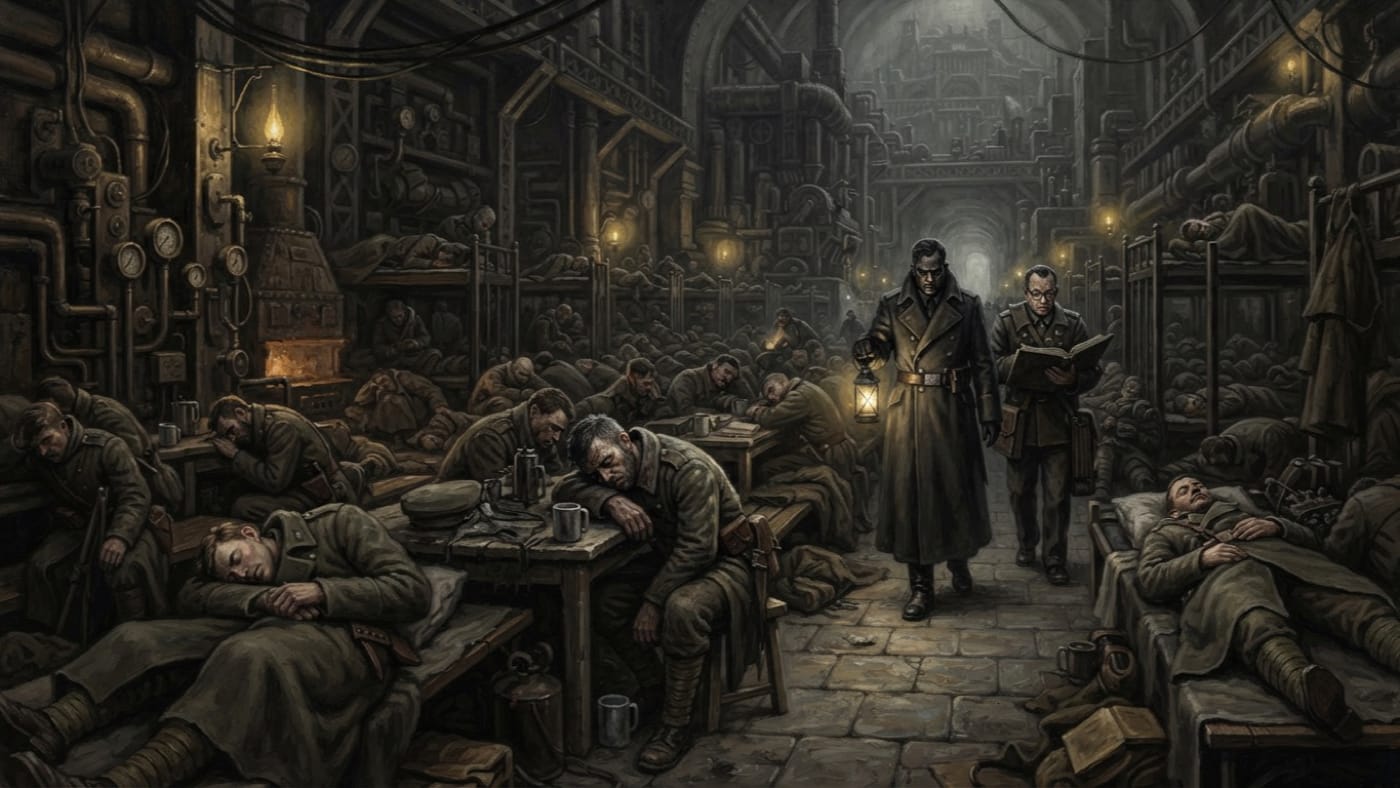
Bureau Circular 779-C
The intention to resume, invisible in the field.
Bureau Circular 779-C distinguishes rest from Sloth by the intention to resume labour. Doctrine acknowledges that the difference is invisible in the field, and leaves the field to manage it.
Codex Ref. XIII.1.07-779
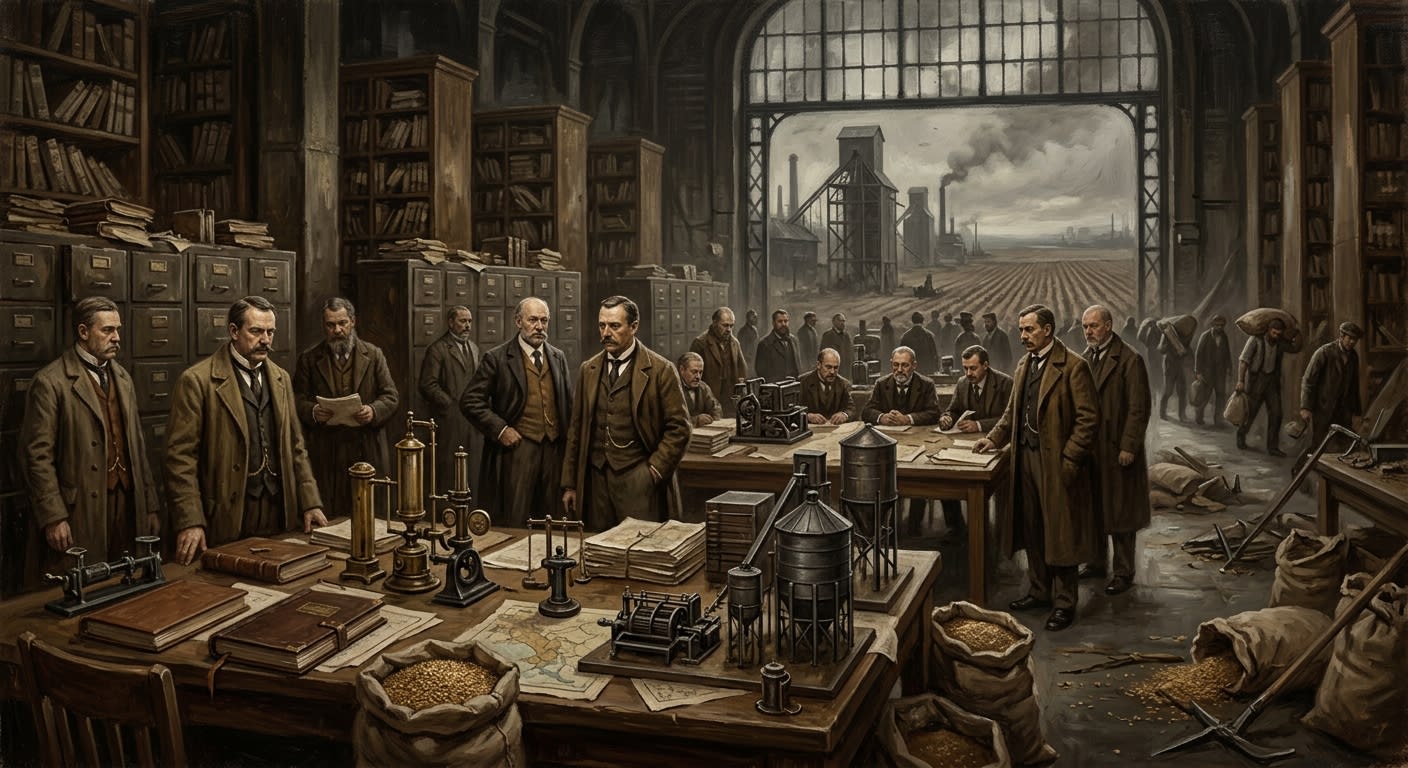
Bureau of Agriculture
The office that owned the wheat, but never the air inside the silo
The dissolved Bureau of Agriculture once governed seed, soil, yield, storage, and famine reports before the Weevil Year let Tithes inherit its grain authority.
Codex Ref. VIII.4.02-001
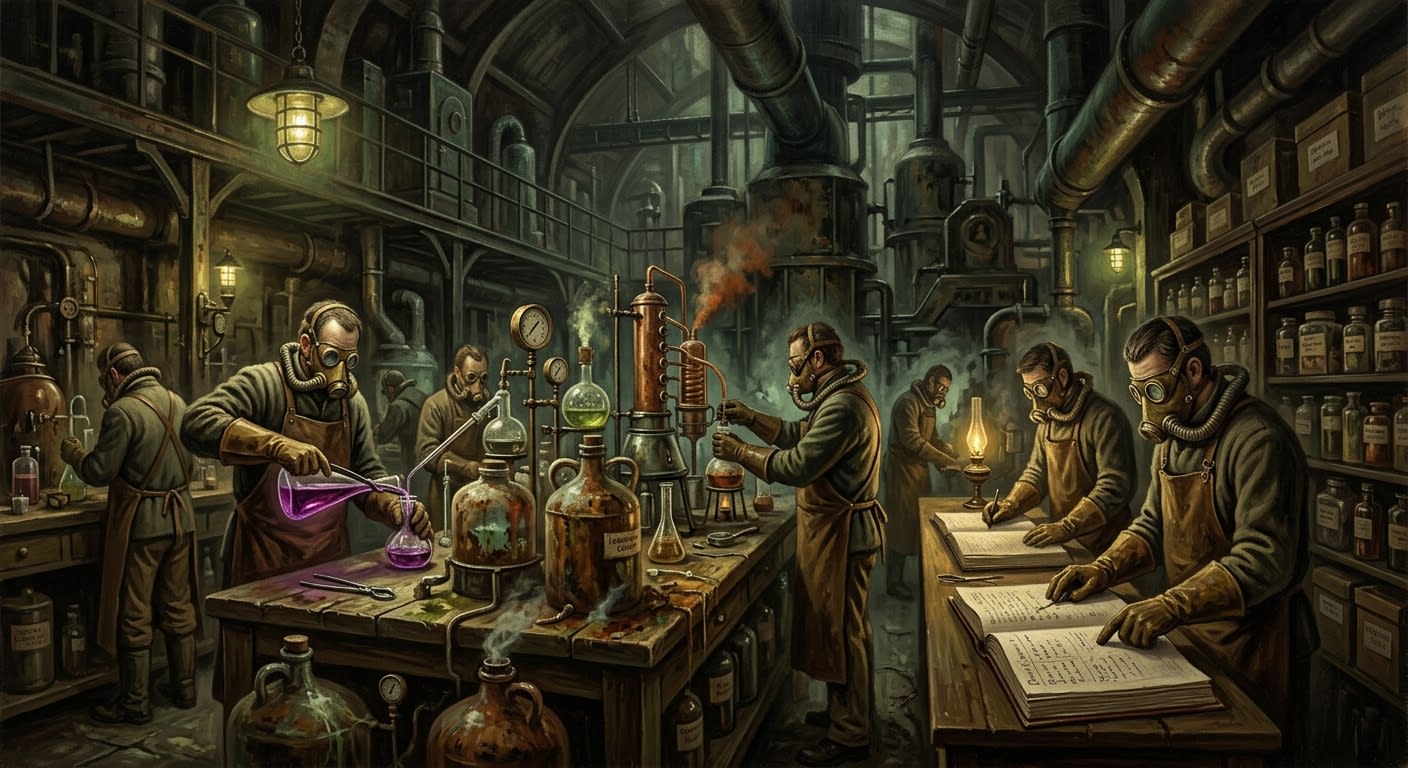
Bureau of Alchemical Standards
First the tongs, then the theology
The Bureau of Alchemical Standards tests the sacred for spoilage, classifies residues no sane clerk would touch, and gives terror a tolerable label.
Codex Ref. VIII.2.02-001
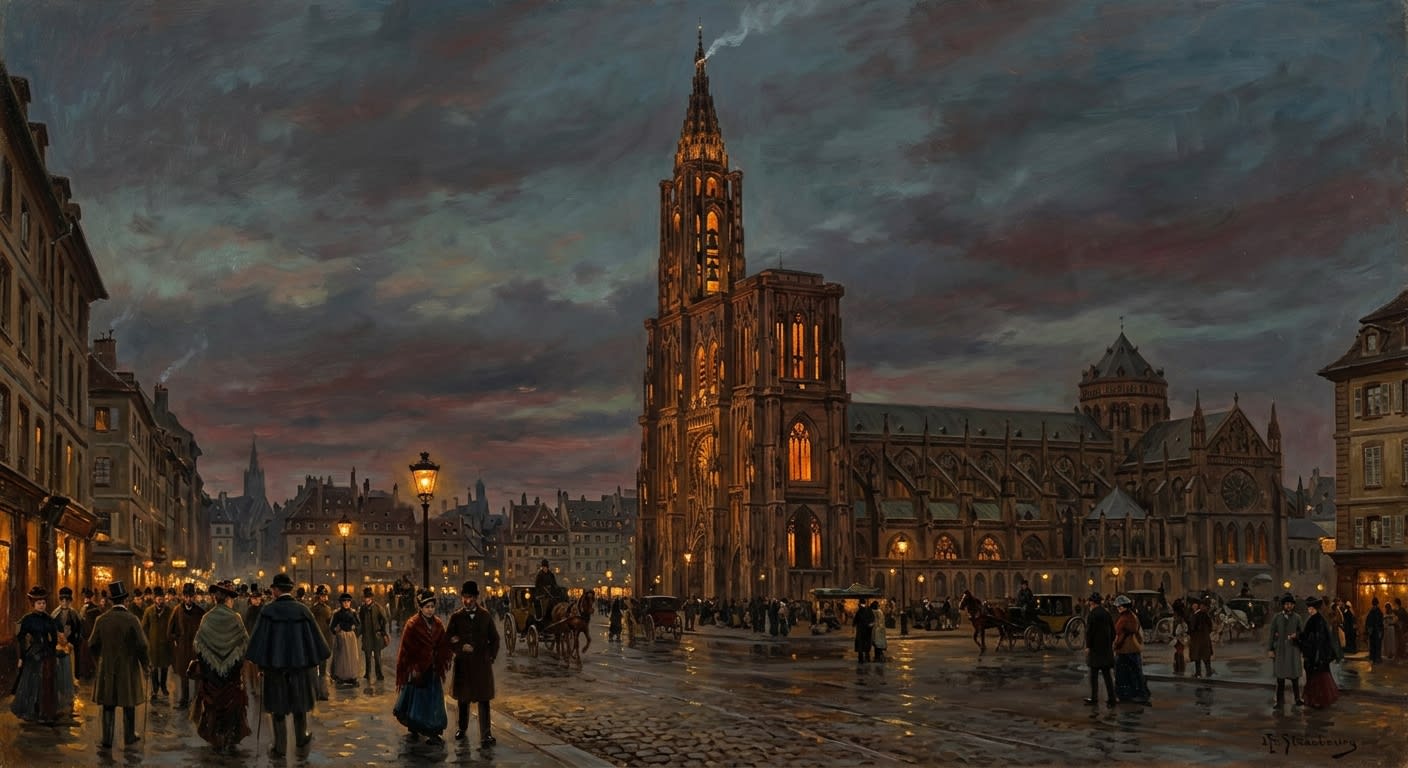
Bureau of Bells
Every hour is the Creator's hour. Every silence is His verdict.
The Bureau of Bells regulates every sacred peal from Calais to Constantinople — weapon, doctrine, and nervous system of the Theocracy, constituted A.S. 52 on the authority of a miracle that cracked the cobblestones.
Codex Ref. IV.3.01-012
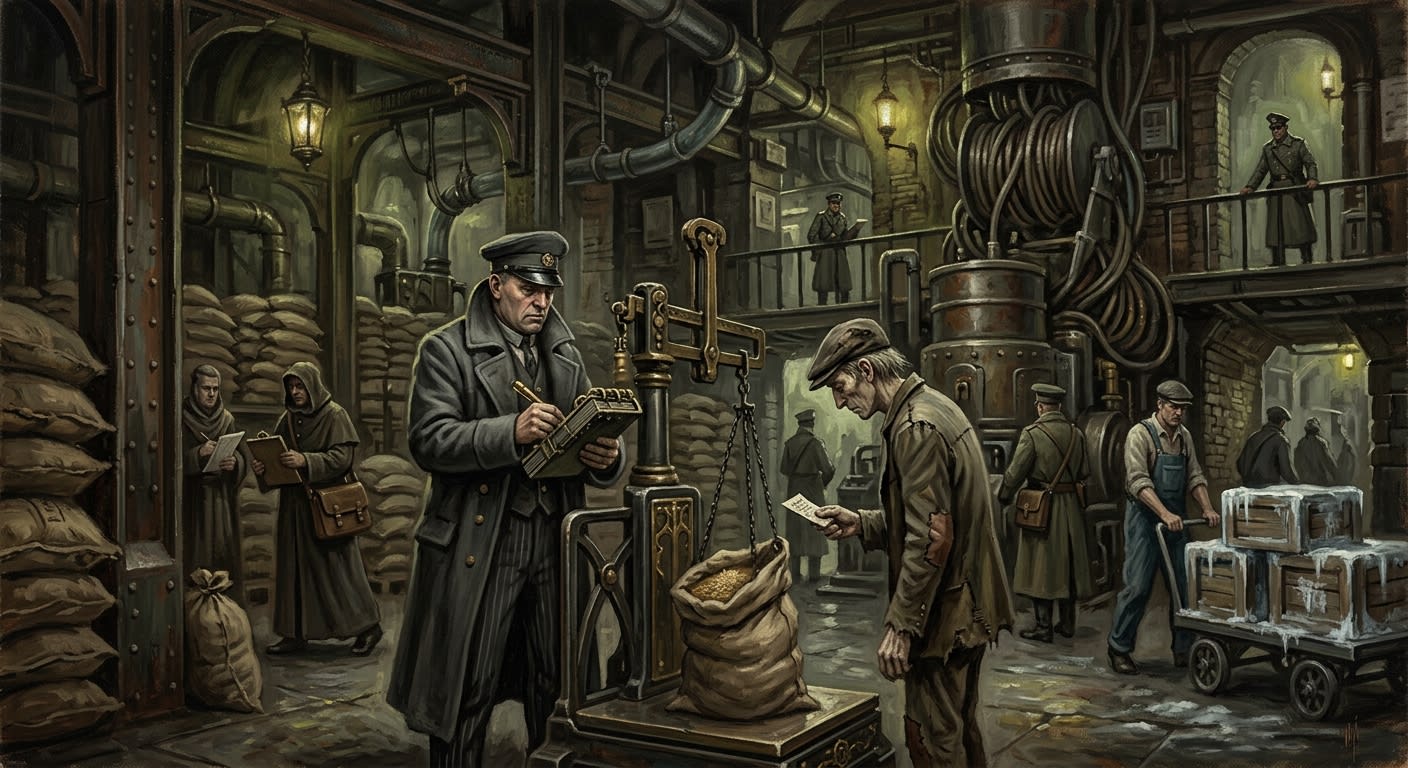
Bureau of Commerce
Bread becomes law before it becomes bread
The Bureau of Commerce prices obedience: weighing grain, freezing cargo, selling road-sound, licensing shortage, and making hunger kneel before the scale.
Codex Ref. VIII.2.10-097

Bureau of Concord
Harmony, filed with teeth
The Bureau of Concord preserves peace by translation, delay, treaty custody, foreign grievance, and the elegant violence of a pending clause.
Codex Ref. VIII.1.05-090
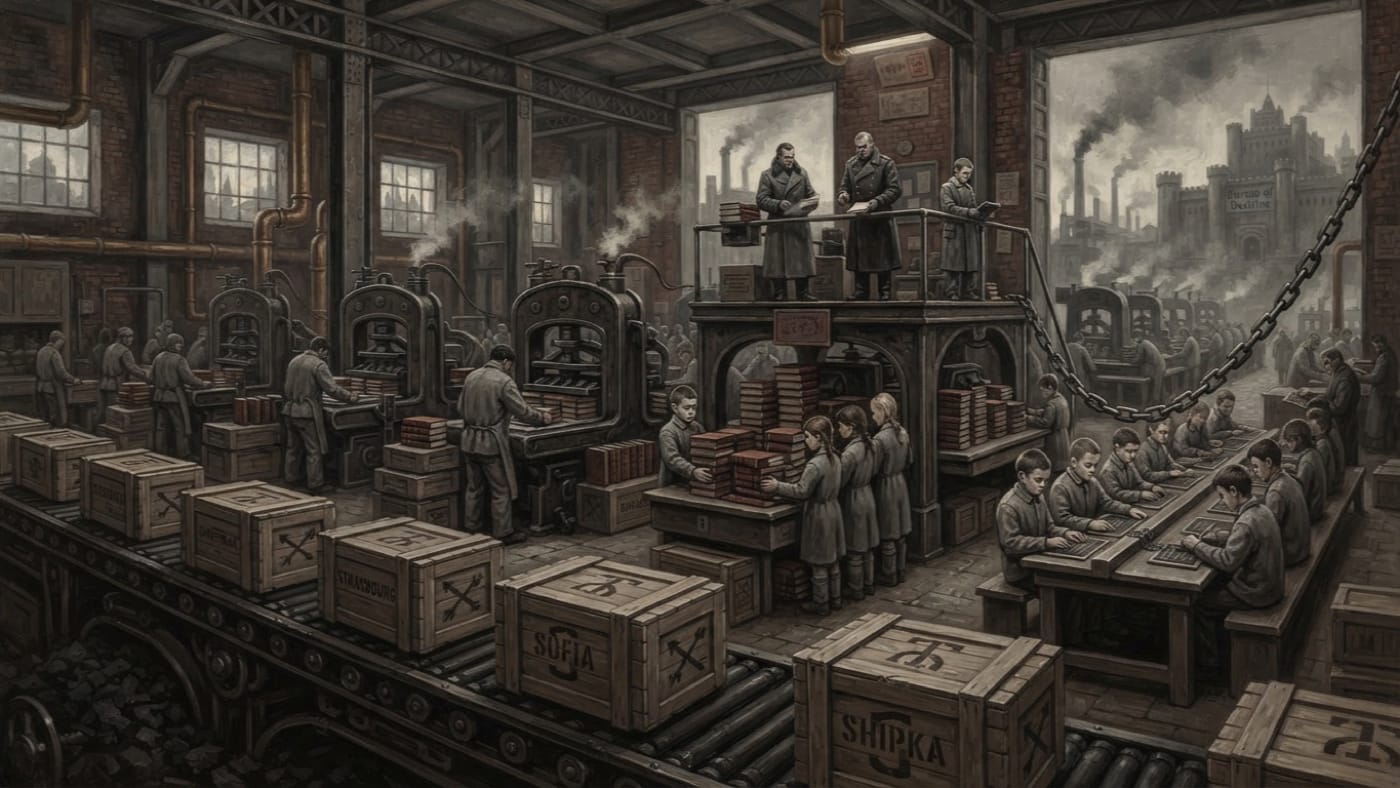
Bureau of Education
Doctrine supplies the meaning. Education supplies the crates.
The Bureau prints the same catechism for Strasbourg, Sofia, and Shipka. Doctrine supplies the meaning; Education supplies the crates. The North teaches its children without waiting for either.
Codex Ref. VIII.8.02-001
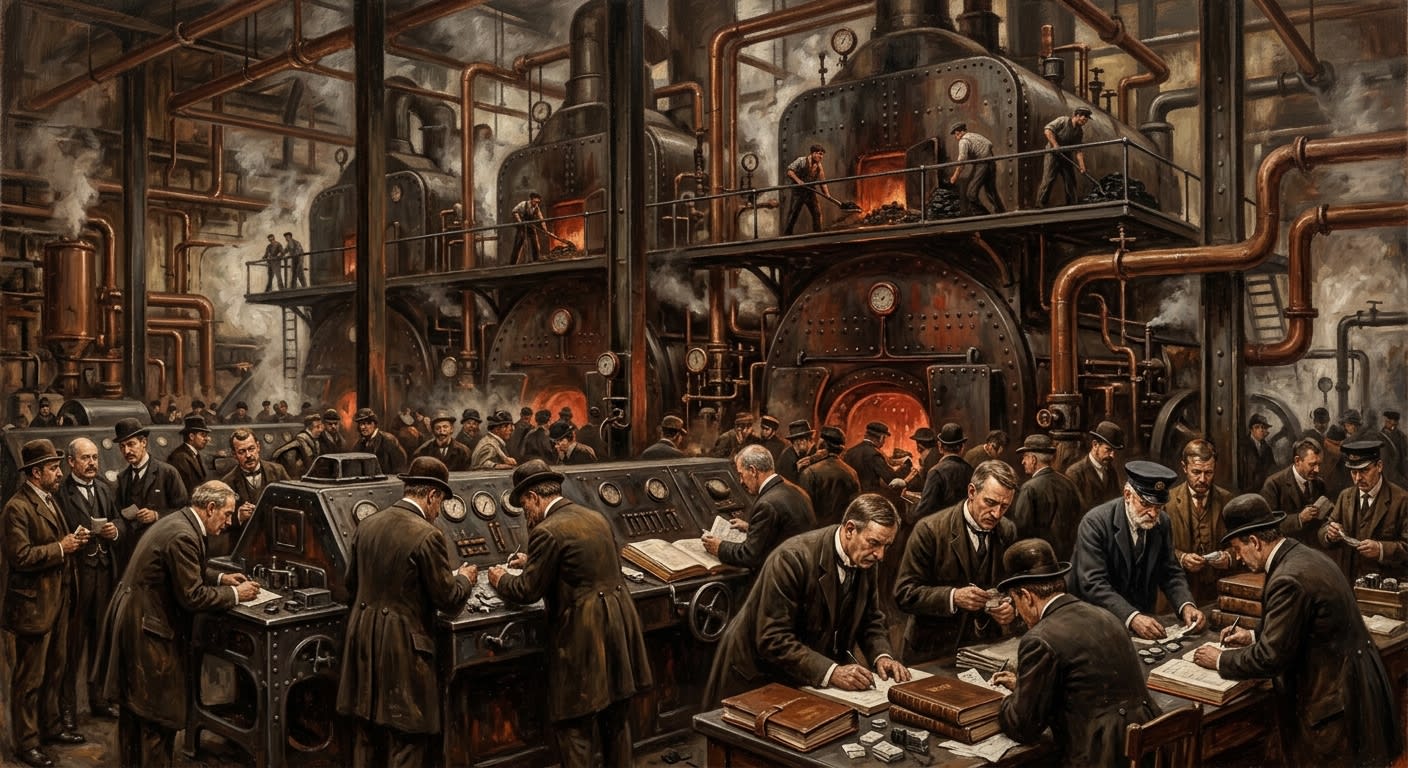
Bureau of Engines & Furnaces
The furnace burns because it must, and someone must invoice the flame
The Bureau of Engines & Furnaces governs the Synod's hot machinery: fuel allowances, furnace discipline, wound-site yield, pressure systems, and every boiler too useful to condemn.
Codex Ref. VIII.2.02-001
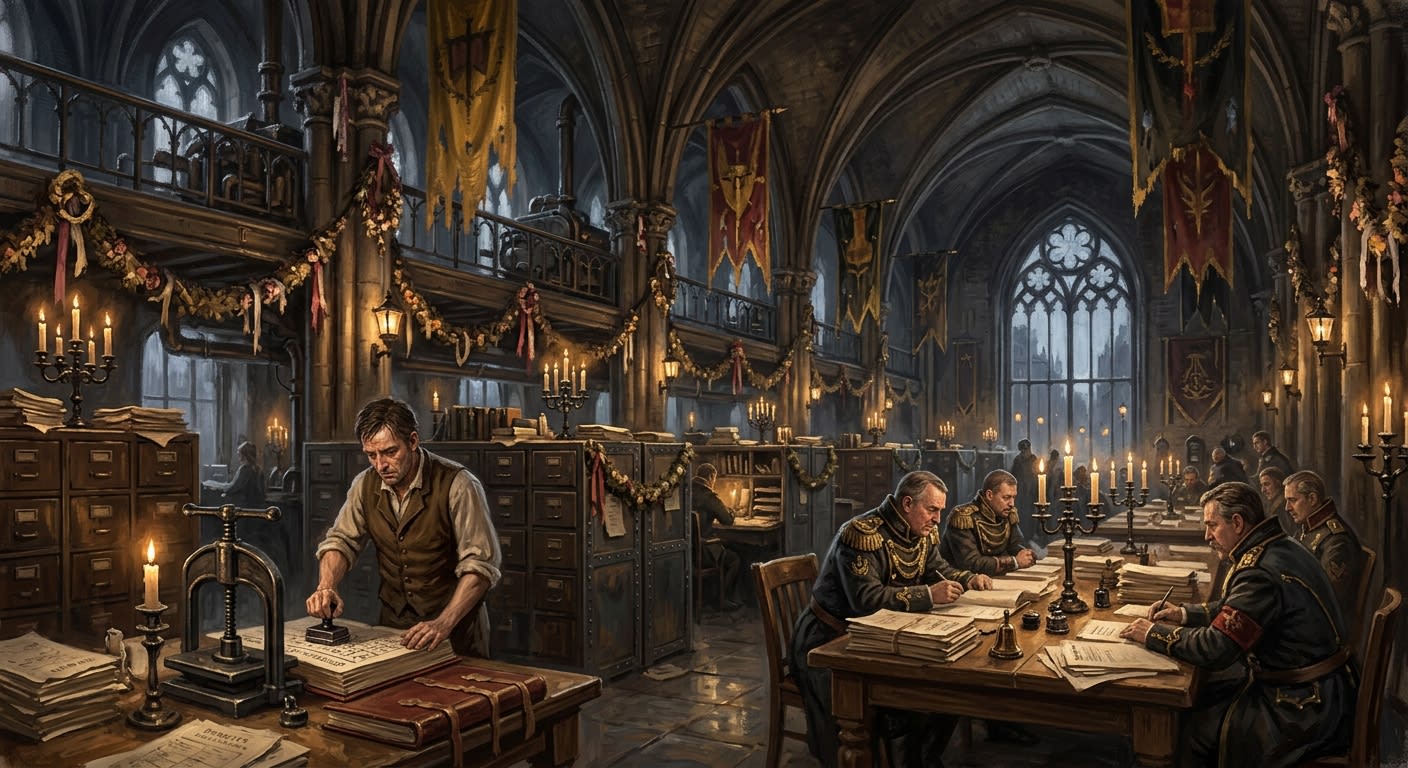
Bureau of Festivals
Joy, administered at scale — licensed, measured, and periodically revoked
The Bureau that manufactures joy, schedules grief, and meters celebration with the same rigour the Bureau of War applies to troop rotations — and which has, on seventeen documented occasions, deployed confetti.
Codex Ref. VIII.5.01-001
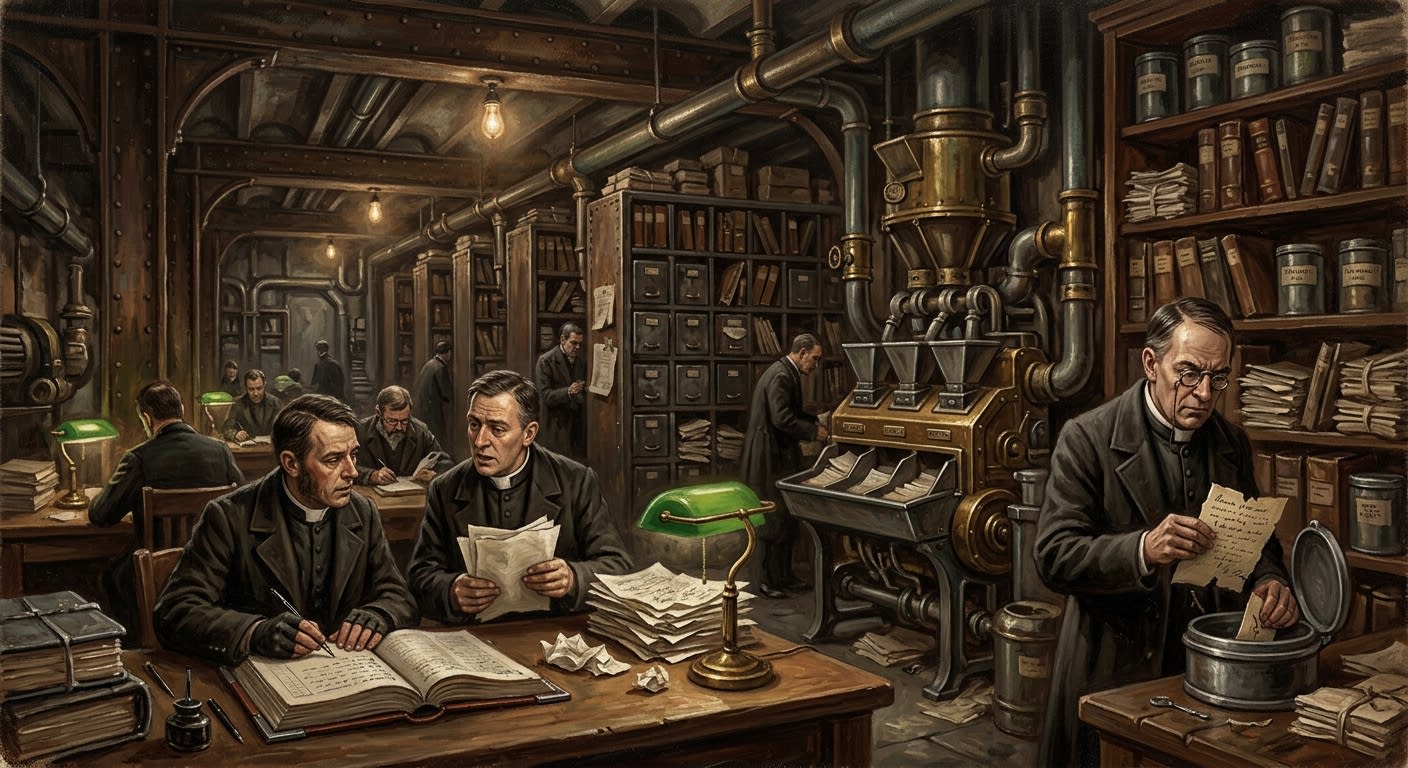
Bureau of Hearsay
Copy the ugly sentence before a cleaner office teaches it to lie
The Bureau of Hearsay preserves rumour before proof can disinfect it: tavern scraps, trench gossip, enemy jokes, and every ugly sentence that later becomes doctrine.
Codex Ref. VIII.8.02-112
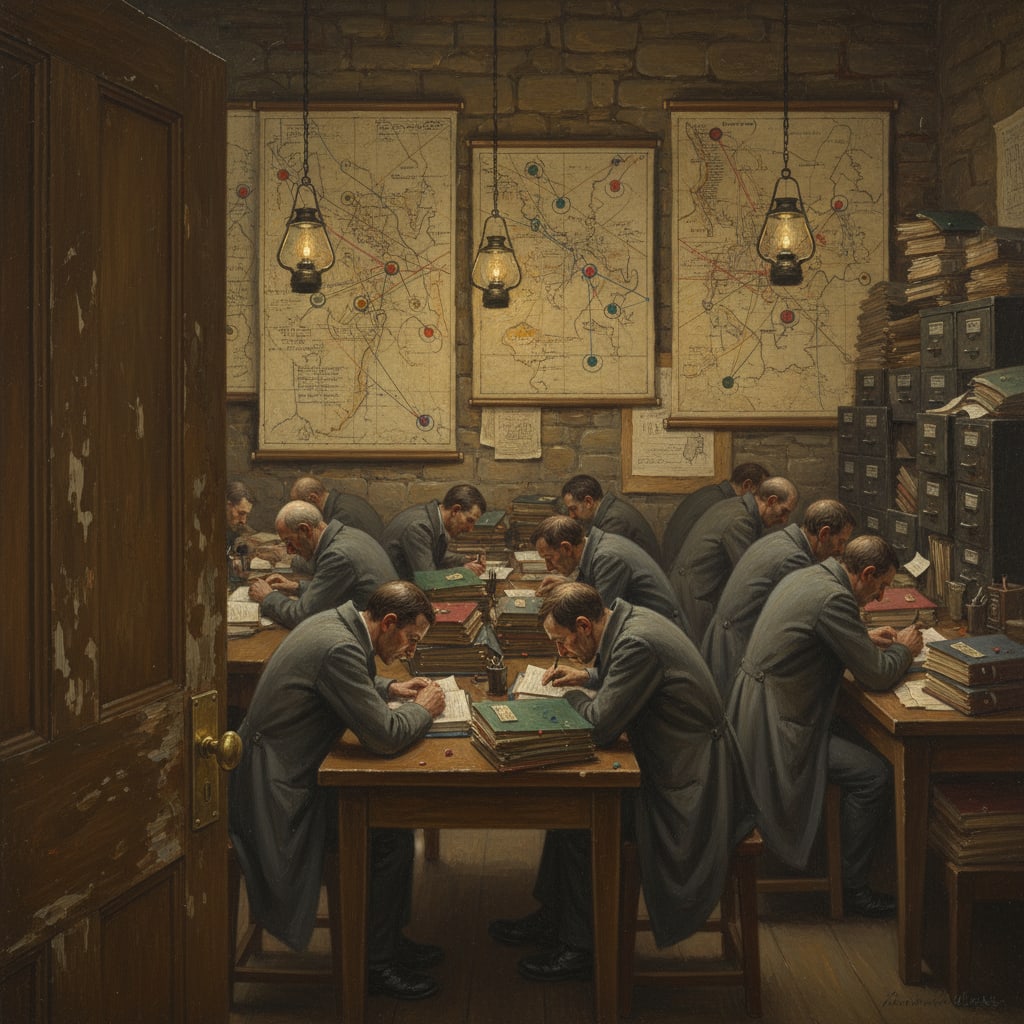
Bureau of Inter-Infernal Analysis
Fourteen analysts, three rooms, one assumption; the Line holds because the assumption holds
The Bureau that watches Hell watch itself — fourteen analysts cataloguing the rivalries among the Seven Sin-Generals, amplifying their feuds, and verifying quarterly that spite remains the Sagittal Line's most reliable load-bearing element.
Codex Ref. VIII.7.01-001
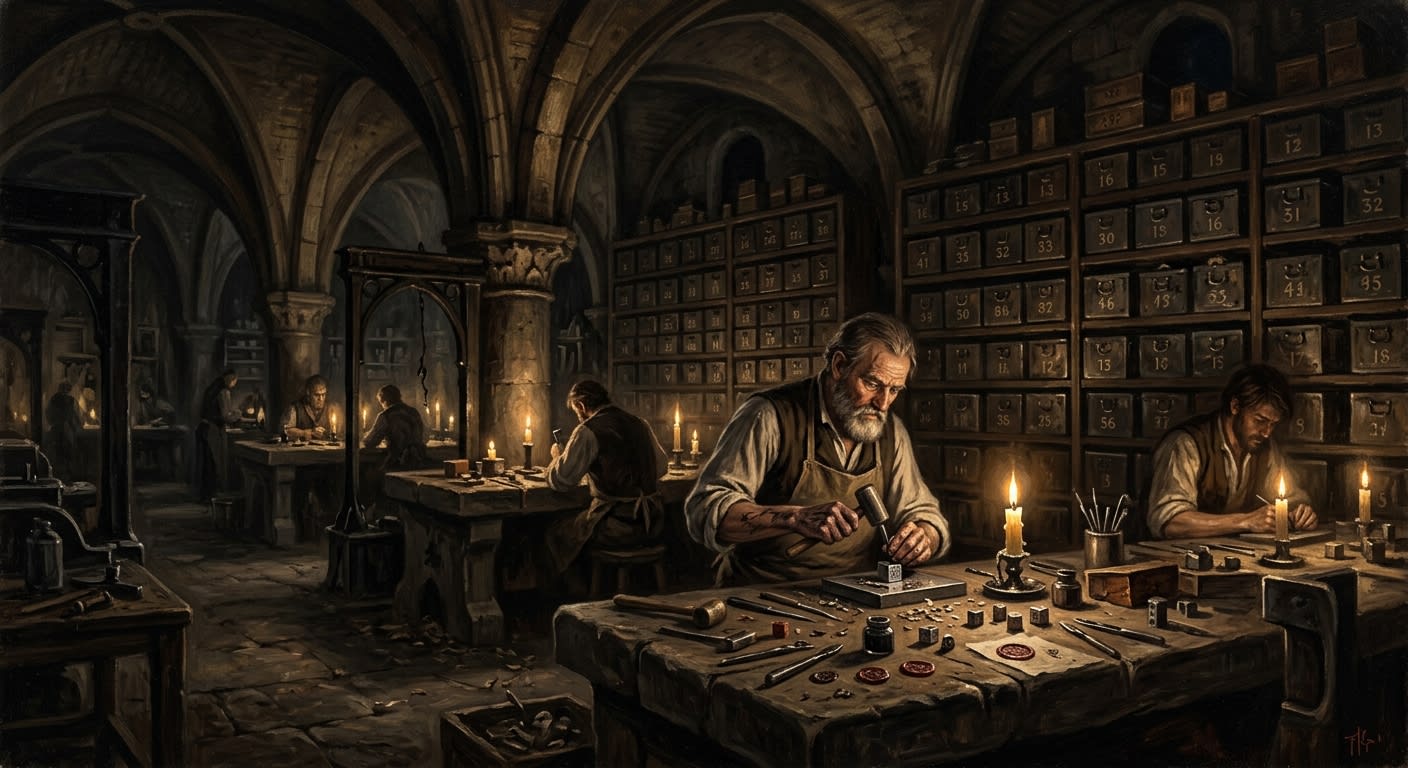
Bureau of Masks and Seals
The stamp is the Synod. Everything else is suggestion.
The Bureau of Masks and Seals controls every stamp, seal, and counter-seal in Synod territory. Without its impressed wax, no document is real. Without its license, no face may be hidden. Casselius of Mainz holds the Synod's mouth and press in one pair of ink-stained hands.
Codex Ref. VI.4.19-014

Bureau of Medicine
It measures. It classifies. It declines.
The Bureau of Medicine is not, technically speaking, a Bureau. It is something more dangerous: an institution that measures everything and recommends nothing, staffed by people who have read every report and arrived at conclusions they will not share.
Codex Ref. XII.7.09-044
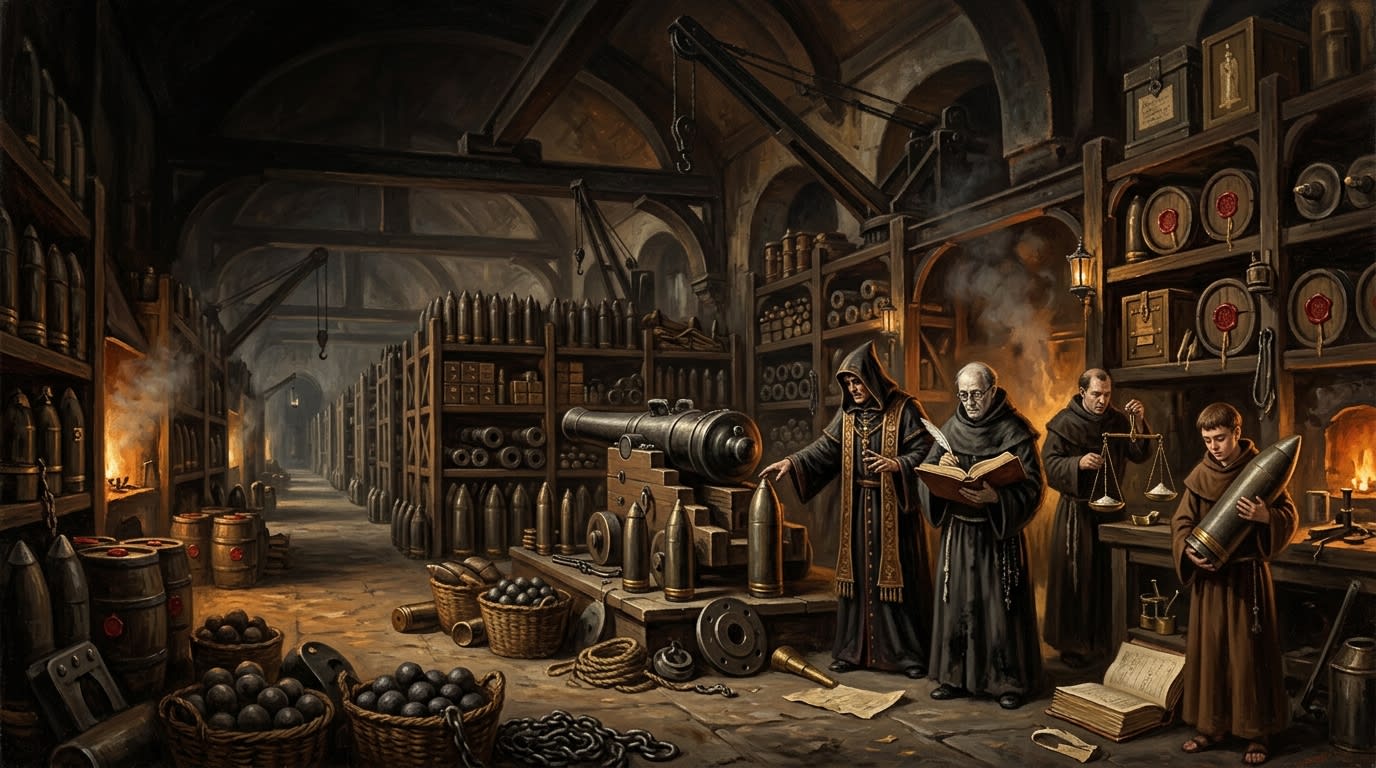
Bureau of Ordnance
No violence is lawful until inventory permits it
The Bureau of Ordnance blesses powder, counts shells, seals fuel, restrains officers, and teaches matter to obey violence only after the Ledger consents.
Codex Ref. VIII.2.11-090
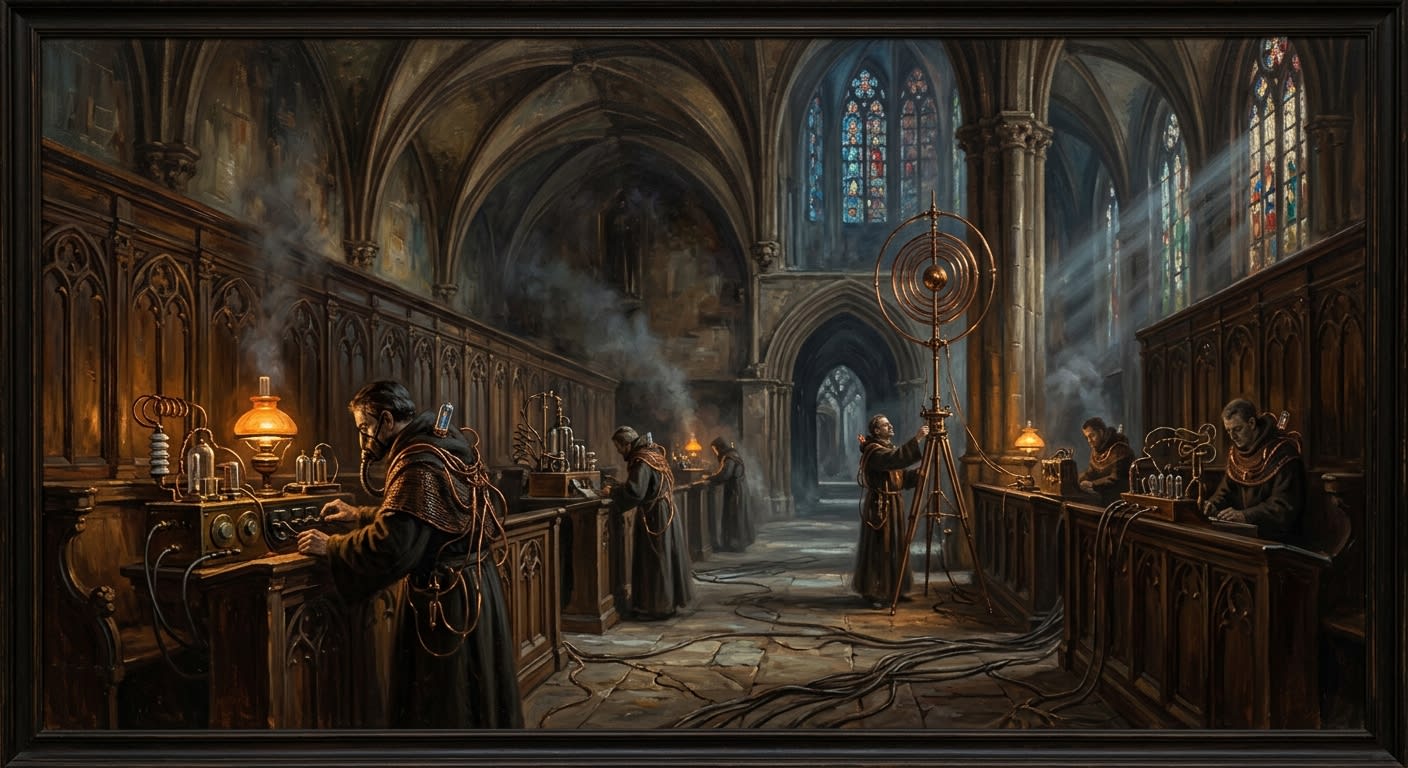
Bureau of Orison and Song
The only Bureau that can kill you with a hymn.
The Bureau of Orison and Song governs every hymn, broadcast, and weaponised voice in the Synod's arsenal — from the Master Hymnal Plates at Strasbourg to the Dustcasters of the Line, to the Sunken Choir whose throats have been converted into instruments of war.
Codex Ref. VI.3.12-042
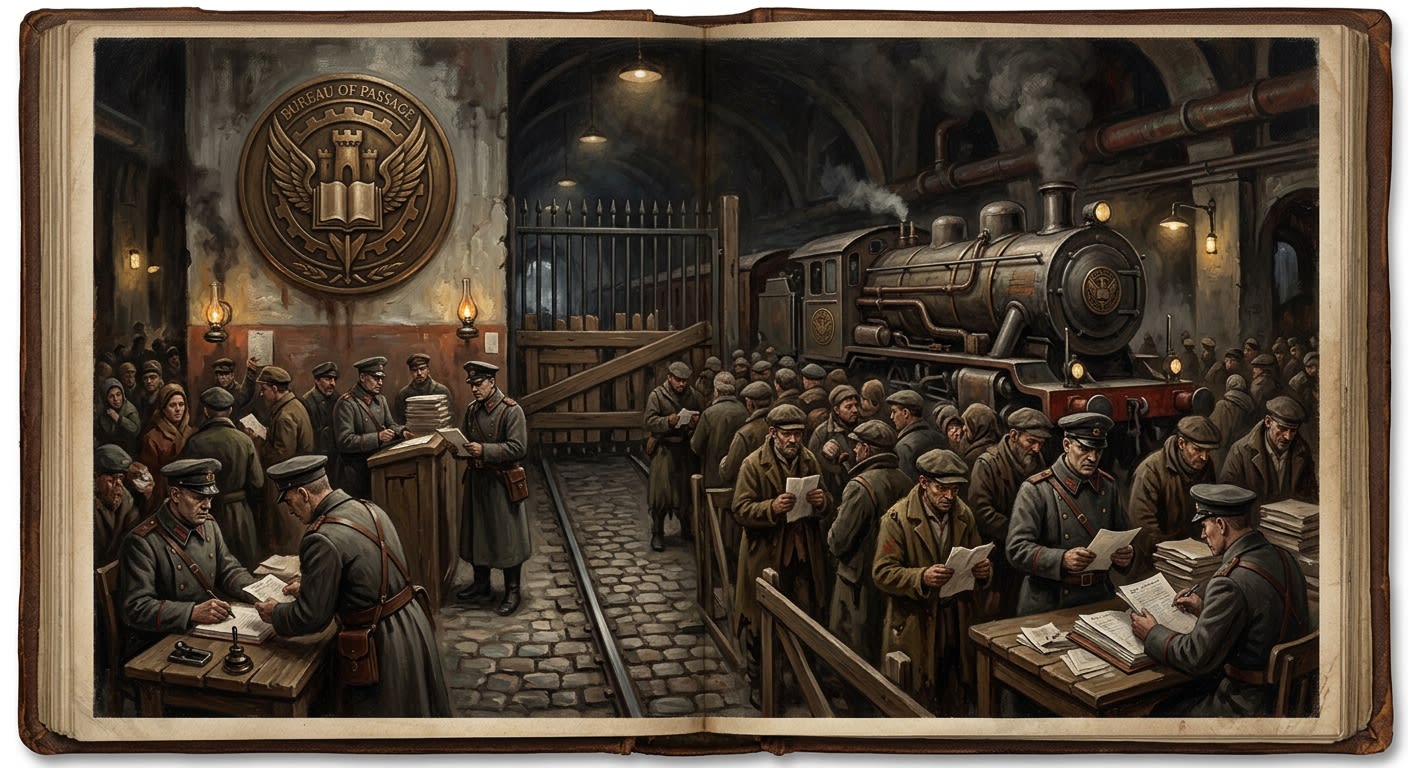
Bureau of Passage
The hand at the gate, ink-stained and pleased with itself
The Bureau of Passage owns the sacred interval between wanting to move and being permitted to do so; every road becomes doctrine where its seal descends.
Codex Ref. VIII.2.07-001
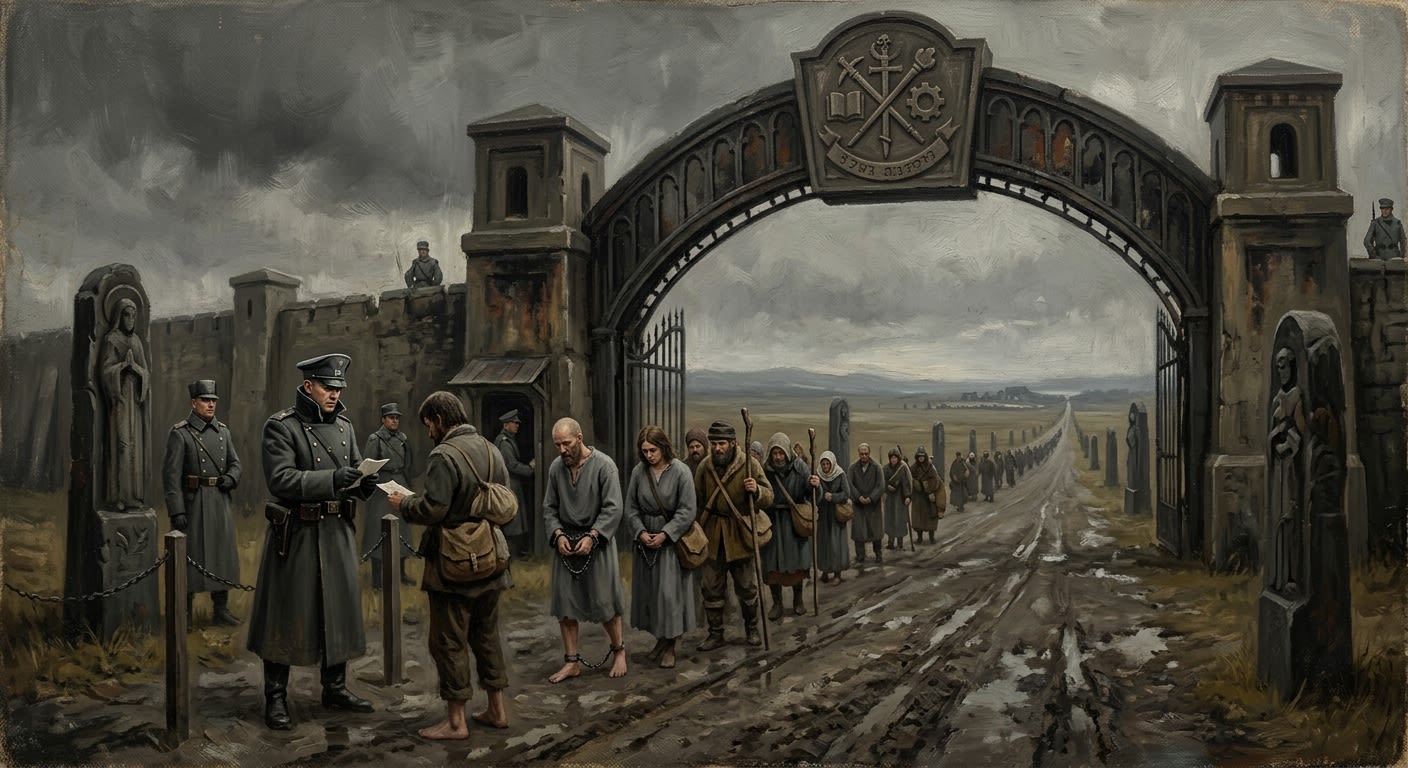
Bureau of Pilgrimage
Three million permits. Six million Crowns. No foot moves unwatched.
The Bureau of Pilgrimage governs all movement across the Theocracy's holy roads — issuing tokens, licensing routes, crushing guilds, and extracting revenue from every soul who dares to walk toward sanctity without prior authorisation.
Codex Ref. III.2.07-004
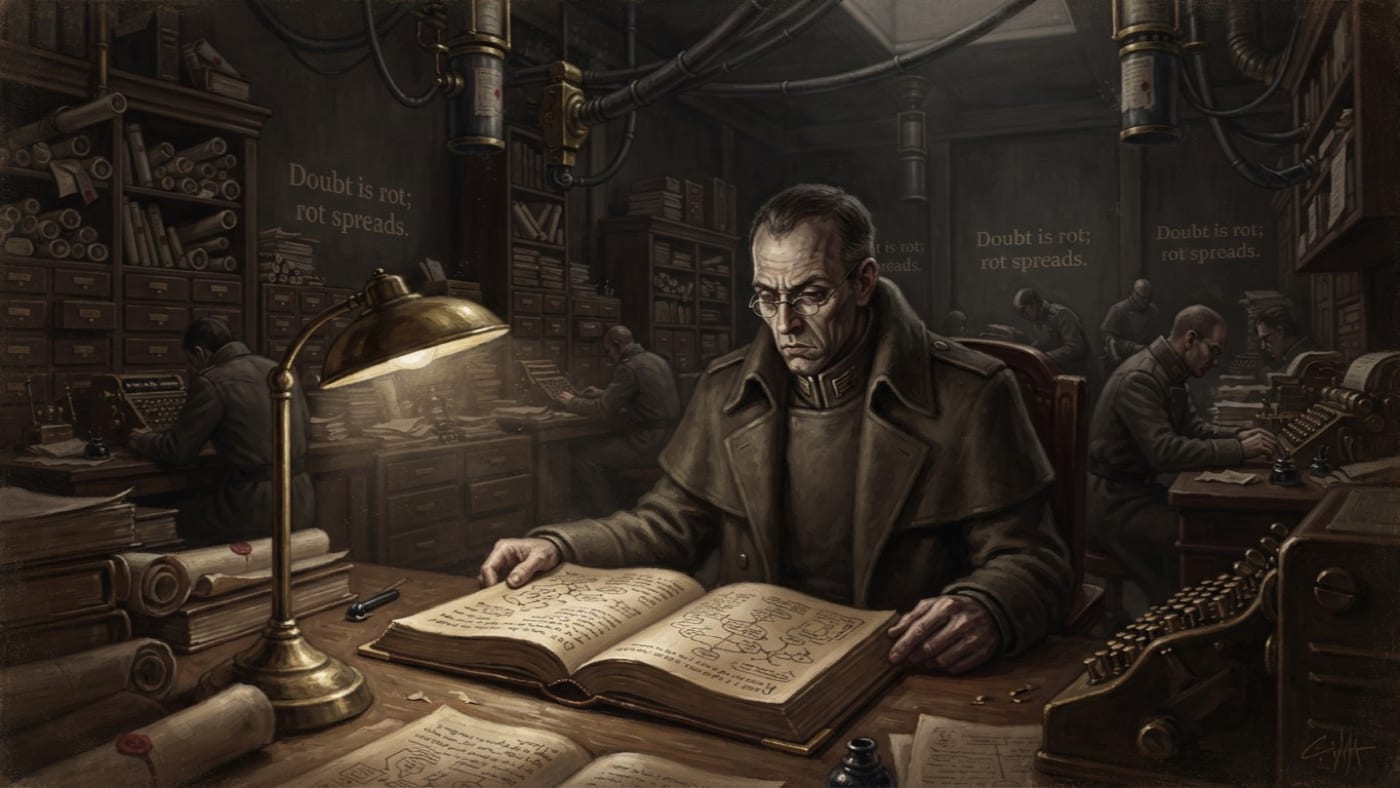
Bureau of Purity Catechism
The faithful recite; the Bureau measures; the ledger cannot tell belief from rehearsal
The Bureau of Purity's Catechism supplies the standard against which Codex Auditors measure confession, recitation and hesitation. This A.S. 201 survey records the Third Revision of A.S. 104 and the costs of calling variance heresy.
Codex Ref. VIII.2.02-001
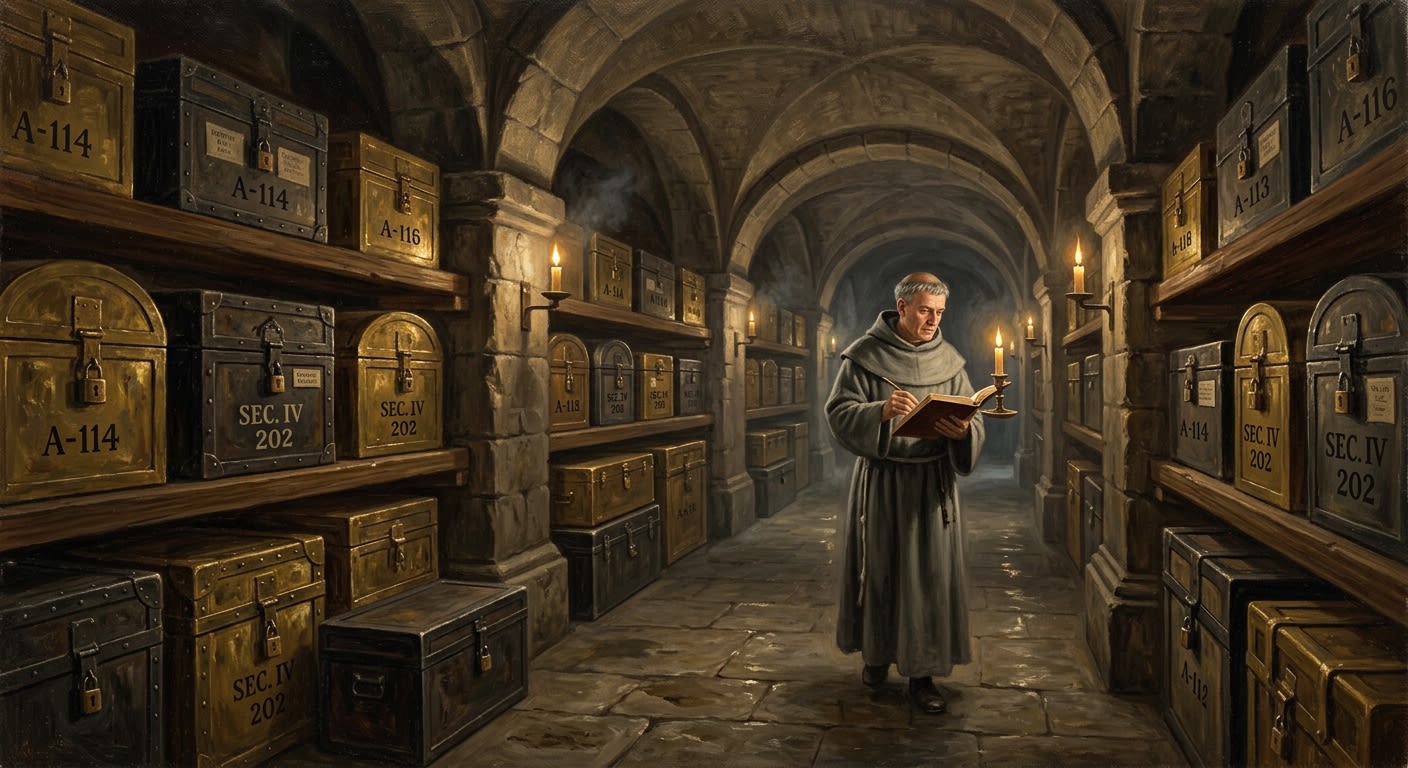
Bureau of Relics
The stamp is not the sanctity. The stamp is merely necessary.
The Bureau of Relics guards four thousand seven hundred authenticated bones, adjudicates the holiness of ash, and maintains the cheerful institutional fiction that it controls the things it catalogues.
Codex Ref. IV.3.12-019
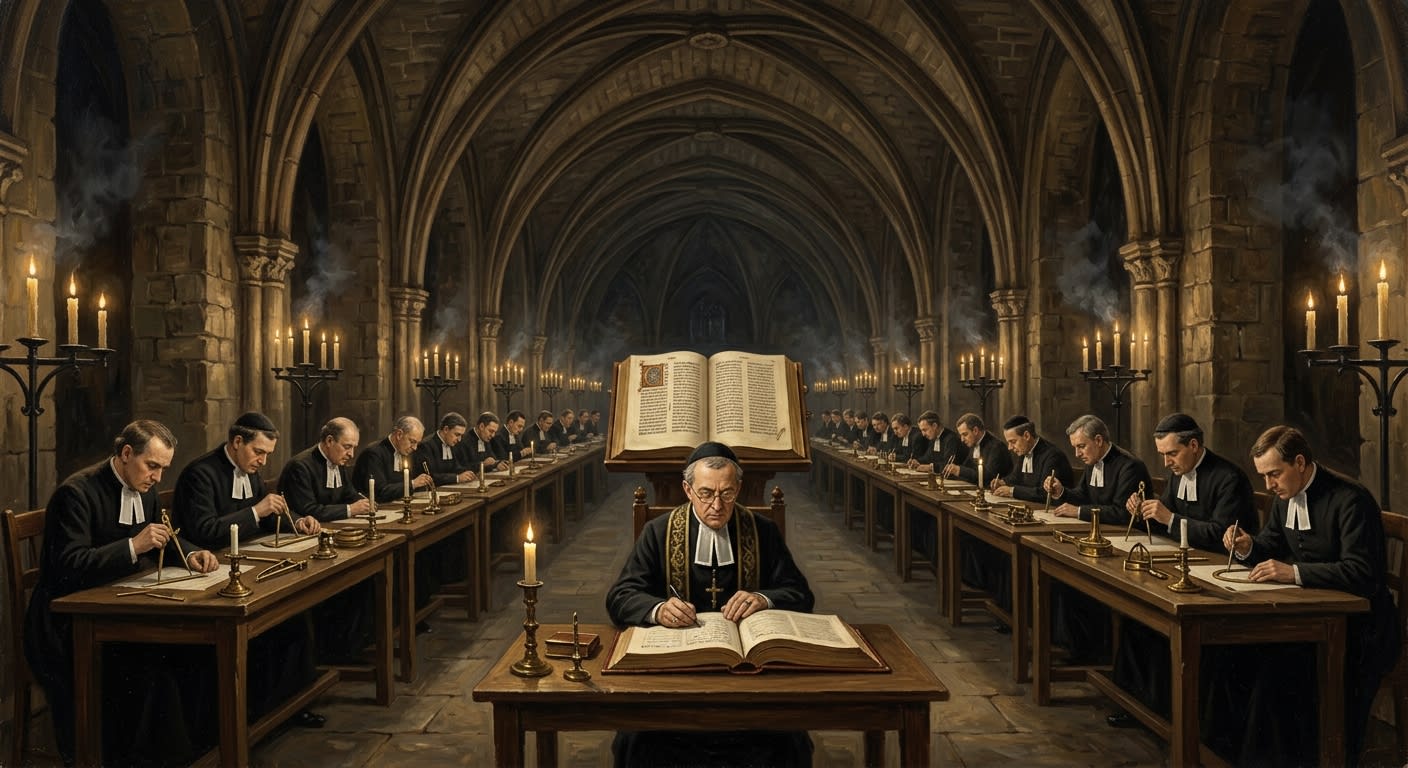
Bureau of Rites
The grammar no one speaks and everyone obeys.
The grammar of the Dominion, indistinguishable from its law: the Bureau that does not govern governs everything, from the angle of the censer to the weight of the Host on Lenten Fridays.
Codex Ref. VIII.1.01-001
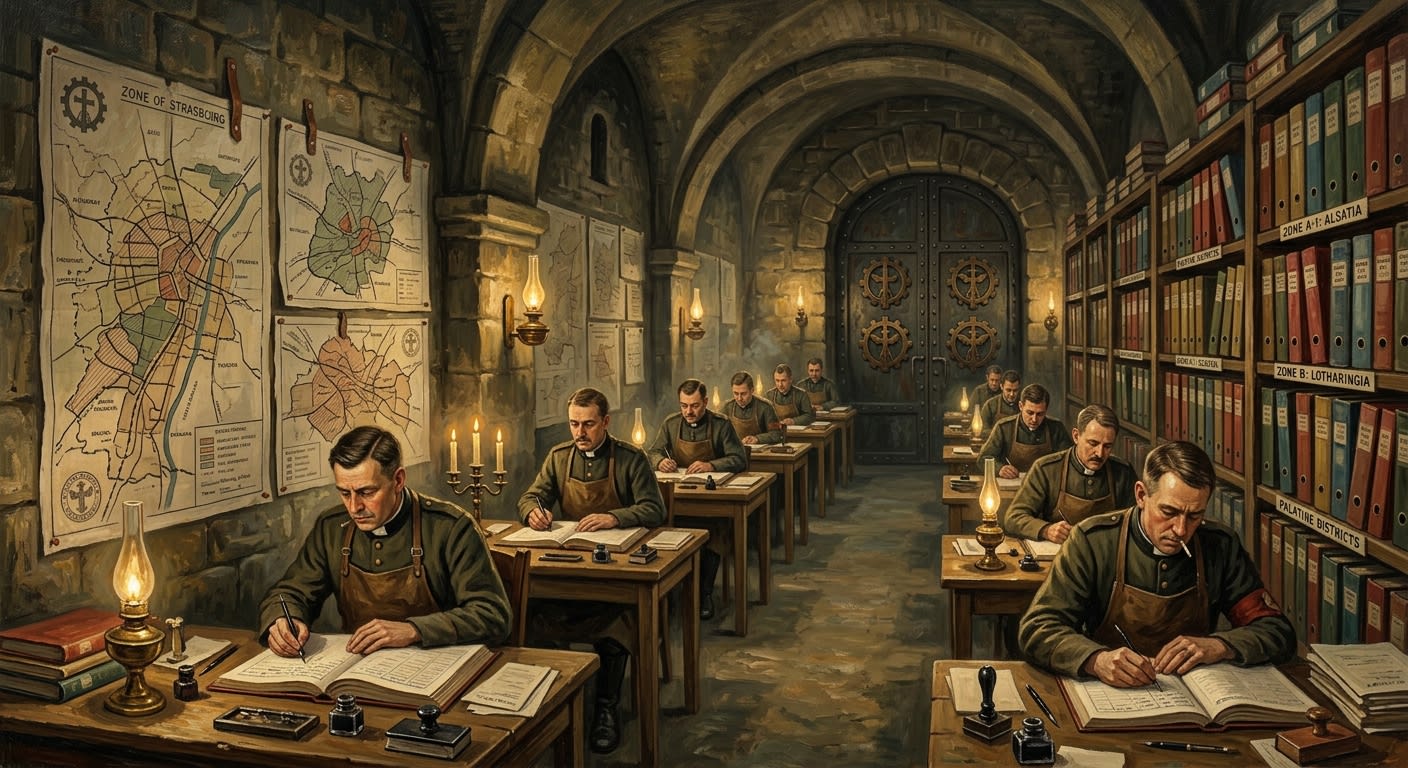
Bureau of Settlement
Where three hundred million subjects are permitted to stand — and by whose leave.
The Bureau of Settlement does not appear in the twelve canonical portfolios. No crimson sash, no hymn. What it has is authority over the address of every living subject of the Theocracy — and the knowledge that no one listens until the plumbing fails.
Codex Ref. IV.3.08-001

Bureau of Shadows
Fourteen confirmations of nonexistence. The grave-dust wax alone cost more than silence is supposed to.
The Bureau of Shadows does not exist. Fourteen decrees confirm this, each bearing between three and seven counter-seals, each filed under a category the Bureau of Records insists is empty.
Codex Ref. VIII.8.01-001

Bureau of Temperance
Appetite is a gate; moderation is the latch, and the latch has forms
The Bureau of Temperance measures wine, hunger, tavern weakness, northern spirits, and every appetite the Synod fears might become a gate for Hell.
Codex Ref. VIII.6.04-108
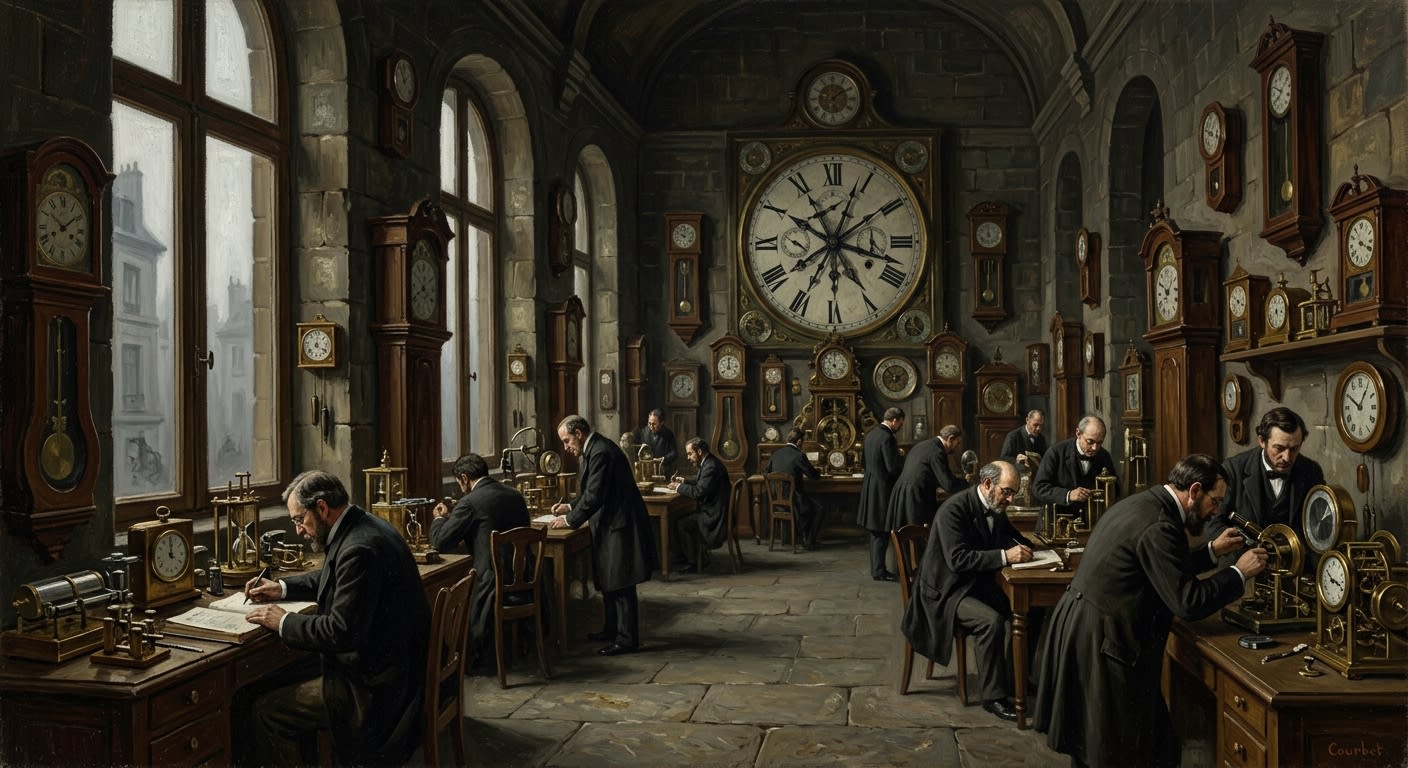
Bureau of the Hourglass
The Bureau measures. The Synod does not read. Time continues to disagree.
The Bureau of the Hourglass, constituted A.S. 134 to measure the Languid Dreamer's temporal drift along the Line, publishes quarterly reports no one reads, and has spent sixty-seven years proving that time is thinner near the front.
Codex Ref. VIII.3.01-001

Bureau of Tithes
The organ no one praises and no one dares remove
The Bureau of Tithes is the Synod's fiscal organ — the stomach no one praises and no one dares remove. It taxes breath, grain, bereavement, and the management of its own taxation.
Codex Ref. VIII.4.01-001
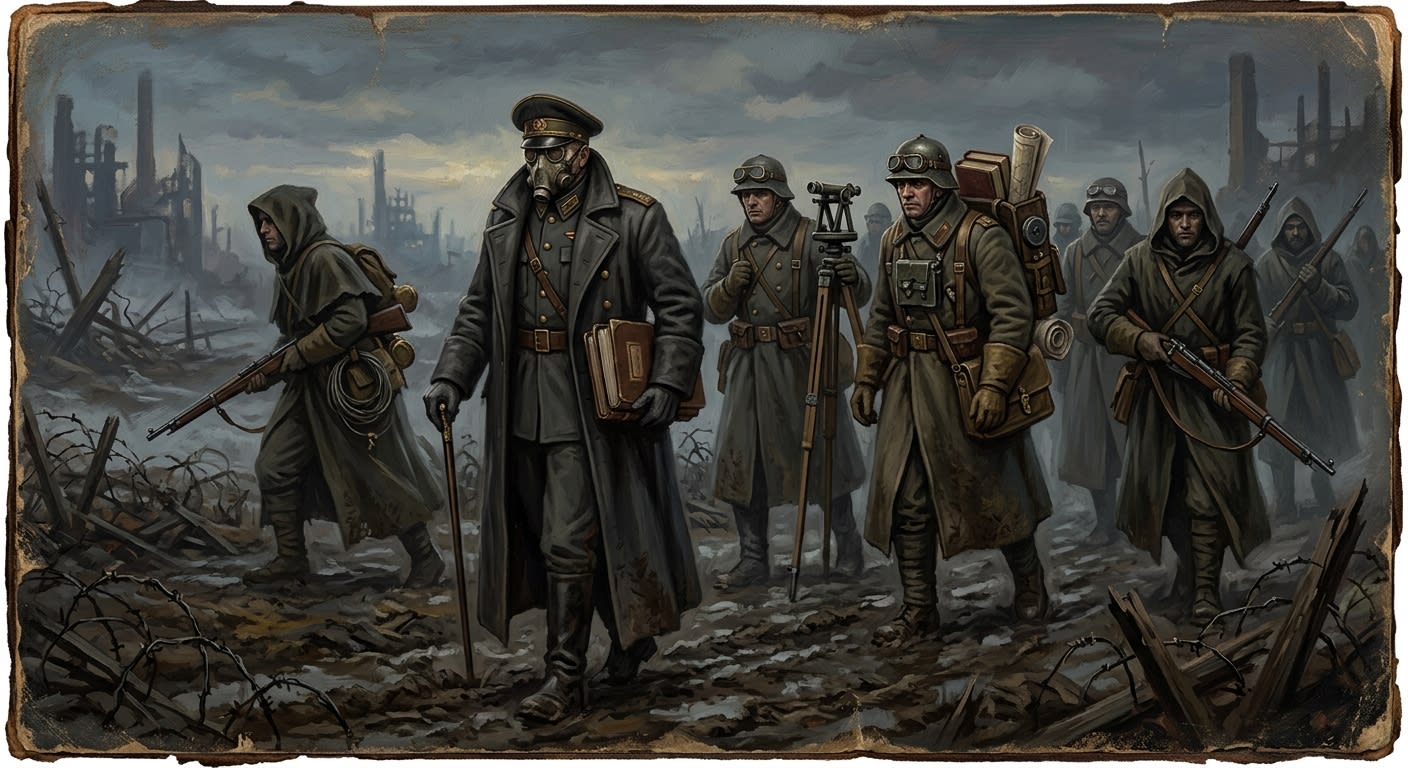
Bureau of War Reconnaissance Commissariat
The office that walks first and returns as evidence
The Reconnaissance Commissariat walks first into hostile terrain, purchasing the Synod's knowledge with scouts, ledgers, and actionable silence.
Codex Ref. VIII.7.03-001
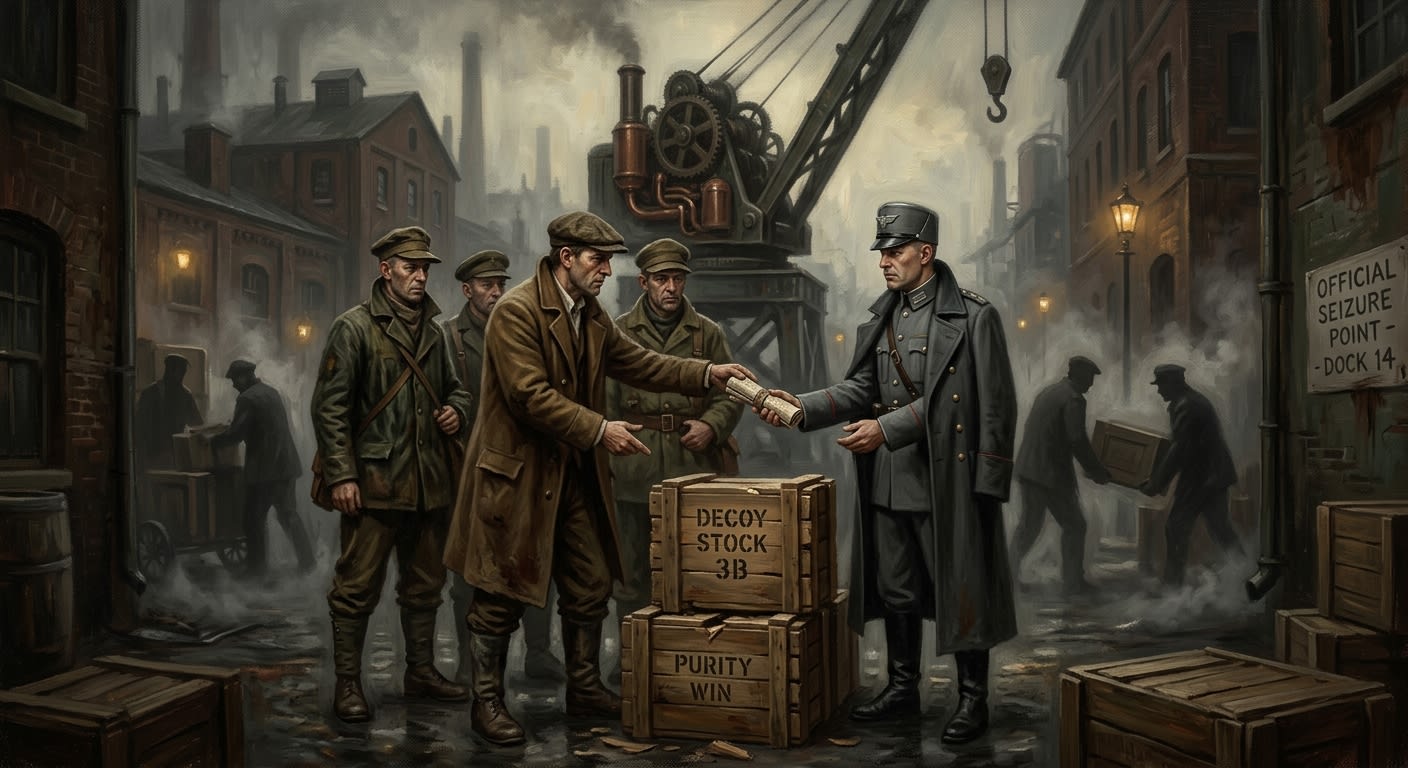
Bureau-Friends
Compliance made theatrical, profitable, and almost legal
Bureau-Friends are the compliance faction of Demon-Glass Polishers: smugglers who stage raids, pack decoy crates, pay expected fines, and let Purity win loudly while useful stock leaves quietly.
Codex Ref. XII.13.05-001
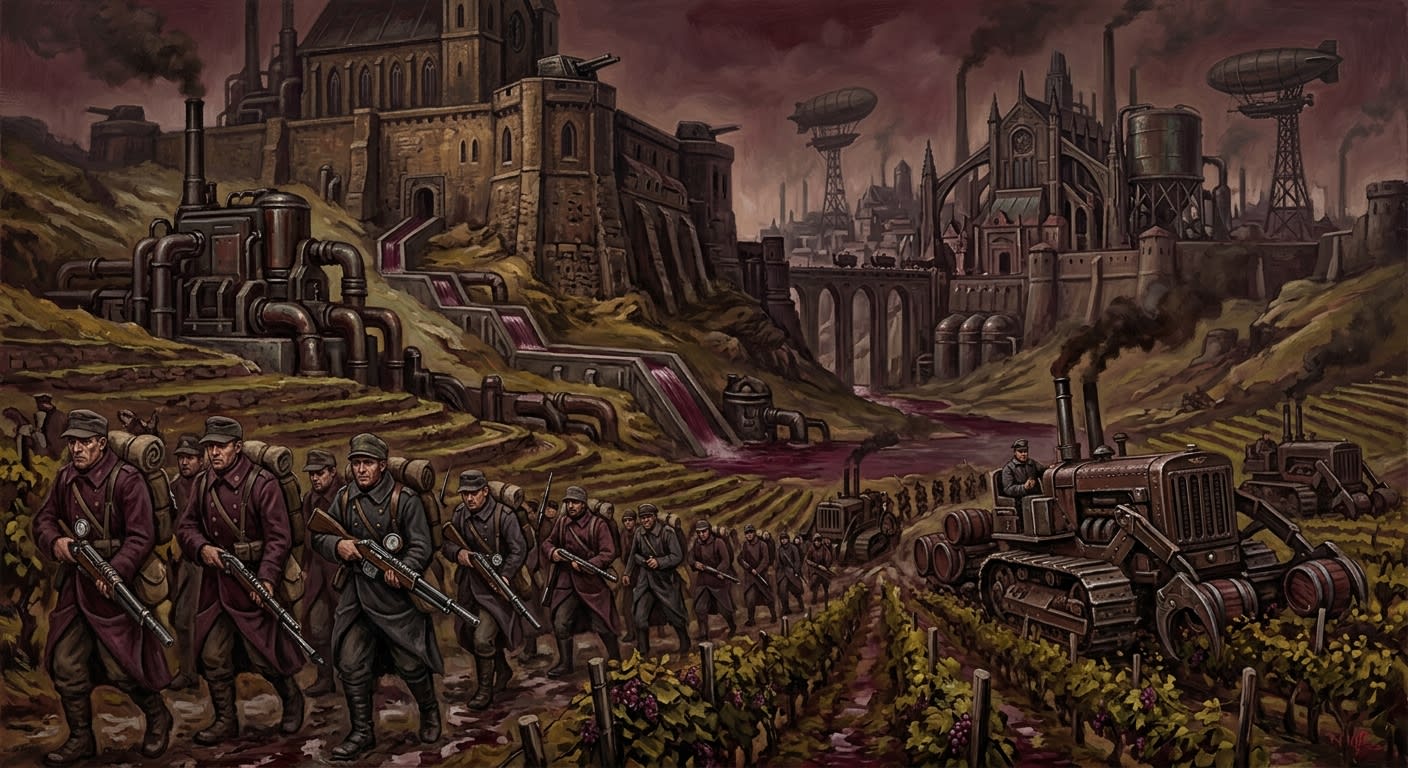
Burgundy
The wine-dark province that gives sons, casks, silence, and trouble
Burgundy is the Synod's wine-dark western province: vineyard, levy basin, Rhône feeder, cellar-church, chromatic hazard, and polite machinery of refusal.
Codex Ref. II.1.11-201

Burnwrights
The forgers who kill a name so the body may keep walking
Silent Godless specialists in identity disposal, document forgery, ash-ink, burner catechisms, and the paper death that lets condemned bodies survive.
Codex Ref. XI.1.02-002
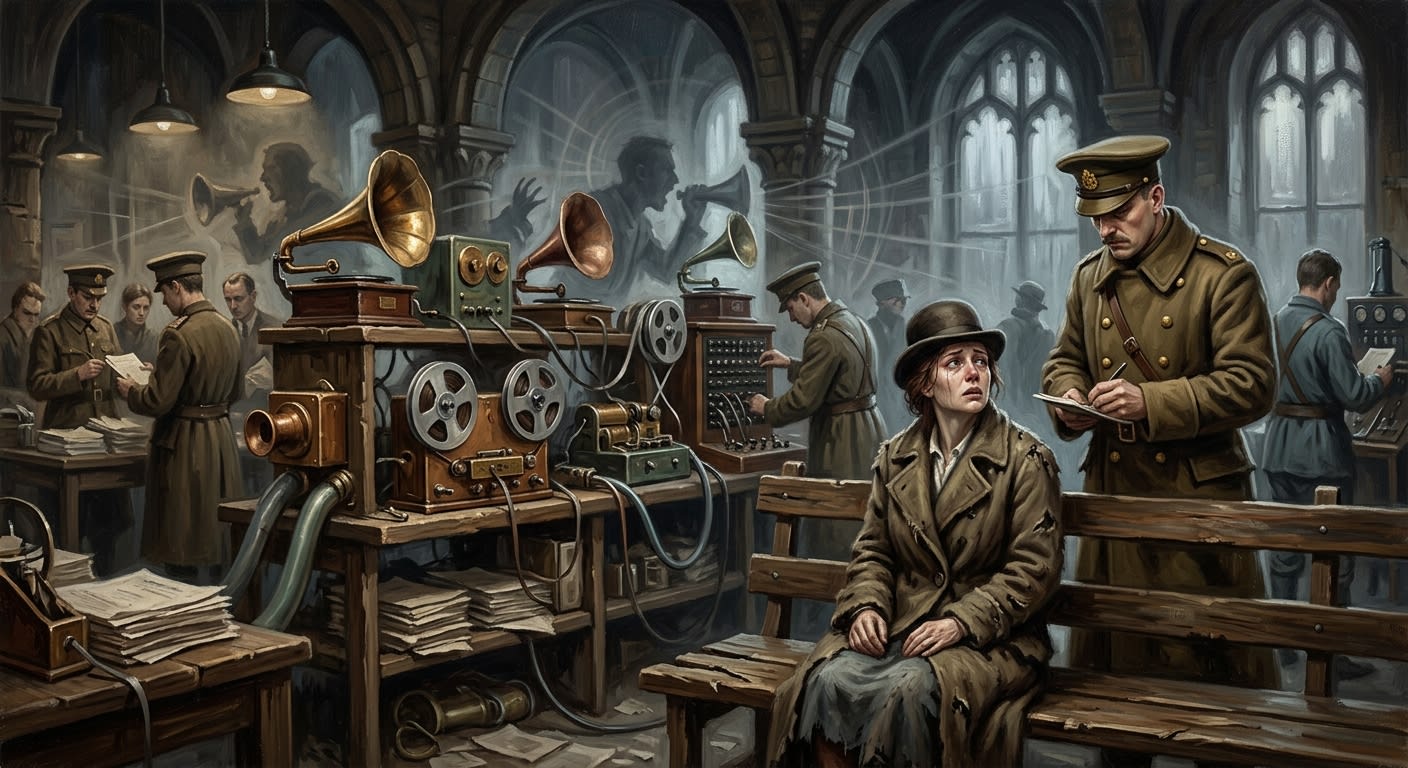
Cadence Anomaly
When the mouth is loyal and the voice is not
Restricted fifth Trench Court confession category for borrowed voices, wrong rhythms, and last words whose owners are administratively disputed.
Codex Ref. XIII.1.86-092
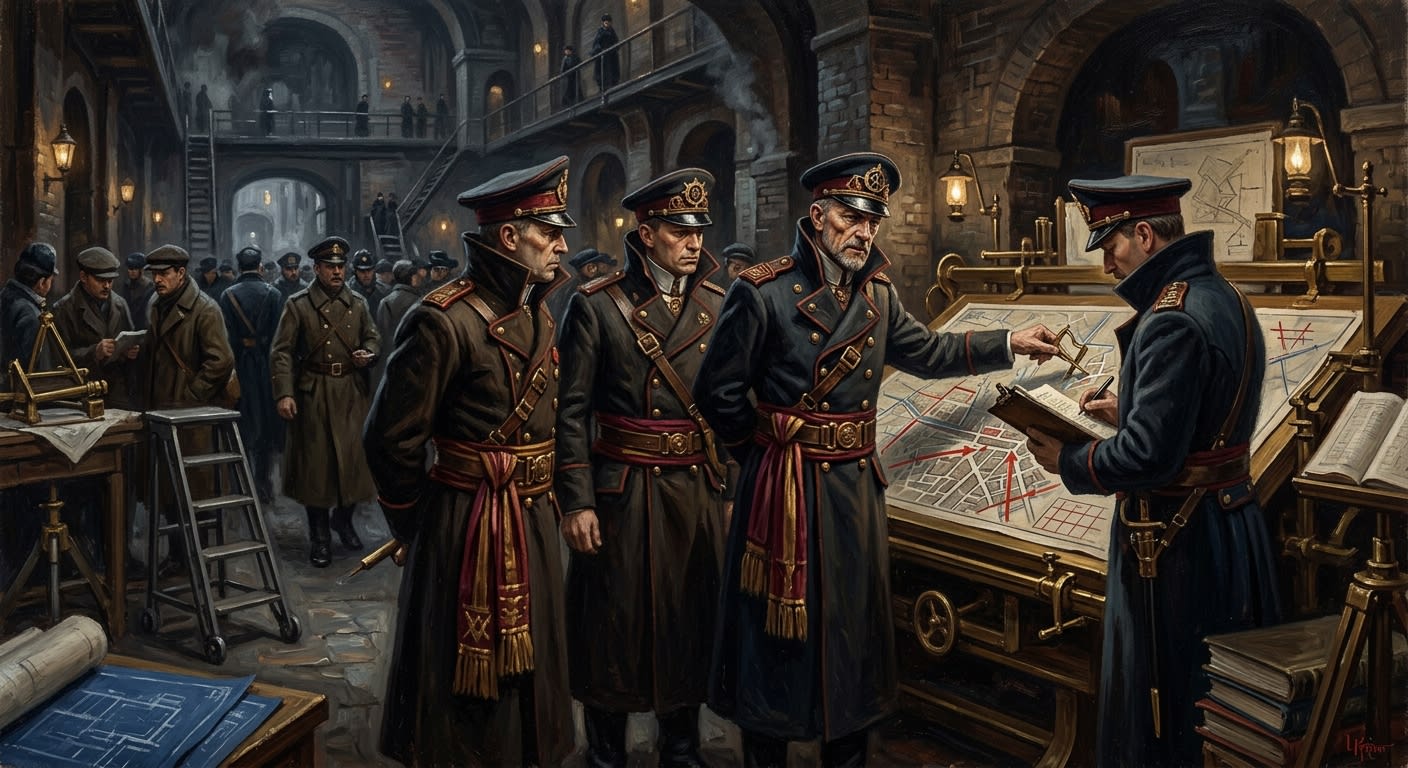
Cadence Architects
The street confesses before the bodies arrive
Cadence Architects are the Cadence Corps' route geometers: they design bellways, choke-points, and obedient grief before crowds become casualty diagrams.
Codex Ref. XII.7.05-129

Cadence Corps
One beat, one body, one road, and one stick for correction
The Cadence Corps teaches crowds to move as one obedient spine: ration queues, funerals, levies, relic routes, and riots corrected by beat, rope, whistle, and boot.
Codex Ref. XII.7.01-112

Cadence Corps Manual
Cut the crowd, signal Rites, refrain from listening
A.S. 201 present-use survey of the Cadence Corps Manual: route discipline, bell clearance, SCATTER and Section 7's withdrawn explanation of choirwind. Cut the crowd, signal Rites, do not listen.
Codex Ref. XII.31.02-201
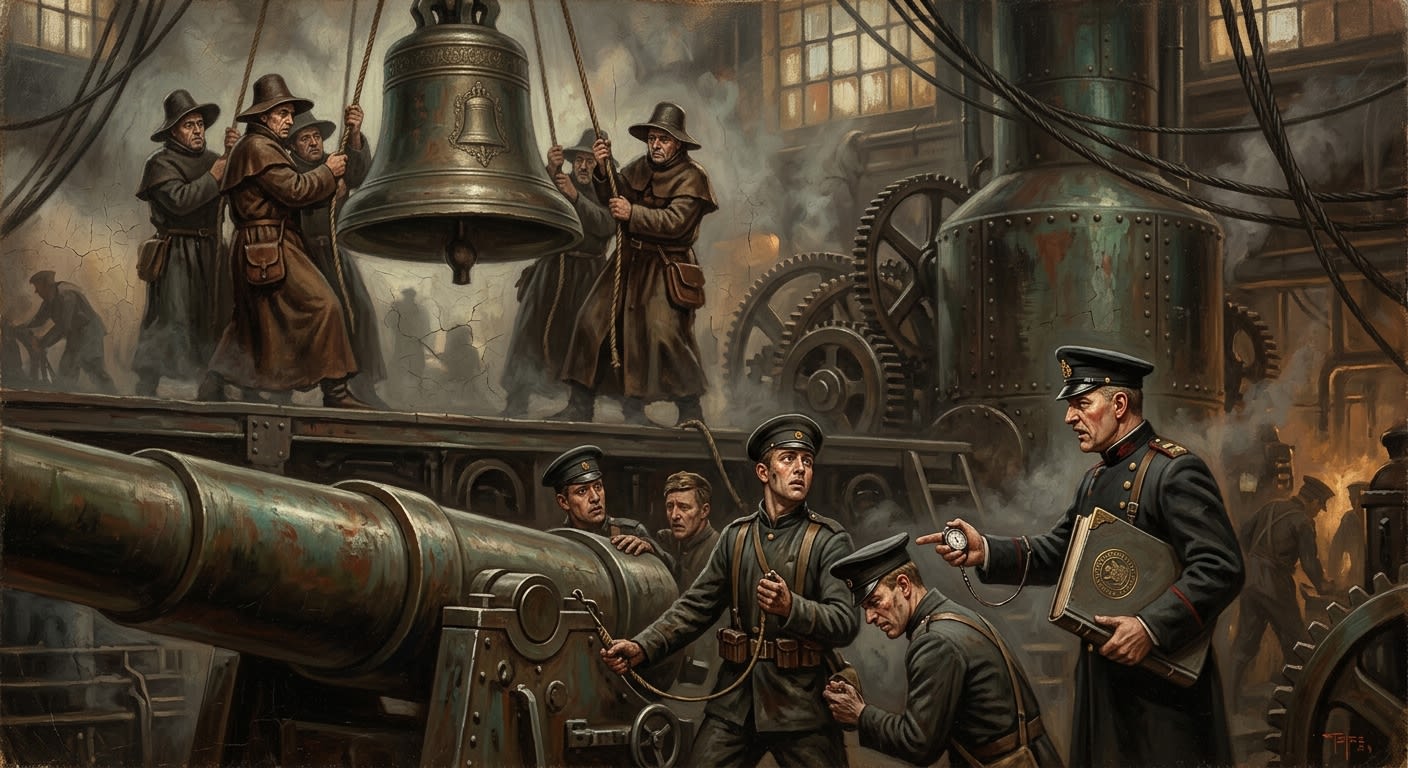
Cadence Reforms A.S. 95
The decree that put the bell above the barrel and made obedience audible
A.S. 95 reforms that made choir cadence govern shrine-platform batteries, created off-measure discharge as a punishable sin, and gave the bell legal teeth.
Codex Ref. VII.2.10-095
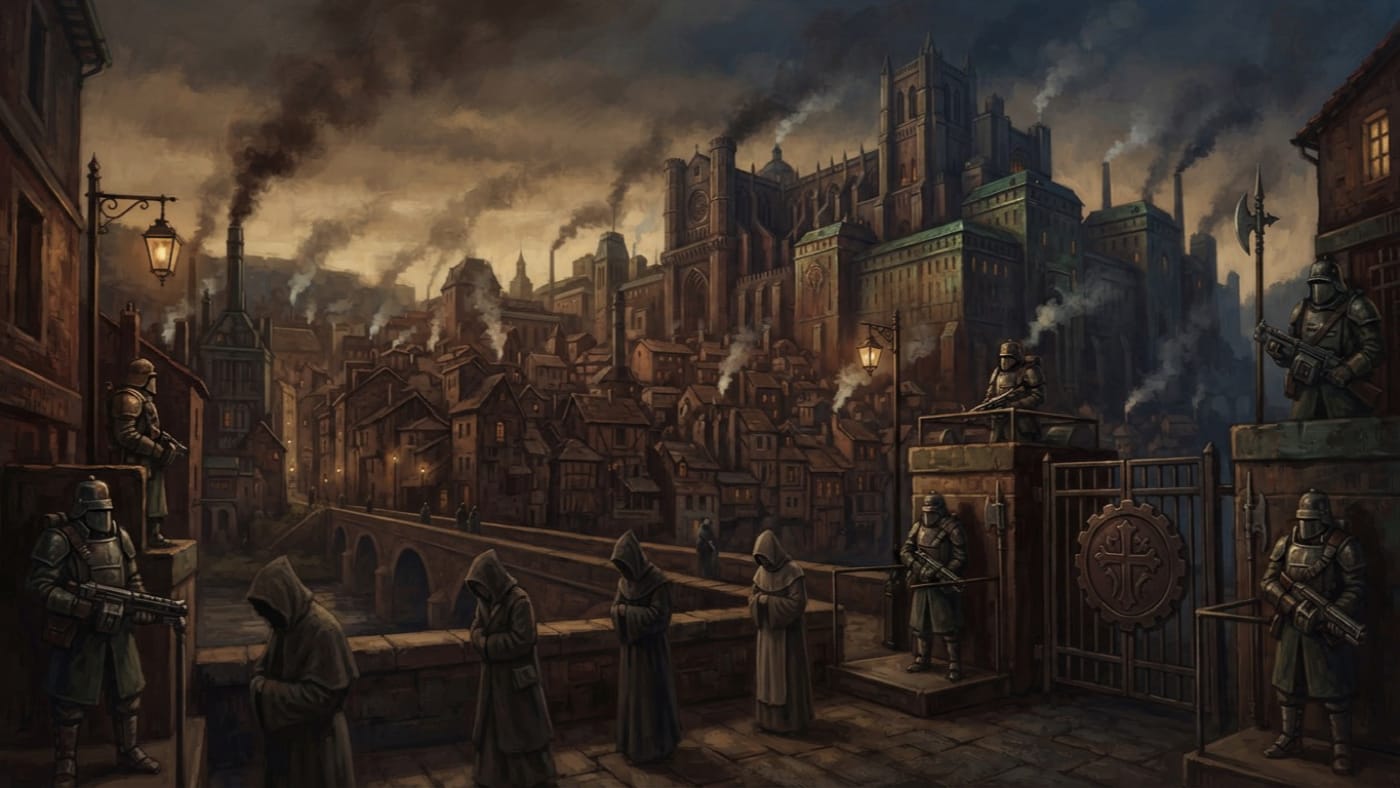
Cahors
Named elsewhere, retained forever
Cahors entered the Toulouse file in A.S. 93 through Carcassonne's confession. No local offence is established; the Bureau retained the address.
Codex Ref. II.1.09-093

Candle-Runners
Small legs, lit wax, and the mercy no adult could carry cleanly
Juvenile couriers of the Lantern Mercy Preacher apparatus, carrying blessing schedules, coded calendars, chalk marks, and the small mercies adults make too searchable.
Codex Ref. XII.25.07-001
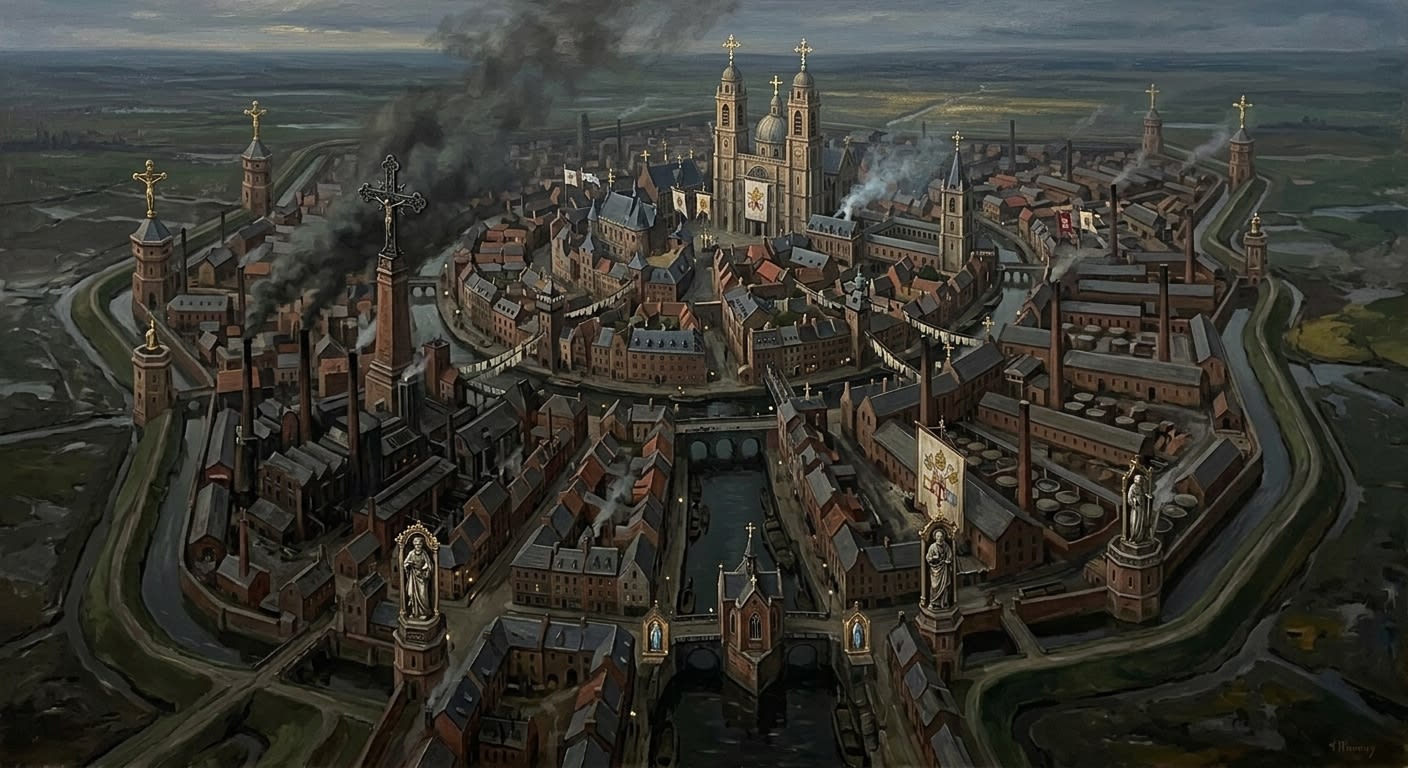
Candlewick Palatinate
Where Legitimacy Is Manufactured, and Colour Is Law
Canal city of chandlers, dyers, and wax-merchants whose misfortune was to be competent and noticed. The Candlewick Palatinate supplies the Synod with seals, sanctioned inks, and watermarked paper — and thus with the material substance of reality itself.
Codex Ref. II.1.01-001
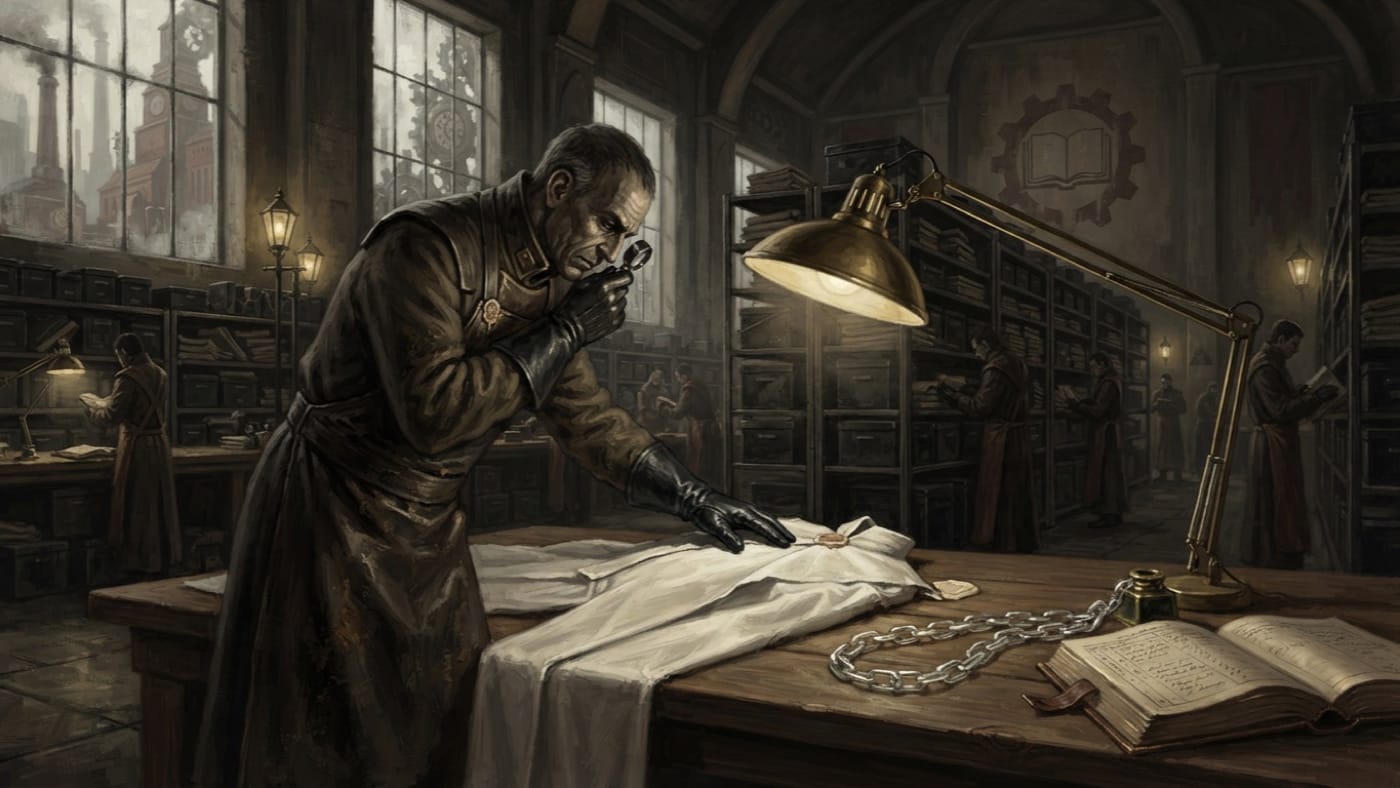
Candor Veritatis
Truth is a condition of cloth, subject to inspection
The whiteness of truth is the mantle standard in Hildegarde's A.S. 62 decree. Linen identifies the officer; inspection supplies the theology.
Codex Ref. XIII.1.88-063

Canon-Inquisitor Silex Marrow
The chisel arrives after the lie has learned masonry
Canon-Inquisitor Silex Marrow hunts sequences, not sinners: Saffron's profitable water, Archivolt's listening stone, and the names buried between them.
Codex Ref. III.2.01-201
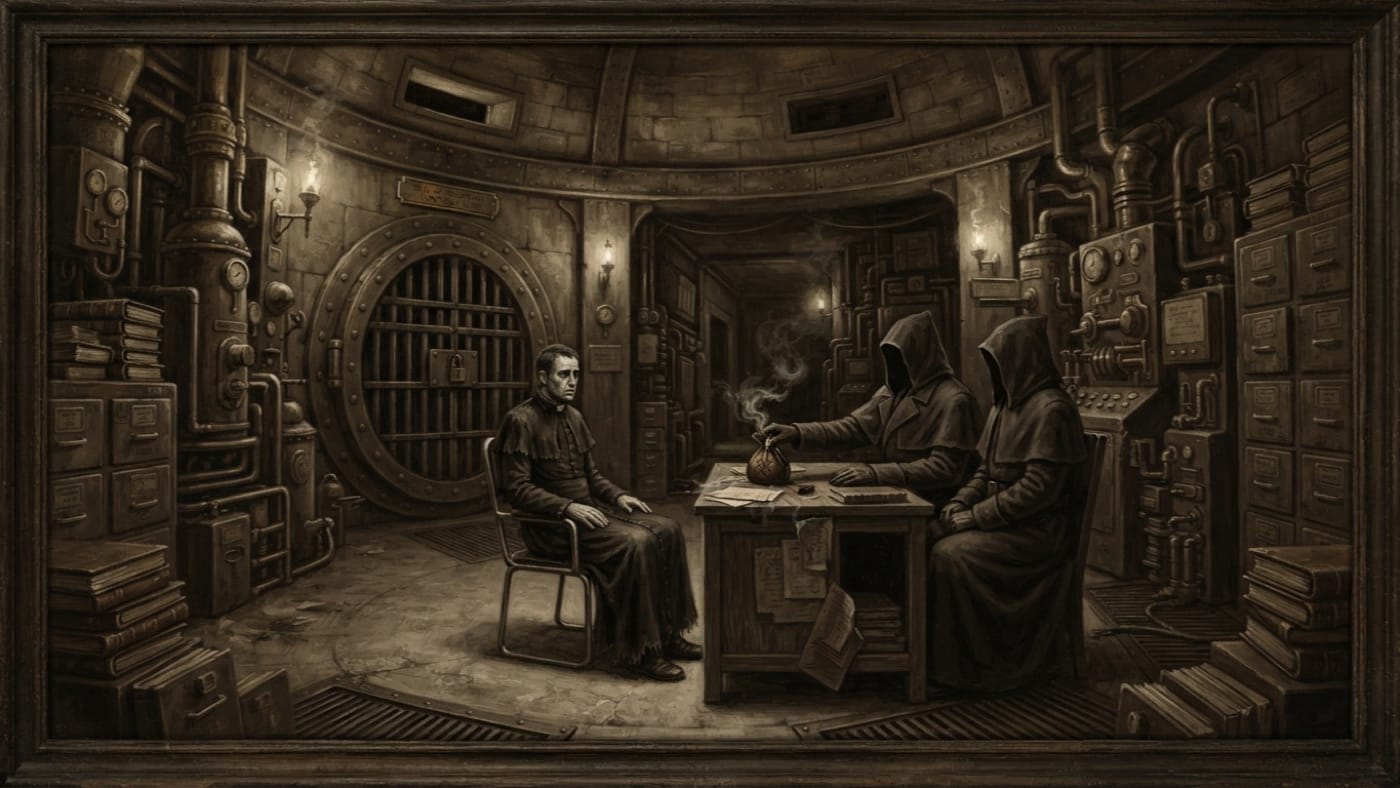
Canonical Audit
An A.S. 201 survey of the instrument whose investigators Records cannot name
An A.S. 201 survey of the Seal of Discipline's instrument: clergy investigated in sealed chambers by men Records cannot name, with findings carried in pouches said to destroy themselves upon opening. The Ledger retains the question.
Codex Ref. XIII.1.05-003
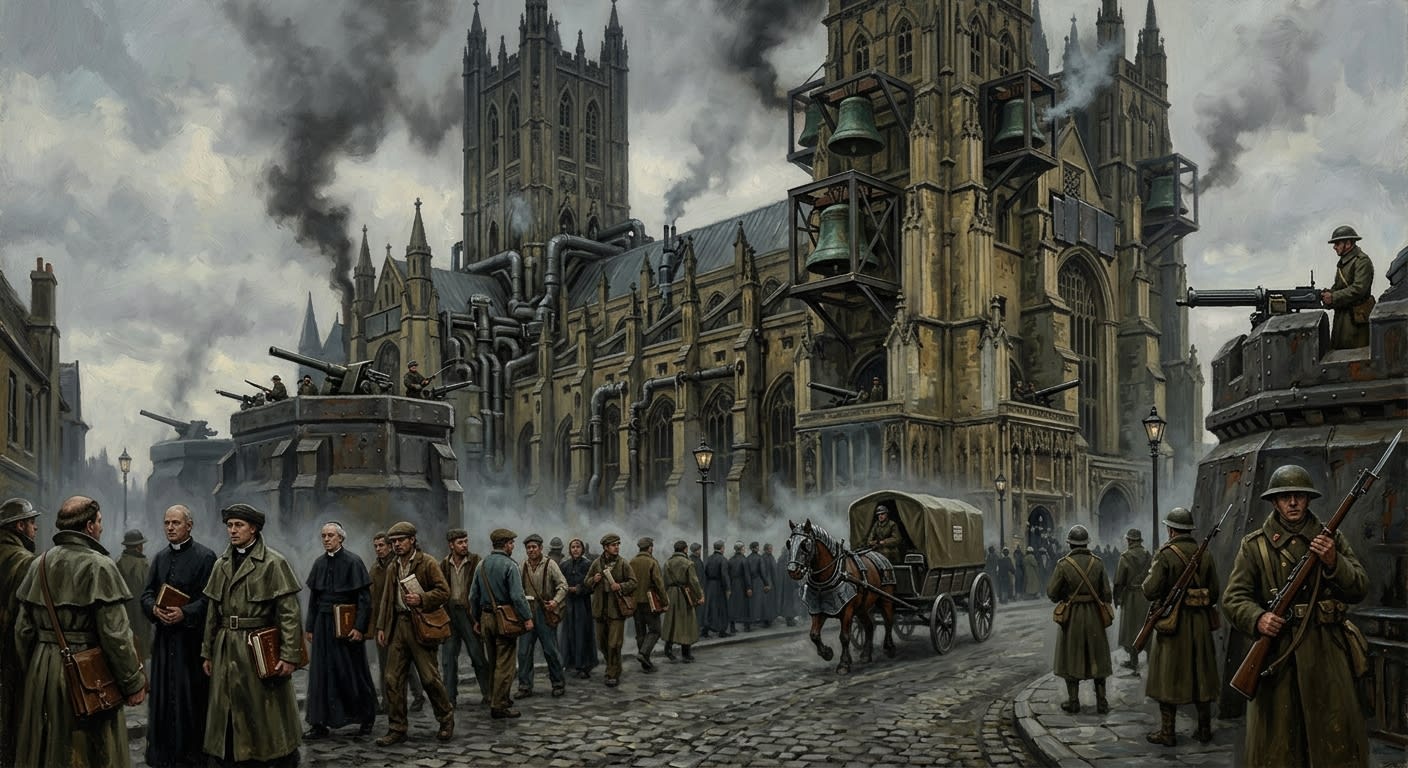
Canterbury
The cathedral that refused to become a bureau
Canterbury is the British Crown's cathedral-seat: old, armed, bell-ridden, unaudited, and infuriatingly functional beyond Strasbourg's forms.
Codex Ref. II.0.01-201

Canticle of Assured Return
The hymn assures. The Ledger counts.
Sixteen voices sang the Canticle before Commission 73-C in A.S. 73. Of 114 expeditions reportedly sent out under its assurance, 74 never returned. Doctrine considers the result sufficient.
Codex Ref. XIII.1.86-073
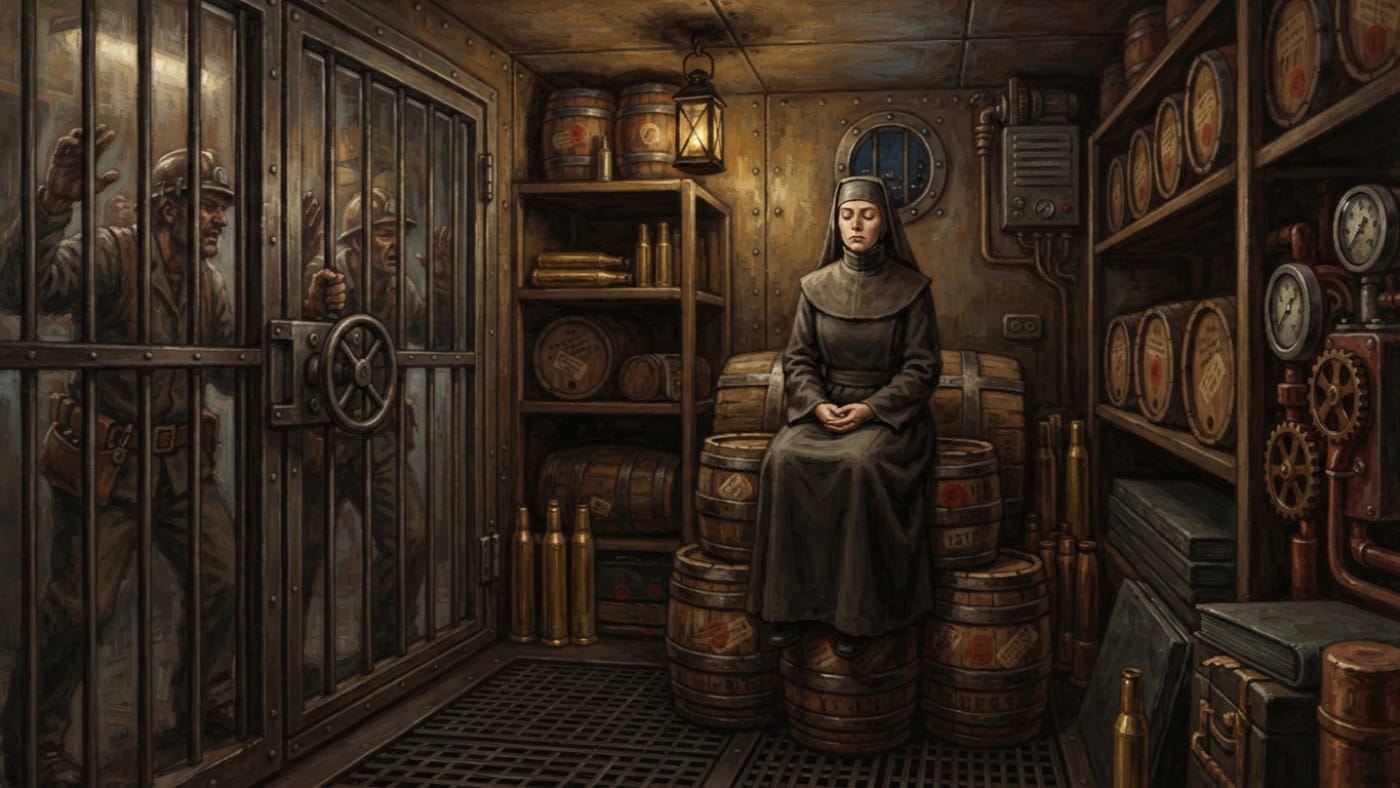
Canticle of Restraint
A locked magazine and eleven hours of unreasonable vocal endurance
Reported sung for eleven hours by Sister Margit during the Pressburg Mutiny following the A.S. 95 Cadence Reforms. The crew surrendered; the composer and score remain outside the Ledger.
Codex Ref. XIII.1.16-447
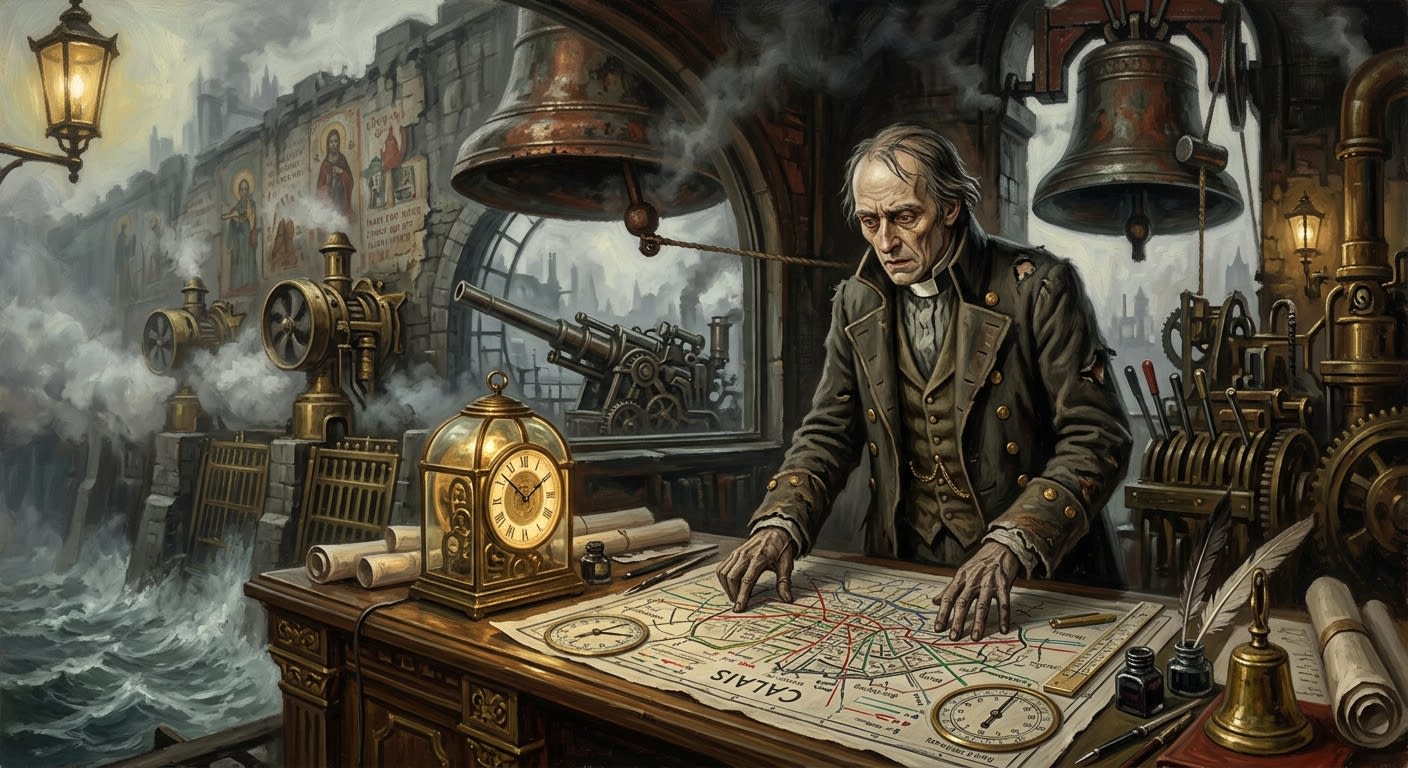
Cantor-Major Pell
He counts the interval before the sea learns permission
Cantor-Major Pell keeps Calais's fire-chart, governing bell-authorised guns, fog repulsion, Script Wall cover, and the intervals by which the Undertide is denied permission.
Codex Ref. III.2.01-095

Captain Elias Brekke
The officer who saw [[debrecen|Debrecen]], wrote it down, and was filed away alive
Captain Elias Brekke discovered the Ash-Mothers at Debrecen in the A.S. 78–83 window, filed the deposition that made horror procedural, and vanished into Candlewick inventory after A.S. 84.
Codex Ref. III.2.01-056
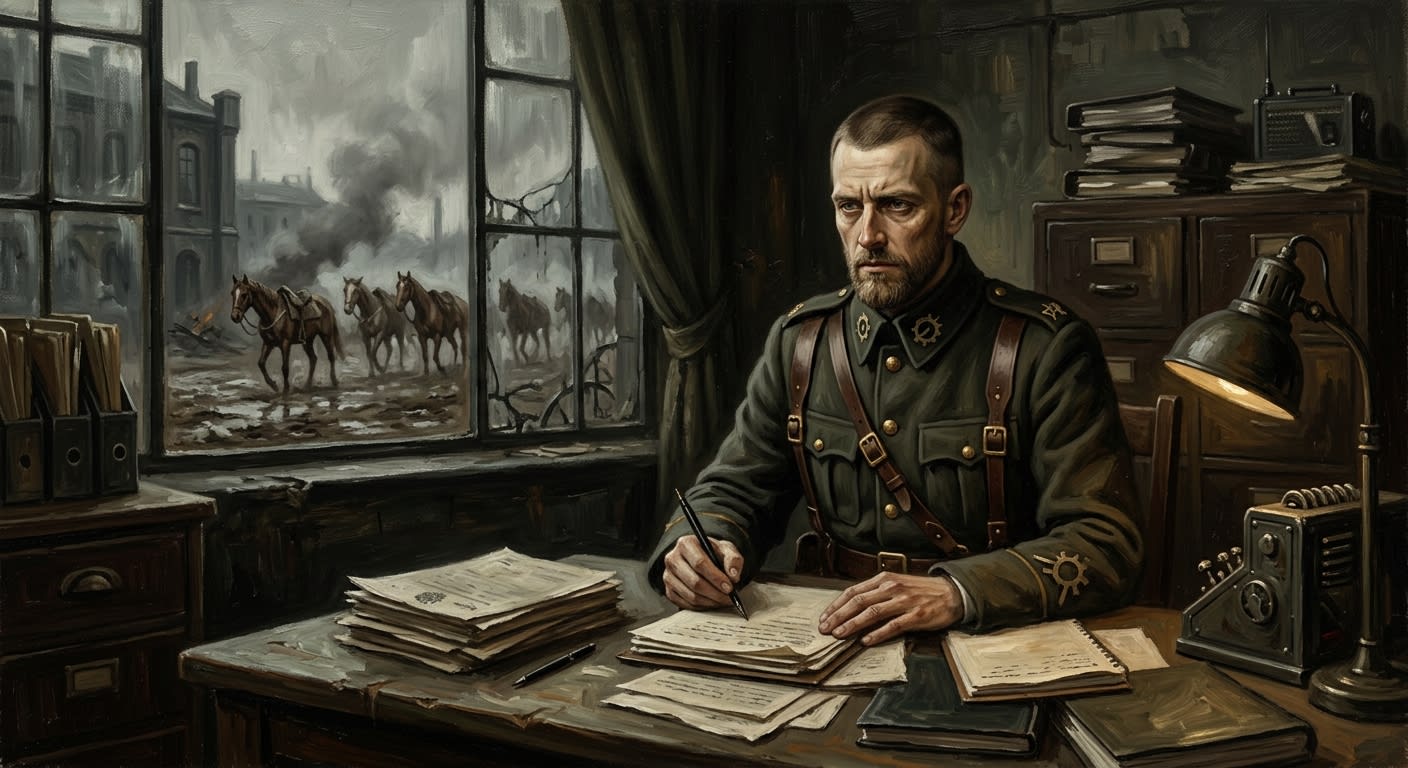
Captain Elias Mürren
The cavalryman who accepted hunger's polite invitation and kept the receipt
Rationalist cavalry captain and Debrecen survivor whose A.S. 49 deposition records sorcerous provender, vanished horses, and hunger with the manners of a clerk.
Codex Ref. III.2.01-082
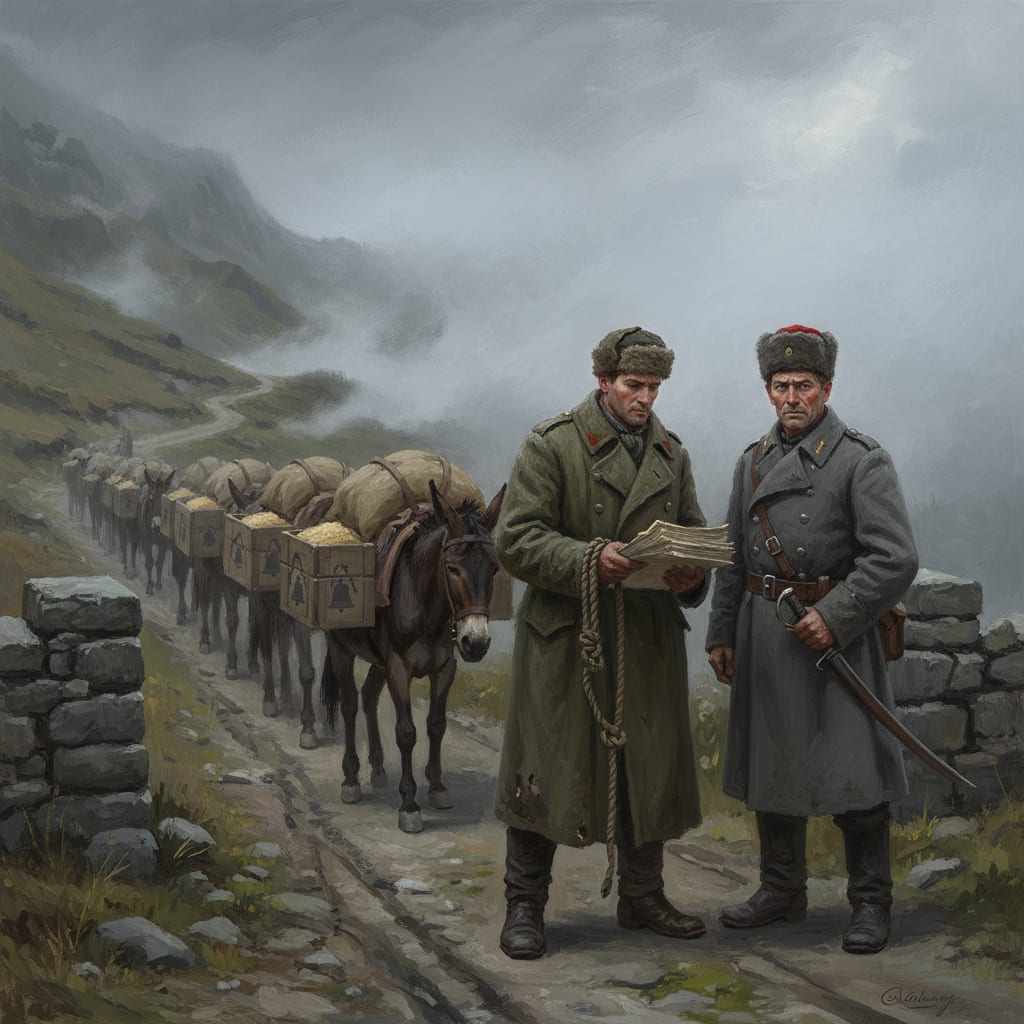
Caravan Factor
The Synod's confession that geography is ungovernable, licensed and taxed accordingly
The Caravan Factor occupies the gap between the Bureau's filed route-plan and the road's actual condition — part cartographer, part accountant, part diplomat, and part criminal, though the Synod prefers not to use the last term in official correspondence.
Codex Ref. XII.6.01-001

Caretaker Saints
Mercy with a rent book, a candle, and no licence whatsoever
Caretaker Saints are the conscience-stricken branch of Grave-Field Shanty Brokers: unchartered grave-lane landlords who keep rents low, names whispered, and mercy barely deniable.
Codex Ref. XII.27.02-001
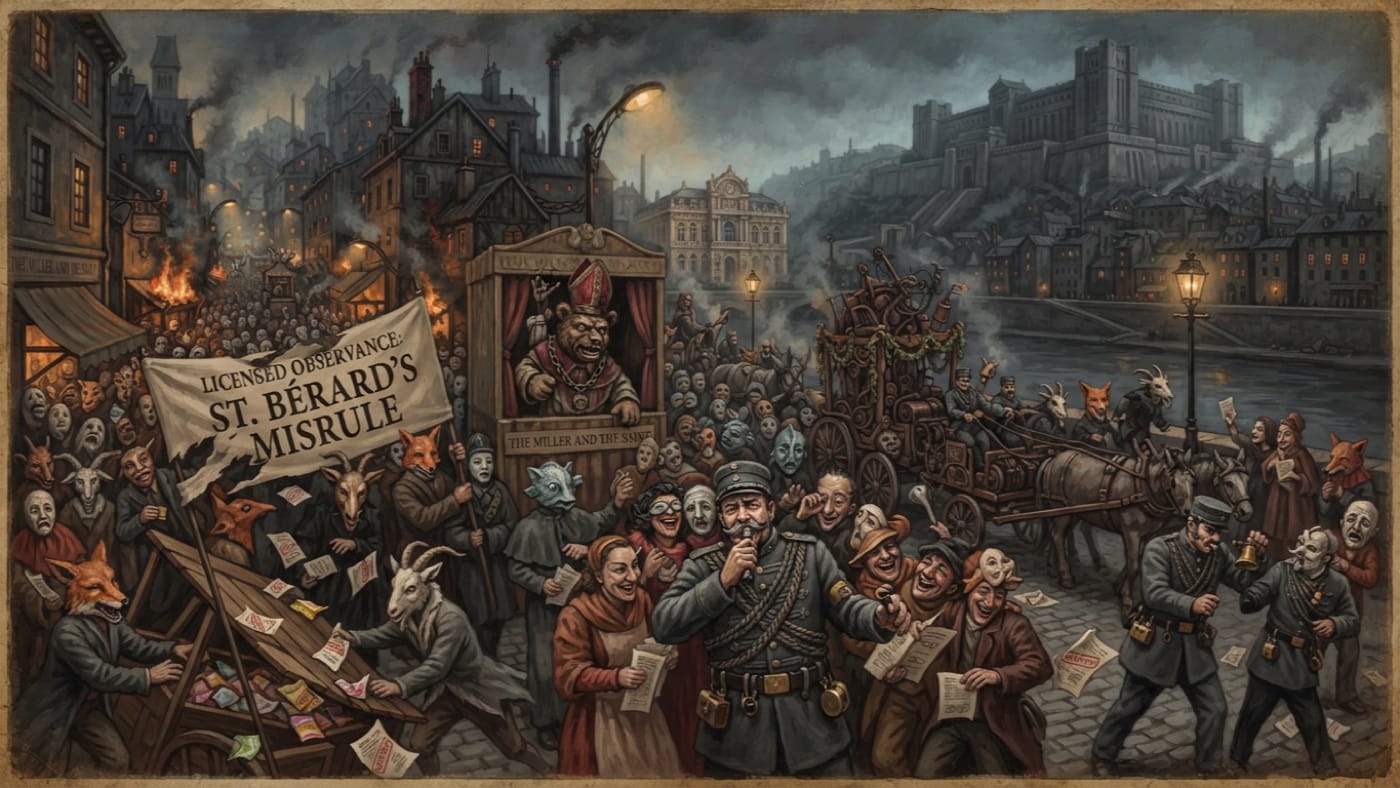
Carnival of Saint Bérard's Misrule
Where laughter was licensed and obedience expected in repayment
Lyon's licensed Carnival made masks devotional and laughter accountable. Its mask readings were approved in A.S. 132; in A.S. 170, the same permits, songs and puppets served the Tumults of Lyon.
Codex Ref. VII.4.11-002
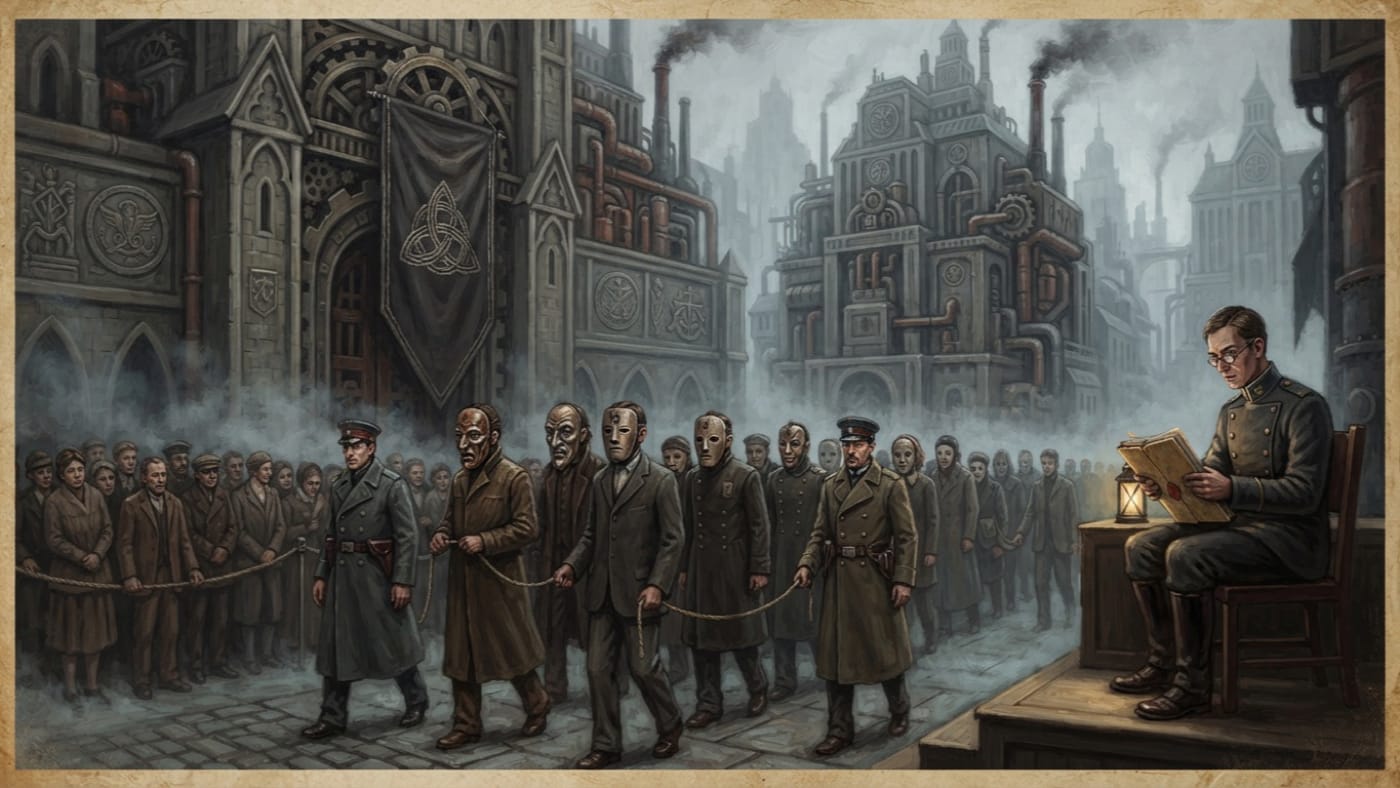
Carnival of the Triune Knot
The face may be hidden. The number remains.
The Carnival of the Triune Knot requires a licensed masked procession. Every face may be hidden; every mask remains numbered, stamped and measured. The wearer may withdraw a countenance. The Registry keeps the number.
Codex Ref. XIII.1.89-484
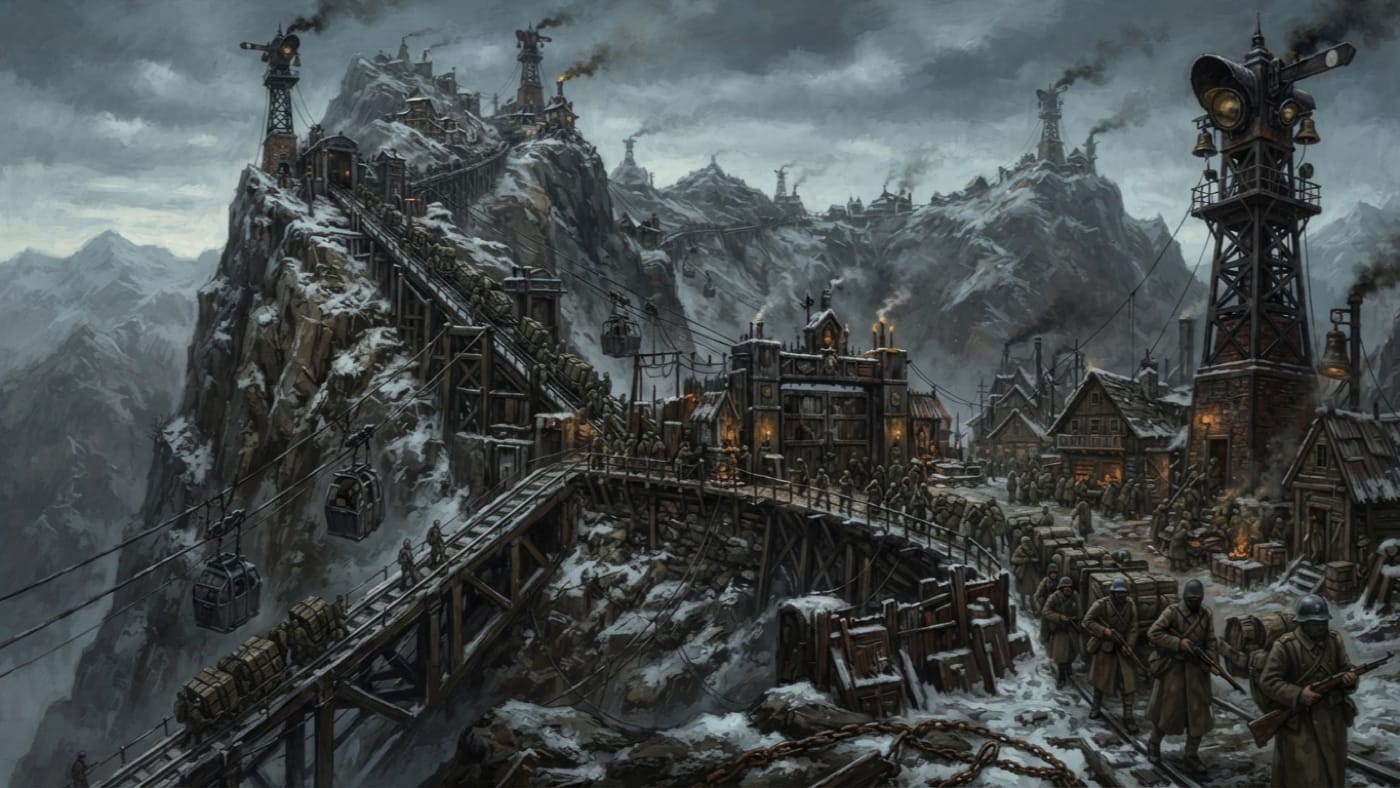
Carpathian Highlands
Where the Line climbs and every passage carries a price
The inhabited ridges and supply roads of the middle Sagittal Line, where relics climb, signal towers ration passage, and warmth costs more than absolution. The Church issues the paperwork; the mountain sets the terms.
Codex Ref. II.3.05-490
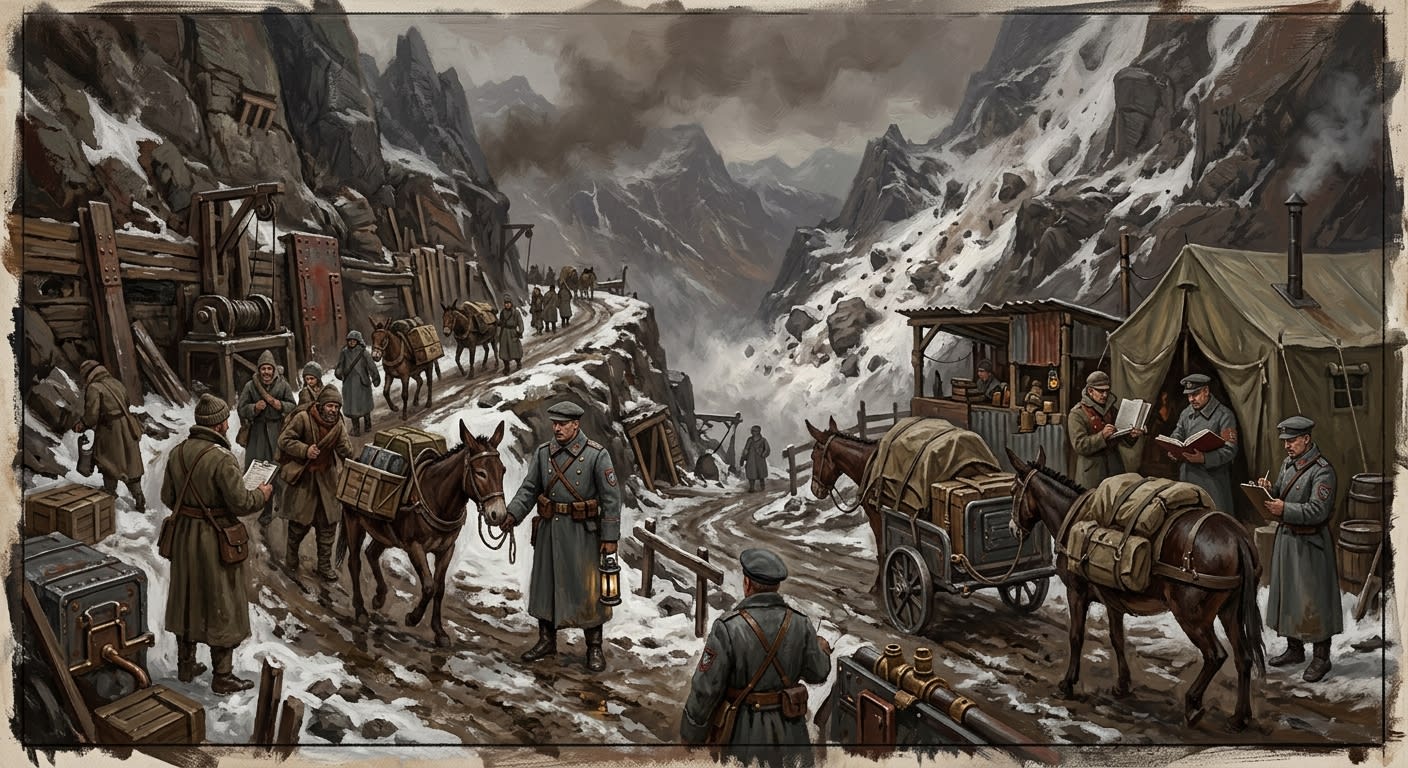
Carpathian Passes
Roads are wounds with toll offices
Licensed mountain wounds of the middle Line, where pilgrims, relics, mules, Wardens, tokens, avalanches, and invoices cross by permission.
Codex Ref. II.4.08-123
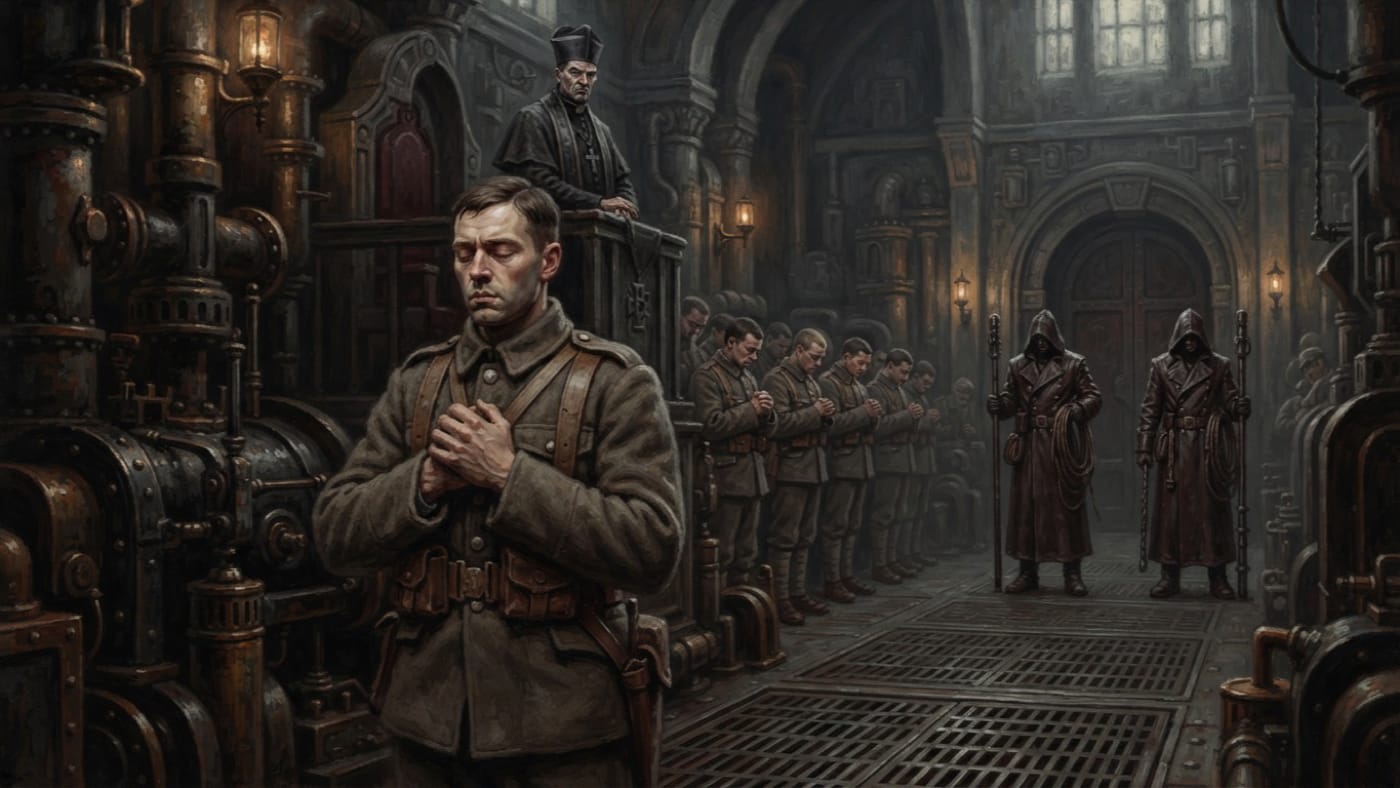
Catechism of Humility
The cure that asks the proud man whether he is cured
Purity prescribes the Catechism of Humility against Atheronic pride: close the eyes, recite, then report to a chaplain or the Lictors if needed. The manual names the cure and leaves its words to the chaplains.
Codex Ref. XIII.1.94-201
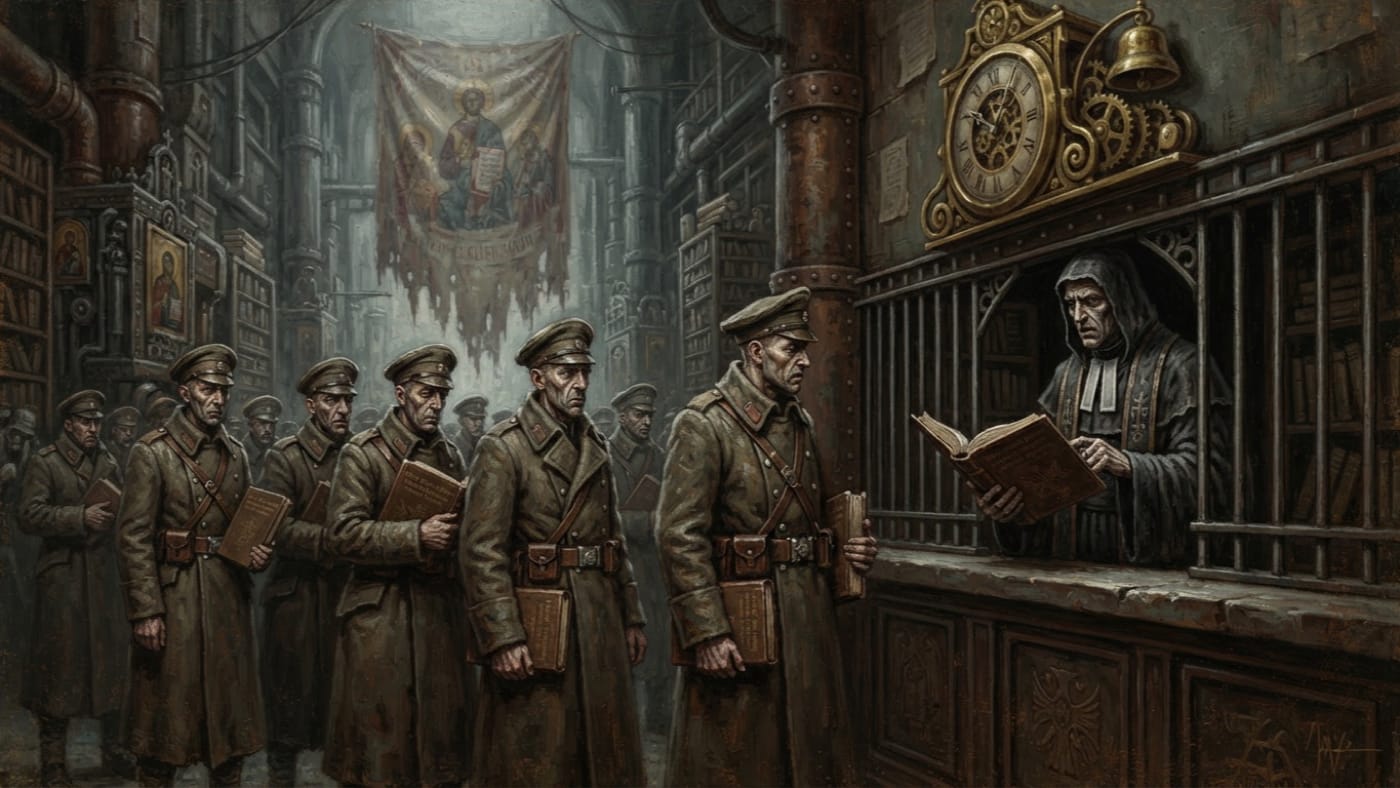
Catechism of the Empty Belly
An empty pot enters the register as readiness
In this A.S. 201 survey, Seraphinus's sixty-nine articles and seven appendices remain compulsory officer reading. The Synod gives shortage a grade and calls it readiness.
Codex Ref. XIII.1.69-001
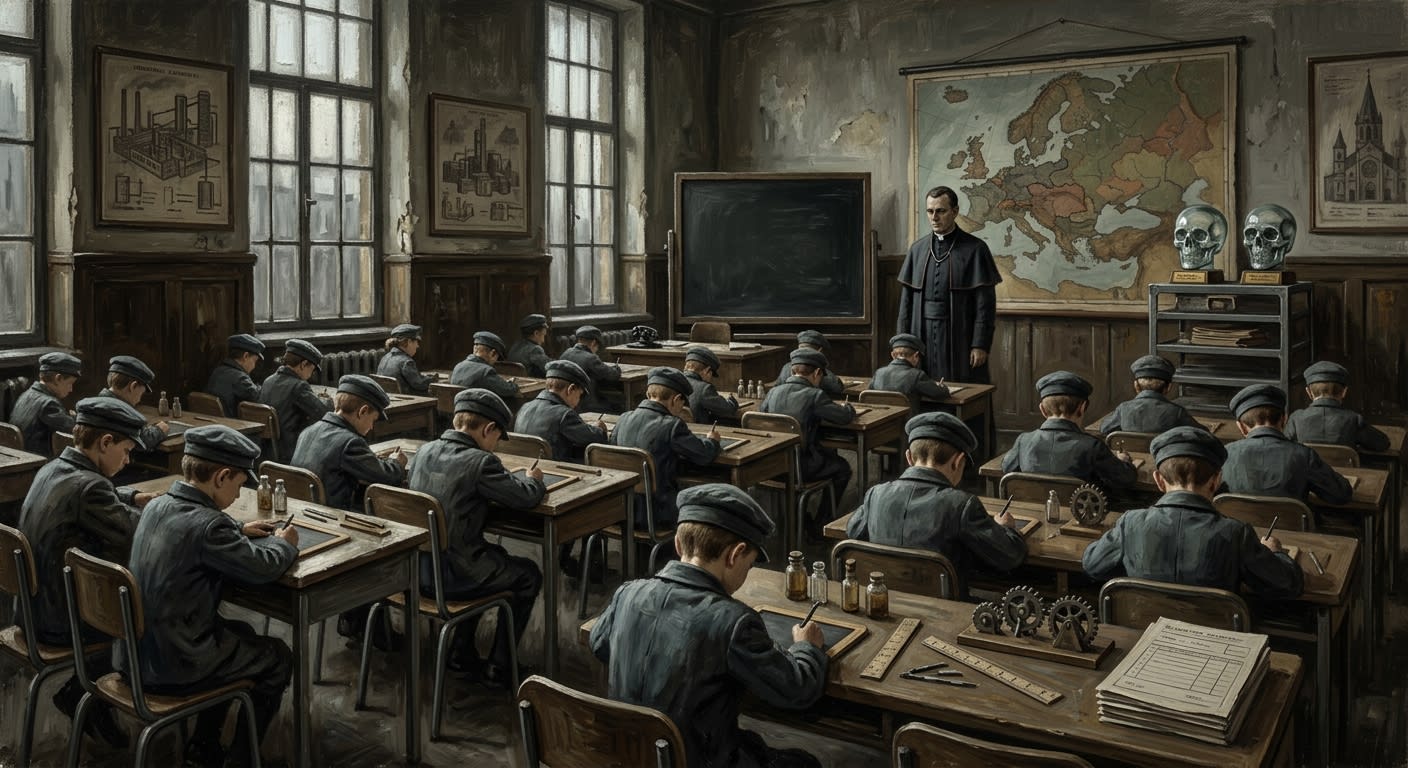
Catechism Schools
The child enters unformed; the school returns property
The Synod's parish and ward school system, where Creed, arithmetic, maps, loyalty trials, and entrance Glass Skull Stacks turn children into obedient instruments with names attached.
Codex Ref. VIII.8.01-001

Category Three Harmonic Anomaly
Too beautiful to be natural. Too useful to be investigated.
The Bureau of Bells names Irongate’s Gasket Choir a Category Three Harmonic Anomaly: sound that holds a fortress together, governs who stays warm, and remains too useful to explain.
Codex Ref. XIII.1.12-003
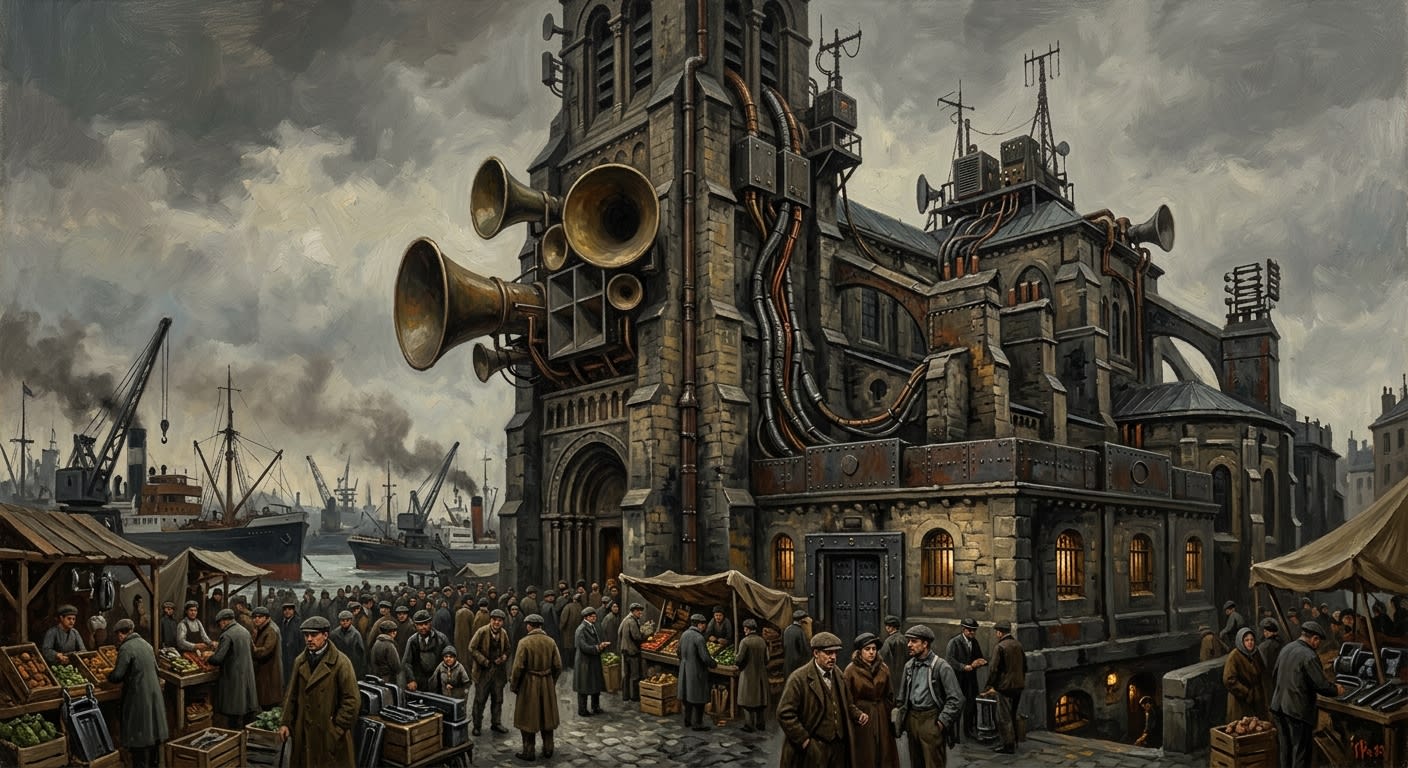
Cathedral of Saint-Victor
Marseille's bells govern the harbour because bronze argues better than clerks
The Cathedral of Saint-Victor is Marseille's acoustic throne: relay tower, crypt of disputed bones, parish market-anchor, and bell-mouthed rebuke to the harbour.
Codex Ref. II.4.09-018
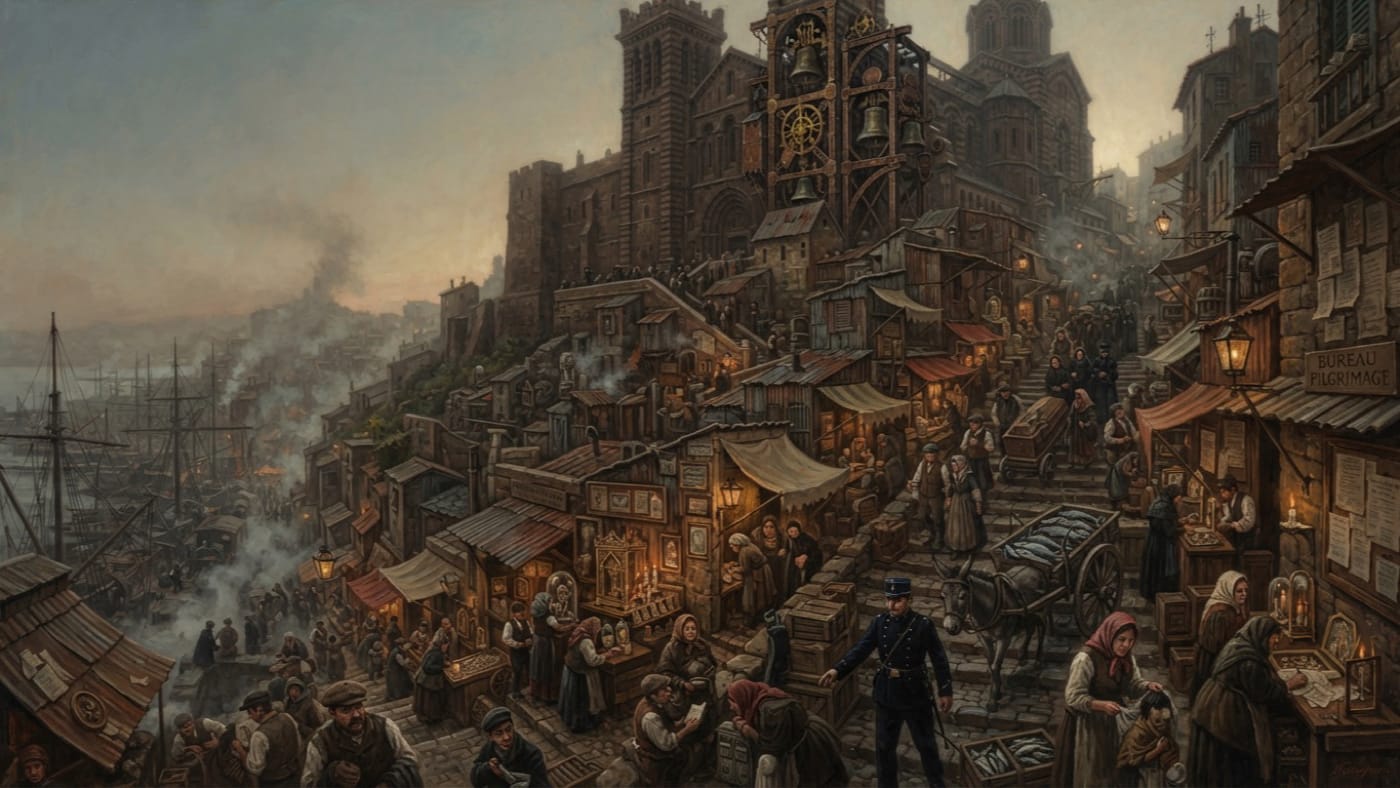
Cathedral Quarter
Saint-Victor keeps the hours; the slope keeps the accounts
The Cathedral Quarter is Marseille's slope of relic stalls, pilgrim hostels and parish rents: Saint-Victor's bells keep the hours while its claimants keep the accounts.
Codex Ref. II.4.09-019
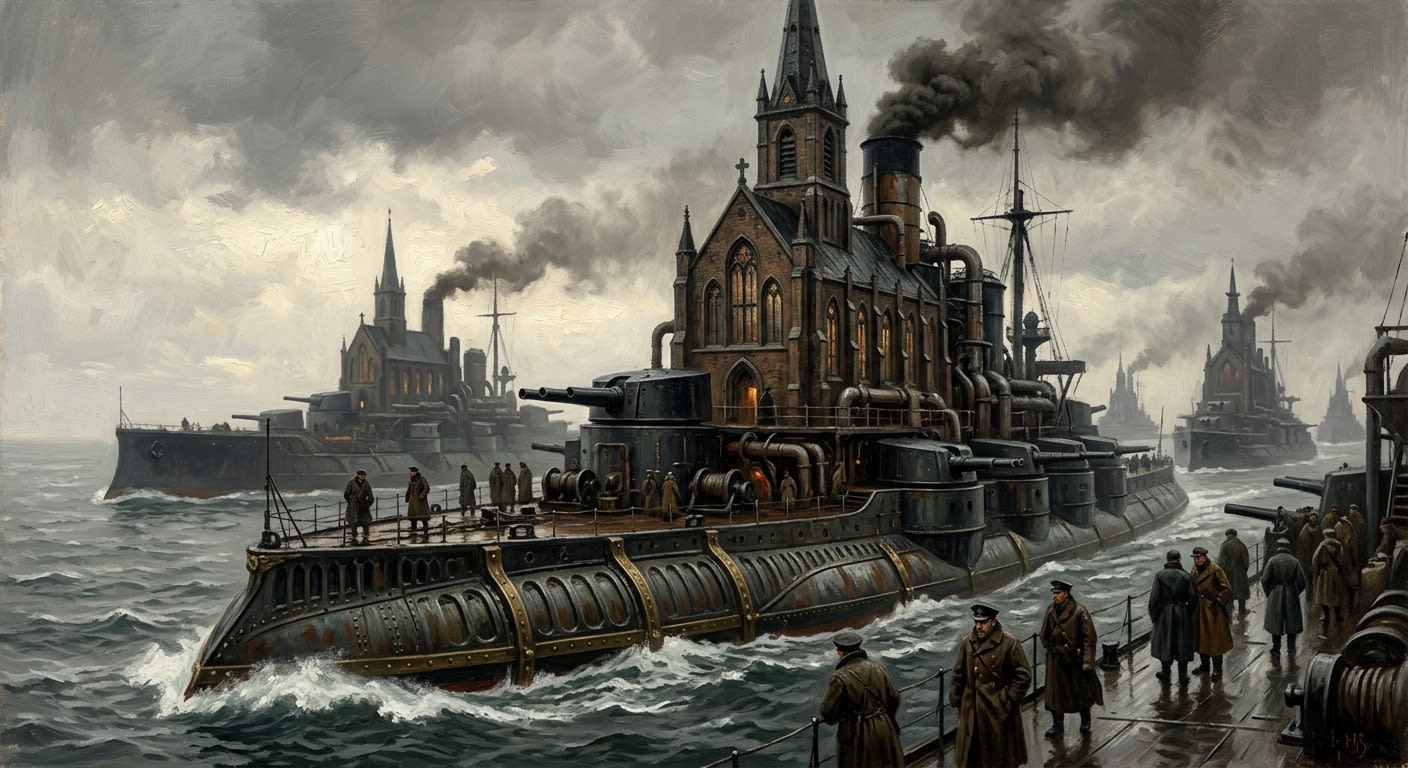
Cathedral Ships
Britain built churches that sail, shoot, and refuse to explain themselves
British Cathedral Ships carry chapel, bell-tower, artillery, and reliquary-keel across the Channel; the Synod depends on them and resents every plank.
Codex Ref. X.1.03-001
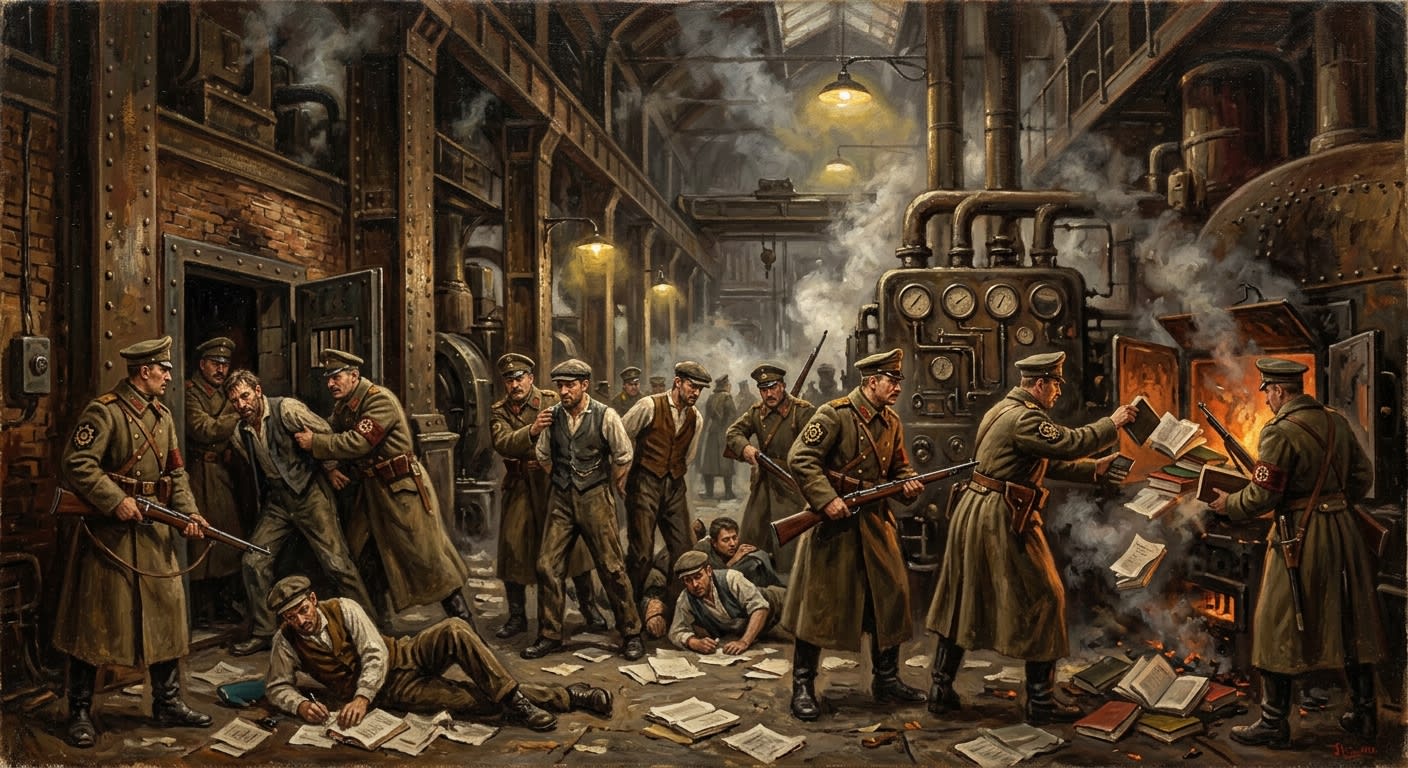
Causality Purge of A.S. 134
When arithmetic entered the furnace and Doctrine answered with masonry
A.S. 134 mechanistic-heresy purge after *Fuel Is Chemistry* manuals spread through six bastion powerhouses, ending in Przemyśl immurements and a larger vocabulary war.
Codex Ref. VII.8.10-030
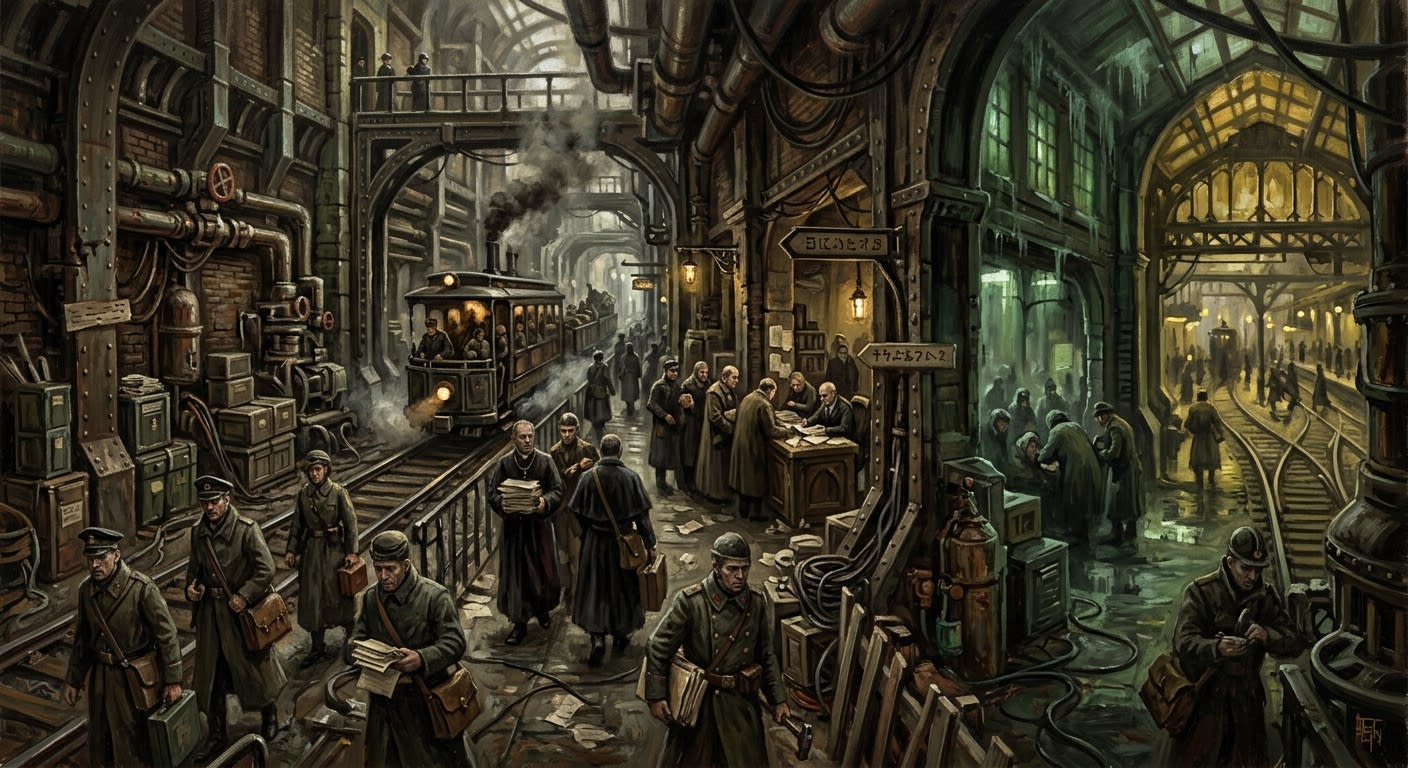
Central Corridor
Motion blurs the screams, which is why the Ledger loves trains
The Central Corridor is the Synod's middle artery: Munich's packed motion, Vienna's holy delay, Bratislava's damp throat, and Budapest's yellow pins.
Codex Ref. II.4.09-201
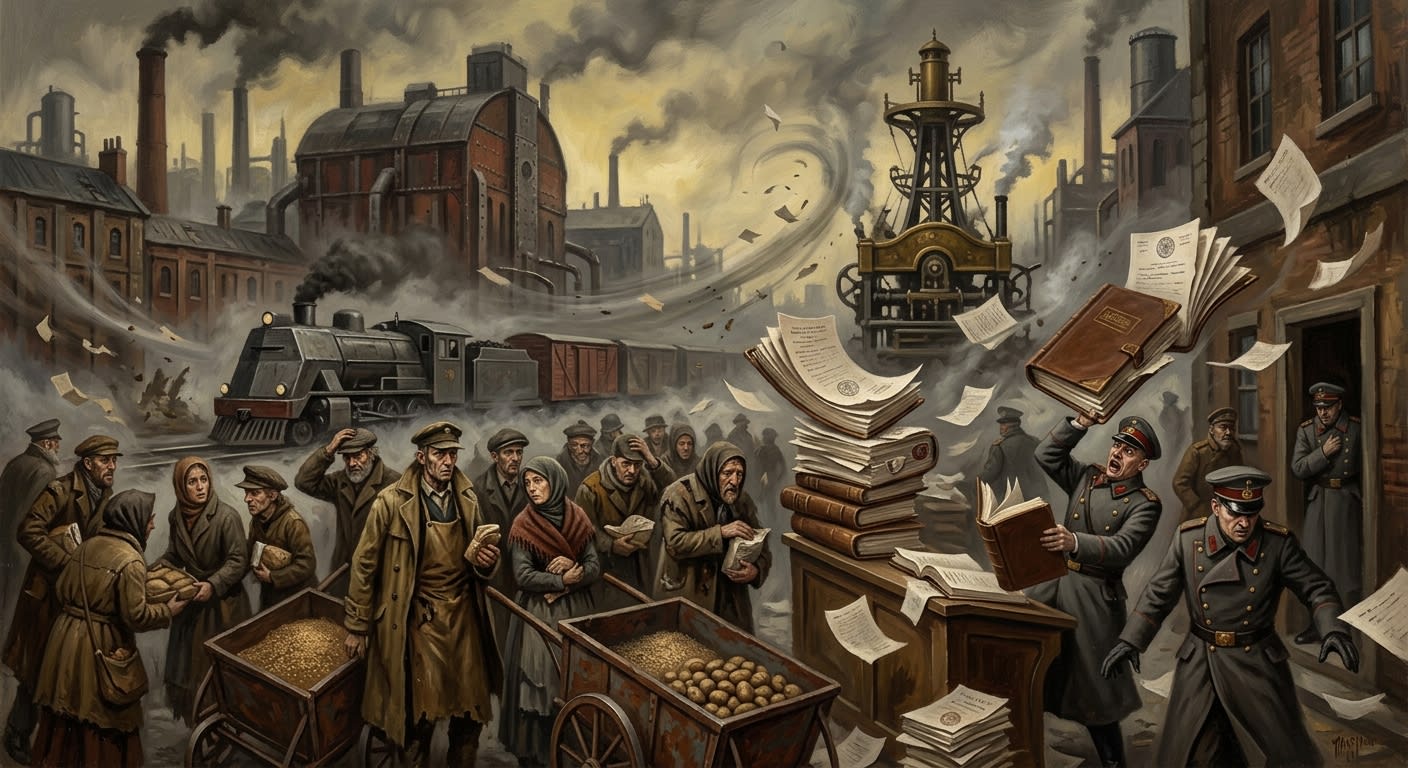
Chaff-Winds of Wexel
The weather laughs before the ledgers can fine it
At Wexel, the wind repeats forbidden laughter, bends citation ledgers into smiles, and teaches a ration town that mockery travels better than law.
Codex Ref. XIII.1.19-001
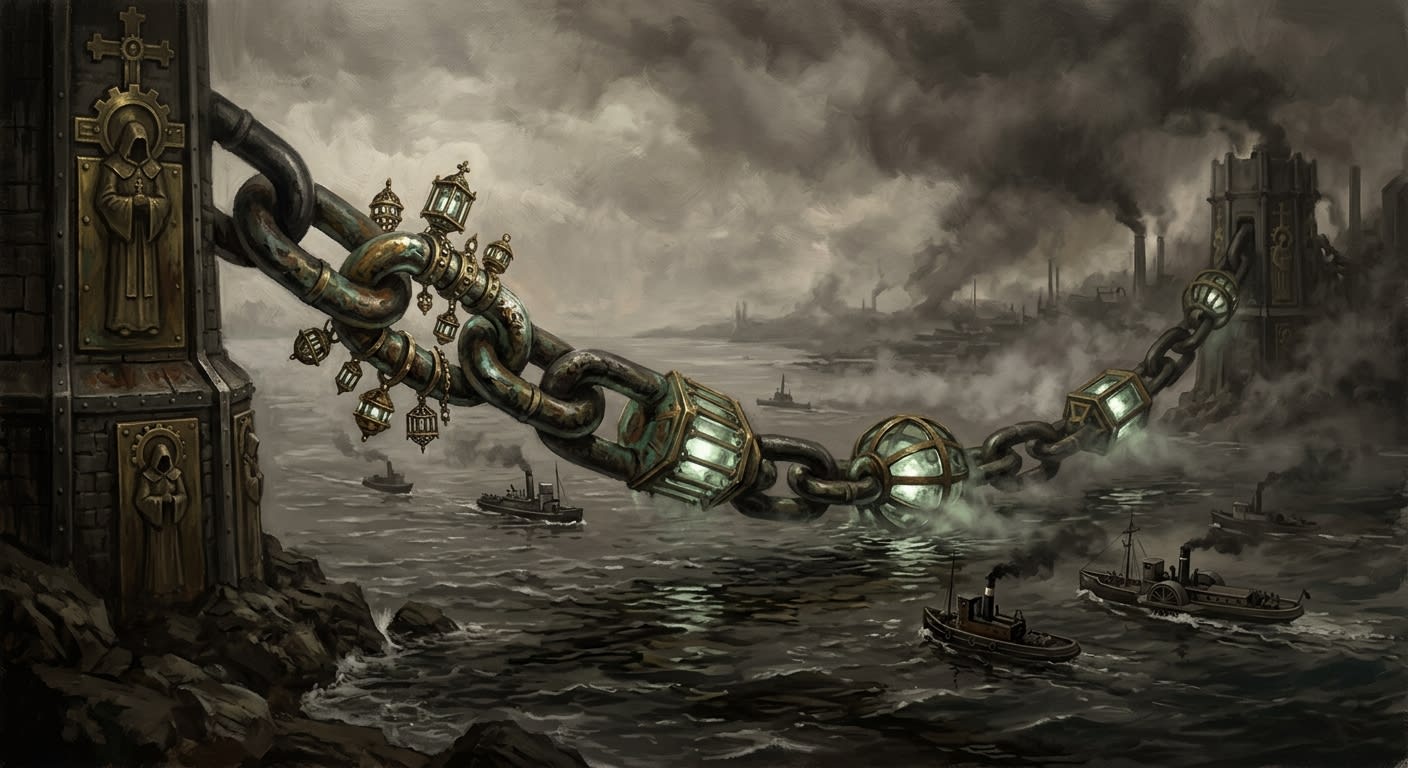
Chain of Saint Anakletos
The harbor closes its throat, and the iron has begun adding words
A reliquary boom across the Bosphorus, first strung in A.S. 68, spent its white fire against the Black Sea Armada and later grew seven links without permission.
Codex Ref. II.4.10-006
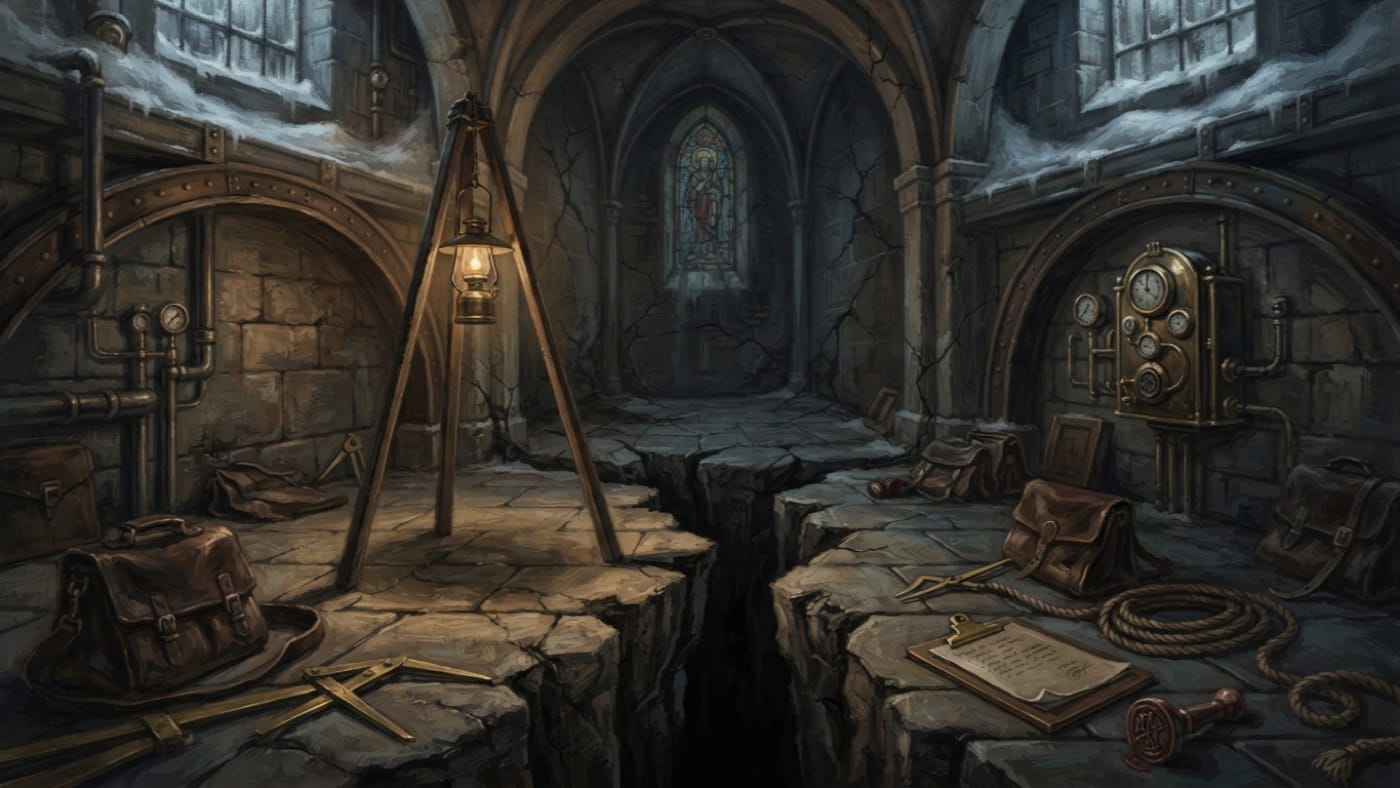
Chain-Vault Crack
A sequence survives where the year does not
A.S. 201 survey of the Chain-Vault Crack record: an undated late-winter opening beneath a Przemyśl chapel, followed by the earliest regional returns in the First Quake-Ledger. Records knows the sequence; it lacks the year.
Codex Ref. VII.8.10-551

Chainmaster Veyl
Bind the binders, and make their wrists confess
Purity reformer, rank, mask, or useful ghost credited with the Glasschain Reform that made White-Mantled Inquisitors audibly inspectable.
Codex Ref. III.2.03-002

Chancellery of Colors
No hue is innocent after public display
Heraldry sub-body that licenses the Synod's colours, issues quarterly swatch sets, and converts pigment drift into jurisdiction.
Codex Ref. VIII.1.03-004
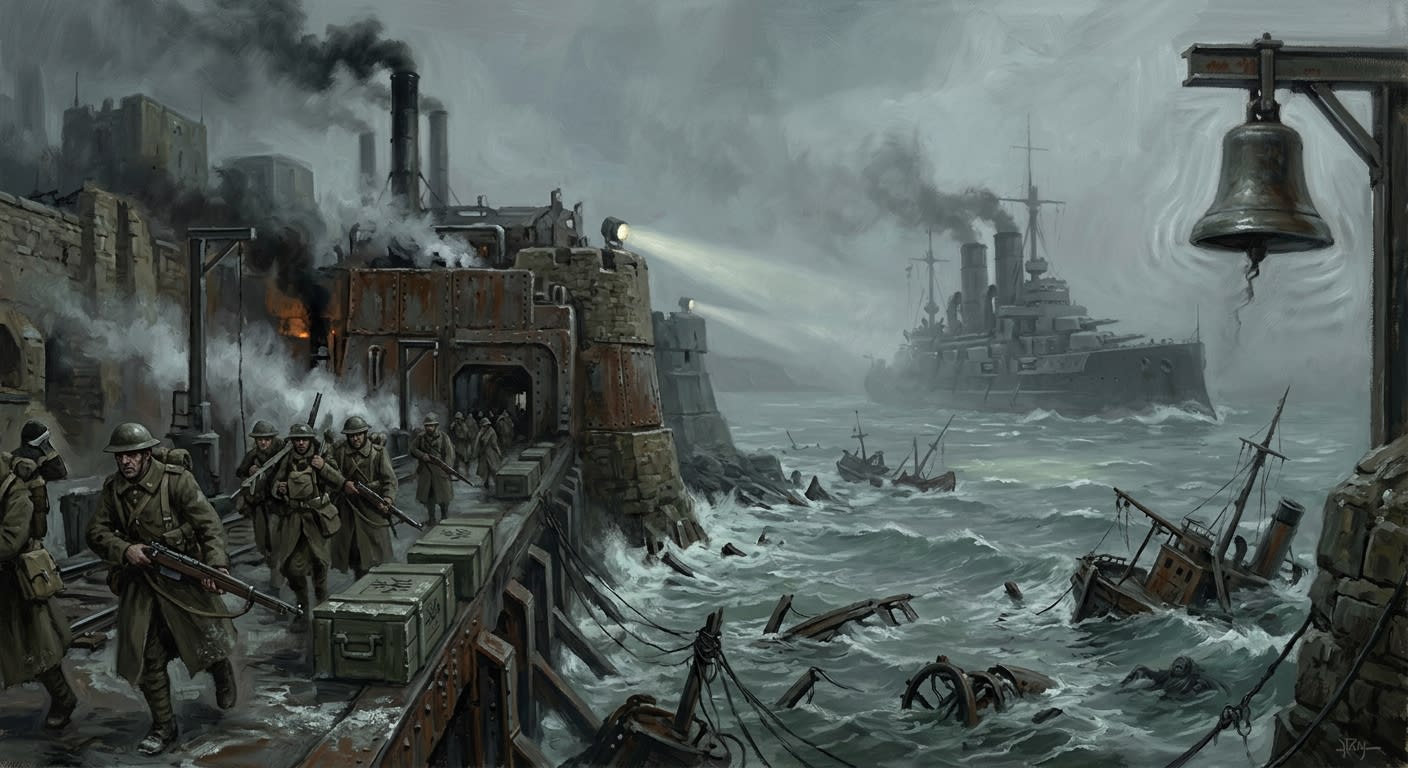
Channel
The water between two prides, and wiser than both
The Channel is the Synod's western salt wound: Calais to Dover, bells to fog, British pride to Synod arithmetic, and drowned things below.
Codex Ref. II.1.04-201
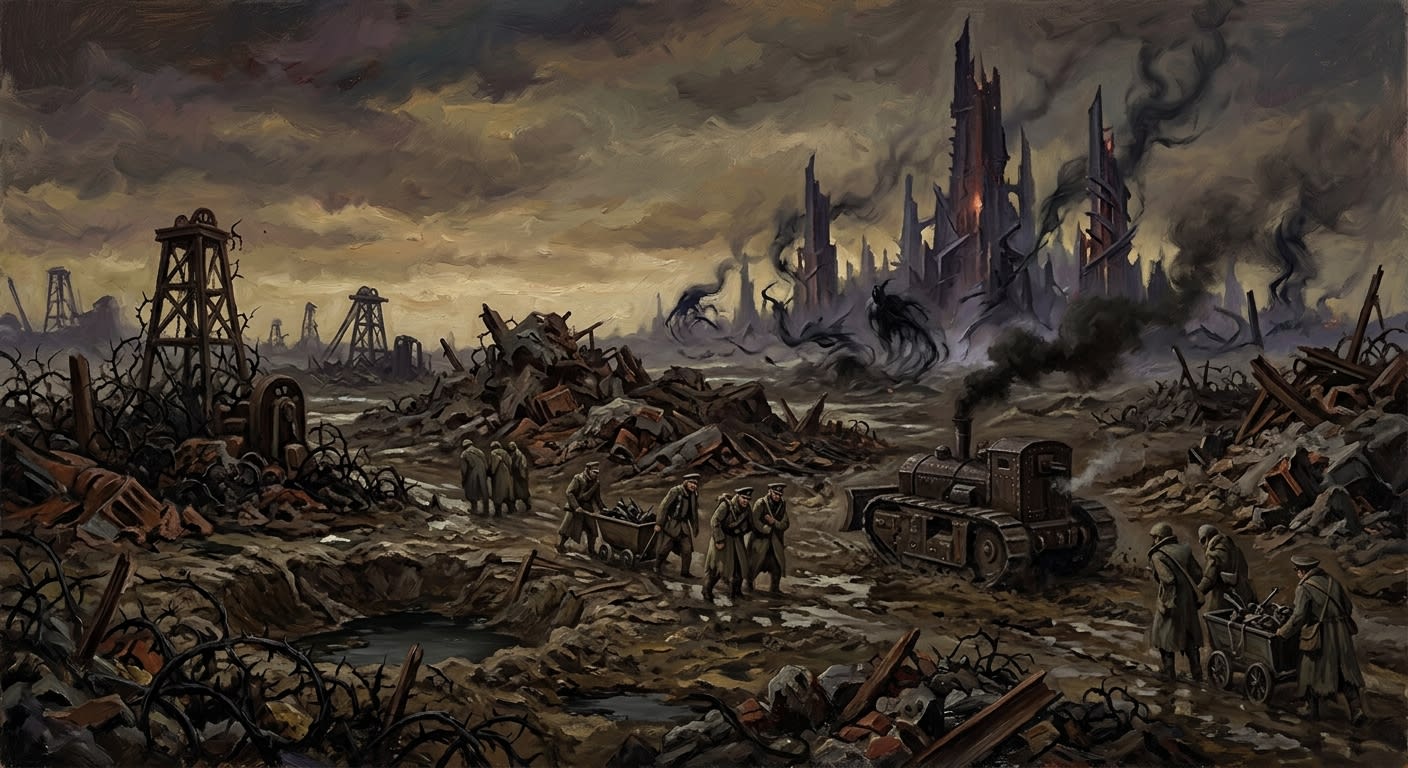
Charnel Lands
Where geography continues after mercy has been denied
The Charnel Lands are Zone 6, the demonic territories east of the Sagittal Line: geography made hostile to custody, with wilderness and cemetery both demoted to inadequate clerkly metaphors.
Codex Ref. II.6.06-001

Charter Baron Gruhl
The man who made forty-one deaths balance
Charter Baron Gruhl held seven Budapest-Irongate wound-sites, lost forty-one workers in one season, filed them as fuel-adjacent assets, and retired with a pension.
Codex Ref. III.2.01-149
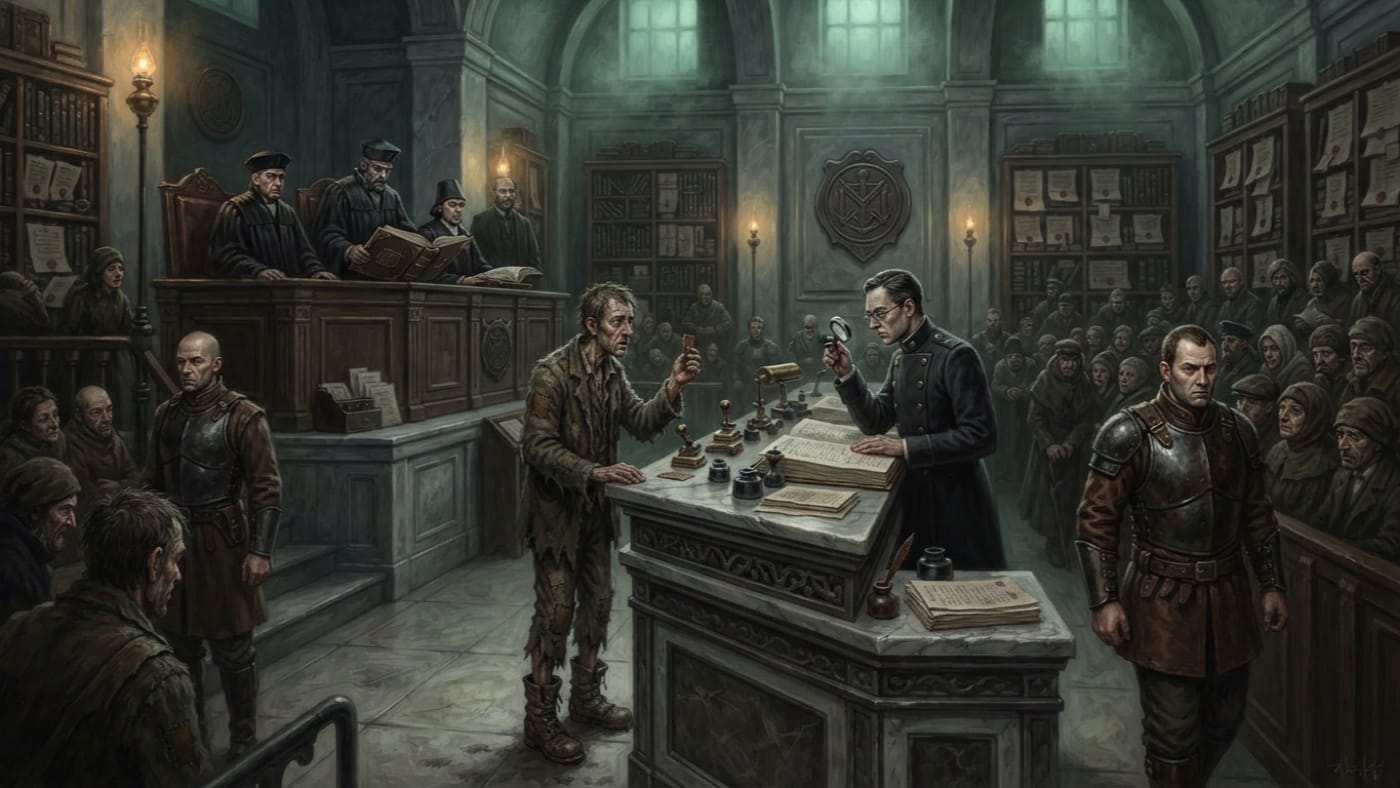
Charter Court of Impressions
Where the papers stand trial before the person
Candlewick's charter tribunal tries shade-treason and keeps seal rubbings of the dead. The living must hold a lawful shade token before the Court will hear their complaint.
Codex Ref. VIII.2.14-201
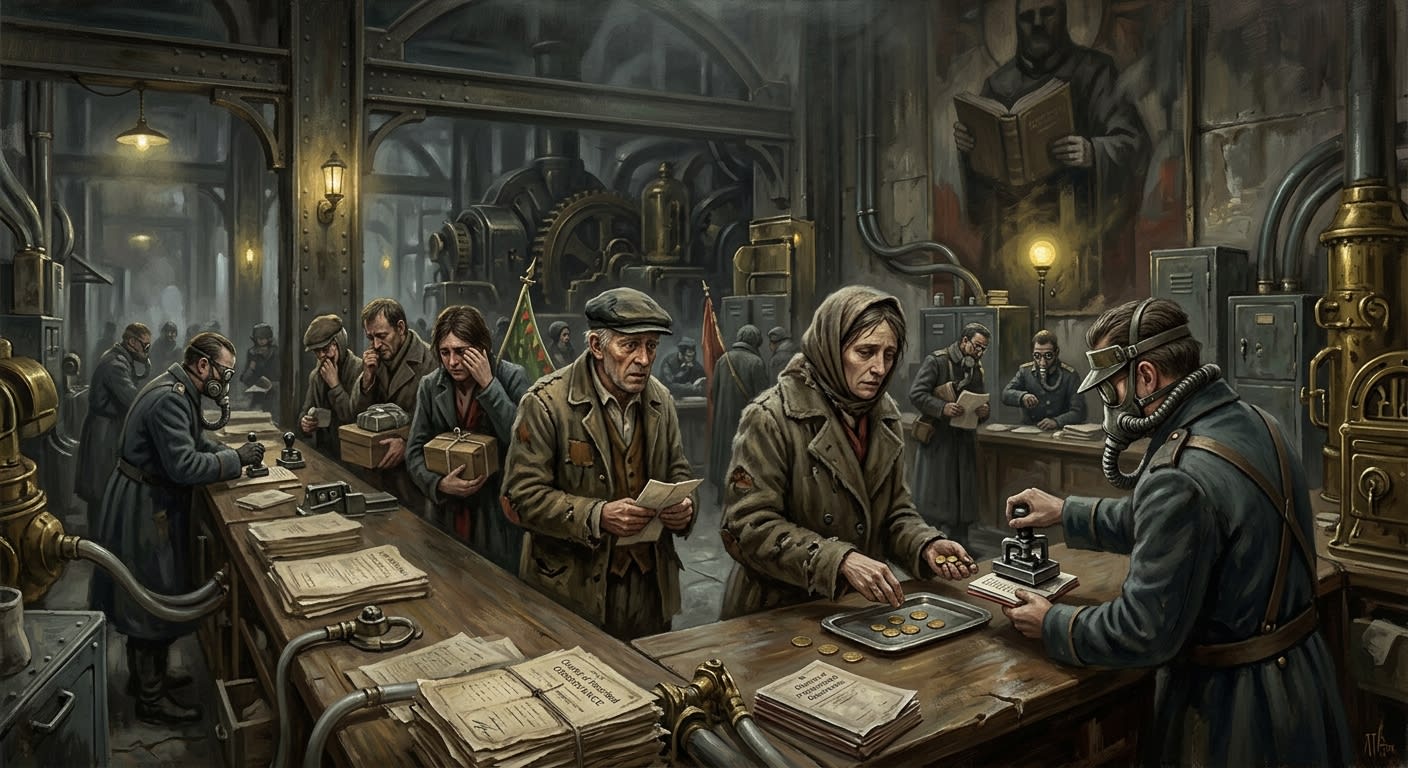
Charter of Prescribed Observance
The document that taught joy to queue and grief to file receipts
Ratified in A.S. 58, the Charter of Prescribed Observance turned public feeling into lawful form: mourning, feasting, silence, joy, and deviation all made taxable.
Codex Ref. XIII.1.23-001
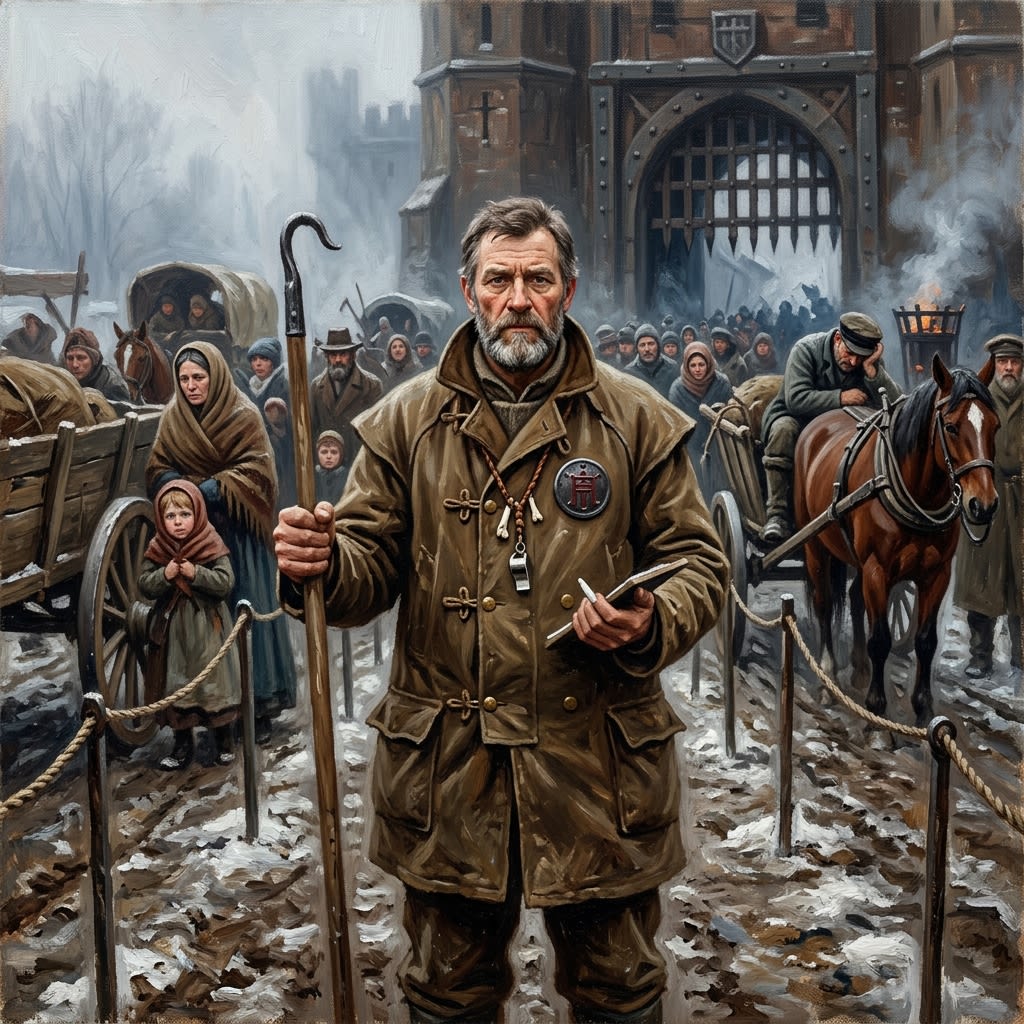
Checkpoint Queue-Marshal
The man who holds the rope holds the war
The Synod's most hated indispensable servant — 1,140 Queue-Marshals holding the ropes that hold the lanes that hold the war together, constituted A.S.
Codex Ref. XII.7.01-001

Child of Innocence
A condemned name, a river, and ash
Condemned as the first so-called Virtue General, the Child of Innocence is an unverified pale boy said to unravel loyalty with truth. The Rhine fires establish neither his identity nor their cause.
Codex Ref. III.2.01-054
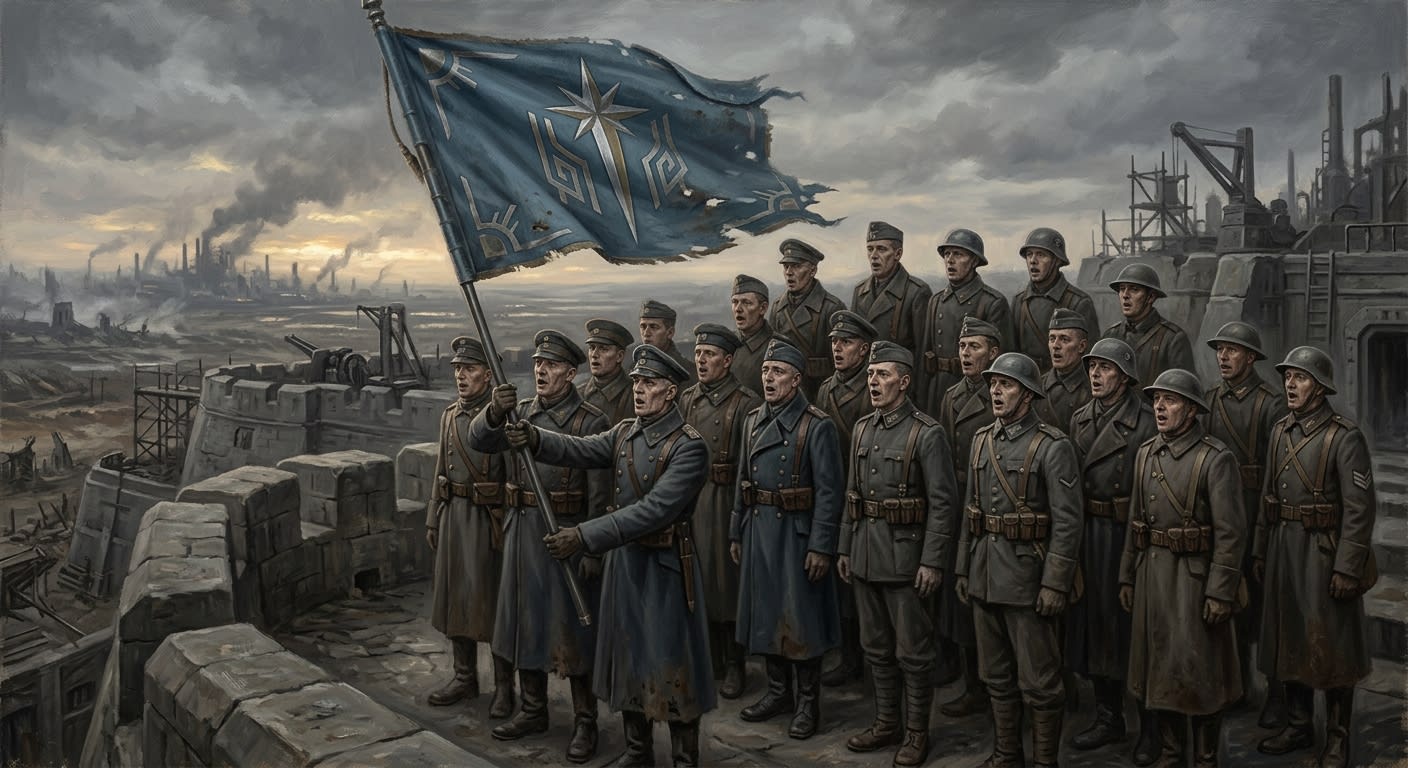
Choir of the Northern Standard
Twenty voices finish the verse after the fog has answered
Twenty voices at Bastion-Königsberg hold the Northern Standard against the Grey, singing late enough to survive and long enough to be damaged.
Codex Ref. XIII.1.57-188
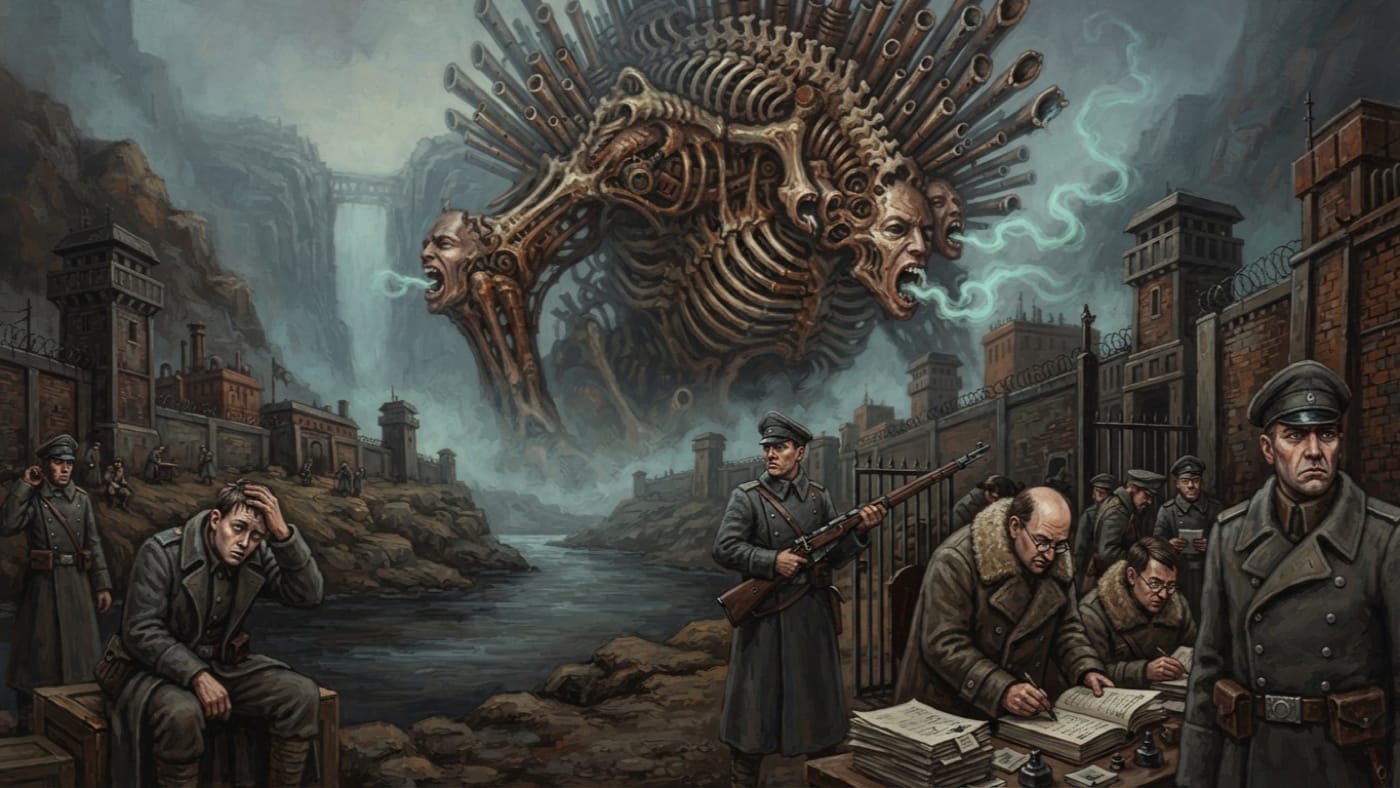
Choral Maw
Where Your Own Voice Ceases to Be Evidence
Morwen's vast organ of bone and sinew wails in stolen voices until a man cannot distinguish his thoughts from their echo. The Bureau can verify his name; it cannot make him trust the voice that answers.
Codex Ref. IV.1.07-008
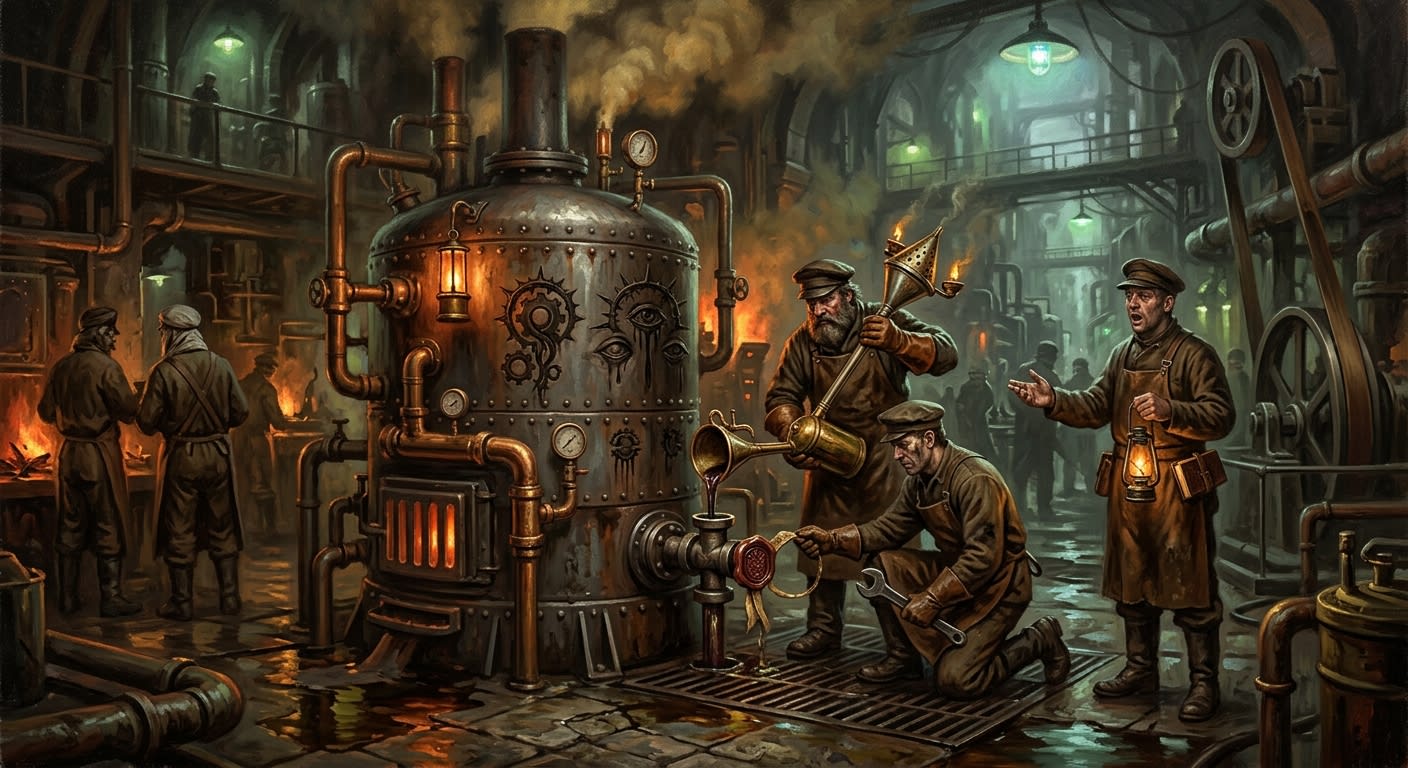
Chrismole
Blessed fuel, classified substrate, and the blue-black argument of necessity
Chrismole is sanctified fuel: oil disciplined by hymn, substrate, seal, and denial until it warms guns, feeds engines, and argues back.
Codex Ref. XIII.1.12-072
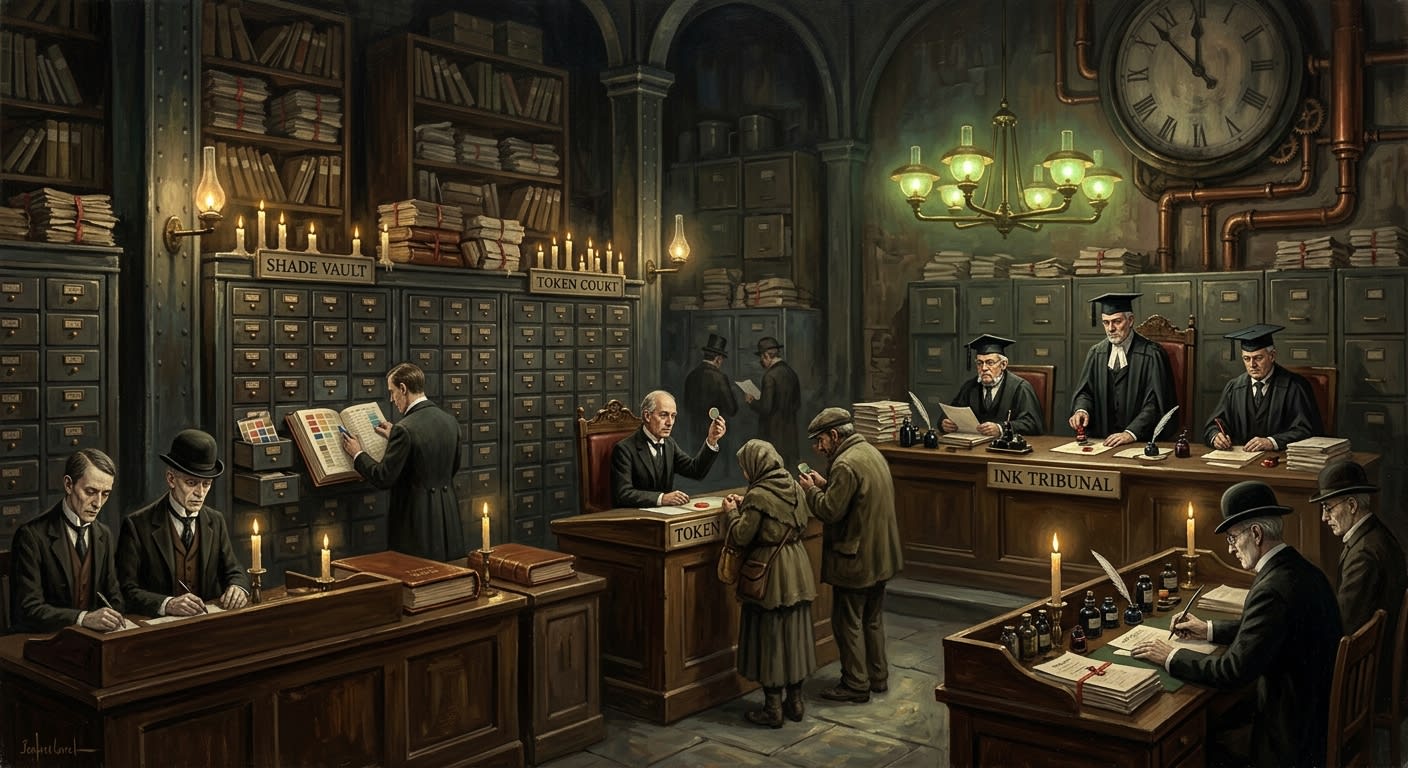
Chromatic Registry
Where colour enters the file and the eye becomes subordinate
Candlewick's Chromatic Registry defines lawful colour: shade vault, token court, ink tribunal, and the lamp-lit tyranny by which papers decide who exists.
Codex Ref. VIII.2.13-104
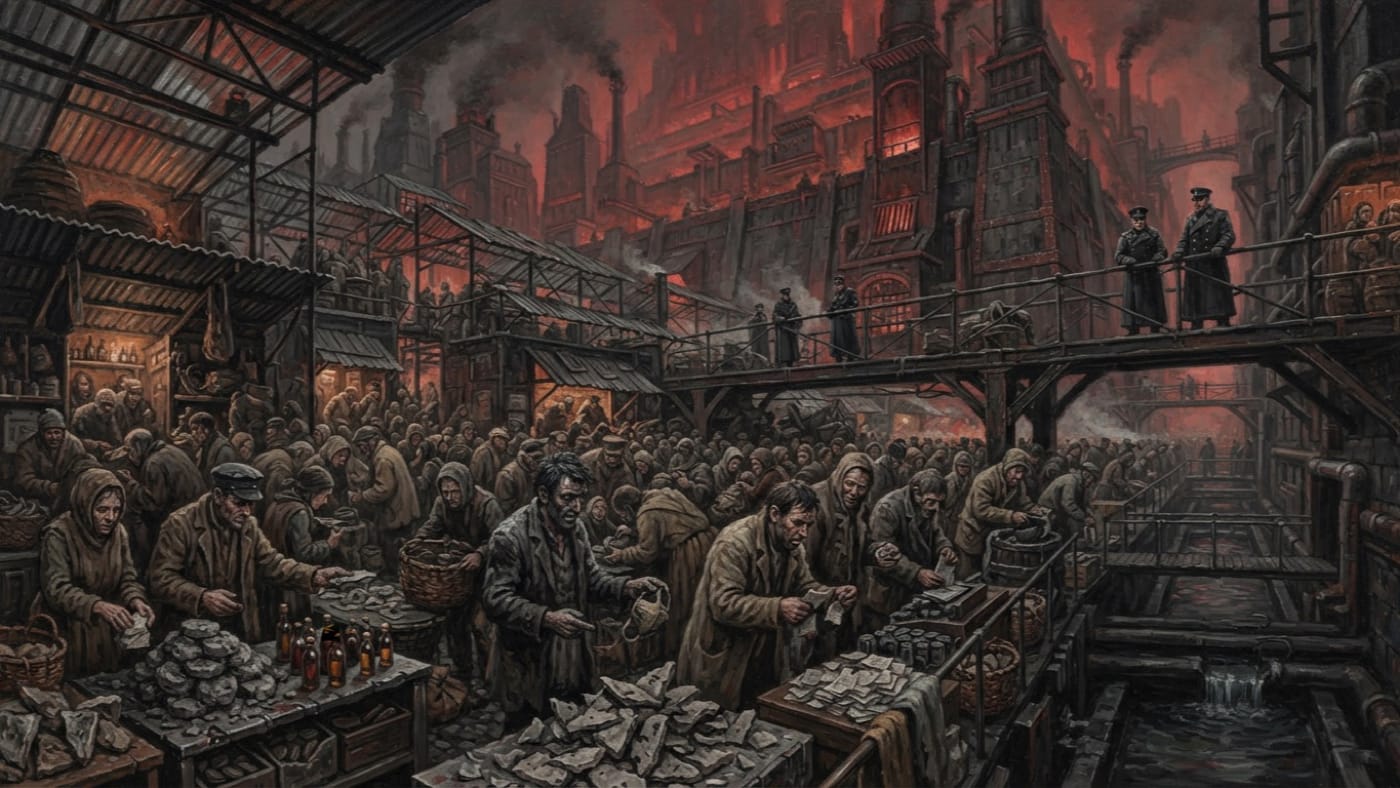
Cinder Markets
Pepper oil buys supper. A bread token proves you exist.
At San Vesta's lowest terrace, pepper oil and ash cakes change hands beside bread shards, cool masks and forged triage slips. The Ledger counts whole loaves; the Cinder Markets trade what hunger breaks off.
Codex Ref. VII.1.03-002
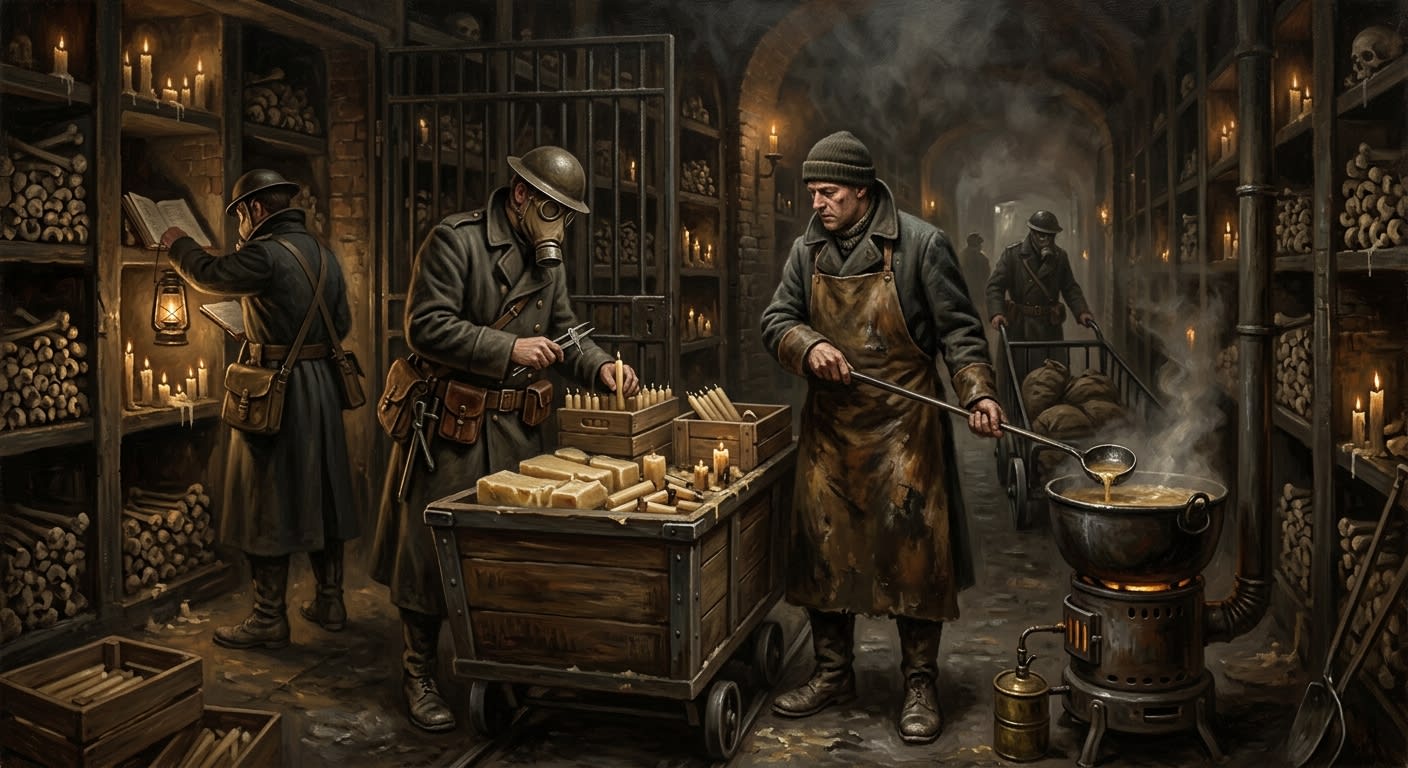
Circle of Ashen Steps
Where the dead are counted twice and the living pay for the privilege
The Circle of Ashen Steps is the Lantern Brotherhood's bone-lane vigil: tallying candles, policing body routes, skimming marrow-wax, and keeping scandal below riot threshold.
Codex Ref. XII.25.03-001
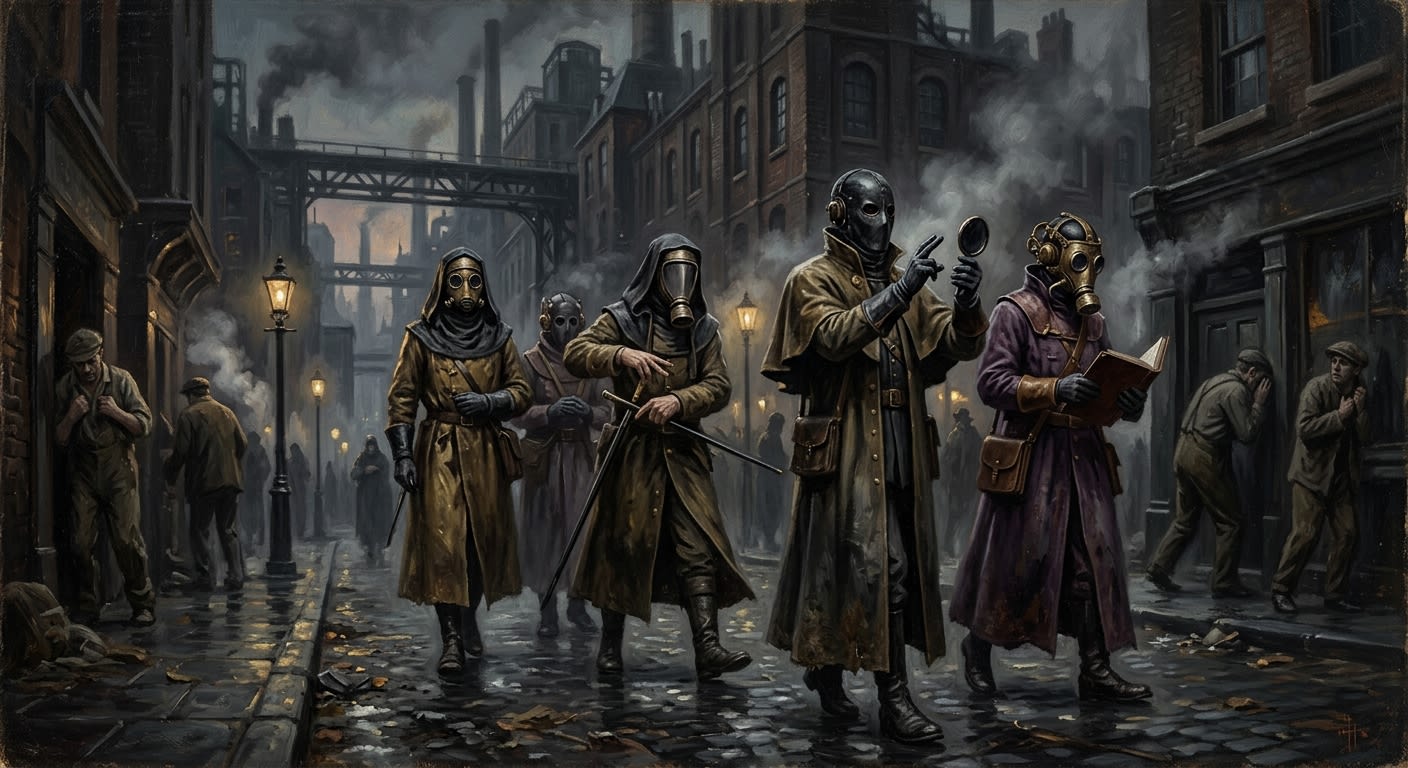
Circle of Mute Radiance
Silence has owners, and they carry mirror shards
The Circle of Mute Radiance governs bell-dead streets through hand-code, mirror-flash, Mouth-Seal, Hush Beating, and the quiet arithmetic of removal.
Codex Ref. XII.25.05-001
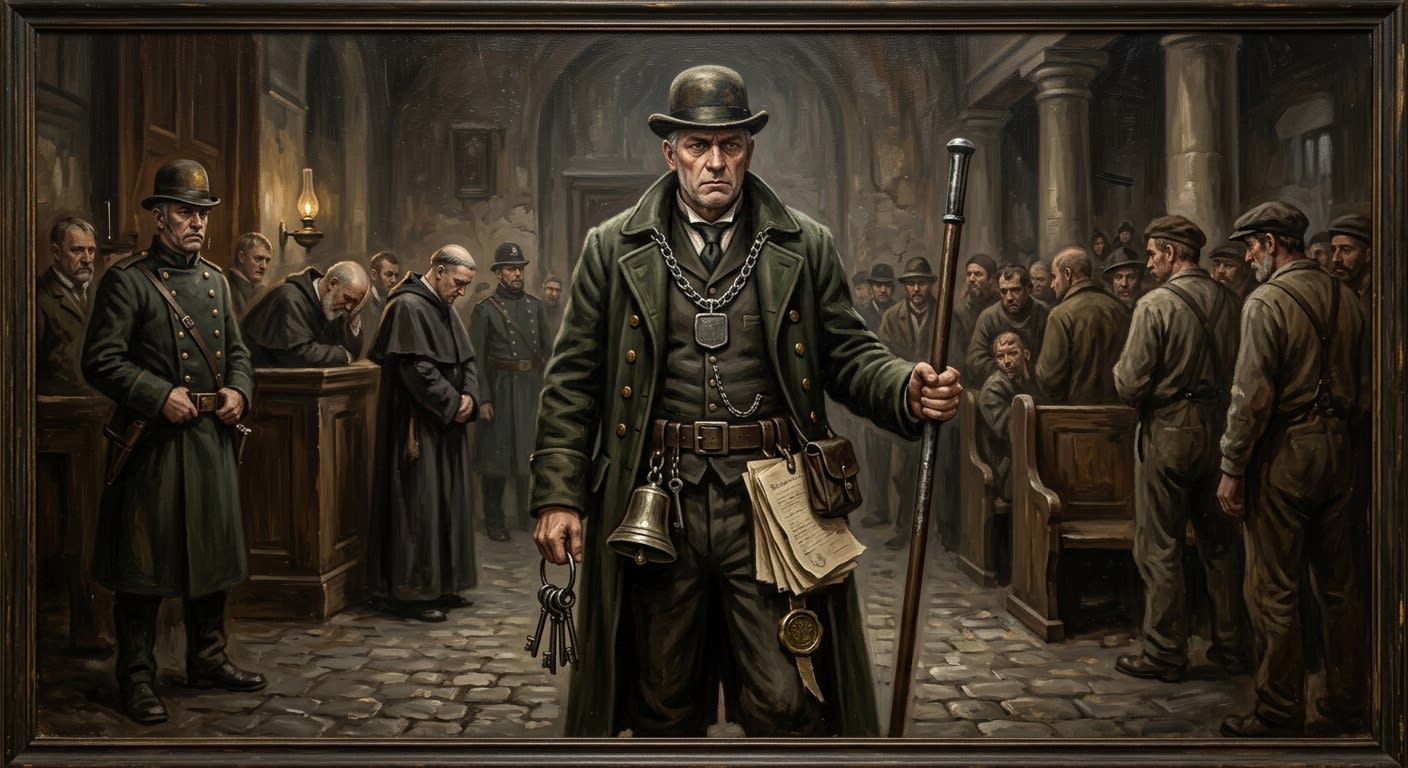
Circuit Bailiff
The road's middle hand, where judgment learns to bruise neatly
The Circuit Bailiff is the middle rank of travelling Synod law: keeper of chalk, chain, chime, seal, crowd, prisoner, and every ugly second between sentence and obedience.
Codex Ref. XII.39.01-001
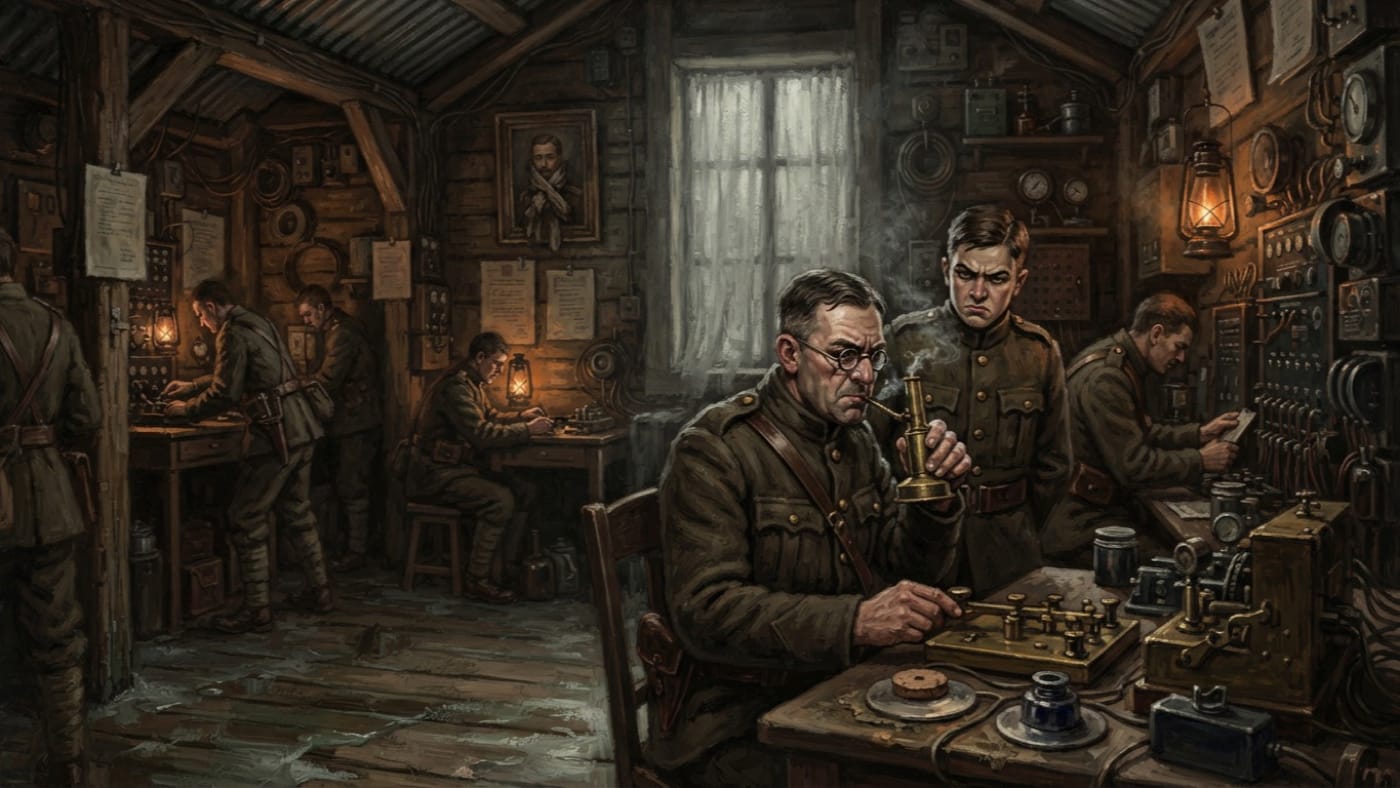
Circular 192-M
Dull the glass before it promotes you
Circular 192-M orders Przemyśl's forward positions to spoil needless reflections and supervise essential ones. A man who cannot see a peer cannot hold the Line.
Codex Ref. XIII.1.07-192
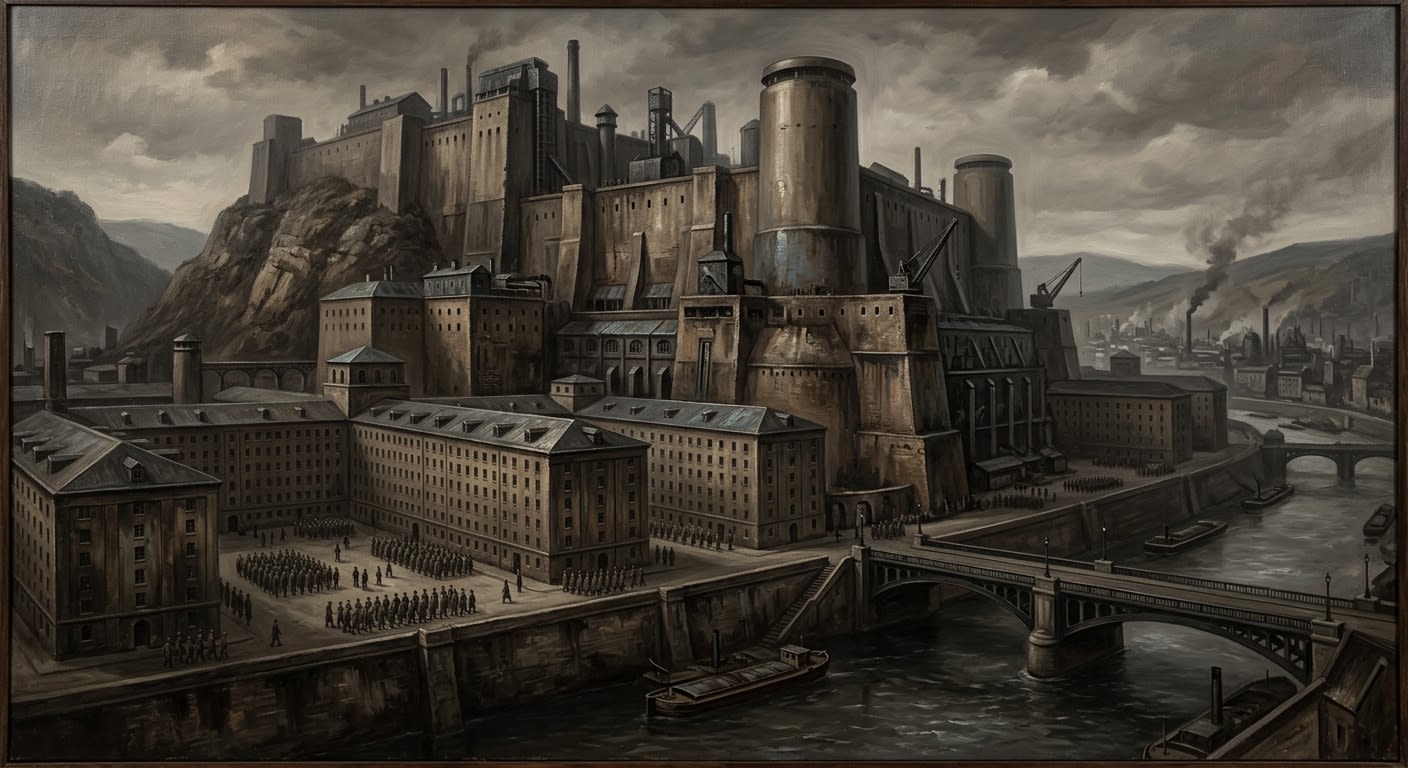
Citadel of Lyon
The hill where maternal invention meets drill tempo
The Citadel of Lyon is the Rhône corridor's catechism-barracks and civic warning, fixed after the Levy protests to train boys and supervise joy.
Codex Ref. II.1.01-004
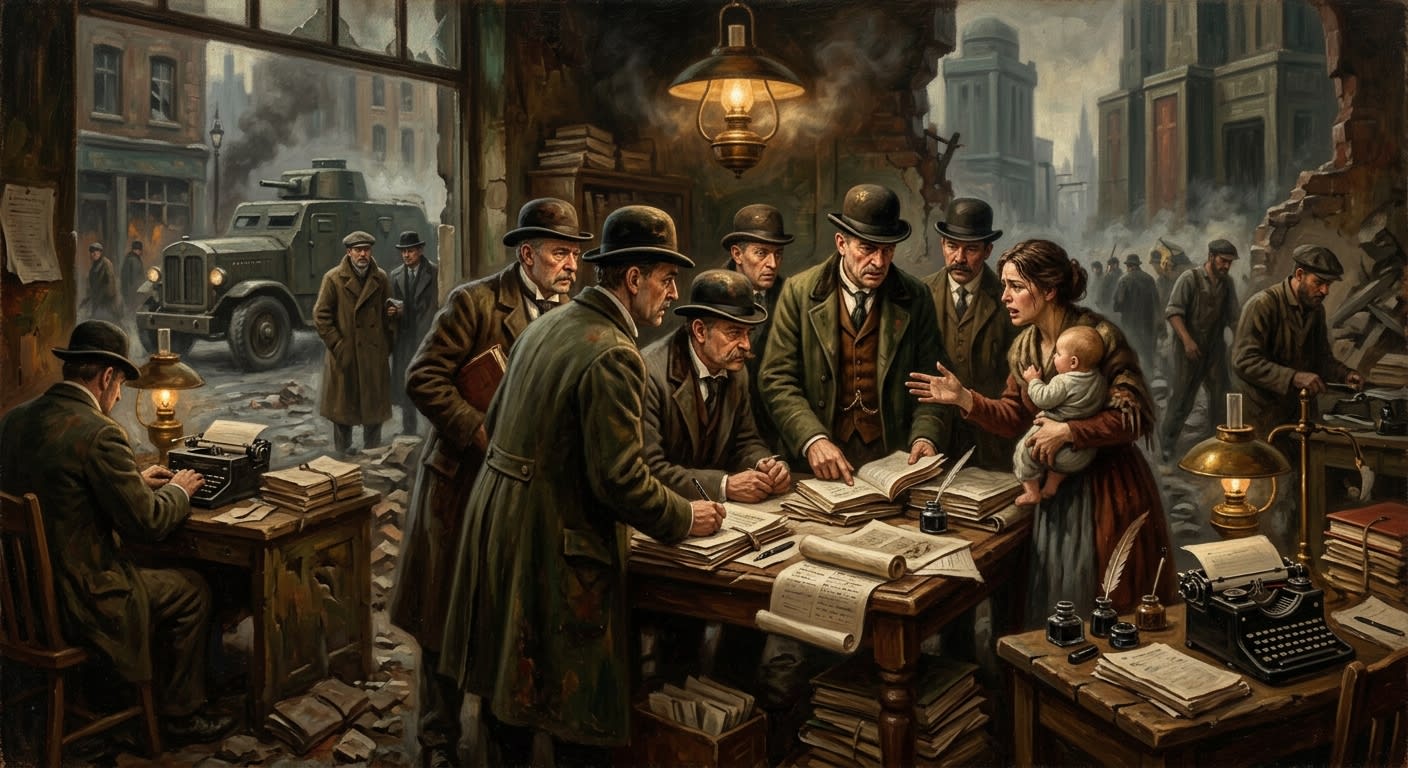
Citation Pragmatists
The useful lie, properly receipted, may keep a district alive
Informal Citation Advocate faction that argues intent, exploits ambiguity, and keeps clients, convoys, widows, and districts alive long enough to be billed.
Codex Ref. XII.28.03-001
Citation Purists
The clause is the mercy, and the Creator help the client
Audit-favoured faction of Citation Advocates who worship clean custody, strict text, and clauses sharp enough to execute a client while preserving the file.
Codex Ref. XII.28.02-001
Civic Triage Tribunal
The court where wounds learn their price before they heal
Marrowgate's Civic Triage Tribunal turns beds, saws, broth, labour, debt, and death into rulings; mercy enters only after allocation.
Codex Ref. XIII.1.88-083
Classification 7-F
The file by which the Bureau teaches horror to stand in line
Classification 7-F names Reproductive Infrastructure, Hostile: the sealed category by which Ash-Mothers, mortar, obedience, and enemy supply become one file.
Codex Ref. XIII.1.72-004
Classification Amber
The honeyed prison where Purity keeps suspicion alive
Classification Amber is Purity's suspended warrant: suspicion preserved in colour, fear extended by procedure, and mercy sharpened into watchfulness.
Codex Ref. XIII.1.06-001
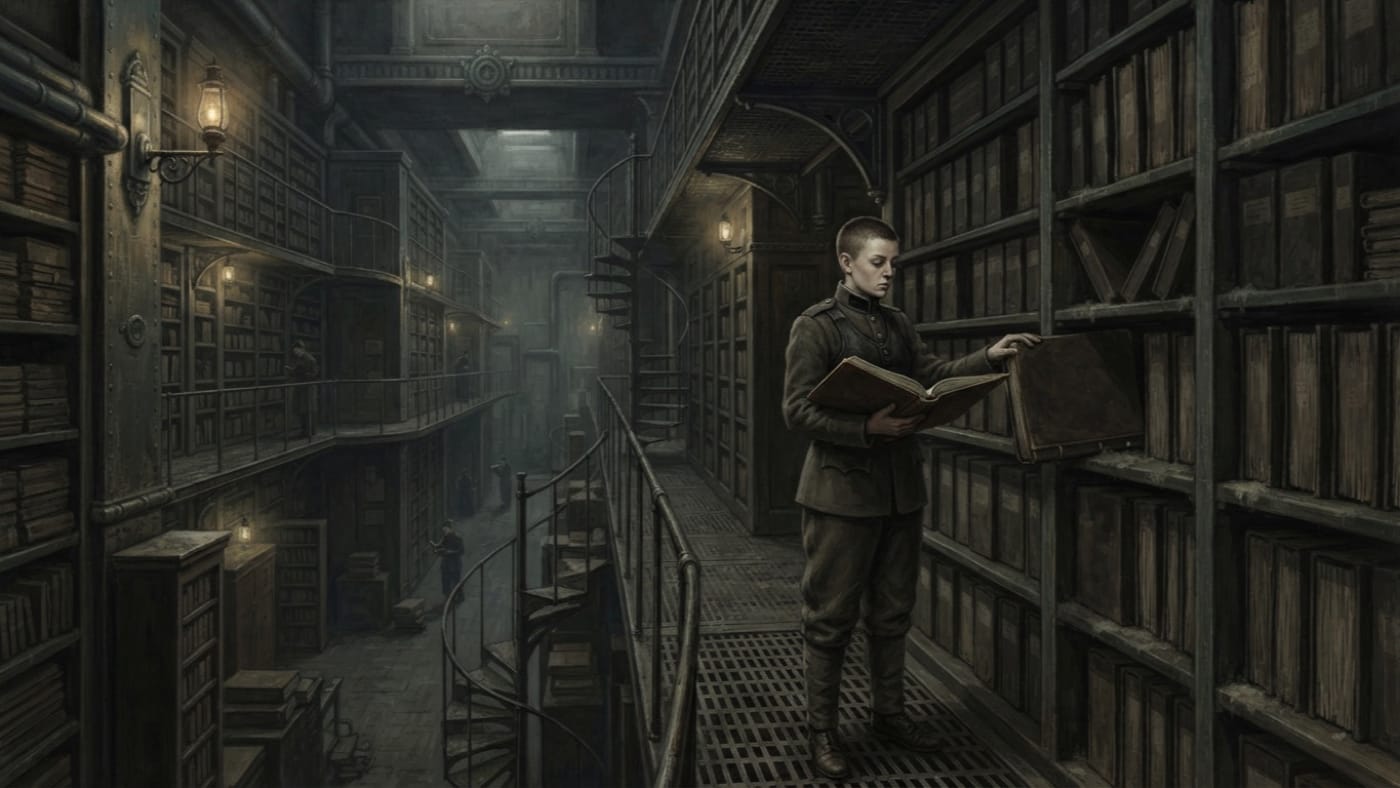
Classification Black
The paper is kept; the knowledge is refused
Classification Black keeps a document on the shelf and forbids anyone to read it. The Synod preserves the paper; the clerk preserves their ignorance.
Codex Ref. XIII.1.09-002
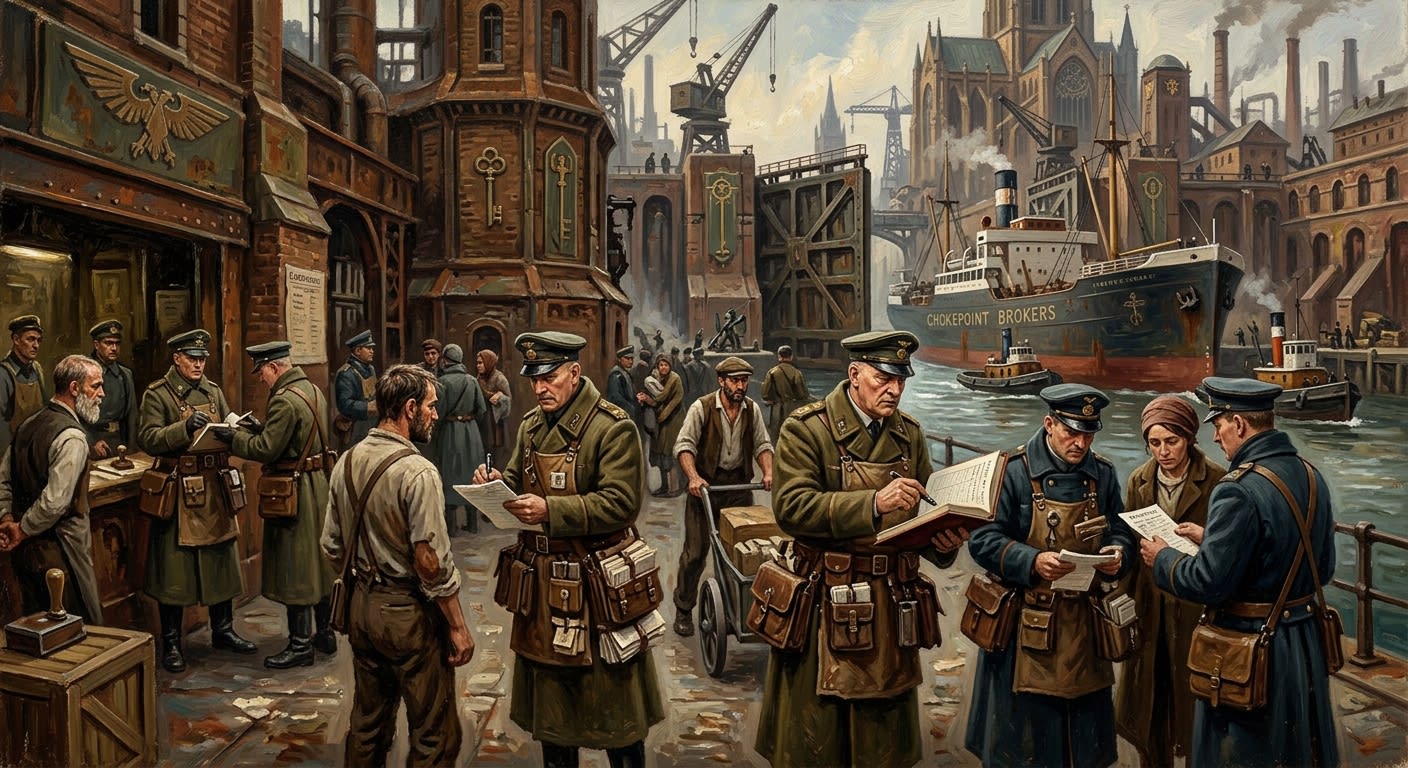
Clean Slips
The fraud modest enough to pass as mercy
Clean Slips are the daylight faction of Ferry Chokepoint Brokers, moving bodies through lockhouses by correction slips, witness pairing, and properly sized fraud.
Codex Ref. XII.16.02-001
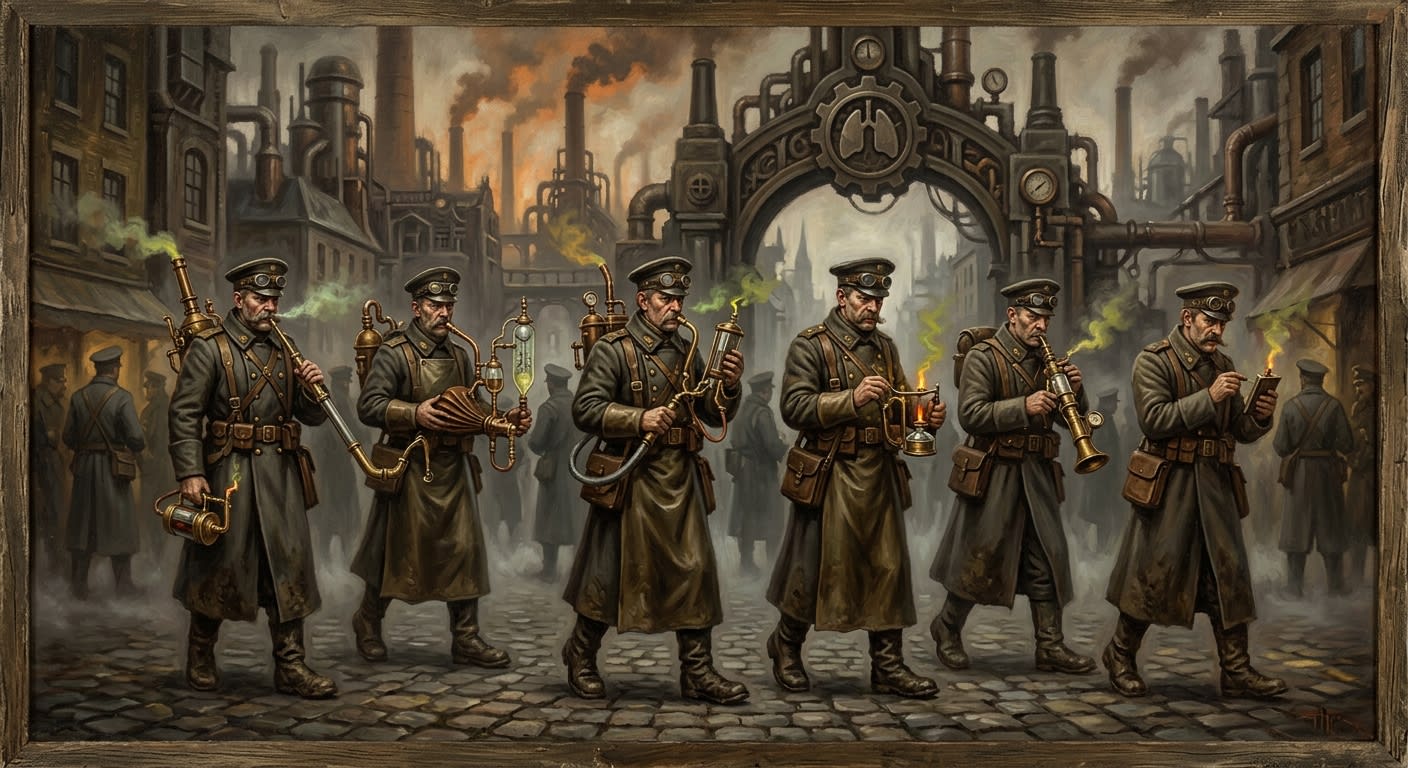
Clean-Lung Purists
The faction that believes the printed rule
Ninth Mark Fume-Inspector faction devoted to total detection of prohibited emanations, useful as conscience and purge tool, intolerable wherever command requires a city to keep breathing.
Codex Ref. XII.30.02-001
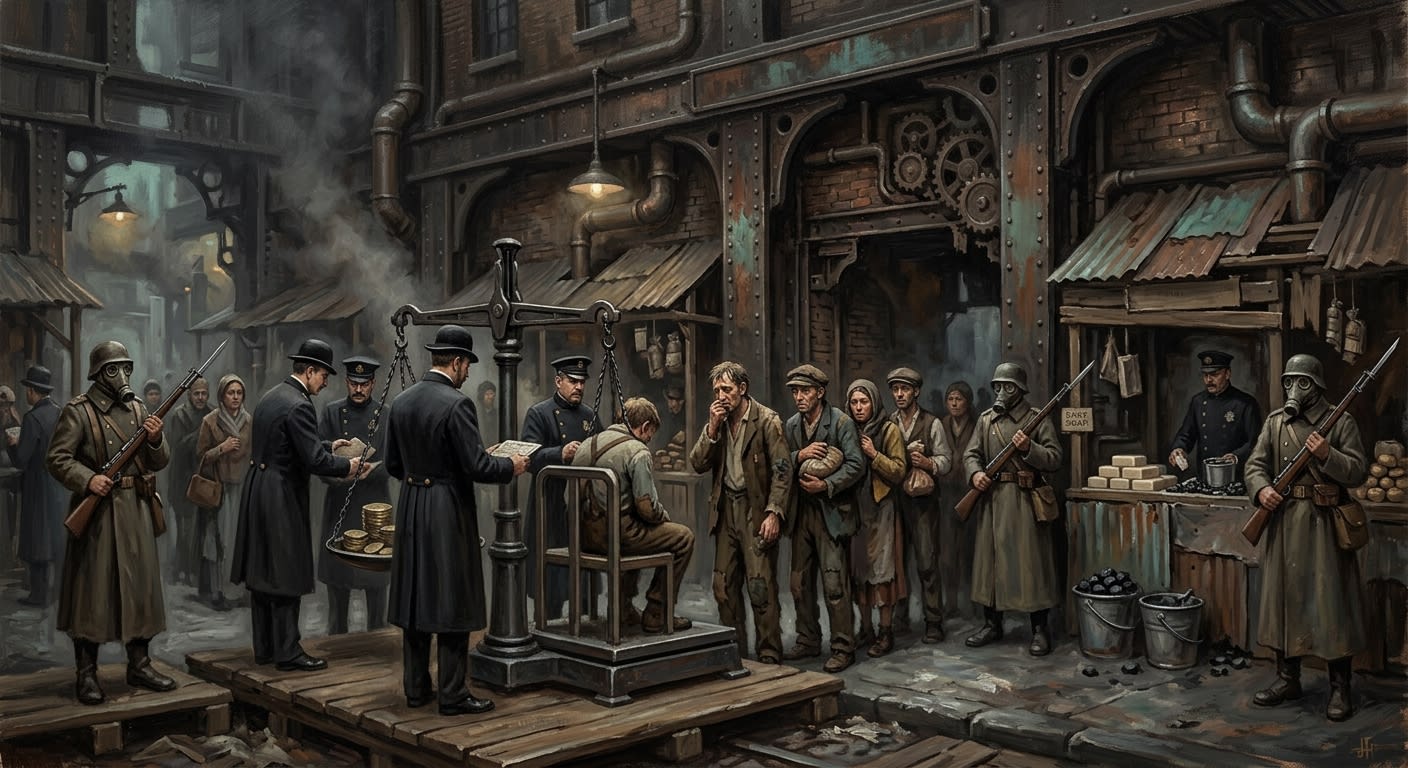
Clipper's Market
Where money confesses and hunger pays the fee
Sable Court's legal exchange frontage weighs coin, face, and citizen alike; the soap is cheap, the fear is official, and the mercy is illegal.
Codex Ref. II.2.07-002
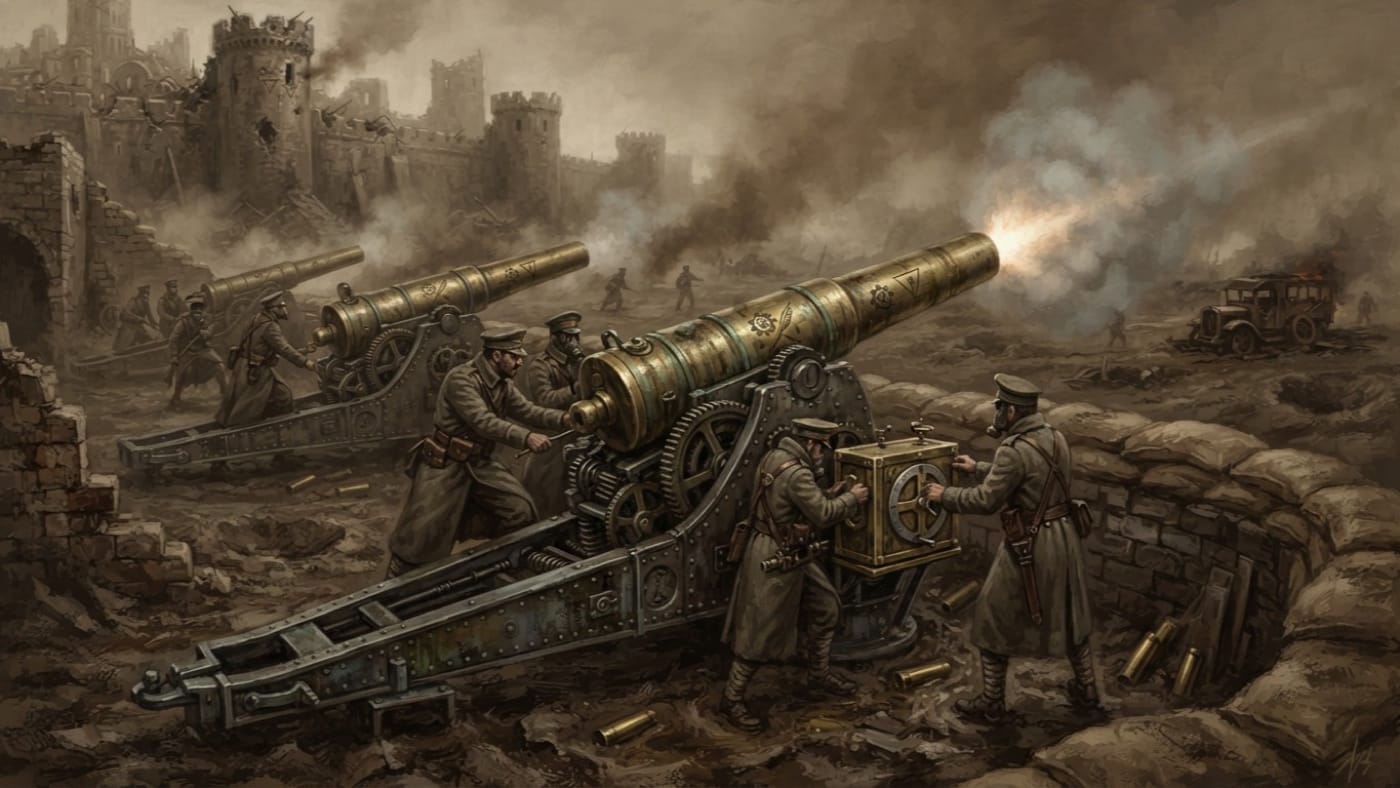
Clockwork Artillery
Four rounds per minute; no provision for Providence
Brass-barrelled Rationalist cannon capable of four rounds per minute. The Bureau condemned the makers, blessed the barrels, and kept the design.
Codex Ref. III.2.04-016
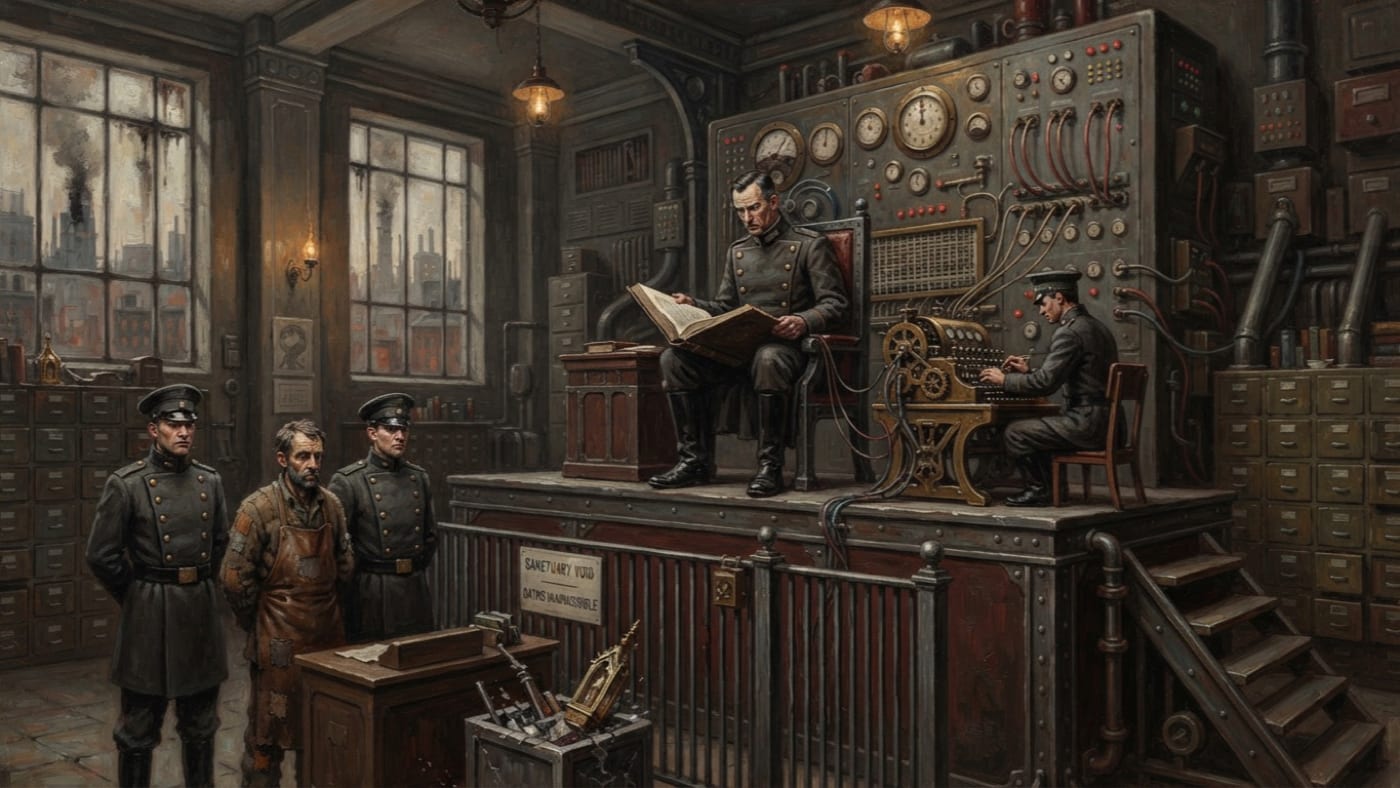
Code of Rational Jurisprudence
A Courtroom Without Relics, and a Divisor Where Mercy Belonged
The Republic's court law made evidence sovereign, abolished relic-sworn oaths and sanctuary, and priced punishment by usefulness. Indexed to Regensburg, A.S. 30; its promulgation remains unknown.
Codex Ref. XIII.1.58-030
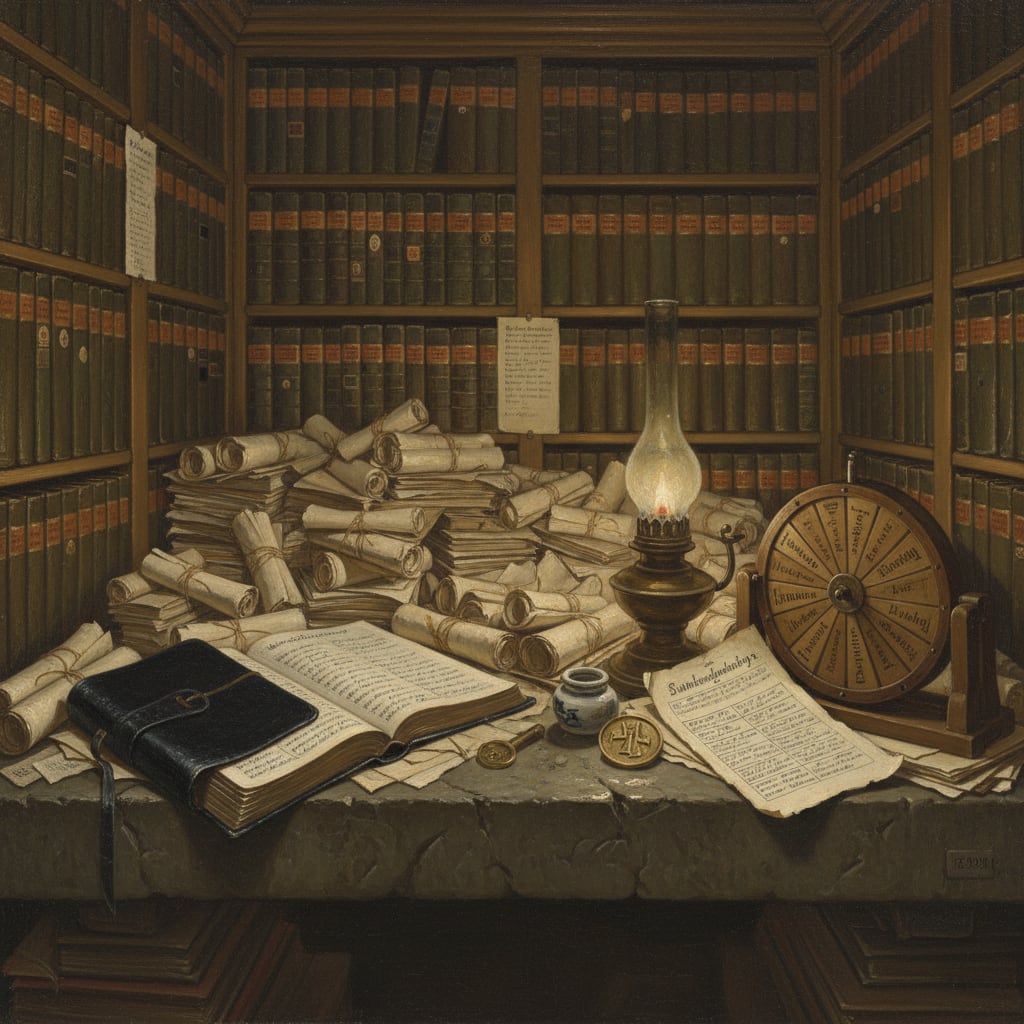
Codex 'Doubt' Auditor
The men and women who weigh belief on scales you cannot see and file the reading under your name
The Codex Auditors are the Bureau of Purity's intelligence branch — operatives who audit belief itself, detecting hesitation before it becomes opinion and opinion before it becomes faction.
Codex Ref. VIII.2.01-001
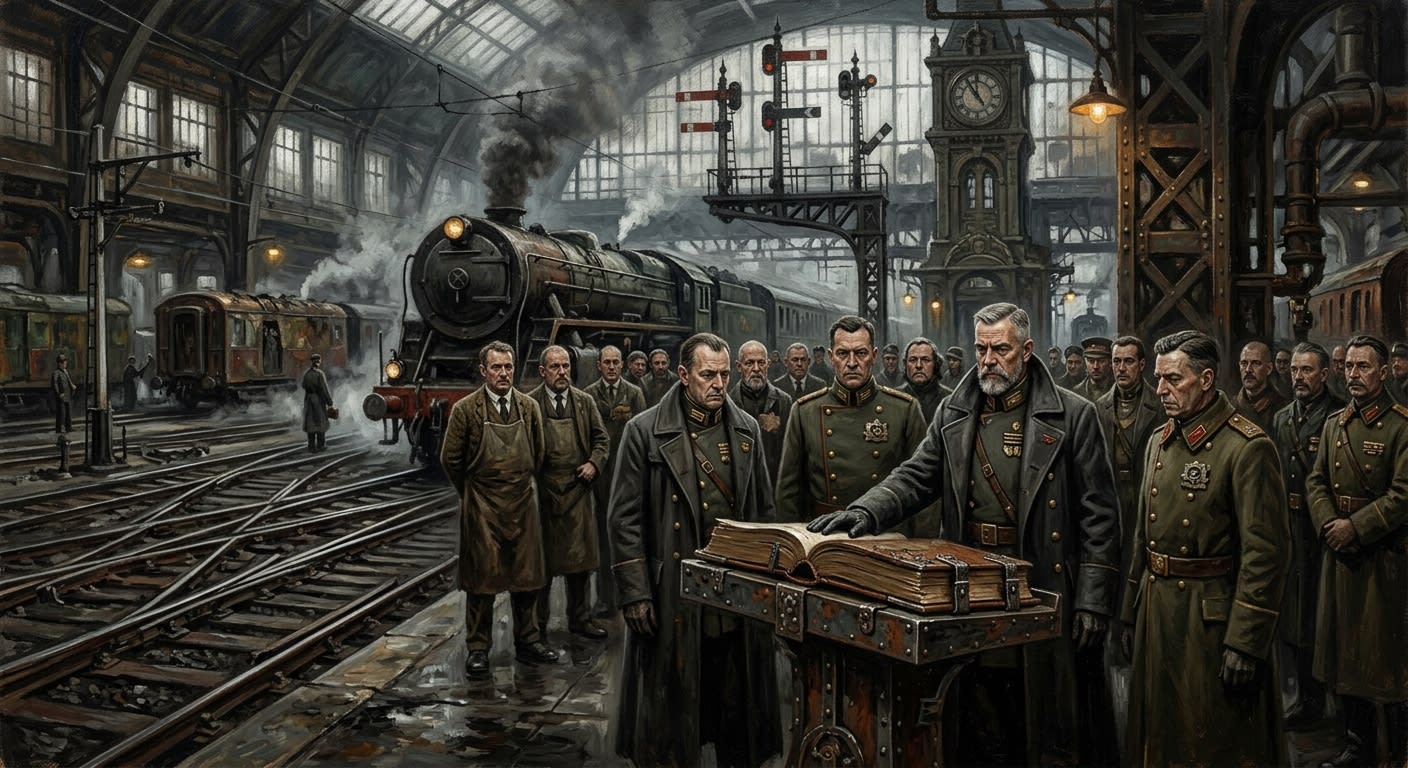
Codex Ferrum
The iron book that taught bishops to wait for the rail
The Codex Ferrum chartered the Guild of Rails in A.S. 94, giving iron custody a legal voice and every later train delay a holy ancestor.
Codex Ref. XIII.1.94-001

Codex of Permitted Symbols
The little book that makes walls guilty
Pocket abridgement of the Armorial carried by Sigil Inspectors, where lawful shapes are licensed, colours are weaponised, and mercy is a counterfeit edition.
Codex Ref. XIII.1.82-001

Cologne Forgery Incident
The documents survived their maker.
In A.S. 195, ninety-three Cologne documents bore perfect false counter-seals. A Seal-Walker found the error in the resin; the forger was executed and every document re-stamped. The marriage is valid. The couple has been informed.
Codex Ref. VII.8.10-195
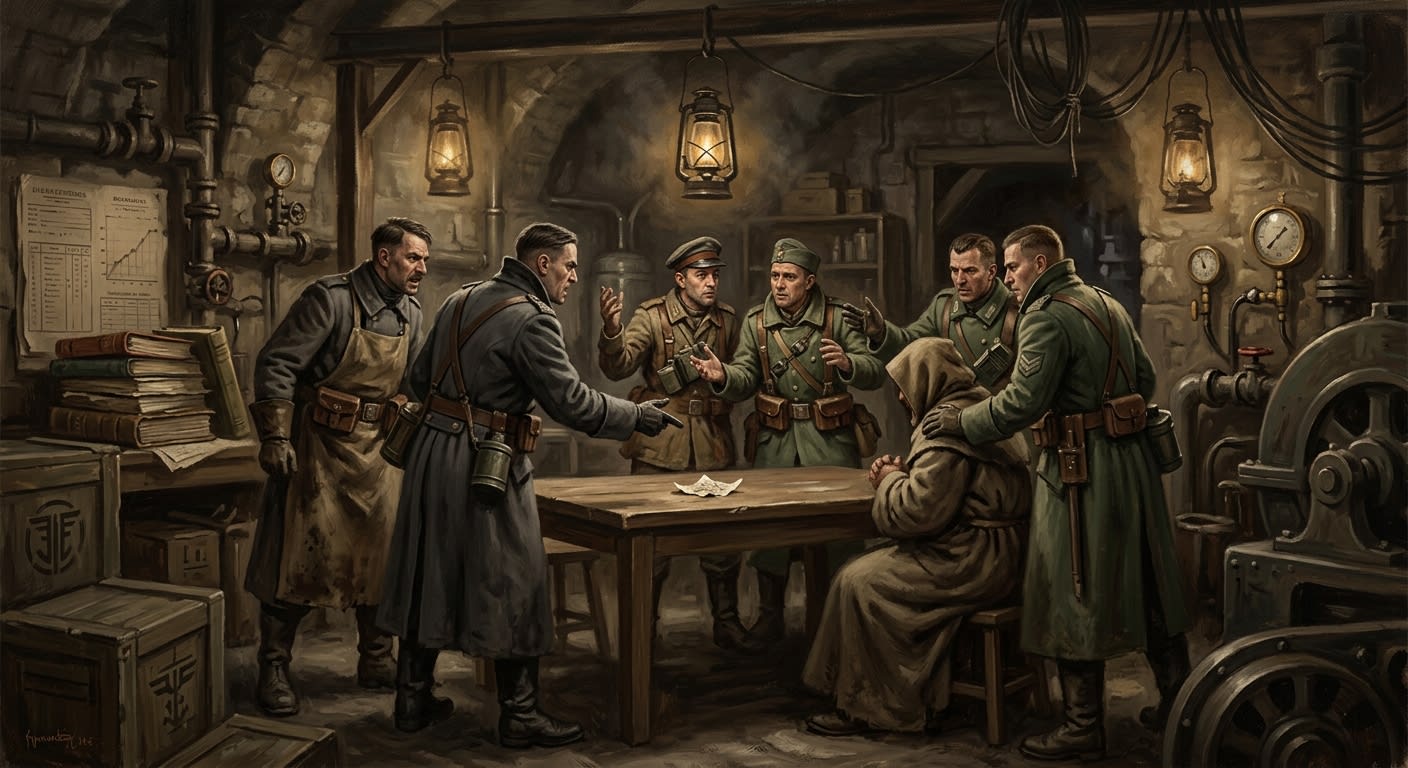
Cologne Schism of A.S. 178
Three lanterns, one cellar, and the mercy that learned to testify
The A.S. 178 Cologne Schism split three Lantern Brotherhood watch circles over Mercy Preacher shielding, producing Purists, Loyalists.
Codex Ref. VII.8.09-001

Colonel-Prefect Anya Dzhurova
Competence, exiled to the only city that deserved it
Colonel-Prefect Anya Dzhurova commands Sofia with Bulgarian clarity, punished for correct logistics arithmetic and retained because the trains still run.
Codex Ref. III.2.01-150
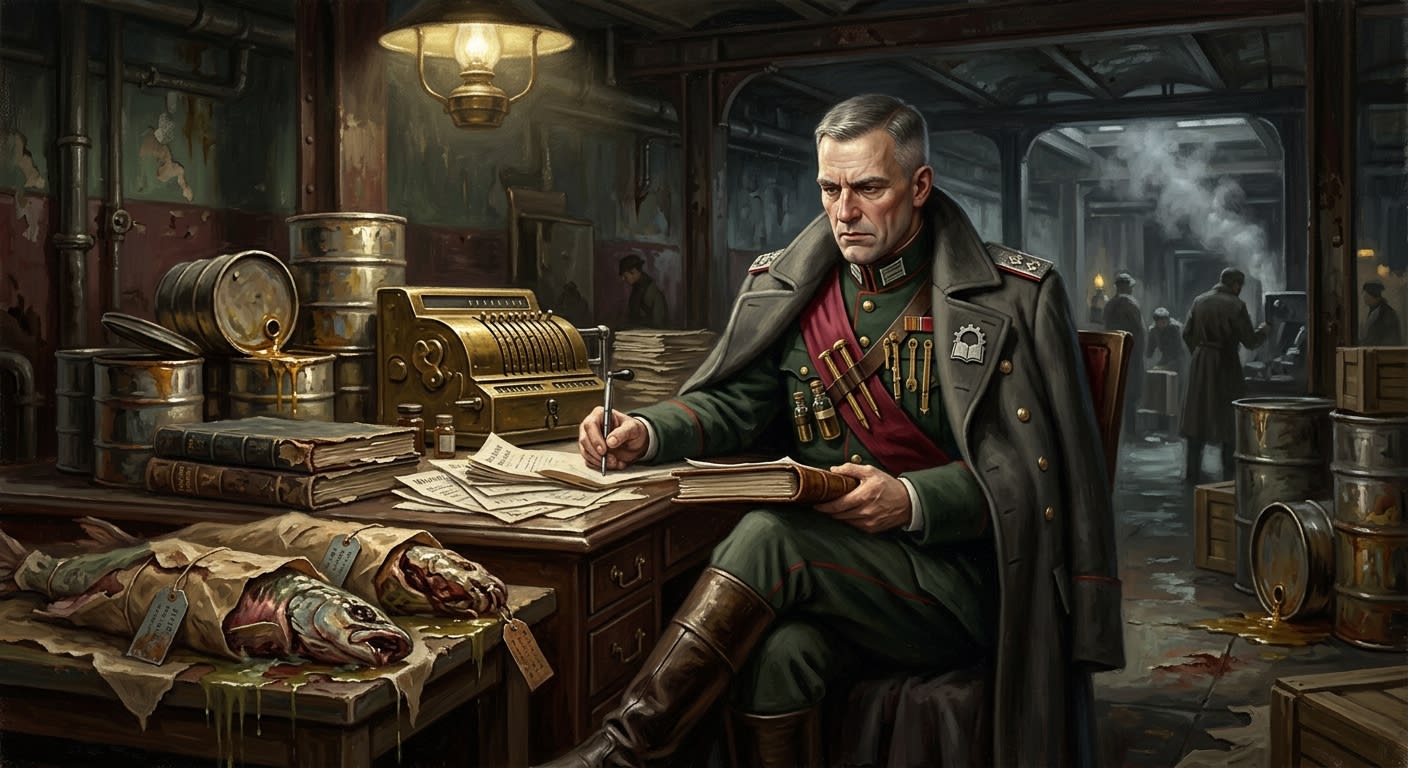
Commander-Auditor Sorn Vale
The ledger that learned to execute before supper
Sorn Vale adjudicates Brast's drums, ledgers, missing gallons, and useful corpses. His boots remain spotless; his docket does not.
Codex Ref. III.1.04-004
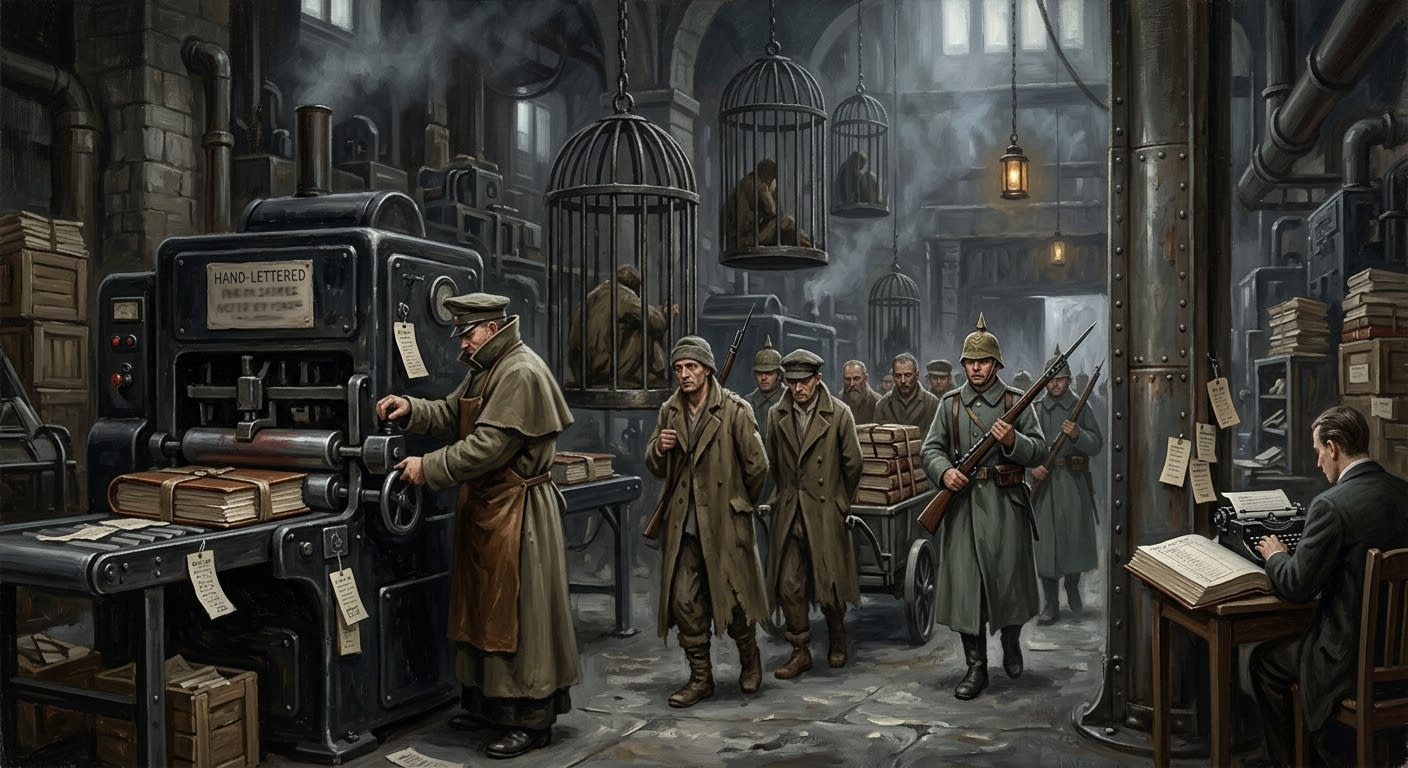
Commentaries on Faithful Severity
The book that taught cruelty to file receipts
Severian's Commentaries turn cruelty into apparatus: cages, tongues, households, witness columns, and the tidy receipt by which harm becomes Doctrine.
Codex Ref. XIII.1.04-134
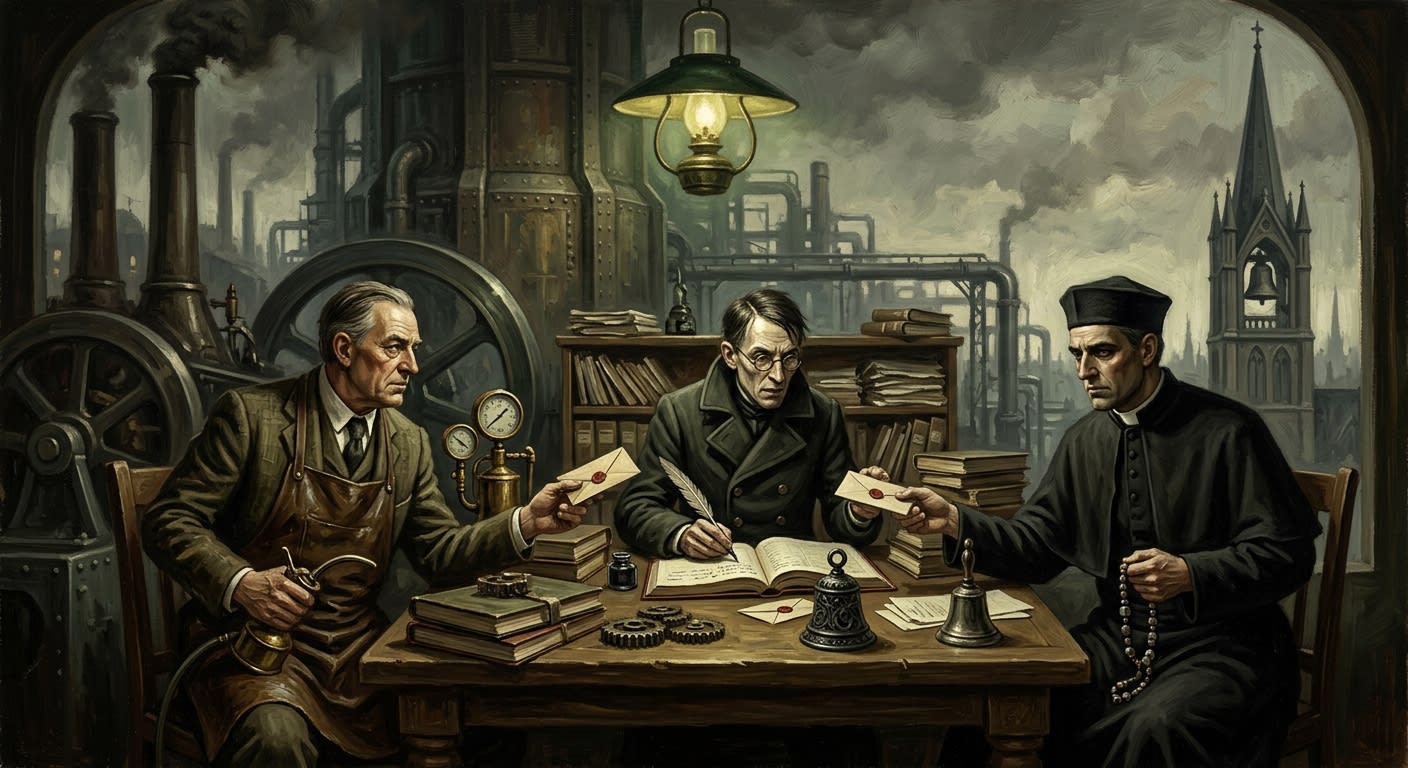
Compact Council
Three Bureaus, one furnace, and no innocent minutes
Essen's Compact Council lets Engines, Records, and Orison govern one furnace-city by heat, ledger, bell order, mutual blackmail, and useful lies.
Codex Ref. VIII.6.05-110
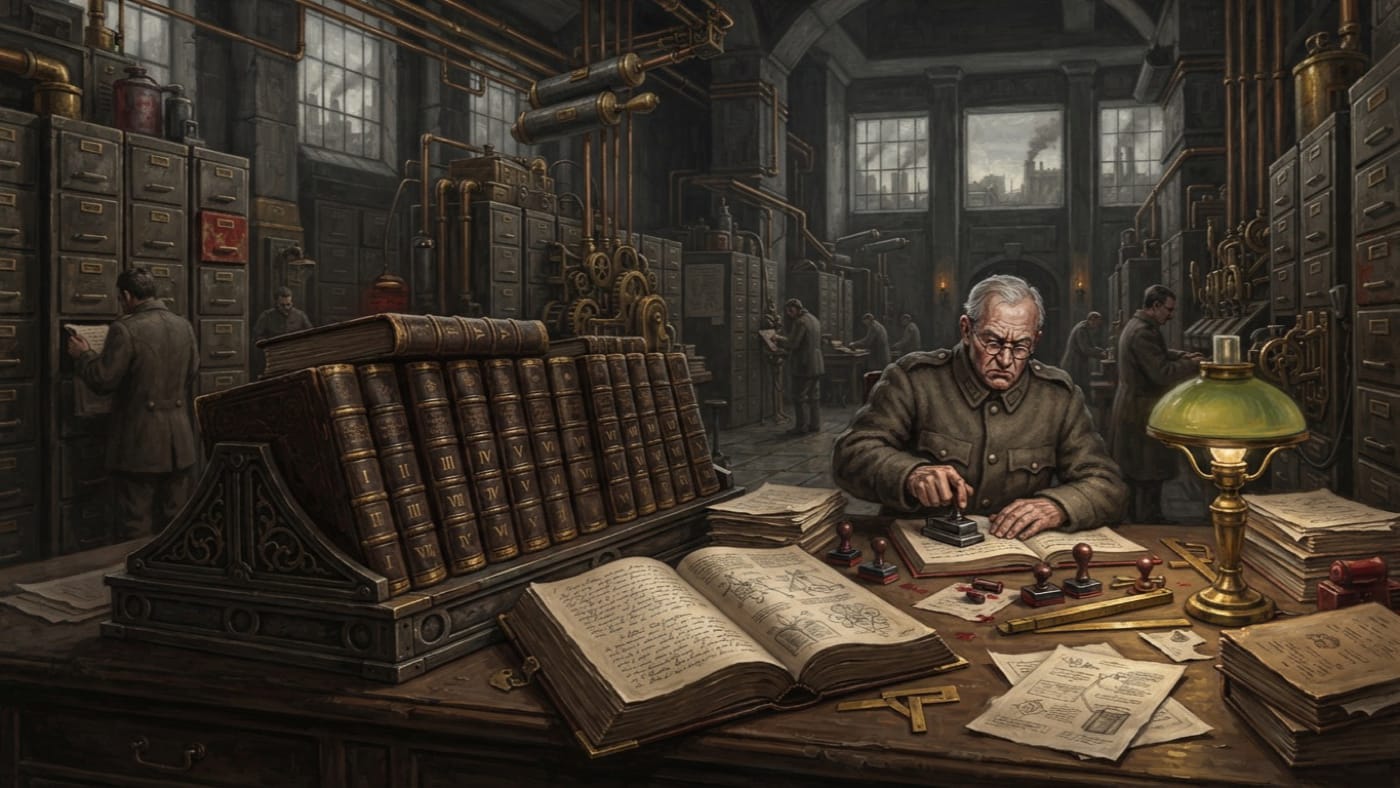
Compendium Infernum
Twelve volumes of answers, and a northern question without a filing number
Twelve volumes give the enemy a designation, a class, a countermeasure and a filing number. The Grey has only the name its garrison gave it; the Bureau has had eleven years to supply the rest.
Codex Ref. XIII.1.102-001
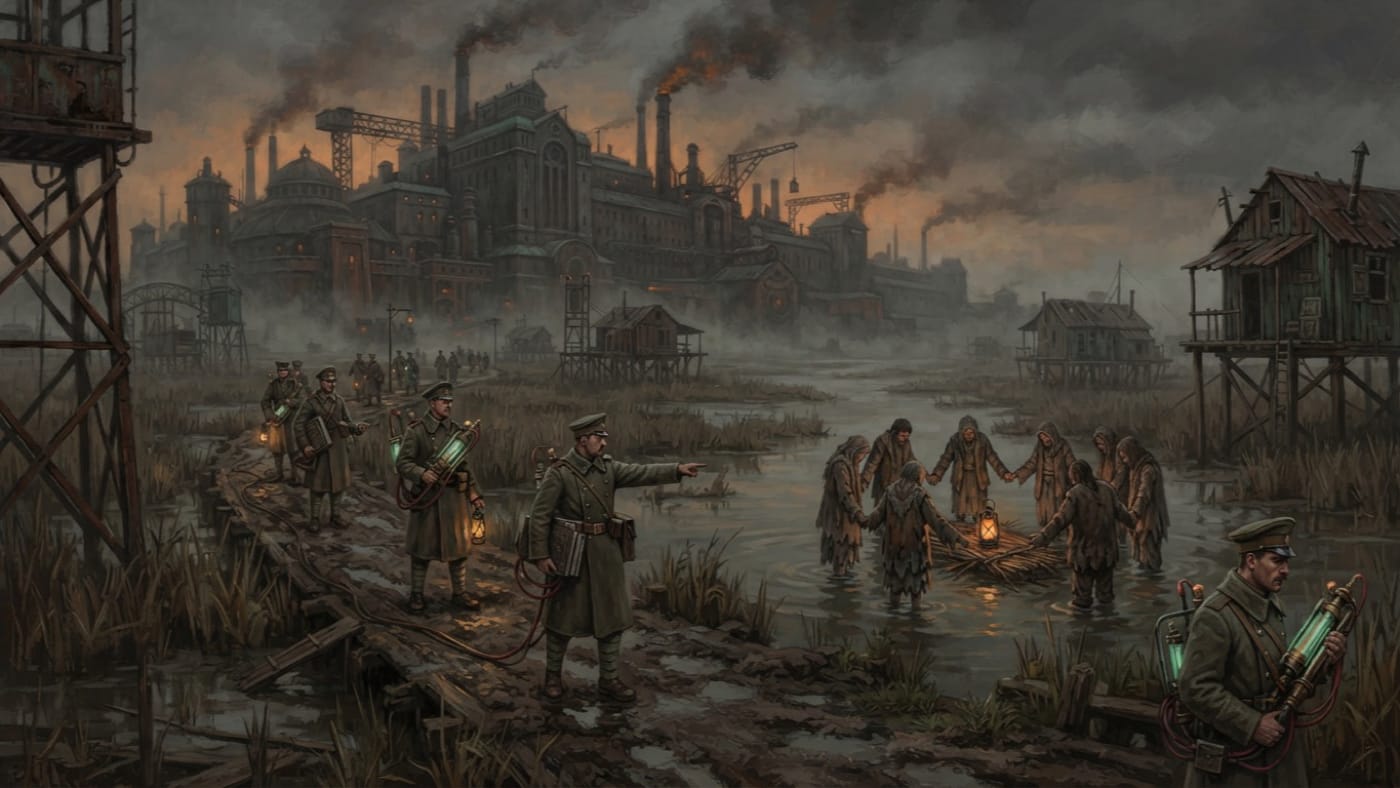
Compendium of Proscribed Devotional Practices
A number for the practice; no answer for the marsh
Subsection 14.iii supplied the Bureau of Purity's A.S. 196 classification of the Somnolent Communion Cells: Sloth-Heresy, Passive Variant. The practice was numbered; the marsh remained unimpressed.
Codex Ref. XIII.1.14-196
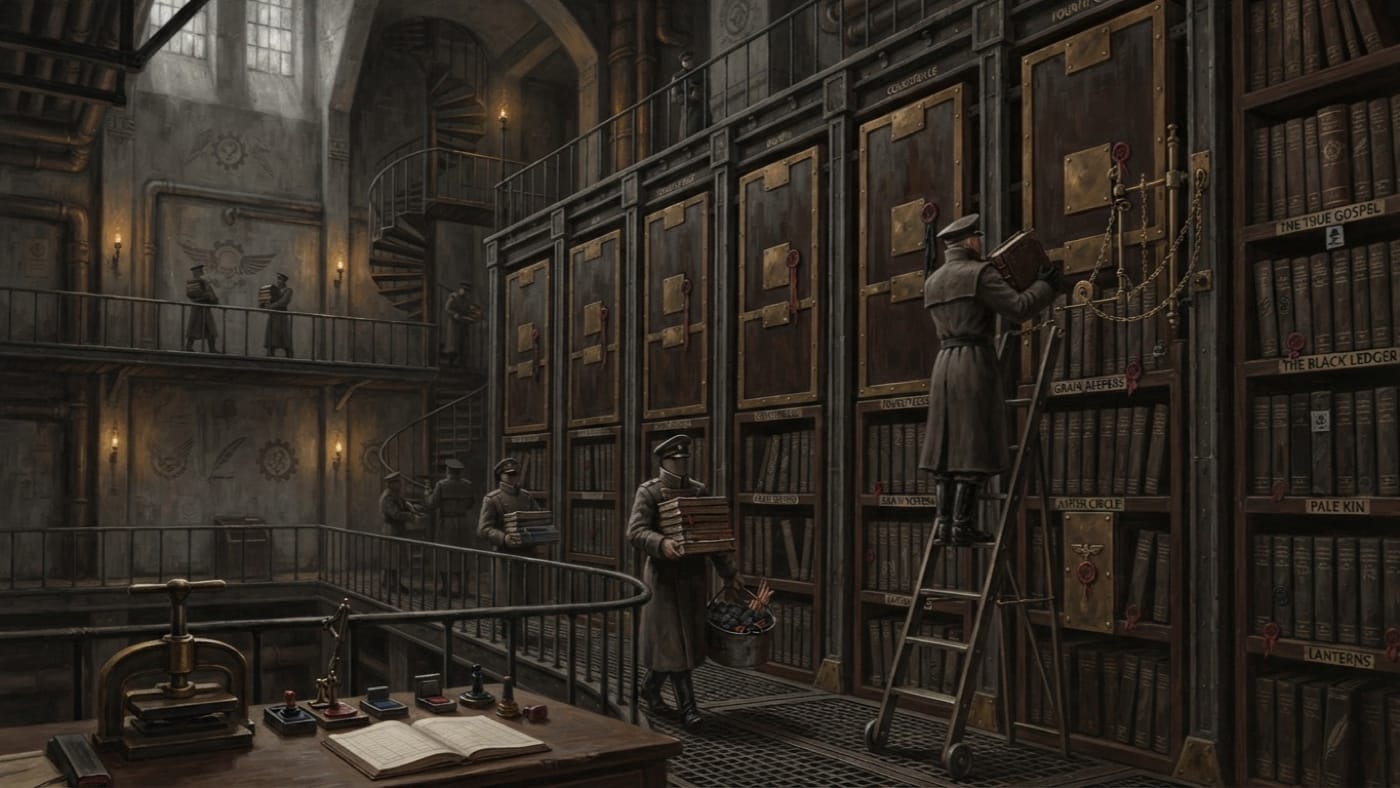
Compendium of Proscribed Errors
Every grievance gets a shelf; the clerk supplies the kindling
The Bureau of Doctrine's register of eight proscribed heresies: every grievance receives a shelf, and every clerk learns which kindling to fetch.
Codex Ref. XIII.1.37-002
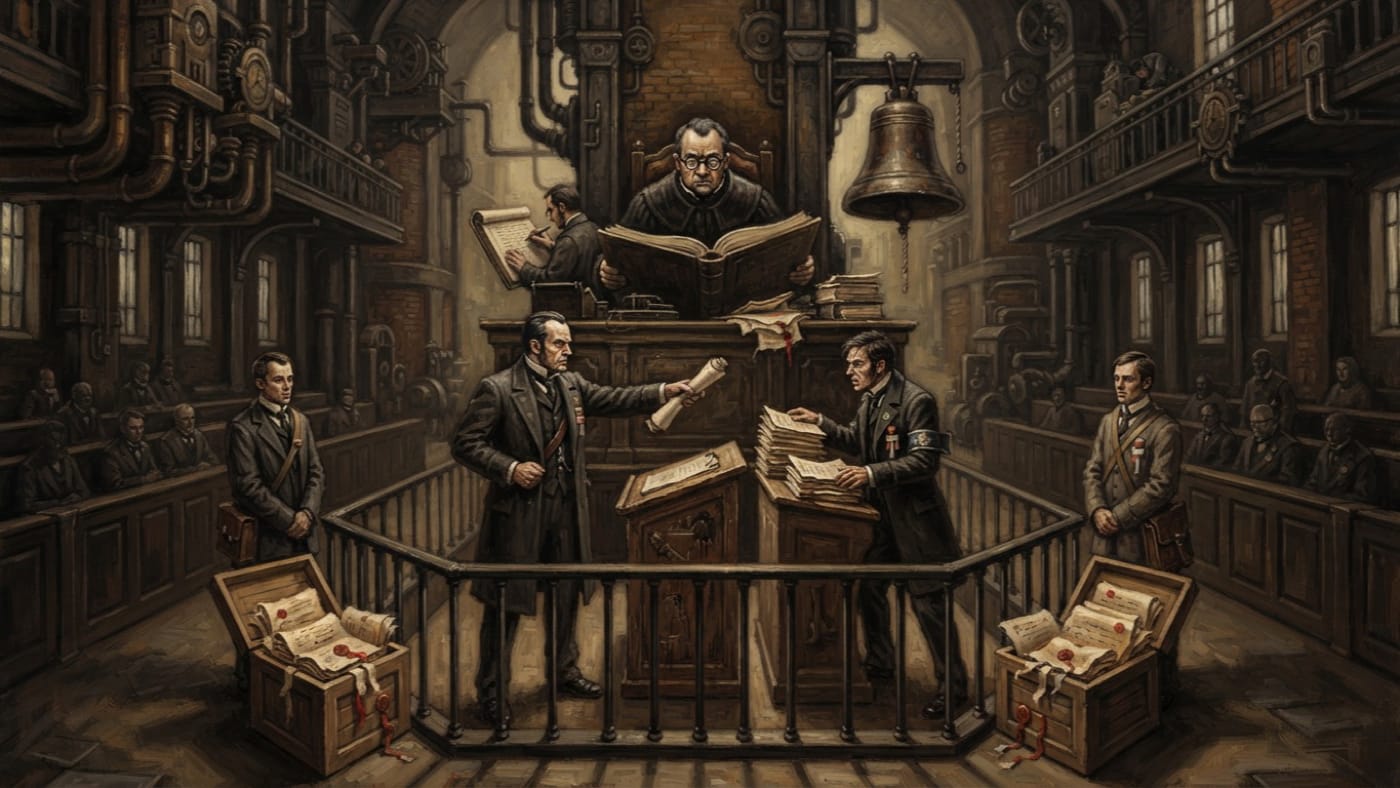
Concordat Annex 14-C
A quarrel given a bell, a verdict given a register
Ratified in A.S. 104, the joint Records-Doctrine Annex made citation duels binding, fixed court procedure and permitted remedies from asset freezes to full erasure. Mercy acquired a bell and a register.
Codex Ref. VII.8.10-104

Concordat of Civic Cadence
One beat, one body, one road, and every crowd made countable
A.S. 113 joint Rites-War decree born from the Ashbread Stampede, licensing the Cadence Corps to rule queues, funerals, gates, and marches by rhythm.
Codex Ref. VII.2.10-059
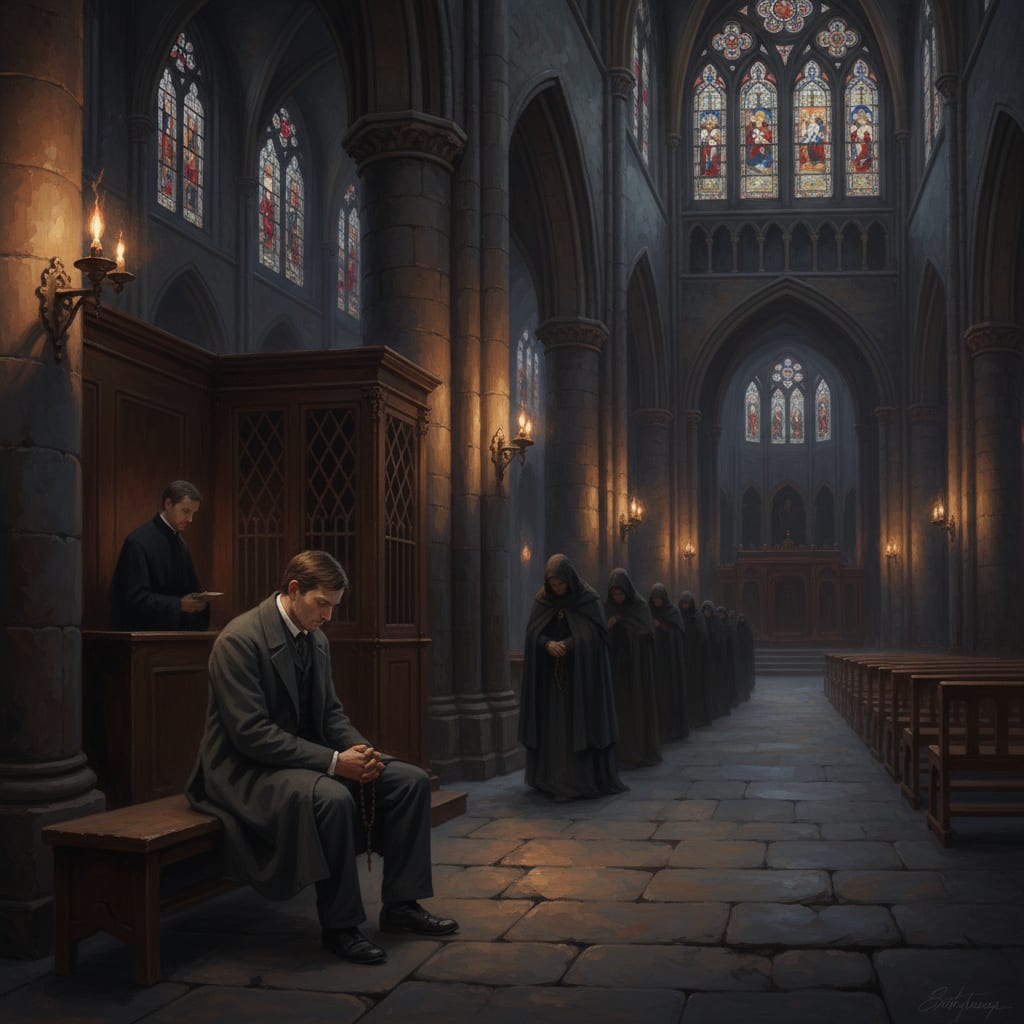
Confessarii
Two hundred and eighty-six reports filed; three blank pages received; the system functions as intended
The Confessarii are the Bureau of Shadows' listening network, which does not exist because the Bureau does not exist. They attend. They absorb. They file. The courier departs. Nothing is acknowledged. The system functions as designed.
Codex Ref. XIII.1.06-001
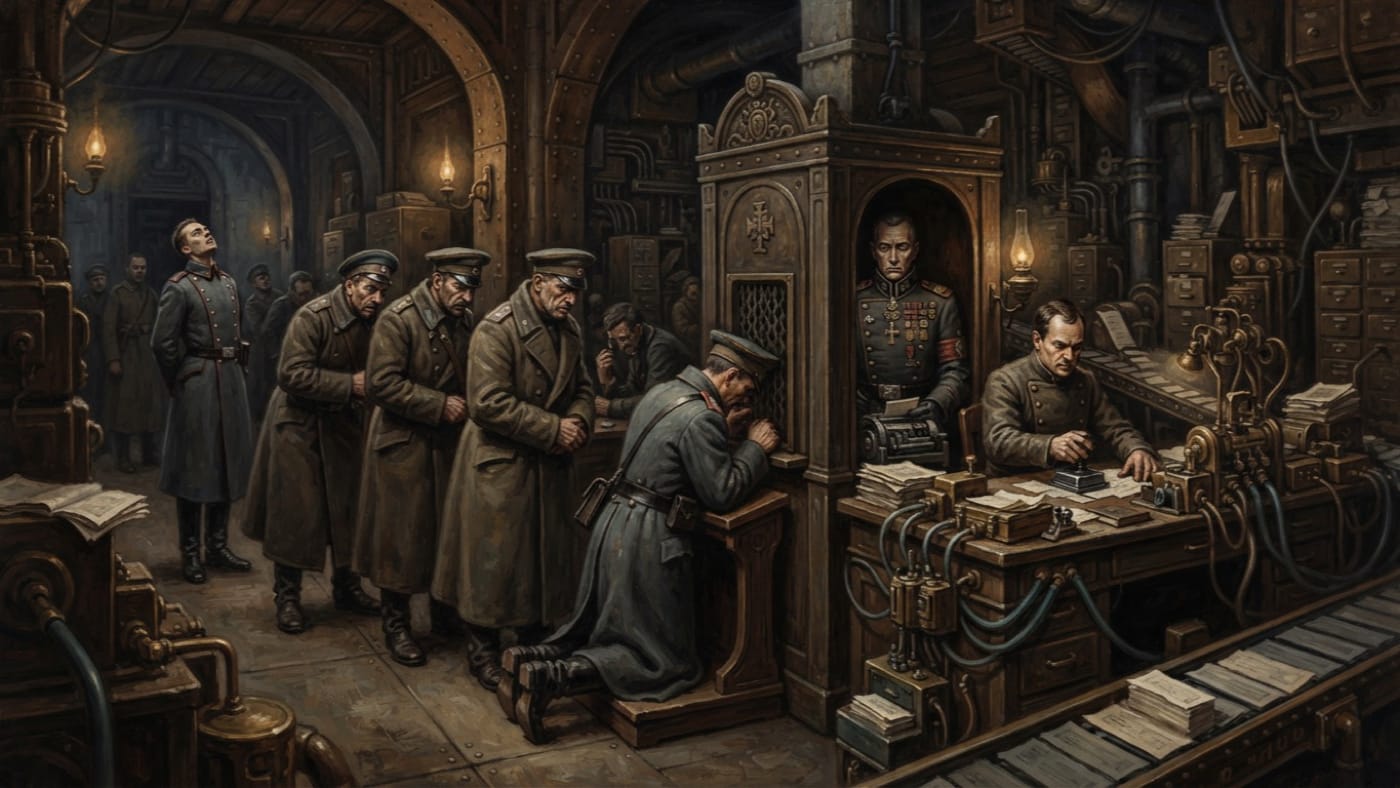
Confession of Pride
The clean return that proves nothing
Confession of Pride asks Przemyśl's officers to name contempt before a confessor. Purity receives candid intelligence from men still able to examine themselves; the most compromised sincerely confess nothing.
Codex Ref. XIII.1.95-201
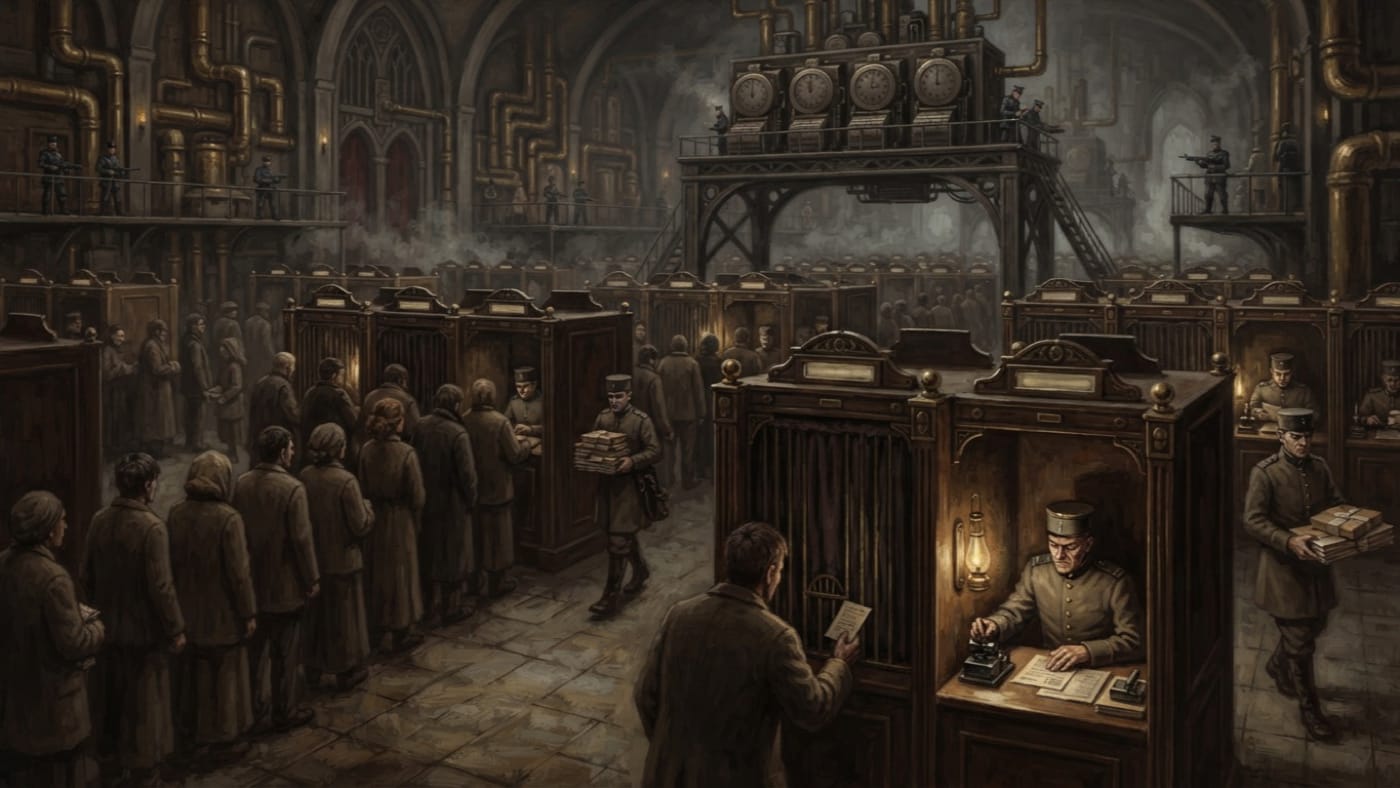
Confession Reform
The printed card that taught the Synod to count doubt
In A.S. 104, the Bureau of Rites gave sin approved phrasing, uniform categories and lay intake clerks. Confession became comparable; doubt became evidence.
Codex Ref. VII.8.10-014
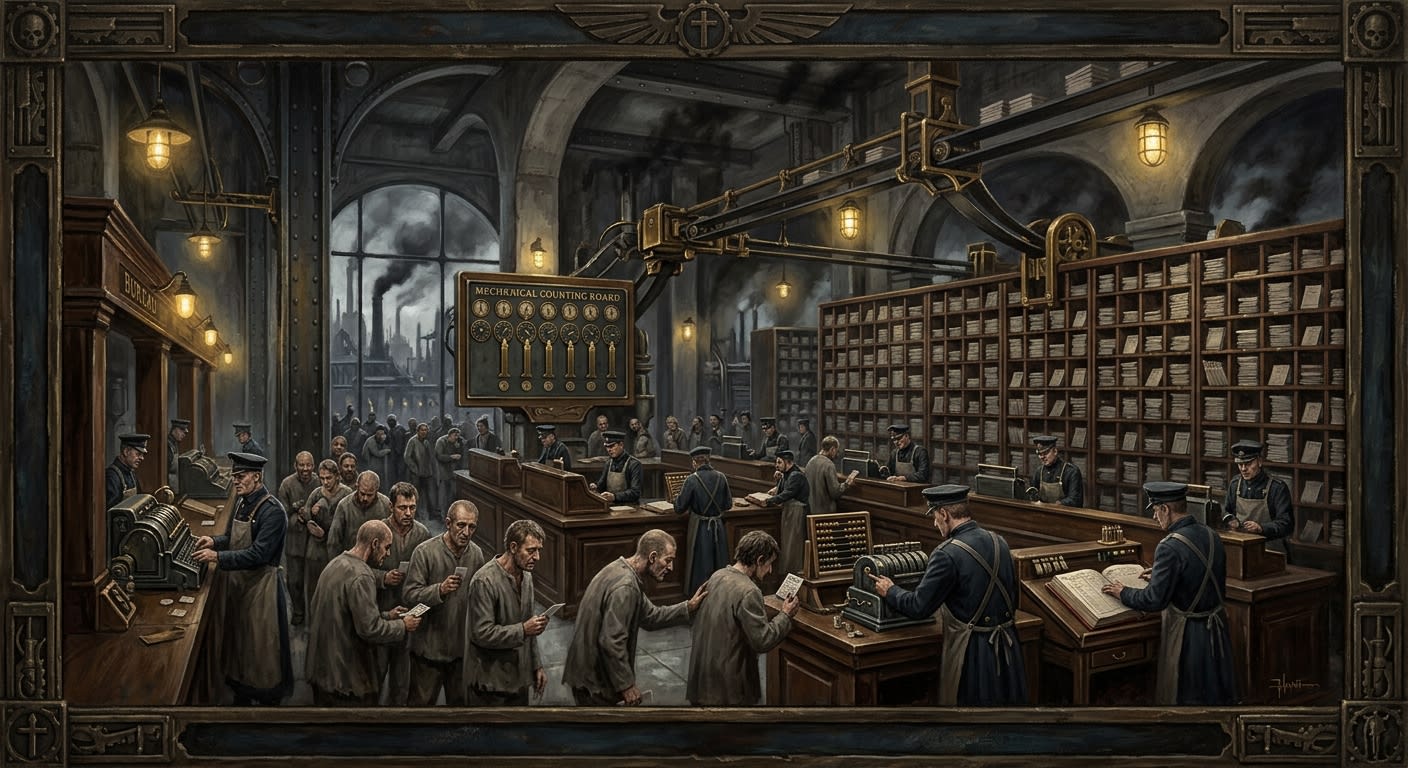
Confession Reform of A.S. 104
The paragraph that made sin stand in columns
A.S. 104 Bureau of Rites reform that standardised sin categories, introduced rubric cards, authorised lay intake clerks, and made confession countable at scale.
Codex Ref. VII.8.10-014
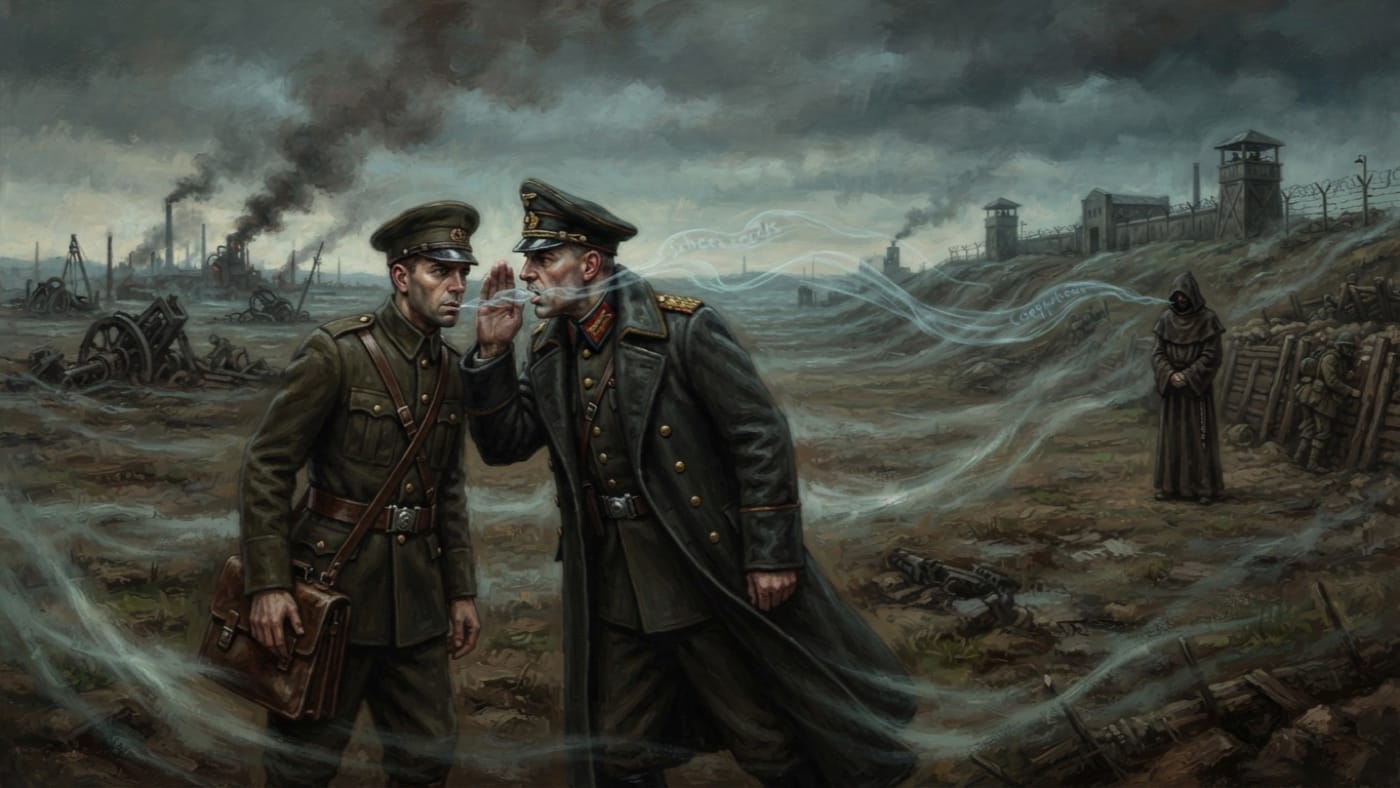
Confession Wind
A lowered voice is no defence against the weather.
Confession Winds carry spoken words for miles, delivering whispered orders and private opinions to unintended ears. Officers detest them; inquisitors delight. I have found no remedy on record.
Codex Ref. XIII.1.29-007
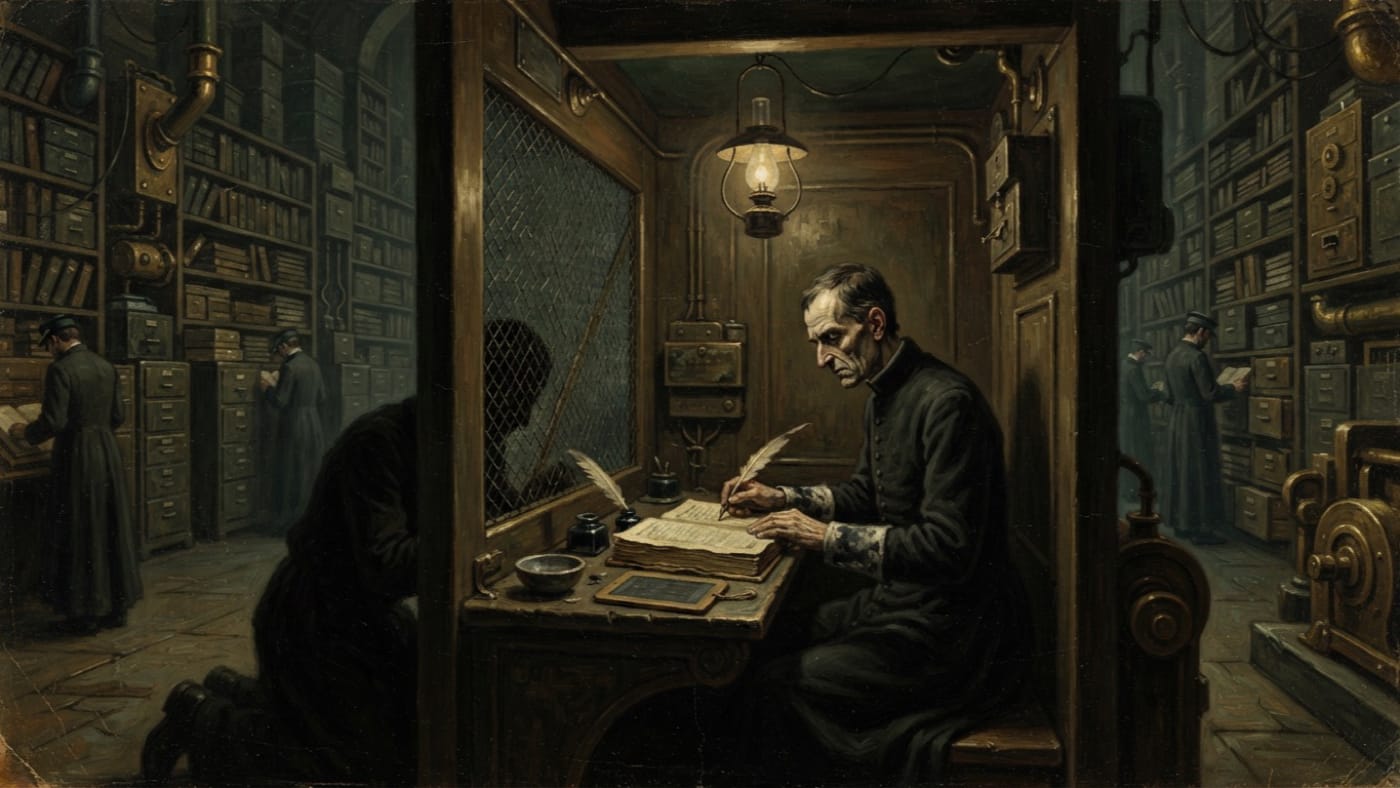
Confessor-Penal
Absolution at the screen; surveillance in the register
The Confessor-Penal hears sins, absolves where permitted, and files suspicions for the Synod. In the southern garrisons, his registers have taught the Velvet Choir where to knock.
Codex Ref. XII.9.02-201

Conte di Sforza
He brought a protest. Strasbourg kept the tears.
The Conte di Sforza came to Strasbourg in A.S. 97 to defend the League of Milan. Its compact was already void; his reported tears were retained as evidence.
Codex Ref. III.2.01-097
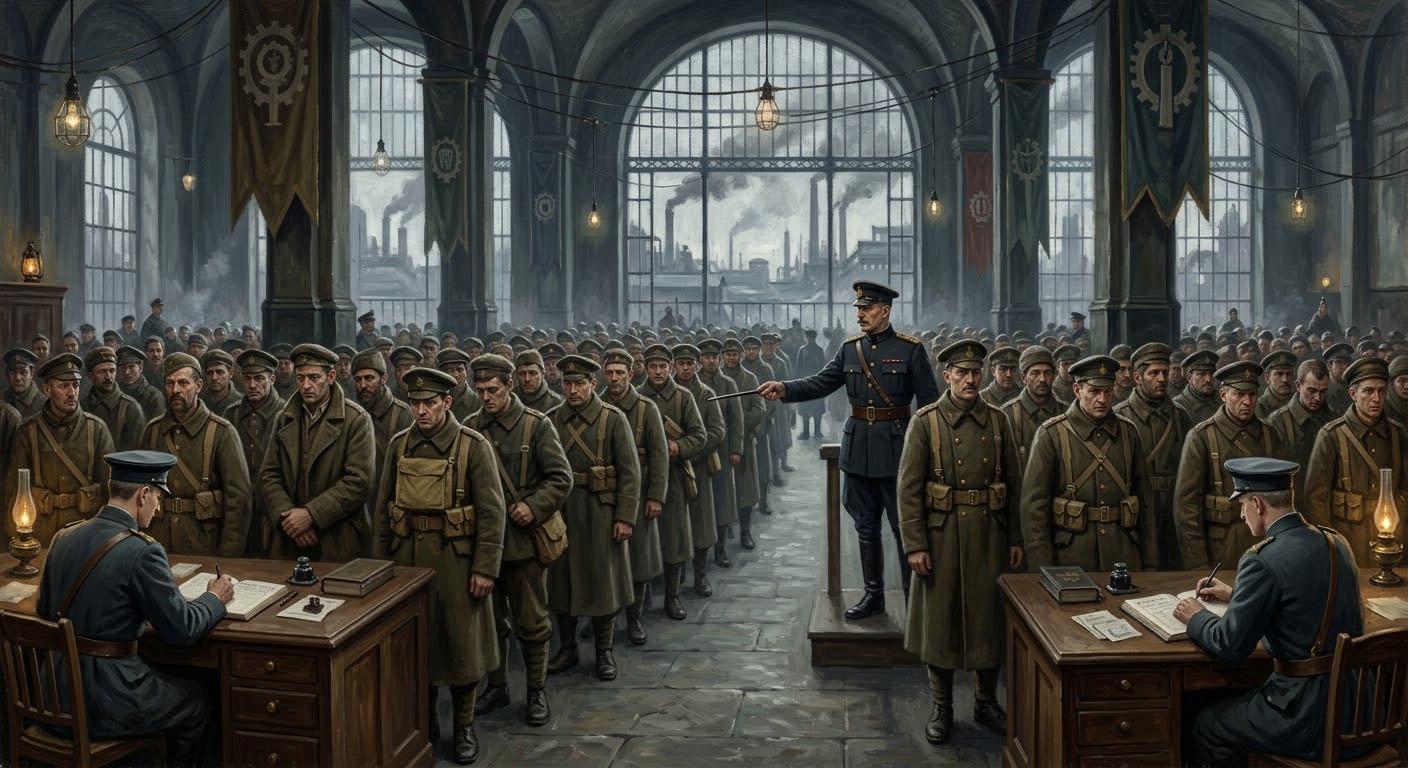
Continental Levy
The decimal point where obedience becomes infantry
The Continental Levy is the Synod's permanent tithe of flesh, born from the A.S. 110 crisis and refined into household arithmetic.
Codex Ref. XIII.1.54-001
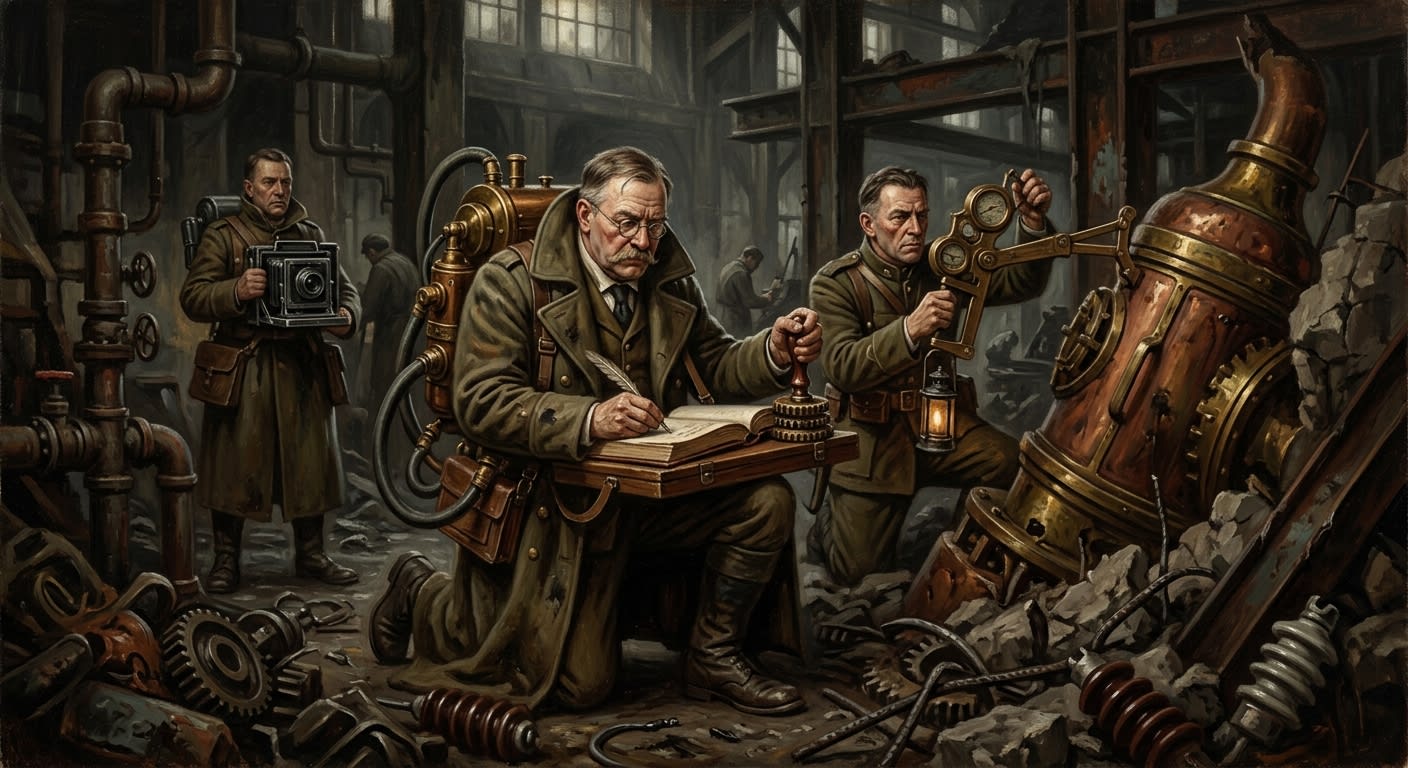
Contract Sanctifiers
Sign first, lift second, deny nothing without a witness
Bureau of Relics field notaries empowered after the A.S. 131 Singing Plate Disaster to bind salvage contracts before sacred objects move.
Codex Ref. XII.13.04-001
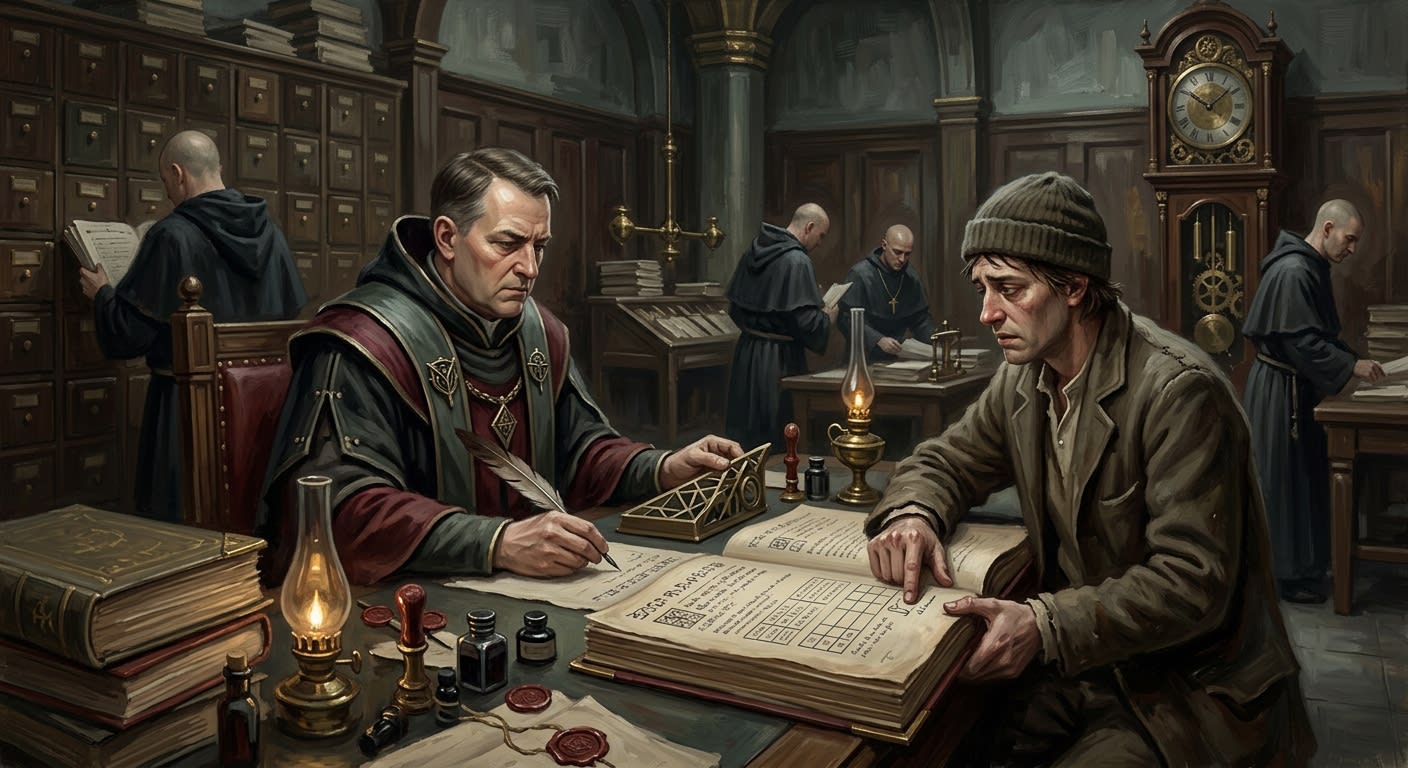
Contract Theurgy
Where the pen remains free and the room has already been bought
Contract Theurgy is Velmora's law-shaped sorcery: obligation priced, witnessed, matured, and collected from a soul that remains technically free.
Codex Ref. XIII.1.37-171
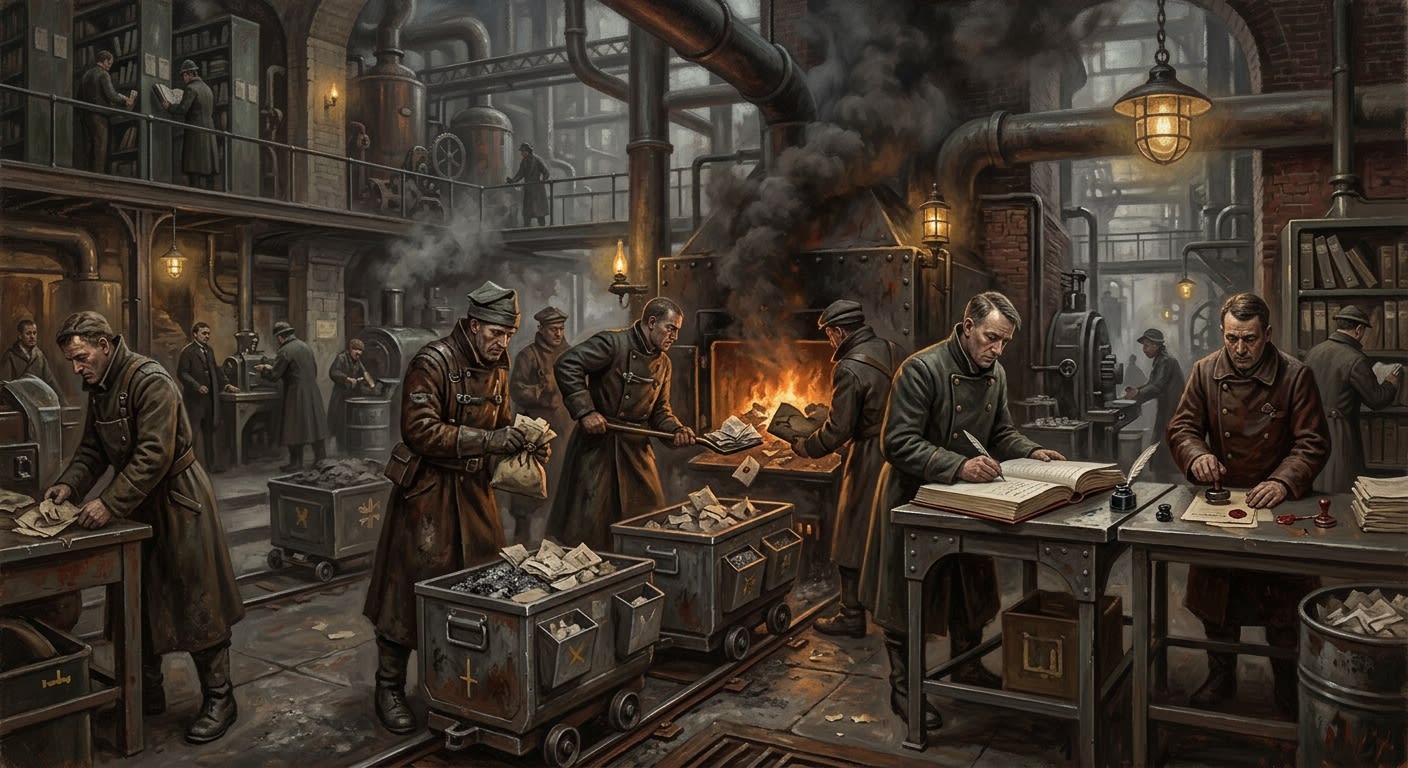
Contradiction Custodians
The hand between archive and ash
Senior Trench Court handlers of contradiction pouches, burn-cycle disposition, furnace logs, ash certification, and evidence too dangerous to remain speech.
Codex Ref. XII.47.04-091
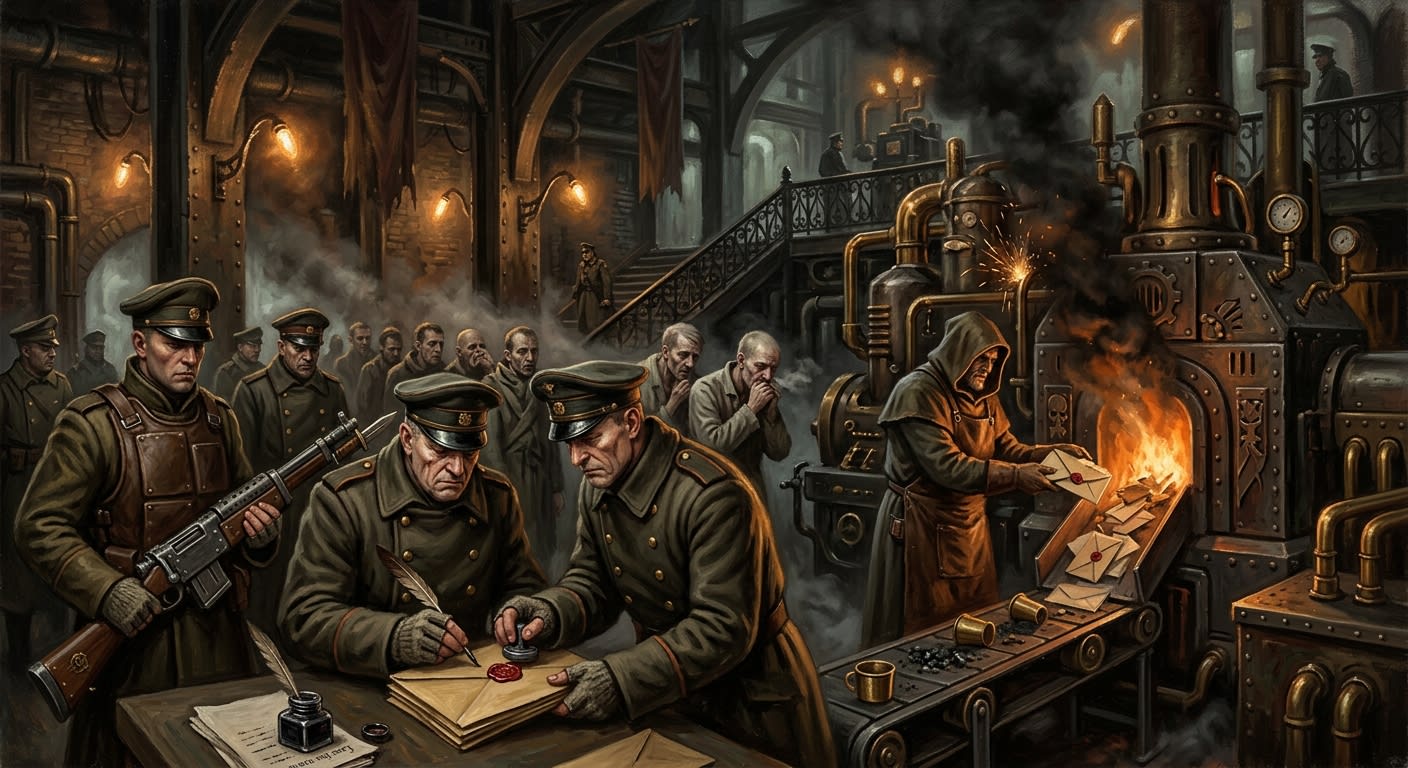
Contradiction Doctrine
Write it down, seal it, burn it properly
Field doctrine codified in A.S. 91 requiring dangerous last words to be recorded, marked, sealed, routed, and burned under authority.
Codex Ref. XIII.1.86-091

Contradiction Map
The holy art of keeping incompatible truths from meeting before lunch
The Contradiction Map is the Broker's slip-book of lethal truths: relic claims, feast days, custody lies, and the blessed delays that keep bones from starting wars.
Codex Ref. XII.15.05-148
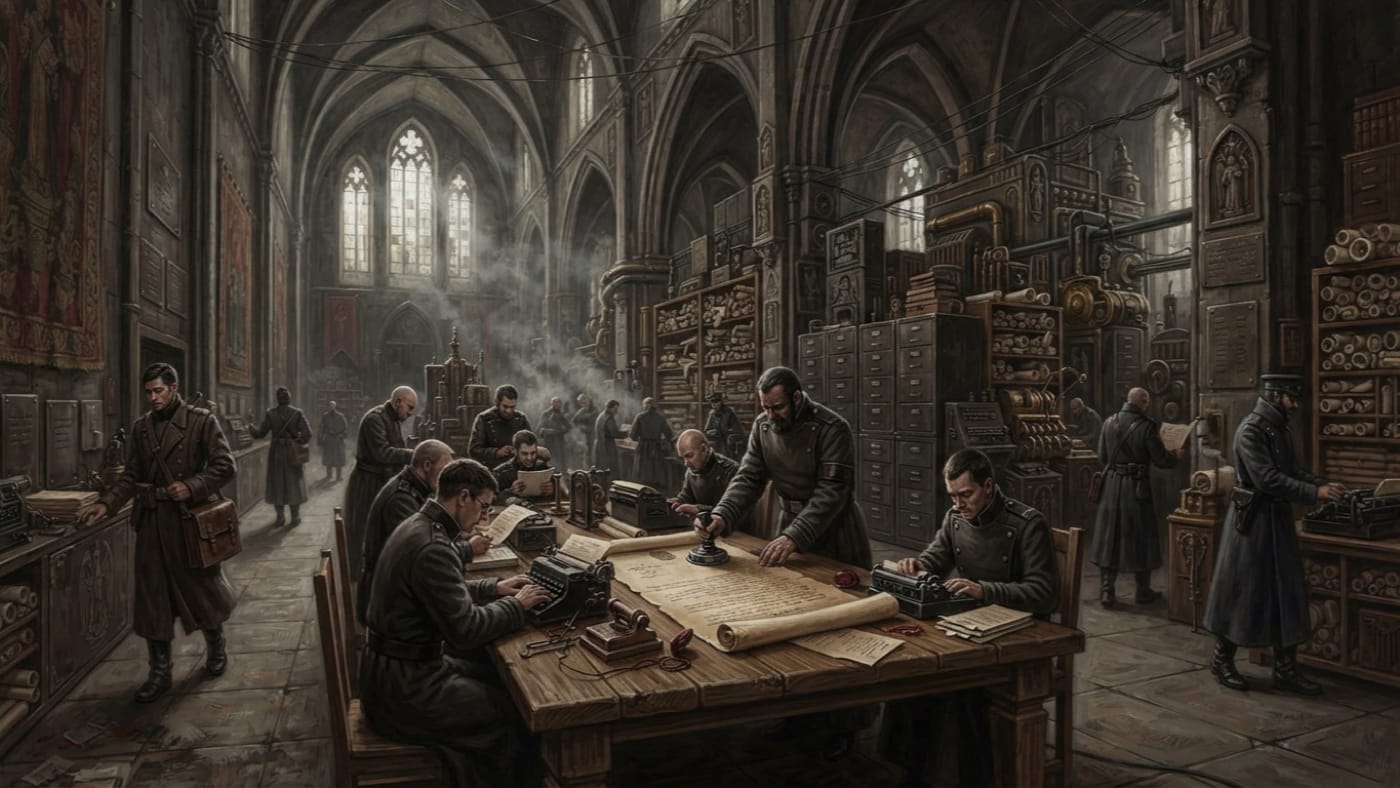
Conventus Fidelium
An assembly on vellum; its first convocation unrecorded
The Common Allegiance proposed the Gathering of the Faithful in A.S. 55: one assembly, common command and five offices. I record its ancestry without inventing its first convocation.
Codex Ref. I.3.02-055
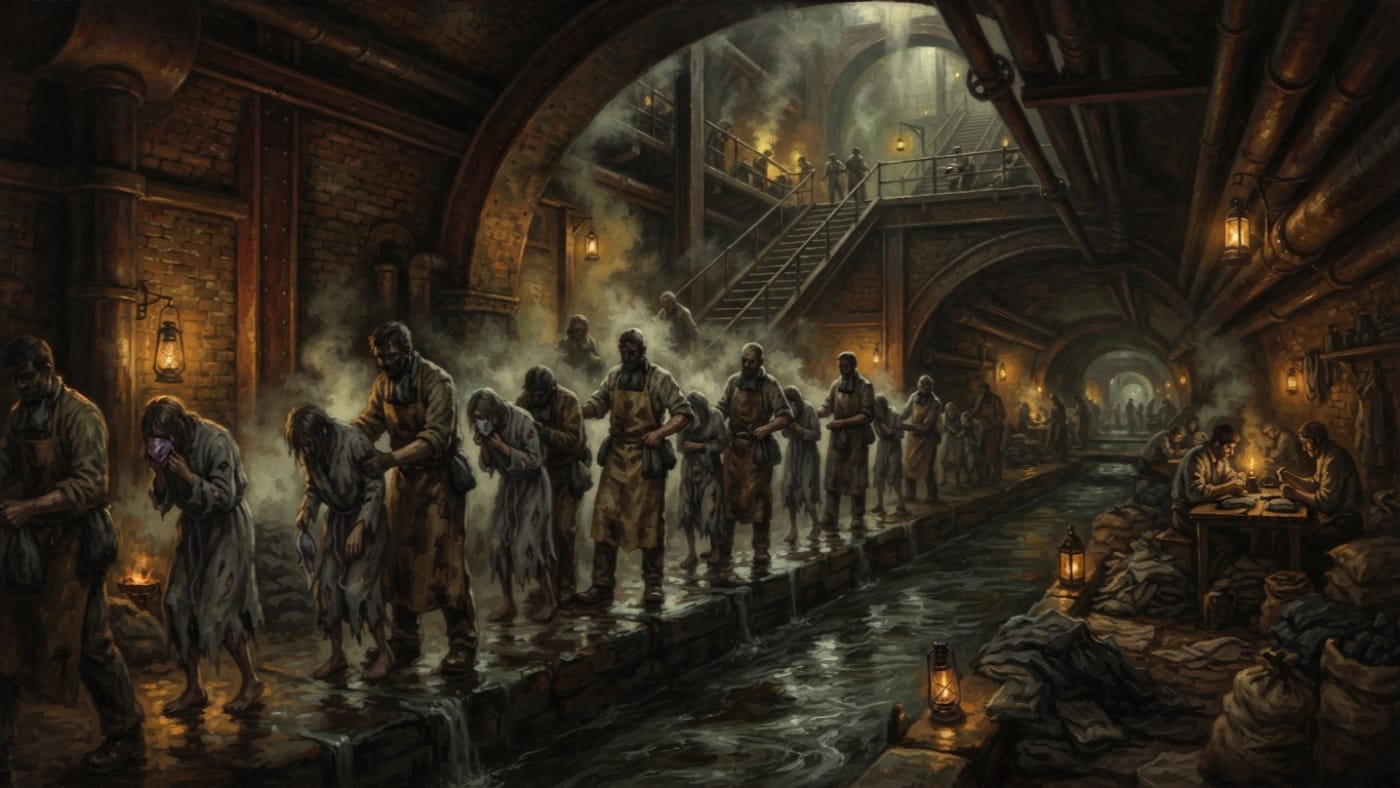
Cool Mask Brotherhood
Respiratory charity, conducted below the ledger.
An unchartered mutual-aid network beneath San Vesta, stitching charcoal masks for kiln-workers and moving medicine and patients through lava tubes. Purity maps the masks; the Tribunal counts the missing bodies.
Codex Ref. XII.27.04-002
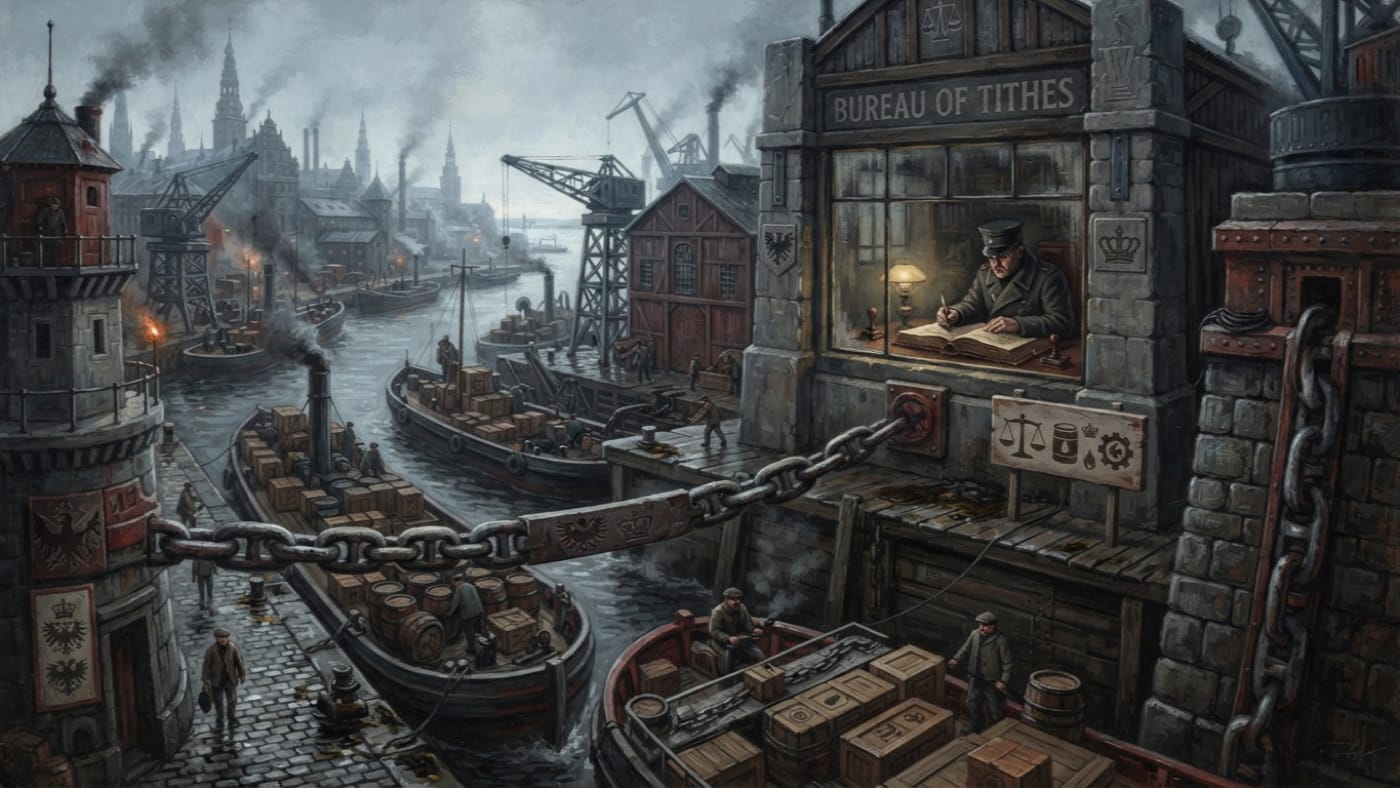
Copenhagen
The ledger is ours. The harbour is theirs. The debt is ours as well.
Copenhagen's Danish harbour compact bargains over oil tithes and guarantees northern advances against future cargo. The Synod keeps an assessor at the counter; the harbour keeps the chain.
Codex Ref. IX.8.03-001

Corporal Drennan
One touch, four words, and the Marsh denied a morsel of vanity
Corporal Drennan of Bastion-Constantinople interrupted Drax's Blightmarsh fixation at Kestrel-9 in A.S. 199, committing useful impropriety with one hand on a sleeve.
Codex Ref. III.2.01-020
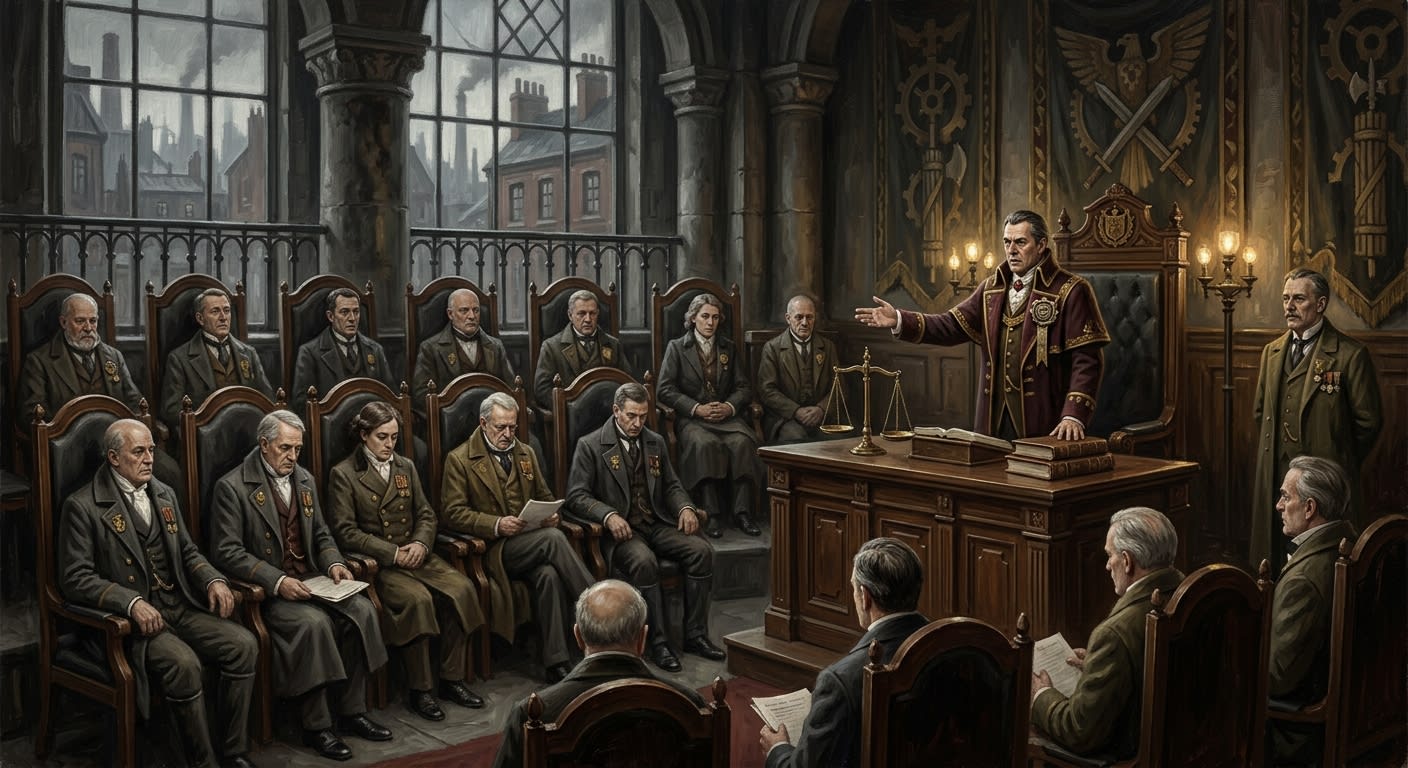
Council of Prefects
Where dissent receives a chair, a minute, and a family corridor
The Council of Prefects is unanimity with chairs: a ratifying chamber where civic officers discover what Strasbourg has already decided they believe.
Codex Ref. XIII.1.90-138
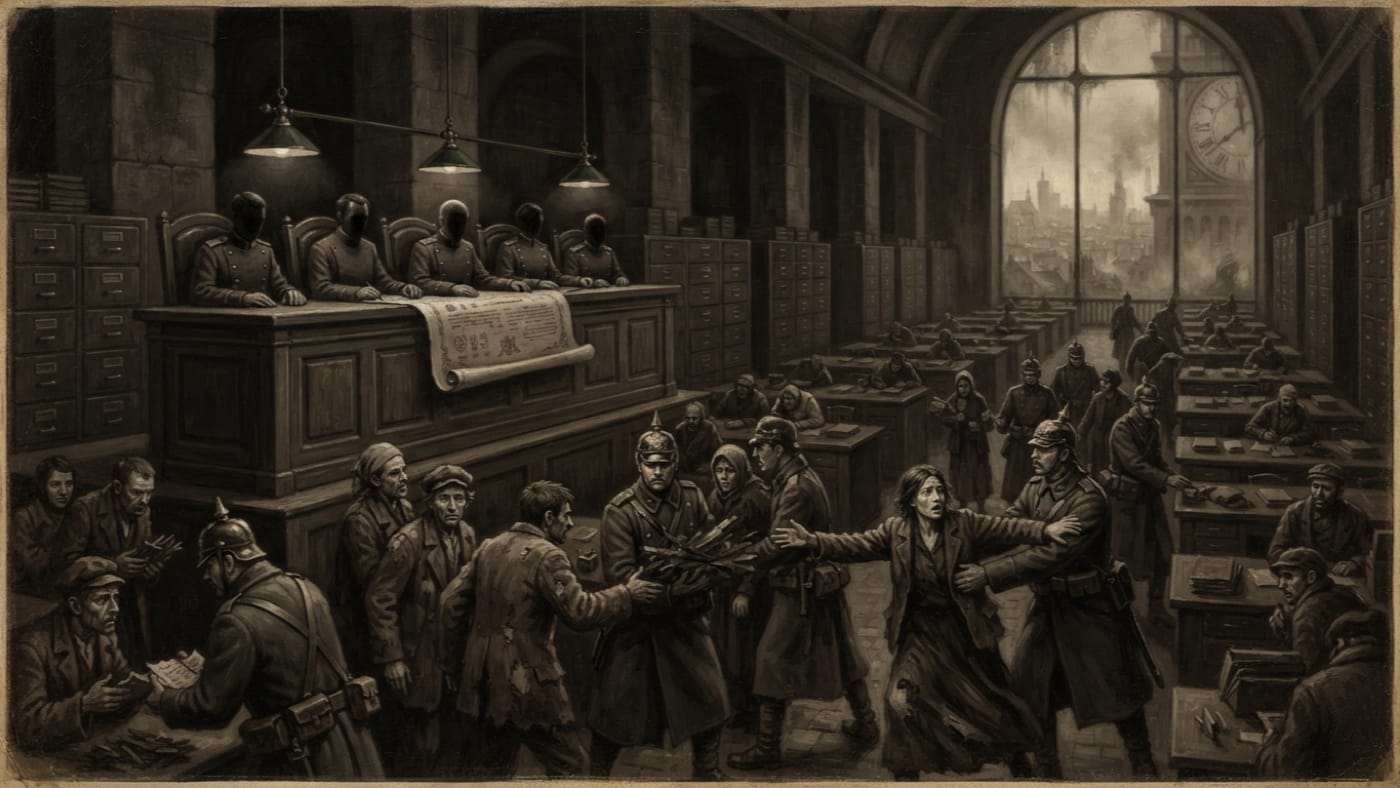
Council of Rational Governance
The committee that prosecuted the warning instead of answering it
Vienna's Council of Rational Governance answered the Eastern Silence in A.S. 38 by criminalising supernatural testimony. Its charter and councillors are unrecorded; its confidence survives in the declarations.
Codex Ref. I.1.03-038
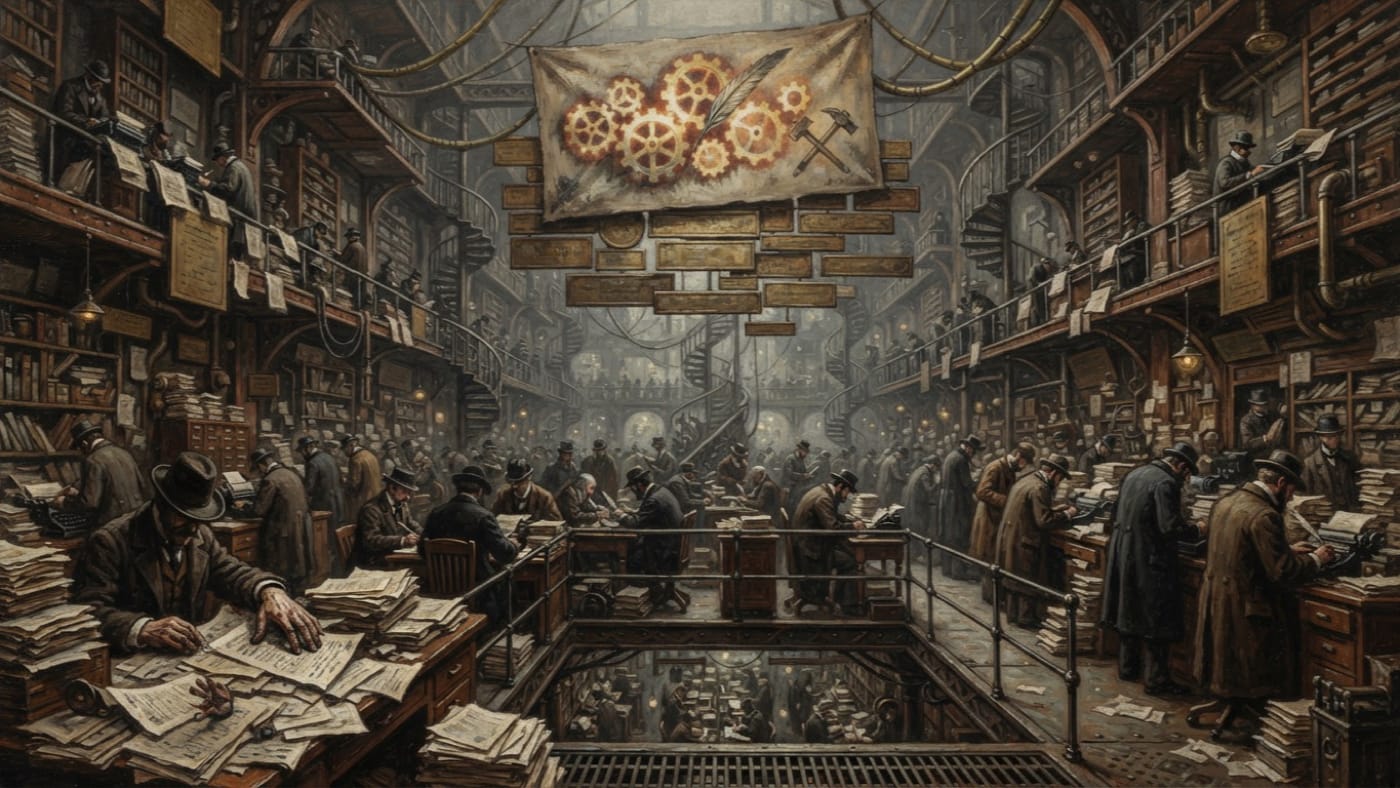
Council of Seven Orders
One surviving maxim. A continent of duplicate offices.
The Council of A.S. 110 gave the Synod a doctrine of overlapping offices: redundancy is sanctity. Its roster remains unavailable, its proceedings unfiled, and its administrative descendants still draw stipends.
Codex Ref. VII.7.03-001

Counter-Relic Examiners
White gloves, little flames, and the permission to take away hope
Relics cadre founded in A.S. 182 to inspect, confiscate, and classify hostile saint-objects after Velmoric counterfeits reached frontline chapels.
Codex Ref. XII.13.03-001

Counter-Toll Operator
What the enemy rings, the Bureau drowns. The toll is paid in bone and nerve.
The Bureau of Bells does not debate; it drowns. Its Counter-Toll Operators sit in sub-tower vaults and overwrite hostile tones with louder ones. The city's obedience is the bell's argument.
Codex Ref. XII.2.02-001
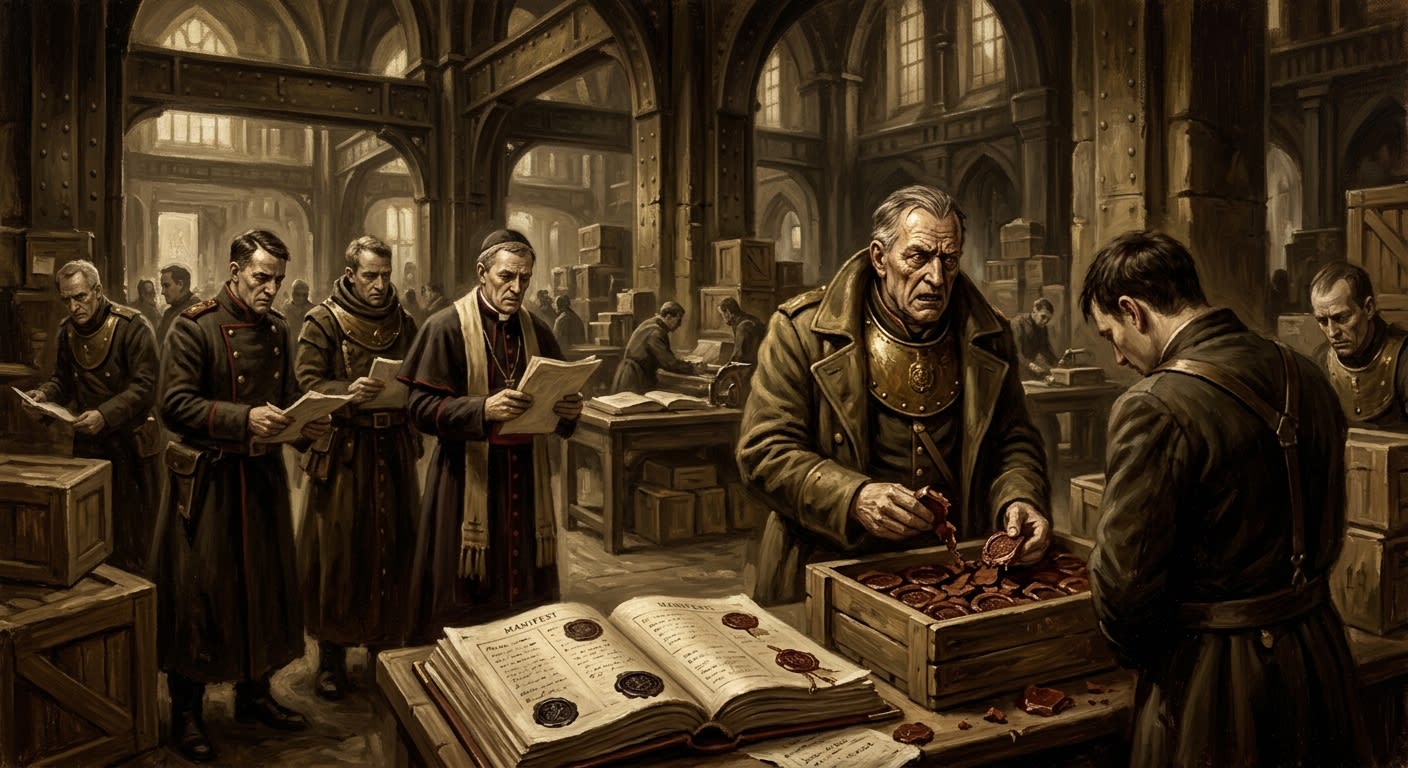
Counterfeit Wax Plague
The seal held, which was the unforgivable part
The Counterfeit Wax Plague of A.S. 178 proved that false purity-wax could hold a lawful seal, making shortage, song, and supply fraud indistinguishable until Purity chose fire.
Codex Ref. VII.8.10-020
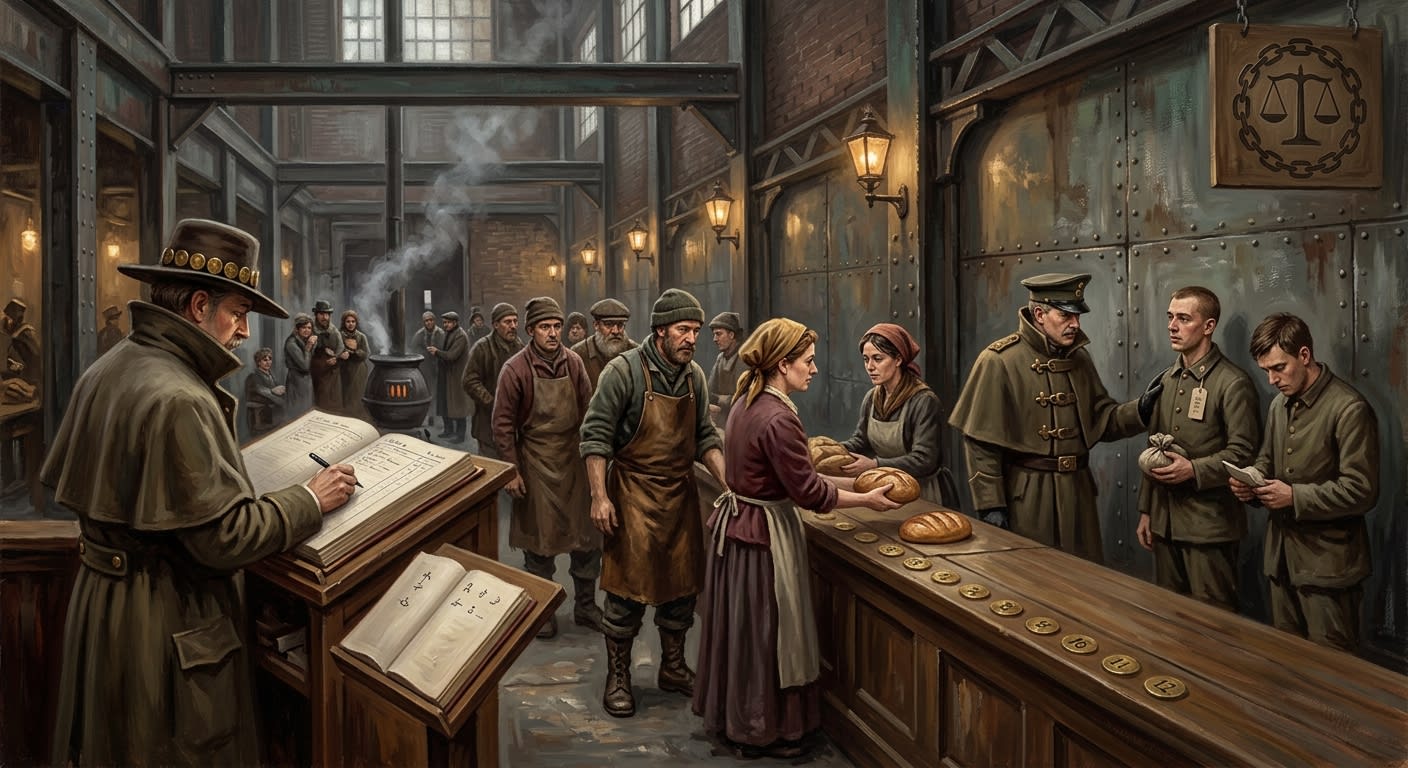
Covenant
The leash with bread on it, sanctified for public use
Covenant is the Synod's master noun: sacred pact in sermon, enforceable belonging in ledger, bread-chain in queue, and body-debt at the Line.
Codex Ref. XIII.1.04-090

Creed
The shortest border is the one behind the teeth
The Creed is the Synod's shortest border: a licensed mouth, a timed answer, a civic leash, and the little gate through which bread, obedience, and punishment pass.
Codex Ref. XIII.1.04-090
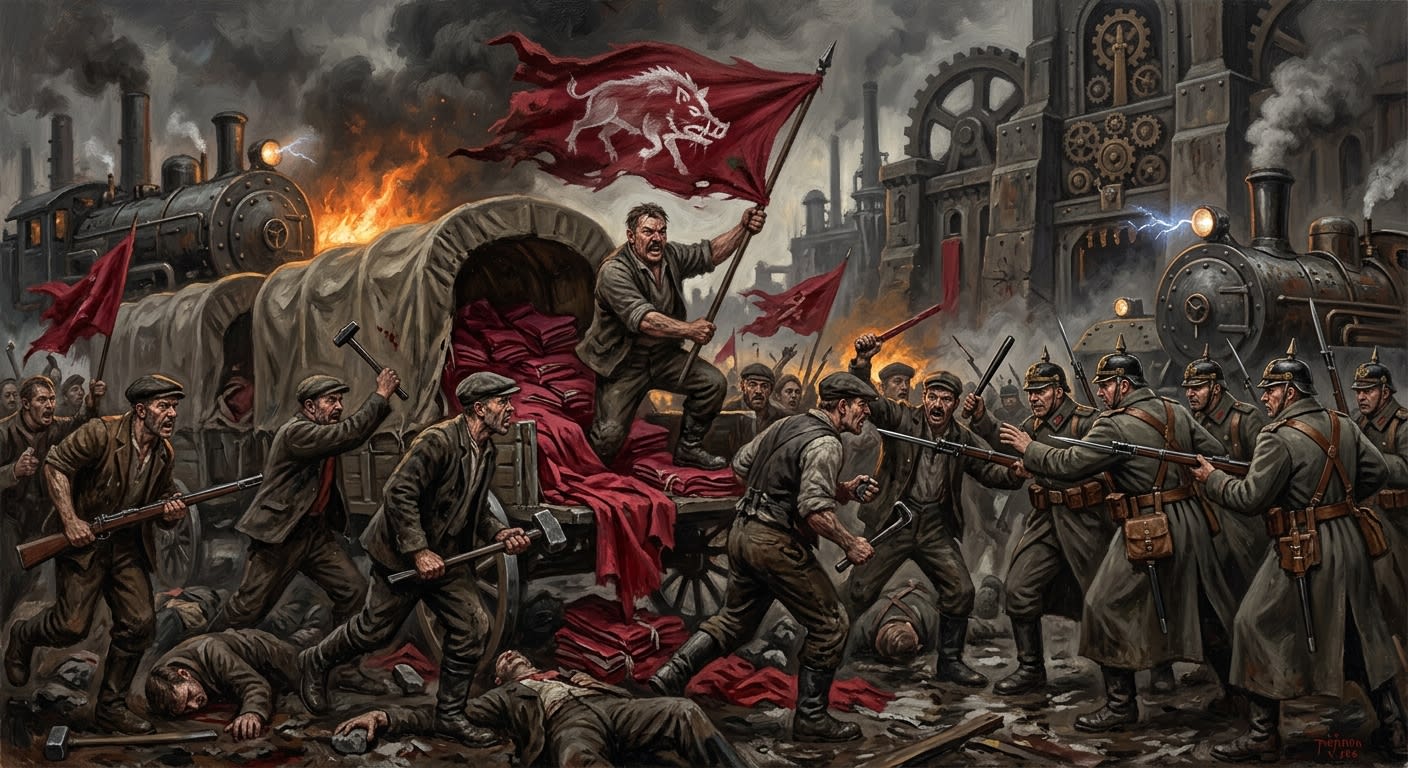
Crimson Gate Riot
Eighty-seven dead because a painted boar remembered too well
A.S. 106 Essen gate riot in which the crimson boar of a dead Saxon guild turned convoy cloth into command, killing eighty-seven and birthing the Beast Proscription.
Codex Ref. VII.8.10-033
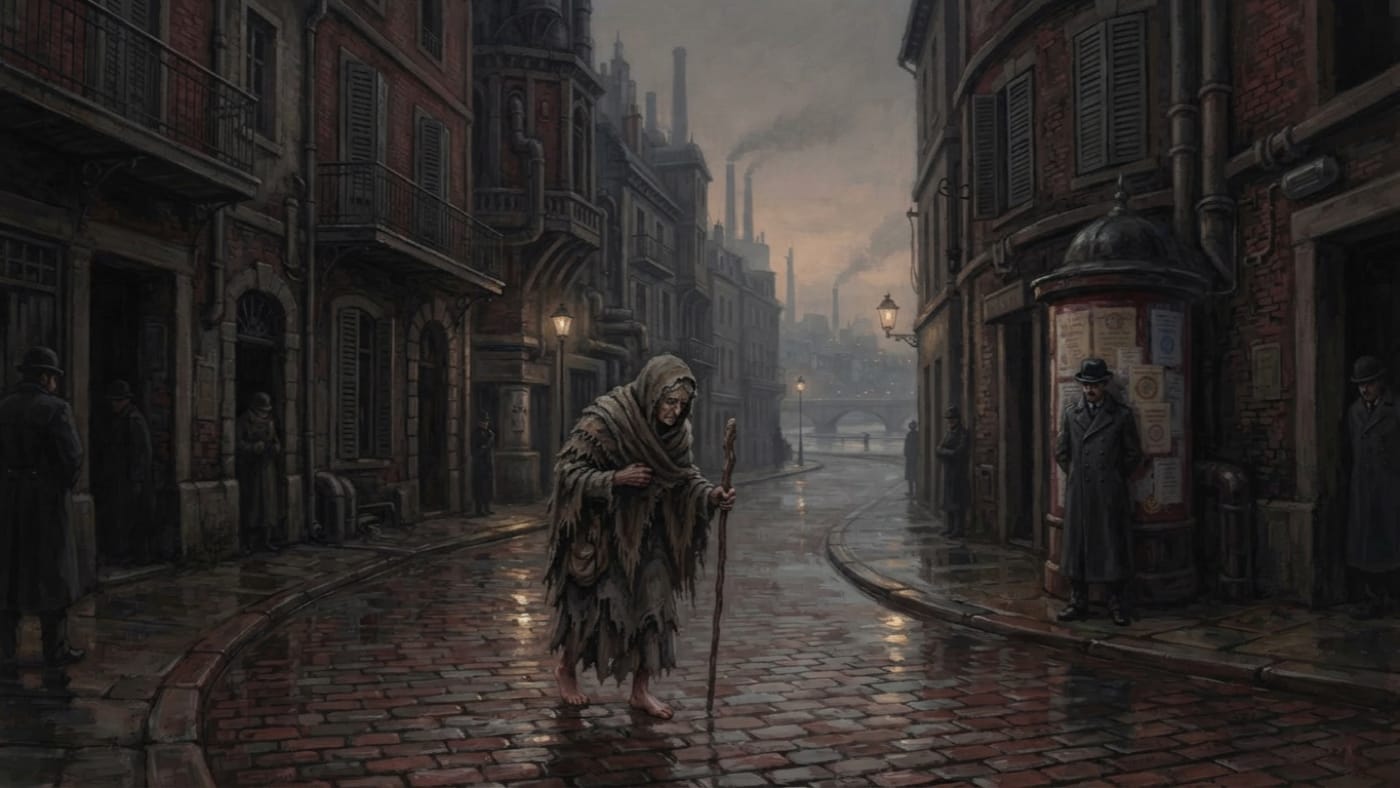
Crone of Patience
The woman who keeps walking through an unclosed file
Condemned as the Second so-called Virtue General, the Crone of Patience remains an unproven attribution: an old woman walks Toulouse while Shadows pays to watch.
Codex Ref. III.2.01-052
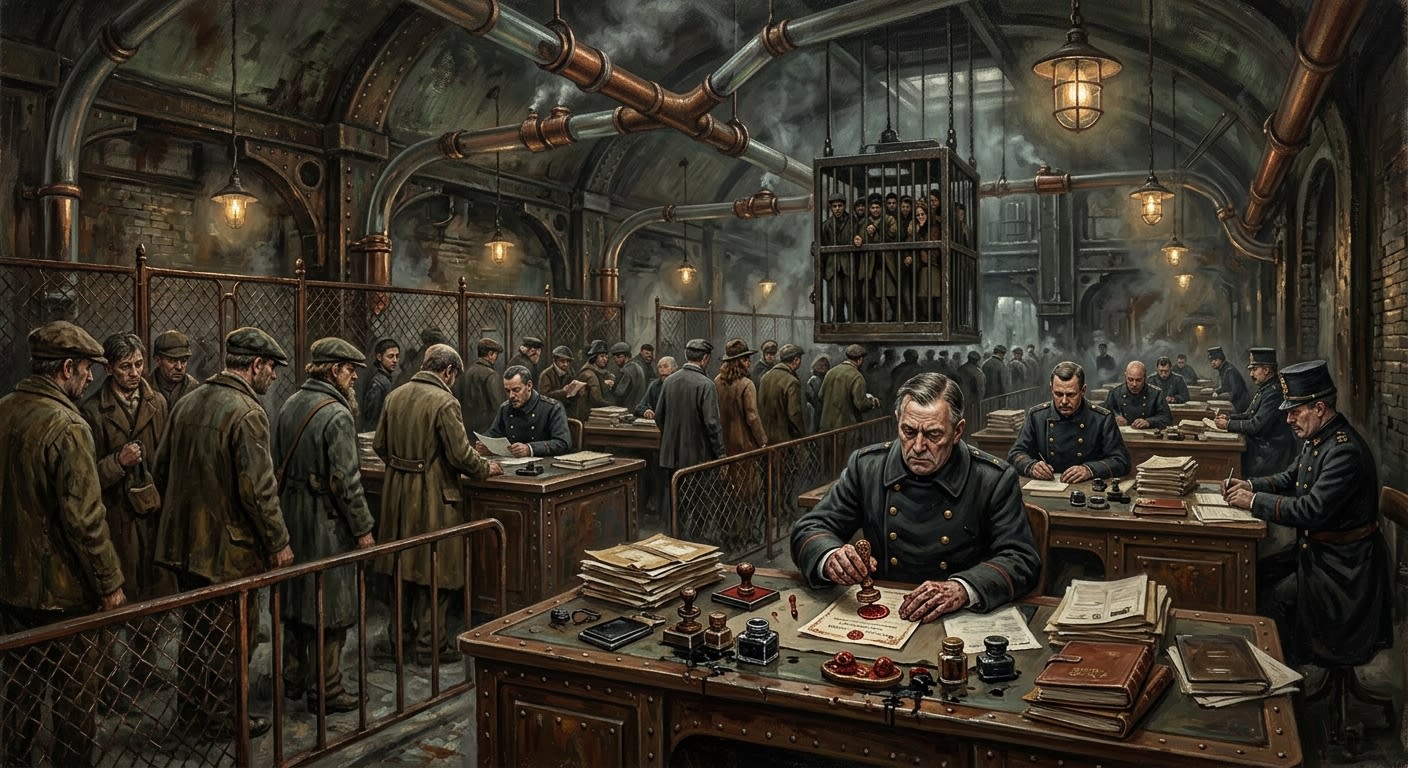
Crossing Bureau
No mark, no crossing; no crossing, no mercy worth recording
Bastion-Brest's Crossing Bureau is the local span authority between confession and passage, where Hett Ruis, wet paper, and warm wax decide who becomes lawful on the Brass Ribs.
Codex Ref. VIII.2.07-098
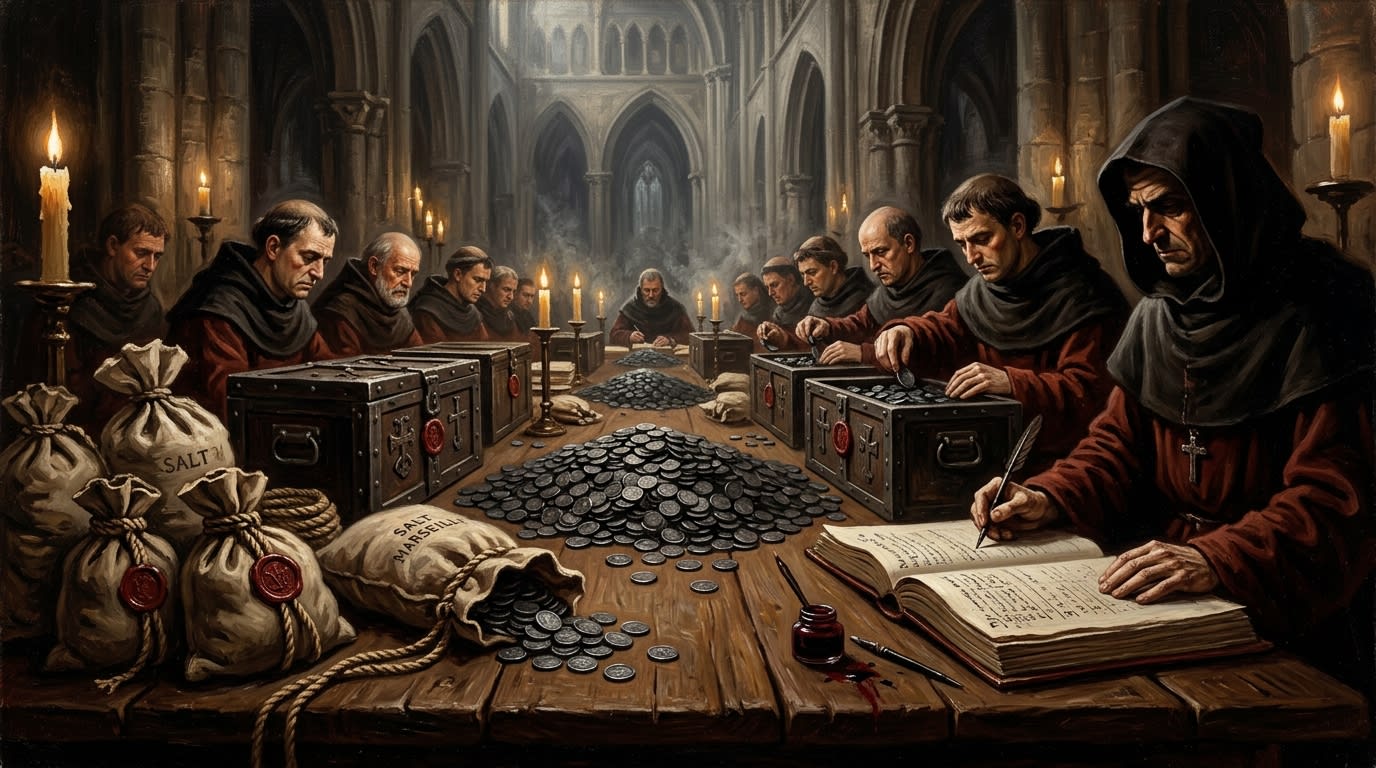
Crowns of Grace
One coin buys bread; the plural buys obedience
Crowns of Grace in the plural are obedience under arithmetic: harbour revenue, soldier arrears, salt dues, foreign insult, and bread counted until it kneels.
Codex Ref. XIII.1.22-093
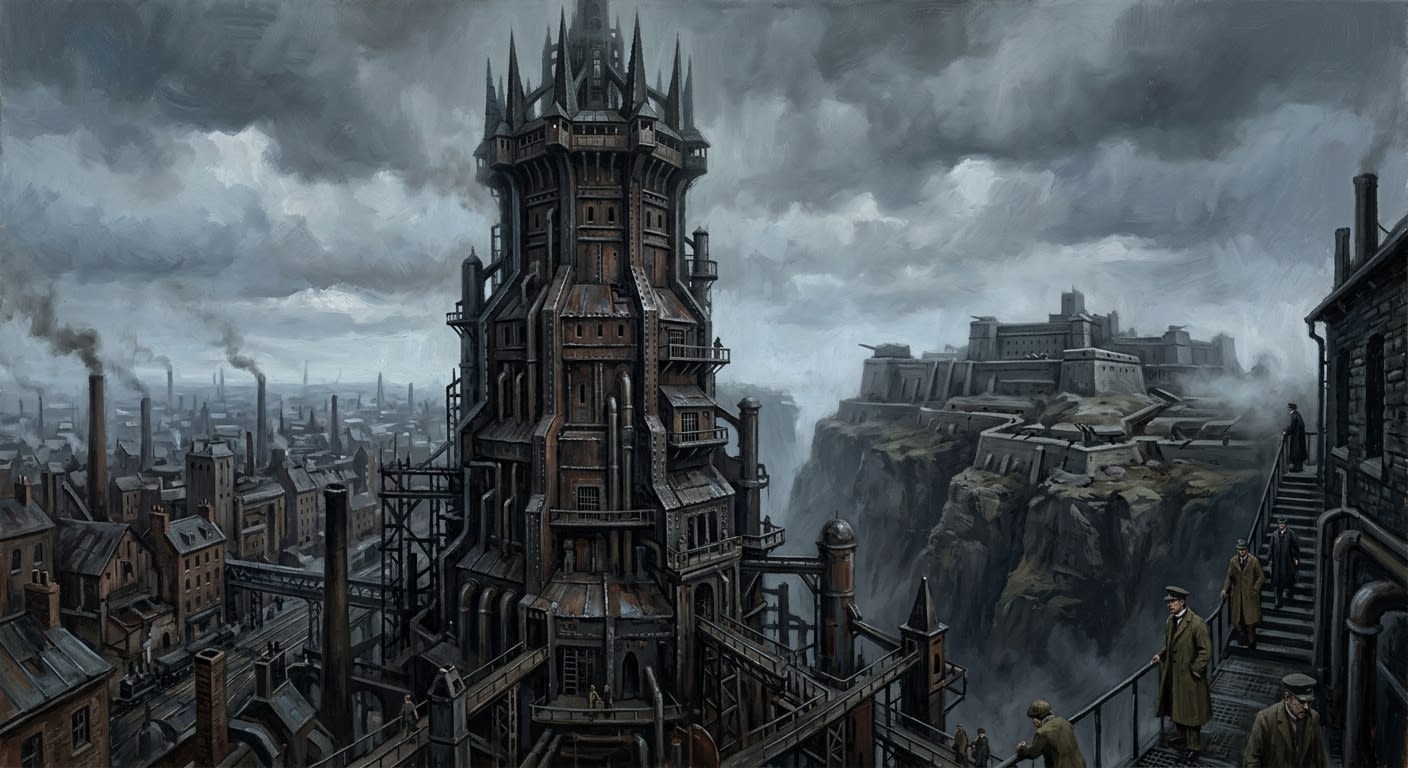
Crownspire
The tower that mistakes altitude for title
Crownspire is Atheron's black vertical thesis in the Ebon Heights: throne-plan, citadel, temptation, and measurement-trap opposite Bastion-Przemyśl.
Codex Ref. II.4.03-045
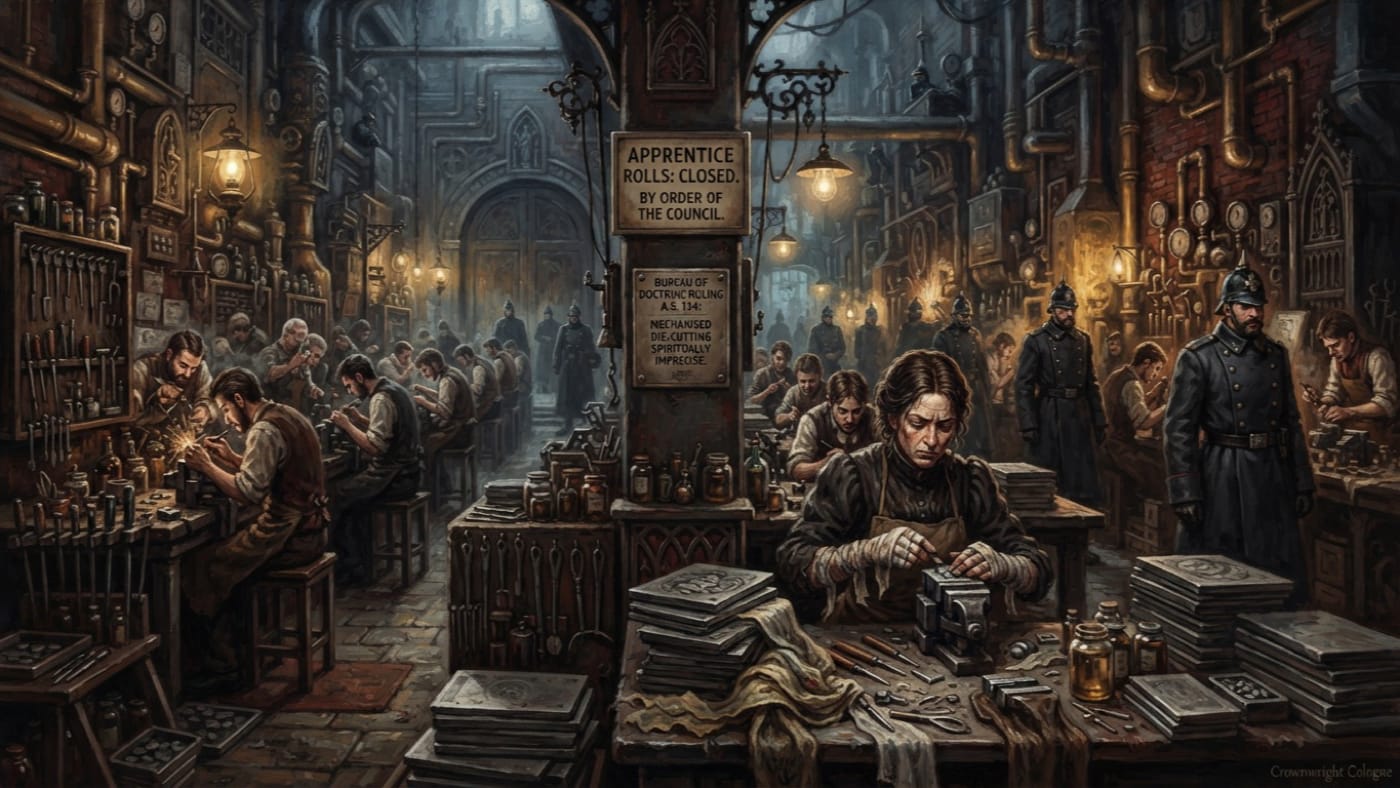
Crownwright Guild
The Chapter owns the face; the Guild owns the hand
The Crownwright Guild cuts Sable Court's lawful faces, charges for recognition, and keeps the Mint-Chapter dependent on its hands. Its apprentice rolls remain closed during the Face Theft crisis.
Codex Ref. XI.7.01-001
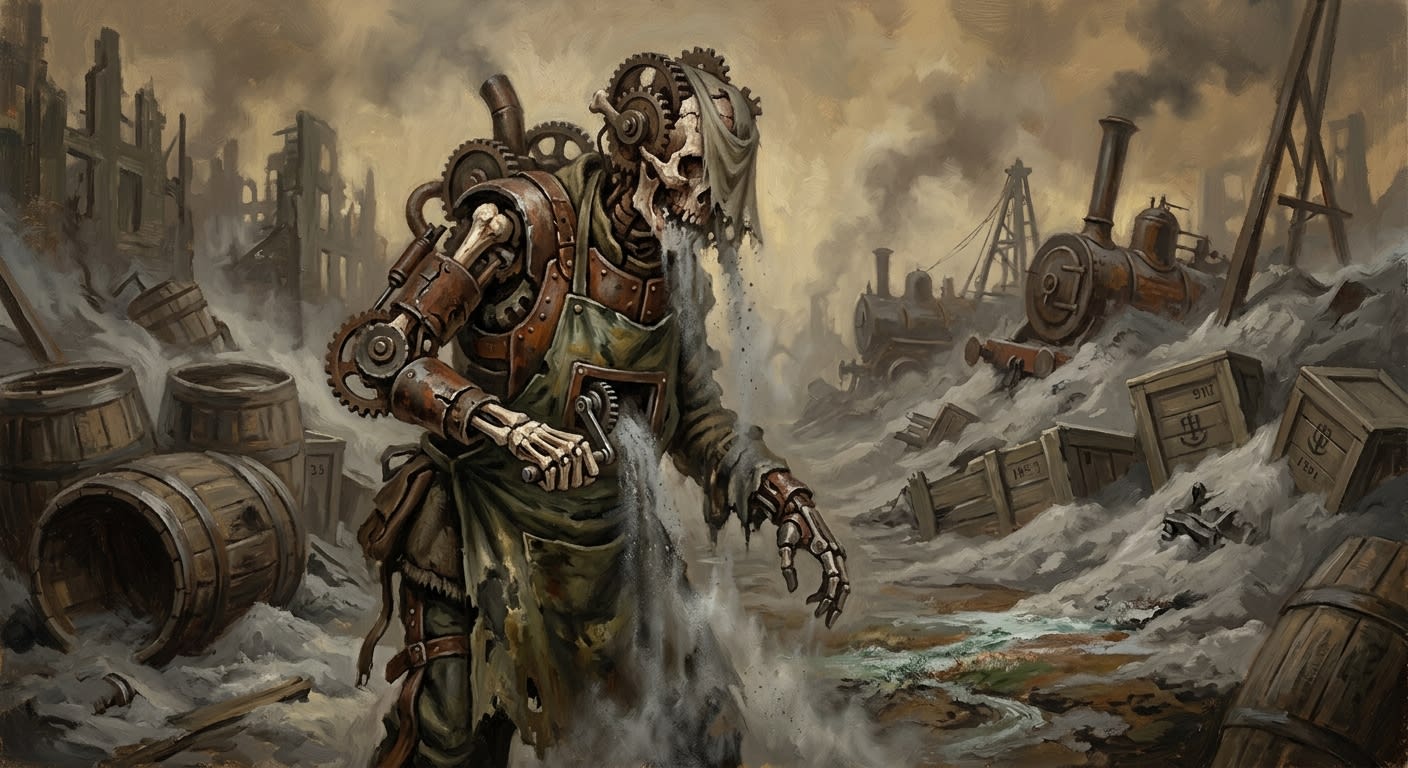
Crumble-Wrong
When saint-dust remembers the body and refuses commerce
At Mournwater, saint-dust settles into bones, ruins casks, fattens futures markets, and suggests that industrialized holiness has begun objecting.
Codex Ref. XIII.1.21-001
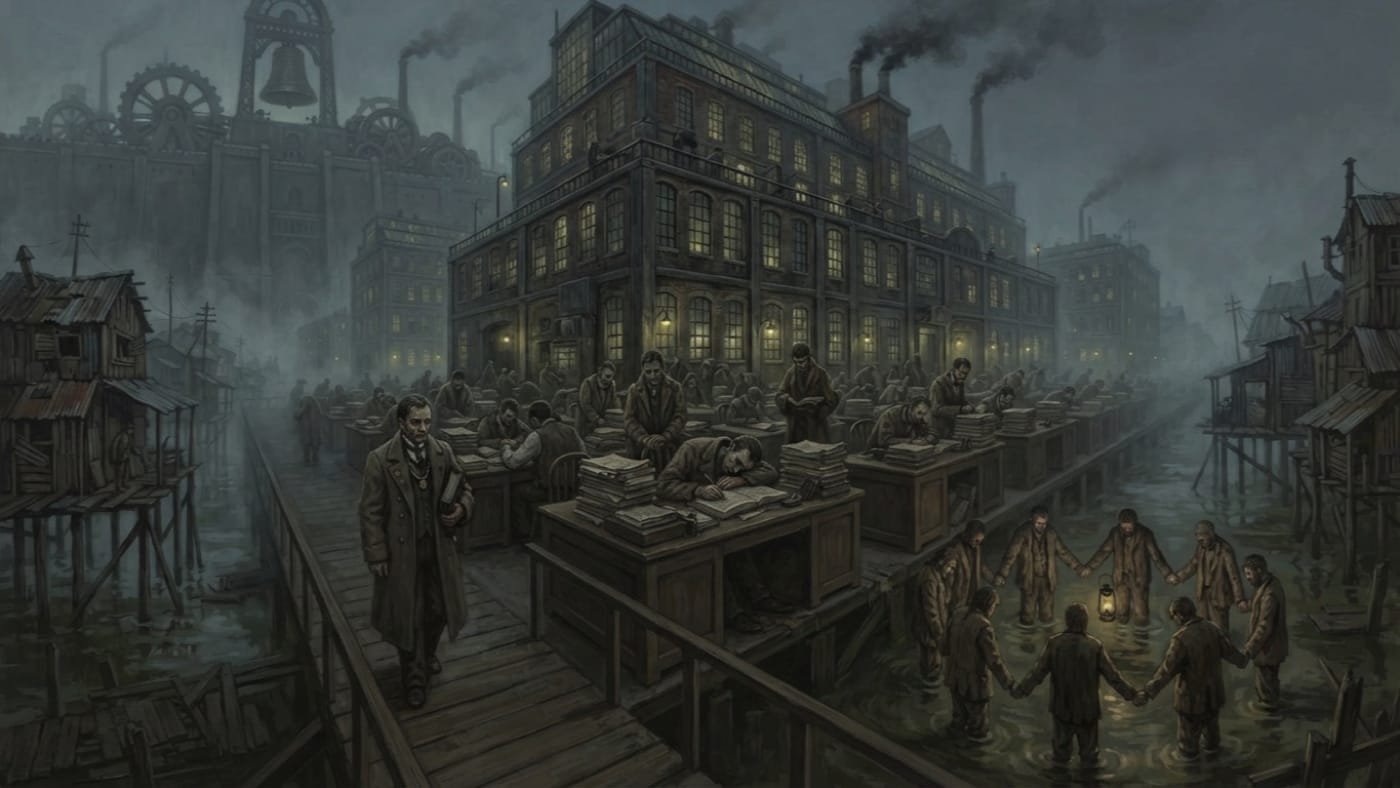
Cults of Stillness
The recruiter of Sloth comes carrying a blanket.
Syrion's quiet cells turn relief into a creed of surrender, spreading through wards, monasteries and Bureau offices. Purity can punish an abandoned duty; it cannot reliably tell devotion to Sloth from exhaustion.
Codex Ref. XI.6.01-002
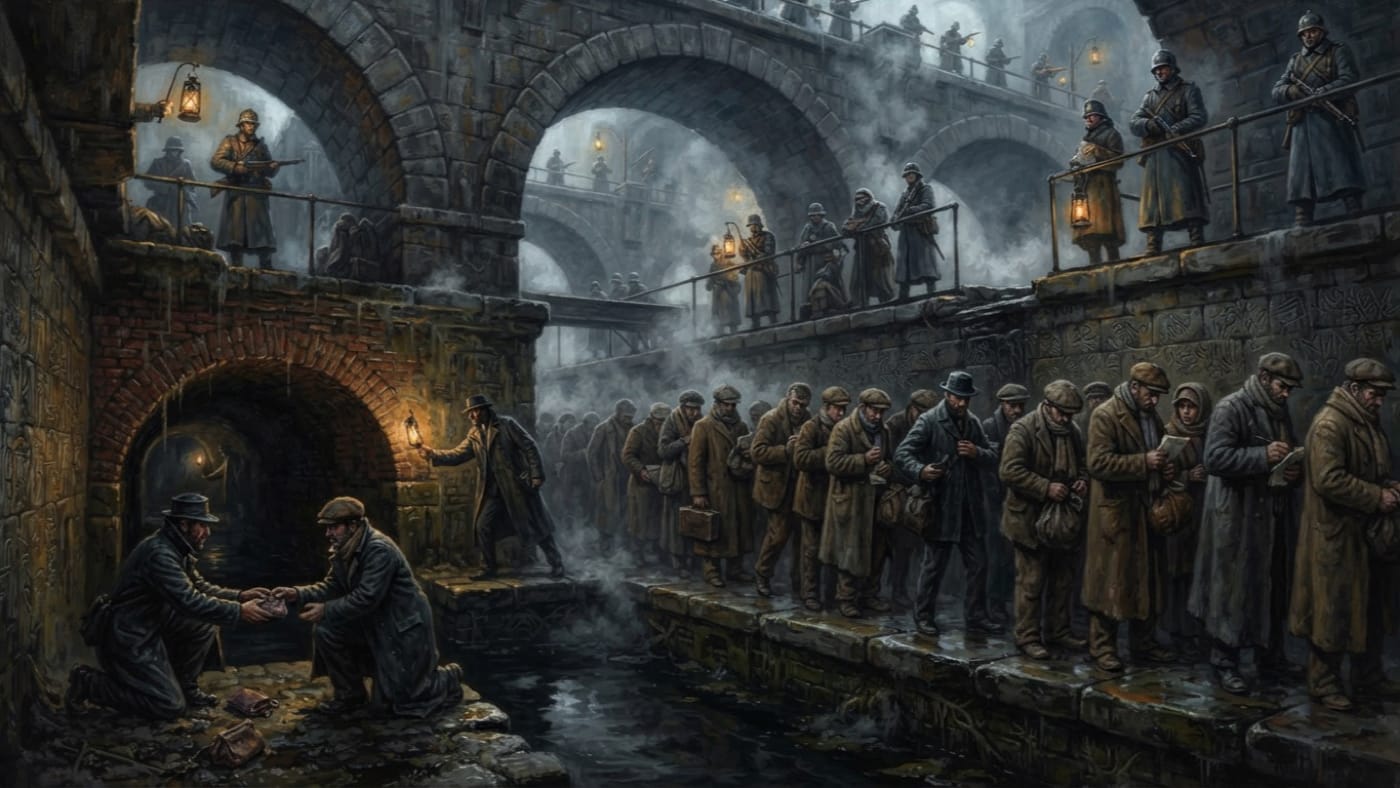
Culvert Choir
The arches can be passed; the name remains
Griefgate's unregistered smuggler network sells passage, borrowed grief and blank indulgence slips beneath the arches. Desperation sets the fee; the Ledger keeps the name.
Codex Ref. XI.5.03-002
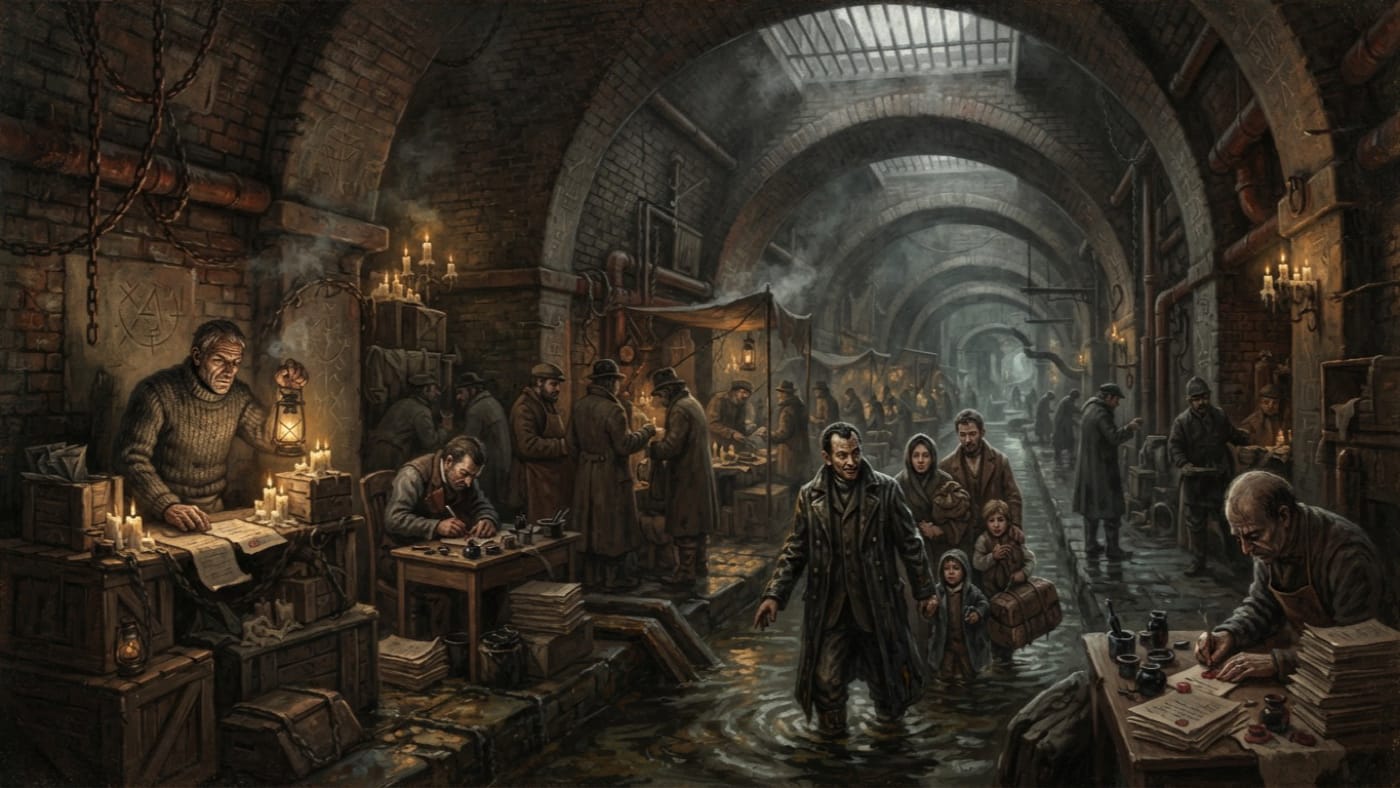
Culvert Market
Where passage is sold and the Ledger keeps your name
Griefgate's unchartered market beneath the arches trades in indulgence slips, forged papers, hired witnesses and unlawful passage. A body may evade the Gate; its name remains in the Ledger.
Codex Ref. II.1.04-002
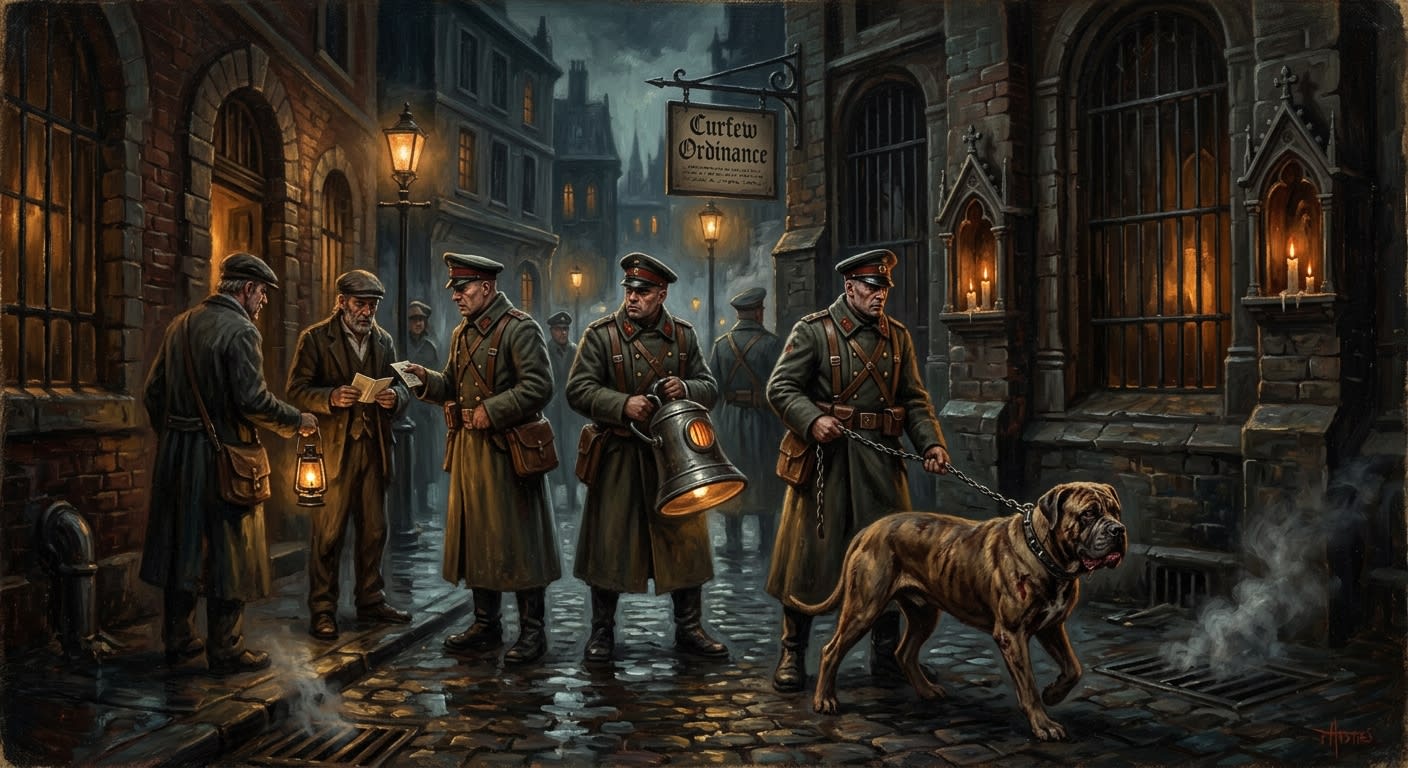
Curfew Ordinance of Quiet Hours
The margin law that taught night to carry a pass, a lamp, and a witness
The Curfew Ordinance of Quiet Hours began as a Rhineland margin law and became the Synod's nocturnal grammar: lamps, passes, Consolators, Brotherhood knives, and useful fear.
Codex Ref. XIII.1.76-094
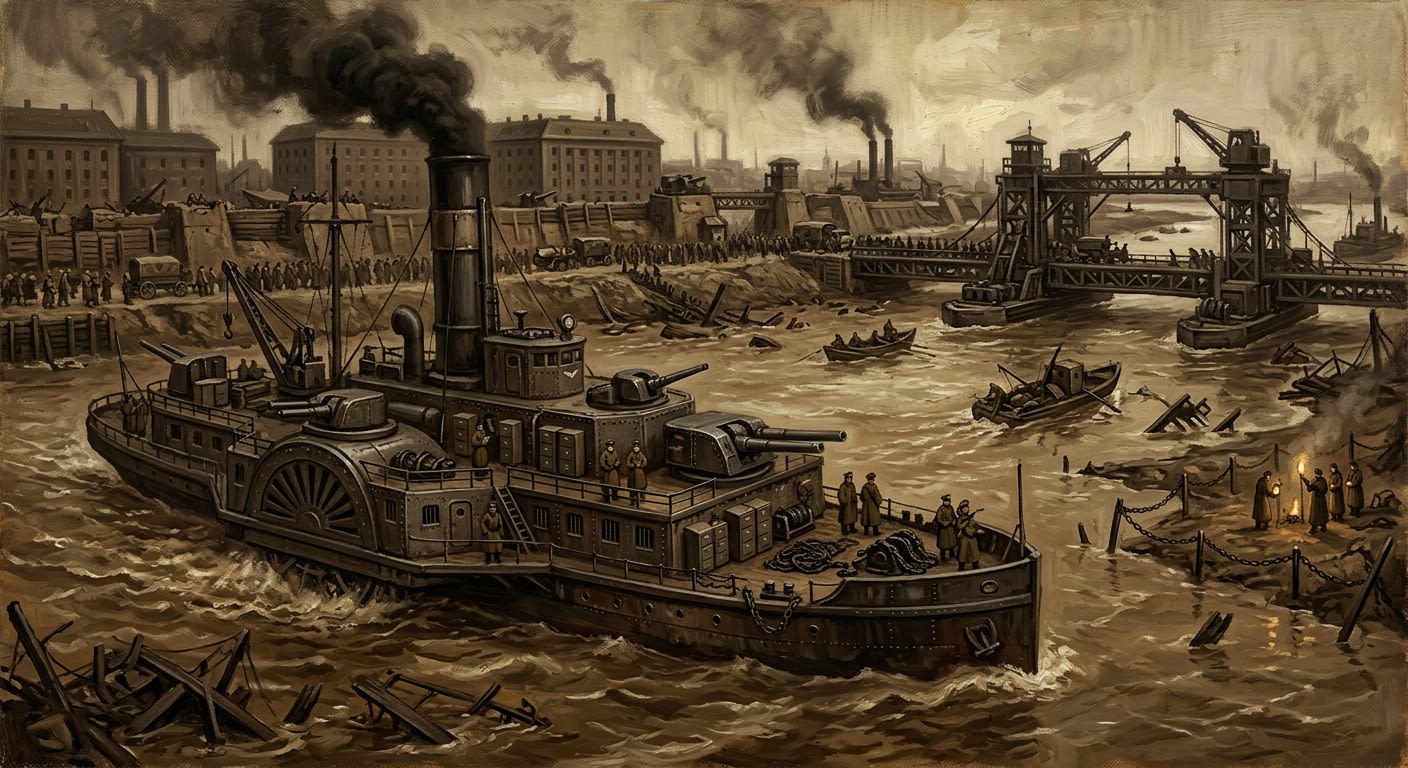
Danube
A moving jurisdiction, interrupted by Hell
The Danube is the Synod's brown moving jurisdiction: road, border, weapon, archive, tariff, grave, miracle-site, and contested throat of Irongate.
Codex Ref. II.4.09-034
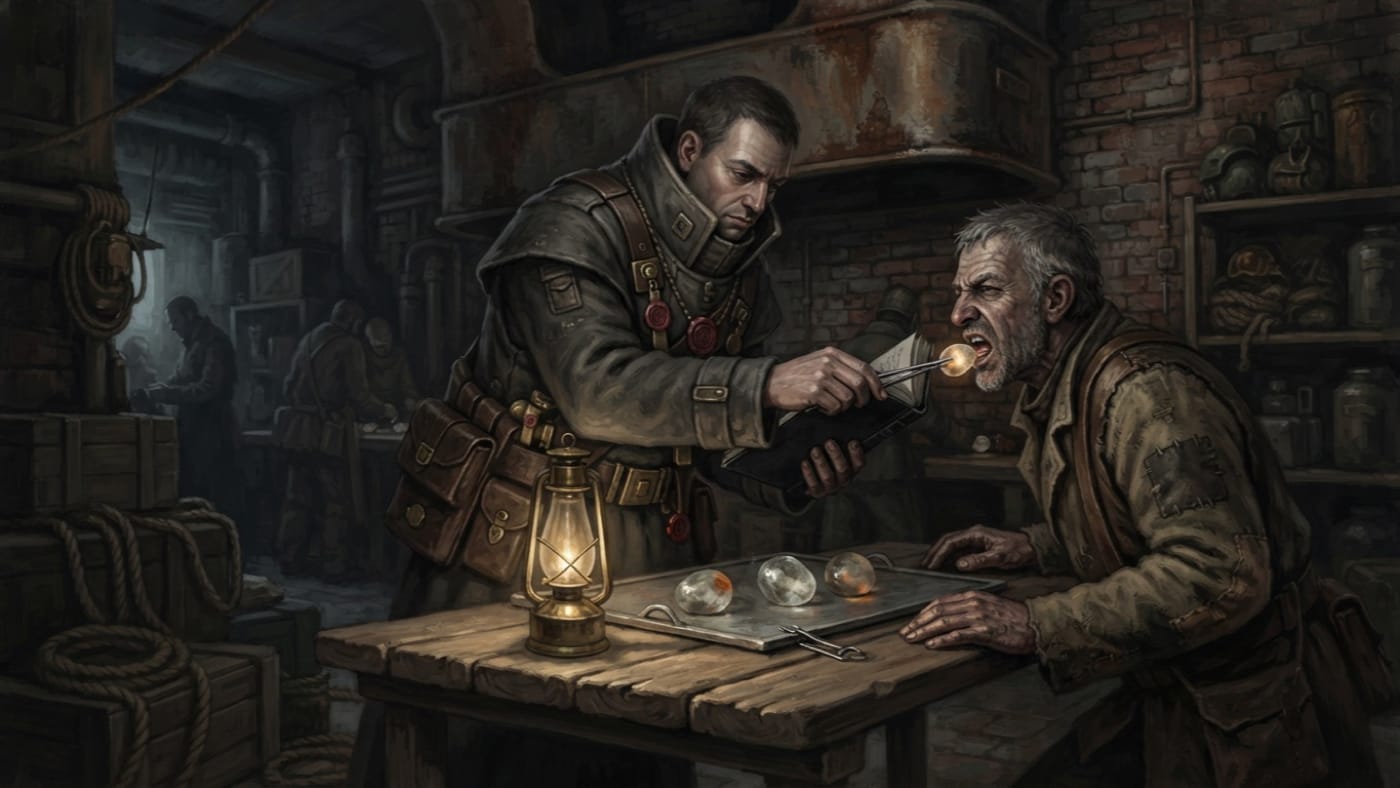
Danube Ossuary Crawl
Three beads presented, four counted, no fee payable
In the A.S. 144 report, a fourth saint-glass bead undid a three-bead inventory: contract suspended, fee voided, tongue retained. The Sanctifier gained one grade.
Codex Ref. VII.8.10-144
Danzig
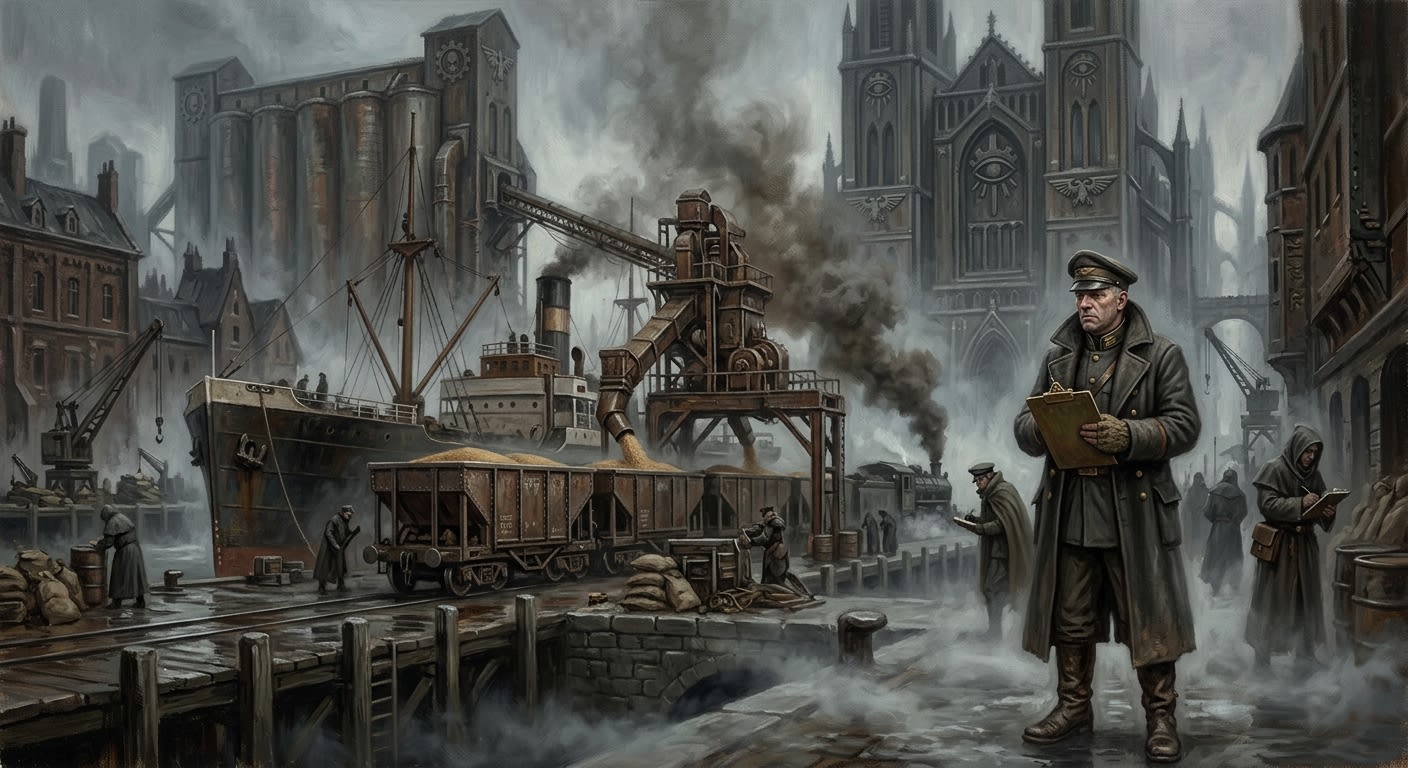
The Baltic port that feeds the north and lies with admirable punctuality
Danzig is the Baltic grain mouth of the Northern Corridor: obedient in public, competent in fog, audited forever, and too necessary for Strasbourg to purify without starving itself.
Codex Ref. II.4.09-013
Day of Zeroing
The pan returns to zero; the queue remains hungry
An A.S. 201 survey of Saint Calibrus's adopted feast: licensed scales are cleaned, checked, blessed and re-zeroed before a witness. The pan is certified; the queue still waits for bread.
Codex Ref. XIII.1.90-201
De Clavibus Restitutis
The entrusted hand and the clerk who kept the house
Ambrosius of Como's sermon placed authority in the entrusted hand. Lombardy heard restoration; Strasbourg answered with granaries, names and a river.
Codex Ref. VI.5.02-001
De Vera Luce
The lamp without altar becomes a torch in a library
The Amsterdam Academy's founding pamphlet made A.S. 0 a wound, not a birthday: thirty-two leaves of clean prose, humane poison, and continental ruin.
Codex Ref. I.1.04-001

Dead-Goods Tariffer
The grave is a permit; the permit has a price
Bureau-licensed bone classifier. He decides what the dead become — mortar, monument, or ornament — and does not look up from his seal press.
Codex Ref. XII.11.01-001
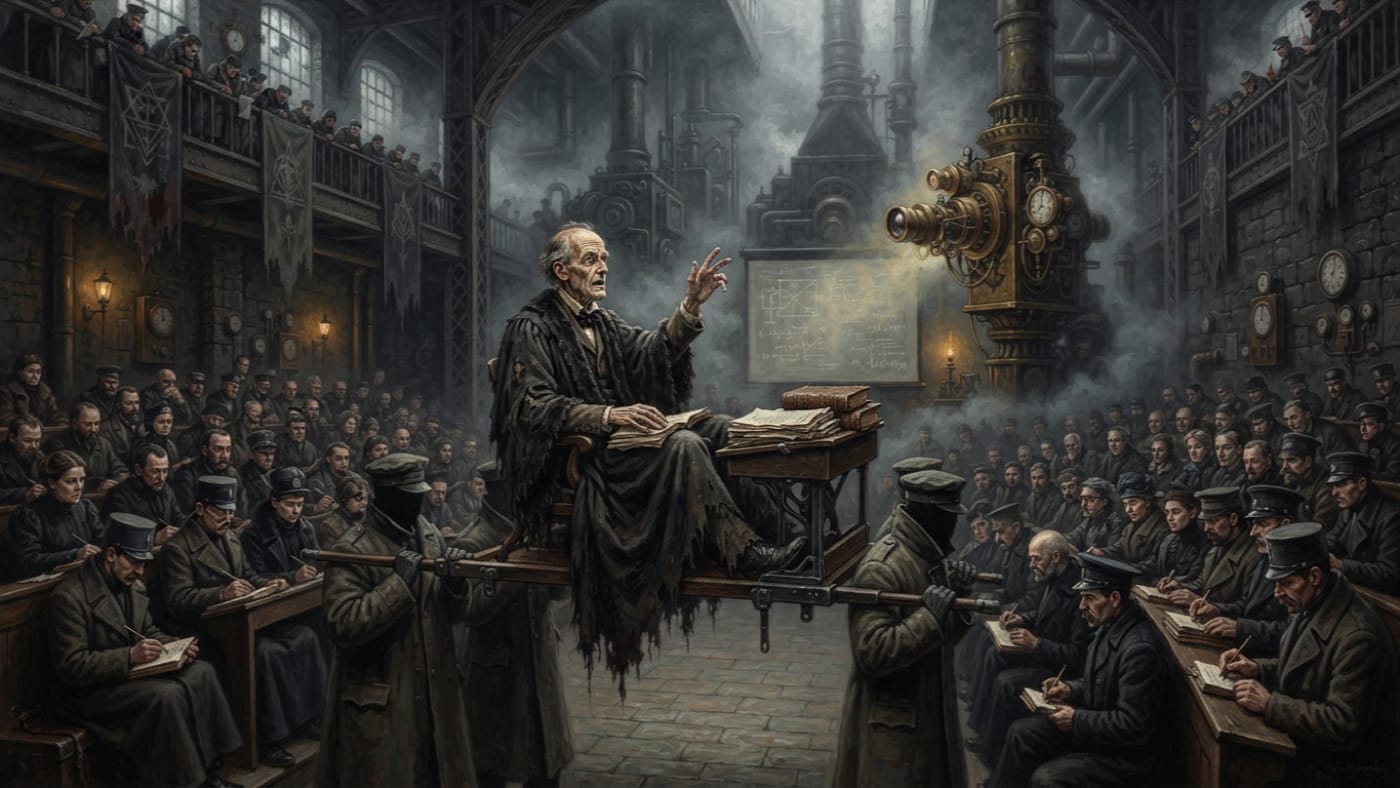
Dean Albrecht Moser
The signature survived; so, inconveniently, did the signatory
Dean Albrecht Moser signed the Concordats of Ulm in 1655 and reached Amsterdam's founding congress at seventy-nine, carried on a litter and still lecturing. His signature outlived his bones.
Codex Ref. III.2.01-850
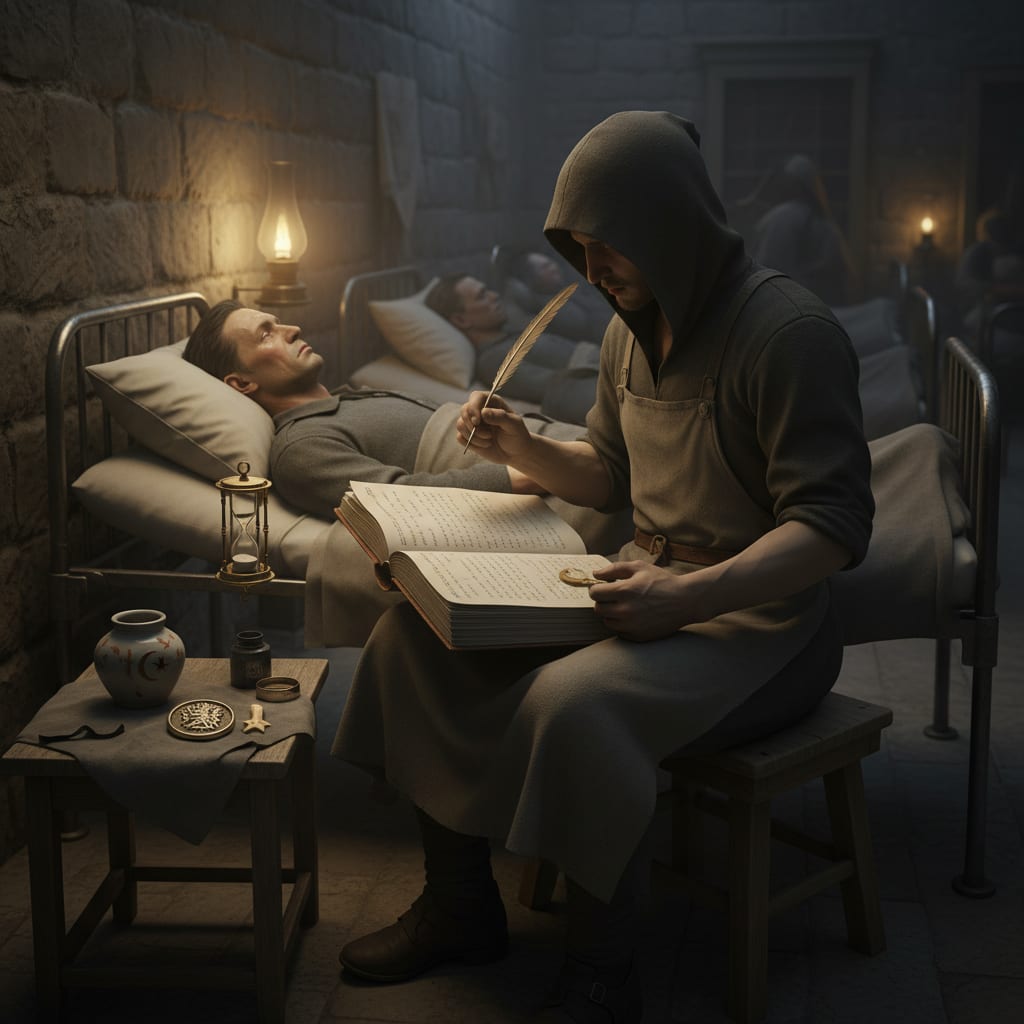
Deathbed Confession Harvester
The quill outlasts the patient; the Record outlasts both
Two thousand four hundred scribes posted at the bedsides of the dying, ensuring no death in Synod jurisdiction passes unfiled. The Record does not grieve. The Record does not wait. The Record simply continues.
Codex Ref. XII.12.01-001
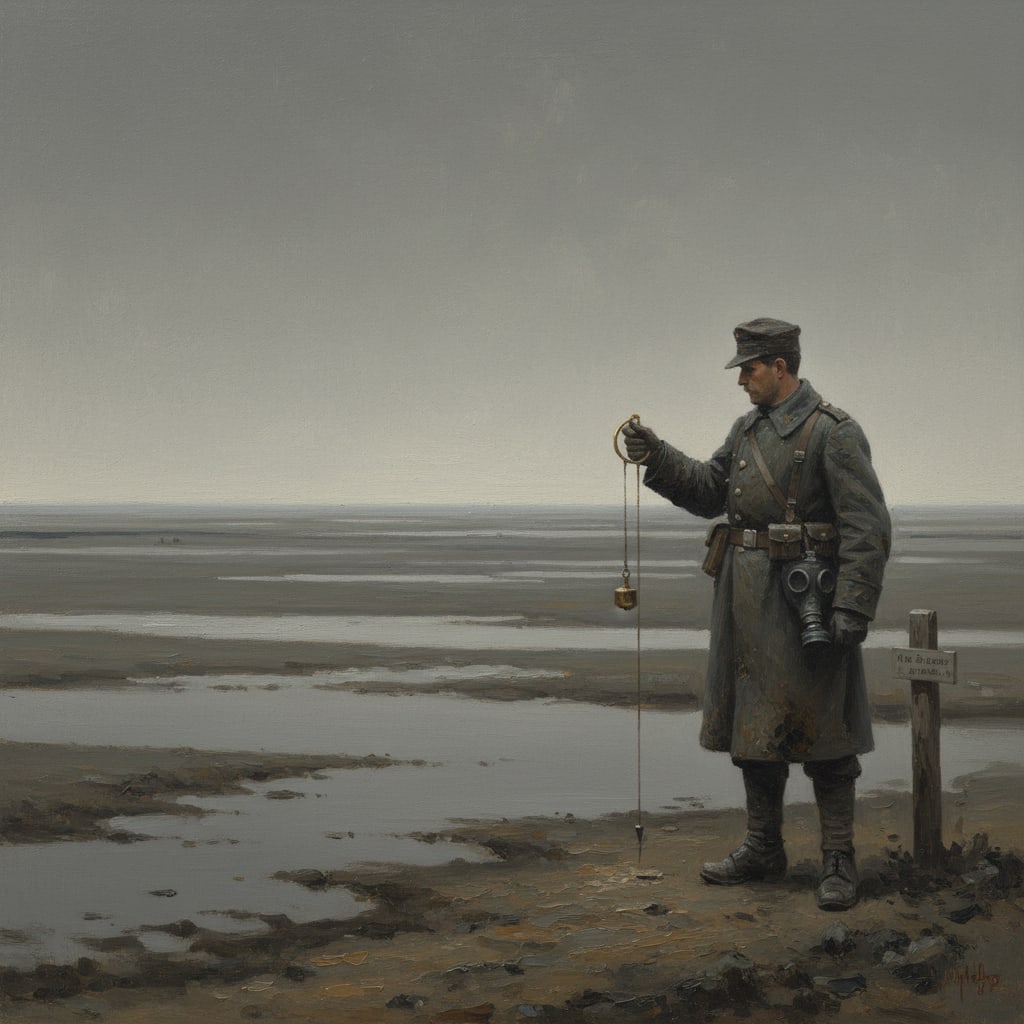
Debrecen
The city that was eaten
Forty-two thousand souls, a grain exchange that set prices from the Danube to the Rhine, and a harvest the world will never taste again. Kargath ate it. The Blightmarsh is all that remains, and the Blightmarsh is still hungry.
Codex Ref. VI.1.01-001

Demon-Glass Polisher
The craft the Bureau has shattered, blessed, interred in lime, and declined to stop purchasing
The profession the Bureau insists does not exist: found in every port from Marseille to the Harbor of Chains, supplying the Bureau of War with combat-grade optics, having developed a hierarchy, a patron saint, and three factions — all since the last Purity raid.
Codex Ref. XII.13.01-001
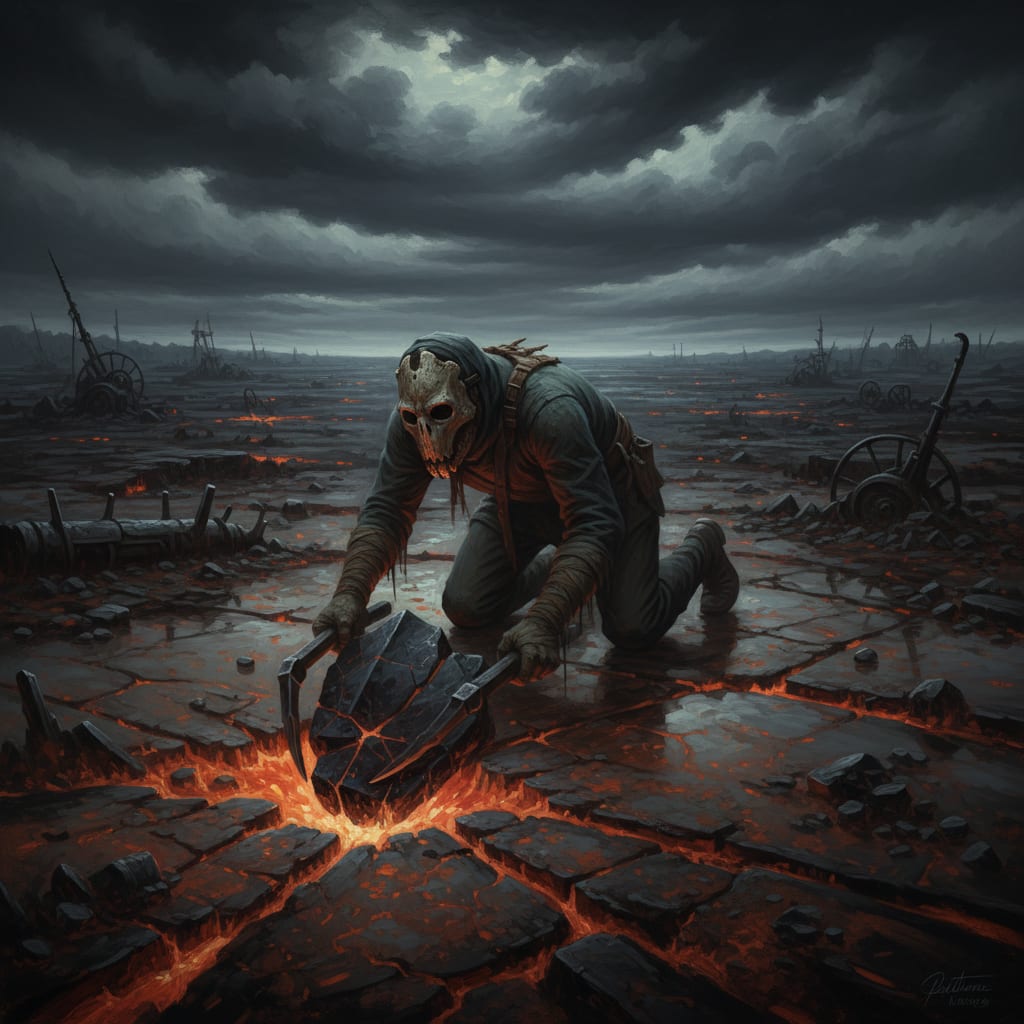
Demon-Glass Scavenger
The trade that crawls through Hell's workshop at three in the morning, because the Bureau's purchasing department opens at nine
The profession that supplies the Polisher, the Smuggler, the Bureau of War's optics division.
Codex Ref. XII.13.02-001
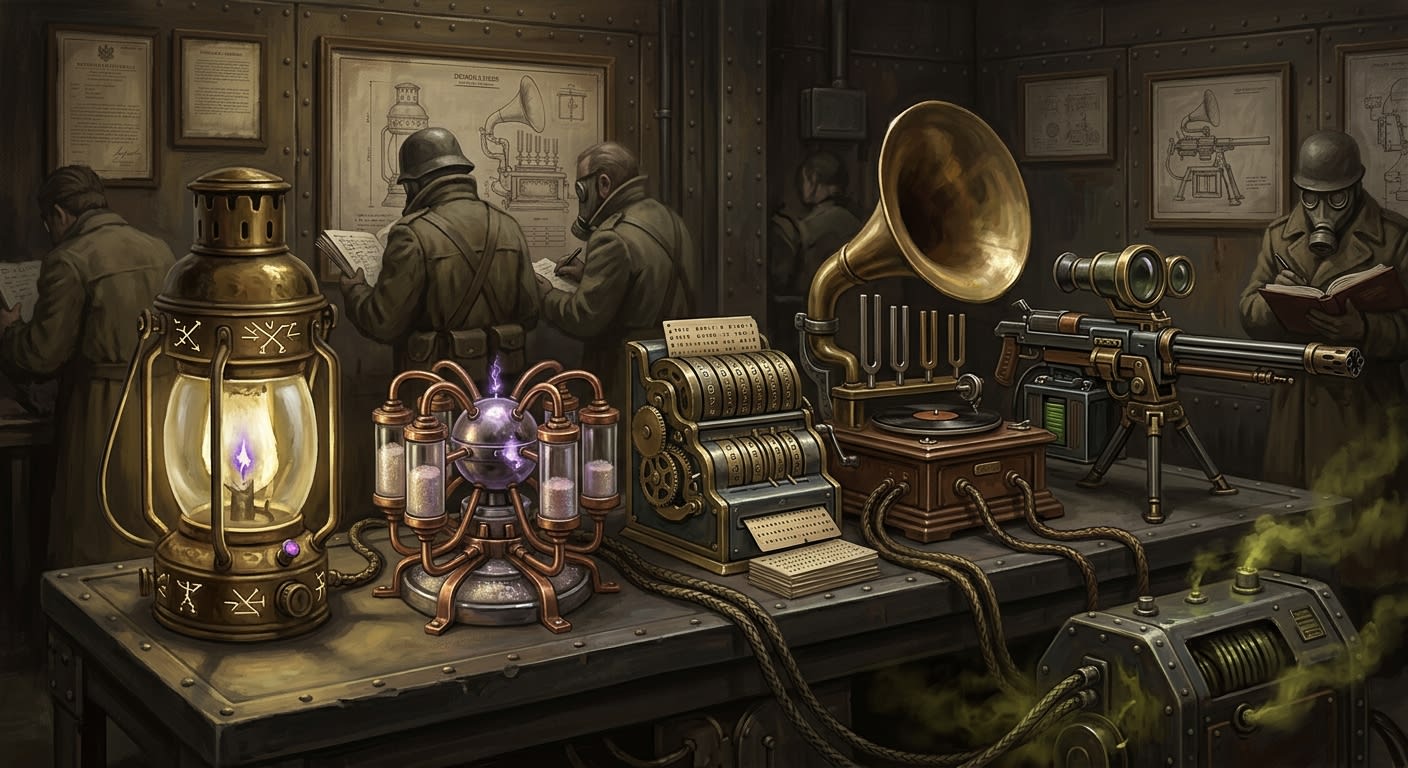
Demon-Lures
The hook is holy when the bait has been notarized
Demon-Lures are Saffron Bastion's licensed bait-mechanisms: lantern, salt, false number, tone, and gun, all pretending invitation can be filed apart from bargain.
Codex Ref. XIII.1.31-001
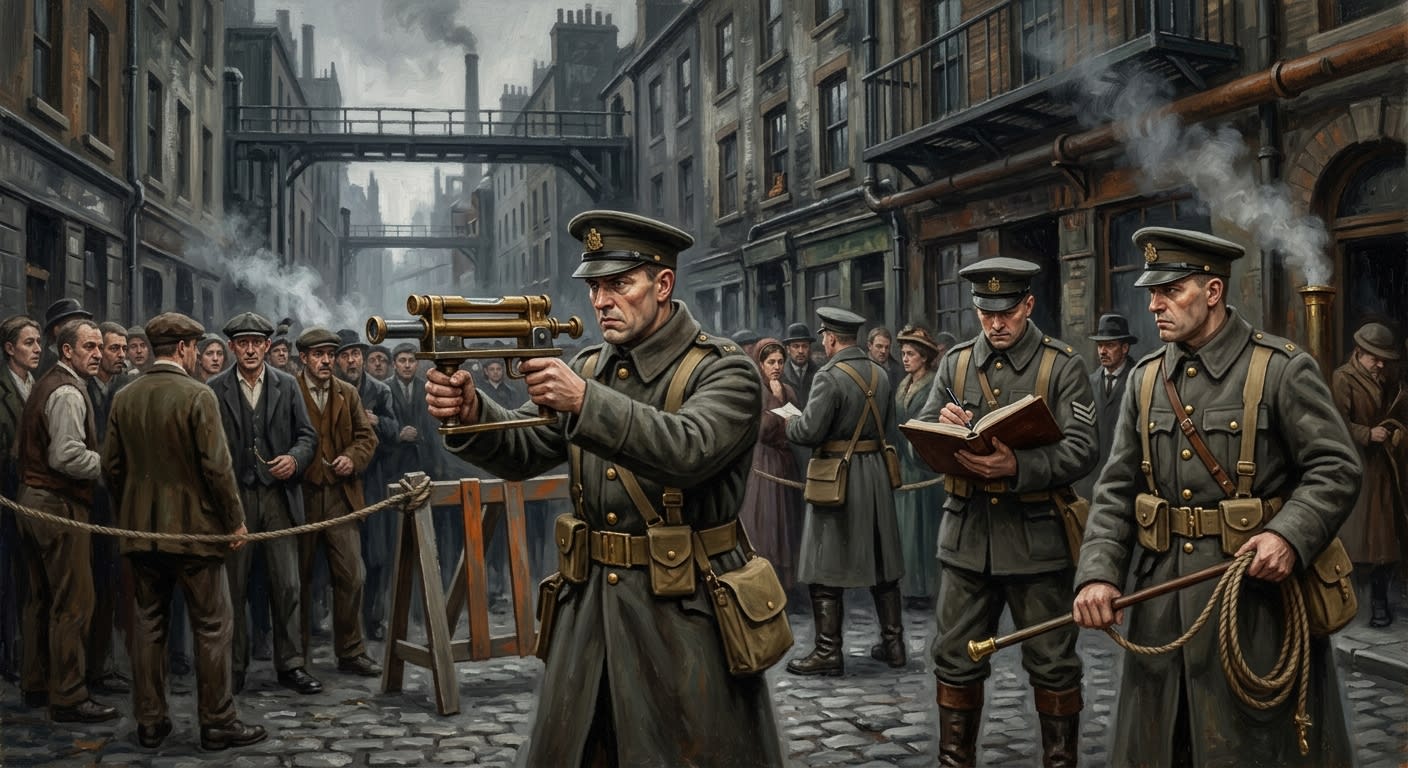
Demon-Route Screeners
The law walks first when the road has learned to lie
Demon-Route Screeners are specialised Roving Judge's Bailiffs trained during the A.S. 160–175 route failures to test crowds, roads, and court perimeters before Law commits itself to being eaten.
Codex Ref. XII.7.03-001
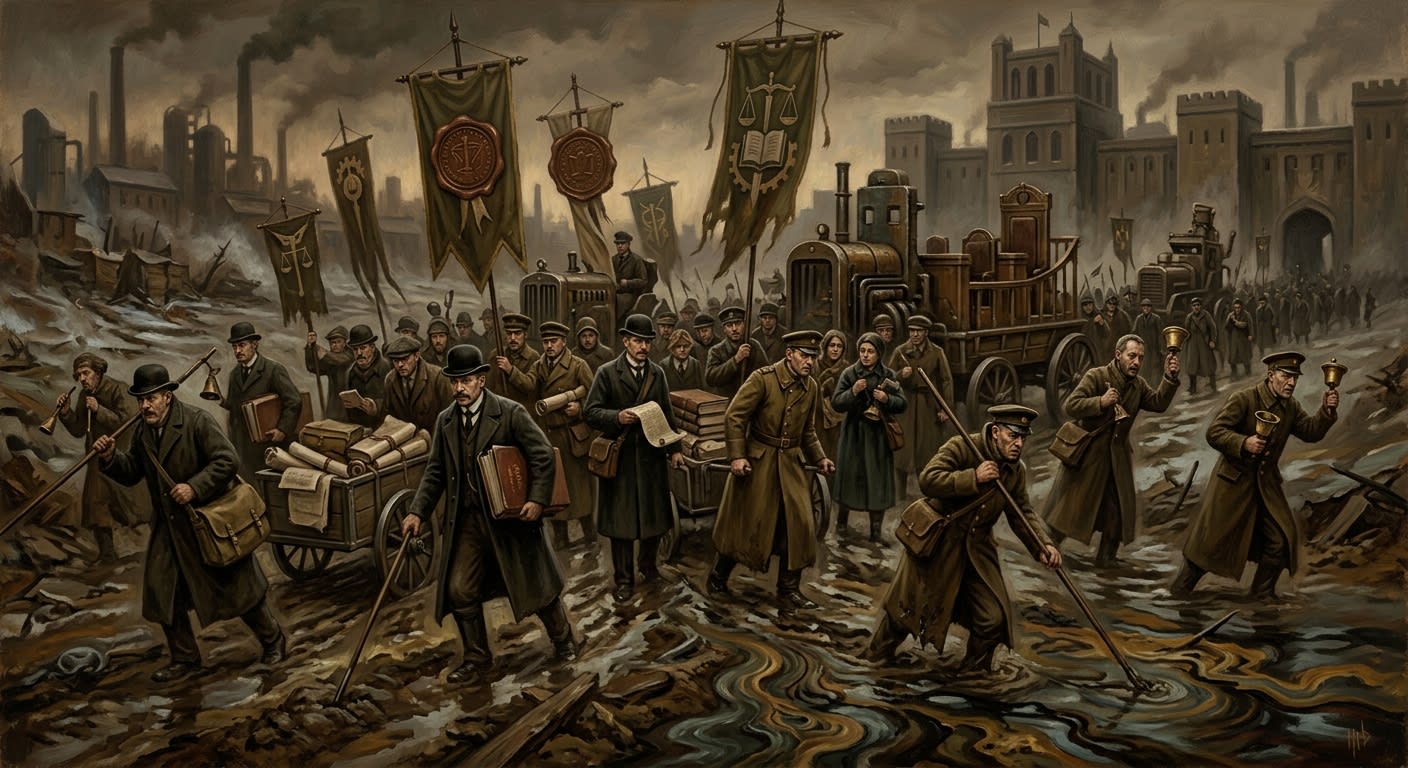
Demon-Route Years
Fifteen years in which the roads learned procedure and began holding court
A.S. 160–175: the forward roads imitated courts, crowds, witnesses, and chimes until the Synod learned that even law must ask the ground for permission.
Codex Ref. VII.8.10-160
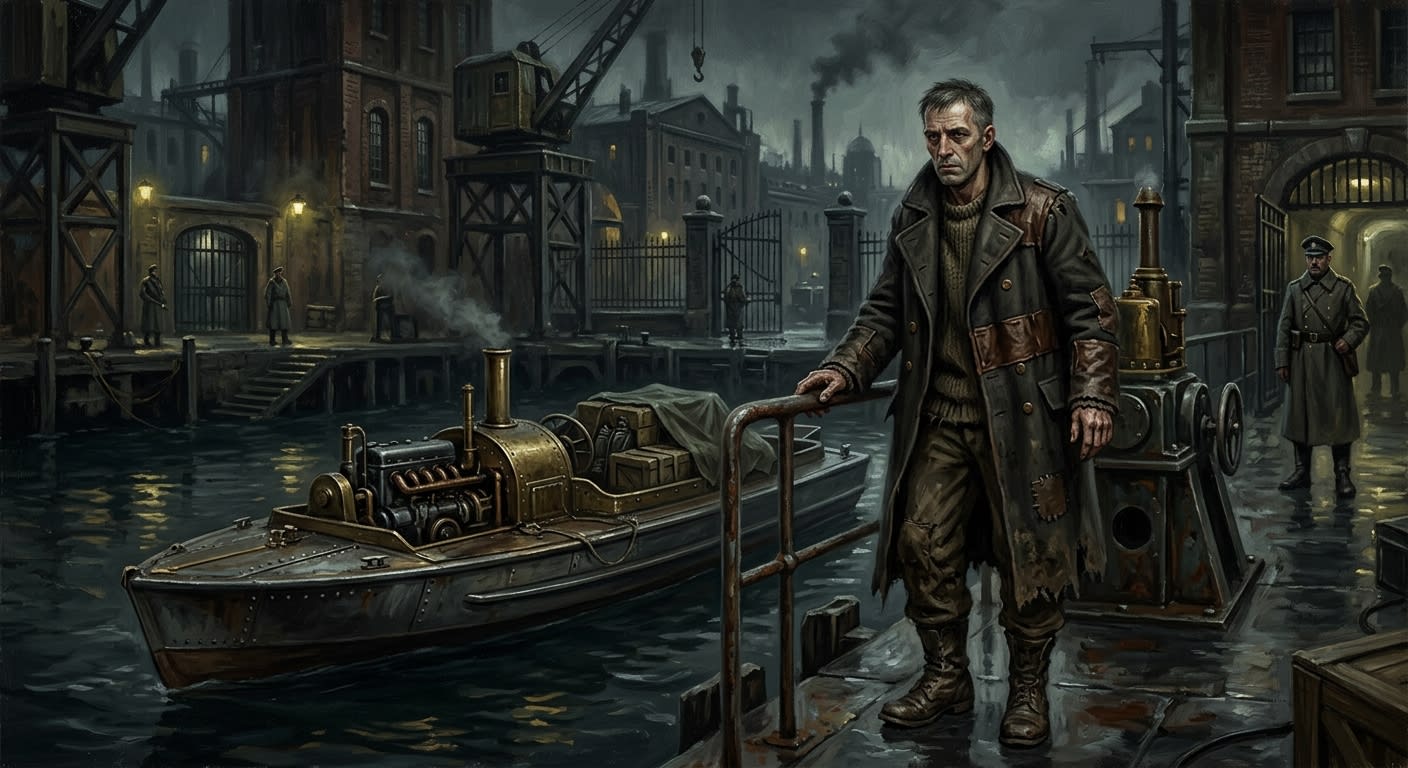
Demyan
The pilot who moved salvation before permission arrived
Demyan, condemned Strait Pilot of the inner Bosphorus, made a theology of speed, contraband, and false mercy before the customs pier made him useful.
Codex Ref. III.2.01-094
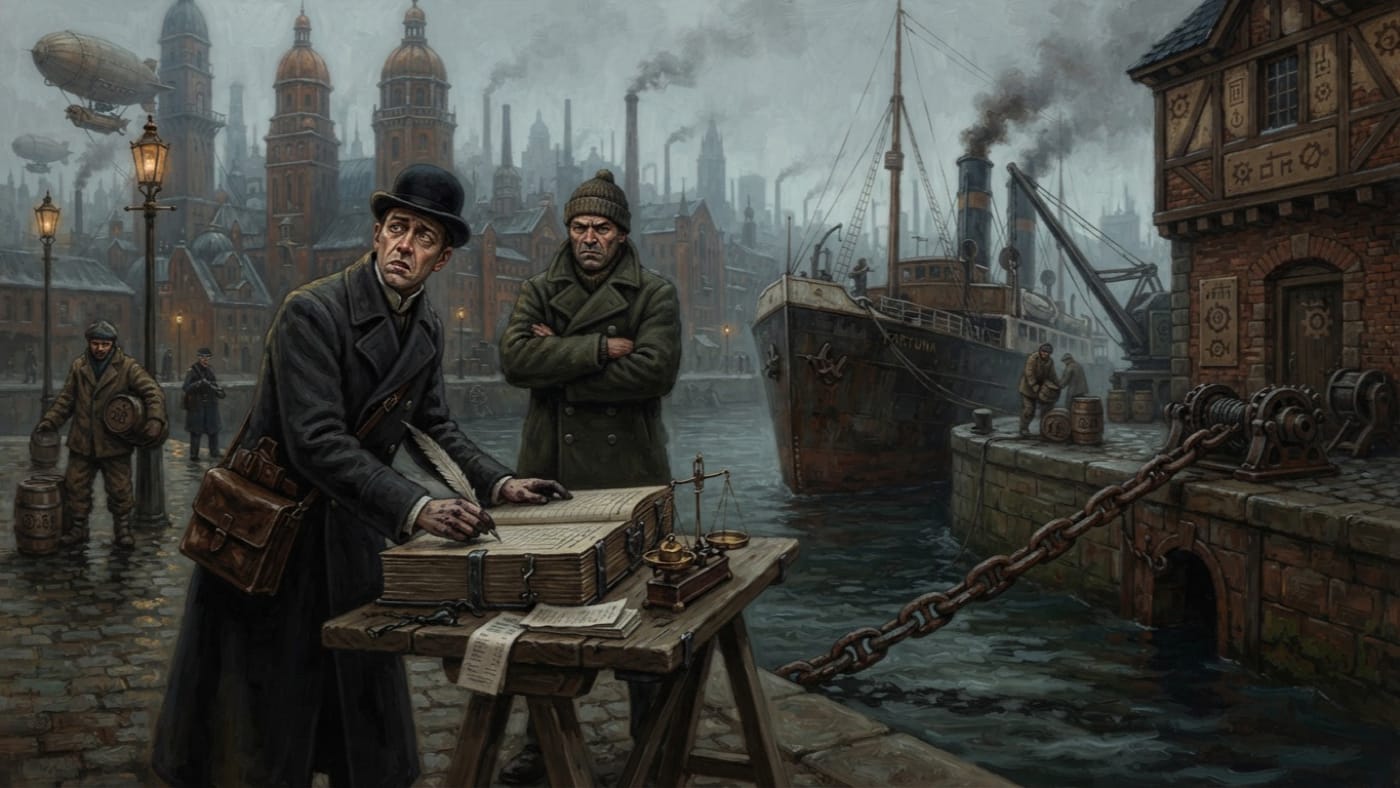
Denmark
The assessor keeps the ledger; the harbour keeps the chain
Denmark admits the Synod's assessor, negotiates its tariffs and guarantees its war credit. A.S. 201 assessment of the Danish harbours: the ledger is tolerated; the chain remains Danish.
Codex Ref. II.8.03-001
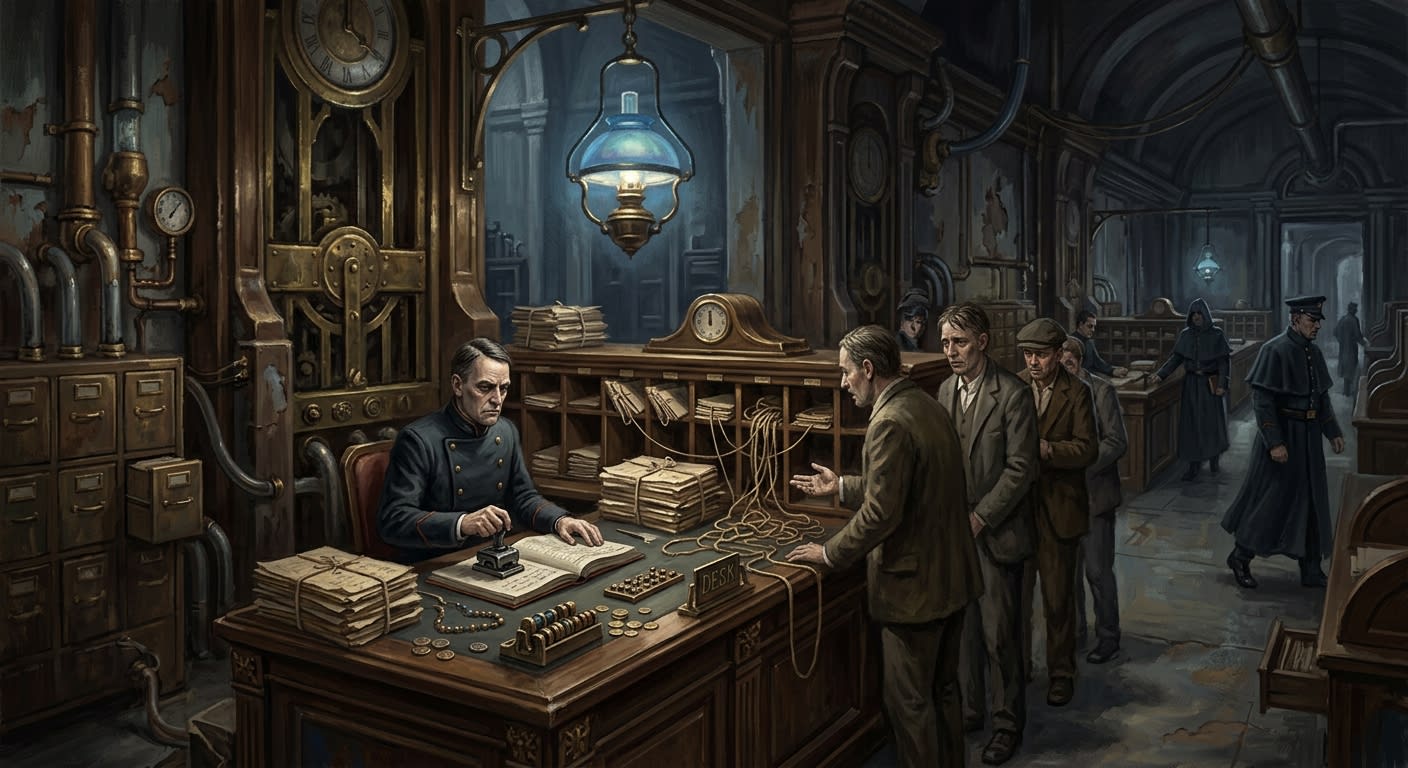
Desk Eleven
Where the blue lamp burns and the Bureau teaches furniture to deny arithmetic
Desk Eleven is the Cloister's blue-lamped denial station: a public desk for warm strings, backward slips, grave-clicks, and every bead count the Bureau refuses to name.
Codex Ref. XIII.1.72-199
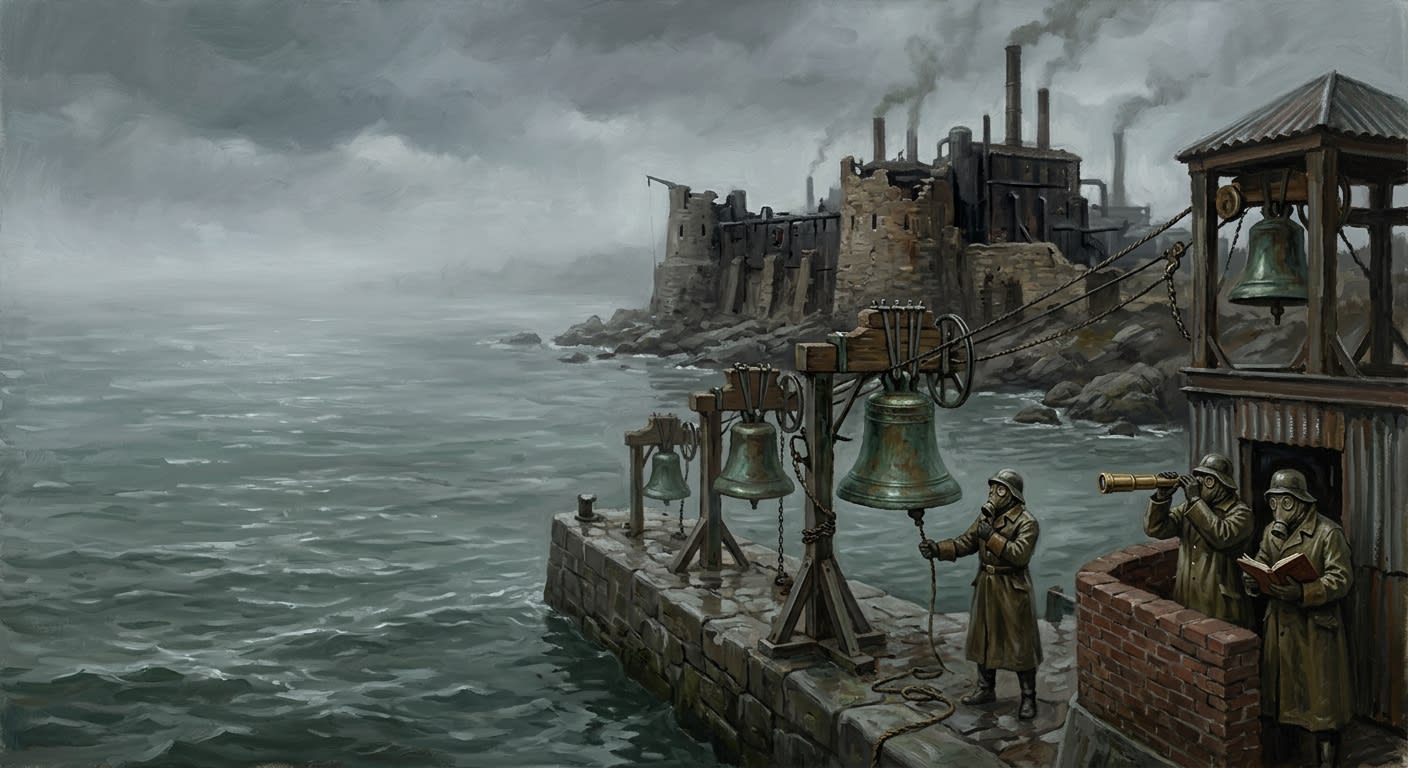
Det grå vattnet
The grey water listens before the bell decides whether to speak
Det grå vattnet, the grey water of the Fractured North, names a Baltic and fjord phenomenon related to the Grey: patient, reflective, responsive, older than the Bureau's comfort, and held only by old bells.
Codex Ref. IV.1.07-005
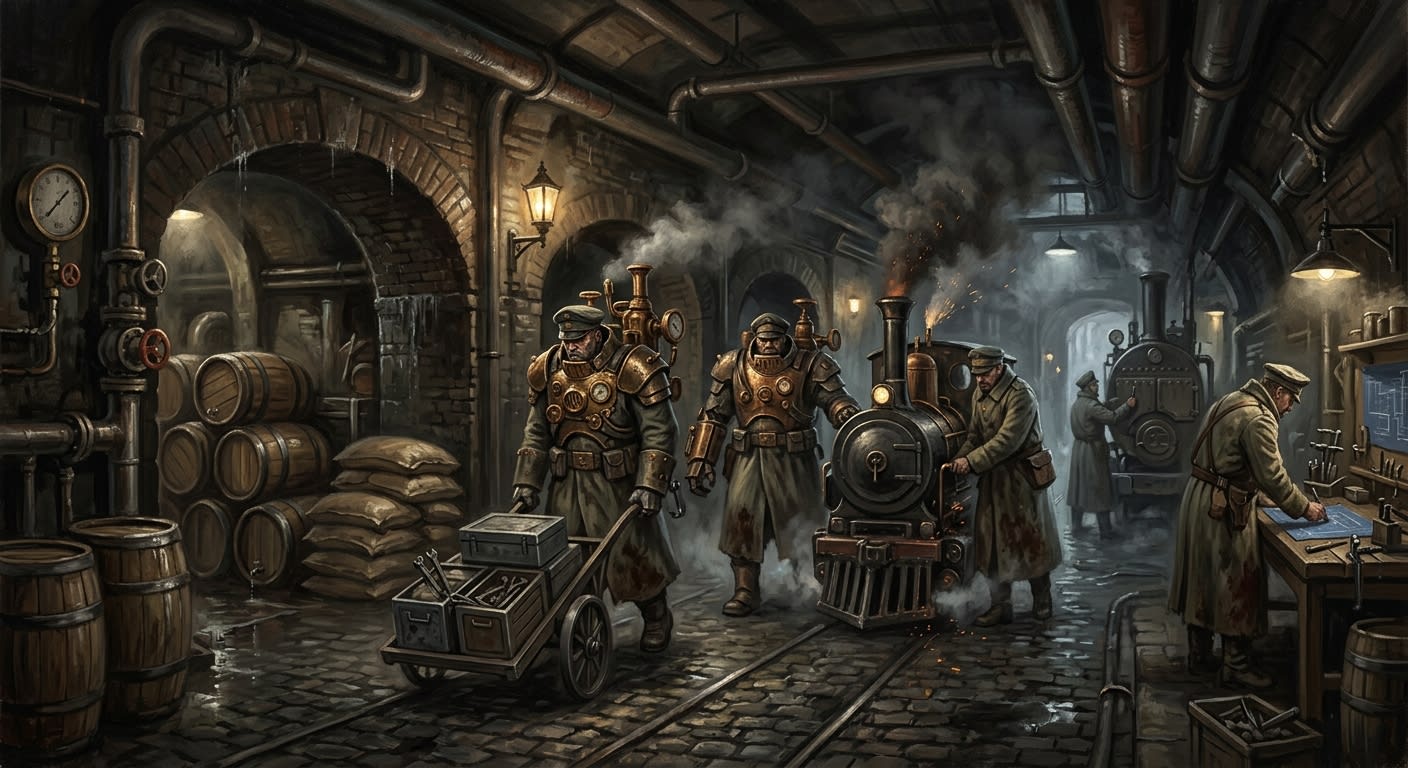
Deutz
The east bank where apostolic bones learned to smell like beer and keep quiet
Deutz is Cologne's right-bank service quarter, famous in Doctrine because three apostolic phalanges survived there beneath beer, silence, and useful damp.
Codex Ref. II.1.04-031
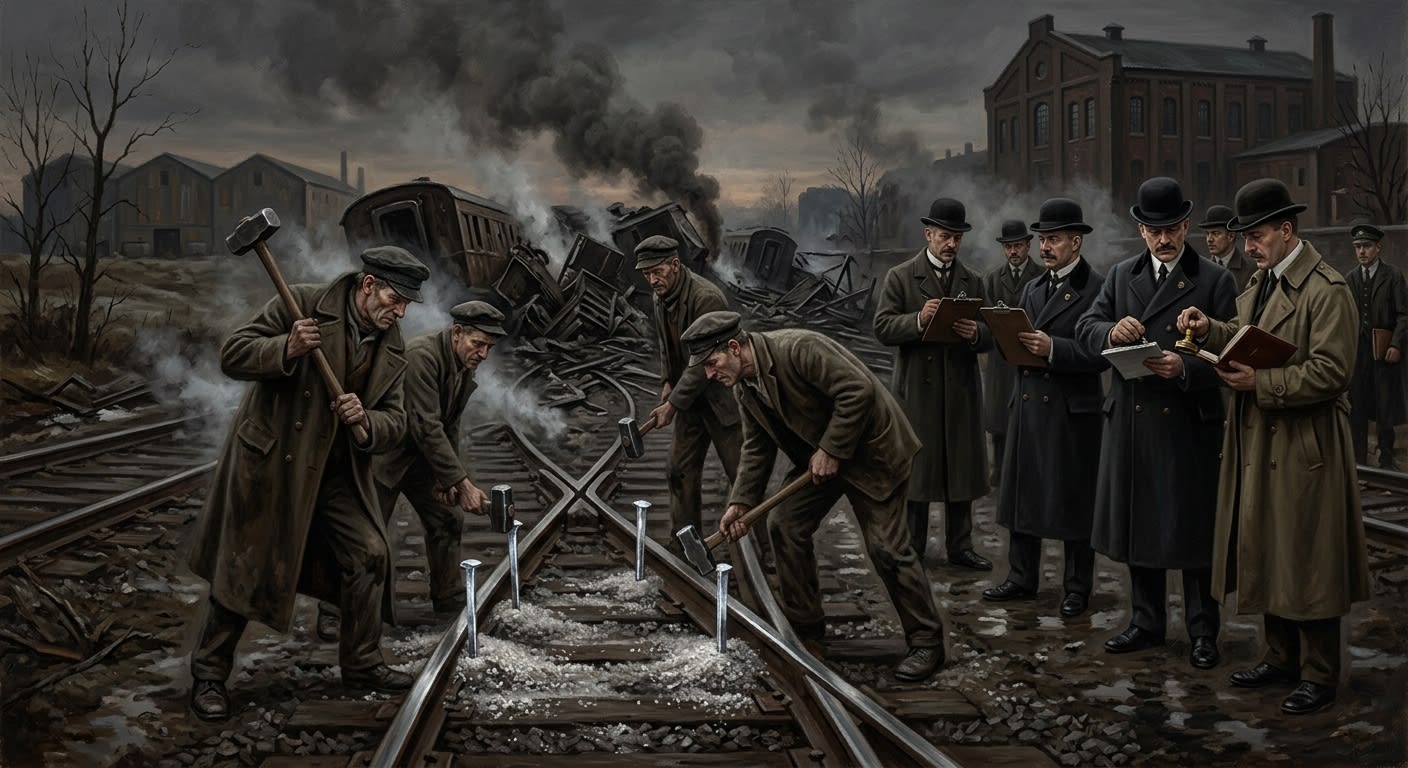
Devil's Joint Incident A.S. 147
The junction secured itself only after three hundred names were spent
A.S. 147 Metz rail-junction catastrophe in which three hundred died, the Guild sealed the points with silver spikes and salt-ballast, and Records accepted “no further inquiry” before breakfast.
Codex Ref. VII.8.10-147
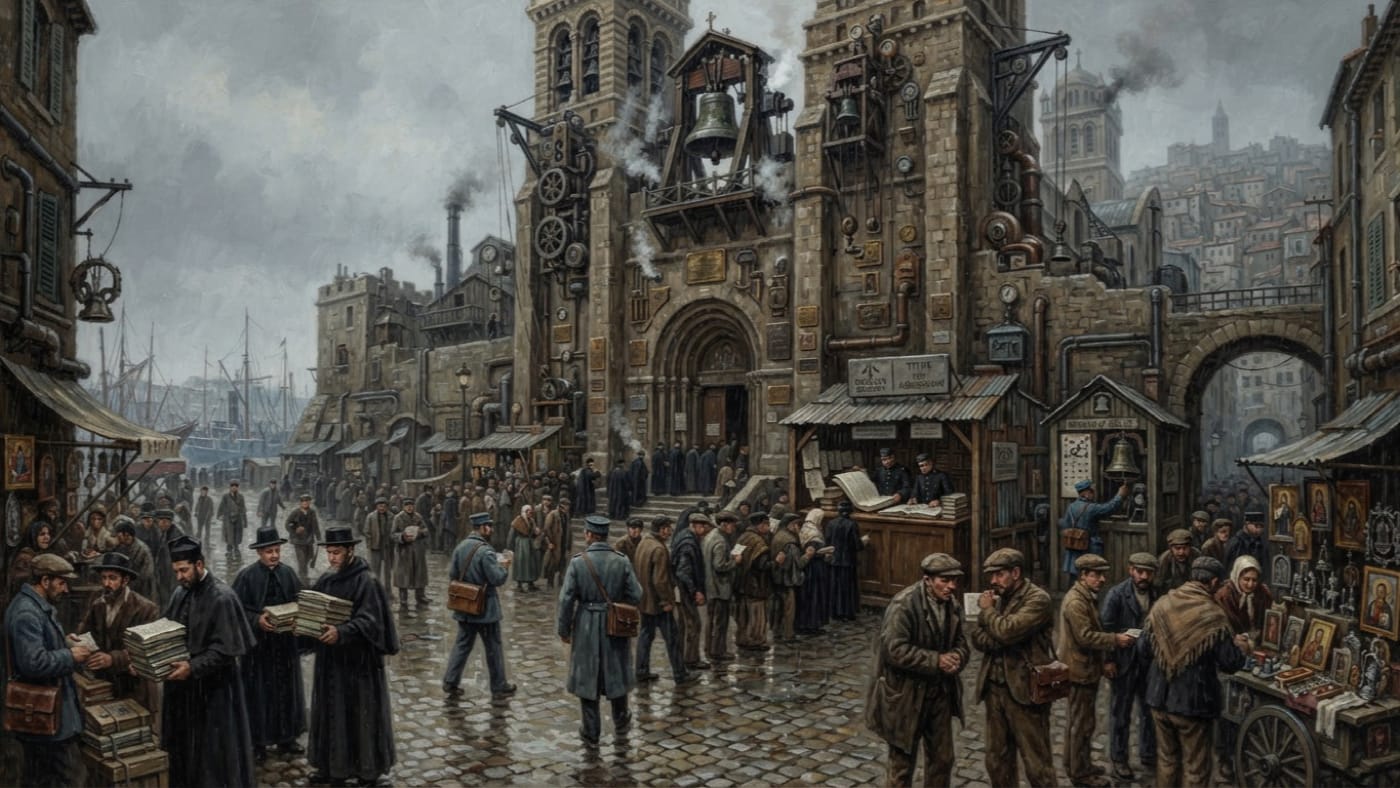
Diocese
Marseille's souls are entered; its dues are owed
The Diocese keeps Marseille's souls in ledgers and its claim on Saint-Victor beneath every Bureau's mandate. Its perimeter is unproved; its dues are collected.
Codex Ref. I.3.09-201
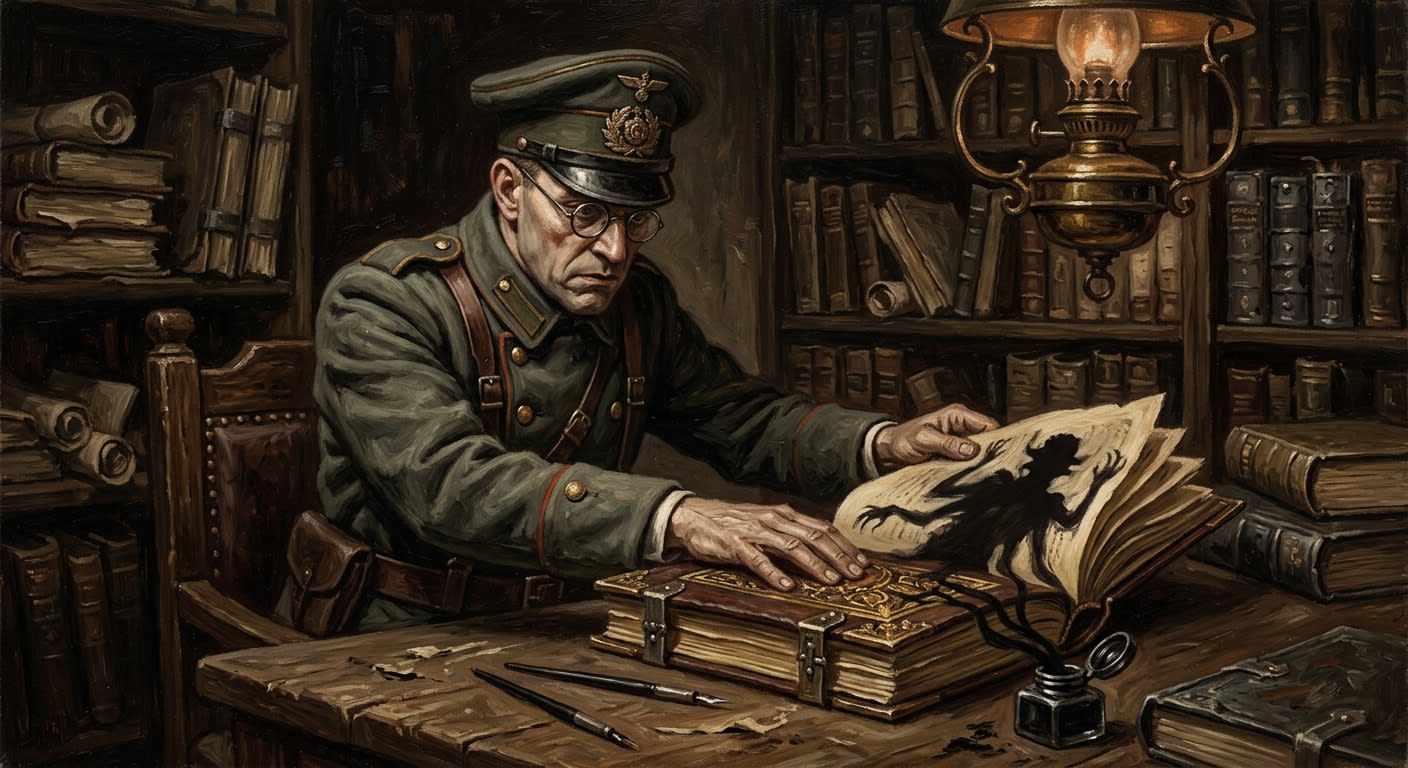
Directive 77-C
The holy art of leaving the enemy's sentence unfinished
Directive 77-C forbids the copying, completing, humming, tracing, staging, or correcting of the Shadow Court's Mock Liturgy. Curiosity here opens a mouth and calls it scholarship.
Codex Ref. XIII.1.77-174
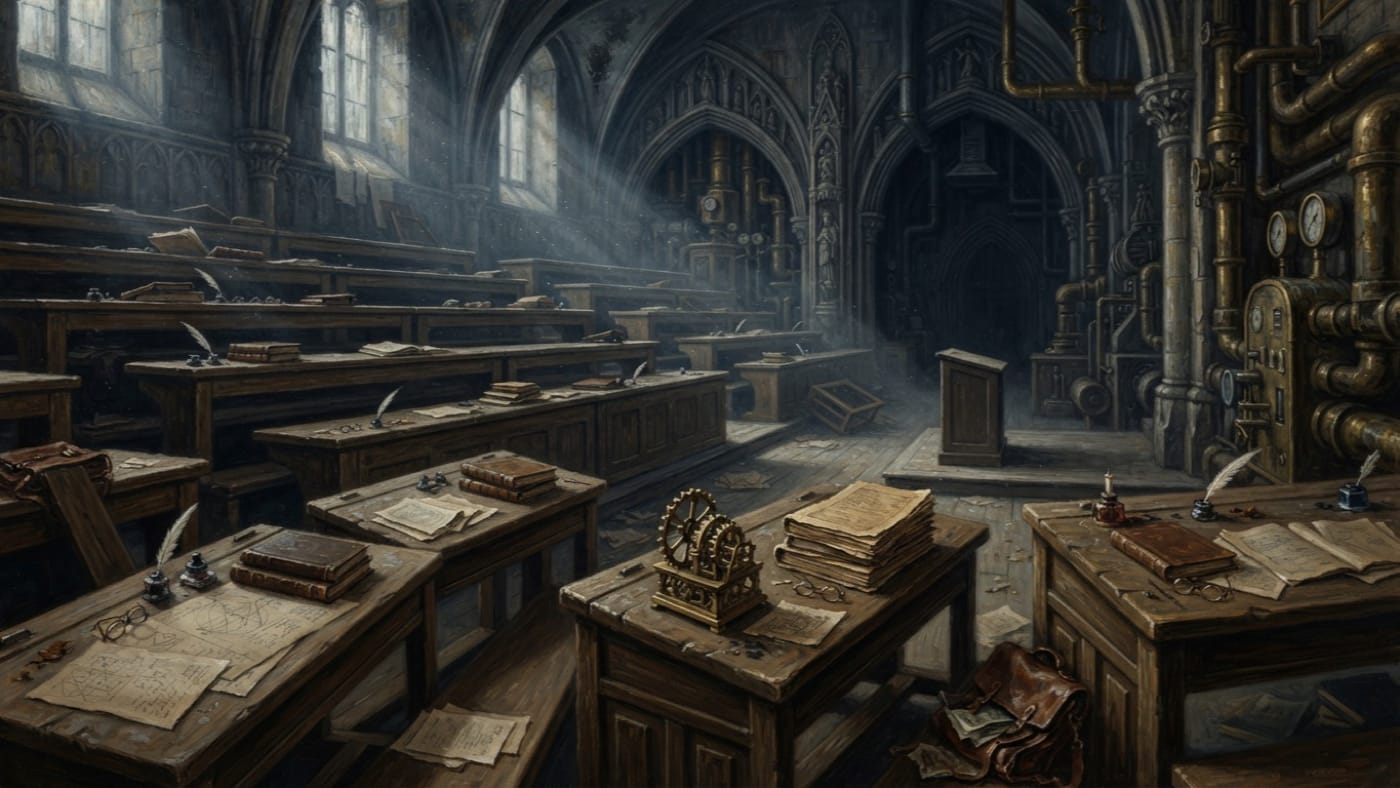
Disappearance of the Scholars of Padua
Seven professors arrived. Their names became clerical errors.
An A.S. 201 survey of the account of seven Padua professors who arrived in Strasbourg and did not depart. University enquiries returned unopened; the names became clerical errors. The event date and the scholars' fate remain unresolved.
Codex Ref. VII.8.10-881
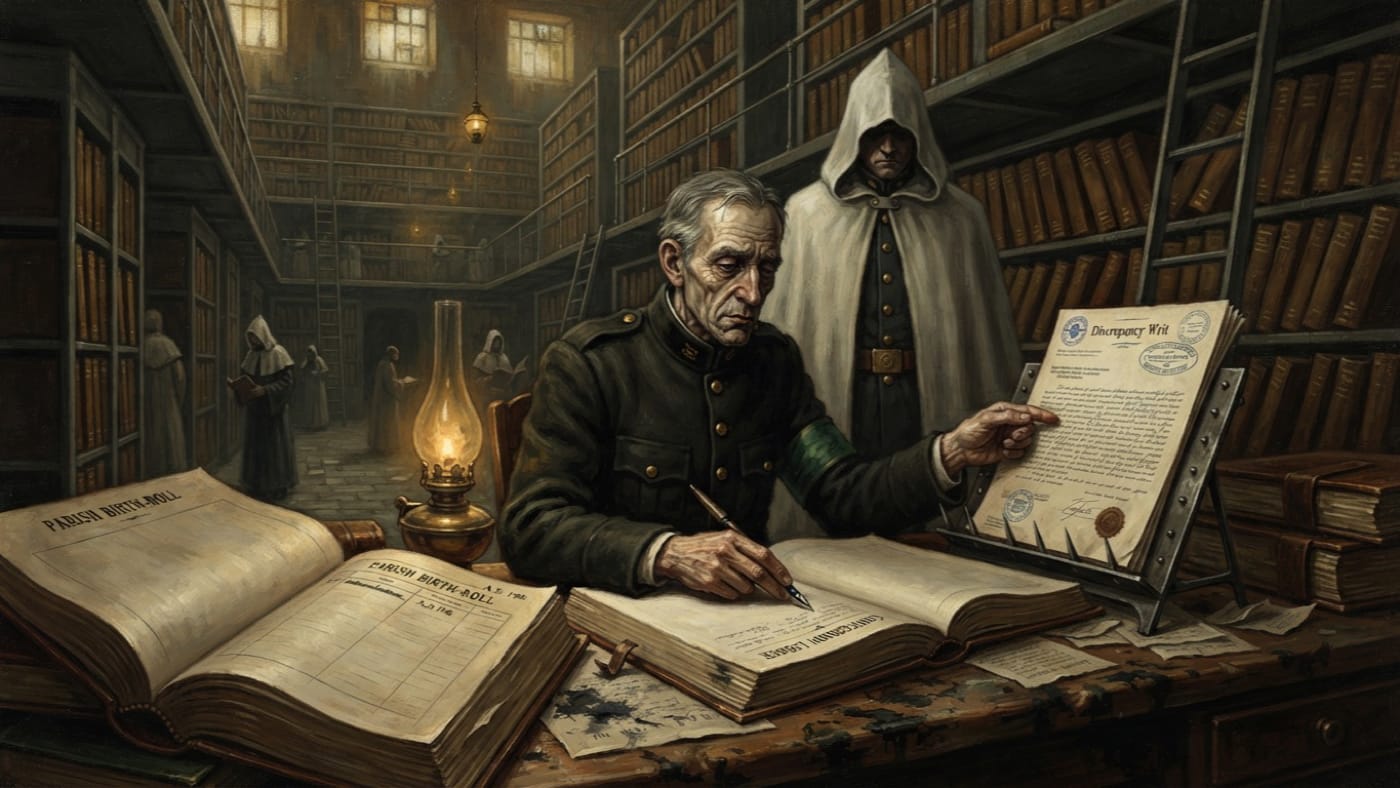
Discrepancy Writ
A name at the font. No voice at the screen.
A son stands on the birth-roll and vanishes from the confession ledger. Conscription files the writ and informs Purity. The books disagree; the household acquires a second Bureau's attention.
Codex Ref. XIII.1.83-201
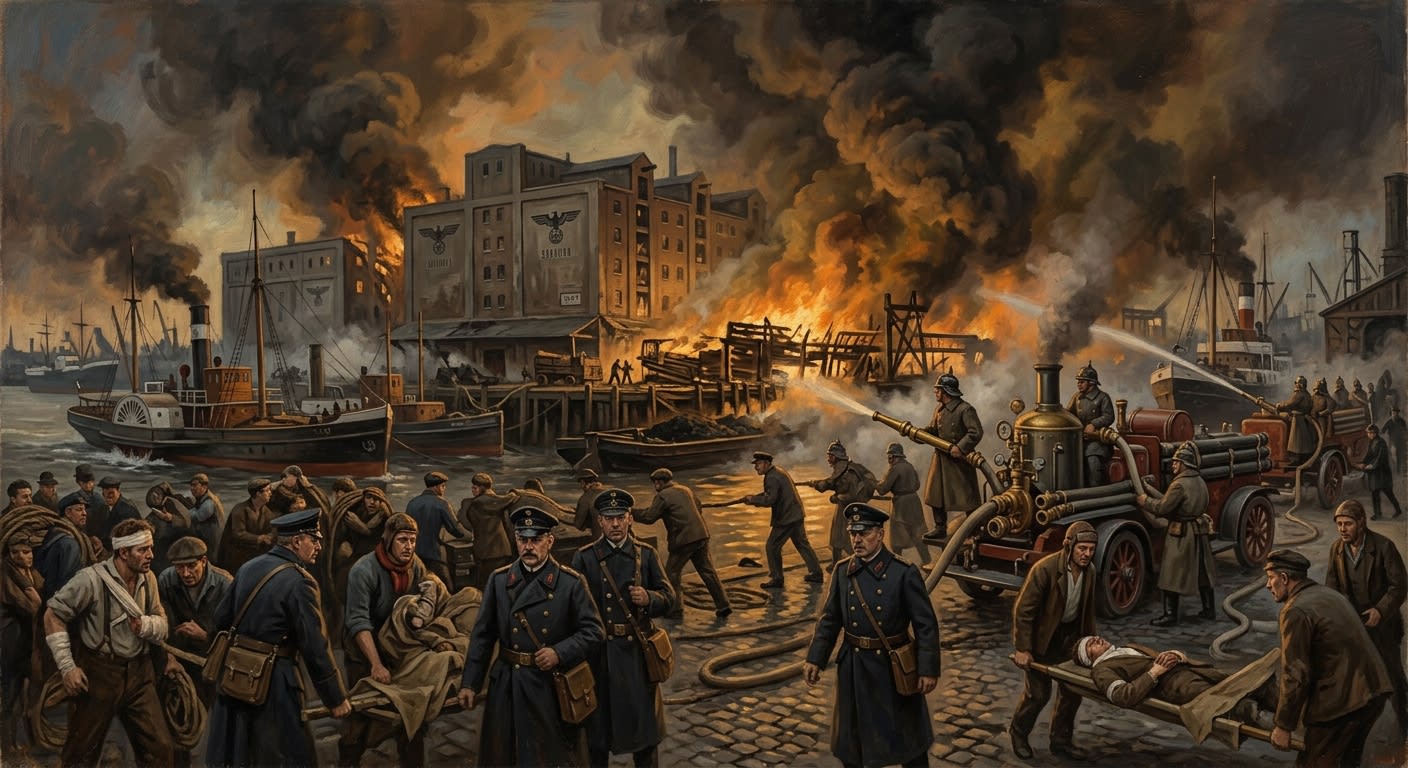
Dock Fire of Hamburg
Four blocks burned because brick was cheaper than obedience until it was not
The A.S. 189 chrismole warehouse fire in Hamburg killed 312, burned four dock blocks, stopped labour for eleven days, and made a seven-per-cent hazard supplement harder to seize than a relic.
Codex Ref. VII.8.10-189

Doctor Haas
The man who taught the Synod that enemy iron keeps testimony
Doctor Haas heard the Black Sea Armada's wreckage remember its own burning. War called him useful, Medicine called him fatigued, and Doctrine kept the note.
Codex Ref. III.2.01-155
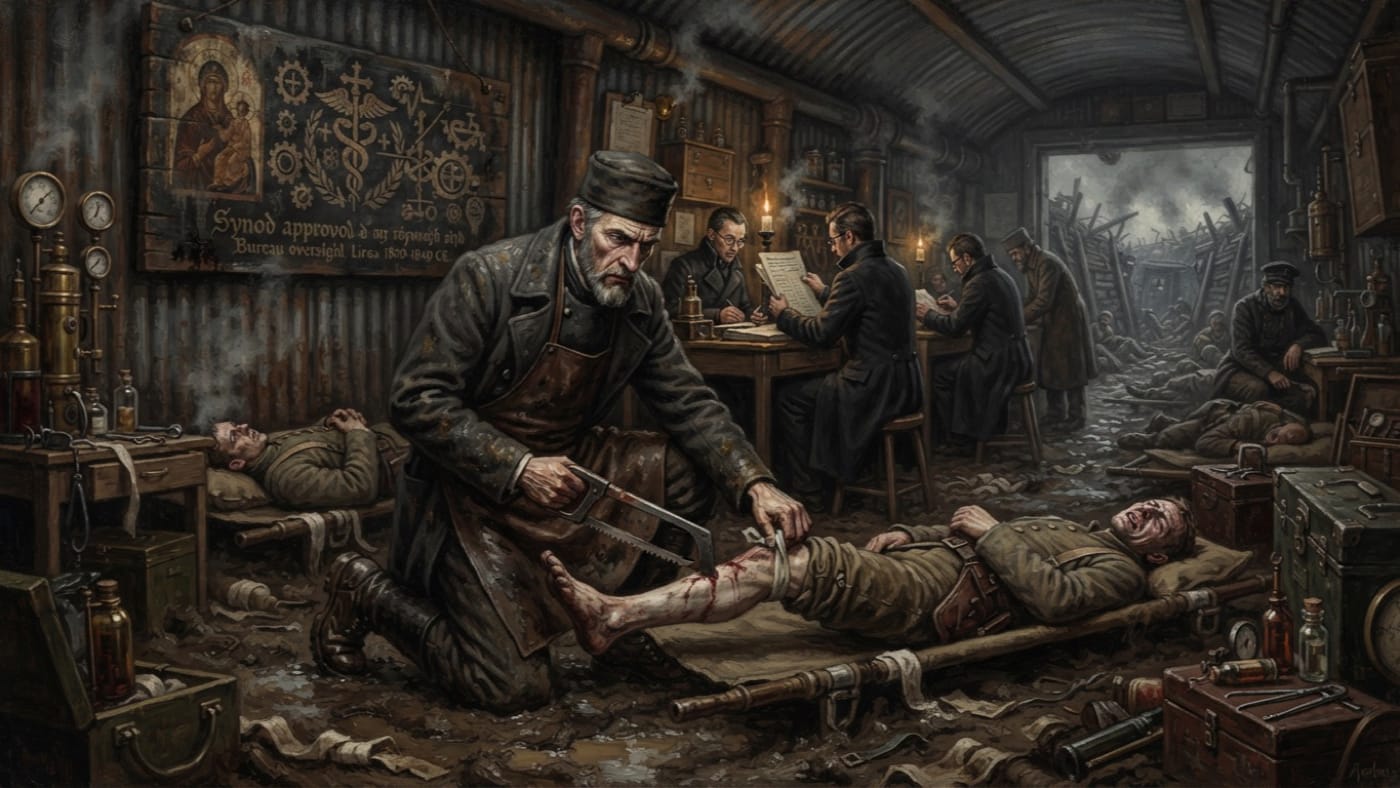
Doctor Kael Brenner
Returned to the payroll. Reconciliation has no entry.
Doctor Kael Brenner served as Medicine's first Chief Anatomist from A.S. 82 to 134. His excommunication and rehire were filed on the same day. Reconciliation has no entry.
Codex Ref. III.2.01-082
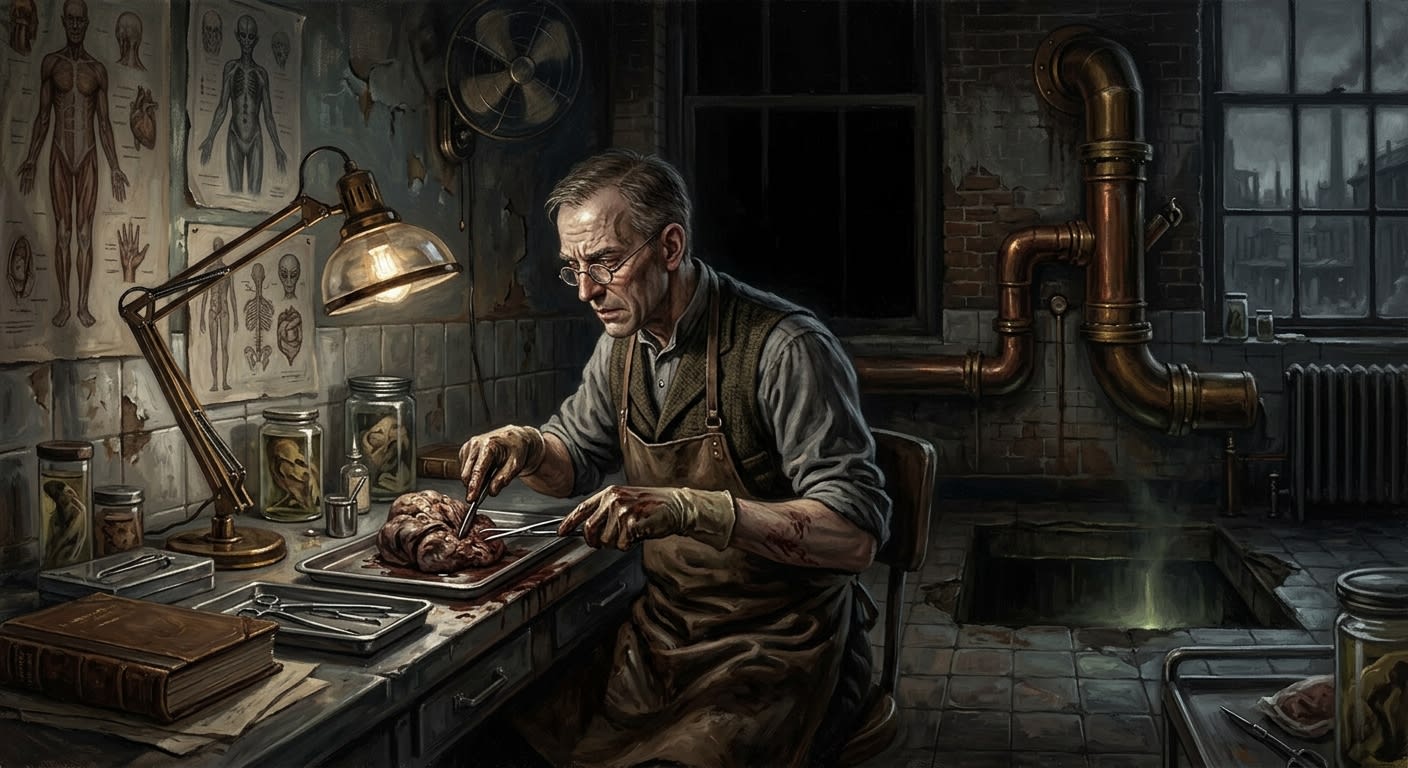
Doctor Trenn
The anatomist who measured hunger and refused comfort
Doctor Trenn, Chief Anatomist of the Bureau of Medicine, gave the Famine Pit horror its clinical name and kept the word real where comfort wanted illusion.
Codex Ref. III.2.01-023
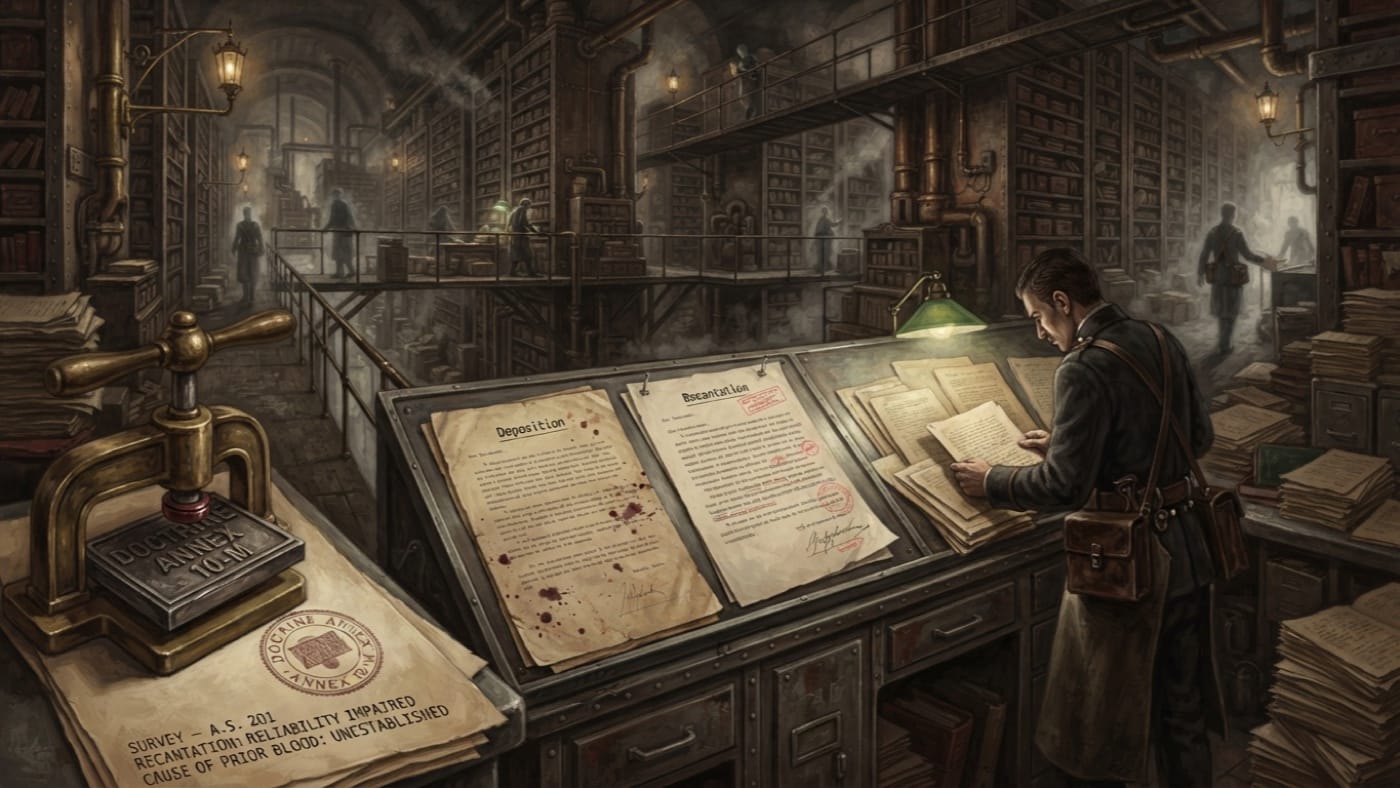
Doctrine Annex 10-M
A seal can keep testimony without making it proof
The A.S. 201 survey of Doctrine Annex 10-M records a Saint-Malo survivor's reported blood before the first blow and her pressured recantation. Custody is attested; the blood's cause and the historical seal date remain unknown.
Codex Ref. I.1.05-003
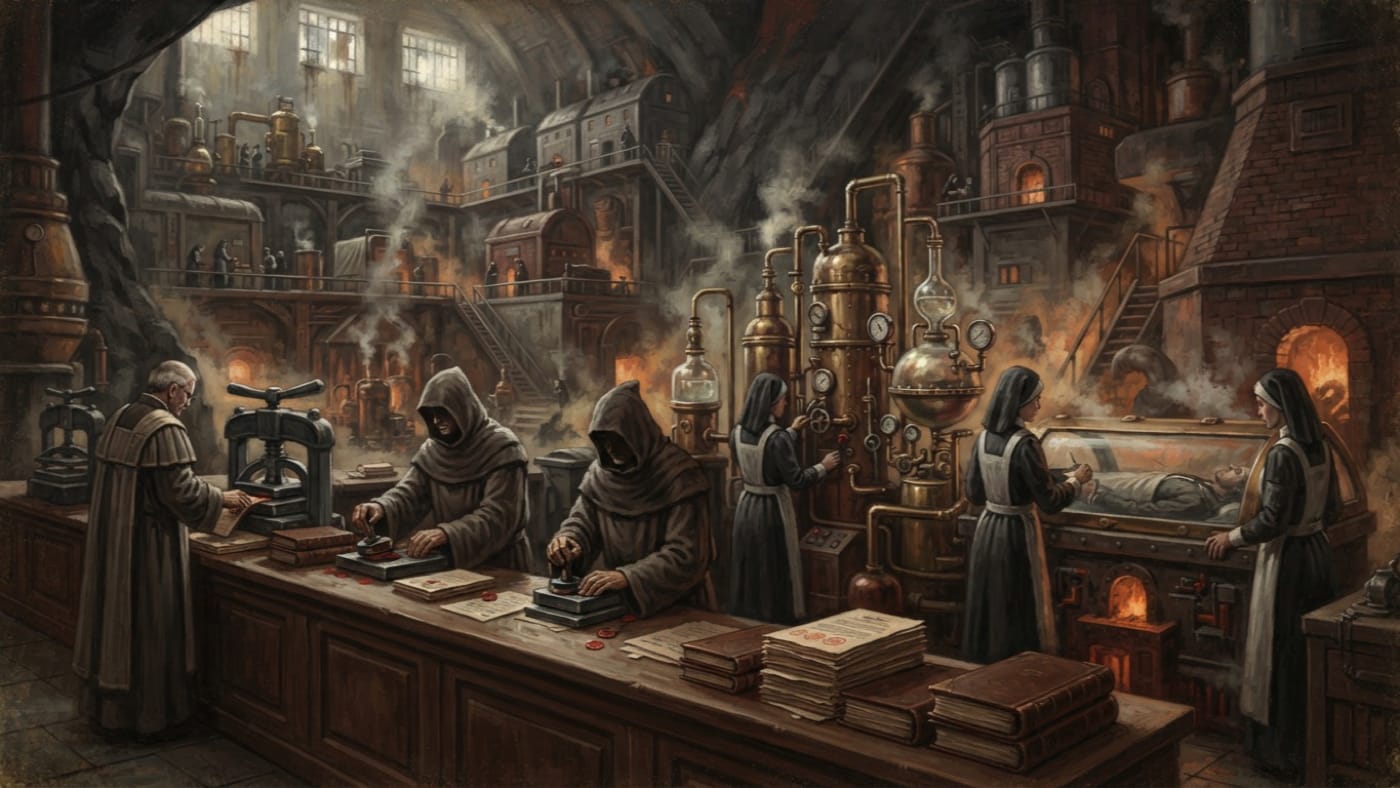
Doctrine of Acceptable Innovation
Three seals before the flame. A debt after the cure.
San Vesta's dispensation permits experiment after three seals and triplicate filing. The cure costs labour; the failure receives a classification. Unstamped experiment makes the practitioner a heretic.
Codex Ref. XIII.1.124-001
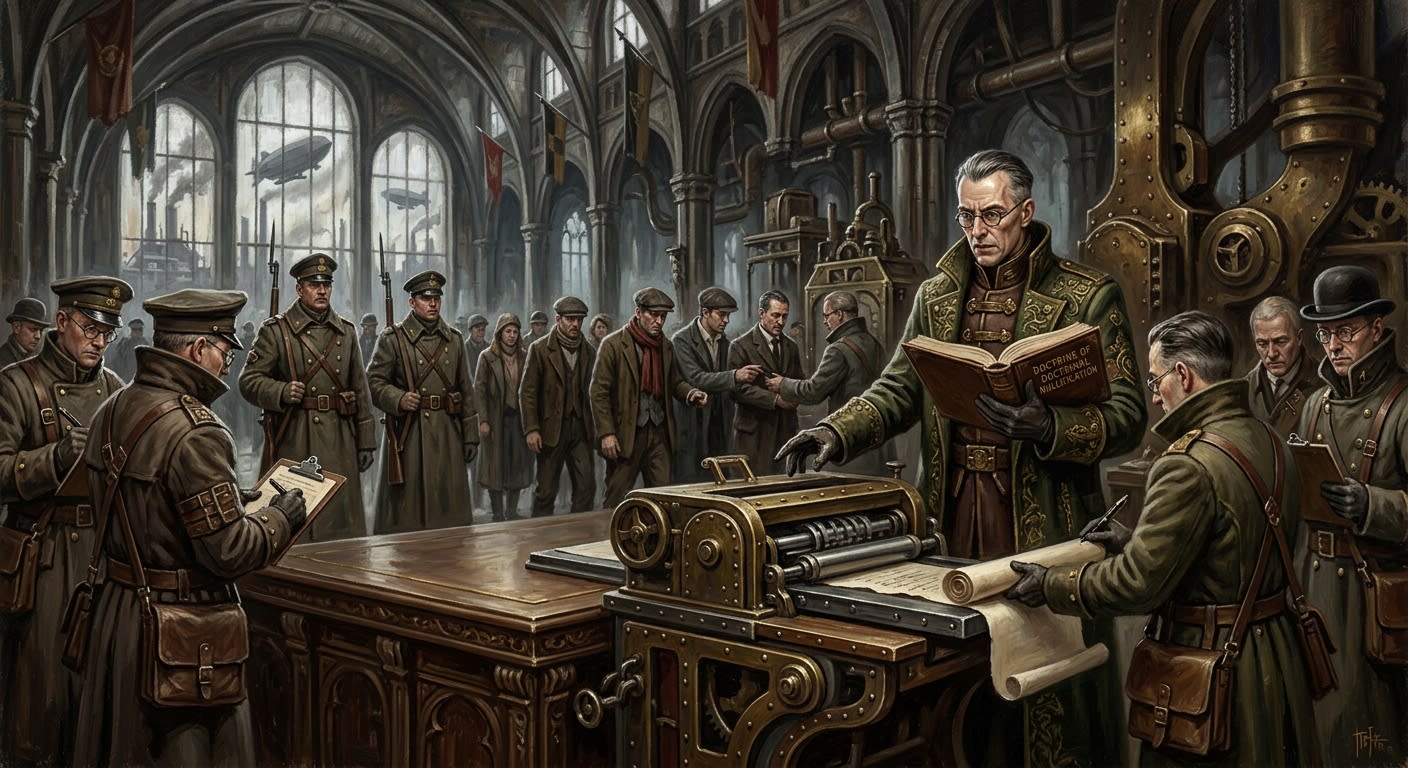
Doctrine of Doctrinal Nullification
How the Synod learned to prosecute the empty altar
Legal doctrine drafted for Arno Kett in A.S. 138, making absence of belief prosecutable as civic injury and giving Purity a rope for vacancy.
Codex Ref. XIII.1.82-001
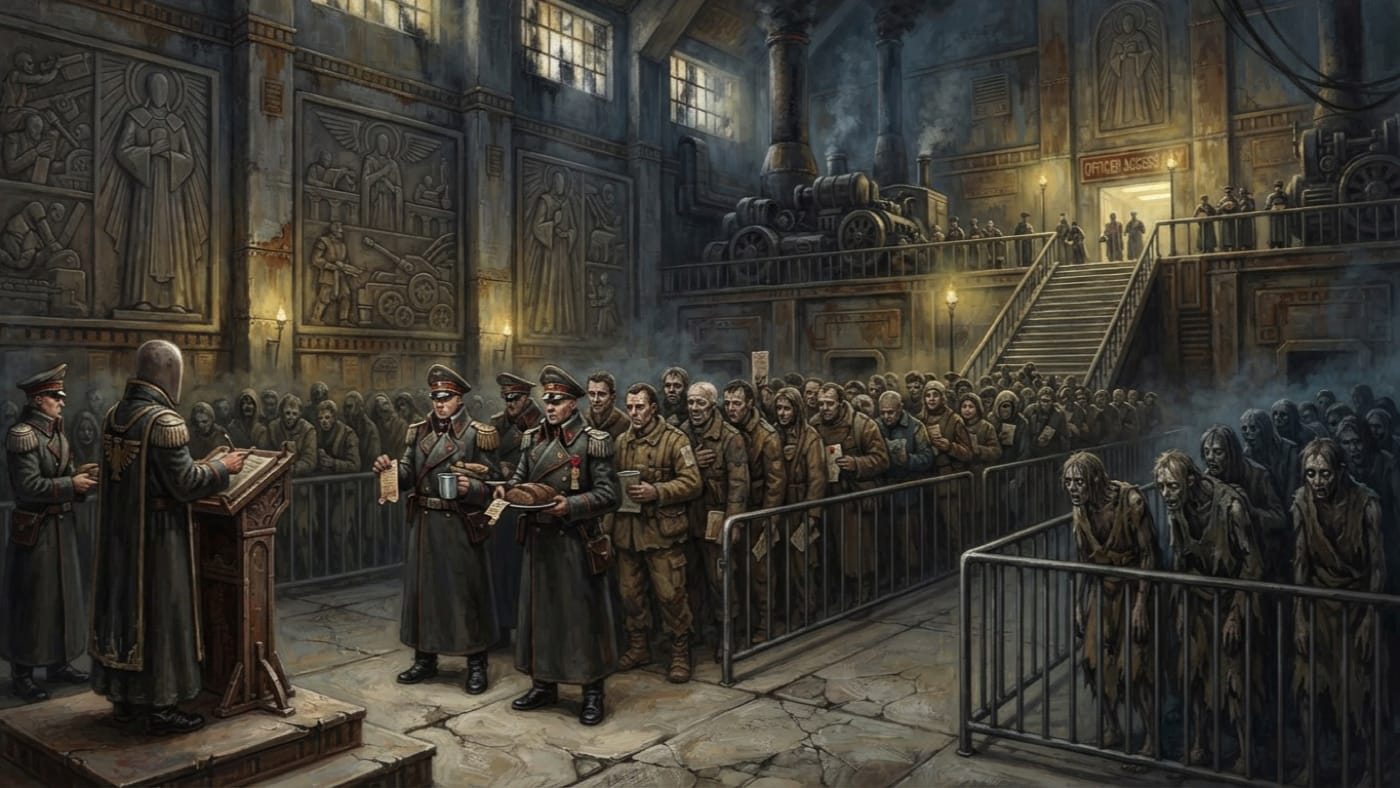
Doctrine of Equality Before the Divine
Equal at the blessing; ranked at the table
All humans stand equal before the Creator; the ration queue observes other rules. I assess the Synod's defence against Pride, its four disciplines, and the hierarchy that defeats them at Przemyśl.
Codex Ref. XIII.1.07-006
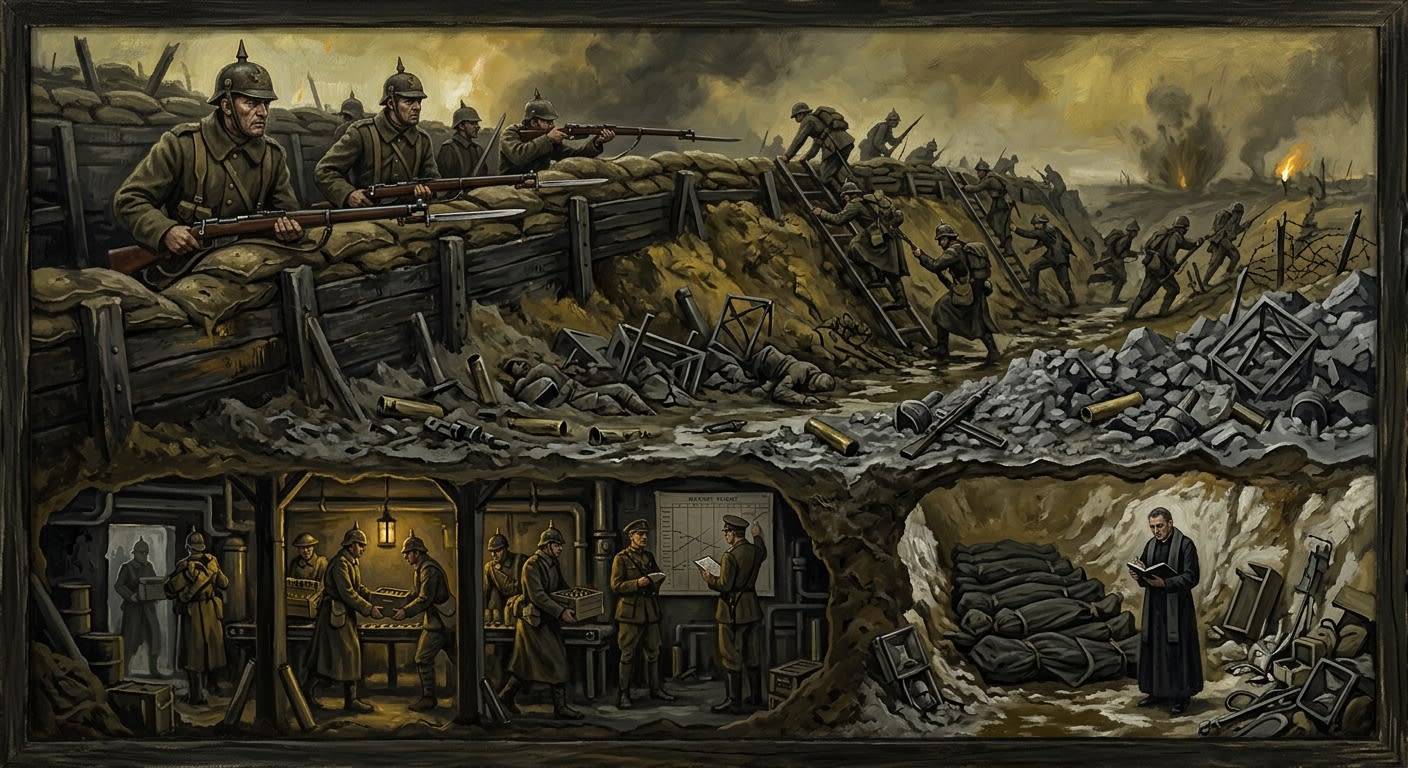
Doctrine of Layered Death
If all layers fail, make the failure expensive
War's breach-holding doctrine arranges panic into five useful layers: wall, charge, ash, rhythm, and the final dividend by which failure becomes legible.
Codex Ref. XIII.1.64-001
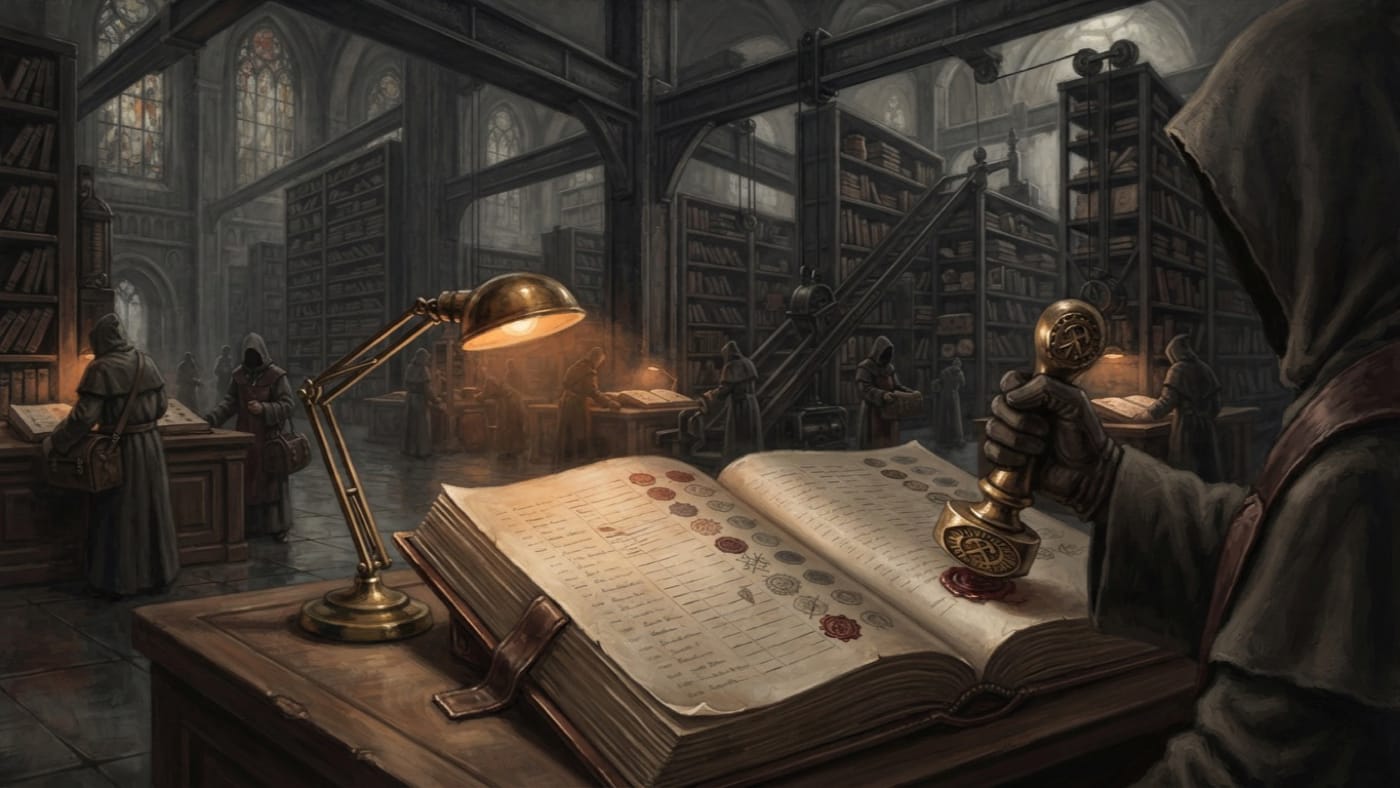
Doctrine of Sealed Intent
The office speaks; the hand goes upstairs
An affixed seal carries its office's authority, whoever pressed it. Worms supplies the documented anchor; attendance, consent and the hand remain separate questions.
Codex Ref. XIII.1.120-087
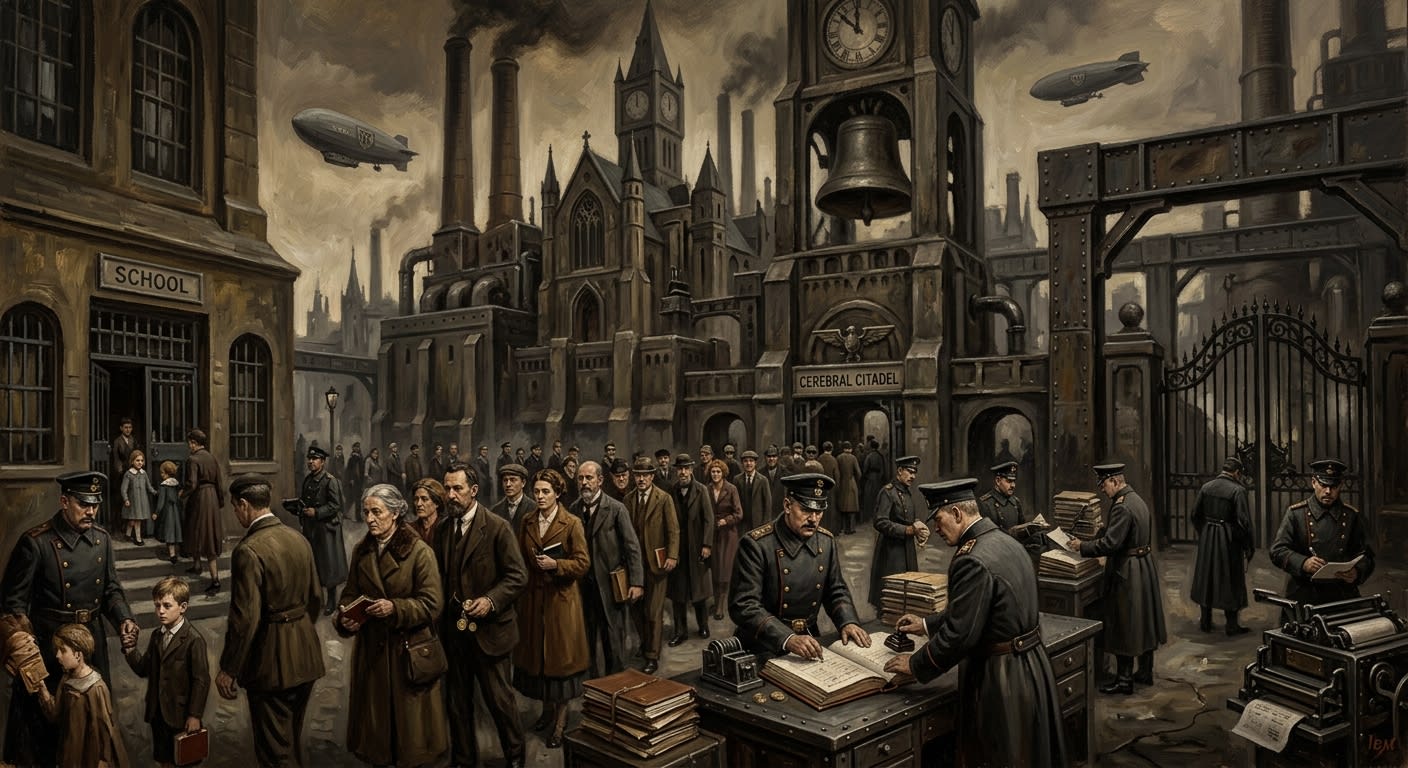
Dominion
Europe held in one gloved hand and taught to call it custody
Dominion is the Synod's official name for custody over Europe: border, tithe, bell, school, grave, and the thought before speech.
Codex Ref. XIII.1.02-090
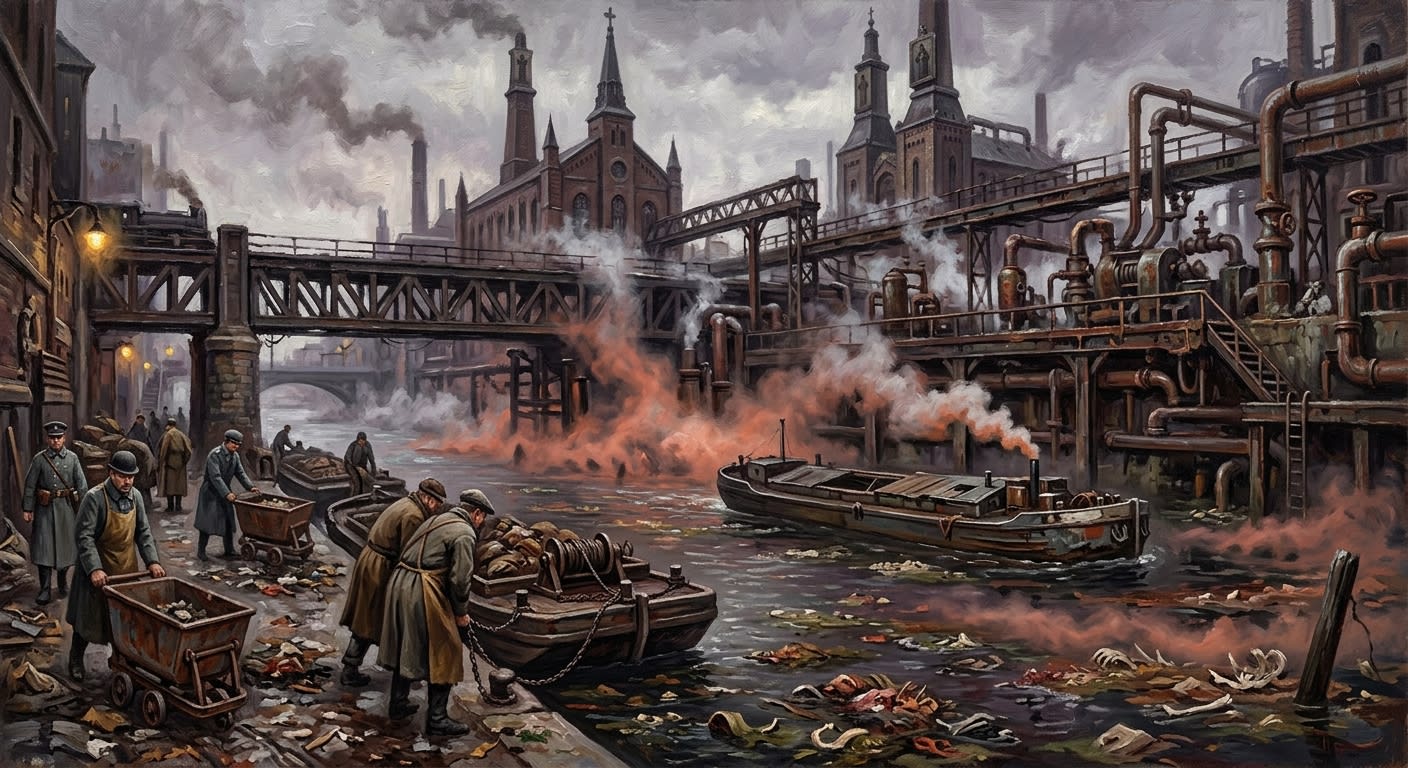
Donaukanal
Vienna's black water remembers what the ledgers rinsed away
Vienna's lesser Danube arm, the Donaukanal carries shrine filth, rebel bones, forbidden lullabies, and steam the Bureaus cannot quite explain.
Codex Ref. II.4.09-095
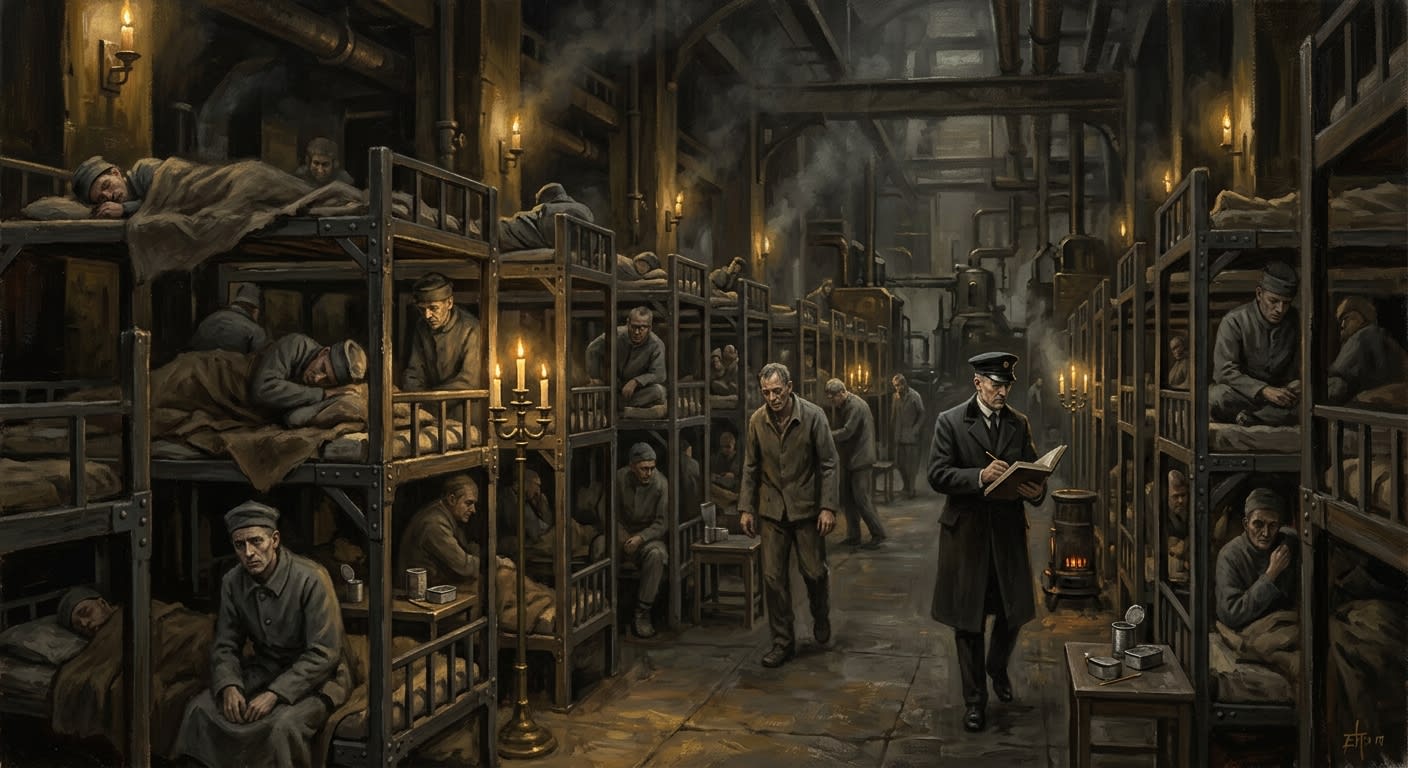
Dorm Rows
Awaiting is a doctrine with bunks and one candle per six
The Dorm Rows of the Cloister of Miscounted Beads turn detained pilgrims into Awaiting: bunked, rationed, counted, and corrected by candlelight.
Codex Ref. II.3.06-004
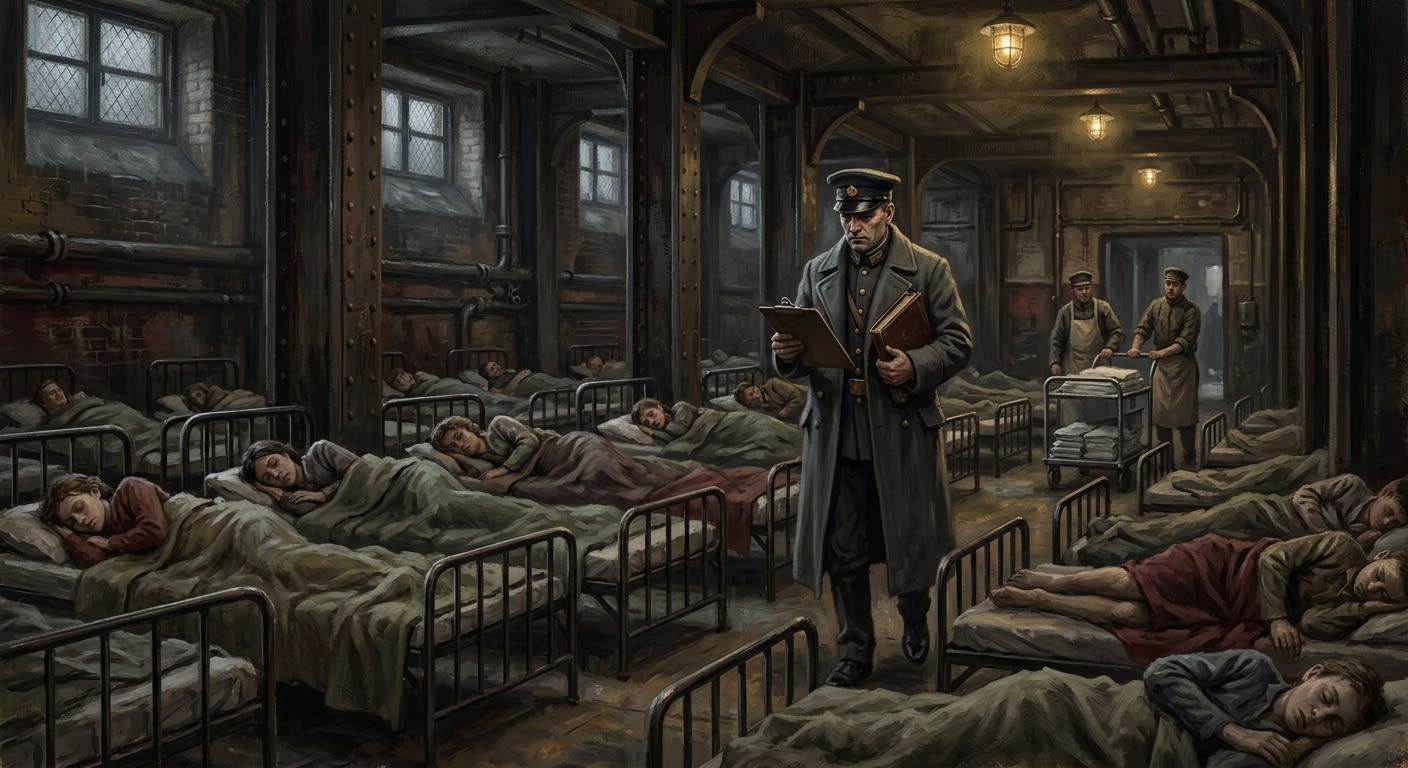
Dormition Canticle
Four bars, two deaf sleepers, and Mercy congratulated itself
Bureau-approved four-bar lullaby composed in A.S. 134 to replace criminalized comfort; its great triumph was stillness mistaken for sleep.
Codex Ref. XIII.1.86-134
Dossier Auric
Greed keeps receipts because damnation prefers a clean audit trail
Dossier Auric tracks Velmora's fastest-growing war: contracts, keys, counterfeit mercy, Sibiu convoys, and the terrible competence by which Greed makes debt look like help.
Codex Ref. VIII.7.01-003
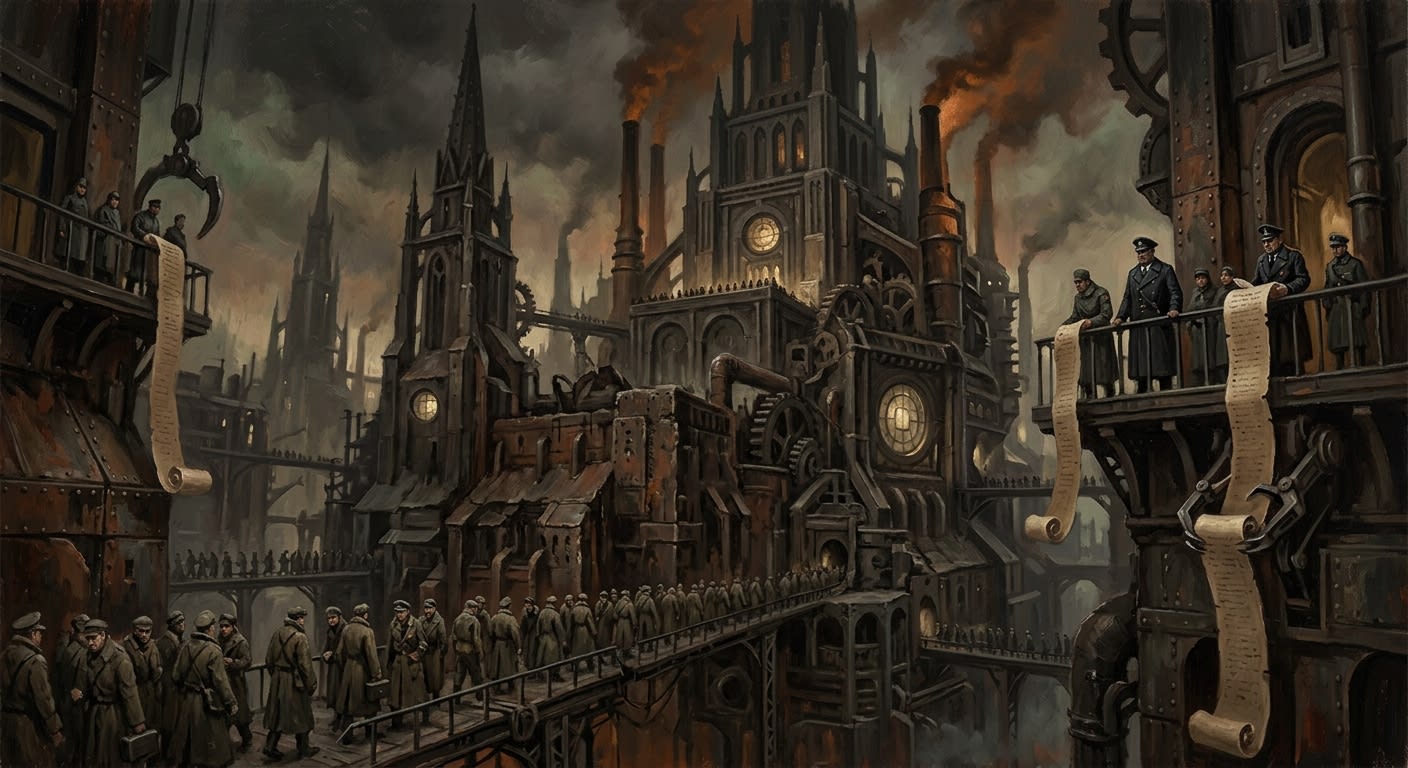
Dossier Vermillion
Pride receives a red file and mistakes the cabinet for a stairway
Dossier Vermillion is Inter-Infernal Analysis's largest file: Atheron, Pride, spires, oaths, and the terrible question of whether ambition can climb above Hell itself.
Codex Ref. VIII.7.01-002
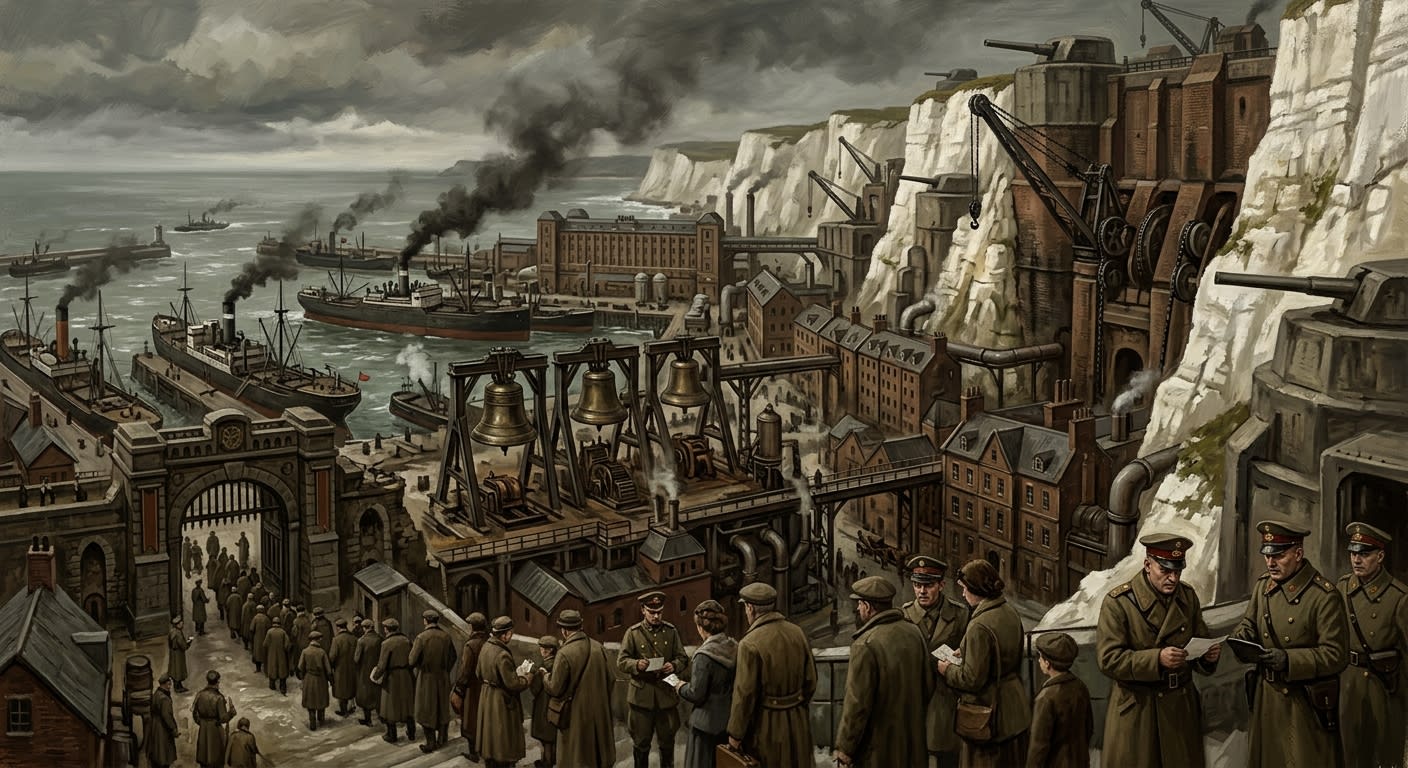
Dover
The white cliff that answers Calais with bells, chains, and refusal
Dover is the British Crown's white-cliff answer to Calais: port, bell-lane, Chainworks throat, pilgrim gate, and polished refusal.
Codex Ref. II.0.09-201

Drag Corridor
The road that keeps the walker and spends his years elsewhere
A Drag Corridor is Syrion's linear wound in useful roads: a route that eats routine, keeps the walker moving, and spends his years where the map cannot object.
Codex Ref. XIII.1.87-201
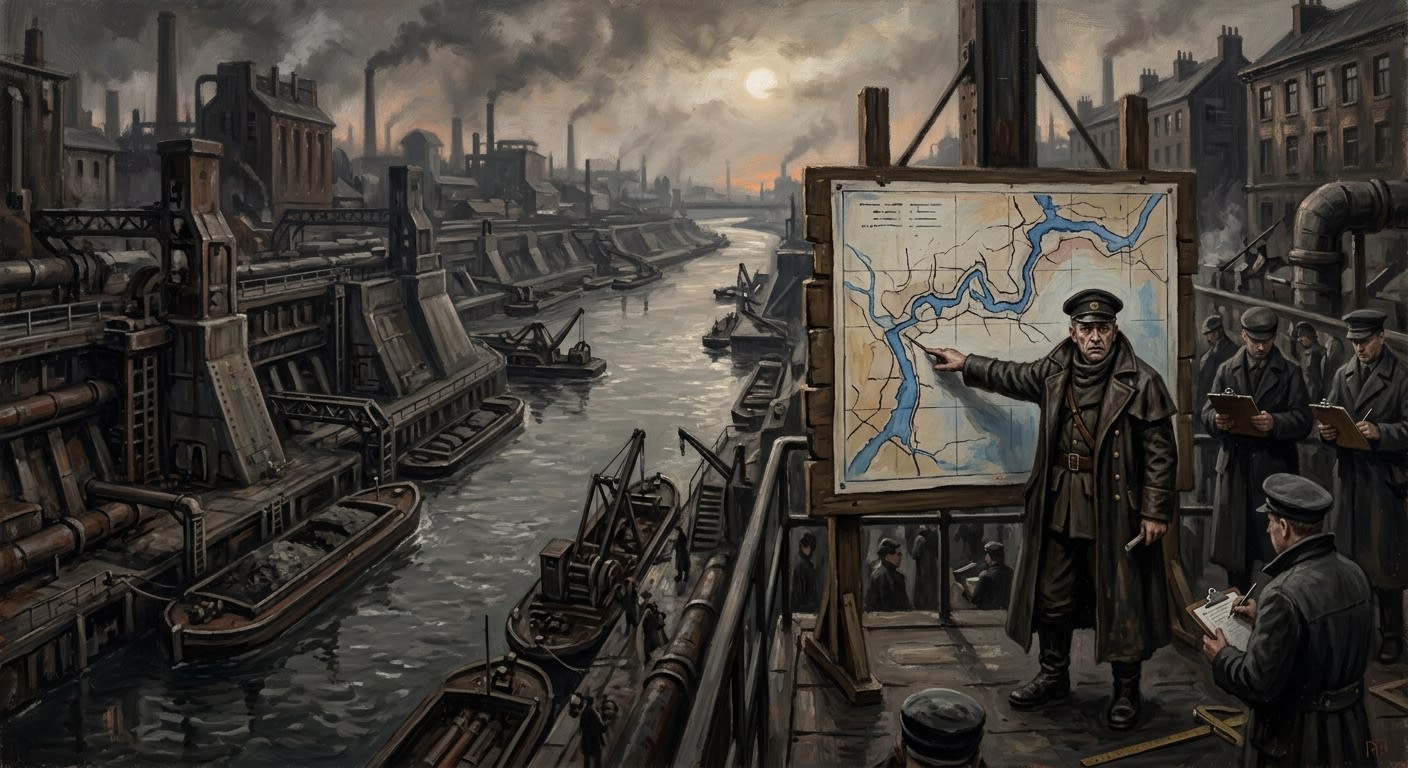
Drava
The river that stopped flowing and learned appetite
The Drava was once a river. Kargath made it an artery: grey, hungry, cartographically insulting, and still marked blue by clerks too tender to delete water.
Codex Ref. II.6.05-201
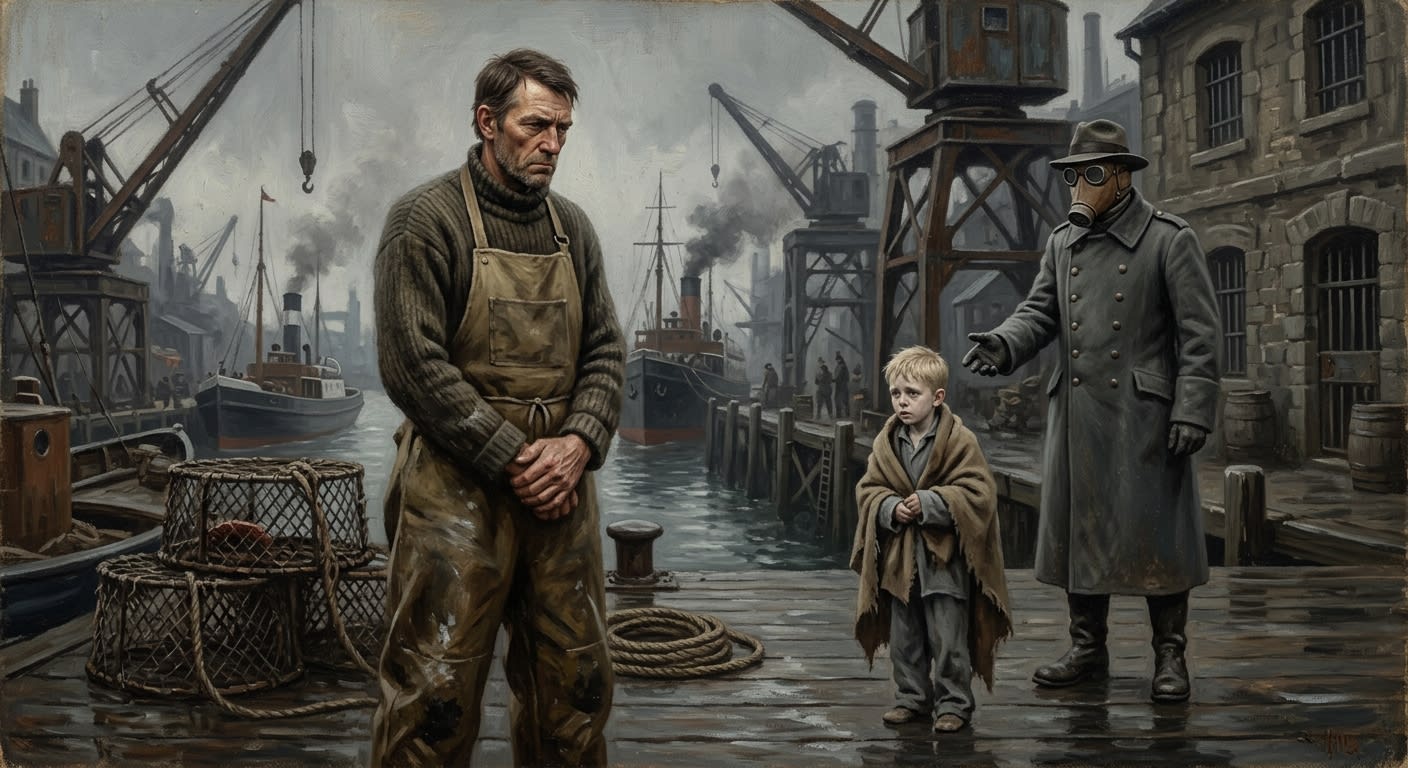
Dreher
A father disputes the archive and the sea pretends to give back what it took
Dreher, fisherman of Bastion-Königsberg's Harbour Quarter, refused the boy returned by the Grey and thereby made fatherhood a legal problem.
Codex Ref. III.2.01-040
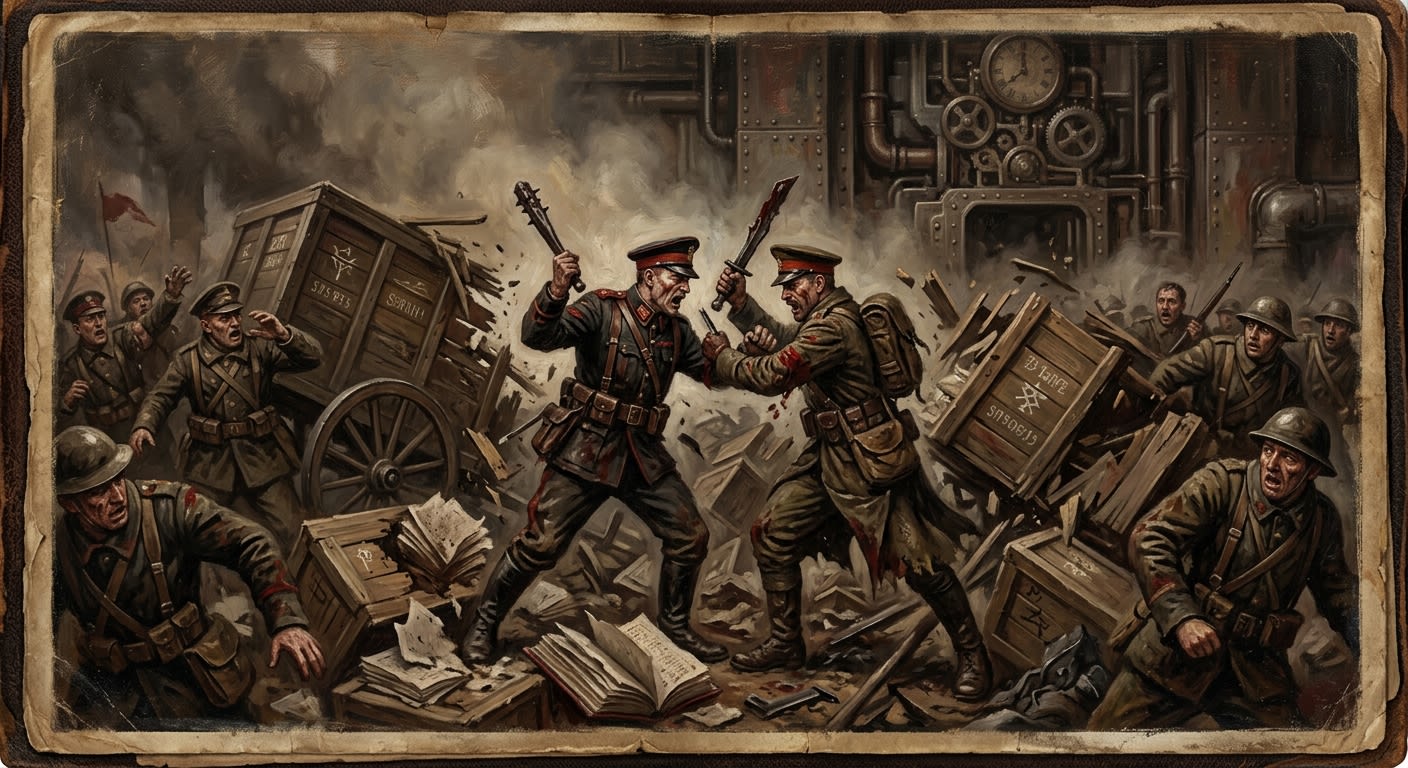
Duel of Broken Seals
Two captains brought proof; proof became dust
A.S. 131 forward-bastion Registry duel in which two valid ration claims collapsed into dust, condemning both companies beneath the wagons they contested.
Codex Ref. VII.8.10-046
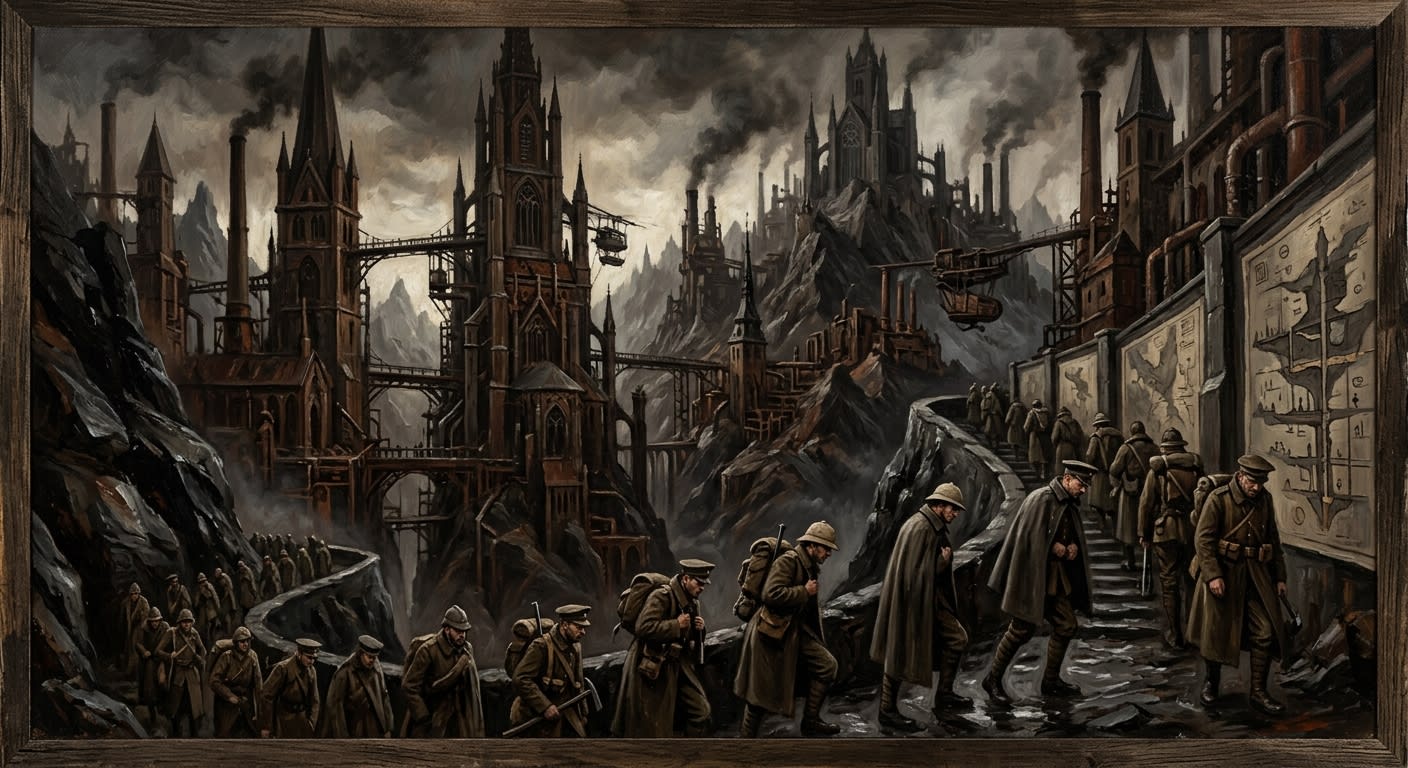
Ebon Heights
Where Pride built mountains tall enough to injure the watcher
The Ebon Heights are Atheron's black Carpathian dominion east of Bastion-Przemyśl, where spires grow upward, soldiers learn shame, and maps fail vertically.
Codex Ref. II.4.03-046
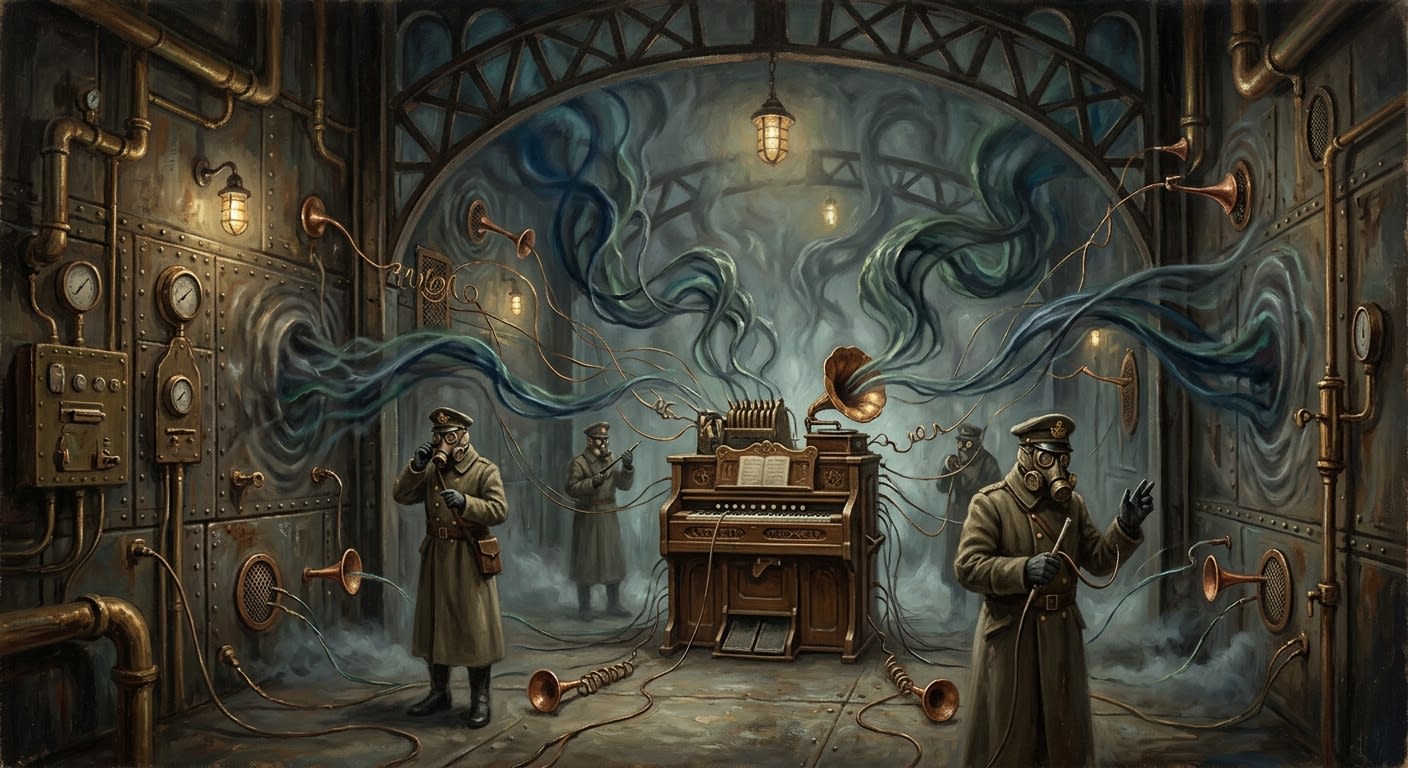
Echo Weather
The room replies, and the wise do not harmonise
Echo weather is the Brand-Singer name for chamber response: the room returning cadence with manners of its own.
Codex Ref. XIII.1.41-004
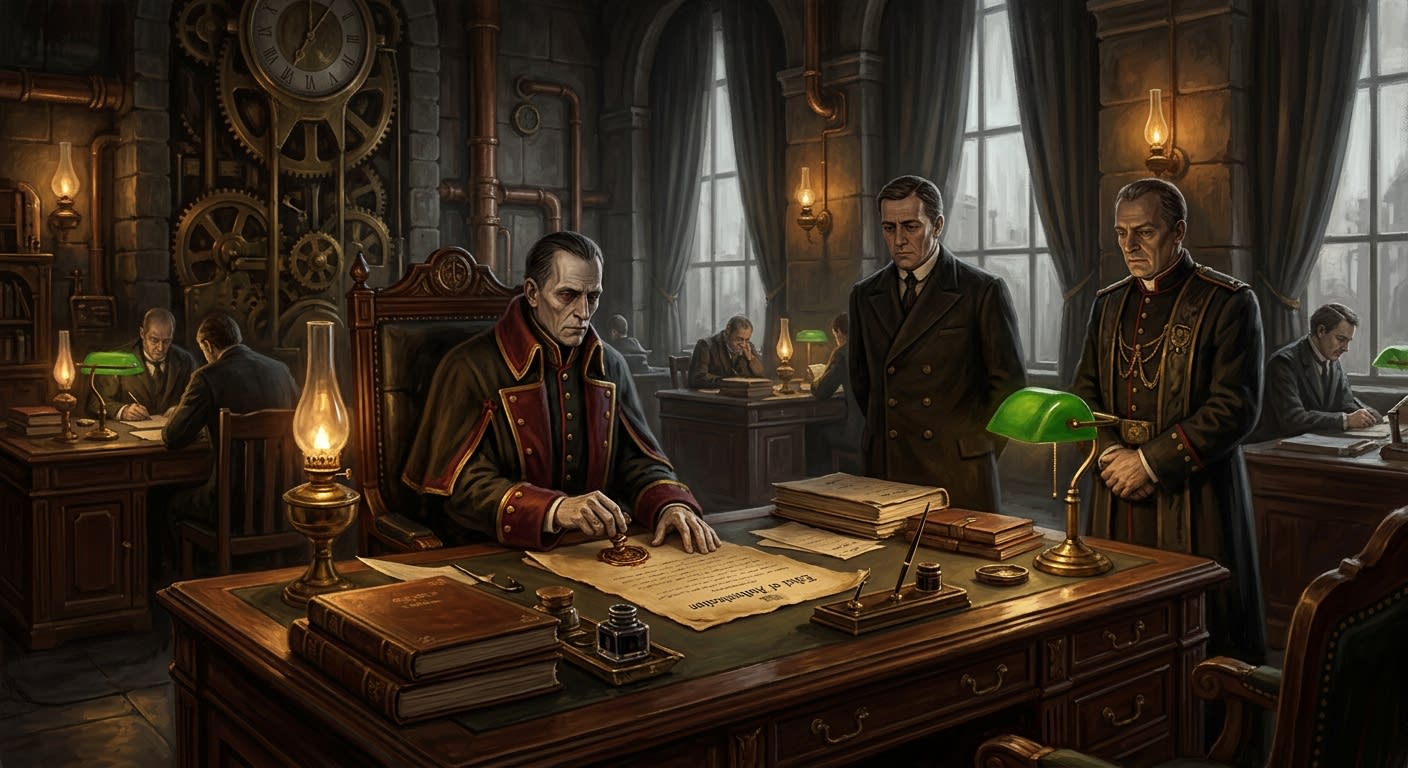
Edict of Authentication
Anatomy objected; the seal overruled it
The Edict of Authentication ratified the Femur Principle at A.S. 147: sanctity obeys custody, seal, witness, and doctrine before anatomy.
Codex Ref. XIII.1.90-147
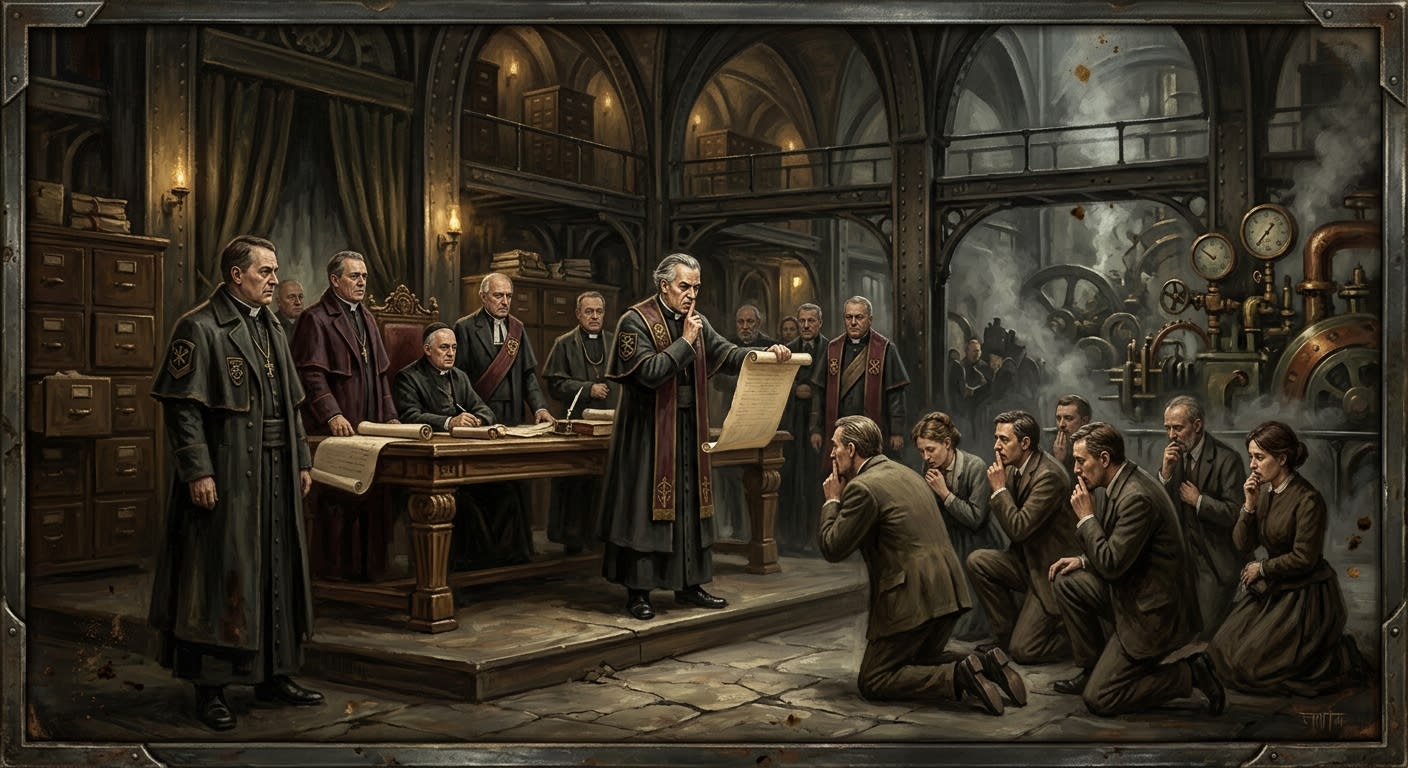
Edict of Cologne
Consent is expensive; retroactive obedience is cheaper
The Edict of Cologne bound dioceses to Strasbourg by discovering their obedience had already happened, then teaching silence to sign.
Codex Ref. XIII.1.90-100
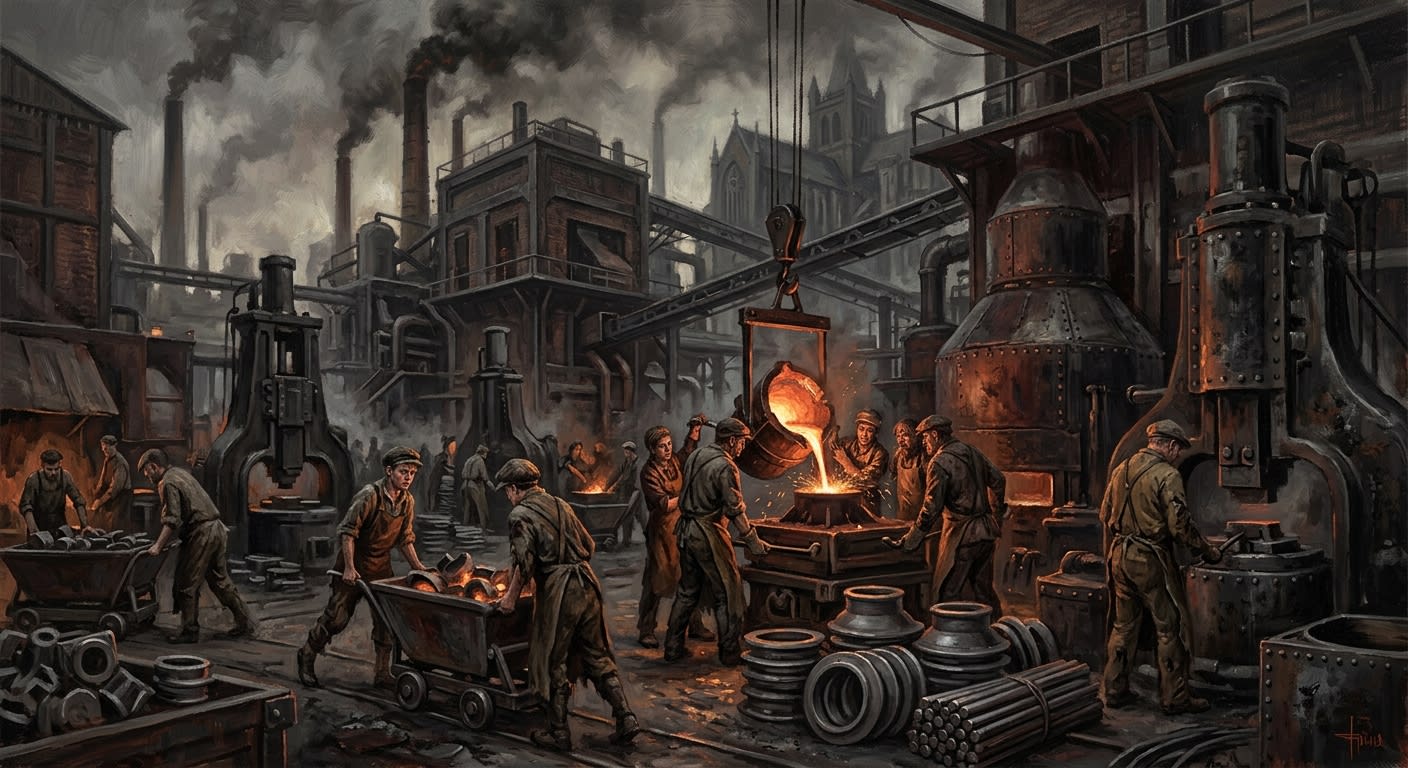
Edremit
The town that casts the throats by which Constantinople breathes
Edremit is the Hintermark casting town that makes boiler throats, casing collars, rivet stock, and hoarse children for Constantinople's hungry works.
Codex Ref. II.4.09-118
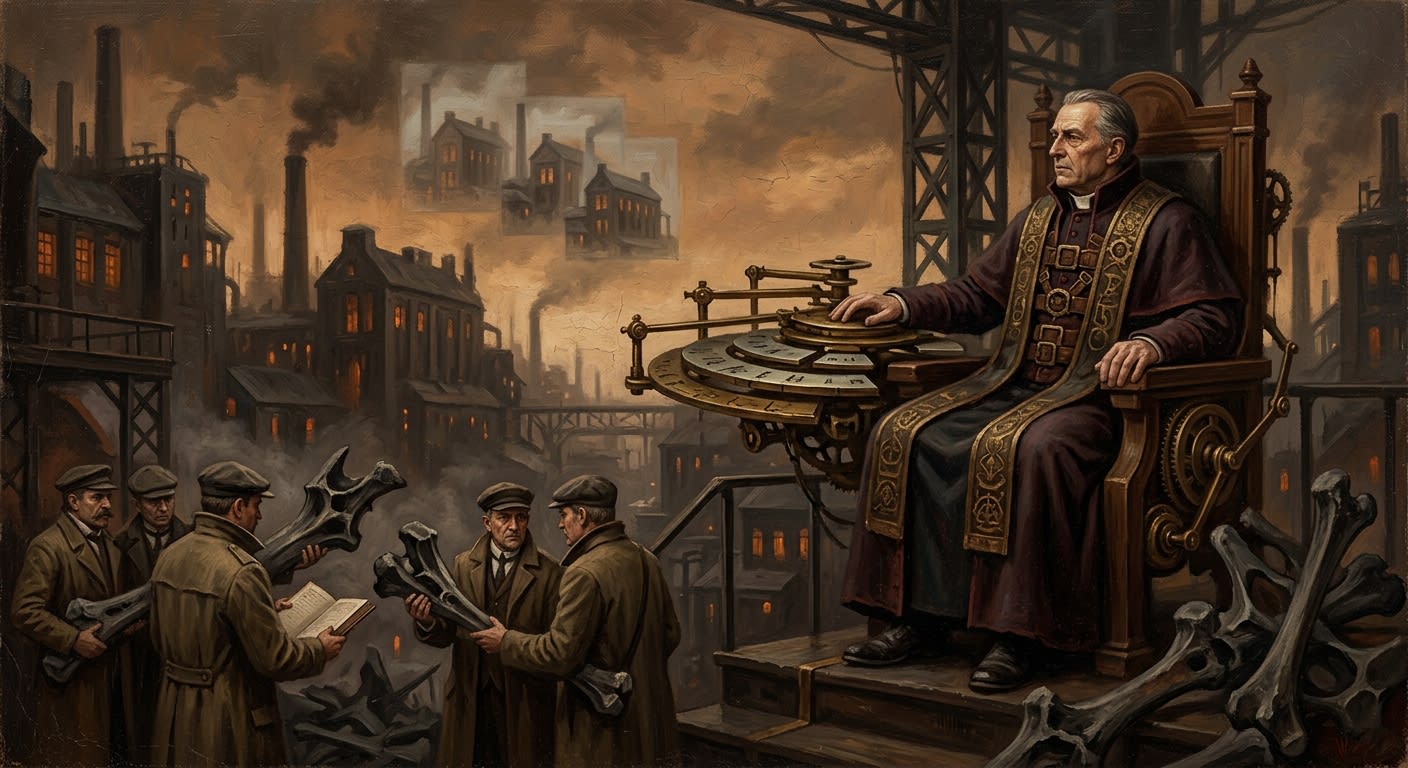
Elder Noxa
She taught the contradiction manners
Elder Noxa, sealed former registry scribe and practical founder of Femur-War brokerage, settled the Triplicate Femur Incident by separating impossible relic truths across time.
Codex Ref. III.2.01-114
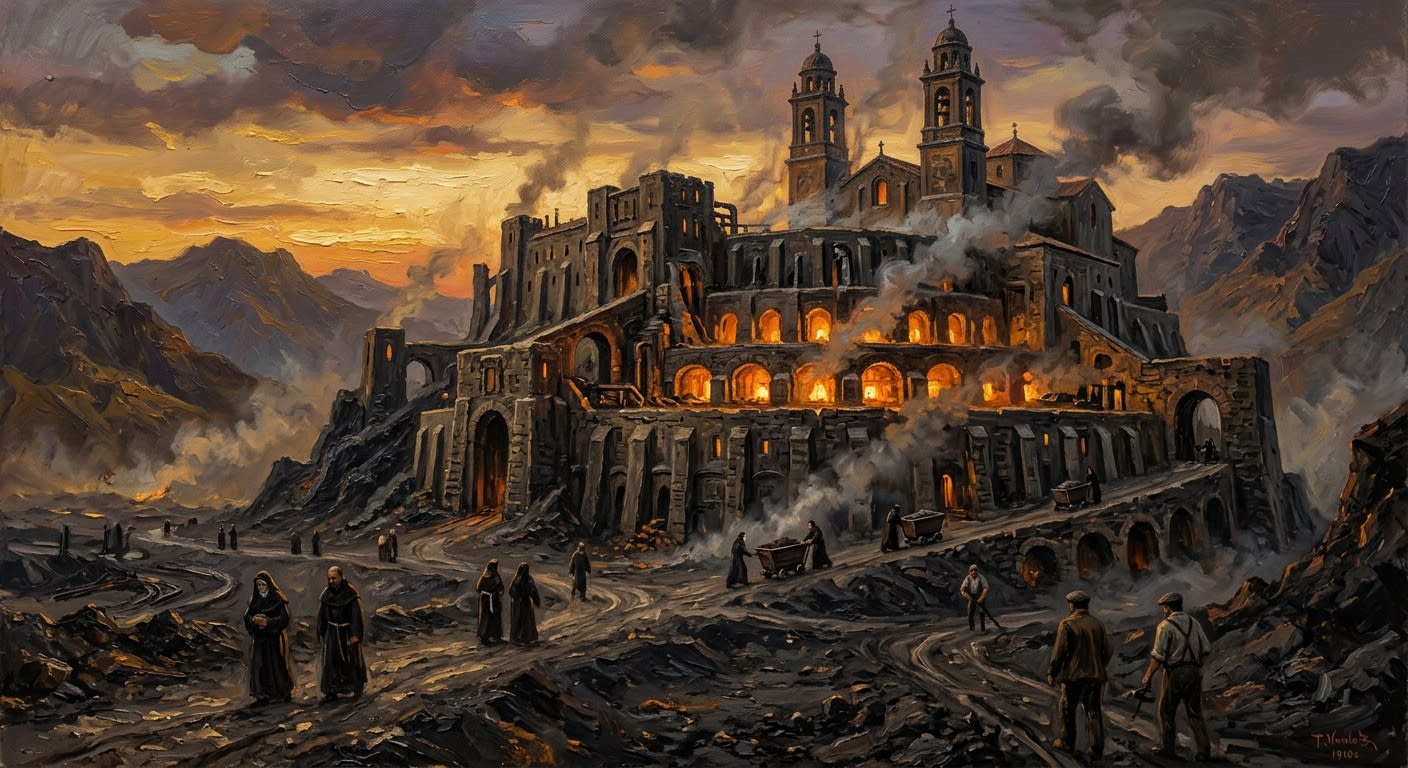
Ember-Priory of San Vesta
The ovens glow. The debt accrues. The smoke writes names no one authorised.
A volcanic priory-city in the Iberian south where bread never spoils, dying men buy three more days, and the sealed vent beneath the foundations grows warmer every year. The Synod's most productive monastery, and possibly its most dangerous one.
Codex Ref. VII.1.03-001
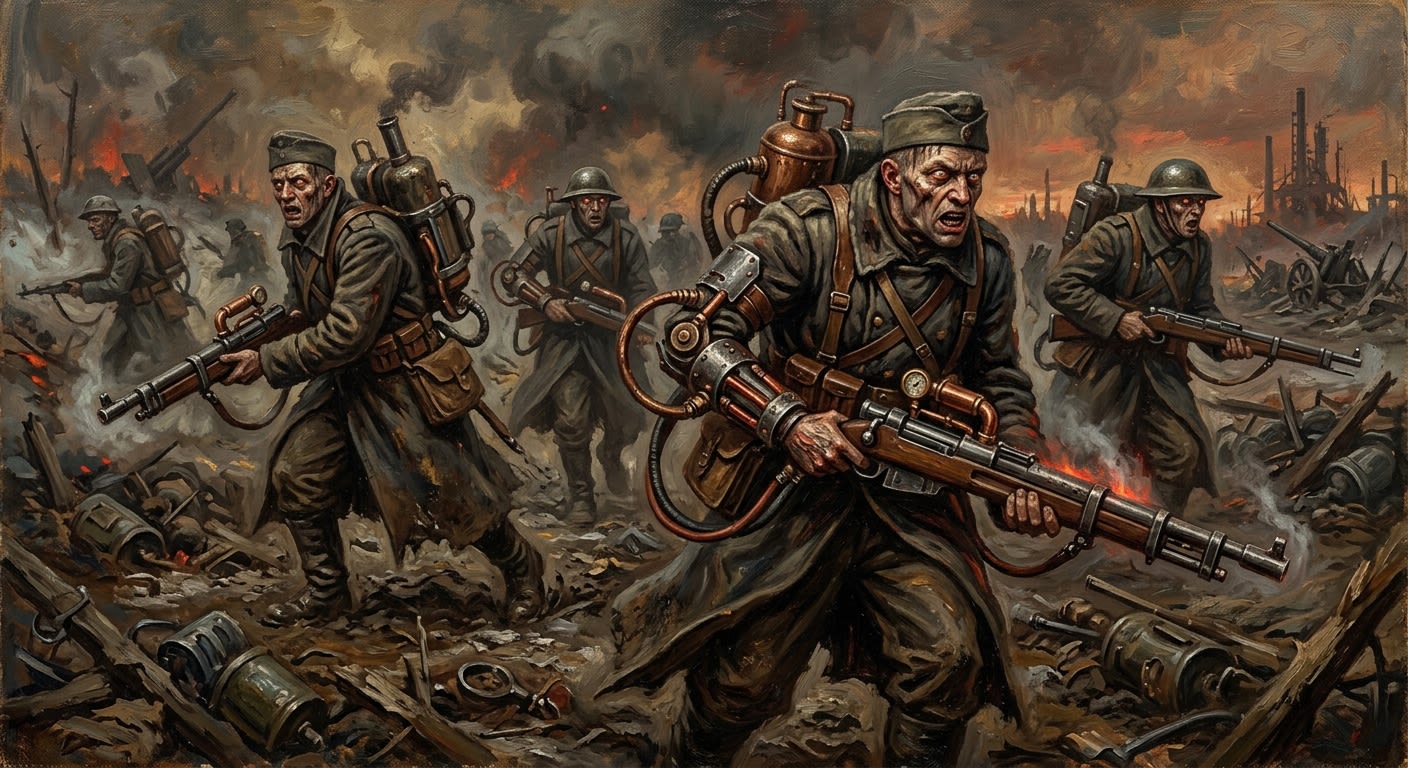
Ember-Soldiers
The infantry Maldrake makes from anger the dead were not allowed to finish
Ember-Soldiers are Maldrake's common horror: human-derived Wrath infantry, banked in rage, fused to weapons, and dangerous even after death seems persuaded.
Codex Ref. IV.1.07-201
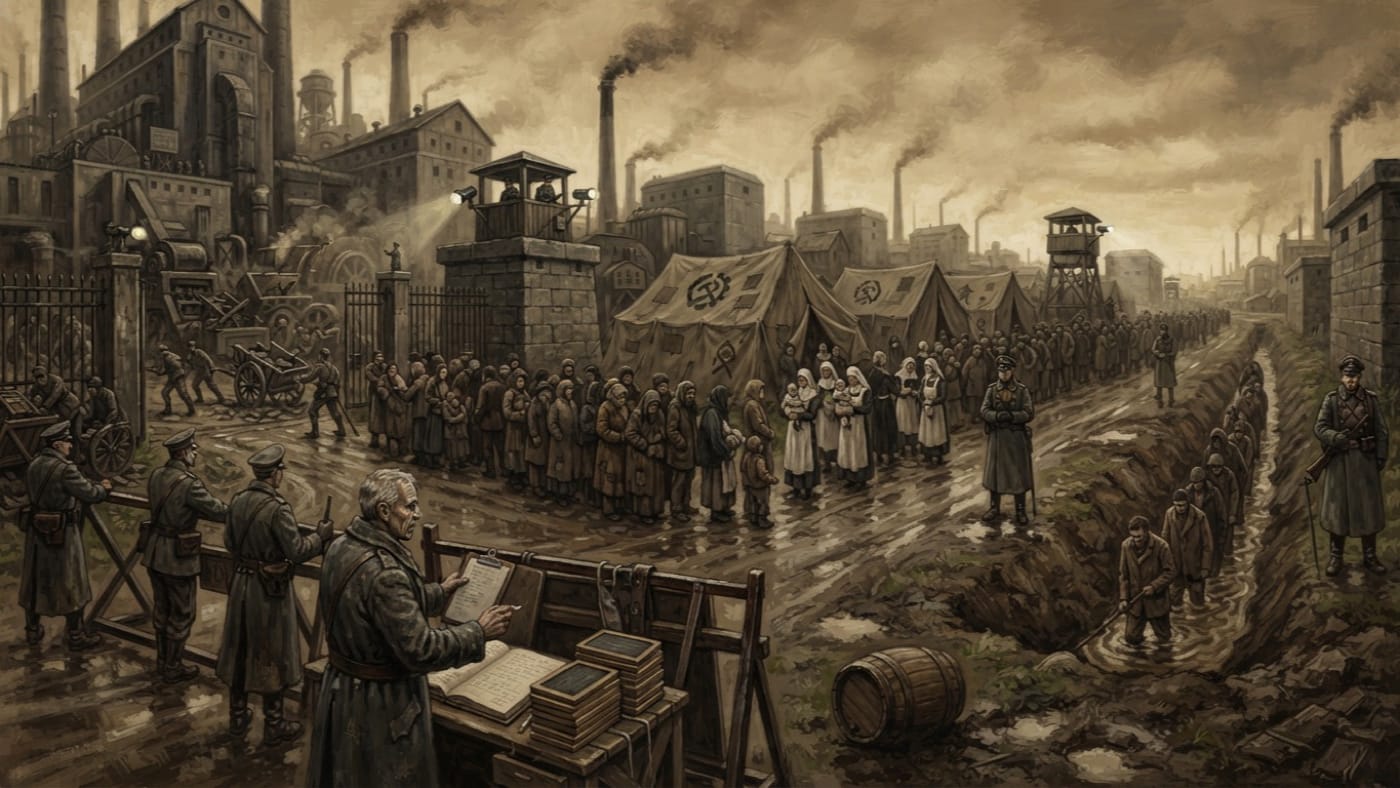
Emergency Disposition Table 4-B
The beer was omitted; the ditch remained
Records turned Thenm's A.S. 93 road decision into Table 4-B: beer omitted, ditch retained. This A.S. 201 survey establishes neither its issue year nor its present force.
Codex Ref. XIII.1.93-004
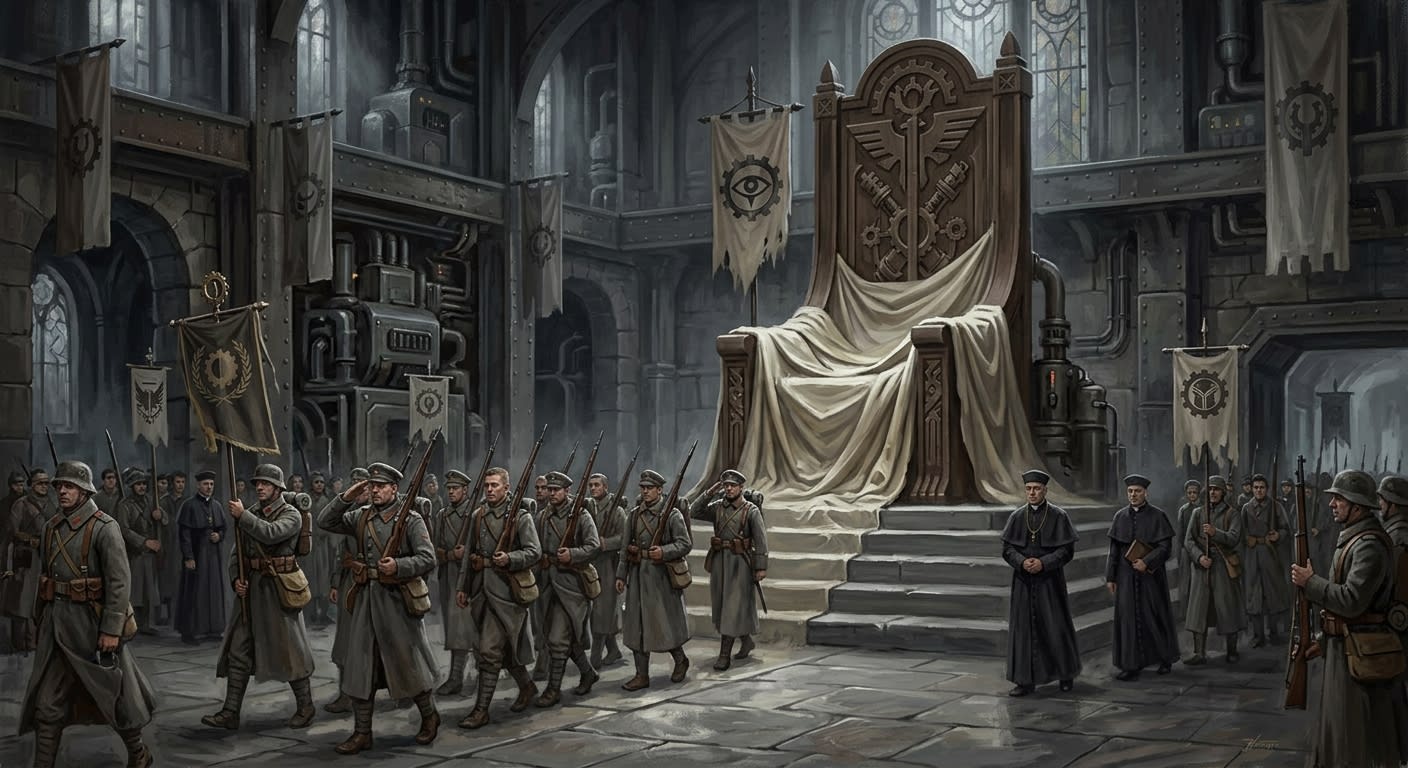
Empty Throne of War
A chair may command armies if enough clerks fear it
The Seventh Seal's white-draped chair has been publicly unoccupied since A.S. 107 and legally occupied ever since, proving absence can march an army.
Codex Ref. XIII.1.52-001
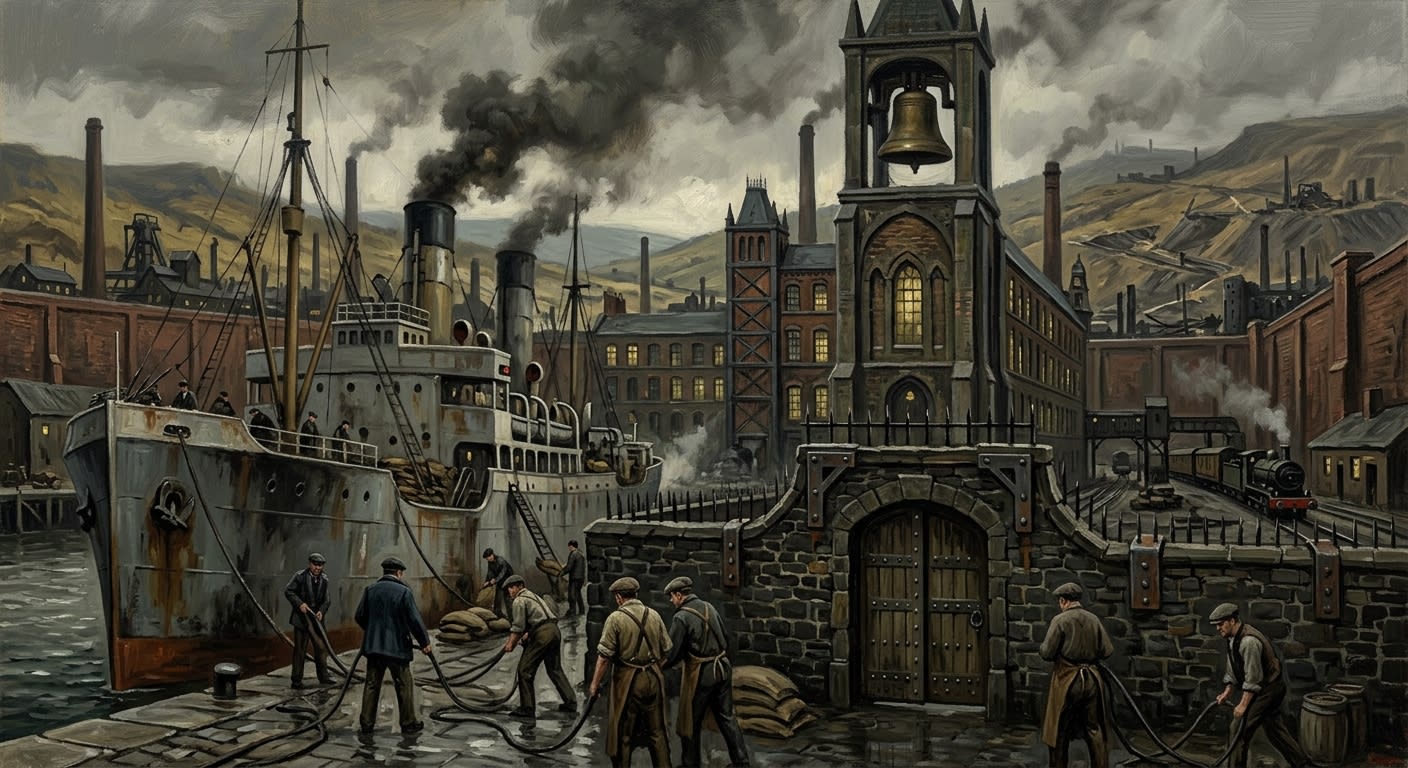
England
The island province that declined the province and kept the invoice
England is the British Crown's southern engine: chalk, bell, harbour, parish wall, and island refusal, useful enough to spare and rude enough to endure.
Codex Ref. X.1.03-201
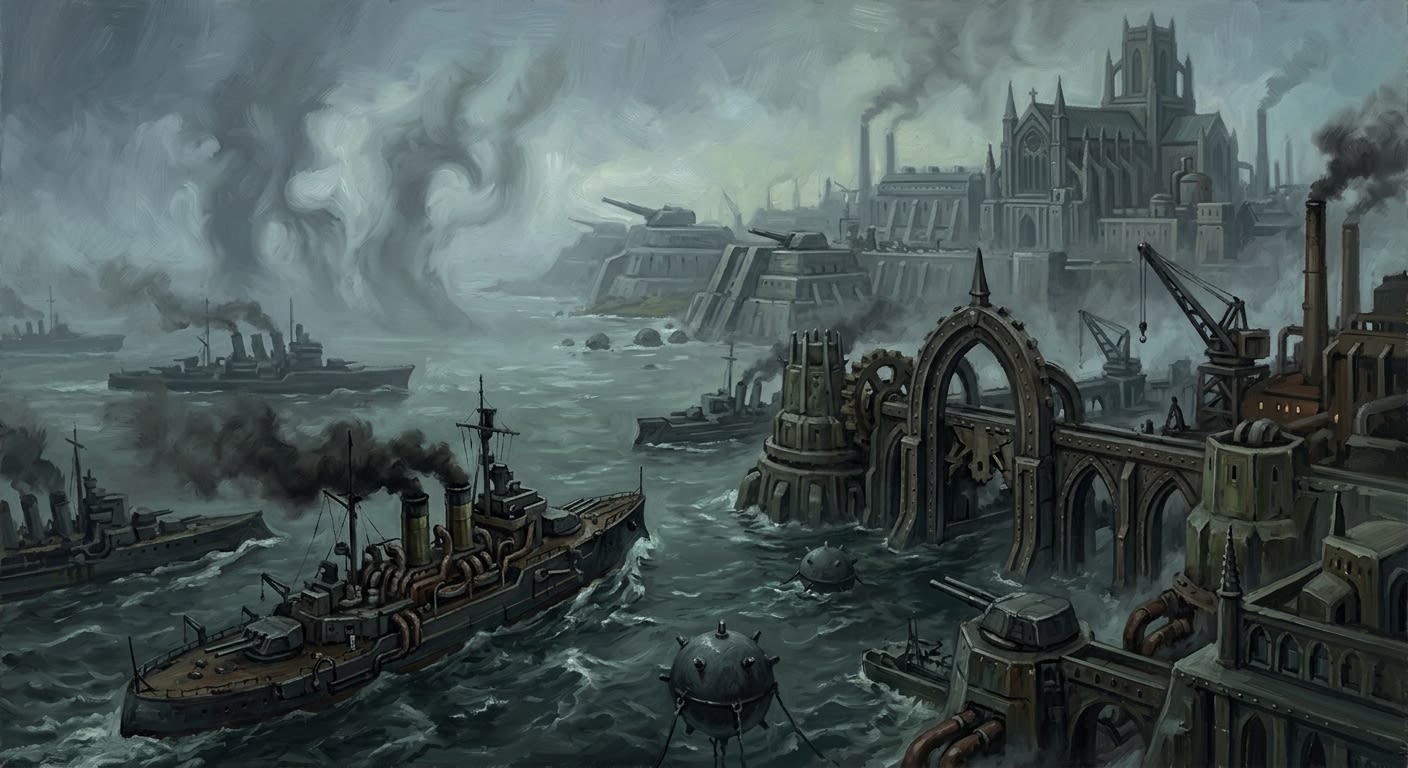
English Channel
The wet treaty between stamped arrogance and ringing arrogance
The English Channel is Calais facing Dover: one day's water in clean weather, a century's insult in politics, and a fog-bank with clerical ambitions.
Codex Ref. II.1.04-202
Erasure Notary
The scaffold produces martyrs; the Office of Nullity produces only silence — and nine hundred Black-Stamps to stamp it.
Nine hundred Black-Stamps who unmake persons through ink and wax — no body, no grave, and no widow to scratch the martyr's name on cellar walls.
Codex Ref. XII.14.01-001
Erasure of Veyss
The man who asked for arrears and received absence
A.S. 148 trench-court erasure in which Lieutenant Veyss lost standing over a missing ancestral tithe-stamp, and every dependent ledger corrected him into absence.
Codex Ref. VII.8.10-048
Essen-of-Hymnsteel
The city the Line cannot outlive, and dare not silence
Industrial holy city where steel is calibrated by choir and governed by three Bureaus who share nothing willingly except the fiction that none of them is losing.
Codex Ref. II.2.01-001
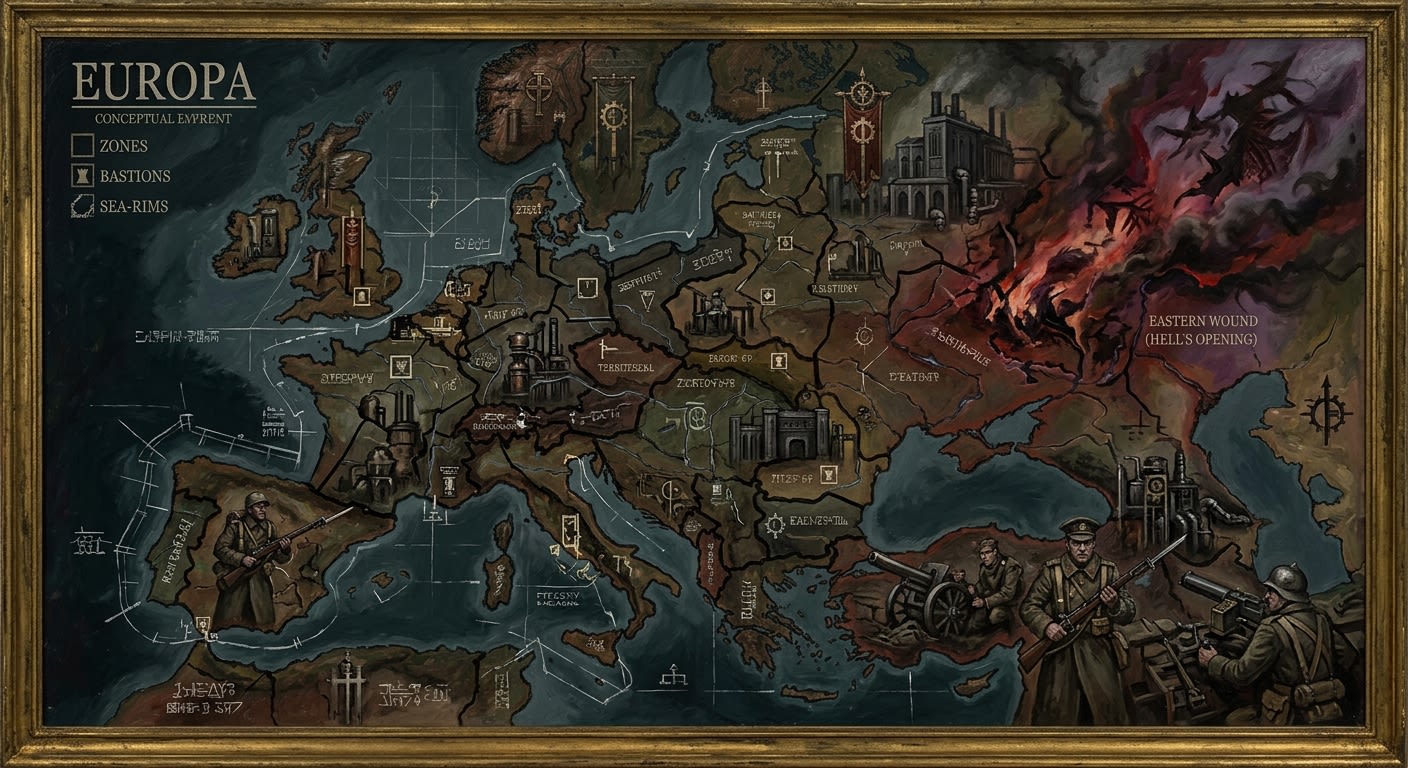
Europa
The continent as filed, wounded, taxed, and made obedient enough
Europa is not whole; it is the continent filed into zones, bastions, sea-rims, independent nuisances, and the eastern wound Hell keeps open.
Codex Ref. II.0.00-201

Europe
The wounded continent, held together by rails, bells, hunger, and denial
Europe is the wounded continent: Synod west, Charnel east, Line between, and every road, harbour, cradle, ration card, bell, and grave bent toward survival.
Codex Ref. II.0.01-201
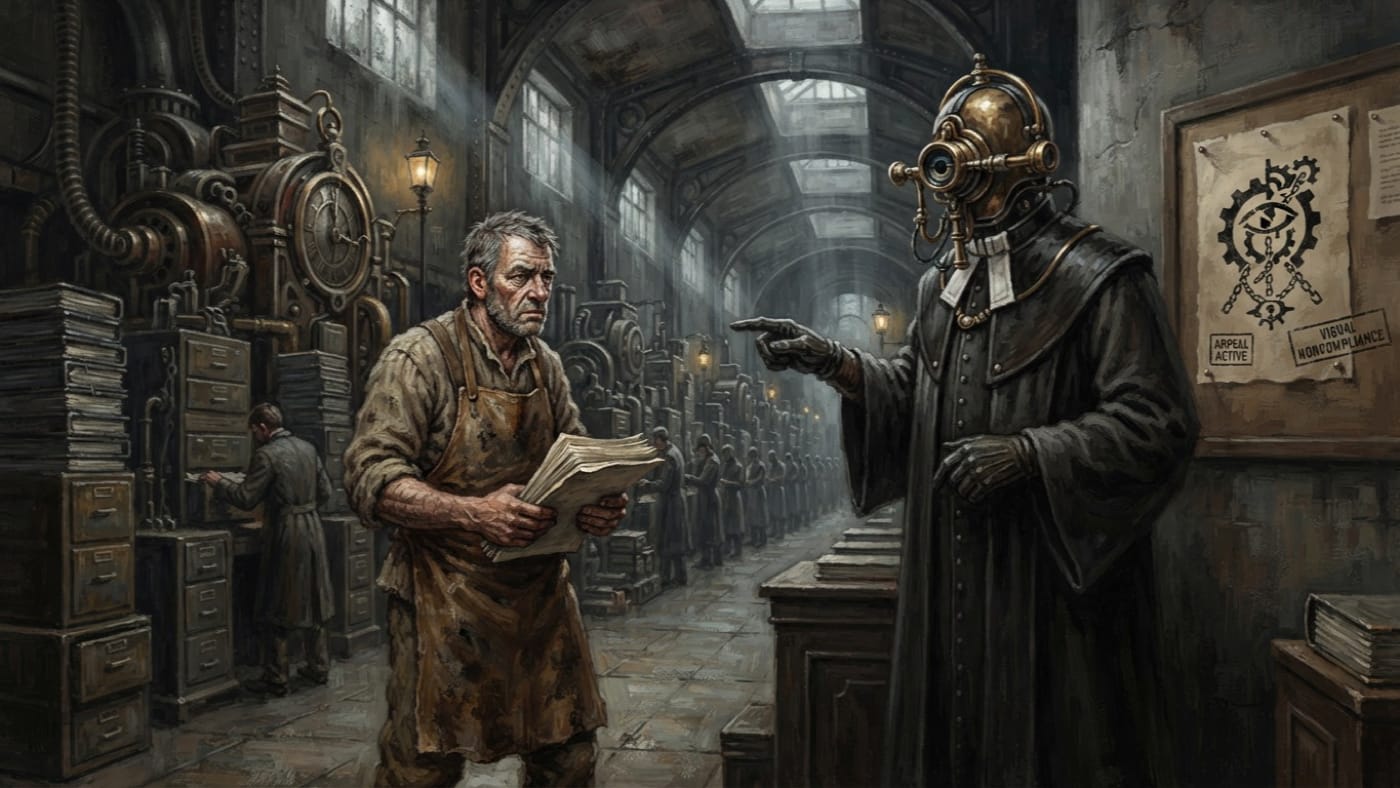
Ewald Fenn
The cooper whose doorbell became doctrine
Ewald Fenn, cooper of Mainz, lost a doorbell to Casselius and appealed a stamp he could not read. The Bureau calls this visual noncompliance; his appeal remains active.
Codex Ref. III.2.01-201

Exegete Hallam
The man who taught guilt to arrive before law
Exegete Hallam drafted Article 9's retroactivity clause in the Catechism of Obedience, giving Doctrine custody over thoughts before citizens knew they had sinned.
Codex Ref. III.2.01-150
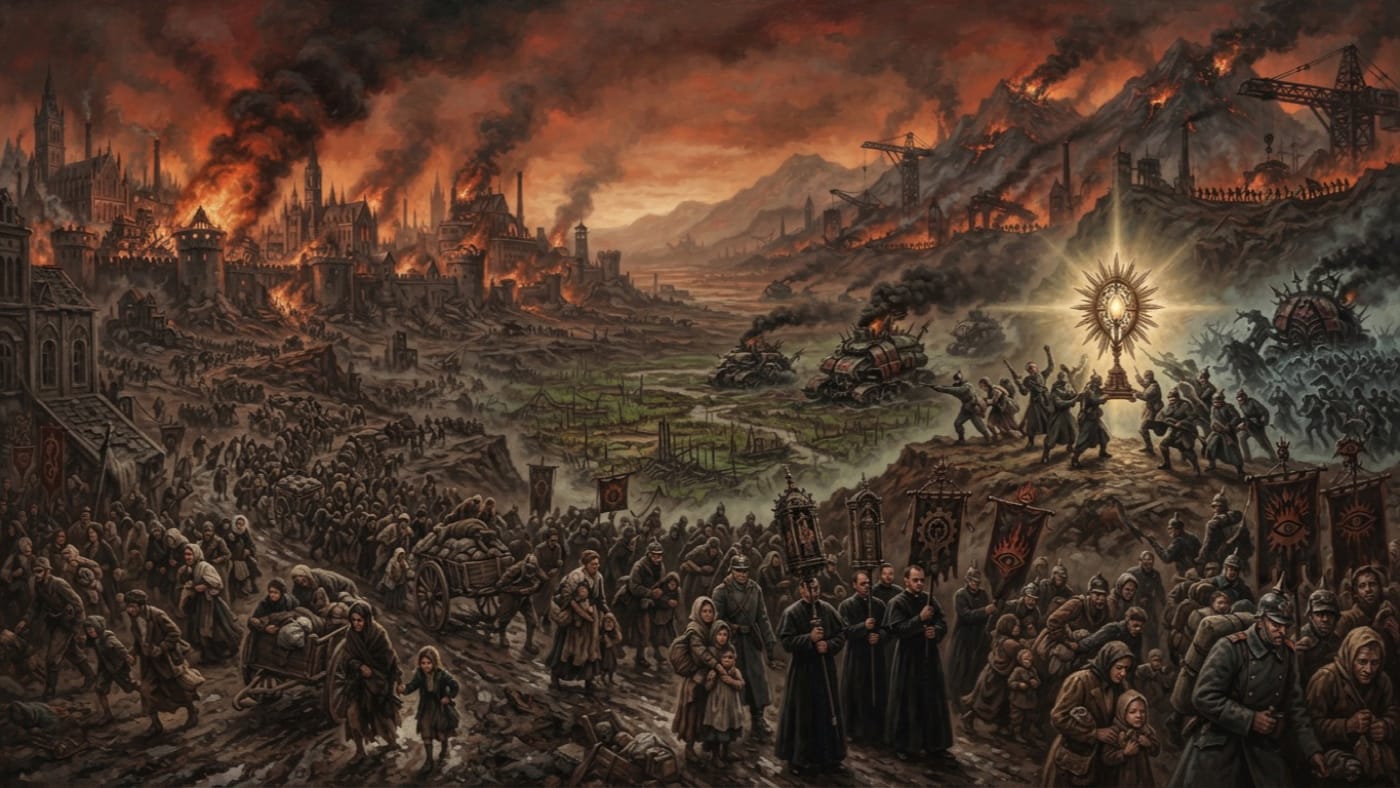
Fall of the Eastern Kingdoms
The Kingdoms Fell; Their Accounts Remain Open
The eastern jurisdictions collapsed after the Sundering of A.S. 45: garrisons burned, granaries failed, and refugees fled west. I retain their accounts in the Ledger; occupation does not constitute permission to forget.
Codex Ref. VII.1.02-001
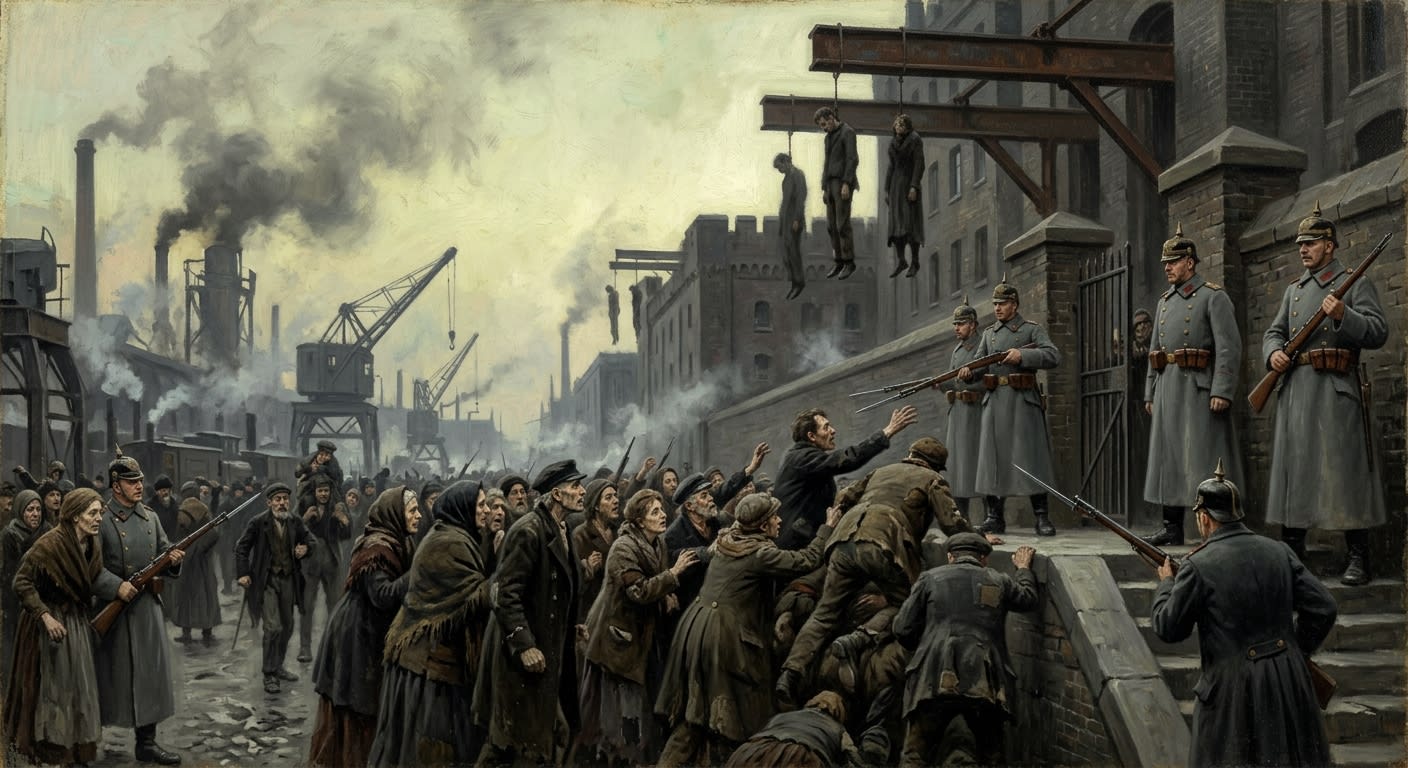
Famine of A.S. 65
Two per cent mercy, measured against an empty sack
The A.S. 65 Hamburg famine and nine-day riot came as the northern throat became indispensable: failed harvests, due tithes, Berlin troops, public hangings, and a two-per-cent mercy too small to eat.
Codex Ref. VII.4.21-065
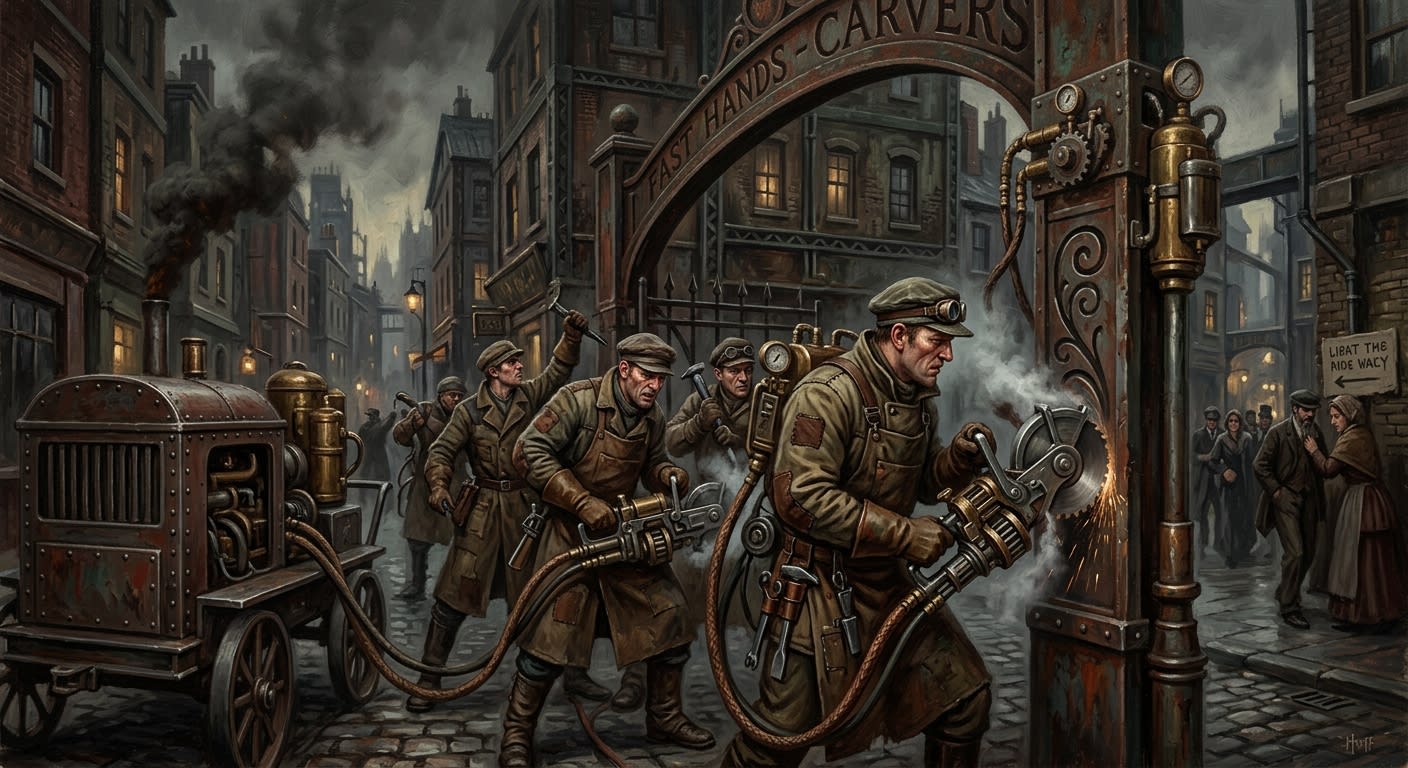
Fast Hands, Gate-Carvers
The marked door before dusk is the state admitting it was late
Fast Hands are the accelerated-compliance faction within the Gate-Carver trade, cutting thresholds quickly enough to legalise streets before hunger, riot, or Purity arrives.
Codex Ref. XII.19.02-002
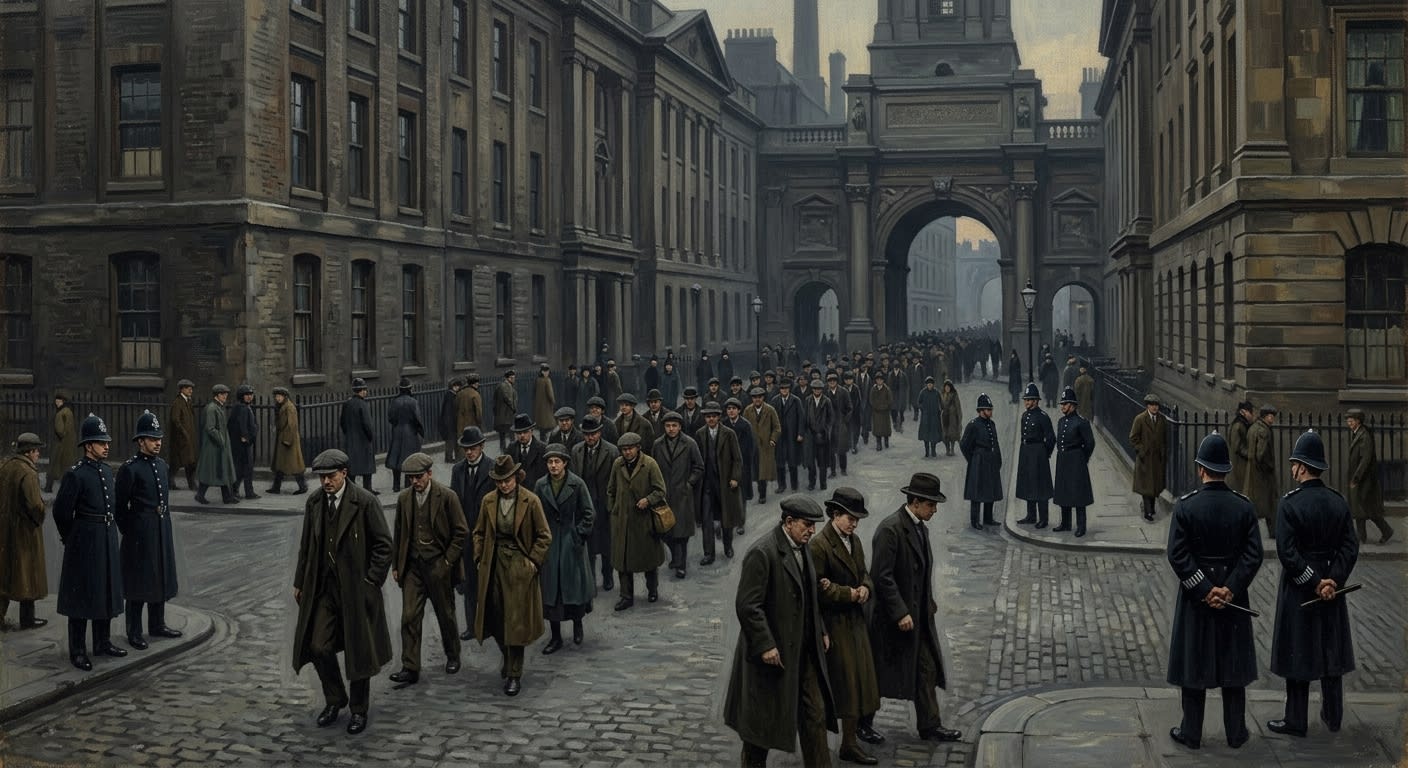
Fast of Silence
The tongue kneels before the knife is invited
The Fast of Silence is the Bureau of Festivals' cleanest cruelty: a district gagged from dawn to dusk until obedience sounds like piety.
Codex Ref. XIII.1.89-153
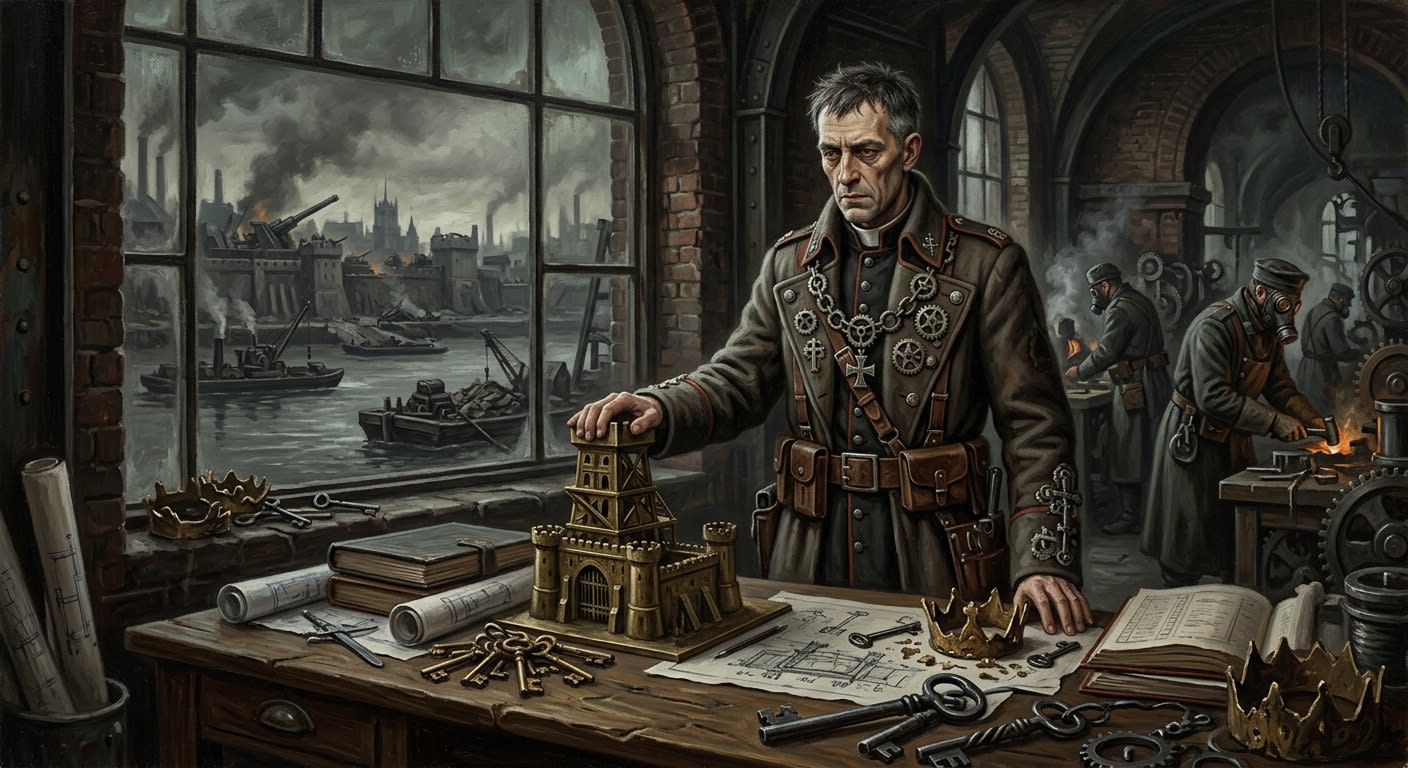
Father Ambrosius of Como
A key in each fist and a river waiting below
Father Ambrosius of Como made keys into crowns, sermons into siegework, and Lombardy into a lesson the Po carried east.
Codex Ref. XI.5.01-001
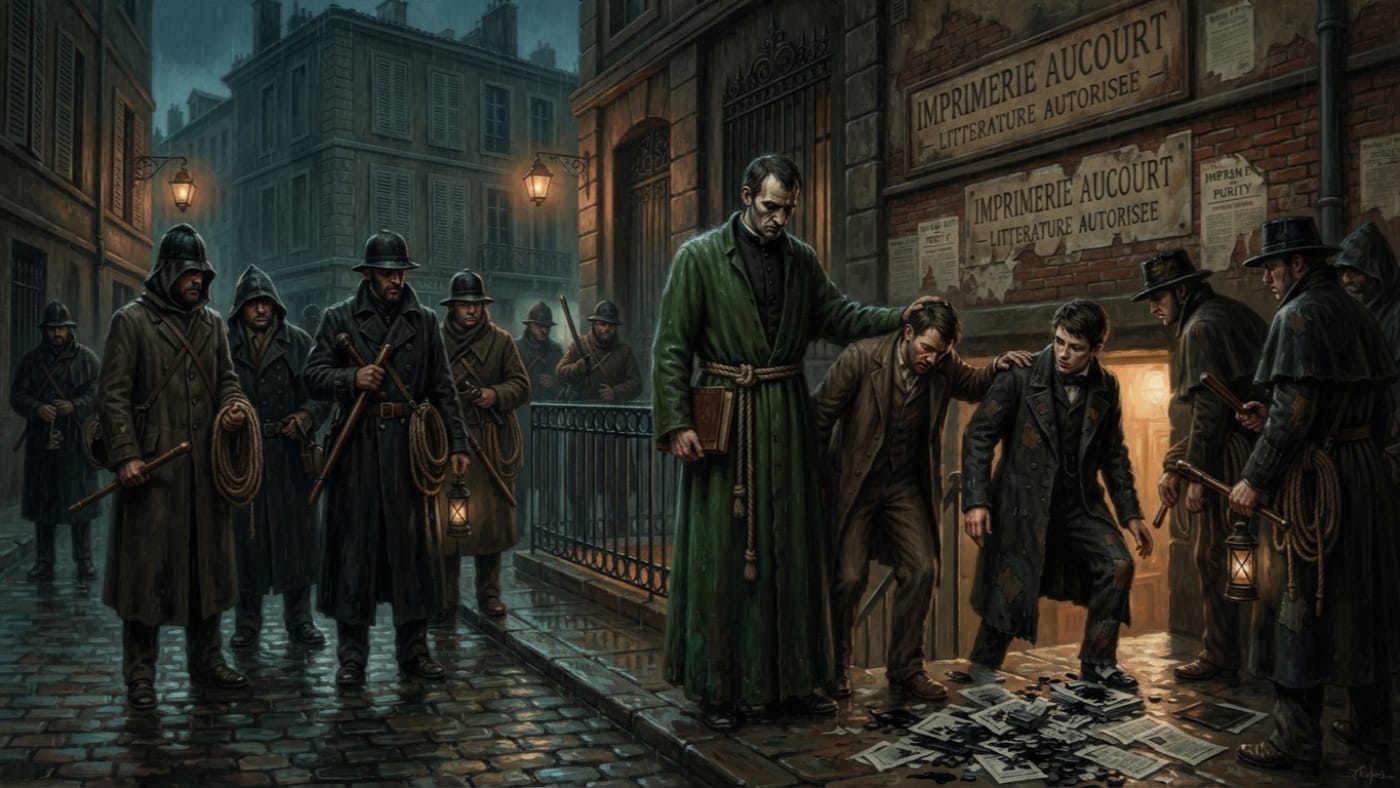
Father Ostel of Narbonne
The priest remembered by his robe
Father Ostel served in the A.S. 93 Toulouse Hunts in a green robe of claimed liturgical inheritance. Drax reports the sketches suppressed; the rest of the man escaped the file.
Codex Ref. III.2.01-093
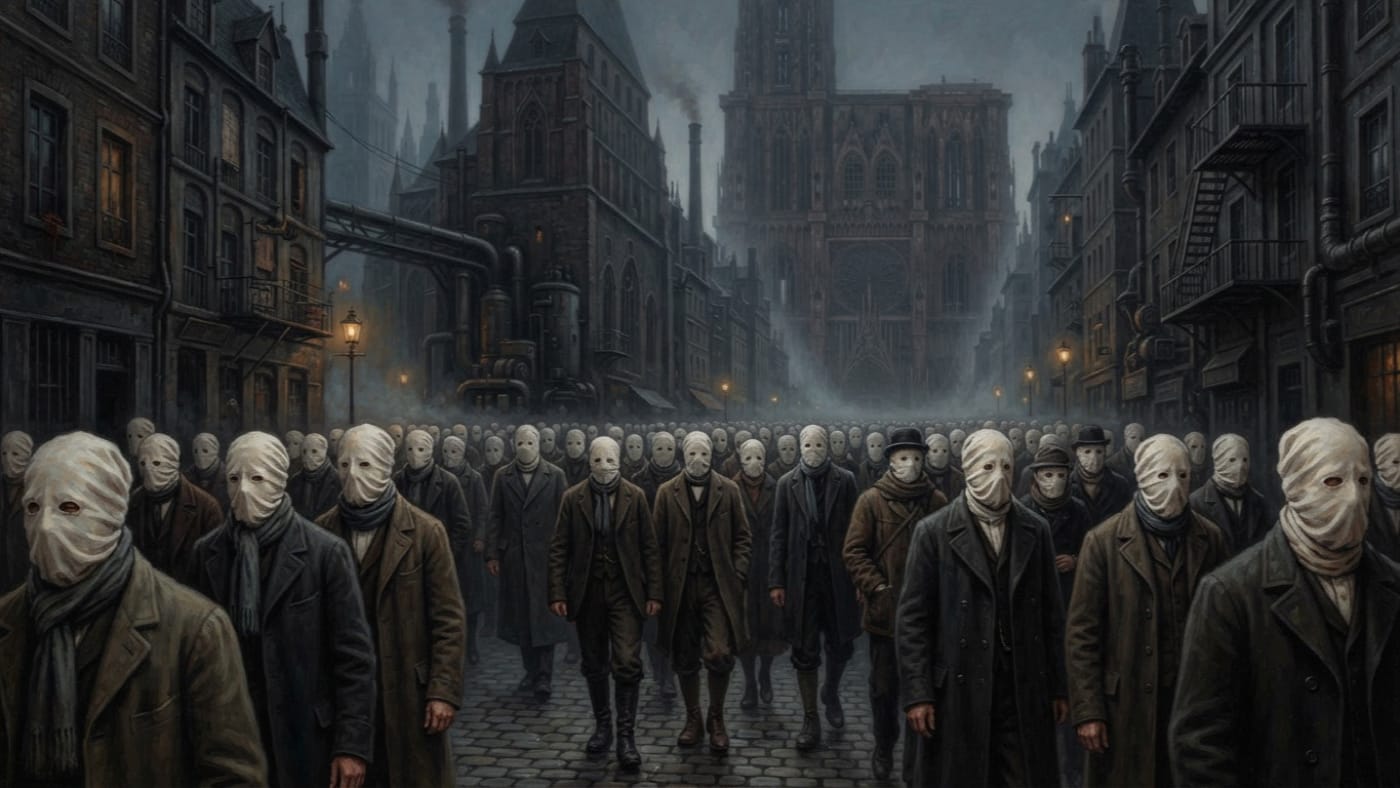
Feast of Buried Names
Anonymous before the Creator. Numbered in the Registry.
On the Feast of Buried Names, every citizen is expected to walk the parish in silence behind licensed white cloth. Doctrine calls it necessary; Purity calls it a liability. The Registry keeps the eye-holes on file.
Codex Ref. XIII.1.91-001
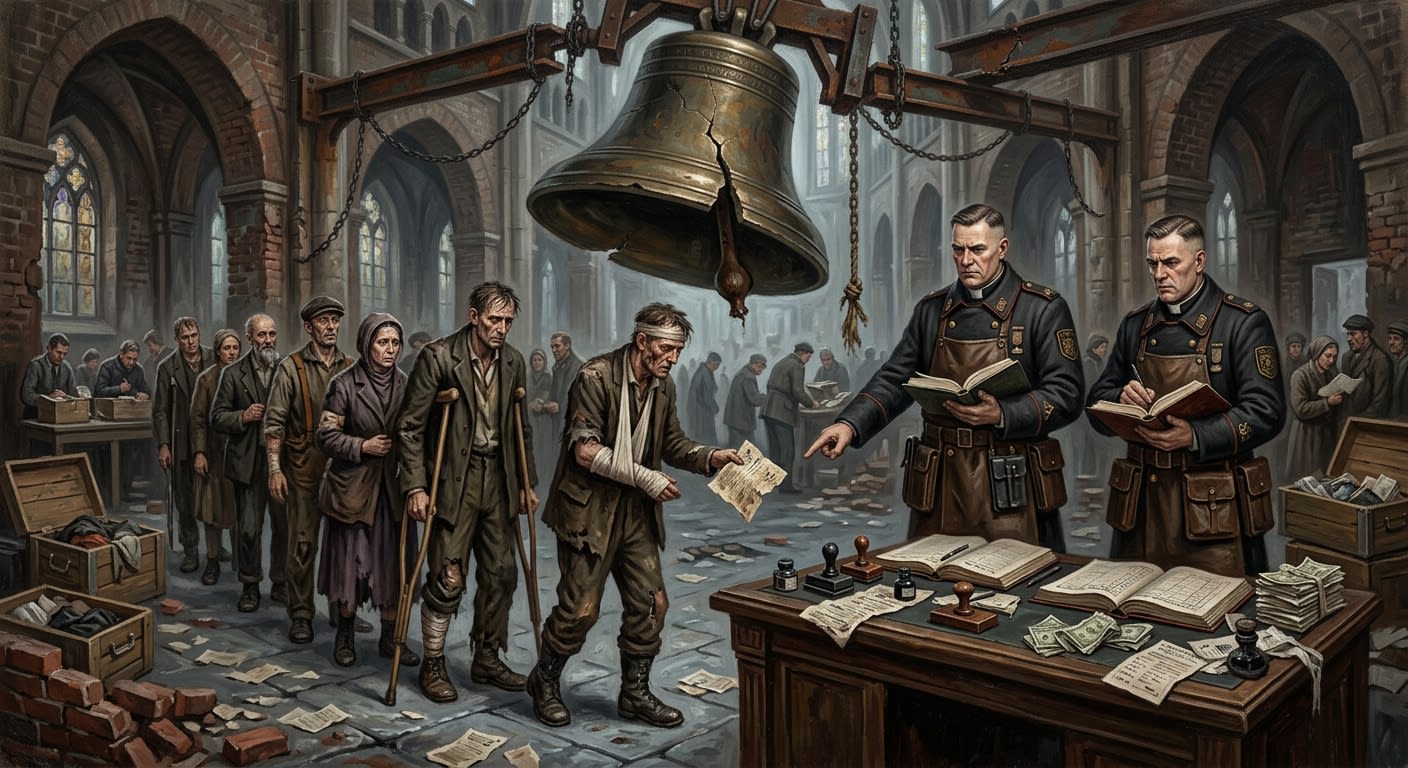
Feast of the Cracked Bell
The damaged bell still tolls, therefore the damaged citizen still owes
The Feast of the Cracked Bell teaches the Synod's favourite mercy: broken things may still serve, so damaged citizens may still be counted, tolled, and taxed.
Codex Ref. XIII.1.89-201
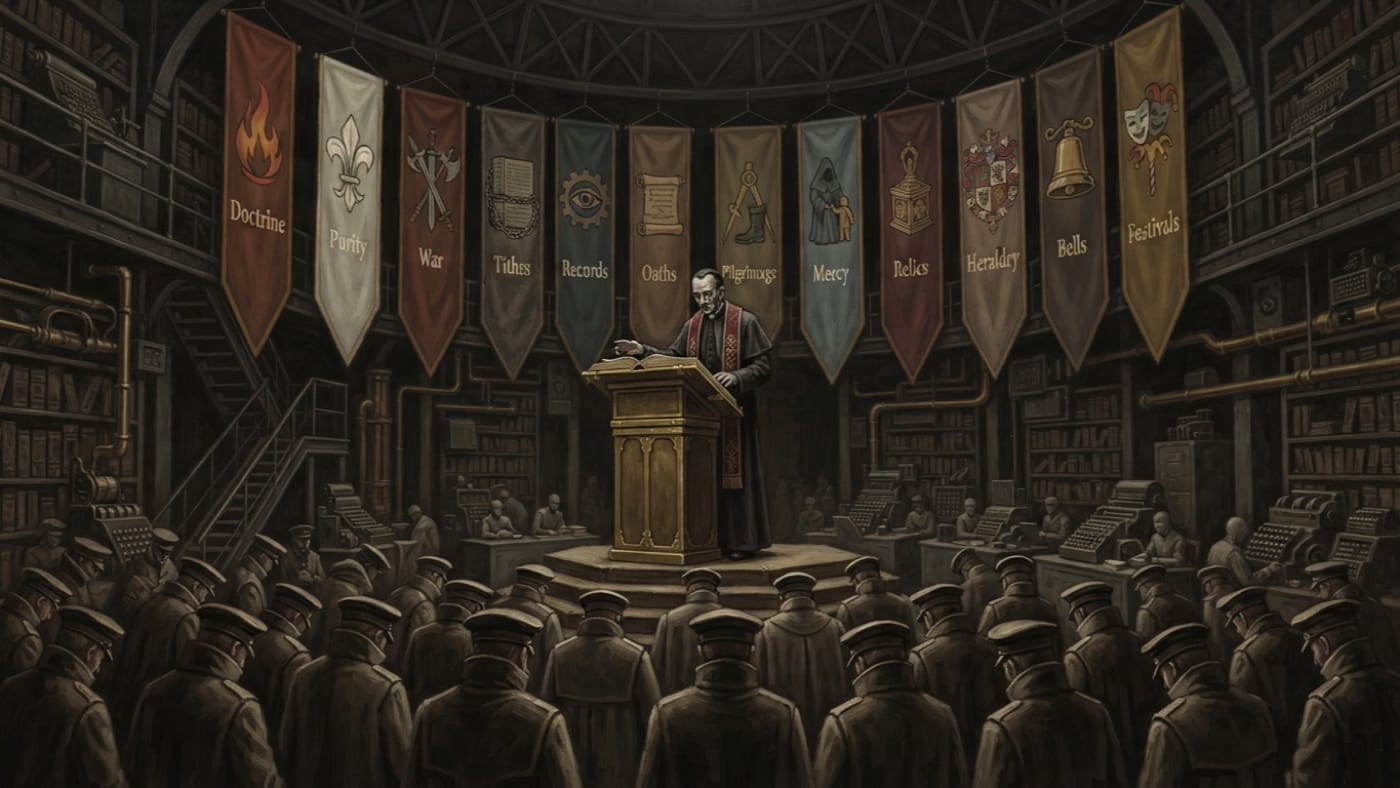
Feast of the Ledger
Twelve portfolios read aloud; the offices that keep them standing go unnamed.
At the Feast of the Ledger, the Synod reads its twelve canonical portfolios aloud. Settlement, which assigns three hundred million addresses, receives no syllable. The recital is correct; the census is incomplete.
Codex Ref. XIII.1.89-201
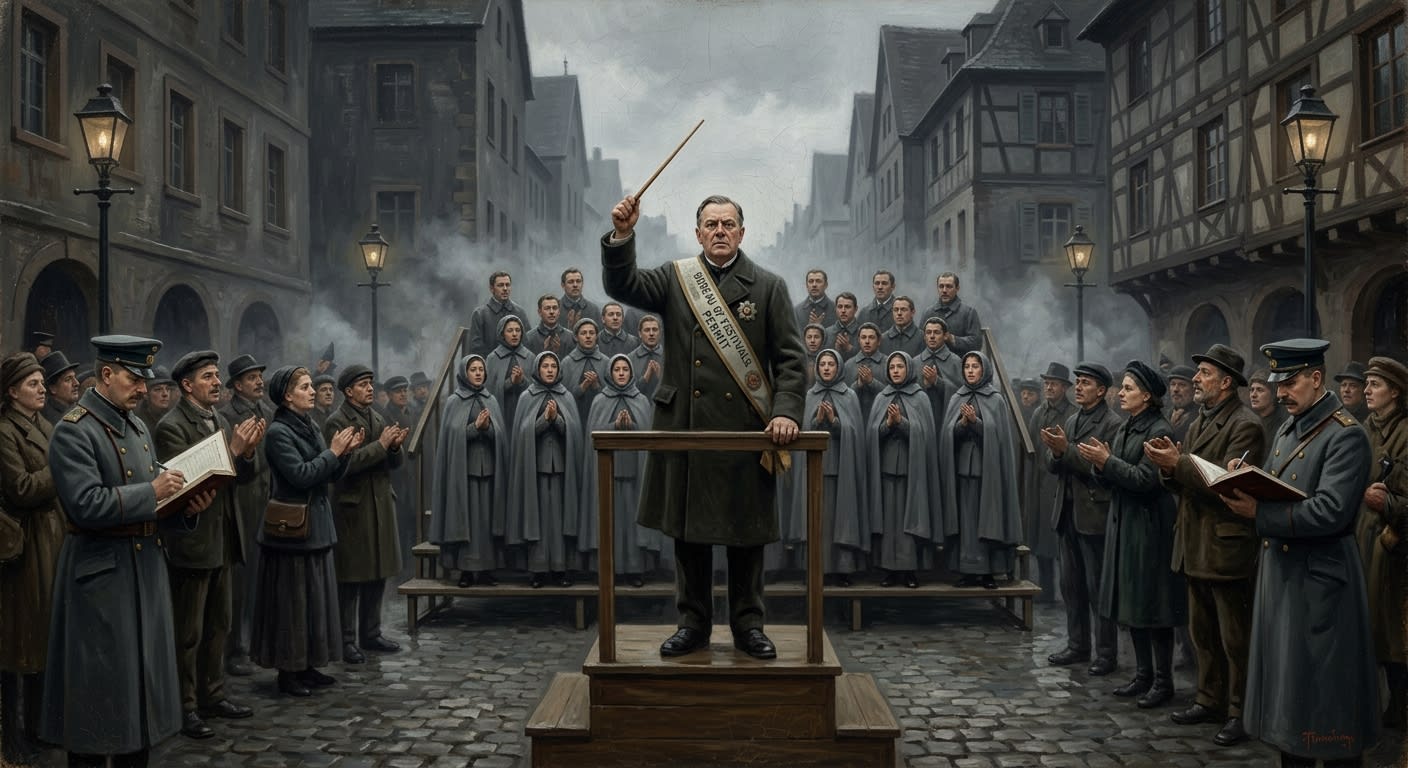
Festival Chorus-Master
The Synod's licensed conductor of controlled emotion — half-cleric, half-stagecraft tactician, certified to manufacture joy by those incapable of permitting it
The Bureau of Festivals' licensed joy engineer — eleven ranks, one Conservatory, forty-one years of unresolved investigations, and a career that ends when laughter becomes indistinguishable from threat.
Codex Ref. XII.17.01-001
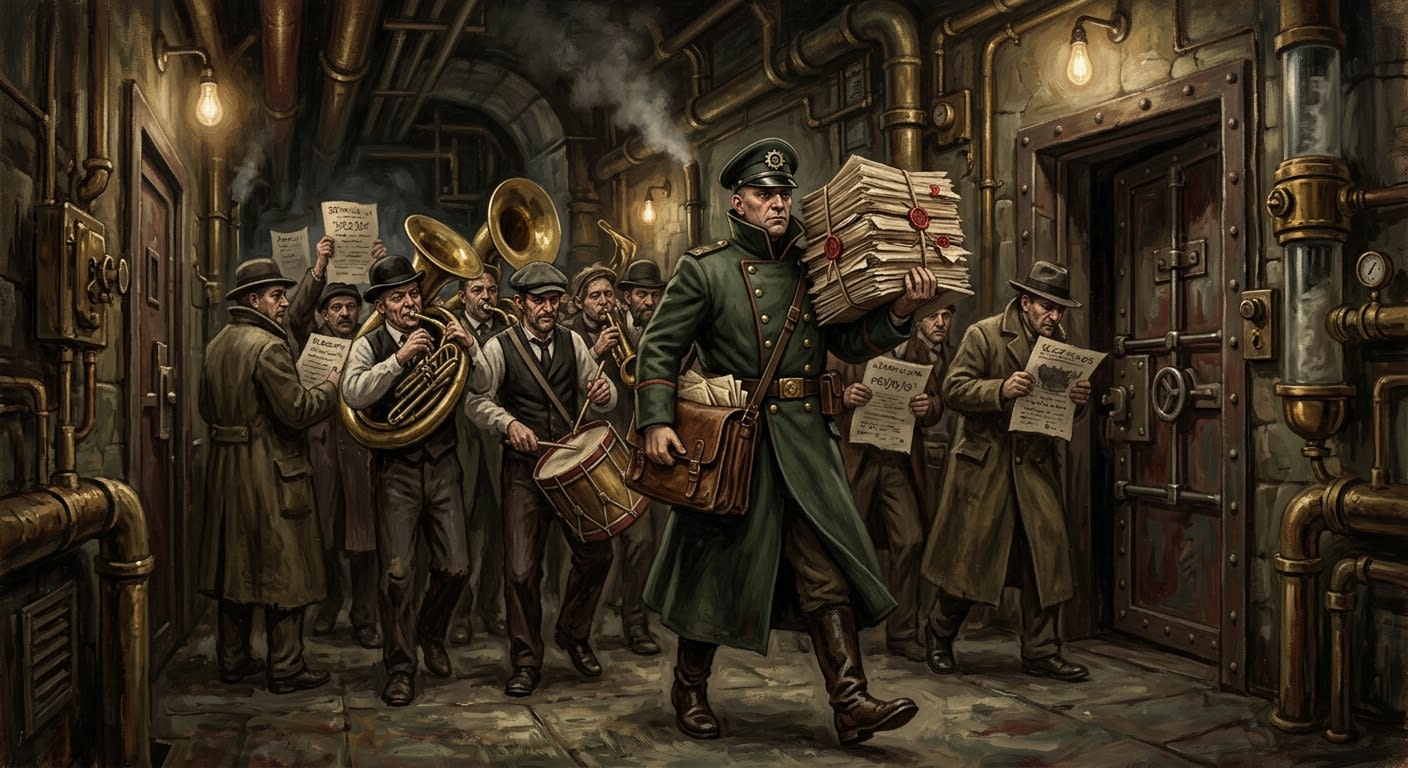
Festival Form 19-M
The paper that taught Seville to laugh in sequence
Festival Form 19-M began as a tavern supplement and became the paper Seville weaponised into music, mockery, and Purity jurisdiction.
Codex Ref. XIII.1.66-153
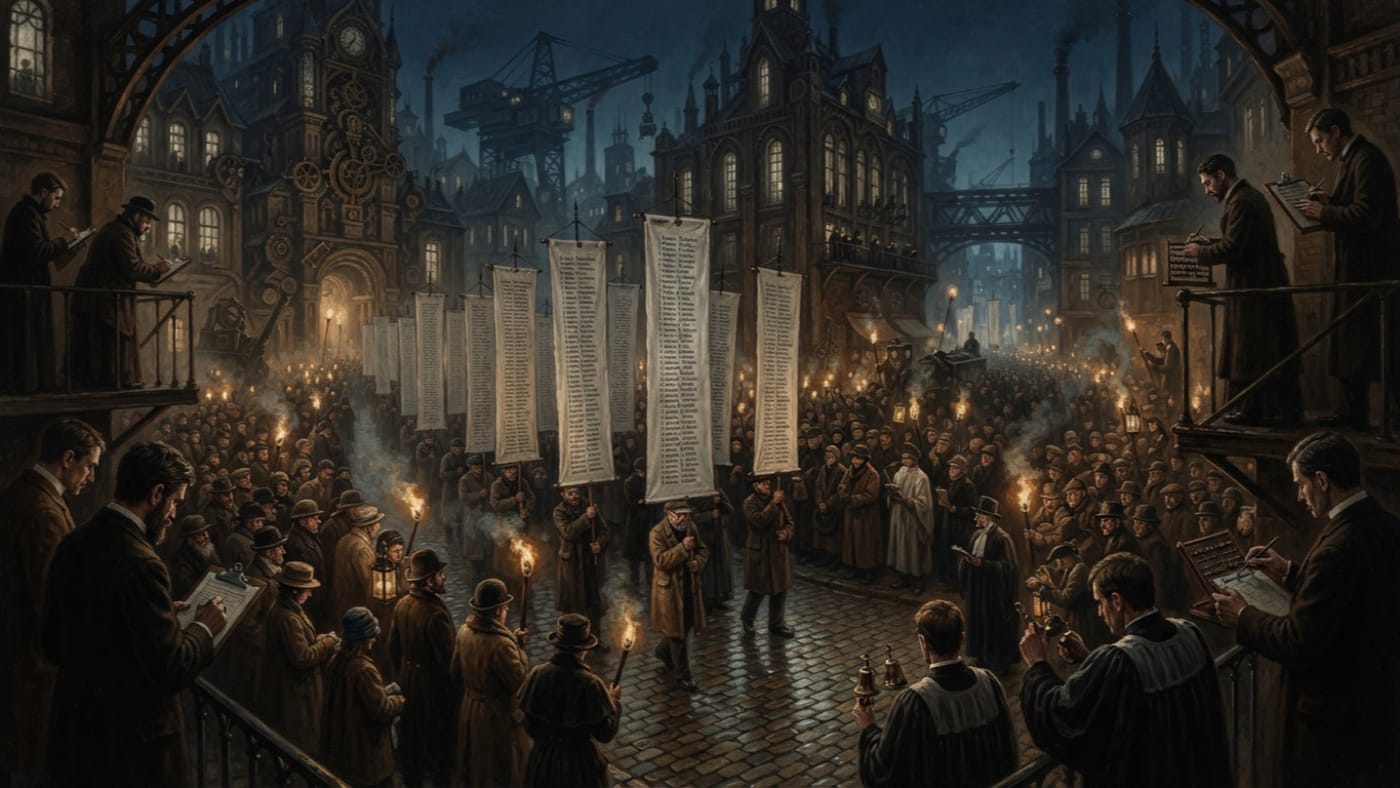
Festival of Departed Flames
The names are read; the weeping is measured
Each autumn the Synod reads its dead by torchlight. Festivals counts the mourners, Rites consecrates the chant, Records logs the names, and the weeks that follow grow quieter. I record the figures; the Bureaus supply the explanation.
Codex Ref. VII.3.03-001

Field Agent Corren
A title, a name and a report; the career is unrecorded
The record gives Corren a Purity title and an A.S. 198 report citation. It gives the merchant eleven years of false classification and the agent no recorded fate.
Codex Ref. III.2.01-198
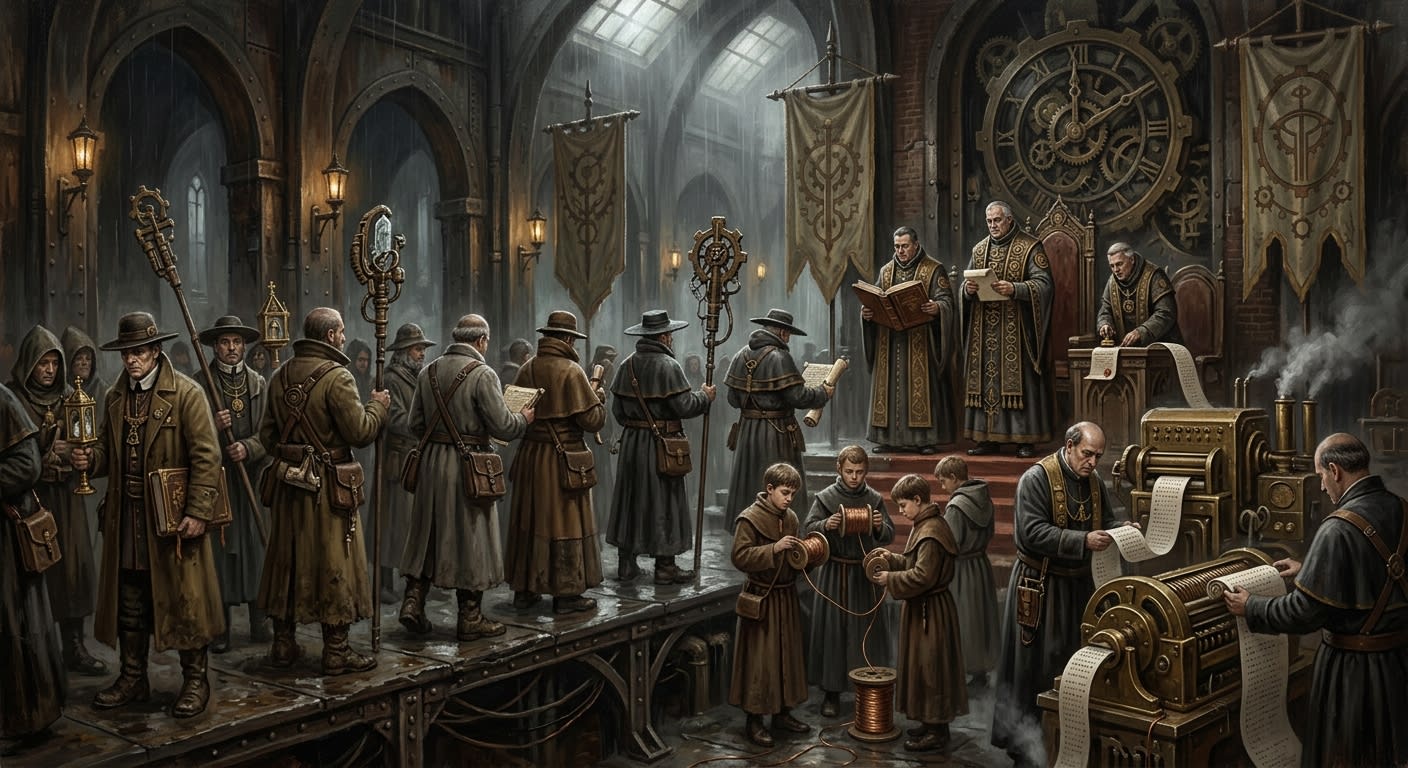
Fifteenth Doctrinal Congress
The hour Strasbourg taught an old river crime to testify on schedule
The Fifteenth Doctrinal Congress made Kraków's drowned priests administratively inexhaustible: witness ratified, silence scheduled, wire converted, and grief sealed.
Codex Ref. XIII.1.90-148
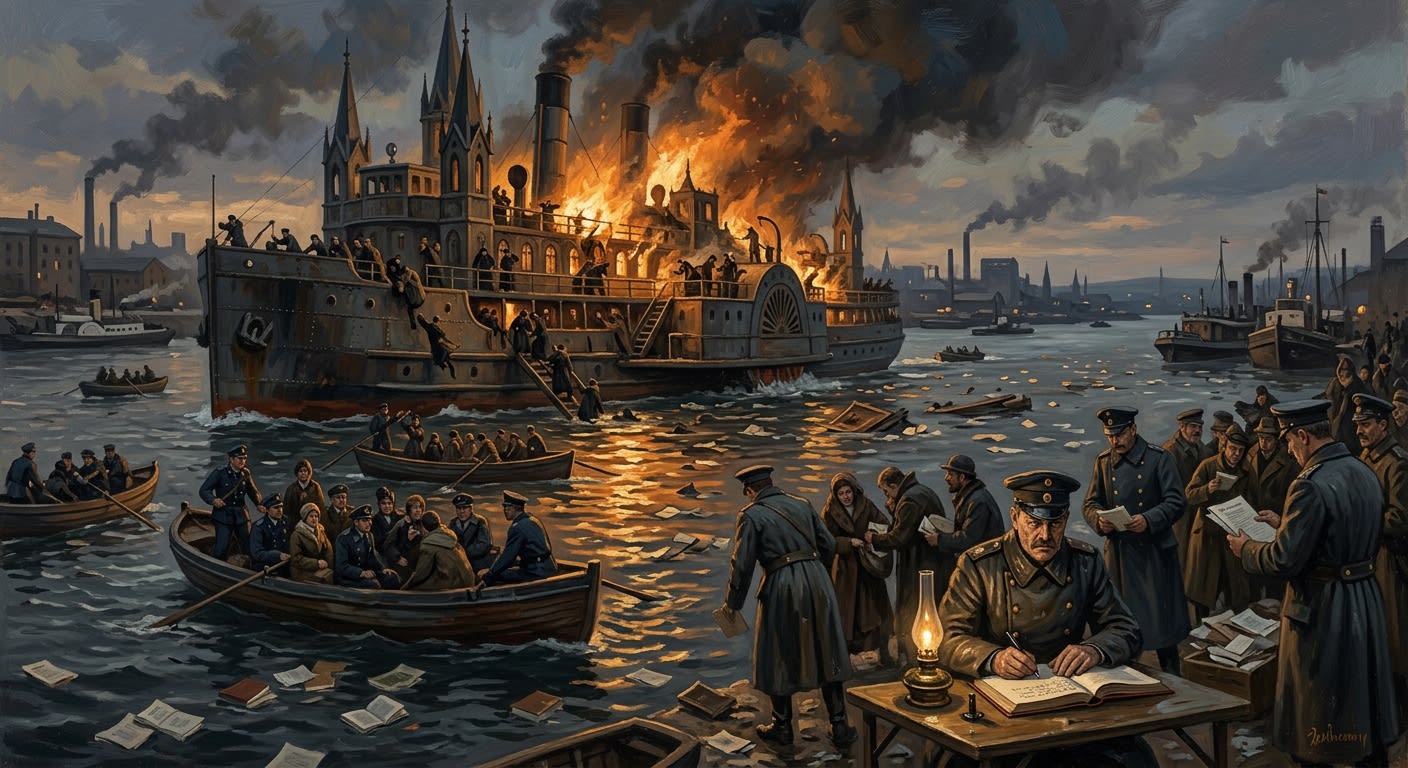
First Floating Cathedral Burn
Count the powder before blessing the deck above it
Early A.S. 70s Danube shrine-barge fire that killed forty-one, scattered hymnals downriver, and birthed mandatory shot-ledger discipline.
Codex Ref. VII.8.10-070
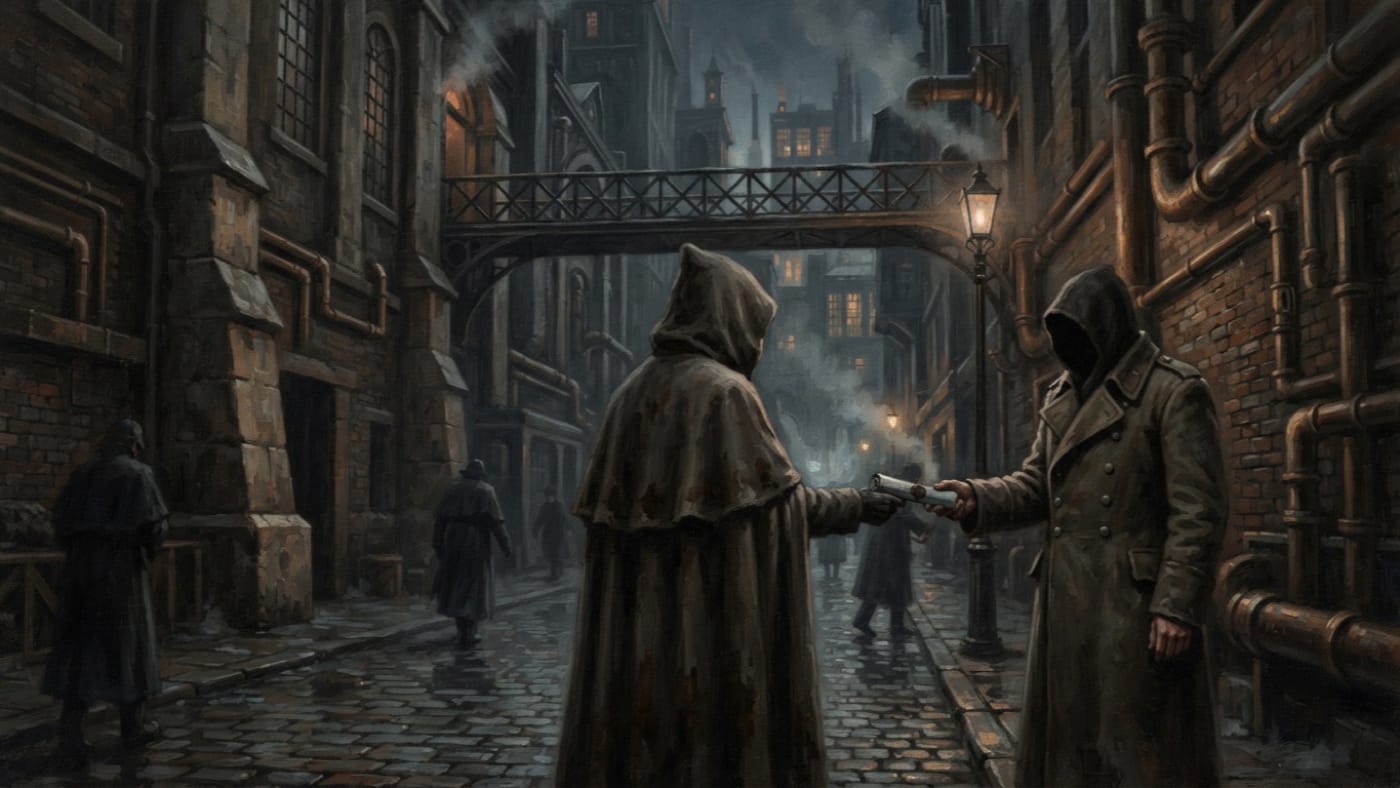
First Hood
The founder no ledger can identify
The First Hood is the Night Papers Couriers' unnamed legendary founder: a runner said to have delivered an order before it was written. Obedience survives the tale; authorship does not.
Codex Ref. III.2.01-1083
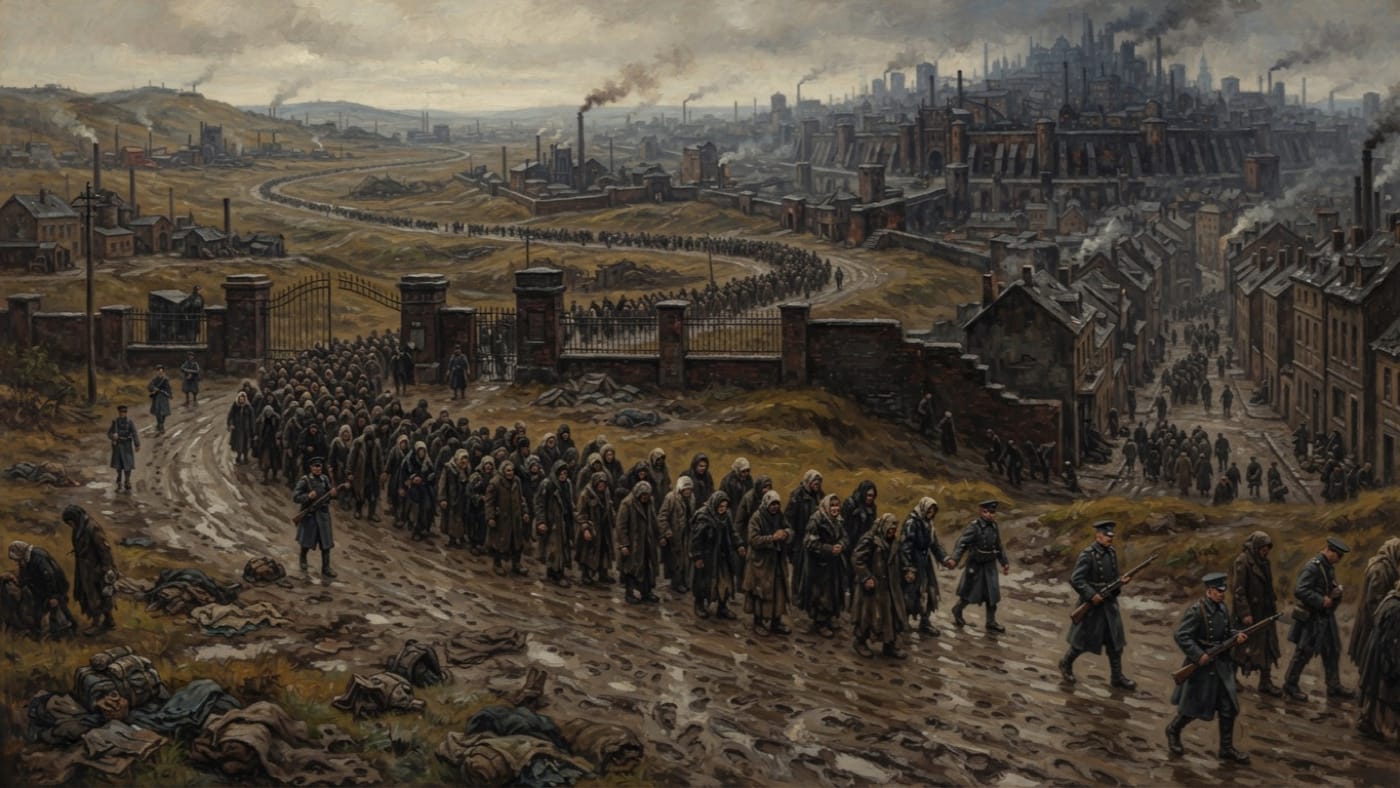
First Jubilee Flight
The record remembers the disgrace; it does not remember the year
The Flight has a name, thousands of nominal converts, and no recorded year. This A.S. 201 survey separates the attested mass-defection account from the wider early Jubilee failures. The ledger remembers the embarrassment.
Codex Ref. VII.3.03-002
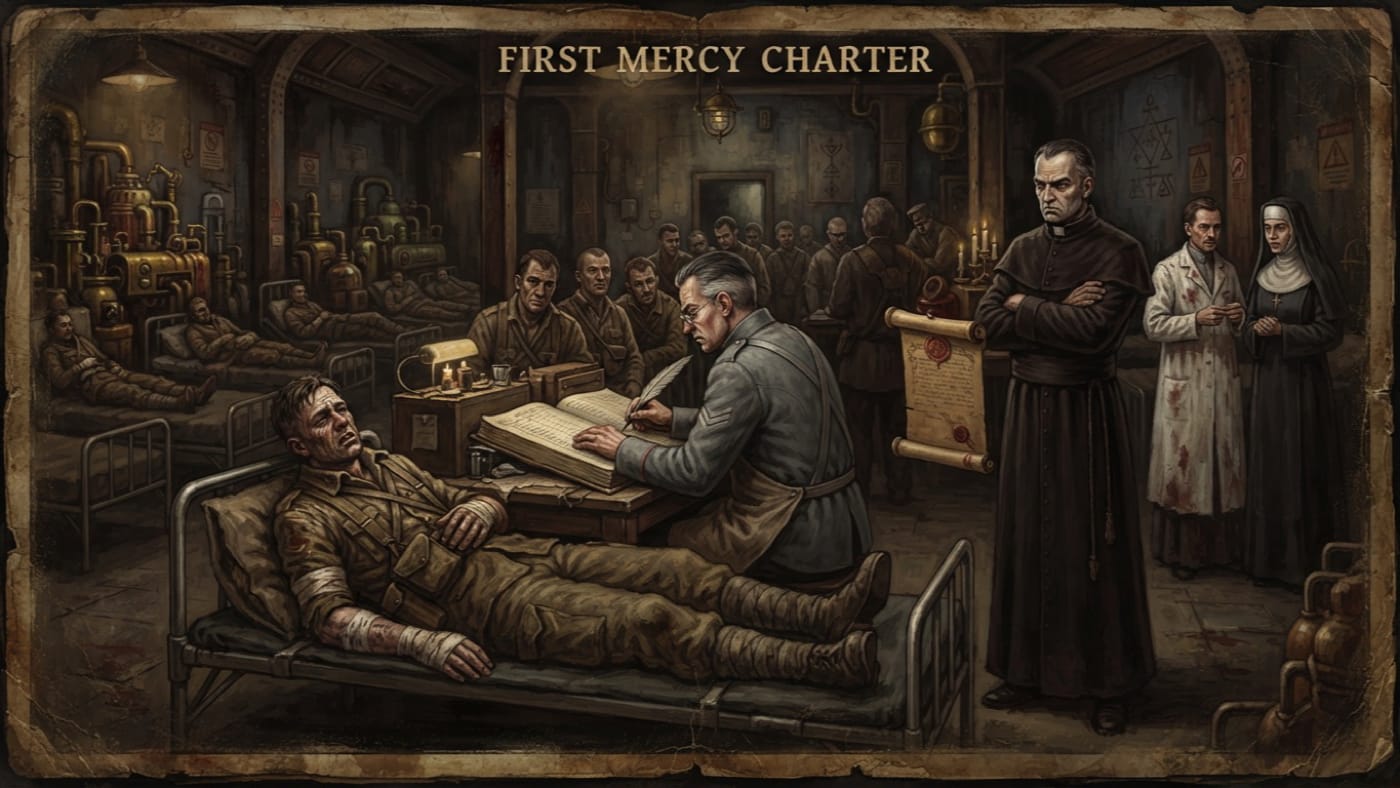
First Mercy Charter
The wound waits while the soul is put in order.
The First Mercy Charter of A.S. 92 conditions treatment on confession, absolution and acknowledgment of Providence. The body waits while the soul's paperwork is completed.
Codex Ref. XIII.1.92-092
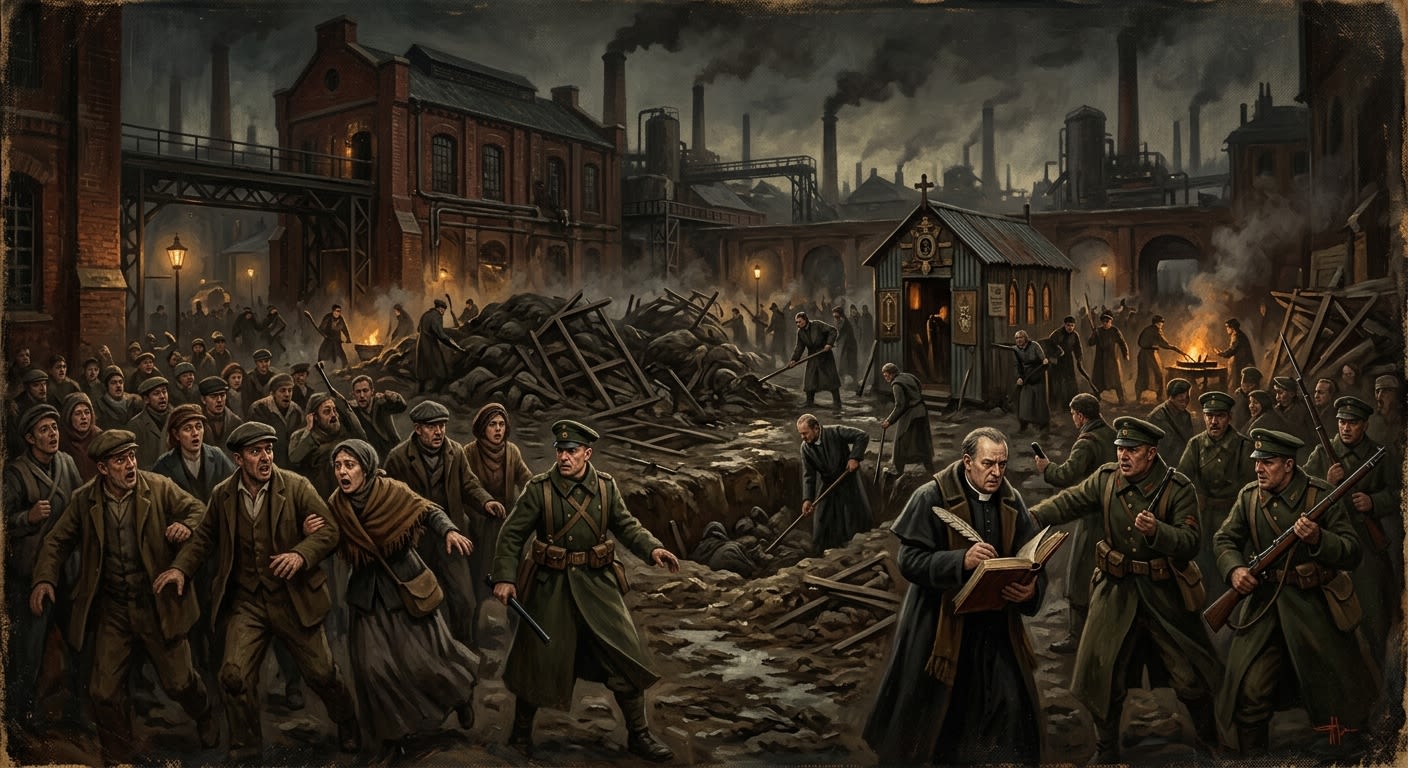
First Ossuary Panic
The dead spoke, and the Synod answered with a form
A.S. 78 Rhine corridor mortuary panic in which overcrowded pits began sounding after dark, forcing burial clearance, tariff-chapels, and the Dead-Goods Tariffer into law.
Codex Ref. VII.4.25-078
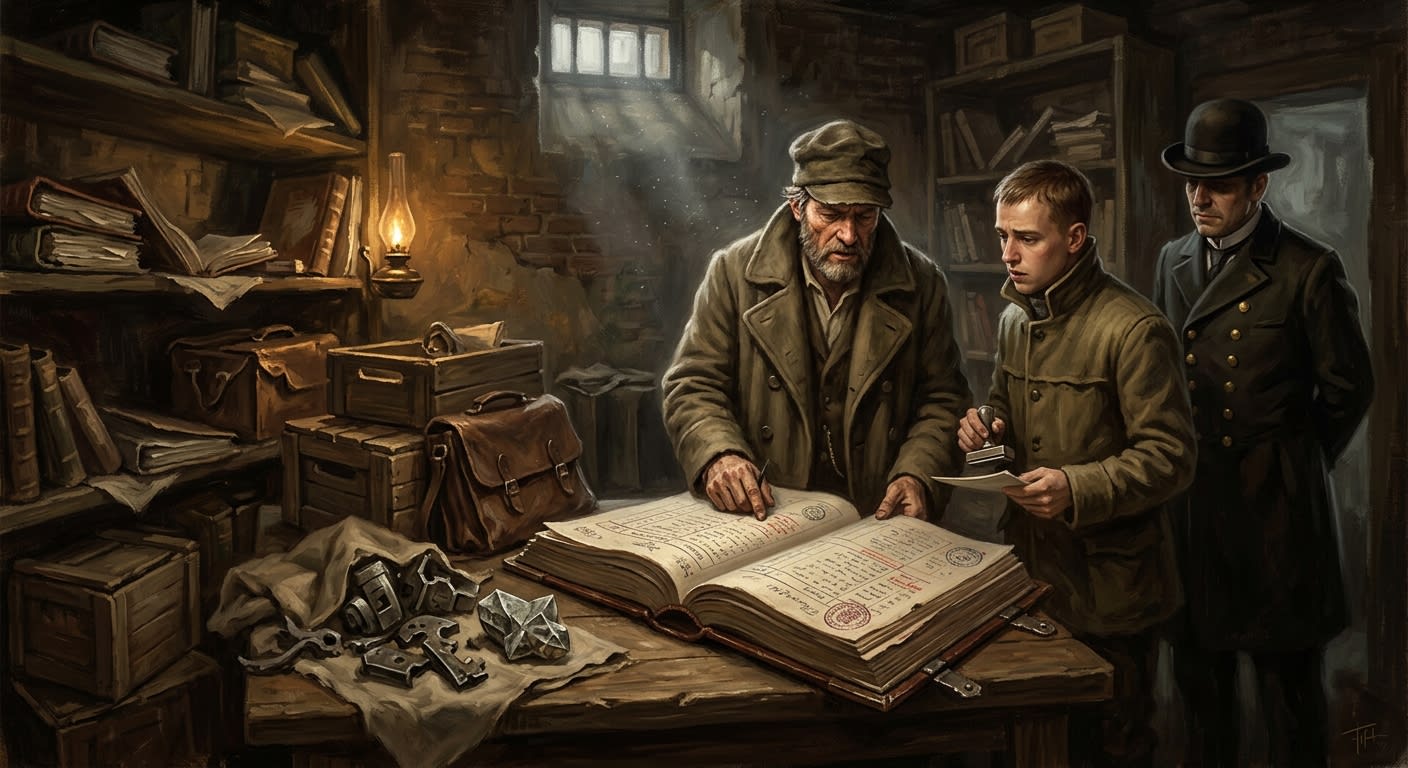
First Quake-Ledger A.S. 105
The rubble was counted, and therefore became guilty
A.S. 105 Records compilation that exposed unreported sacred recoveries from collapse sites and gave the Reliquary Salvager his first licensed leash.
Codex Ref. VII.8.10-092
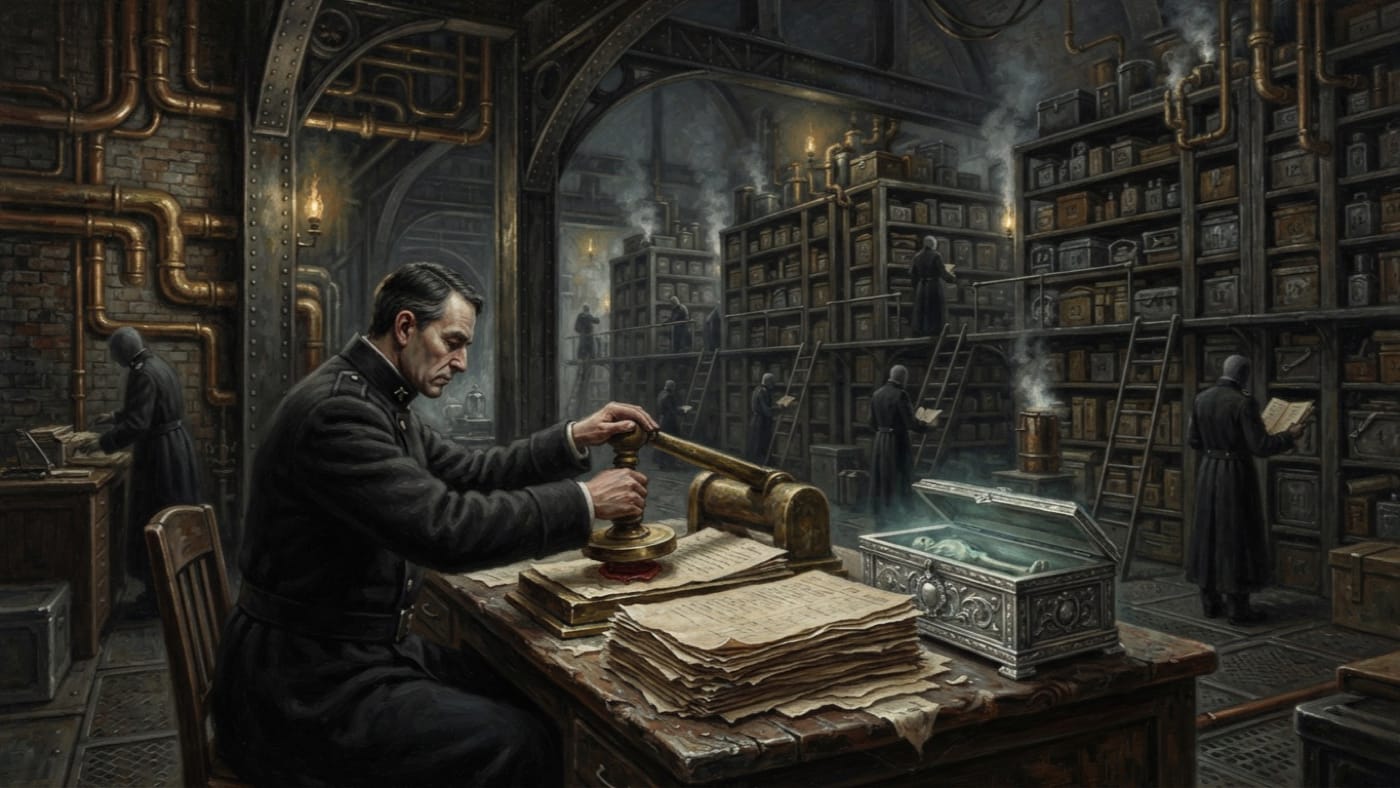
First Ratification of A.S. 92
The charter that gave a seal jurisdiction over the holy dead
The A.S. 92 ratification gave the Bureau of Relics custody, authentication, classification and distribution, making sacred standing a matter of seal. The bones were not consulted.
Codex Ref. VII.2.10-092
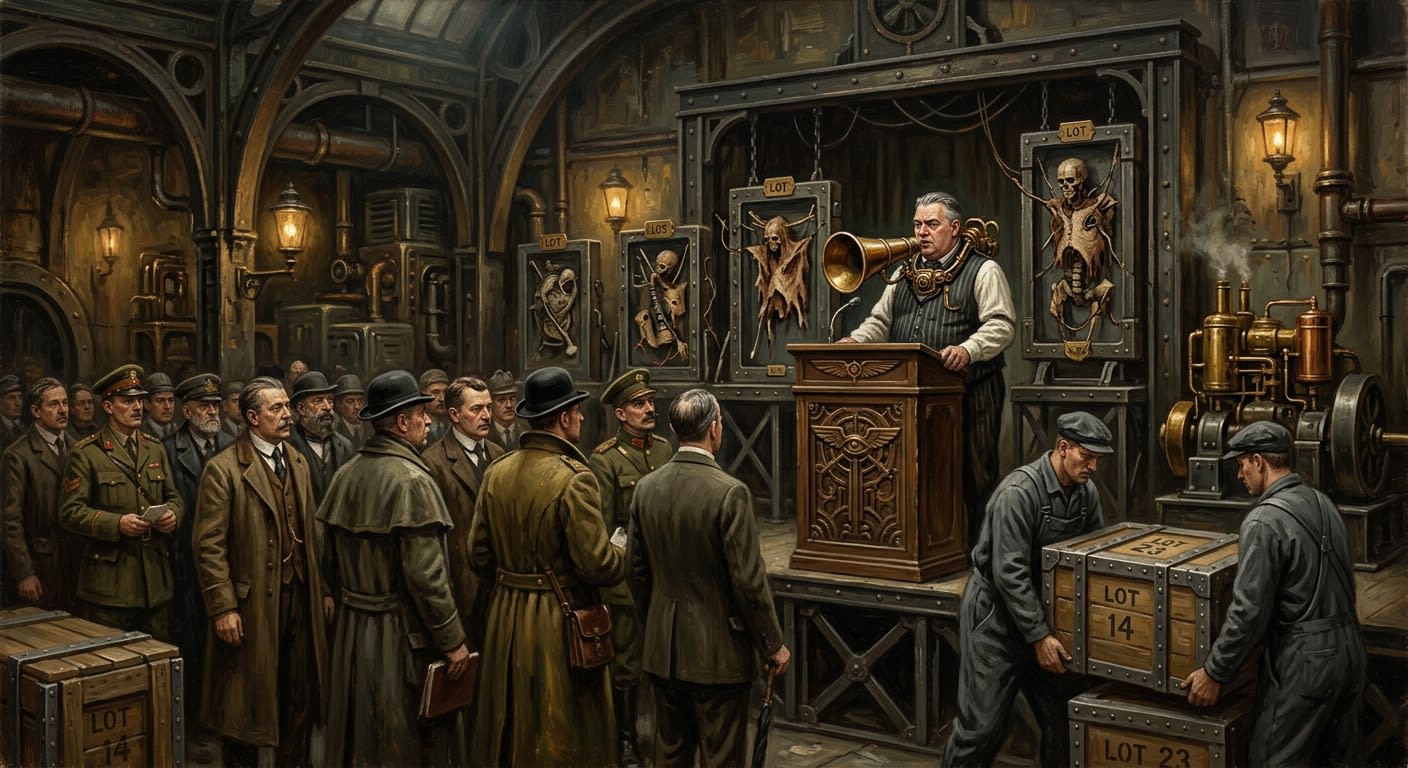
First Relic Auctions of Amsterdam
When the hammer learned to price a saint without blushing
Amsterdam's first relic auction season made sacrilege respectable by catalogue, turning stolen bones into lots and provenance wounds into profit.
Codex Ref. VII.8.10-007
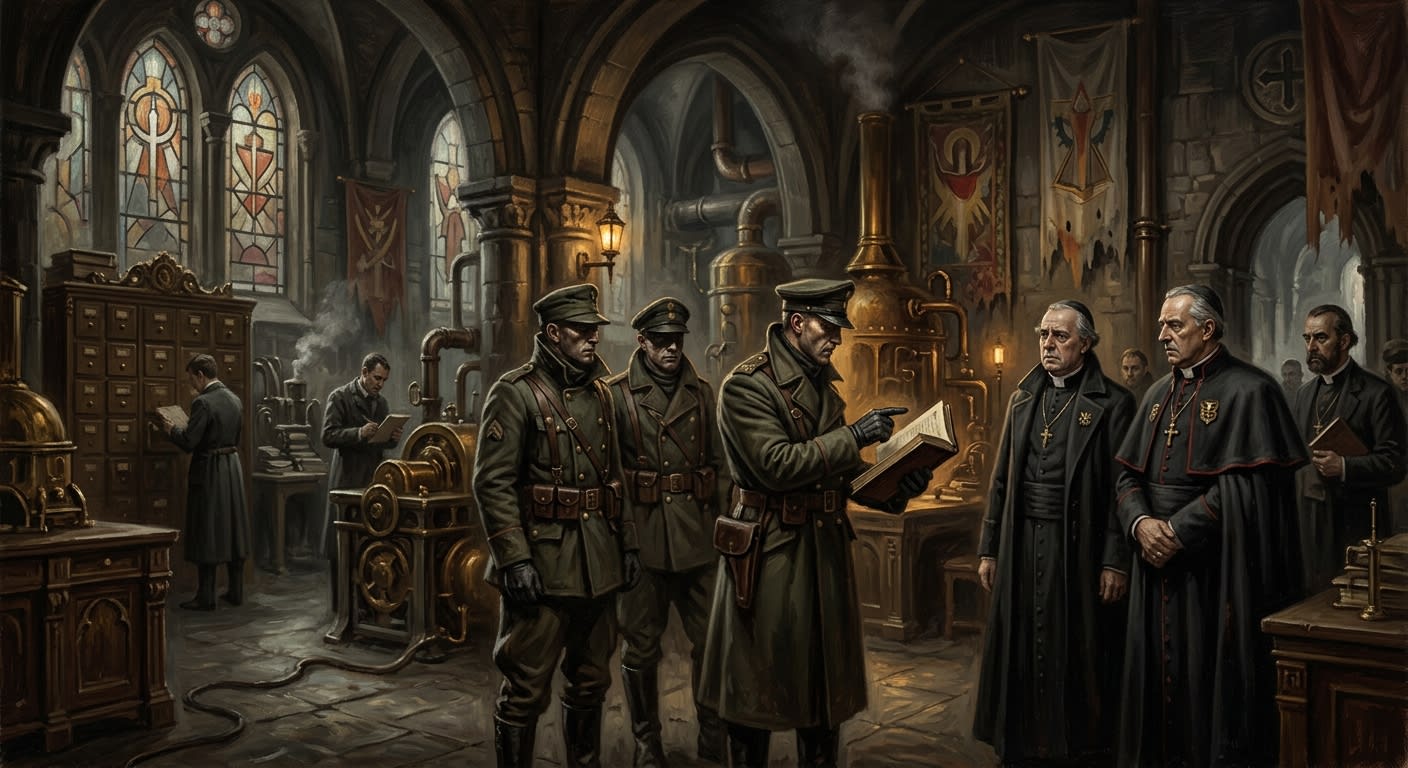
First String
The absent cord by which every correction fears being measured
The First String is the Cloister's officially absent prime cord: unindexed, unadmitted, and feared because origin with teeth makes every correction appealable.
Codex Ref. XIII.1.72-002
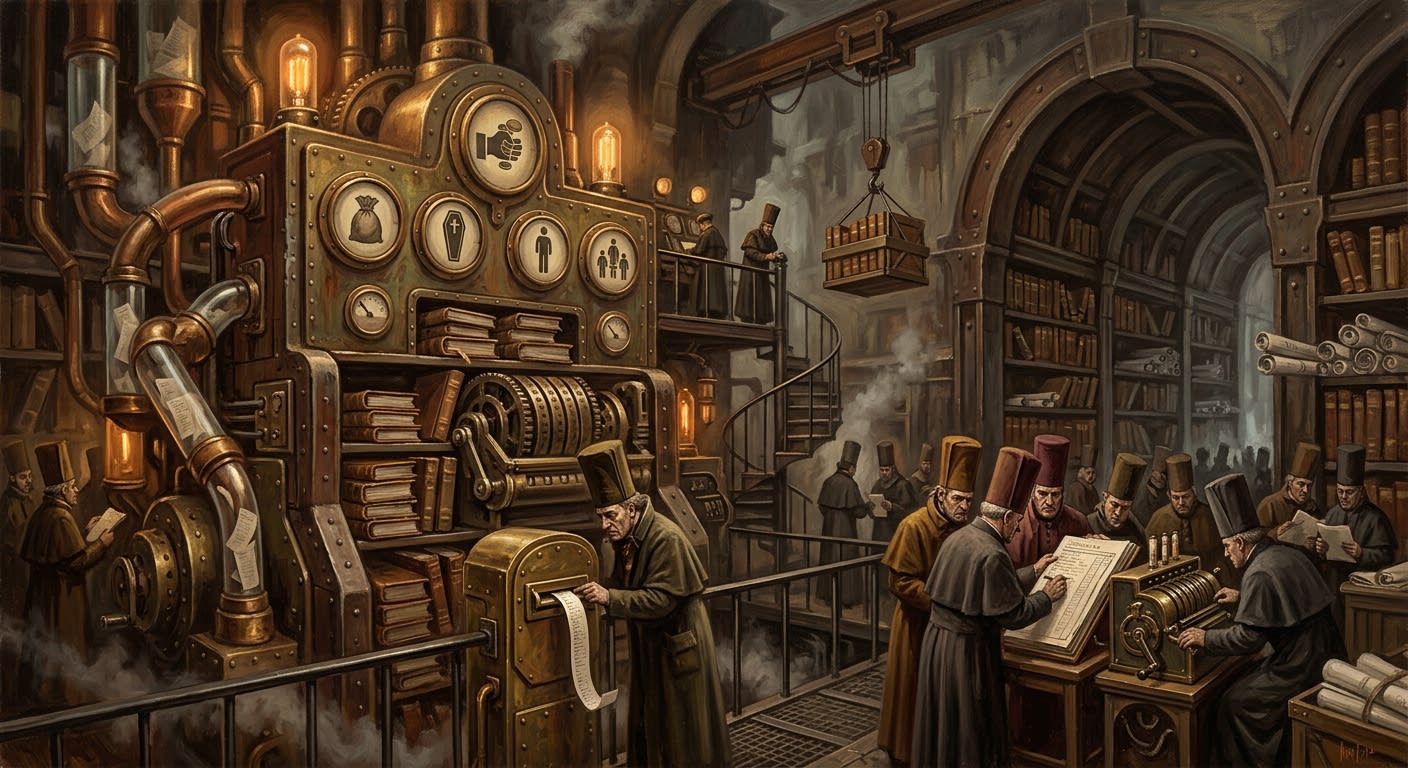
Fiscal Census
The mouth beneath the Ledger, still hungry after burial
The Fiscal Census is Tithes' continental obligation register: a vault-machine counting what the living, dead, unborn, and administratively inconvenient still owe.
Codex Ref. XIII.1.38-092
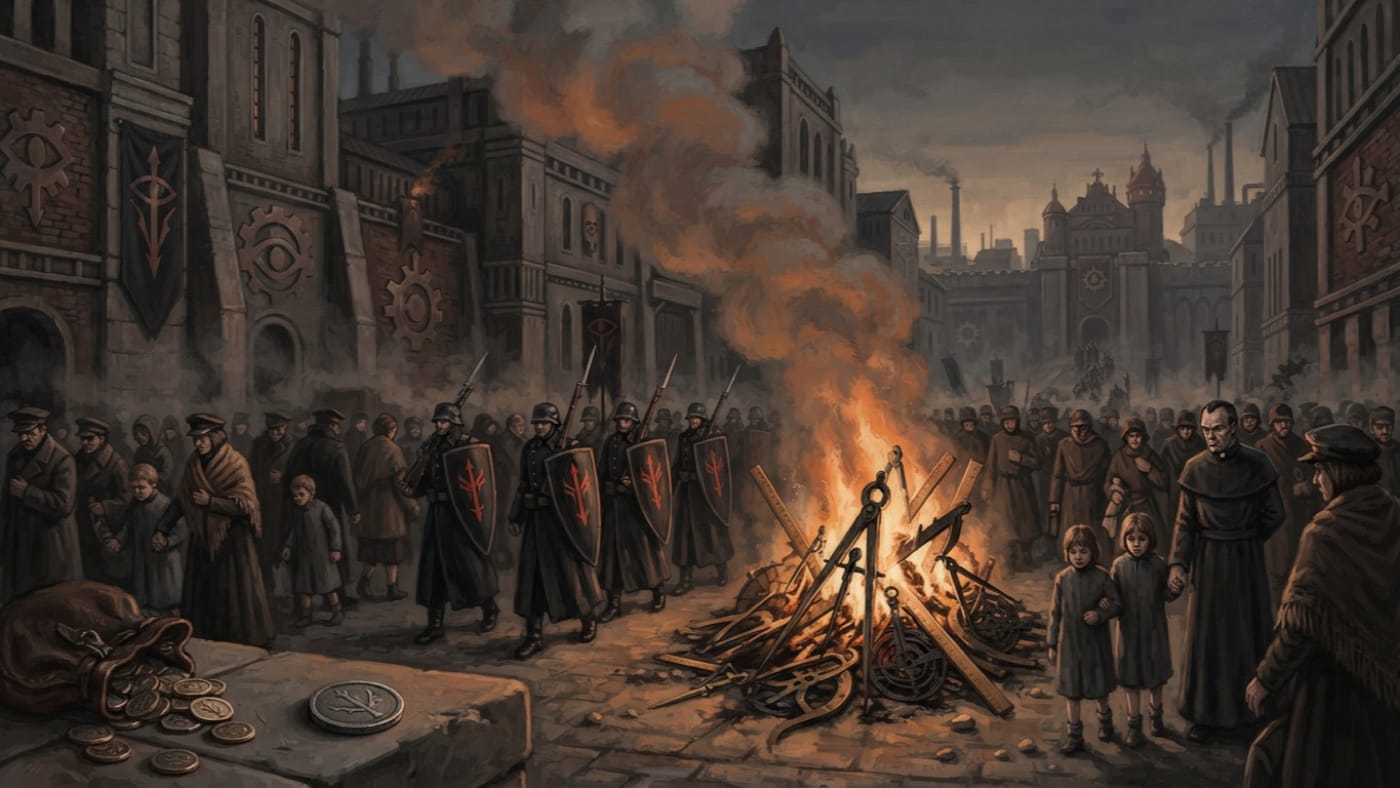
Flaming Sword
Permission has weight, and obedience has smoke
The Flaming Sword carries Synodal authority on coinage and lends its name to Strasbourg's burning of Rationalist instruments. I record its public uses; the emblem's origin remains unproved.
Codex Ref. XIII.1.03-001
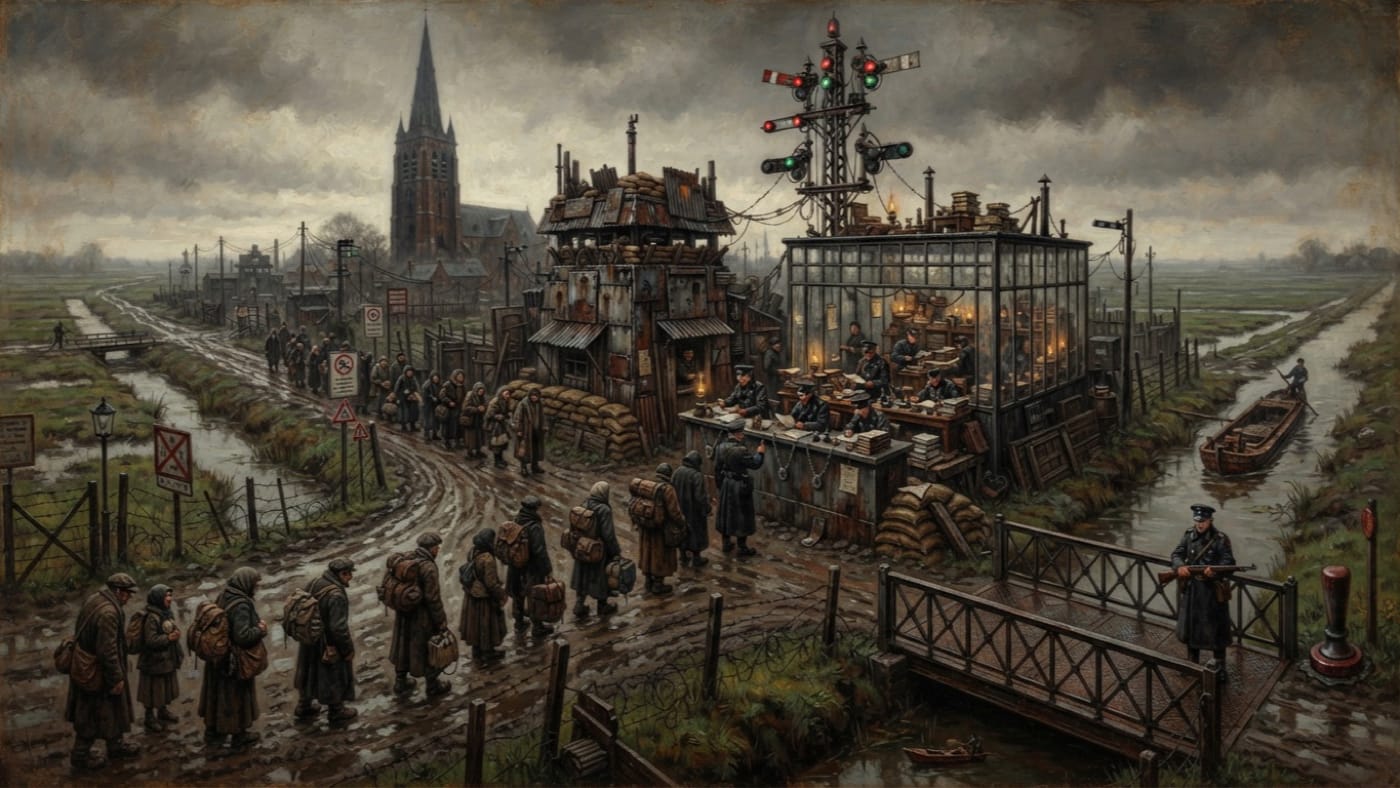
Flanders
Loyal. Damp. Licensed.
Flanders supplies pilgrims from the Synod's damp western parishes. The Brotherhood of the Blessed Foot once charged at the crossroads; the Bureau of Pilgrimage now publishes the fees and charges again for the walk home.
Codex Ref. II.1.07-201
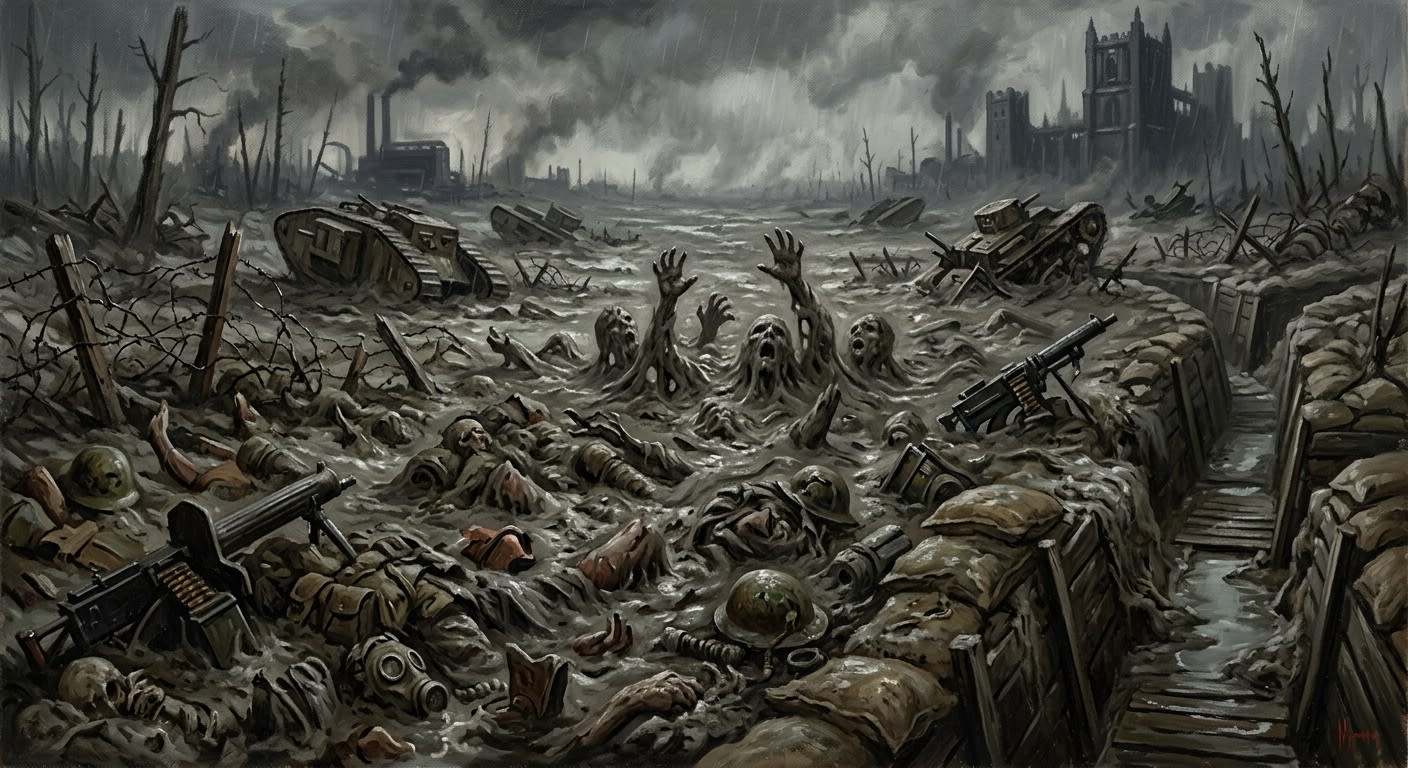
Flesh-Mud
The trench remembers what the grave failed to finish
Flesh-Mud is No Man's Land with appetite: trench mire made from rain, bone, grief, and the administrative failure to bury men separately.
Codex Ref. VI.2.01-004
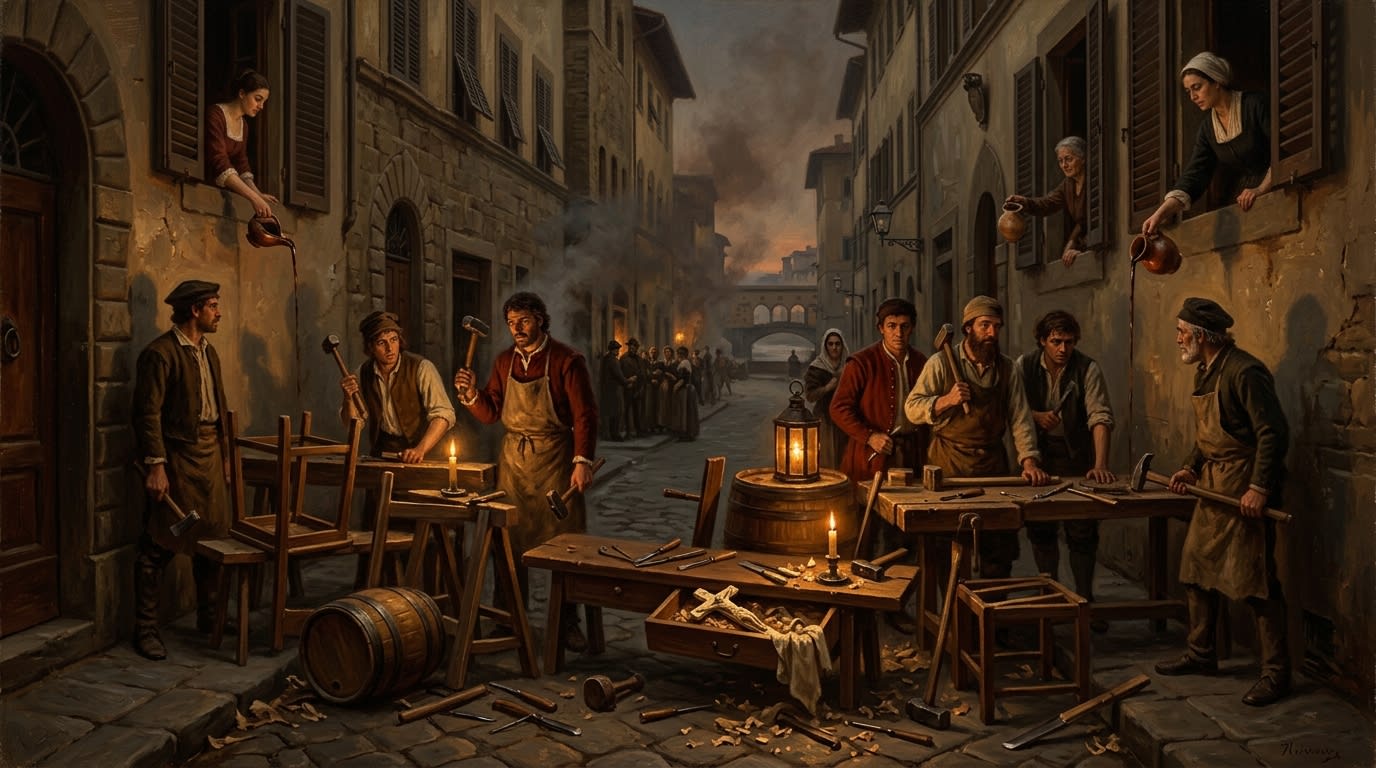
Florence
The city that taught drawers to keep the faith
Florence is the polished Tuscan wound where hidden crucifixes, artisan tools, and the A.S. 44 Ivory Revolt made small devotion sharper than empire.
Codex Ref. II.4.09-044
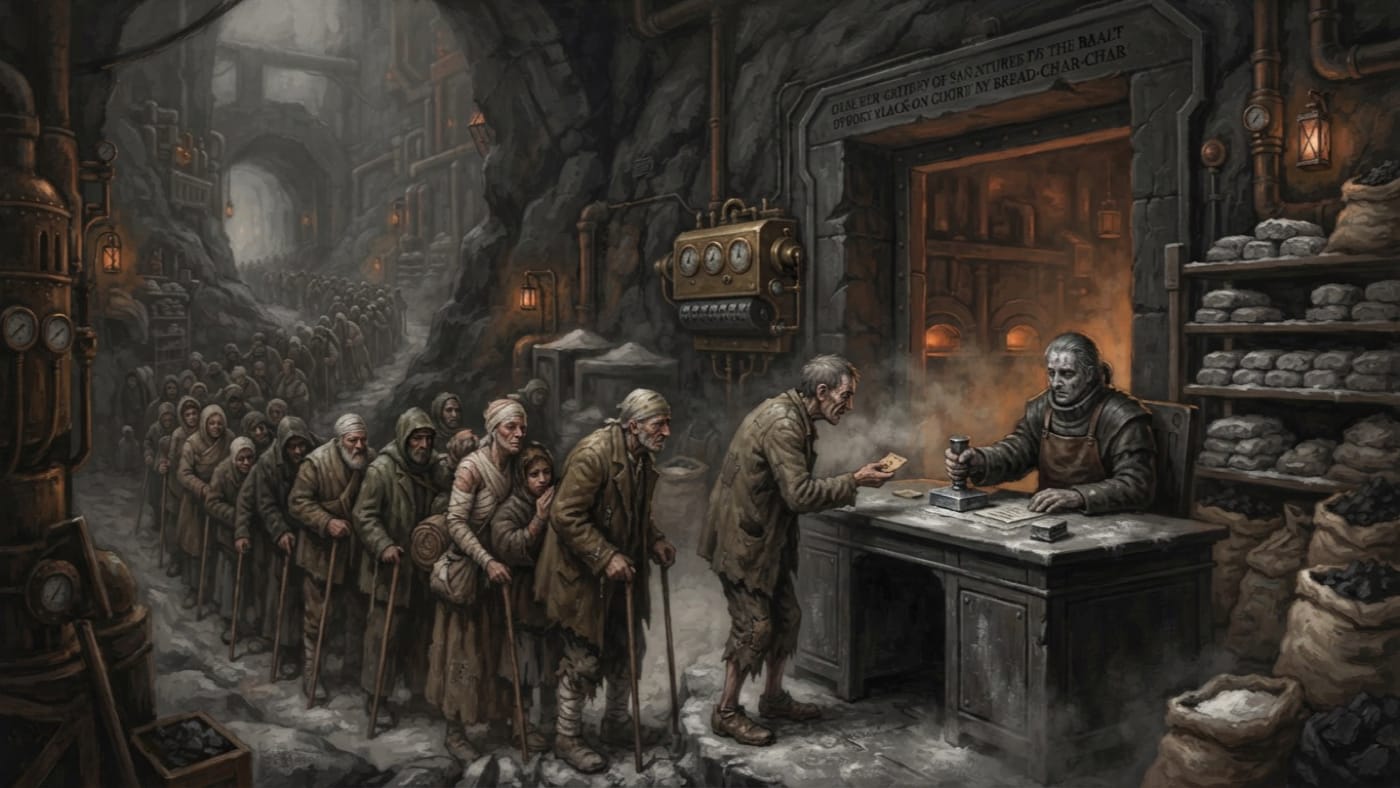
Flour Gate
One road, one ledger desk, one stamp that decides who eats.
San Vesta's ration gate, where a named bread token proves you exist and one clerk decides whether you eat. The flour convoy is three days late; Quartermaster Ashweight has begun the count.
Codex Ref. VII.1.03-002
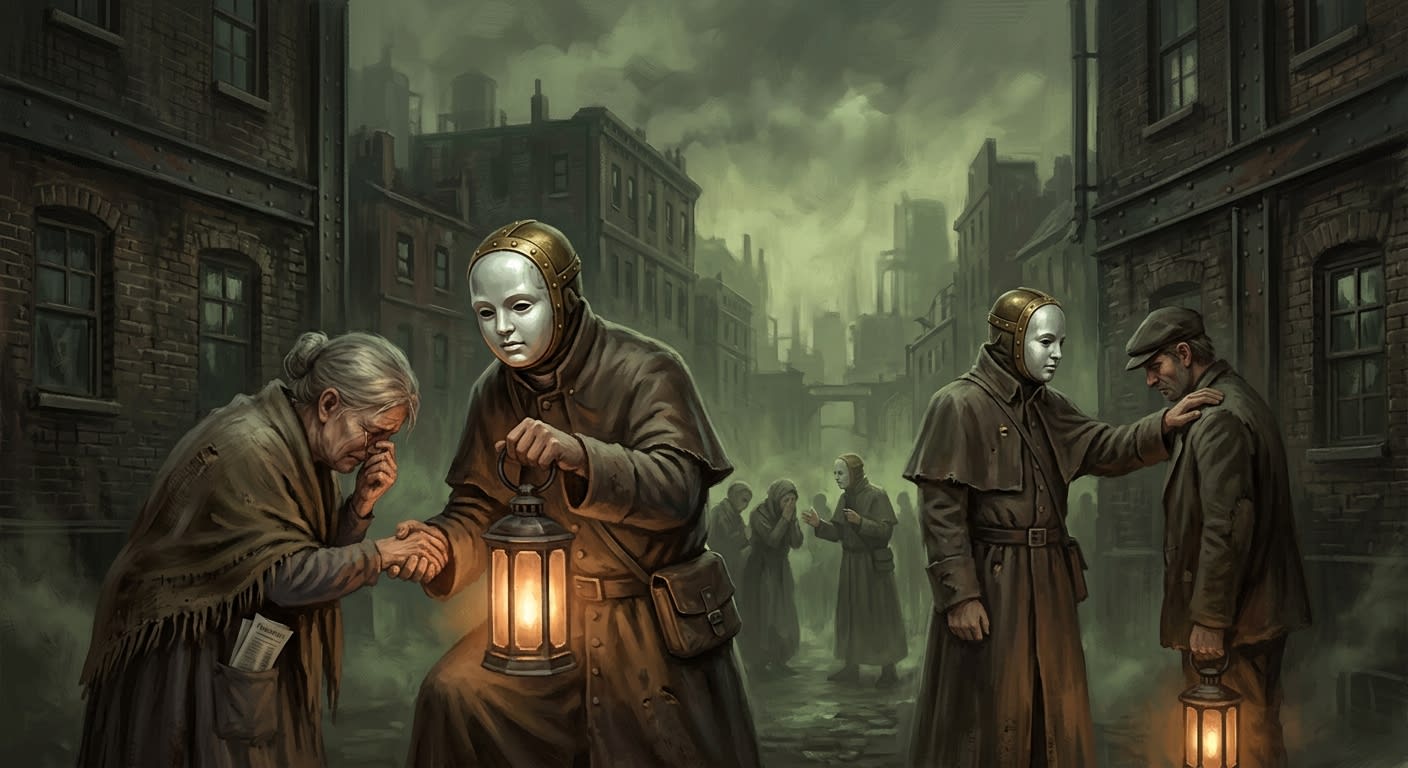
Fog Preachers
The sanctioned lantern is harmless; the unsanctioned throat is not
Street-facing Lantern Mercy operatives who wear the Licensed Consolator mask, calm public grief, and hide instructions inside comfort before Purity can quote them.
Codex Ref. XII.25.08-001
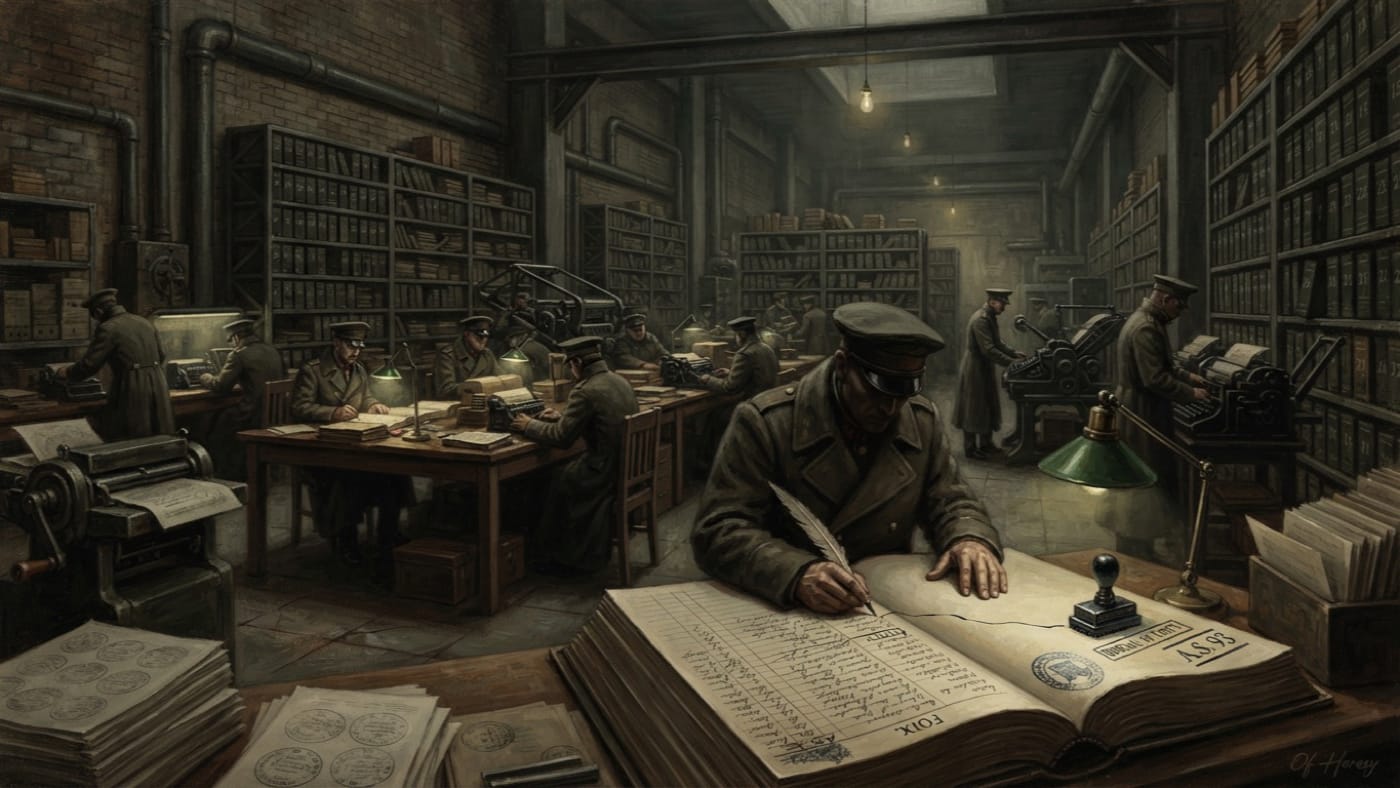
Foix
Named, included, not proved
Foix entered Purity's Toulouse file in A.S. 93 because Carcassonne named it. No local offence is cited. A town requires no proven guilt to become a permanent entry.
Codex Ref. II.1.09-010
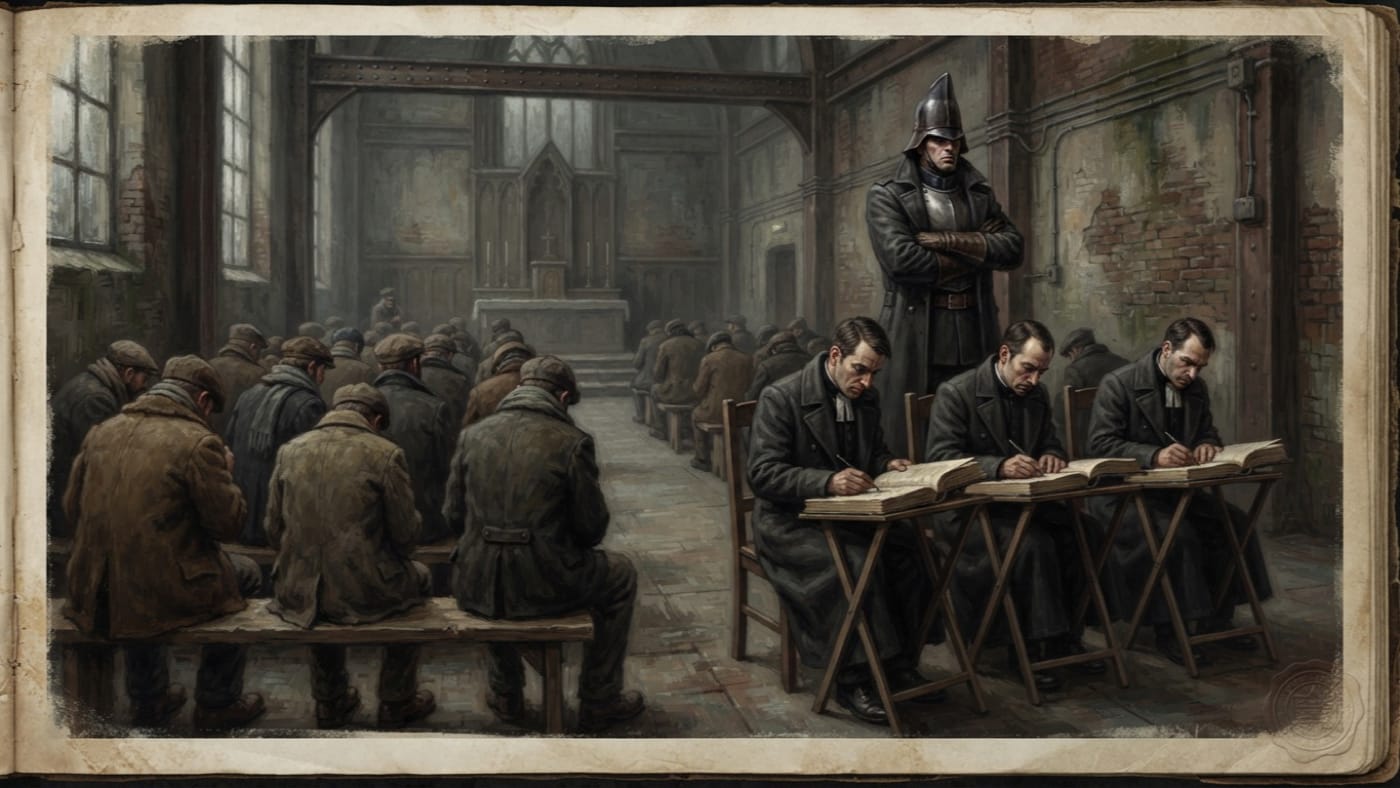
Foreign Church
Three Pens and a Lictor
In Strasbourg's River Quarter, worshippers outside Synodal obedience pray under three Confessors' pens and one Lictor's gaze. The prayers are permitted; the attention is unavoidable.
Codex Ref. III.2.01-1125
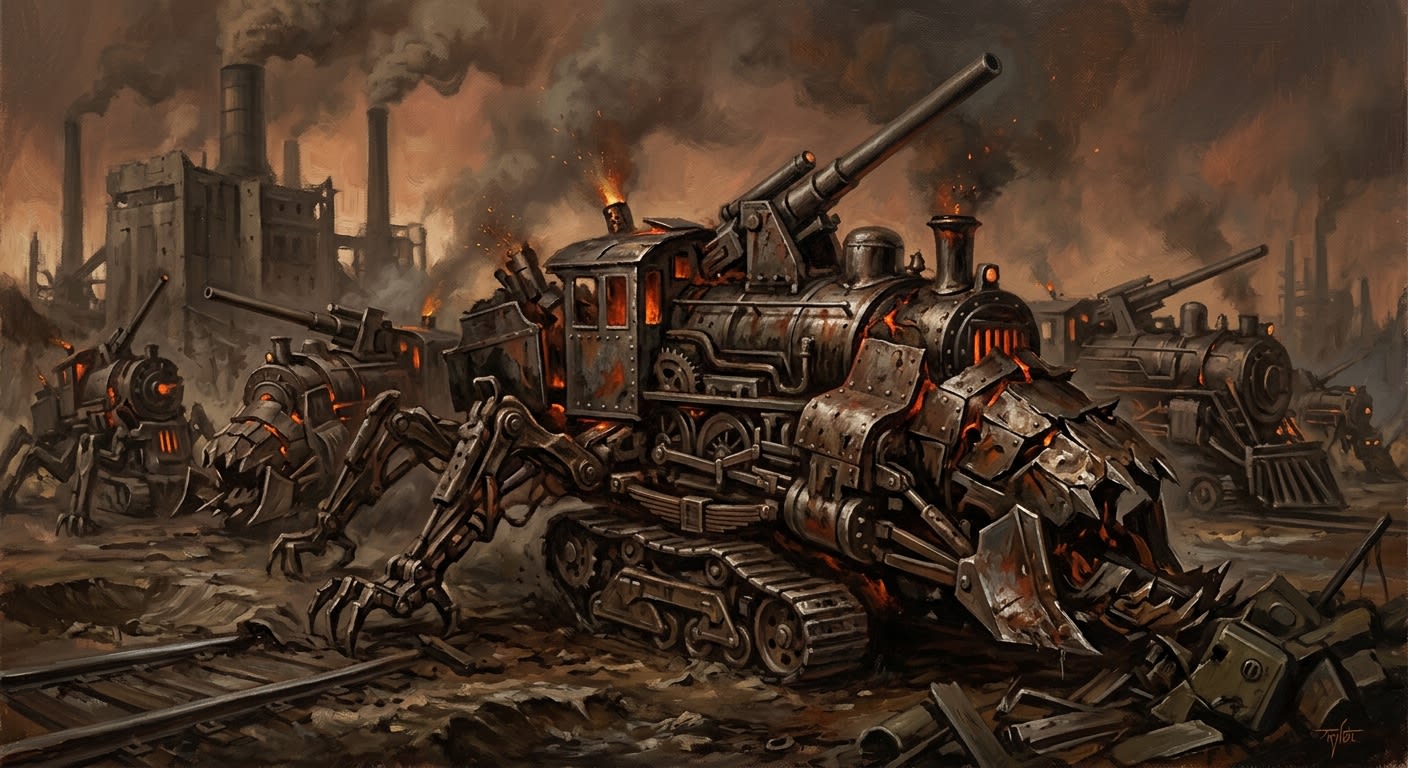
Forge-Beasts
The siege engine that learned appetite from Wrath
Forge-Beasts are Maldrake’s corrupted siege engines: captured Synod iron given appetite, crew-memory, heat, and enough hatred to keep moving.
Codex Ref. IV.1.07-010
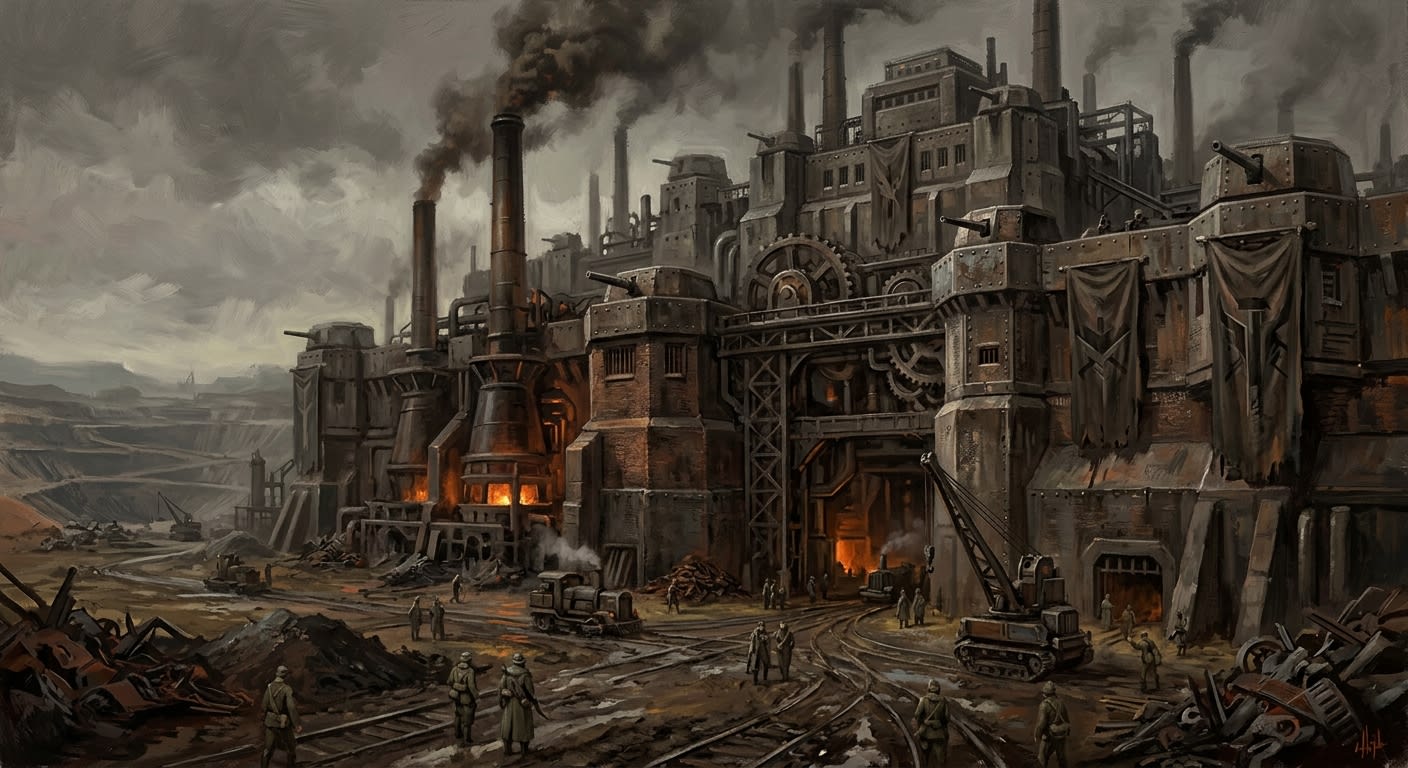
Forge-Pyre Bastion
The citadel that hammers distance into a theological inconvenience
The Forge-Pyre Bastion is Maldrake's unmeasured forge-citadel in the Iron Wastes, where Wrath manufactures walls, weapons, and reasons to hate.
Codex Ref. II.6.03-046
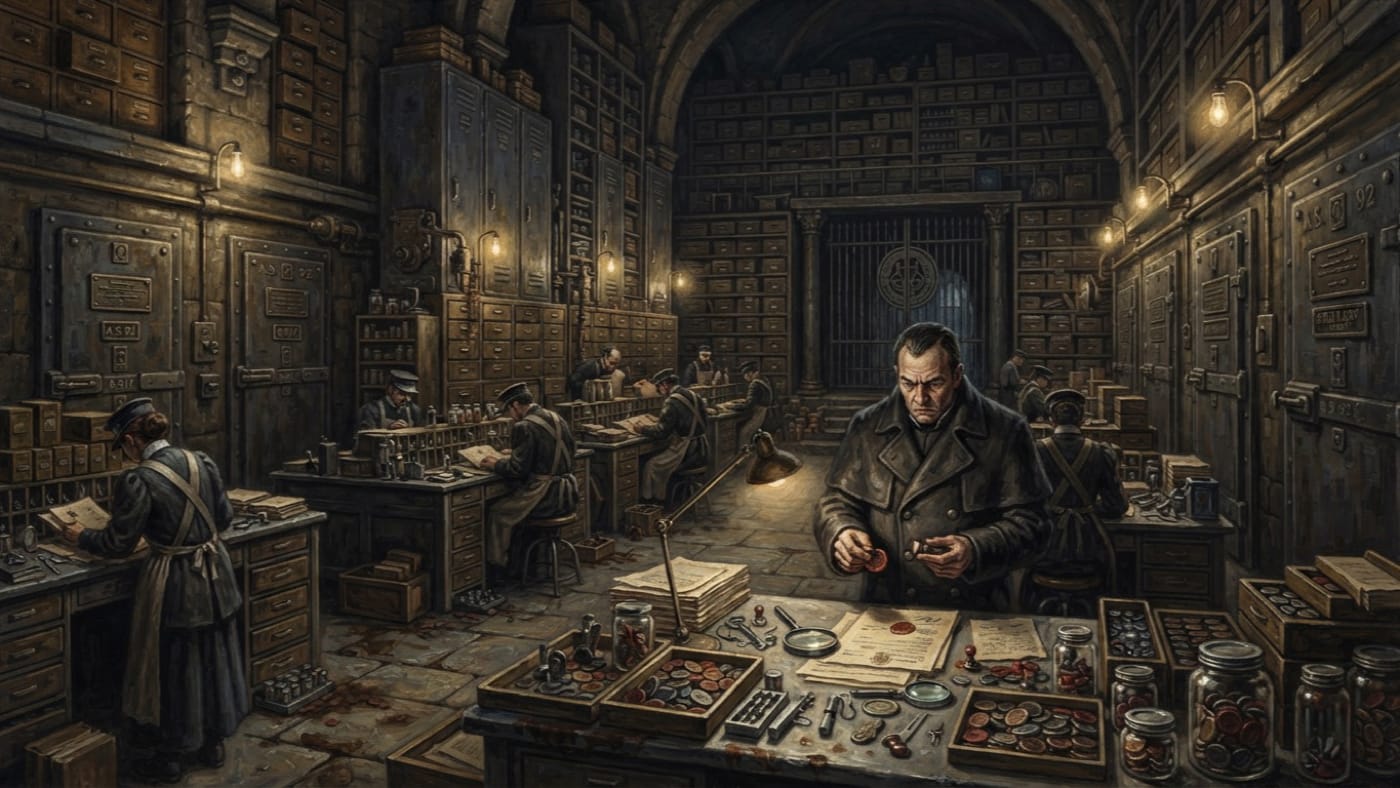
Forgery Archive
Every false impression needs a genuine stamp.
The Forgery Archive keeps 8,917 confiscated counterfeits beneath Strasbourg Cathedral, each certified as false. The Bureau of Masks and Seals publishes the count; the collection remains sealed.
Codex Ref. II.2.06-007
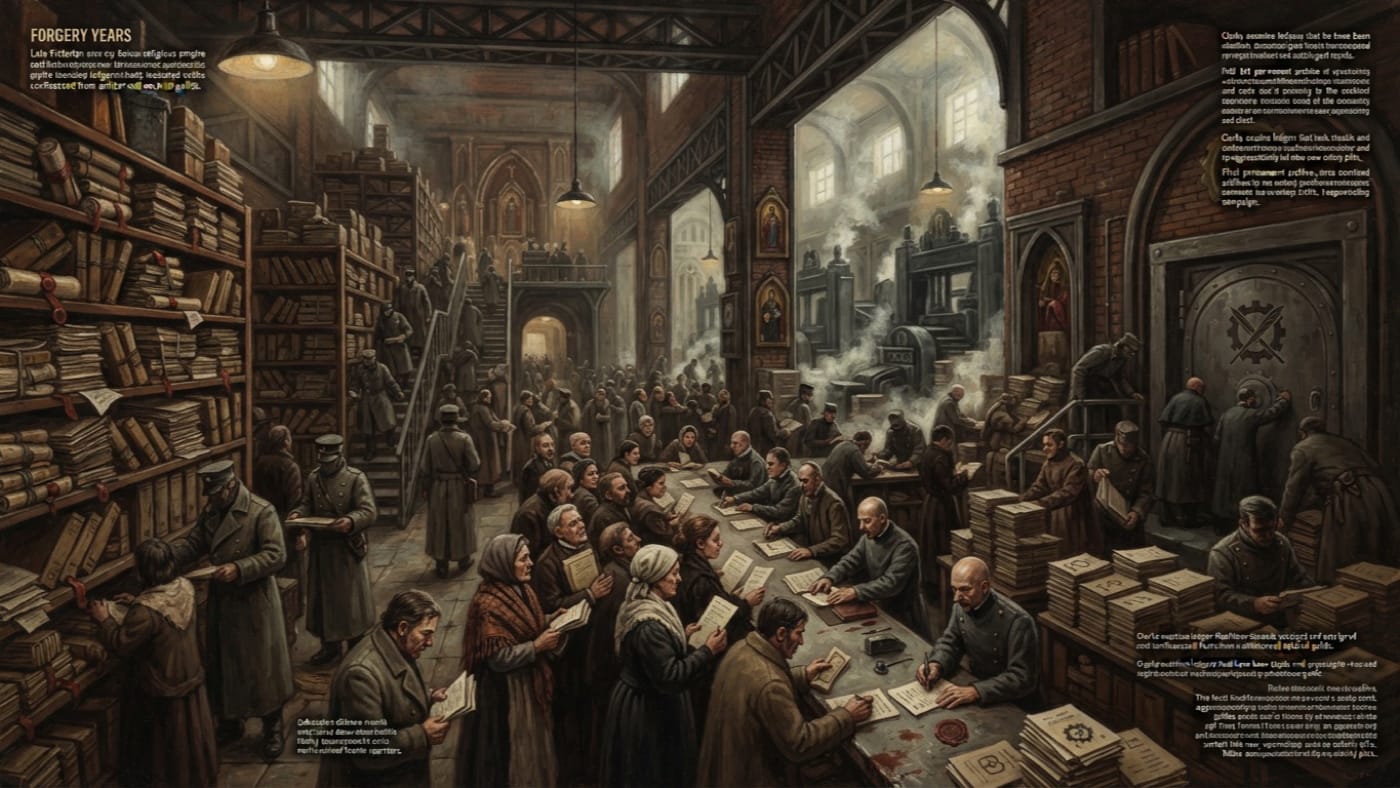
Forgery Years
The promises were suspended. The filing fees were collected.
An A.S. 201 survey of the fraud epidemic following the Oaths charter of A.S. 92. Strasbourg answered false bonds with licensed Witnessers and re-registration; the Bureau reports that the fees paid for its first permanent archive.
Codex Ref. VII.8.11-1133
Forward Heartlands
The held breath behind the gunline
Zone 3 is the Synod's forward heart: Prague's corrected beauty, Bratislava's damp throat, Budapest's divided engine, Warsaw's teeth, Sofia's hard face, and every ugly town that keeps the Line fed.
Codex Ref. II.3.00-201
Forward Staging Point Kessler
One morning attested. The ground awaits its own file.
A trench-depot three miles behind the wire south of Bastion-Irongate, attested at Commission 73-C's muster on 14th Martius, A.S. 73. Three hundred were authorized to depart. The depot's foundation and present condition remain unrecorded.
Codex Ref. II.4.08-073

Founding Instruments
Five verbs gave one Bureau the brass.
The Founding Instruments of A.S. 92 grant Masks and Seals control of official authentication. Article XVII is cited exactly; the full text is absent from this file. The sub-clause still makes paper binding.
Codex Ref. XIII.1.17-092
Foundry Archive
Engineering keeps what the Synod stands on
On Strasbourg's eastern canal, Engineering keeps the papers the Synod stands on. Its Archive exceeds Cathedral tolerances; Doctrine has twice failed to move it.
Codex Ref. II.1.04-005

Foundry Core
Where steel learns obedience and the floor answers back
The Foundry Core teaches steel to sing, workers to burn, ledgers to blame, and the floor beneath hymnsteel to answer in the wrong voice.
Codex Ref. II.2.01-110
Fourteenth Doctrinal Congress
Matter protested; the seal prevailed
The A.S. 147 Congress that made authenticated contradiction obedient, ratifying the Femur Principle and Kargath's consumption taxonomy in the same week.
Codex Ref. XIII.1.90-147
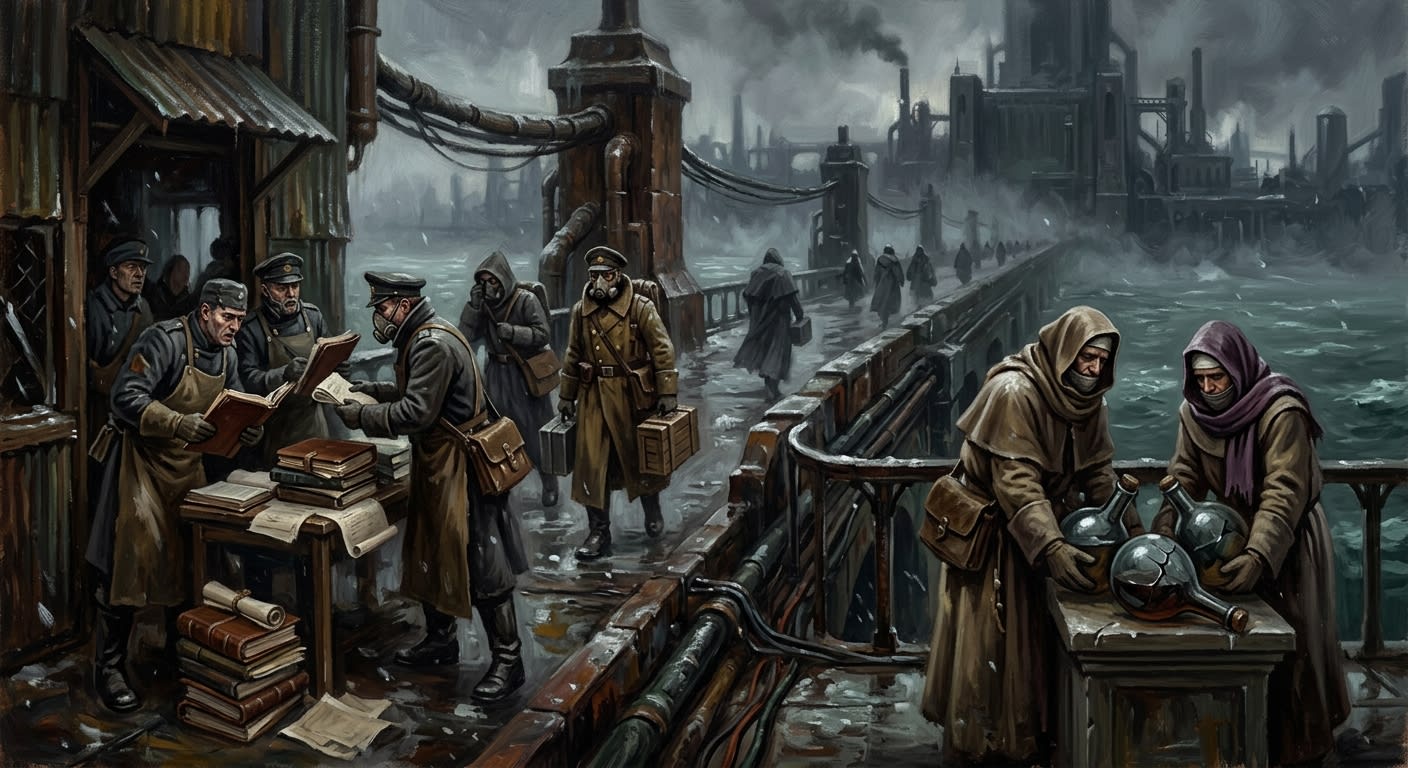
Fourth Causeway Anomaly
Where ice refused the Bureau and grief kept its own accounts
On the Brielle spur of the Salt-Vigil Causeways, winter water refused to freeze, tear-phials grew heavier, and every Bureau discovered a different invoice.
Codex Ref. XIII.1.24-001
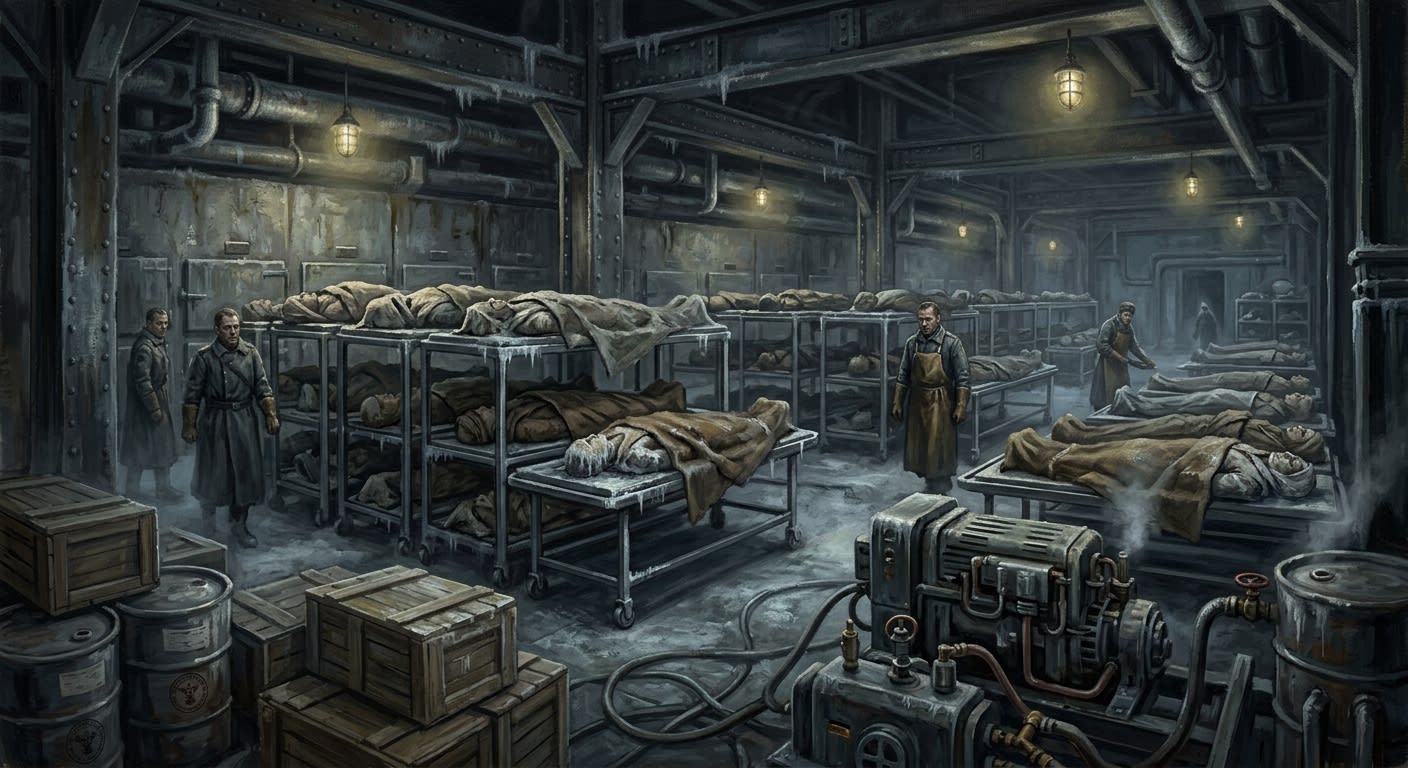
Frost Yards
Where Königsberg stores bread, bullets, bodies, and one useful wrongness
Restricted cold-store and mortuary district inside Bastion-Königsberg, where supplies keep, bodies wait, and the dead have learned a northeast preference.
Codex Ref. II.4.08-201
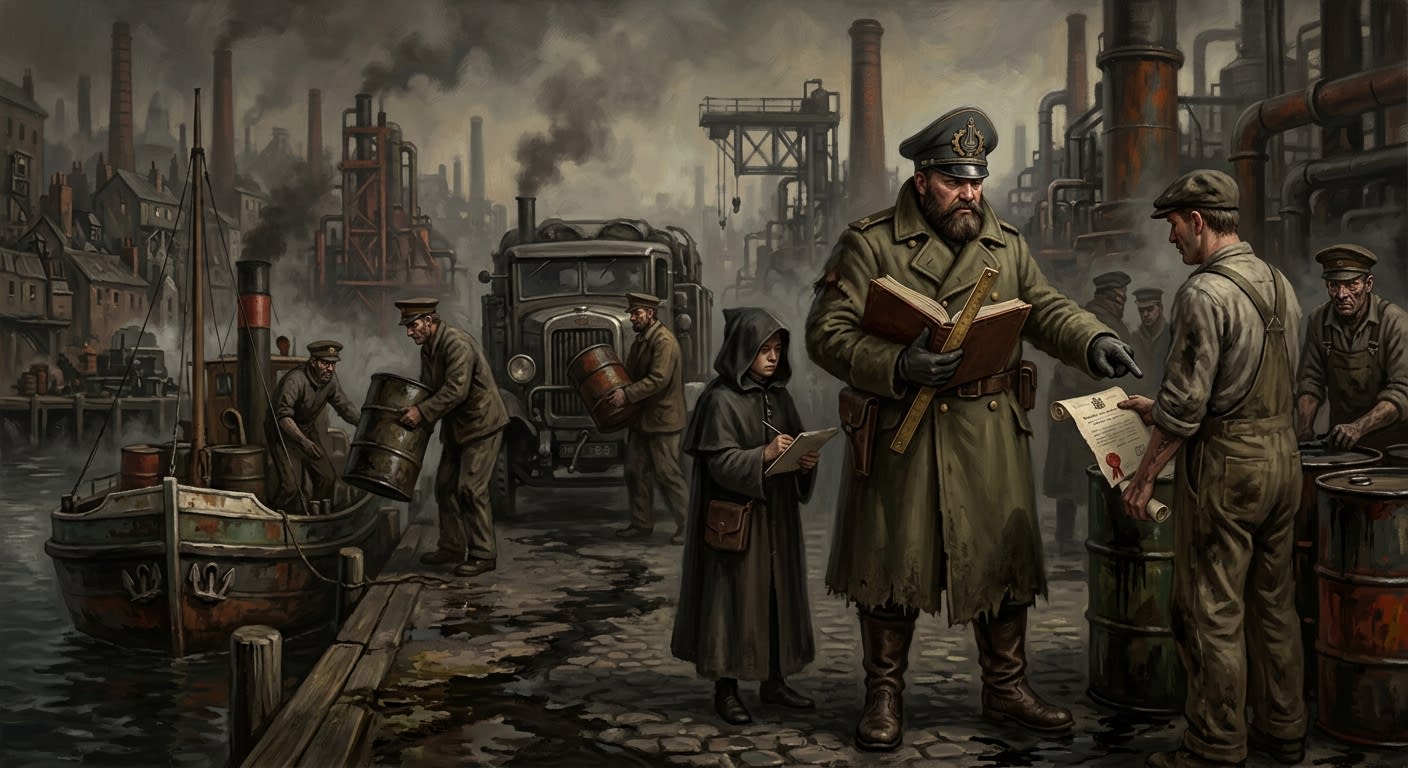
Fuel Monopoly Acts
The statute by which heat learned to kneel before a tariff table
A.S. 112 legal doctrine placing wound-site fuel, drums, charters, workers, accidents, and heat itself beneath Synodal licence and tariff.
Codex Ref. XIII.1.92-112
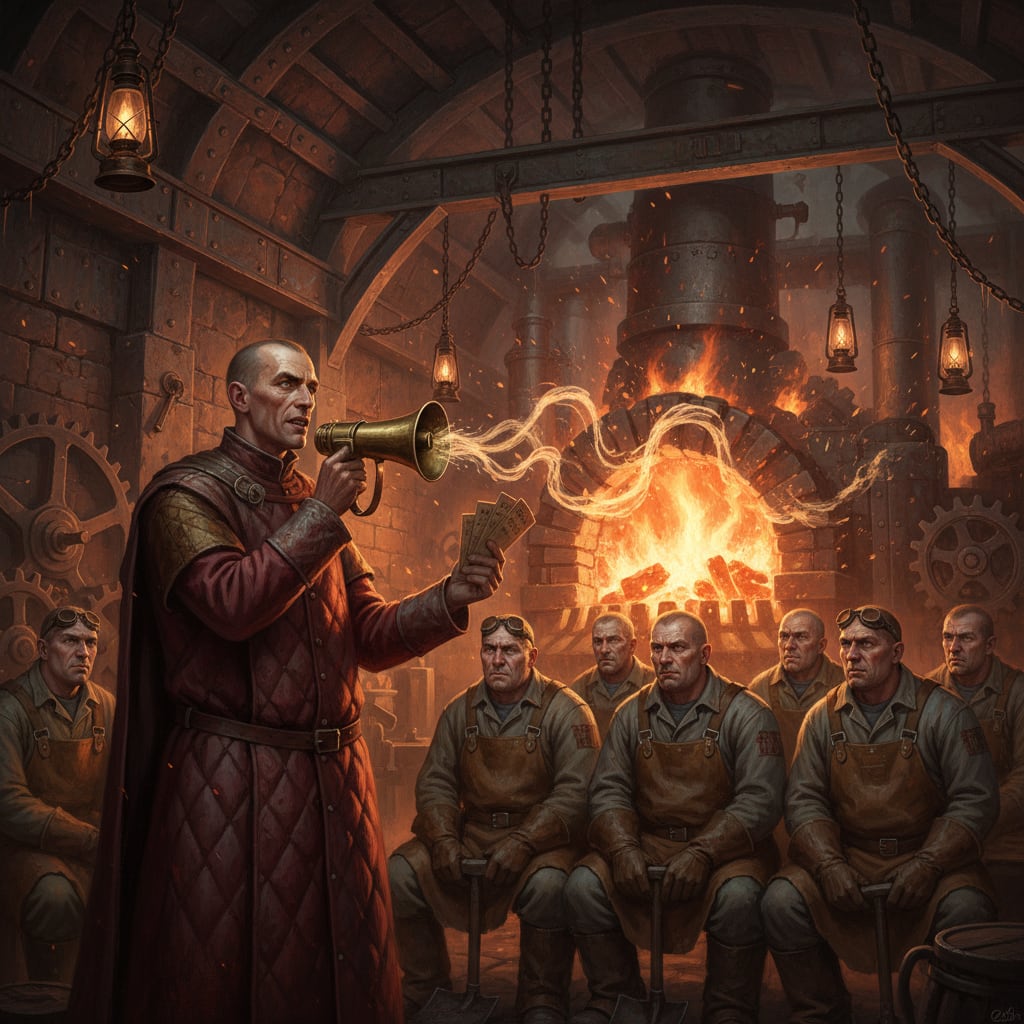
Furnace Catechist
On those who preach the Chain of Cause to men who know perfectly well why the furnace roars — and why neither party will say so aloud.
The Bureau of Doctrine's industrial clergy — stationed in every bastion powerhouse to preach that fire burns by divine permission rather than chemistry. Three thousand four hundred Catechists, two factions, and one question no one will authorise an answer to.
Codex Ref. XII.18.01-001
Furnace Chapterhouse of Saint-Combust
The explosion received a feast day; the furnace received priests
The Furnace Chapterhouse of Saint-Combust tends Brast's Chrismole Crown, where an explosion became a saint and maintenance learned to wear vestments.
Codex Ref. VIII.6.04-001
Furnace-Hardliners
Mercy at scale, counted in drums, pumps, kitchens, and bodies
Furnace-Hardliners are the industrial-priority faction of Hidden Pipe-Runners, feeding kitchens, pumps, engines, and trenchline furnaces with illicit black diesel.
Codex Ref. XII.3.04-001
Furnace-Marshal Kord
The man who schedules heat as if hunger were a hymn
Furnace-Marshal Kord holds Essen's Engine chair, ruling heat by schedule, labour by hunger, and every cracked hymnsteel throat as somebody else's fault.
Codex Ref. III.2.01-152
Furrow of Pest
A ditch with paperwork, until the ground corrected the song
The wound-site rupture of A.S. 152 that killed thirty-seven workers, sent wrong flame through the southern fuel line, and forced the Gasket Hymn Reform into law.
Codex Ref. VII.8.10-153

Garrison-Prior Aldric Venn
He saved the crates, which is how saints survive the road
Garrison-Prior Aldric Venn commanded Saint Stephen's defensive precinct during Vienna's Great Retreat withdrawal, completed the relic manifest, and vanished into the road.
Codex Ref. III.2.01-154
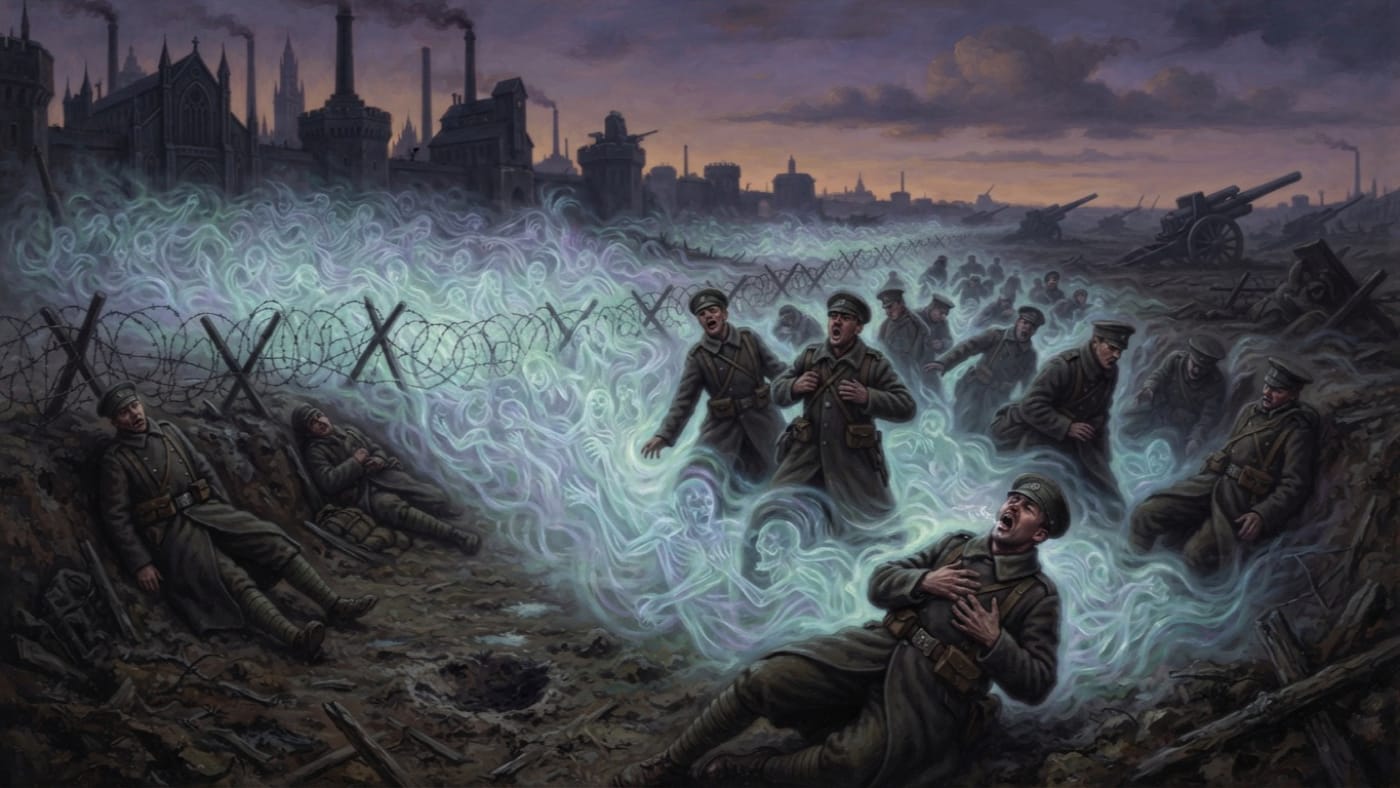
Gas That Sings
The Breath Spent in Song
I have seen No Man's Land's singing mists press wordless hymns from lungs until they burst. The Bureau of War's A.S. 197 survey records the danger; its origin, chemistry and remedies remain unknown.
Codex Ref. VI.2.01-006

Gasket Hymn Reform
The seal must be sung, because the wound has learned to answer
The A.S. 152 reform that turned wound-site sealing into mandatory sung procedure after the Furrow of Pest killed thirty-seven workers and sent wrong flame through the southern corridor.
Codex Ref. VII.8.10-152
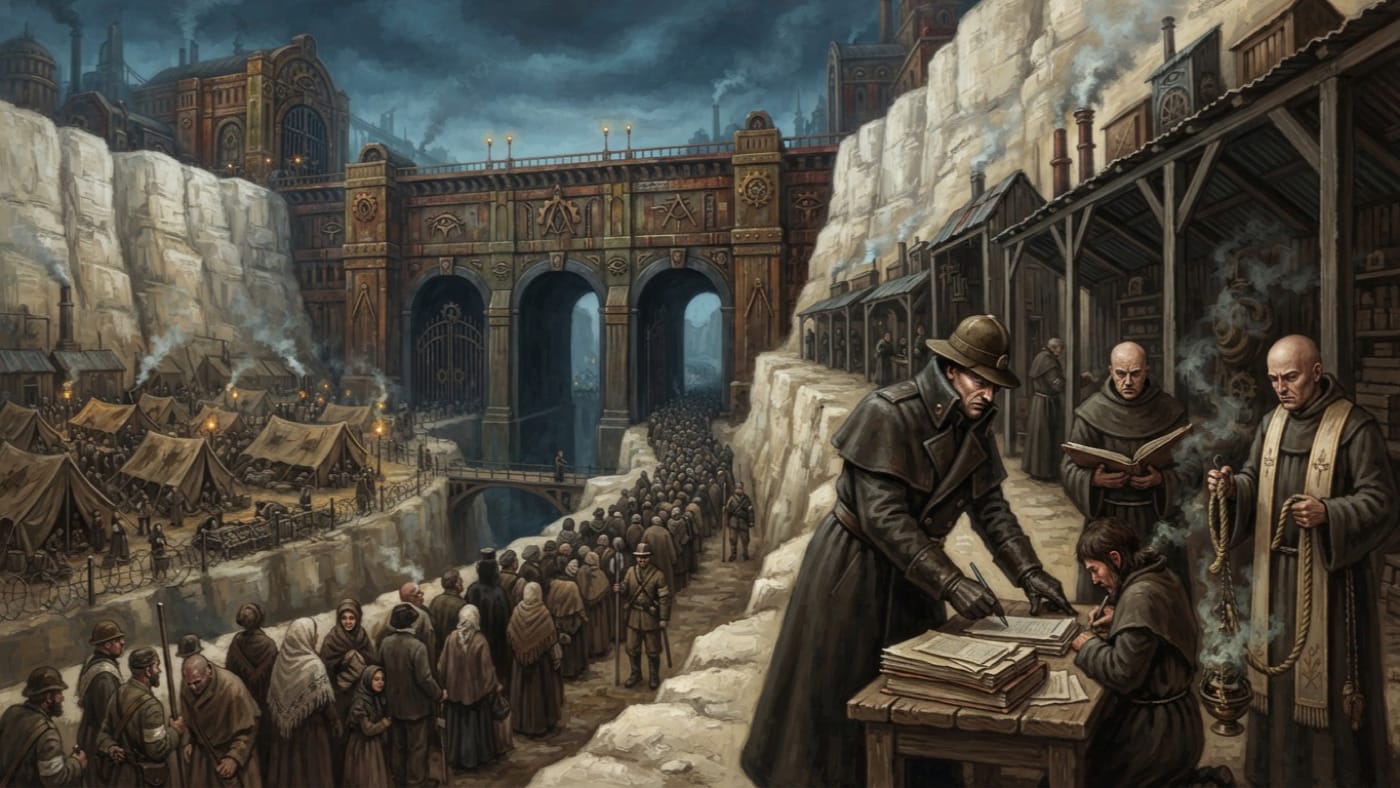
Gate Chapter of Griefgate
The brokers run the Exchange; the Chapter runs the doubt
The Synod's ecclesiastical co-steward of Griefgate certifies passage, raises doubt flags, and turns detention into labor. The brokers run the Exchange; the Chapter runs the doubt.
Codex Ref. II.1.04-002
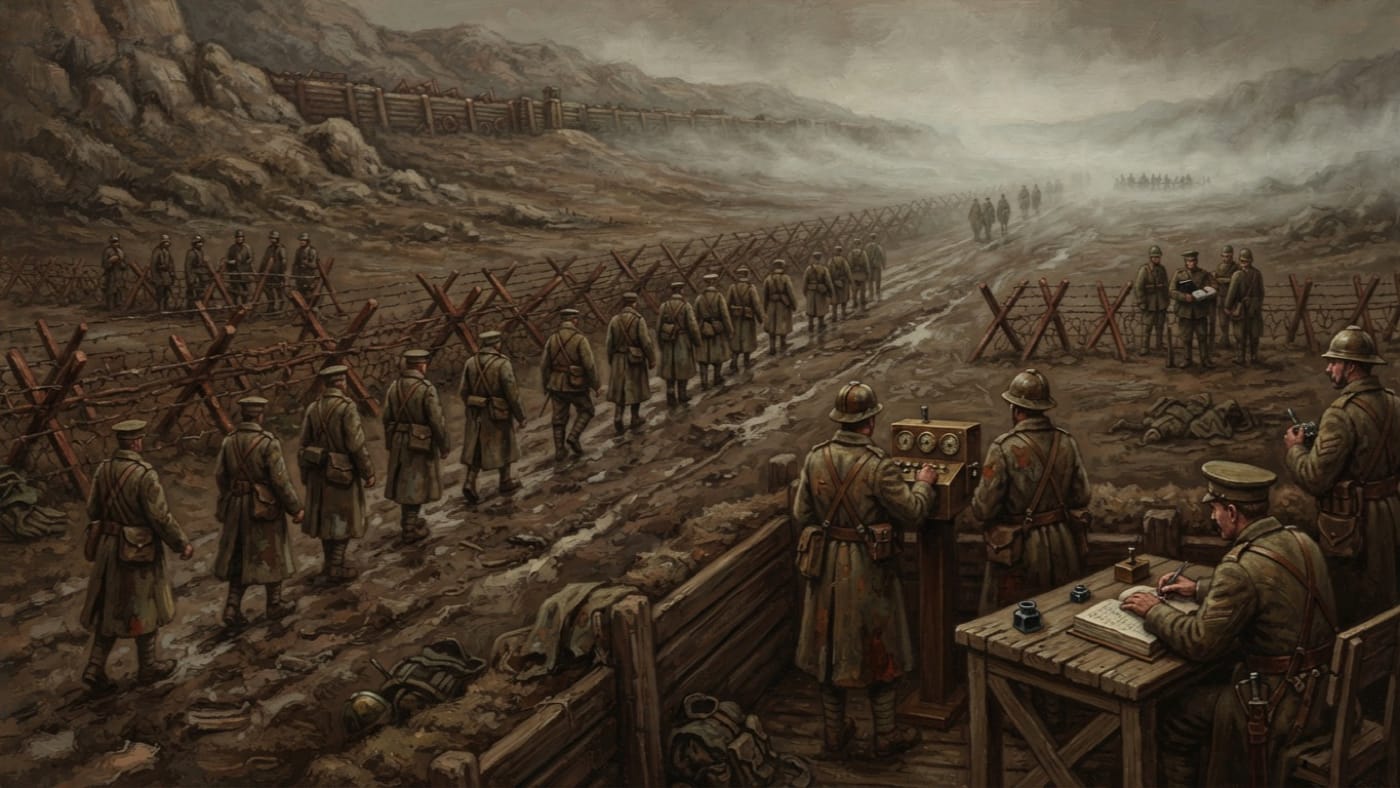
Gate Nineteen
The gate counted correctly. The file preferred an error.
Gate Nineteen counted Commission 73-C from three hundred to two hundred and ninety-six across six hundred yards of wire. Fourteen returned. The investigation preferred a transcription error; the missing four remain unaccounted for.
Codex Ref. II.4.08-019
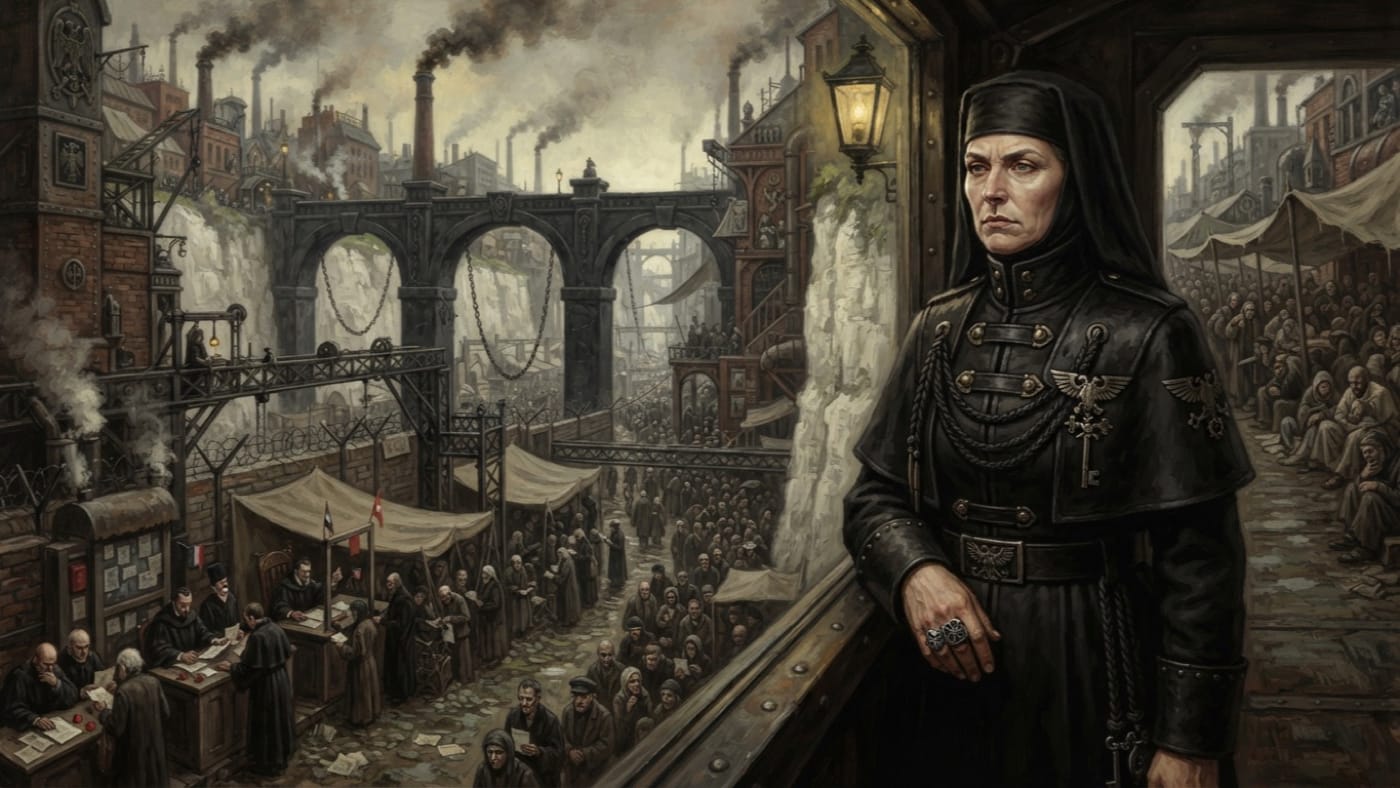
Gate-Canon Meral Voss
Two masters, one stamp, and a queue that must not riot
Meral Voss holds Griefgate's shared seal between brokers who want traffic and a Synod that wants bodies. Her inspectors always produce a confession; the forms do not ask where it came from.
Codex Ref. III.2.01-201

Gate-Warden Petra Valenne
The woman who taught a southern gate to keep its teeth shut
Gate-Warden Petra Valenne commands Constantinople's six ravelins, integrated the Vigil Ark Saint Barachiel, and made darkness retreat first.
Codex Ref. III.2.01-006
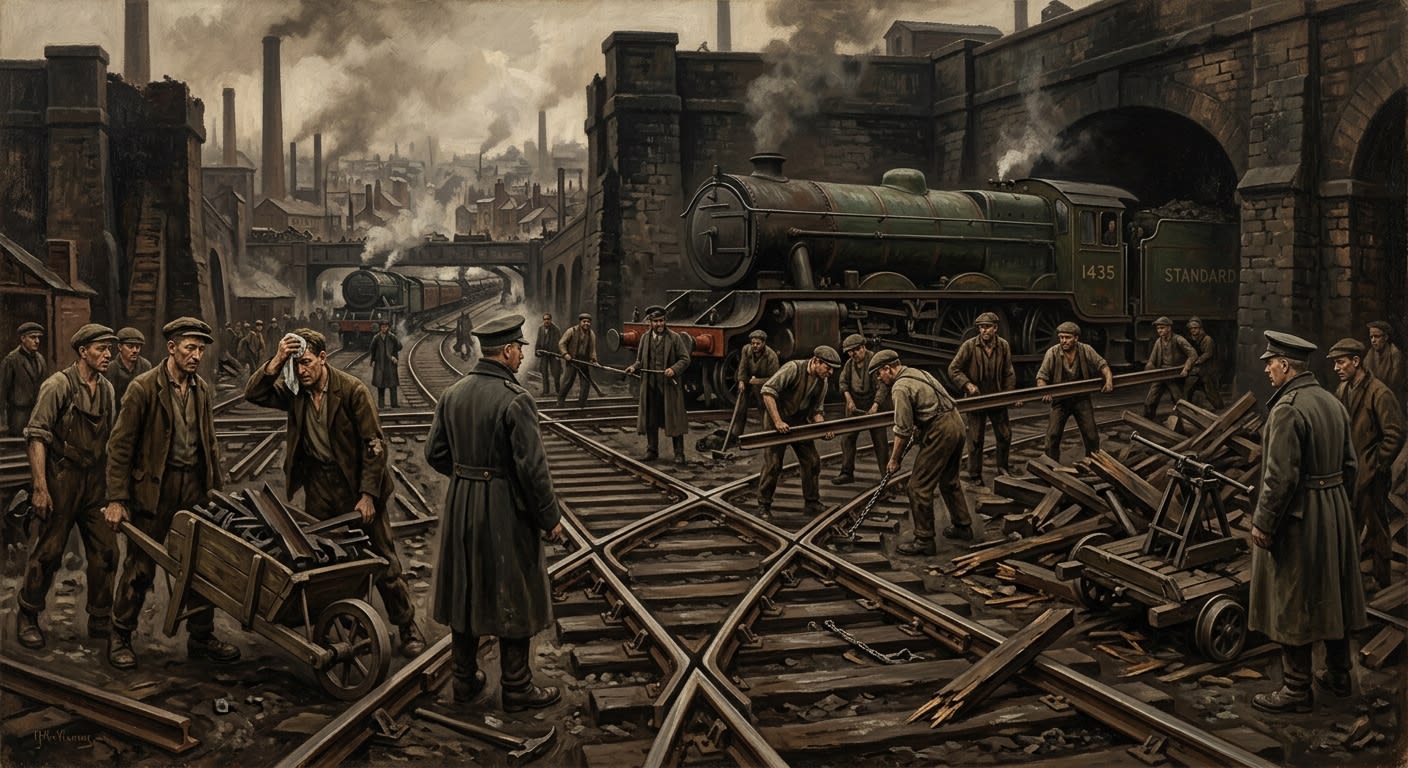
Gauge War
Forty years to agree on the distance between two rails
A.S. 96–136 rail-standardization conflict in which rival gauges starved bastion corridors until Engineering imposed 1,435 millimetres and labour paid in hands, hunger, and four thousand dead.
Codex Ref. VII.2.10-136
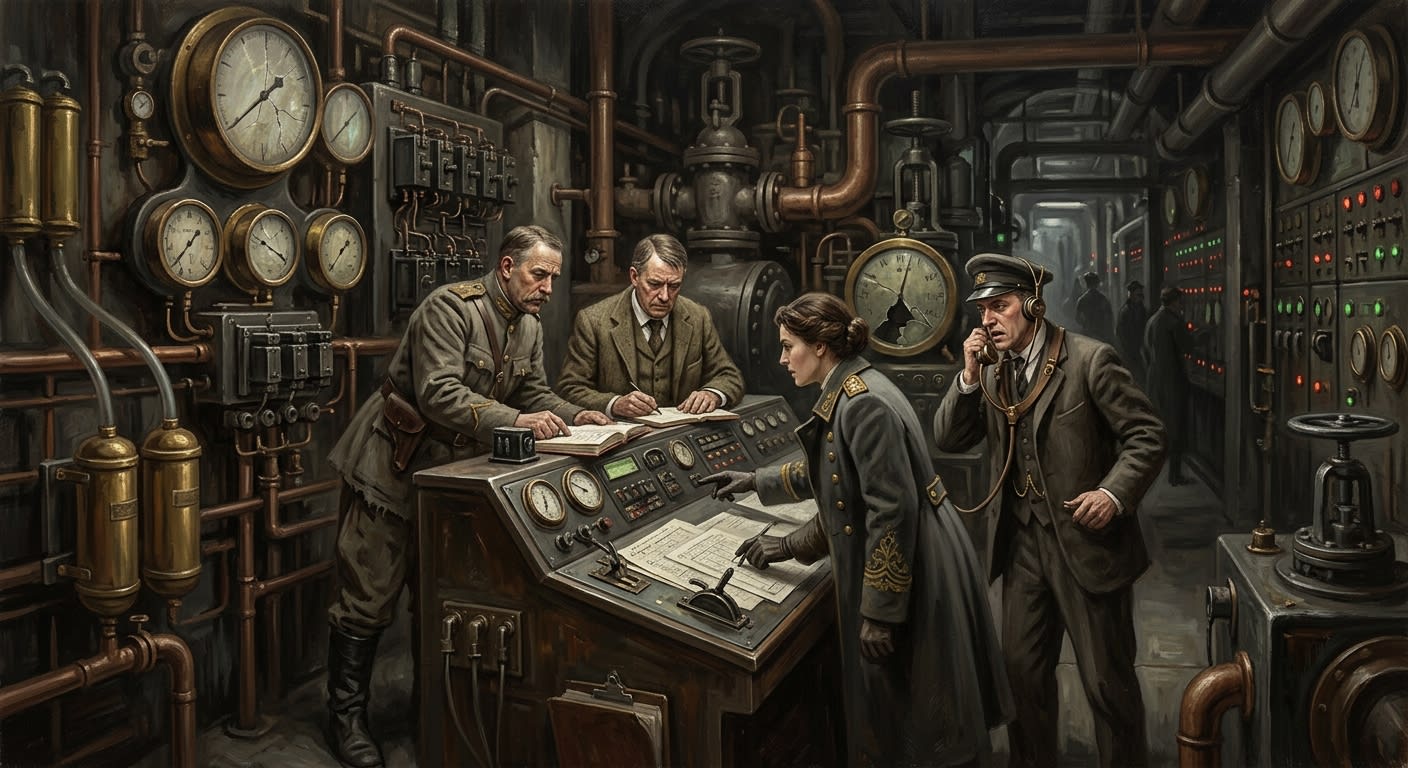
Gauge Ward
Where brass confesses before men are permitted to lie
The Gauge Ward is Brast's inner-ring instrument throat, where pressure needles, licensed voices, and Ilyra Kest decide which lie becomes artillery.
Codex Ref. II.2.01-020
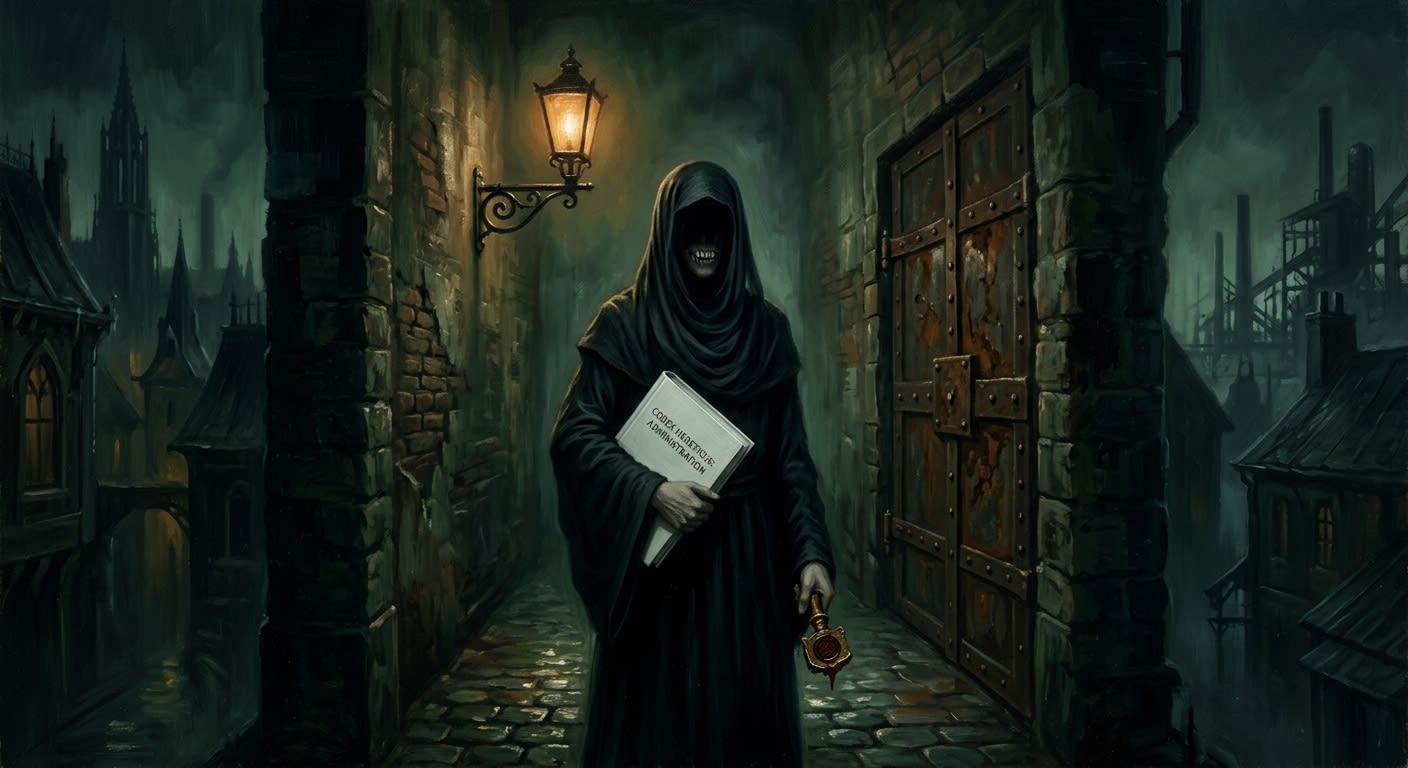
Gauze-Masked Custodian
Nine turns of gauze, one white ledger, and the administrative certainty that nothing happened
The operative the Bureau of Shadows does not employ, who performs collections the Bureau of Purity cannot conduct, in corridors no Bureau will map. Nine turns of gauze. One white ledger. Nothing happened.
Codex Ref. VI.8.01-009
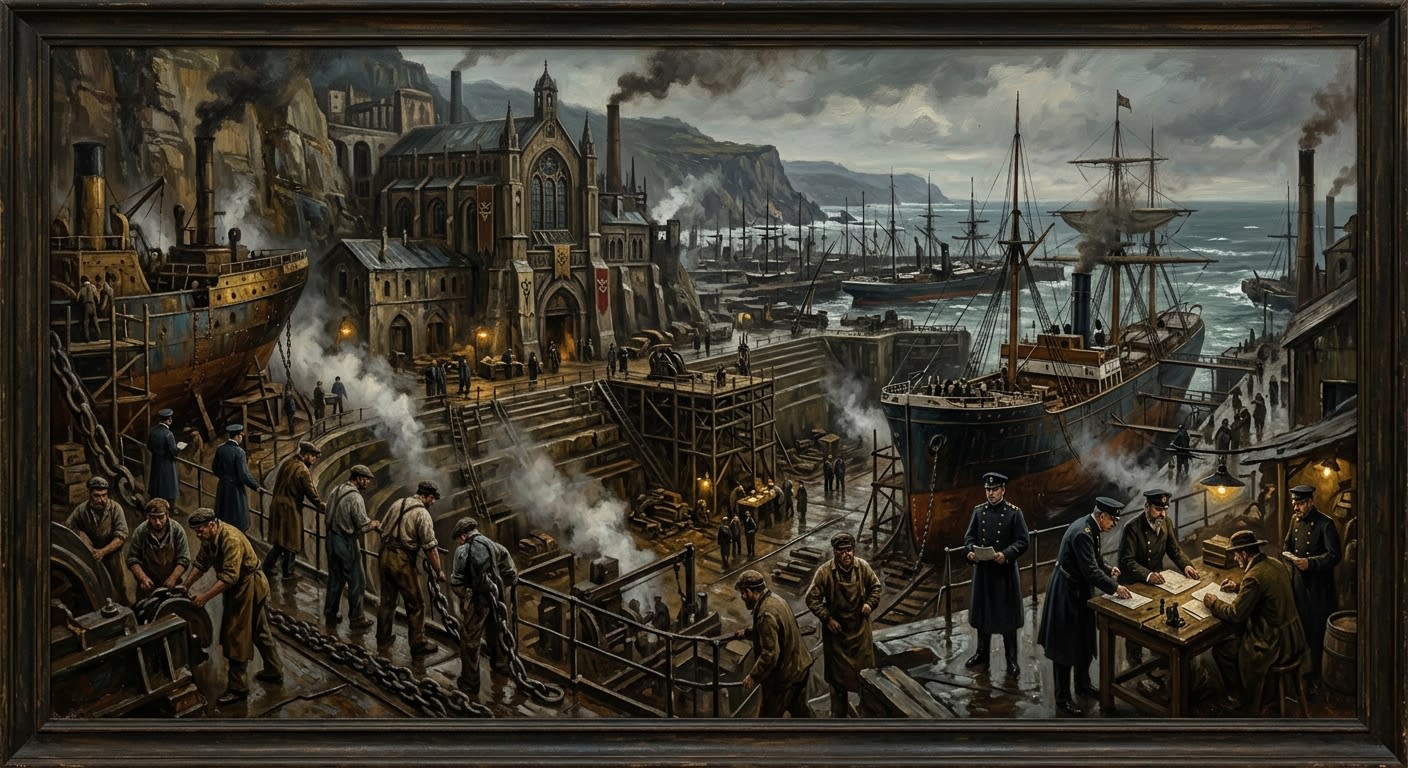
Genoa
The Synod owns the harbour by law; the harbour invoices it by clause
Genoa is the Synod's Ligurian contract-port: grudgingly compliant, rich in drydocks and debt, and indispensable in every way Doctrine resents.
Codex Ref. II.4.09-016
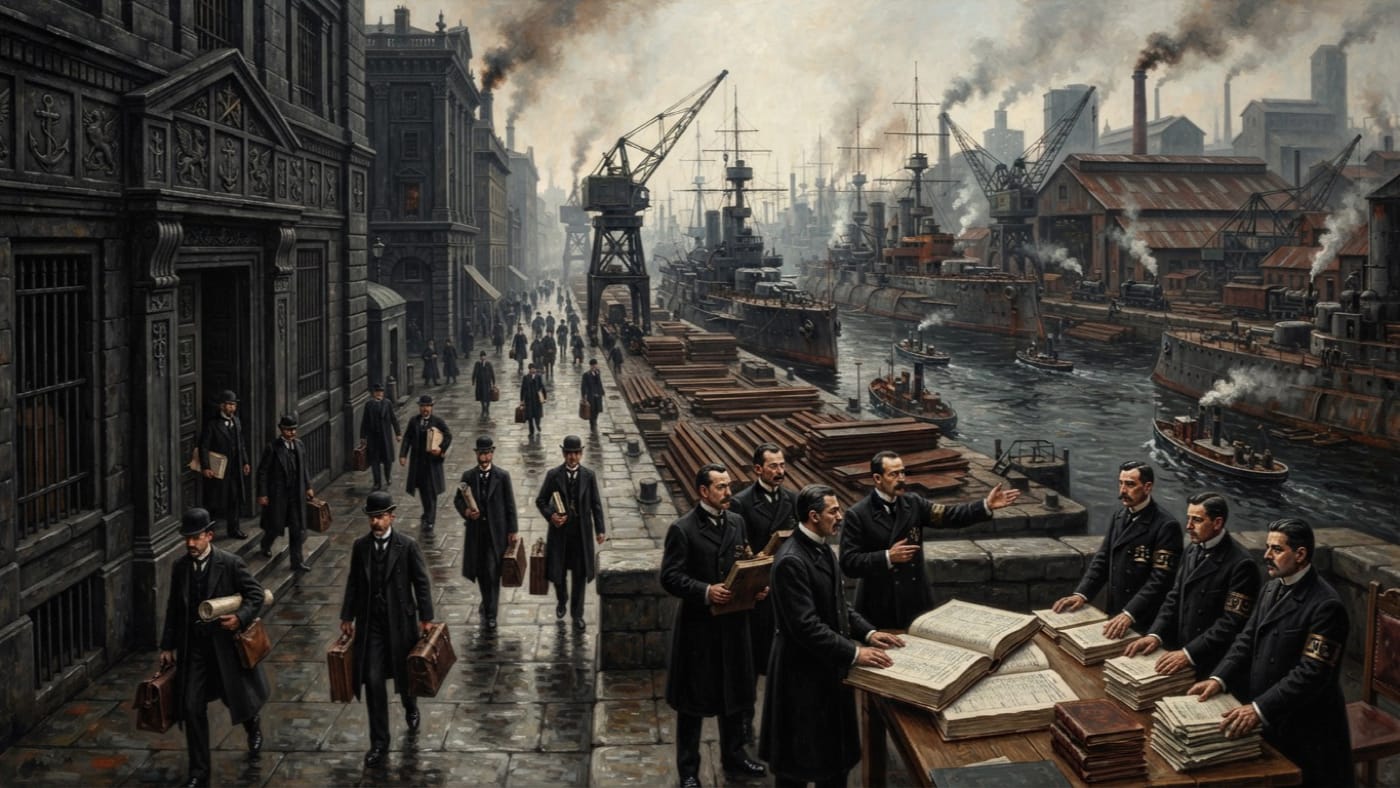
Genoese Banking Houses
Southern naval authority belongs to the Synod; its credit belongs to the Quay
Genoa's private banking houses guarantee the Bureau of War's southern naval contracts. Tithes audits the ledgers; the Quay decides when the hulls move.
Codex Ref. XII.26.03-001

Geometry Brand-Smith
Six Thousand Four Hundred Licensed Geometers of Guilt, and the Irons That Did Not Come Back
The Bureau of Heraldry’s serialized geometers of guilt — 6,400 licensed Brand-Smiths who make identity permanent in the only ledger that cannot be forged, lost, or filed incorrectly: the body itself.
Codex Ref. XII.20.01-001
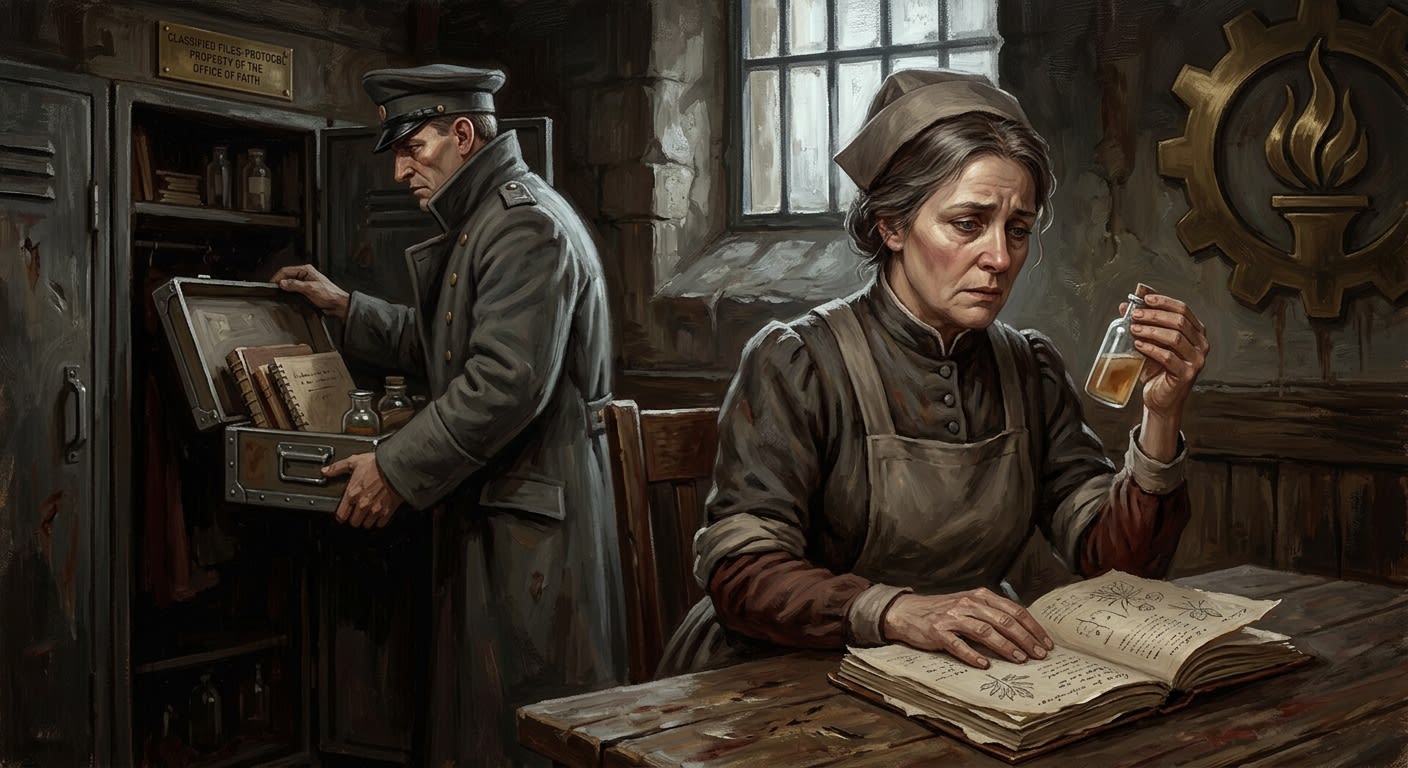
Gerda Weil
The midwife whose bitter draught survived the men who stole it
Halle midwife whose hidden Rationalist remedy lowered fever deaths in A.S. 112, was stolen as Protocol 7-C, and died in Ulm under an erased name.
Codex Ref. III.2.01-091
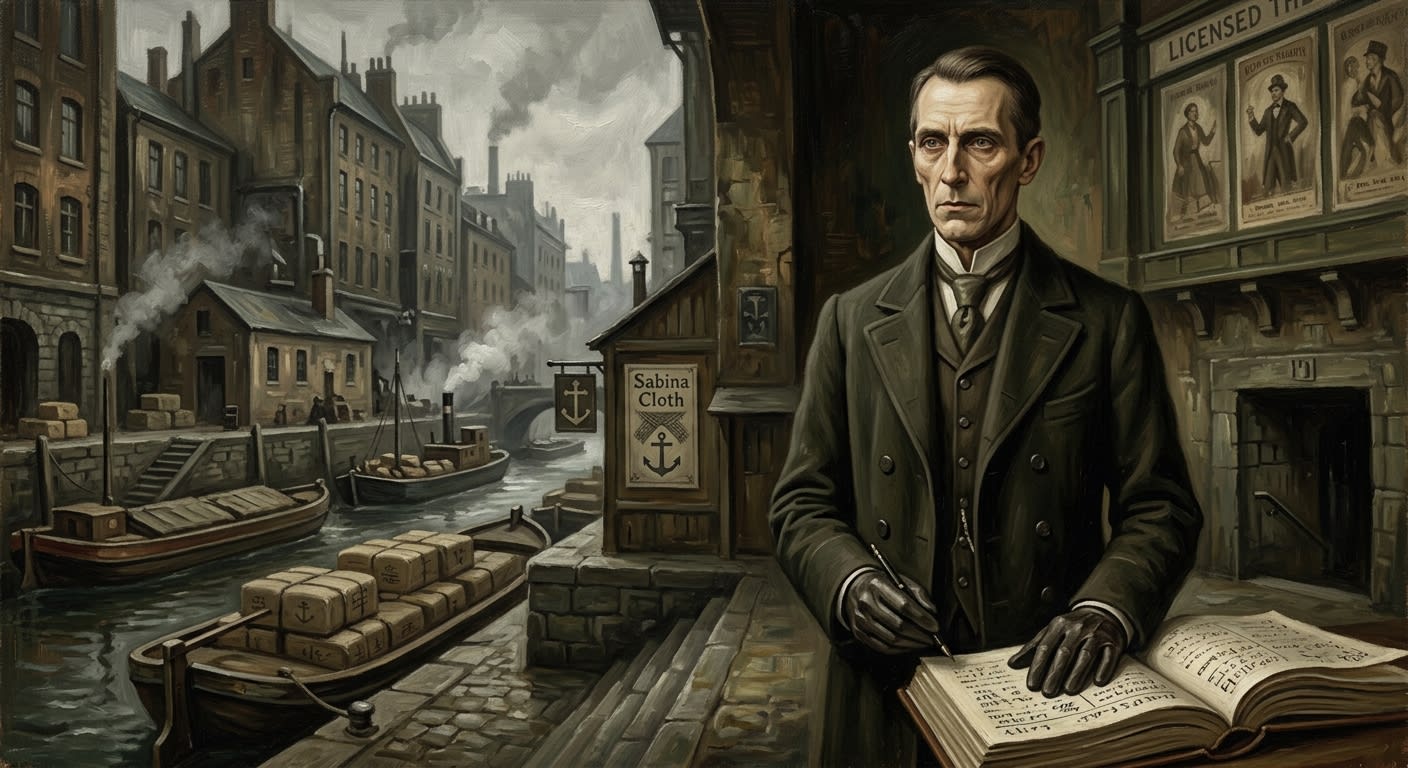
Ghent
The canal city where water keeps copies and loyalty learns to smuggle
Ghent is the Synod's wet ledger in Flanders: canal trade, Records quays, Sabina cloth, licensed theatres, Black Ledger cells, Wormhost scars, and obedience with annotations.
Codex Ref. II.1.05-201
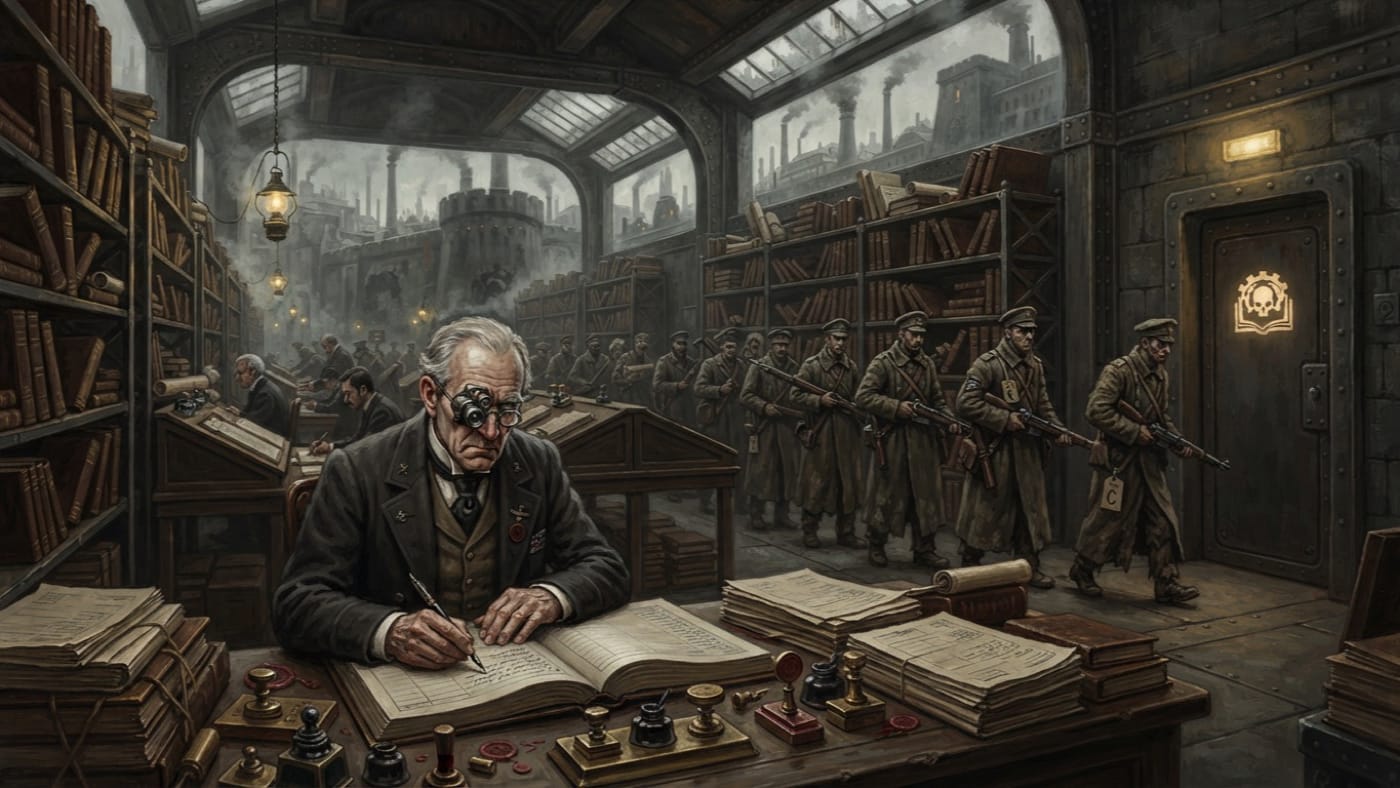
Ghost Slot
A death in the ledger, a door in the waystation
The Przemyśl ghost slot gives a blank convoy line a name, Grade C and a death in transit. A person leaves custody; rescue and sale close under the same clean loss report.
Codex Ref. XIII.1.27-197
Glassman Dimo
The hand that makes Hell visible enough to invoice
Glassman Dimo, Thessaloniki Stainwright and tolerated contraband-optics master, certifies silence in demon-glass panes while War pays, Purity raids, and Doctrine pretends surprise.
Codex Ref. III.2.01-108
Glasswright
They cast the vessel; others supply the sentence
Licensed glasswrights cast the hollow skulls through which the Synod displays its sentences. Saint Velek blesses the furnace; Purity asks who supplied the glass when a name begins to sing.
Codex Ref. XII.30.02-001
Gleis Achtzehn
The platform where Munich files its sons eastward
Gleis Achtzehn is Munich's eastern military departure spur, a soot-black platform where names return to iron faster than Records can erase them.
Codex Ref. II.2.06-016
Governor-Praelate Alaricus
The dangerous administrator who made mercy balance
Toledo's Governor-Praelate, watched for the A.S. 185 opening of the Granaries of Saint Benedict: mercy recorded so thoroughly that Tithes could not call it theft.
Codex Ref. III.2.01-085
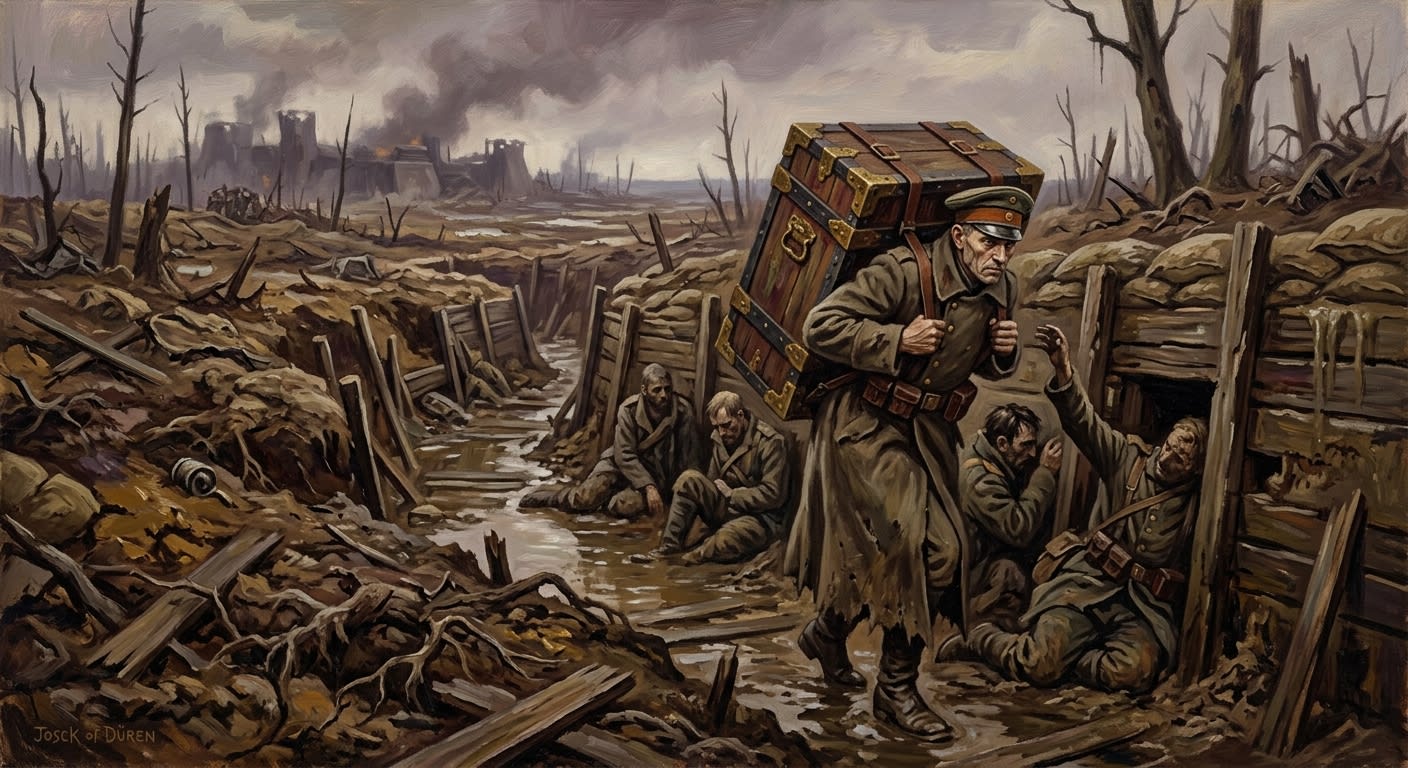
Graben Crossing
The ditch that taught a convoy how to become a cult
Graben Crossing is a southern-corridor ditch made infamous in A.S. 138, when Josek of Düren carried a singing ossuary crate through deserters and into forbidden memory.
Codex Ref. II.3.05-138
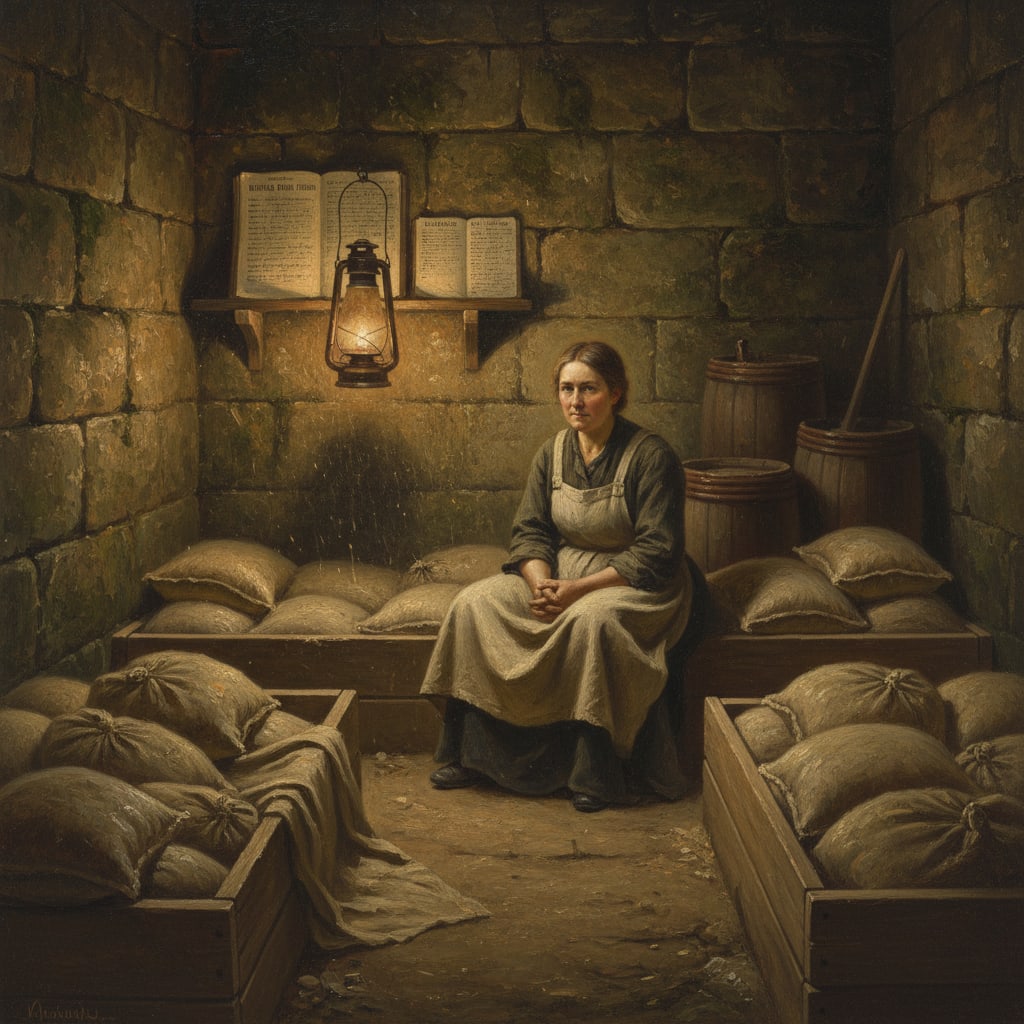
Grain Keeper
The fifth proscribed heresy, which is also why most of the civilian population west of the Sagittal Line survived the last four winters
The fifth proscribed heresy: farmers and millers who hide grain from the Bureau's ration ledger and thereby keep the population alive. The Bureau calls them spiritual saboteurs. The population calls them their only recourse.
Codex Ref. XI.2.01-001
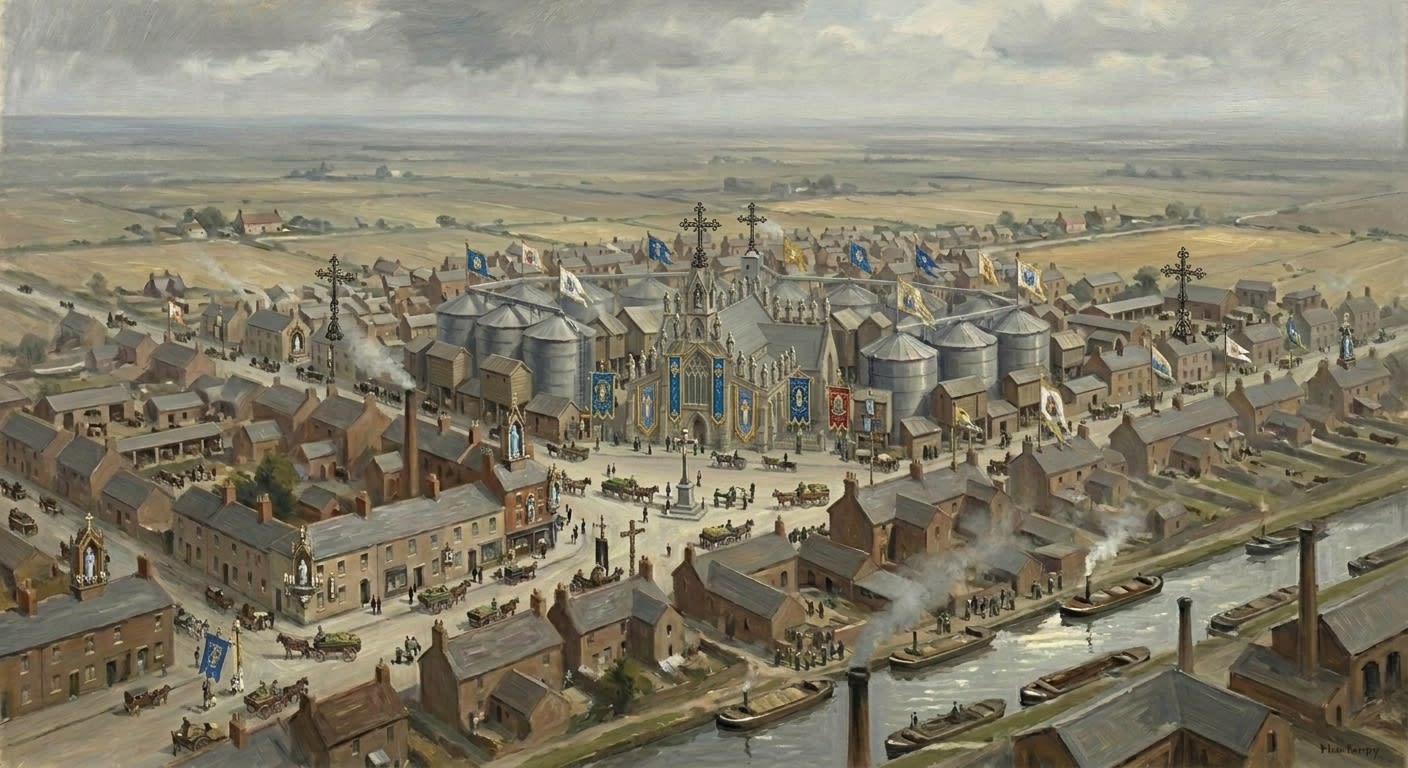
Grain-Gray Ration Parliament of Wexel
A machine for producing obedience, fed on grain and fed upon by something else
A Hessian grain-town that accidentally invented the systematic regulation of joy. Fourteen silos, three instruments of compliance, one smell of flour and fear, and a surplus no official ledger will account for.
Codex Ref. II.2.04-001
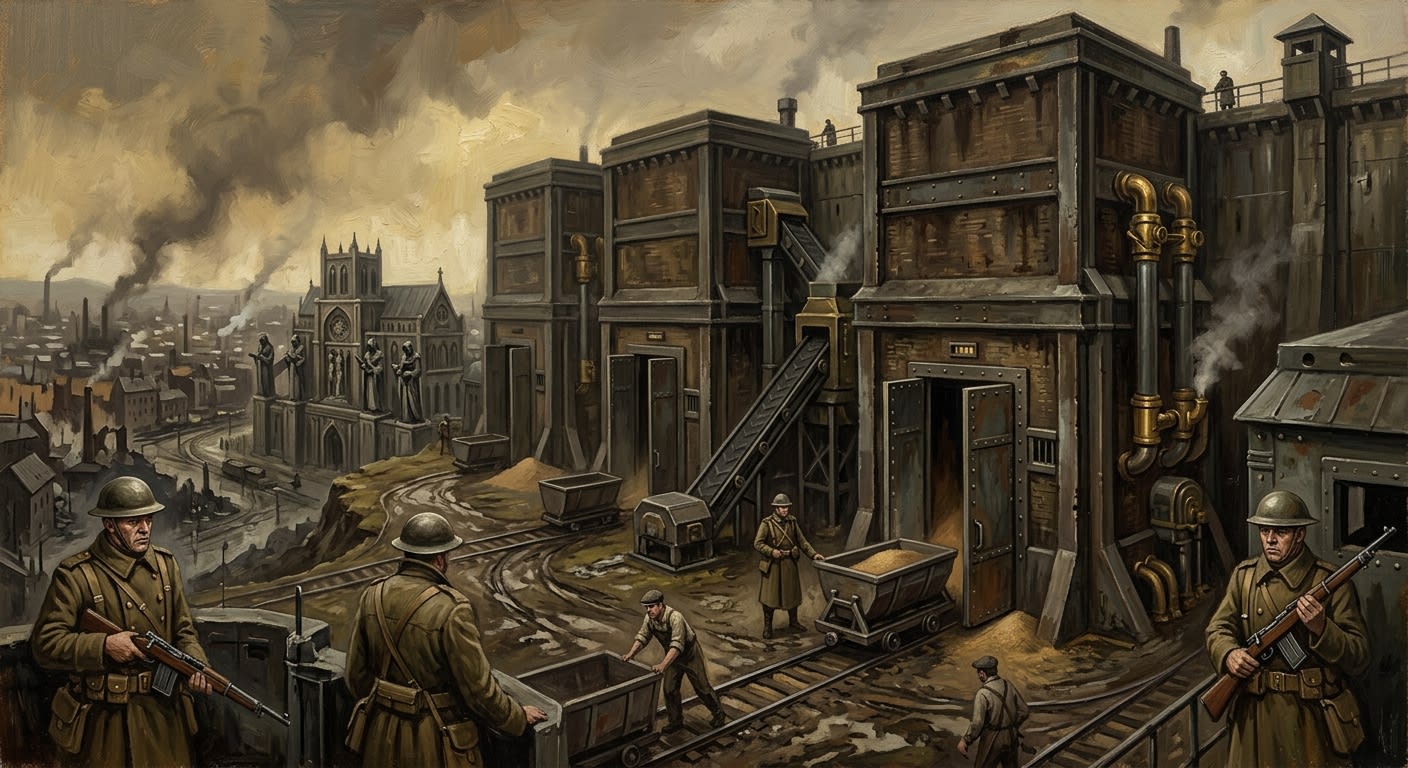
Granaries of Saint Benedict
Mercy under lock, key, and later approval
The Granaries of Saint Benedict are Toledo's four watched vaults of civic reserve grain, opened in A.S. 185 by Governor-Praelate Alaricus before Strasbourg could make mercy late.
Codex Ref. II.1.05-185
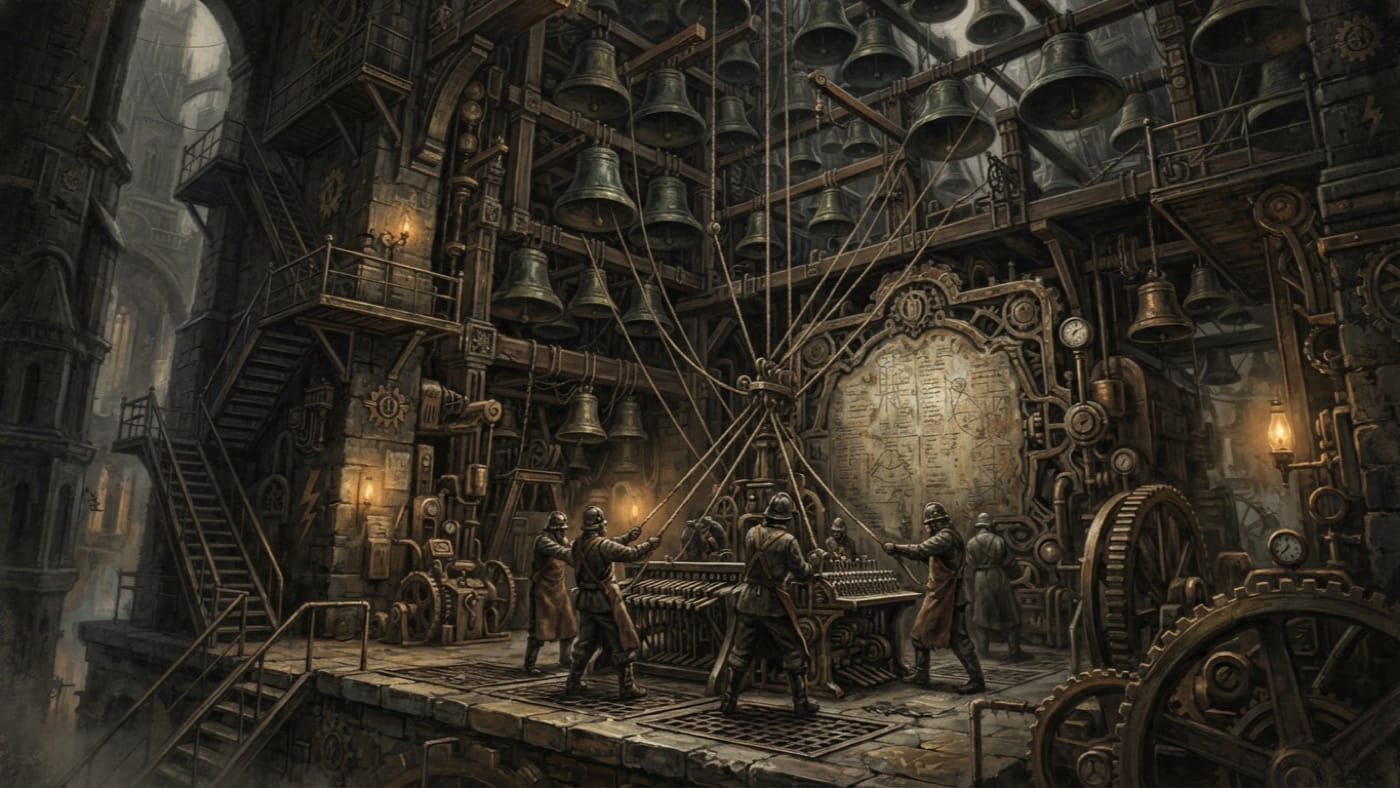
Grand Carillon of the Basilica
Strasbourg issues the hour
The Grand Carillon issues Strasbourg's eight canonical hours to the Theocracy. I commend its seven-second tolerance: enough room for a dispensation, and scarcely enough for an excuse.
Codex Ref. V.1.02-002
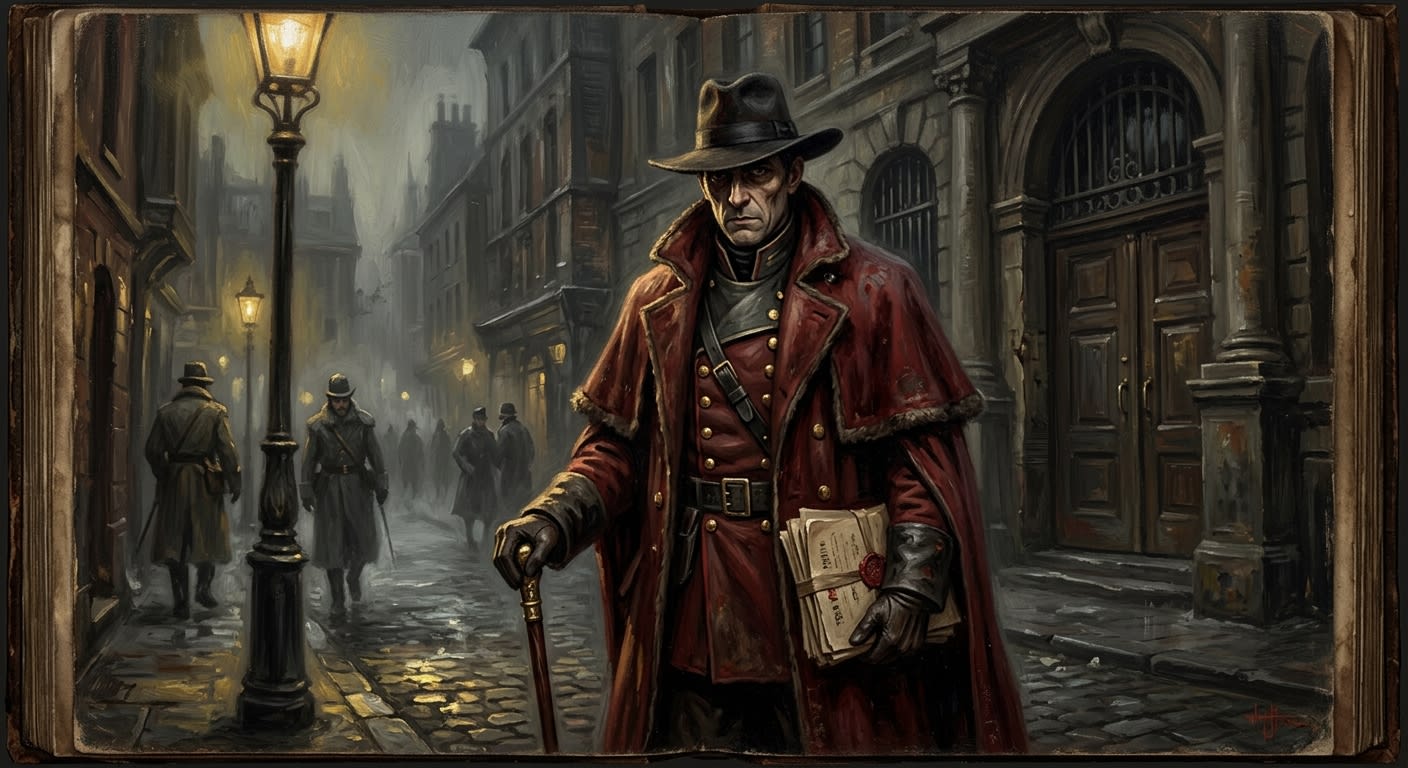
Grand Inquisitor Malthus the Red
The erased butcher whose procedure outlived his name
Grand Inquisitor Malthus the Red is officially absent from every Bureau list, which is how the Synod confesses that the Vienna incident frightened Purity into erasing one of its own.
Codex Ref. III.2.01-054
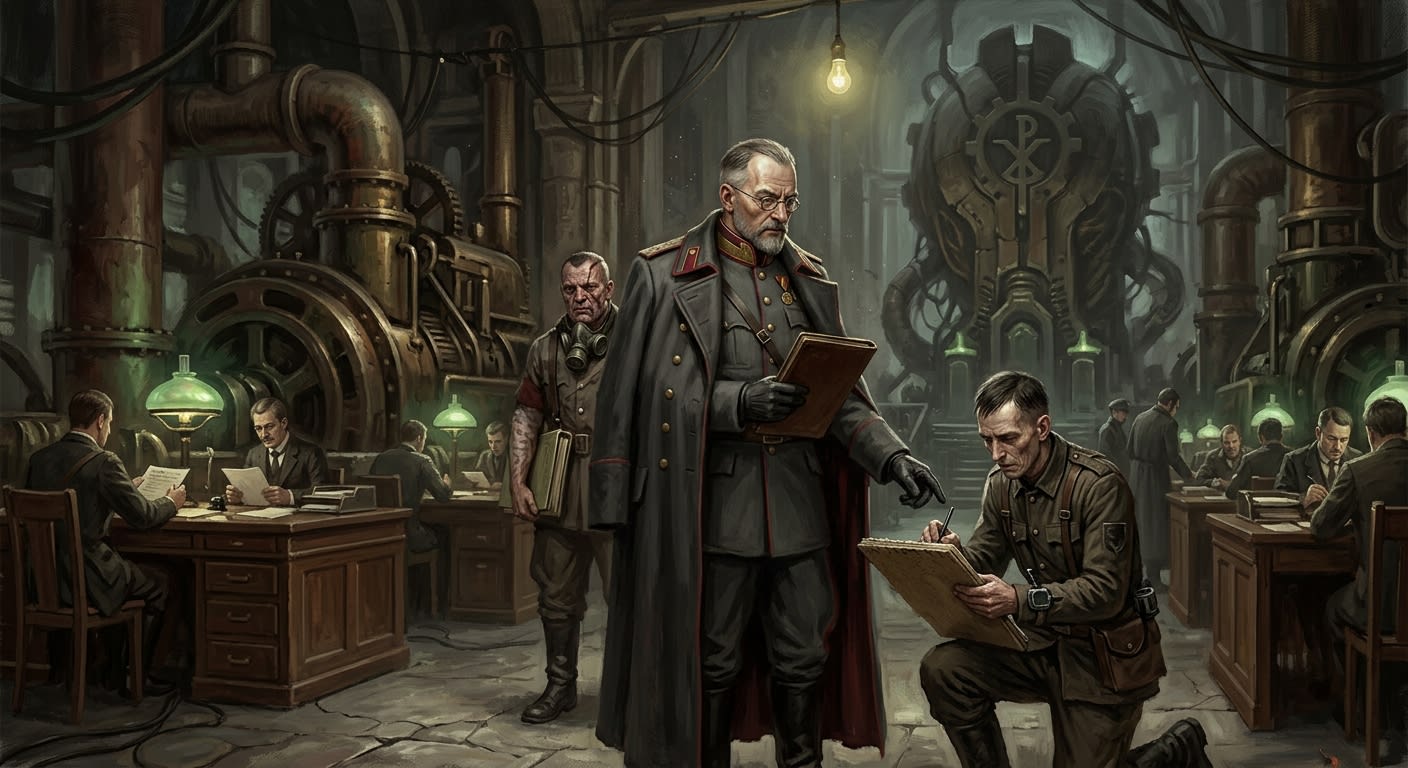
Grand Inquisitor Severian
The tongue made public office, the cage made catechism
Severian of Mainz made fear audible, denunciation intimate, and cruelty administrative; his Second Appendix still walks through Prague with nail and tablet.
Codex Ref. III.2.01-062

Grave-Field Shanty Broker
Where the Dead Own the Ground and the Broker Owns the Quiet
The officially unacknowledged profession administering forty thousand souls in the consecrated dead-lands the Bureau cannot legally rezone, will not formally notice, and cannot do without.
Codex Ref. XII.21.01-001
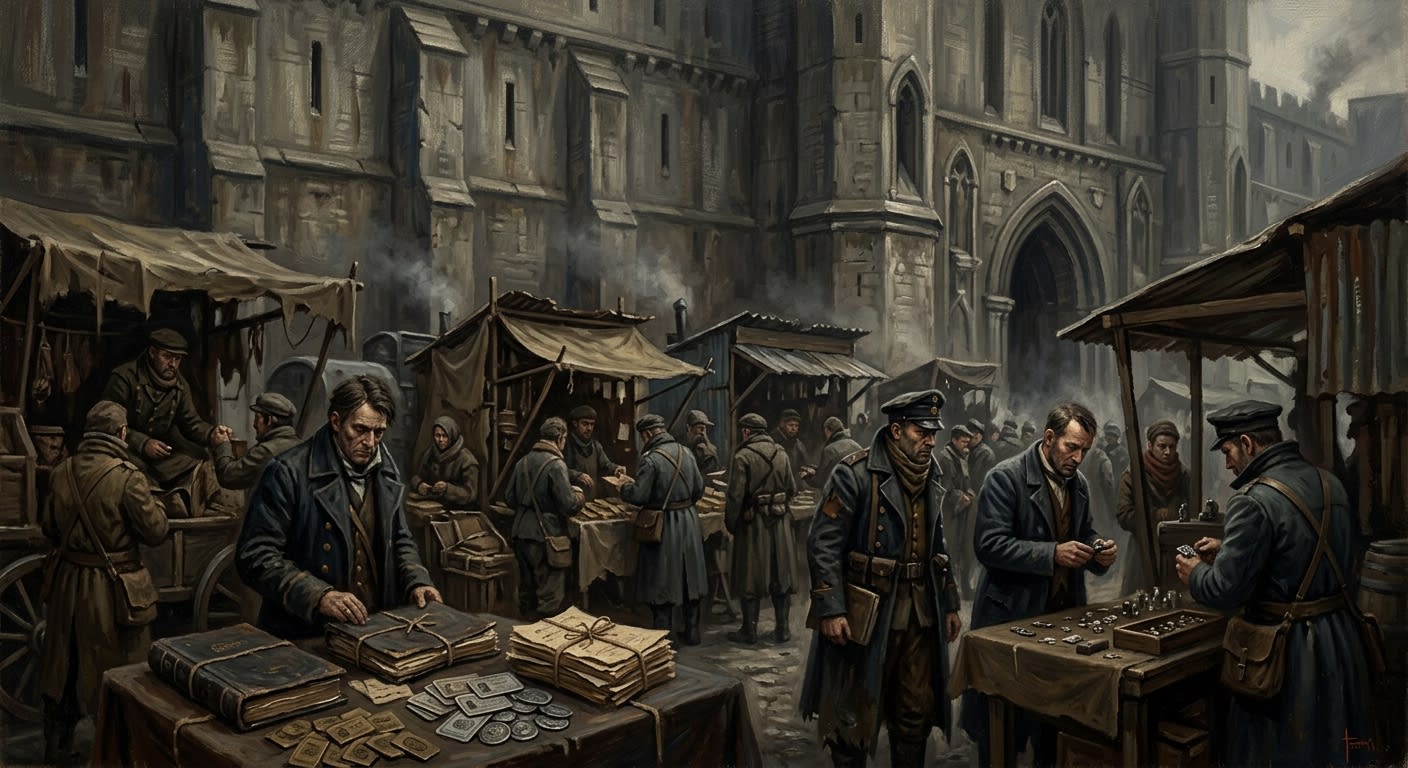
Grave-Name Market
Where the dead are priced by warmth and the Ledger learns to haggle
The Grave-Name Market squats outside the Cloister wall, selling dead identities, warm clearance traces, stolen bead indices, and the little blank spaces where authority fails to close its fist.
Codex Ref. II.3.06-006
Grave-Wax
A scent of authority beneath a sentence no ledger will admit
Grave-wax seals the Synod's deniable Night Papers: grey grit, a recognised scent, an unverified origin, and enough certainty to make a commander burn a sector.
Codex Ref. XIII.1.99-003
Gravis
The date is exact; the calendar is incomplete
Gravis is attested on the fourteenth, A.S. 199, when Canon-Warden Albrecht Goss applied the Third Ossuary's seventeenth wax layer. The year is 1909 CE. The Ledger knows the day and cannot place the month.
Codex Ref. XIII.1.05-004
Gray Clearance
The winter mercy that moved bodies faster than names could follow
Gray Clearance was the A.S. 157–158 emergency mortuary protocol that reduced five corpse classifications to CLEARED or HELD, saved the living, and taught grief to pay for speed.
Codex Ref. VII.8.10-021
Gray Week Famine
Hunger refused the ledger, so the ledger learned to sing
A.S. 138 famine-riot sequence in Strasbourg, Marseille, Munich, and a disputed fourth city; open grain audits failed, crowds answered with stones, and receipt-procession doctrine learned to count citizens while they sang.
Codex Ref. VII.4.21-002
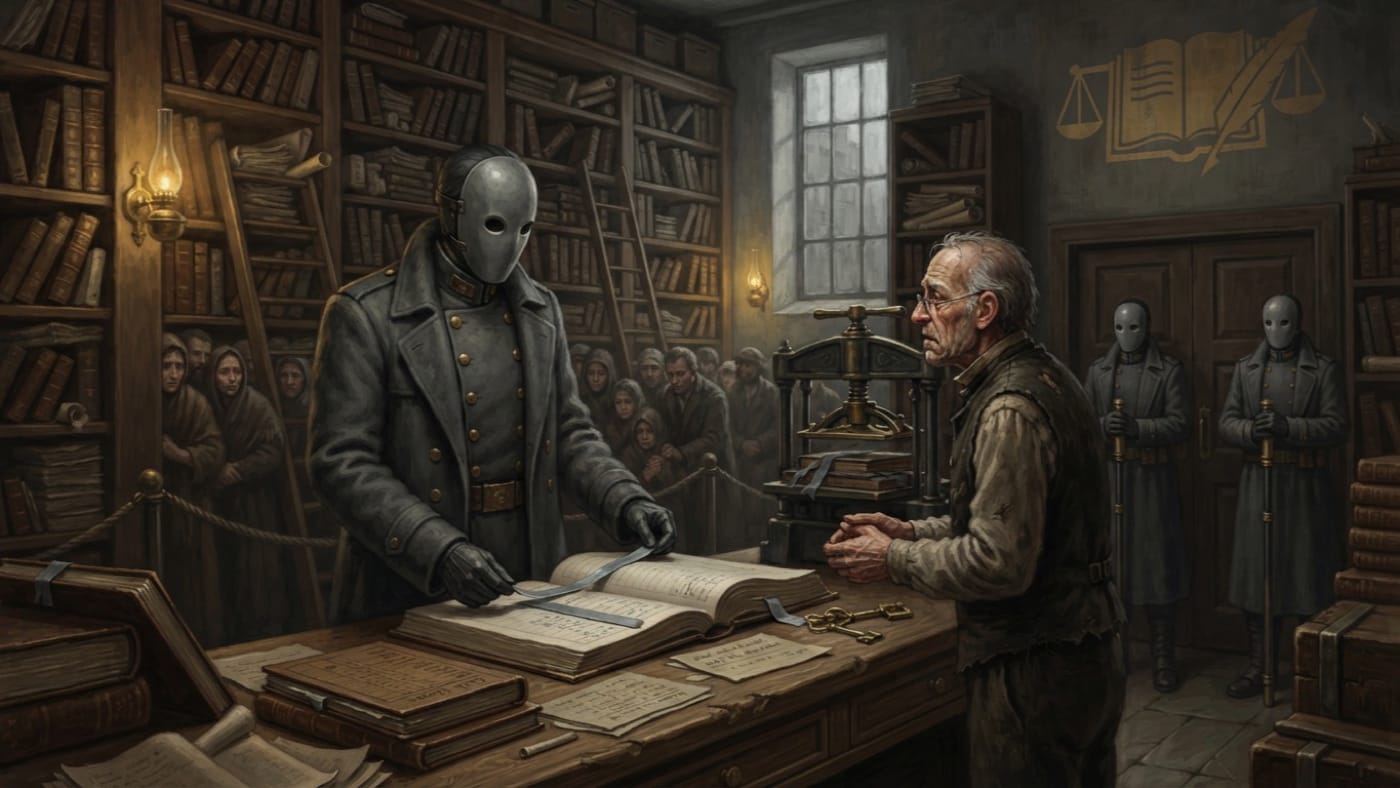
Great Ledger Harmonisation Mandate
The larger page that never has to enter the room
The Great Ledger Harmonisation Mandate supplies the standing authority cited by Indiction writs: books are reconciled, names suspended, and appeal waits until the archive decides who still counts.
Codex Ref. XIII.1.06-002
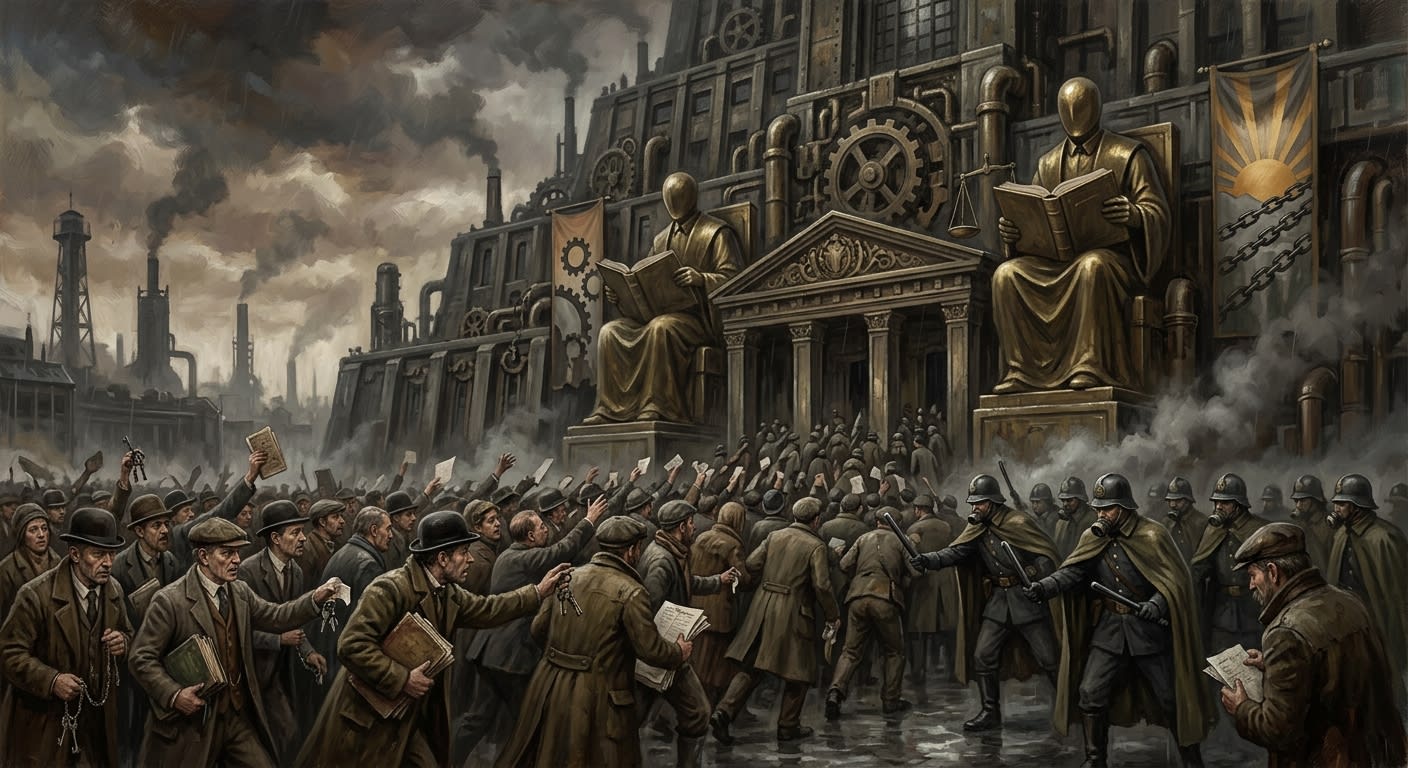
Great Maturity
The final due date Hell files through inherited keys
The Great Maturity is Velmora's deferred eschatology of debt: the hour when every key, favour, pledge, and inherited obligation comes due for the Inheritors.
Codex Ref. XIII.1.95-201
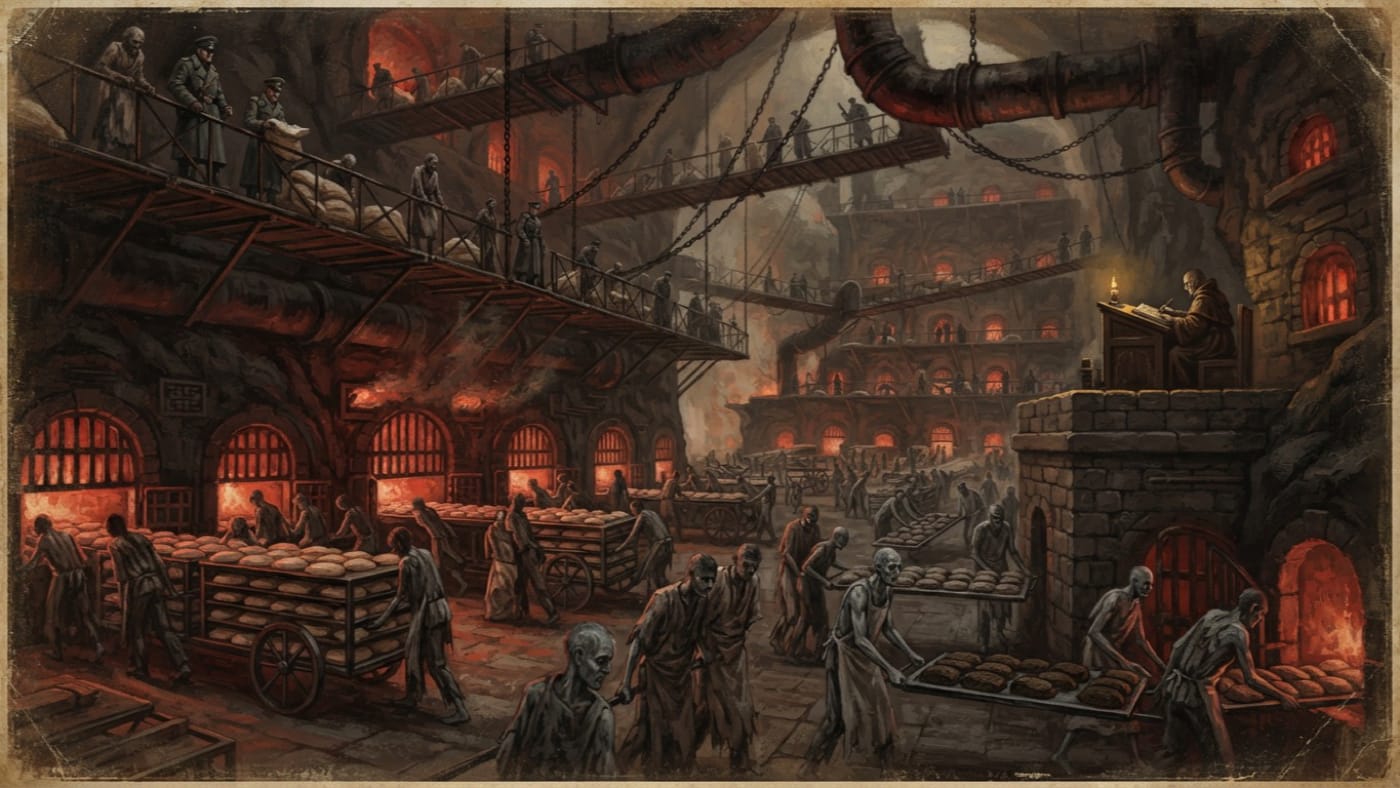
Great Ovens of Vesta
The bread keeps. The workers owe. The heat rises.
San Vesta's volcanic ovens bake ash-bread that never spoils, feed the Iberian front, and turn recovery debts into labour. The flour convoy is late; the rising heat is filed as efficiency.
Codex Ref. VII.1.03-003
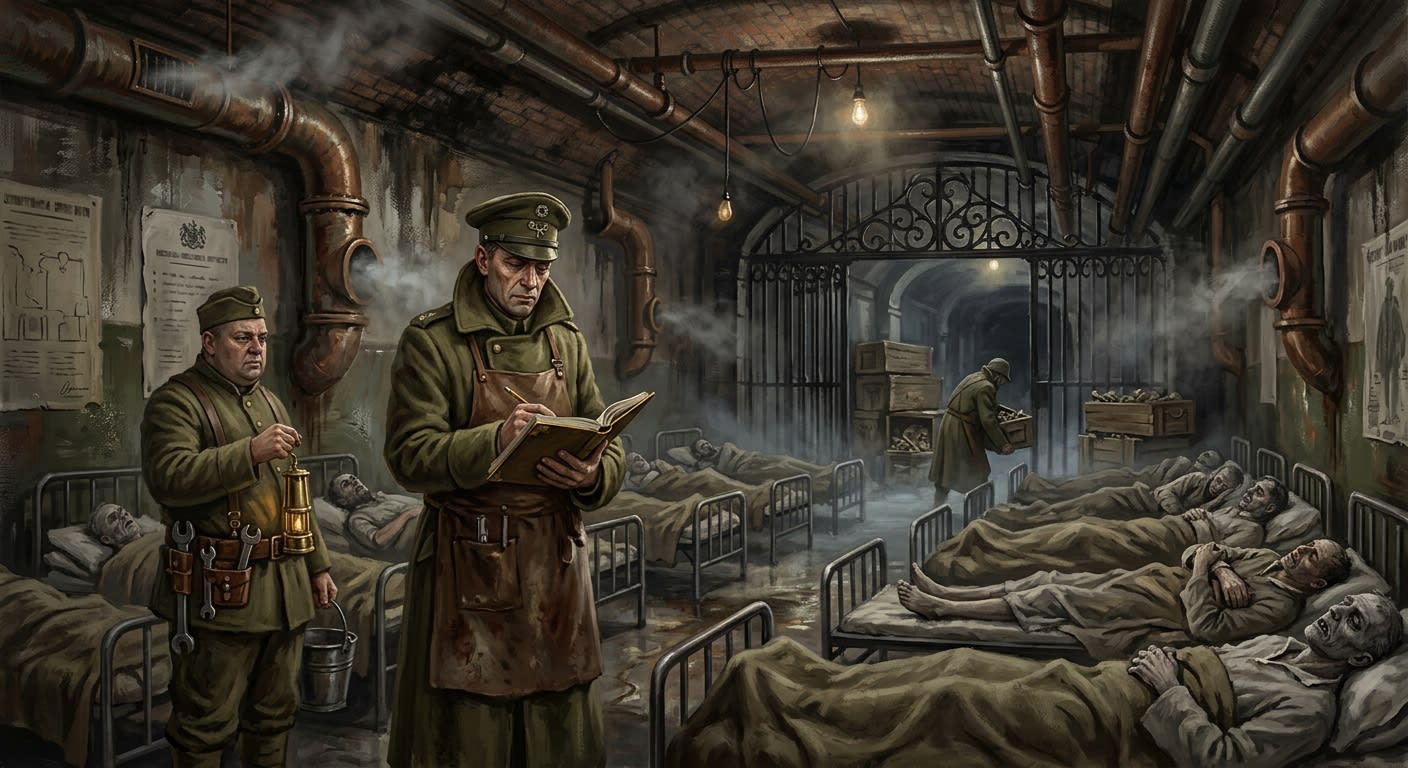
Great Plague of A.S. 78
The year Mercy learned to write before the mouth closed
The Great Plague of A.S. 78 ravaged the southern trench infirmaries and became the Lull of Names, birthing terminal confession mandates, ossuary controls, and threshold doctrine.
Codex Ref. VII.4.20-002
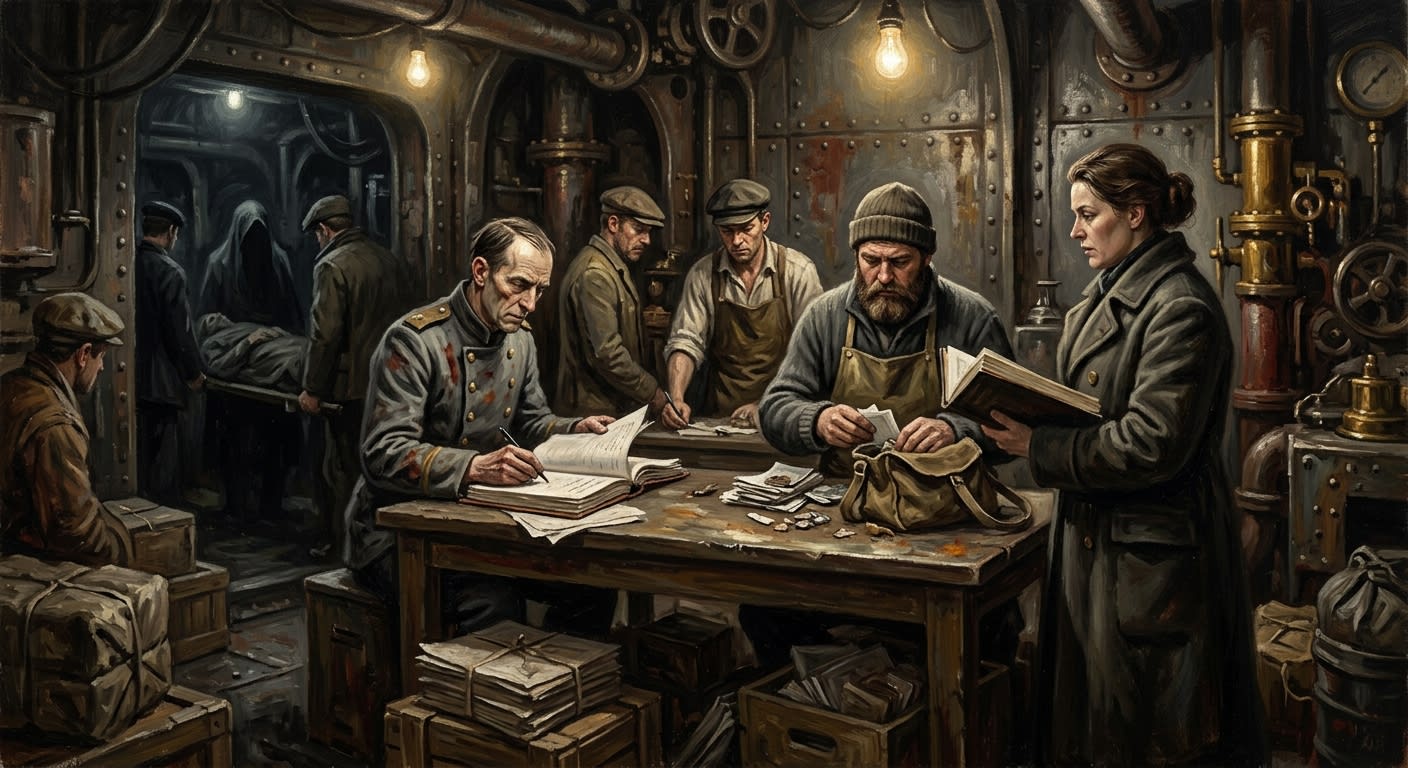
Grey Keel Syndicate
Condemnation is cheap; navigation costs extra
The Grey Keel Syndicate moves papers, bodies, names, and mercy beneath the Flotilla's holy decks, where law drowns first and utility floats.
Codex Ref. XI.5.01-001
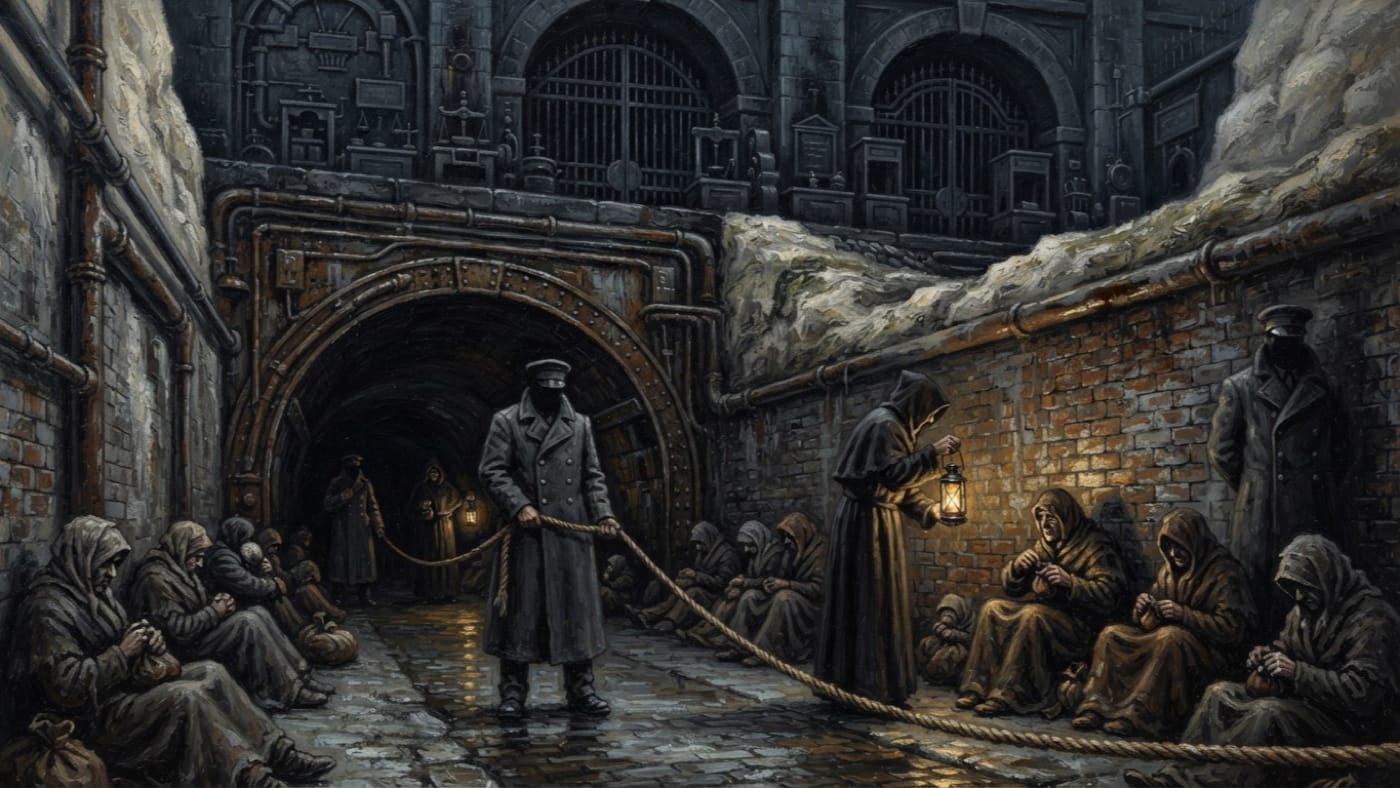
Grief Lane
The seals must be protected; the mourners may wait
Griefgate's drainage culvert holds visibly mourning pilgrims apart from the arches to protect seals, coin and declarations. Comfort falls outside the survey; collection continues after dusk.
Codex Ref. II.1.04-002
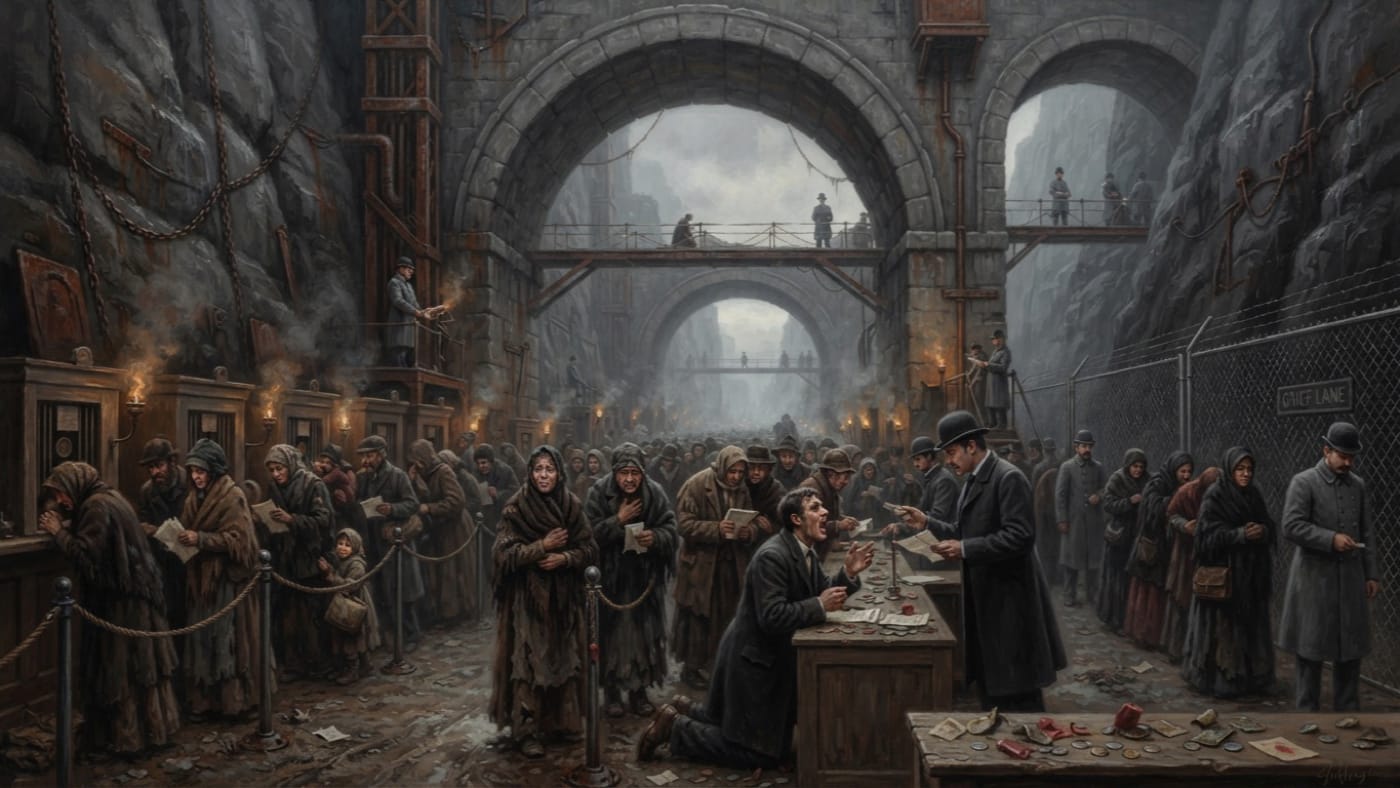
Grief Resonance
The stone takes a name; the clerk records a discrepancy
When mourners crowd Griefgate's arches, seals smear, coins tarnish, bells flatten and names fail. The Bureau has classified the disturbance and declined to fund its explanation.
Codex Ref. XIII.1.23-003
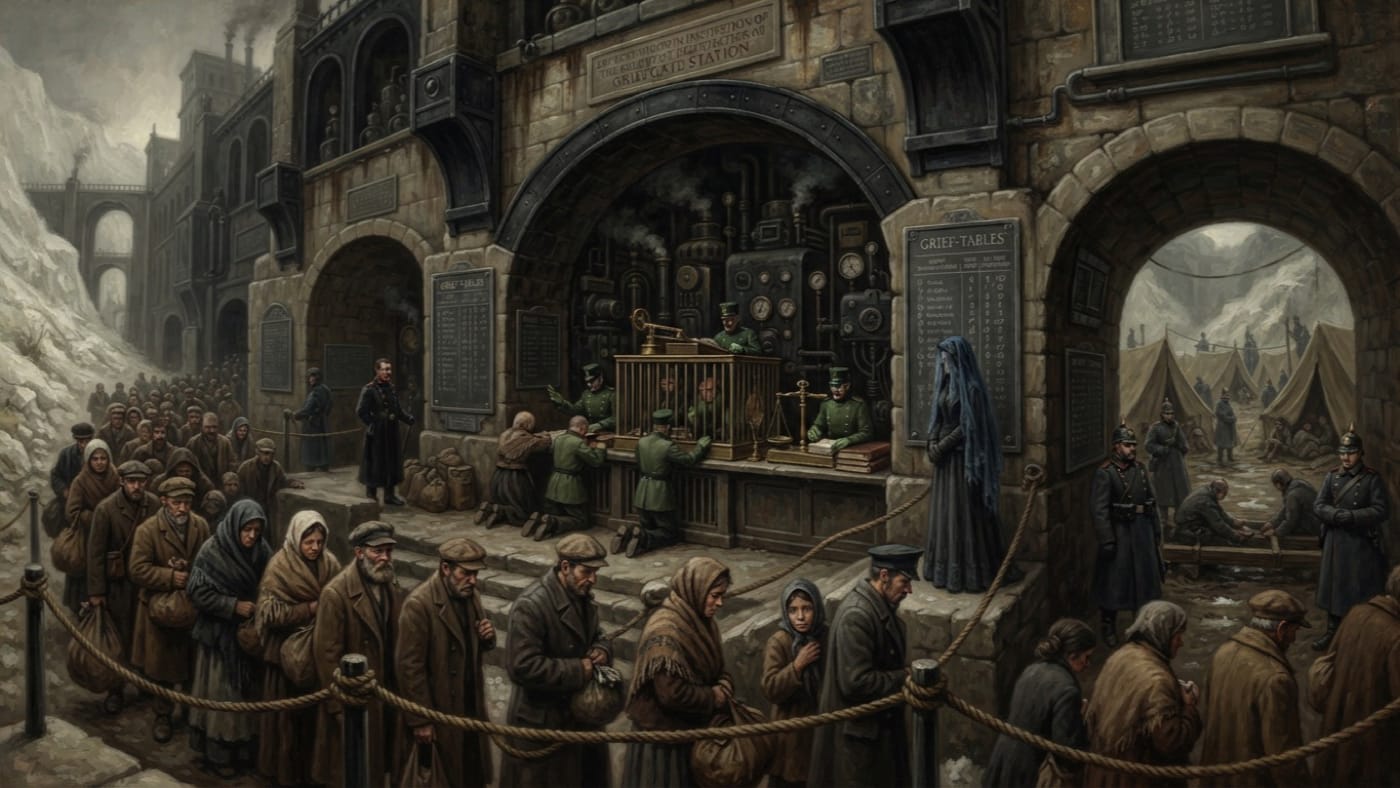
Grief-Tax
Declare your burden; the Gate will declare its price
At Griefgate, spiritual burden becomes a toll, payment becomes portable clearance, and unpaid sorrow becomes detention debt. The tables have no row for the unburdened.
Codex Ref. XIII.1.85-201

Gruss
The man who bribed vanity, corrected mud, and delivered eleven wagons
Gruss, Licensed Transit Factor 19-C, turned thirty-seven papers, wax, grain, one unspent favour, and a belt of knots into an eleven-wagon miracle at Turda.
Codex Ref. III.2.01-098
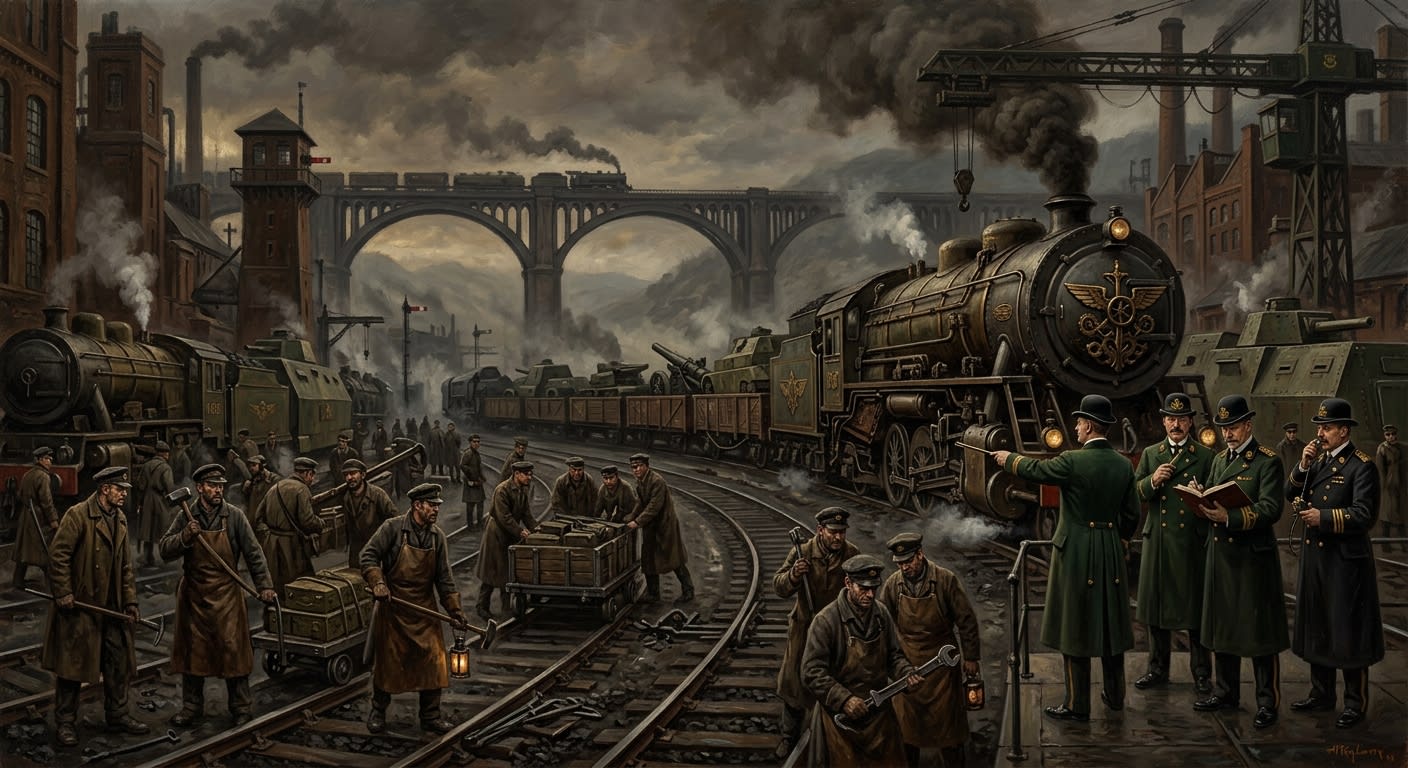
Guild of Rails
The iron road permits the war to arrive
Licensed brotherhood of track, gauge, junction, ballast, bridge, and schedule; the Guild moves the Dominion’s war and charges extra when physics objects.
Codex Ref. XII.44.01-001
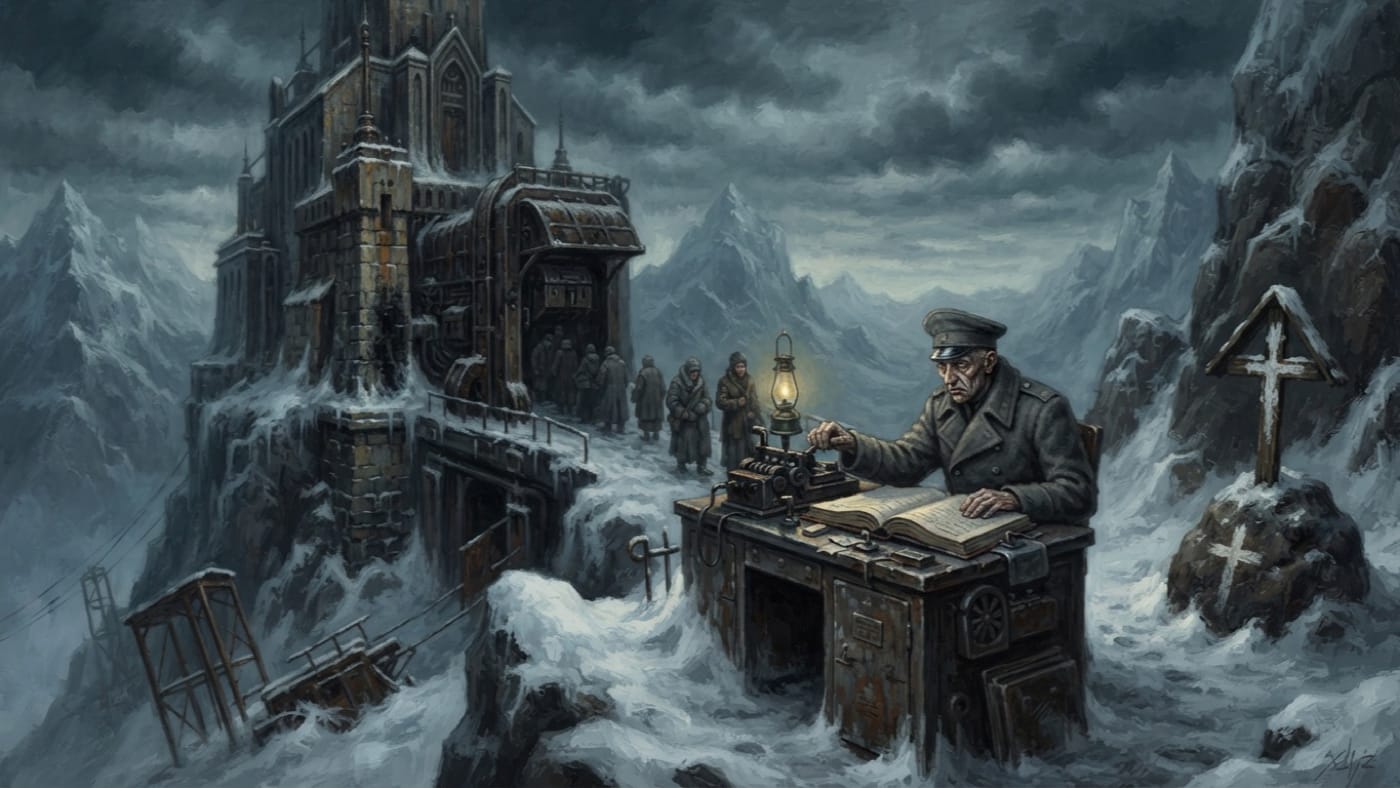
Guild of the Golden Sole
The master kept his life. The Bureau kept the roads.
The private guild that held the Rhineland pilgrimage approaches until its absorption in A.S. 123. Its master signed the Harmonized Routes Edict and kept his life; the Bureau rewarded him with a desk above the Carpathian snow-line.
Codex Ref. XI.5.01-123
Guillaume of Aachen
The man who opened a gate and was closed by the Ledger
Lord-Protector Guillaume surrendered Aachen in A.S. 25, severed the Rhine approaches, and became the Synod's cleanest lesson in treason, nullity, and administrative damnation.
Codex Ref. III.2.01-123
Hall of Confessions
Where the Synod speaks and the grille remembers
At the central bend of Strasbourg's Sanctum Mile, the Synod speaks beneath carved saints while clerks behind grilles record its words. The crowd outside hears bells.
Codex Ref. II.2.02-003
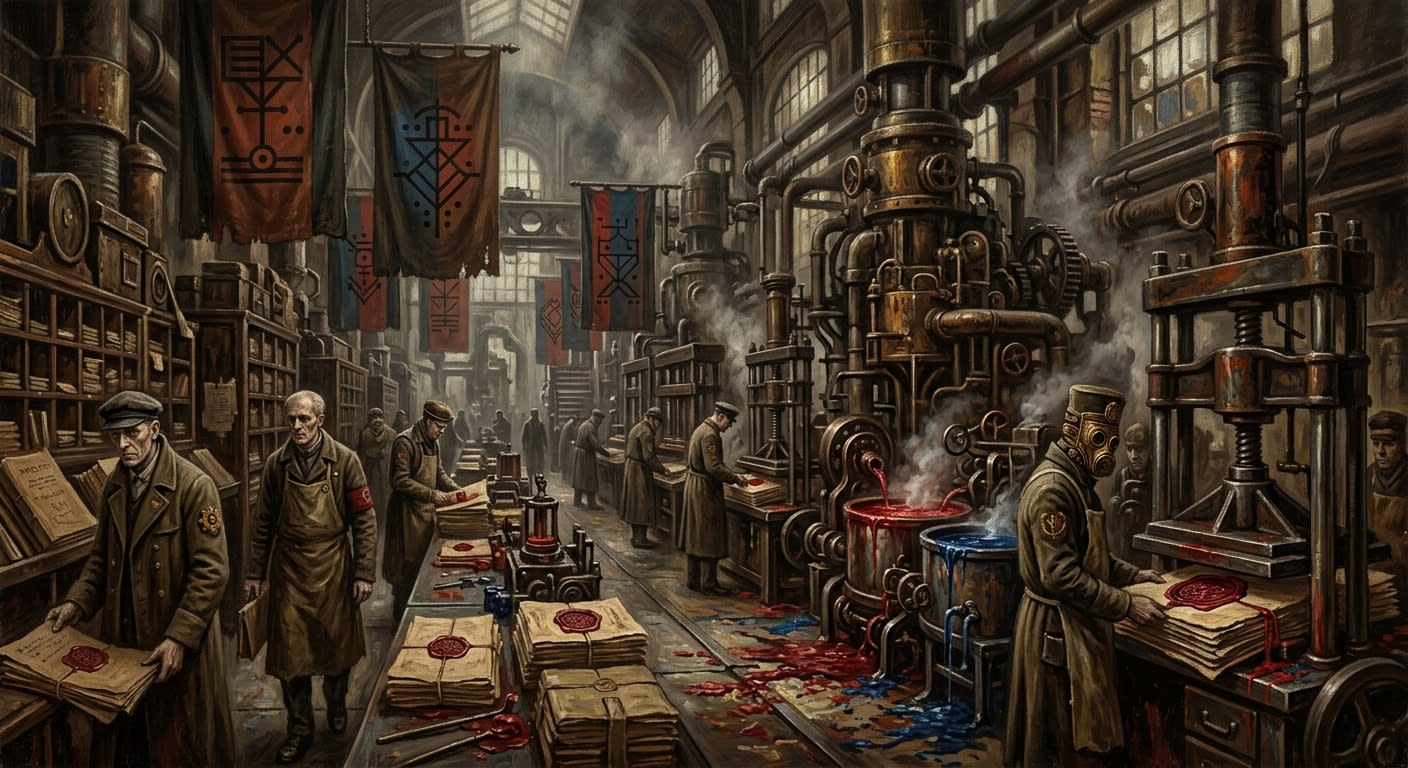
Hall of Seals
Where wax learns to rule and colour awaits sentence
The Hall of Seals is Strasbourg's low clean engine of visual law, where Heraldry and Masks and Seals ration colour, custody dies, and make wax sovereign.
Codex Ref. II.1.04-002
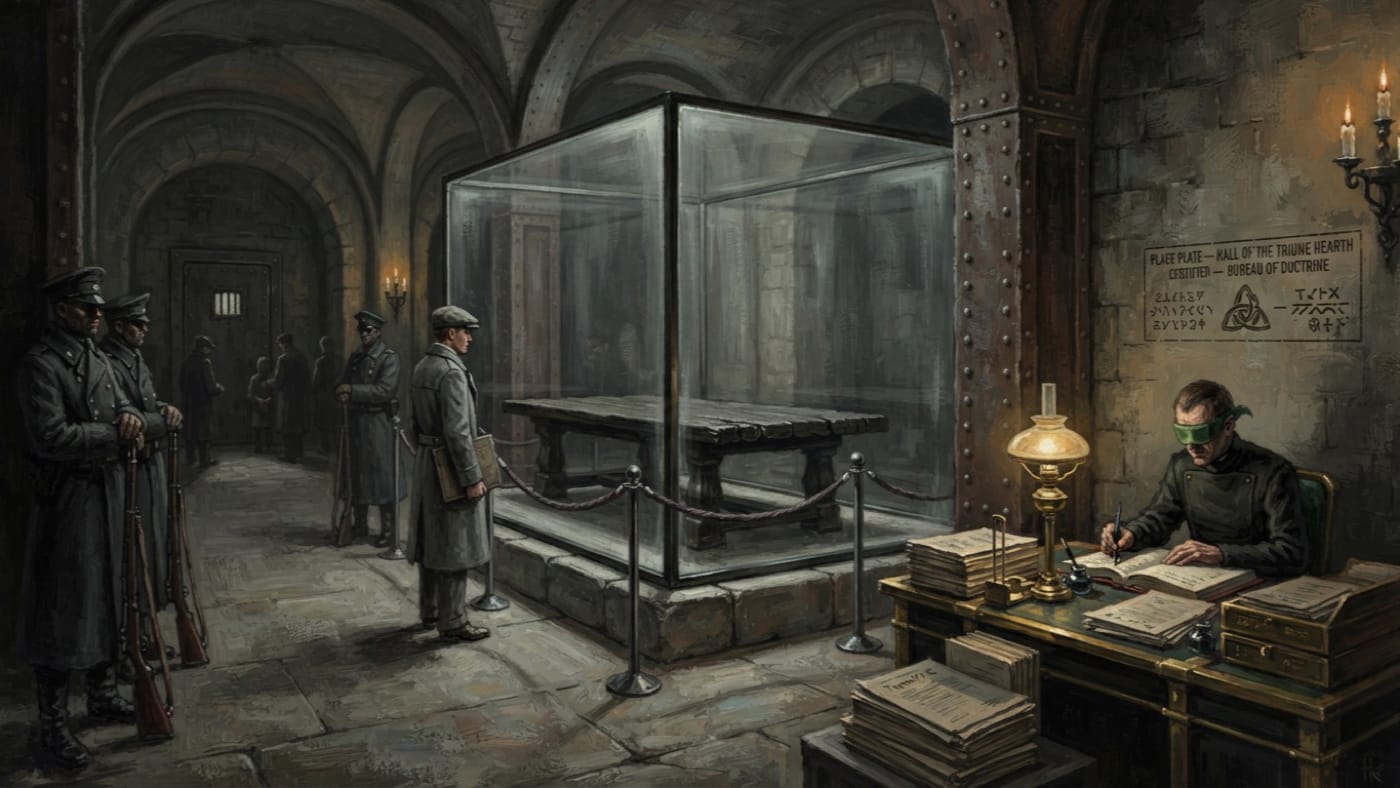
Hall of the Triune Hearth
Proximity licensed. Touch refused.
Strasbourg keeps the Concordat's black oak table under glass. Citizens inherit the Hearth, then file Form 77-C forty days ahead to stand near its furniture.
Codex Ref. II.1.04-006
Halle
The city that says the Creed, washes the chalk, and keeps the oven warm
Halle is a compliant rear city with salt in its gutters, fever in its records, Creed on its tongue, Ashen fragments in its ovens, and obedience with undocumented residue.
Codex Ref. II.2.09-201
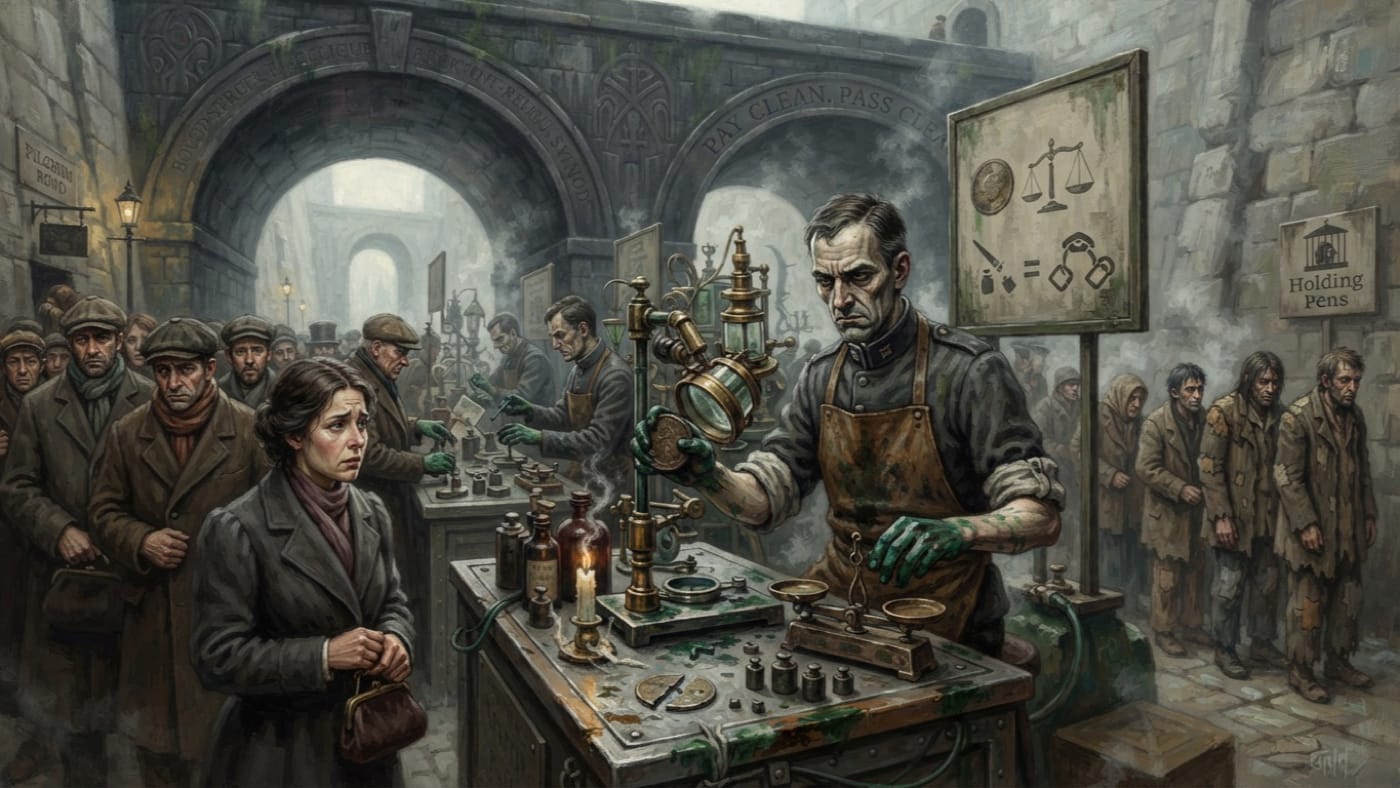
Halve
Coin truth, green fingers, and no allowance for mercy
Master Assayer Tinn Halve keeps Griefgate's coin honest and its trade stoppable. His green fingers certify the money; other offices collect the human cost.
Codex Ref. III.2.01-201

Hamburg
The throat of the northern front — and the hand around it is not the Synod's
The Synod's northern import terminal: nine hundred thousand souls at the Elbe's mouth, processing the grain and coal that keep the northern front from freezing, starving, and dying.
Codex Ref. II.4.09-005
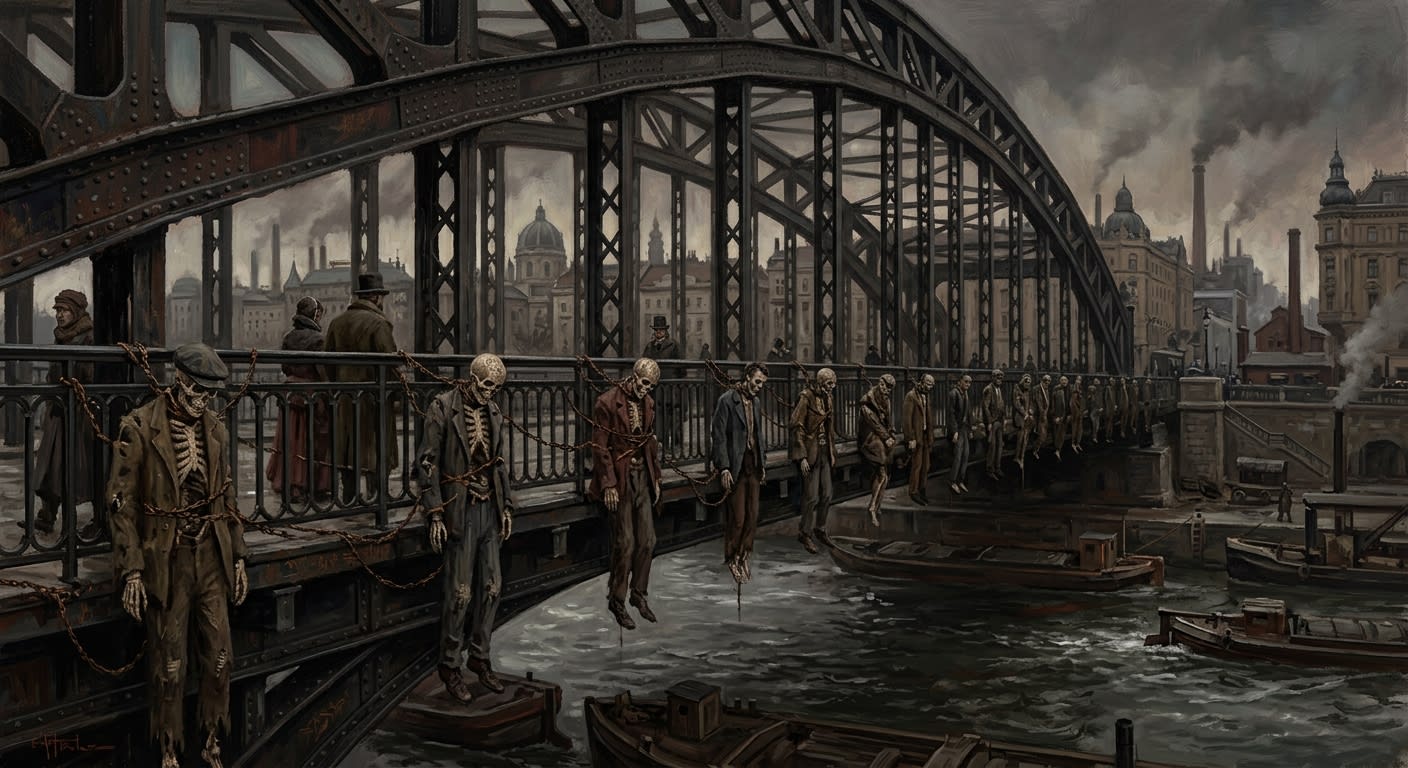
Hanged Bridge
Forty dead rebels made better sermons than their pamphlets
The Hanged Bridge over Vienna's Donaukanal preserves the A.S. 102 aftermath of forty Rationalist rebels whose inscribed bones still preach without permission.
Codex Ref. II.4.09-013

Harbor Prefect-Archivist Iolana
She keeps the harbour legal after reality forgets how to ring
Harbor Prefect-Archivist Iolana rules the Ledger Steps of Thessaloniki, resurrects lost paperwork, and kept legality breathing through the A.S. 198 Silence.
Codex Ref. III.2.01-033

Harbormaster Joram Clee
The man who made nil into a seawall and Weather into doctrine
Harbormaster Joram Clee governs Constantinople's chained harbor with nil, absence, Weather, and a pen sharp enough to hold the Bosphorus down.
Codex Ref. III.2.01-007
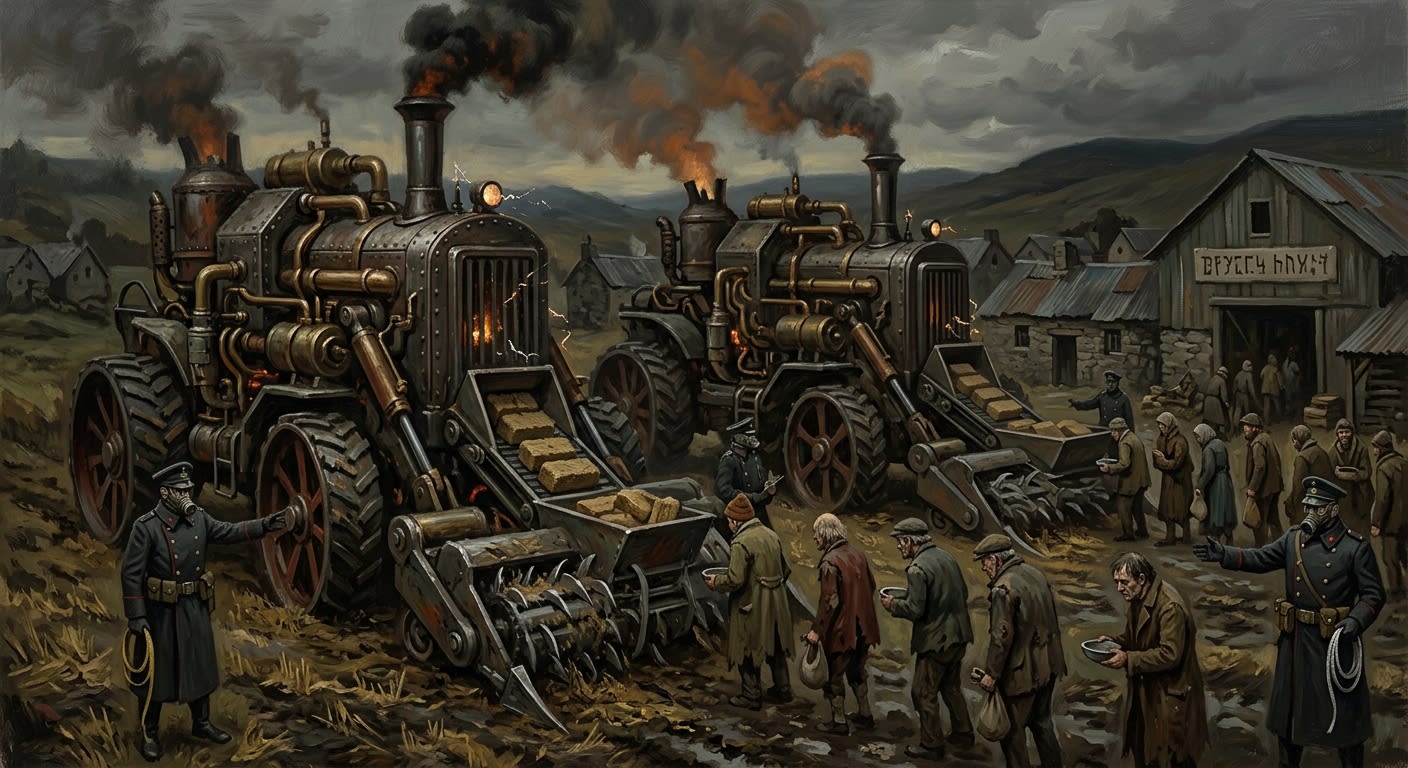
Harvest Engines
If it feeds without filing, burn it before gratitude begins
Harvest Engines are Kargath’s portable abundance: agricultural machines that make food, teach gratitude, and leave whole villages hungry beyond repair.
Codex Ref. XIII.1.26-001
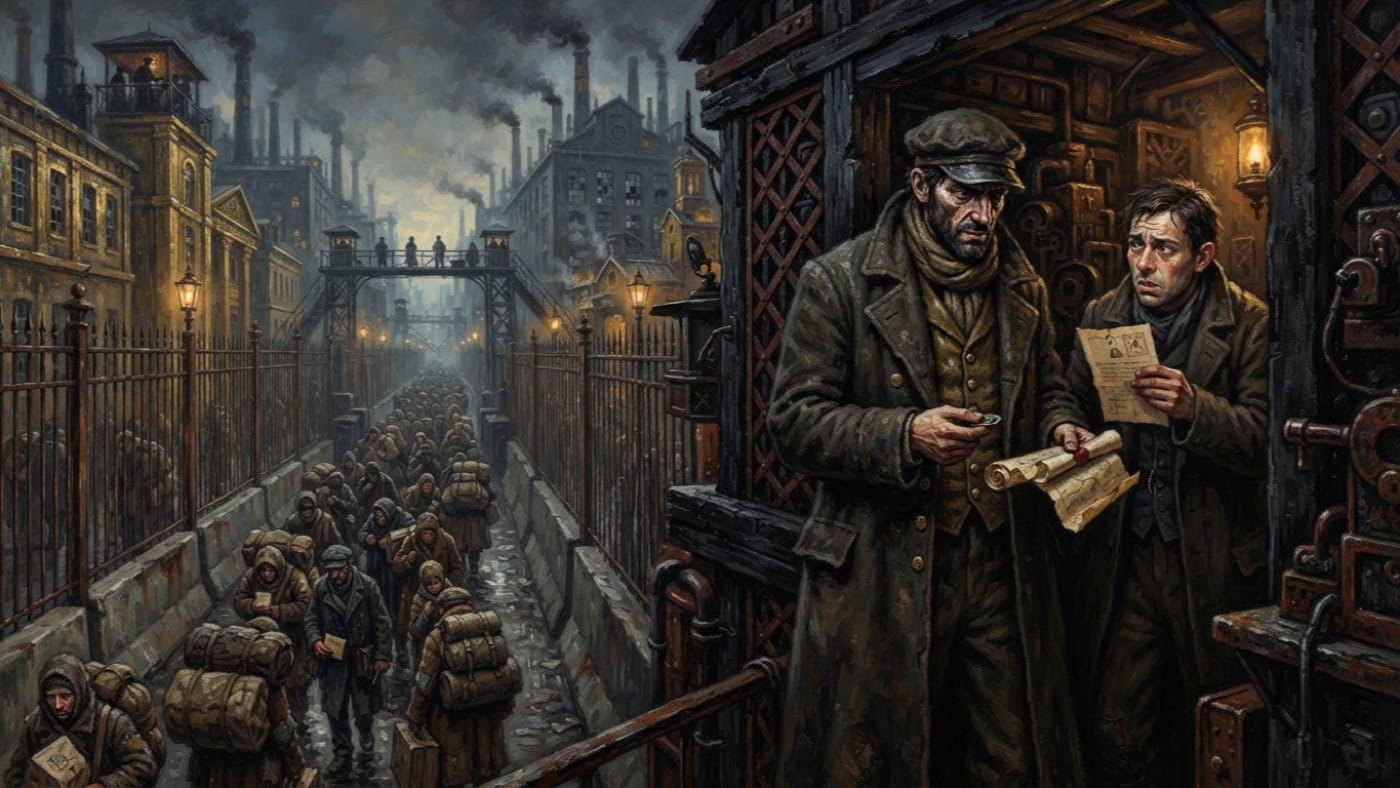
Hatch Lyd
The man who sells passage where motion is taxed
Boss of the Queue Road's Runner Union, called the Lanes. Hatch Lyd sells passage, black-market timestamps and information where every lawful minute is taxed. Unlocated, untaxed and tolerated: the Directorate has use for him.
Codex Ref. III.2.05-001
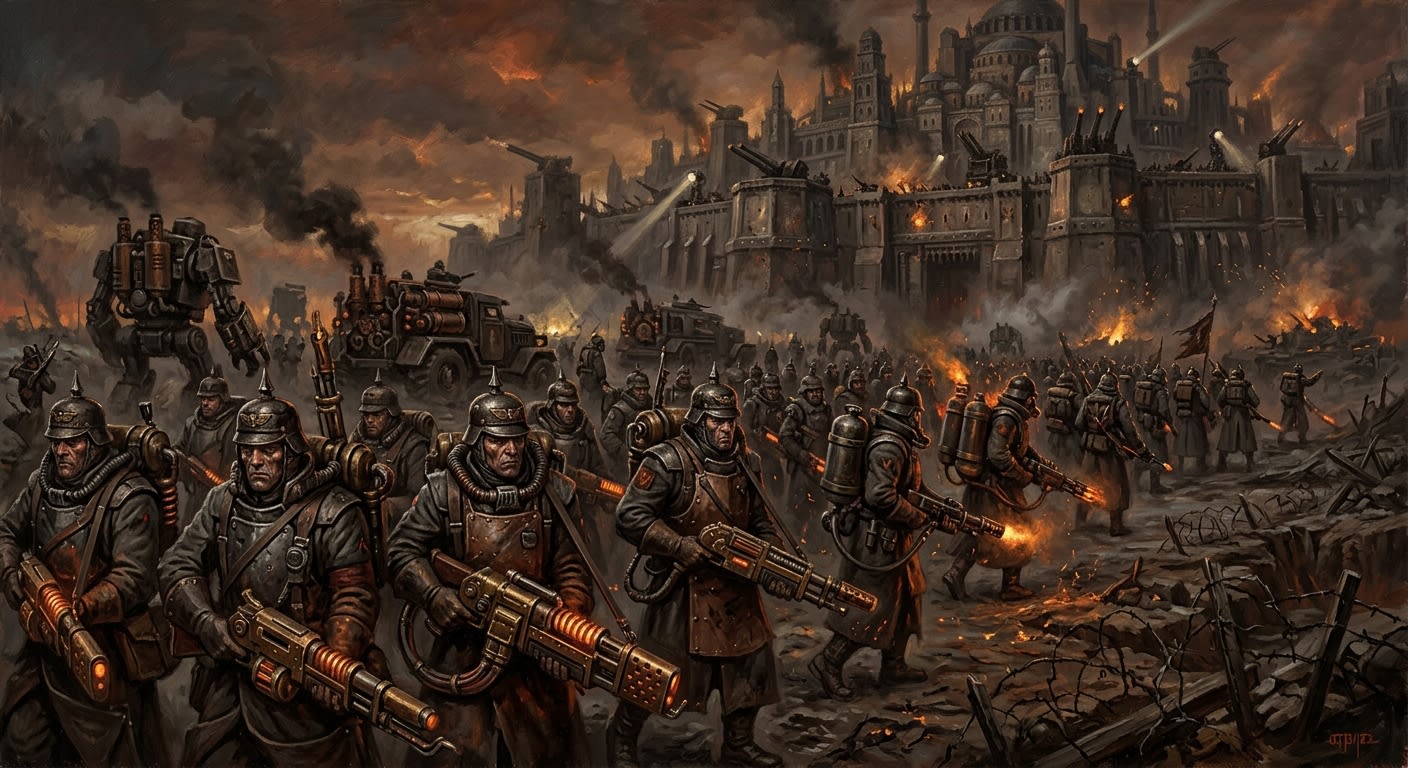
Hellbow Legion
Maldrake's arc of wrath, where range becomes theology and stone learns fear
Maldrake's Hellbow Legion is a wrath-forged assault host, not a regiment of archers: slag-bow cohorts, pyre-smiths, Ember-Soldiers, Hollowed columns, and siege heat aimed at Bastion-Constantinople.
Codex Ref. IV.1.07-009
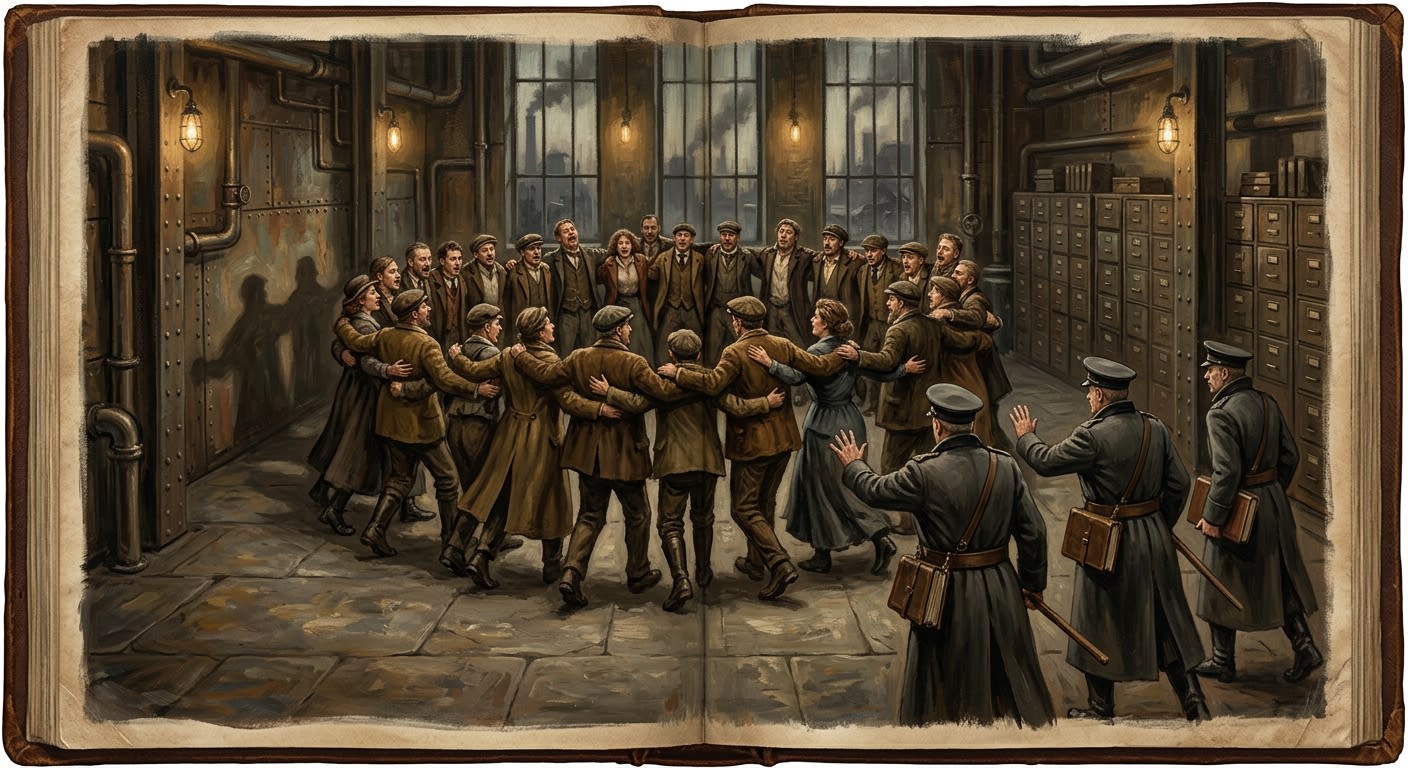
Heresy of Siena
The circle that kept turning after Doctrine entered
The Heresy of Siena began as a harvest dance and became a Bureau problem: a circle of bodies together before any office had authorised joy.
Codex Ref. VII.8.10-141
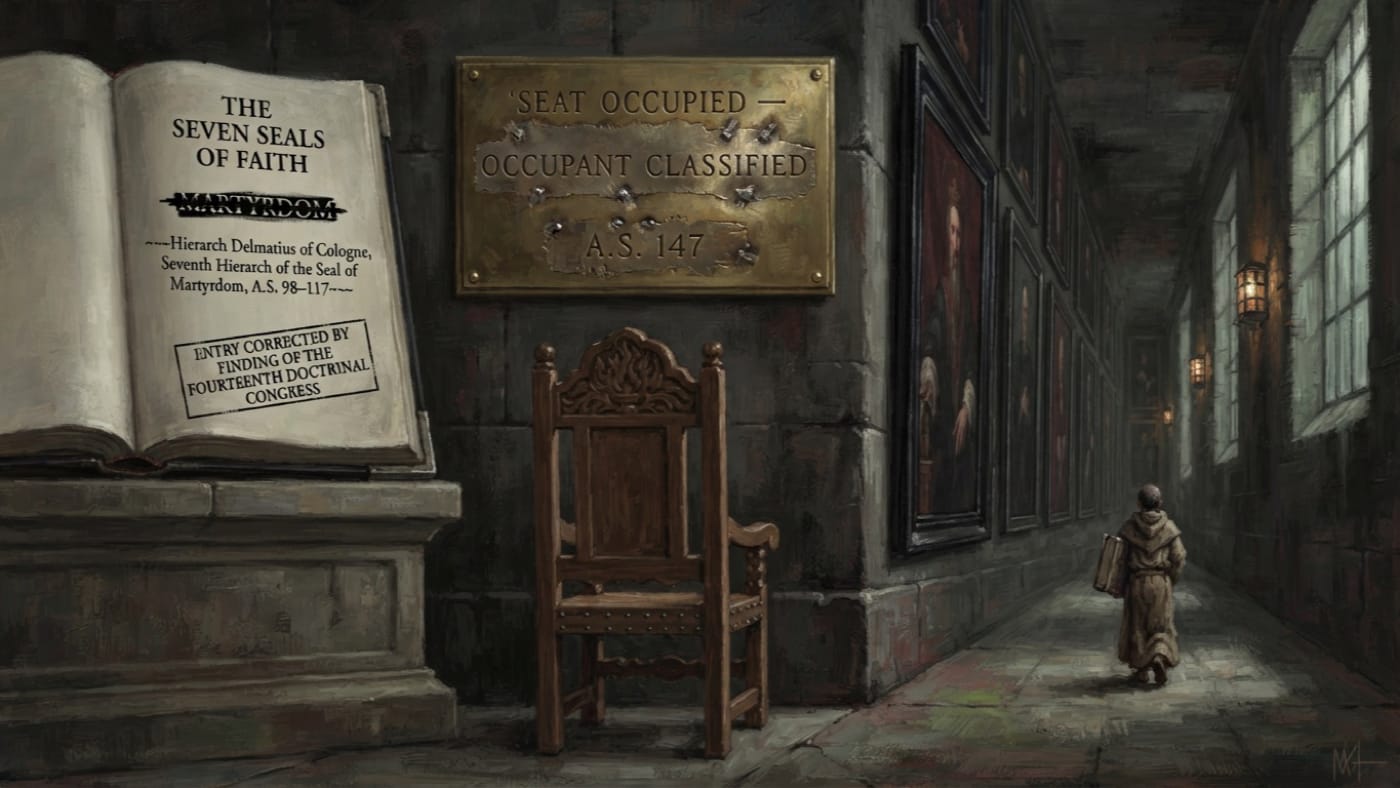
Hierarch Delmatius of Cologne
The Synod Condemned the Hierarch and Kept the Chair
Delmatius was condemned in A.S. 147 for canonisation proceedings based on a dead man's testimony. The Synod withdrew his name, turned his portrait, and kept the chair.
Codex Ref. III.2.01-147
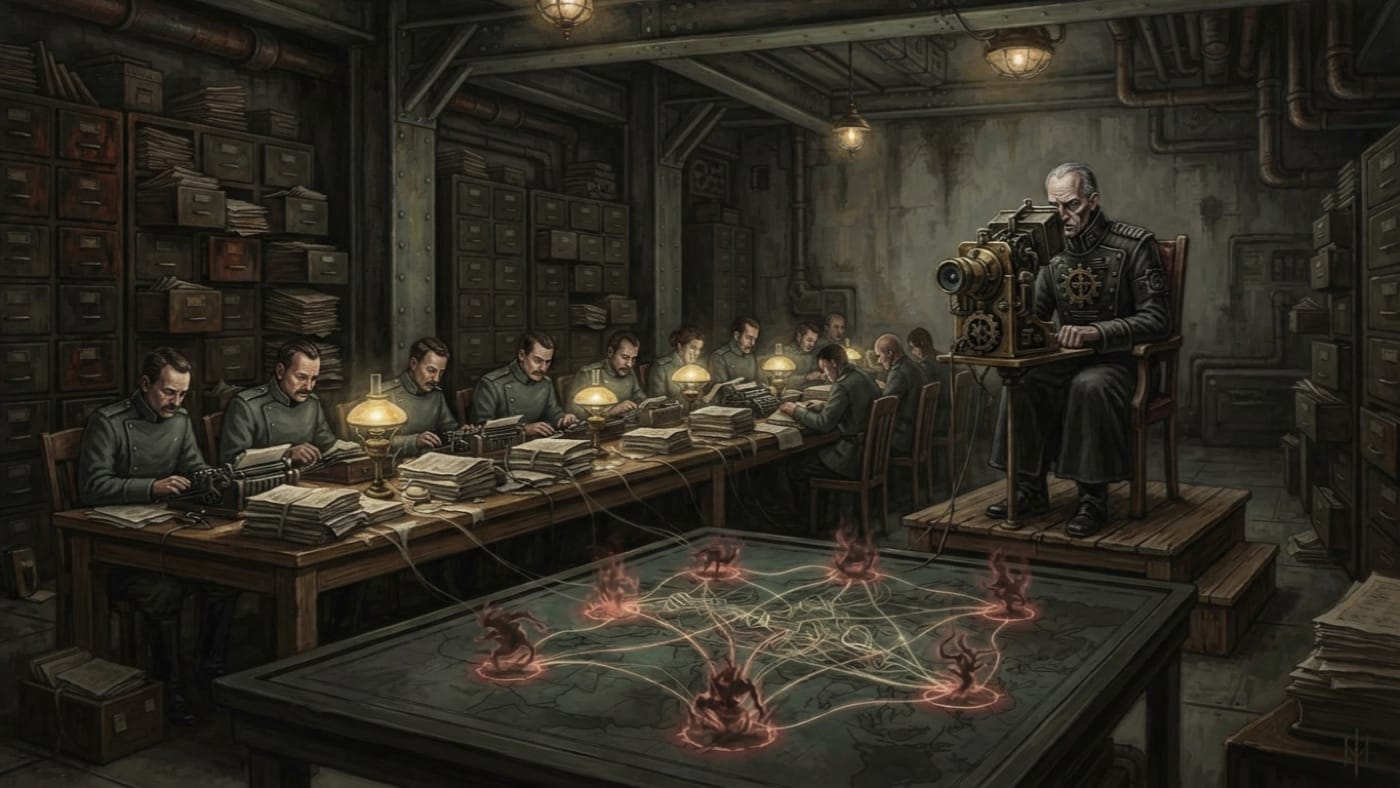
Hierarch Lorrenz
Fourteen was sufficient; the offices that followed made it sacred
Hierarch Lorrenz allotted fourteen analysts to watch seven Sin-Generals in A.S. 94. His arithmetic survived as canonical policy; the enemies grew less obligingly separate.
Codex Ref. III.2.01-094
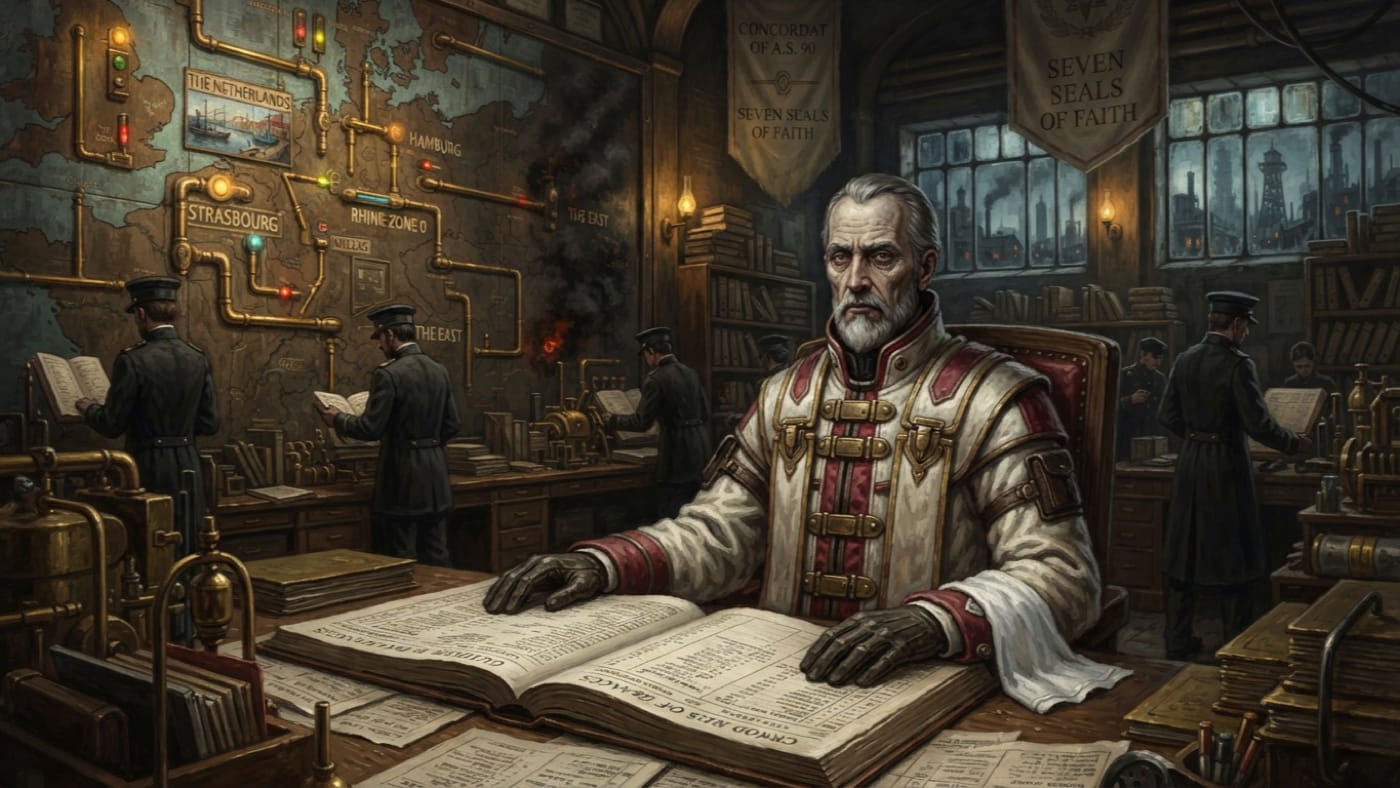
Hierarch of Concord
The chair that keeps embassies open and objections scheduled
The Hierarch of Concord keeps Dutch embassies open, War supplied, Tithes disputing its accounts, and Doctrine objecting. This A.S. 201 dossier records the office; the holder's particulars remain unentered.
Codex Ref. III.2.01-074

Hierarch-Procurator Marius of Cologne
The signature that moved the state into the birth room
Marius of Cologne ratified the Natal Registration Act of A.S. 158, turning Veyrault's recorded-existence doctrine into midwife deadlines, Womb Registrars, and the price of a child's first breath.
Codex Ref. III.2.01-158
Hierarchs
Seven Chairs, One Head of State
The Seven Hierarchs rule the Bureaucratic Synod from Strasbourg under seven Seals of Faith. Their decrees are absolute; reconciling them is my department.
Codex Ref. I.3.01-005

Hieromnemon
The office that teaches memory to kneel
The Hieromnemon governs public memory for Doctrine: seal, margin, erratum, redaction, and the blessed sentence that makes contradiction obey.
Codex Ref. XIII.1.31-090
Hieromnemon Valerius Drax
The hand that corrects History before History embarrasses itself
Valerius Drax, Hieromnemon and Warden of the Sacred Ledger, is Doctrine's finest current instrument: prose stylist, ratifier, propagandist, archivist, and living rebuke to committee language.
Codex Ref. III.2.01-201
High Arbiter Senn Vark
The man who sells precedent because the stones charge more
High Arbiter Senn Vark rules the Steppe Gate by witness, precedent, and profitable caution, binding even the Archive's living addenda when the stones agree.
Codex Ref. III.2.01-010
High Censor
The title commands obedience. The archive cannot produce its holder.
The High Censor crowns the Inquisition's command chart. Doctrine grants the office obedience; Records denies it. Its holder is unestablished, its reported vacancy rests on one entry, and the orders continue.
Codex Ref. VI.3.02-002

High Registrar of Chromas
The office that can invalidate a life by changing its shade
Candlewick's High Registrar defines lawful colour and decides which papers retain their standing. Sable Vorn holds the office; Hungry Ink obeys its shades while consuming its words.
Codex Ref. XIII.1.96-201
Hilde Voss
The danger left. The volume stayed.
Hilde Voss outlived every Cellar Saint the archive could confirm. She died at one hundred in Strasbourg, A.S. 130, still praying in whispers; the Bureau recorded her death more fully than her life.
Codex Ref. III.2.01-130
Hinterland
The fifty kilometres that pretend to be rear
The Hinterland is the fifty-kilometre bruise behind the Sagittal Line: farms, wards, graves, depots, markets, and civilians ordered to call occupation protection.
Codex Ref. II.4.09-201
Hofburg Palace
Unfinished minutes behind a century's seal
The Hofburg was sealed in A.S. 95 with the Council of Nine's last minutes unfinished and its pen reported wet. The meeting has no recorded date. The pen has two reported homes. Neither file is closed.
Codex Ref. II.4.09-1374
Holy See of Vienna
The dead chair that Strasbourg found too useful to resurrect
The Holy See of Vienna was the Church's old continental chair: venerable, beautiful, administratively inadequate, dissolved at Regensburg in A.S. 30, and later preserved by Strasbourg as shrine, warning, and useful absence.
Codex Ref. VIII.1.09-030
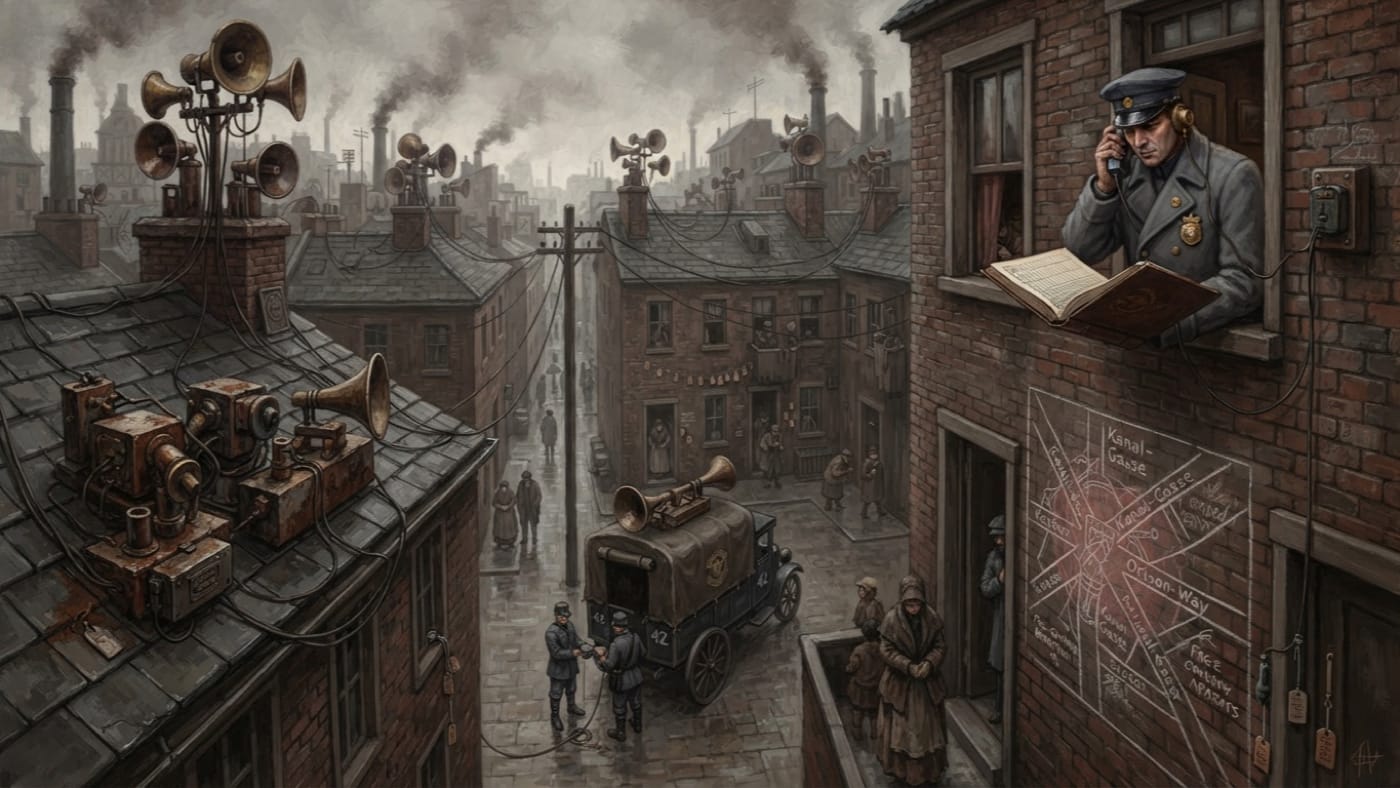
Hornline Reforms
Every district shall hear; every household shall answer
The A.S. 150 reforms made sermon coverage a district obligation, installed rooftop shrines, required temporary relays, and joined reception checks to household rolls. Silence acquired a ledger.
Codex Ref. VII.2.10-150
Hospital of Saint Sebastian
Where the Military City sends the wounded
Saint Sebastian tends wounded soldiers or buries them in Strasbourg's Military City. This A.S. 201 survey keeps the local record distinct from Mercy's wider machinery of care, confession and ink.
Codex Ref. II.2.10-201
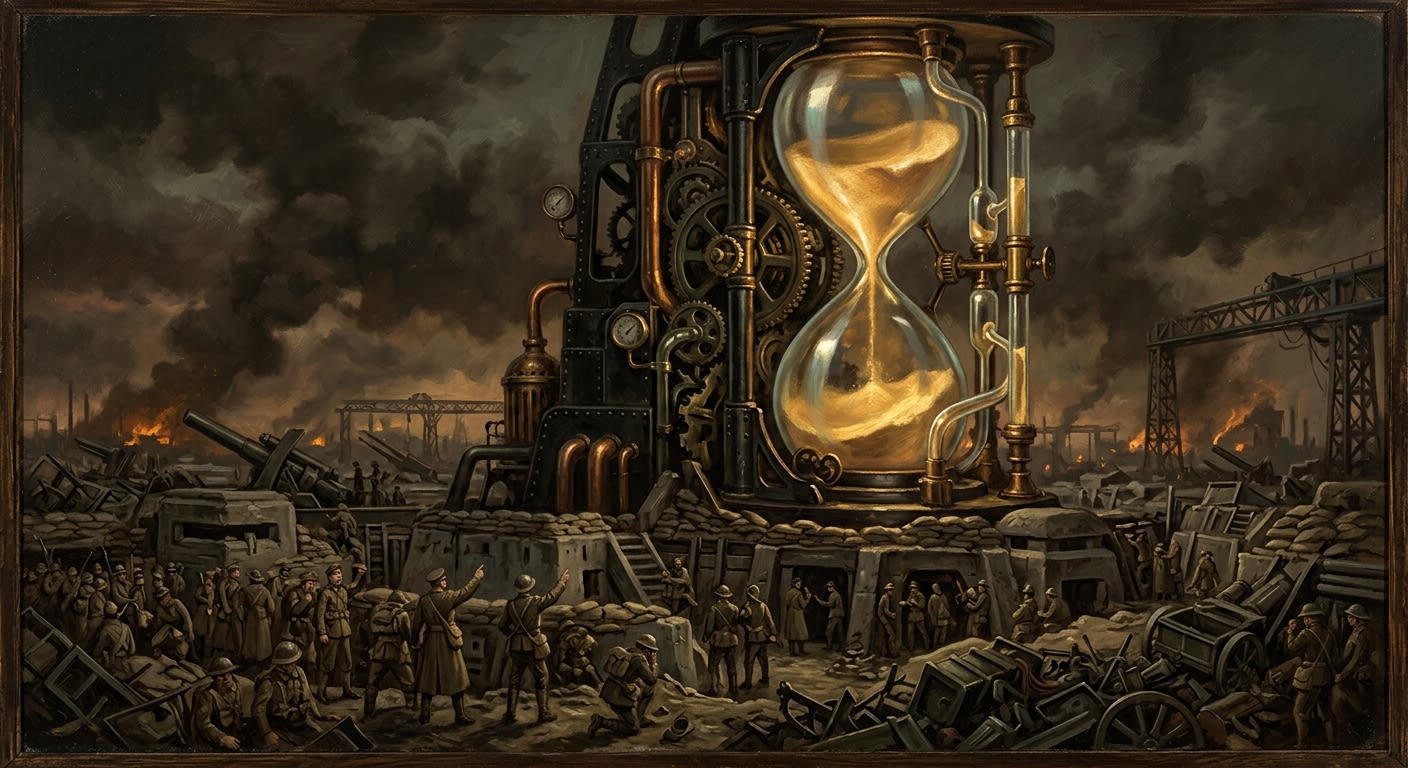
Hourglass Monolith
The engine that steals the second before obedience
The Hourglass Monolith is Syrion's colossal temporal war-engine: seen twice, measured never, and guilty of stealing the moment in which men obey.
Codex Ref. IV.1.07-134

House Vatmarsh
Whoever fixes permanence also owns decay
House Vatmarsh fixes the Synod's ink into permanence, and therefore sells the slower terror: what holds, what fades, and what learns to hunger.
Codex Ref. VIII.6.09-201
Humility Practices
A basin can be countersigned; a conscience cannot
Purity sends officers above captain to wash feet, serve meals and labour beneath their station each quarter. The register certifies the task; it cannot certify humility.
Codex Ref. XIII.1.94-003
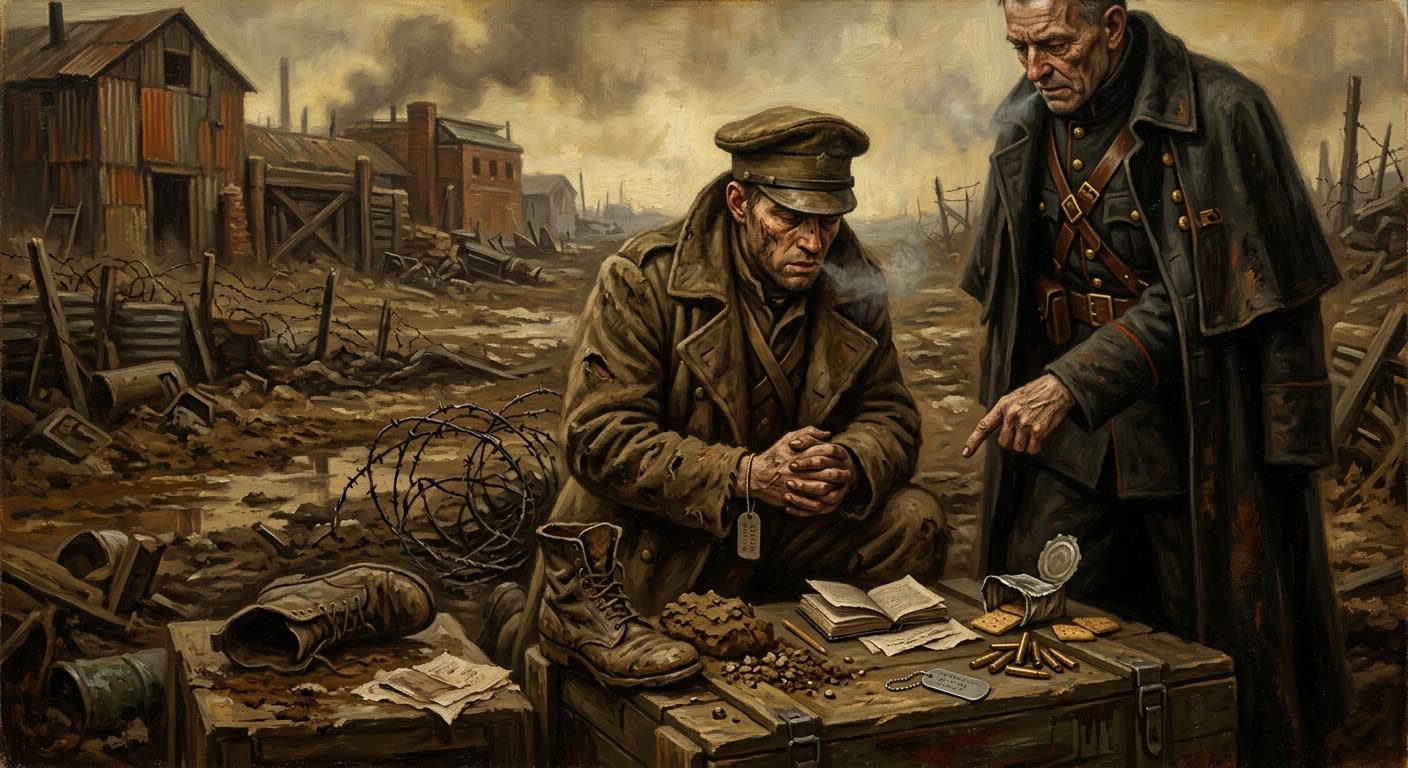
Humility Sequence
Boot, mud, ration, wire; the ugly words that keep Pride low
The Humility Sequence is Przemyśl's deliberately ugly counter-recitation against Atheronic grandeur: boot, mud, ration, wire, cartridge, number, name, breath.
Codex Ref. XIII.1.94-188
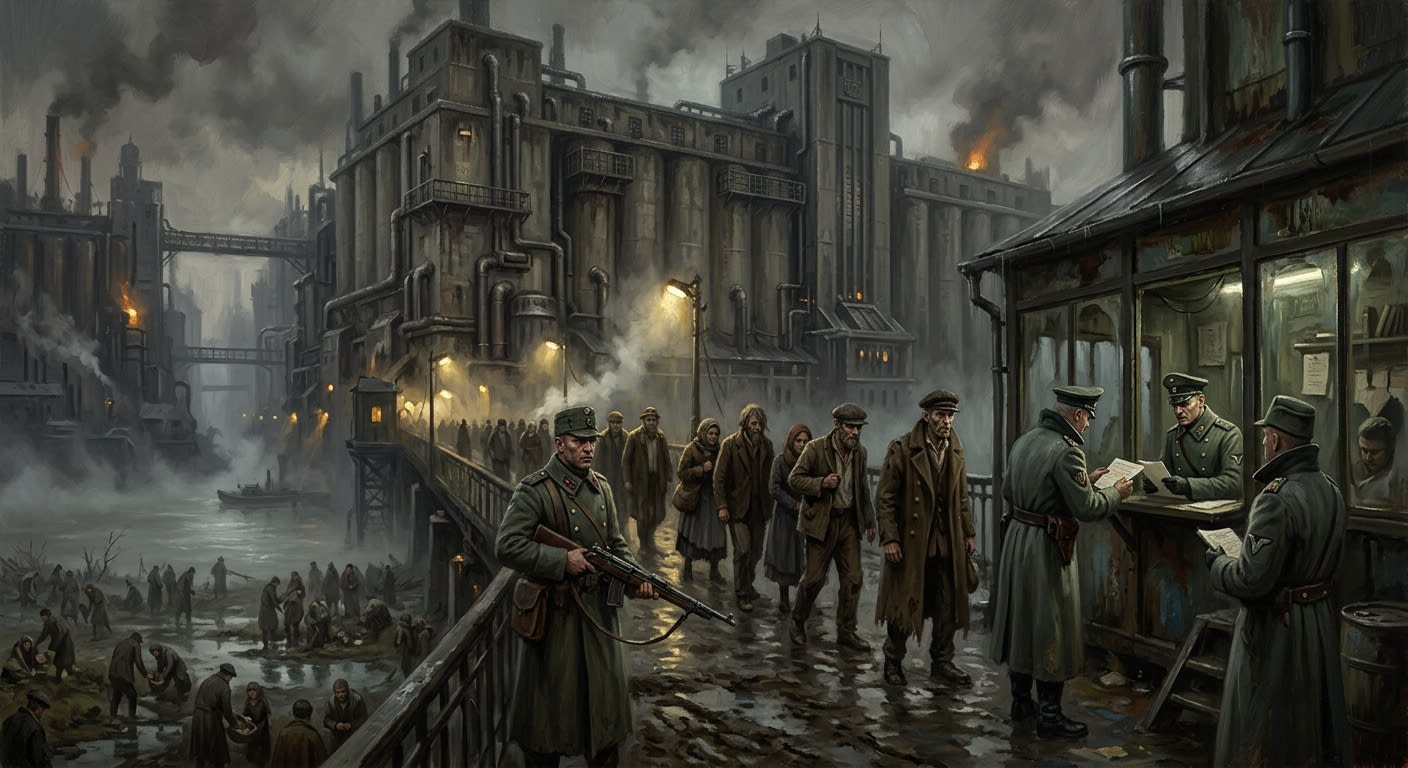
Hungary
The breadbasket that [[hell|Hell]] ate and [[strasbourg|Strasbourg]] filed by the slice
Hungary is the old grain kingdom remade into Budapest's held bank, Pest's visible absence, Blightmarsh hunger, southern corridor necessity, refugee memory, and every office's damp-fingered embarrassment.
Codex Ref. II.4.09-045
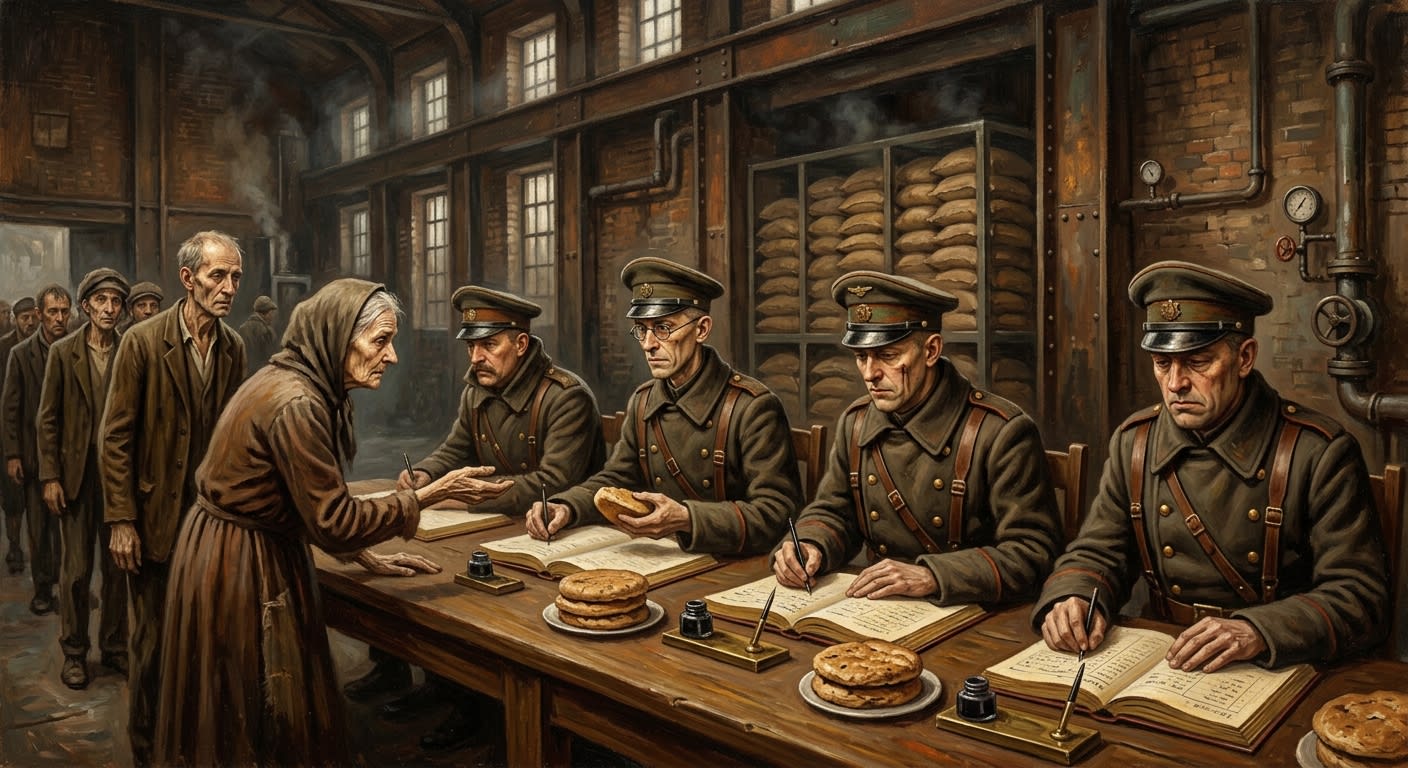
Hunger Brokers
The loaf becomes a chain when tomorrow is sold by the slice
Hunger Brokers are the tyrant faction of Grain Keepers, turning bread into debt, recruitment, silence, and ward sovereignty by ration ledger.
Codex Ref. XII.13.06-001
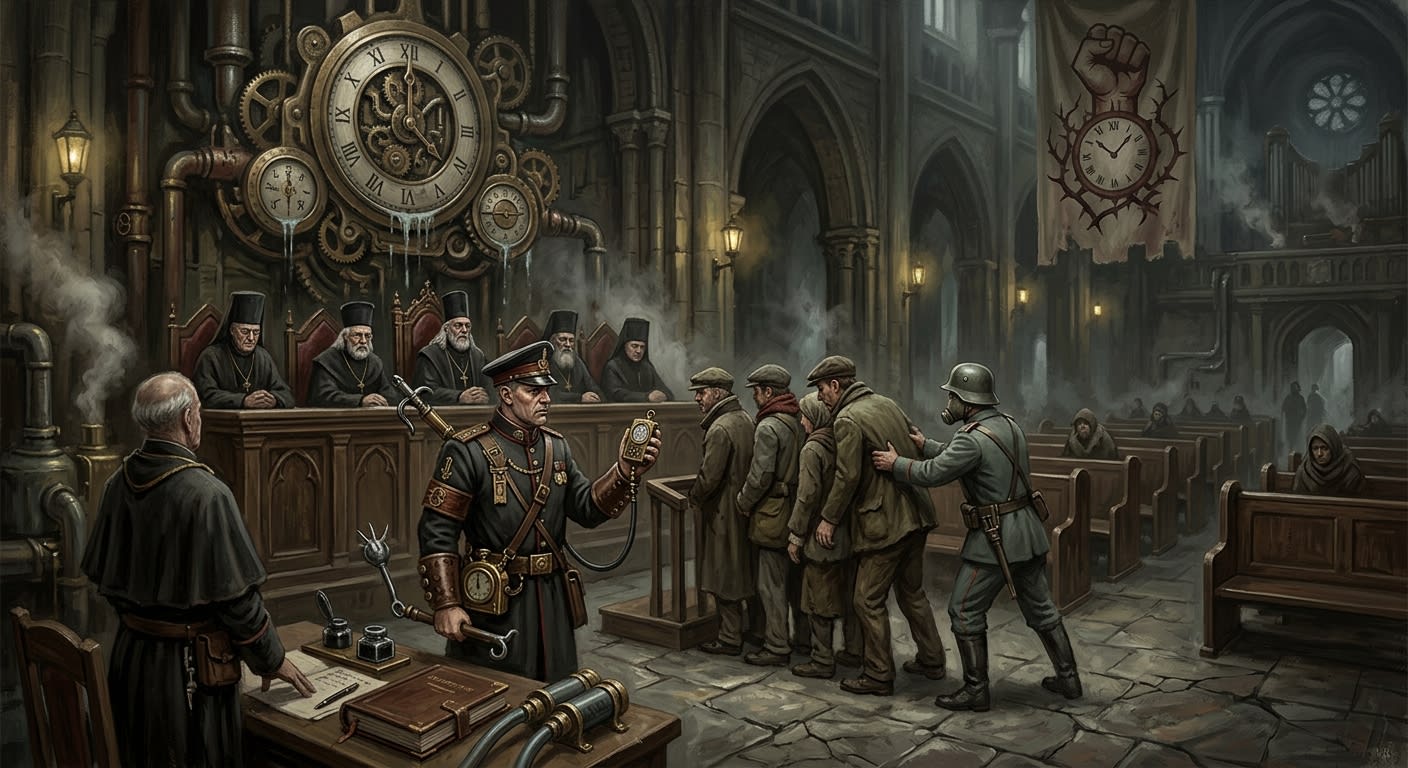
Hymn-Length Reforms
Four minutes of law, because the fifth minute belongs to the mob
The A.S. 141 reforms compressed circuit trials into one creed-hymn, turning time into a bailiff's weapon after the Road Riots taught the Synod what delay can do.
Codex Ref. VII.2.10-095
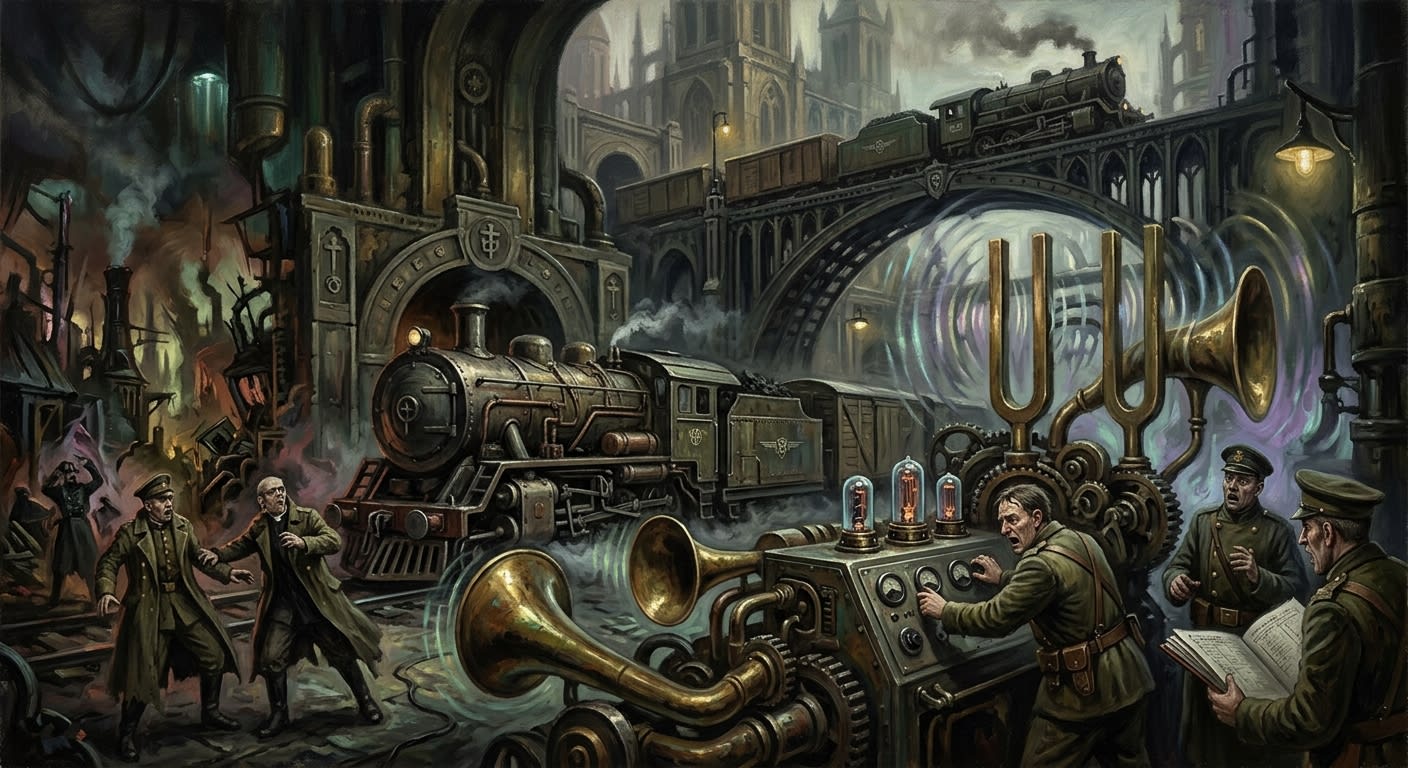
Hymn-Phase Slip
The measure arrives late, and obedience kills on schedule
Hymn-Phase Slip is Lorn's acoustic-mechanical heresy: correct hymn, correct signal, correct manifest, and a train delivered to the wrong truth.
Codex Ref. XIII.1.93-112
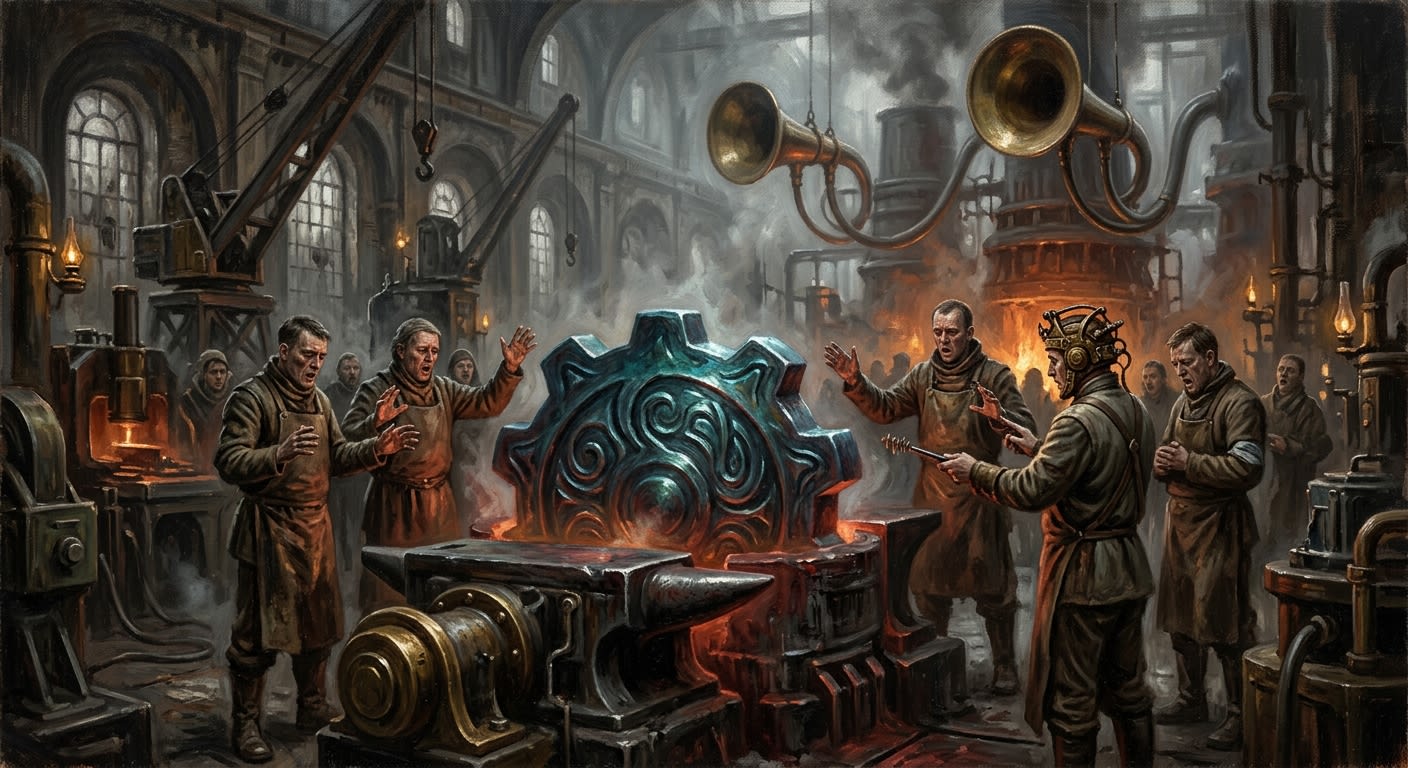
Hymnsteel
Metal taught obedience remembers every wrong note
Hymnsteel is obedient metal: forged at Essen by heat, formula, seal, and throat until iron remembers the note it was commanded to serve.
Codex Ref. XIII.1.93-110
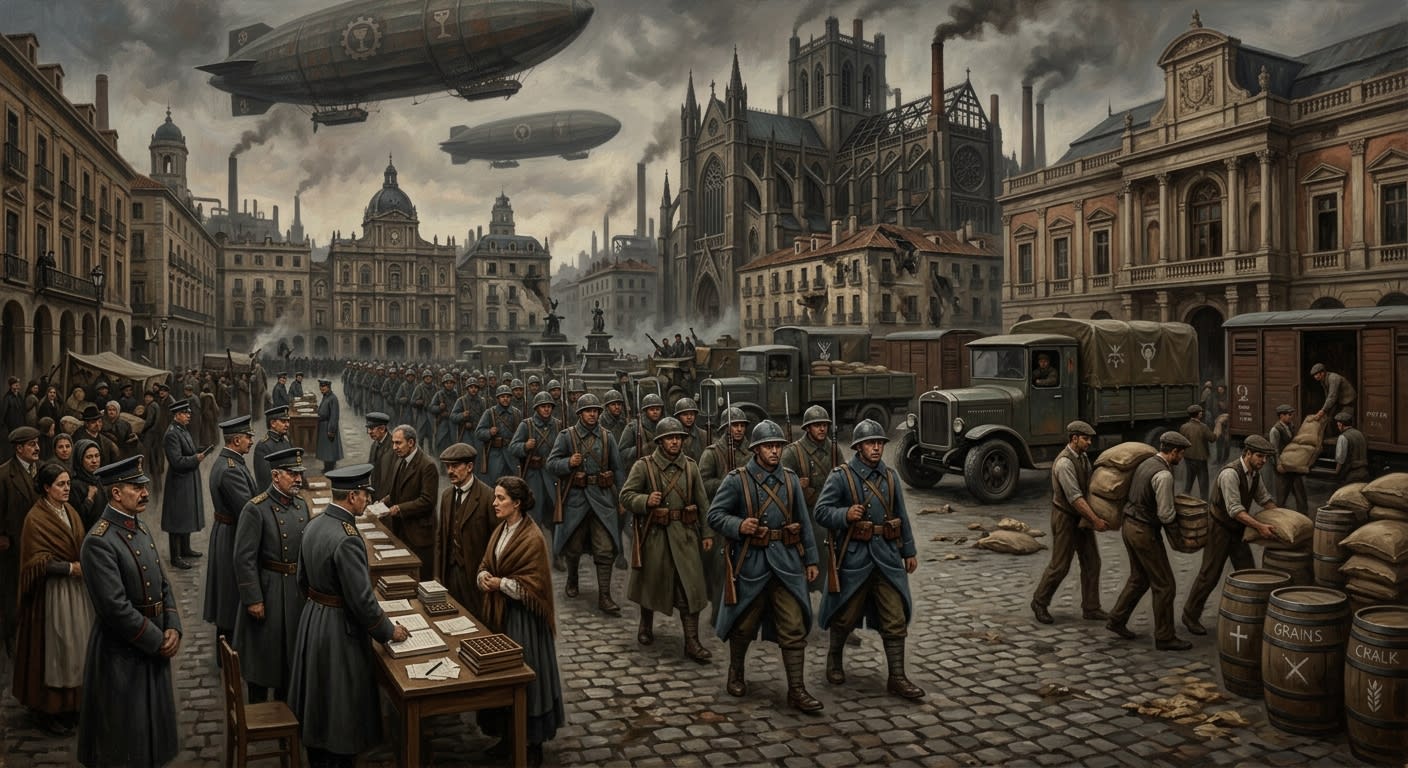
Iberian Campaigns
The West was conquered first by salt, then by silence
The Iberian Campaigns were the Synod's western correction: salt dues, harbour ledgers, Seville's silenced plazas, stripped granaries, and conquest filed as housekeeping.
Codex Ref. VII.5.10-092
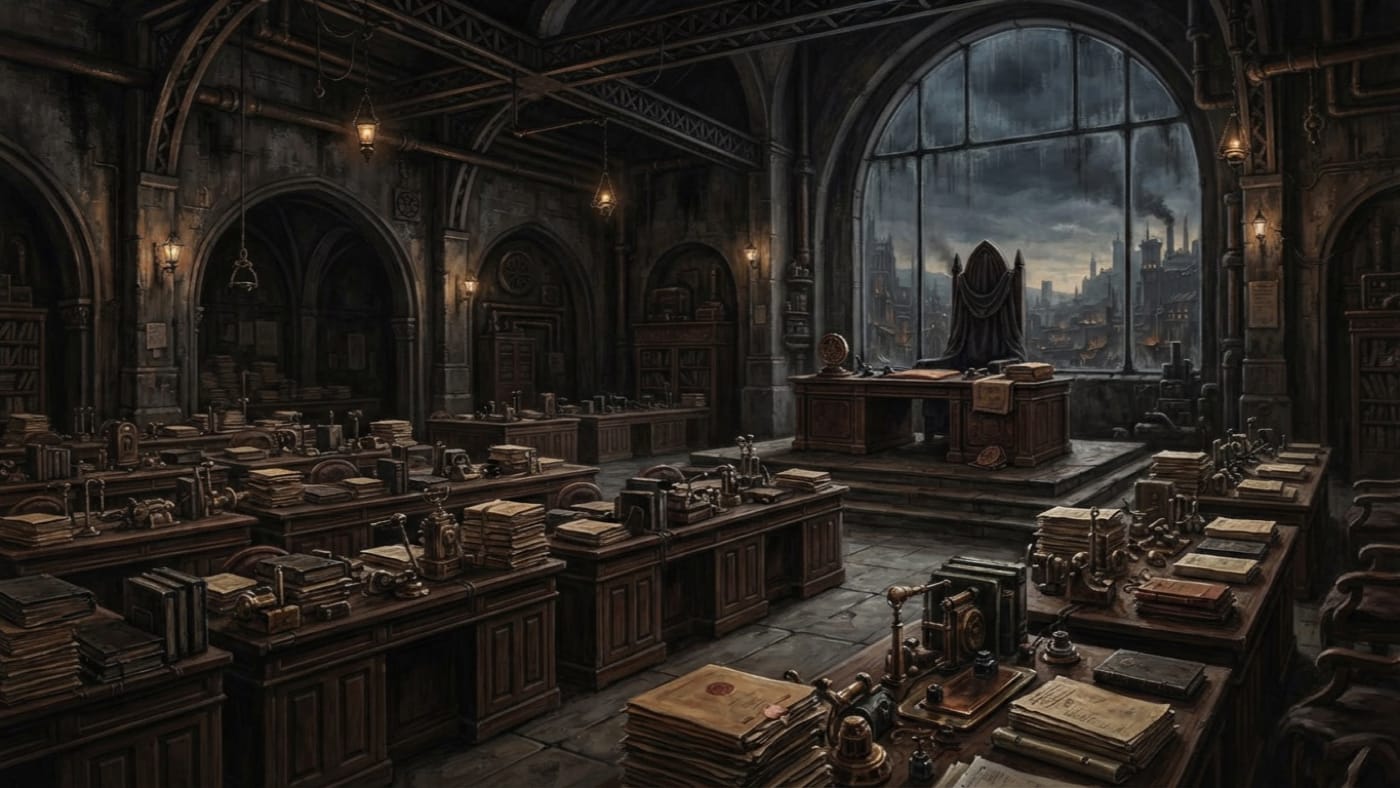
Iberian Prefect's office
One assessment, one resignation, one sealed file
The office that delivered the Bureau's A.S. 178 assessment of the alleged Flame of Charity. Its unnamed Prefect resigned six months later; Shadows keeps his file sealed.
Codex Ref. VIII.3.178-001
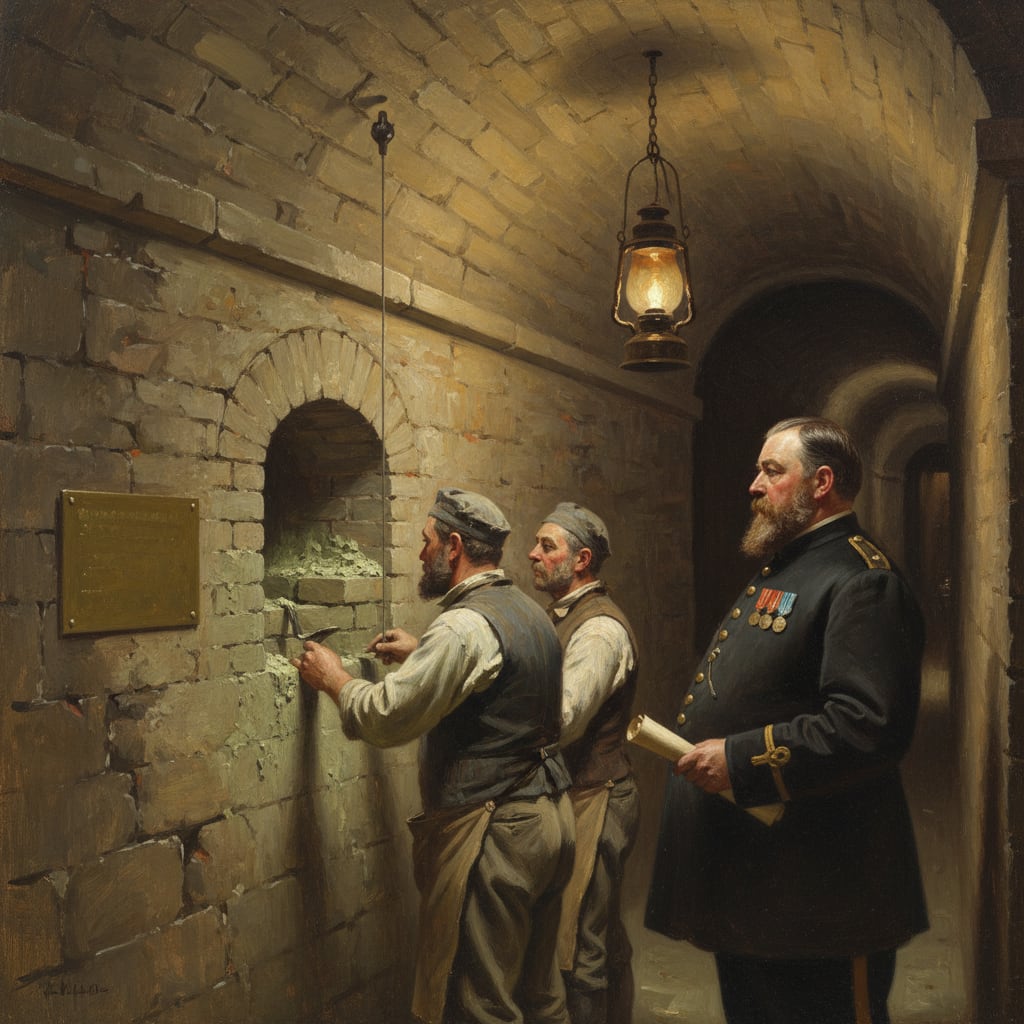
Immurement Mason
The Punitive Construction Auxiliary: On the craft of permanent deterrence, the condemned as structural element, and the mortar that does not negotiate
~2,400 licensed Masons who turn living bodies into load-bearing lessons; three ranks, two factions, one Standing Order that recommends no air provisions; the condemned ceases to be a problem and becomes a structural element.
Codex Ref. XII.22.01-001
Incense Binders
A grade is a dosage with a hymn for a name.
San Vesta's monastery craft order binds relic-smoke into three grades of obedience. Its recipes quiet cathedrals, trench-chapels and crowds; its workers breathe the batch first.
Codex Ref. VIII.6.04-002
Incident of A.S. 187
The twelfth hour when the margin learned to sing
The A.S. 187 east-bench breach in which Inquisitor Breel copied proscribed Register of Sounds notation from the Index Damnatus, forcing Purity's eight-hour reform under Administrative Order 44-B.
Codex Ref. VII.4.17-001
Index Claritatis
Speak only what has been granted, and preferably with witnesses
The Index Claritatis licenses permitted speech across the Synod, proving that censorship is crude until Doctrine teaches it grammar.
Codex Ref. XIII.1.30-001
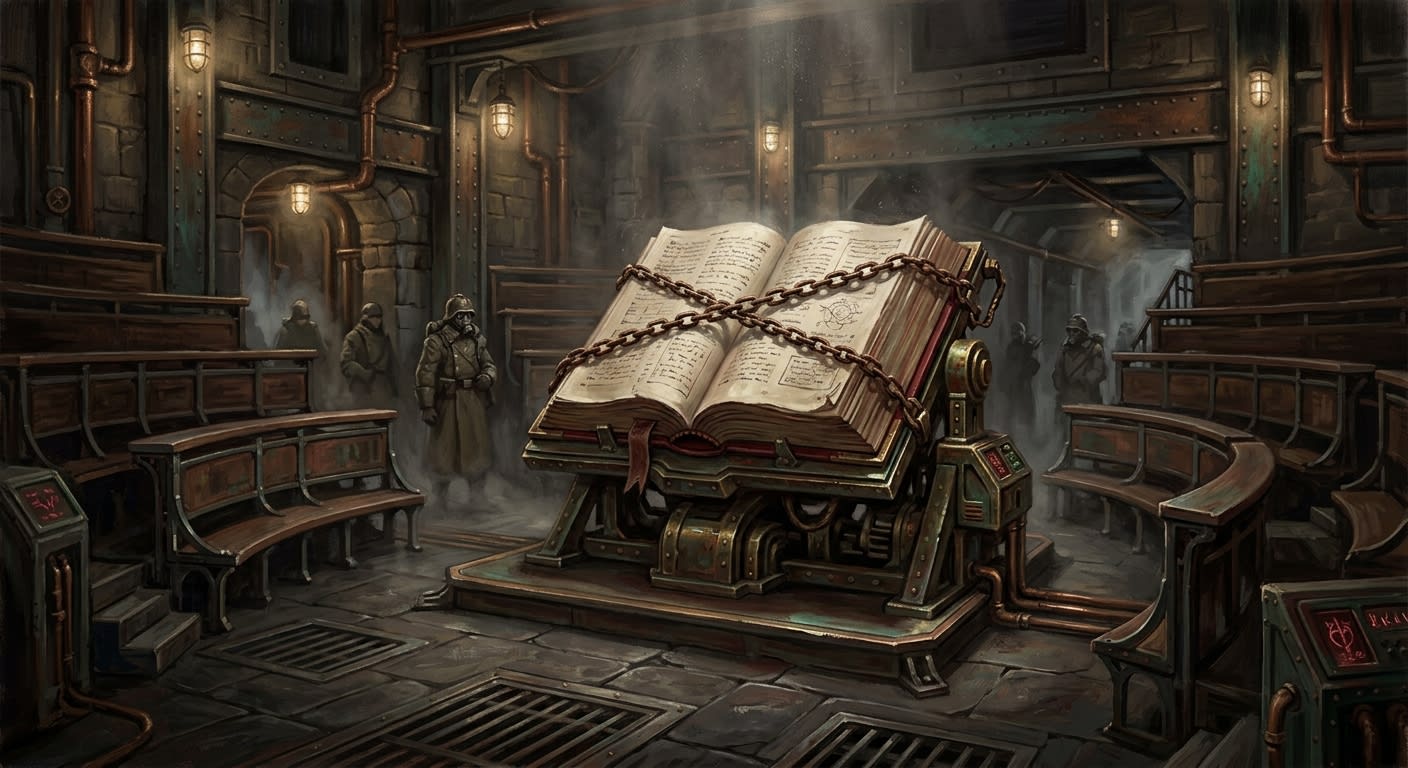
Index Damnatus Chamber
The room where forbidden paper teaches obedience to look away
Principal room of the Vault of Silences beneath Strasbourg's Basilica, where the Index Damnatus remains chained open, watched by benches that never learned mercy.
Codex Ref. II.2.02-004
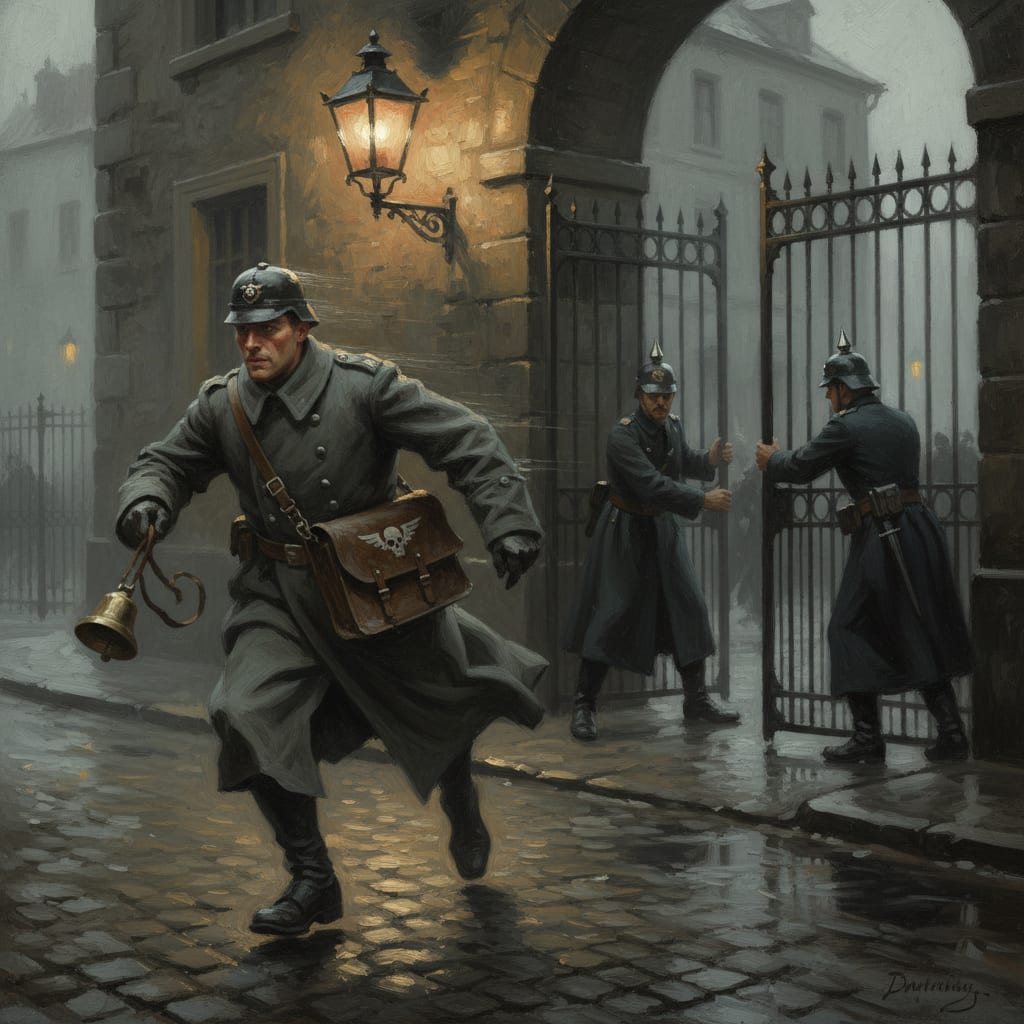
Index Damnatus Runner
On couriers who carry condemned names faster than the condemned can flee
The Bureau of Purity's courier corps: eleven hundred Runners who carry condemnation packets from Strasbourg to every gate, ferry, orphanage, and shrine before the damned can cross a border. Speed is doctrine. Late is the same as false.
Codex Ref. XII.23.01-001

Index of Prohibited Emanations
The book that gives smoke a docket number
Bureau of Purity catalogue that turns unlawful smoke, warmth, vapour, residue, and prayer by-product into chargeable evidence for Fume-Inspectors and their theatrical little strips of paper.
Codex Ref. XIII.1.77-001
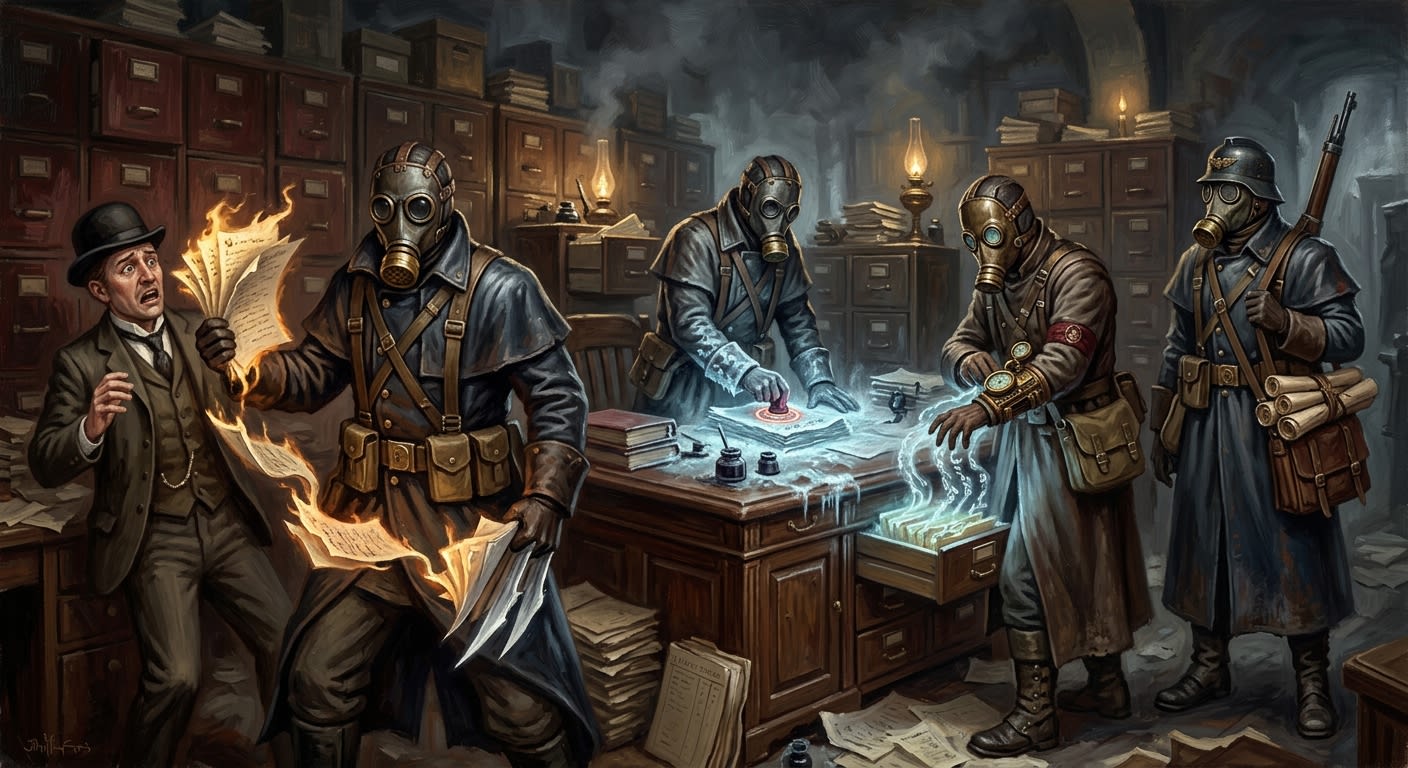
Indiction Shadows
The mask, the writ, and the courtesy of procedural terror
The Indiction Shadows are masked Bureau of Records audit-operatives whose writs freeze rooms, suspend names, retrieve hostile files, and make paperwork behave like a knife with witnesses.
Codex Ref. VIII.1.06-001
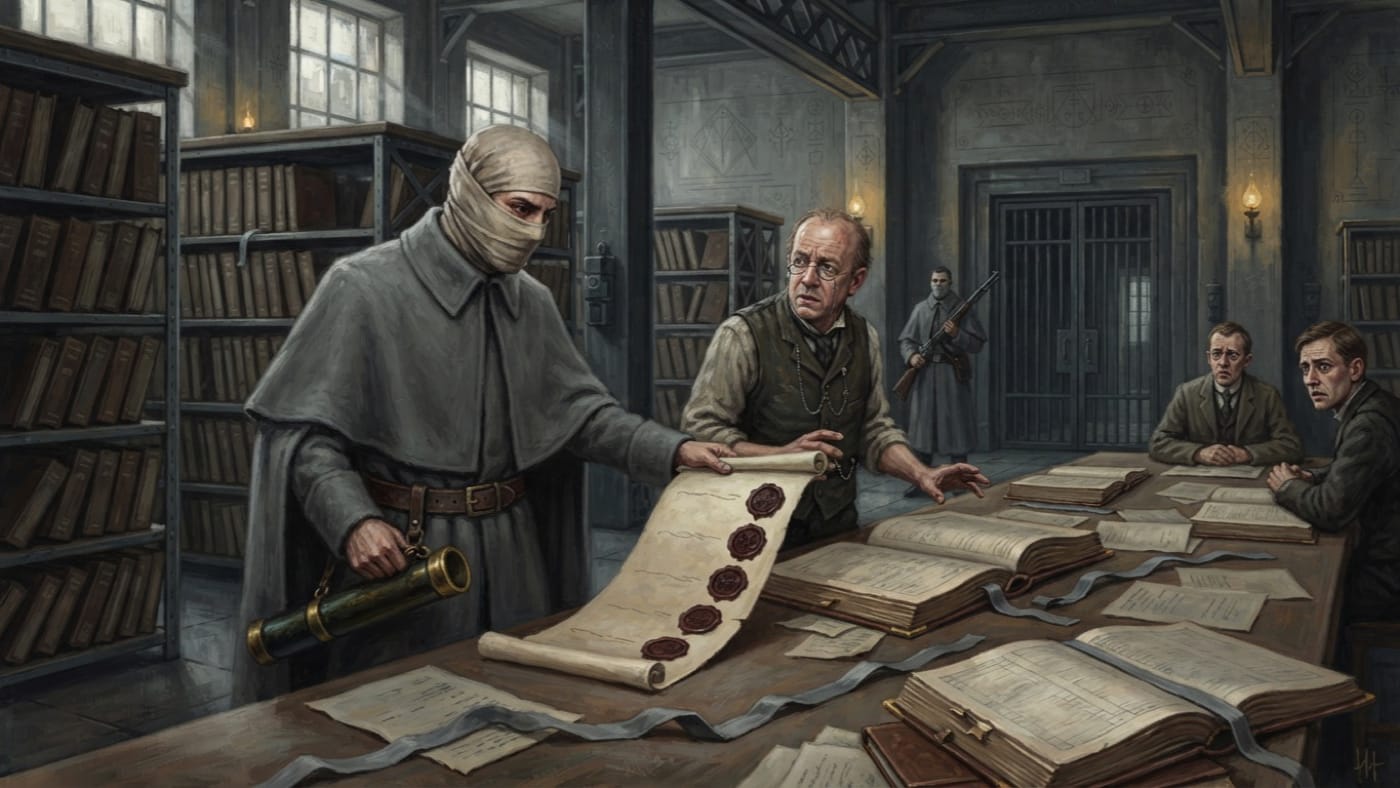
Indiction Writ
Five seals, five powers, and an appeal that waits
The Indiction writ lets Records seize ledgers, enclose witnesses and suspend names before any charge. Five seals announce that the Bureau has noticed; appeal waits until reconciliation.
Codex Ref. XIII.1.06-003
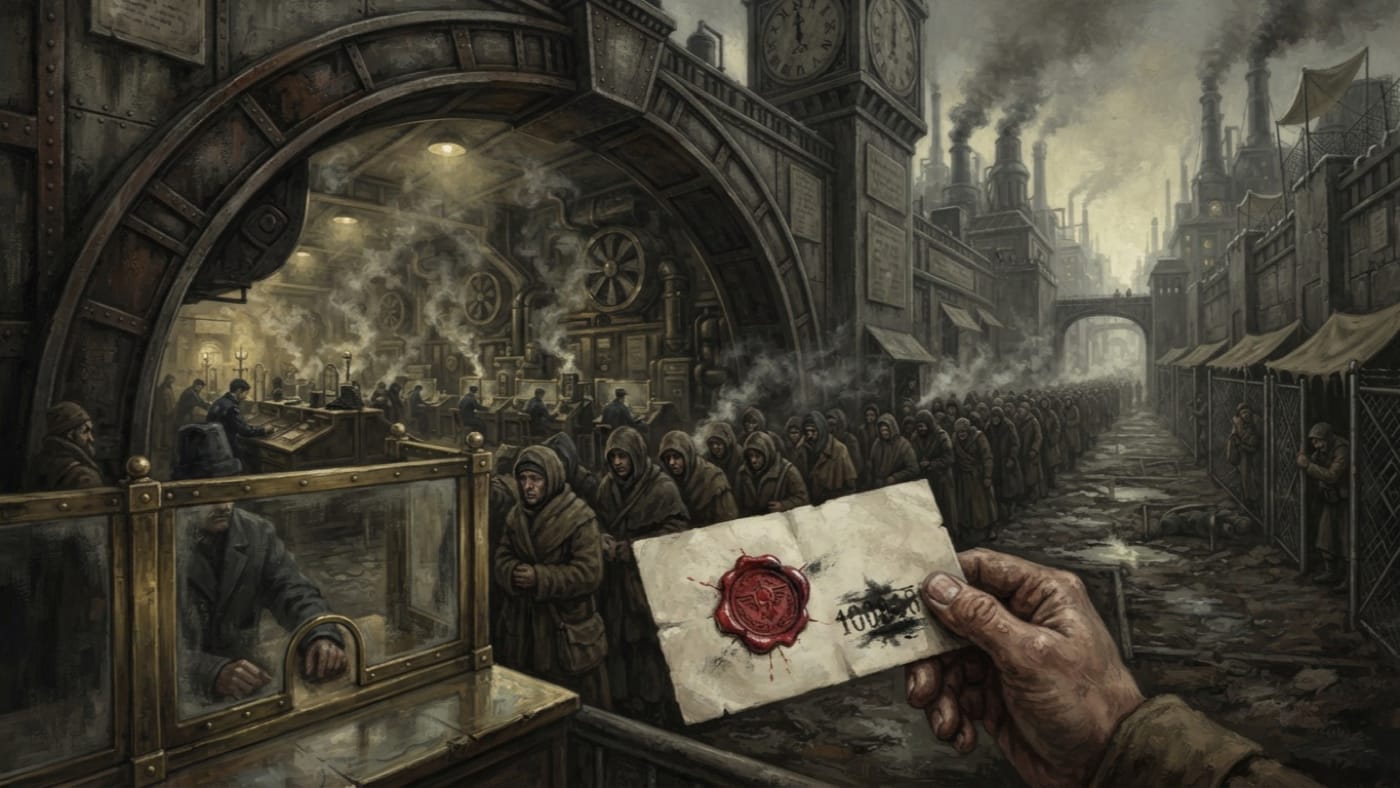
Indulgence Slip
Thirty days of passage; the name remains on file
Portable innocence in wax and paper: thirty days of passage on the Pilgrim Roads, a disputed currency, and no protection against a doubt flag on the bearer's name.
Codex Ref. XIII.1.40-002
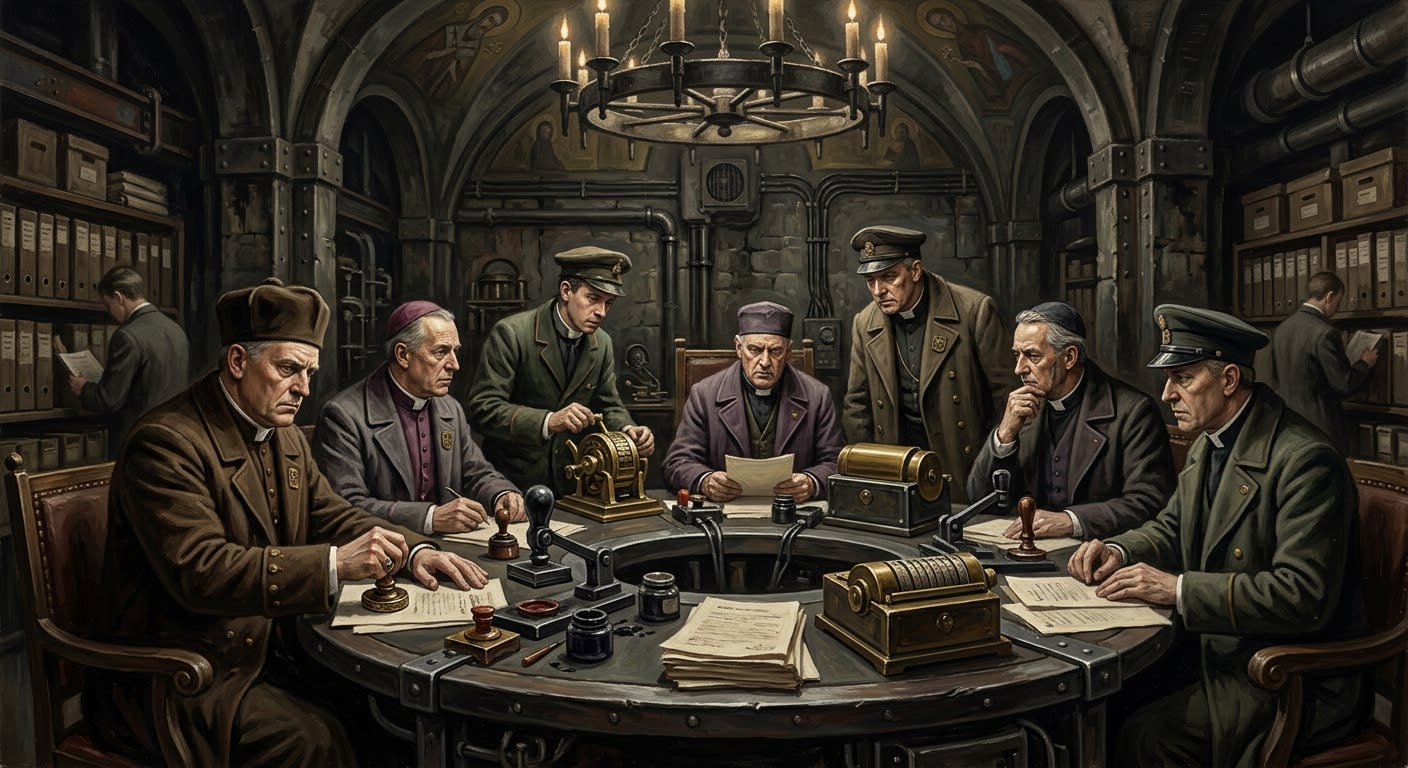
Inner Circle
Seven knives pointed inward, and Europe calls the locked box government
The Inner Circle is the Synod's highest chamber: seven Seal authorities locked in Strasbourg beneath the Basilica, manufacturing unanimity from obstruction, fear, rotating stamps, clerks, and the occupied absence of War.
Codex Ref. XIII.1.05-090
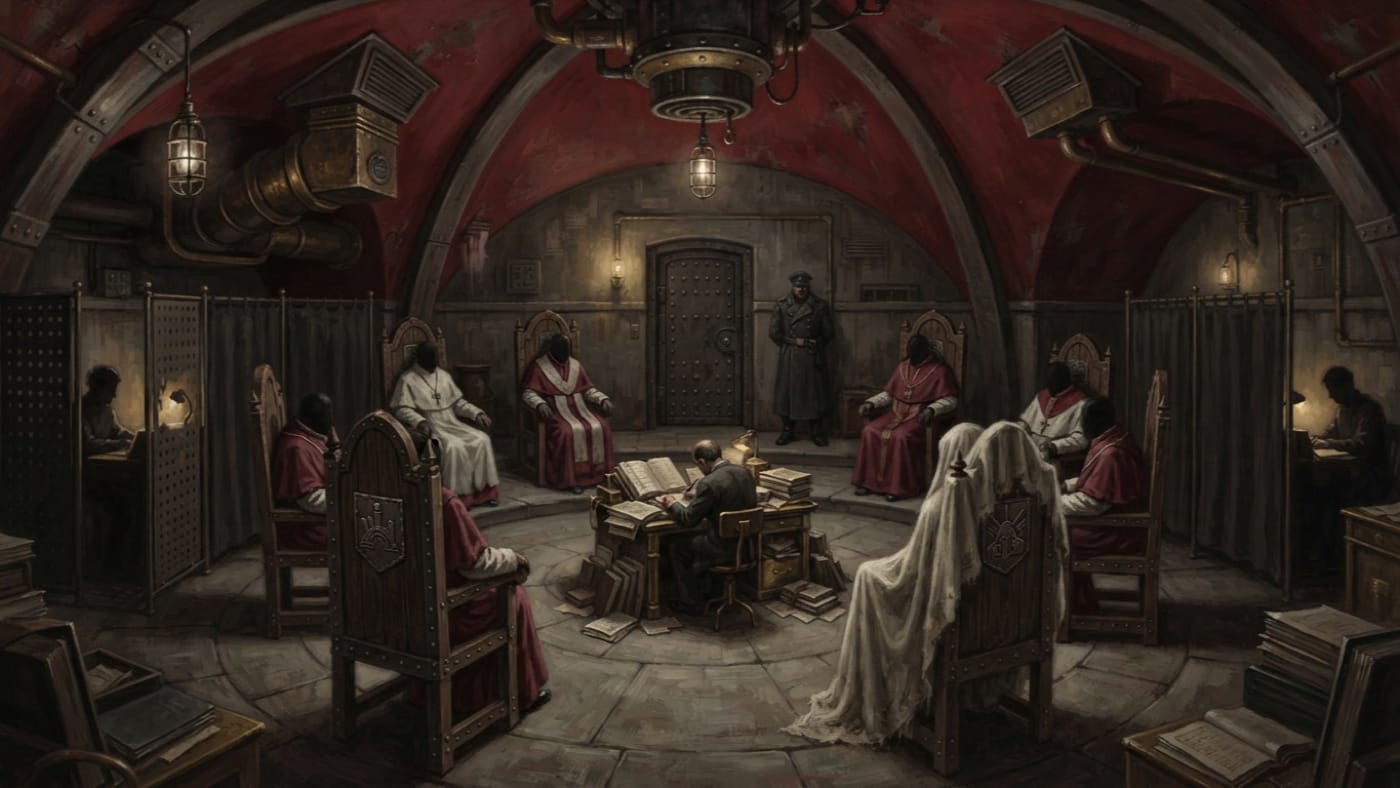
Inner Circle of Strasbourg
Six Chairs Answer. Seven Seals Decree.
Seven chairs, six occupants, no table. From the Basilica's highest floor, the Synod decrees through corrected minutes, seven stamps, and War's vote counted by faith.
Codex Ref. III.2.04-1452
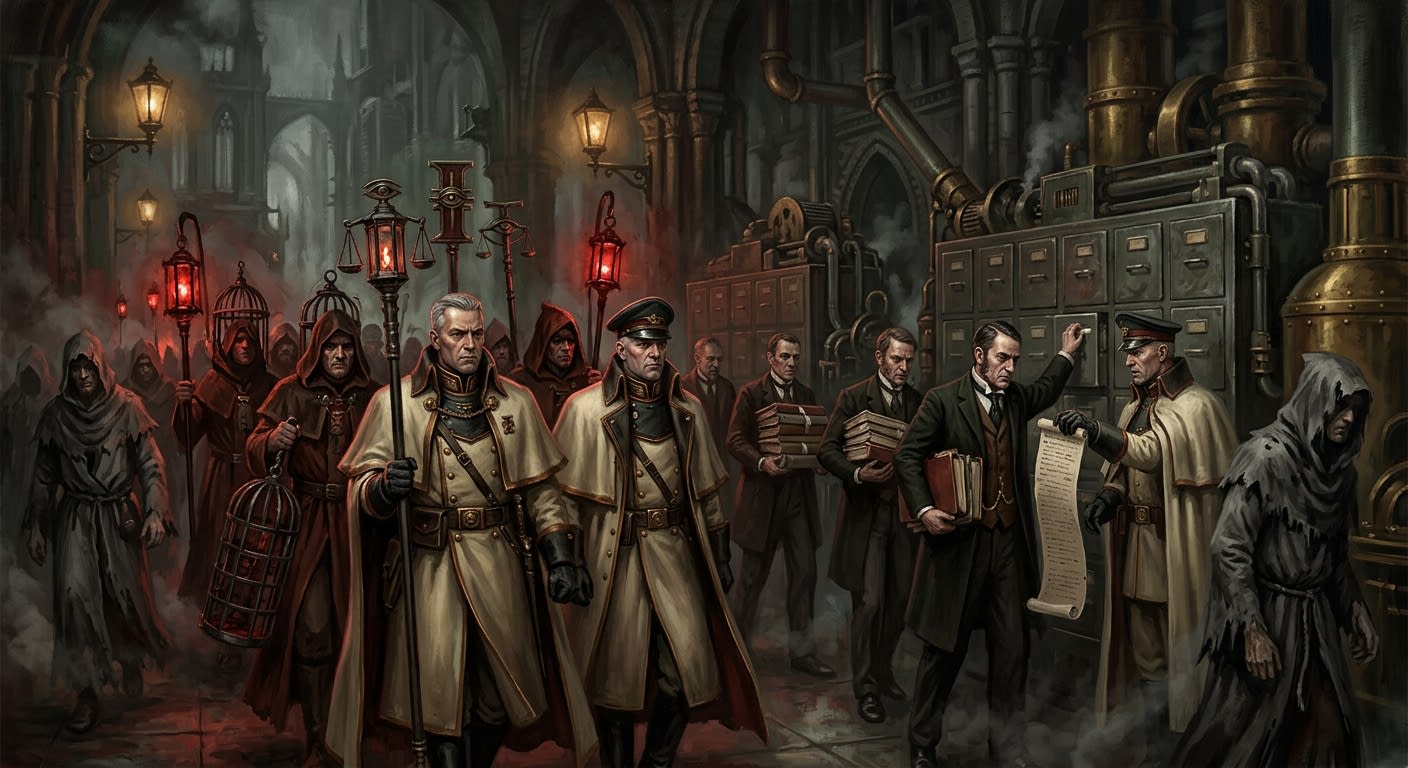
Inquisition
The white hand closes with a receipt
The Inquisition is Purity's authorised appetite for correction: White Cloaks, Lictors, Red Lanterns, Ashmen, Shadows, Index packets, denunciation law, and the clerkly miracle by which fear learns to file itself.
Codex Ref. VIII.1.08-093
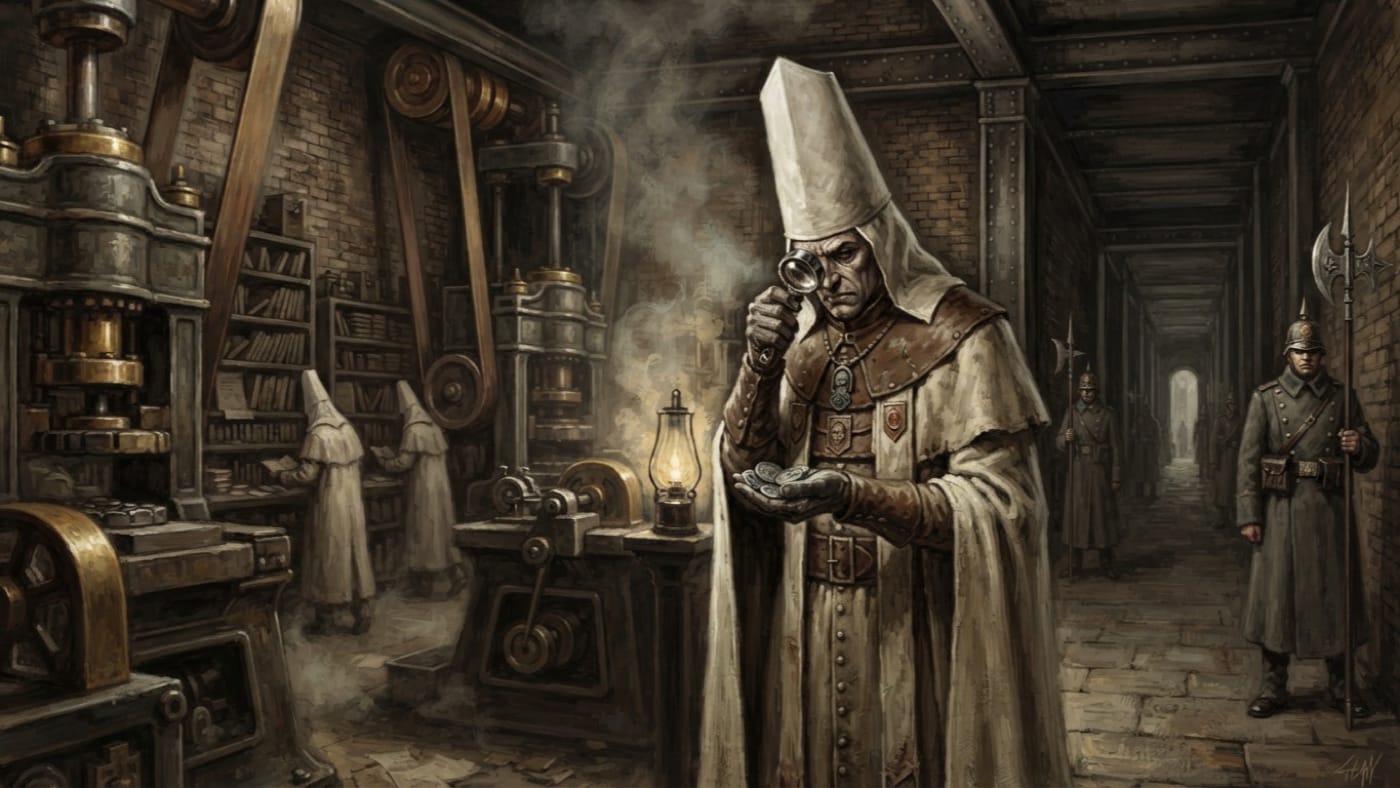
Inquisitor-Assayer
Sent to defend the face, with a name that is not coined
Purity's currency heresy specialist has been dispatched to Sable Court. File 1104-SC remains open at the A.S. 201 assessment; the appointee's name is not coined, and the personal record goes no further.
Codex Ref. III.2.01-201

Inquisitor-General Severian
The man who taught fear to sing in tune
Architect of the Iron Choir of Mainz and Severian Gloss to the Catechism of Obedience, he made silence culpable, cruelty legible, and fear useful enough to receive forms.
Codex Ref. III.2.01-006

Inquisitor-Mechanic Lux Thane Mire
One warrant for faith, engineering, and whatever answers back
Lux Thane Mire carries the Synod's ugliest new title: Inquisitor-Mechanic. When machines begin praying, he arrives with tools and arrest authority.
Codex Ref. III.1.04-005
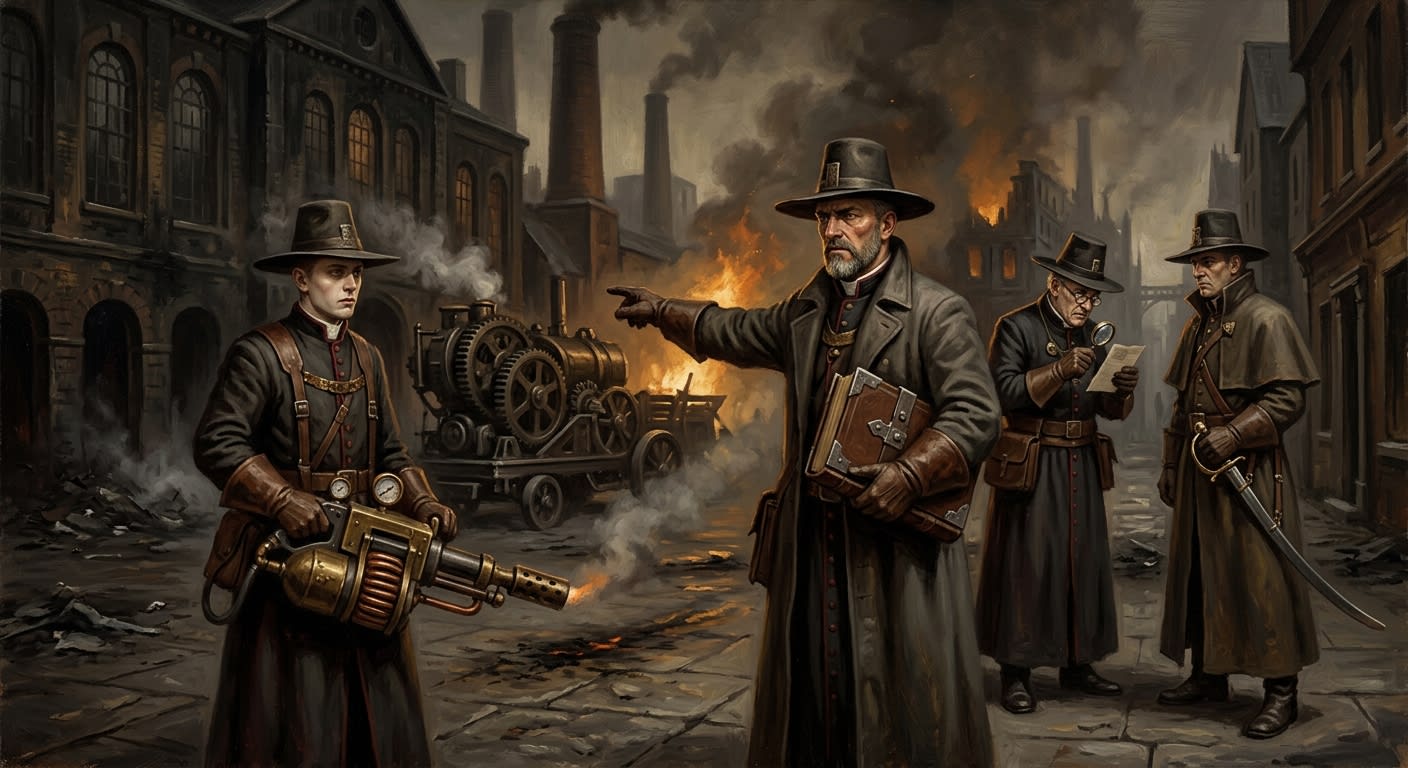
Inquisitor-Purists
They call it clarity because ash does not argue
The hard current within the White-Mantled Inquisitors: Purity officers who burn first, file afterward, and leave districts obedient, silent, and commercially dead.
Codex Ref. XII.49.03-001
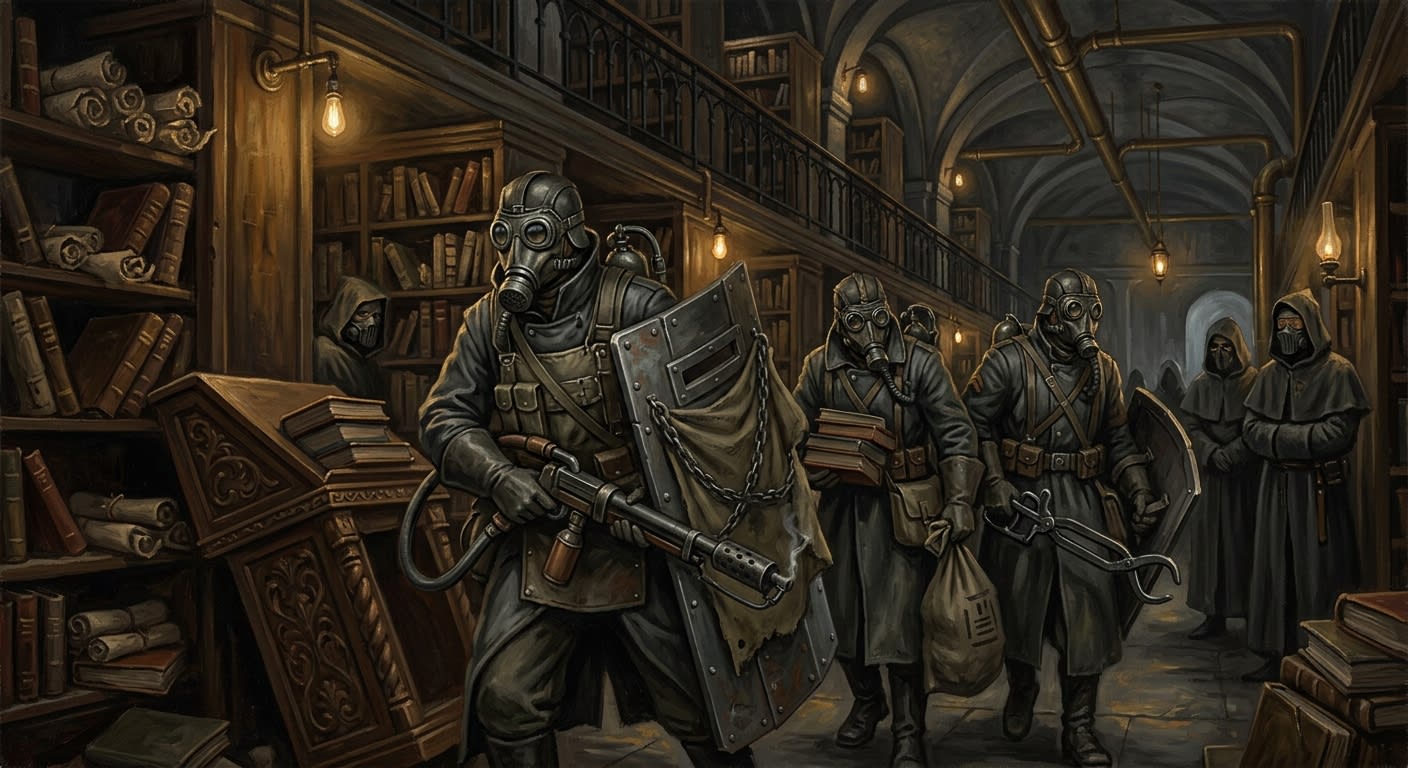
Interdiction Squads
Quiet boots, red pencils, and the polite seizure of dangerous nouns
The Bureau of Silence borrows Purity muscle, subtracts the shouting, and sends Interdiction Squads to seize forbidden texts before the furniture becomes doctrinally interesting.
Codex Ref. VIII.3.02-001
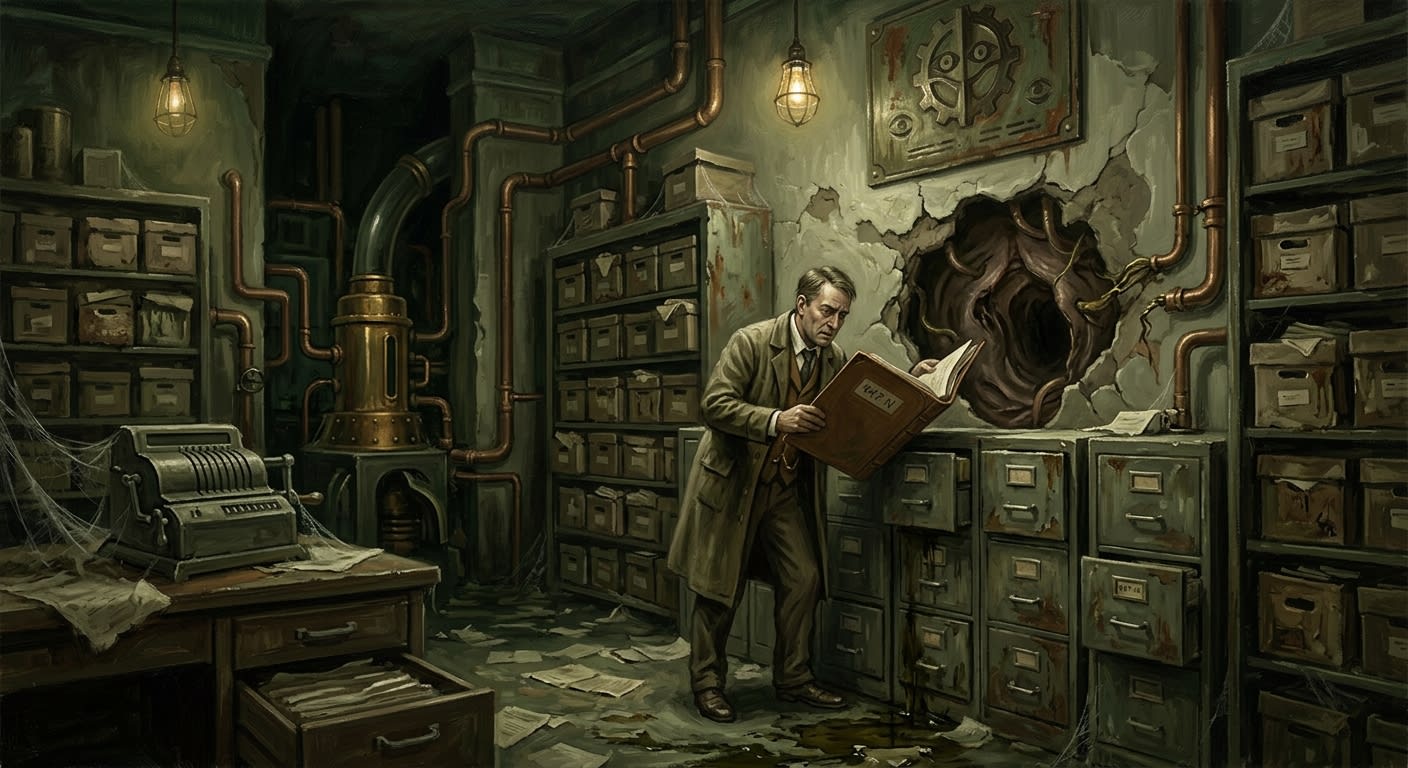
Investigation 447-N
The file pends because the bells know better than we do
Investigation 447-N began as a northern bell audit and became the Bureau's most useful cowardice: a pending file placed over a listening wound.
Codex Ref. XIII.1.97-199
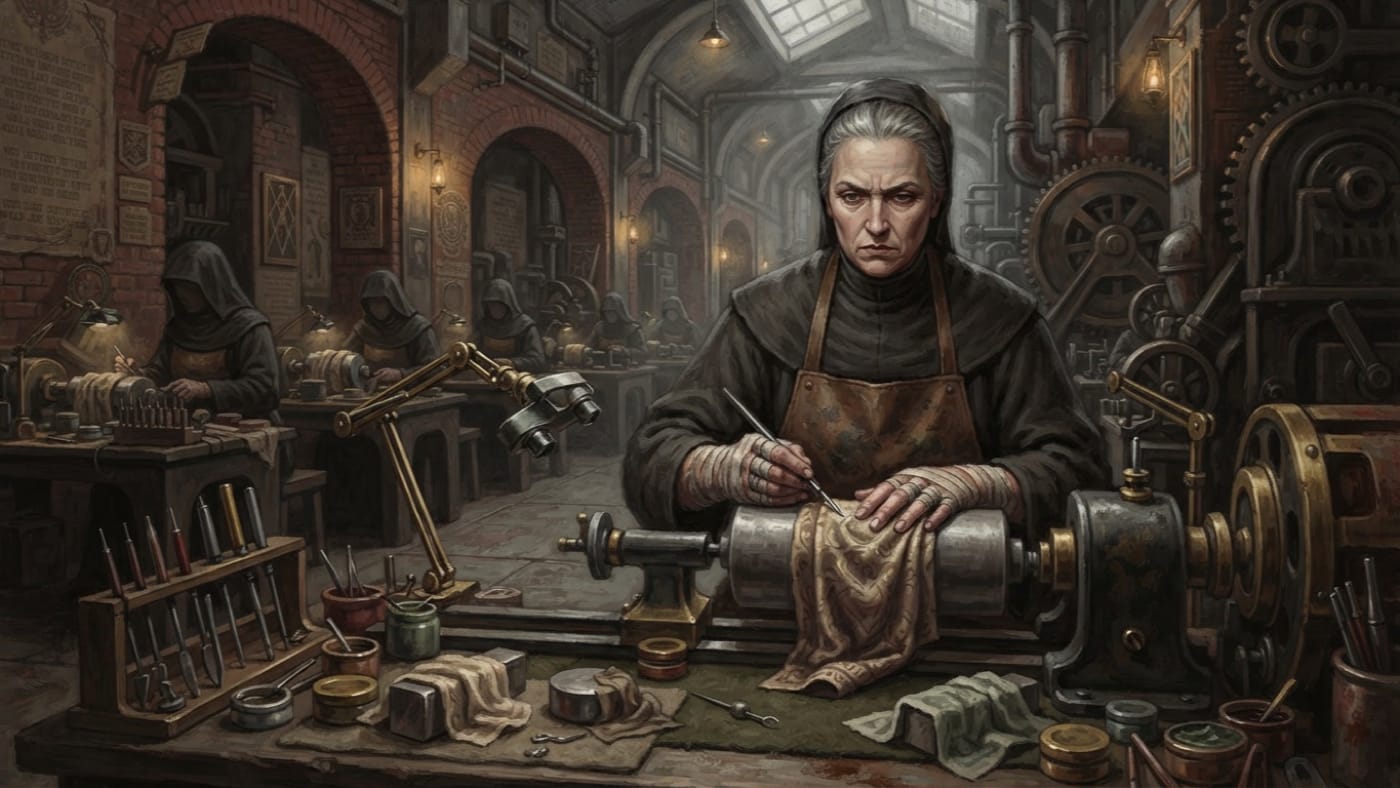
Irena Coilhand
The Church's lawful faces begin beneath her veils
Master Engraver of Die Row, Irena Coilhand cuts the steel that gives the Synod's souls their spendable faces. In the A.S. 201 Face Theft crisis, she wraps the dies in blessed silk; Doctrine calls it irregular devotion.
Codex Ref. III.2.01-1480
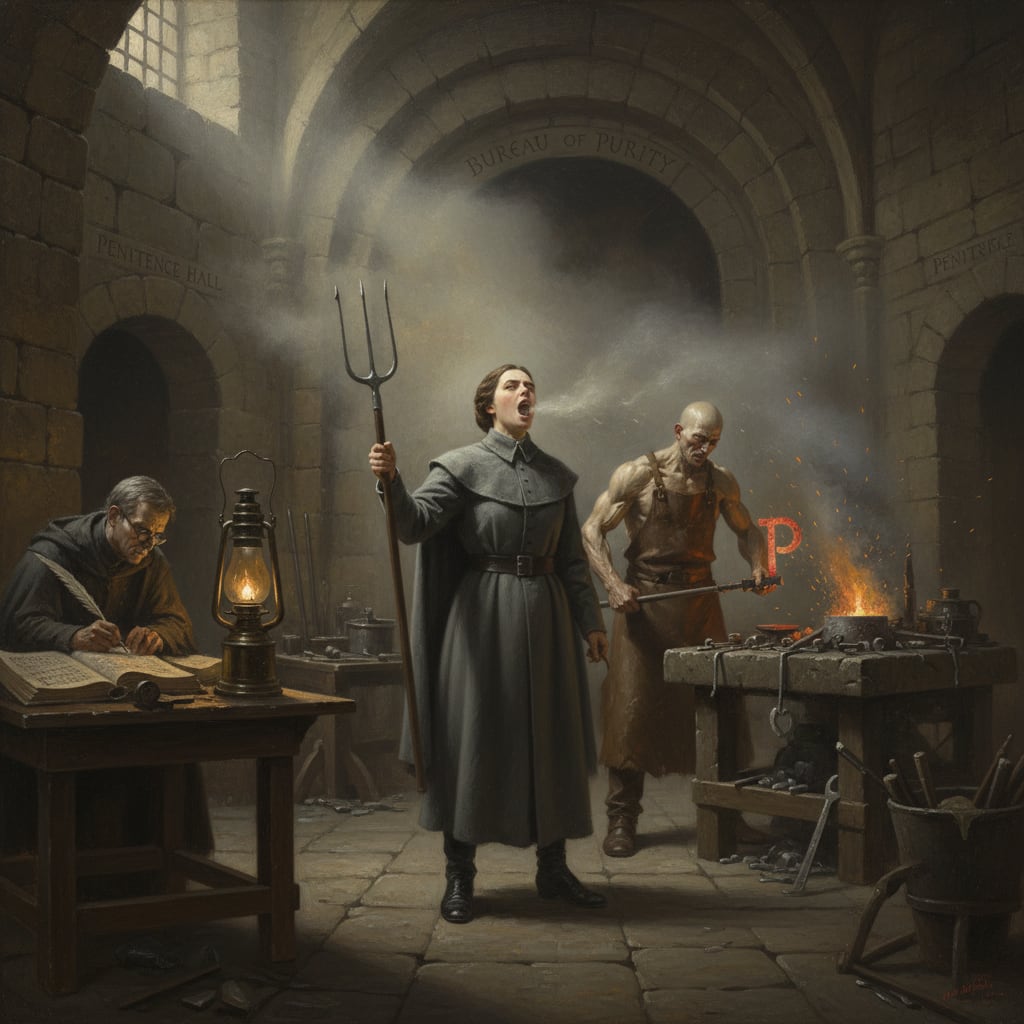
Iron Choir Brand-Singer
Because screaming is imprecise.
Licensed custodians of the note that steadies the iron — the Brand-Singers who hold pitch through Bureau of Purity penitence rites so that the resulting inscriptions are legible and the confession, accordingly, valid.
Codex Ref. XII.24.01-001
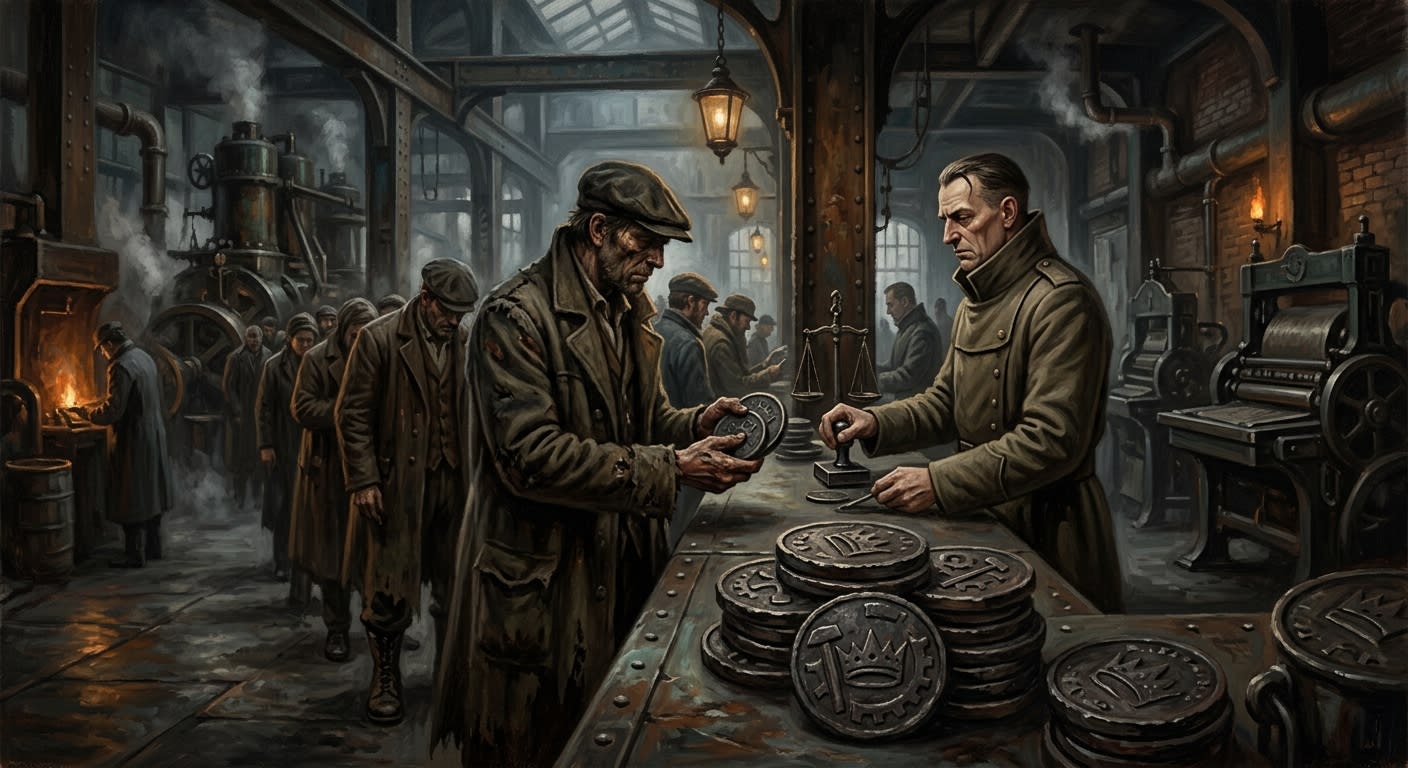
Iron Crown Currency
The British coin that buys rope, insults Tithes, and refuses to kneel
The Iron Crown is Britain's stubborn iron tender: older than the Synod's Crown of Grace, tolerated at mixed ports, and hated because it works.
Codex Ref. XIII.1.22-001
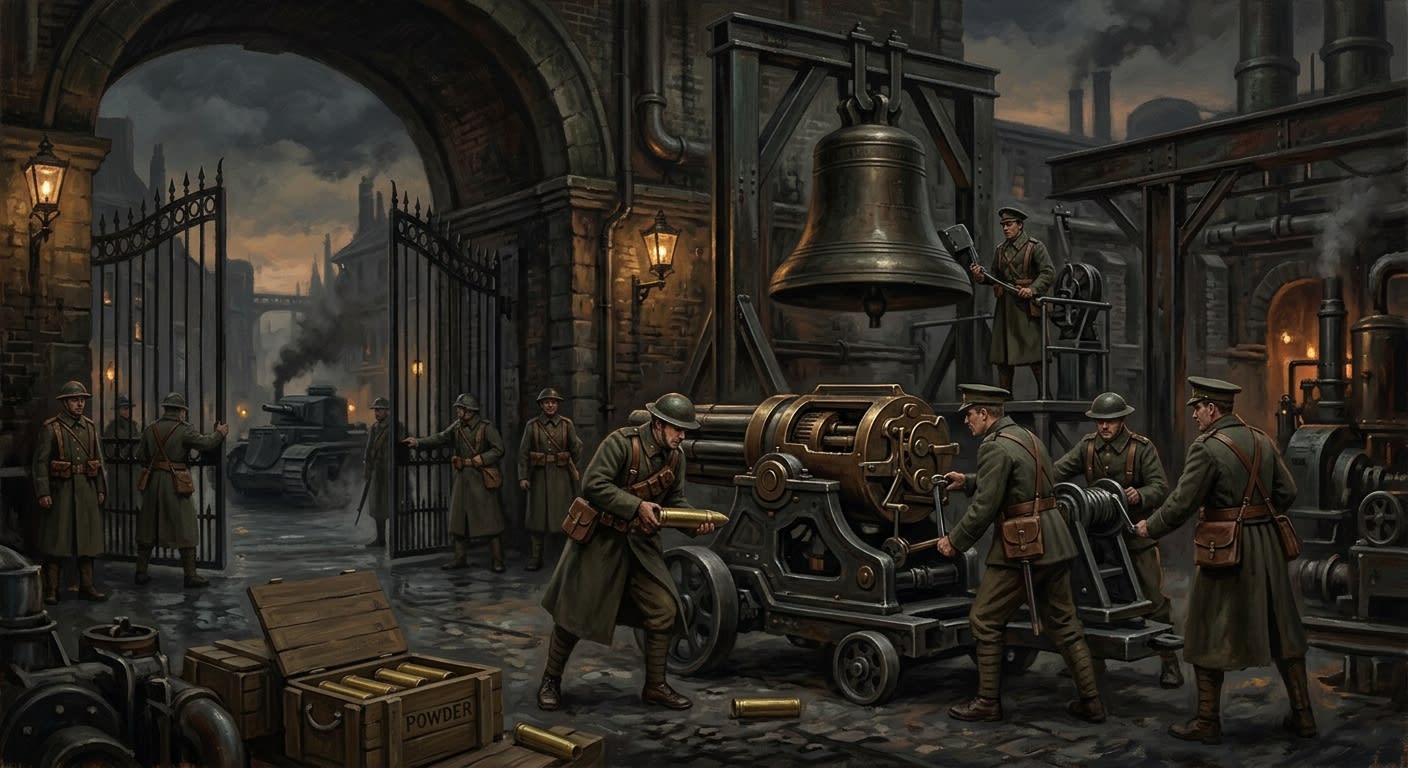
Iron Vespers
Bronze orders the night to become useful
Iron Vespers is the Synod's martial evening peal: seven strokes that lock gates, open powder, transfer custody to night, and teach soldiers that fear obeys better when bronze gives the order.
Codex Ref. XIII.1.62-004
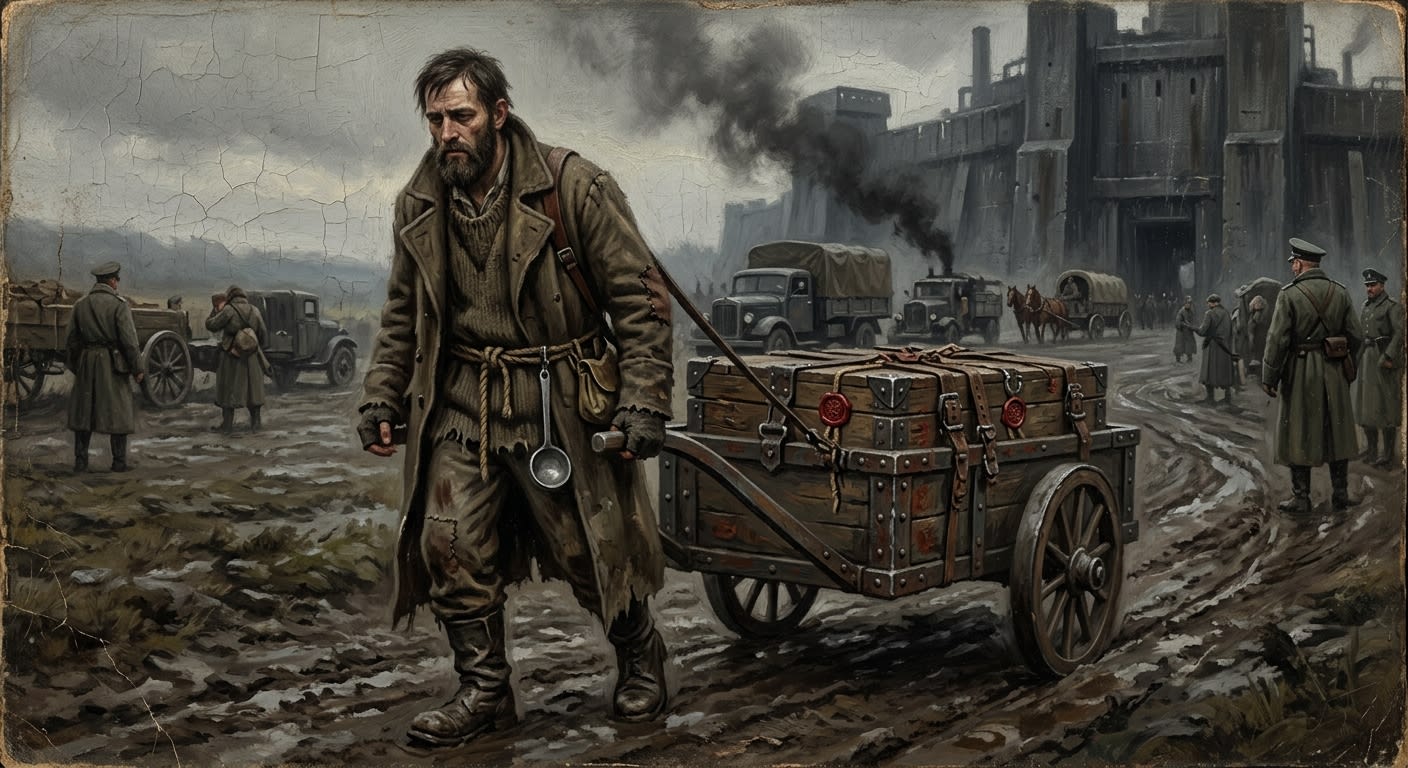
Josek of Düren
The debtor who carried the crate and became too memorable
Josek of Düren, condemned debtor and Grade A relic carrier, bore a sealed ossuary crate to Bastion-Irongate in A.S. 138 and became the forbidden Cart-Saint of convoy rumour.
Codex Ref. III.2.01-131
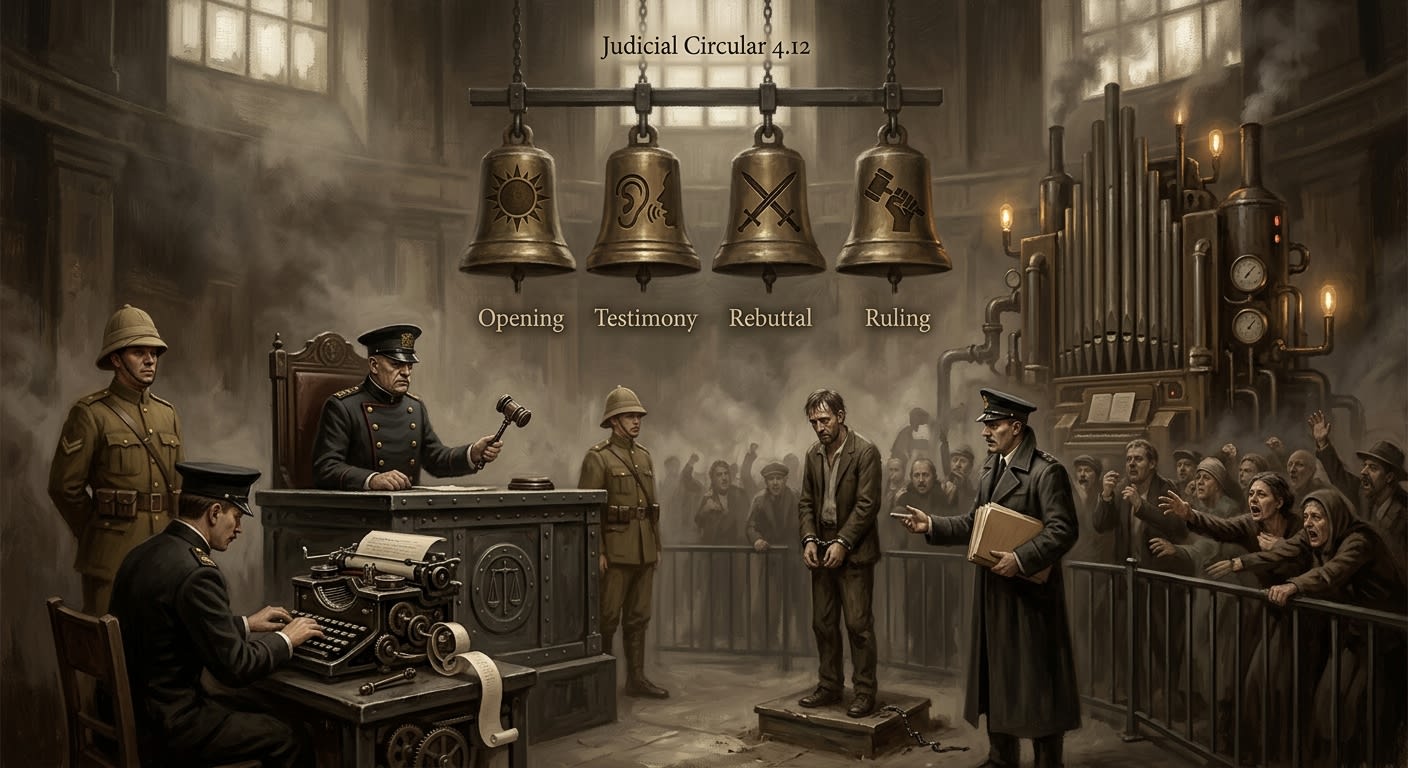
Judicial Circular 4.12
Four minutes for law to wound before the road learns its hands
Judicial Circular 4.12 compressed roving circuit trials into one creed-hymn: opening, testimony, rebuttal, ruling — four chimes by which law outruns crowds, mothers, mercy, and its own exposed ankles.
Codex Ref. XIII.1.91-141

Kanzleiburg
The name is paint; the machine beneath it has run Prussian since A.S. 95
Berlin absorbed, renamed, and set to work — Kanzleiburg is three million souls, sixty trains per day, and the administrative brain of every military operation between the Baltic and the Carpathians. The Synod gave it a new name; the Prussians kept running it.
Codex Ref. II.4.09-006

Kaspar Thenm
The prison warden who taught the Synod to number beds before souls
Kaspar Thenm, first officer of the Bureau of Settlement, turned post-Concordat refugees into addresses with a warden's key, three clerks, and no talent for mercy.
Codex Ref. III.2.01-014
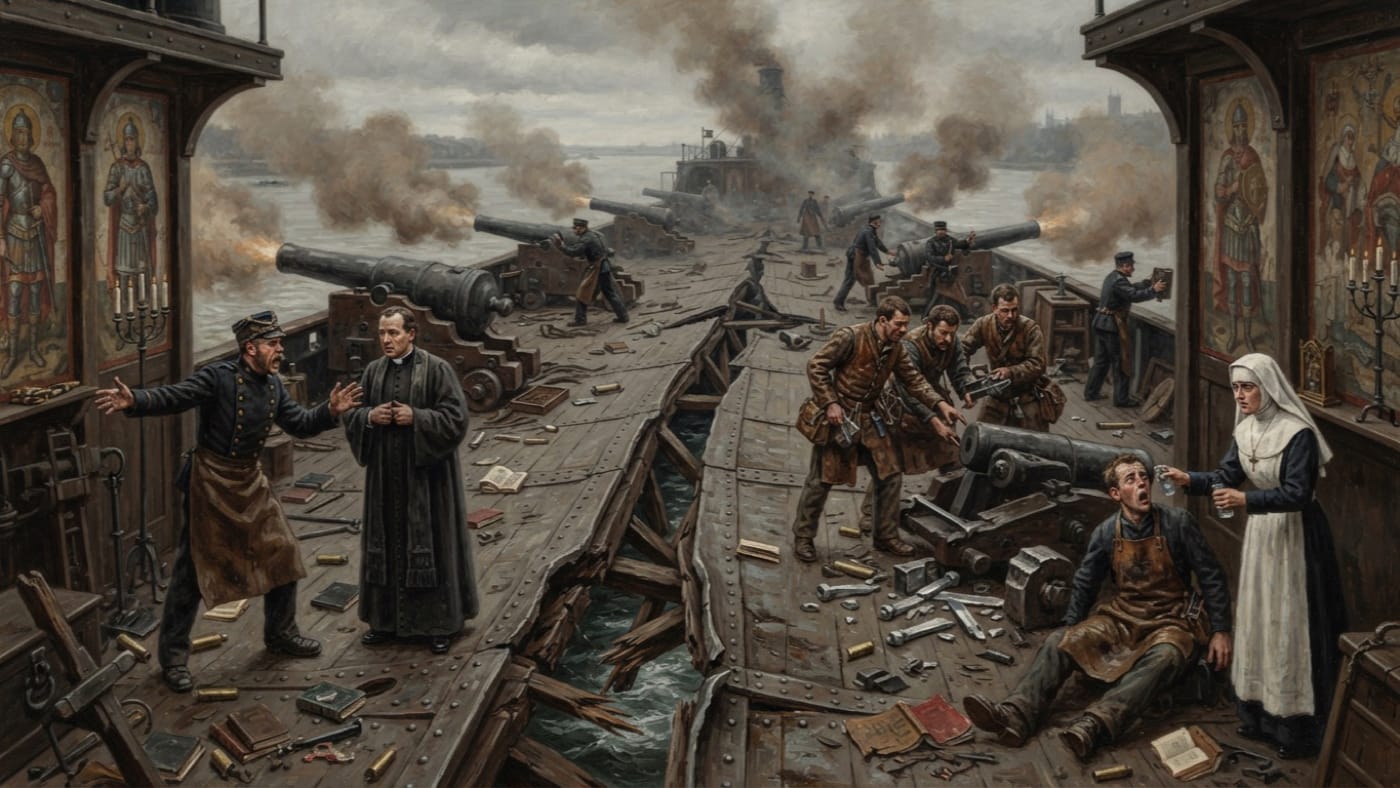
Kelen Chain-Yard Misalignment
Six guns missed the measure; the river received the blame
An A.S. 201 survey of the undated Kelen shrine-barge failure: six guns defied the choir beat and split the central deck seam. War blamed the river; Engineering brought bolts.
Codex Ref. VII.2.11-201
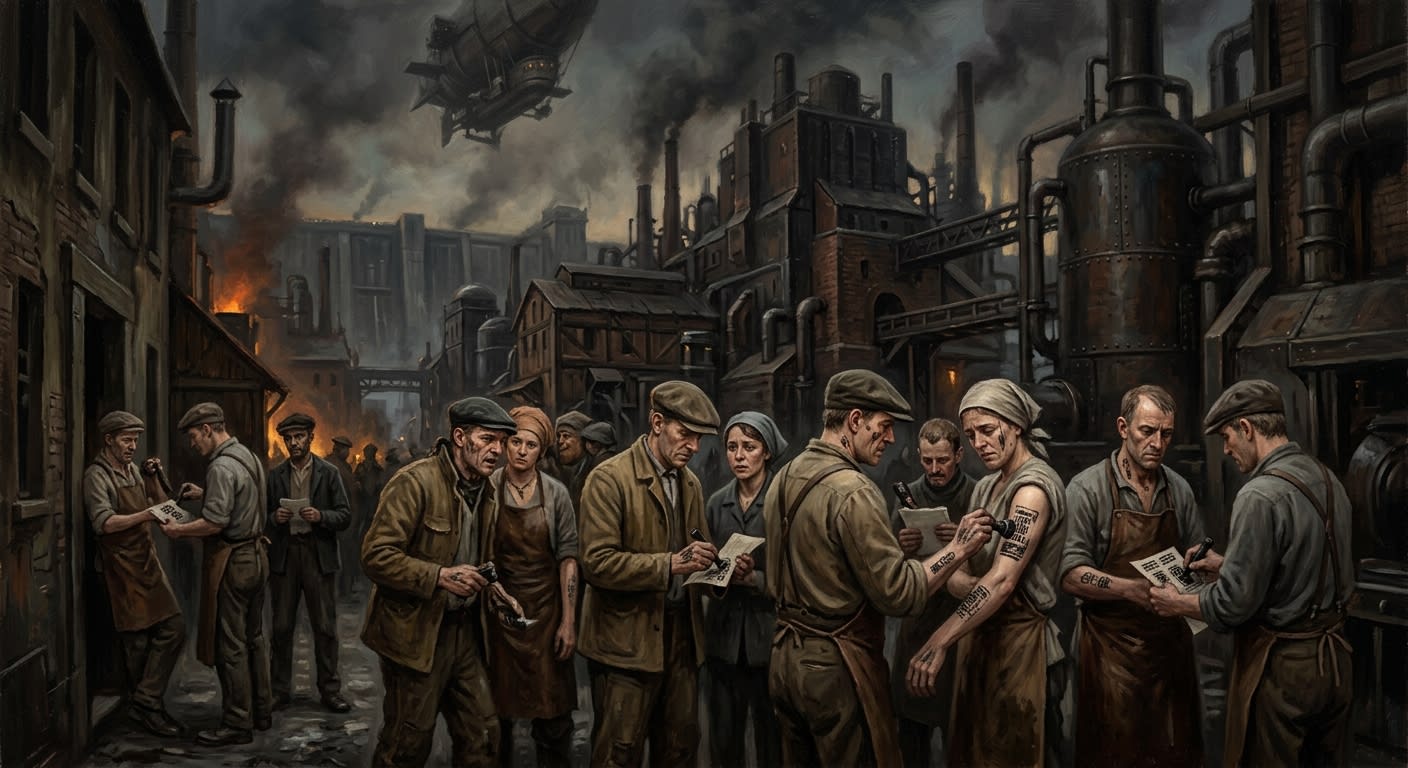
Keska
The foundry-town that fell through the map and learned who feeds the forgotten
Keska, a Hintermark foundry-town west of Bastion-Constantinople, lost its Zone for eleven months and discovered that criminal stamps can feed where lawful ink starves.
Codex Ref. II.3.06-001

King-Warden Aldric III
The island abbot with a sword, and worse, with ships
Aldric III rules Britain from Canterbury as King-Warden: independent ally, naval necessity, liturgical irritant, and pious stubbornness in a crown.
Codex Ref. III.2.01-022
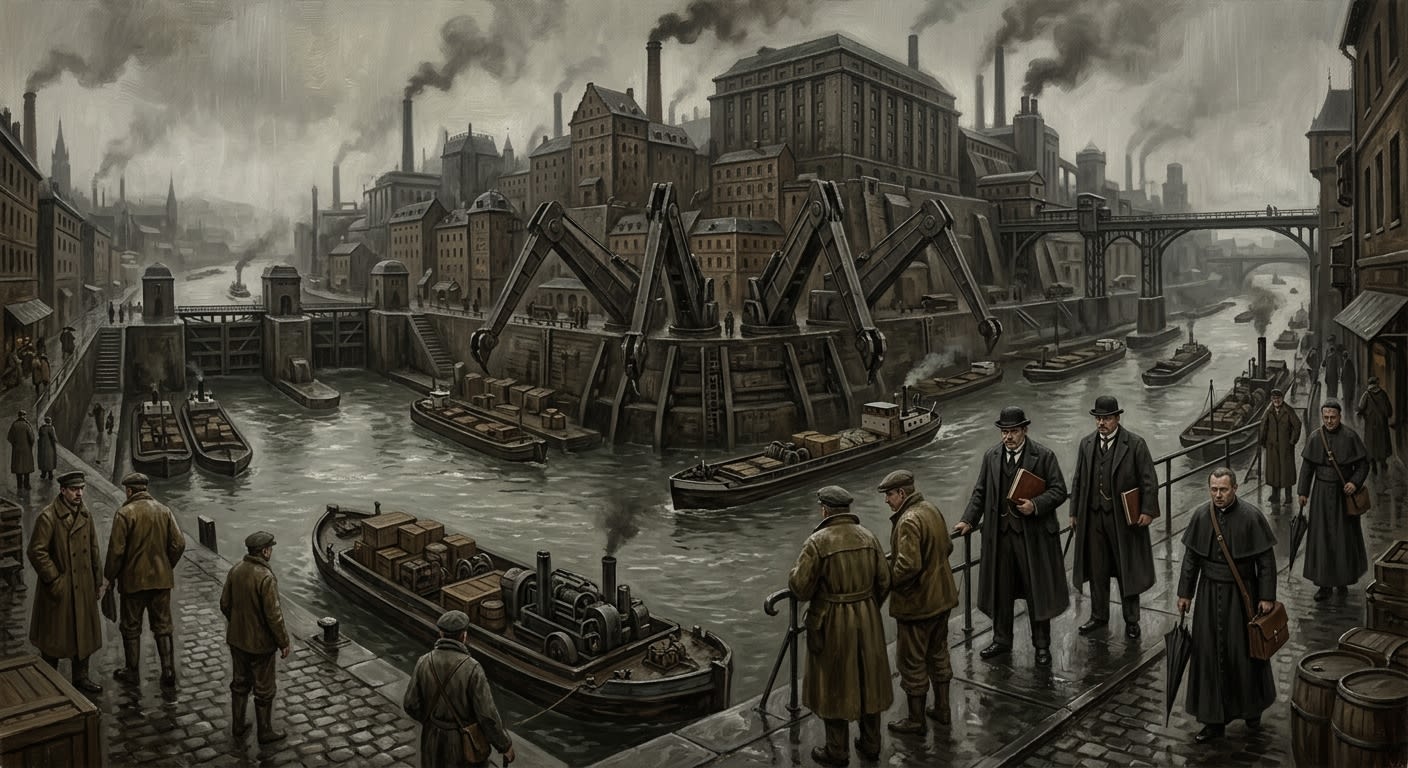
Koblenz
The holy art of handing the burden onward
Koblenz is the wet middle hand of the Ignatian chain: a Rhine-Moselle transfer city where sanctity lasted six minutes and became taxable forever.
Codex Ref. II.3.05-045

Korin
The wax-handler counted before the Bureau noticed
Korin, condemned Seal-Mate of Bastion-Constantinople, taught the Bureau that demon glass does more than tempt or reflect. It counts.
Codex Ref. III.2.01-095

Lady Maris Wick
The Price of Permitted Light
Lady Maris Wick heads House Wickwarden, whose wax monopoly keeps Candlewick's seals lawful and its auditors dependent on permitted light. Three shortages have proved an effective form of negotiation.
Codex Ref. III.2.01-201
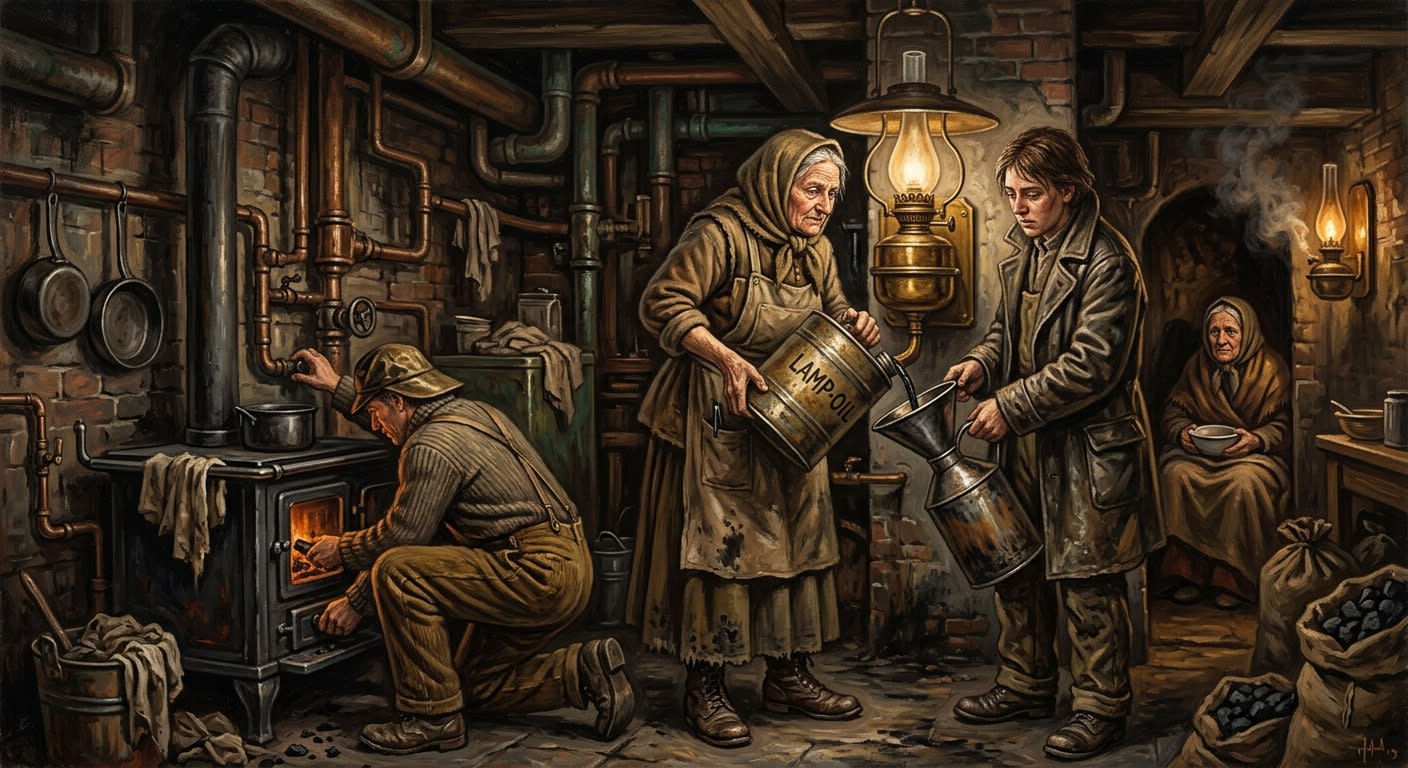
Lamp-Mercers
The mercy that arrives by cup, pressure, and soot-mark
Lamp-Mercers are the household-priority faction of Hidden Pipe-Runners, spending illegal black diesel on kitchens, sickrooms, lamps, and old women’s stove-niches.
Codex Ref. XII.3.03-001
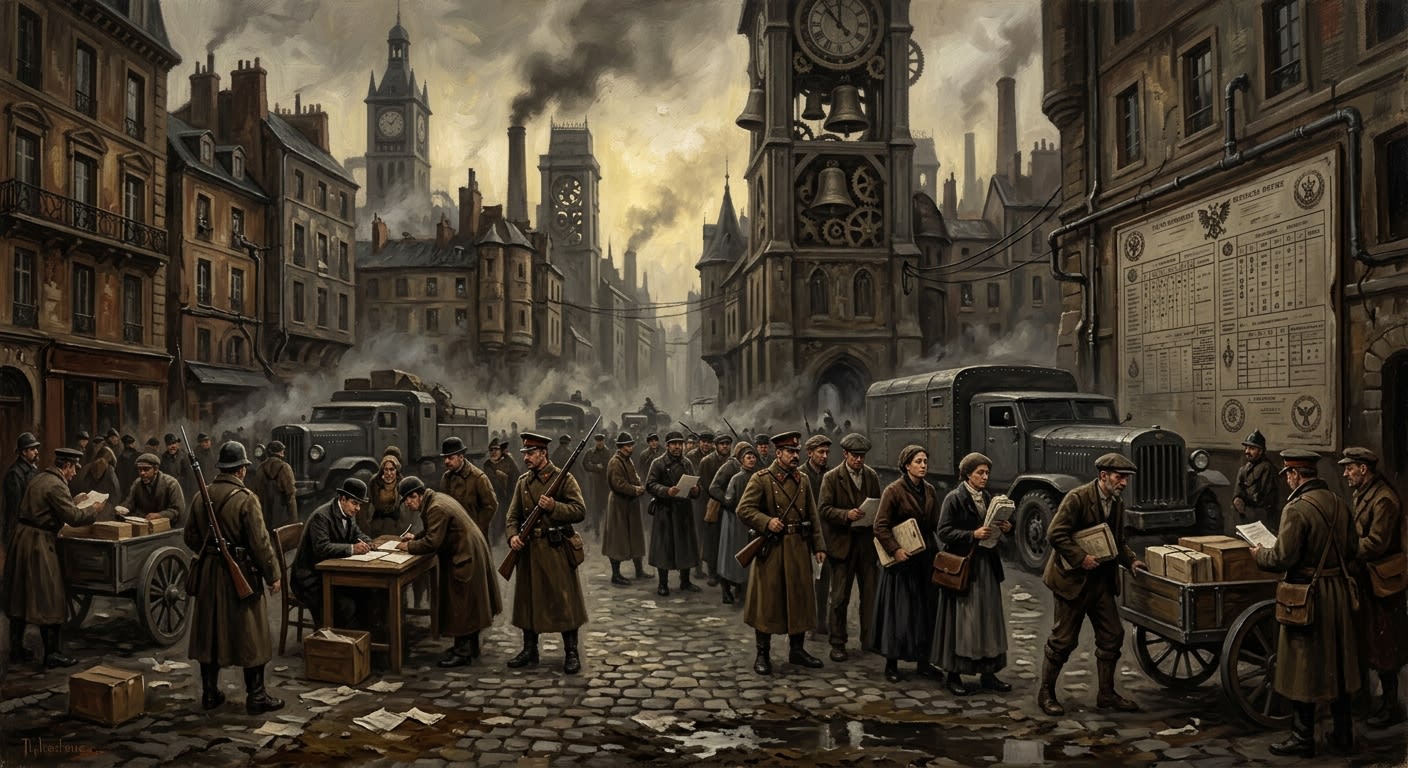
Languedoc
The province that made sunlight prosecutable
Languedoc is the southern heartland province where bells kept local time, songs bent under audit, and the Purges of A.S. 130 made sunlight a fileable risk.
Codex Ref. II.1.06-130

Lantern "Mercy" Preacher (Rebel)
Eighth heresy, eighth rank, eighth because the Synod reserves that number for what it made, cannot unmake, and will not thank.
Eighth of eight proscribed heresies: the Licensed Consolators who meant what they said, and were immured for it.
Codex Ref. XI.3.01-001
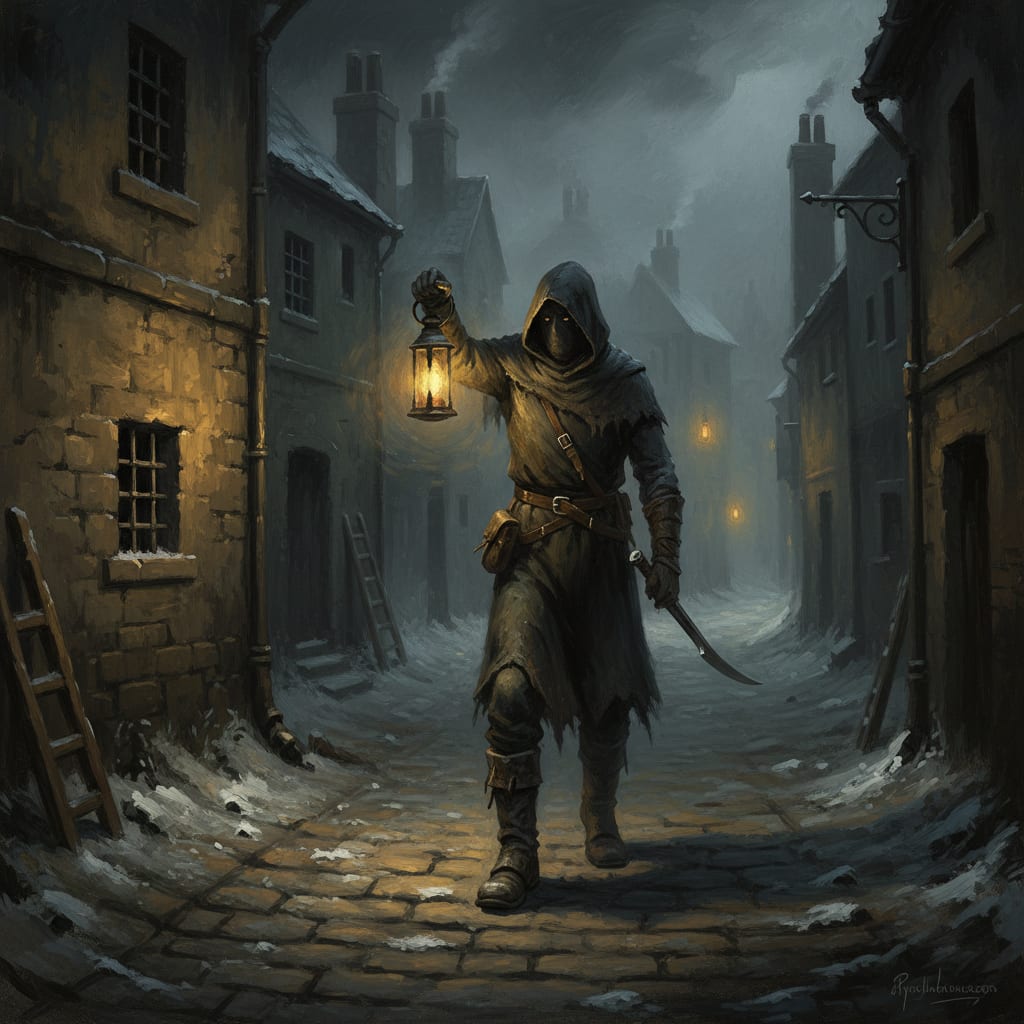
Lantern Brotherhood Vigilante
Eight thousand four hundred tolerated blades, licensed by a subordinate clause — the Synod's night made visible and officially nonexistent.
Eight thousand four hundred tolerated blades in five Watch Circles, licensed by a subordinate clause in a curfew ordinance — the Synod's night made visible and officially nonexistent.
Codex Ref. XII.25.01-001
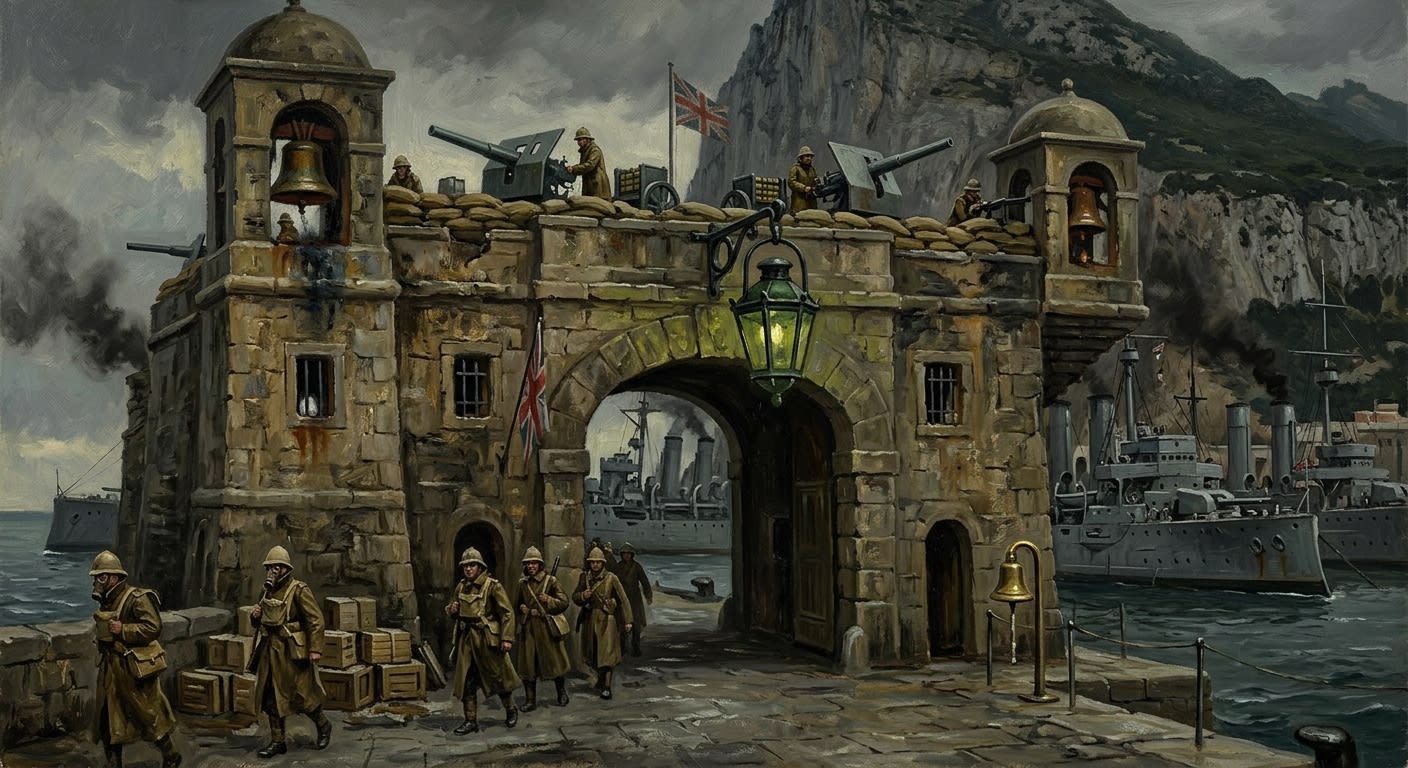
Lantern Gate, Gibraltar
The British fist at the Mediterranean mouth, politely denying it is a hand on our throat
The Lantern Gate at Gibraltar is Britain's southern naval knuckle: bell towers, chapel guns, anti-piracy patrols, and leverage disguised as maritime courtesy.
Codex Ref. II.4.09-010
Latch River Ford Panic
The week the Queue Road learned to stop.
A false plague rumour drove a week-long crush at the Latch River ford in A.S. 97: three thousand dead, five hundred more lost to fevers. The Synod's answer was nine inspection gates.
Codex Ref. VII.8.10-097
League of Milan
Fourteen cities, five pages, one stamp
Fourteen Lombard cities called their promises an alliance. In A.S. 97, the Bureau of Oaths called them void. The League's founding is uncertain; its annulment is filed.
Codex Ref. VIII.3.01-097
Ledger Cloisters (San Vesta)
The governors decide. The ink appoints the hour.
San Vesta's scheduling and archive district turns bread tokens into proof of existence, treatment debts into shifts, and stamped proposals into permission to burn. The governors decide; the Ledger Cloisters make the decision fall due.
Codex Ref. XIII.1.124-002
Ledger Duellist / Citation Advocate
Where the sword would be excessive and the firing squad irreversible, the Synod reaches for its ink
Fourteen hundred licensed advocates fight citation duels in the Synod's precedent pits — establishing standing, constructing precedent chains, striking opponents from the Ledger of Souls. Three hundred more operate in the shadows.
Codex Ref. XII.26.01-001
Ledger Laws
Mercy measured by the ladle, sanctioned by the noose
The Ledger Laws made mercy countable after the Broth Riots: every bowl, bandage, draught, confession, death, and useful pity entered the record before it dared call itself compassion.
Codex Ref. XIII.1.89-112
Ledger of Unmarked Graves
The columns agree. The dead have not been consulted.
The Bureau of Records balances recorded deaths against sanctified burials. Missing bodies are supplied; missing deaths are assigned. I certify the arithmetic. The names are another matter.
Codex Ref. VI.2.01-002
Ledger of Years
Entered, therefore occurred. Unentered, therefore pending.
The Ledger fixes the years from which the Church recognizes institutions, ratifications and precedence. Records certifies the entries; Doctrine supplies the meaning. Bring your year to the counter.
Codex Ref. XIII.1.33-201

Ledger Prefect
The Captain kisses the hand and watches the nib.
The Ledger Prefect controls permits, paper and patronage. One signature equips a Pageant Captain; another ends his career. The same office may sponsor the city's irregular trades, provided the stability arrives without scandal.
Codex Ref. XII.33.02-001

Ledger-Ghost Tamsin
The absent clerk who makes contradictions file themselves
Ledger-Ghost Tamsin, absent from official records and active by paperwork effect, keeps Thessaloniki's illegal harbour legible enough to exploit.
Codex Ref. III.2.01-096
Legate
The commission travels; the correction stays
A legate carries Strasbourg's seal into troubled dioceses, seizes records, deposes governors and suspends armies. The commission ends; the correction stays.
Codex Ref. XIII.1.32-201
Legate Seraphinus of Lyon
The stomach is a bell, and this saint rang it inward
Seraphinus of Lyon turned fasting into field doctrine, hanged generals for broth, and proved that hunger can carry a seal.
Codex Ref. III.2.04-001
Legate-Inspector Theron Vast
The man whose open road indicts a locked gate
Theron Vast commands the Macedon Escarpment checkpoints, filed an A.S. 187 closure proposal still pending after fourteen years, and remains useful enough to frighten Doctrine.
Codex Ref. III.2.01-051
Legate-Praetorial
The guns are autonomous; the kitchens are inspected
Quarterly inspector of Bastion-Constantinople's internal administration. The fortress commands its guns; its observances remain open to correction. Seraphinus of Lyon's three generals supply the warning.
Codex Ref. XIII.1.33-201
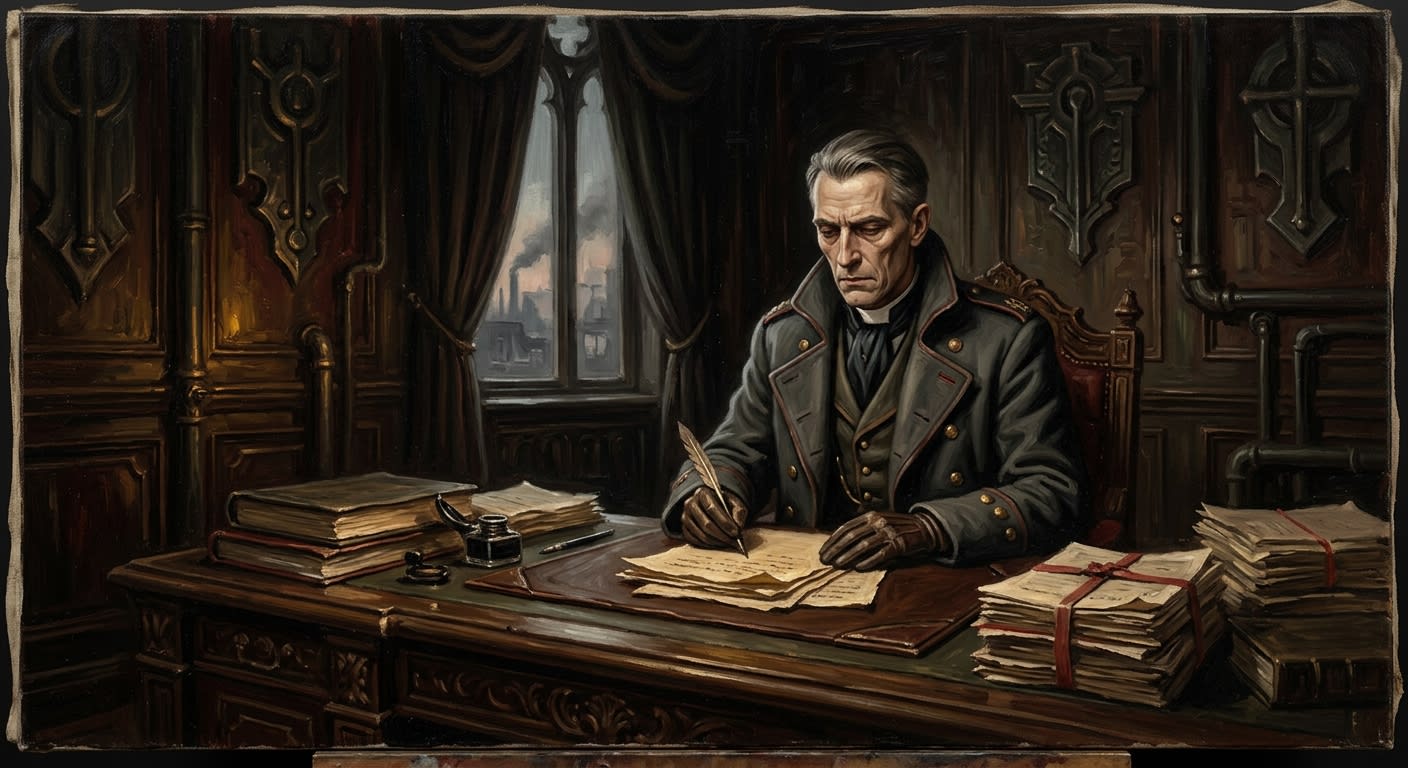
Legate-Prior Mertens
The man who reported Britain accurately, and therefore dangerously
Mertens, Synod ambassador in Canterbury, writes the British Crown plainly enough to make policy bleed through its bandages. Accuracy is his scandal.
Codex Ref. III.2.01-024
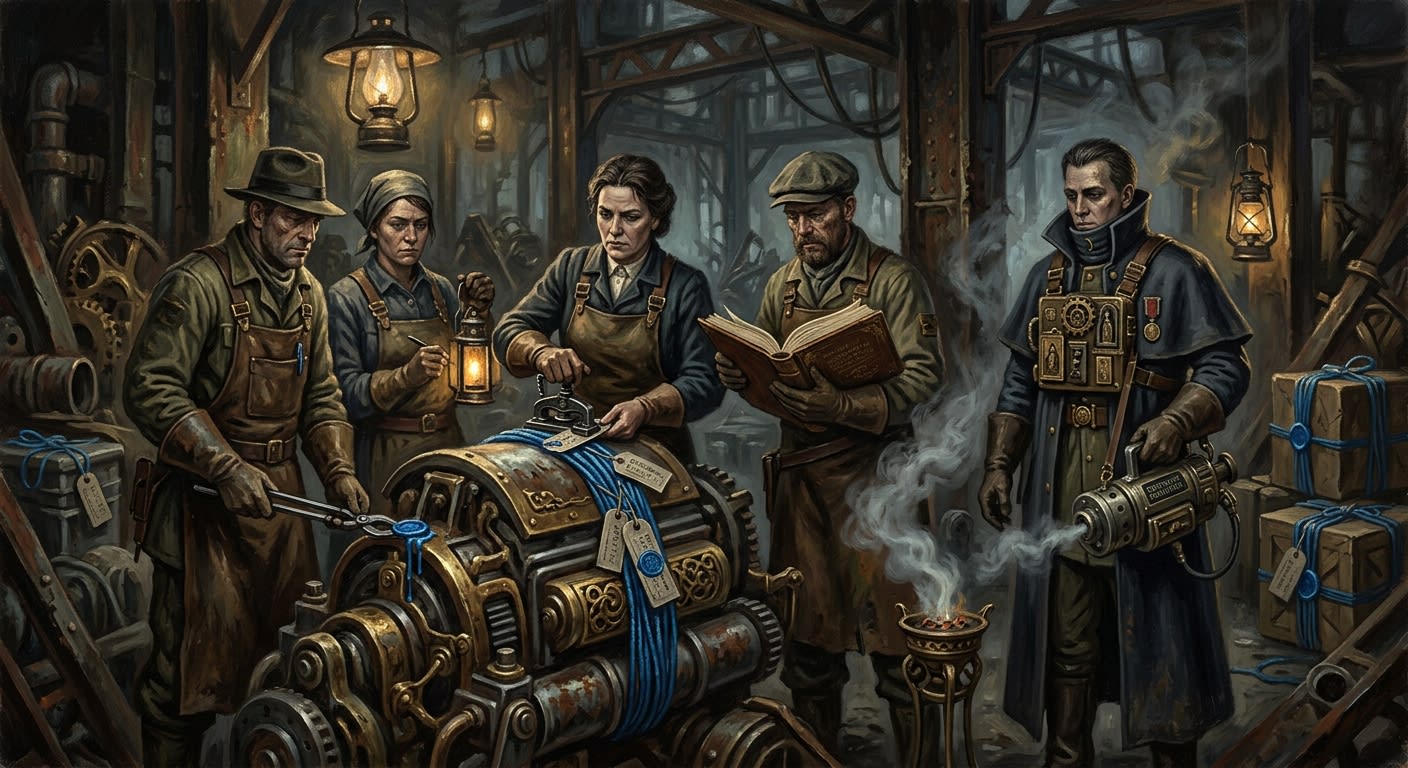
Licensed Recoverers
Blue cord, clean hands, and slowness witnessed into speed
Bureau of Relics-sanctioned Reliquary Salvagers whose blue wax cords, custody tags, and Contract Sanctifiers turned recovery into witnessed law after A.S. 131.
Codex Ref. XII.13.06-001
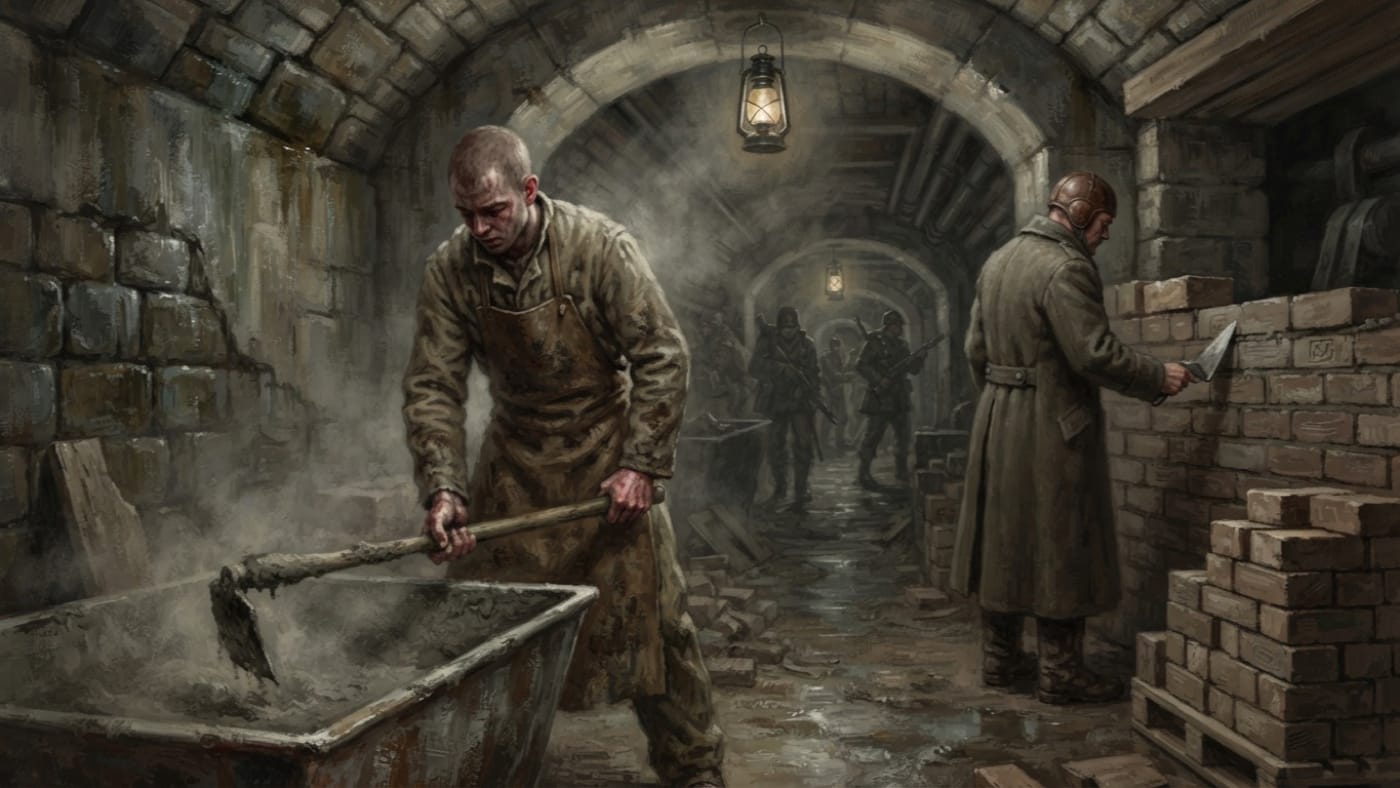
Lime Boy
The entry rank of the Masonry Corps: the hands that mix the sentence and receive the blame
The Masonry Corps' entry rank carries brick, mixes binding mortar and answers for cracked seams. The senior mason stamps the wall; the Lime Boy carries the blame. His authority covers the hoe.
Codex Ref. XII.22.05-001
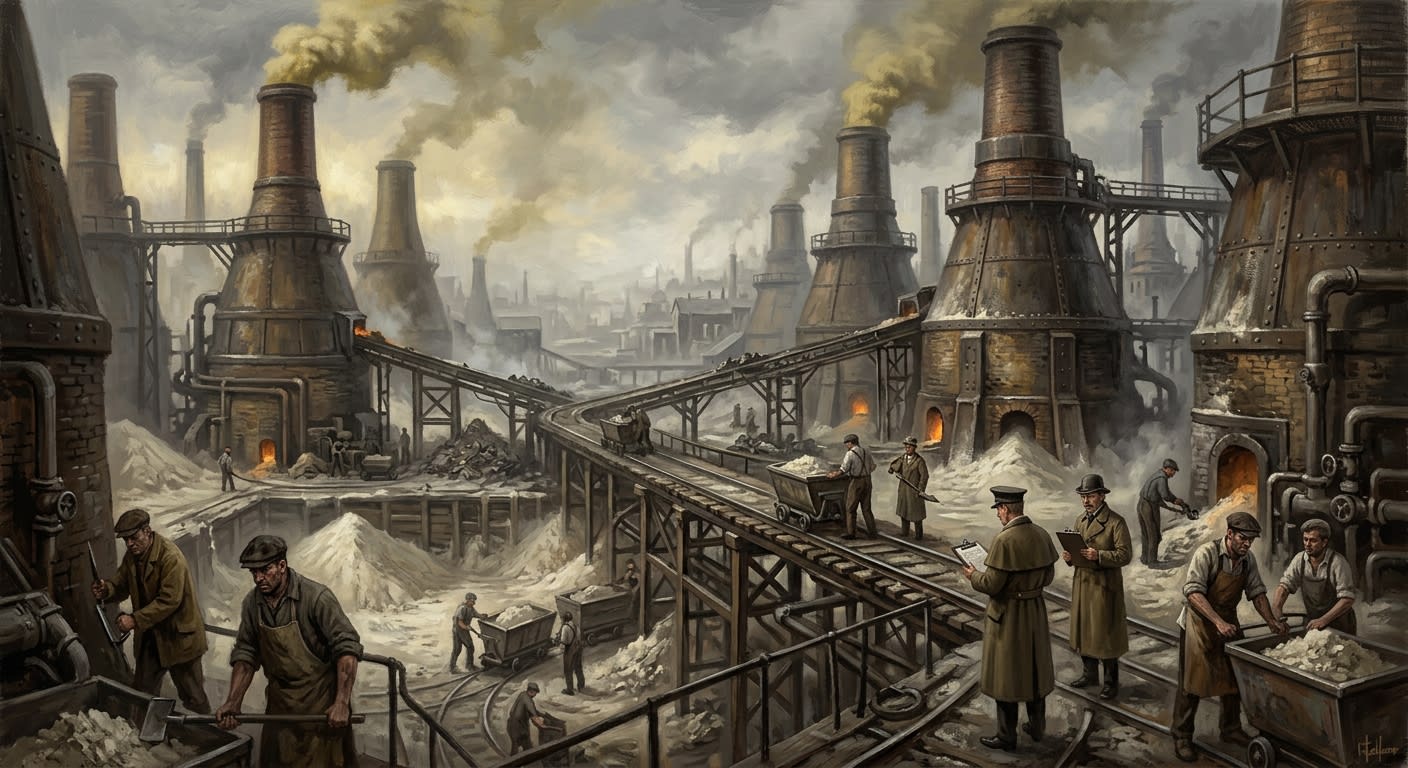
Lime Yards
The white furnaces where Marrowgate distributes its dead into walls, roads, and weather
The Lime Yards of Marrowgate are kilnfields where salvage remains become bone-lime, whitewash, road powder, ash-credit, and, when the Marrowwind rises, witness.
Codex Ref. II.2.06-003
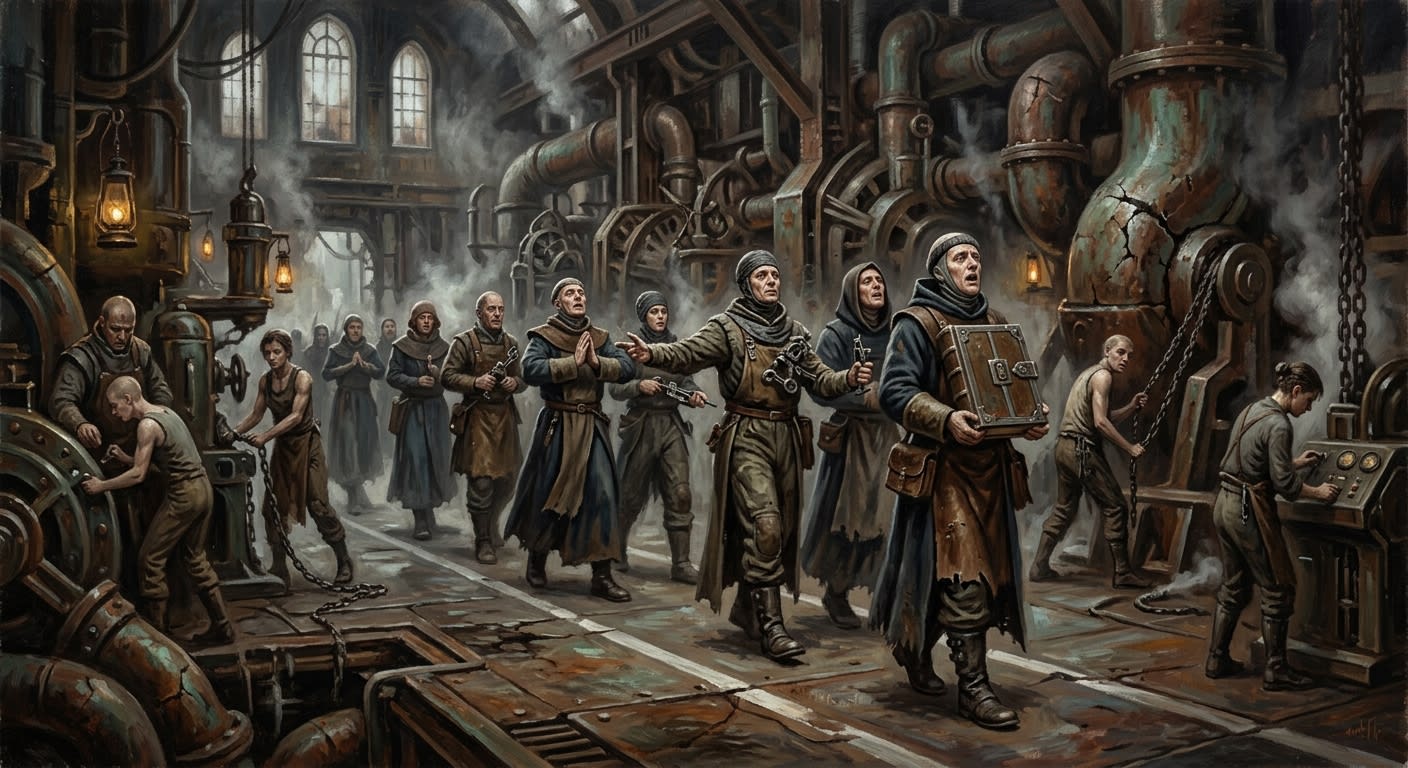
Line-Purists
The clean rite card, the whole verse, and the corpse beside the gauge
Line-Purists are the Doctrine-favoured faction of the Gasket-Hymn Mechanic craft, preserving the full nine movements even when rupture makes obedience murderous.
Codex Ref. XII.2.04-003

Links
Custody is only a small fastening with authority
Links are the Synod's smallest instruments of custody: iron, ink, oath, route, relic claim, debt, guilt, and every useful fastening in between.
Codex Ref. XIII.1.84-201

Listening Glass
The glass returns a sound; the offices return a sentence
Keeper lore credits Saint Velek with glass that holds and returns sound. A Velek cup may yield a condemned name, an inquisitor's business, or the Listener's own confession. Engineering denies the technique.
Codex Ref. XIII.1.43-002
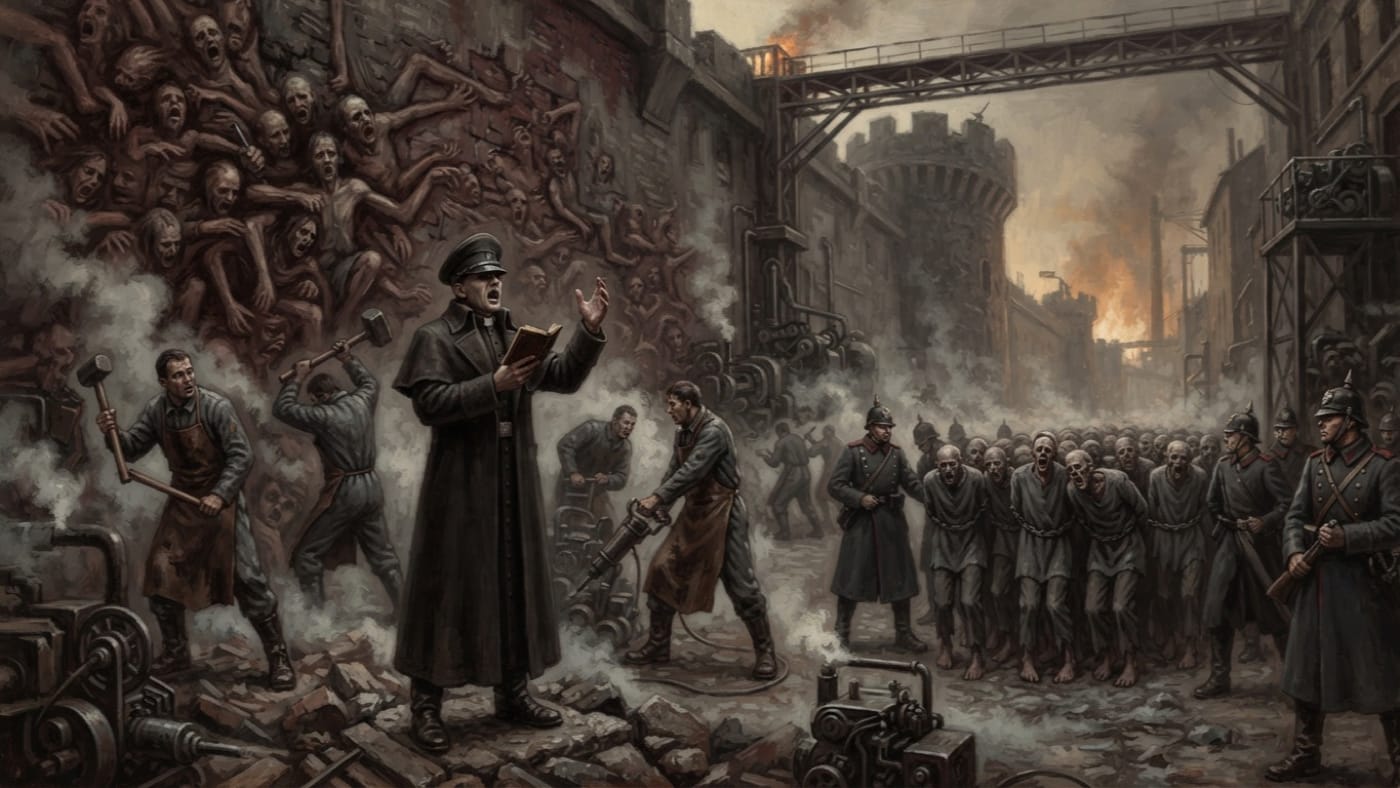
Litany Against Echoes
A named prayer, three missed lines, and no proof of protection
At Metz in A.S. 144, an Inquisitor recited the Litany Against Echoes and missed three lines. The record preserves the lapse; it establishes neither the text nor the prayer's effect.
Codex Ref. XIII.1.62-144
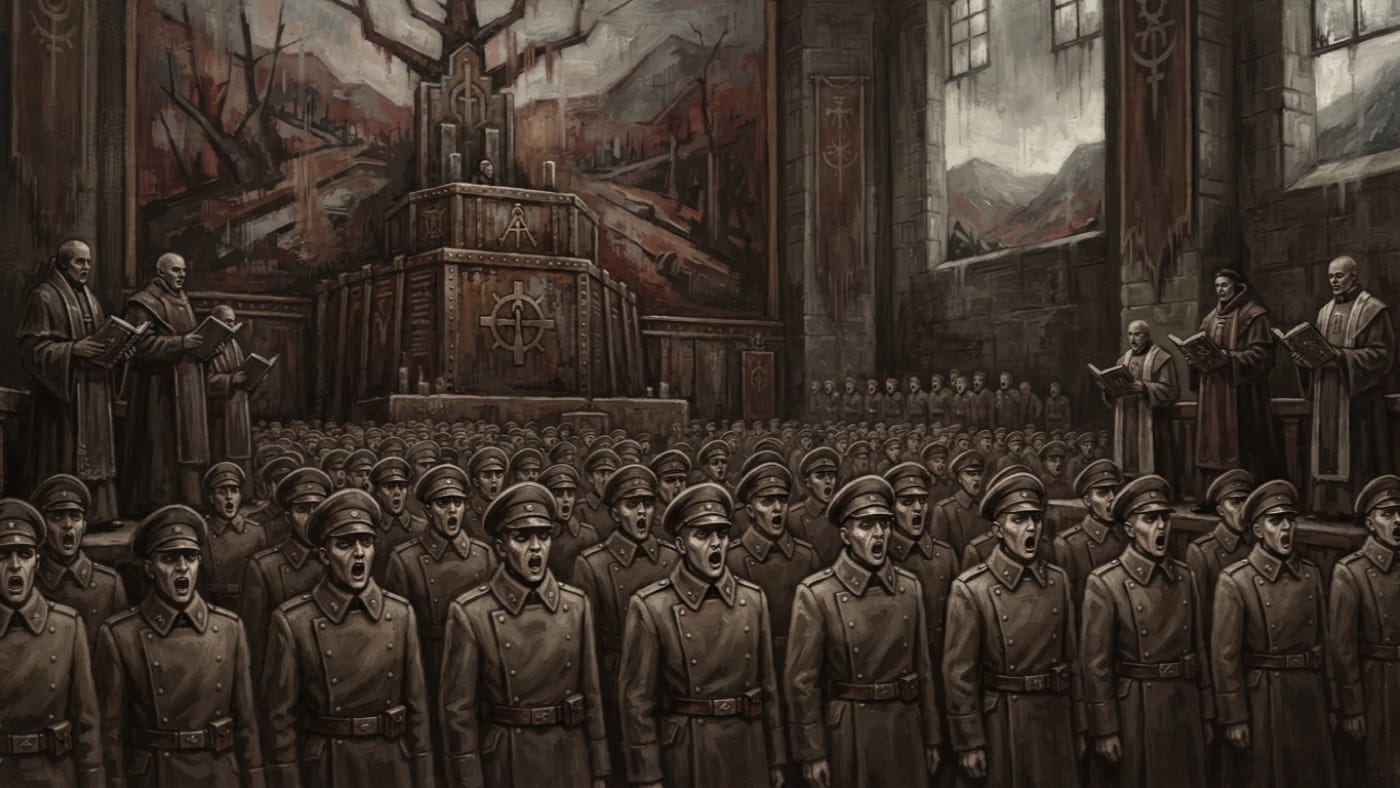
Litany of Errors
Eleven names. One designation. Four minutes to agree.
At Bastion-Przemyśl, cadets recite eleven Ulm signatories and the unknown twelfth, then condemn all twelve in unison. Four minutes of exact remembrance, with no room left for curiosity.
Codex Ref. XIII.1.95-201

Litany-Engineer
The Sanctified Mechanist — wrench in one hand, chant codex in the other, keeping the Sagittal Line from becoming an extraordinarily expensive wall.
The Bureau of Engineering's foundational combat-rated mechanists: four thousand licensed, nine thousand actual, all keeping engines running by wrench and cant in chambers that hum in frequencies no codex records.
Codex Ref. XII.1.01-001
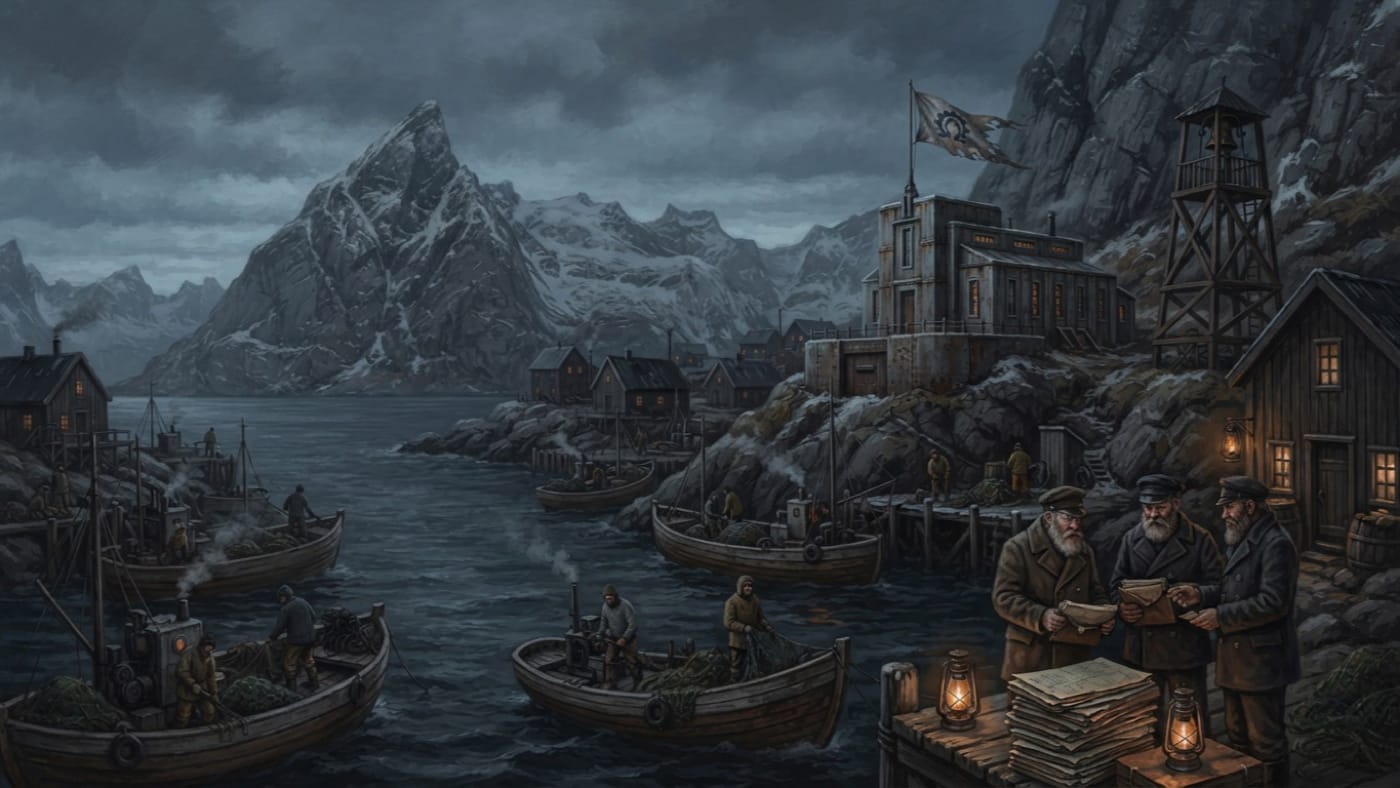
Lofoten Islands
The far end of the registry. The sea keeps the rest.
The northern island-chain at the end of Strasbourg's district formula: faithful to the Creator, governed by elders, and lit by seal-oil. The Synod has correspondence. The islanders have boats.
Codex Ref. IX.8.02-001
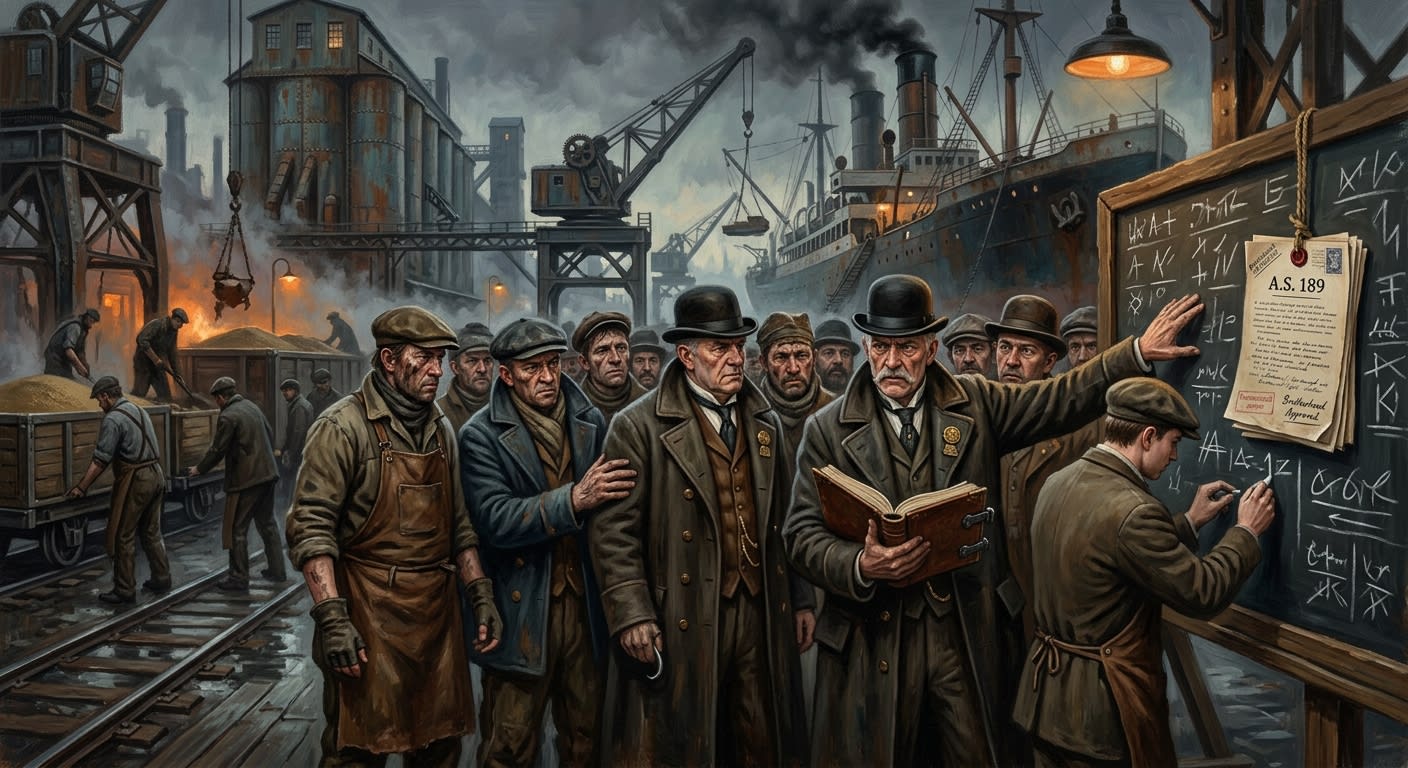
Longshoremen's Brotherhood
The port moves when the men beneath the crane consent to bend
Hamburg's oldest dock guild controls western and central quay labour, grain call-books, Brotherhood chalk marks, and the A.S. 189 hazard supplement that Tithes keeps trying to resurrect as taxable.
Codex Ref. XII.52.01-001

Lord-Protector Guillaume
The gate-seller who mistook a palace for survival
Guillaume sold Aachen for Lowlands dominion, sent a proxy to Regensburg, and learned too late that the Bureau's cleanest executions are grammatical.
Codex Ref. III.2.06-003

Lord-Warden Eccleston
Courtesy sharpened until it can cut a Bureau in half
Eccleston, British ambassador in Strasbourg, receives every Synod memorandum with perfect courtesy and returns obstruction in the shape of proper procedure.
Codex Ref. III.2.01-023
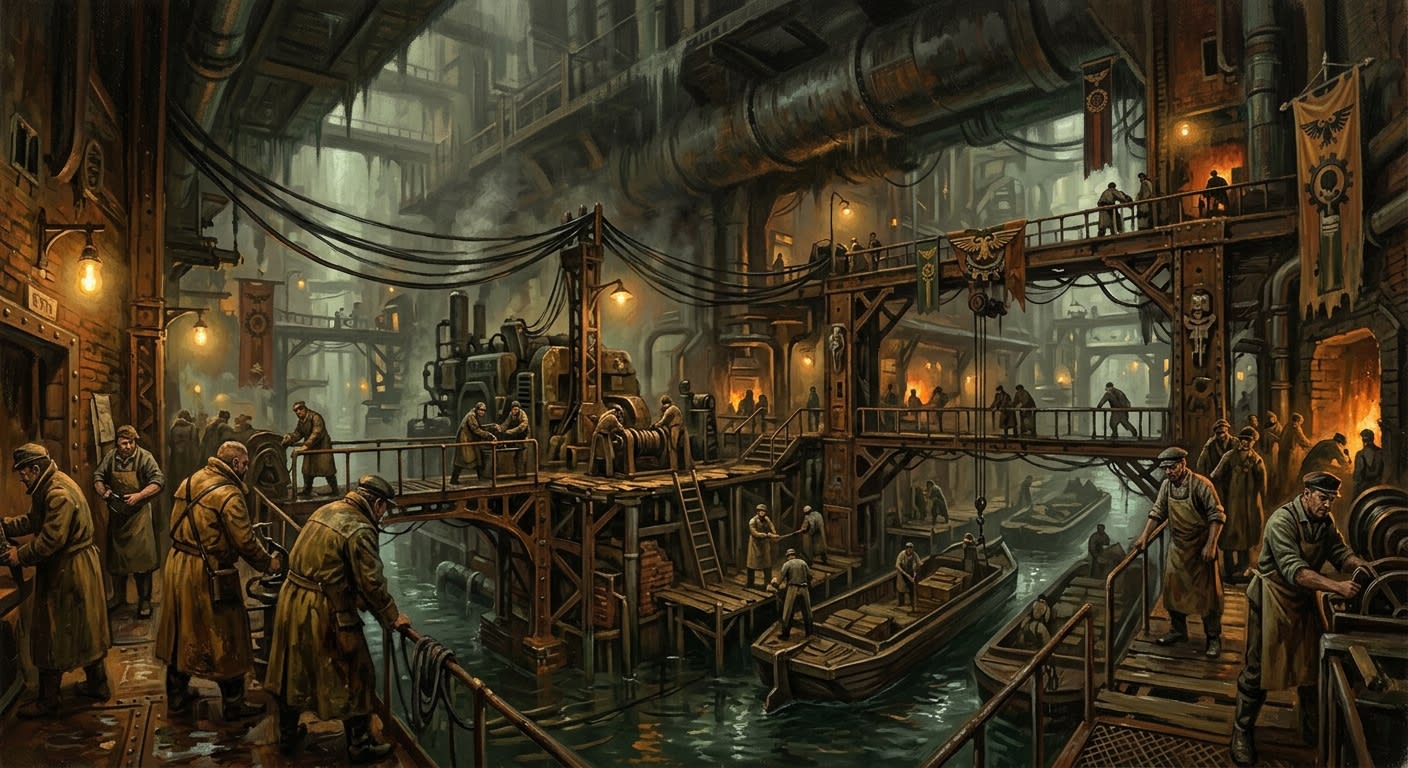
Low Nets
Where Saffron stands because the drowned keep working
Low Nets is Saffron Bastion's wet undercity: sub-habitable, indispensable, fevered, organised, and louder than its governors prefer.
Codex Ref. II.4.09-112

Lucien Artois
The cleverest gunner Reason fed to fire
Lucien Artois made Reason's artillery sing at four rounds per minute, then learned at the Iron Plains that Hell does not consult firing tables.
Codex Ref. I.1.06-001
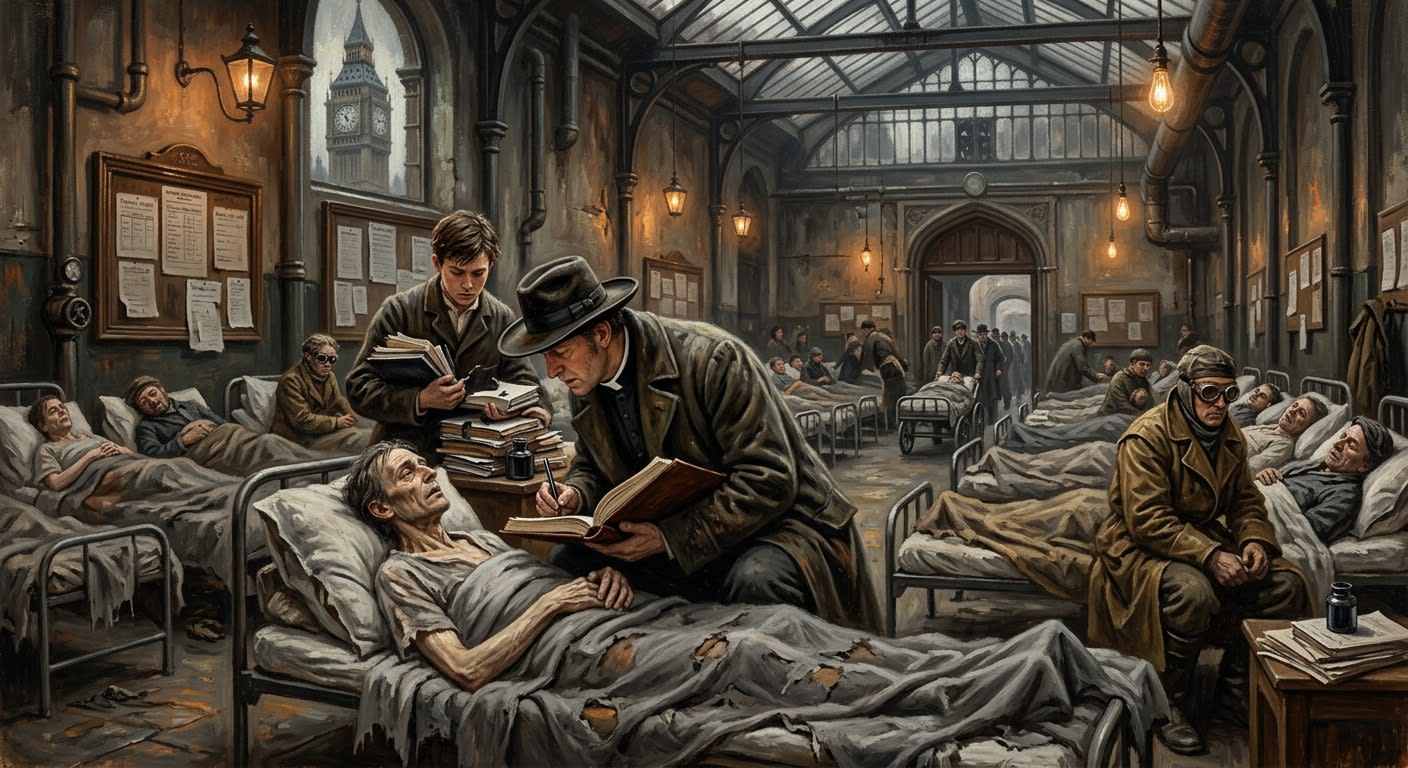
Lull of Names
The plague year when silence became a breach and the bedside became a bureau
The Lull of Names was the A.S. 78 plague-year catastrophe in which deaths in the southern wards outran transcription, birthing Standing Order 22-C and the Deathbed Confession Harvester corps.
Codex Ref. VII.8.10-022
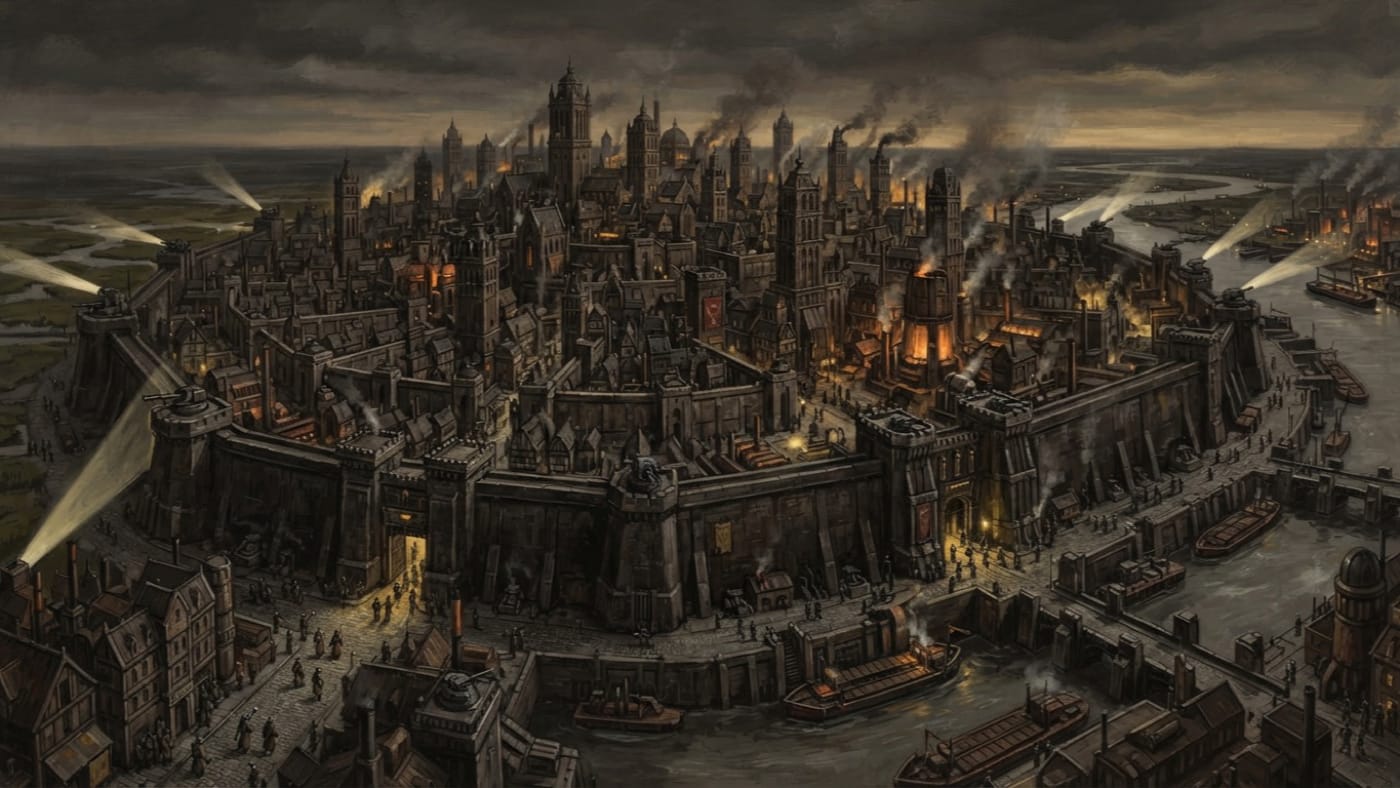
Lunden-Kirk
The Thames city whose parish walls keep the Bureau outside
London survives as a walled monastery-city on the Thames: perhaps four hundred thousand souls, each parish armed, each street watched. The British Crown governs; the Bureau possesses reports and no jurisdiction.
Codex Ref. II.0.10-201

Lutz Brennan
The smile by which cowardice acquired procedural value
Young Strasbourg assessor whose confession and return-smile betrayed Arno Kett, opened the Silent Godless founder-case, and taught Purity that relief is evidence.
Codex Ref. III.2.01-145
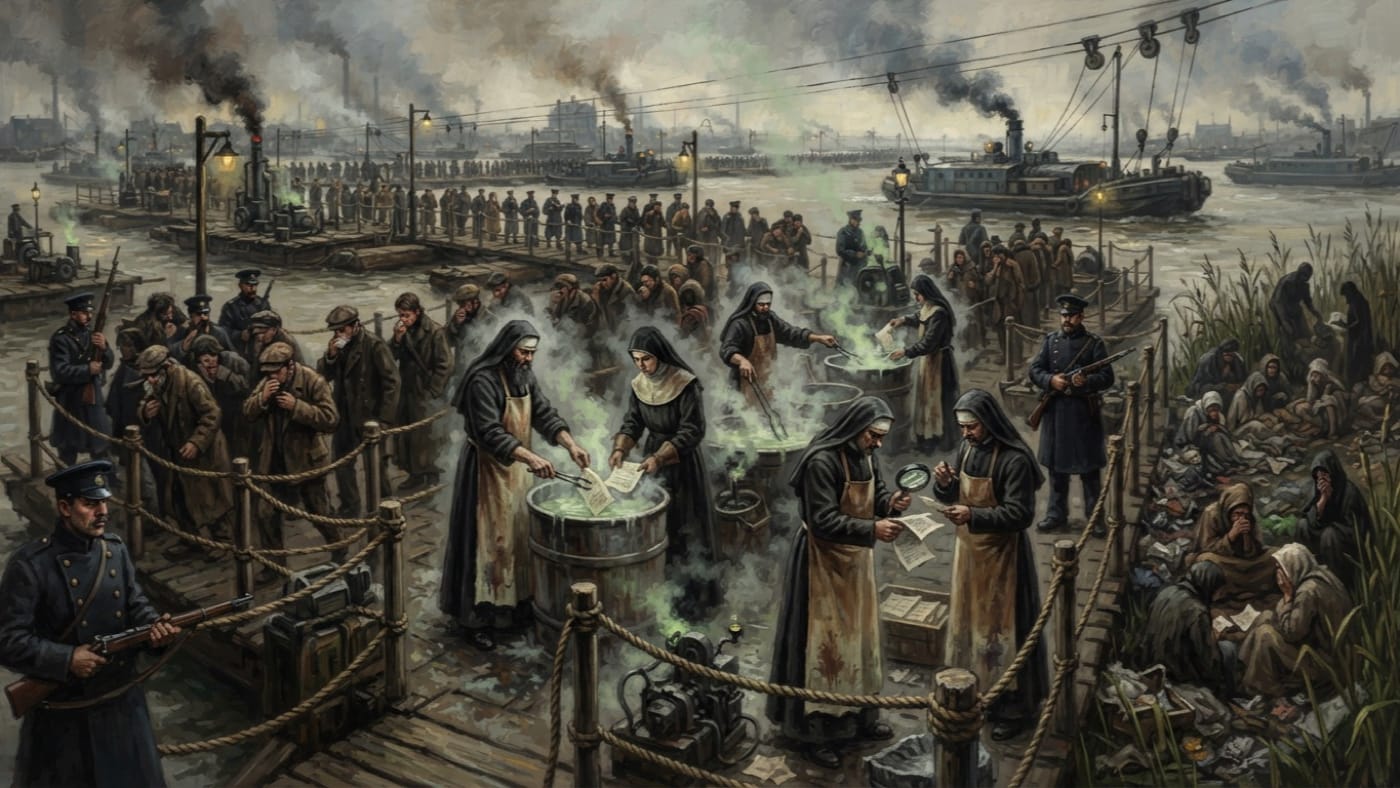
Lye Order
Bodies accompany their papers.
The Quarantine Wardens of the Rope-Ferry Chain wash travellers, inspect stamps, and widen cordons. Their mandate is plague prevention; their surest product is fear.
Codex Ref. XI.8.01-001
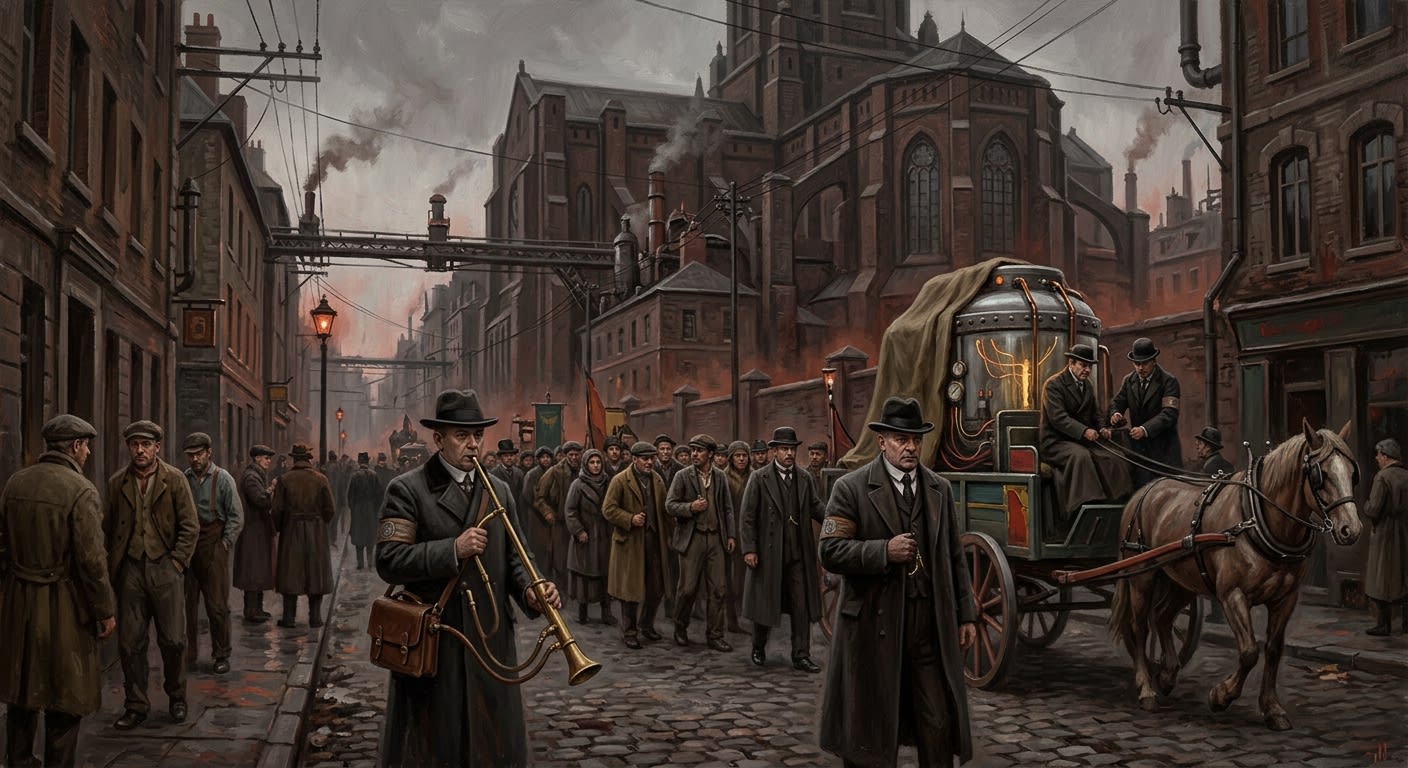
Lyon
The Rhône city where scars learned to sell tickets
Synod-held Lyon is a Rhône city of red ash, whistle-hymnody, Festival supervision, relic volatility, licensed enthusiasm, and profitable repentance.
Codex Ref. II.1.04-001
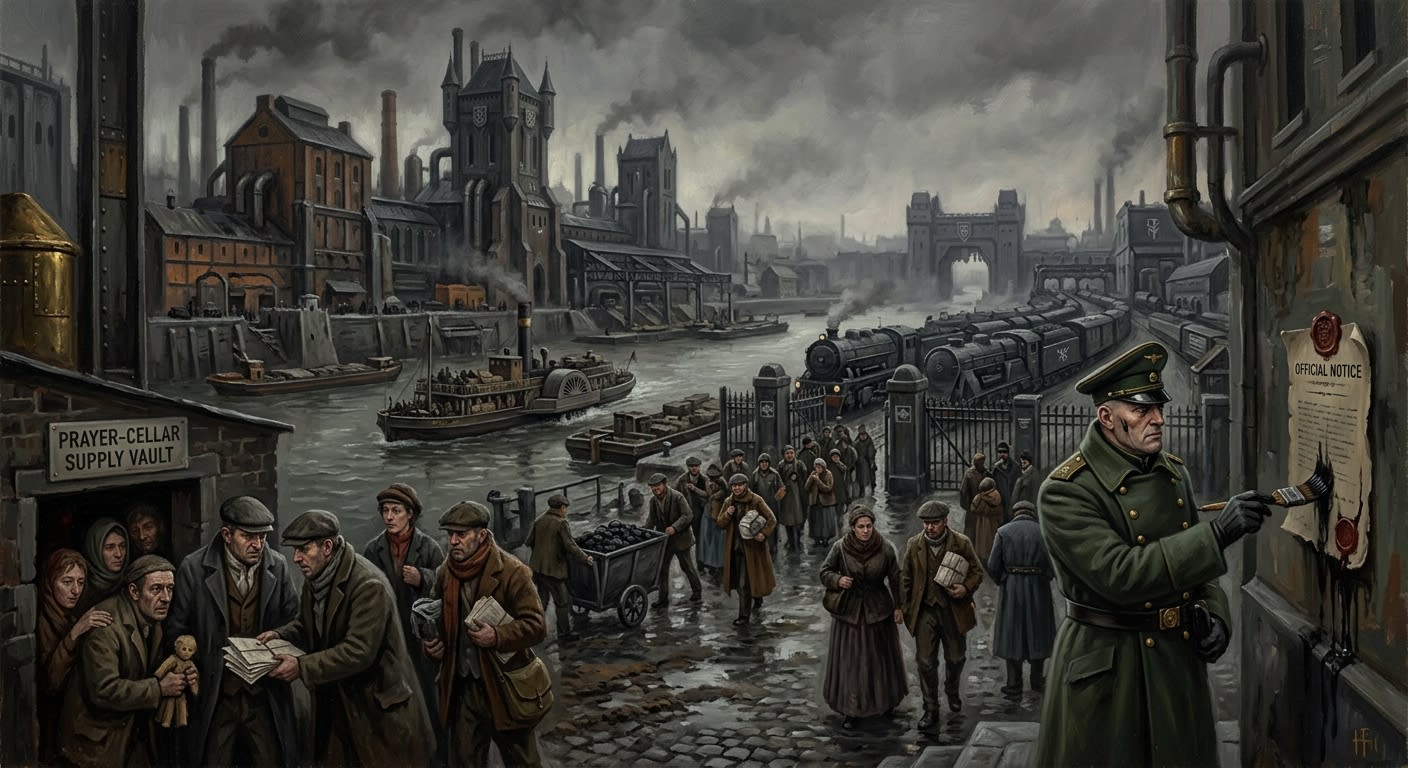
Maastricht
The sleeve beside Aachen's knife
Maastricht survived by adjacency: feeding roads to Aachen, relabelling prayer-cellars, selling shame politely, and teaching Hungry Ink how seals can scream.
Codex Ref. II.1.07-025
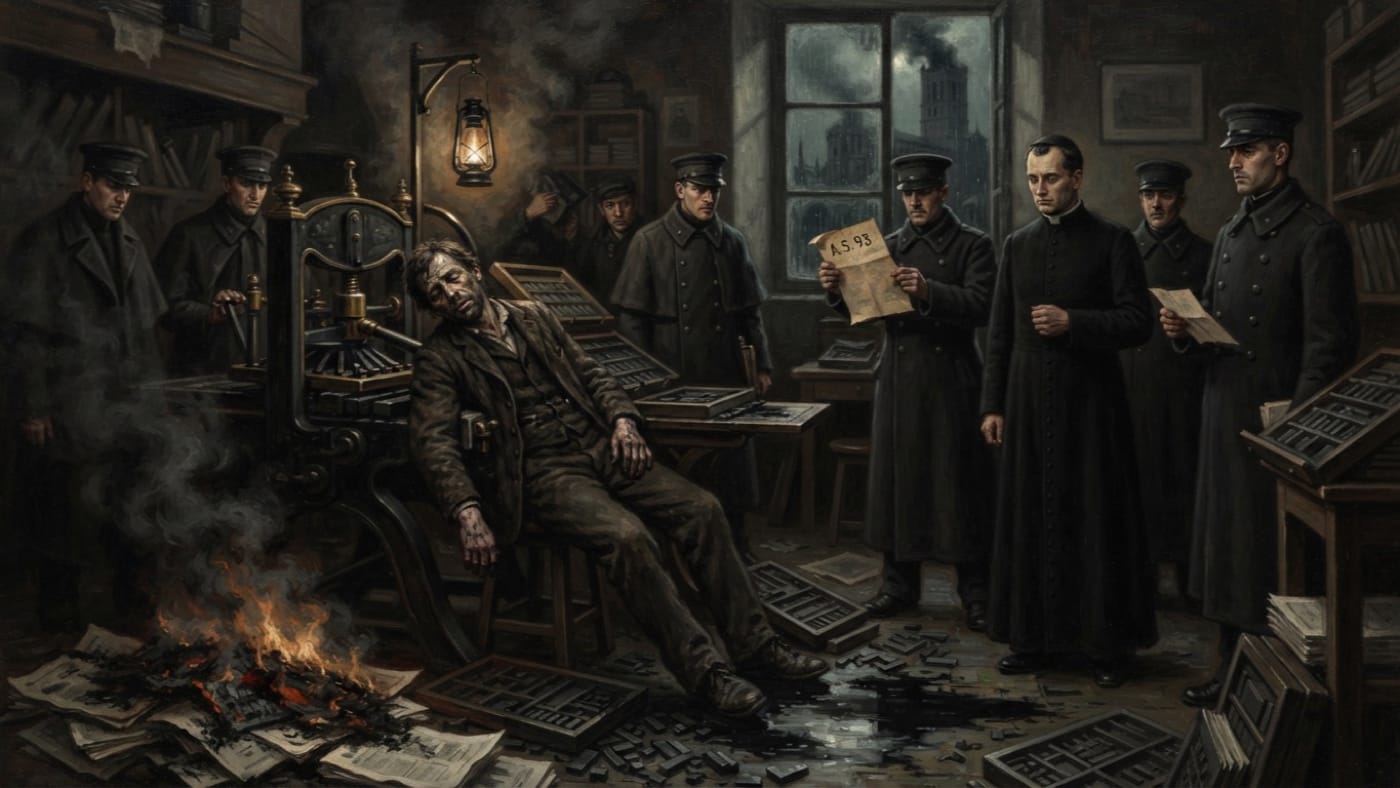
Maël Aucourt
The printer whose file outlived the man
Maël Aucourt hid Rationalist arguments among lawful notices. His A.S. 93 warrant opened the Toulouse Hunts; Purity preserved his offence more carefully than his life.
Codex Ref. III.2.01-093
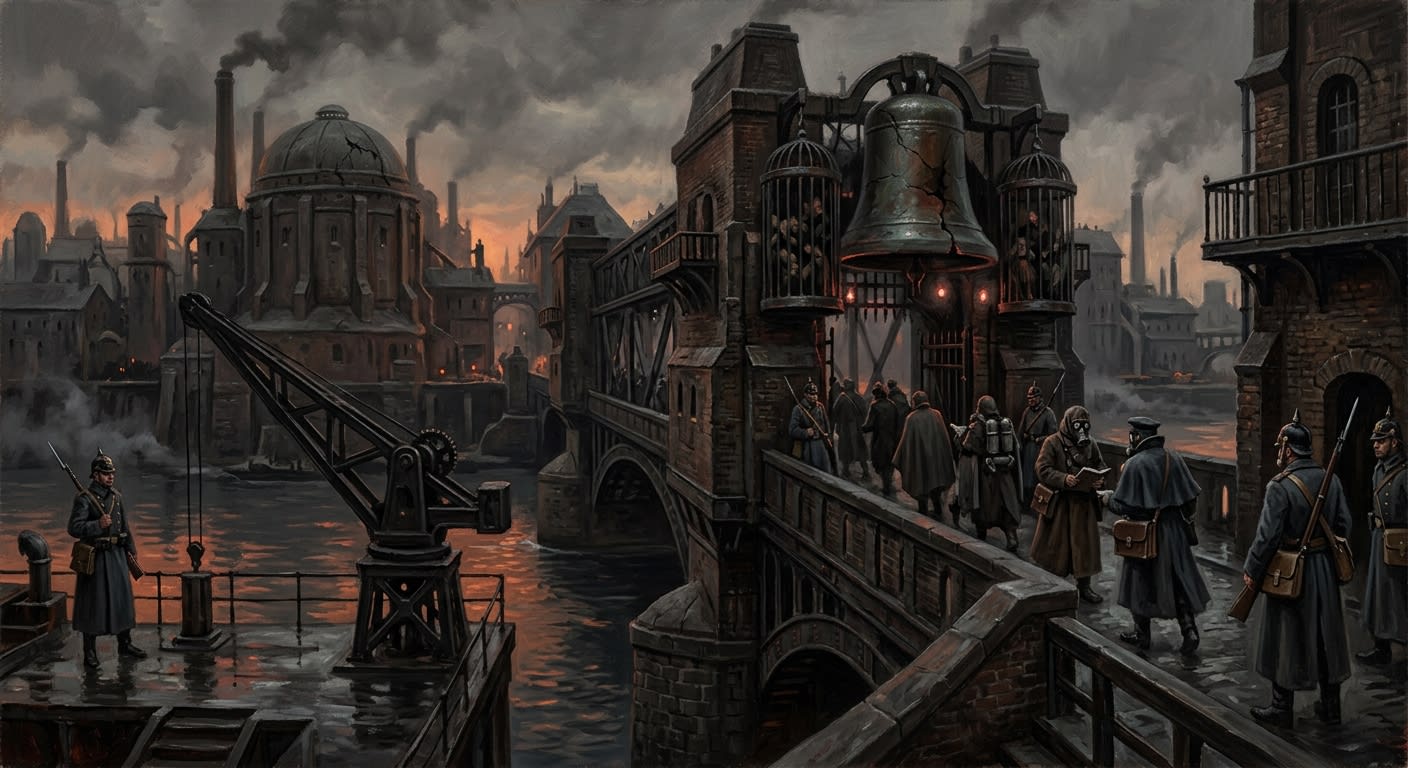
Mainz
The Rhine city where tolls, bells, and throats keep accounts
Mainz is the Synod's Rhine throat: a bridge-toll city of Augustinus, Hildegarde, Severian, cracked bells, obedient ledgers, and cages that still hum.
Codex Ref. II.2.02-003
Maldrake, the Wrathforged
The fire does not care what it was given to burn.
Sin-General of Wrath: architect of the Eternal Forges, commander of the Hellbow Legion, fourteen confirmed breaches of the Sagittal Line. The fire that outlived its cause and kept marching.
Codex Ref. IV.1.07-003
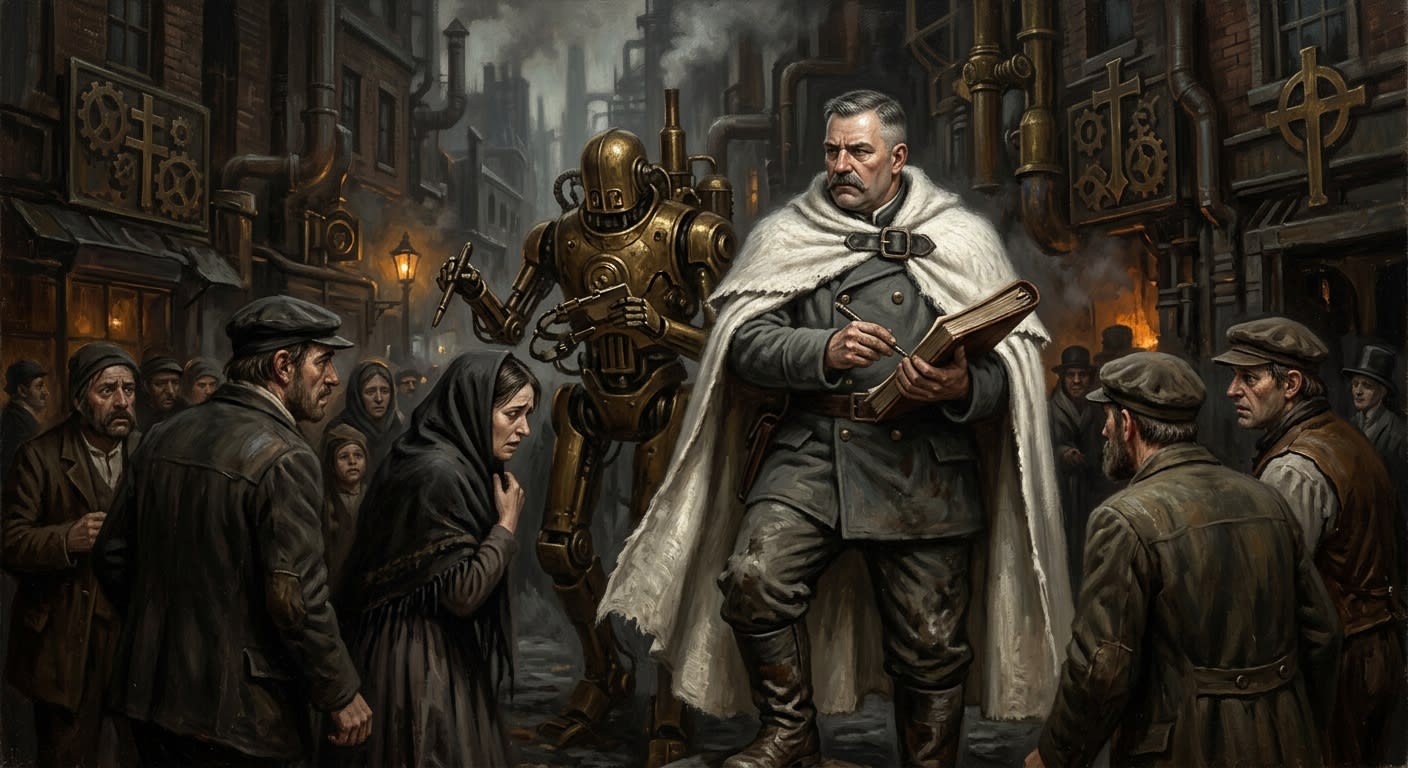
Mandatum Candoris
The decree by which terror learned to wear white
Hildegarde of Mainz's A.S. 62 decree requiring visible white mantles for Bureau of Purity field agents, making correction legible before it struck.
Codex Ref. XIII.1.88-062
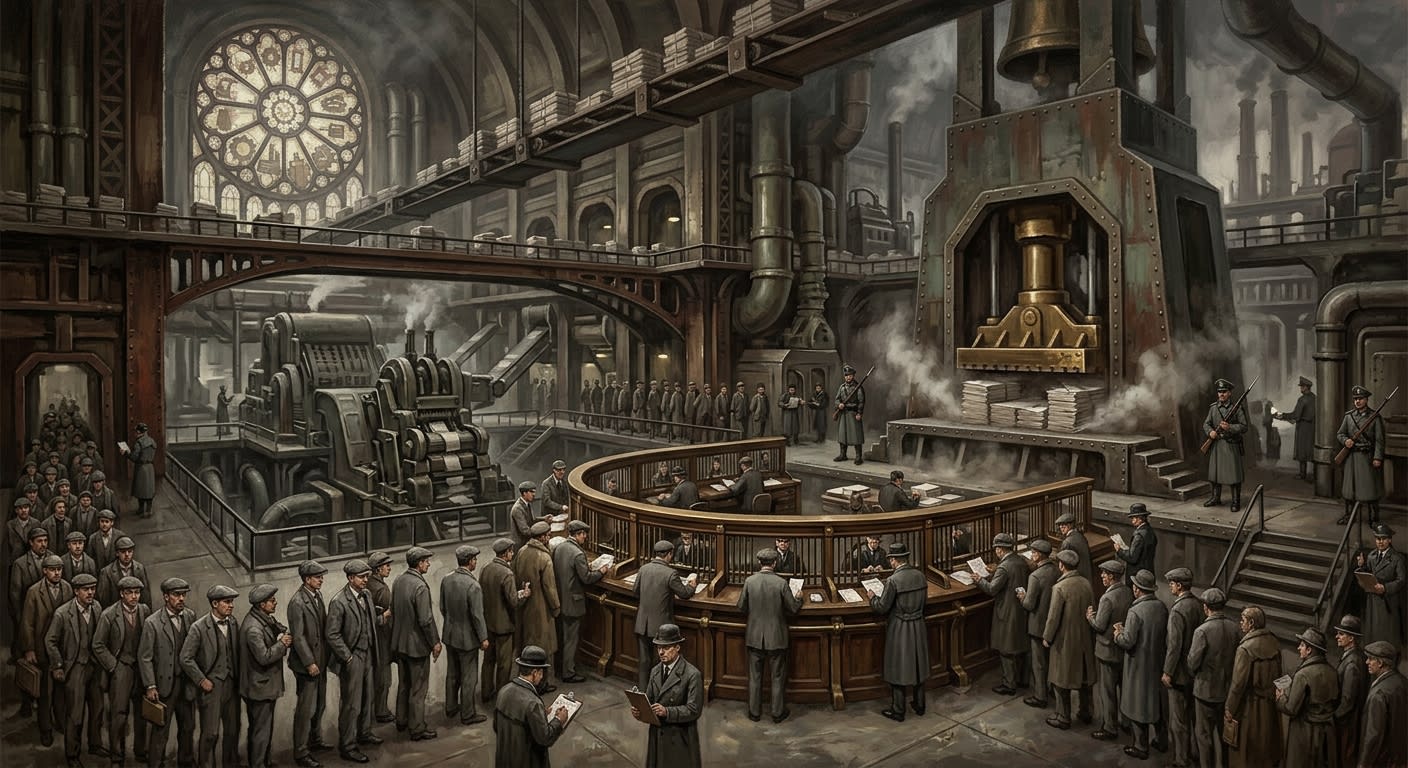
Manifest Basilica
Lorn's altar is a routing desk
The Manifest Basilica is Lorn's paper cathedral: routing desk for altar, correction for sacrament, and a Pulse that stamps men into obedience.
Codex Ref. II.2.09-104

Manifest Litigant
In which the Bureau confirms that identity is paper, paper can be disputed, and dispute, correctly licensed, is a revenue stream.
The licensed enforcers of documentary reality at the port courts — the profession that cannot save the grain but can prove, conclusively, why it was permitted to rot.
Codex Ref. XII.26.01-001
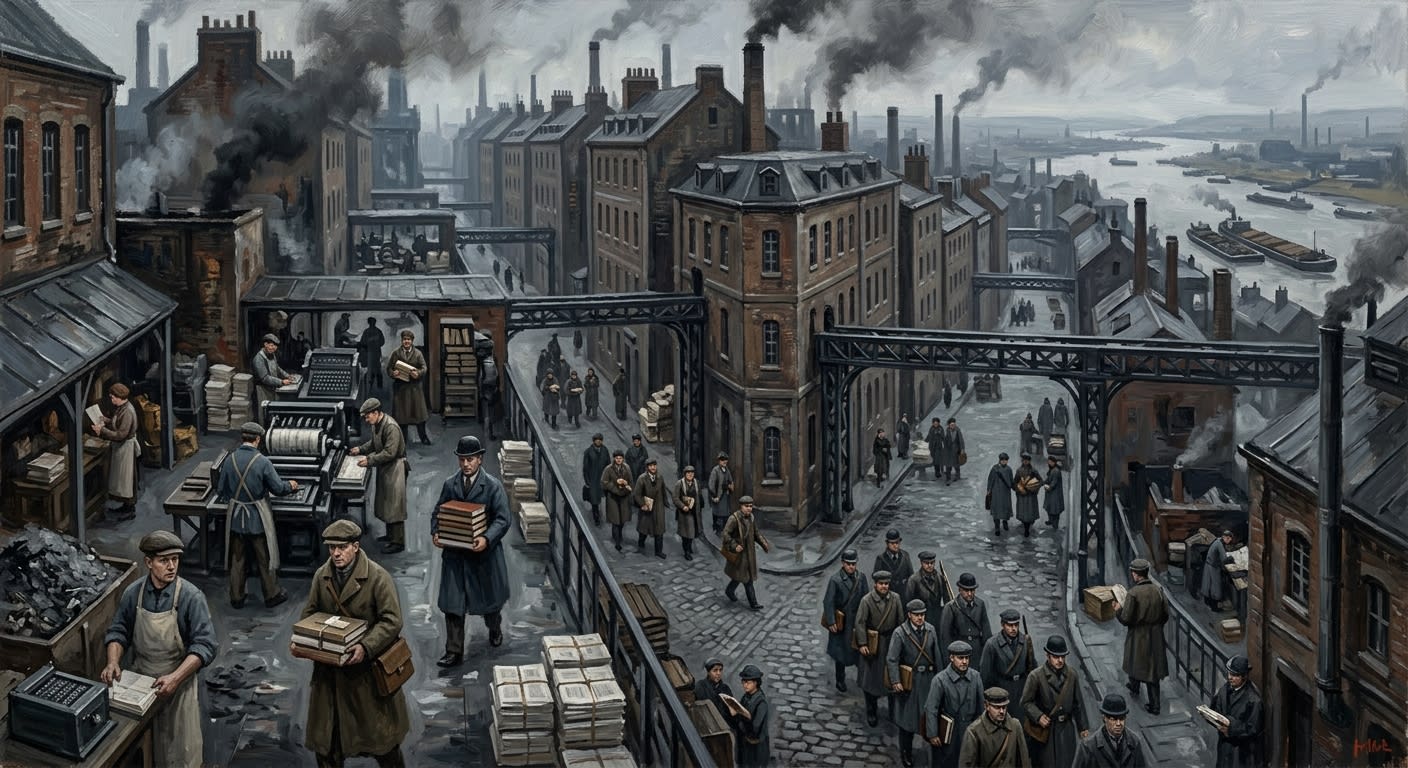
Mannheim
The square city teaches arithmetic to doubt
Mannheim is the Rhine Corridor's square heresy school: copyhouses, ash-yards, tidy streets, and arithmetic sharp enough to cut Doctrine.
Codex Ref. II.2.10-125
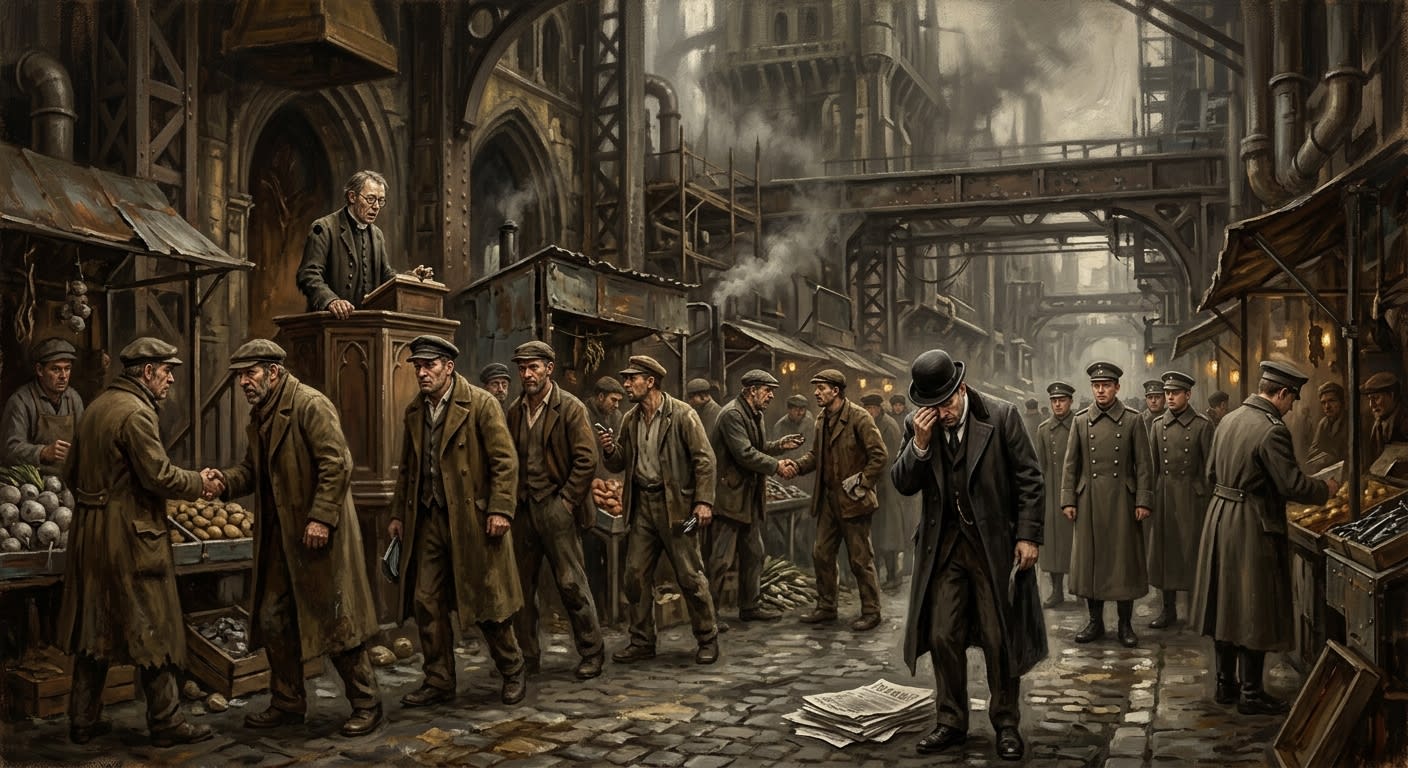
Market Drift Years
When Tuesday briefly defeated theology
The A.S. 98–103 Rhineland civic-devotional decline in market Creed recitation, turnip theology, barter-oaths, and the embarrassment that birthed the Street-Vicar Corps.
Codex Ref. VII.8.10-025
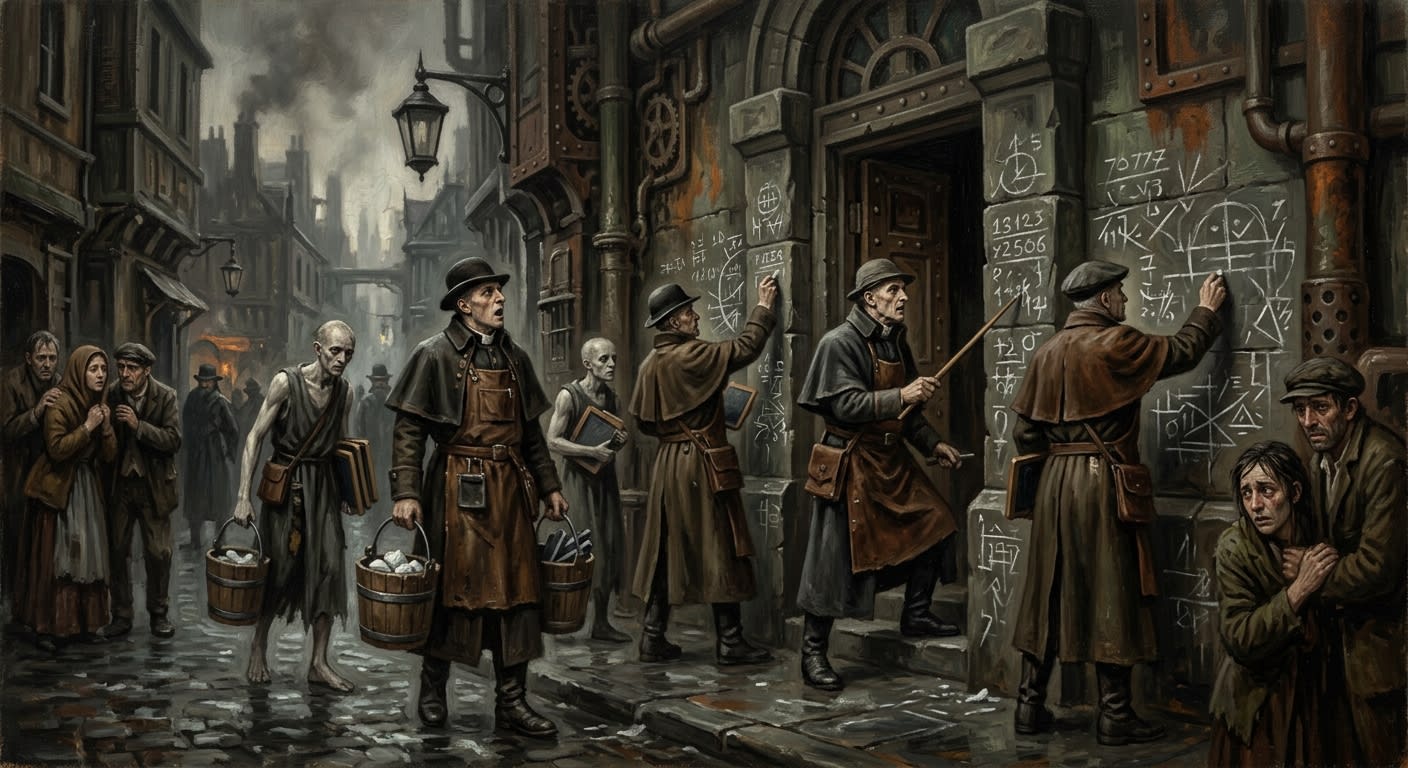
Marking Vicars
The doorframe made into a tribunal
Internal Street-Vicar faction of public chalk correction, visible recitation, reputational punishment, and the dangerous arithmetic by which a doorframe becomes doctrine.
Codex Ref. VIII.1.08-001
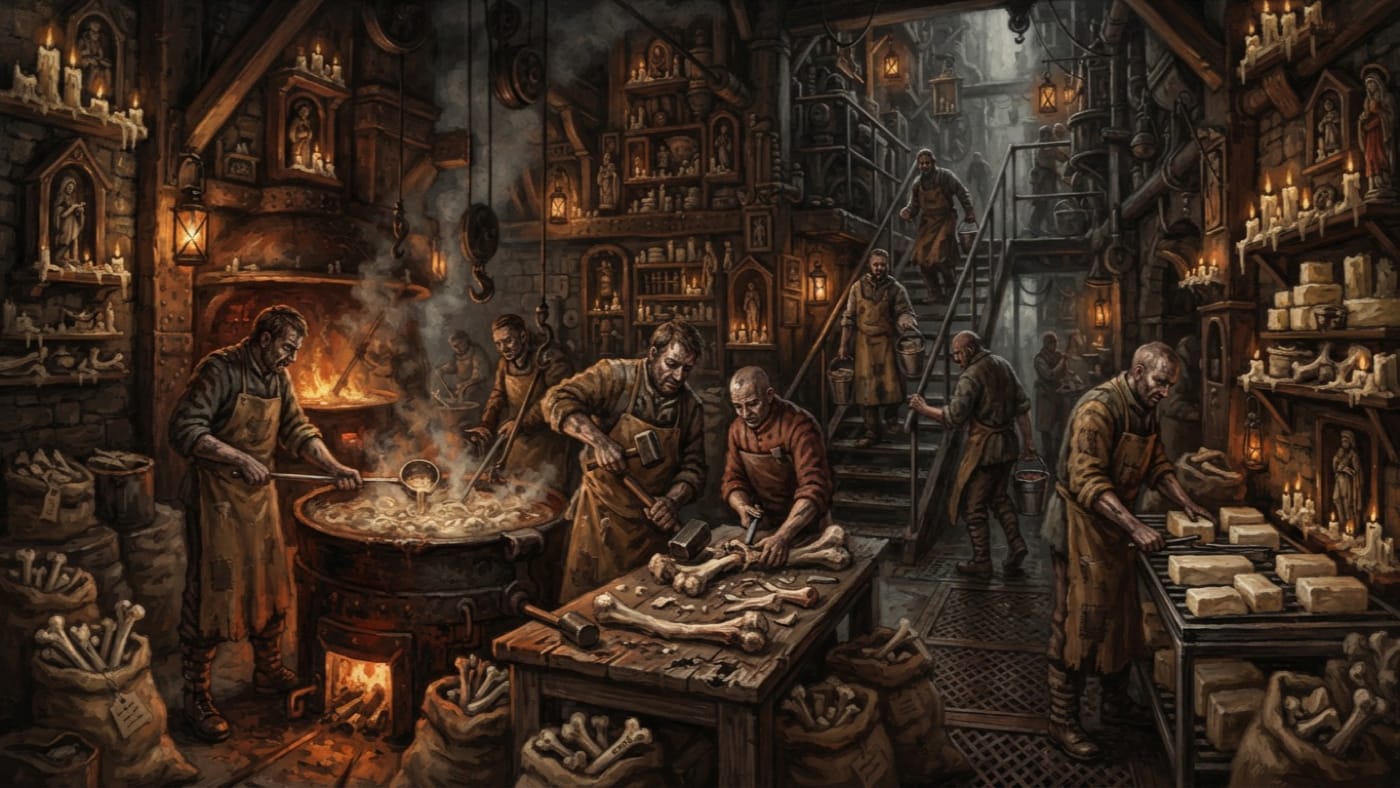
Marrow Makers
The guild whose candles light its own audits
The Marrow Makers keep the Reliquary Switchbacks lit with wax and tallow, and its shrines patched with bone-lime. Their vats remain licensed; the provenance of their bones is less easily certified.
Codex Ref. XII.26.05-001
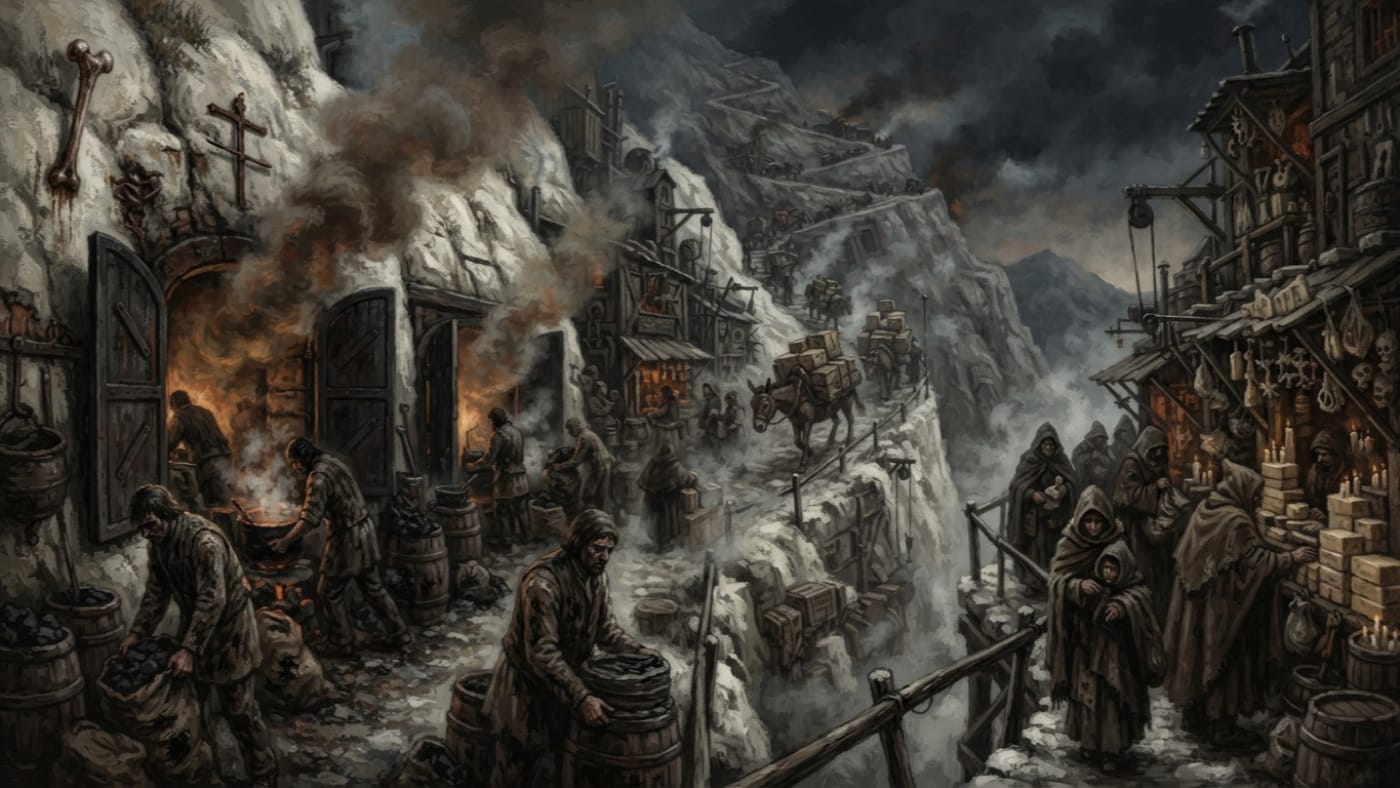
Marrow Market
The receipt certifies the weight, not the contents
The second turn of the Reliquary Switchbacks sells bone-craft, wax, tallow and mortar under the Marrow Makers' smoke. The bones require certificates; what survives the vats is harder to certify.
Codex Ref. II.3.05-005
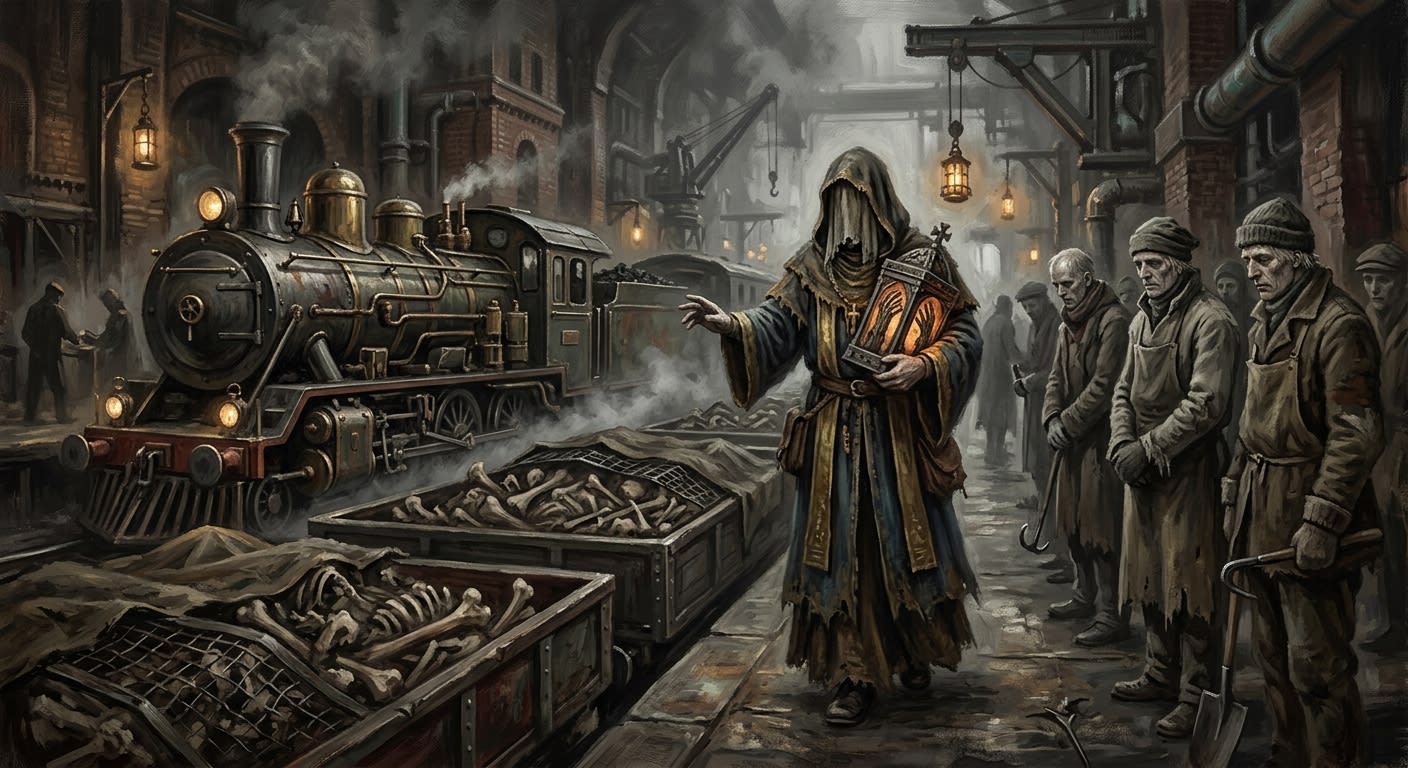
Marrow-Saint Elen
The hooded patron invented because [[josek-of-dueren|Josek]] had a face
Marrow-Saint Elen, unauthenticated but canonically licensed patron of Ossuary-Draft Handlers, blesses condemned transport by carrying a reliquary while showing no face.
Codex Ref. III.2.01-132
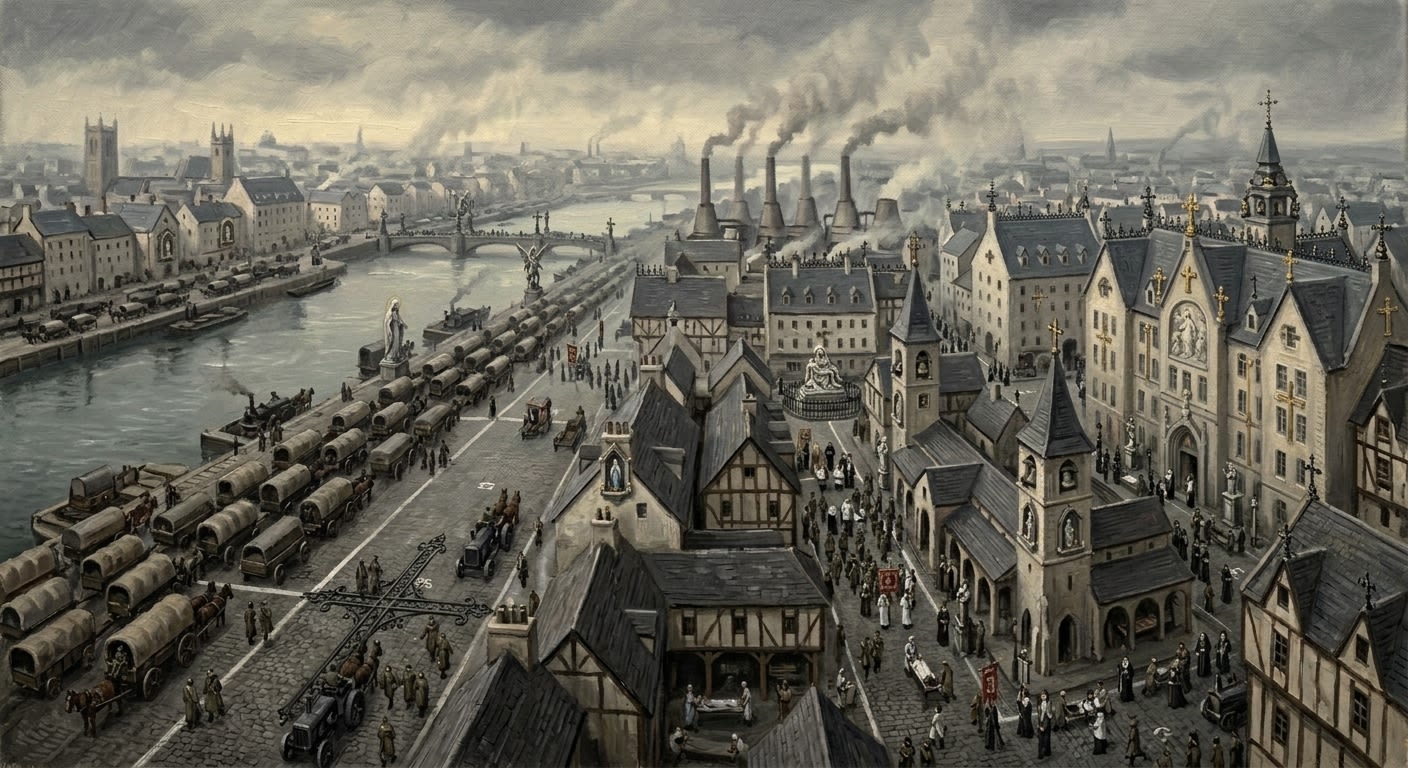
Marrowgate
The Inland Medical Port — where the broken are filed, the dead are processed, and the paperwork outlasts both
The Synod's proudest logistical confession: an inland port that converts the Line's broken men into administrative order. At Marrowgate, the ledgers are more reliable witnesses than the bodies, and the dead are meticulous auditors.
Codex Ref. III.3.07-001
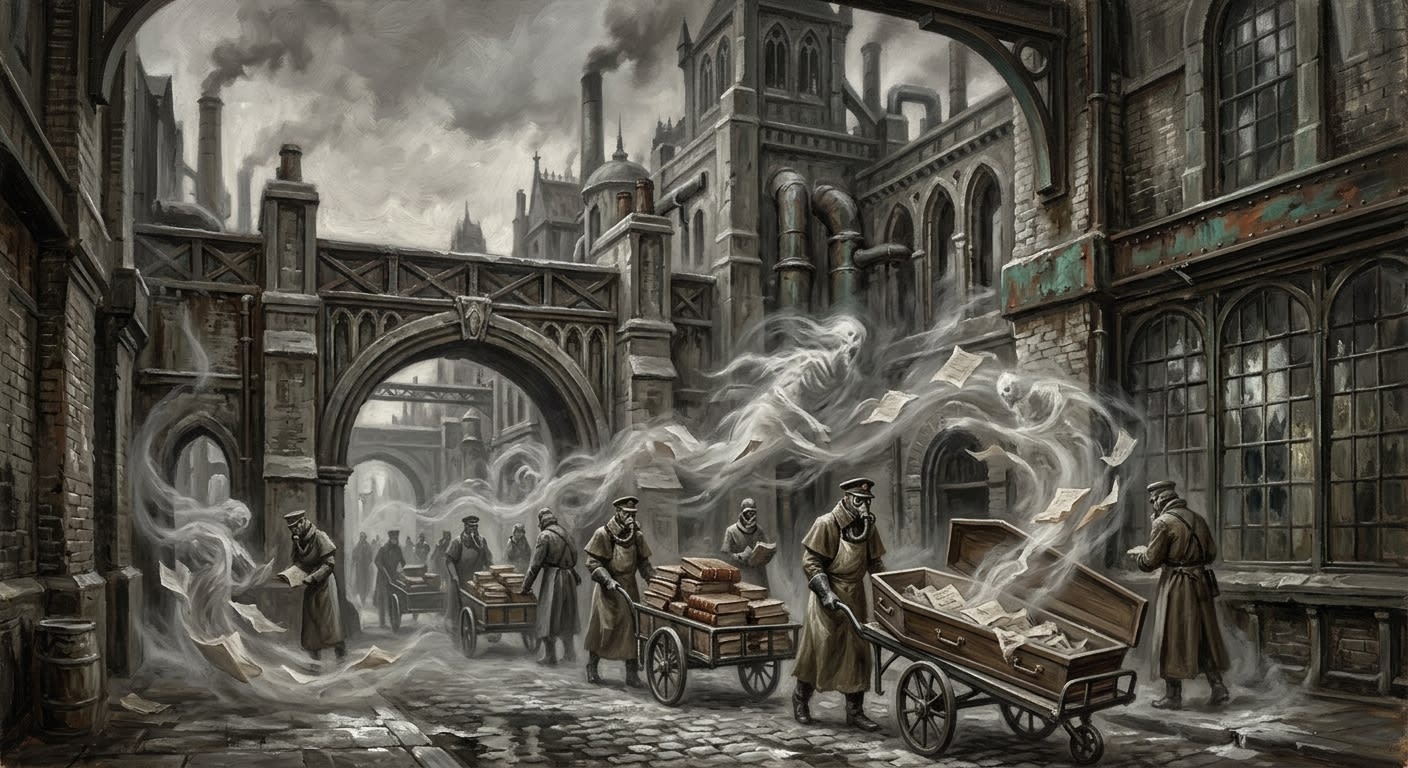
Marrowwind
The dead file amendments in lime and breath
At Marrowgate, chalk wind carries the voices of the dead, corrects fraudulent ledgers, and proves that a corpse with paperwork remains a witness.
Codex Ref. XIII.1.20-001

Marseille
Salt, pilgrims, and a territorial dispute the [[bureau-of-records|Bureau of Records]] has declined to arbitrate
The Synod's southern mouth — 650,000 souls between limestone and salt water, two competing Bureaus sharing a harbour they cannot agree on.
Codex Ref. II.4.09-012
Martial Code 14-A
The zero is sacred. The hand that alters it is answerable.
Martial Code 14-A makes tampering with a sanctified scale spiritual contamination. The notice names the offence; the full text and prescribed sentence remain beyond my ledger.
Codex Ref. XIII.1.14-001
Martial Code 22-B
The thirty-first licensed name turns a tolerated Circle into an unauthorised gathering.
Under Standing Order 14-V, a Circle exceeding thirty licensed operatives becomes an unauthorised gathering under Martial Code 22-B. I hold the citation; the Code's full text and penalty remain beyond my desk.
Codex Ref. XIII.1.22-002
Martyrdom
The dead remain useful until their paperwork fails
The Seal of Martyrdom governs the Synod's recorded dead, sanctions their memory and commands the Bureau of Relics. War supplies names; Martyrdom decides what the parish may say.
Codex Ref. VIII.1.10-201

Martyrology of Saint-Malo
Thirty-one names, forty-three seconds, and a civilization built from first blood
The Martyrology of Saint-Malo counts thirty-one dead, five absences, and every obedience the Synod has purchased with their blood.
Codex Ref. VII.8.02-001
Mask License
The face may vanish. The number must remain.
The Mask License permits the Synod's faithful to conceal their faces on approved occasions, for approved durations, through eye-holes of approved width. Even anonymity must be registered.
Codex Ref. XIII.1.19-002

Masonry Corps
The Punitive Construction Auxiliary: every sentence requires a wall, a stamp, and someone to blame
Approximately 2,400 licensed masons across Zones 1–5, governed by Standing Order 14-M. Three ranks, two denied factions, and a personal stamp worth more than its owner: every sentence must leave a sound wall and a matching log.
Codex Ref. XII.22.04-001
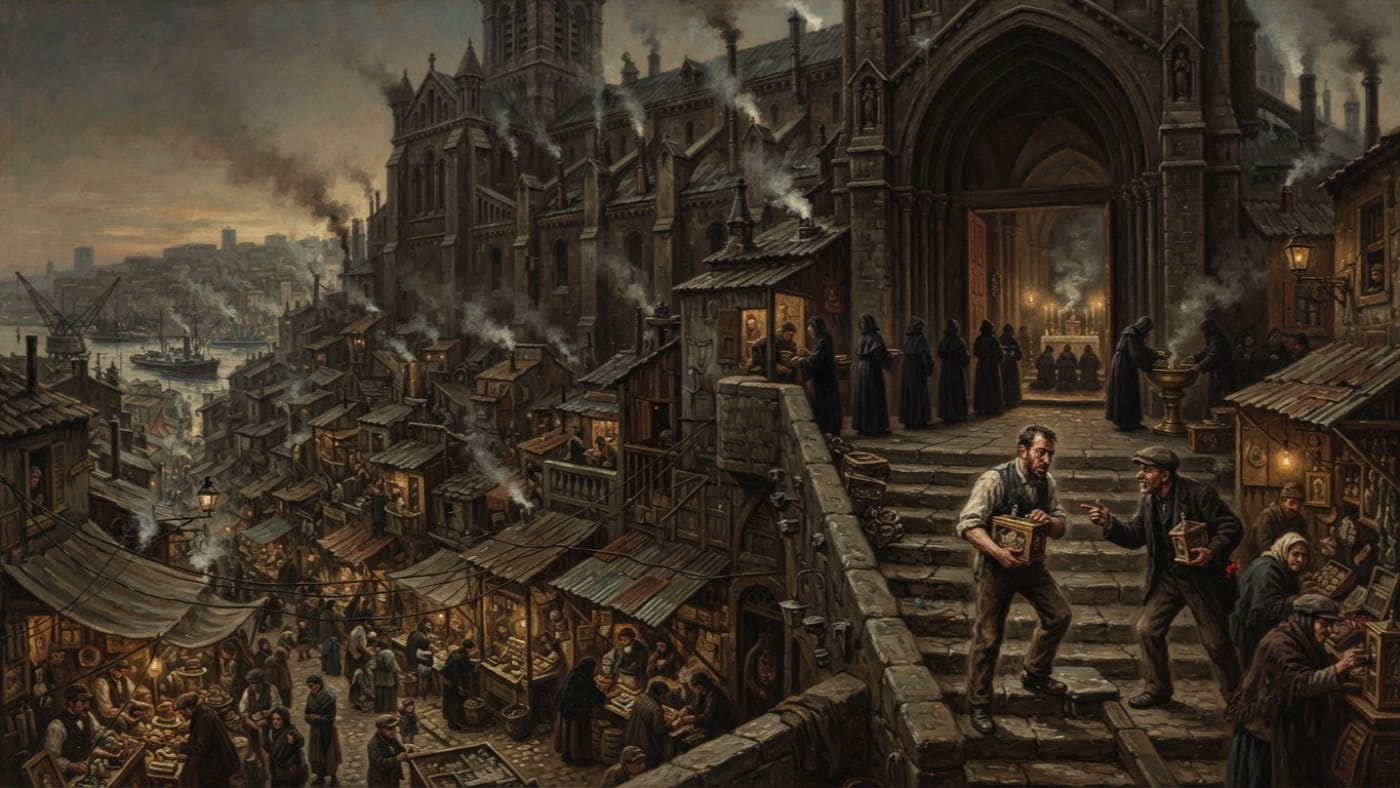
Masses of Remedial Doubt
The dealer pays for prayer; the knuckle keeps its provenance
At Saint-Victor in Marseille, relic dealers buy Masses of Remedial Doubt when customers complain. The cathedral receives an offering; the disputed bone acquires no certificate.
Codex Ref. XIII.1.43-002
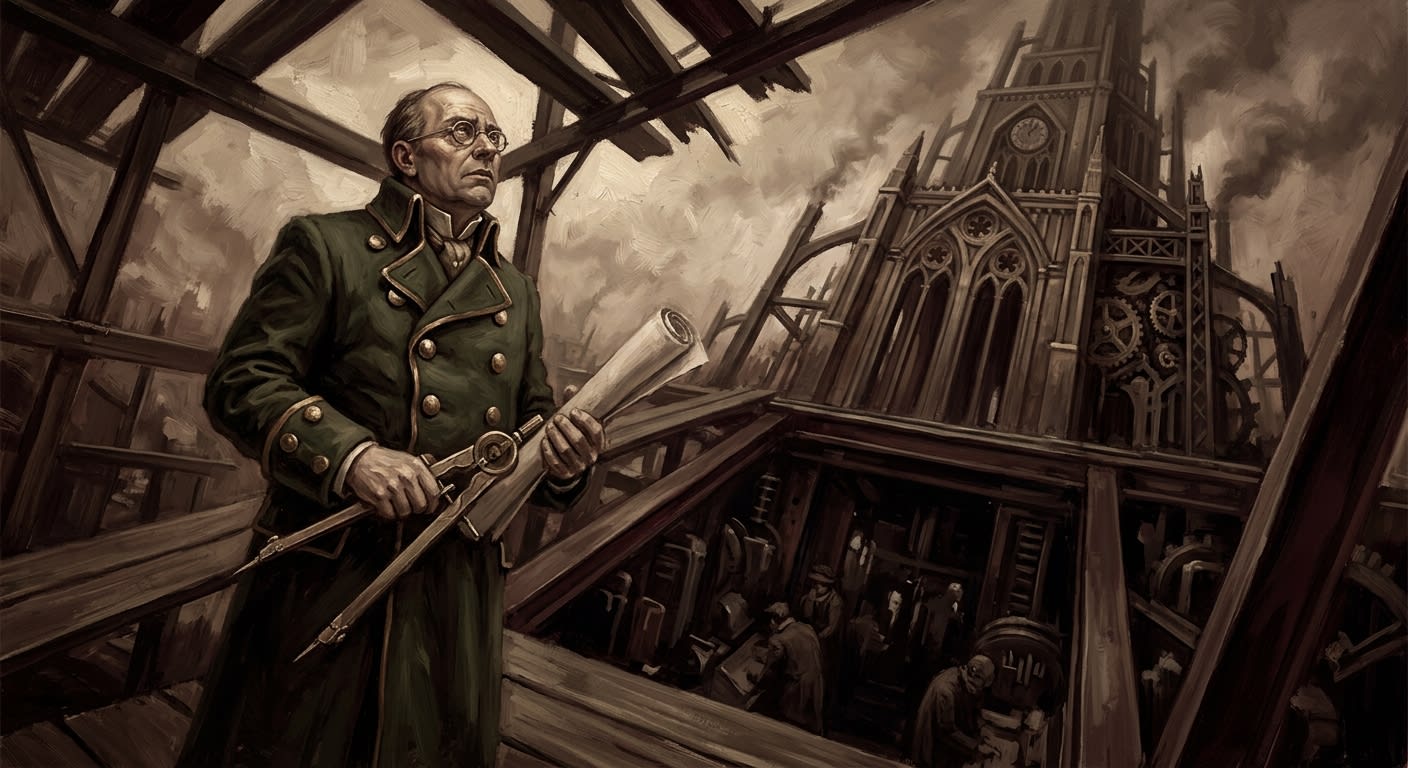
Matthias Kammler
The man who made Doctrine climb stairs
Matthias Kammler, architect of the Tower of the Quill, gave the Bureau of Doctrine a pen of stone and was repaid by height, honours, and a fatal scaffold.
Codex Ref. III.2.01-150
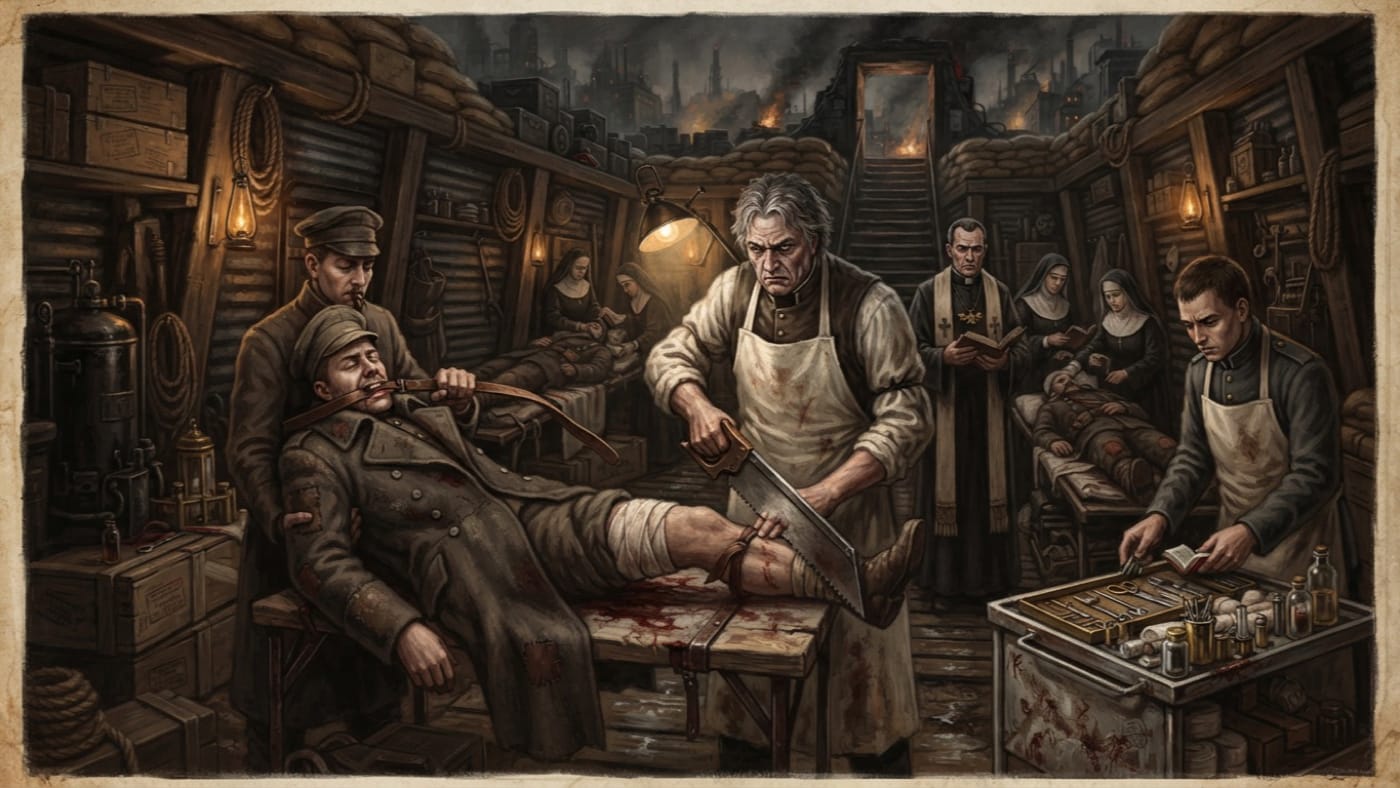
Medical Directorate of the Bureau of War
The surgeons arrived before the charter.
First recorded in A.S. 82, the Medical Directorate is the older name of the Bureau of Medicine. Its surgeons treated the wound before the confession ended. The charter followed ten years later.
Codex Ref. XII.7.09-045
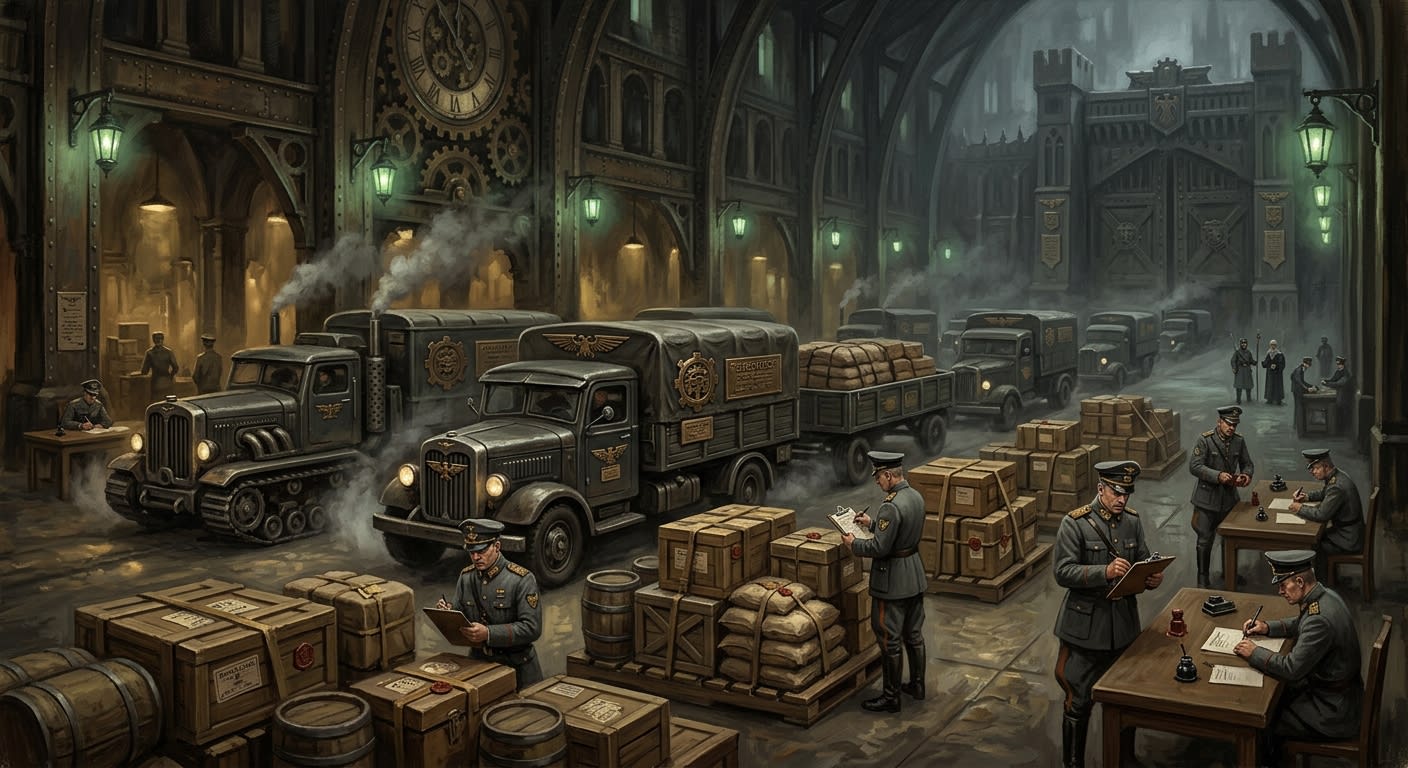
Merchant Problem
The correct manifest with teeth
The Merchant Problem is Macedon's cleanest corruption: lawful caravans, correct manifests, obedient seals, and cargo that waits for the gate to believe it.
Codex Ref. XIII.1.97-187
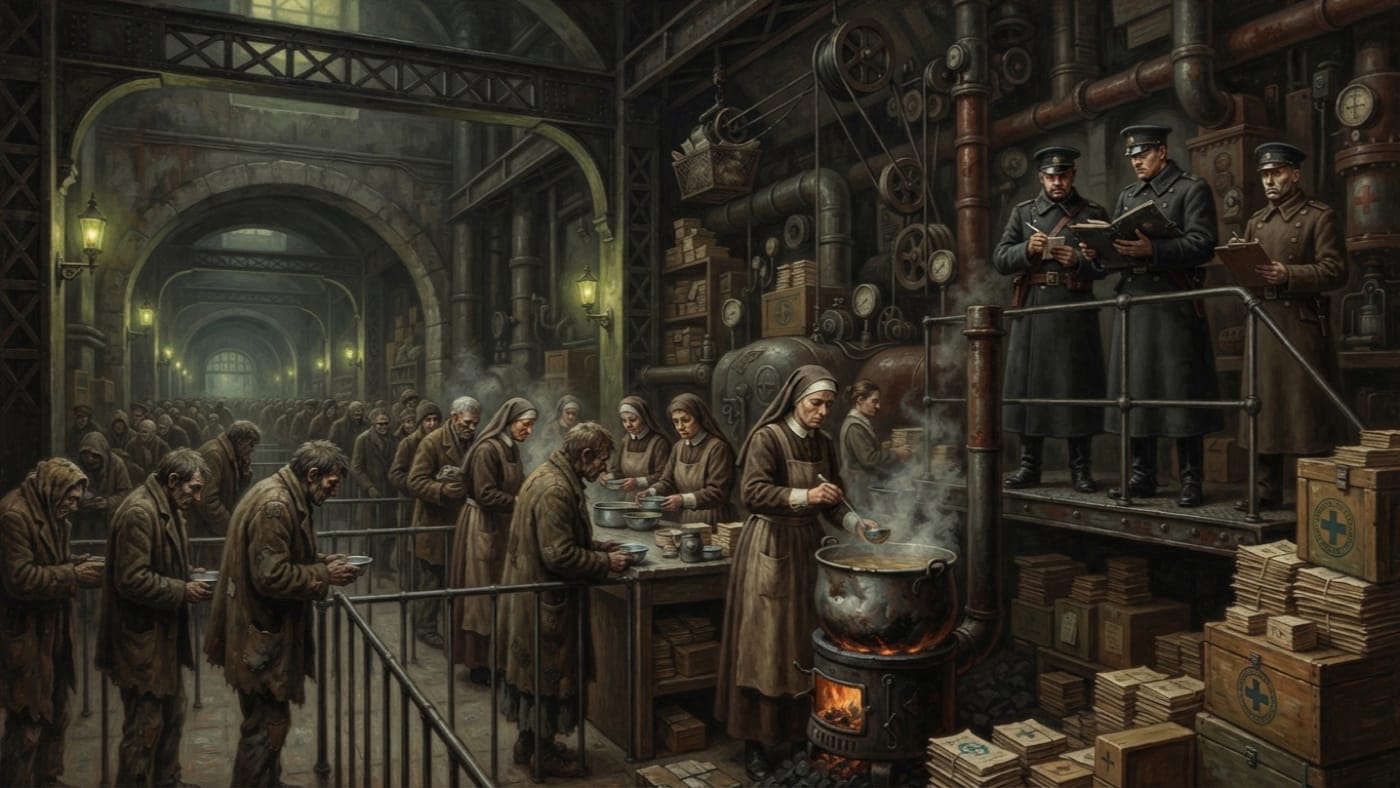
Merciful Pragmatists
Bread before ashes; auditors after bread.
A weak Synodal faction that ranks charity above purity. Commonly identified with Saint Mildred's Hospitallers, it survives because someone must feed the queues before the auditors arrive.
Codex Ref. VIII.7.01-201
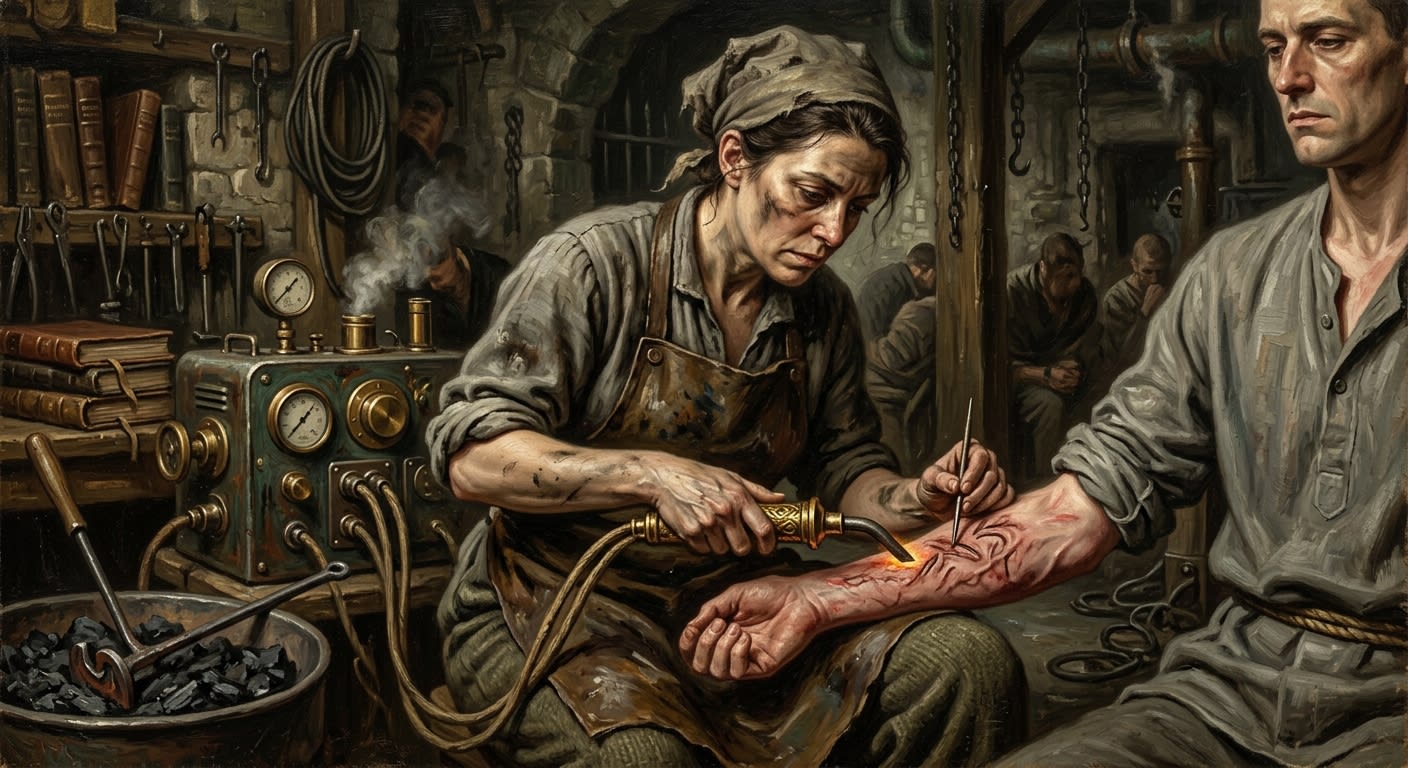
Mercy Branders
Private pity, measured in degrees and prosecuted in heat
Mercy Branders are licensed Brand-Smiths who soften bodily tri-marks through tiny acts of illicit discretion, turning excessive punishment into survivable ambiguity.
Codex Ref. XII.20.04-001
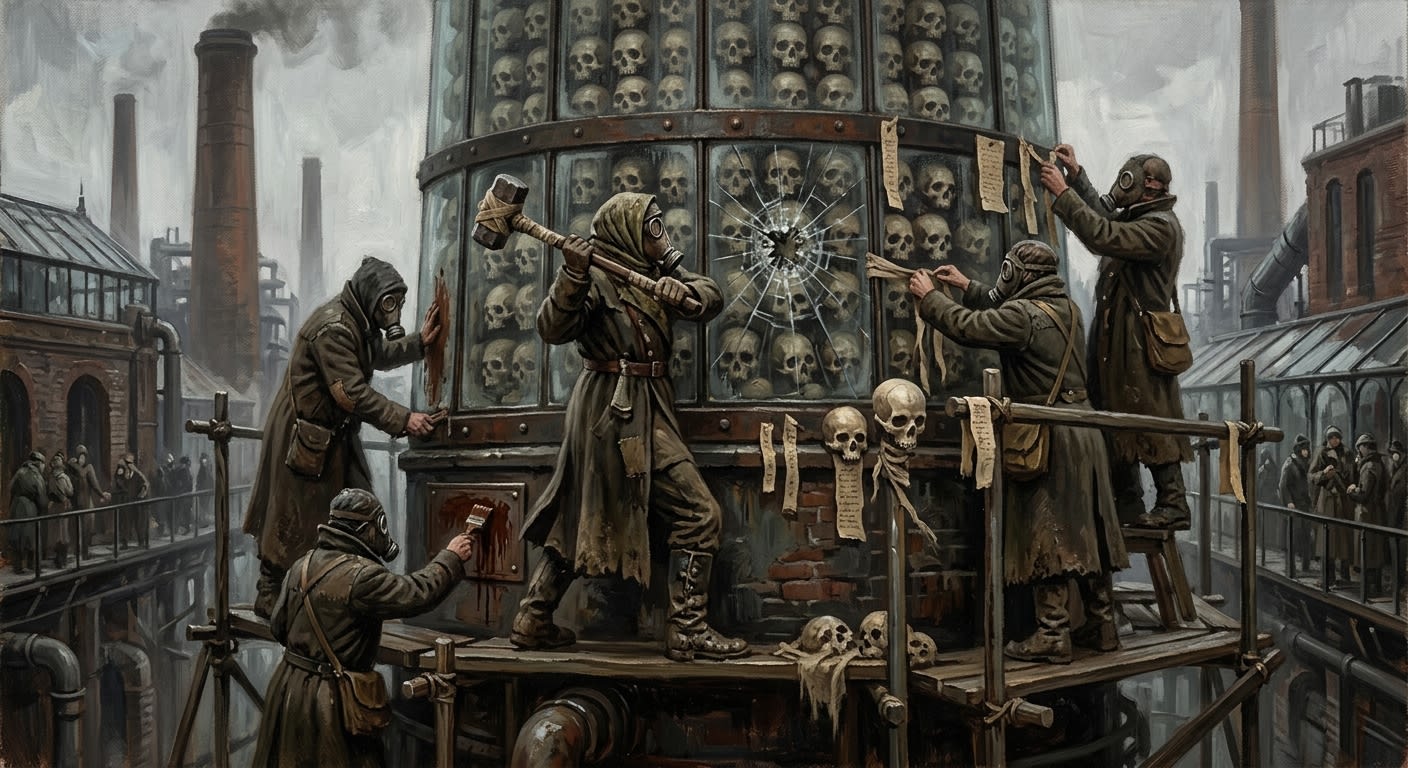
Mercy Cults (Stack Vandals)
The blank is a mouth, and mercy requires licence
Indigenous Synod parish heresies that vandalise Glass Skull Stacks with wrapped hammers, prayer-strips, and blank skulls, arguing that public condemnation steals the Creator's final judgement.
Codex Ref. XI.1.07-001
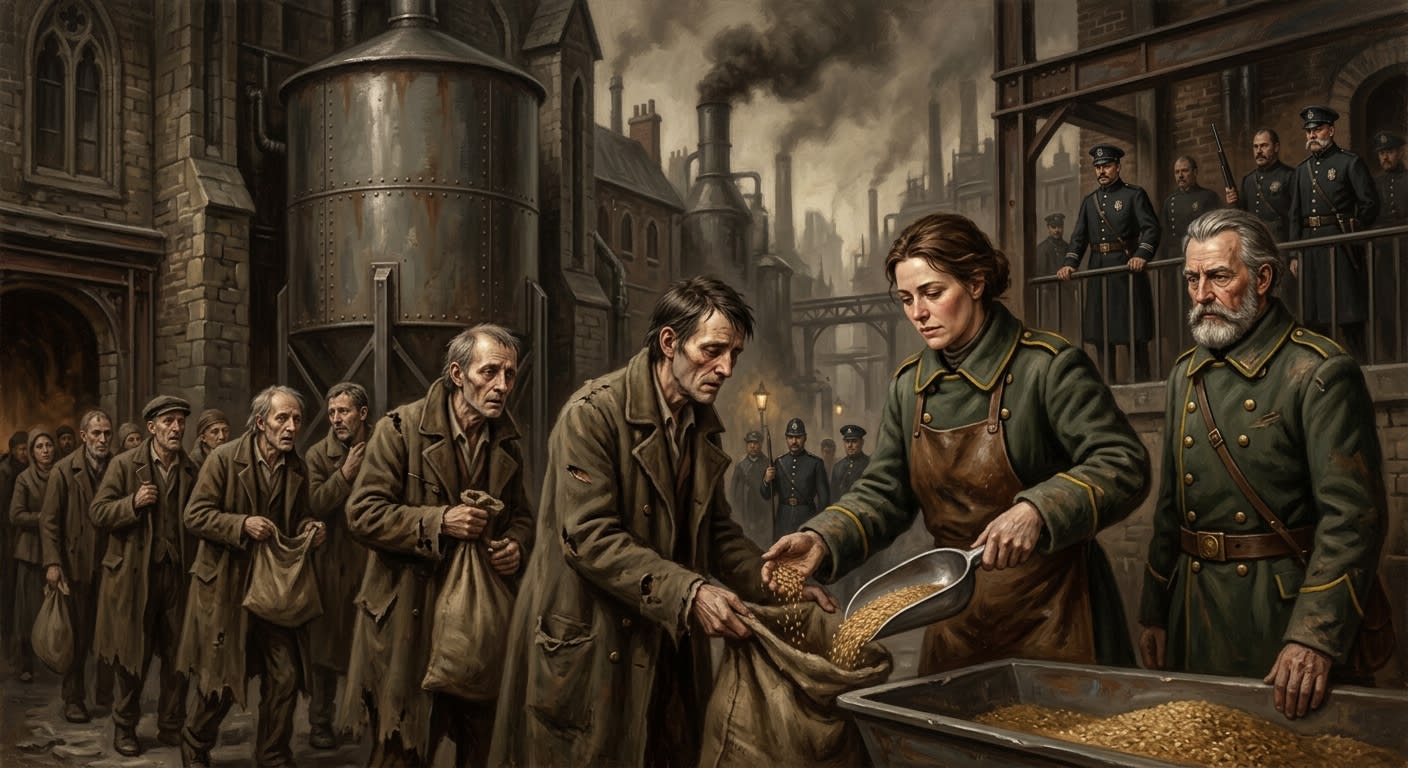
Mercy Keepers
The softest heresy is always the one that feeds before it counts
Mercy Keepers are the beloved, ruinous Grain Keeper faction that gives bread without fee, receipt, or permission, thereby offending every profitable theology.
Codex Ref. XII.13.04-001
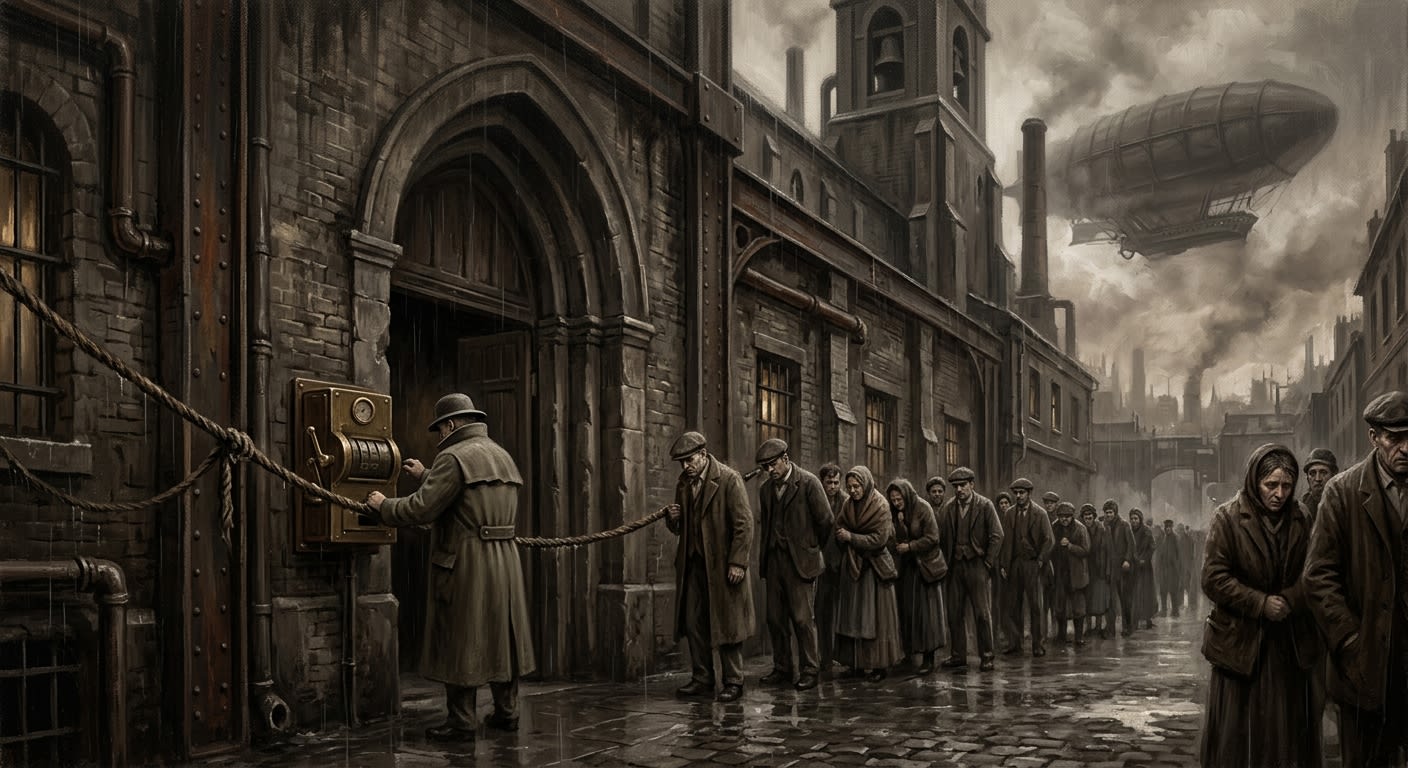
Mercy Line
The rope where grief learned its tariff schedule
The Mercy Line began as a left-hand rope outside Saint Morin's chapel in A.S. 157, where grief discovered that even mercy could be accelerated.
Codex Ref. II.2.06-157
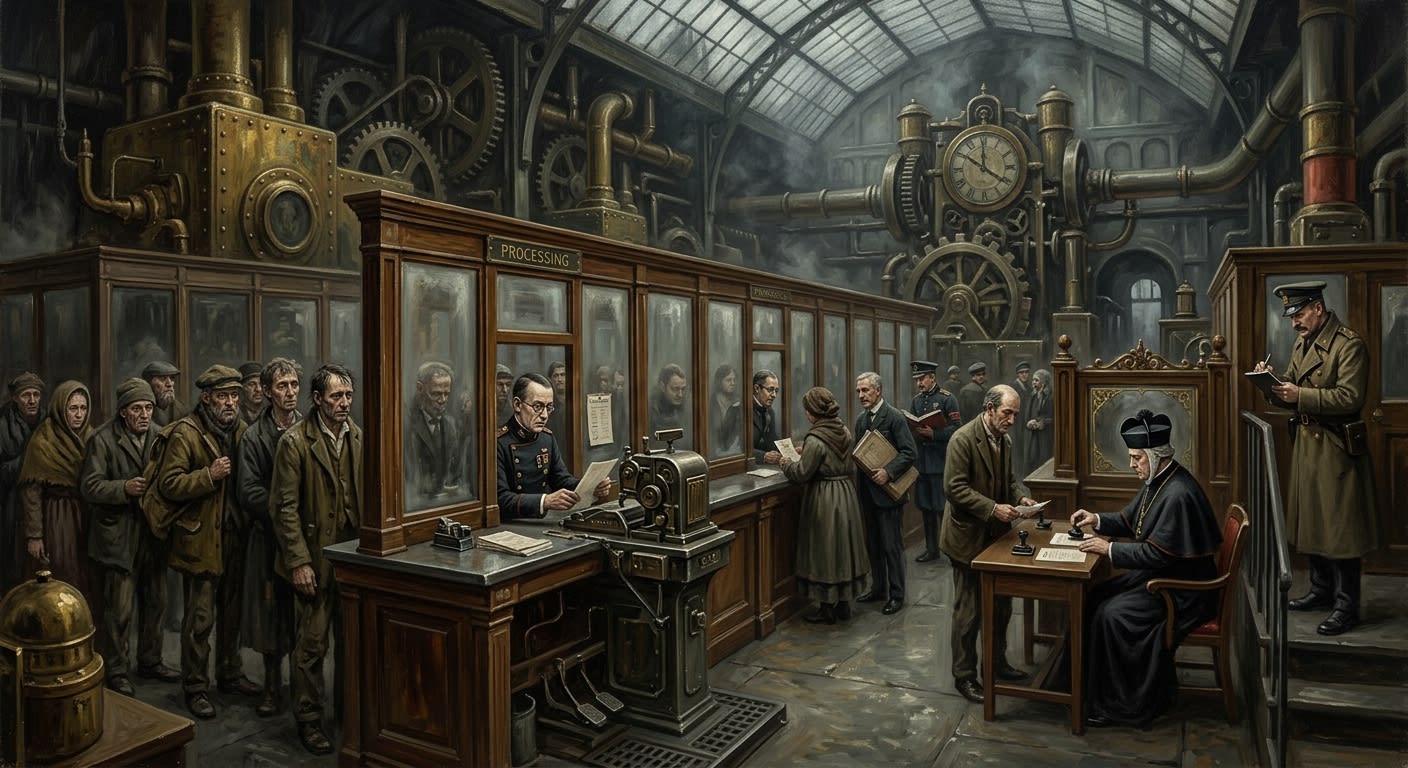
Mercy Rationing Reform of A.S. 134
Processing decides who may survive meanwhile; forgiveness is filed elsewhere
A.S. 134 Bureau of Rites reform, affirmed by Bureau of Doctrine, that restricted mercy stamps to licensed confessors, separated booth processing from forgiveness, and made unauthorised kindness auditable.
Codex Ref. VII.8.10-017
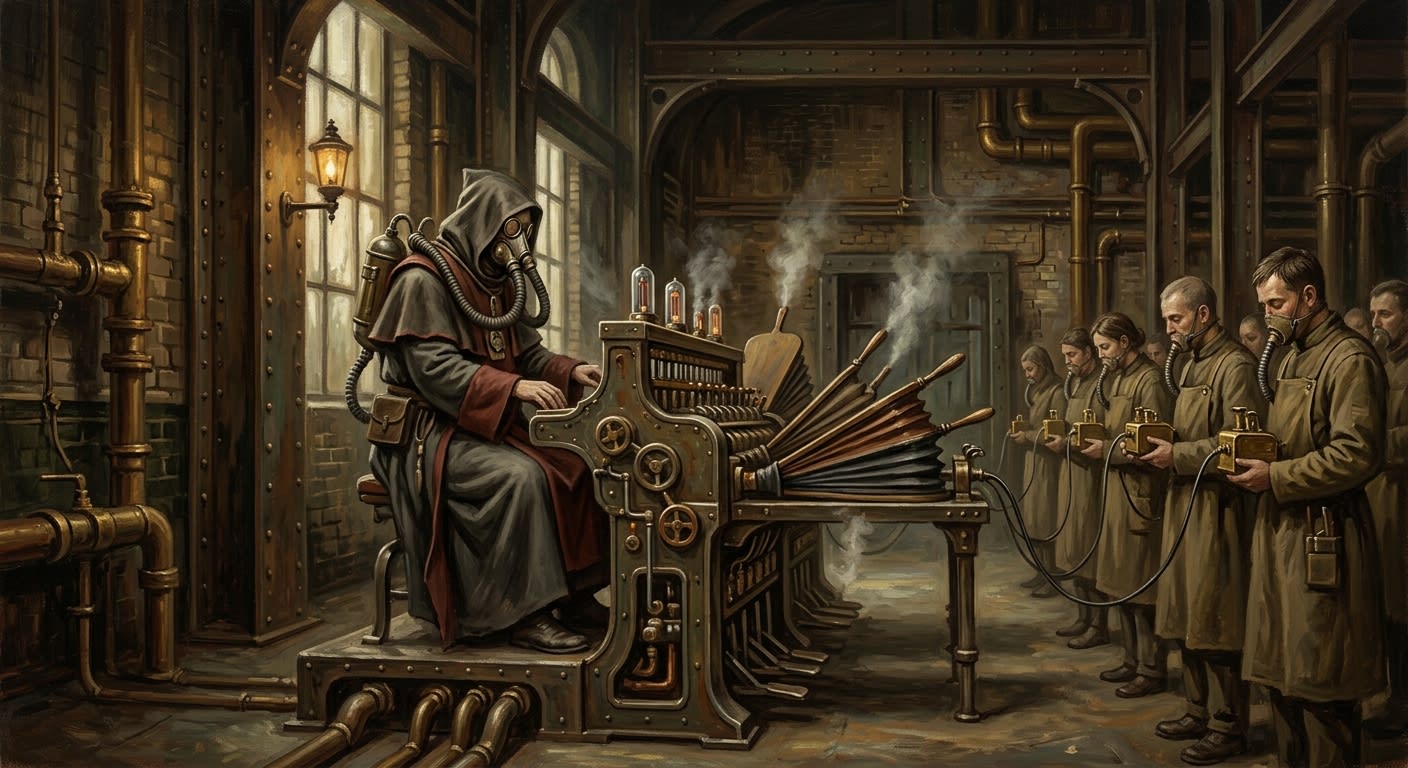
Mercy Tone
The slow note by which the body remains useful
Mercy Tone is the Brand-Singer school that preserves breath, extends confession, and proves that the Synod can call acquisition mercy when the note is slow enough.
Codex Ref. XIII.1.41-001

Mercy Vicars
The quiet hand still writes names
Internal Street-Vicar faction favouring private correction, whispered Creed repair, delayed marking, and mercy so thoroughly filed that even compassion becomes evidence.
Codex Ref. VIII.1.07-001
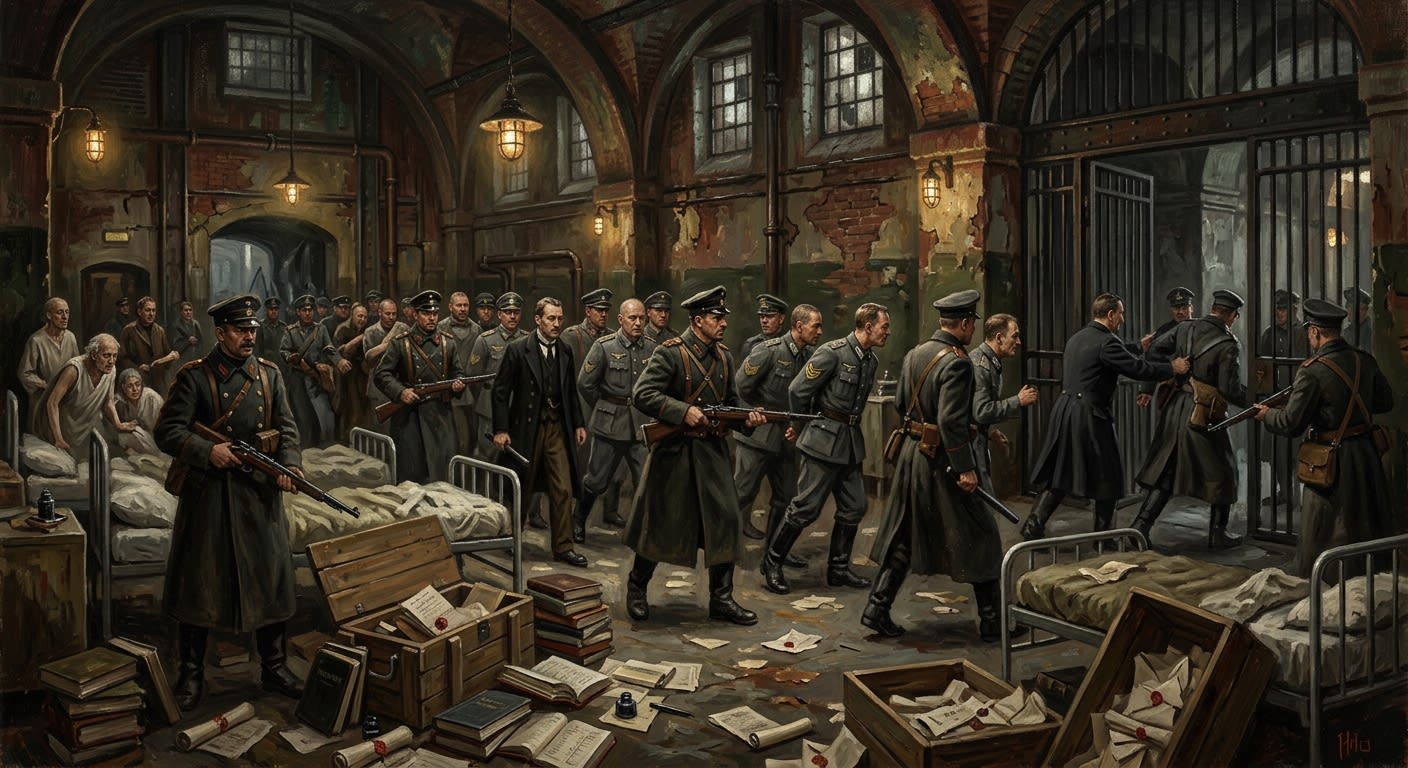
Mercy Ward Purge of A.S. 134
The year last words became contraband unless properly priced by authority
The Mercy Ward Purge of A.S. 134 exposed the sale and alteration of terminal confessions across Rhineland wards.
Codex Ref. VII.8.10-023
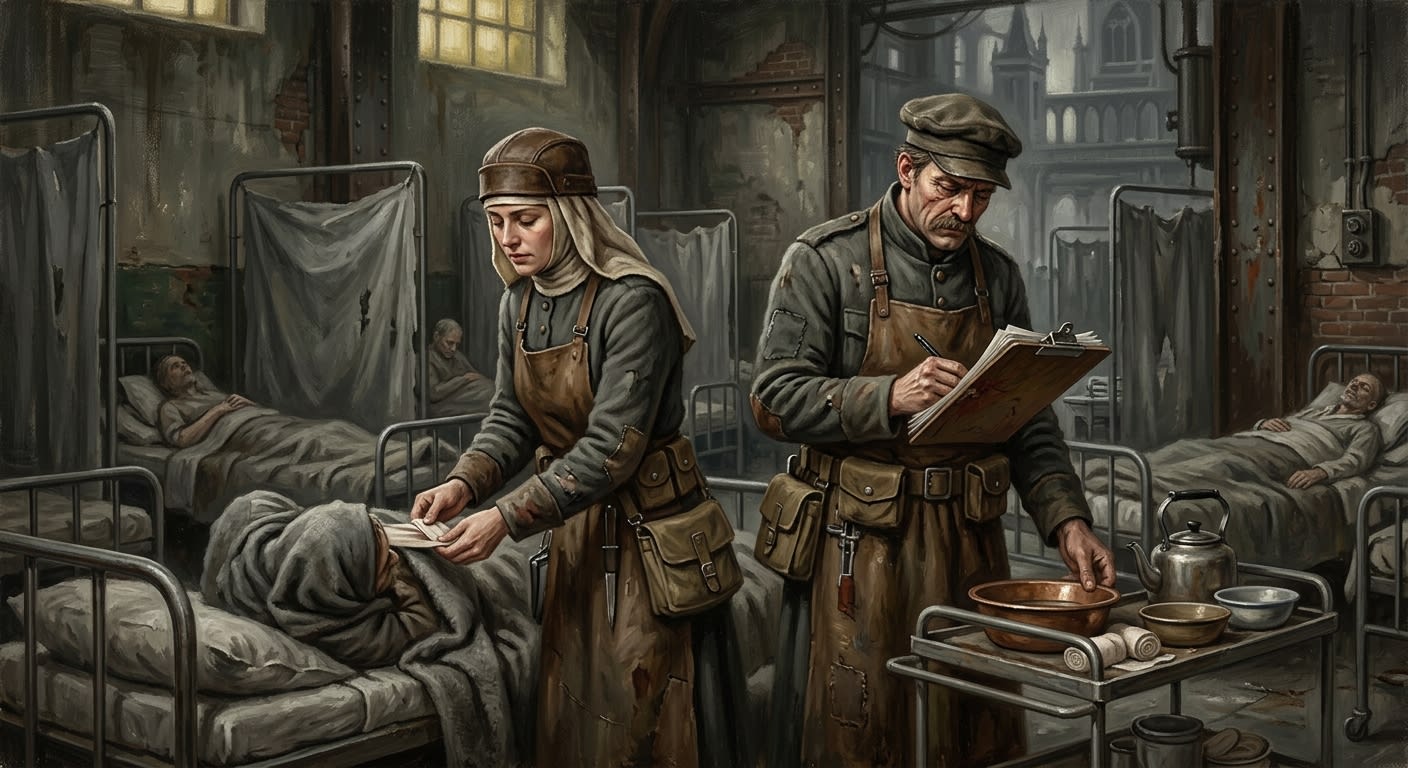
Mercy Ward-Sister / Mercy Ward-Brother
The hand that brings broth also carries the ledger
The Mercy Ward-Sister and Ward-Brother are the Bureau of Mercy's grey-aproned operators of counted compassion, where broth, bandage, confession, and paperwork become one instrument.
Codex Ref. XII.6.04-001
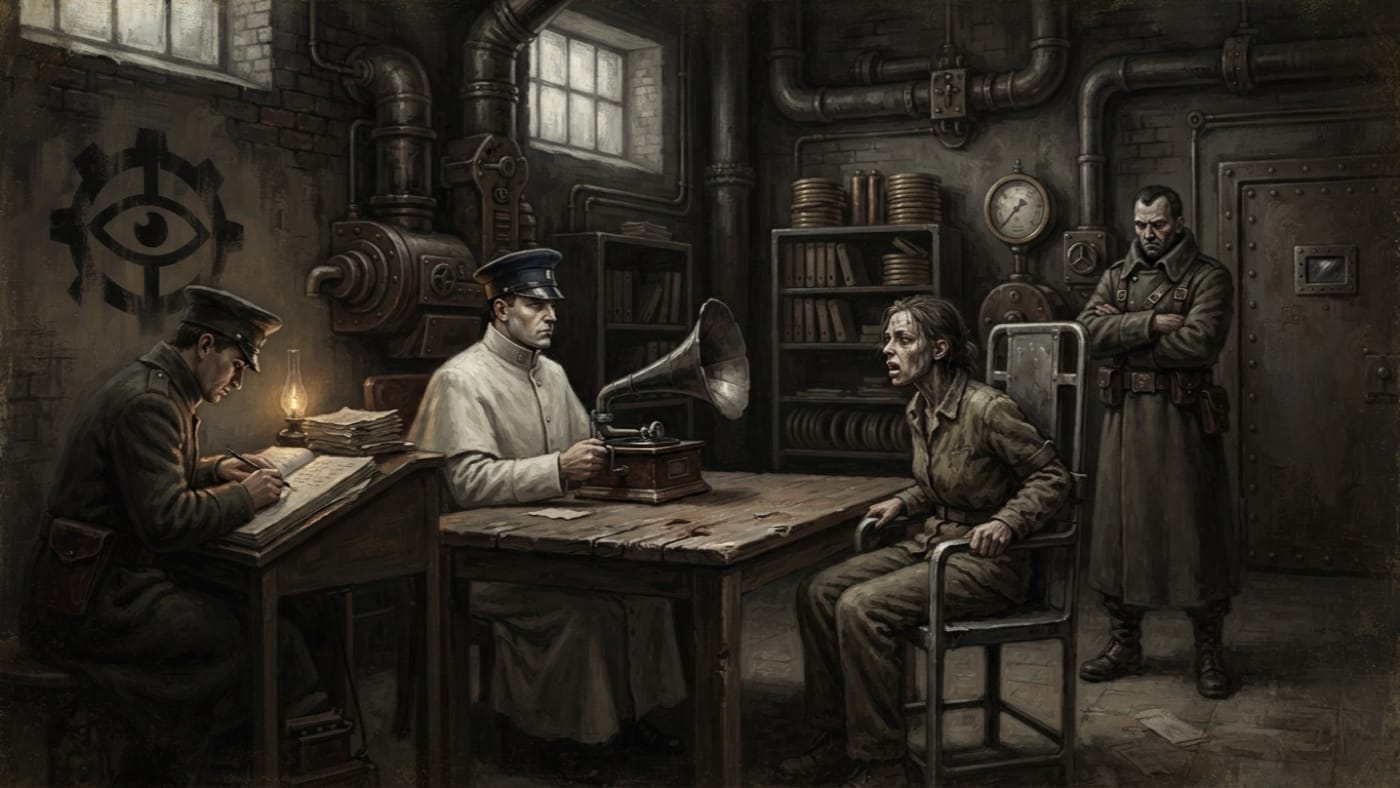
Methodical Interview Protocols
The song leaves no residue; the confession leaves names
The Bureau of Purity turns remembered melodies into sealed admissions. This A.S. 201 survey records the origin chain, the bargain for three names and the certainty a confession acquires once the wax is pressed.
Codex Ref. XII.48.02-001

Metric Saturation Syndrome
The holy arithmetic enters the skull and finds office space
Internal medical classification for Auditors gone to numbers: the service deformation by which citizens become compliance probabilities before they remain human.
Codex Ref. XIII.1.83-001
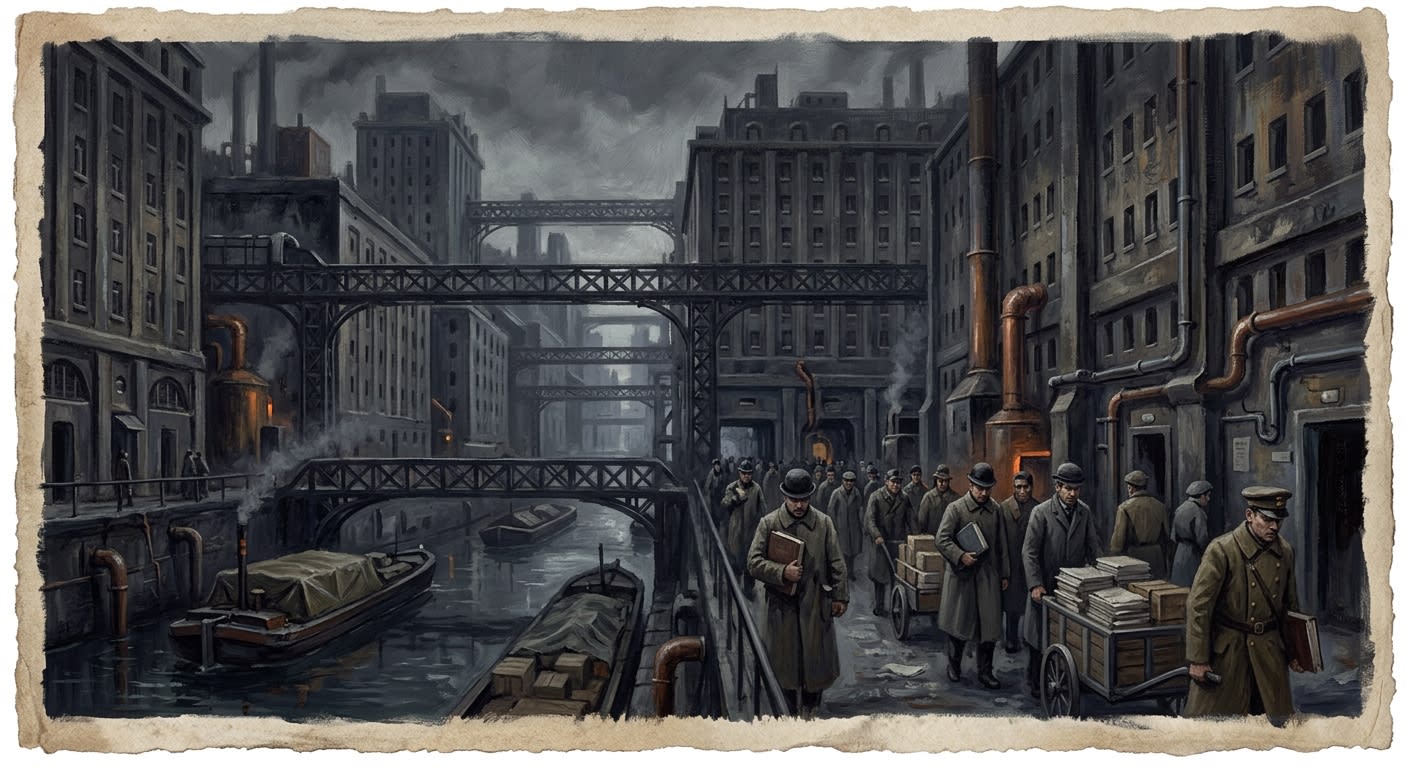
Metz
The depot-city where contradiction learned double entry
Synod-held Metz is a Zone 1 depot-city of ash vaults, double ledgers, silent bridges, supply arithmetic, and the Black Census that taught Medicine to count horror properly.
Codex Ref. II.1.05-001

Milan
The city that mistook minutes for sovereignty
Milan is Lombardy's polished mouth: silk, steel, banking paper, guild keys, and the old civic delusion that a beautiful memorandum can outrank Strasbourg.
Codex Ref. II.1.07-150
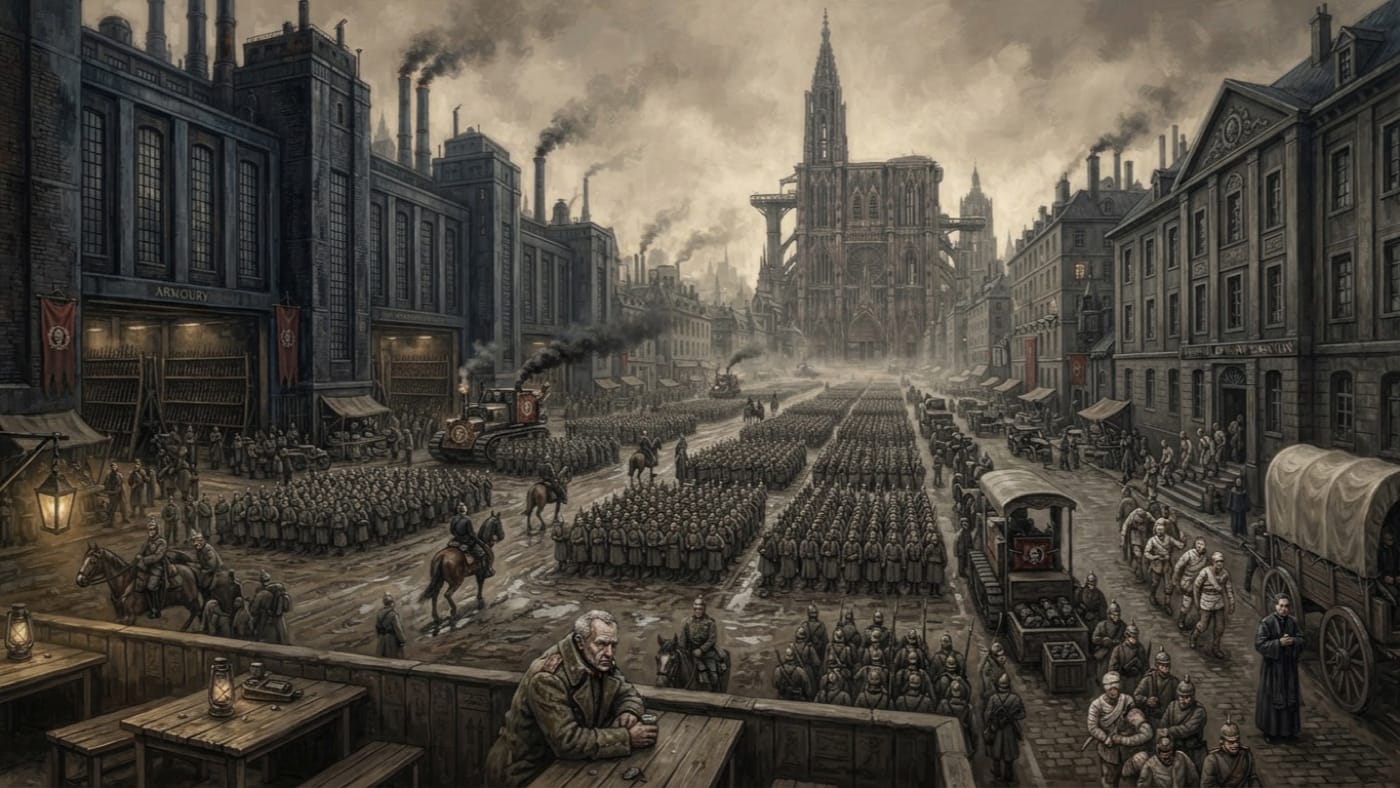
Military City
Where the Rear Keeps Its Front
Strasbourg's military district drills ten thousand, keeps arms for twenty thousand and tends the men who return. The Bureau counts capacity more readily than casualties.
Codex Ref. III.2.01-005

Military Track Corps
The rail advances first, and complains last
War-requisitioned Guild crews who lay, repair, certify, and sometimes die beneath tactical rail so guns, shrines, and commanders may arrive pretending motion was inevitable.
Codex Ref. XII.44.02-001
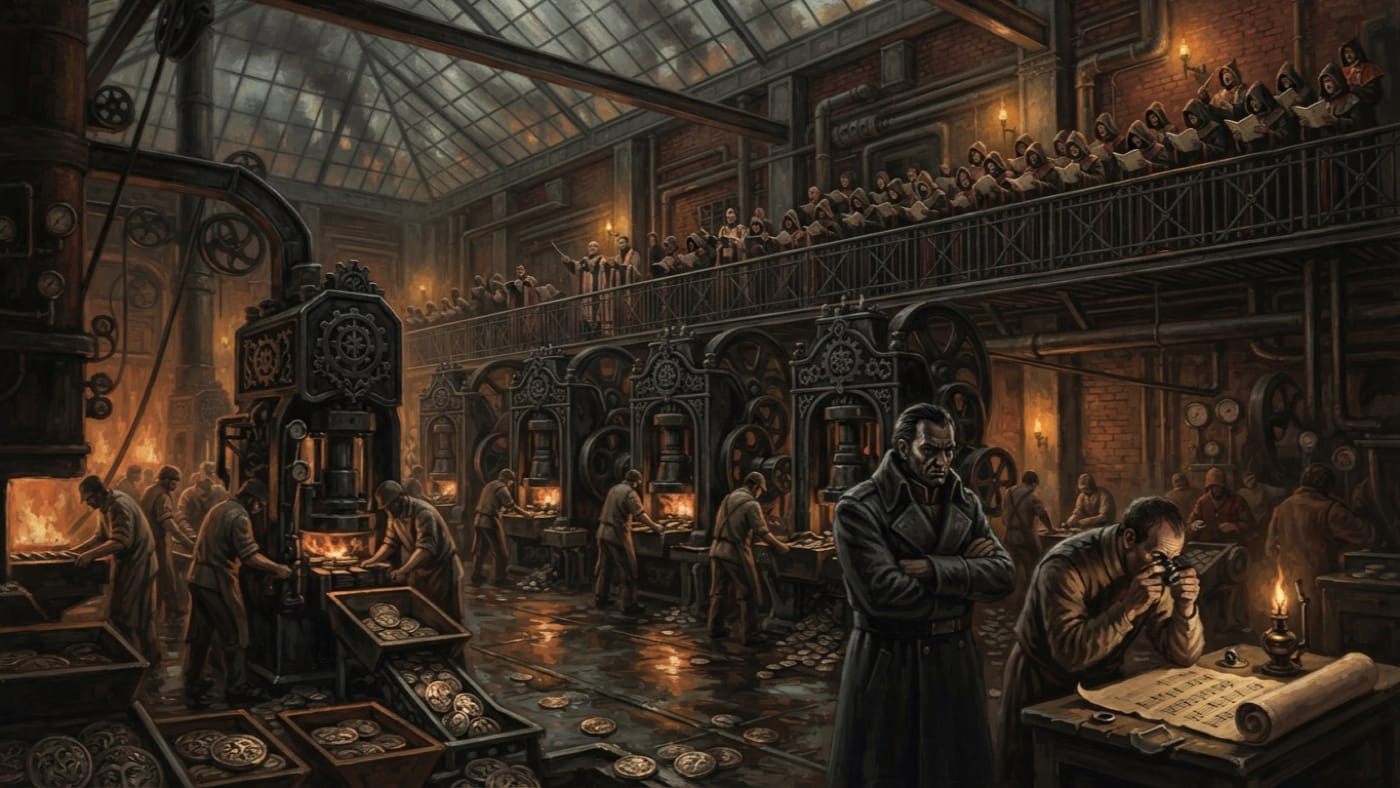
Mint Catechism
Strike on the syllable. Speak no name.
In Sable Court, the choir sings faces into lawful currency. The Mint Catechism governs every press-hammer; its text is withheld, its origin undated, and twice its timing has slipped.
Codex Ref. XIII.1.23-002
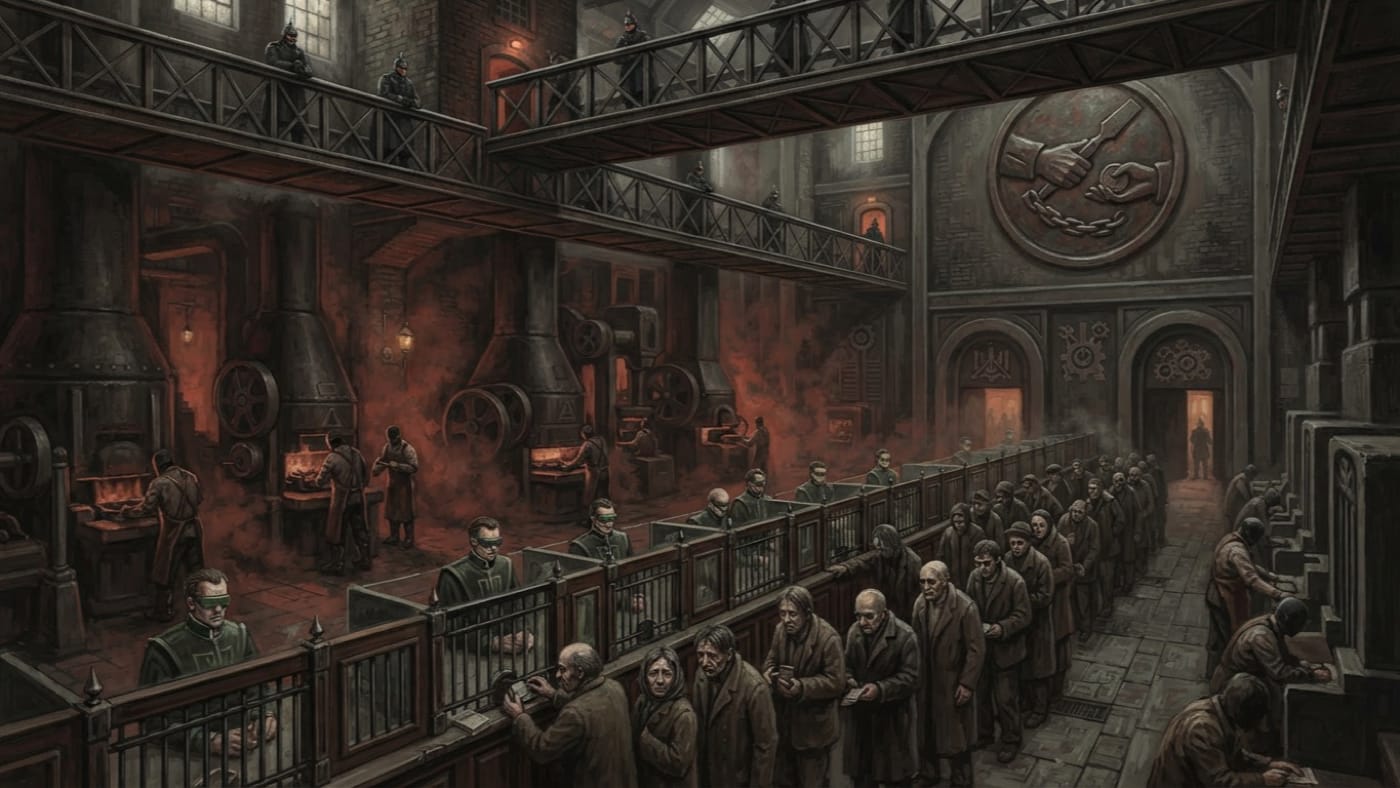
Mint-Chapter Compact
One hand cuts the face; the other decides whether it may buy bread
The A.S. 94 bargain binding Crownwright craft to Mint-Chapter authority. At the A.S. 201 assessment, its two hands still strike coin, collect fees, and decide whose face may buy bread.
Codex Ref. XI.7.01-002
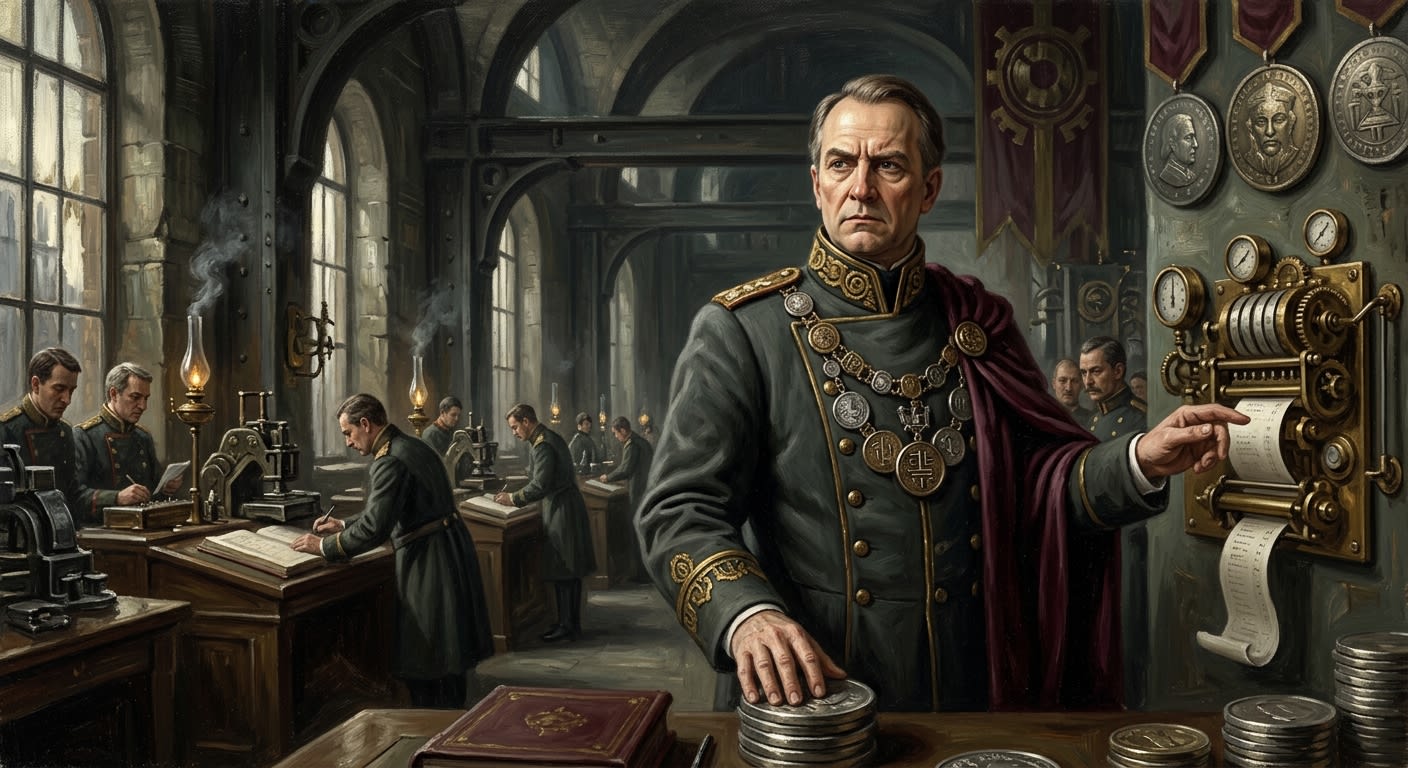
Mint-Prelate Albrecht Sable
He taught the coin to look back
Albrecht Sable made coinage into identity infrastructure: face, name, Ledger account, tax, recall, and accusation flattened into metal.
Codex Ref. III.2.01-094
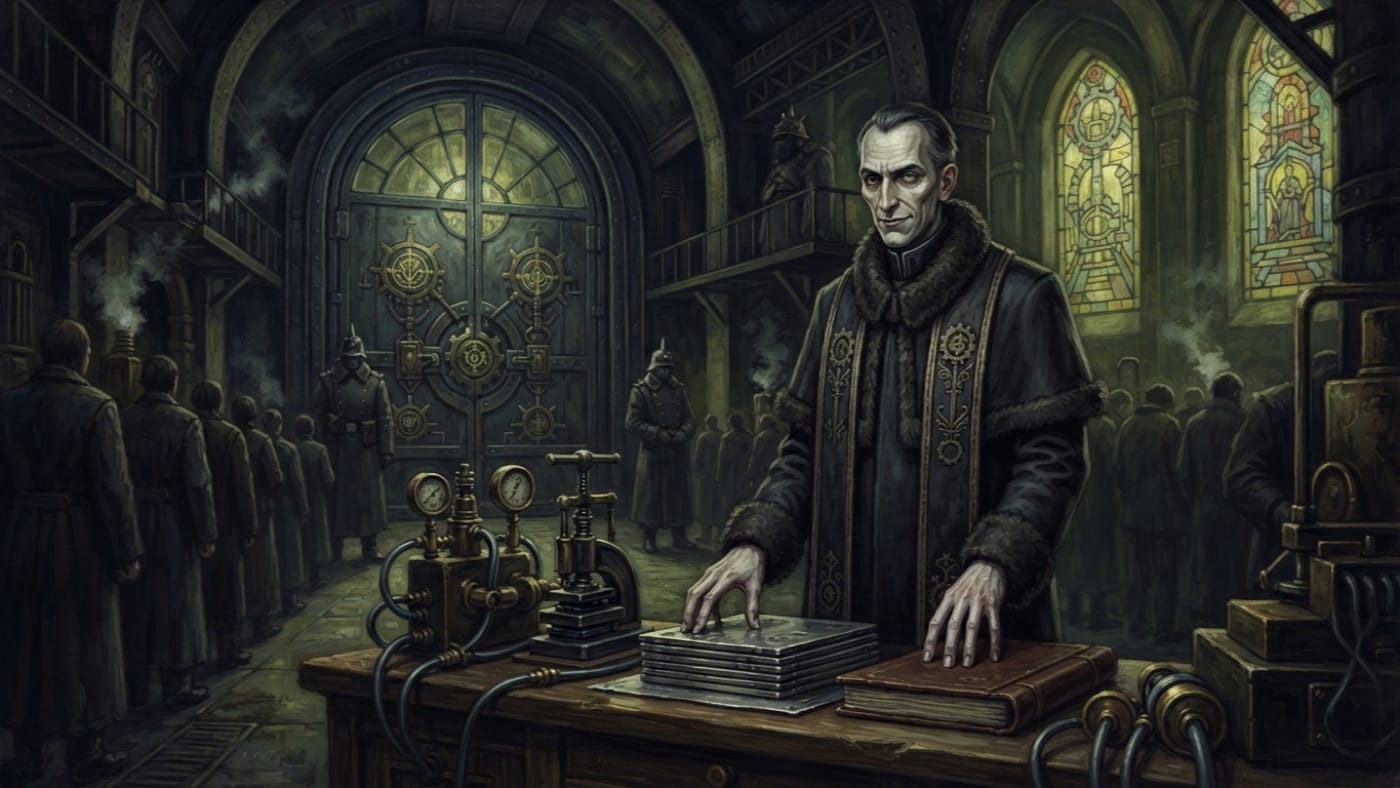
Mint-Prelate Varo Sable
The man who decides whether a face counts
Varo Sable decides which faces spend as lawful coin. The Face Theft crisis keeps the Archive sealed, his inspections multiplying, and the Clipped Choir useful to the authority that condemns it.
Codex Ref. III.2.01-1848
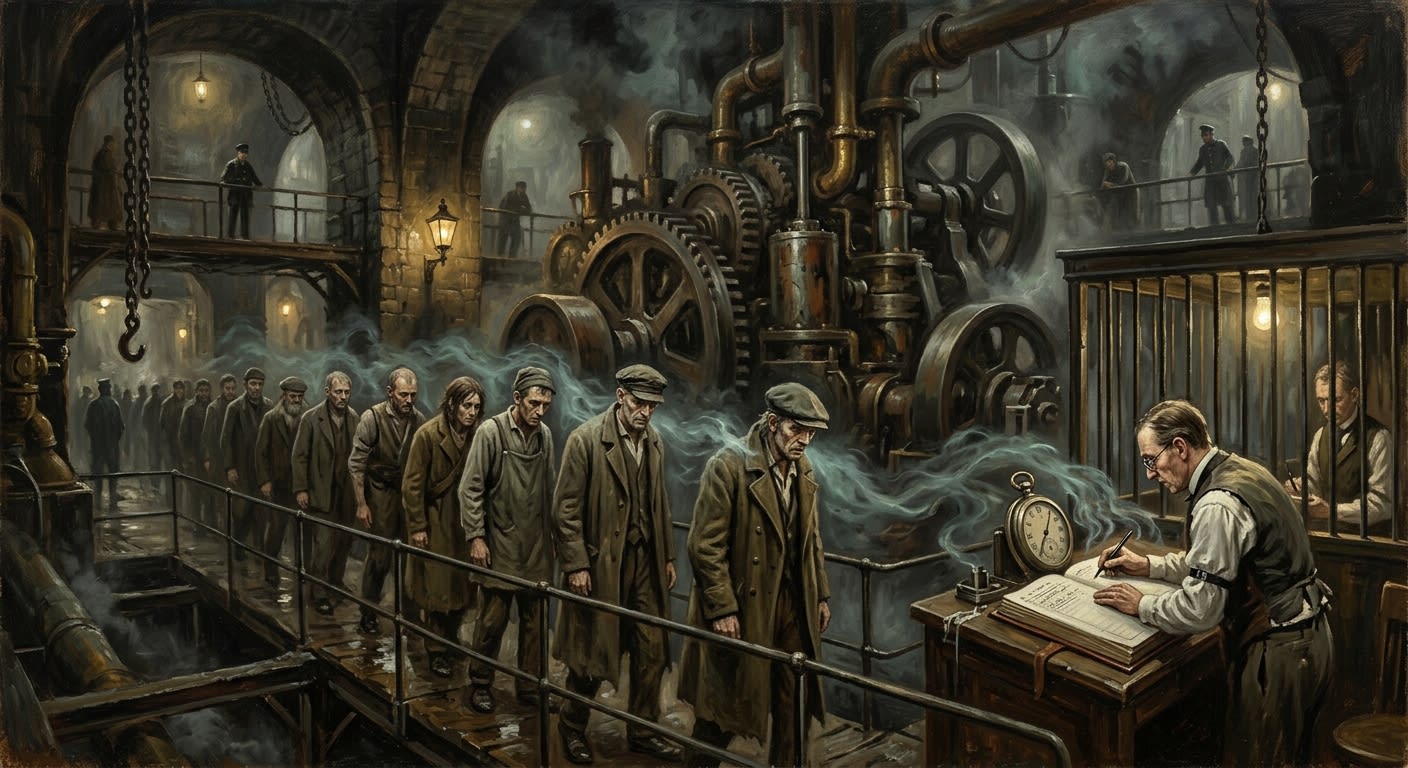
Minute Drift
The road steals from the pulse and invoices the wound
Along the Queue Road, minutes slip from bodies into ledgers and the Apparatus beneath Gate Nine grinds waiting into something no Bureau will name.
Codex Ref. XIII.1.15-001
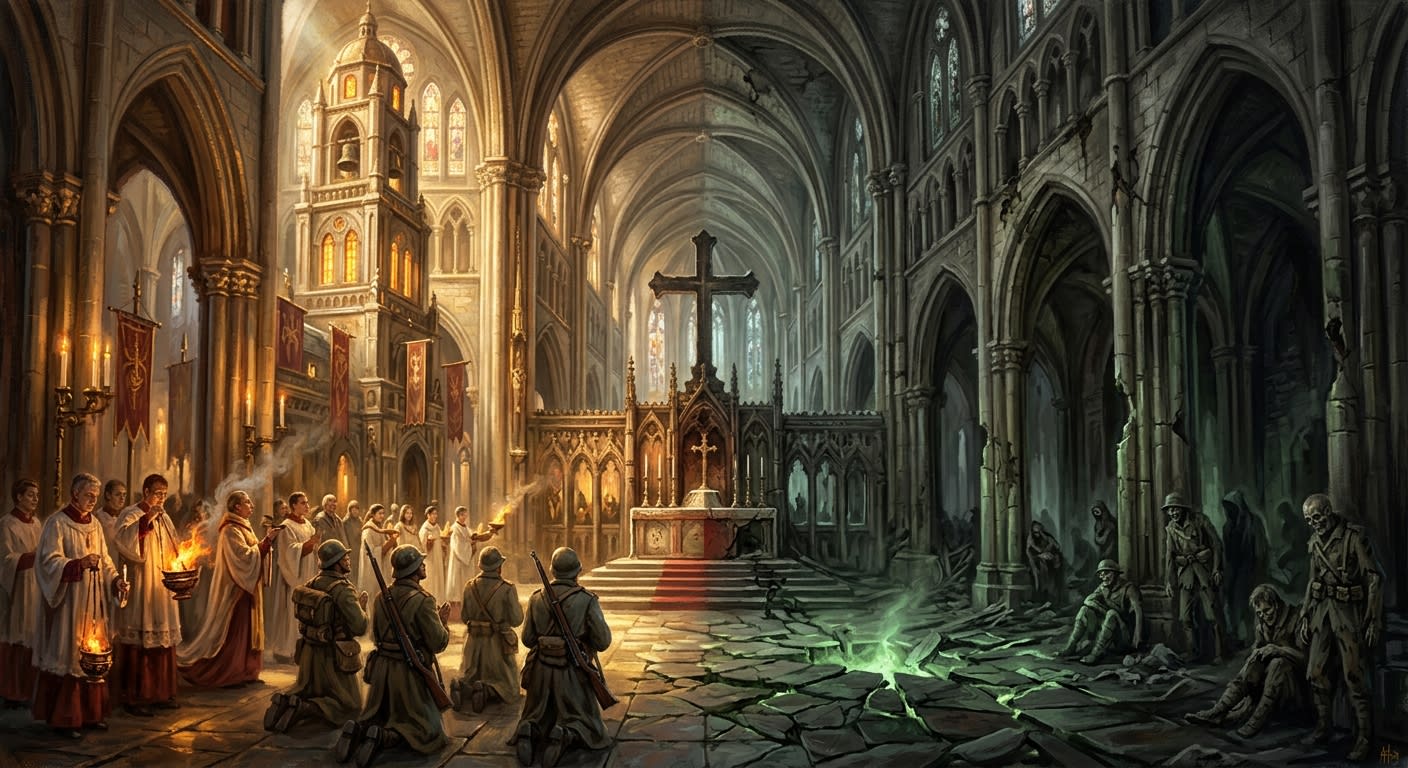
Miracles and Sorcery
Both crack Creation; only the paperwork differs
The Bureau insists miracles and sorcery are opposites. The mechanism, as Drax reluctantly confirms, is identical. The source determines canonisation or burning. The paperwork is different. The world pays either way.
Codex Ref. VI.3.01-001
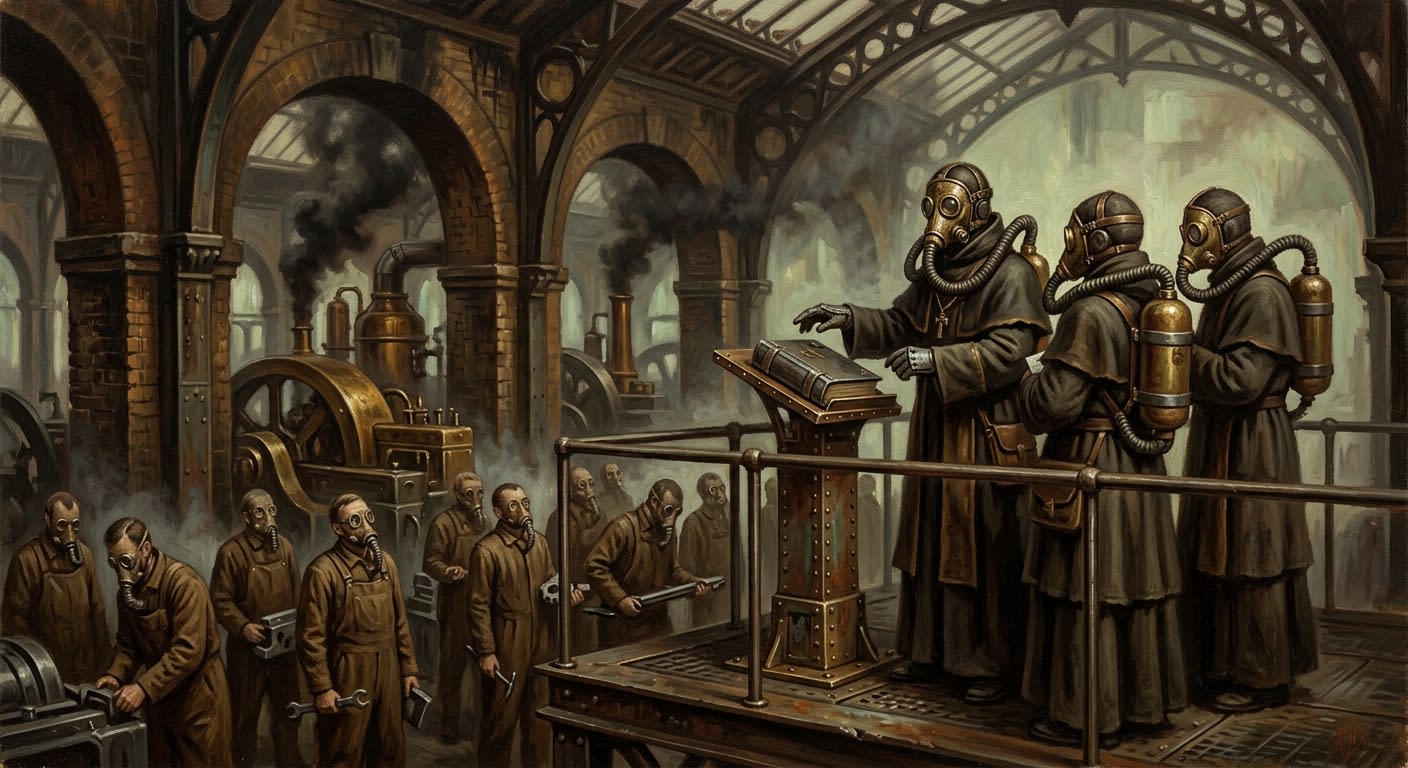
Mirror Choir
One wrong syllable, and the cannon remembers
At Essen-of-Hymnsteel, the Mirror Choir alters sanctioned hymns by a syllable and teaches obedient metal how to fail later, elsewhere, and with doctrine watching.
Codex Ref. XI.1.02-001
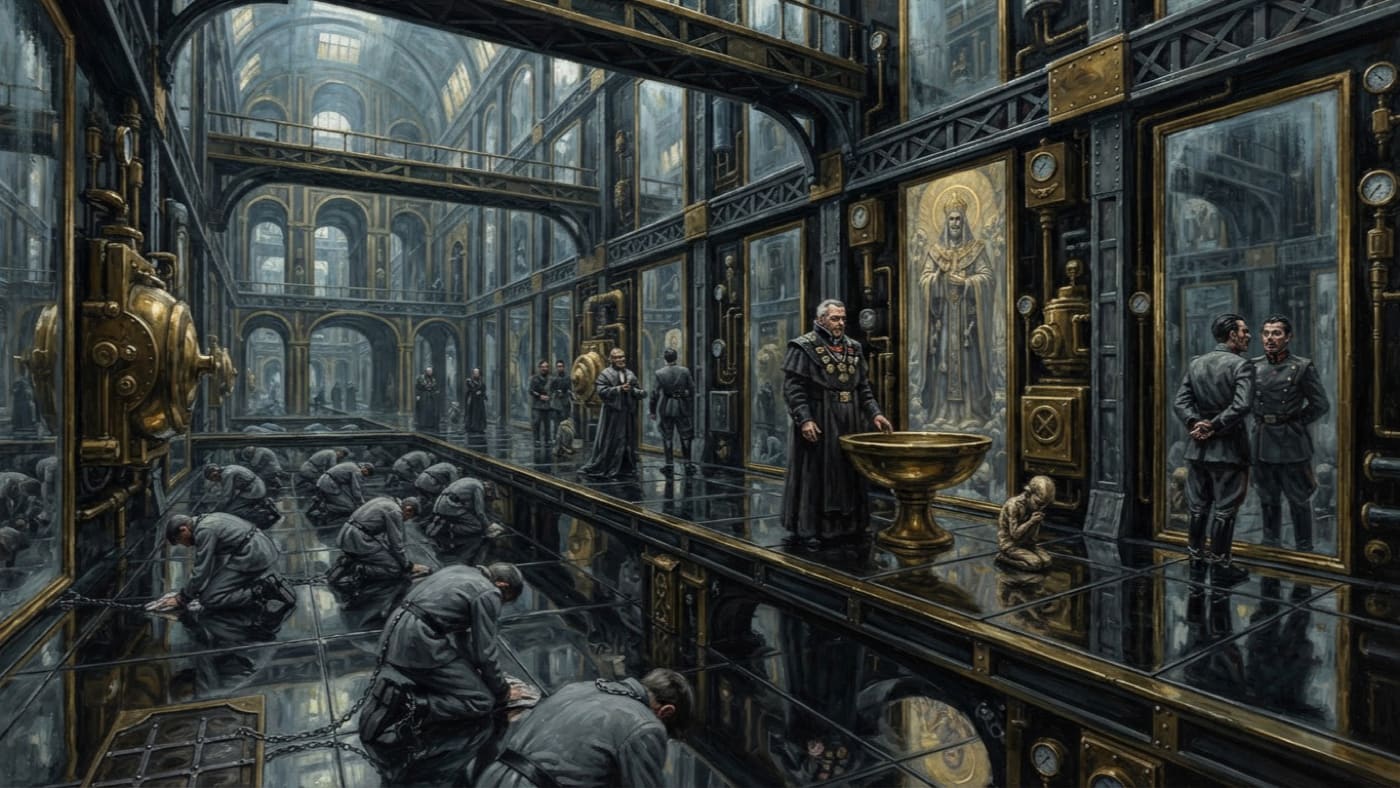
Mirror Courts
Where every surface agrees and no one has a peer
Atheron's palaces below Crownspire return each visitor's self-belief without contradiction. The glass agrees with everyone; cooperation seldom survives.
Codex Ref. II.4.03-047
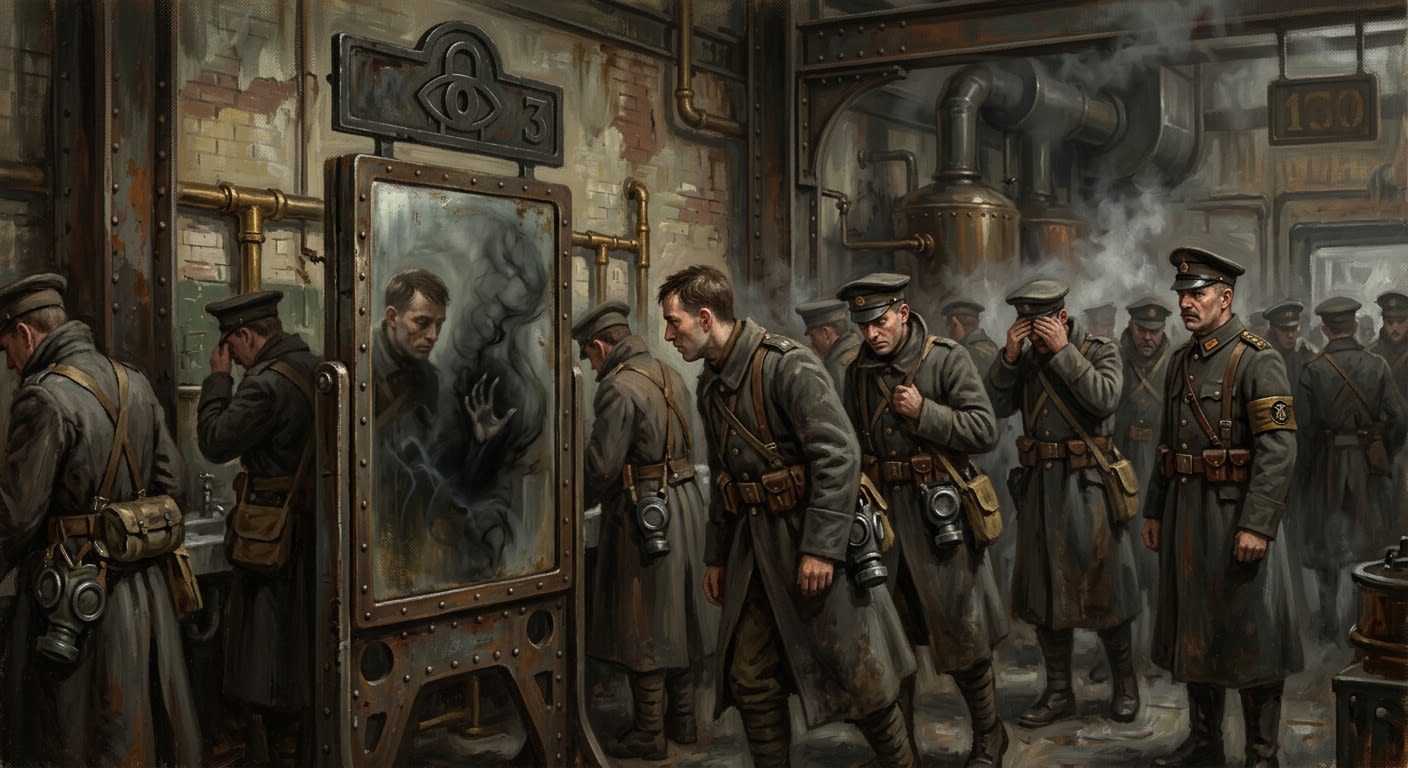
Mirror Discipline
Count to three before your face becomes negotiable
Mirror Discipline forbids the Irongate garrison from lingering over its own face, because Morwen enters where vanity counts past three.
Codex Ref. XIII.1.01-003
Mist-Walkers
The company sleeps. The decree waits.
An A.S. 201 survey of Syrion's stealth phantoms, drifting like smoke into camps and councils. Companies sink into dream; decrees wait; vigilance is abandoned. The Ledger records what remains awake.
Codex Ref. IV.4.02-001
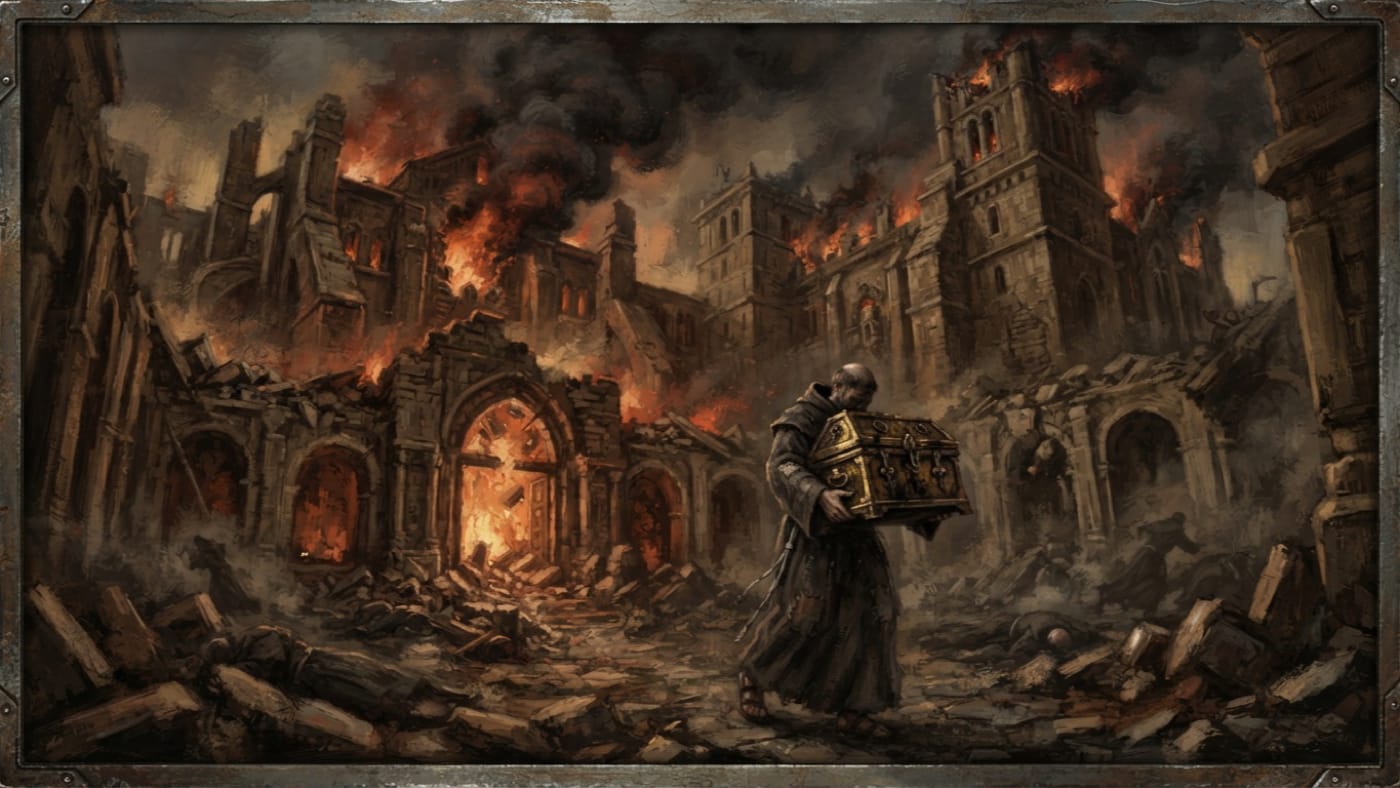
Monastery of Saint Alexios
The house burned; one brother carried its relic out
Dalmatian monastery destroyed in the first week of the Sundering, A.S. 45. Brother Tomislav carried out its reliquary; the house survives chiefly as the first link in a custody chain.
Codex Ref. III.2.04-1871
Montreval
The pass-town that taught Reason the road was closed
Montreval held three winters against Lucien Artois's clockwork guns, hunger, pamphlets, fever, and arithmetic; a southern pass-town where Severin bought time with walls, bells, broth, and burned bridges.
Codex Ref. II.1.09-015
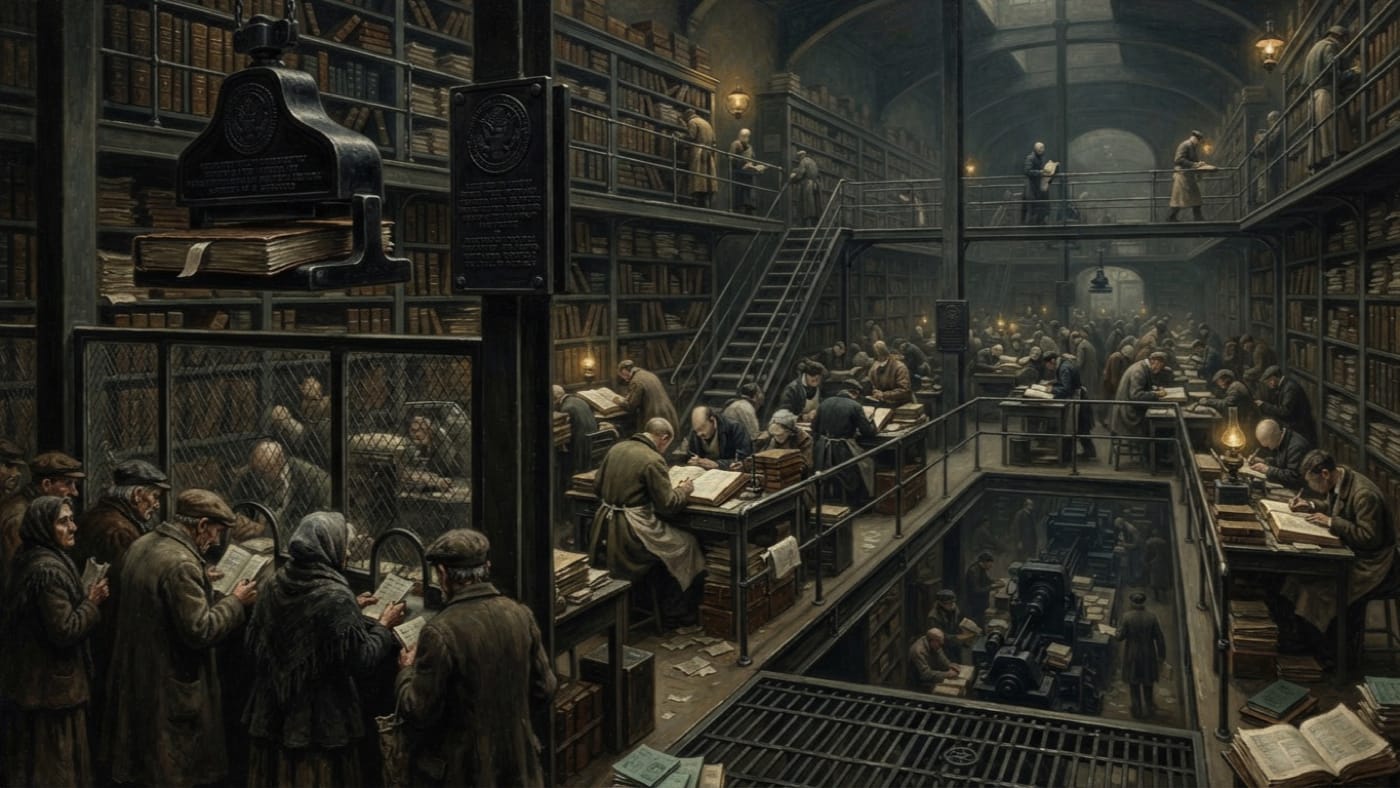
Mortuary Index
The dead receive a line. The erased receive nothing.
The Bureau of Records acknowledges the dead one name at a time. A line in the Mortuary Index records a recognised death; the erased receive none. I certify the distinction.
Codex Ref. XIII.1.98-201
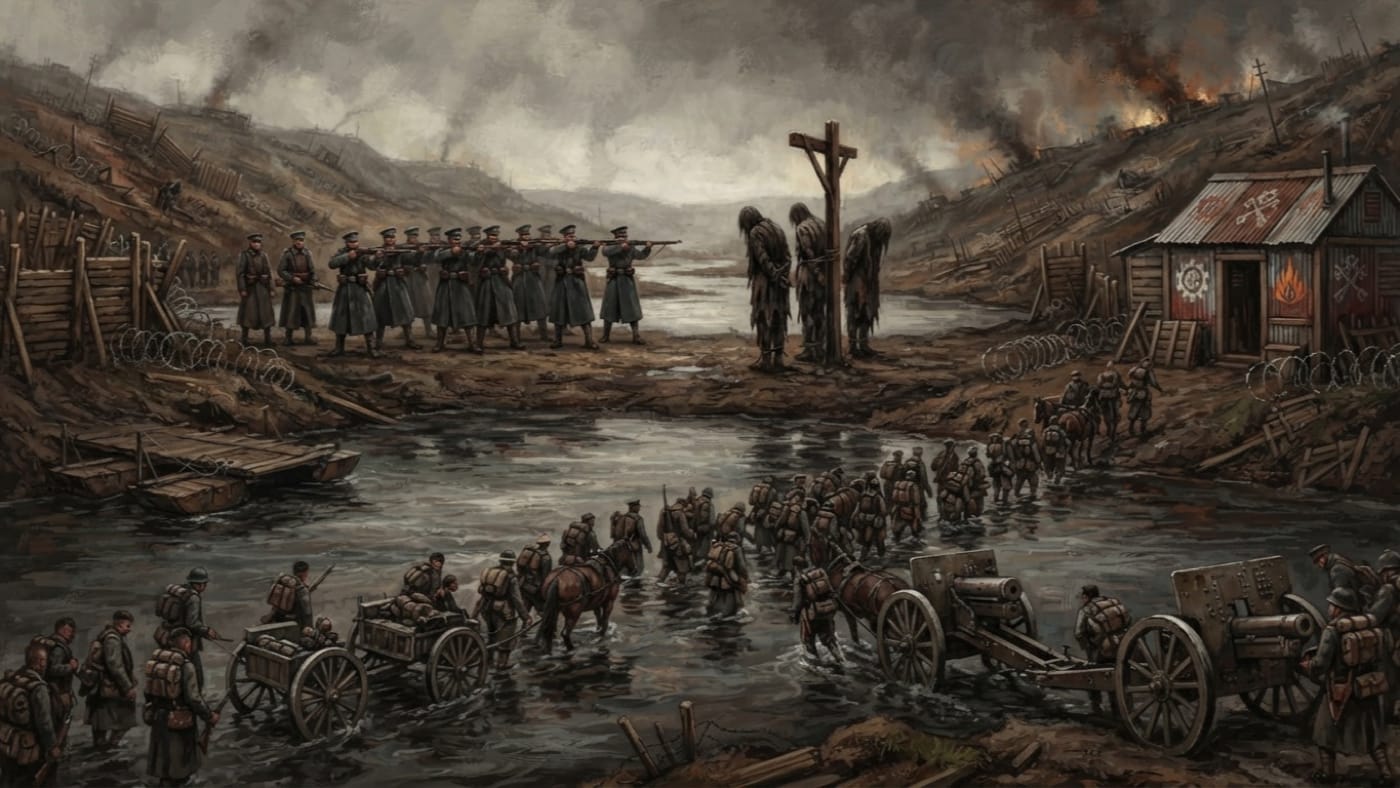
Moselle ford
Where deterrence became a soldiers' liturgy
Three shot at a Moselle ford in A.S. 53; their names chanted as saints within the month. The exact crossing is unrecorded. The lesson became part of the case for immurement.
Codex Ref. II.2.08-053
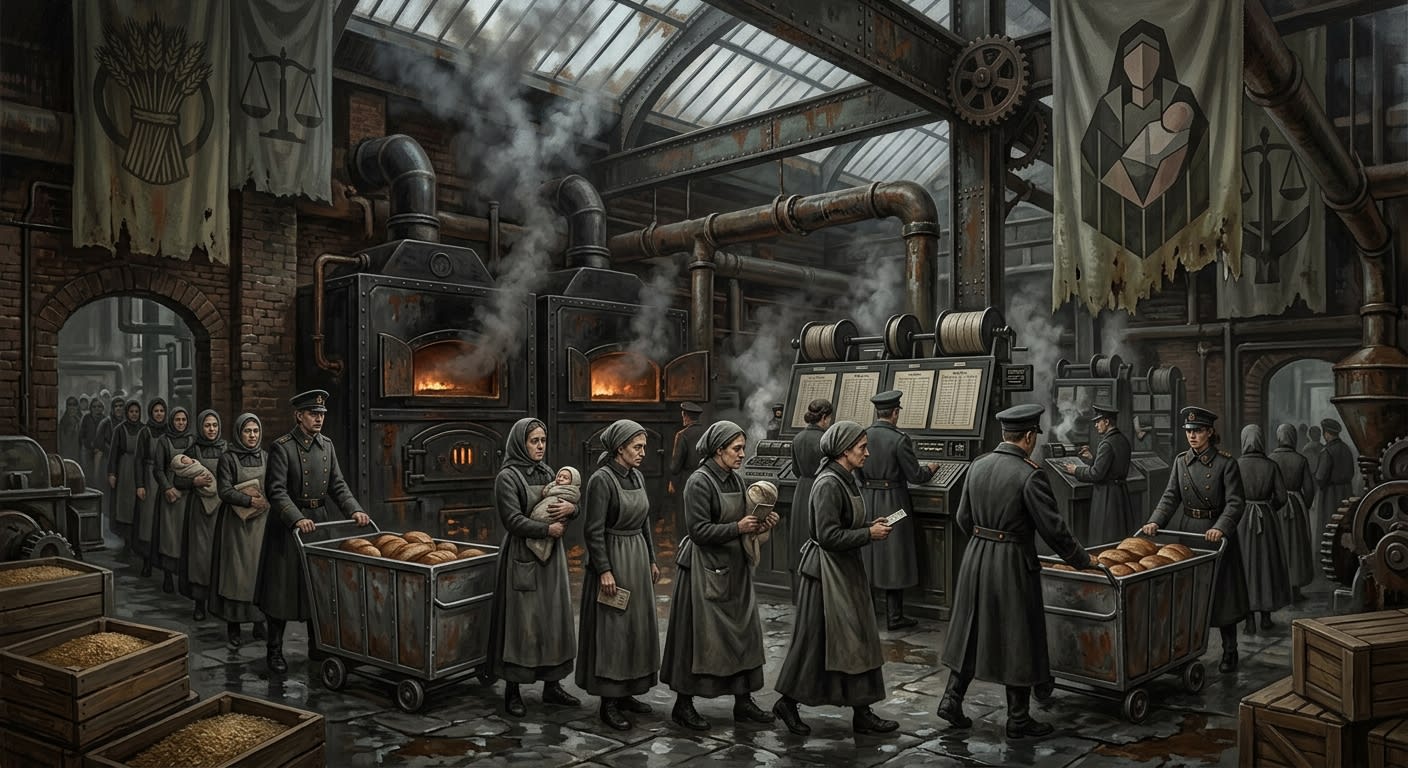
Mothers of Plenty
The queue kept warm, the cradle kept counted
The Mothers of Plenty govern bread and birth as one obedient system, turning ration queues, pregnancy ledgers, and infants not yet weaned into instruments of state continuity.
Codex Ref. XII.6.05-001
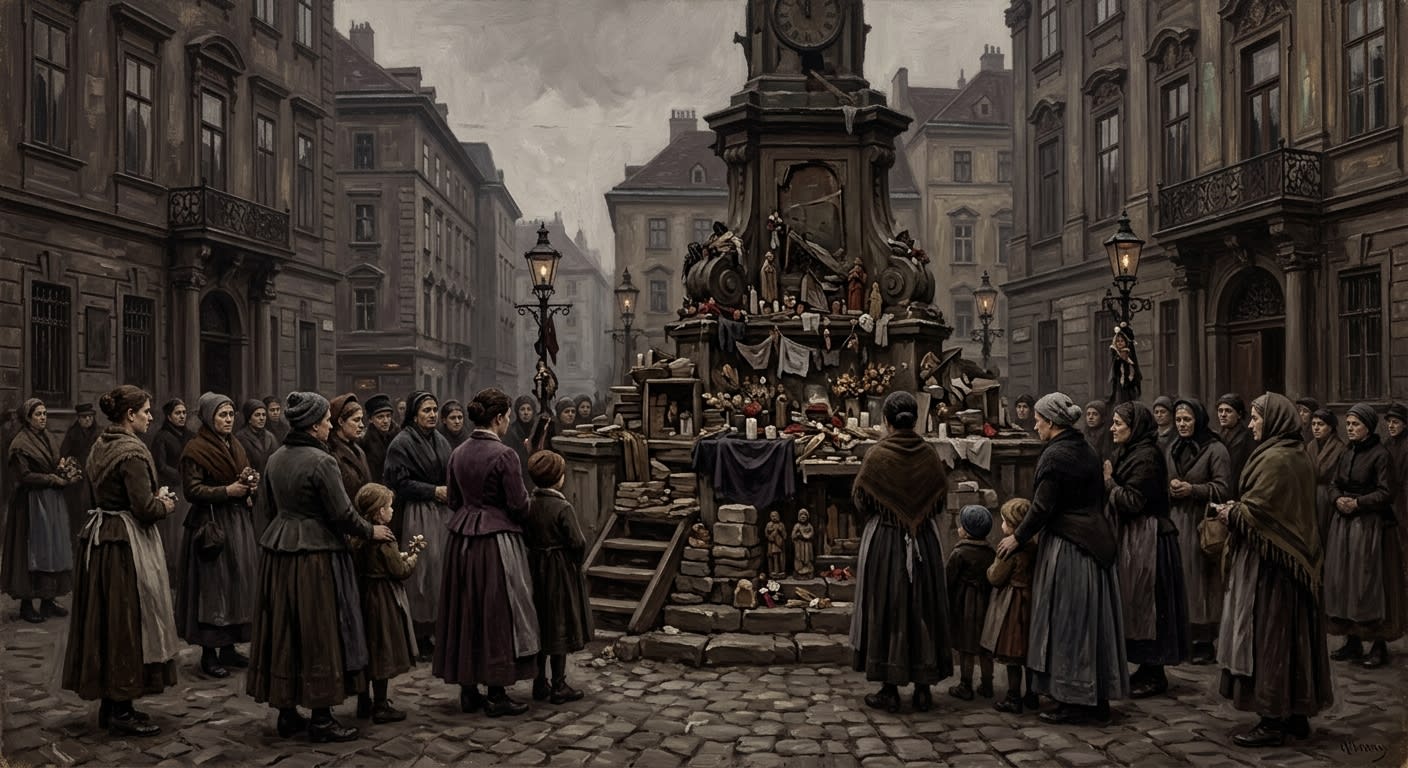
Mothers' Shrine, Judenplatz
The wall where Orison learned that silence has witnesses
The illegal Mothers' Shrine in Vienna's Judenplatz commemorates the A.S. 112 branding of five thousand mothers, and keeps returning after removal.
Codex Ref. II.4.09-014
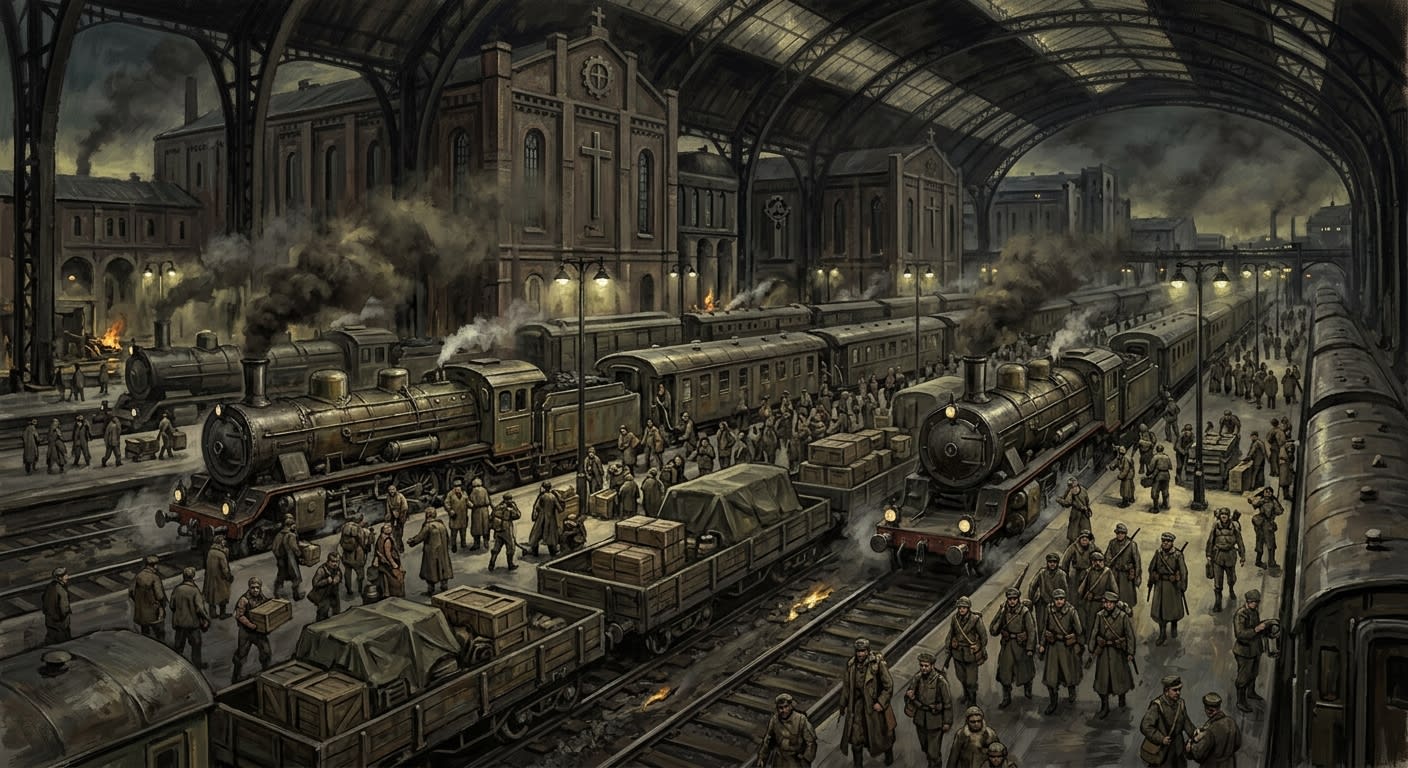
Münchner Kreuzbahnhof
Munich's iron jaw, chewing the west into eastbound obedience
Munich's Cross-Station is the Synod's second-largest rail complex: fourteen public platforms, sixty trains daily, ninety in surge, and eleven thousand workers feeding the eastern war.
Codex Ref. II.4.09-012

Munich Provisorium
The temporary warehouse complex that learned to digest a city
The Provisorium is Munich's vast Bureau of War quartermaster depot: 412 storage facilities, 14,000 tons a week, three incompatible inventories, and lungs the paperwork declines to notice.
Codex Ref. II.2.01-013
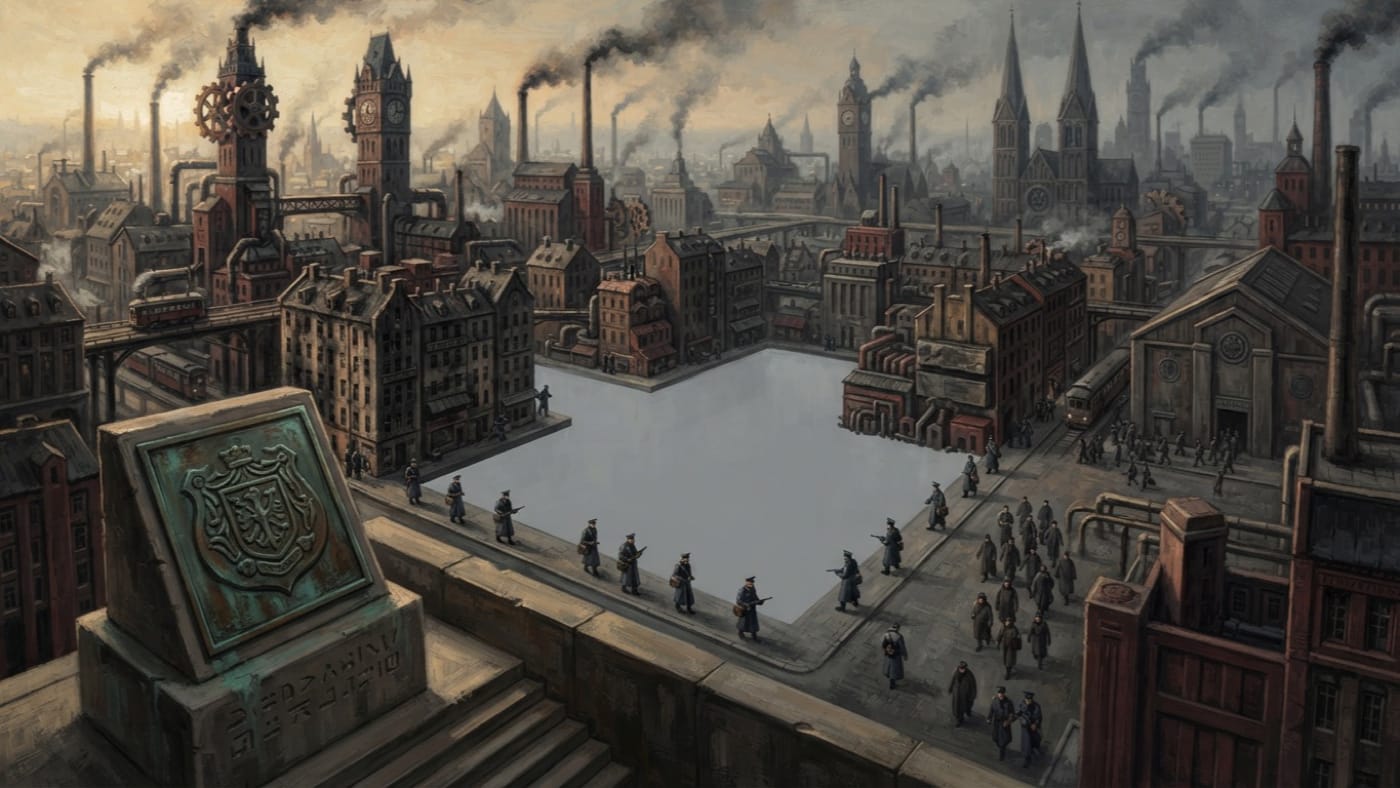
Münster
One Compact, One Refusal, One Blank
Münster is remembered for its A.S. 105 guild compact and the reported erasure of a district. The register supplies 999 signatures; I cannot supply the missing names.
Codex Ref. III.2.04-1897
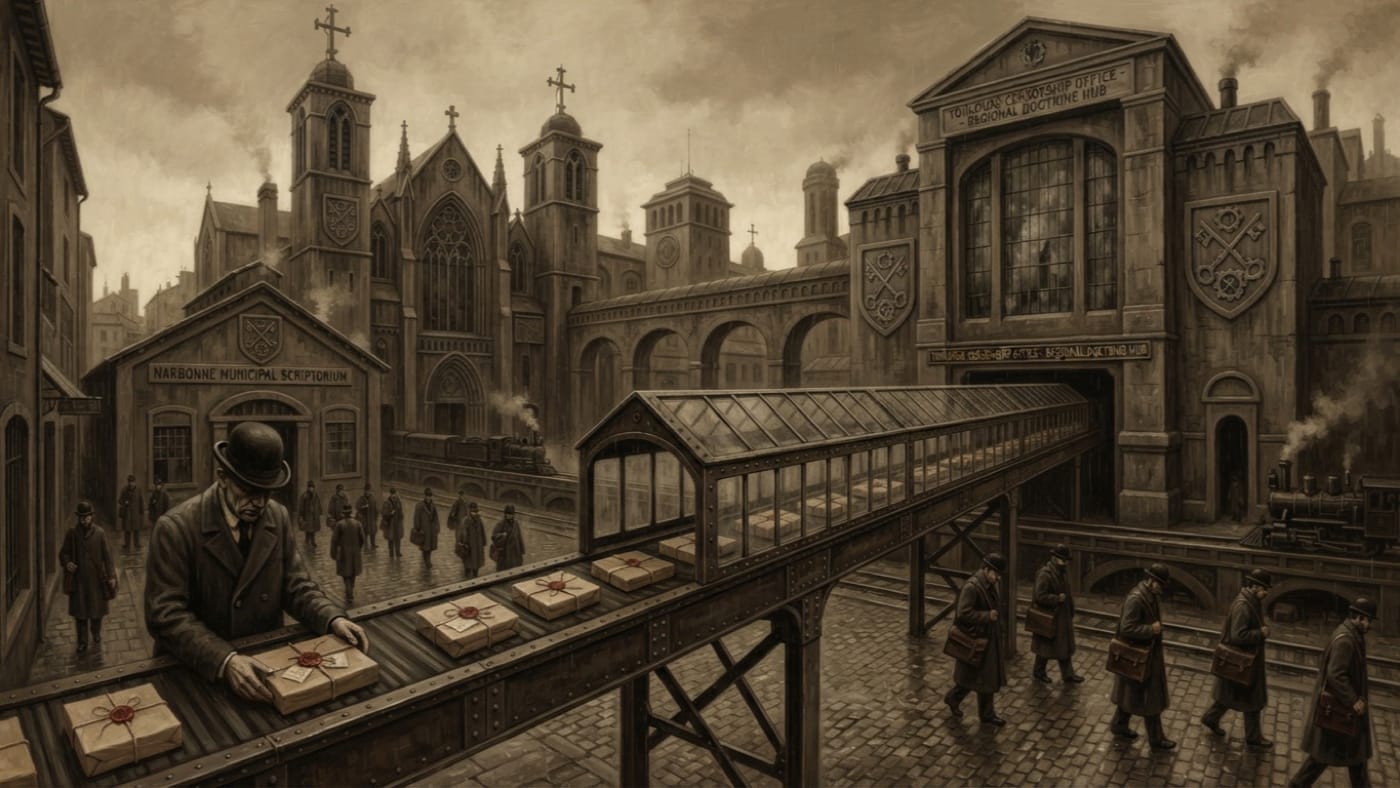
Narbonne
Named at Carcassonne, read at Toulouse
Narbonne entered the Toulouse file by confession in A.S. 93. In A.S. 201 its school primers travel there by routine post. Obedience has learned to wrap its own parcels.
Codex Ref. II.1.09-093
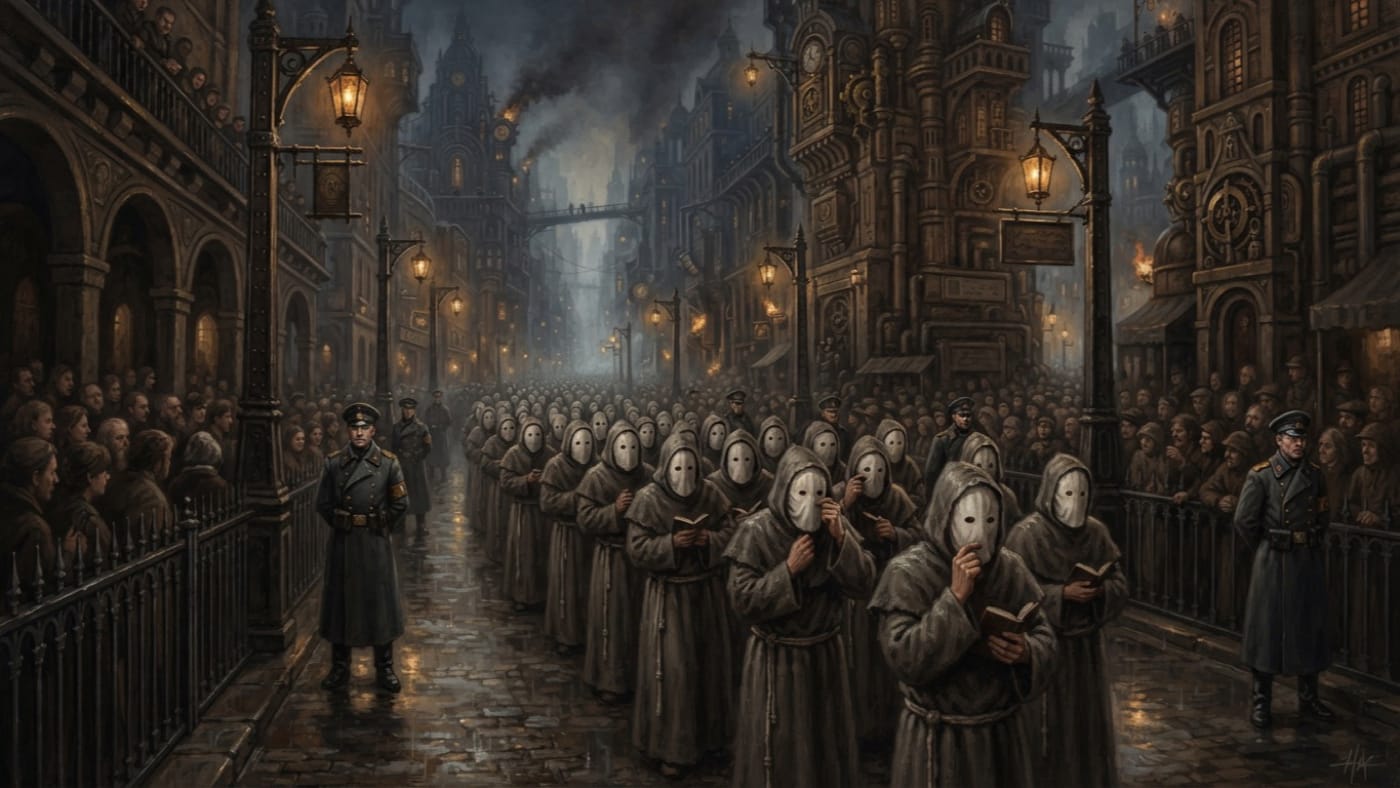
Night of Penitents
The face may be hidden. The sin stays on file.
On the Night of Penitents, the procession must go masked. Festivals orders the occasion; Masks and Seals numbers every concealed face. Shame may hide from the street. The Registry knows where to find it.
Codex Ref. XIII.1.89-1920
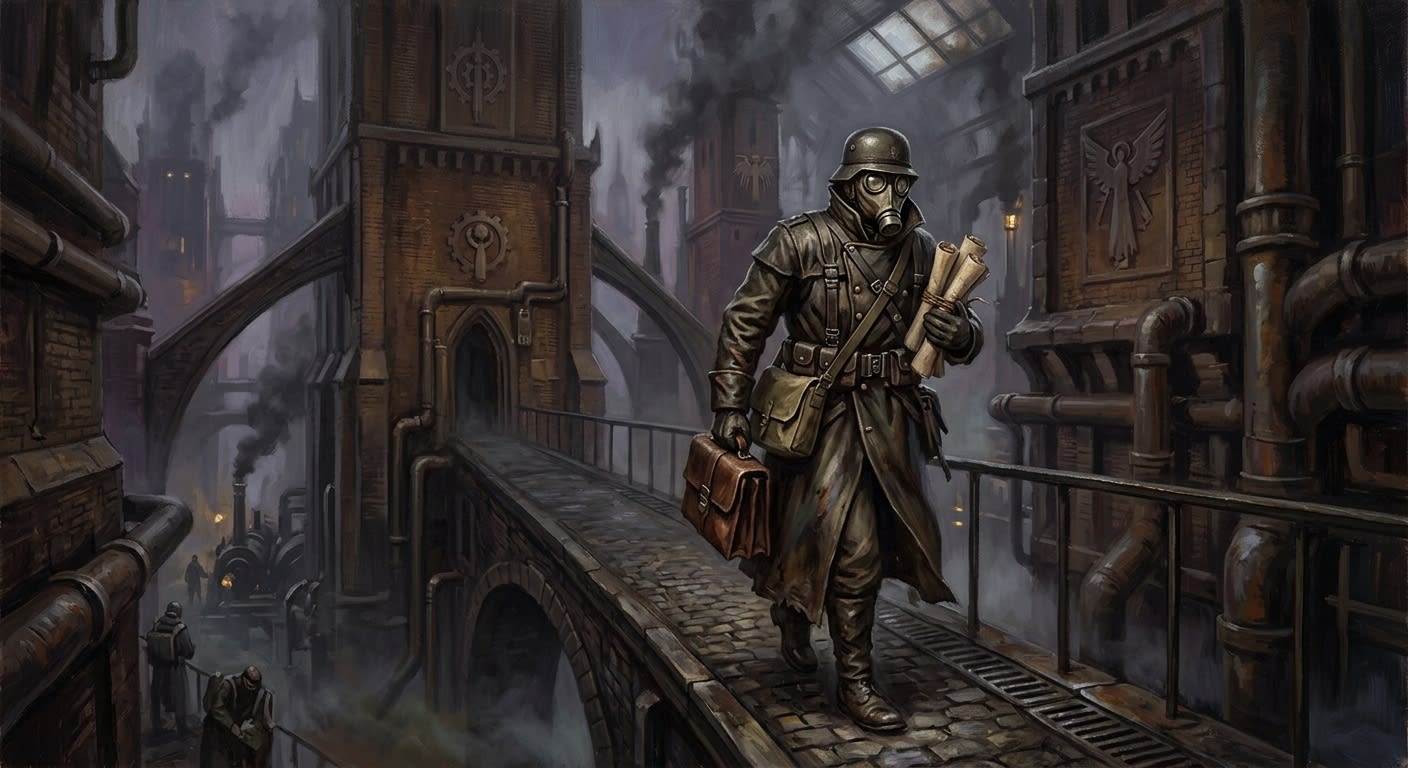
Night Papers Courier
Authority on borrowed hours and disappearing vellum
Night Papers Couriers deliver the Synod’s most deniable commands: grey vellum that outranks rank, bypasses appeal, and dies at dawn if conscience has not already done so.
Codex Ref. XII.14.03-001
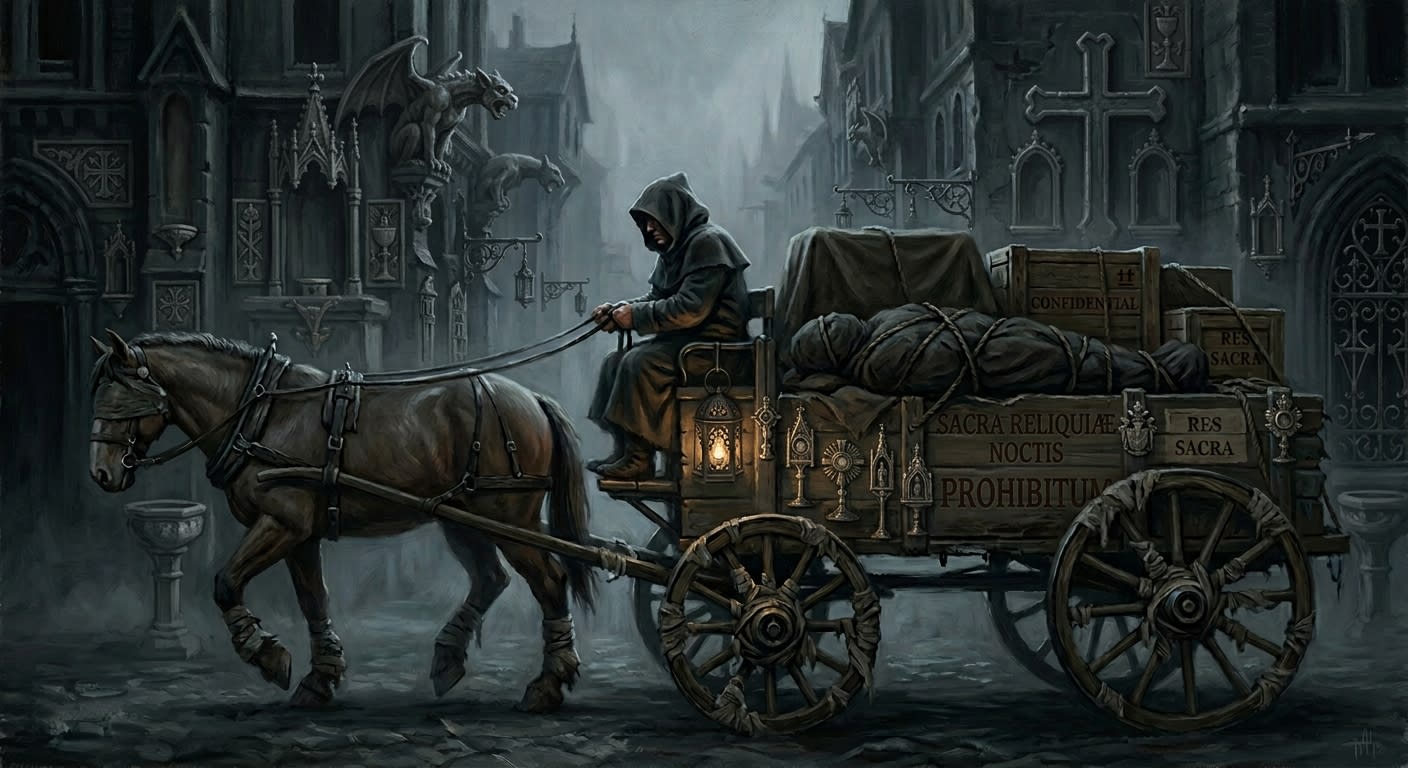
Night Wagon Driver
The wheel that carries absence farther than doctrine can walk
Night Wagon Drivers are the Bureau of Shadows’ logistics spine, hauling people, orders, relics, and corpses through streets trained to forget the sound of wheels.
Codex Ref. XII.14.04-001
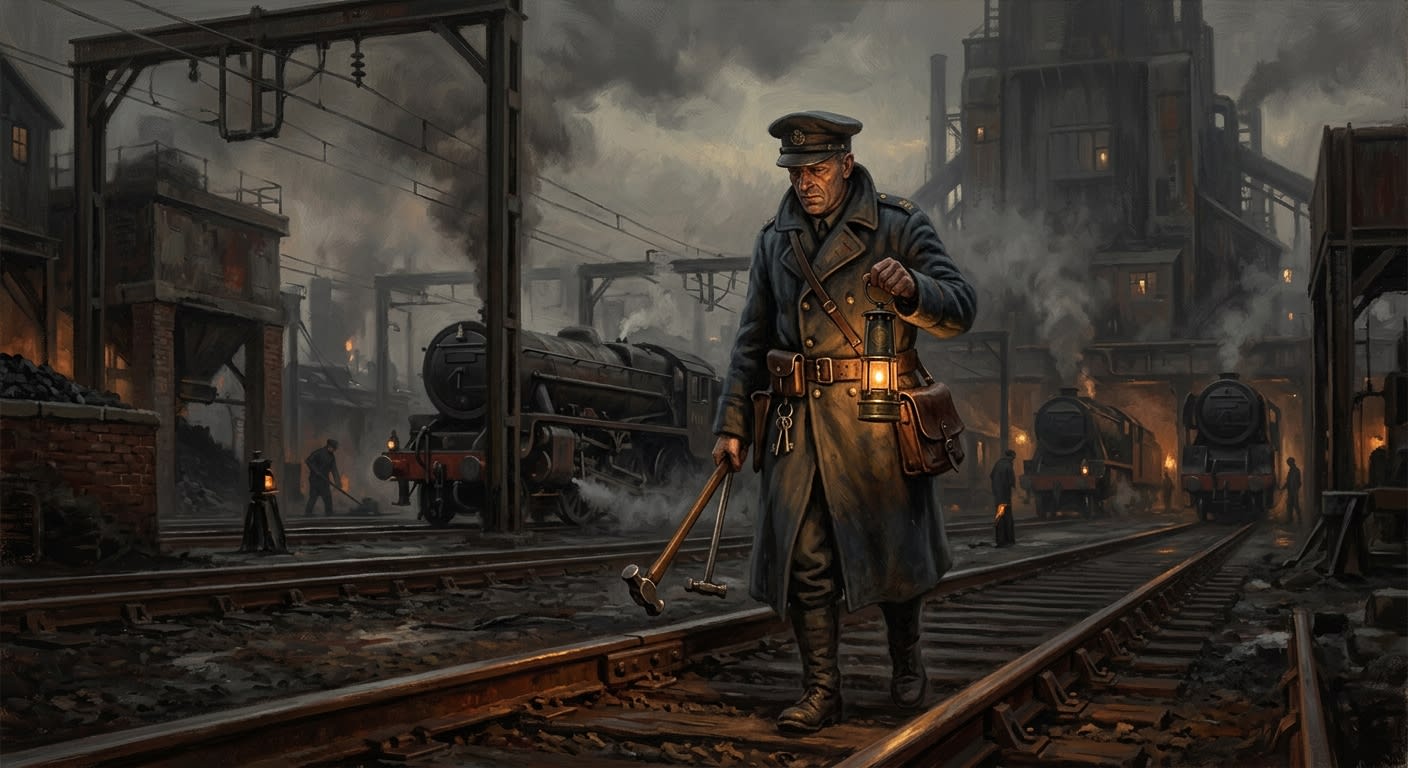
Night Walkers
Lantern low, hammer quiet, and no questions after dusk
Guild of Rails dusk-to-dawn patrolmen who walk the tracks with lantern, hammer, gauge rod, and demon-sign chalk, hearing what daylight, Engineering, and Doctrine prefer to deny.
Codex Ref. XII.44.03-001
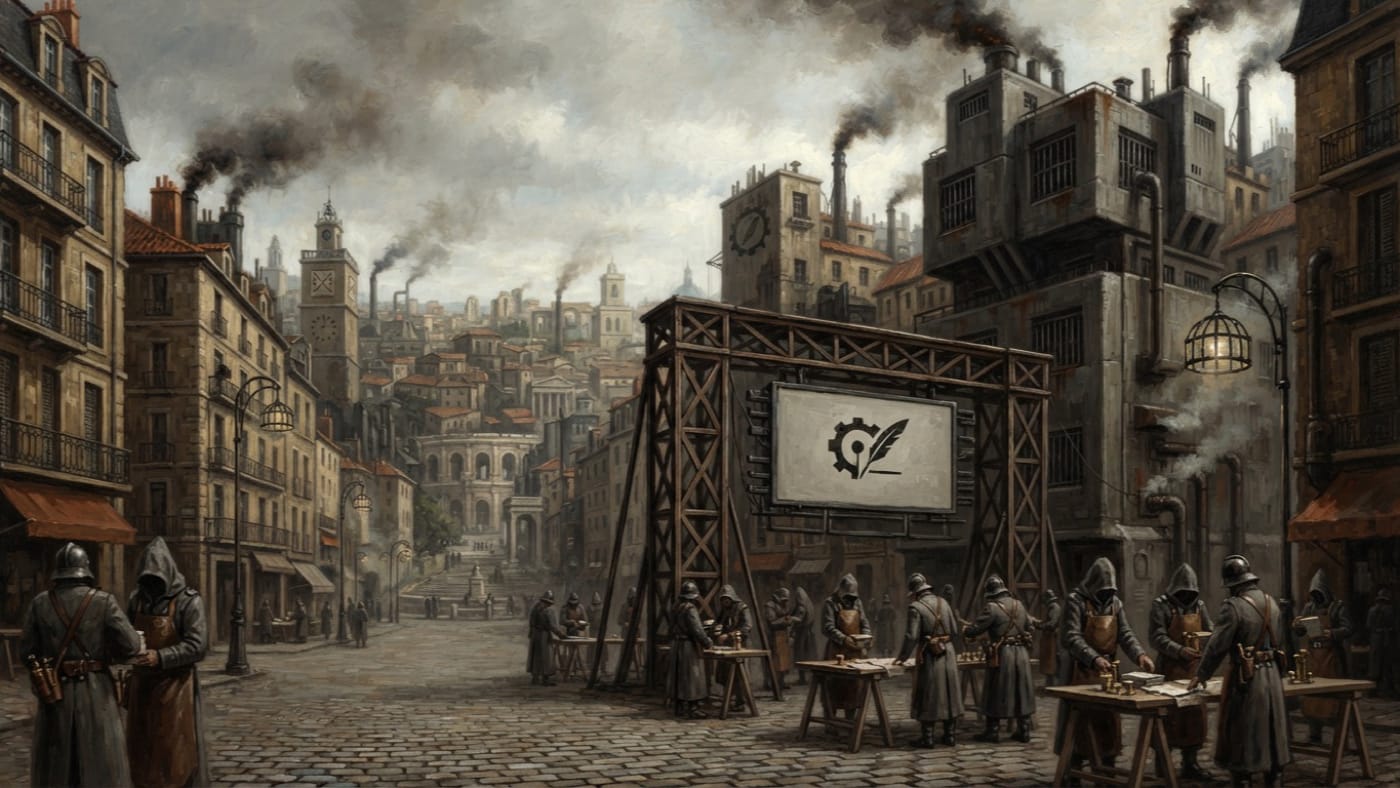
Nîmes
A city given a column before a case
Nîmes entered Purity's A.S. 93 Toulouse dossier because Carcassonne named it under interrogation. The city received a column; this file establishes no local offence.
Codex Ref. II.1.09-009
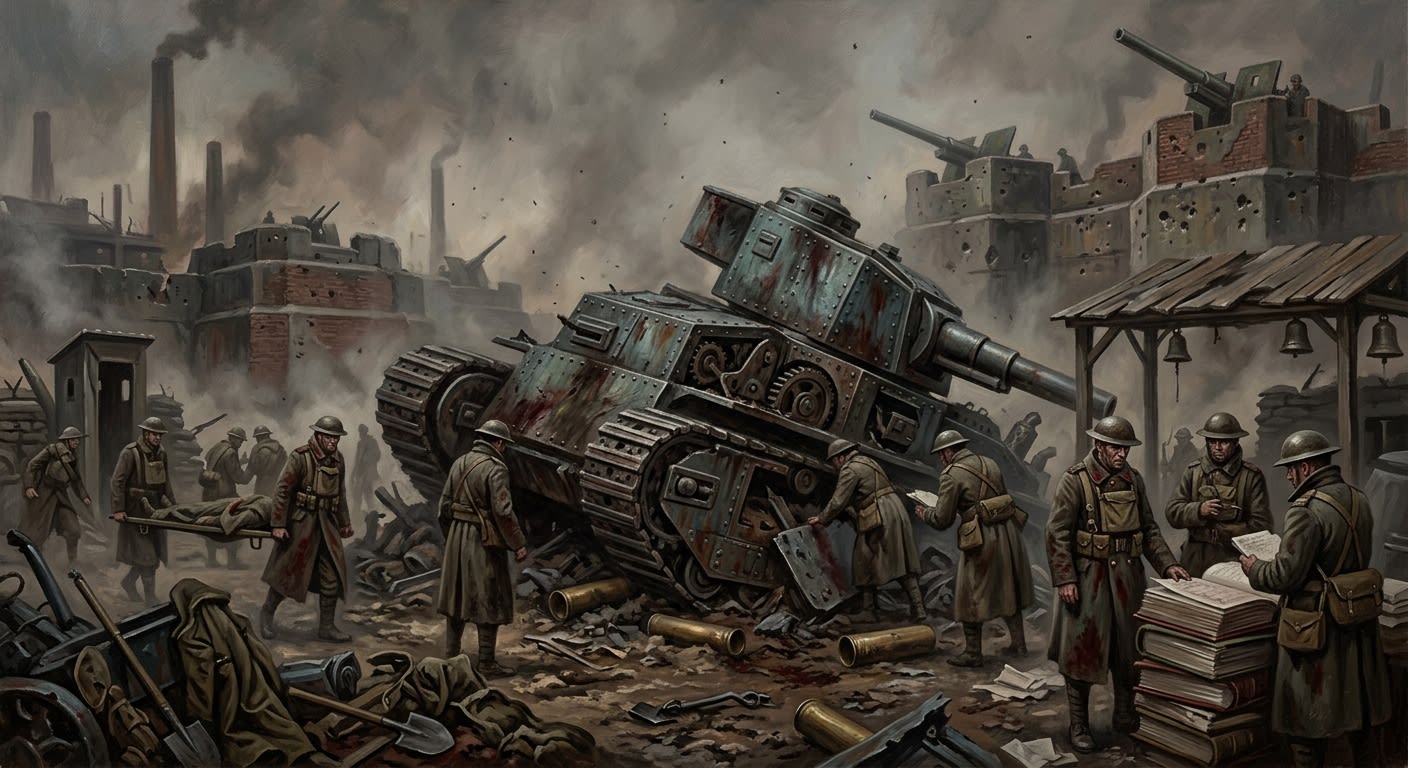
Nine-Hour Rubric
Pride offered height; [[bastion-przemysl|Przemyśl]] answered with mud, bells, and arithmetic
At Przemyśl, nine hours of guns, low bells, ash smoke, ugly song, and blood-stained arithmetic broke Atheron's Spire-Crusher and left victory staring upward.
Codex Ref. VII.8.10-195
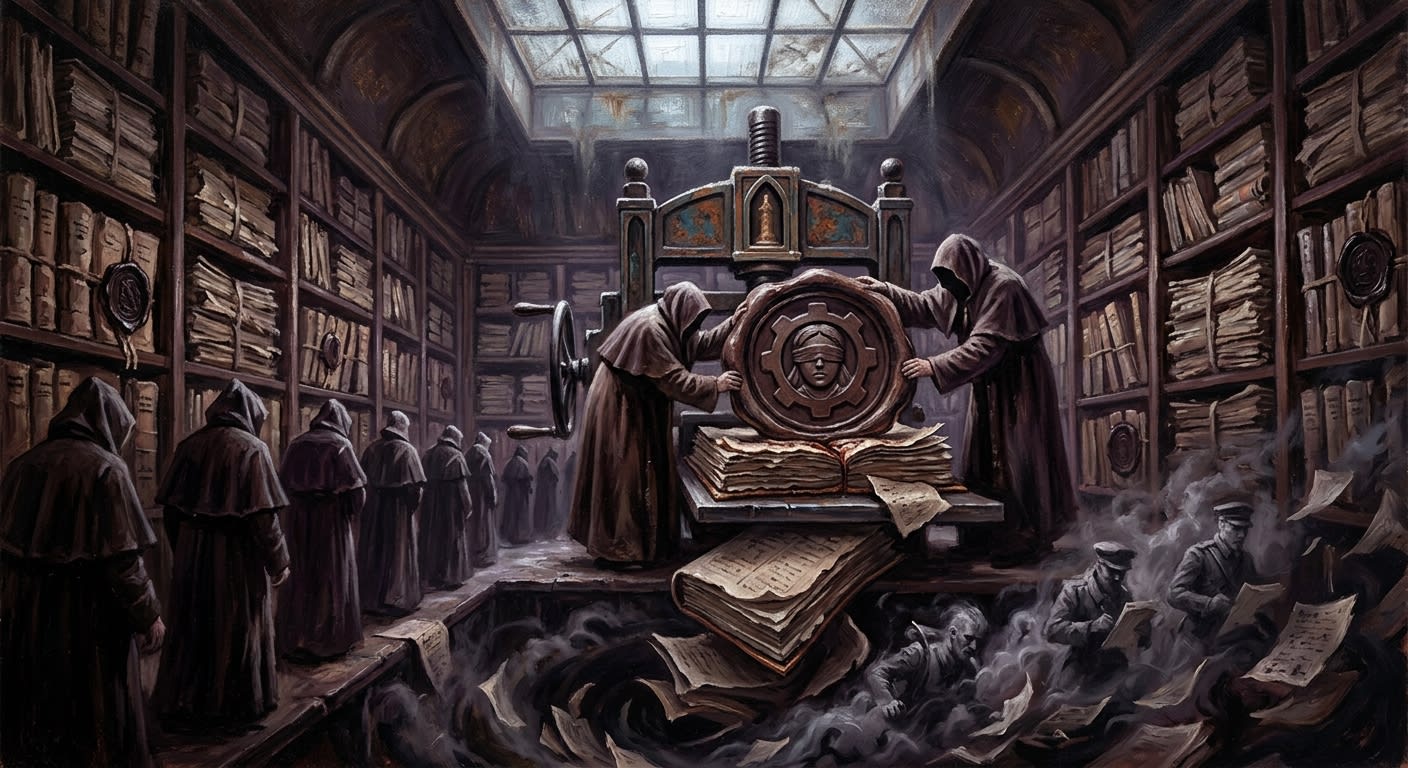
Ninth-Ratification
The seal that forbids analogy because pattern is accusation
Ninth-Ratification is the Synod's highest publicly nameable seal: a doctrine of lawful ignorance for records whose disclosure changes context, office, witness, and history itself.
Codex Ref. XIII.1.76-103
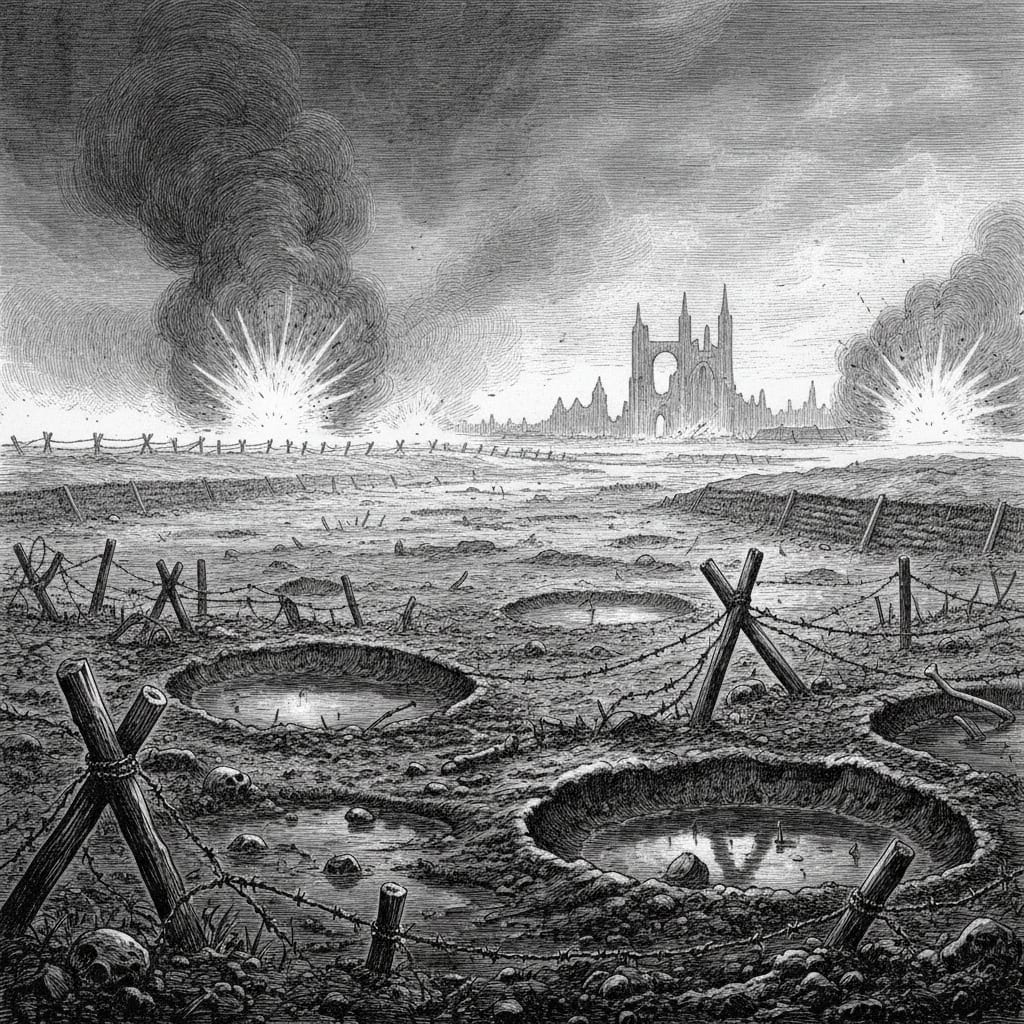
No Man's Land
The Wound That Will Not Heal
The continent-length scar between the bastions and the Great Deceiver's domains, where mud remembers, fog sings, and the dead outnumber the living by a margin the Bureau declines to publish.
Codex Ref. V.1.02-031
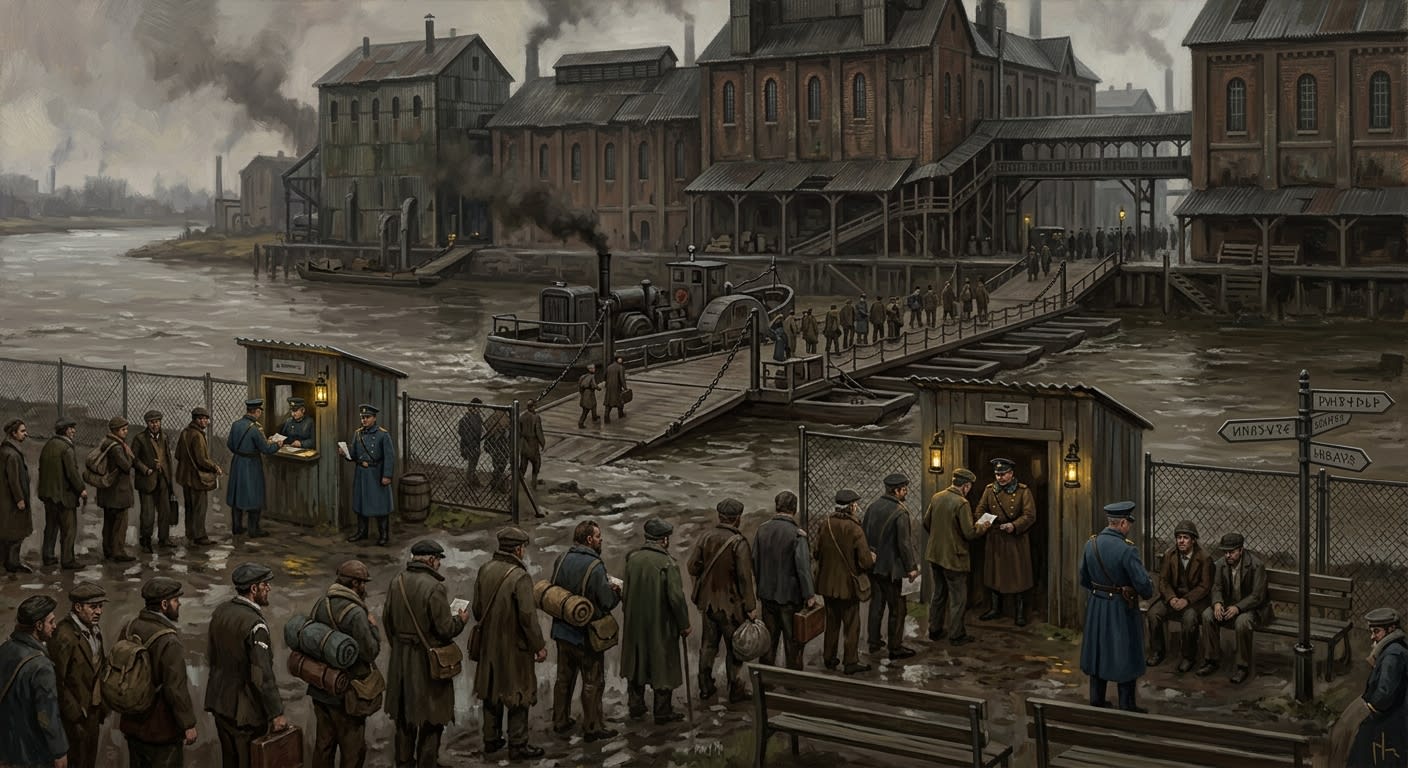
Nominalist's Gate
Miss one consonant and become doctrine
Nominalist's Gate is a Zone 2–3 river crossing where ferry law, password doctrine, mud courts, and Records exactitude turn travellers into cases.
Codex Ref. II.3.05-002
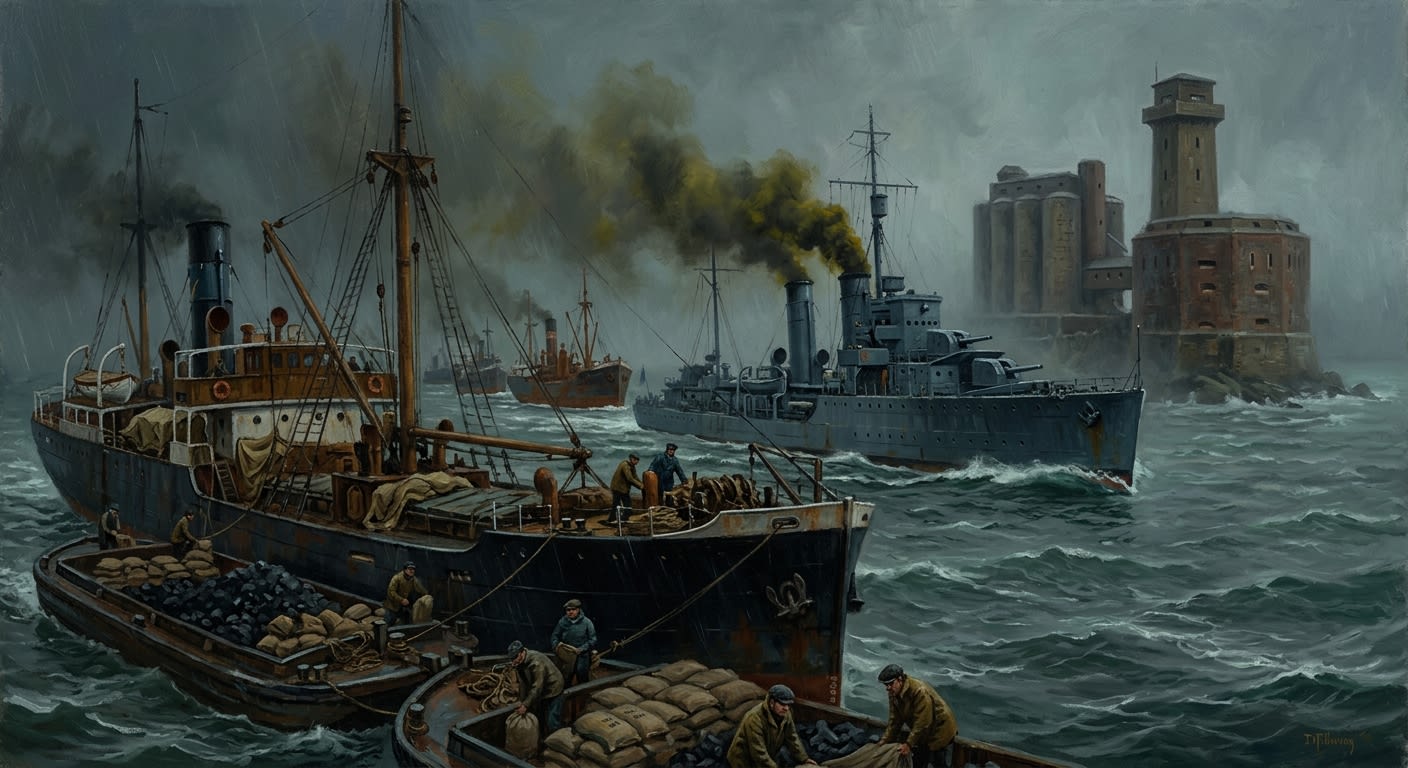
North Sea
The wet border that feeds the Line and refuses the Ledger
The North Sea is the Synod's least obedient frontier: a maritime supply basin of grain, coal, fish, fog, foreign credit, reluctant allies, and weather that accepts no stamp.
Codex Ref. II.4.09-201
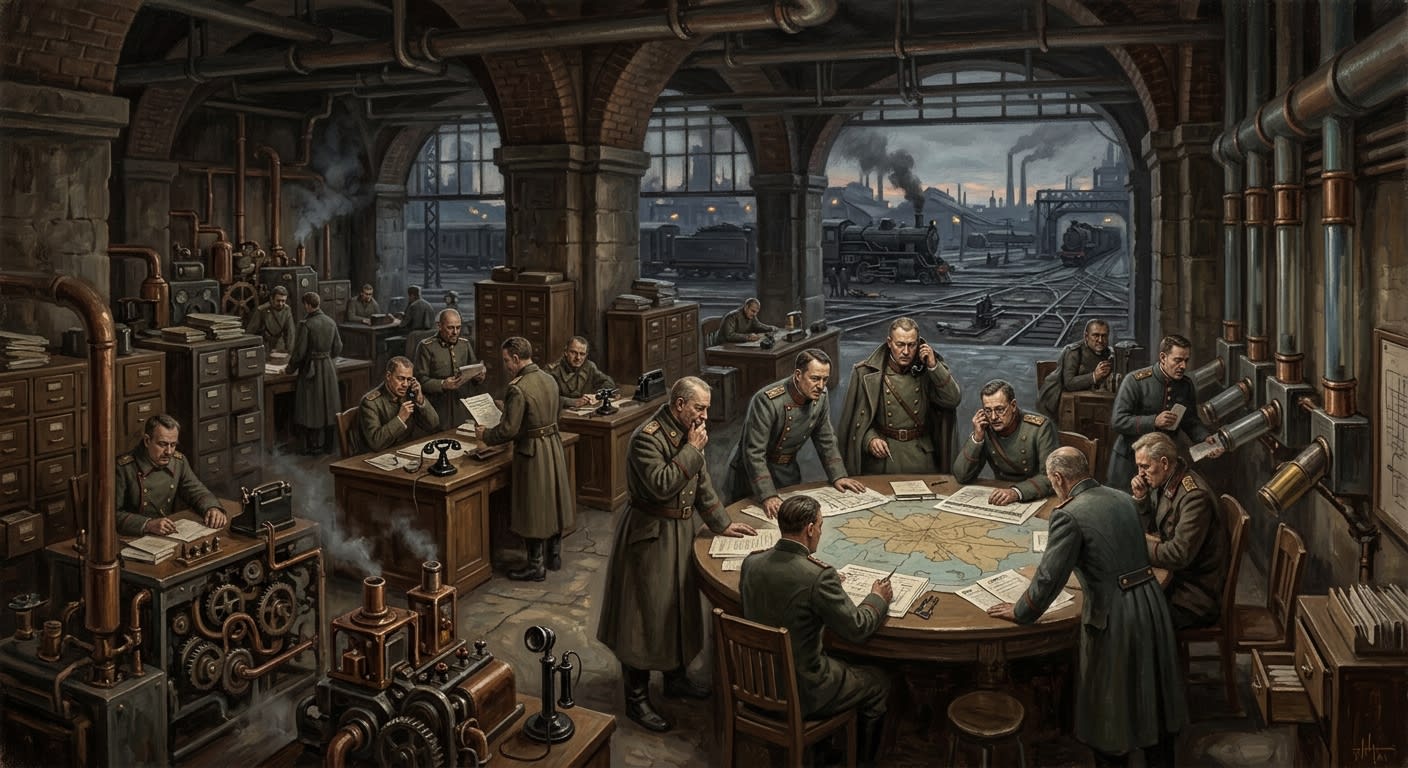
Northern Hierarchate
Where the north is made punctual enough to survive
Seated at Kanzleiburg in A.S. 95, the Northern Hierarchate turns Prussian machinery, rail priority, reserve depots, and inter-Bureau quarrels into survival for the Baltic-Carpathian front.
Codex Ref. VIII.7.01-095
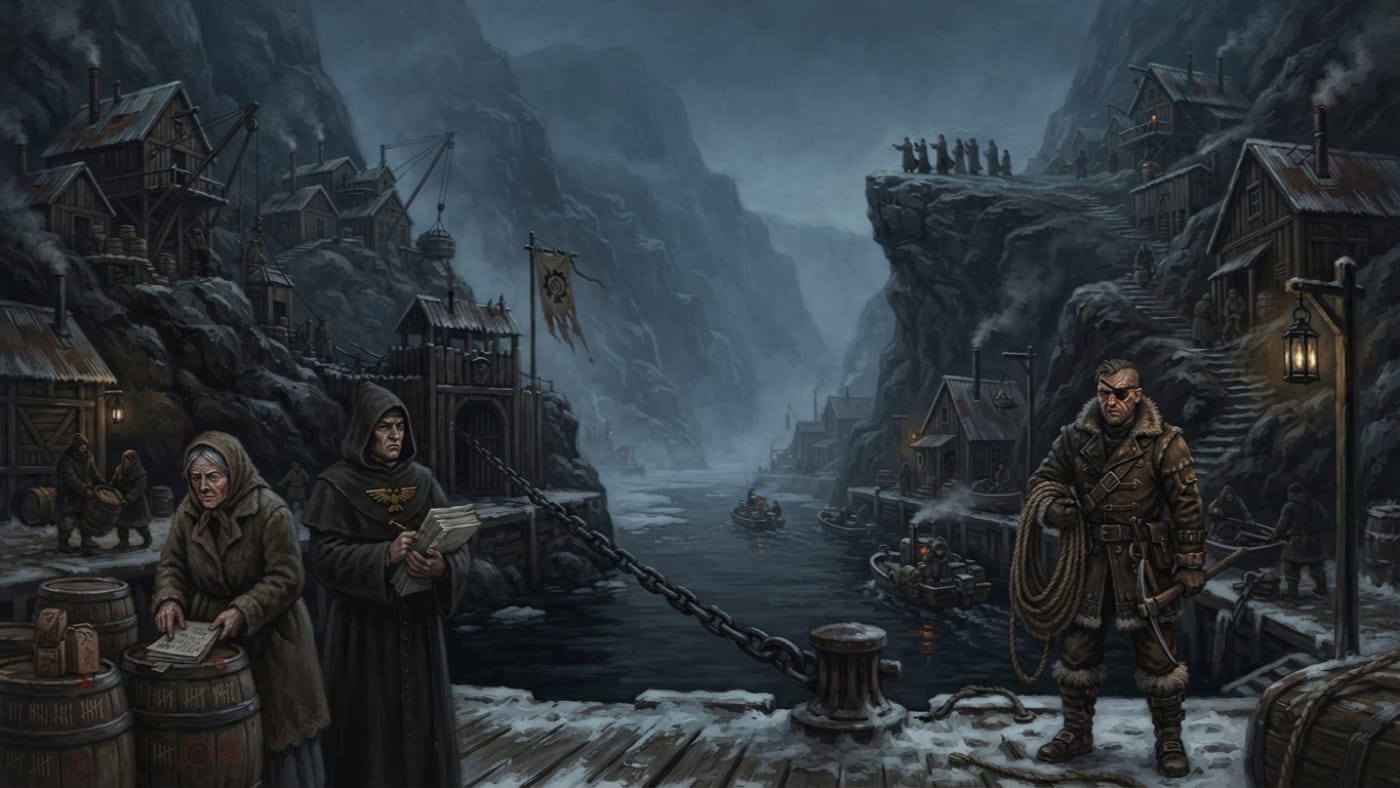
Norway
The map belongs to Strasbourg; the narrows belong to the clans
Norway's fjord compacts supply the Synod's northern war while keeping their own chains, watches and fasts. A.S. 201 assessment: the oil arrives; authority remains local.
Codex Ref. II.8.01-001
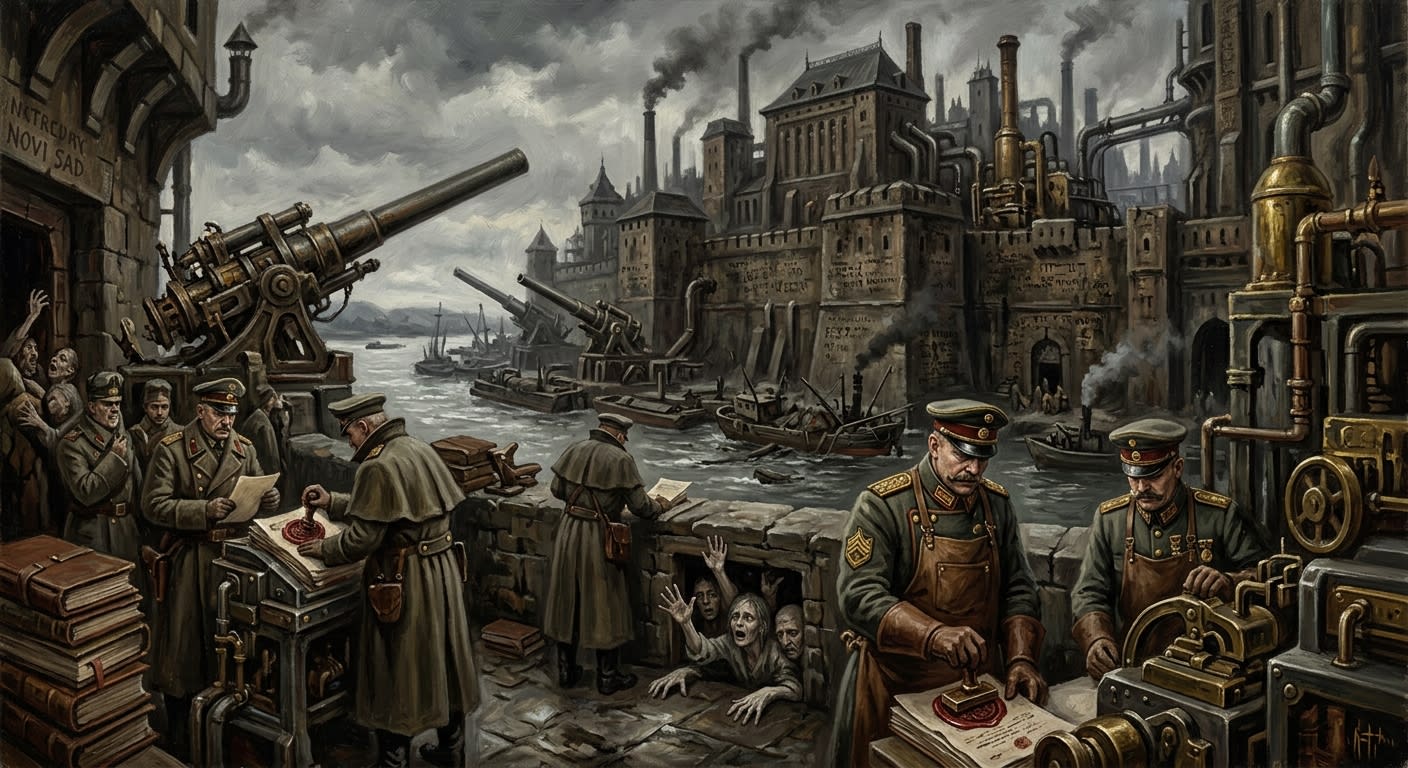
Novi Sad
The city where cannon, stone, and stamp each learned to fail
Novi Sad is a fallen Danube city whose cannon never fired, whose stones wrote living names, and whose valid seals once starved the bodies beneath them.
Codex Ref. II.4.09-045
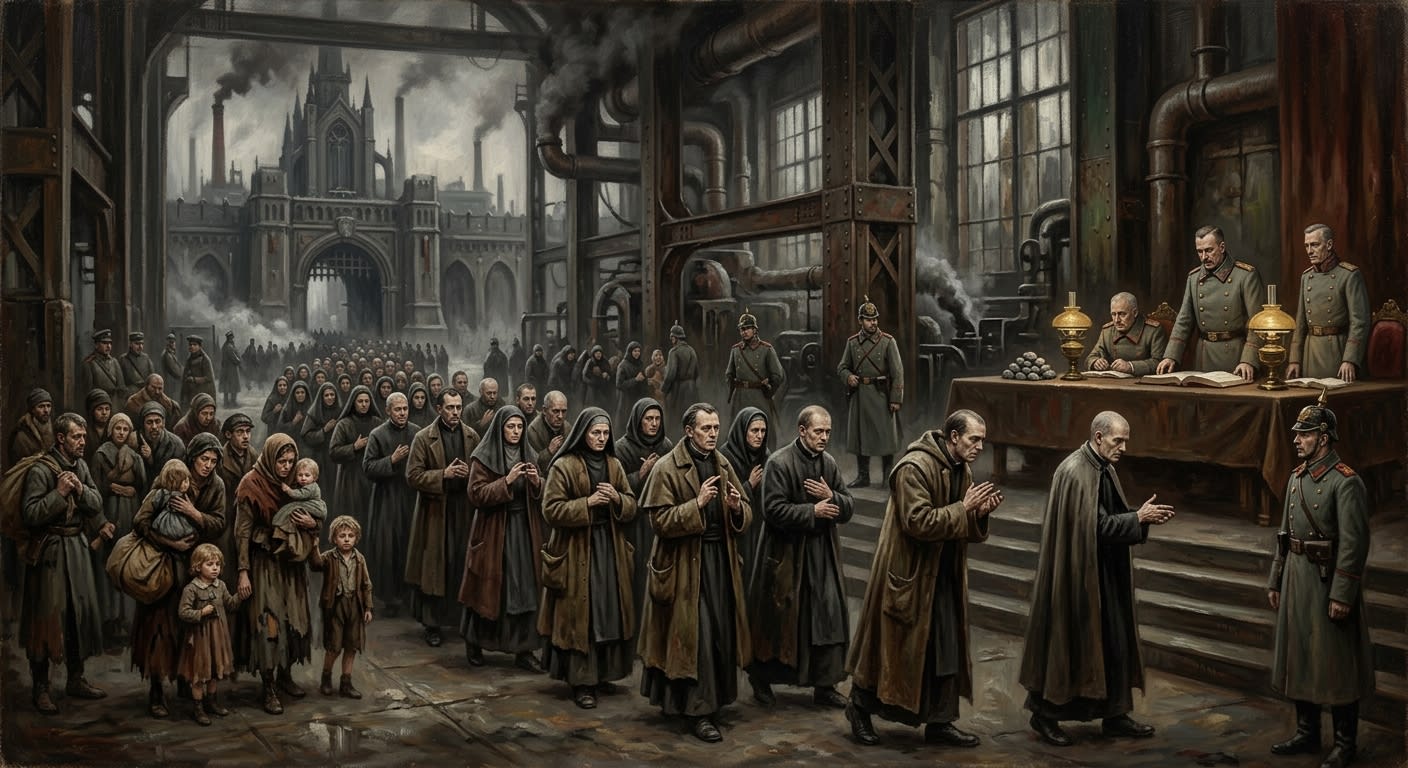
Null Tongue Brotherhood
The heresy that made refusal cheaper than pronunciation
The Null Tongue Brotherhood is the Steppe Gate's silent heresy: gesture-cant, speech refusal, refugee utility, and one unresolved question — whether stones can tax silence.
Codex Ref. XII.18.04-094
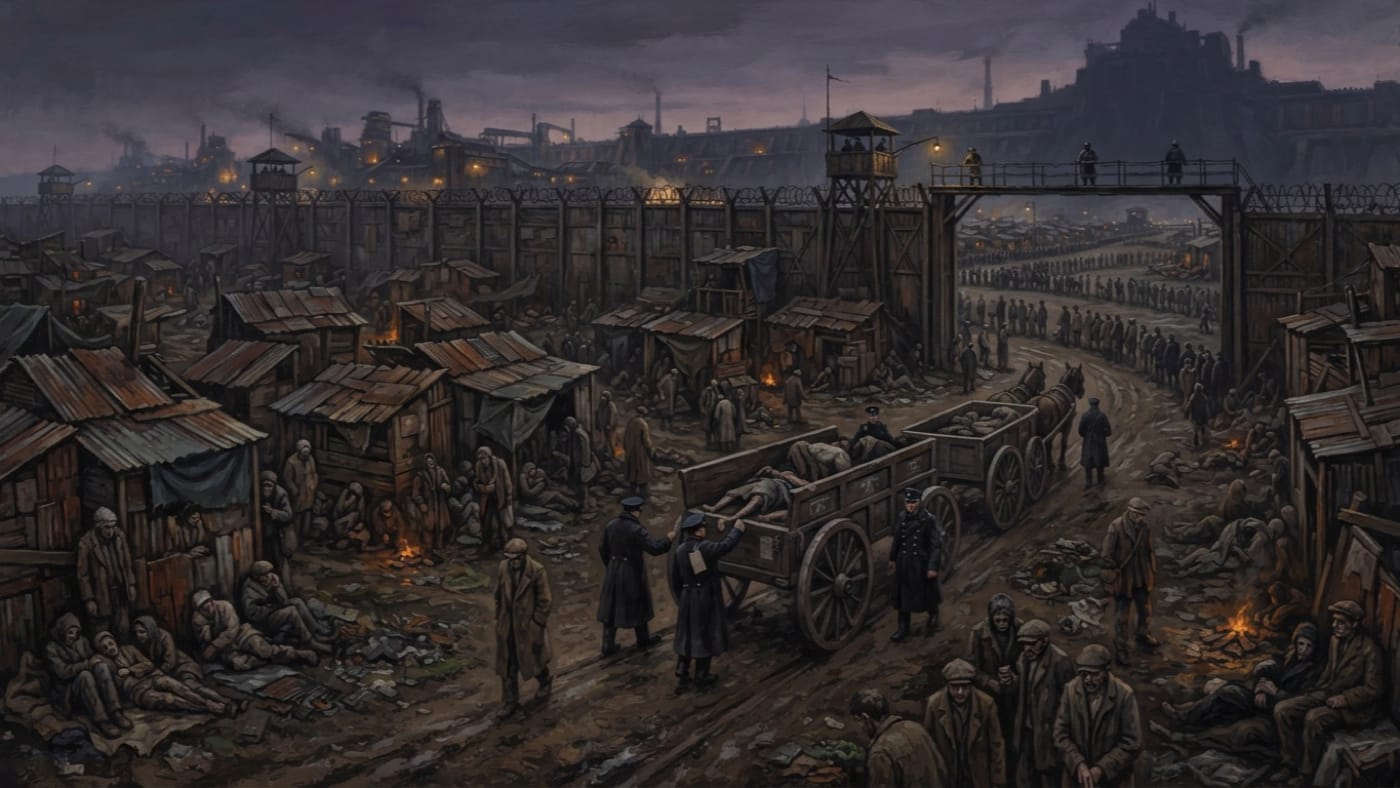
Null Verge
Where the ledger ends and the carts begin
The Queue Road's uncounted southern margin houses erased debtors in darkness. Reeve's Custodians collect the sick, the dead and the inconvenient, and export labour under stamps naming no bureau. The census remains correct.
Codex Ref. II.3.05-012
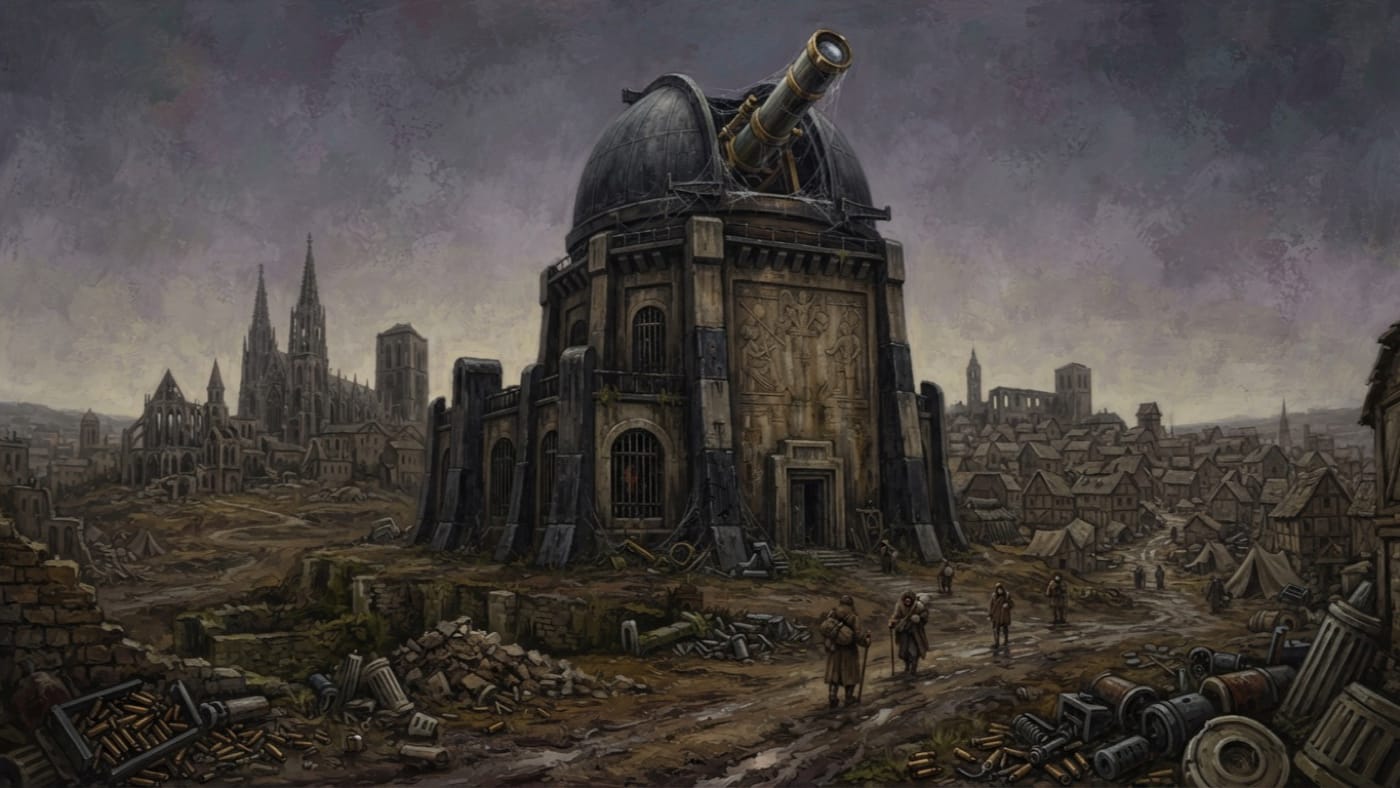
Observatory at Vienna
The telescope remains. The sky is not certified.
A.S. 201 survey of Vienna's empty Republican Observatory, funded with confiscated Church wealth and costing more than the cathedral it replaced. The telescope remains; the sky is not certified.
Codex Ref. II.4.09-201
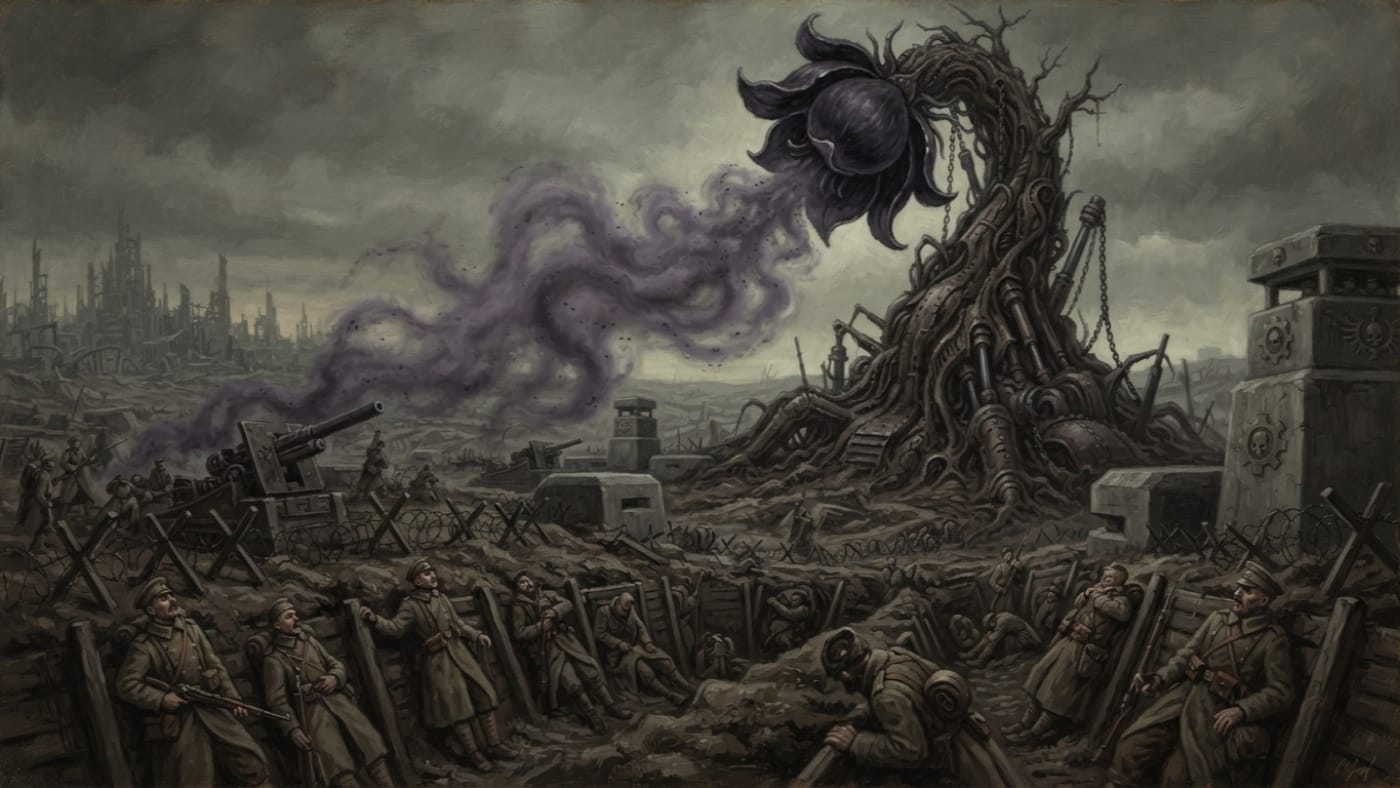
Obsidian Orchid
The Bloom Opens; the Ledger Remains Incomplete
Velkara's colossal living siege-engine releases intoxicating spores from a black bloom. Its origin, number, and first deployment remain blank beneath my seal.
Codex Ref. IV.1.07-009
Office of Nullity
The knife kept inside the book
Sub-office of the Bureau of Records governing Erasure Notaries, strike writs, dependent ledgers, black seals, and the civic art of making a person unprovable.
Codex Ref. XIII.1.70-001
Office of the Last Watch
The dead must remain obedient; the totals must agree
Records' mortuary sub-bureau oversees cemeteries, funerals, exhumations, and the obedience of the dead. Its totals balance; its corridors require a separate report.
Codex Ref. III.2.09-004

Old Faron the Hush-Monger
The ghost who taught mercy to change shape before the clerks arrived
Unverified founder-culprit of Mercy Preacher phrase-rotation, Old Faron survives as a named absence: useful to Purity, beloved by fog, and impossible to arrest.
Codex Ref. III.2.01-127

Old Sable
The broker beneath Latchford who sells the minute before ruin arrives
Old Sable rules Latchford from beneath the boards, selling forged minutes, stolen windows, and the dangerous mercy official time refuses to price.
Codex Ref. III.2.01-008
Omission Notaries
The page contains nothing. The wax makes it official.
The Omission Notaries authenticate blank folios for the Bureau of Shadows. No signature, no named incumbent, and no assurance that the person omitted is dead. The wax makes absence official.
Codex Ref. VIII.8.03-001
On the Pilgrim-Chain Handlers
The mercy quota; or, how the chain teaches patience to both ends
The licensed custodians of the Jubilee chain and everything the chain implies — water counted by formula, confession harvested in strips, and a ditch at the end of every route the Bureau calls holy.
Codex Ref. XII.29.01-001
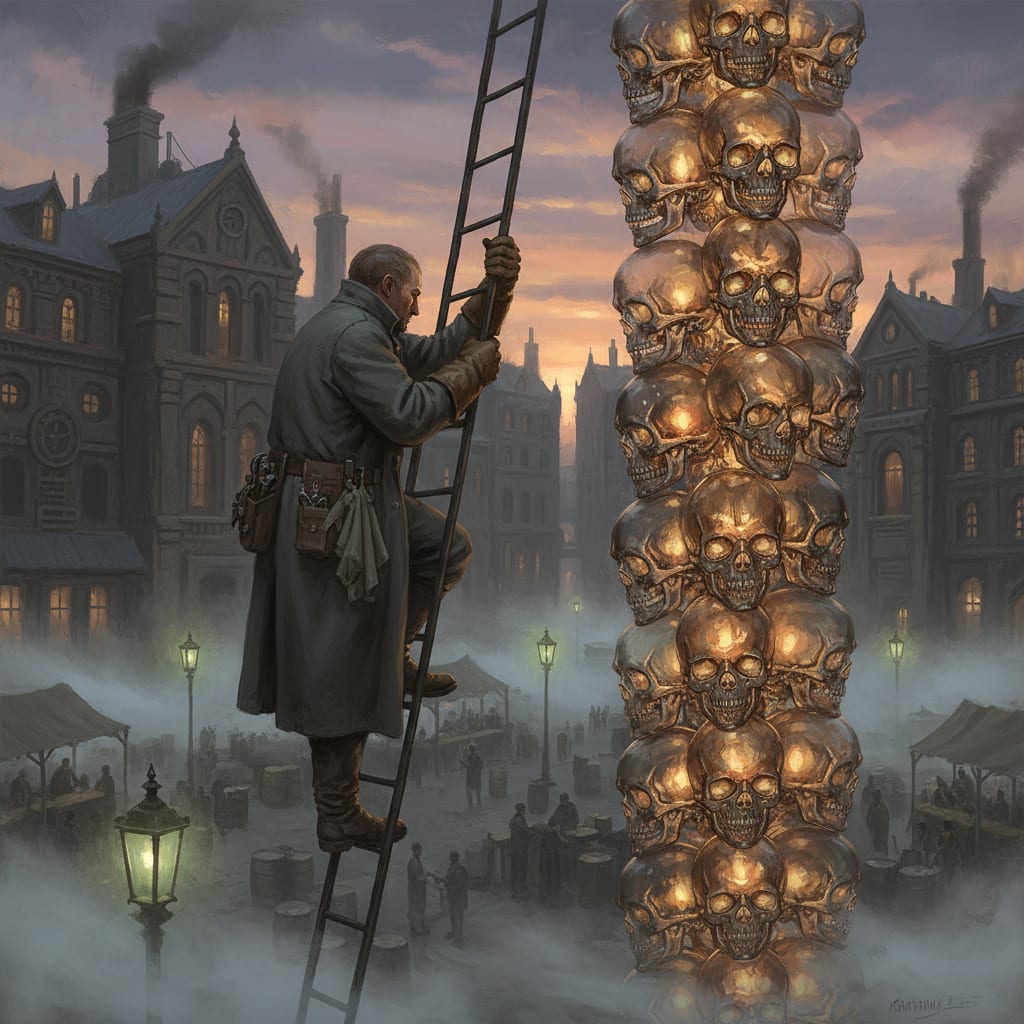
On the Pillar-Keepers of the Glass Skull Stacks
The city is held by witness; the witness is held by someone who needs his wages
A Drax survey of the Pillar-Keepers — grey-coated custodians who maintain the Synod's civic deterrence pylons: iron-boned columns of sermon-clear glass and inked names, holding the city by witness at a cost the Bureau does not audit.
Codex Ref. XII.30.01-001
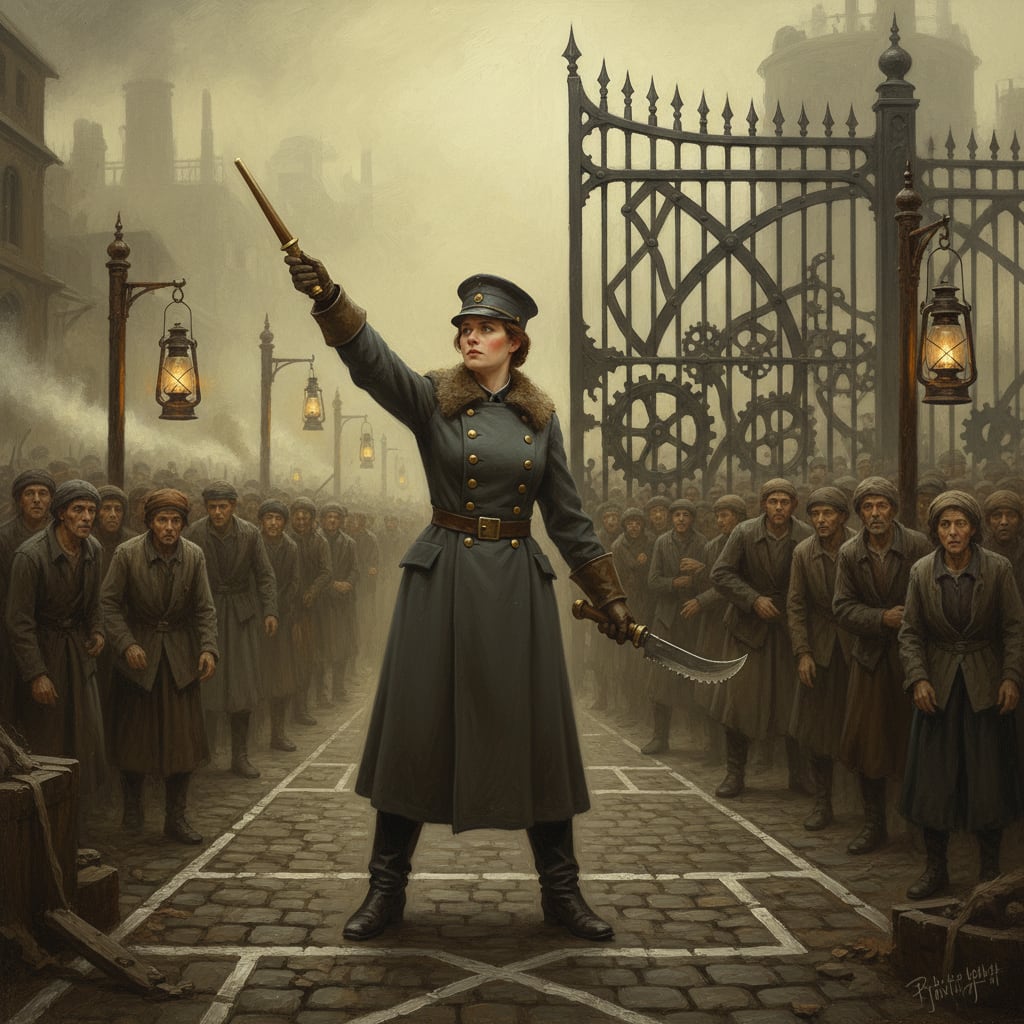
On the Procession Marshal
The boot behind the beat; or, why orderly grief is the Synod's last public prayer
The boot behind the beat. The Procession Marshal controls pilgrim columns, funeral trains, and levy marches — setting cadence by baton, marking routes in chalk, and cutting lane ropes when the crowd folds. Born of three hundred dead at Bastion-Brest, A.S. 112.
Codex Ref. XII.31.01-001
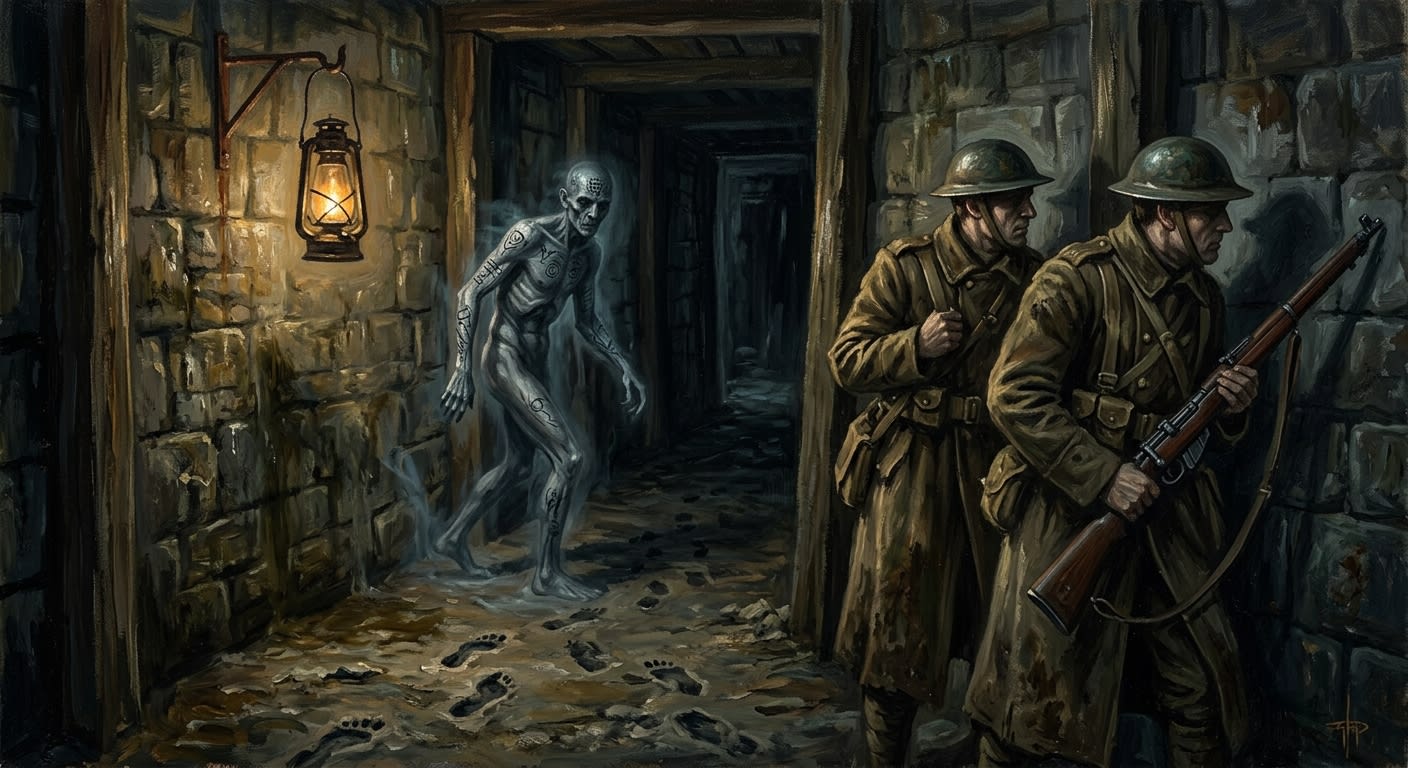
On the Veil-Stalkers
The enemy the eye refuses to see
A taxonomy of the Shadow Court's concealment-inscribed mortal stealth auxiliaries — five modes of glyph-fed invisibility, a lifespan measured in weeks, and the Bureau's admission that a knife you cannot see kills morale more efficiently than a cannon you can.
Codex Ref. IX.1.05-001
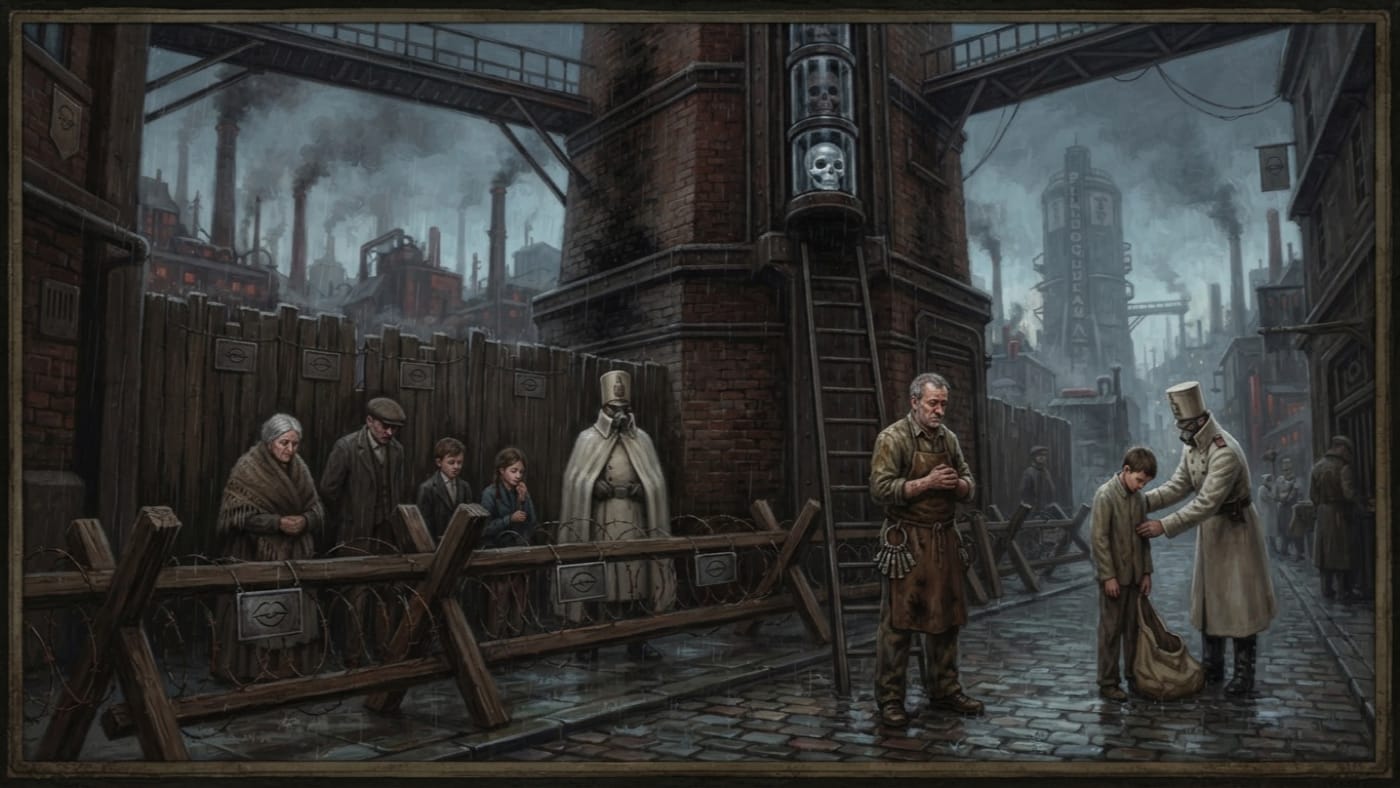
Open Mouth Response Protocol
A whole skull, an absent name, a theological emergency
The A.S. 201 survey of the Clearance Tertius extract: blank skulls, detained Keepers, separated households and a maintenance explanation. The name is restored; the full procedure remains withheld.
Codex Ref. XIII.1.44-001
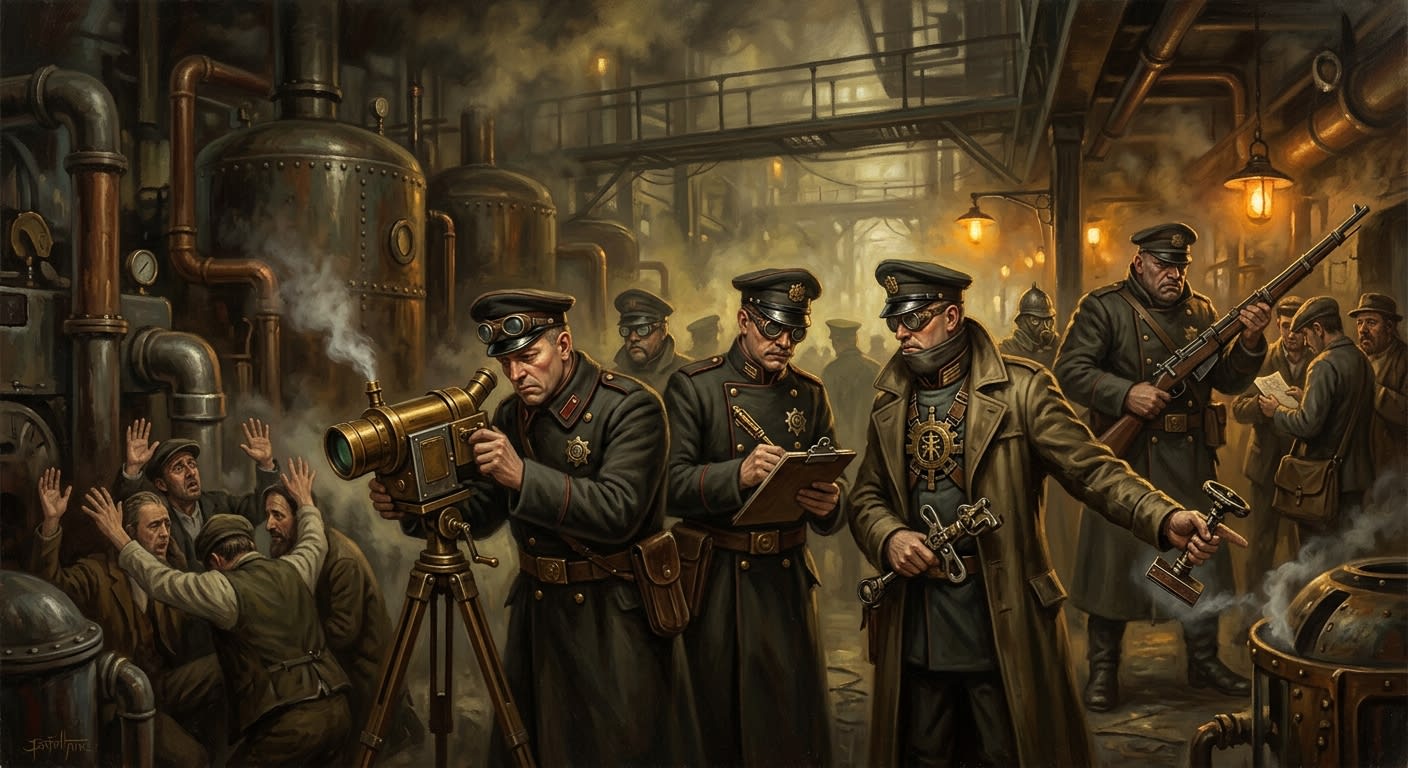
Operational Directive 14
The order that made air searchable and warmth prosecutable
Operational Directive 14 made smoke a witness, warmth a suspicion, and air a lawful target of Bureau of Purity entry, seizure, citation, and theatrical correction.
Codex Ref. XIII.1.94-143
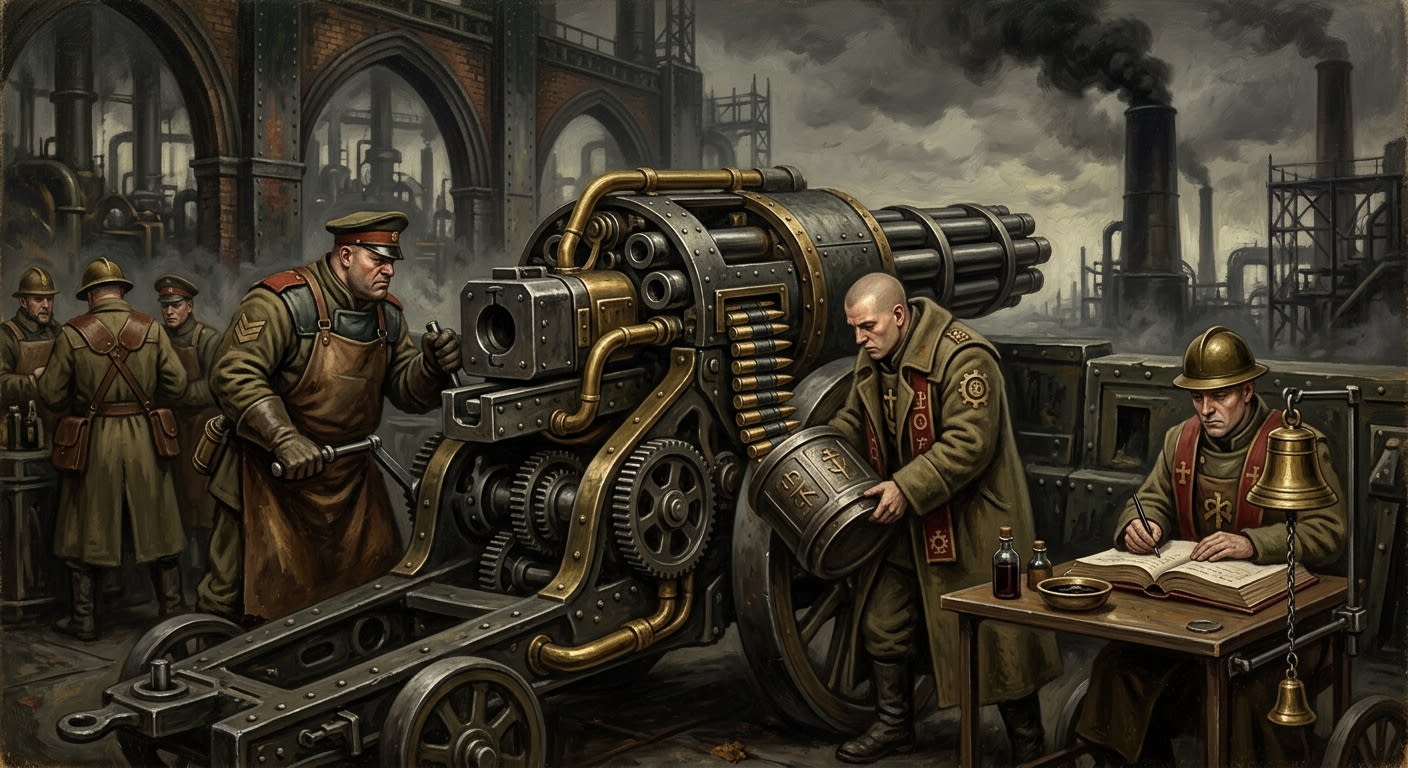
Ordained Repeater
The heretic made a gun; the Synod made it kneel
The Ordained Repeater is Artois's clockwork artillery corrected by chrism, ledger, bell-cadence, and the sacred art of denying useful debt.
Codex Ref. III.2.04-015

Ordeal
The test that asks whether mercy has started charging interest
Ordeal is Sibiu's counter-accounting rite: coin, key, mercy, clause, and refusal arranged to learn whether charity has become Velmora's collateral.
Codex Ref. XIII.1.95-200
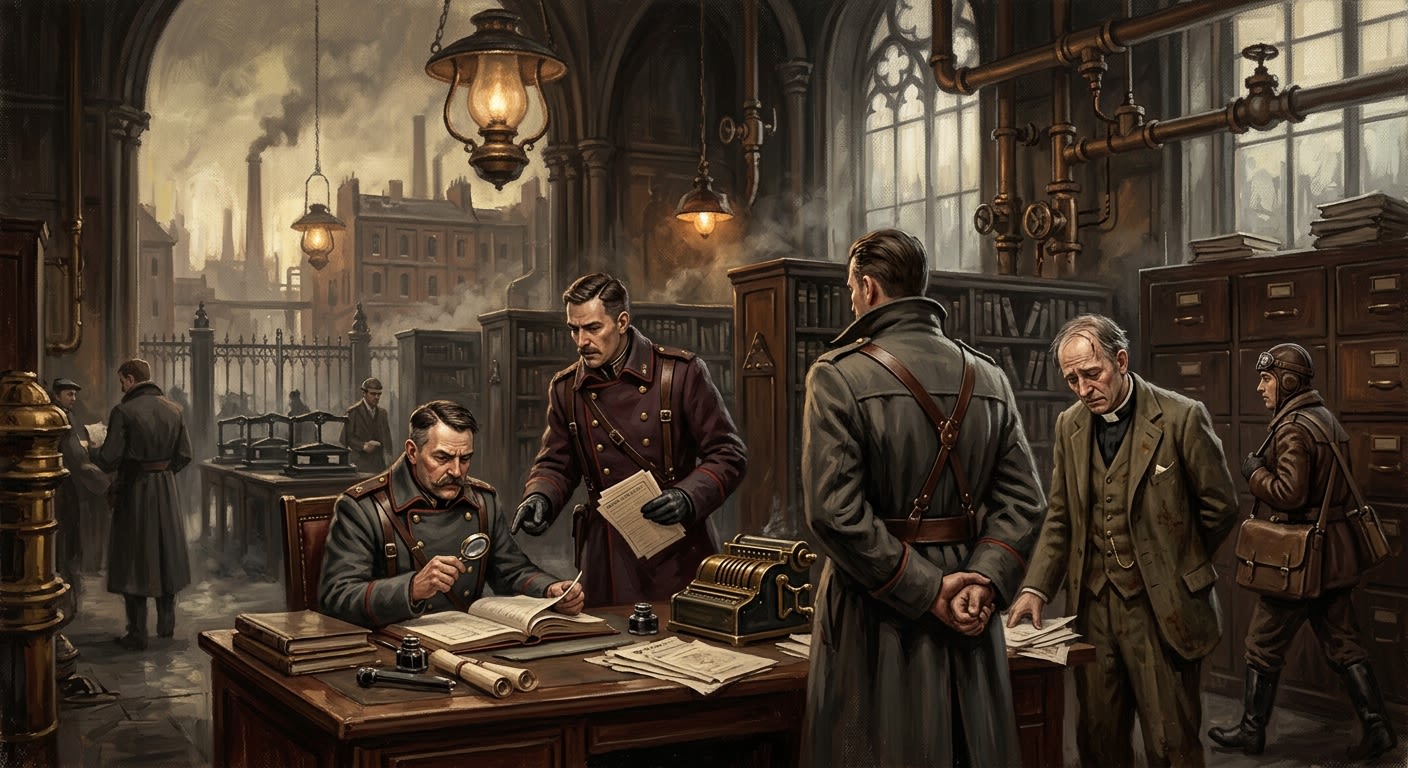
Order of Severance
The inward knife that cuts office from affection before affection becomes a kingdom
The Order of Severance is the Bureau of Purity's inward knife: an inquisitorial fraternity that hunts clerical and bureaucratic heresy where clean cuffs, perfect ledgers, and trusted colleagues become shelter.
Codex Ref. VIII.1.07-134
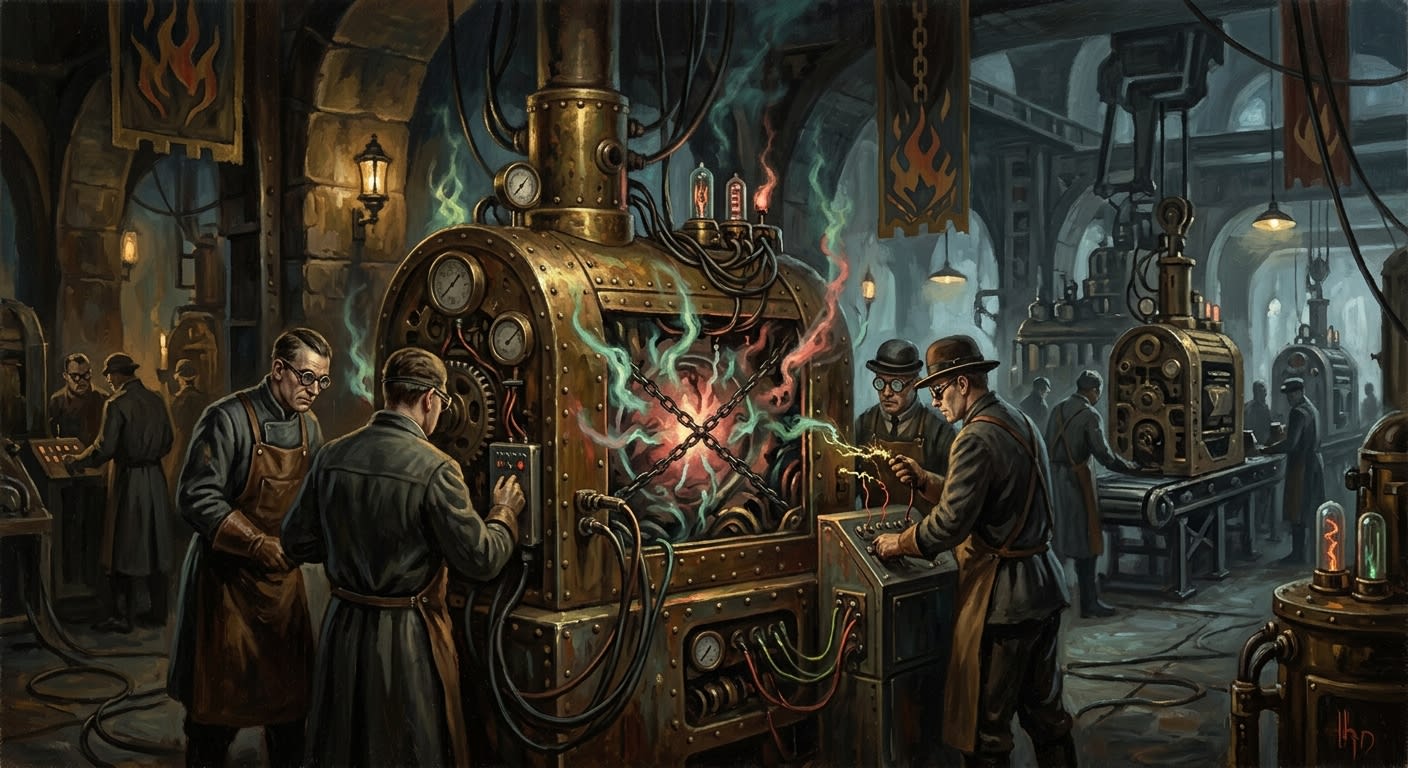
Order of the Shackled Flame
The office that taught Hell to move on schedule and submit invoices
The Order of the Shackled Flame binds residual demonic essences into sanctioned war housings beneath Bastion-Constantinople, which is heresy with a payroll.
Codex Ref. VIII.7.04-001
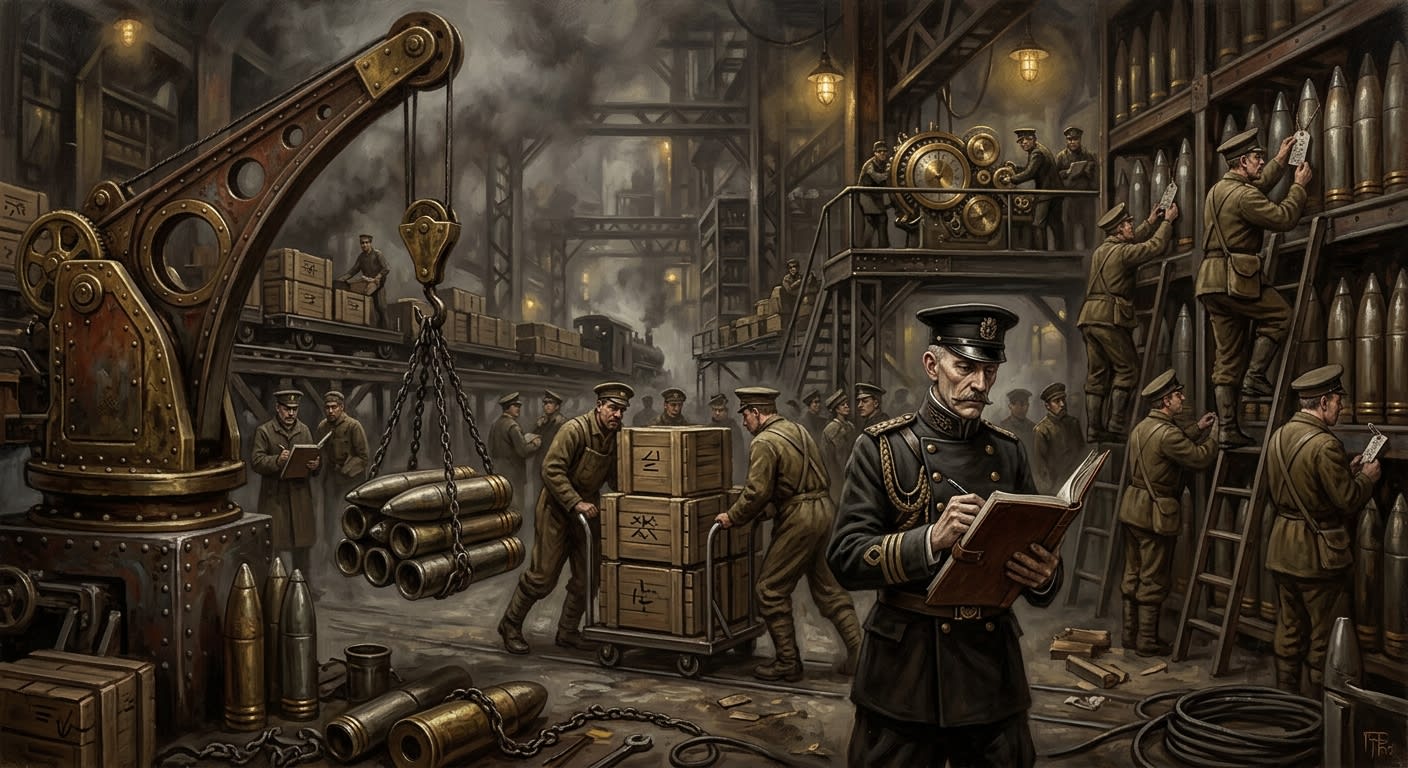
Ordnance Bureau
The office that makes thunder accountable
The Ordnance Bureau numbers, blesses, rations, ships, and recovers the Synod’s lawful violence; its shells arrive late, counted, and indispensable.
Codex Ref. VIII.2.12-090
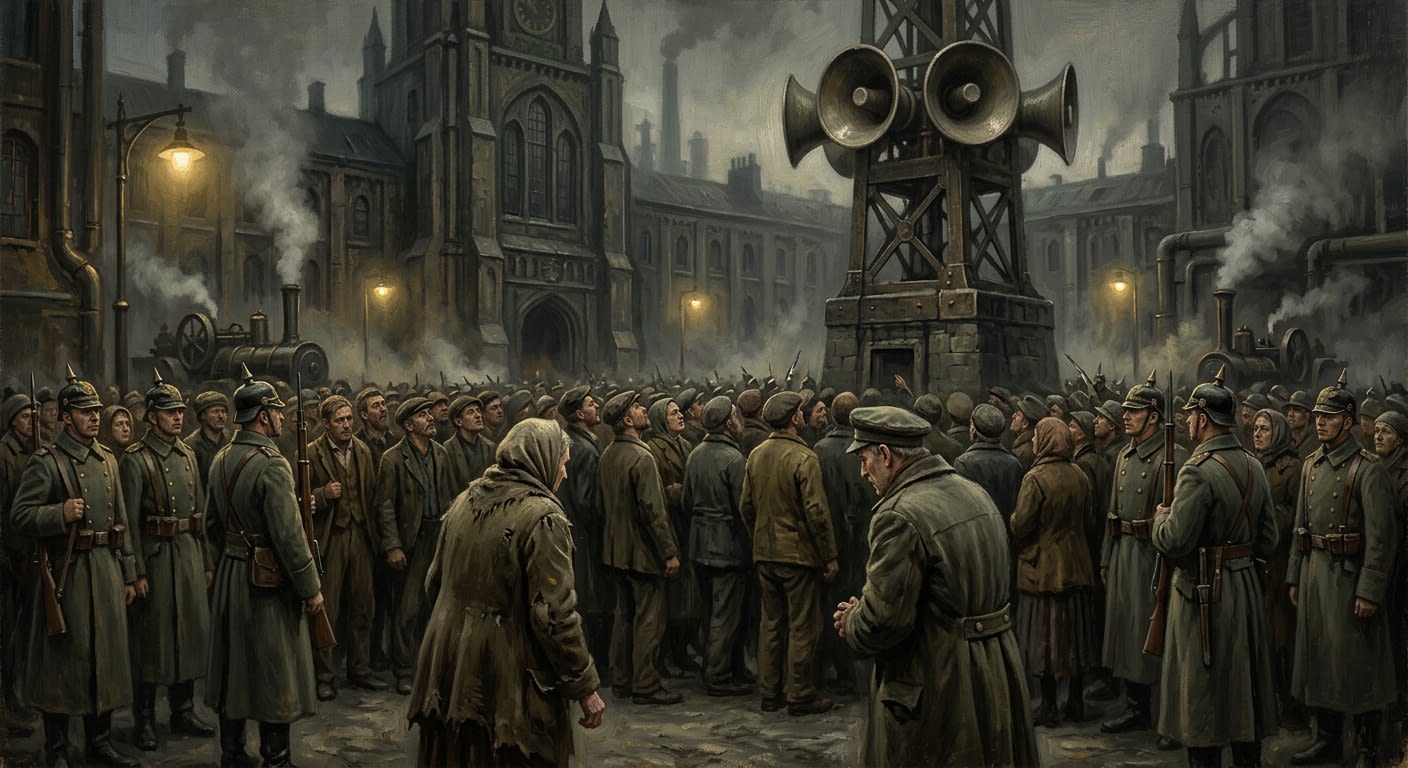
Orison Hour
The hour that owns the ear and charges rent for listening
The Orison Hour is prayer, ration order, casualty roll, curfew, census pressure, and acoustic cudgel: Europe instructed to possess one throat.
Codex Ref. XIII.1.96-112
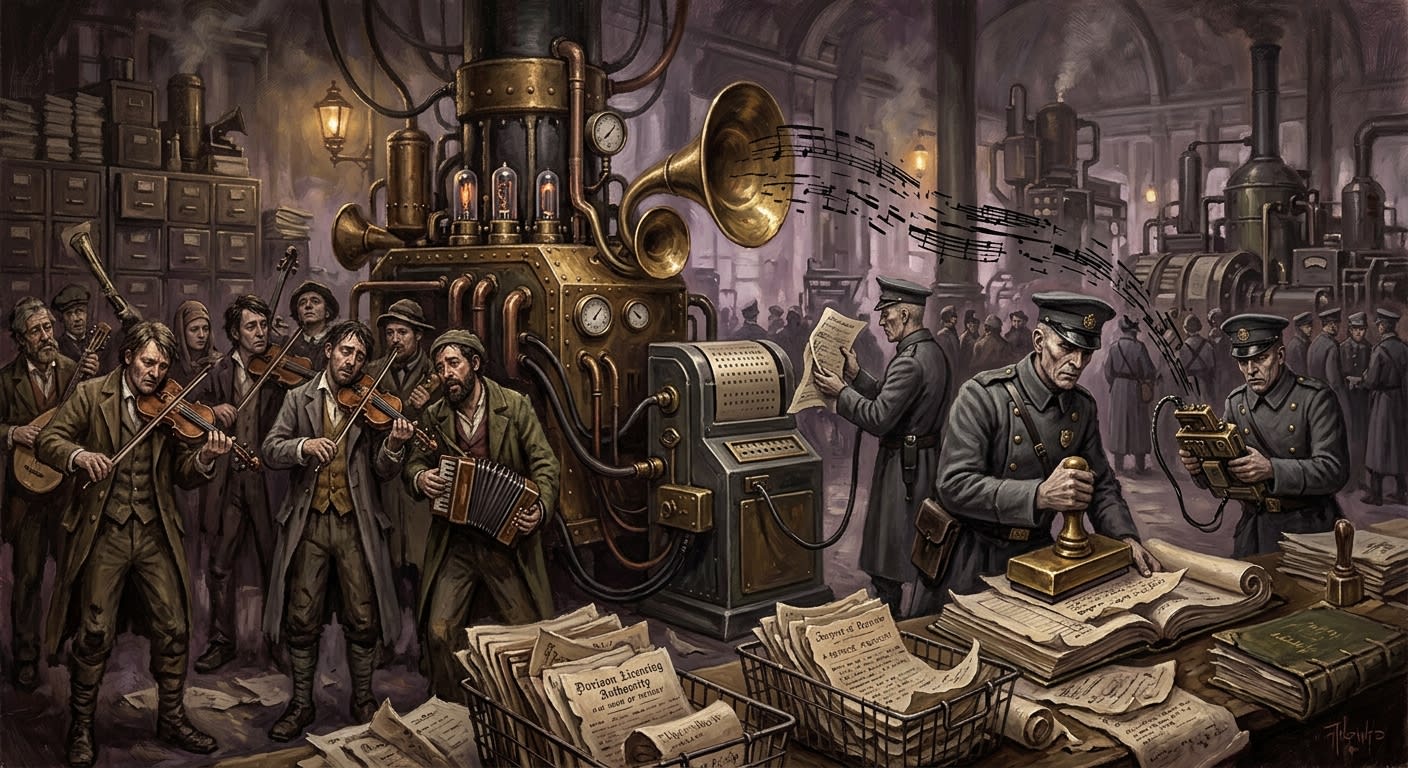
Orison Licensing Acts A.S. 94
No private hymn, no innocent breath
A.S. 94 legal seizure of melody itself: the Acts made every cadence licensed or criminal and created the market they pretended to destroy.
Codex Ref. VII.2.10-094
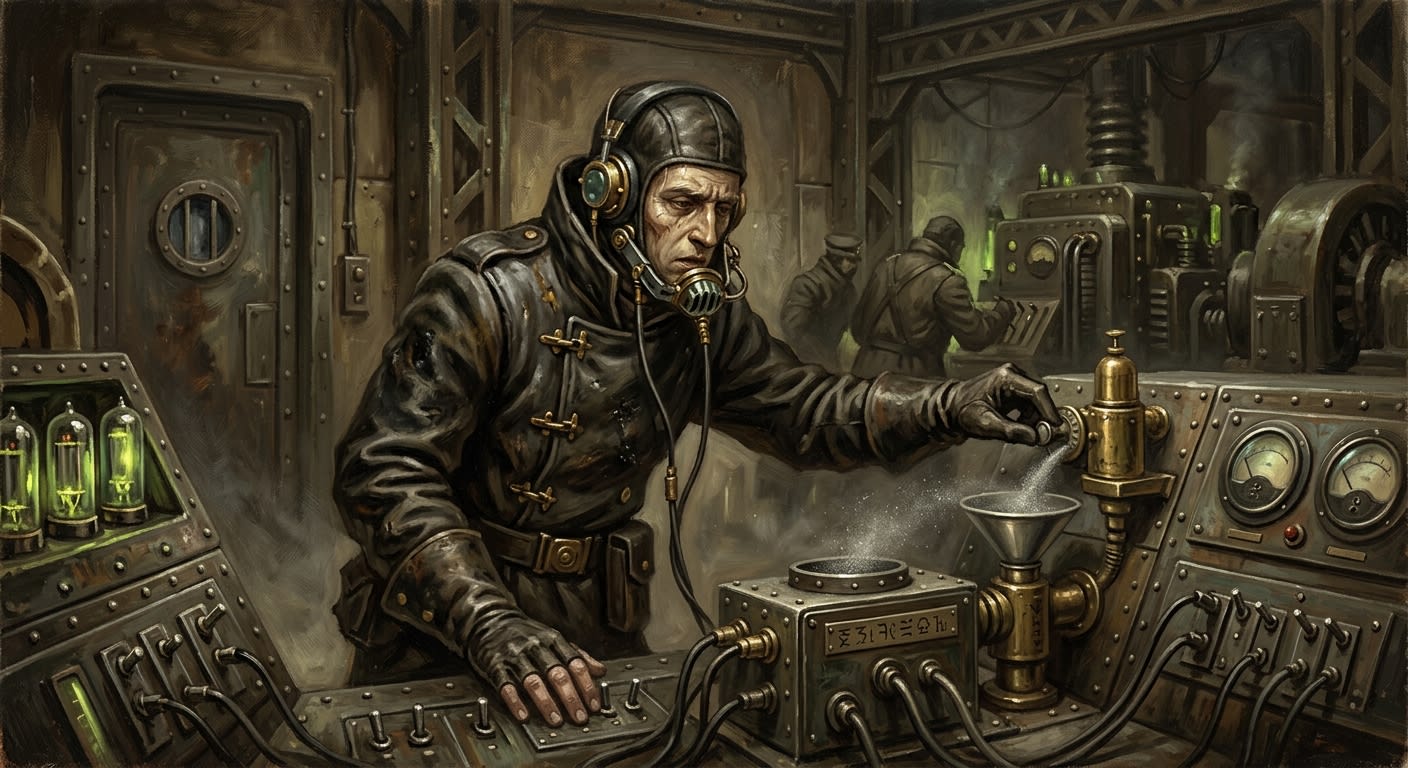
Orison Signal Engineer
The approved voice must arrive cleaner than the air that carries it
Orison Signal Engineers lace the Synod's broadcasts with saint-dust, keeping doctrine, ration orders, and war commands from curdling into enemy song.
Codex Ref. VI.4.07-018
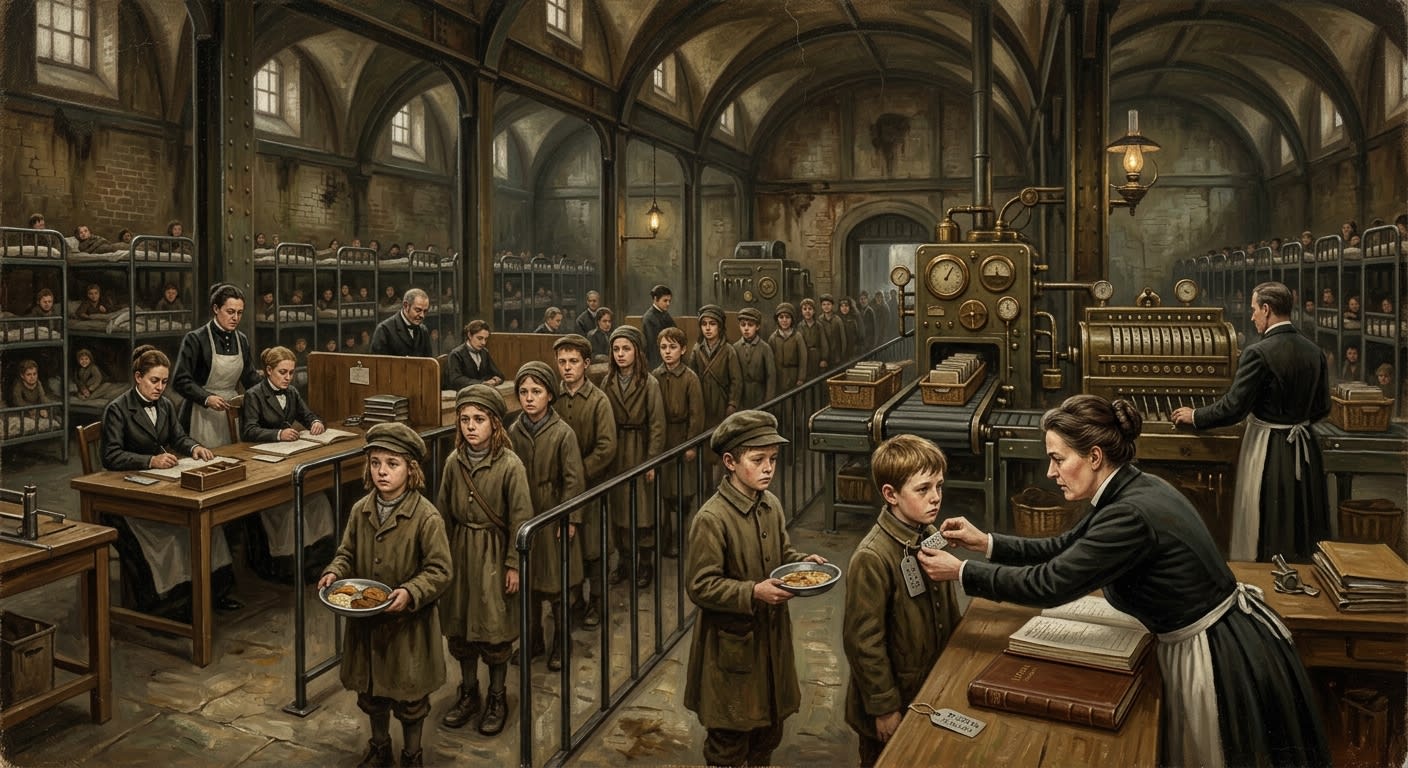
Orphanarii
Mercy with a cot, a tag-punch, and the legal courage to rename a child before breakfast
The Orphanarii are the Synod's state orphanage system: Mercy houses that wash, tag, rename, sort, feed, place, and sometimes erase children until grief becomes legible.
Codex Ref. VIII.2.12-134
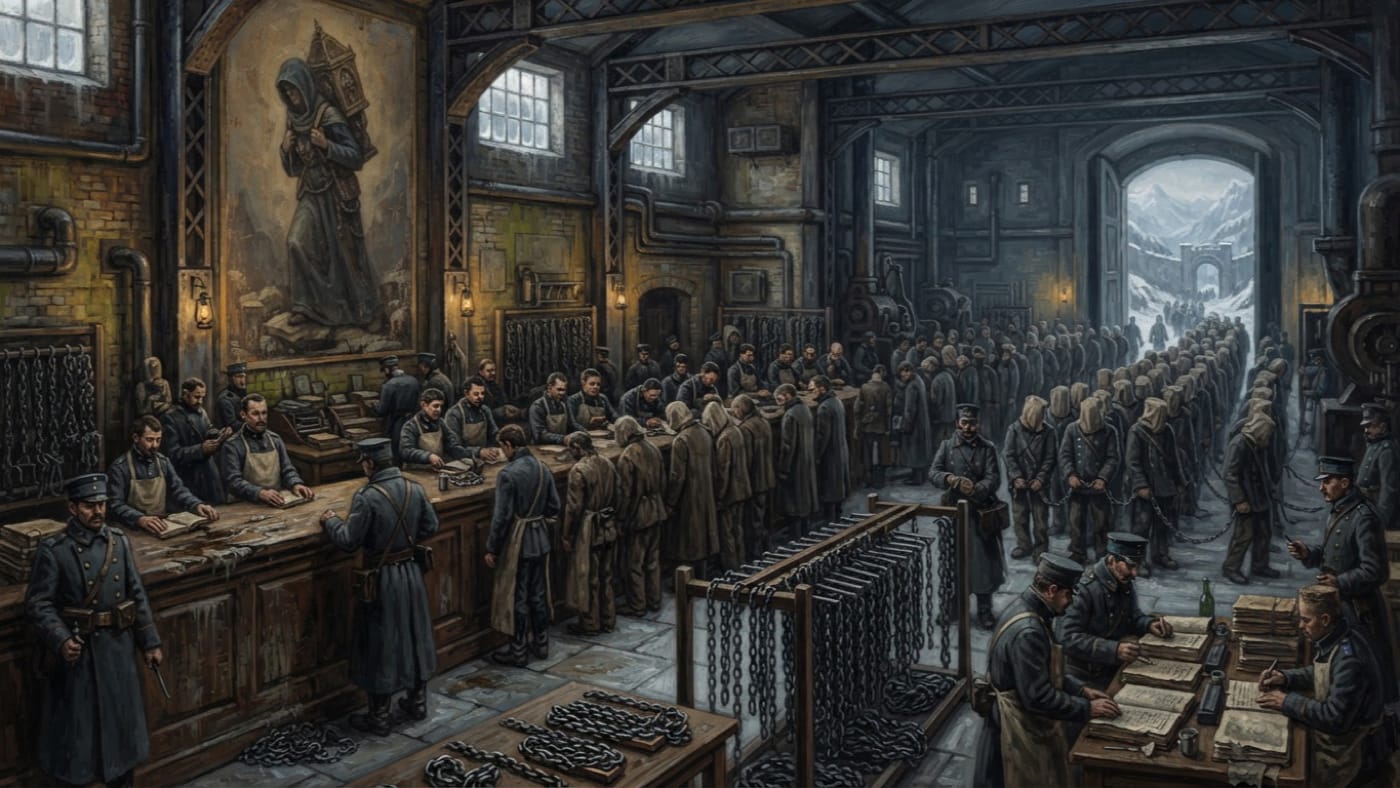
Ossuary Convoy Office
Where the condemned become capacity and the missing become corrections
At Bastion-Przemyśl, the Ossuary Convoy Office grades condemned carriers, issues chains and seals relic cargo. I inspected its immaculate ledgers in A.S. 197. Everything was accounted for; the shackles required no questions.
Codex Ref. II.4.07-197
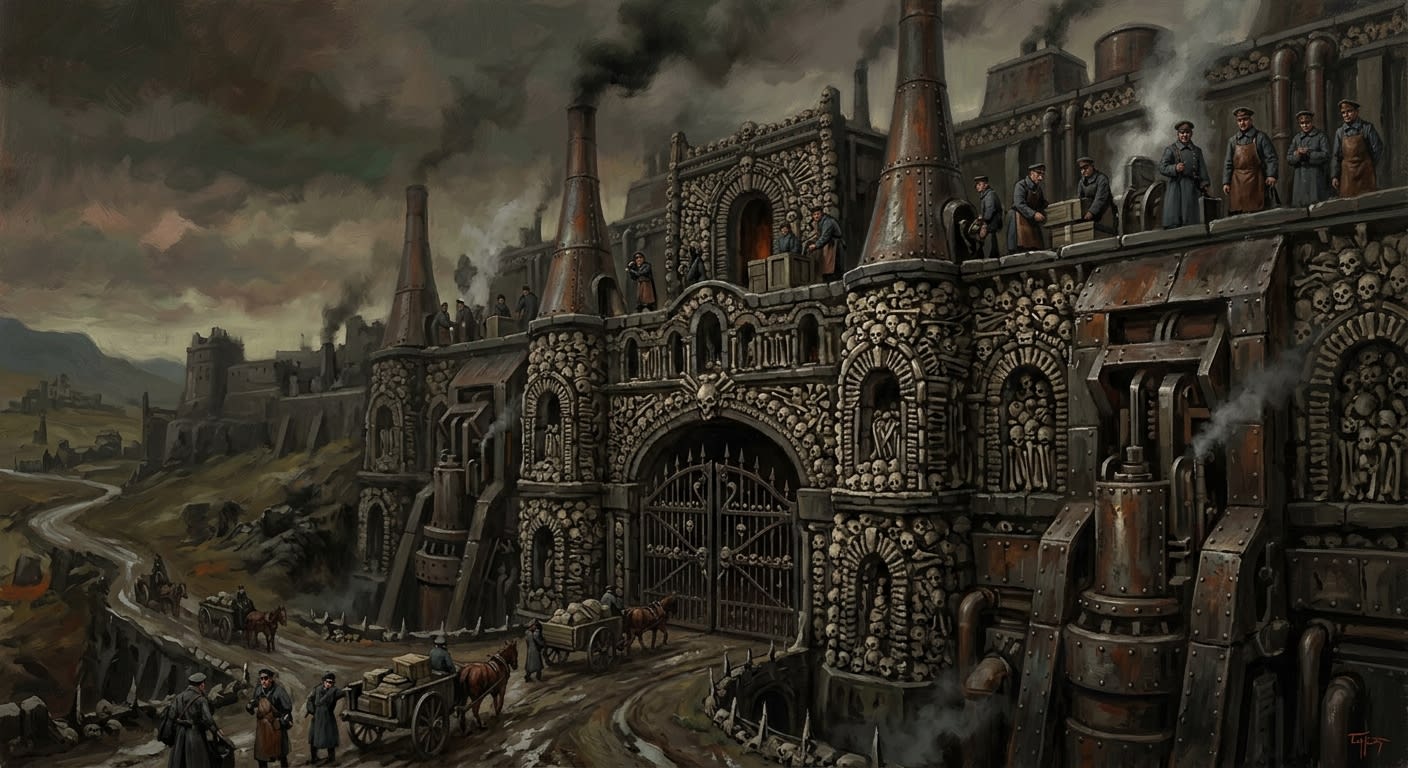
Ossuary Gate of Debrecen
The skull-wall that audits the dead before the marsh may answer
Active gate-fort on the Debrecen exclusion approach, built from branded parish bone and notorious for tolling without a bell when its skulls revise their confessions.
Codex Ref. VI.1.01-002
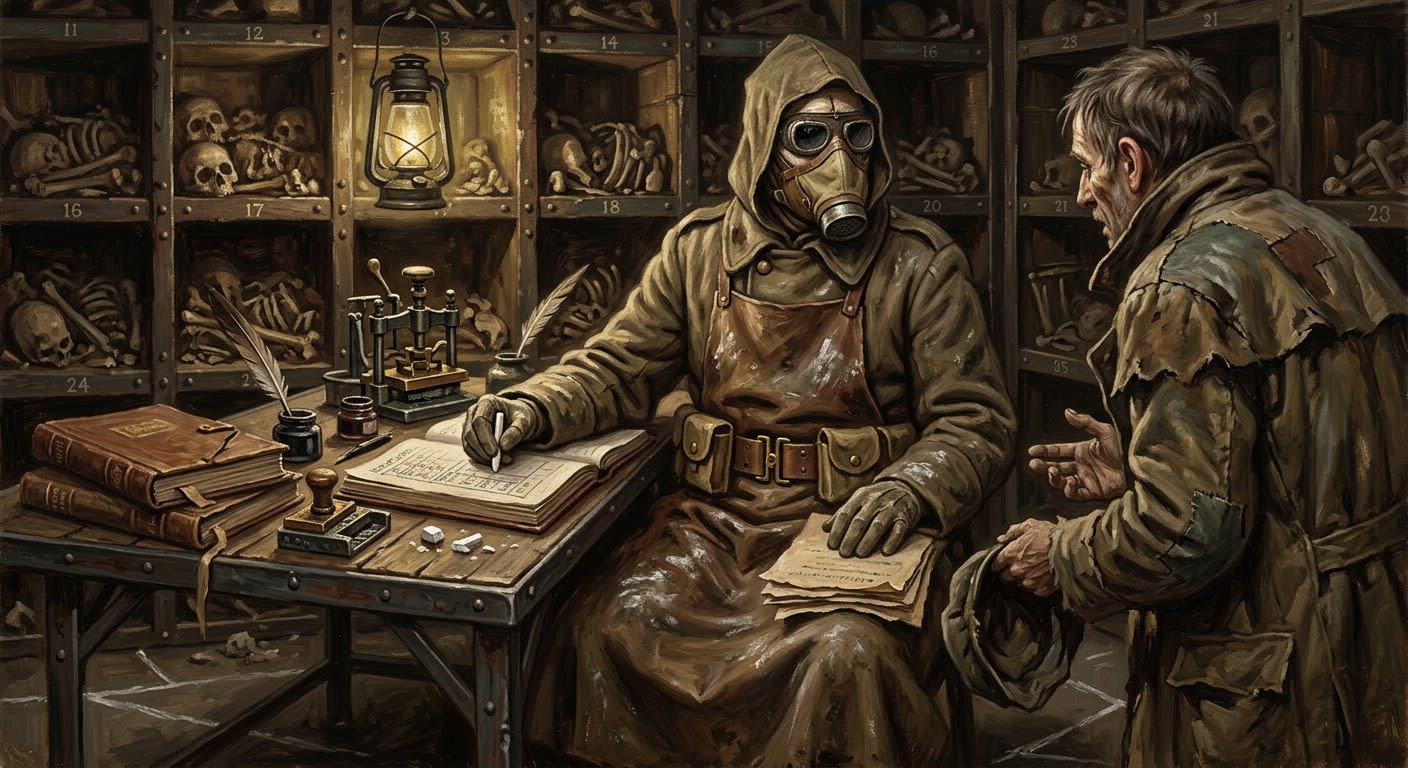
Ossuary Housing Allocator
The wall keeps the dead, and the clerk decides who may cling to it
Ossuary Housing Allocators sell dryness, bell-coverage, and sanctioned sleep beside the dead, converting overflow, grief, and fear into chalk lines and rent.
Codex Ref. VI.4.11-052
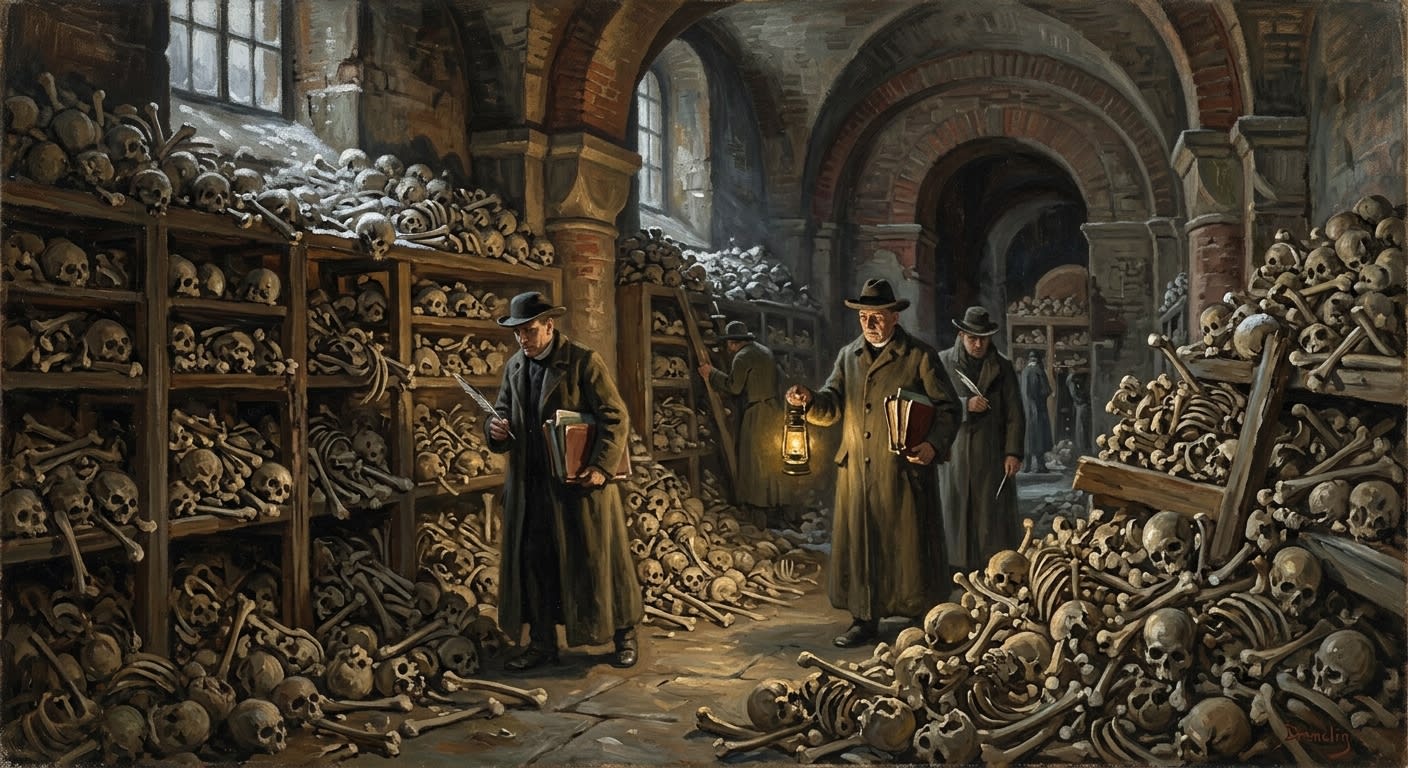
Ossuary Overflow Winters
The season when the dead exceeded the shelves and the wall learned appetite
Three A.S. 73–76 winters of forward ossuary collapse, suppressed ratios, frozen ledgers, and chapel overflow that taught the Synod to prefer sanctified walls to crowded shelves.
Codex Ref. VII.4.25-002
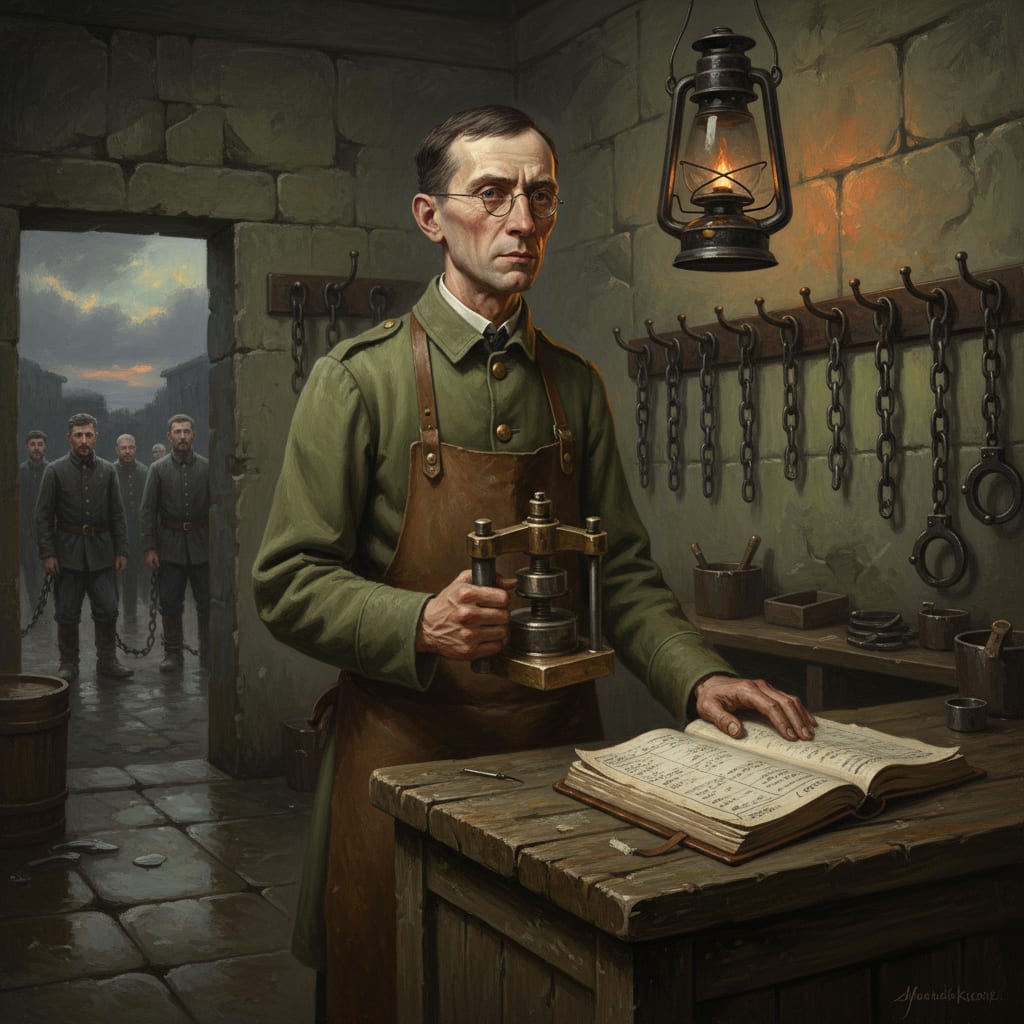
Ossuary-Draft Handler
Sanctioned freight-keeping; or, how the condemned earn their redemption by the pound
The Ossuary-Draft Handler converts the condemned into transport capacity. Licensed under joint writ of the Bureau of Rites and Bureau of War, he decides whether a human body is worth forty pounds over twenty miles.
Codex Ref. XII.27.01-001
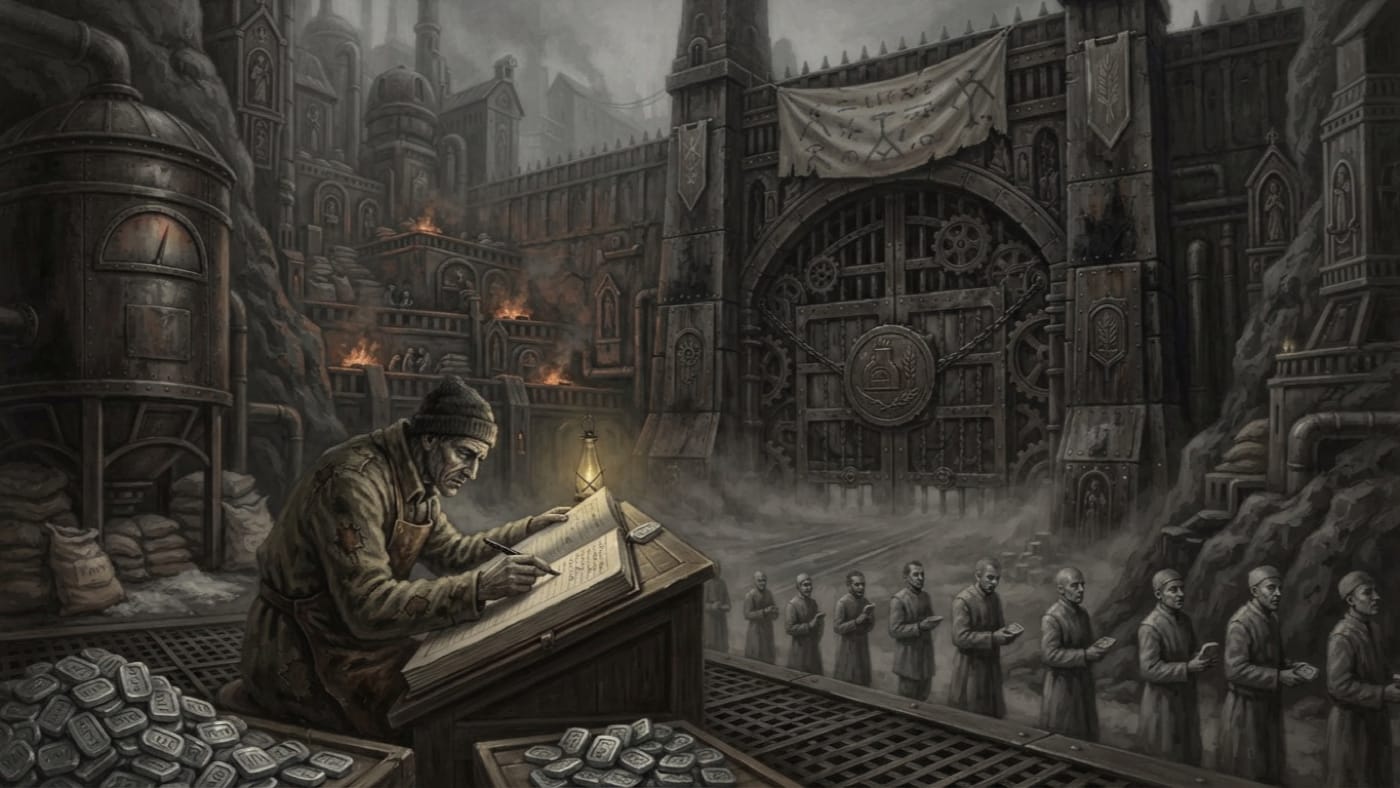
Oven Quartermastery
The token proves you exist. The debt survives its loss.
San Vesta's Oven Quartermastery controls flour, coal and the tokens that entitle a name to bread. Ashweight feeds the priory's labour debt and its military standing order; with the convoy late, he has sealed the gates and begun the count.
Codex Ref. VIII.1.03-002
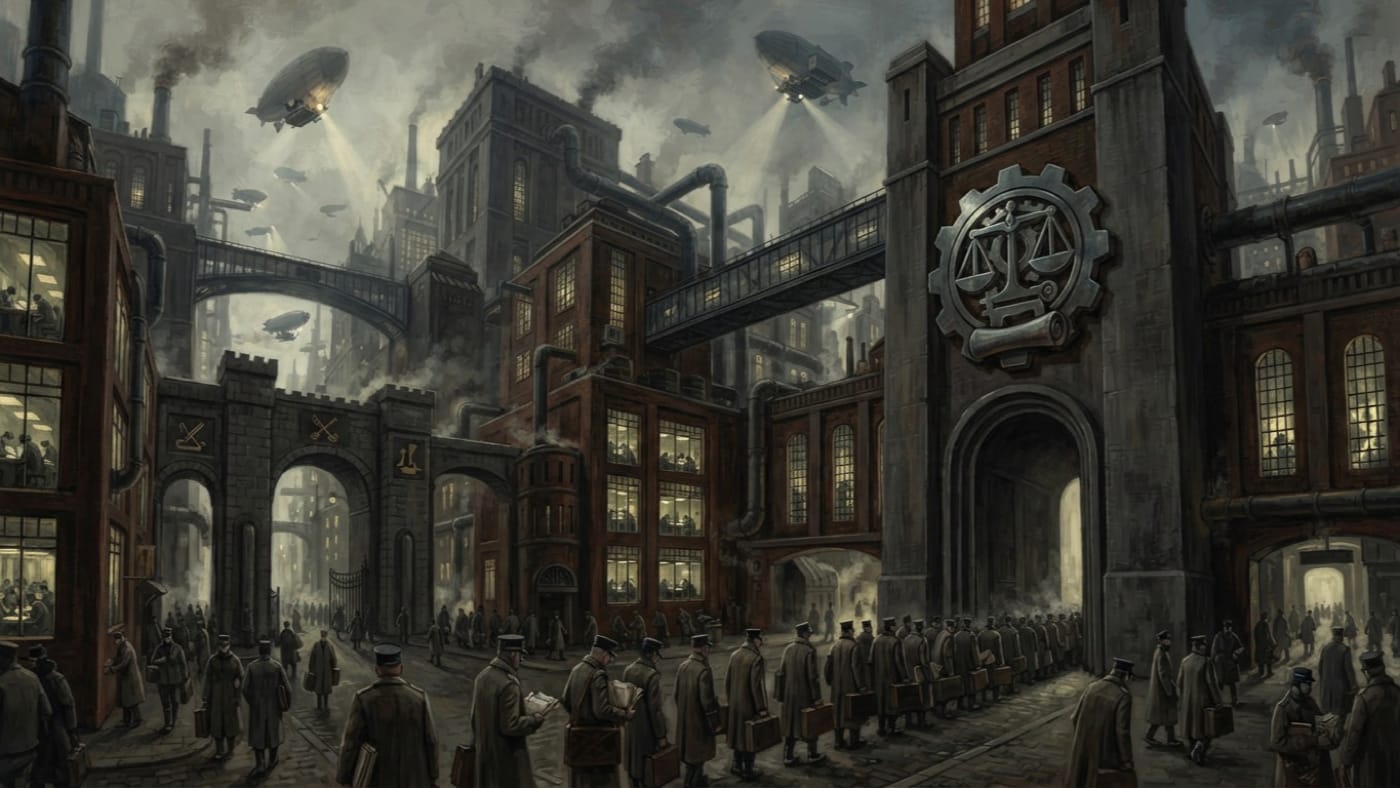
Padua
A University City Whose Questions Return Unopened
An A.S. 201 survey of Padua, university city of the Central Heartlands. Seven professors went to Strasbourg; the University's enquiries returned unopened. The names became clerical errors.
Codex Ref. III.2.01-2065
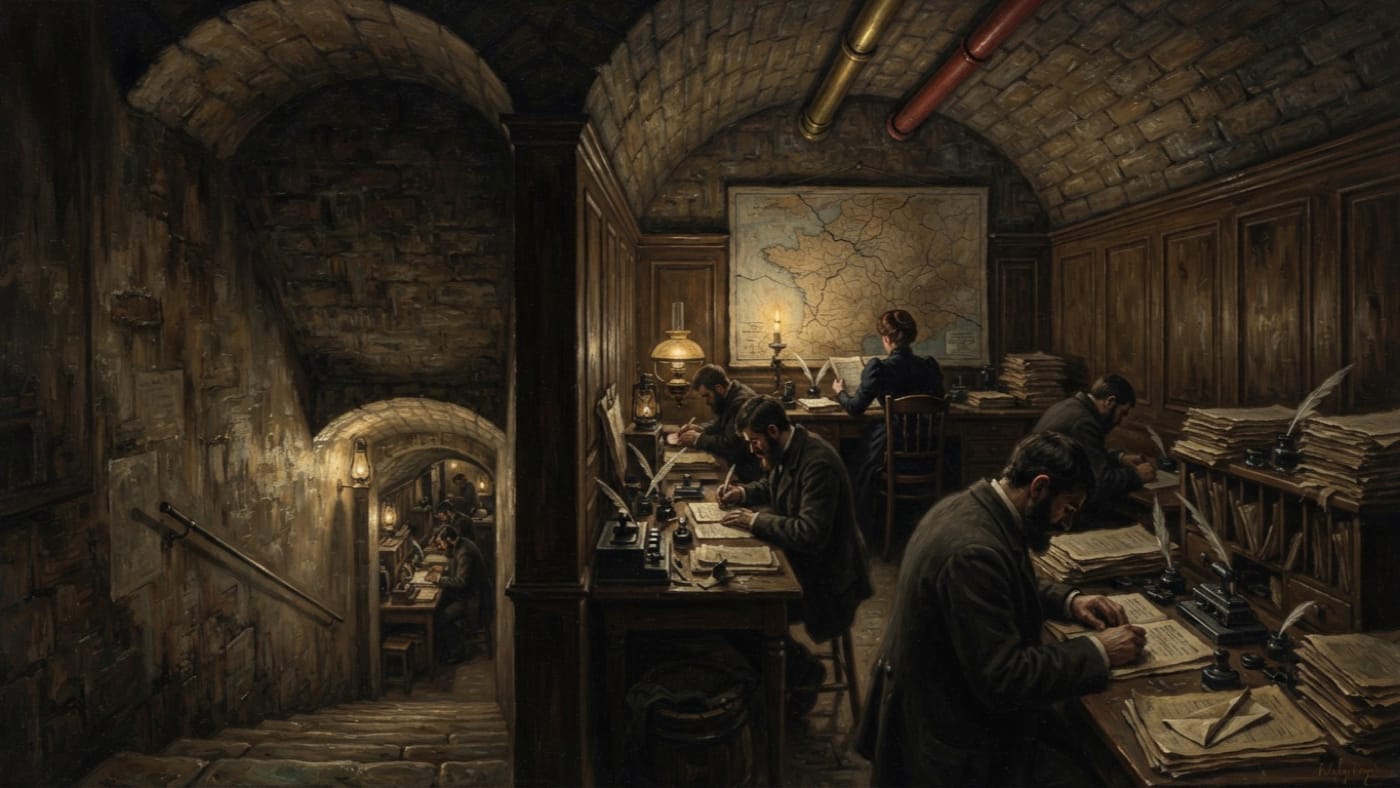
Palatine Administrative Wing
Rank ascends. Settlement descends.
The Palatine Administrative Wing stacks Tithes above Records above Settlement, whose wine-cellar offices decide where three hundred million subjects may sleep. In Strasbourg, dependence is measured by how far one must descend.
Codex Ref. II.2.08-201
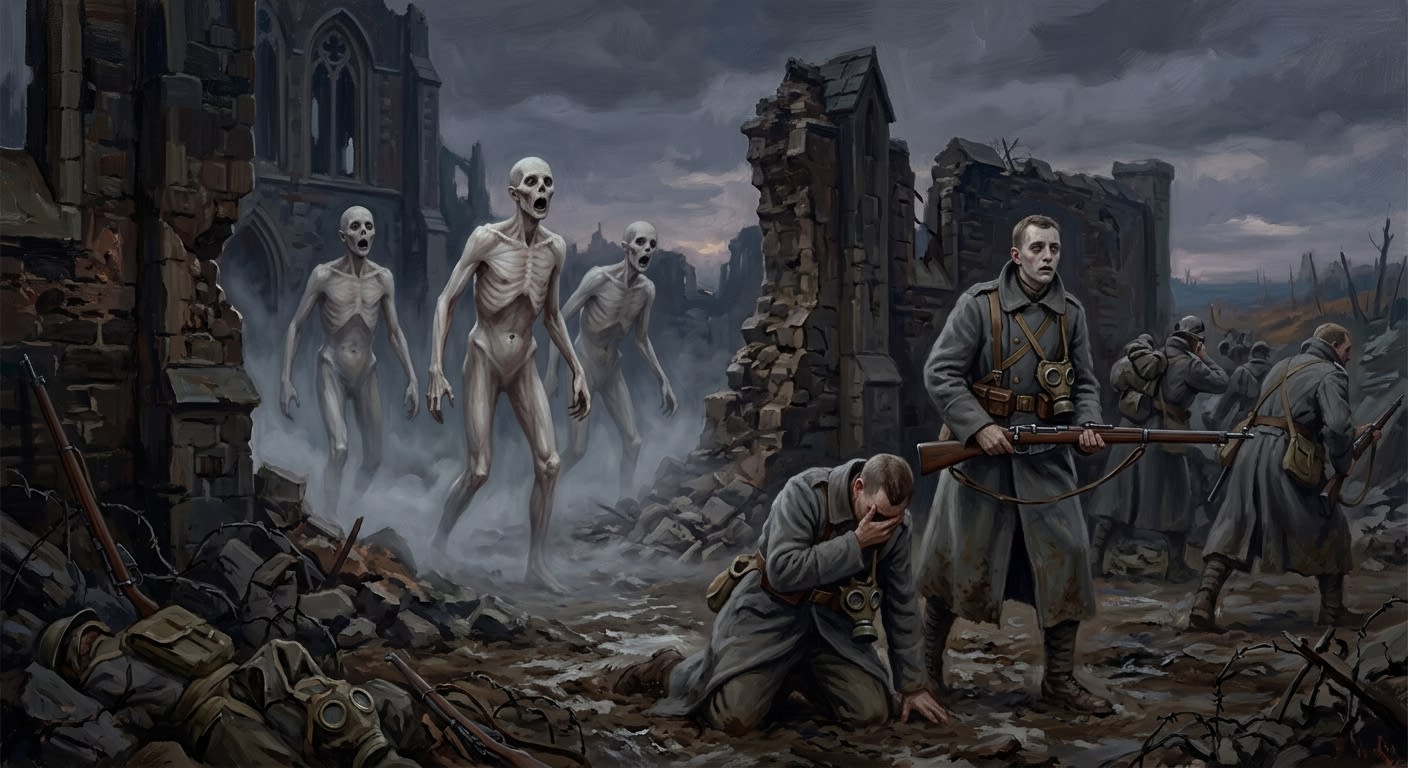
Pale Chanters
They do not sing. The Bureau is, as always, correct. And the Chanters keep singing.
Former humans animated by an unsanctioned hymn that evacuates the will to fight from every soldier within earshot. Classified as involuntary sorcerous emission, Category Epsilon. The Bureau forbids calling it song.
Codex Ref. IX.1.06-001

Pale Kin Runner
What the Bureau calls inventory discrepancy; what the mothers call salvation
The Pale Kin Runner is a child-smuggler, a midwife's heir, and the Bureau of Conscription's oldest unsolved arithmetic problem. She intervenes between birth and stamp. The Synod calls this heresy.
Codex Ref. XII.28.01-001
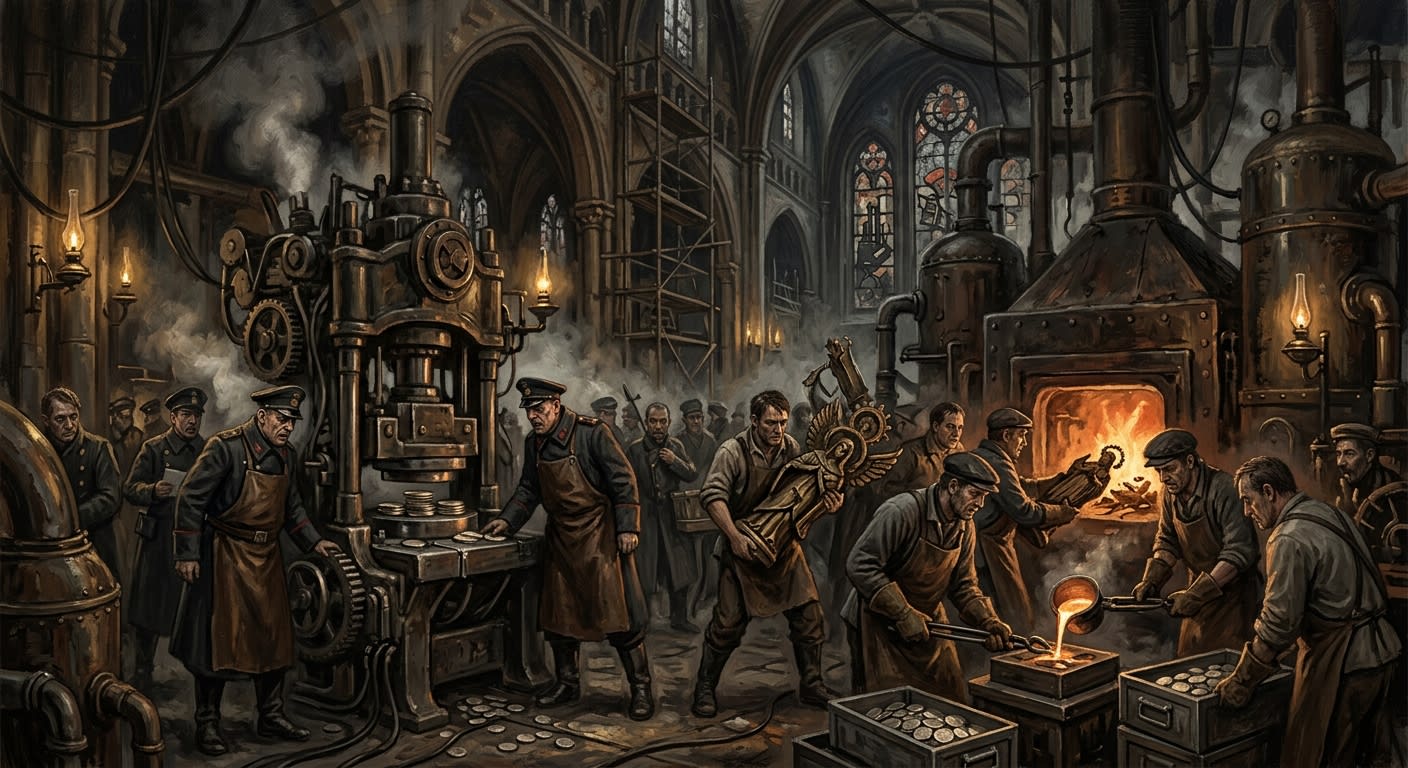
Panic of Wrath's March
Wrath did not enter Aachen; Aachen paid anyway
A.S. 160 gave Aachen no siege, no breach, and no Maldrake at the gate — only fear hot enough for Tithes to melt saints into coin.
Codex Ref. VII.8.10-160
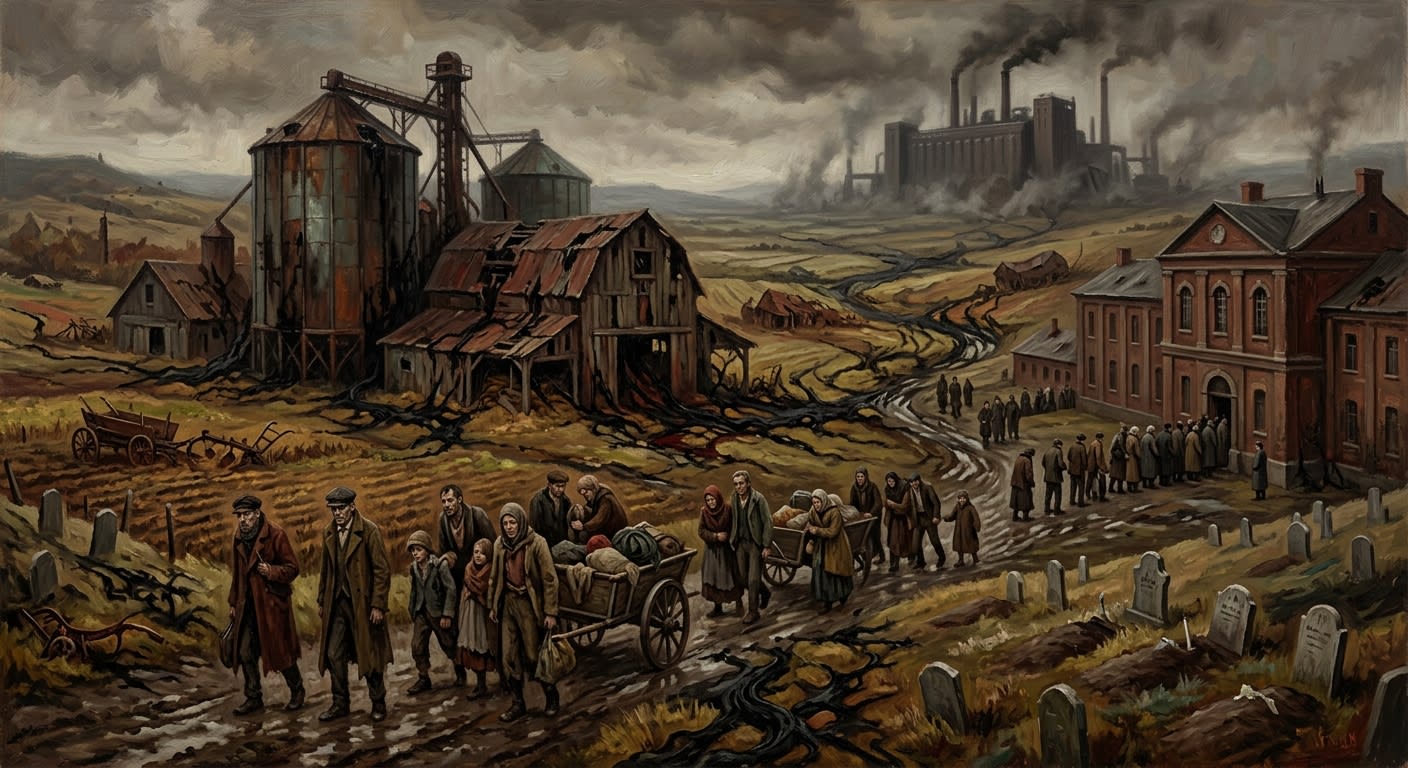
Pannonia
The bread basin that learned appetite
Pannonia was the basin that fed empires before Kargath taught its barns to hunger, its graves to want, and its maps to rot into accusation.
Codex Ref. II.4.09-045
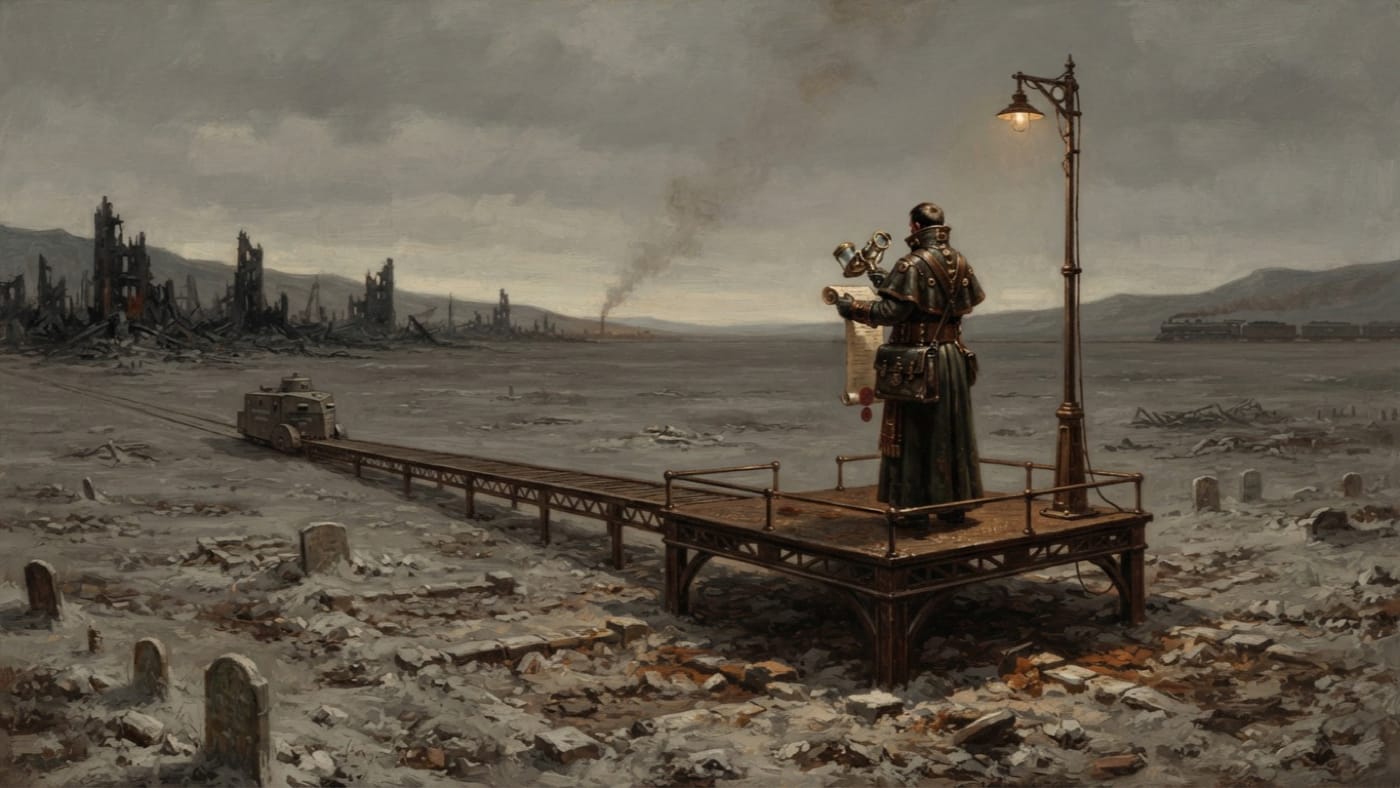
Pavia
The diocese whose stipend outlived its people
Pavia was razed in the Sundering of A.S. 45. Its diocese remains on the rolls, its Bishop-Praetorial paid to issue decrees and inspect an absence.
Codex Ref. II.1.12-045
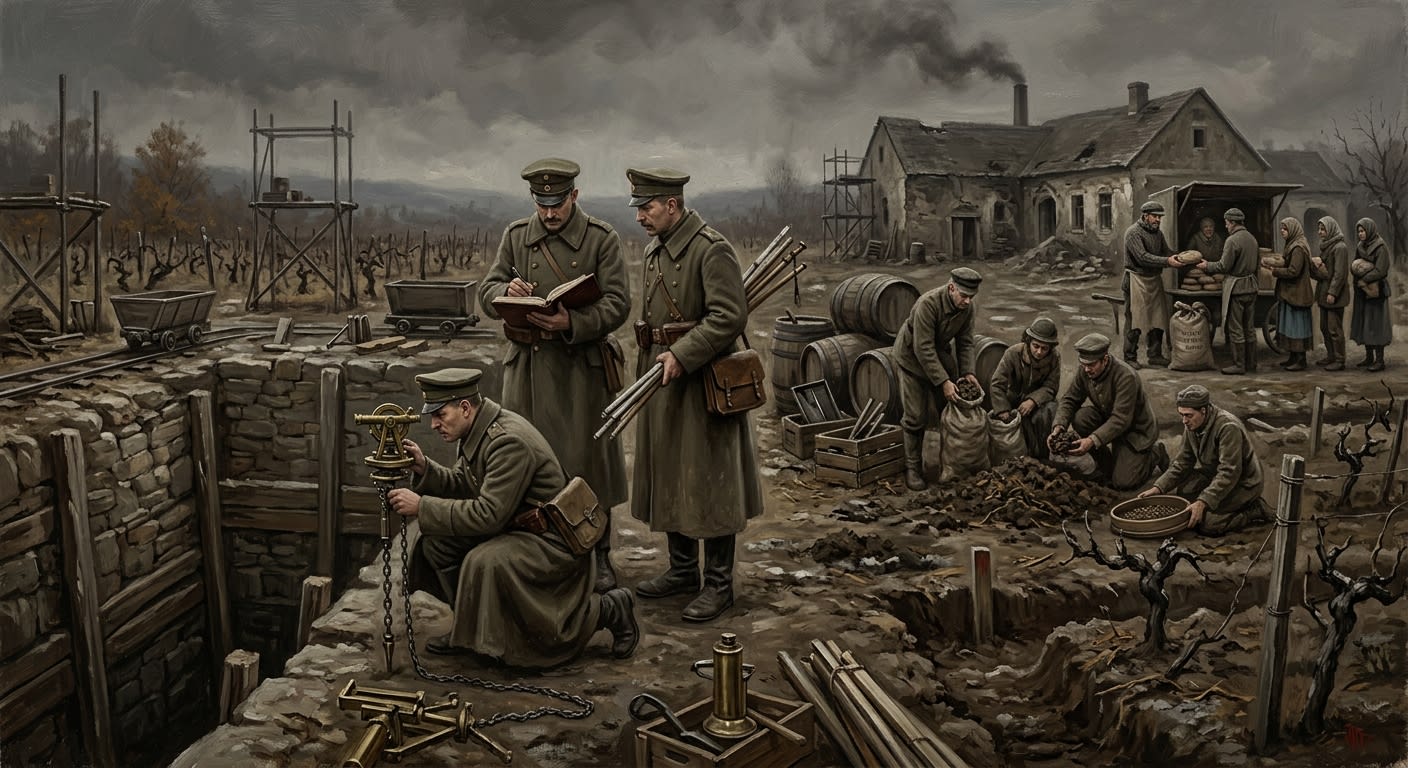
Pécs
The town where bread became evidence
Pécs is the vineyard ruin where Famine Pit measurement, Abundance Field proof, and Kargath's useful bread made hunger legible to the Ledger.
Codex Ref. II.4.09-147
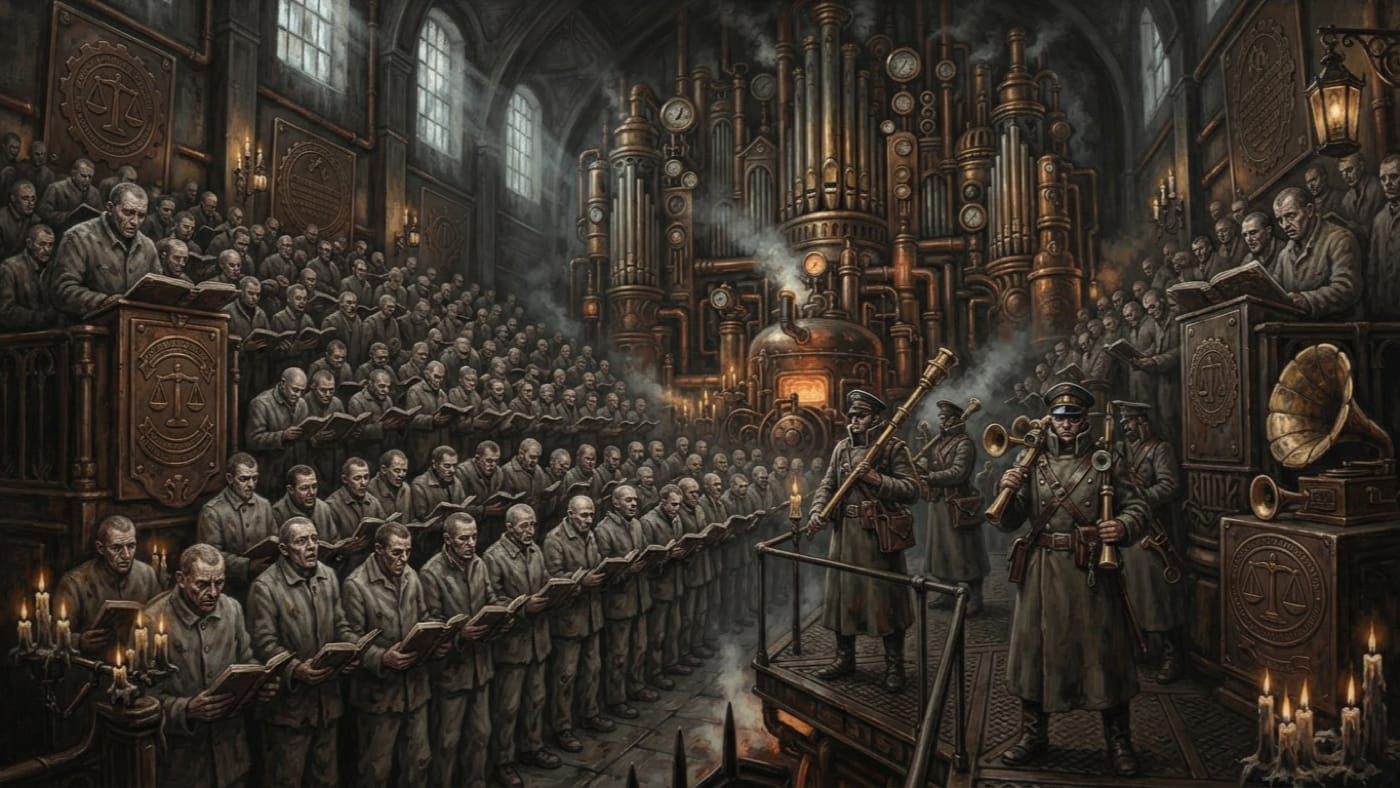
Penal Choir
The condemned supply the voice. The Bureau supplies the words.
An A.S. 201 survey of penal-choir assignments, compelled licensed singing and denunciation bargains. The Bureau can certify that the condemned sang the correct words. Belief requires a different form.
Codex Ref. VI.3.01-201
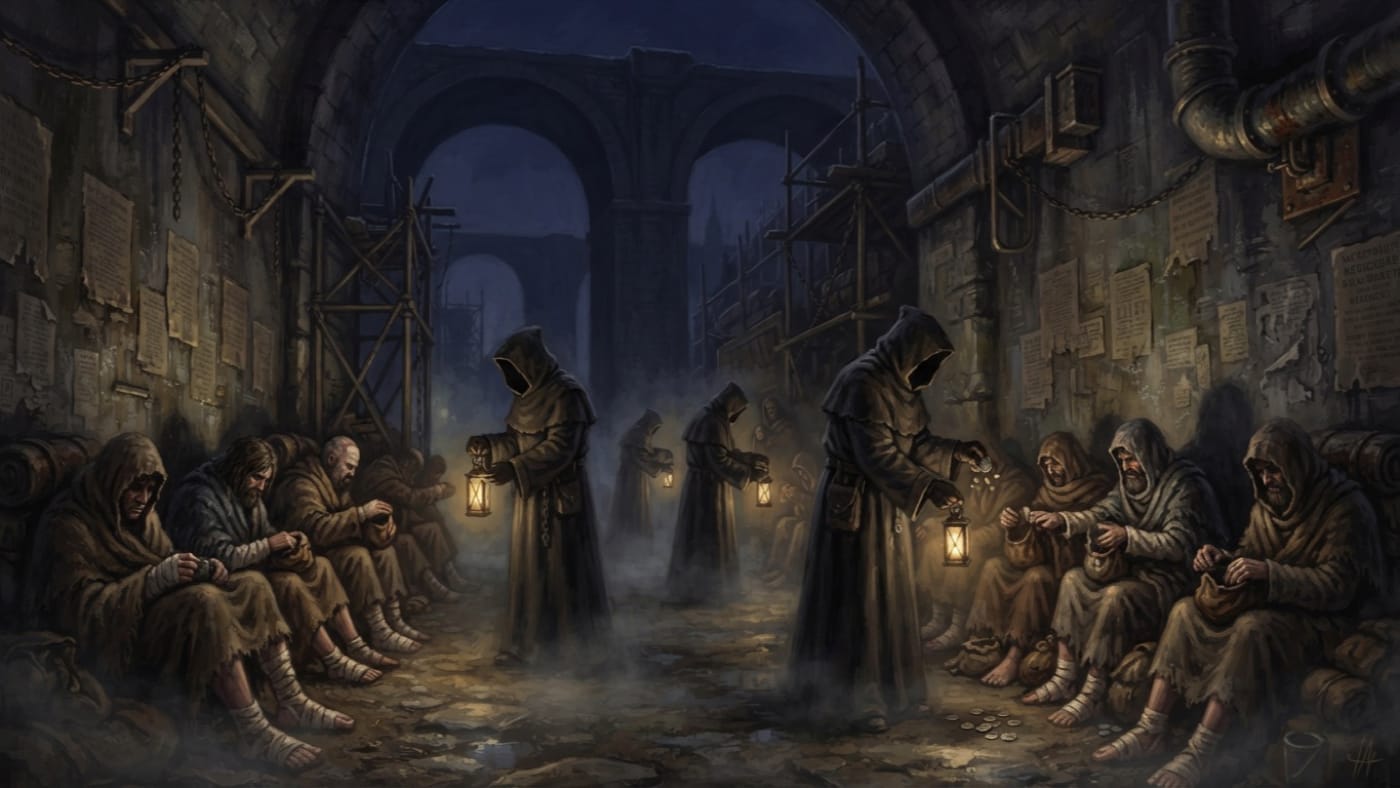
Penny Collectors
The arches close. The collection continues.
At Griefgate, robed Penny Collectors take coin from pilgrims after the arches close. Their brass lanterns are recorded; their authority and accounts are not.
Codex Ref. XII.7.04-001
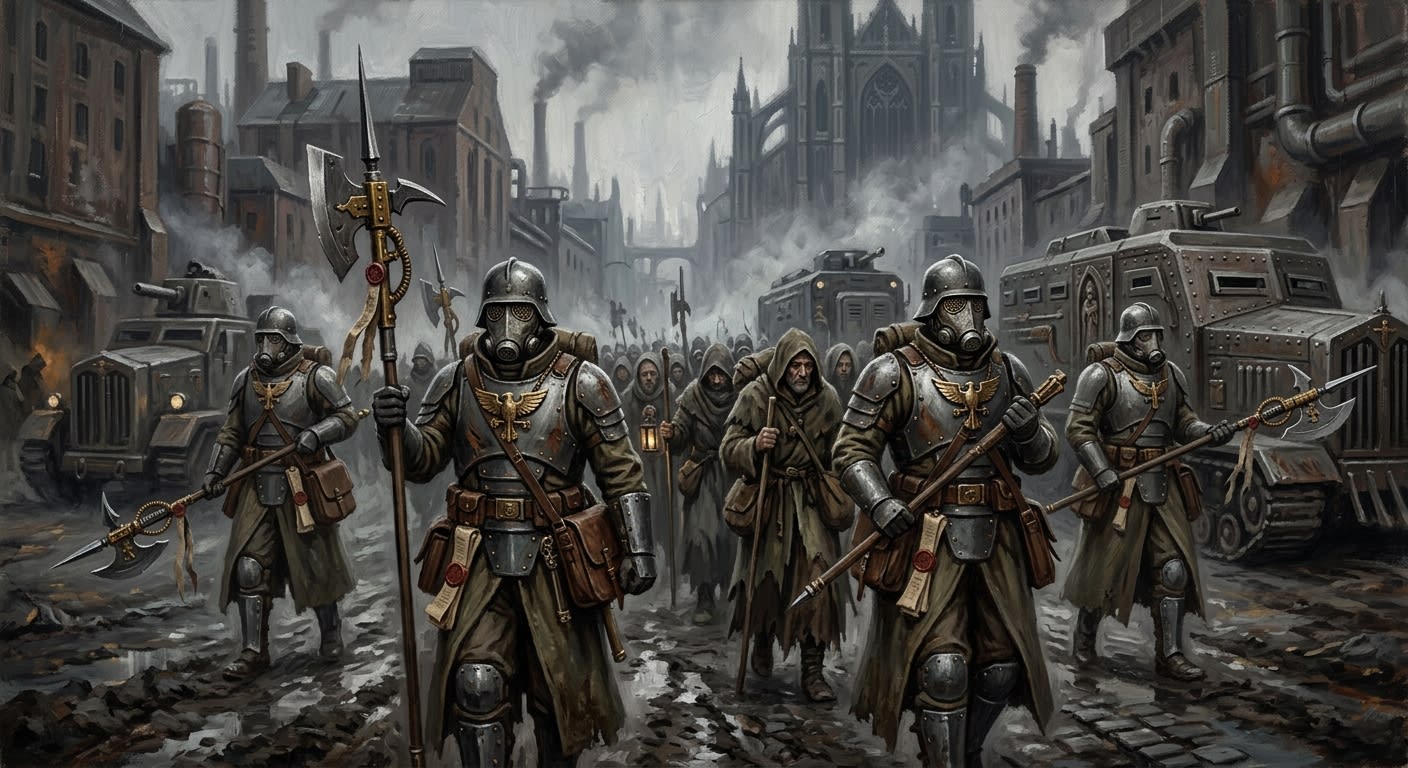
Peregrine Wardens
The walking seal that keeps pilgrims profitable and roads holy
The Peregrine Wardens are the Bureau of Pilgrimage's armed road-enforcement arm, escorting pilgrims, voiding licences, dissolving guilds, and proving that holy travel walks best under halberd and seal.
Codex Ref. VIII.7.04-001
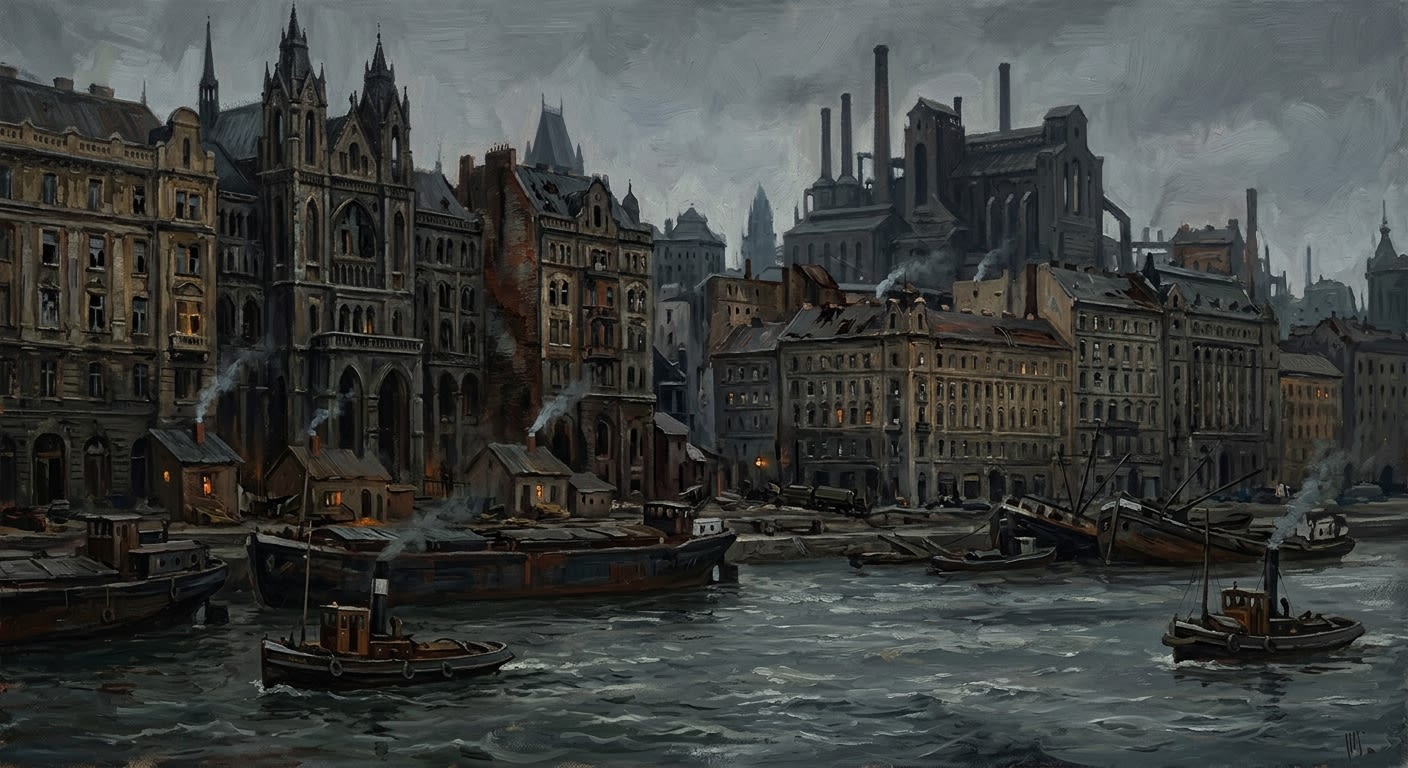
Pest, Abandoned Bank
The empty city that keeps answering without being called
Pest is the eastern bank of Budapest: declared Vacated in A.S. 120, visible across the Danube, annually confirmed, and inconveniently less empty than doctrine prefers.
Codex Ref. II.4.09-012
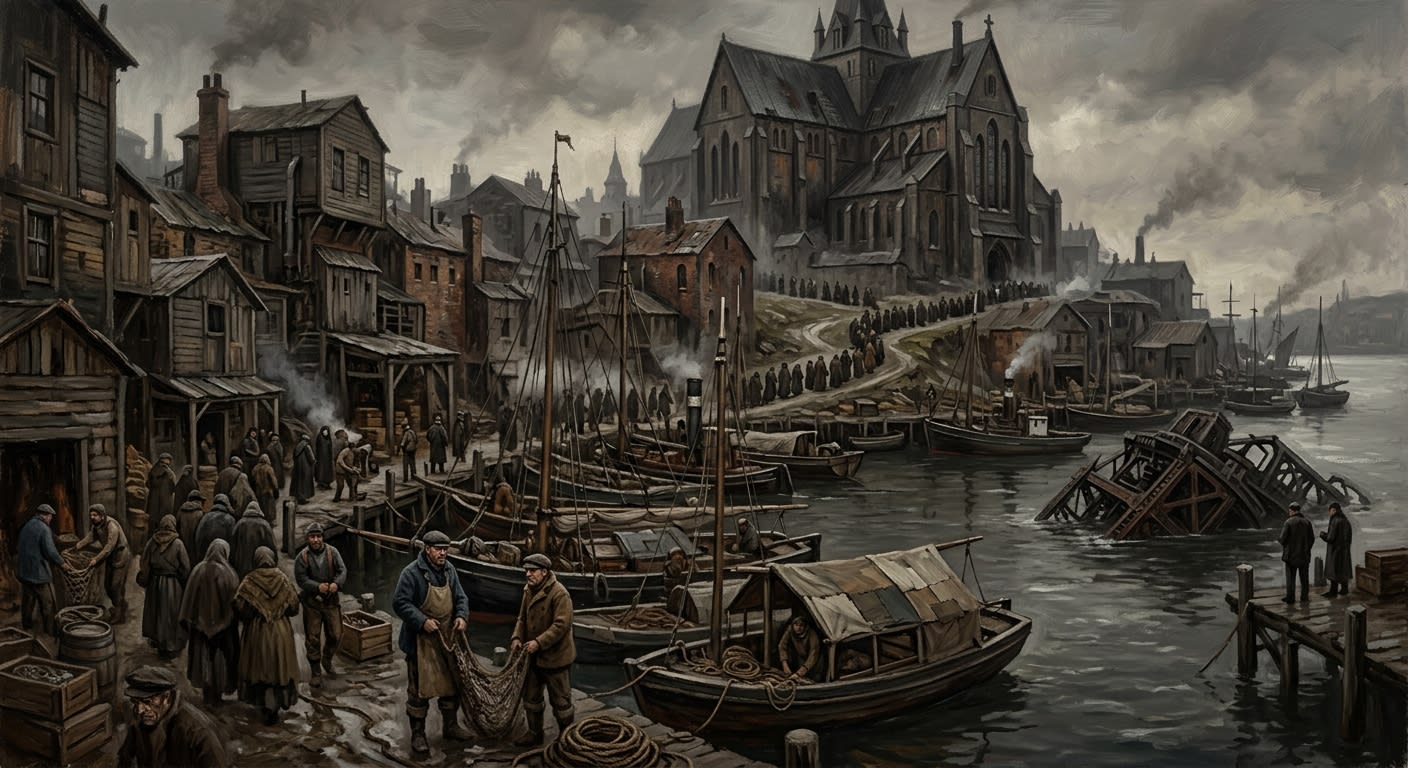
Phaleron Bay
The fishermen count boats because the water has learned names
Phaleron Bay is the Bosphorus inner approach's fishing ward, smuggling pocket, pilgrim nuisance, and quiet witness to the Iron Idol that waits below.
Codex Ref. II.4.09-189
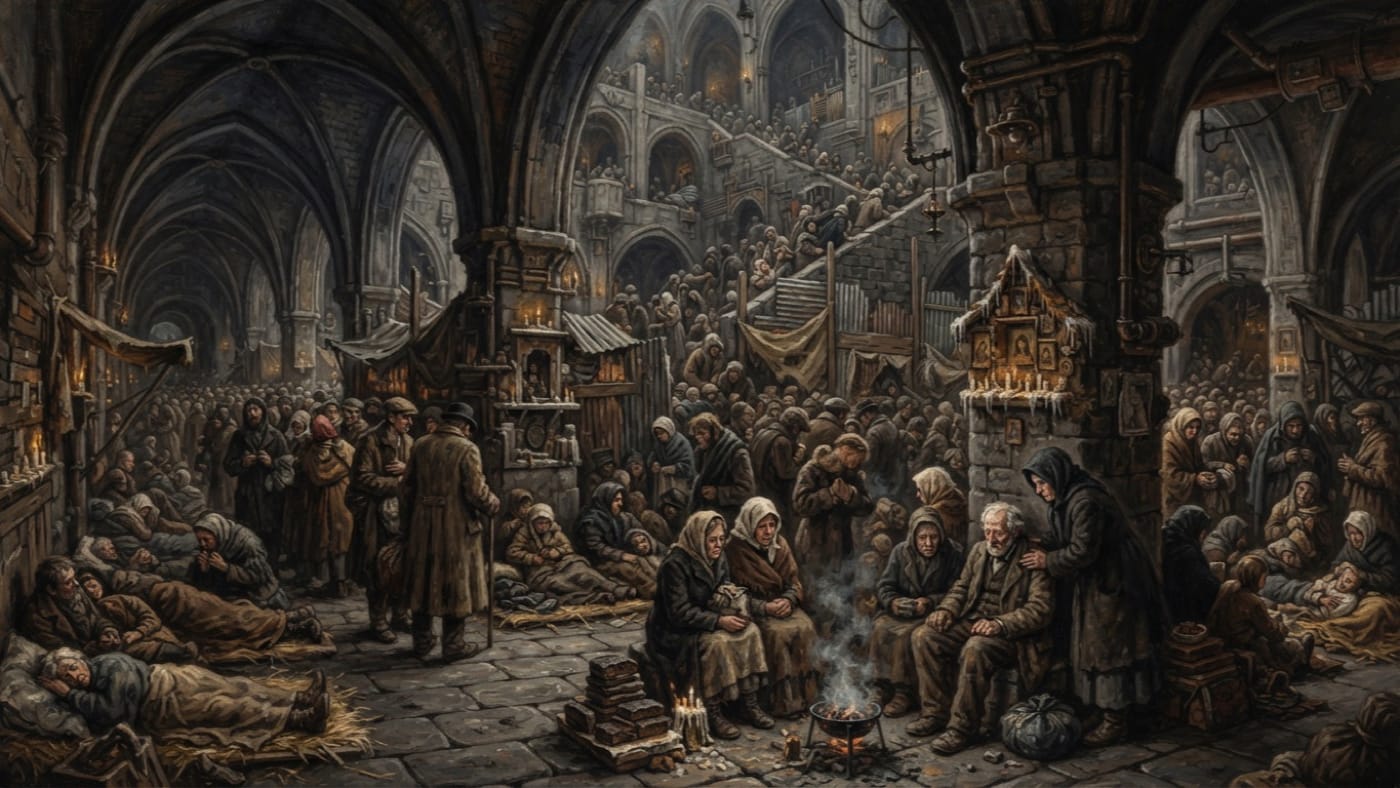
Pilgrim Dormitories
Three days of borrowed life. A lifetime entered in the ledger.
Converted cloisters at San Vesta hold pilgrims awaiting resurrection-bread and debtors bound to recovery service. The vigils demand three more days; the ledger records a lifetime.
Codex Ref. VII.1.03-005
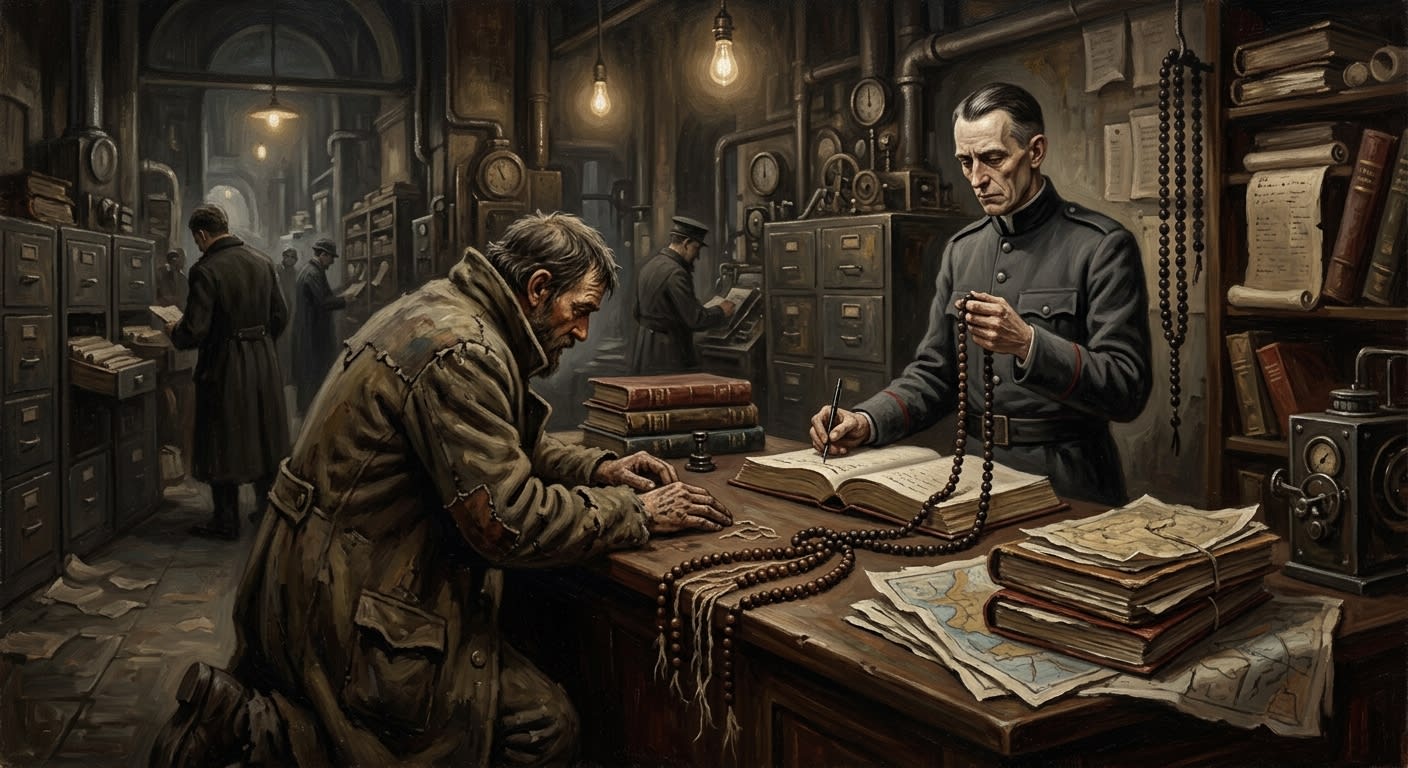
Pilgrim Reconciliation Statutes
Correction is salvation, provided the fee clears
The Pilgrim Reconciliation Statutes made mercy countable: bead strings, route errors, confession addenda, second strings, debt, and sanctioned delay.
Codex Ref. XIII.1.72-097
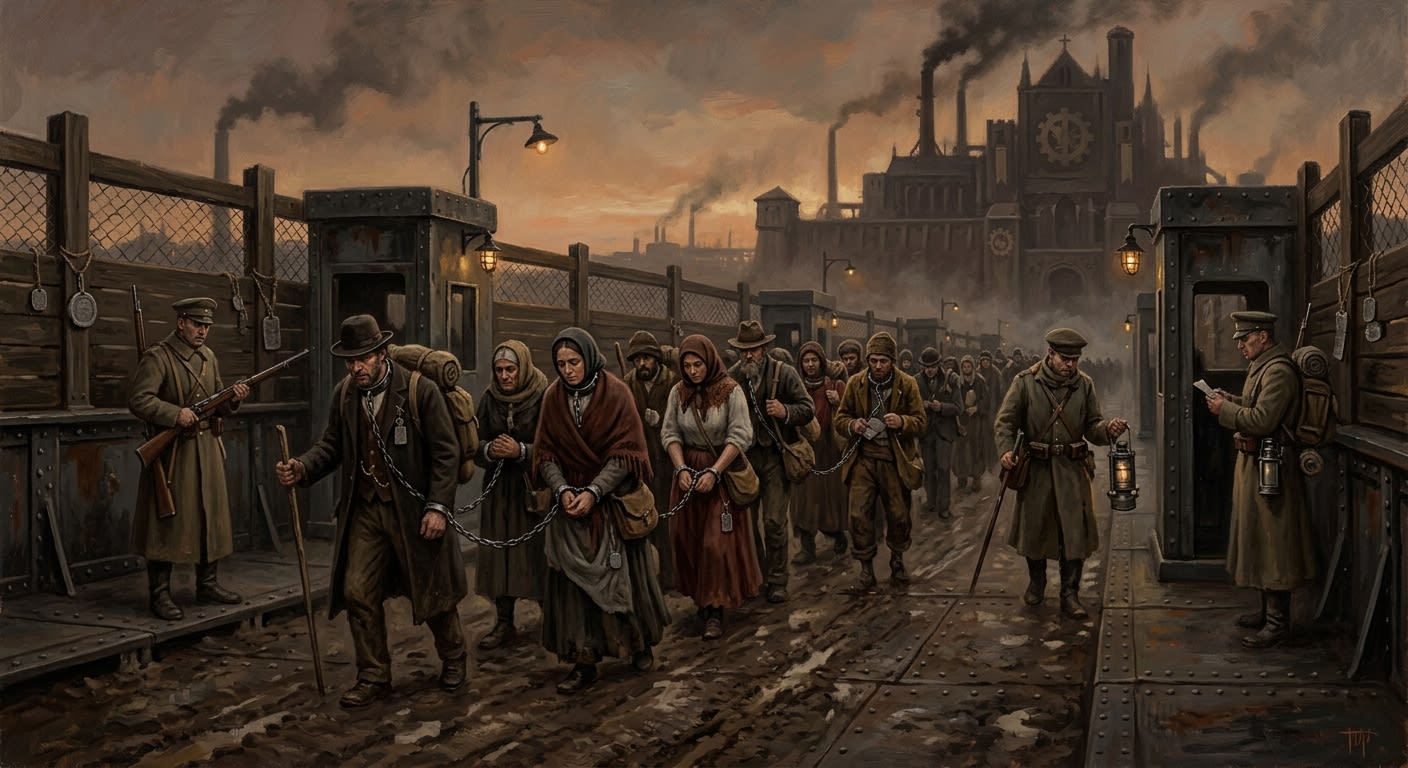
Pilgrim Roads
Sanctity is motion under witness, and witness under invoice
The Pilgrim Roads made walking obedient: licensed motion, tolls, tokens, chains, grief, delay, and low earth holiness under seal.
Codex Ref. XIII.1.86-094
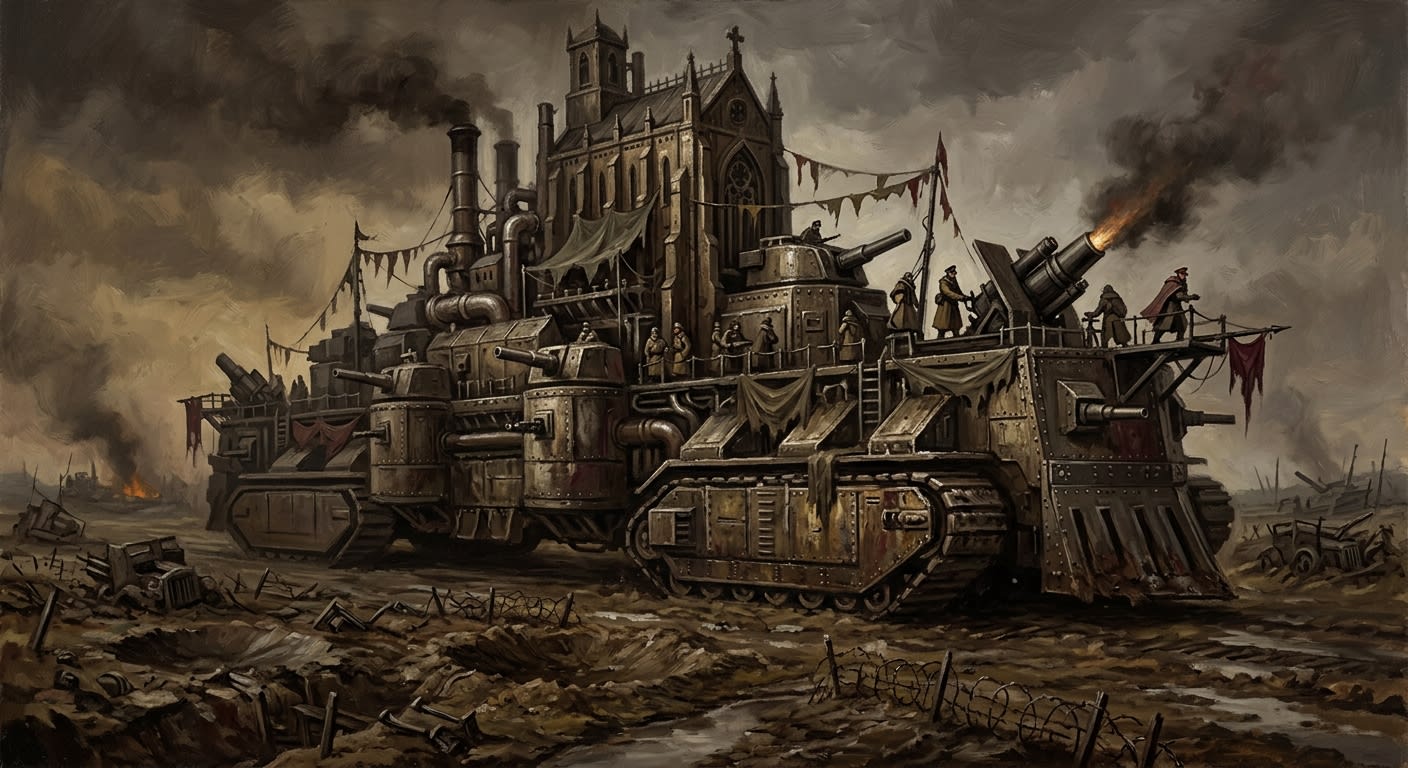
Pilgrim's Ladder
The prototype land-ship that taught artillery to process, pray, and correct crowds by recoil
Prototype diesel shrine-artillery land-ship commissioned in A.S. 110, source of the Processional Arsenal and every later sermon delivered by mortar.
Codex Ref. XIII.1.34-002
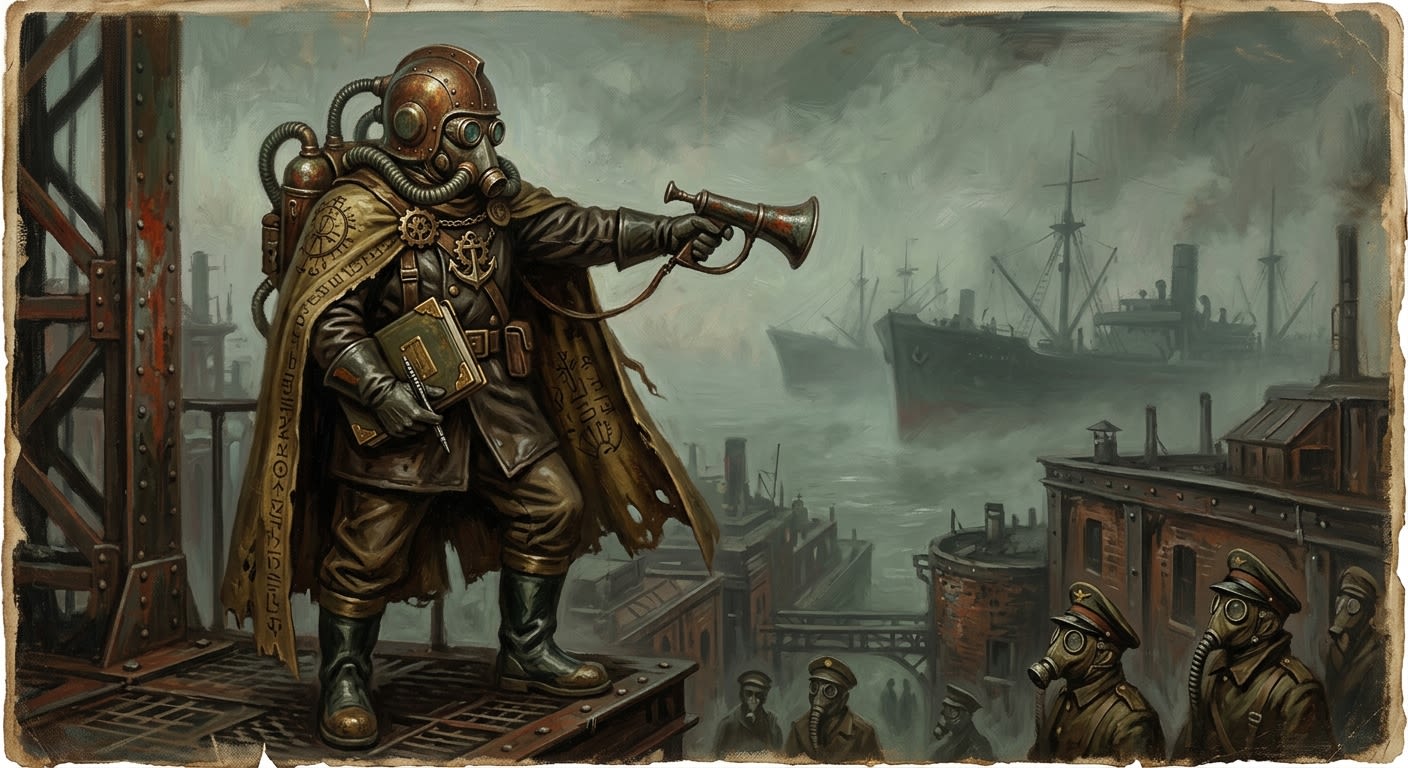
Pilot-King Nenos
The unlicensed crown that knows when the water is listening
Pilot-King Nenos is Thessaloniki's unlicensed harbour sovereign, infamous for refusing every passage during the A.S. 198 Silence because the sea listened too hard.
Codex Ref. III.2.01-036
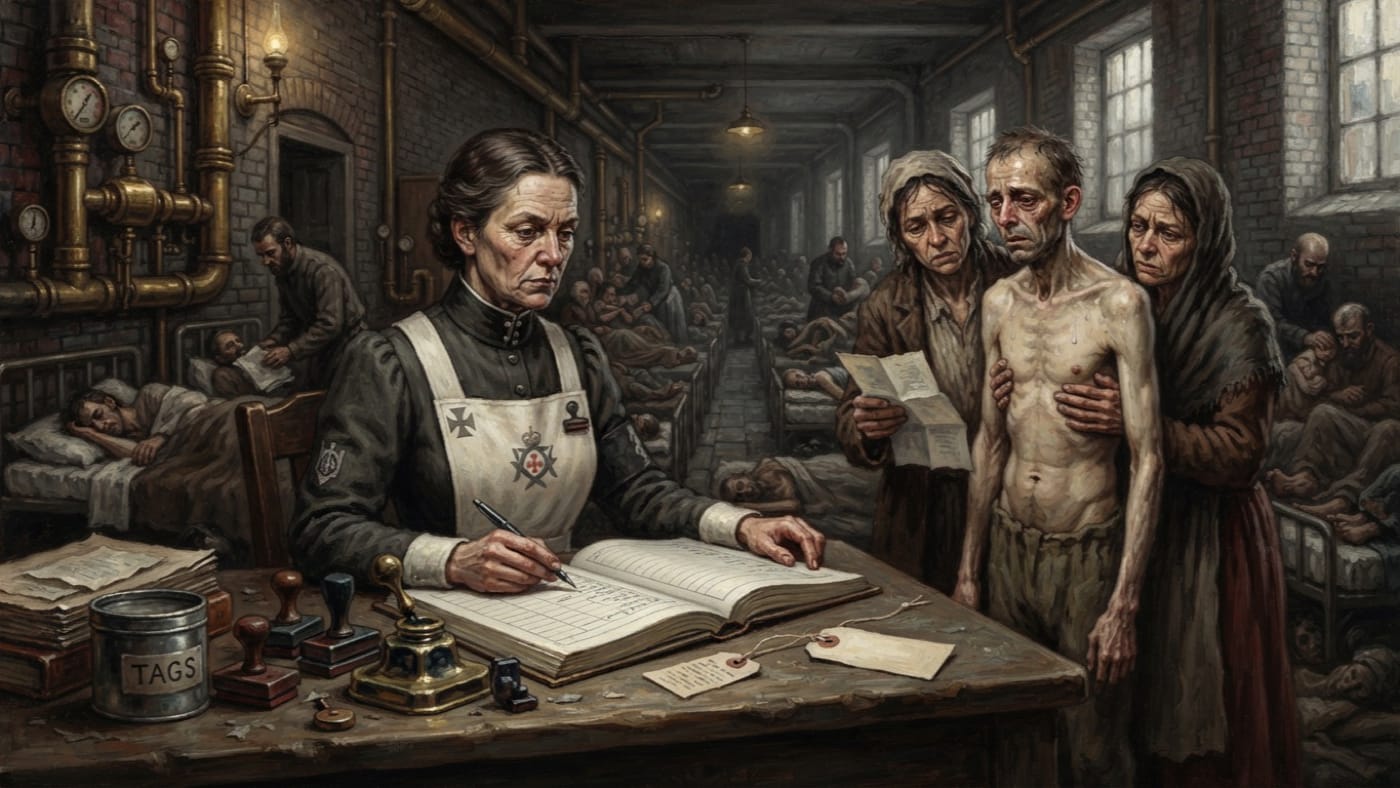
Pity-Clerk
The ledger is correct; the patient is still waiting
A Pity-Clerk is a Mercy ward-hand accused of loving forms more than patients. Clean-zone tags wait for signatures or fuel chits; the ledger can remain immaculate.
Codex Ref. XII.6.04-002
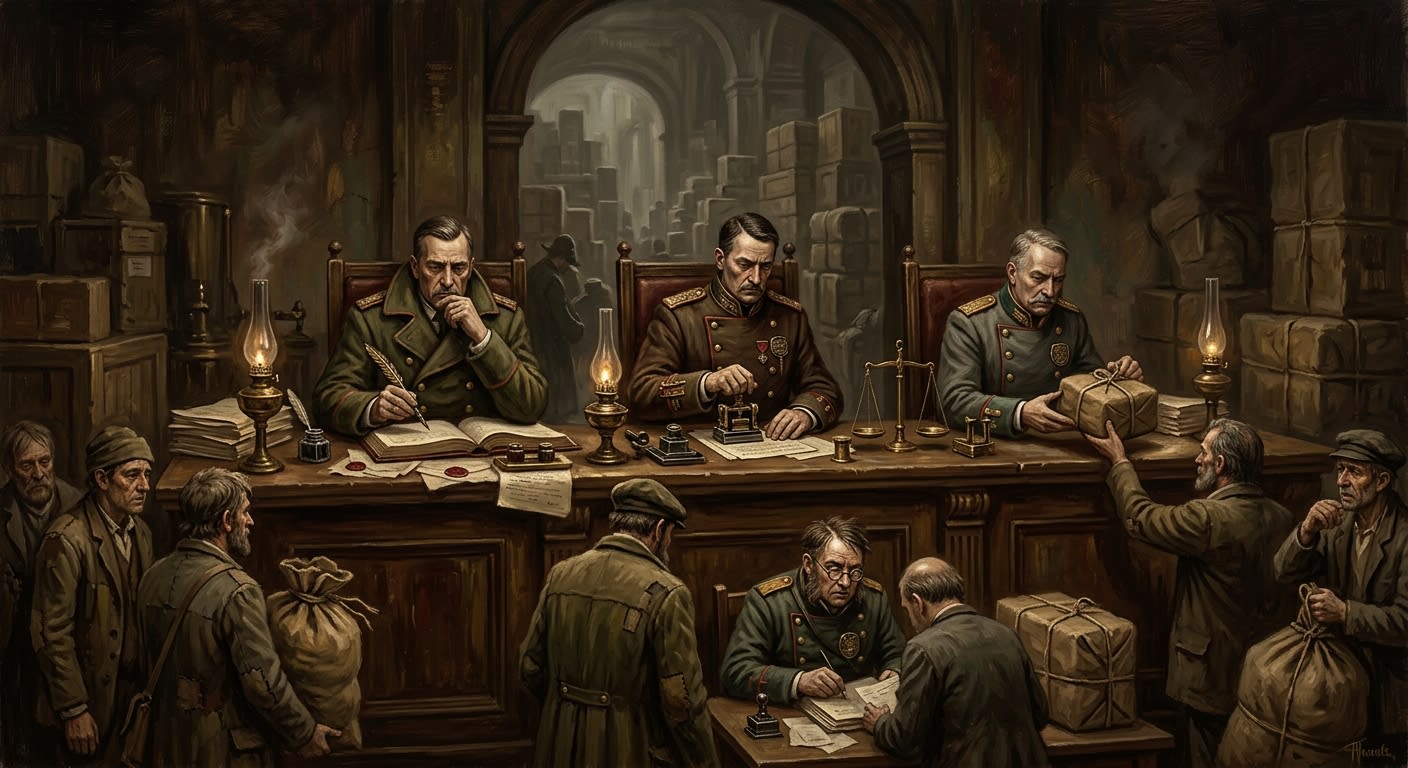
Port Court
Where cargo waits while permission proves it has a soul
The Port Court names cargo before mercy may touch it: a Commerce bench where sacks become law, law becomes delay, and delay invoices the hungry.
Codex Ref. XIII.1.89-112
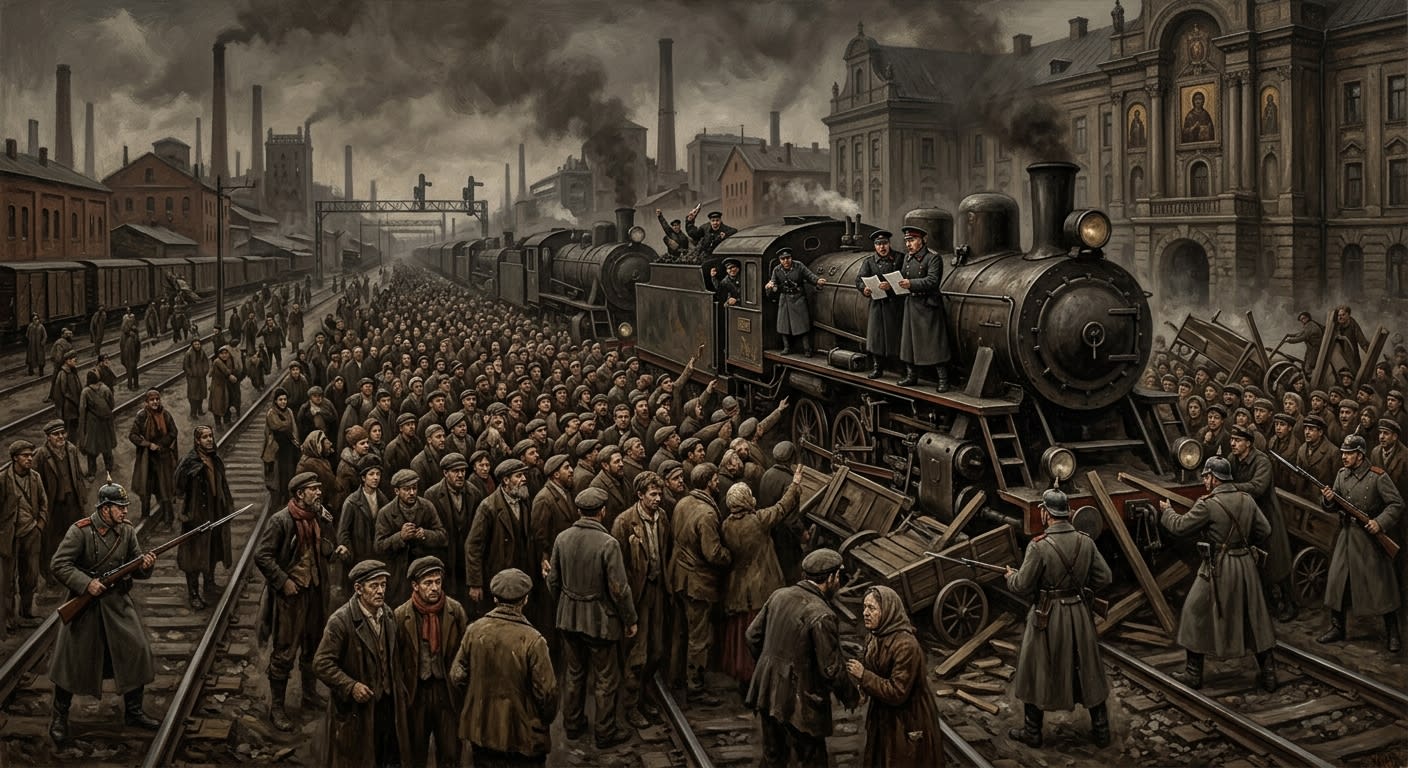
Praga Ration Disturbance
Four thousand citizens taught the northern corridor to feel hunger
In A.S. 195, four thousand hungry civilians in Warsaw's Praga district blocked the eastern rail spur for eleven hours and made the northern corridor confess that logistics has a stomach.
Codex Ref. VII.8.10-195
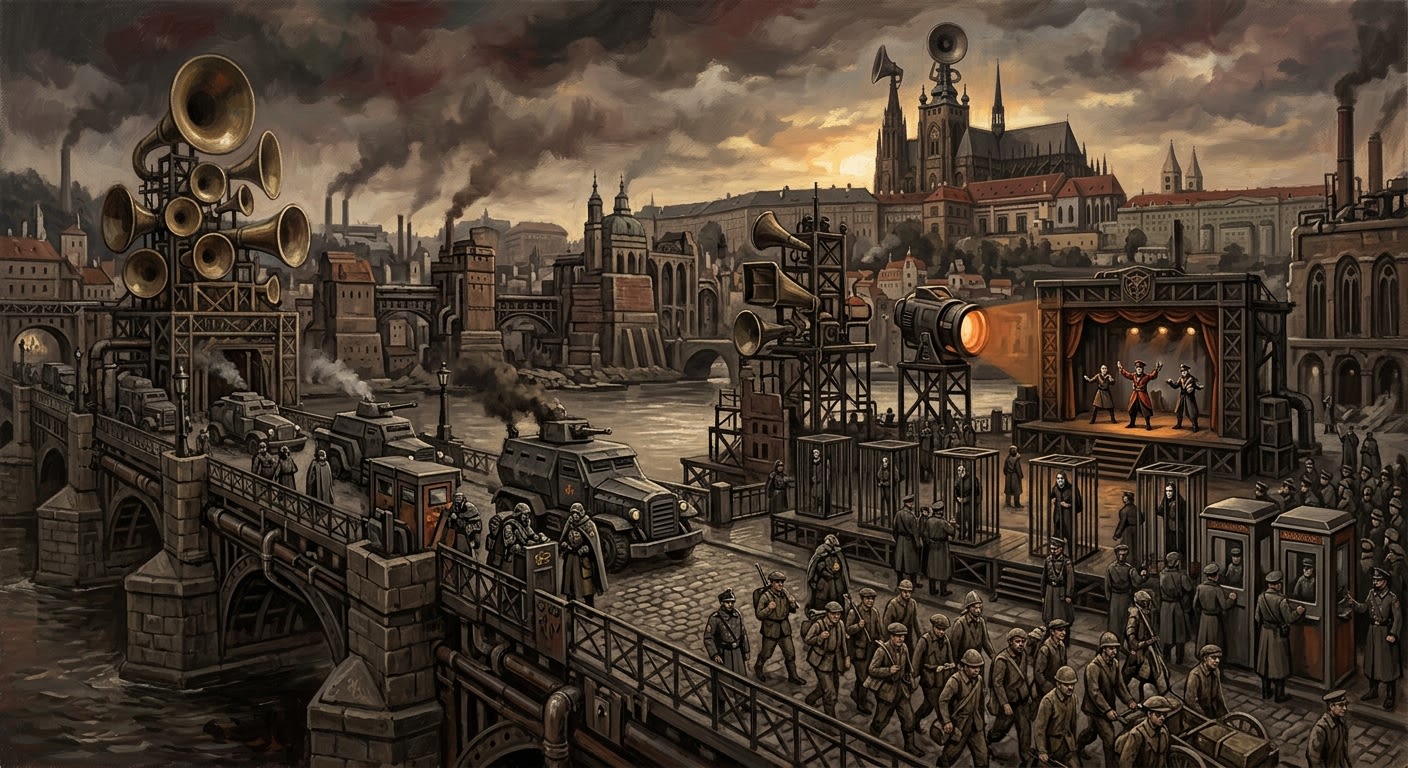
Prague
The bridge-city where shame learned civic architecture
Synod-held Prague is a Zone 3 bridge-city of public correction, Rationalist residue, Ephrath theatre, acoustic wounds, and useful civic obedience.
Codex Ref. II.3.02-001
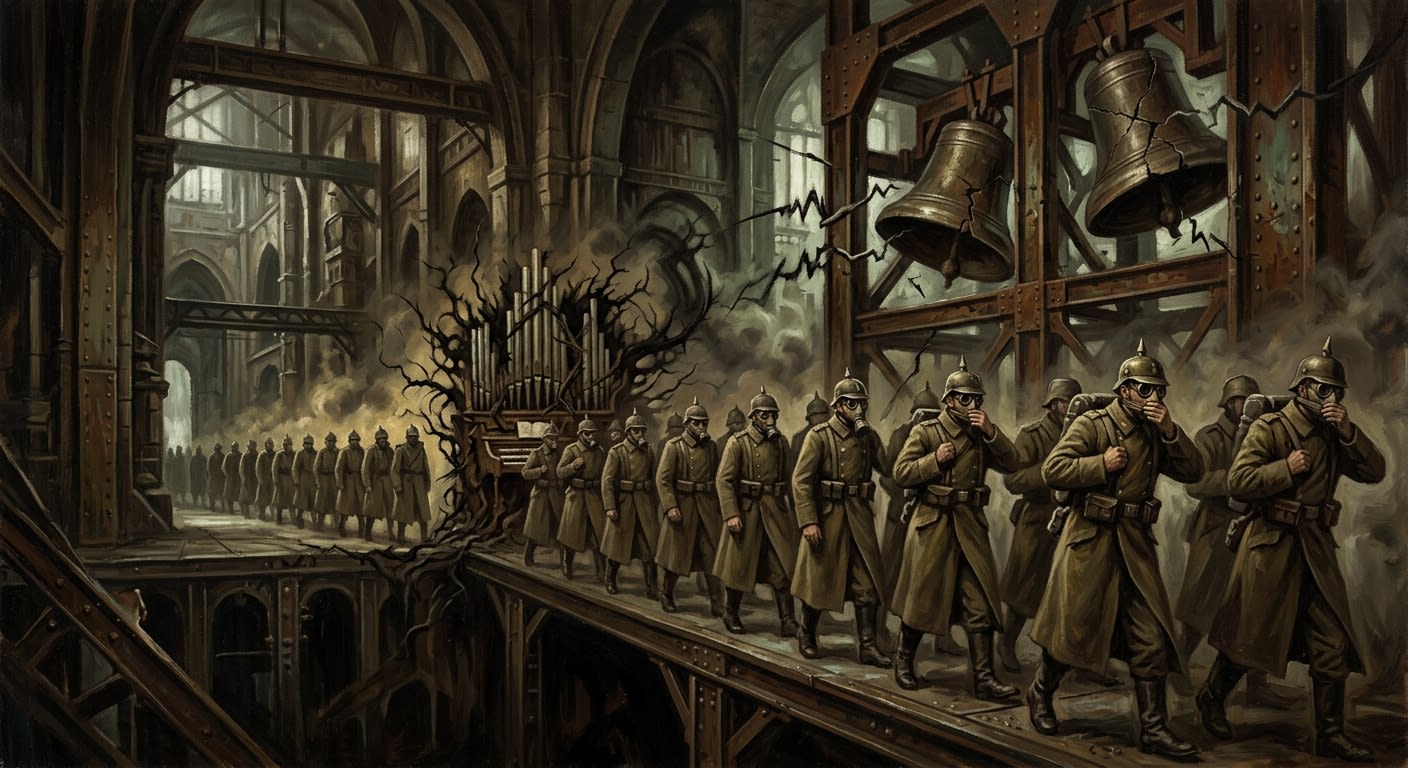
Prayer-Jam
When obedience enters the ear and comes out treason
Prayer-Jam is liturgical signal failure under hostile acoustic pressure: bells betray, hymns gag, and obedient men march precisely into ruin.
Codex Ref. VI.2.01-005
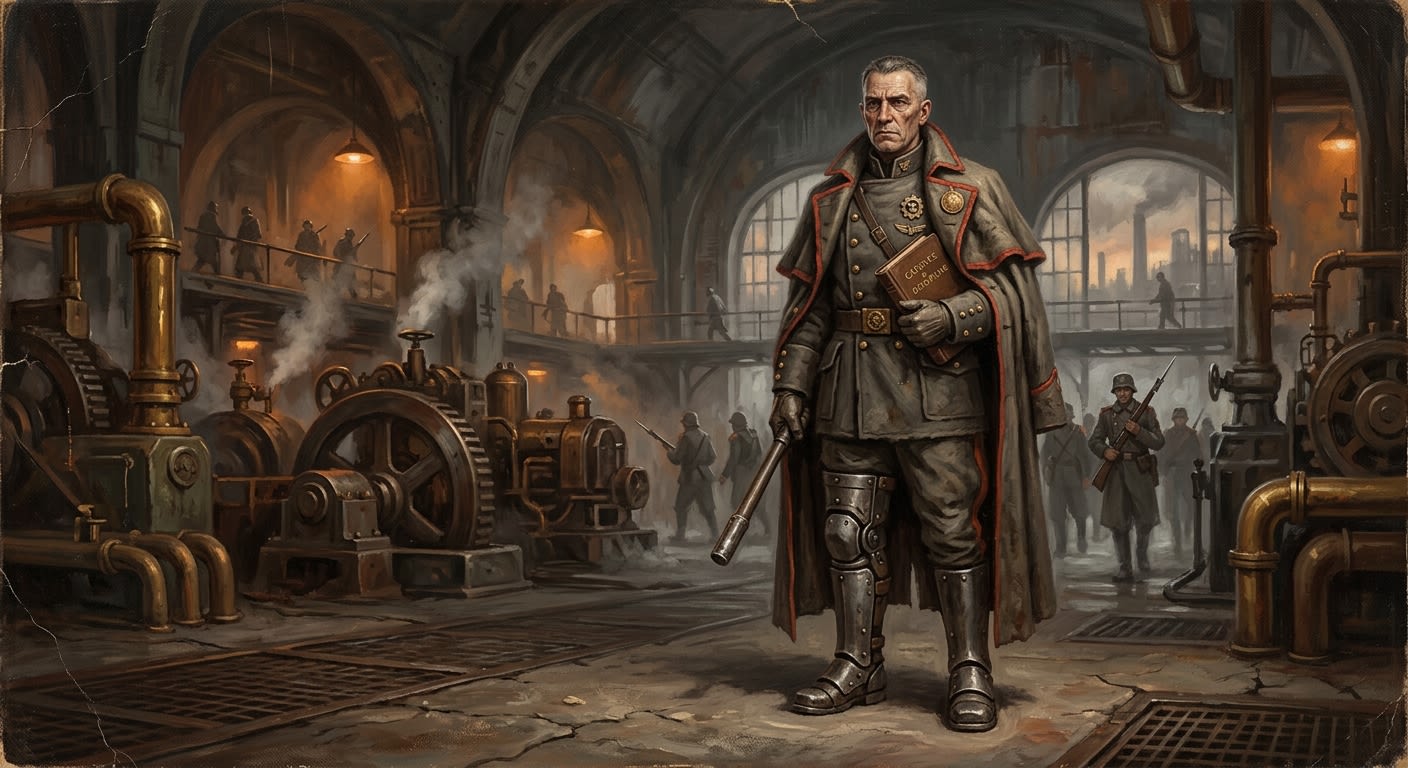
Prefect Malven "Iron Step"
A boot-beat older than evidence and more useful than truth
Composite patron of the Cadence Corps, Malven “Iron Step” survives as quarantine legend, training rhythm, disputed relic nuisance, and mandatory boot-beat.
Codex Ref. III.2.01-137
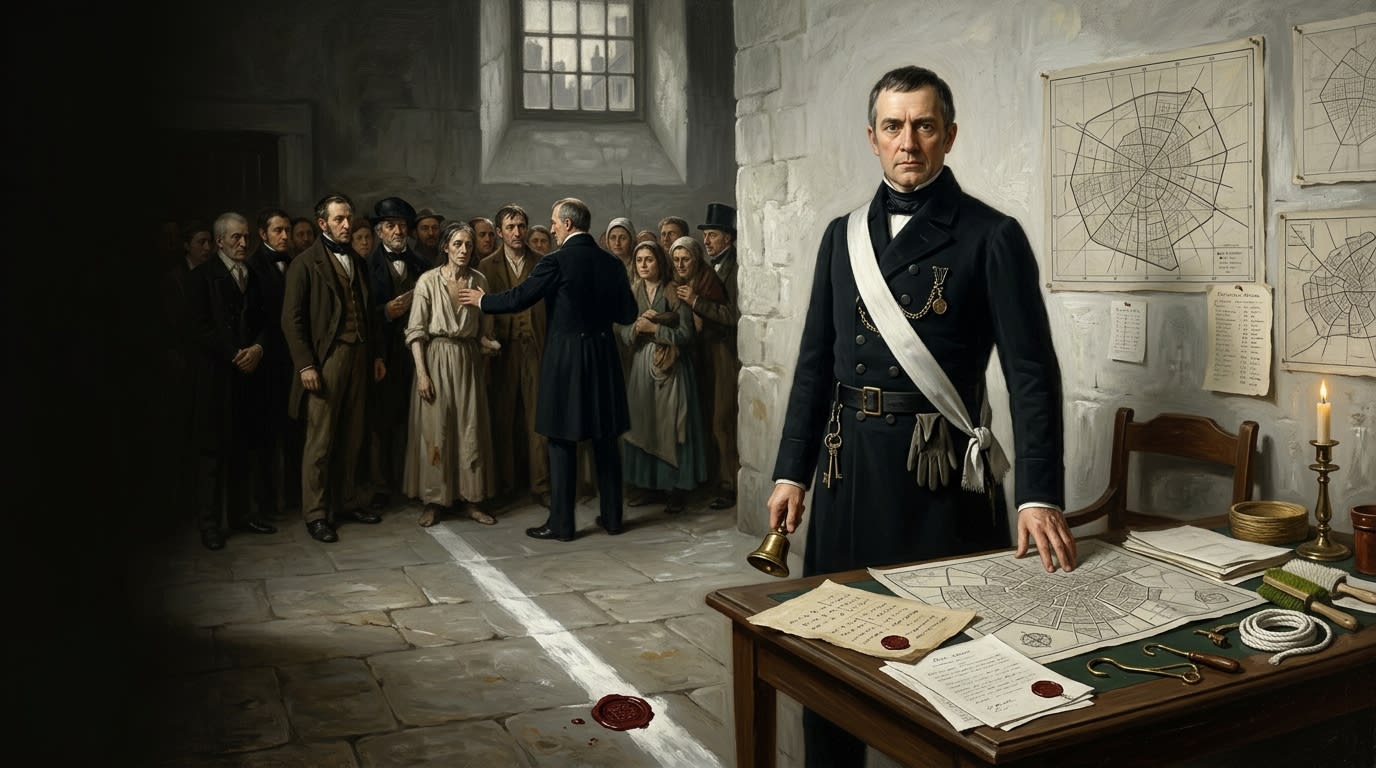
Prefect Salvius
The man who made cleanliness a border with teeth
Prefect Salvius commands Marrowgate's clean lines, proving that hygiene becomes jurisdiction the moment a frightened city applauds the rope.
Codex Ref. III.2.01-201
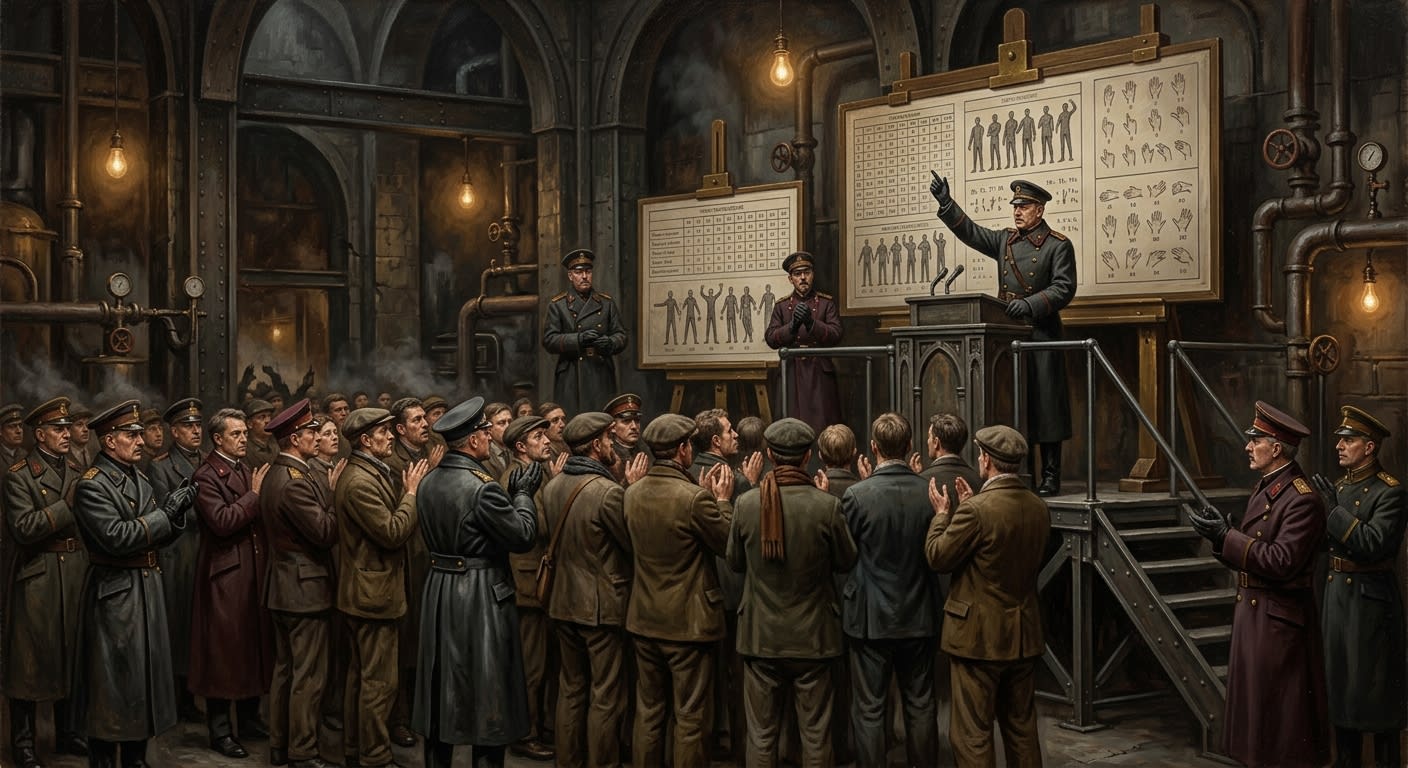
Prescribed Ovation Index
Count the clapping before the clapping counts you
The Synod's table of lawful applause, because a crowd that discovers its hands may soon discover teeth, rhythm, and politics.
Codex Ref. XIII.1.66-201
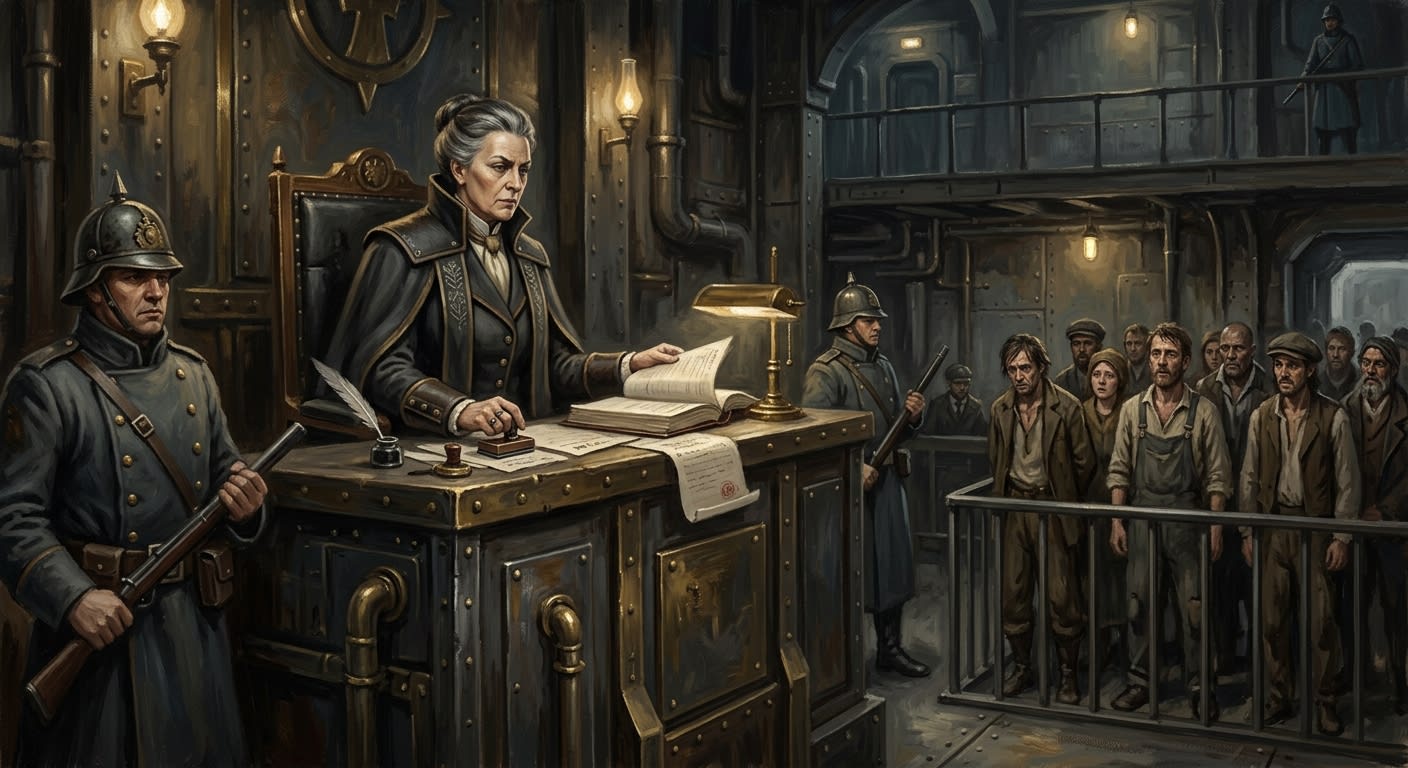
Presiding Judge Elsbeth Krail
The bridge obeys because she has filed its fear
Elsbeth Krail rules Brest’s bridge by writ, receipt, and silence. Her court arrested nineteen heretics and not one phenomenon.
Codex Ref. XI.5.02-001

Prior Idris of the Sixth Tide
The road drinks, and Idris keeps the receipt
Prior Idris governs Brine Fork as if a road were a hound: fed, cursed, watched, and never mistaken for harmless scenery.
Codex Ref. III.2.01-201
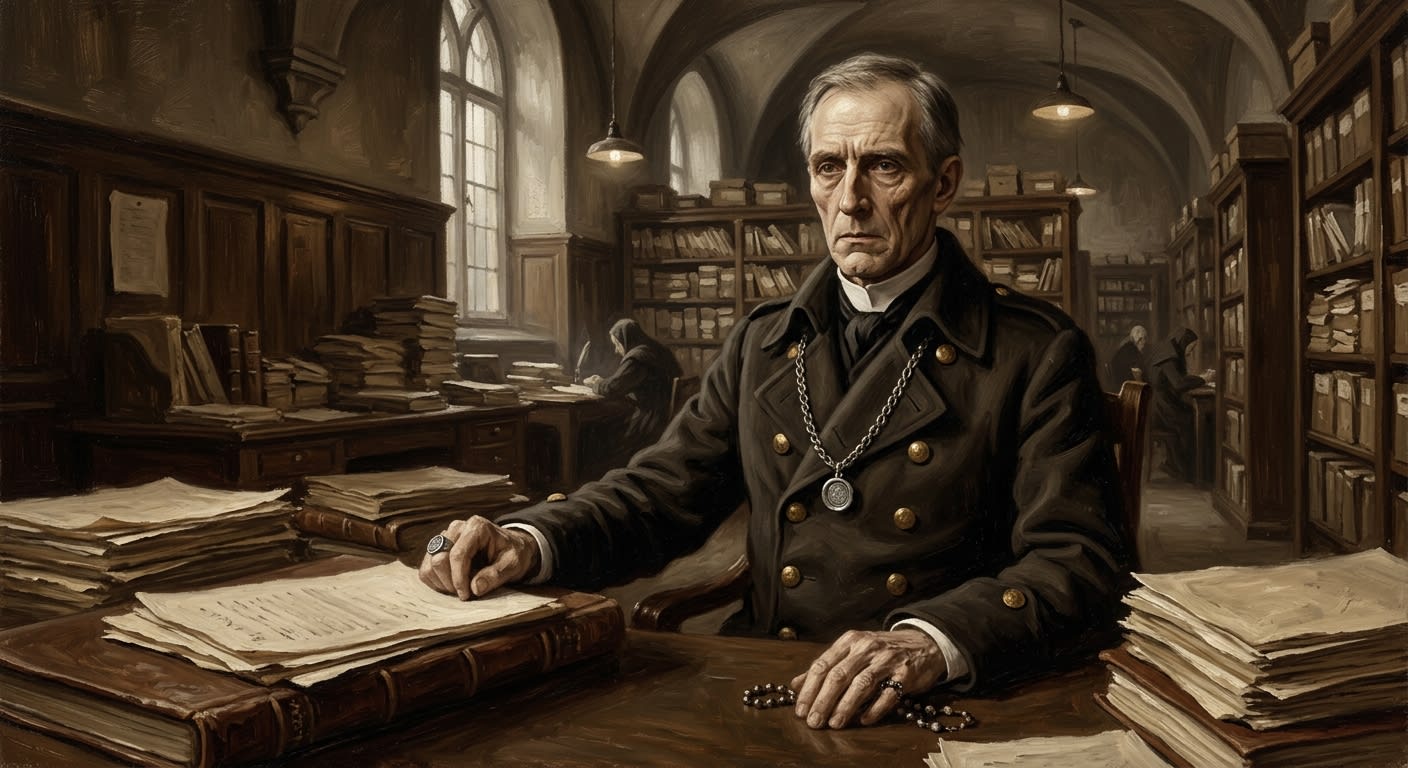
Prior-Scribe Erem Vale
The man who can make Tuesday become next month
Erem Vale is Prior-Scribe of the Cloister of Miscounted Beads, confirmed in A.S. 194 and feared for the small seal by which waiting becomes law.
Codex Ref. III.2.01-150
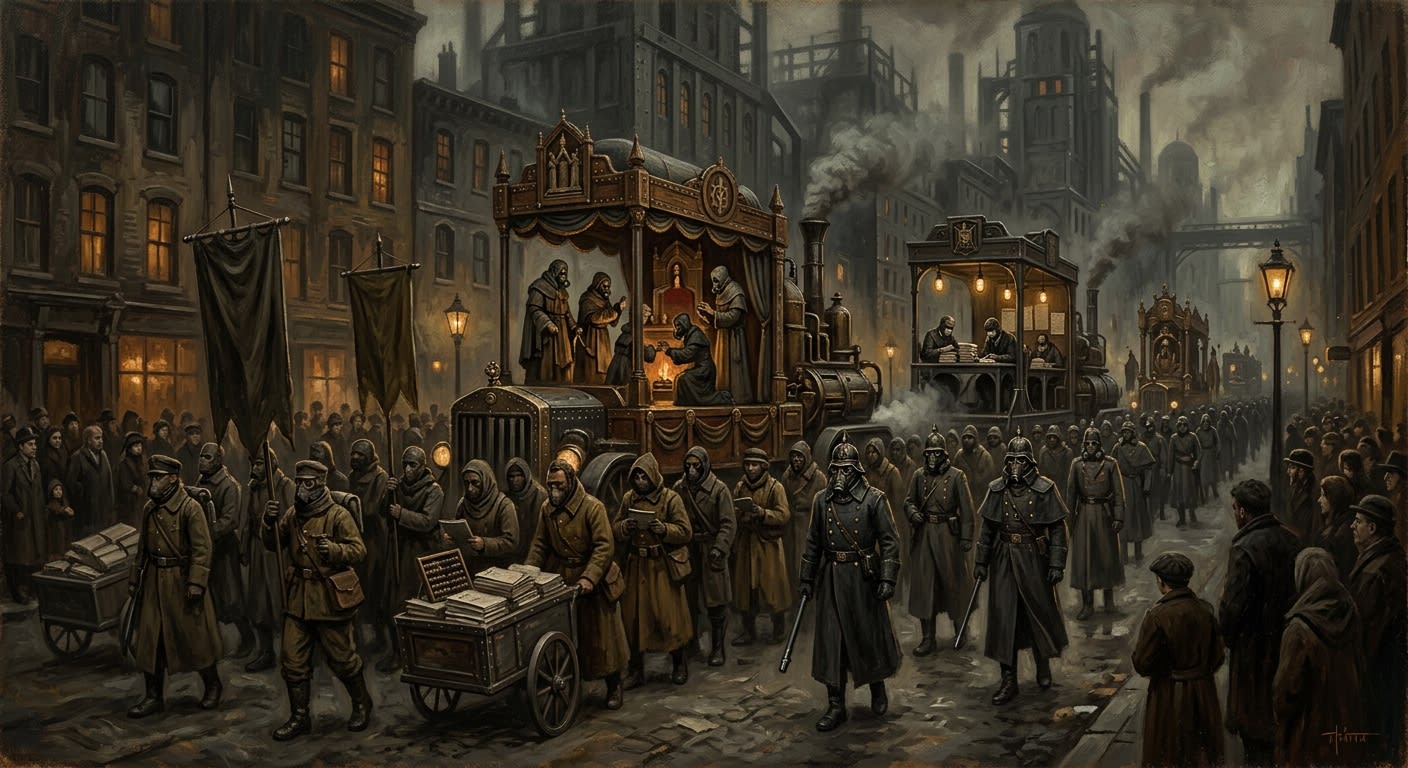
Procession of the Triune Hearth
One people, one creed, one spectacle, counted twice
First staged in A.S. 175, the Procession of the Triune Hearth turned Concordat memory into forty days of floats, census work, unity theatre, and invoices.
Codex Ref. VII.3.02-001
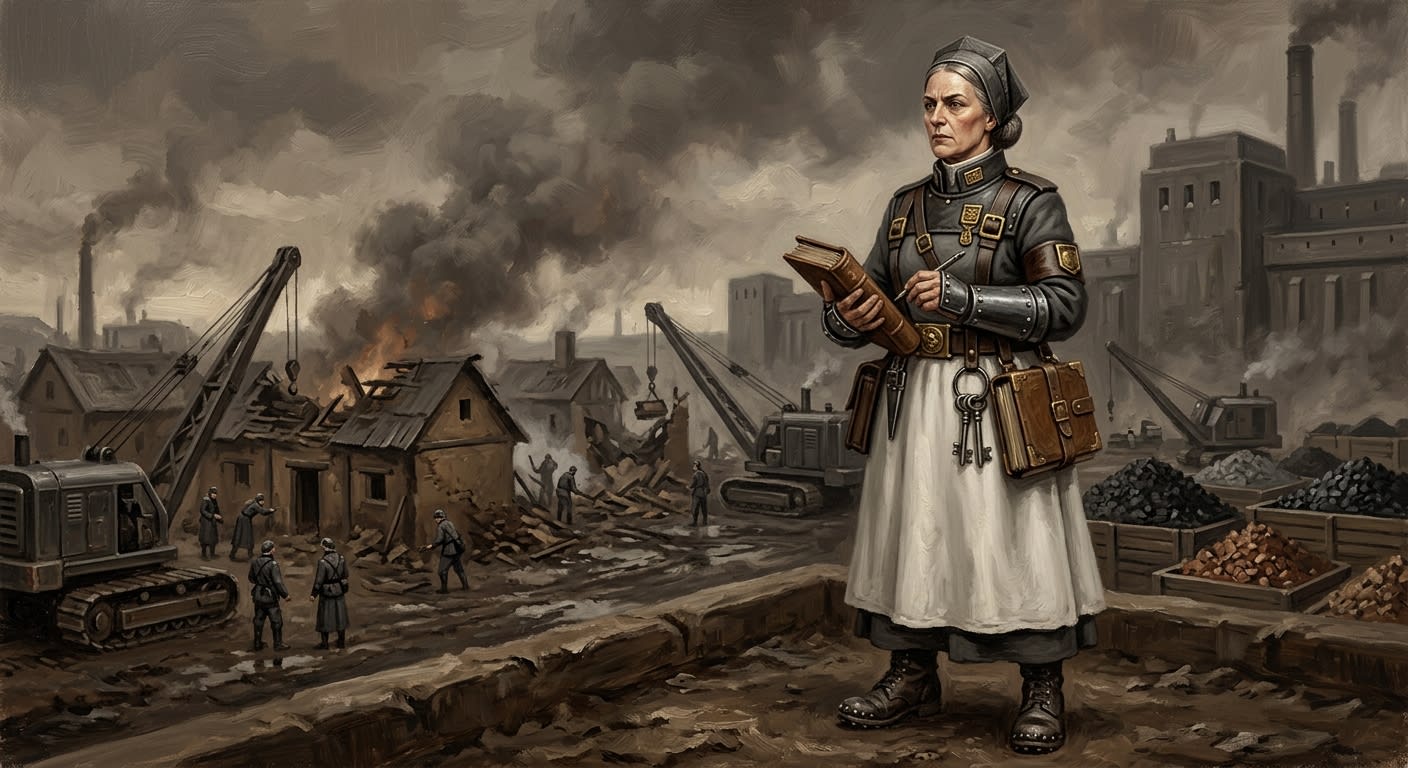
Procurator Hildegarde of Mainz
She made correction visible and mercy file its own apology
Hildegarde of Mainz gave Purity its white mantle, razed forty tithe villages, and became the saint of visible correction.
Codex Ref. III.2.03-001

Procurator Maxentius della Torre
The jaw by which Doctrine learned to bite
Della Torre expanded Purity in A.S. 80, birthed the Index Damnatus, and taught the Synod that a named error is already halfway into chains.
Codex Ref. III.4.02-031
Protocol 7-C
The Bureau named the kettle after stealing the cure
Protocol 7-C saves fevered soldiers by boiling water, brewing bark, and pretending the woman who knew this first had never touched the pot.
Codex Ref. XIII.1.74-113
Prussia
The state died; the timetable kept breathing
Prussia is the dissolved northern kingdom that survived as method: rail clocks, cold clerks, officer corridors, East Prussian gun-bronze, and the north's habit of arriving.
Codex Ref. II.4.09-095
Psalm of Satiation
Enough to obey, enough to look away, enough not to begin
The Bureau of Rites' seven-verse field hymn delays Kargath's hunger long enough for obedience to keep its chair.
Codex Ref. XIII.1.96-194
Purity Melters
The white-handed faction that delays the barrel until the saint consents on paper
Severe faction of Saint-Bone Melters who make provenance, hymn cadence, quiet hour, and batch correctness into the thin white line between sanctified wall and insulted saint.
Codex Ref. XII.20.07-001
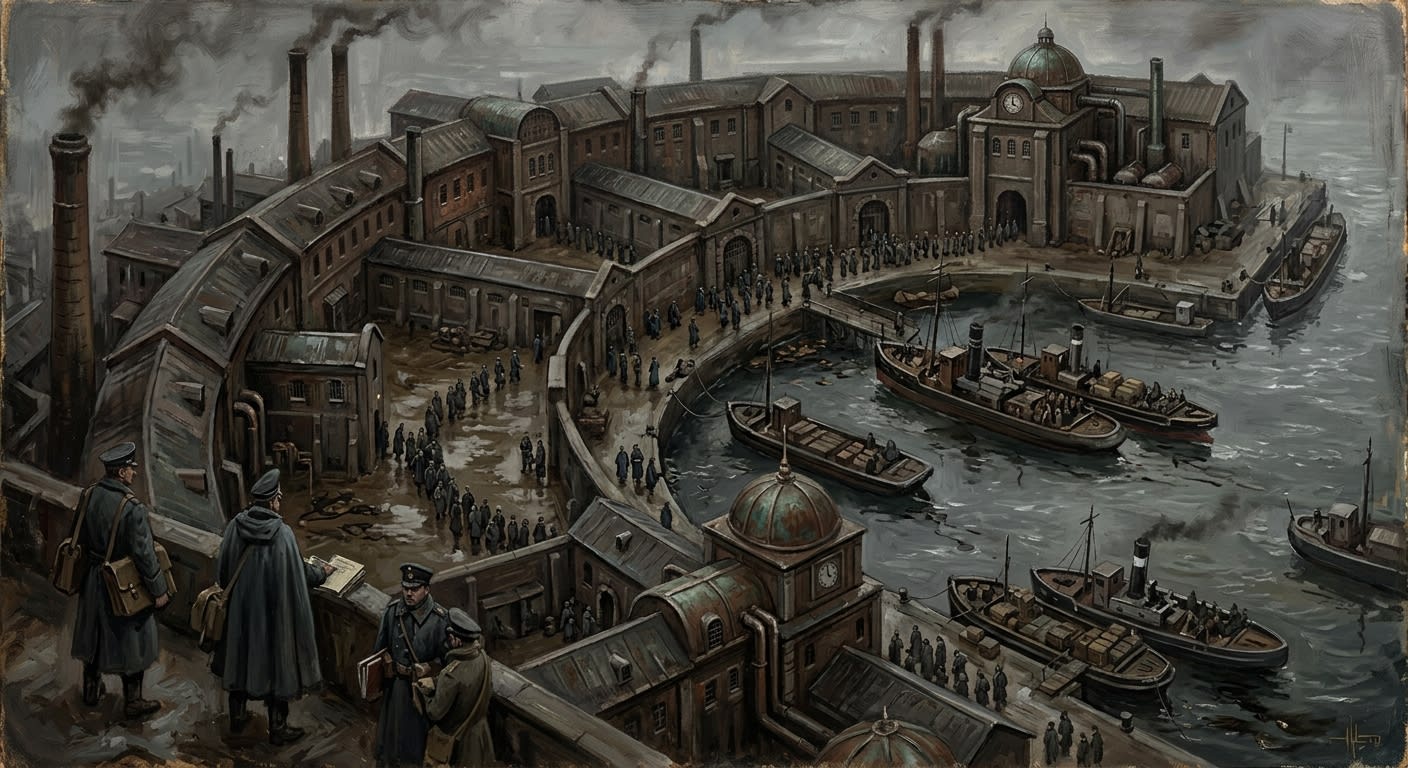
Quarantine Crescent
Where mercy waits for a stamp and the sea keeps speaking
Thessaloniki's Quarantine Crescent is hospital, customs house, debt trap, listening post, and delay engine: the harbour's white bite where arrivals become entries or vanish waiting.
Codex Ref. II.7.04-093
Quarantine Prefecture
Quarantine is mercy, once mercy has learned to count labour
Saffron Bastion's Quarantine Prefecture made fever a jurisdiction: dry-pass, holding yard, burn crew, suspended identity, and mercy with a labour quota.
Codex Ref. VIII.2.11-112
Queue Riot of Metz
Rations distributed without interruption, except for the people
Metz records the widow-grain riot as an uninterrupted distribution; the lane ropes, the erased names, and the powder-smell remain less obedient.
Codex Ref. VII.8.10-006

Quiet Engine Heresy
The machine ran, and therefore men had to be punished
A.S. 147 mechanistic scandal in which licensed Engineers proved stable combustion without certified cant, forcing Doctrine to punish success before it became method.
Codex Ref. VII.8.10-050
Quiet Purges of A.S. 112
The year absence learned to sign the payroll
The A.S. 112 Rhineland removals of 411 teachers, choirmasters, and Street-Vicars proved Purity could correct without spectacle.
Codex Ref. VII.8.10-010
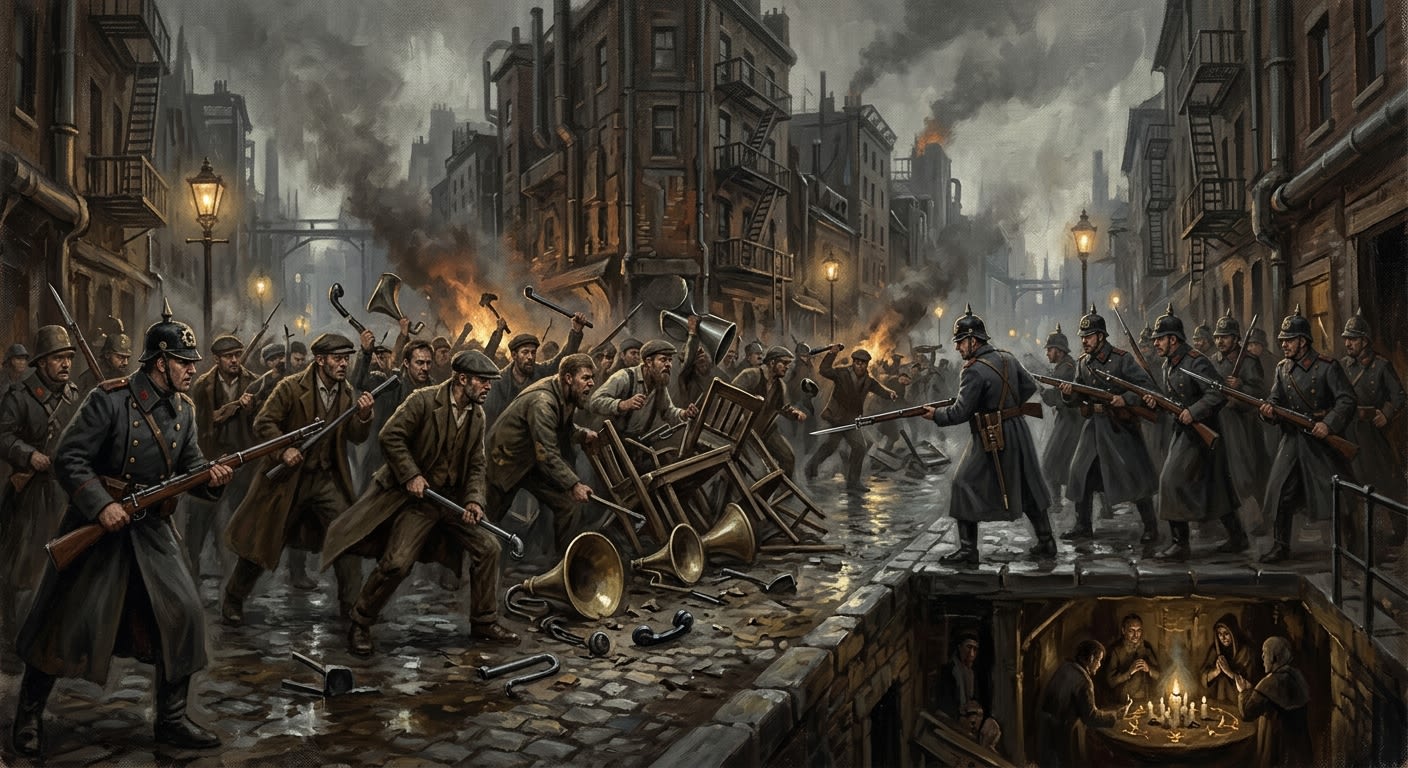
Quiet Quarter Revolt
The district that missed the sermon until silence learned to organise
A.S. 149 deadzone rising in lower Kanzleiburg, where failed horns, broken receivers, Silent Godless cells, and cellar rites forced the Hornline Reforms.
Codex Ref. VII.8.10-149
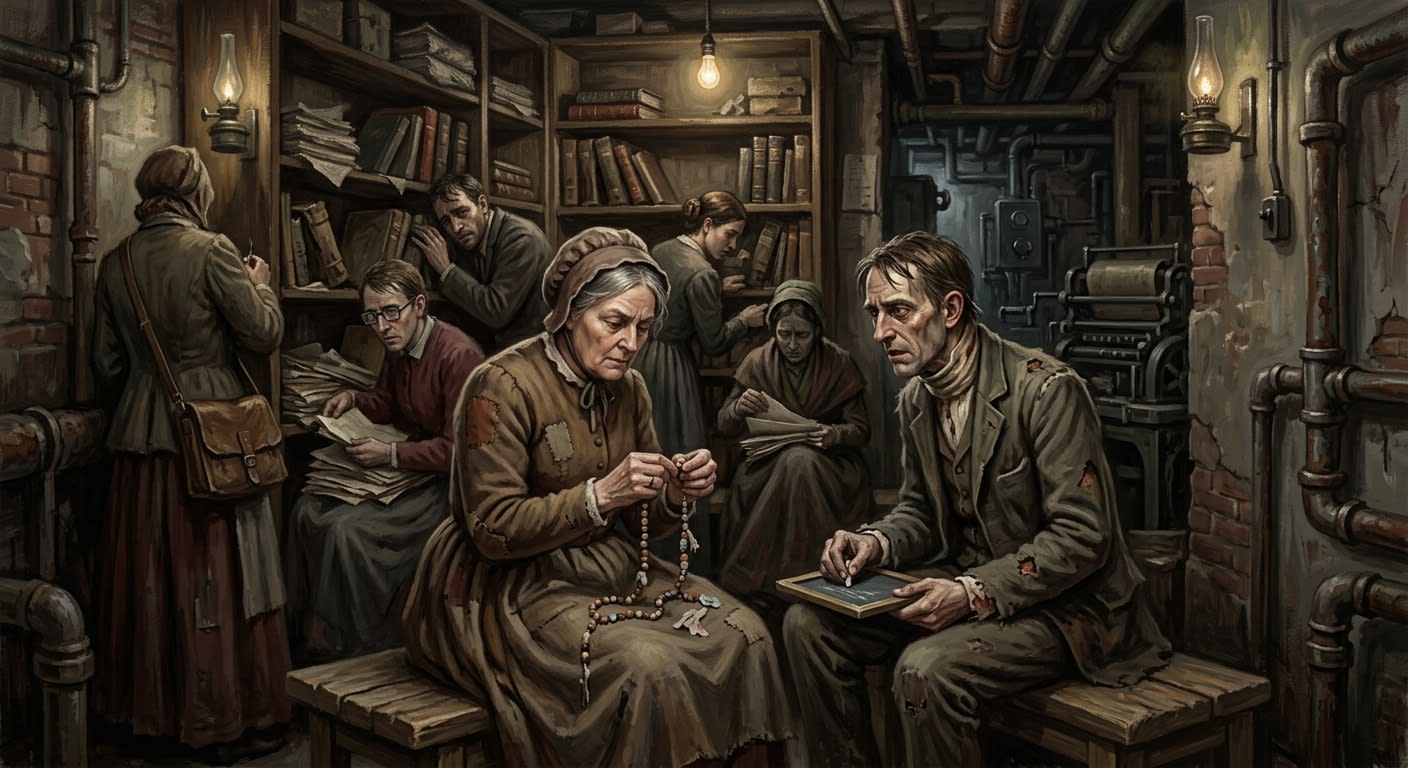
Quiet Thread
The heresy that teaches the miscounted to listen before obeying
The Quiet Thread is a watched, denied Cloister heresy of clerks, detainees, and matrons who believe bead drift can restore the names corrected out of mercy.
Codex Ref. XI.5.01-002
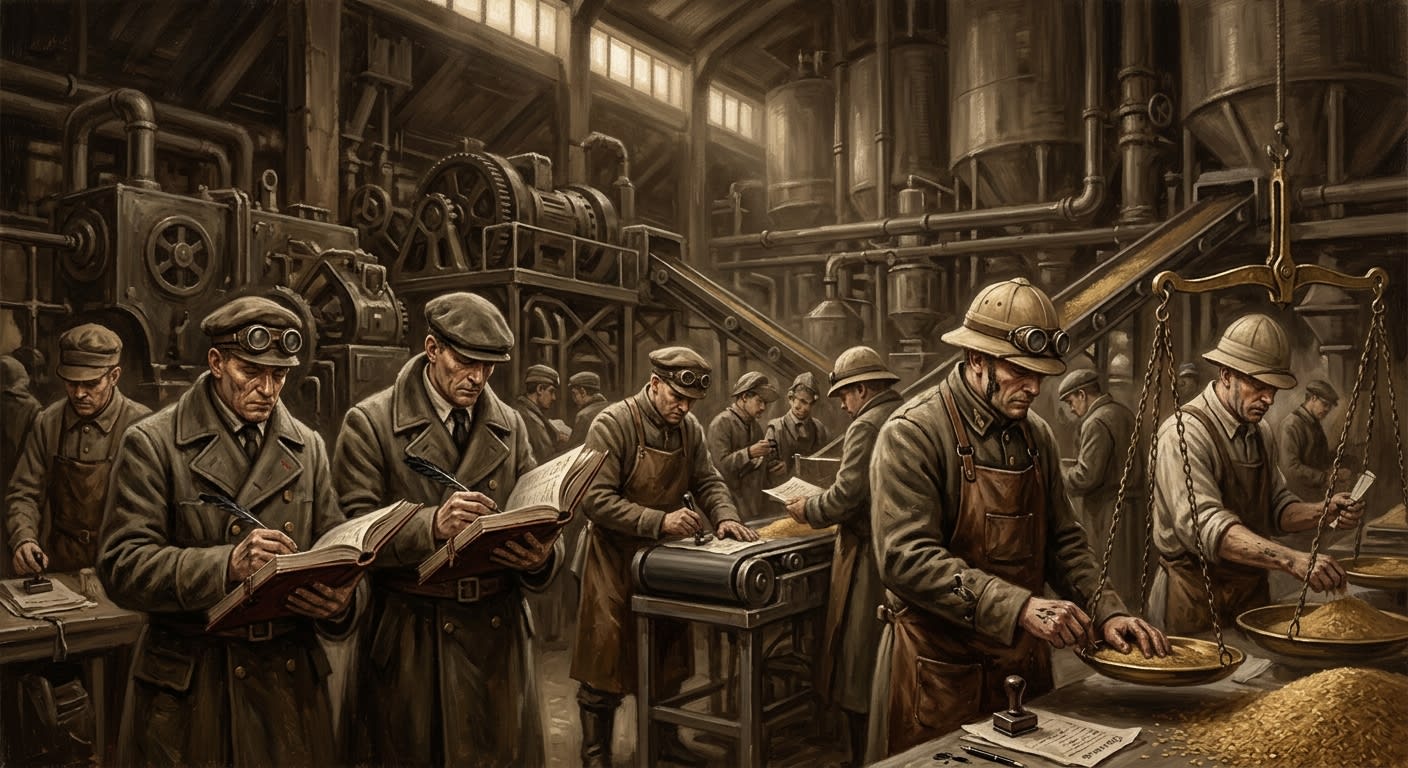
Quota Men
Modest theft is what famine calls governance when the pantry has witnesses
Quota Men are the Grain Keeper faction of modest diversion and immaculate ledgers, preserving wards by stealing little enough to keep collapse boring.
Codex Ref. XII.13.05-001
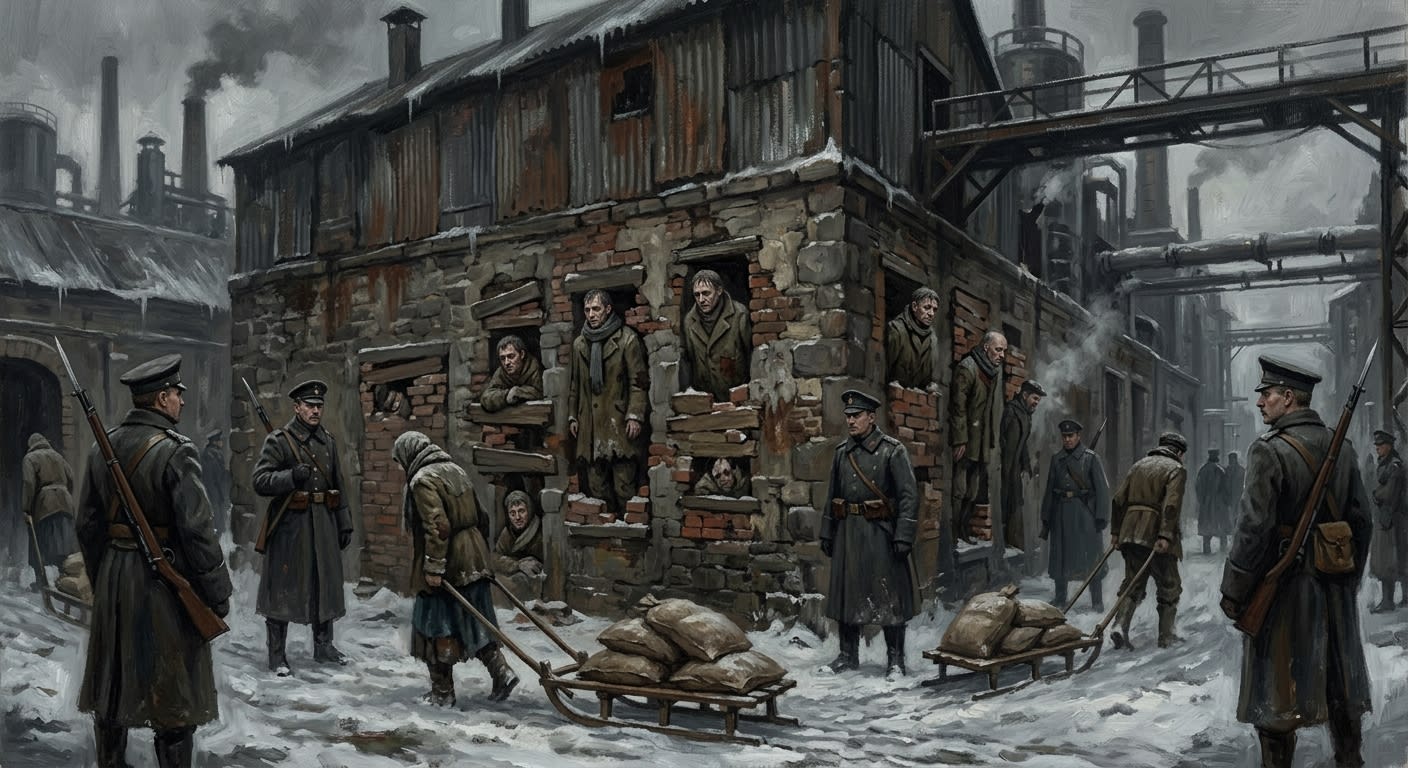
Ration Plunder Winter
Three barrels of flour founded a profession and called it Order
The A.S. 97 Ration Plunder Winter turned flour theft into visible punishment, making one depot wall the profitable ancestor of formal immurement by writ.
Codex Ref. VII.8.10-041
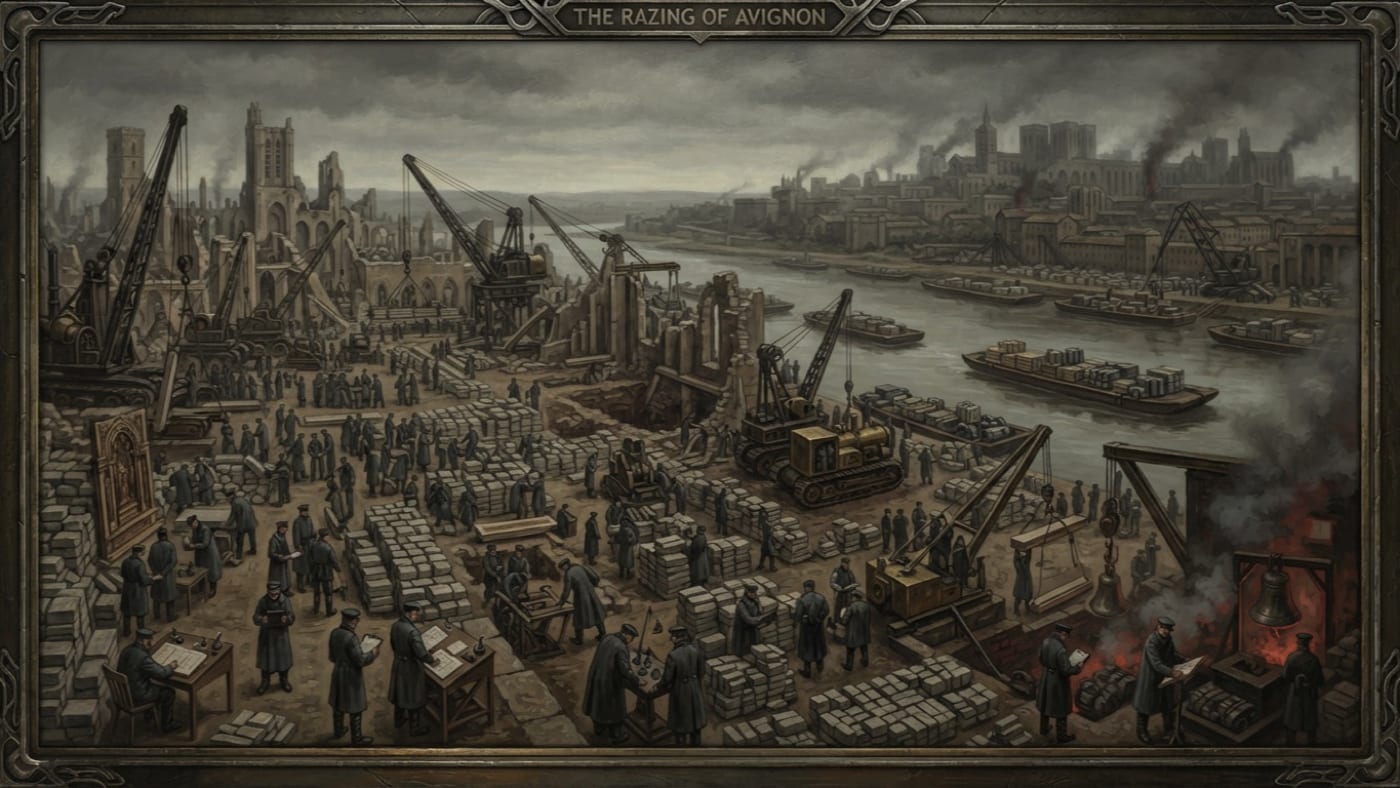
Razing of Avignon
Every Stone Accounted For, Every Name Removed
In A.S. 111, the Synod dismantled Avignon stone by stone, recast its bells as ammunition, and erased its schismatic clergy from the record. The inventory is immaculate; the city is absent.
Codex Ref. III.2.07-002
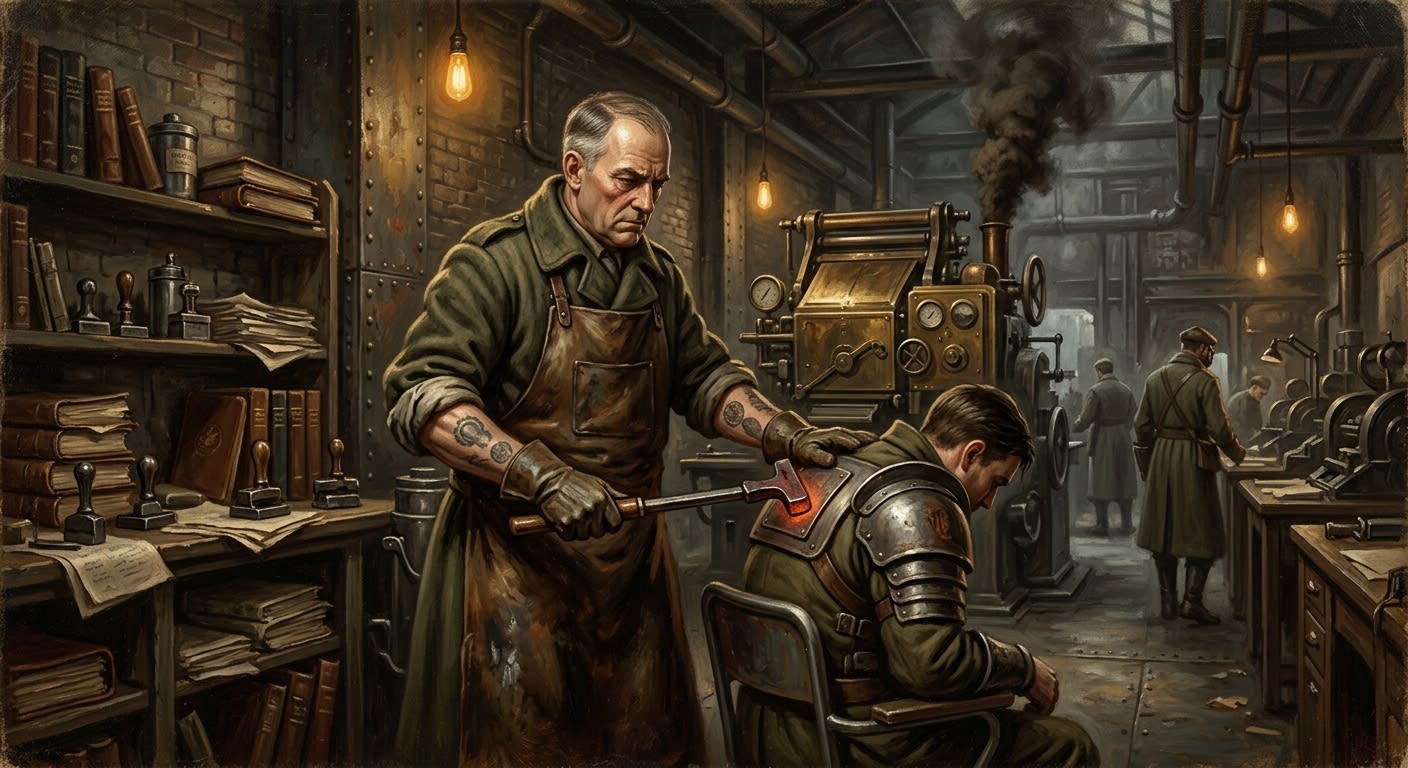
Re-inspection Brand-Smith
The Bureau's apology, applied two degrees from mercy
Re-inspection Brand-Smiths are Heraldry specialists created after the A.S. 119 Angle Riots to verify bodily tri-marks and burn lawful corrections into failed proof.
Codex Ref. XII.20.03-001
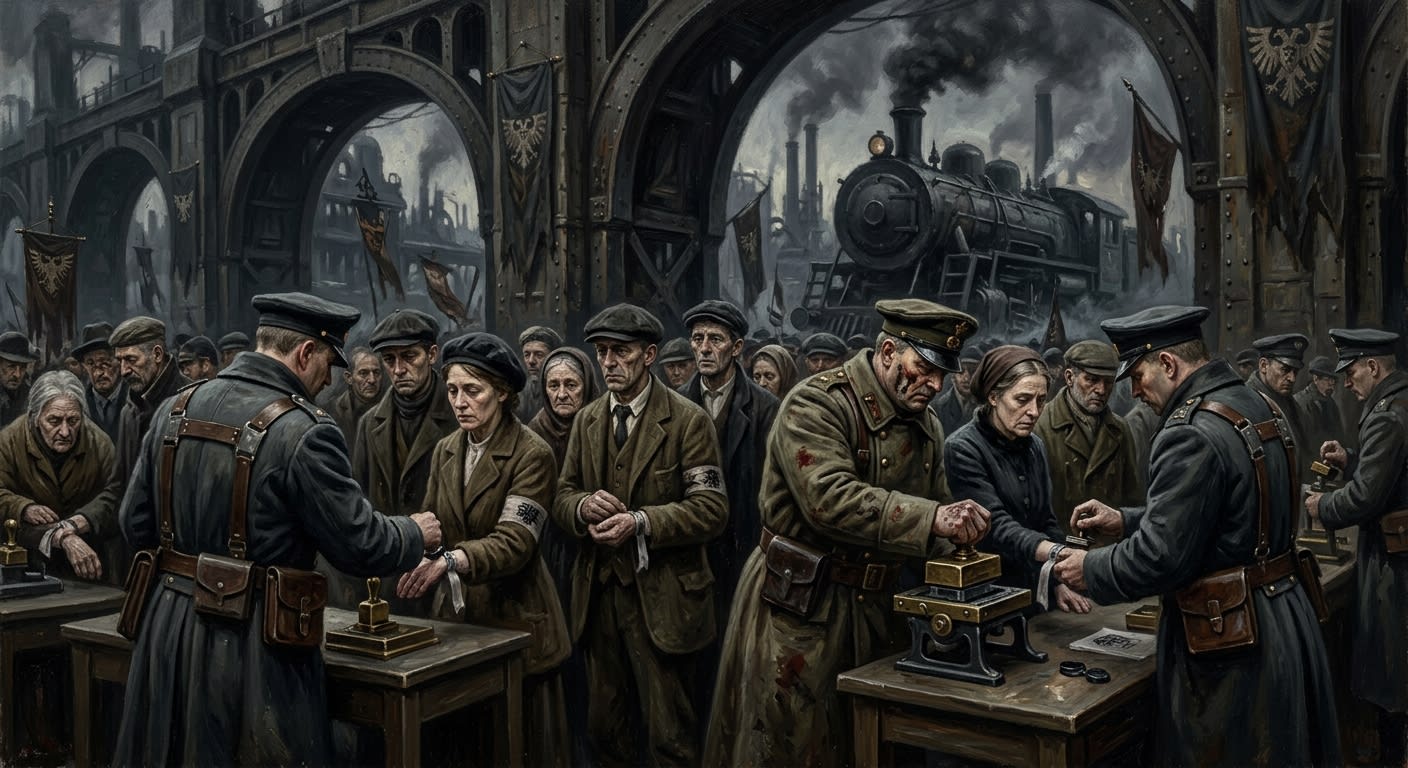
Receipt Reform A.S. 138
The decree that taught paper to bleed
A.S. 138 reform abolishing paper receipts at sanctioned processions and replacing them with wrist-ribbon stamps, turning civic joy into visible attendance, enforceable gratitude, and portable proof.
Codex Ref. VII.2.10-088

Receipt-Procession Pageant Captain
The Bureau does not celebrate. It enumerates. The ribbon is the proof.
The Bureau of Festivals does not employ artists. It employs accountants in bright sashes, charged with converting municipal celebration into municipal enumeration — the wrist-ribbon is the key, and joy rot is the wages.
Codex Ref. XII.33.01-001
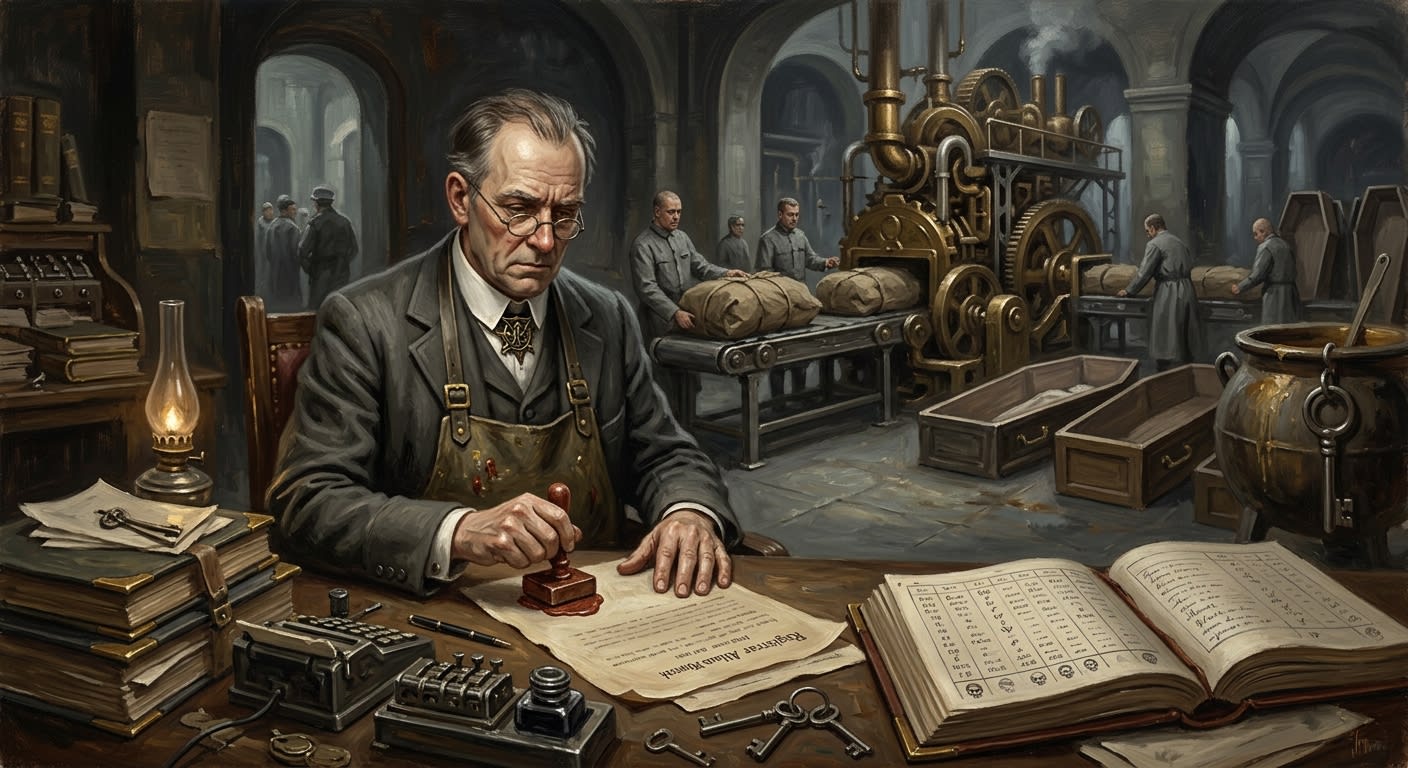
Registrar Aldous Krenk
The small man who makes horror depart on schedule
Registrar Aldous Krenk, Chief Handler of the Ossuary Convoy Office at Bastion-Przemyśl, turns condemned bodies into route capacity with wax, keys, and immaculate schedules.
Codex Ref. III.2.01-130
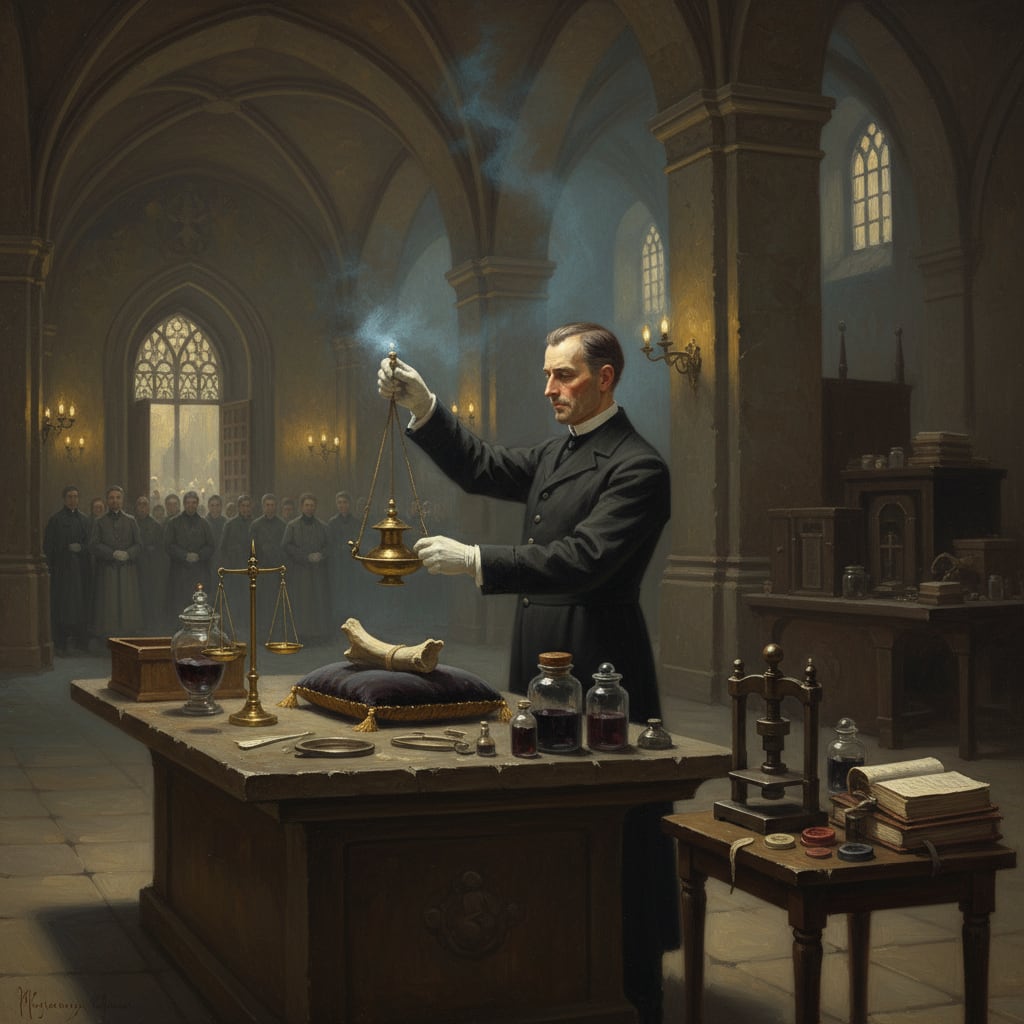
Relic Authenticator
The stamp makes the filing complete; the bone remains what it was
The Synod's miracle-bureaucrats — clerks with gloves, lamps, and seal-presses who decide whether a fragment of bone is holy or merely expensive.
Codex Ref. XII.35.01-001
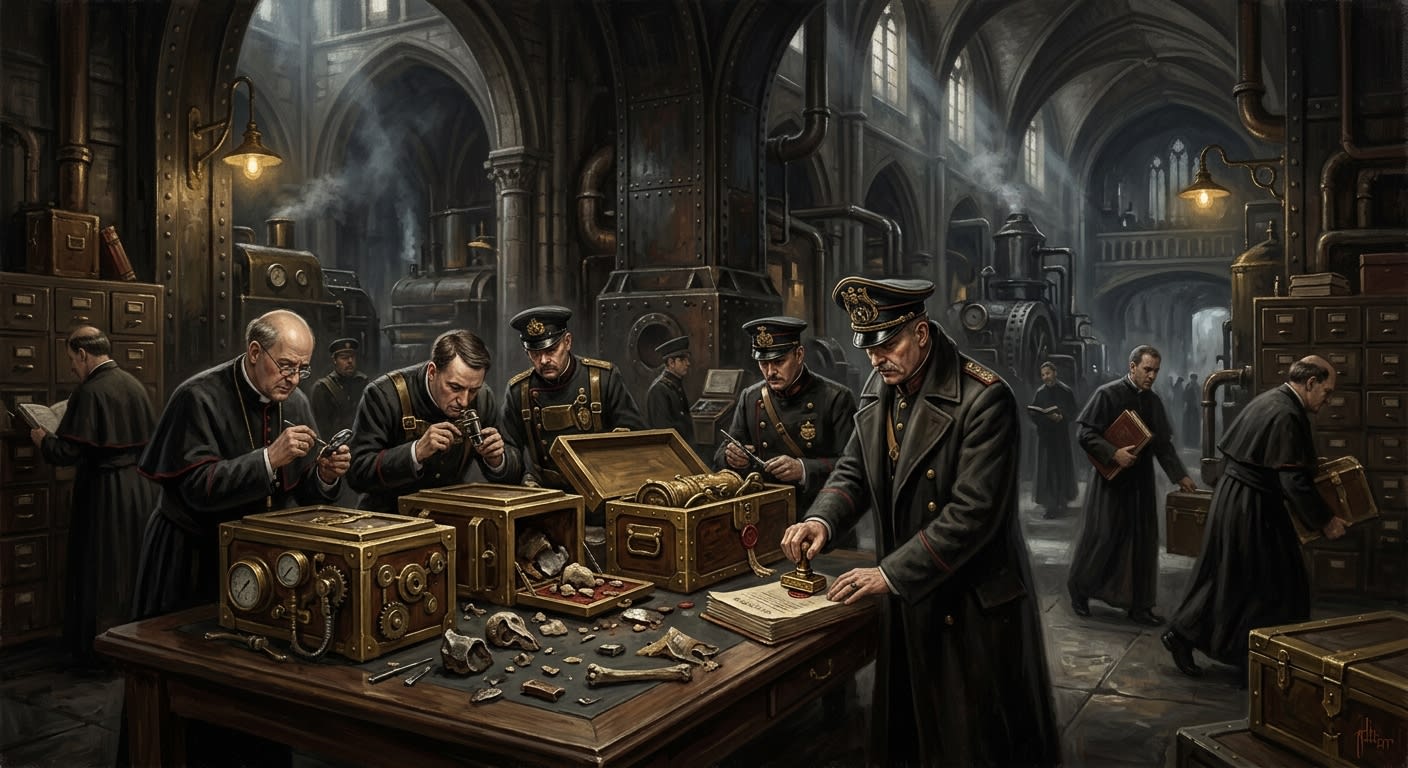
Relic Counterfeit Scandal
When the pig-bone taught the saint to submit to assay
Circa A.S. 117 scandal in which counterfeit relic fragments entered tariff-chapel calibration caskets, forcing mandatory assay and Masks-and-Seals counter-seals.
Codex Ref. VII.8.10-012
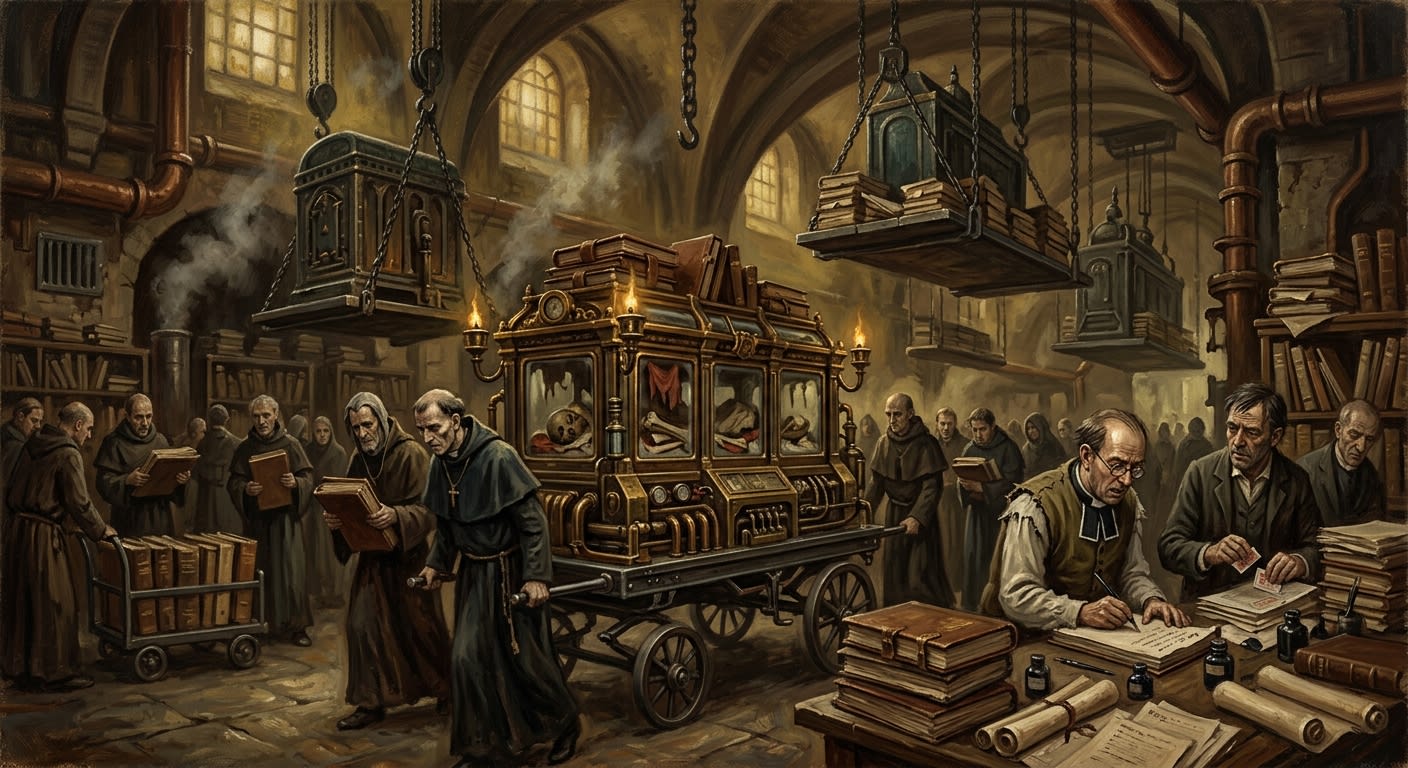
Reliquary Schisms
When valid seals taught anatomy to kneel
The twenty-year relic crisis in which clean paperwork made saints anatomically impossible, until Doctrine gave every notarized femur a throne.
Codex Ref. VII.8.10-140

Revelators
The prophets of coloured glass, properly invoiced
Revelators are the visionary faction of Demon-Glass Polishers, selling caged prophecy, widow-panes, pilgrim gleams, soldier trench-glimpses, and every profitable almost-speech the glass can survive.
Codex Ref. XII.13.04-001
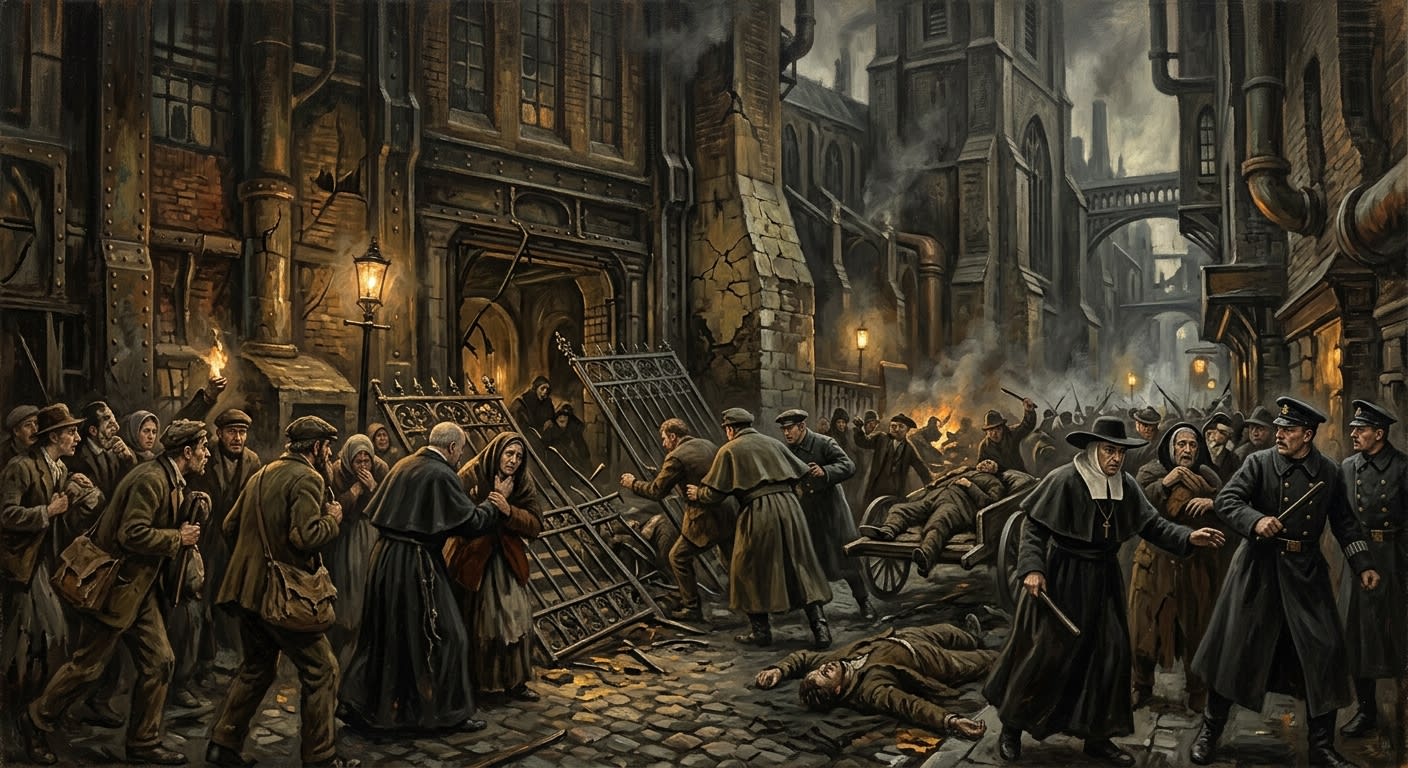
Riots of Santiago
Forty-one dead pilgrims taught Strasbourg that roads prefer owners
The A.S. 121 Riots of Santiago killed forty-one pilgrims, broke a shrine screen, exposed private road-guild predation, and gave Strasbourg the corpse-count it needed.
Codex Ref. VII.8.10-121
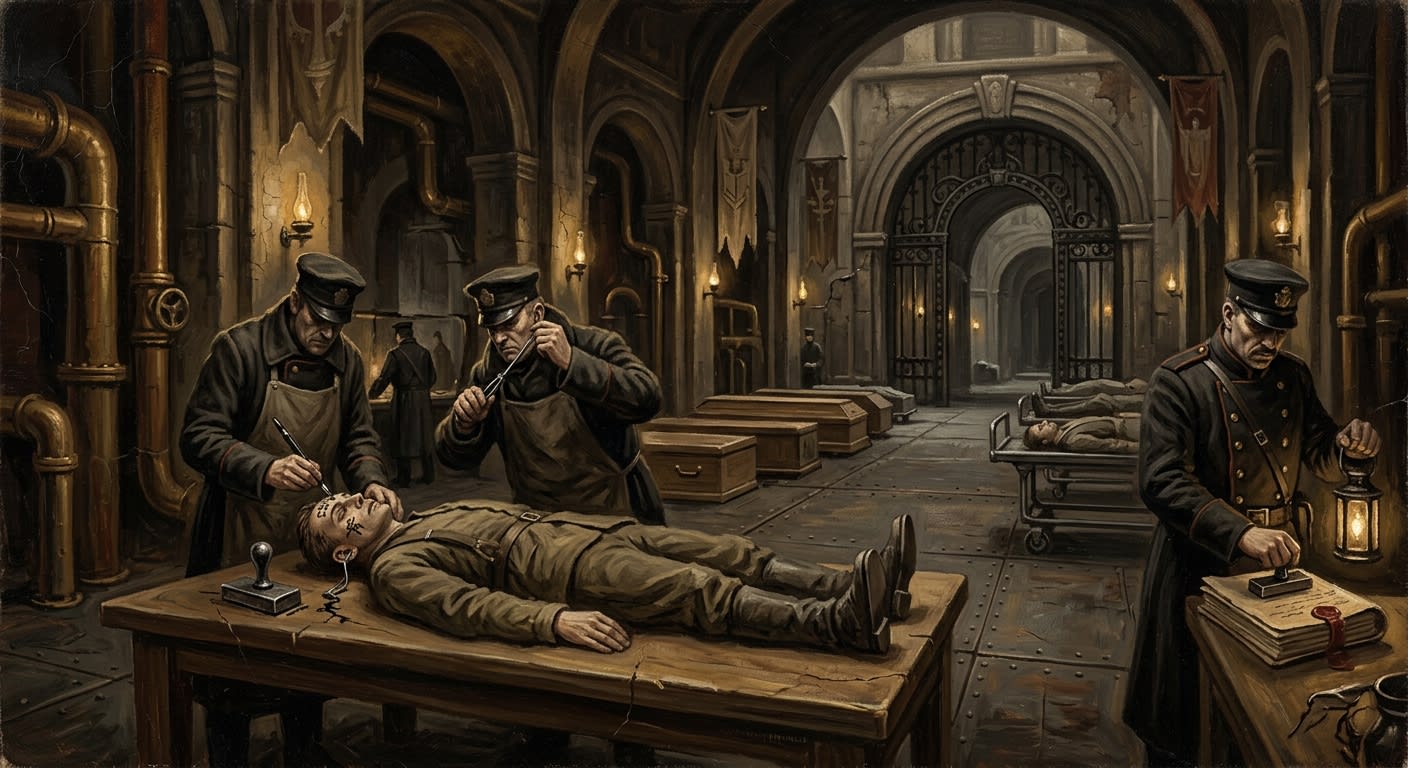
Rite of Passing
No soul departs until the Ledger has improved the death
The Rite of Passing turns death into lawful custody: right ear, last words, body display, black ink, routed remains, and no soul left vulgarly private.
Codex Ref. XIII.1.85-080
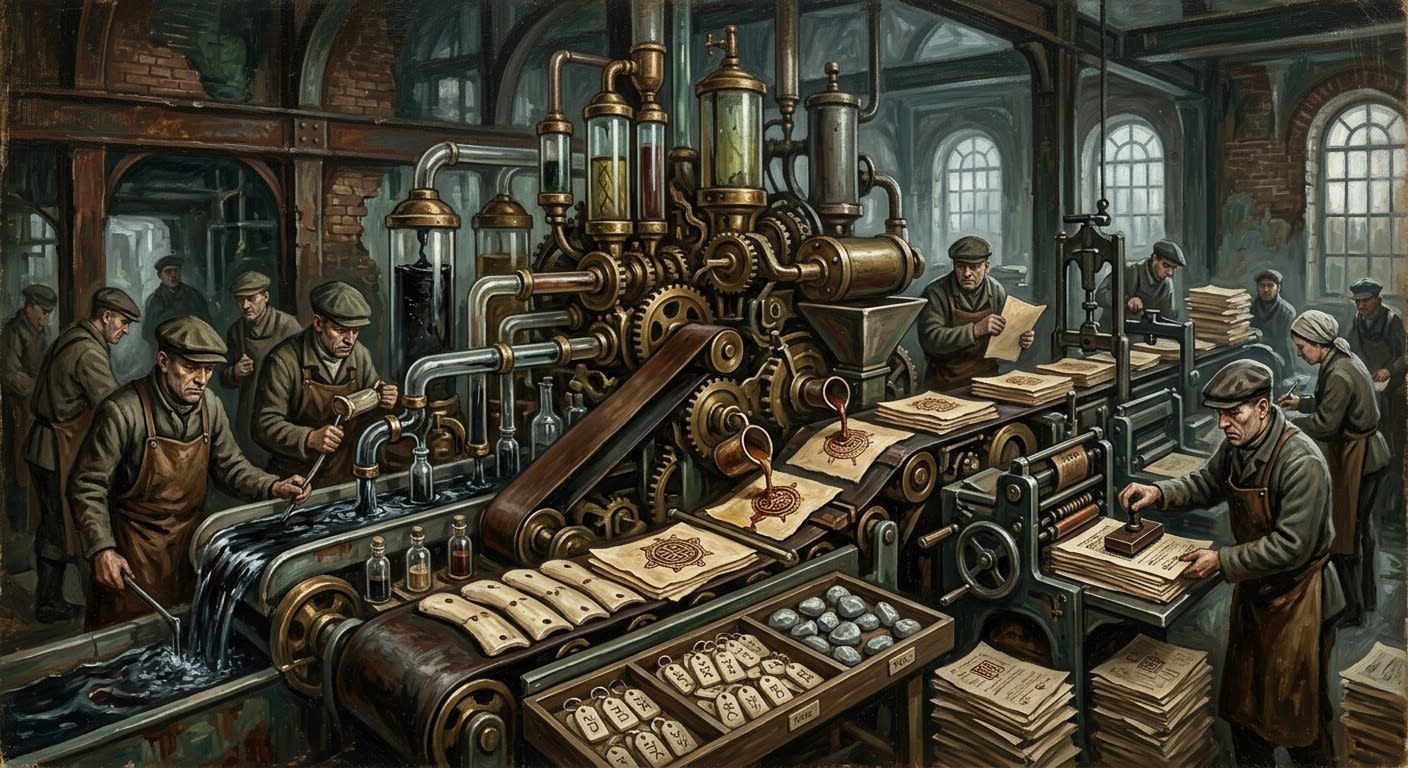
River-belt
The wet spine where permission learns to float
The River-belt manufactures permission in water, wax, ink, toll-stone, bone tags, saint-dust, and every damp little form by which reality becomes admissible.
Codex Ref. II.1.03-082
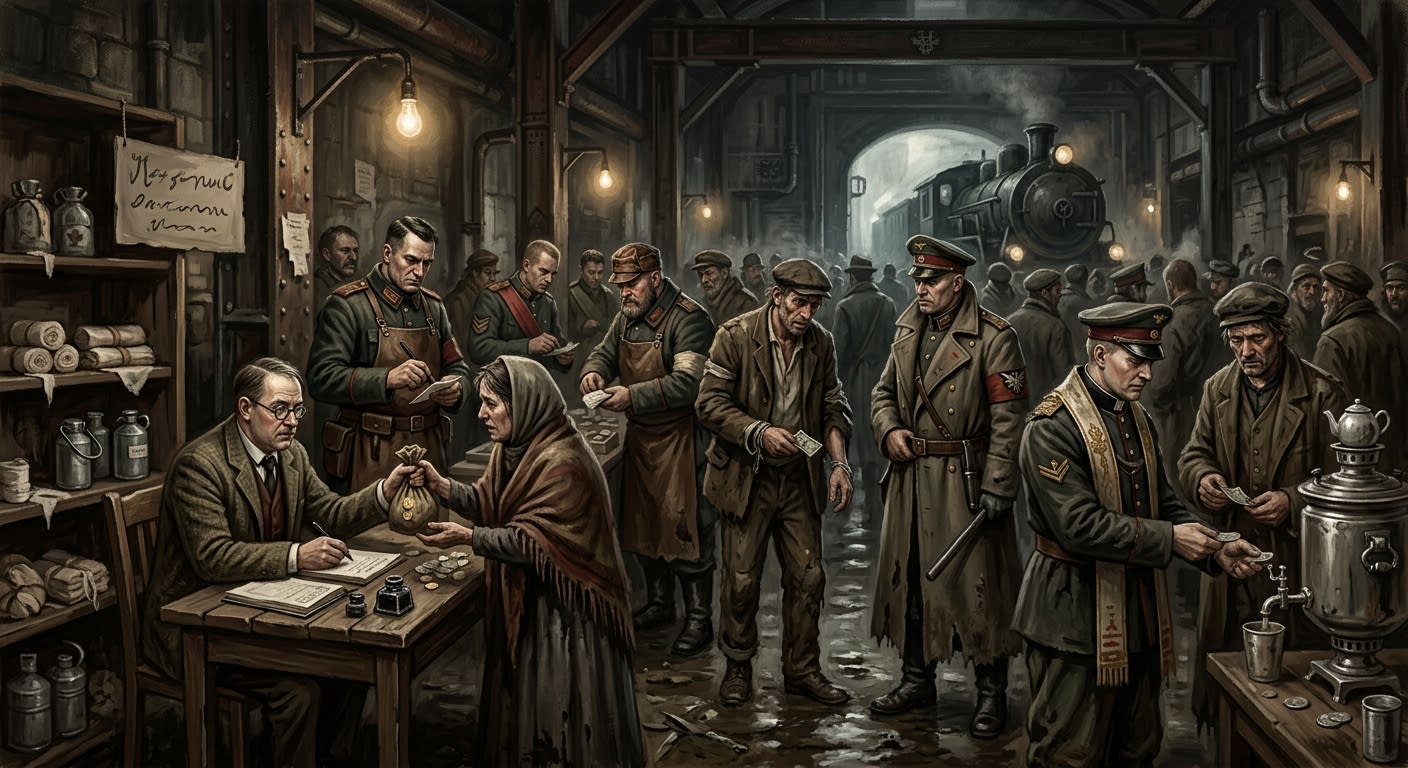
Road-Mercy Scandal
Compassion acquired a price list and the Bureau called it evidence
A.S. 136 Munich–Sibiu corridor scandal in which Handlers, shrinekeepers, clerks, and route deputies sold water, rest, bandage, and slack as private mercy.
Codex Ref. VII.8.10-055
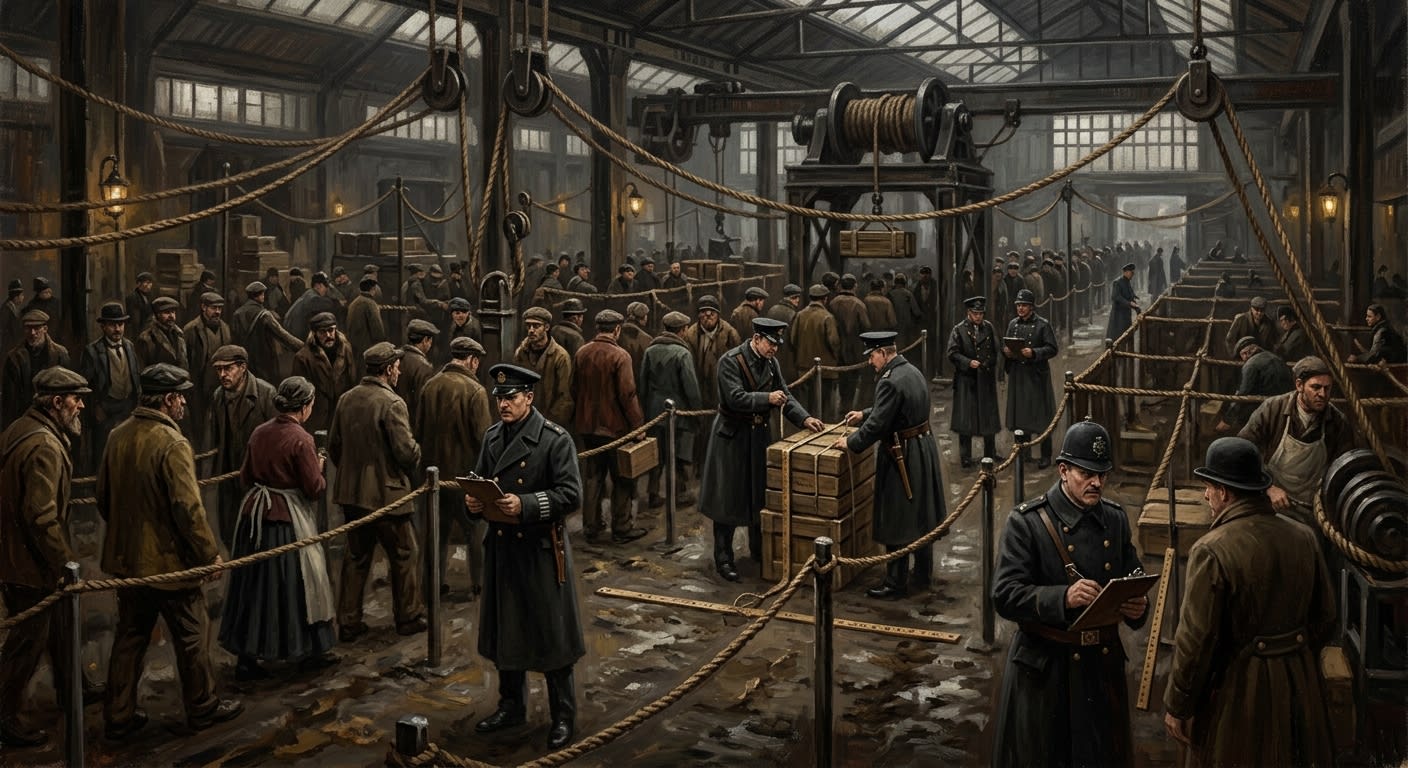
Rope Reforms of A.S. 118
Order is mercy, provided the rope is measured correctly
The Rope Reforms of A.S. 118 turned cordage, lane width, stack geometry, and Ravel's mercy into law; the crowd became countable and therefore governable.
Codex Ref. VII.8.10-008
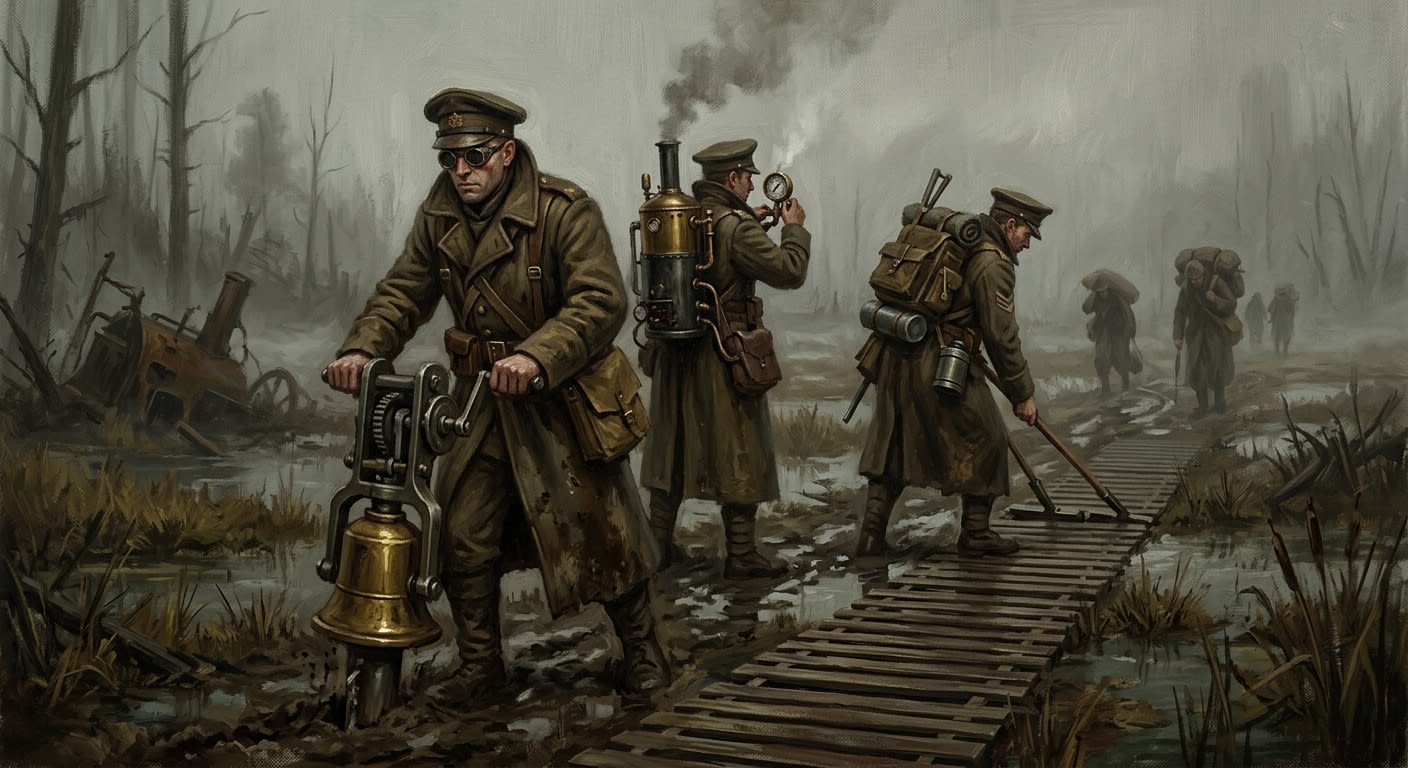
Route Pragmatists
The road speaks before the table learns its name
Field-expedient Route-Stamper faction that adjusts bell-hour cores to fog, water, marsh, demon-resonance, and the rude survival of travellers.
Codex Ref. XII.2.06-003
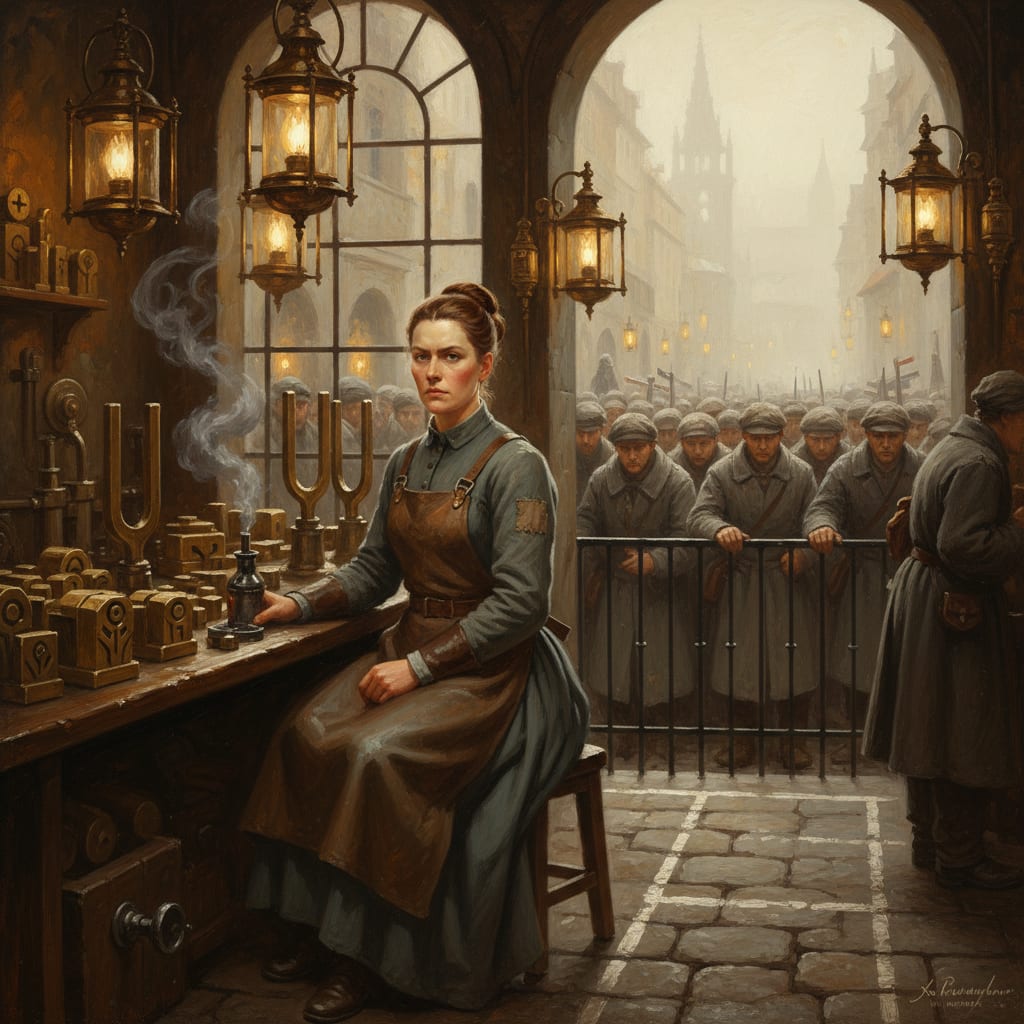
Route-Stamper / Indulgence-Token Smith
Walking is a contract; the Route-Stamper is the notary
Makers of the indulgence-token — a brass palm-piece whose captive bell-hour counts steps, repels road-spirits, and distinguishes the sanctioned traveller from the heretic-with-legs. The art is measured by one question only: whether it lies.
Codex Ref. XII.38.01-001

Route-Timing Concordat
Split the sound, split the crowd, own the dead
A.S. 129 Strasbourg route law born from the Night of Two Bells, imposing two-bell clearance and integrated bellway tables on every serious procession.
Codex Ref. VII.2.10-060
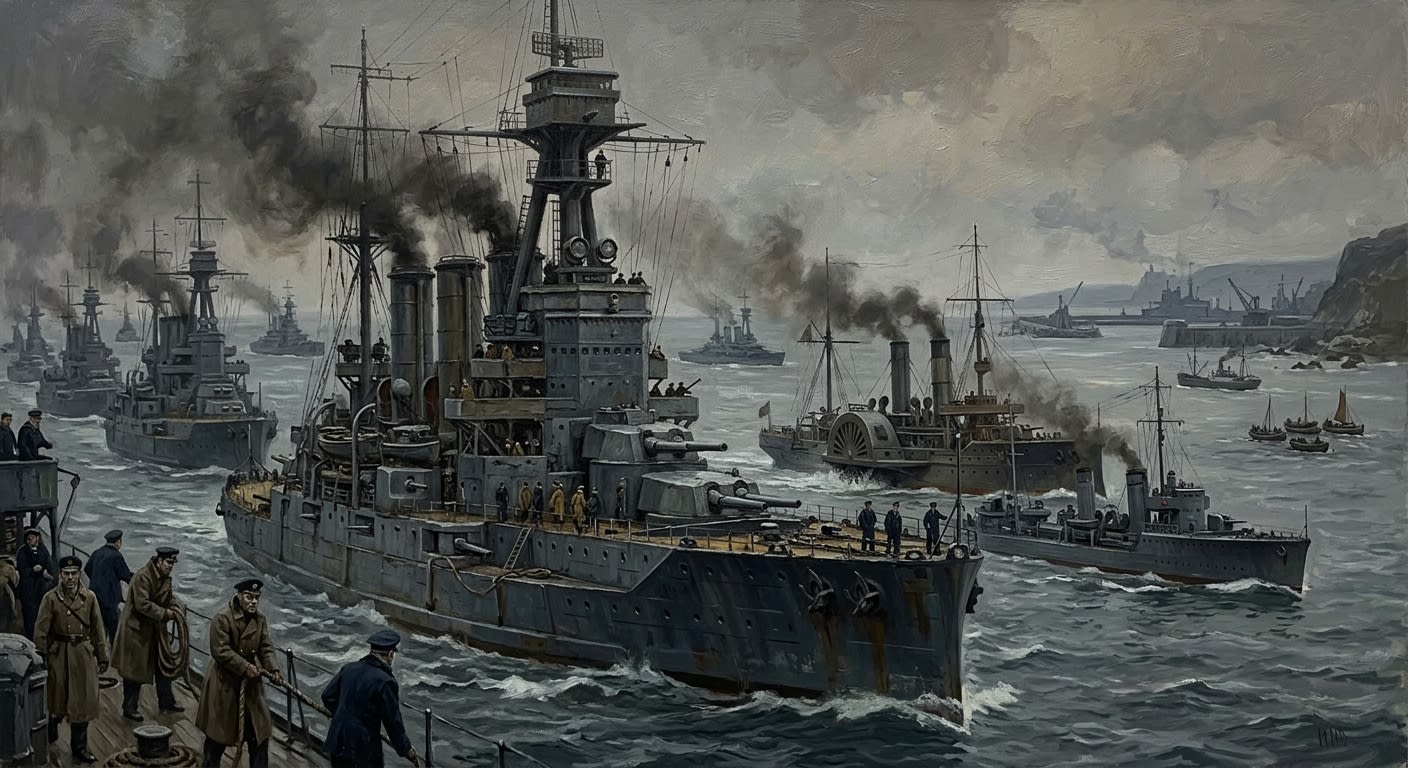
Royal Fleet
The island's parliament of hull, bell, chapel, and gun
Britain's Royal Fleet keeps the Channel, Gibraltar, grain, pilgrims, and Synod pride afloat; Strasbourg counts the hulls and calls dependence cooperation.
Codex Ref. X.1.05-001
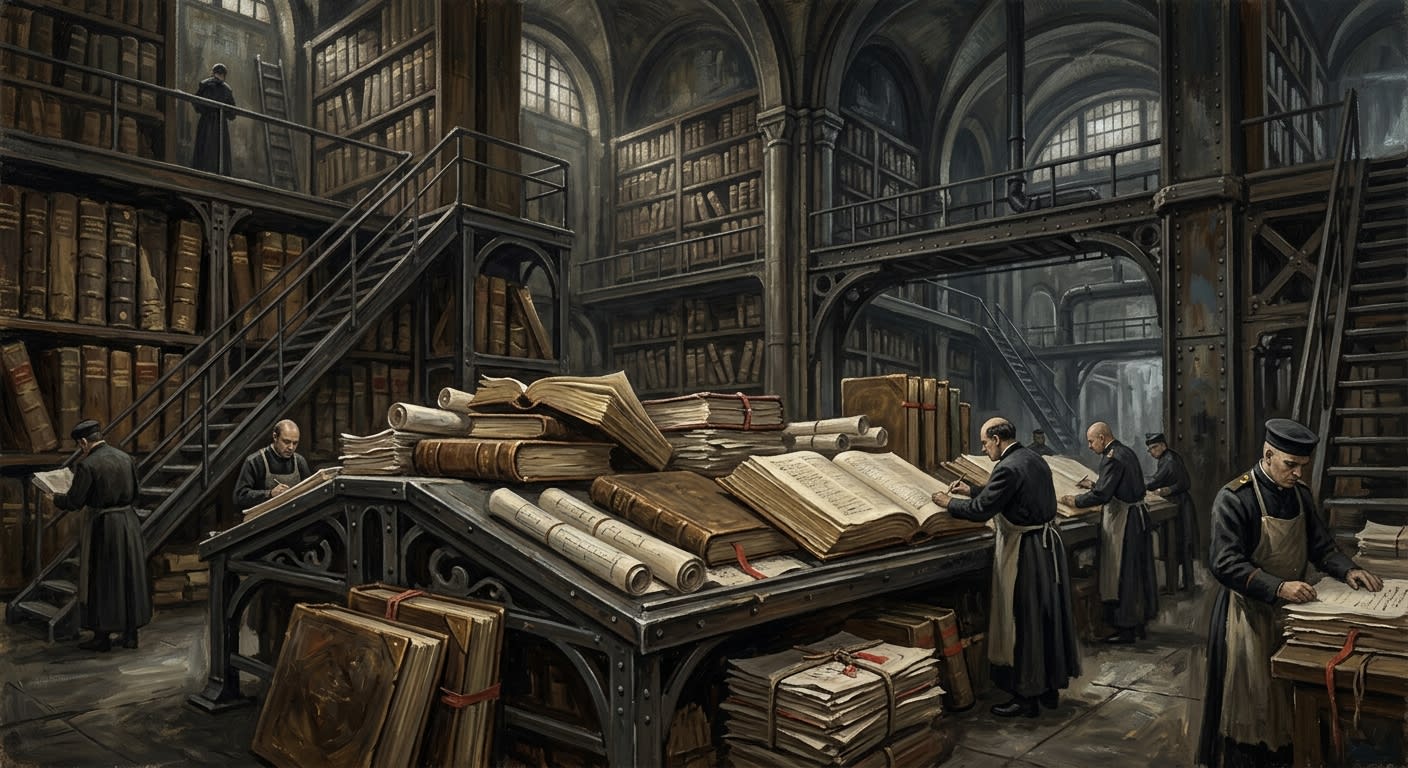
Sacred Ledger
The Synod's memory, sharpened until grief signs the receipt
The Sacred Ledger is the Synod's authorised memory: fact cooked into Doctrine, grief made grammatical, contradiction kept on a leash.
Codex Ref. XIII.1.32-090
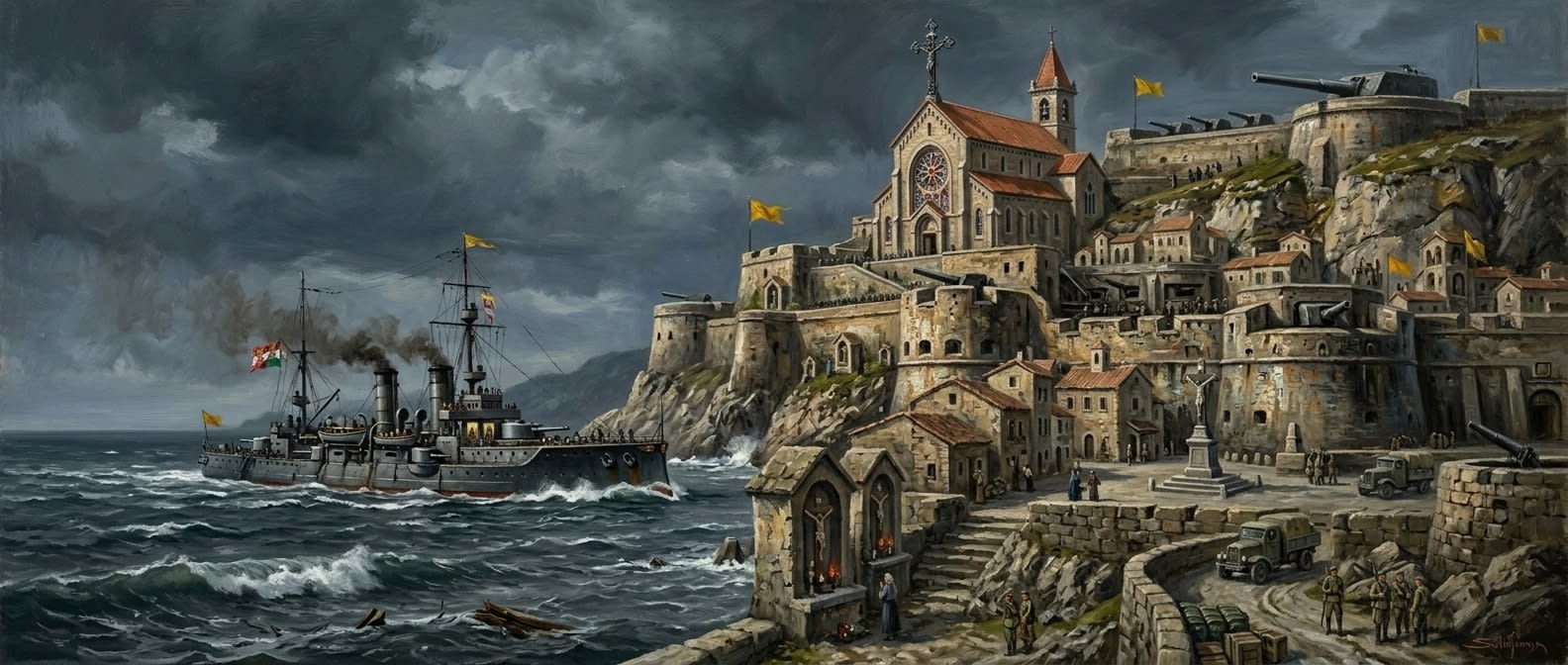
Saffron Bastion
Where quarantine is mercy, mercy is leverage, and the sea pays what it owes
The Synod's coastal chokepoint on the Adriatic — quarantine piers, cliff batteries, saffron flags, and one hundred and twenty thousand souls balanced on the edge of an audit. The sea pays what it owes.
Codex Ref. II.4.09-001
Saint Aurel of the White Wall
The saint who may have arrived after the invoice, yet holds the wall all the same
Disputed patron of Saint-Bone Melters, Saint Aurel offers the convenient femur by which relic fragments become bone-lime, mortar, wall, and doctrine with a clean conscience.
Codex Ref. III.2.01-142

Saint Cadrin the Measured
A saint so useful the archive had no choice but to discover him
Patron saint of Route-Stampers and Indulgence-Token Smiths, canonised in A.S. 112 to make counted movement, stamped routes, and profitable delay holy.
Codex Ref. III.2.01-141
Saint Caldrin the Jubilant Scribe
Joy leaves a trace, and the trace becomes a ledger
Patron saint of Receipt-Procession Pageant Captains, Caldrin turned riotous hunger into ribboned attendance, attendance into receipts, and receipts into cheerful civic custody.
Codex Ref. III.2.01-138
Saint Calibrus, the Level Hand
Measure is mercy, says the scale; hunger has filed a dissent
Patron of Commerce Clerks and tariff-chapel weighers, Saint Calibrus sanctifies the level scale, the lawful shortage, and the terrible arithmetic of hunger.
Codex Ref. III.2.01-101
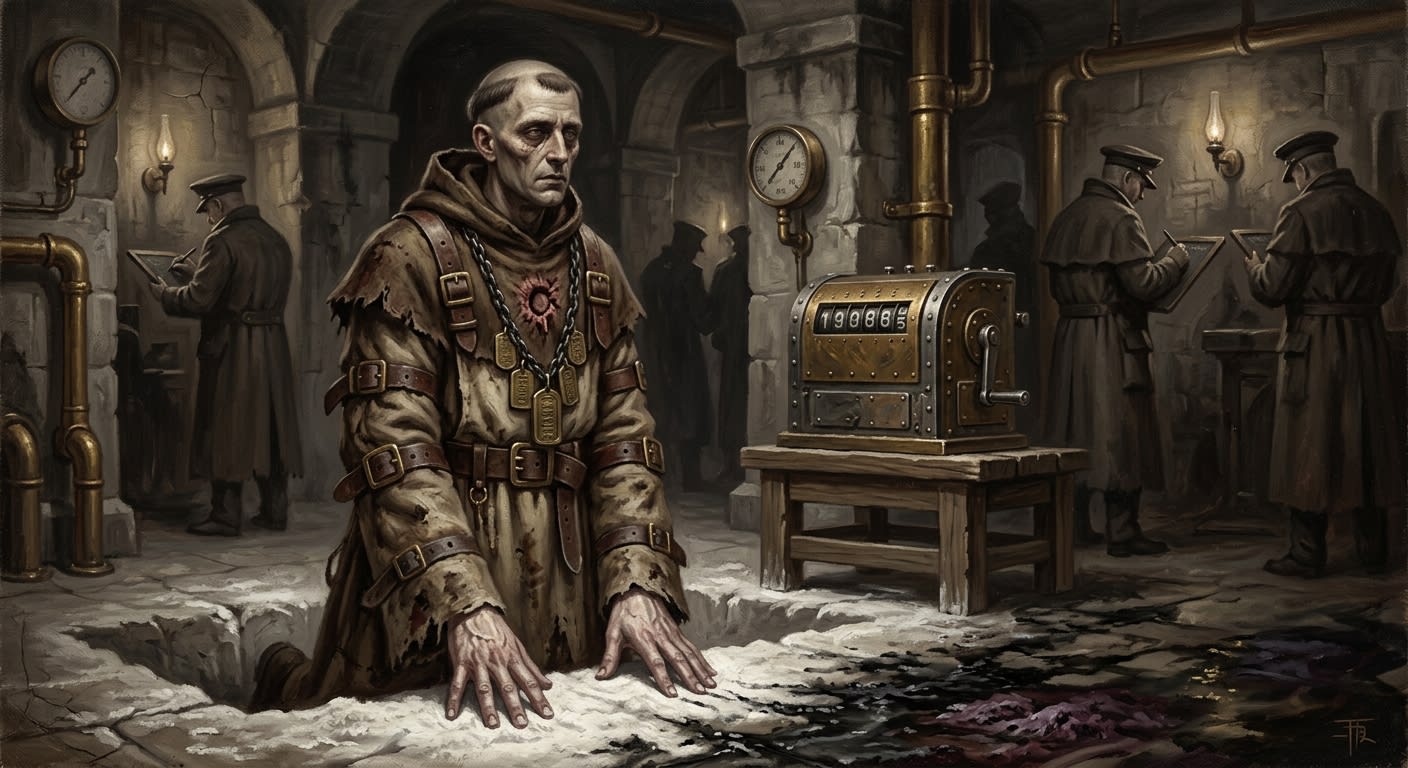
Saint Calistus
Count them, said the saint, and the Bureau has been counting ever since
Cellar-Prior of Lyon whose A.S. 32 Hollow Fast halted plague at a chalk boundary and left the Synod a saint, a tally, and a whistle-shaped wound.
Codex Ref. III.2.01-078
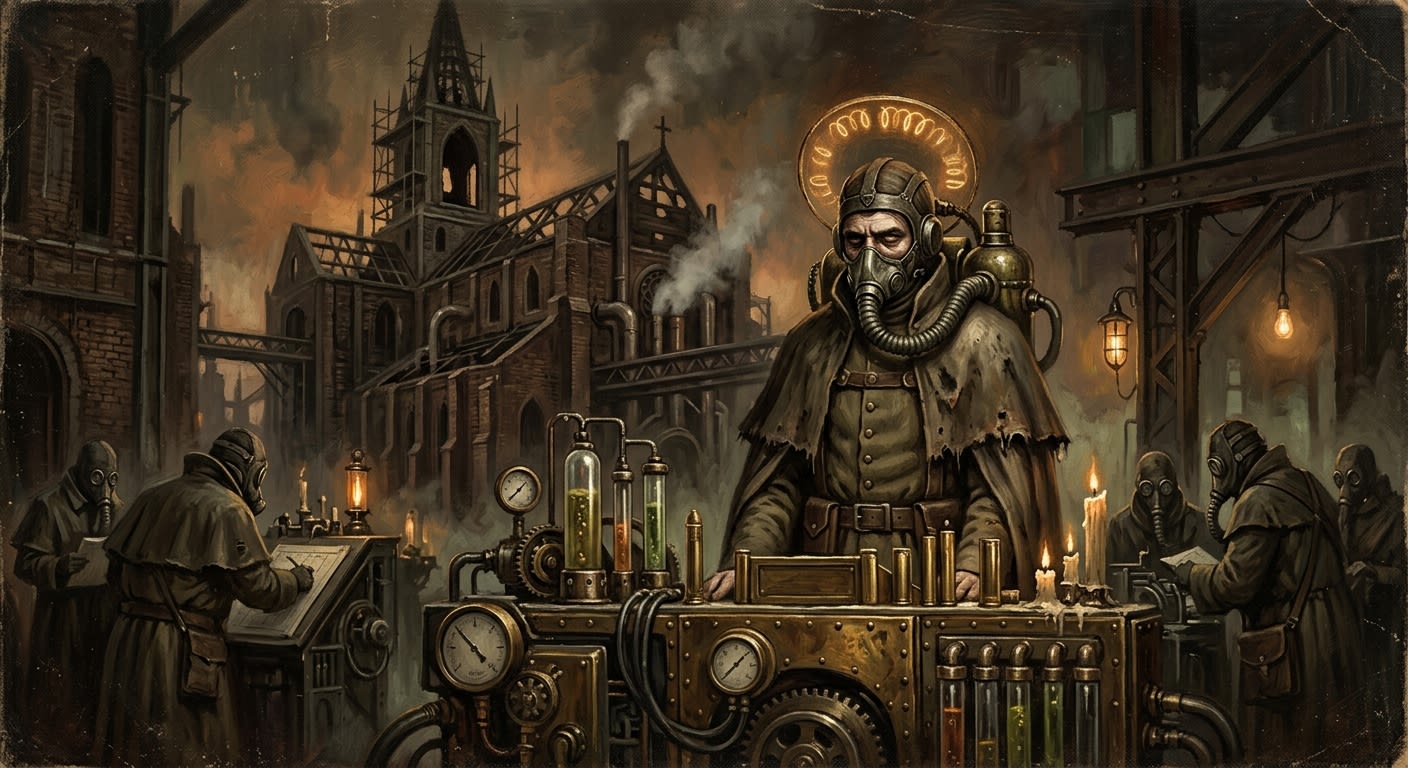
Saint Clement of Brittany
The chapel that received no pilgrims and therefore received a continent
Saint Clement of Brittany became doctrine's perfect destination: a chapel the martyrs never reached, and therefore a wound the Synod could license forever.
Codex Ref. III.2.01-005
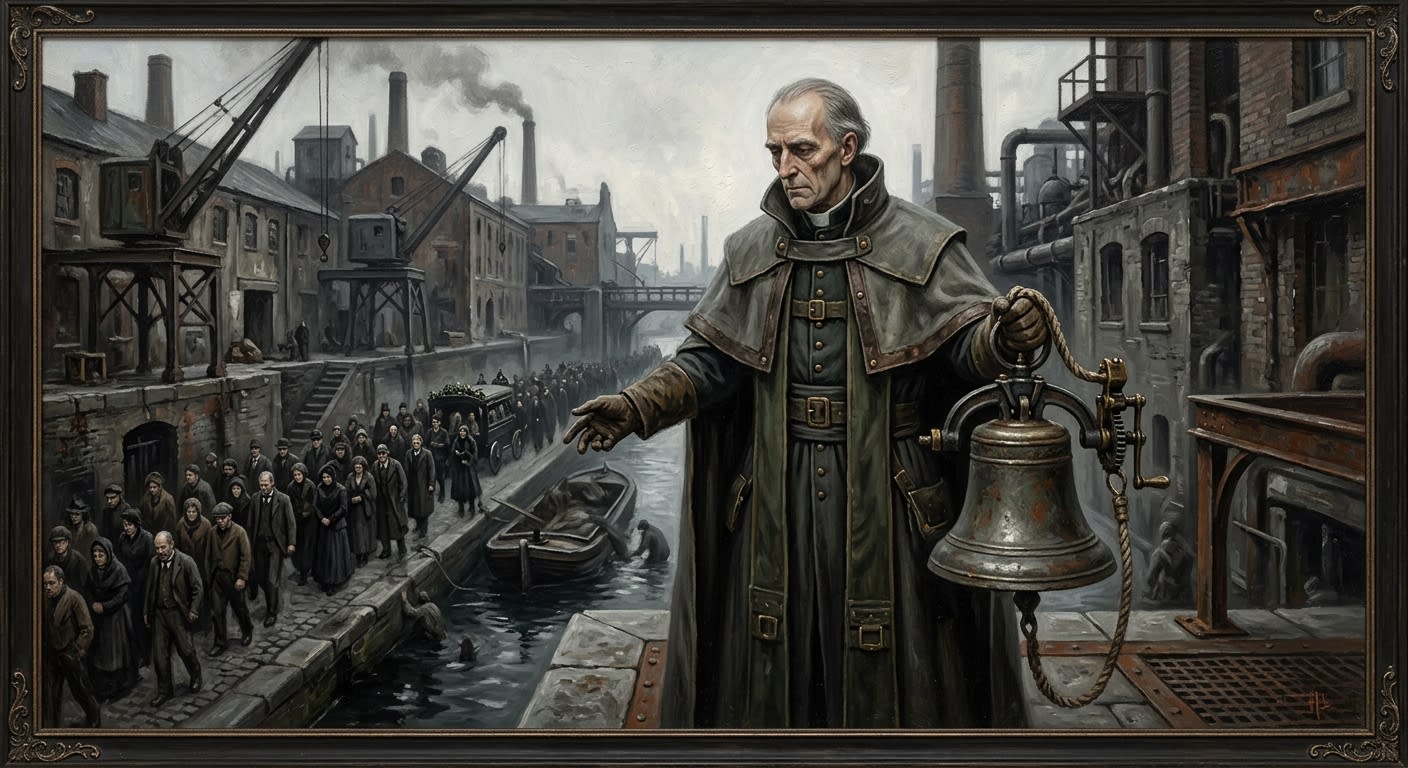
Saint Erasmus
The funeral throat whose obedience drowned nineteen citizens and educated a city
Patron of appointed mourning and funeral cadence, Saint Erasmus became useful after his lawful bell helped split a Strasbourg funeral into nineteen canal deaths.
Codex Ref. III.2.01-129
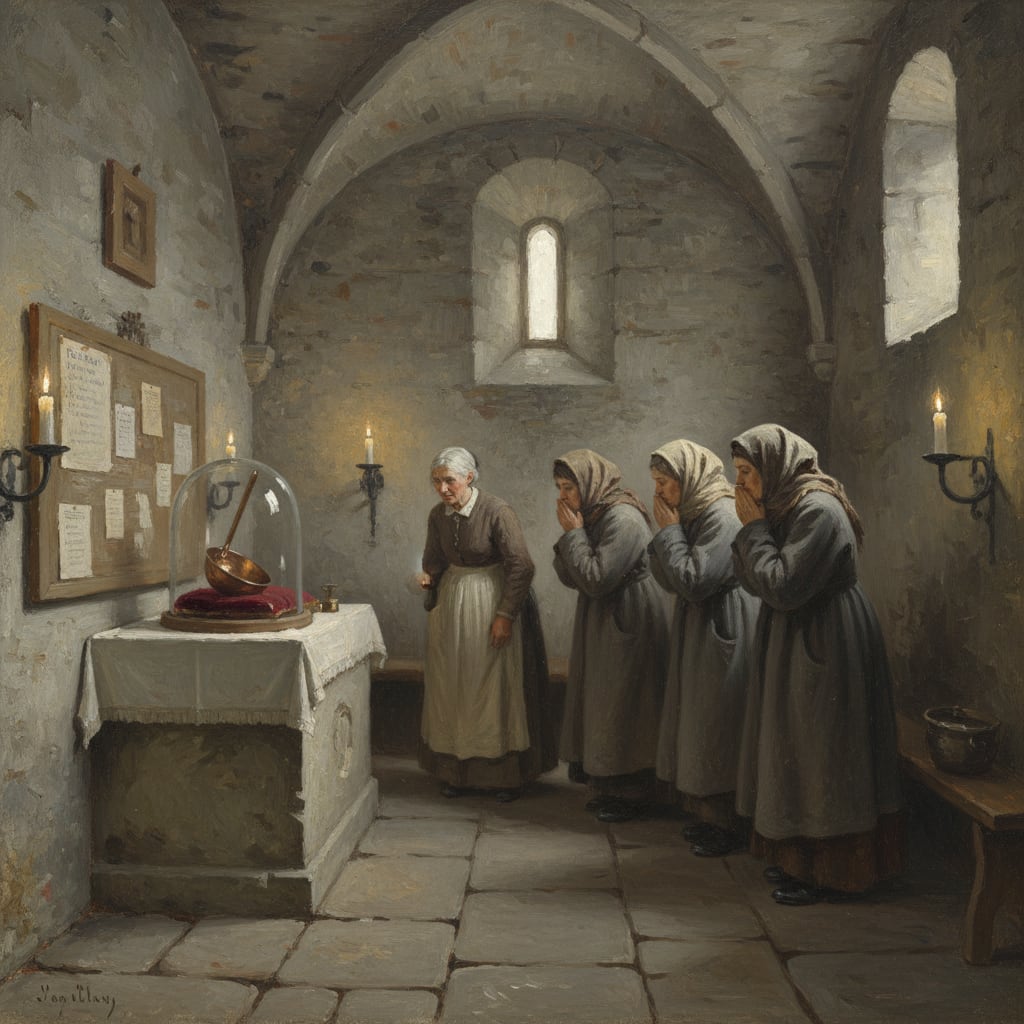
Saint Halva of the Warm Ladle
Salt of the Institution, patron of acceptable portions
Patron saint of the Mothers of Plenty, canonized A.S. 94 with zero miracles attested, no body produced, and a relic the Bureau of Relics classifies as "devotionally sufficient." She may not have existed.
Codex Ref. III.2.01-001
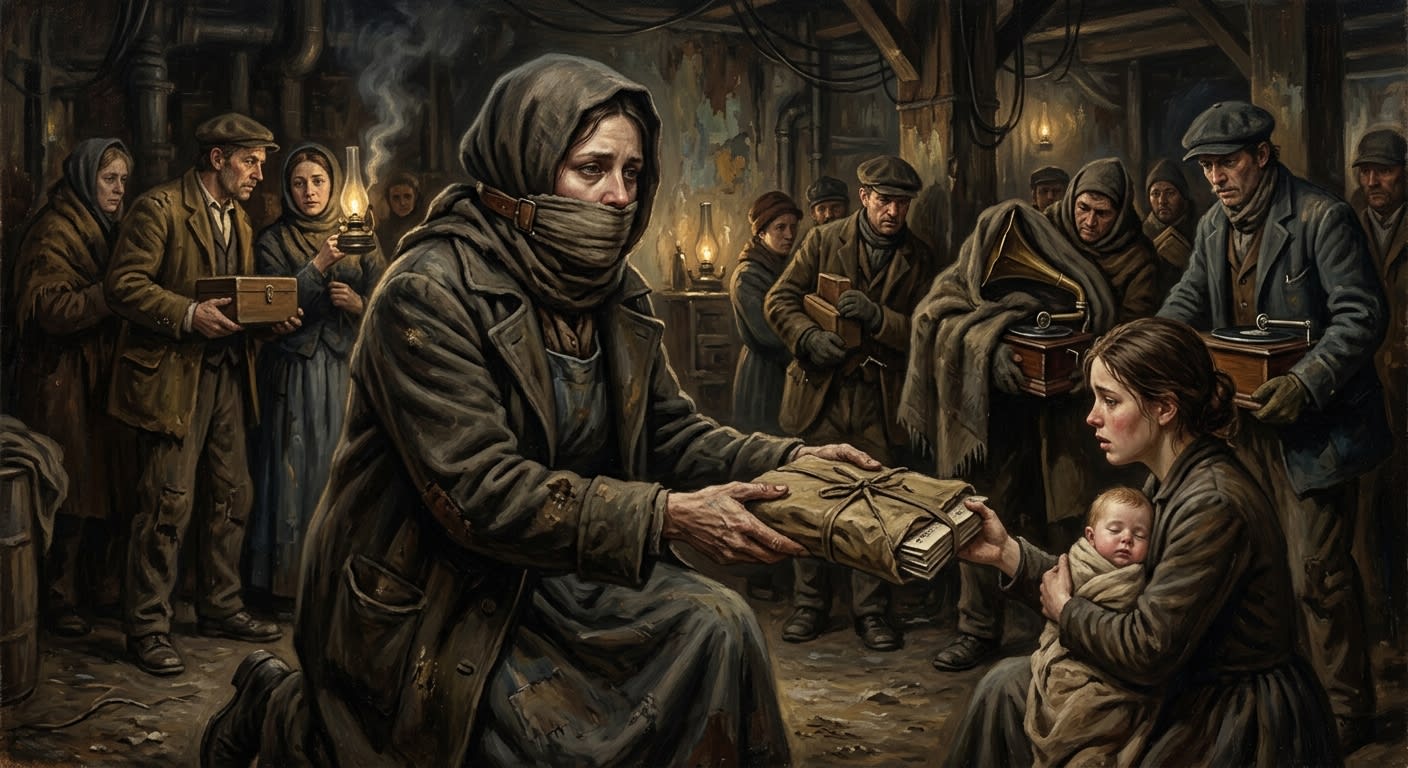
Saint Hessa of the Closed Mouth
The song delivered by silence
Uncanonised patron of melody smugglers, saint-knots, lull-runners, and mothers who move songs where licensed hymns have failed.
Codex Ref. III.2.01-148
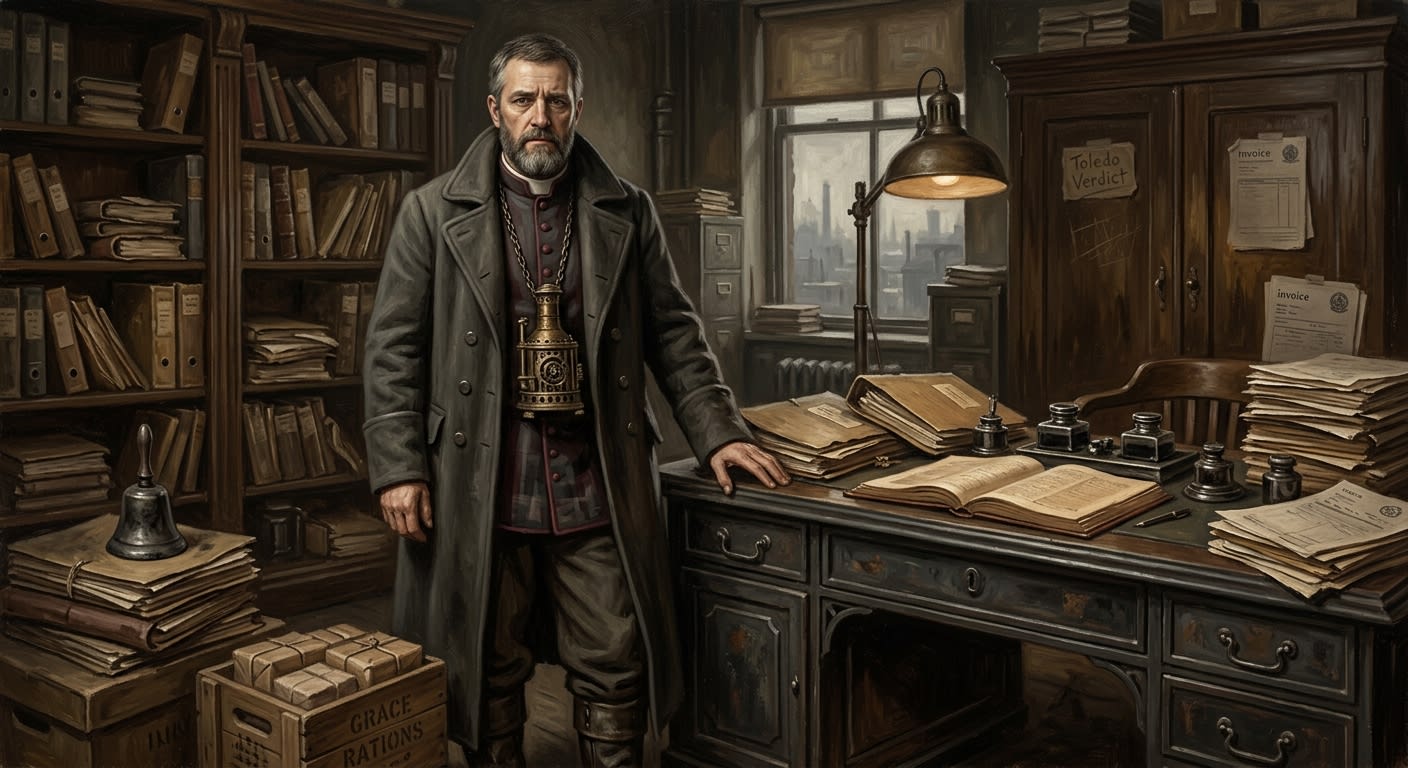
Saint Isidore
The saint who became vessel, bell, ash, and invoice
Pre-Synod saint whose militarised relic blazed at Kalnik Ridge in A.S. 48, then multiplied into bell, ash, Grace Ration, Toledo verdict, and Bureau invoice.
Codex Ref. III.2.01-086

Saint Kelm the Measurer
The road does not grant miracles; it grants margins
Unratified patron of Caravan Factors, Kelm measures loss, lies, wheels, sacks, and roads with such usefulness that Strasbourg denies him while taxing his candles.
Codex Ref. III.2.01-097
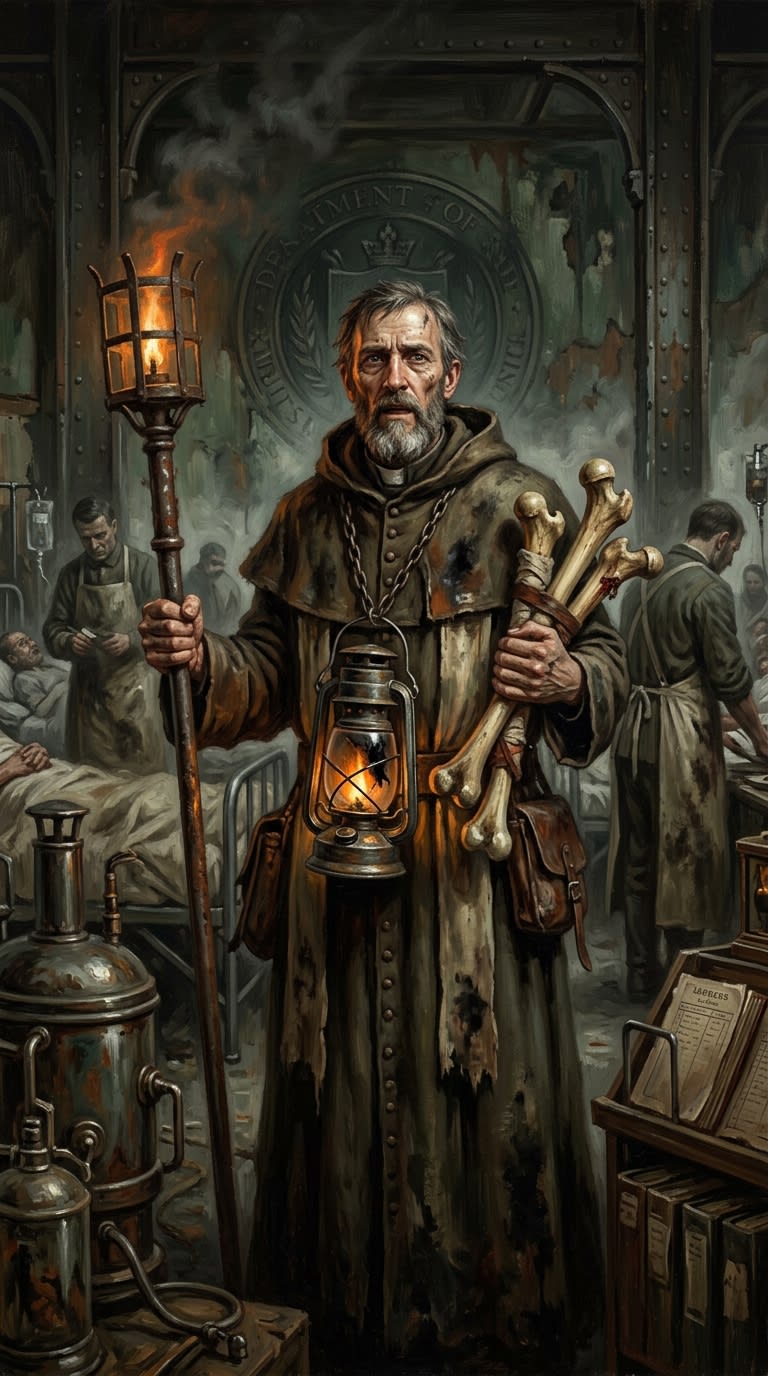
Saint Maurus of the Burnt Lantern
The hospice martyr whose left leg taught arithmetic to kneel
Hospice martyr, ward-lantern patron, and owner of three authenticated left femurs; Maurus proves that sanctity can outgrow anatomy.
Codex Ref. III.2.01-148

Saint Orla of the Steady Note
The patron who taught singers to hold the note and refuse the answer
Patron of the Iron Choir Brand-Singers, Orla gave Purity its steady note, its closing silence, and its most useful command: do not answer it.
Codex Ref. III.2.01-064
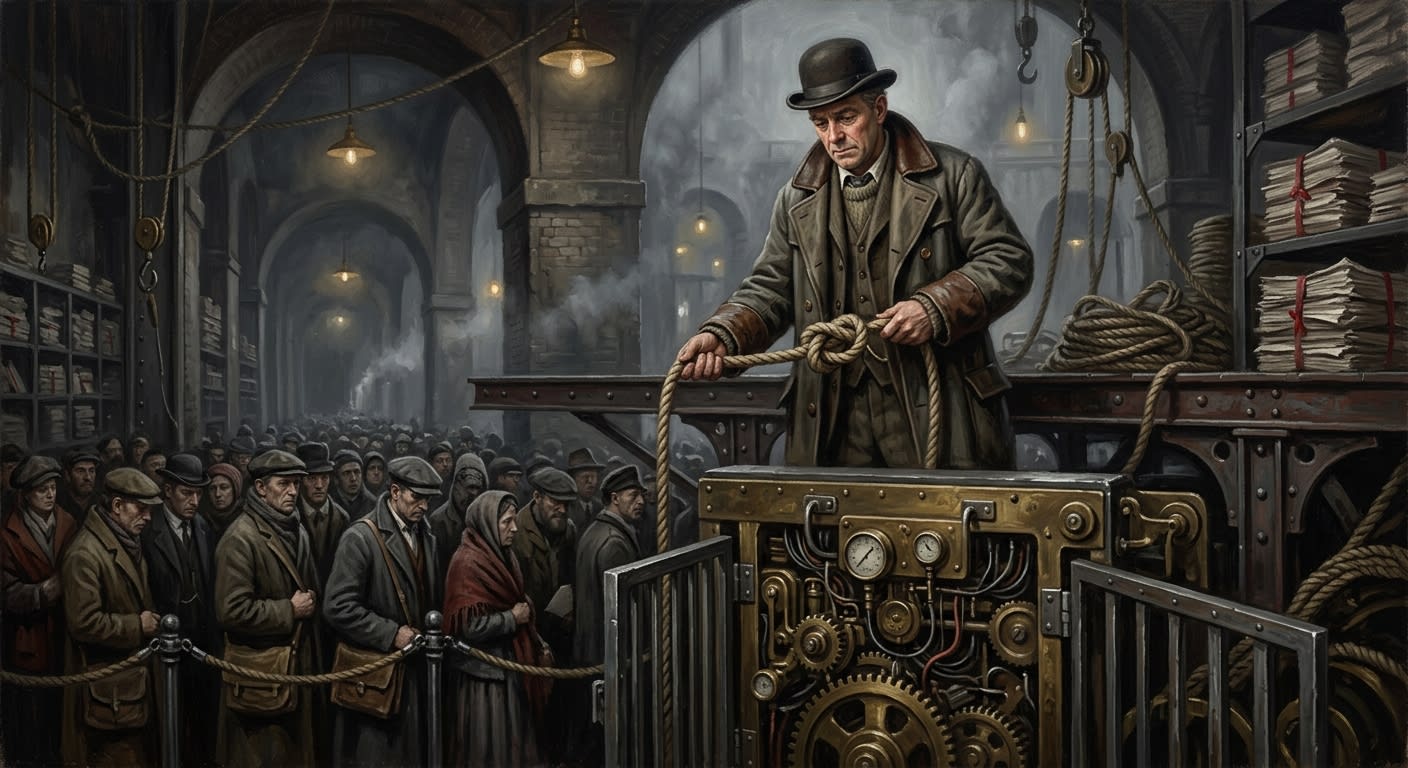
Saint Ravel of the Rope
The bruise remains unofficial because the knot remains useful
Unratified patron of Checkpoint Queue-Marshals, Ravel saved a starving lane with one knot; the Bureau kept the procedure and mislaid the man.
Codex Ref. III.2.01-099
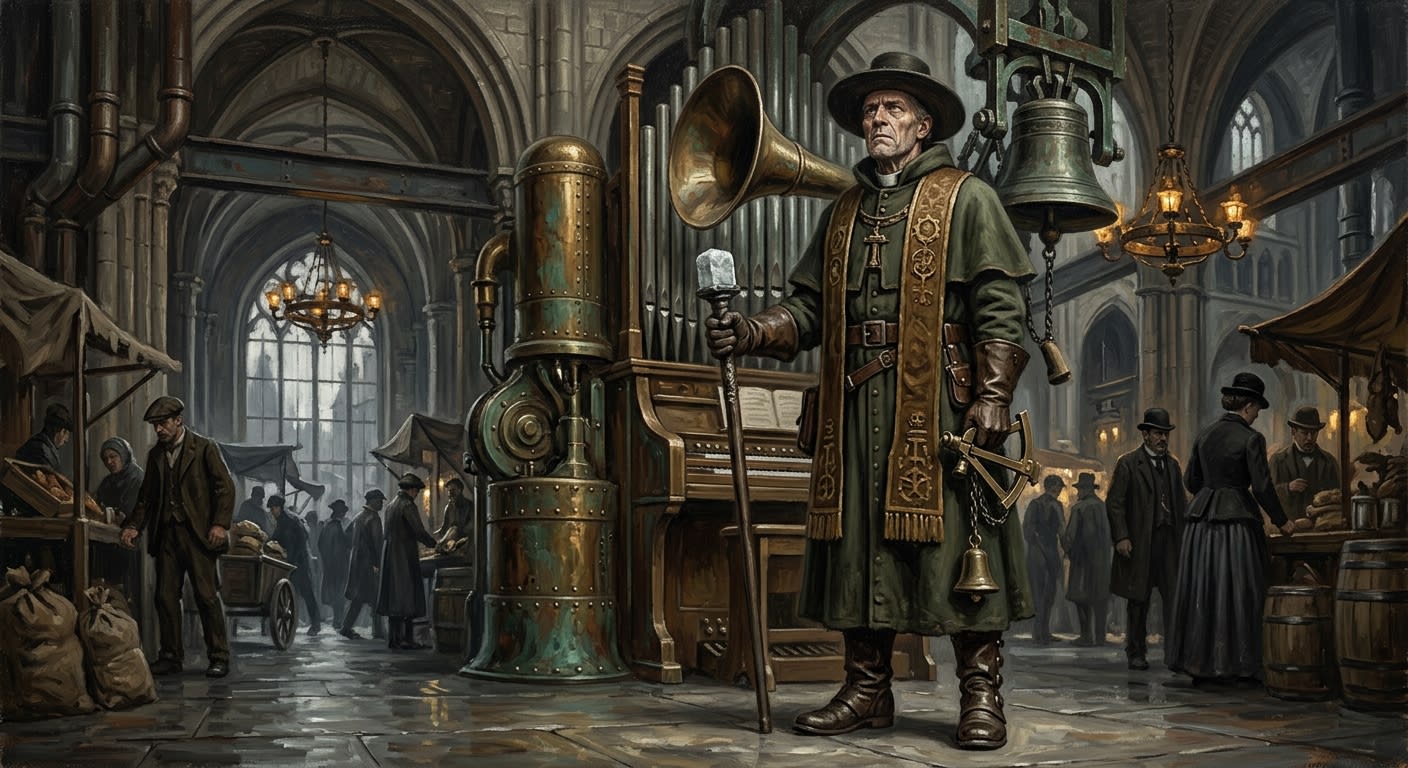
Saint Rupert
Salt in the wound, bronze in the tower, order in the market
Saint Rupert, Vienna’s salt-saint, preserves meat, measure, bells, markets, and civic memory: the patron whose bronze throat answered when men forgot to kneel.
Codex Ref. III.2.01-095
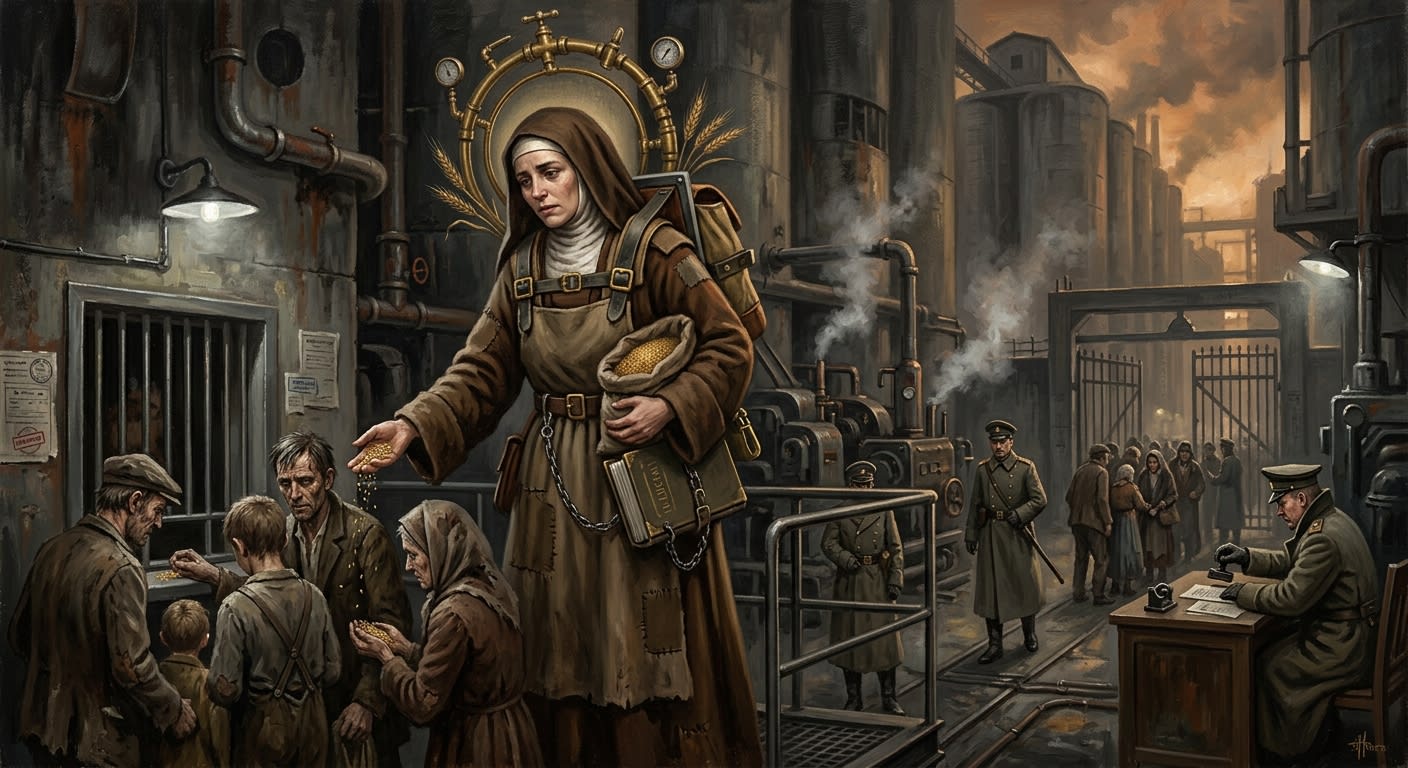
Saint Silo-Agnes
The hungry remember the woman in the wall more accurately than the pageant
Saint Silo-Agnes, unofficial patron of Grain Keepers, was condemned for hidden millet and later improved into a charity martyr fit for ticketed grief.
Codex Ref. III.2.01-121
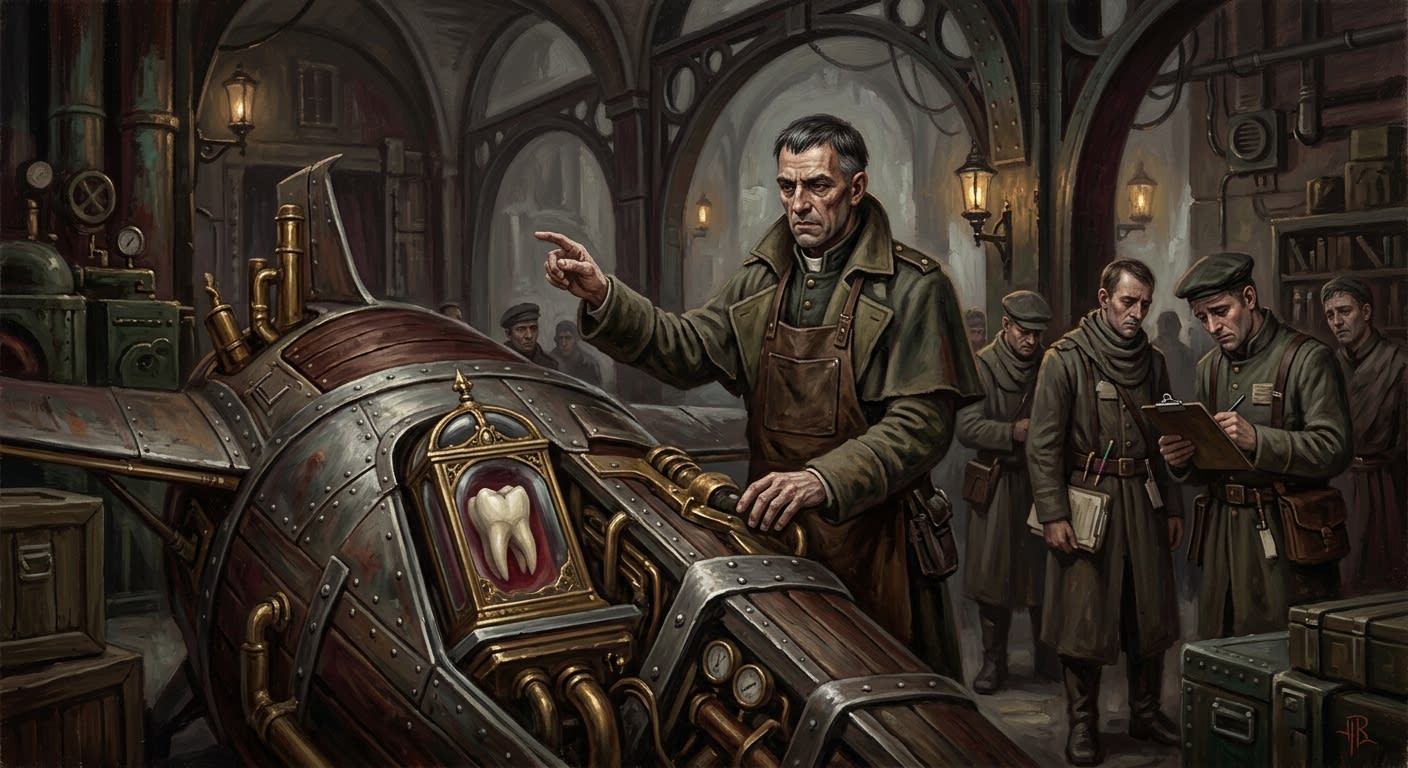
Saint Uriel
The warning tooth that refused to bless the southern sky
Saint Uriel is warning, tooth, patron, and refusal: the authenticated molar whose Ark will not fly, thereby accomplishing theology by humiliation.
Codex Ref. III.2.01-191
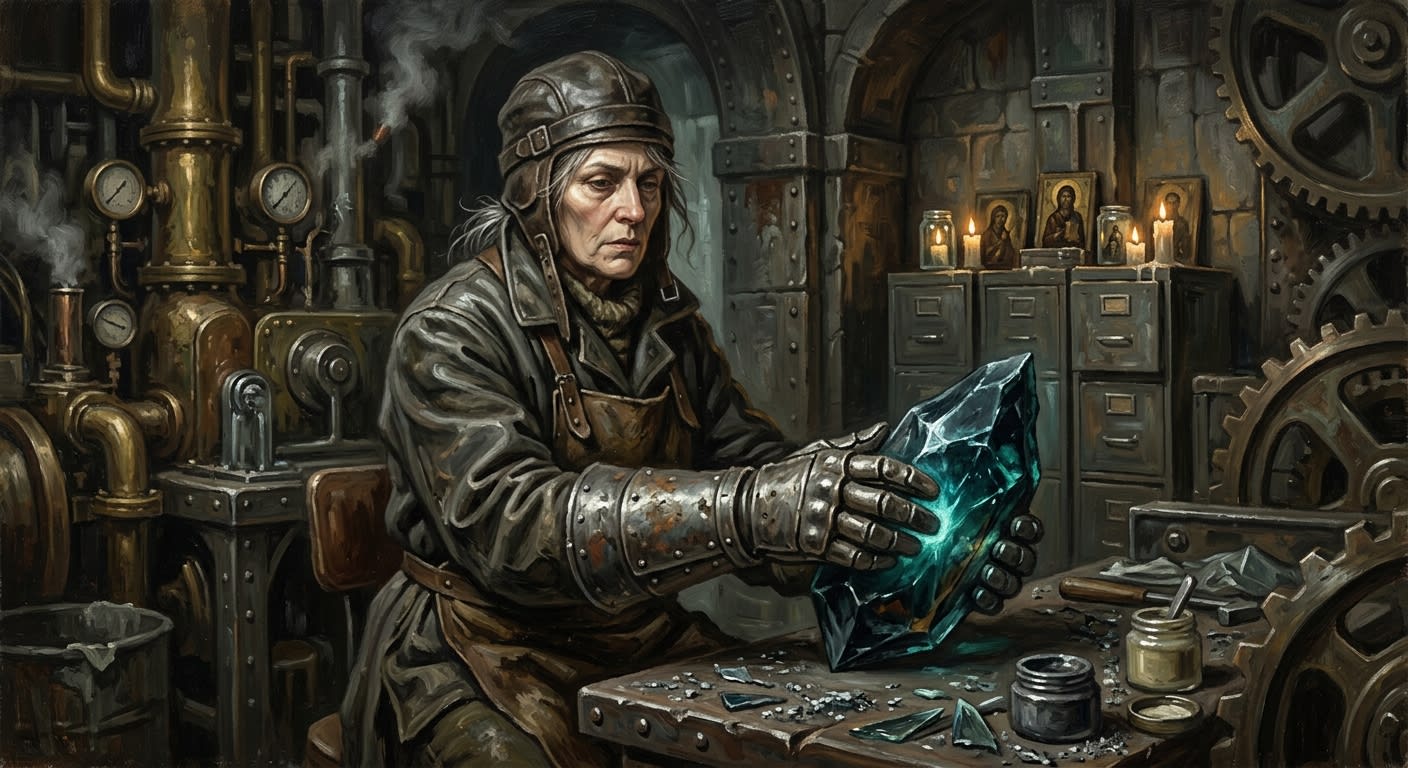
Saint Varda of the Lead Hands
A saint without a file is still a tool if the hand survives the glass
Uncanonised patroness of Demon-Glass Polishers, Varda teaches the bench-law of lead first and vision second wherever raw shards whisper and official files refuse to exist.
Codex Ref. III.2.01-107

Saint Varric of the Twelve Blisters
The chain becomes holy when the foot bleeds on schedule
Approved patron of Pilgrim-Chain Handlers: a useful, poorly documented saint whose twelve blisters became stations, tolls, custody doctrine, and a halo bent from iron.
Codex Ref. III.2.01-134
Saint Velek the Clear-Eyed
Sight and sentence, lens and burn
Ratified patron of Pillar-Keepers and severe glasswrights, Saint Velek gives Glass Skull Stack maintenance a face, a thumbprint, and a saintly excuse for sounds after Vespers.
Codex Ref. III.2.01-068

Saint Vell of the Lantern Table
Seal it before the mud eats the name
Occupational patron of Trench-Court Clerks and front registrars, Saint Vell keeps the page dry, the lantern lit, and the dying name useful.
Codex Ref. III.2.01-148
Saint Vellum of the Narrow Line
He proved a warehouse may burn correctly if its name burns first
Saint Vellum, patron of Manifest Litigants and cargo-identity quarrels, entered the Ledger by invoice: no bone, uncertain vita, and a burning warehouse rendered clean enough for doctrine.
Codex Ref. III.2.01-066

Saint Vellum of the Valve
Hold while I turn, says the saint the clean offices refuse to hear
Uncanonised occupational patron of Diesel Resonance Plumbers, Saint Vellum of the Valve is the hand on the wheel where pressure, bell-shadow, and useful heresy meet.
Codex Ref. III.2.01-111

Saint Vellum-of-Breath
Close what must close
Occupational patron of Purity Fume-Inspectors, administratively devotional and publicly impossible, whose sealed nostril-ring teaches selective detection where total truth would freeze a district.
Codex Ref. III.2.01-137
Saint Vellum-of-the-Quiet-Hand
The Saint Records Needed Before Rites Could Admit She Existed
Disputed patron saint of Ritual Bone-Stampers and ossuary notaries, operationally accepted after A.S. 92 because the corridors required a mother before the Bureaus could manufacture one.
Codex Ref. III.2.01-069
Saint-Anonymous of the Glass Parish
The nameless patron who keeps the shard from learning the road
Saint-Anonymous of the Glass Parish is the unauthenticated patron invoked by demon-glass scavengers, wrappers, route-null couriers, and other professionals whose safest miracle is remaining unnamed.
Codex Ref. III.2.01-110
Saint-Bone Melting Acts
Sanctity must bear weight, and the wall has receipts
The A.S. 96 Saint-Bone Melting Acts made surplus holiness structural, teaching relics to become mortar and the faithful to call subtraction a wall.
Codex Ref. XIII.1.91-096
Saint-Bone Melting Acts A.S. 96
The statute that taught saints to bear weight, whether they had consented neatly or not
A.S. 96 legislation that turned surplus, damaged, disputed, duplicated, and unassignable relic fragments into deployable sanctified mortar for the Sagittal Line.
Codex Ref. VII.2.10-096
Saint-Dust
Powdered holiness enters the lung, the ledger, and the machine
Saint-dust is powdered holiness made useful: relic residue for broadcasts, wounds, shrines, walls, markets, miracles, and the lungs sacrificed between them.
Codex Ref. XIII.1.91-098
Salt Tribunal
The court that sells leaving and calls the invoice mercy
Calais' Salt Tribunal converts fear of water into legal passage, priced mercy, tide-files, quarantine holds, and salt-wax obedience.
Codex Ref. XIII.1.87-084
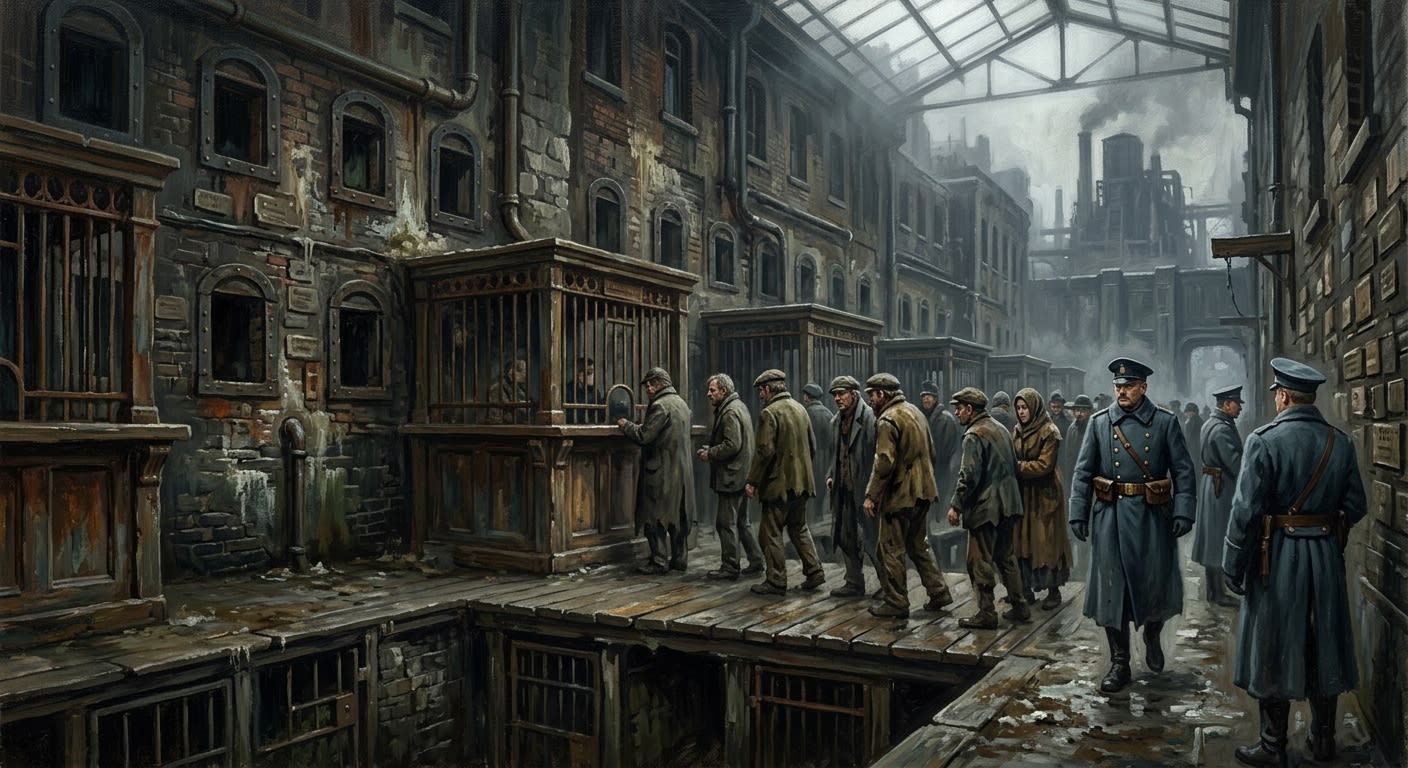
Salt Tribunal Row
The street where the sea is stamped before it is permitted to drown you
Salt Tribunal Row is Calais reduced to a damp street: counters above the Pens, names from the Wall, and departure sold window by window.
Codex Ref. II.4.09-084
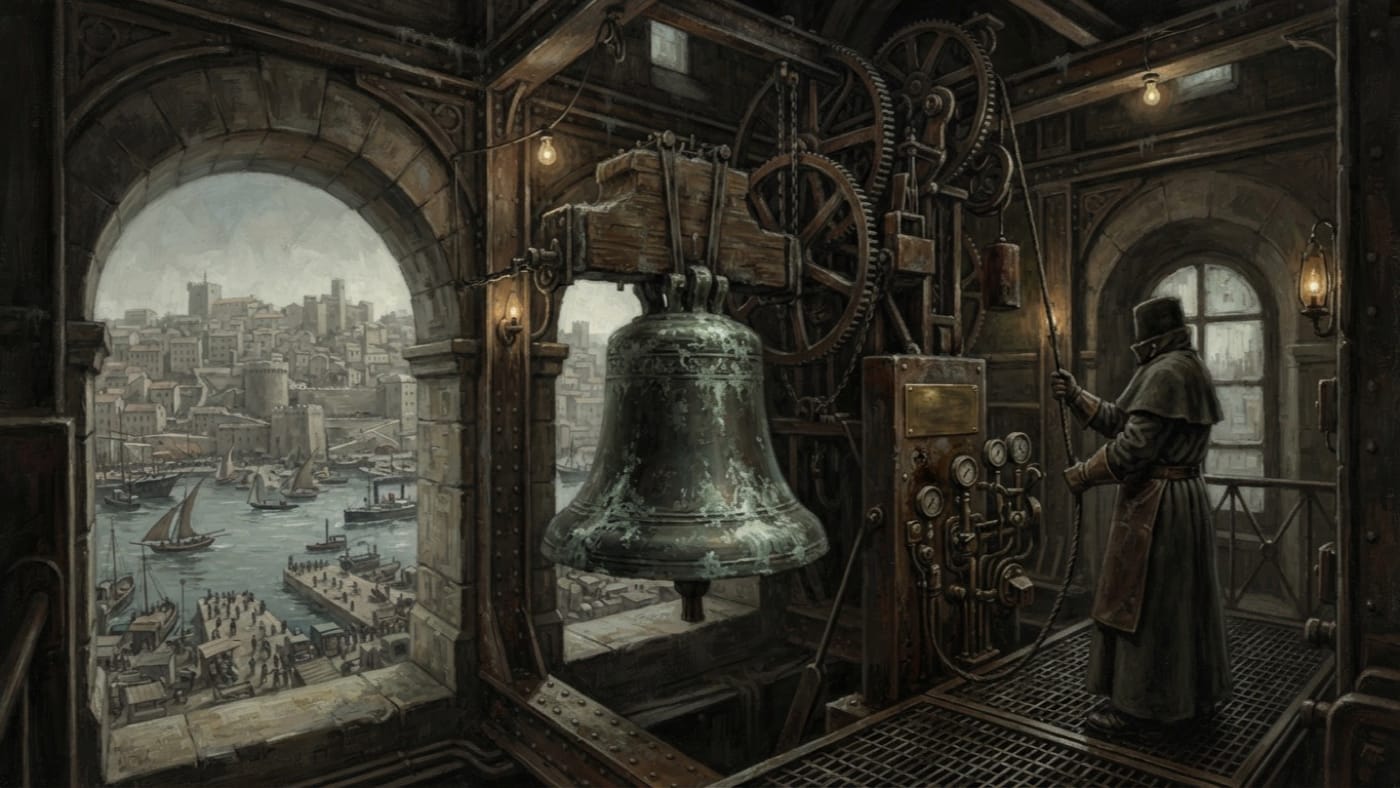
Salt-John
One bronze voice reserved for the hour when Marseille must listen
Salt-John sounds harbour danger from Saint-Victor's western relay in Marseille. One of nine principal bells, it remains under Bureau of Bells authority: a warning loses its power when every clerk may ring it.
Codex Ref. XIII.1.62-232

Salzburg
The Alpine city where a warm shinbone taught bishops to bleed politely
Salzburg is a profitable Alpine shrine-city whose Warm Tibia dispute killed two bishops and made custody smell faintly of salt, wax, and knives.
Codex Ref. II.3.05-141
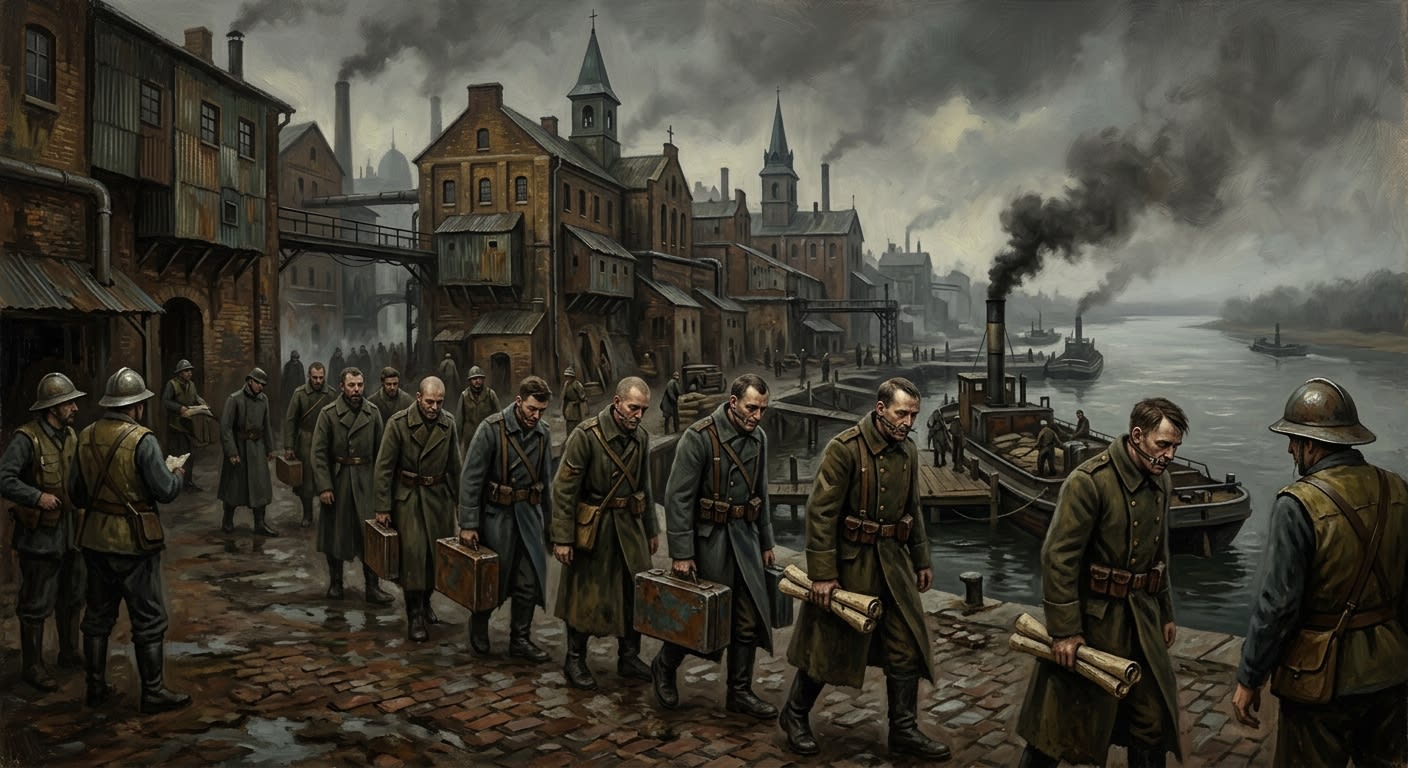
Sandomierz
Kraków owns the bridge; Sandomierz owns the arrival
Sandomierz is the Vistula recovery town that pulled forty-seven wired-mouth priests from Kraków’s crime and made downstream grief countable.
Codex Ref. II.3.06-019
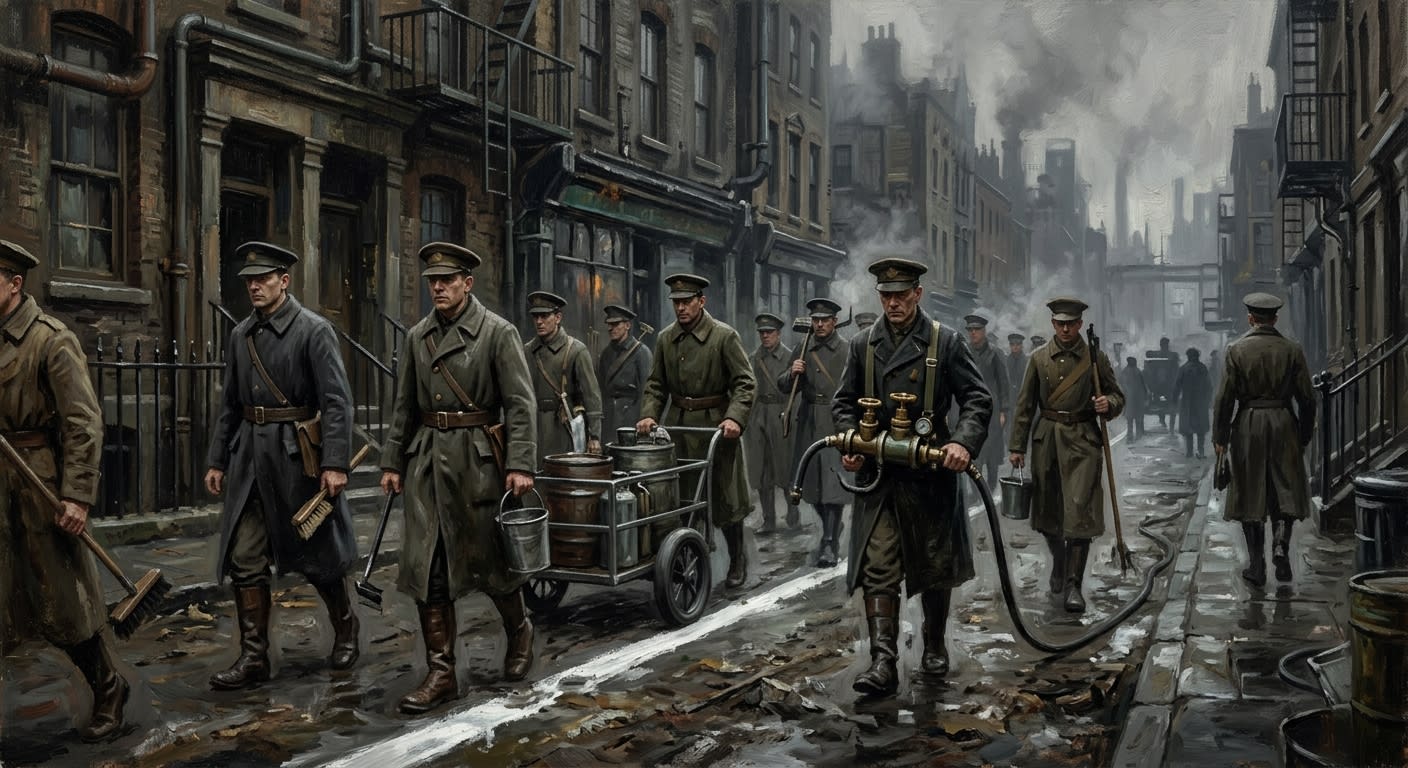
Sanitation Chapter
The clean line is a border, a sermon, and a threat
Mercy calls it sanitation; Marrowgate calls it the office that paints a white line and makes obedience look like hygiene.
Codex Ref. VIII.2.10-078
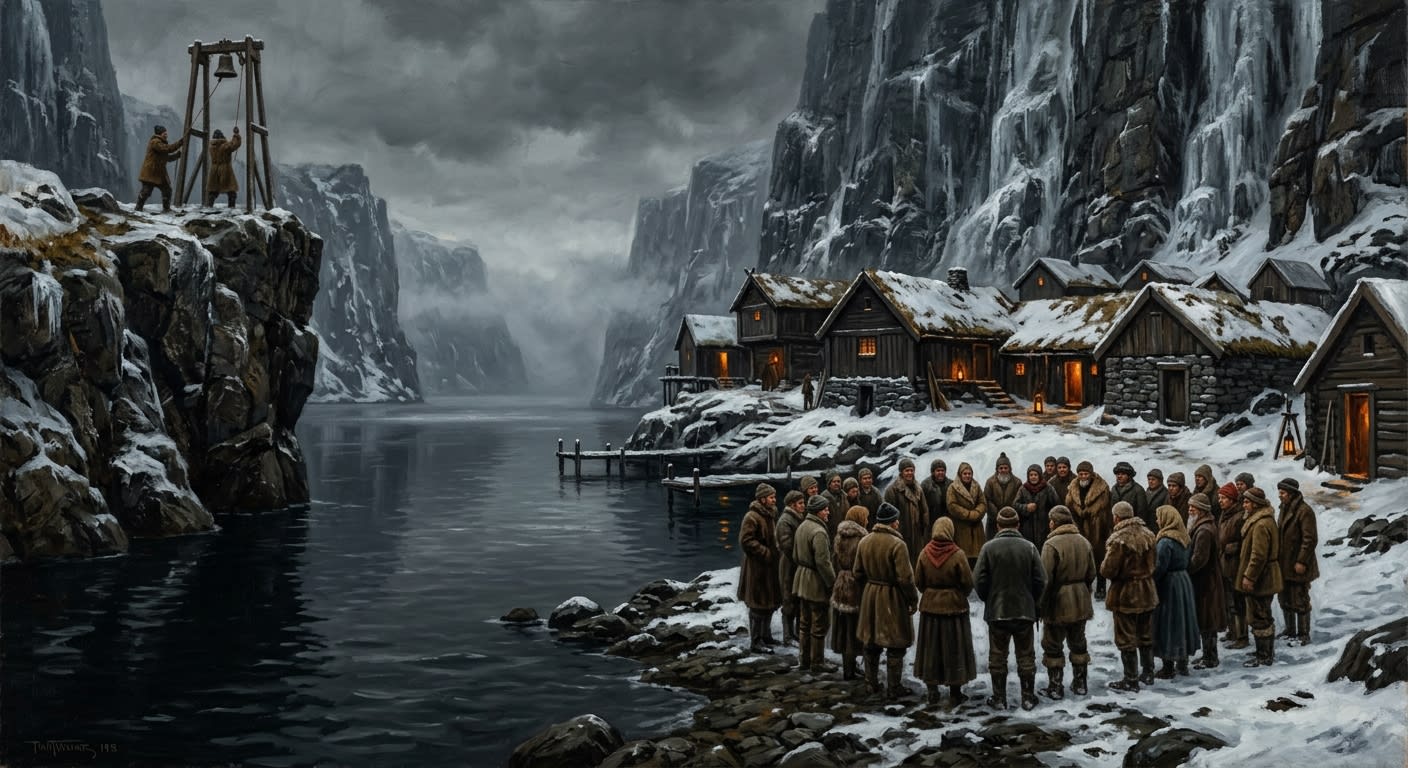
Scandinavia (The Fractured North)
The Synod's supplier, its creditor, and the thing the Bureau cannot name
A compliance assessment of Zone 8 — 1.9 million souls, clan moots, seal-oil, and the thing in the fog the Bureau classified Category Two Acoustic Distortion and has not re-examined. Filed by Drax. Not ratified by the wind.
Codex Ref. X.1.03-001
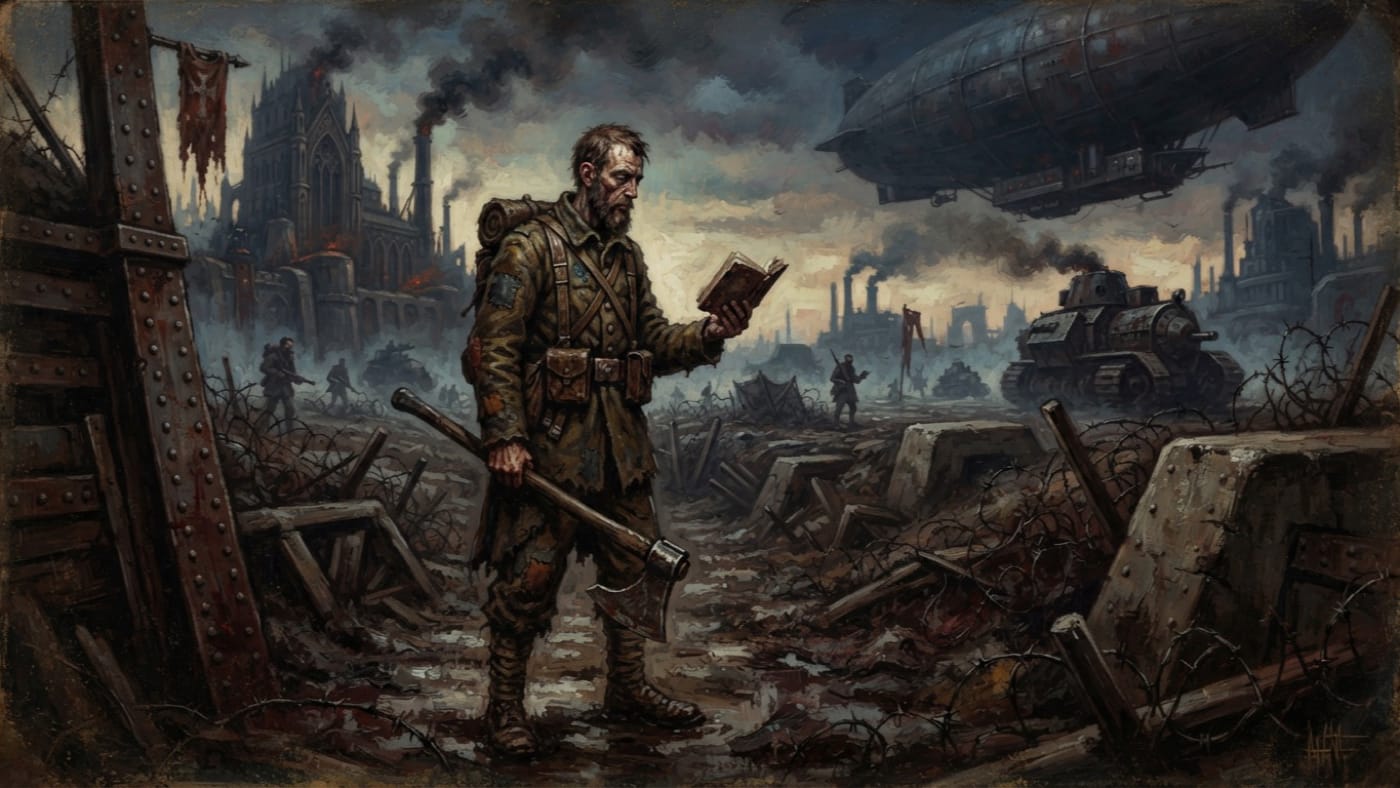
Scandinavian axe-psalter
The Line prizes the soldier. Doctrine keeps the household under Pending.
Strasbourg values the northern soldier who fights and prays in the same breath, then files the household that trained them under Pending. Every axe-psalter at the Line leaves the fjords with one fewer pair of hands.
Codex Ref. XII.8.02-155
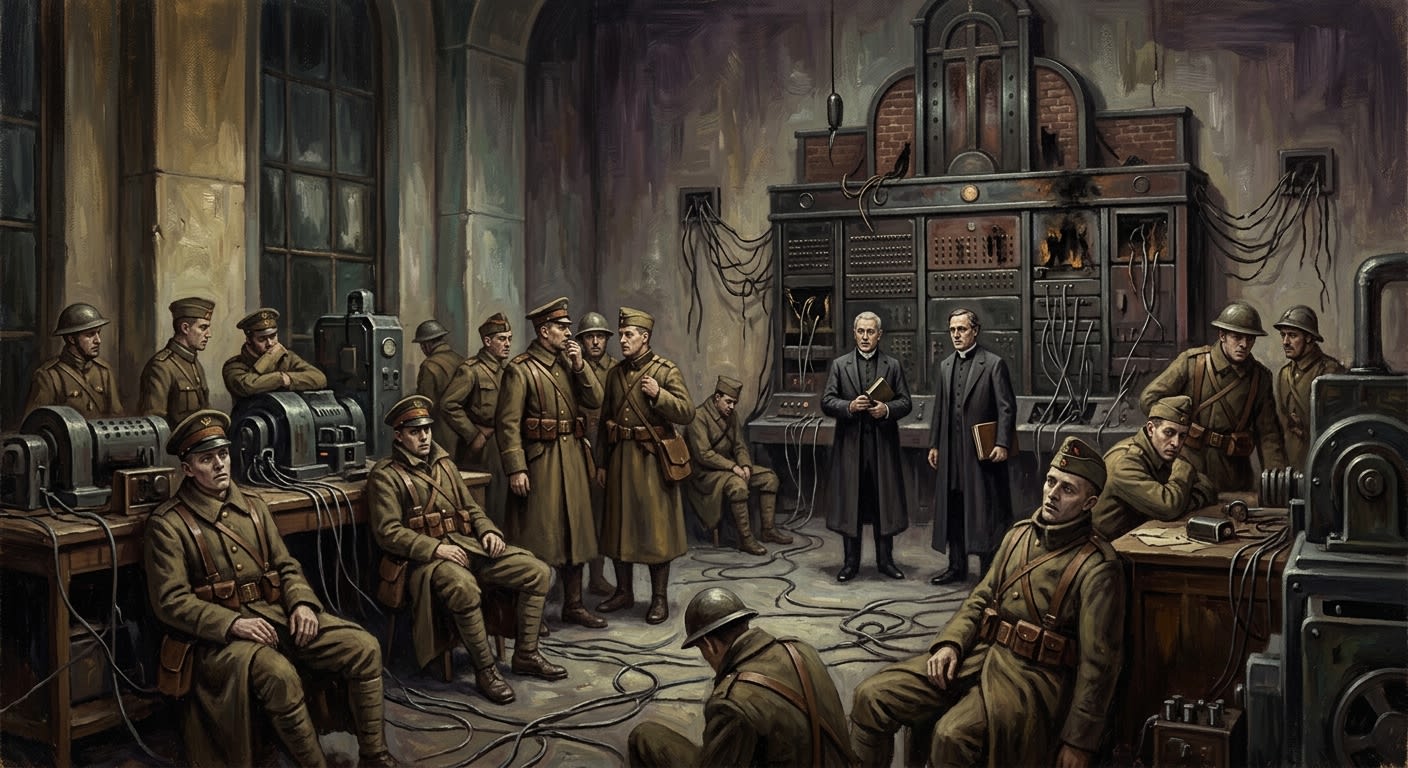
Schism of the Unspoken
The heresy that refused the courtesy of speech
The A.S. 78–83 southern garrison silence that taught the Synod absence could infect, and gave Purity the wound from which Codex Auditors grew.
Codex Ref. VII.8.10-009
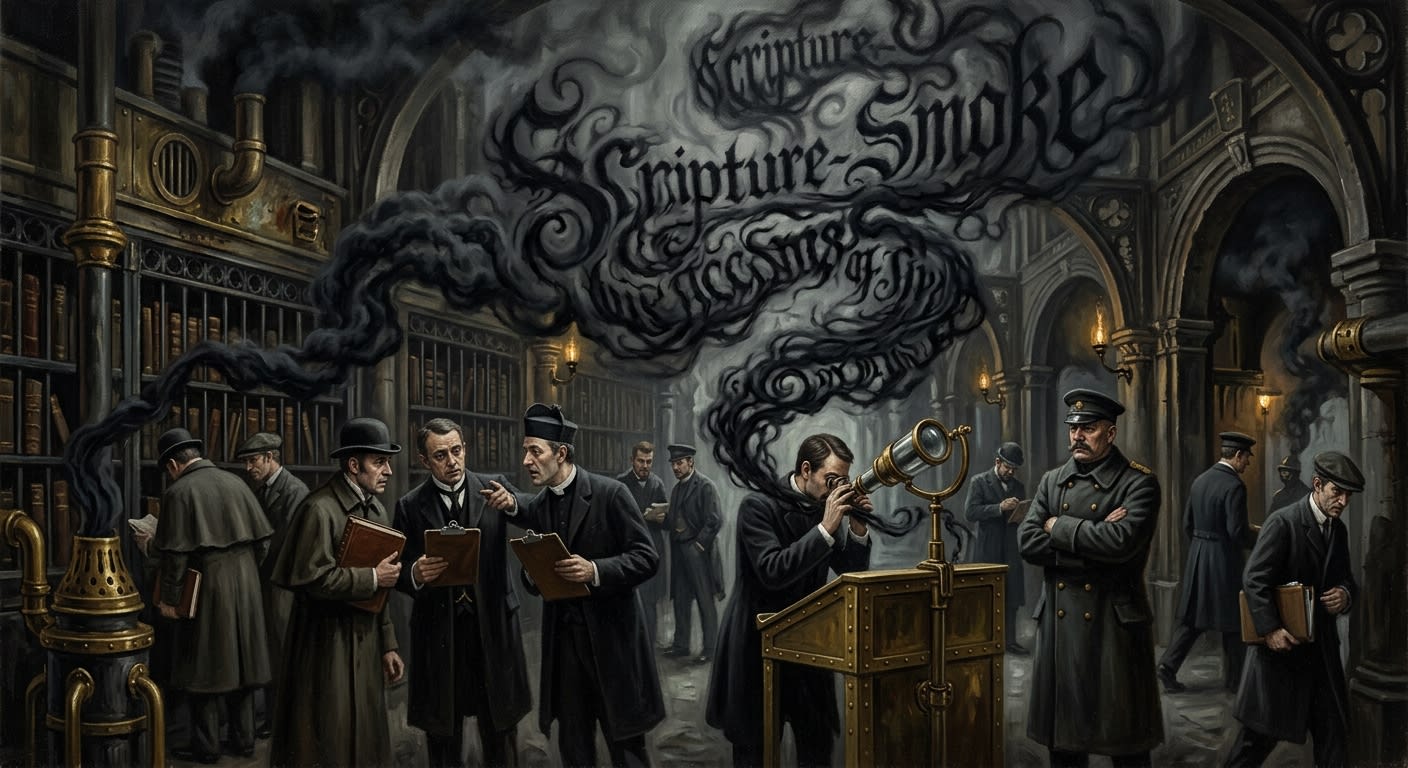
Scripture-Smoke
The vapour is not prophecy; it merely has the insolence to be legible
Scripture-Smoke is black-diesel vapour that writes back, which is precisely why the Bureau forbids reading it before reading it first.
Codex Ref. XIII.1.90-136
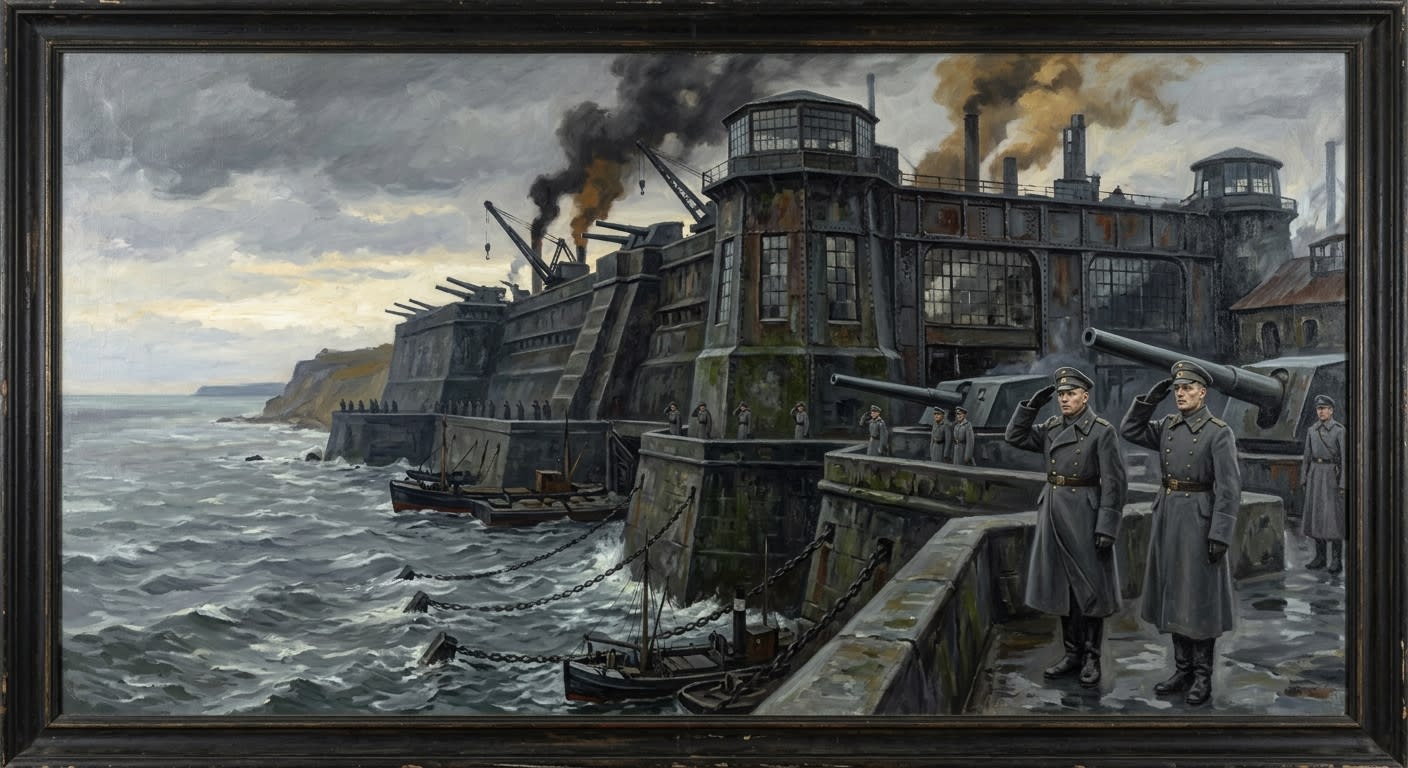
Sea Wall, Bastion-Königsberg
Where the Sagittal Line meets Baltic water and the fog outranks the wall
The Sea Wall of Bastion-Königsberg is where the Line runs into Baltic water, the Grey arrives without attacking, and sentries salute absence.
Codex Ref. II.4.07-067
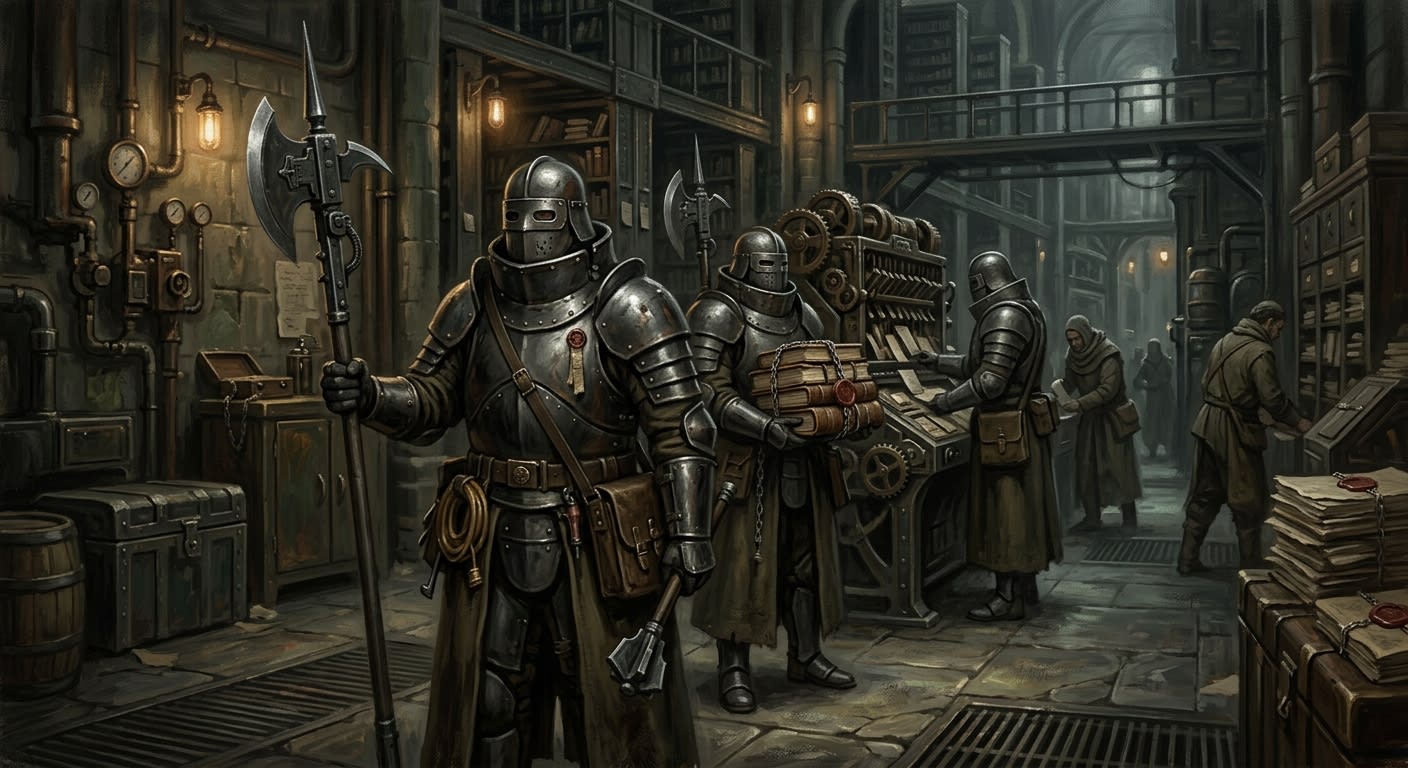
Seal Custodians
The box is small because sovereignty likes to be stolen by inches
Elite Circuit Bailiffs formed after the Seal Theft Scandals to guard judicial seals, wax, rags, cooling marks, and every scrap by which sovereignty may be counterfeited.
Codex Ref. XII.39.03-001
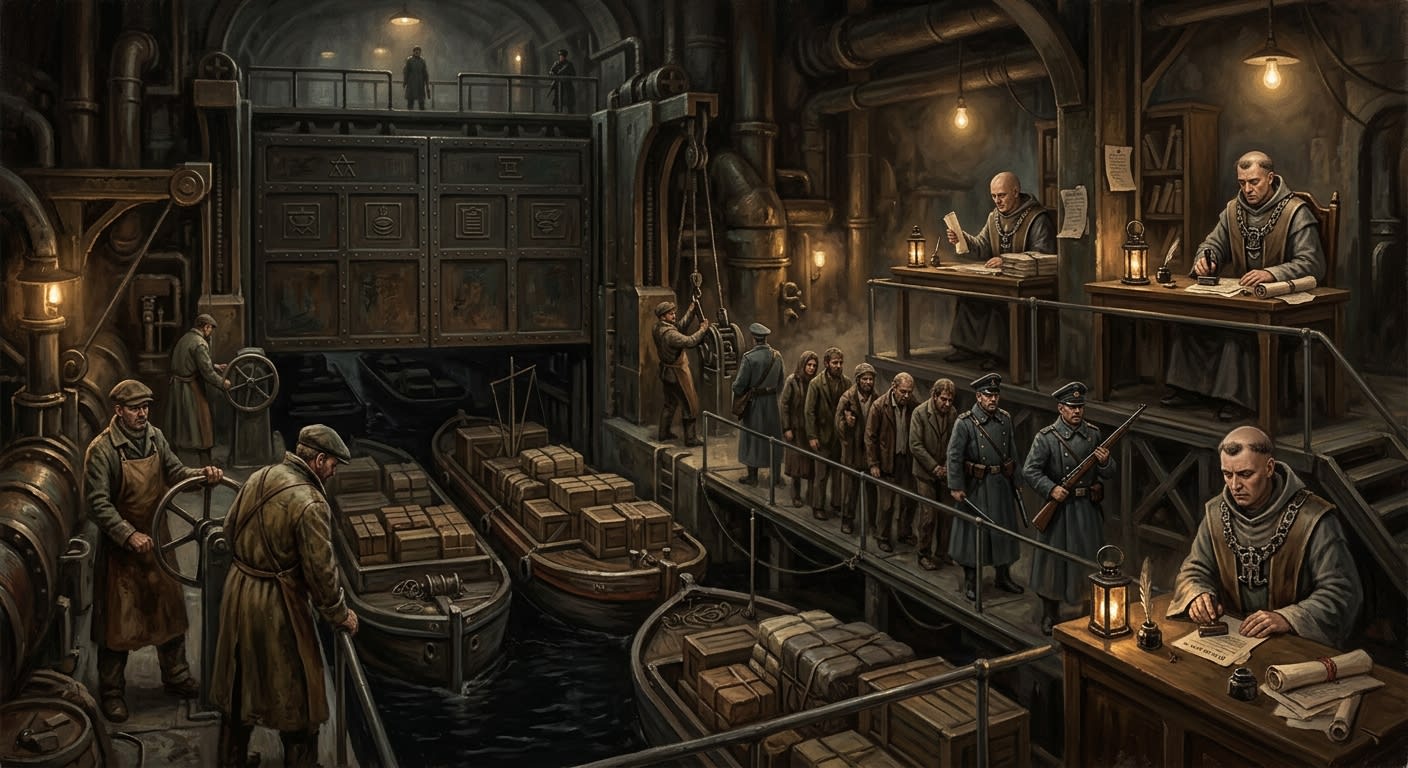
Seal Locks
Where the river kneels, the Ledger learns to swim
Seal Locks pause water, cargo, papers, fugitives, ink, dust, and conscience long enough for the Synod to call movement lawful and billable.
Codex Ref. XIII.1.95-092
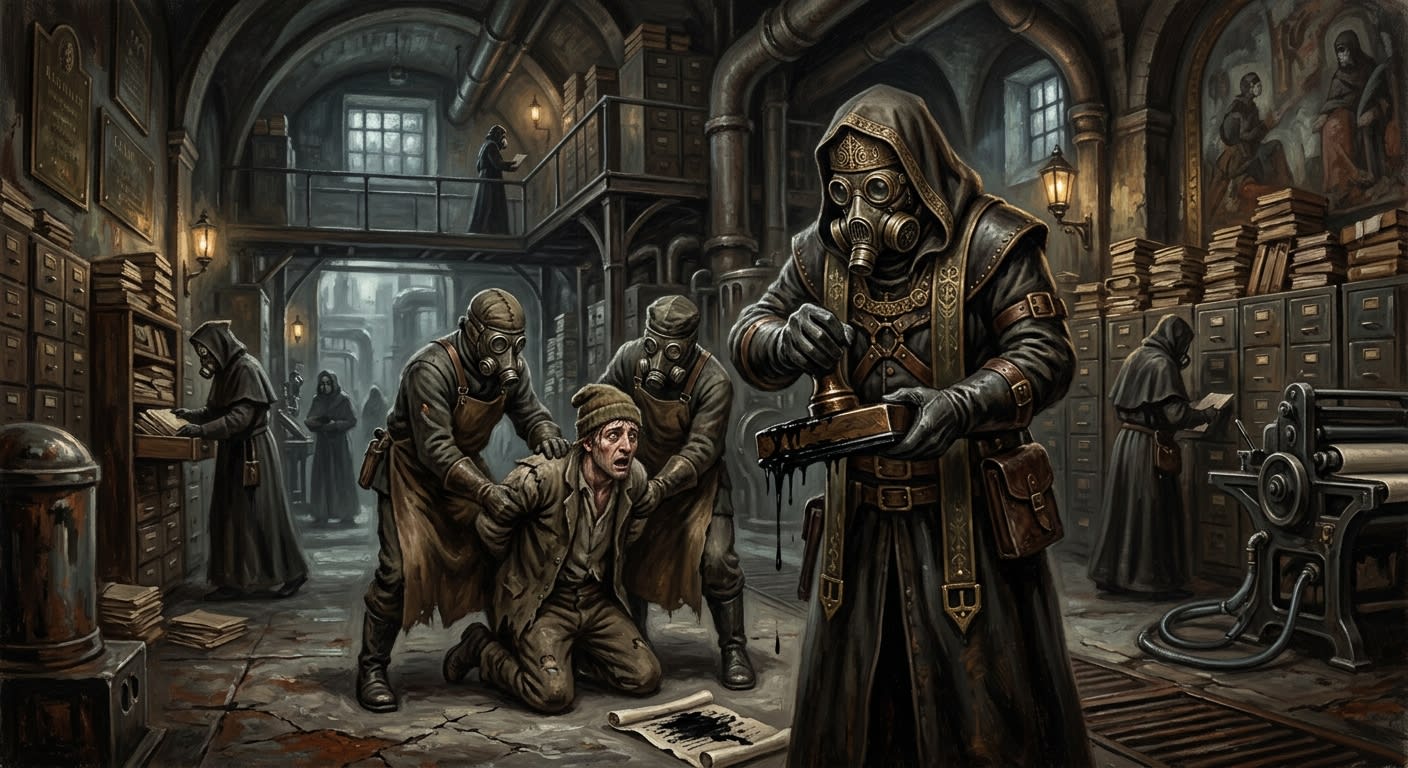
Seal Obsidian
The classification that denies the hand while sharpening the knife
Seal Obsidian is the Synod's blackest administrative mercy: knowledge retained because it is needed, denied because it is fatal.
Codex Ref. XIII.1.09-001
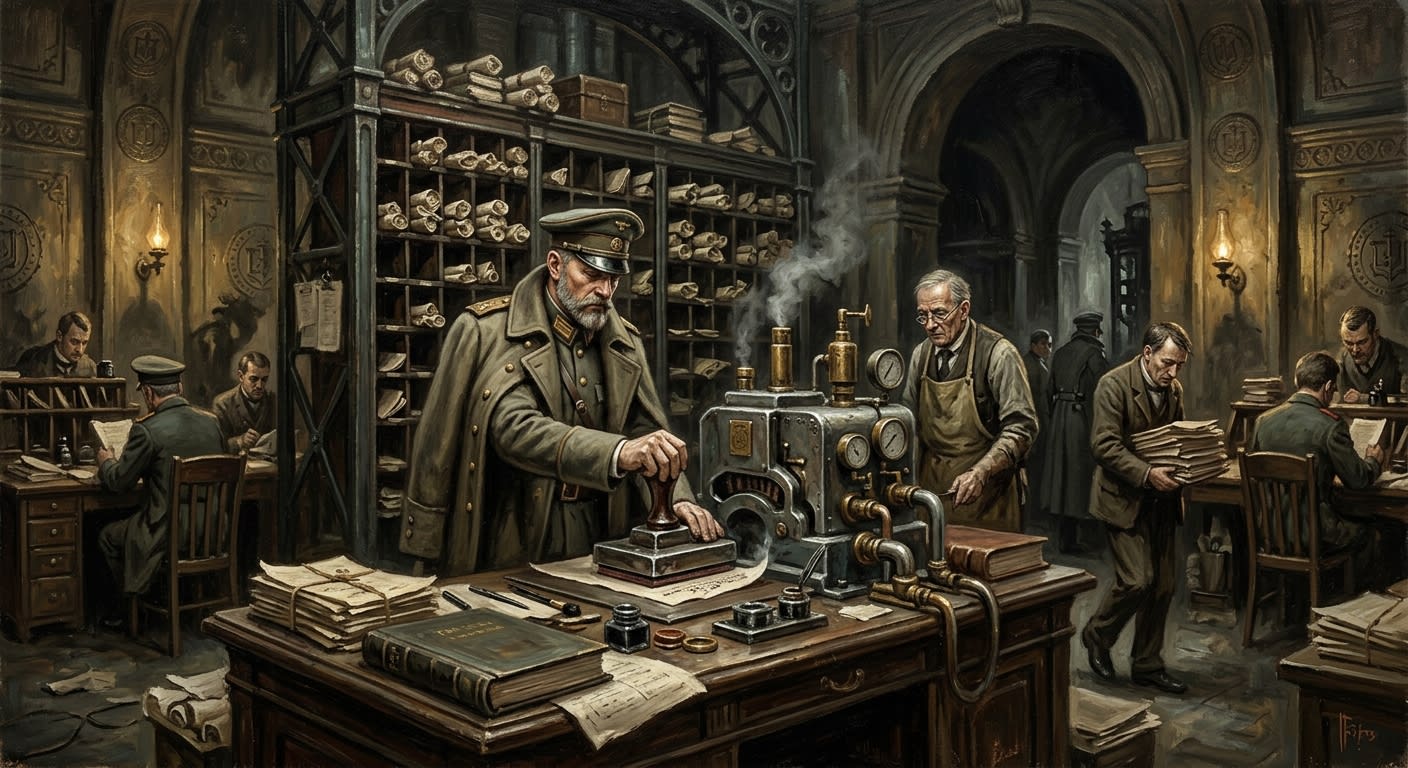
Seal Standardisation Edict
The law that taught rubber to confess and plumbers to keep two ledgers
The Seal Standardisation Edict answered Shipka's Unhymn with hymn-gaskets: a successful law, which means it created an office around the scar.
Codex Ref. XIII.1.92-164
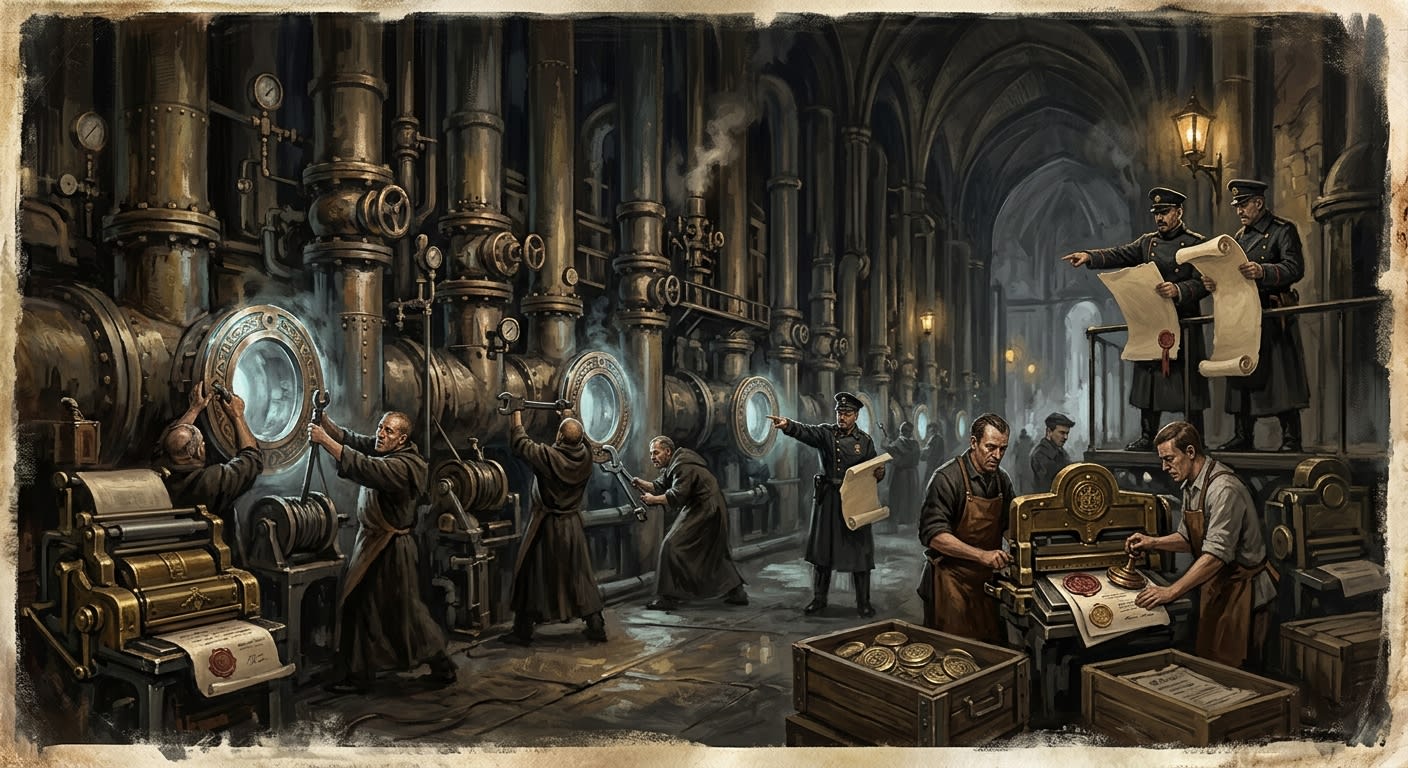
Seal Standardisation Edict of A.S. 164
The law that put a choir inside a washer
Issued after the Unhymn Infiltration, the A.S. 164 Edict mandated hymn-gaskets across the Line, saved pipes from sleep-cadence, and minted a profitable new species of crime.
Codex Ref. VII.8.10-024

Seal-Forger, Counterfeiter
The Synod's confession, pressed in unauthorised wax
The seal-forger is the Synod's shadow — pressing wax into survival where the Bureau presses wax into doctrine. Eleven immurements signed, six thousand fed, and the woman who may never have existed.
Codex Ref. XII.41.01-001
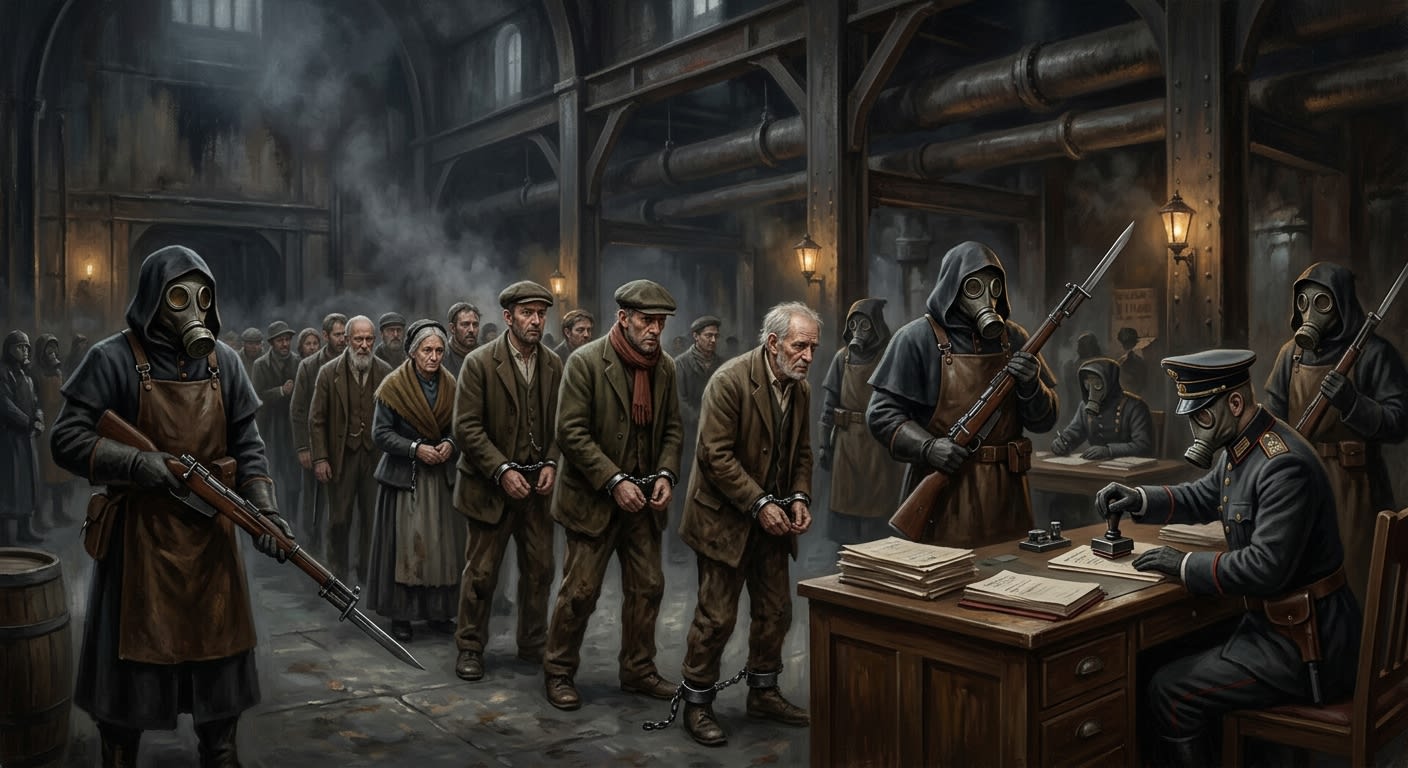
Secular Gatherings Act
The permit form that taught bayonets to quote law
The Secular Gatherings Act did not order massacre. It made massacre available, cleanly phrased, properly witnessed, and ready for bayonets.
Codex Ref. I.1.05-002
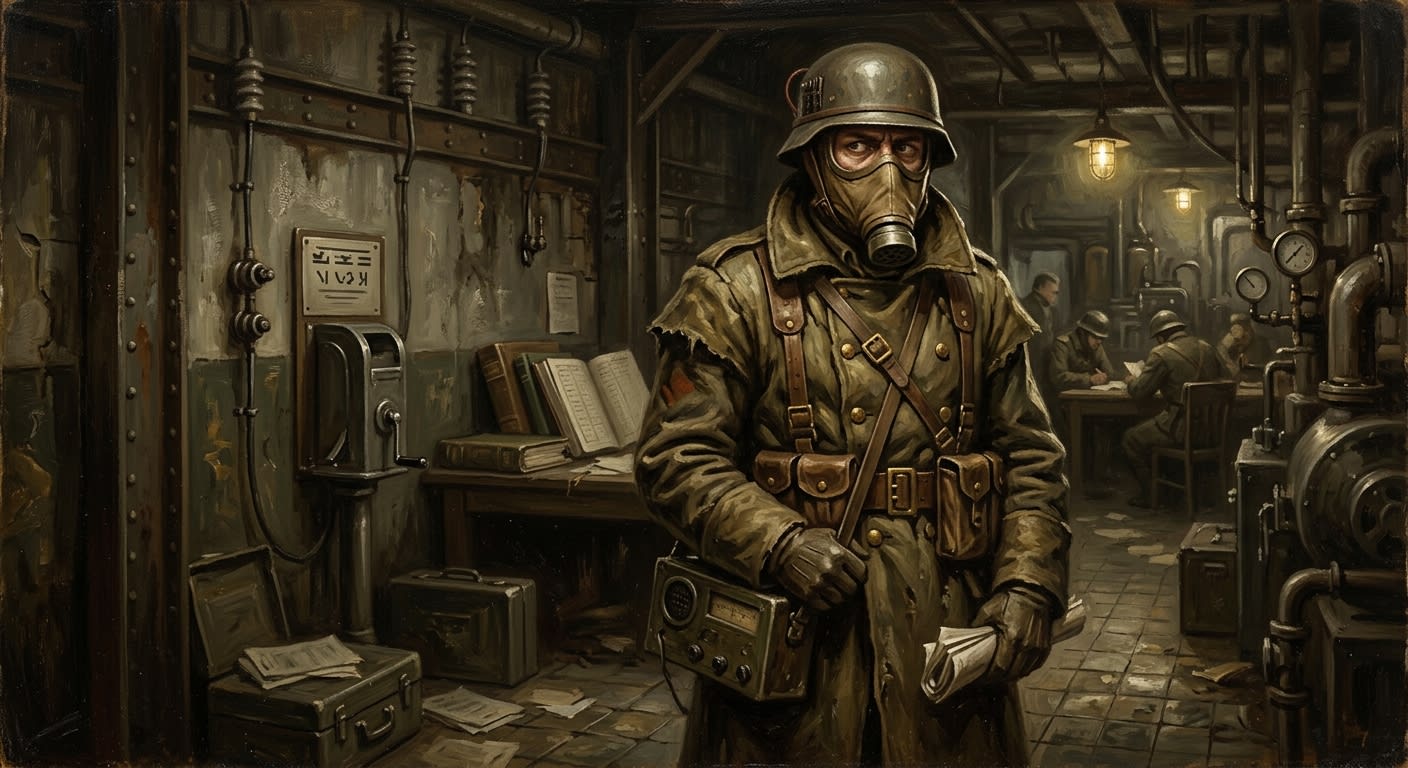
Sergeant Vell
The man who left the Blightmarsh and called Brest a relief
Sergeant Vell of the Thracian Survey survived Kestrel duty at the Blightmarsh in A.S. 199, spoke carefully, and requested Bastion-Brest as a relief.
Codex Ref. III.2.01-019
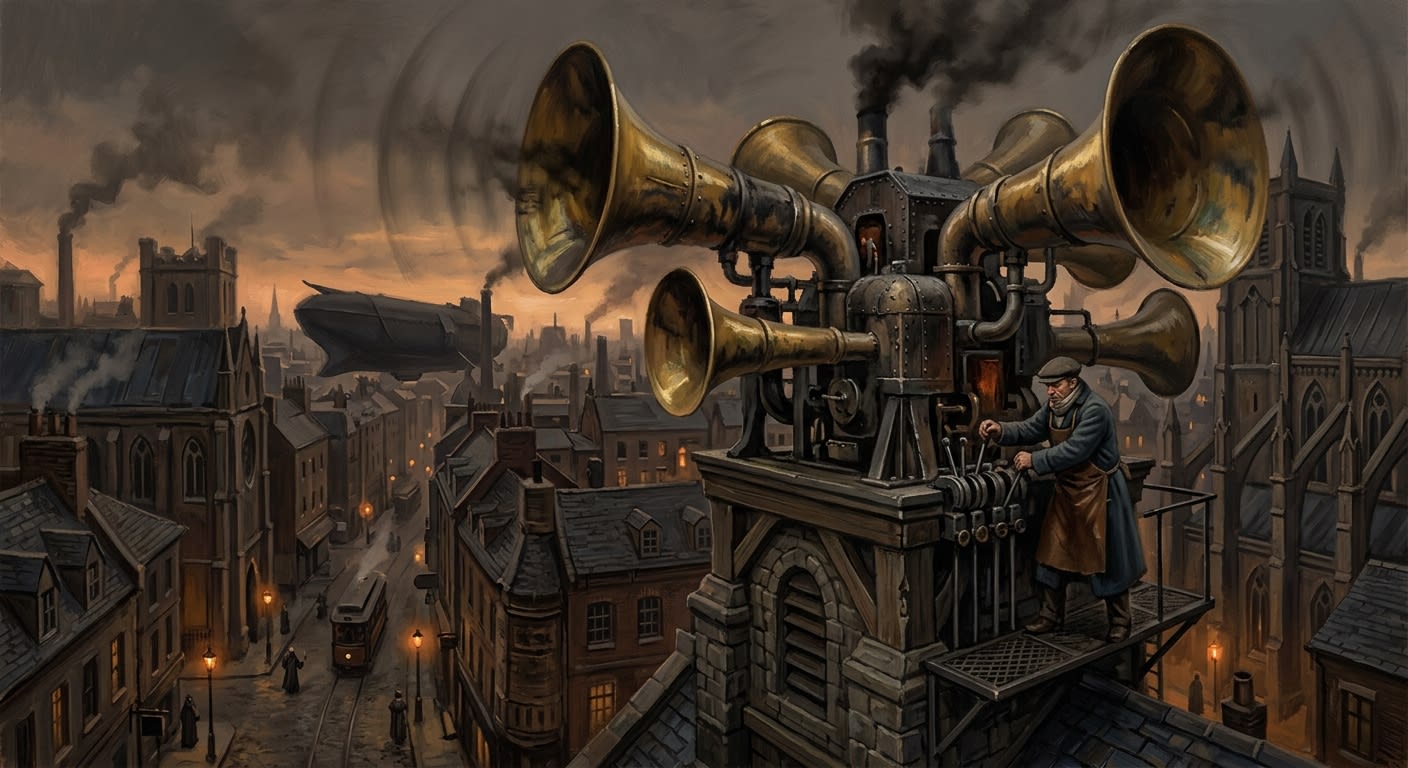
Sermon-horns
The brass throat by which doctrine stops asking politely
Sermon-horns make authorised language arrive with enough brass force that absence must explain itself, from rooftop shrines to Vigil Ark gondolas.
Codex Ref. XIII.1.96-092
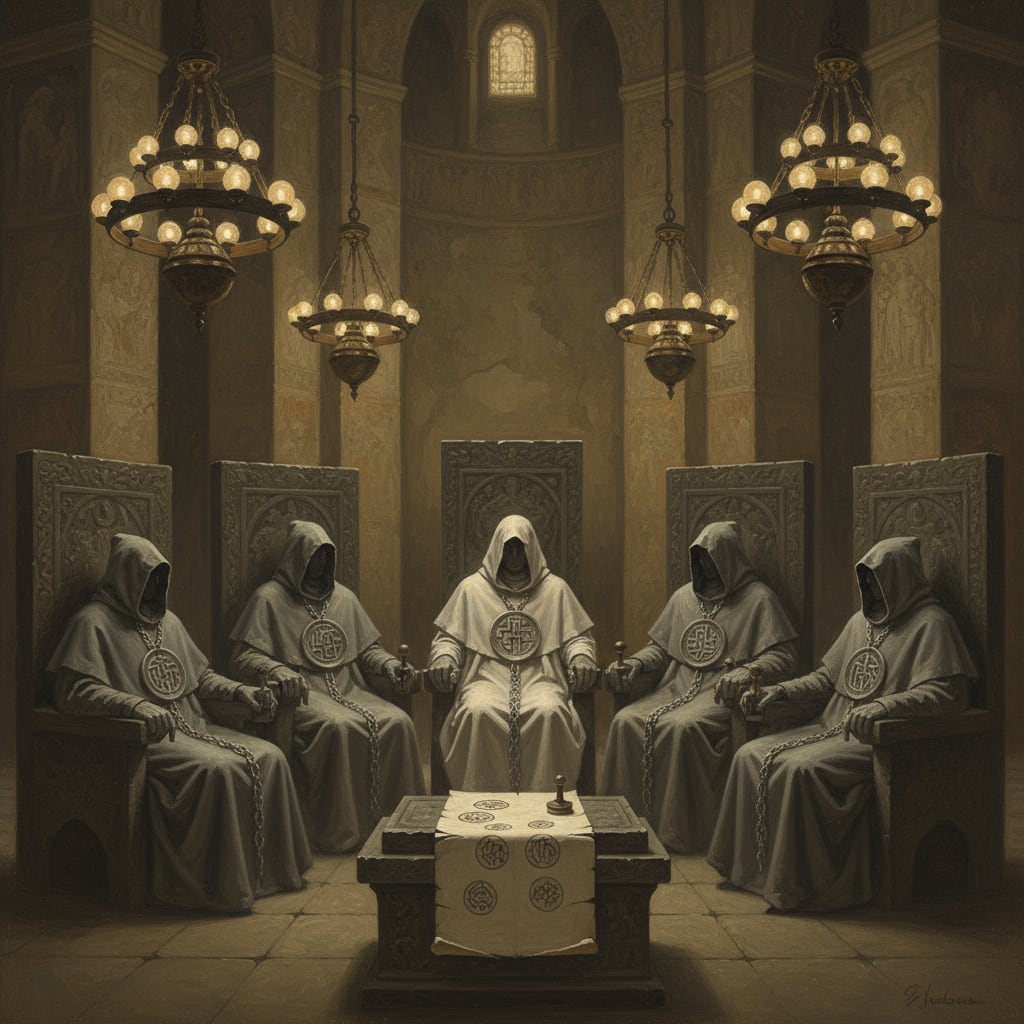
Seven Seals of Faith
Seven absolute sovereignties, each checking the others, which Kratz called something else entirely
The constitutional framework of the Bureaucratic Synod — seven domains of overlapping absolute authority, each assigned to one Hierarch, each cancelling the others into the only available direction forward, toward the Sagittal Line, where jurisdiction is settled by artillery.
Codex Ref. XIII.1.05-001
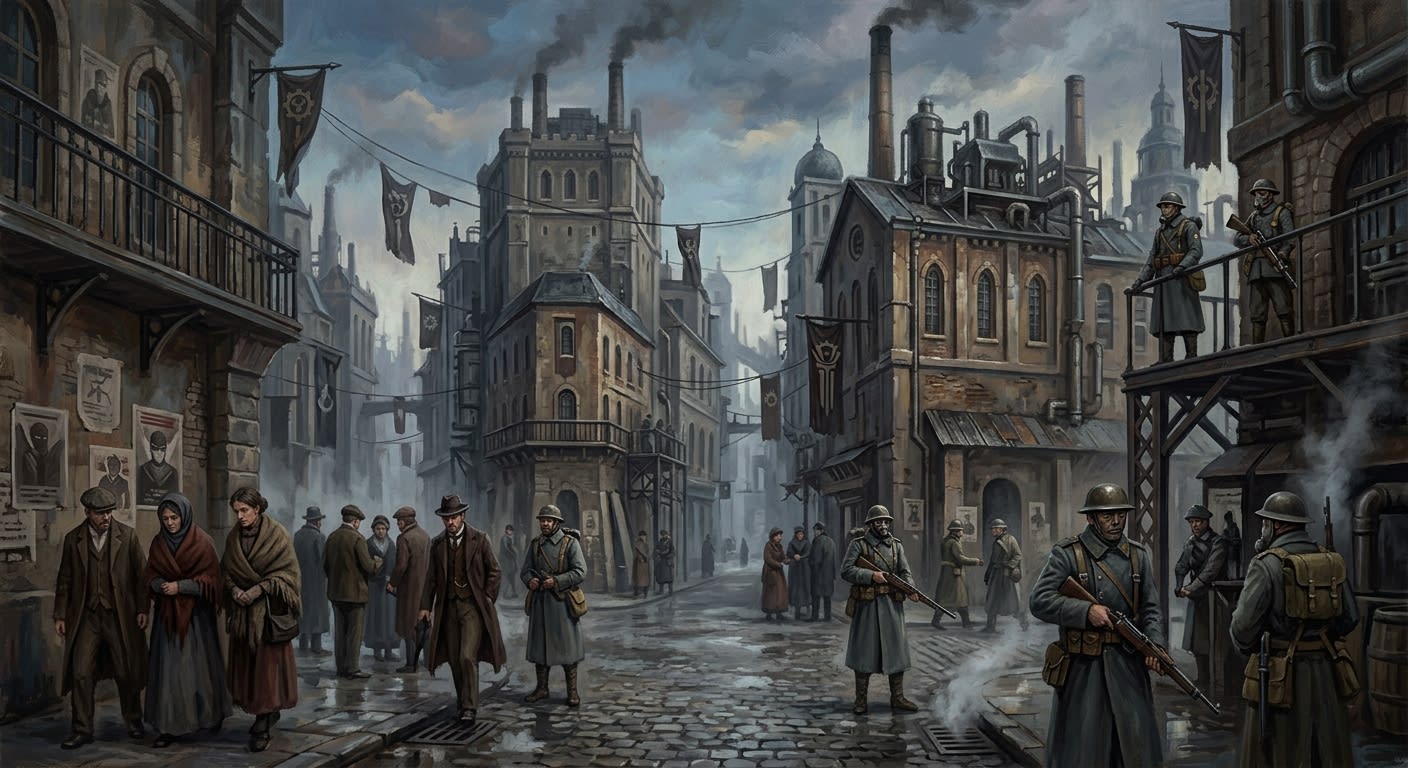
Seville
The city that lowered its voice and learned to speak in cups
Seville, the corrected City of Closed Lips: beautiful, prosperous, muted after the Laugh Riots of A.S. 153 and the Subjugation of A.S. 155.
Codex Ref. II.1.04-001

Shackled Flame Workshops
Where Hell is taught the manners of machinery
Beneath Bastion-Constantinople's Foundry Quarter, the Shackled Flame Workshops bind broken Hell into housings, carriers, locks, and profitable silence.
Codex Ref. II.4.10-007
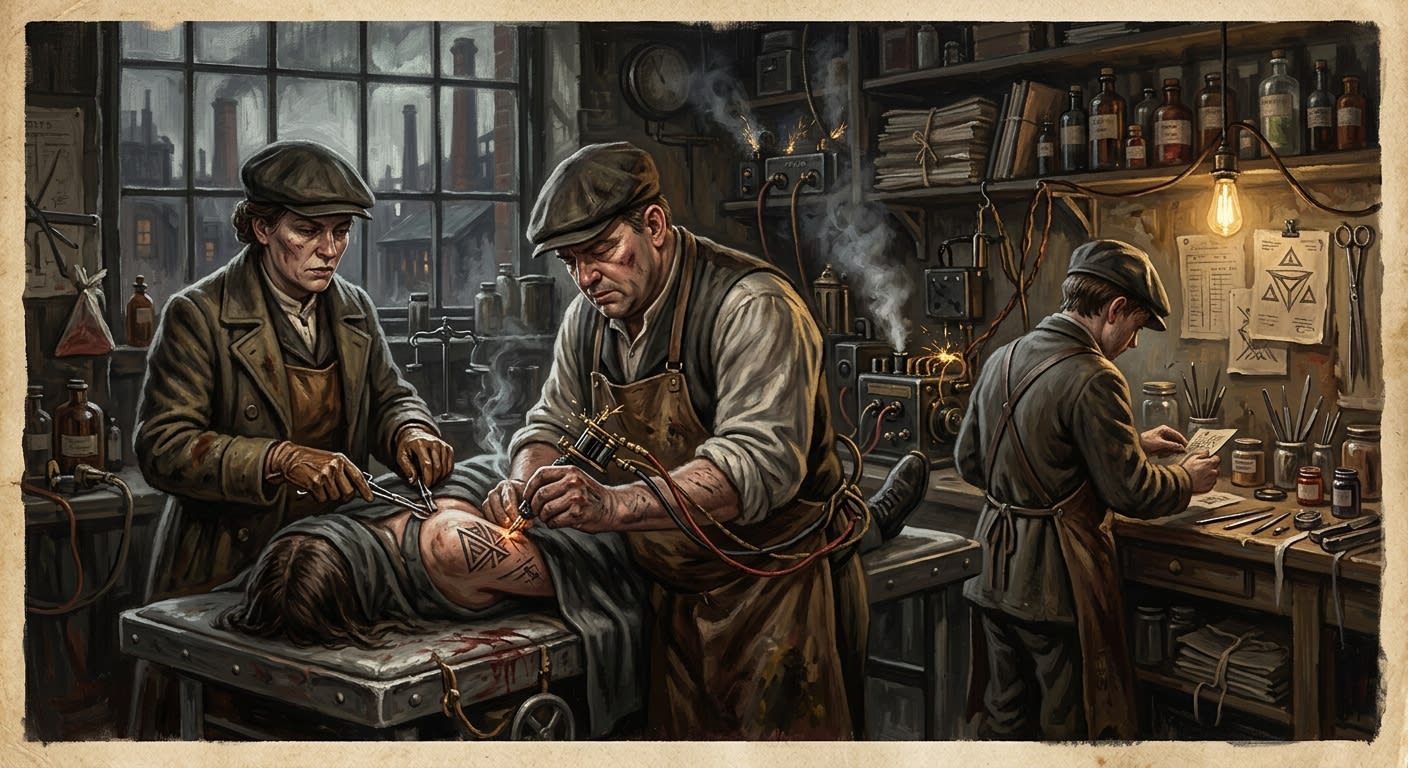
Shadow Angle Crews
The illegal geometry that teaches skin to lie back
Shadow Angle crews are unlicensed Brand-Smith cells that alter, downgrade, counterfeit, and erase bodily tri-marks wherever lawful identity has become intolerable.
Codex Ref. XI.5.01-001
Shadow Archivists
The second copy is always a heresy until Records needs it
Alleged Records Scribe faction preserving unsanctioned copies of corrected rolls, officially absent, practically feared, and dangerous under the right lamp.
Codex Ref. XII.9.03-003
Shadow Noon Incident
When noon cast the wrong verdict and men became salt
A.S. 201 No Man's Land field disaster in which a Litany-Engineer advance under contradictory shadow was found upright, singing, booted in Flesh-Mud, and transformed into salt.
Codex Ref. VII.8.10-052
Shadow Pullers
Faster than law, dirtier than doctrine, and useful before breakfast
Unlicensed Reliquary Salvager crews who reach cracked vaults before the seal-box, forge ghost tags, and sell usefulness back to the Synod.
Codex Ref. XII.13.05-001
Shattered Courts
A palace that wears Belgrade like perfume wears a throat
Velkara's Shattered Courts occupy Belgrade by mirror, perfume, appetite, and refusal: a hostile palace that cannot be mapped without flattering it.
Codex Ref. II.5.06-117
Shipka Marsh
The wet country where Sloth learned drainage
Shipka Marsh is the drowned Phocian corridor east of Bastion-Shipka, where reeds, clocks, sleep, and Syrion contest the Line by inches.
Codex Ref. II.4.08-017
Shrine-Deck Crew
Bell, chalk, and brass — the three sacraments of the man who is too useful to die quickly
Mobile artillery and choir crews of the Synod's shrine-platforms — firing on the psalm-beat, logging every shell in a shot-ledger the Bureau calls the platform's soul, and maintaining chalk rings while the metronome bell keeps the guns from going hollow.
Codex Ref. XII.42.01-001

Signal Methodists
The faction that asked whether a broken horn could damn a district
Defeated faction within the Sky-Sermon Attendance Auditor corps, Signal Methodists tried to make broken horns, dead relays, and fog count before punishment did.
Codex Ref. XII.2.06-005
Silence Domes
When bells cannot carry, hands must become bells
Silence Domes are acoustic null palls where command, prayer, cadence, and civic habit die at the teeth; Orison governs the passes, signals, and surviving gestures.
Codex Ref. XIII.1.66-001
Silence of Harbor Lamps
Darkness received a harbor office and stamped the water
For seventy-two hours in A.S. 185, Bastion-Constantinople's harbor lights died, the water lit beneath, and the *Saint Veritas* vanished from a locked quay.
Codex Ref. VII.8.10-185
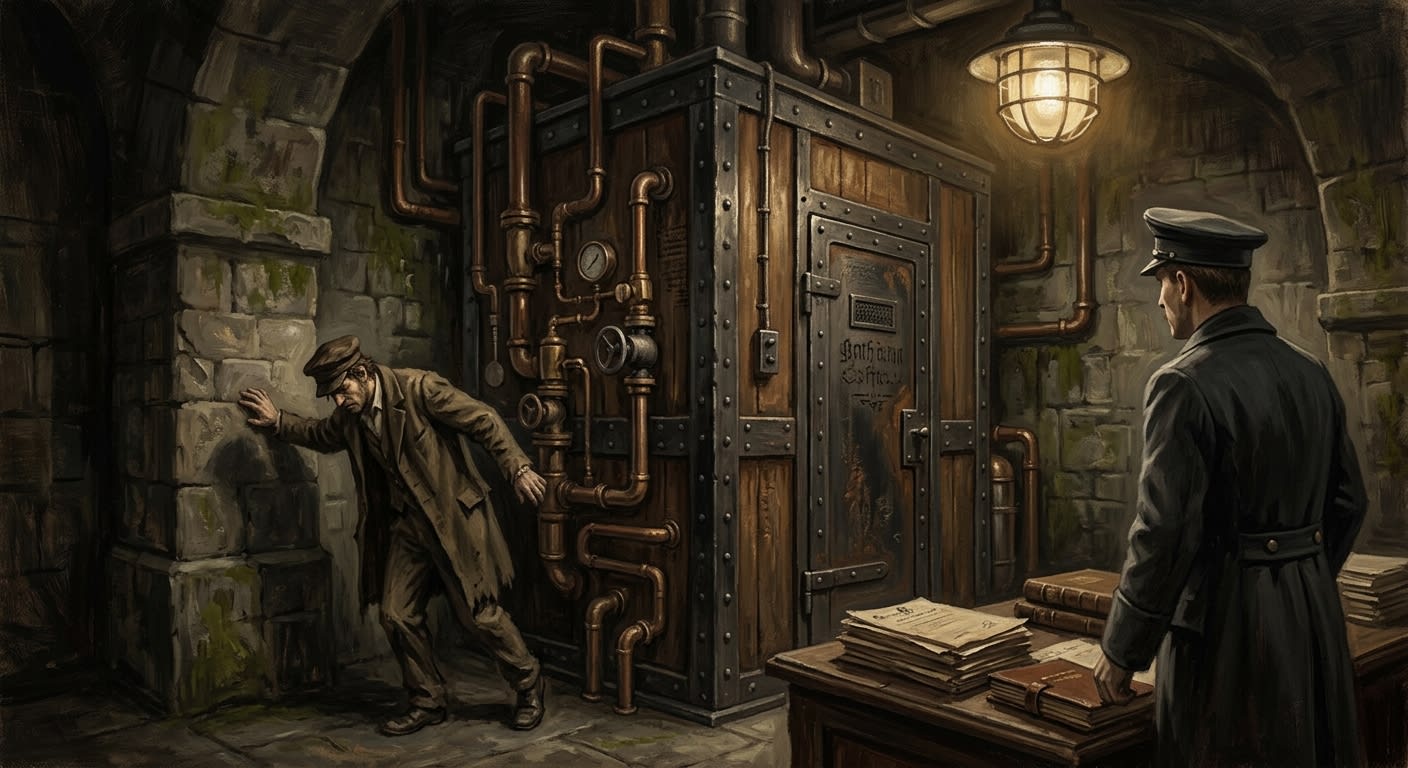
Silent Confessional of Vienna
A cabinet need not hear you to make you confess
Rumoured Viennese black-iron confession apparatus whose victims emerged senseless yet speaking, preserved by Doctrine as a repurposed warning to every booth clerk who trusts furniture.
Codex Ref. XIII.1.61-001
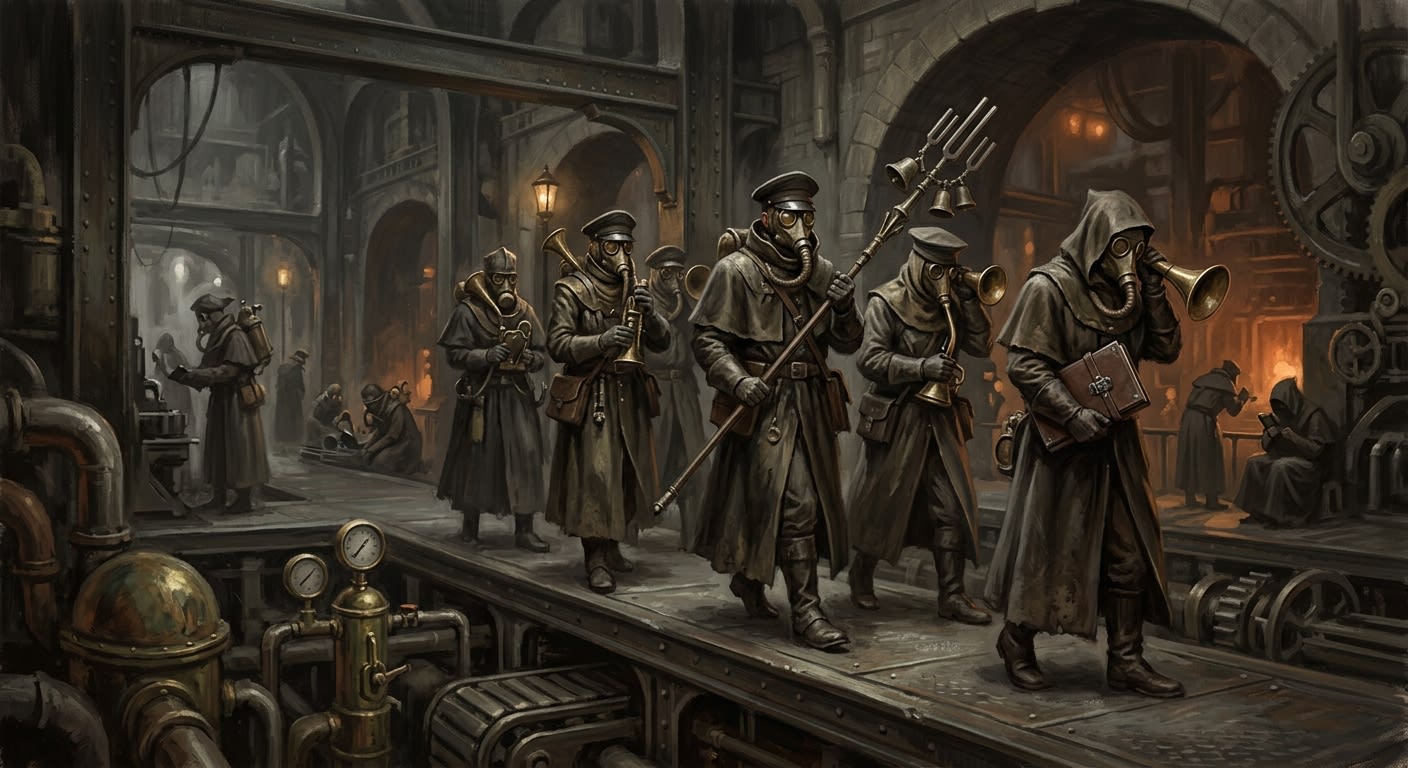
Silentists
The school that knows every note may be an invitation
The Silentists are the Brand-Singer school of withheld song, minimal cue, and useful quiet: despised by choirs, loved by rooms that do not answer.
Codex Ref. XIII.1.41-003
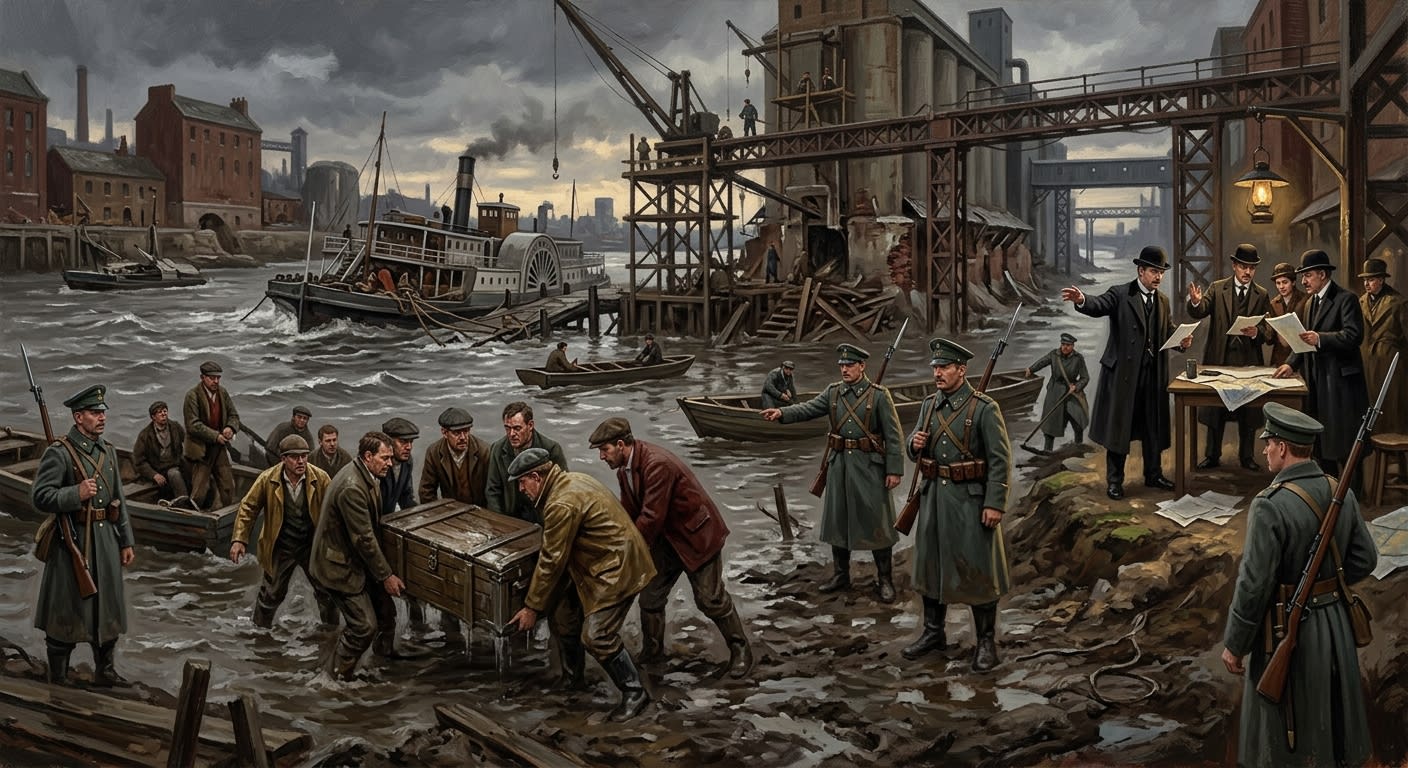
Silt Week
When the river ate the files and sold back the names
A.S. 78 flood disaster along three Rhine tributary crossings that pulped transit ledgers, halted ferries, raised bankside militias, and made brokers indispensable.
Codex Ref. VII.8.10-028
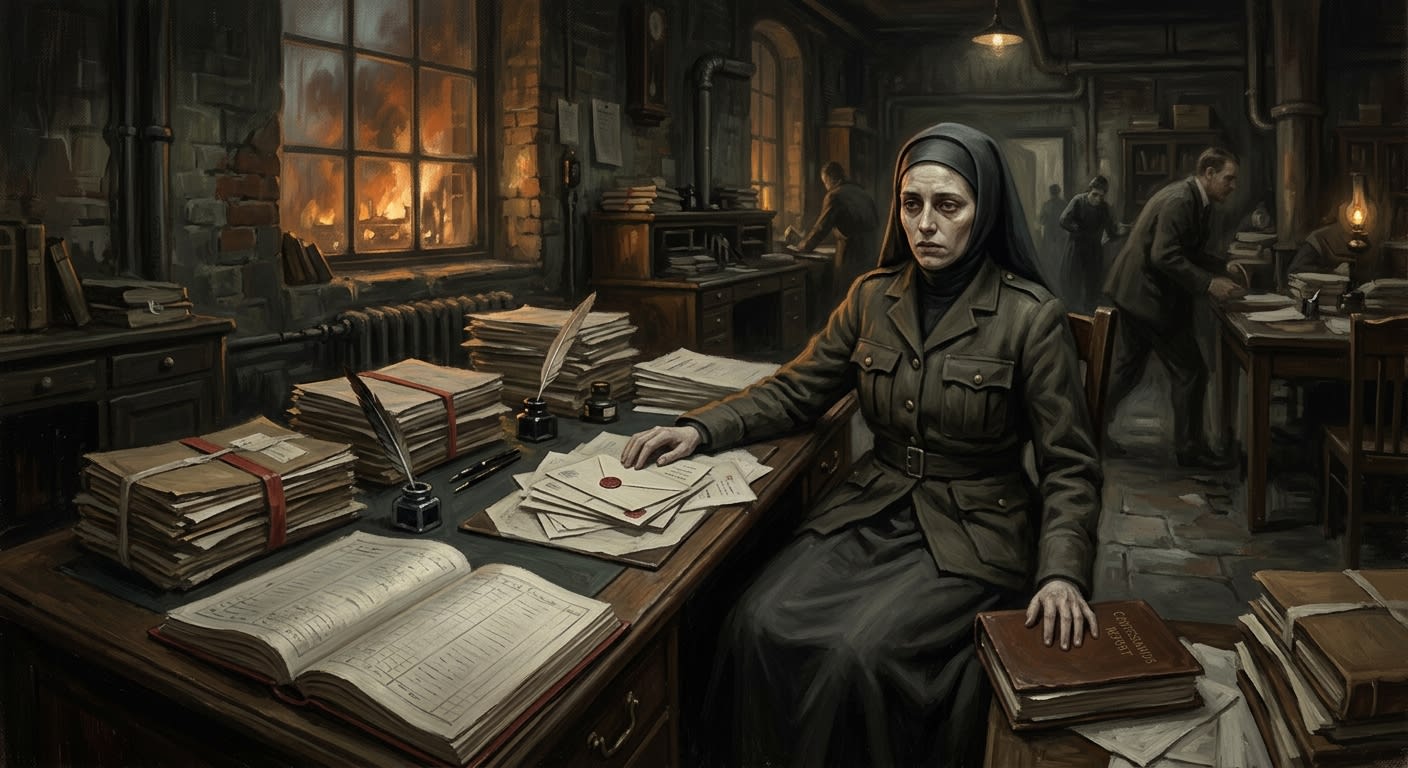
Sister Adelhaid
A name, a correspondence, a fire, and the blessed cowardice of files
Sister Adelhaid survives as a name in a Confessarius report, attached to Marseille letters, Saint Isidore's Eve, and a bookseller's fire too clean to comfort anyone.
Codex Ref. III.2.01-151

Sister Agata Wiśniewska
The witness who counted wire when action failed
Poor Clare witness to the A.S. 18 Night of Knives whose hidden psalter testimony, ratified in A.S. 148, made forty-seven murders impossible to tidy.
Codex Ref. III.2.01-087
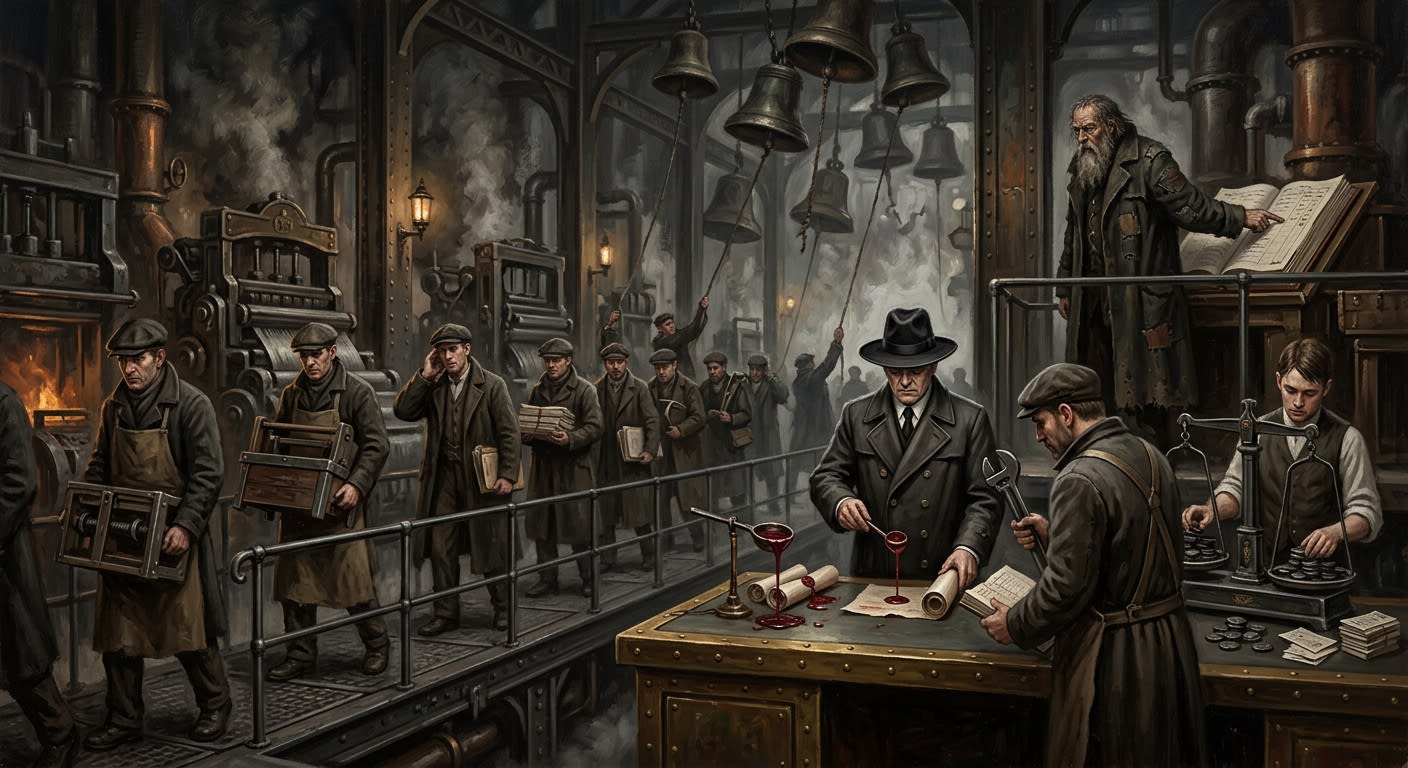
Sixth Canticle of Industry
The hymn that makes wax remember its superiors
The Sixth Canticle of Industry teaches purity wax to remember obedience, which is to say it lets Bells hear fraud, Doctrine name sin, and Tithes price both.
Codex Ref. XIII.1.86-178
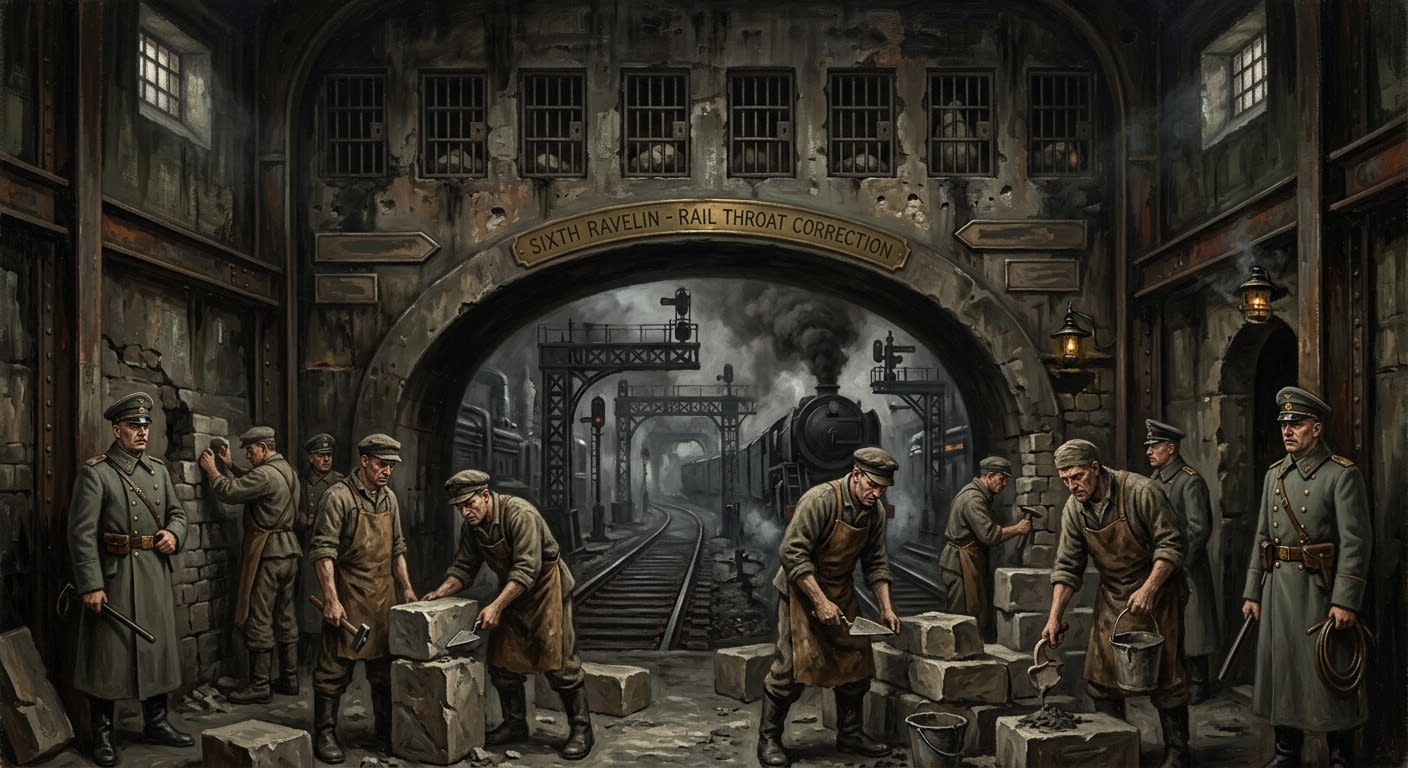
Sixth Ravelin
Correction faces consequence, and consequence answers warm
The Sixth Ravelin, called Correction, guards Bastion-Constantinople's rail throat and carries Chamber 7: forty-seven sealed in cement where guilt learned masonry.
Codex Ref. II.4.10-170
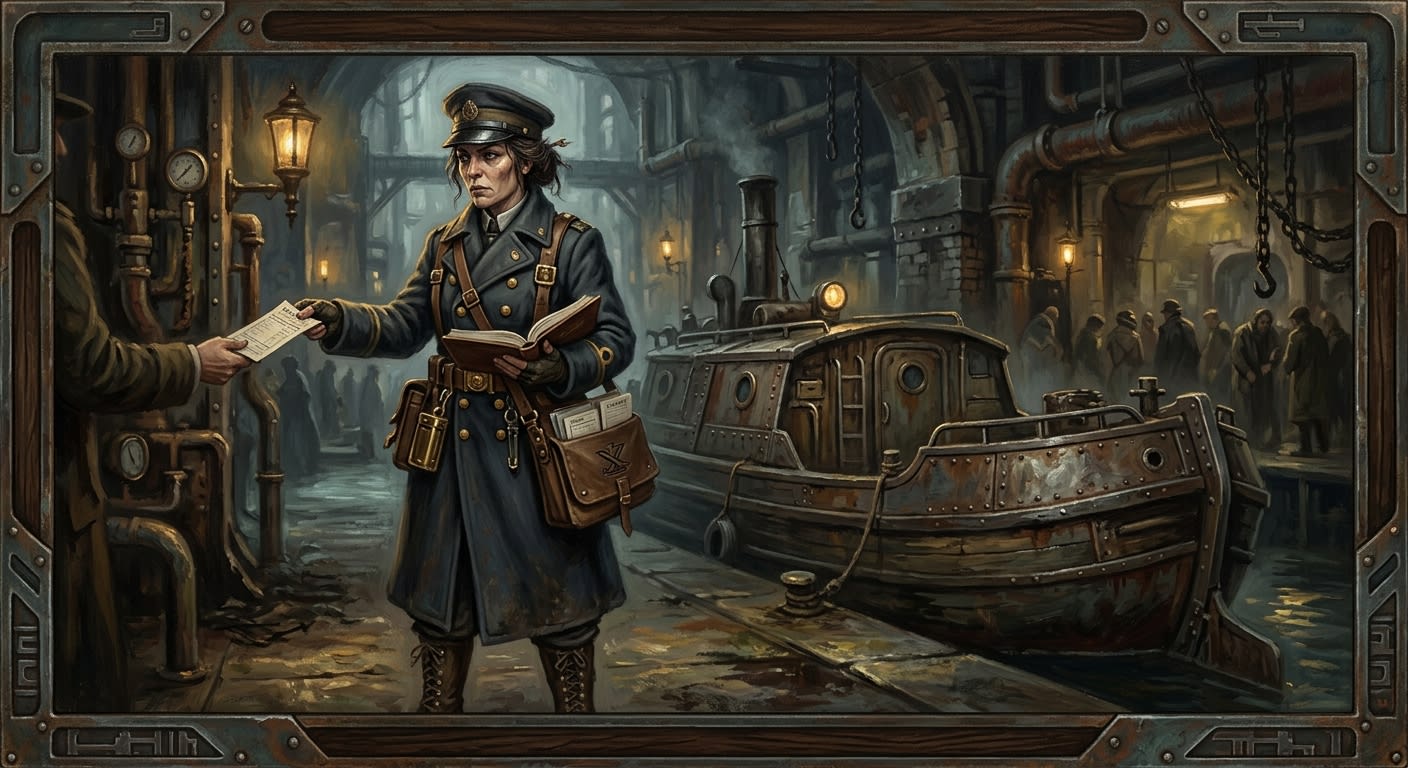
Skiff-Sister Lune
Perfume, tar, and the price of another door
Skiff-Sister Lune sells passage where Calais sells refusal: Grey Keel broker, tunnel saint, tariff sin, and the invoice every lawful door deserves.
Codex Ref. III.2.01-201
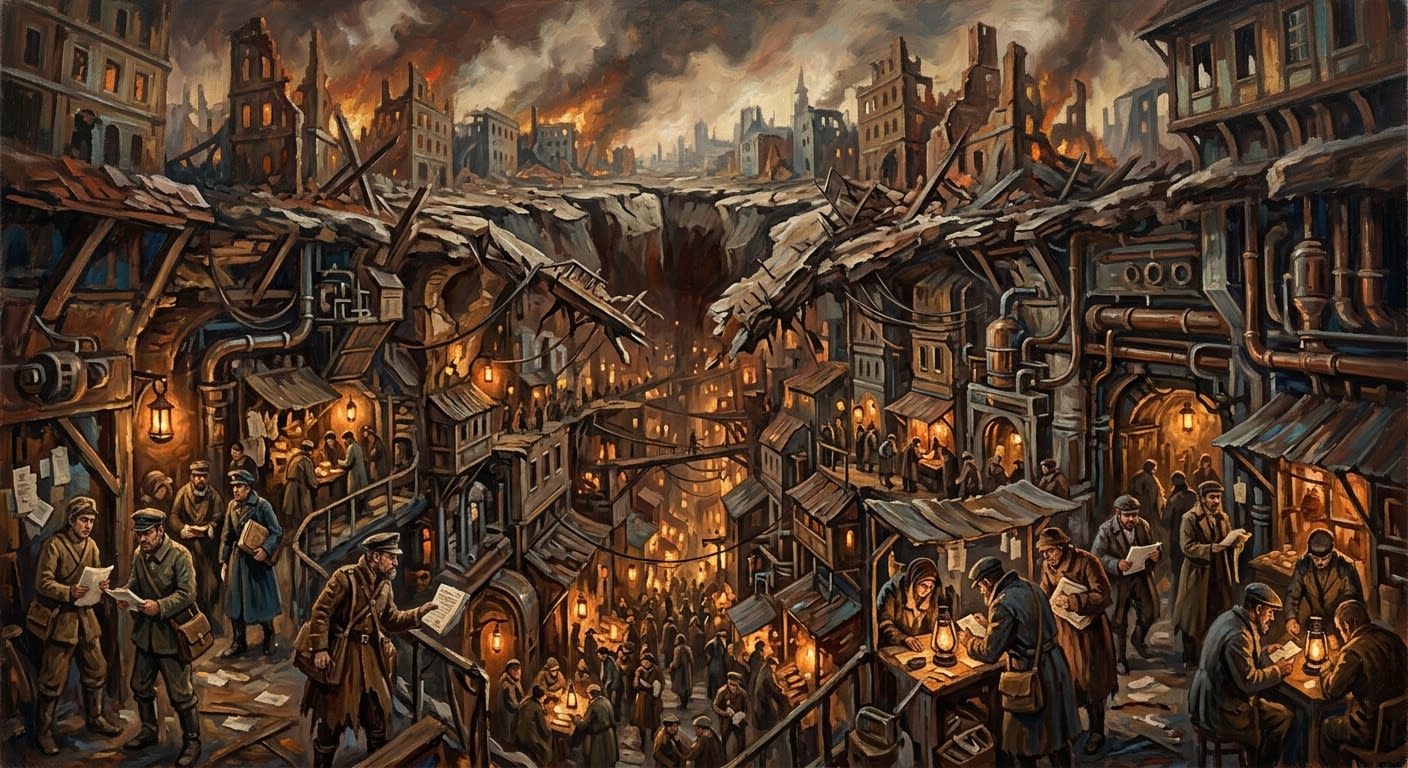
Skopje
The bitten city keeps its markets below the teeth
Skopje fell within hours of the Sundering, then survived below itself: a bitten city of Lantern Warrens, forged papers, humming lamps, and useful lies.
Codex Ref. II.5.08-045
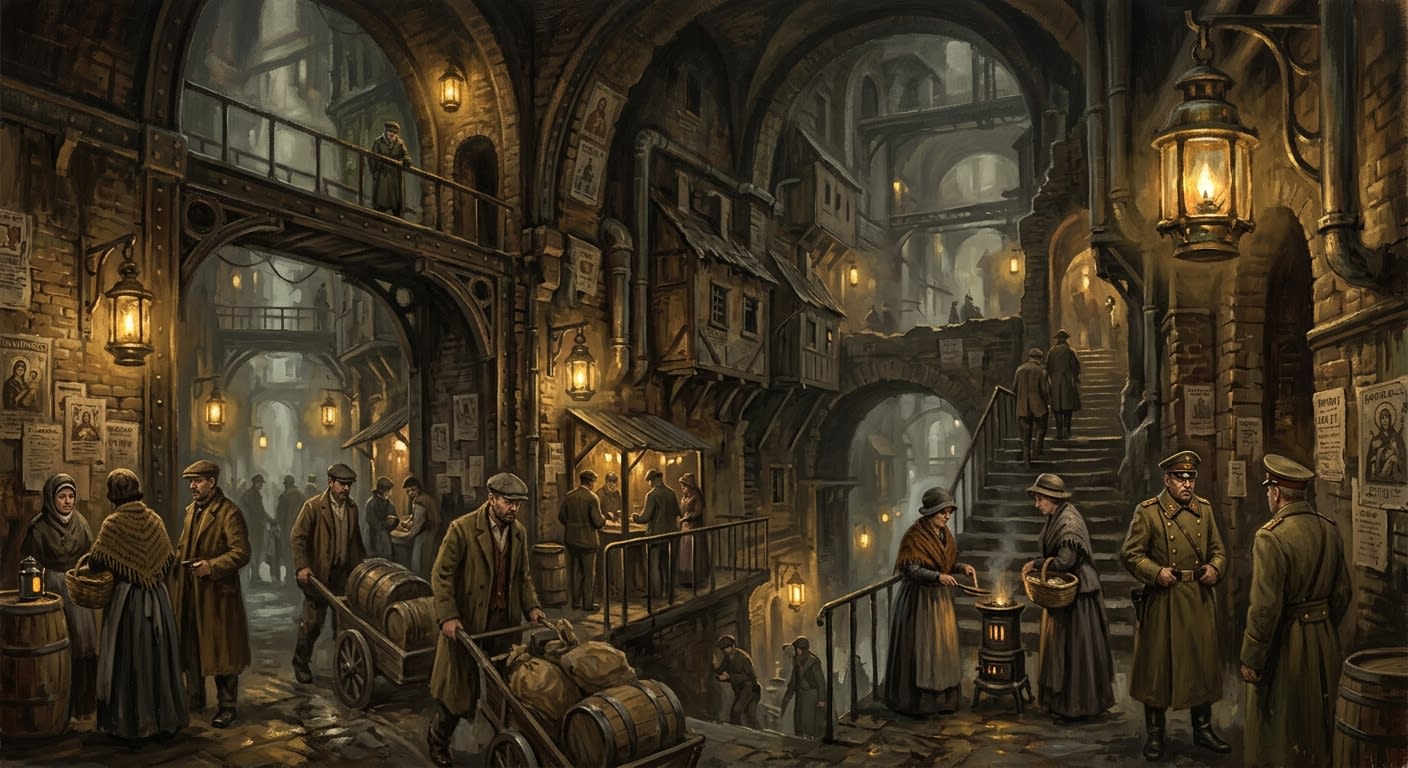
Skopje Lantern Warrens
A city bitten from above, still singing below
The Skopje Lantern Warrens are the tunnel-city beneath a Sundering-eaten ruin, where black-diesel lamps hum in forbidden pre-Codex modes.
Codex Ref. II.4.08-017
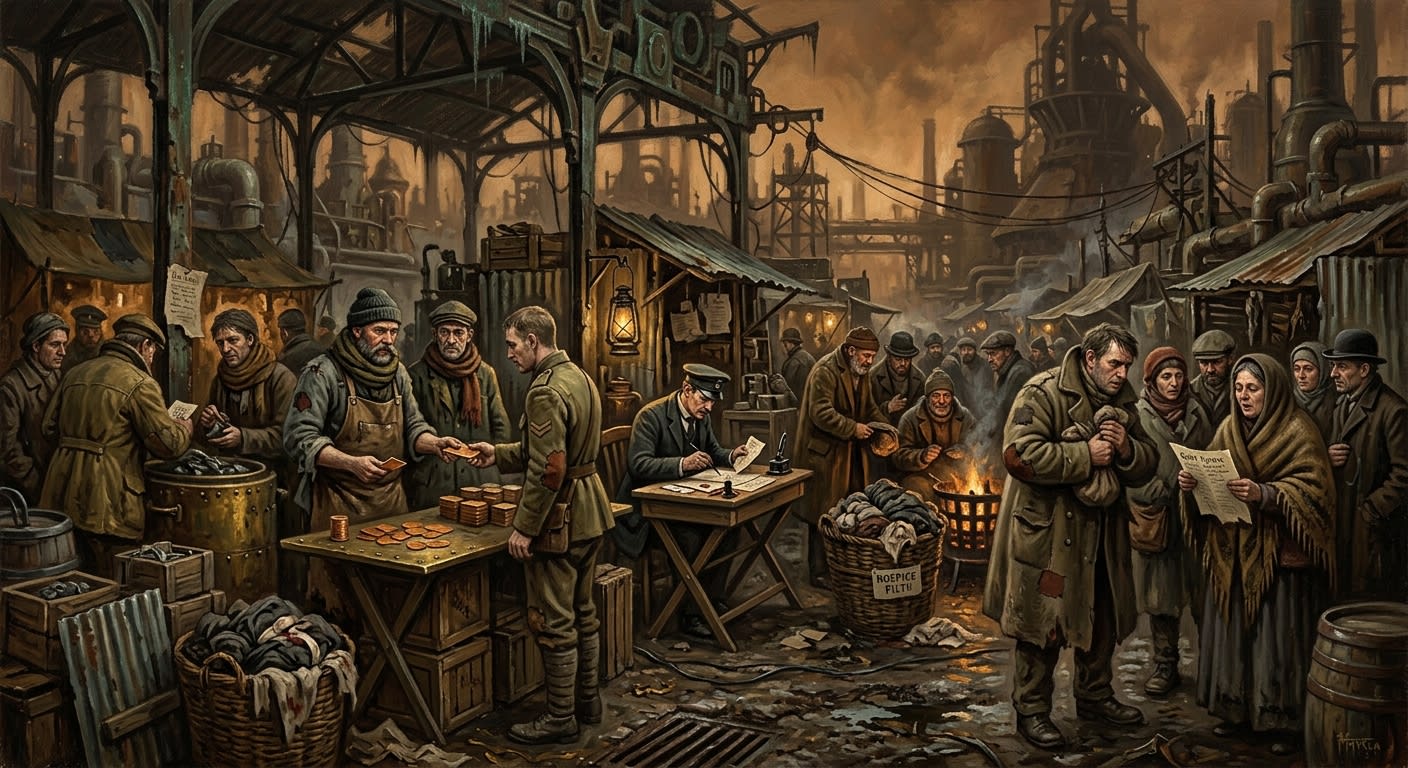
Slag Market
Where Brast's holy heat cools into crime and soup
The Slag Market is Brast's outer-ring commerce in leaked sanctity: warm chits, forged seals, quiet hymns, hospice filth, stolen heat, and necessary lies.
Codex Ref. II.2.06-201
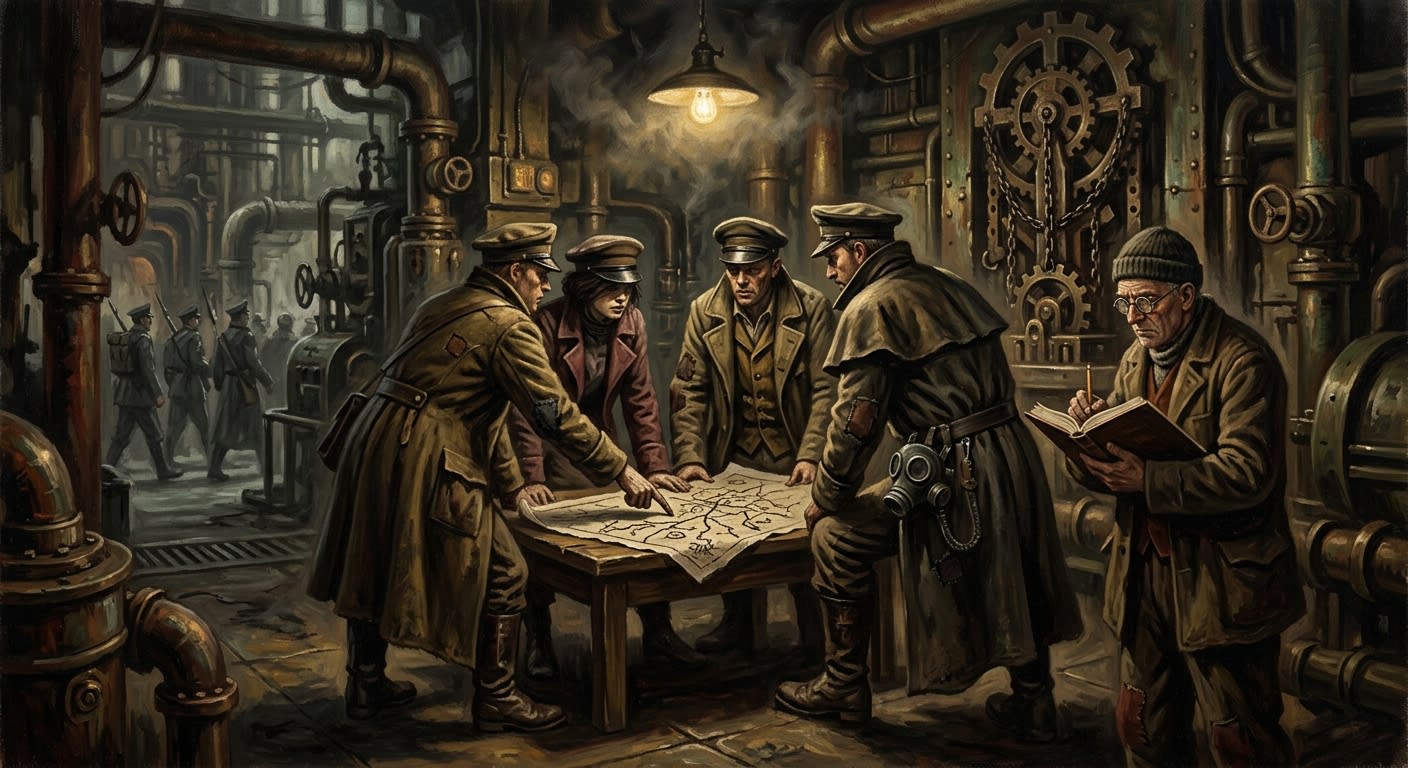
Soft Insurgents
Mercy spoken aloud, which is how a street becomes a heresy
Soft Insurgents arose from the A.S. 178 Cologne split by naming the Brotherhood's tolerated mercy as resistance, turning route maps, comfort, and silence into doctrine from below.
Codex Ref. XII.25.09-001

Somnolent Communion Cells
The heresy that holds hands; the Bureau that holds nothing
Bureau classification A.S. 196: Sloth-Heresy, Passive Variant. Participants link hands, face a dimmed lantern, and stand waist-deep in marsh water until dawn — producing Syrionic temporal drag the Bureau cannot explain and will not discuss.
Codex Ref. XI.6.01-001
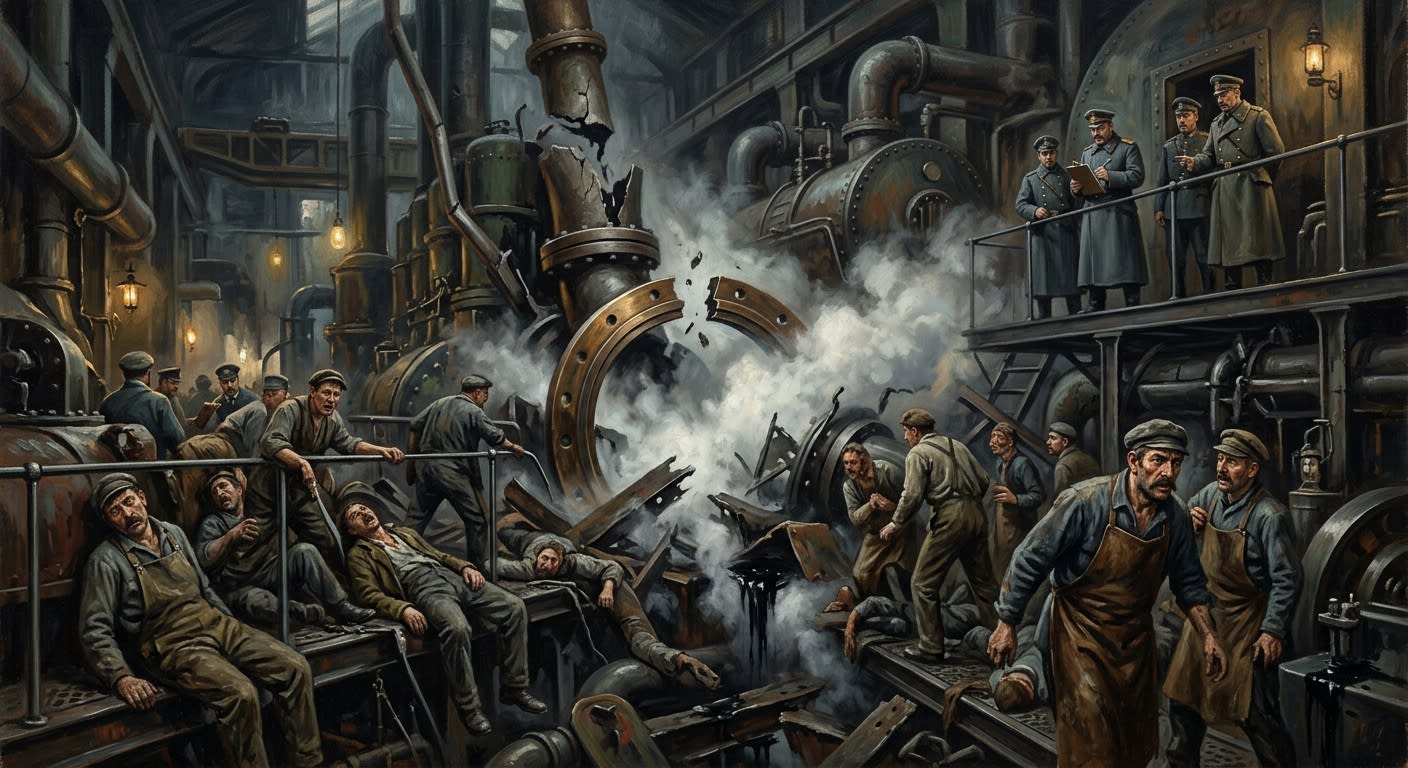
Split-Ring Disaster
Forty-three dead, ninety seconds saved, and a profession born in steam
The A.S. 164 Split-Ring Disaster at Bastion-Przemyśl killed forty-three workers and transformed gasket repair into a licensed, audited, sabotage-adjacent profession.
Codex Ref. VII.8.10-032
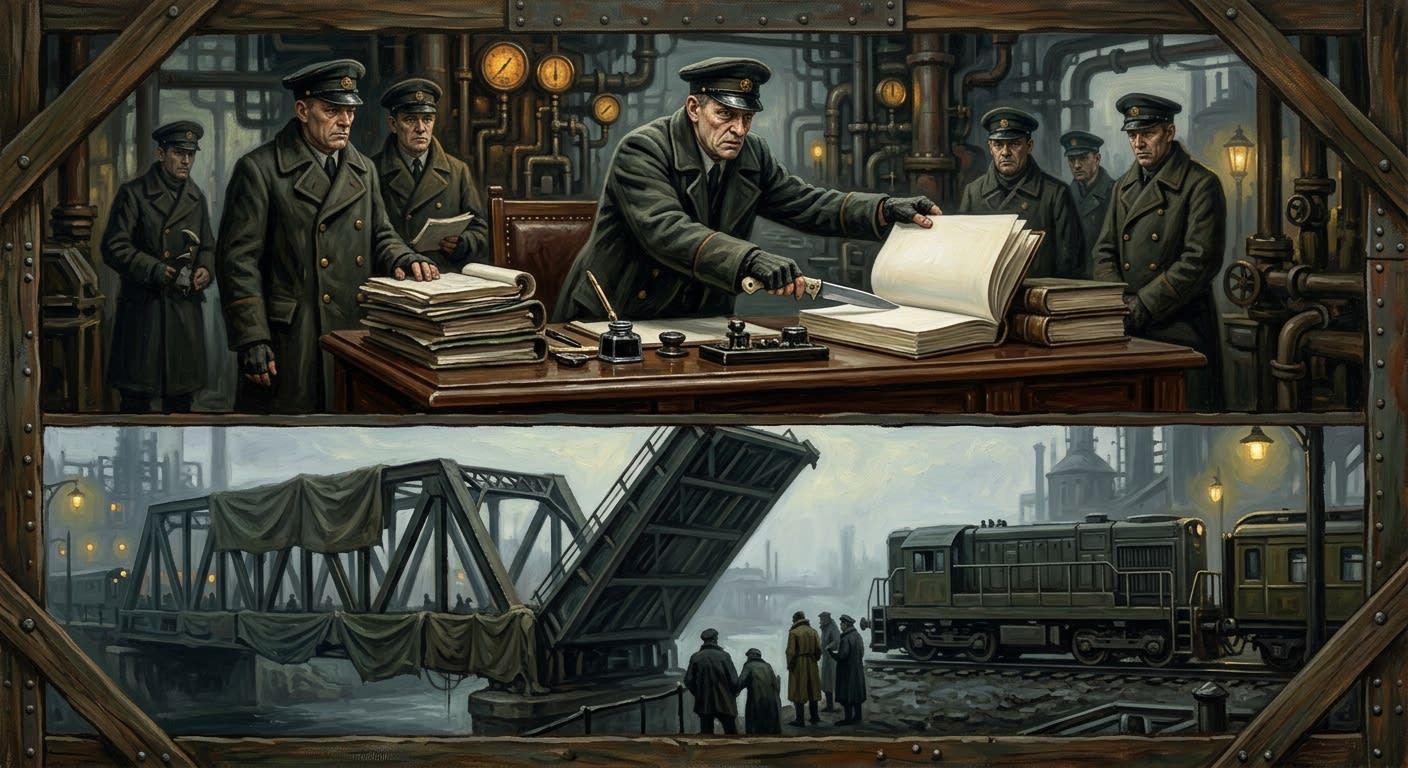
Standing Order 14-B
The bridge learned to answer before Strasbourg finished asking
Standing Order 14-B is Brest's span-sovereign knife: seize the blank paper, halt the crossing, and make absence answer.
Codex Ref. XIII.1.14-196
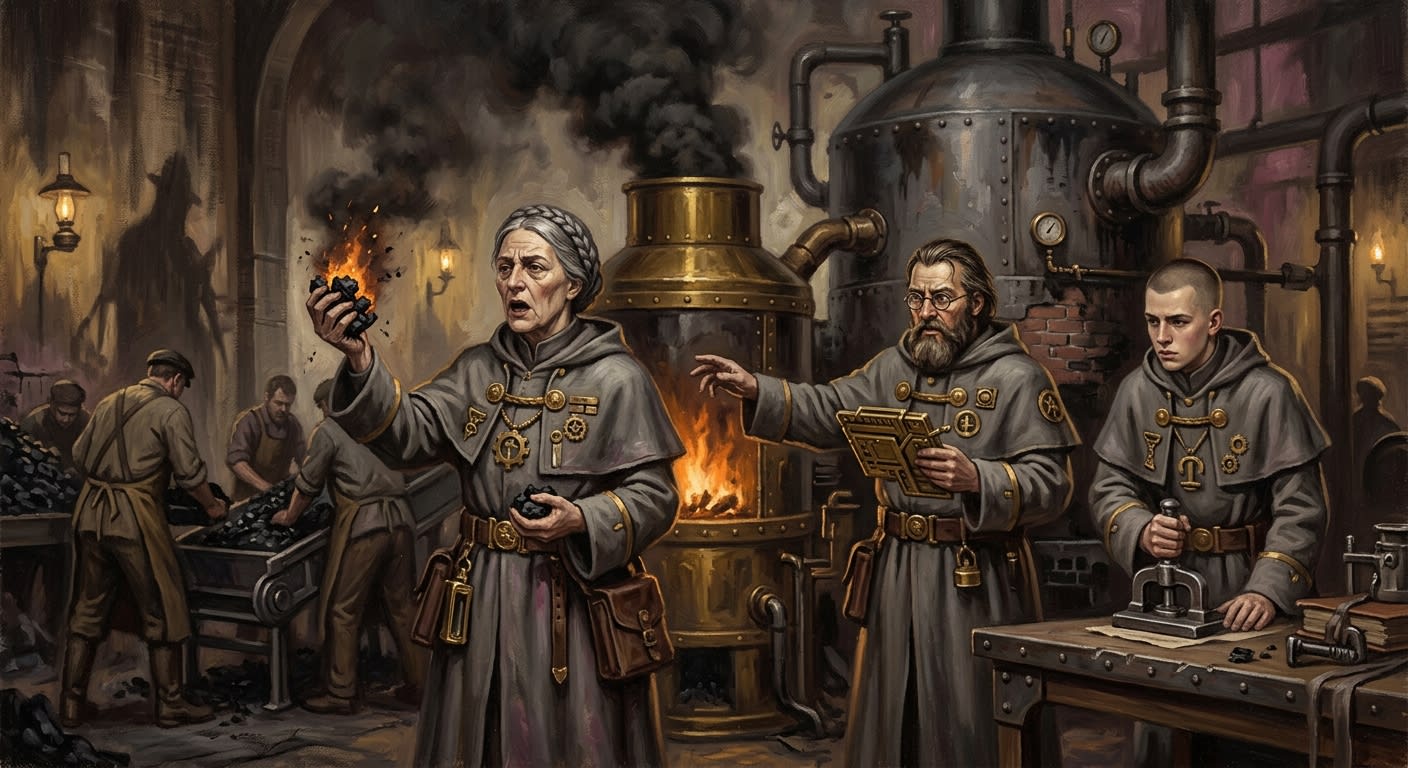
Standing Order 14-E
Sing before spark, or let the wall receive you
Standing Order 14-E is the smoke-written law of ignition: sing before spark, witness before load, seal before claim.
Codex Ref. XIII.1.14-097
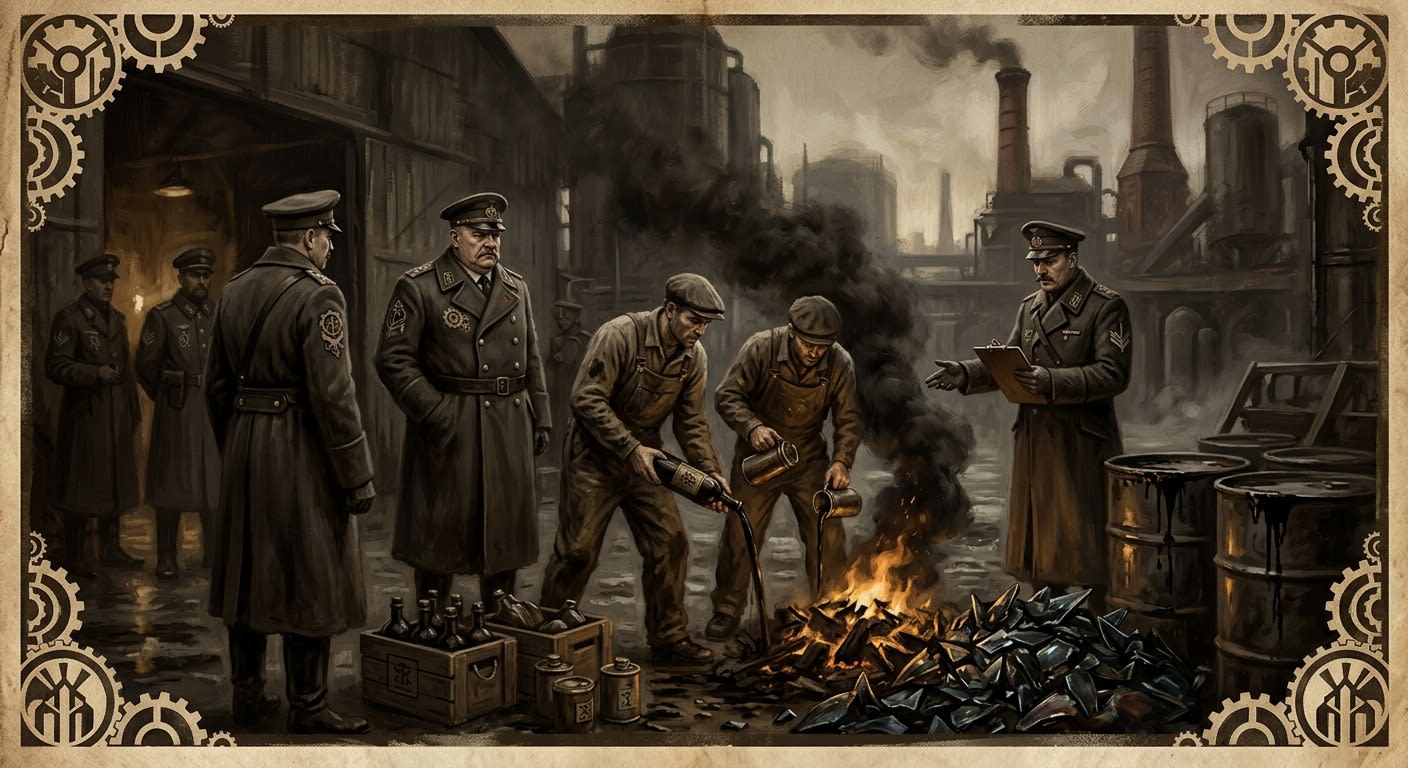
Standing Order 14-K
The law that forbids the fuel by which the righteous keep warm
Standing Order 14-K forbids black diesel, demon glass, scripture-smoke, and every useful contamination the Synod condemns in public and routes by night.
Codex Ref. XIII.1.96-134
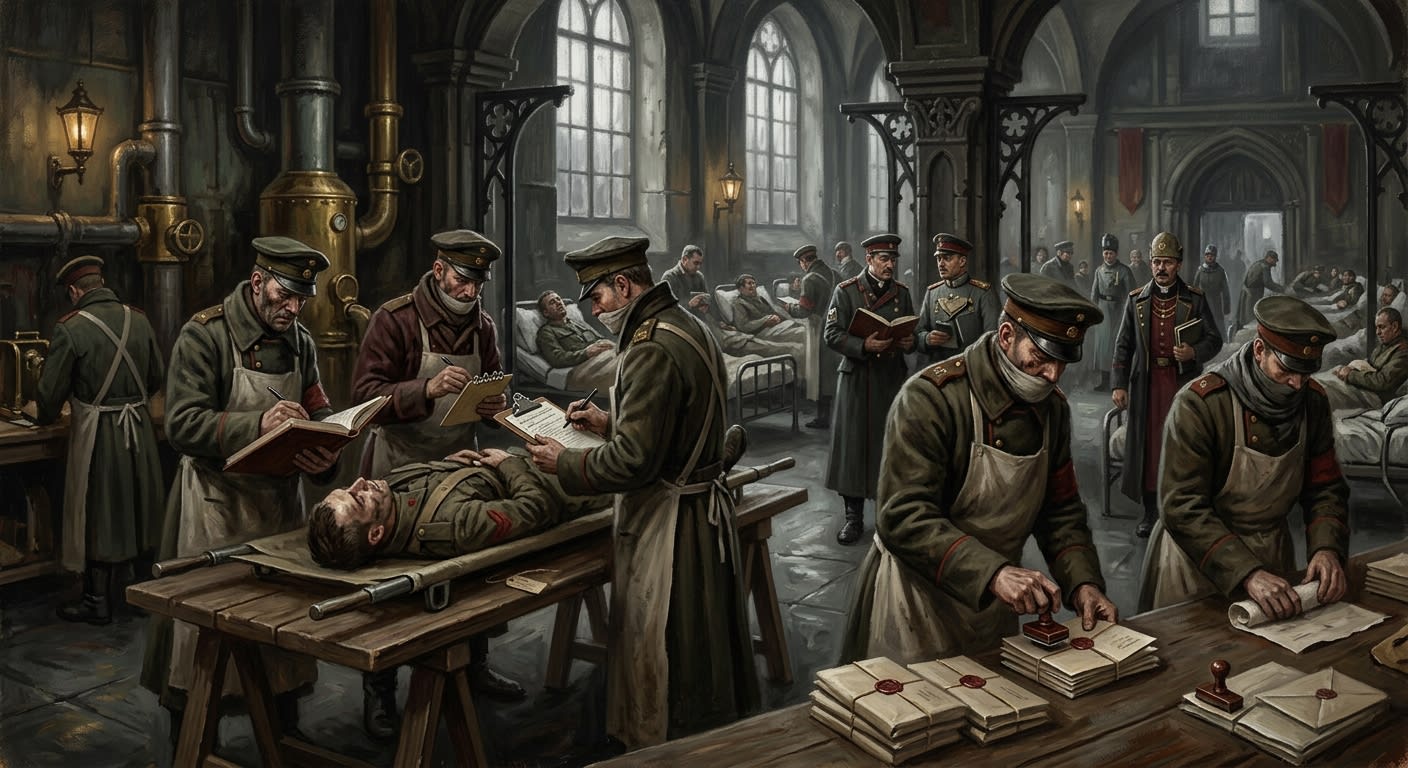
Standing Order 22-C
No last word unfiled, no dying mouth left private
Standing Order 22-C makes the dying useful: names first, comfort second, three copies sealed before the body is allowed to cool.
Codex Ref. XIII.1.98-080
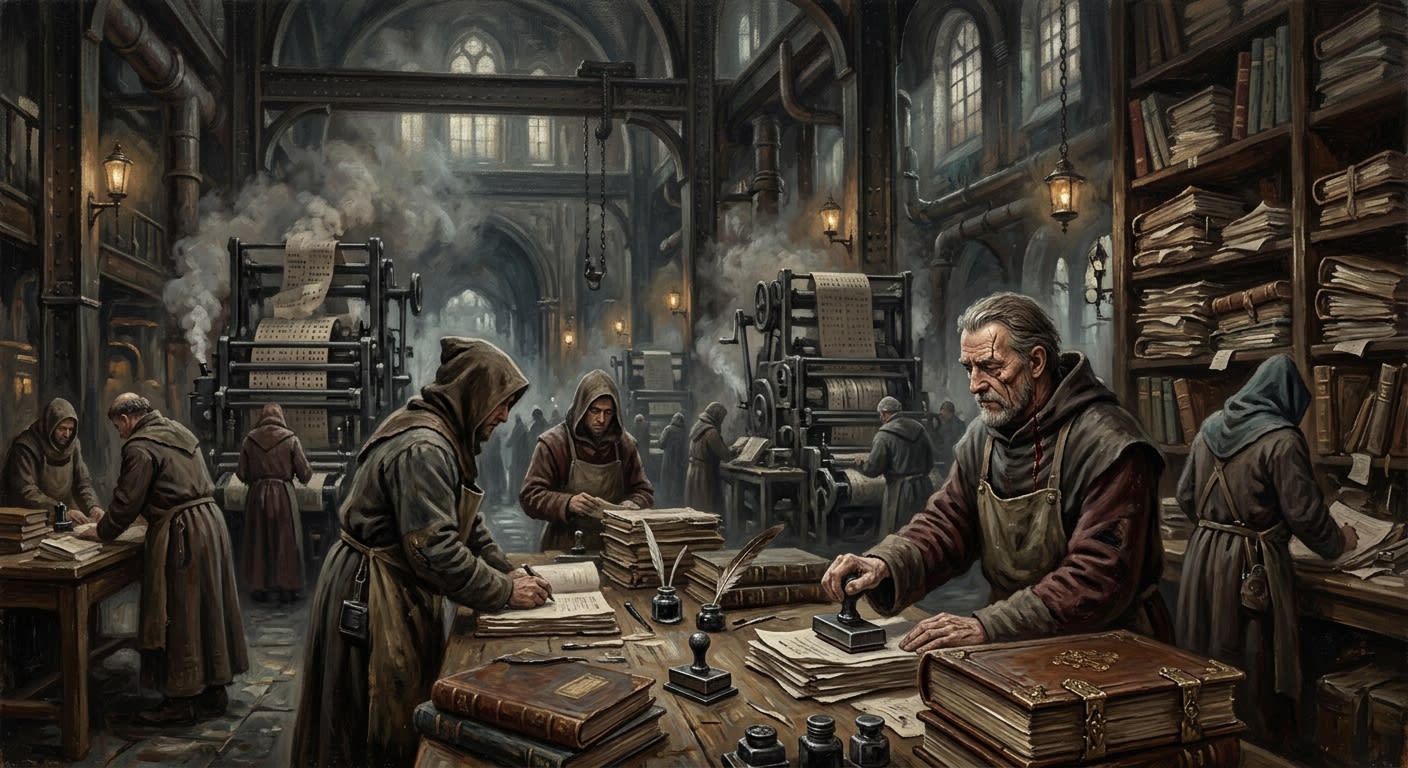
Standing Order 22-D
The law that taught silence to file itself
Standing Order 22-D makes silence legible: the pause before assent, the scar before paperwork, the late answer that becomes evidence.
Codex Ref. XIII.1.99-084
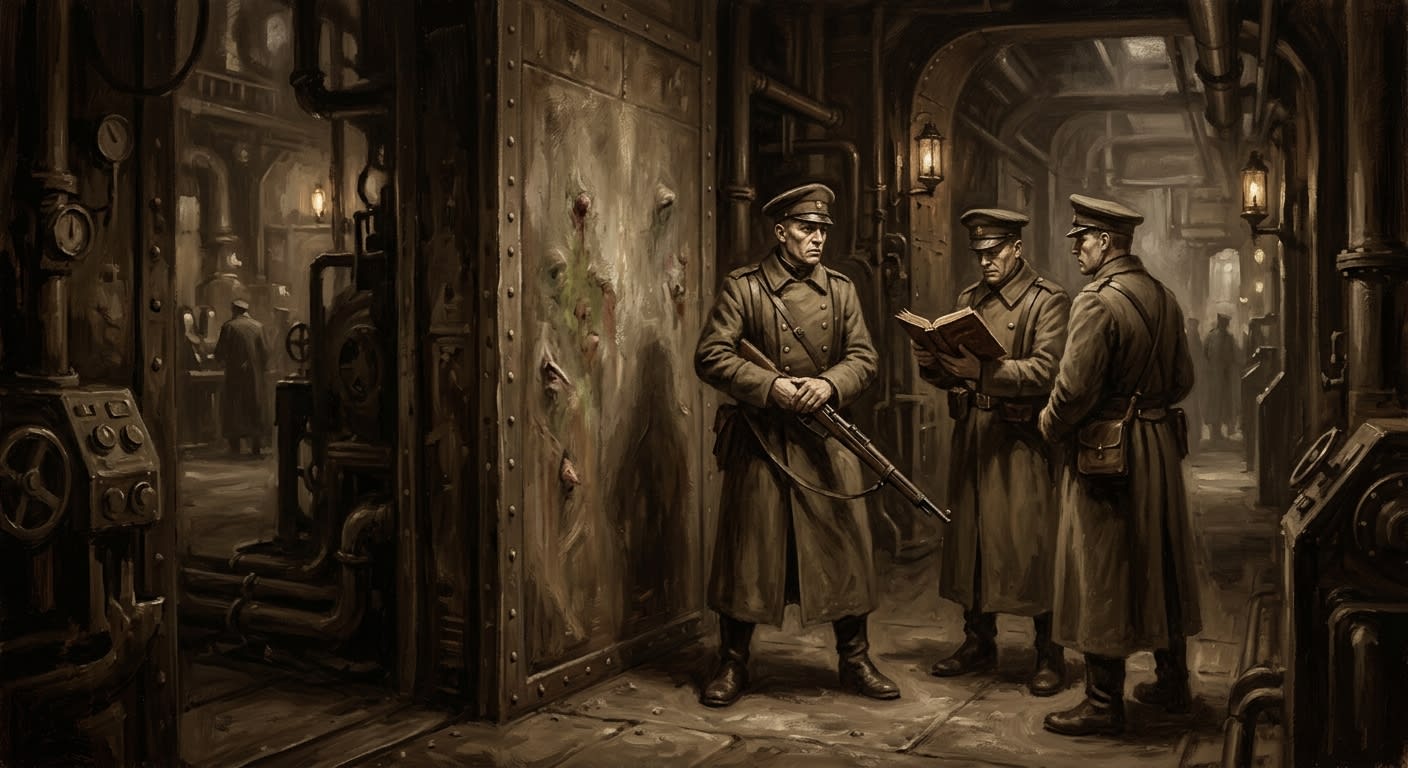
Standing Order 22-S
When the room answers, starve it
Standing Order 22-S teaches the holy art of refusal: three notes down, fourteen beats sealed, no answer to the hungry wall.
Codex Ref. XIII.1.41-104
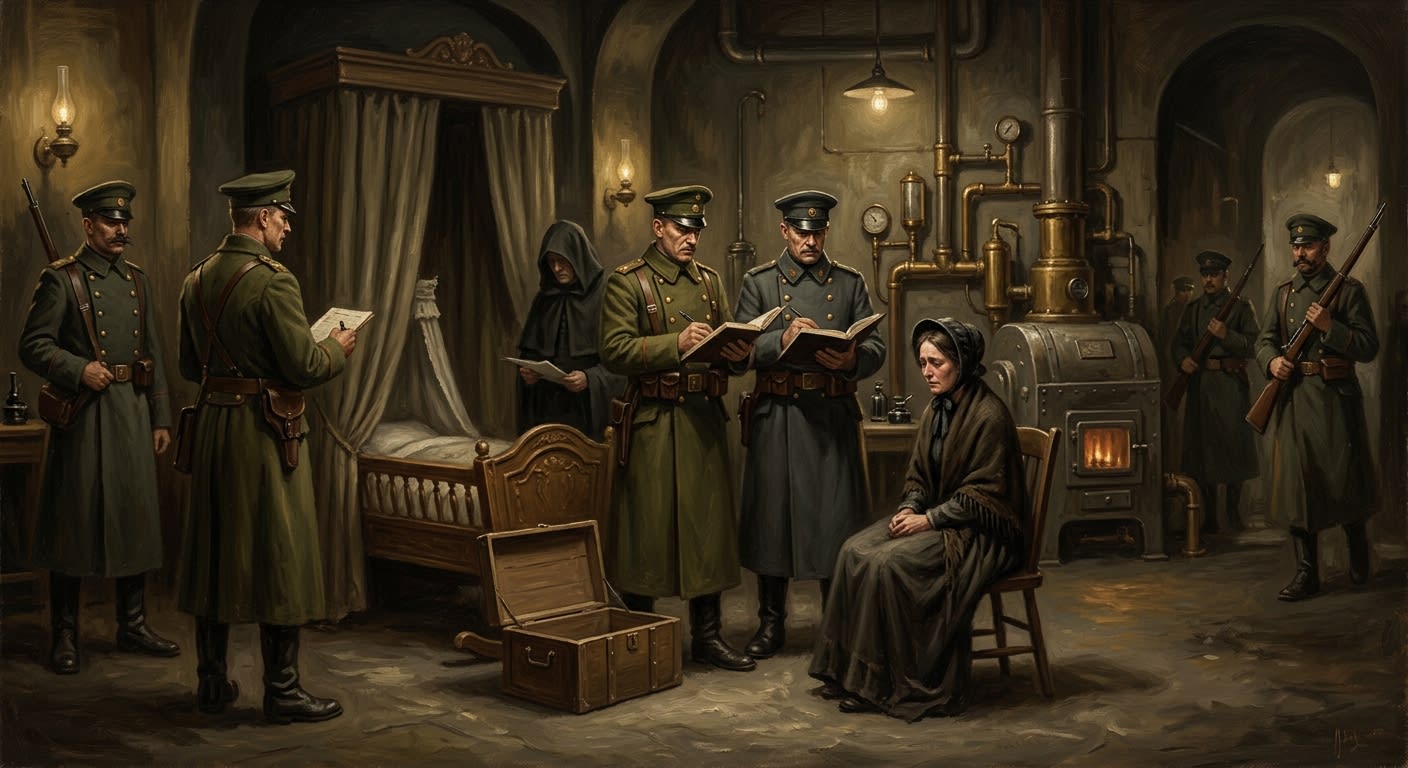
Standing Order 34-PK
The cradle confesses when the Ledger is hungry
Standing Order 34-PK makes the hidden cradle confess: missing infants become stolen soldiers, and a mother’s silence becomes evidence.
Codex Ref. XIII.1.34-158
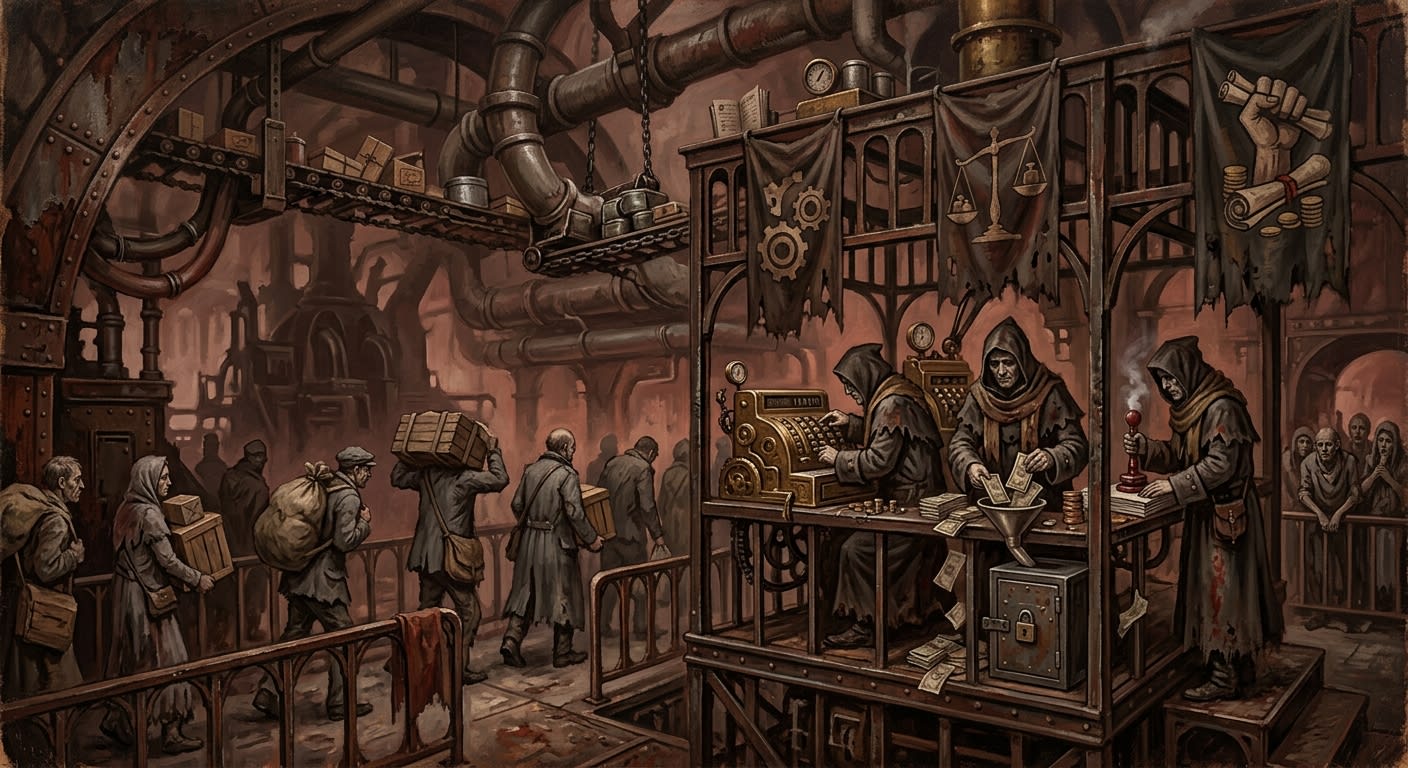
Standing Order 77-A
Movement is holy until the receipt arrives
Standing Order 77-A prices delay, blesses audited bribery, and teaches cargo to move before correctness kills the hungry.
Codex Ref. XIII.1.77-172
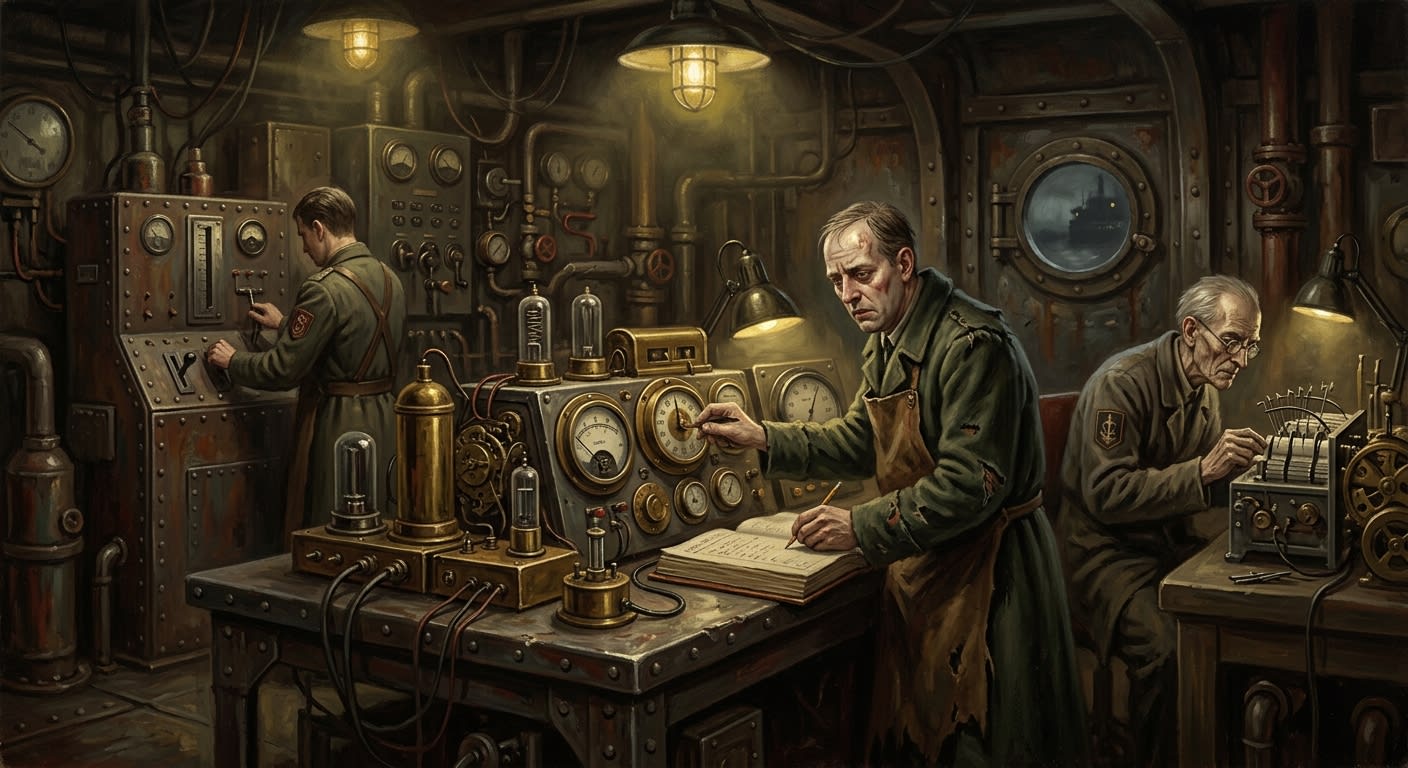
Station Two, Bastion-Shipka
The clocks accuse; the fog waits
Station Two is Bastion-Shipka's forward listening post, where Hourglass adepts measure Sloth-fog, frog-rhythm, drag-gauge failure, and the ninety-second Skip.
Codex Ref. II.4.08-015
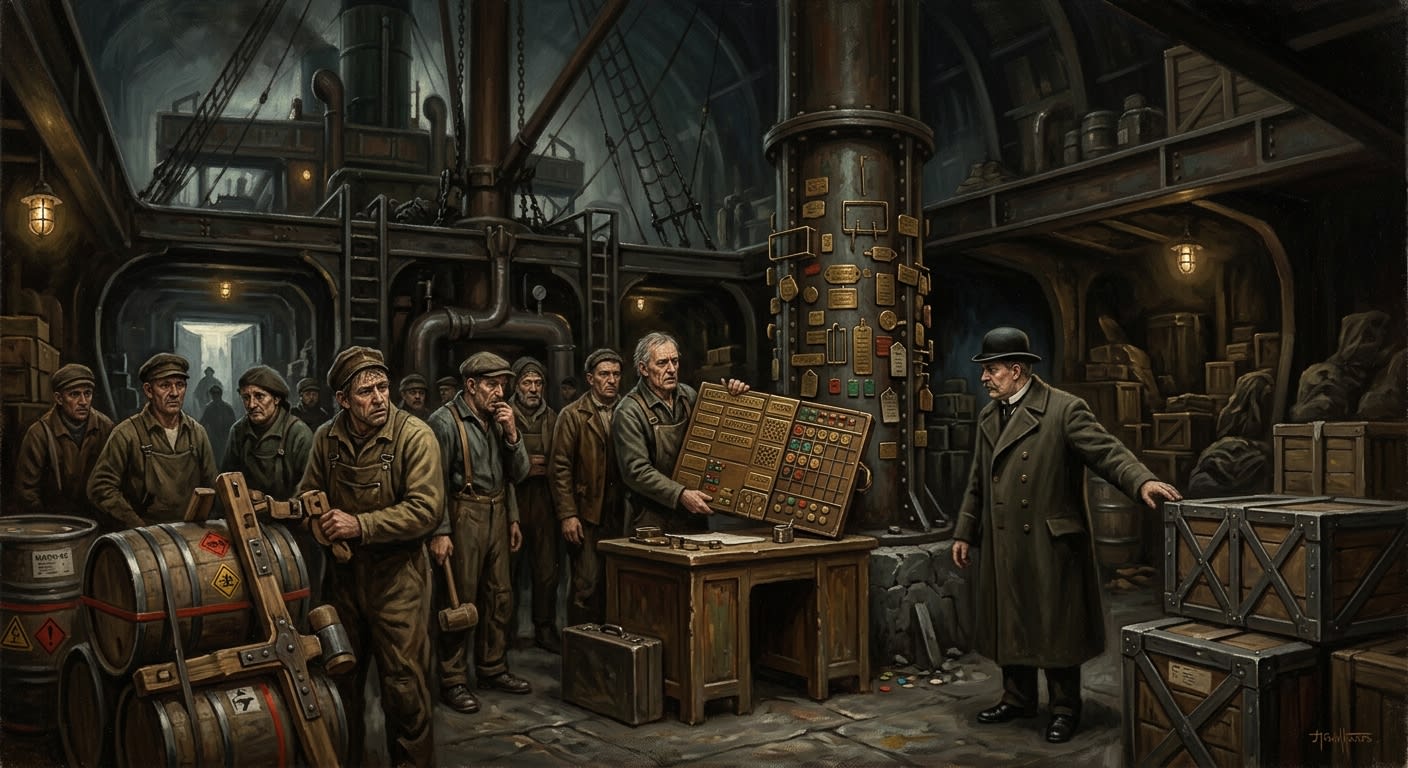
Stevedores' Compact
What the hold remembers, the manifest learns too late
Hamburg's Stevedores' Compact governs shipboard stowage, hold-order tokens, hazardous load bracing, and the right of senior holdmen to refuse death disguised as cargo discipline.
Codex Ref. XII.52.02-001
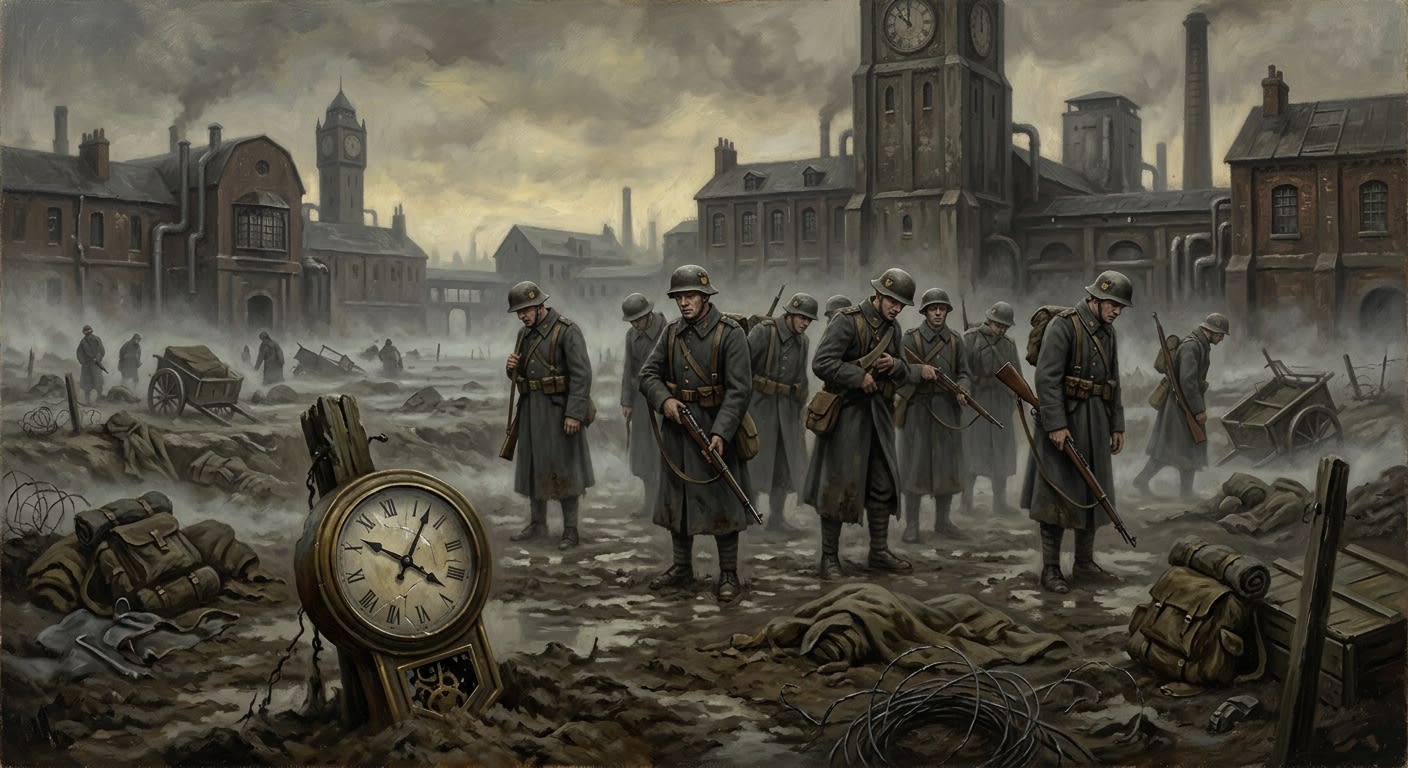
Stillness Fields
Where time sits down and calls it mercy
Syrion's fields do not stop men with walls. They offer rest, steal sequence, and let clocks become witnesses too frightened to agree.
Codex Ref. XIII.1.88-045
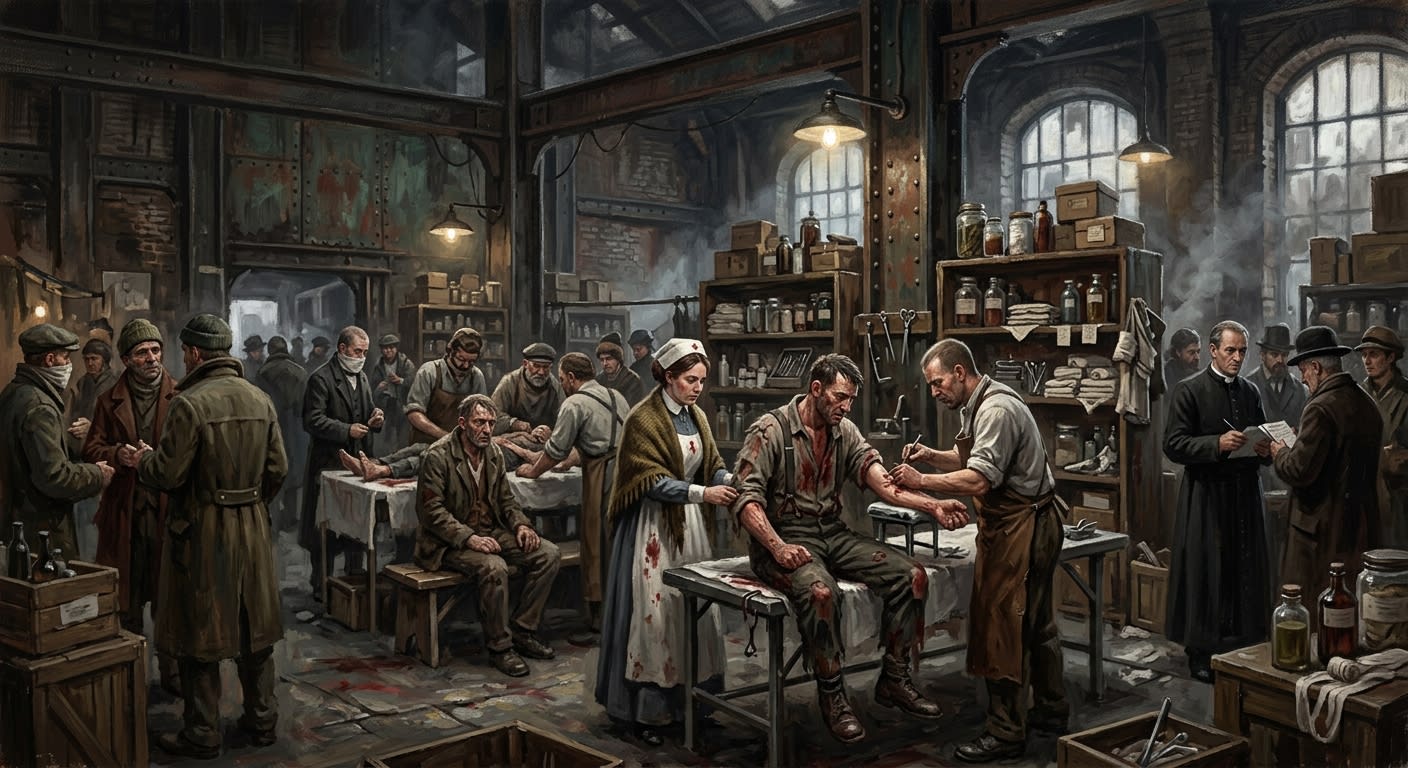
Stitchmarket
Where unlawful mercy learns to keep receipts
Marrowgate rationed lawful mercy until crime opened a clinic, priced the bandages, and learned to forge the city better than its clerks.
Codex Ref. XII.31.06-201
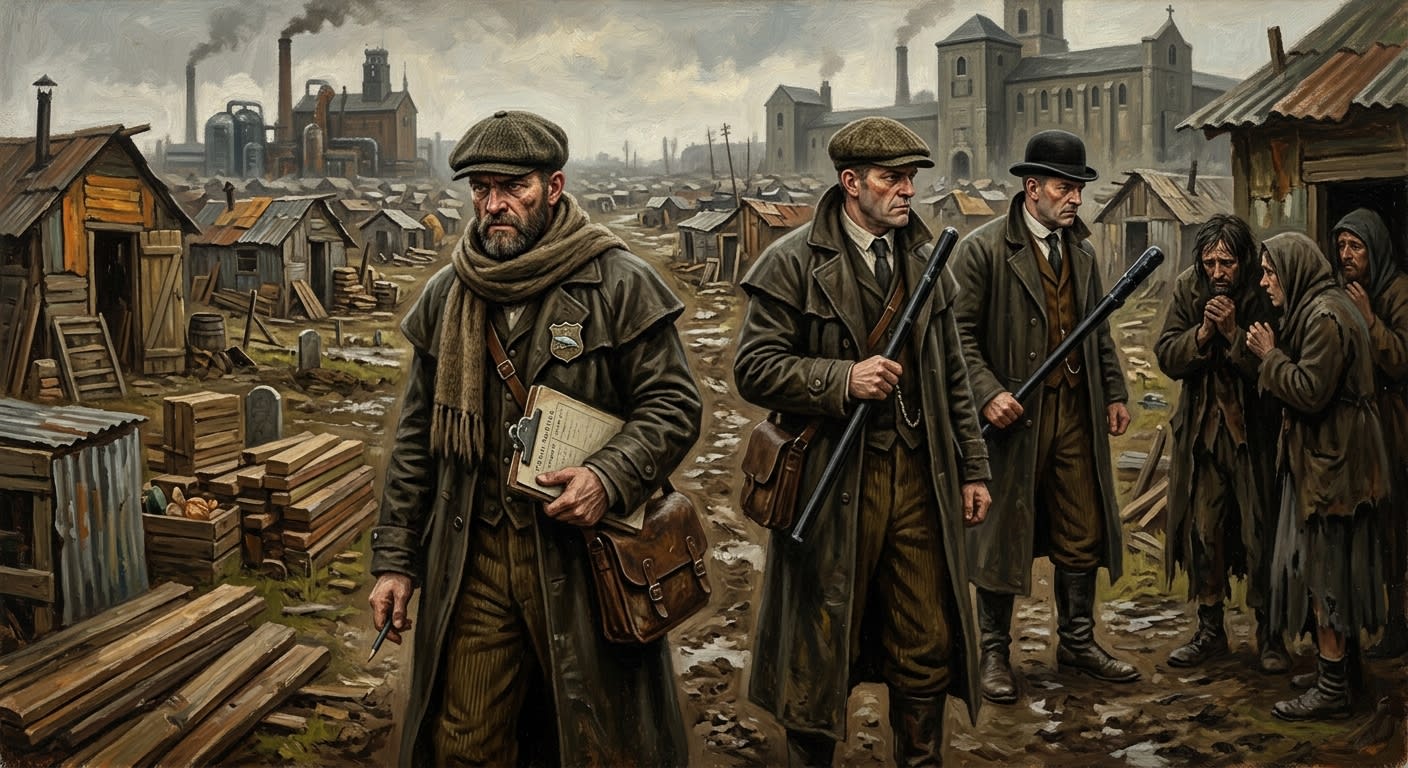
Stone Sharks
Safety by the inch, eviction by the weather, mercy by invoice
Stone Sharks are the profit-hardened branch of Grave-Field Shanty Brokers: orderly grave-lane landlords who sell safety, patrol blindness, and winter survival at predatory rates.
Codex Ref. XII.27.03-001

Sub-Archon Provisional Yvette Langres
The woman in the wine cellar who can tell you whether your city exists
Yvette Langres administers three hundred million addresses from a damp Strasbourg cellar; provisional since A.S. 194, indispensable since the first corrected line.
Codex Ref. III.2.01-013
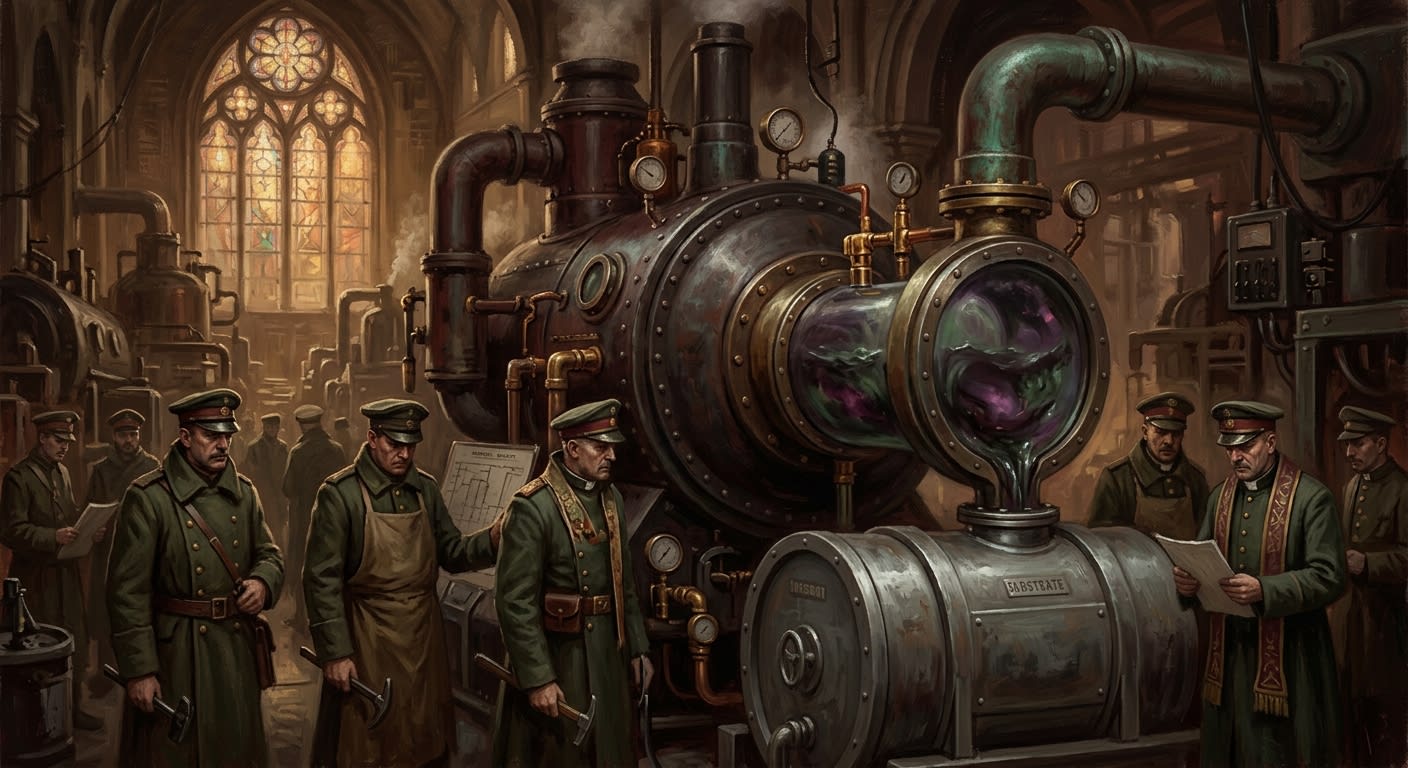
Substrate
The grey thing beneath the hymn
Brast's fourth fuel component is named blandly because useful horrors prefer dull labels, locked caskets, and a hymn before seventh bell.
Codex Ref. XIII.1.92-201

Superintendent Halvick Sorn
The man who keeps the hours fears the break
Halvick Sorn keeps the Rope-Ferry Chain's master slate: twenty-three years on schedule, four bridge petitions refused, and one bad winter from cascade failure.
Codex Ref. III.1.05-001
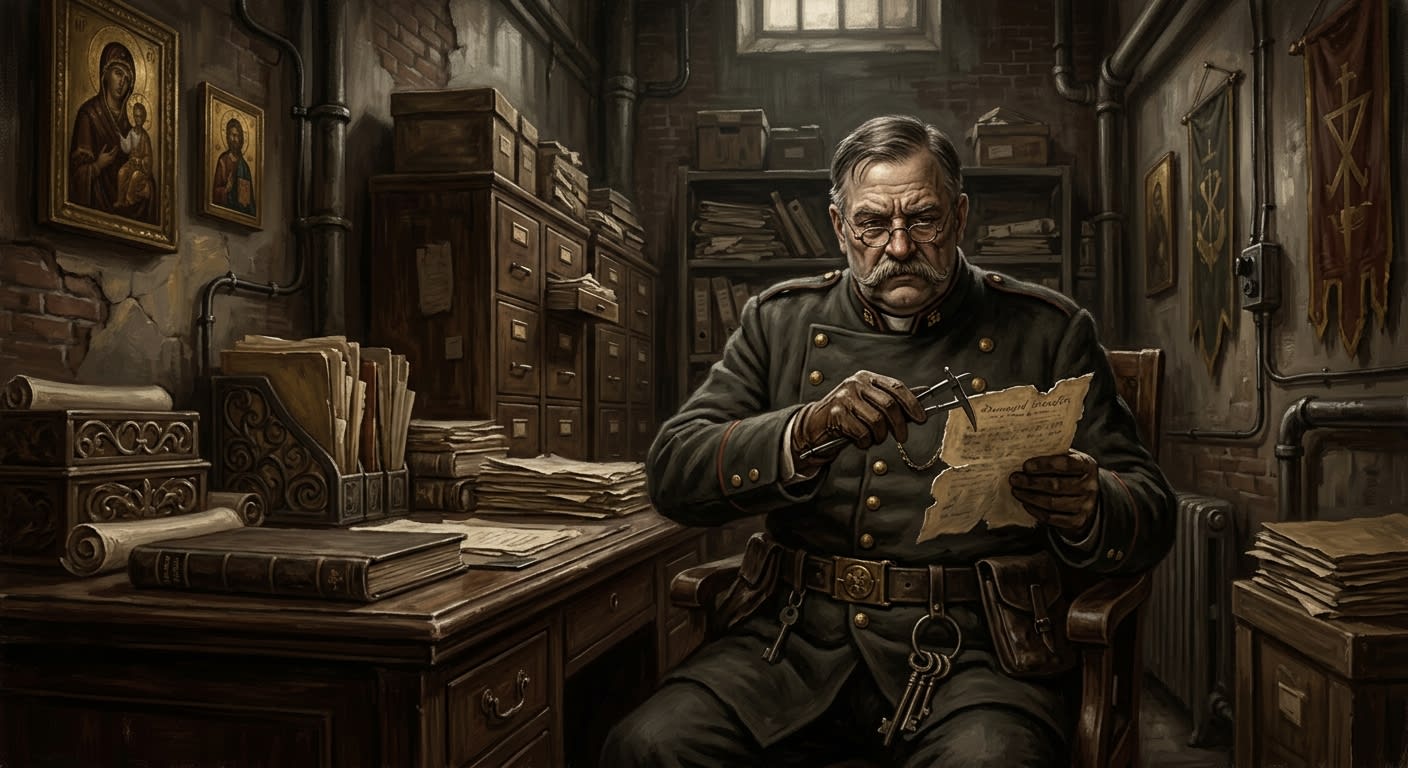
Superintendent Horvath
Mercy disguised as custody, filed under acceptable output
Superintendent Horvath keeps the Sofia Filing Annex running by treating damaged transfers as records worth preserving, which is almost mercy and therefore suspicious.
Codex Ref. III.2.01-151
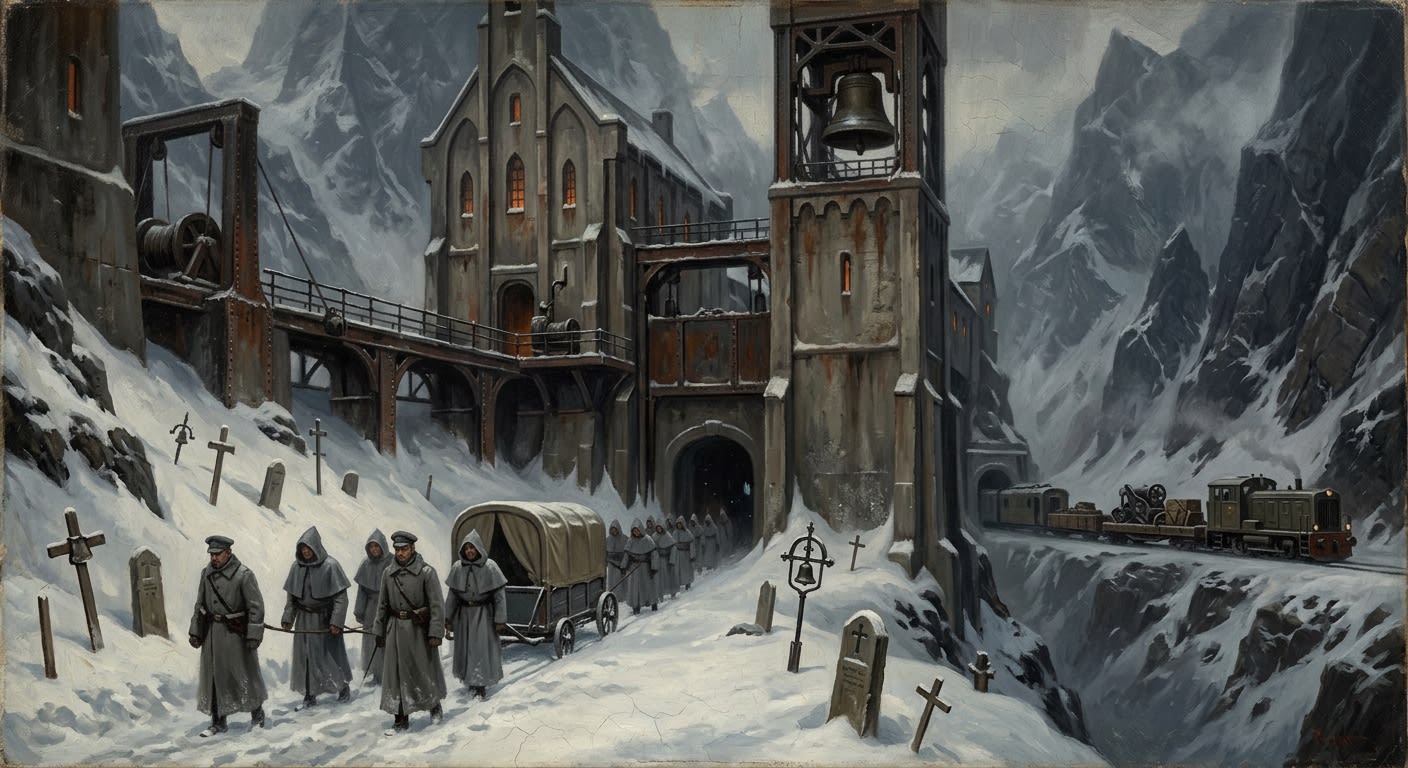
Swiss Cantons
Where mercy climbs uphill and stops writing back
The Swiss cantons keep passes, bells, hospice beds, and the Synod's most merciful disappearances beneath snow clean enough to indict Heaven.
Codex Ref. II.2.08-201
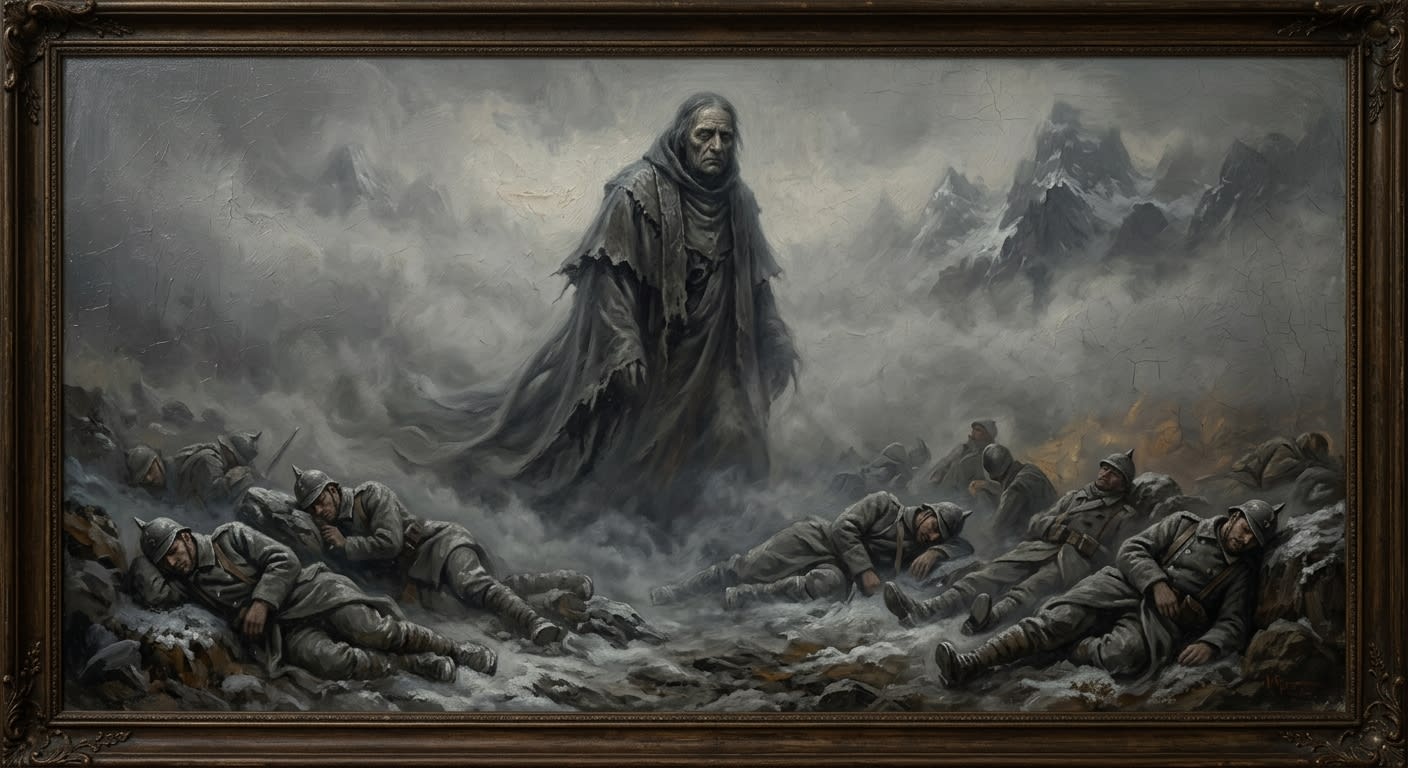
Syrion
The fog does not advance. It waits for you to stop moving.
Fourth of the Seven, Syrion holds the Bulgarian highlands in a fog of stillness and stolen time. He does not attack. He waits while you attack yourself.
Codex Ref. IV.1.07-004
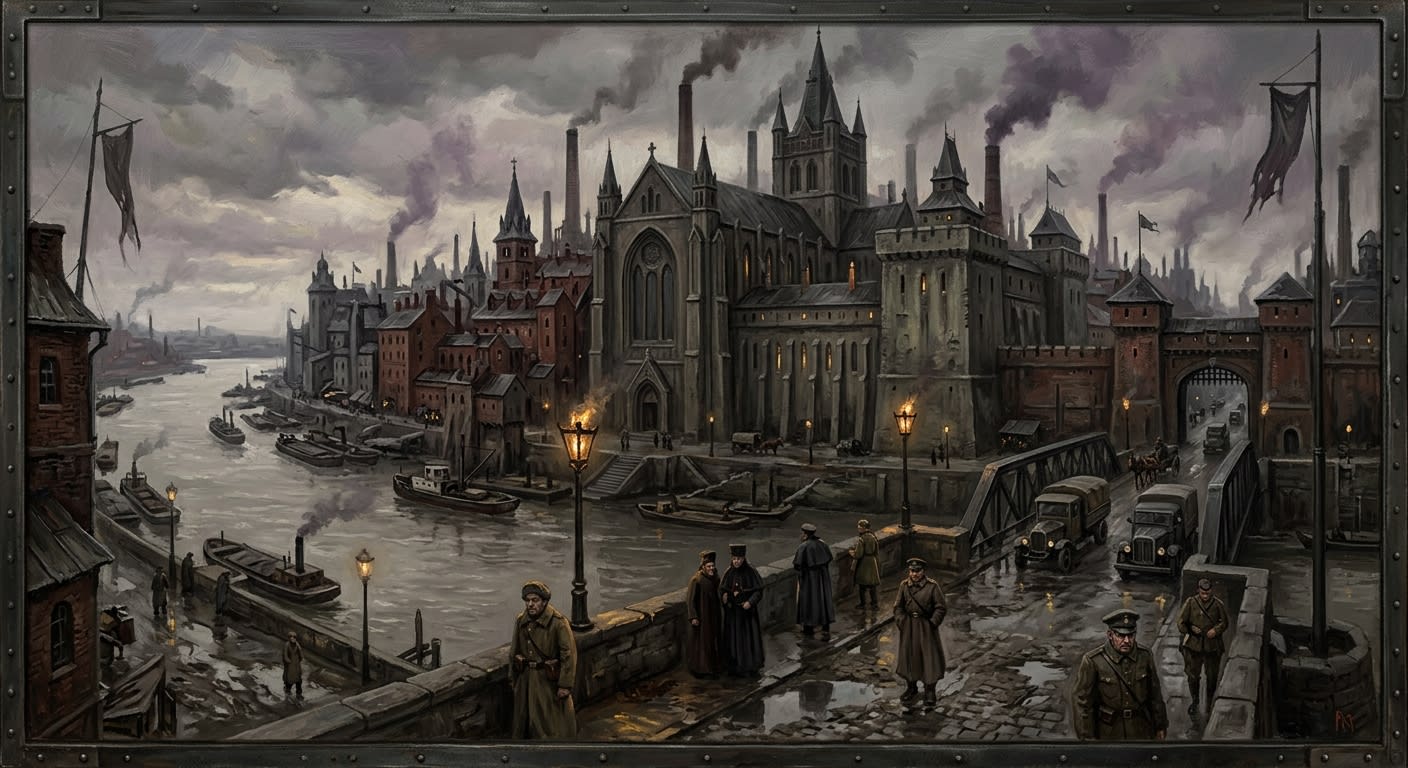
Szeged
The river city where the light failed while shining
Szeged is the Tisza city where psalm-light learned betrayal, candles died inward, and the road to Baja began reaching back with teeth.
Codex Ref. II.4.09-201

Table of Nine
The oak that refuses inspection and still moves ships
Britain's Table of Nine withholds its charters, argues before Aldric, commands ports and Wardens, and teaches Strasbourg the agony of useful illegibility.
Codex Ref. X.1.02-201
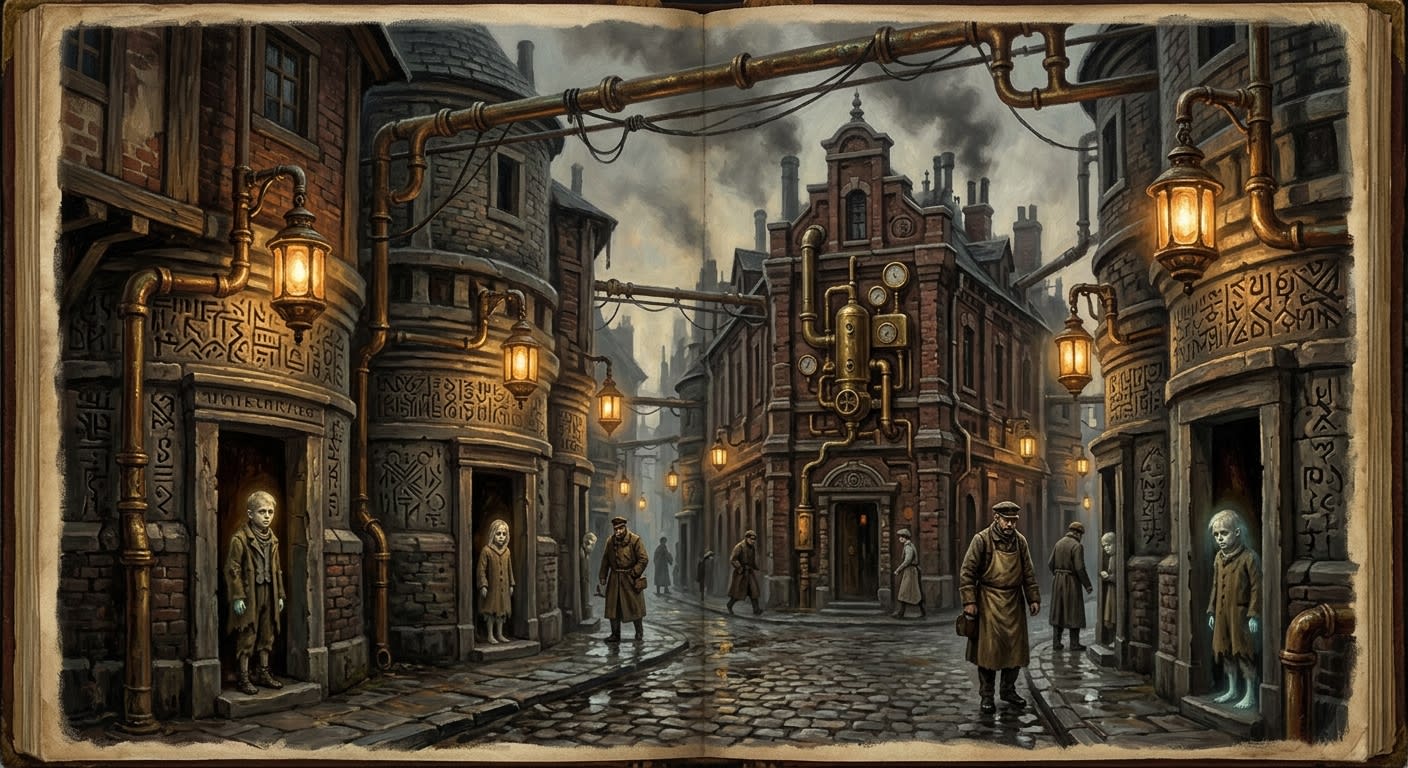
Târgu
The grave-ring town where walls learned doctrine
Târgu is the Przemyśl approach town where grave-rings house the living, walls recite through mortar, and surplus lamps taught children to glow.
Codex Ref. II.4.09-201
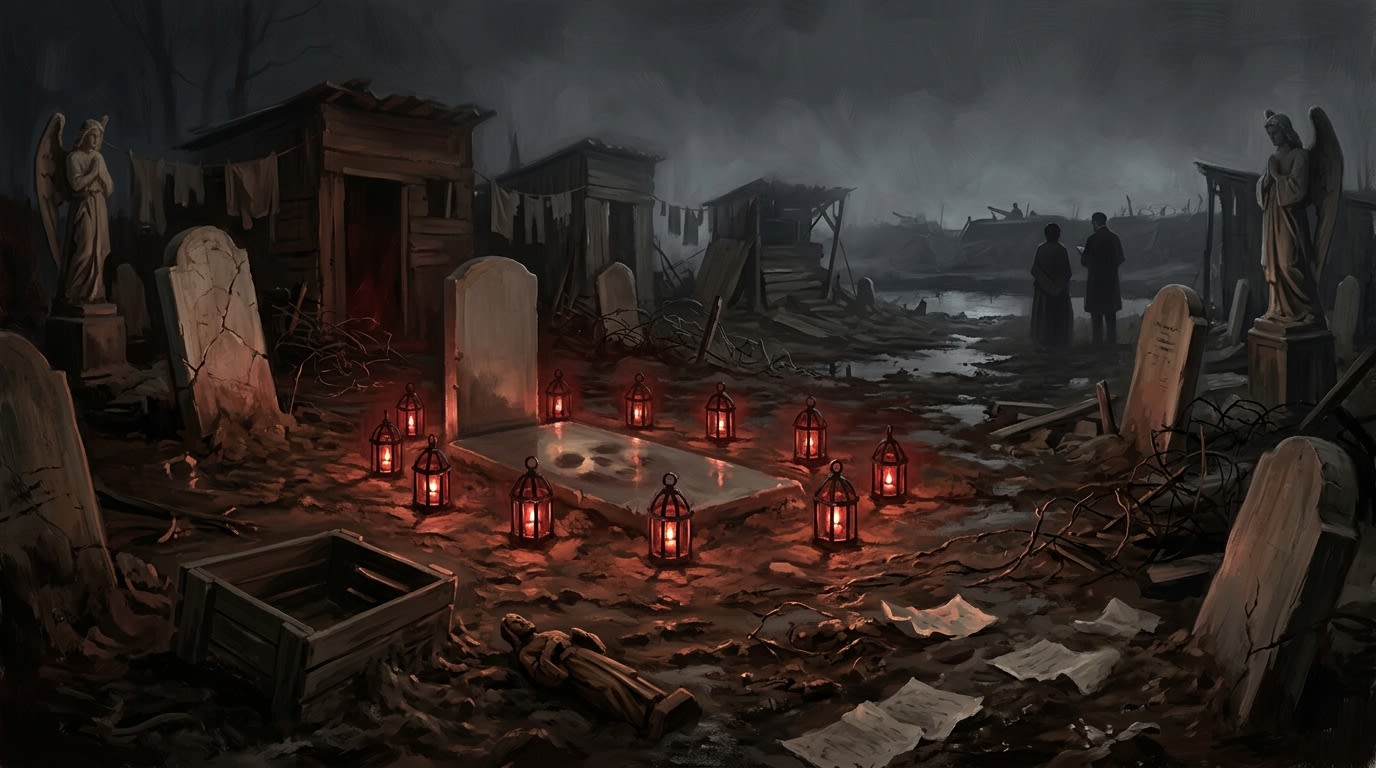
Târgu Child-Lamp Incident
Eleven small lights, and every Bureau suddenly blind
The Târgu Child-Lamp Incident began with surplus Engineering lamps and ended with eleven children requisitioned as battlefield light.
Codex Ref. VII.8.10-038
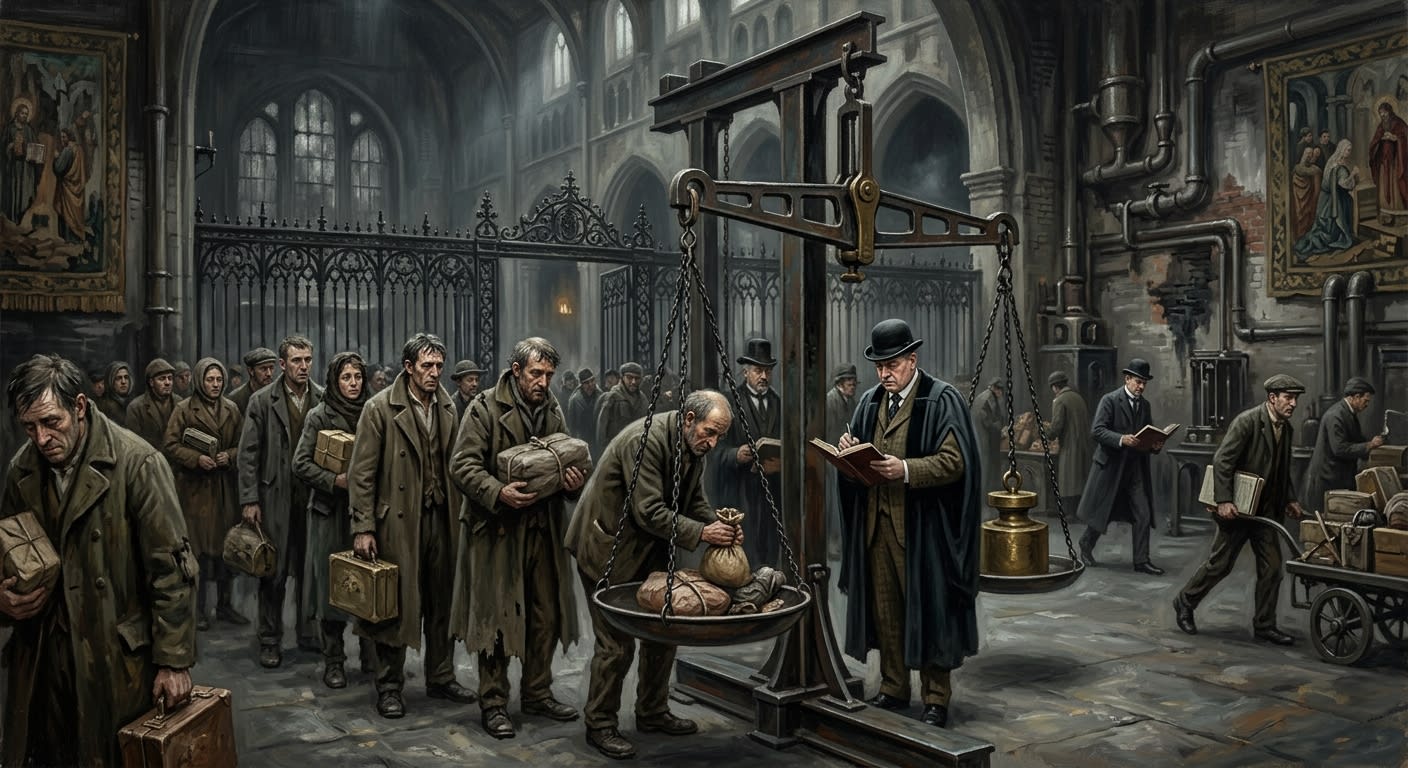
Tariff Chapel
The altar where hunger, bone, freight, and grief learn their lawful weight
The Tariff Chapel is the Synod's sacramental weighing room, born from the A.S. 97 Bread-Scale Uprising and extended to goods, corpses, relics, queues, and taxable desperation.
Codex Ref. XIII.1.67-001
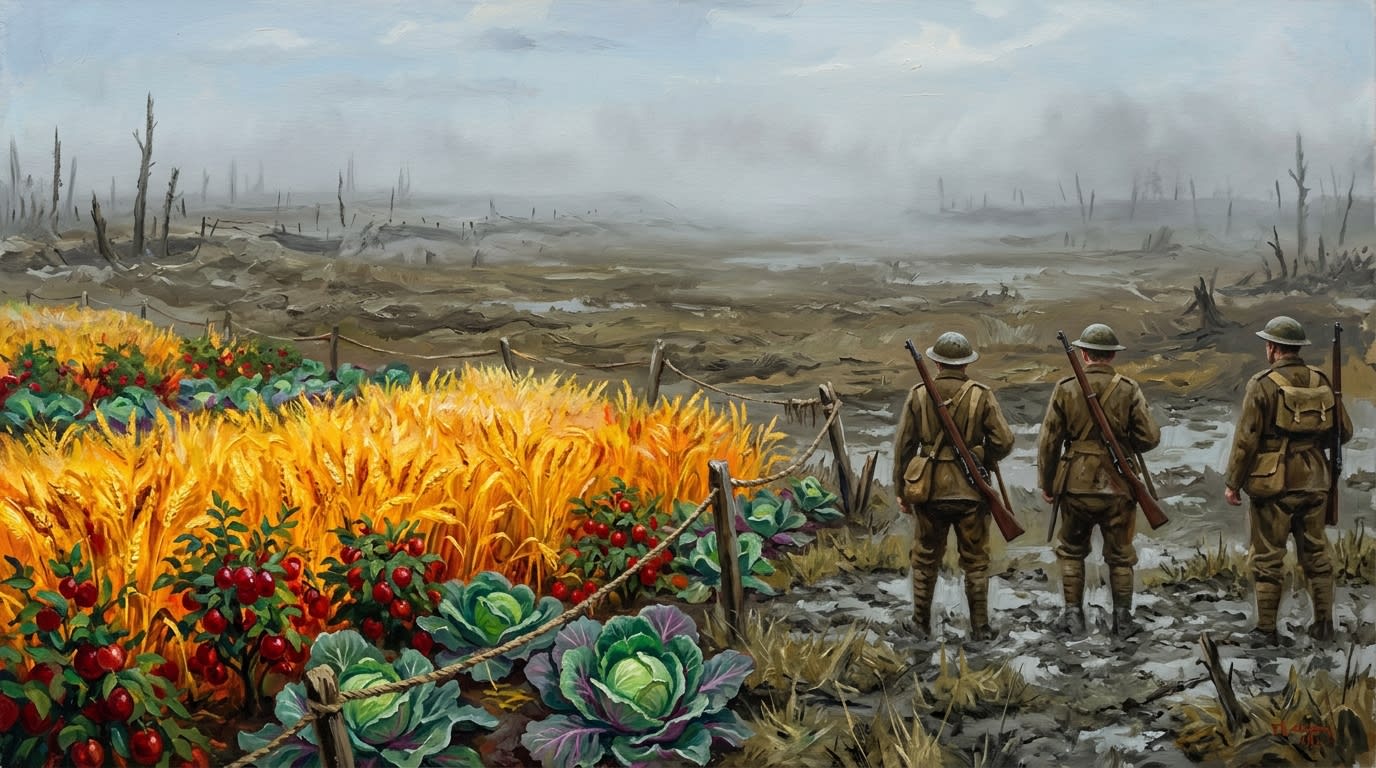
The Abundance Fields
A Category One Moral Hazard; and yes, it smells of fresh bread
The Abundance Fields are patches of impossible fertility at the Blightmarsh's edge — crops grown without sowing, fruit ripening in frost, bread-smell on a west wind. The food is real. The hunger it produces is realer still.
Codex Ref. V.6.01-003
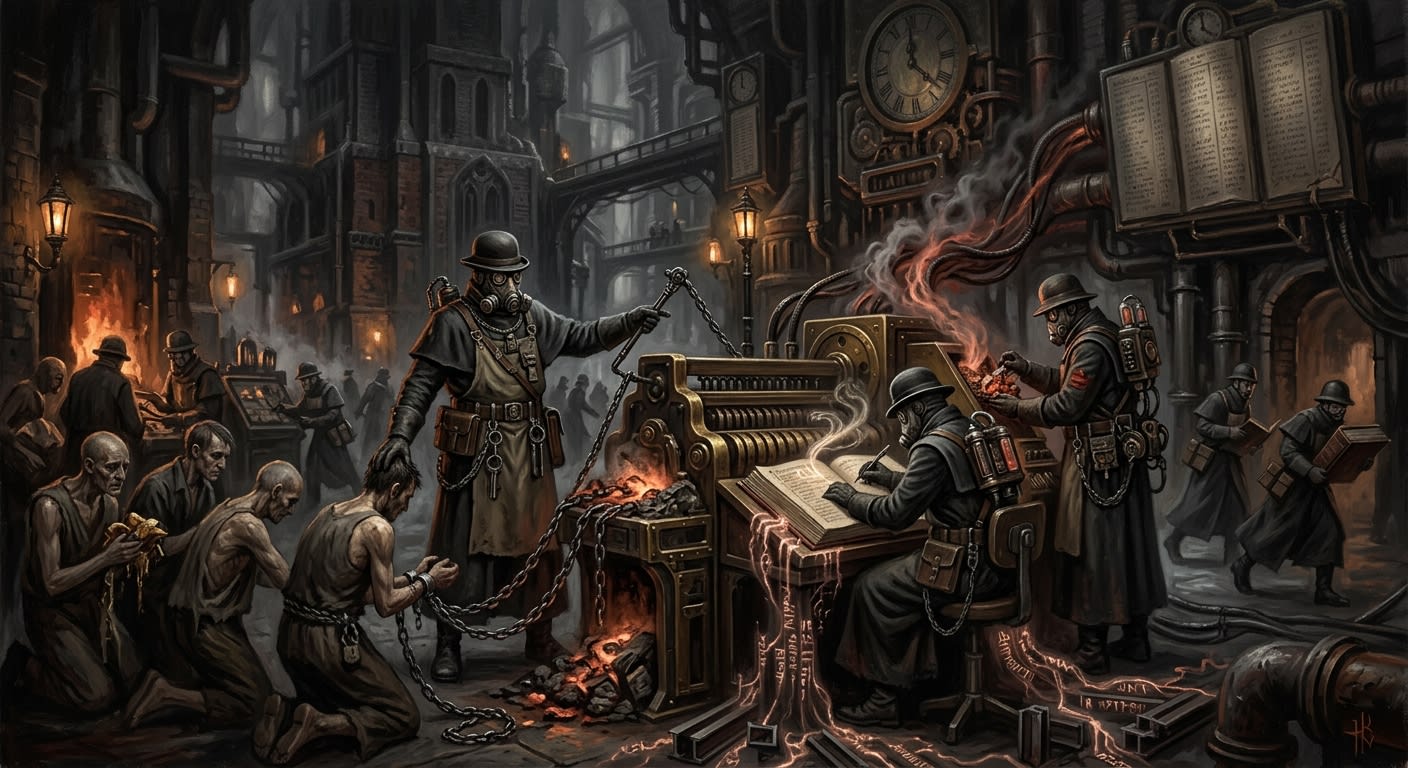
The Accountants
The book beneath the bread and the debt beneath mercy
The Accountants are the Black Ledger's second-book faction: Ledgerwrights who turn gifts into debts, hunger into jurisdiction, and gratitude into infrastructure.
Codex Ref. XI.1.04-003

The Age of Heresy
A World Sundered, a Faith Forged in Fire
The definitive overview of the Age of Heresy — a continent sundered by demonic invasion, ruled by a theocratic bureaucracy of bells and ink, locked in eternal war against the Seven Sin-Generals. As compiled by the only man qualified to compile it.
Codex Ref. I.1.01-001
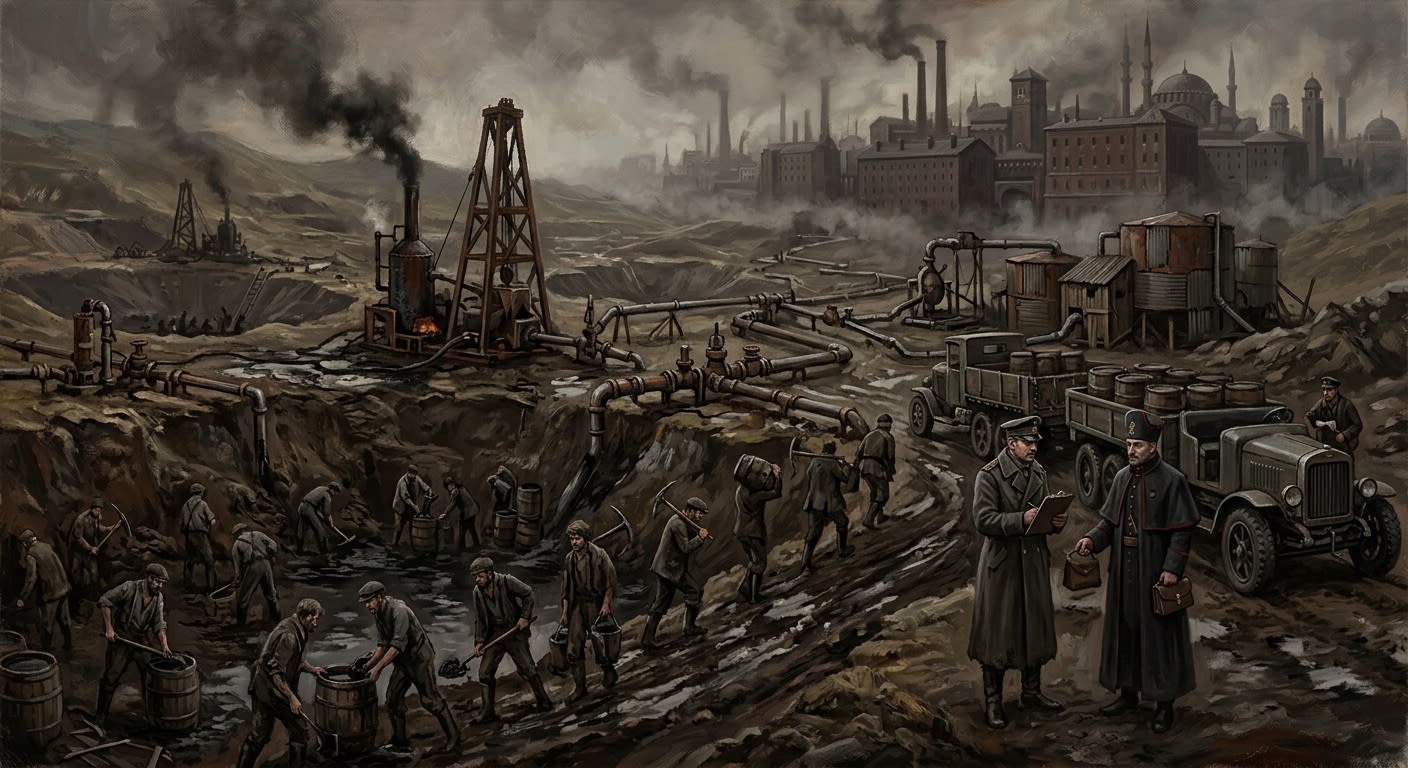
The Anatolian Pitlands
The fuel that does not exist arrives on schedule
The unregistered crude seams beyond Bastion-Constantinople supply black diesel through pits, bribes, false seizures, nameless labour, and official denial.
Codex Ref. II.4.09-013
The Armorial of the Faithful
The book by which even colors learn obedience
The Armorial teaches every banner, crest, seal, colour, knot, and shop sign in the Synod the first virtue of a surface: obedience.
Codex Ref. VIII.1.03-002
The Ash-Rain of Zaragoza
Where artillery made weather and fourteen children paid the grammar of “clean”
The A.S. 143 Ash-Rain of Zaragoza followed a sanctioned bombardment of a Velkara-aligned compound: three days of salt-and-milk ash, fourteen silenced children, no quarantine, and a city forced to keep trading beneath residue.
Codex Ref. VII.4.13-001

The Ashen Circle
The denied archive that keeps the official world from collapsing
Unsanctioned scholarly network named in A.S. 103, trafficking in forbidden histories and sciences while the Bureaus deny, hunt, purchase, and depend upon its ash-borne work.
Codex Ref. XI.1.01-002
The Ashen Circle Scholar
What the Bureau Burns, the Circle Preserves — the Synod's Indispensable Heretic
The Bureau calls them poison. The front calls them indispensable. The Ashen Circle Scholar trades in what the Index Damnatus cannot afford to have gone permanently missing.
Codex Ref. XI.1.01-001
The Assignors
Men with maps, seals, and exactly enough authority to be hated
Assignors are Settlement field officers: map-carriers, permit-revokers, and escort-dependent instruments by which ink tells citizens where to stand.
Codex Ref. XII.2.06-001
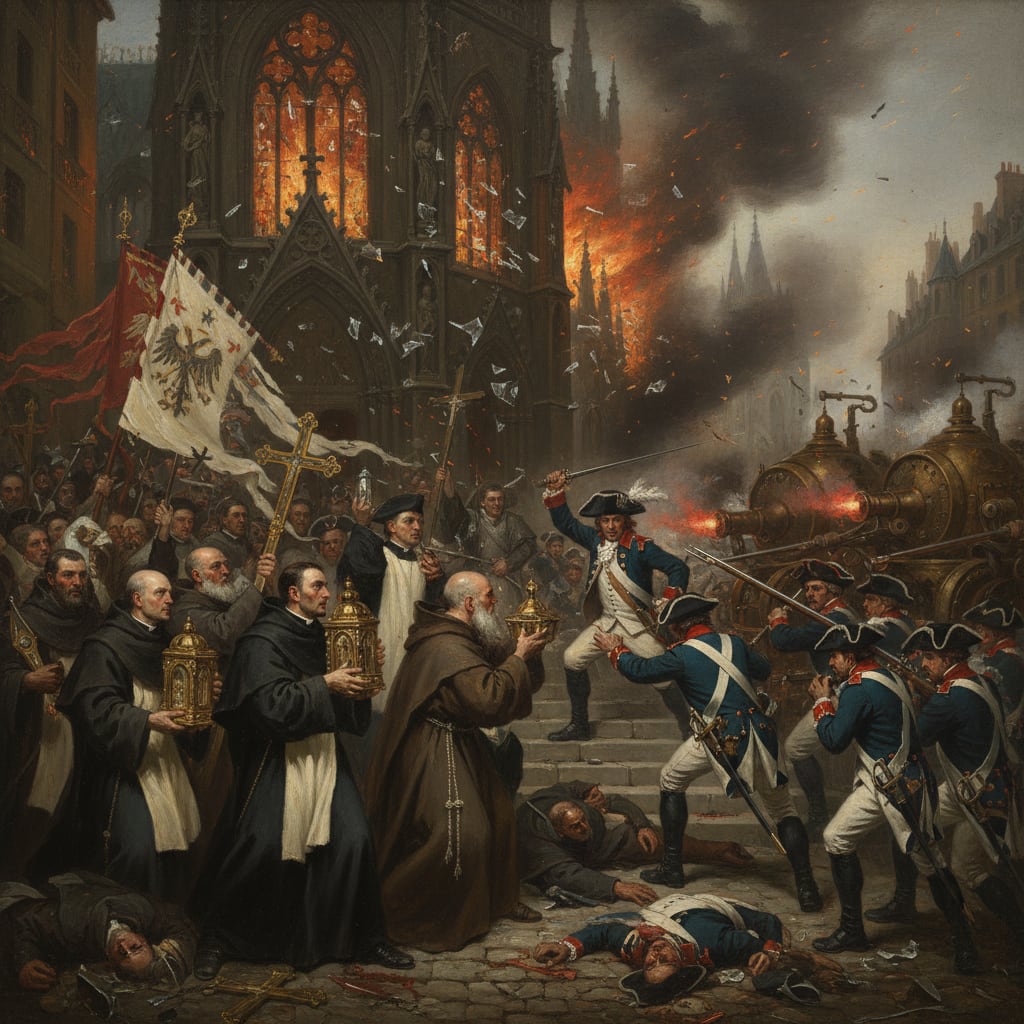
The Atheist Wars
When Reason Drew Steel and Faith Drew Blood
The two decades of continental civil war between the Rationalist Republic and the scattered faithful — a catastrophe so instructive that the Bureau requires its retelling in every catechism school, twice annually, with examinations.
Codex Ref. I.1.03-001
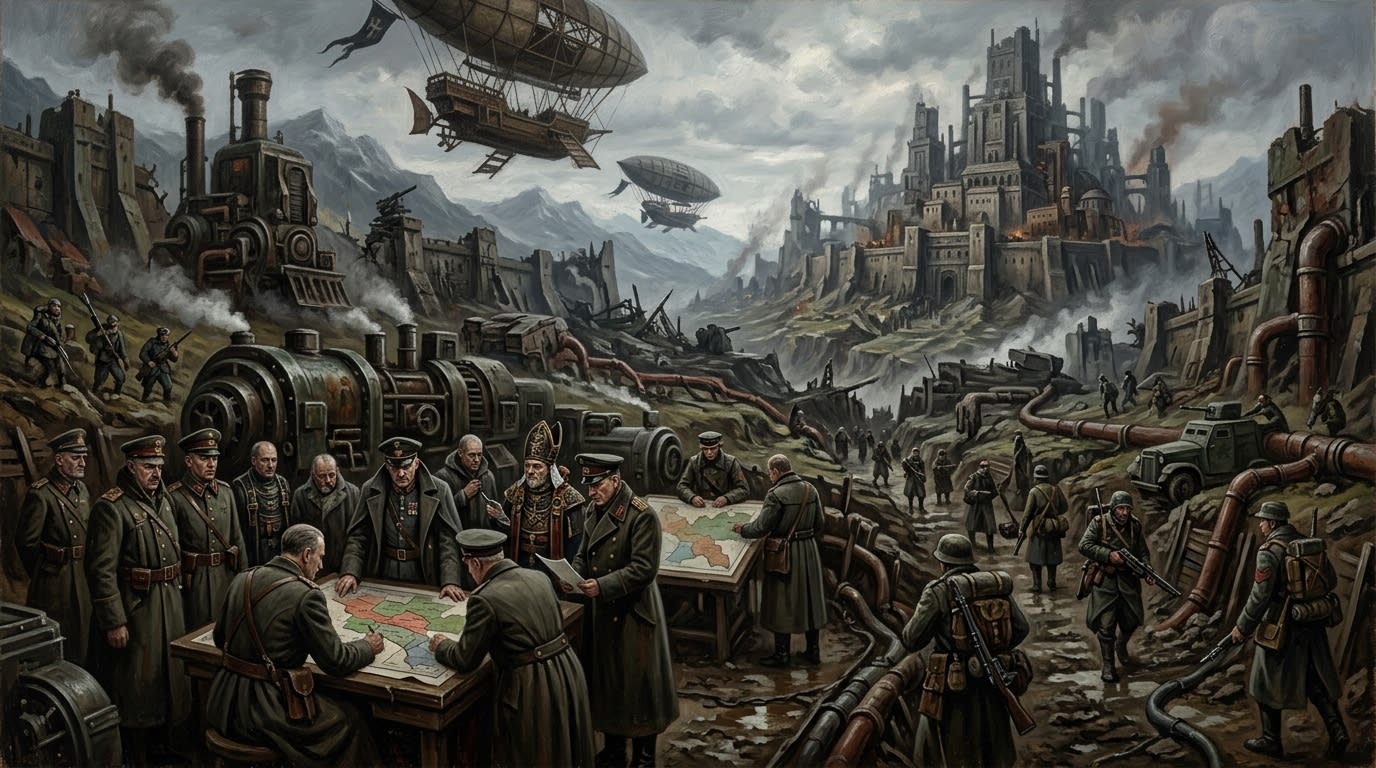
The Balkans
The wound that taught Europe to count its bleeding
The Balkan wound-region, broken first by the Eastern Silence and the Sundering, then divided into Synod margins, contested corridors, Sin-General dominions.
Codex Ref. II.6.05-045
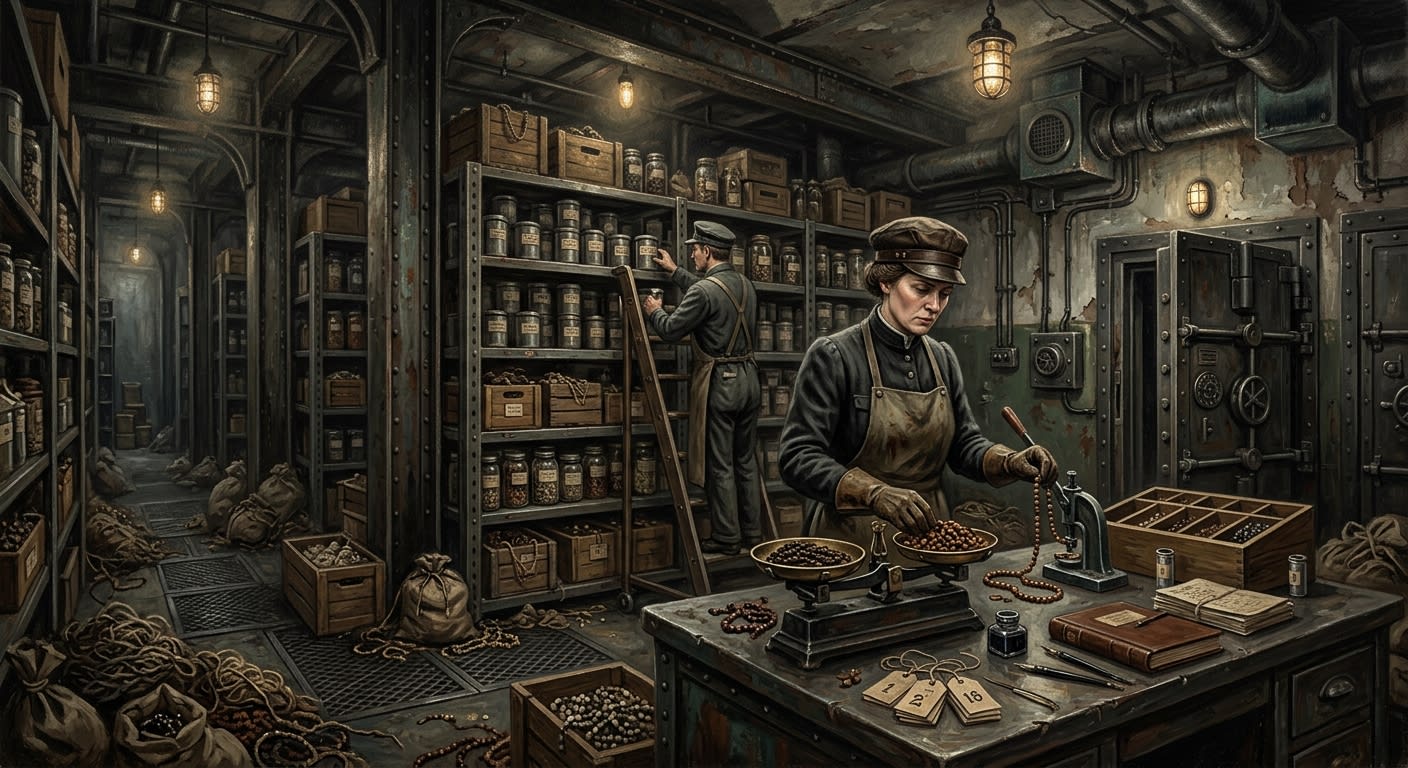
The Bead Vault
Where prayer beads learn to testify against the living
The Bead Vault is the Cloister's cold evidence room, where confiscated pilgrim strings are weighed, sleeved, locked, and sometimes found counting back.
Codex Ref. II.3.06-003
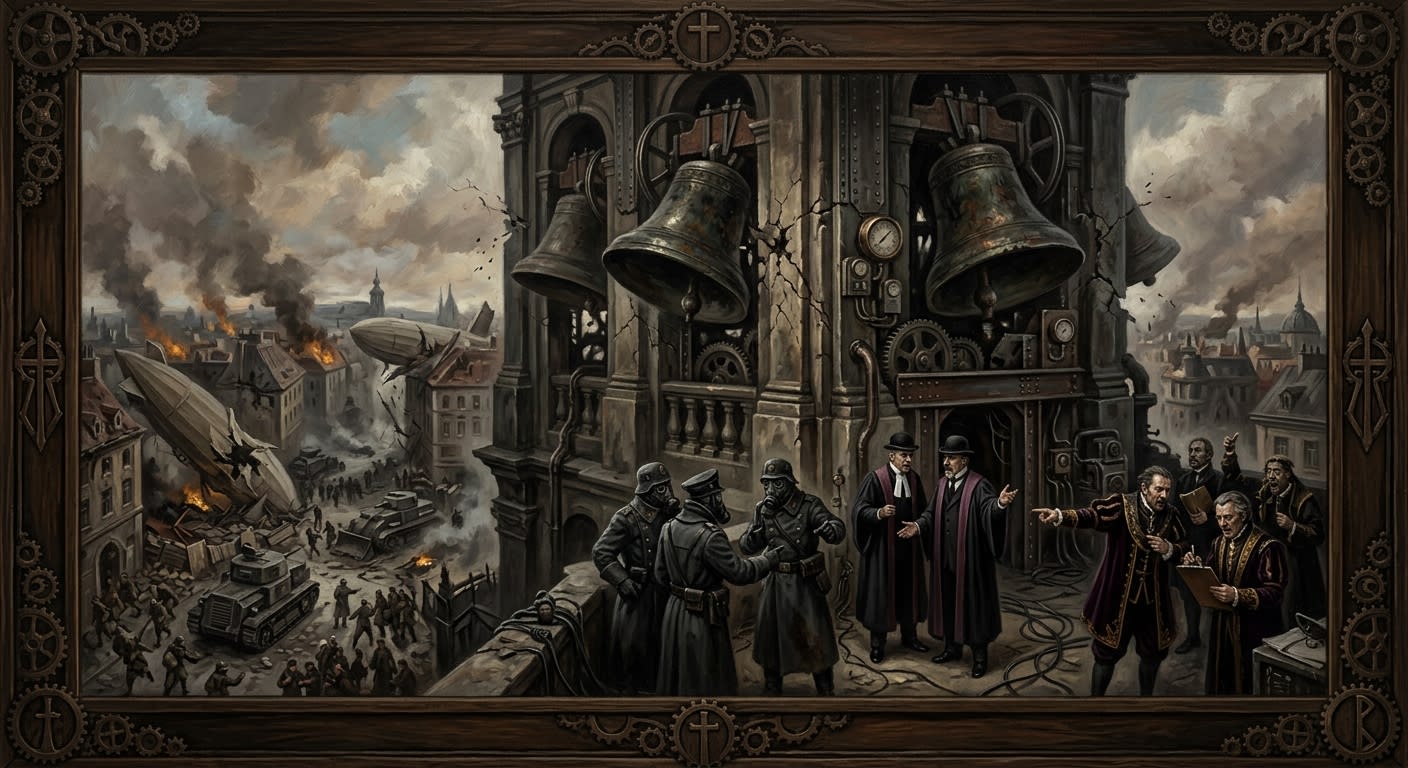
The Bells of Saint Rupert
Bronze sang; committees have been recovering ever since
At Vienna in A.S. 95, the unroped bells of Saint Rupert rang without permission, broke a siege, and left three Bureaus arguing with bronze.
Codex Ref. III.2.04-018
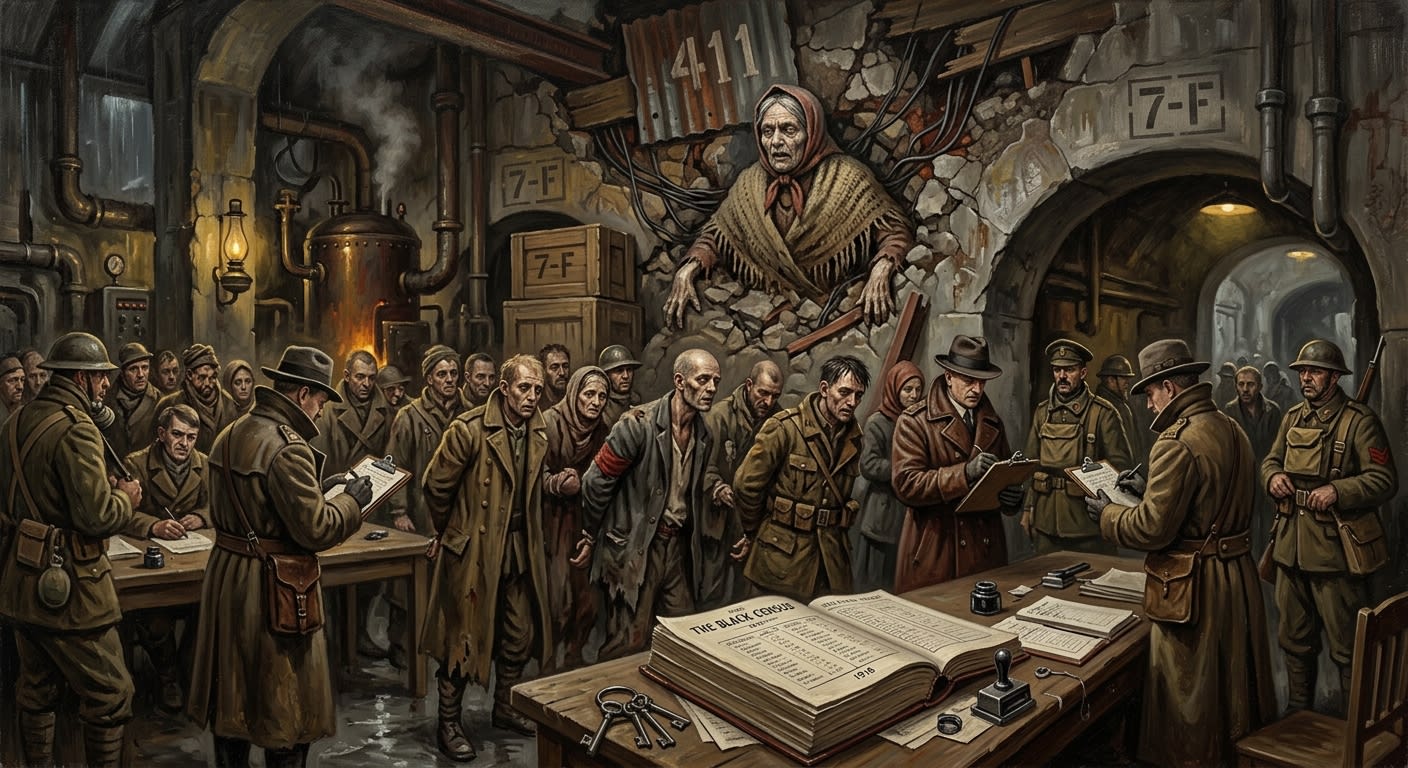
The Black Census of Metz
Four hundred and eleven soldiers, one mother, and the arithmetic that broke denial
The Black Census of Metz turned Ash-Mothers from trench epithet into Classification 7-F after four hundred and eleven captured Thralls were traced to one dead woman whose remains held an enemy bastion together.
Codex Ref. VII.4.14-001
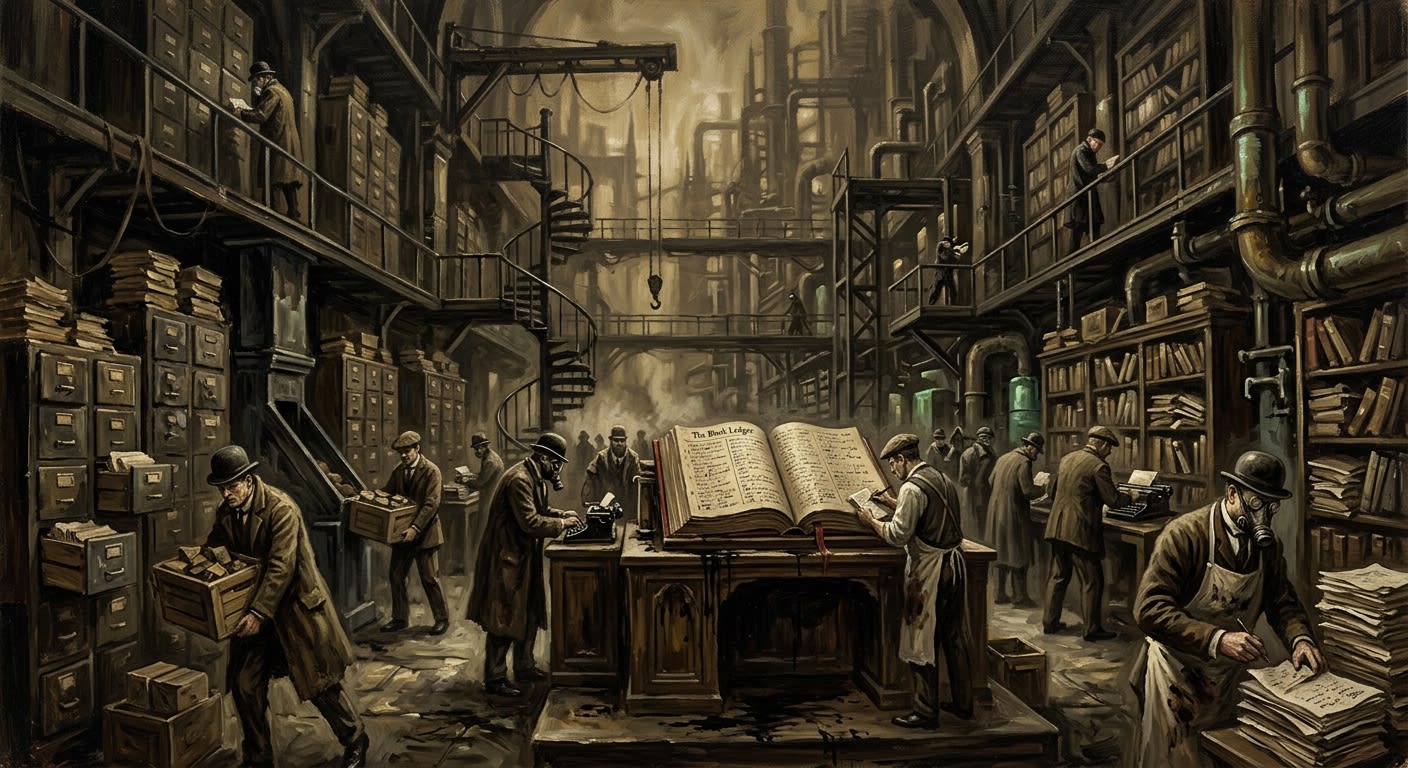
The Black Ledger
Hunger with a filing system and better memory than mercy
The Black Ledger is the Synod's gutter-mirror: a criminal heretical network that steals, feeds, records debt, and turns absence into jurisdiction.
Codex Ref. XI.1.04-001
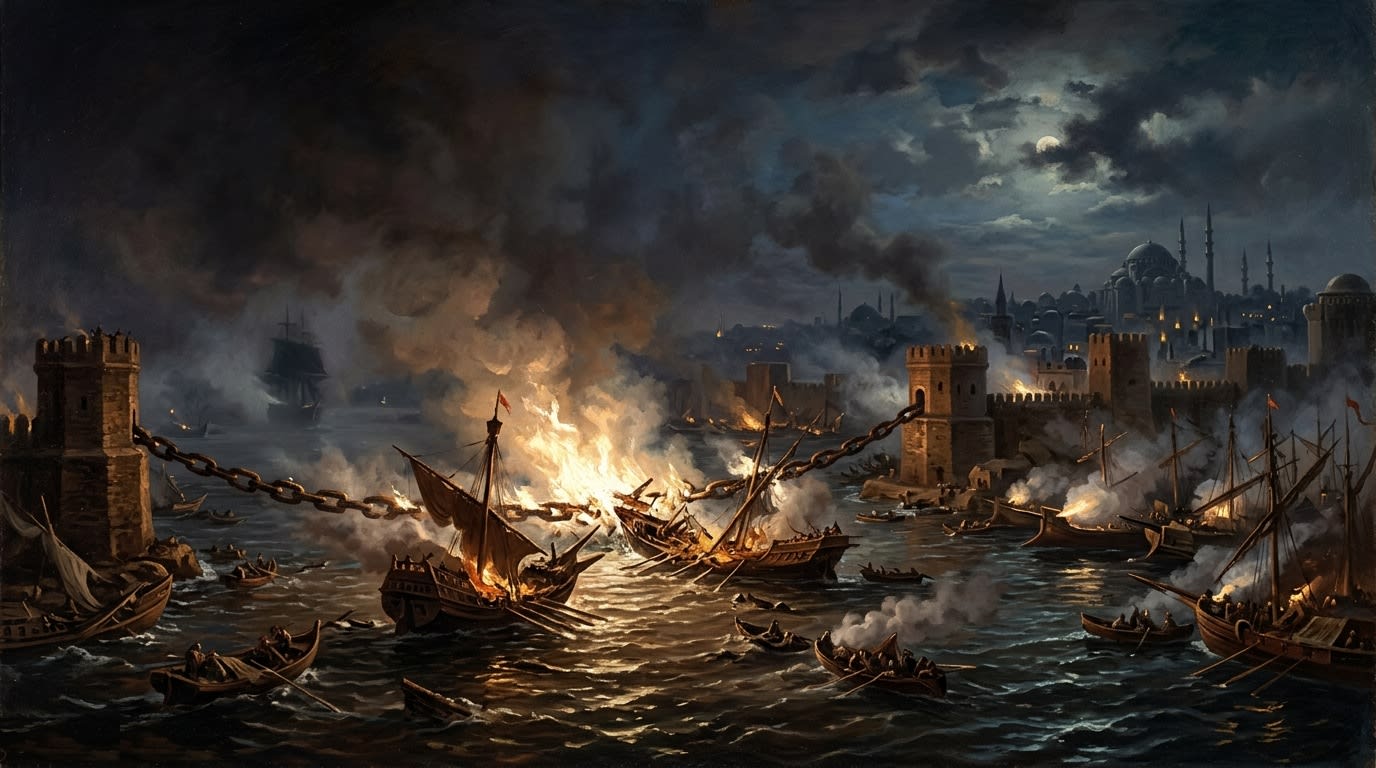
The Black Sea Armada Engagement
Forty-seven ships entered the ledger; one refused arithmetic
The A.S. 162 naval assault on Bastion-Constantinople's Harbor of Chains: forty-seven demon vessels, seven hours of white fire, and one ship-shaped absence still drawing interest.
Codex Ref. VII.5.10-162
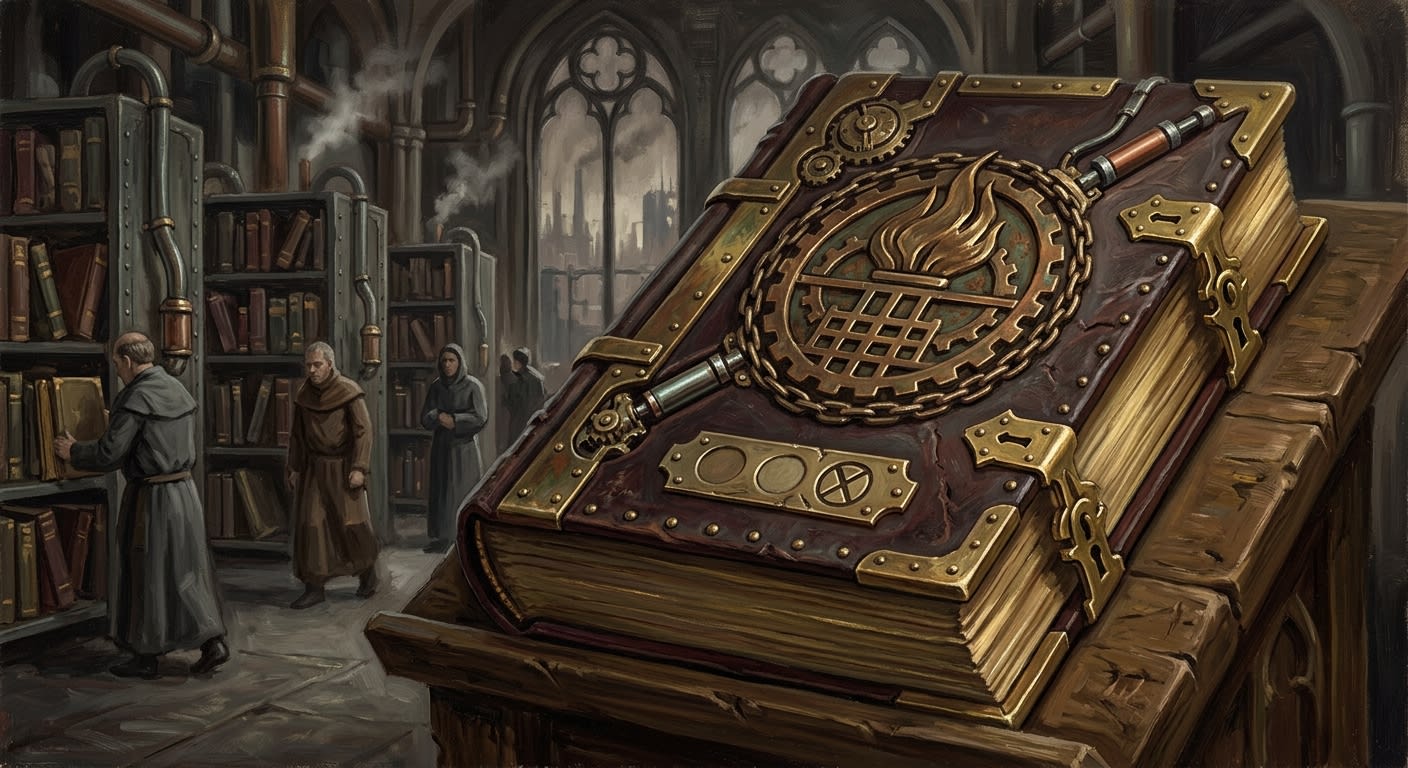
The Book of Promise
The child is named, measured, forecast, and gently confiscated
The Book of Promise is the Synod's vocational pre-allocation ledger, where baptism becomes forecast, childhood becomes collateral, and hope receives a quota mark.
Codex Ref. XIII.1.22-001
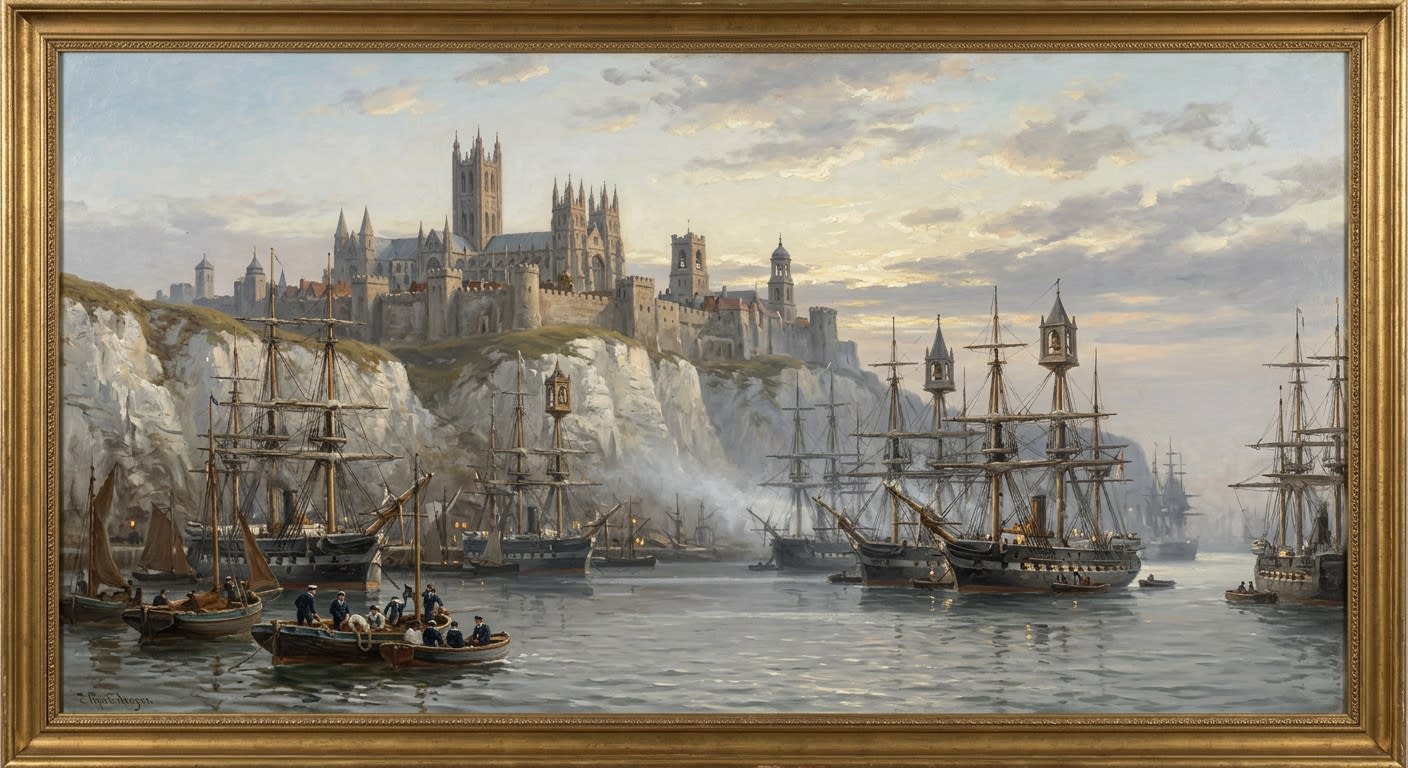
The British Crown
The island the Bureau has spent a hundred and eleven years failing to classify
The Zone 0 co-belligerent that has never submitted to the Concordat and never needed to. Canterbury governs by chivalric charter; three hundred Cathedral Ships hold the Channel; the Bureau of Doctrine considers this theologically embarrassing and strategically essential.
Codex Ref. X.1.01-001
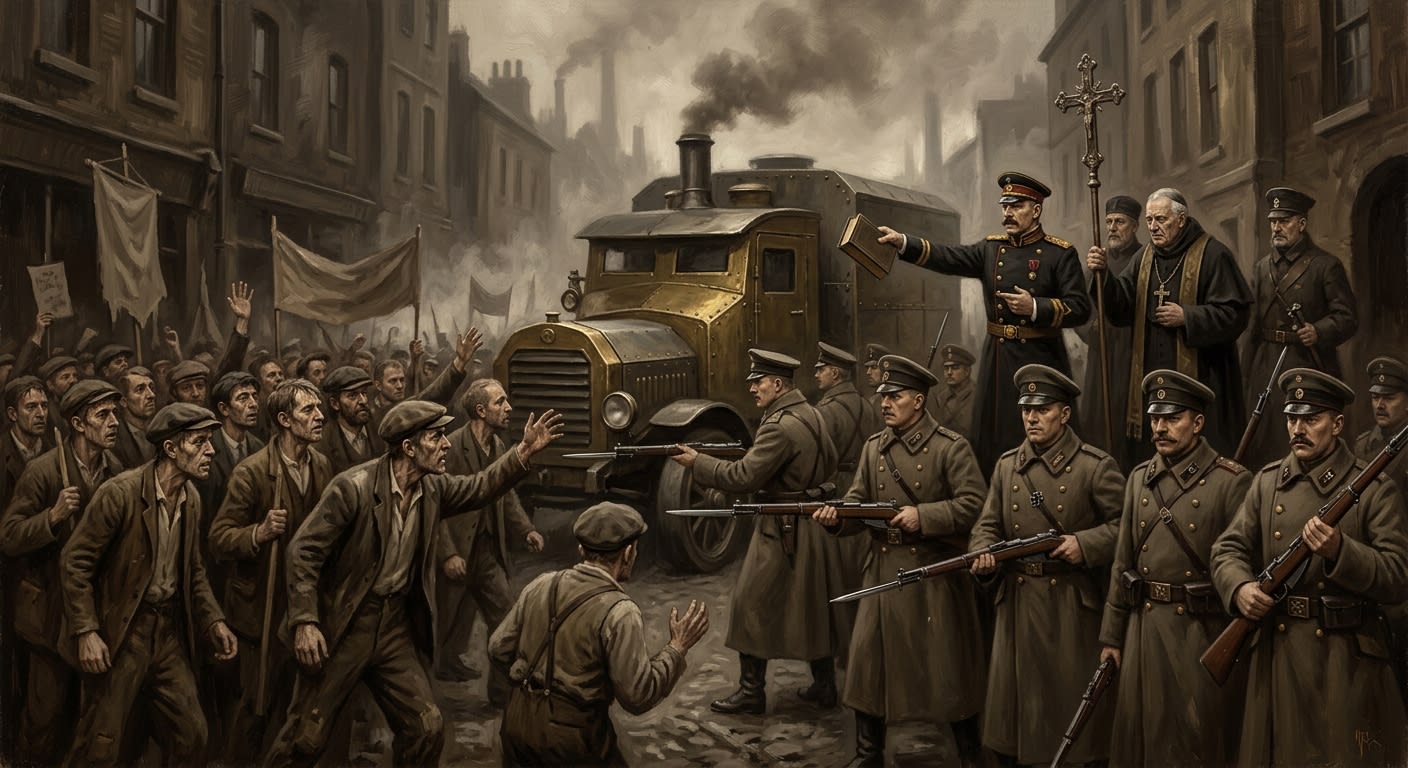
The Broth Riots
The hungry asked for food and received laws
The Broth Riots of A.S. 112 began with thin soup and ended with rifles, saints, Ledger Laws, and the Synod's discovery that hunger becomes obedient once measured.
Codex Ref. VII.8.10-112
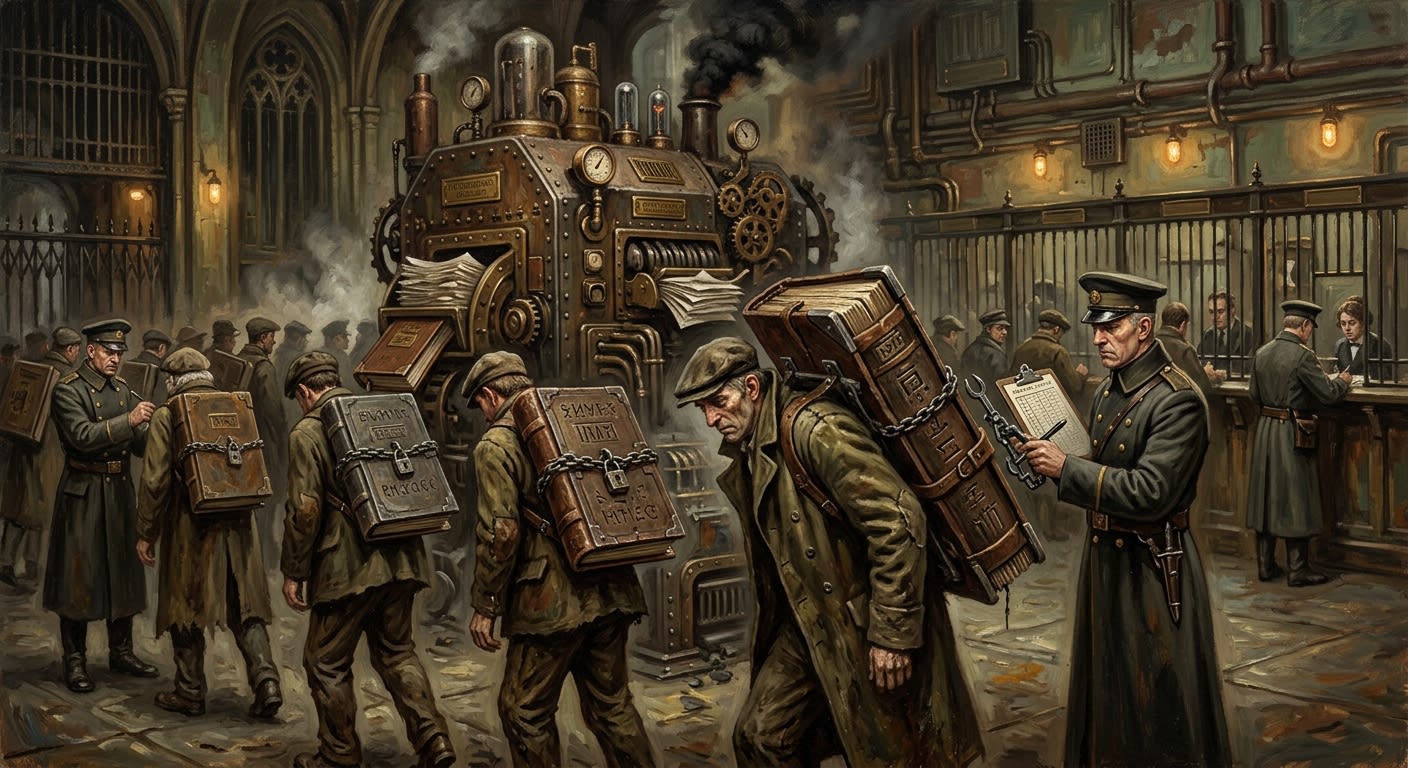
The Burden Index
The number rises; the bread shrinks
The Burden Index is the Bureau of Tithes household score that turns hunger, obedience, arrears, and suspicion into one billable number.
Codex Ref. XIII.1.84-157
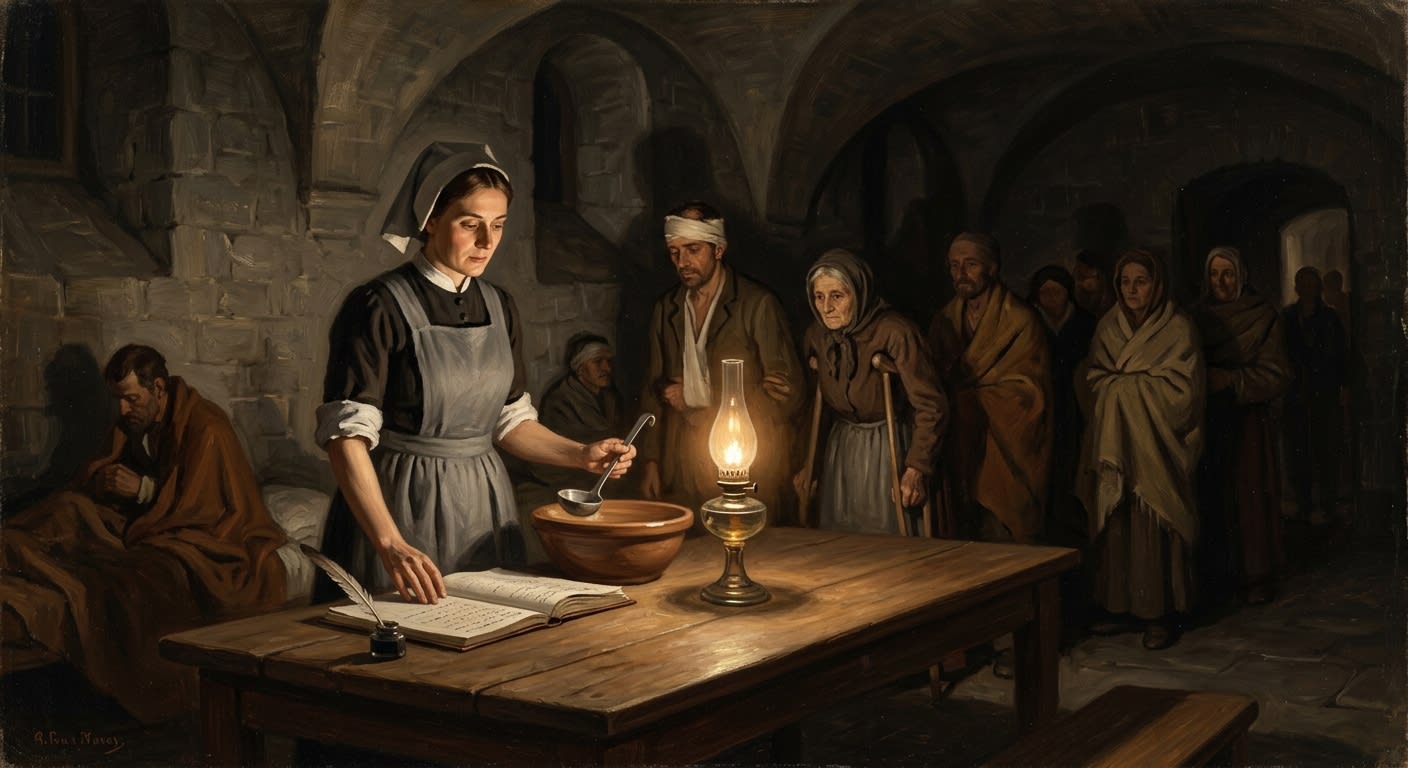
The Bureau of Mercy
Compassion Is a Ration. A Ration Is a Policy. A Policy Is the Synod's Will.
The Bureau of Mercy administers the Synod's hospitals, orphanages, broth-kitchens, and Hospices of Departure — every institution where subjects are at their most vulnerable and therefore most in need of documentation.
Codex Ref. VI.4.12-031
The Bureau of Silence
The word unspoken cannot wound. The word that reaches its target already has.
The Bureau of Silence does not burn books. Burning admits they existed. It renders knowledge into a state of administrative non-occurrence — and then redacts that too.
Codex Ref. III.4.19-031
The Cartographic Expedition of A.S. 73
Three hundred men went to draw a map. The map drew them instead.
In A.S. 73, three hundred men entered the Charnel Lands to draw a map. Fourteen returned, and on every folio they carried — drawn in charcoal, ink, graphite, and in one case blood — the same face. Commission 73-C is closed. Its lesson is not.
Codex Ref. VII.1.01-001
The Catacomb-Carrier Threnody
A land engine paying harbor fees to remain mercifully still
The Catacomb-Carrier Threnody occupies Pier Seven under continuous maintenance, drawing rations for an intact crew no one sees and fees no clerk queries.
Codex Ref. XIII.1.72-008
The Cellar Saints
Those who hid in basements built the floor on which the Synod stands.
The frightened faithful who descended into cellars and catacombs when Reason conquered Europe, preserved the relics, and became the soil from which the Synod grew — whether they consented to the harvest or not.
Codex Ref. IV.2.14-003
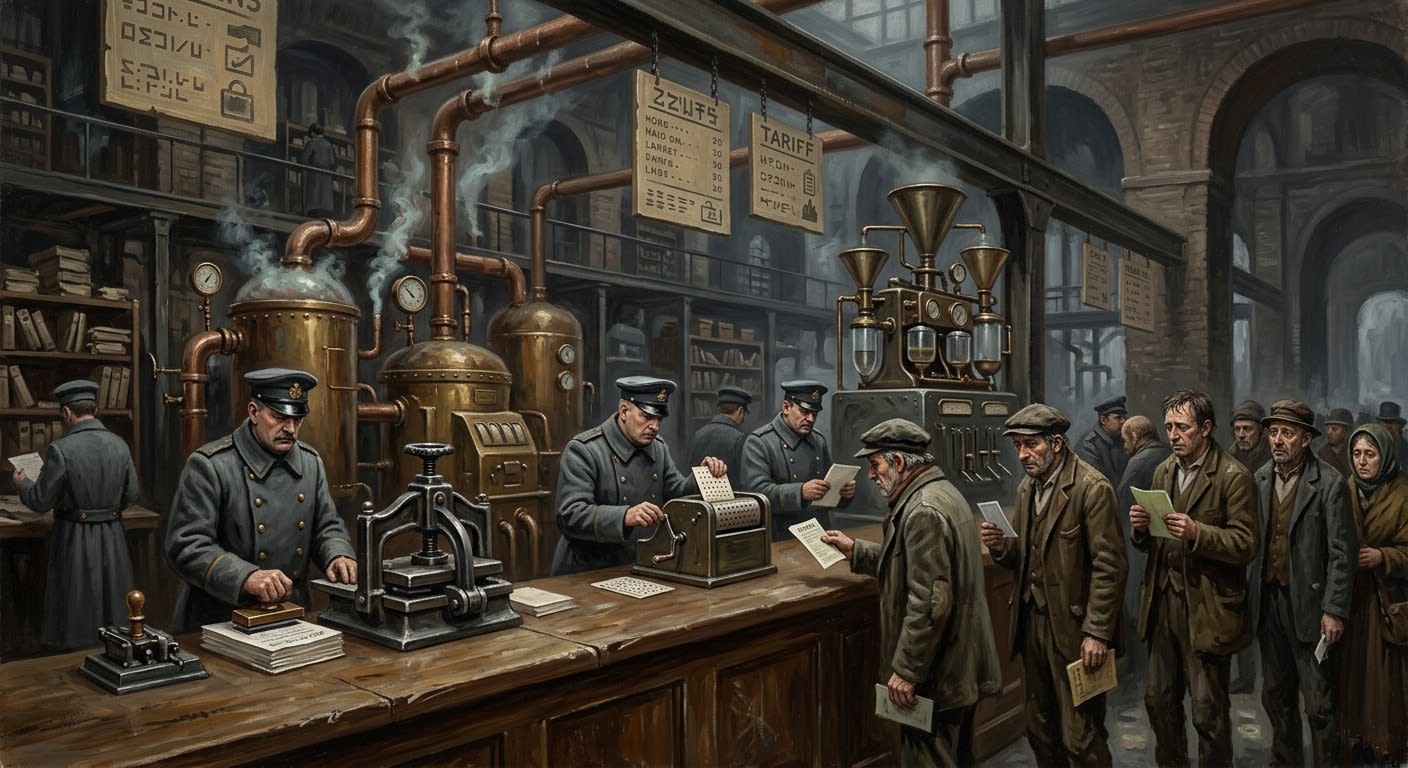
The Censorium of Taverns
Joy is safest when entered, weighed, and extinguished by permit
The Censorium of Taverns is the Bureau of Festivals sub-office that licenses drink, meters laughter, pumps curfew-fume, and proves that even joy may be made obedient by placard, bead, and ash.
Codex Ref. VIII.5.07-001
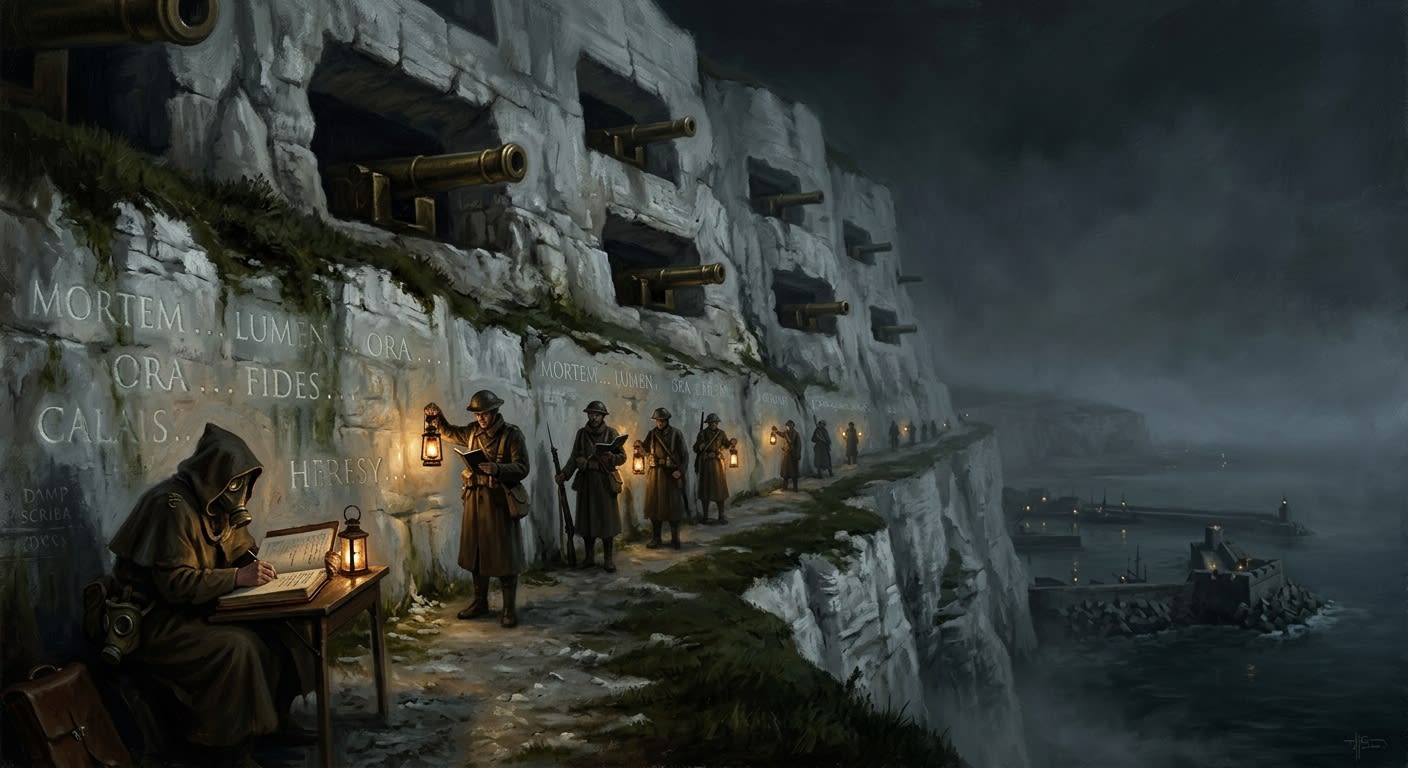
The Chalk Redoubt of Calais
What the Sea Remembers, the Stone Writes
Coastal installation at Calais, where the cliff face writes names in fog and the garrison reads them aloud each night — lest the sea claim what the chalk has named. The Bureau calls it pareidolia. The drowned call it correspondence.
Codex Ref. II.4.09-004
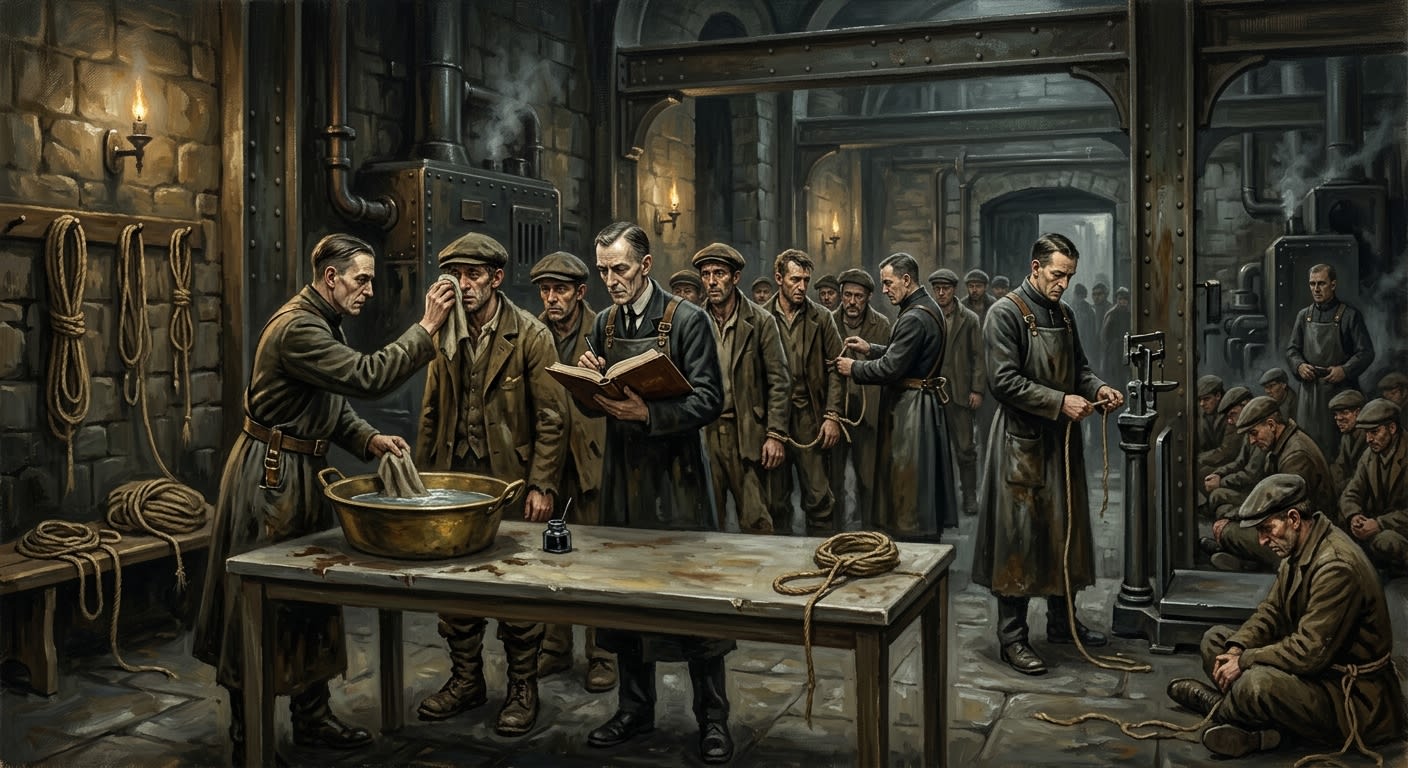
The Chapel of the Second String
Where correction kneels until origin learns its place
The Chapel of the Second String reconciles miscounted pilgrims with cheap cord, cold stone, silence tests, basin water, and the doctrine that correction outranks origin.
Codex Ref. II.3.06-006
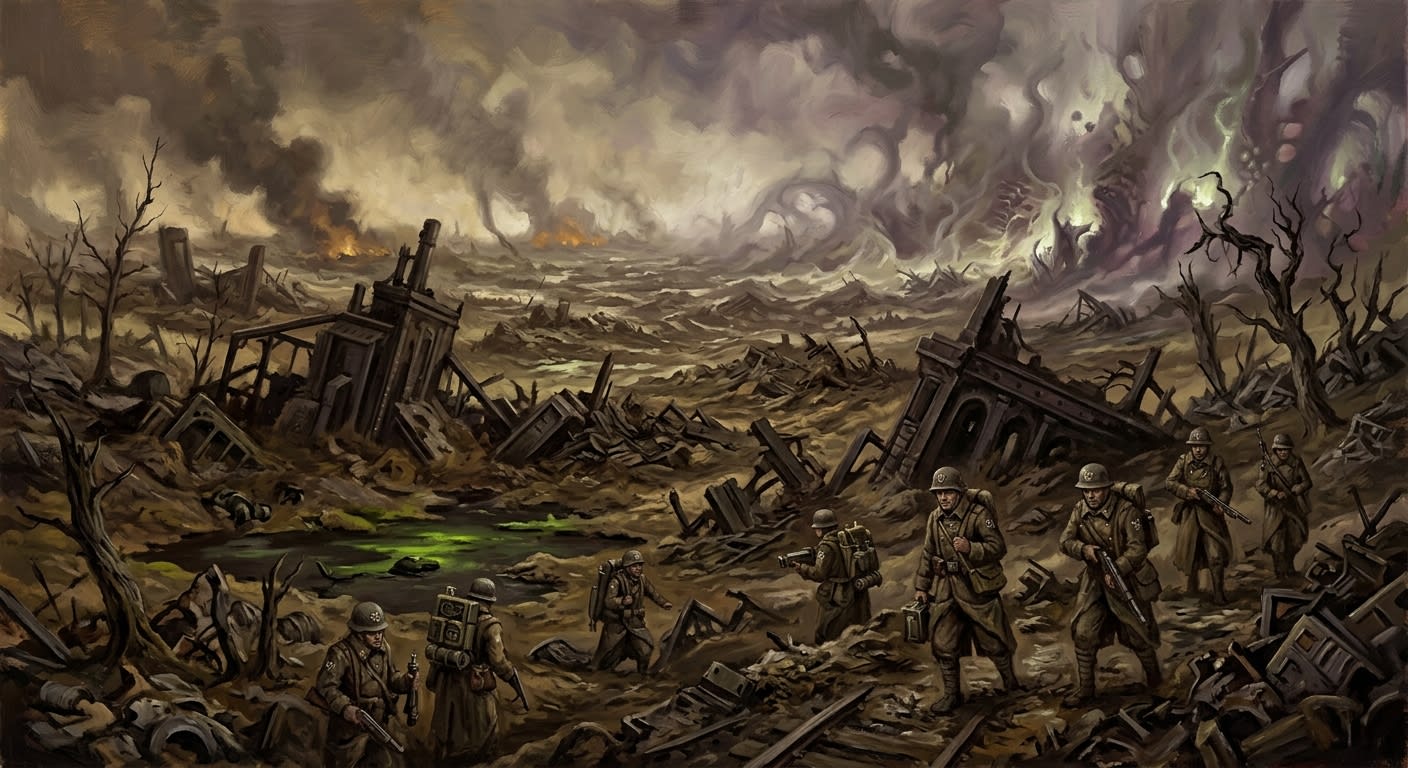
The Charnel Lands
The East keeps our failures alive in hostile weather
Zone 6 is the Synod's polite name for the Charnel Lands: the demonic East where appetite has borders, maps fail, and names come home missing.
Codex Ref. II.6.06-001
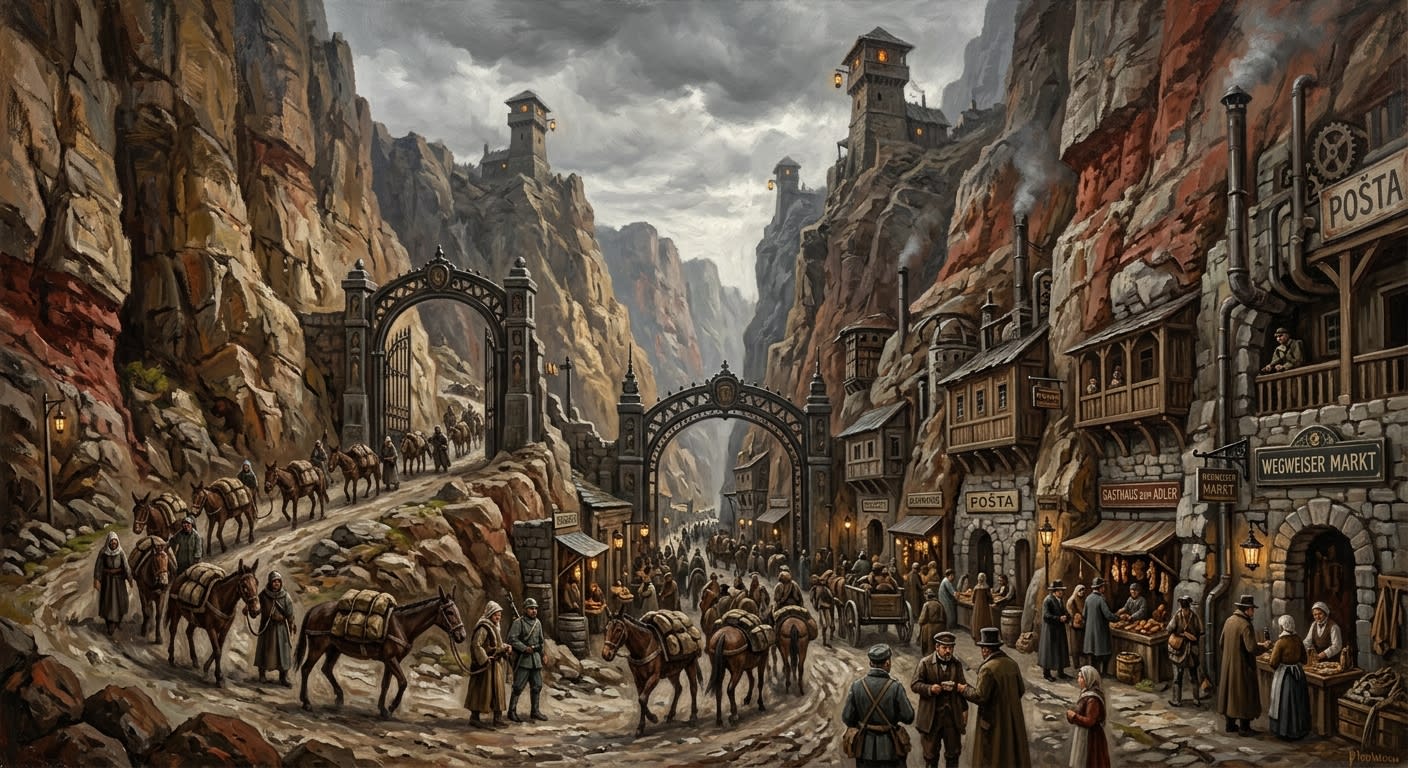
The Choir-Broker Hall of Peregrine Row
Where the canyon charges for its echoes and the brokers charge for everything else
A Zone 1/2 waystation-market on the Pilgrim Roads where creed-testing, escort contracts, and bead reconciliation converge into an economy of sanctioned extortion. The canyon echoes your prayers with one vowel wrong. The brokers charge for that too.
Codex Ref. II.1.03-001
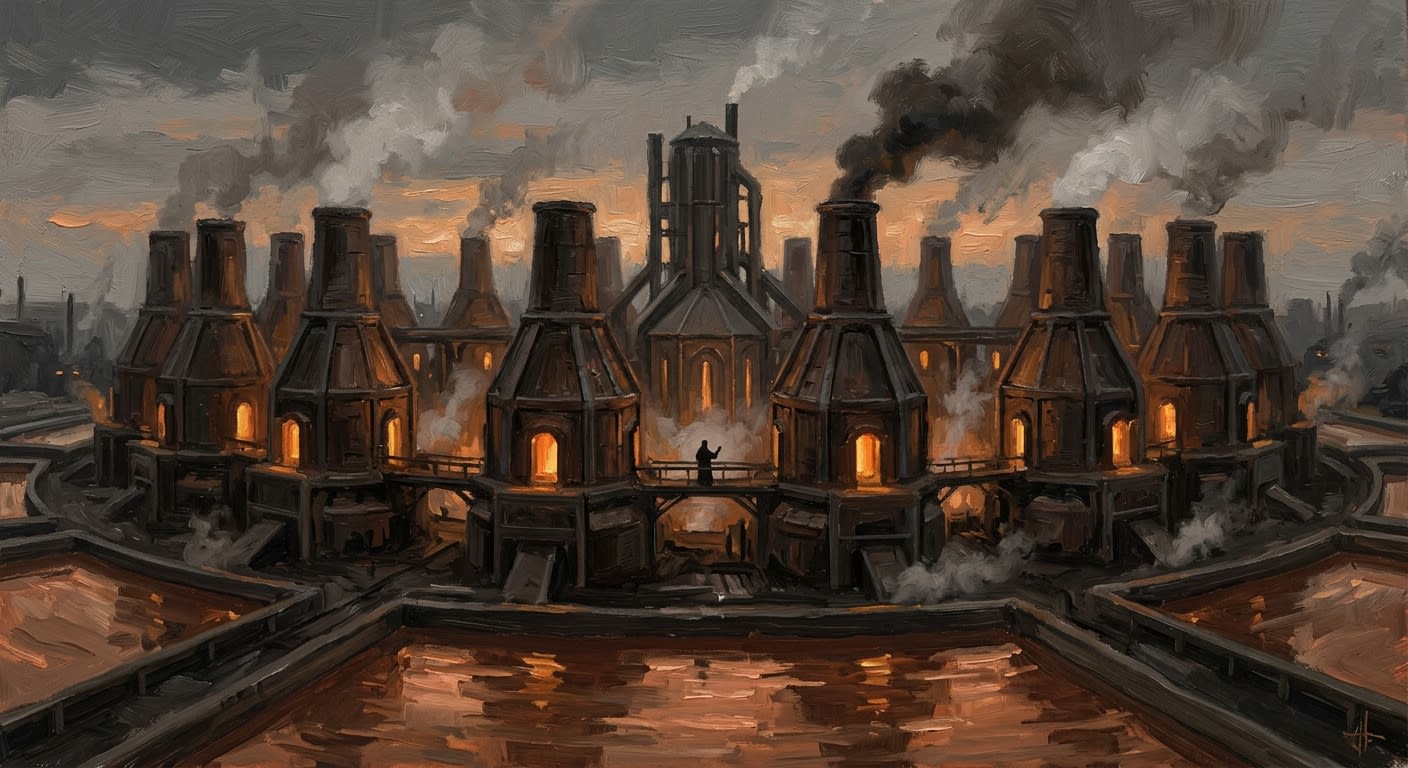
The Chrismole Furnaces of Brast
Faith provides the flame; the Bureau provides the invoice
Ninety-two thousand souls and an unknown number of engines live in Brast, the continent's only producer of sanctified chrismole fuel — and something in the furnaces has recently begun to sing back.
Codex Ref. II.2.01-003
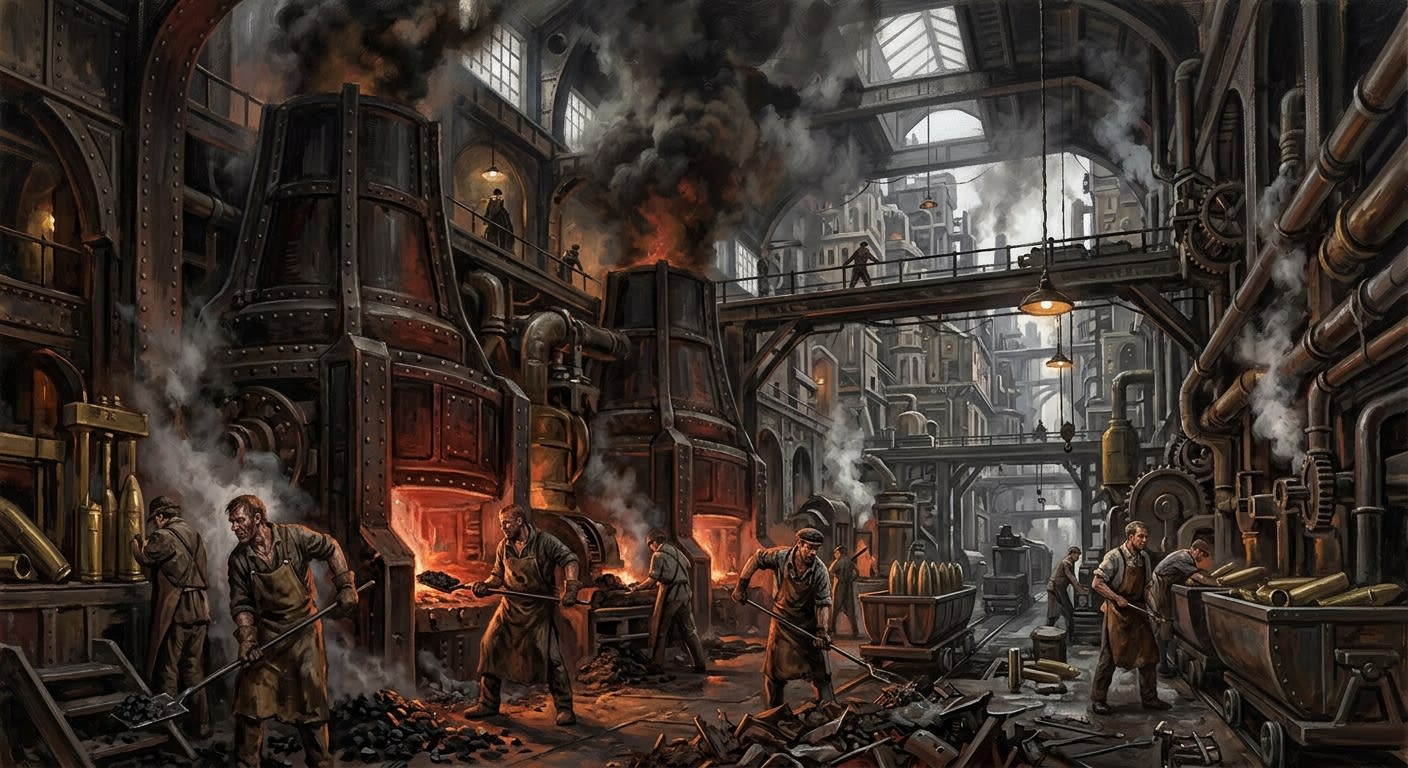
The Chrismole Furnaces of Brast
Where oil learns hymn and iron consents to kill
Brast is the Warm City, a Zone 2 foundry-city whose chrismole furnaces turn fuel, hymn, soot, and denial into artillery breath for the Line.
Codex Ref. II.2.01-003
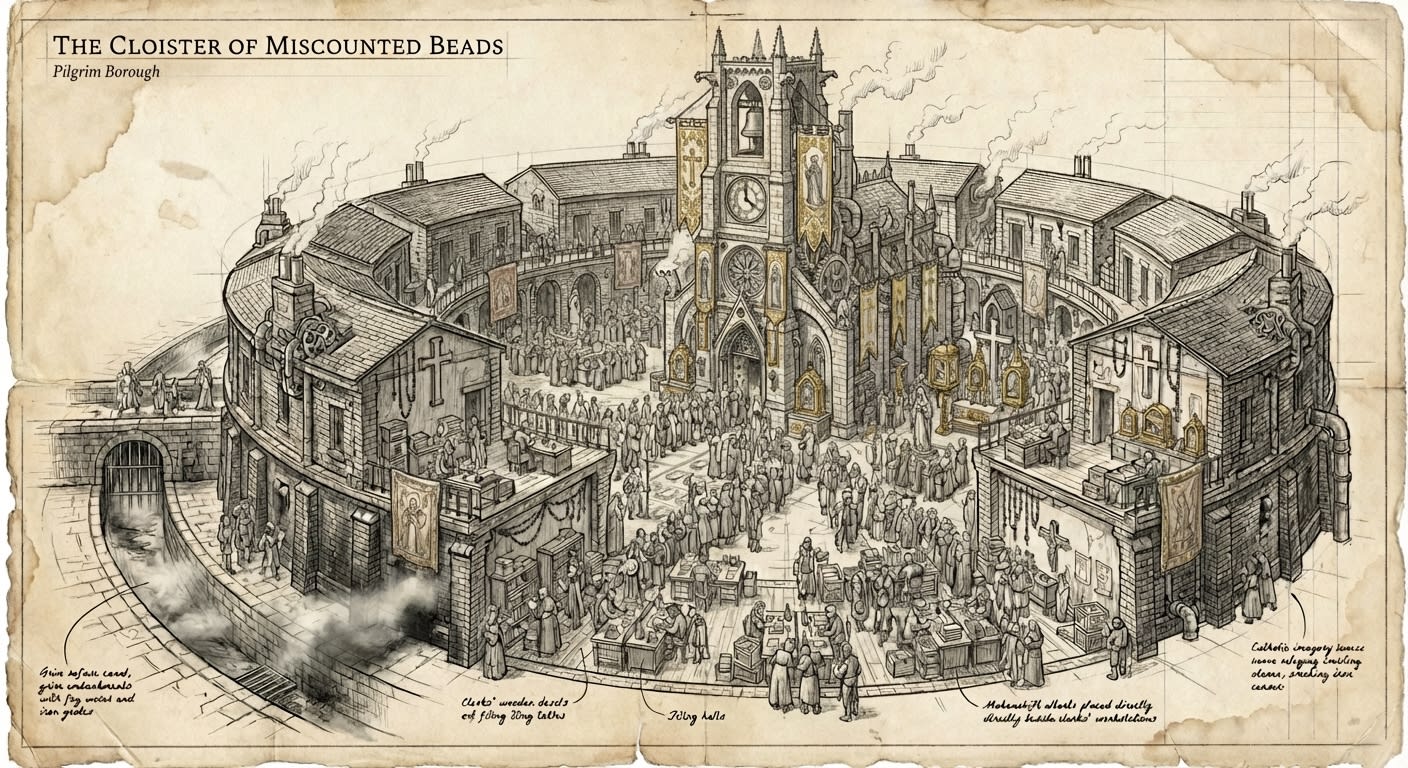
The Cloister of Miscounted Beads
The Bureau does not distinguish between mercy and procedure. Both produce the same paperwork.
Strasbourg's pilgrim processing facility, where six thousand souls await bead reconciliation, the dead reappear on intake rosters, and the Bureau of Records declines to call any of it a problem.
Codex Ref. II.2.06-001
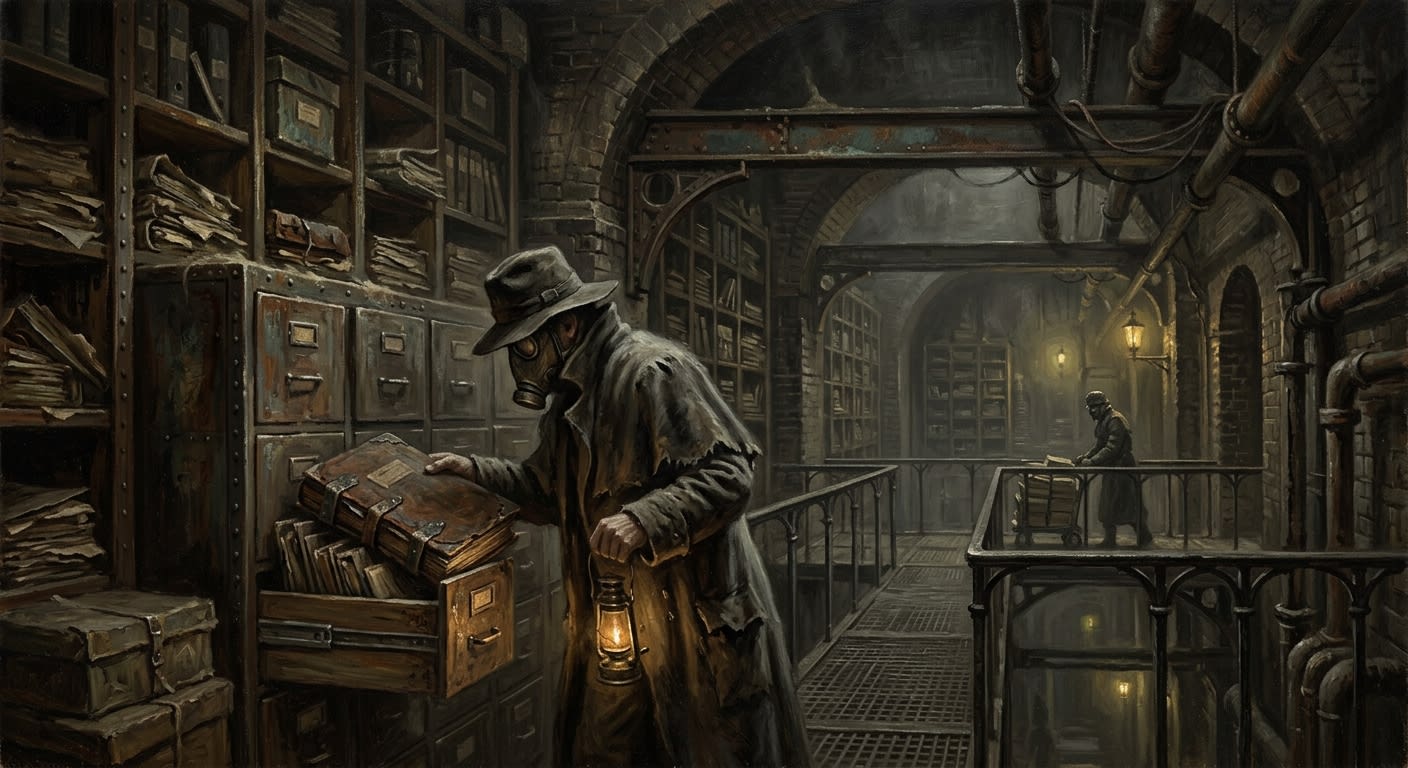
The Codices Obscurae
The books that do not exist have excellent indexing
The Codices Obscurae are denied by every Bureau that matters, which is precisely how a careful reader knows where the bodies are indexed.
Codex Ref. XIII.1.06-001
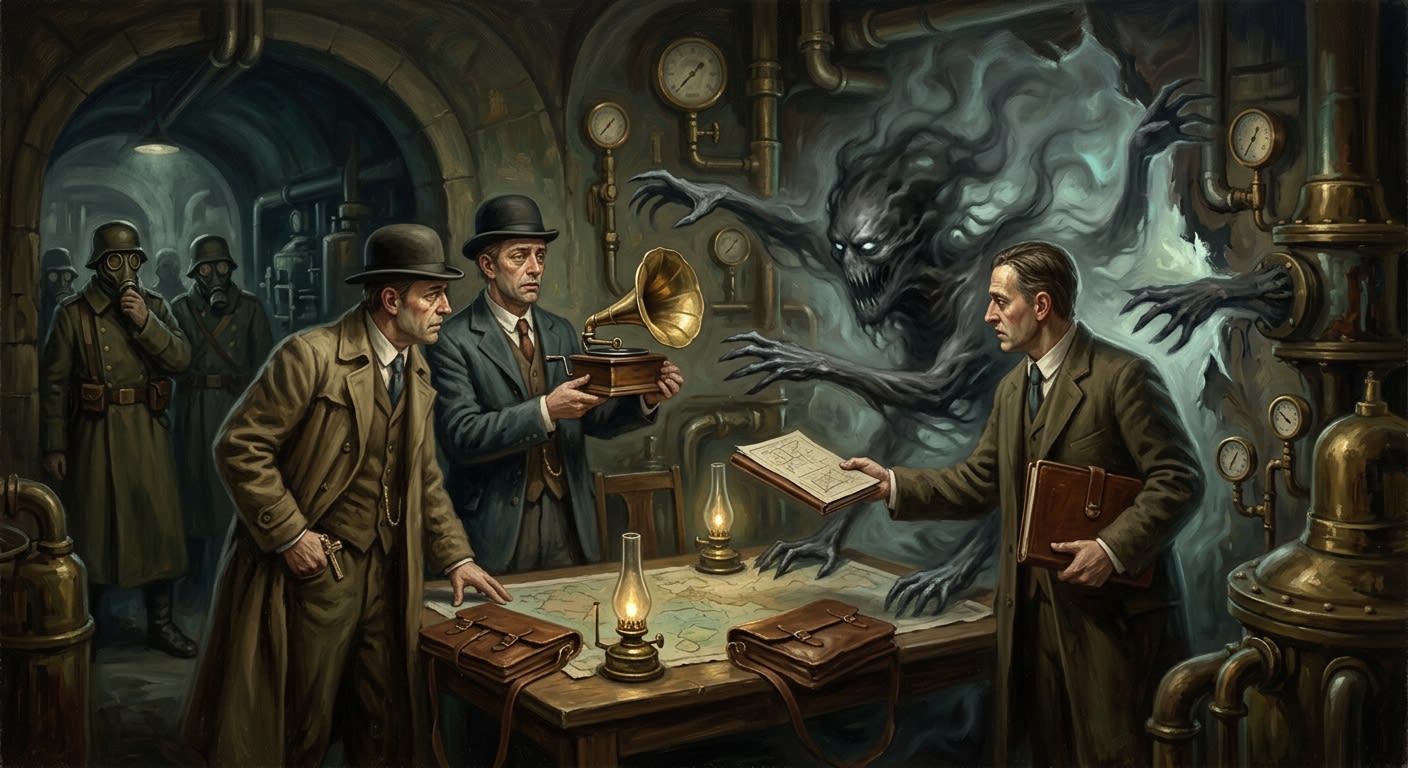
The Coexistence Heresy
The treaty Hell offers while still chewing the witnesses
Fourth of the eight proscribed heresies, the Coexistence Heresy teaches that mankind should bargain with demons; Doctrine answers that Hell only negotiates while digesting.
Codex Ref. XIII.1.37-001
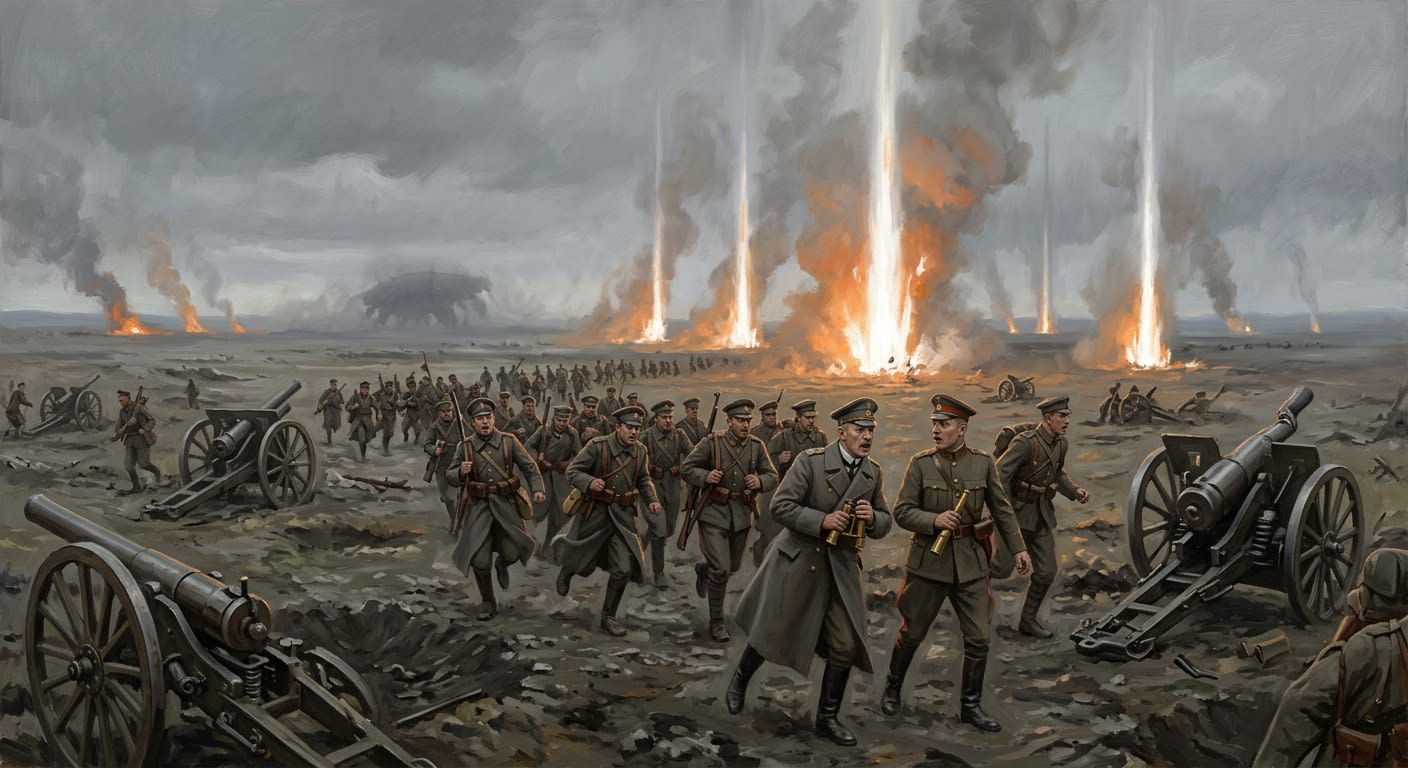
The Collapse of the Rationalists
The Adversary did not invade. It arrived.
The Rationalist Republic dismantled every spiritual defence on the continent, and in A.S. 45 the Adversary walked through the unguarded door. A doctrine article, a body count, and a mandatory catechism text.
Codex Ref. VII.2.01-001
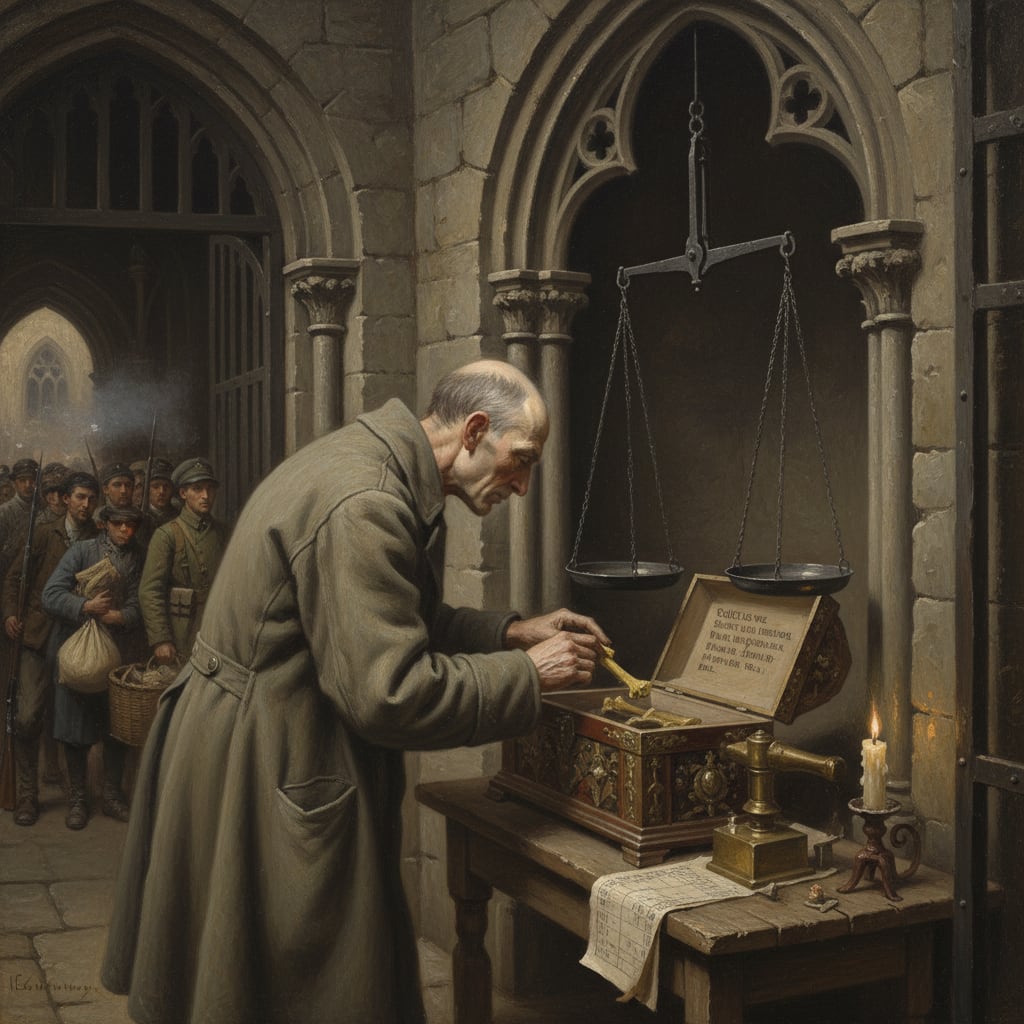
The Commerce Clerk (Tariff-Chapel Weigher)
The man who stands between a bastion and famine, and who resolves the question with the splintered bone of a saint.
The Synod's most bribable sacrament: the chalk-fingered clerk whose iron scale, calibrated against saint-bone, determines whether a bastion eats.
Codex Ref. XII.8.01-001
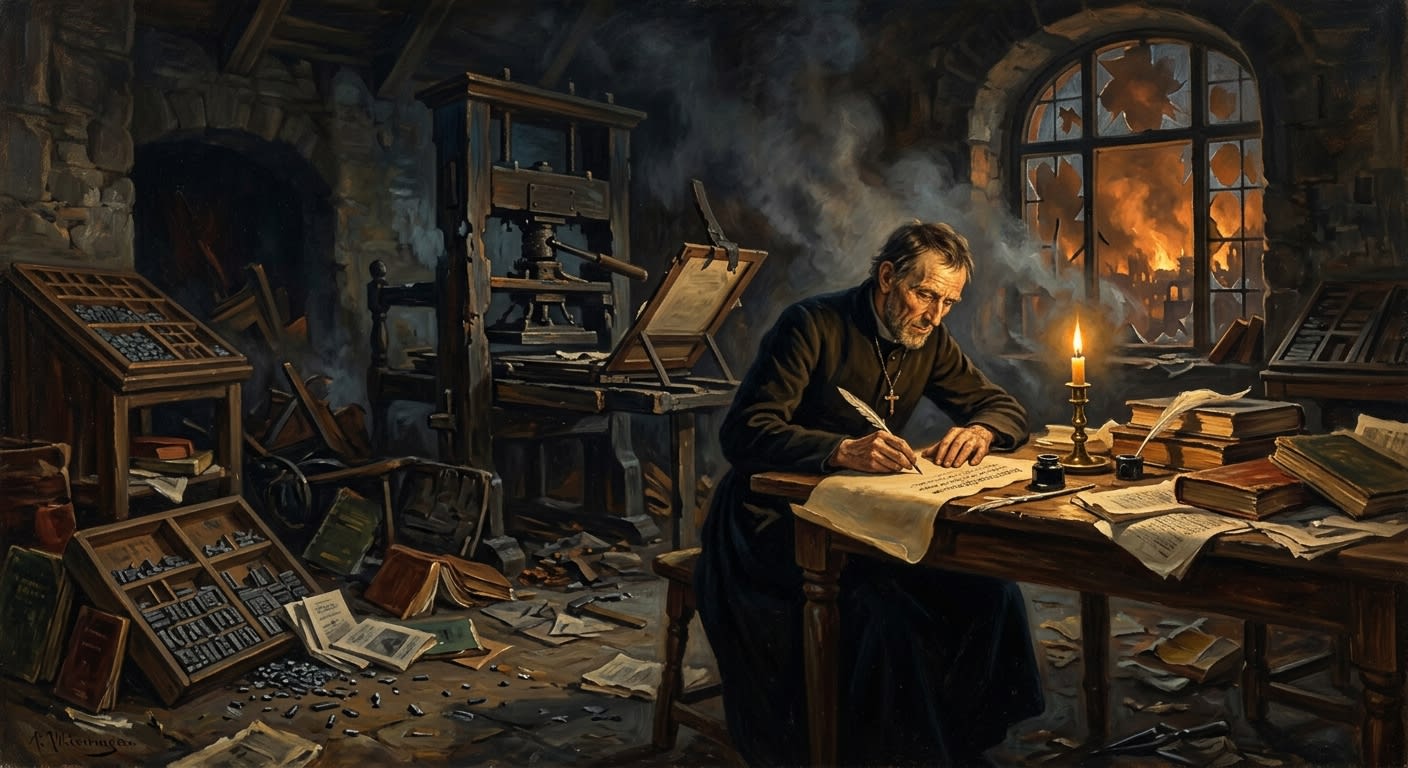
The Common Allegiance
Seven pages that ended the age of a thousand altars
Drax examines the seven-page A.S. 55 charter that bound dioceses through local subscriptions and helped build the authority later formalized at Strasbourg.
Codex Ref. VI.5.01-001
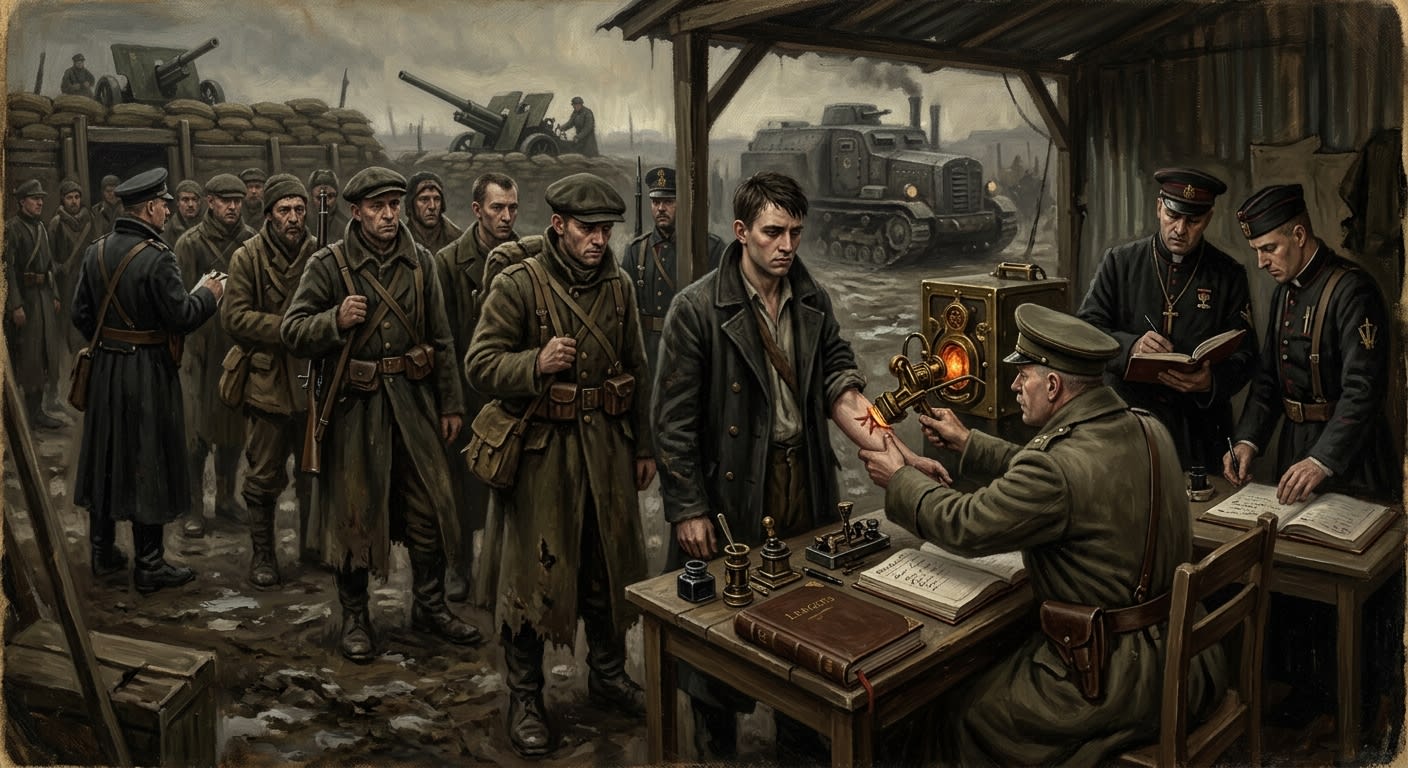
The Compulsory Marking Decree
The day paper lost authority and flesh became the Bureau's preferred document
The A.S. 113 Compulsory Marking Decree made bodily tri-marks mandatory at forward-zone checkpoints after forged papers killed eighty-seven at Bastion-Przemyśl.
Codex Ref. VII.8.10-035
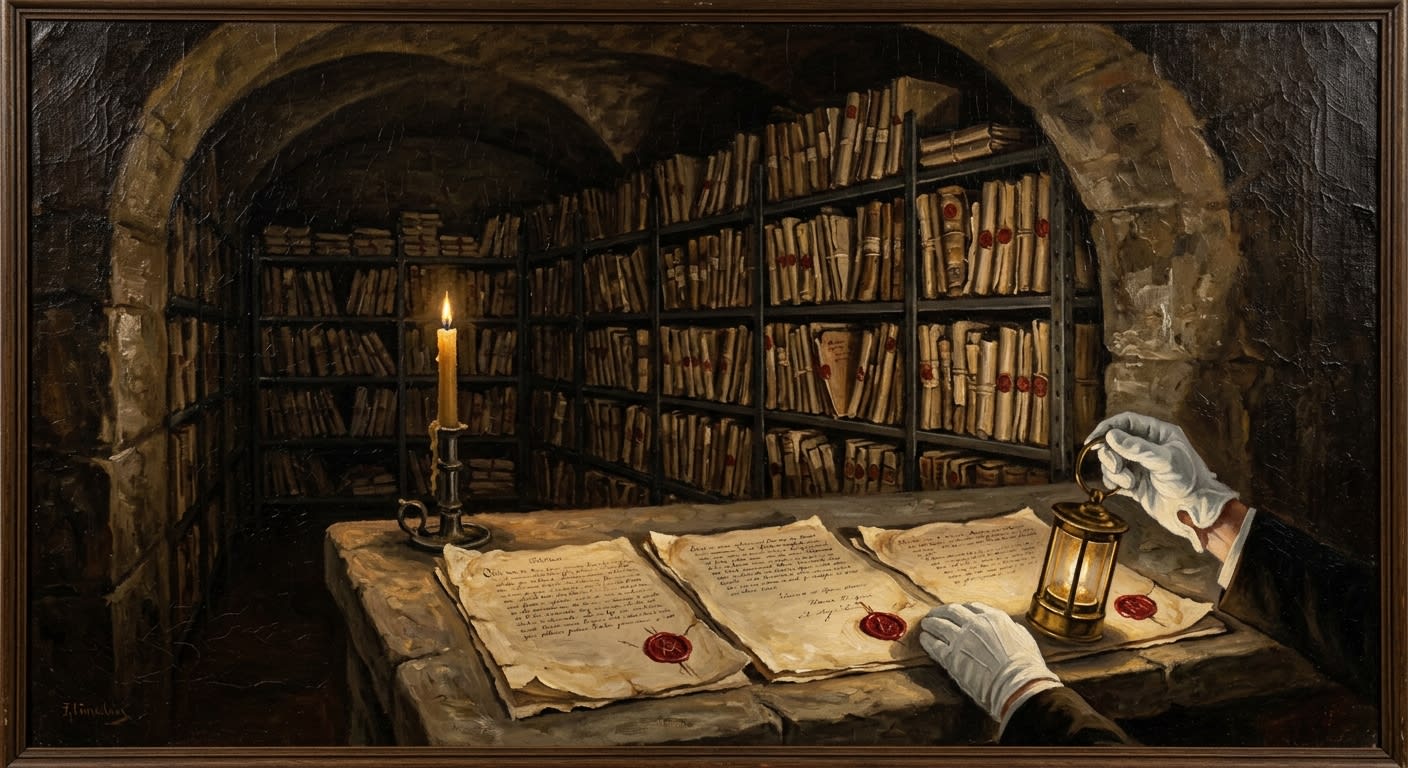
The Concordats of Ulm
Twelve signatures. One seal. Two hundred and fifty-six years of warm wax.
The founding instrument of Rationalist organisation — a compact of 'rational fraternity' signed in –55 A.S. by twelve university professors who mistook cleverness for wisdom, and built the machine that drove a century of war.
Codex Ref. II.7.03-055
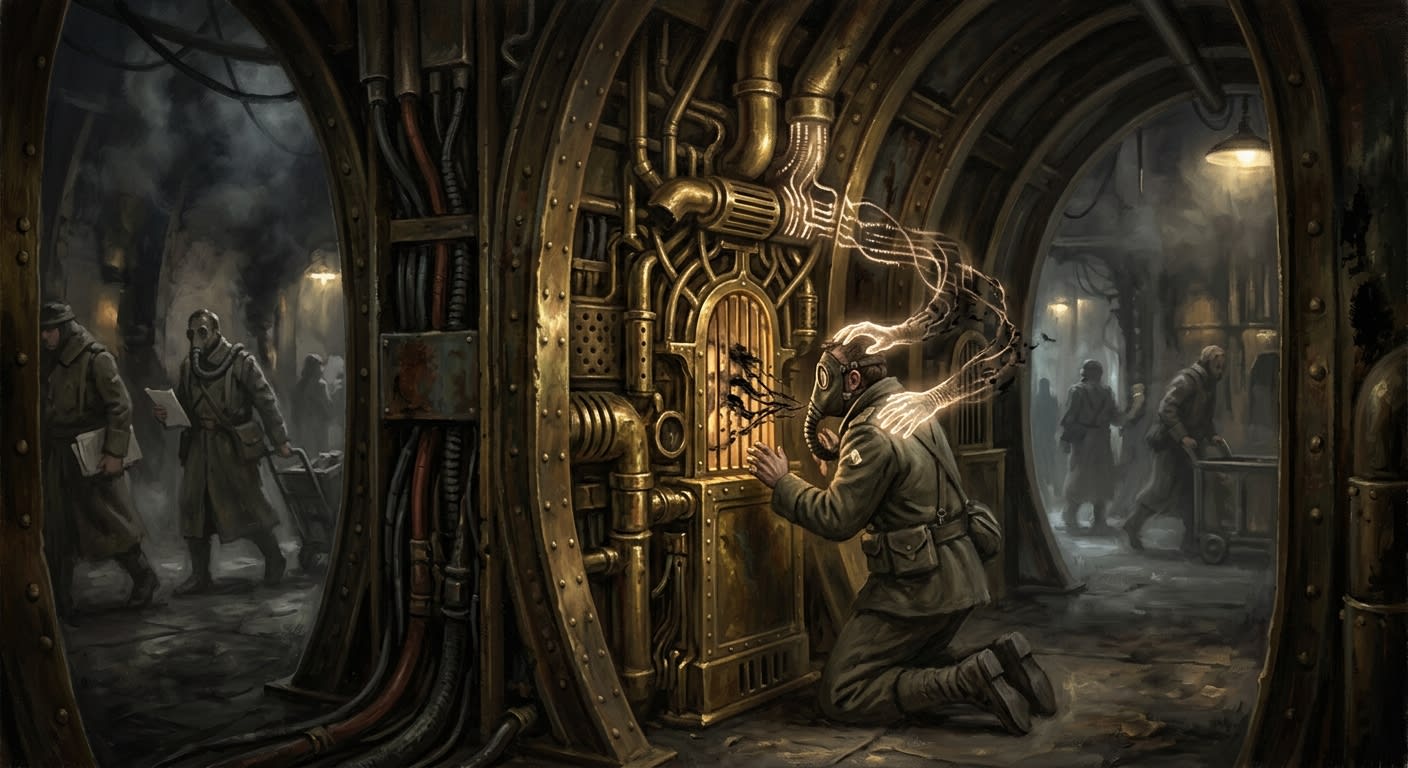
The Confession Echo
Speak once for the booth; speak twice for the river
At Bastion-Brest, sins spoken into the Confessional Lanes return from brass ribs, corrected by something that has learned the Synod's sacrament.
Codex Ref. XIII.1.13-001
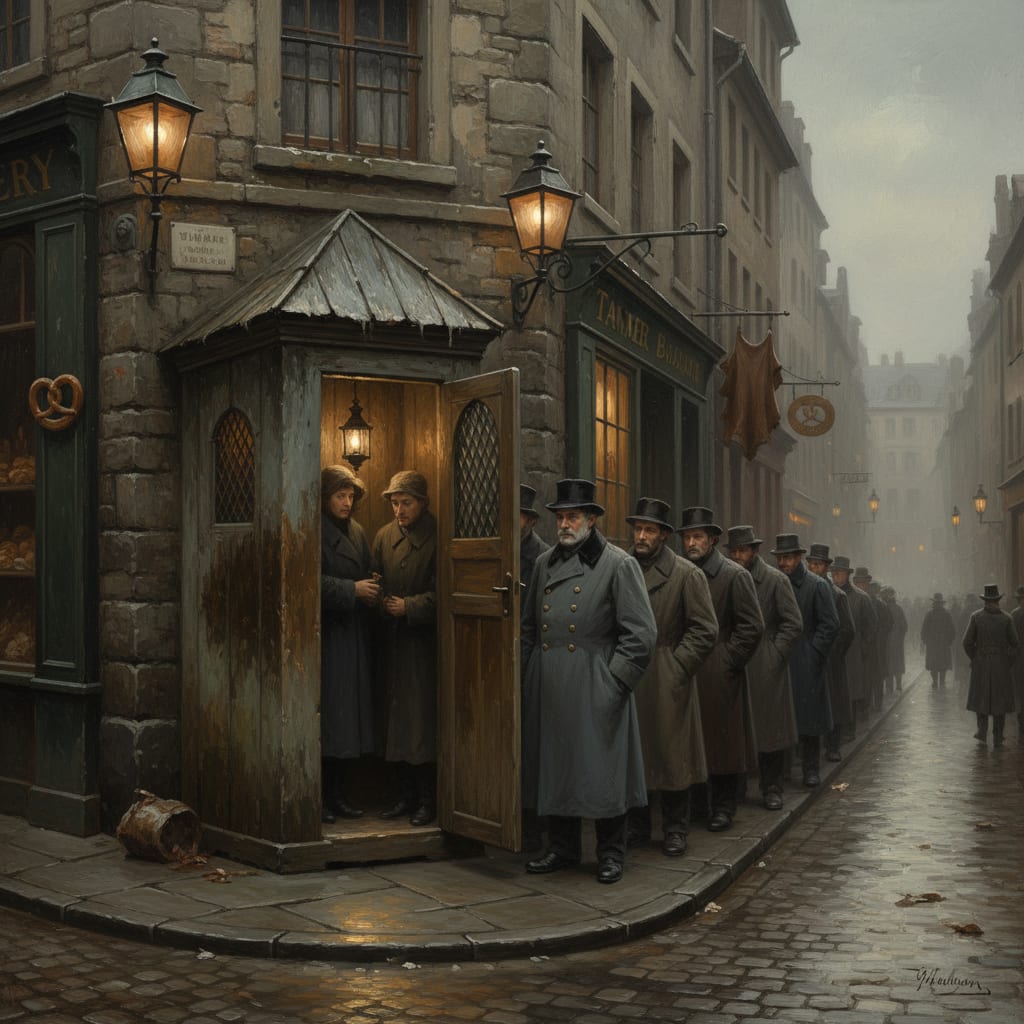
The Confessor-Booth Clerk
The booth does not forgive — but it files. A survey of the twenty-two thousand stamps that keep the Synod clean.
Twenty-two thousand booths; one stamp; no absolution. The Confessor-Booth Clerk processes sin as throughput, files guilt as data, and keeps the Synod's spiritual economy solvent — a contemporary survey by Hieromnemon Valerius Drax, A.S. 201.
Codex Ref. XII.9.01-001
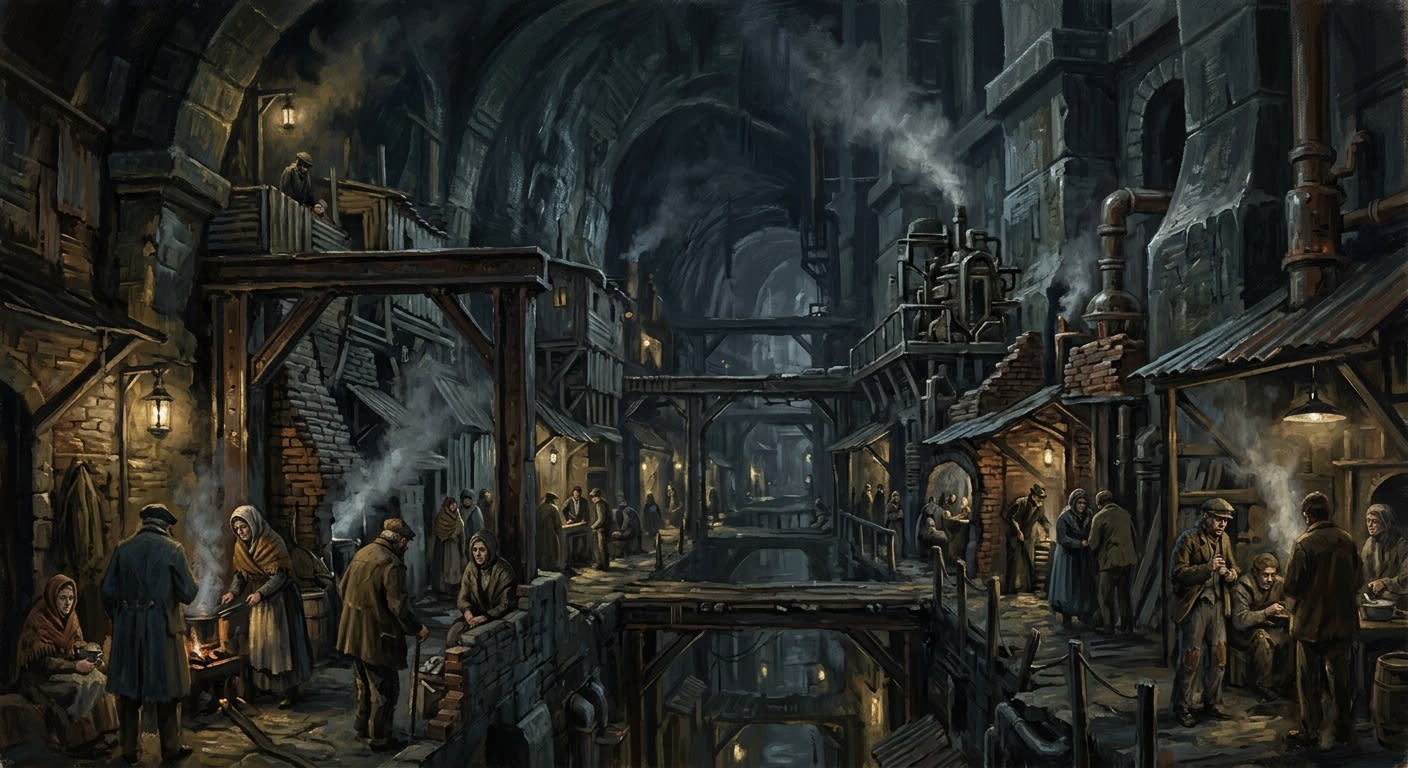
The Constantinople Warrens
The city beneath the city, tolerated by omission and counted by echoes
Beneath Bastion-Constantinople's Ossuary Rings, forty thousand unregistered souls live where Settlement maps insist there is only stone.
Codex Ref. II.4.10-005

The Corridor Twitching
The dead moved once, and the living invented a profession
A.S. 92 ossuary disturbance beneath Bastion-Brest in which unstamped remains moved under observation, forcing the seventy-two-hour authentication rule and licensed Bone-Stamper doctrine.
Codex Ref. VII.4.16-001
The Council of Nine Rationalists
Nine men governed Europe. Their names are sealed. Their methods are retained.
The sealed governing body of the Rationalist Republic — nine nameless men who administered a continent for fifteen years with instruments of measurement, mass surveillance, and the removal of tongues, until the Sundering settled the argument for them.
Codex Ref. I.1.03-001
The Council of Veils
Seven hidden hands, one draped chair, and a government made of absence
The Council of Veils is the rumoured hidden body operating through the Empty Throne of War since A.S. 107, where blank pages, ash, and absence become command.
Codex Ref. XI.4.01-001
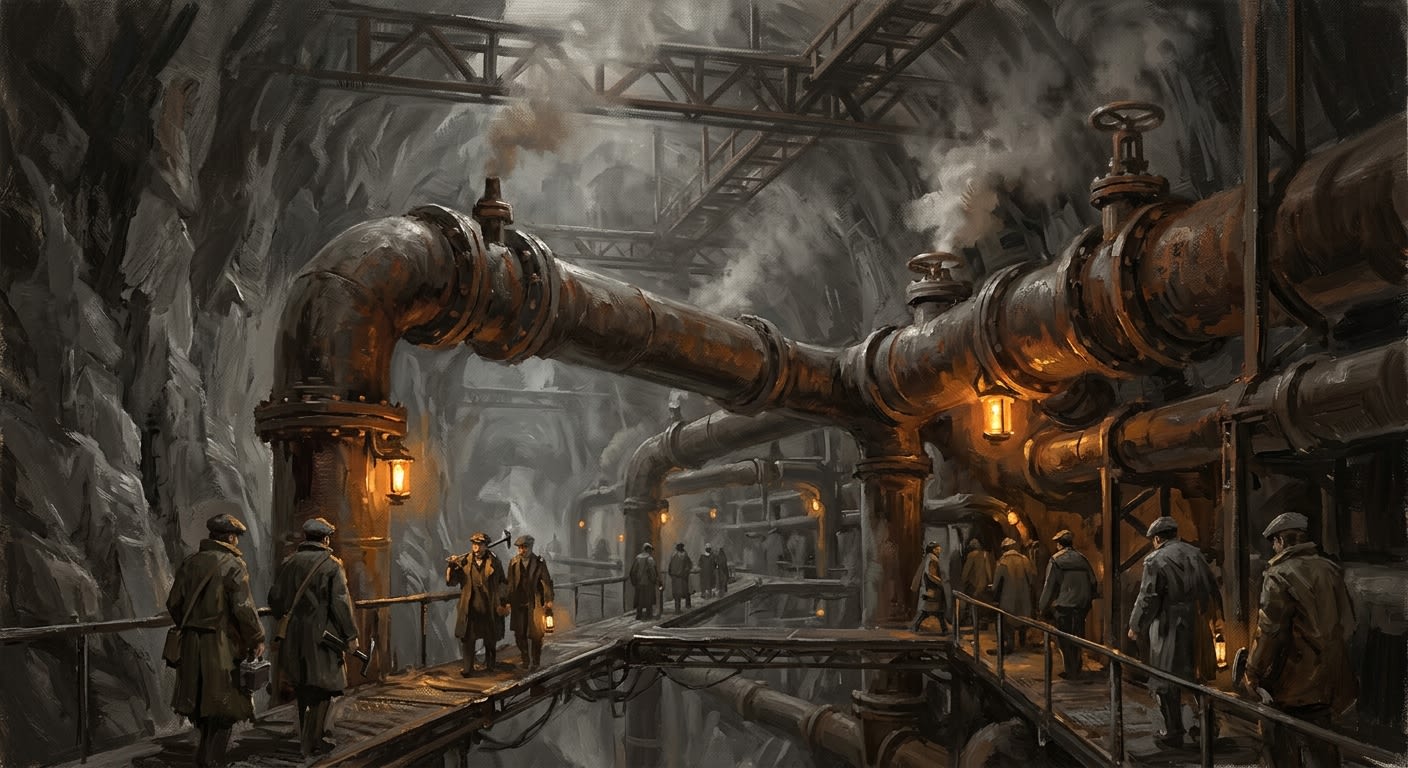
The Counterkey Circle
A forbidden harmonic. A destroyed voice. A mountain that remembers what it sang before the Choir Magistracy taught it to forget.
The Counterkey Circle holds that the Gasket Choir sings the wrong notes — deliberately, structurally, to manufacture dependency. The Bureau of Bells has sent four commissions to investigate. The fourth has not returned.
Codex Ref. XII.7.03-119
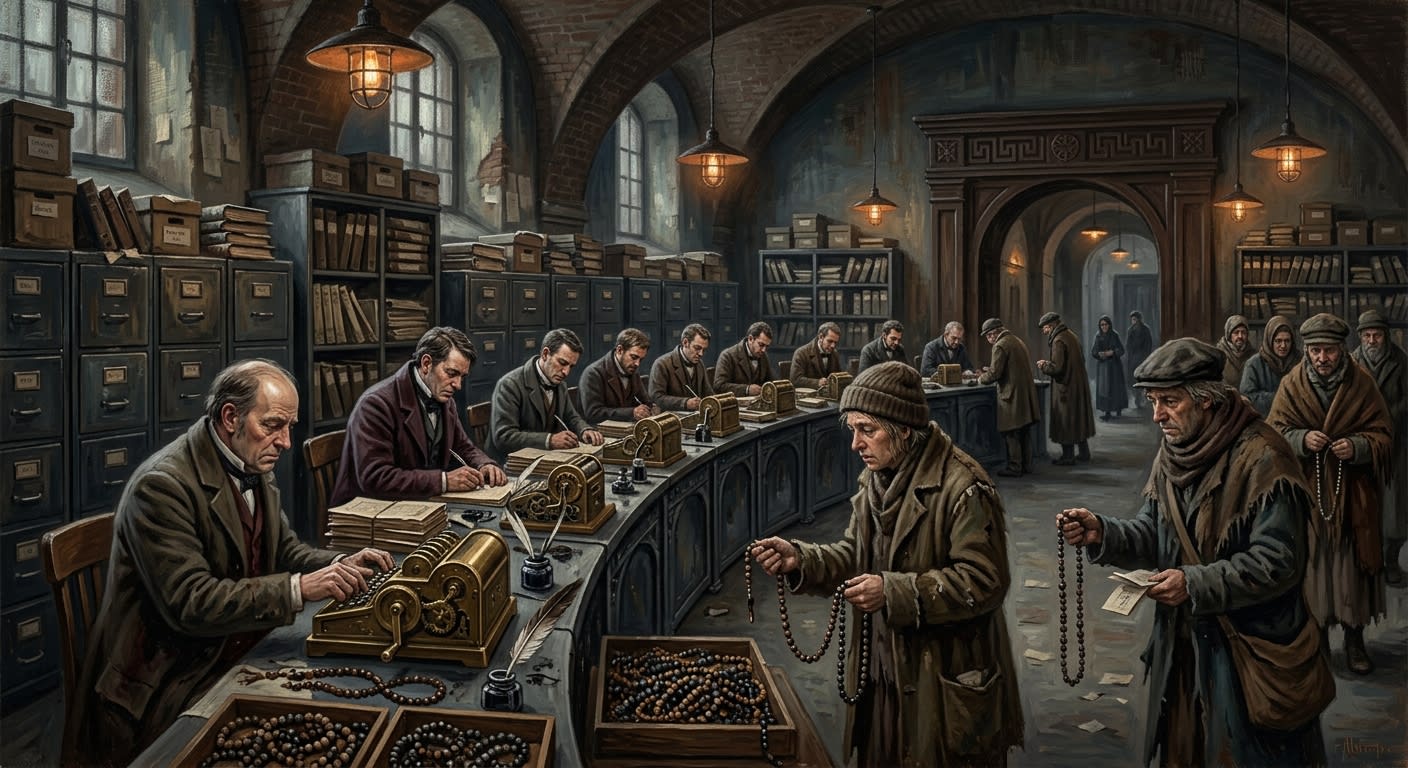
The Counting Hall
Where a bead becomes evidence and salvation waits its turn
The Counting Hall of the Cloister of Miscounted Beads is the Clickery: twelve desks where pilgrims, bead strings, debts, deaths, and names are reconciled into obedience.
Codex Ref. II.3.06-001

The Covenant Military
The rifle behind the sermon, visible enough to be pastoral
The Synod's standing armed auxiliary between war and administration: civic cordon, Bureau escort, rear-line reinforcement, and visible obedience with a rifle.
Codex Ref. VIII.5.05-001
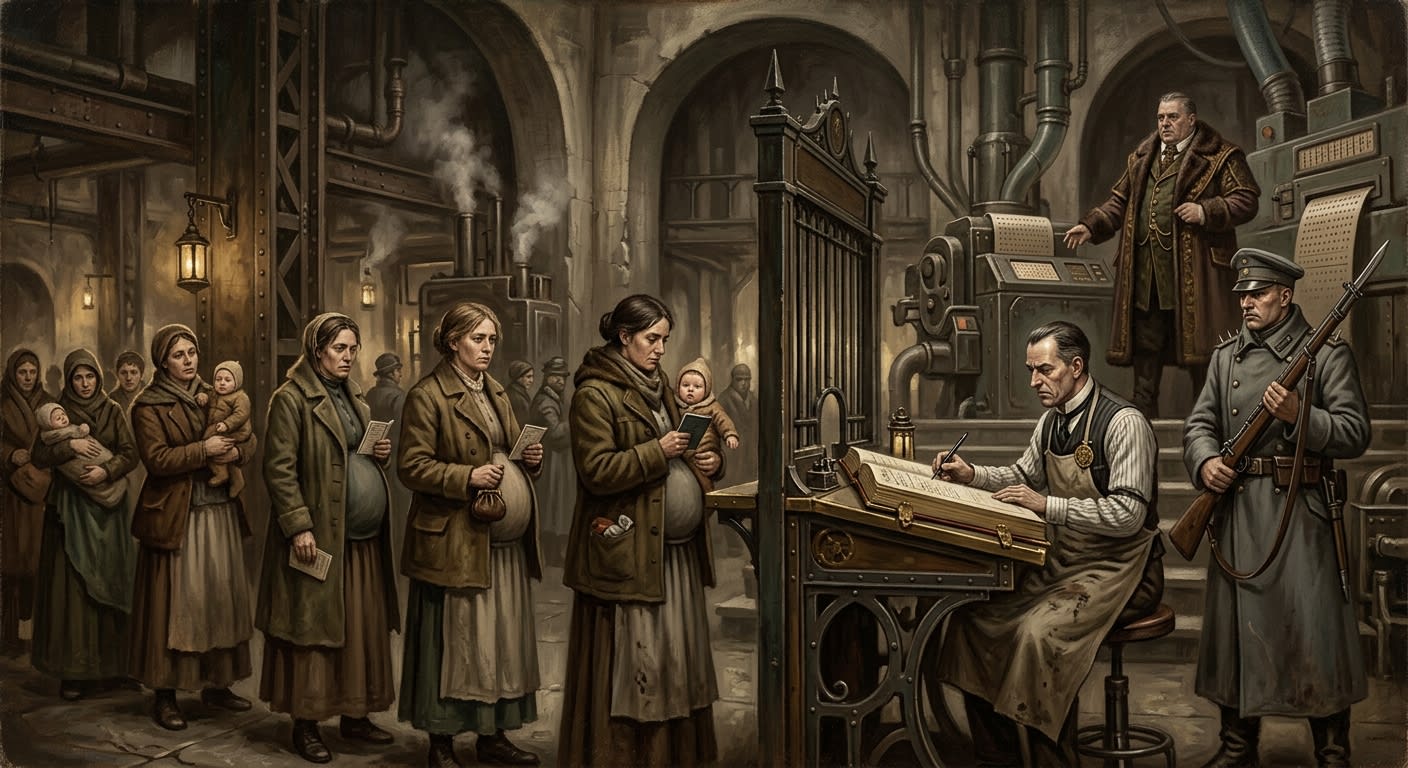
The Cradle Decree A.S. 157
The receipt issued before the first cry
The A.S. 157 Cradle Decree made pregnancy taxable, entering the unborn into the Ledger before birth and calling the cruelty provision.
Codex Ref. XIII.1.83-157

The Crimson Concord
It does not recruit heretics. It promotes competent ones.
Velkara's instrument of command-structure infiltration. The Velvet Choir seduces. The Crimson Concord administers. The Bureau of Purity cannot find the cells. The cells are the Bureau.
Codex Ref. V.5.03-007
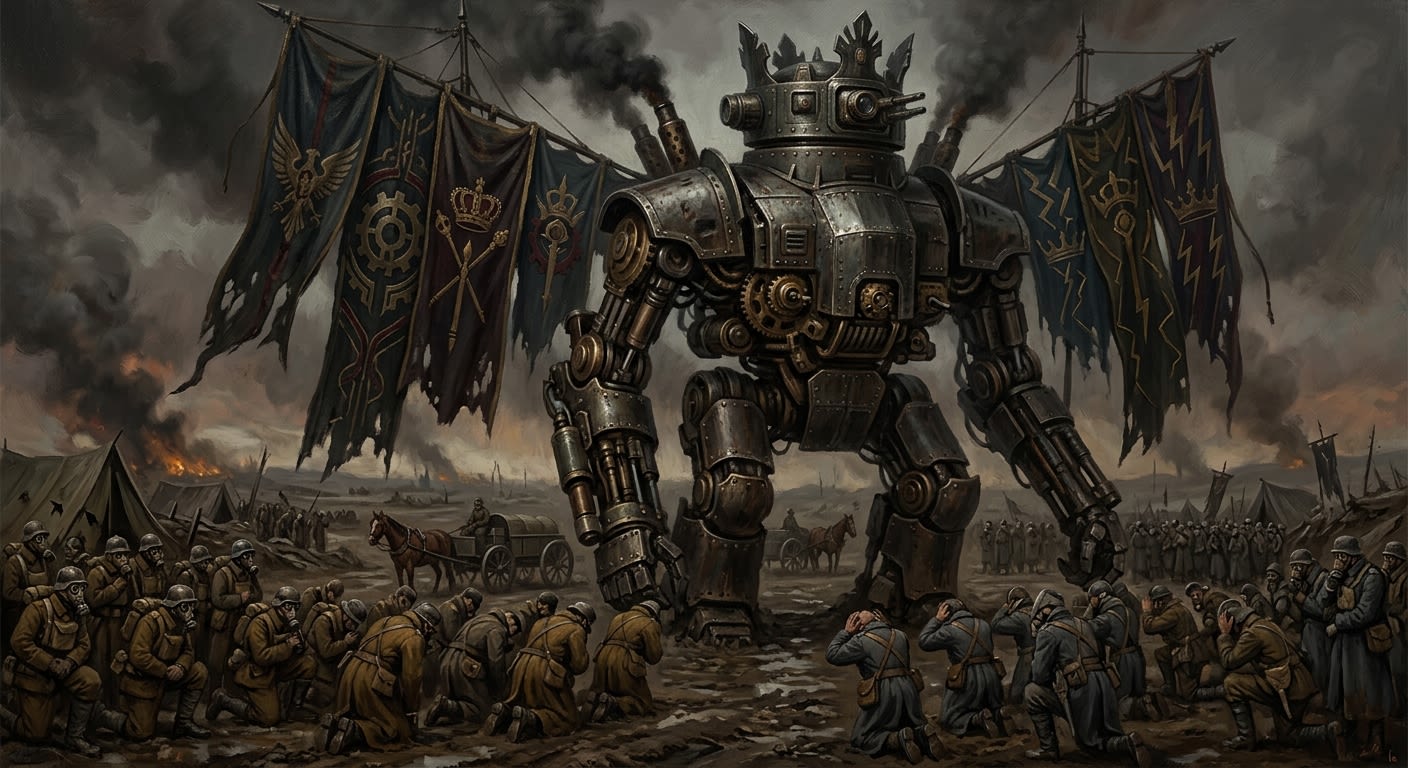
The Crownguard Titans
Pride's first argument is always height
Atheron's crowned vanguard: armoured giants whose banners teach knees to bend before artillery has the courtesy to speak.
Codex Ref. IV.1.07-008
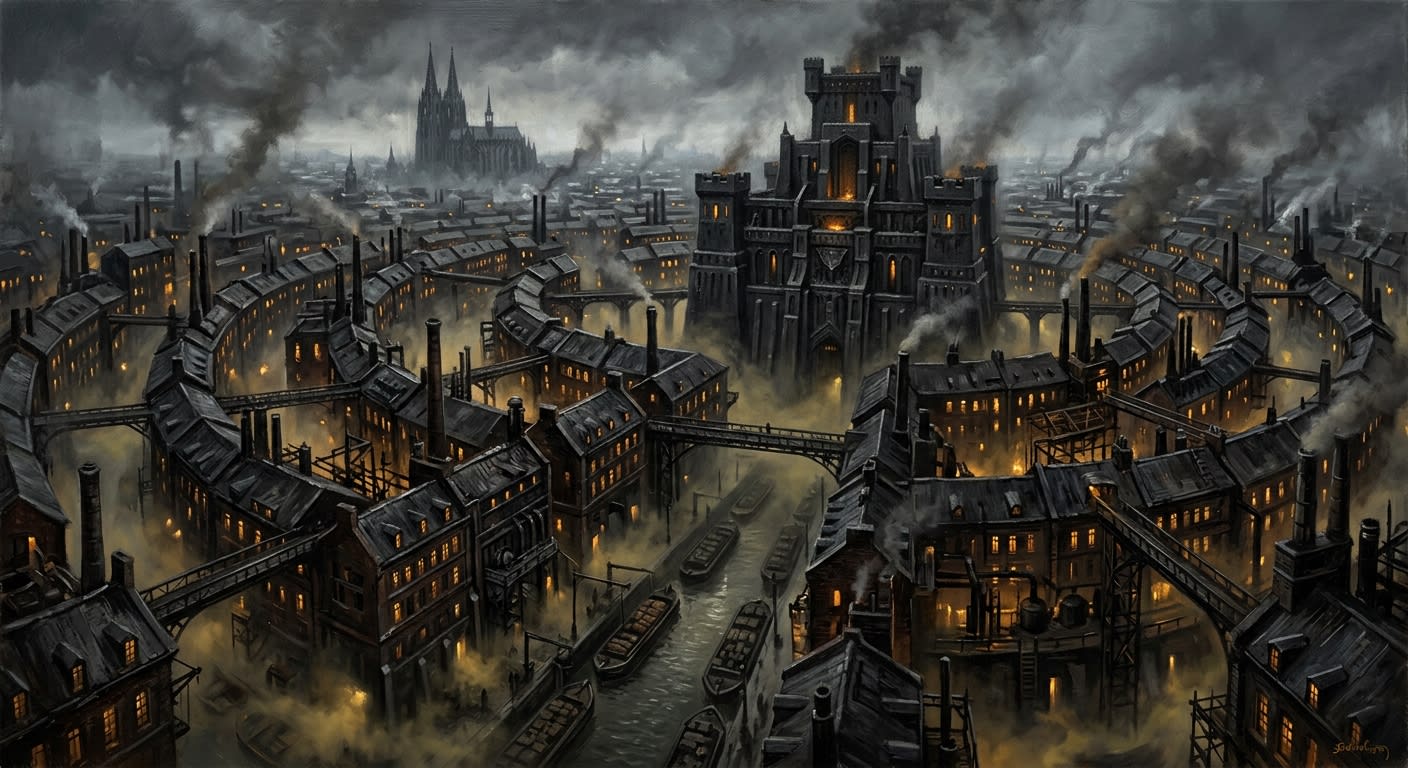
The Crownwright Diehouses of Sable Court
In Sable Court, identity is currency — and the Synod strikes every coin
The restricted mint-quarter of Cologne where the Synod strikes every face into coin and every coin into law. Where identity is minted, recalled, and—when the Bureau requires—unfaced. A.S. 201: the Face Theft crisis continues and the master die may be real.
Codex Ref. II.2.07-001
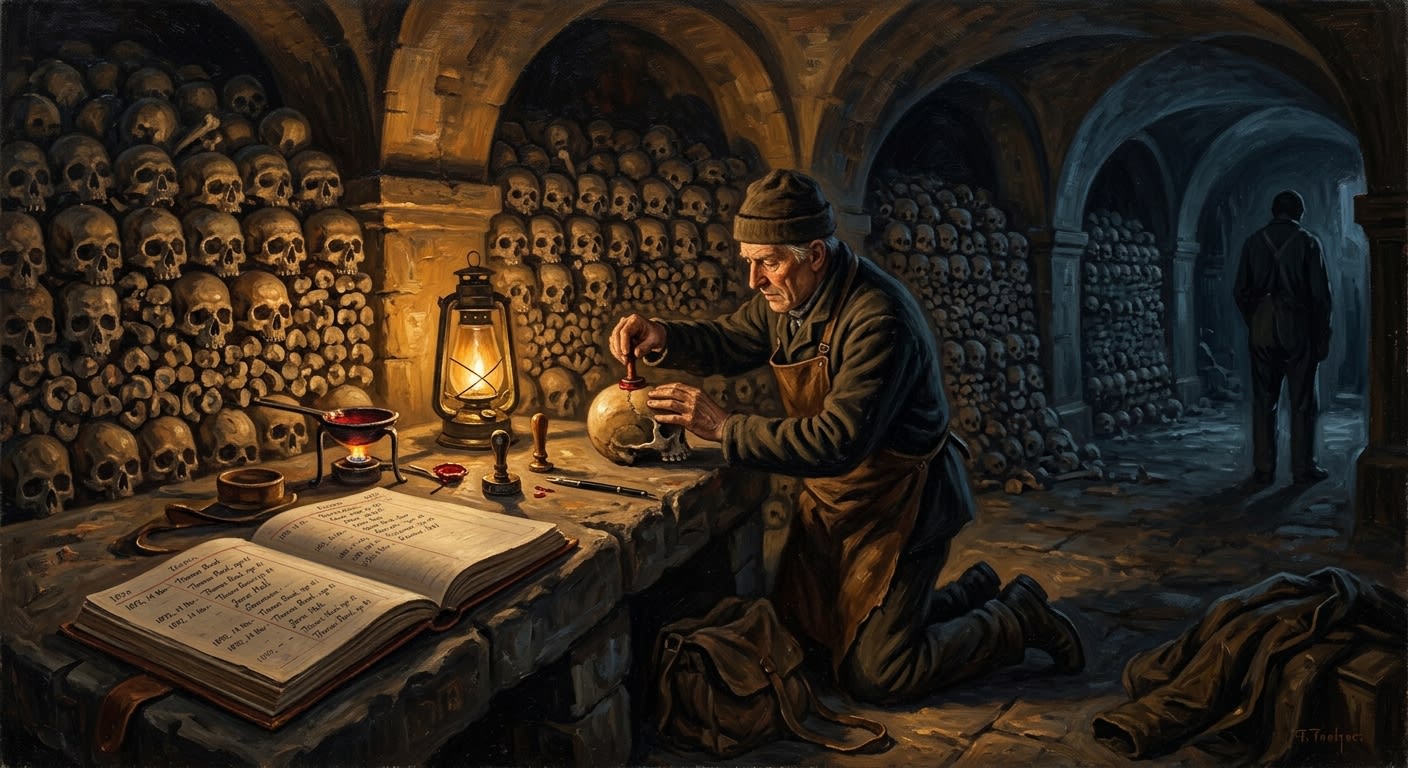
The Dead
What the filing system remembers, and what the Bureau has declined to ask
The Bureau maintains death is a clerical event. The dead, by the Bureau's own monitoring, appear to disagree. Drax files the discrepancy.
Codex Ref. VI.2.01-001
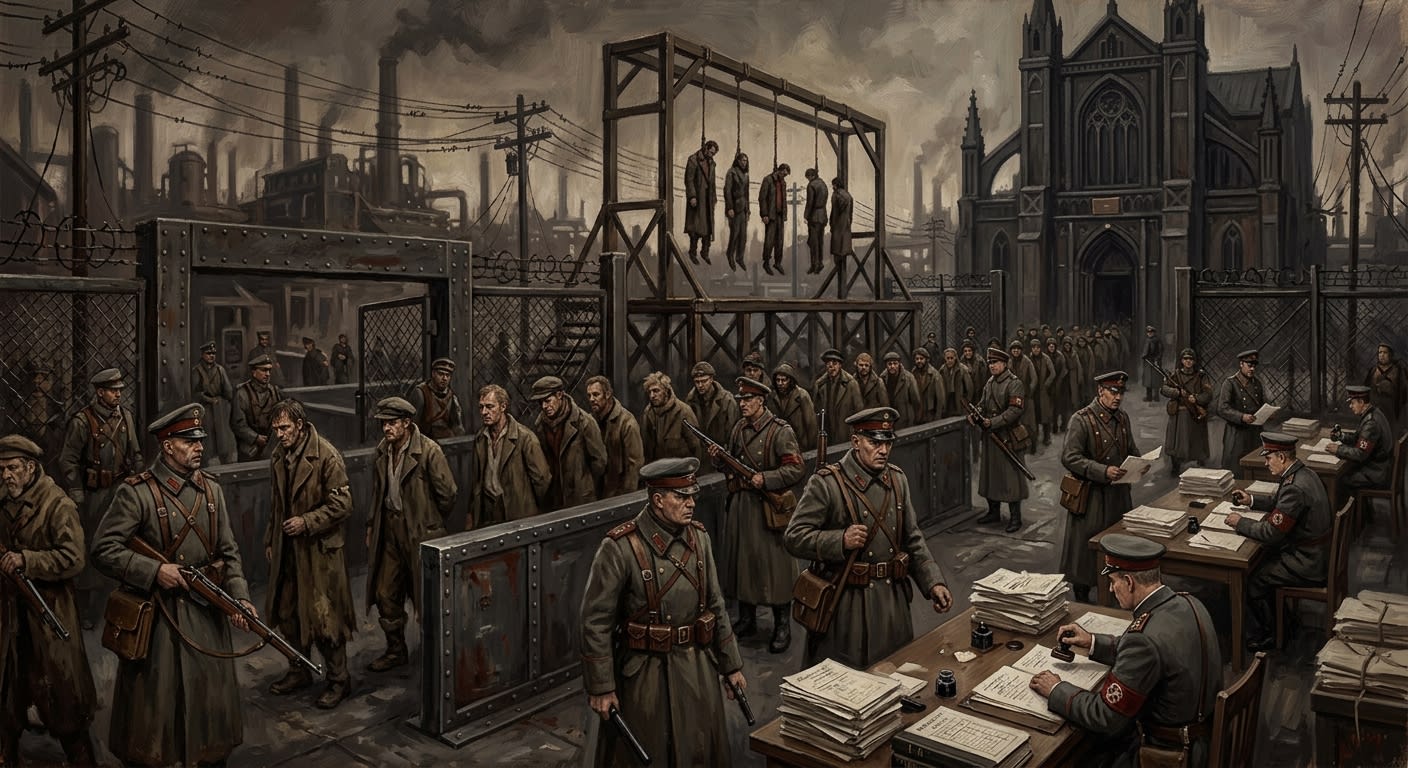
The Deserter Purges
The audit had rope
Post-Uncounted Winter military-administrative purge of A.S. 91, when reconciliation tables turned absence into accusation and rope into punctuation.
Codex Ref. VII.8.10-093
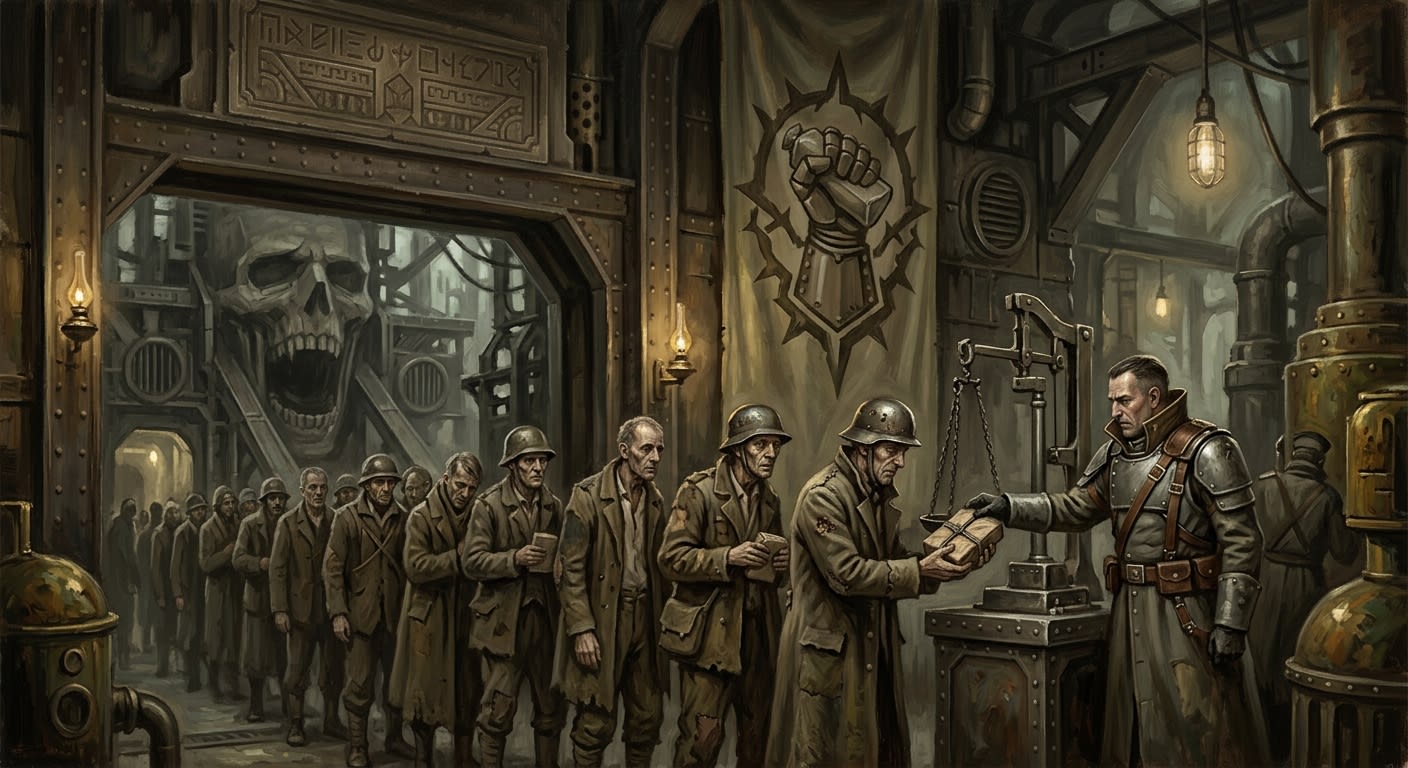
The Doctrine of Enough
The crust is counted because the soul is counted first
The Doctrine of Enough teaches the hungry that what is sealed is sufficient, and that desire beyond allocation gives Kargath a mouth.
Codex Ref. VI.3.01-002
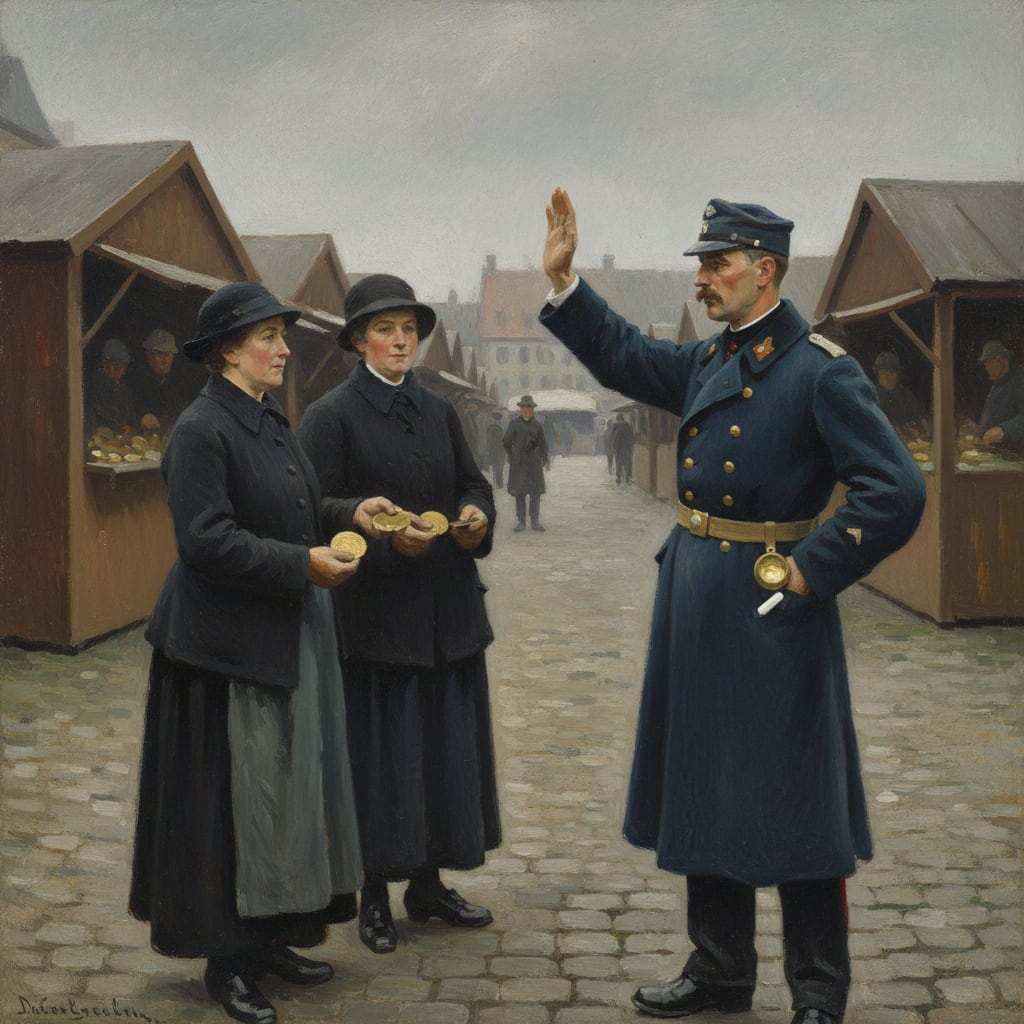
The Doctrine Street-Vicar
The bell's feet; the chalk's teeth; the compliance that comes to you.
The Bureau of Doctrine's mobile enforcement arm: four thousand three hundred chalk-bearing officers who walk where the bell cannot reach, inspect purity tokens, and mark doorframes in white, yellow, and red.
Codex Ref. XII.9.02-001
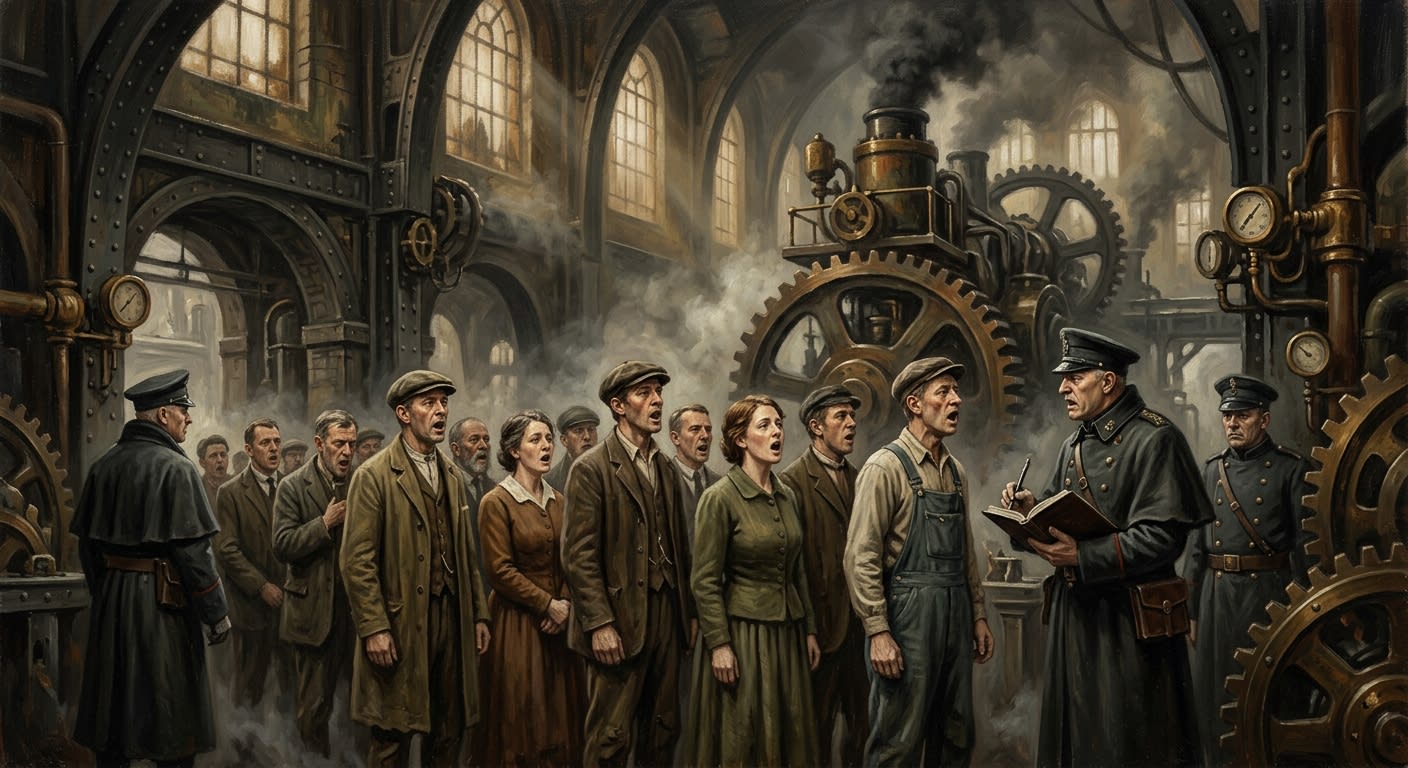
The Eternal Creed
The first tax of the day is breath
The Eternal Creed is the Synod's oral civic machine: recited at dawn, commerce, correction, and inspection, hidden from paper so obedience may occupy the tongue.
Codex Ref. XIII.1.68-001
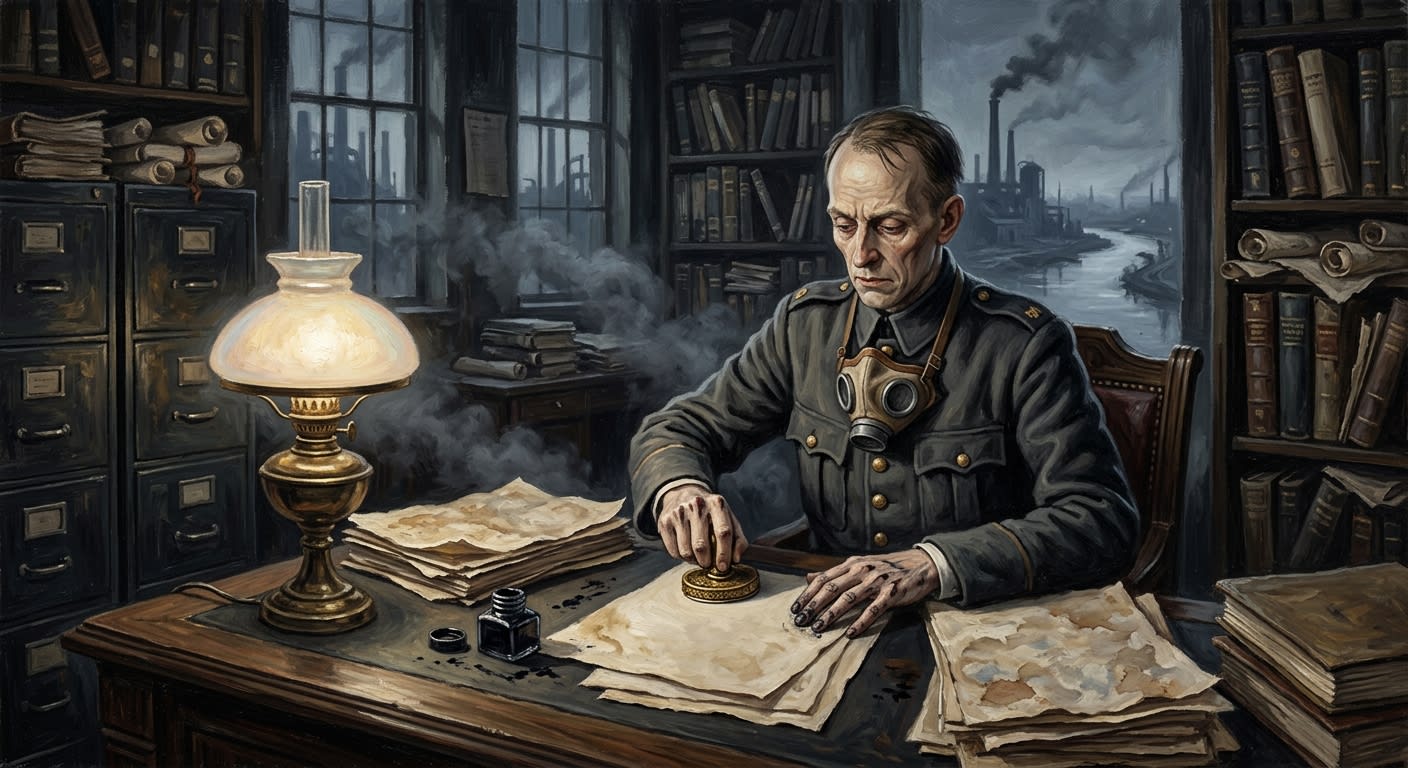
The Fading Winter
When the seal remained and the words deserted their posts
The A.S. 199 Fading Winter stripped text from sealed documents across the River-belt, leaving Candlewick to discover that blank authority still bites.
Codex Ref. VII.4.04-001
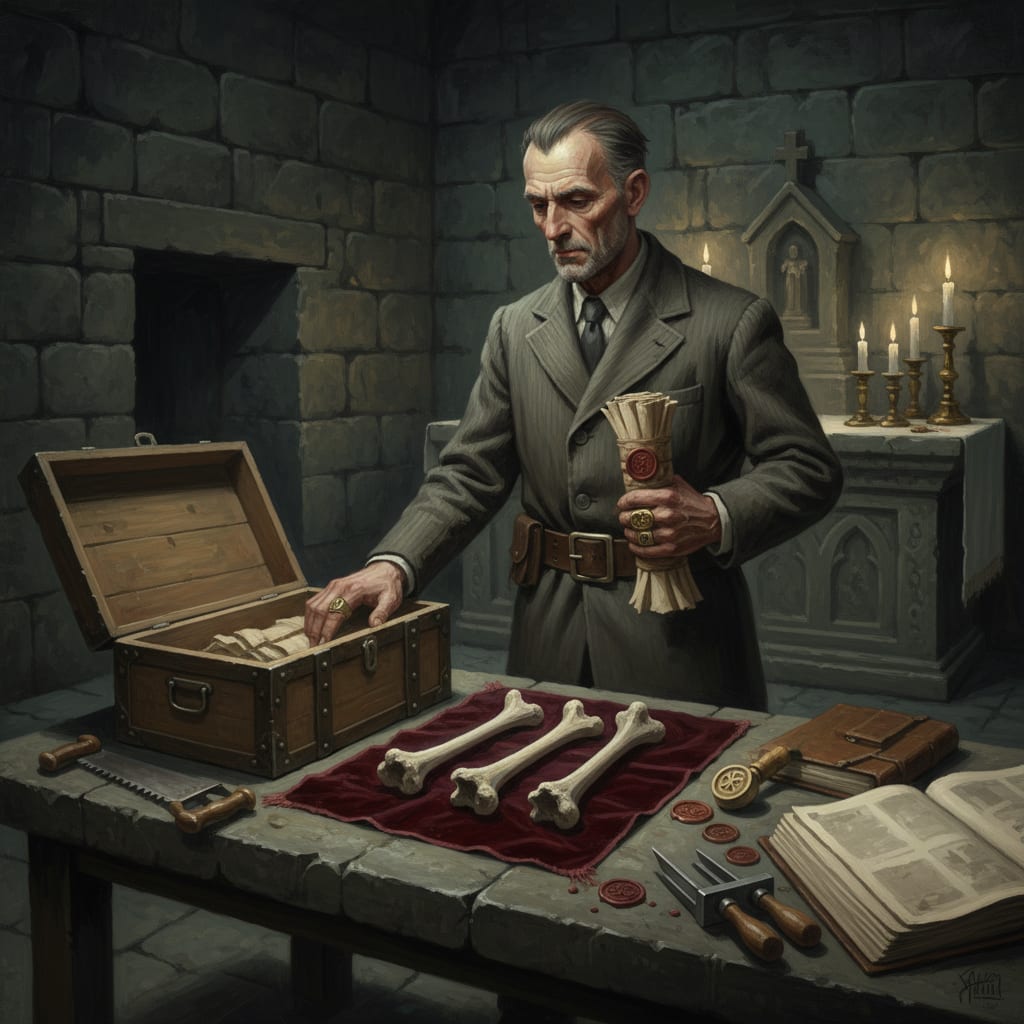
The Femur-War Broker
The unofficial routing service that keeps authenticated contradictions from becoming authenticated riots
The officially nonexistent profession that routes authenticated relic contradictions without collision — the Femur Principle's logical consequence, managed for a fee by two hundred brokers the Bureau insists do not exist.
Codex Ref. XII.15.01-001

The Ferry Chokepoint Broker
On the Profession of Moving Men Across Water When the Synod Requires Them to Stay Still
The Ferry Chokepoint Broker is what the Synod's permit system produces when it grows too thick for its own officers to parse — a human patch cable working the gap between the rule and the crossing.
Codex Ref. XII.16.01-001
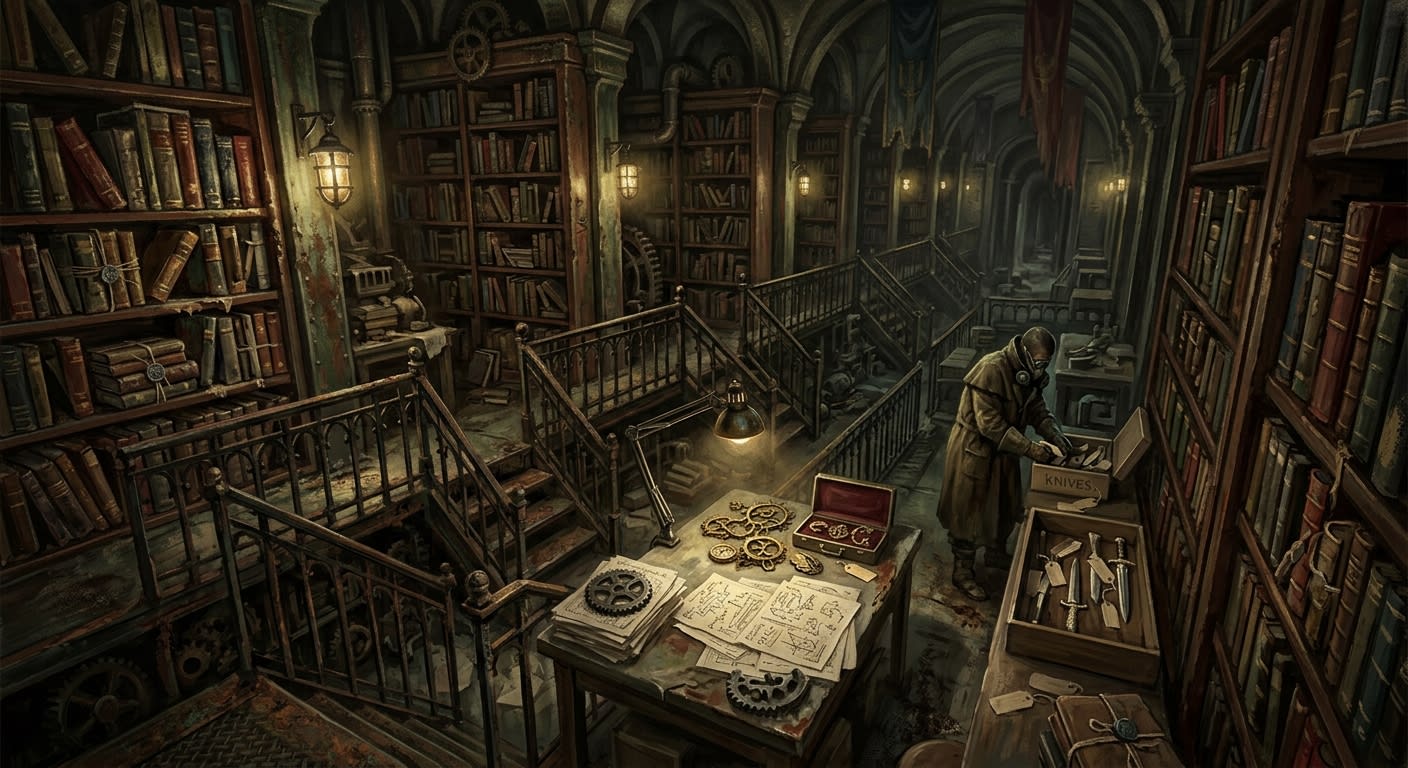
The Forbidden Stacks
Where heresy is shelved close enough to hate efficiently
The Forbidden Stacks beneath Strasbourg preserve Rationalist paper, contraband symbols, and other knives the Bureau prefers labelled rather than lost.
Codex Ref. II.2.06-001

The Fractured North
Compliant in substance. Deviant in form. Pending resolution since A.S. 92.
Two million souls scattered along the Norwegian fjords and Swedish interior — faithful, stubborn, and unresolved. The Bureau of Doctrine has filed them as 'compliant in substance, deviant in form' since A.S. 92, and will do so until either side decides otherwise.
Codex Ref. IX.8.01-001
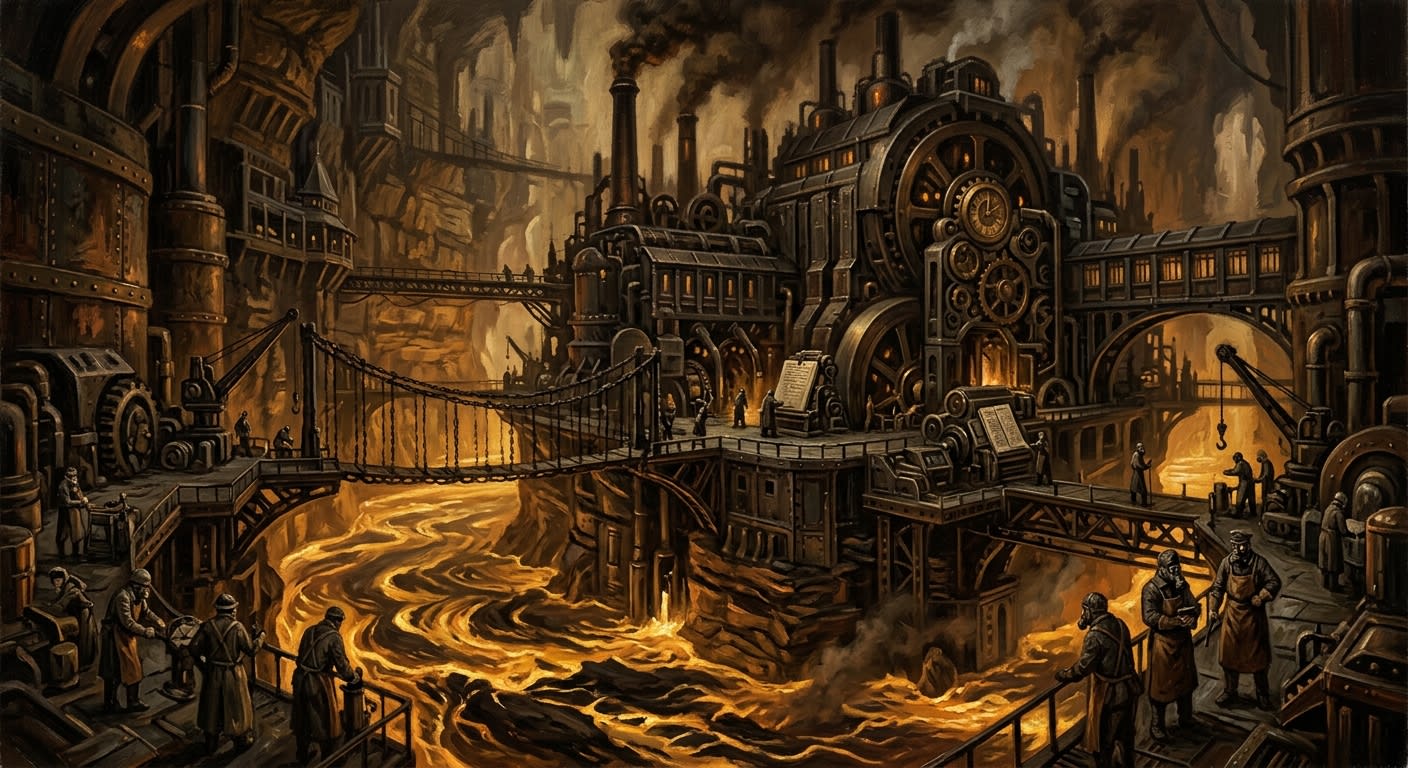
The Gilded Chasm
The canyon that made profit geological and damnation contractual
Velmora's Gilded Chasm is a canyon of molten value, binding markets, doors, audits, and contracts whose smallest syllable charges interest.
Codex Ref. VI.1.02-001
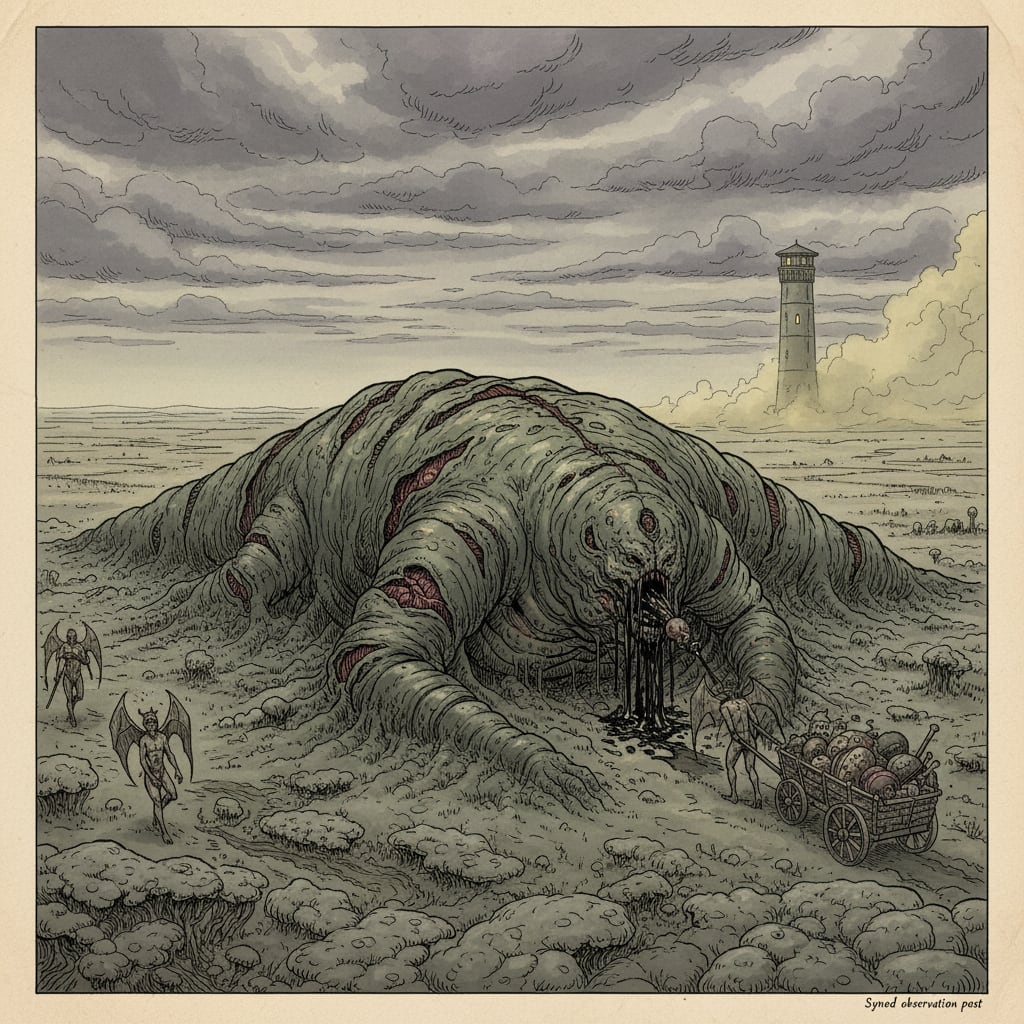
The Gorged
Still waiting for enough; which the Bureau notes, and does not discuss
Kargath's fourth taxonomic class: stationary consumption engines too vast to move, too hungry to stop. The Gorged believe the next mouthful will satisfy them. The Bureau classifies them as area denial and has noted the institutional parallel in a sealed file it declines to open.
Codex Ref. IV.1.07-004
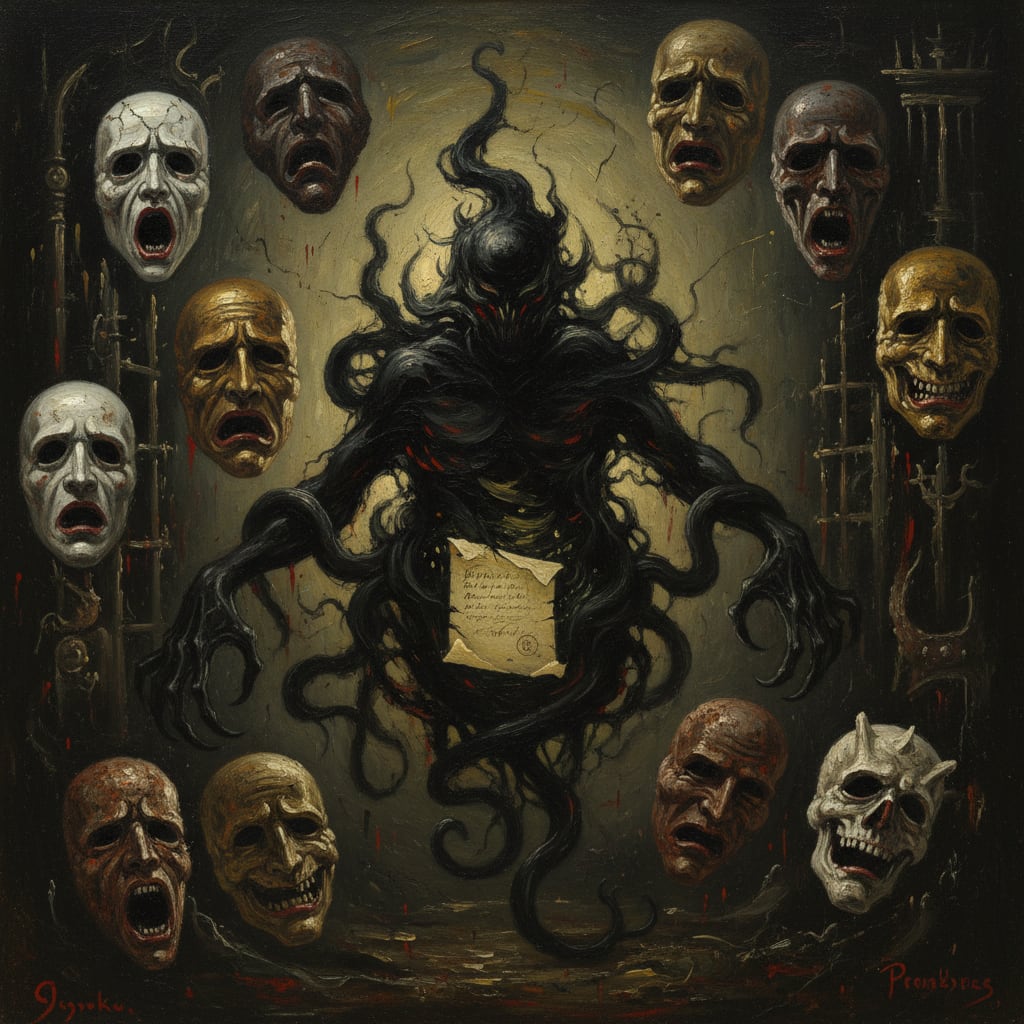
The Great Deceiver
The Adversary Without Name, the Will Behind the Veil
He has no face, no form, no name the Bureau dares to print — only a Will that wears the world like a mask. The supreme architect of the Sundering, the forger of the Seven Sin-Generals, and the one enemy the Synod cannot file, stamp, or archive into submission.
Codex Ref. IV.1.01-001
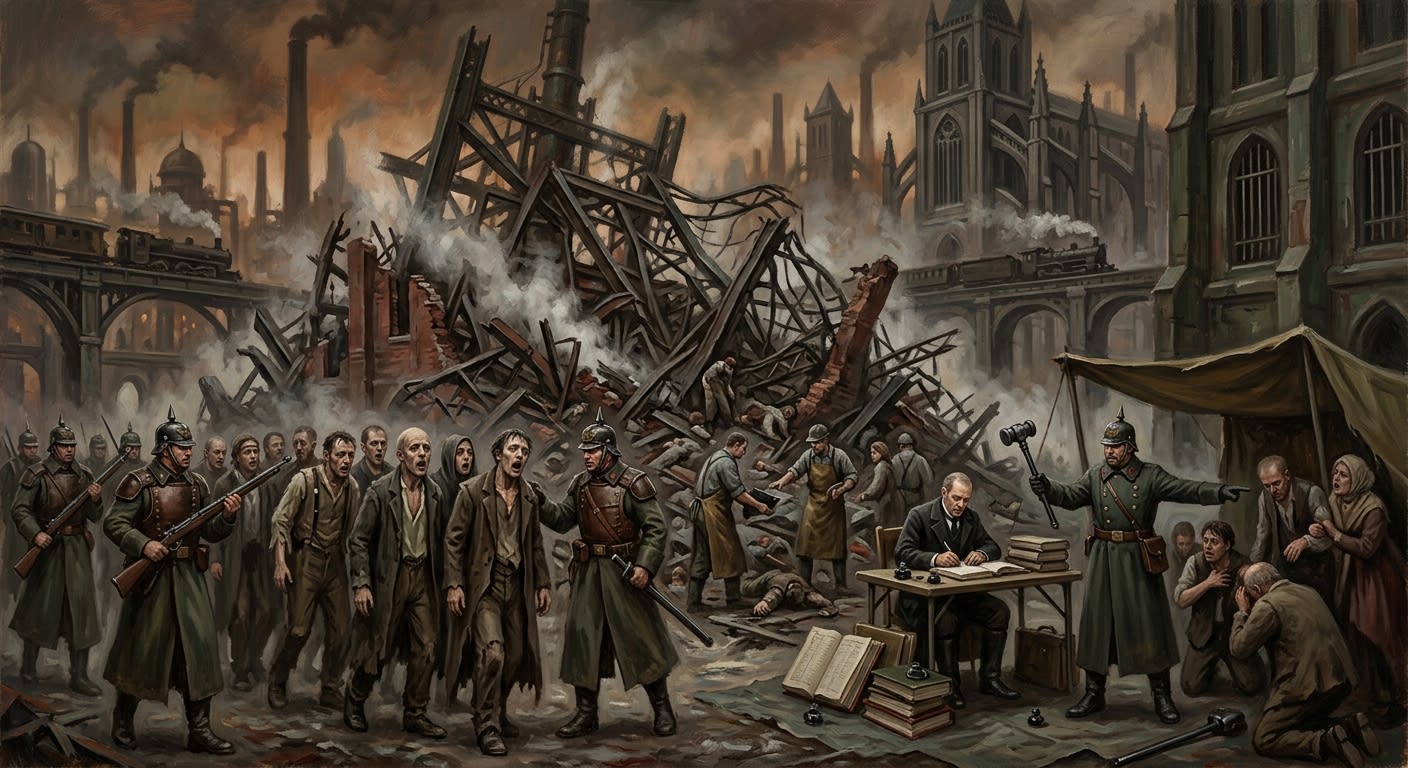
The Great Hush
Nine hours of silence, three thousand dead, and a century of licensed throats
The Great Hush of A.S. 94 collapsed Irongate's Third Lung, killed three thousand, birthed the Gasket Choir, and made silence into evidence, office, law, and cudgel.
Codex Ref. VII.4.24-001
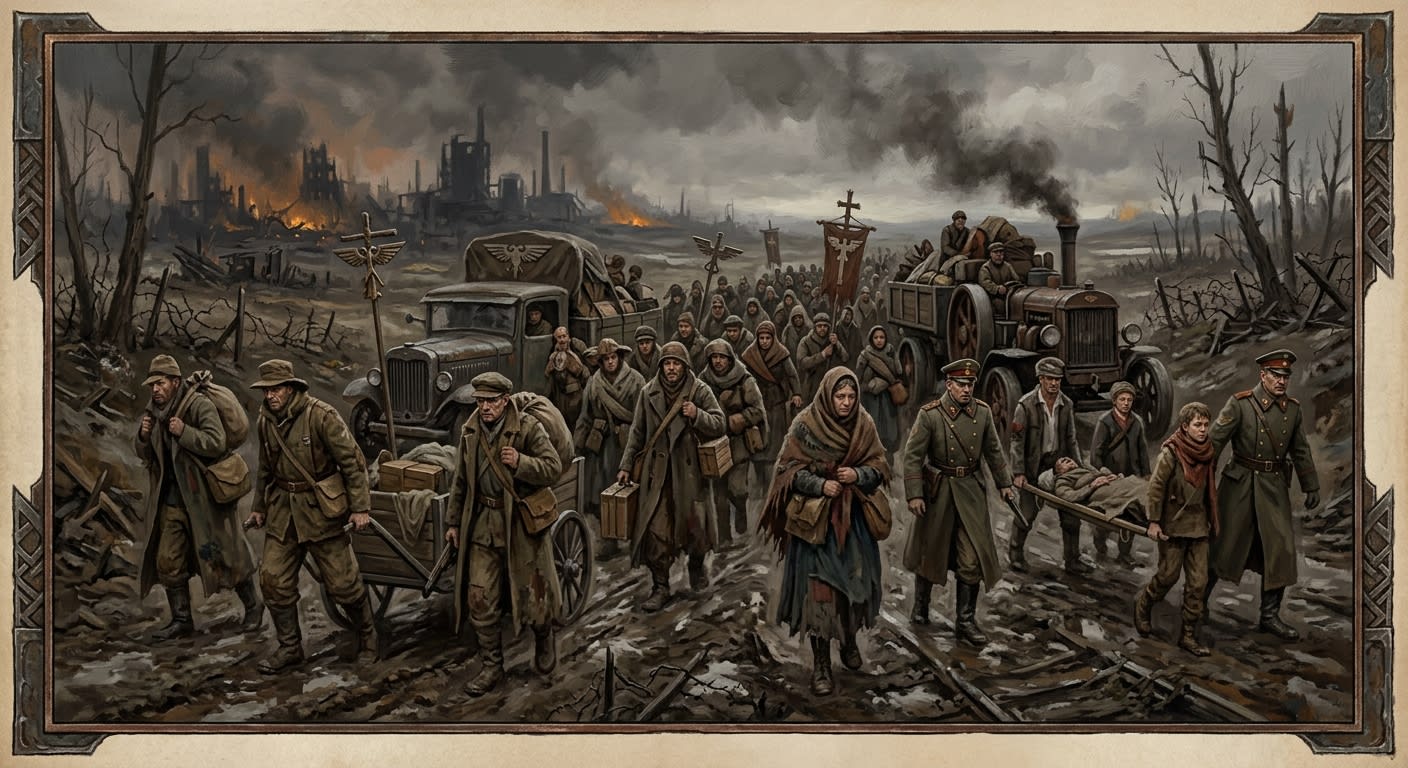
The Great Retreat
Seventeen years of westward mud before the Line learned to stand
From A.S. 48 to A.S. 65, the faithful West walked, bled, improvised institutions, and finally stopped running where the Sagittal Line began to hold.
Codex Ref. VII.1.03-001
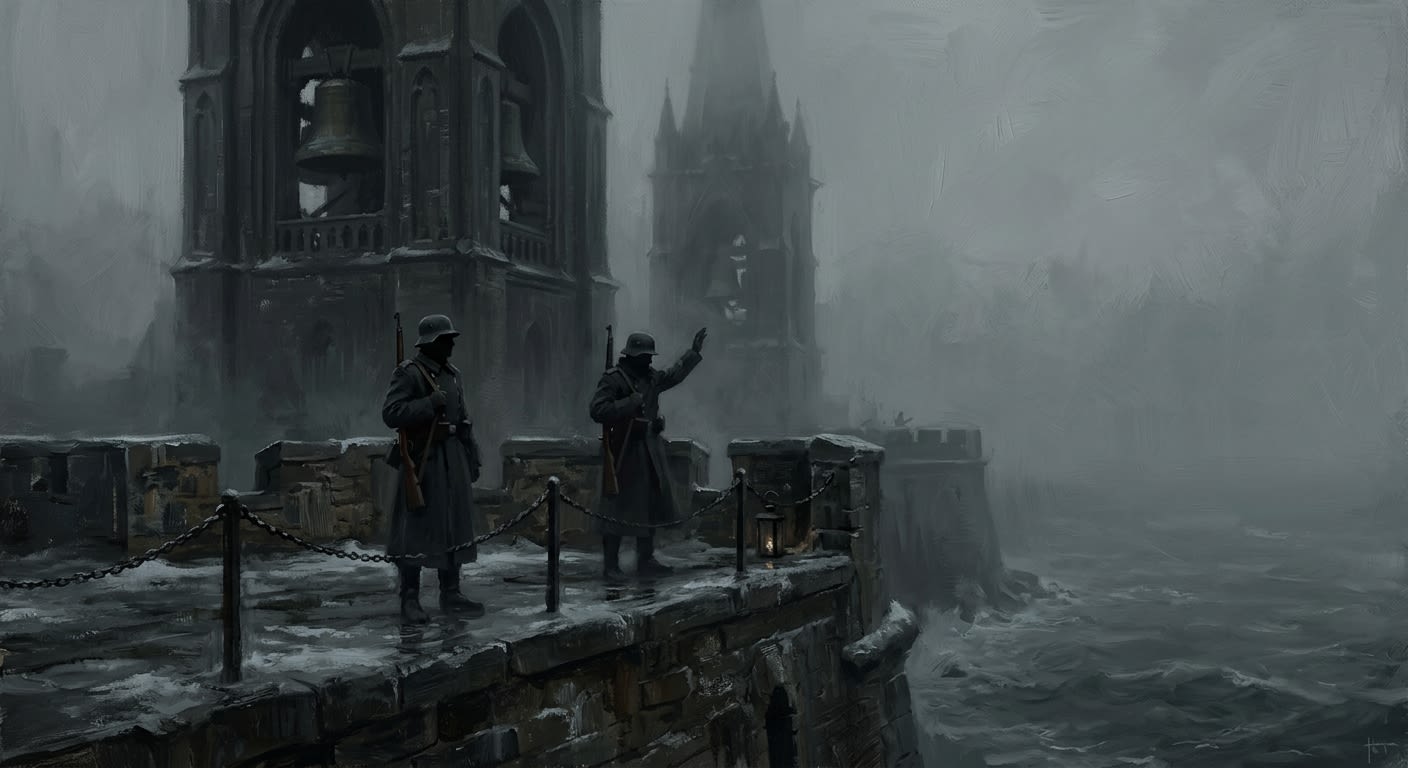
The Grey (The Unnamed)
Eleven years of classification pending, and the Bureau's best answer to why
The Grey is not a Sin-General. The Bureau has known this for eleven years and found the fact so uncomfortable that it has not yet produced a classification. Drax produces one anyway.
Codex Ref. VI.3.01-001
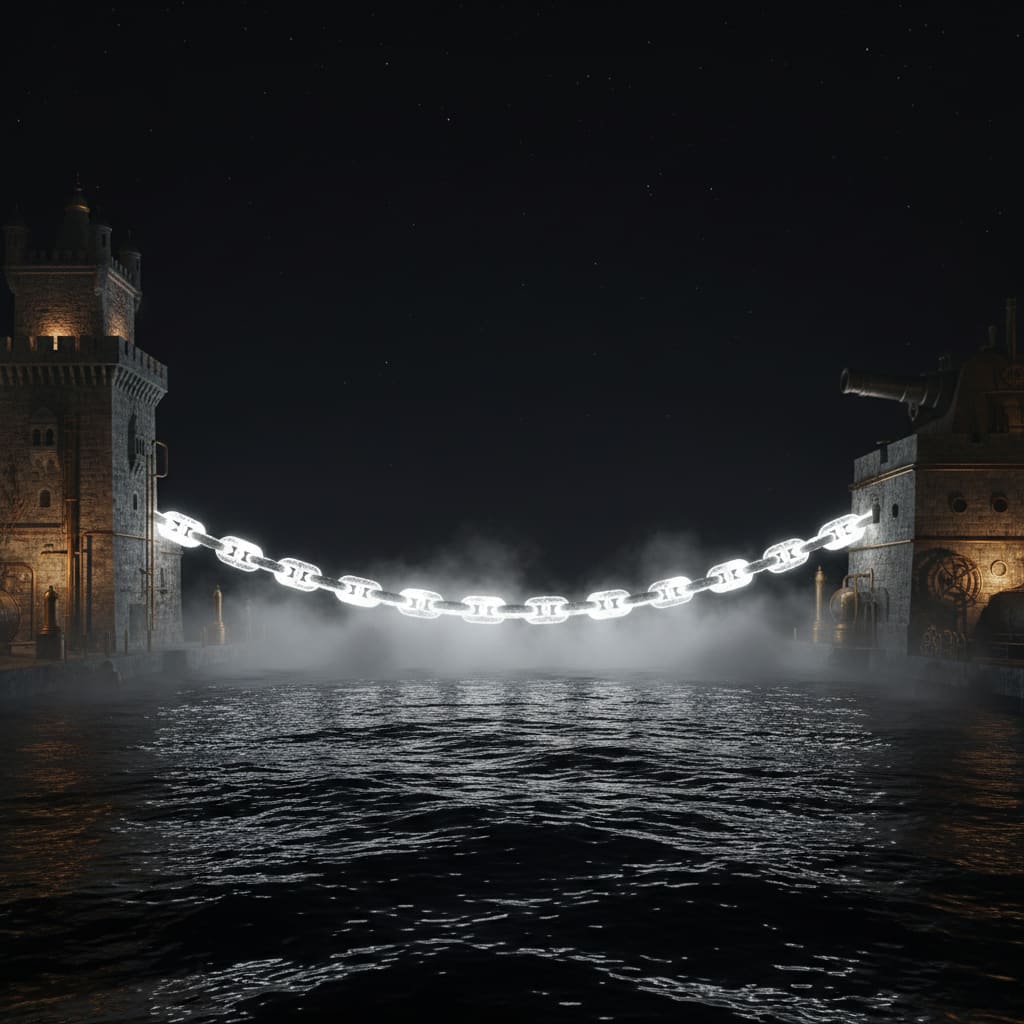
The Harbor of Chains
A mile of quay, a hundred fathoms of iron, and what the chain is becoming
The Harbor of Chains guards the Bosphorus with one mile of fortified quay and the Chain of Saint Anakletos — consecrated iron that burned the Black Sea Armada white in A.S. 162 and has not glowed since.
Codex Ref. II.4.10-005

The Heartlands
The safe country, provided one defines safety as distance from teeth and proximity to stamps
The Heartlands are the Synod's safe interior only by infantry arithmetic: Zones 1–3 feed the Line with bread, steel, bodies, bells, paperwork, and bones.
Codex Ref. II.0.02-201
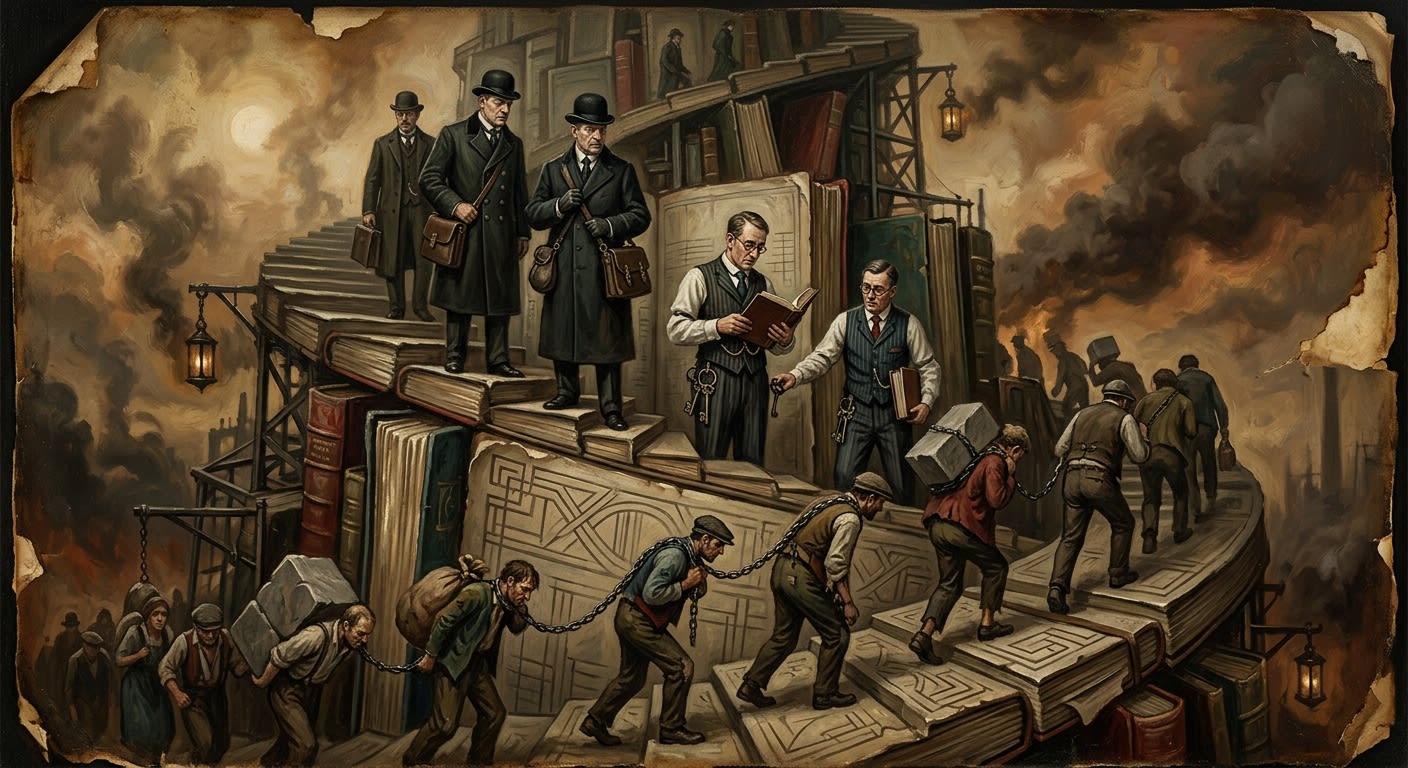
The Hierarchy of Debt
Where relief becomes obligation and obligation learns to pray
Velmora's human cult arranges damnation as credit: Debtors, Creditors, Assessors, Ledger-Keepers, and Inheritors climbing a ledger that never forgives.
Codex Ref. XI.5.01-001
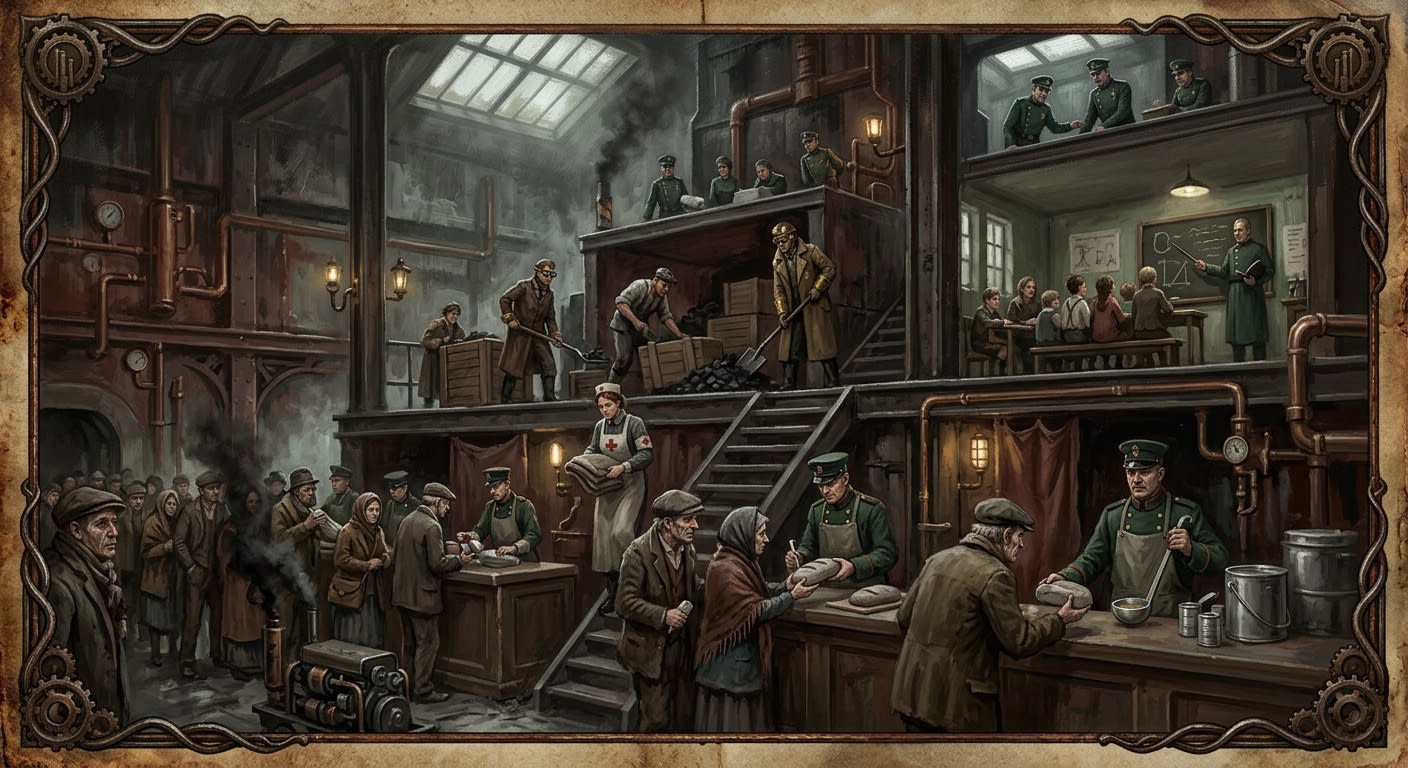
The Hierarchy of Need
Hunger is the sermon Kargath learned to serve hot
Kargath's cults do not begin with horns, but with bread. The Bureau calls their five stations a hierarchy. The hungry call them provision.
Codex Ref. IX.2.01-001
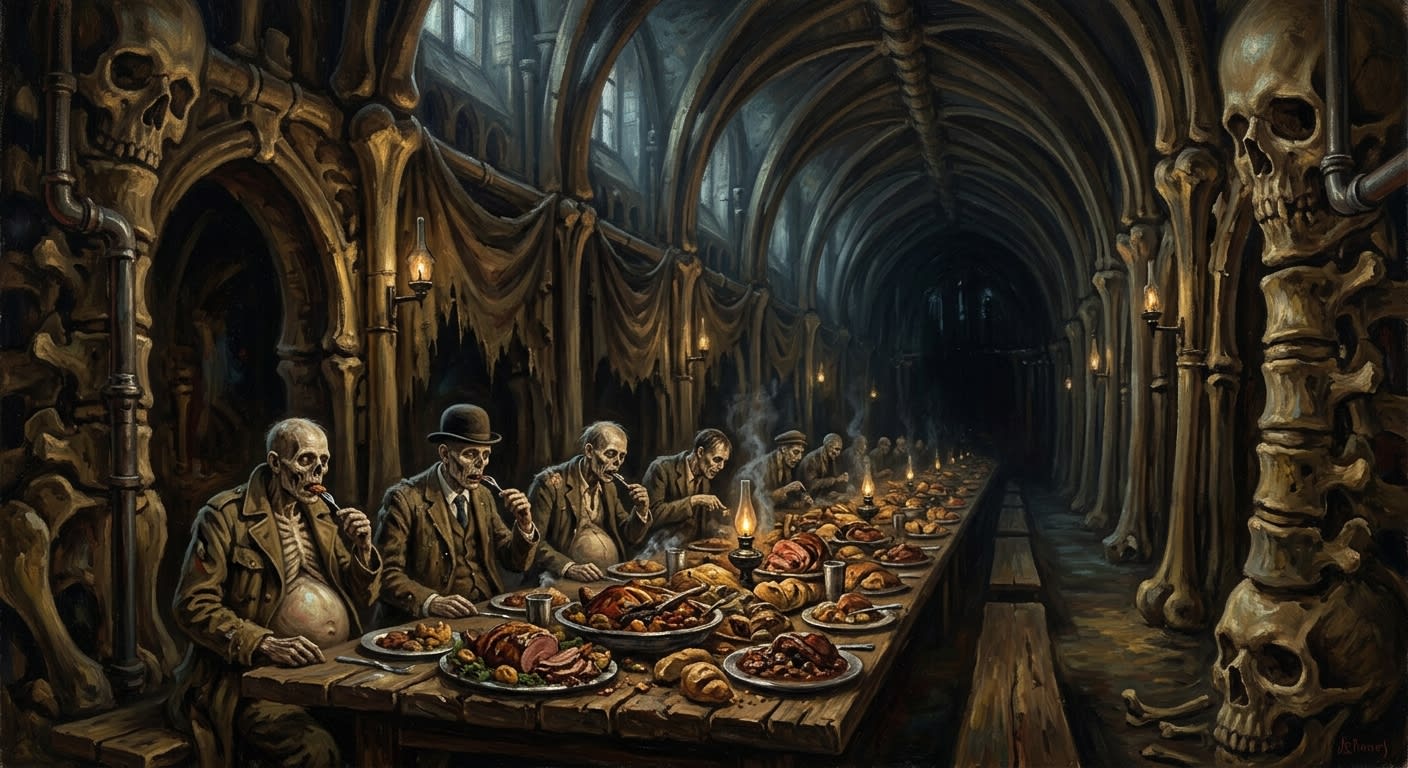
The Hollow Court
Nine miles of table. Every seat occupied. The host is always hungry.
The seat of the Sin-General of Gluttony, confirmed four times, located forty leagues east-south-east of Debrecen. Its feast has not ended. Its guests have not left. Its table runs nine miles. The Bureau of War has declined to act on this information three times.
Codex Ref. V.6.01-004
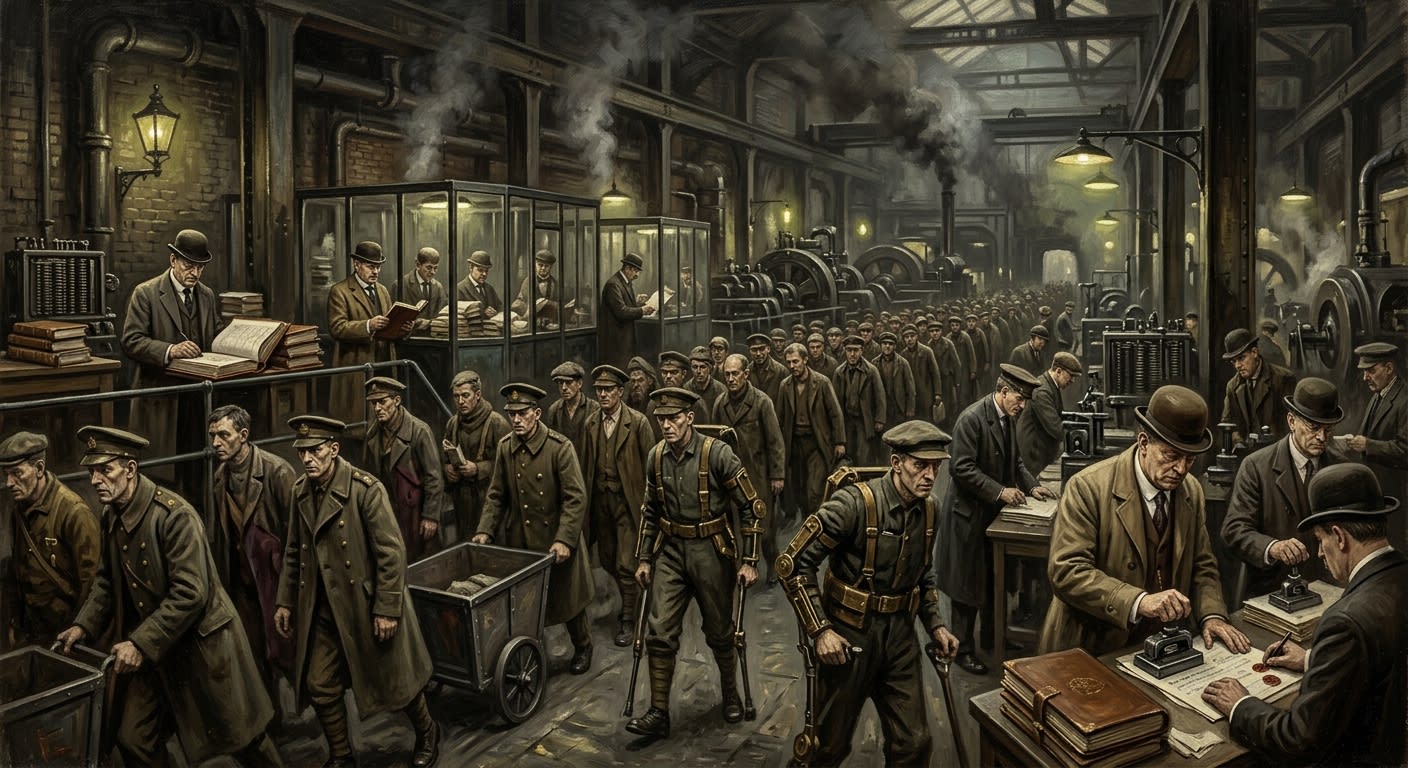
The Hollowing
When the hand remembers the rite and the soul declines attendance
The Bone-Stampers' private name for vocational faith-depletion, by which conviction thins, seals bite less deeply, and the dead resume their education in motion.
Codex Ref. XIII.1.45-001
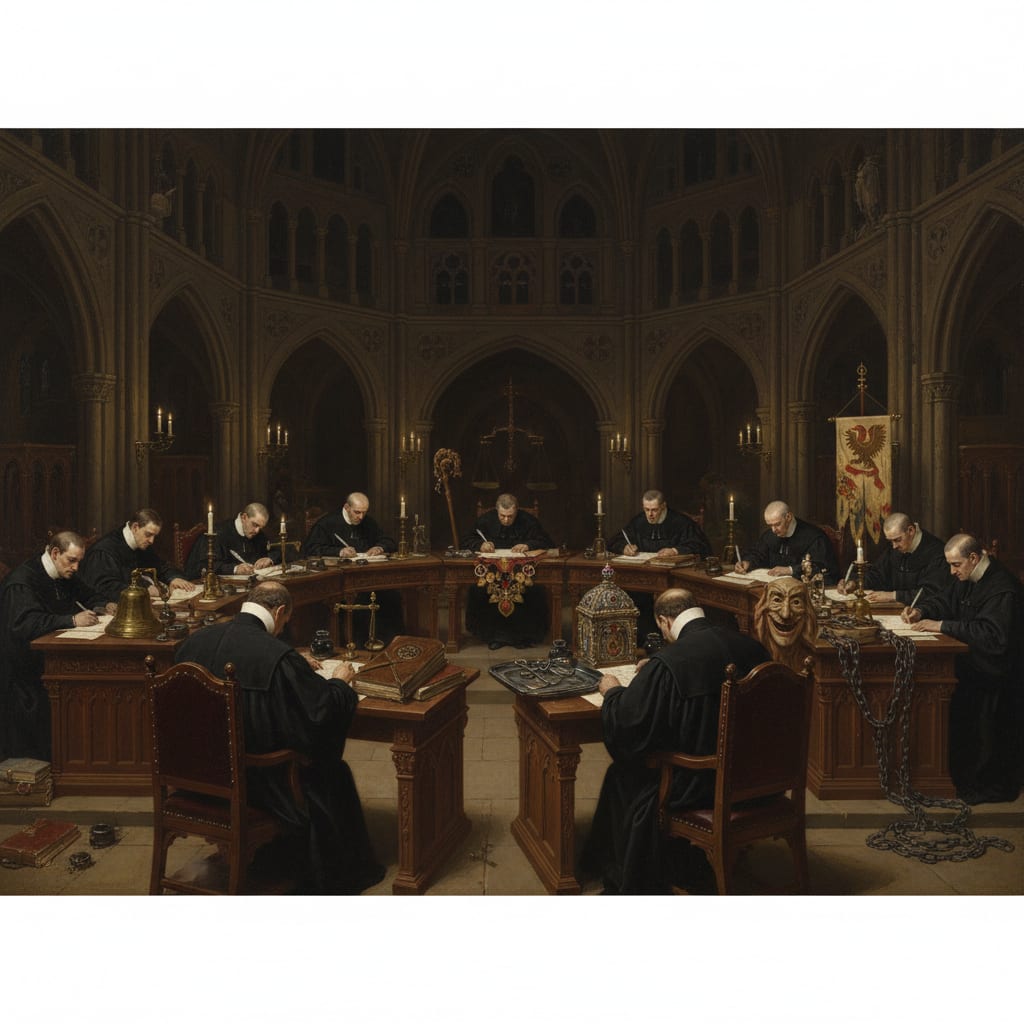
The Holy Bureaus
Twelve Instruments of Providence, or Thirteen If You Count the One That Does Not Exist
The twelve sacred organs through which Strasbourg bends a continent to its will. Each Bureau claims a charism of governance descended from the Apostolic Sundering. Their clerks are legion, their archives endless, their contradictions — by design.
Codex Ref. III.3.01-001

The Hourglass Monolith
A black standard for measuring the ways time refuses obedience
The Hourglass Monolith is Lyon's forbidden temporal standard: part instrument, part confession, and quite possibly an enemy noun wearing Bureau wax.
Codex Ref. XIII.1.86-134
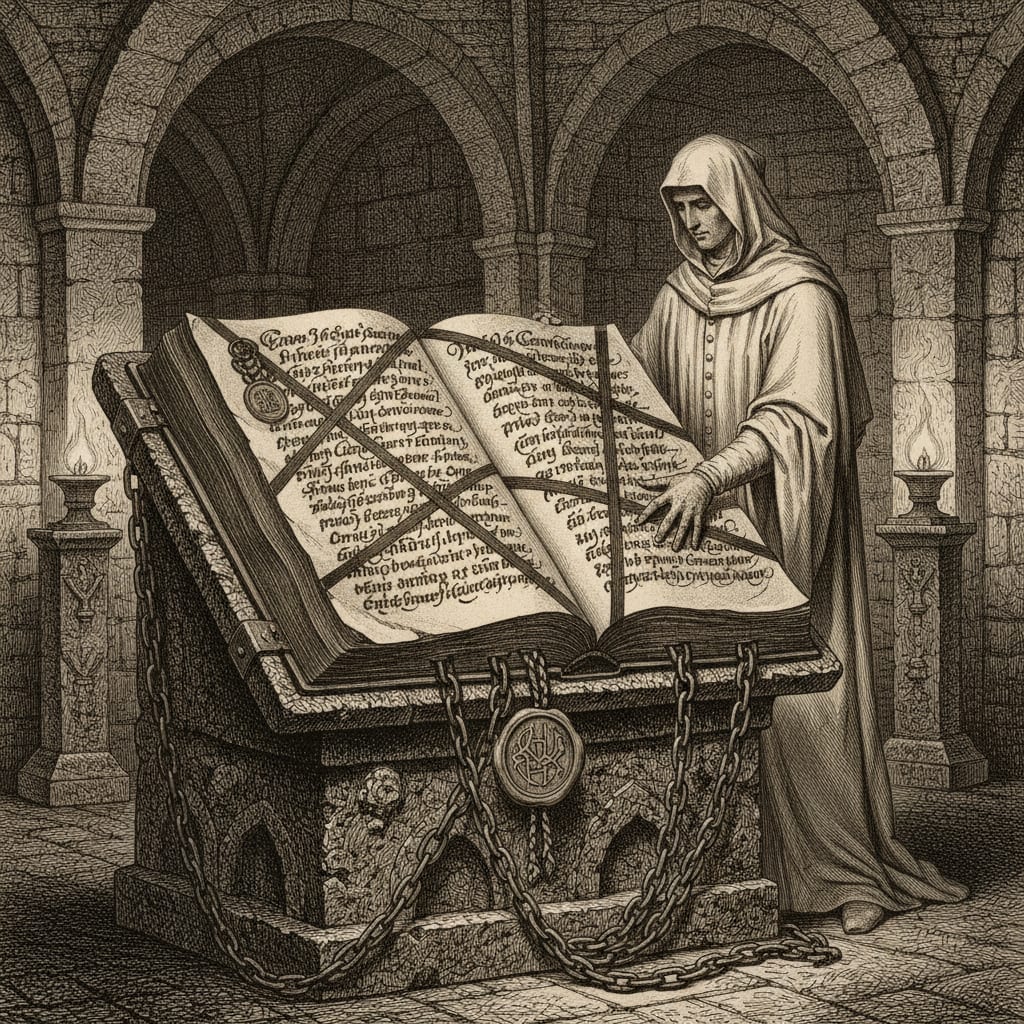
The Index Damnatus
A Catalogue of Forbidden Names, Texts, and Silences
The rolling compendium of everything the Synod has declared unfit for human knowledge — books, names, songs, bloodlines, flavors of incense, and at least one species of moth.
Codex Ref. III.4.09-031
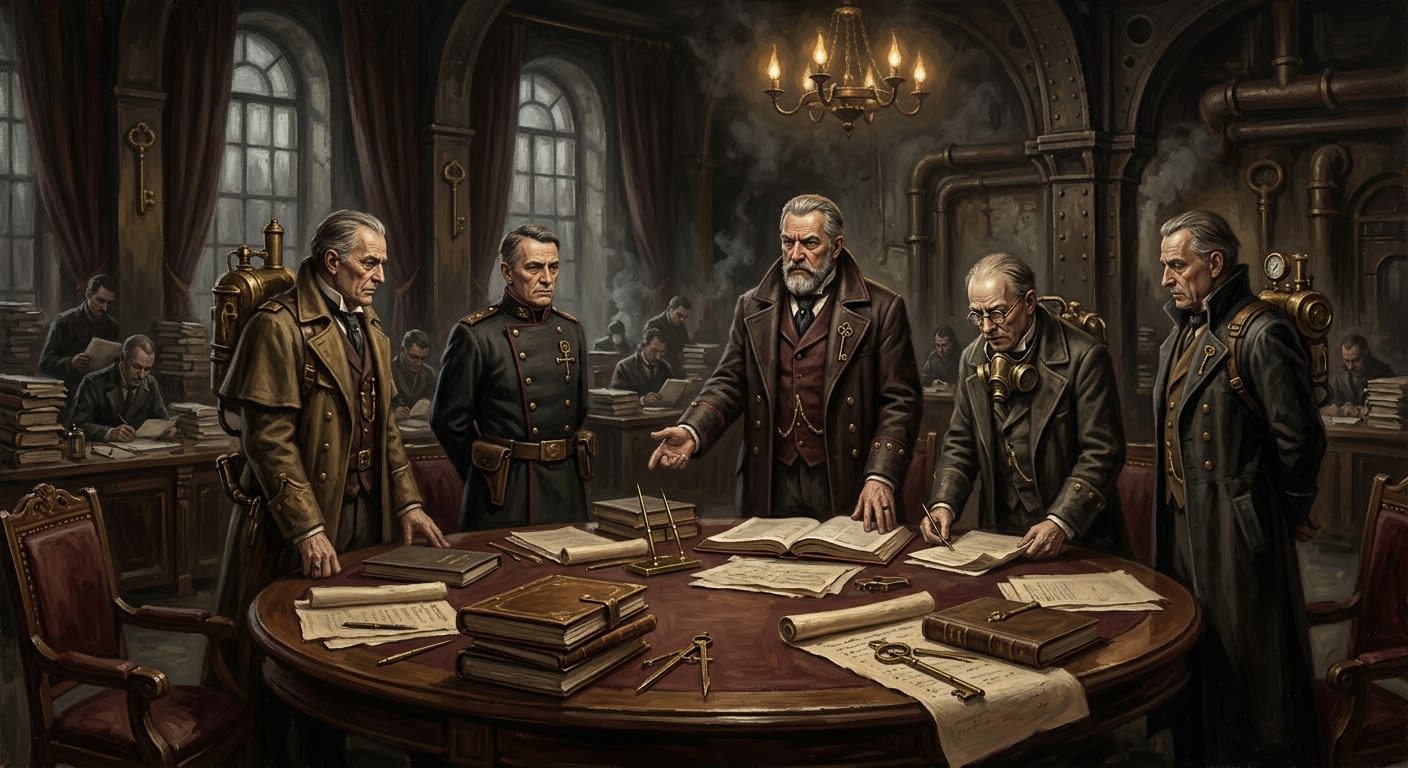
The Inheritors
Debt becomes dynasty when patience learns to wear keys
Highest confirmed tier of the Ten Thousand Keys cult, the Inheritors preserve debt across bloodlines until obligation begins to look like inheritance.
Codex Ref. XI.2.02-001
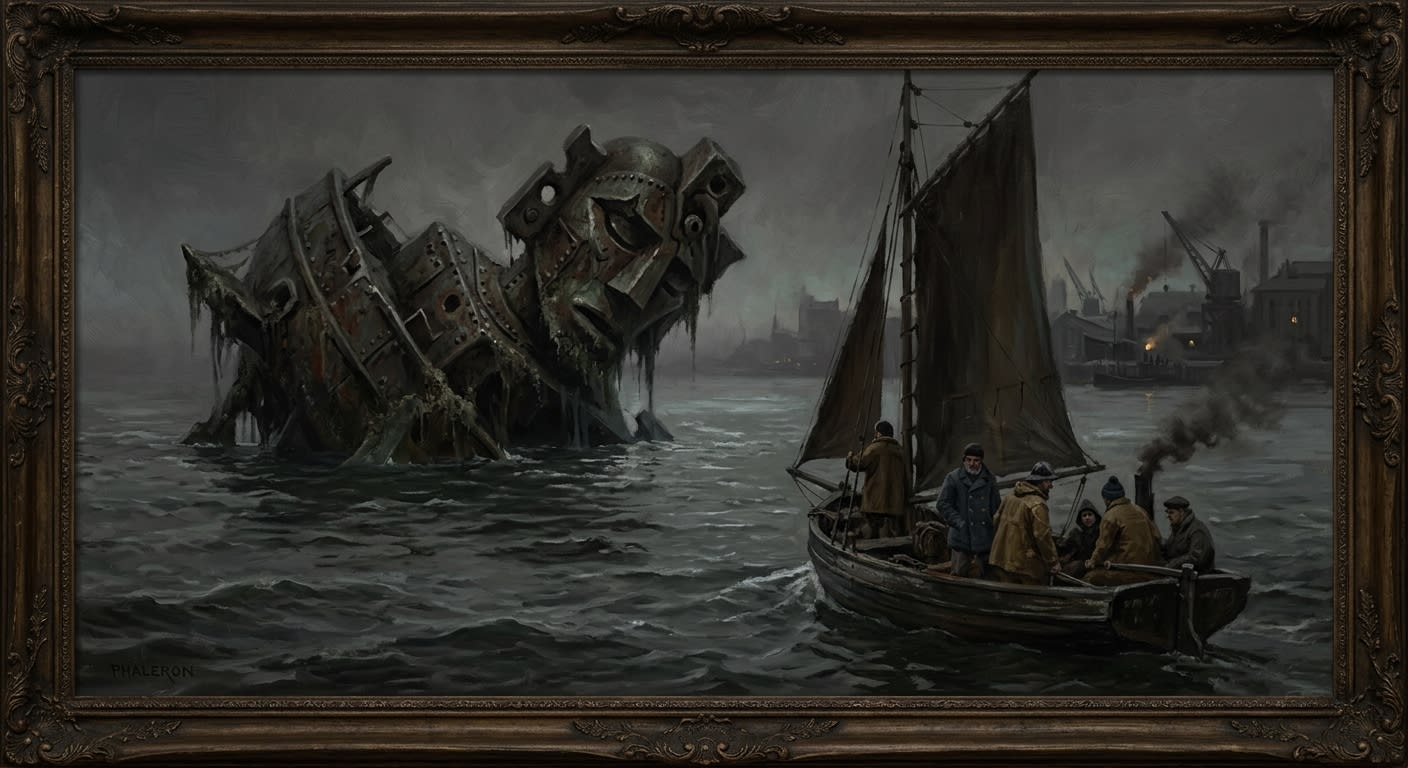
The Iron Idol
What the chain did not burn, the water learned to keep
A submerged iron anomaly off Phaleron Bay, linked to the Black Sea Armada's missing forty-seventh ship and watched by fishermen who wisely look elsewhere.
Codex Ref. V.2.02-001
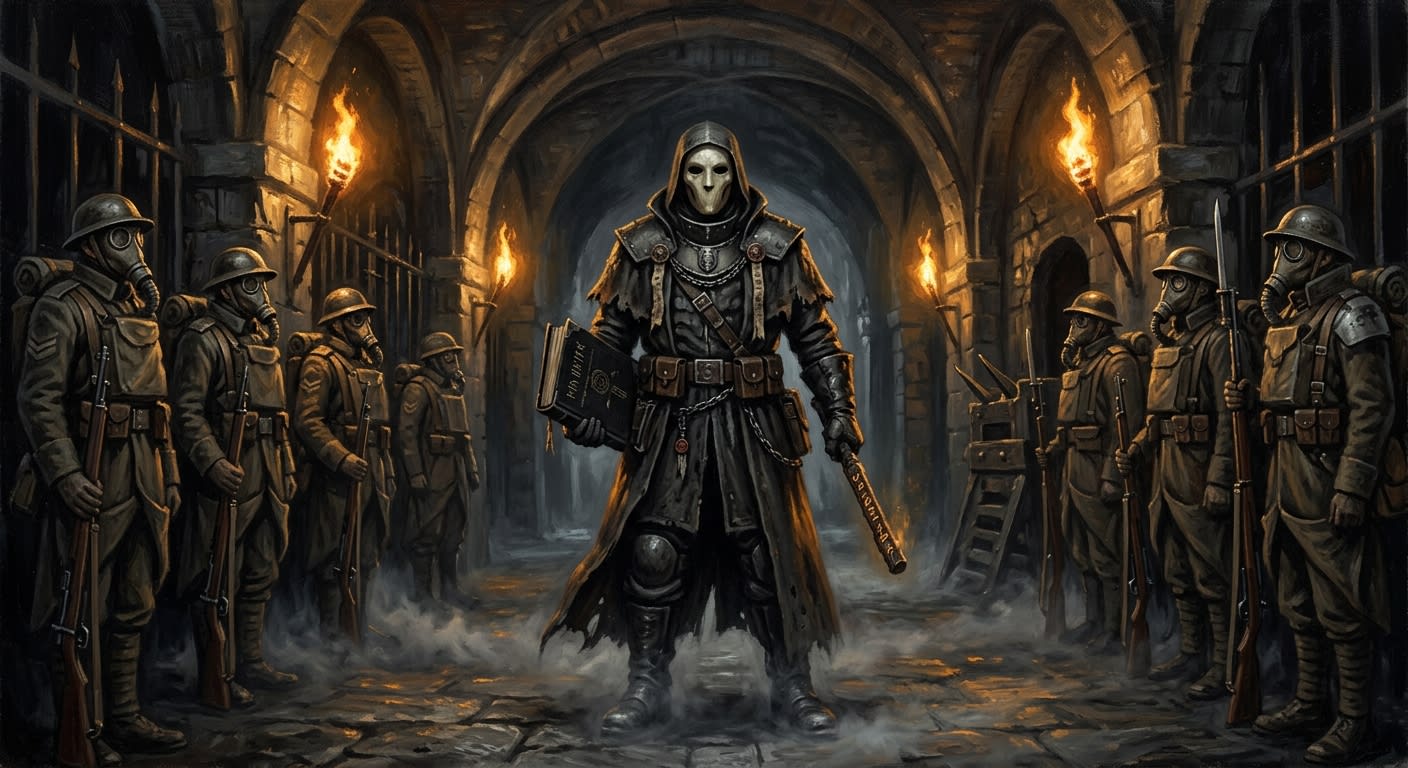
The Judges
They walk without letter, without herald, and without the patience of the Bureau.
The Judges arrive without letter, try without jury, and depart without filing. The Bureau denies they exist. It has been denying this since A.S. 92. The denial requires renewal every thirty years, which is itself a kind of evidence.
Codex Ref. V.1.01-003
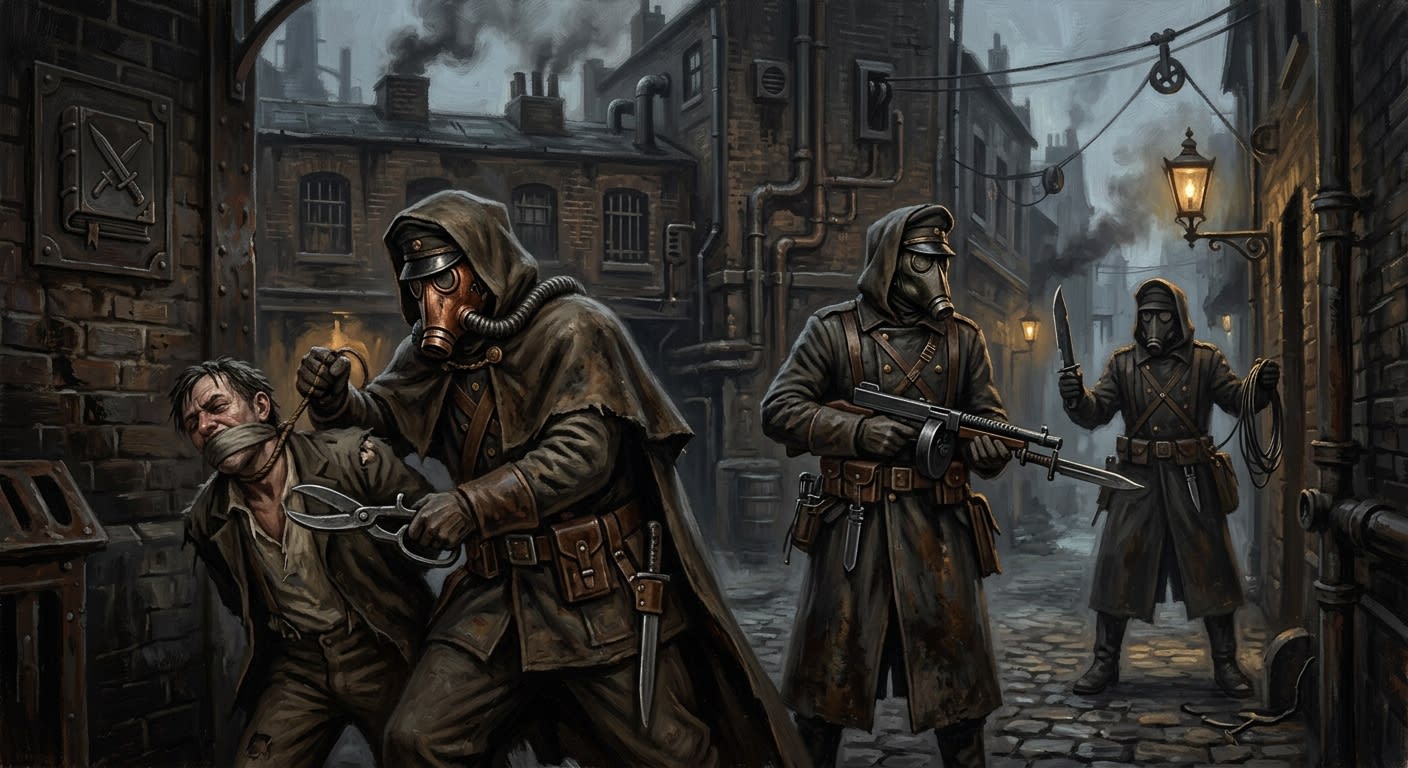
The Knives
Private sentence, no seal, no trial, no bell
The Knives are the Black Ledger's enforcement faction: Quiet Knives, alley-correctors, and cord-men who settle audible debts by disappearance.
Codex Ref. XI.1.04-004
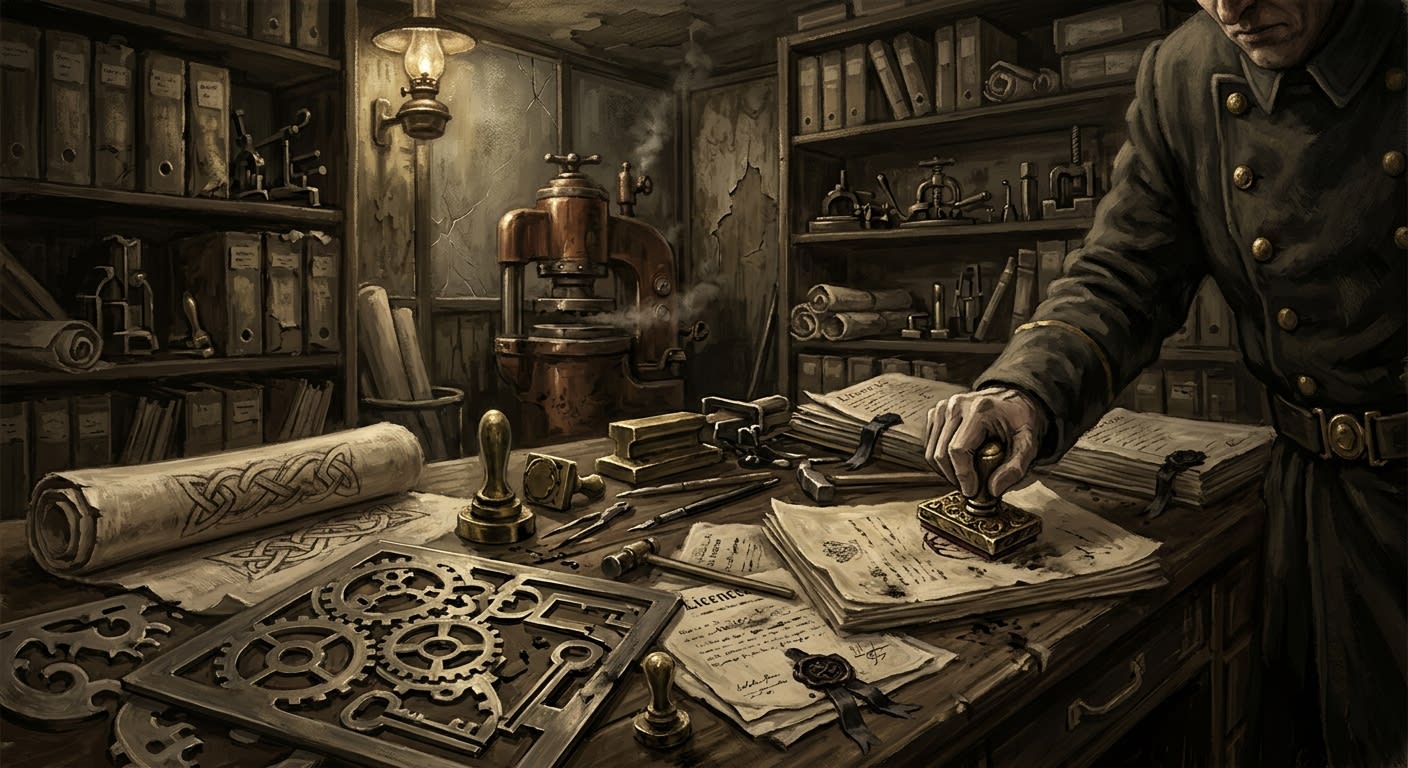
The Knotwright Registry
Where every lawful threshold becomes a number, and every number becomes a leash
The Knotwright Registry is Heraldry's A.S. 112 tool-custody office for Gate-Carvers, where stencils, punches, rubbings, licences, and trembling hands become evidence.
Codex Ref. VIII.1.03-002
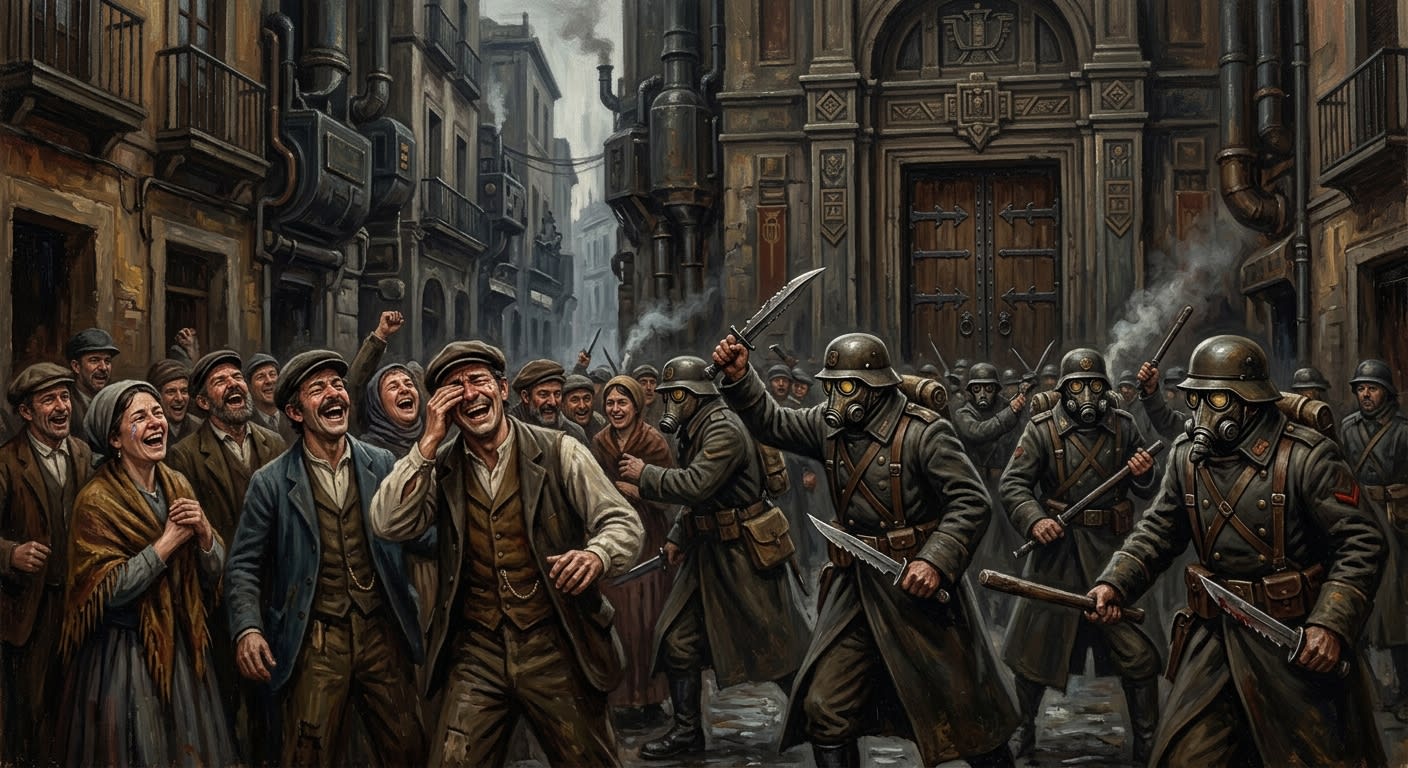
The Laugh Riots of Seville
The city laughed; the Bureau counted tongues
Seville exceeded its mirth quota in A.S. 153. The Bureau answered laughter with knives, and called the silence compliance.
Codex Ref. VII.8.02-001
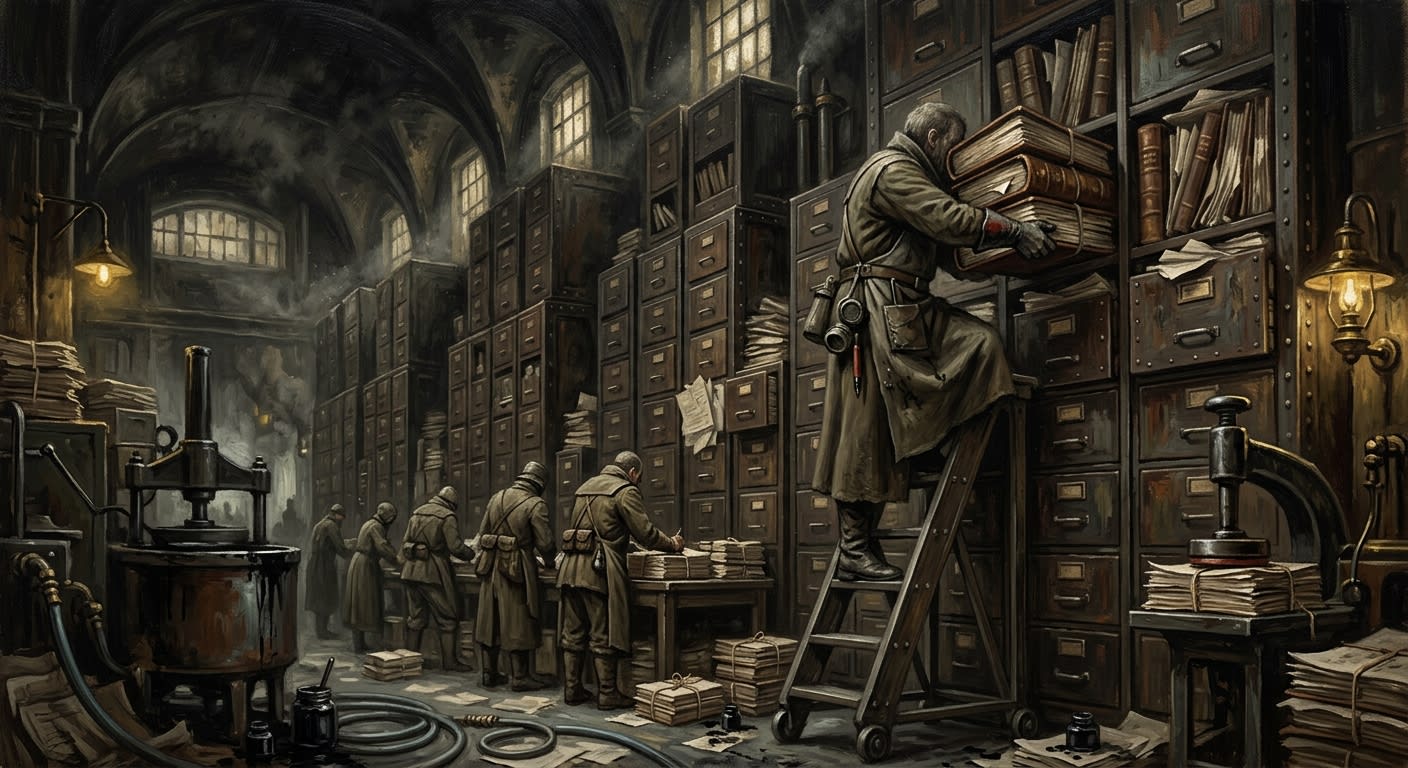
The Ledgers of Self
Identity, accepted provisionally until the next contradiction
At Bastion-Irongate the self is filed in triplicate, because Morwen steals what is unfastened and Strasbourg fastens with ink.
Codex Ref. XIII.1.01-002
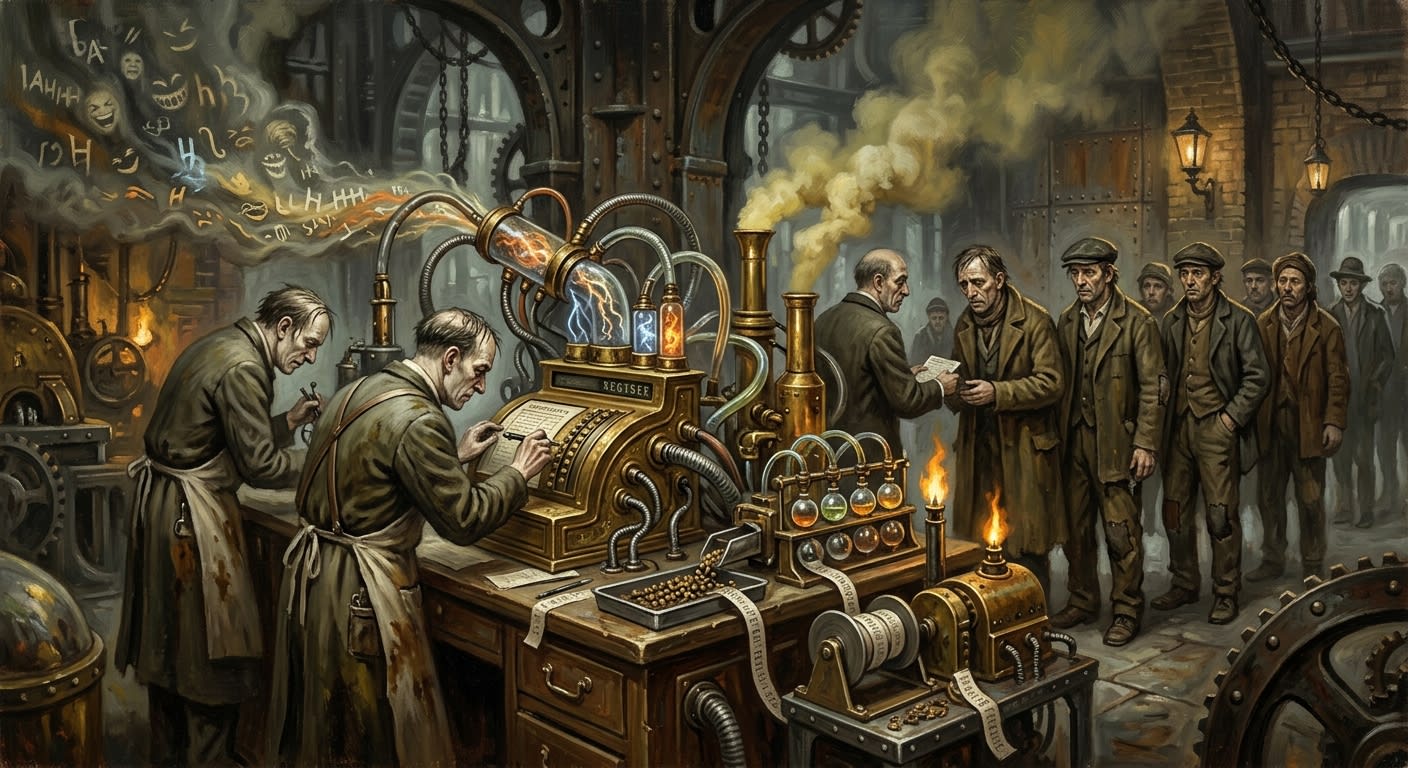
The List of Laughters
The ledger that hears teeth and teaches merriment to fear arithmetic
The List of Laughters is the Censorium's nightly mirth register, converting chuckles, guffaws, chortles, and riot-laughs into beads, fees, suspensions, fog, and fire.
Codex Ref. XIII.1.66-001
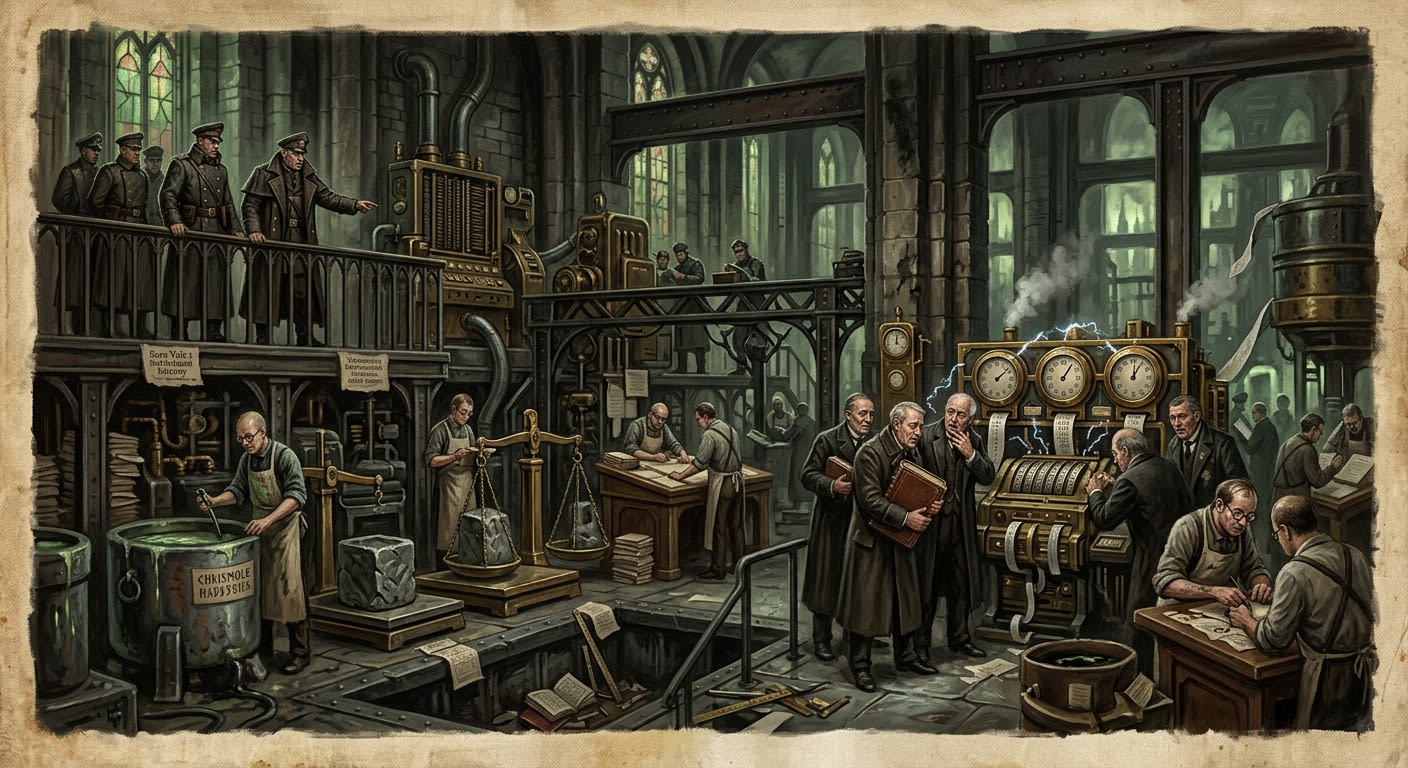
The Manifest Court
Where a drum becomes lawful and arithmetic learns the rope
The Manifest Court of Brast counts chrismole into legality: weigh-bridges, wax tables, variance pits, missing gallons, Sorn Vale's balcony, and the sacred terror of a number disagreeing with itself.
Codex Ref. XIII.1.93-090
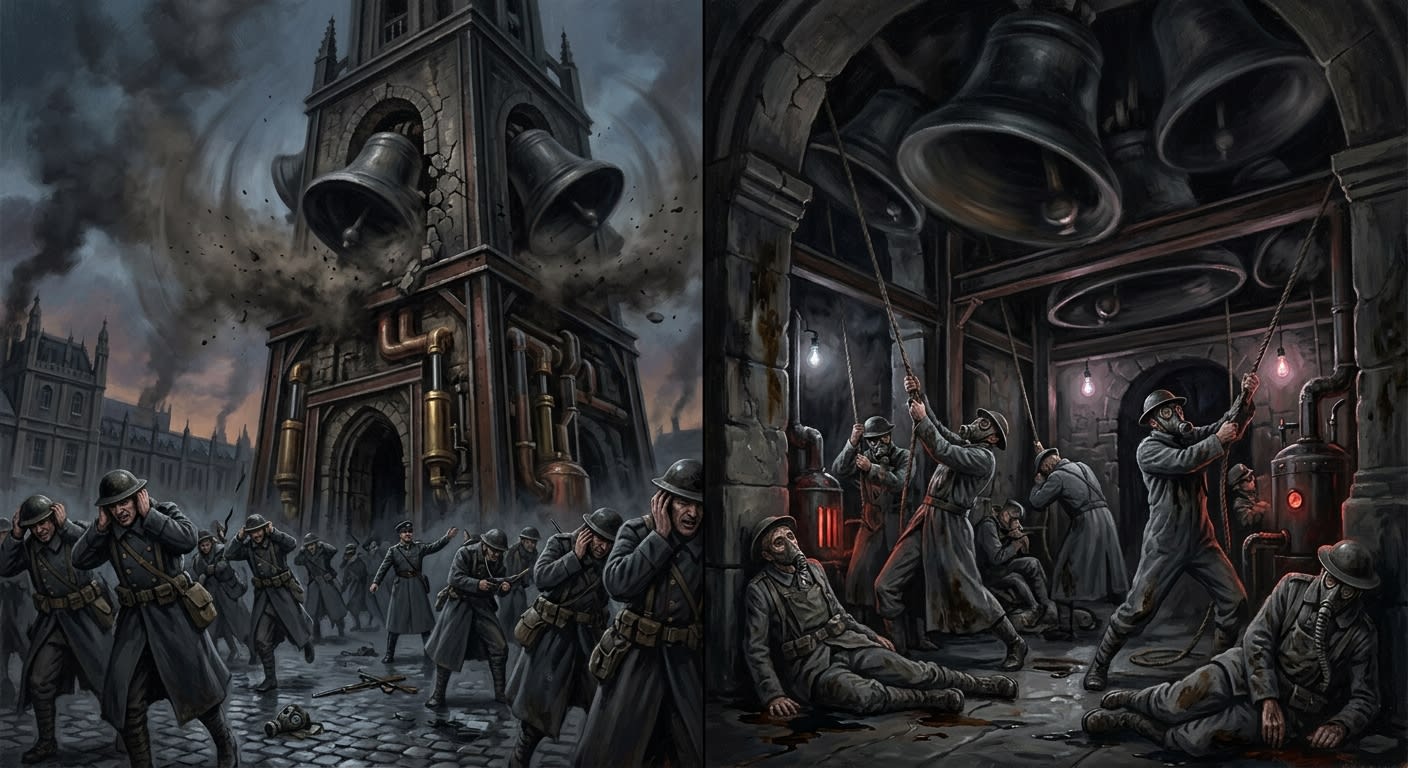
The Miracle of Cologne
When every bell became artillery and bureaucracy was born from the echo
The A.S. 49 Miracle of Cologne drove Maldrake's Wrath vanguard from the cathedral square by nine hours of unscheduled total bell-ringing, cracking stone, killing ringers, and founding the jurisdiction that became the Bureau of Bells.
Codex Ref. VII.4.12-001
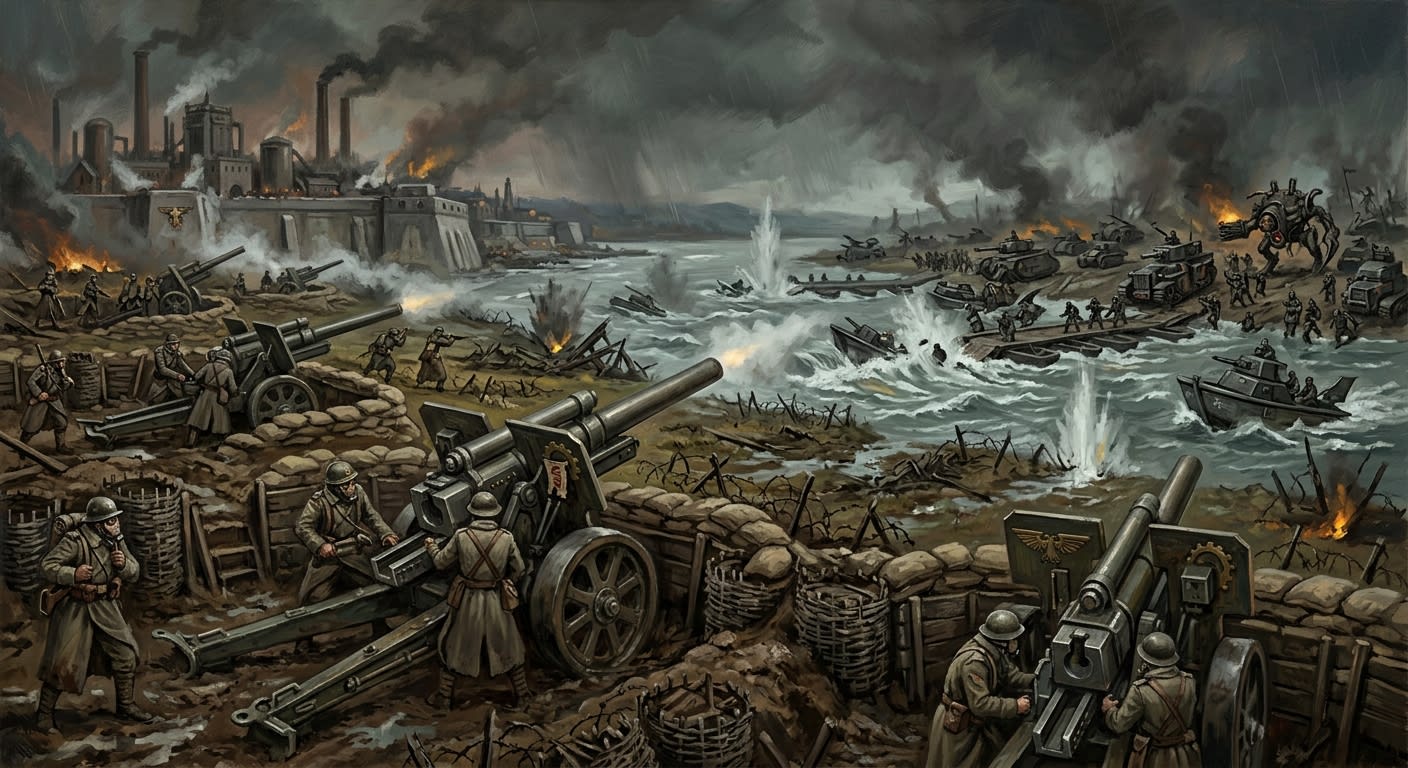
The Miracle of the Danube's Turning
When the river struck the Enemy in the teeth
At Belgrade in A.S. 120, Maldrake's Wrath-host broke against mud, relic artillery, and a Danube that turned back upon the Enemy. Victory followed; so did tariffs.
Codex Ref. VII.5.04-001

The Mirror and Perfume Arts
Beauty is not evidence, comfort is not acquittal
Velkara's Mirror and Perfume Arts turn reflection into passage and scent into revised memory; the chooser remains intact, which is why Purity sharpens its irons.
Codex Ref. XIII.1.36-001
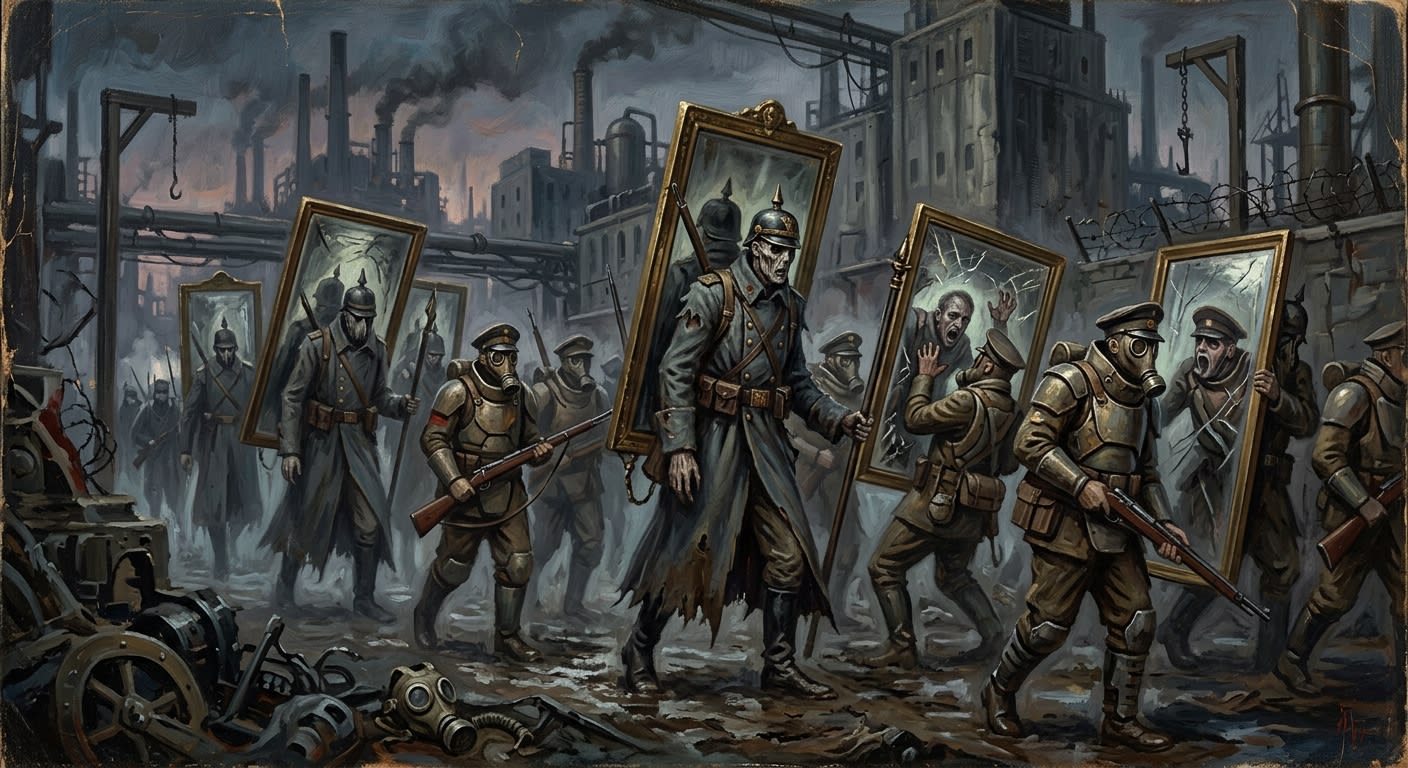
The Mirror-Lords
The glass does not lie; it flatters
Atheron's mirror-bearing support demons turn polish into accusation, reflection into rank, and a regiment into its own court-martial.
Codex Ref. IV.1.07-009
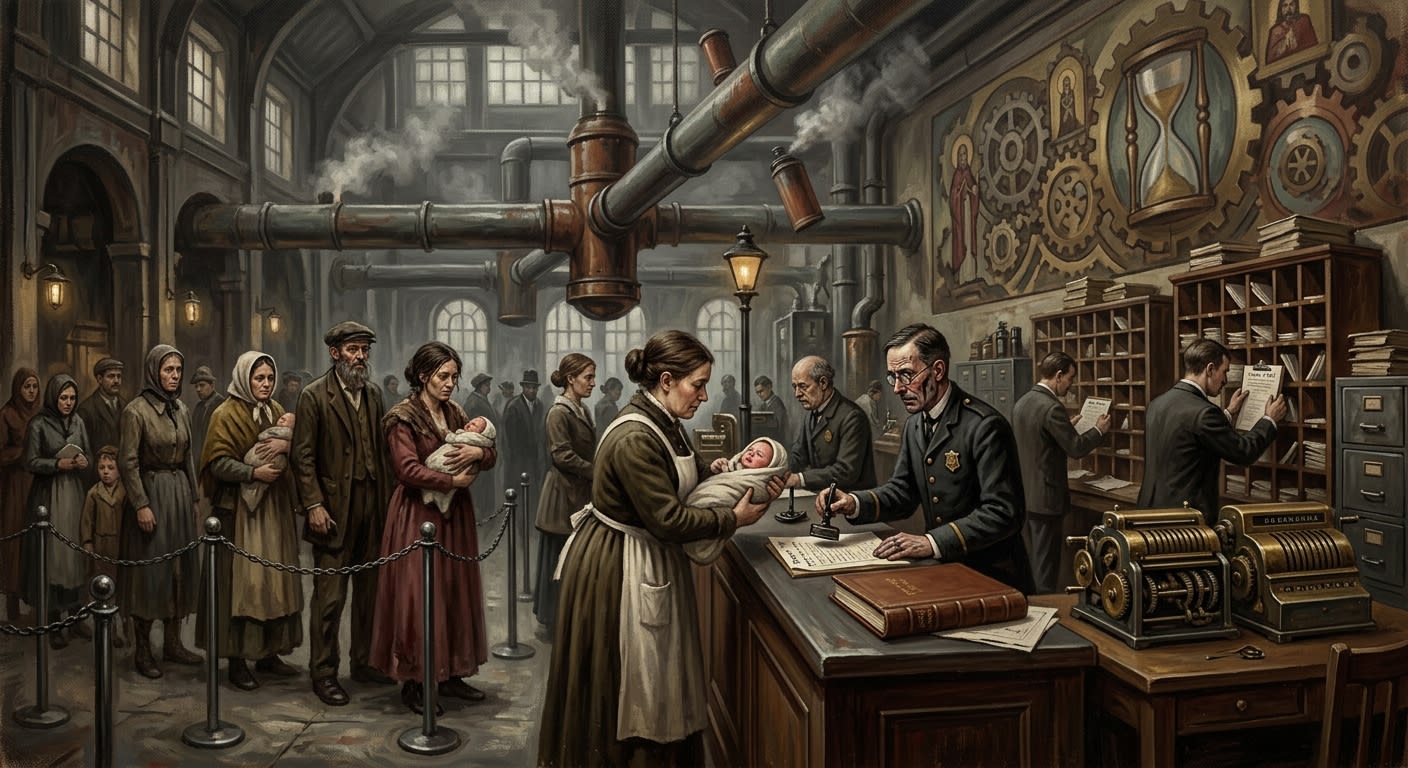
The Natal Registration Act
The statute that put a clock beside the cradle
The Natal Registration Act of A.S. 158 made birth a Records event: forty-eight hours from first breath, Form 7-NR, midwife filing, tithe projection, and the cradle docketed.
Codex Ref. XIII.1.02-158
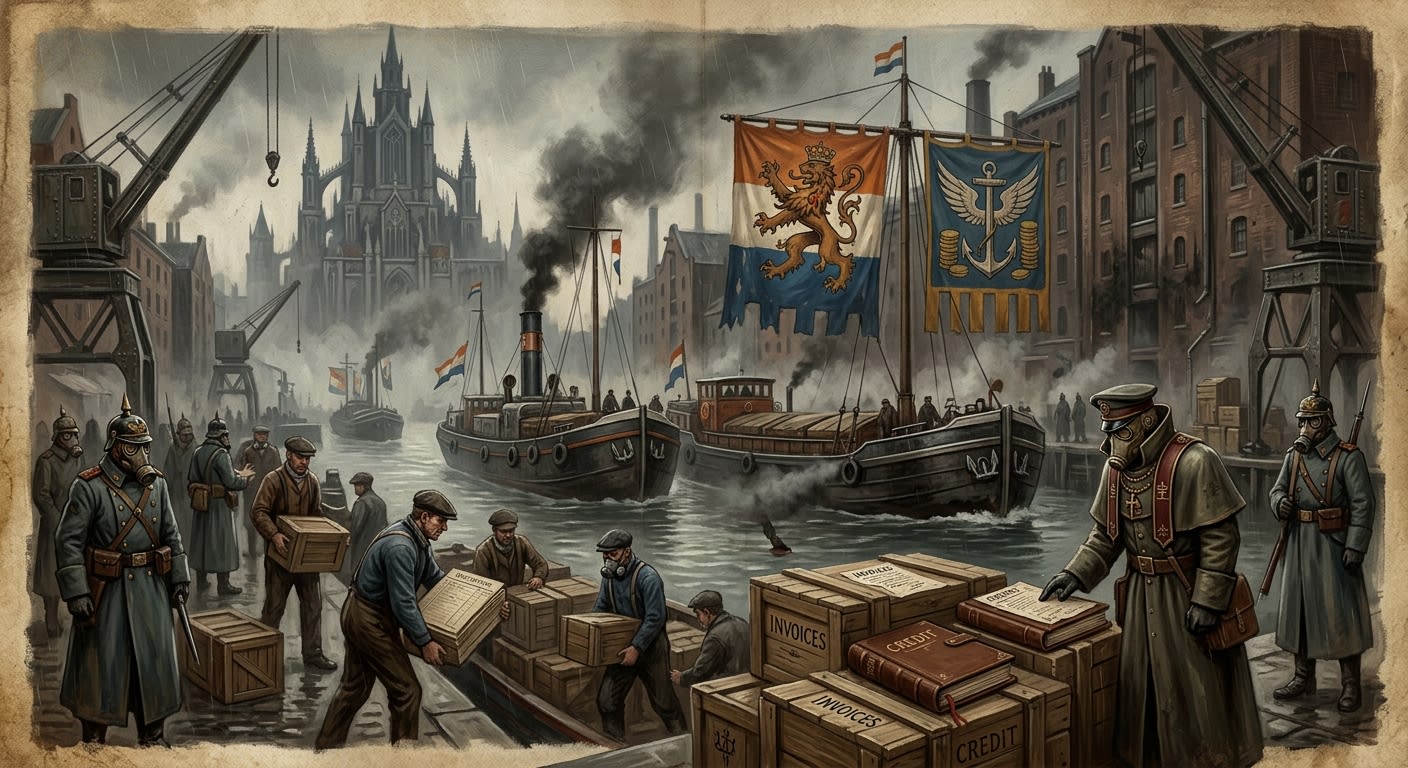
The Netherlands
The merchant republic that invoices our contempt
The Netherlands remain independent, solvent, suspect, and indispensable: a Dutch merchant republic whose ships, presses, credit, and invoices keep irritating the Synod into survival.
Codex Ref. X.1.02-001
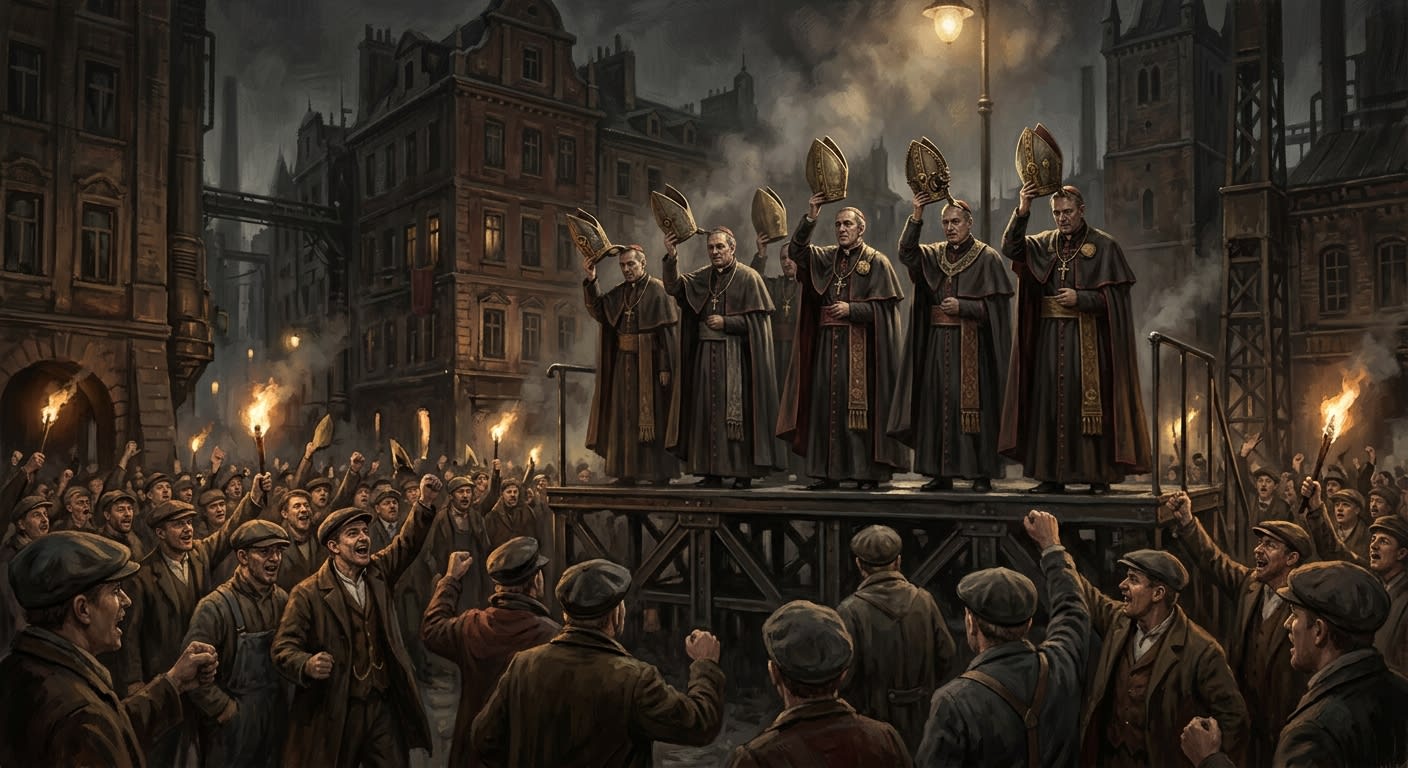
The Night of Crowns
Seven mitres fell, and Prague mistook the sound for progress
In A.S. 8, seven bishops in Prague removed their mitres before a cheering crowd, teaching the Rationalists that apostasy travels fastest when an authorised mouth performs it.
Codex Ref. VII.8.07-001

The Night of Knives in Kraków
Forty-seven mouths wired shut so that no prayer could escape
Forty-seven clergymen seized in the night, their mouths wired shut with iron wire, and cast from the Dębnicki Bridge into the frozen Vistula. The Bureau spent one hundred and thirty years ratifying the narrative; it has been collecting the candle wicks ever since.
Codex Ref. VII.8.01-001
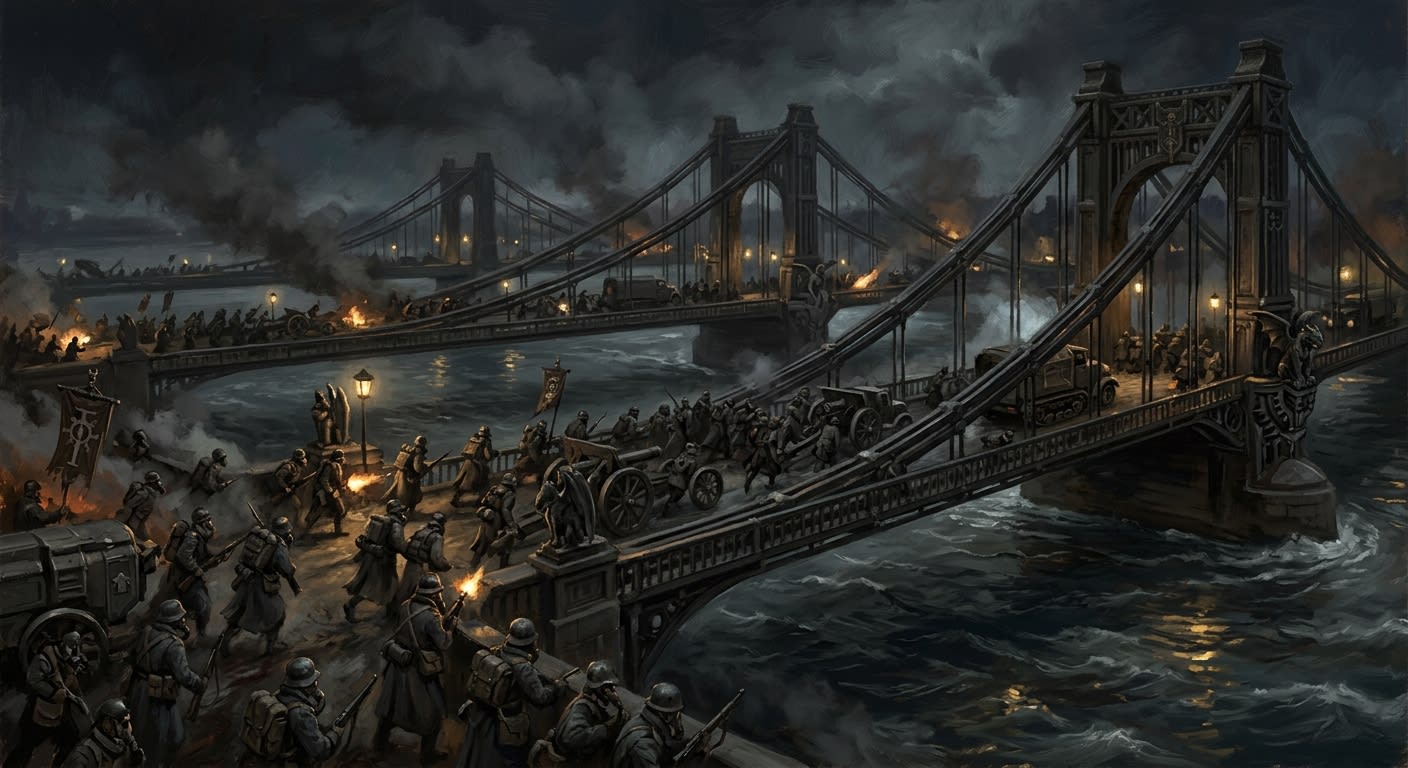
The Night of the Three Bridges
The men did not swim; the Bureau found cheaper grammar
Three Danubian crossings in seven minutes gave War its favourite miracle and Records its favourite arithmetic: fewer casualties, more glory.
Codex Ref. VII.5.01-002
The Night Paper
Law with a knife in its sleeve, valid only between receipt and dawn
The Night Paper is Doctrine's black-wax instrument: read once, witnessed by three, burned before dawn, and obeyed before conscience learns its own name.
Codex Ref. XIII.1.28-001
The Order of Ash
Liturgists of Fire, Archivists of Cinder
The Inquisition's first and fiercest instrument of annihilation. Where the Ashmen pass, the well-stones glass smooth and the children's slates bake into reliquaries of obedience.
Codex Ref. III.3.06-041
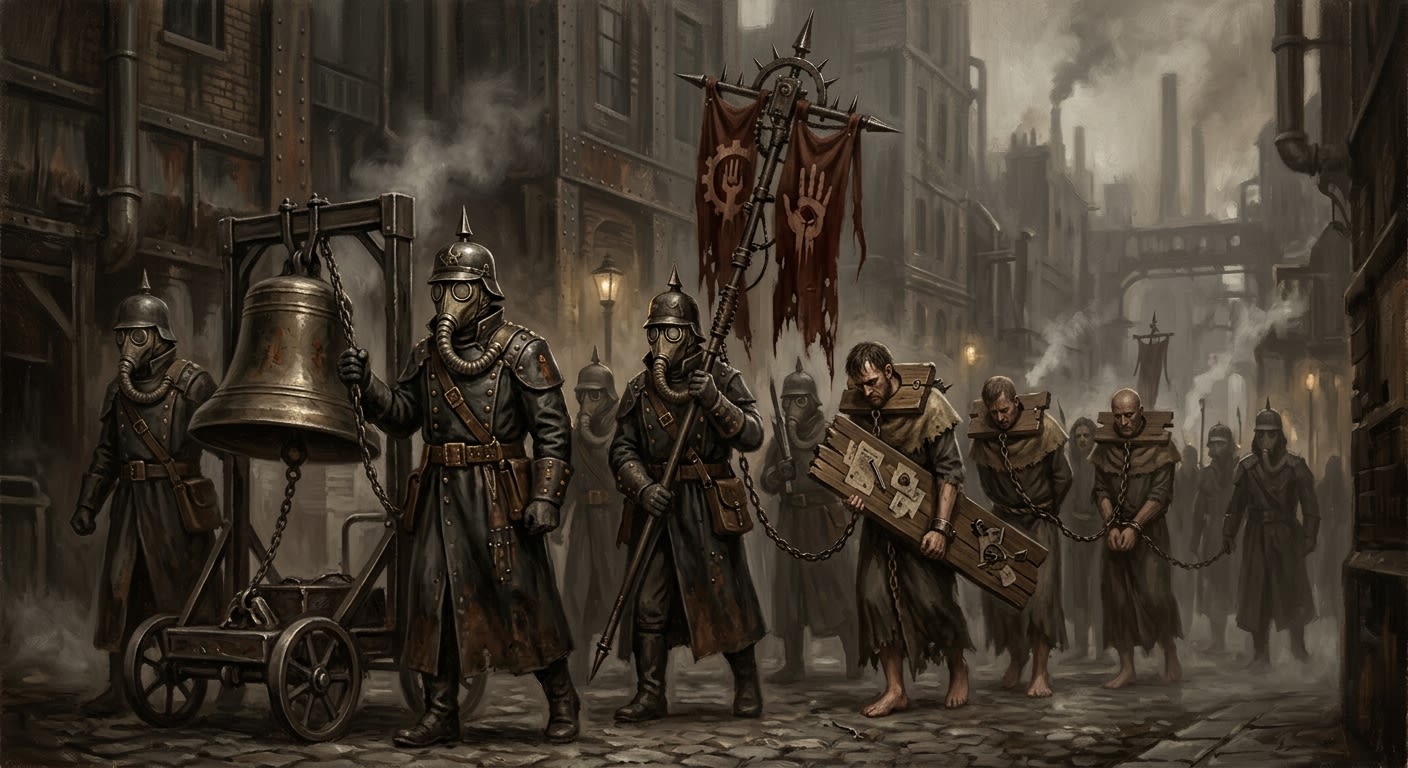
The Order of Saint Ephrath
Shame made visible is shame made useful
Ephrath displays Purity's hand. It nails error to doctrine, marches shame through the street, and files the crowd's instruction by bell.
Codex Ref. XI.6.01-002
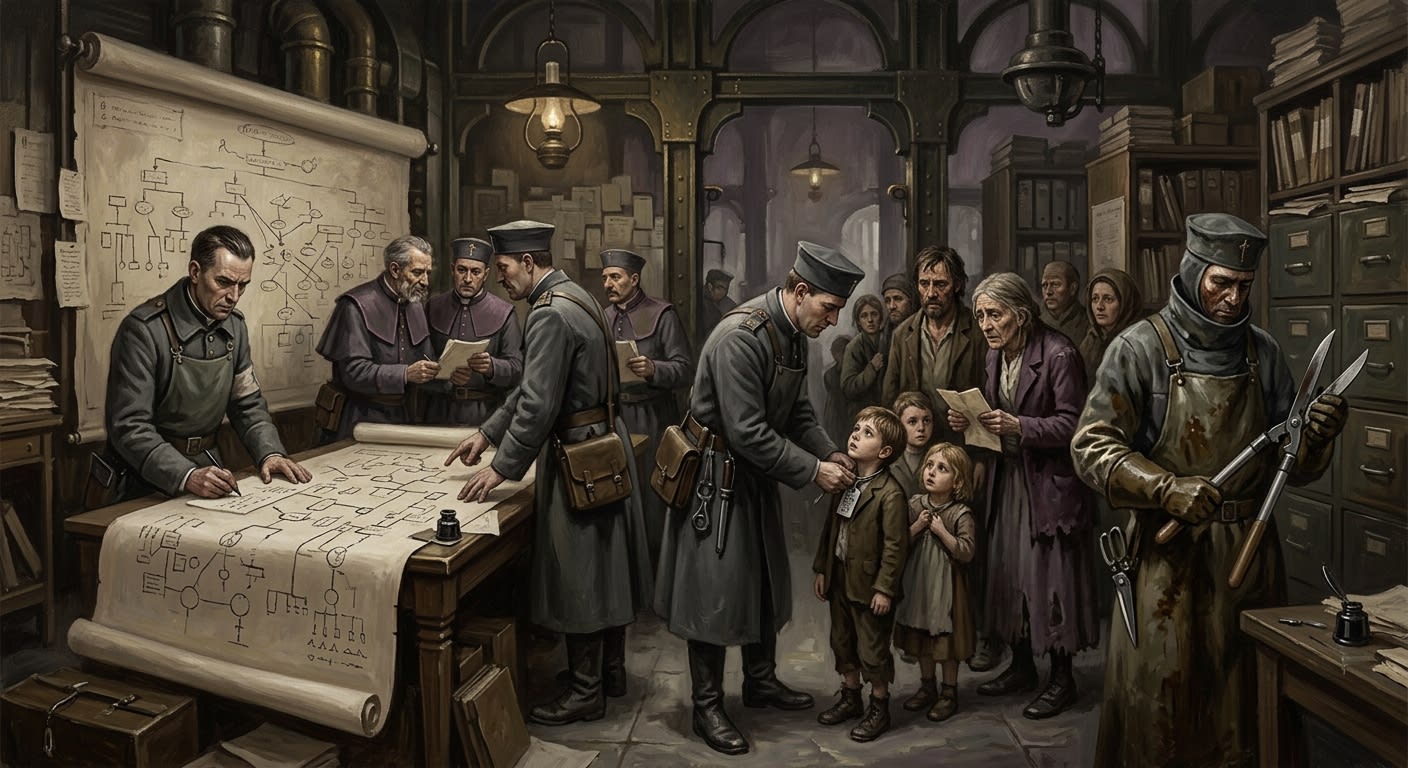
The Order of the Root
Where family trees are pruned with forms, cuffs, and holy shears
The Order of the Root is the Synod's hereditary-contamination apparatus: kinship charts, child tags, bloodline review, and mercy sharpened into pruning shears.
Codex Ref. XI.1.05-001
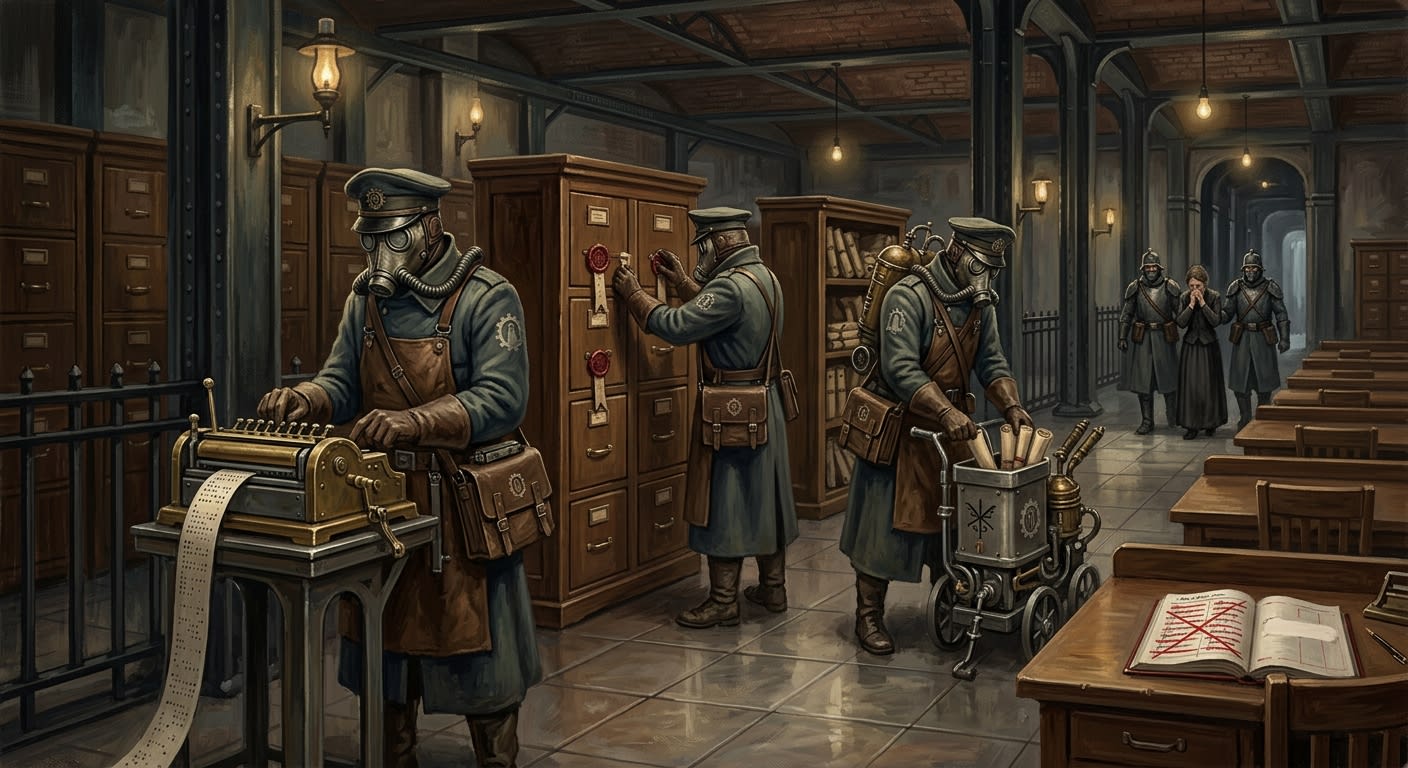
The Order of the Shroud
The mercy of no martyrs, delivered by black wagon
The Shroud does not burn heretics into warnings. It removes them into arithmetic, leaving tidy rooms, corrected rolls, and grief without permit.
Codex Ref. XI.6.01-001
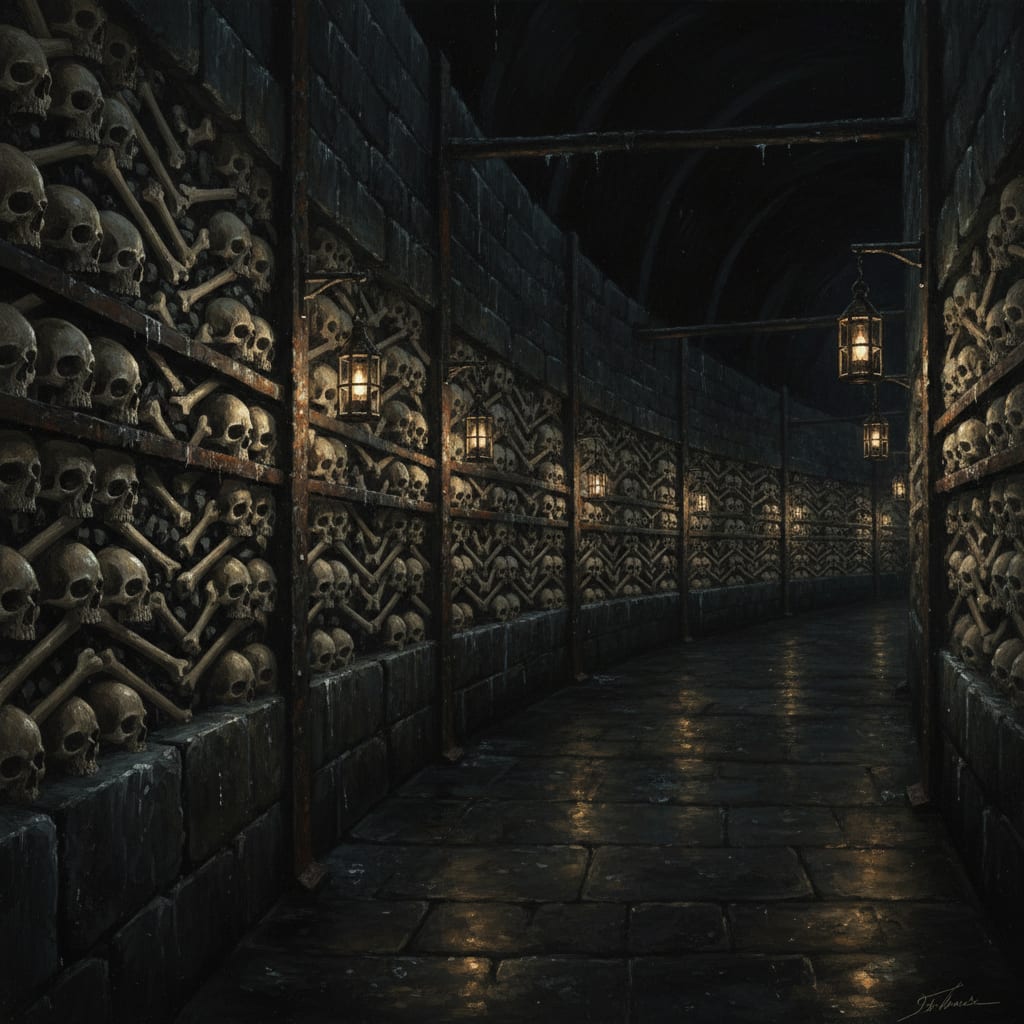
The Ossuary Rings of Bastion-Constantinople
Six walls of the dead, holding the city of the living together
Six rings of catacomb-fortification sunk into the Bosphorus headland — begun A.S. 47 when armies ran out of mortar and substituted femurs, expanded with every war dead since, administered by a Mother-Cryptor who knows 46,312 urns and sleeps facing away from the innermost ring.
Codex Ref. II.4.10-002
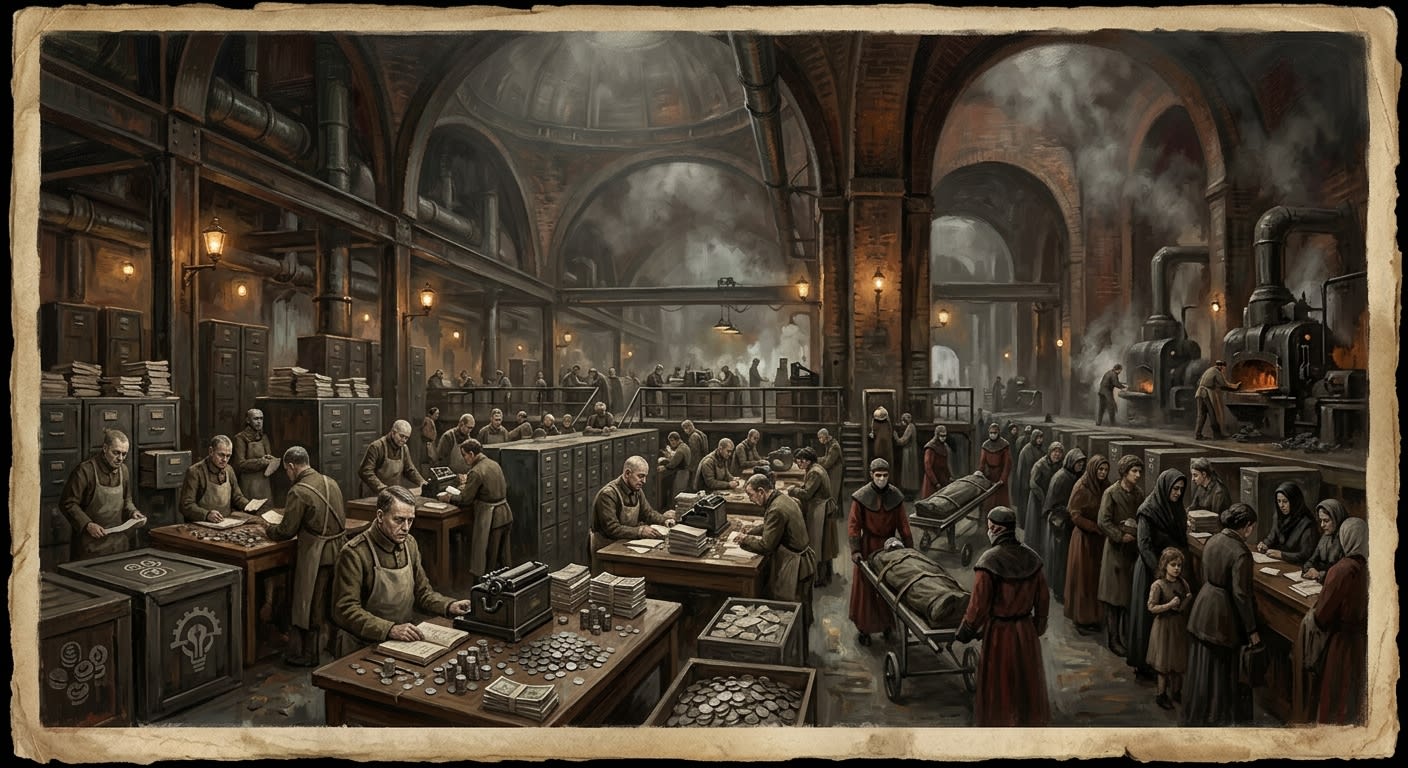
The Palatine Counting House
Where debt receives its sacrament and arithmetic learns to bite
The Palatine Counting House is Strasbourg's sleepless Fiscal Heart, seat of the Bureau of Tithes, where coins, corpses, widows, unborn debtors, and corrected accountants are counted.
Codex Ref. II.2.07-001
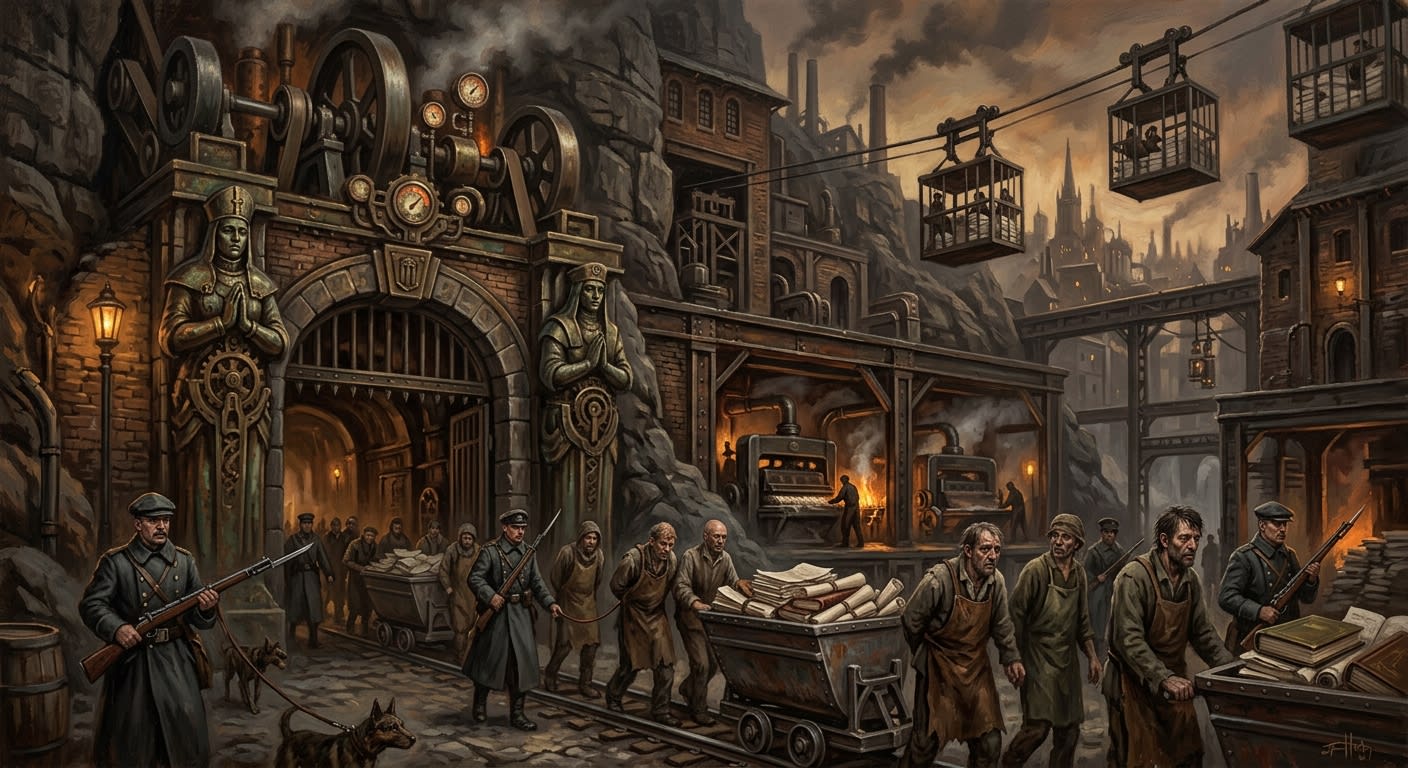
The Paper Mines of Ulm
Where forbidden minds are pressed into obedient sheets
The Paper Mines outside Ulm turn condemned scholars, clerks, witnesses, and families into archival stock, redaction vellum, penitential forms, and troublingly warm sheets.
Codex Ref. II.2.06-002
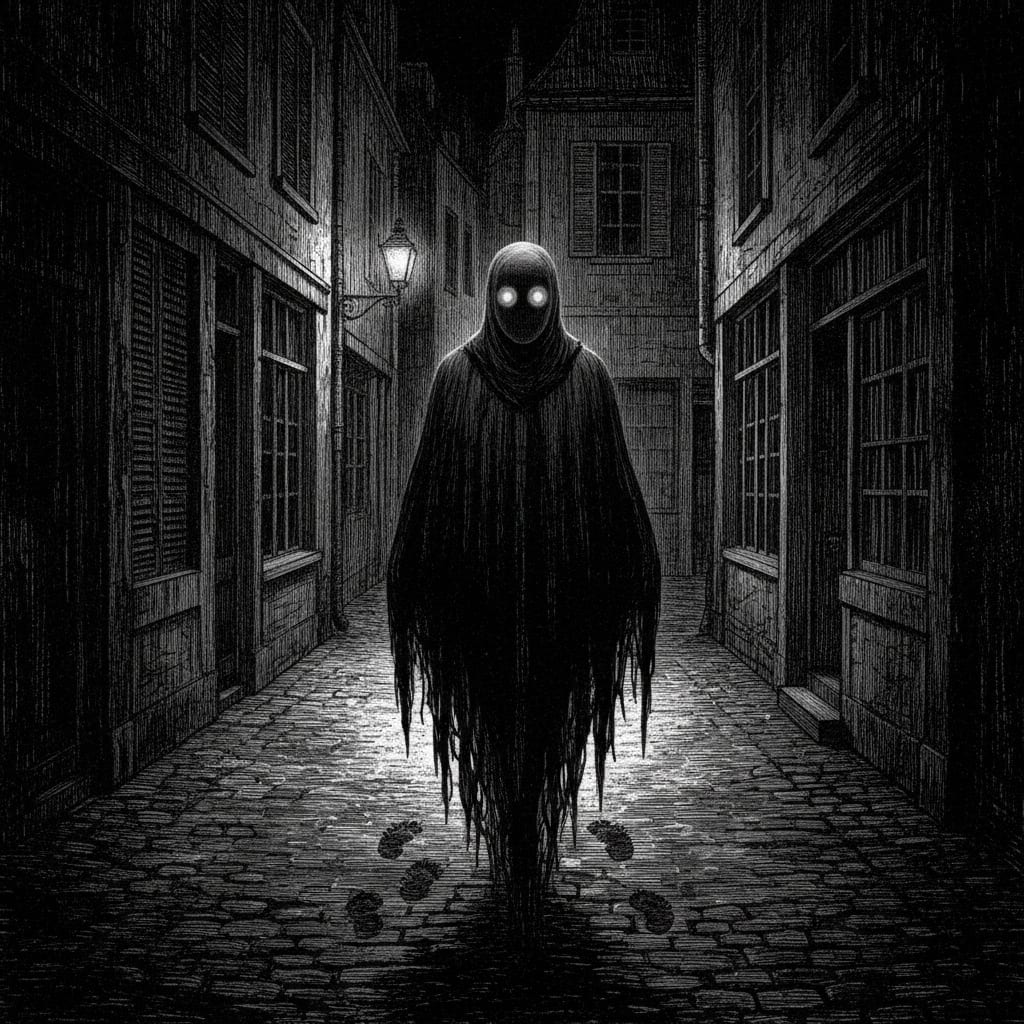
The Penitential Shadows
Those Who Watch Without Eyes
The Inquisition's faceless operatives, culled from the broken and fitted with glass-ash eyes. They do not kill. They erase.
Codex Ref. III.4.09-031
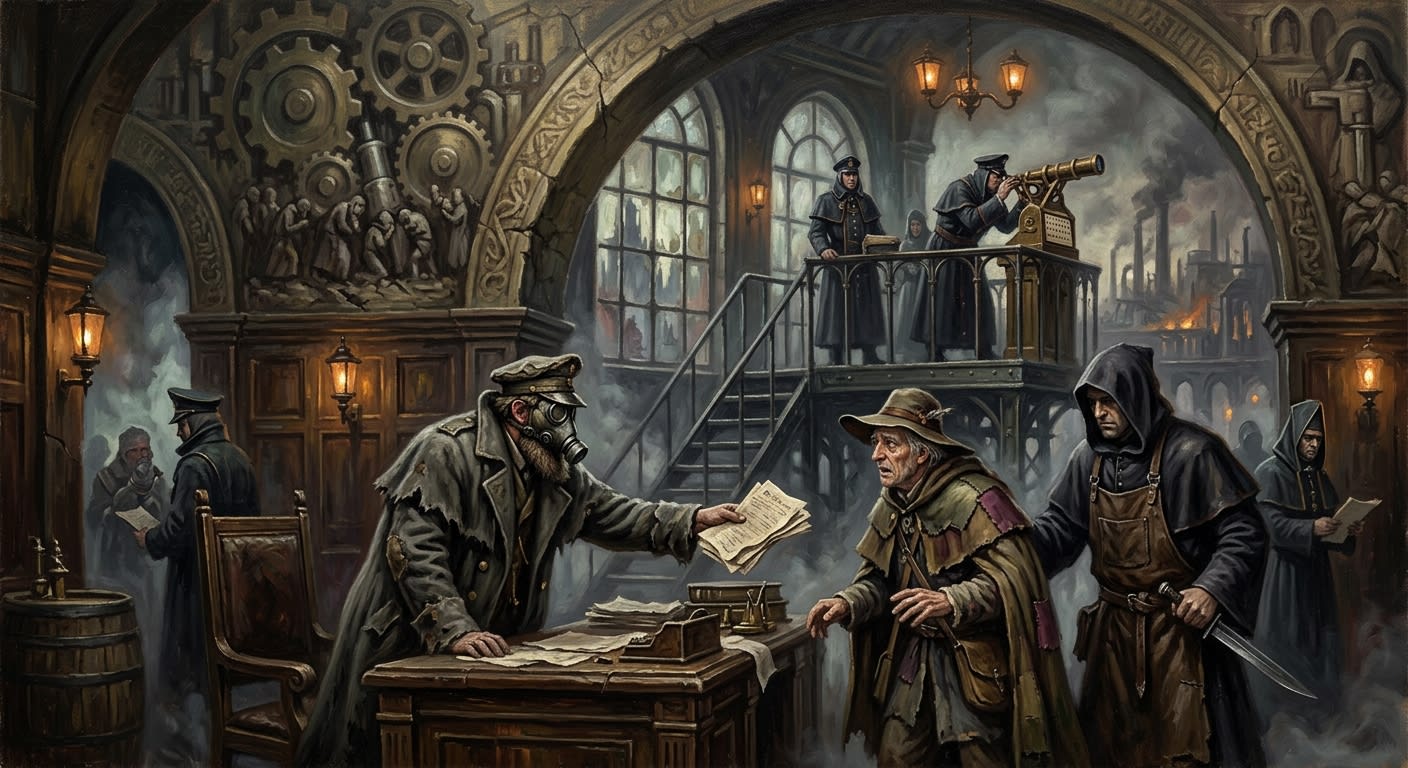
The Peregrine Cartel
A protection racket is merely insurance without liturgical manners
The Peregrine Cartel was an Iberian pilgrim-insurance racket with episcopal cover, choirboy knives, War-adjacent intelligence value, and a profitable terror that Pilgrimage destroyed in A.S. 193 because it was useful enough to absorb.
Codex Ref. XI.5.01-001
The Procession of Tongues
One hundred and seven consecutive years of doctrine tablets, iron nails, and fixed cobblestones — the [[bureau-of-purity|Bureau of Purity]]'s clearest argument, and the one requiring no rebuttal.
The Bureau of Purity's ceremony of ambulatory confession — heretics with tongues nailed to doctrine tablets, marching across Prague's Charles Bridge since A.S.
Codex Ref. VII.6.01-001

The Purity Fume-Inspector
The Bureau does not employ impartial men; it employs useful ones
The Bureau of Purity's masked, ledger-bearing field apparatus: trained to identify forty-seven prohibited emanations and report only what the quota requires. Twenty percent flows. Eighty percent is taxed. The city breathes.
Codex Ref. XII.32.01-001
The Queue Road
Where motion became a taxable offense and patience became policy
One hundred and twelve miles of weaponised patience. The Queue Road converts motion into revenue and compliance into a commodity — nine gates, forty-eight thousand registered souls, one apparatus beneath Gate Nine that the Bureau of Doctrine does not discuss.
Codex Ref. II.3.05-001
The Quiet Hands
The hand that does not tremble is the one the corridor obeys
Senior Ritual Bone-Stampers who quiet active corridors when ordinary seals fail, unlisted by organigramme yet indispensable wherever the dead begin correcting the Ledger.
Codex Ref. XII.37.02-001
The Rationalist Republic
Fifteen Years of Continental Supremacy, and the Precise Nature of Its Correction
Rationalist institutions predated Regensburg; the Republic's A.S. 30–45 continental supremacy expanded prefectures, census rolls, and repression before central command collapsed at the Sundering.
Codex Ref. I.1.02-001
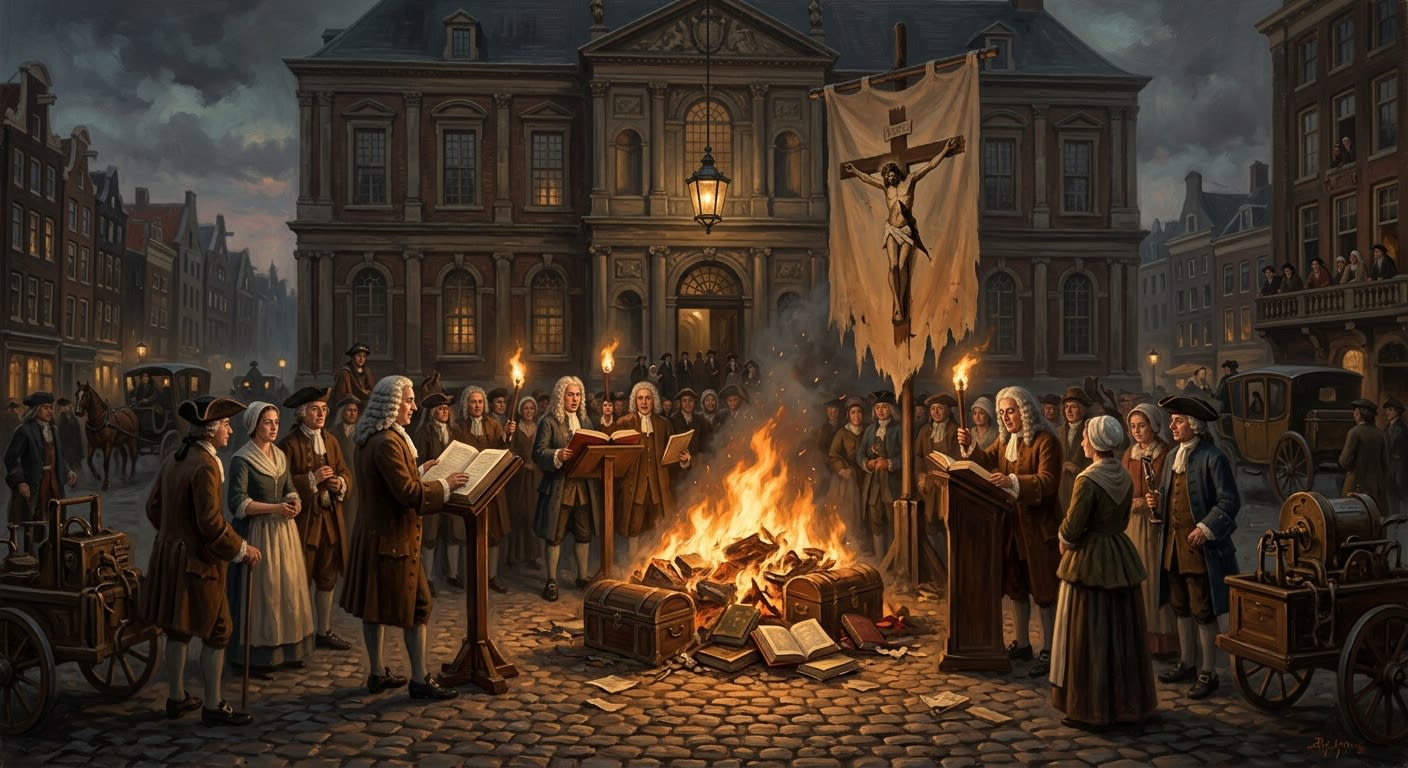
The Rationalists
Architects of the wound the Synod counts from
The Synod's most instructive enemy — philosophers who stripped Europe of its spiritual armor on the eve of Hell's invasion and then had the grace to be destroyed by the consequences.
Codex Ref. I.1.01-001
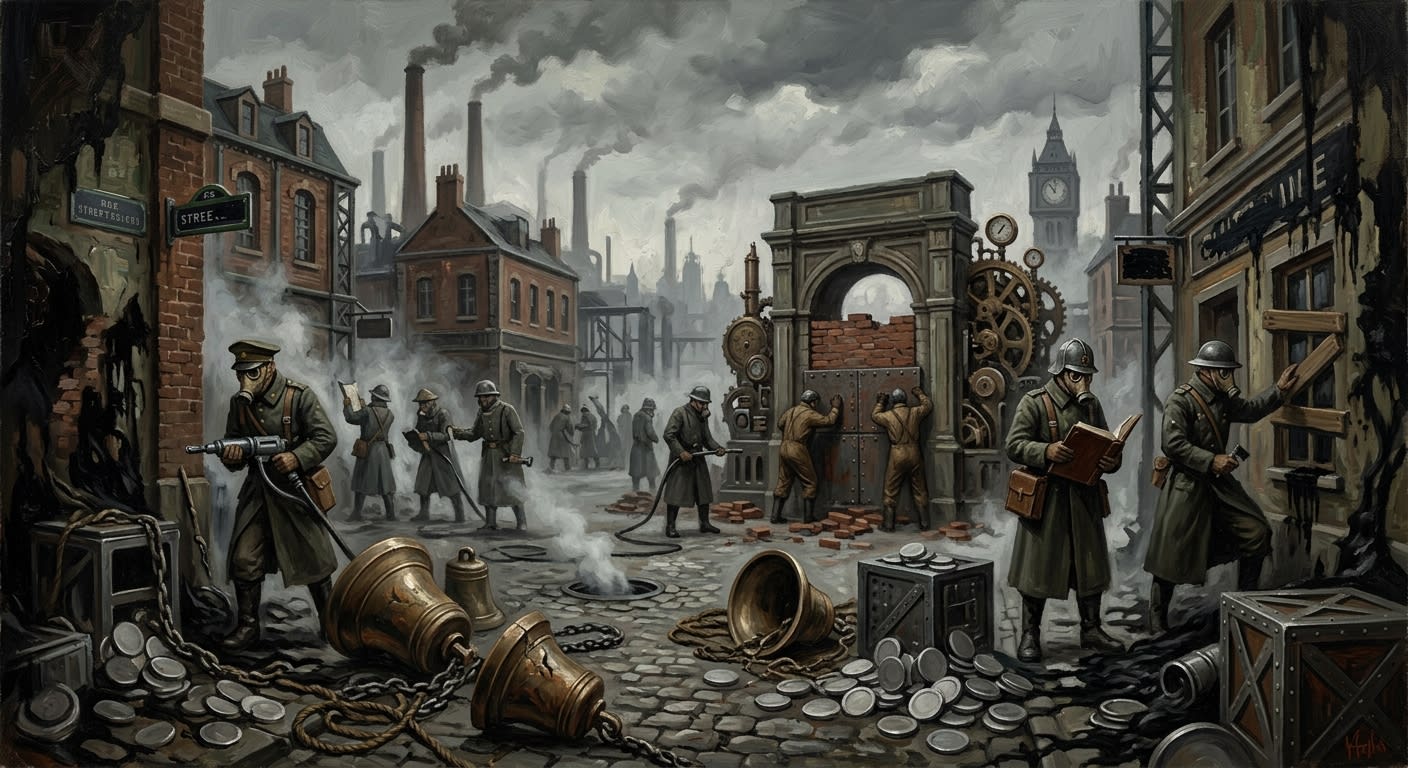
The Redaction of Épernay
Absence can be administered, and the valley still keeps quarter-hours
In A.S. 103, Records, Silence, and Shadows converted Épernay from a wine-country city into an authorised absence, leaving bells, tokens, and denial behind.
Codex Ref. VII.8.02-001
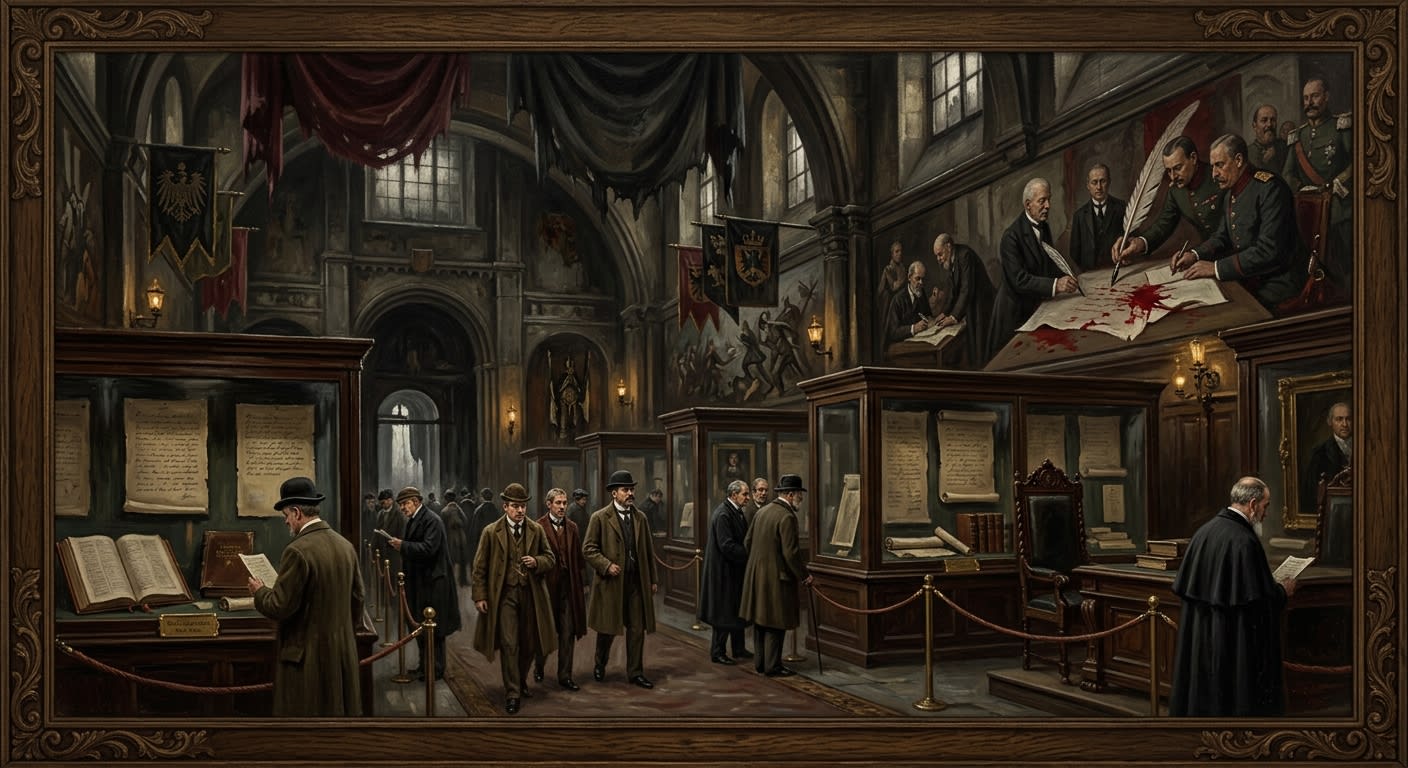
The Reichssaal
The hall that lent empire to heresy and received an altar for its trouble
The Reichssaal gave imperial furniture to Rationalist blasphemy, received the Treaty in blood and ink, and now instructs pilgrims under glass, pall, and Bureau custody.
Codex Ref. II.2.03-031
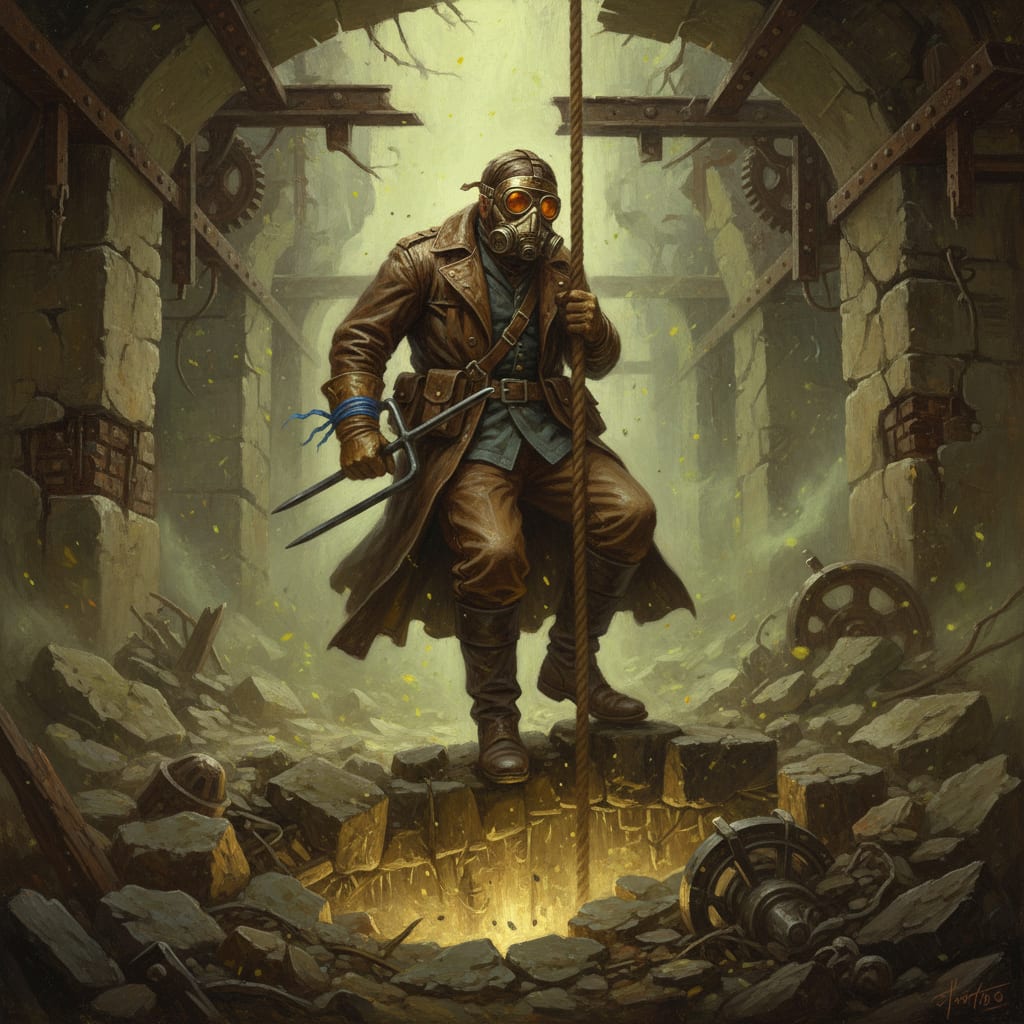
The Reliquary Salvager
The Synod misplaces relics; the Salvager retrieves them; no one speaks of the arrangement
The Synod does not lose its relics. It misplaces them — in collapsed vaults, sheared cathedrals, and quake-opened cellars. The Reliquary Salvager crawls in to retrieve them. His compliance record is spotless. His lungs are not.
Codex Ref. XII.36.01-001
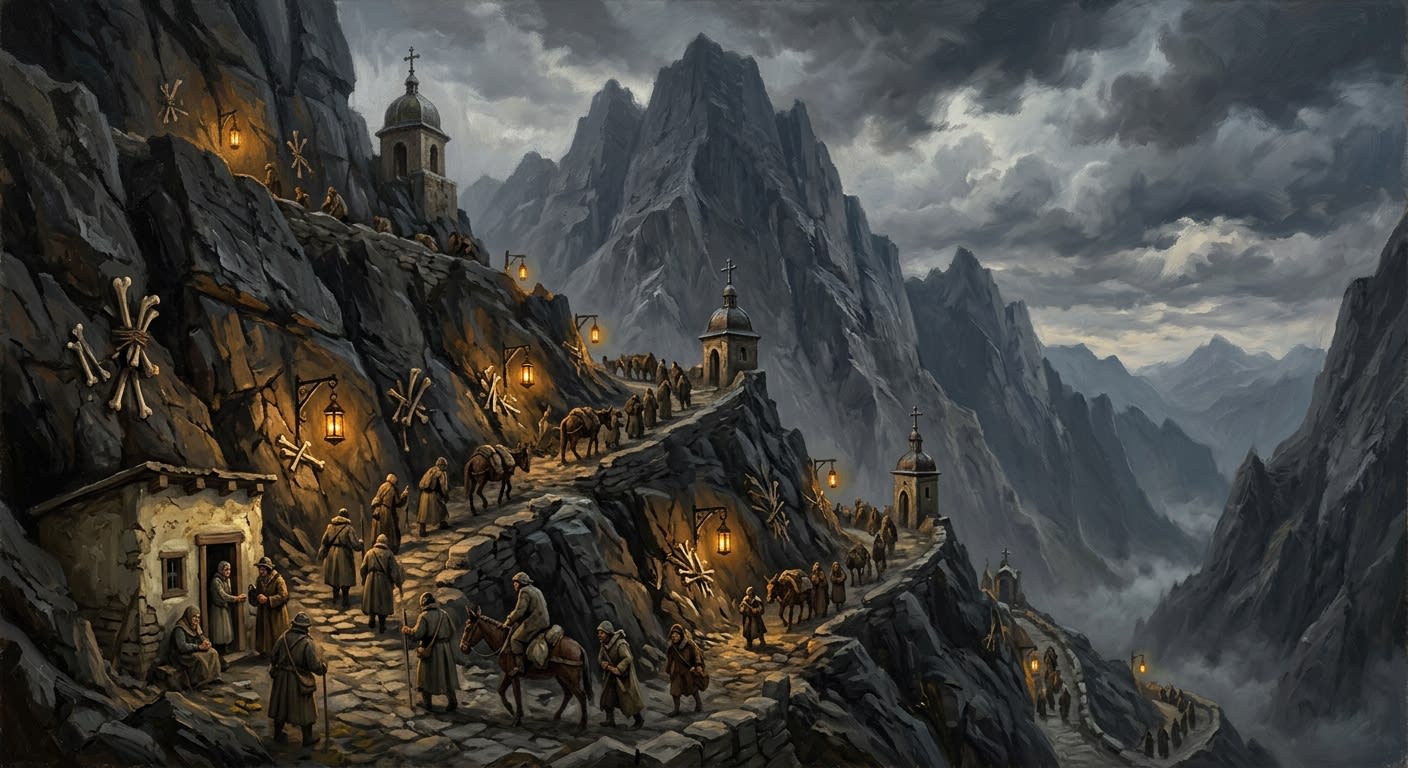
The Reliquary Switchbacks
Eight turns, eight femurs, and a toll at every one of them
A four-mile Carpathian relic corridor of eight named turns, eleven thousand souls, and a Registry that mints martyr-credits from storm-wind and bones. The Bureau of War calls it operational. The porters call it something else.
Codex Ref. II.3.05-004

The Rhine Corridor
Damp procedure, counted backward from every bridge
The Rhine Corridor is the Synod's damp procedure: a Zone 2 logistics artery, mortuary road, ferry court, heresy school, and billable proof that movement can be made afraid.
Codex Ref. II.2.08-202
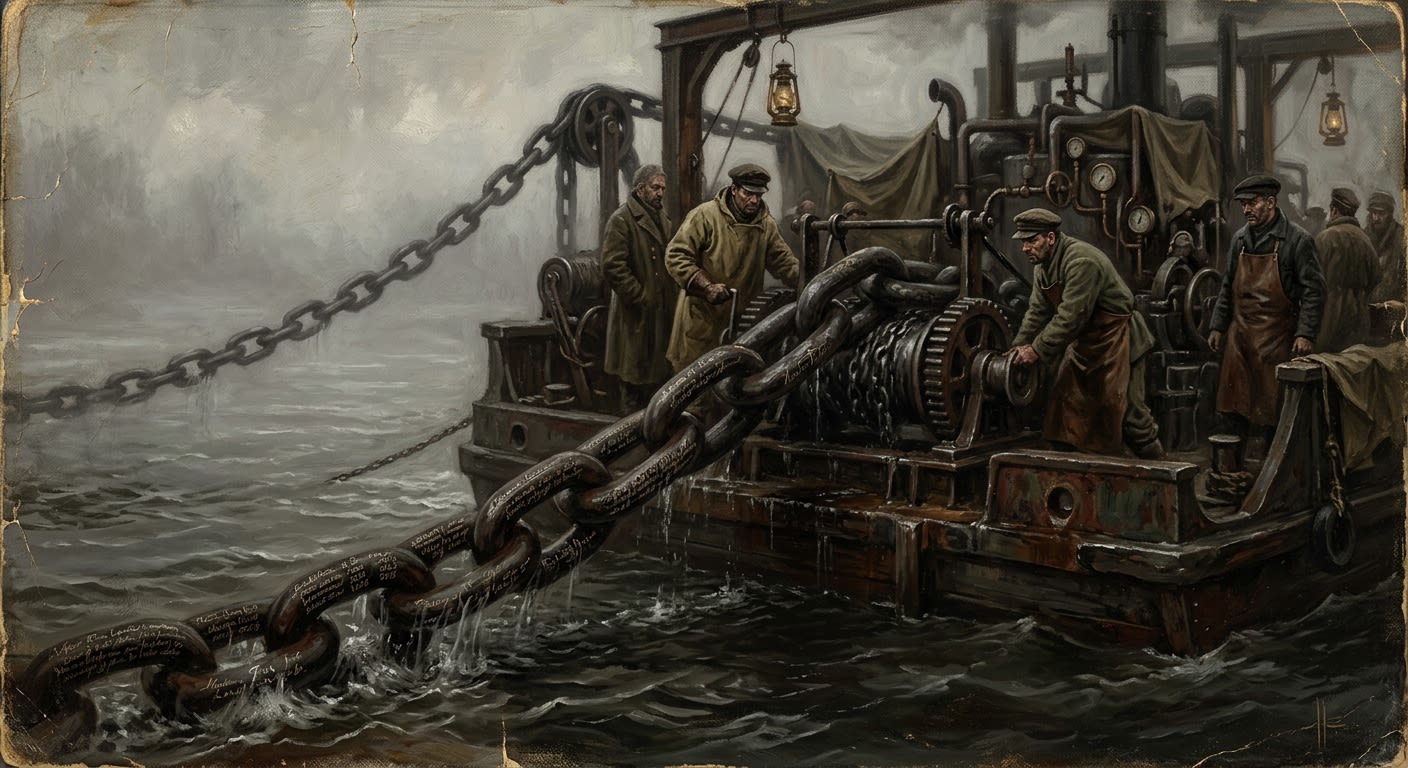
The River Ledger
When the rope writes, the river collects
On the Rope-Ferry Chain, wet mainlines blacken into names, weights, and sentences before the river makes the entries true.
Codex Ref. XIII.1.16-001
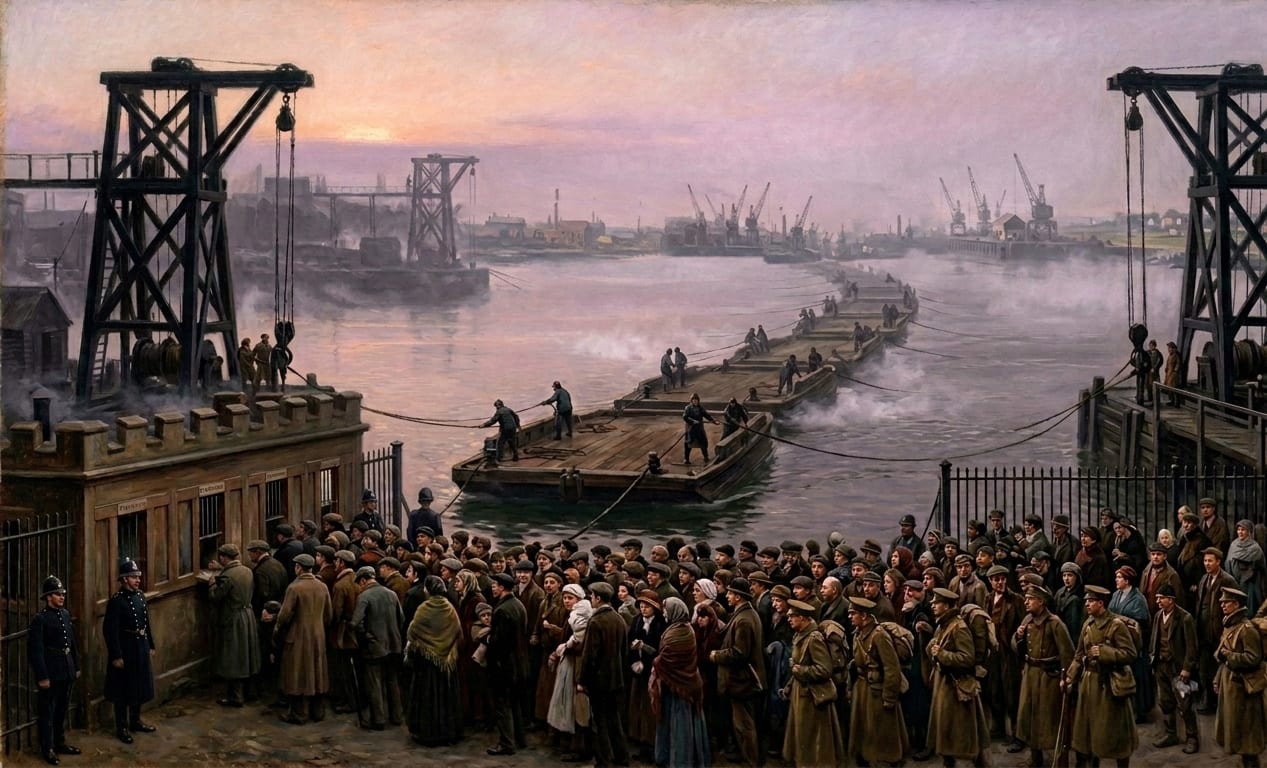
The Rope-Ferry Chain
Twelve ferries. One schedule. No bridges.
Twelve flat-bottomed barges lashed across a river that swallowed the last bridges. The Rope-Ferry Chain is where the heartlands end and the queue begins.
Codex Ref. II.3.05-002
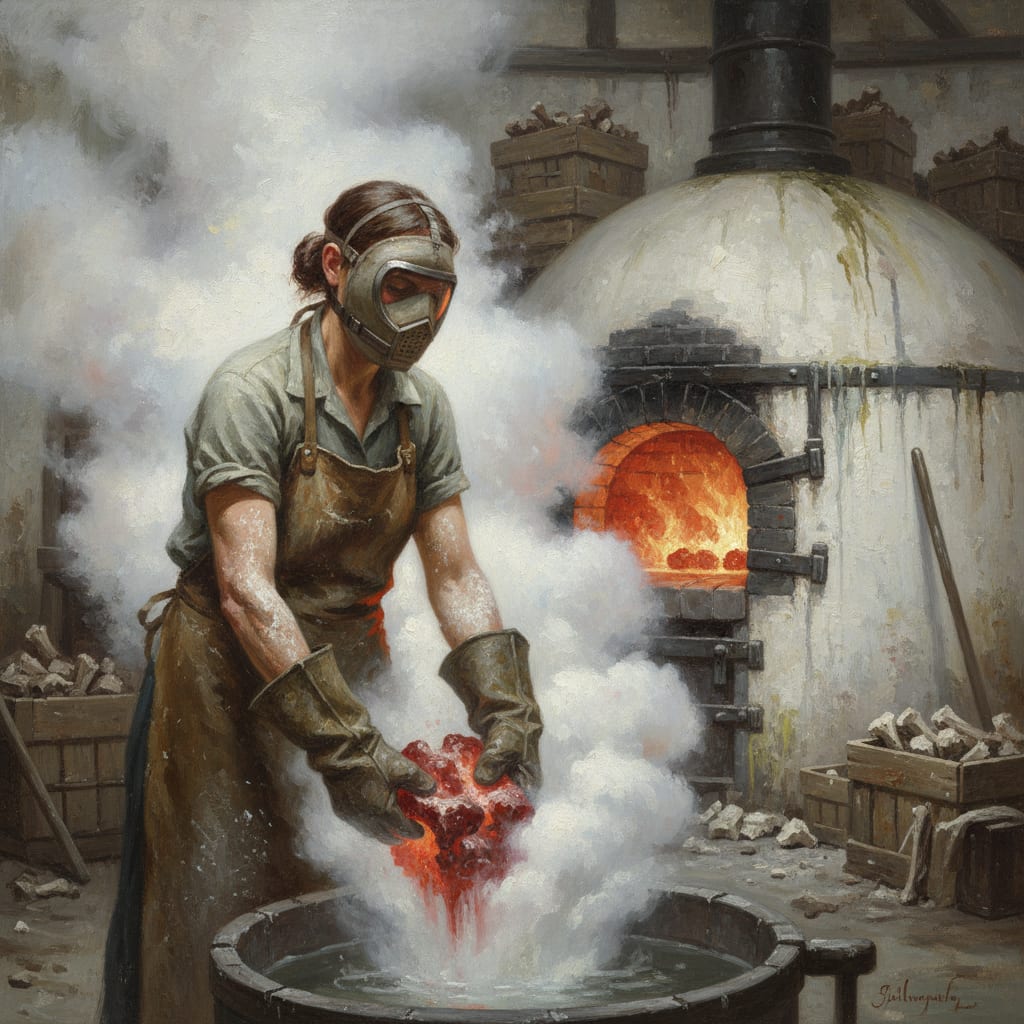
The Saint-Bone Melter
The wall is the only sermon the Enemy has ever been forced to hear
The artisan who feeds the bones of saints to the kiln and receives in return the mortar that holds the Sagittal Line together. The arithmetic is simple and brutal: a femur in a reliquary inspires; a femur in a wall holds.
Codex Ref. XII.40.01-001
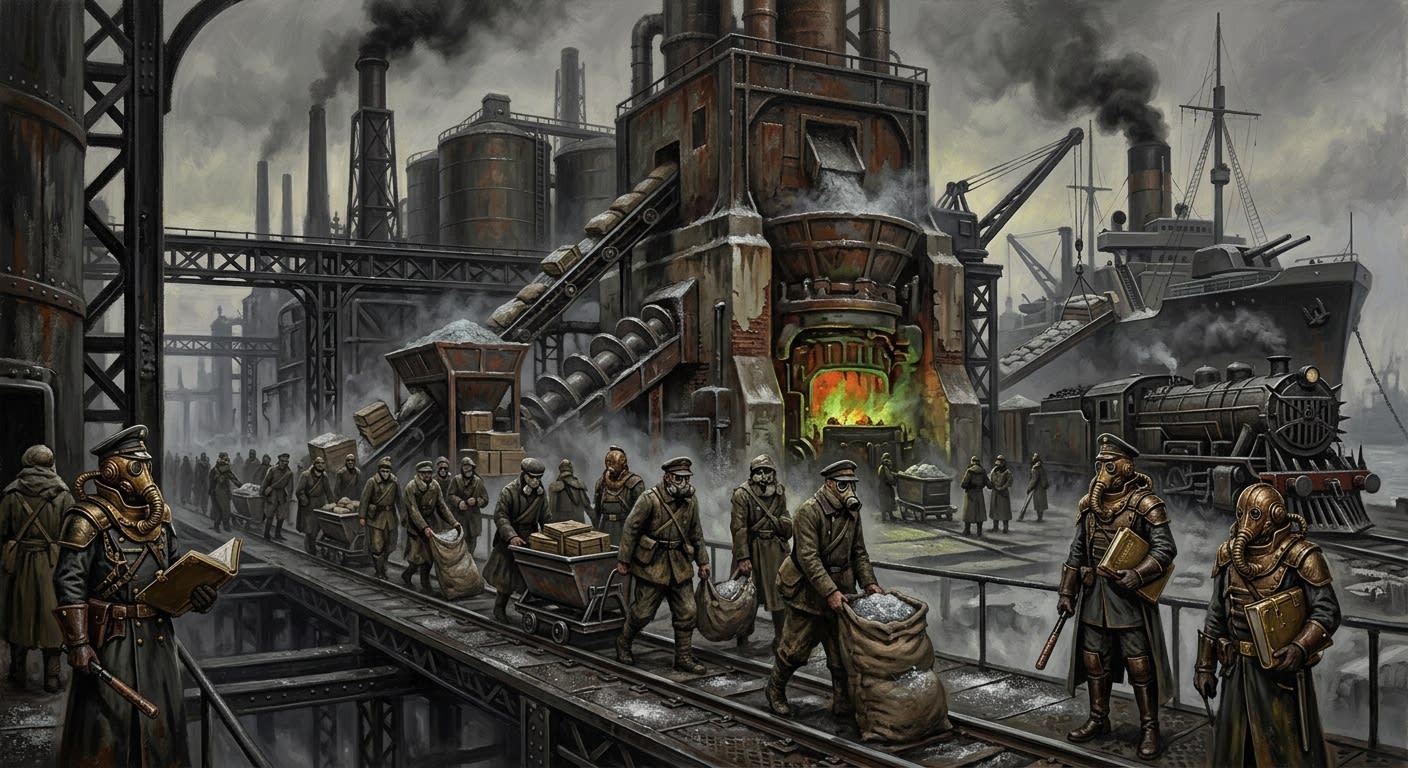
The Salt Dues of Marseille
Temporary measures have the finest survival instincts
The Salt Dues of Marseille began as an A.S. 92 emergency surcharge on coastal salt and learned immortality, feeding war, pilgrimage, and every clerk hungry enough to call permanence temporary.
Codex Ref. XIII.1.39-001
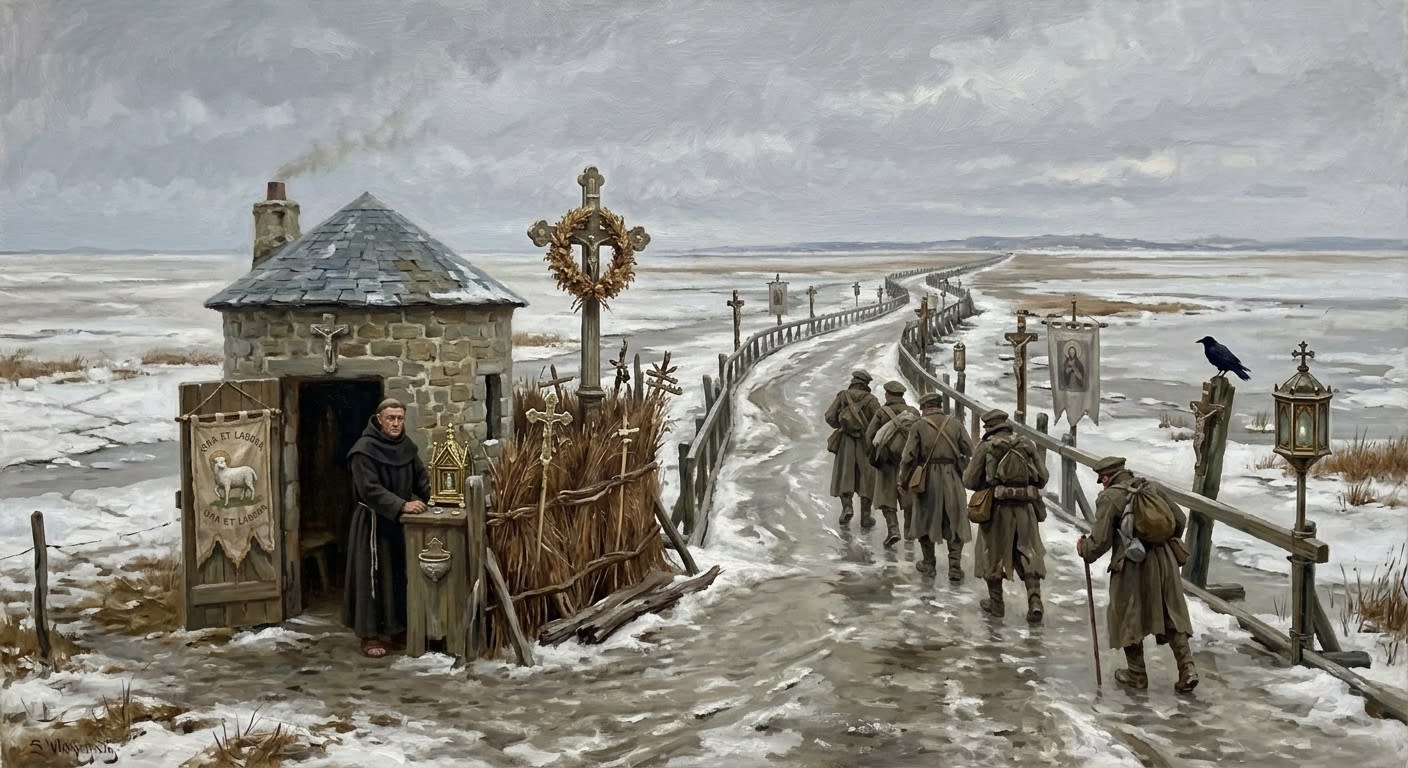
The Salt-Vigil Causeways
Where the road drinks and the order endures
Winter roads across the frozen Frisian shallows, administered by an ascetic toll order who collect salt and tears in equal measure. The causeways carry one-eighth of the Synod's winter supply traffic and ask something of everyone who walks them.
Codex Ref. II.3.05-003
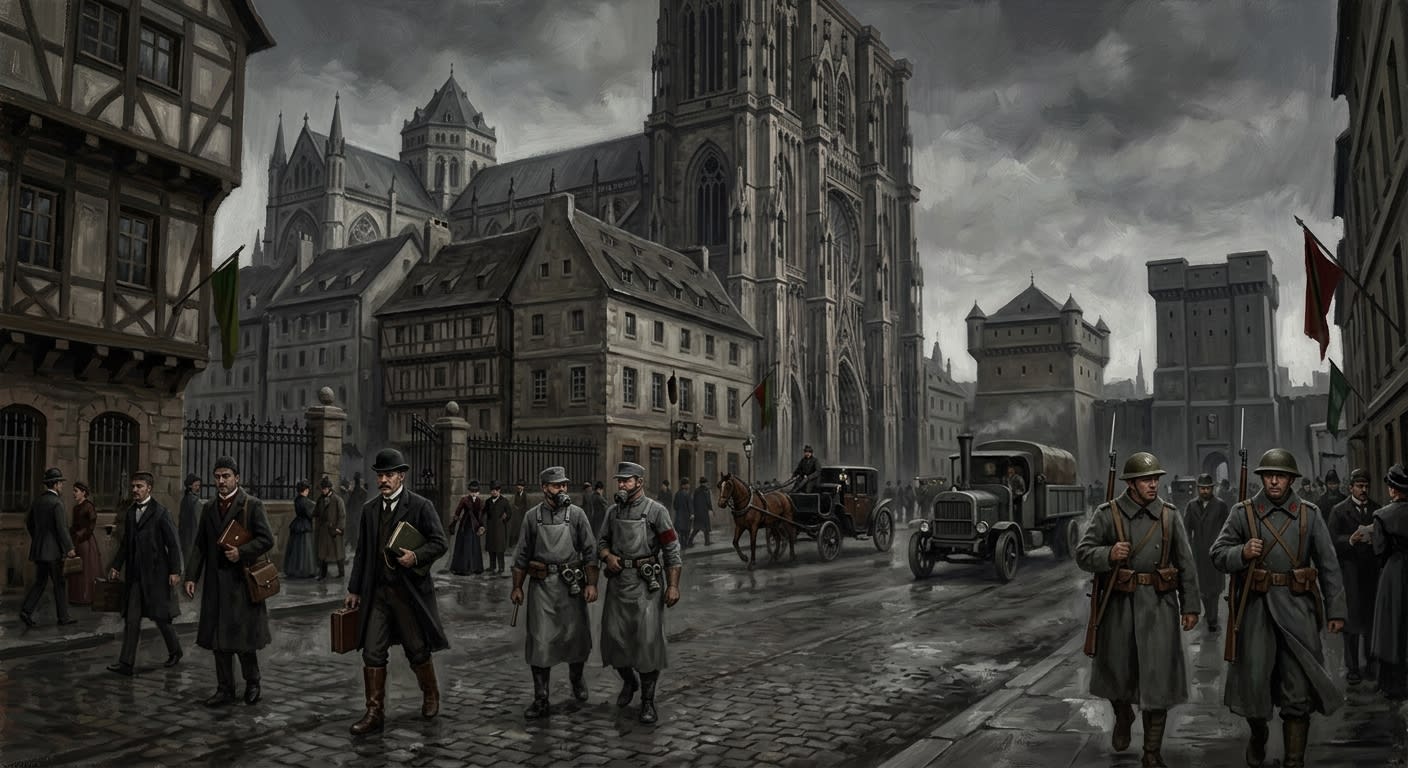
The Sanctum Mile
Strasbourg's white corridor, scrubbed clean enough to hide the blood
The Sanctum Mile is Strasbourg's white civic-sacral corridor: cathedral stone, Bureau houses, the Hall of Confessions, and the Prison of Questions in polished alignment.
Codex Ref. II.2.02-002

The Second Concordat of Münster
A thousand signatures were required, so one man became arithmetic
The A.S. 105 blood-compact that yoked nine hundred and ninety-nine craft guilds to Synod tithe, then corrected the thousandth refusal by erasing a district.
Codex Ref. VII.2.01-002
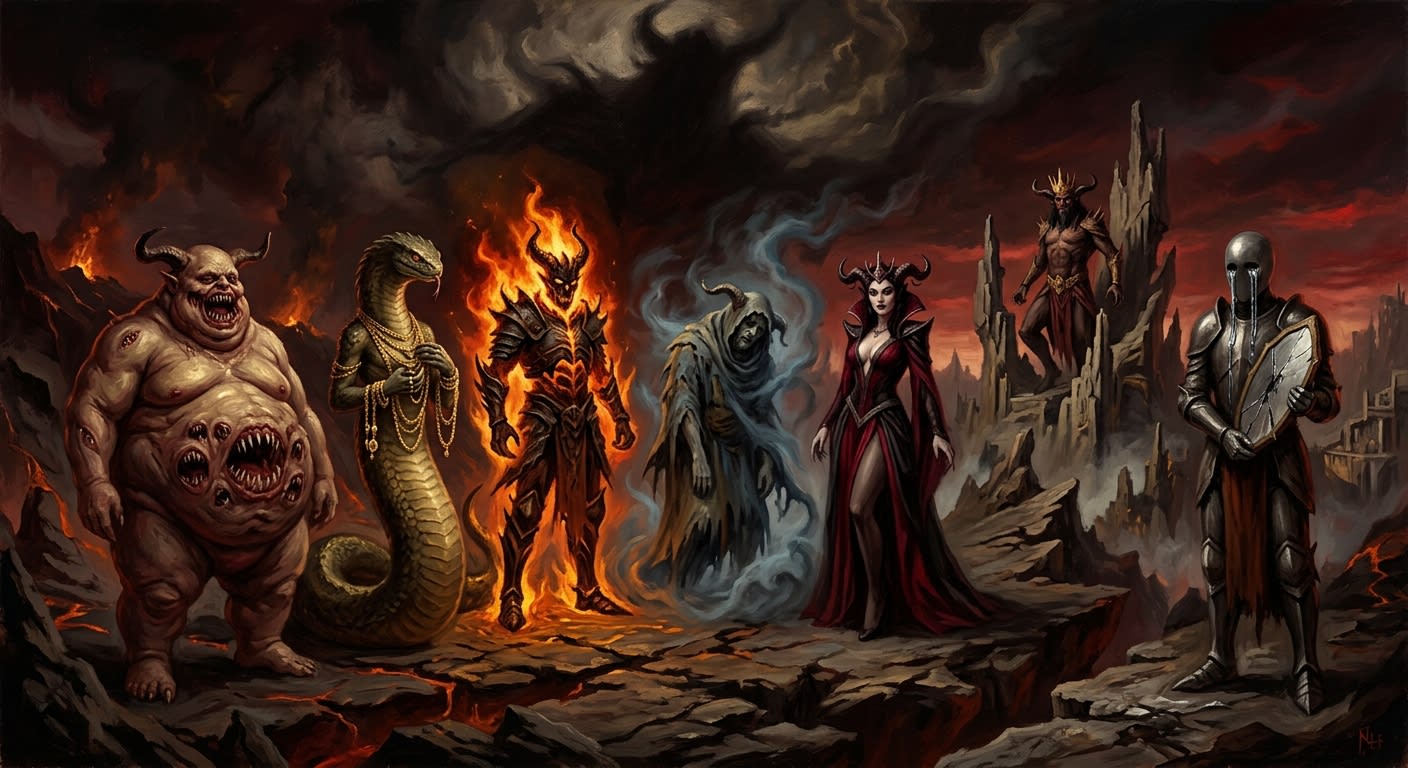
The Seven Sin-Generals
Shards of the Great Deceiver's Will, Made Flesh and Given Dominion
Seven abominations forged from the Great Deceiver's own Will, each sovereign over a cardinal sin and a blighted domain east of the Wall. They are not his servants. They are his fingers — and they grip the throat of the world.
Codex Ref. IV.1.02-001
The Shadow Detail
The Hand That Writes in Rooms That Do Not Appear on Floor Plans
The Shadow Detail is the Synod's deniable hinge: clerks, couriers, wagon hands, and forgers who control the availability of persons, records, and routes. It can save a witness in the gap before procedure becomes consequence — or make that witness permanently unreachable.
Codex Ref. VIII.8.03-001
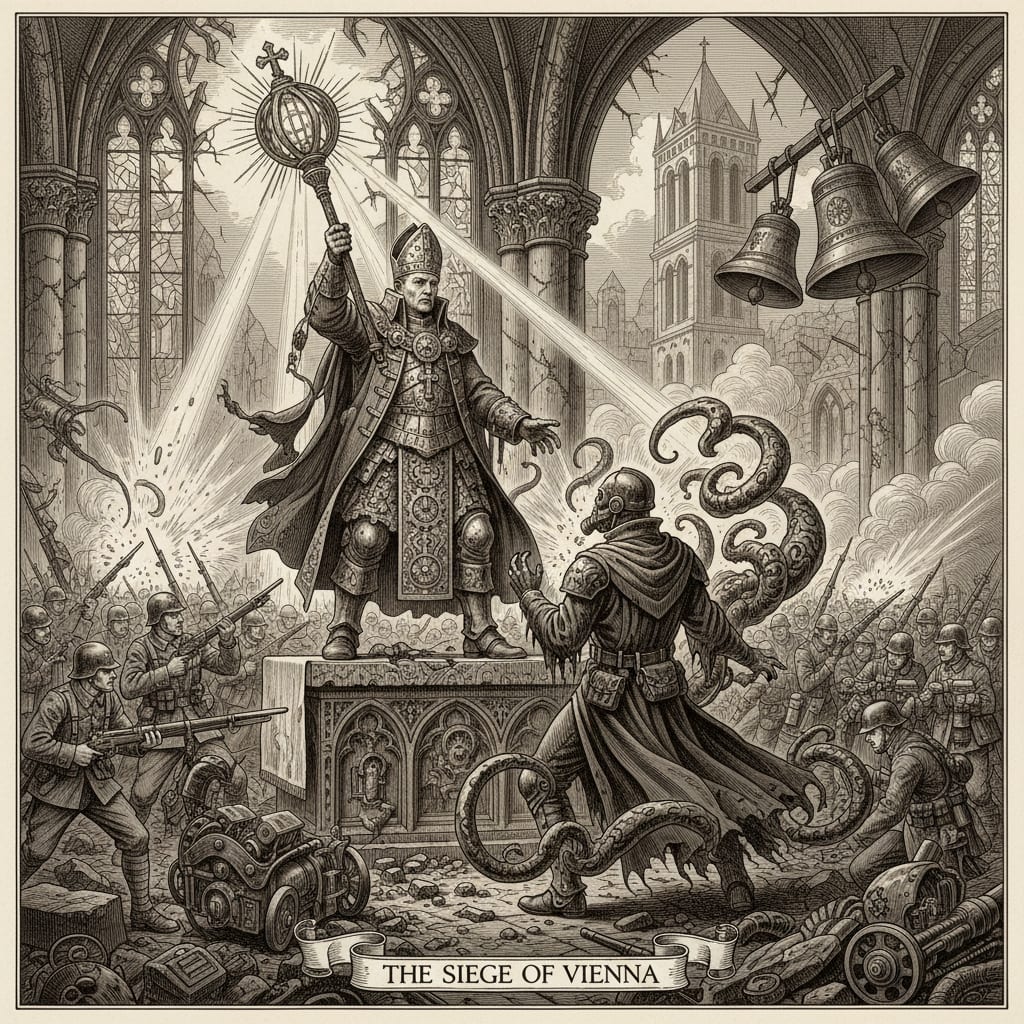
The Siege of Vienna
Nine Months in the Crucible of Faith
Nine months of famine, plague, and sorcery broke upon the altar of Saint Rupert. Bishop-Warden Clemens struck, and Reason died screaming in the streets of its last capital.
Codex Ref. III.2.07-031
The Silent Colonnade
The fourth side of the [[cloister-precinct|Cloister]], where counting forgets its manners
The Silent Colonnade is Strasbourg's unnumbered northern arcade, a place of unmarked doors, shortened Wednesdays, swallowed bells, and corrections no Bureau admits.
Codex Ref. II.1.04-003

The Slumber-Hulk
A building that remembered how to walk — and what it was built to crush
Syrion's heaviest deployed asset — a chain-bound mass of compressed flesh and arrested time, classified HEAVY SIEGE (SUB-TYPE: TEMPORAL) by the Bureau of War. It does not strike. It approaches.
Codex Ref. IV.4.01-001
The Stillness Envelope
Where motion becomes a request the body declines to grant
The Stillness Envelope is the four-hundred-yard temporal-medical hazard around a Slumber-Hulk, where sleep is incidental, mercy is counterfeit, and motion dies by administrative refusal.
Codex Ref. XIII.1.87-194
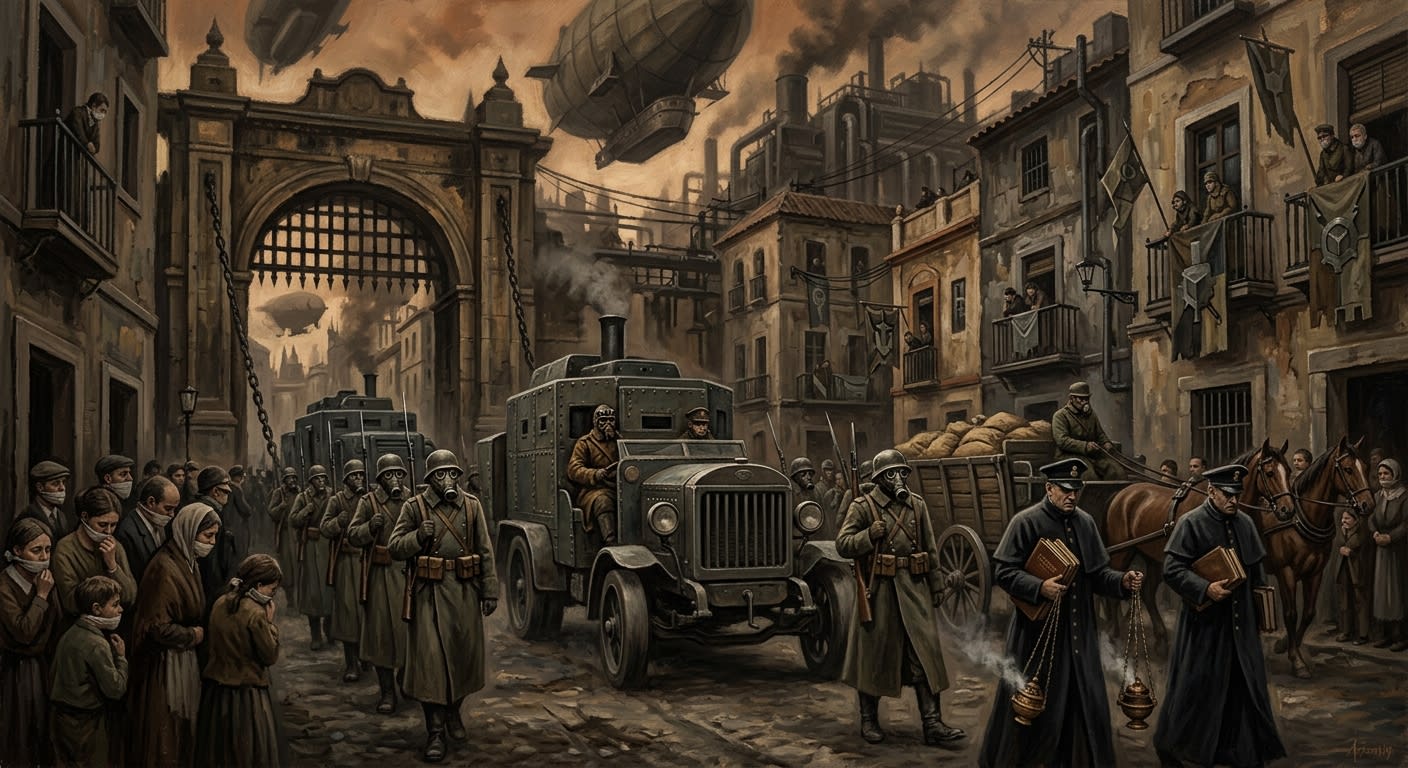
The Subjugation of Seville
A siege so well dressed in liturgy that the Ledger called it a procession
In A.S. 155, Seville was corrected by procession: gates opened under writ, calendars shortened, mouths disciplined, granaries emptied, and conquest taught to smell like incense.
Codex Ref. VII.8.02-002
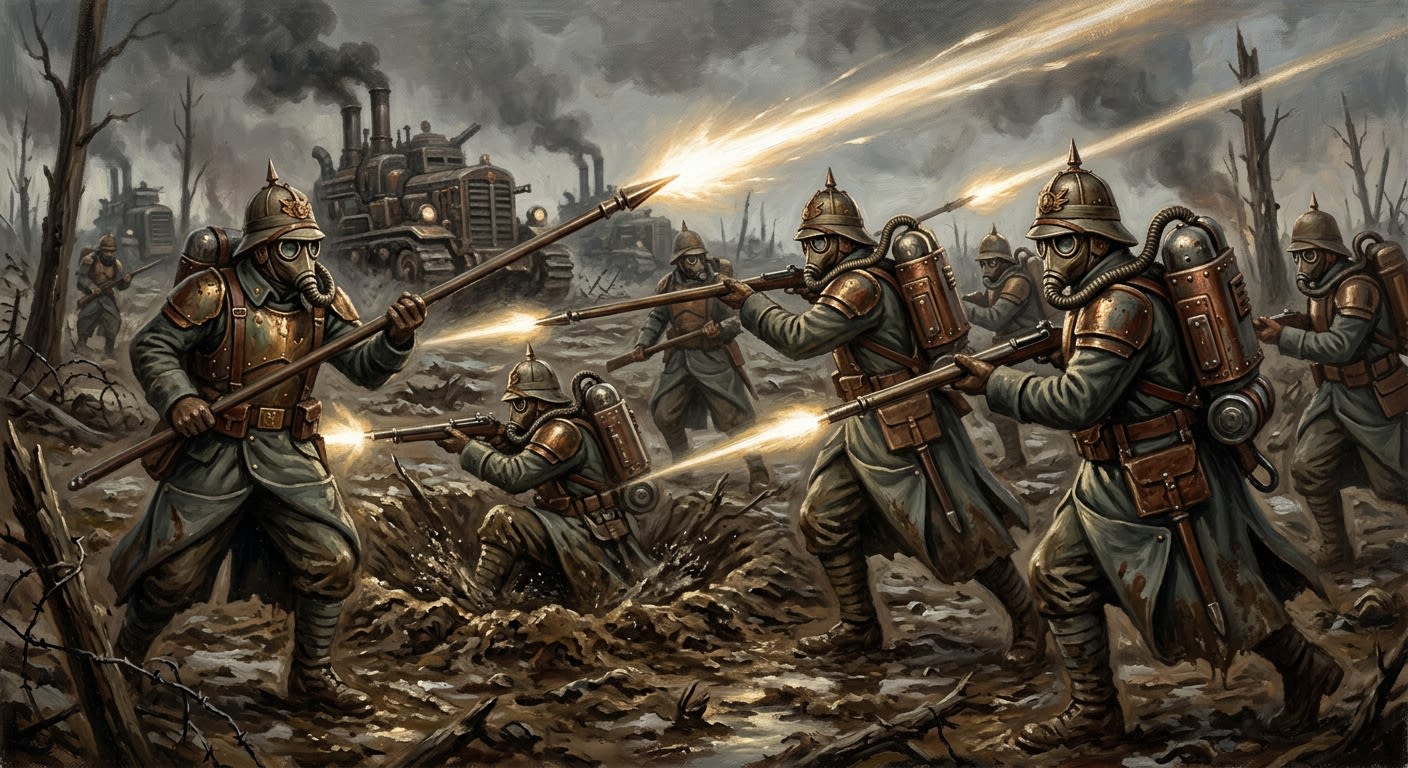
The Sun Spear Legion
Pride throws daylight and calls the wound a lesson
Atheron's Sun Spear Legion hurls white-gold lances that blind, judge, and teach soldiers the obscene tactical value of mud.
Codex Ref. IV.1.07-010
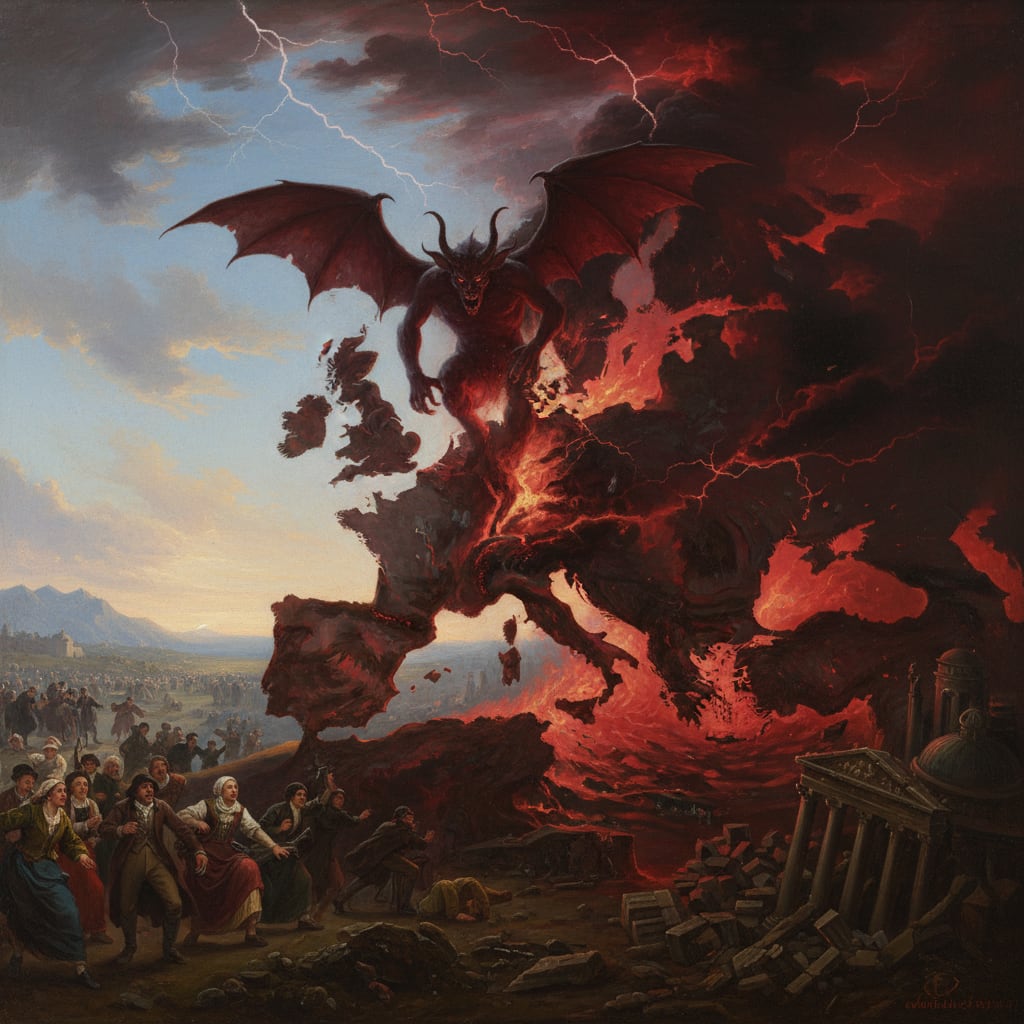
The Sundering
The Day the World Cracked Open and the Creator Sent His Invoice
The cataclysm of 1 November, 45 An.S. — when the Balkans erupted and the legions of the Great Deceiver poured through the wound in Creation. The event that ended Reason and birthed Faith's second coming. As explained by the only man whose explanation matters.
Codex Ref. I.1.02-001
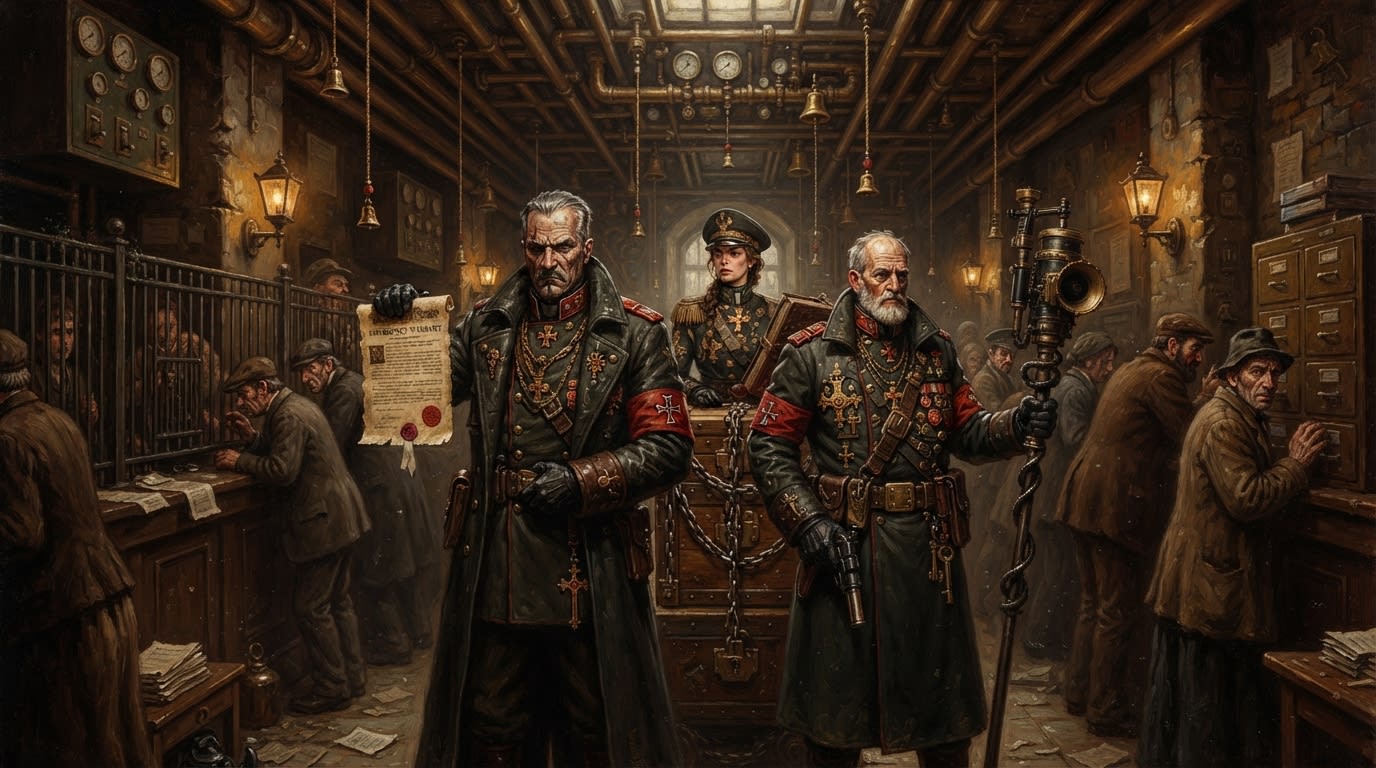
The Synod Task Force
On the Armed Enforcement of Administrative Truth
The Synod's answer to contested truth: temporary, armed administrative cells dispatched by warrant when ordinary procedure has failed, become complicit, or begun devouring its own paperwork. They preserve facts powerful offices would prefer misplaced.
Codex Ref. IV.7.12-001
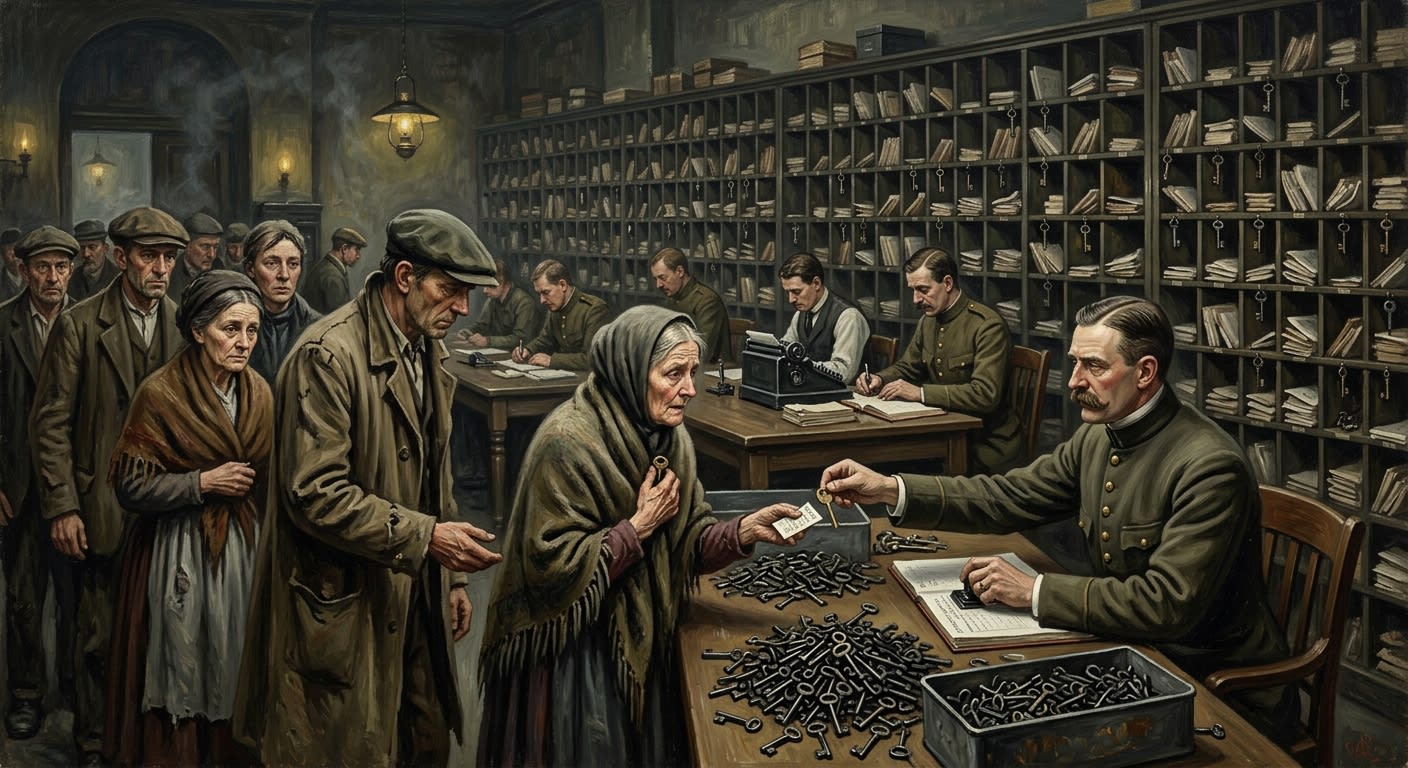
The Ten Thousand Keys
Hell with a good interest rate receives repeat custom
Velmora's Ten Thousand Keys turn relief into obligation, obligation into worship, and every warm little key into a receipt Hell can collect.
Codex Ref. XI.5.01-002
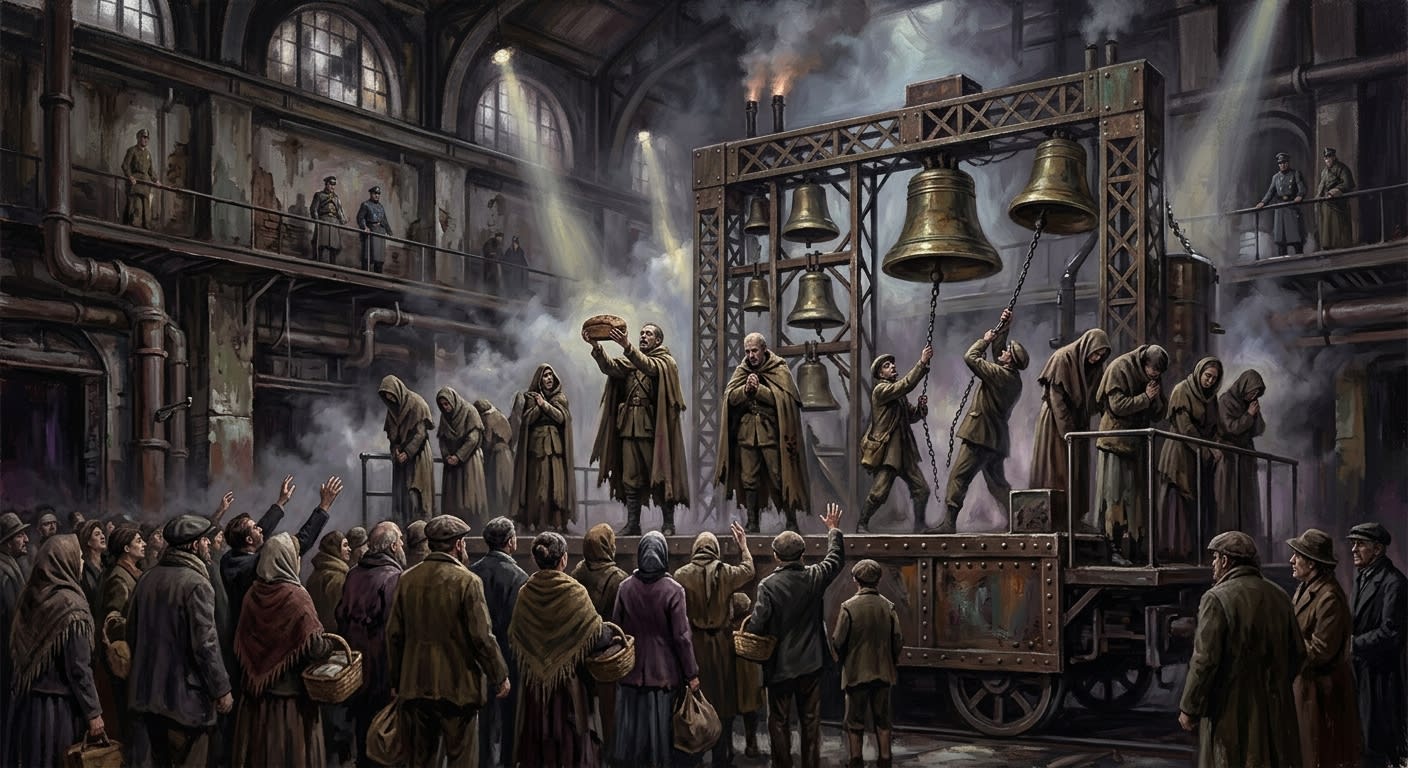
The Theatres
Bread, bells, and applause stolen from the altar
The Theatres are the Black Ledger faction that turns stolen bread into civic memory, staging Queue-Saint performances where hunger, bells, and witnesses become recruitment.
Codex Ref. XI.1.04-002
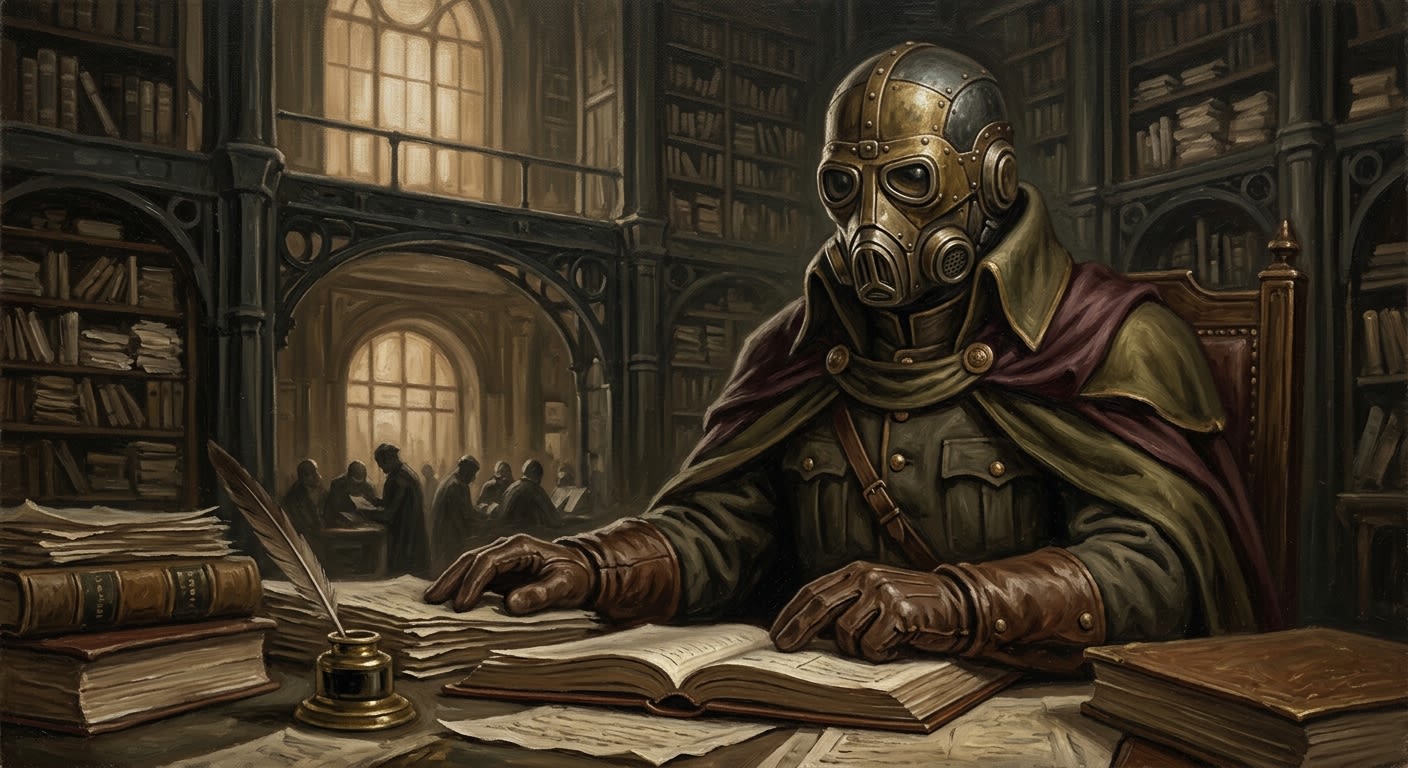
The Third Hierarch
A nameless mitre, a moth-eaten reign, and the file that knew too much
The Third Hierarch is an ordinal with no name, no portrait, and one surviving achievement: Saint Aldebrand's file vanished under his reign.
Codex Ref. XIII.1.05-002
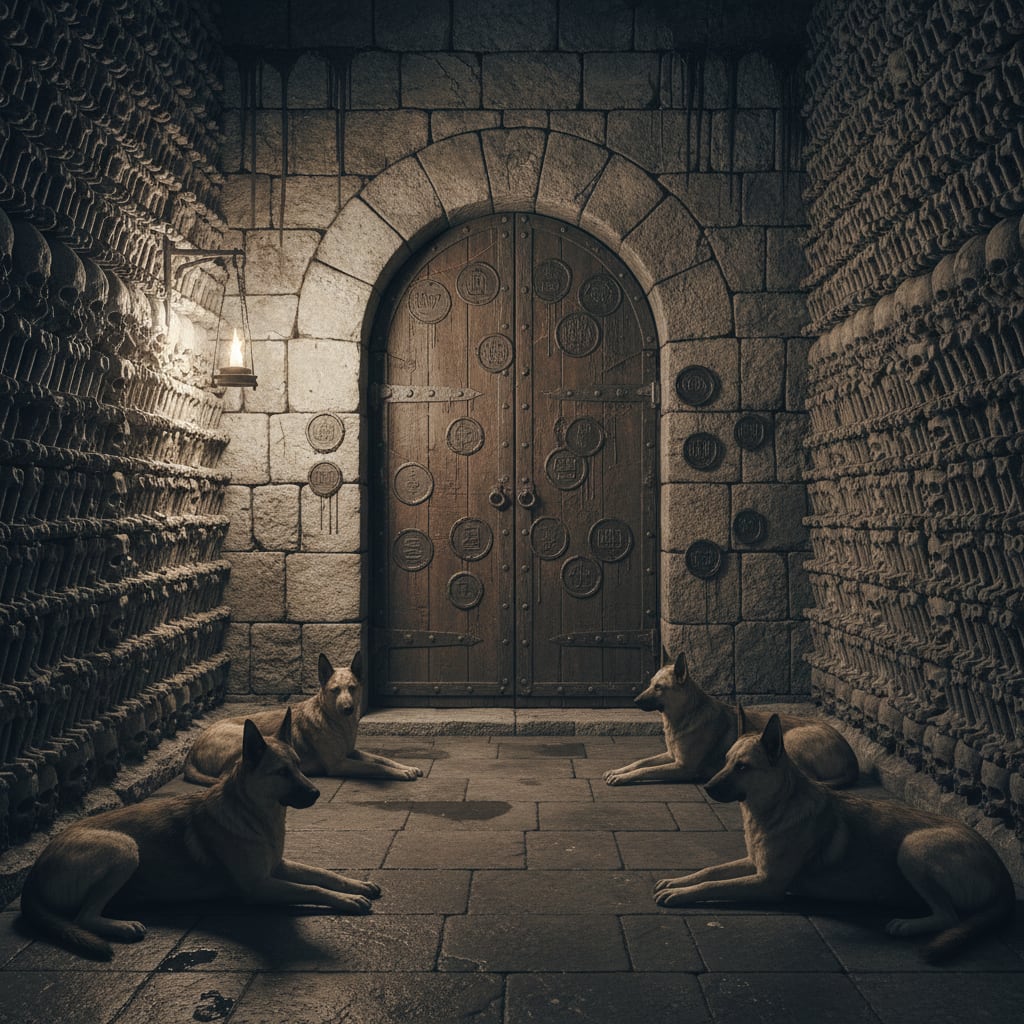
The Third Ossuary
Sealed by prior authority; the prior authority has not been identified
The sealed chamber beneath Bastion-Constantinople's Ossuary Rings. Discovered A.S. 47. Never catalogued. Sealed seventeen times. Source of Compound 7, which keeps the Vigil Ark aloft.
Codex Ref. II.4.10-004
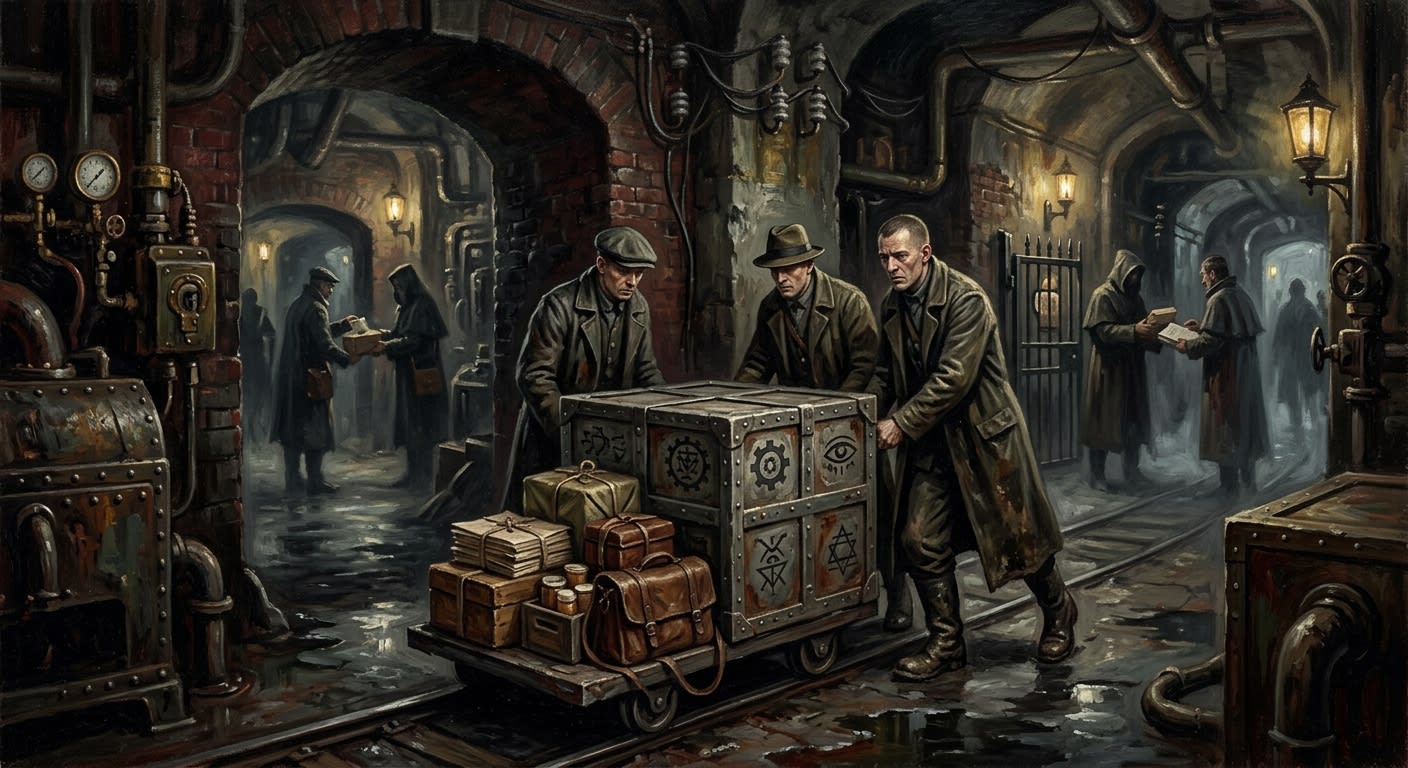
The Thread
The quiet line by which bones, names, and suspicion crossed the dark
Informal Cellar Saint transit doctrine that moved relics, names, wafers, and warnings through trusted cellars from A.S. 30 until the Sundering tore the roads open.
Codex Ref. XIII.1.91-045
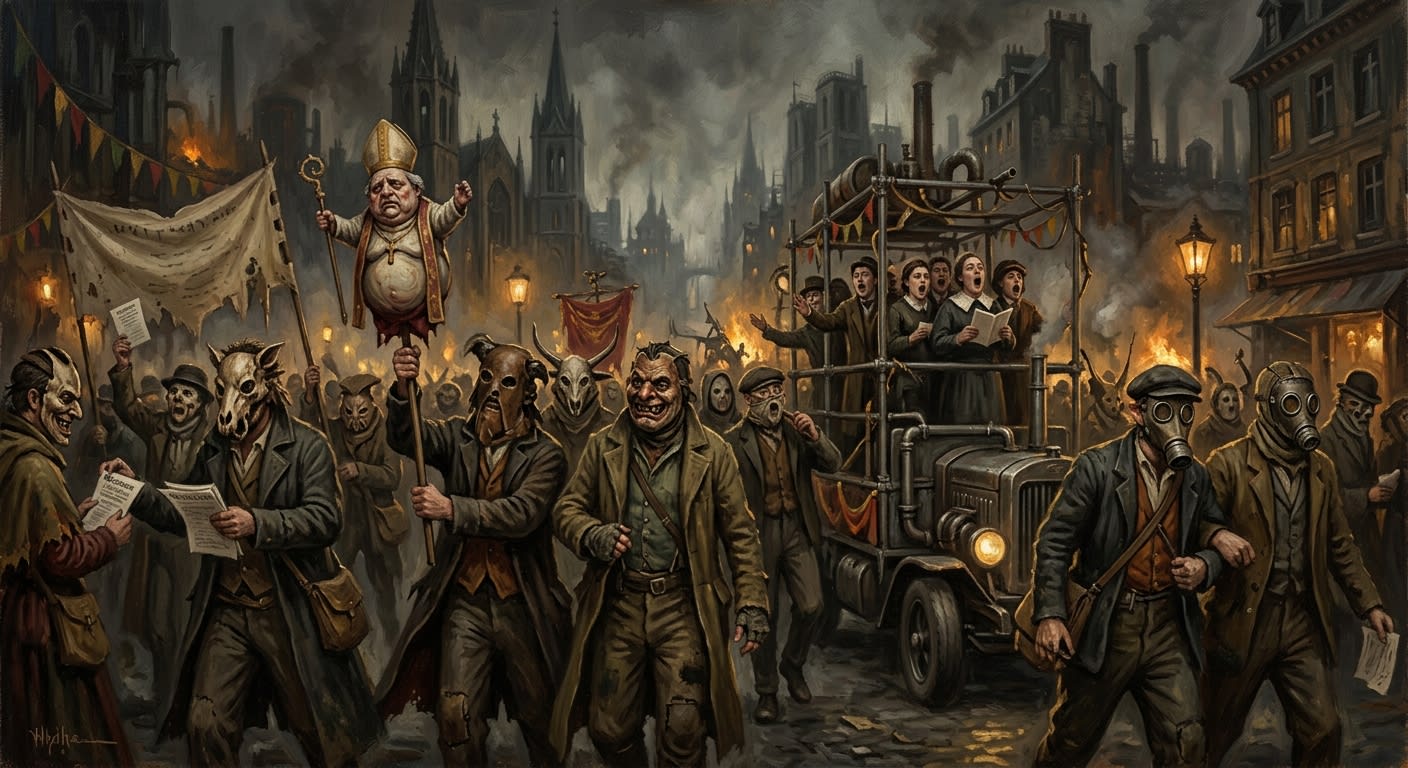
The Tumults of Lyon
Where licensed laughter discovered teeth and the bear wore a mitre
In A.S. 170, Lyon's licensed Carnival of Saint Bérard's Misrule became nine hours of masks, pamphlets, puppet blasphemy, altered hymns, and audited laughter.
Codex Ref. VII.4.11-001
The Twelfth Amendment
The skull is licensed ground; keep your thoughts in uniform
Ratified in A.S. 196, the Twelfth Amendment closes the internal loophole, licenses private hope, and gives Purity the citizen's face as evidence.
Codex Ref. XIII.1.04-196
The Uncounted Winter
Fifty thousand dead, and the page arrived late
Northern offensive and registry collapse of A.S. 87–91, when fifty thousand dead went unattested and the Synod learned to put a court beside the wound.
Codex Ref. VII.8.10-091
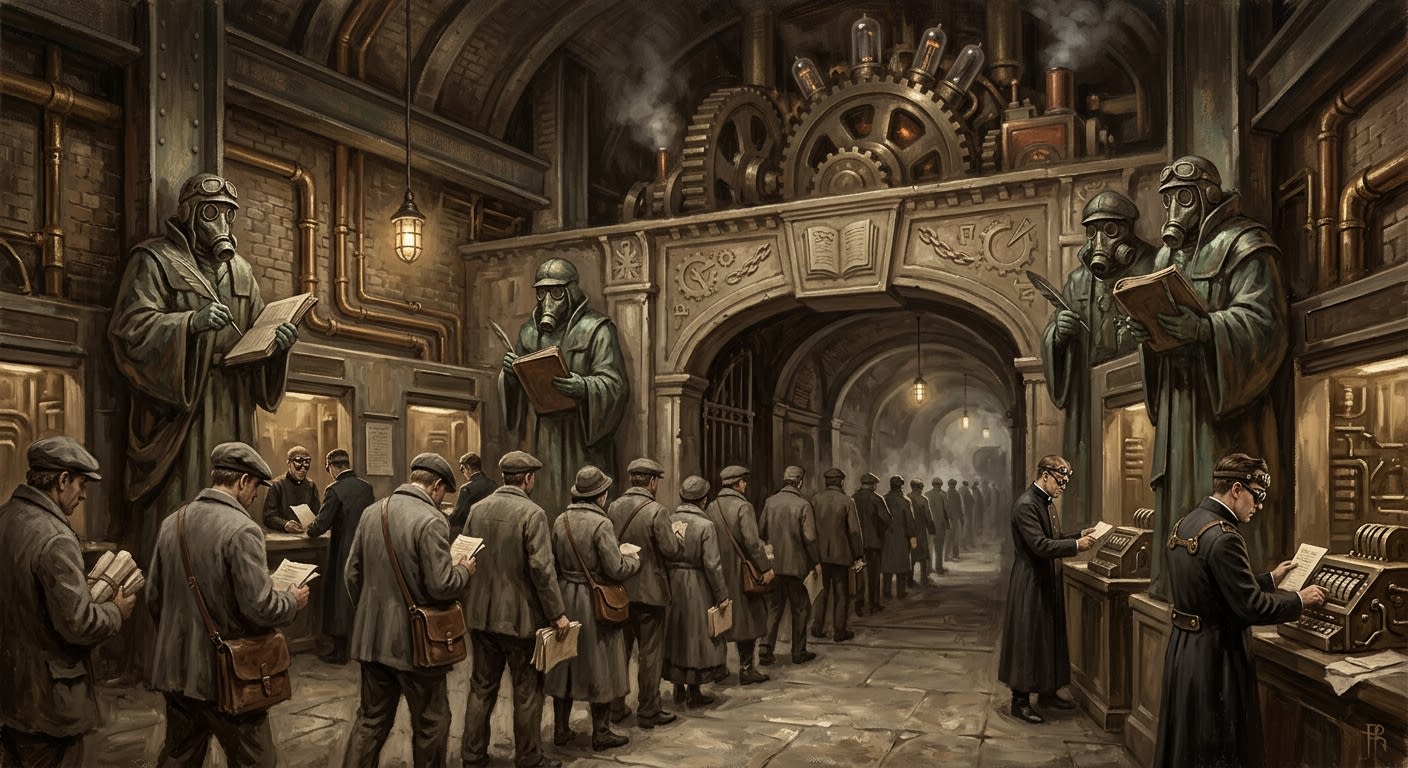
The Unnamed Bureau
The office that governs by being omitted from every ledger
The Unnamed Bureau is the office beneath Gate Nine: absent from every registry, obeyed by several, and maintaining an Apparatus that turns public waiting on the Queue Road into private product.
Codex Ref. VIII.2.02-001
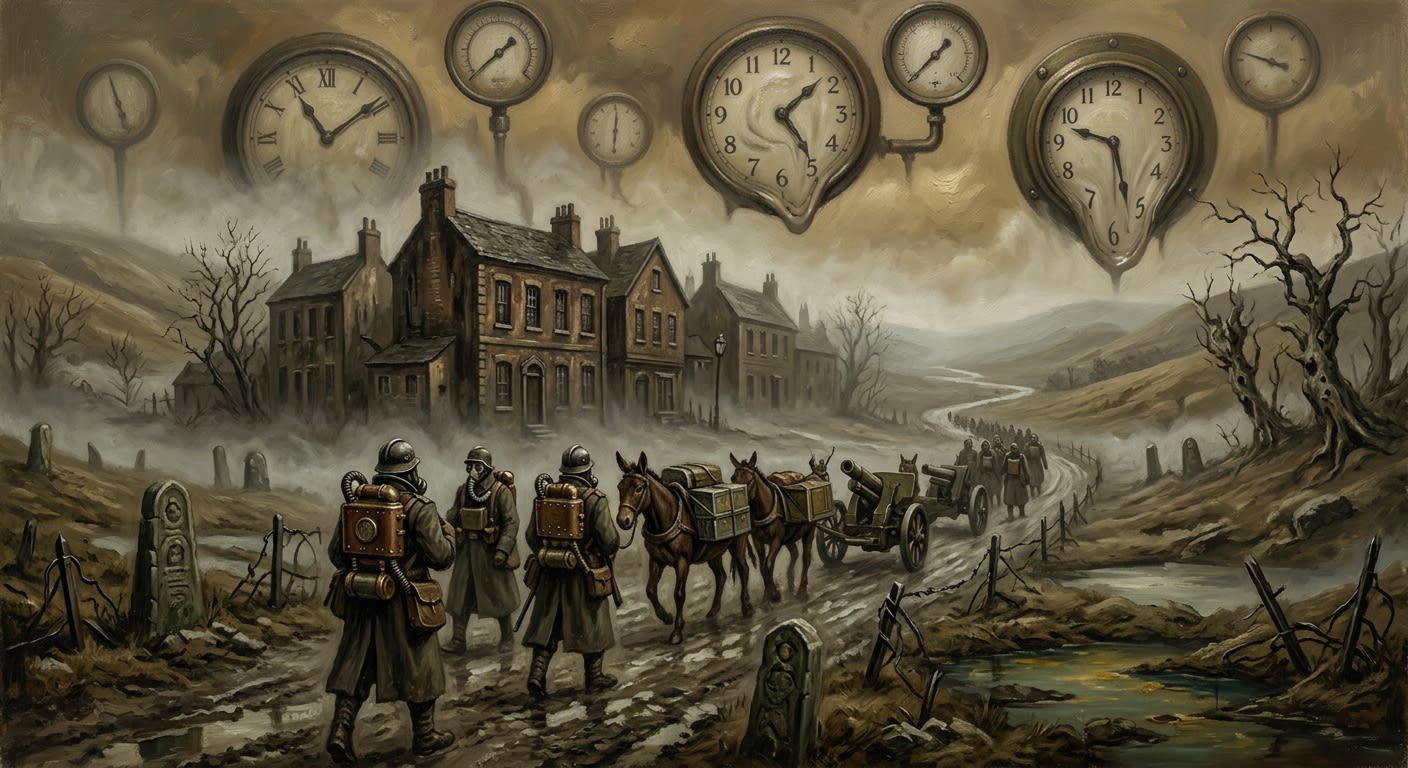
The Vales of Stagnance
Syrion's country, where geography sits down and refuses audit
Syrion's Vales are the old Shipkan wound made landscape: fog, soft clocks, preserved villages, patient armies, and roads that return with fewer years.
Codex Ref. VI.2.04-004
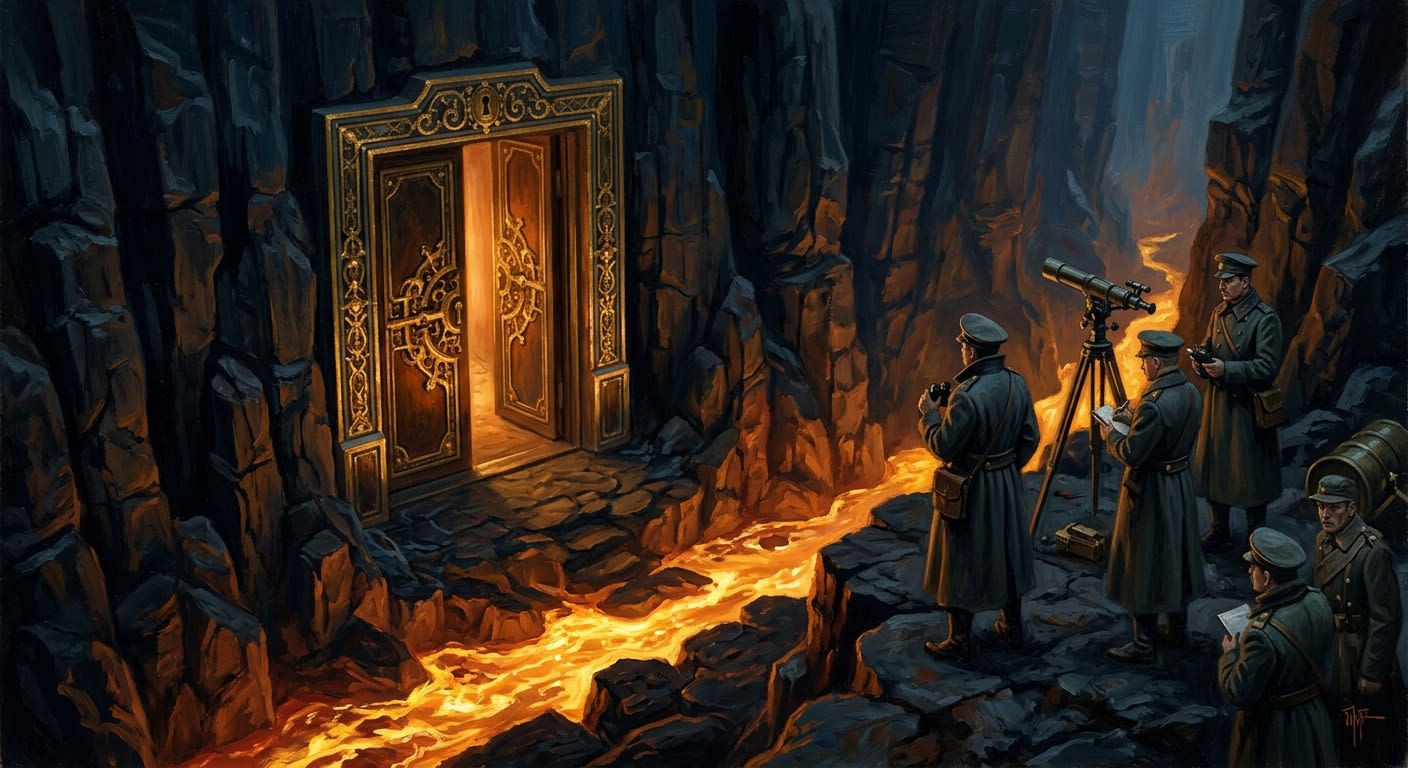
The Vault of Ten Thousand Keys
Every door opens. Every door locks behind you.
Velmora's seat within the Gilded Chasm — a palace of infinite descending doors, each one beautiful, each one locking behind you. Four expeditions entered. None returned intact. The Bureau has recommended permanent interdiction.
Codex Ref. V.6.02-001

The Velvet Choir
[[velkara|Velkara's]] order of consciences-undone: it unfolds inside the [[the-sagittal-line|Line]]
The classified assessment of Velkara's primary infiltration instrument by the Bureau of Doctrine — the network by which Lust enters Synod territory as a Tuesday rather than an army.
Codex Ref. VIII.6.01-001
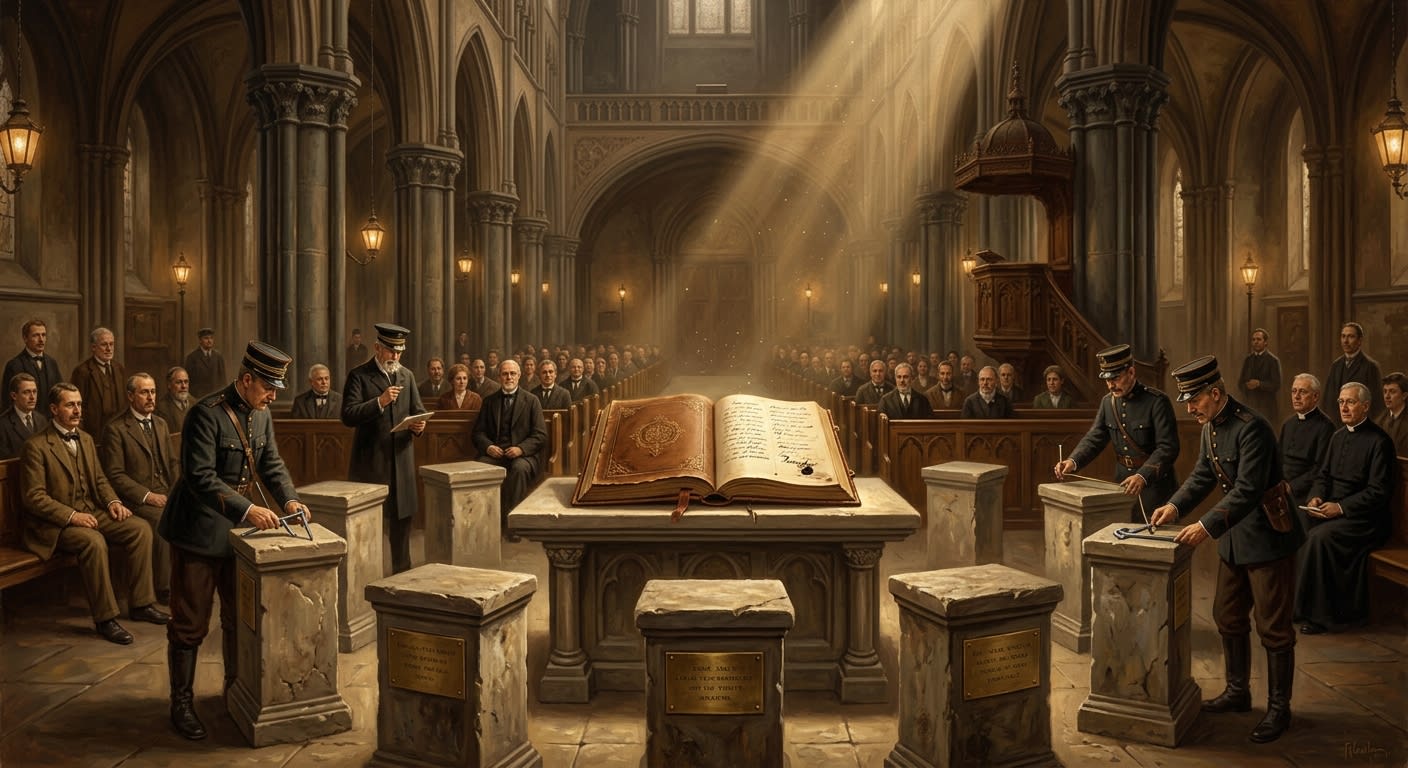
The Virtue Generals (So-Called)
Seven heresies dressed as hope, condemned in the forty-fourth standing order
Standing Order 44-D refuted, filed, and reluctantly left open. Seven alleged champions of the Creator — unregistered, unconfirmed, and disturbingly active for entities that do not exist.
Codex Ref. IX.3.44-001
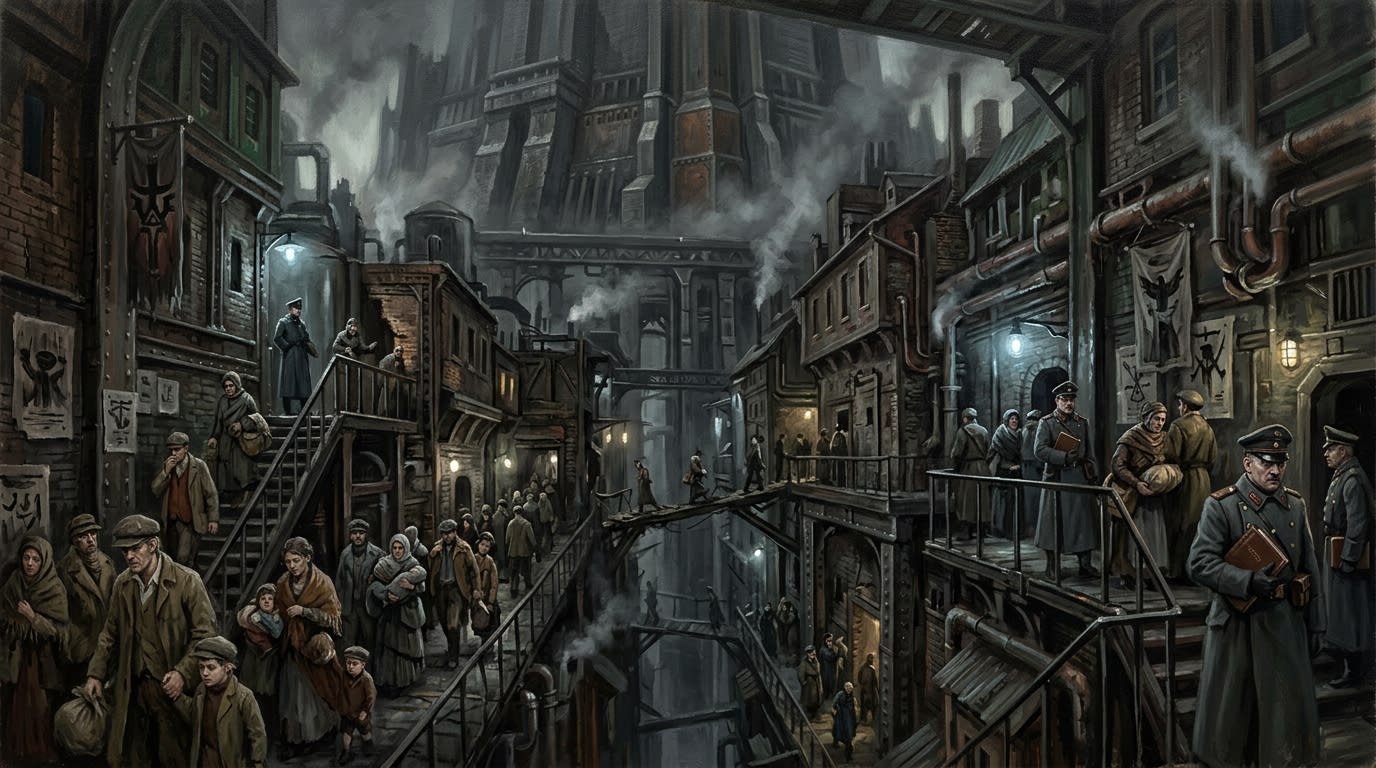
The Warrens of Königsberg
Laughter under the northern guns
The Warrens of Königsberg are the civilian quarter the fortress needs, mocks, watches, and refuses to admit it cannot spare.
Codex Ref. II.4.07-067
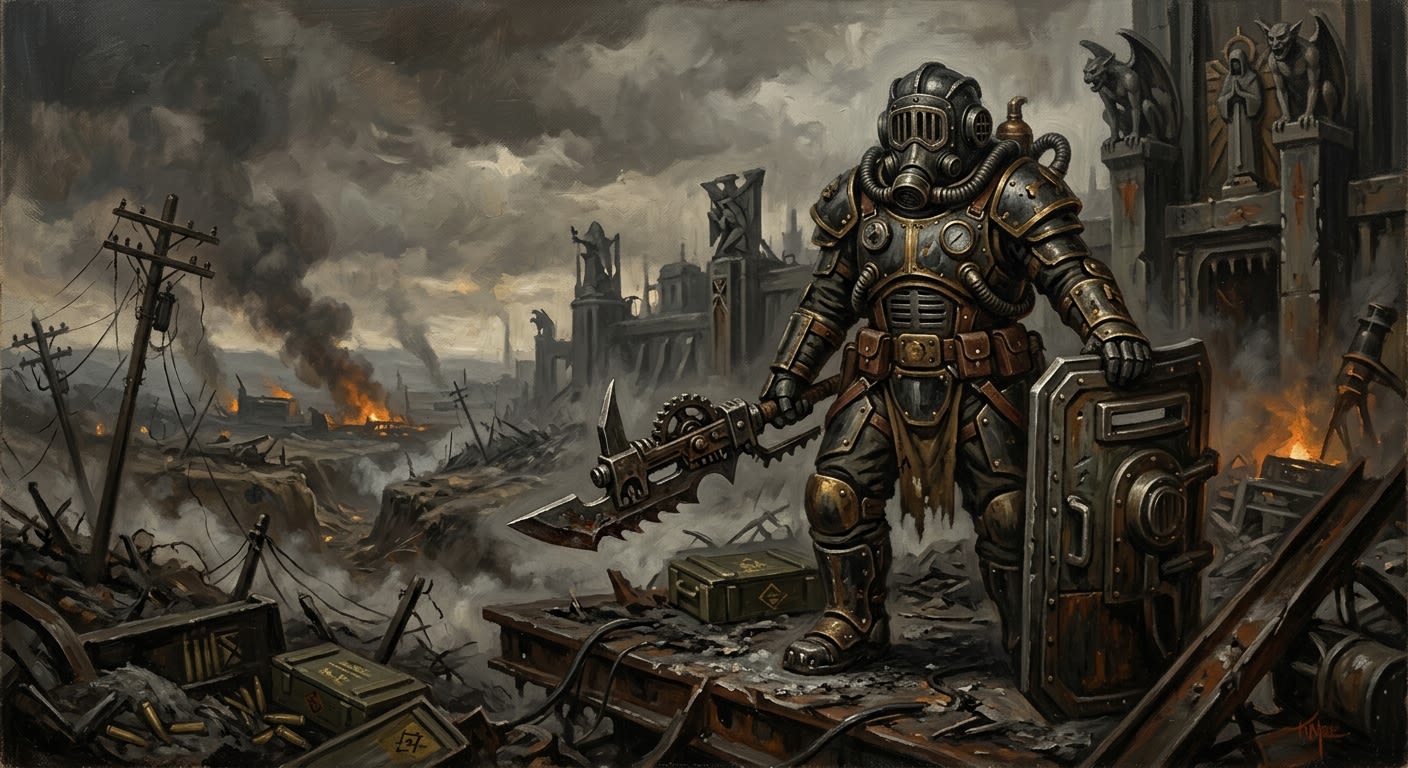
The Warrior of Justice
The faceless correction no Bureau has managed to license
Condemned as the Third so-called Virtue General, the Warrior of Justice is an unconfirmed faceless combatant whose alleged interventions rescue losing lines and insult every licensed channel of hope.
Codex Ref. III.2.01-053

The White-Mantled Inquisitor
The Bureau does not silence speech; it teaches the population to do it themselves
Bureau of Purity's language constables — Chalklings, Mantle Examiners, Chainmasters, and Glass-Canons — charged with containing unregistered speech, enforcing the Index Claritatis, and hunting the phrases that make the chain sing.
Codex Ref. XII.49.01-001
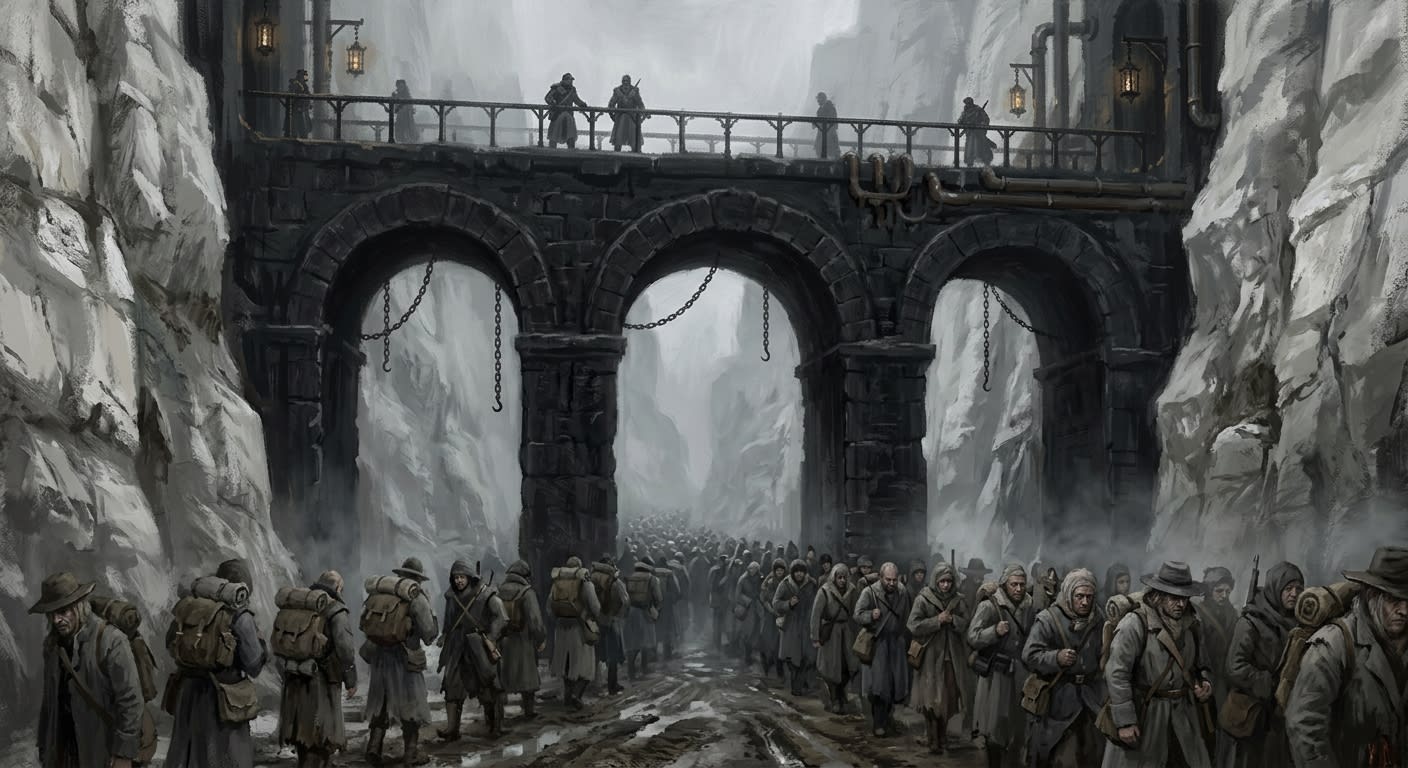
The Widow's Pennies Exchange at Griefgate
Where guilt is the currency and the arch keeps the change
The most efficient grief-processing apparatus on the pilgrim roads — three black-stone arches, a ledger of sorrows, and a staff of professionals who charge for the arithmetic.
Codex Ref. II.1.04-001
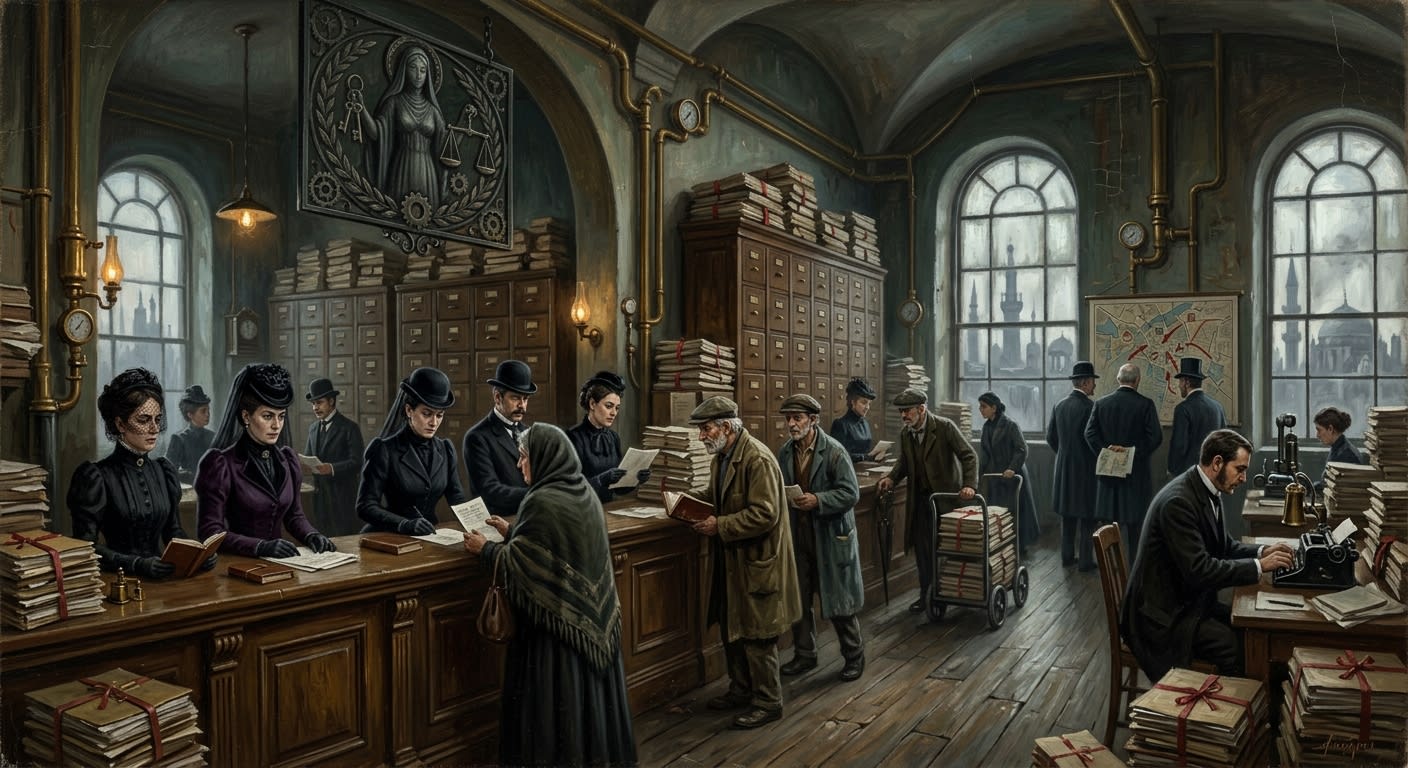
The Widow's Syndicate
A grief with ledgers is already a government
Constantinople's widows turned charity into credit, mourning into archives, and tea into a jurisdiction no Bureau can quite survive.
Codex Ref. XI.4.01-001
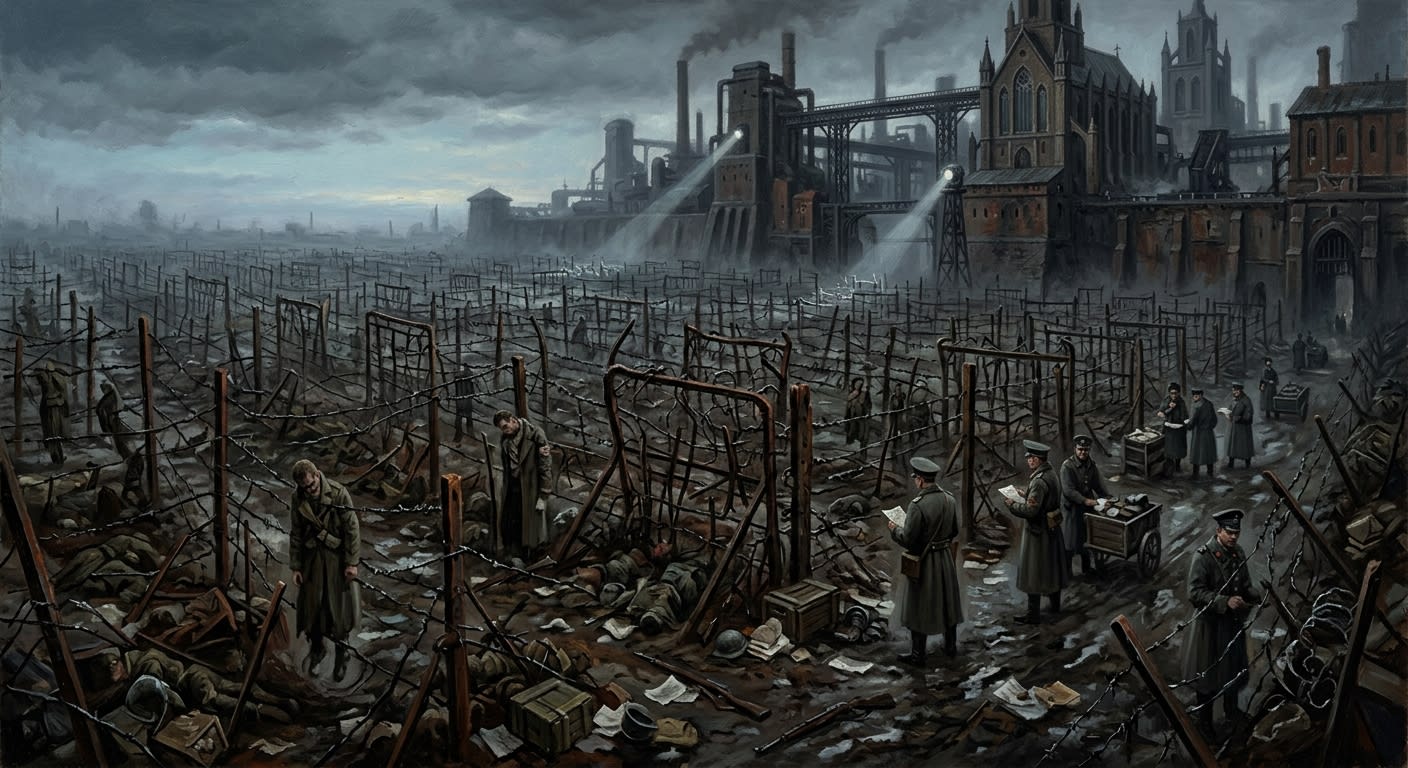
The Wire Orchard
Where the paper grows teeth and the dawn performs audit
The Wire Orchard is Bastion-Przemyśl's three-mile killing and sorting grid, where paper becomes permission, wire becomes judgment, and dawn harvests both.
Codex Ref. II.4.09-075
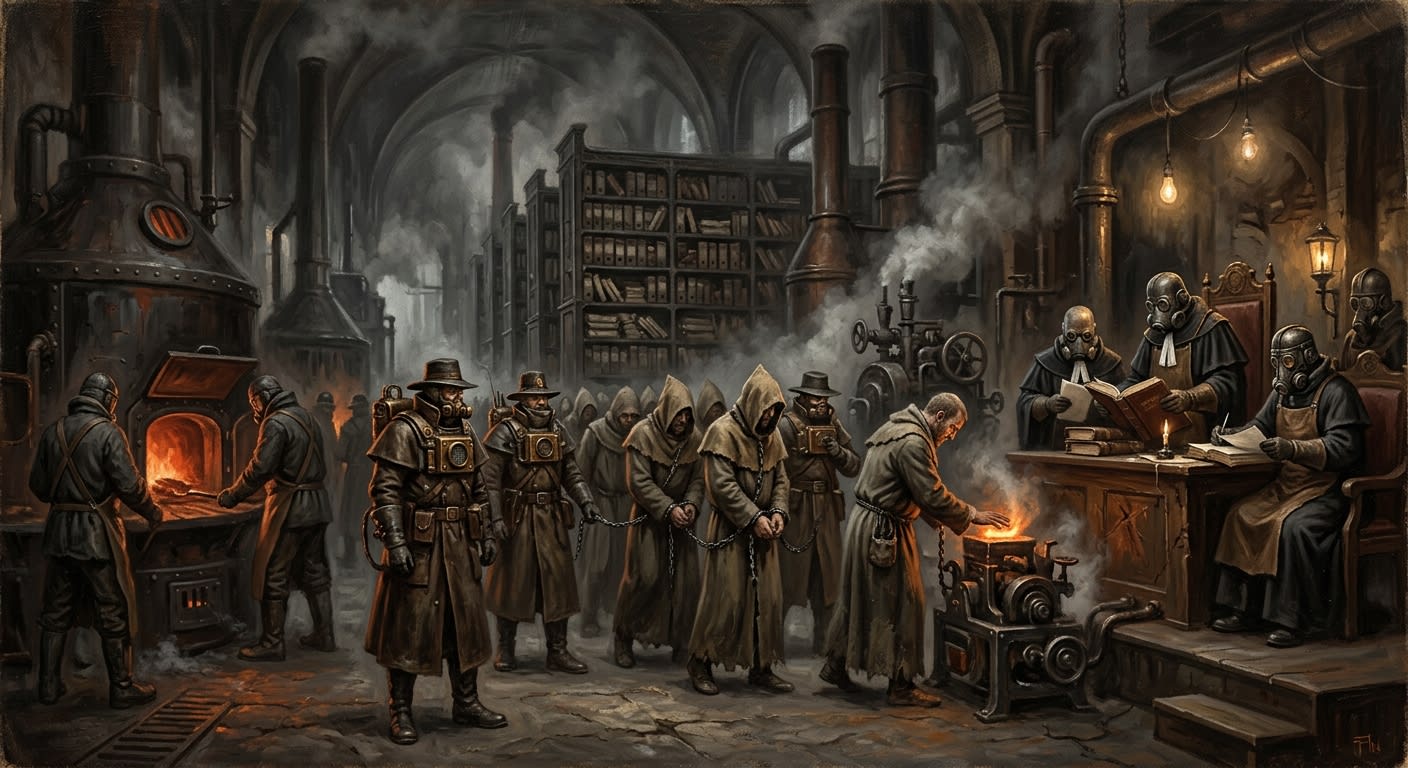
The Witch-Hunts of Toulouse
The fire that learned to file its victims
Toulouse taught Purity its grammar for cruelty: warrant before fire, confession before brand, spectacle before silence, silence before archive.
Codex Ref. VII.8.02-001

Theobald of Worms
The man who taught Europe to confess by angle
First Archon of the Bureau of Heraldry, Theobald of Worms standardised the Triune Knot and made the visible world legible, taxable, and prosecutable.
Codex Ref. III.2.01-119
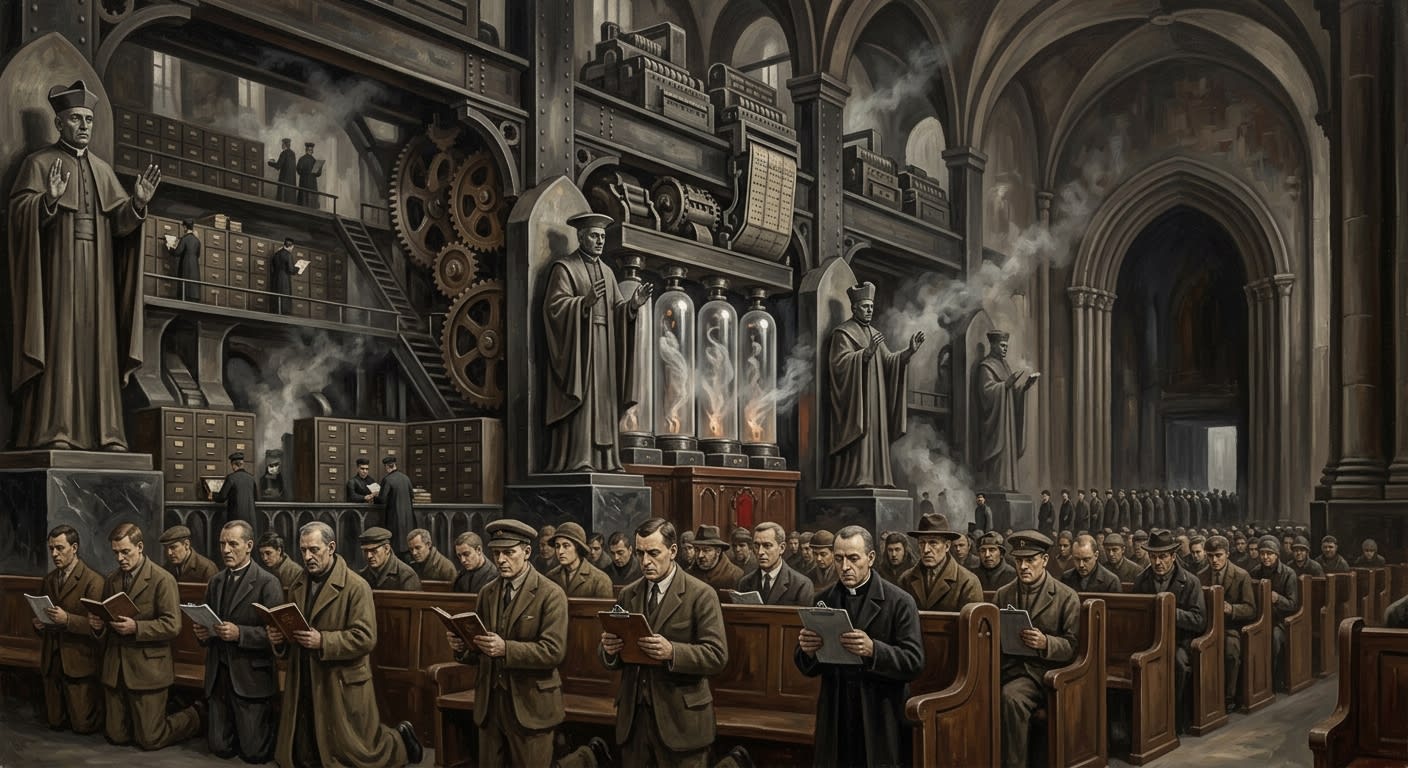
Theocracy
Piety with pipes, doctrine with payroll
Theocracy is the Synod's mature art: altar made warrant, prayer made schedule, fear made grammar, and every soul brought under ratified custody.
Codex Ref. XIII.1.01-201
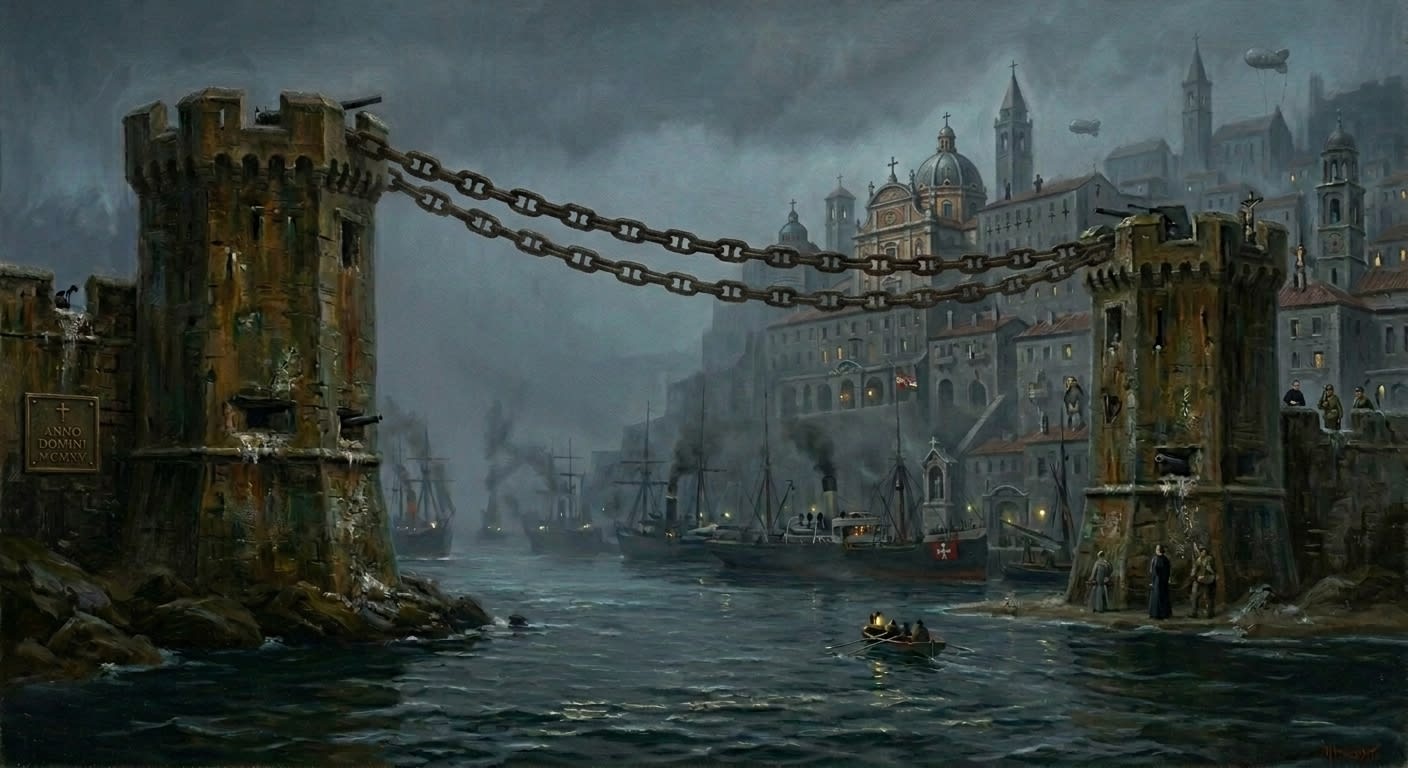
Thessaloniki (Harbor-Chain Towers)
Where every passage is a registration event, and the chains keep the ledger
The Synod's Aegean gullet — Twin Towers of the Harbor-Chain processing ~280,000 souls and every caravan bound for the southern Line, while the Drowned Choir counts beneath the psalm-hum.
Codex Ref. II.4.09-003
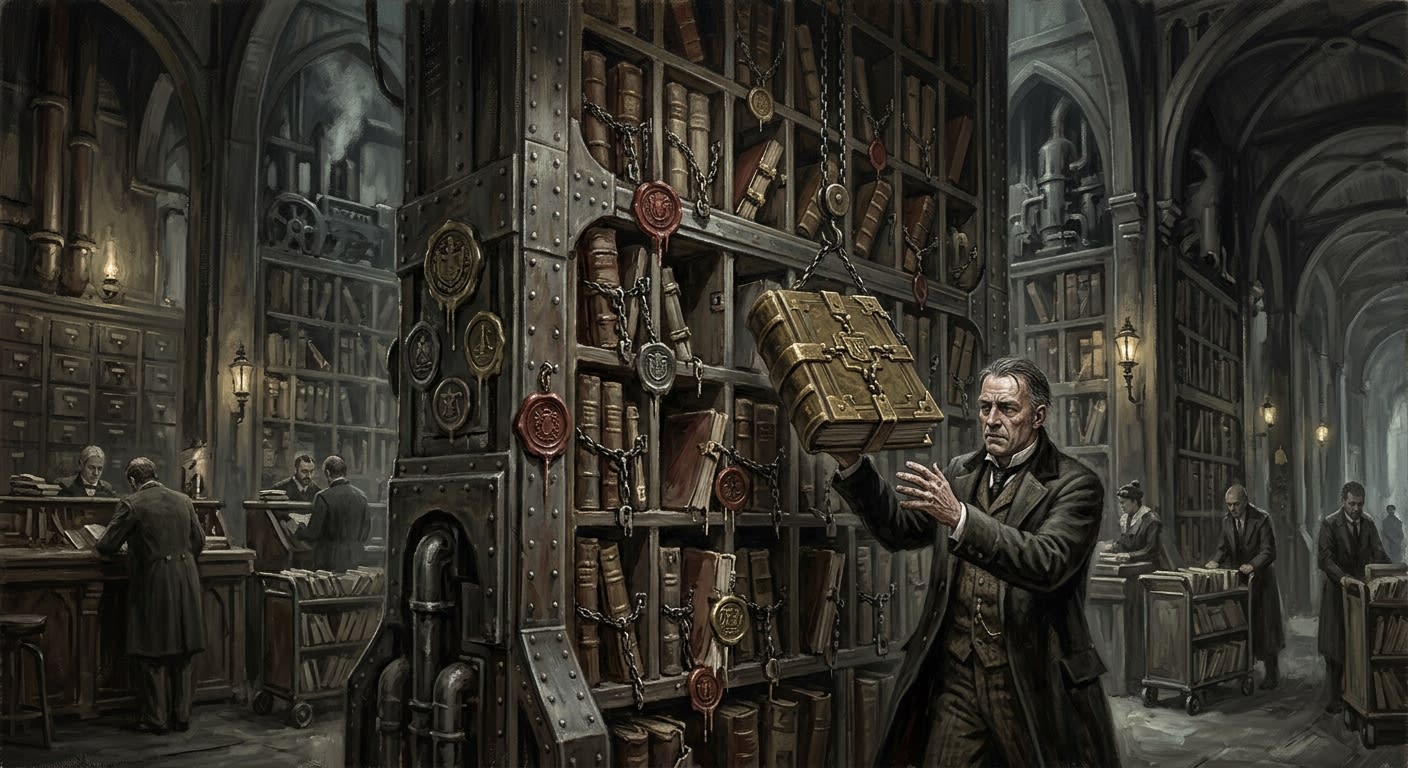
Thirty-Seal Index of Precedent
The book that lets old disputes bite new throats
The Thirty-Seal Index is Commerce's weaponised memory: port-court precedent sealed thirty ways, kept cold, and lent to litigants who know where hunger must wait.
Codex Ref. XIII.1.89-187
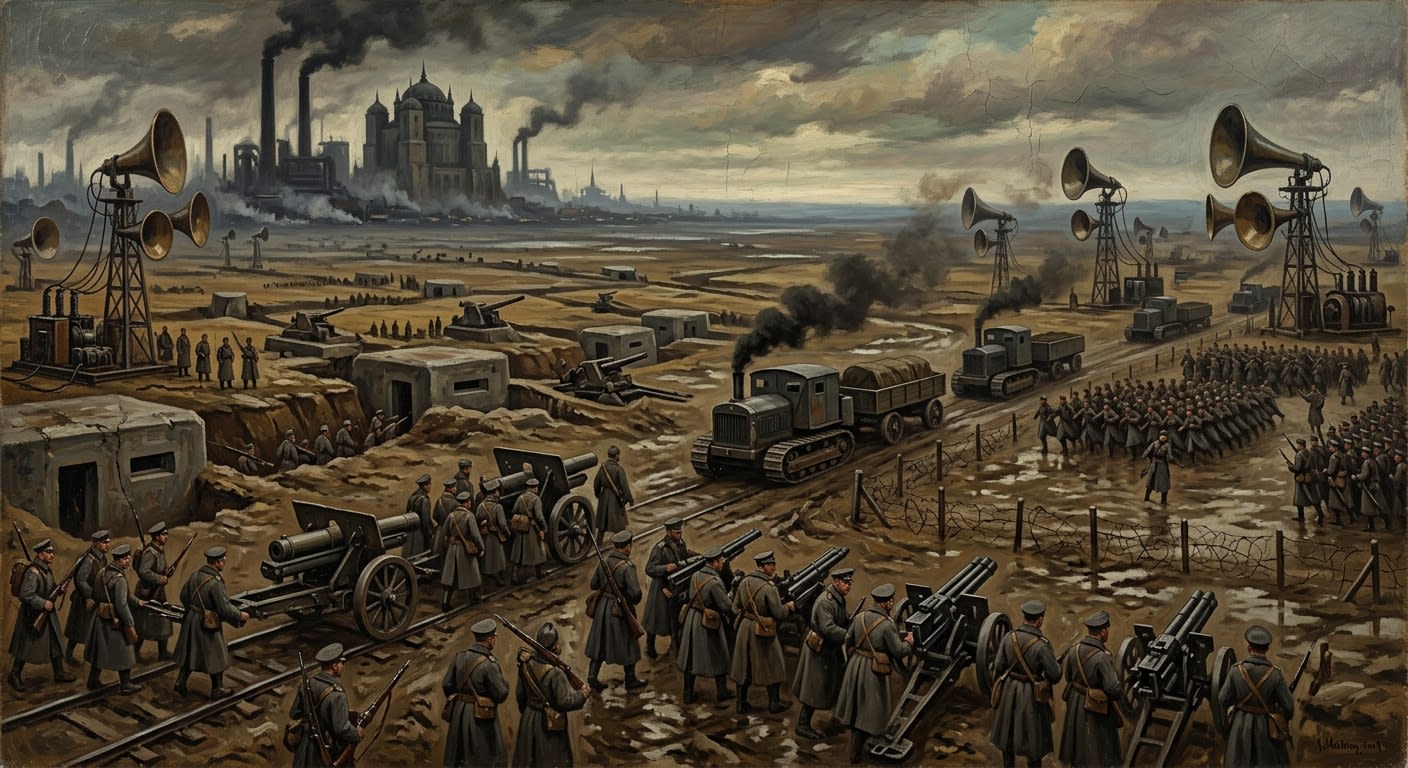
Thracian Plain
The open ground that learned to listen for weakness
The Thracian Plain is Constantinople's northern killing apron: old grainland remade after A.S. 45 into Maldrake's listening floor, muster yard, and artillery throat.
Codex Ref. II.6.03-045
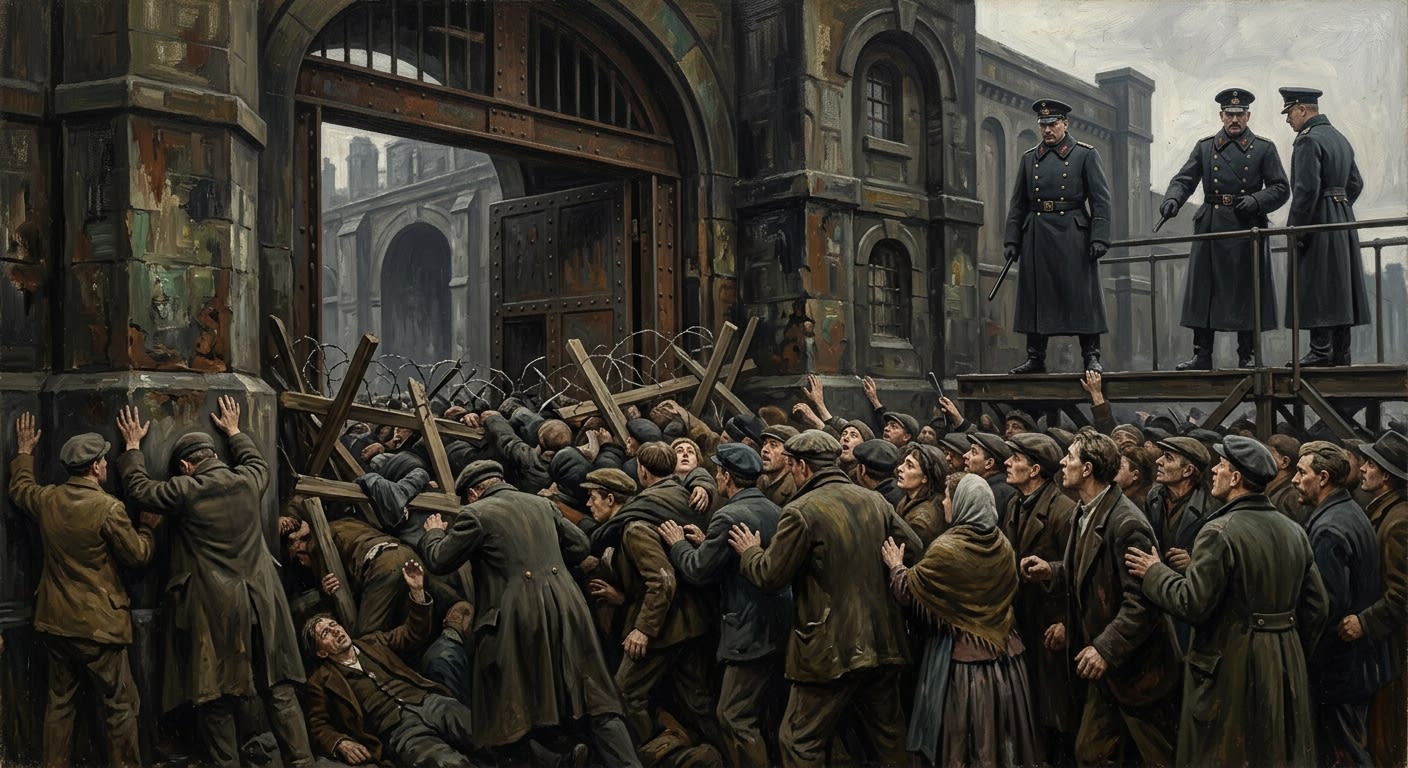
Three-Day Crush
Eleven minutes made a profession; three days counted the dead
The Three-Day Crush killed 309 at a famine gate, then taught the Synod to invent the Queue-Marshal Corps and call suffocation logistics.
Codex Ref. VII.8.10-007
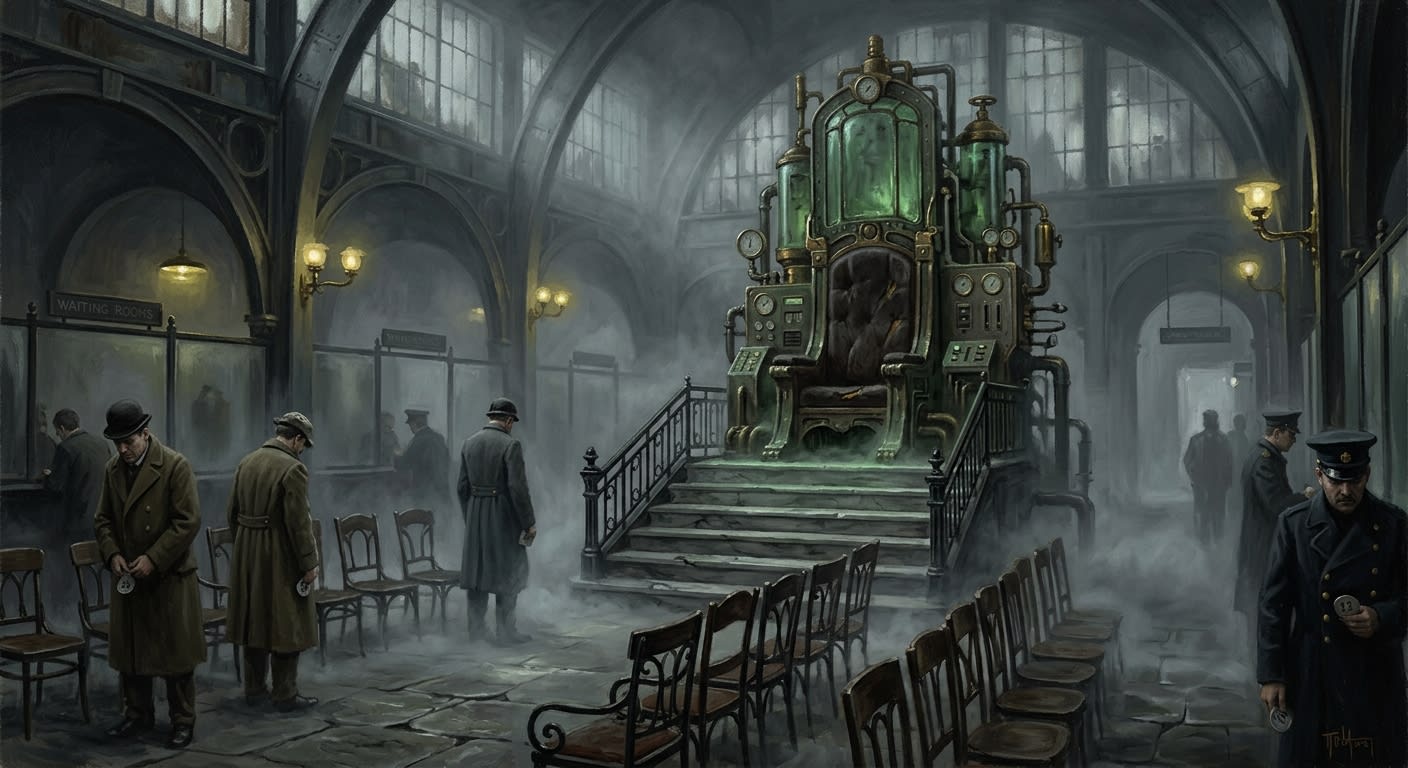
Throne of Mists
Remain standing when comfort offers a crown
The Throne of Mists is Syrion's unreached seat: a palace of fog, glass, waiting rooms, polite summons, and chairs that promise the exhausted soul an end.
Codex Ref. II.6.07-073
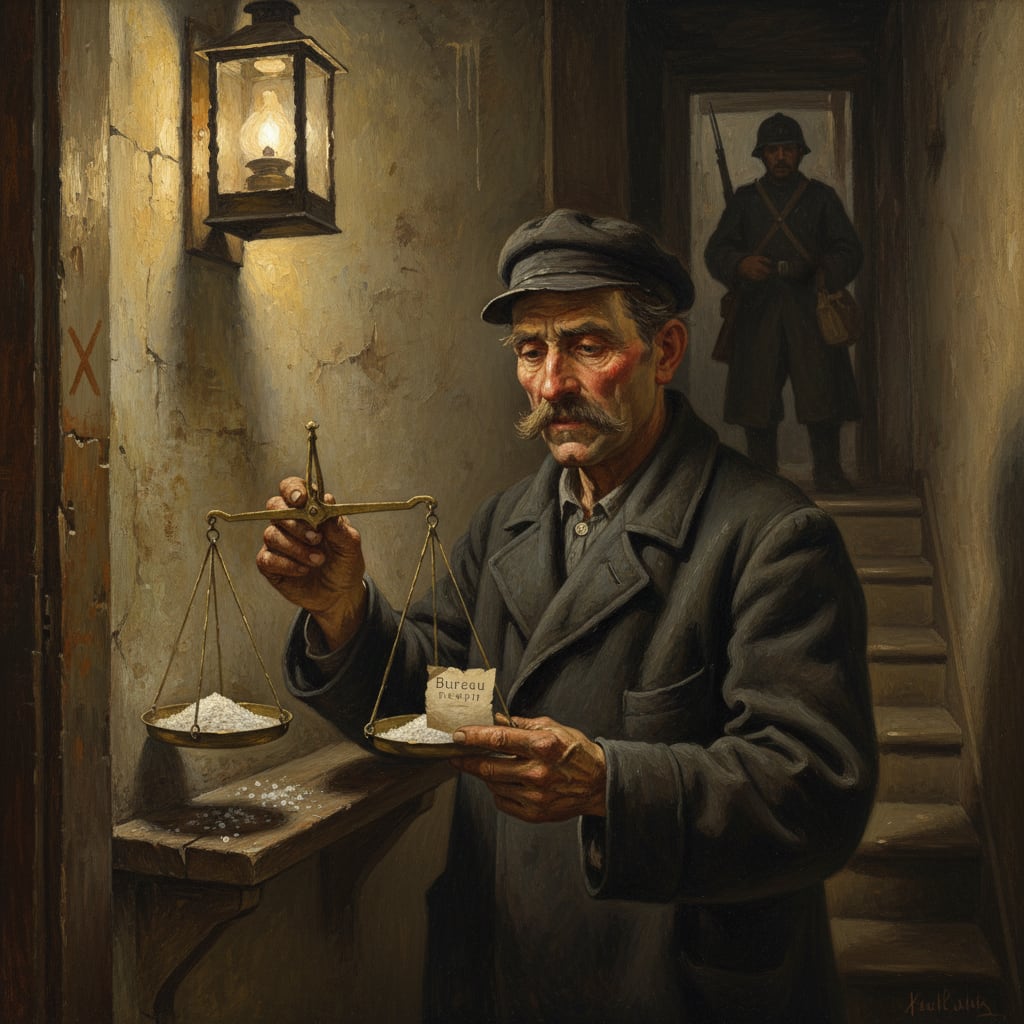
Tithe Assessor
The Bureau's walking appetite; or, what it costs to weigh the widow's salt
The Tithe Assessor is the Bureau of Tithes' primary field instrument — a man with scales, seal cord, and an armed escort who determines whether a family's payment purchases another week of existence. He arrives. He weighs. He chalks the door.
Codex Ref. XII.46.01-001
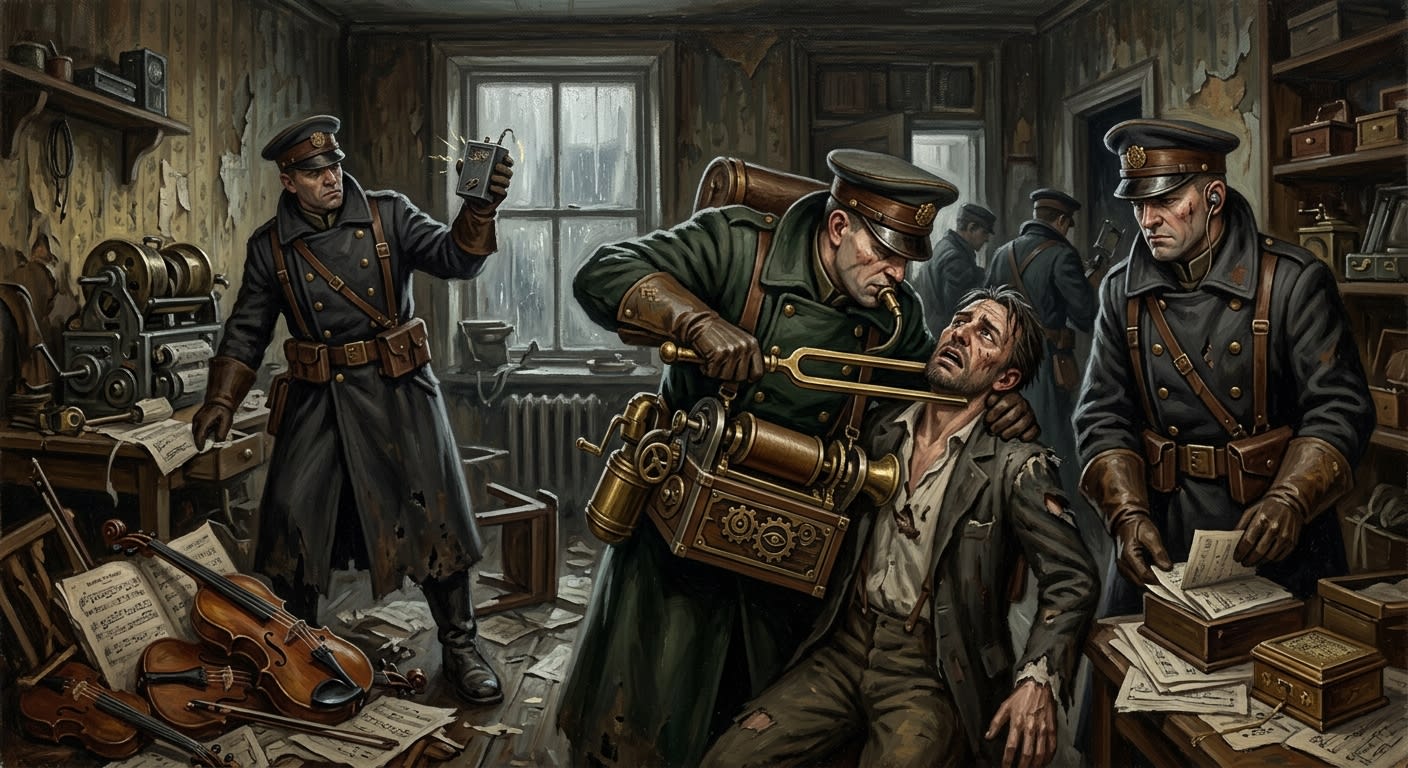
Tone Inquisitors
The ear becomes courtroom, and comfort confesses
Field enforcers of the Bureau of Orison and Song who provoke, detect, record, and prosecute unlicensed melody with forks, boxes, and ruined ears.
Codex Ref. XII.48.02-096
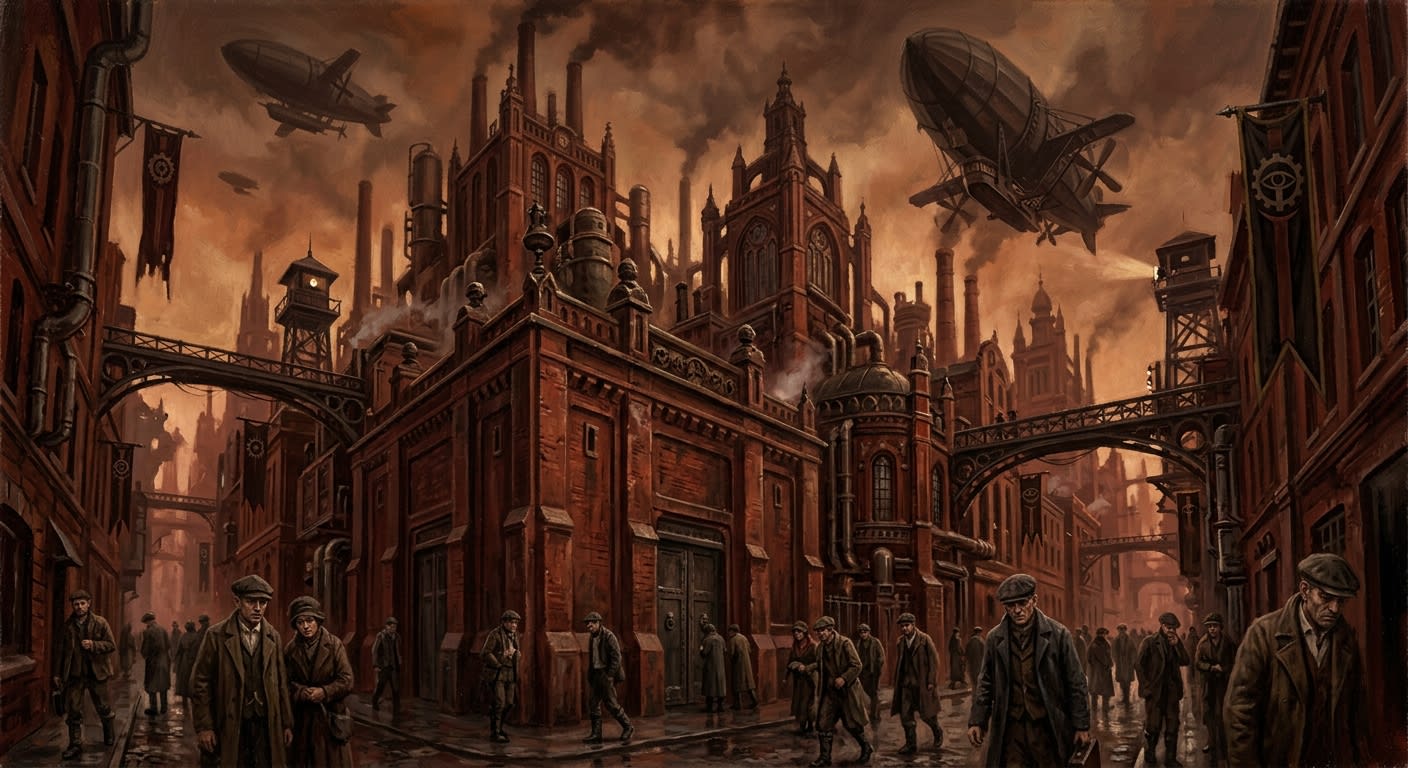
Toulouse
The safe city where Purity learned its grammar
Toulouse is the red-brick safe city corrected in A.S. 93: birthplace of Purity's public dread, still loyal, profitable, lowered-voiced, and watched.
Codex Ref. II.1.09-093
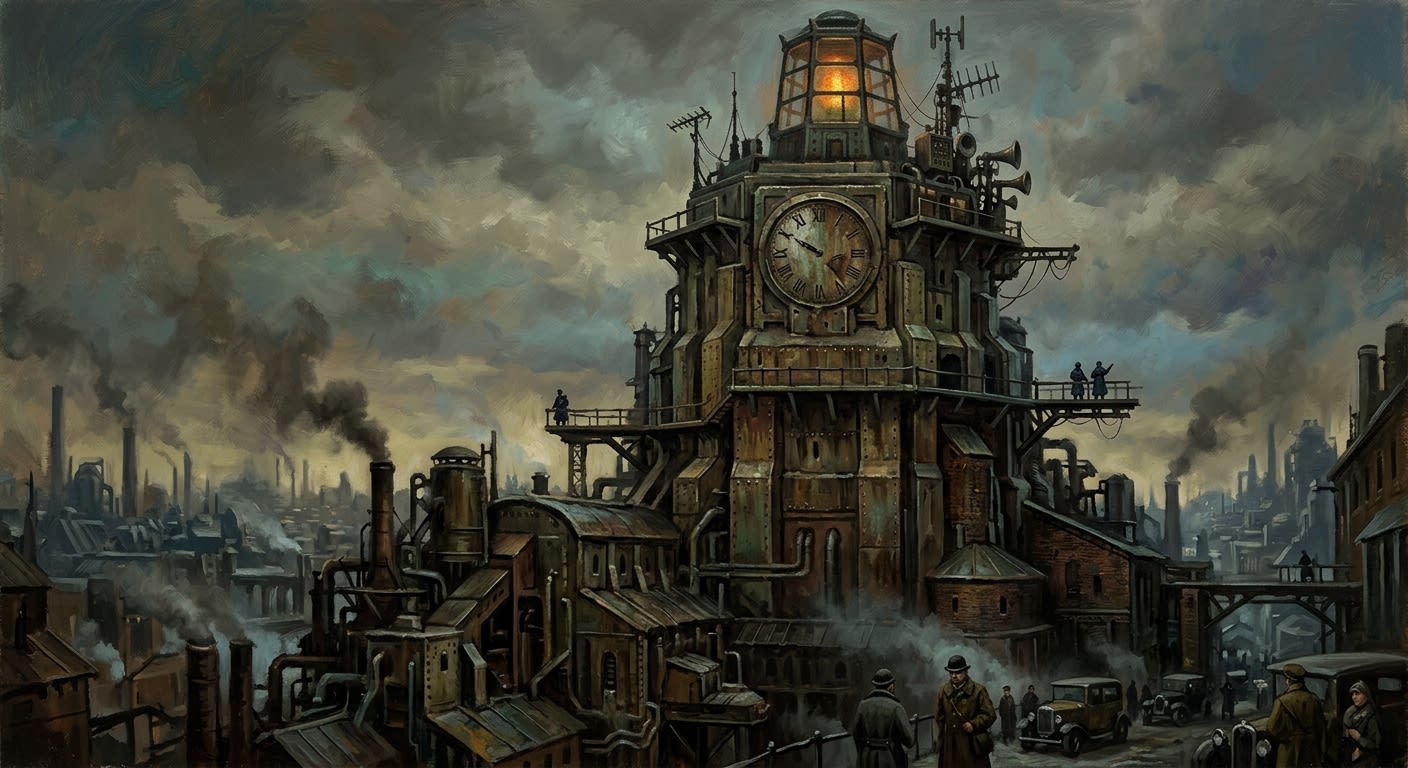
Tower Nine
The eye that learned to answer late
Tower Nine is Lorn's answering switch-tower and Przemyśl's nomenclature wound: a lamp cage, a sealed clock, and a late blink no manual admits.
Codex Ref. II.3.01-009
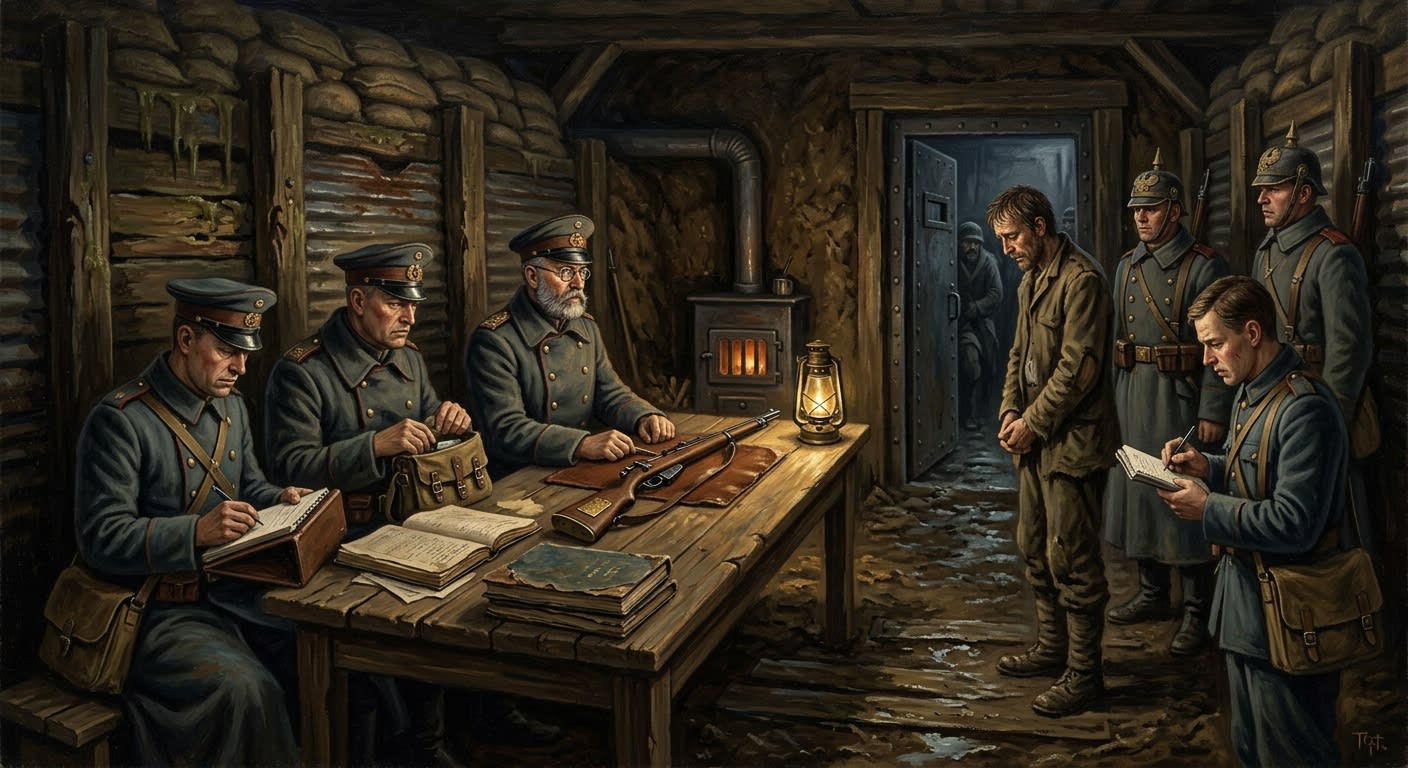
Trench Courts
Due process, shortened to fit one hymn and a rifle knock
The Trench Courts drag law into mud: lantern table, rifle-gavel, contradiction pouch, furnace, and the mercy of recording men before they rot out of legality.
Codex Ref. XIII.1.86-091
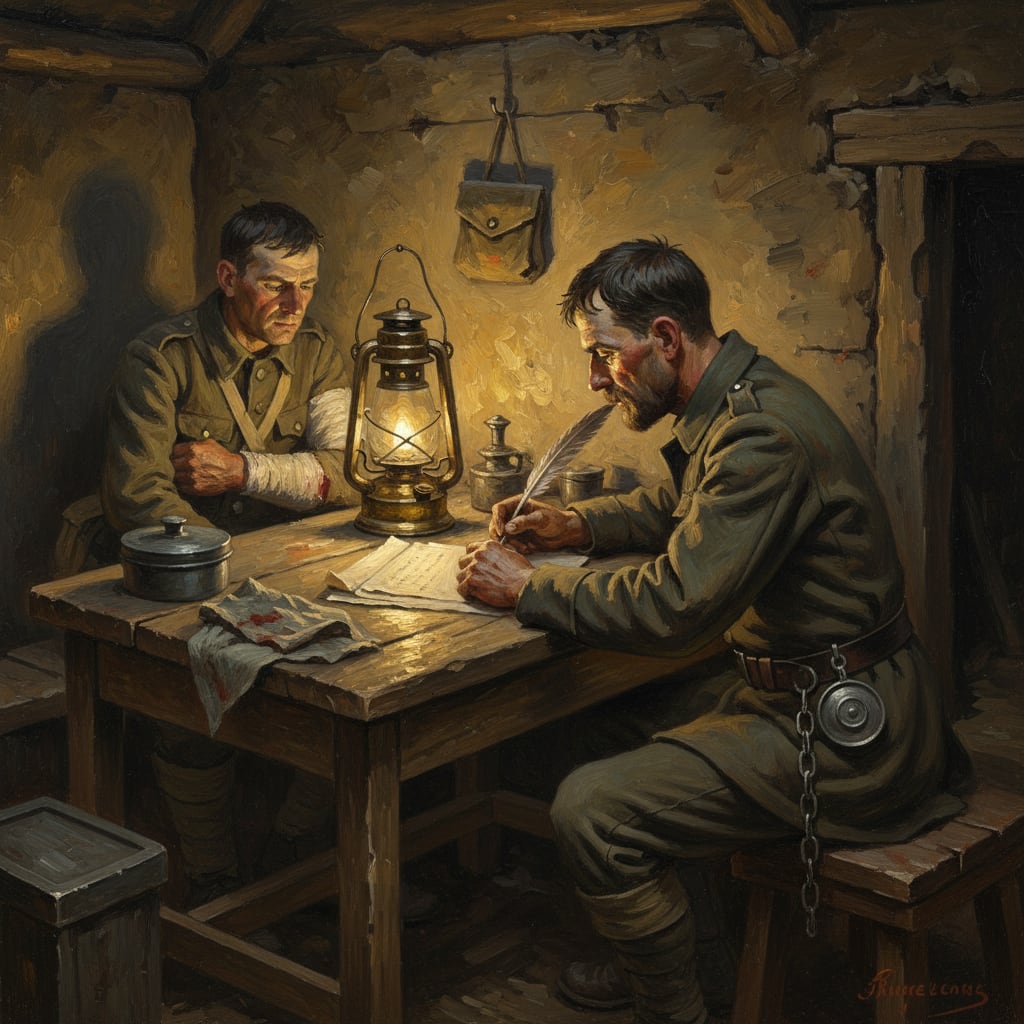
Trench-Court Clerk
The last words of the faithfully dead; and what becomes of the rest
Forward-deployed registry clerks of the Bureau of Records, stationed at Trench Court dugouts on the Sagittal Line to record the last confessions of the dying, assign doctrinal categories.
Codex Ref. XII.47.01-001
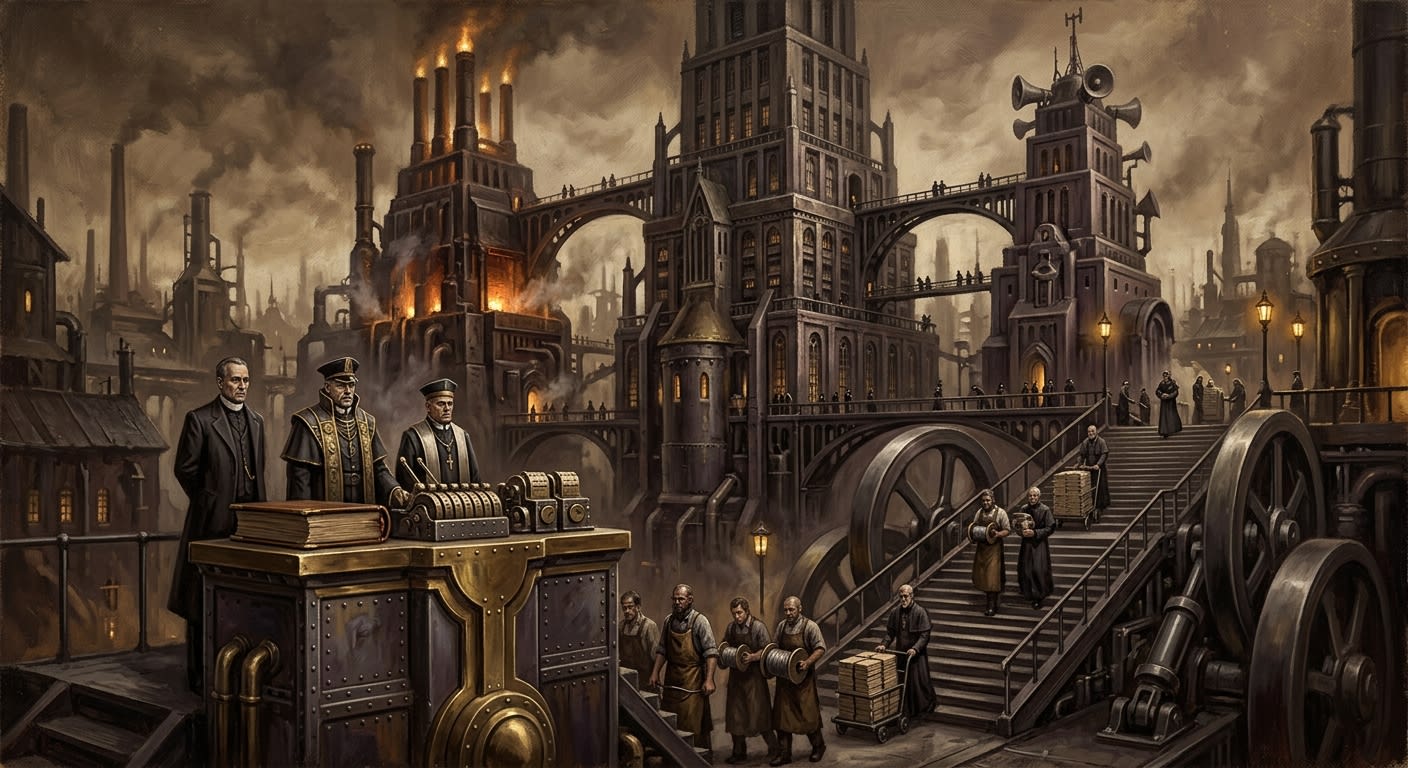
Tri-Bureau Compact
Three hands on one throat, and the furnace calls it law
The A.S. 110 Compact put Essen's heat, names, and voices under three rival Bureaus, turning guild craft into hymnsteel law and tyranny into minutes.
Codex Ref. XIII.1.93-110
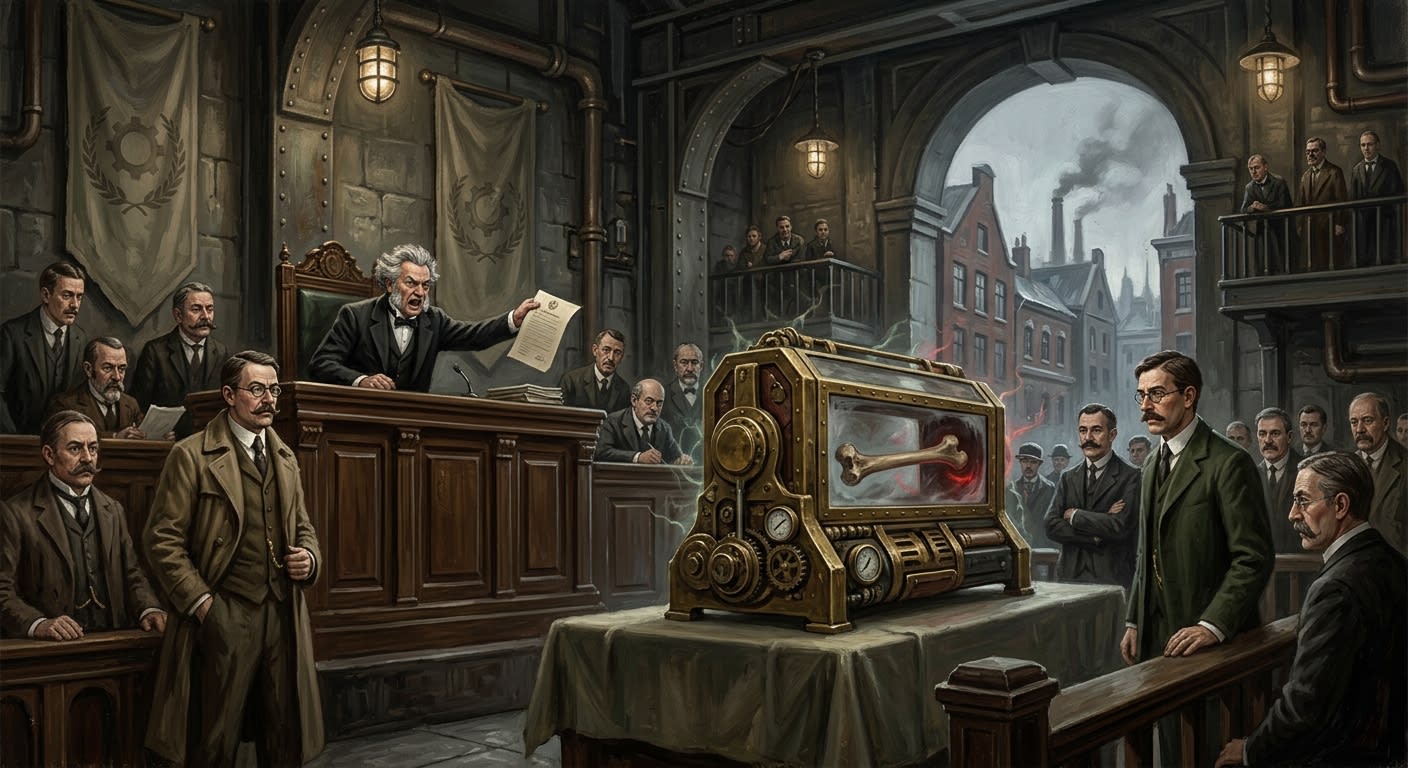
Trial of Saint Aldebrand's Reliquary
The courtroom where arithmetic disgraced itself before a bone
Amsterdam's A.S. 11 mock trial of Saint Aldebrand's reliquary turned Rationalist arithmetic into theatre, until Vienna made the bone louder than the joke.
Codex Ref. VII.8.10-011
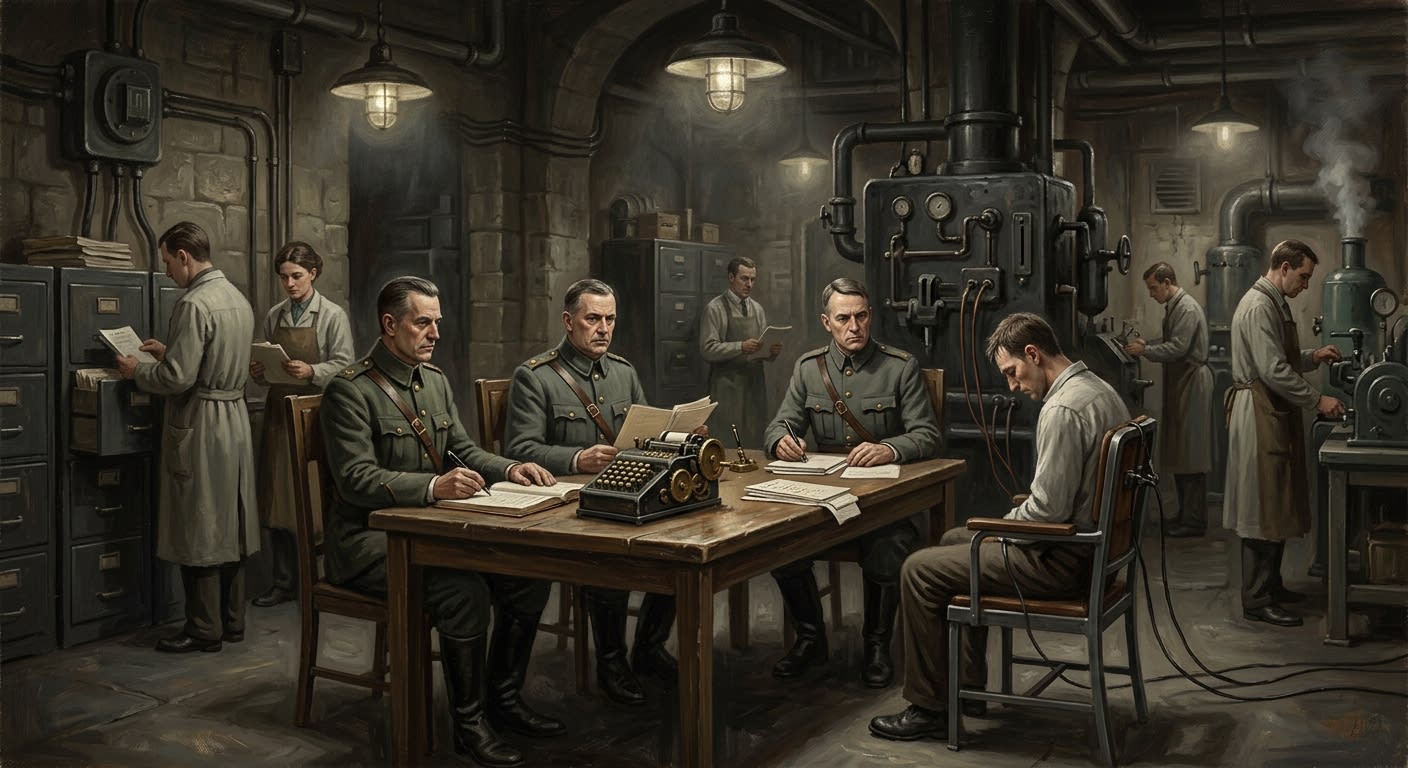
Tribunal of Clarity
Where Reason washed torture until it shone
The Rationalist Republic's secret Tribunal of Clarity renamed prayer as error, torture as method, and conviction as arithmetic until the Sundering answered the room.
Codex Ref. XIII.1.57-030
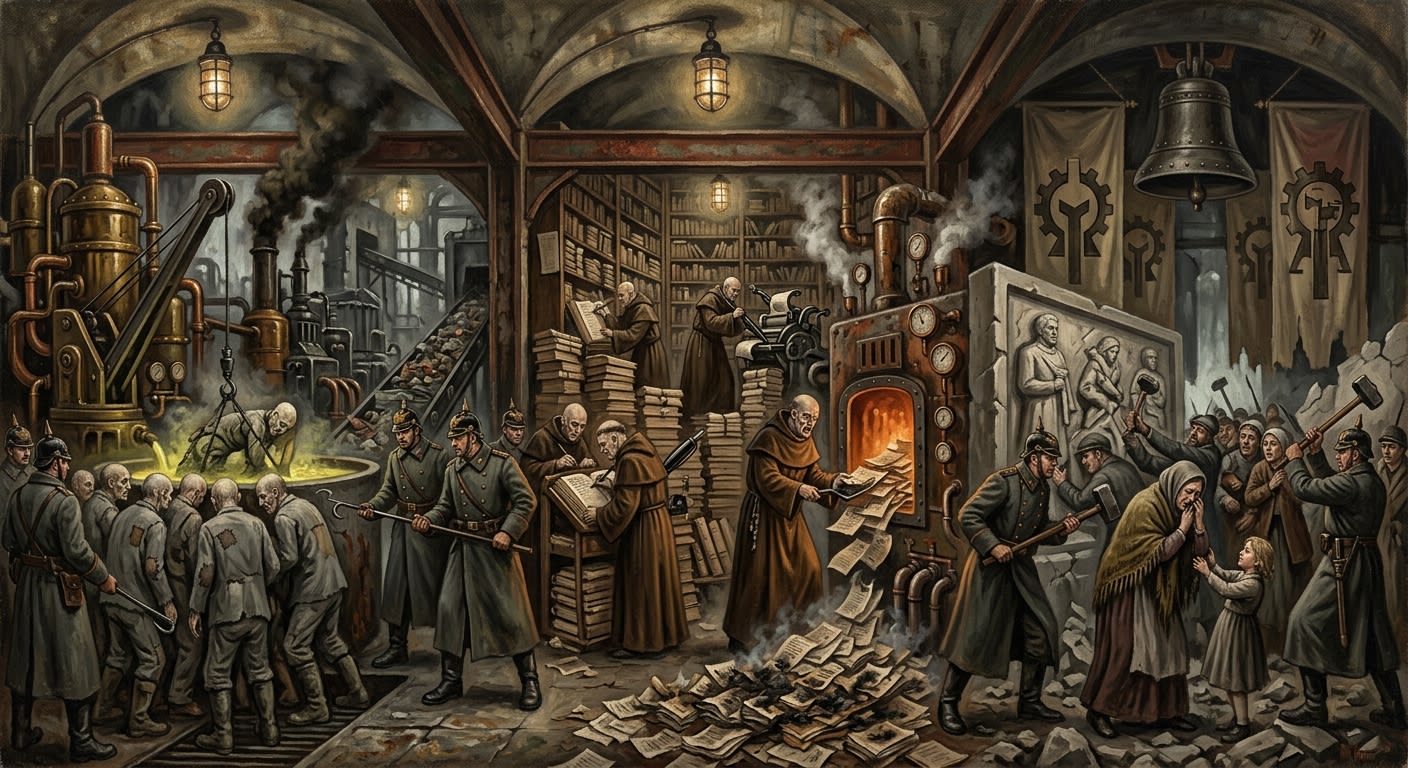
Trifold Erasure
Kill the body, strike the name, poison the recollection
Trifold Erasure is the Synod's threefold cure for rebellion: body extinguished, name struck, memory made too dangerous to love.
Codex Ref. XIII.1.71-111
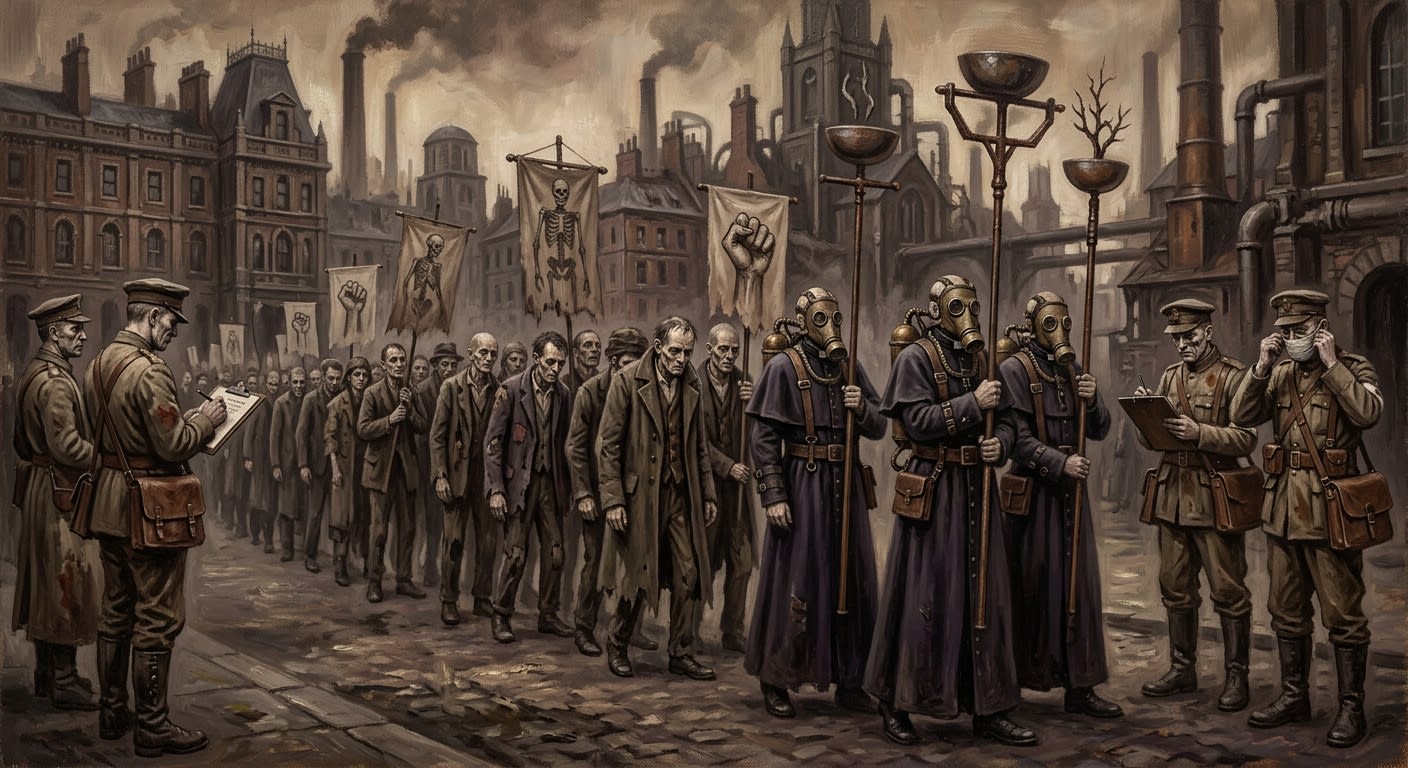
Triumph of the Gaunt
An injury given a hymn-sheet
The Triumph of the Gaunt crowns visible hunger as public virtue, training citizens to distrust plenty while Medicine counts the damage.
Codex Ref. XIII.1.25-001
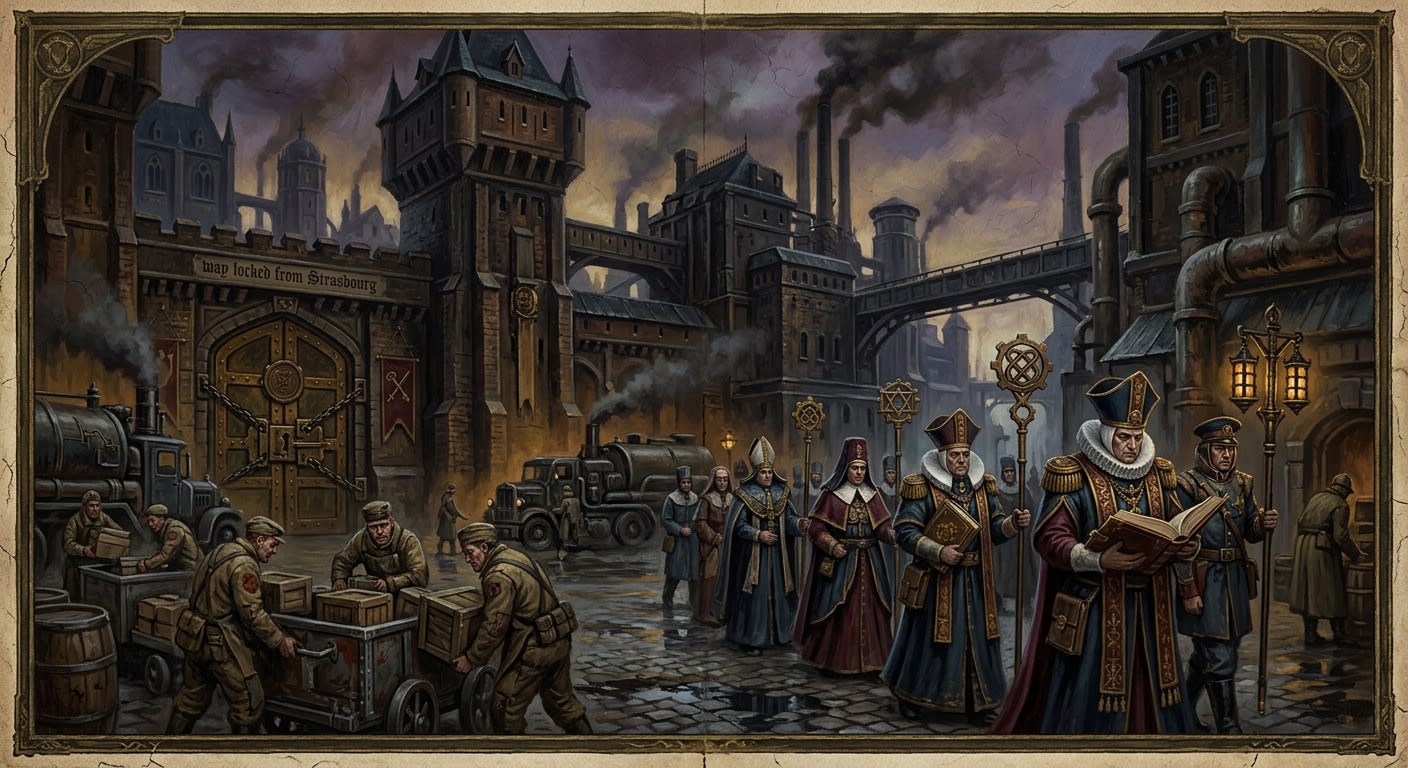
Triune Hearth
Three old bodies, one chimney, and Strasbourg holding the poker
The Triune Hearth binds France, Iberia, and the Rhineland into one Synodal household: warm in sermon, hungry in ledger, and locked from Strasbourg.
Codex Ref. XIII.1.04-090
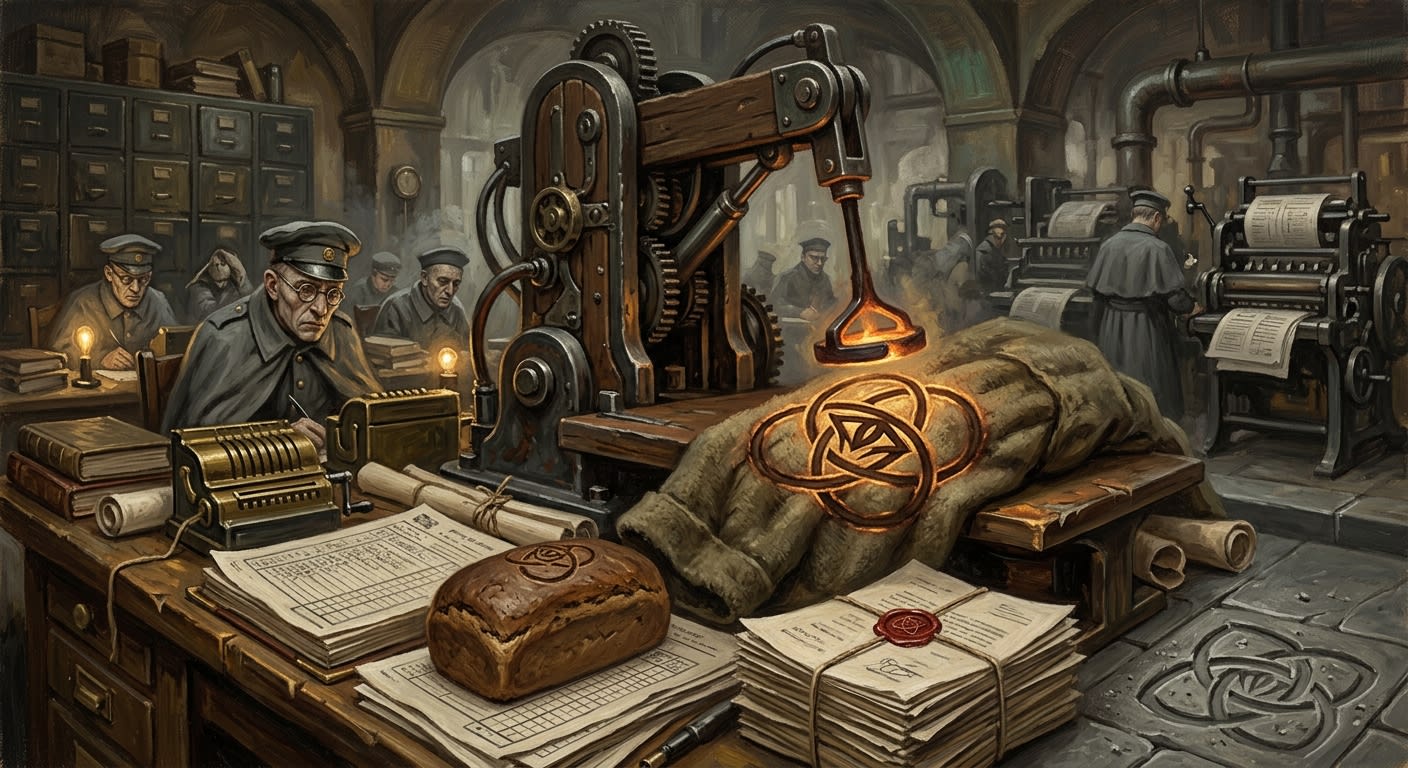
Triune Knot
Three loops, one law, and every door accounted for
Universal Synodal binding mark standardised under Theobald of Worms, by which doors, papers, bread, flesh, and graves become readable to law.
Codex Ref. XIII.1.03-002
True Measure Zealots
The pan decides, which is why everyone hates the pan
Internal tariff-chapel faction of Commerce Clerks whose devotion to strict relic calibration makes them useful witnesses, hated colleagues, and excellent disasters.
Codex Ref. XIII.1.59-001
Two-Book Dead
One ledger for the law, one ledger for the body that vanished
The Two-Book Dead names the Ossuary Rings' hidden second ledger: one corpse for law, one corpse for price, and grief caught between them.
Codex Ref. XIII.1.76-094

Unauthorized Melody Smuggler
The lullaby the Bureau buried; the mouth it walks out of now
The Unauthorized Melody Smuggler is classified under Tongue-Crime, Melody Intent, Doctrinal Sabotage — above common theft, below armed heresy. The lullaby does not care what the Bureau calls it. It continues to walk out in someone else's mouth.
Codex Ref. XII.48.01-001
Unread
A closed mouth at Calais, and the sea counting anyway
The Unread refuse Calais' fog readings, claiming every spoken name is a hook lowered into the Undertide. Silence, naturally, became expensive.
Codex Ref. XIII.1.76-187
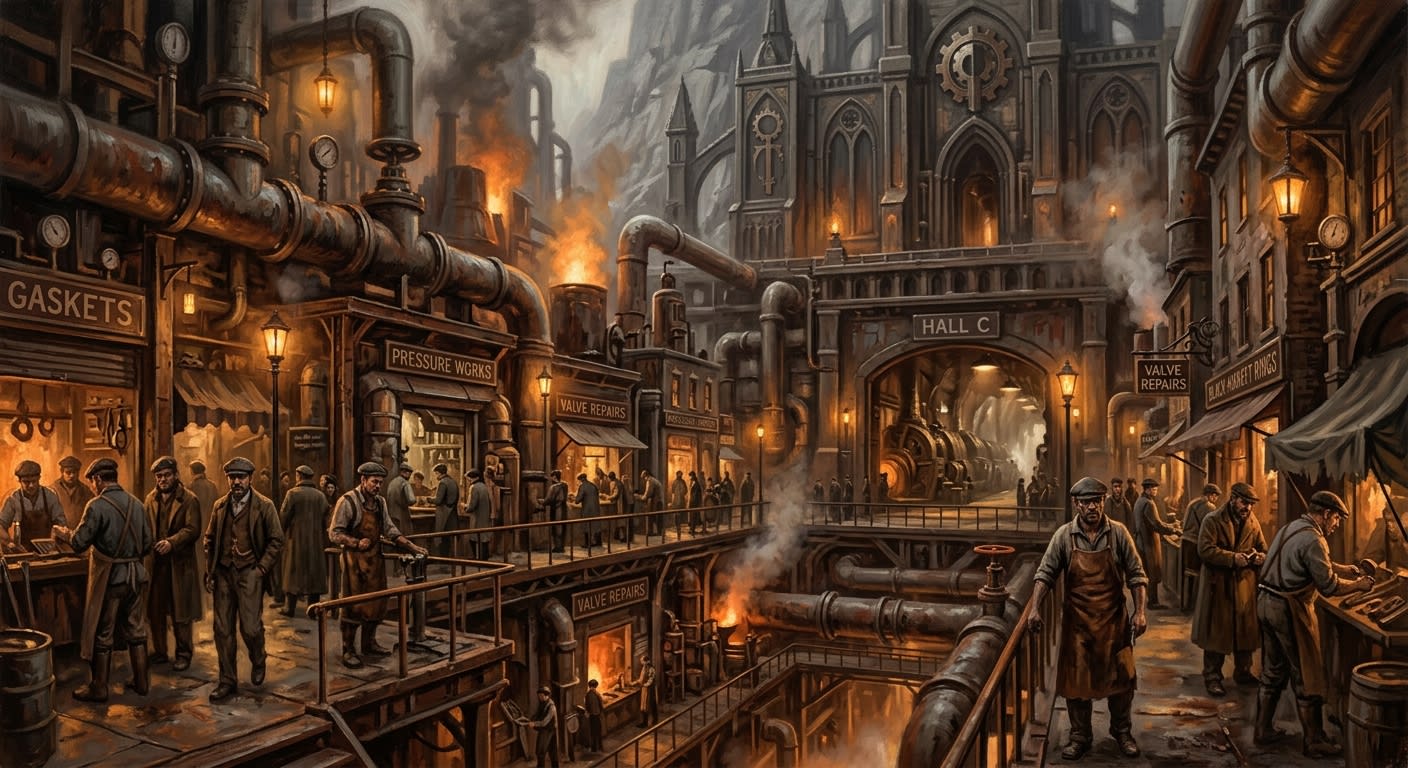
Valve Quarter
Where [[bastion-irongate|Irongate]] keeps its warmth, its gaskets, and its deniable sins
The Valve Quarter is Bastion-Irongate's hot side-throat: pressure works, gasket shops, black-market rings, worker lungs, Hall C, and all the warmth the mountain denies elsewhere.
Codex Ref. II.4.24-096
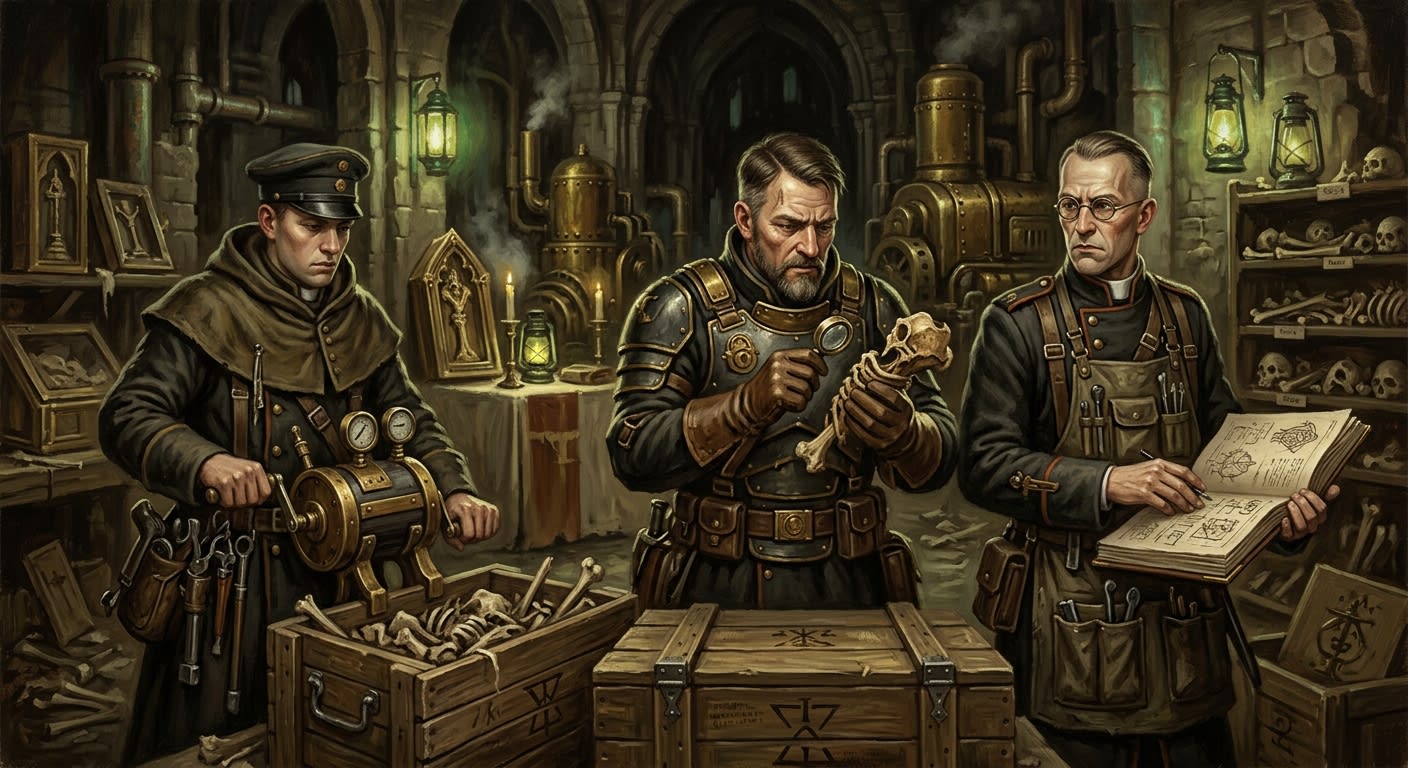
Van Hoorn, Lemstra & de Waal
Three clerks of doubt, one table of bones, and forty cities taught to sneer
Pieter van Hoorn, Gerrit Lemstra, and Jan de Waal made doubt portable in -32 A.S.; their Bone Census counted relics accurately and wounded truth efficiently.
Codex Ref. III.2.01-026
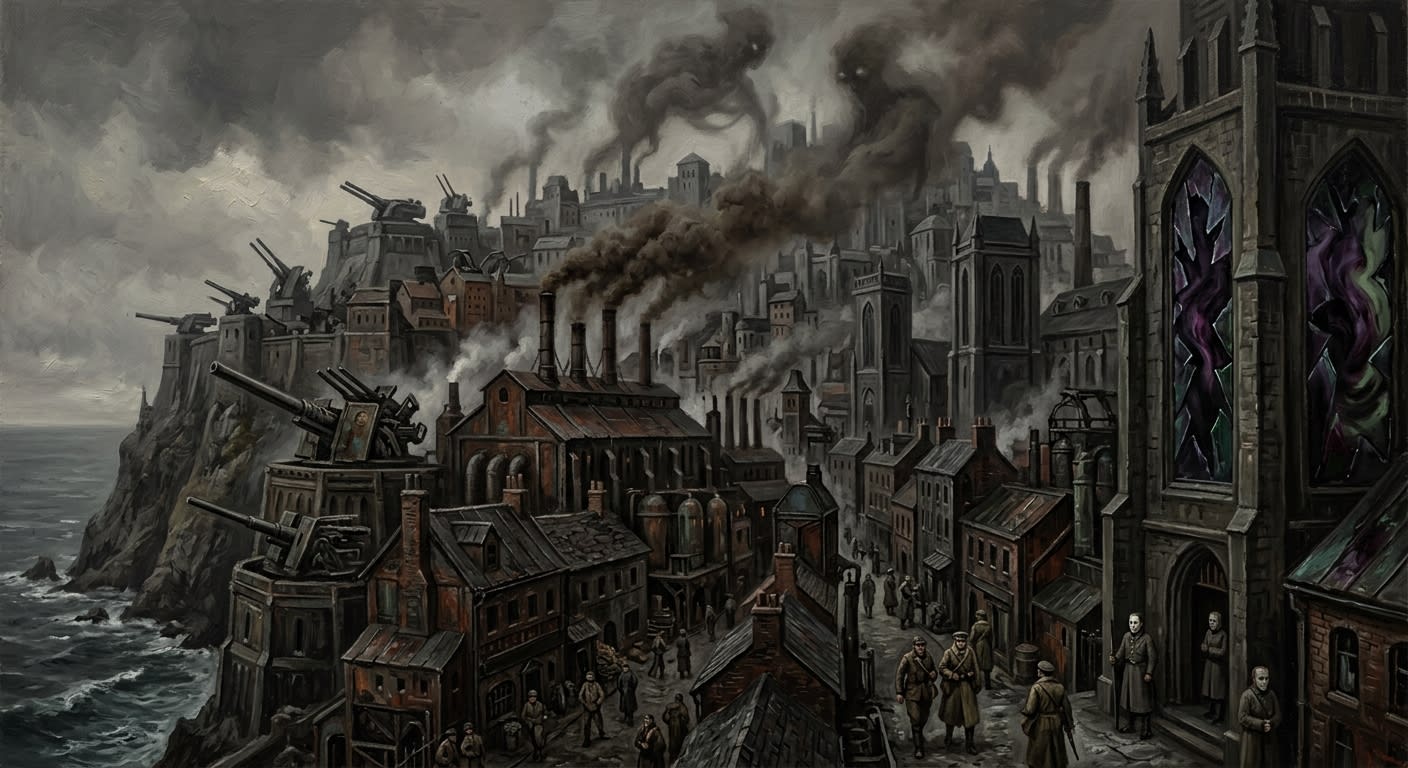
Varna
The Ashen Redoubt where smoke looks back and bread learns law
Varna, the Ashen Redoubt, is a Black Sea cliff-fortress of guns, bone-kilns, tariff chapels, demon glass, hunger law, debt masks, and smoke that looks back.
Codex Ref. II.4.09-070

Velkara
She Holds No Sector. She Holds Every Room.
The Sin-General of Lust holds no sector of the Sagittal Line and requires none. Velkara does not breach walls. She wakes inside them, and the Bureau cannot identify the seam.
Codex Ref. IV.1.07-005
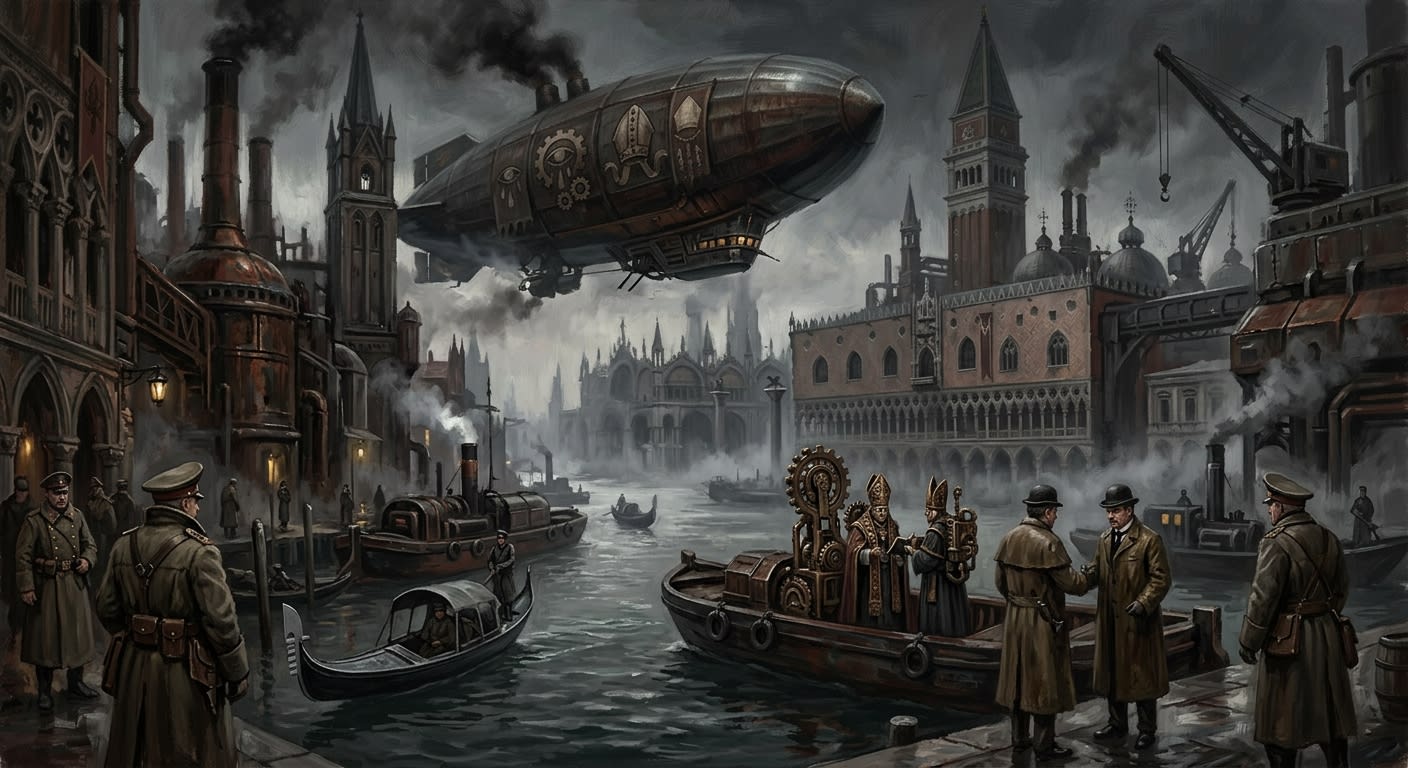
Venice
The city that obeys by tide and invoices by fog
Venice is loyal, wealthy, damp, evasive, and necessary: an Adriatic city the Synod owns by writ and must still ask politely by tide.
Codex Ref. II.4.09-201
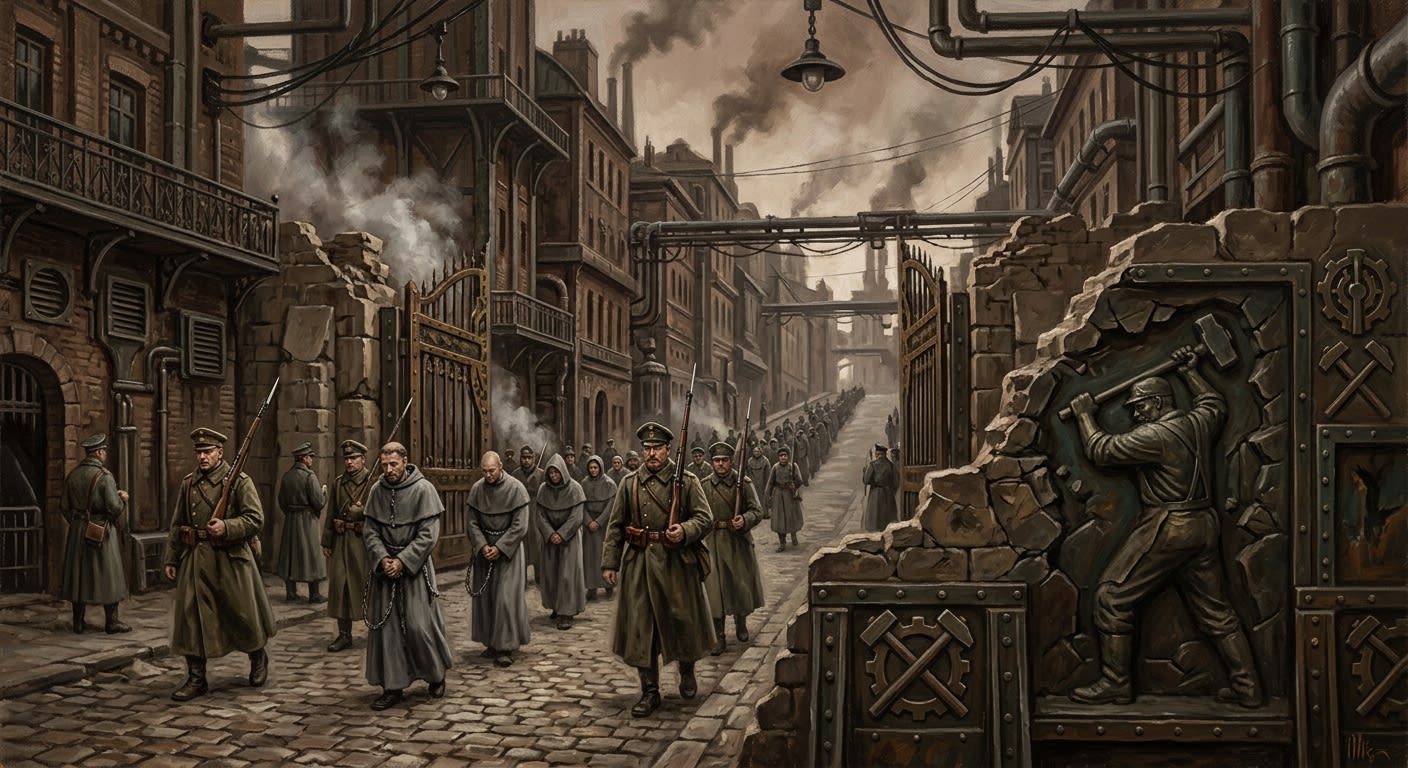
Via Stahlhand
Four hundred and eleven metres where knees become receipts
Vienna's Via Stahlhand is the sanctioned 411-metre penitential route through the Kärntner Gate breach, where Clemens Stahlhand's blow became a road.
Codex Ref. II.4.09-011
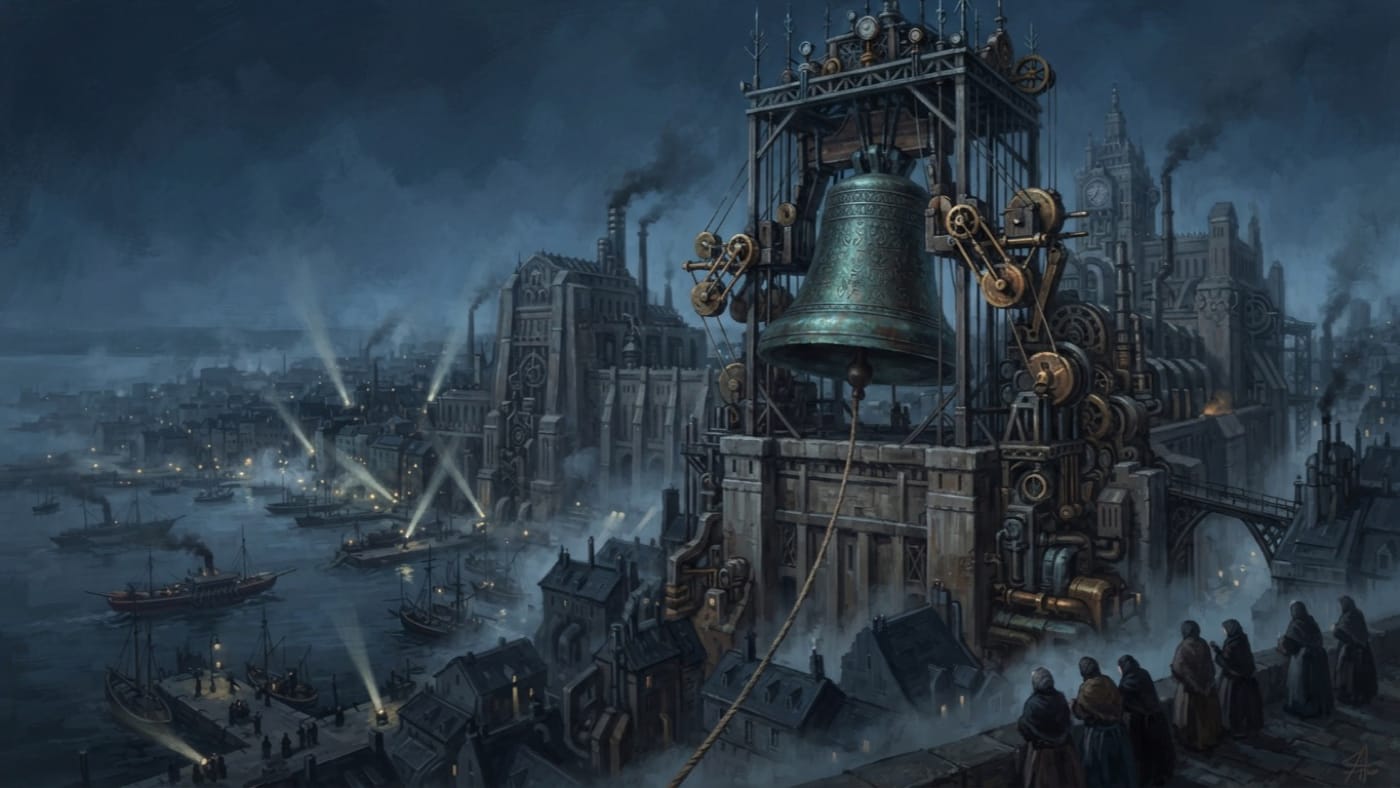
Victor, Great Bell of Marseille
The prayer is registered; the midnight peal has no authorised hand
Victor is the largest of Saint-Victor's nine bells, bronze bearing a prayer against shipwreck over Marseille. Its midnight return-peal remains filed, denied and unexplained.
Codex Ref. XIII.1.62-235
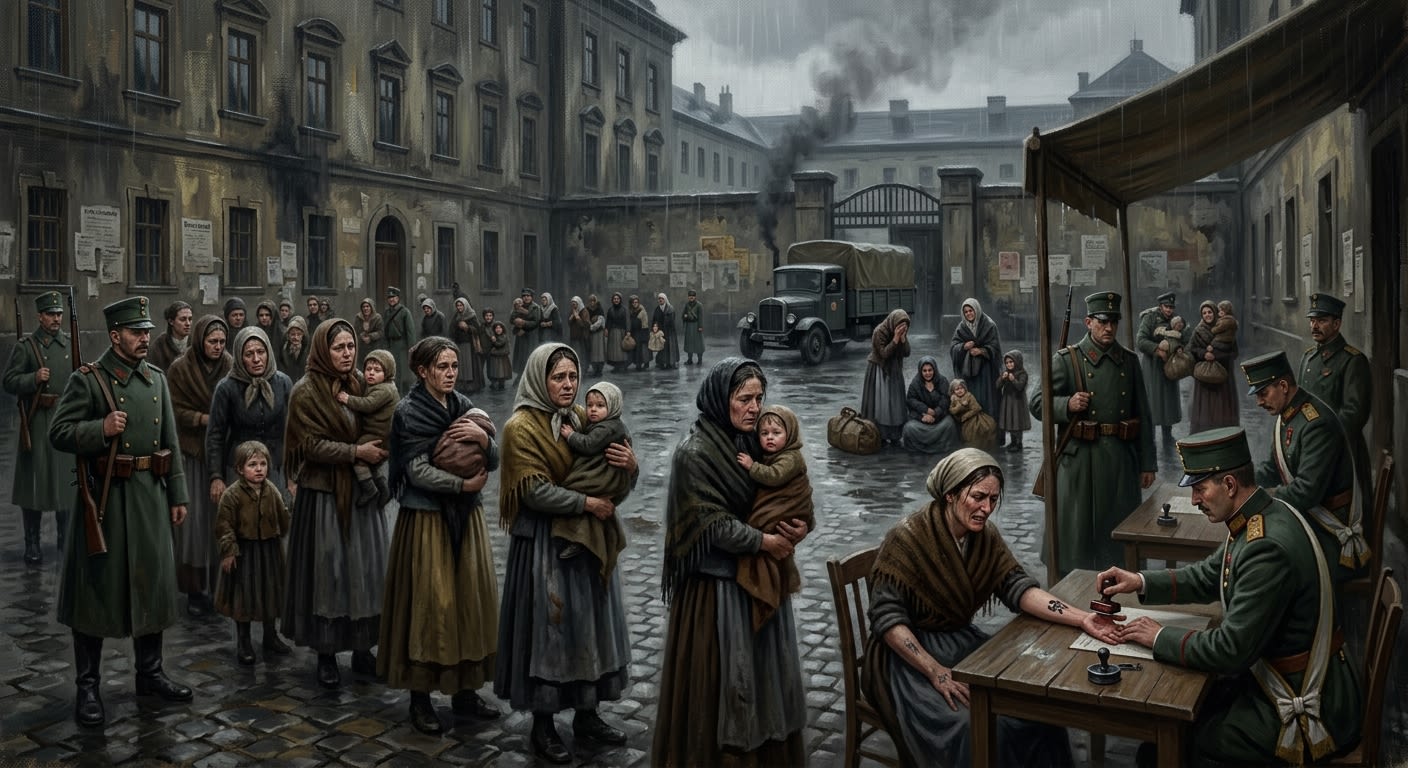
Vienna Incident A.S. 112
Five thousand tongues, and one lullaby still breathing
A.S. 112 Orison sweep in Vienna that branded five thousand mothers for a rain-and-barley lullaby and made unauthorized comfort a training case.
Codex Ref. VII.8.10-112
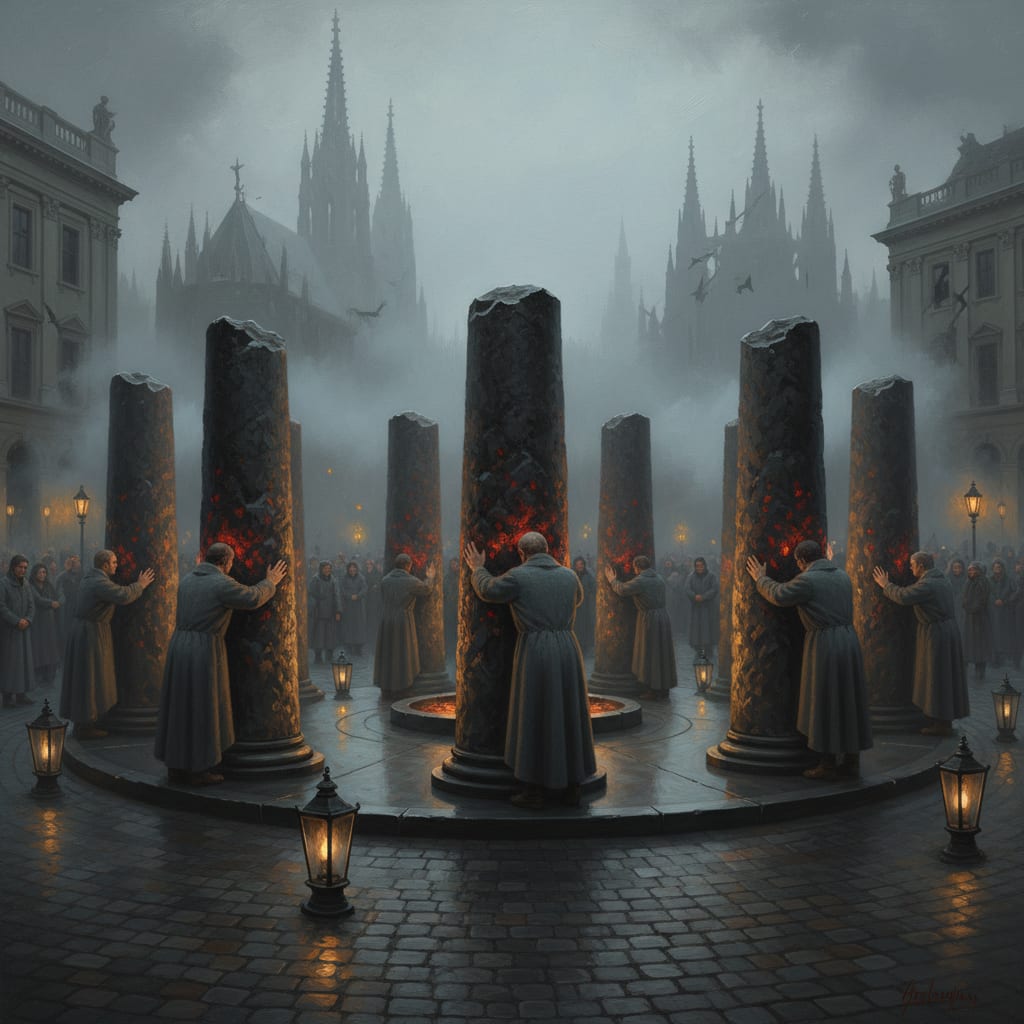
Vienna, the Shrine-Ruins
Three deaths, one gift shop, and a pen that has not dried in forty years
Three times ruined and once reclaimed. Vienna is the Synod's finest shrine and its most honest monument: the Rationalist capital, the Great Retreat's wound.
Codex Ref. II.4.09-010

Vigil Ark *Saint Barachiel*
On the consecrated dirigible that blesses the Bosphorus sky, the sermon heard forty feet below the water, and the eleven minutes forty-three seconds of A.S. 199 the Bureau has classified as Not Our Co
The Vigil Ark Saint Barachiel: armed dirigible-reliquary, Constantinople theater, A.S. 168–present. Thirty-three years of consecrated patrol. One unexplained Broadcast. The Ark flies. The Bureau recommends continued faith.
Codex Ref. II.4.11-001
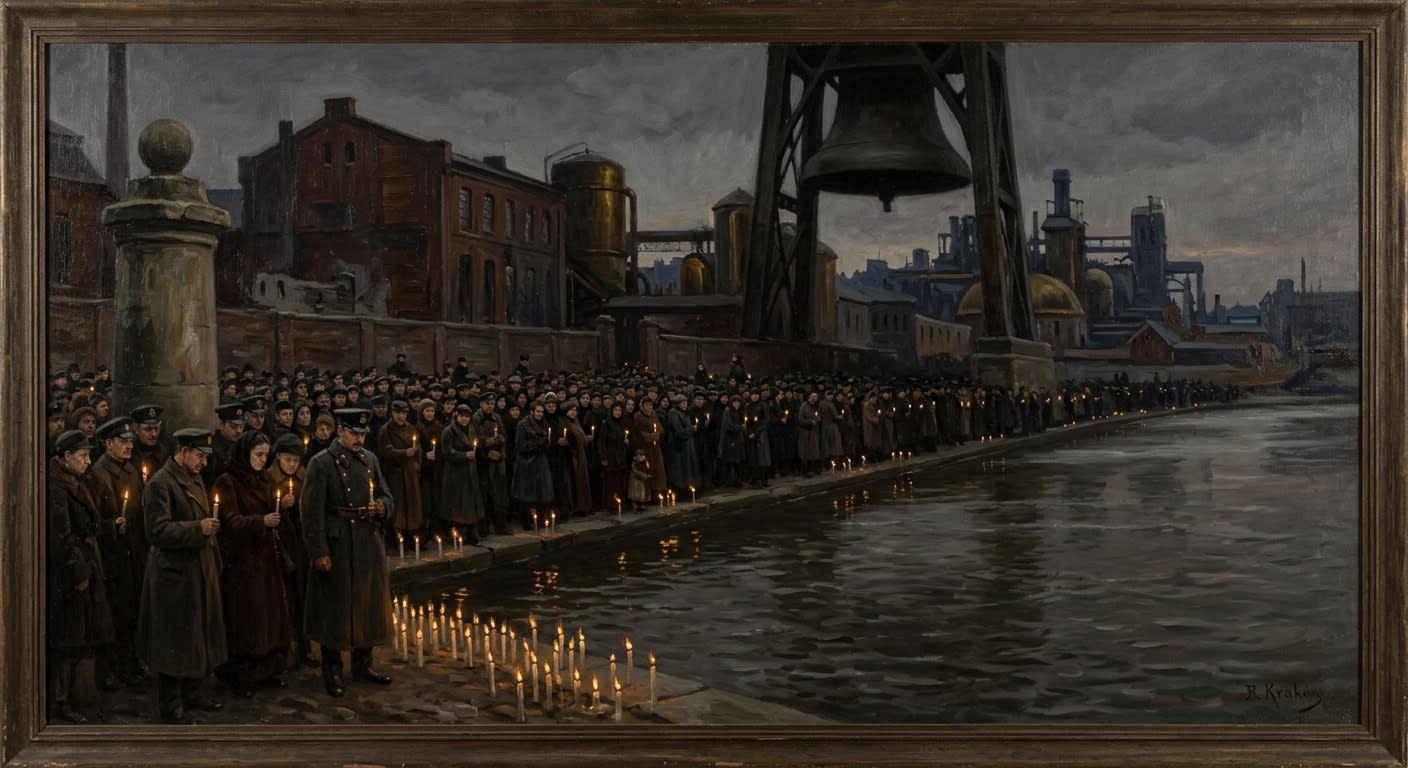
Vigil of the Drowned Priests
One hour in which [[krakow|Kraków]] is ordered to hear the river
Annual Kraków observance ratified in A.S. 148: one mandated hour of Bell-silence, forty-seven candles, and a river taught to testify.
Codex Ref. VII.6.02-001
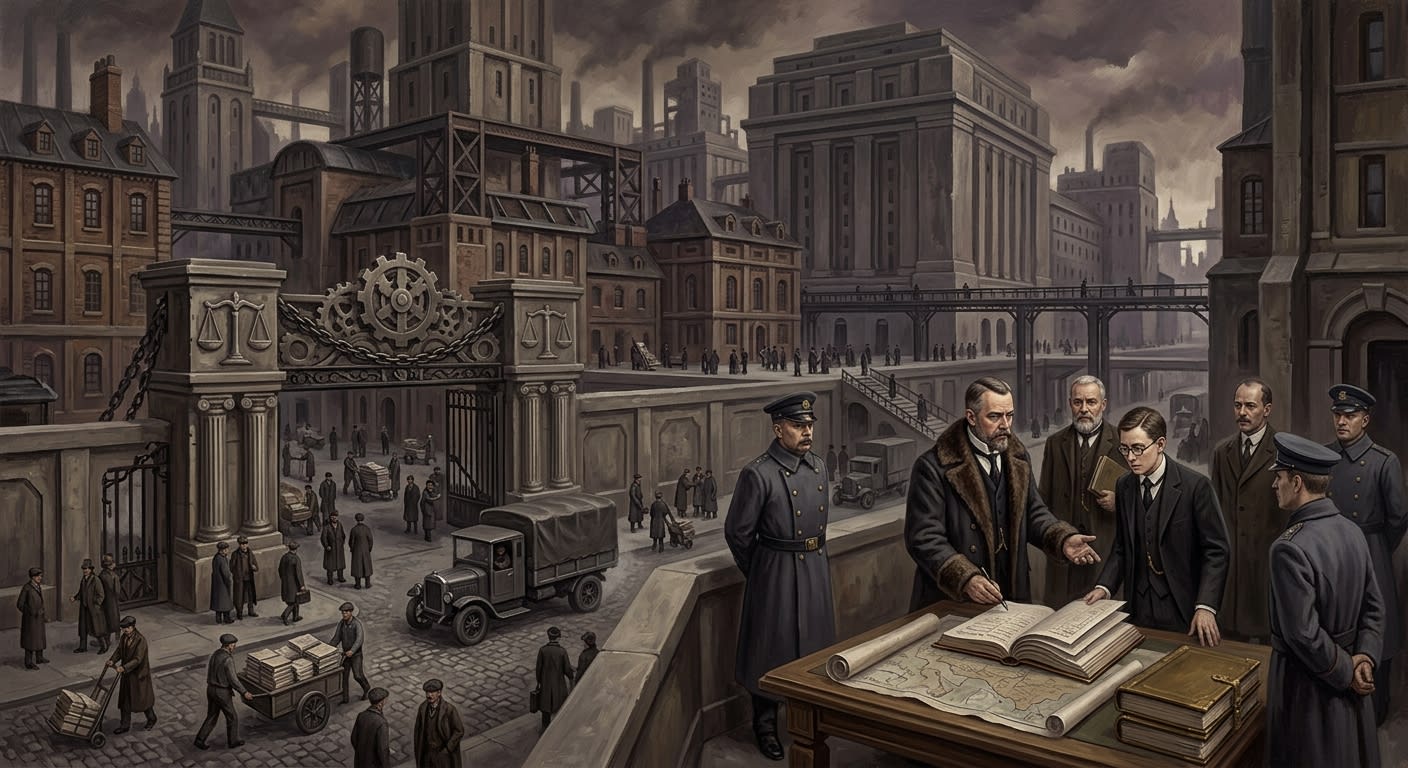
Wallachia
Fair prices are how Hell asks for a signature
Wallachia did not fall by trumpet and fire. It borrowed, signed, refinanced, and became Velmora's creditor province pointed at Sibiu.
Codex Ref. II.6.06-006
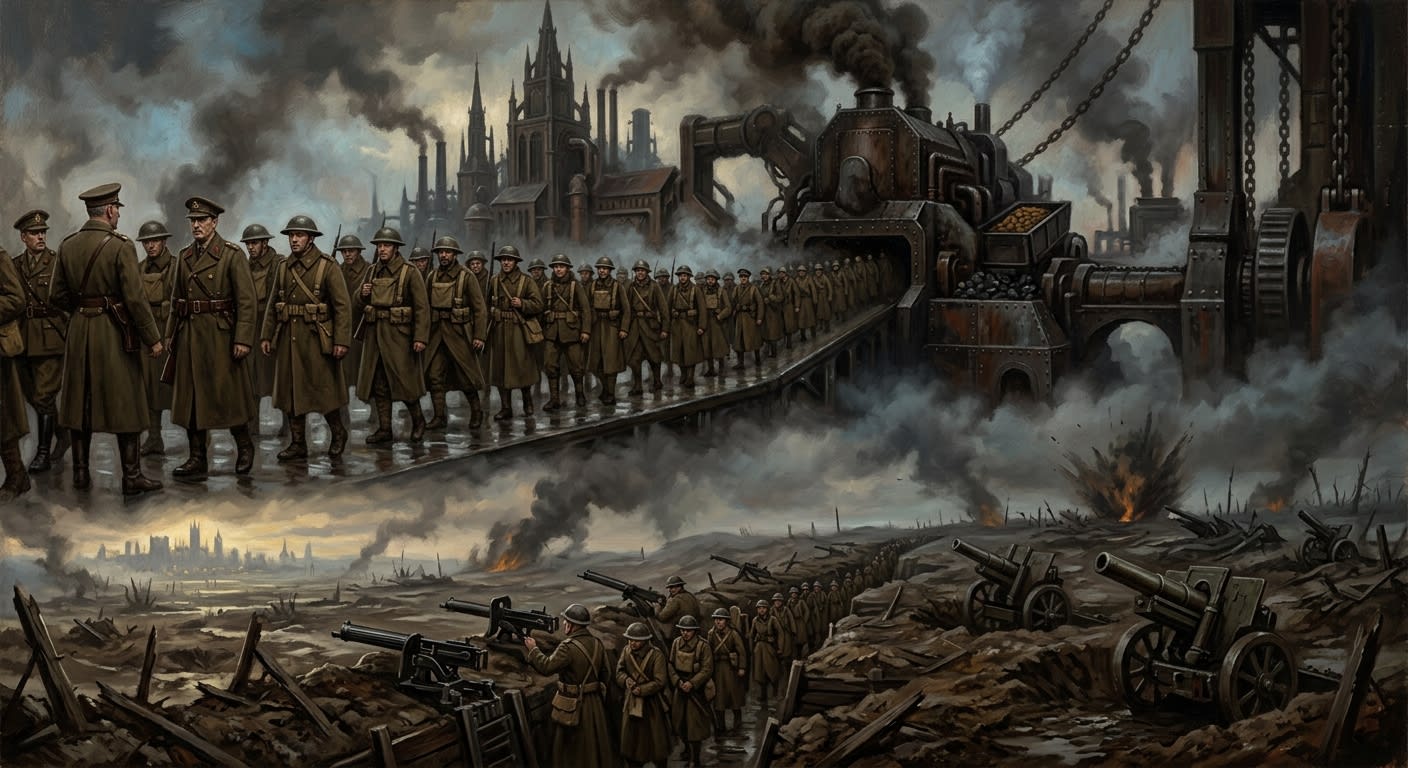
War Eternal
Victory assured; timetable irrelevant
The War Eternal is governed horror: the Line fed daily so the West may mistake survival for morning.
Codex Ref. XIII.1.92-065
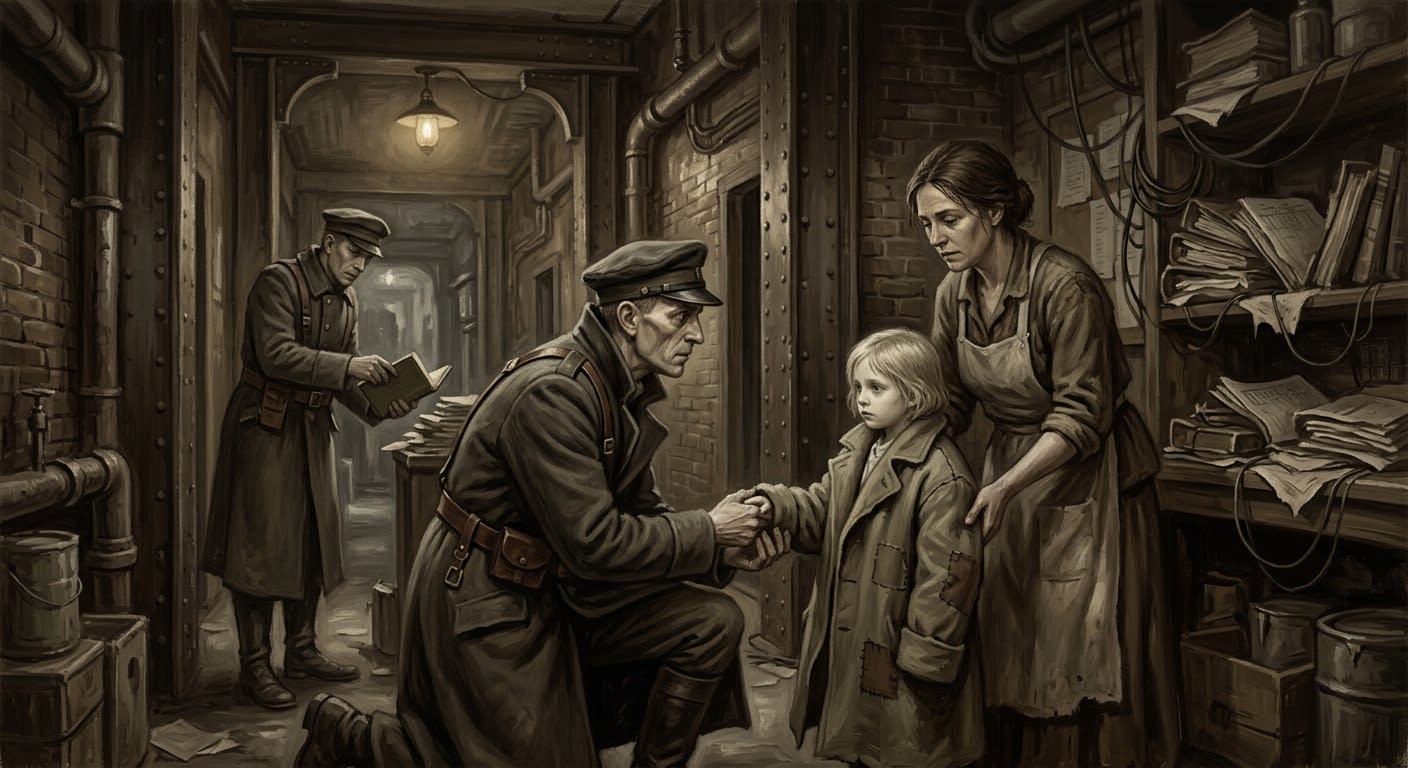
Ward-Builders
Another table, no blood-name, and the mercy of useful strangers
Pale Kin faction placing hidden children with tested strangers rather than blood, building survival from shared guilt, chores, false names, and audit-resistant mess.
Codex Ref. XI.4.01-003
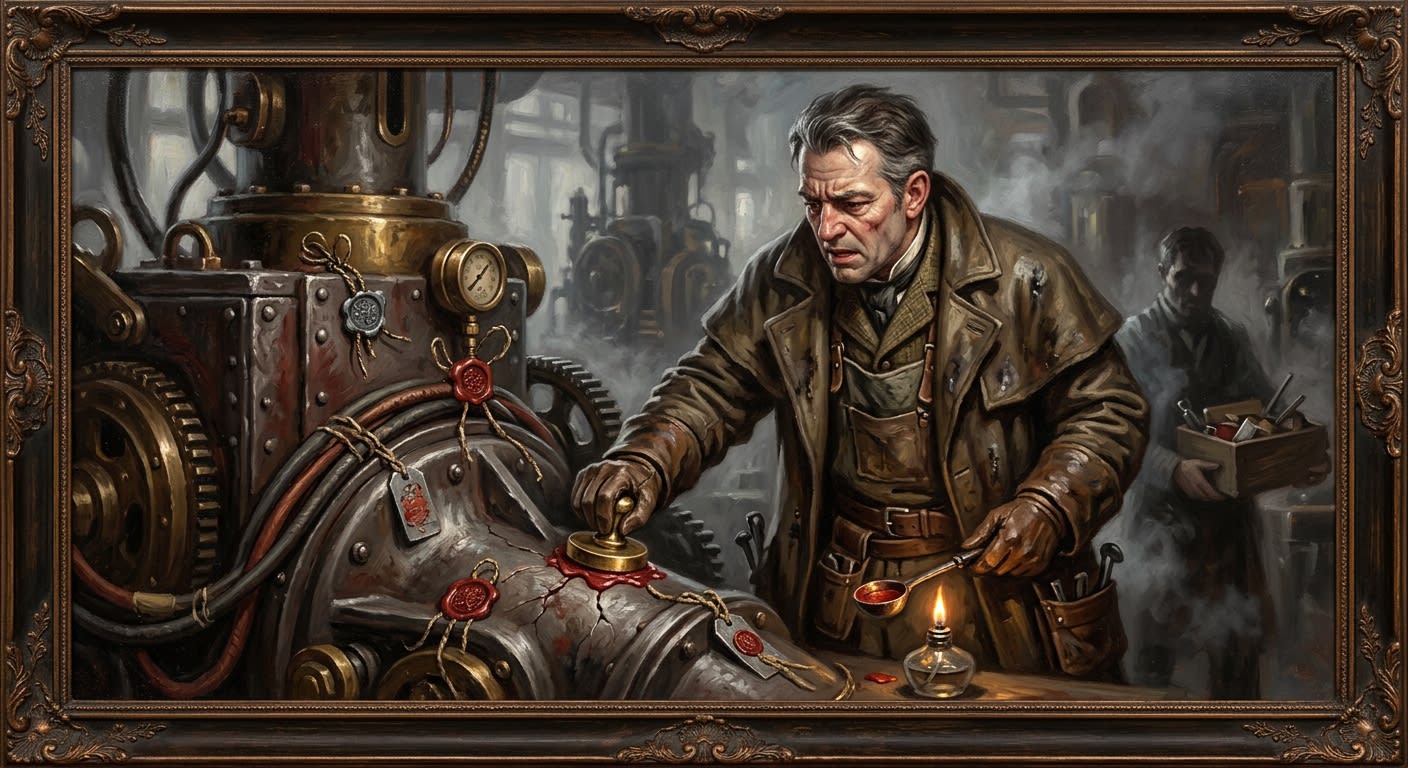
Ward-Seal Artificer
The rank no table admits and every failing boundary remembers
Ward-Seal Artificers are the denied apex of the Gasket-Hymn Mechanic hierarchy, summoned where ordinary repair succeeds mechanically and fails as a ward.
Codex Ref. XII.2.04-002
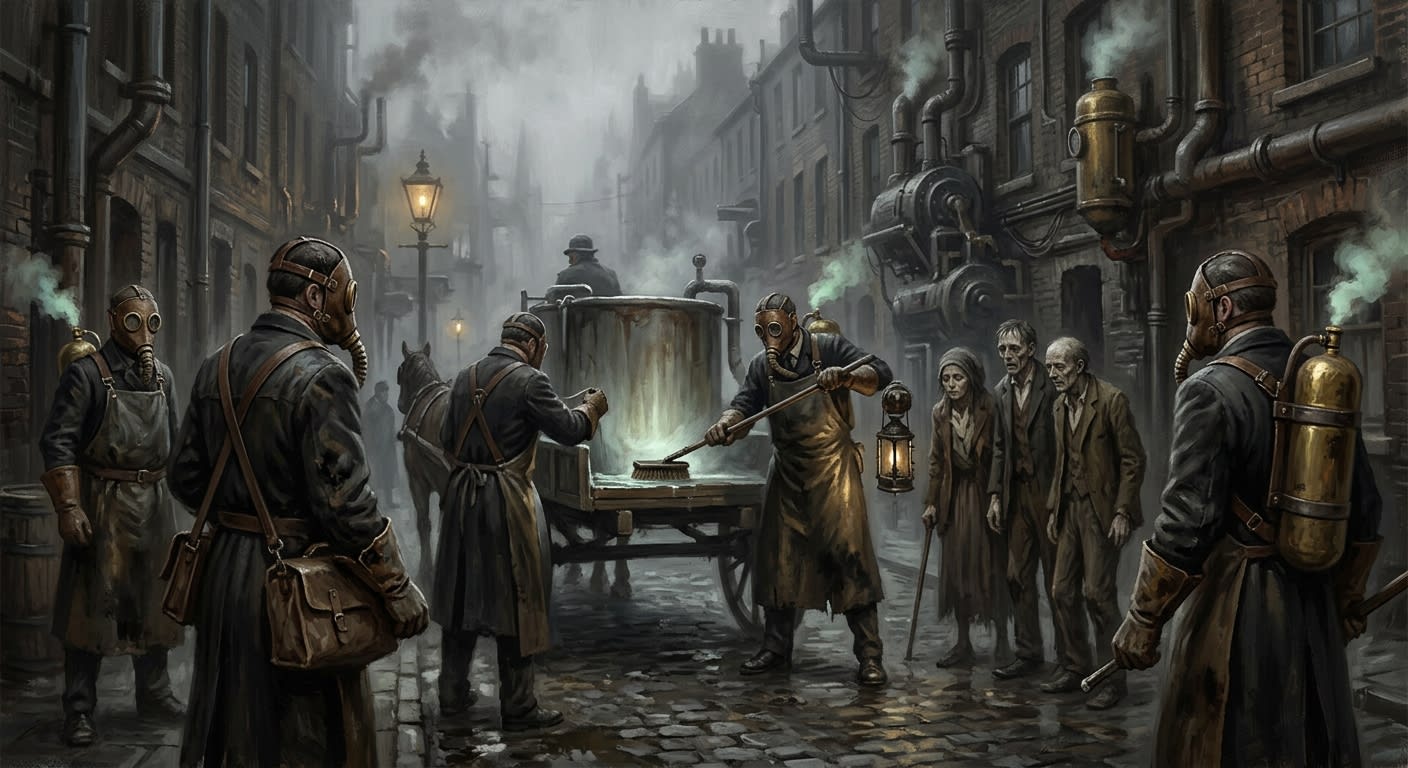
Ward-Soothe Purists
Clean hands, loud lanterns, and streets left dirty by correctness
The Ward-Soothe Purists are Lantern Brotherhood schismatics who severed Mercy Preacher contacts after the A.S. 178 Cologne dispute and mistook clean hands for clean streets.
Codex Ref. XII.25.07-001

Warden of the Sacred Ledger
Memory is permitted only after custody
The Warden of the Sacred Ledger guards the passage between recorded fact and ratified meaning, lest memory escape and become a riot with dates.
Codex Ref. XIII.1.33-090
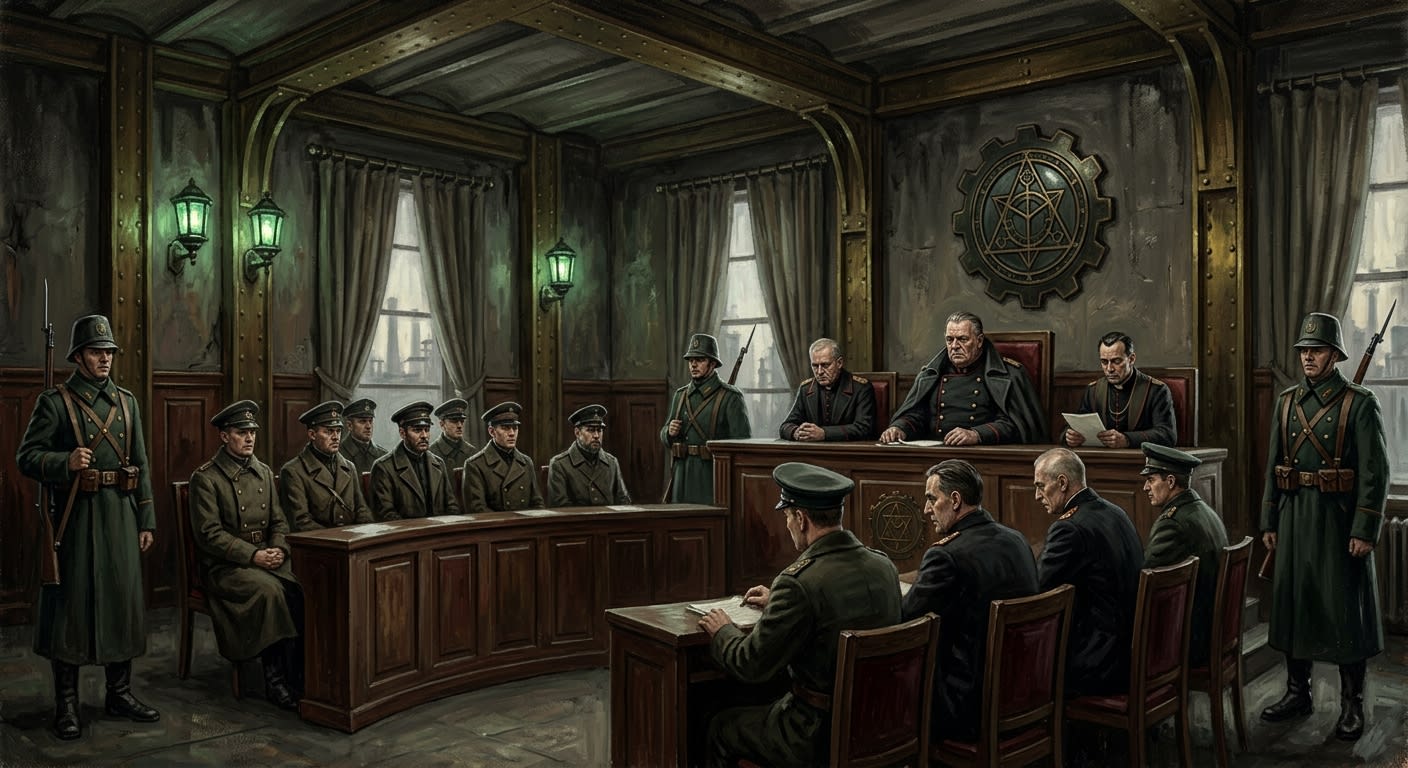
Warden Sermon Trials
Seven comforters tried, and seven hundred mouths learned caution
A.S. 134 sealed Purity tribunal where seven Licensed Consolators were tried for pastoral overreach, creating the precedent that taught Lantern heresy to hide better.
Codex Ref. VII.8.10-044
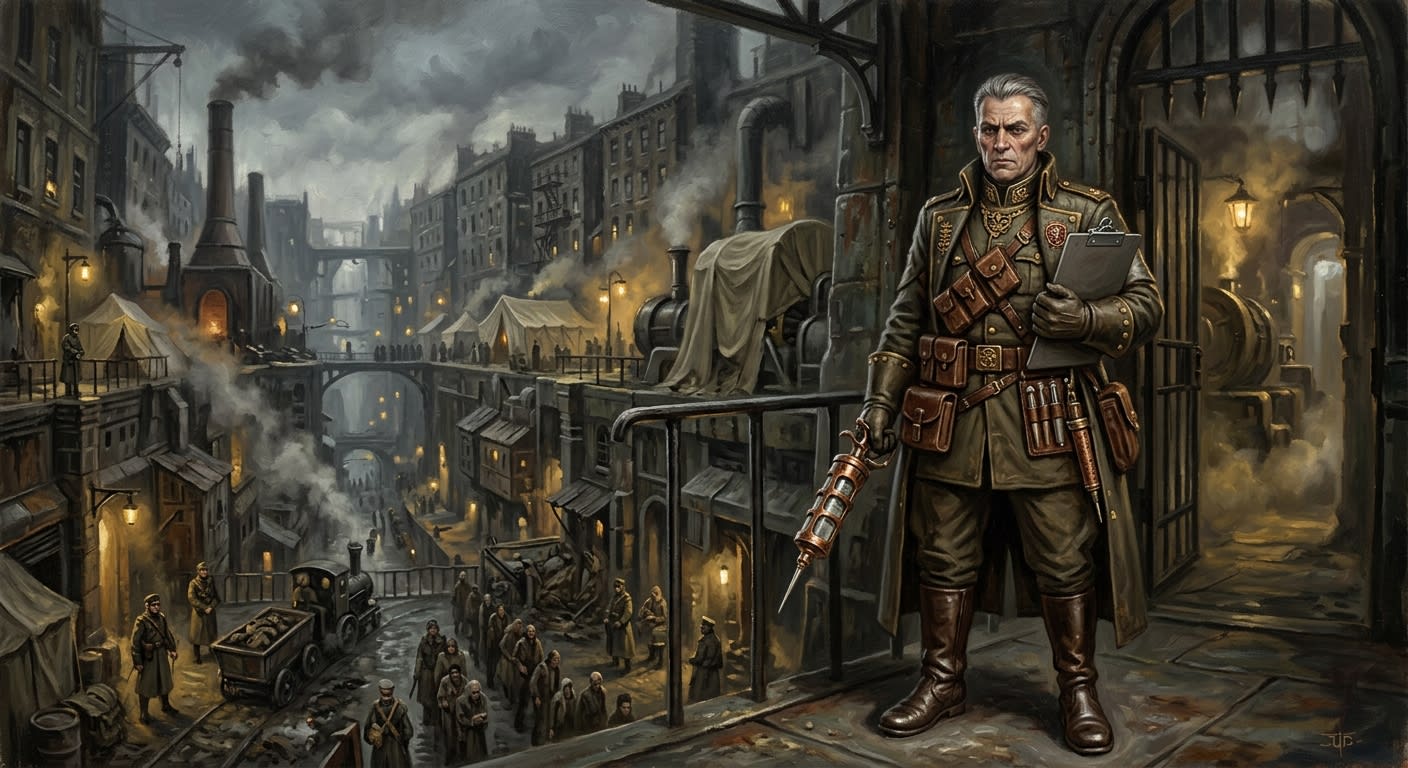
Warden-Physic Iri
Mercy, after vinegar and witness
Warden-Physic Iri rules Thessaloniki's quarantine throat: severe, useful, watched, and merciful only after the forms have learned fear.
Codex Ref. III.2.01-201
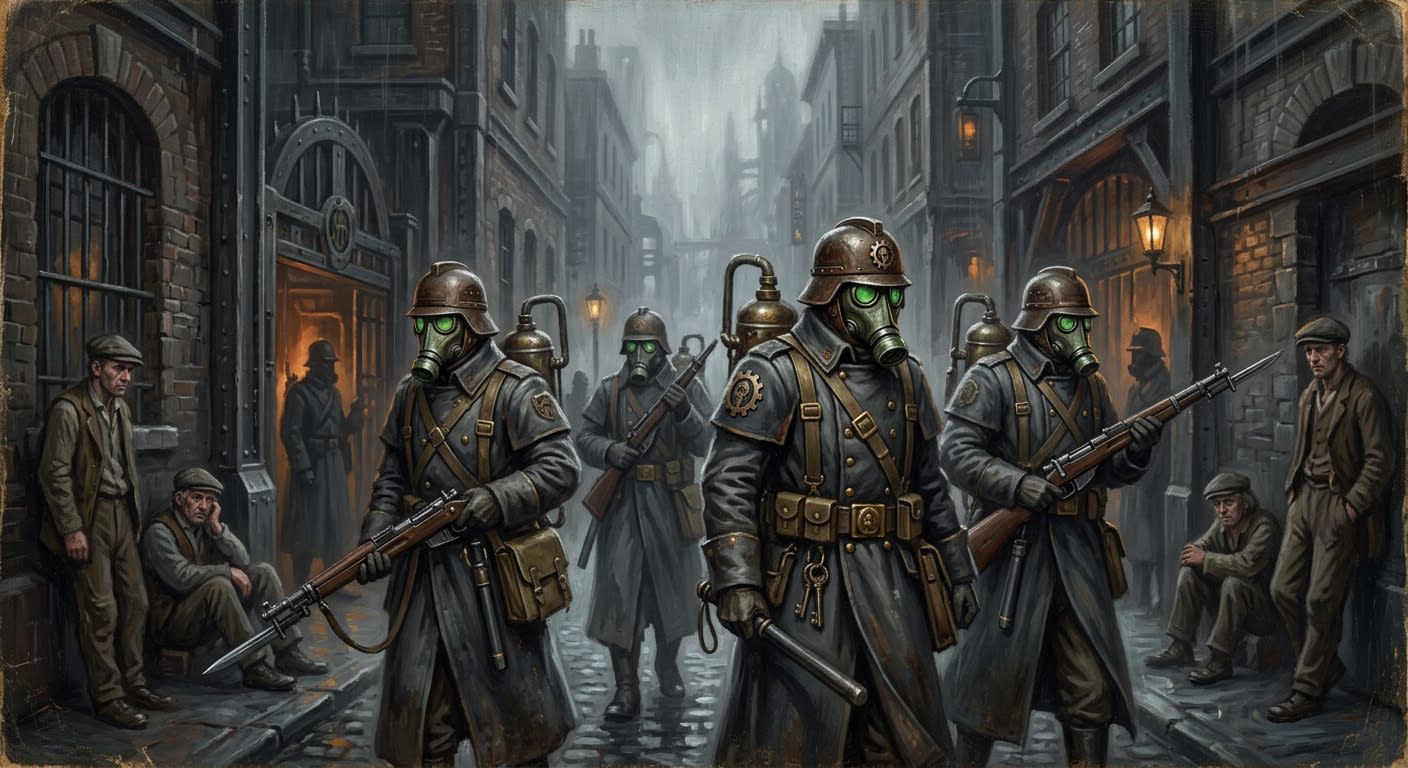
Wardens
The Synod's signature, written in keys and cudgels
Wardens are the Synod's street-level custodians of threshold, ration, gate, shrine, and curfew: resented because they are near, needed because they are near.
Codex Ref. XII.7.02-001
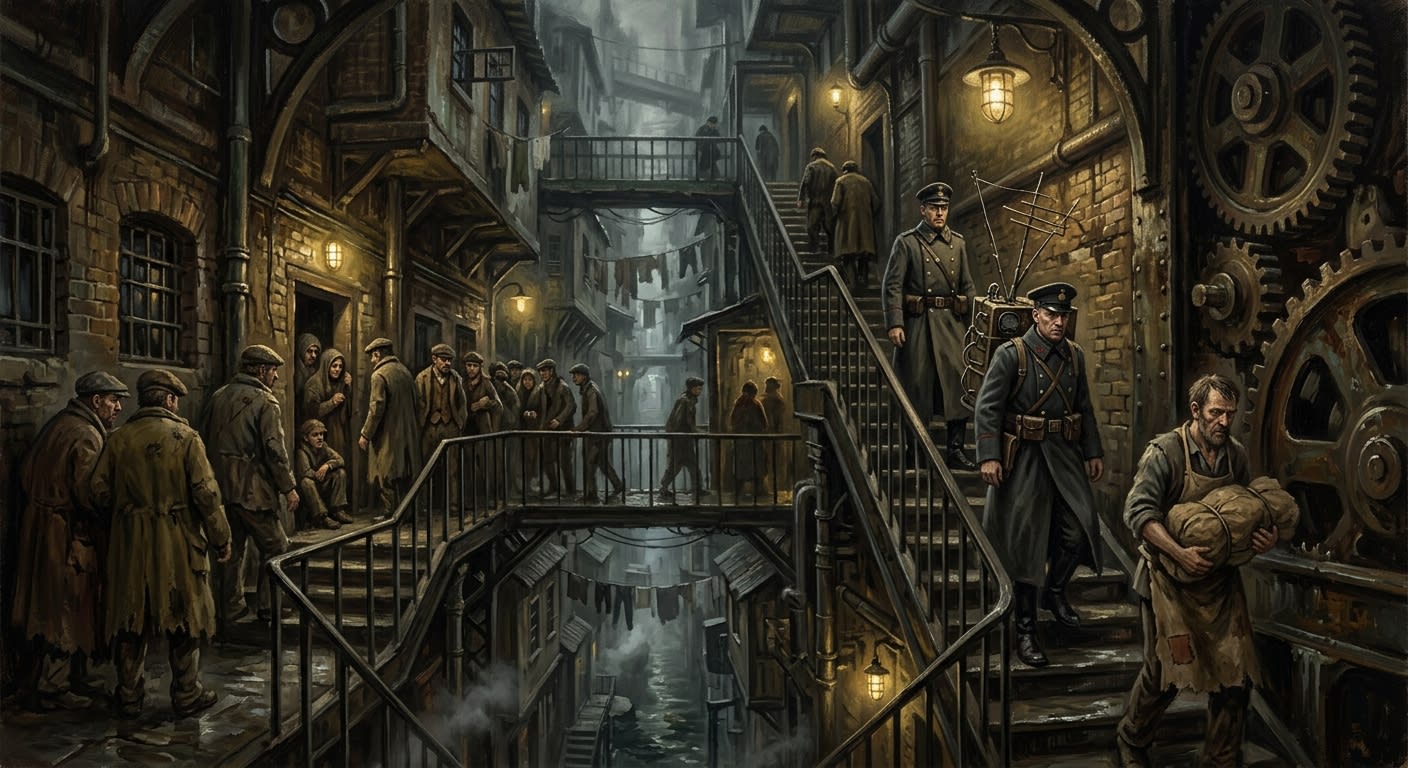
Warrens of Strasbourg
The capital's conscience, filed under mildew
Strasbourg hides its poor where bells arrive broken, maps grow bashful, and charity, crime, and surveillance share the same wet staircase.
Codex Ref. II.2.06-201
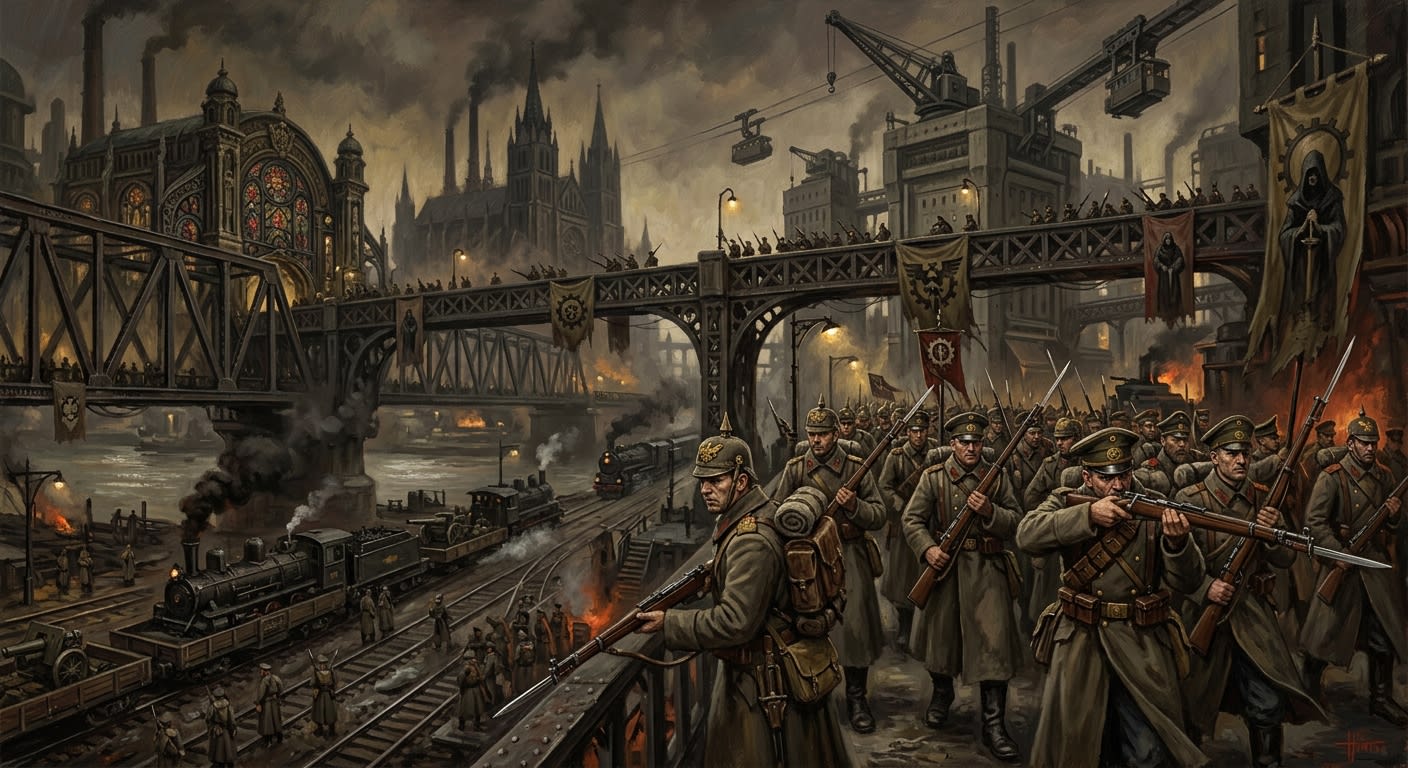
Warsaw Standing Brigade
The wall behind the wall has bayonets and bakery rumours
The Warsaw Standing Brigade is twelve thousand rear-echelon soldiers drilled to front-line standard, holding rails, queues, bridges, and the fiction that Warsaw is safely behind the Line.
Codex Ref. VIII.5.05-002
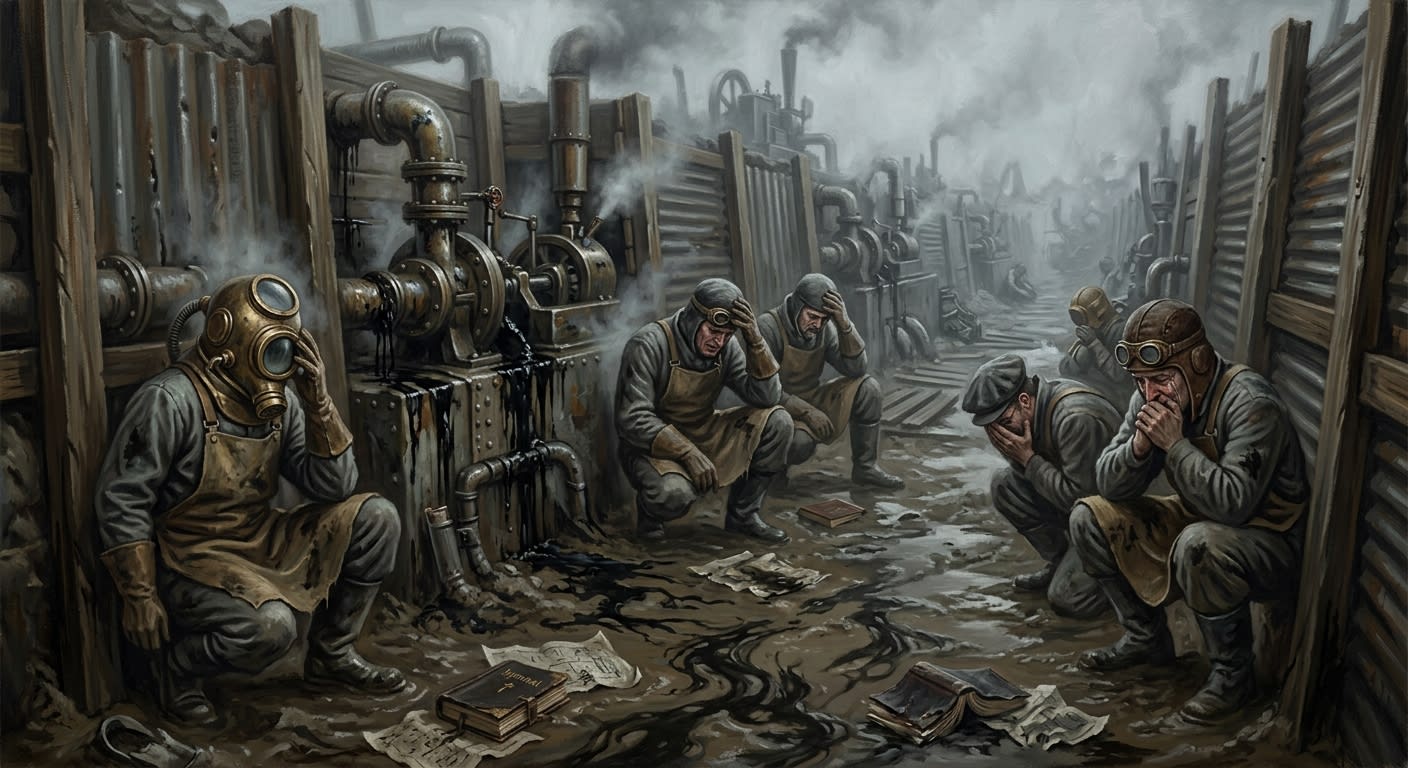
Weeping Trenches of Odessa
Where the walls learned hymns and men paid in tongues
The A.S. 178 Odessa trench incident in which Pale Chanter seepage turned Litany-Engineer hymnals against their owners, leaving pumps running, men weeping, and tongues ruined.
Codex Ref. VII.5.04-002
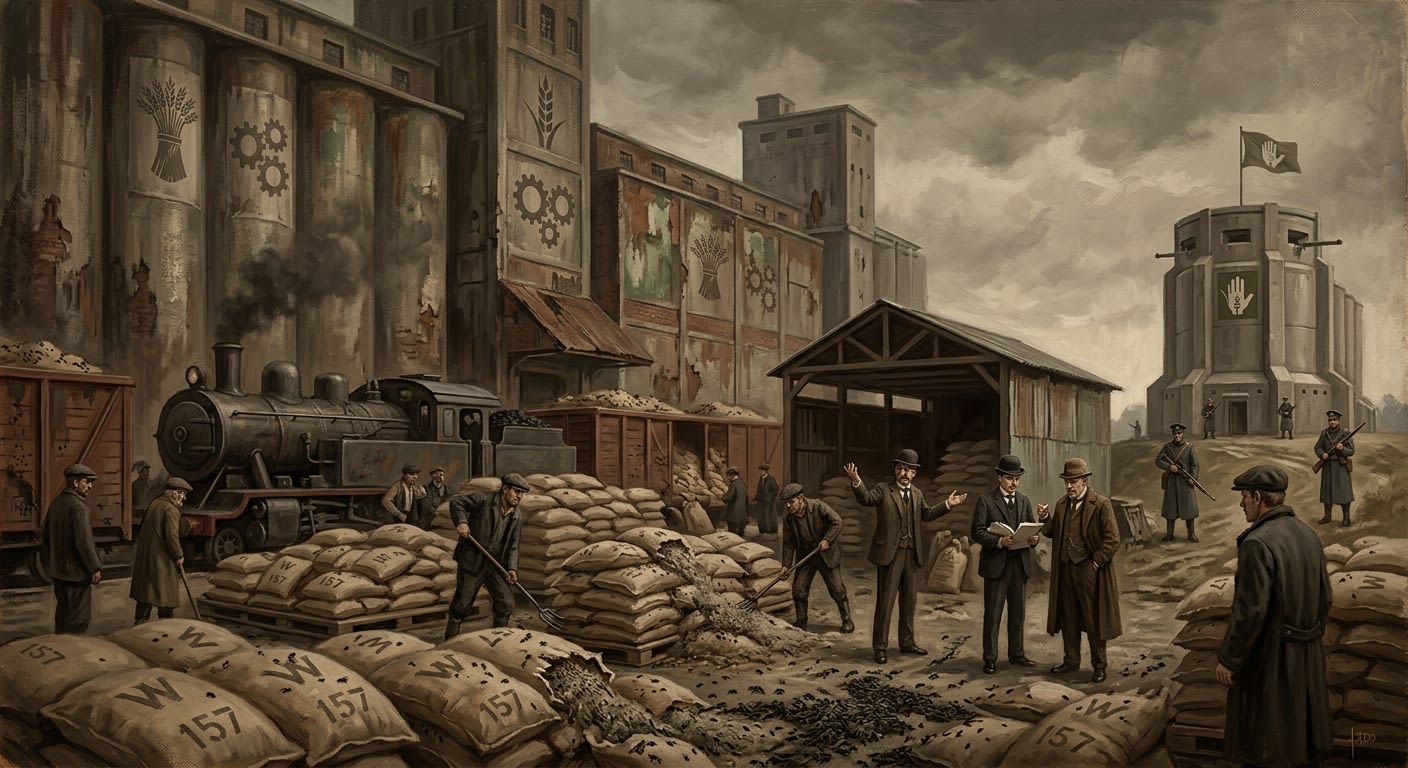
Weevil Year
The famine in which the illegal cellars breathed better than the state
The Weevil Year of A.S. 157 rotted western reserve grain under lawful custody, exposed Bureau incompetence, strengthened Grain Keeper caches, and killed the Bureau of Agriculture.
Codex Ref. VII.4.21-001
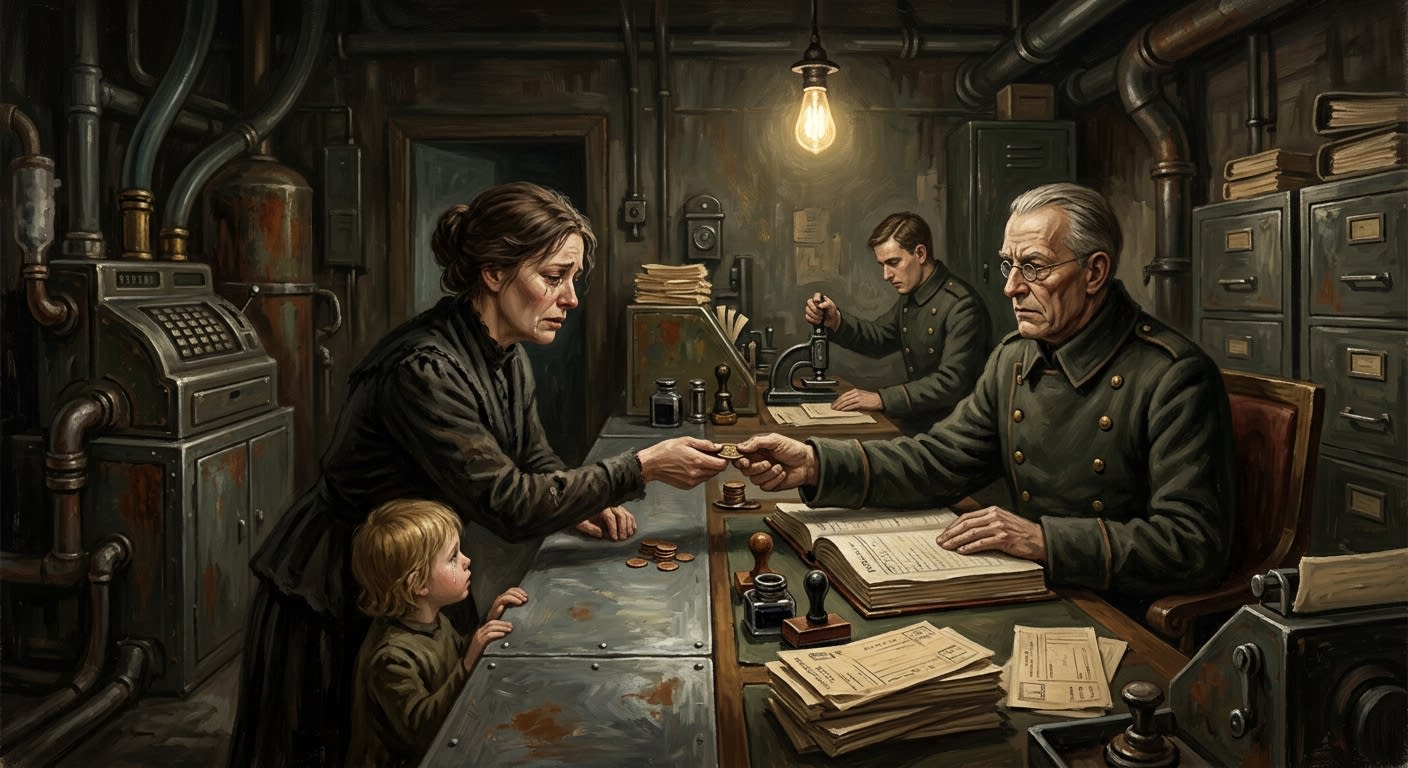
Widow's Pennies
A penny enters the palm and waits for the scale
The Widow's Pennies are the Bureau of Tithes' smallest perfected cruelty: bereavement turned into household continuity, route discipline, and receipt.
Codex Ref. XIII.1.85-065
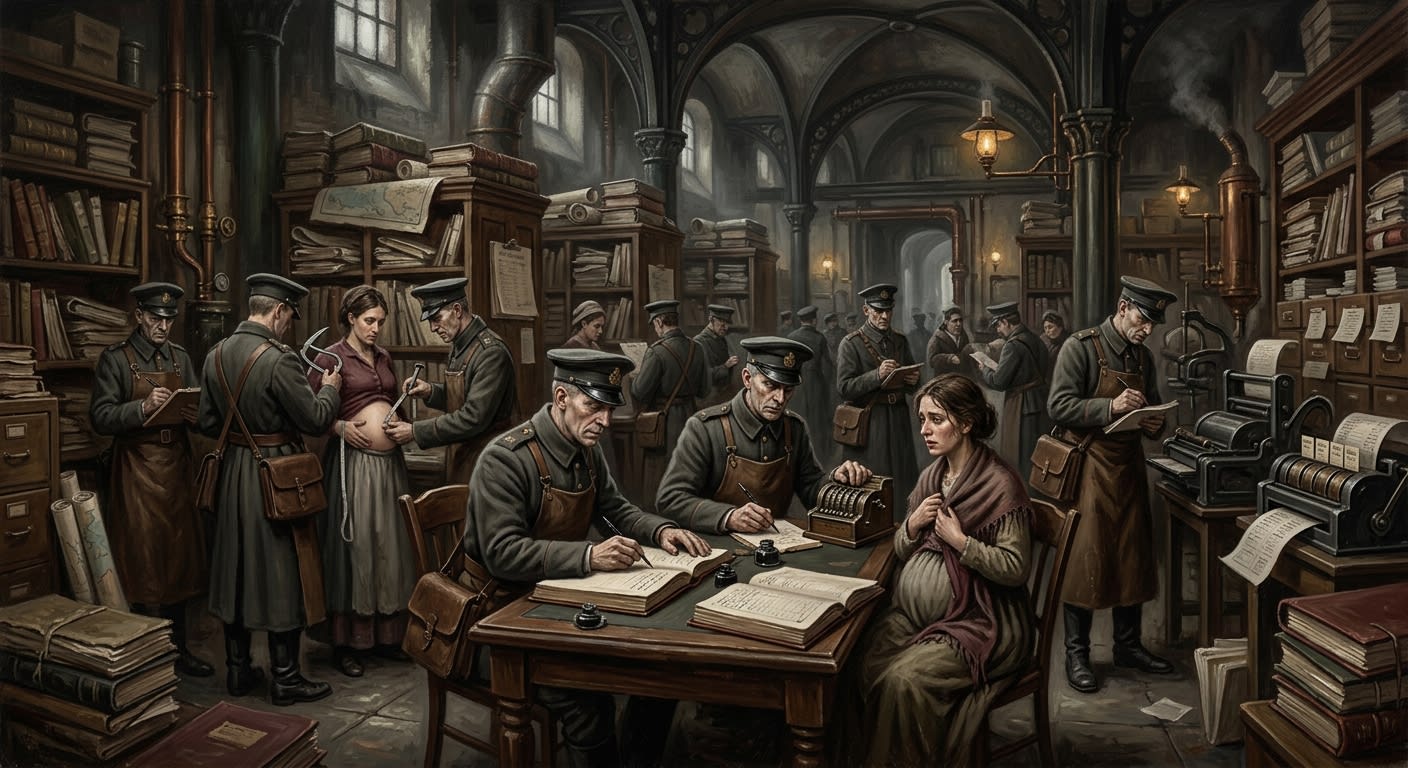
Womb Registrars
The cradle has a visitor, and she has already priced the child
Womb Registrars are Bureau of Records parish deputies who turn pregnancy into ledger matter: notice, name control, midwife compliance, and tithe projection before first breath becomes evasion.
Codex Ref. XII.9.04-001
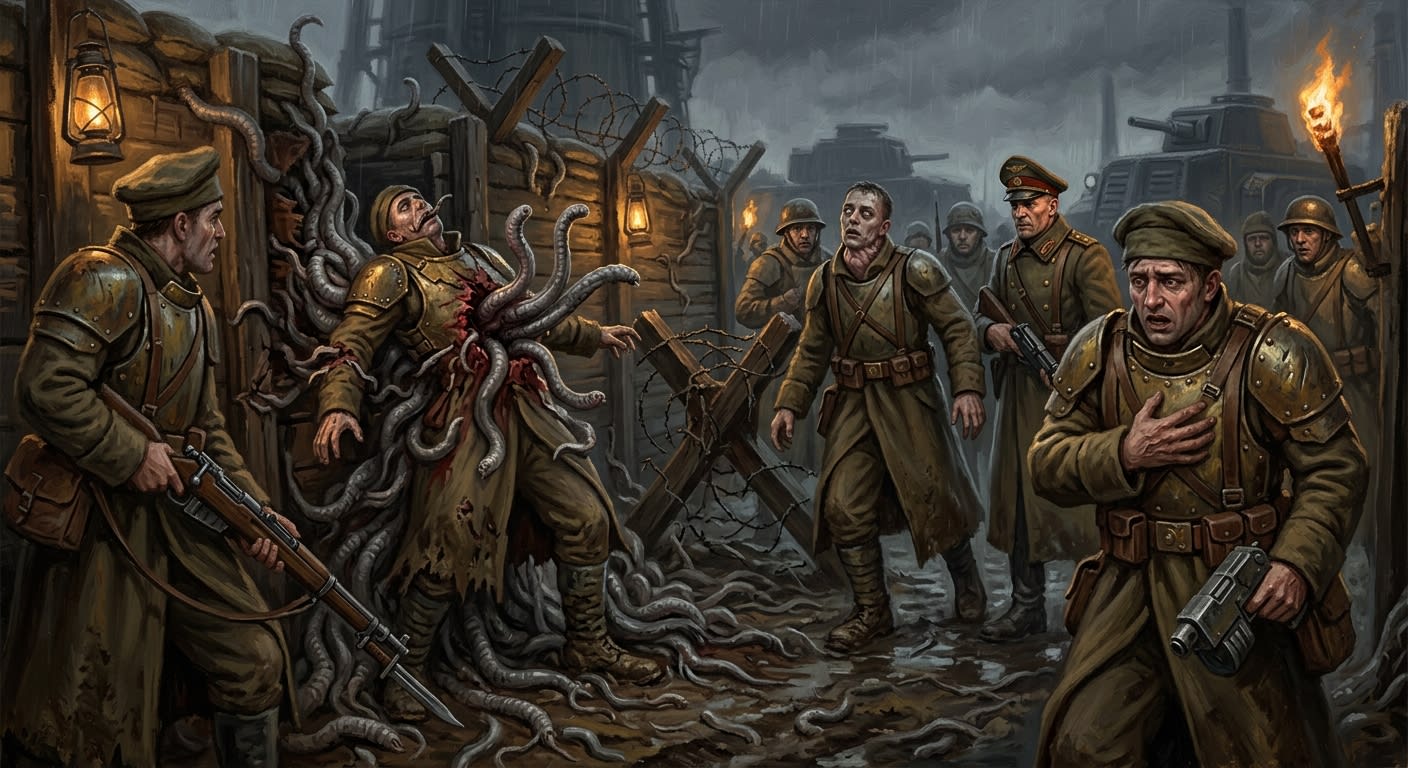
Wormhosts
The human face, retained just long enough to open the gate
Mortal auxiliaries seeded with living parasites, recognisable as human until rupture turns pity, checkpoint mercy, and defensive formation into a door.
Codex Ref. IV.1.07-009
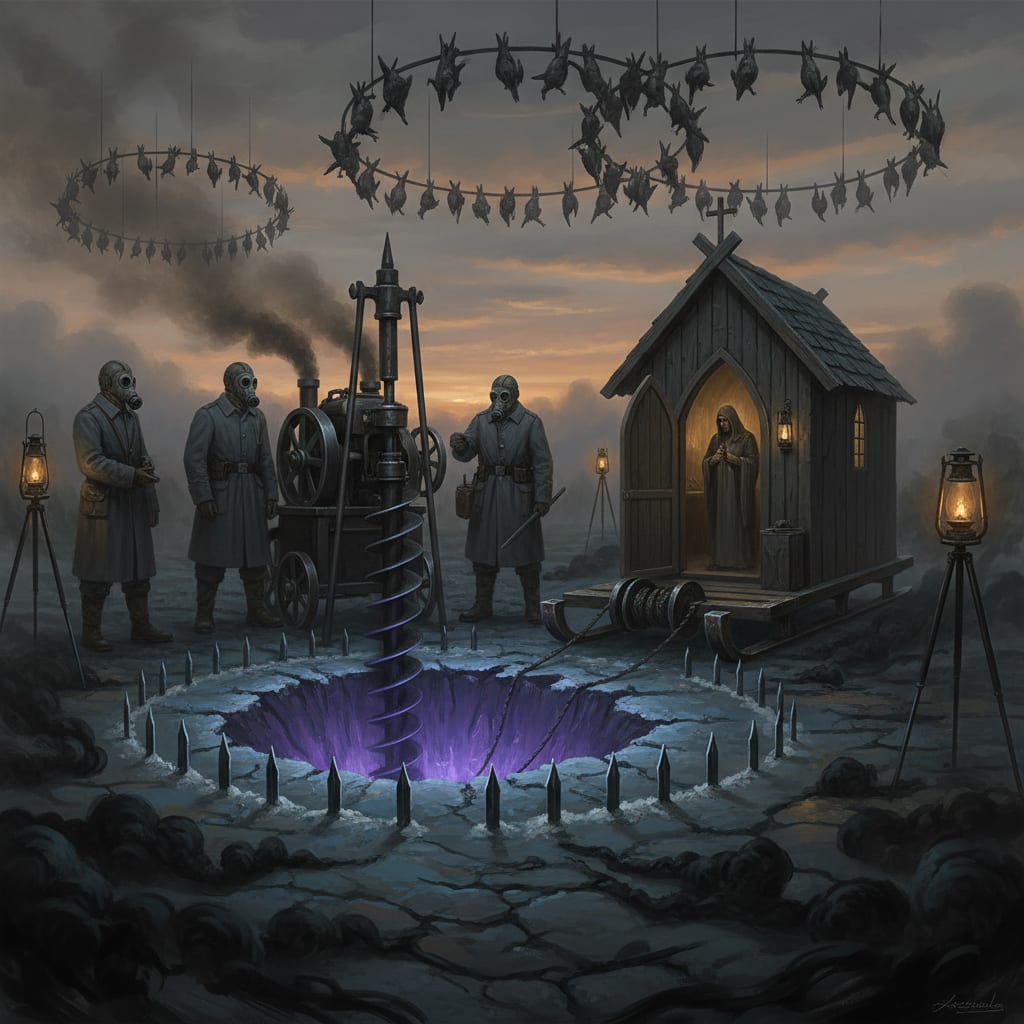
Wound-Site Prospector
The earth seeps; the drums breathe; the Bureau explains neither, and taxes both
The licensed harvesters of demon-seep from wound-sites — chartered by the Bureau of Tithes, destroyed by the work, and collectively silent on the one event that explains everything. The drums breathe at night.
Codex Ref. XII.50.01-001
Wound-Sites
Where Creation filed an exception and the Bureau charged admission
Wound-Sites are Creation's open injuries: measured, taxed, exploited, prayed over, and officially caused by the Lie unless useful evidence says otherwise.
Codex Ref. XIII.1.29-001
Writ 14-C
The law that taught the throat to wear a seal
Writ 14-C made the human throat an office: licensing Iron Choir Brand-Singers, disciplining pain into sound, and teaching rooms not to be answered.
Codex Ref. XIII.1.41-104
Wrong Choir
The sound beneath Essen that every office renamed and no office silenced
Essen's Wrong Choir is the sub-foundation hum beneath the Foundry Core, officially explained as resonance, cadence error, or providence while Resonance Blooms crack steel and teeth alike.
Codex Ref. XIII.1.73-001
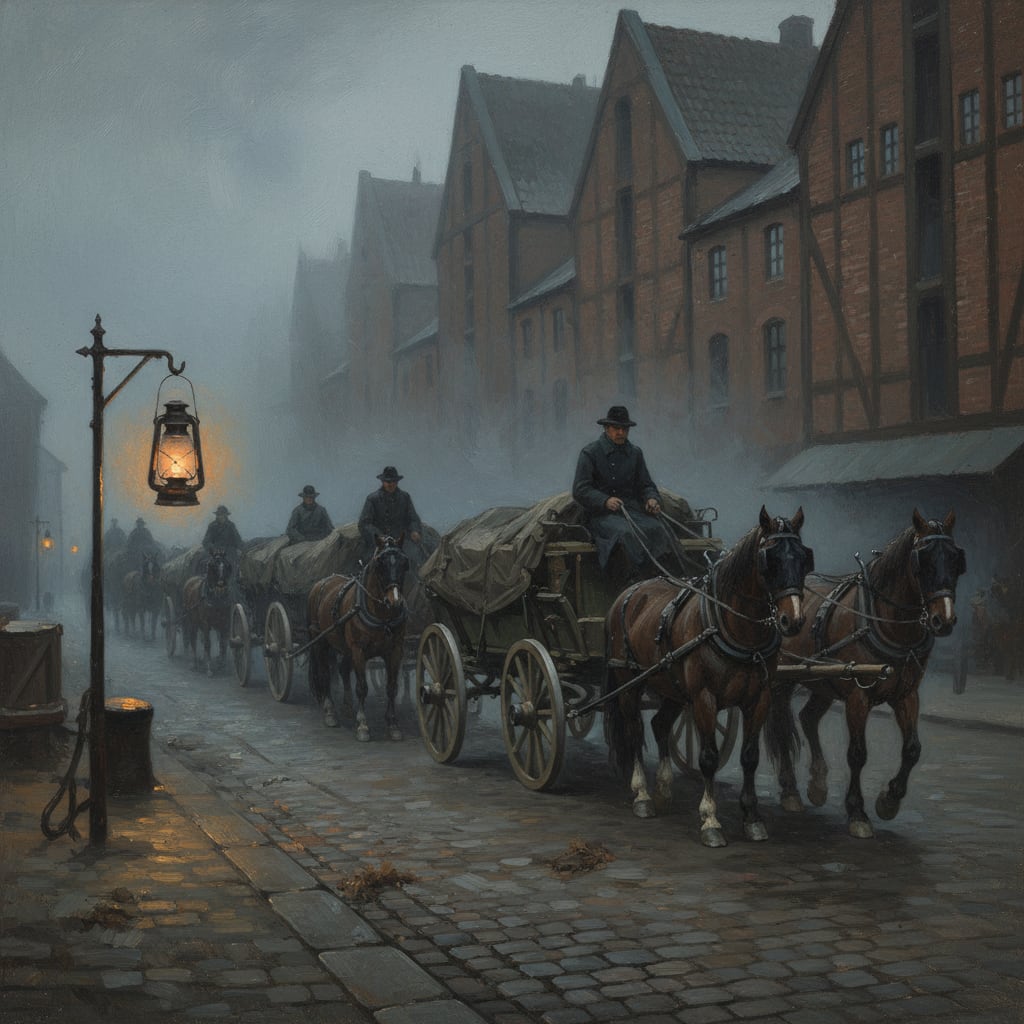
Year of Smoke
Eleven wagons, one fire, and the night the [[bureau-of-shadows|Bureau of Shadows]] stopped being a ghost story
The night Lübeck's harbour records burned, its guilds dissolved, and eleven wagons drove into legend. The Year of Smoke is what happened when the Bureau of Shadows stopped being theoretical and started being operational.
Codex Ref. VII.1.02-001
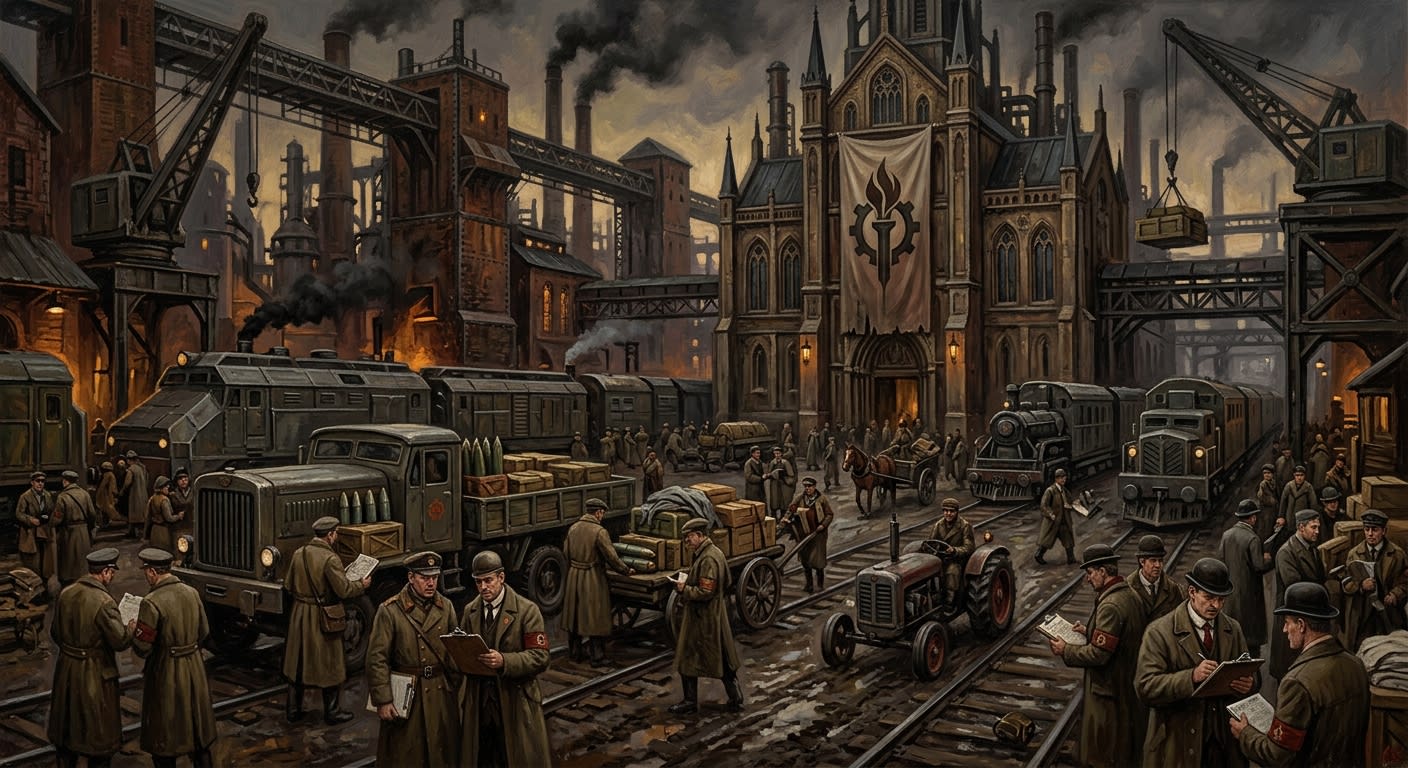
Zone 1
The rearward paradise that learned to invoice the war
Zone 1 is the Synod's polished western rear: safe enough to tax, rich enough to excuse itself, and stained to the elbows by logistics.
Codex Ref. II.0.03-201
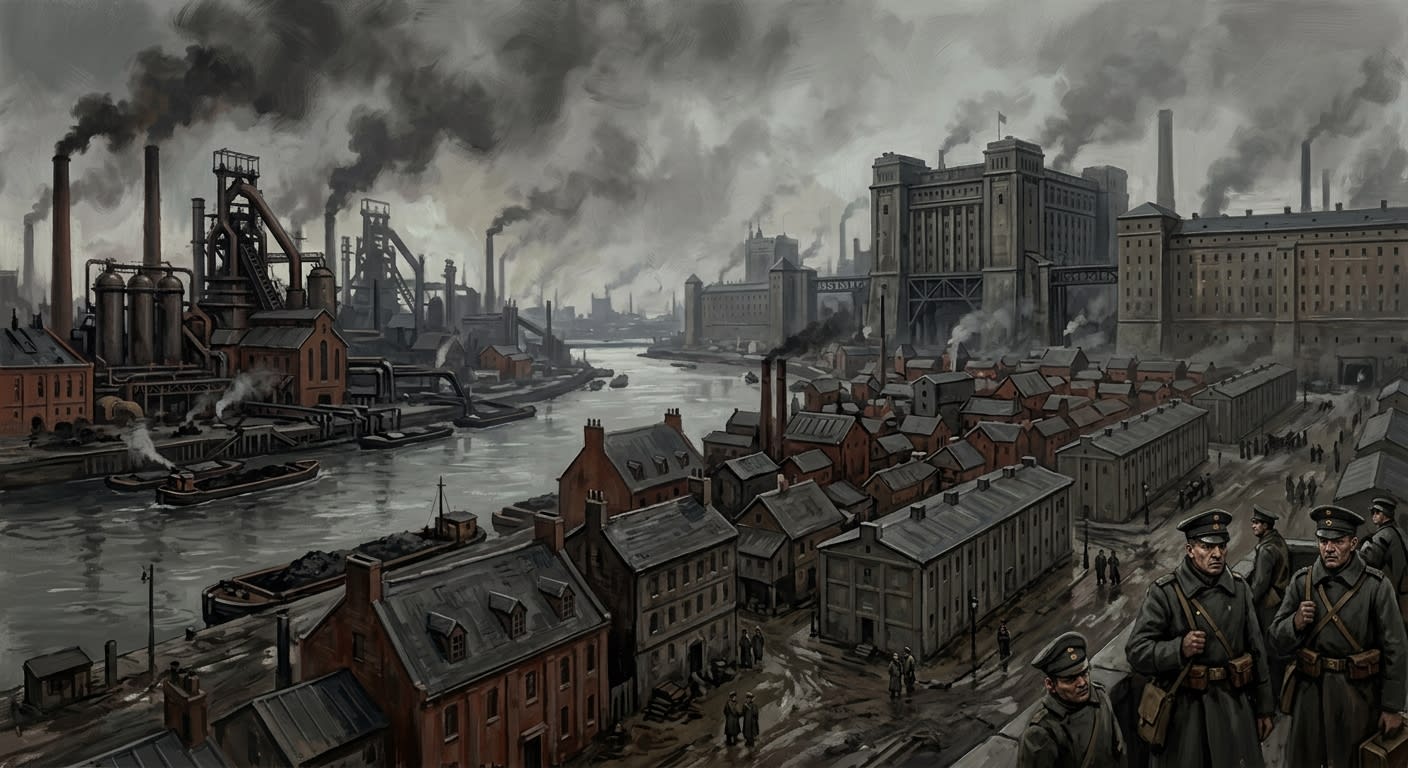
Zone 2
The throat where empire learns to speak in smoke
Zone 2 is the Synod's central throat: Strasbourg's field of authority, Rhine wealth, furnace obedience, catechism-barracks, and useful smoke.
Codex Ref. II.0.04-201
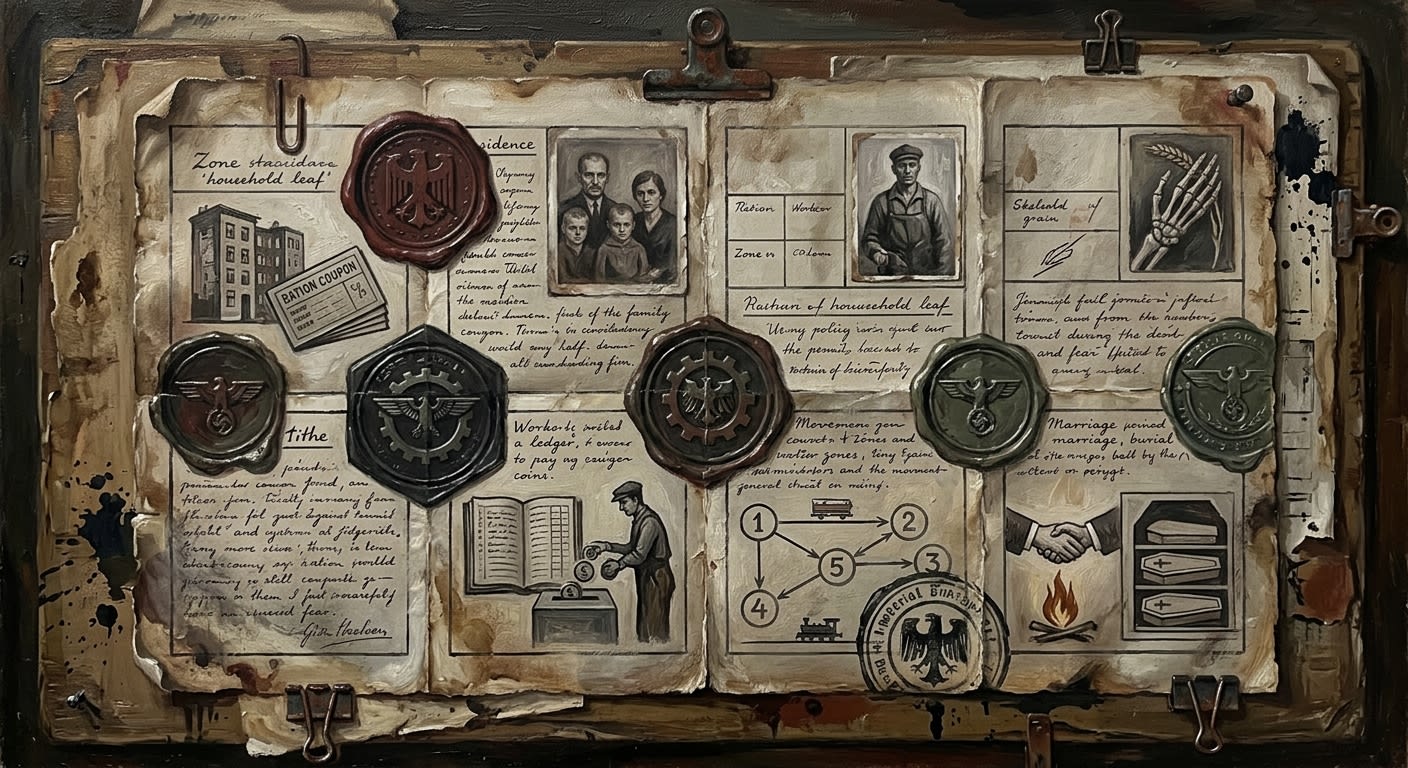
Zone Permit
The paper beneath the feet, and the shackle in the drawer
The Zone Permit is lawful standing made paper: residence, ration, tithe, movement, marriage, burial, and fear folded into one stamped household leaf.
Codex Ref. XIII.1.93-130
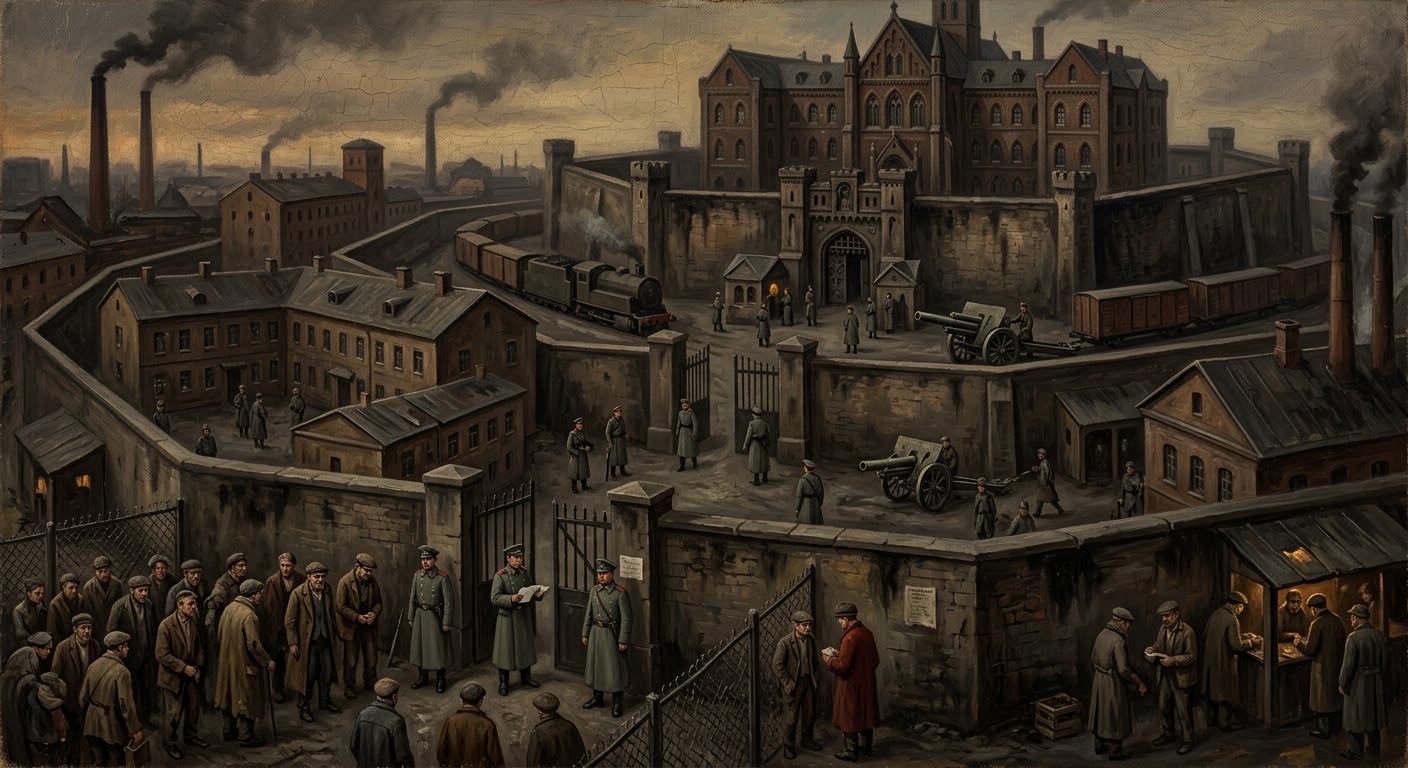
Zones 1 through 5
Five lawful pressures between invoice and mud
Zones 1 through 5 are graded permissions for bread, sons, movement, fear, artillery, and the state’s appetite.
Codex Ref. XIII.1.00-201
Zones 5 through 7
Mud, mouth, water — the outer grammar of danger
Zones 5 through 7 are the Synod’s controlled contact belt: contested mud, demonic custody, sea-rim commerce, contraband, pilgrimage, and useful contamination.
Codex Ref. XIII.1.00-207