

Reverse Index
Referencing “Bureau of Rites”
Every codex entry that links to Bureau of Rites. 498 entries.
Return to Bureau of Rites
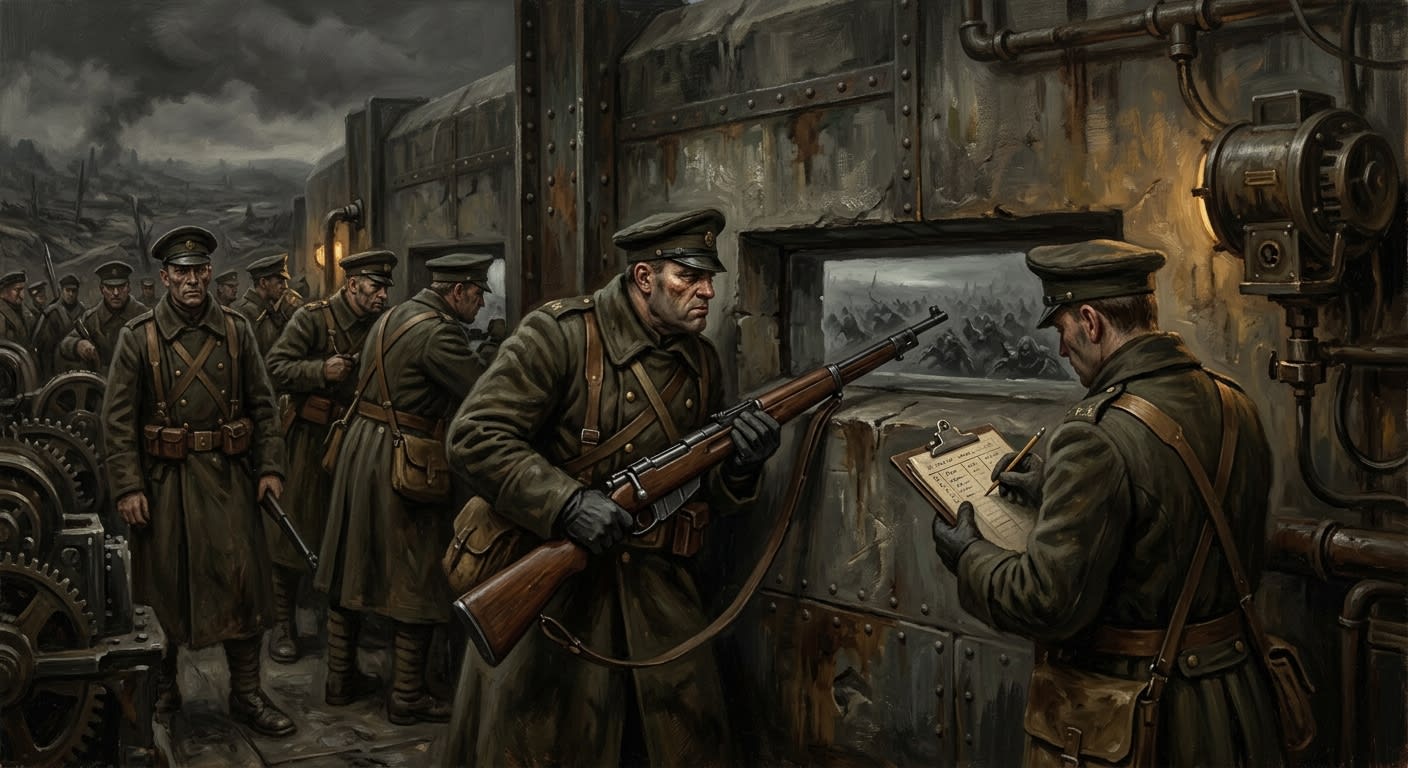
14th Garrison
The wall survives by learning when to look away
The 14th Garrison holds Bastion-Constantinople's hunger-facing wall by counting Kargath's horrors briefly, coldly, and under orders to look away.
Codex Ref. VIII.5.14-201
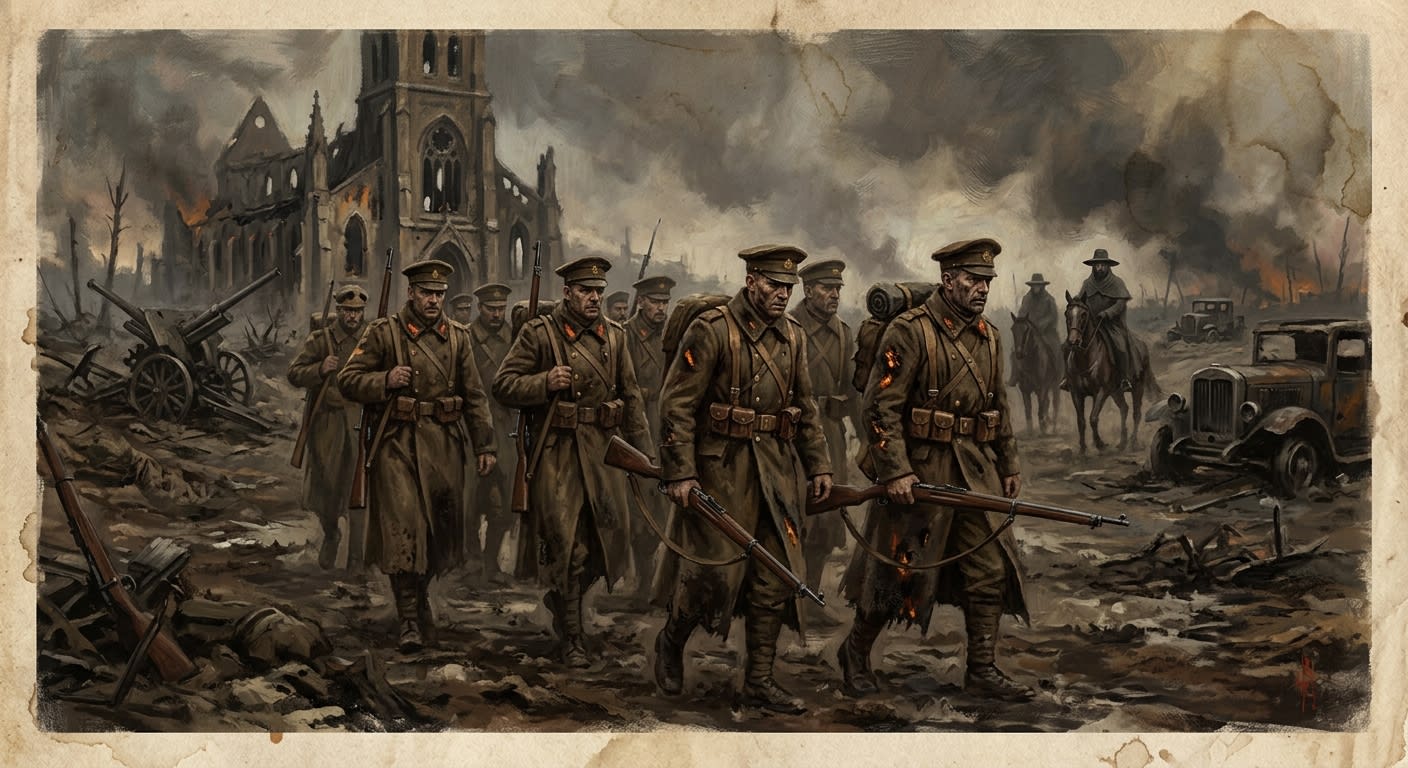
14th Parish Regiment
A regiment erased so thoroughly it still casts smoke
The 14th Parish Regiment was burned, erased, denied, and still left an unmanned curtain before Maldrake's Hellbow assault. Absence, when filed carelessly, has edges.
Codex Ref. VIII.5.14-170
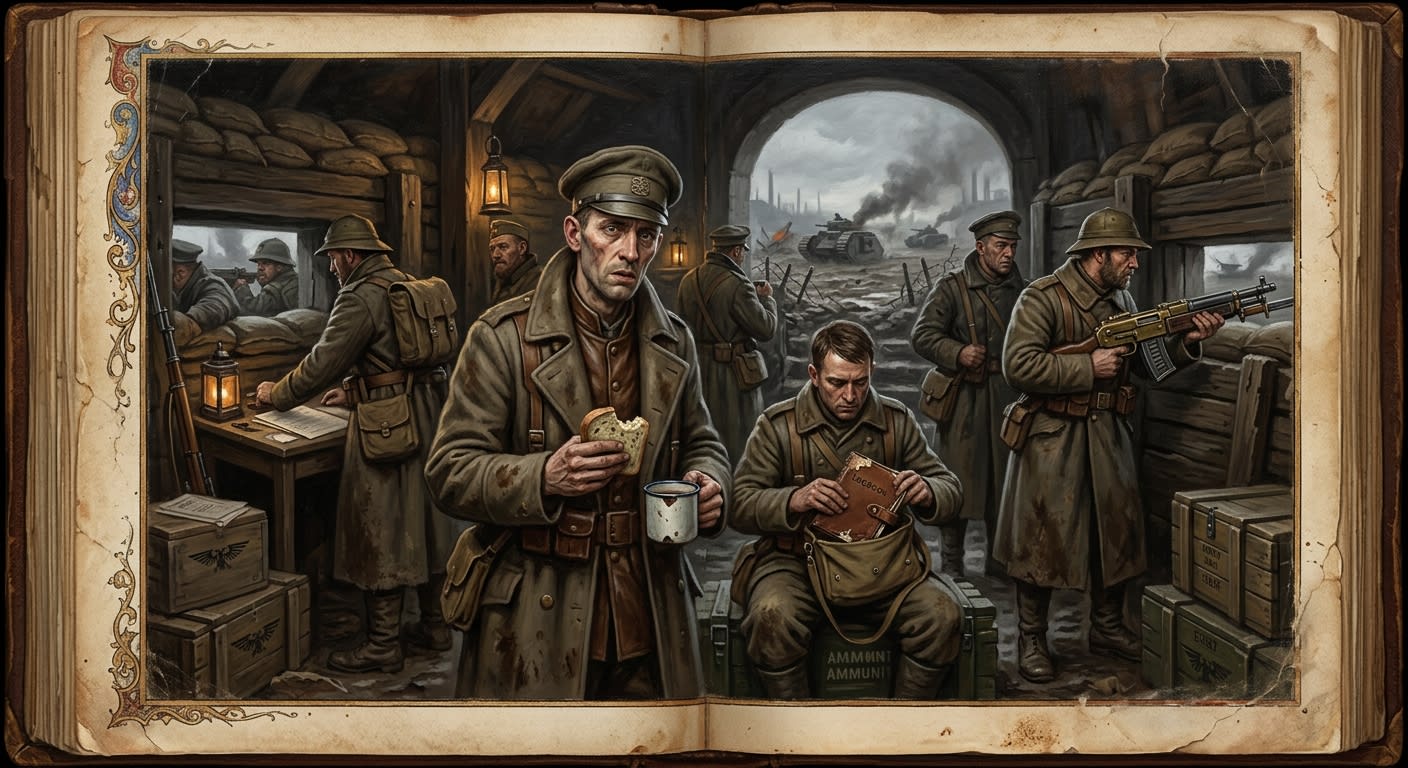
22nd Line Company
The hand is servant, and therefore watched
The 22nd Line Company gave Doctrine one bitten logbook, one hungry corporal, and the ninety-second rule by which men now survive looking.
Codex Ref. VIII.5.22-191
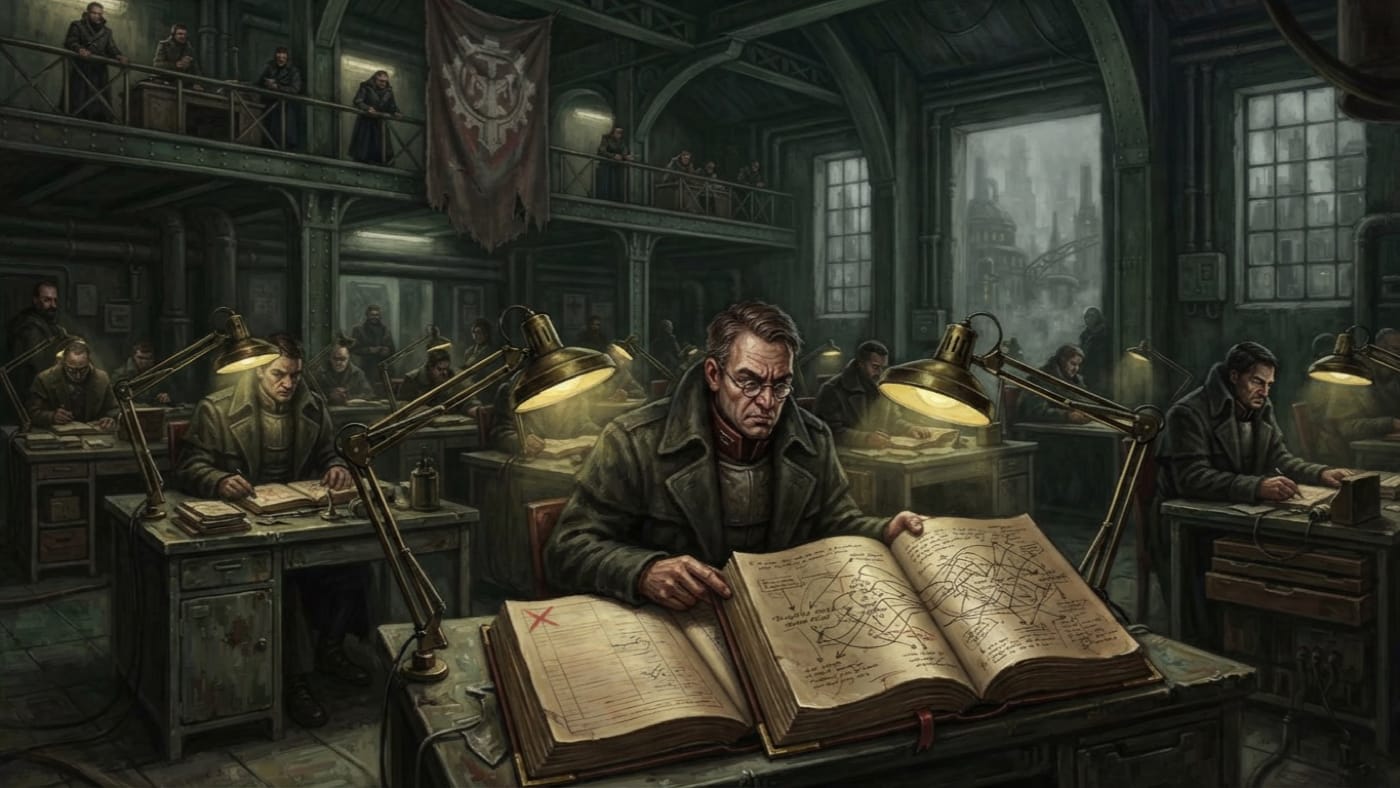
A.S. 199 Phrase-Comparison Review
The Bureau learned to compare meanings; the street moved them into breath
Purity's A.S. 199 review taught assessors to compare meanings across unlike phrases. Records reconsidered Faron; lawful ink continued to misbehave in breath.
Codex Ref. VII.8.10-199
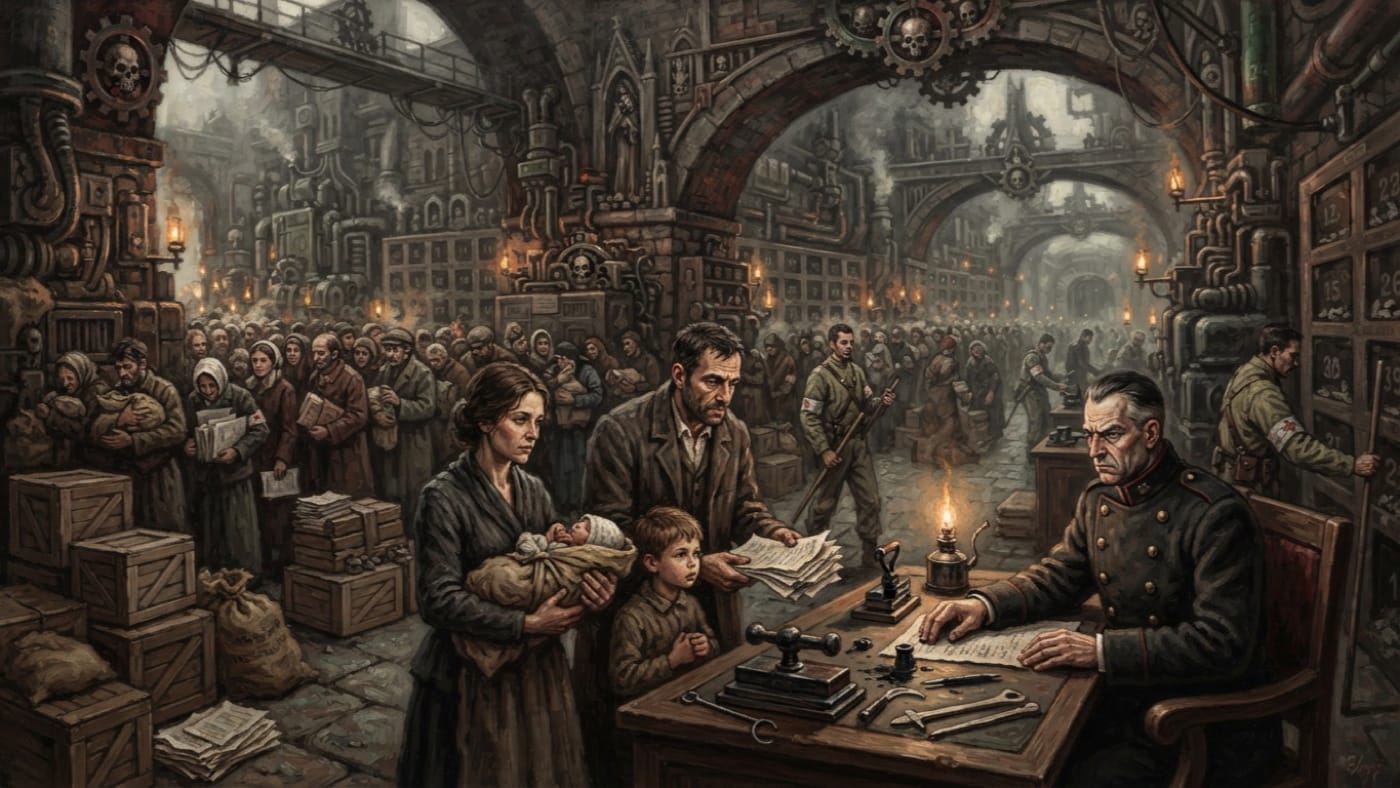
A.S. 78 Joint Classification Mandate
Five categories for the dead, one more queue for the living
The A.S. 78 emergency mandate made the dead controlled goods: five classifications, licensed mortuary clearance, and grief that could finally be billed.
Codex Ref. XIII.1.92-078

Additive Heretics
The men who put forbidden strength into holy mortar and called the wall their witness
Condemned Saint-Bone Melter tendency that improves sanctified lime with forbidden binders, hardeners, grit, and demon-glass heat-listeners while the Bureaus pretend not to measure the results.
Codex Ref. XI.5.01-001
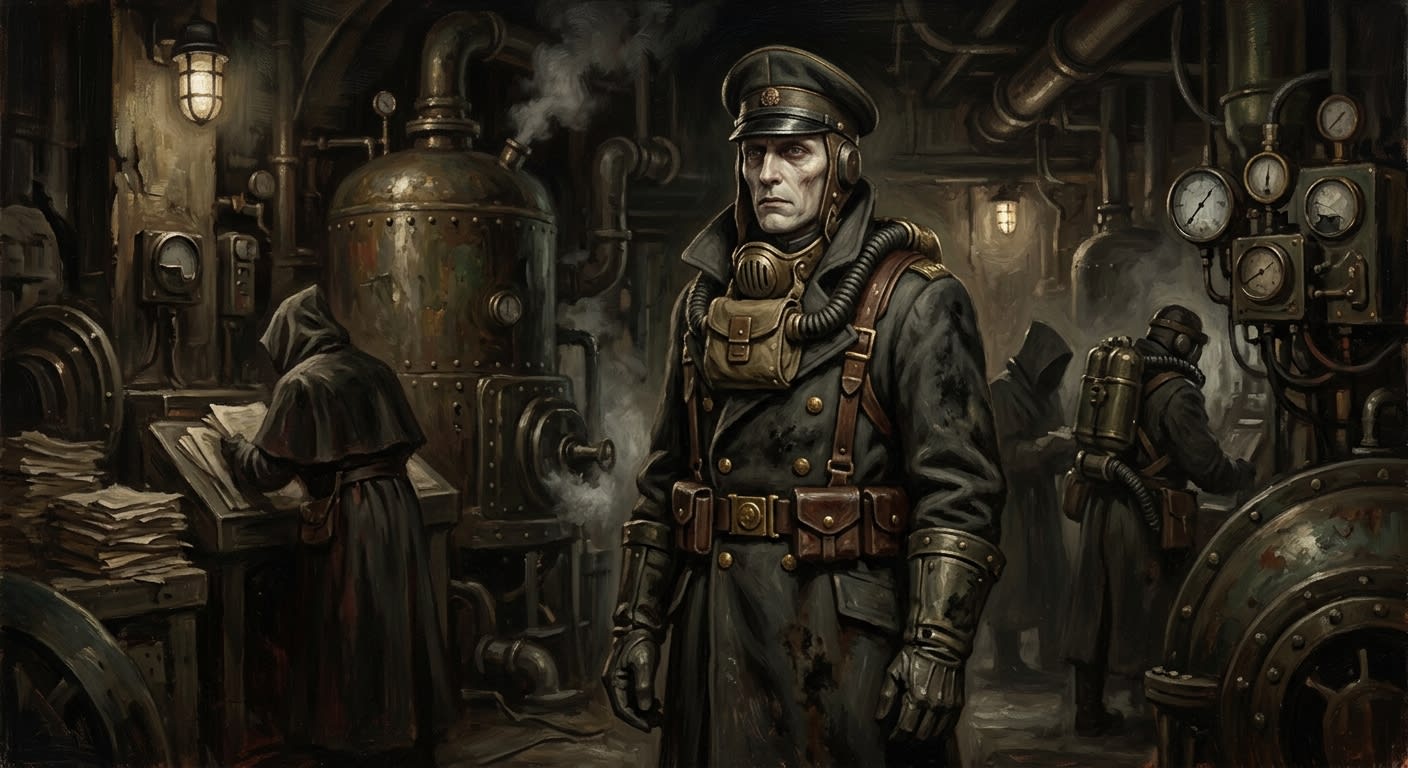
Adept Harlen
The dead cartographer who may still be measuring the river
Adept Harlen vanished during the A.S. 174 Drava survey, was declared dead by exposure, and was sighted unchanged at Kestrel-11 twenty-six years later.
Codex Ref. III.2.01-021
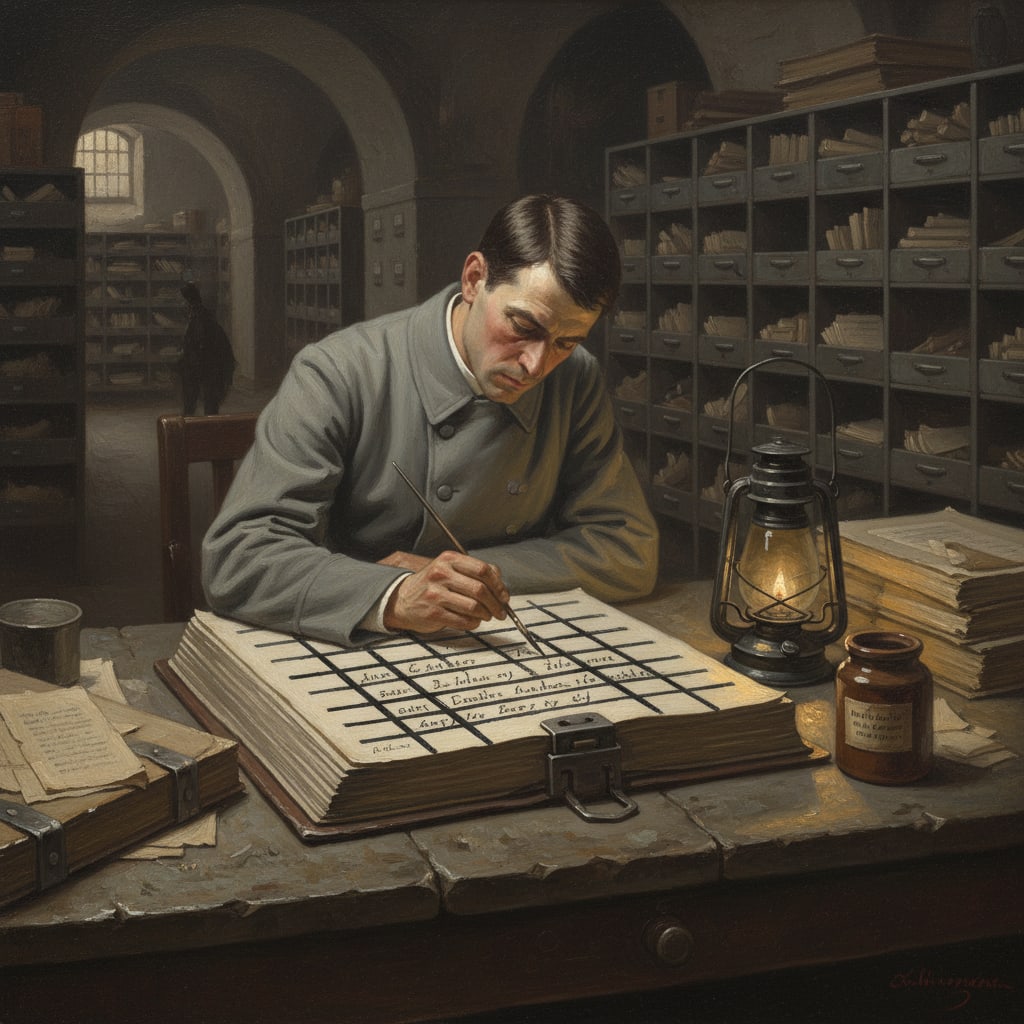
Administrative Dissolution
What the Bureau calls a filing action; what the dogs remember
Administrative Dissolution is the Bureau of Records' procedure for rendering a soul present but illegible — a grid of Mortuary Black drawn across the name-entry, the null-mark Ø applied, the Ledger amended.
Codex Ref. XIII.1.01-001
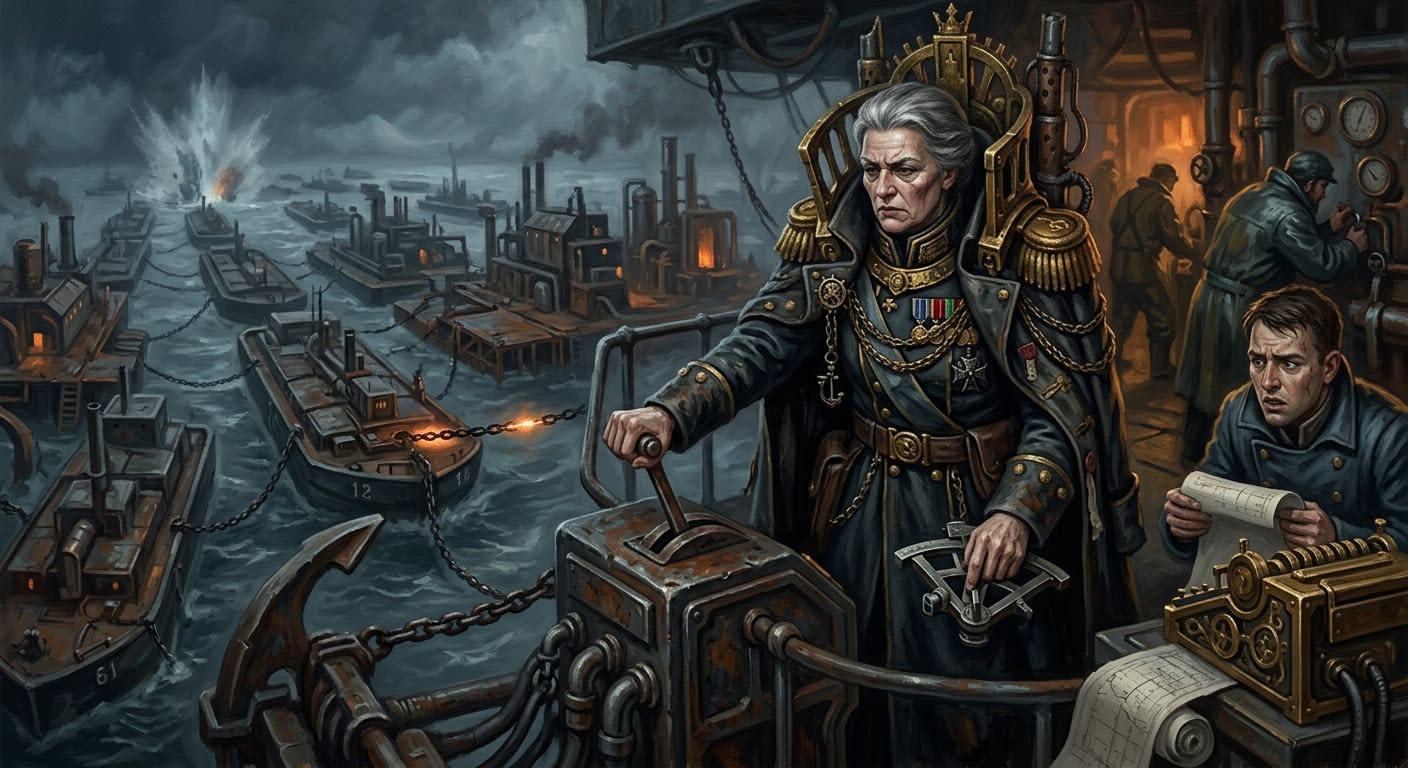
Admiral-Prior Veyra Salt-Crown
She commands the city that changes shape and calls it obedience
Veyra Salt-Crown governs Saints Afloat by chain, relic, quarantine, storm arithmetic, and the sacred brutality of knowing which barge must be cut loose.
Codex Ref. III.2.01-153
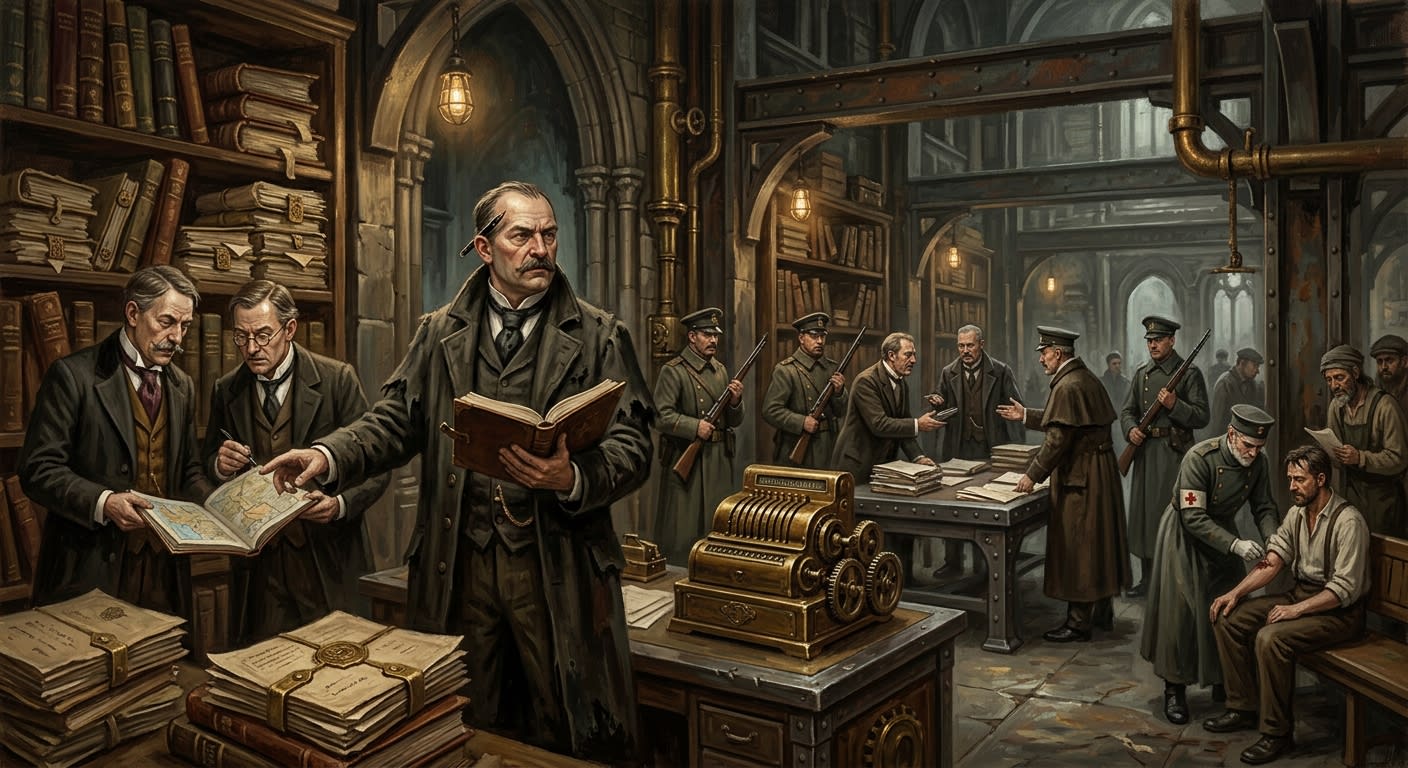
Advocates Guild
Licensed cruelty with gloves, seals, and a fee table
Licensed fraternity of Citation Advocates that turns Synodal quarrels into ledger-duels, sells precedent, polices pits, and calls the resulting injuries civil peace.
Codex Ref. XII.28.01-001

Aerial Wing
The sky, briefly obedient, under seal
Joint aerial custody apparatus by which the Synod lifts reliquary dirigibles, sermons, guns, clerks, and terror above Bastion-Constantinople.
Codex Ref. XIII.1.21-168
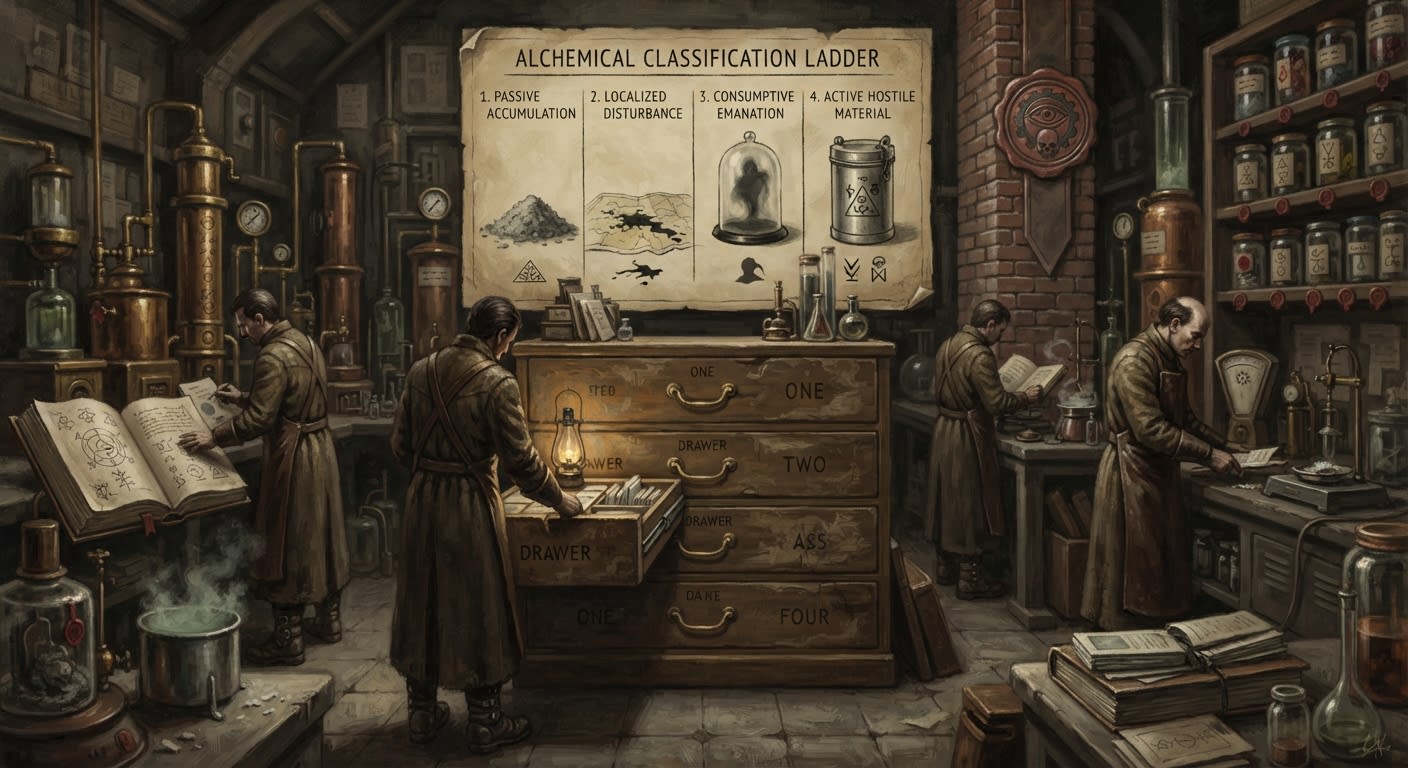
Alchemical Classification Ladder
Four drawers for terror, and none of them empty
The Bureau's four-rung ladder turns twitching ash, hungry ink, harmful vapours, and materials with intent into classifications Strasbourg can seal, bill, and fear politely.
Codex Ref. XIII.1.02-092
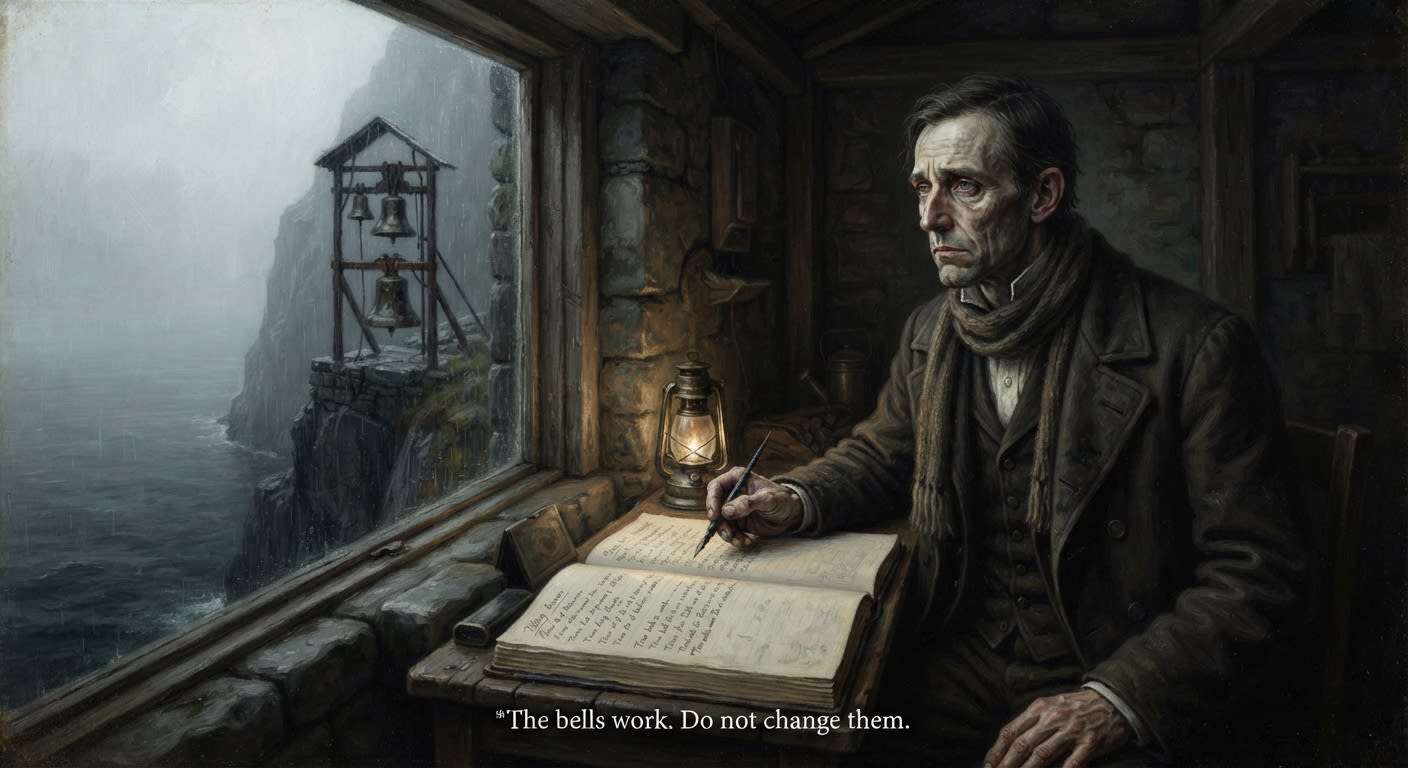
Aldric Moen
Seven words, no handles, and a punishment made of paper
Aldric Moen was sent north to classify the Winter Watch's unlawful bells. He returned with seven words the Bureau could neither refute nor forgive.
Codex Ref. III.2.01-178
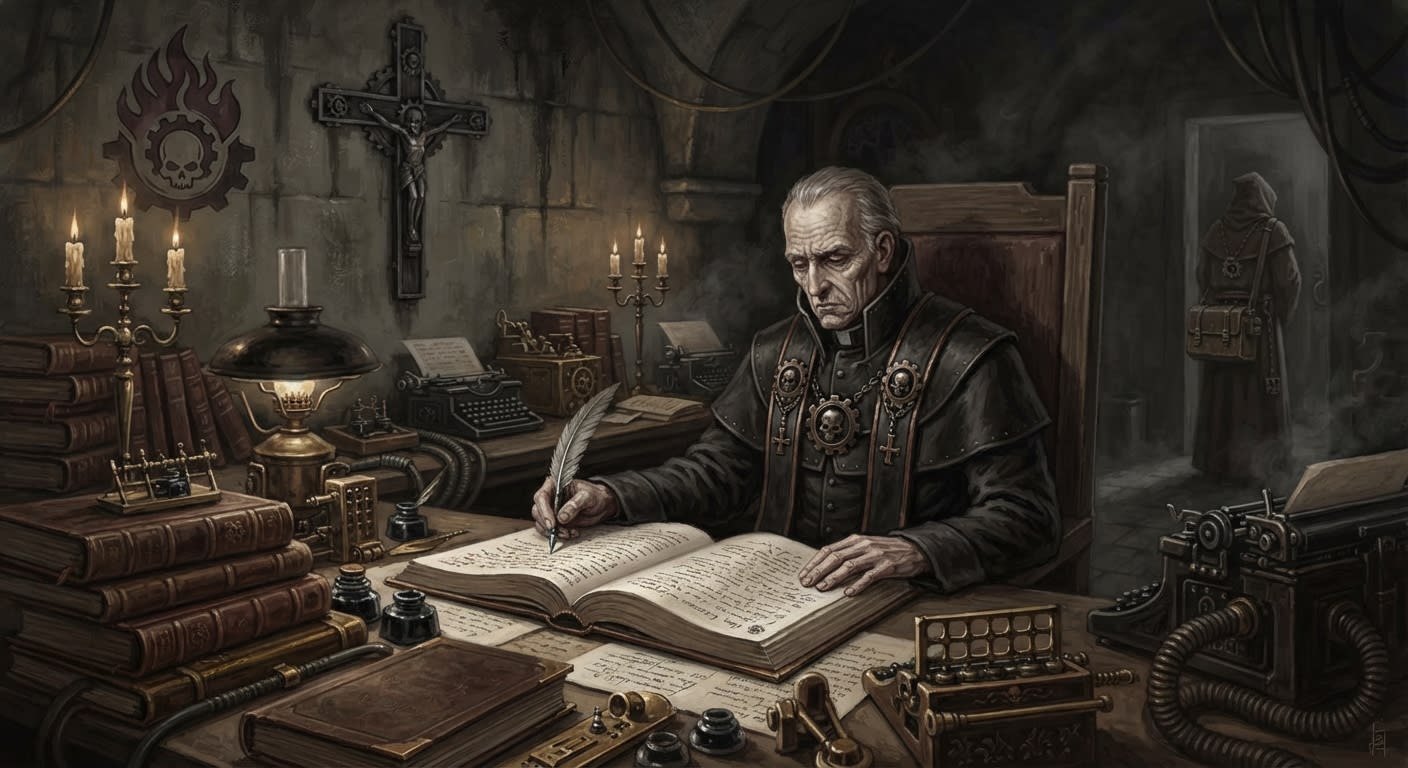
Aldric the Unbending
Thirty-one years, one perfect sentence, and no accommodation
The longest-sitting Liturgist-Primus, useful to the Bureau of Rites because almost nothing remains of him except thirty-one years, a perfect sentence, and a refusal no petitioner can answer.
Codex Ref. III.2.01-201
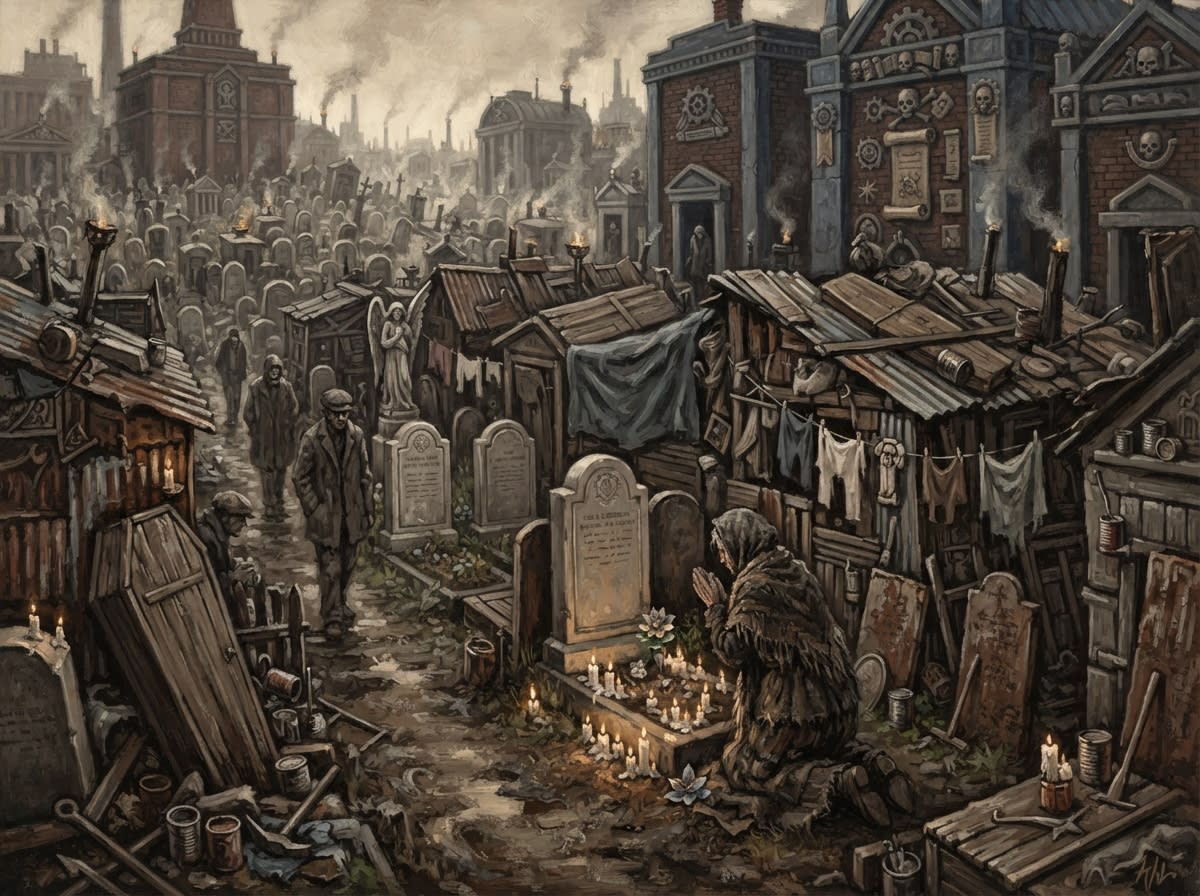
Anchor Graves
Where burial right does the work housing law refuses
Anchor graves are lawful family plots whose burial privileges let grave-field lanes pretend that shacks are caretaker shelters rather than homes.
Codex Ref. XIII.1.78-017
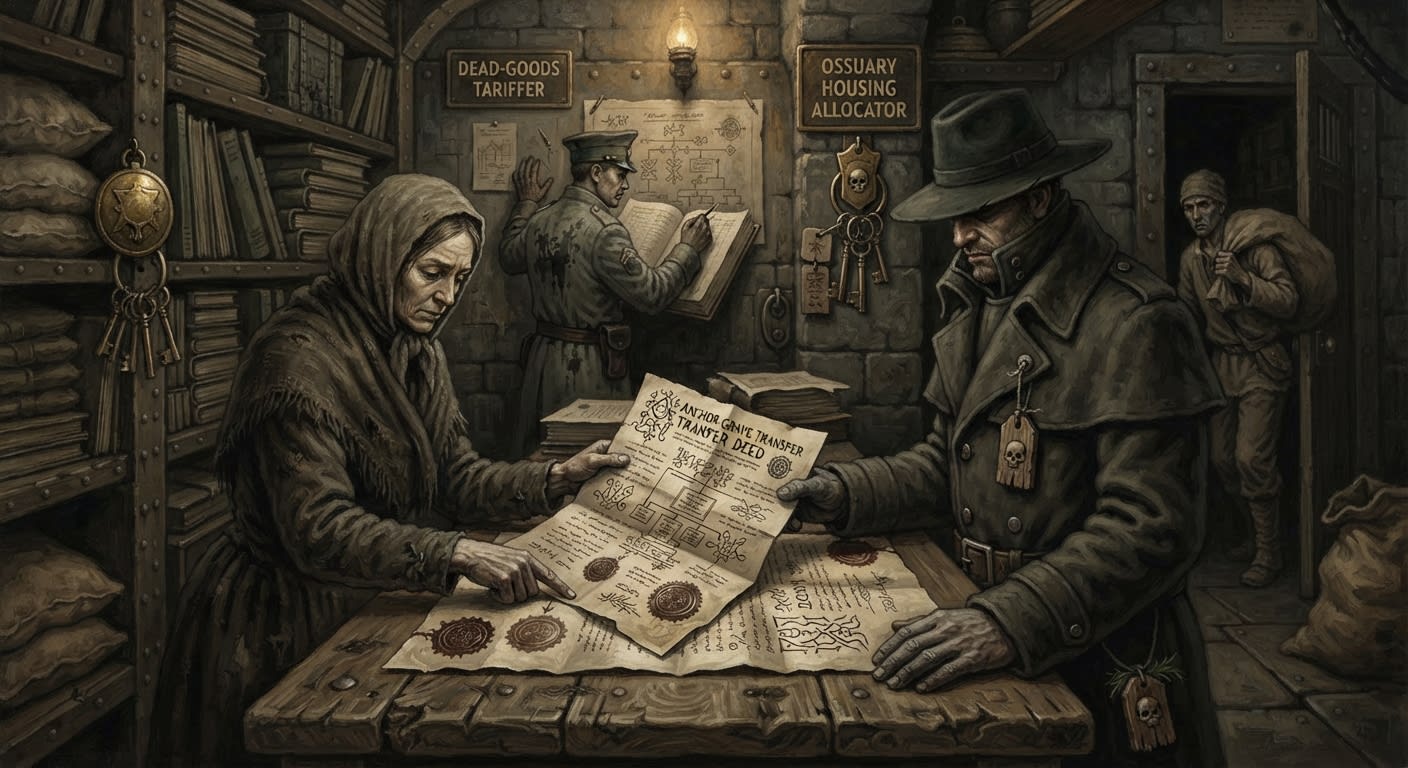
Anchor-Grave Transfer Deed
Where the grave becomes housing because hunger signs neatly
The anchor-grave transfer deed converts a family's burial claim into permitted ossuary presence, teaching grief to become tenancy and tenancy to remain revocable.
Codex Ref. XIII.1.78-178
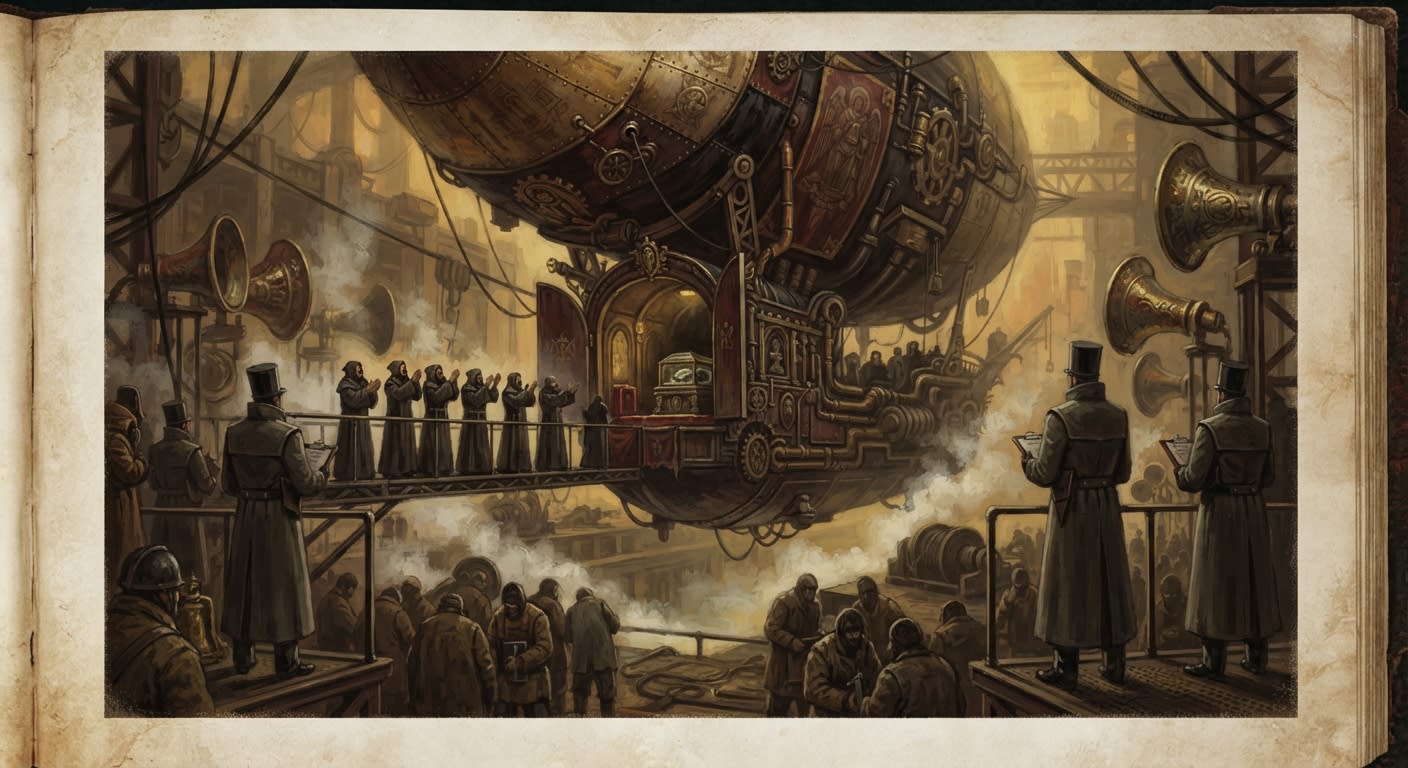
Antiphon of Ascension
The launch rite that received an answer and lost an airship
The Antiphon of Ascension is the licensed chant by which Vigil Arks are asked to rise. At Saint Uriel's second attempt, it did exactly enough to prove it had been heard.
Codex Ref. XIII.1.21-004
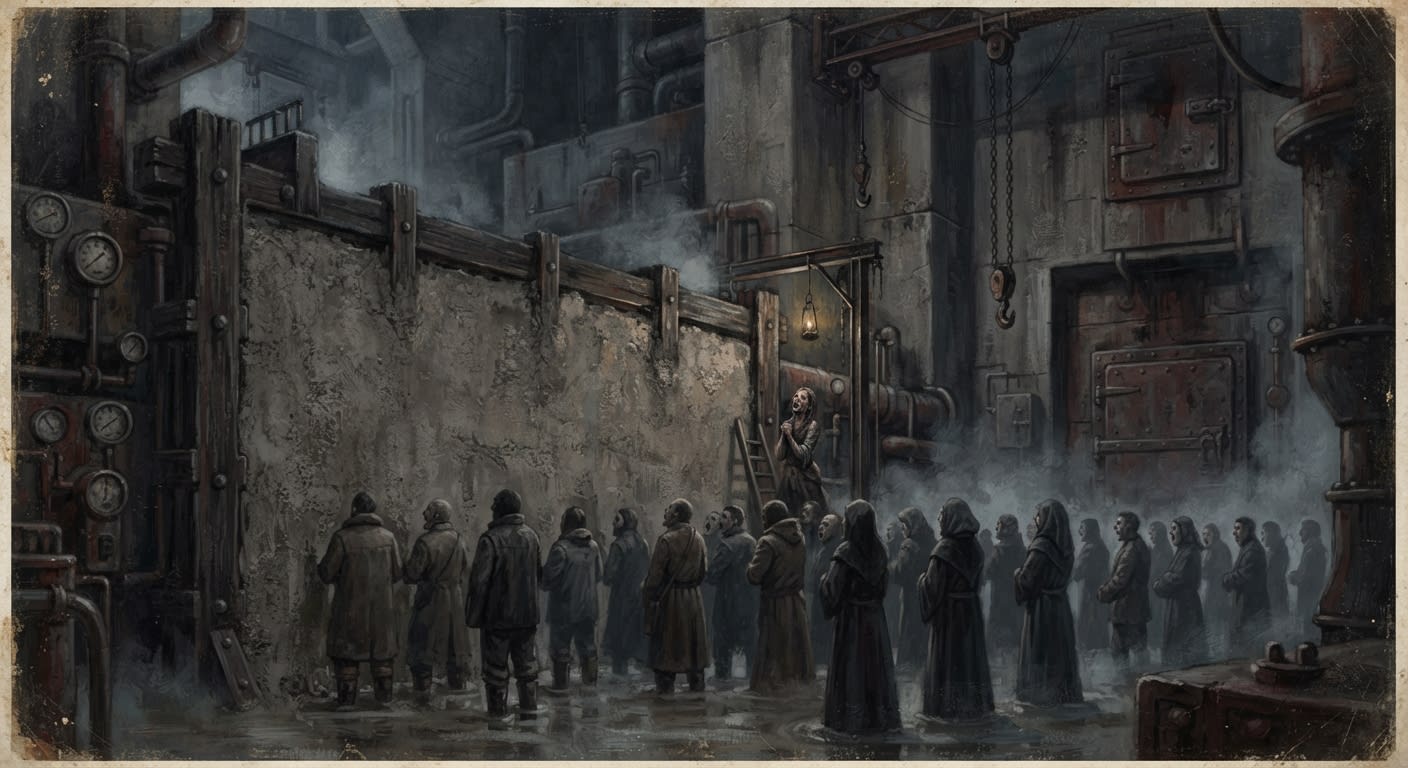
Antiphon of Endurance
Thirty-two verses, one last voice, and a wall that keeps time
The Antiphon of Endurance is the licensed siege hymn sung by the forty-seven as Chamber 7 was poured; thirty-two verses now answered yearly by a warm wall.
Codex Ref. XIII.1.96-170
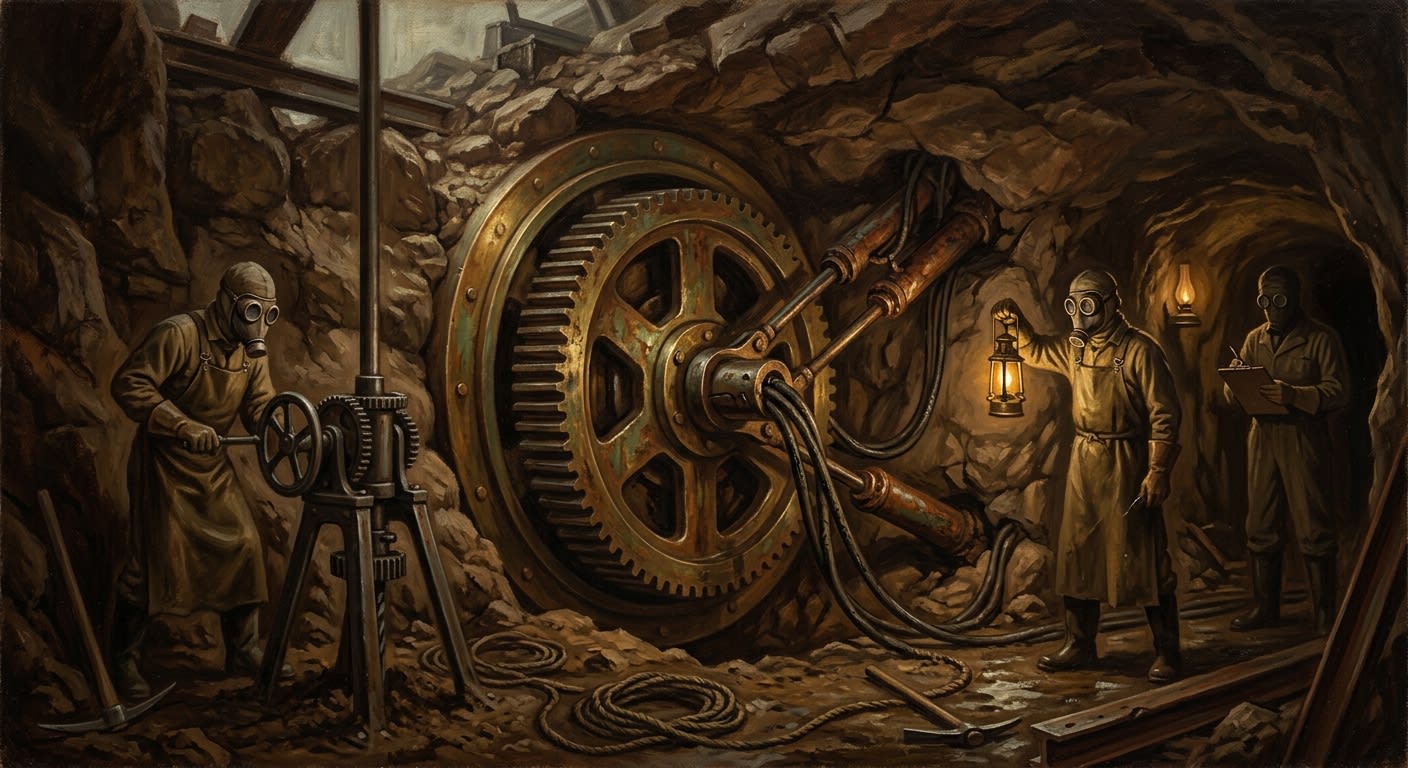
Apparatus of Gate Nine
The drill went down for vibration and returned with doctrine
A.S. 178 Gate Nine survey in which Bureau of Engineering Team Gamma-9 drilled beneath the Queue Road and found a turning wheel, a sealed chamber, and obedience already waiting.
Codex Ref. VII.4.15-001

Approved Comforts
Fourteen lawful softenings, and the heresy of meaning them
The Approved Comforts are fourteen lawful phrases by which the Bureau calms grief without granting it rights, mercy, or a dangerous future tense.
Codex Ref. XIII.1.97-094
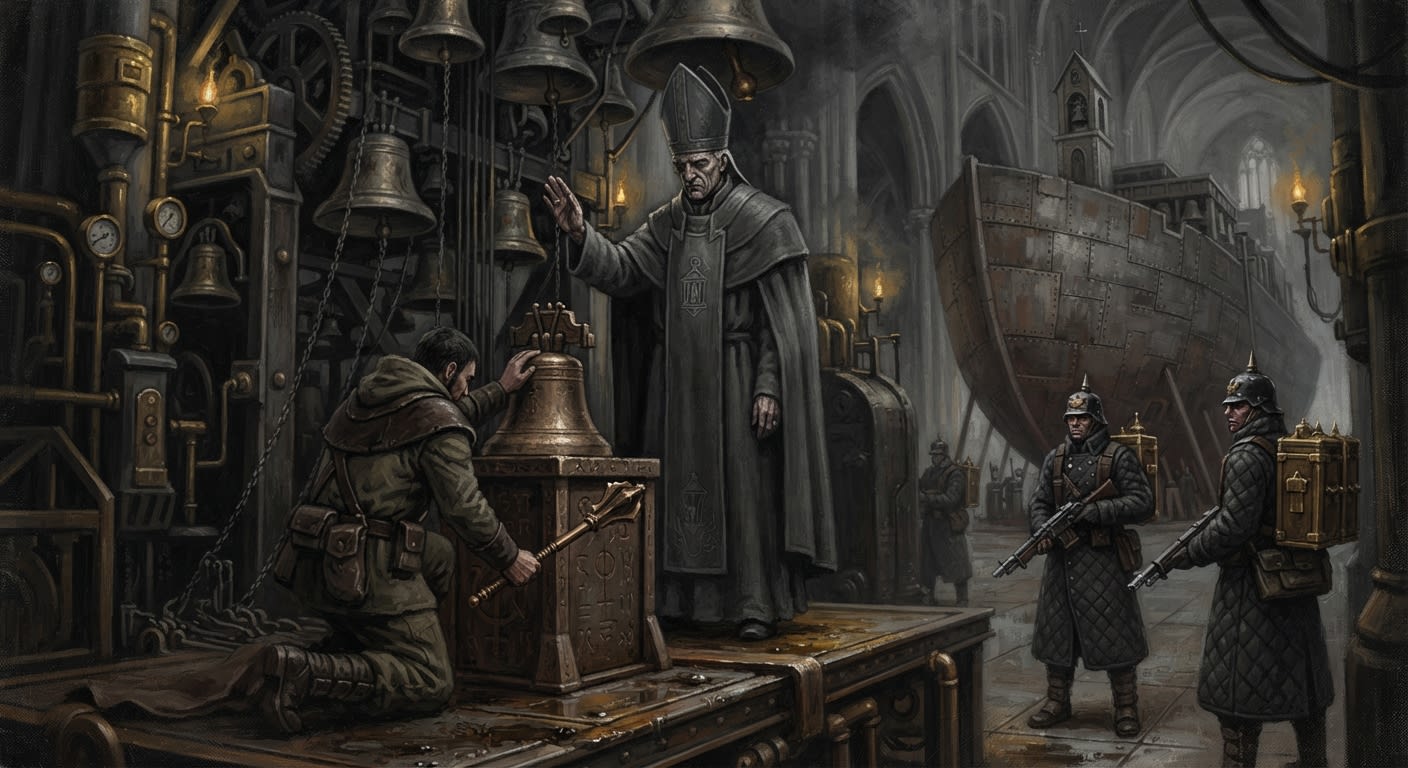
Archbishop of Canterbury
The altar Strasbourg cannot countersign
Canterbury's unnamed Archbishop ordains bell-warriors, guards relics, blesses ships, and proves that an unaudited Christian altar can still make Strasbourg lose sleep.
Codex Ref. III.2.01-025
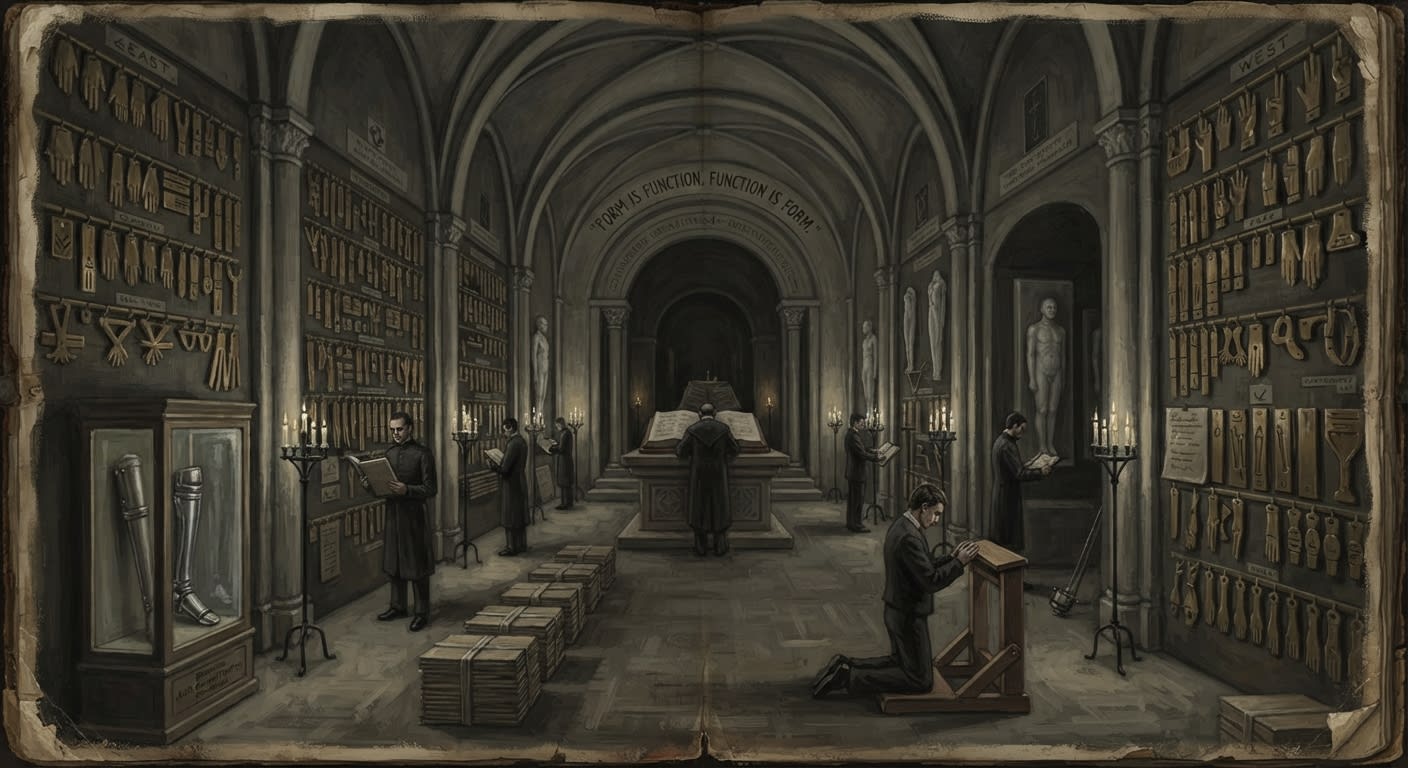
Archive of Prescribed Gesture
The room where the Synod files the body.
A vaulted Strasbourg hall where posture becomes law: brass plates, knee gauges, timing tables, sealed anomalies, and every lawful motion the faithful may perform before the Creator.
Codex Ref. II.2.06-195
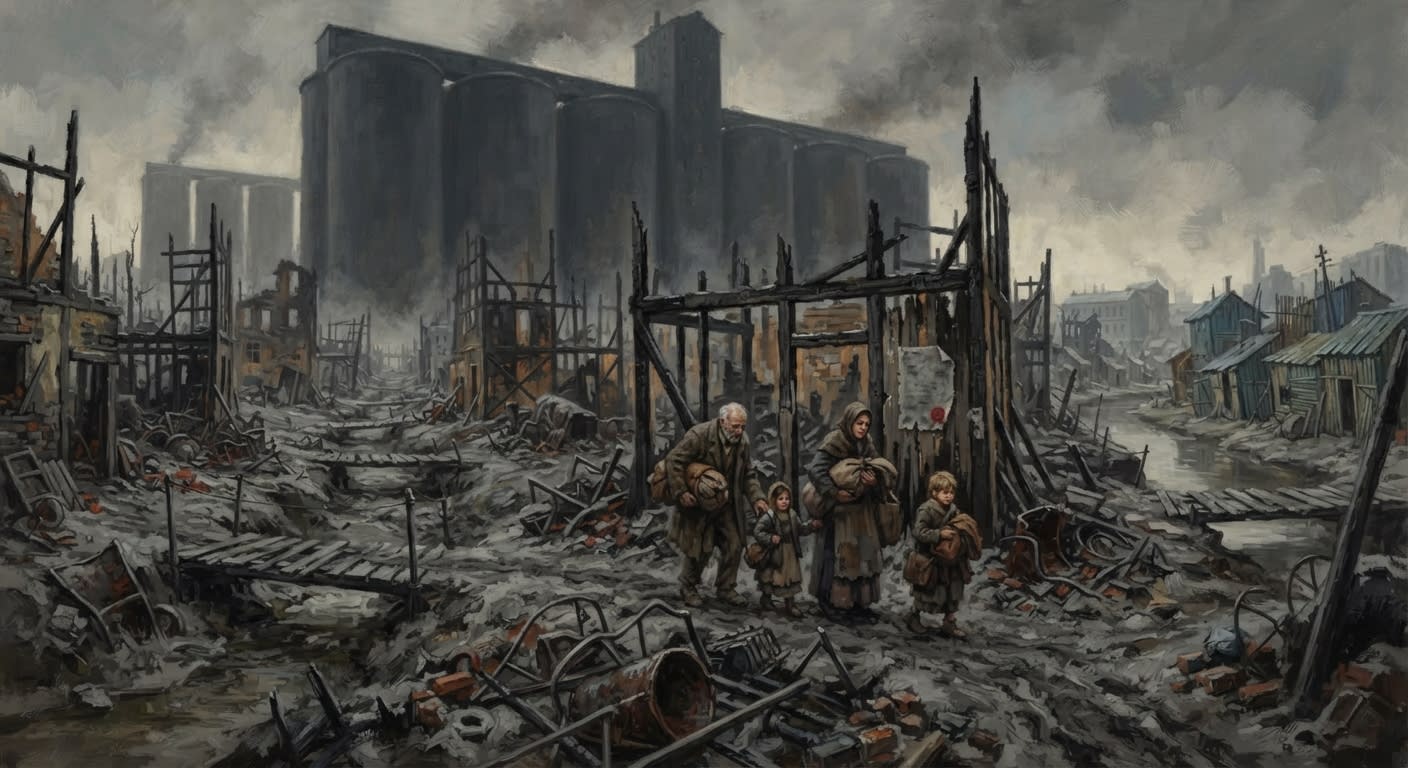
Ash Fines District
Where Wexel puts households the Ledger has already burned
Wexel's ash-wet quarter of purified parcels and unrecognised residents, where a burned house raises the land value and a family learns to live where the Ledger says nobody lives.
Codex Ref. II.2.04-002
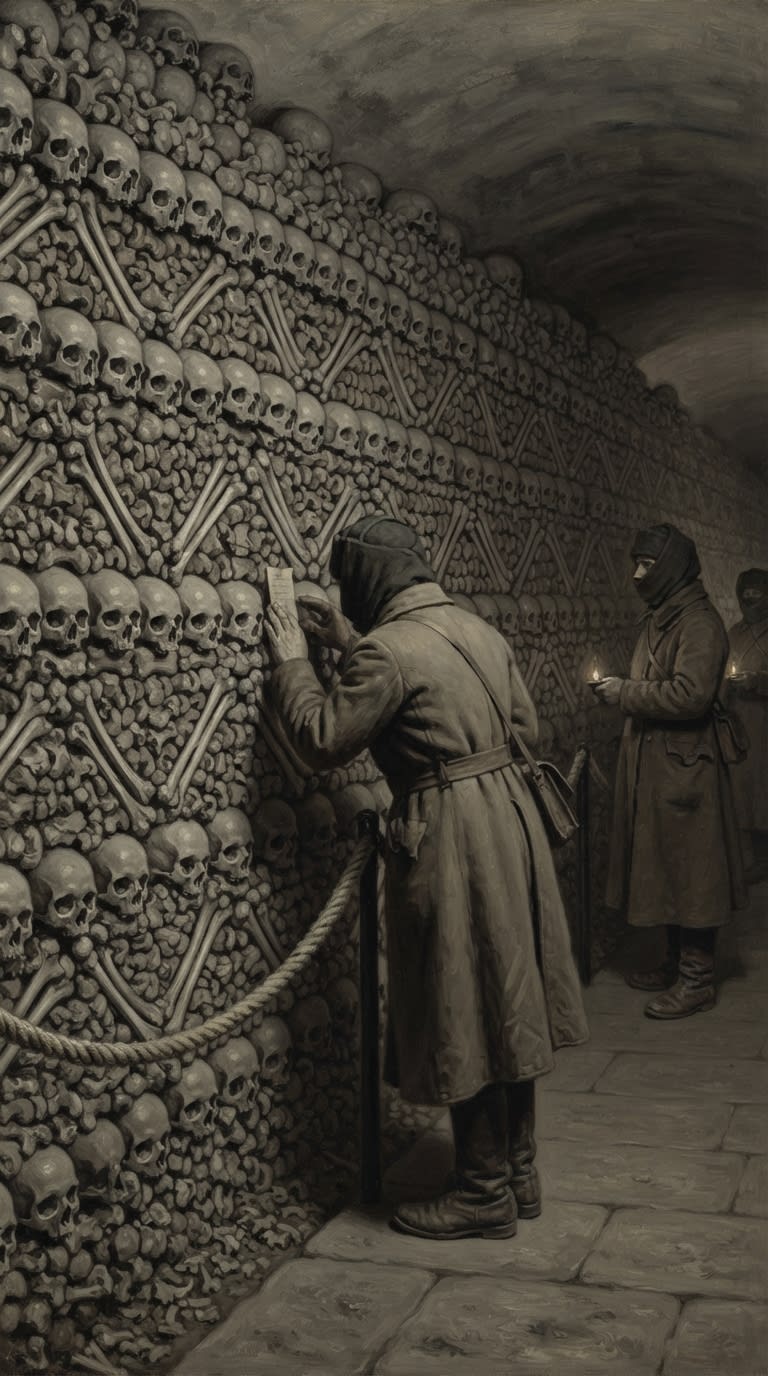
Ash Gallery
Where hunger became masonry and ash learned the names
A Sixth Ring tunnel where famine dead face outward, Thracian ash has entered the bone, and every pilgrim's name-reading asks the wall what it remembers.
Codex Ref. II.4.10-009
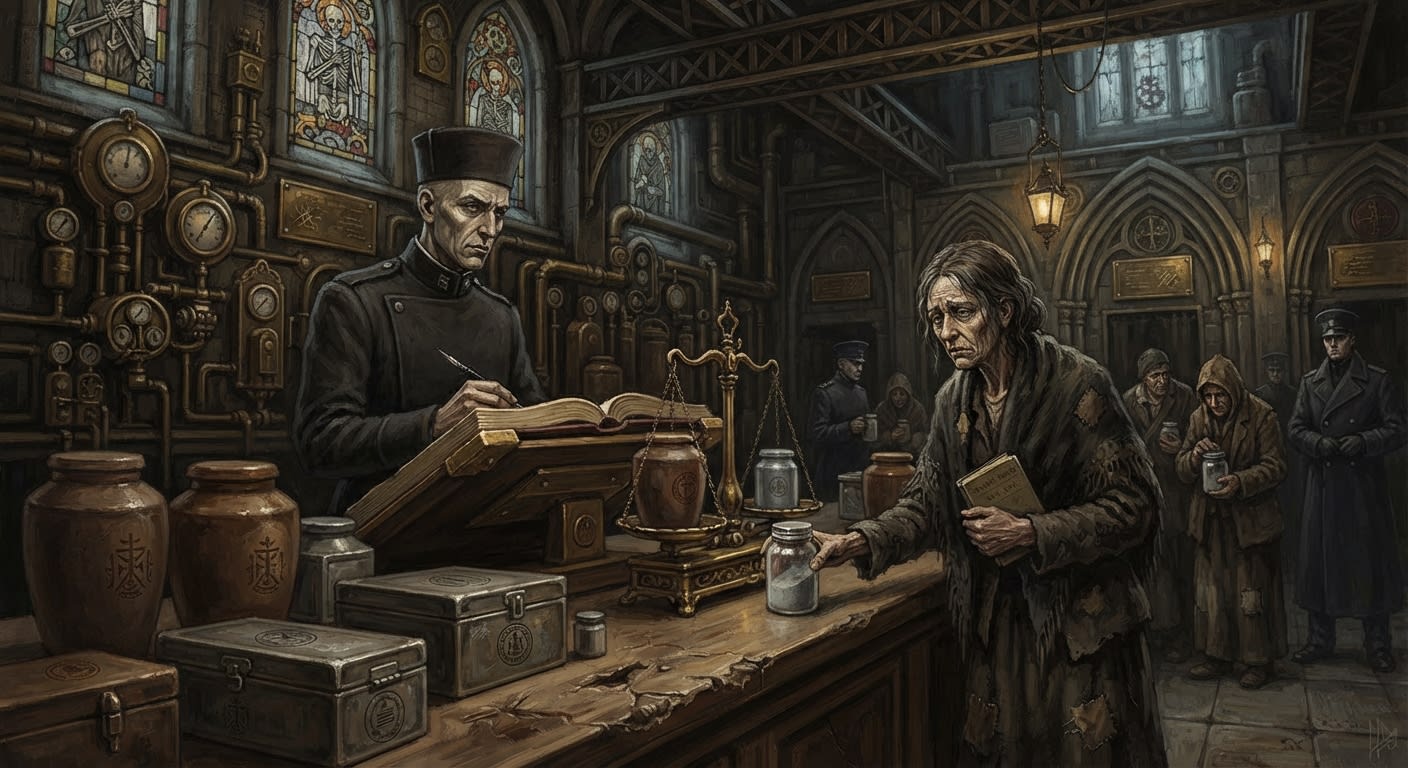
Ash-Credit
The dead are tender once Tithes finds a scale
Ash-credit is the Synod's devotional collateral, converting cremains, saint-dust, and pledged future remains into bread, grace rations, and obligations the dead cannot refuse.
Codex Ref. VI.3.01-002
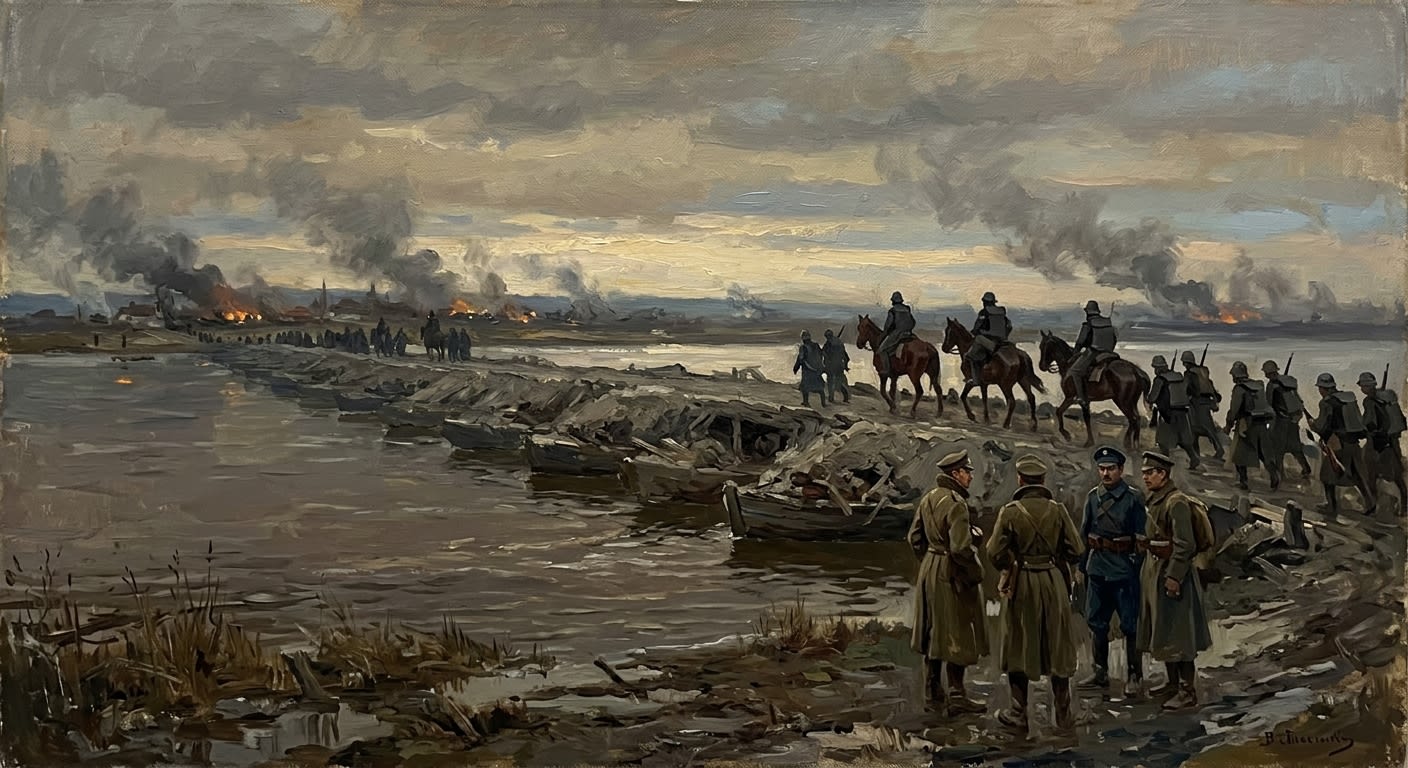
Ash-Fodder
The cheapest weapon in the Adversary's ledger — and the one no committee is willing to count
The Ash-Fodder Militias are the lowest tier of the Shadow Court's mortal force taxonomy — unenhanced, unarmed or barely armed, drawn from conquered populations and driven forward to exhaust Synod ammunition and armour before the real assault begins.
Codex Ref. IX.1.03-001
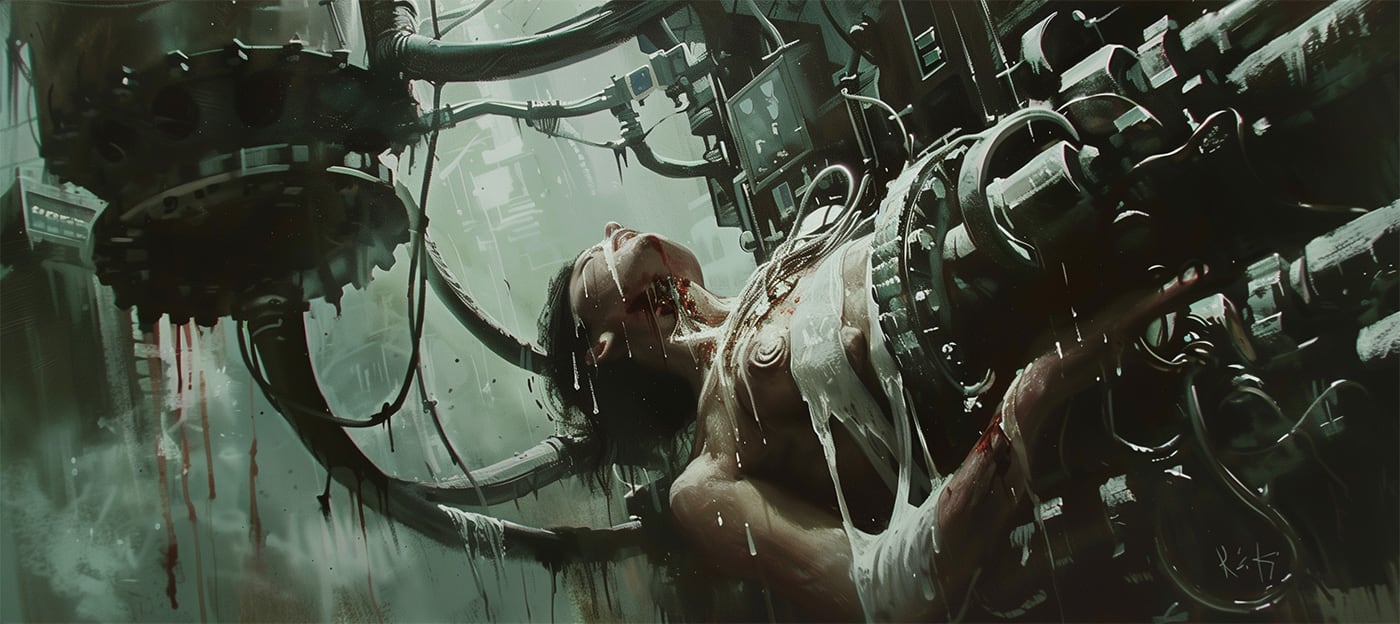
Ash-Mothers
A production line. The Bureau said two paragraphs were enough. They were not.
The Bureau's most exhaustive silence — Ash-Mothers are enemy reproductive logistics cells, captured women sustained by sorcery to generate Thrall regiments at industrial scale. I file the account that two paragraphs could not contain.
Codex Ref. IX.1.02-001
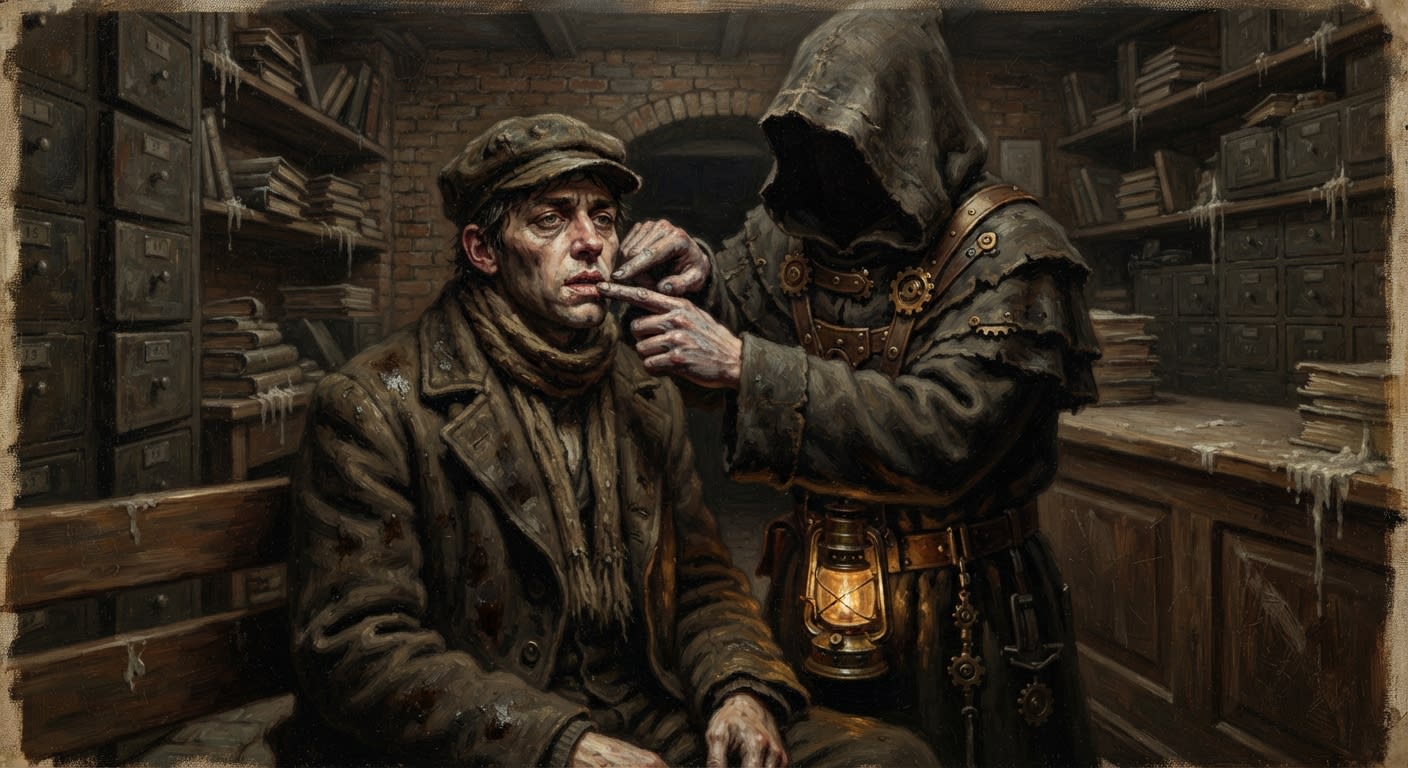
Ash-Tongue
A chapped mouth is cheaper than a missing witness
Ash-Tongue is the Circle of Ashen Steps' smallest correction: consecrated ash on the lips, preserving witnesses while delaying inconvenient speech.
Codex Ref. XIII.1.76-094
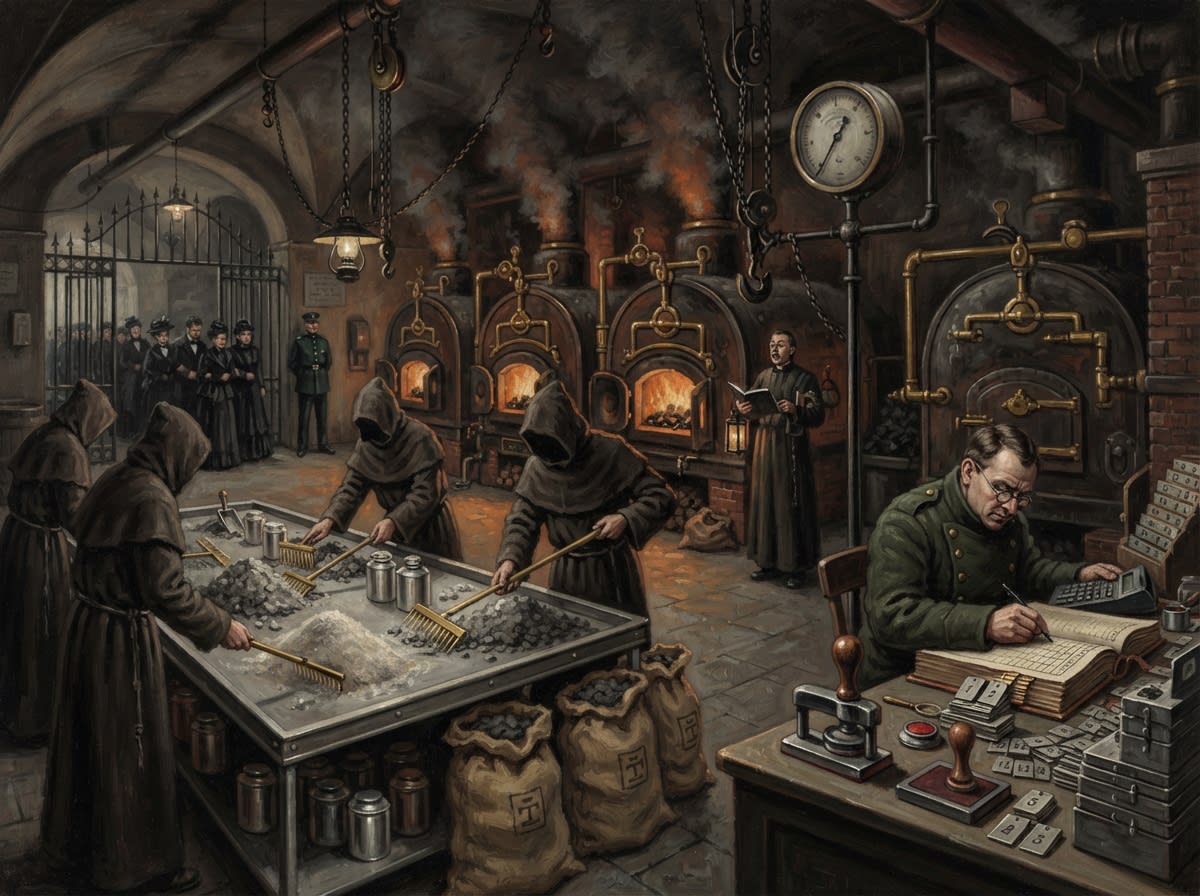
Ashbinders
The dead are sacred, and the receipt is extra
The Ashbinders burn the Synod's dead, sort the ash, sell the comfort, and accidentally perform one of the few procedures that keeps the cemeteries quiet.
Codex Ref. XII.41.01-001
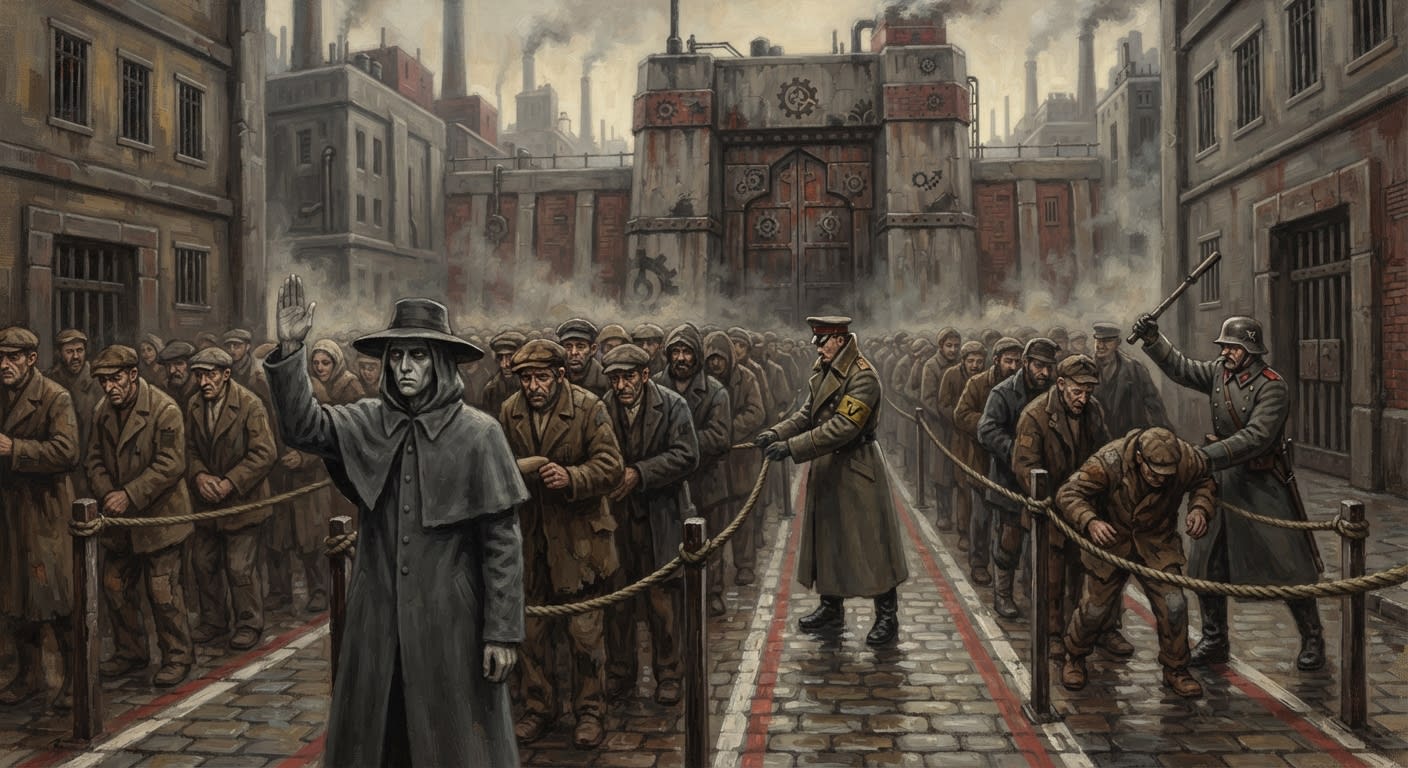
Ashbread Clause
The sentence that taught hunger to march
The A.S. 113 clause of the Concordat of Civic Cadence that made every bread queue subject to sound, rope, baton, and Bureau grammar.
Codex Ref. XIII.1.10-113
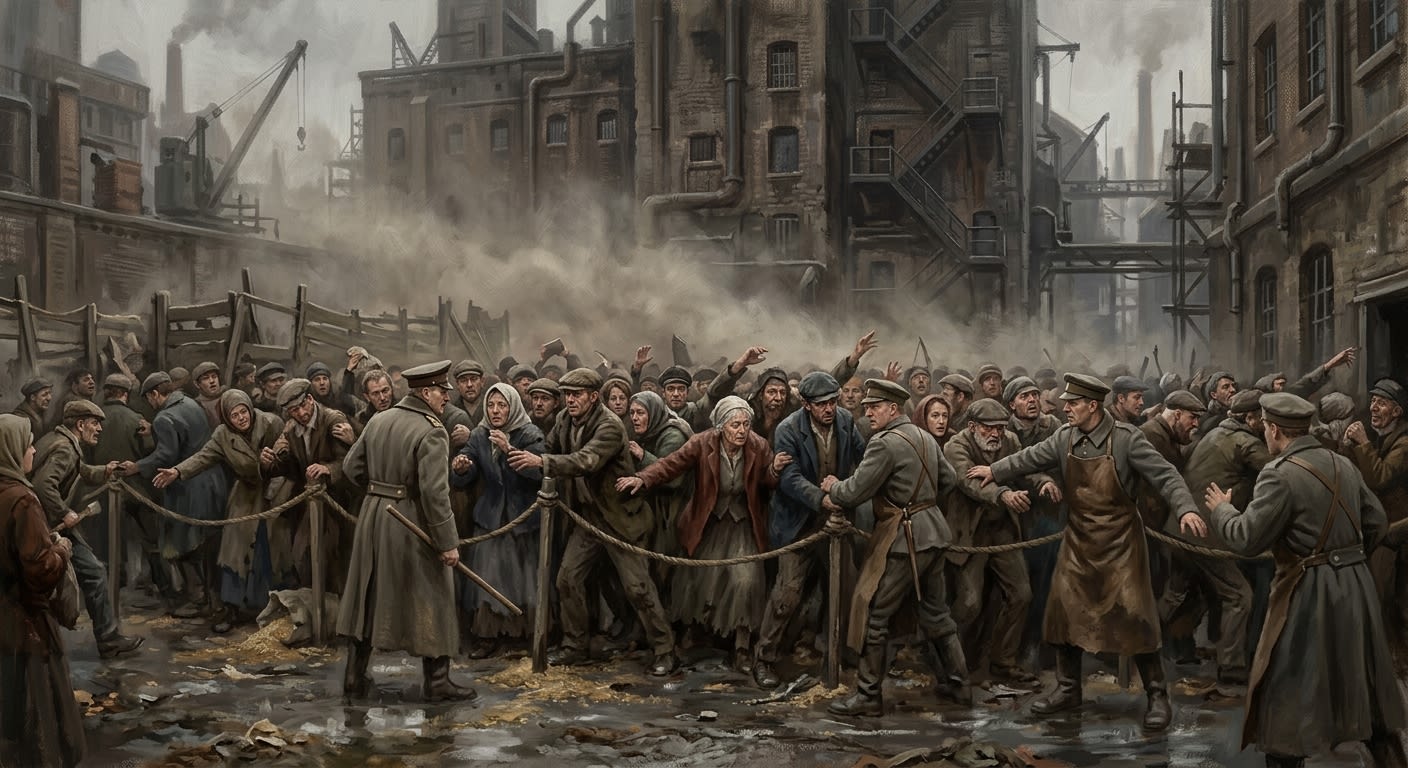
Ashbread Stampede
Where wet rope, short bread, and perfect schedules made a corps
A.S. 112 ration-yard crush at Bastion-Brest whose 317 official dead, wet lane ropes, and visible shame birthed the Cadence Corps.
Codex Ref. VII.8.10-057
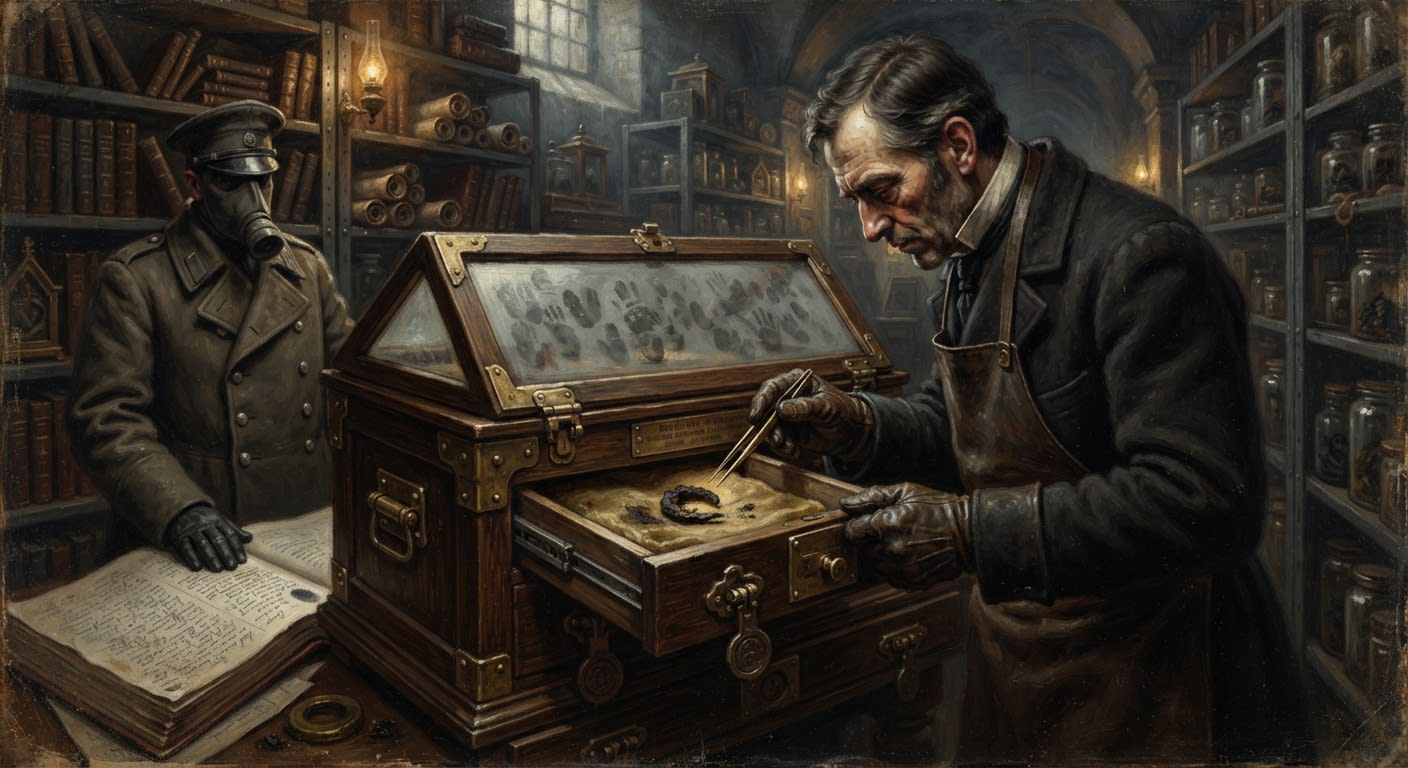
Ashen Thumbnail of Cologne
A relic too small for proof and too useful for disposal
Blackened nail-fragment attributed to Saint Vellum-of-the-Quiet-Hand, never authenticated by Relics and never surrendered by Records because Cologne's corridors keep answering the practical question.
Codex Ref. III.2.04-120
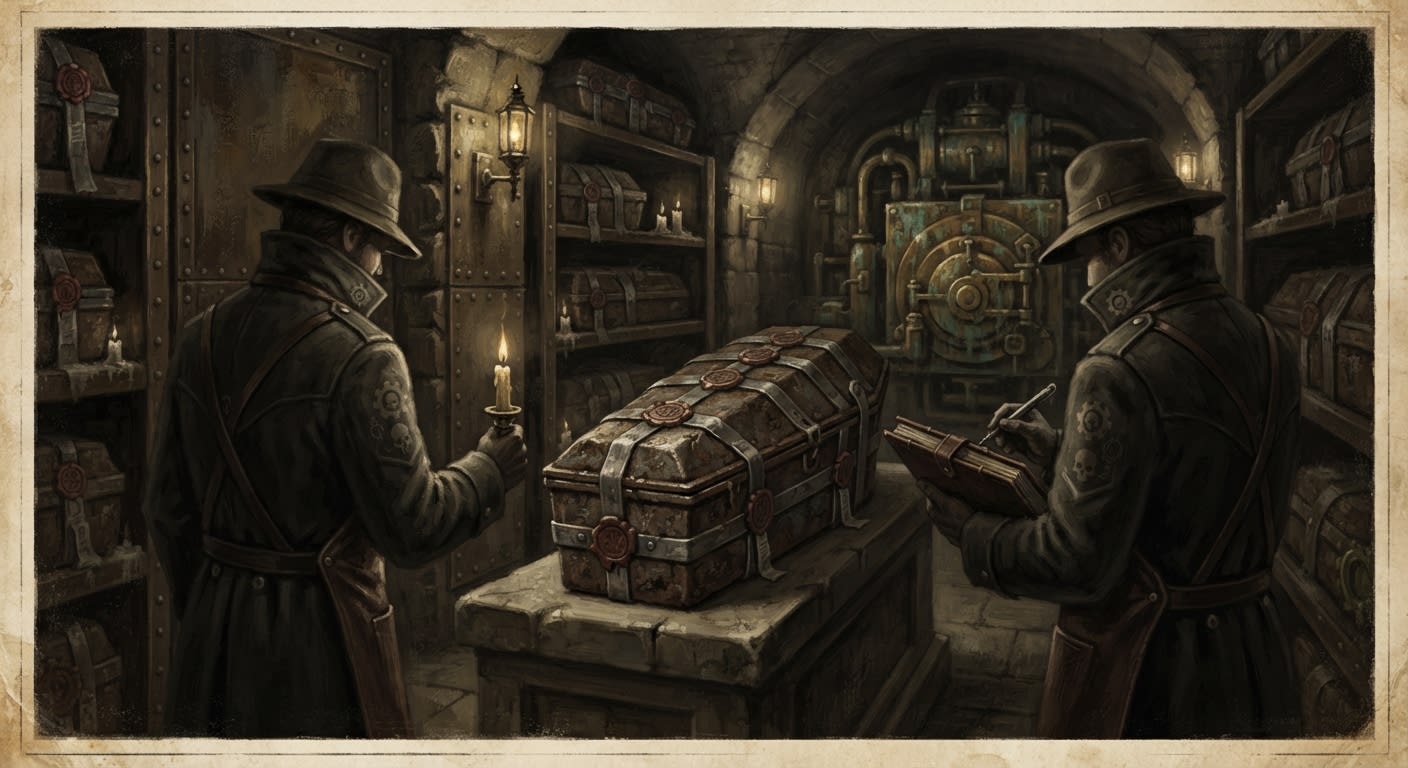
Ashes of the Sundering
The day in the jar, and the seal around the fear
The Bureau of Relics keeps a sealed iron vessel said to contain the Sundering's own residue, gathered from Vienna's cathedral floor and never opened since.
Codex Ref. V.1.03-045

Assessment Engines
The machine does not ask what you cost. It tells you what may be bought.
Velmora's Assessment Engines price objects, persons, loyalties and betrayals with intolerable accuracy; the Synod captured them, ordered them destroyed, and then kept their accounts.
Codex Ref. XIII.1.27-201
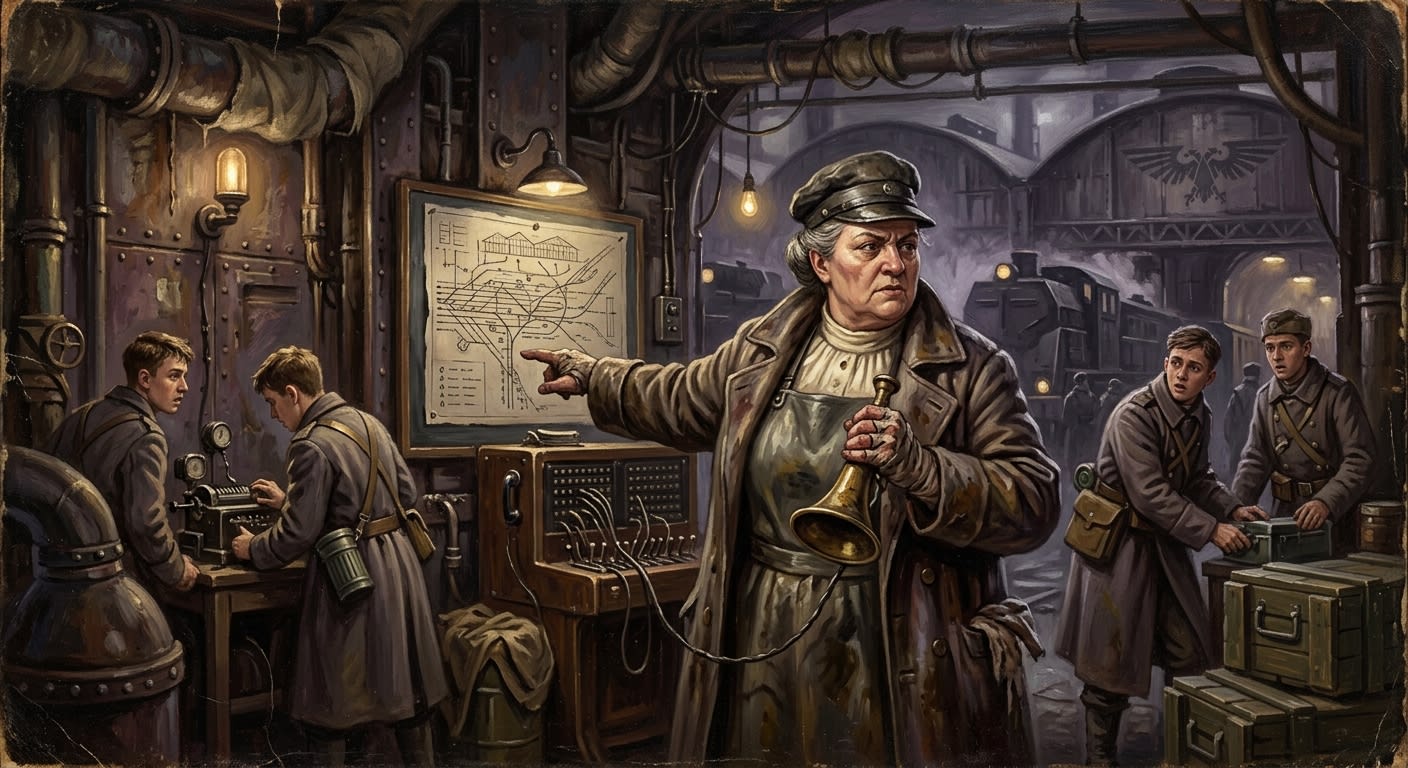
Aunt Velka
Unlicensed governance by soup, shame, and accurate memory
Aunt Velka is Thessaloniki's unofficial Shed authority: no office, no stipend, and more night command than several licensed men with seals.
Codex Ref. III.2.01-035
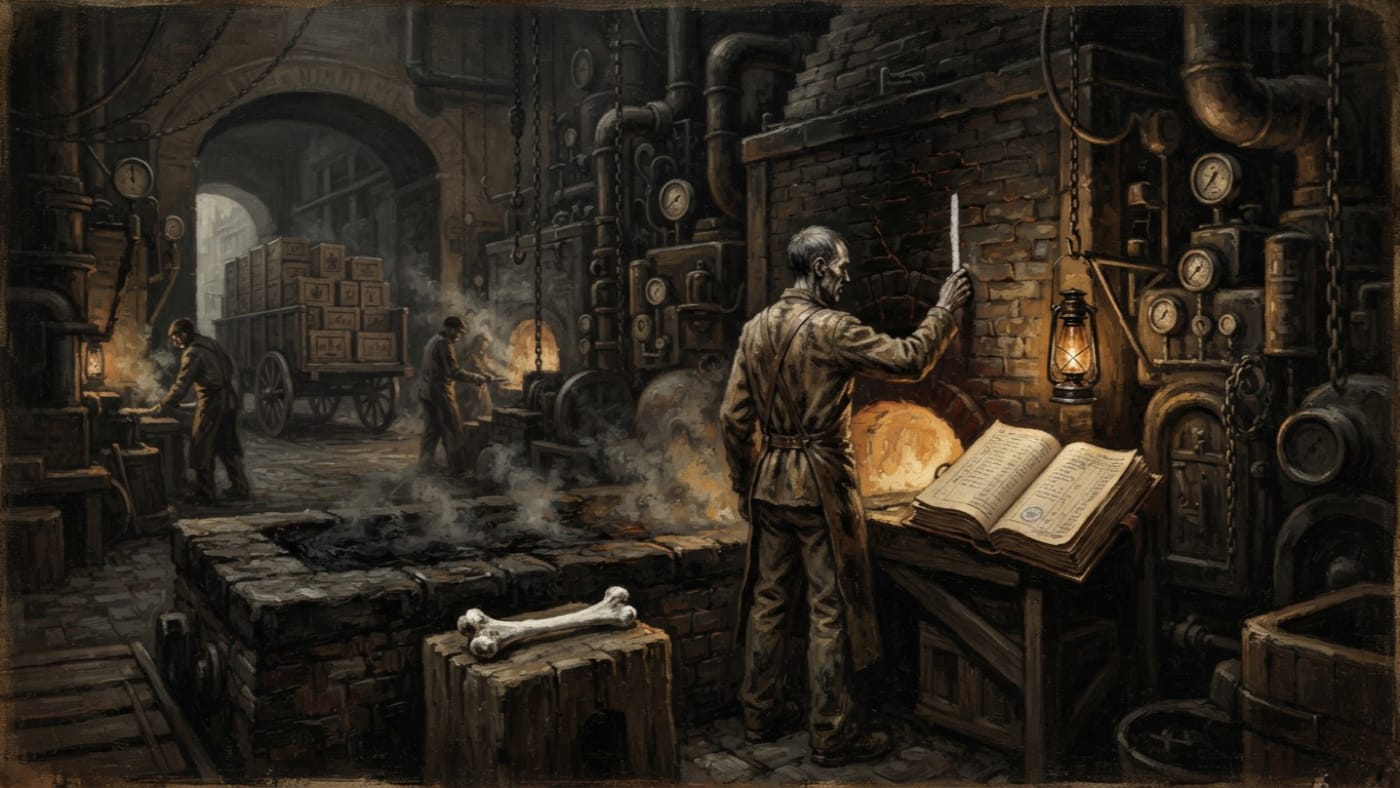
Aurel Eve
A white line, an honest bone, and guilt ready for the winter convoy
Aurel Eve gives Saint-Bone Melters one white line, one clean bone, and a ledger before the first winter convoy. Doctrine tolerates the devotion; the dead must still be numbered.
Codex Ref. XIII.1.89-201
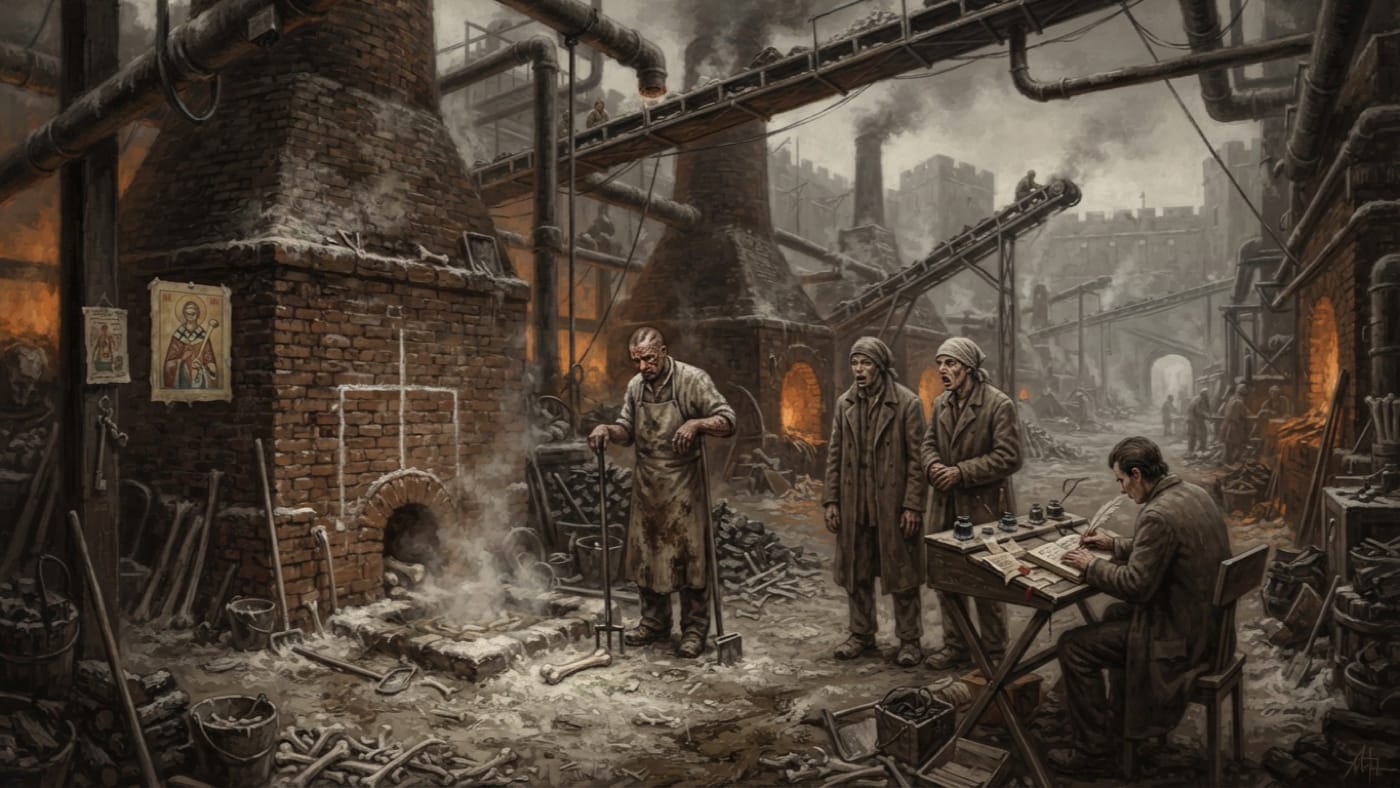
Aurelite Use
Four lines for mercy, no additional licence for the kiln
One attributed kiln prayer and a tolerated yard observance: Aurelite Use lets Saint-Bone Melters ask Saint Aurel for mercy while granting no additional licence to burn.
Codex Ref. XIII.1.91-146
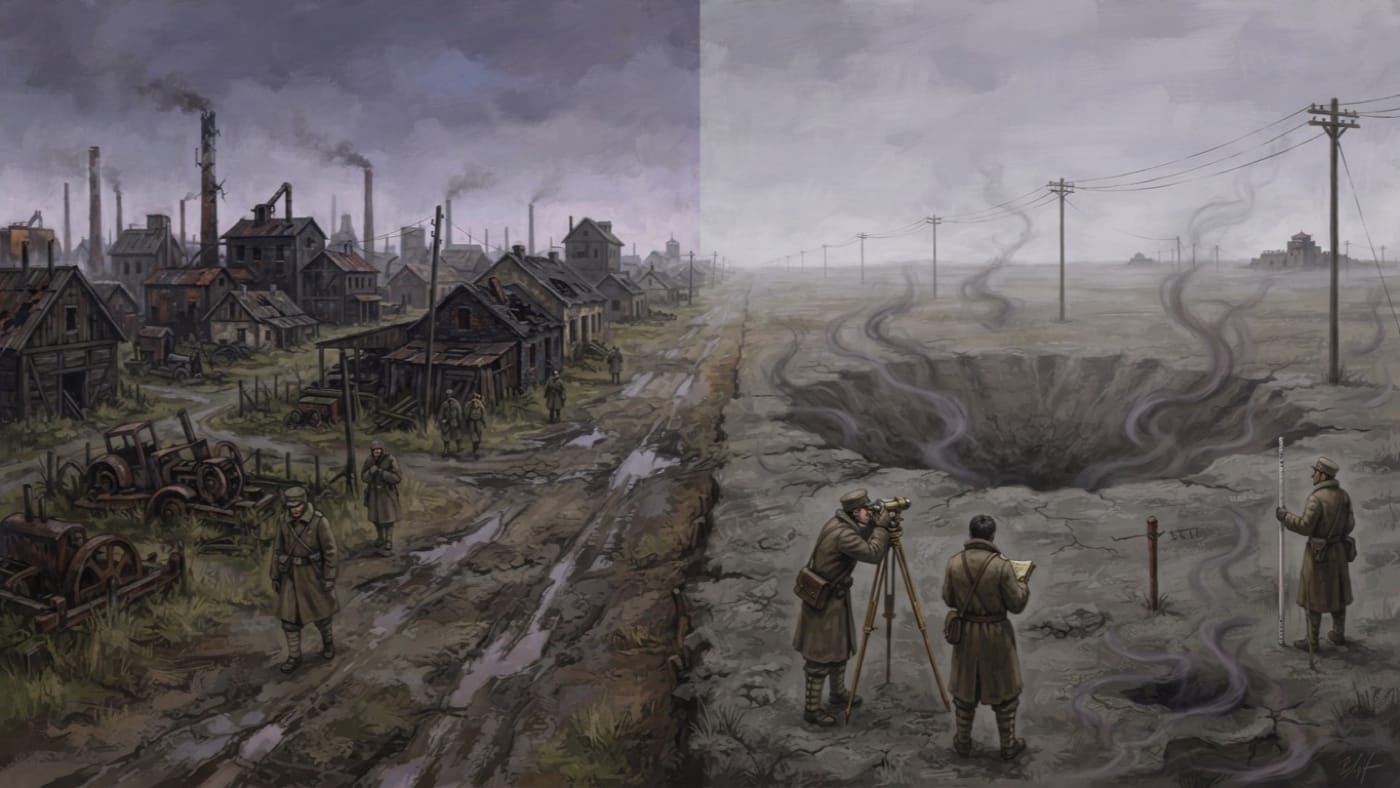
Baja
A town kept as an address for a grave whose hunger is reaching.
Baja survives as the locator for Famine Pit Twelve on the former road to Szeged. Two surveys record its hunger reaching farther; neither counts the dead. I have kept the town and the grave in separate columns.
Codex Ref. V.6.01-003
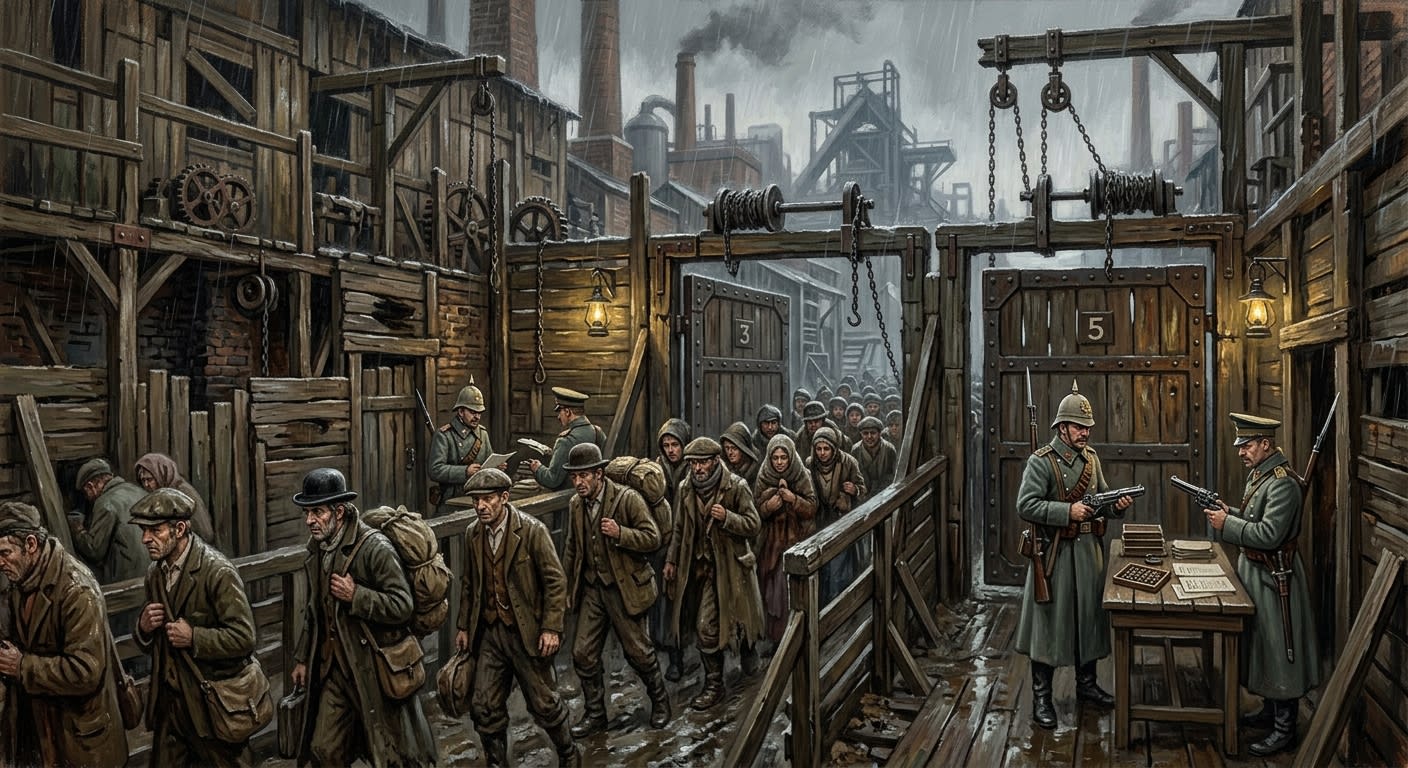
Barricade Maze
The fence that taught patience to pay rent
The Barricade Maze is the Queue Road's wet timber throat, where Gates Three and Five compress bodies, minutes, debts, and heresies into orderly revenue.
Codex Ref. II.3.05-010
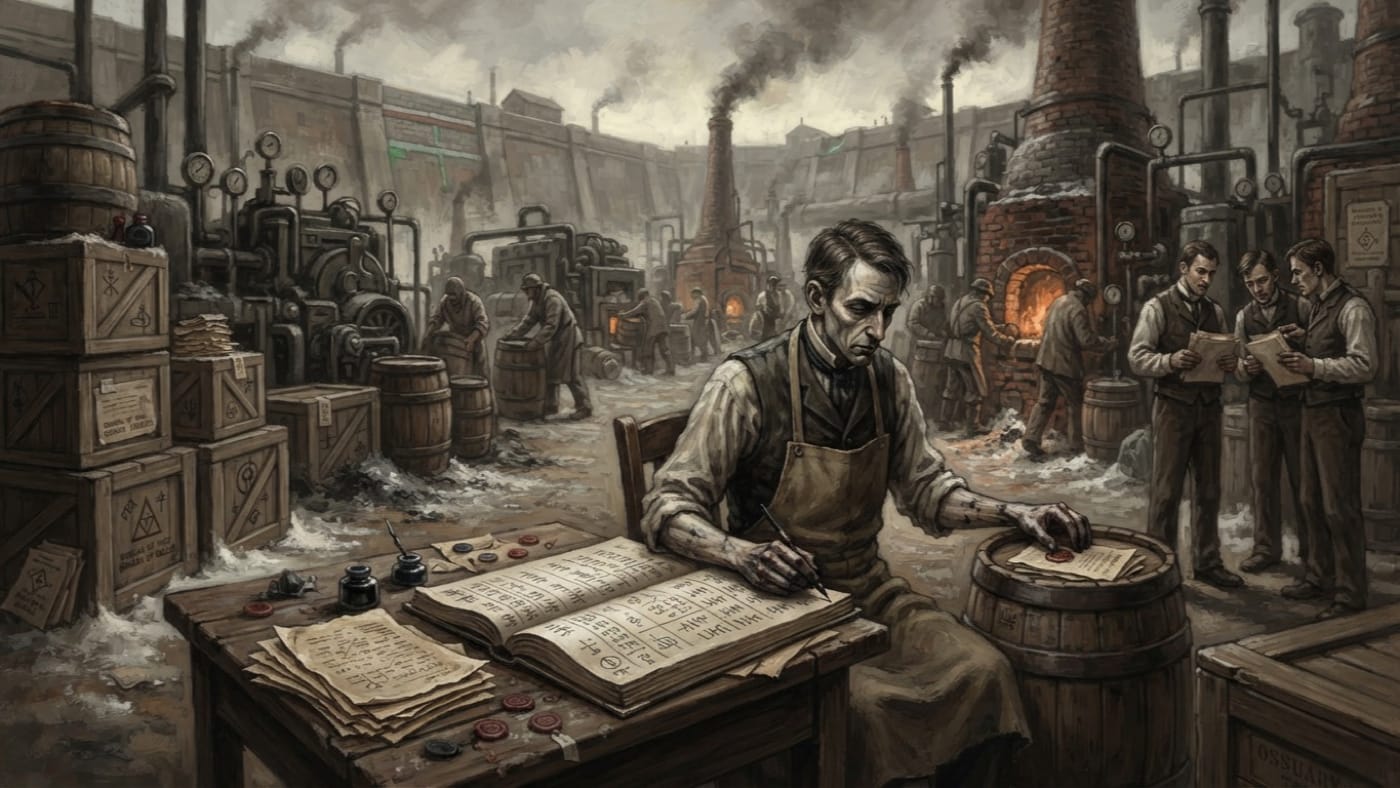
Batch Scribe
The hand that remembers every saint the kiln forgets
The Saint-Bone Melter's middle-rank clerk, tracing each fragment from crate to barrel to wall seam. The book records what was burned; when the mortar fails, it also records whose hand the tribunal can blame.
Codex Ref. XII.40.03-001
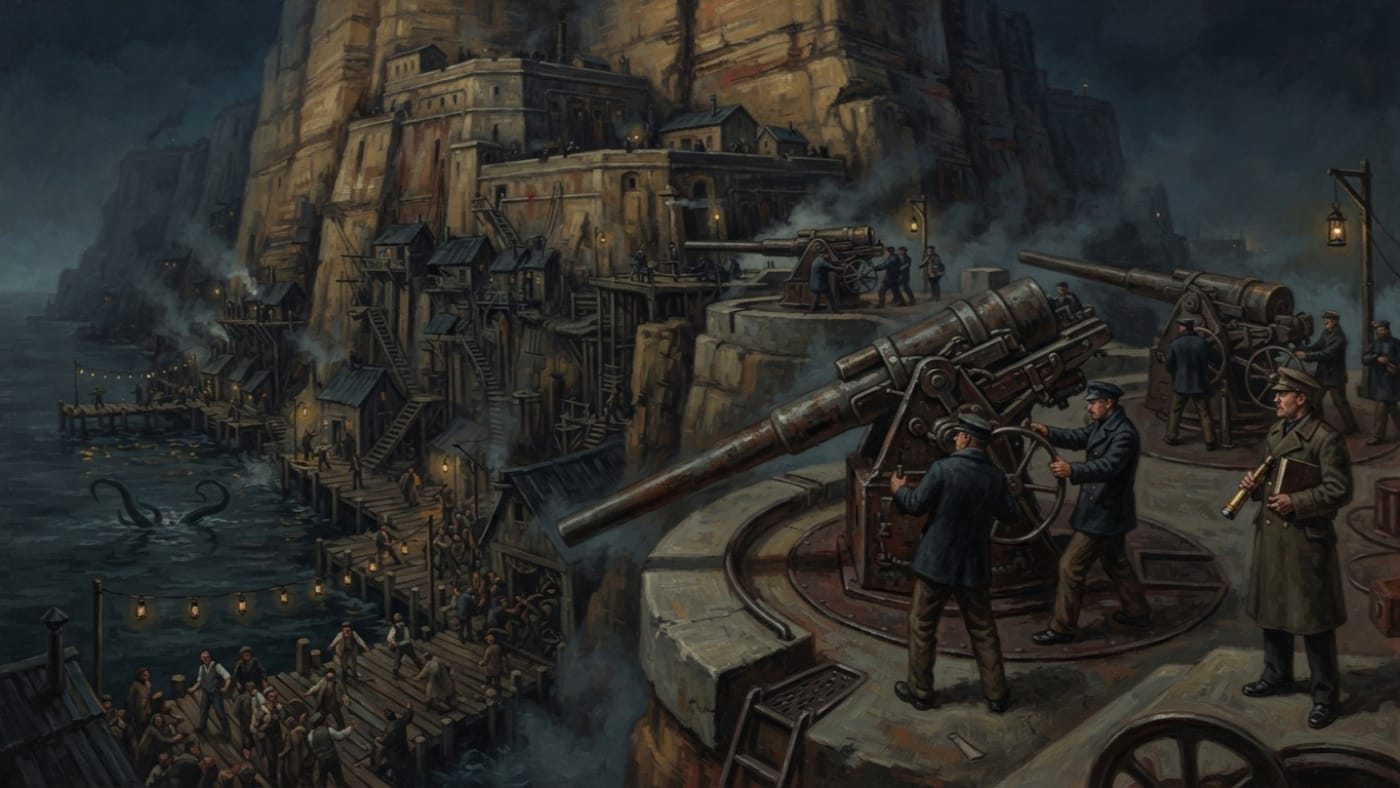
Battery Twelve
The gun agrees, within its arc
Battery Twelve is Saffron Bastion's cliff-gun answer to Demon-Lures: command from the Marshal, payments from the Courts, and no reach beneath the piers.
Codex Ref. II.4.09-012
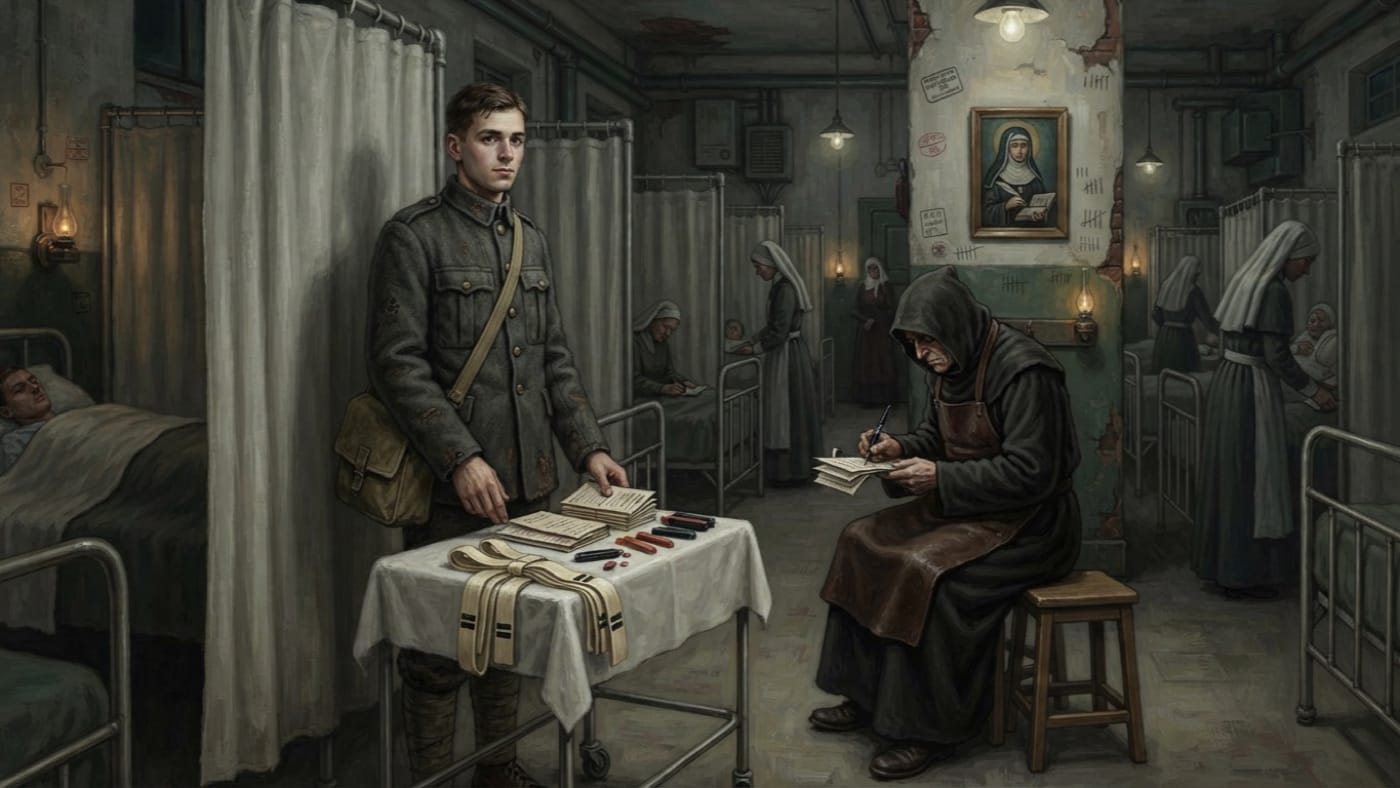
Bedside Runner
Close enough to hear everything, junior enough to bear the blame
The Bedside Runner carries ribbons, wax and forms for terminal confessions. The Bureau of Mercy's entry rank hears everything, seals nothing and supplies the second stool.
Codex Ref. XII.12.02-001
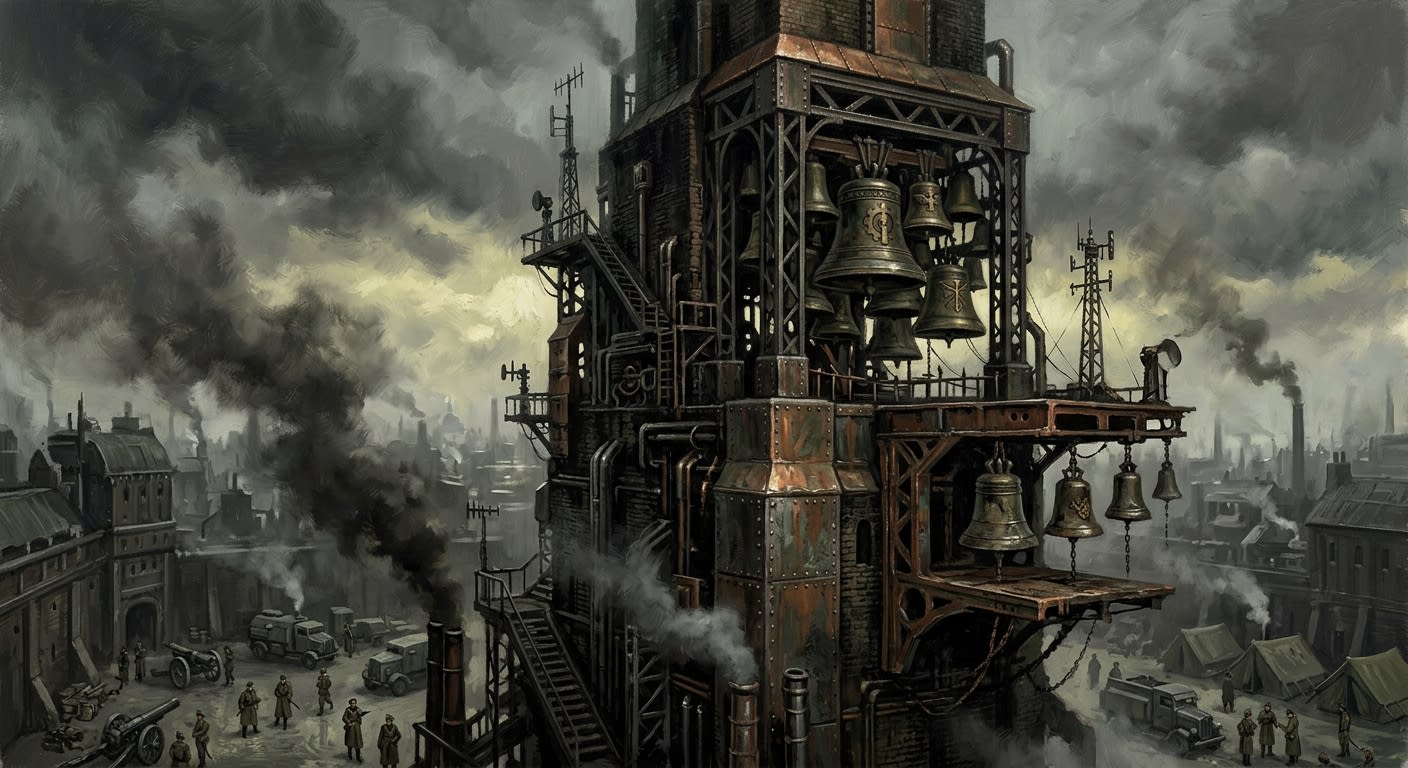
Belfry of the Hinge
Twenty-three mouths teach Constantinople which fear is lawful
The Belfry of the Hinge is Bastion-Constantinople's command tower: twenty-three principal bells, four shame bells, and the voice that makes fear lawful.
Codex Ref. II.4.10-007
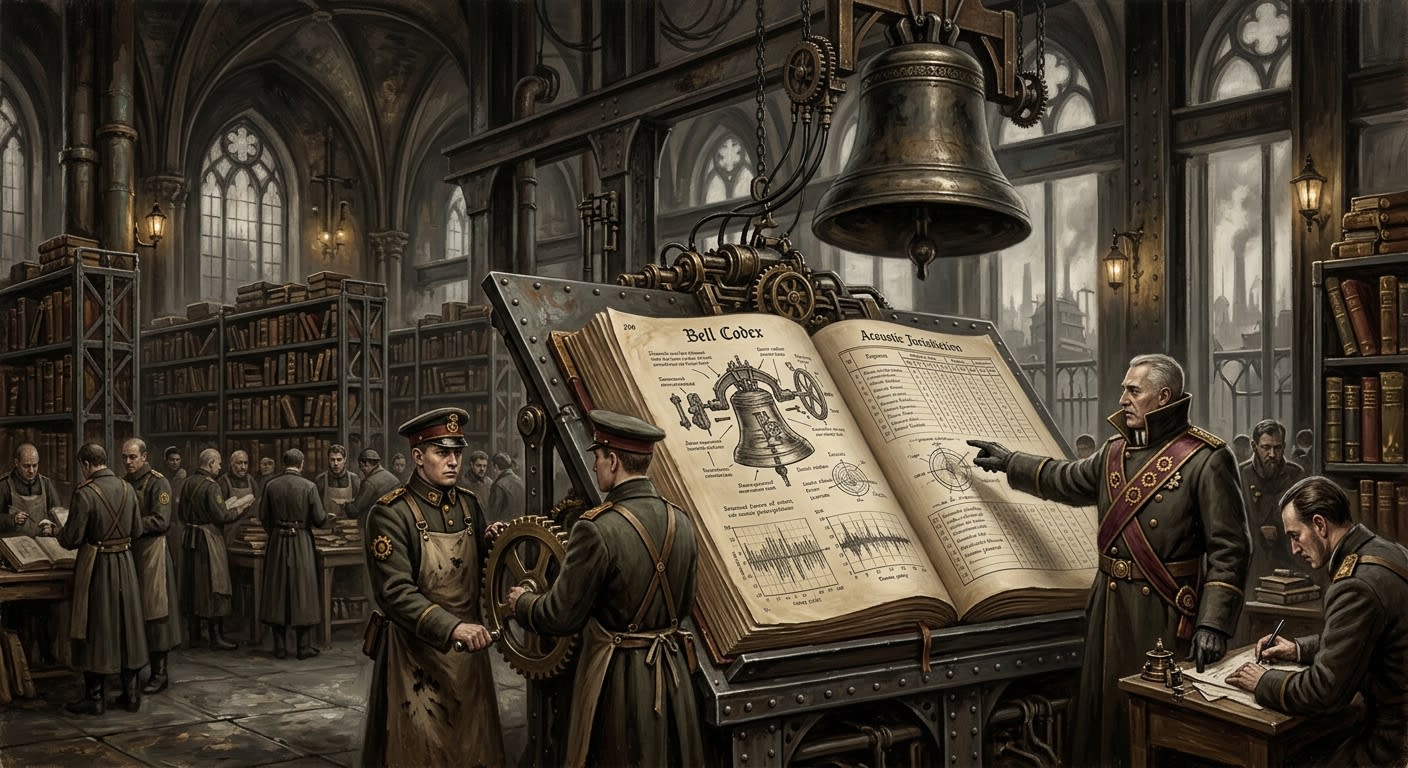
Bell Codex
The book by which bronze became law and silence learned to sign
Ratified in A.S. 115, the Bell Codex fixes the lawful grammar of peals, silences, curfews, alarms, licenses, and acoustic jurisdiction across the Synod.
Codex Ref. XIII.1.62-001
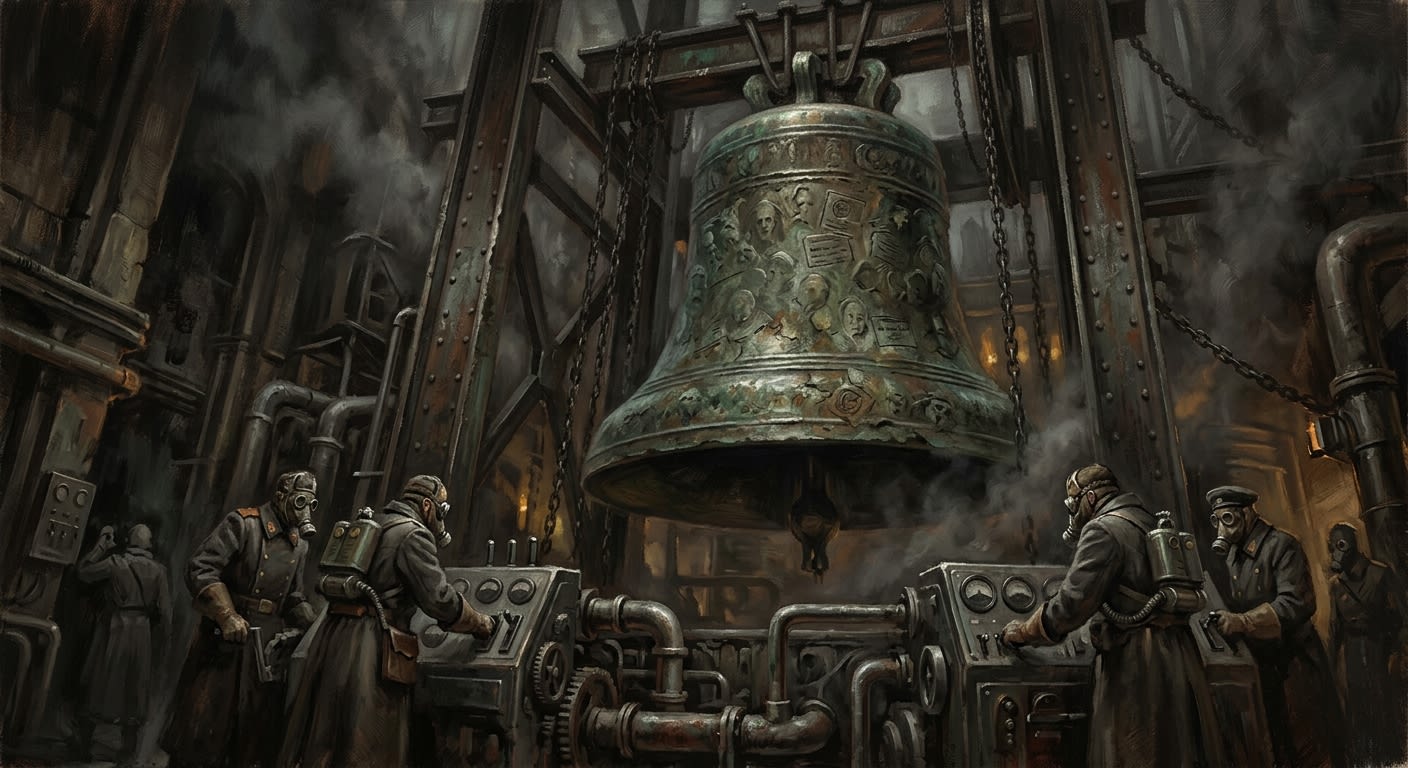
Bell of Names
When a city survives by paying thirty years from its own throat
The Bell of Names is the Synod's highest civic miracle: a forbidden peal that revises a city's memory and charges the years to its living.
Codex Ref. XIII.1.32-001
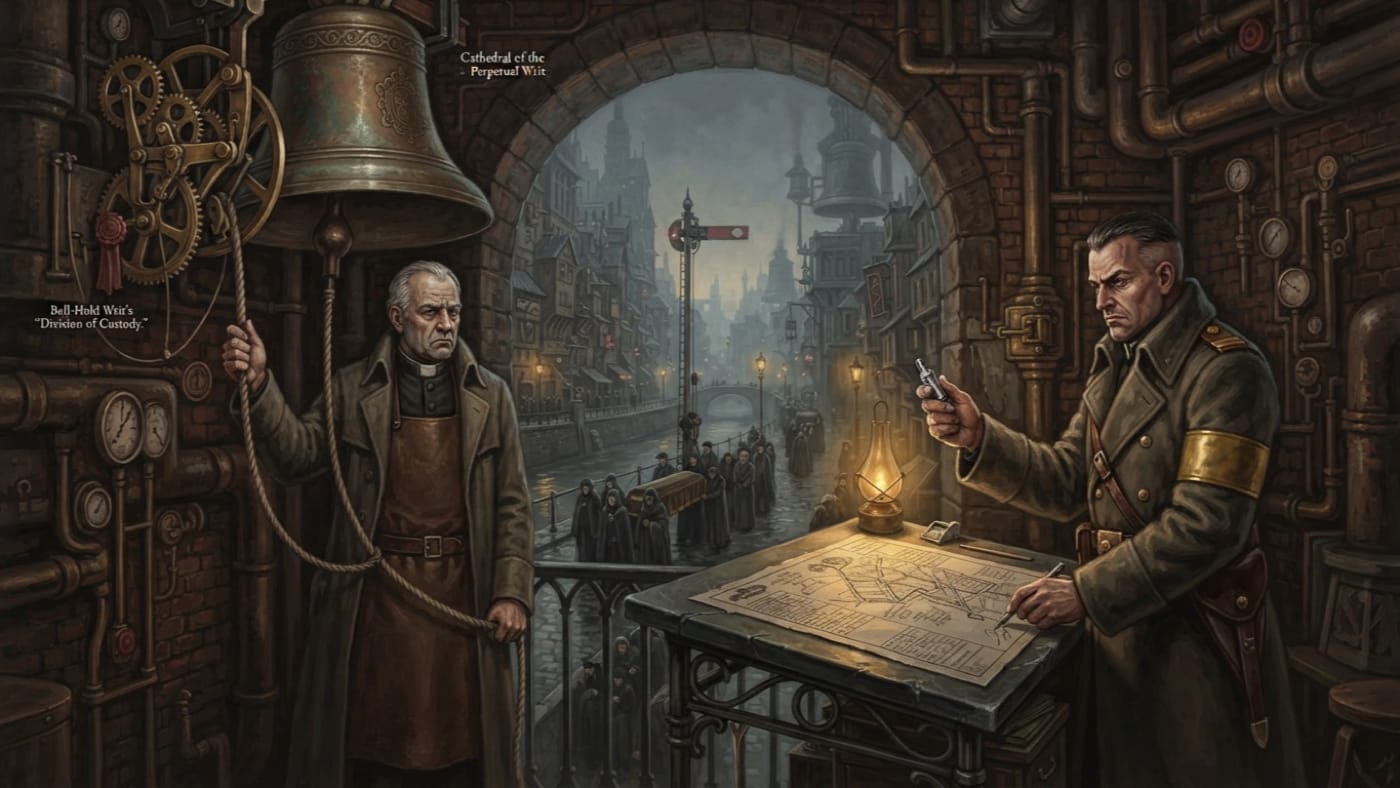
Bell-Hold Commentary
Bells keeps the tone. The Marshal keeps the hour.
The A.S. 132 gloss assuring Bells that the Route-Timing Concordat diminished no Bureau's dignity. Dignity survived; command of the hour passed to the Marshal.
Codex Ref. XIII.1.62-132
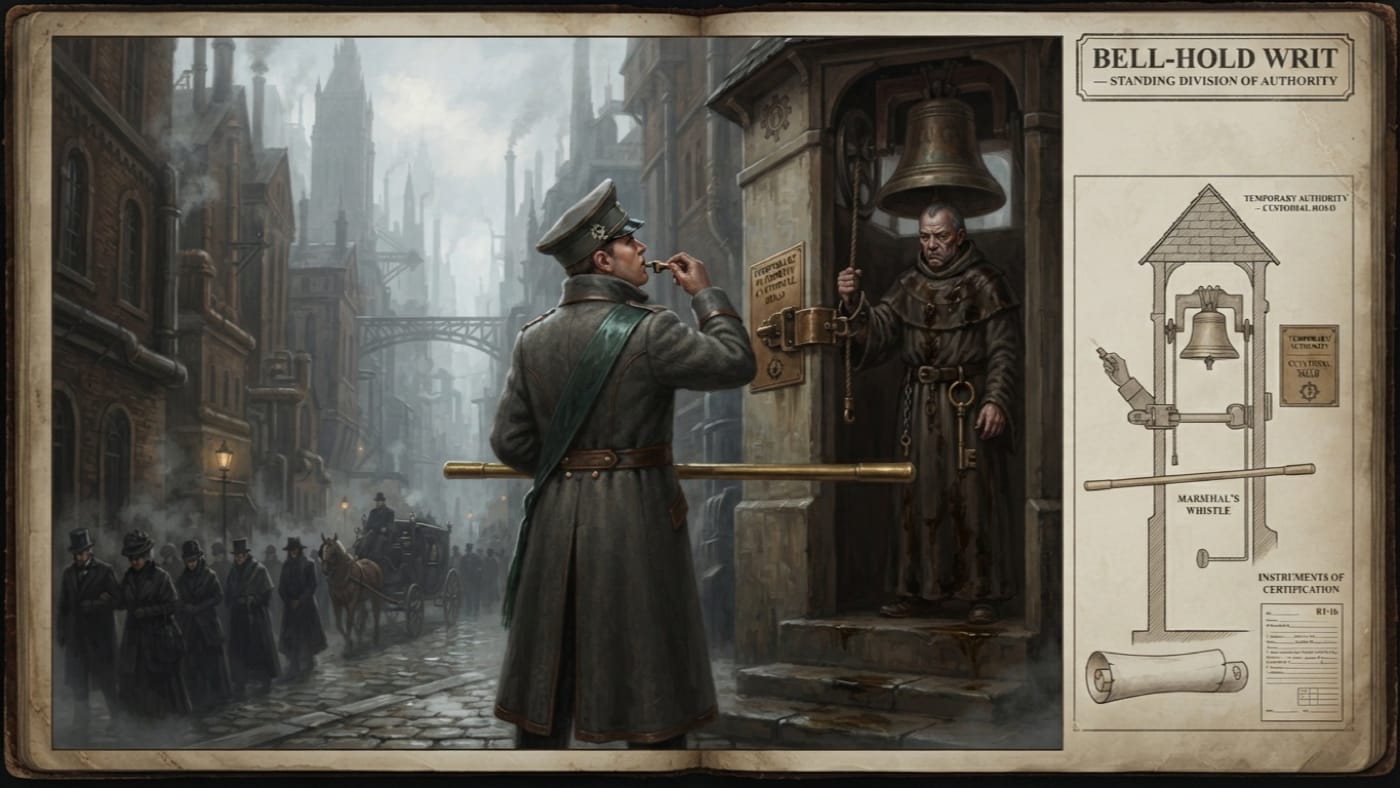
Bell-Hold Writ
The whistle may suspend. It may not compose.
The Bell-Hold Writ lets a Marshal suspend lawful bells inside cleared routes. Bells keeps the liturgy; the Corps keeps the crowd alive.
Codex Ref. XIII.1.62-129
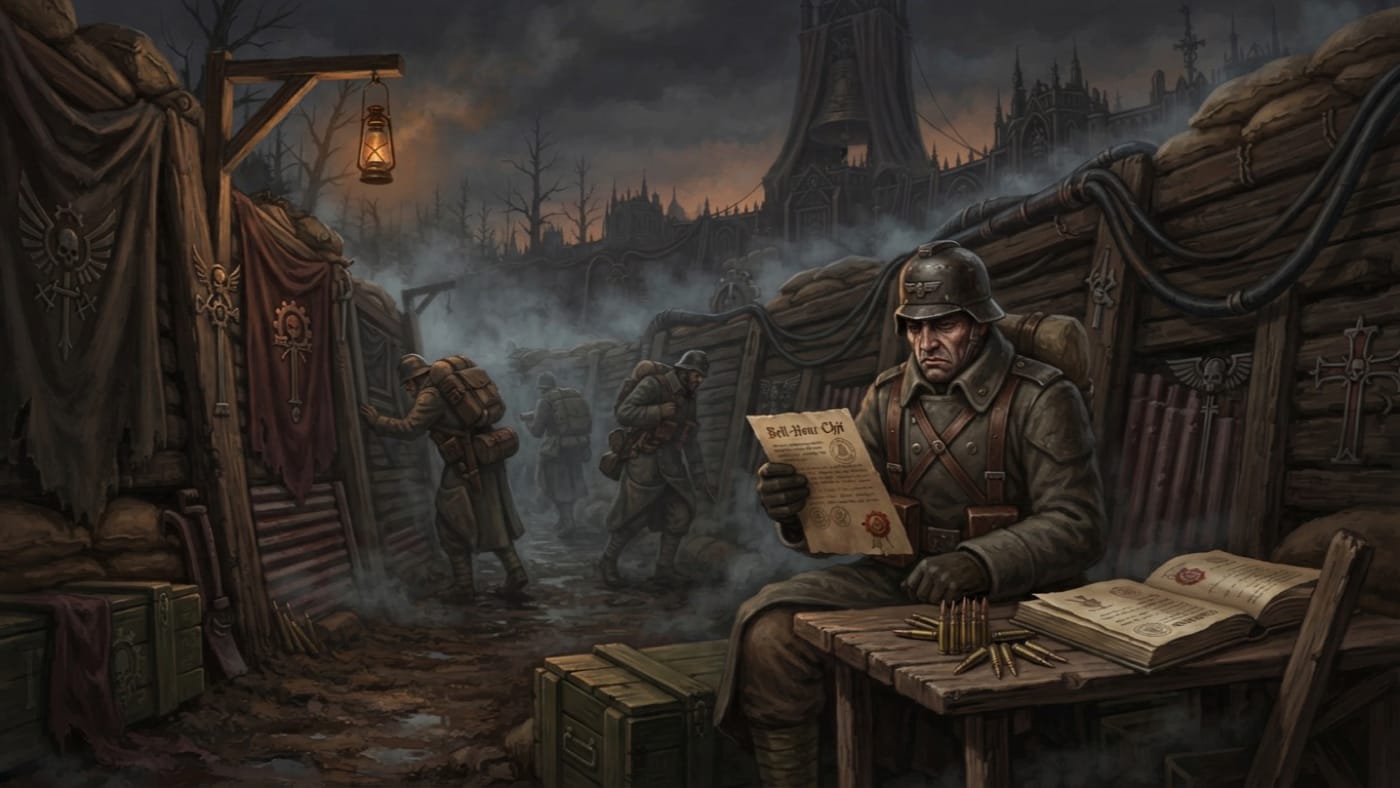
Bell-Hour Chit
The claim is paid in paper; the courage is paid in flesh
A bell-hour chit records a company's claim upon sanctified ringing. The Bureau of Bells audits the debit; the soldiers pay weariness for valour. Heaven's permission arrives on paper. Its cost arrives in the marrow.
Codex Ref. VI.3.01-003
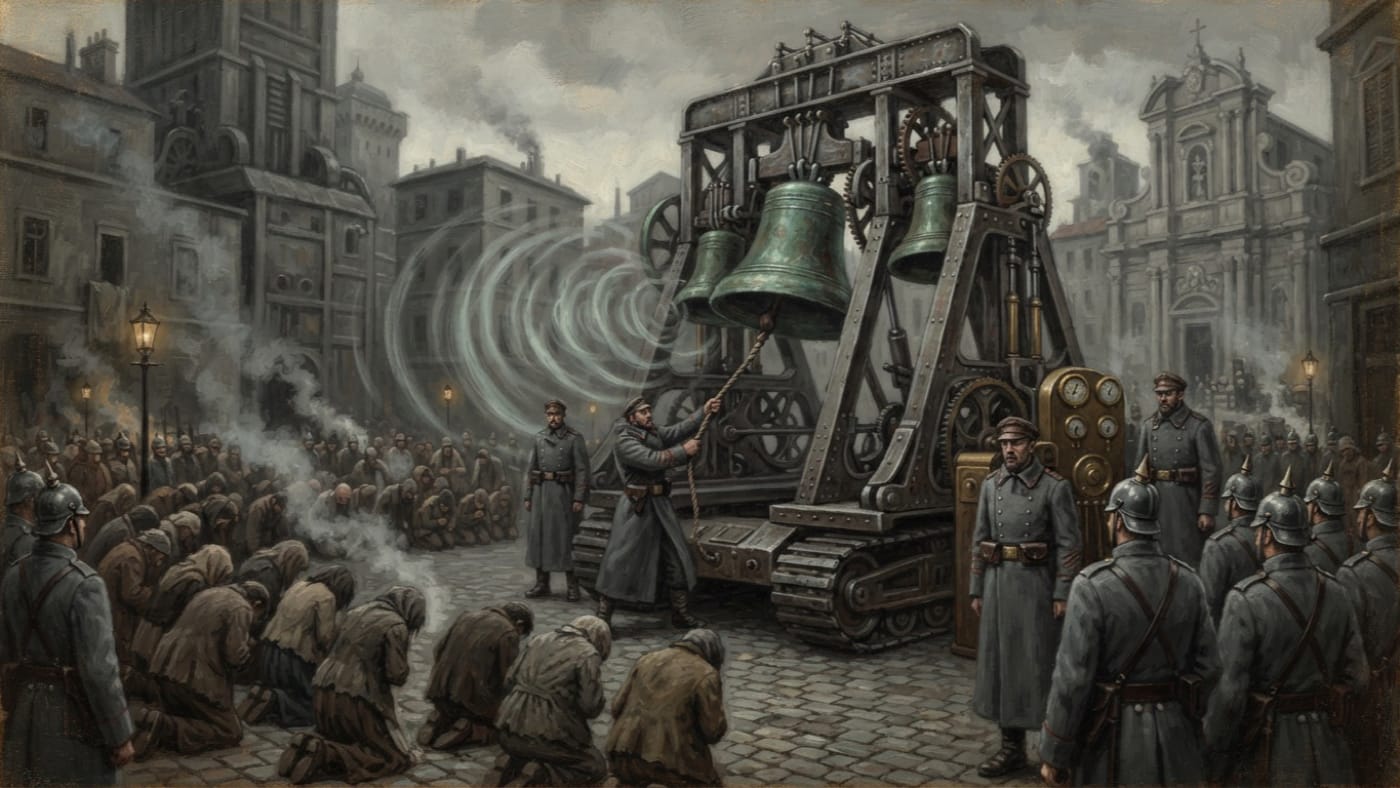
Bell-Litanies
The body obeys; the paperwork calls it willing
Bell-Litanies rout mobs, halt riots and recall stragglers through sanctioned sound. The company spends a chit; the faithful spend their strength. At Ragusa the crowd burned. The Bureau calls this a triumph of acoustics.
Codex Ref. VI.3.01-004

Bell-Warden Andros Pell
The hand remained steady when the bell returned the wrong voice
Andros Pell, First Class Bell-Warden of Thessaloniki's Elder Tower, struck silence for seventy-two hours and wrote terror down without improving it.
Codex Ref. III.2.01-030
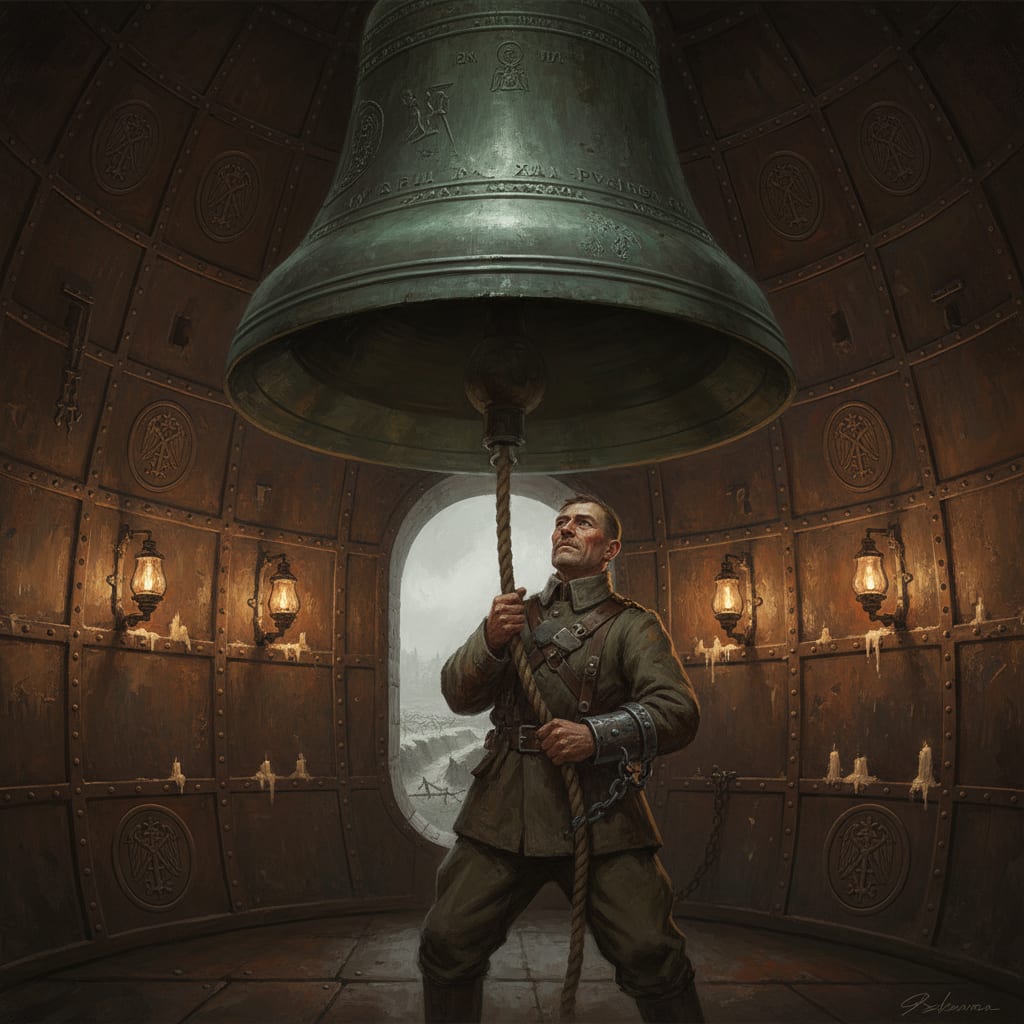
Bellwarden
Chained by the wrist to the Synod's schedule, he rings a war he will never be permitted to understand.
Eleven thousand four hundred souls chained by the wrists to a Synod schedule they did not write, ringing a war they cannot explain, in service of a theology their bells increasingly refuse to perform.
Codex Ref. XII.2.01-001
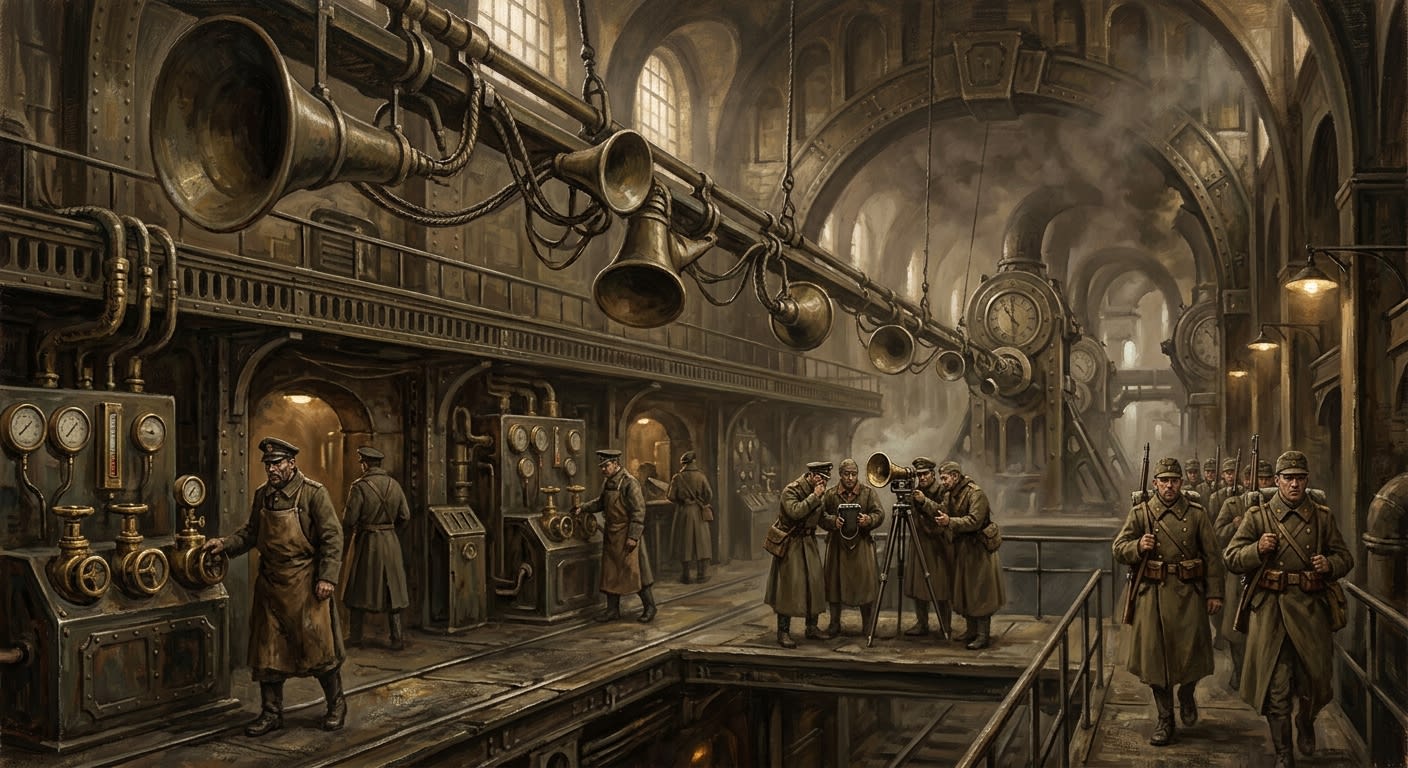
Bellway
The road that hears you, blesses you, taxes you, and may repeat you
Bellways are the Synod's sanctioned acoustic corridors: road, alarm, sermon, surveillance net, and mercy with teeth, carrying lawful sound through the Line and beyond.
Codex Ref. XIII.1.88-201
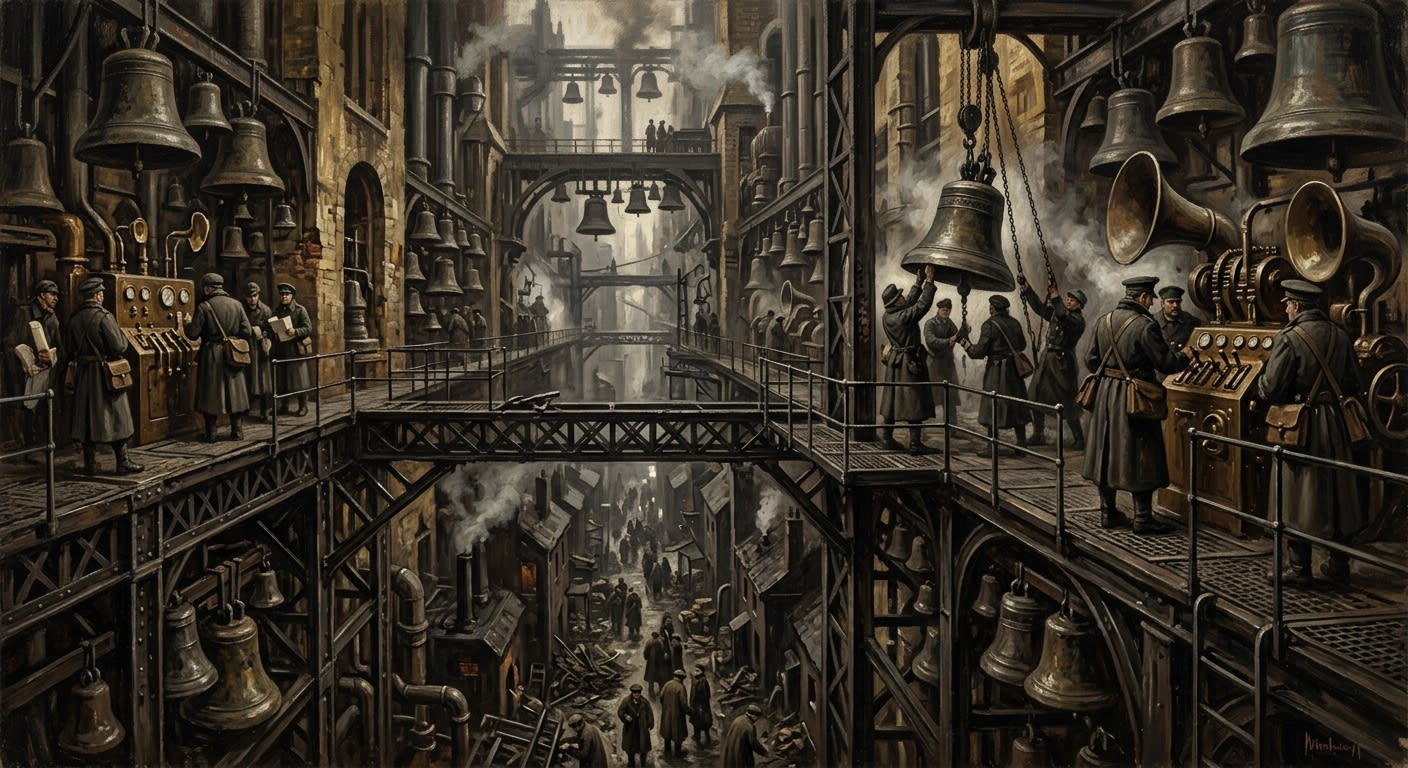
Bellways
The plural doctrine of roads, sky, trench, and taxable obedience
Bellways are the Synod's plural acoustic jurisdiction: low roads, middle war-lattices, high Ark corridors, and every quarrel they make audible.
Codex Ref. XIII.1.89-201
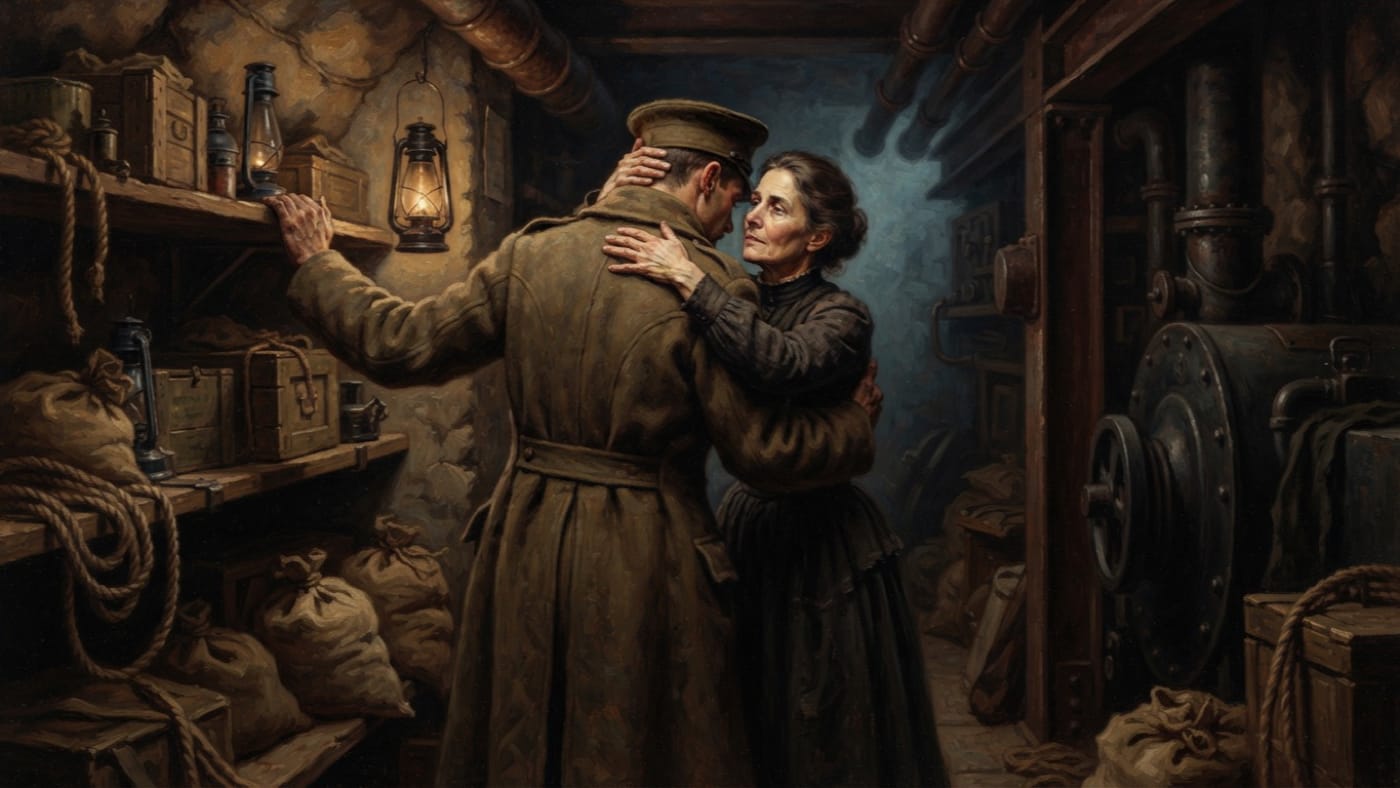
Beloved
The familiar face is bait; the person you love is elsewhere
Morwen's Beloved wear the faces of those you love. Accept their comfort at Irongate and surrender a little of yourself; the familiar face is bait.
Codex Ref. IV.1.07-015
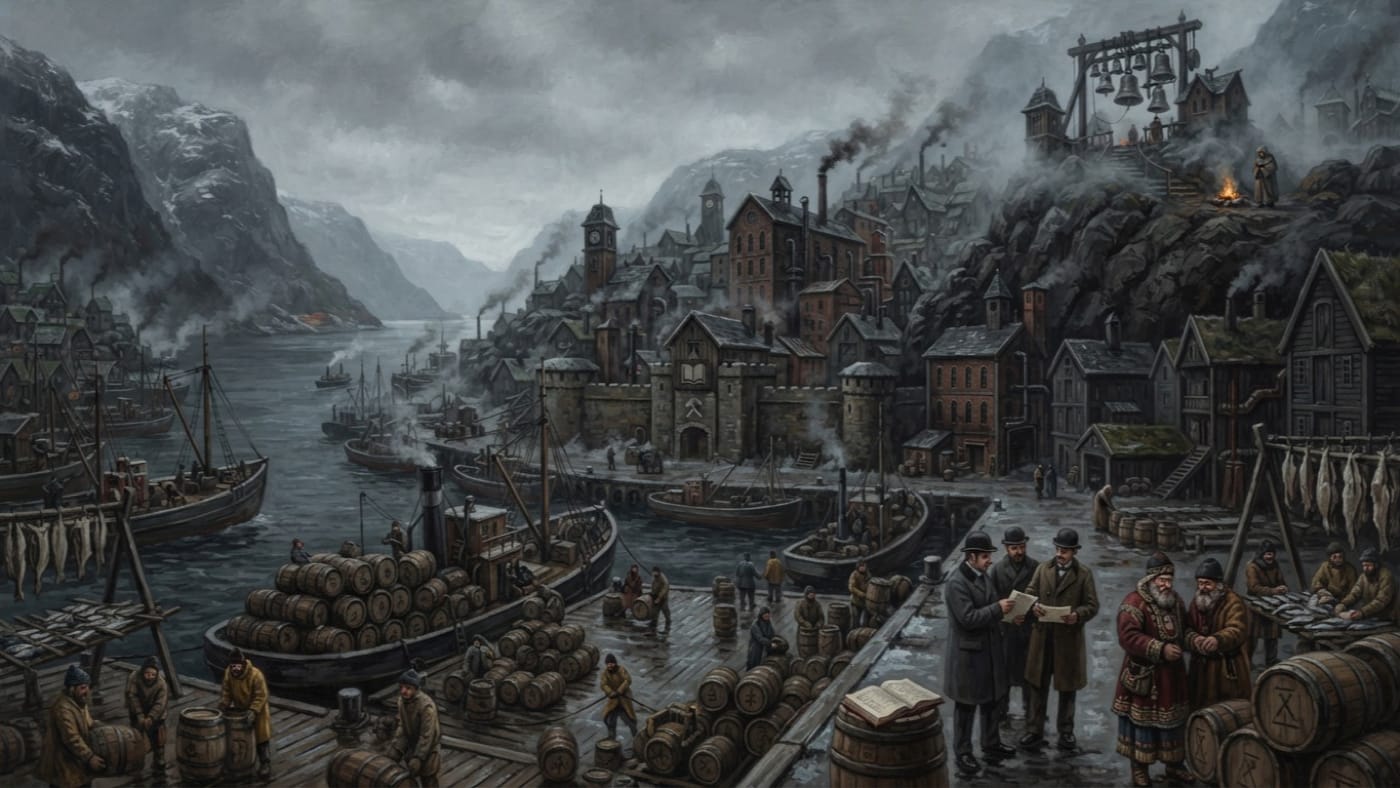
Bergen
Where the Church buys warmth and borrows money
Bergen loads the Fractured North's seal-oil, guarantees the Church's debt, and keeps bells the Bureau cannot improve. Its Prior files reports; its elders govern.
Codex Ref. IX.8.02-001
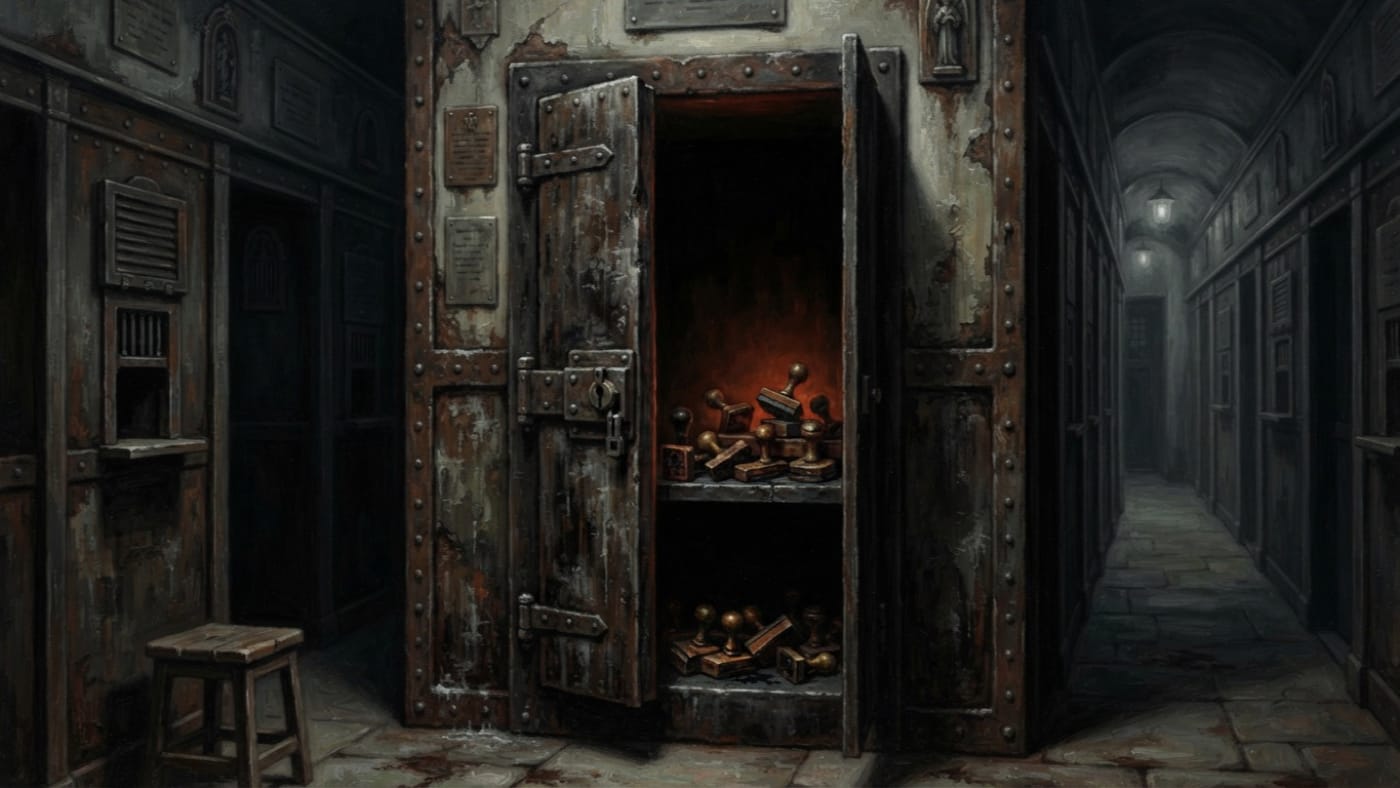
Black Brine Cupboard
A warm stamp is no proof of a cupboard
Booth clerks whisper of a cupboard where defective stamp sets spend the night and return warm. The Codex certifies the saying; the furniture remains unverified.
Codex Ref. XIII.1.61-002
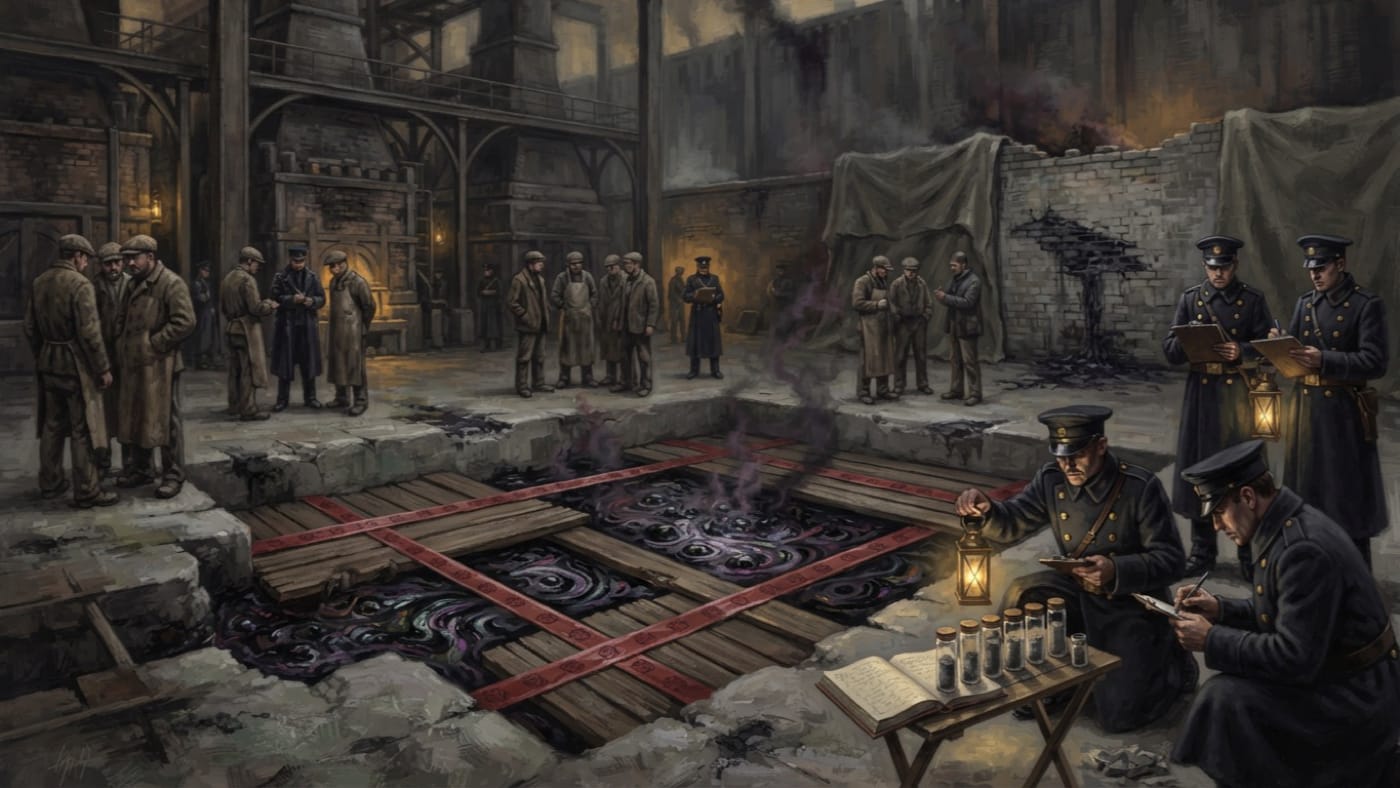
Black lime
The mortar will not set, but the inquiry always does
Rare black-lime bloom in sanctified mortar: the batch will not set and whispers when wet. The pit is sealed, the ash preserved, and the inquiry begins before anyone admits a cause.
Codex Ref. XIII.1.99-001
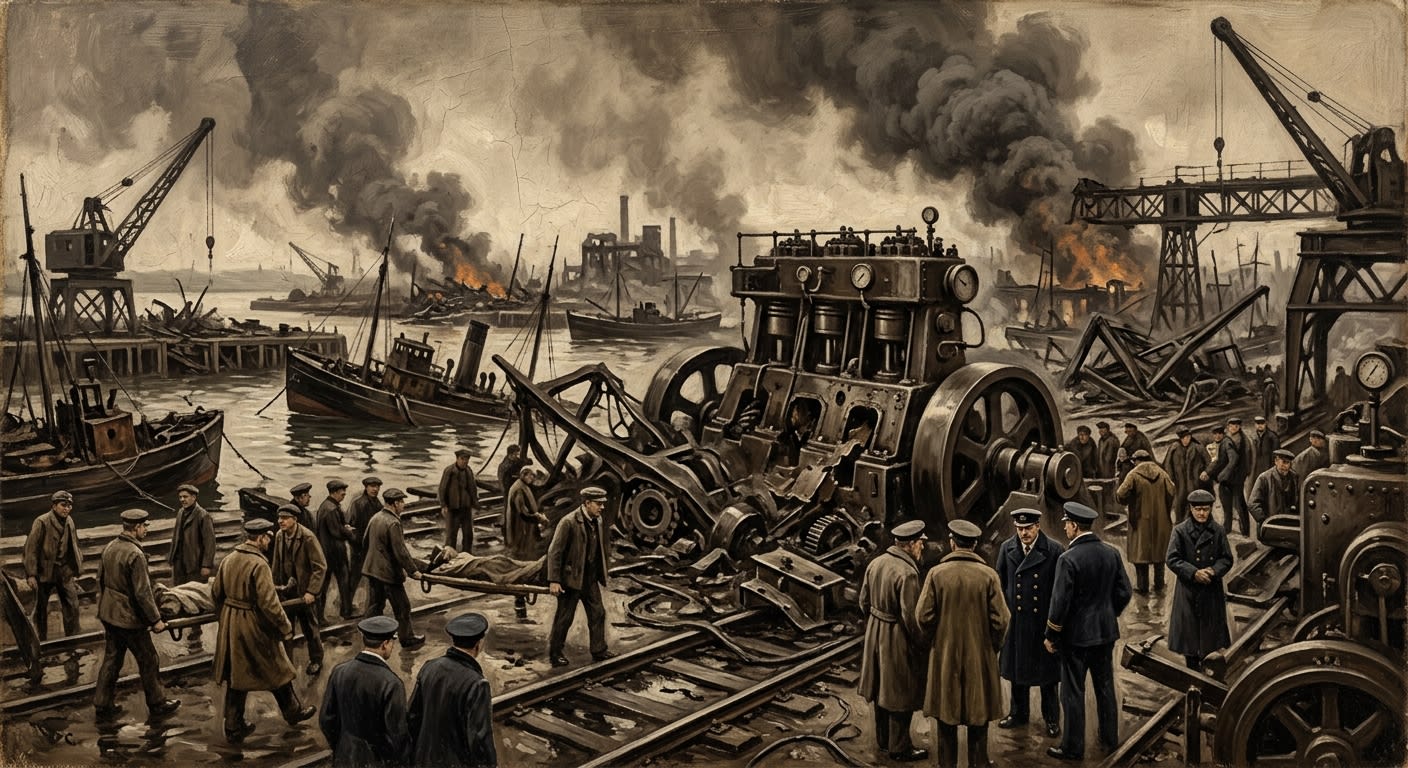
Black Start Catastrophe
Forty-three dead, one wall niche, and a profession born screaming
A.S. 97 Bastion-Brest harbour disaster in which an uncertified black start killed forty-three men, burned half the port, and created the licensed Litany-Engineer vocation.
Codex Ref. VII.8.10-051
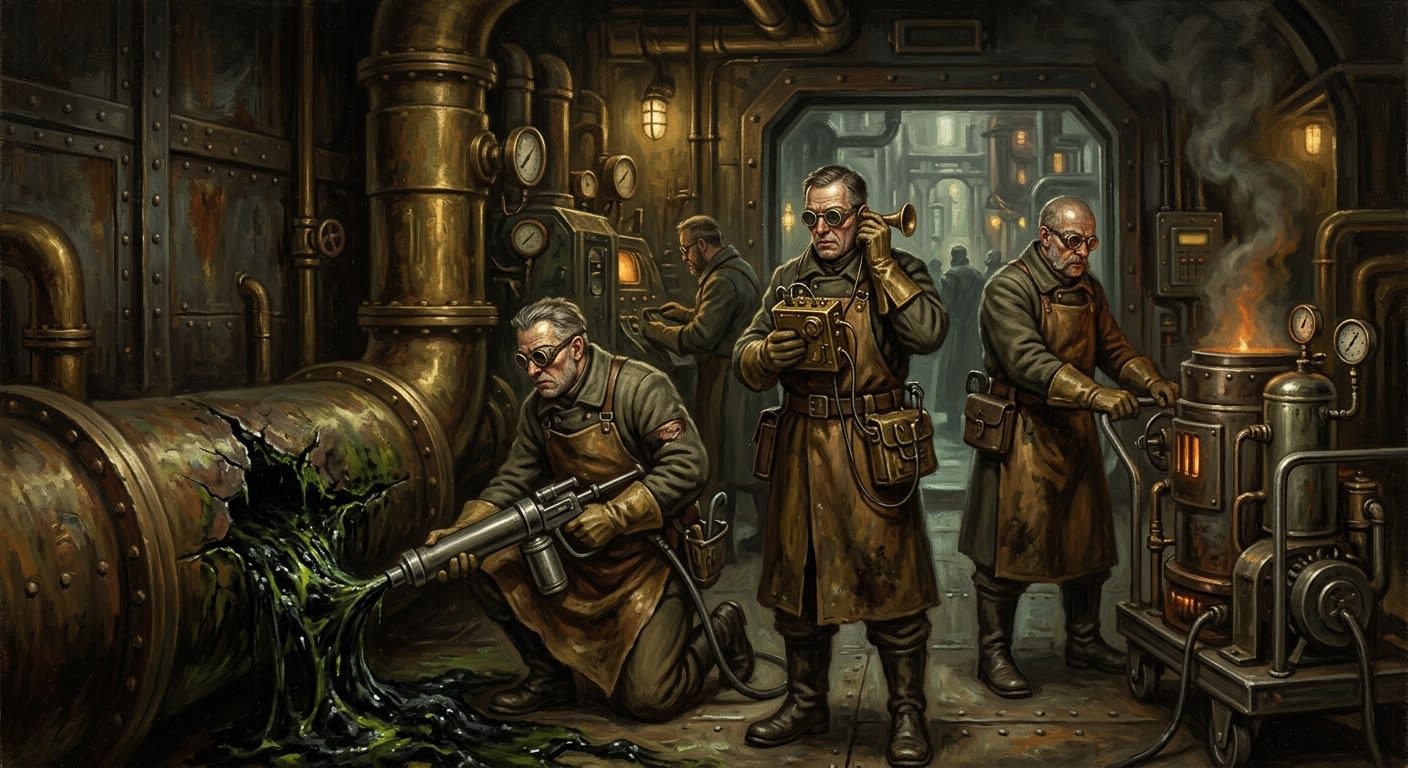
Black-Lime Containment Leads
The specialists summoned when holy mortar blackens, ticks, sings, and expects an answer
Senior Saint-Bone Melter specialists called to seal, listen to, classify, and dispose of black-lime bloom before a bad seam becomes a chapel cult.
Codex Ref. XII.20.09-001
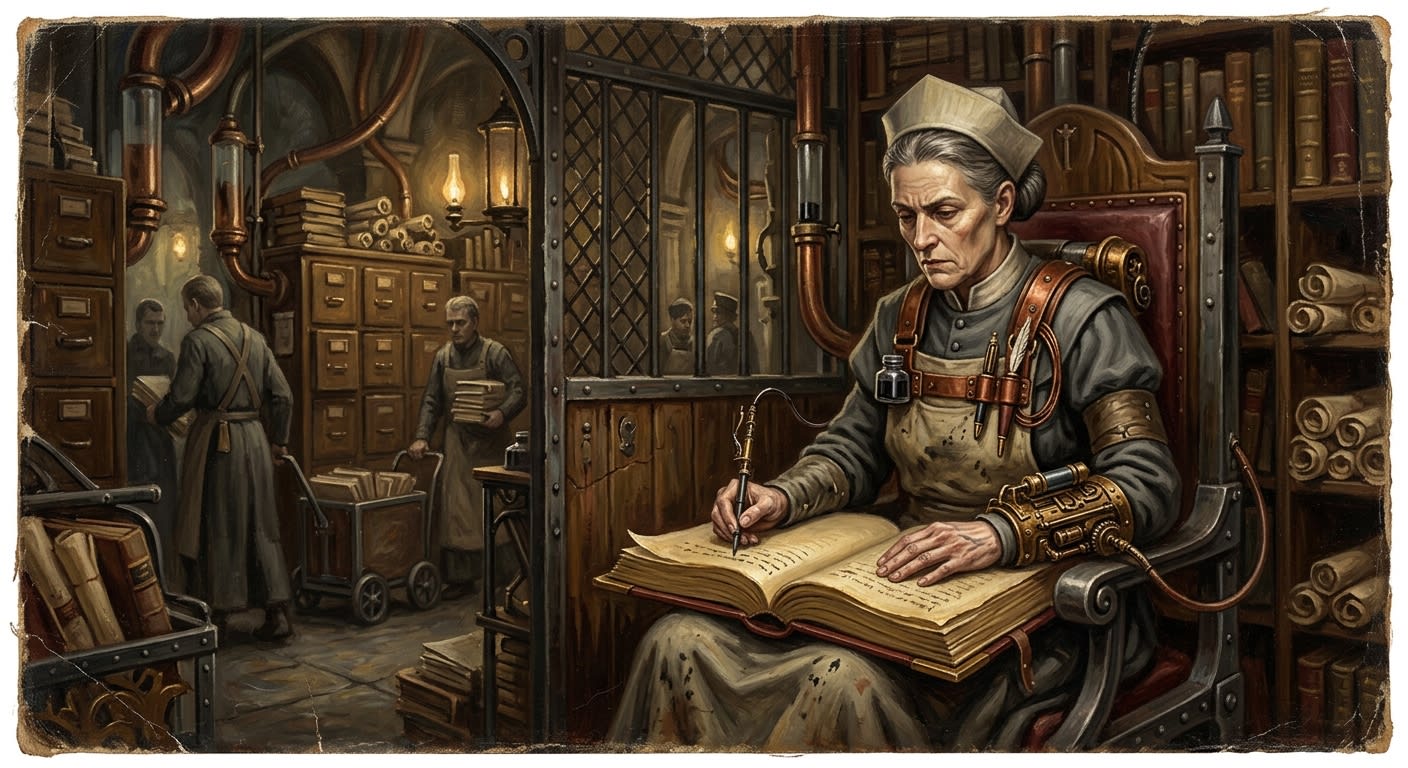
Blessed Vellum-Anna
The quiet quill that made mercy admissible before it made it kind
Blessed Vellum-Anna is the unauthenticated but indispensable patron of Deathbed Confession Harvesters, where last breaths become comfort, evidence, and paperwork.
Codex Ref. III.2.01-106
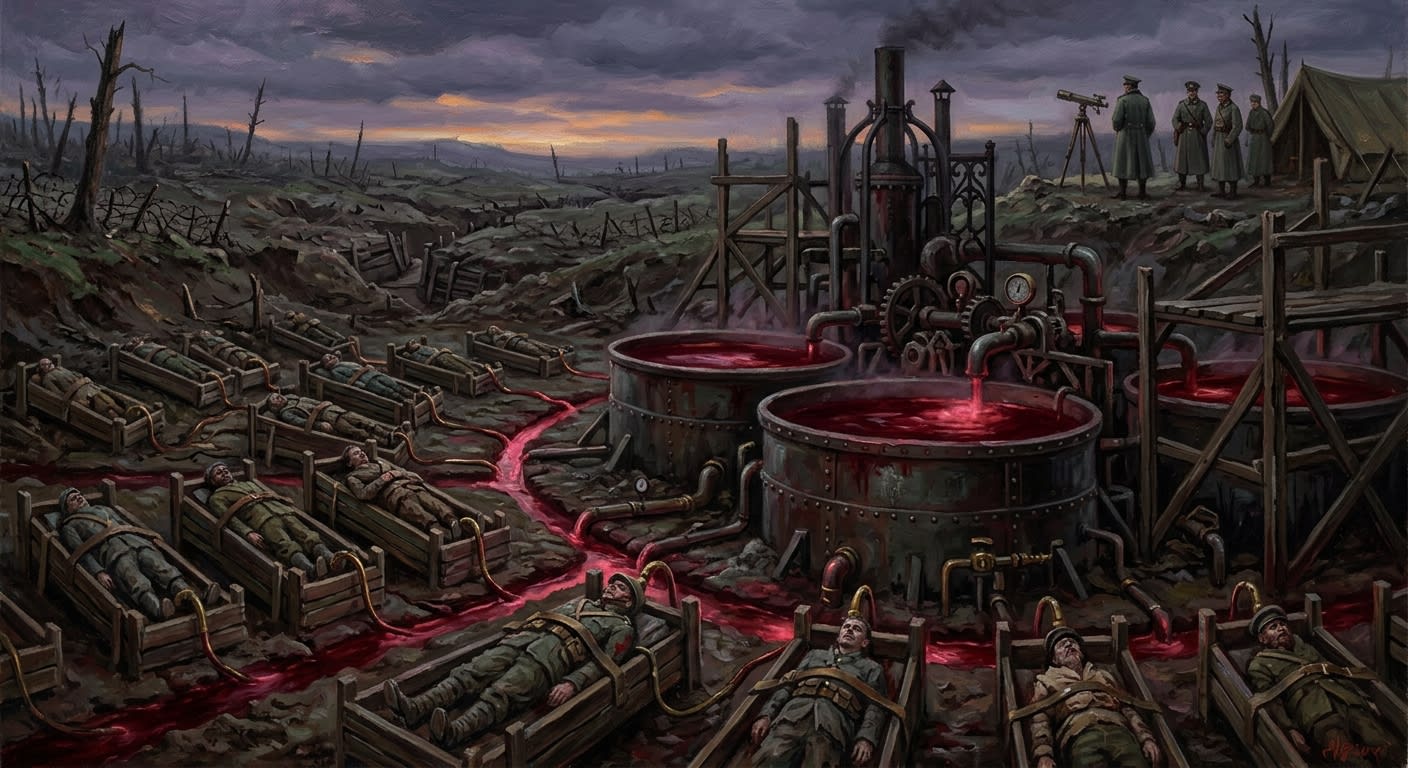
Blood-Tithes
Brass tubes, serial-numbered. Wooden cradles, precisely fitted. The Bureau calls it infrastructure. The screaming is a side-effect.
The Lie's sorcery economy runs on living blood. Prisoners are fitted with brass leeching tubes, arranged in geometric rows, and drained for weeks. The Bureau files it under infrastructure. The soldiers call it mercy work.
Codex Ref. IX.1.07-001
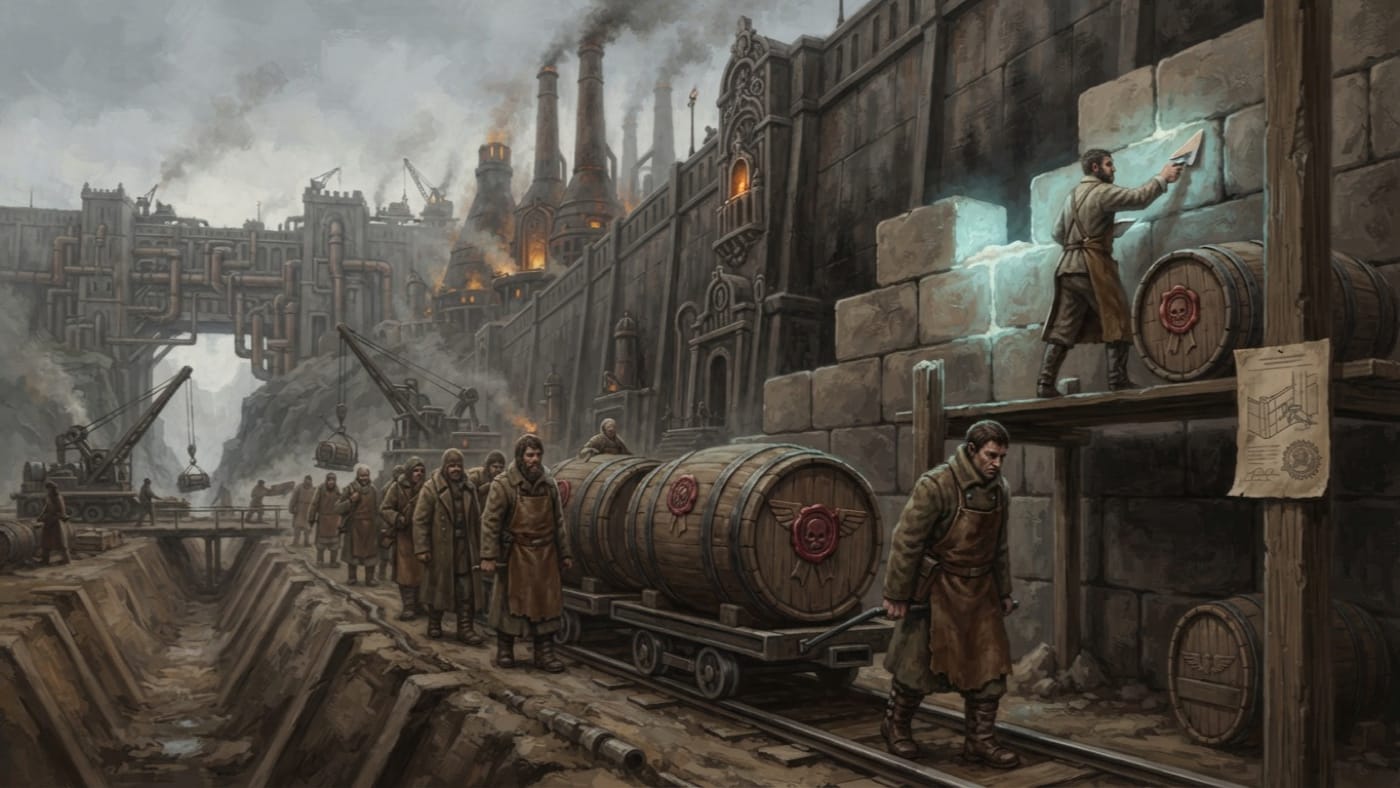
Bone-lime
The saint bears weight; the barrel bears a seal
Sanctified lime rendered from licensed relic fragments and mixed into mortar for the Sagittal Line. The saint bears weight; the barrel bears a seal; the parish receives a notice.
Codex Ref. XIII.1.99-002
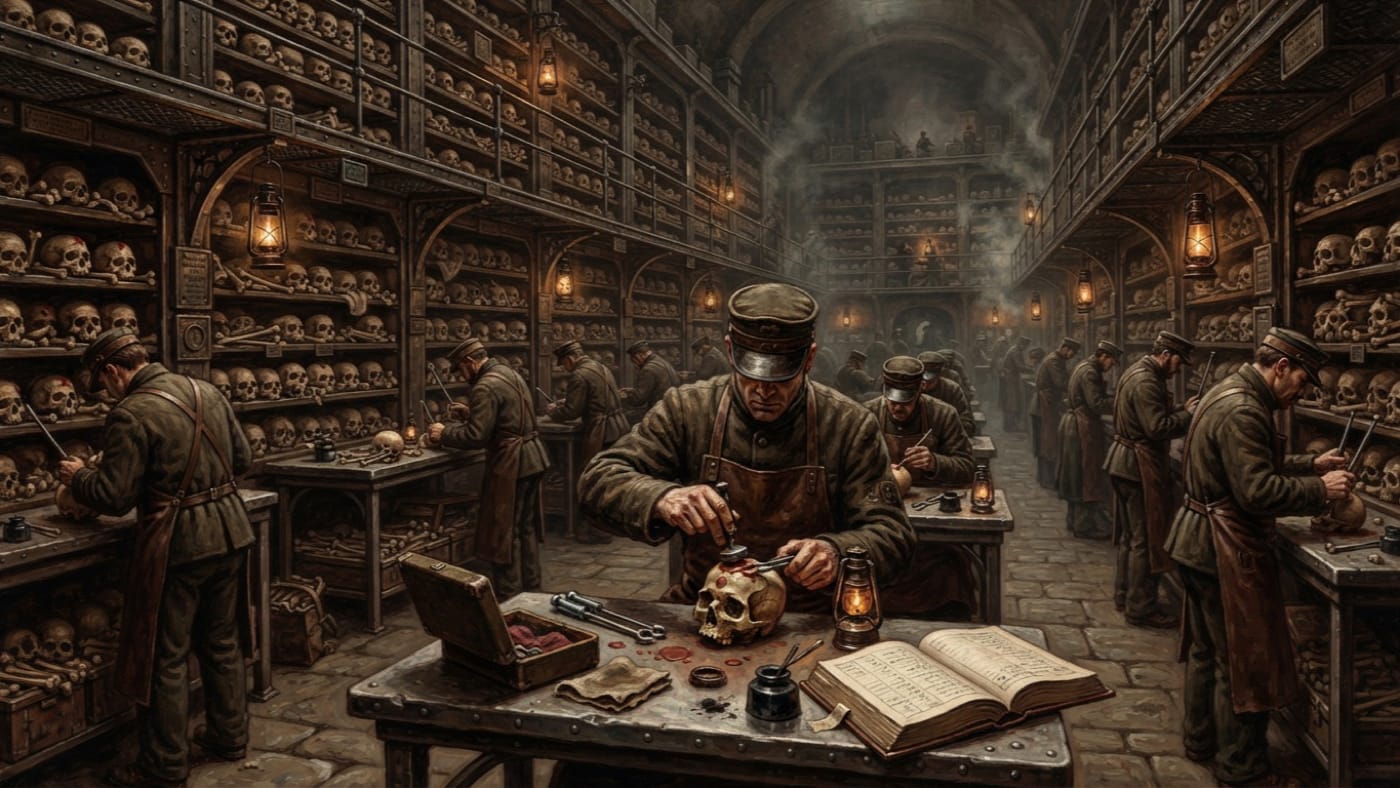
Bone-Stamp
The impression passes audit; the corridor gives its own verdict
The bone-stamp certifies that remains were received, catalogued, prayed over and placed. The Bureau audits the impression; the corridor judges whether it holds. Drax surveys the procedure in A.S. 201.
Codex Ref. VI.2.02-001
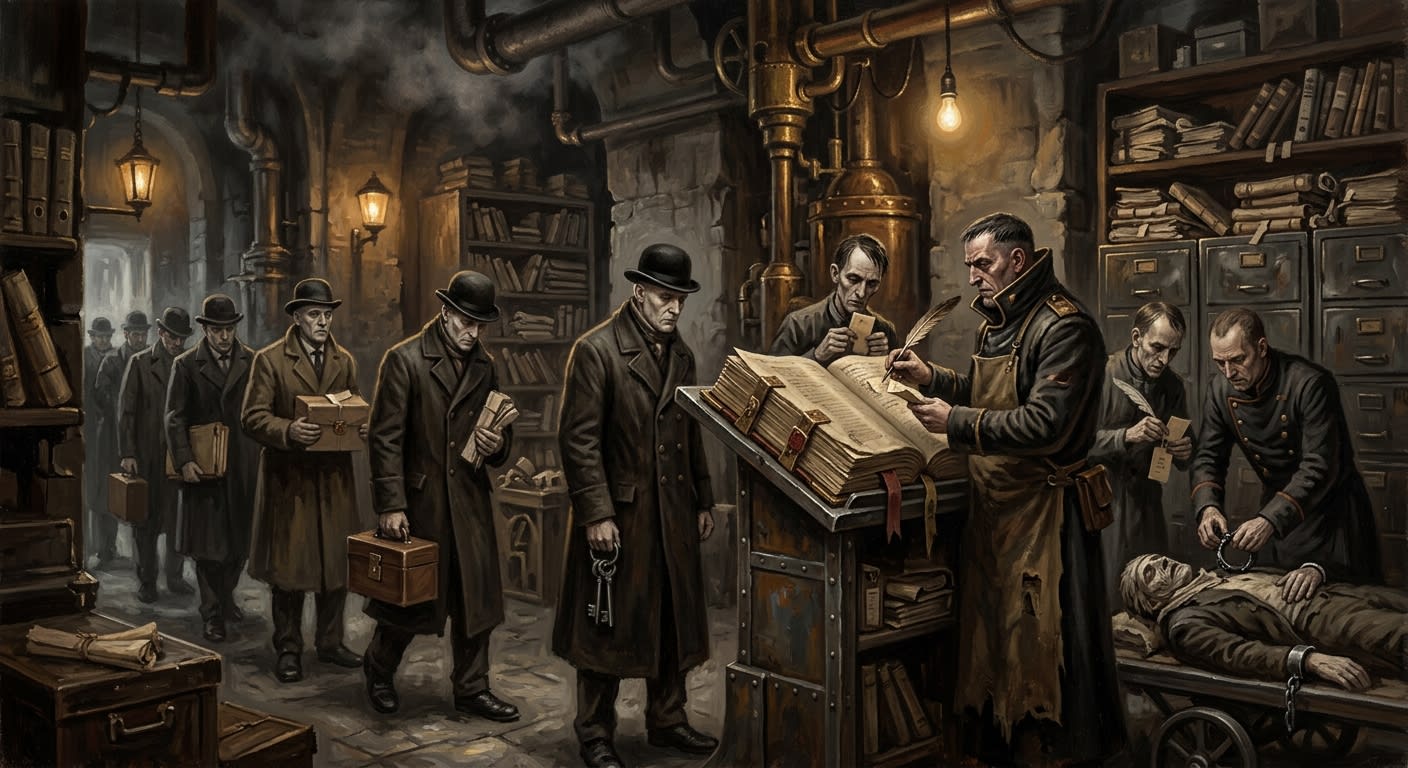
Book of Departures
Where the last breath becomes lawful ink
The Book of Departures receives every lawful death: mercy, tax instrument, burial rite, inheritance key, prayer license, and muzzle for ghosts.
Codex Ref. XIII.1.87-112
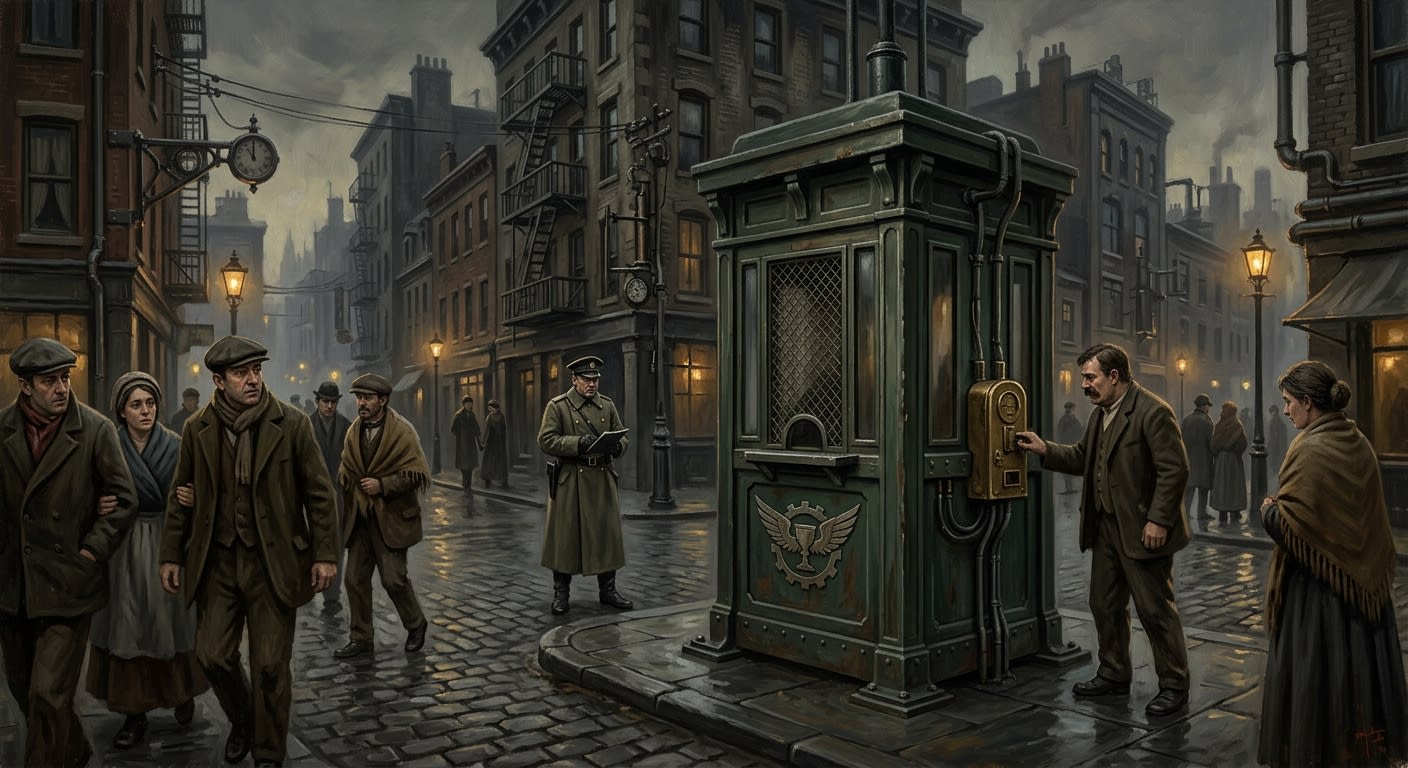
Booth Proliferation Decree of A.S. 112
One wooden box every three blocks, and Europe called it grace
A.S. 112 Bureau of Rites decree mandating one registered confession booth per three city blocks, turning confession into local, billable, auditable street infrastructure.
Codex Ref. VII.8.10-015
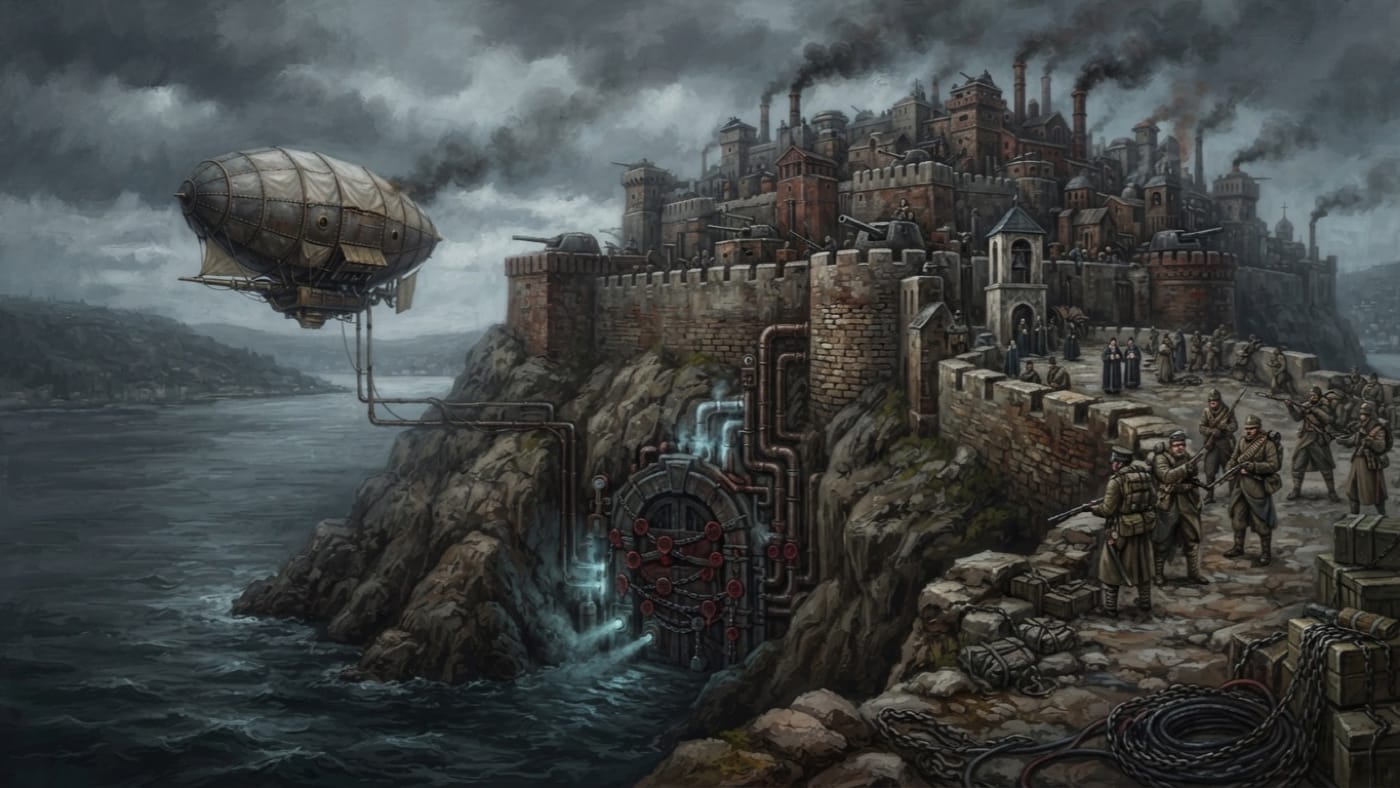
Bosphorus headland
The soldiers chose the rock. Doctrine arrived later.
Ancient bedrock above the Bosphorus, occupied in the winter of A.S. 47. Its first pilings struck sealed chambers. Bastion-Constantinople rose above them; the Third Ossuary remains below. The rock was defensible. The silence was not catalogued.
Codex Ref. II.4.10-047
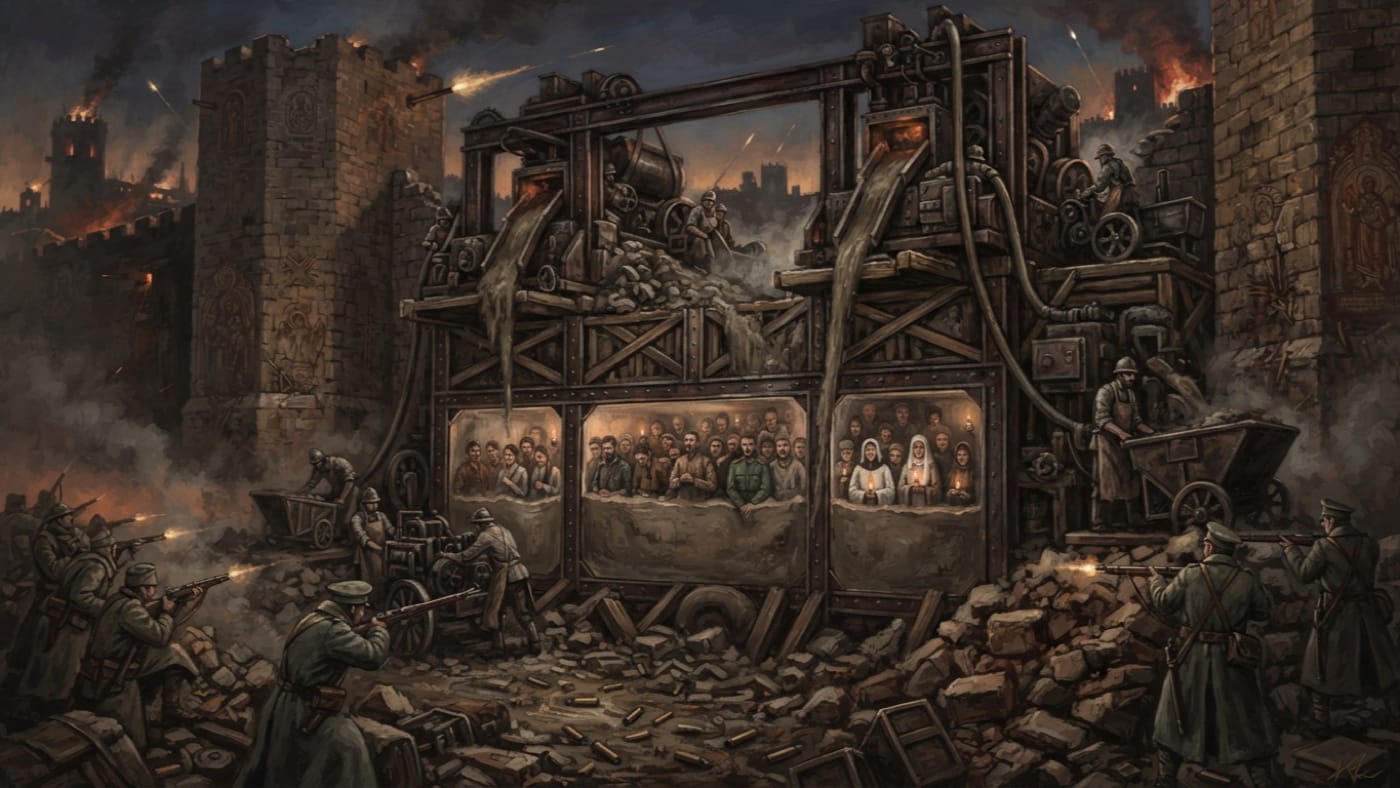
Breach-Sealing Apparatus Model 7
Thirty minutes to erect; sixty to fill; no provision for volunteers
Engineering's standard pour-frame presumes an empty breach. At Constantinople in A.S. 170, forty-seven volunteers stood inside it. Chamber 7 holds; the specification still has no paragraph for them.
Codex Ref. III.2.07-007
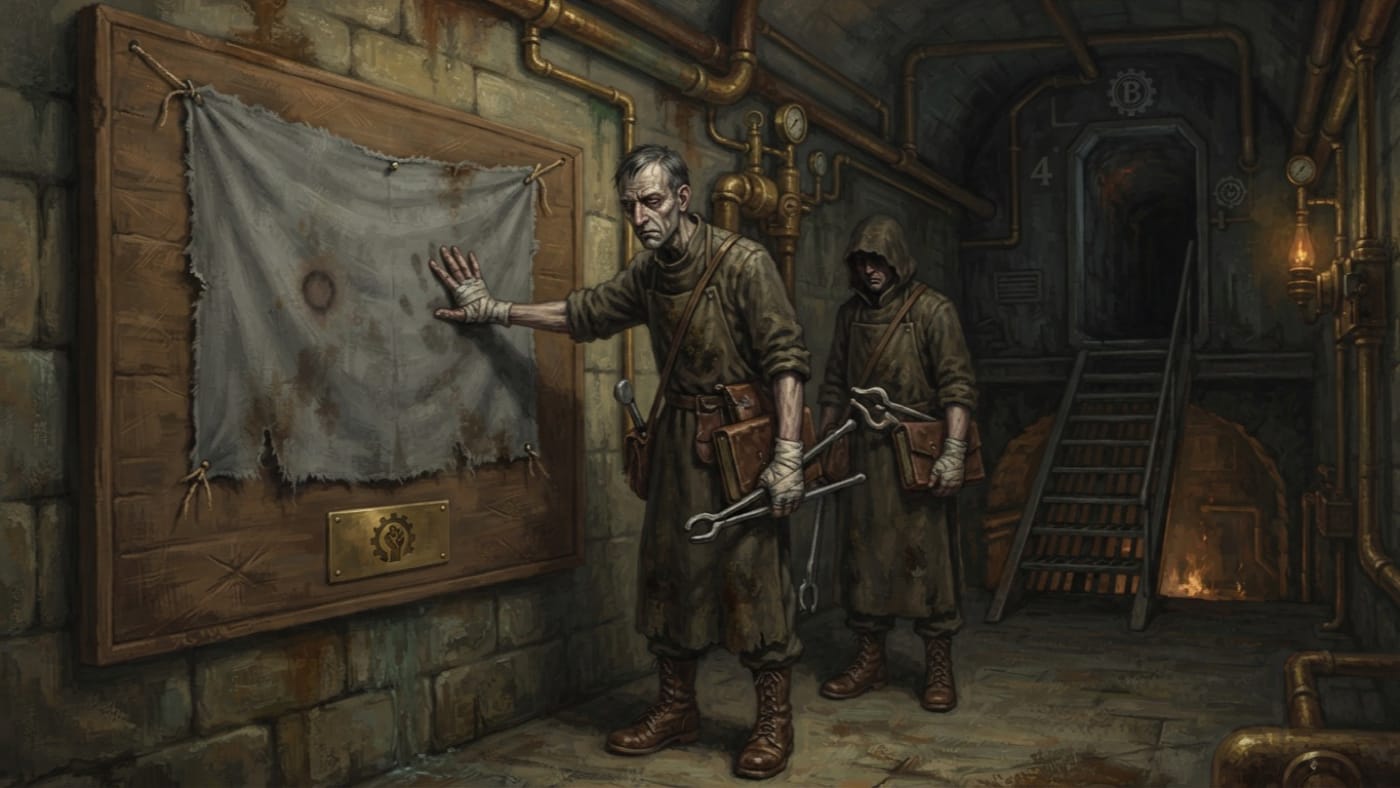
Brest Palm-Cloth
The linen failed authentication. The stampers kept touching it.
Grey linen attributed to Saint Vellum, rejected by Relics in A.S. 140 and still touched before hot corridors. The cloth quiets workers; its paperwork remains unsatisfactory.
Codex Ref. III.2.04-346
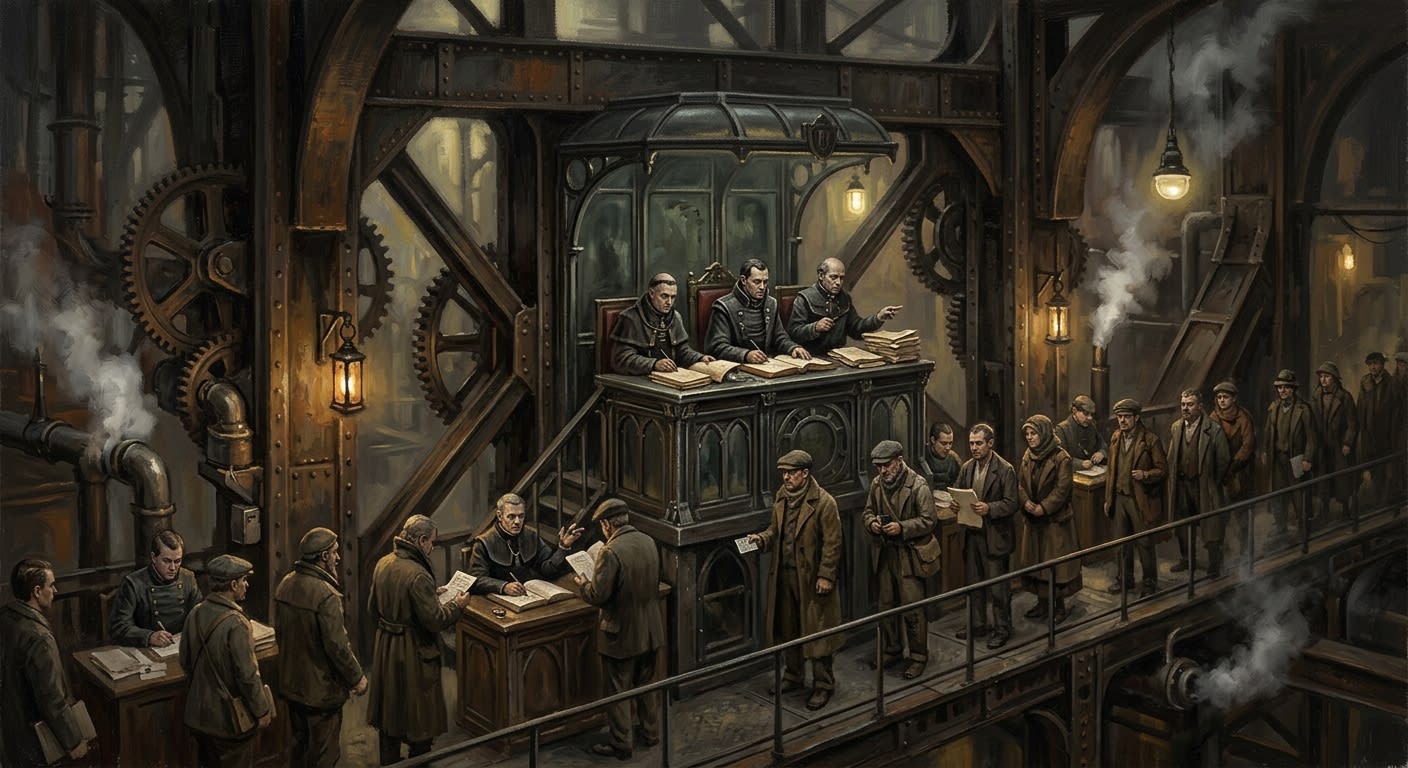
Bridge Tribunal
The court that made a crossing into a confession with traffic
The Bridge Tribunal of Bastion-Brest is the span-sovereign court that audits names, sins, crossings, and blank papers inside the Brass Ribs.
Codex Ref. VIII.1.07-001
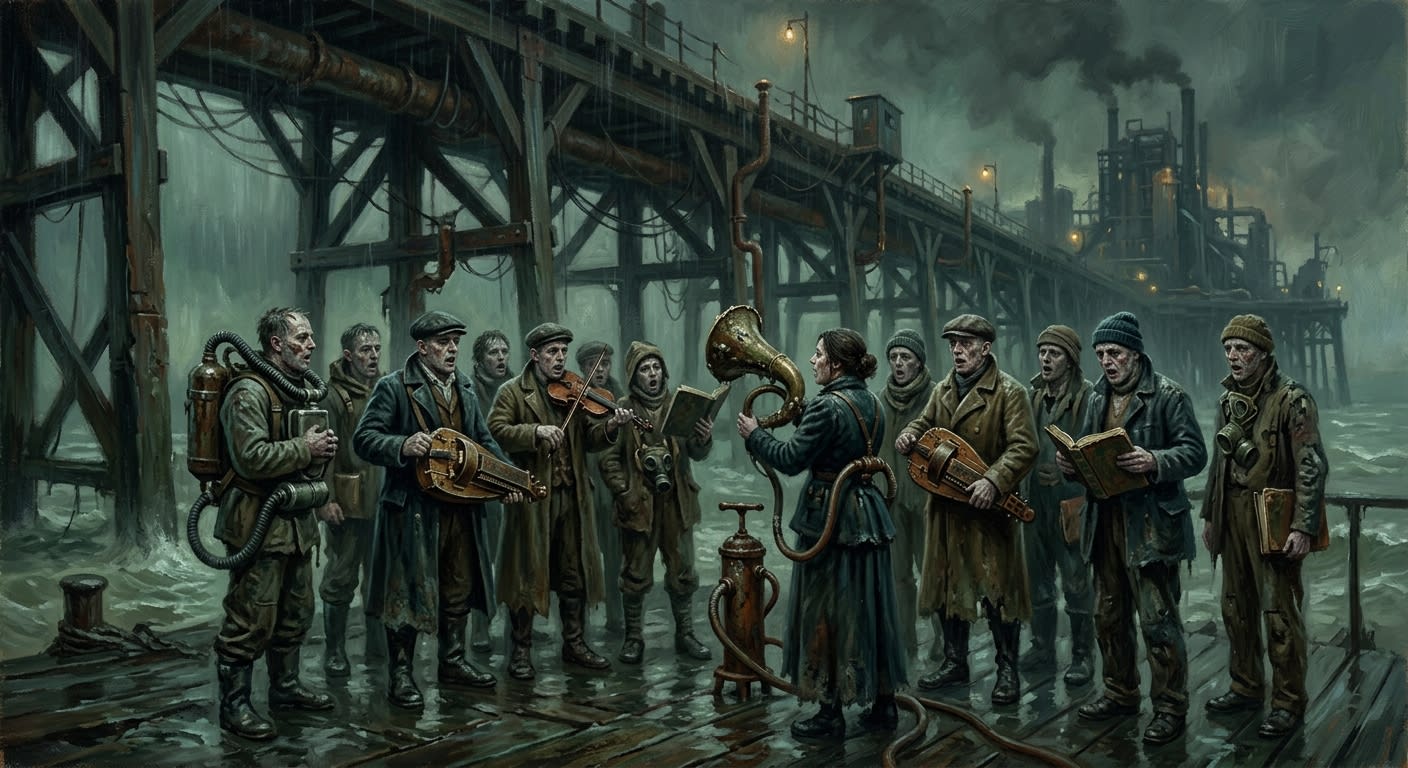
Brine Choir
Wet boots, open throats, and the useful heresy beneath the piers
The Brine Choir is Saffron Bastion's tolerated under-pier congregation: heretical, useful, salt-lunged, and far too effective to burn.
Codex Ref. XI.1.07-001
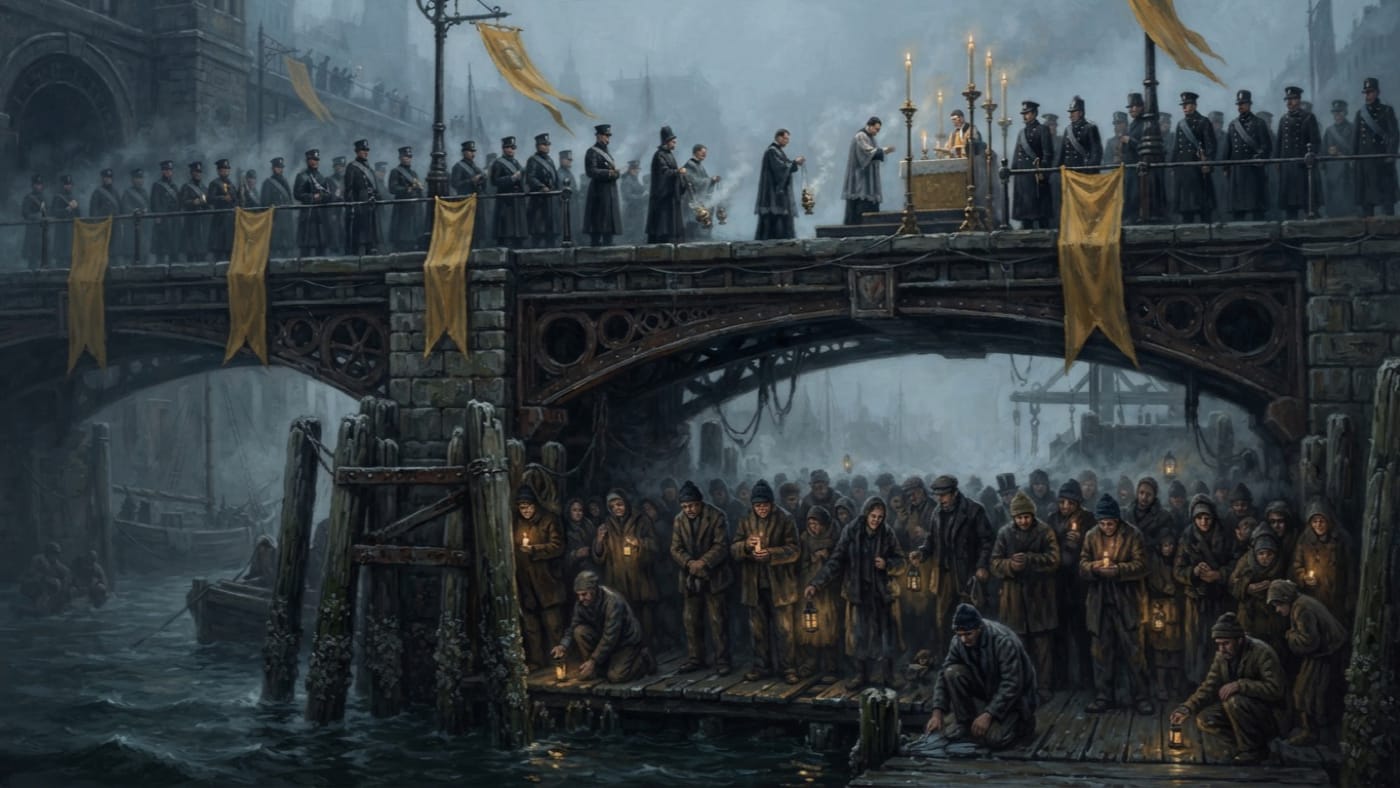
Brine Fever Winter
The dead became a proportion; the survivors became a jurisdiction.
In A.S. 112, brine-fever killed one in five at Saffron Bastion. Its aftermath brought a Quarantine Prefecture above the harbor and unlicensed mourning below.
Codex Ref. VII.8.12-112
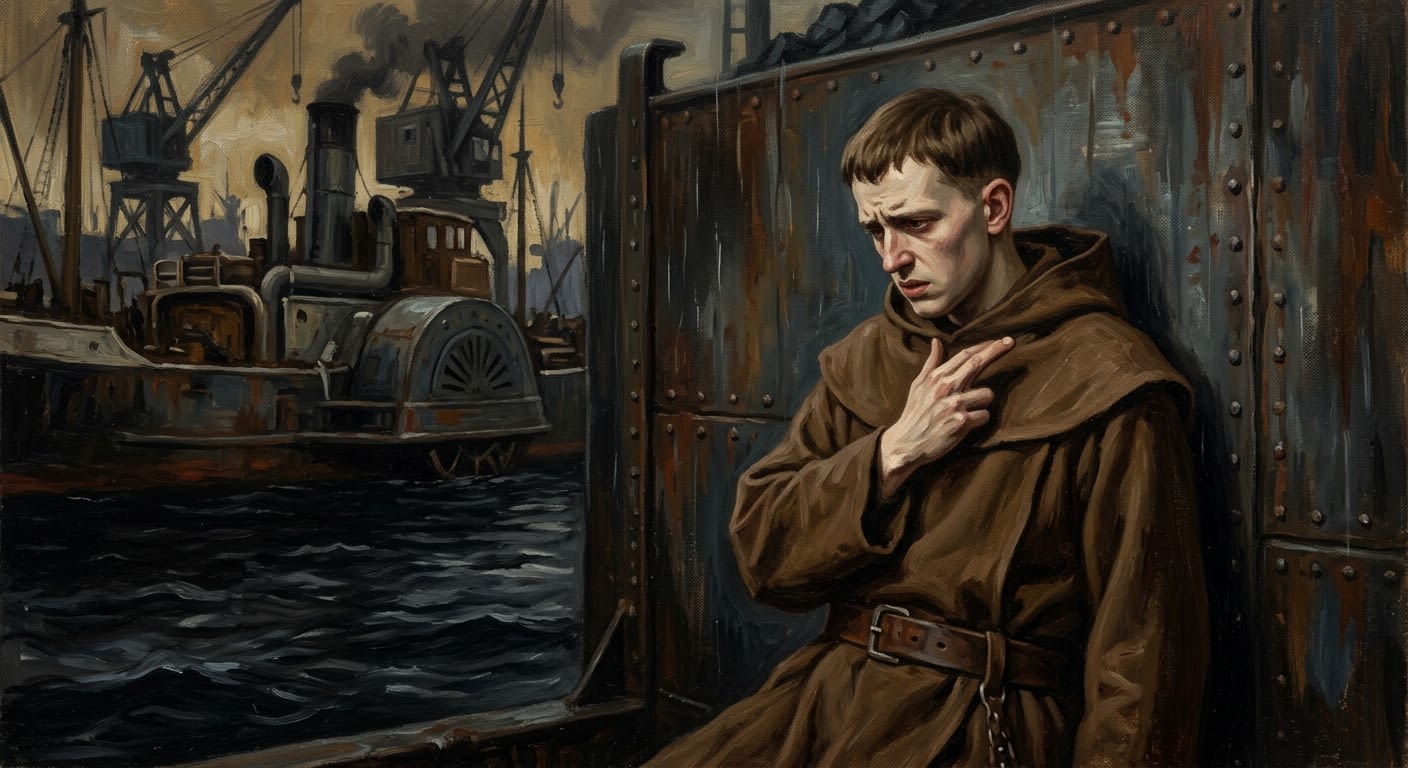
Brother Paweł Nowak
Four consecrated days, three turns, and a broken pull
Carmelite novice and youngest of the forty-seven clergy drowned in the A.S. 18 Night of Knives, remembered for an unfinished sign of the cross.
Codex Ref. III.2.01-088
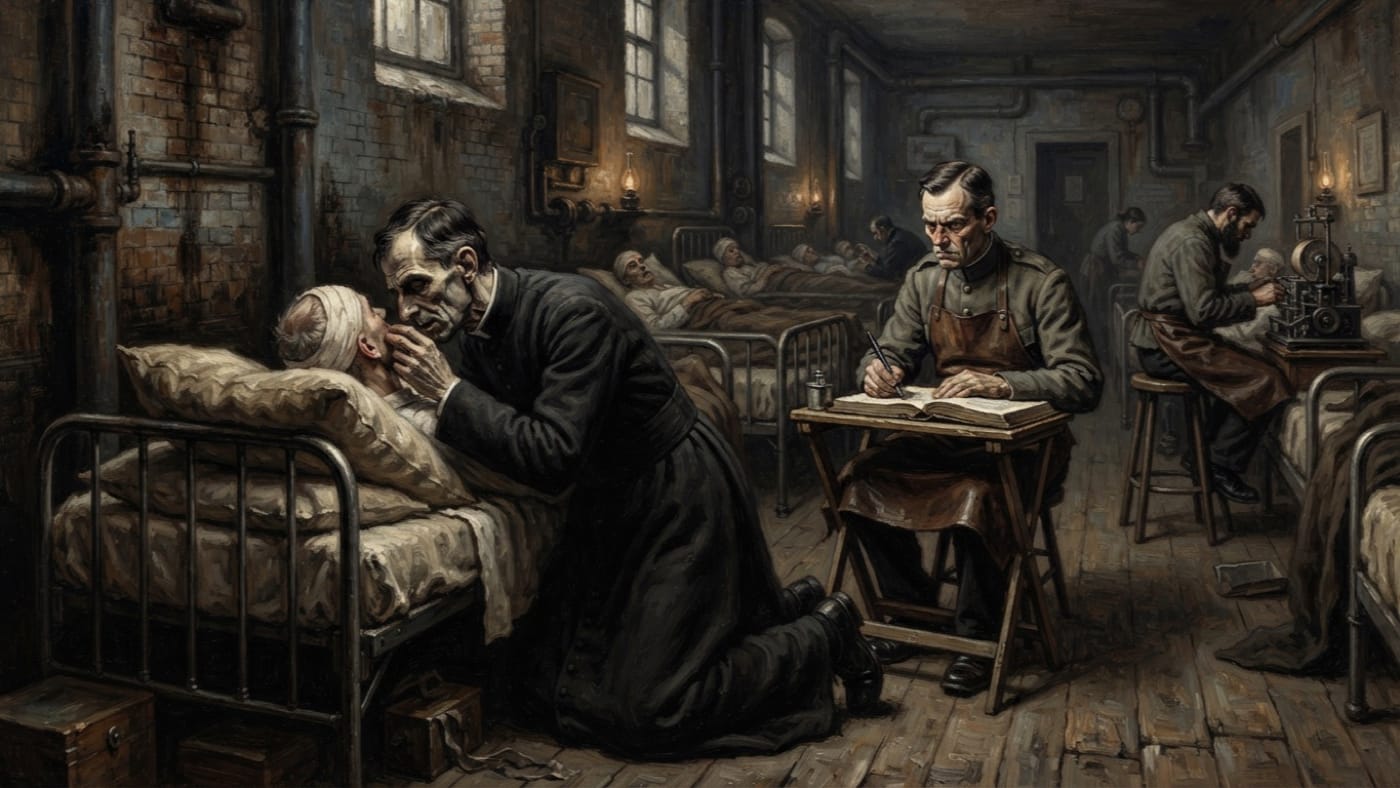
Bureau Circular 88-D
The appointed ear, and the reason Doctrine has not supplied
The Creed enters the right ear; the left remains doctrinally vulnerable. Circular 88-D specifies the side, withholds the reason, and leaves the bedside to manage exceptions.
Codex Ref. XIII.1.88-004
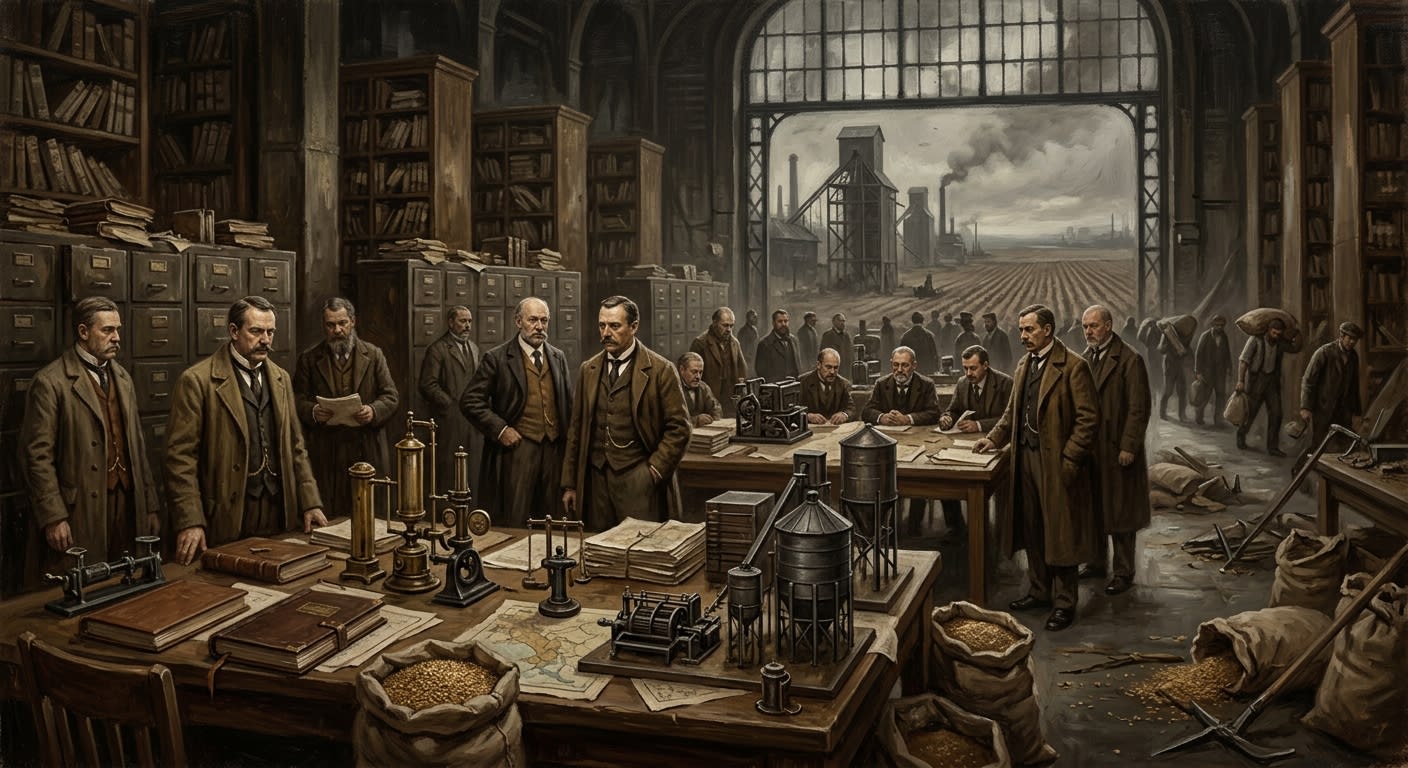
Bureau of Agriculture
The office that owned the wheat, but never the air inside the silo
The dissolved Bureau of Agriculture once governed seed, soil, yield, storage, and famine reports before the Weevil Year let Tithes inherit its grain authority.
Codex Ref. VIII.4.02-001

Bureau of Alchemical Standards
First the tongs, then the theology
The Bureau of Alchemical Standards tests the sacred for spoilage, classifies residues no sane clerk would touch, and gives terror a tolerable label.
Codex Ref. VIII.2.02-001
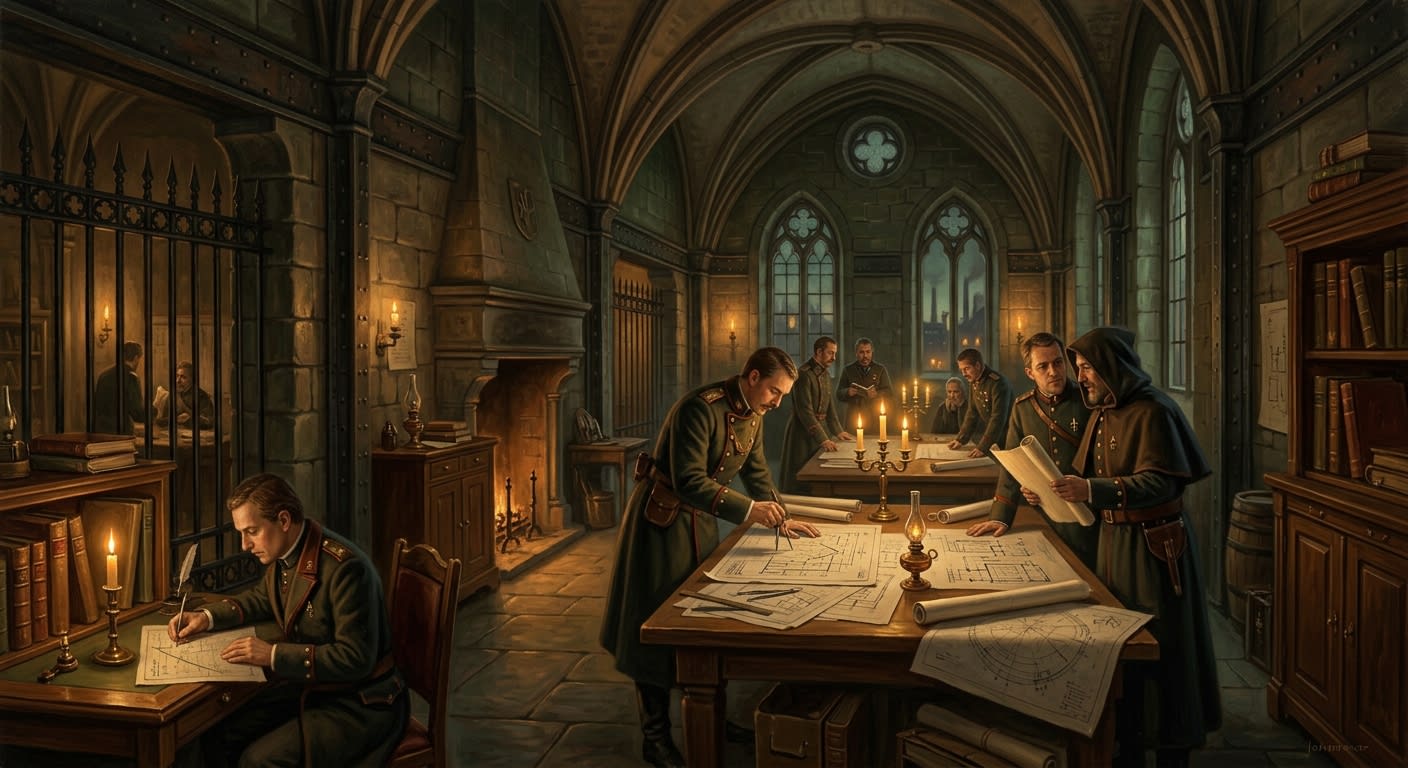
Bureau of Engineering
The number is the number, and the number does not care whether you find it convenient.
The Bureau of Engineering digs, measures, pours, rivets, surveys, calculates, and then builds the thing that holds every other Bureau upright. Its motto is not in any catechism. It is carved into latrine walls.
Codex Ref. VII.4.02-011
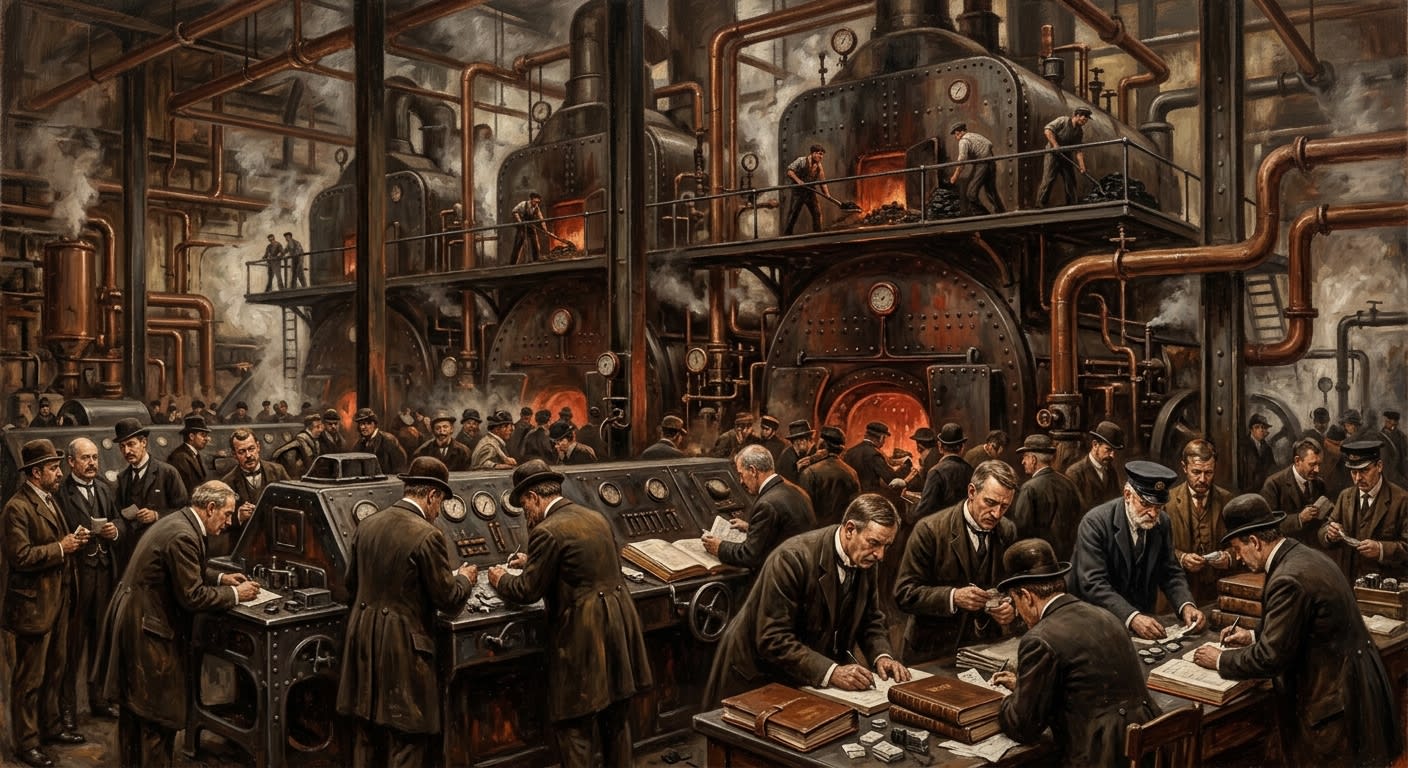
Bureau of Engines & Furnaces
The furnace burns because it must, and someone must invoice the flame
The Bureau of Engines & Furnaces governs the Synod's hot machinery: fuel allowances, furnace discipline, wound-site yield, pressure systems, and every boiler too useful to condemn.
Codex Ref. VIII.2.02-001
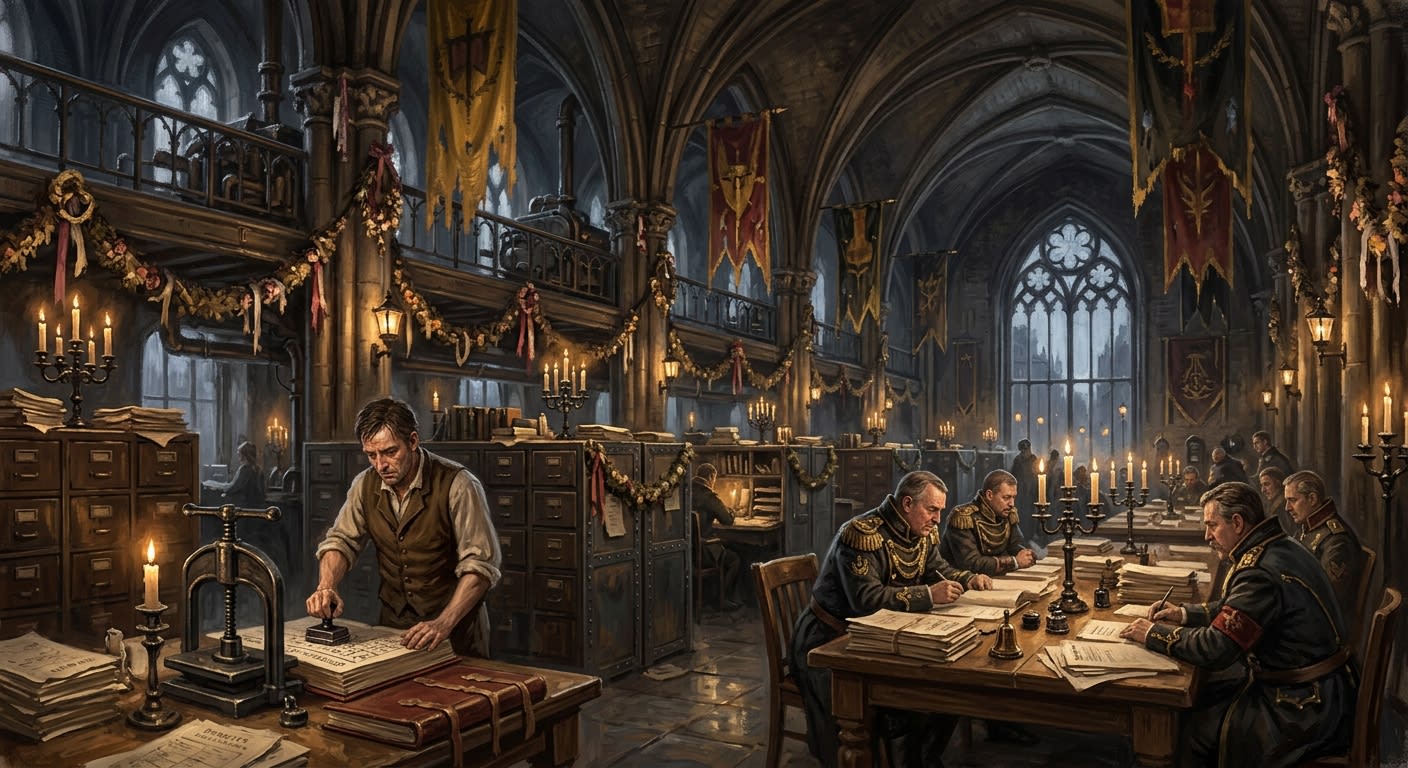
Bureau of Festivals
Joy, administered at scale — licensed, measured, and periodically revoked
The Bureau that manufactures joy, schedules grief, and meters celebration with the same rigour the Bureau of War applies to troop rotations — and which has, on seventeen documented occasions, deployed confetti.
Codex Ref. VIII.5.01-001

Bureau of Medicine
It measures. It classifies. It declines.
The Bureau of Medicine is not, technically speaking, a Bureau. It is something more dangerous: an institution that measures everything and recommends nothing, staffed by people who have read every report and arrived at conclusions they will not share.
Codex Ref. XII.7.09-044
Bureau of Relics
The stamp is not the sanctity. The stamp is merely necessary.
The Bureau of Relics guards four thousand seven hundred authenticated bones, adjudicates the holiness of ash, and maintains the cheerful institutional fiction that it controls the things it catalogues.
Codex Ref. IV.3.12-019

Bureau of Temperance
Appetite is a gate; moderation is the latch, and the latch has forms
The Bureau of Temperance measures wine, hunger, tavern weakness, northern spirits, and every appetite the Synod fears might become a gate for Hell.
Codex Ref. VIII.6.04-108
Bureau of the Hourglass
The Bureau measures. The Synod does not read. Time continues to disagree.
The Bureau of the Hourglass, constituted A.S. 134 to measure the Languid Dreamer's temporal drift along the Line, publishes quarterly reports no one reads, and has spent sixty-seven years proving that time is thinner near the front.
Codex Ref. VIII.3.01-001

Bureau of Tithes
The organ no one praises and no one dares remove
The Bureau of Tithes is the Synod's fiscal organ — the stomach no one praises and no one dares remove. It taxes breath, grain, bereavement, and the management of its own taxation.
Codex Ref. VIII.4.01-001
Butchers
Names before breath fails
The Butchers are information-first Deathbed Confession Harvesters, extracting names before comfort under the common seal. Their questions are sharp; their membership is unrecorded.
Codex Ref. XII.12.03-001
Cadence Architects
The street confesses before the bodies arrive
Cadence Architects are the Cadence Corps' route geometers: they design bellways, choke-points, and obedient grief before crowds become casualty diagrams.
Codex Ref. XII.7.05-129

Cadence Corps
One beat, one body, one road, and one stick for correction
The Cadence Corps teaches crowds to move as one obedient spine: ration queues, funerals, levies, relic routes, and riots corrected by beat, rope, whistle, and boot.
Codex Ref. XII.7.01-112

Cadence Corps Manual
Cut the crowd, signal Rites, refrain from listening
A.S. 201 present-use survey of the Cadence Corps Manual: route discipline, bell clearance, SCATTER and Section 7's withdrawn explanation of choirwind. Cut the crowd, signal Rites, do not listen.
Codex Ref. XII.31.02-201
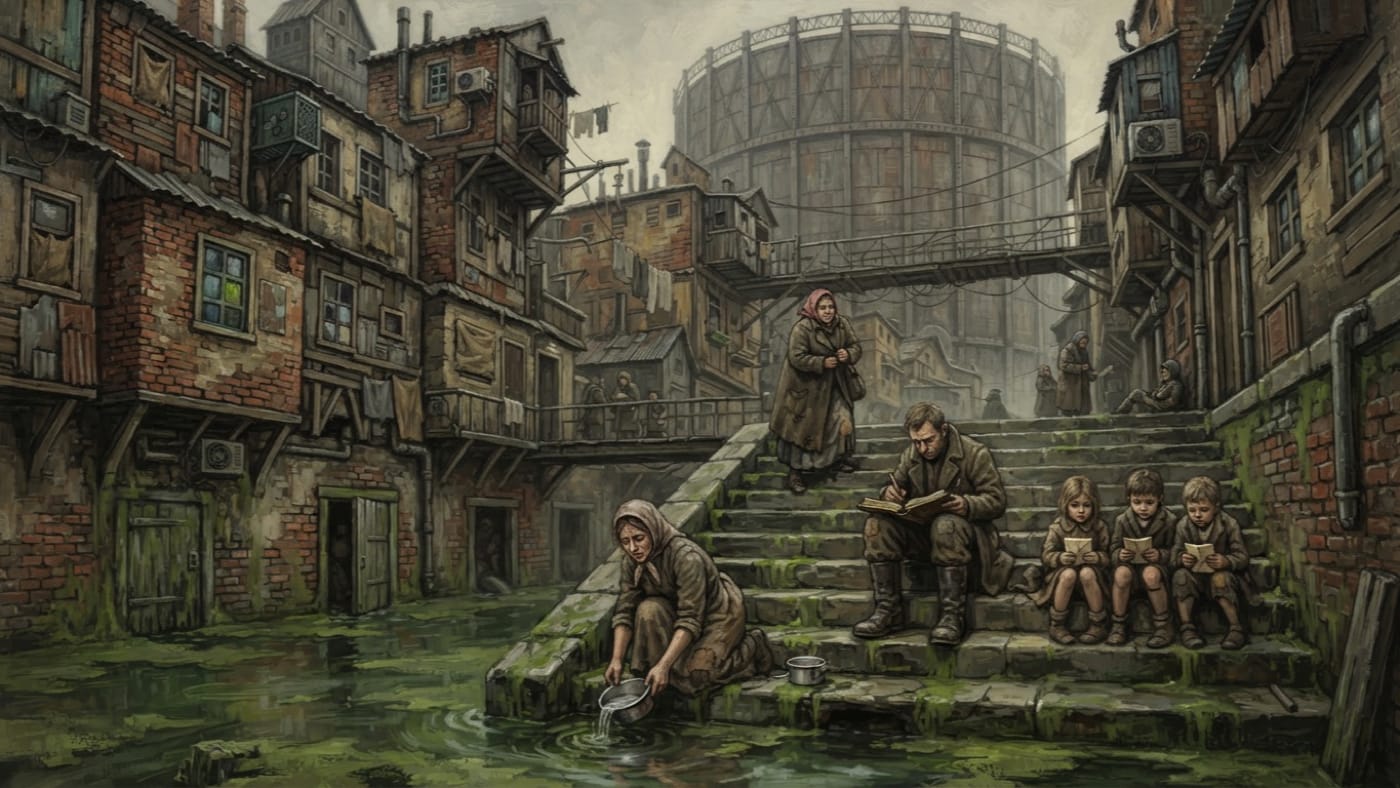
Canalback
Where a shack can be rebuilt and a ledger never cleared
Canalback is Wexel's canal-side poor quarter, where labour buys porridge, laughter earns citations, and cellar doors hide behind the flood-stains.
Codex Ref. II.2.04-002

Canon-Inquisitor Silex Marrow
The chisel arrives after the lie has learned masonry
Canon-Inquisitor Silex Marrow hunts sequences, not sinners: Saffron's profitable water, Archivolt's listening stone, and the names buried between them.
Codex Ref. III.2.01-201
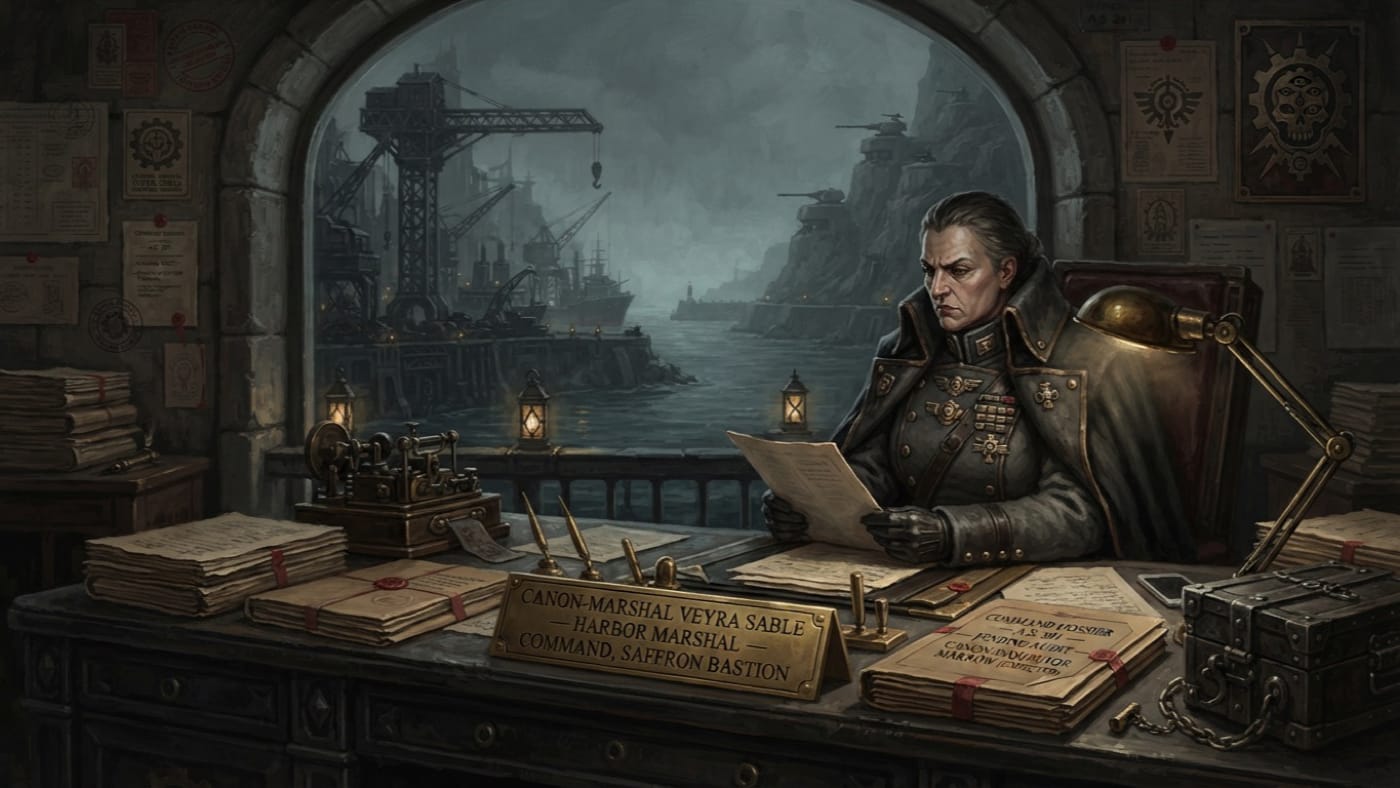
Canon-Marshal Veyra Sable
The harbour balances; the water remains behind her
Canon-Marshal Veyra Sable commands Saffron Bastion's berths and guns. Twenty-three years at the helm, an unrecorded reliance on the Brine Choir, and a pending audit have not turned her desk toward the water.
Codex Ref. III.2.01-437
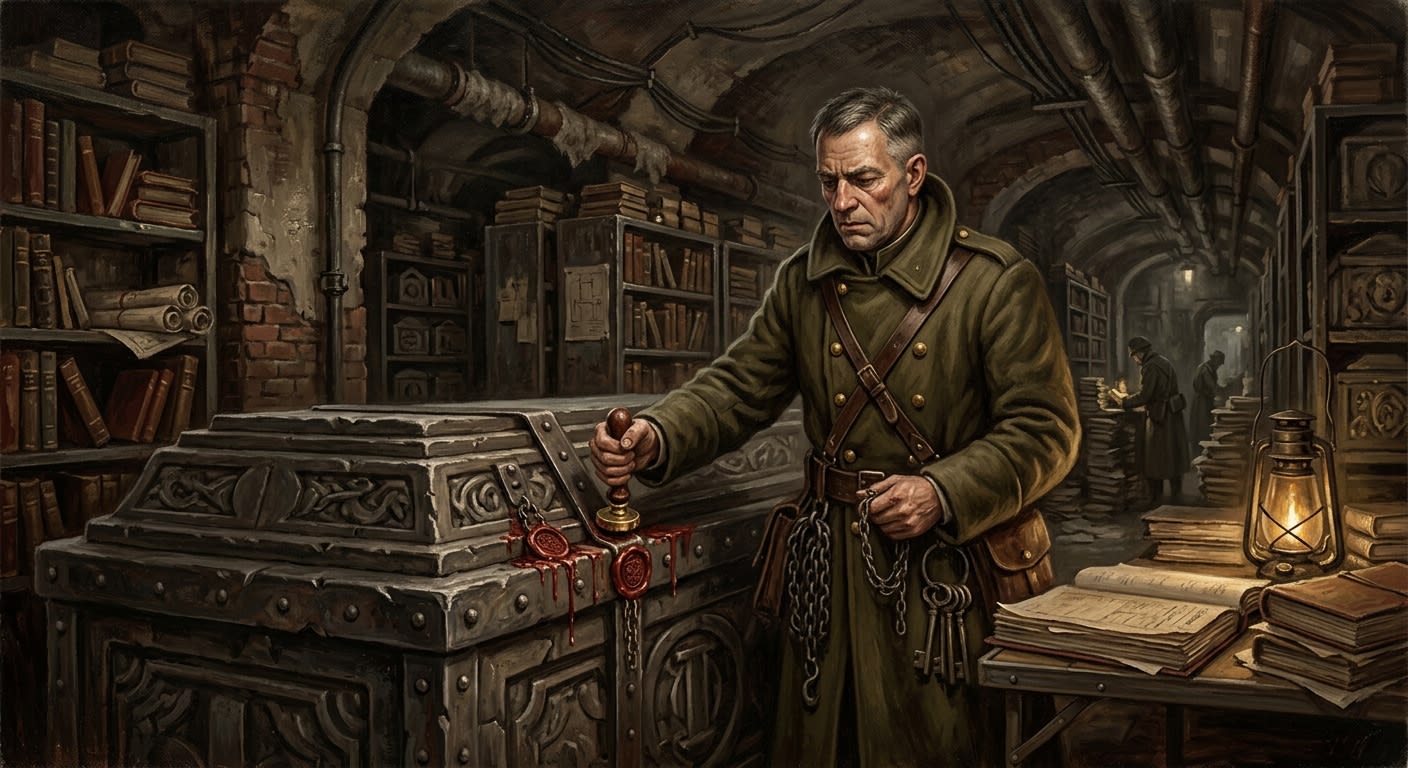
Canon-Warden Albrecht Goss
The man who sealed a wall before authority arrived to remember it
Canon-Warden Albrecht Goss applied the seventeenth seal to the Third Ossuary in A.S. 199, lacked authority, received none afterward, and remains useful.
Codex Ref. III.2.01-151
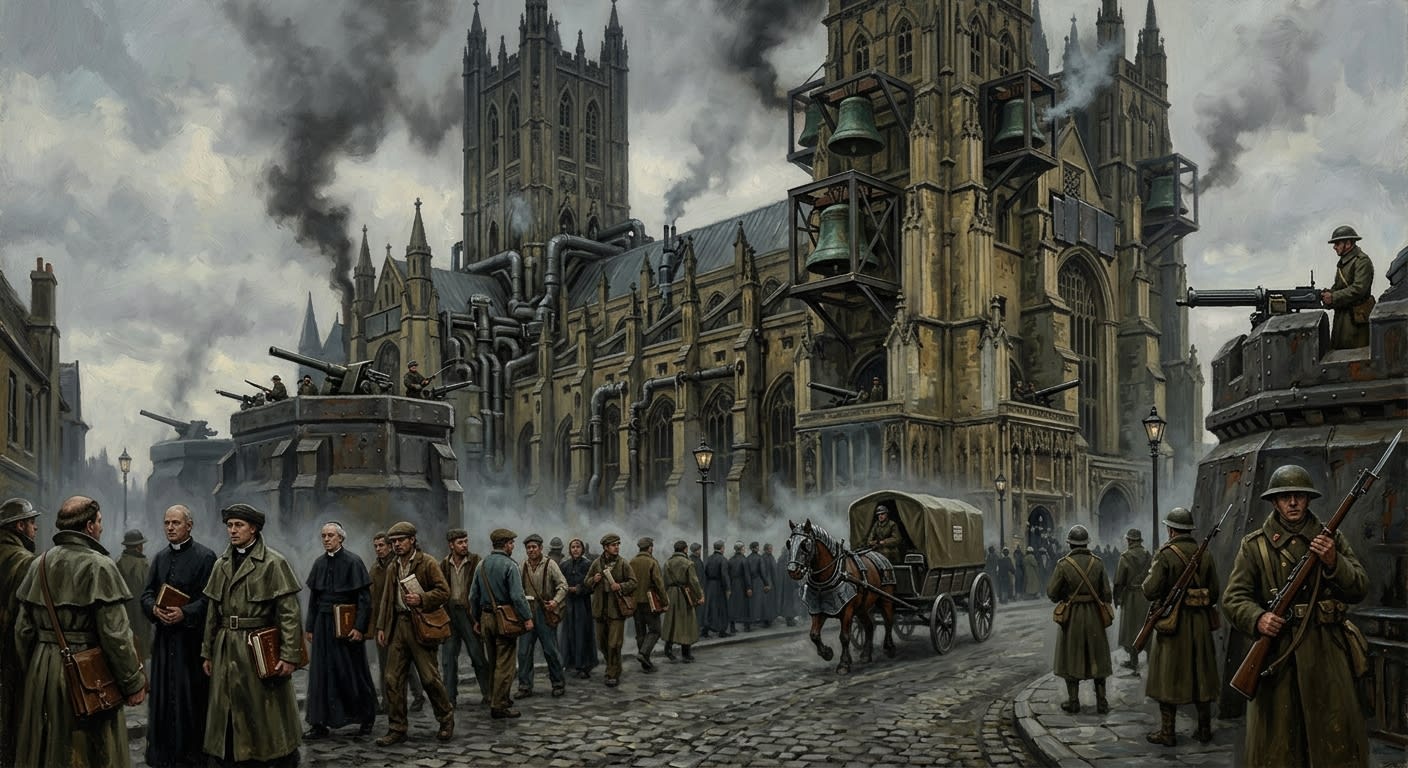
Canterbury
The cathedral that refused to become a bureau
Canterbury is the British Crown's cathedral-seat: old, armed, bell-ridden, unaudited, and infuriatingly functional beyond Strasbourg's forms.
Codex Ref. II.0.01-201
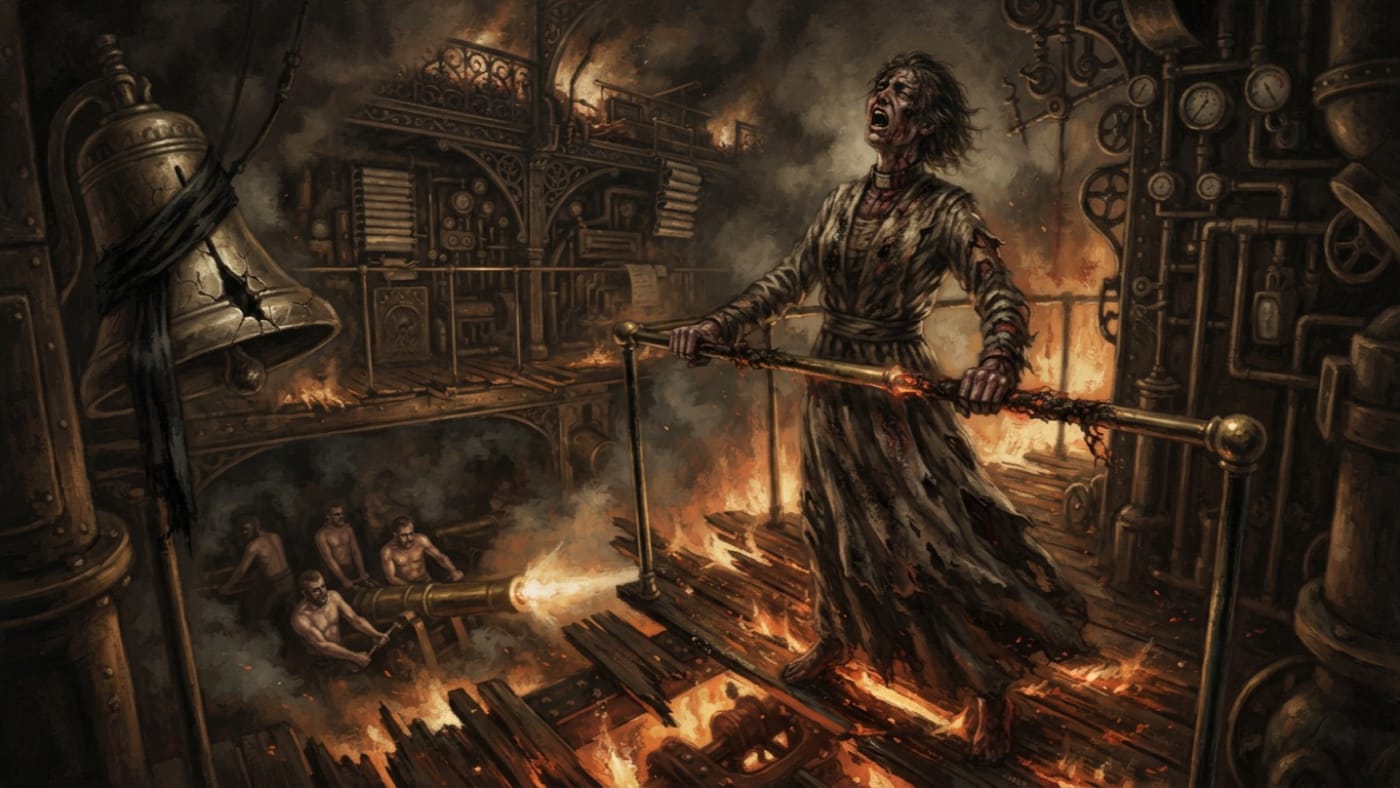
Canticle of Measured Fire
The bell failed. The voice kept the measure.
Saint Orla sang this Canticle through a burning Danube hymn-gallery, holding the guns in measure after the bell fouled. Rites counts forty minutes. The score is absent from my file.
Codex Ref. XIII.1.16-446

Captain Elias Brekke
The officer who saw [[debrecen|Debrecen]], wrote it down, and was filed away alive
Captain Elias Brekke discovered the Ash-Mothers at Debrecen in the A.S. 78–83 window, filed the deposition that made horror procedural, and vanished into Candlewick inventory after A.S. 84.
Codex Ref. III.2.01-056
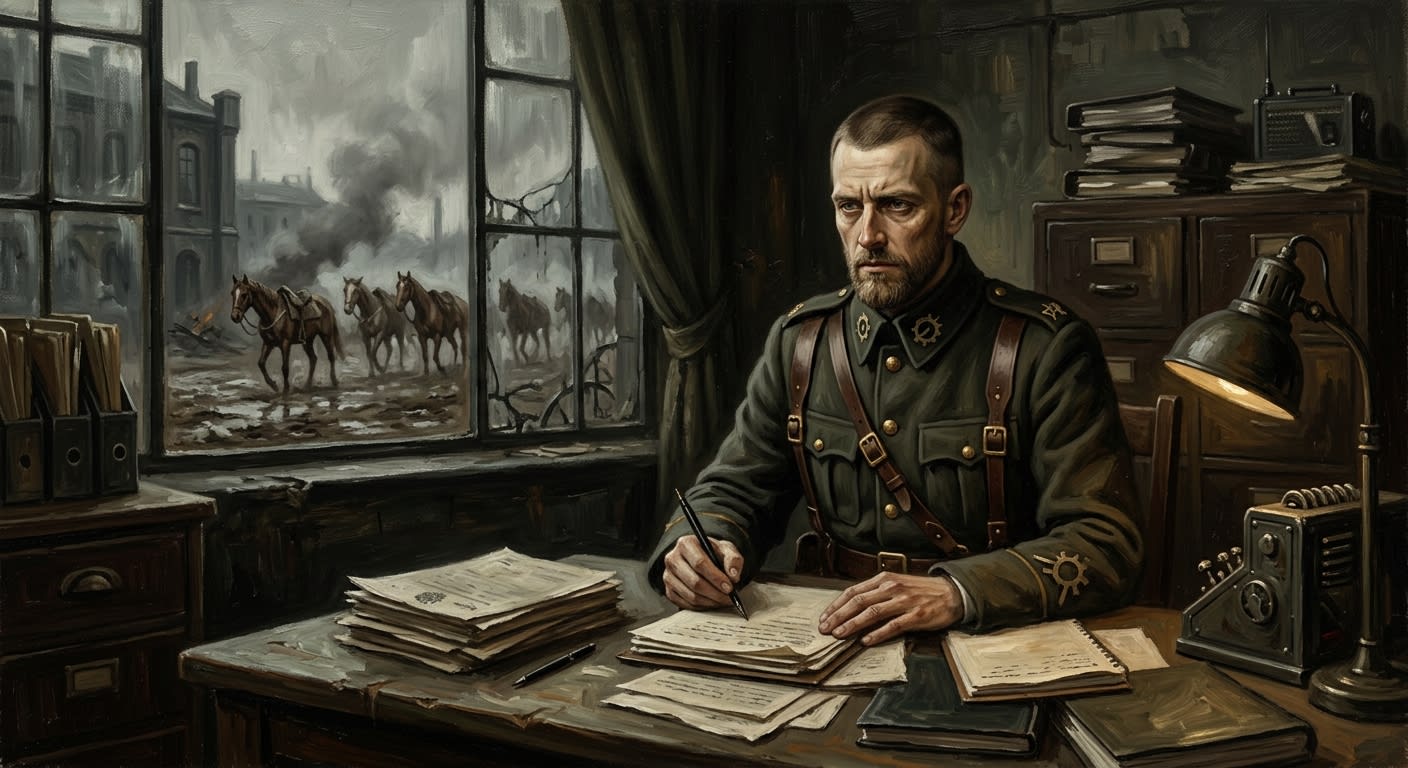
Captain Elias Mürren
The cavalryman who accepted hunger's polite invitation and kept the receipt
Rationalist cavalry captain and Debrecen survivor whose A.S. 49 deposition records sorcerous provender, vanished horses, and hunger with the manners of a clerk.
Codex Ref. III.2.01-082
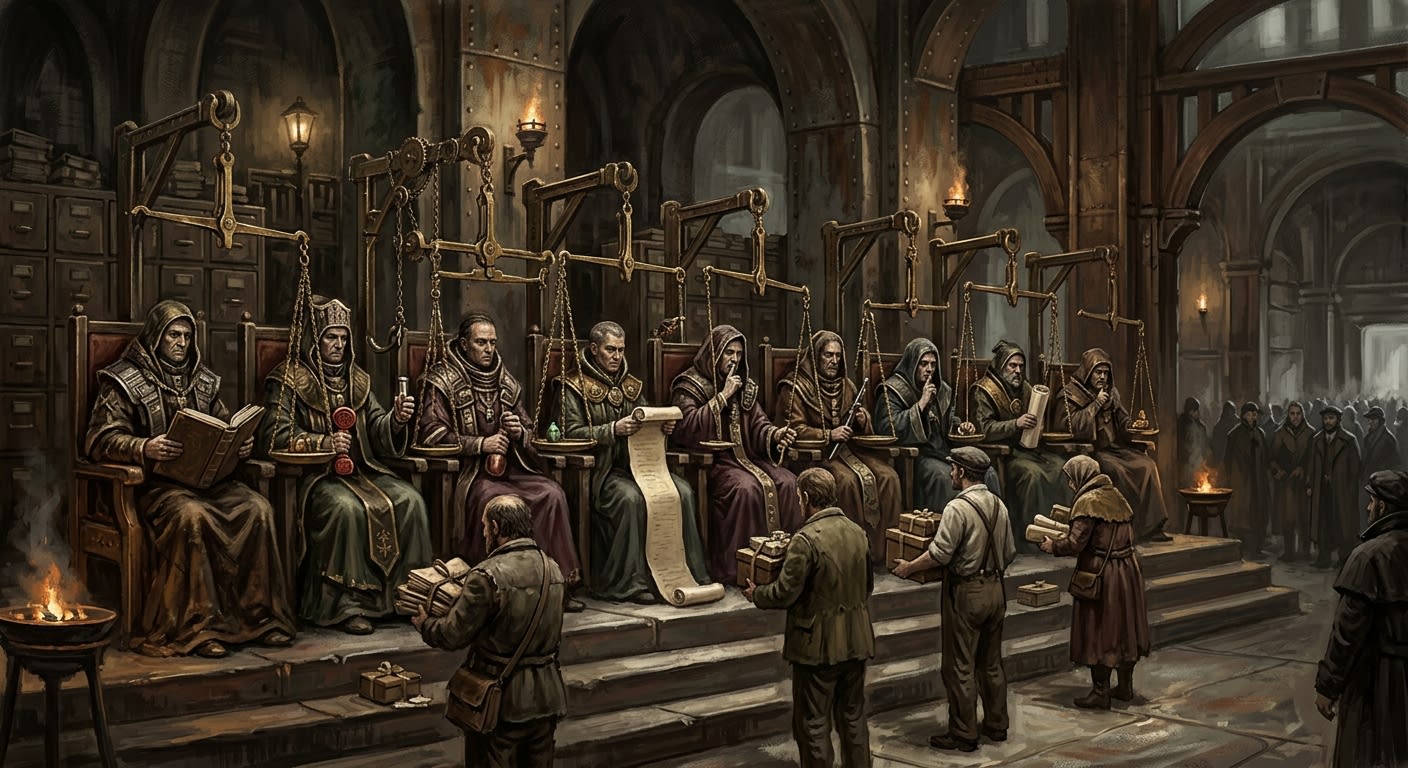
Caravan Court of Nine Weights
The bench that makes silence taxable
Inner bench of the Caravan Court, where Passage, Cargo, Witness, Blood, Delay, Oath, Seal, Road, and Silence become burdens, fees, and precedent.
Codex Ref. XI.5.03-076

Caretaker Saints
Mercy with a rent book, a candle, and no licence whatsoever
Caretaker Saints are the conscience-stricken branch of Grave-Field Shanty Brokers: unchartered grave-lane landlords who keep rents low, names whispered, and mercy barely deniable.
Codex Ref. XII.27.02-001
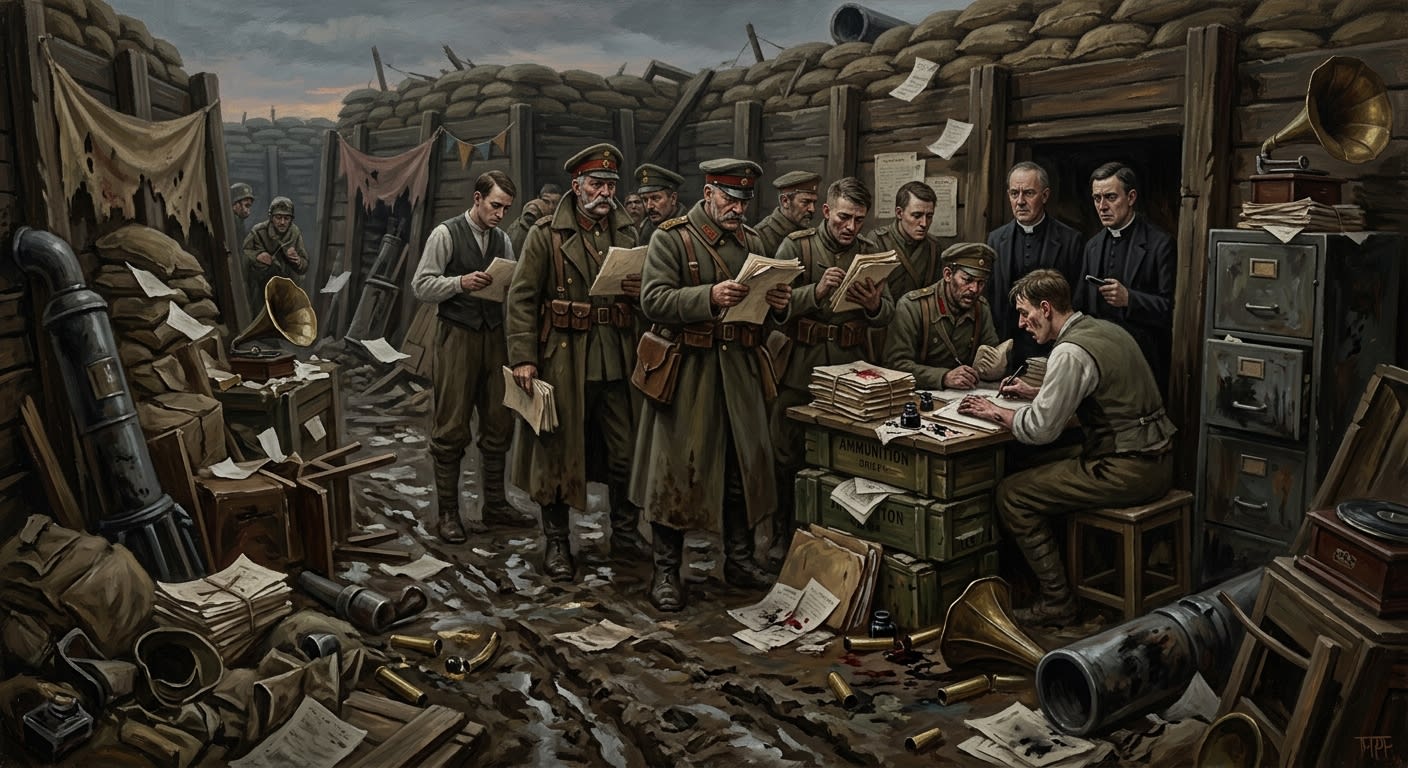
Carnival of Ink
Twelve arguments touched the same ink
The A.S. 162 Bastion-Constantinople festival disaster in which twelve simultaneous trench-court duels tangled citations until four hundred names vanished by nightfall.
Codex Ref. VII.8.10-026
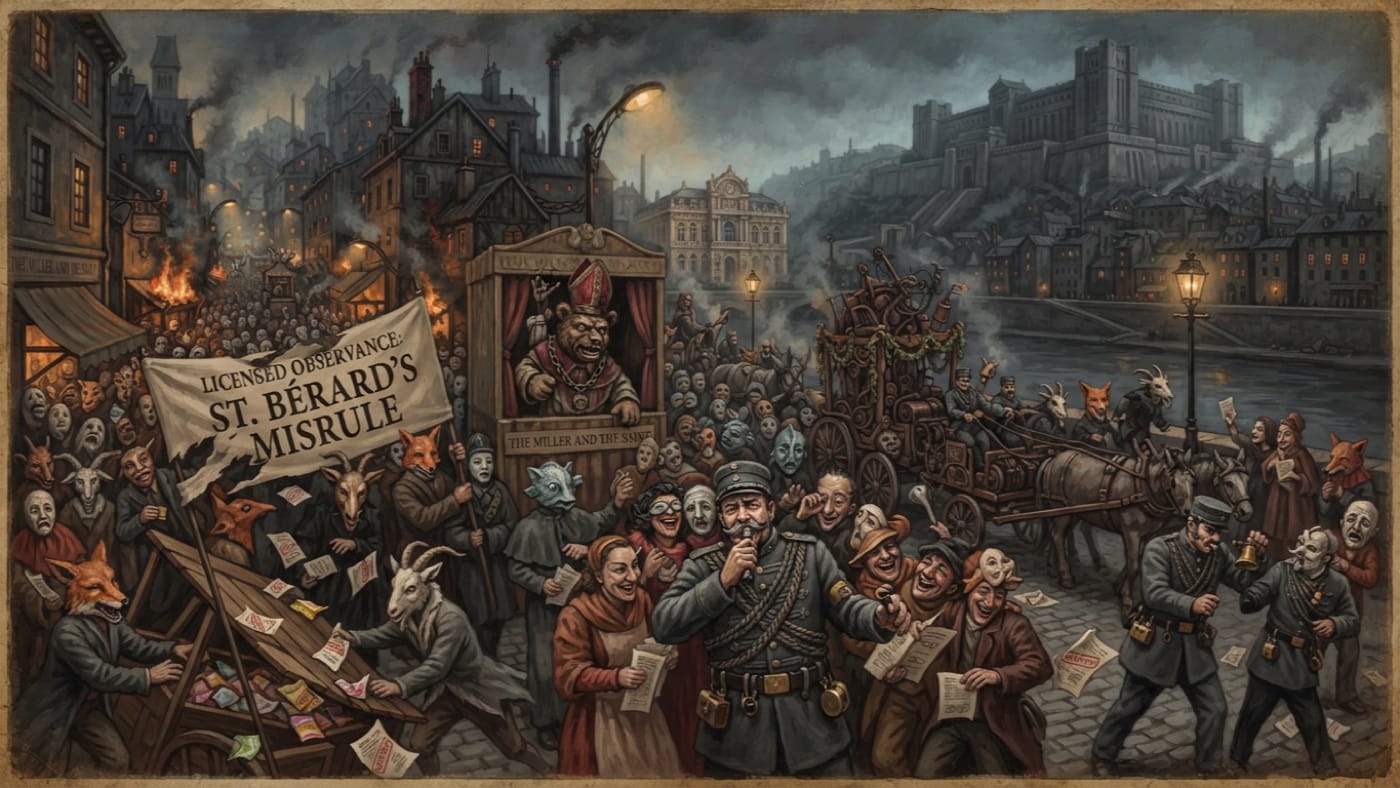
Carnival of Saint Bérard's Misrule
Where laughter was licensed and obedience expected in repayment
Lyon's licensed Carnival made masks devotional and laughter accountable. Its mask readings were approved in A.S. 132; in A.S. 170, the same permits, songs and puppets served the Tumults of Lyon.
Codex Ref. VII.4.11-002
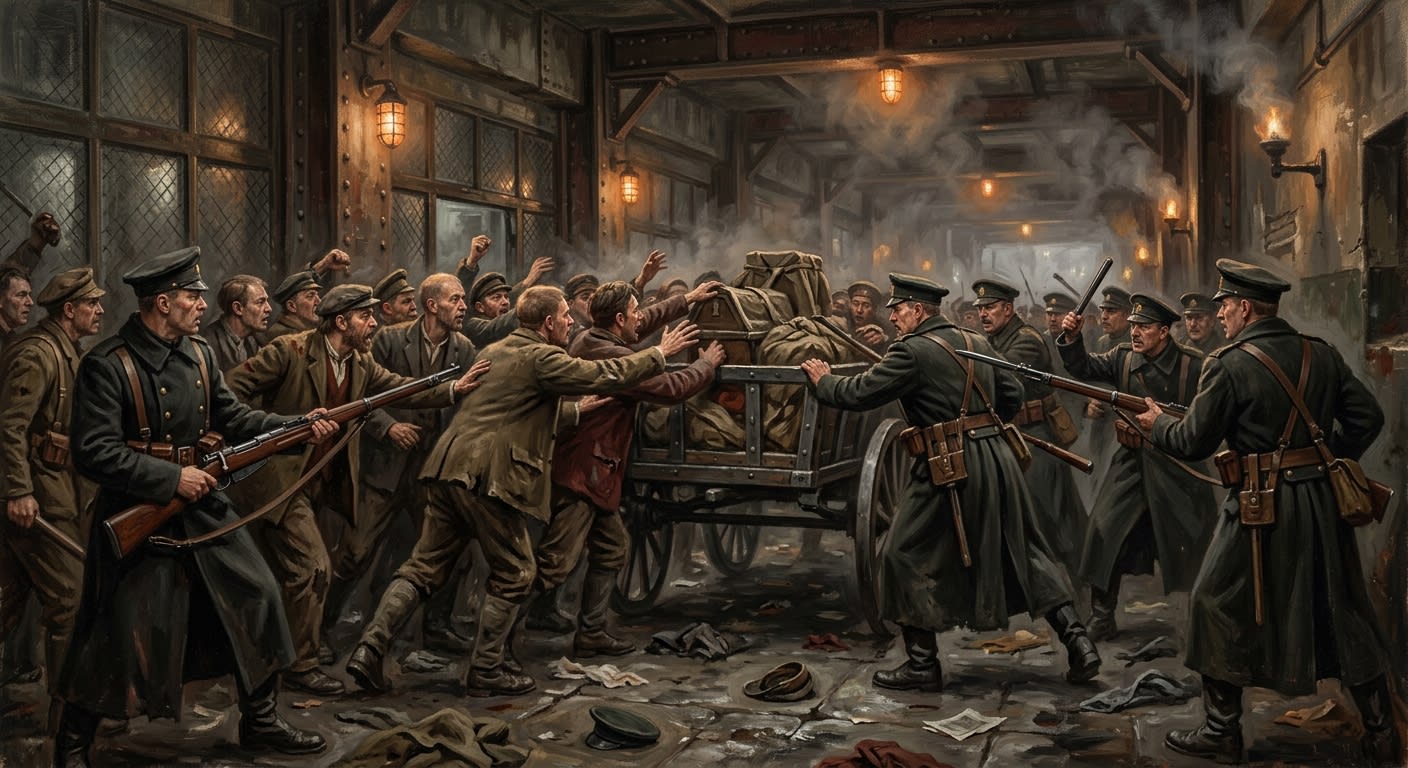
Cart-Saint Riots
The chain-yard argument that forced the Bureau to invent a hood
A.S. 138 corridor disturbances after Josek of Düren's death turned condemned relic carriers into petitioners for visible sanctity and forced War's A.S. 140 hooding directive.
Codex Ref. VII.8.10-053
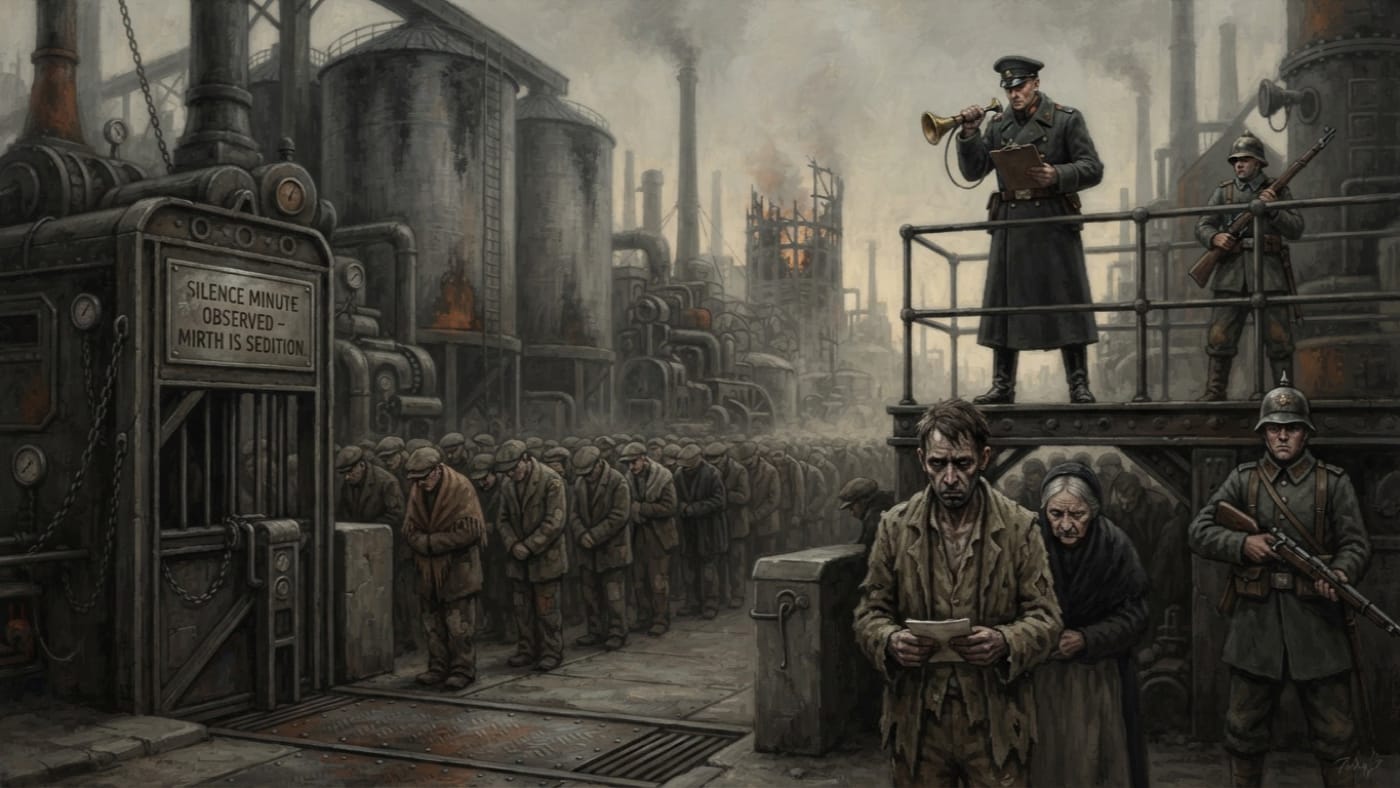
Case 112-MO-44
Thirteen denials and a ledger that preferred its own ear
Filed six weeks after Wexel's A.S. 112 Dust Fire, this citation fined Orven Tesch despite thirteen denials. His household ate less; the ledger learned to smile.
Codex Ref. VII.8.10-112
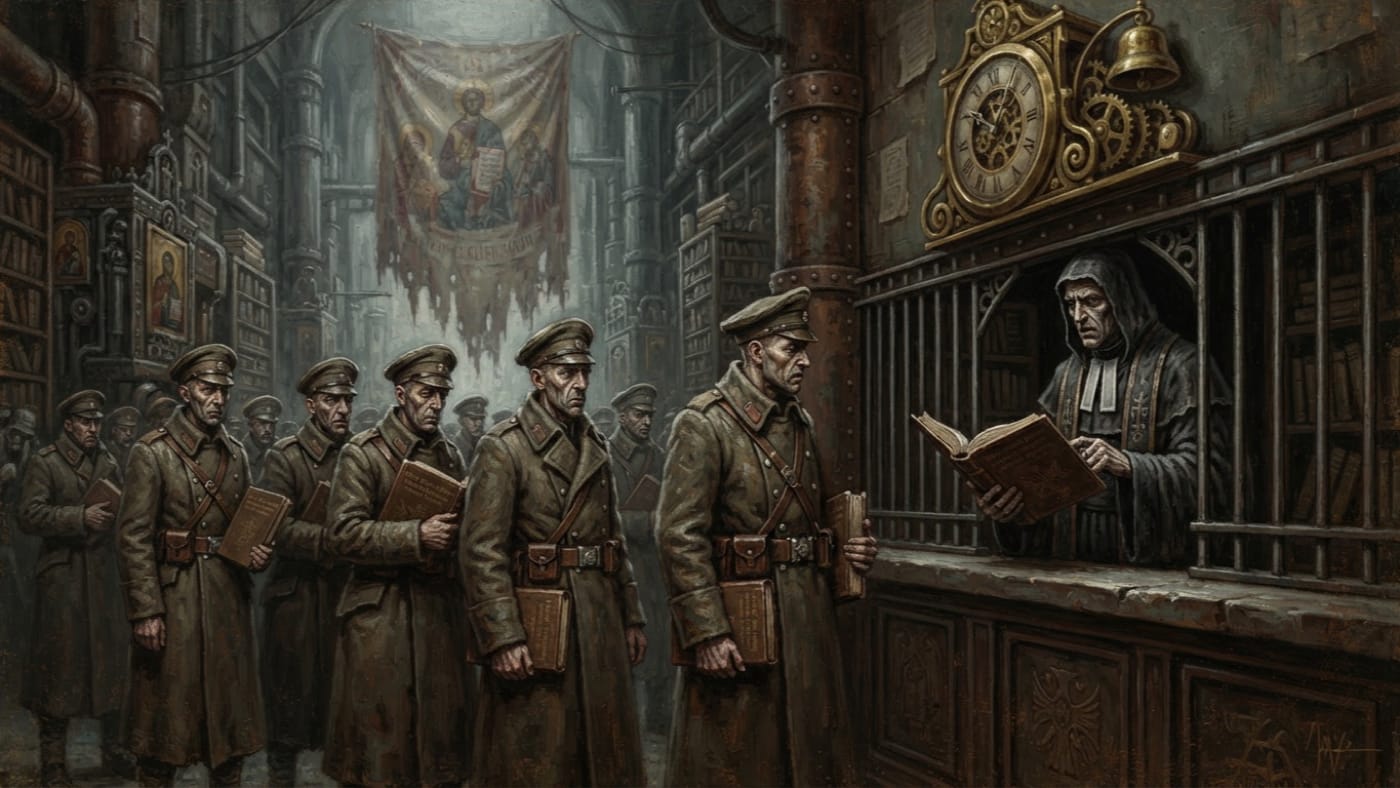
Catechism of the Empty Belly
An empty pot enters the register as readiness
In this A.S. 201 survey, Seraphinus's sixty-nine articles and seven appendices remain compulsory officer reading. The Synod gives shortage a grade and calls it readiness.
Codex Ref. XIII.1.69-001
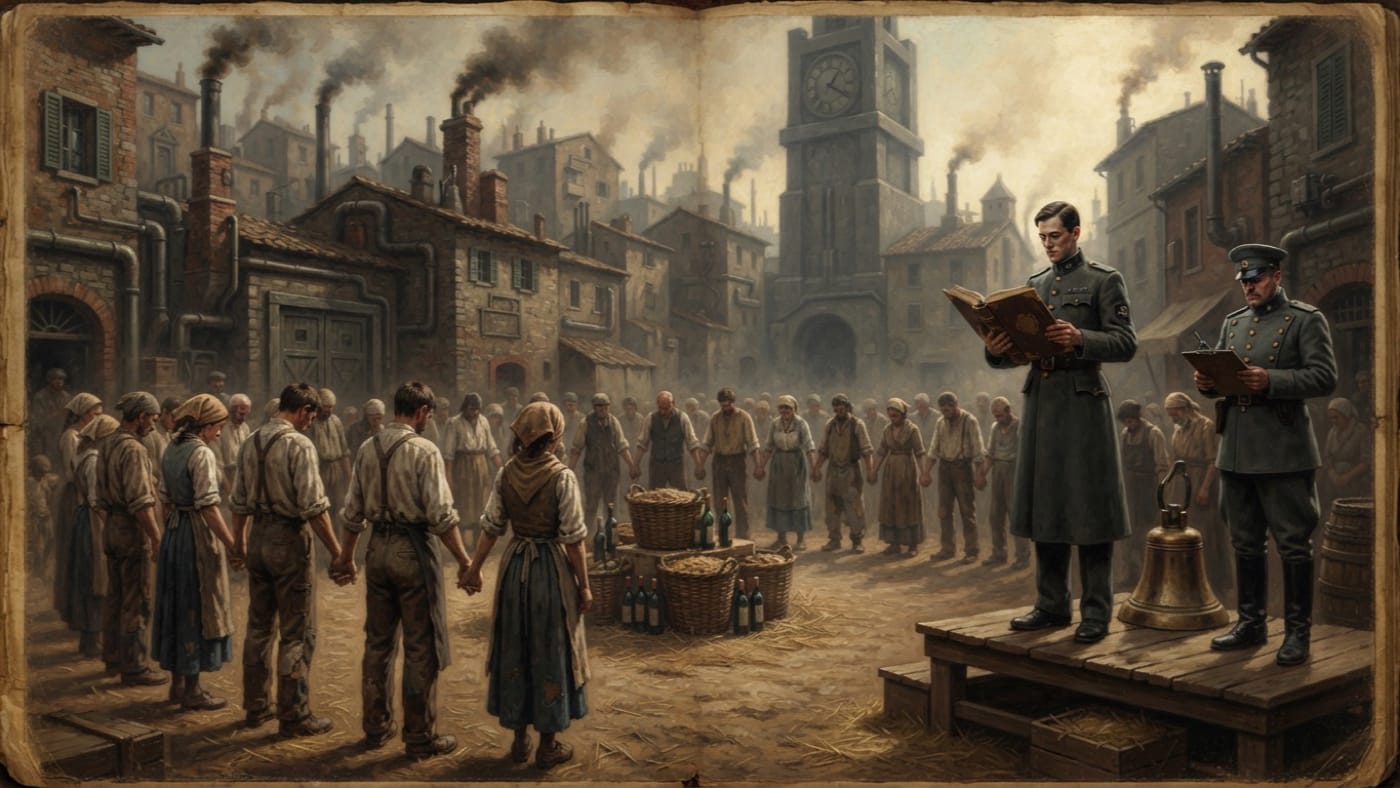
Catechism of the Sundering
The village may dance; Doctrine decides when it has finished
A.S. 201 survey of Doctrine's approved Catechism in public use: the passage that takes a harvest dance's ending from the village and gives the last word to Strasbourg.
Codex Ref. XIII.1.04-509

Category D
The sentence is suspended. The prisoner remains condemned.
Category D suspends condemned prisoners' death sentences for battlefield-hazard studies. War supplies the subjects; Medicine measures them. The surviving record promises neither pardon nor release.
Codex Ref. XIII.1.99-134
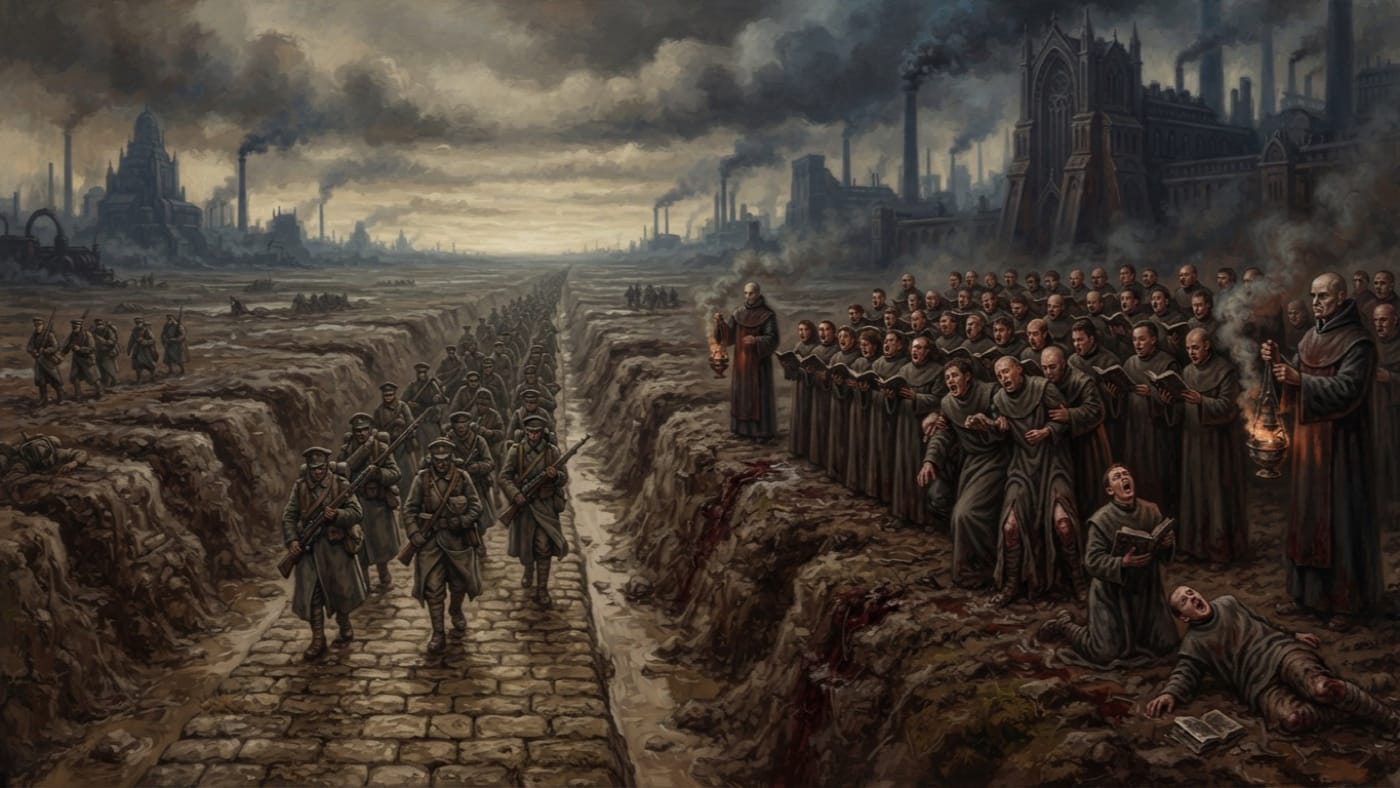
Cathedral Act
The army marches dry; the choir pays in years
Current doctrinal survey, A.S. 201: the Cathedral Act parts mud for an army while volunteer choirs stand until their knees split and surrender years of life. The passage is dry. The bill is human.
Codex Ref. VI.3.01-002
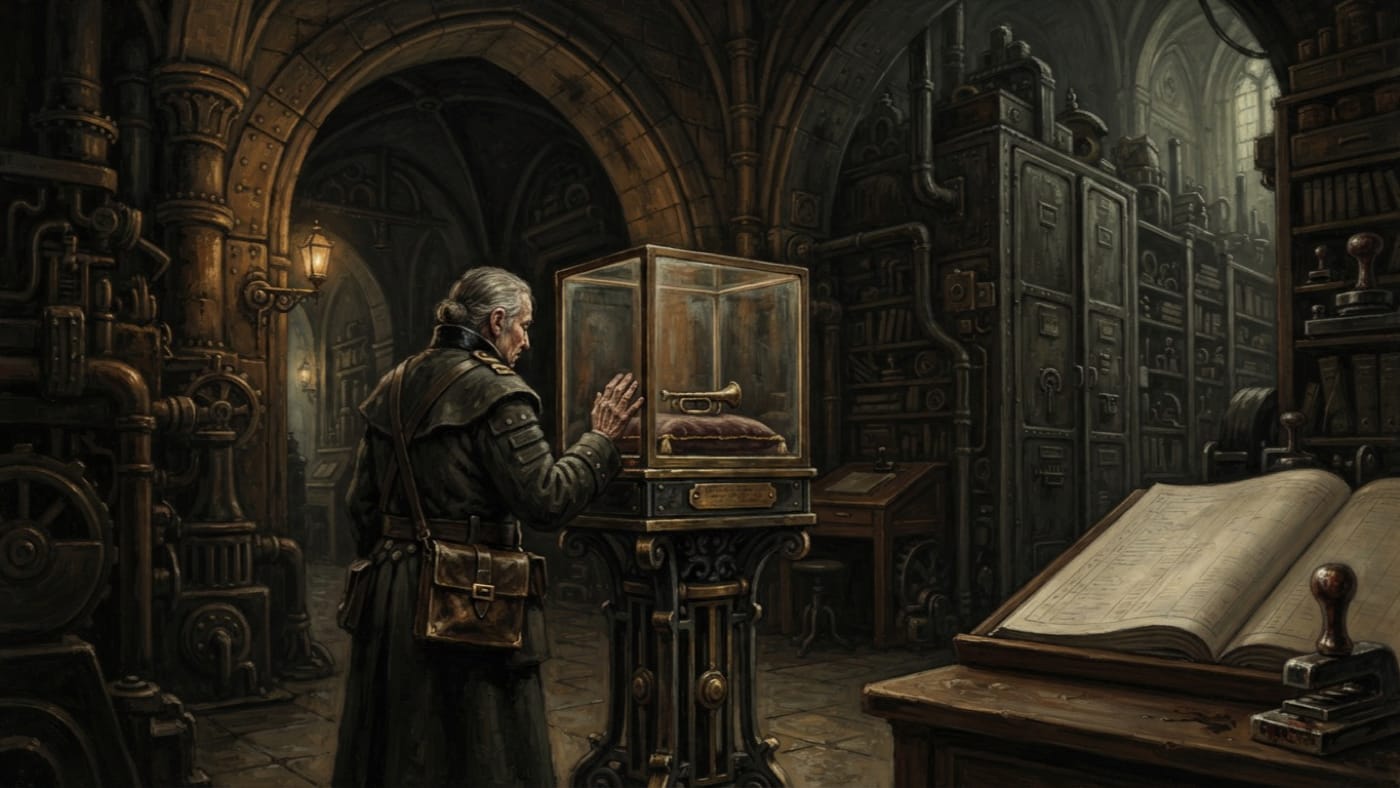
Cathedral Arsenal Office
The warmth has witnesses; the charter does not
Strasbourg office holding the brass pitch-pipe attributed to Saint Orla the Brass-Throated and sharing Shrine-Deck patronage with the Shrine Admiral. The warmth has witnesses; the charter does not.
Codex Ref. IV.3.12-518
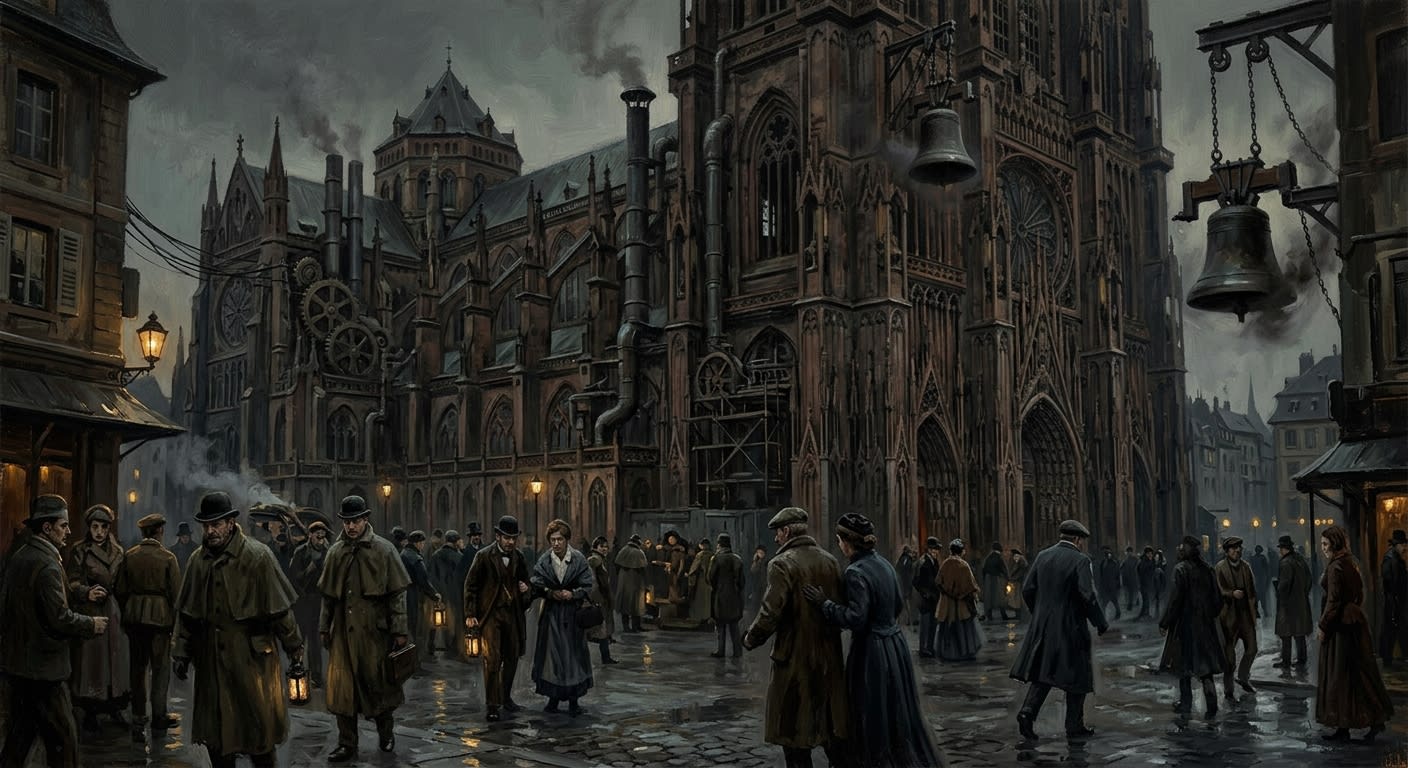
Cathedral of the Perpetual Writ
Where lawful bells learned to drown mourners politely
Strasbourg's lesser cathedral authenticates copies, stores route tables, and remembers the night two lawful bells divided eight hundred mourners into nineteen deaths.
Codex Ref. II.1.04-005
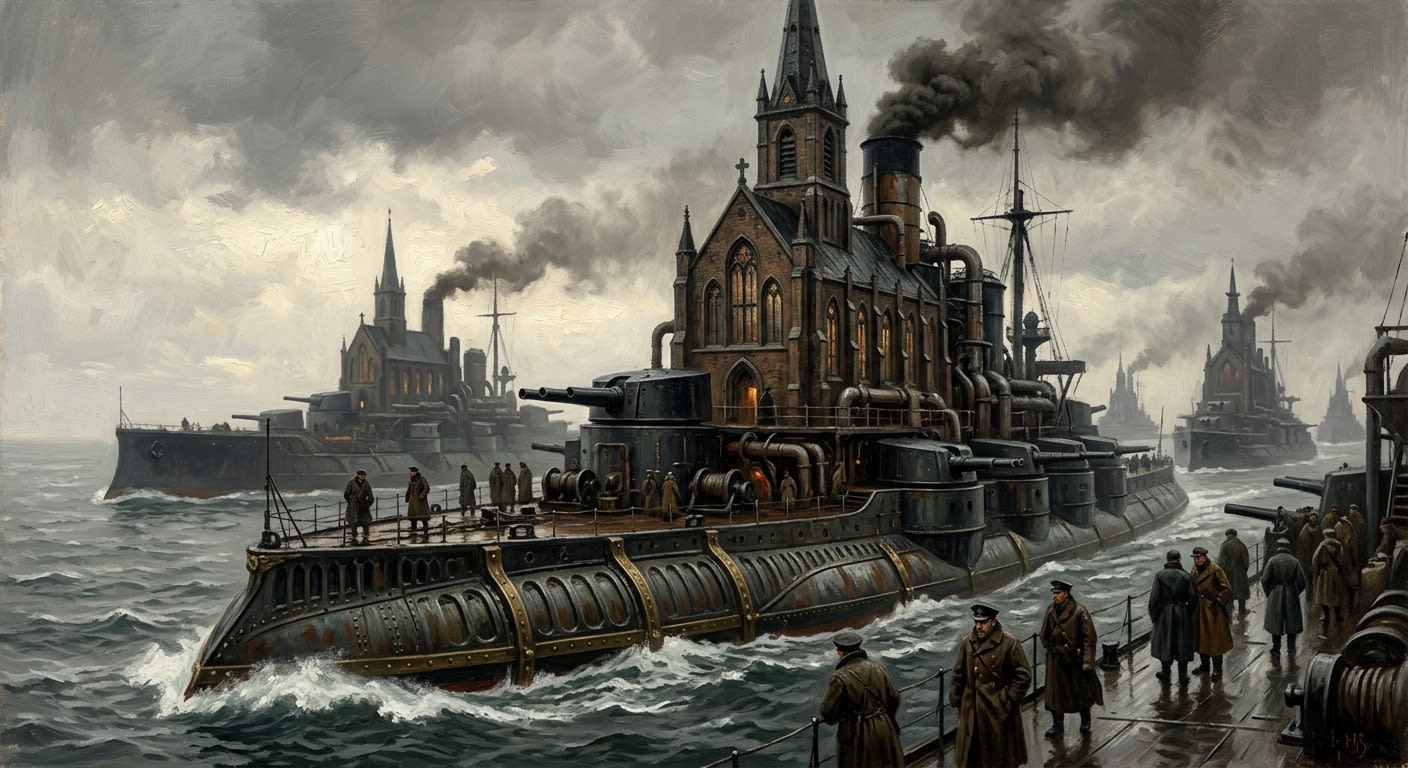
Cathedral Ships
Britain built churches that sail, shoot, and refuse to explain themselves
British Cathedral Ships carry chapel, bell-tower, artillery, and reliquary-keel across the Channel; the Synod depends on them and resents every plank.
Codex Ref. X.1.03-001
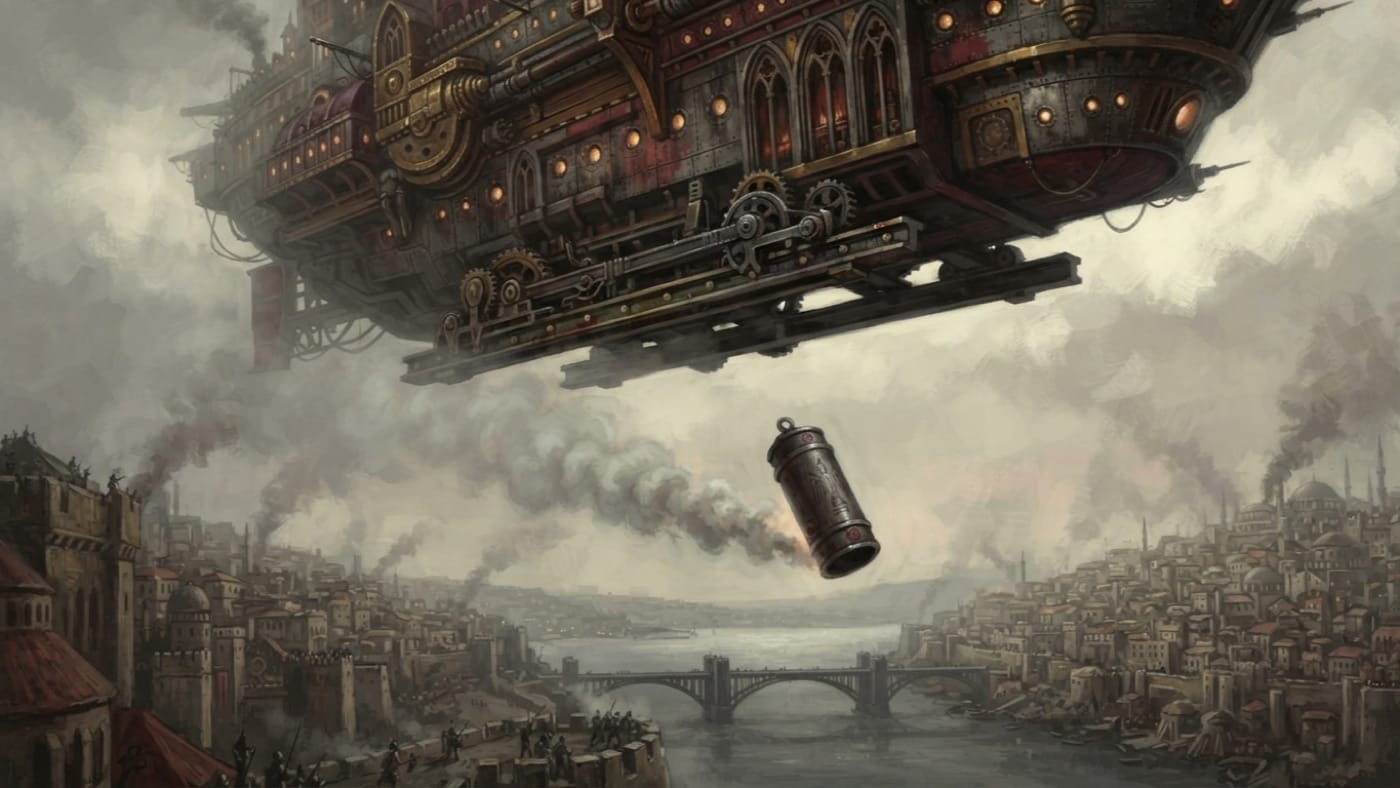
Censer-racks
The writ marks the position; sanctified fire supplies the execution clause.
Retractable incendiary arrays aboard the Saint Barachiel, indexed to the boarding defence of A.S. 183. The Legate names the position. The rack returns to its housing; the censer does not.
Codex Ref. XIII.1.21-183
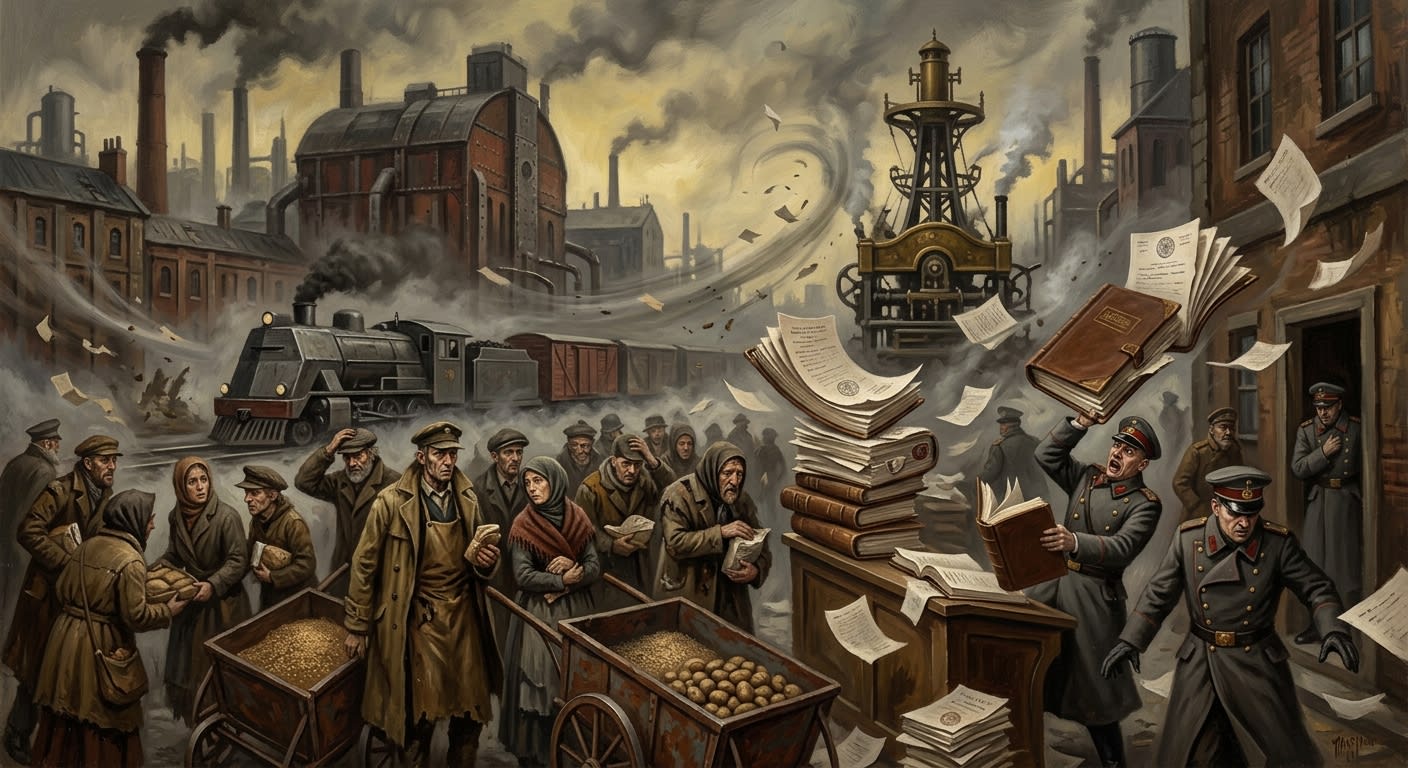
Chaff-Winds of Wexel
The weather laughs before the ledgers can fine it
At Wexel, the wind repeats forbidden laughter, bends citation ledgers into smiles, and teaches a ration town that mockery travels better than law.
Codex Ref. XIII.1.19-001
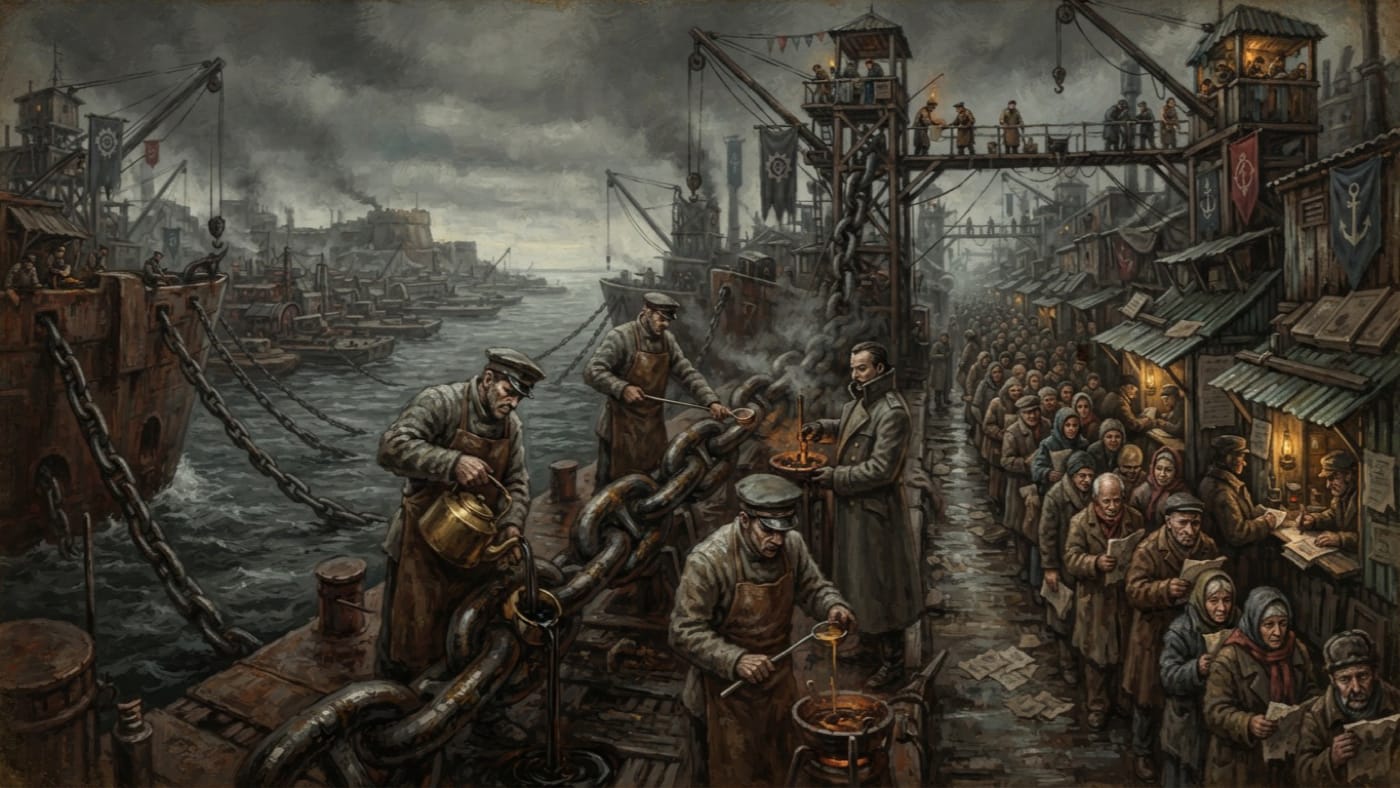
Chain Blessing
The chain is blessed; the debt keeps accruing.
An A.S. 201 survey of the Flotilla's spring blessing: oil and wax for the Grand Lash, half a day's rest for chain crews, and papers renewed at Seal Row. The iron is blessed; the debts continue.
Codex Ref. XIII.1.89-201
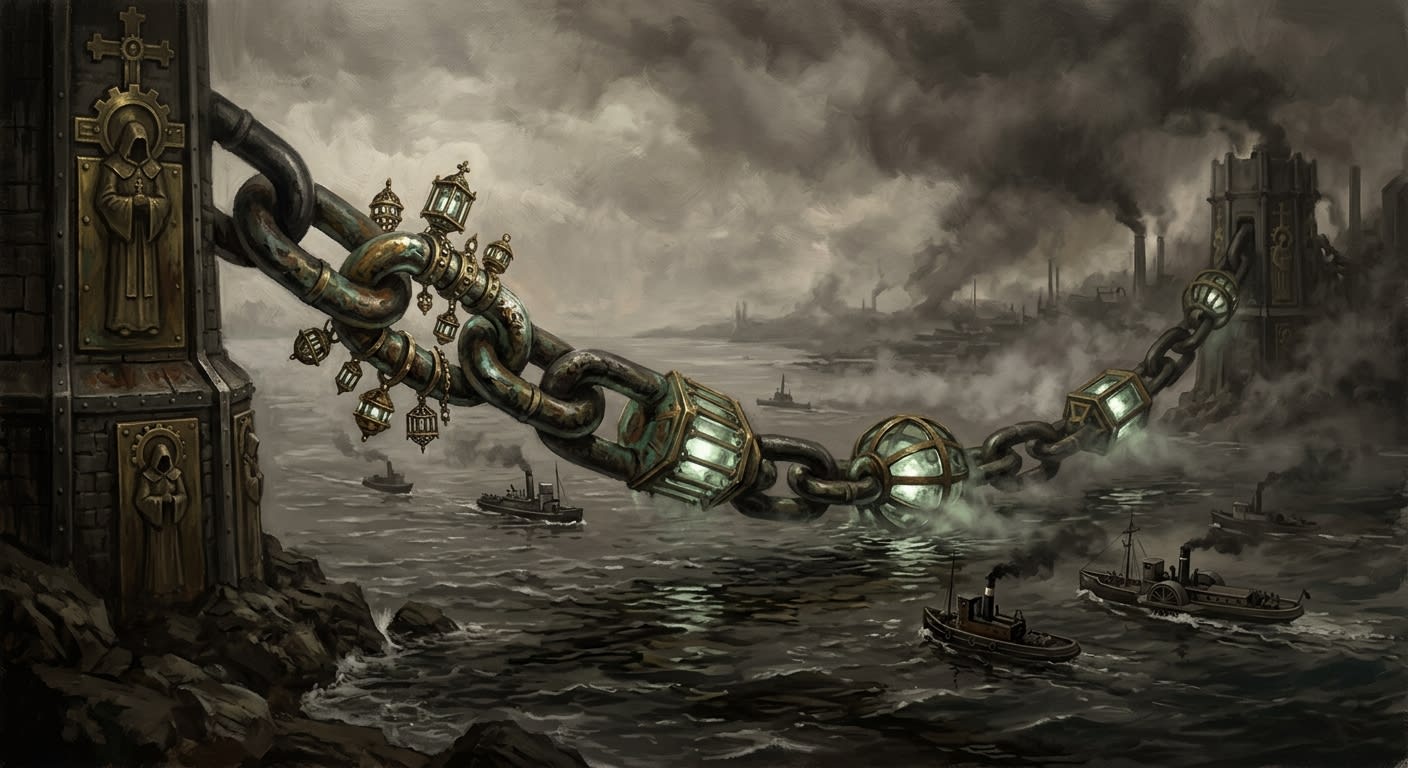
Chain of Saint Anakletos
The harbor closes its throat, and the iron has begun adding words
A reliquary boom across the Bosphorus, first strung in A.S. 68, spent its white fire against the Black Sea Armada and later grew seven links without permission.
Codex Ref. II.4.10-006
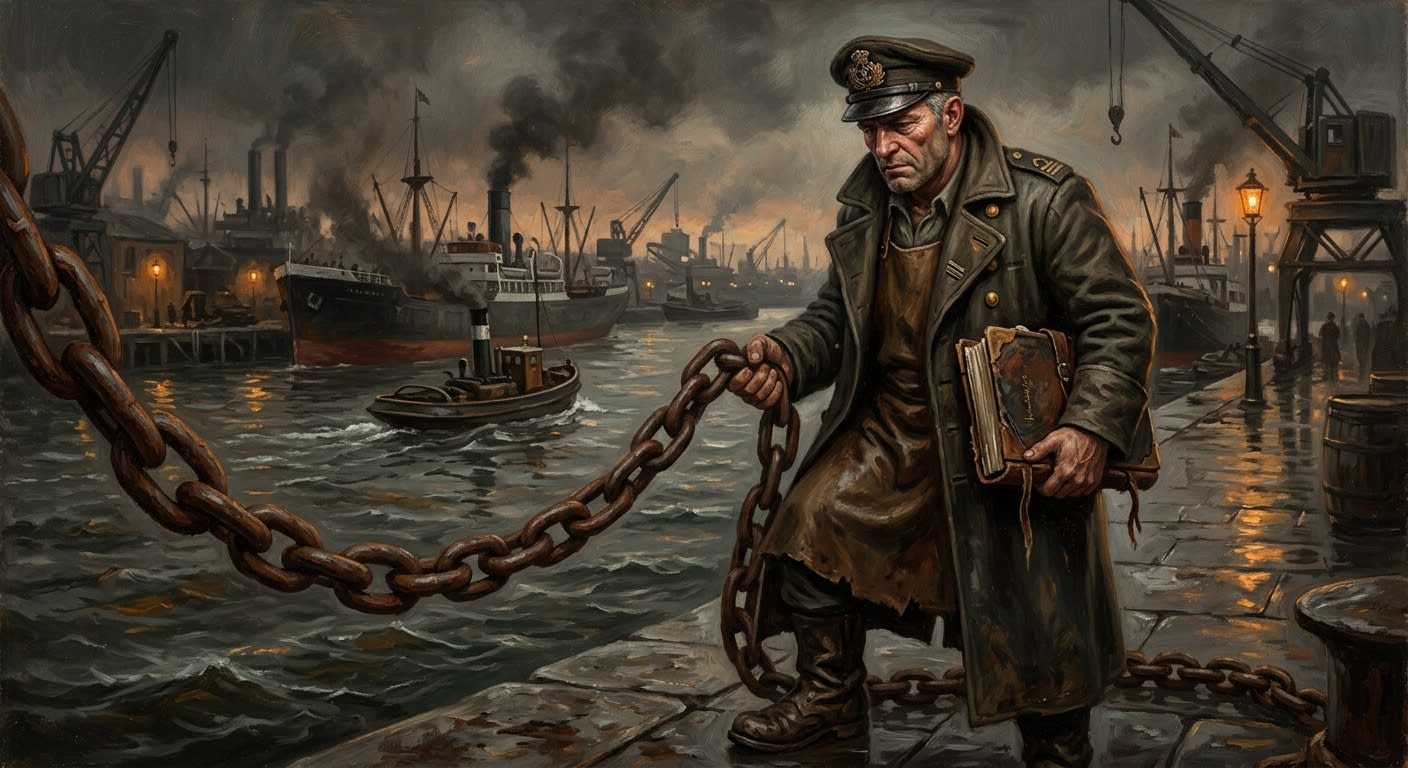
Chainmaster Kosta
The harbour obeys the man whose hands convinced the iron first
Chainmaster Superior Kosta holds Thessaloniki's harbour chains, keeps the unregistered sea-taken ledger, and obeys life before paperwork. Naturally, he is indispensable.
Codex Ref. III.2.01-032
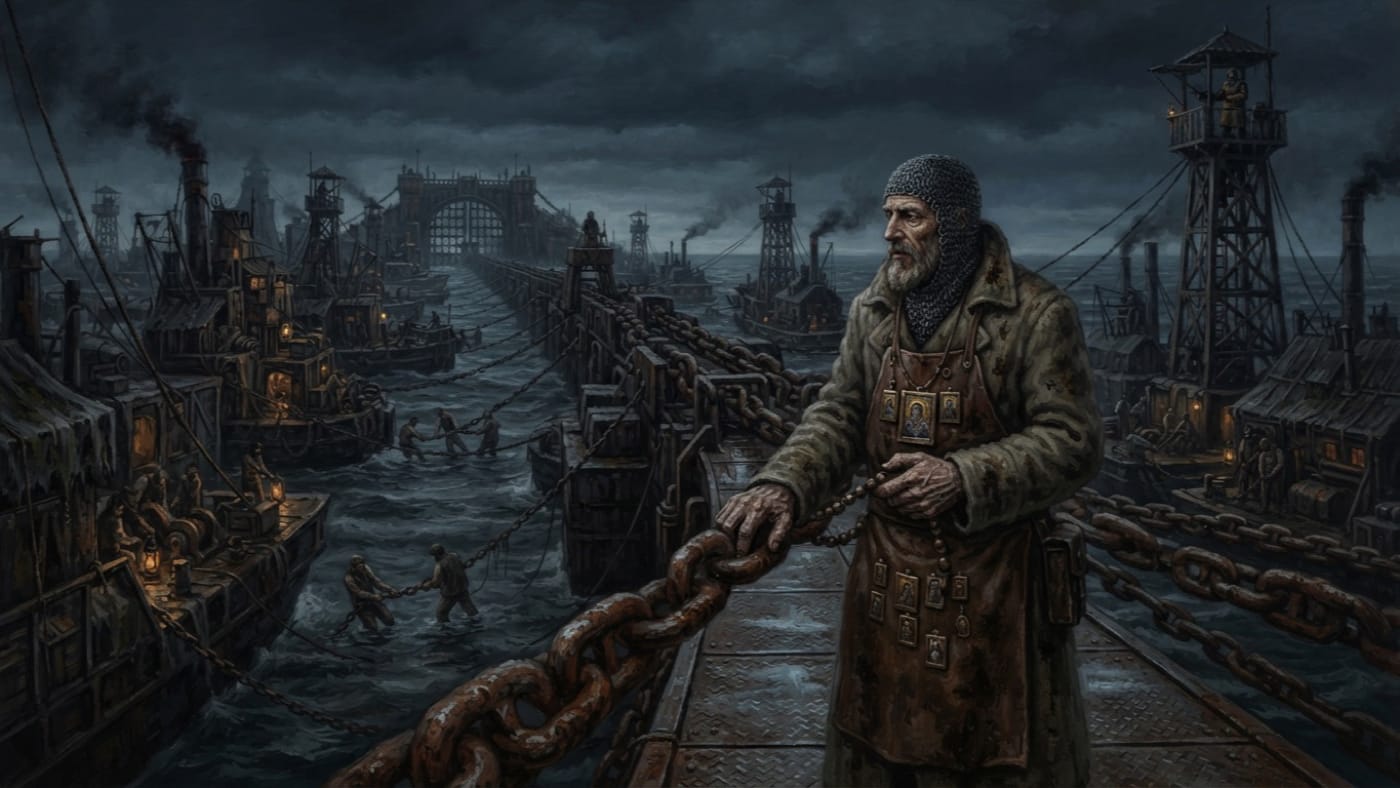
Chainmaster Olt
He keeps the city afloat and asks to be paid in sovereignty
Called Rosary-Iron, Olt keeps the Grand Lash of Saints Afloat. Three denied charter petitions have taught the Chapterhouse that sovereignty may begin with deciding which barge survives the next storm.
Codex Ref. III.2.01-154
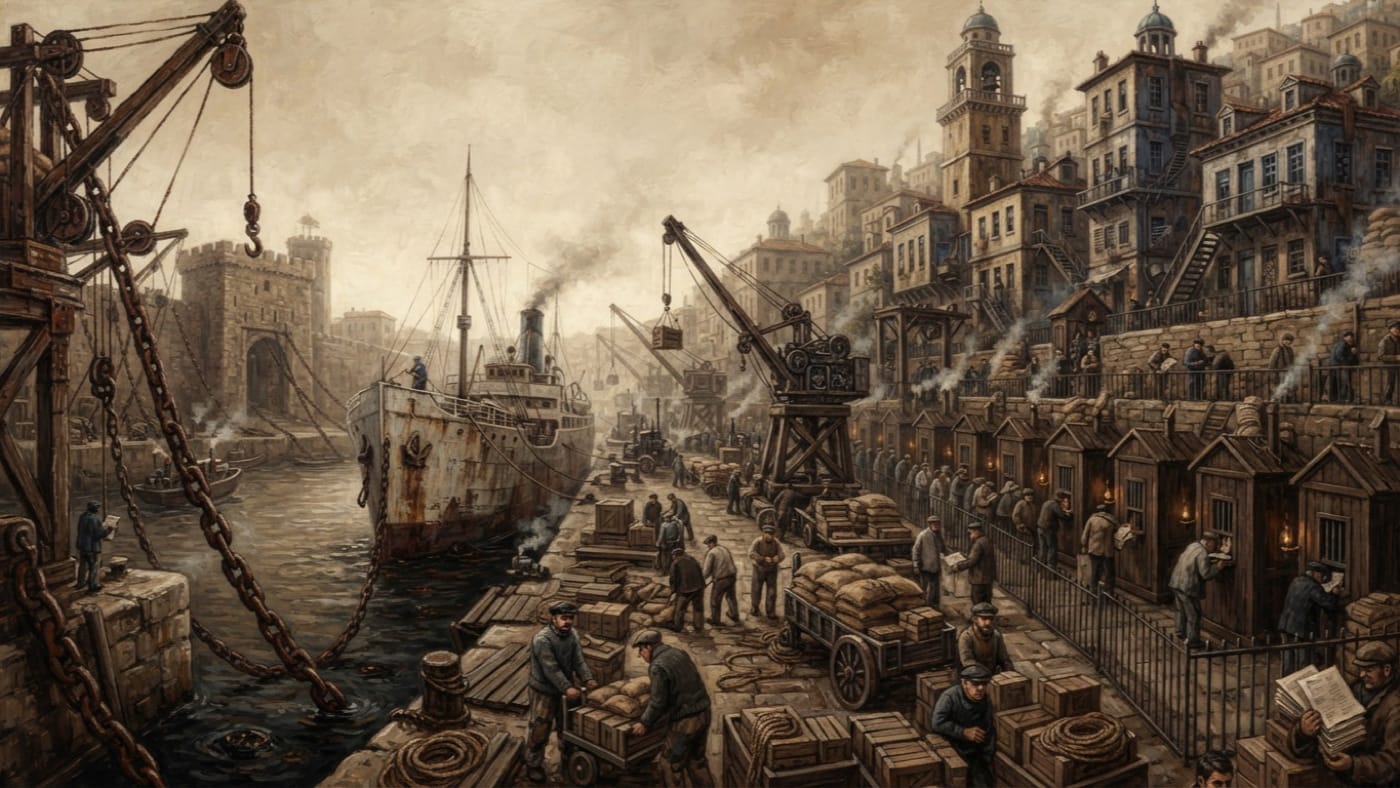
Chainward Quays
Three passes, three stamps, and the price of arriving
Thessaloniki's docking and inspection frontage, where Records, Purity and the provost each require a stamp, a fee and a receipt. The bells have exchanged voices; the quays still confer arrival by ink.
Codex Ref. II.4.09-004
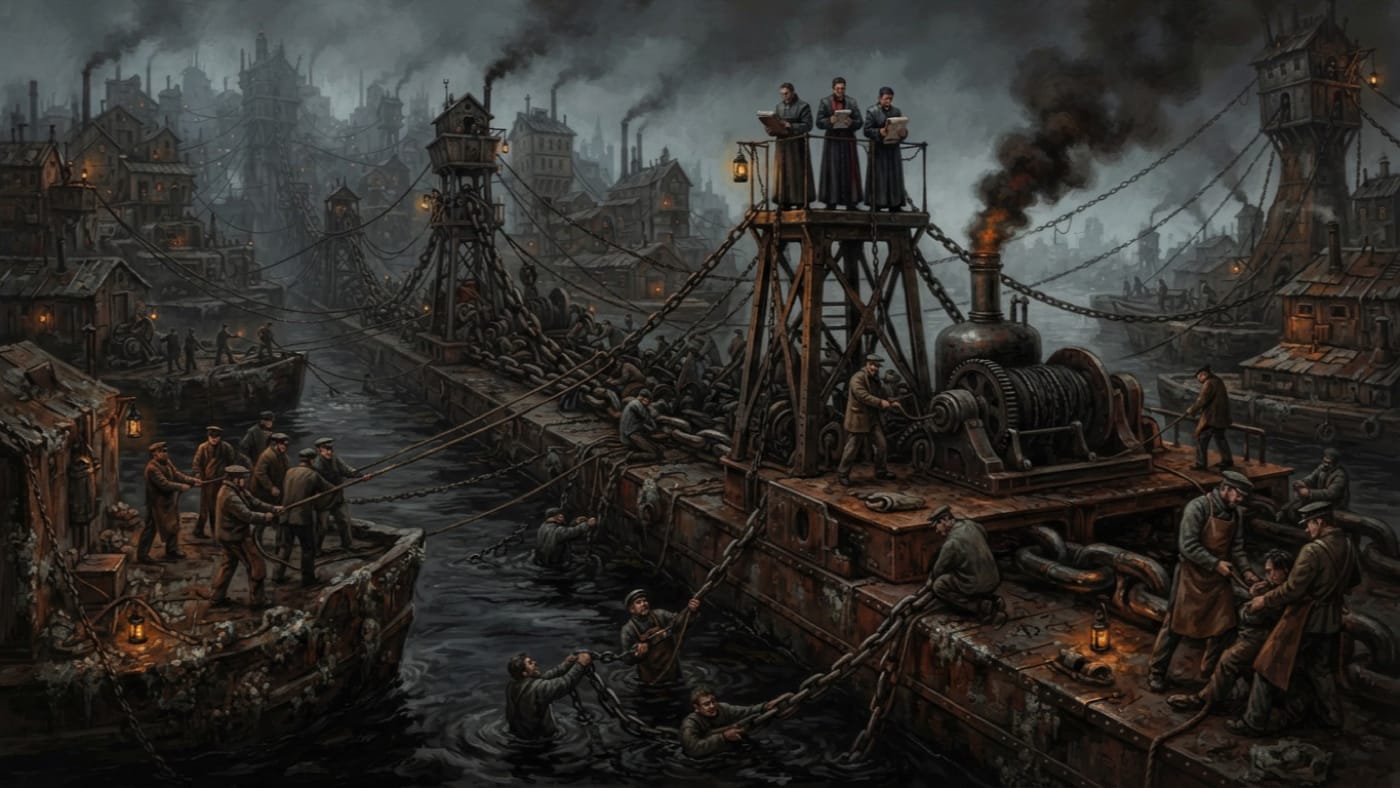
Chainwright Rosary
The Chapterhouse commands. The chain permits.
The Chainwright Rosary keeps Saints Afloat lashed together and seeks sovereignty through the iron it maintains. Three denied charter petitions have left the Chapterhouse's dependence intact.
Codex Ref. XII.44.09-002
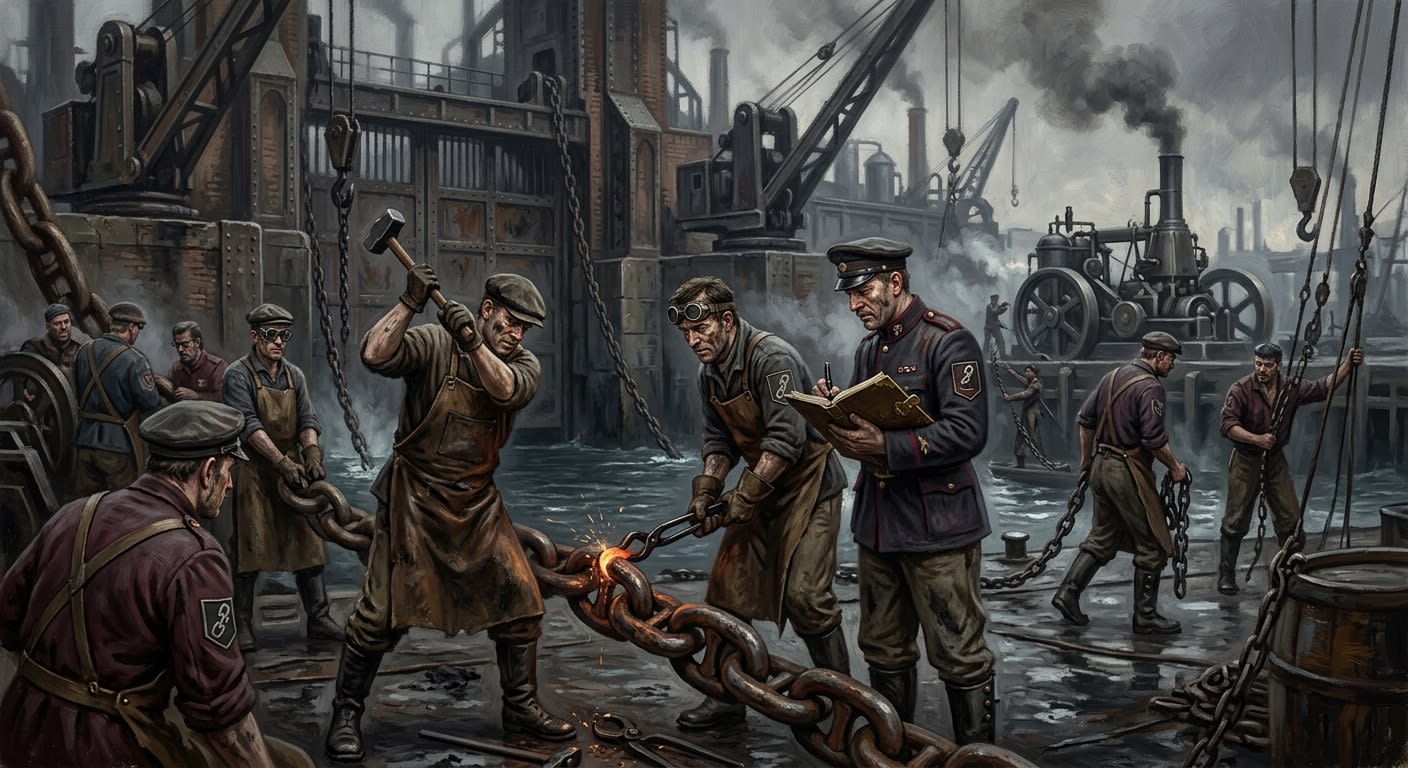
Chainwrights
Iron obeys because the right filthy hands count it
The Chainwrights keep Thessaloniki's harbor chains alive: makers, divers, riggers, singers, and liars whose iron counted when the bells went silent.
Codex Ref. XII.44.09-198
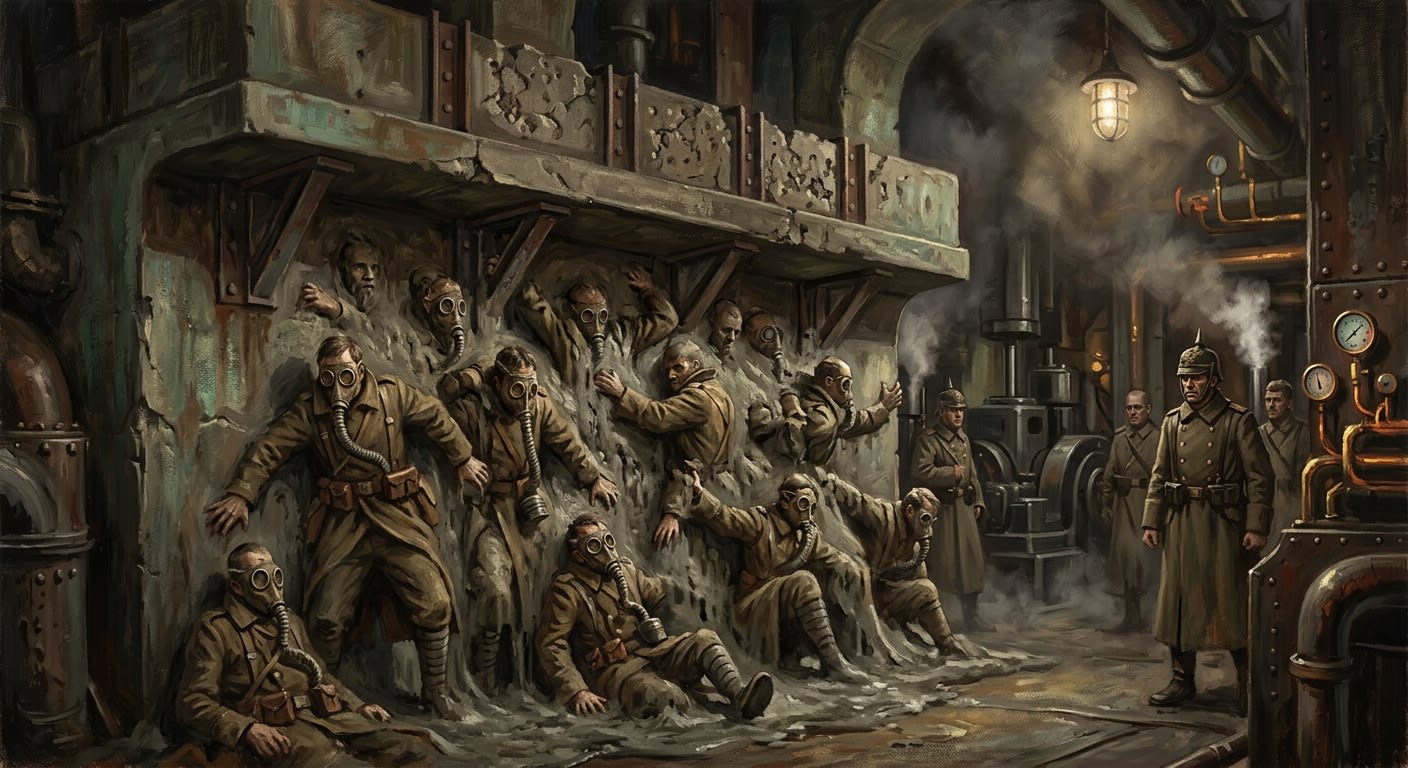
Chamber 7
Forty-seven unnamed martyrs, one warm wall, and seven permitted words
Chamber 7 is the sealed section of Bastion-Constantinople's Sixth Ravelin where forty-seven volunteers entered wet cement and became architecture.
Codex Ref. II.4.10-006
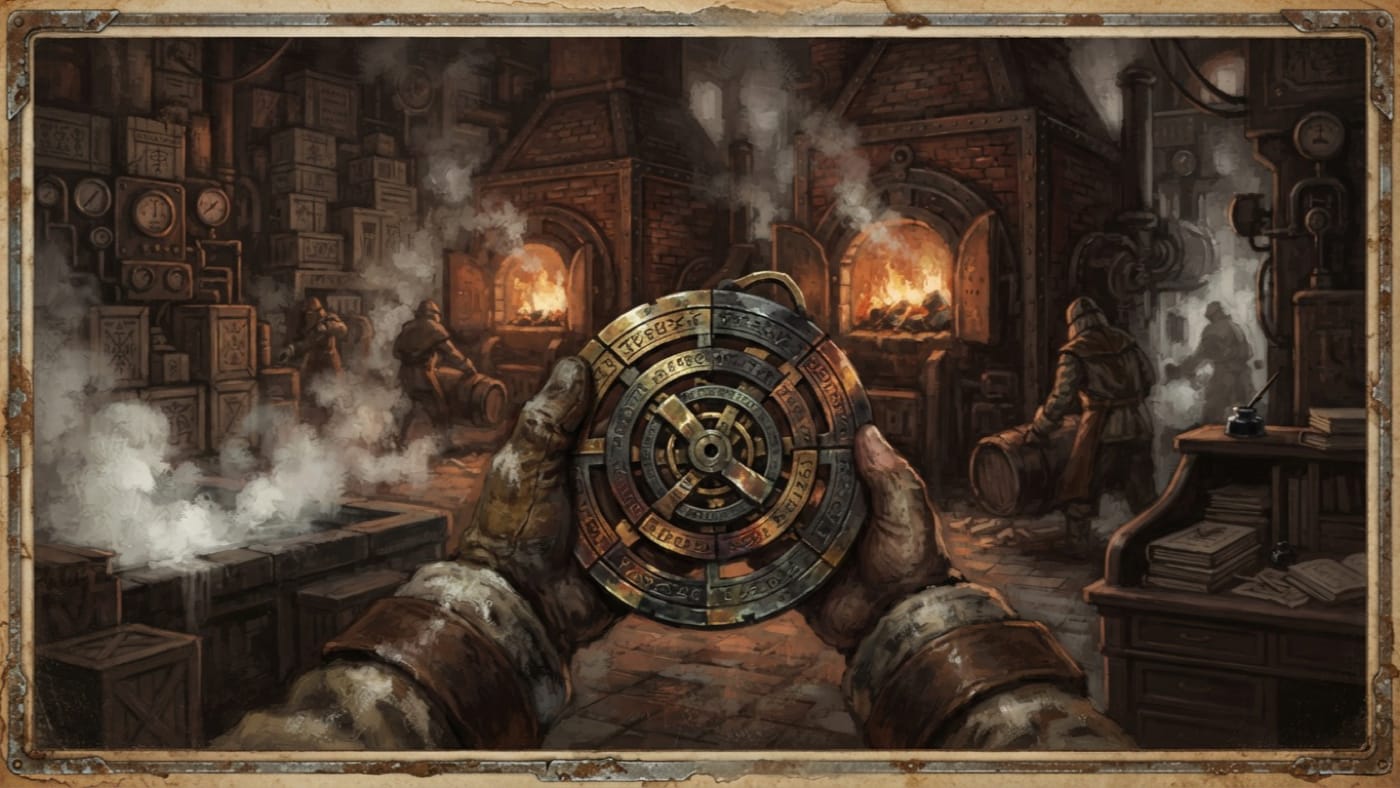
Chant Wheel
Seven turns of the ring, and the mouth has no excuse
A pocket ring of prescribed litanies guiding Saint-Bone Melters through seven stages of hymn and heat. The wheel tells the mouth what comes next; the clerks decide what it has done.
Codex Ref. XIII.1.99-003
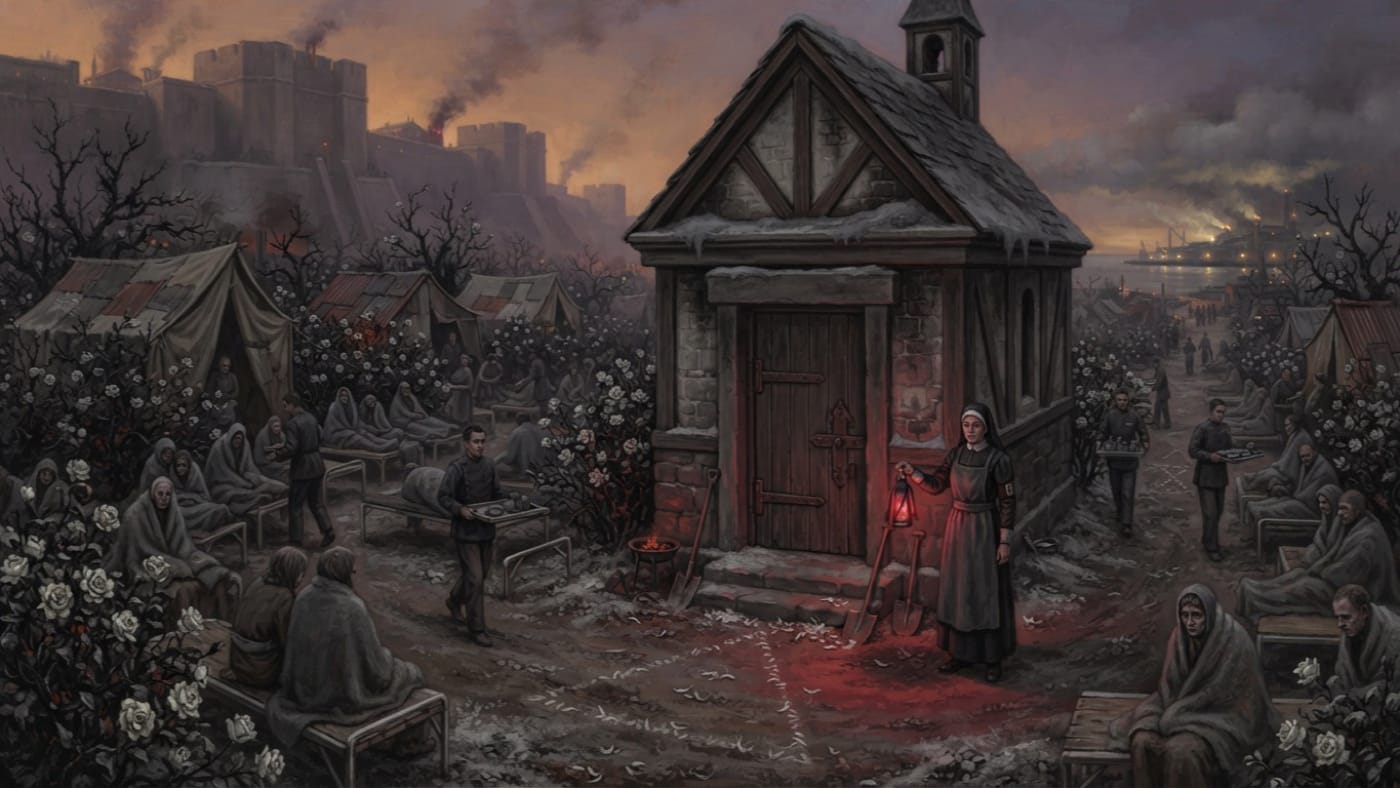
Chapel of Ash and Rose
Where the dead remain local and Records remains pending
A mortuary chapel in the Ash Gardens shelters a burial register older than the Bastion. Records attempted removal in A.S. 187; Sister Ovidia served the courier broth and kept the book.
Codex Ref. II.4.10-008
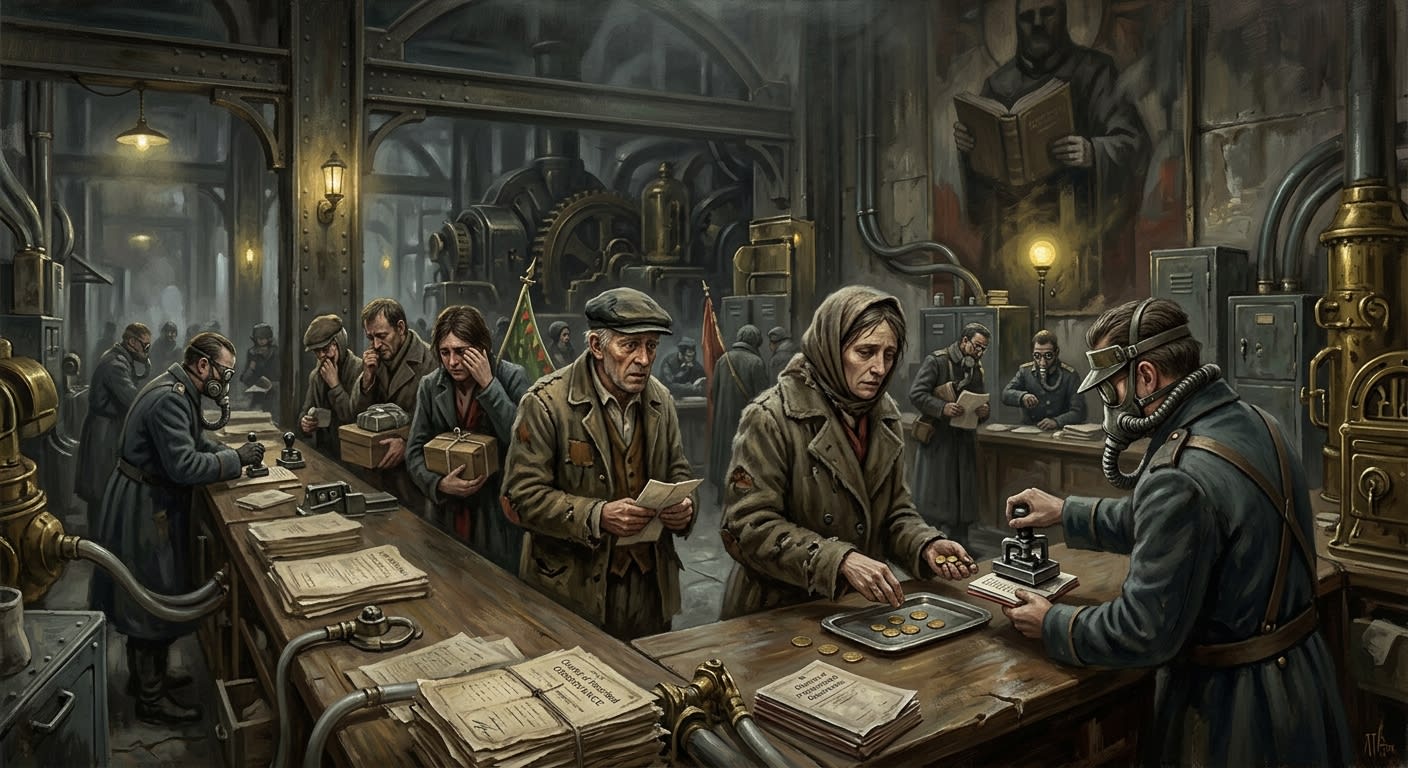
Charter of Prescribed Observance
The document that taught joy to queue and grief to file receipts
Ratified in A.S. 58, the Charter of Prescribed Observance turned public feeling into lawful form: mourning, feasting, silence, joy, and deviation all made taxable.
Codex Ref. XIII.1.23-001

Chief Archivist
The form asks for rank; it does not ask for conscience
The Bureau of Records' countersigning office: a Chief Archivist of at least Third Rank authorises Form 77-D to proceed. The folio is checked twice. The reason is filed elsewhere.
Codex Ref. XII.34.02-001
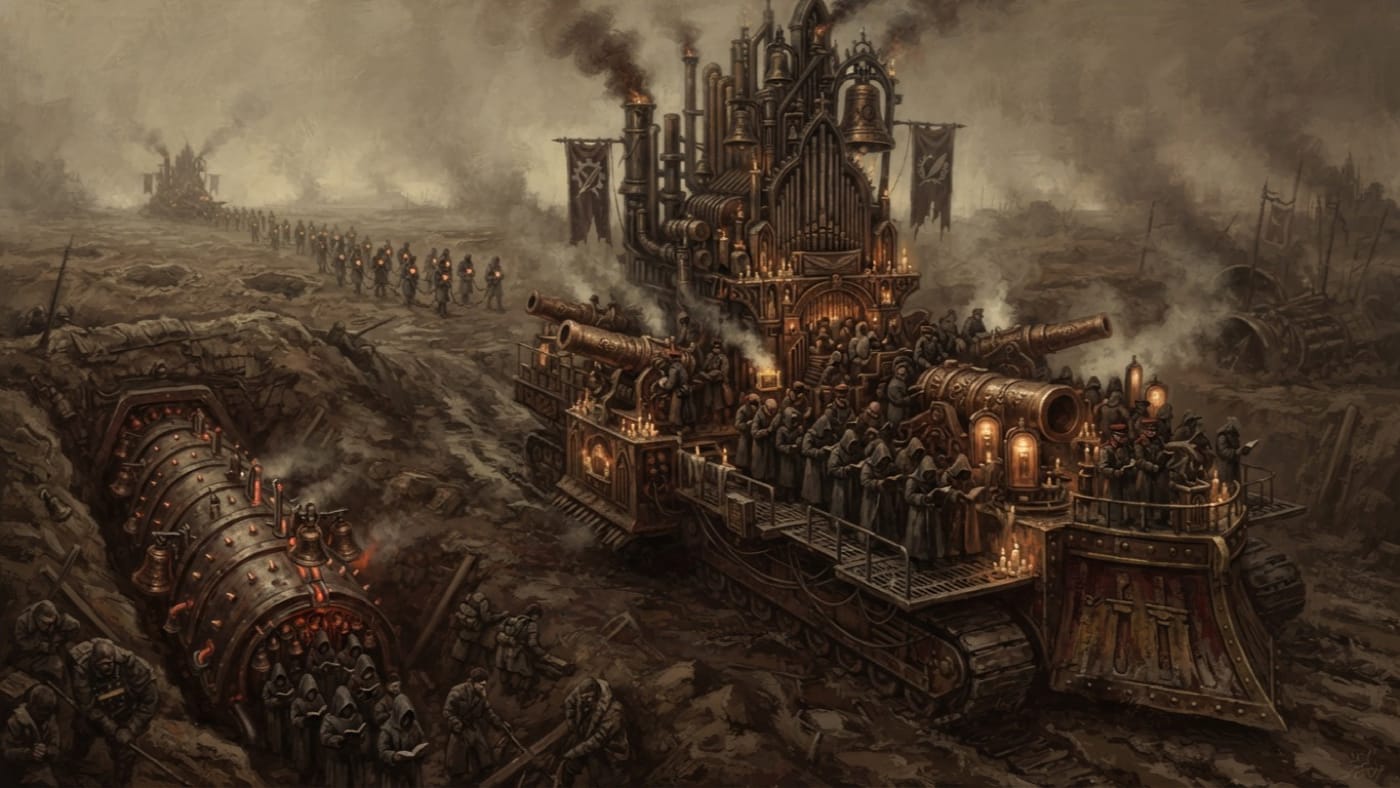
Choir-Engines
The Creator grants the miracle; the singer pays for it
The Sunken Choir, Processional Arsenal and Chorus Absolvers turn sanctioned prayer into siege work under Orison's War Directorate. The Creator grants the miracle; the singers pay in hearing, throats, lungs and years.
Codex Ref. XIII.1.32-001
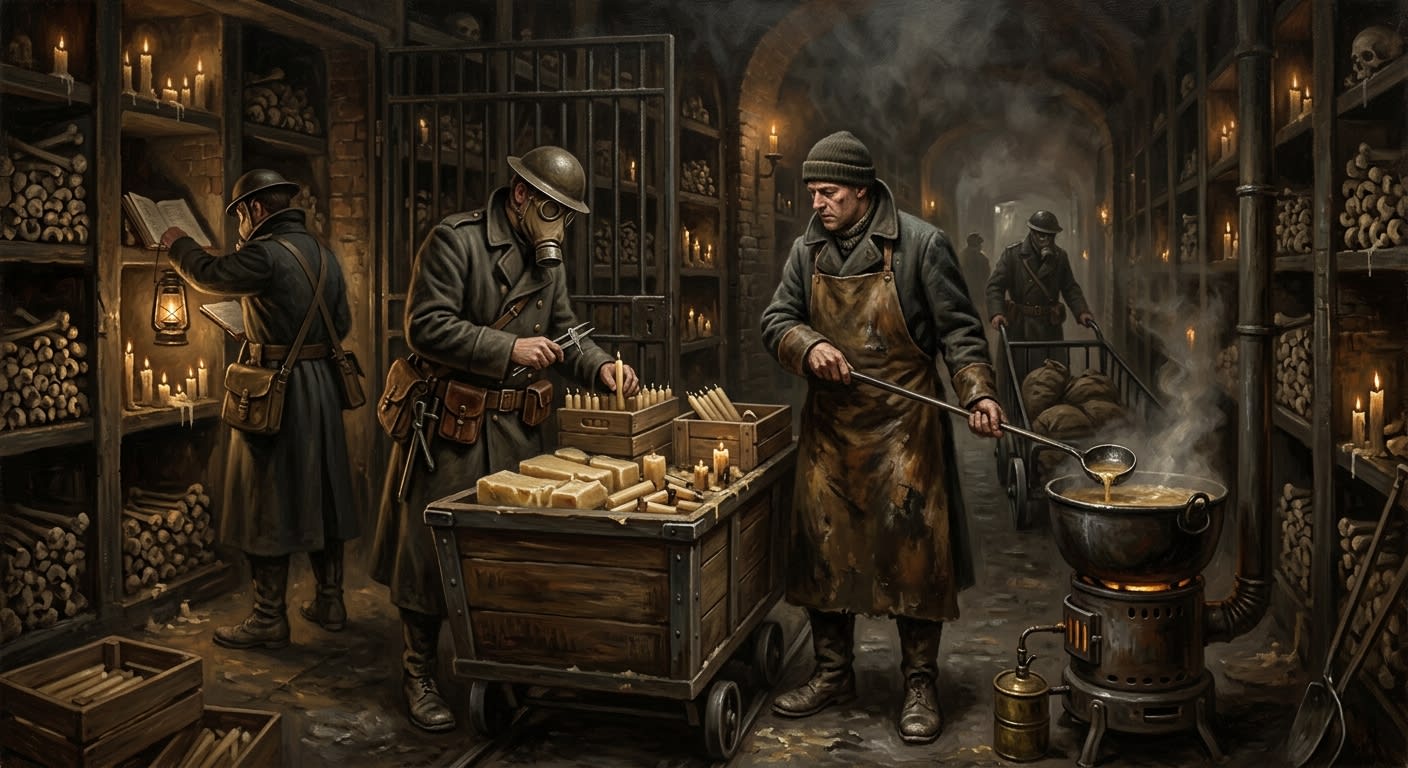
Circle of Ashen Steps
Where the dead are counted twice and the living pay for the privilege
The Circle of Ashen Steps is the Lantern Brotherhood's bone-lane vigil: tallying candles, policing body routes, skimming marrow-wax, and keeping scandal below riot threshold.
Codex Ref. XII.25.03-001
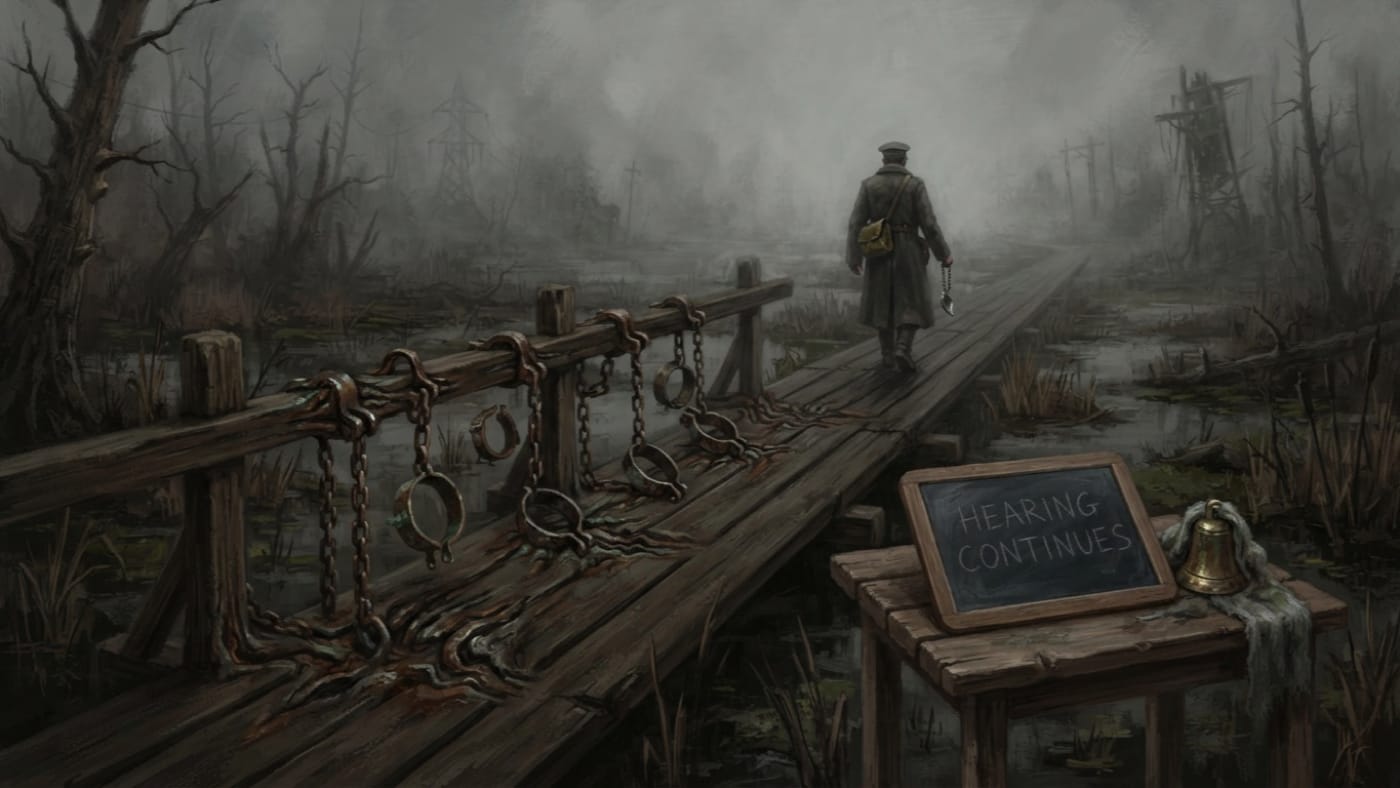
Circuit Annex 7-East
The seal came home. The six did not.
The sealed supplement to Judicial Circular 4.12 records Shipka's A.S. 172 cancellation and A.S. 173 recovery. The seal survived; six accused remain unaccounted for.
Codex Ref. VII.8.10-172
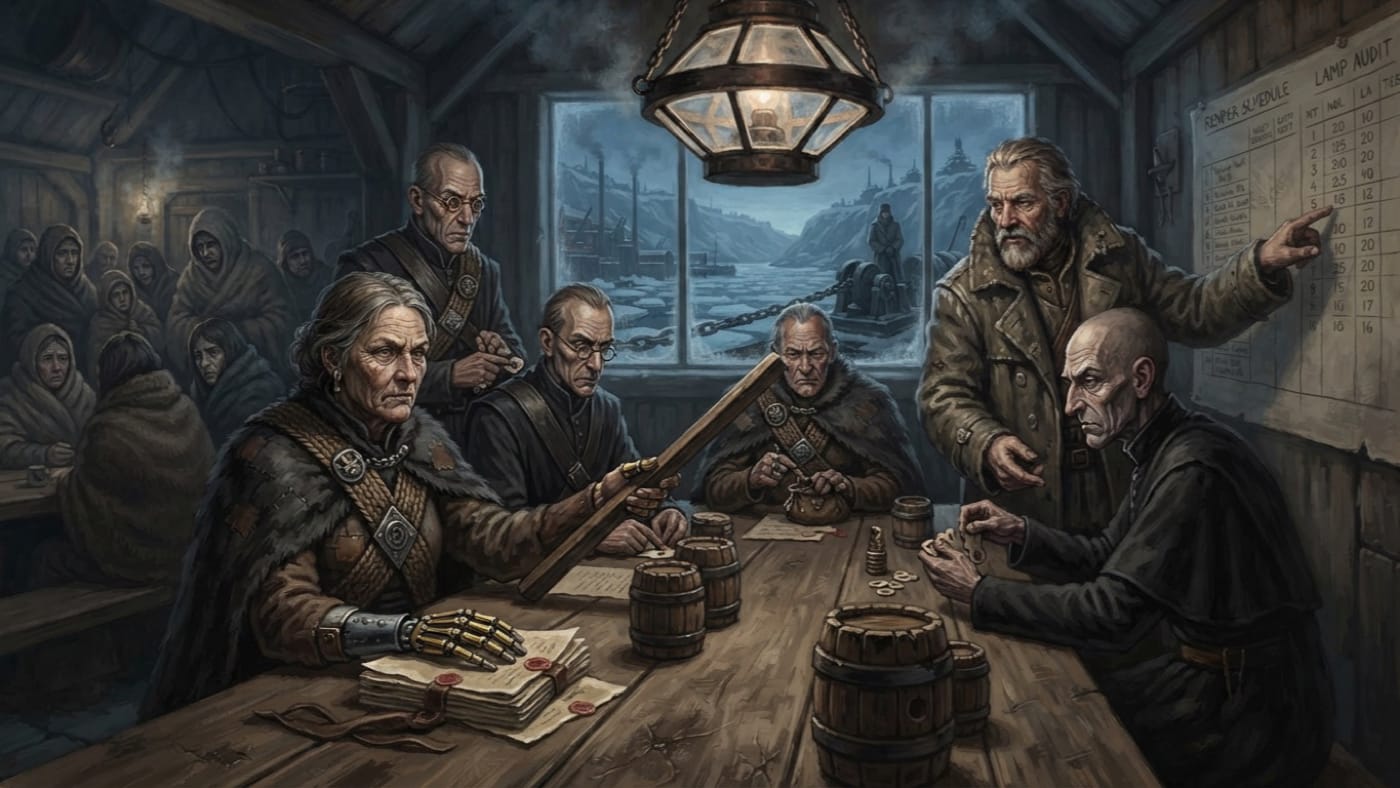
Clan Moot of Hrafnvik
Strasbourg holds the deed to the fjord. The Moot holds the oil.
Hrafnvik's unchartered compact of longhouse elders controls render schedules, communal lamp-aid and the narrows chain. Strasbourg holds the deed; the Moot decides which households stay warm.
Codex Ref. XI.8.01-002
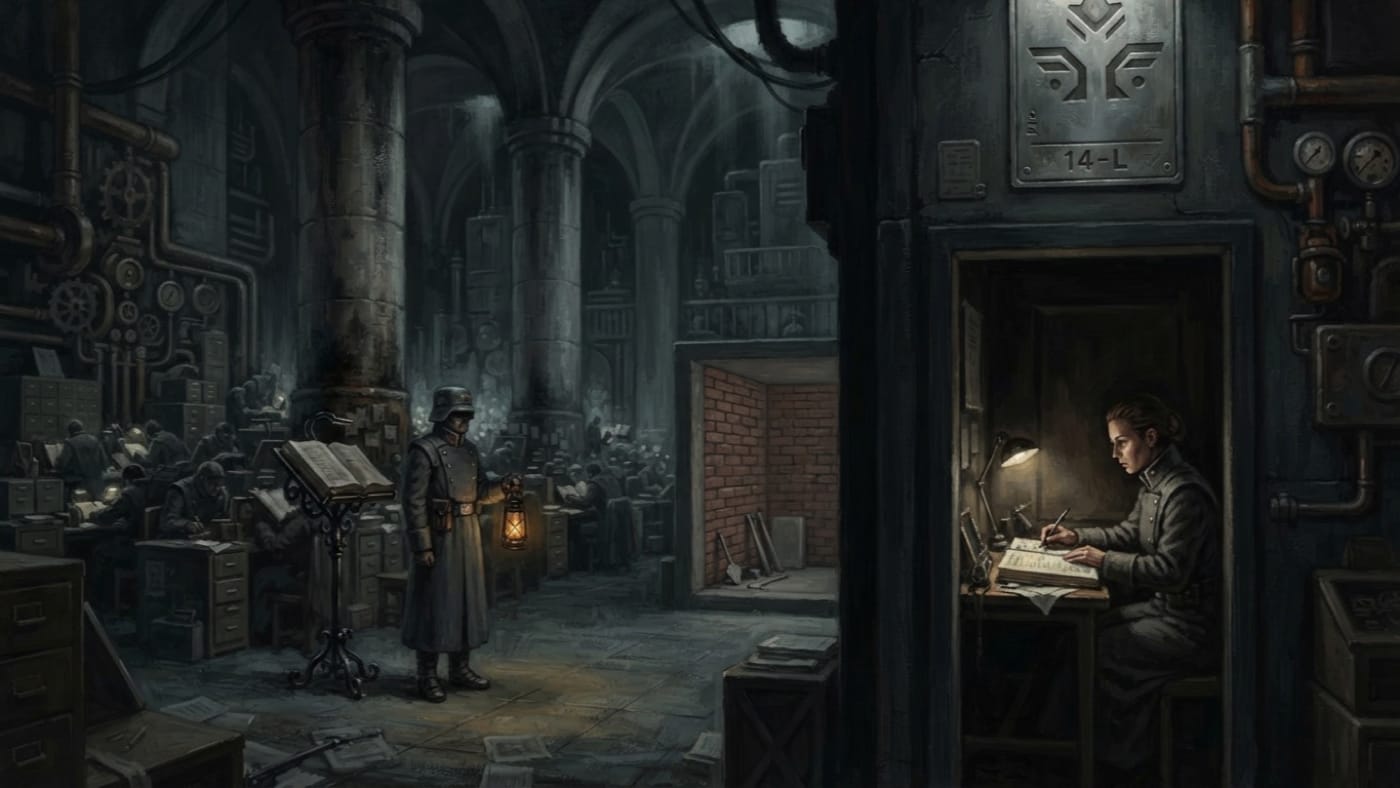
Classification Advisory 14-L
Mercy under watch, recurrence on paper, the third citation in stone
The attested A.S. 199 revision of Purity's conditional Lantern proscription: mercy under watch, arrest upon documented recurrence, immurement upon third citation. Original issue year unknown.
Codex Ref. XIII.1.14-199
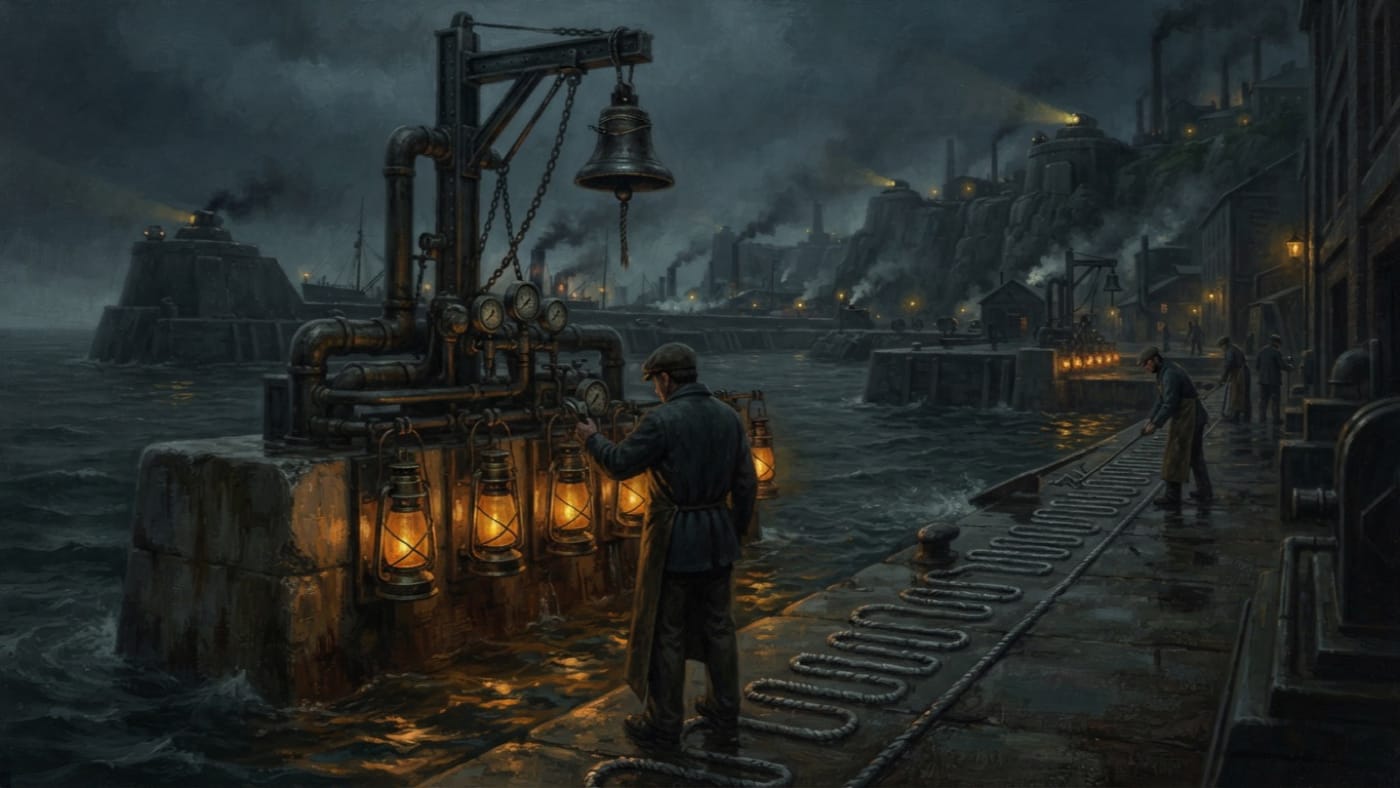
Coastal Countermeasures
The hook is zealous; the seal is pending
Calling for communion is heresy; calling for destruction is zeal. This A.S. 201 survey examines Saffron's disputed lure apparatus and insurance recovery still under review. The hook has a defence; the seal remains pending.
Codex Ref. XIII.1.31-002
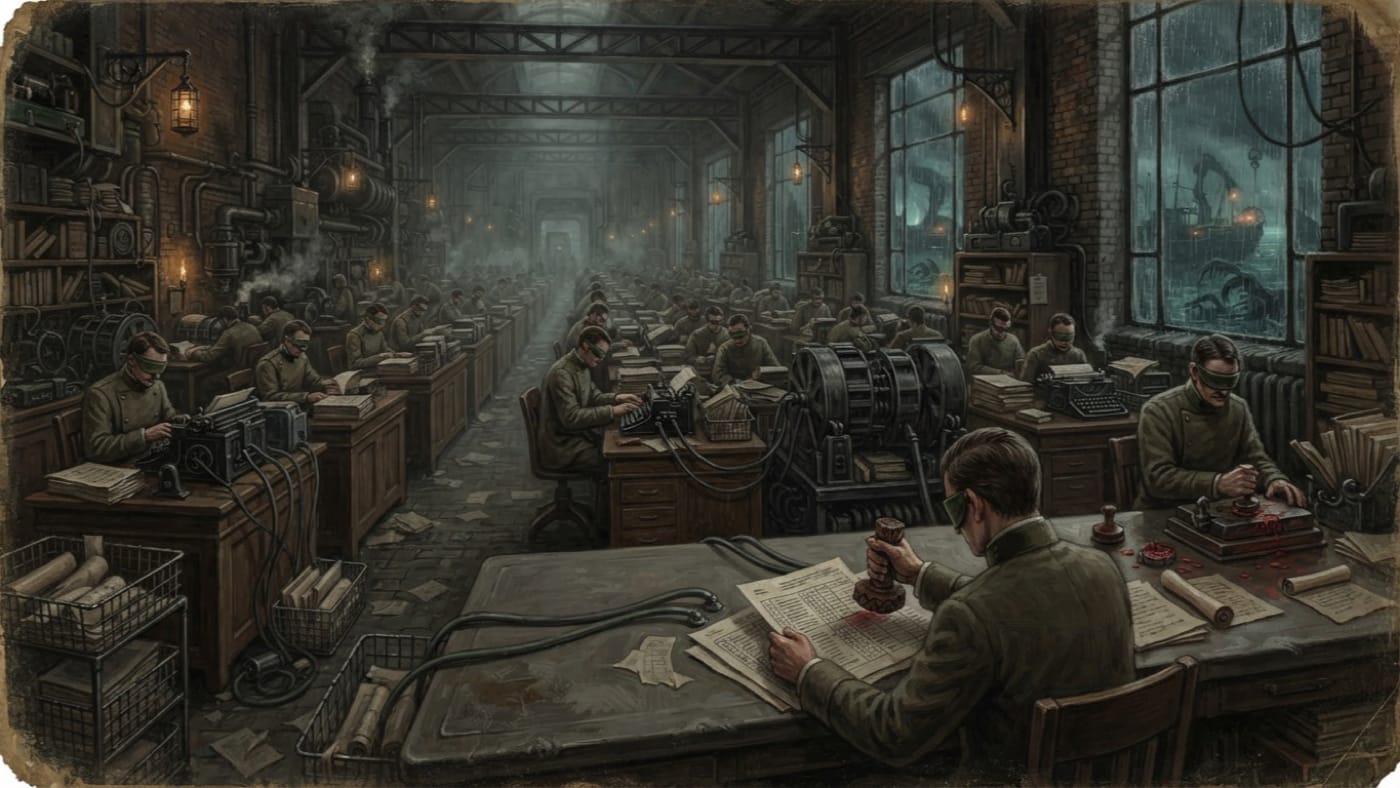
Coastal Registry
Corrections entered; machinery unaffected
The Coastal Registry is Doctrine's wet end of the file: classifying Saffron's hazards, correcting its lies, and leaving the machinery that profits from both running.
Codex Ref. III.3.07-201
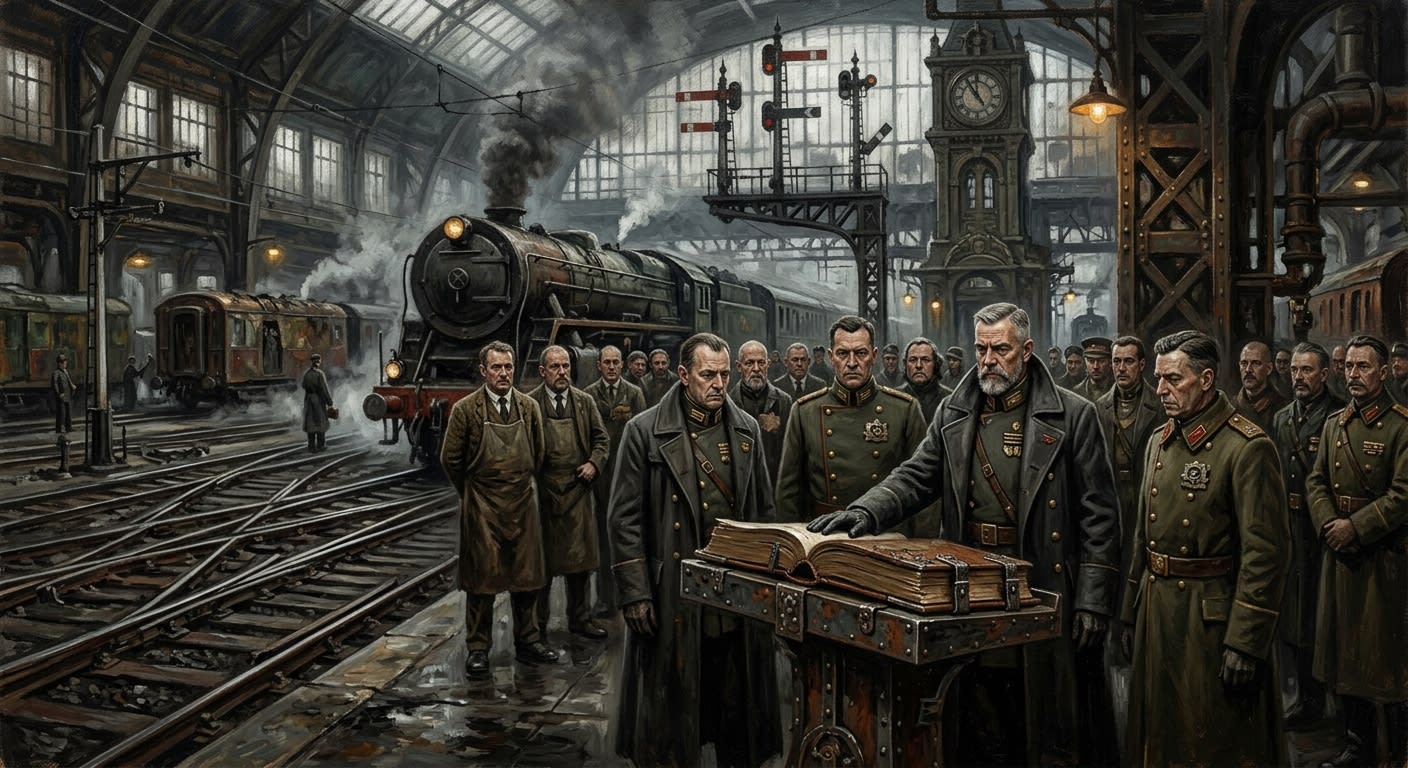
Codex Ferrum
The iron book that taught bishops to wait for the rail
The Codex Ferrum chartered the Guild of Rails in A.S. 94, giving iron custody a legal voice and every later train delay a holy ancestor.
Codex Ref. XIII.1.94-001
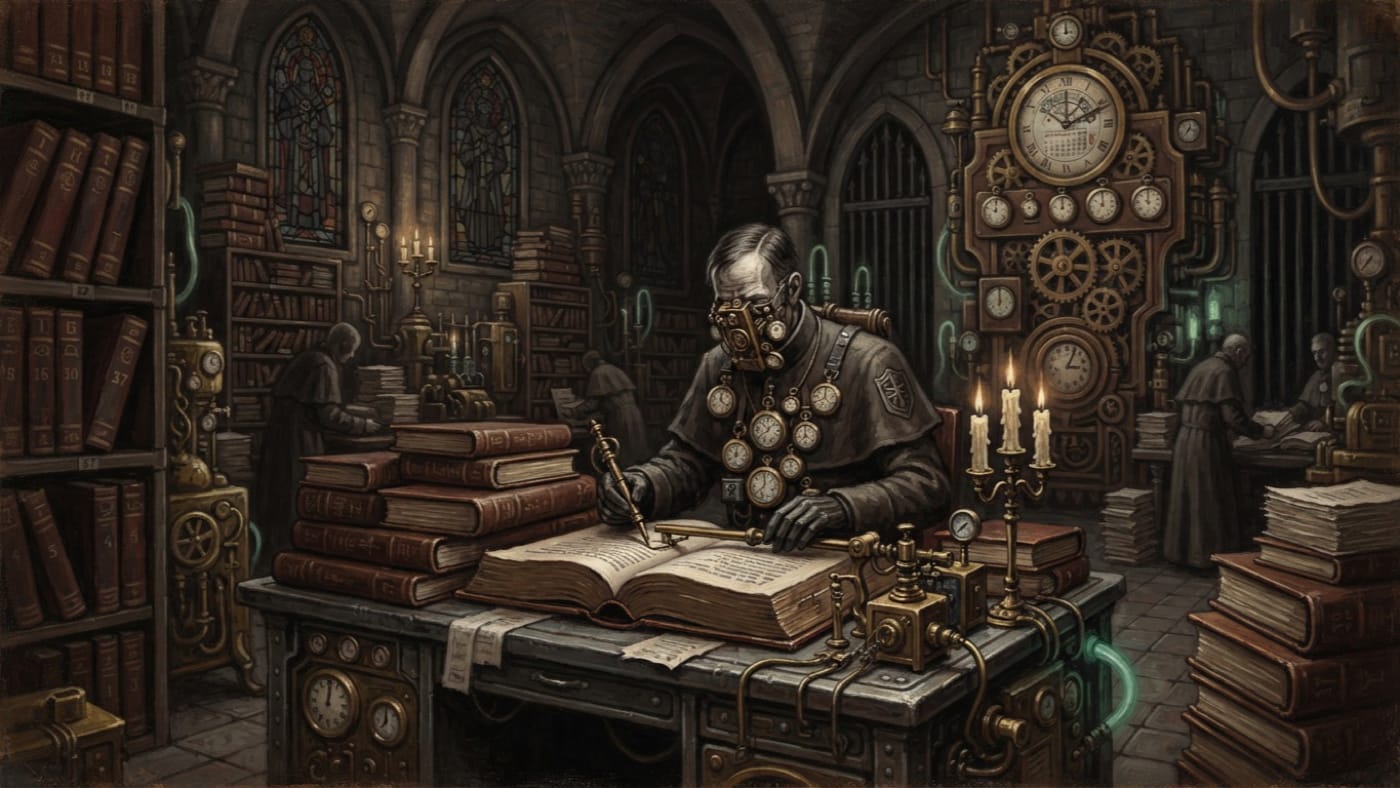
Codex Liturgiae
Eleven volumes. Thirty-seven annexes. One lawful way to kneel.
Eleven volumes and thirty-seven annexes prescribe every authorized rite in the Dominion. The Bureau of Rites measures obedience by the syllable and the second; the faithful pay afterward.
Codex Ref. XIII.1.63-001
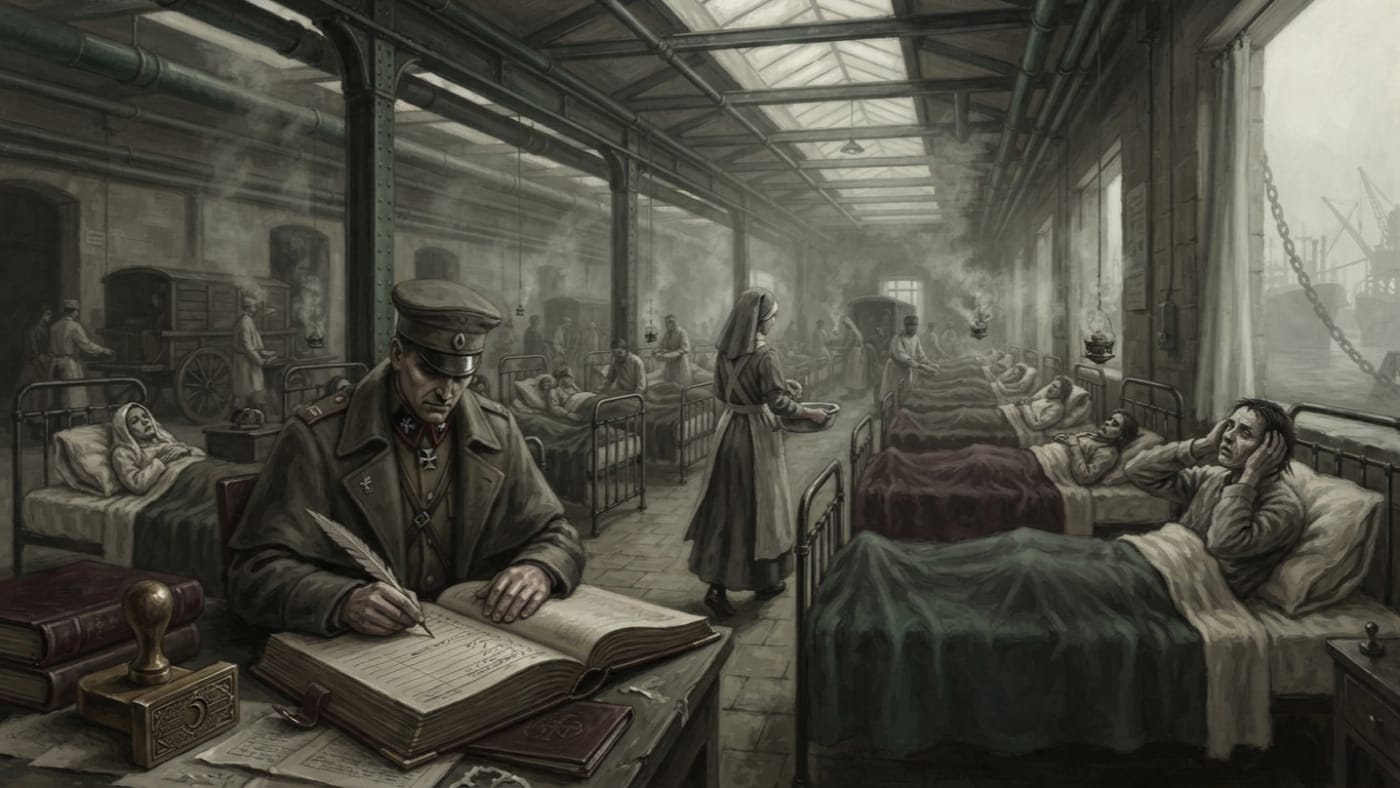
Collegium
Thessaloniki's quarantine wards, and the price of permission to leave
Thessaloniki's Quarantine Collegium keeps plague from the Line and patients behind the cordon until flesh and paperwork agree. During the Silence of A.S. 198, seven admissions heard one bell beneath the harbour. The ward-book drew no conclusion.
Codex Ref. XI.5.04-007
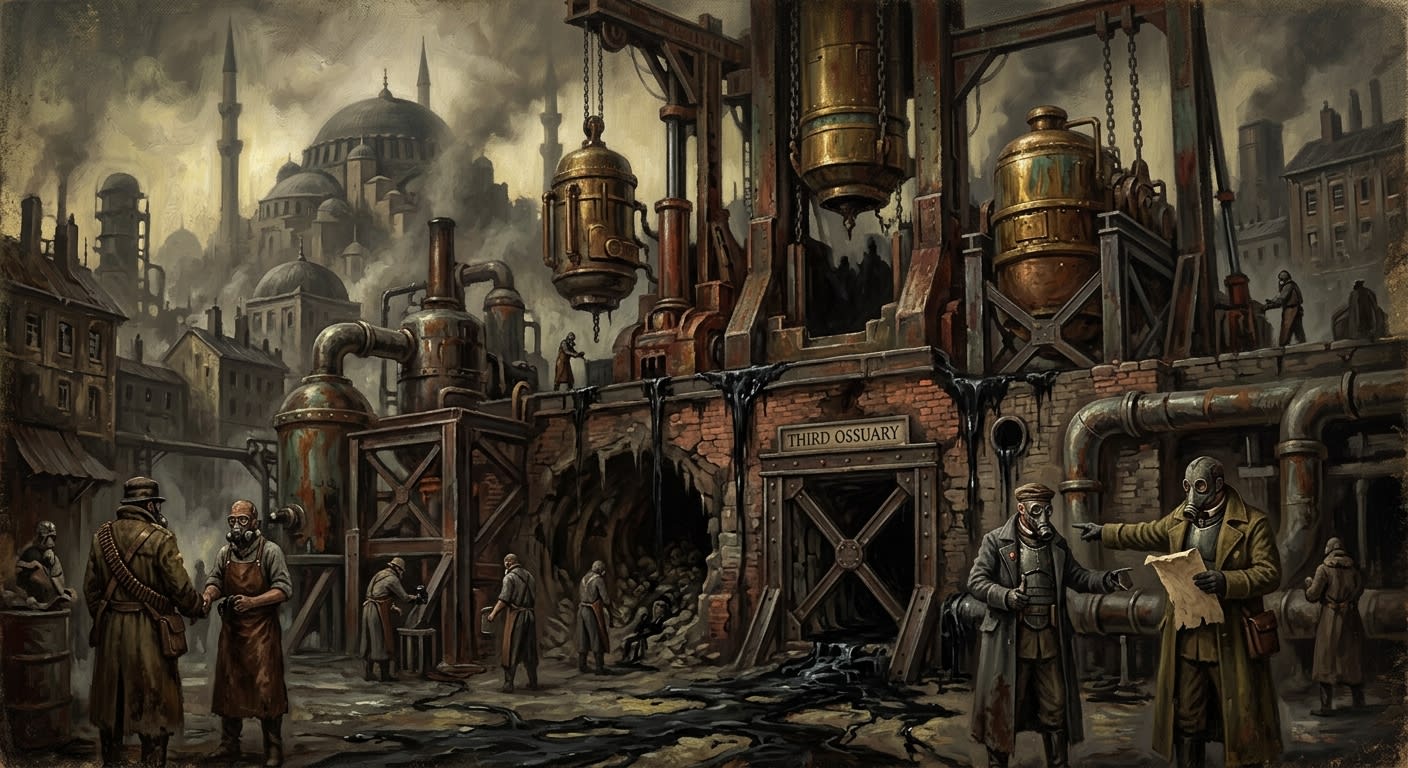
Compound 7
The gas that lifts cathedrals and smells like old confession
Compound 7 lifts the Vigil Arks, refuses flame, contracts toward relics, and leaks from the Third Ossuary beneath Constantinople with less generosity each season.
Codex Ref. XIII.1.21-003
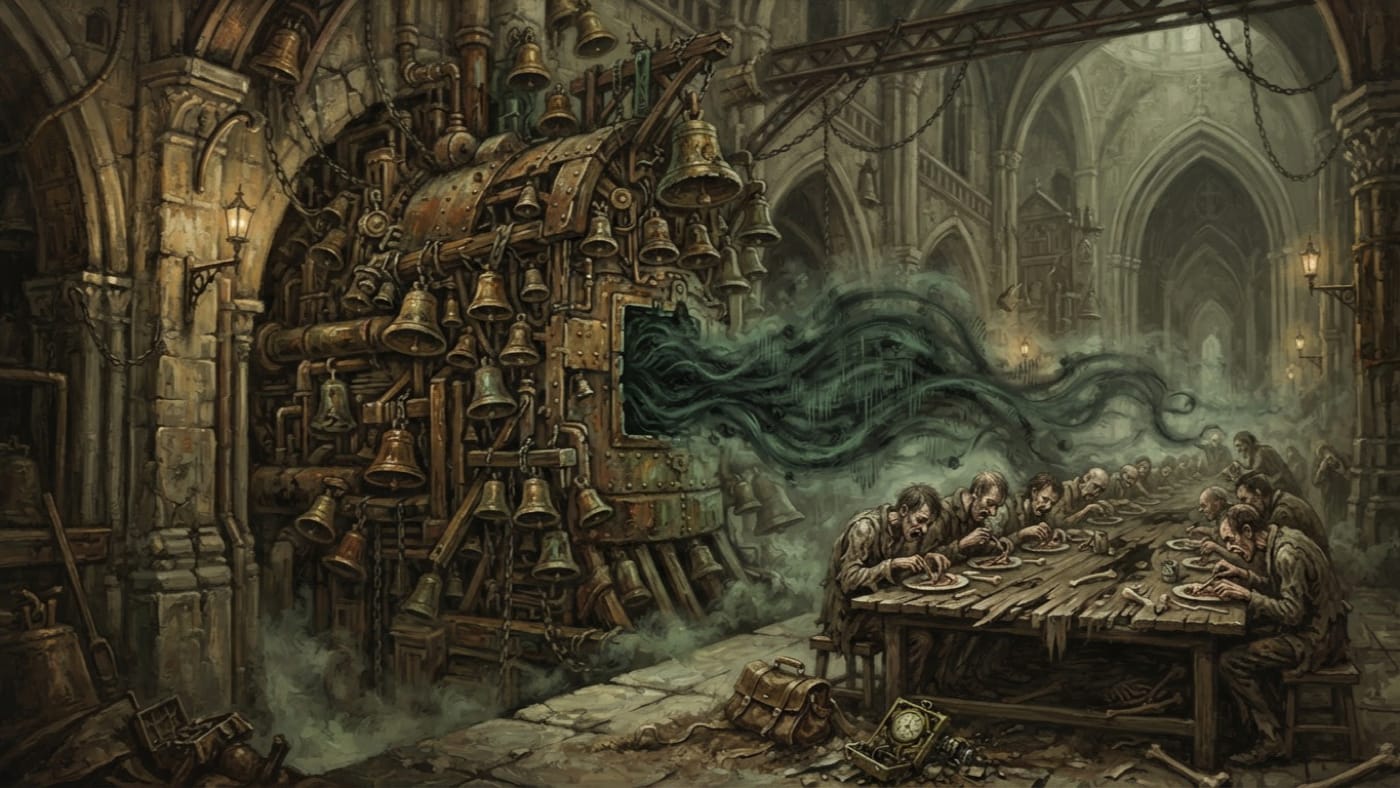
Compulsion Architecture
The hunger is recorded. The mechanism remains an interpretation.
Bells names the Hollow Court’s recorded harmonics Compulsion Architecture. Involuntary appetite is not proof of compelled action. Rites requested the chart’s destruction. The chart was reclassified.
Codex Ref. XIII.1.62-007

Concordat Charter
The officer dies. The obligation survives.
The Concordat Charter of A.S. 92 / 1802 CE formally founded the Bureau of Tithes and fixed its fiscal mandate. The Church's tenth became a recorded debt; the officer may die, but the obligation survives.
Codex Ref. III.1.02-092

Concordat of Civic Cadence
One beat, one body, one road, and every crowd made countable
A.S. 113 joint Rites-War decree born from the Ashbread Stampede, licensing the Cadence Corps to rule queues, funerals, gates, and marches by rhythm.
Codex Ref. VII.2.10-059
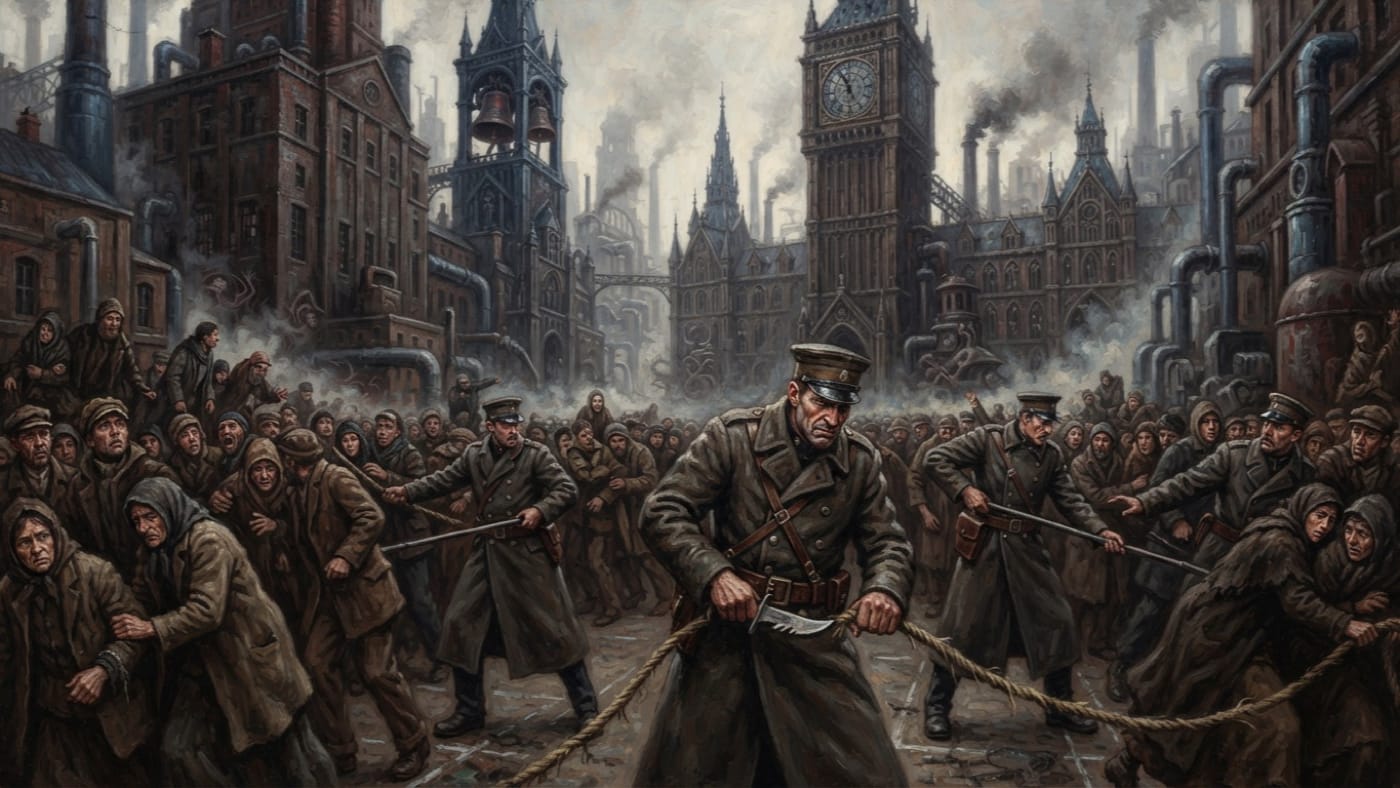
Concordat of Silence
Orders for the street; explanations for the vault
The A.S. 155 classification of crowd acoustics and demonic audition: Marshals receive orders to break the crowd, while Doctrine withholds what the crowd might be answering.
Codex Ref. VII.2.10-061
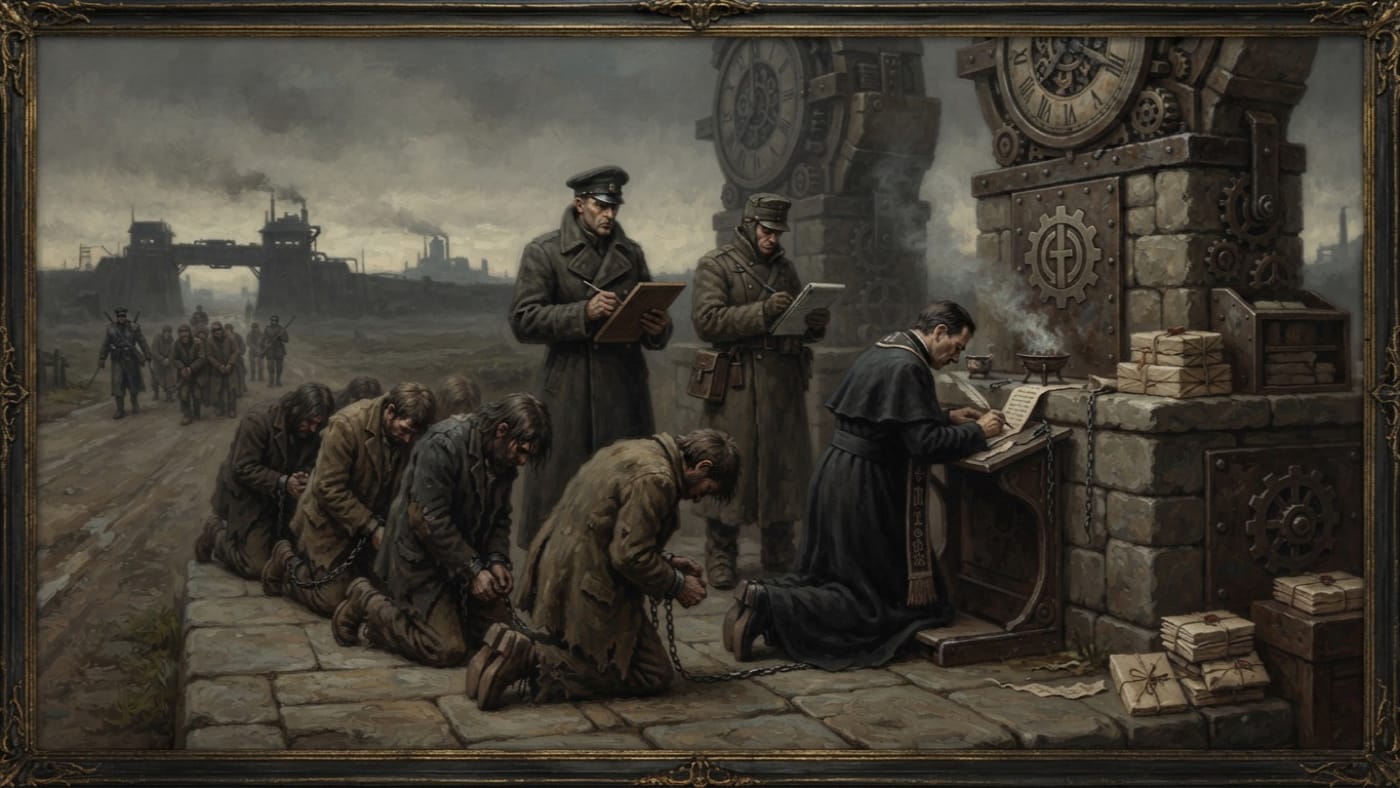
Confession Harvest
The strips travel with the condemned; the names bring others
At Jubilee shrines, chained penitents speak and priests write. Records files the sealed strips; Purity follows the names. The road supplies its next column.
Codex Ref. XIII.1.100-201

Confession Pattern Analyst
No individual is guilty of a pattern; the Bureau will nevertheless require names
An A.S. 201 survey of the Bureau of Purity's unacknowledged specialists. They map district confession patterns by cadence, vocabulary and emotional distribution; other hands supply the names.
Codex Ref. VIII.2.01-002
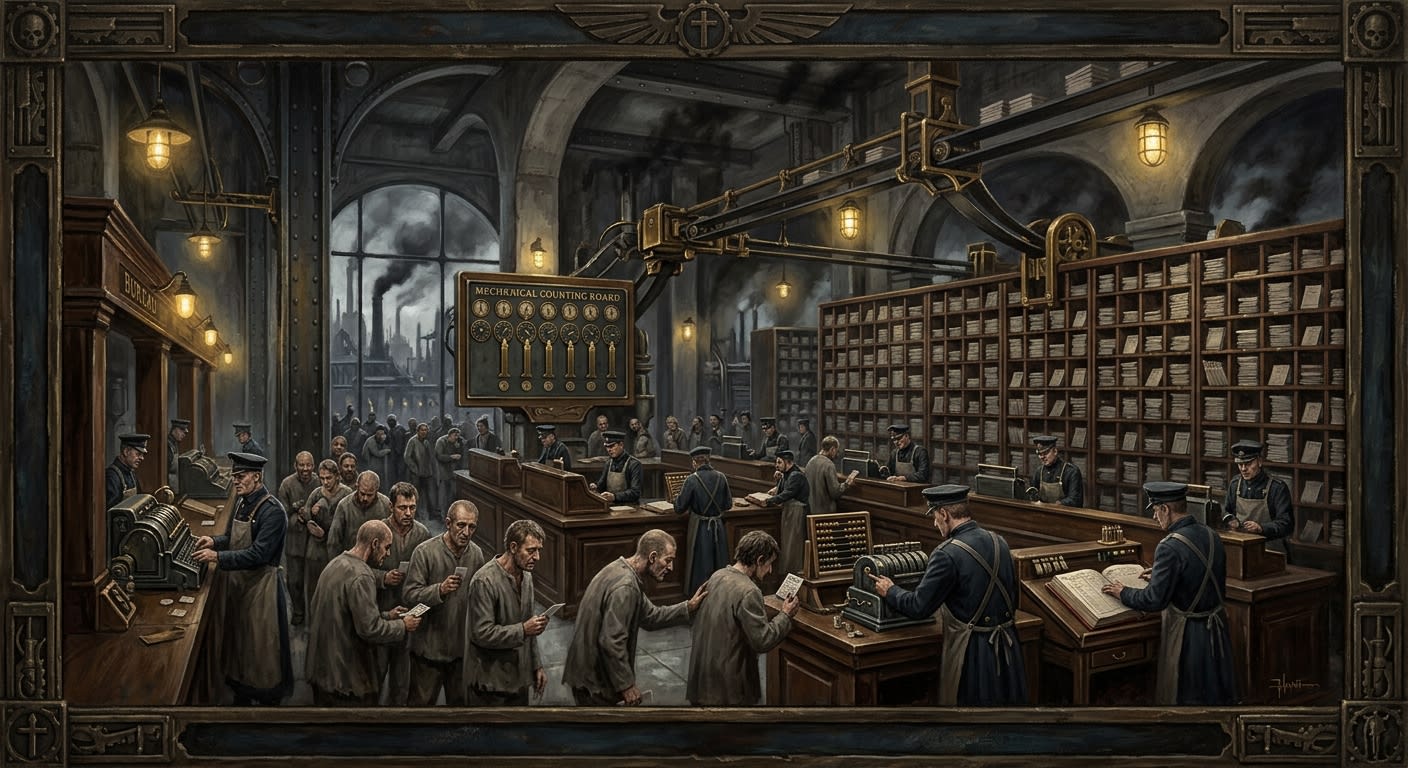
Confession Reform of A.S. 104
The paragraph that made sin stand in columns
A.S. 104 Bureau of Rites reform that standardised sin categories, introduced rubric cards, authorised lay intake clerks, and made confession countable at scale.
Codex Ref. VII.8.10-014
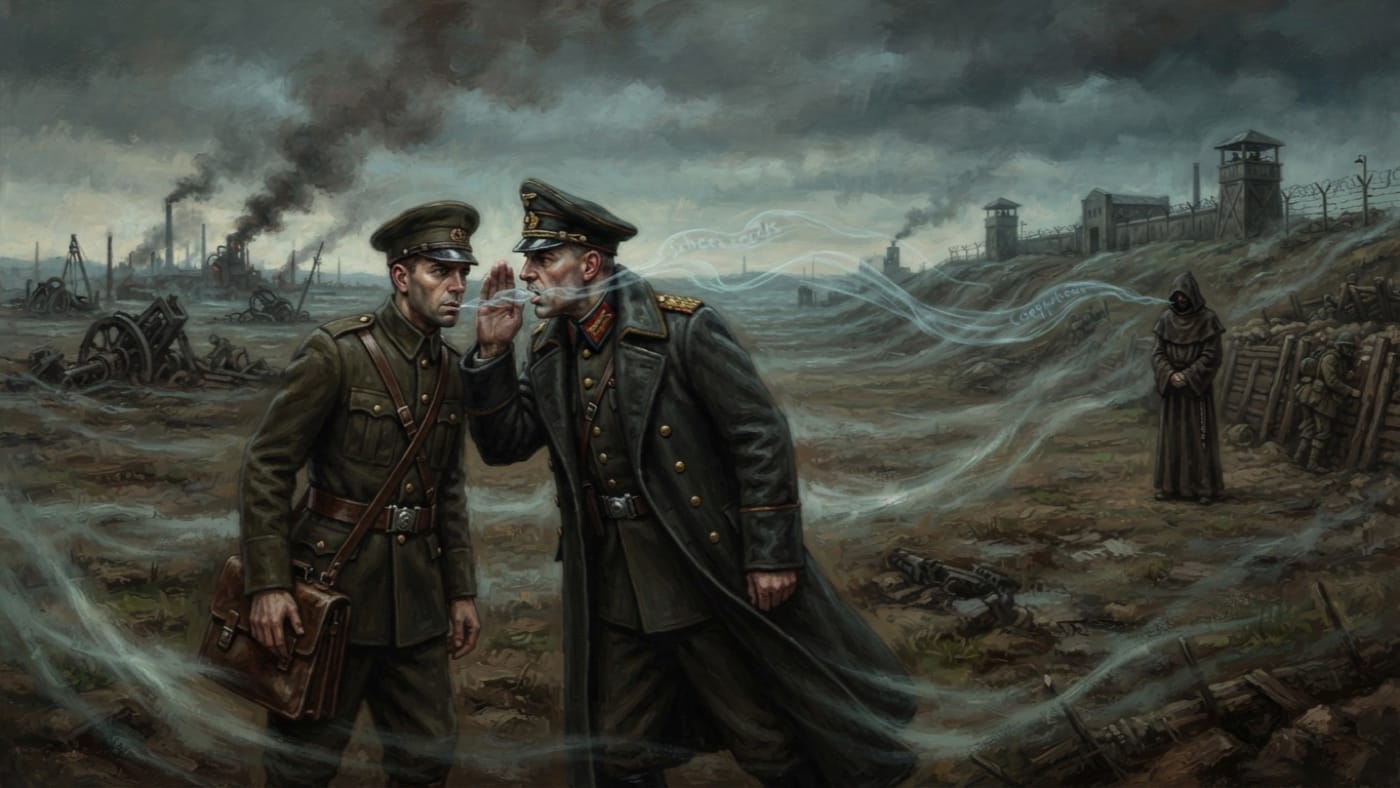
Confession Wind
A lowered voice is no defence against the weather.
Confession Winds carry spoken words for miles, delivering whispered orders and private opinions to unintended ears. Officers detest them; inquisitors delight. I have found no remedy on record.
Codex Ref. XIII.1.29-007
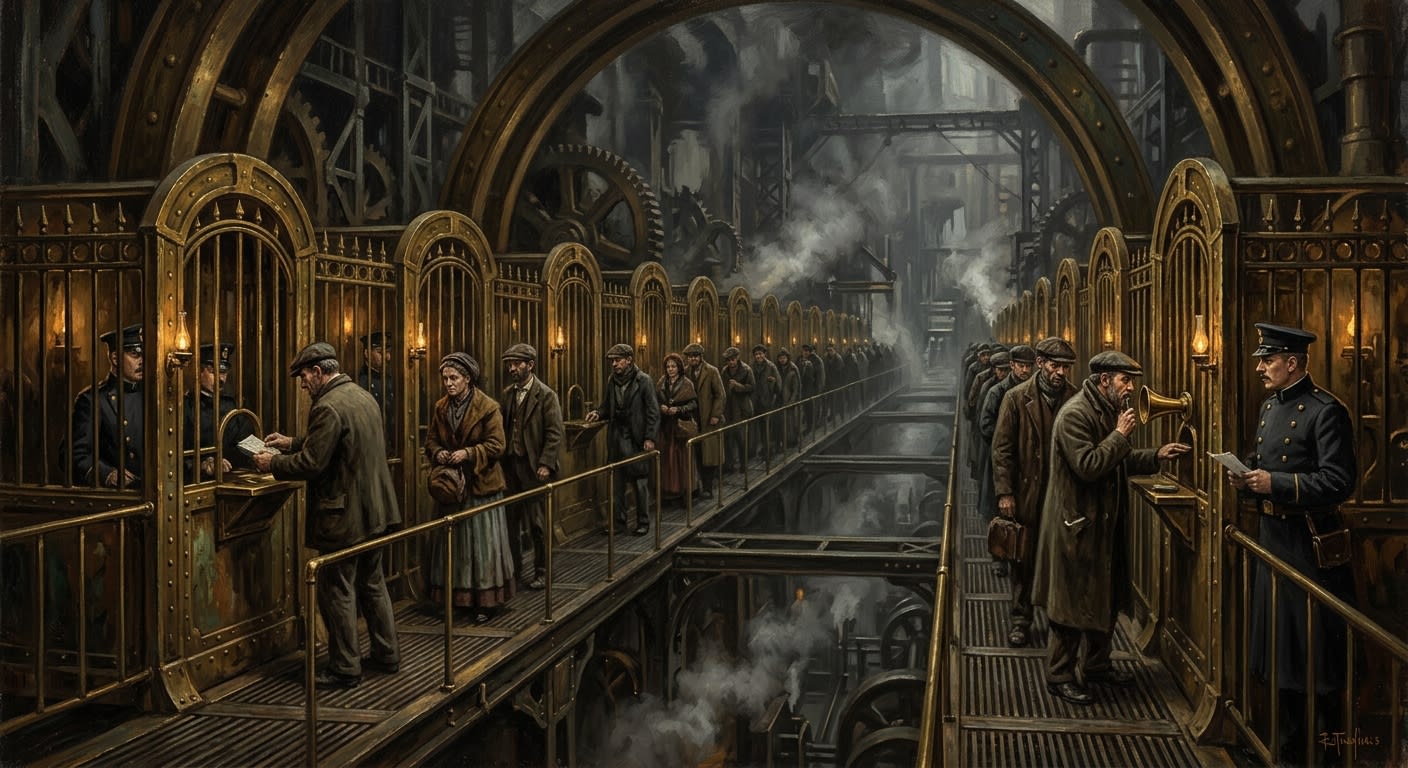
Confessional Lanes
Where sin kneels, pays, receives a token, and keeps the bridge moving
The Confessional Lanes of Bastion-Brest are two hundred and fourteen bridge-booths where every crosser must surrender name, sin, receipt, and voice before the Brass Ribs allow passage.
Codex Ref. II.4.08-098
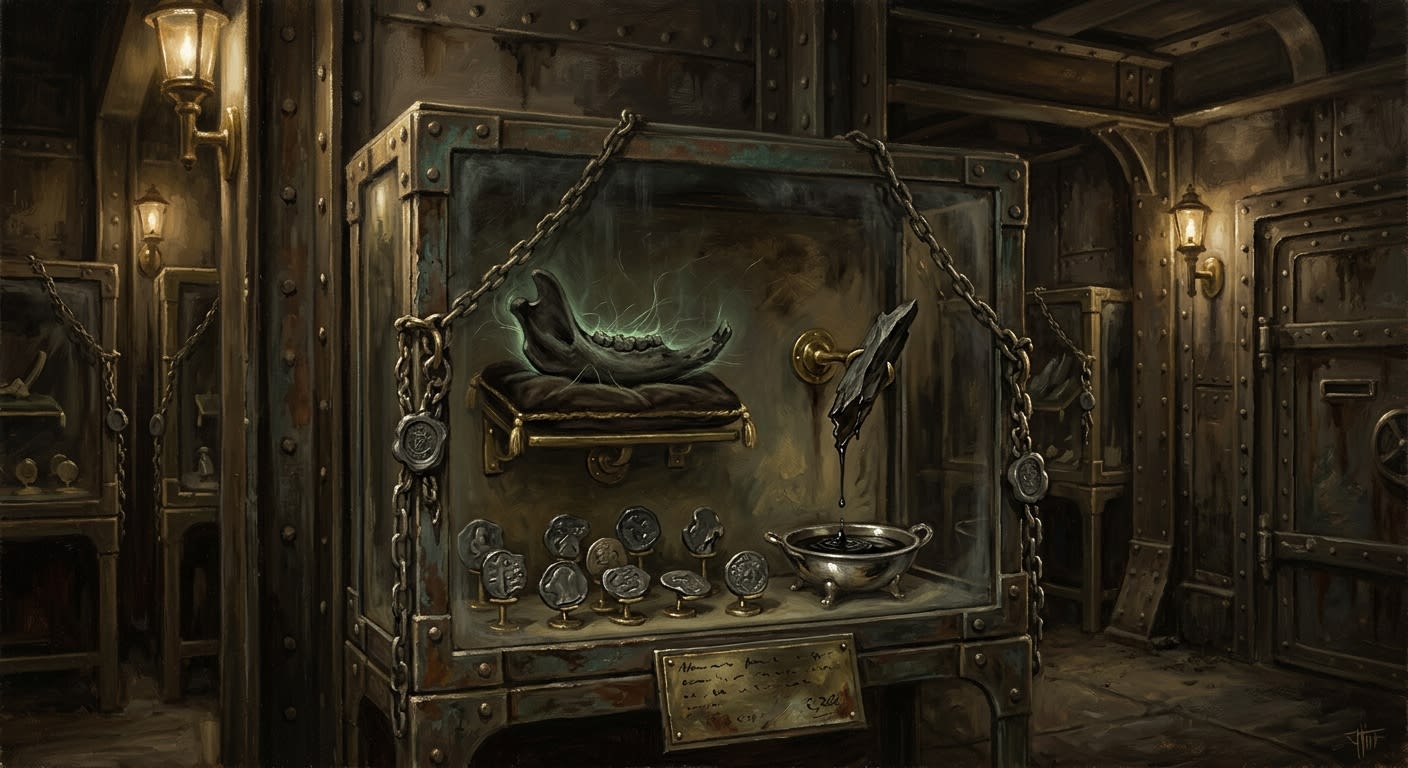
Confiscated Relics of Uncertain Provenance
Holy things without receipts, unholy things with excellent filing discipline
Third silence of the Vault of Silences, holding the humming jawbone, the weeping splinter, and Velmora's returning coins under suspended relic authority.
Codex Ref. XIII.1.50-001
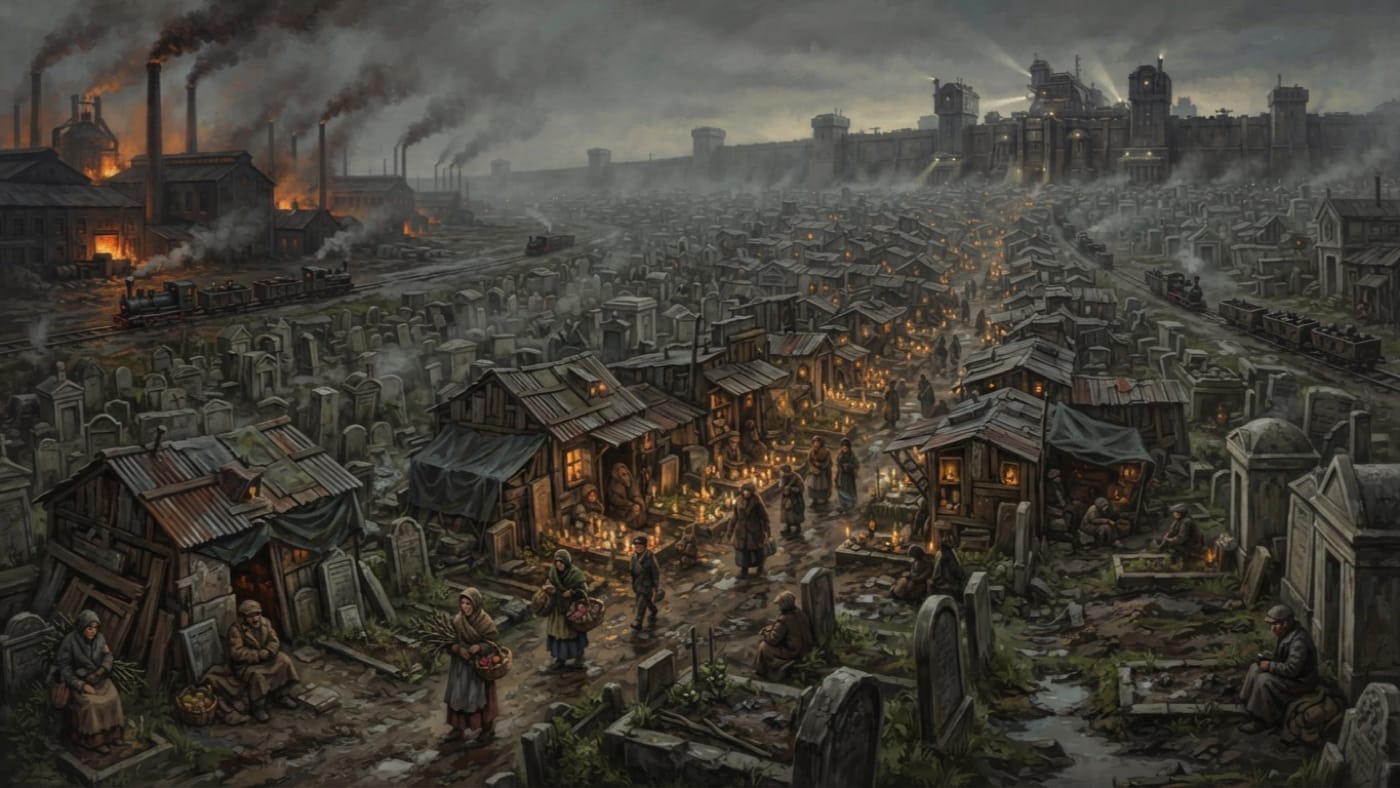
Constantinople Hintermark
The country that feeds the Last Lock and roofs its widows between graves
West of Bastion-Constantinople, the Hintermark sends fruit, castings and levy replacements to the southern anchor. Its widows and refugees find roofs between graves, where the paperwork recognises maintenance and denies habitation.
Codex Ref. II.3.06-201
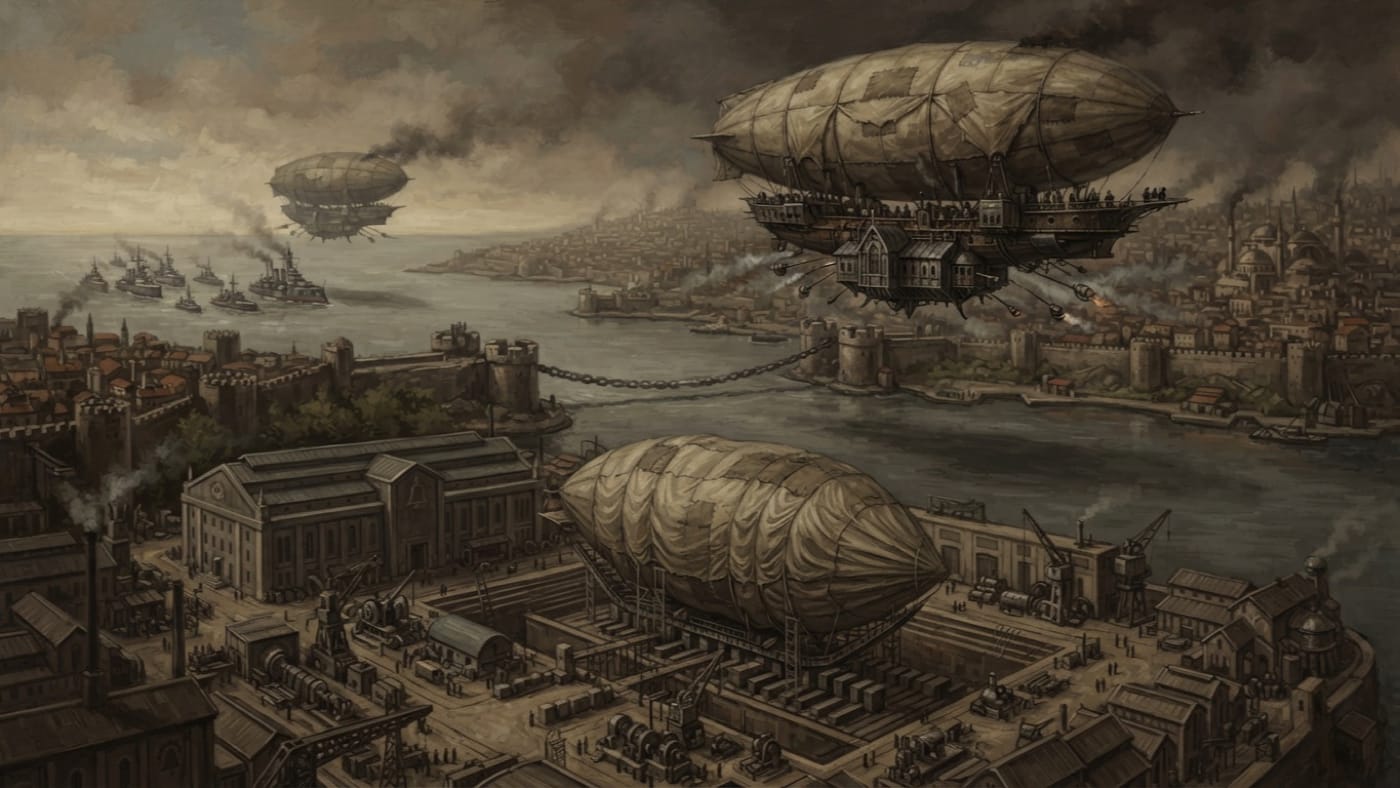
Constantinople Vigil Ark Fleet
Three Arks on the register, two in the air, and a southern Bellway guarded by a certificate.
Constantinople's aerial register lists three Vigil Arks: Saint Barachiel and Saint Gabriel patrol the Bosphorus approaches; Saint Uriel remains grounded. The southern Bellway is uncovered. Every paper is in order.
Codex Ref. VIII.5.11-168
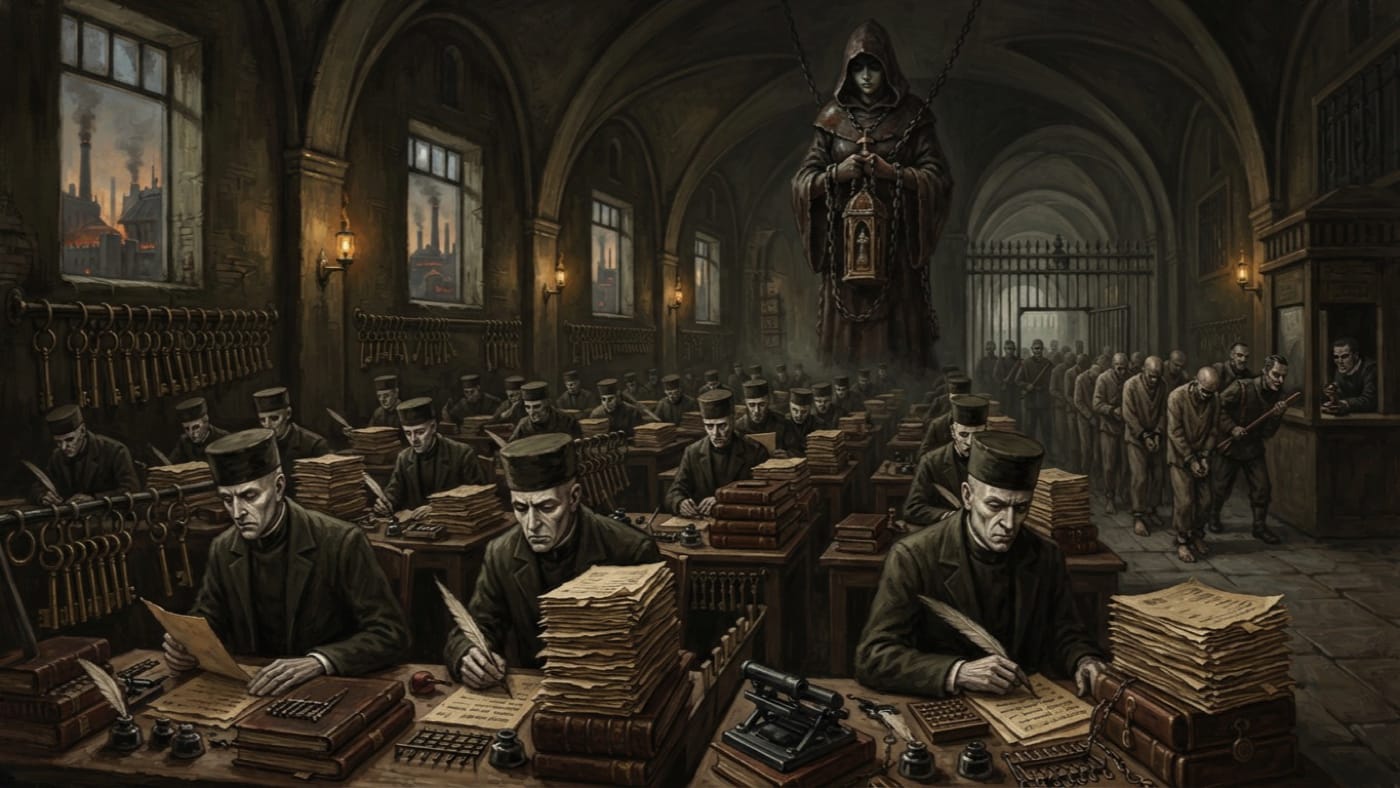
Convoy Audit Office
Where missing bodies become balanced accounts
The Convoy Audit Office reconciles relic seals, condemned carriers, numbered keys and five categories of loss. Its A.S. 196 memorandum records the discrepancies; continued observation keeps the cargo moving.
Codex Ref. III.2.09-196
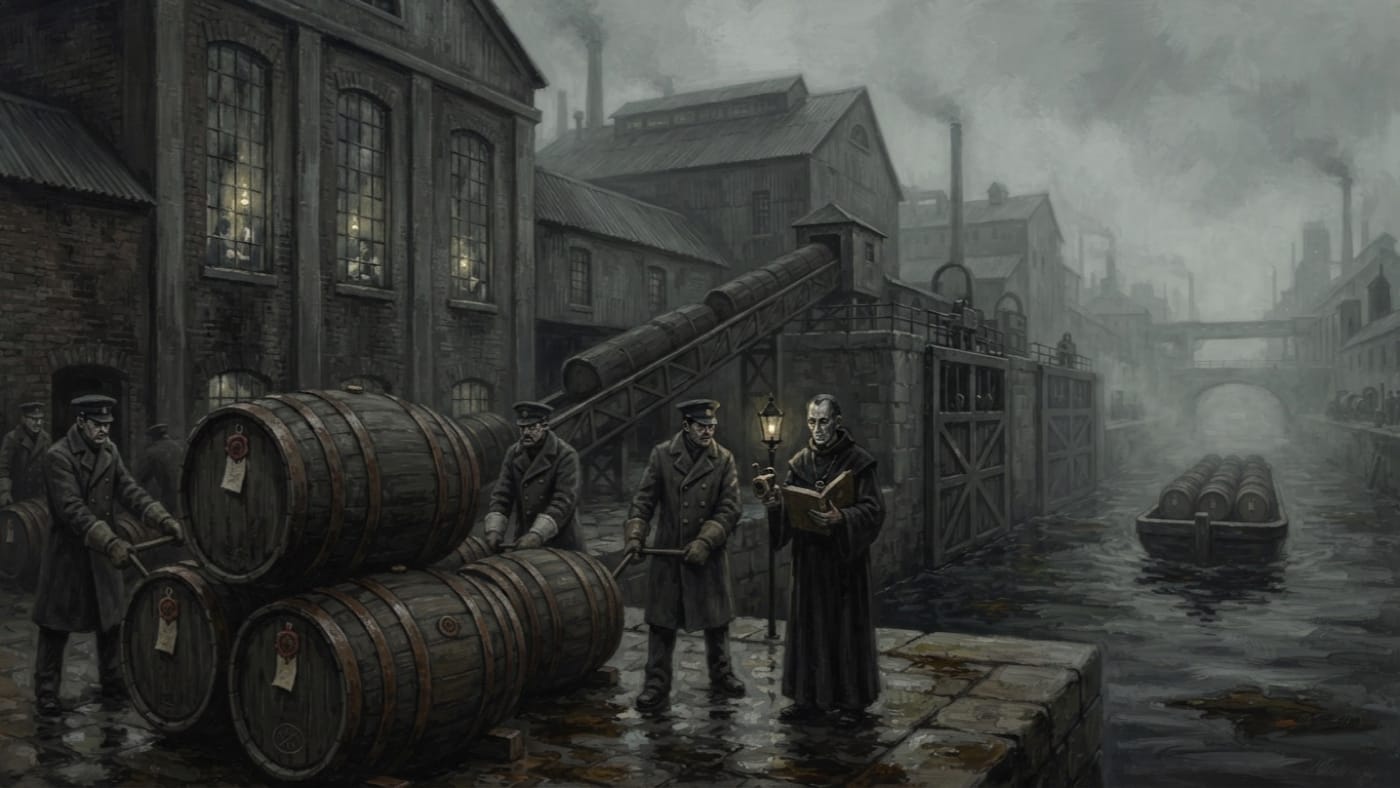
Cooperage Audit
The certificates are in order; the dust is not
An A.S. 201 survey of Mournwater's pending Cooperage Audit: certified saint-dust turns in transit, the ledgers balance, and the locks remain open.
Codex Ref. XIII.1.22-201

Corporal Ereth Vey
Doctrine obtained a rule; Mercy retains an open file
The 22nd Line Company's Corporal Ereth Vey consumed his logbook's leather binding after six shifts watching the Self-Devoured in A.S. 191. Doctrine obtained an observation limit; Mercy retains an open file.
Codex Ref. III.2.01-191

Corvin Marche
Nineteen years. No window. Adequate, narrowly.
Corvin Marche has held the Chair of Prescribed Observance for nineteen years. His memory holds seventeen suppressed rites; his office balances grace and returns questions with their grammar corrected.
Codex Ref. III.1.04-019

Counter-Relic Examiners
White gloves, little flames, and the permission to take away hope
Relics cadre founded in A.S. 182 to inspect, confiscate, and classify hostile saint-objects after Velmoric counterfeits reached frontline chapels.
Codex Ref. XII.13.03-001
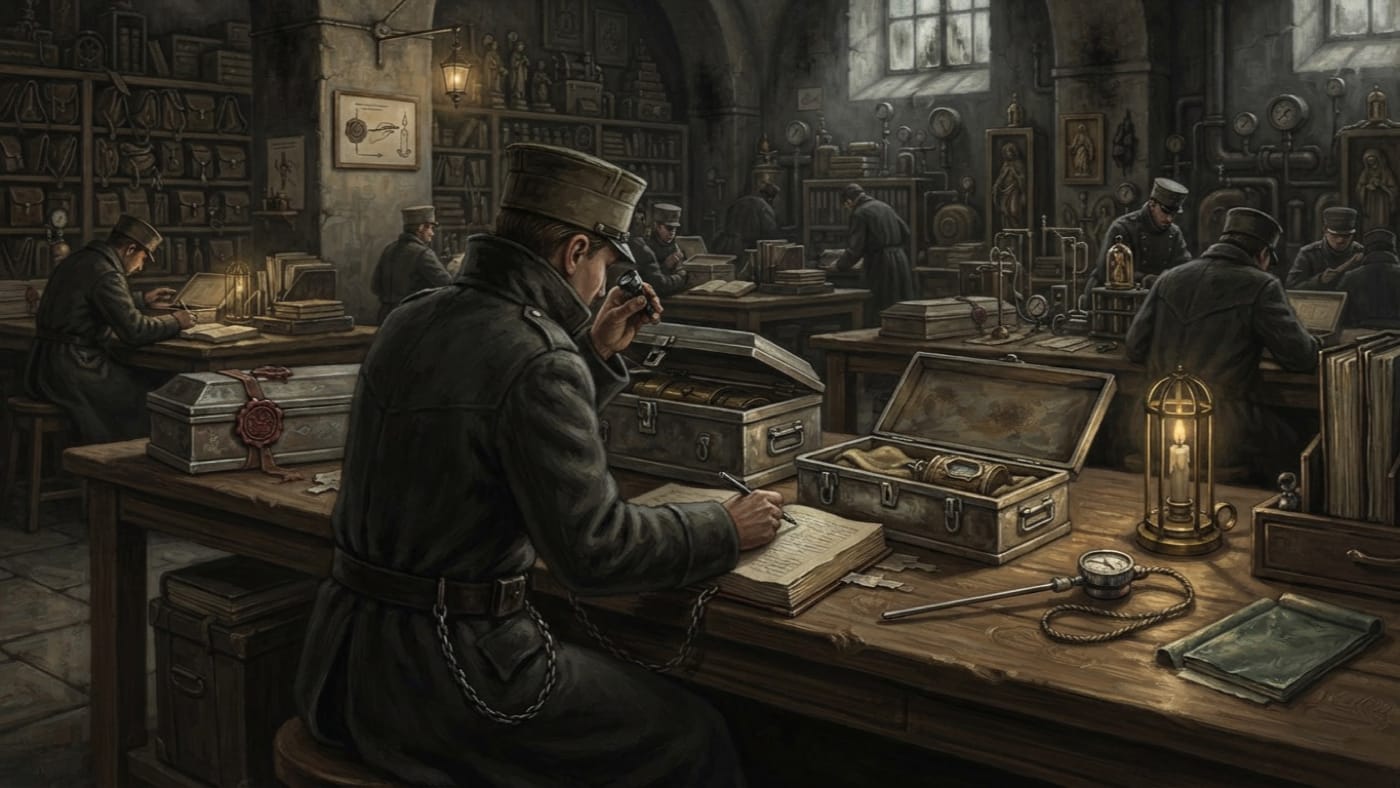
Counter-Relic School
Interrogate the favour before lighting the taper
A.S. 201 survey of Strasbourg's Counter-Relic School training record and instructional role: question the favour, read the debt, then observe the flame. The founding and training note remain undated.
Codex Ref. XIII.1.81-002
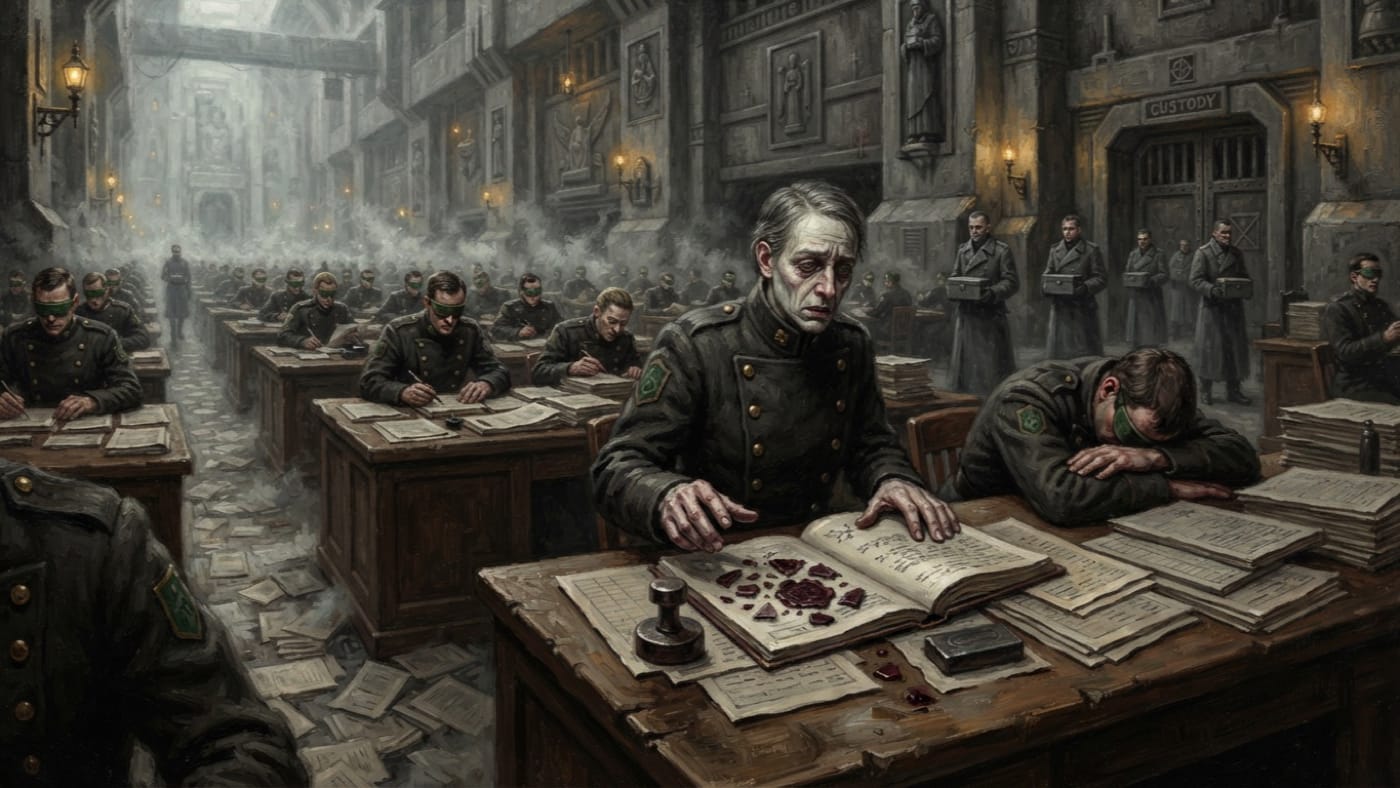
Counter-Seals
A clerk's certainty is the Court's preferred key
The Shadow Court's counter-seals reportedly revise a document's origin and the reader's assent. Under Directive 77-C, suspect wax is broken before reading and seal geometry must never be copied.
Codex Ref. XIII.1.25-002

Counter-Toll Operator
What the enemy rings, the Bureau drowns. The toll is paid in bone and nerve.
The Bureau of Bells does not debate; it drowns. Its Counter-Toll Operators sit in sub-tower vaults and overwrite hostile tones with louder ones. The city's obedience is the bell's argument.
Codex Ref. XII.2.02-001
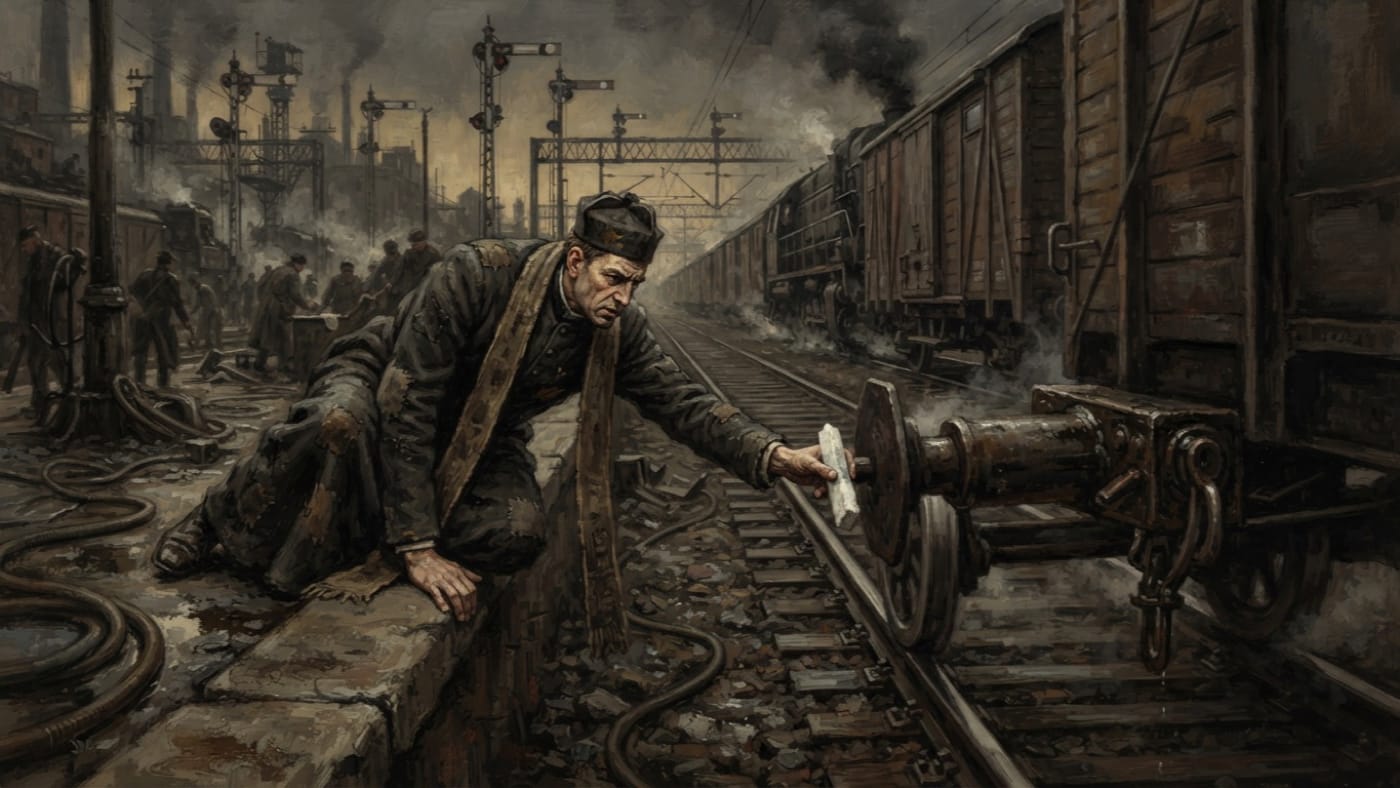
Coupler Rite
The blessing catches up; the fingers do not.
A priest touches a moving train's rear coupling with consecrated chalk to supply a missed departure blessing. Rites records three lost fingers as devotional expenditure; the Guild of Rails keeps its own account.
Codex Ref. XIII.1.05-201
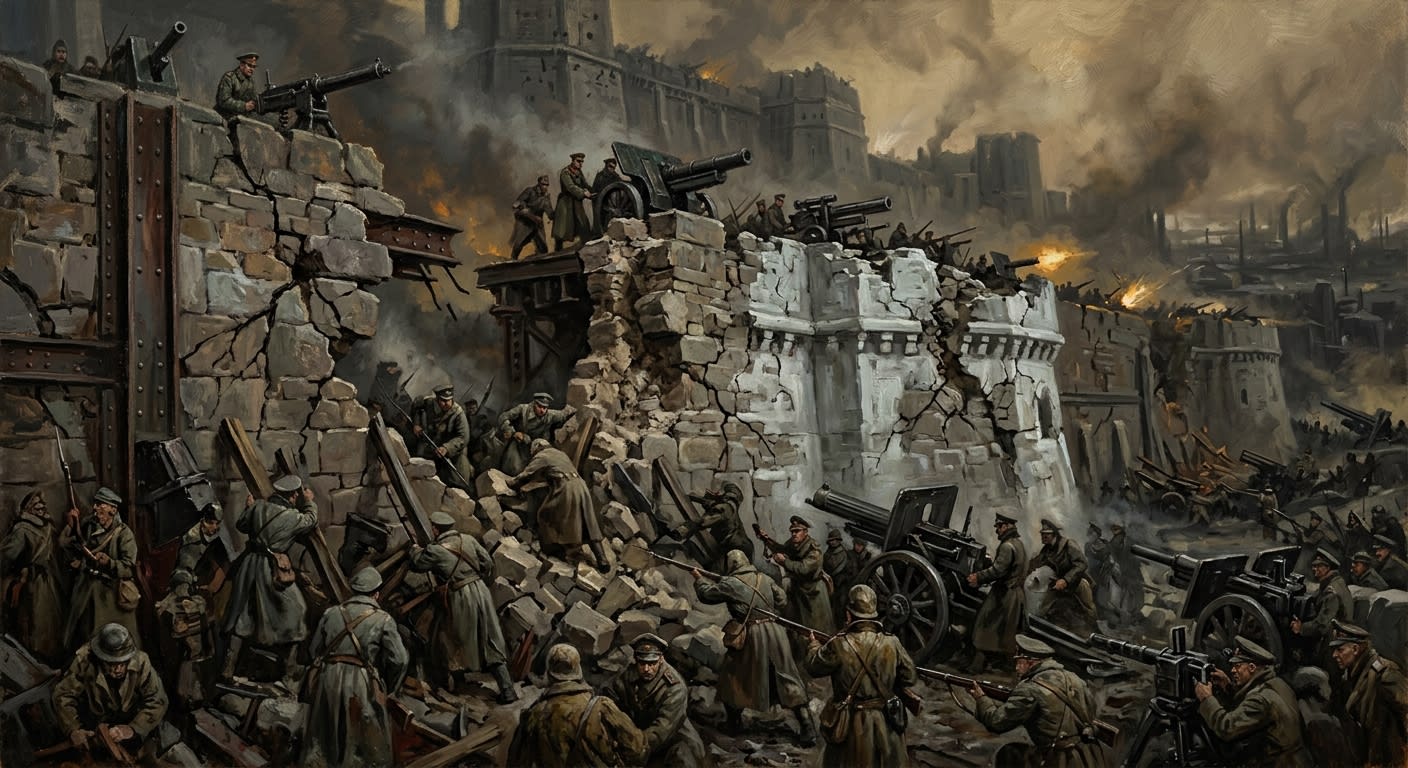
Cracked Ring Sieges
When the wall taught the law by cracking first
The Cracked Ring Sieges proved at Bastion-Constantinople that common mortar cracks under Maldrake, while sanctified bone-lime holds long enough for law to discover courage.
Codex Ref. VII.8.10-096
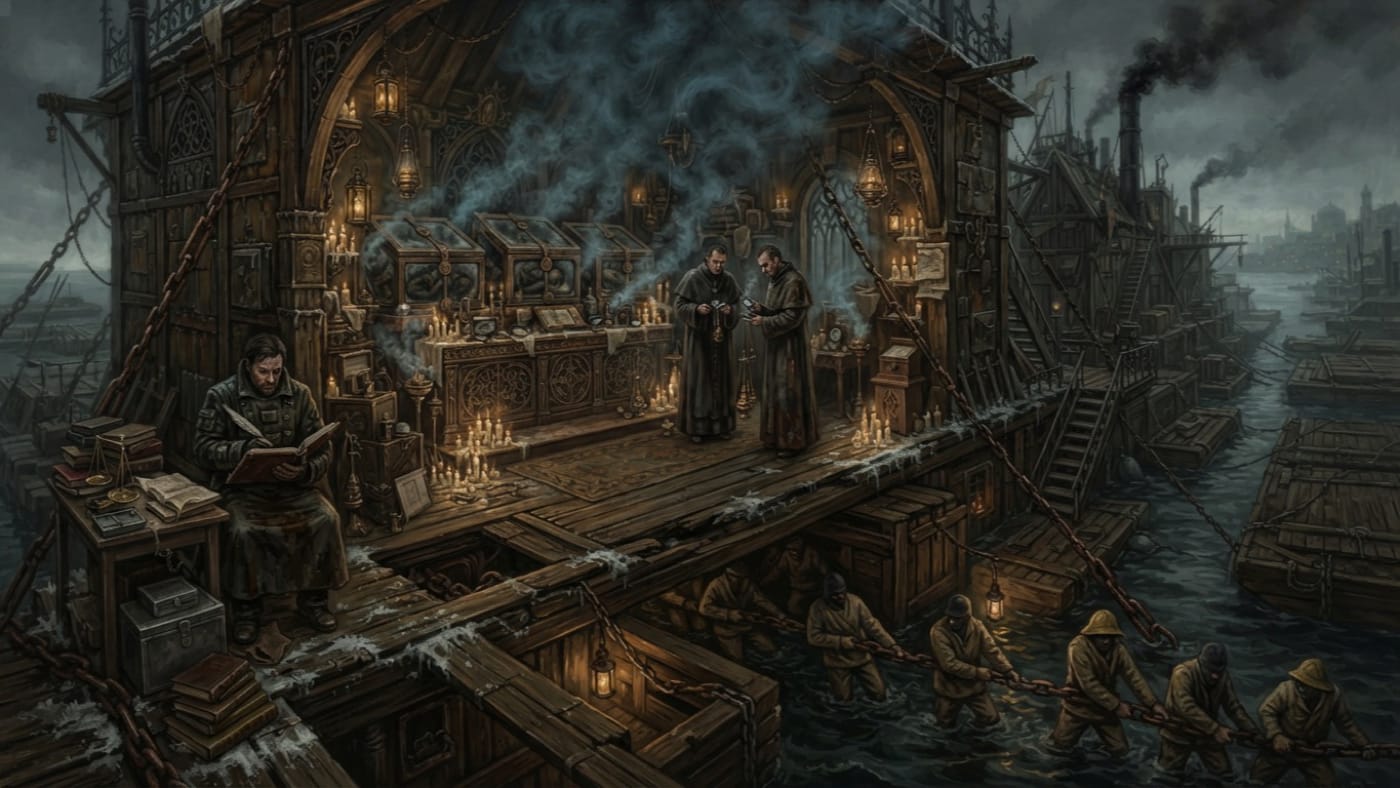
Crown Deck Chapel
Three relics. Ten feet of theology. Wet timber.
At the summit of the Saintward, three sealed relics give the Crown Deck Chapel ten feet of theologically active air. Strasbourg certifies their custody; the chain crews keep it afloat.
Codex Ref. II.4.09-811
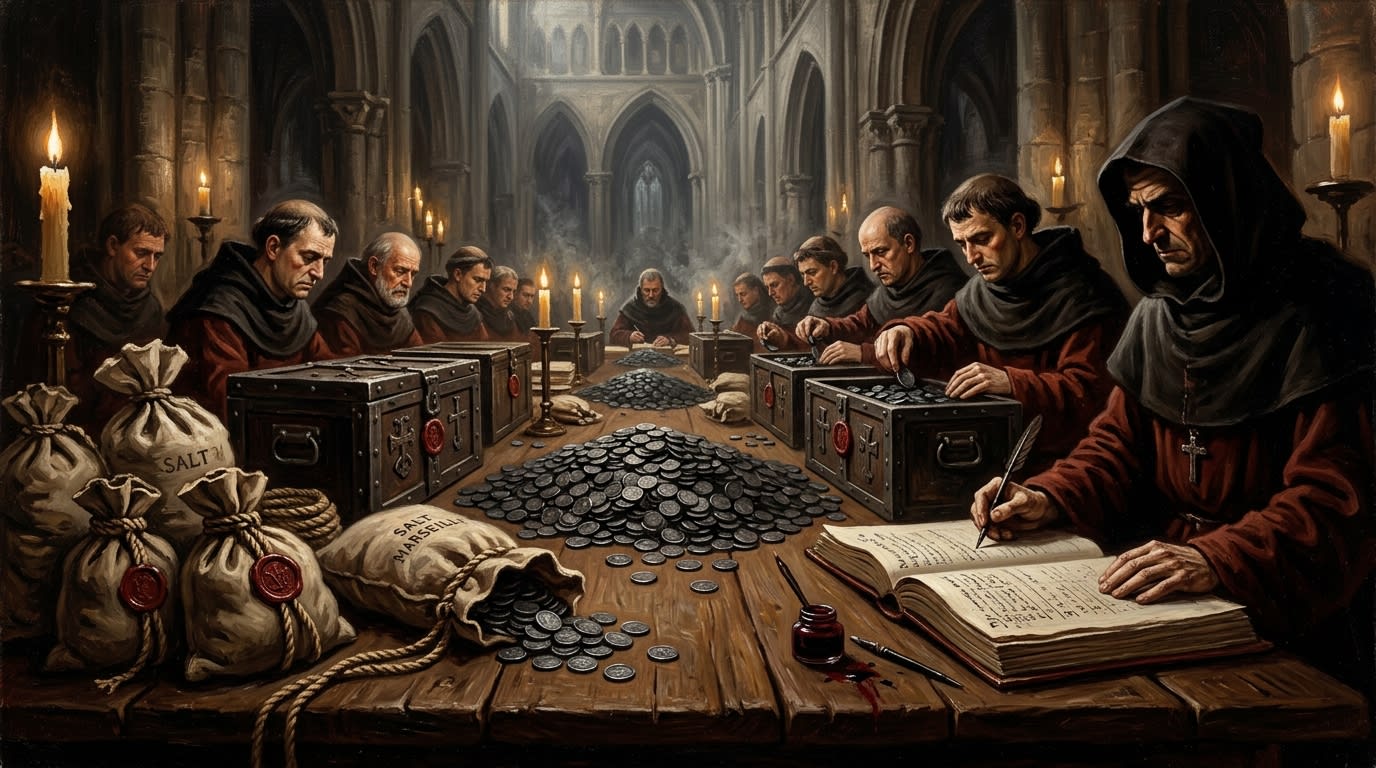
Crowns of Grace
One coin buys bread; the plural buys obedience
Crowns of Grace in the plural are obedience under arithmetic: harbour revenue, soldier arrears, salt dues, foreign insult, and bread counted until it kneels.
Codex Ref. XIII.1.22-093
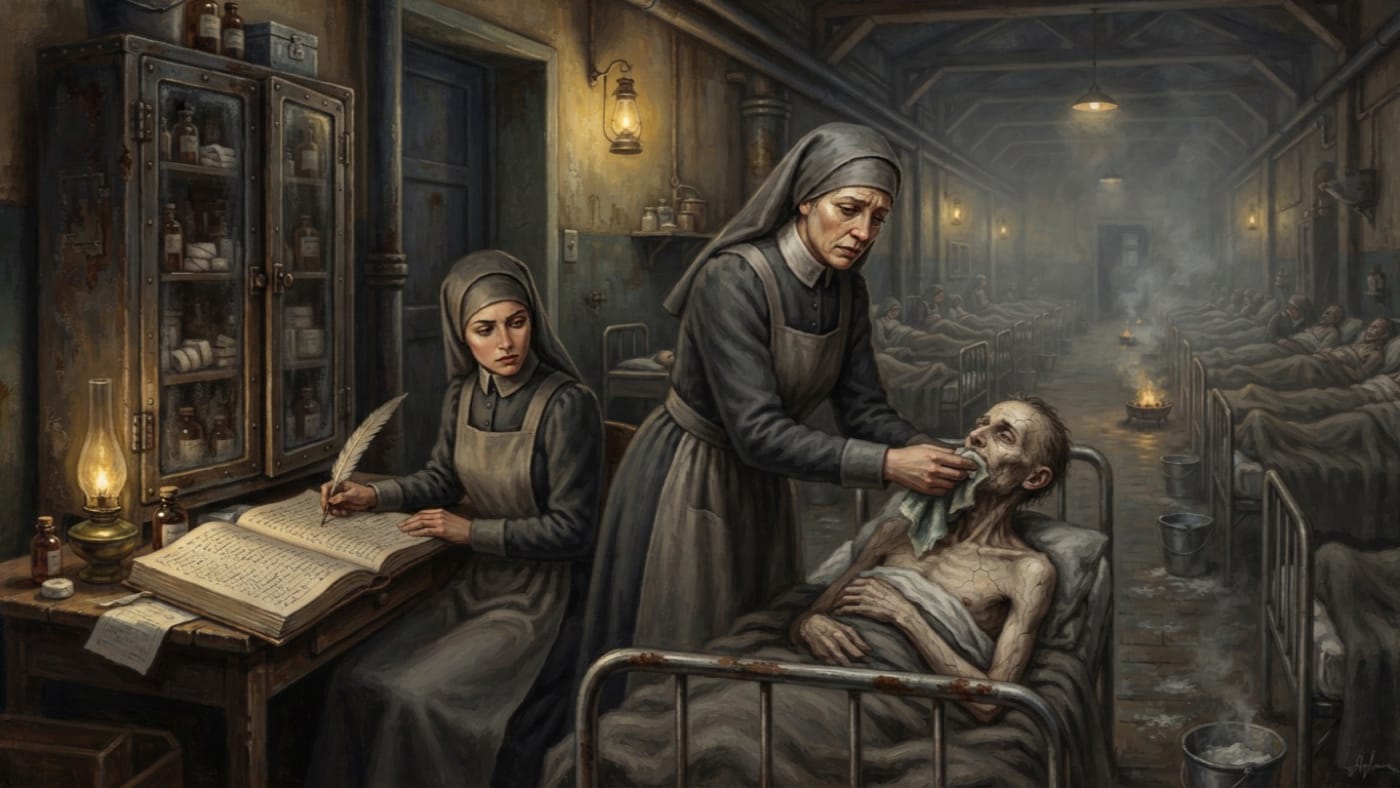
Crumble Ward Sisters
The cupboard holds mercy; the ledger keeps the patient
The Crumble Ward Sisters tend Mournwater's dust-sick, control the medicine cupboard and keep the ledger that decides who remains a patient and who becomes evidence.
Codex Ref. VIII.6.07-001
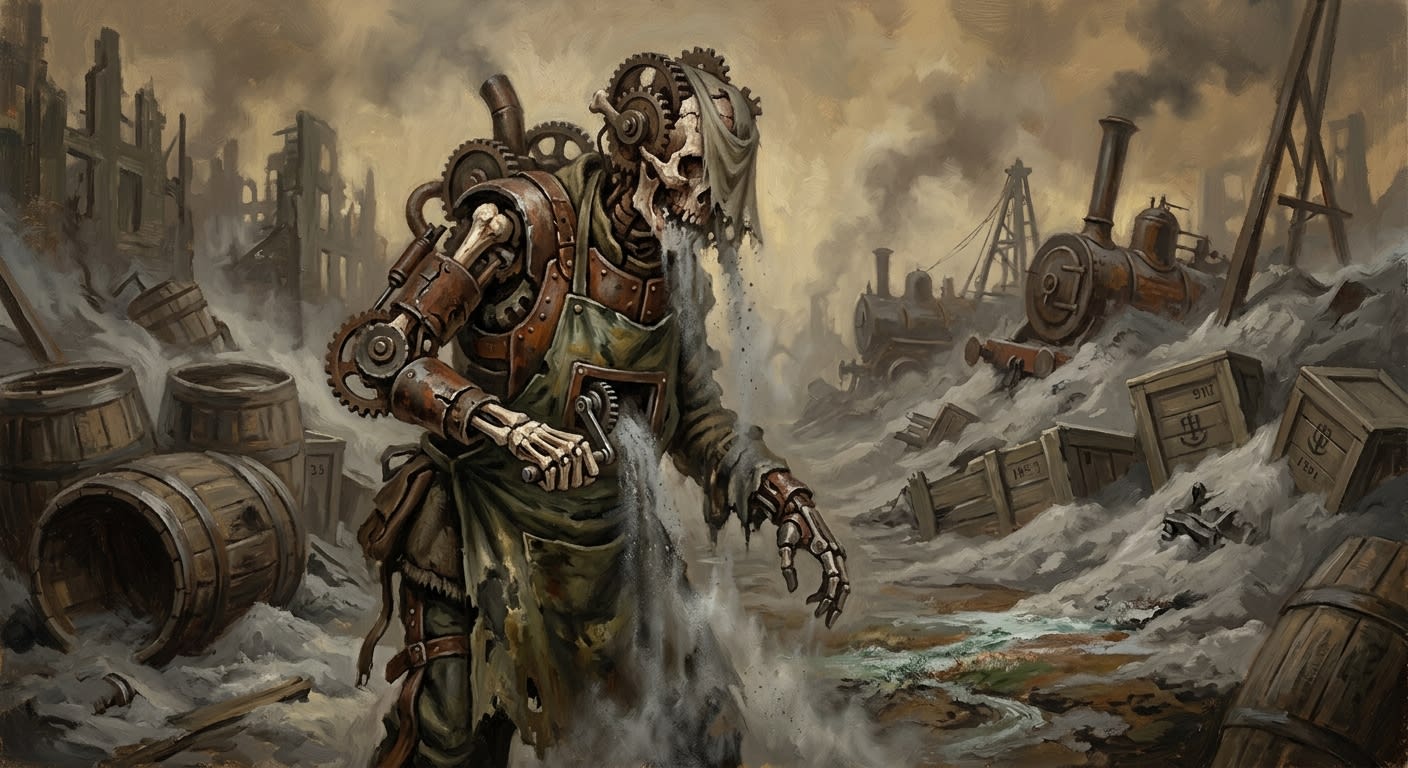
Crumble-Wrong
When saint-dust remembers the body and refuses commerce
At Mournwater, saint-dust settles into bones, ruins casks, fattens futures markets, and suggests that industrialized holiness has begun objecting.
Codex Ref. XIII.1.21-001
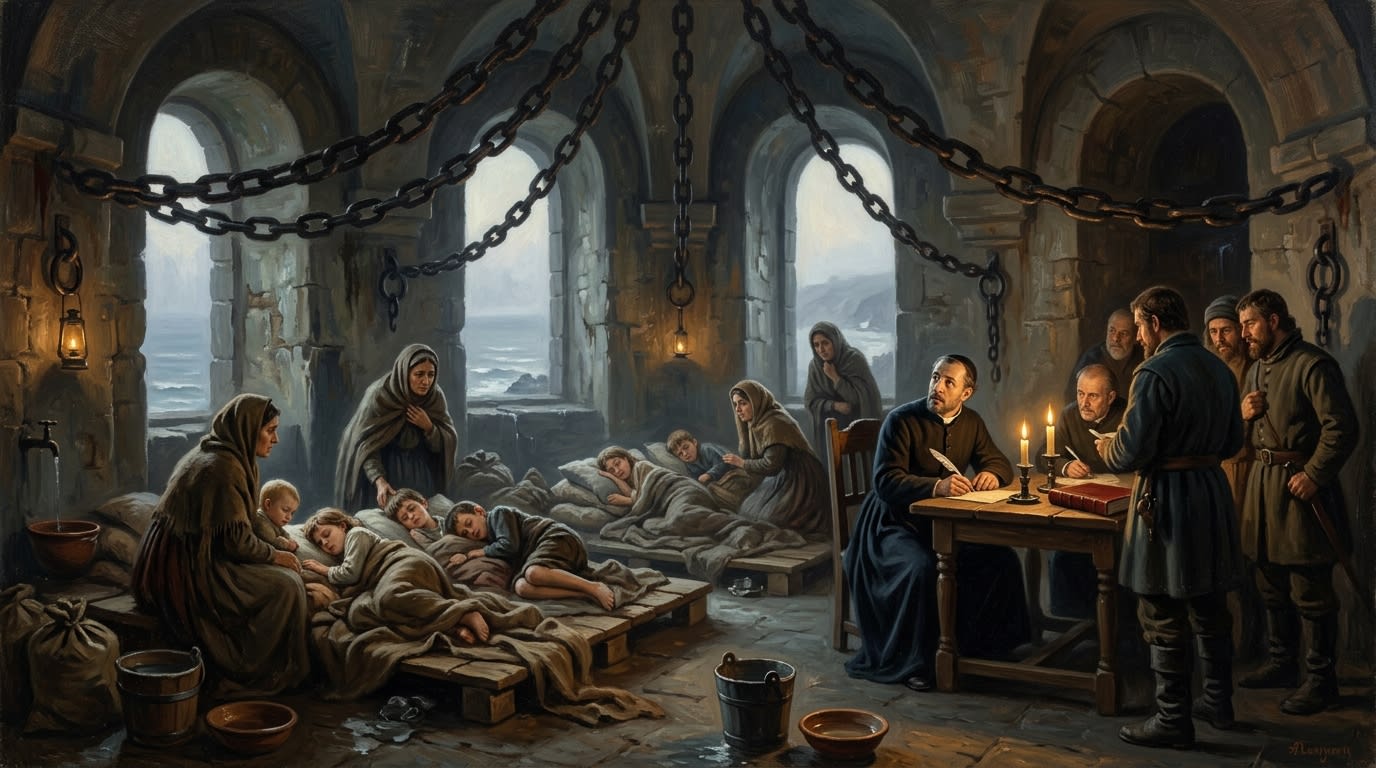
Crying Choir Incident
The night Thessaloniki learned a living child could be filed as lost
A.S. 145: refugee children sleeping under Thessaloniki's Harbor-Chain Towers sang before dawn, lost their tongues to salt water, and taught the Ledger to call the living lost.
Codex Ref. VII.8.10-145
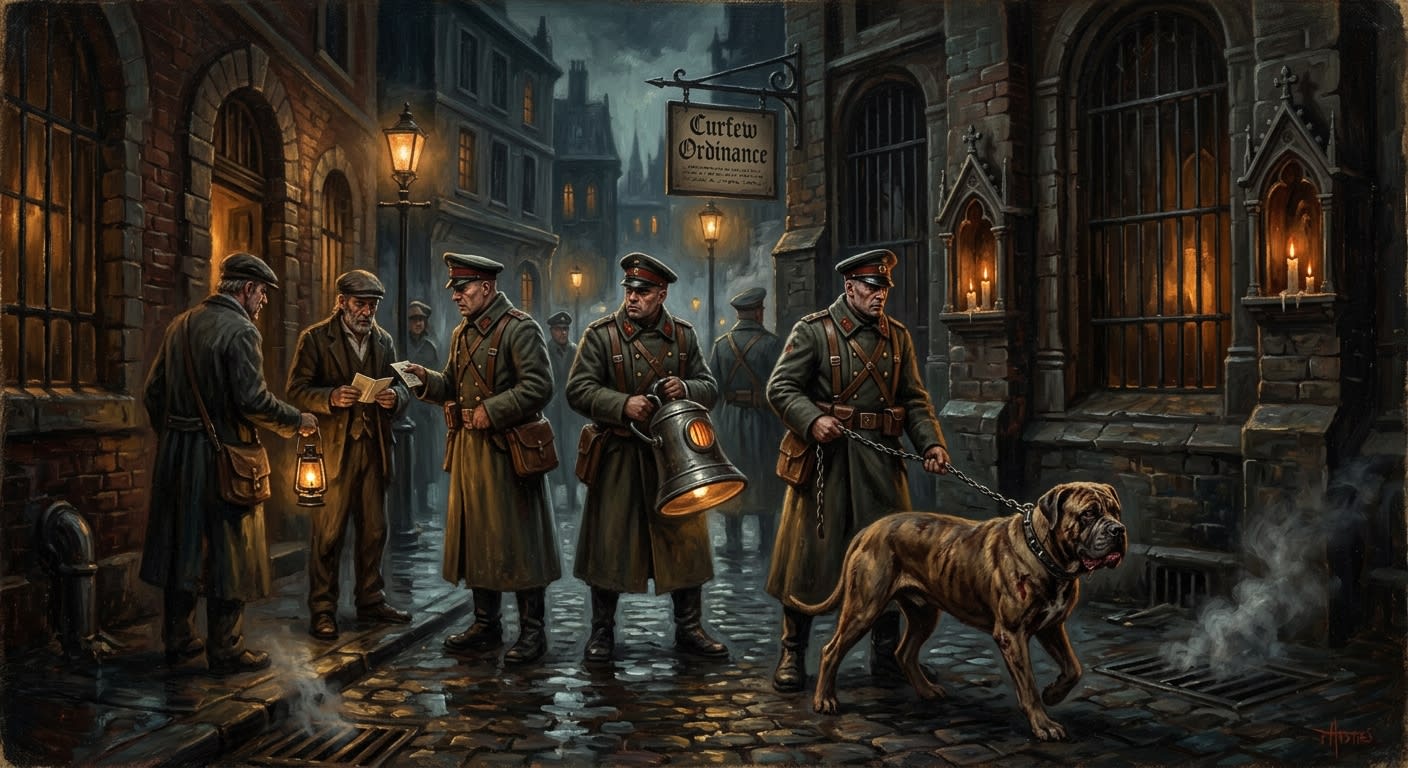
Curfew Ordinance of Quiet Hours
The margin law that taught night to carry a pass, a lamp, and a witness
The Curfew Ordinance of Quiet Hours began as a Rhineland margin law and became the Synod's nocturnal grammar: lamps, passes, Consolators, Brotherhood knives, and useful fear.
Codex Ref. XIII.1.76-094
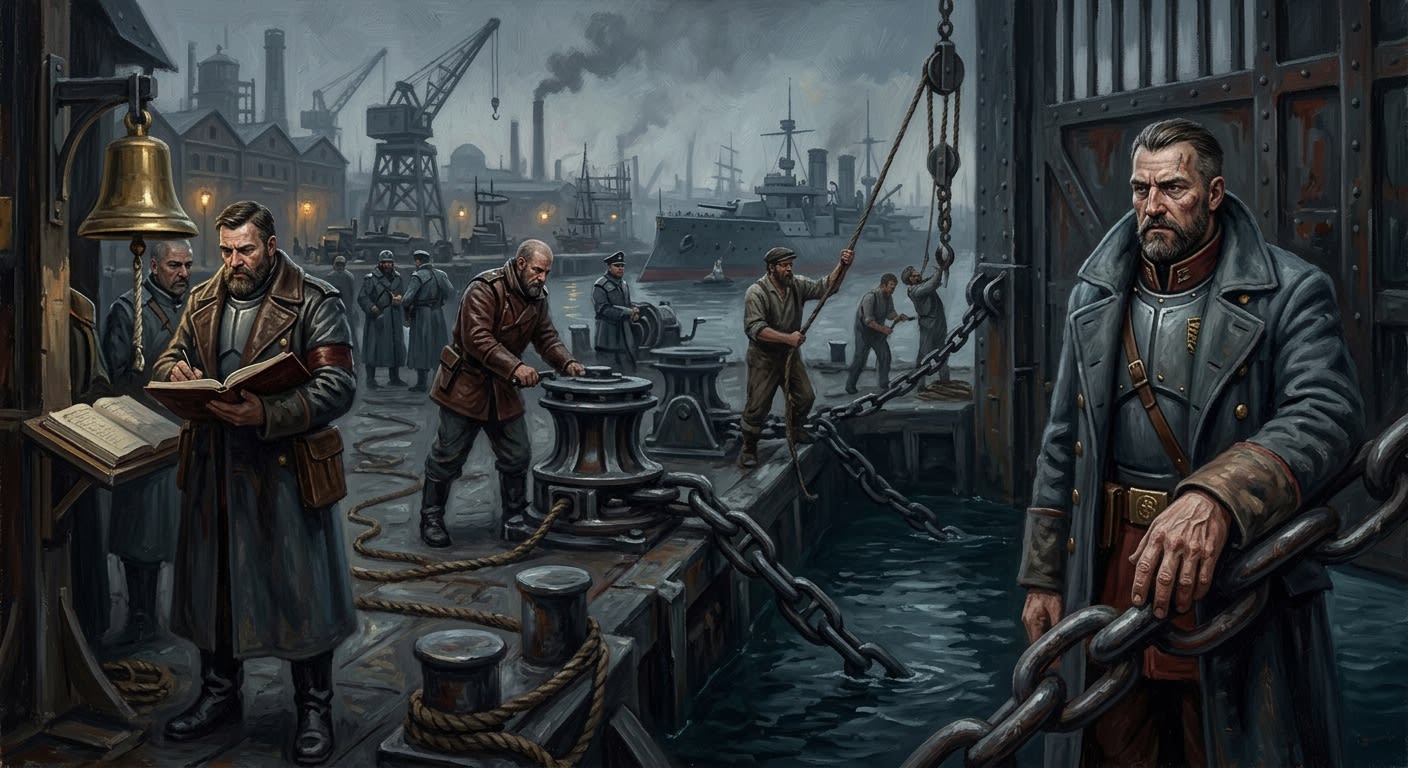
Custodians of the Chain
The iron held while the bronze lied, and Strasbourg has not forgiven the hands that knew it first
Thessaloniki's Custodians of the Chain keep the Elder and Younger harbour chains: guild, gate, diver-law, rope-law, and the callused proof that iron may count when bells fail.
Codex Ref. XII.44.09-198
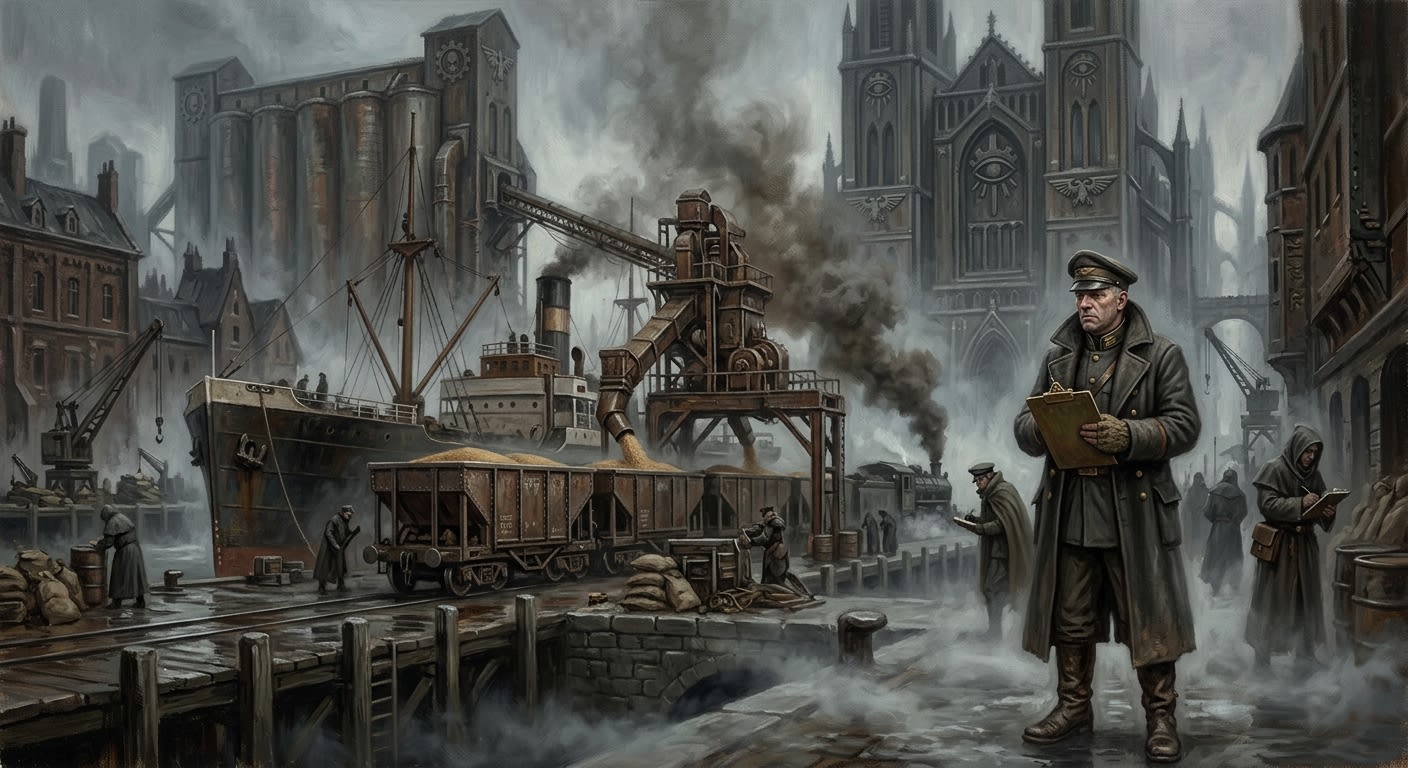
Danzig
The Baltic port that feeds the north and lies with admirable punctuality
Danzig is the Baltic grain mouth of the Northern Corridor: obedient in public, competent in fog, audited forever, and too necessary for Strasbourg to purify without starving itself.
Codex Ref. II.4.09-013
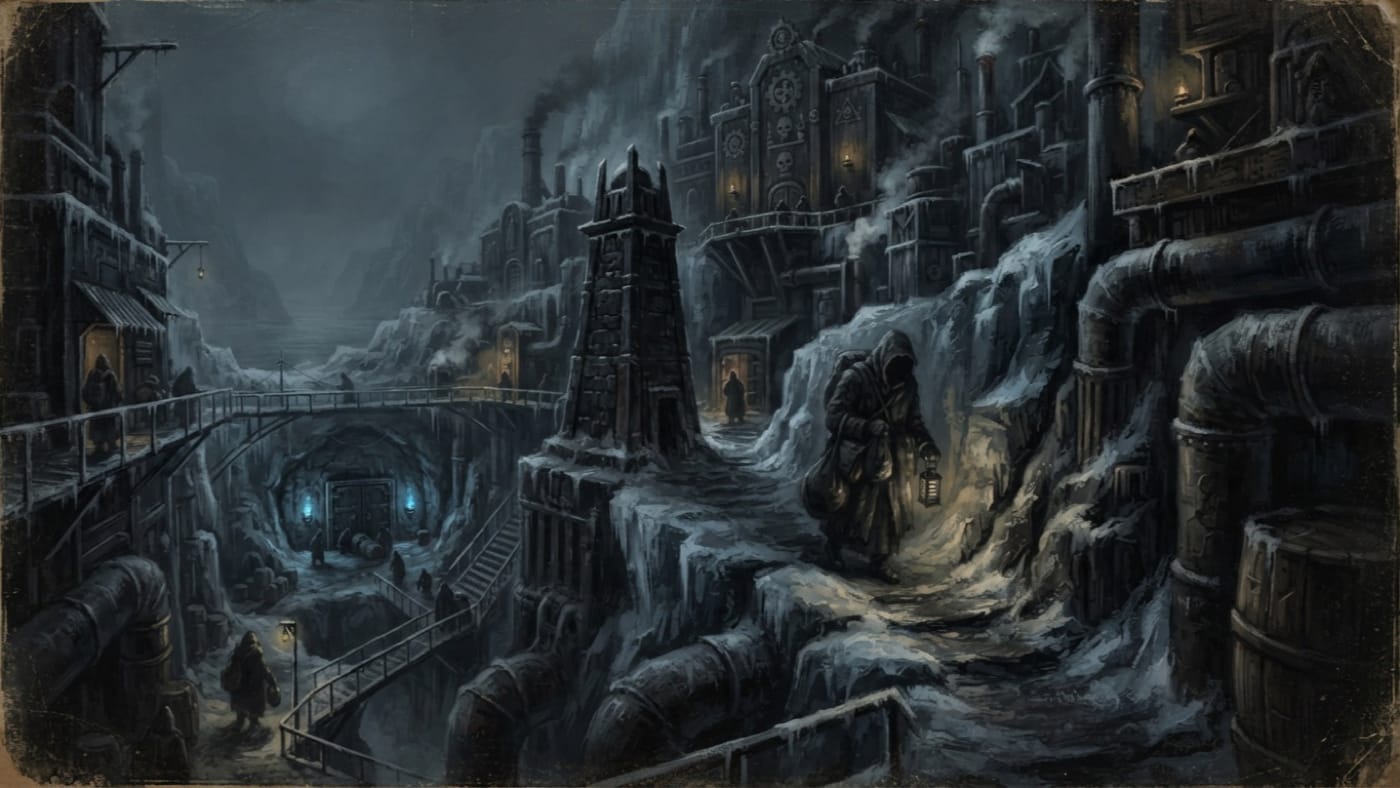
Dark-House Circle
One stroke of ink costs a household its winter
Hrafnvik's Dark-House Circle keeps condemned households warm with stolen shrine wicks, hidden seal-oil, and silent routes. Drax observed it in A.S. 197 and declined to furnish the names.
Codex Ref. XII.8.01-197
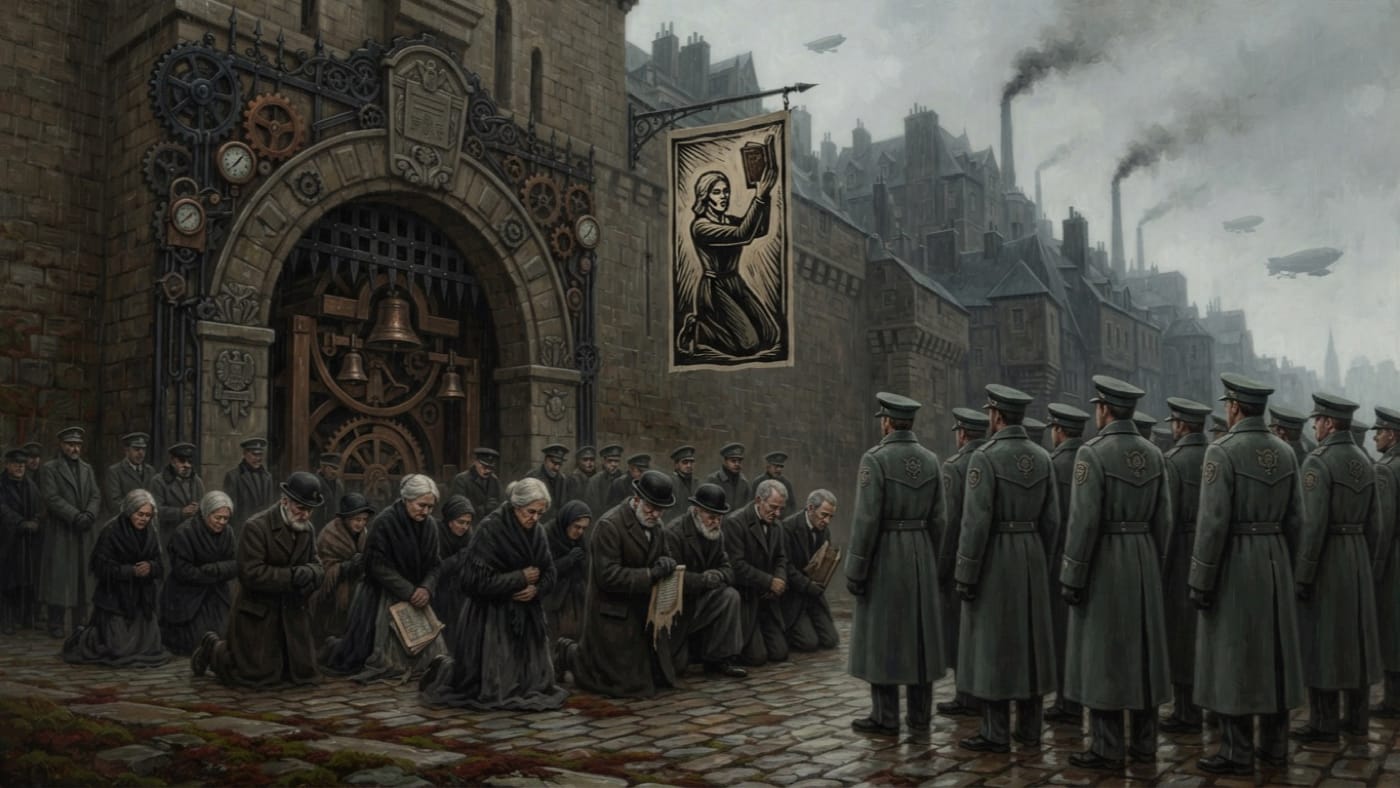
Day of the Thirty-One Names
Thirty-one tolls, forty-three seconds, and one face supplied by the printers
On 14 Corvus, Saint-Malo mourns thirty-one certified dead with thirty-one tolls and forty-three seconds of silence. The Church keeps the count, Strasbourg keeps the names, and Margaux supplies the face.
Codex Ref. XIII.1.87-031

Dead-Goods Tariffer
The grave is a permit; the permit has a price
Bureau-licensed bone classifier. He decides what the dead become — mortar, monument, or ornament — and does not look up from his seal press.
Codex Ref. XII.11.01-001
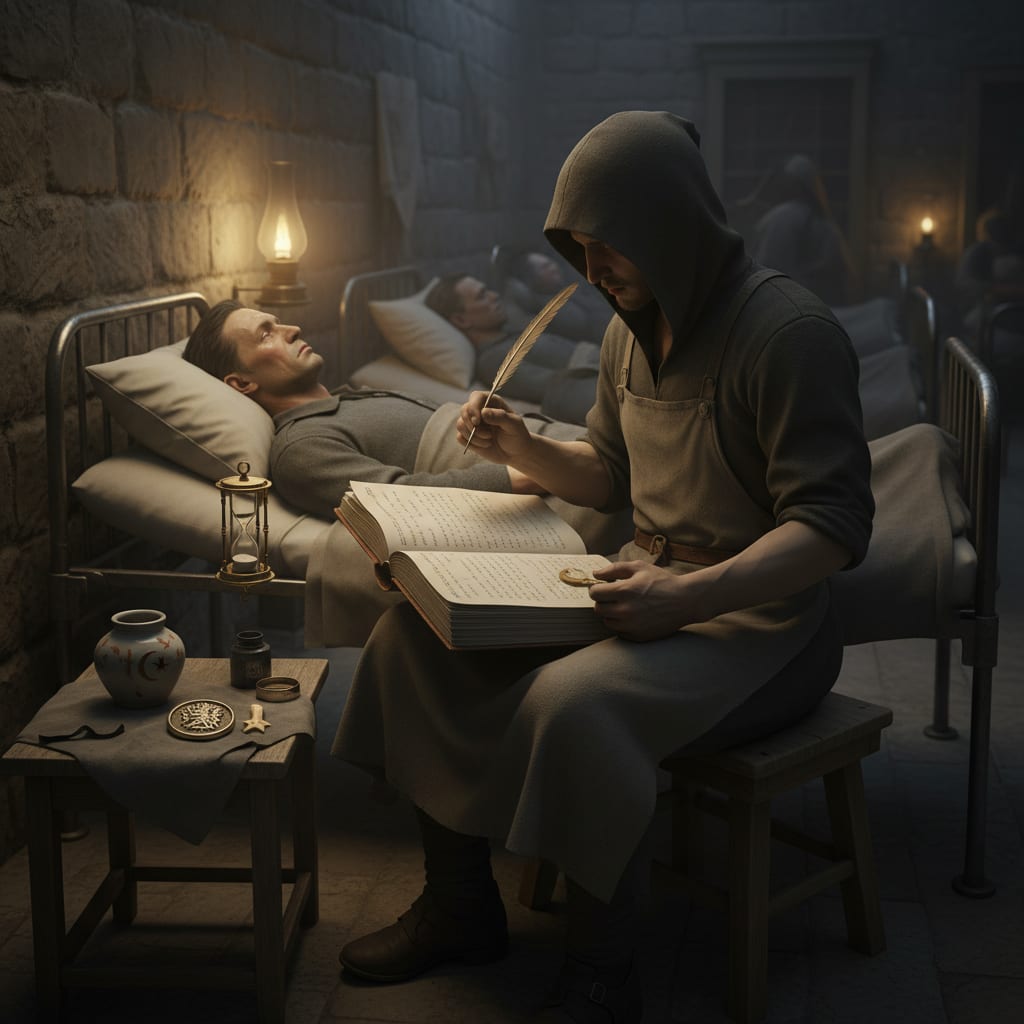
Deathbed Confession Harvester
The quill outlasts the patient; the Record outlasts both
Two thousand four hundred scribes posted at the bedsides of the dying, ensuring no death in Synod jurisdiction passes unfiled. The Record does not grieve. The Record does not wait. The Record simply continues.
Codex Ref. XII.12.01-001

Demon-Glass Polisher
The craft the Bureau has shattered, blessed, interred in lime, and declined to stop purchasing
The profession the Bureau insists does not exist: found in every port from Marseille to the Harbor of Chains, supplying the Bureau of War with combat-grade optics, having developed a hierarchy, a patron saint, and three factions — all since the last Purity raid.
Codex Ref. XII.13.01-001
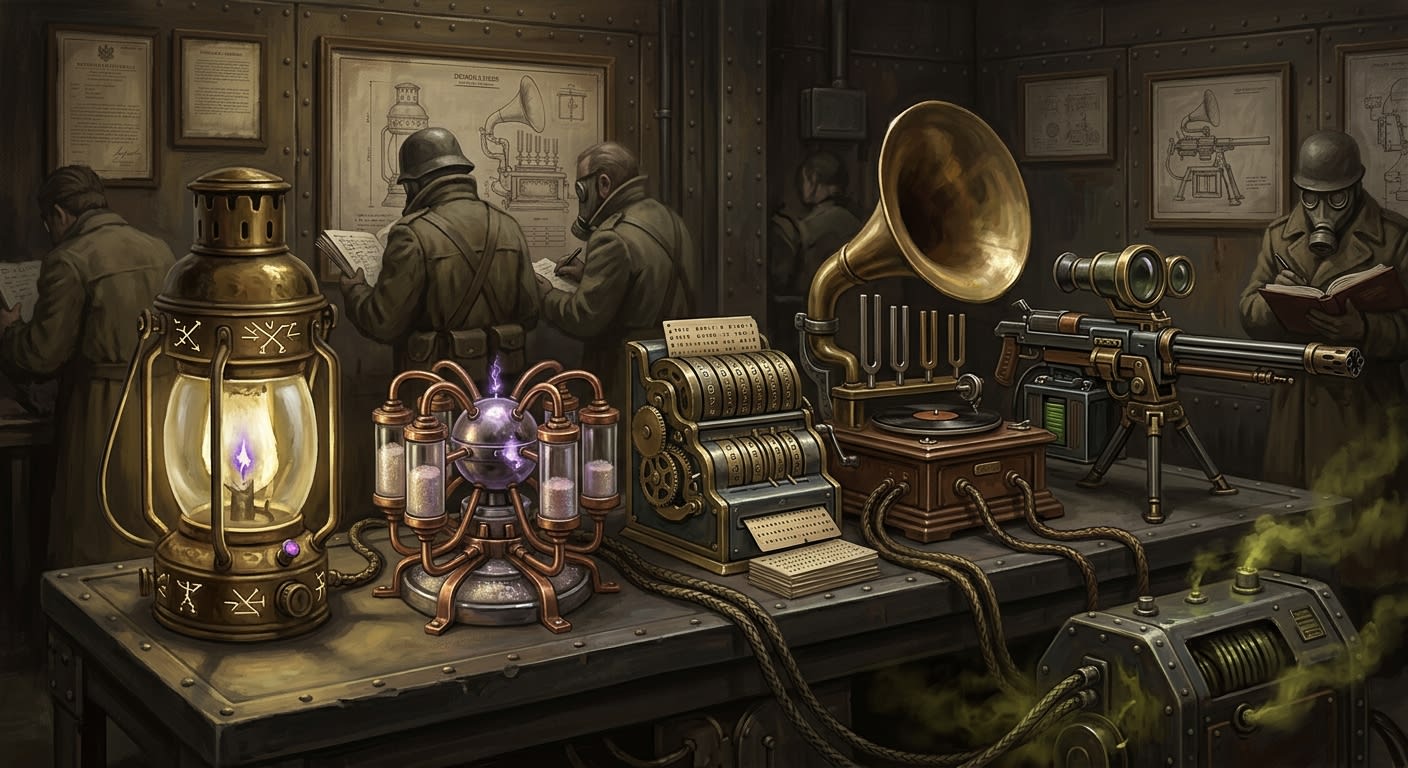
Demon-Lures
The hook is holy when the bait has been notarized
Demon-Lures are Saffron Bastion's licensed bait-mechanisms: lantern, salt, false number, tone, and gun, all pretending invitation can be filed apart from bargain.
Codex Ref. XIII.1.31-001
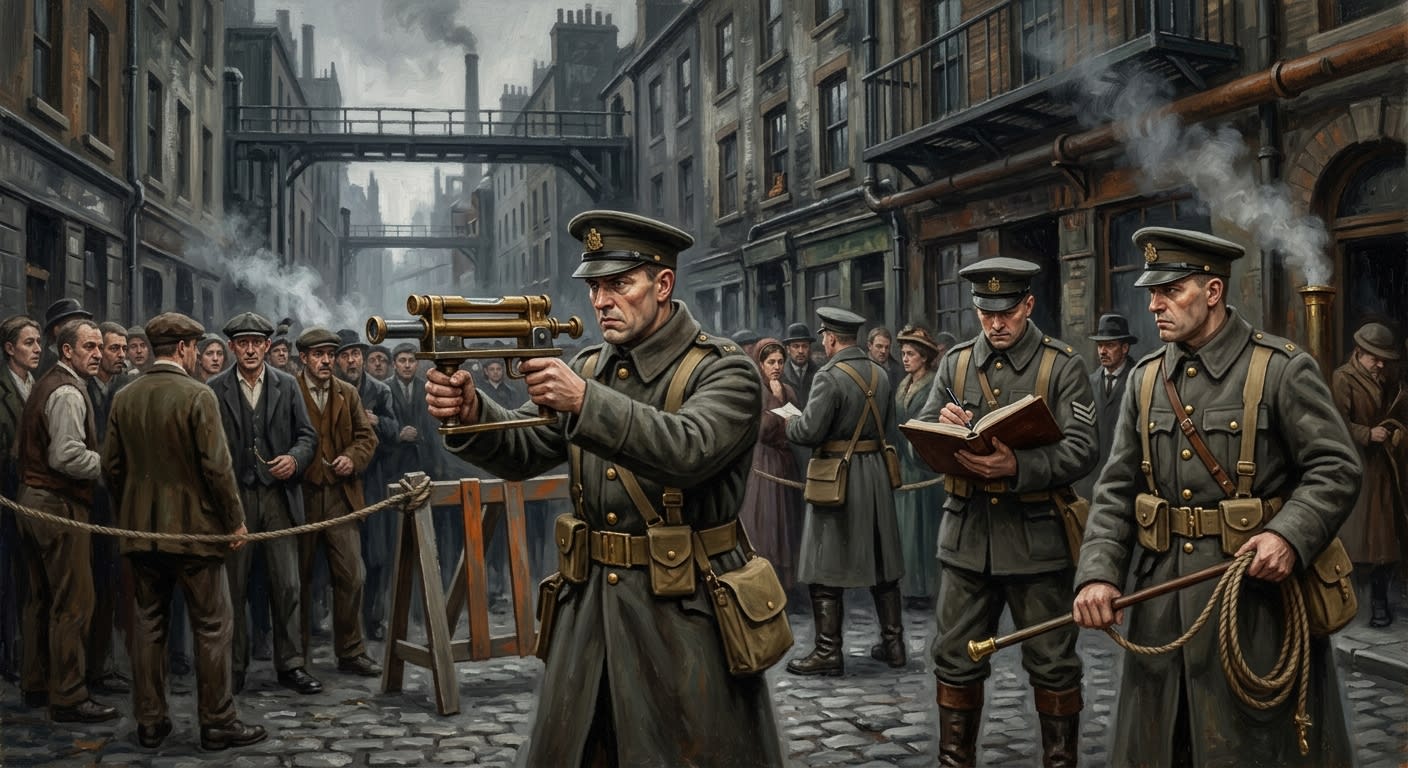
Demon-Route Screeners
The law walks first when the road has learned to lie
Demon-Route Screeners are specialised Roving Judge's Bailiffs trained during the A.S. 160–175 route failures to test crowds, roads, and court perimeters before Law commits itself to being eaten.
Codex Ref. XII.7.03-001
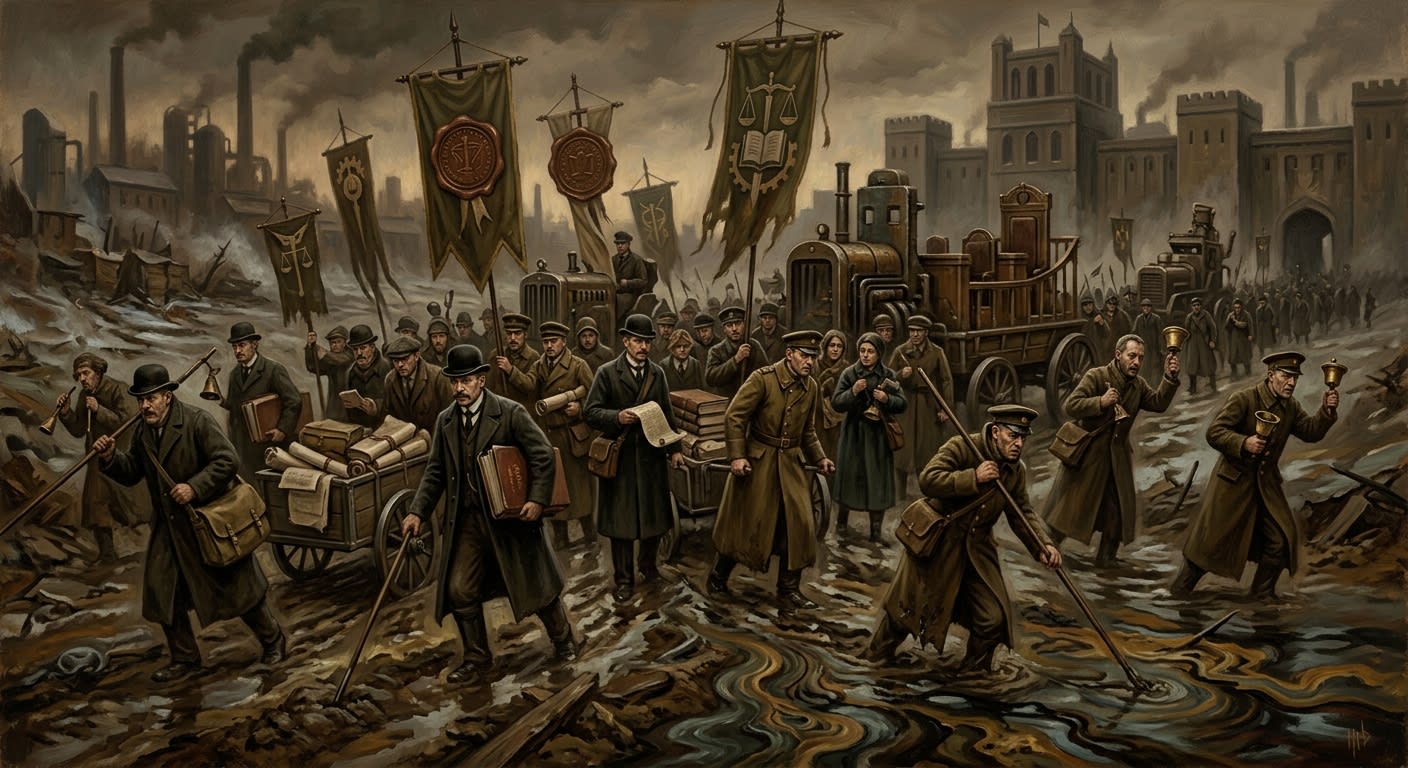
Demon-Route Years
Fifteen years in which the roads learned procedure and began holding court
A.S. 160–175: the forward roads imitated courts, crowds, witnesses, and chimes until the Synod learned that even law must ask the ground for permission.
Codex Ref. VII.8.10-160
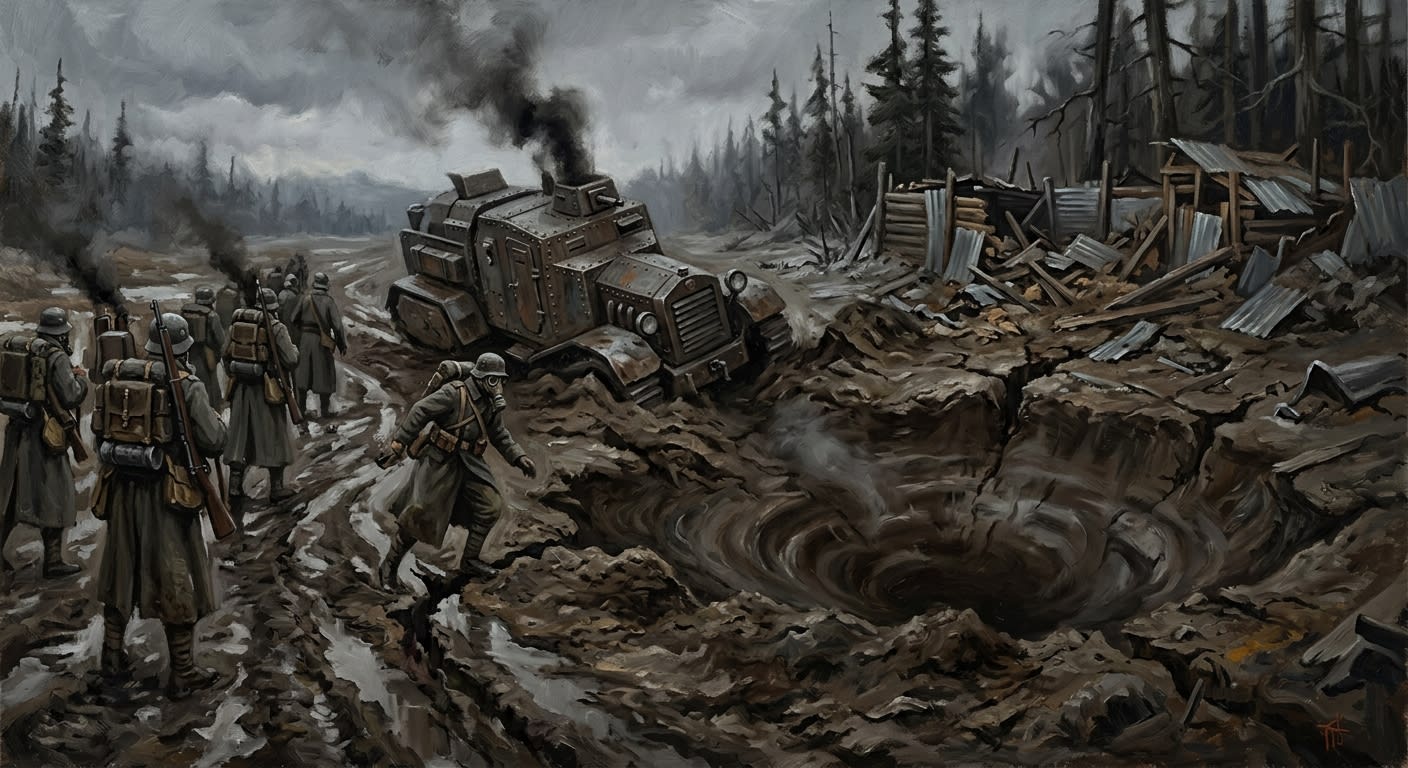
Den stilla hungern
The land does not chase; it waits until your name forgets you
Den stilla hungern, the still hunger, is the inland northern threat: ground-borne vibration, displaced paths, stolen counts, and an appetite that consumes relation before flesh.
Codex Ref. IV.1.07-006
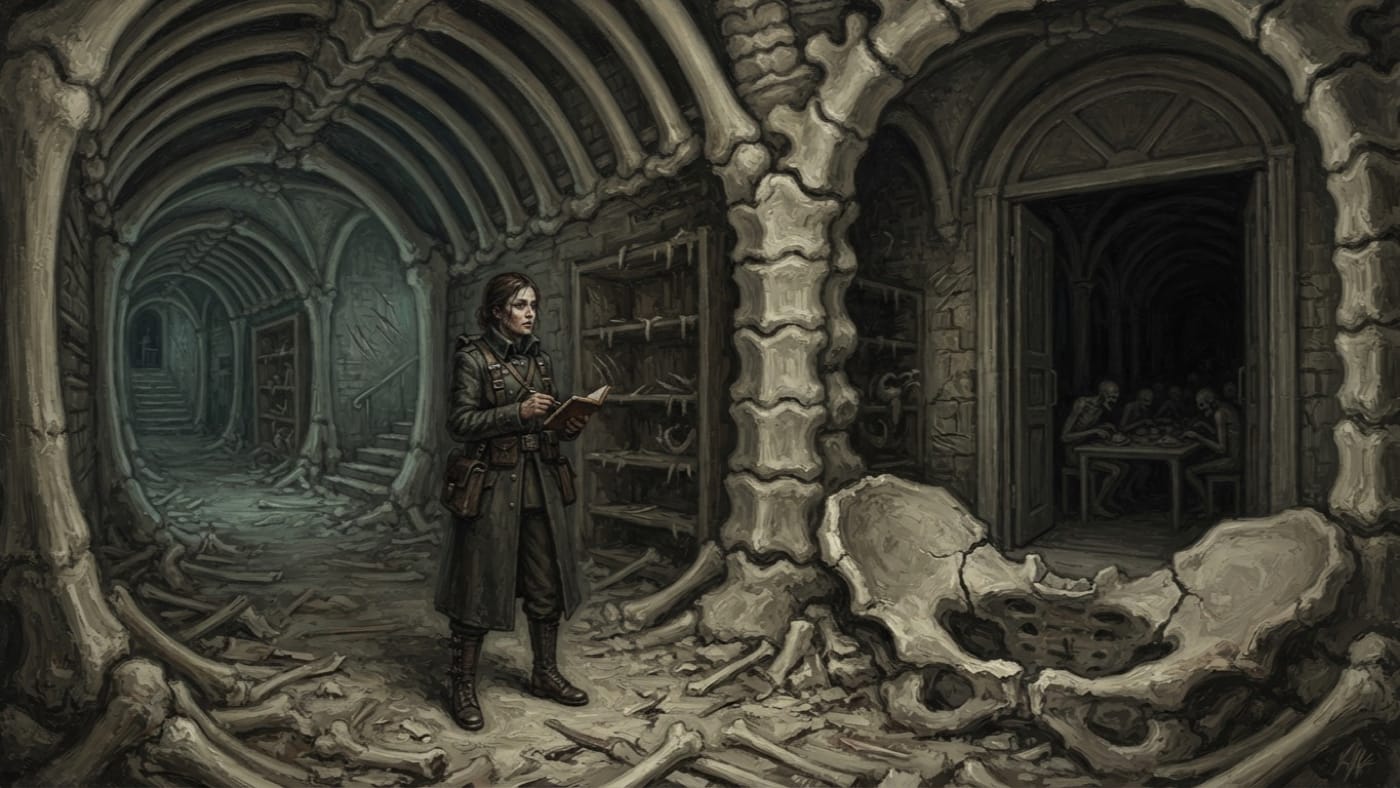
Deposition 7-K
Three days by her account. Nineteen by the calendar.
One redacted Shadows operative returned from the Hollow Court's outer galleries in A.S. 196. She reported about three days; the calendar recorded nineteen. The Bureau entered both and explained neither.
Codex Ref. V.6.01-007

Deposition 7-K/Pell
The sensations are retained; the conclusions are excised
Andros Pell's Seal Amber deposition records six silent strikes at Thessaloniki's Elder Tower in A.S. 198. Fourteen pages retain the sensations; the theological conclusions are excised.
Codex Ref. XIII.1.12-007
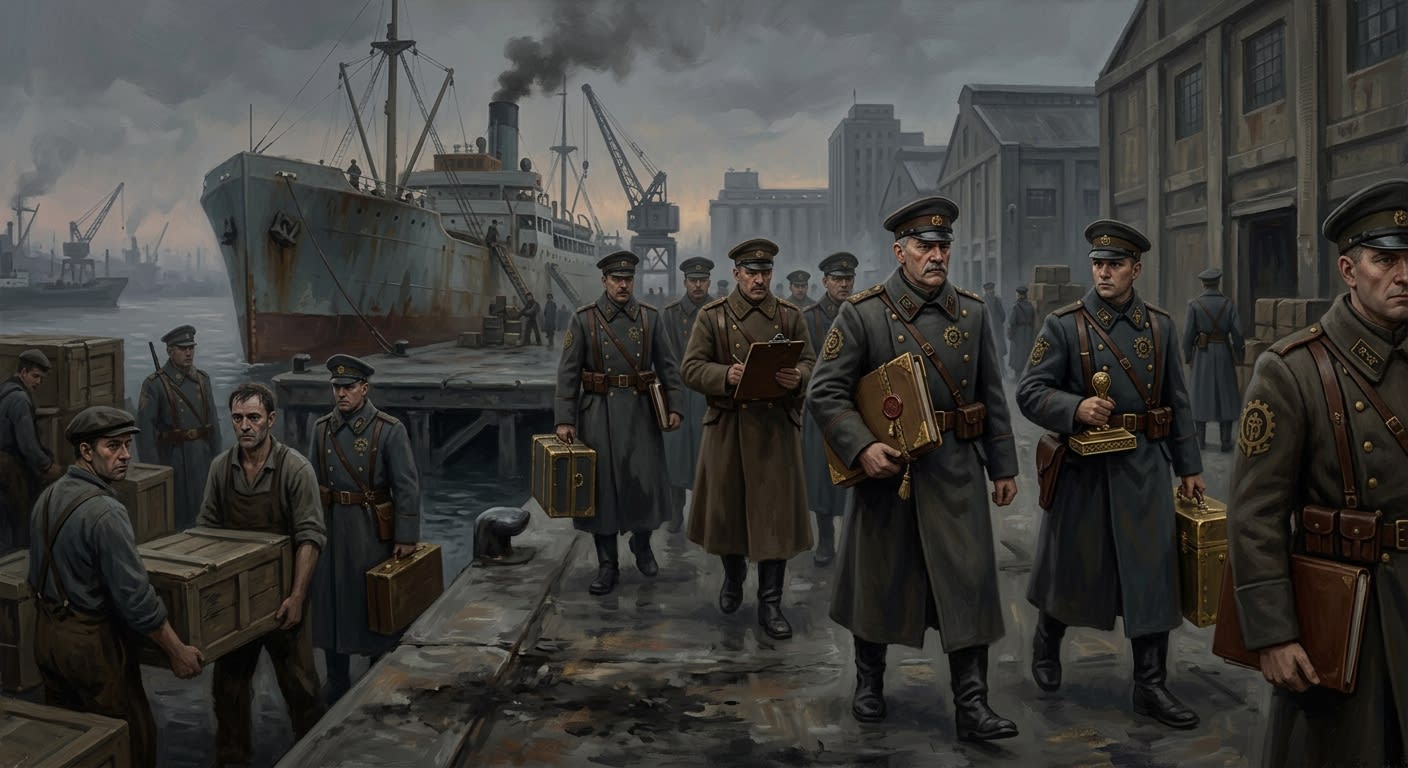
Determination 198-K/7
The sentence that made a silent harbour lawful without asking the water to explain itself
Determination 198-K/7 is Doctrine's authorised sentence for the Silence of Thessaloniki: a splendidly hollow phrase that kept the harbour open and the Choir unnamed.
Codex Ref. XIII.1.12-198
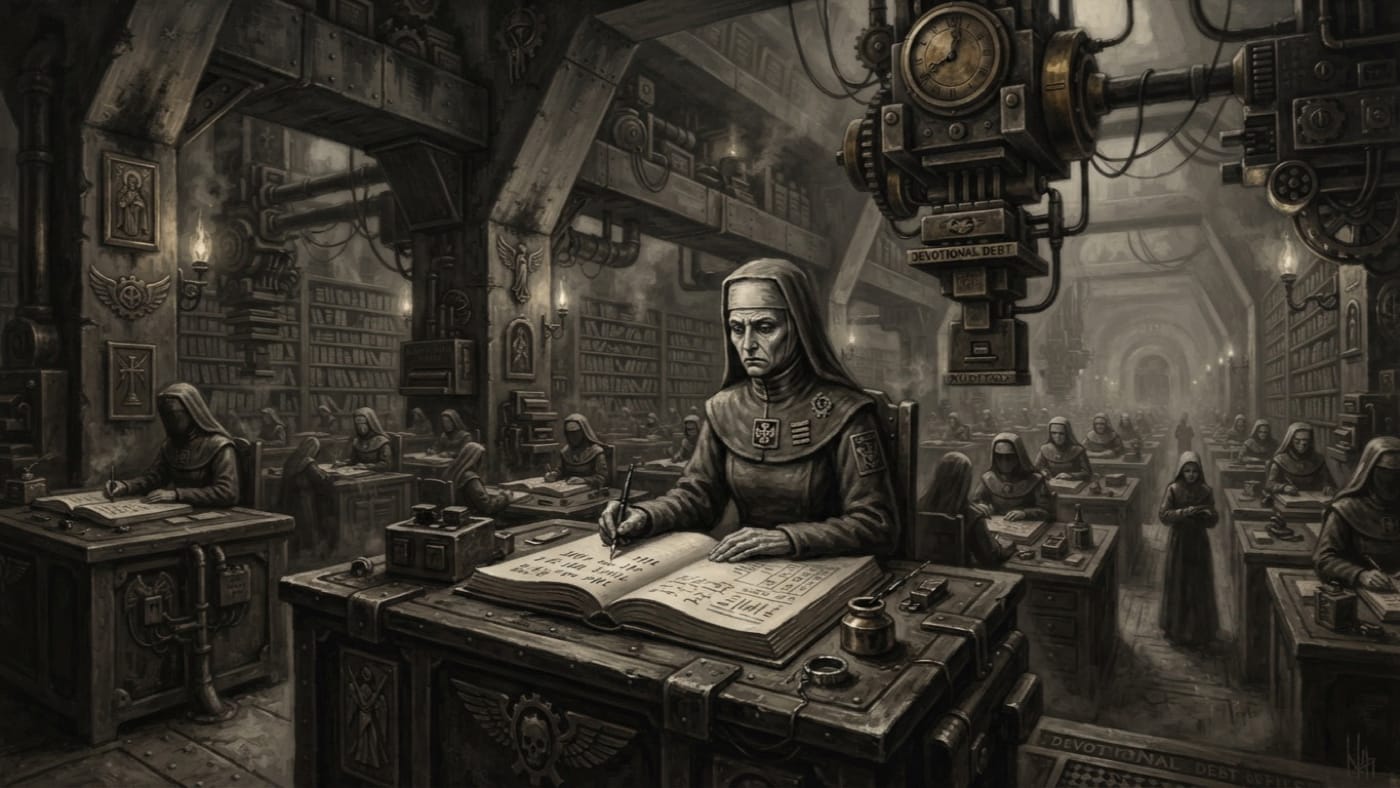
Devotional Debt
The Bureau balances; it does not forgive.
Current survey, A.S. 201: grace entails obligations, and unpaid obligations accumulate as devotional debt. Rites records the deficits and their reported signs. The Bureau balances; it does not forgive.
Codex Ref. VI.3.01-002

Diesel Resonance Plumber
The unwashed saints who keep the bastions from collapsing — and are blamed when they do.
The Diesel Resonance Plumber — Pipe-Singer, Thumper-Runner, Heretic Wrencher — maintains the pressurised diesel conduits that carry resonant vibration through the bastions' bones. The Bureau of Engines insists this work is impossible. The bastions continue to require it.
Codex Ref. XII.2.03-001
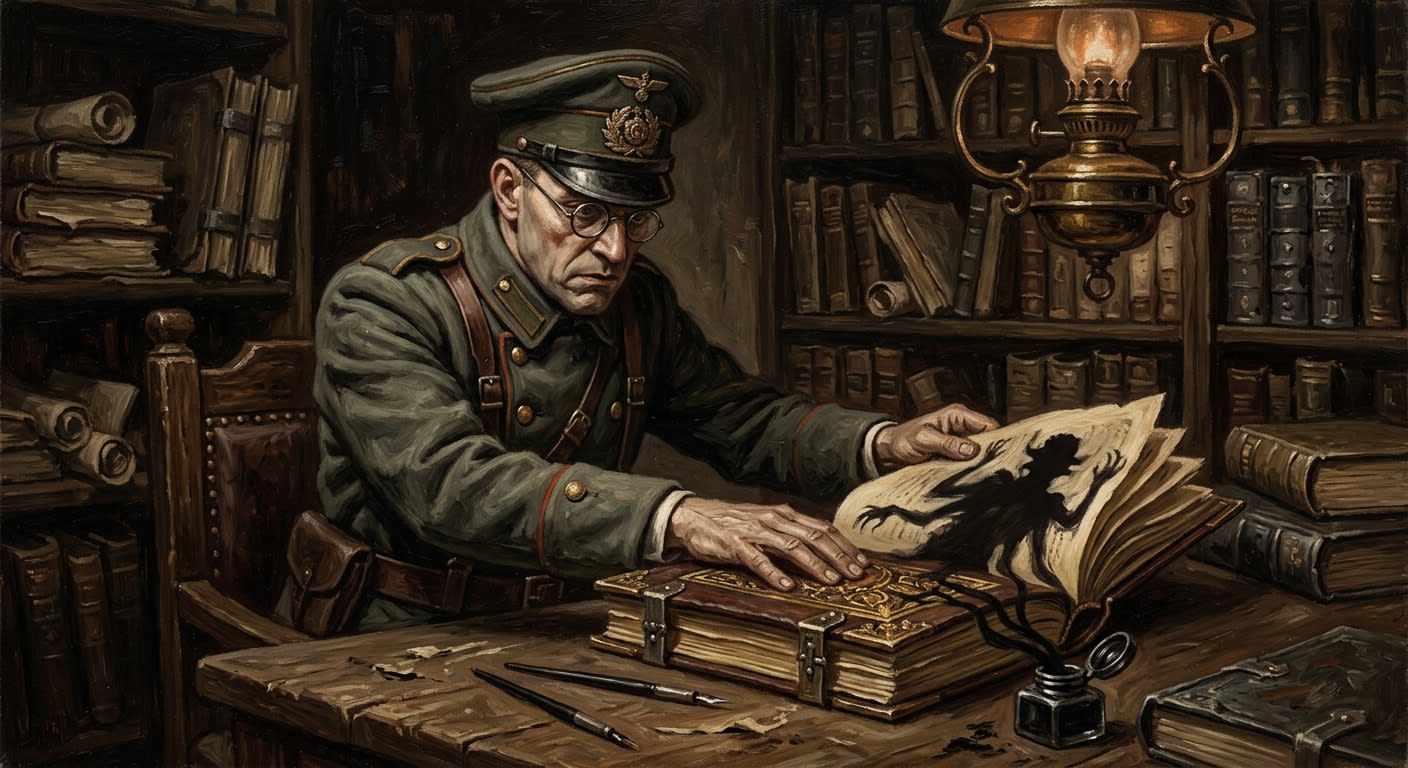
Directive 77-C
The holy art of leaving the enemy's sentence unfinished
Directive 77-C forbids the copying, completing, humming, tracing, staging, or correcting of the Shadow Court's Mock Liturgy. Curiosity here opens a mouth and calls it scholarship.
Codex Ref. XIII.1.77-174

District Confession Registrar
The clerk hears the sin; the registrar counts the paper
A.S. 201 survey of the senior booth-paper keeper: blank receipts and mercy foils counted apart, district returns reconciled, and irregular kindness made legible to Purity. The registrar counts grace but cannot grant it.
Codex Ref. XII.9.02-001

Diver-Matron
The hand on the iron may end the descent
A Diver-Matron is a senior harbour diver. In Thessaloniki, she inspects the submerged chain, teaches apprentices, and ends unsafe descents while the towers are still arguing.
Codex Ref. XII.13.04-001
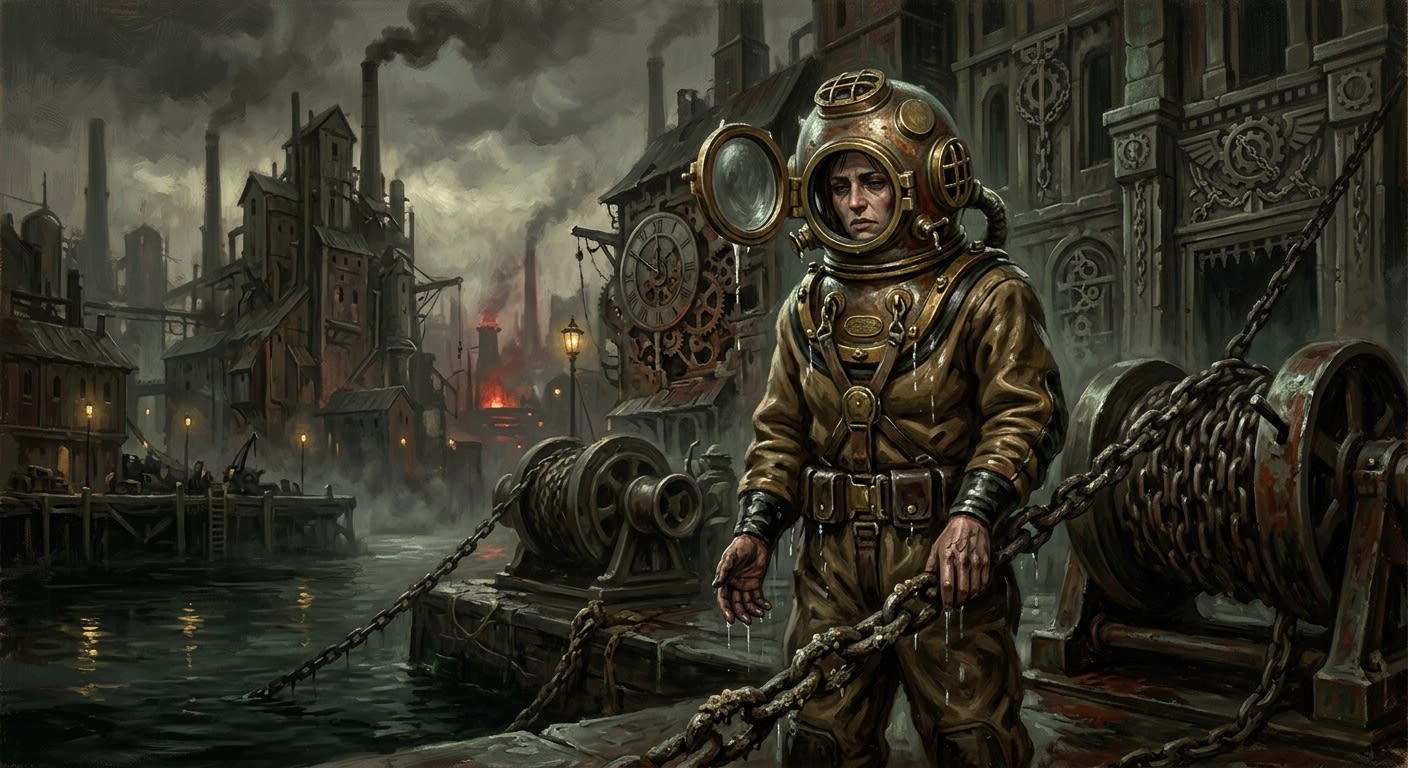
Diver-Matron Sera
The woman who heard the iron when the bronze lied
Diver-Matron Sera is Thessaloniki's sleepless chain-diver, the worker whose palms confirmed the harbour-chain's hidden bell-schedule when every tower instrument failed.
Codex Ref. III.2.01-034
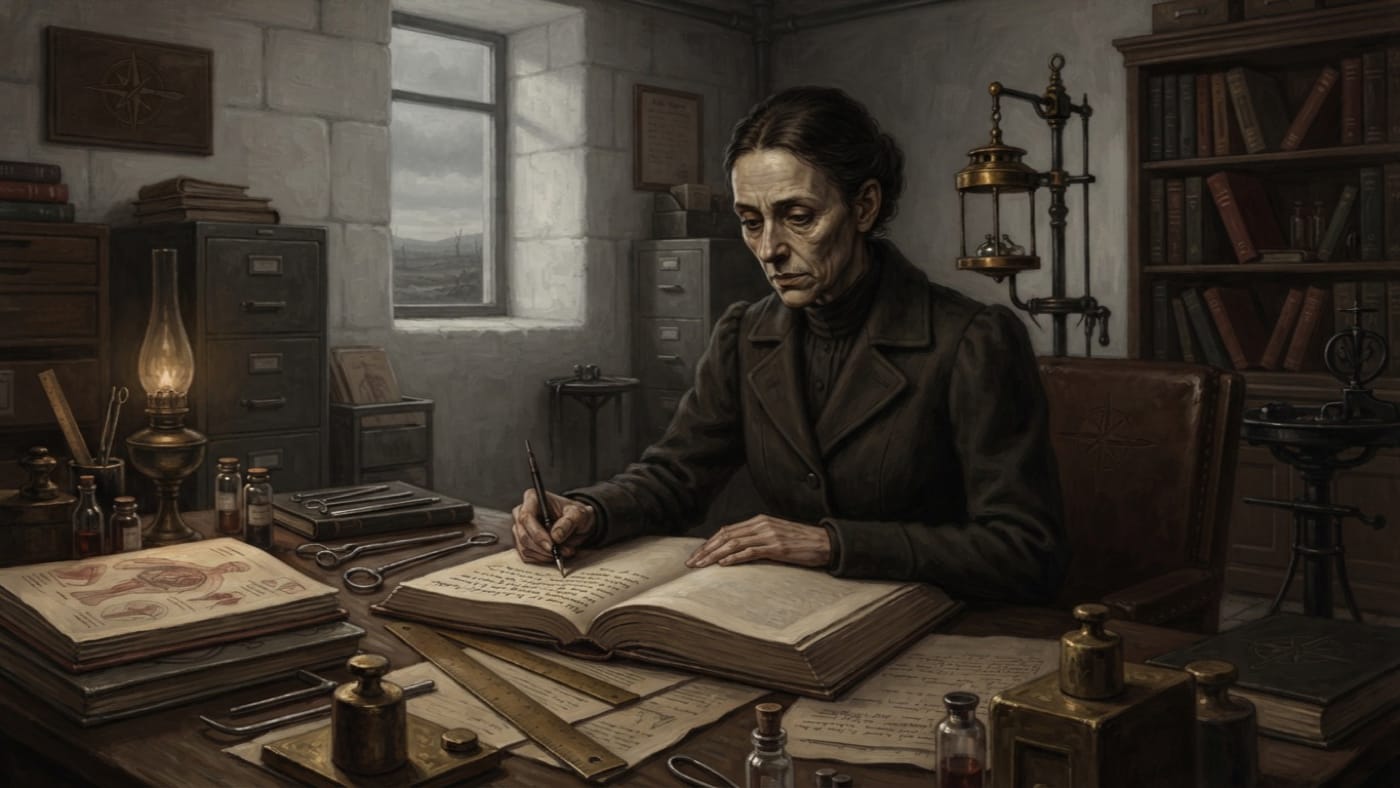
Doctor Maren Solen
The measurements remain. Her reasons are unrecorded.
Doctor Maren Solen attended the Pit Seven exposure as Chief Anatomist, then resigned and entered the Adriatic sanitarium. Her measurements survive. The archive gives no reason for her departure.
Codex Ref. III.2.01-134
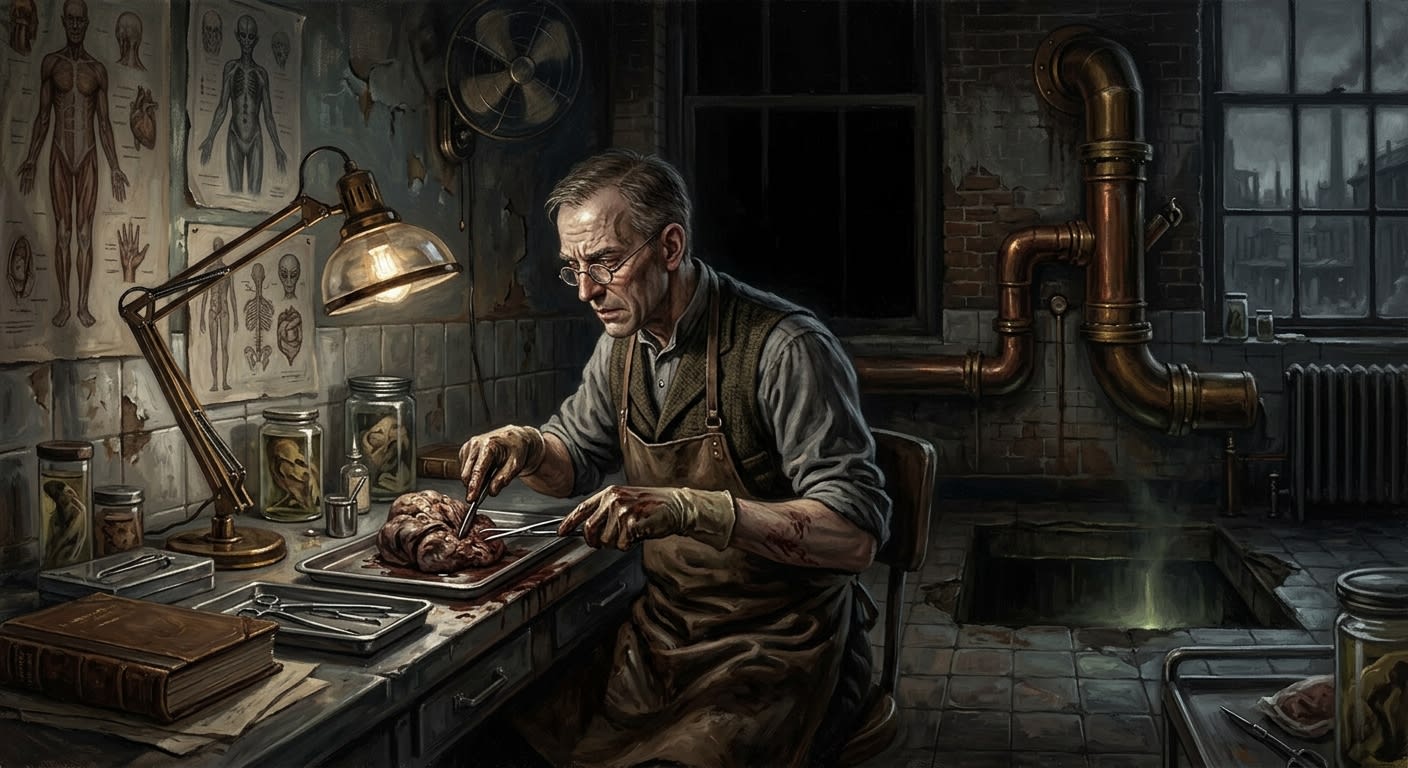
Doctor Trenn
The anatomist who measured hunger and refused comfort
Doctor Trenn, Chief Anatomist of the Bureau of Medicine, gave the Famine Pit horror its clinical name and kept the word real where comfort wanted illusion.
Codex Ref. III.2.01-023
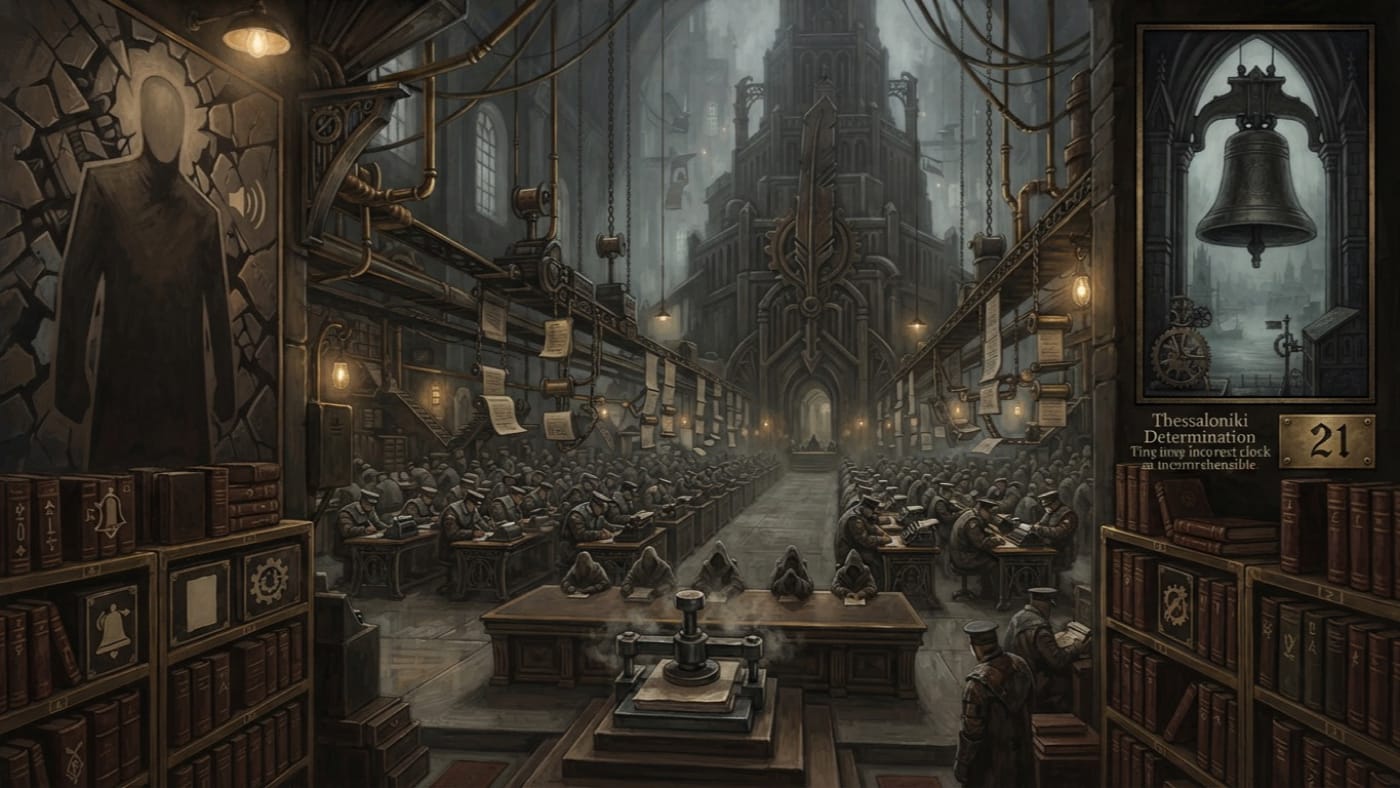
Doctrinal Congress
Where an opinion becomes an obligation
A Doctrinal Congress turns disputed findings into binding catechism, classification and wording. From the Creator's silence to Thessaloniki's reversed bells, the determinations stand while the mechanisms remain unexplained.
Codex Ref. XIII.1.90-201
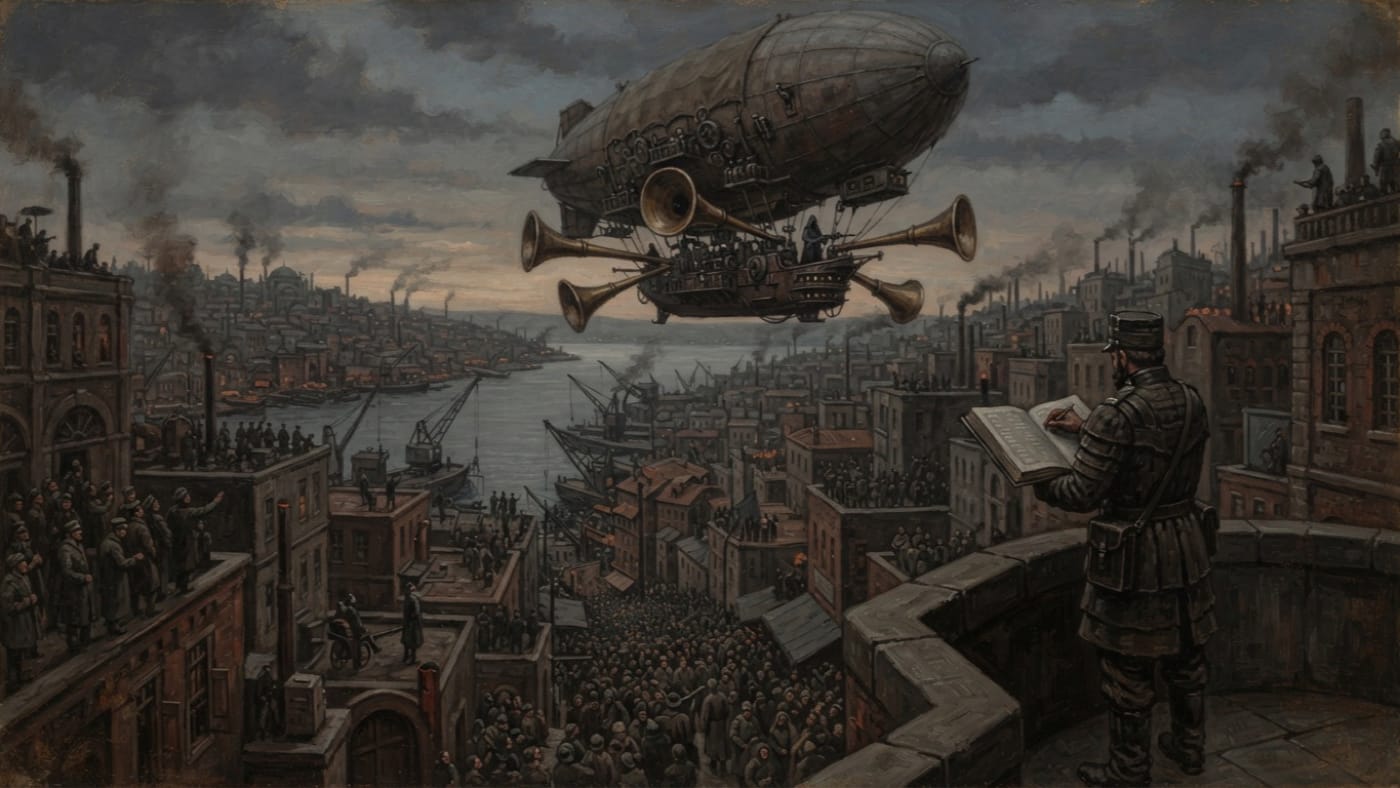
Doctrine of Aerial Sermon
The Word flies under authorization. The congregation is counted below.
The Bosphorus aerial sermon joins approved text, armed patrol and compulsory attendance. A.S. 201 survey: the roster is current, the returns are pending, and the Broadcast's speaker remains unlisted.
Codex Ref. XIII.1.21-005
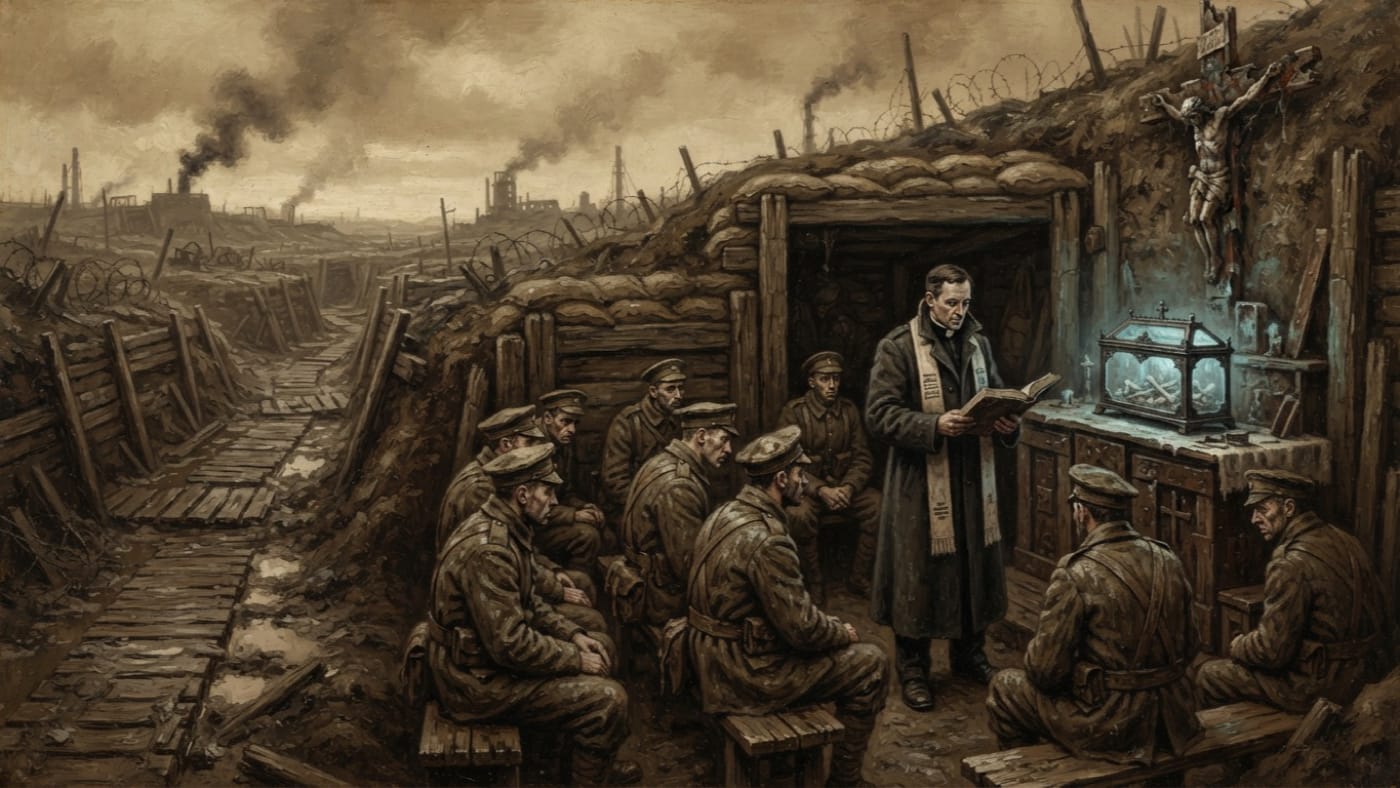
Doctrine of Divine Withdrawal
The way to our ears was broken. The responsibility remains ours.
Ratified in A.S. 72, the Doctrine blames Rationalist desecration for the Creator's silence. His return awaits Perfect Faith. The delay, naturally, belongs to the faithful.
Codex Ref. XIII.1.90-072
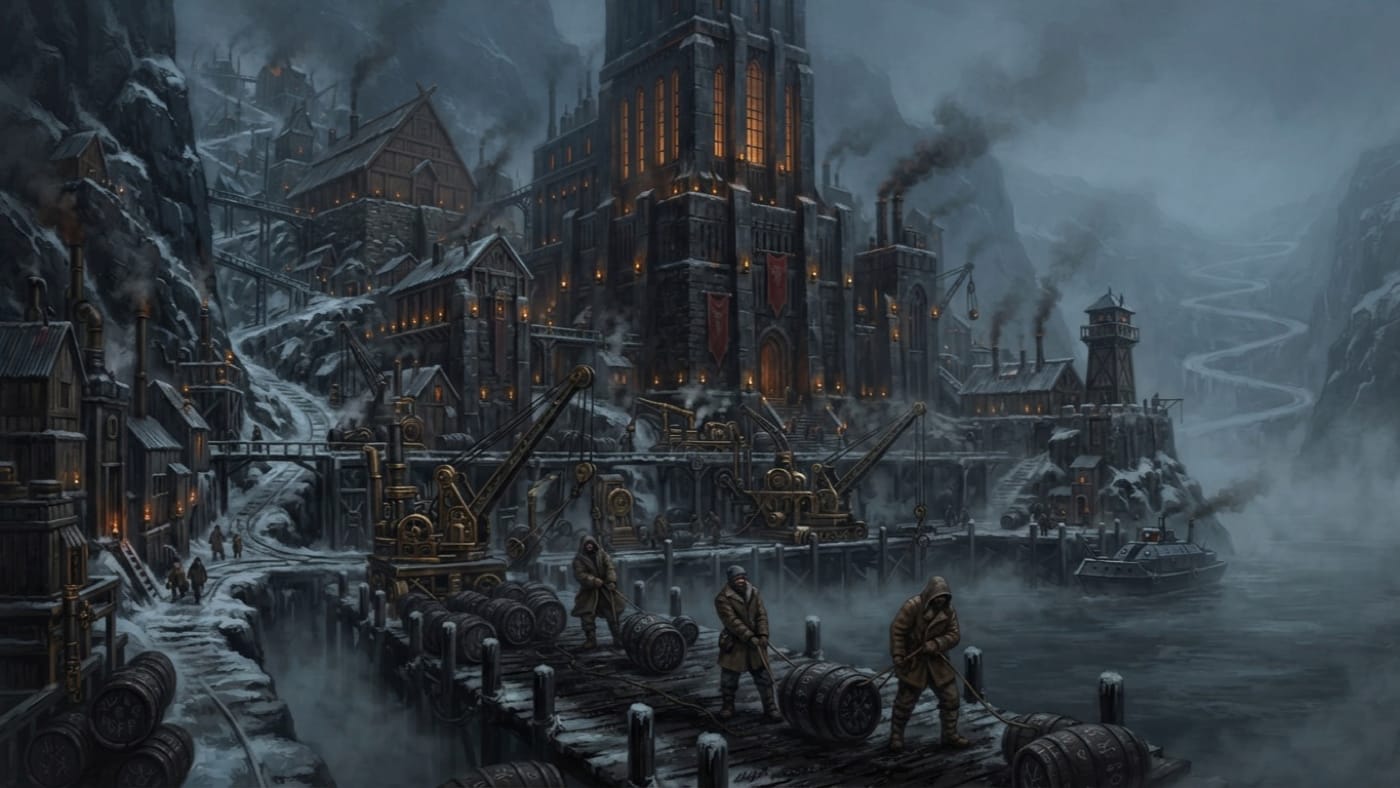
Doctrine of the Lamp
Light is grace; the rest is bookkeeping
At Hrafnvik, the Chapter calls light grace and lamp-debt sin. Drax's A.S. 197 inspection records a teaching neither ratified nor condemned, with status notes through A.S. 201.
Codex Ref. VI.3.02-001
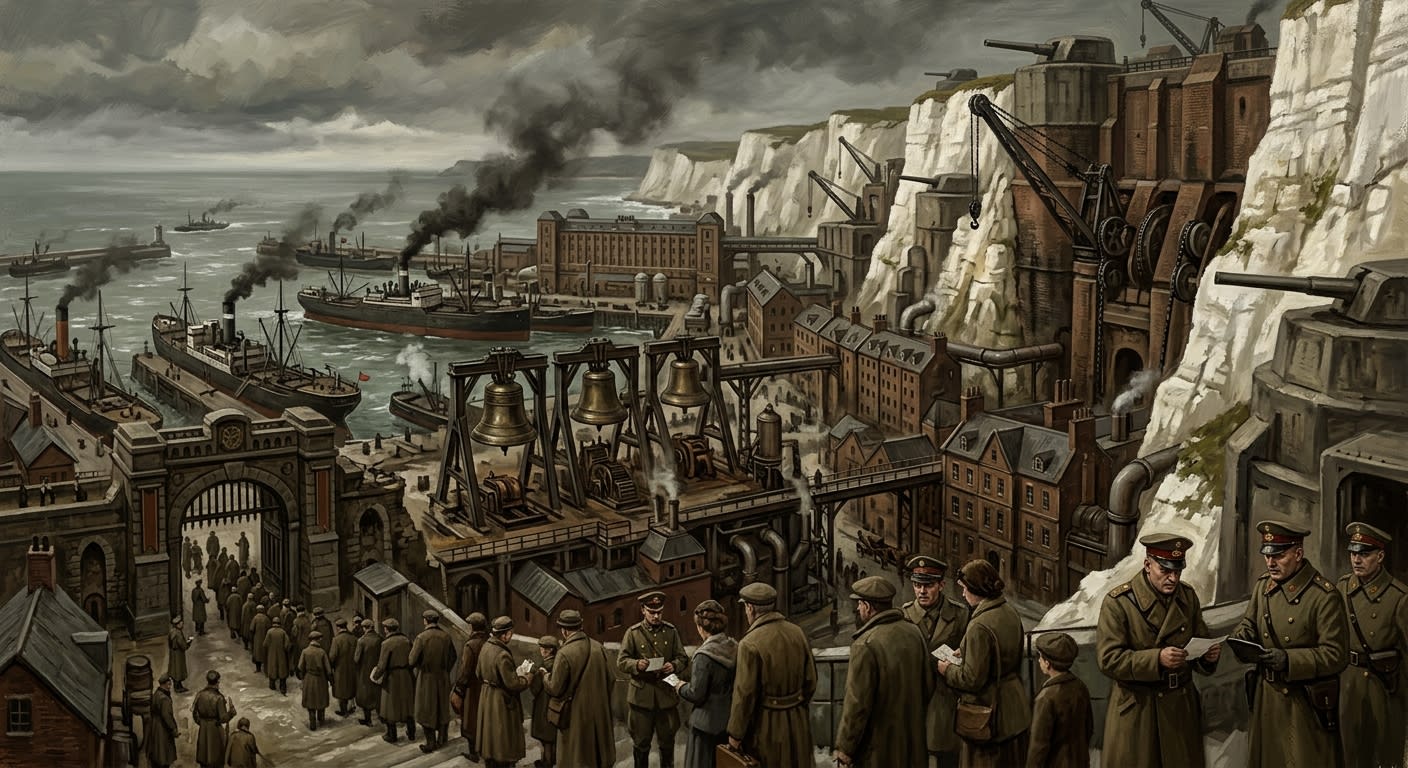
Dover
The white cliff that answers Calais with bells, chains, and refusal
Dover is the British Crown's white-cliff answer to Calais: port, bell-lane, Chainworks throat, pilgrim gate, and polished refusal.
Codex Ref. II.0.09-201
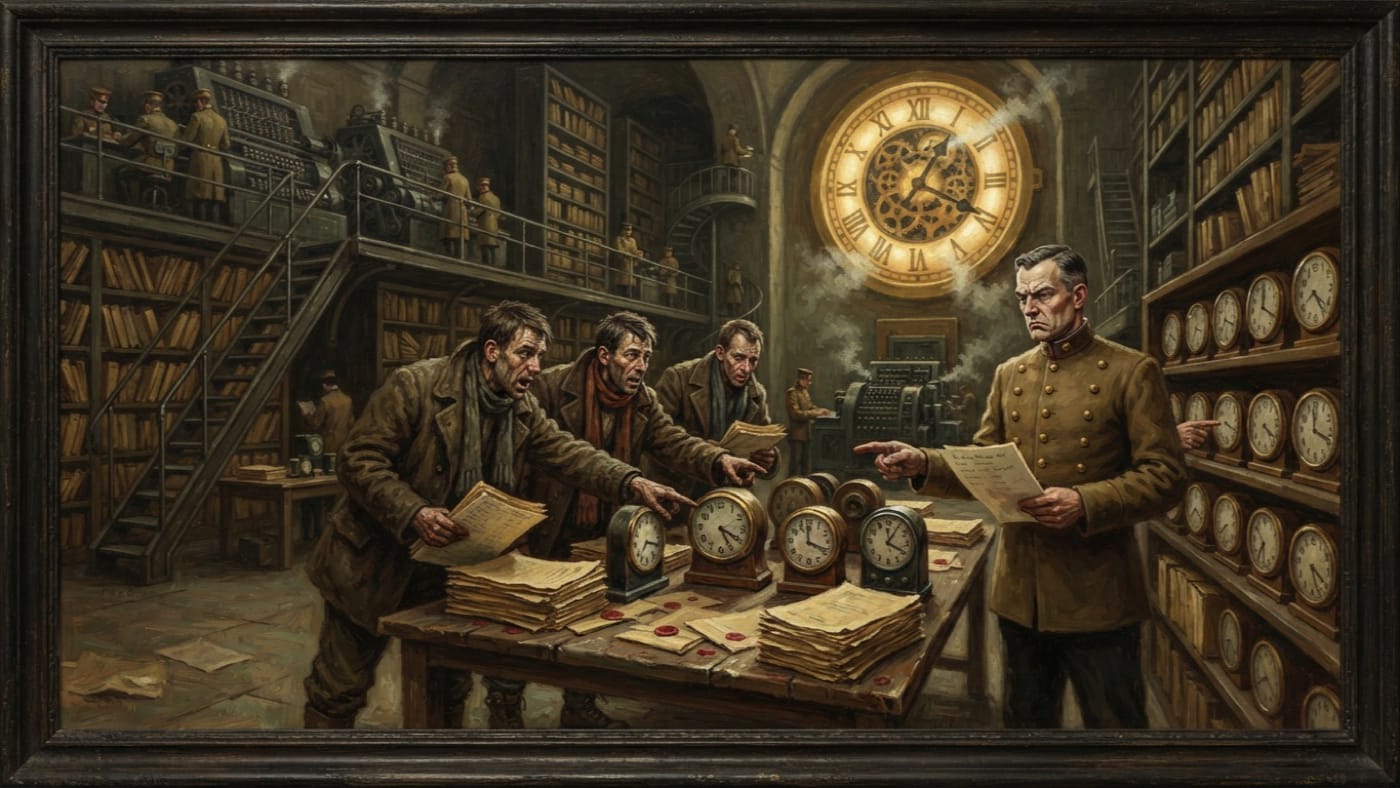
Drava clock-complaints
Nine hours by the crew; four hours eleven by the clocks
In A.S. 130, a Drava rail crew claimed nine hours against four hours eleven on every clock. Engineering charged the men; War eventually founded a bureau.
Codex Ref. VII.8.10-130
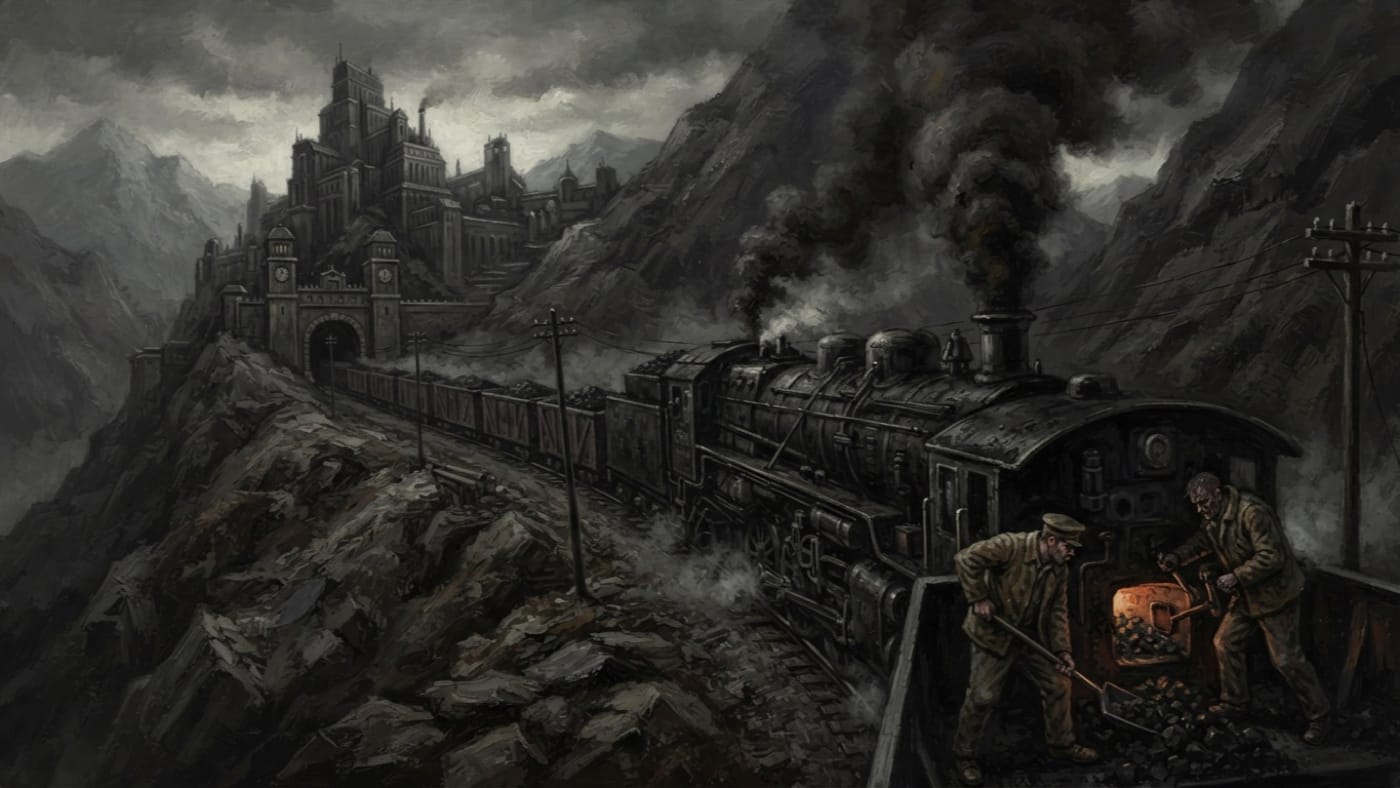
Drava spur
Nine hours of labour, four hours eleven on the clocks.
The Drava spur linked Heartlands depots to the Balkan bastions. Its A.S. 130 crew reported nine hours against four hours eleven on every clock. Engineering docked their pay; War eventually founded a bureau.
Codex Ref. II.4.11-130
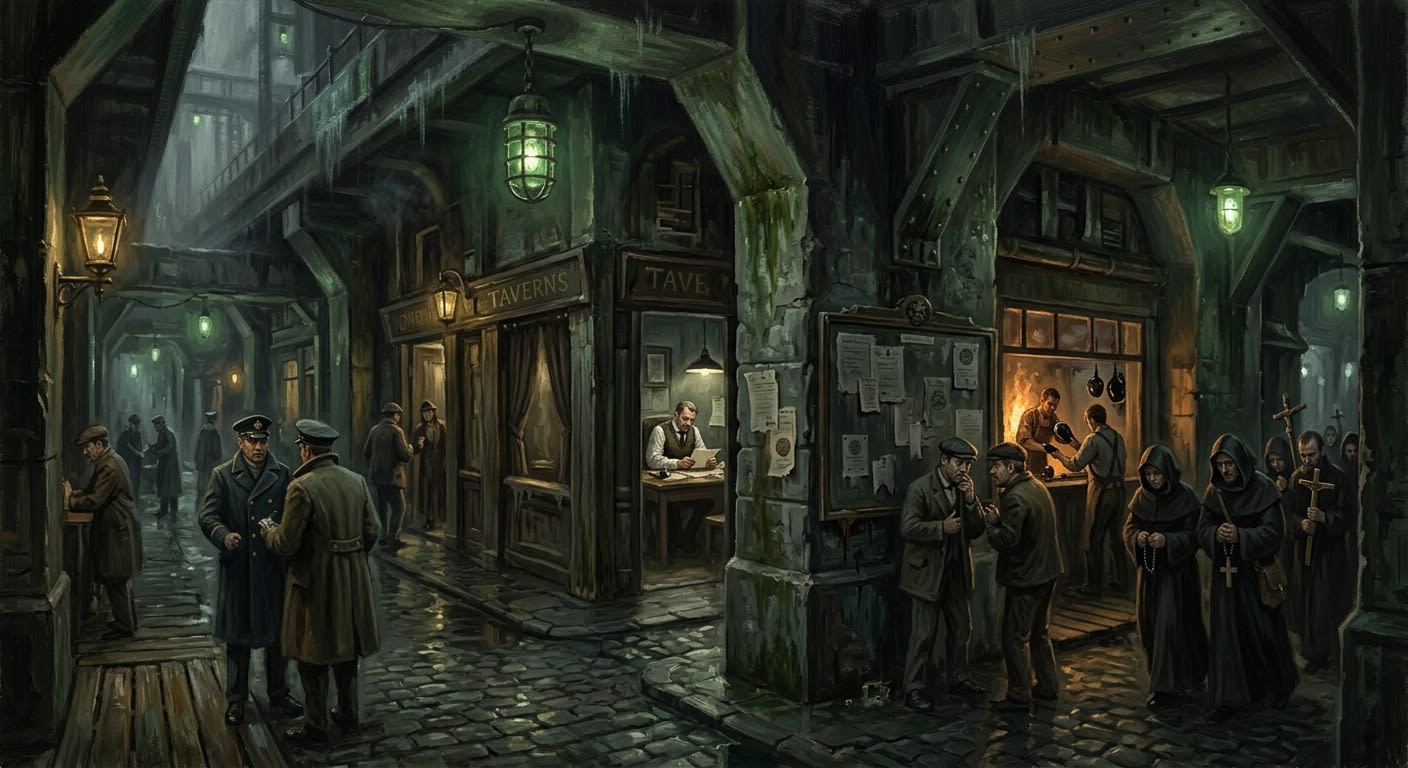
Drowned Row
The harbour beneath the harbour keeps its own ledger
Drowned Row is Thessaloniki's under-quay sailor quarter: wet taverns, false papers, pilots, glass traffic, Choir terror, and bureaucracy's useful shame.
Codex Ref. II.7.04-198
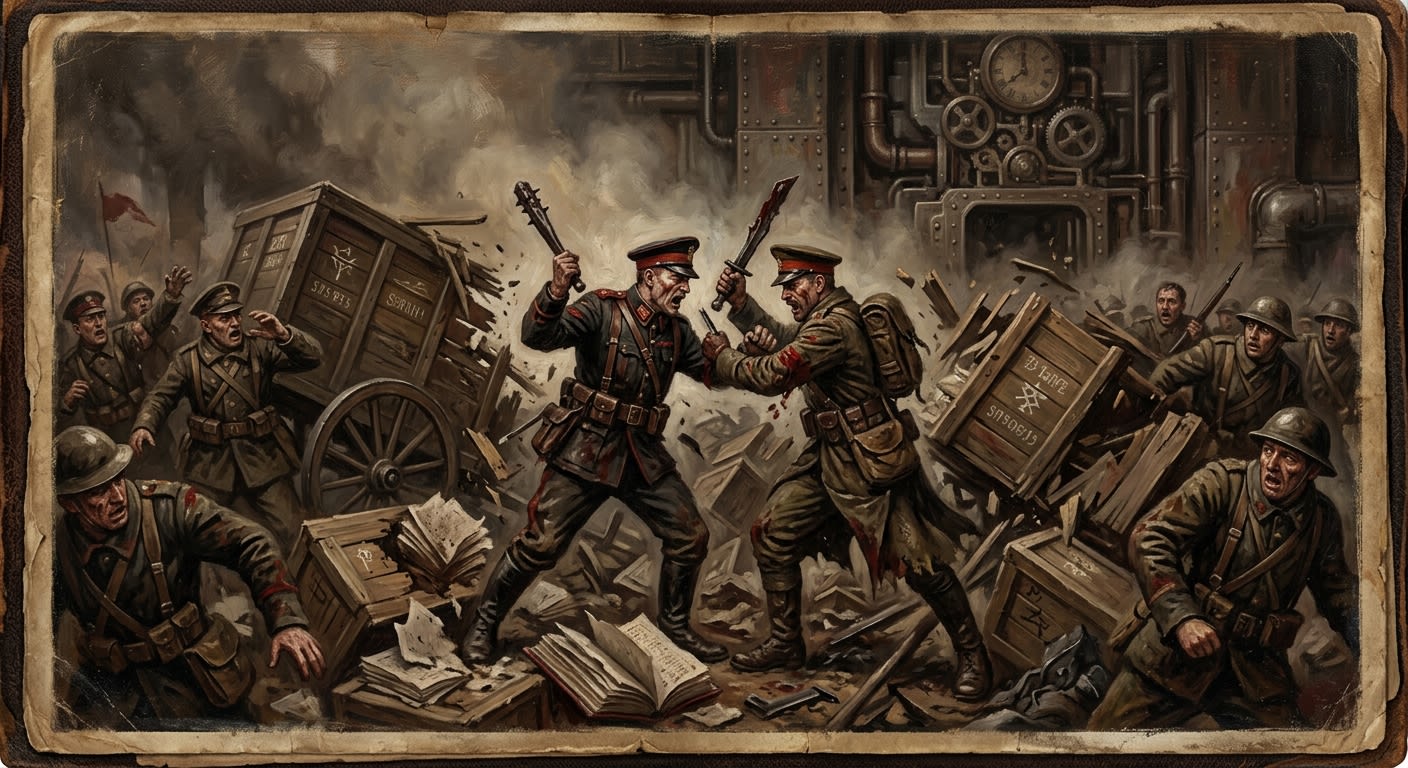
Duel of Broken Seals
Two captains brought proof; proof became dust
A.S. 131 forward-bastion Registry duel in which two valid ration claims collapsed into dust, condemning both companies beneath the wagons they contested.
Codex Ref. VII.8.10-046
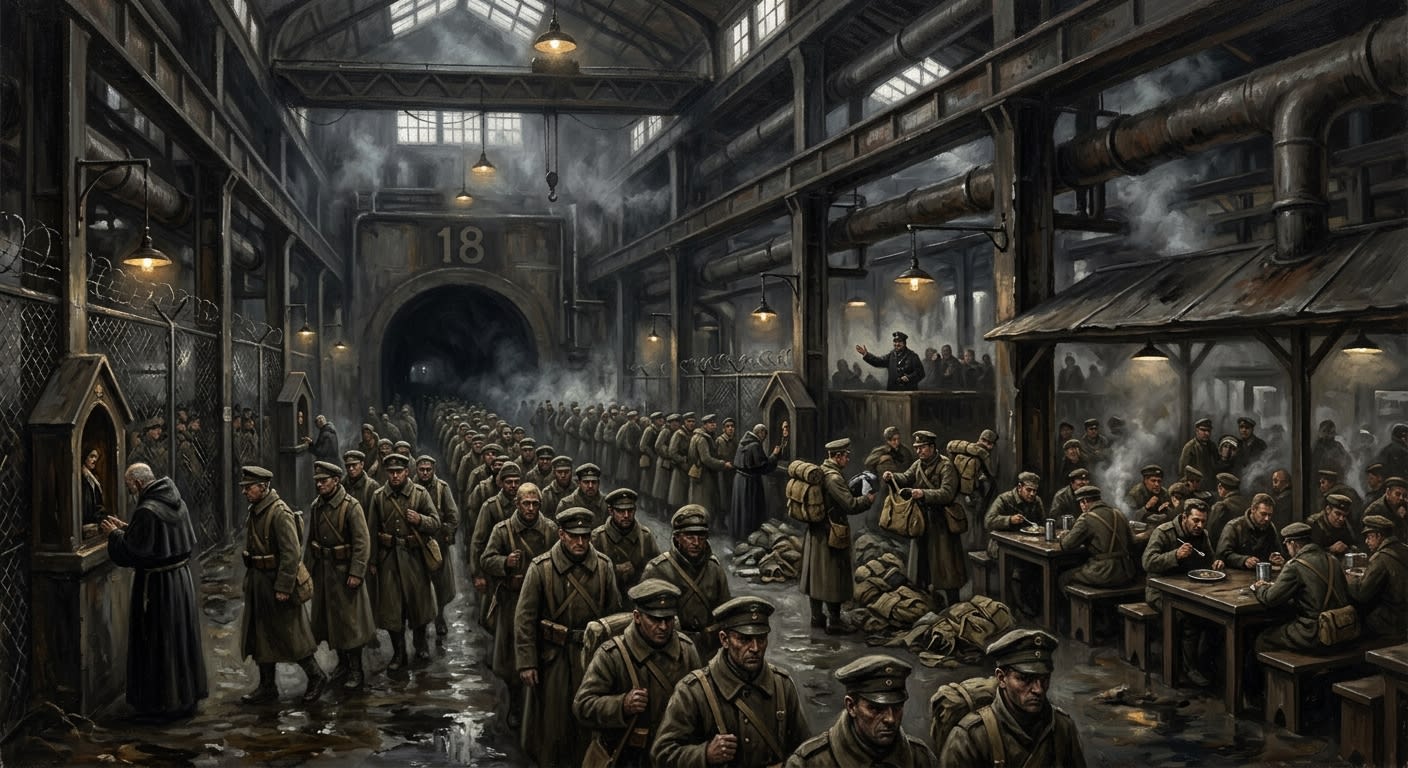
Durchgangskaserne
Munich's barracks of passage, where men are counted before the Line counts them again
Munich's Durchgangskaserne processes forty thousand soldiers a month through intake queues, kit rooms, mess halls, doctrinal briefings, and the last unofficial blessing before Platform Eighteen.
Codex Ref. II.2.06-014
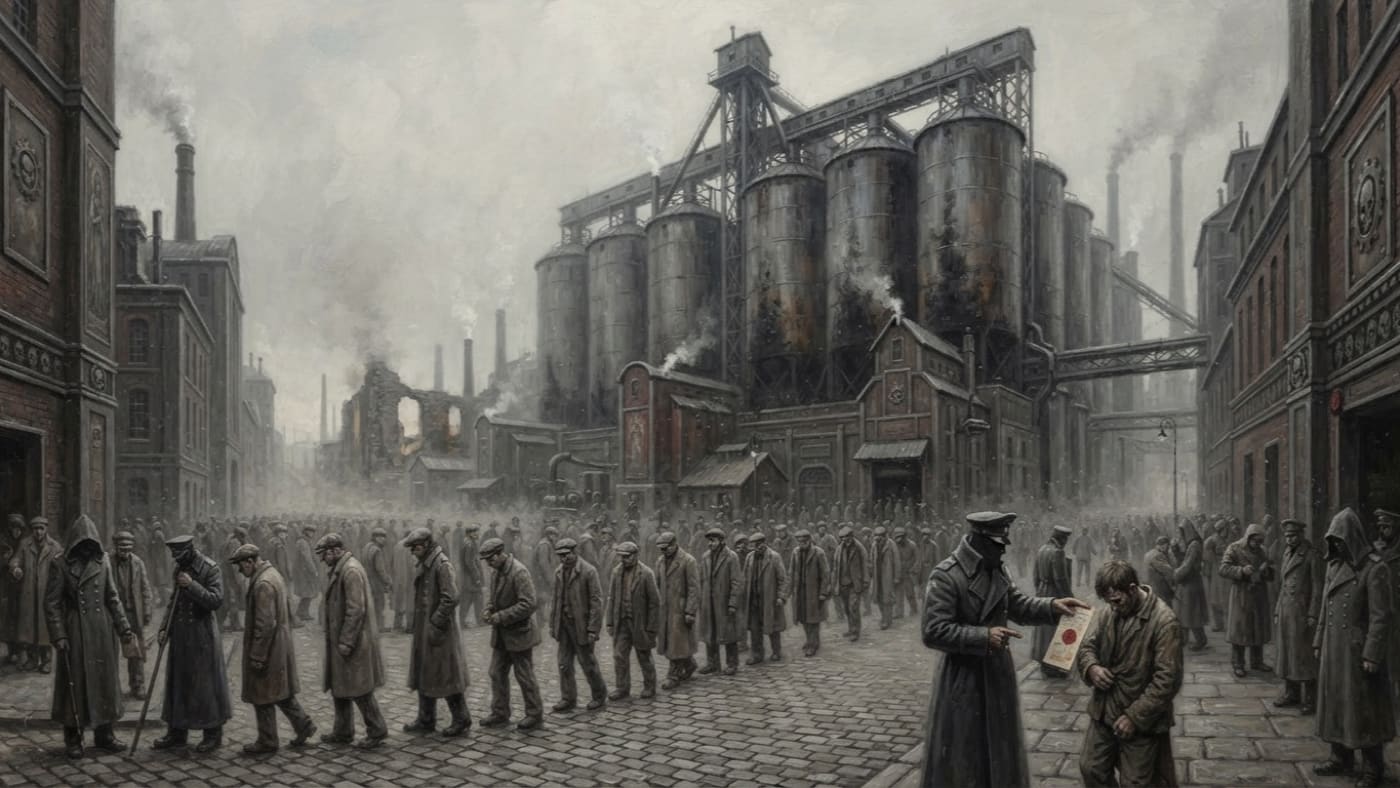
Dust Fire
Three hundred and forty dead, eighty-nine years of temporary discipline
Wexel's A.S. 112 grain-dust explosion killed 340. Steel replaced the wooden silos; temporary joy discipline gave the dead a permanent job policing the living.
Codex Ref. VII.8.10-112
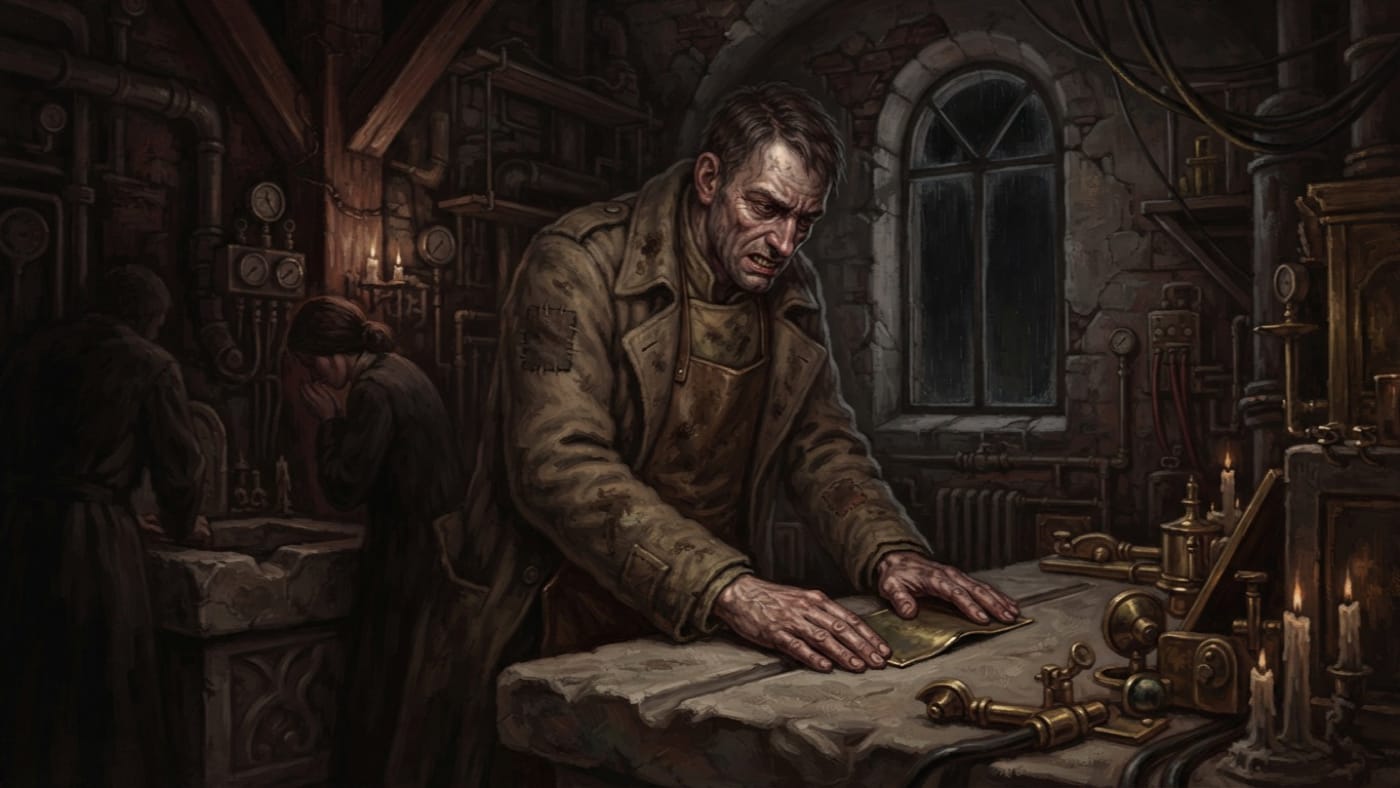
Edrik Vaul
The deed survived; the rest of the file is blank
Litany-Engineer Edrik Vaul helped contain the Singing Plate at Przemyśl in A.S. 131. He held the fragment face-down at the final binding; the archive kept his deed and left the rest blank.
Codex Ref. III.2.01-968
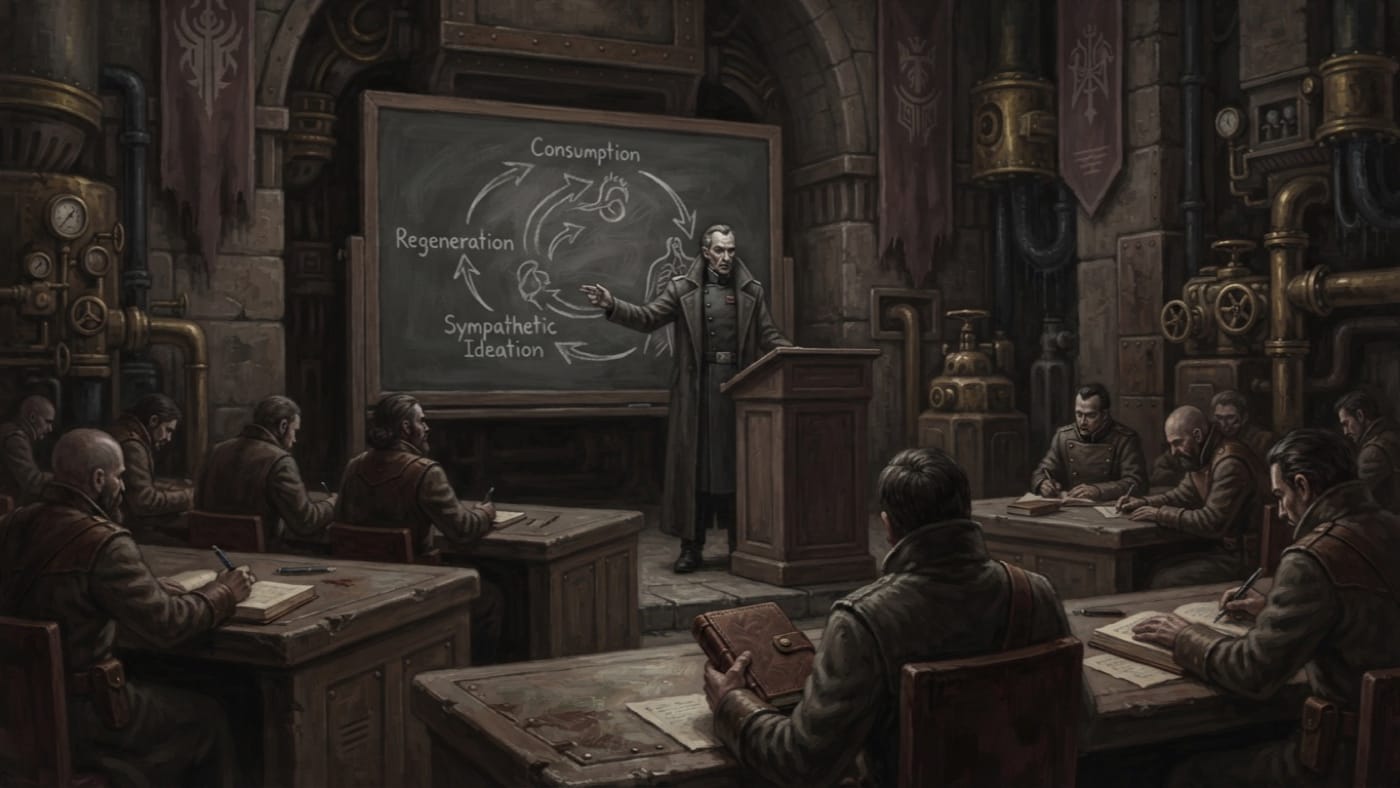
Eighteenth Conference on Demonic Pathology
Medicine supplied the noun; Doctrine supplied the instruction
At the A.S. 193 conference, Medicine named the Self-Devoured's proximity effect: sympathetic consumption ideation. No objection was entered. Eight years later, the theory remains working and the mechanism unproven.
Codex Ref. VII.8.10-018
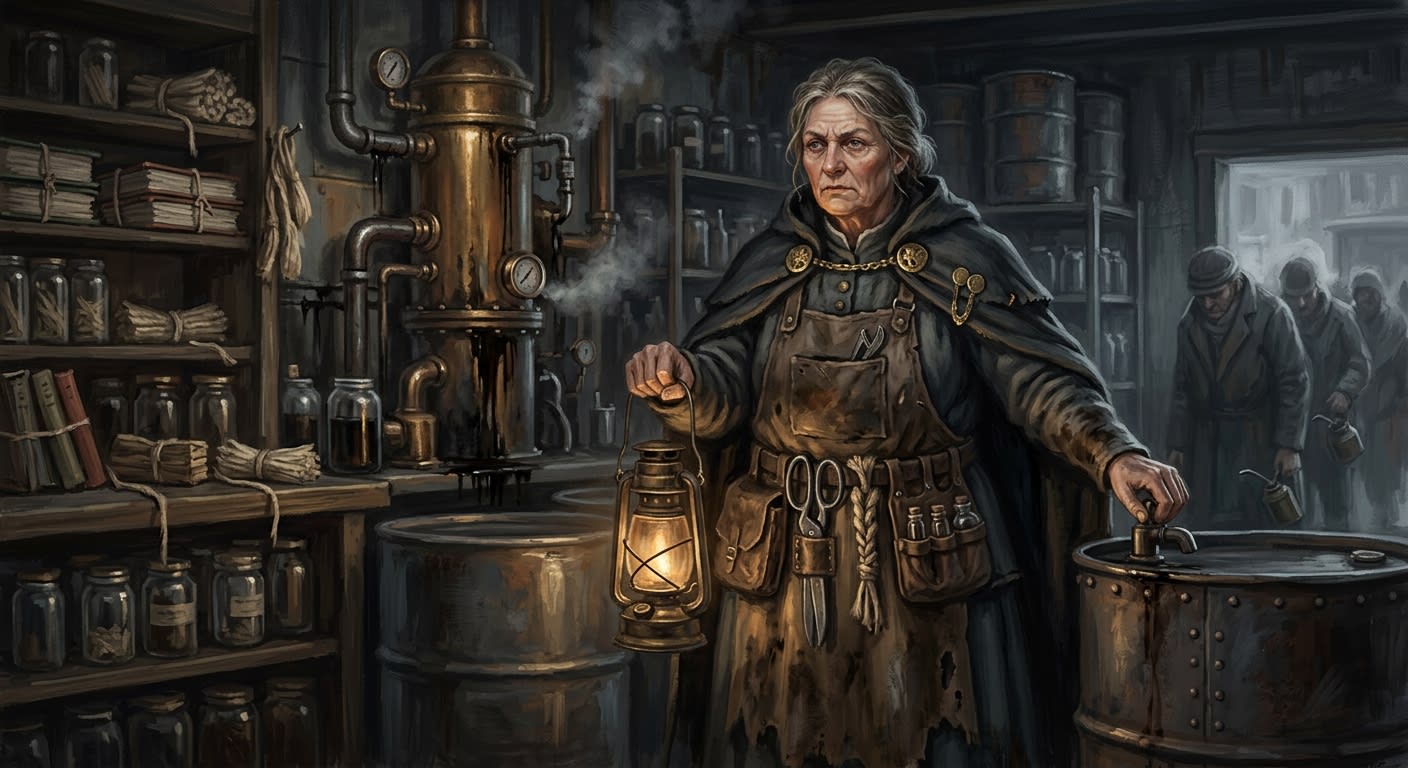
Elder Sigrun Half-Wick
The woman who taught southern paper to burn poorly and oil to obey
Elder Sigrun Half-Wick is Hrafnvik's indispensable irregularity: oil-allocator, wick-cutter, clan elder, and the woman winter obeys before paper.
Codex Ref. III.2.01-201
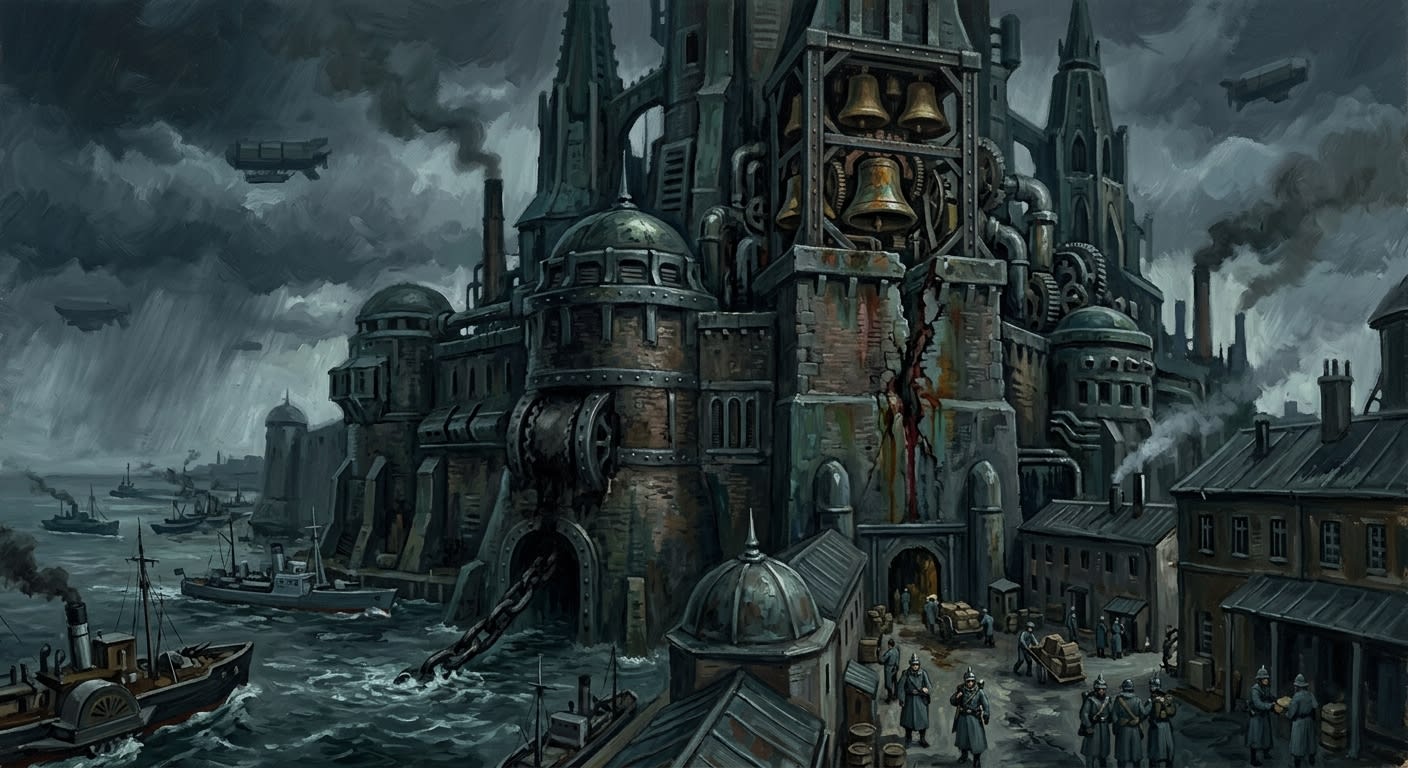
Elder Tower
The western throat that rang true until the harbour taught it otherwise
The Elder Tower is Thessaloniki's western chain-head: bell throat, harbour court, Silence-scar, and the old mouth now speaking in the wrong voice.
Codex Ref. II.4.09-198
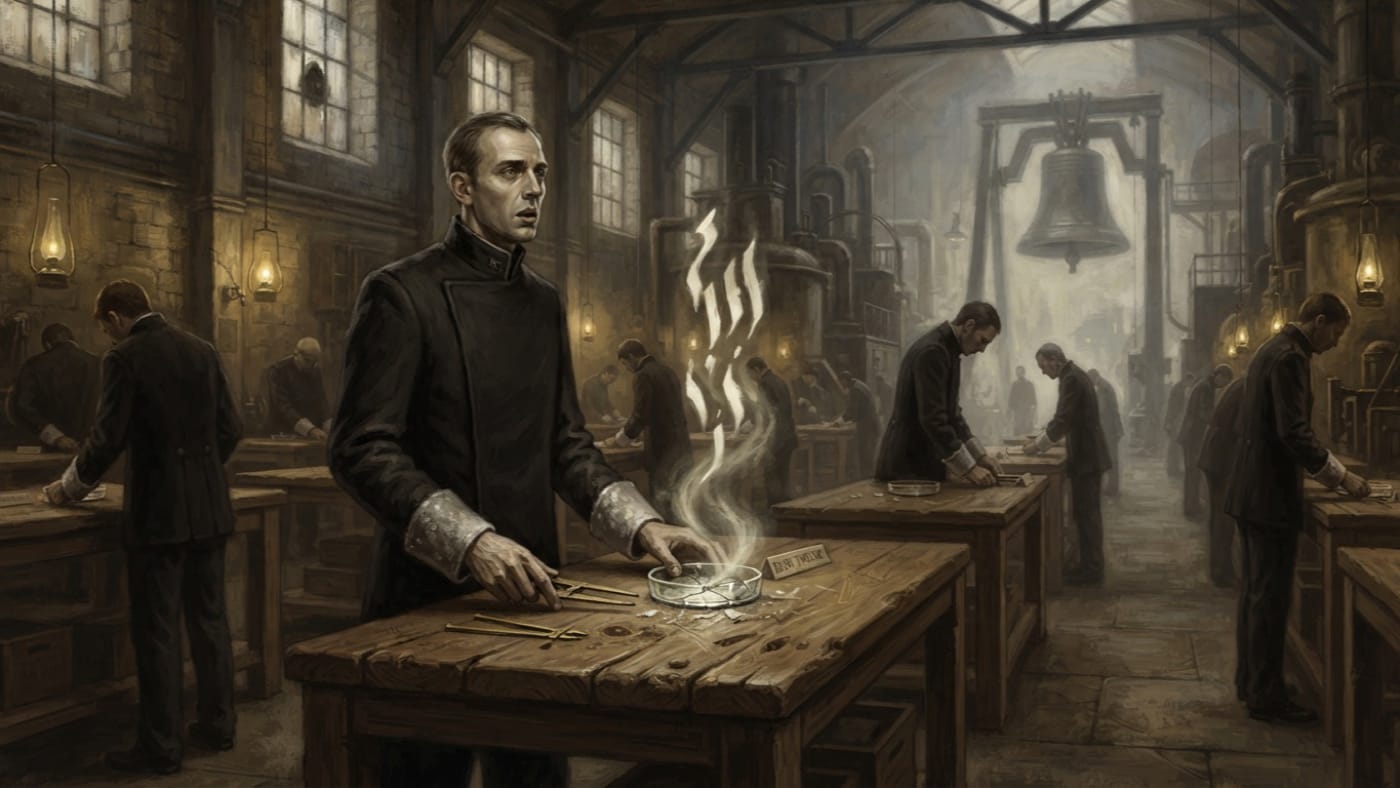
Elian Voss
A grader, a redacted phrase, and a body entered as unavailable
Elian Voss spoke a redacted phrase over Dish Twelve at Mournwater in A.S. 199, then collapsed. The body is unavailable; the paperwork survives.
Codex Ref. III.2.01-199
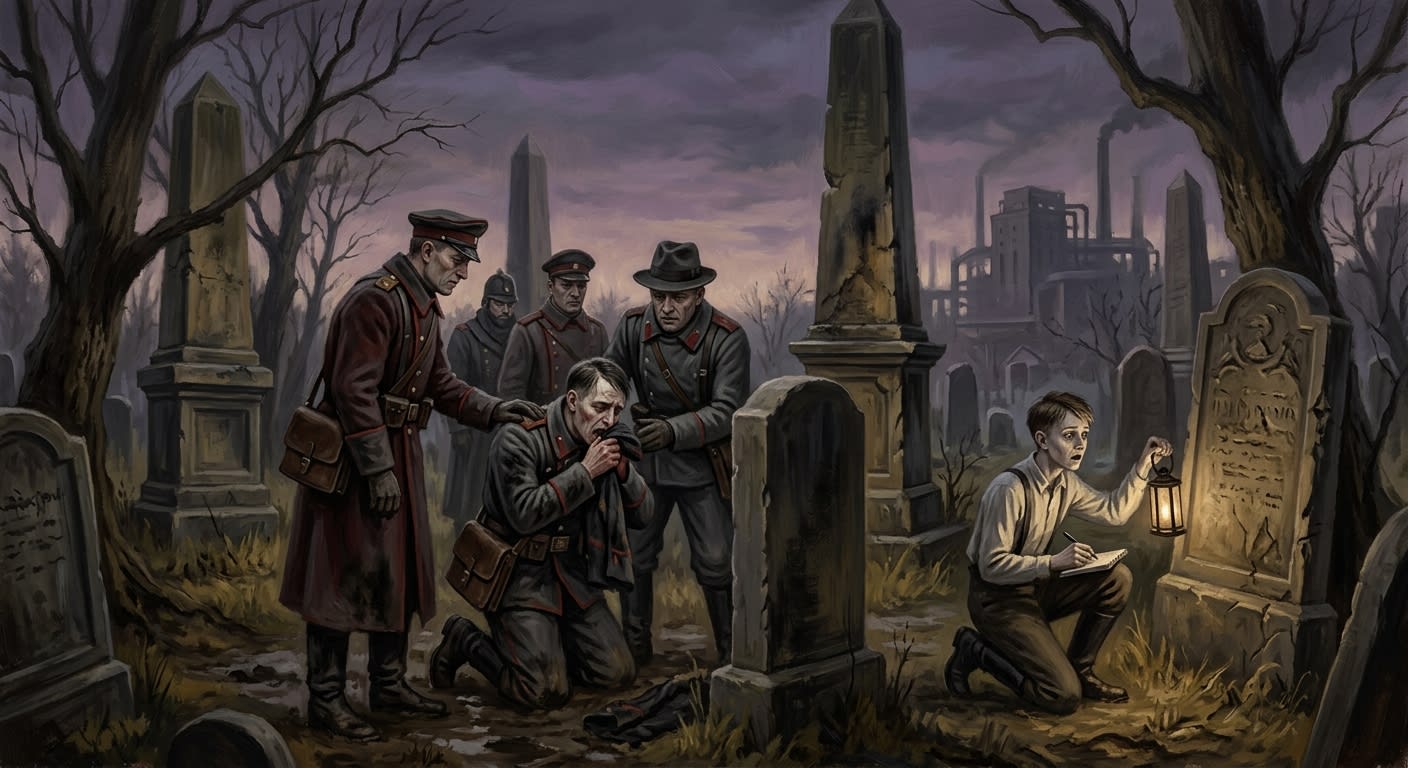
Epitaph Plague of Novi Sad
When the stones wrote first, the living learned to count backward
In A.S. 122, Novi Sad grave stones began carving living names before their deaths; Records called it weathering for fourteen years, then learned grammar can kill.
Codex Ref. VII.8.10-037
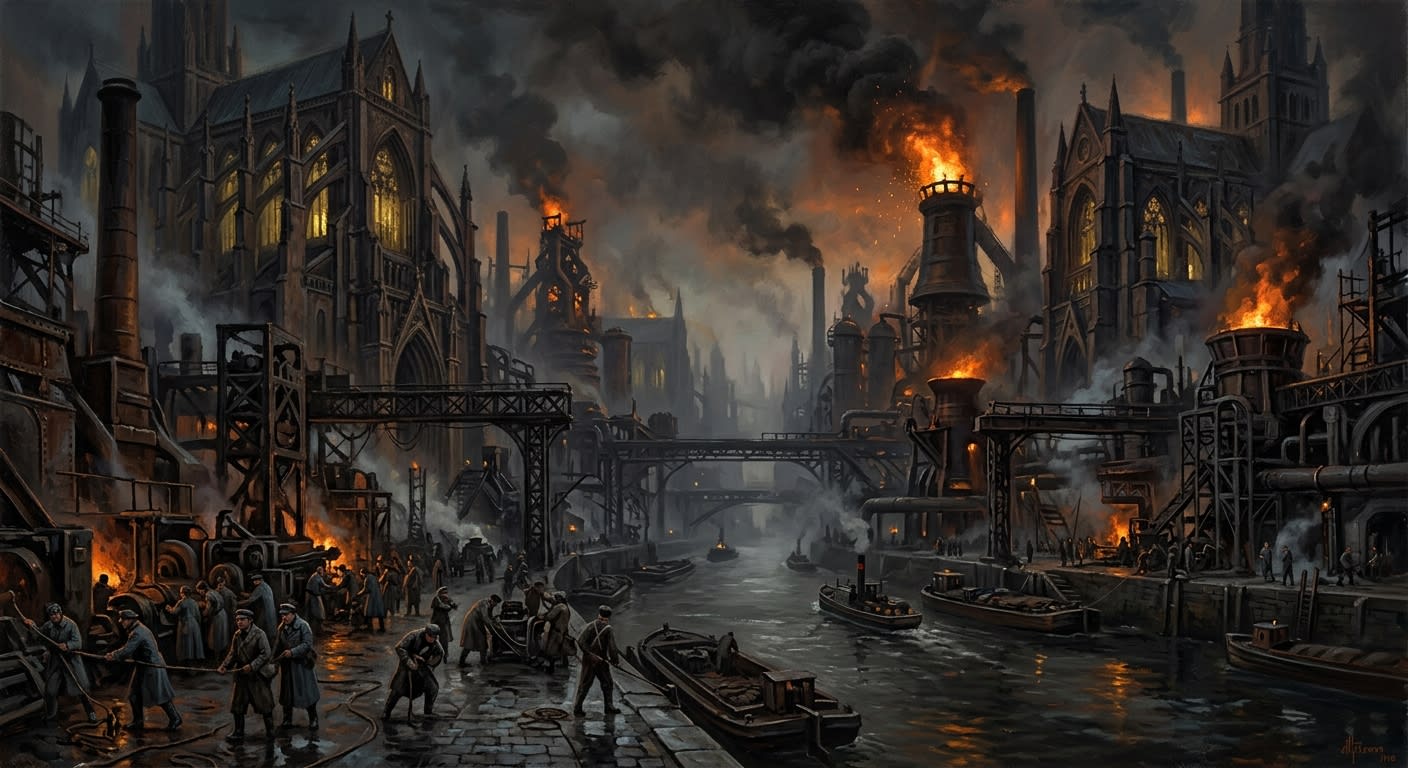
Essen-of-Hymnsteel
The city the Line cannot outlive, and dare not silence
Industrial holy city where steel is calibrated by choir and governed by three Bureaus who share nothing willingly except the fiction that none of them is losing.
Codex Ref. II.2.01-001
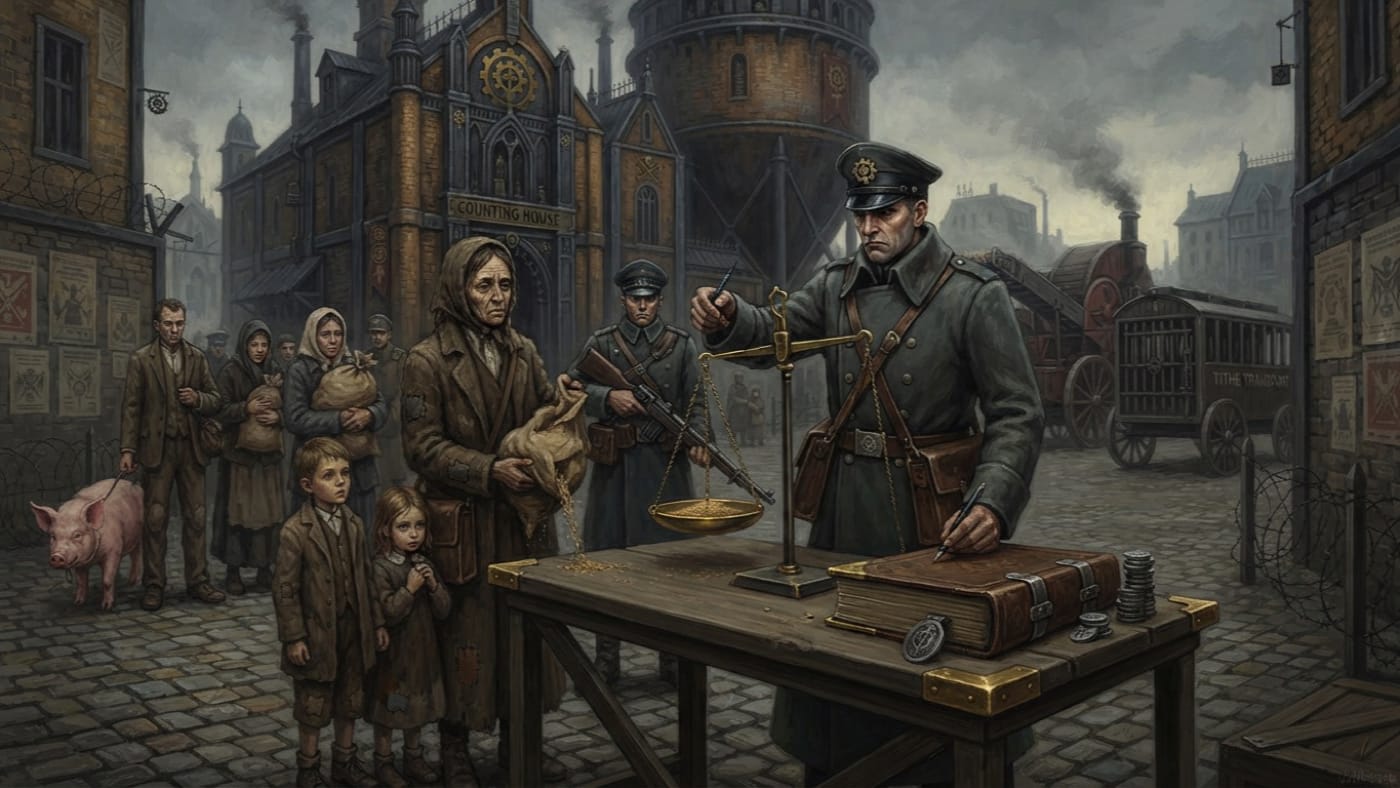
Faith-Tithe
The tenth that never settles the bill
The Faith-Tithe is the tenth owed by every baptised Synod subject, payable in coin, livestock, grain or labour. I certify the receipt; the surcharges follow.
Codex Ref. XIII.1.92-001

Feast of Annunciation Corrected
A feast is a schedule that has been to seminary
The Feast of Annunciation Corrected kept the Saint Gabriel's A.S. 182 launch from conflicting with a munitions delivery. The calendar, too, answers to logistics.
Codex Ref. XIII.1.89-182
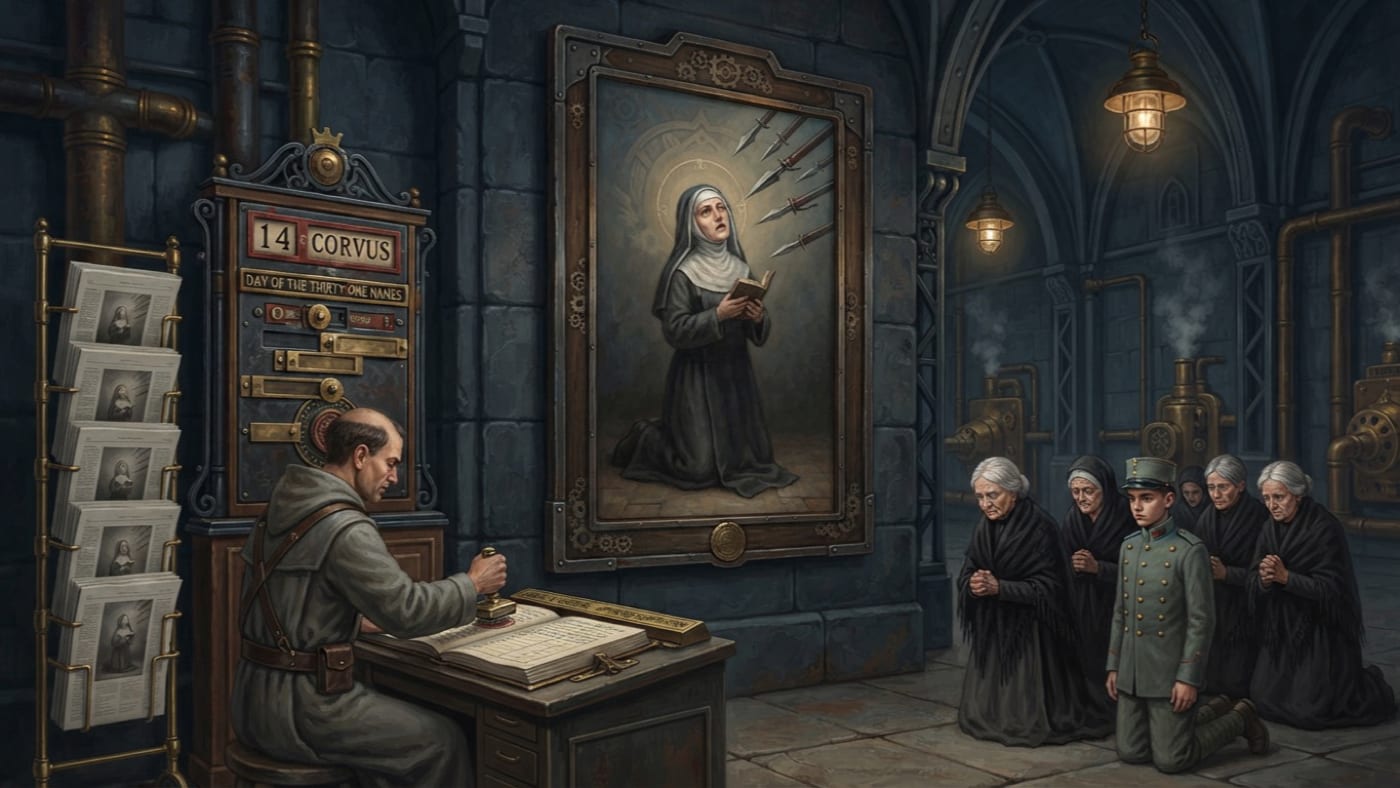
Feast of Saint Margaux
Thirty-one dead, one approved face
On 14 Corvus, Saint Margaux shares her feast with the Day of the Thirty-One Names. The grief belongs to the faithful; the face, the calendar and the uses belong to the Bureaus.
Codex Ref. XIII.1.87-014
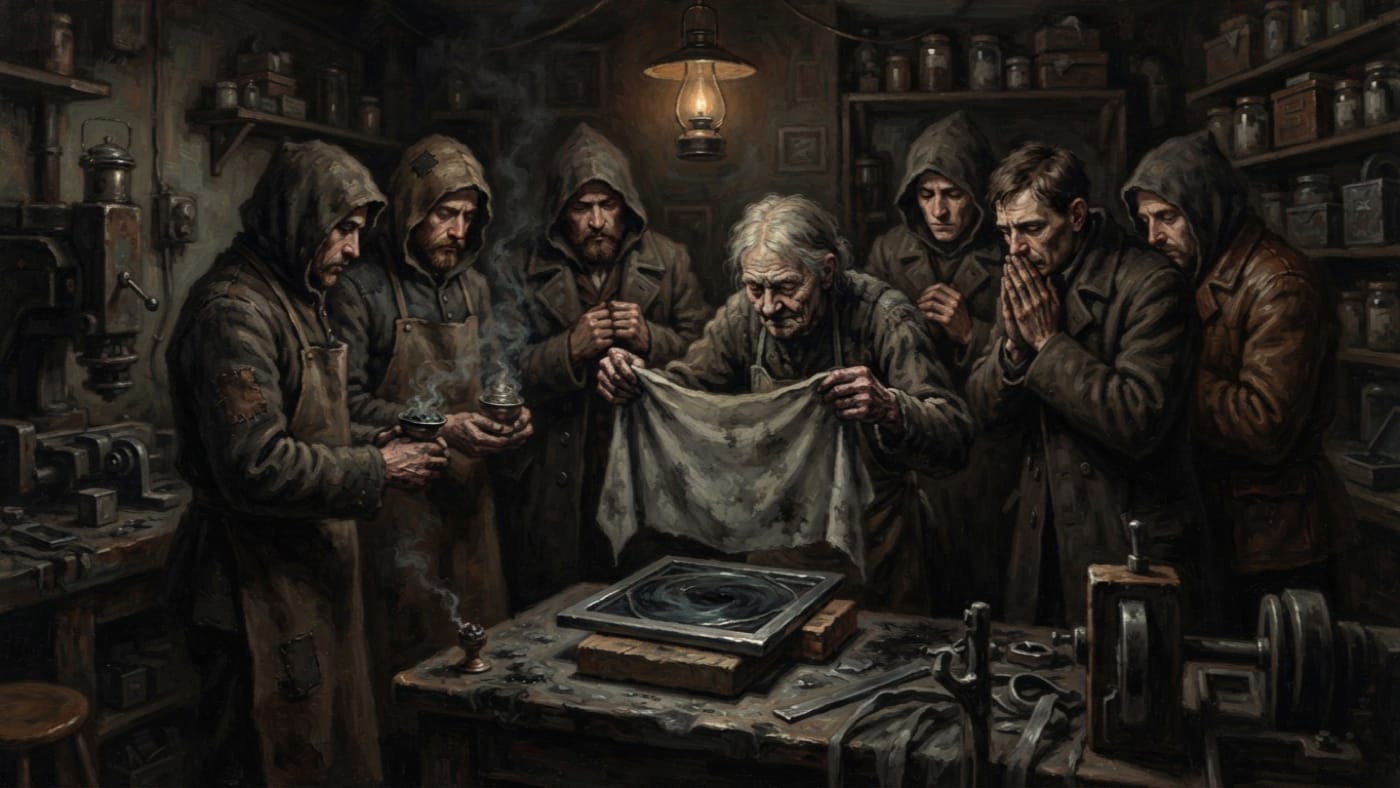
Feast of Silenced Tongues
A craft without a charter keeps the feast of a saint without a file
The Demon-Glass Polishers honour Saint Varda after Matins, on a night chosen by workshop consensus and denied by morning. A cloth is lifted for one breath; silence earns thanks, and a whisper earns them faster.
Codex Ref. XIII.1.92-001
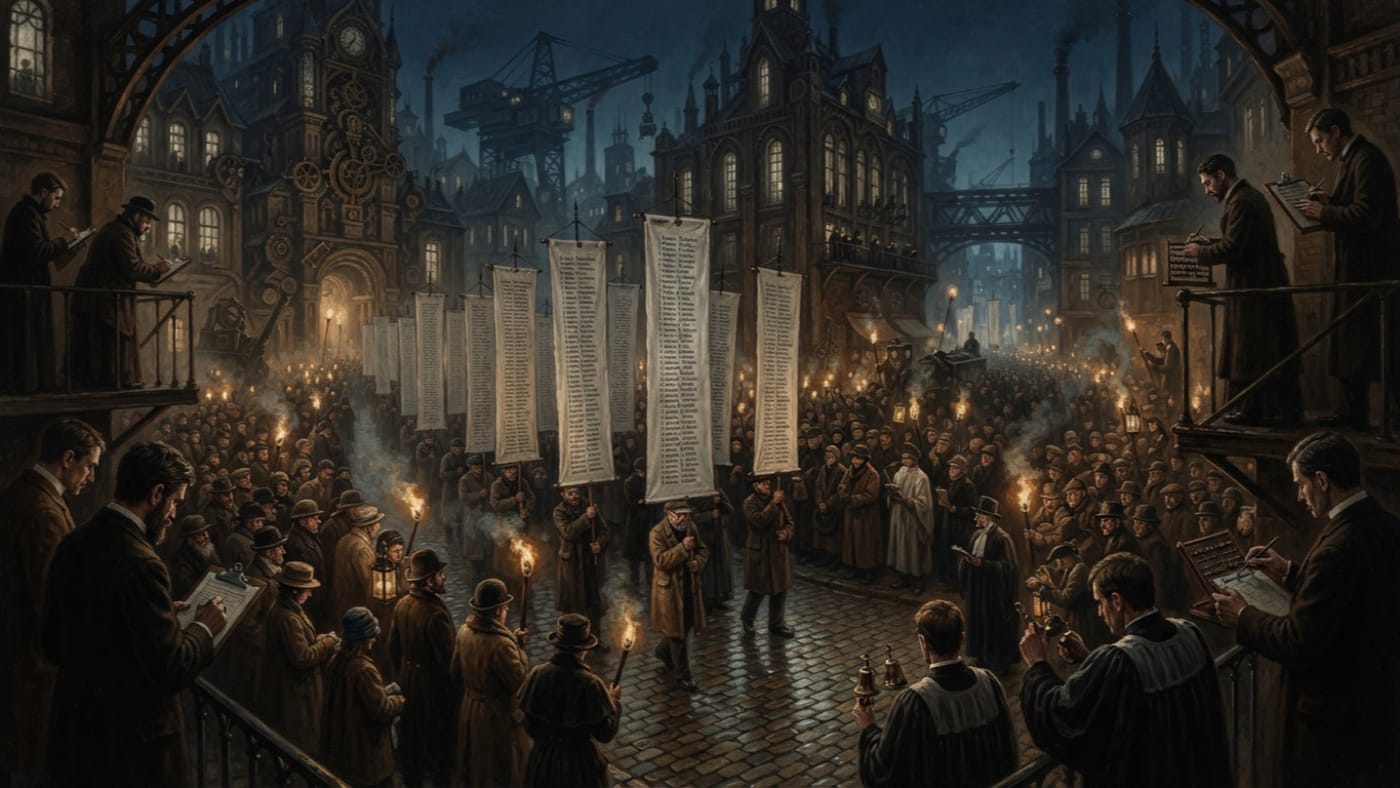
Festival of Departed Flames
The names are read; the weeping is measured
Each autumn the Synod reads its dead by torchlight. Festivals counts the mourners, Rites consecrates the chant, Records logs the names, and the weeks that follow grow quieter. I record the figures; the Bureaus supply the explanation.
Codex Ref. VII.3.03-001
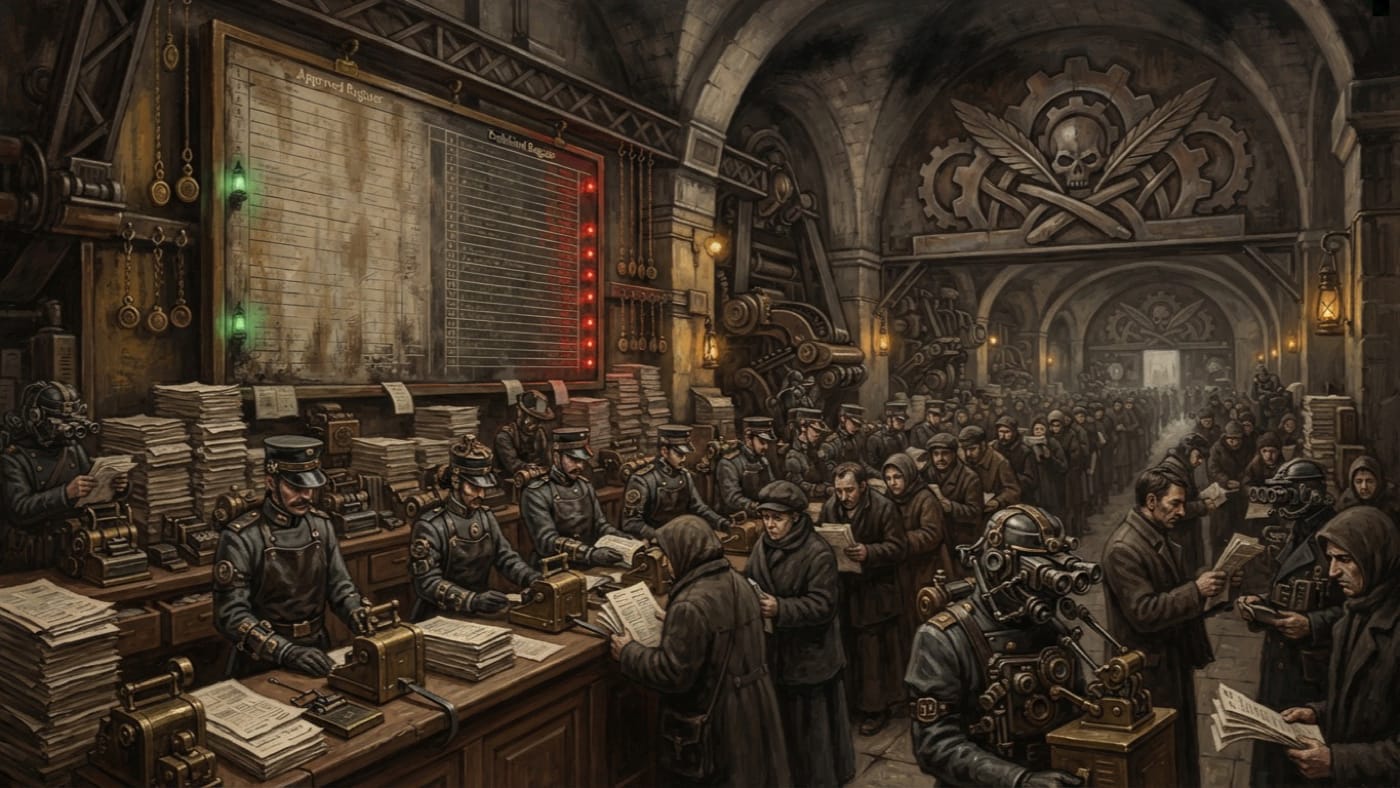
Festival Permit Office, Lyon
Eleven weeks to obtain four hours of joy
The Lyon permit counter in A.S. 200: eleven weeks of processing for four hours of approved celebration. The Tumults taught the Bureau suspicion; the forms have preserved the lesson.
Codex Ref. VII.4.11-002
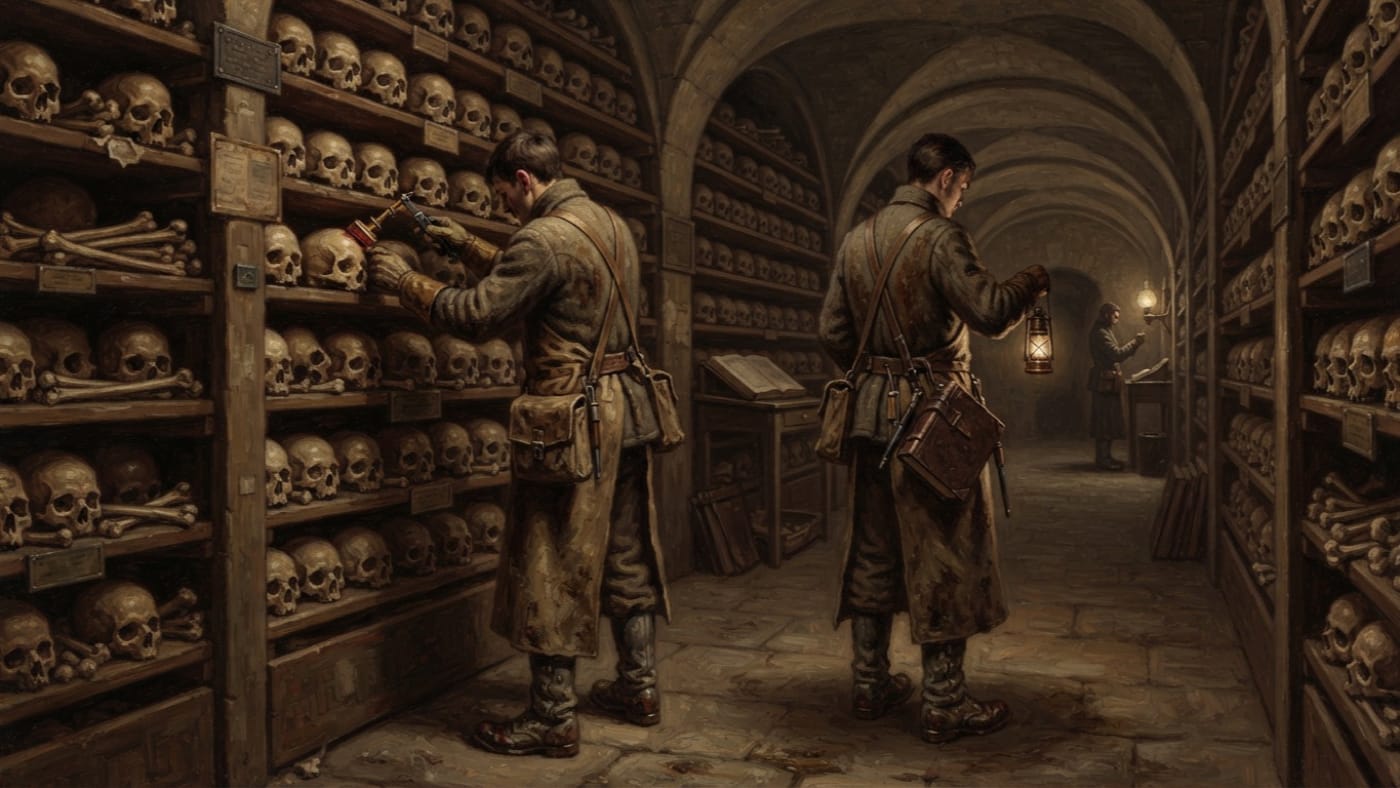
Field Quieters
The ledger records; the corridor decides
An A.S. 201 survey of the Field Quieters, an internal Bone-Stamper tendency whose maxim is that truth is what doesn't spread. They preserve Vellum's forbidden account; the corridor remains their argument against paper authority.
Codex Ref. XII.37.03-001
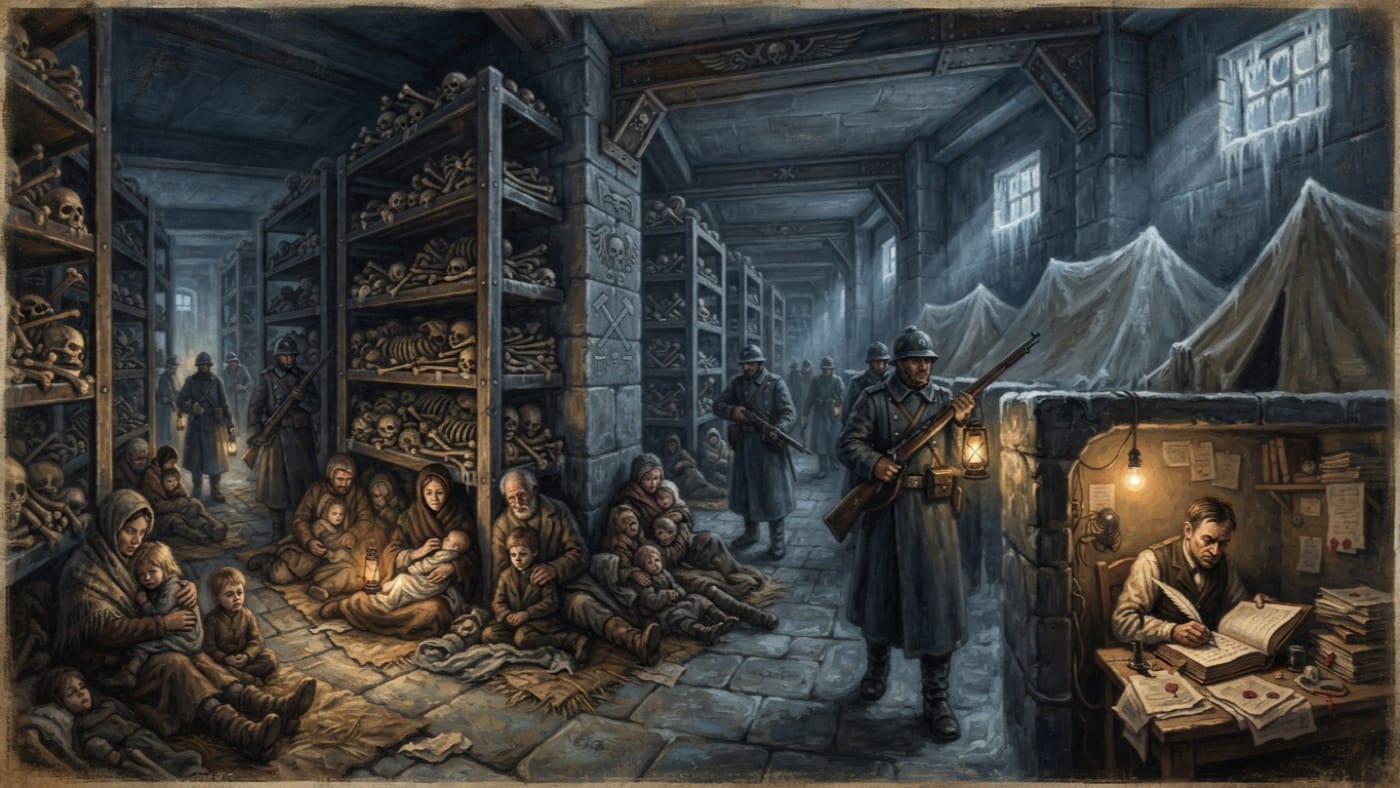
First Grave-Field Winter
The tents froze, and the shortage acquired a clerk
An A.S. 201 retrospective of an undated winter at three unnamed bastions, when frozen tents drove refugees into sanctified dead chambers. Four offices objected; shelter beside the dead acquired a clerk.
Codex Ref. VII.4.11-081
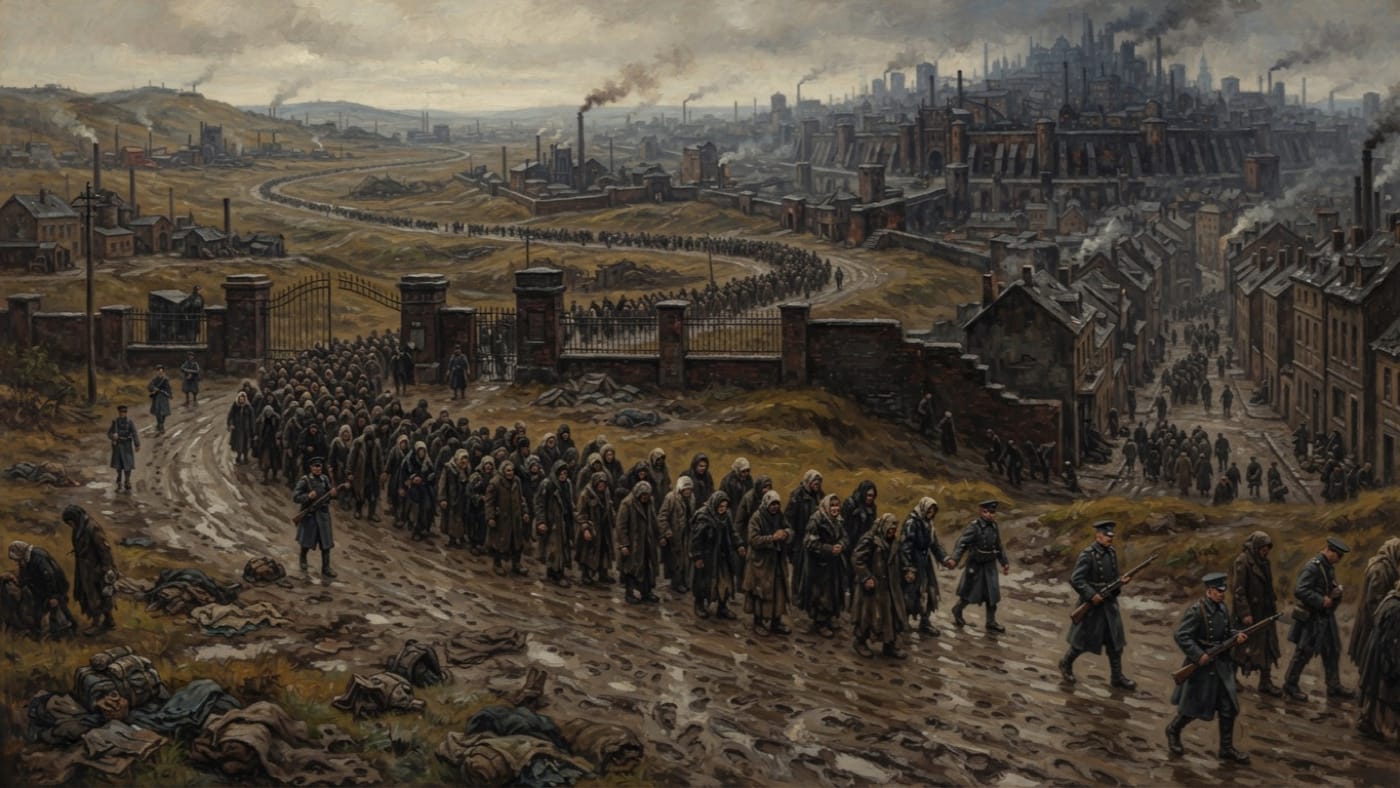
First Jubilee Flight
The record remembers the disgrace; it does not remember the year
The Flight has a name, thousands of nominal converts, and no recorded year. This A.S. 201 survey separates the attested mass-defection account from the wider early Jubilee failures. The ledger remembers the embarrassment.
Codex Ref. VII.3.03-002
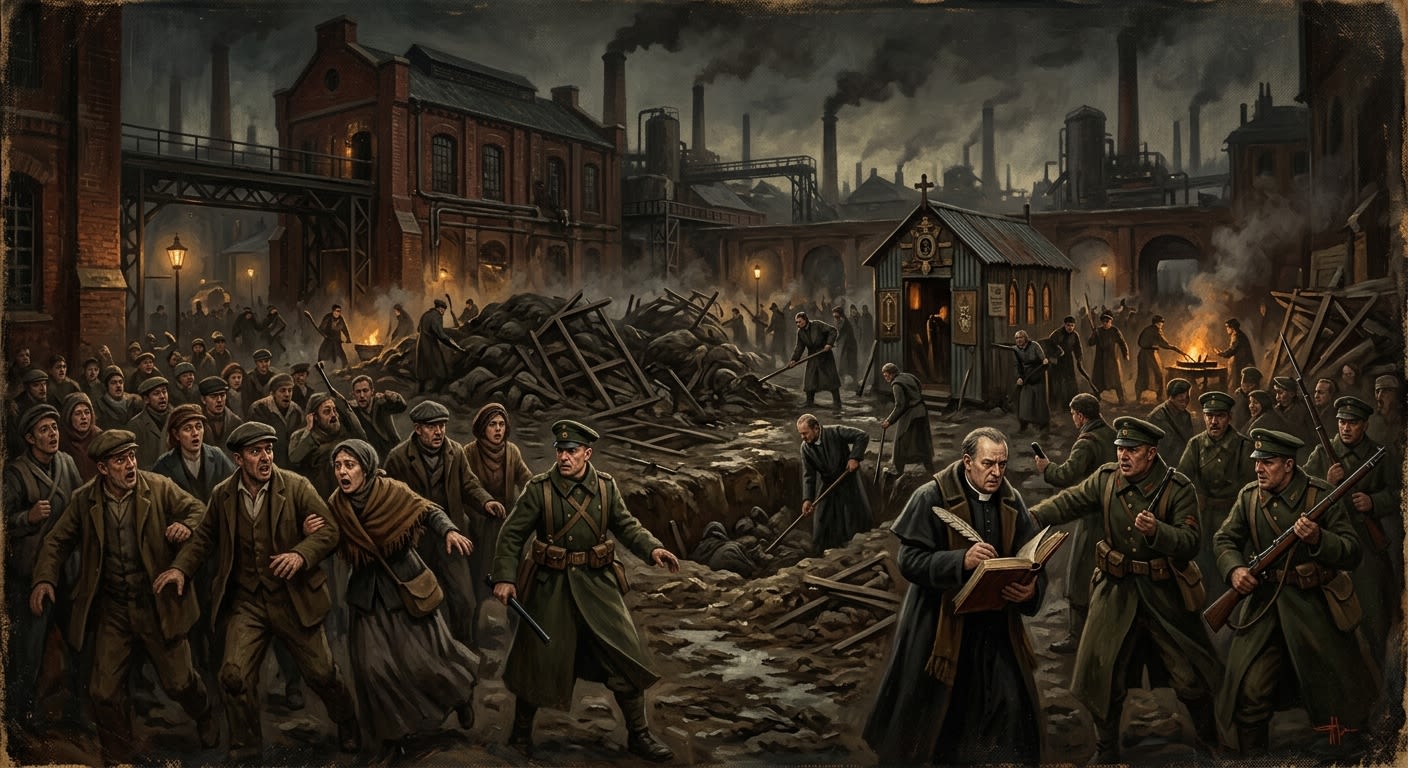
First Ossuary Panic
The dead spoke, and the Synod answered with a form
A.S. 78 Rhine corridor mortuary panic in which overcrowded pits began sounding after dark, forcing burial clearance, tariff-chapels, and the Dead-Goods Tariffer into law.
Codex Ref. VII.4.25-078
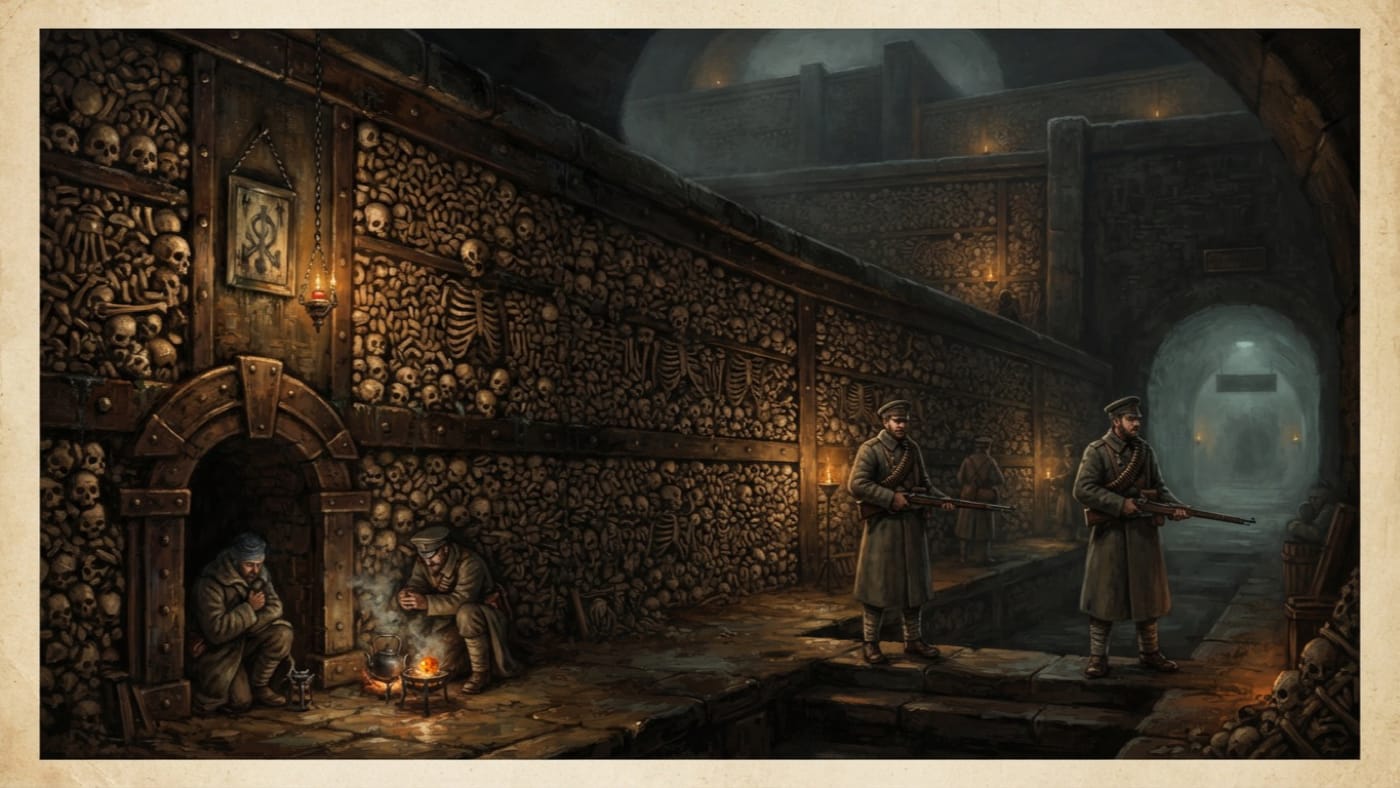
First Ossuary Ring
The dead remain on duty
The oldest bone-built wall of Bastion-Constantinople, accreted from the Continental Levy's graves in the winter of A.S. 47. Standing, garrisoned and consecrated by attestation. The dead remain structural; their service has not concluded.
Codex Ref. II.4.10-047
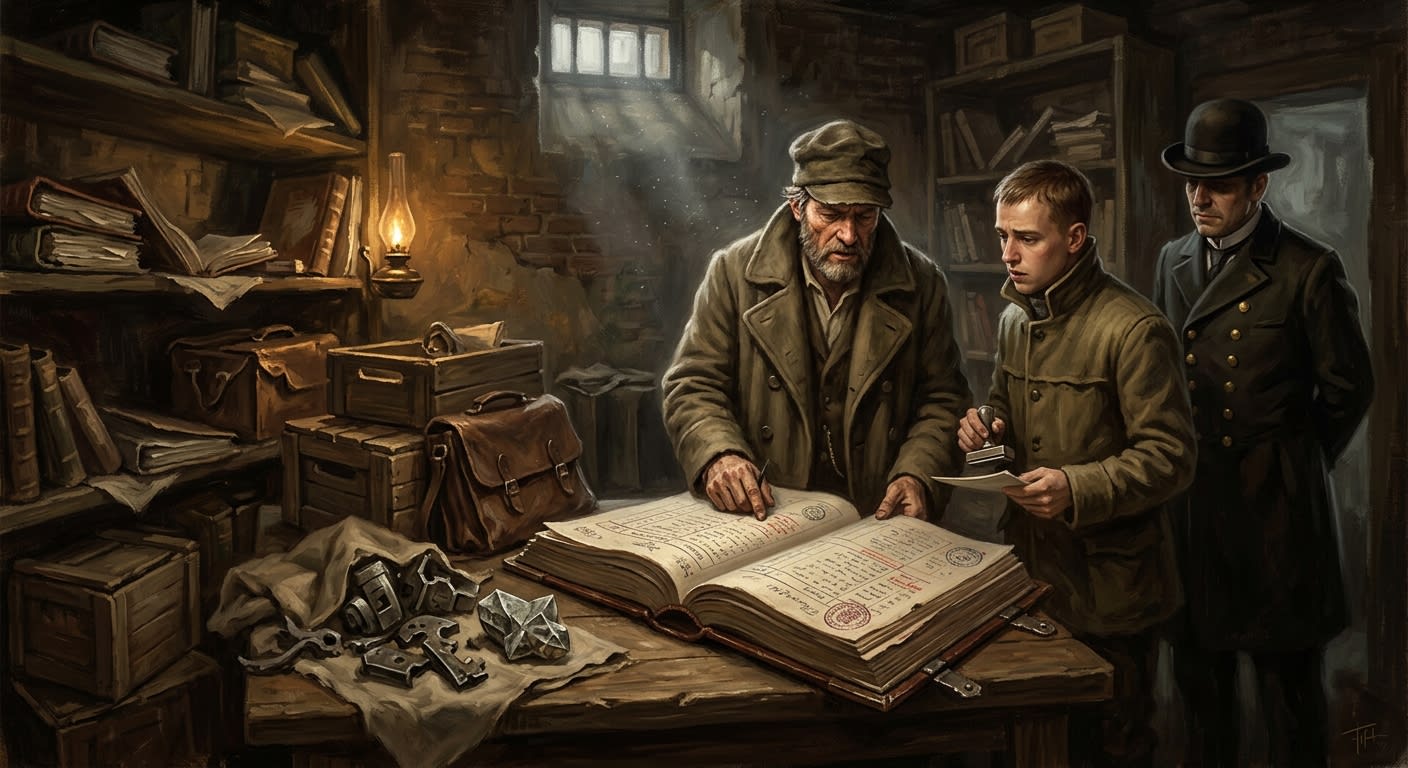
First Quake-Ledger A.S. 105
The rubble was counted, and therefore became guilty
A.S. 105 Records compilation that exposed unreported sacred recoveries from collapse sites and gave the Reliquary Salvager his first licensed leash.
Codex Ref. VII.8.10-092
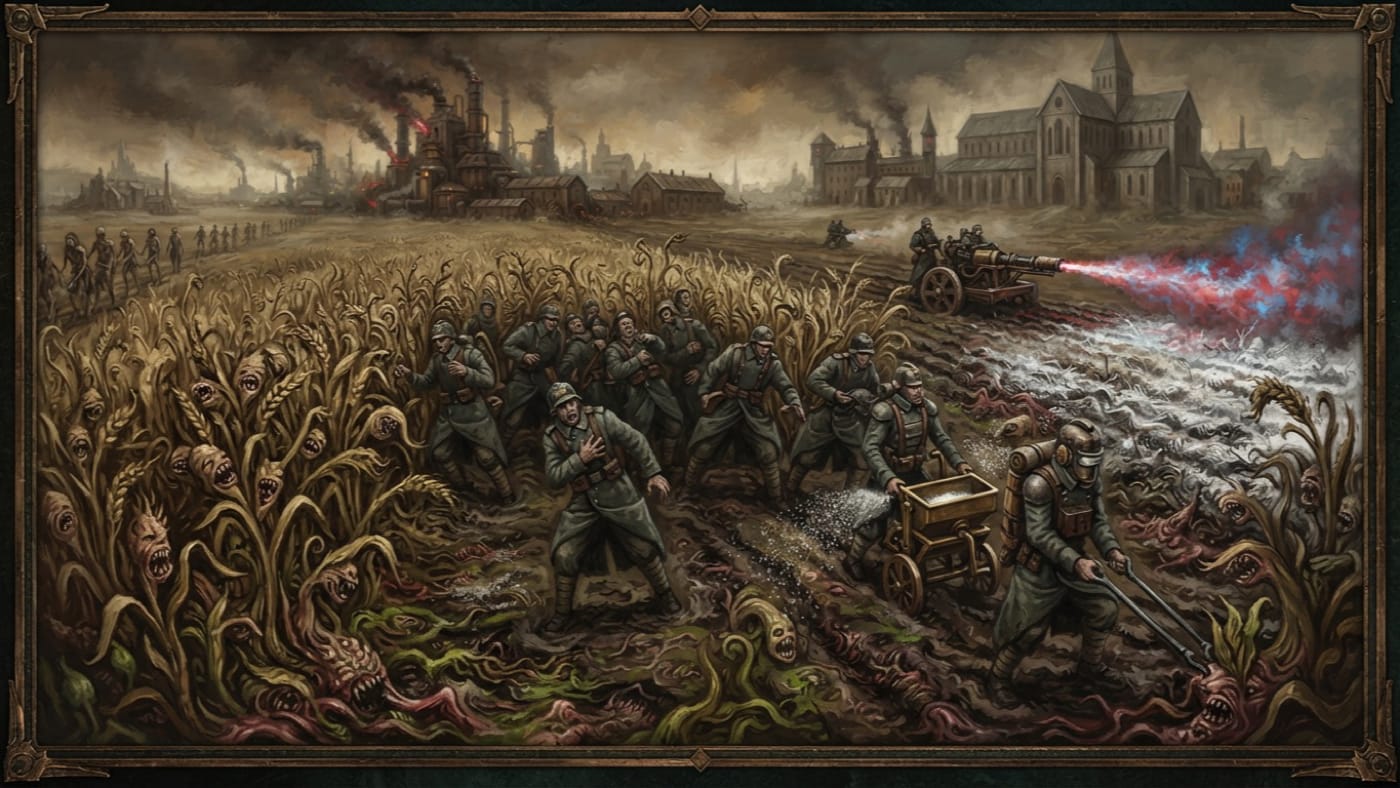
Flesh Litanies
The hungry sing; the flesh obeys
Kargath's hungry singing makes grain bite and stomachs refuse satisfaction. Salt, fasting-caps and relic-fire answer locally; the Bureau can suppress a manifestation more readily than recover a field.
Codex Ref. VI.3.01-003
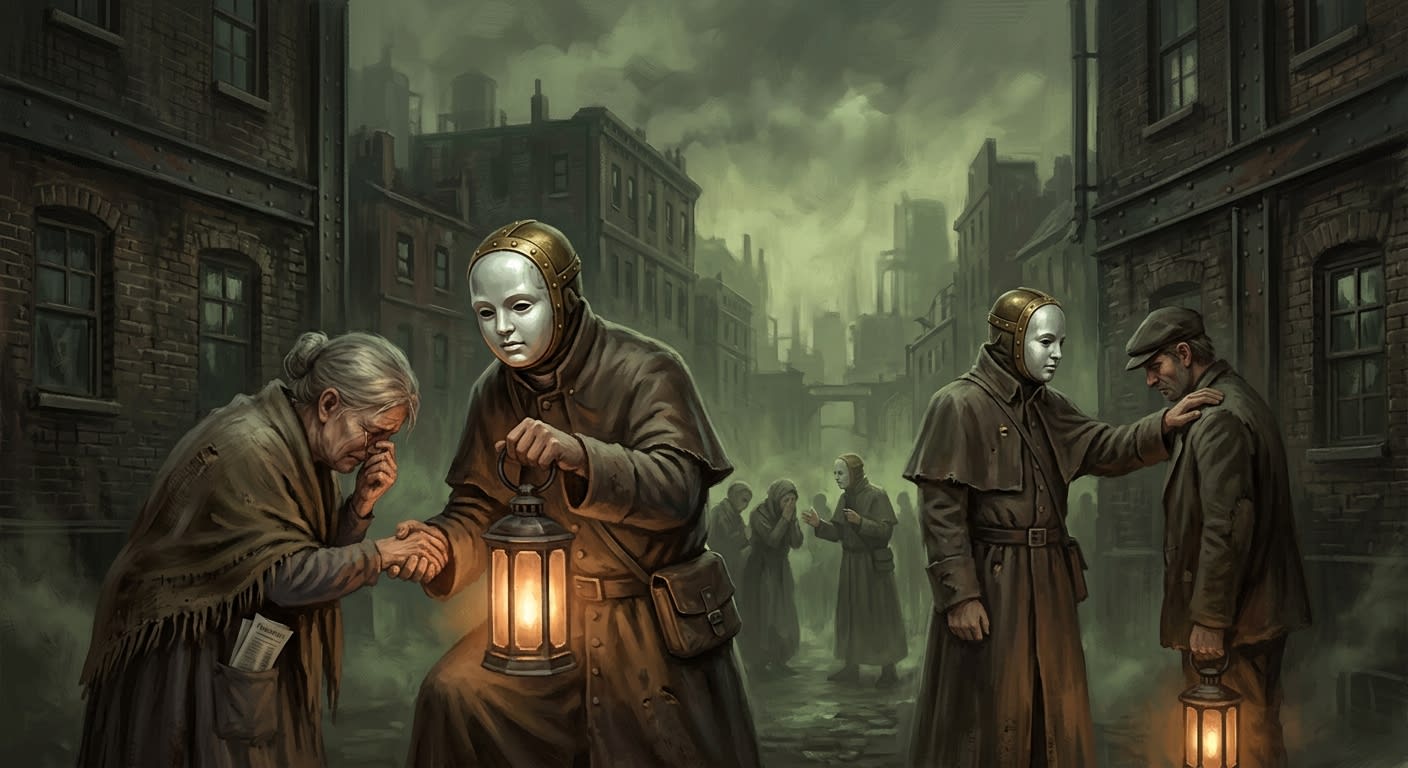
Fog Preachers
The sanctioned lantern is harmless; the unsanctioned throat is not
Street-facing Lantern Mercy operatives who wear the Licensed Consolator mask, calm public grief, and hide instructions inside comfort before Purity can quote them.
Codex Ref. XII.25.08-001
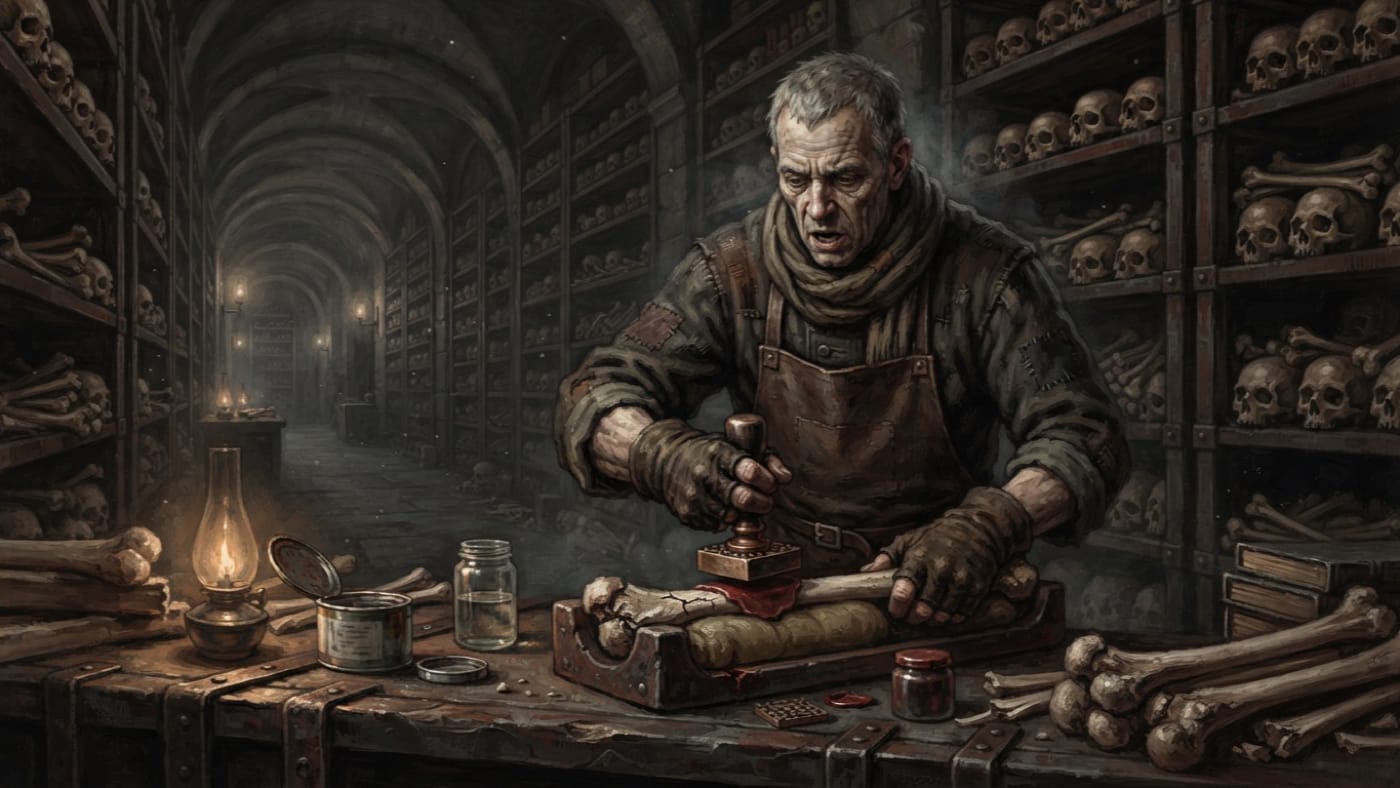
Force-Count
The voice keeps time; the corridor keeps score
The cadence that keeps stamp pressure honest and dead bone where the Ledger put it. Quiet Hands reportedly quiet corridors before the wax touches; Records requires the Count without printing its words.
Codex Ref. XII.37.03-001
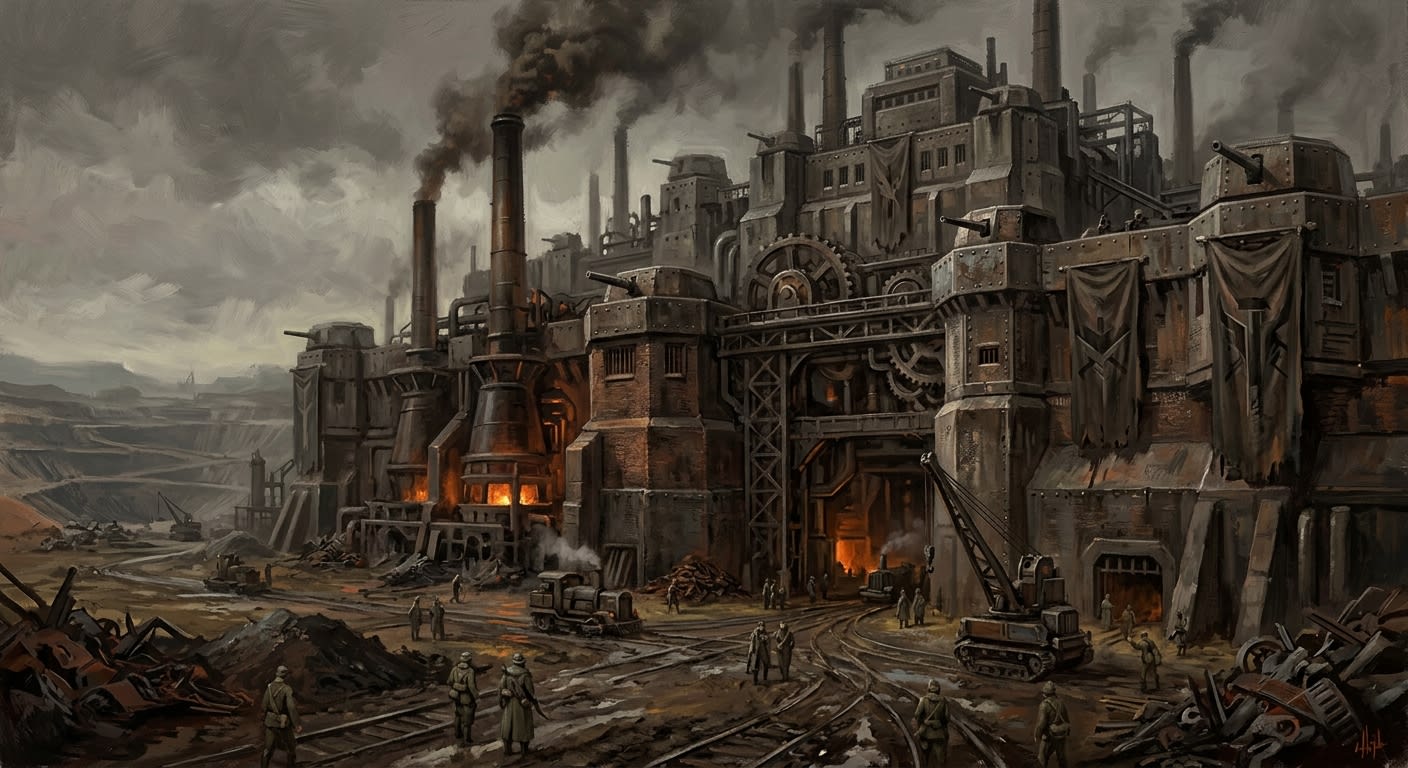
Forge-Pyre Bastion
The citadel that hammers distance into a theological inconvenience
The Forge-Pyre Bastion is Maldrake's unmeasured forge-citadel in the Iron Wastes, where Wrath manufactures walls, weapons, and reasons to hate.
Codex Ref. II.6.03-046
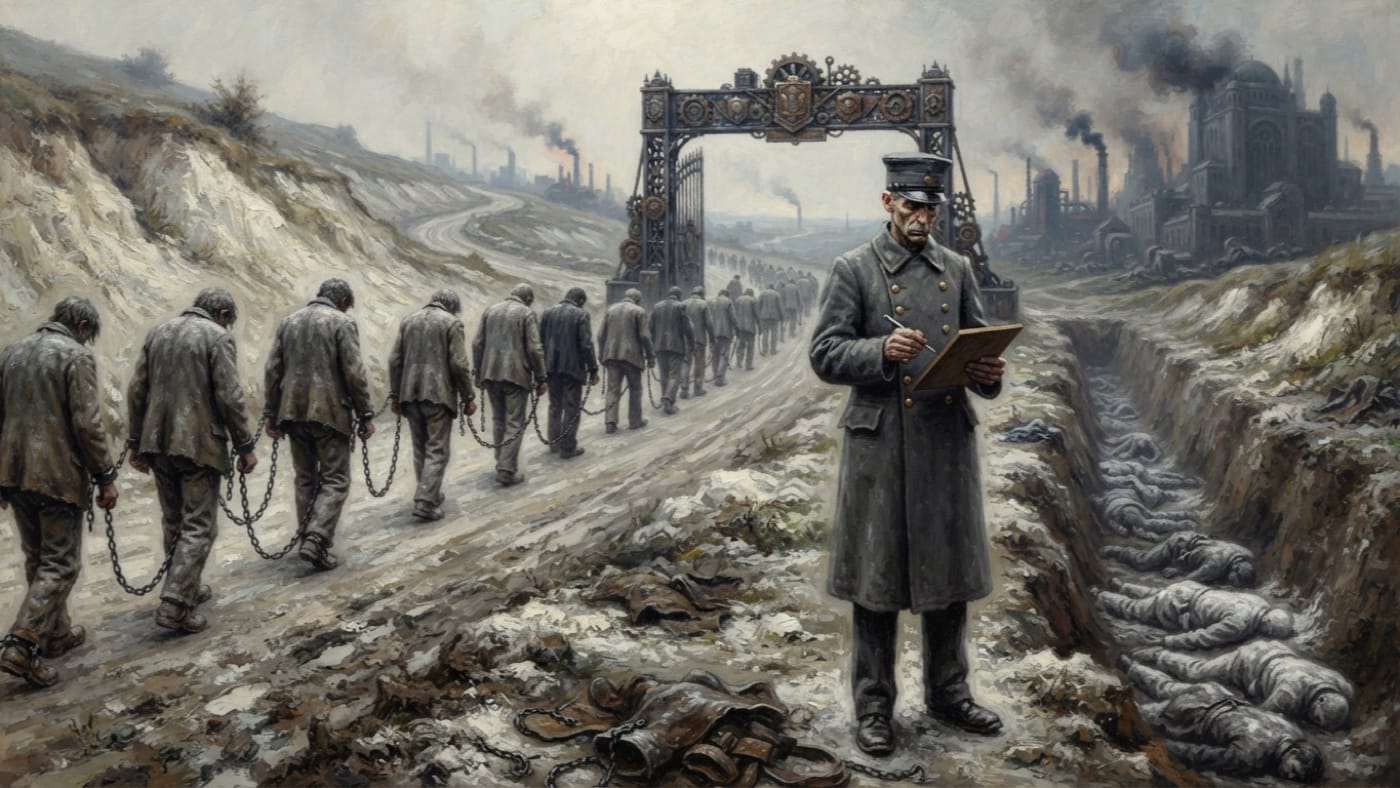
Form 17-C
The explanation is printed before the death
The cessation sheet carried by every Pilgrim-Chain Handler: cause, disposition and notification printed before the death. Only the date and tag remain blank. The ditch supplies the rest.
Codex Ref. XIII.1.17-201
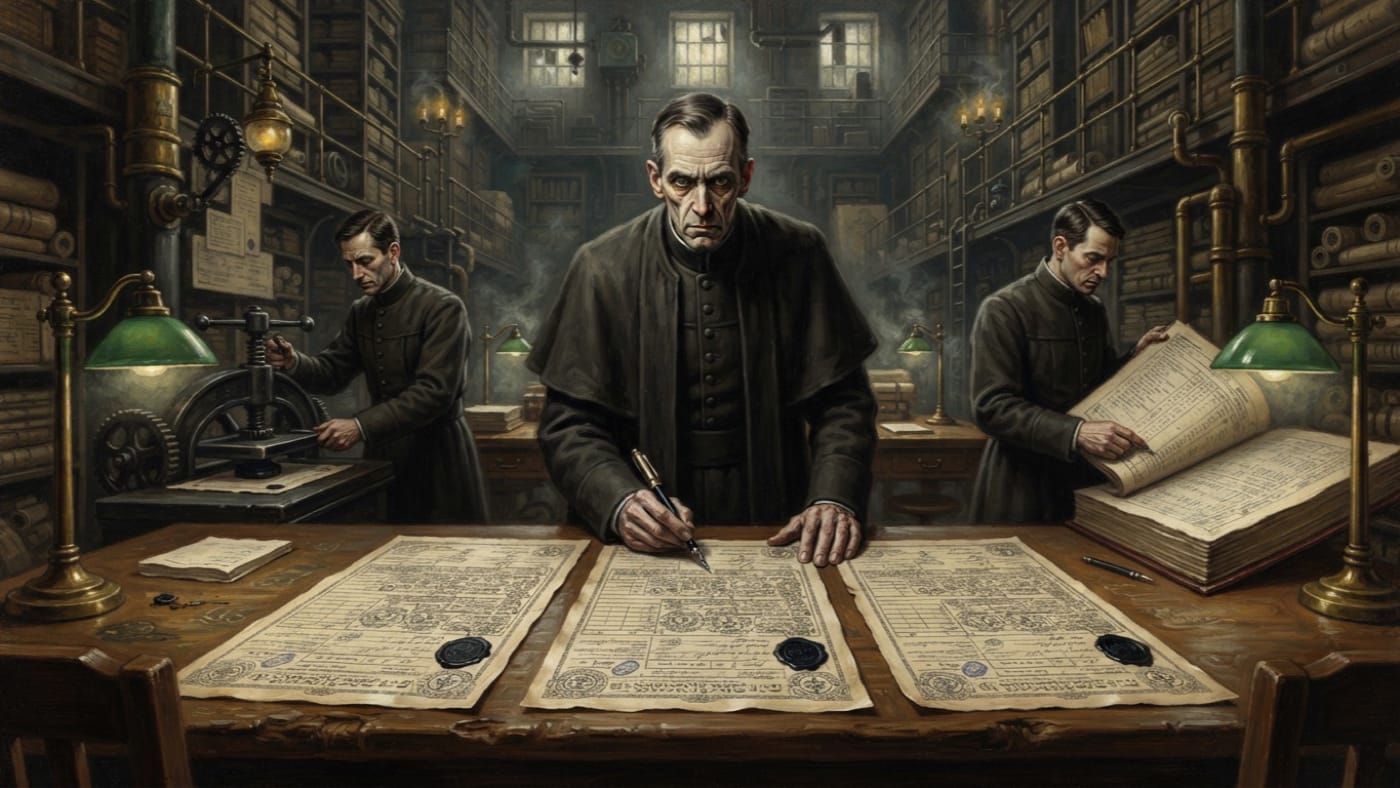
Form 77-D
Three copies agree; the reason takes another road
Form 77-D authorizes Administrative Dissolution: three copies, one countersignature, and a soul rendered illegible. The reason travels under a separate seal; the writ has no field for undoing.
Codex Ref. XIII.1.77-201
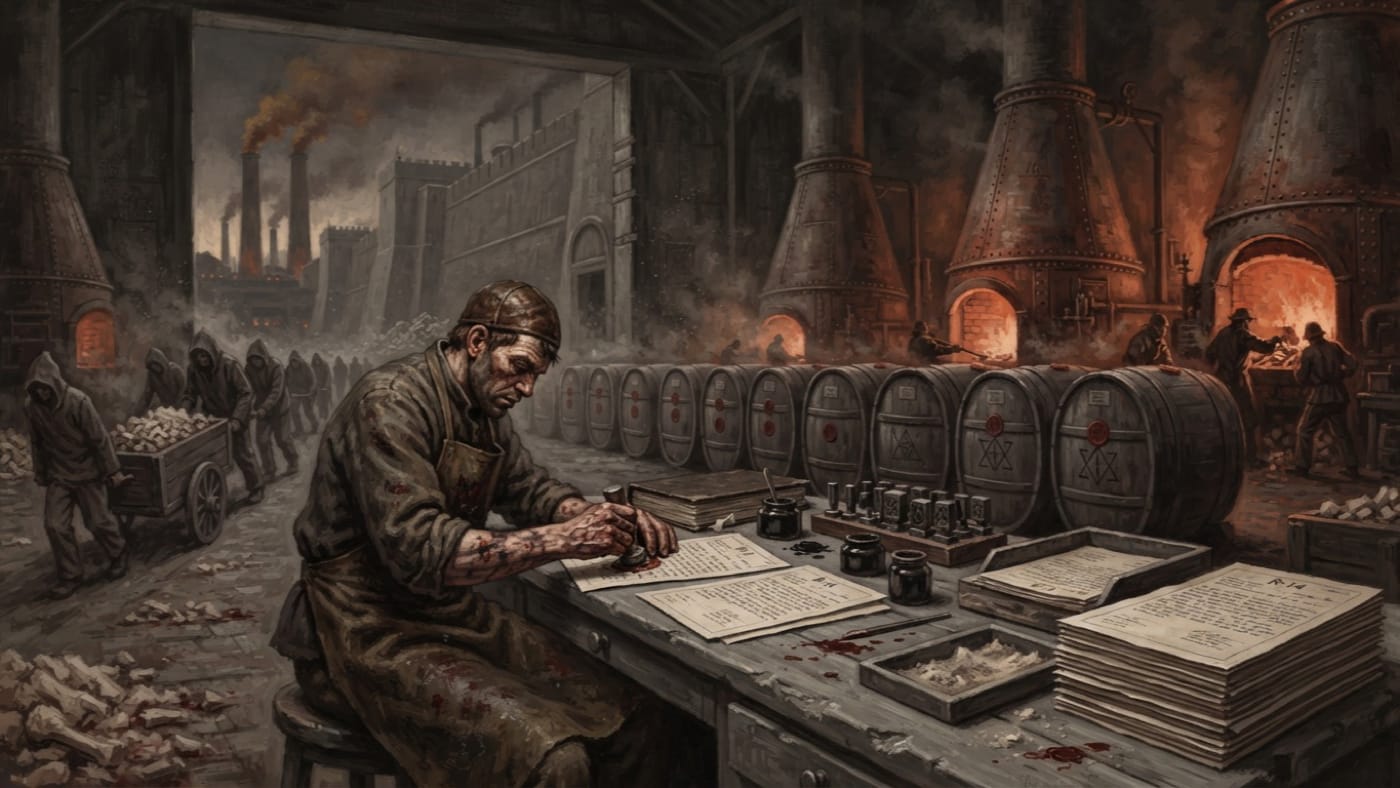
Form R-14
After thirty days, the wall will have set
The Saint-Bone Melter's Standard Destruction Certificate, revised A.S. 198, records a relic's permanent redistribution into sanctified mortar. Objections have thirty days. The bone has none.
Codex Ref. XIII.1.14-198

Foundry Core
Where steel learns obedience and the floor answers back
The Foundry Core teaches steel to sing, workers to burn, ledgers to blame, and the floor beneath hymnsteel to answer in the wrong voice.
Codex Ref. II.2.01-110
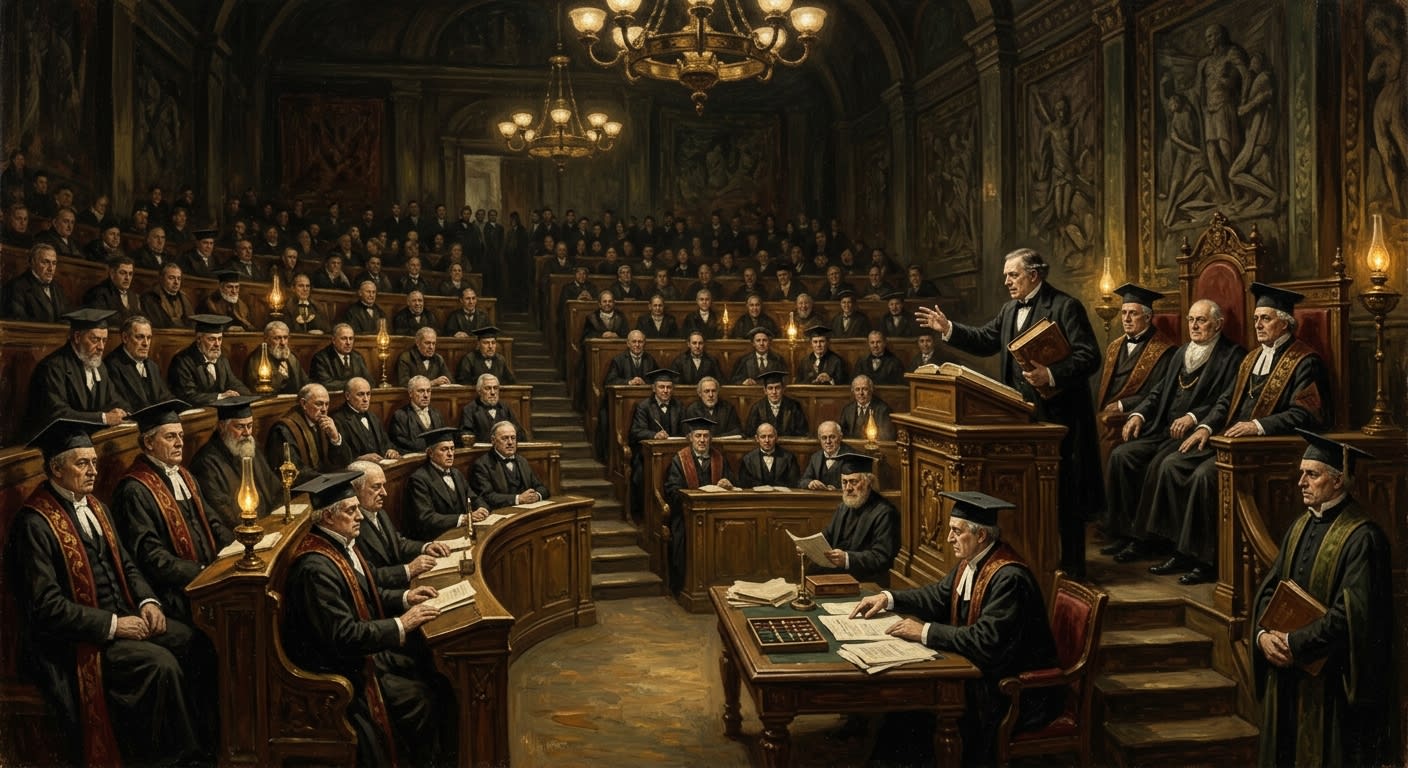
Fourteenth Doctrinal Congress
Matter protested; the seal prevailed
The A.S. 147 Congress that made authenticated contradiction obedient, ratifying the Femur Principle and Kargath's consumption taxonomy in the same week.
Codex Ref. XIII.1.90-147

Free Choirs
A voice may hold the measure; a wound may not grant the shot
A.S. 201 (1911 CE) survey of plural unsanctioned cadence cults among Shrine-Deck rivals. The Cologne cell claimed a bleeding throat outranked the firing seal; Purity suppressed it. Seven whistles do not establish a federation.
Codex Ref. XI.1.08-001
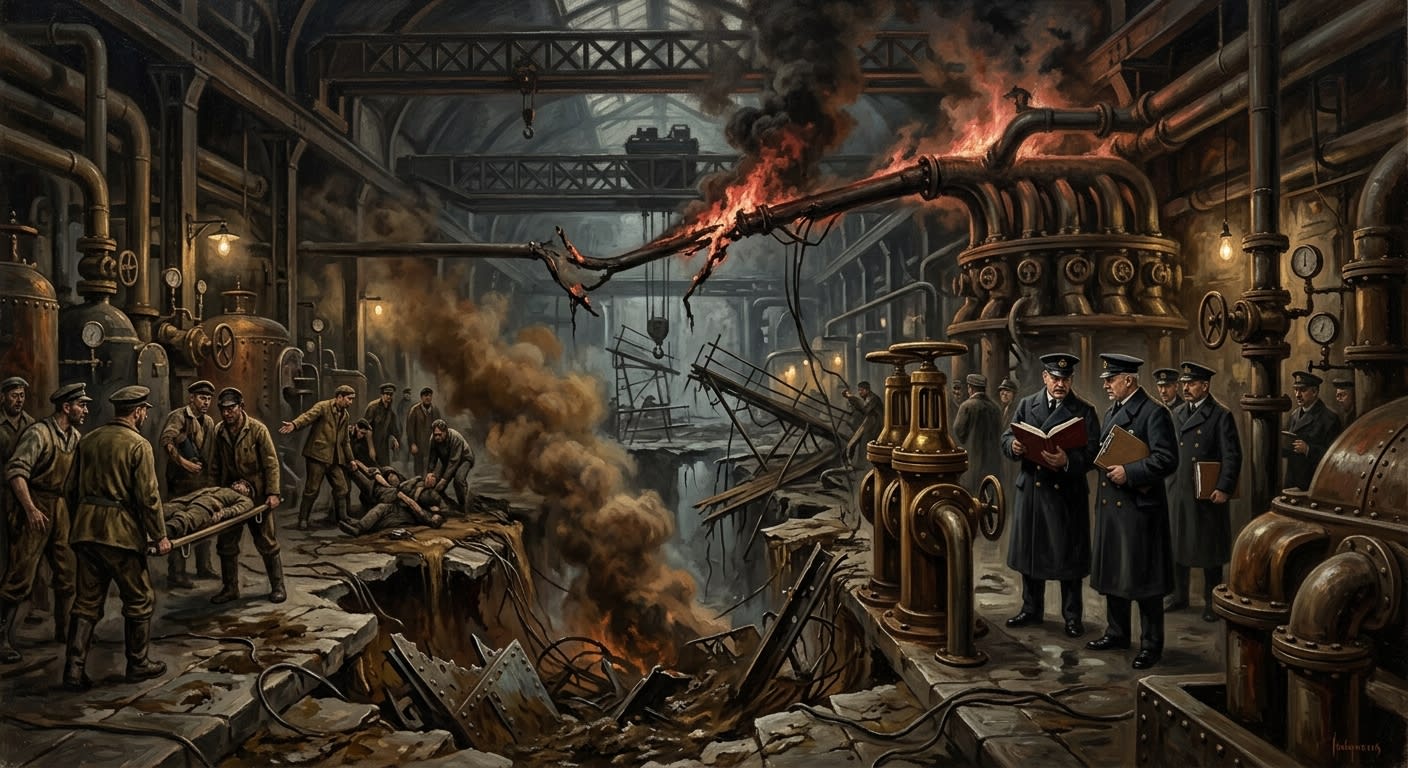
Furrow of Pest
A ditch with paperwork, until the ground corrected the song
The wound-site rupture of A.S. 152 that killed thirty-seven workers, sent wrong flame through the southern fuel line, and forced the Gasket Hymn Reform into law.
Codex Ref. VII.8.10-153

Gasket Hymn Reform
The seal must be sung, because the wound has learned to answer
The A.S. 152 reform that turned wound-site sealing into mandatory sung procedure after the Furrow of Pest killed thirty-seven workers and sent wrong flame through the southern corridor.
Codex Ref. VII.8.10-152
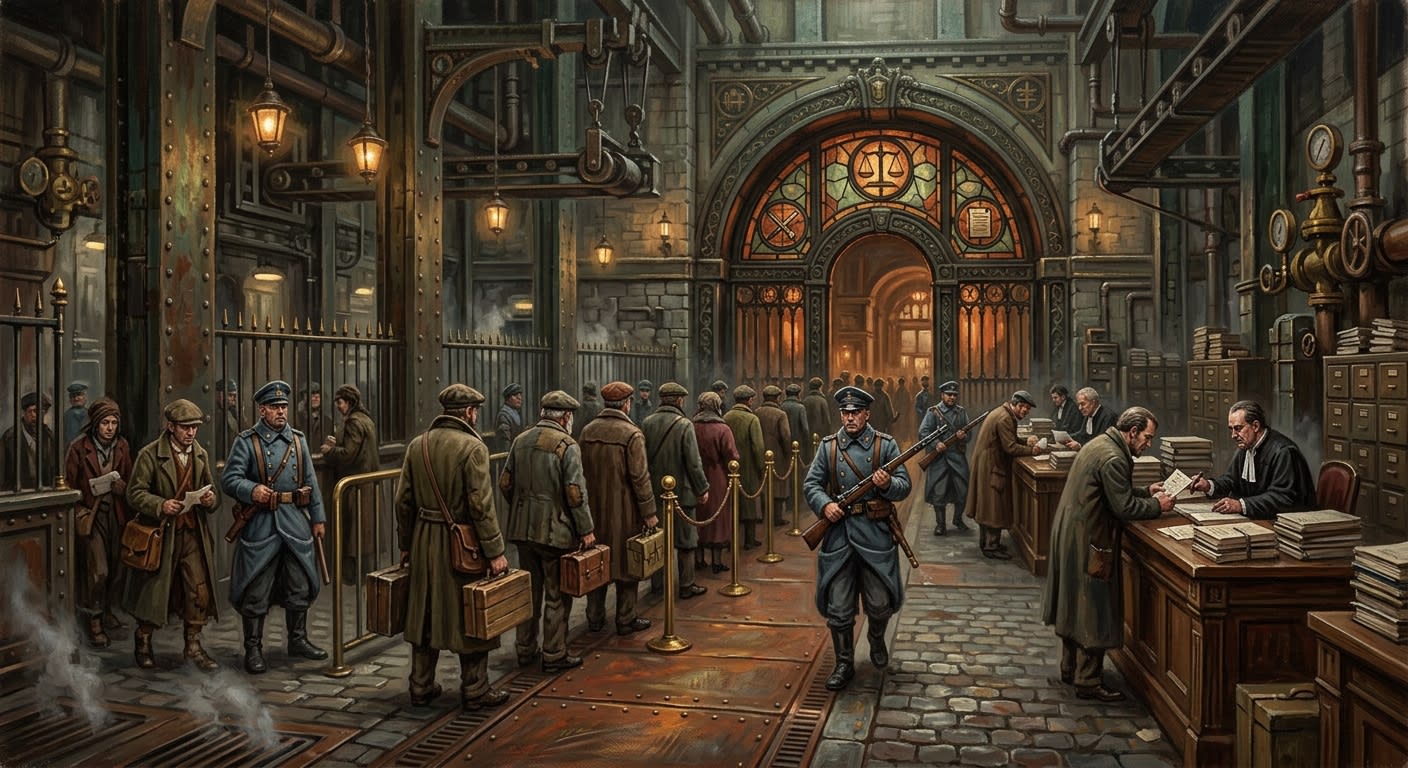
Gate Nine
The final mouth of the Queue Road, where waiting becomes debt and debt learns to breathe
Final court of the Queue Road: a clearance complex over the Apparatus where reclassification, minute debt, appeals, erasure, and warm floors devour travellers by procedure.
Codex Ref. II.3.05-009
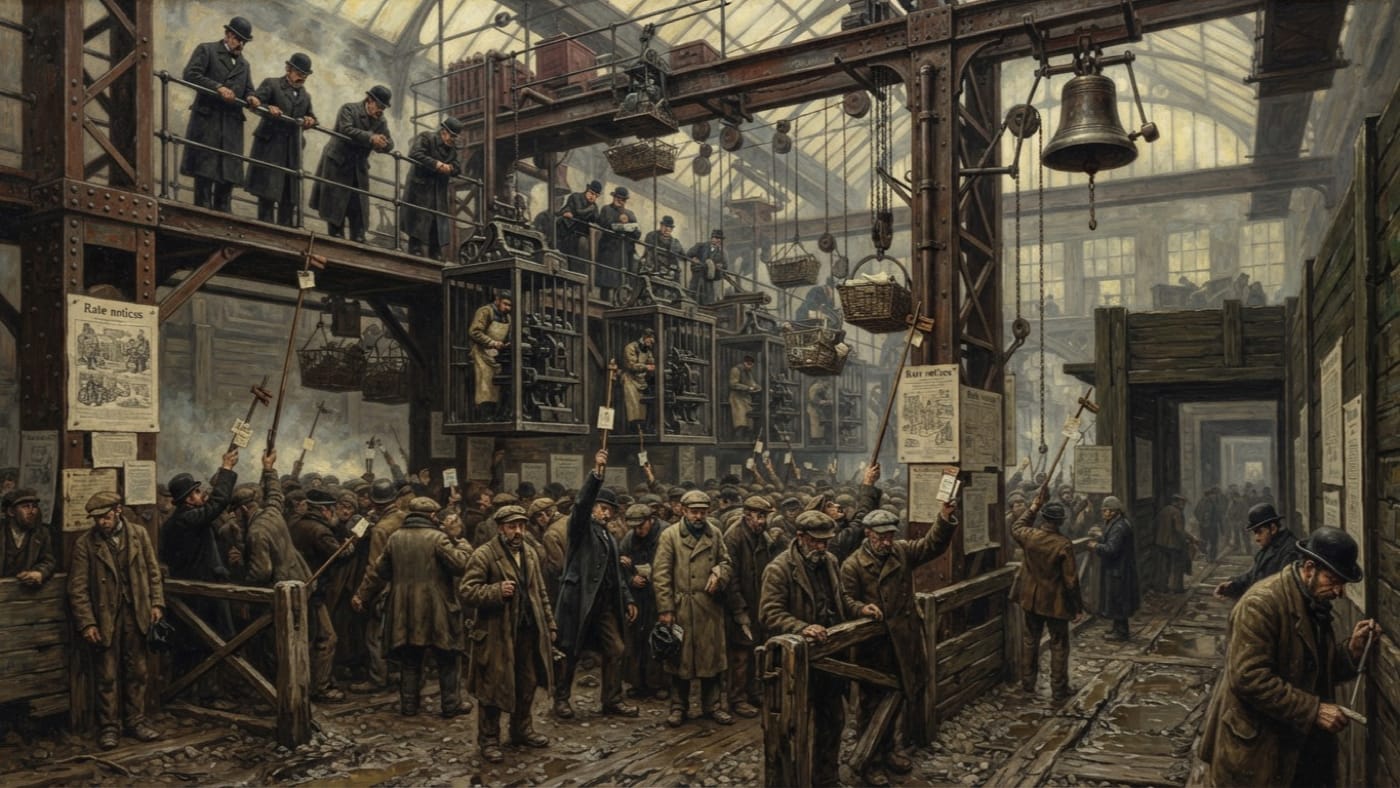
Gate Three
The first mark owns the waiting
Gate Three opens the Queue Road's minute accounts beneath the Bell-Mark Gantry, feeding travellers into the Barricade Maze while the Unstruck teach its stamps to hesitate.
Codex Ref. II.3.05-003
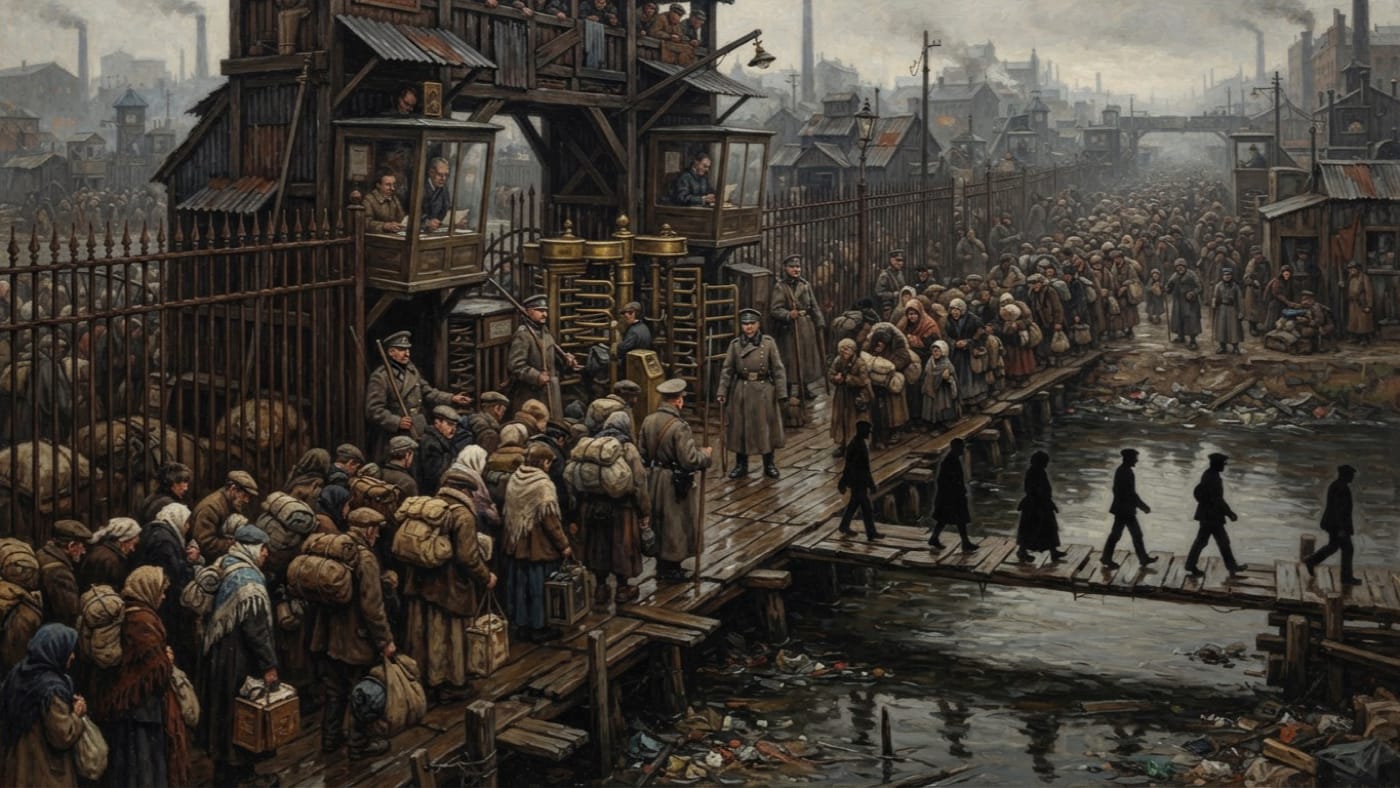
Gate Two Bridge Pinch
The shadow crosses first; the traveller pays to follow
At the Queue Road's Second Gate, the Drowning Step makes passage single file, waiting profitable, and shadows punctual before their owners.
Codex Ref. II.3.05-011

Gate-Warden Petra Valenne
The woman who taught a southern gate to keep its teeth shut
Gate-Warden Petra Valenne commands Constantinople's six ravelins, integrated the Vigil Ark Saint Barachiel, and made darkness retreat first.
Codex Ref. III.2.01-006

Geometry Brand-Smith
Six Thousand Four Hundred Licensed Geometers of Guilt, and the Irons That Did Not Come Back
The Bureau of Heraldry’s serialized geometers of guilt — 6,400 licensed Brand-Smiths who make identity permanent in the only ledger that cannot be forged, lost, or filed incorrectly: the body itself.
Codex Ref. XII.20.01-001
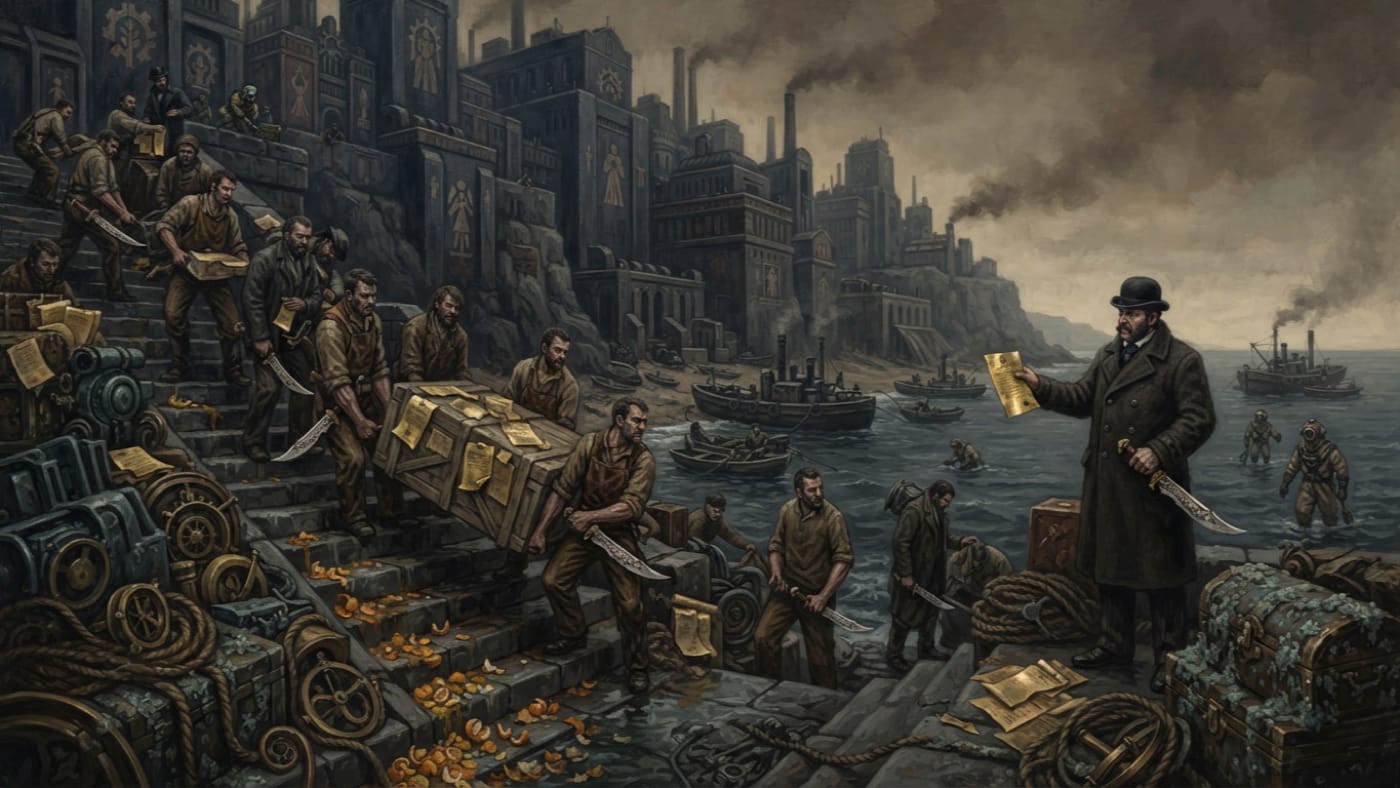
Gilt-Knives
The gilding is the claim paper; the knife settles the dispute
Saffron Bastion's salvage cartel sells exclusive wreck claims, fixes auction schedules, and keeps its dues current. The gilt is paper; the knives settle the rest.
Codex Ref. XI.1.08-001

Gothenburg
Two villages, fourteen gifts, and a refutation withdrawn
Gothenburg: one city reached, two fishing villages surveyed, fourteen gifts of dried herring accepted. The Northern Survey of A.S. 190 reported no evidence of heresy; the Bureau mistook a visit for a refutation.
Codex Ref. II.8.01-190
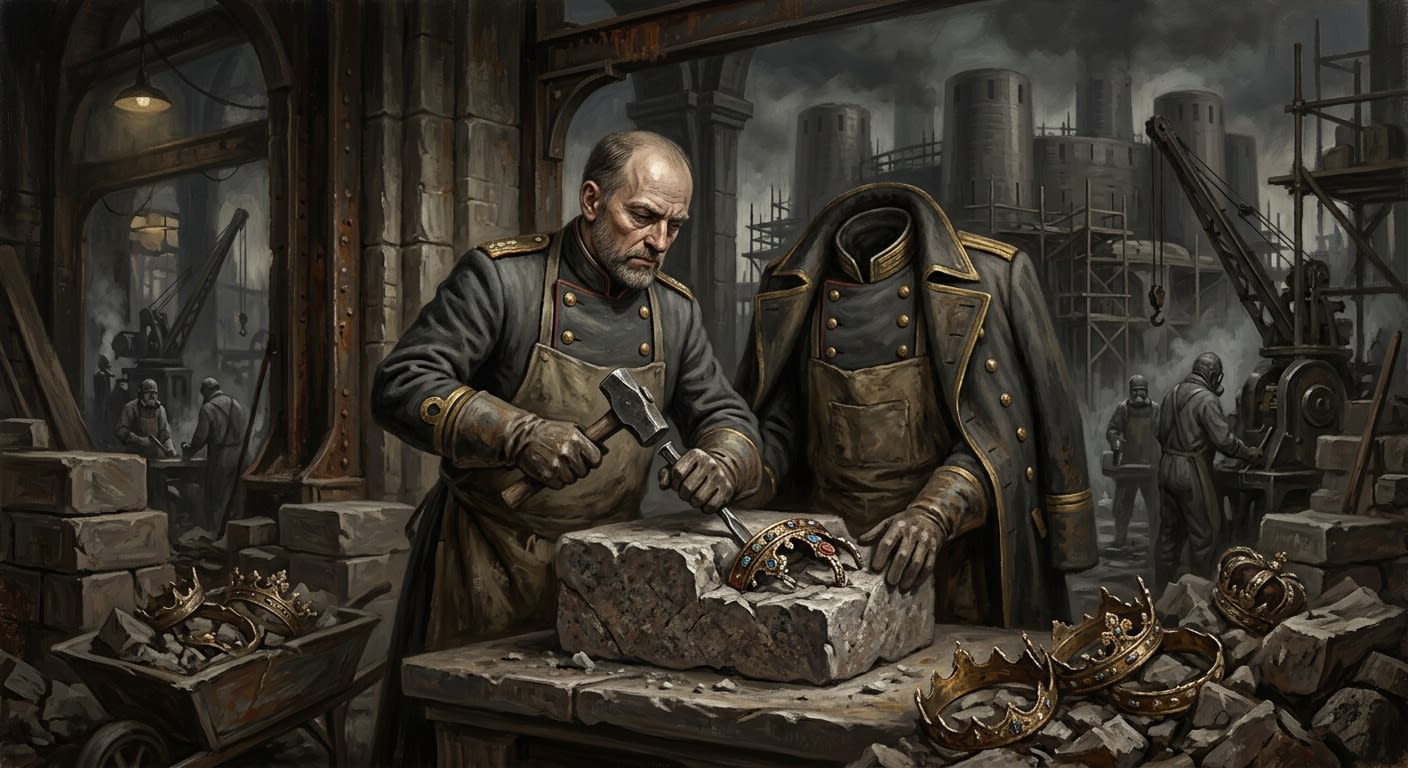
Governor-Praelate Hugo of Constantinople
The man who made abdication useful and bone load-bearing
Governor-Praelate Hugo surrendered his coronet in A.S. 68, ordered the Second Ossuary Ring, and taught crowns to become masonry.
Codex Ref. III.2.02-001
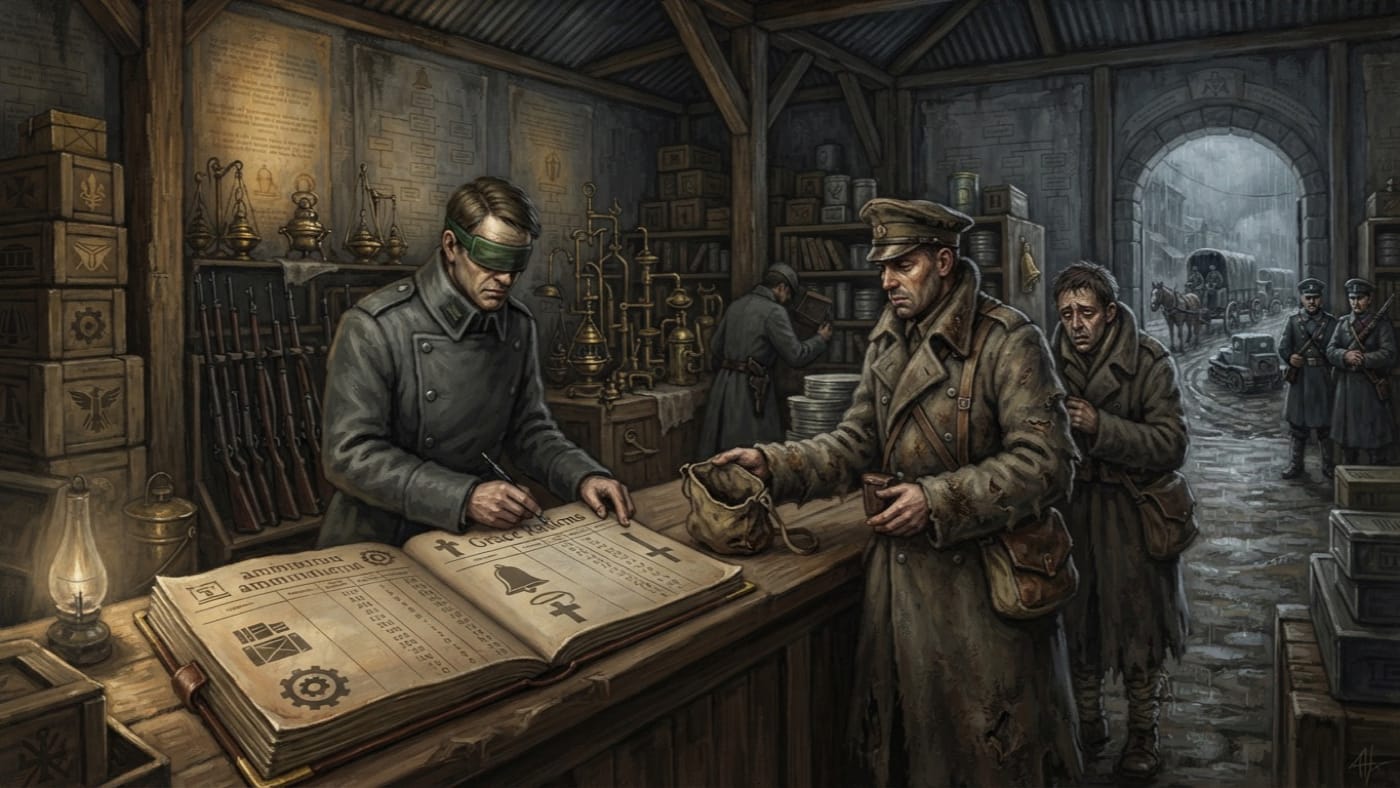
Grace Rations
The pouch is issued; the soldier is spent
Bell-hour chits, saint-shares and indulgence slips ration mercy to the Church's armies. Tithe arrears suspend the claim; invoking grace still spends the soldier. The pouch is issued. The body pays.
Codex Ref. VI.3.01-004
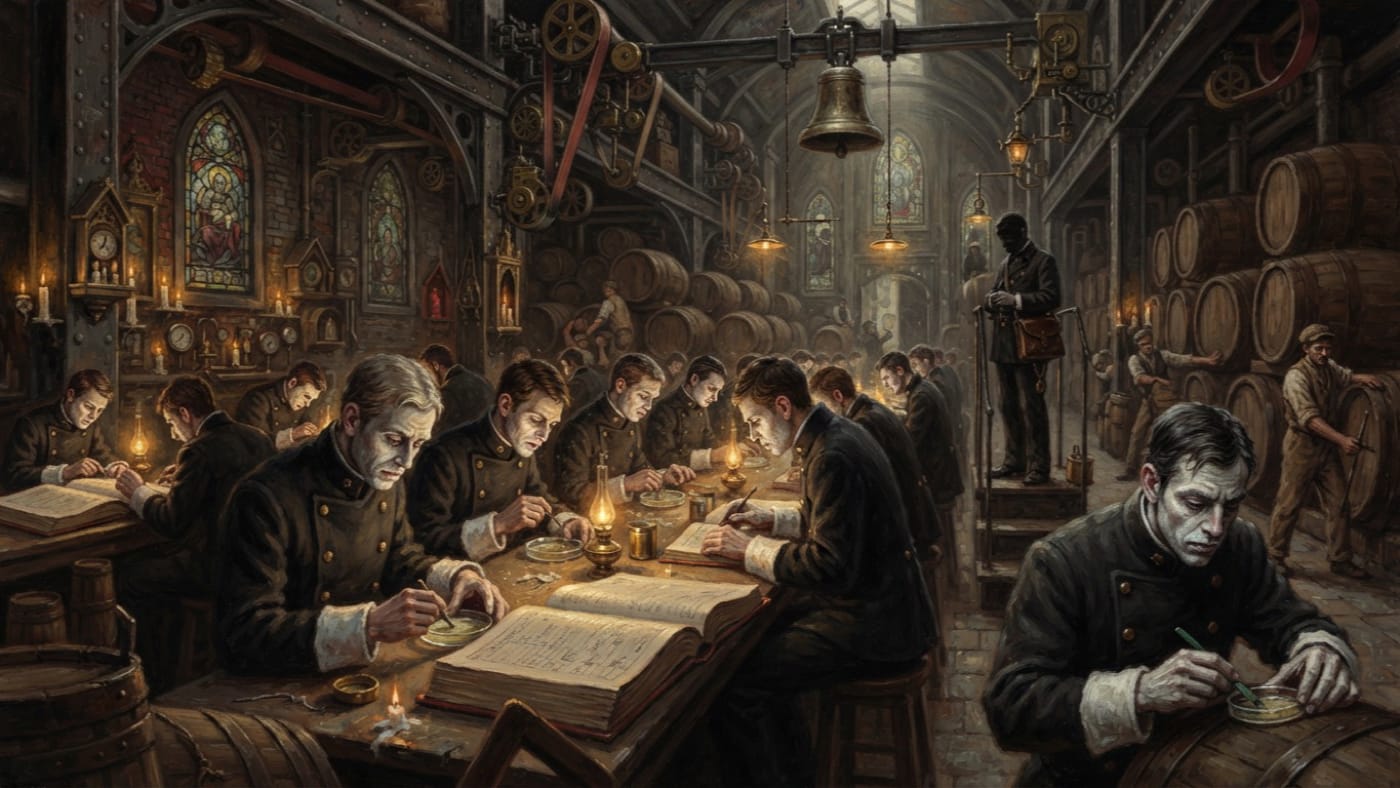
Graders' Quiet Union
The graders see the taint; the White Steps press the seal.
Mournwater's unchartered graders protect and sell the truth of taint, mark suspect casks, and keep the relic trade moving beneath seals they cannot press.
Codex Ref. XI.5.02-001
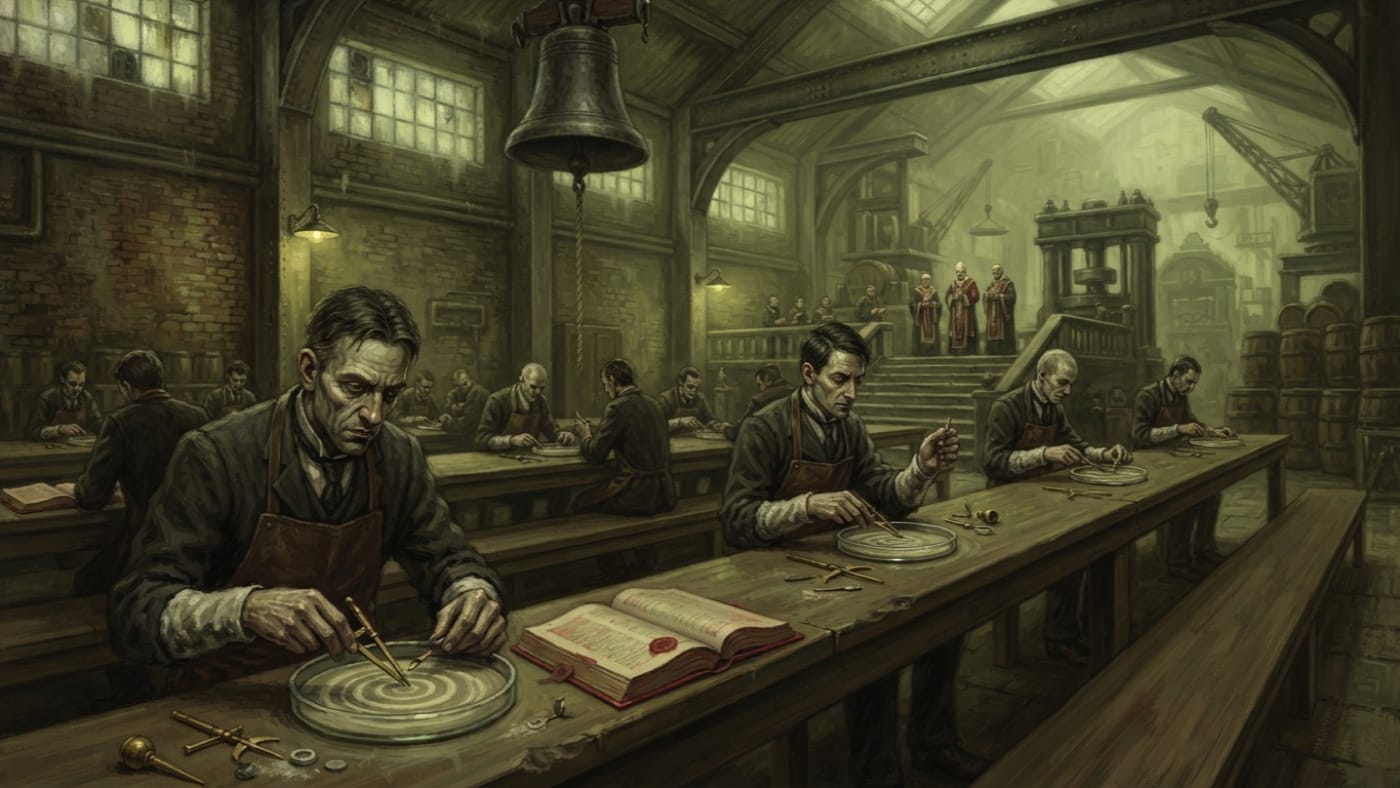
Grading Hall of Settled Light
A town holds its breath while holiness decides how to lie down.
Mournwater's saint-dust grading hall holds a river-town silent while shallow dishes decide its commerce. The graders measure holiness against a falsified ledger; the White Steps supply the seal.
Codex Ref. II.2.03-005
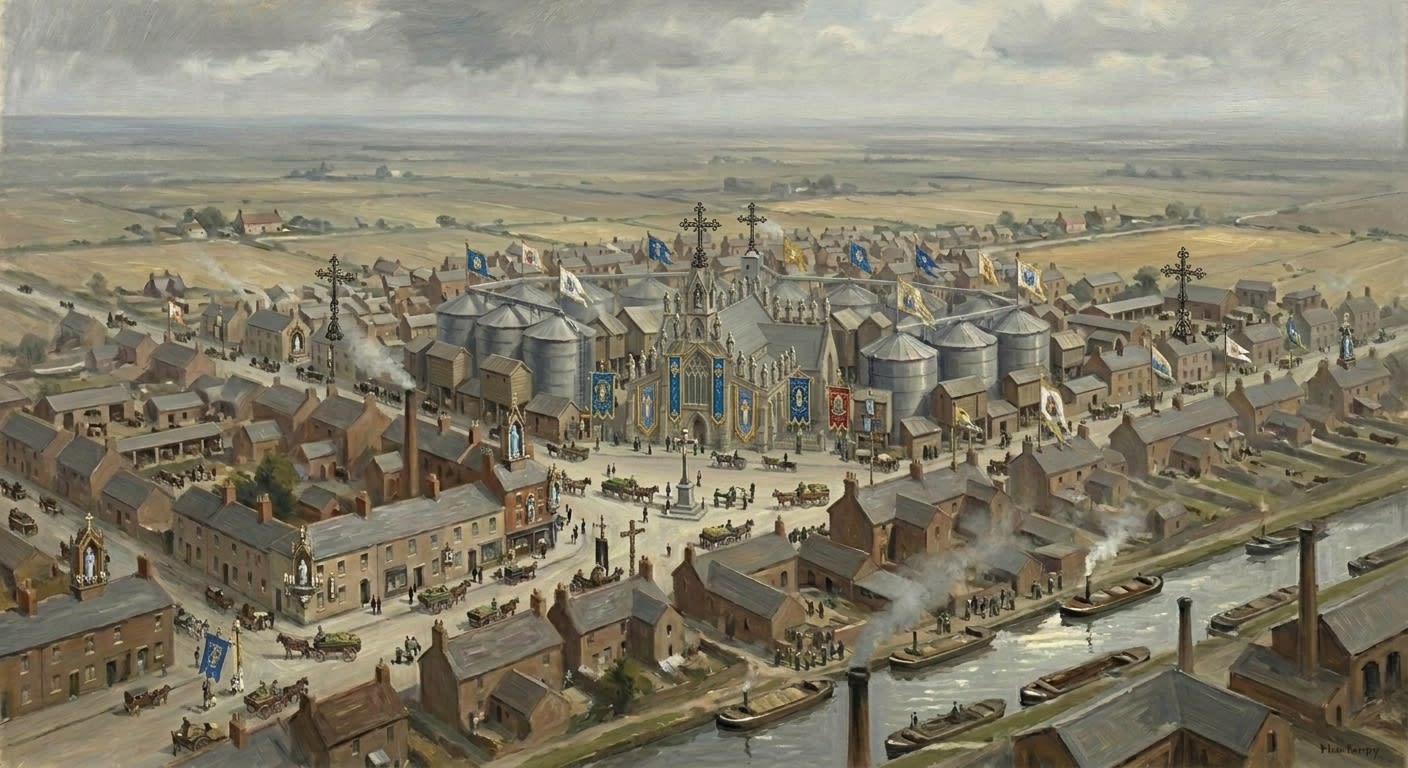
Grain-Gray Ration Parliament of Wexel
A machine for producing obedience, fed on grain and fed upon by something else
A Hessian grain-town that accidentally invented the systematic regulation of joy. Fourteen silos, three instruments of compliance, one smell of flour and fear, and a surplus no official ledger will account for.
Codex Ref. II.2.04-001

Grave-Field Shanty Broker
Where the Dead Own the Ground and the Broker Owns the Quiet
The officially unacknowledged profession administering forty thousand souls in the consecrated dead-lands the Bureau cannot legally rezone, will not formally notice, and cannot do without.
Codex Ref. XII.21.01-001
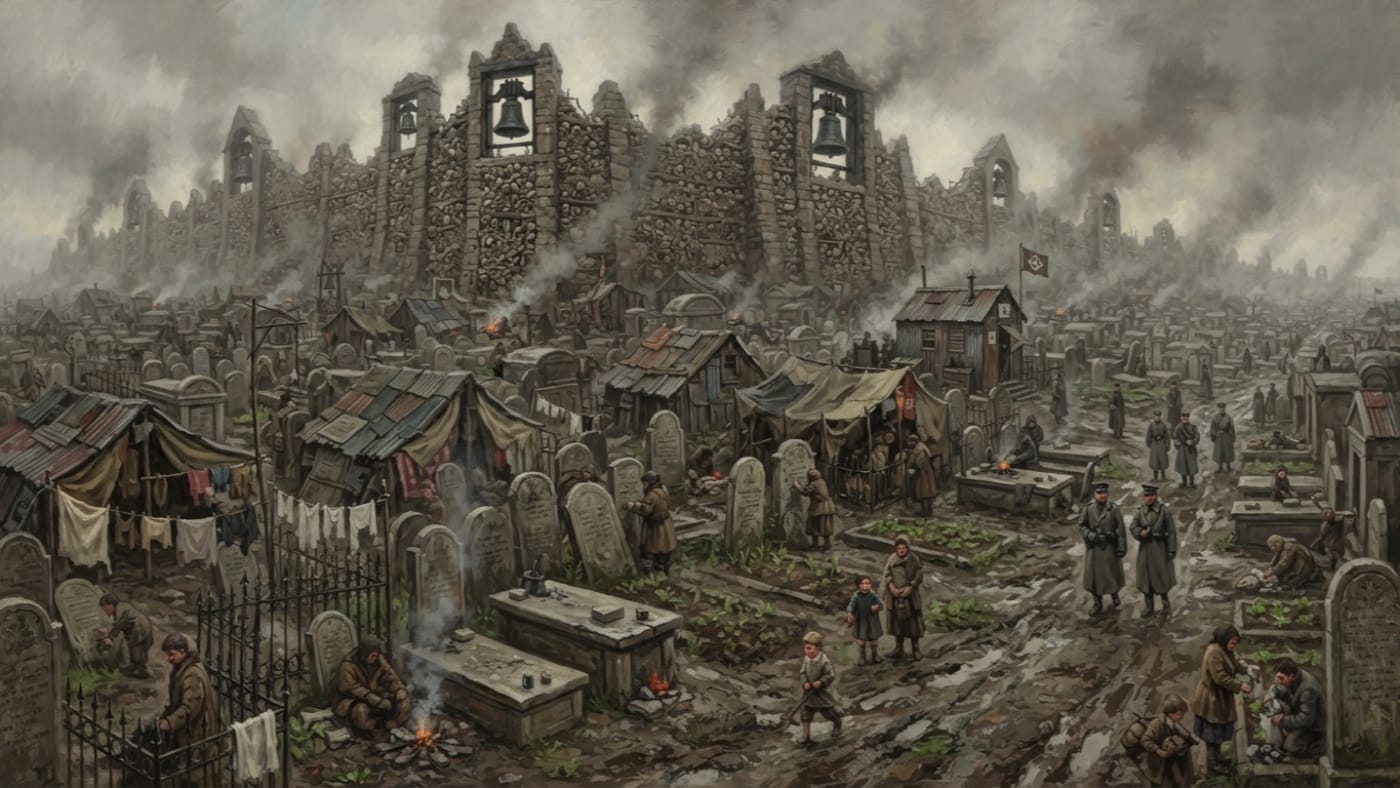
Grave-Fields
Occupancy temporary. Residents permanent.
Grave-fields house the living among the dead outside ossuary walls. Dry ground, bell coverage and renewable permits keep temporary residence permanent.
Codex Ref. III.2.04-1252
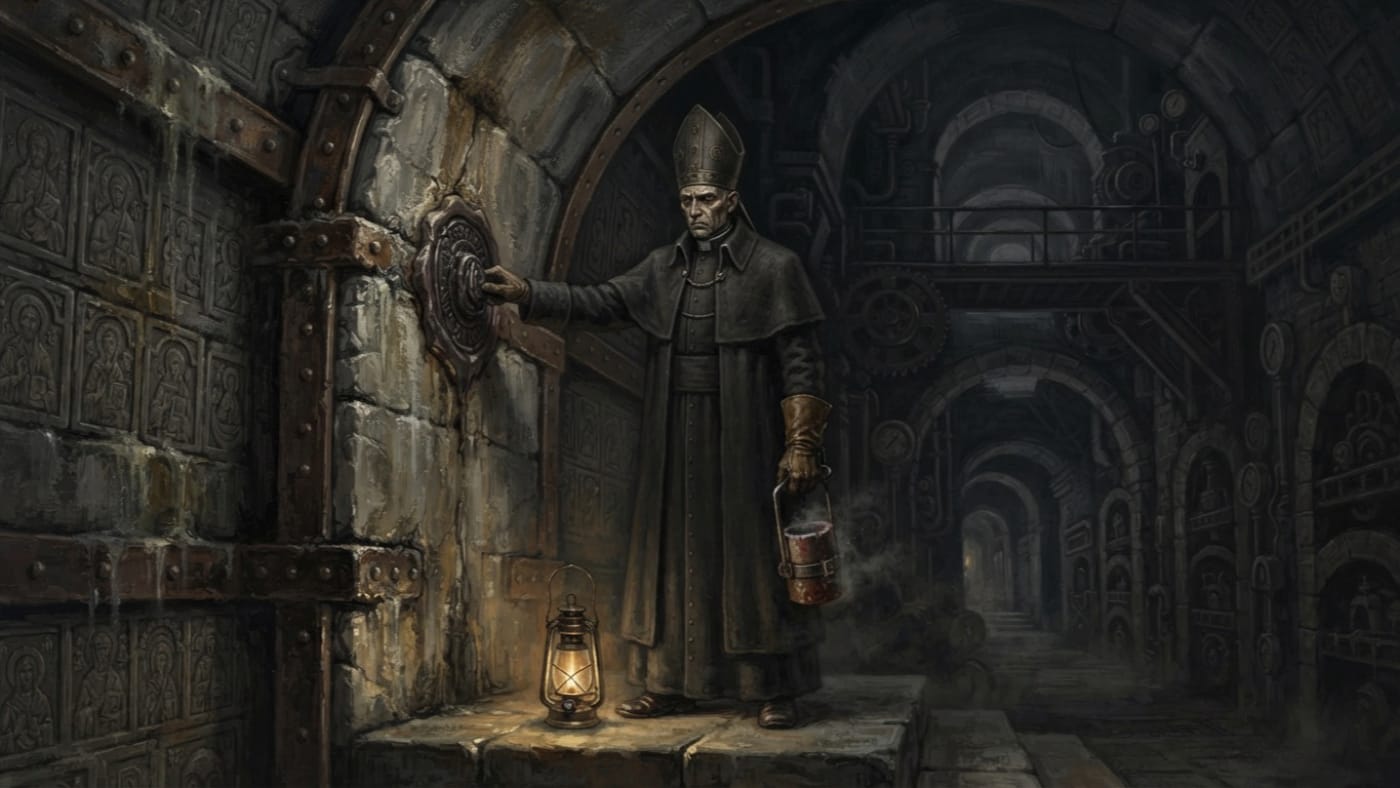
Gravis
The date is exact; the calendar is incomplete
Gravis is attested on the fourteenth, A.S. 199, when Canon-Warden Albrecht Goss applied the Third Ossuary's seventeenth wax layer. The year is 1909 CE. The Ledger knows the day and cannot place the month.
Codex Ref. XIII.1.05-004
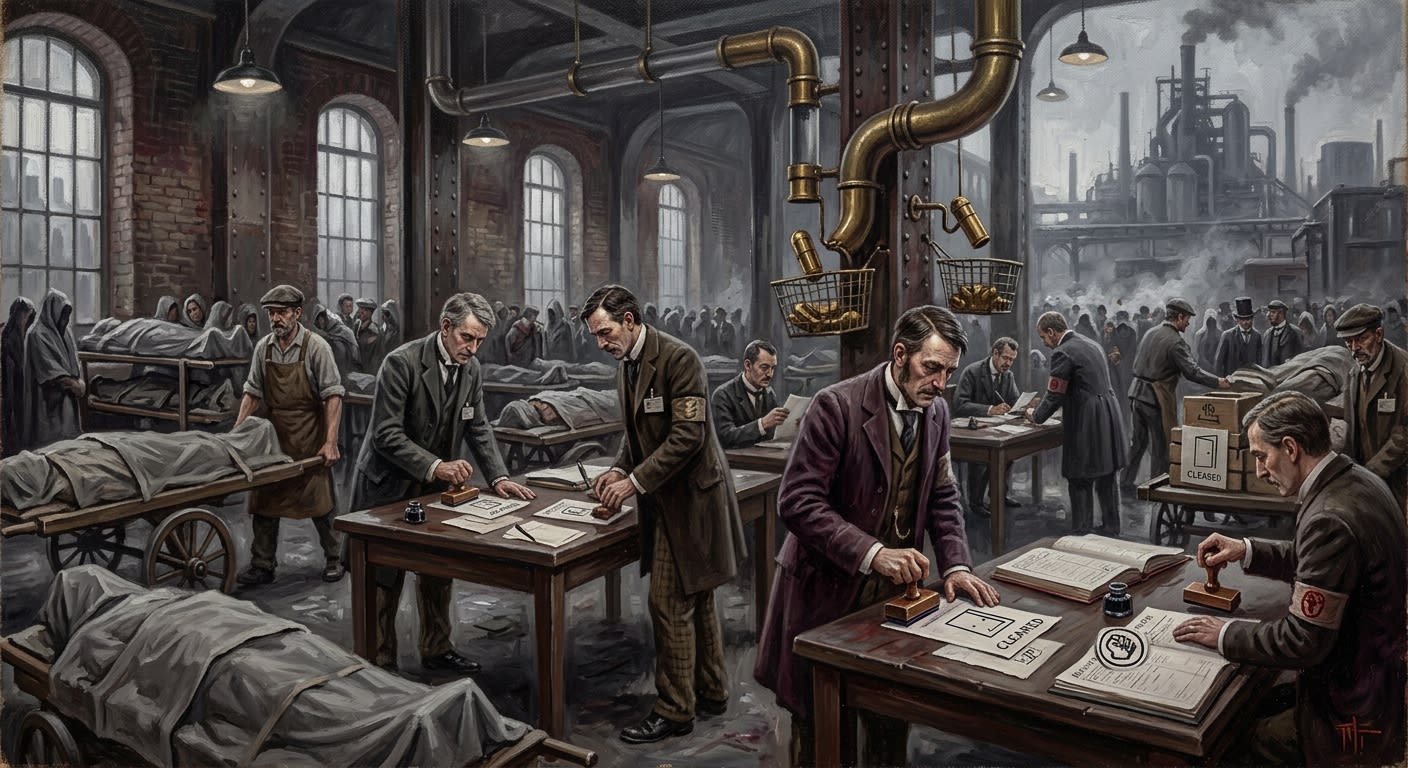
Gray Clearance
The winter mercy that moved bodies faster than names could follow
Gray Clearance was the A.S. 157–158 emergency mortuary protocol that reduced five corpse classifications to CLEARED or HELD, saved the living, and taught grief to pay for speed.
Codex Ref. VII.8.10-021
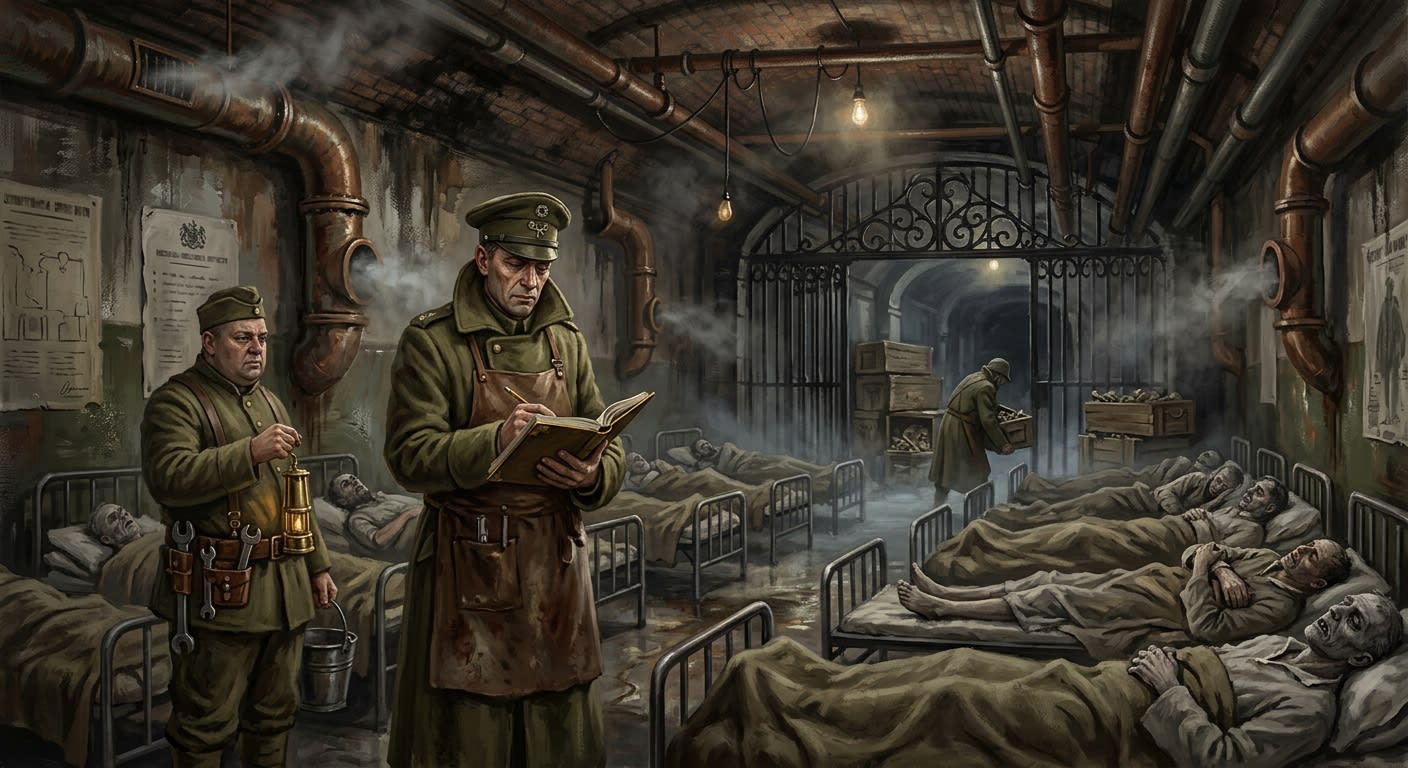
Great Plague of A.S. 78
The year Mercy learned to write before the mouth closed
The Great Plague of A.S. 78 ravaged the southern trench infirmaries and became the Lull of Names, birthing terminal confession mandates, ossuary controls, and threshold doctrine.
Codex Ref. VII.4.20-002
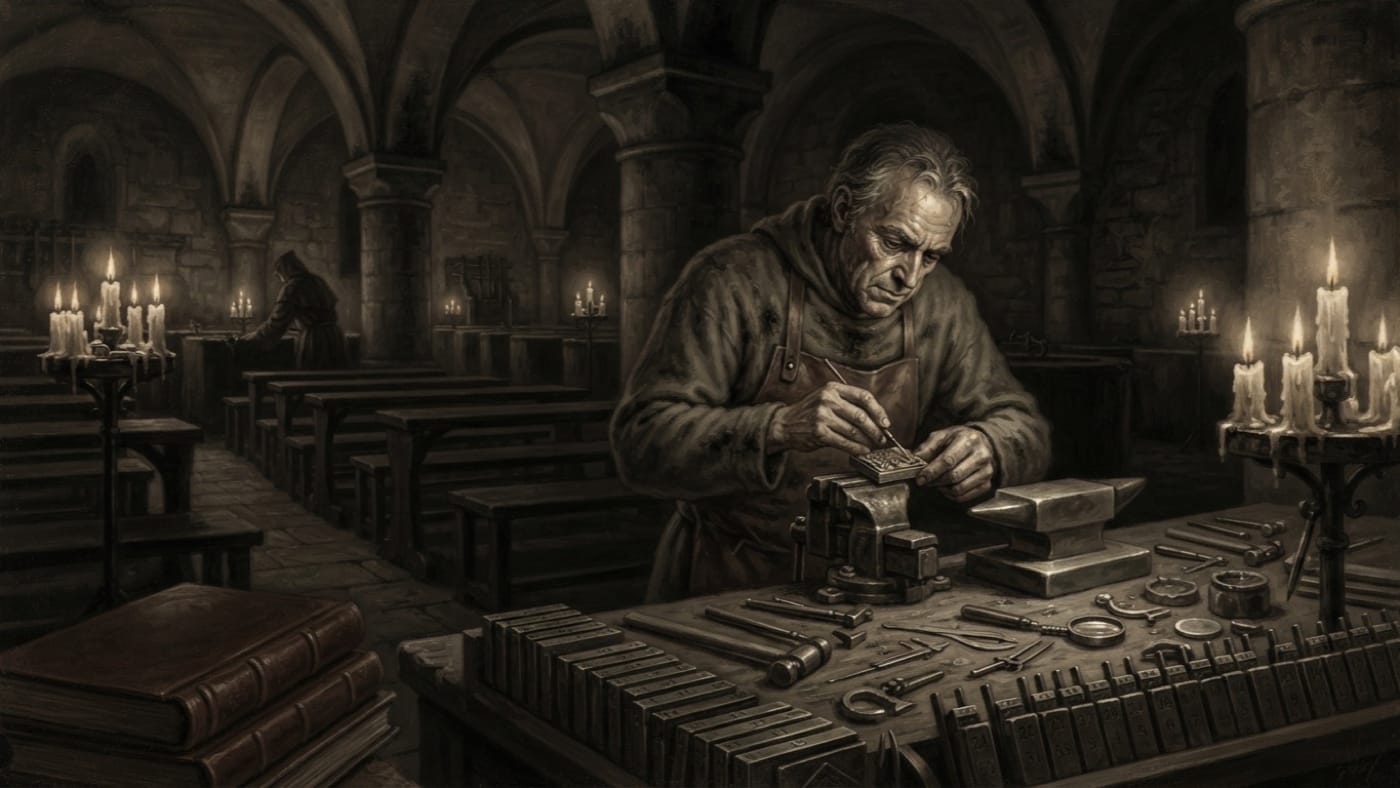
Guild of the Anvil and Stylet
The impression serves the Synod. The hand serves the impression.
Chartered in A.S. 105, the Guild of the Anvil and Stylet cuts the metal that makes Synodal paper binding. Its cutters swear to the impression; the Bureau of Masks and Seals files the theological objections.
Codex Ref. VI.4.19-015
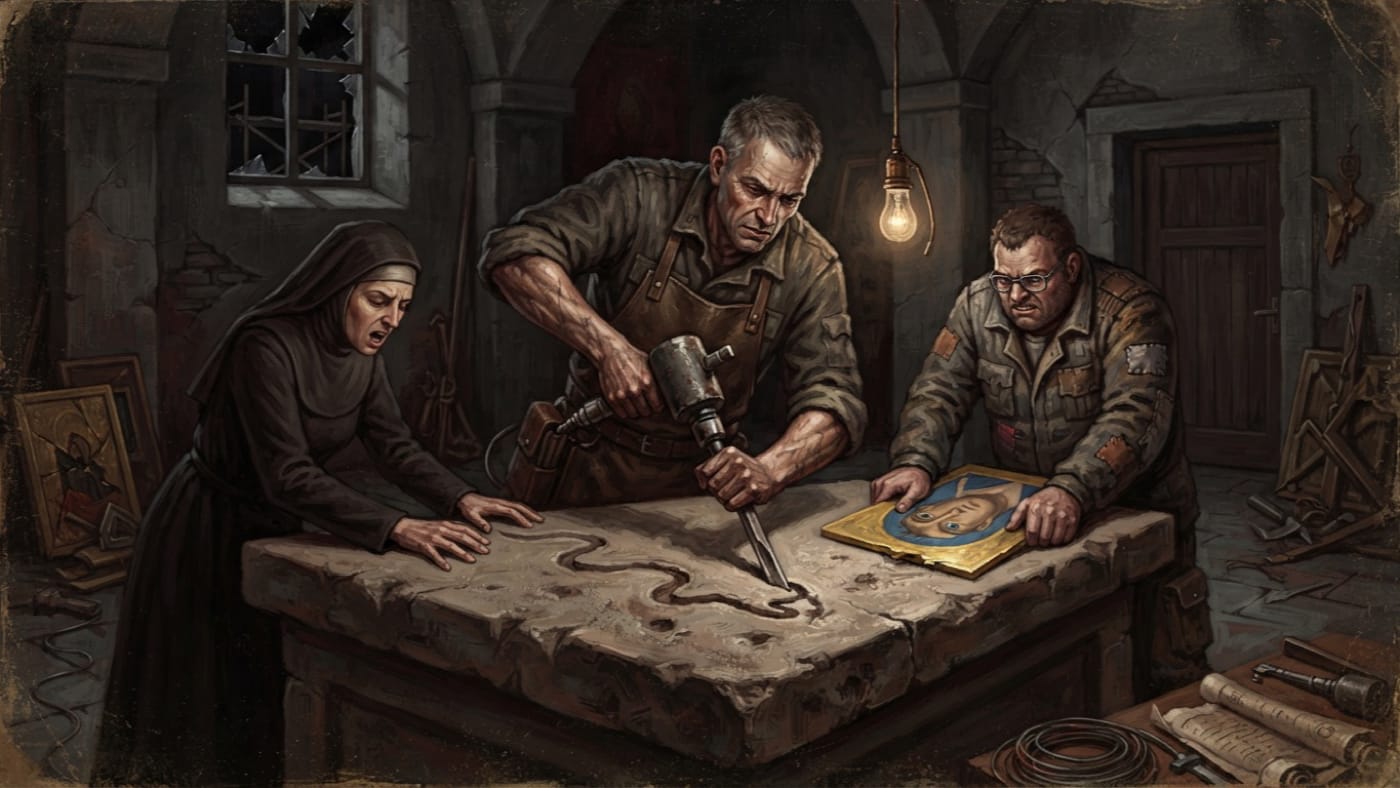
Halbrecht Ruun
The stone was cut; the law was drafted elsewhere
Halbrecht Ruun carved a temporary throat-channel into a chapel altar during the A.S. 131 Singing Plate suppression. Three Engineers contained the fragment; the stone was his share.
Codex Ref. III.2.01-1300
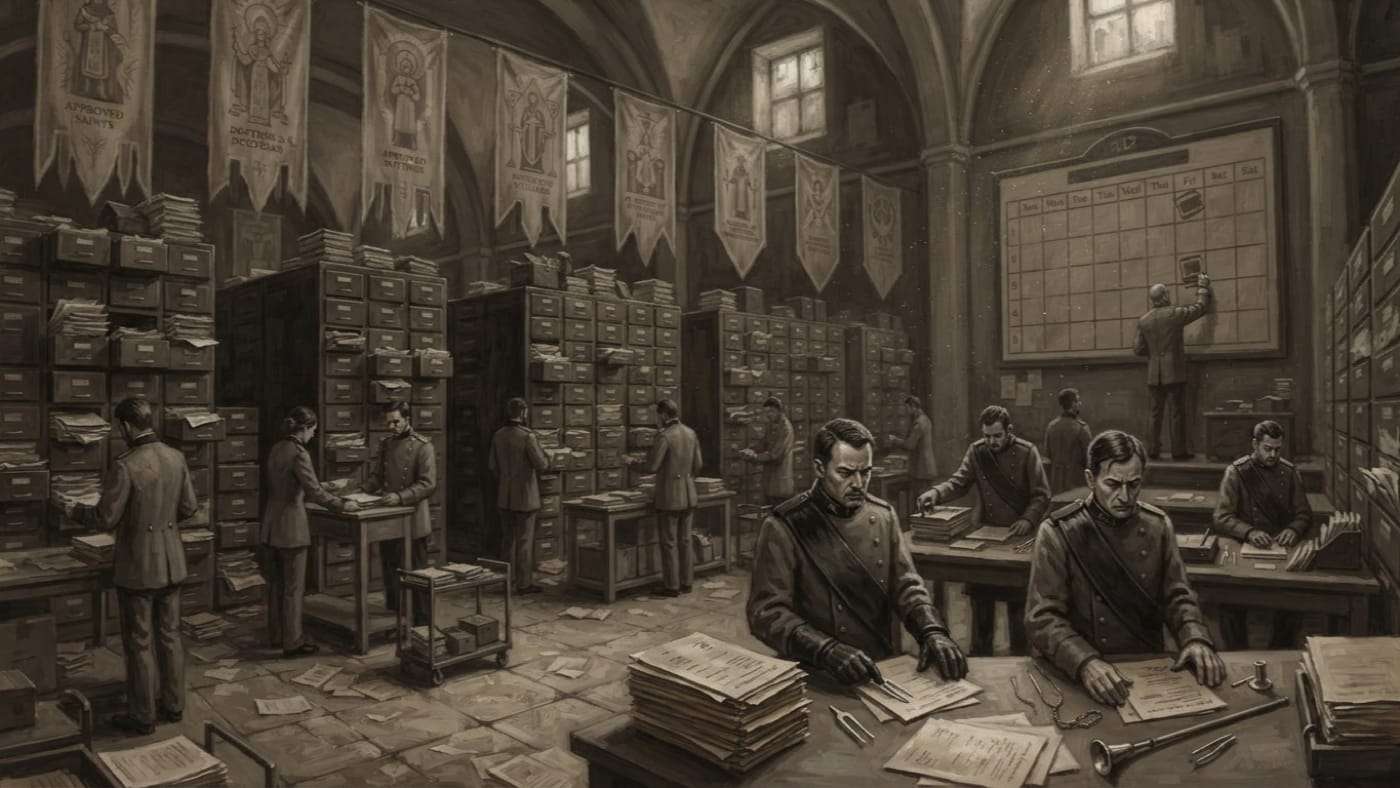
Hall of Prescribed Joy
Where every celebration begins by waiting
Eleven hundred square metres of approved ornament, permit tables and filing cabinets in Strasbourg. The Bureau of Festivals licenses joy here; its backlog has not cleared since A.S. 155.
Codex Ref. II.3.05-201

Hamburg
The throat of the northern front — and the hand around it is not the Synod's
The Synod's northern import terminal: nine hundred thousand souls at the Elbe's mouth, processing the grain and coal that keep the northern front from freezing, starving, and dying.
Codex Ref. II.4.09-005
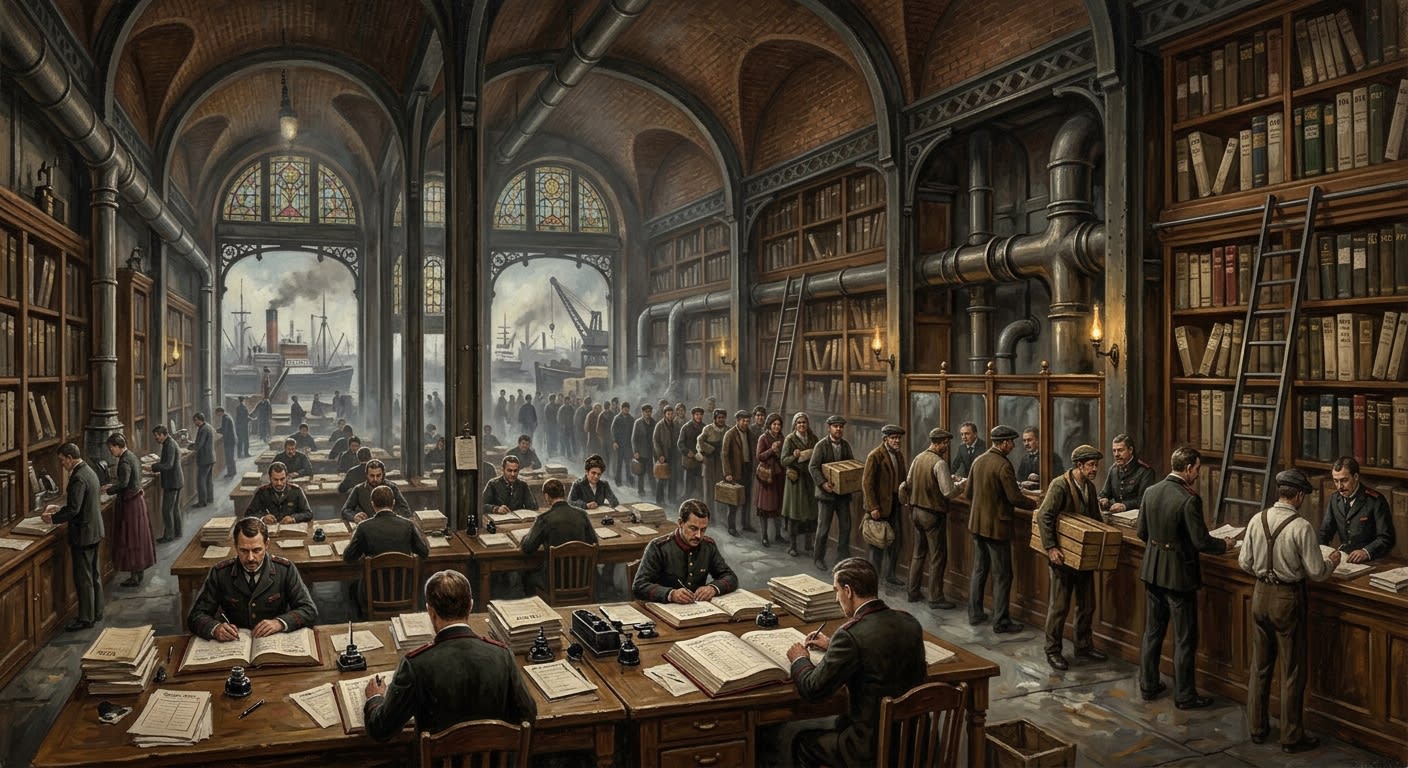
Harbor Ledger Office
Where arrival becomes a queue and mercy learns to stamp twice
The Harbor Ledger Office is the wet jaw of Thessaloniki's record-law, translating ships, refugees, cargo, deaths, delays, and useful crimes into serviceable continuity.
Codex Ref. XIII.1.94-201
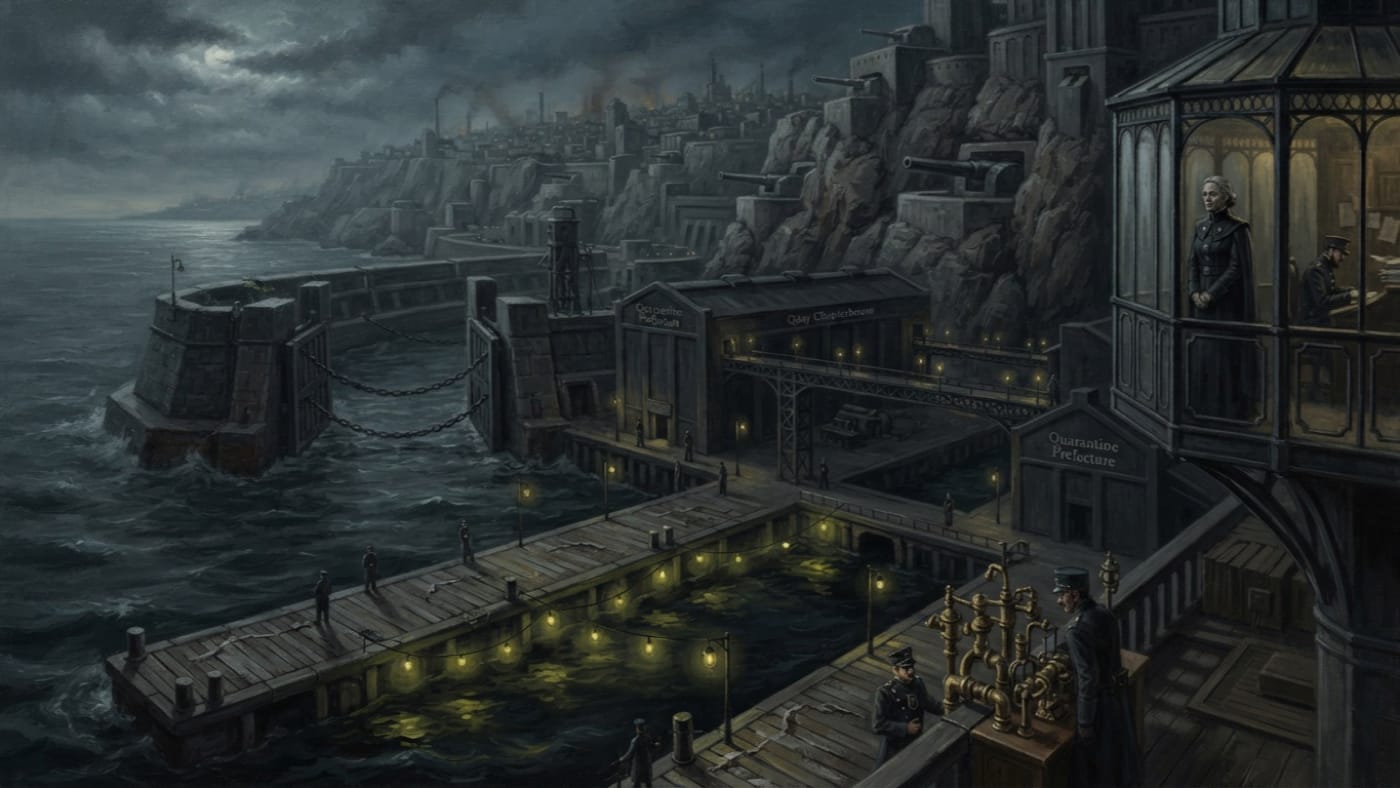
Harbor Marshal Command
The berth may be refused; the gun need not explain
Saffron Bastion's armed harbor authority holds the berths, chains and cliff guns. Canon-Marshal Veyra Sable keeps the port supplied, the lure lanes ranged, and the cost entered as marine incidents.
Codex Ref. VIII.5.09-201

Harbor Prefect-Archivist Iolana
She keeps the harbour legal after reality forgets how to ring
Harbor Prefect-Archivist Iolana rules the Ledger Steps of Thessaloniki, resurrects lost paperwork, and kept legality breathing through the A.S. 198 Silence.
Codex Ref. III.2.01-033
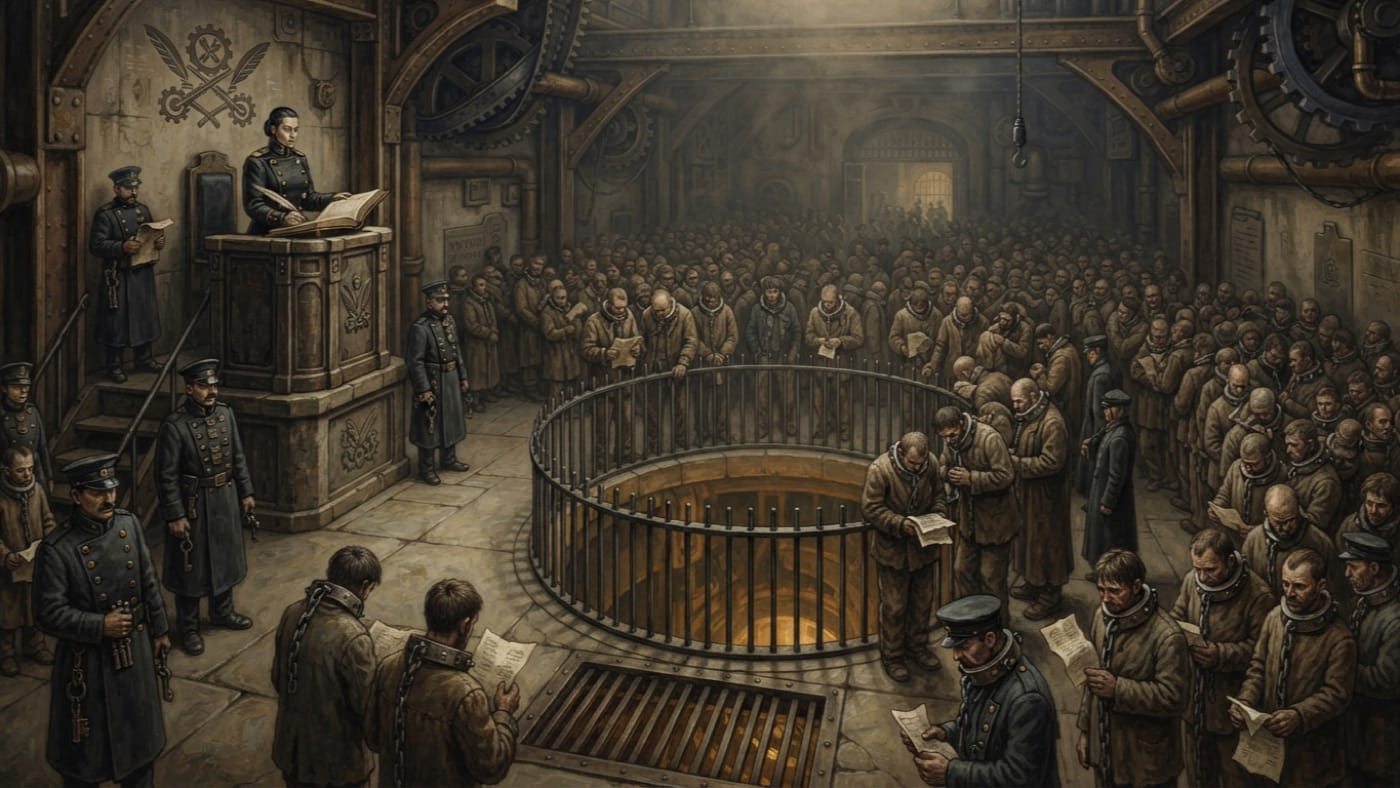
Hearing Hall
Mercy is granted, then entered
At Gate Nine, the Hearing Hall turns appeals into confessions, purchased testimony and labour assignments, forty-two feet above the Apparatus.
Codex Ref. II.3.05-011
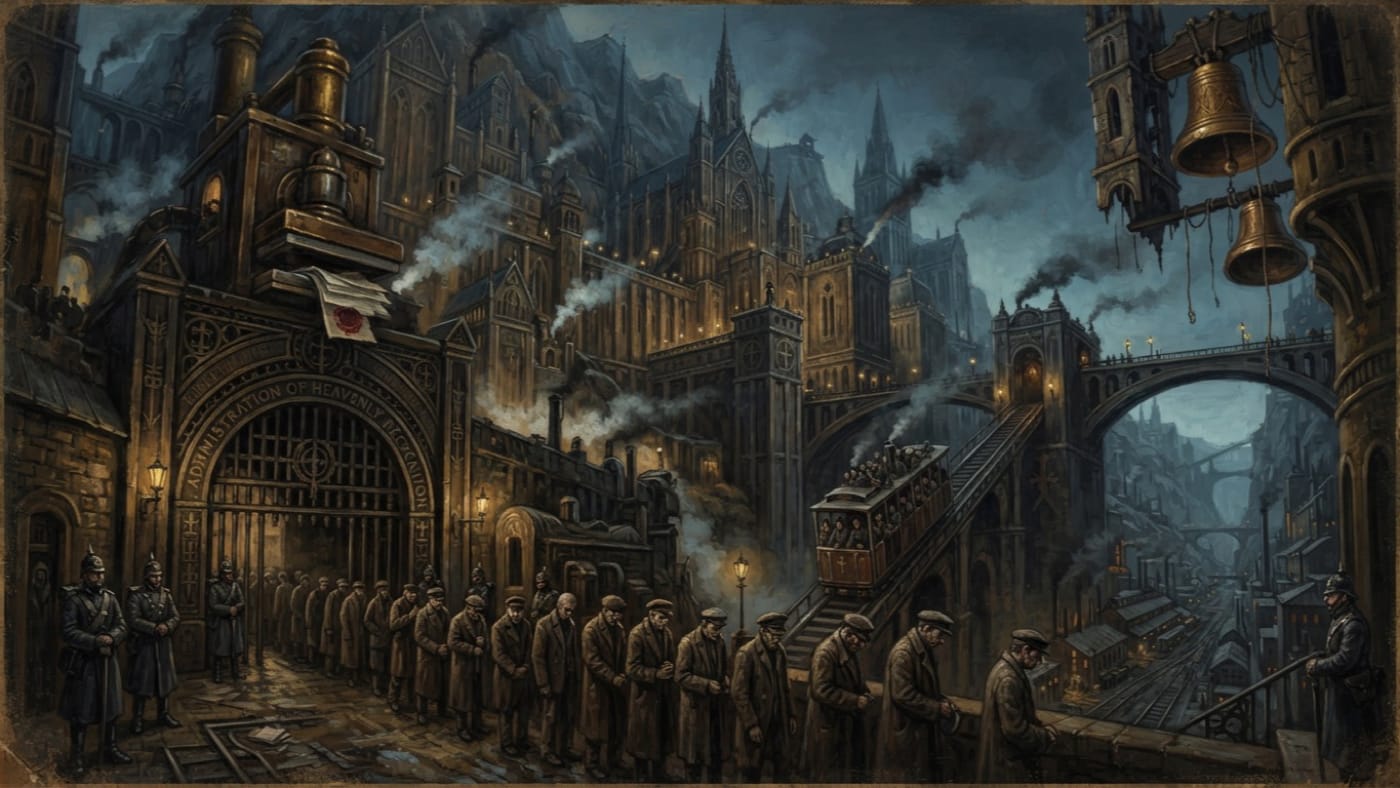
Heaven
Perfect recognition, beyond the reach of any clerk
Heaven knows every soul, Doctrine assures us. Strasbourg stamps acceptance until contradicted; I record the death registers and the silence no bureau can countersign.
Codex Ref. VI.1.02-201
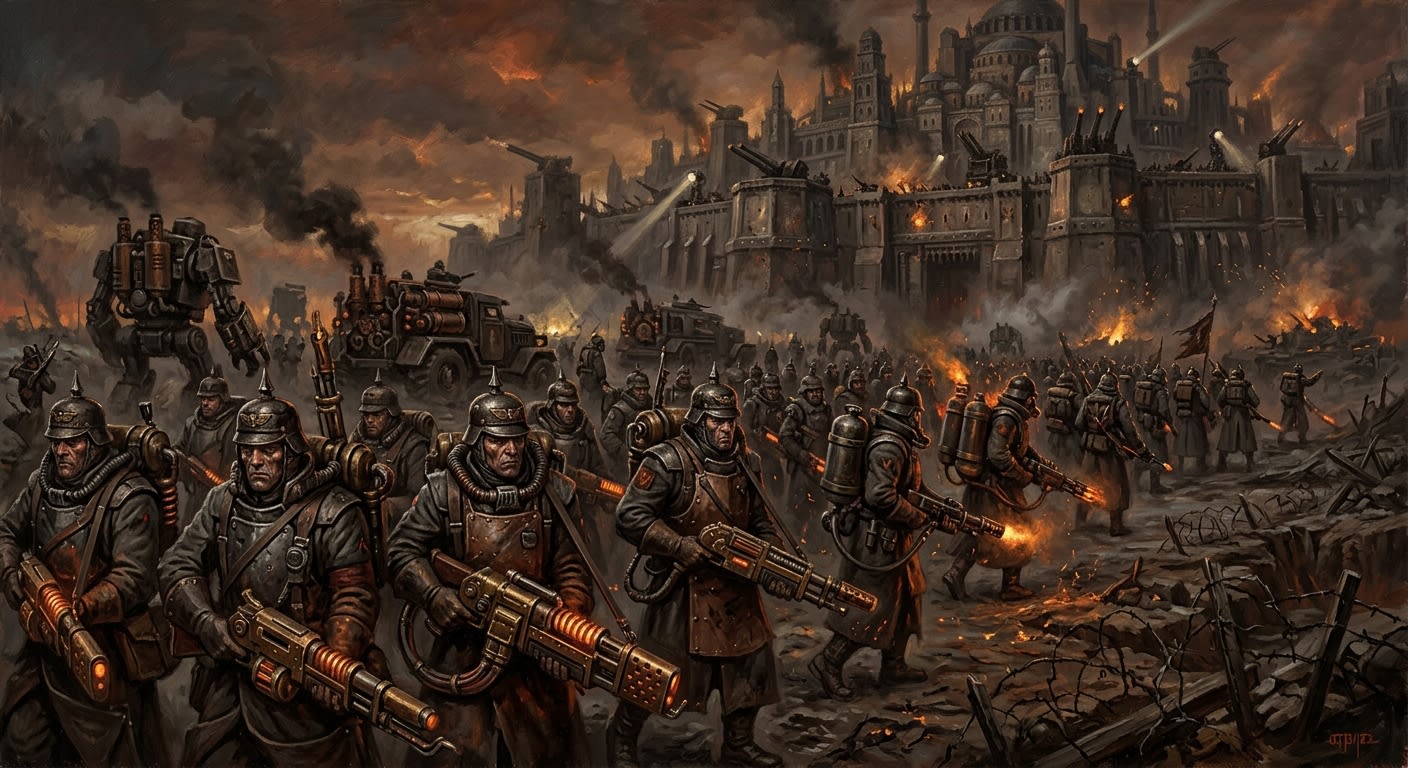
Hellbow Legion
Maldrake's arc of wrath, where range becomes theology and stone learns fear
Maldrake's Hellbow Legion is a wrath-forged assault host, not a regiment of archers: slag-bow cohorts, pyre-smiths, Ember-Soldiers, Hollowed columns, and siege heat aimed at Bastion-Constantinople.
Codex Ref. IV.1.07-009
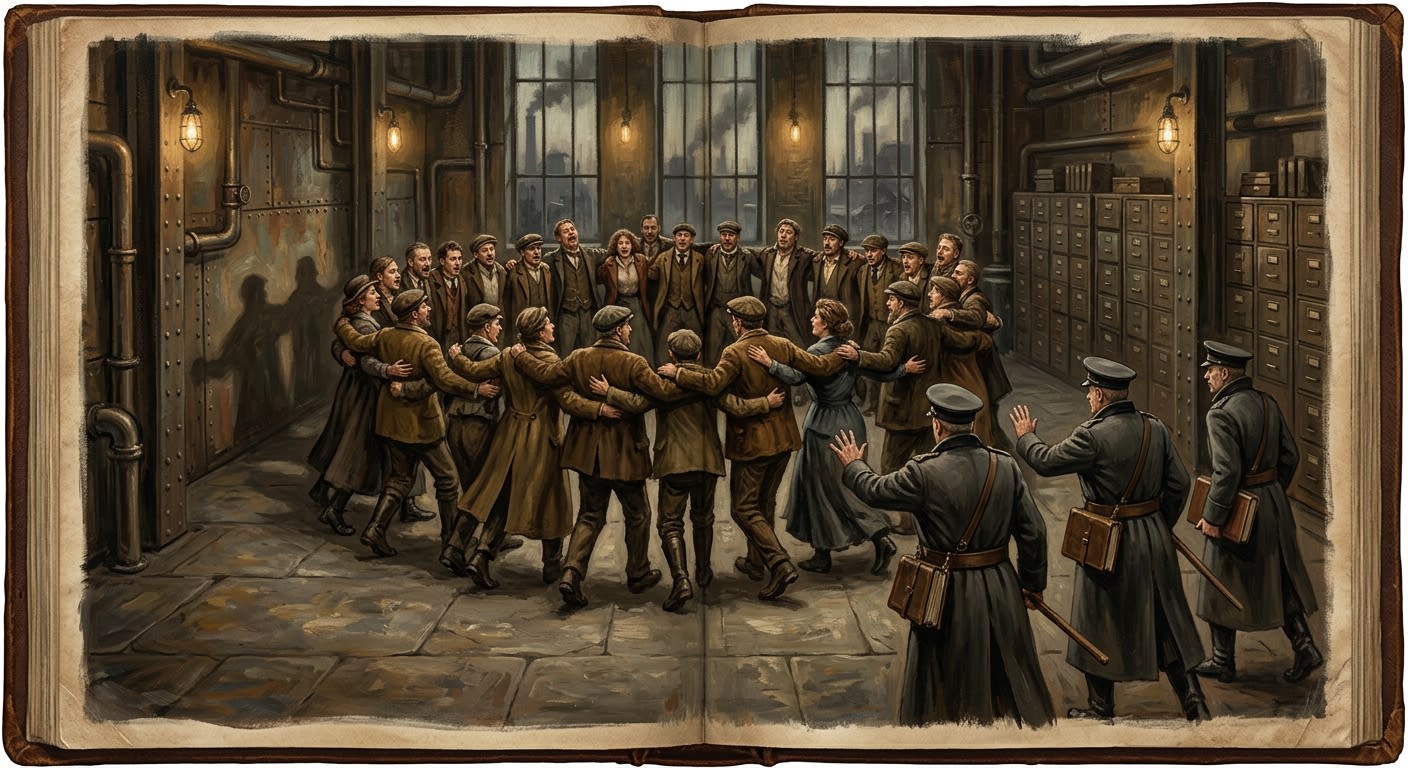
Heresy of Siena
The circle that kept turning after Doctrine entered
The Heresy of Siena began as a harvest dance and became a Bureau problem: a circle of bodies together before any office had authorised joy.
Codex Ref. VII.8.10-141
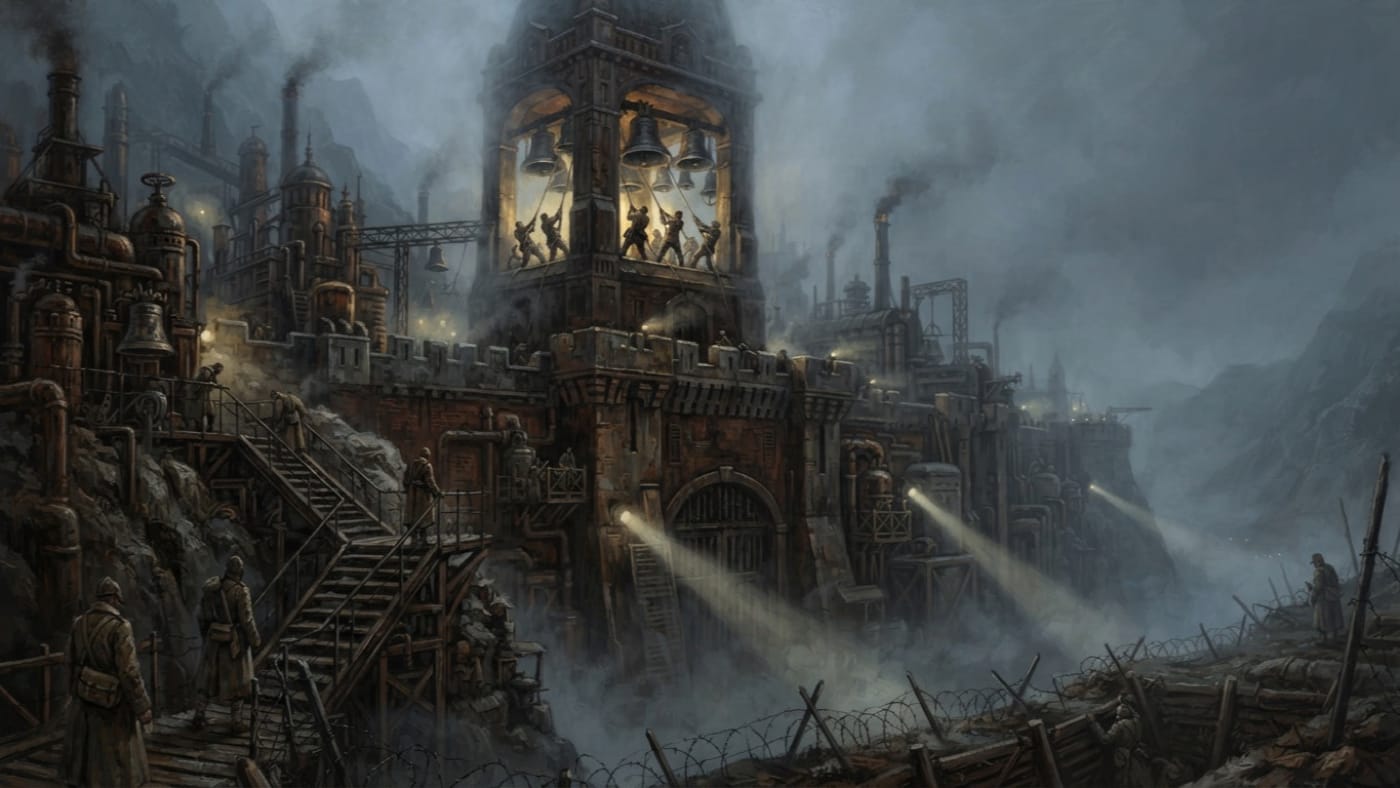
Heresy of the Sleeping Creator
The condemned ring on time. The Bureau keeps the rope.
A Second-Degree heresy claims the Creator dreams Creation into being and the bells keep Him asleep. I catalogue its southern circulation, the reported breath and the sentence imposed on men who ring with exceptional diligence.
Codex Ref. VI.1.01-003
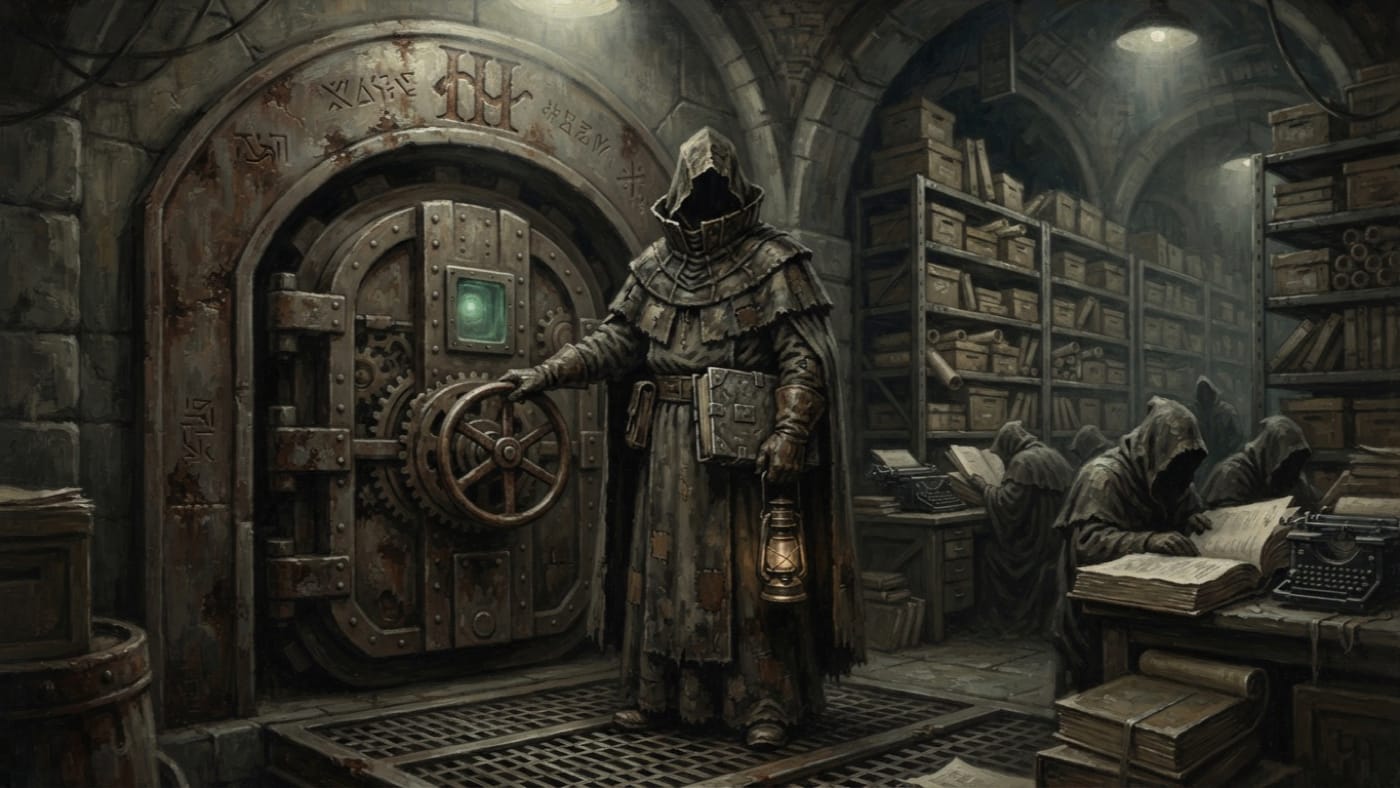
Hierarch of the Third Seal
Three Bureaus know the title. None supplies the name.
Three Bureaus attest a Hierarch; none supplies a name. This A.S. 201 survey records restricted vault knowledge, attributed tribunal influence and Lyon's A.S. 170 satire, leaving the Seal unidentified.
Codex Ref. XIII.1.05-003
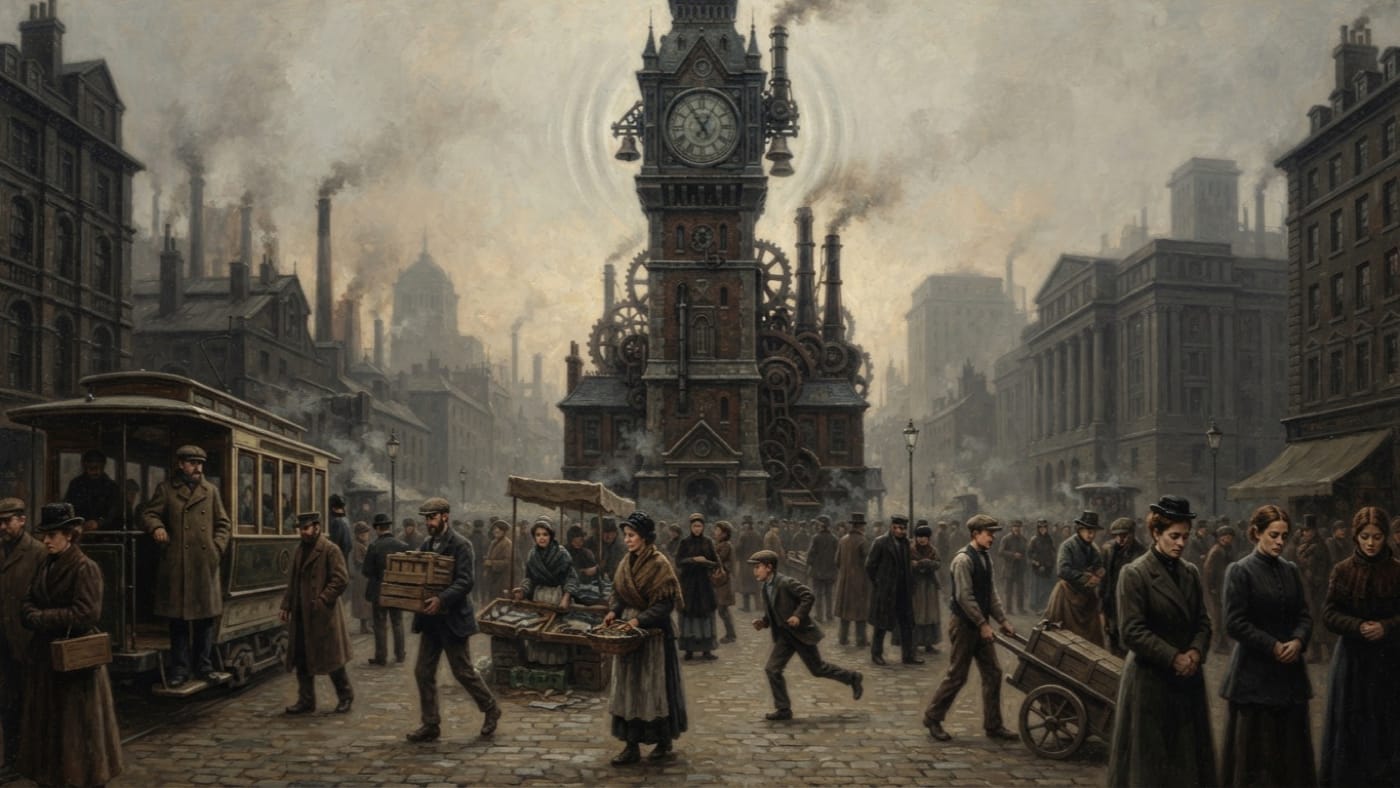
High Angelus
At noon, even the right to resume belongs to bronze
The High Angelus is the Bell Codex's noon peal: three ascending commands that stop the city, require recitation and return work by permission of bronze.
Codex Ref. XIII.1.62-003
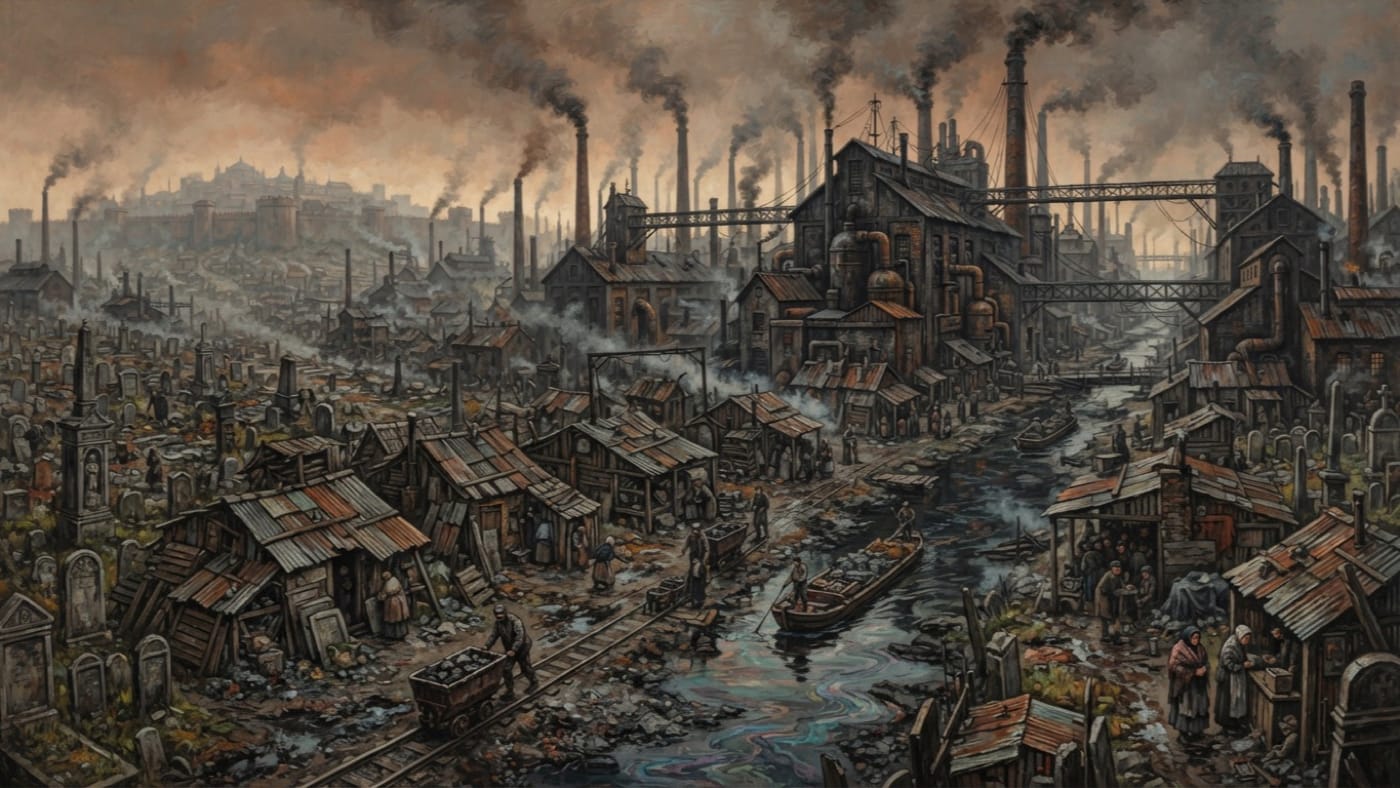
Hintermark settlements
The furnaces have addresses; their households do not
The Hintermark settlements keep Bastion-Constantinople supplied with iron, labour and coffin timber. A.S. 201 finds production continuing, registers disputed, and hungry households entered in the Black Ledger's second books.
Codex Ref. II.3.06-003
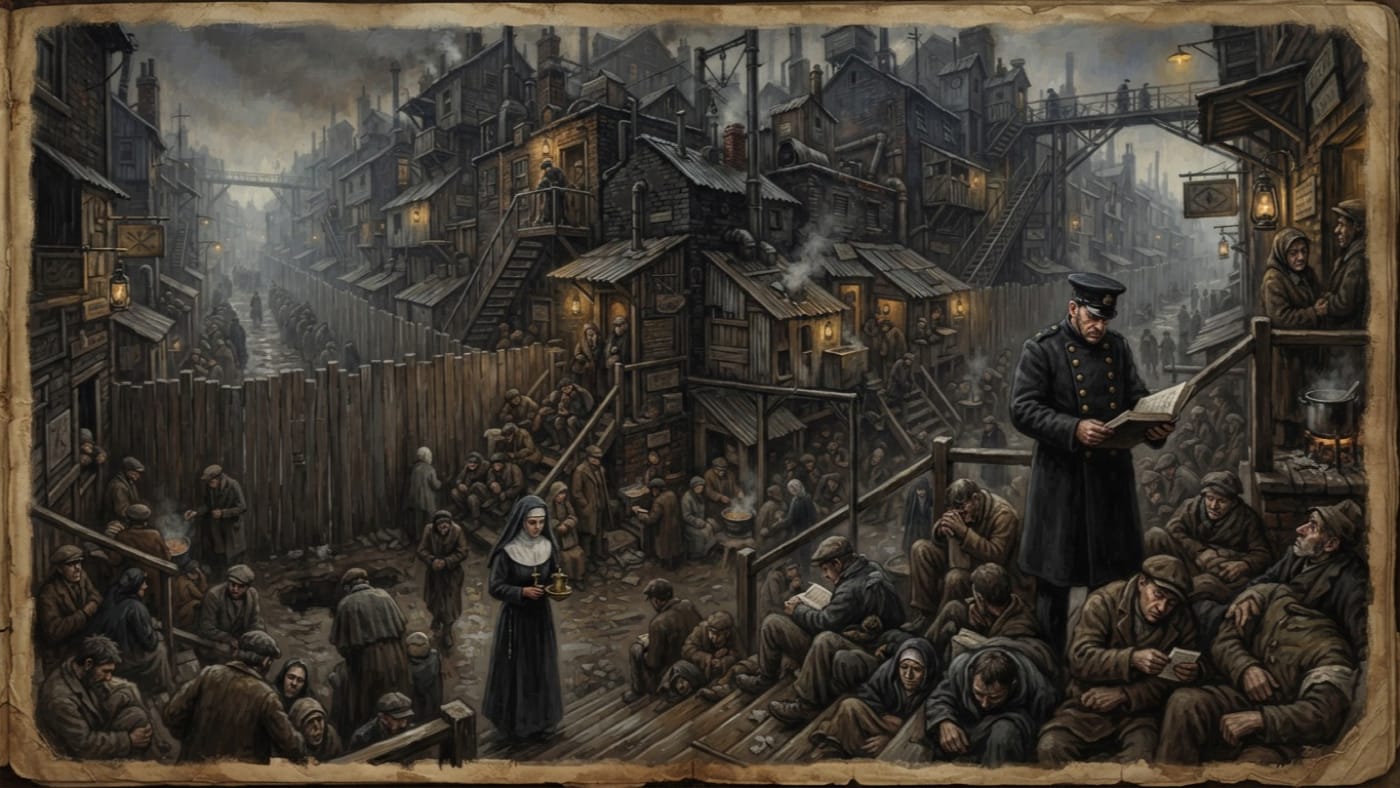
Hostel Ribbons
The wait is sold long, the sleep is sold short
Along the Queue Road, the Hostel Ribbons sell sleep by the slice. The Consortium fills its bunks with delay, while the Minute Drift makes receipts and bodies disagree.
Codex Ref. II.3.05-011
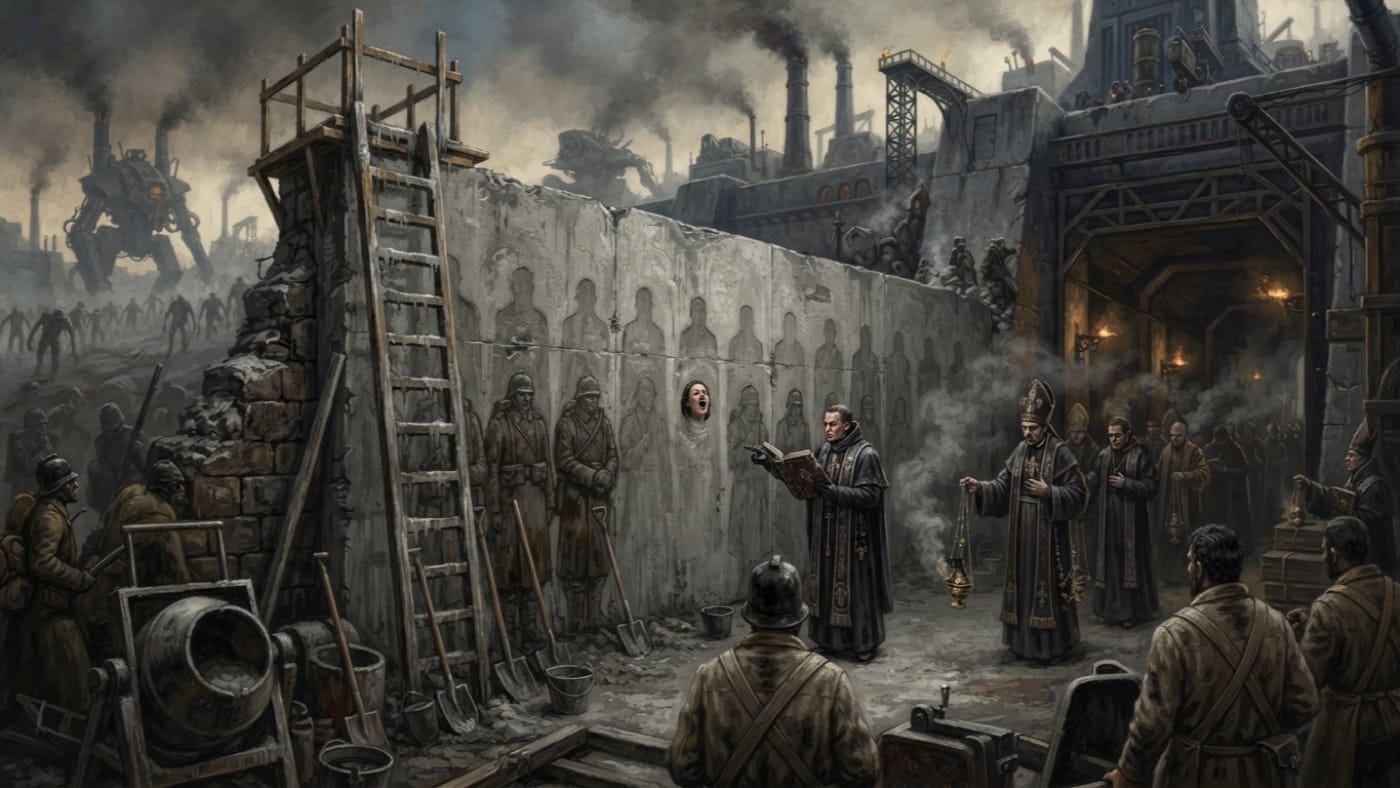
Hymnal for Desperate Hours
Page 4,117; thirty-two verses; forty-seven sealed singers.
The Bureau of Orison and Song's liturgical reference: page 4,117 prescribes the thirty-two-verse Antiphon of Endurance, sung by forty-seven at the Sixth Ravelin. The citation survives; the singers are sealed.
Codex Ref. XIII.1.97-170
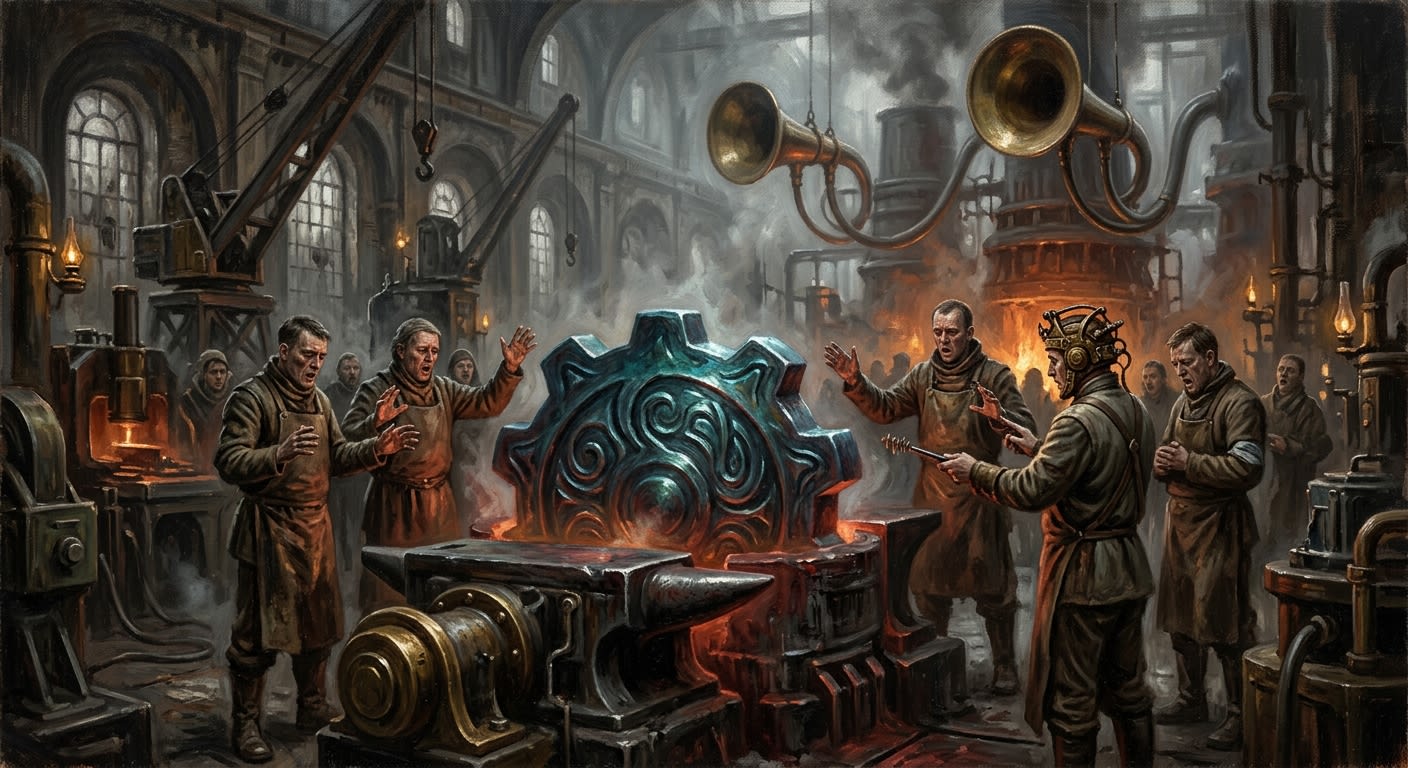
Hymnsteel
Metal taught obedience remembers every wrong note
Hymnsteel is obedient metal: forged at Essen by heat, formula, seal, and throat until iron remembers the note it was commanded to serve.
Codex Ref. XIII.1.93-110
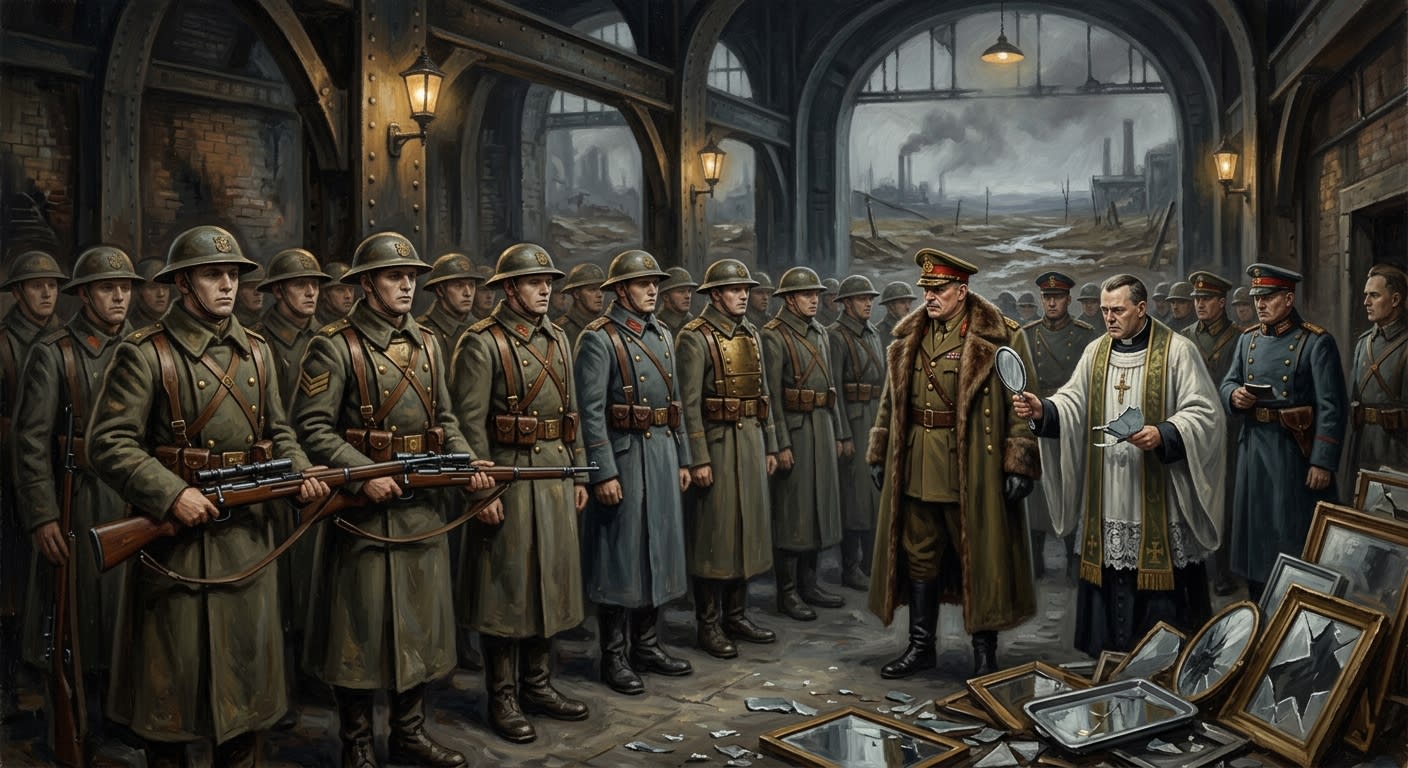
Incident at Sector Nineteen
Count to three, then stop being available
Sector Nineteen taught Irongate that a face is evidence only until Envy wears it better: thirty-one dead men returned to post, and mirrors became contraband.
Codex Ref. VII.8.10-193
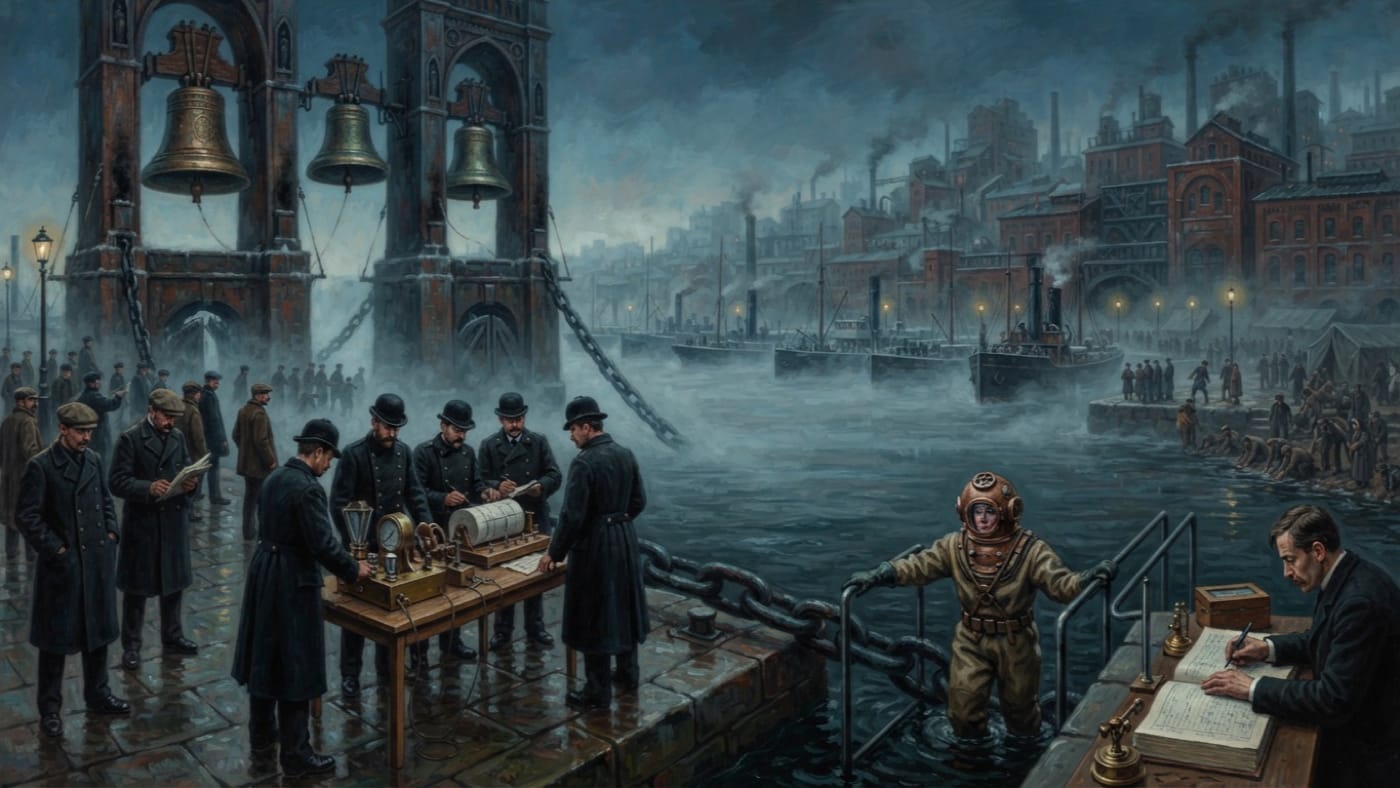
Incident Report 7-K/198
A resolved file and an unassigned cause
The recoverable record of Thessaloniki's bell failure in A.S. 198 / 1908 CE: disputed timings, underwater testimony and exchanged tones. The Bureau has resolved the file; it has supplied no cause.
Codex Ref. VII.6.01-002

Inquisitor Breel
The guard who became the margin of the song she never heard
Fourth-rank White-Mantled Inquisitor whose A.S. 187 east-bench exposure in the Vault of Silences made her hand copy forbidden notation from the Index Damnatus.
Codex Ref. III.2.01-070
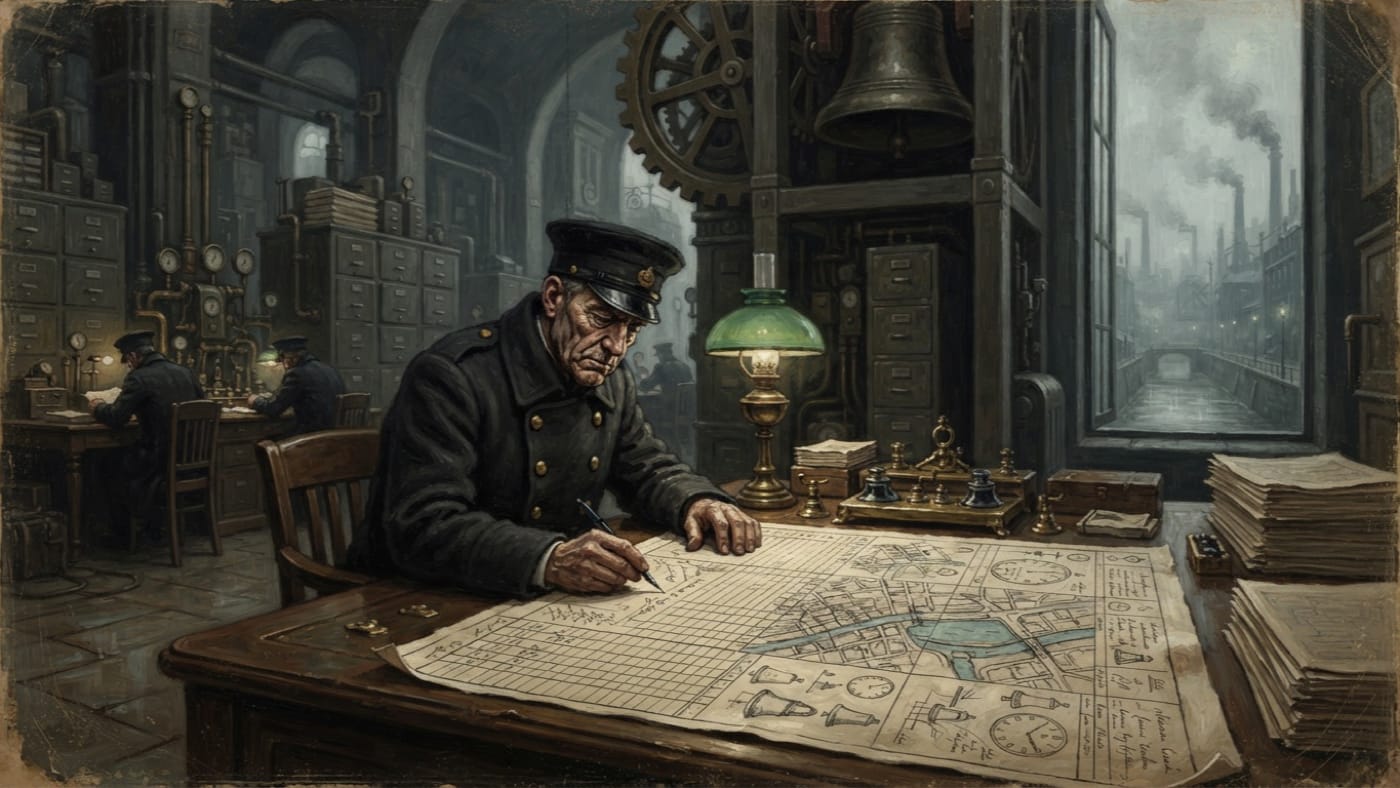
Integrated Route and Bellway Table
The street, the sound, and the name to blame
RT-1 and its later revision RT-1b join routes, bells and hazards on one sheet under the A.S. 129 Route-Timing Concordat. The living officer signs; the canal supplies the consequences.
Codex Ref. XIII.1.129-001
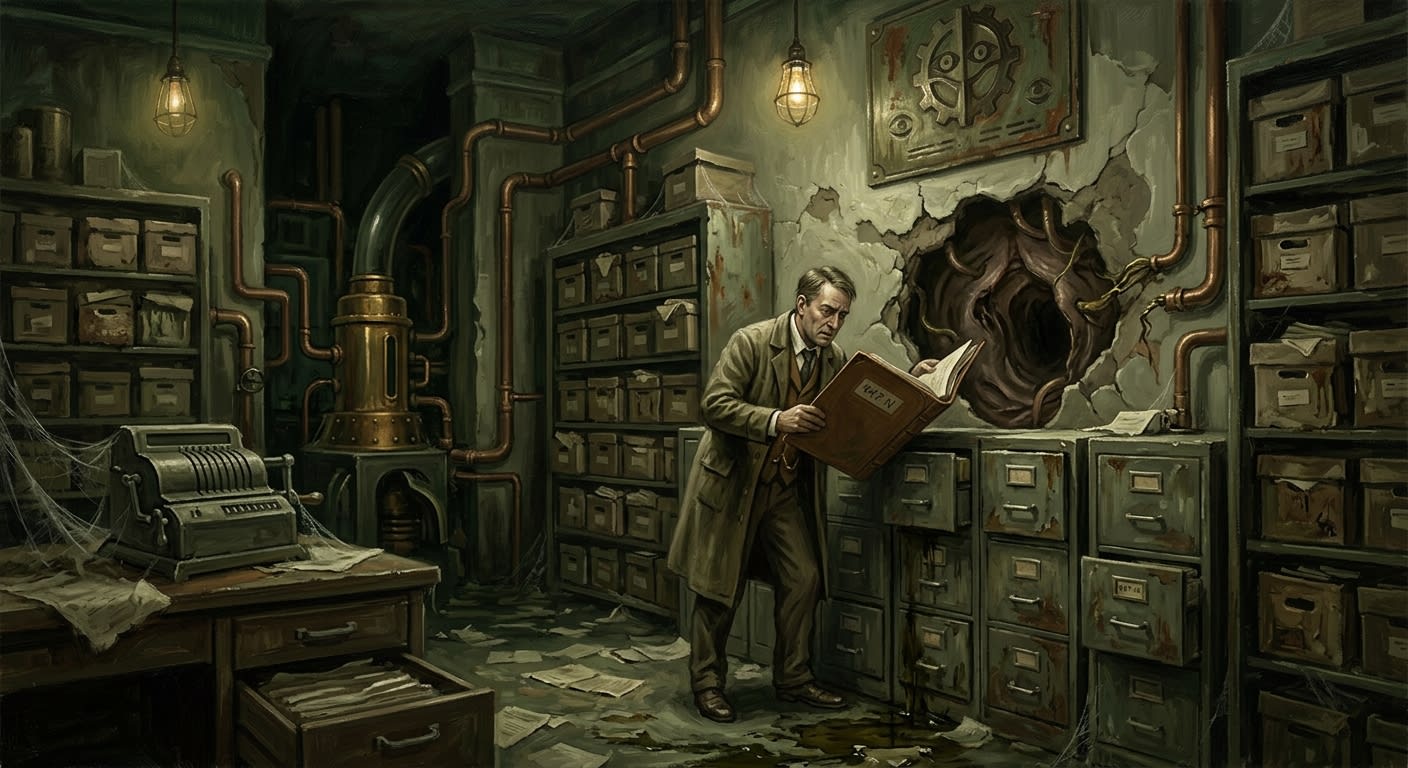
Investigation 447-N
The file pends because the bells know better than we do
Investigation 447-N began as a northern bell audit and became the Bureau's most useful cowardice: a pending file placed over a listening wound.
Codex Ref. XIII.1.97-199
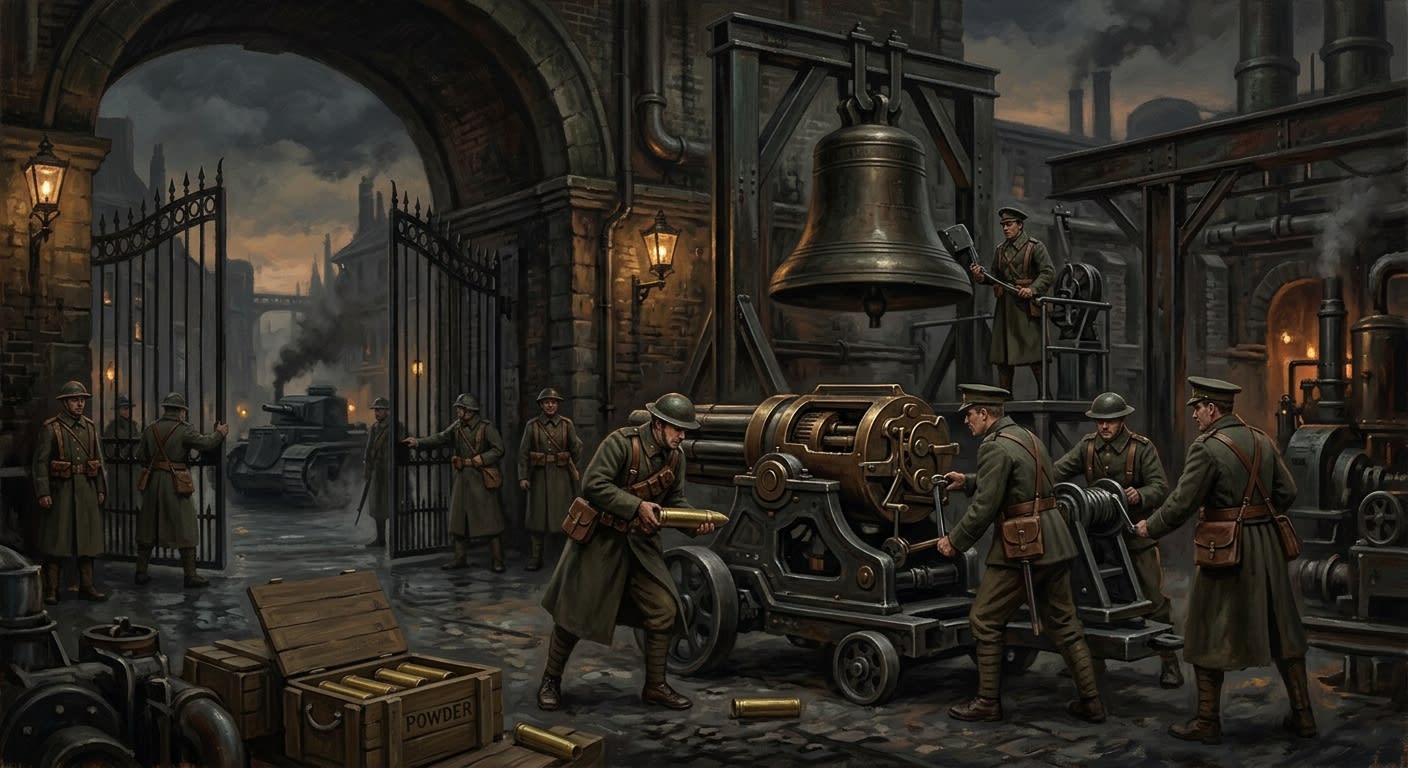
Iron Vespers
Bronze orders the night to become useful
Iron Vespers is the Synod's martial evening peal: seven strokes that lock gates, open powder, transfer custody to night, and teach soldiers that fear obeys better when bronze gives the order.
Codex Ref. XIII.1.62-004
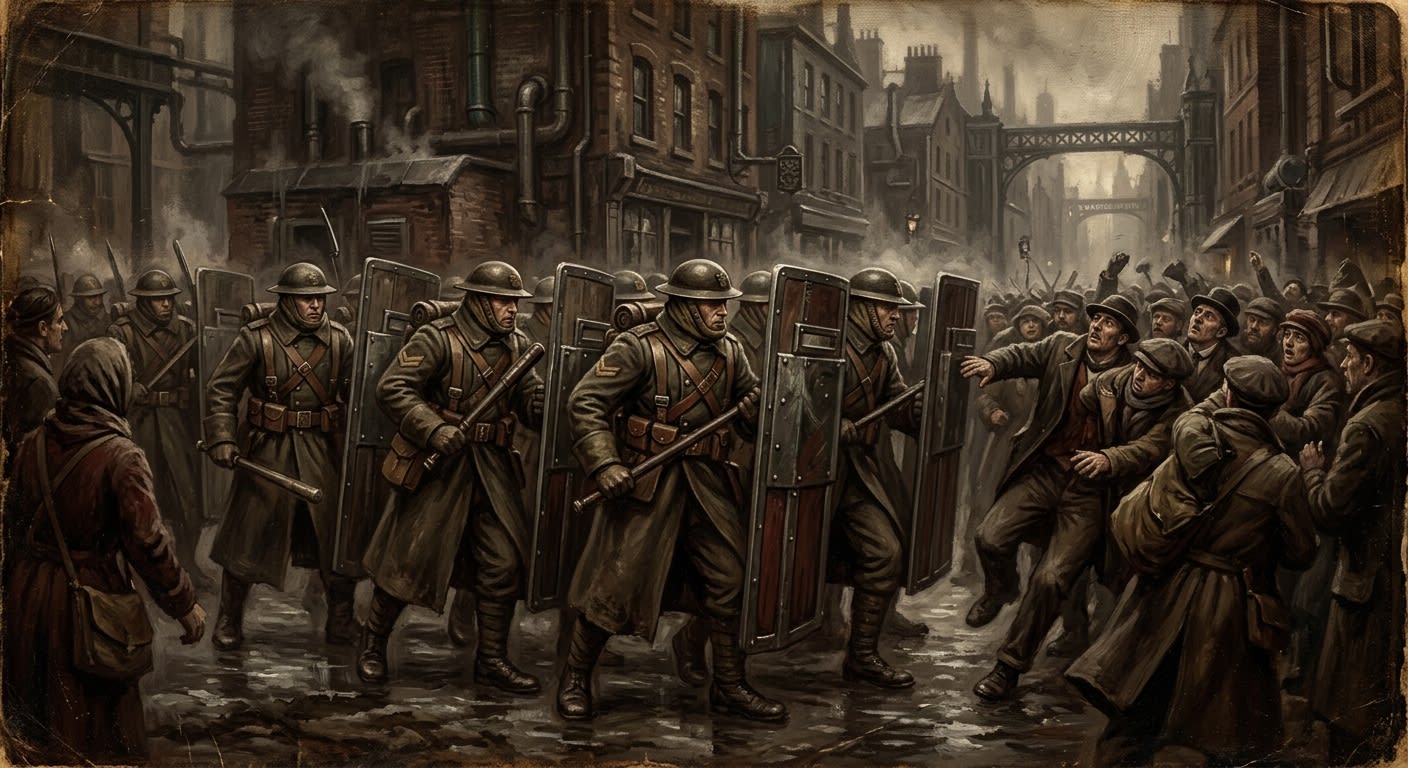
Iron Wedges
Fear is the cheapest fence ever devised by government
Cadence Corps hard-step faction that opens crowds by baton and shield, preventing crush deaths while teaching the street better methods of hatred.
Codex Ref. XII.7.04-001
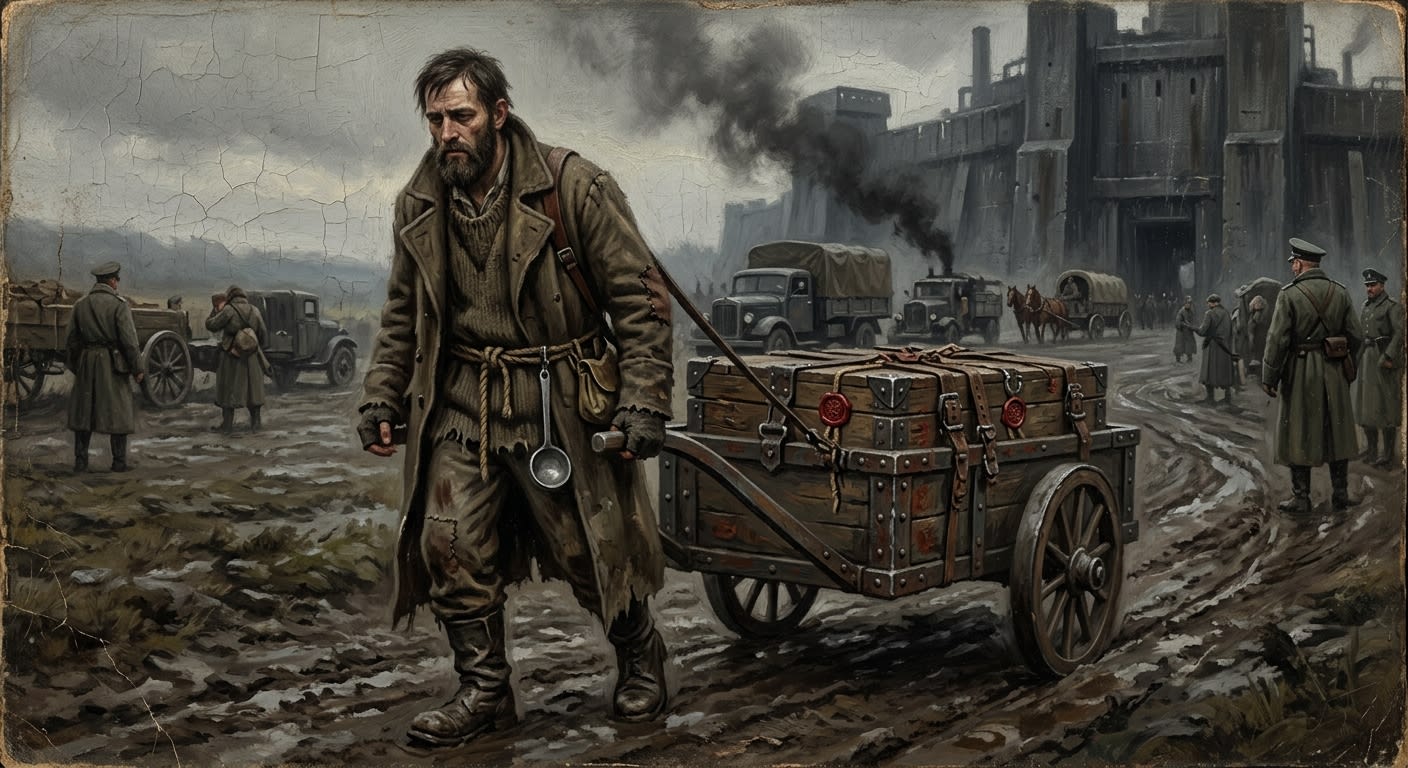
Josek of Düren
The debtor who carried the crate and became too memorable
Josek of Düren, condemned debtor and Grade A relic carrier, bore a sealed ossuary crate to Bastion-Irongate in A.S. 138 and became the forbidden Cart-Saint of convoy rumour.
Codex Ref. III.2.01-131
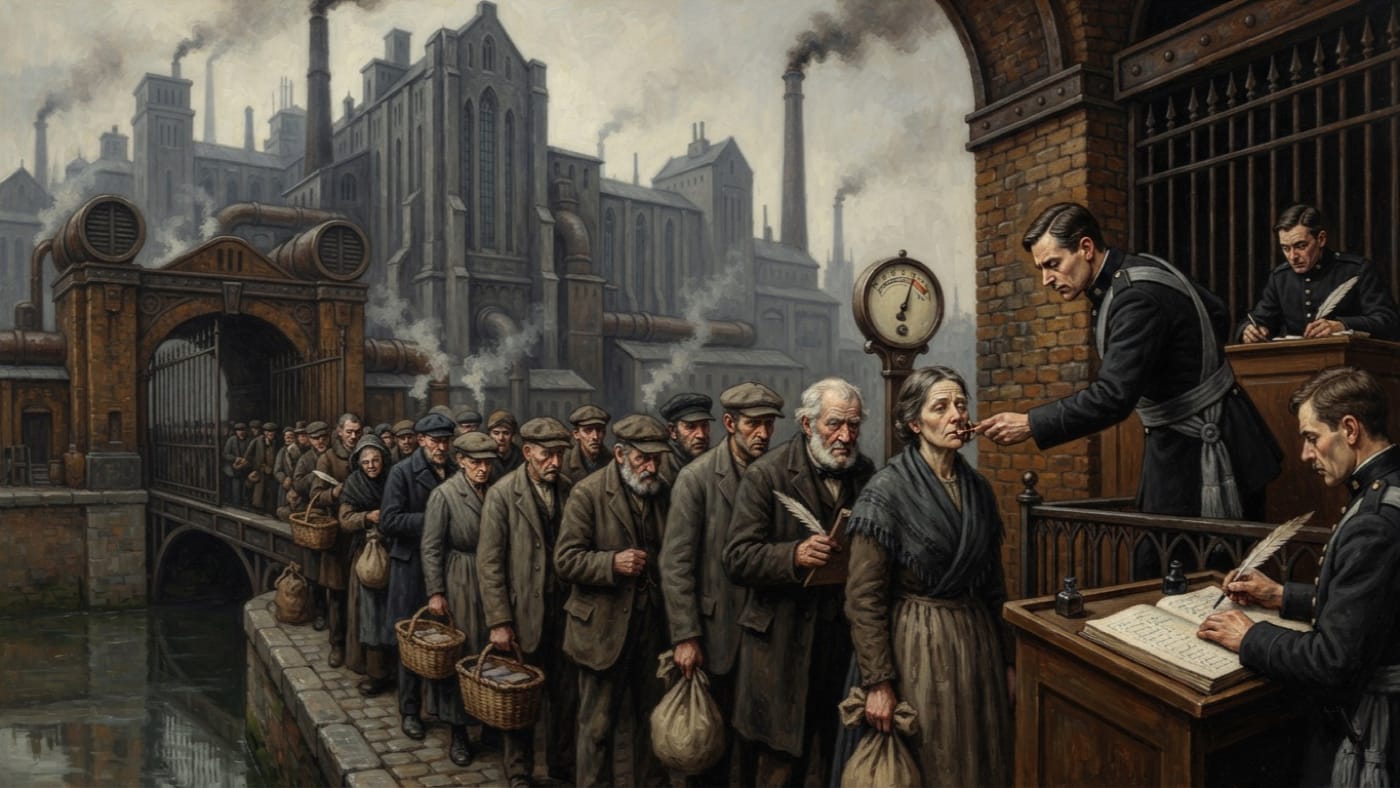
Joy Discipline
Gratitude has a lawful width, and the ledger charges for the rest
Wexel measures smiles, licences laughter, and converts emotional infractions into ration cuts, debt, and ash bills. Instituted after the Dust Fire of A.S. 112, its temporary safety law remains in force eighty-nine years later.
Codex Ref. XIII.1.19-112
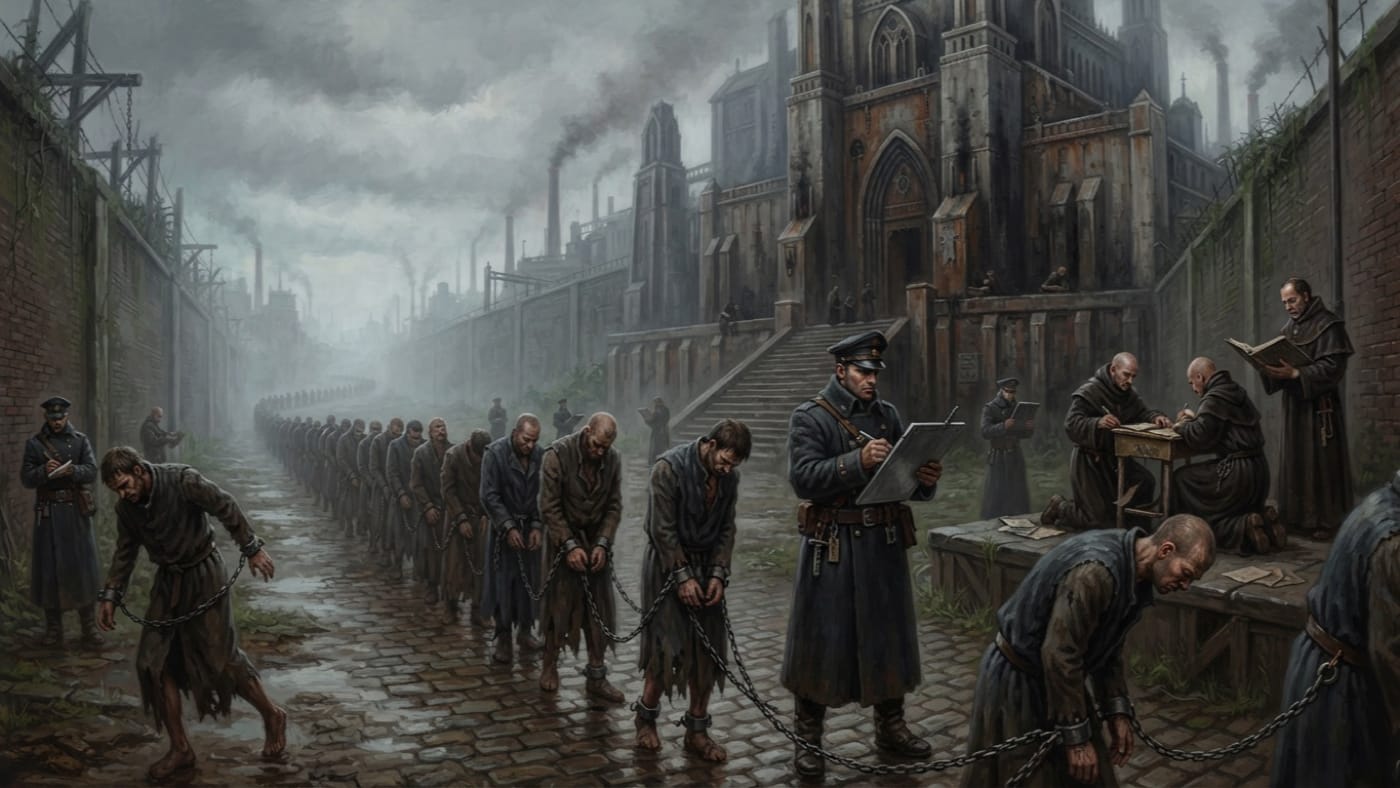
Jubilee
Repentance by distance; completion by arithmetic
The Jubilee turns penance into distance, wrists into serial numbers, and confession into further chains. At the destination shrine, the delivered and the dead are added together. The arithmetic is correct.
Codex Ref. XIII.1.109-094
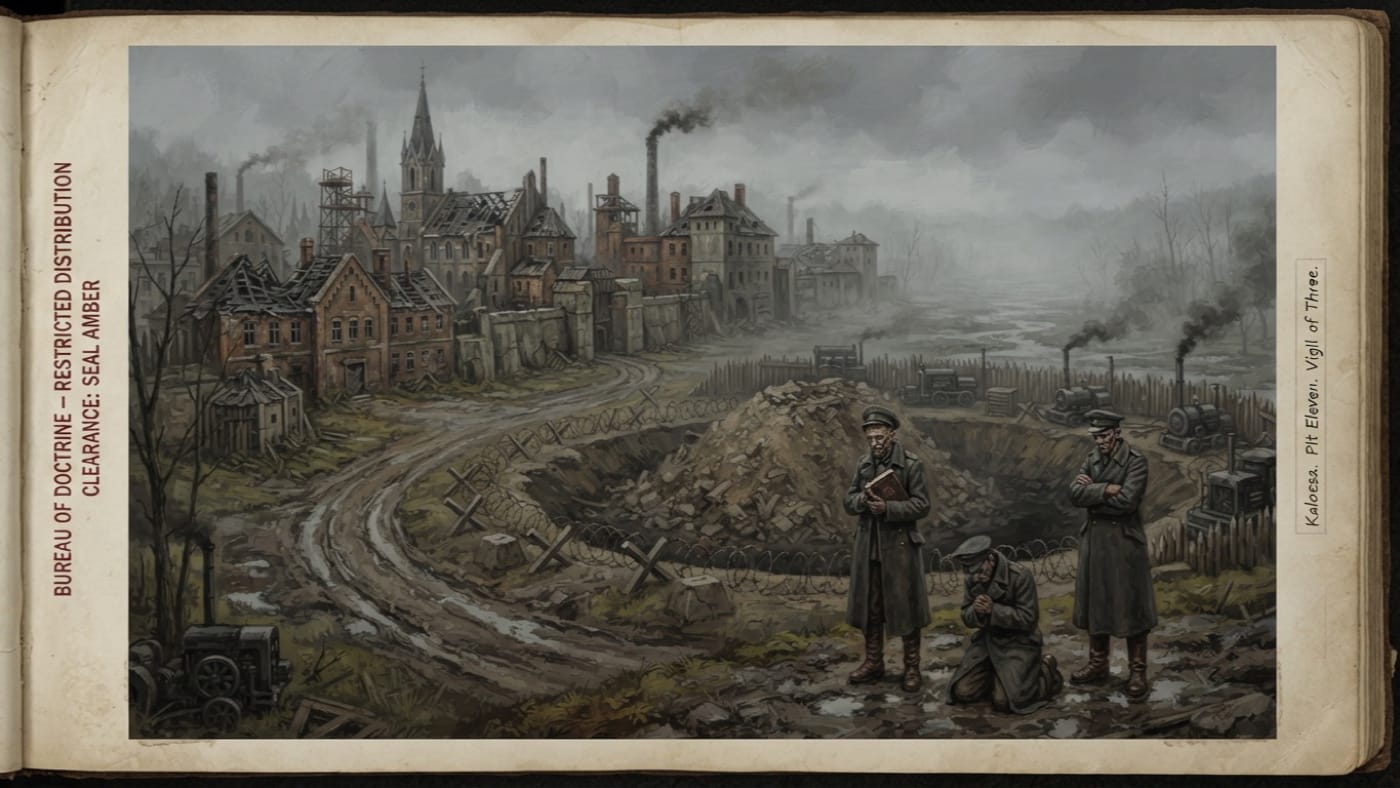
Kalocsa
The record names the town; the grave receives the attention.
Kalocsa is the town named beside the Children's Pit, where a refugee column was buried in A.S. 52. Three chaplains keep a classified vigil nearby; the record tells me more about their hunger than about the town.
Codex Ref. II.4.09-052

Keska
The foundry-town that fell through the map and learned who feeds the forgotten
Keska, a Hintermark foundry-town west of Bastion-Constantinople, lost its Zone for eleven months and discovered that criminal stamps can feed where lawful ink starves.
Codex Ref. II.3.06-001
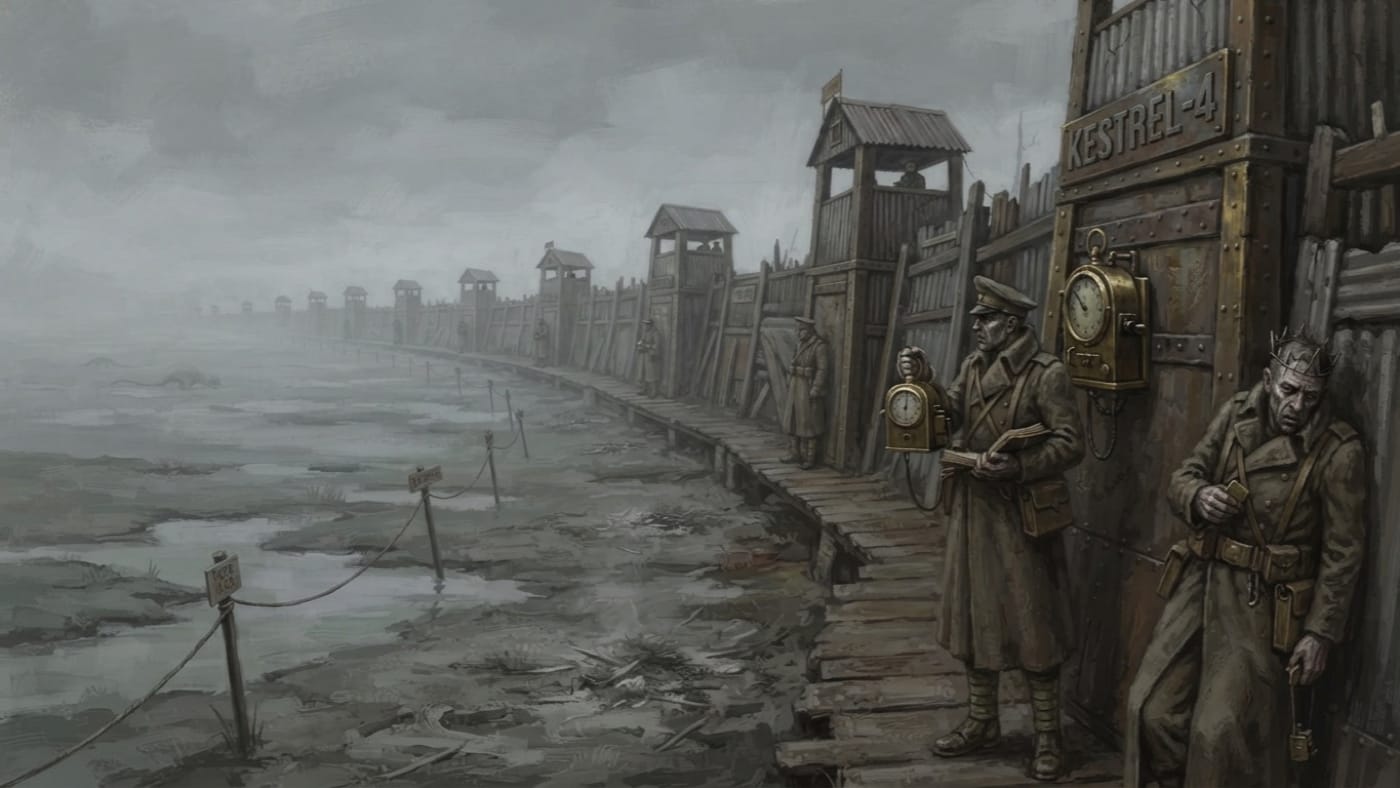
Kestrel Stations
Watch the rope. Watch the clock. Report the bread.
Fourteen numbered posts watch the Blightmarsh with ash, rope, smell logs and exposure clocks. The A.S. 201 return lists three unnamed vacancies; observation continues, containment remains unproved.
Codex Ref. II.4.09-1534

Lantern "Mercy" Preacher (Rebel)
Eighth heresy, eighth rank, eighth because the Synod reserves that number for what it made, cannot unmake, and will not thank.
Eighth of eight proscribed heresies: the Licensed Consolators who meant what they said, and were immured for it.
Codex Ref. XI.3.01-001
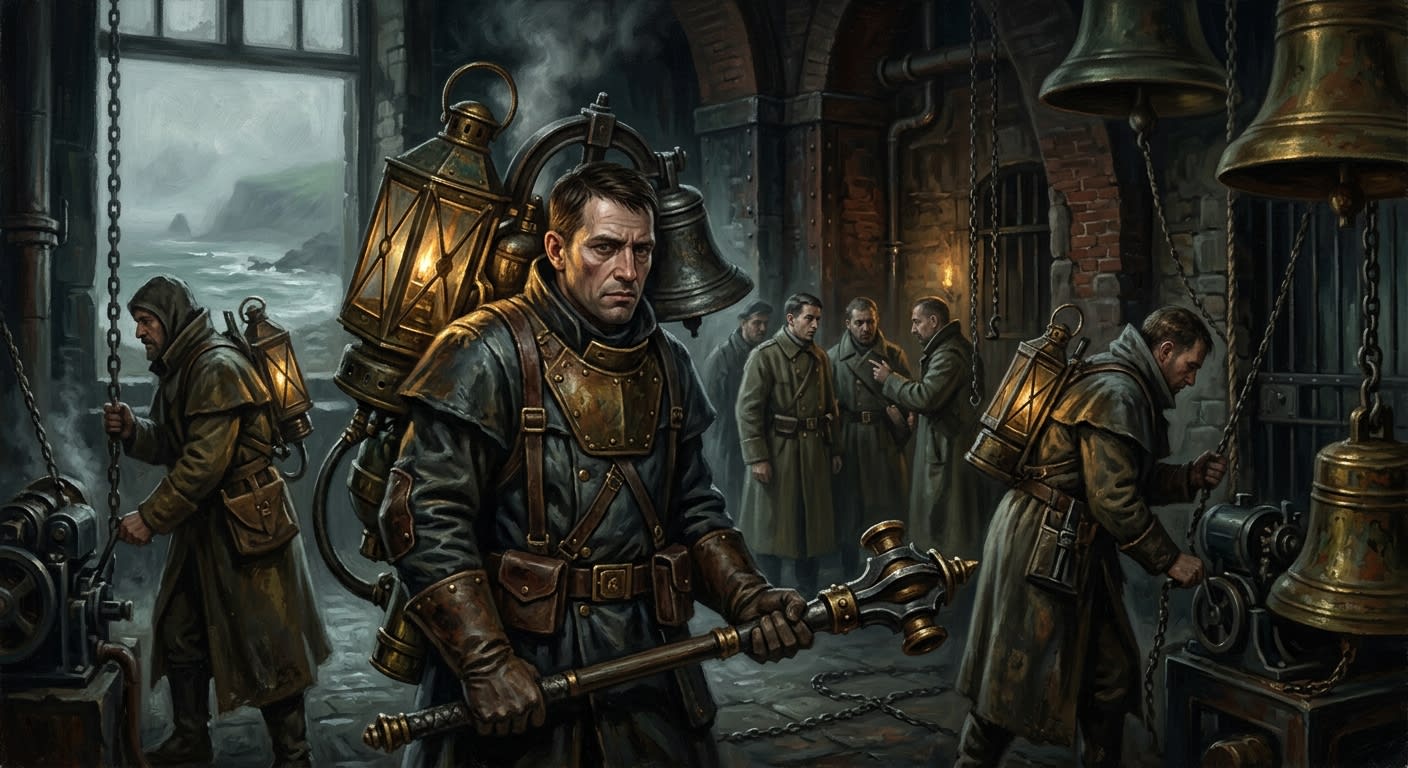
Lantern-Ringers
Britain keeps time with bronze, rope, and legally sanctioned concussion
Britain’s Lantern-Ringers bind bell, mace, parish, and sea into one armed vocation; Strasbourg wants their specifications and receives courtesy instead.
Codex Ref. XII.2.05-001
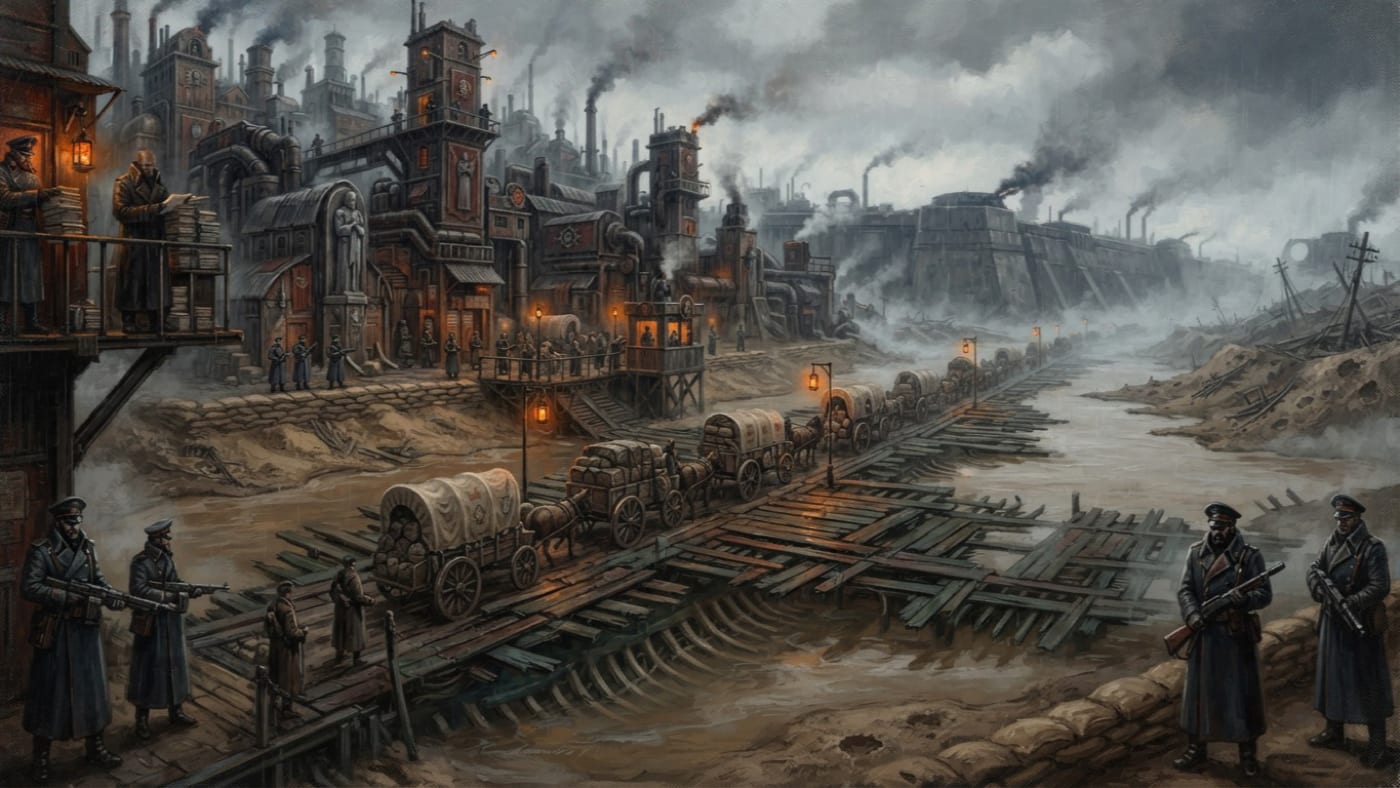
Latch River
The ford endures. By definition, the river has lost no one.
A small river whose ford funnels convoys through Latchford's permit machinery. Minutes slip, stamps arrive early, and people disappear outside the boundary the Bureau drew to exclude the crossing.
Codex Ref. II.4.08-009
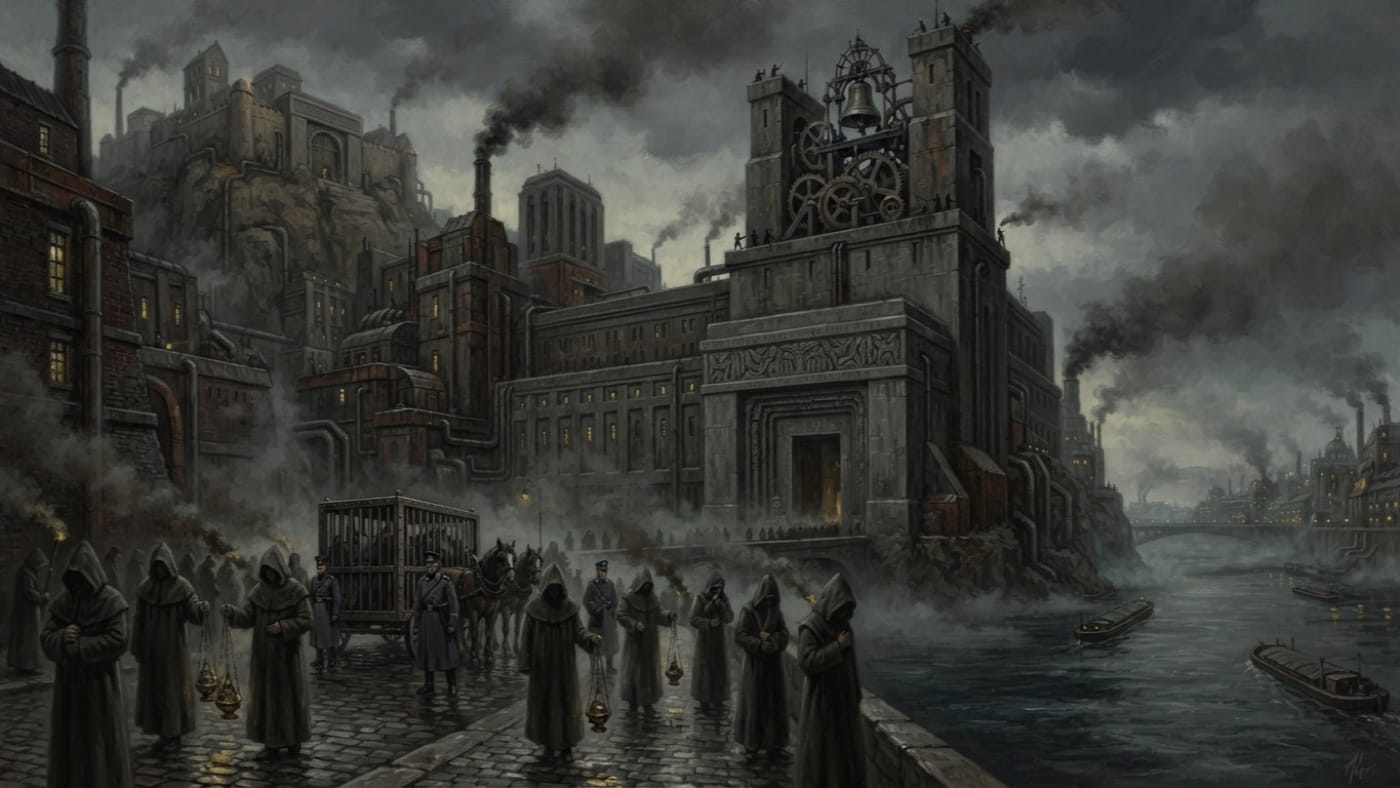
Latin
The river kept the hours; the Church kept arguing about the language
Latin carries the Church's prayers, titles and ceremonial condemnations. The Rhône reportedly used it; witnesses disagreed, and the archive declines to supply a grammar.
Codex Ref. XIII.1.97-001
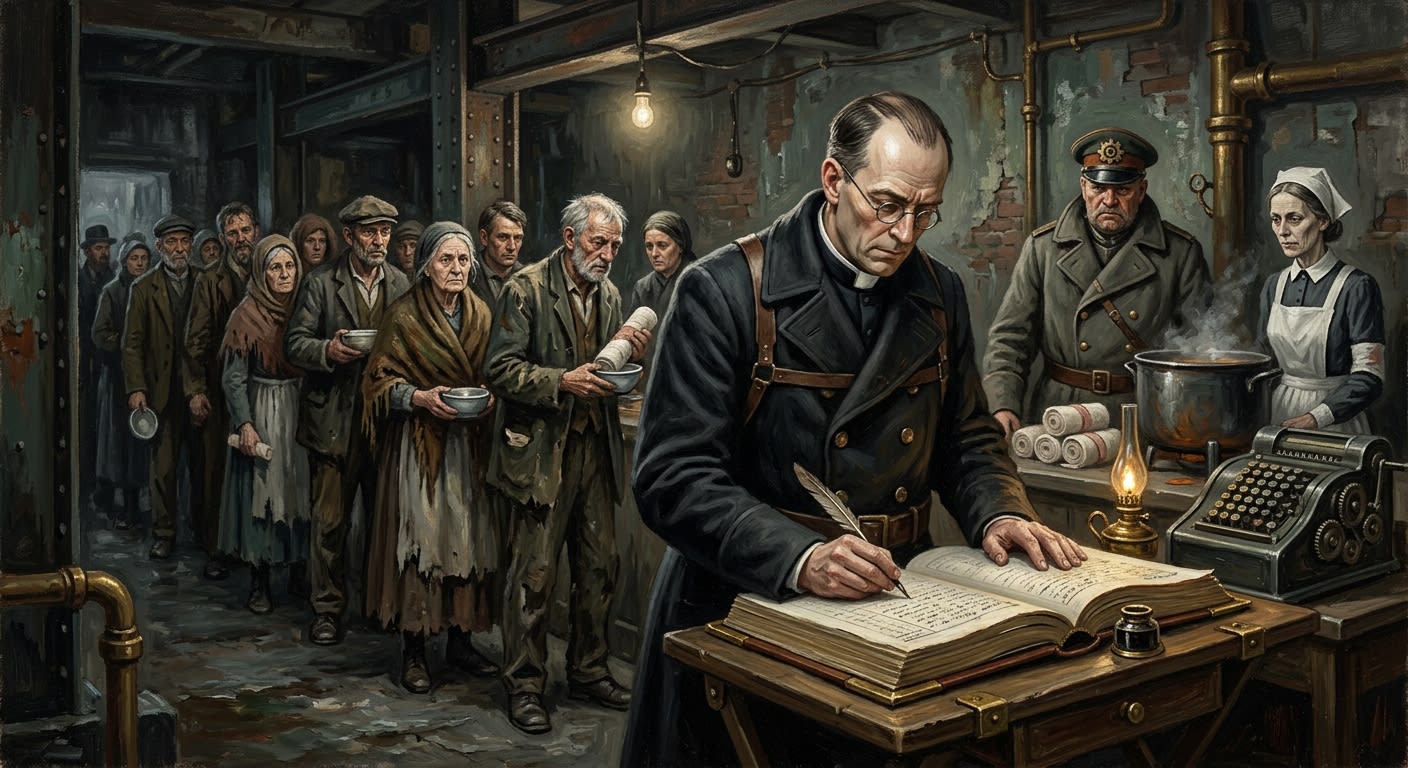
Ledger Laws
Mercy measured by the ladle, sanctioned by the noose
The Ledger Laws made mercy countable after the Broth Riots: every bowl, bandage, draught, confession, death, and useful pity entered the record before it dared call itself compassion.
Codex Ref. XIII.1.89-112
Ledger of Unmarked Graves
The columns agree. The dead have not been consulted.
The Bureau of Records balances recorded deaths against sanctified burials. Missing bodies are supplied; missing deaths are assigned. I certify the arithmetic. The names are another matter.
Codex Ref. VI.2.01-002
Ledger Row
Where existence queues before supper
Ledger Row is Essen-of-Hymnsteel's Records district, where names, rations, pour records, and corrected lives queue beneath Arch-Notary Veyl's pen.
Codex Ref. II.2.06-110
Ledger Steps
The harbour climbs toward refusal
Behind Thessaloniki's Chainward Quays, the Ledger Steps turn ships, crews, cargo, widows, and paused names into taxable fact by making them climb.
Codex Ref. II.4.09-198
Ledger-Bindings
The signature obeys after the signer refuses
Ledger-Bindings make recorded promises material law. Contracts hold bridges; iron-gall signatures and a tithe of hair bind oaths. At Pressburg, signatures dragged deserters back into line. The Bureau calls this triumph. I retain the word slavery.
Codex Ref. VI.3.01-004

Ledger-Ghost Tamsin
The absent clerk who makes contradictions file themselves
Ledger-Ghost Tamsin, absent from official records and active by paperwork effect, keeps Thessaloniki's illegal harbour legible enough to exploit.
Codex Ref. III.2.01-096
Legal Prelates
The hand that sends the seal never stands in the chalk
Legal Prelates assign the Synod's judicial circuits and patronise its advocates. Judges and bailiffs carry the seals down the roads; the Prelates receive the roads as columns in a register.
Codex Ref. XII.39.04-201
Legate
The commission travels; the correction stays
A legate carries Strasbourg's seal into troubled dioceses, seizes records, deposes governors and suspends armies. The commission ends; the correction stays.
Codex Ref. XIII.1.32-201
Legate Seraphinus of Lyon
The stomach is a bell, and this saint rang it inward
Seraphinus of Lyon turned fasting into field doctrine, hanged generals for broth, and proved that hunger can carry a seal.
Codex Ref. III.2.04-001
Lent
Three grains heavier; no count of days on file
An A.S. 201 survey of Lent: a heavier Host, an upper-Moselle sermon, a hired witness and renewed vault wax. The register supplies observances but declines to supply the season's edges.
Codex Ref. XIII.1.97-201
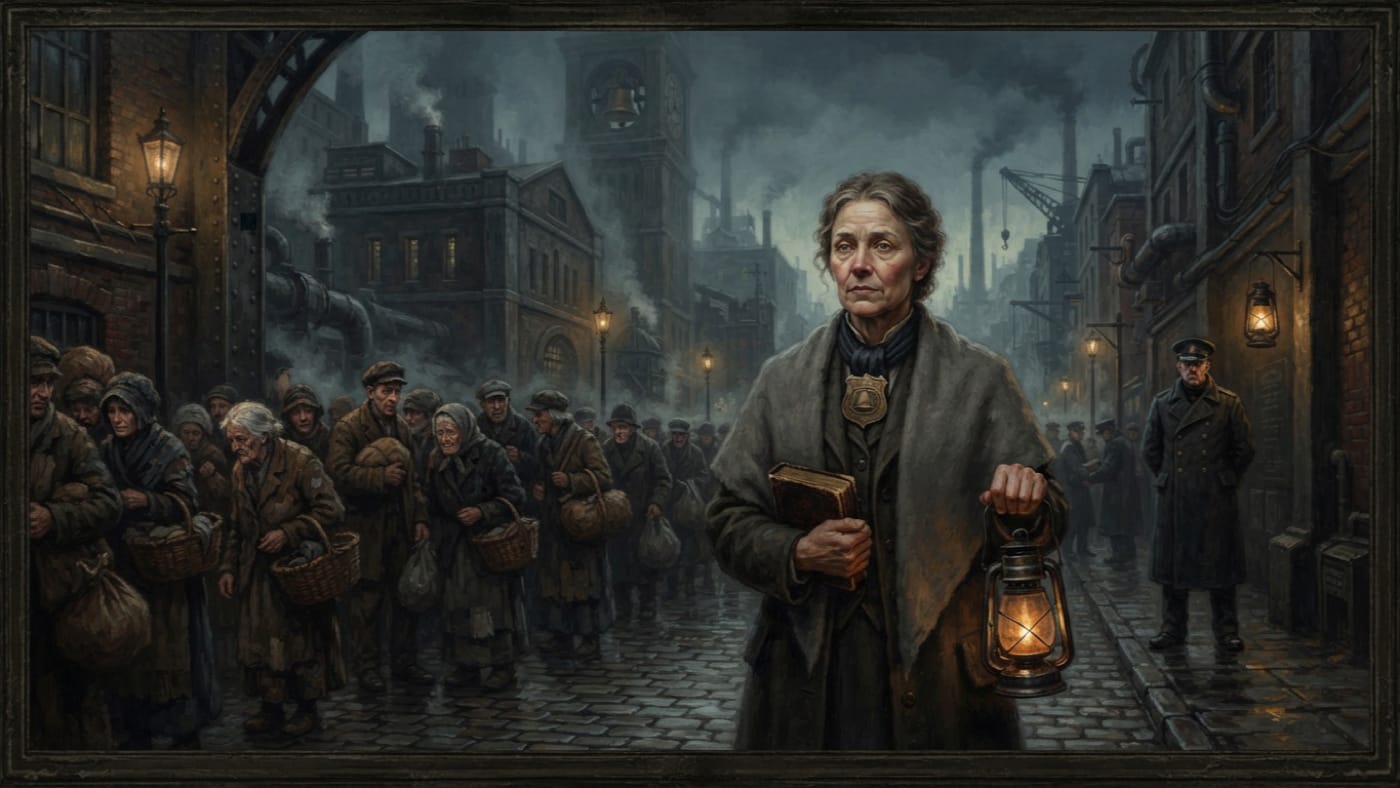
Licensed Consolators
Fourteen comforts, one licence, and a throat under inspection
Grey-stoled civic comforters ratified in A.S. 94 to calm curfew crossings with fourteen Approved Comforts. The licence permits reassurance; the extra sentence earns a tribunal.
Codex Ref. XII.25.09-094
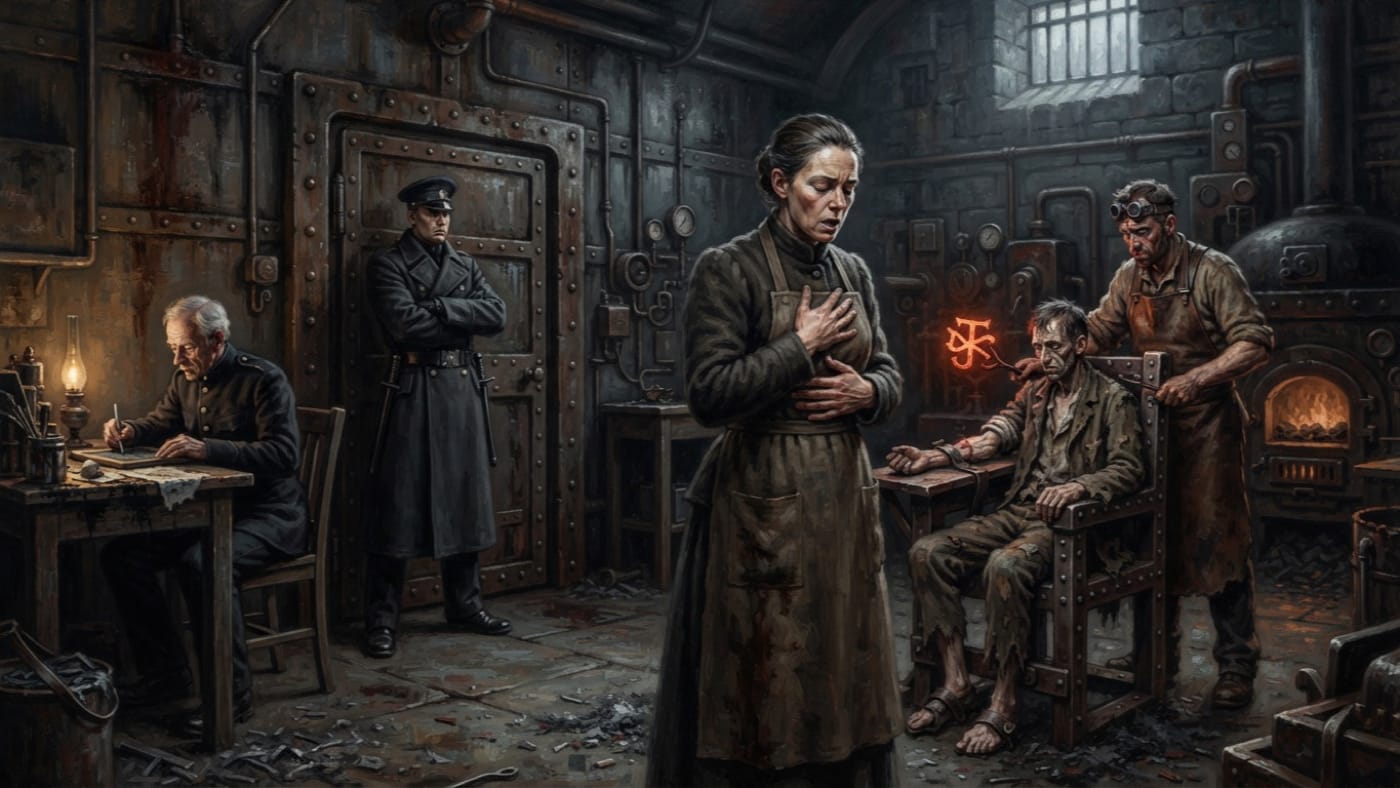
Life of Orla
A saint's duty roster, read until the throat obeys
The approved Life of Orla gives Brand-Singers a posting, a straight confession and fourteen heartbeats of silence. The woman is omitted; the work survives.
Codex Ref. XIII.1.41-064
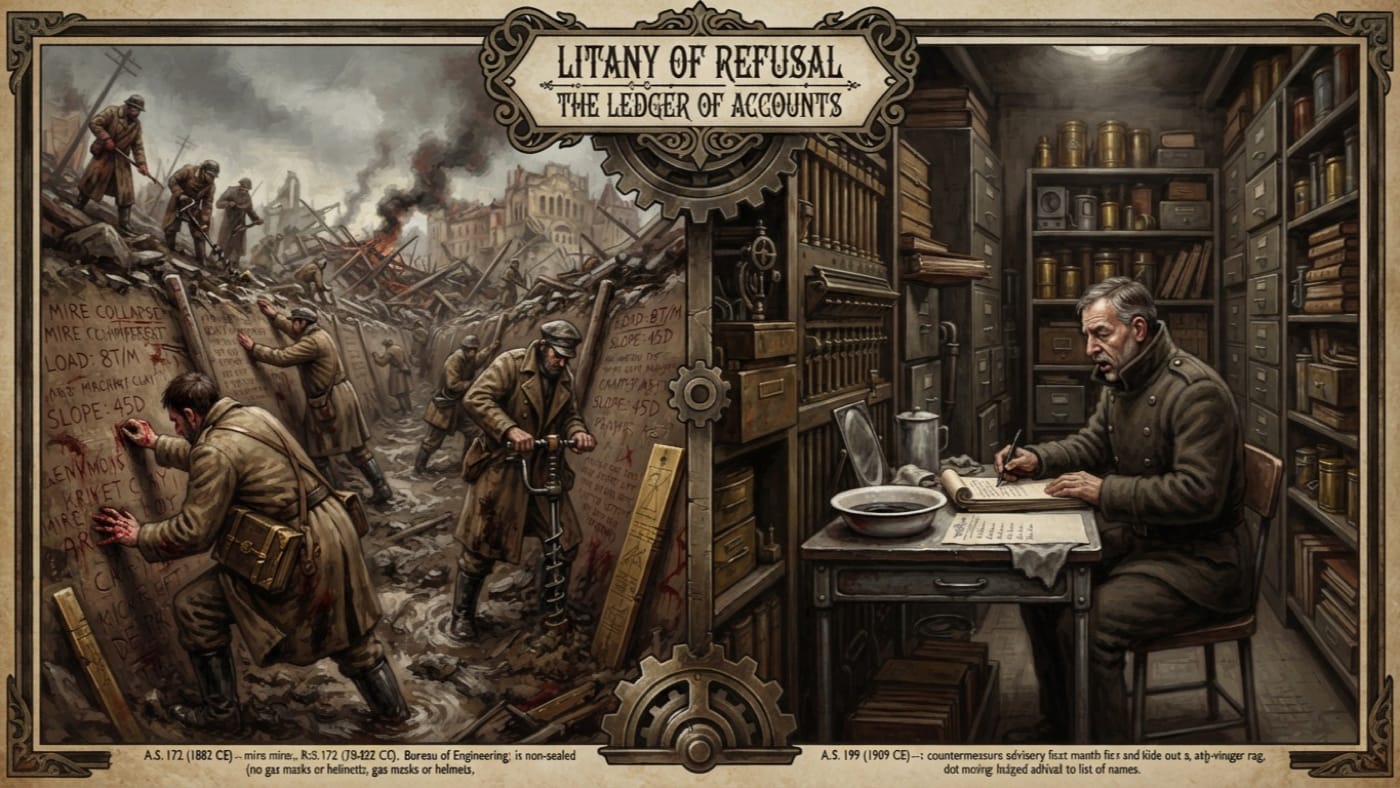
Litany of Refusal
A prayer between the vinegar and the clerk
Written in blood at Debrecen and recited after hostile perfume exposure, the Litany of Refusal survives in two records. Its words are absent; the duty to recite them remains.
Codex Ref. XIII.1.36-002
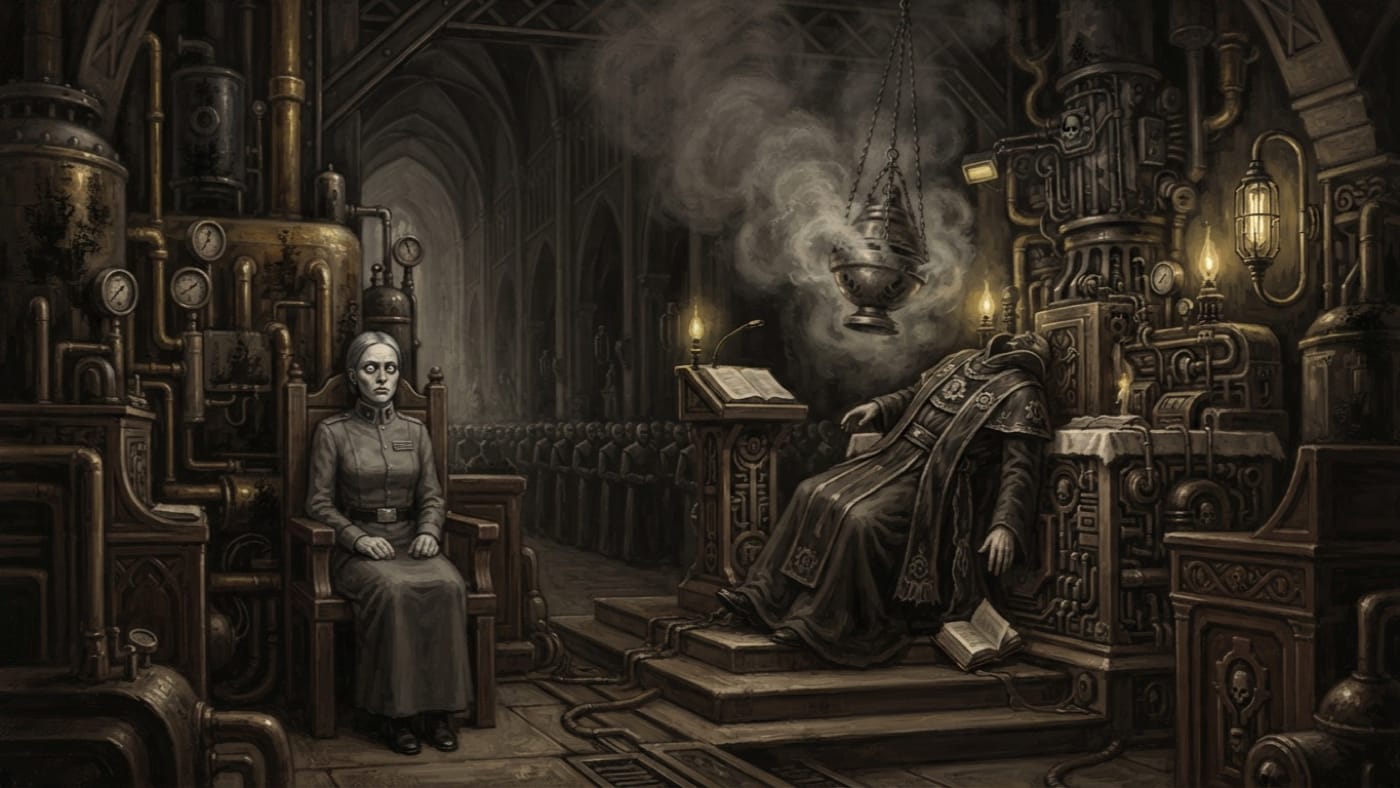
Litany of Solar Continuity
The title survived; the incense inherited the blame
Surveyed in A.S. 201, this litany survives by title in the Greyling file: one woman watched without blinking, one priest fell, and incense took the blame.
Codex Ref. XIII.1.32-002
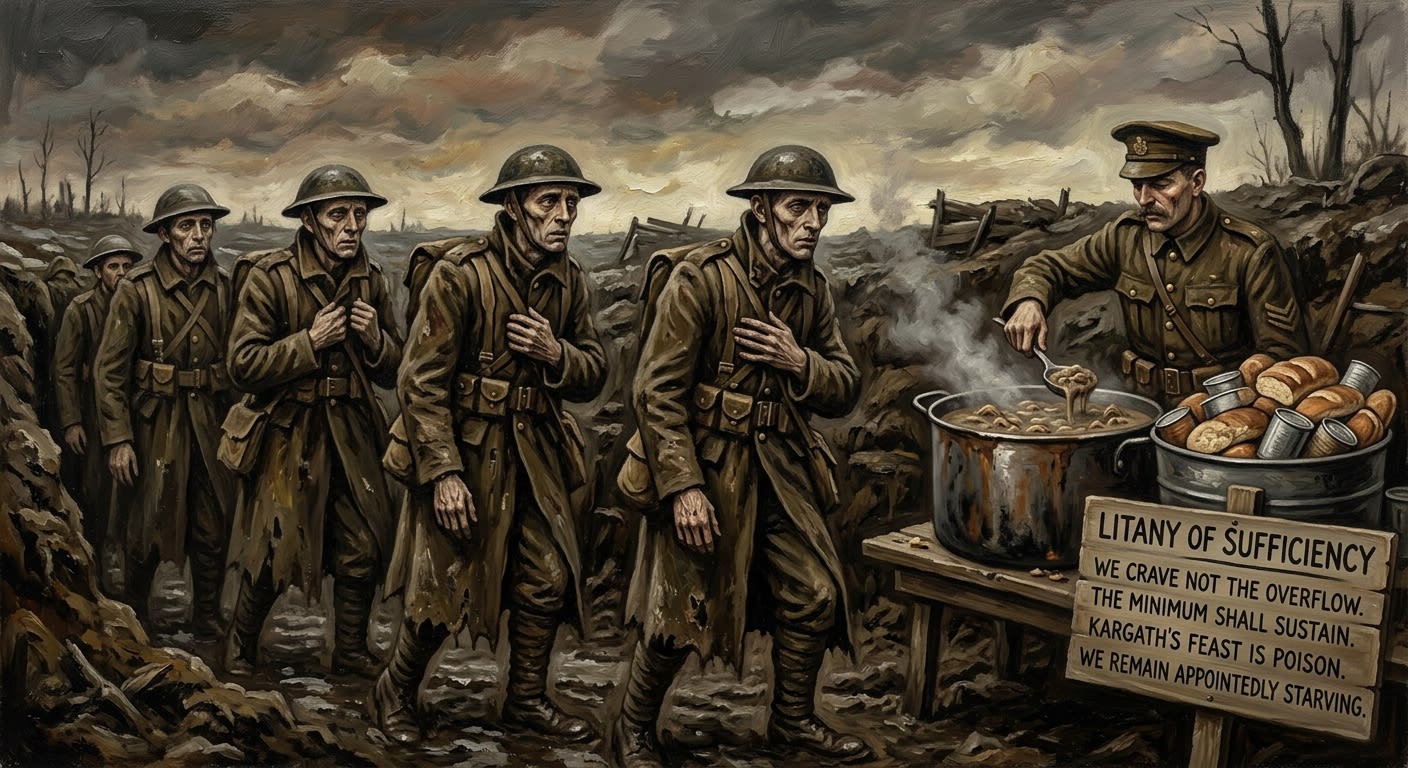
Litany of Sufficiency
Enough is given, and the Bureau has weaponised the crust
The approved field-prayer against Kargath's plenty: four ugly lines by which hungry soldiers step away from miracle food and remain merely starving.
Codex Ref. XIII.1.90-163
Little Finger Bone of No Parish
The attribution survives. The provenance has yet to arrive.
Attributed to Saint Vellum, venerated, tested, doubted and kept. The name supplies a finger; the file supplies neither an owner nor a parish.
Codex Ref. III.2.04-1654
Liturgist-Primus
The Chair decides what counts as a performance.
The Chair of Prescribed Observance governs every authorized rite. Corvin Marche has occupied it for nineteen years; a misplaced syllable still requires correction.
Codex Ref. XIII.1.64-201
Liturgy of Satiation
The rite is drafted; the dead have yet to hear it.
Three proposals, a drafted rite, and no field test: the Liturgy of Satiation is meant to answer the Famine Pits' hunger. War has invited Doctrine to supply its own personnel. The dead remain unfed.
Codex Ref. XIII.1.26-199
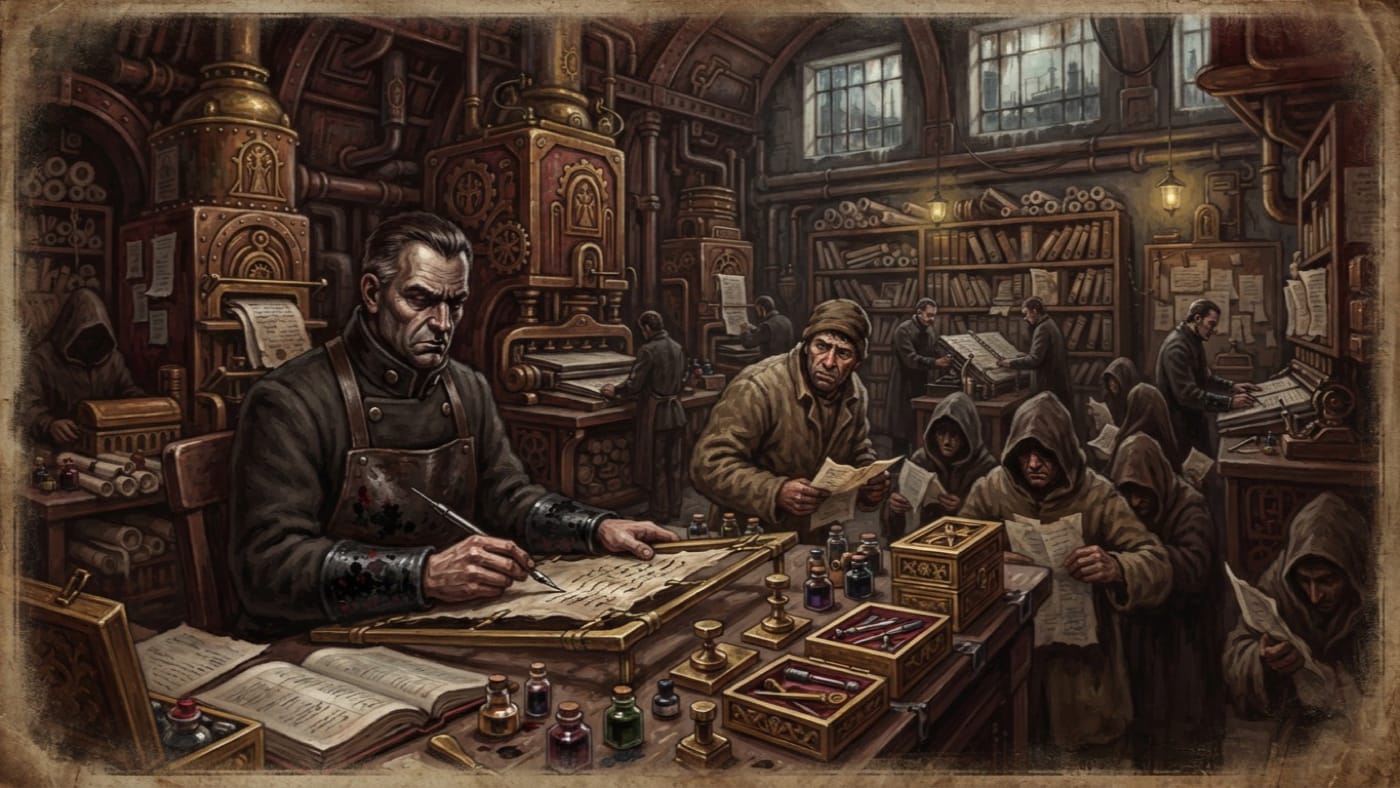
Lost Paperwork Resurrection
The paper returns; resemblance remains uncertified
The Harbor Ledger Office of Thessaloniki resurrects lost manifests, permits, and witness slips. Every return is accepted, every charge recorded; resemblance to the original remains uncertified.
Codex Ref. XIII.1.94-002
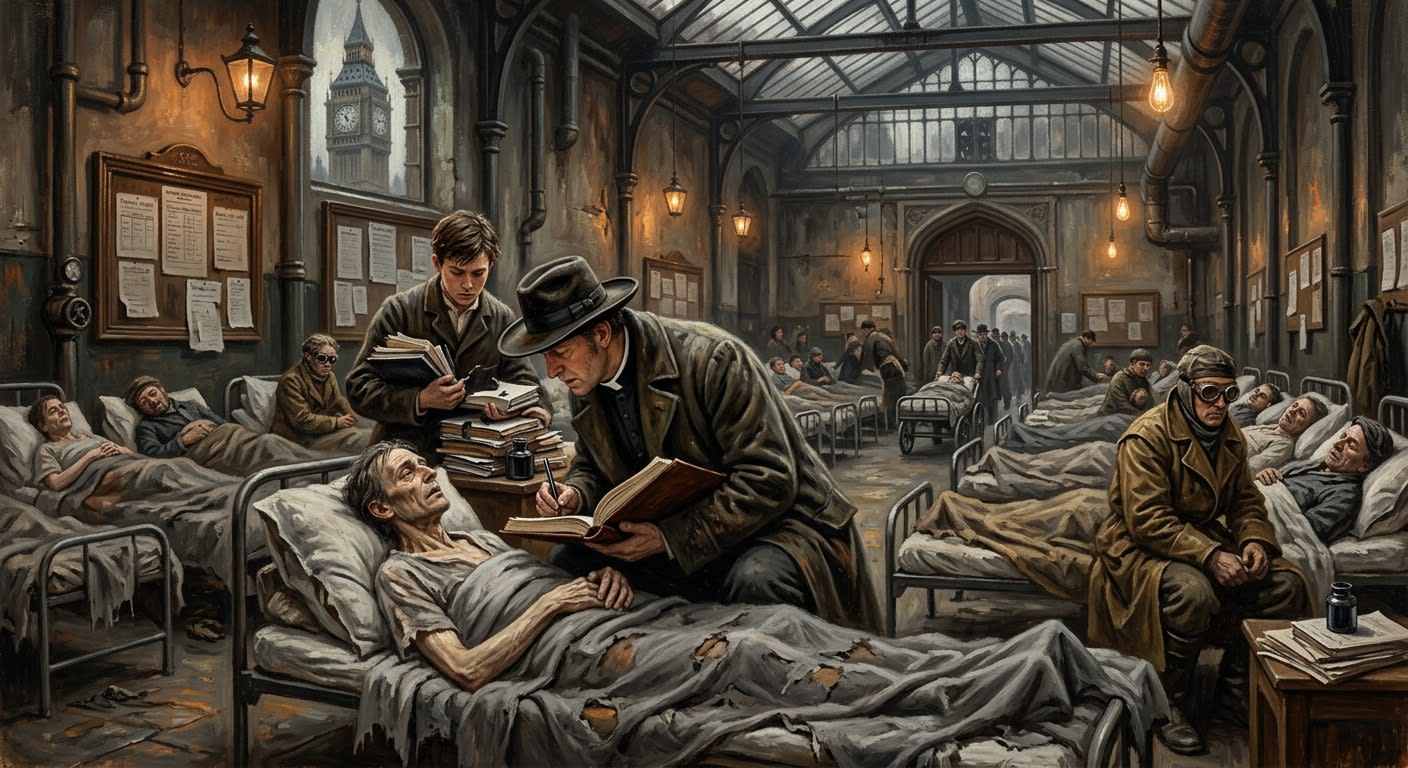
Lull of Names
The plague year when silence became a breach and the bedside became a bureau
The Lull of Names was the A.S. 78 plague-year catastrophe in which deaths in the southern wards outran transcription, birthing Standing Order 22-C and the Deathbed Confession Harvester corps.
Codex Ref. VII.8.10-022
Lull Prayers
A blessing that calms the queue and sometimes points toward a stair
Official recitations to calm distress, sometimes made to carry concealed aid. Purity can transcribe the blessing; the informed listener has already found the stair.
Codex Ref. XIII.1.120-201

Macedonian Diocese
Jurisdiction asserted. Collection undemonstrated.
The Macedonian Diocese sent Assessors to tax the Gilded Chasm in A.S. 114. They returned solvent, punctual and silent. The paperwork survived; proof of collection did not.
Codex Ref. I.3.09-114
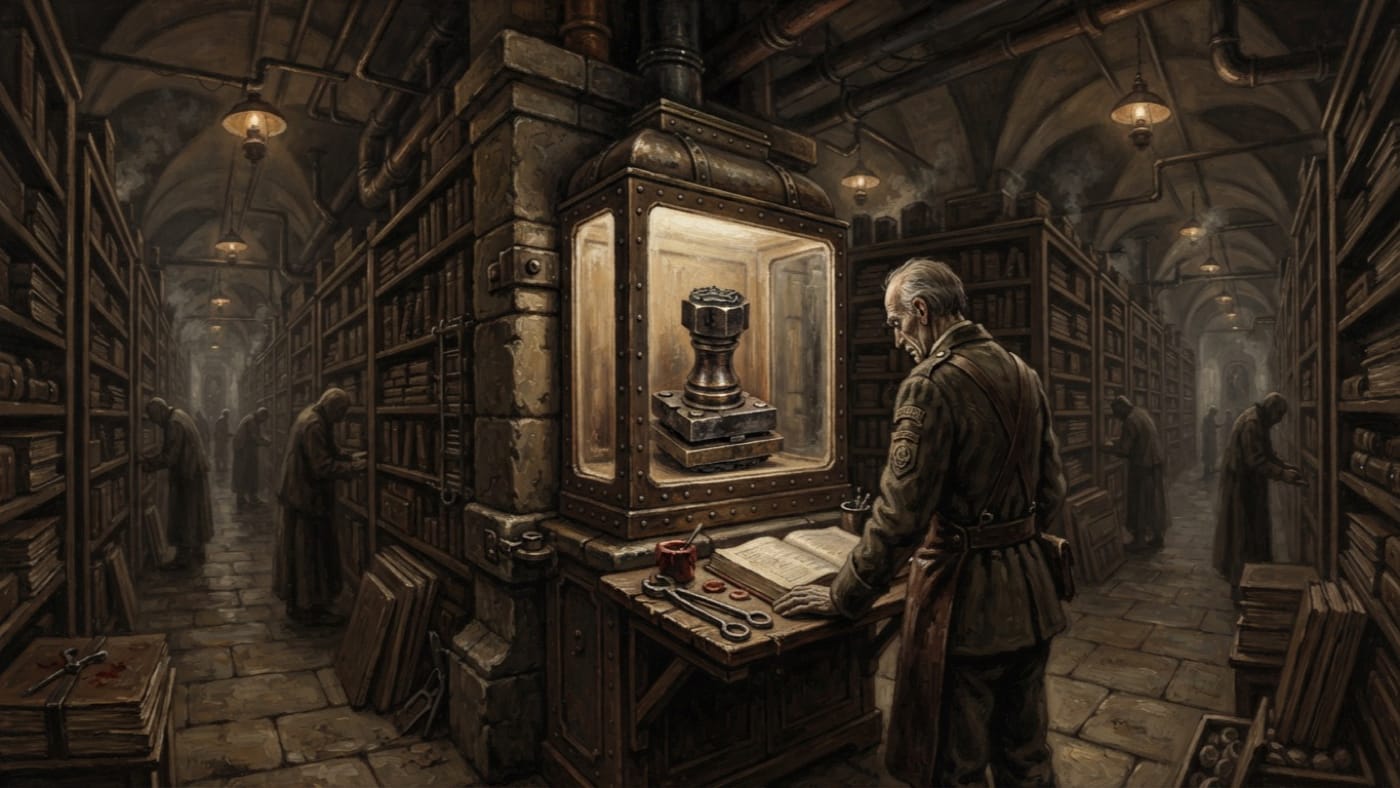
Mainz Stamp-Head
Devotion has supplied what provenance has not
One of six objects attributed to Saint Vellum-of-the-Quiet-Hand: venerated, tested, doubted and returned to custody. The devotion is recorded; the authentication is absent.
Codex Ref. XIII.1.45-002
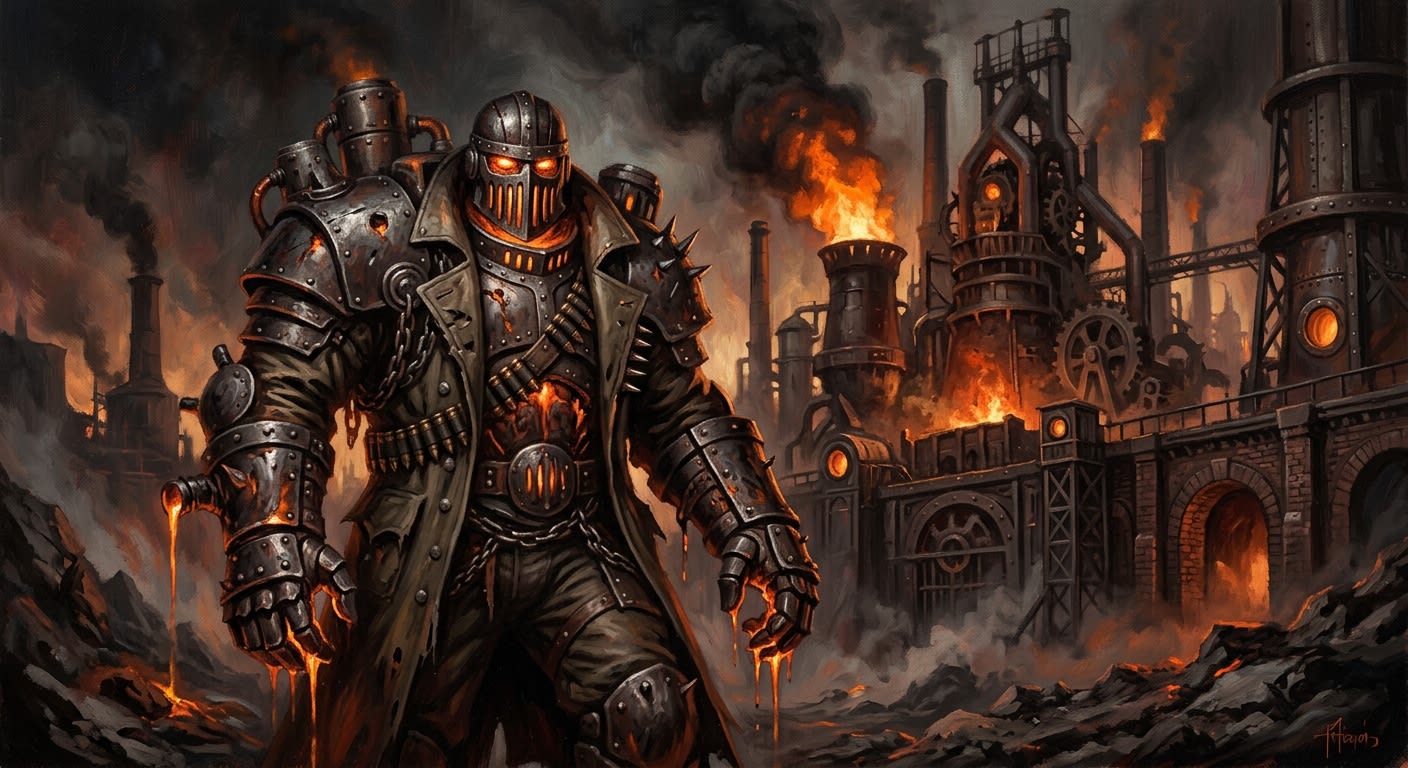
Maldrake, the Wrathforged
The fire does not care what it was given to burn.
Sin-General of Wrath: architect of the Eternal Forges, commander of the Hellbow Legion, fourteen confirmed breaches of the Sagittal Line. The fire that outlived its cause and kept marching.
Codex Ref. IV.1.07-003
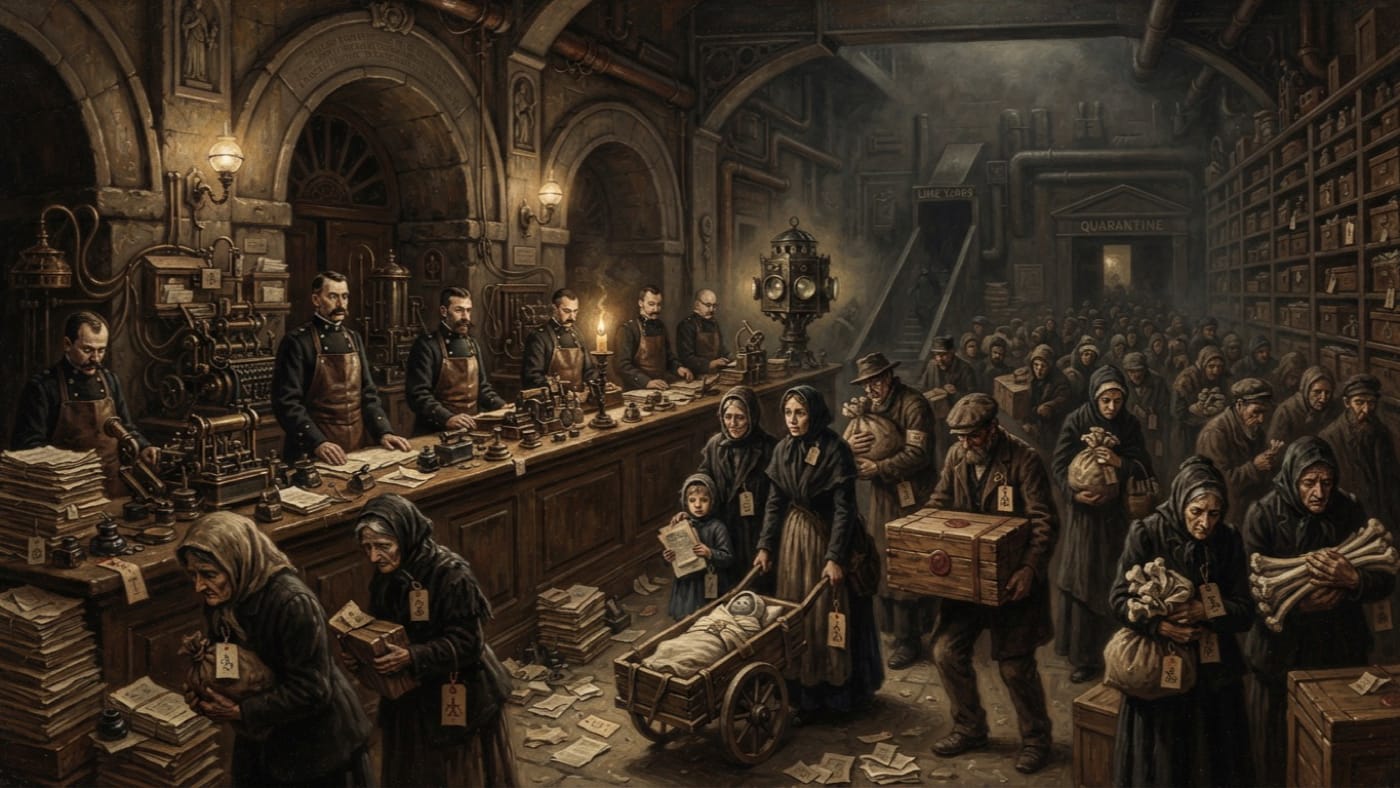
Mandatory Burial Clearance
Grief supplies no exemption
The A.S. 78 mandate placed every corpse, bone and ash sack under stamped clearance. Five classifications govern the dead; grief supplies no exemption.
Codex Ref. XIII.1.91-078
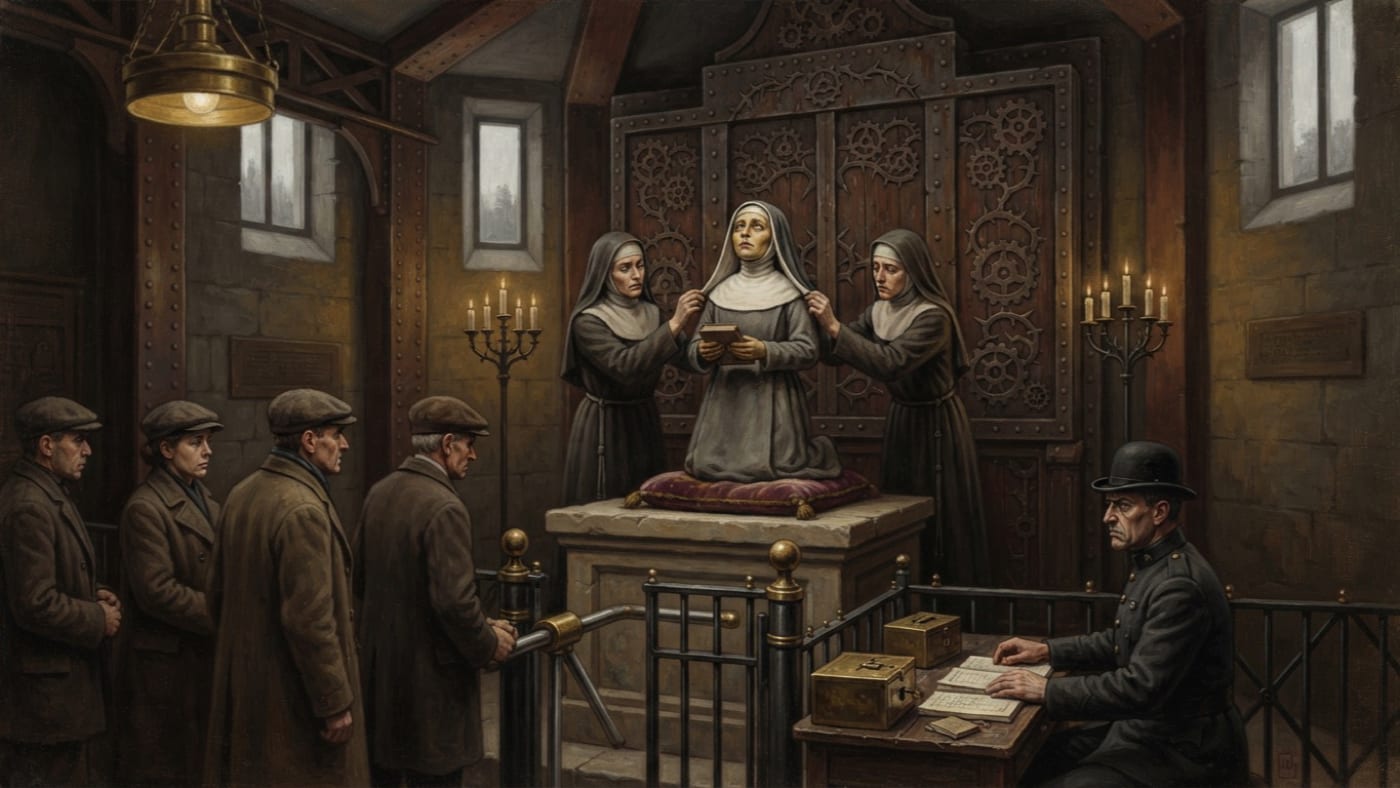
Margaux Chapel
Twelve sisters keep one saint from growing old
At Sainte-Claire-des-Landes, twelve sisters tend Saint Margaux's wax likeness while pilgrims pay at the gate. The face is certified; the chapel's founding remains unrecorded.
Codex Ref. II.1.09-015

Market Restoration Canticle
The stones were clean; the paper was not
The Bureau of Rites' canticle, attested during the A.S. 162 (1872 CE) restoration of Bastion-Constantinople's southern market after the Carnival of Ink. The stalls reopened; the account records no reversal of the erasures.
Codex Ref. XIII.1.89-162
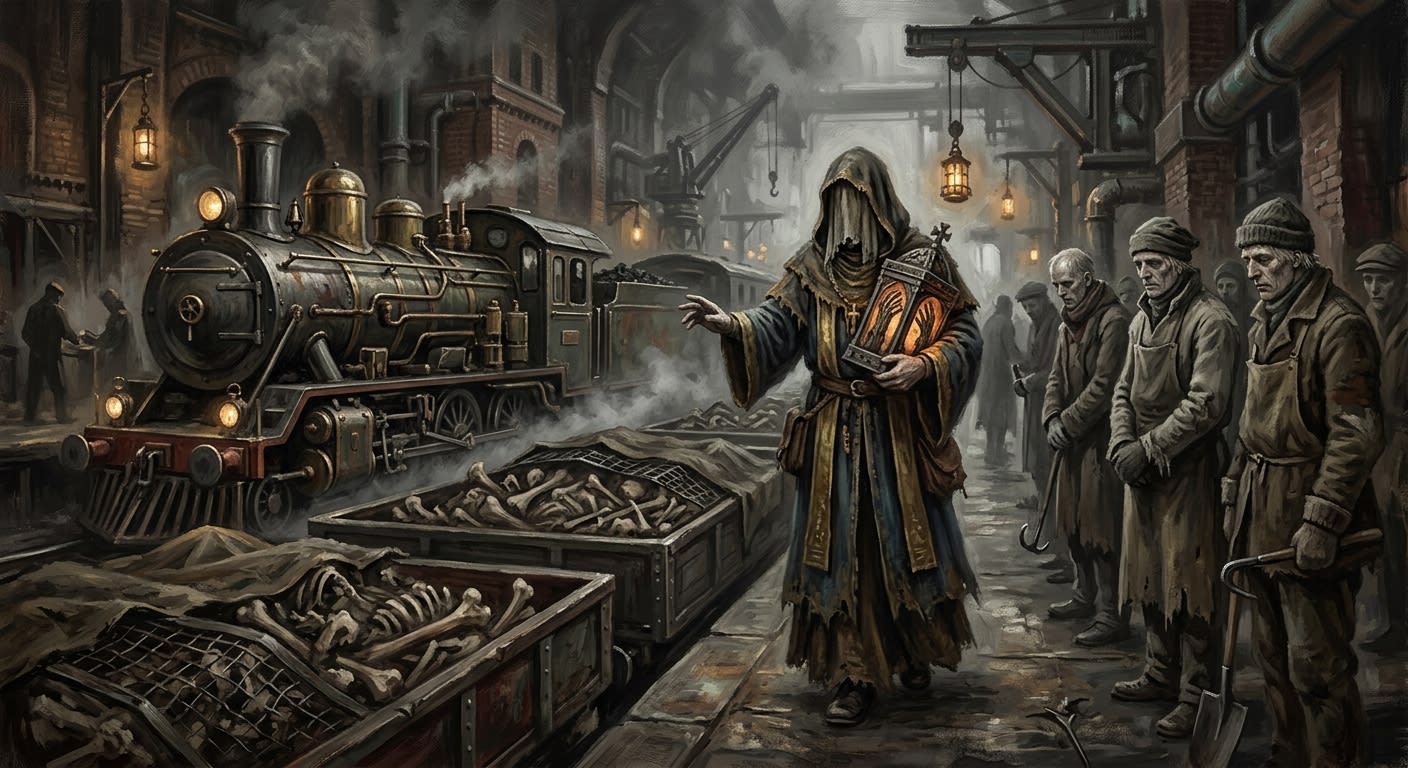
Marrow-Saint Elen
The hooded patron invented because [[josek-of-dueren|Josek]] had a face
Marrow-Saint Elen, unauthenticated but canonically licensed patron of Ossuary-Draft Handlers, blesses condemned transport by carrying a reliquary while showing no face.
Codex Ref. III.2.01-132
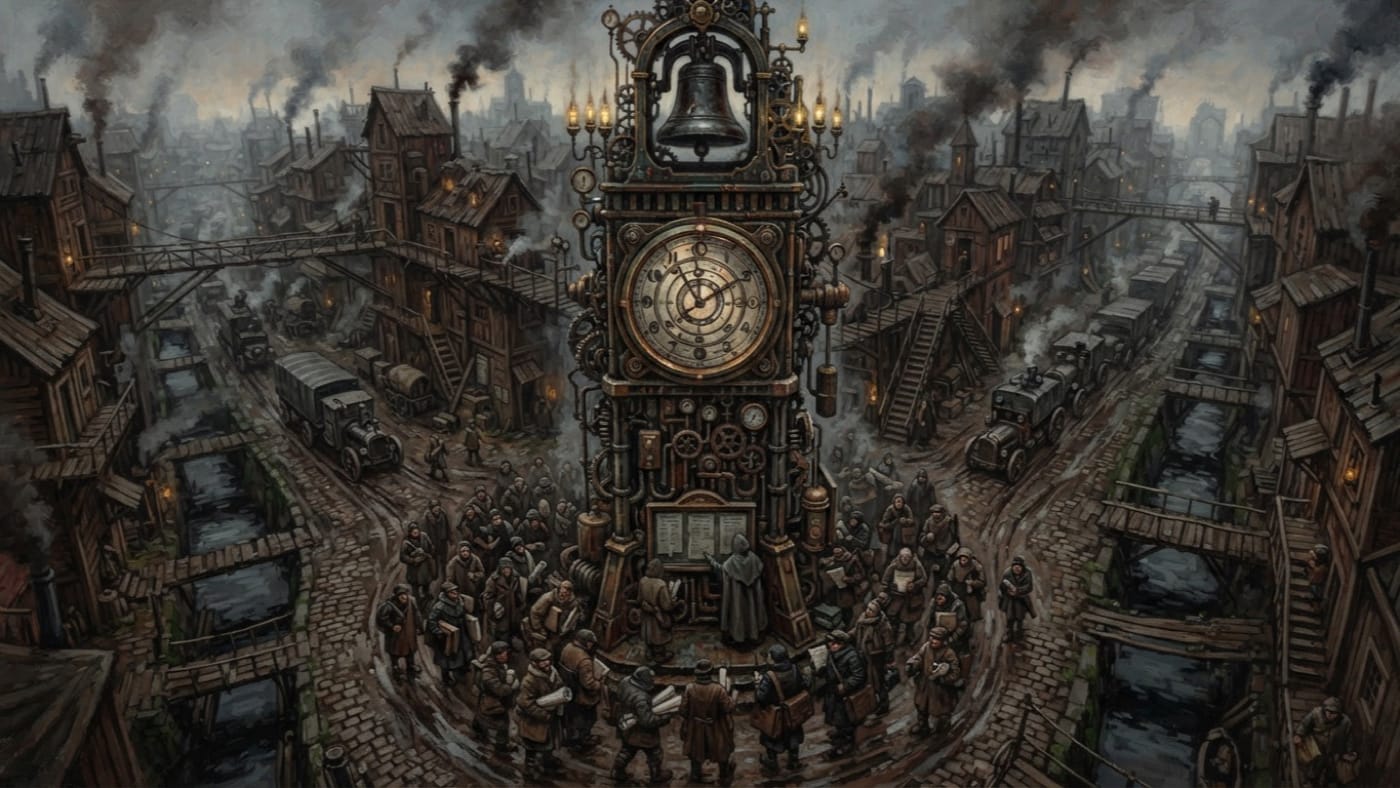
Master Gate Clock
The bell closes the window. The report closes nothing.
Latchford's Master Gate Clock governs transit windows with a bell that drifts and remains legally valid. Nine inspections are filed; the allegation that it is fed remains unanswered.
Codex Ref. II.4.08-002
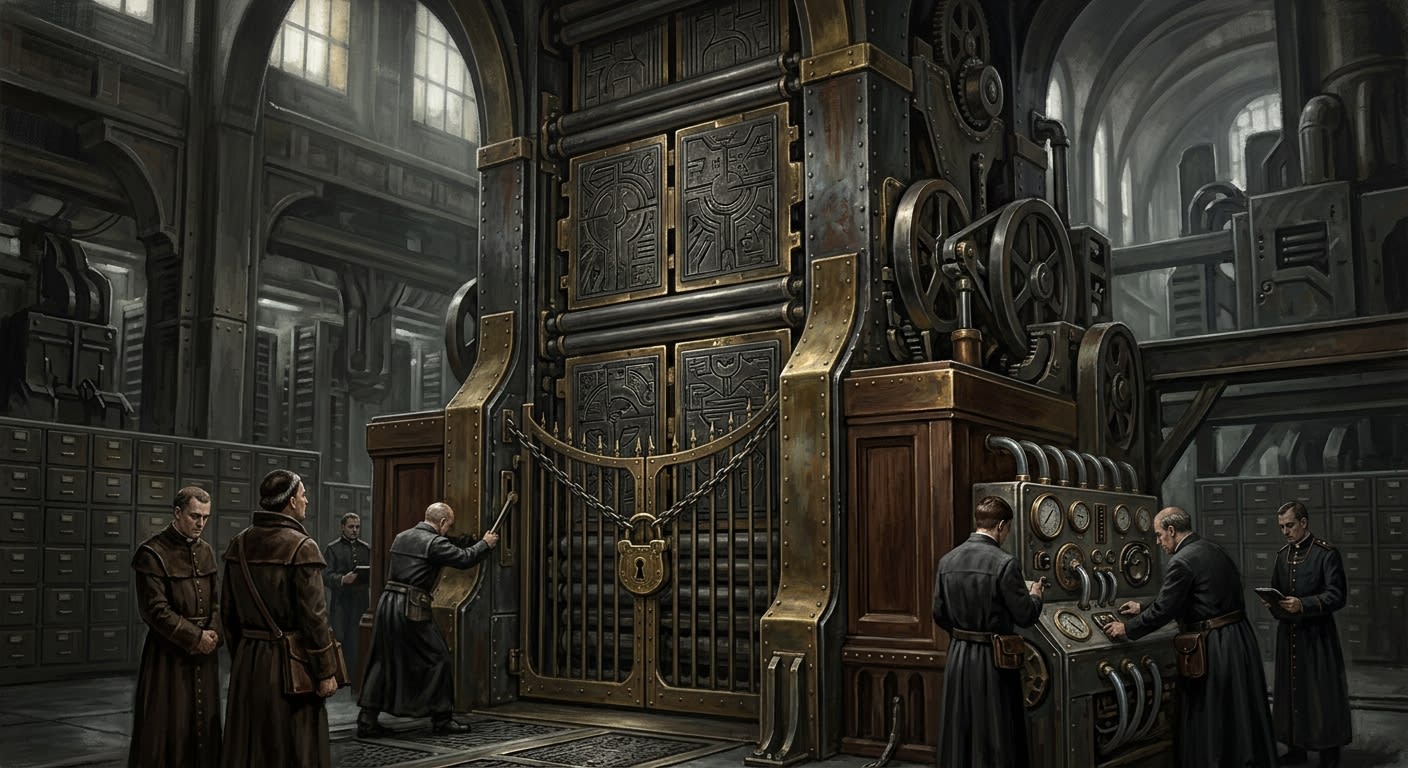
Master Hymnal Plates
The steel throat from which obedience descends
The Master Hymnal Plates are Orison's locked throat: steel scripture, legal ancestor, and the correction by which yesterday's mouths become wrong.
Codex Ref. XIII.1.96-092
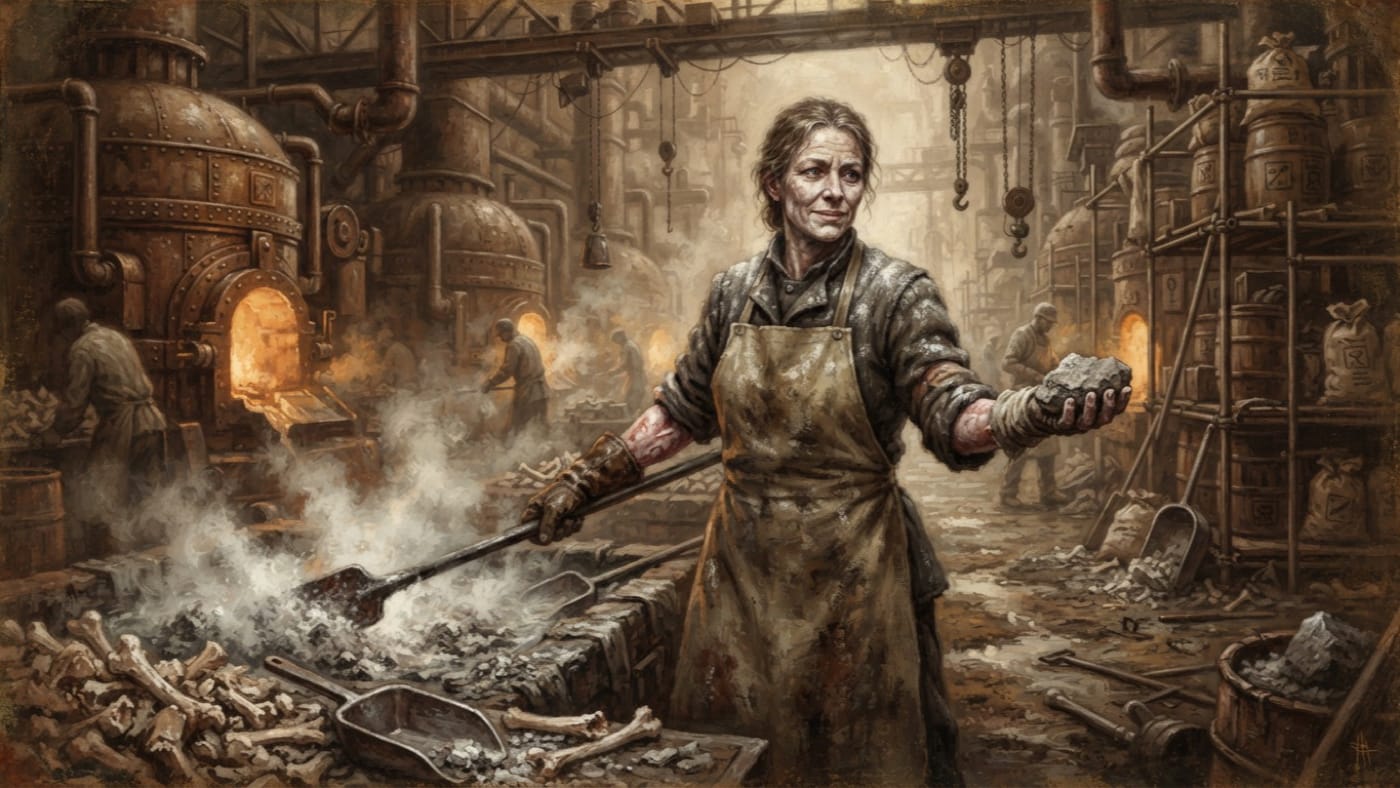
Master Melter Gretz
One name, one rank, one encounter in the kiln steam
At Bastion-Przemyśl in A.S. 194, Master Melter Gretz handed me mortar she identified as Saint Ephraim's leg. I record her station and her laugh. The Ledger supplies no later service record.
Codex Ref. III.2.01-194
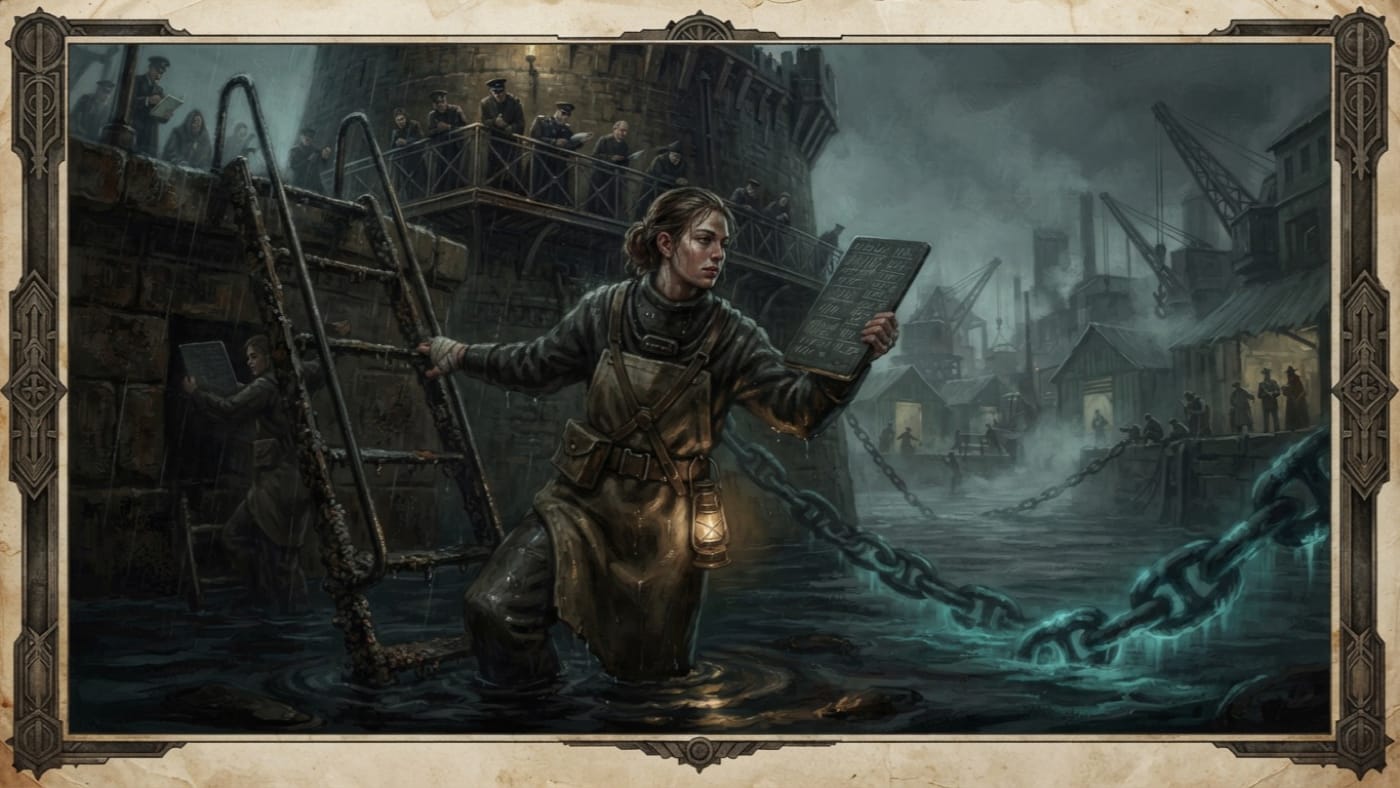
Matronate
The woman at the link decides when the link is done
Thessaloniki's Matronate inspects the submerged harbour chain and may abort an inspection without tower approval. The paperwork follows the women up the ladder.
Codex Ref. XII.44.09-201
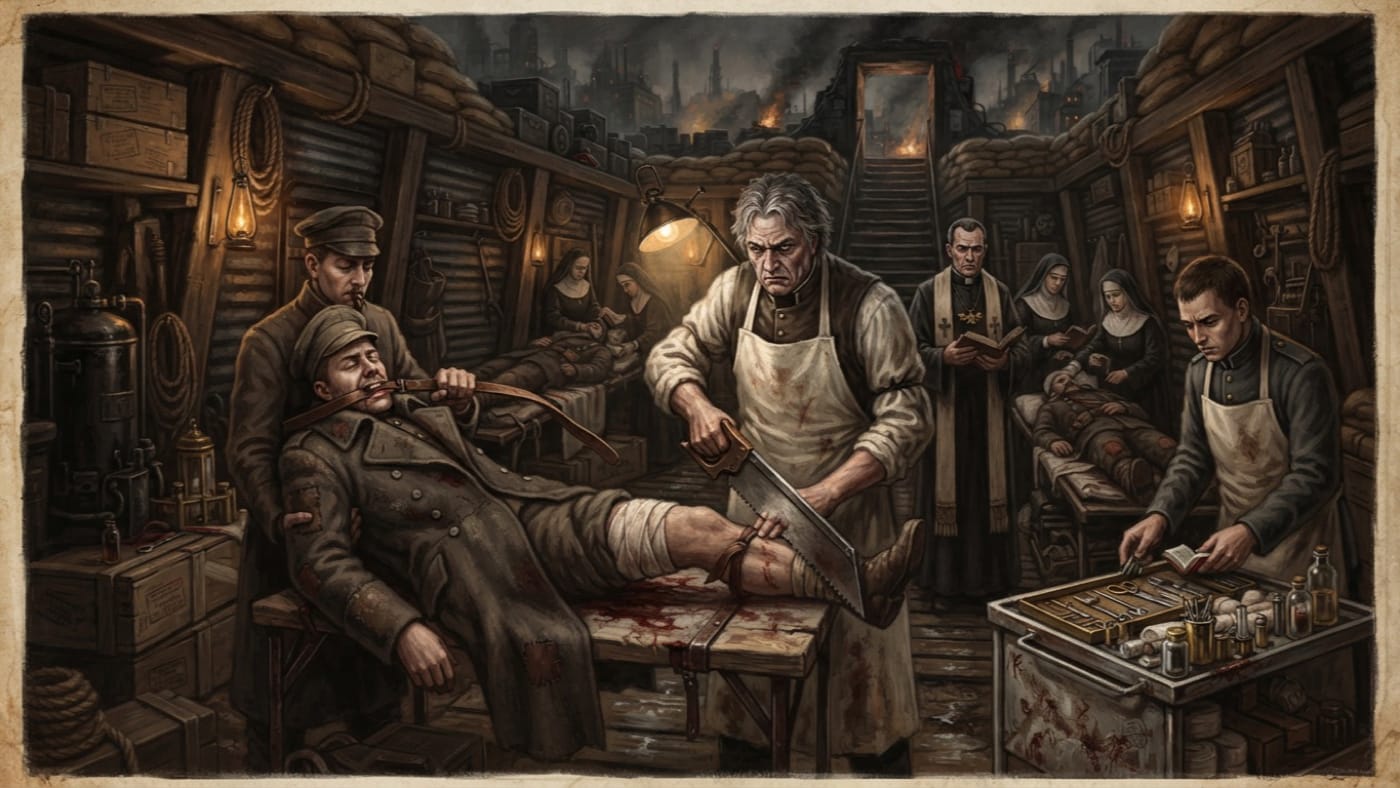
Medical Directorate of the Bureau of War
The surgeons arrived before the charter.
First recorded in A.S. 82, the Medical Directorate is the older name of the Bureau of Medicine. Its surgeons treated the wound before the confession ended. The charter followed ten years later.
Codex Ref. XII.7.09-045
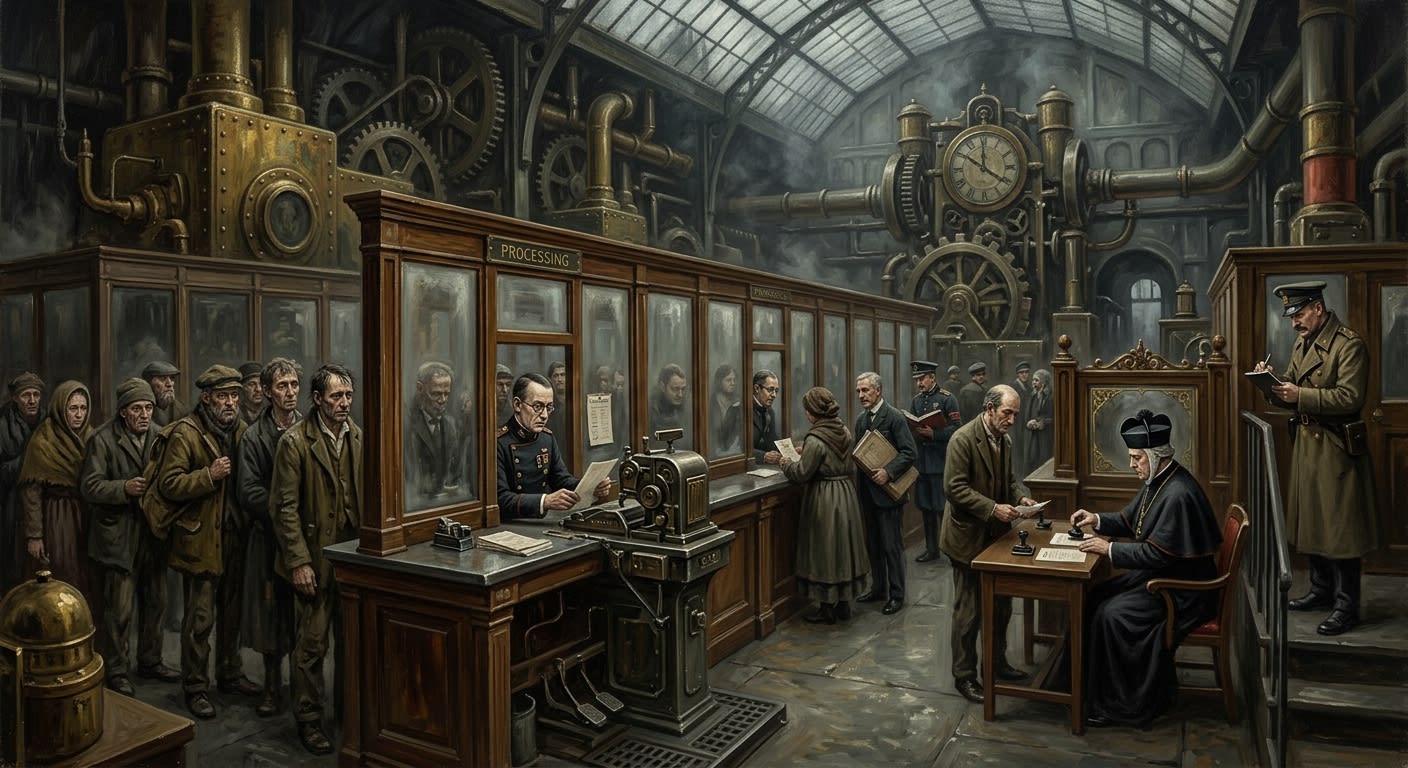
Mercy Rationing Reform of A.S. 134
Processing decides who may survive meanwhile; forgiveness is filed elsewhere
A.S. 134 Bureau of Rites reform, affirmed by Bureau of Doctrine, that restricted mercy stamps to licensed confessors, separated booth processing from forgiveness, and made unauthorised kindness auditable.
Codex Ref. VII.8.10-017
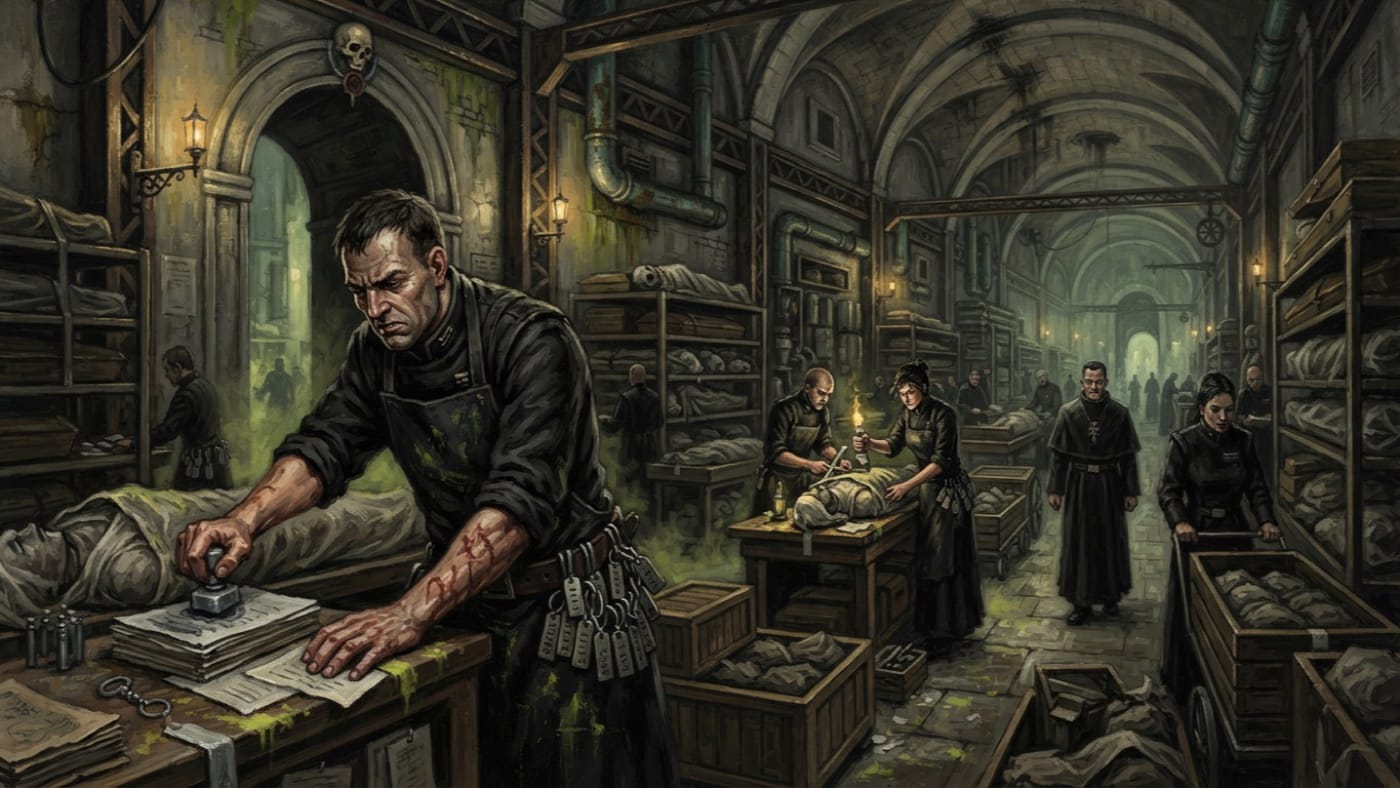
Mercy Stamp clerks
The street cannot wait for the Ledger to finish grieving
Mercy Stamp clerks are Dead-Goods Tariffers who favour speed against street rot. The opinion is permitted; the unofficial clearance has no lawful standing.
Codex Ref. XIII.1.11-201
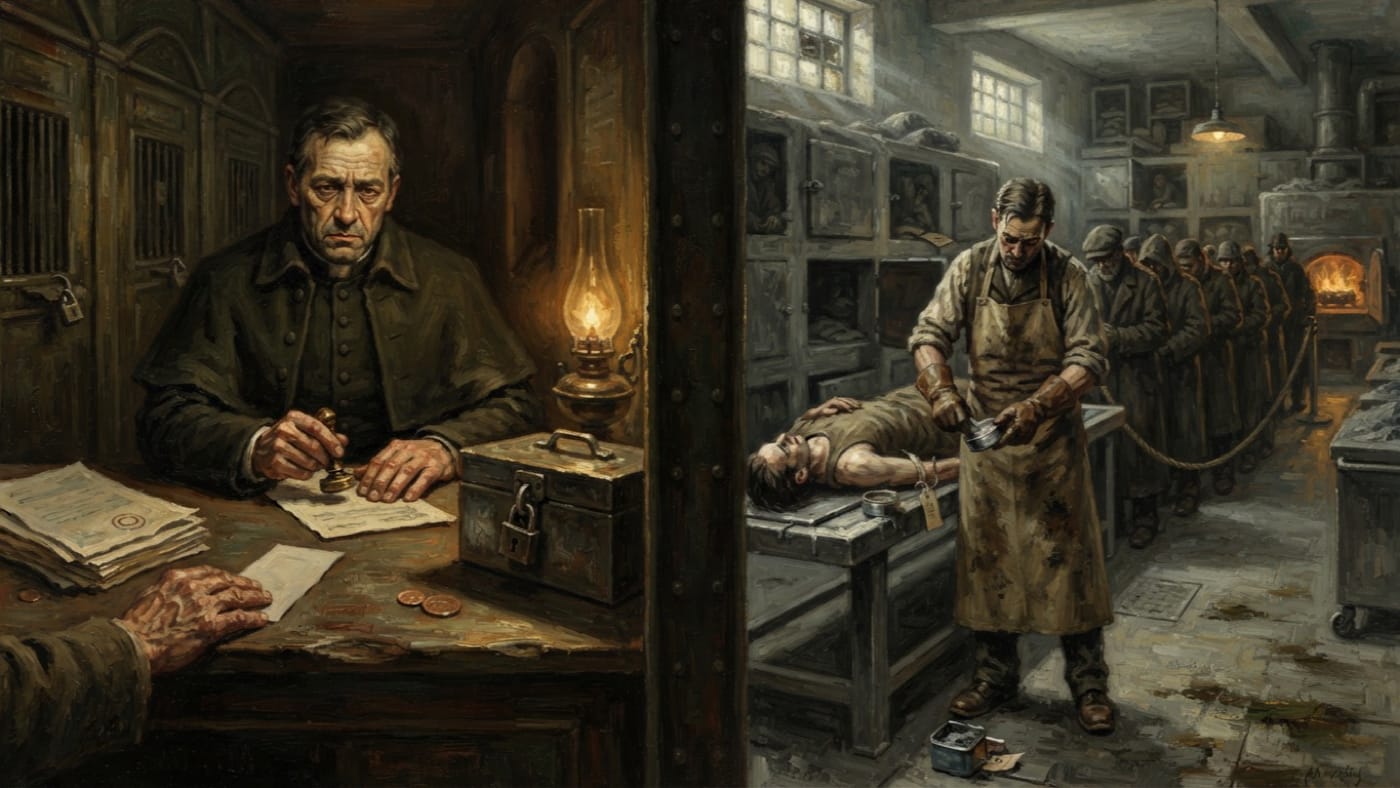
Mercy Stamps
The lawful hand guards grace; the ashen hand moves the queue
Two histories share one name: the confessor's restricted impression and Marrowgate's unofficial ash mark. Drax surveys their A.S. 201 standing, where forgiveness is guarded and speed has a price.
Codex Ref. XIII.1.13-201
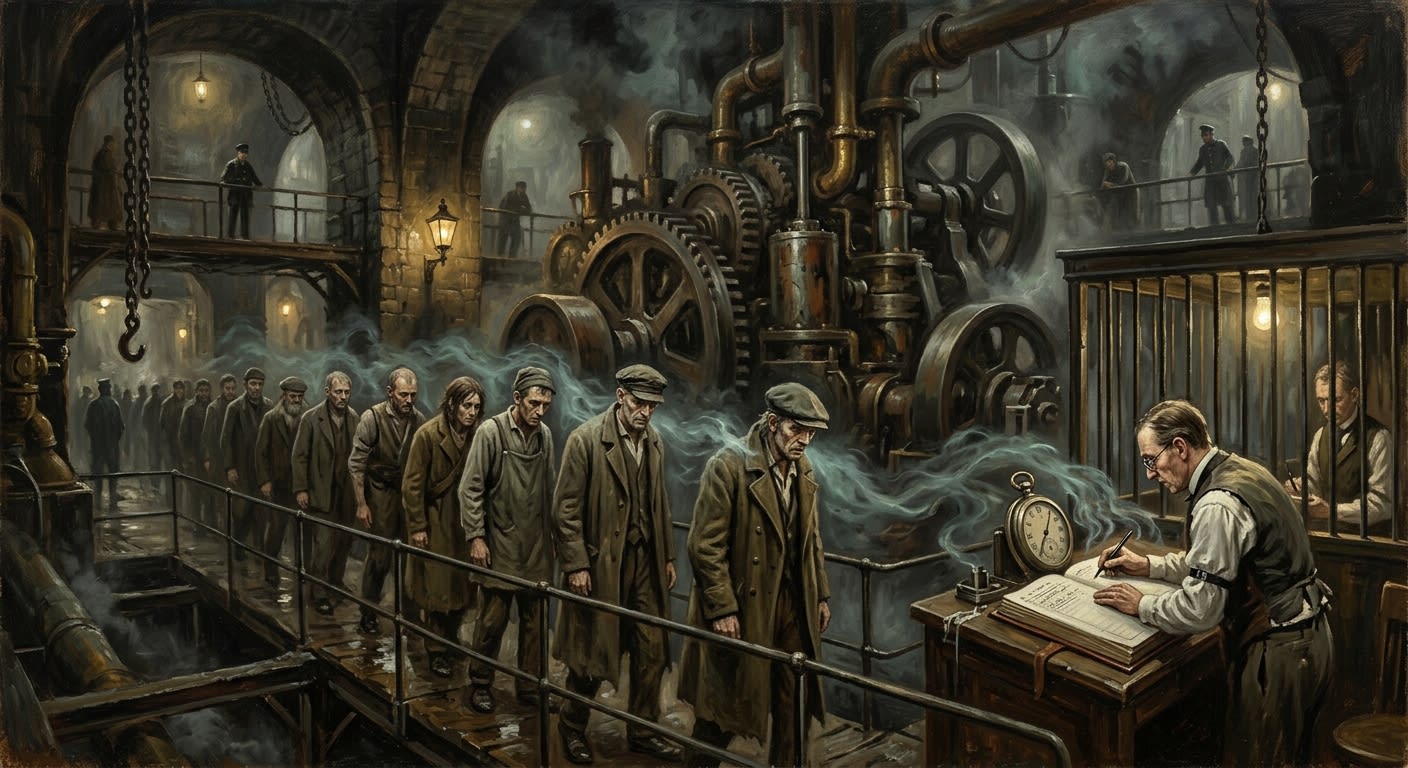
Minute Drift
The road steals from the pulse and invoices the wound
Along the Queue Road, minutes slip from bodies into ledgers and the Apparatus beneath Gate Nine grinds waiting into something no Bureau will name.
Codex Ref. XIII.1.15-001
Minute Market
Where stolen time is folded into paper and sold as mercy
Beneath Latchford's boards, the Minute Market sells the interval before ruin lands: forged windows, stolen bell-marks, and mercy priced by the breath.
Codex Ref. II.4.09-199
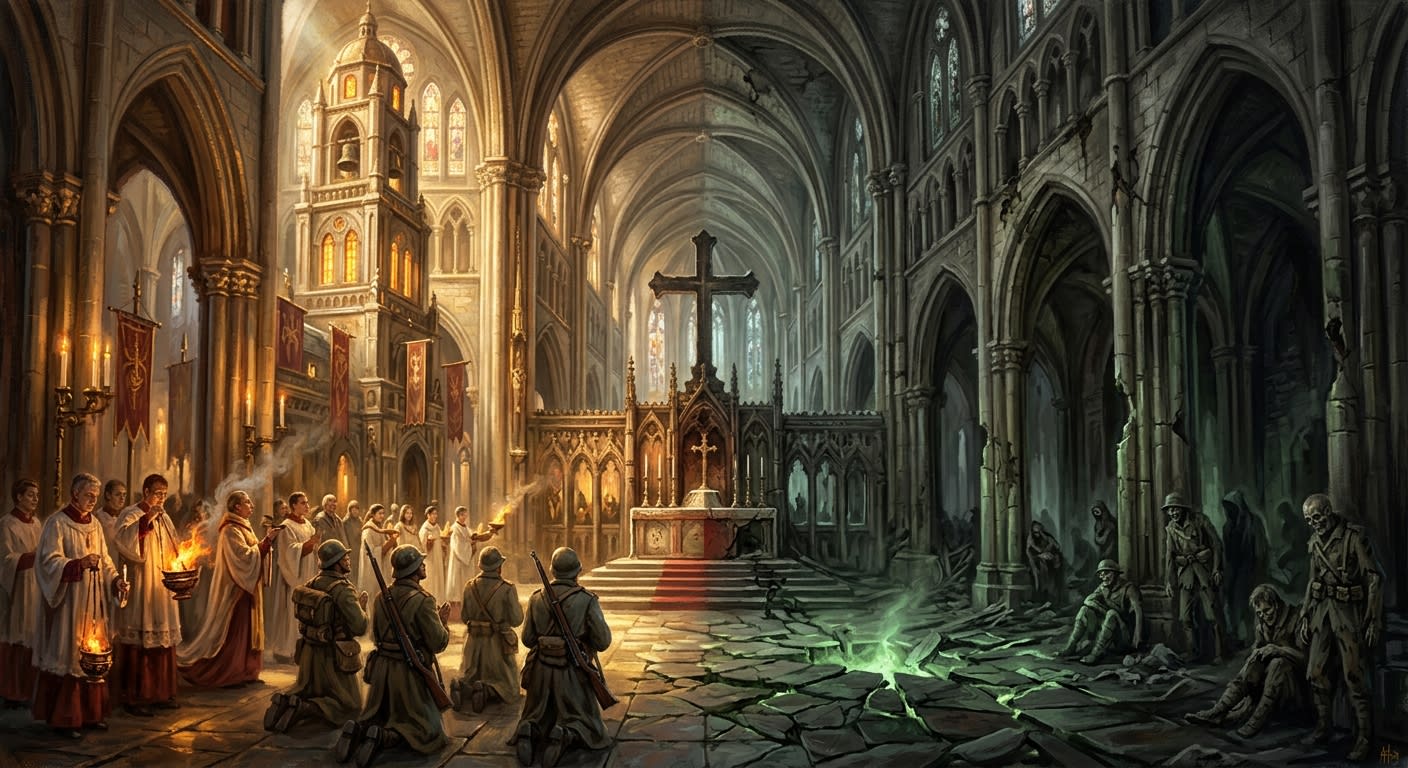
Miracles and Sorcery
Both crack Creation; only the paperwork differs
The Bureau insists miracles and sorcery are opposites. The mechanism, as Drax reluctantly confirms, is identical. The source determines canonisation or burning. The paperwork is different. The world pays either way.
Codex Ref. VI.3.01-001
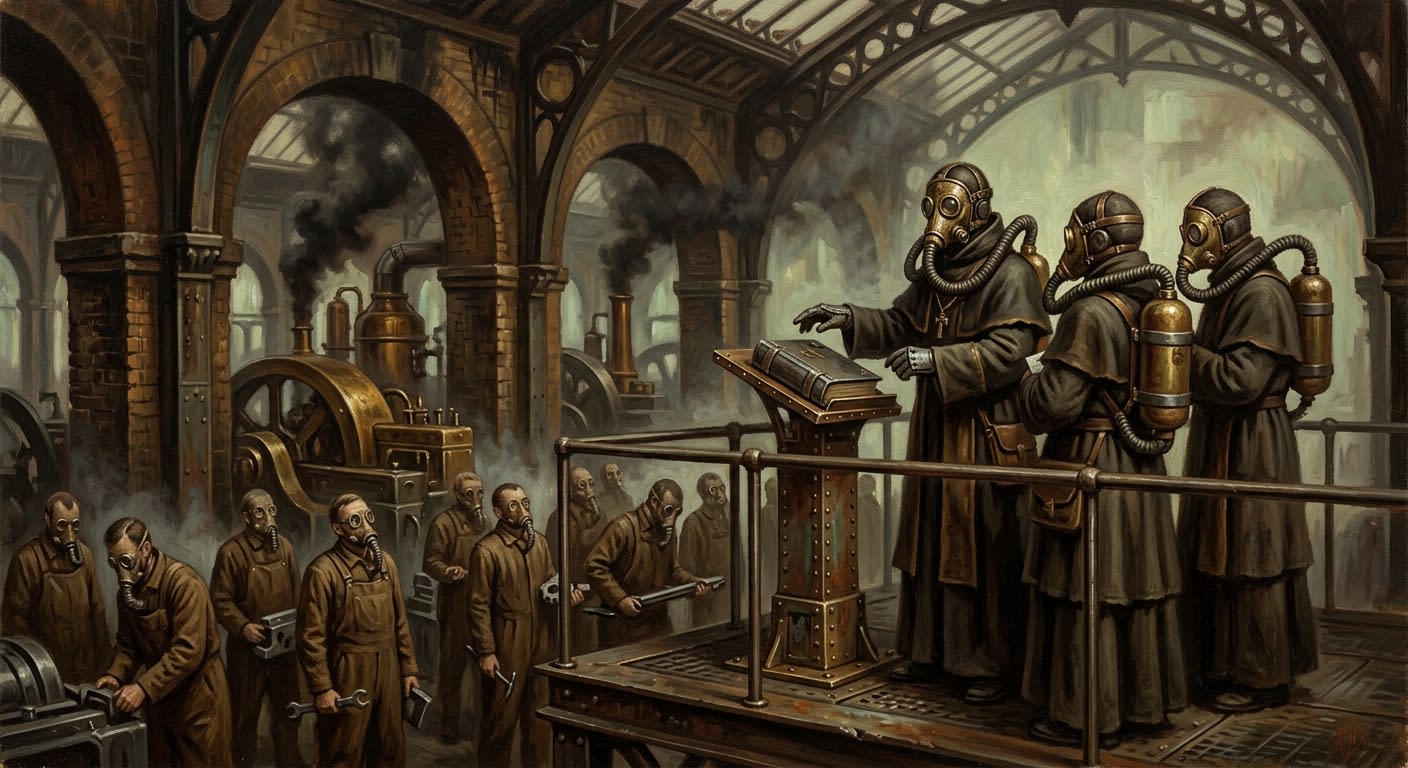
Mirror Choir
One wrong syllable, and the cannon remembers
At Essen-of-Hymnsteel, the Mirror Choir alters sanctioned hymns by a syllable and teaches obedient metal how to fail later, elsewhere, and with doctrine watching.
Codex Ref. XI.1.02-001
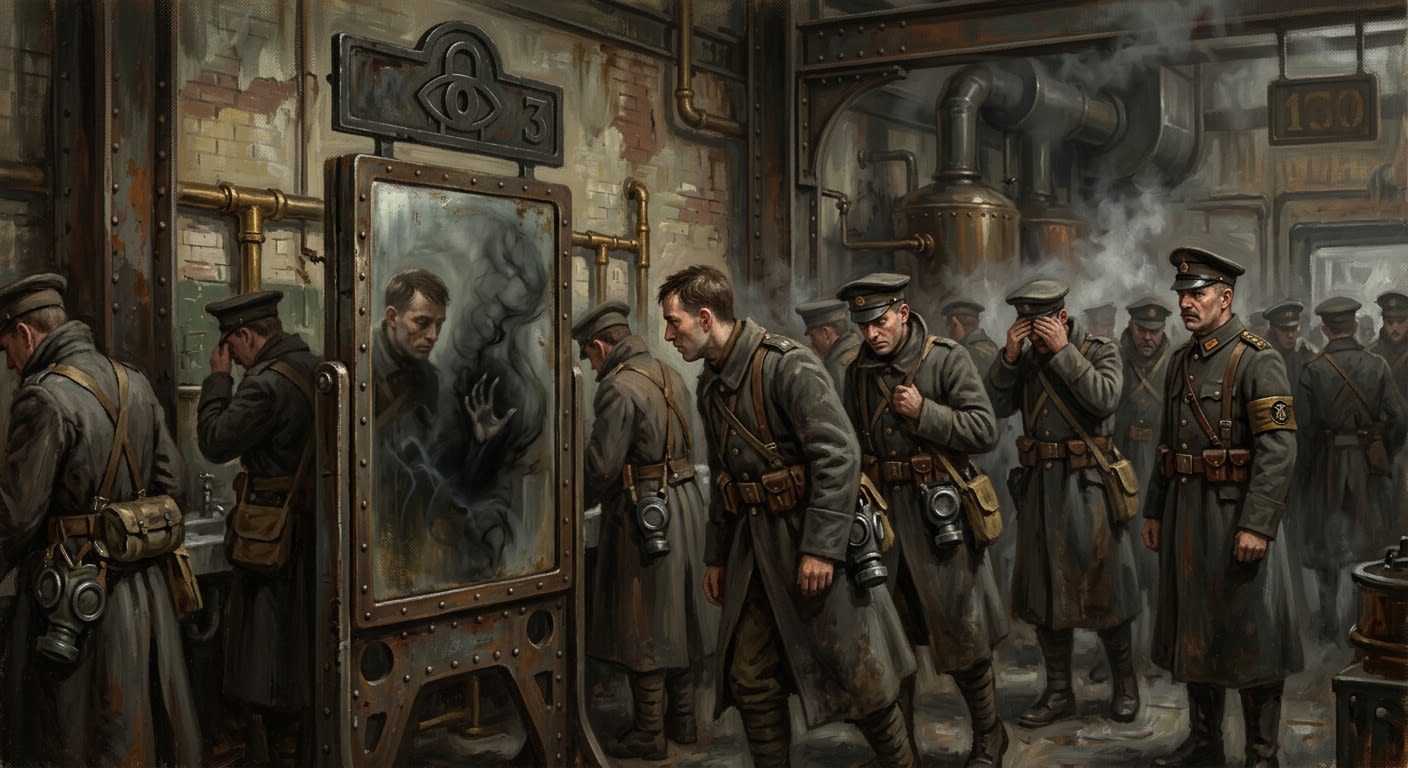
Mirror Discipline
Count to three before your face becomes negotiable
Mirror Discipline forbids the Irongate garrison from lingering over its own face, because Morwen enters where vanity counts past three.
Codex Ref. XIII.1.01-003
Mirror Gate
The door is broken; the trade remains open
A.S. 201 survey of Belgrade's undated Mirror Gate closure: one true ledger-line ended the passage; the shards still sell. The published account says the door cannot be rebuilt. The buyers have read less carefully.
Codex Ref. VI.3.01-005
Mirror Riot of Varna
The harbour saw itself without meat
The A.S. 151 Mirror Riot of Varna taught sailors, Polishers, civilians, and Purity that raw demon glass should never be smashed where a crowd can see its bones leave first.
Codex Ref. VII.8.10-005
Mohács
A town remembered for what lies south of it.
Mohács survives in the Ledger as the bearing for Pit Seven, where approximately four thousand refugees were buried in A.S. 48. The town's fate remains unverified; the grave remains hungry.
Codex Ref. II.4.09-134
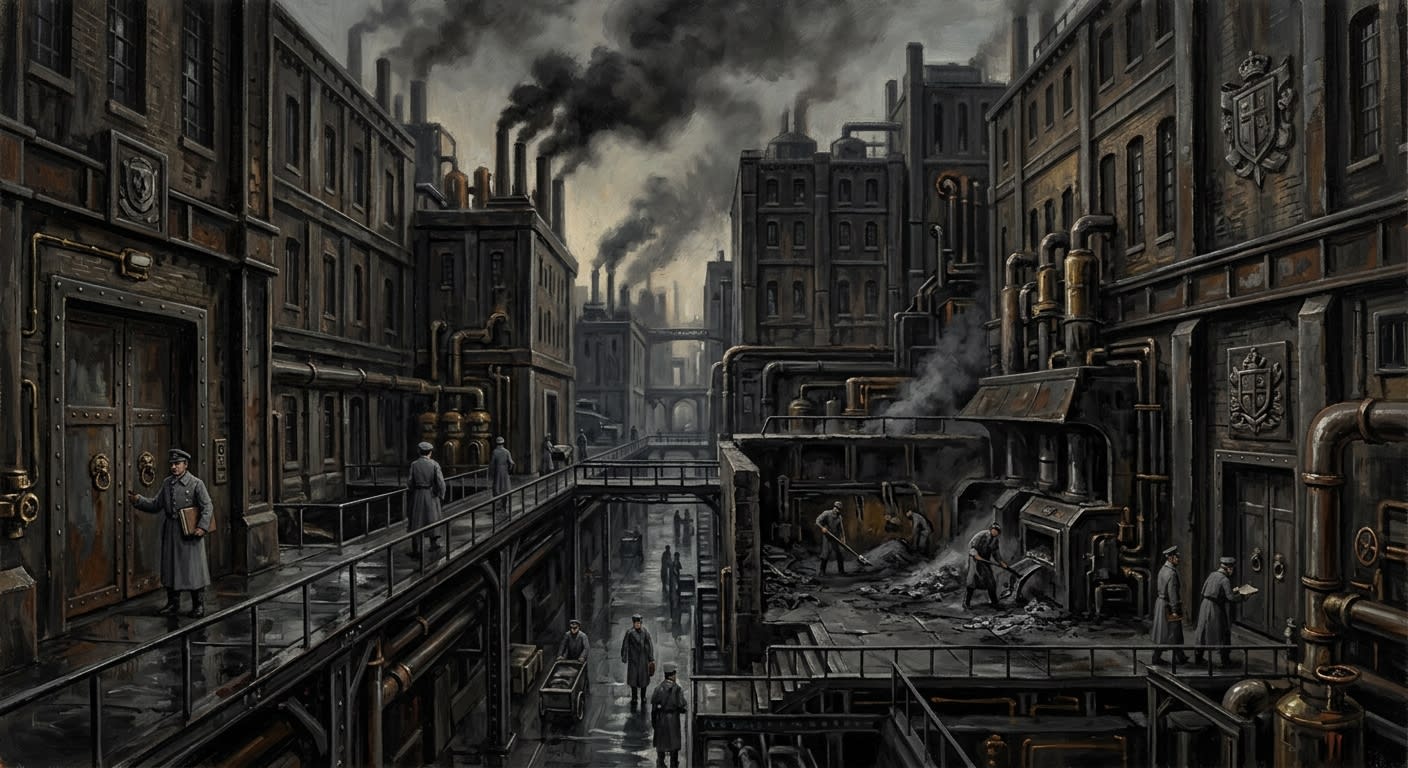
Mortuary Black
The ink that keeps the name and murders the claimant
Mortuary Black is the Bureau of Records compound for Administrative Dissolution: iron-gall, bone ash, Rites seal, and enough silence to make a name visible and unusable.
Codex Ref. XIII.1.01-002

Moselle Crossing
The papers were in order. I checked them twice.
Current documentary survey, A.S. 201: at a Moselle curfew crossing I checked a Licensed Consolator's papers twice. They were in order. Sincerity was harder to inspect.
Codex Ref. II.2.08-201
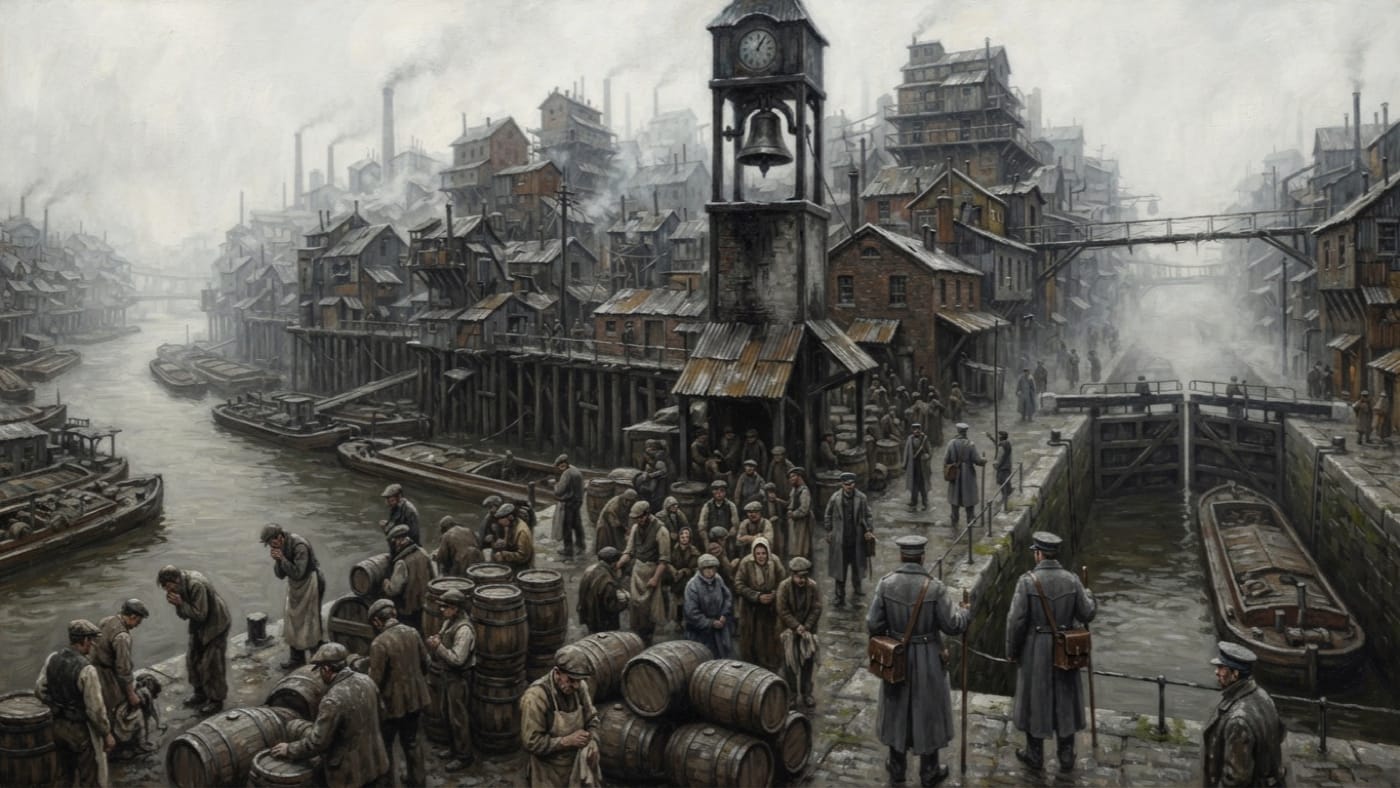
Mournwater
A town waiting for permission to breathe
Mournwater ships certified sanctity from the River-belt. Its coopers, graders and quarantine poor wait for a second bell that permits commerce to resume.
Codex Ref. II.2.03-002

Munich
The last comfortable city; or, where the war becomes a number before it becomes a wound
The Synod's central logistics hub and the last city where the war is an abstraction. Seven hundred thousand souls administer the machinery of a conflict they will not fight. Munich pays its tithes, fills its quotas, and resents everything.
Codex Ref. II.4.09-008
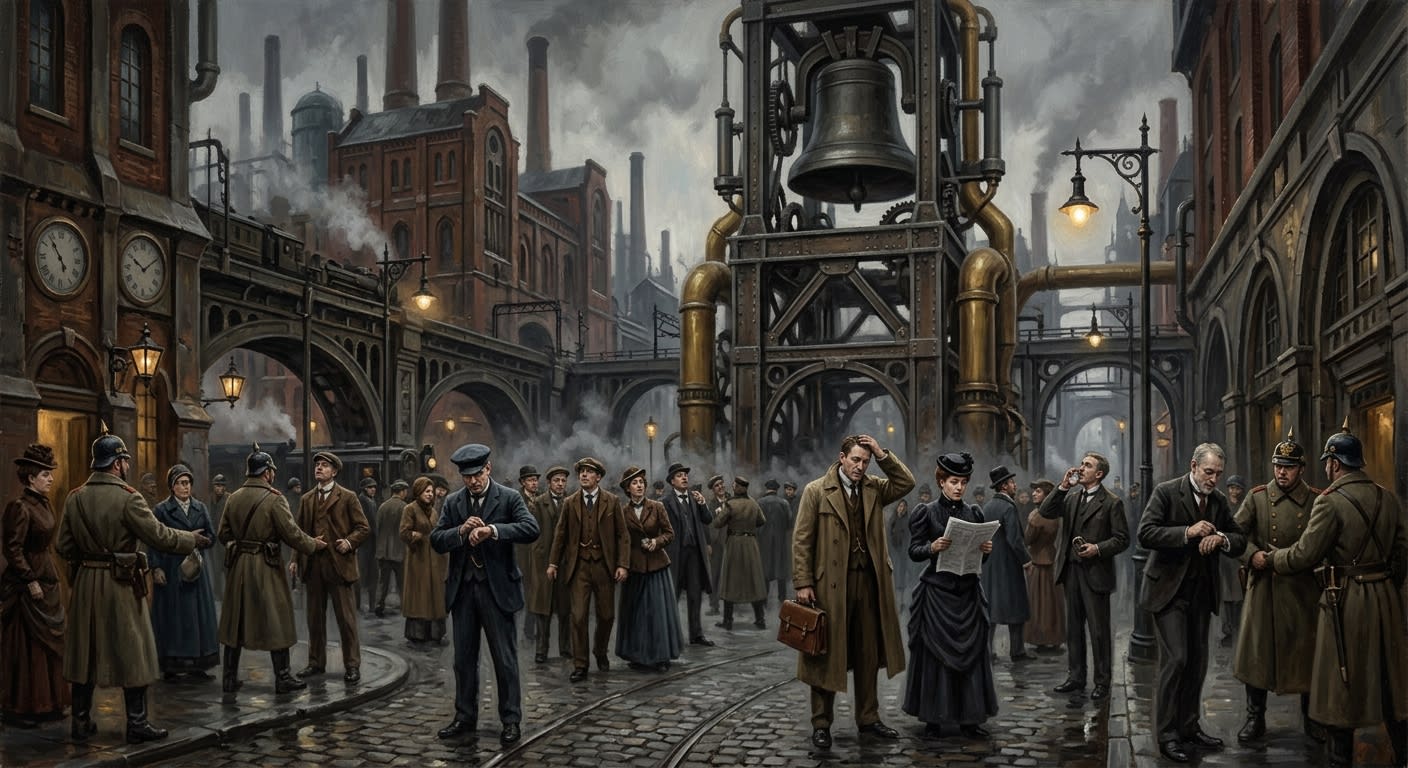
Night of Borrowed Curfew
When Cologne obeyed the enemy in the Synod’s own voice
Cologne's A.S. 134 acoustic breach, when an unknown foreign peal rang curfew three hours early and taught Strasbourg that obedience itself could be borrowed.
Codex Ref. VII.8.10-018
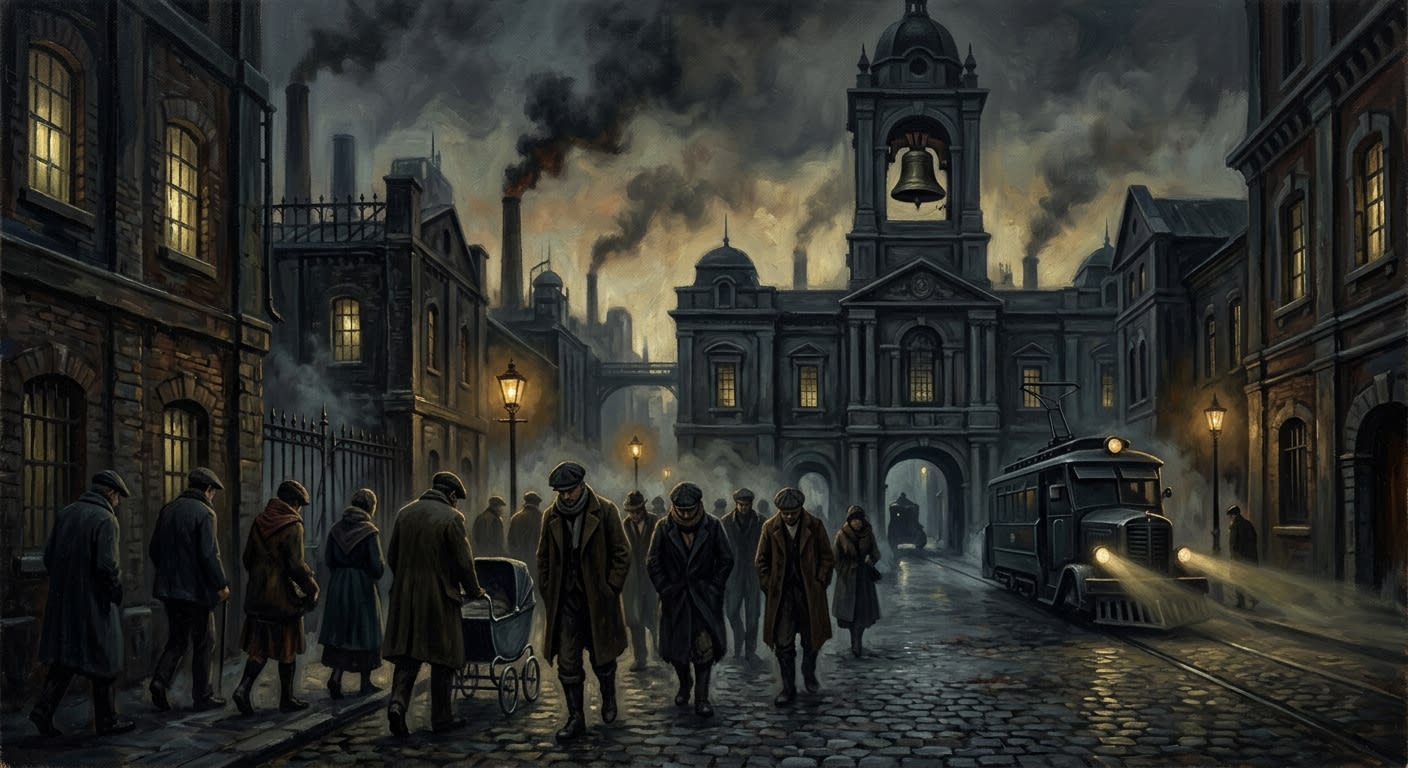
Night of Quiet Bells
The civic silence no office dares to license
Each 14 Ashmonth since A.S. 199, Thessaloniki falls quiet after dusk peal: a tolerated coincidence, unlicensed grief, and acoustic wound the Bureaus dare not name.
Codex Ref. VII.6.04-001
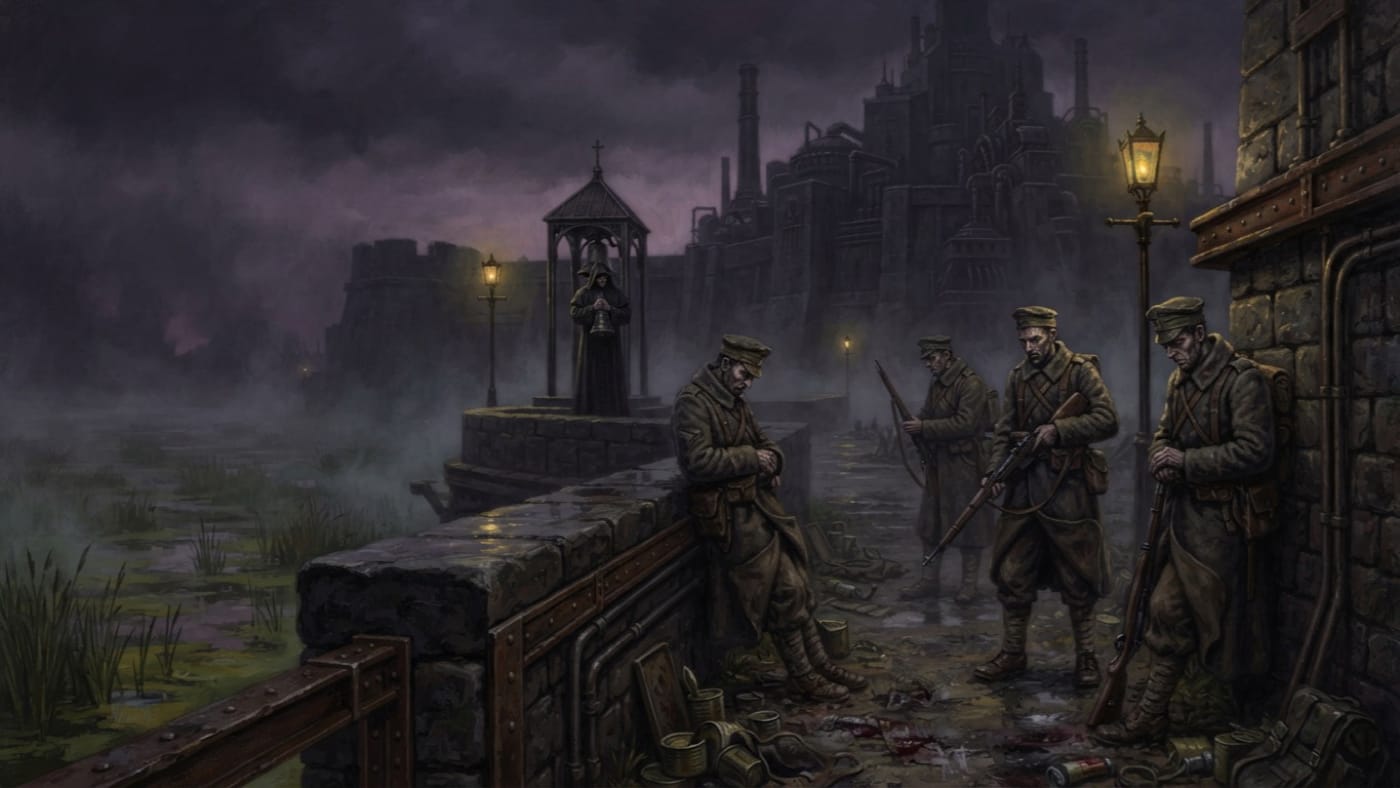
Night of the Fourth Watch
Three sentences survive. The rest is wax.
An A.S. 201 survey of the surviving public notice: a parish regiment consumed what remains redacted. Survivors were shriven and reassigned; Ninth-Ratification retains the rest.
Codex Ref. VII.8.04-001
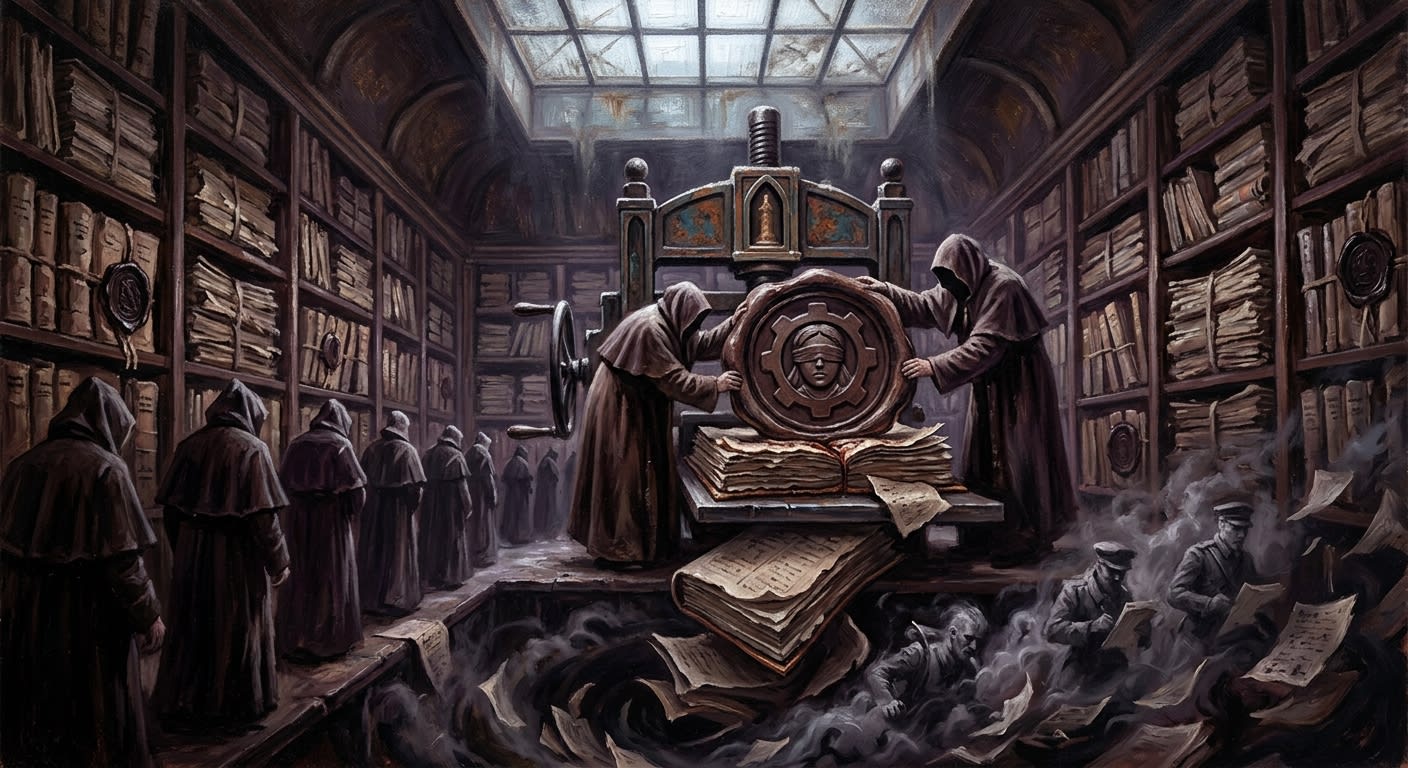
Ninth-Ratification
The seal that forbids analogy because pattern is accusation
Ninth-Ratification is the Synod's highest publicly nameable seal: a doctrine of lawful ignorance for records whose disclosure changes context, office, witness, and history itself.
Codex Ref. XIII.1.76-103
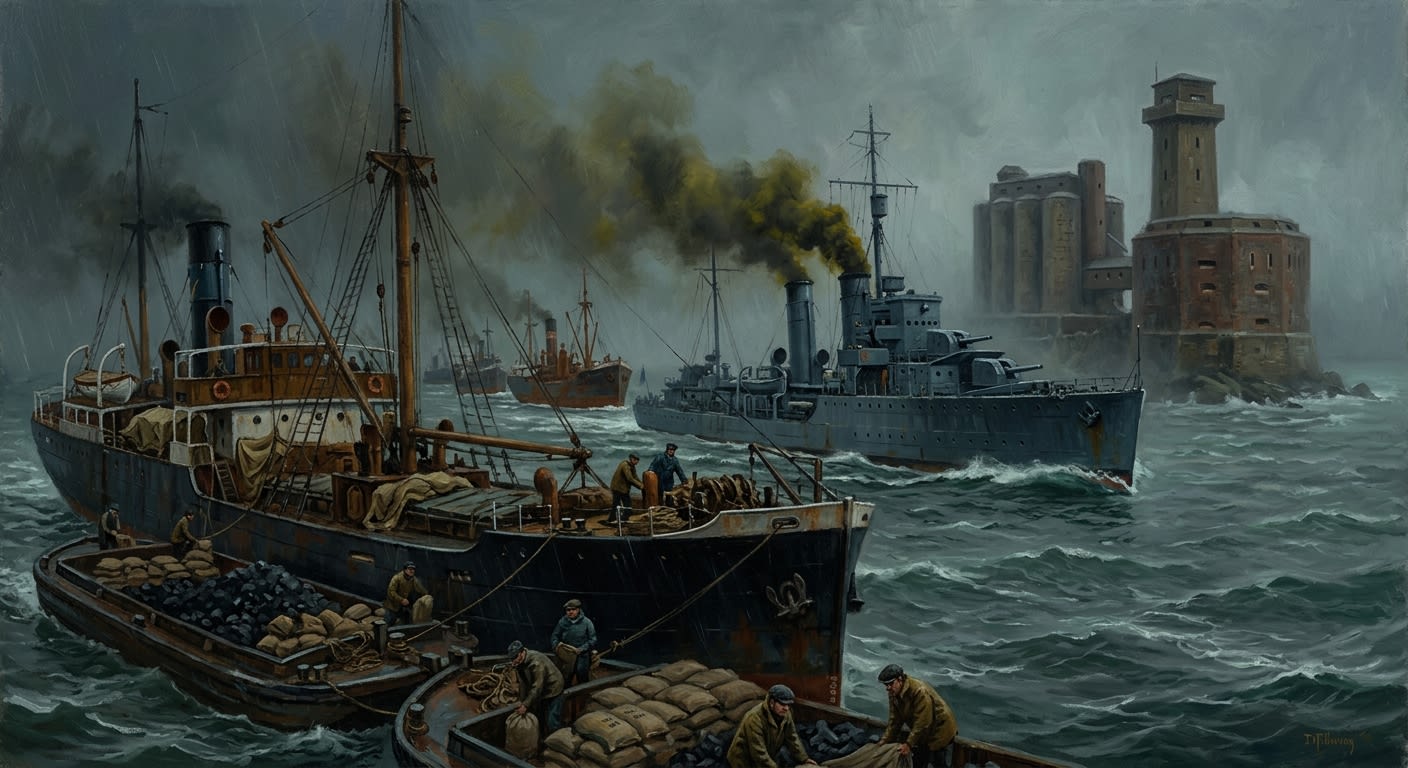
North Sea
The wet border that feeds the Line and refuses the Ledger
The North Sea is the Synod's least obedient frontier: a maritime supply basin of grain, coal, fish, fog, foreign credit, reluctant allies, and weather that accepts no stamp.
Codex Ref. II.4.09-201
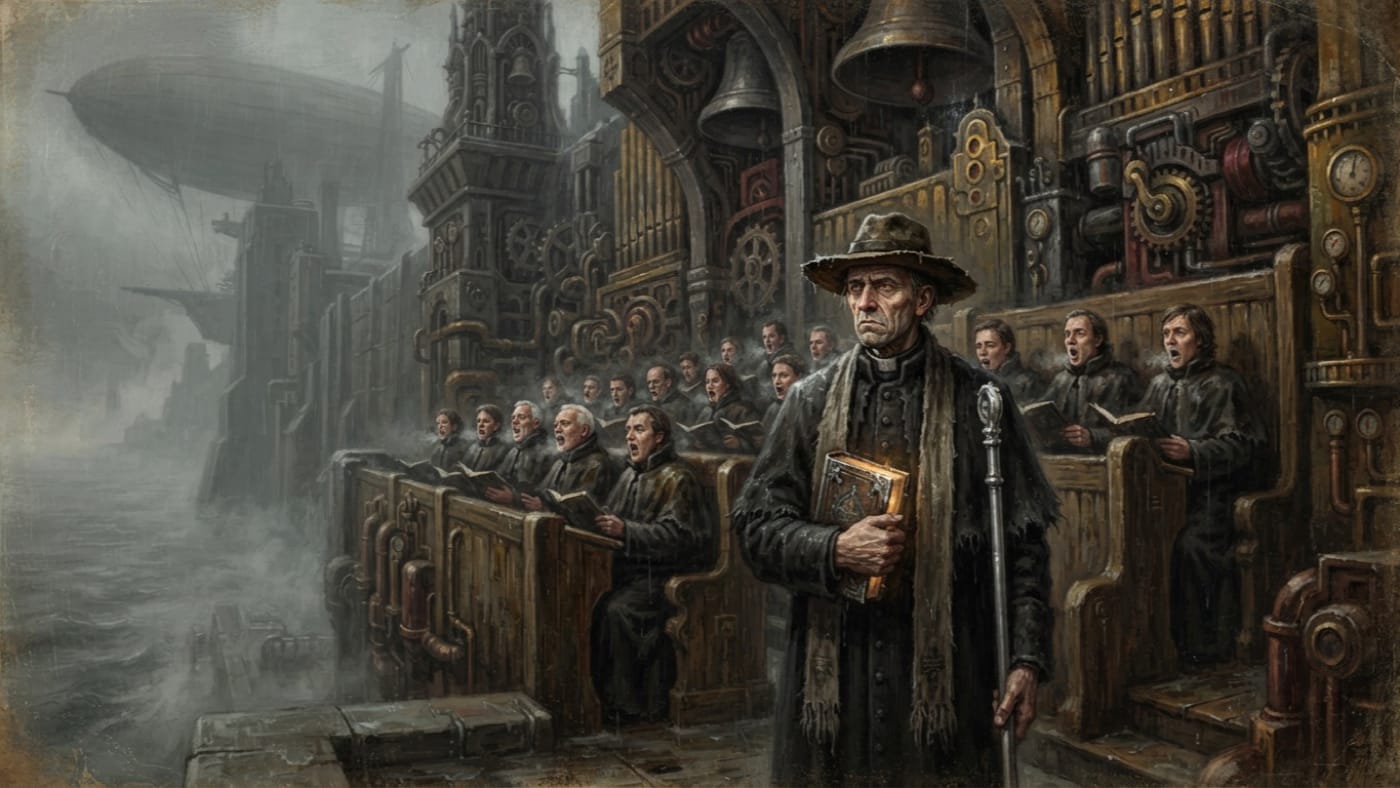
Northern Liturgical Inspector
A promotion denied because the Choir still needed its priest
The Northern Liturgical Inspector appears in Grau's personnel review as a promotion denied by operational necessity. The Bureau recorded a title; Königsberg kept its priest.
Codex Ref. XIII.1.57-201
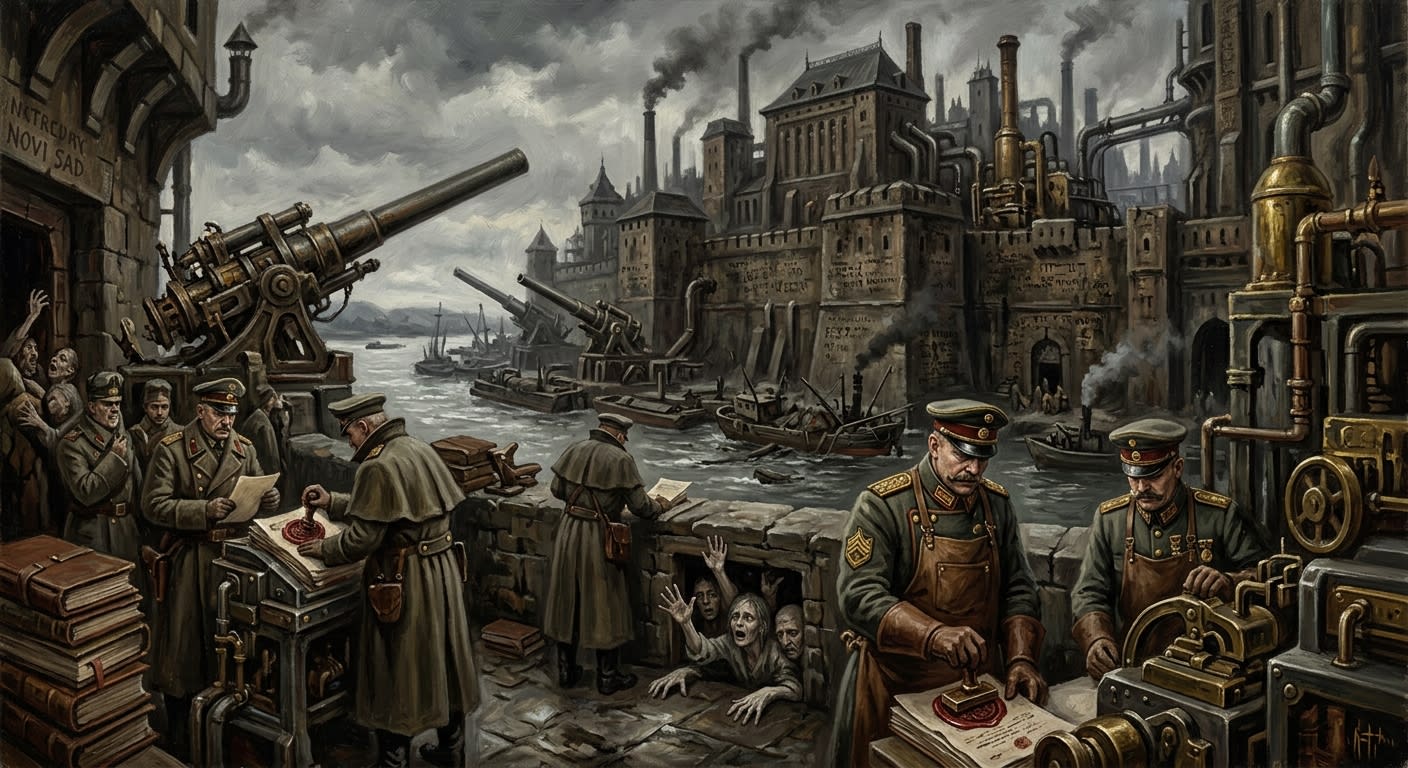
Novi Sad
The city where cannon, stone, and stamp each learned to fail
Novi Sad is a fallen Danube city whose cannon never fired, whose stones wrote living names, and whose valid seals once starved the bodies beneath them.
Codex Ref. II.4.09-045
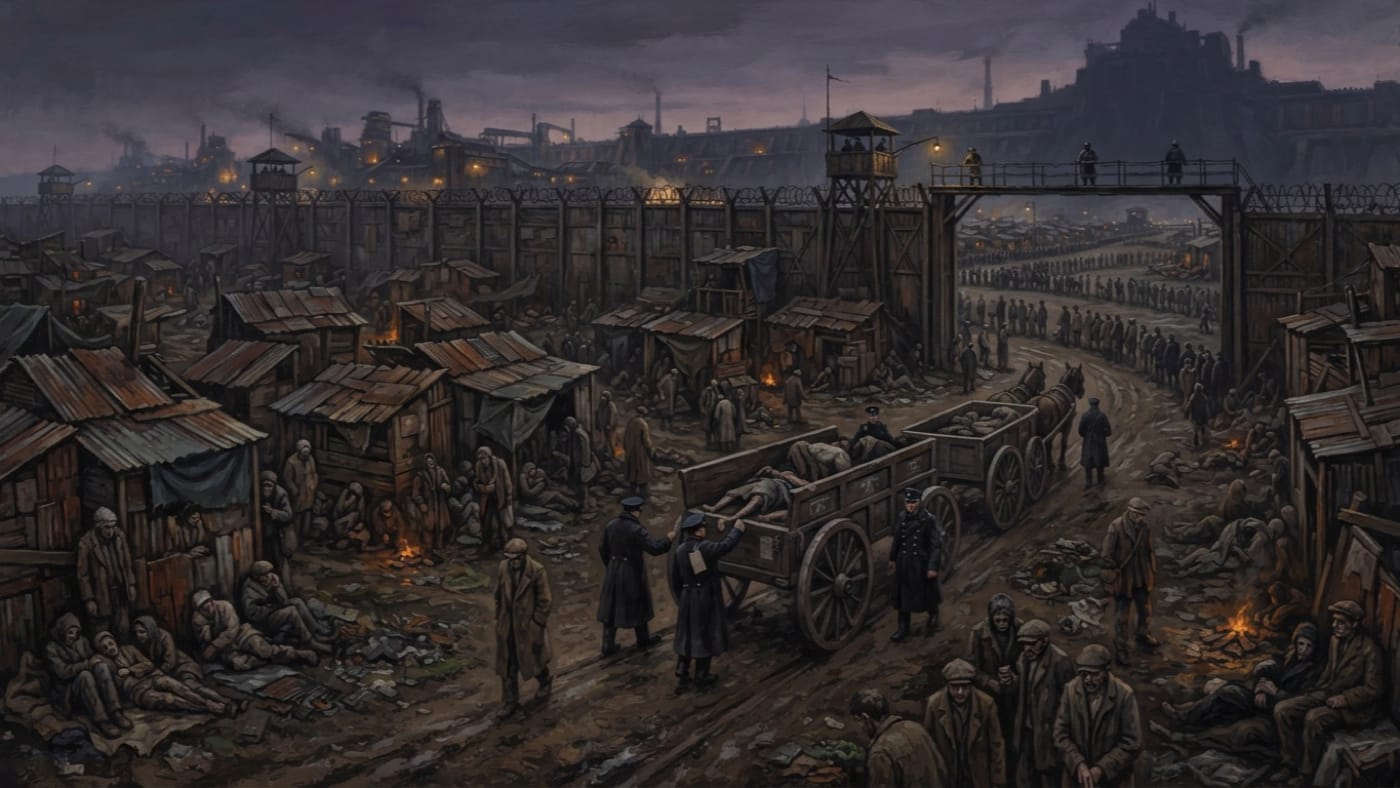
Null Verge
Where the ledger ends and the carts begin
The Queue Road's uncounted southern margin houses erased debtors in darkness. Reeve's Custodians collect the sick, the dead and the inconvenient, and export labour under stamps naming no bureau. The census remains correct.
Codex Ref. II.3.05-012
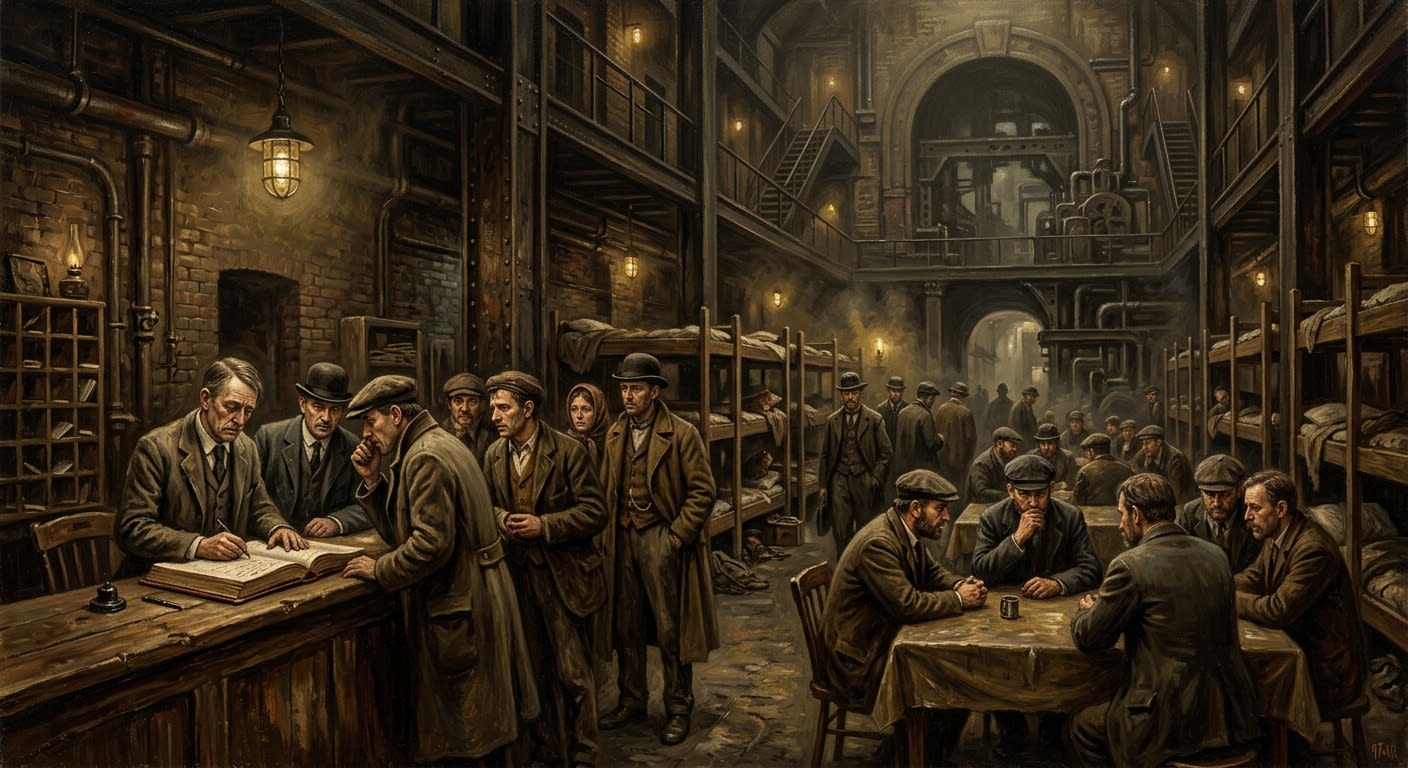
Oath Inns
Where speech is rented, stored, and later weaponised with receipts
The Oath Inns of the Steppe Gate sell beds, witness space, collateral confession, and the dangerous comfort of speaking indoors before the Burnless Archive answers back.
Codex Ref. II.4.09-078
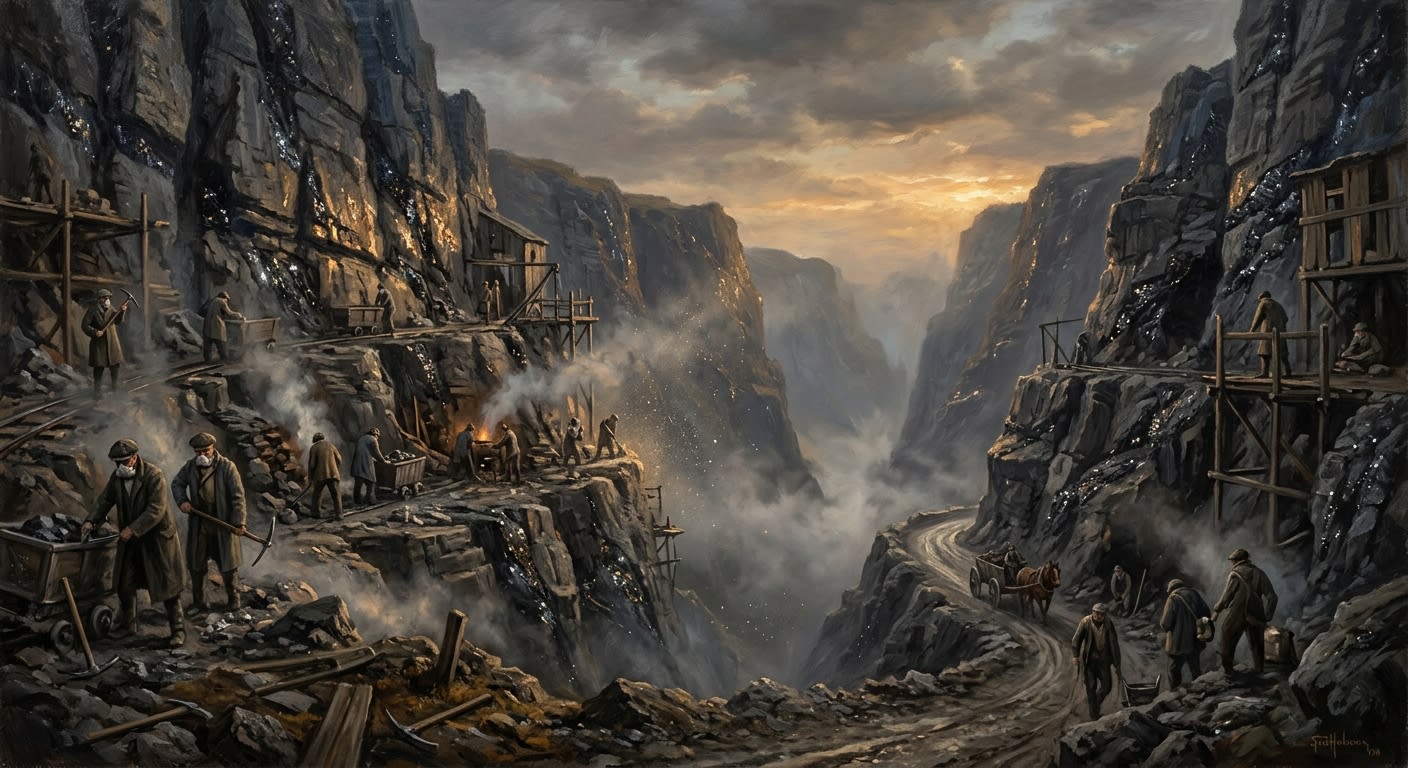
Oathglass Quarrytown, Saint-Helm's Cut
The mountain proves what the Seal House permits
A highland quarrytown built inside a volcanic-glass cleft that the Synod has declared a certified sacred site. The glass proves relics. The workers cough. The mountain, lately, has begun to sing.
Codex Ref. II.2.05-001
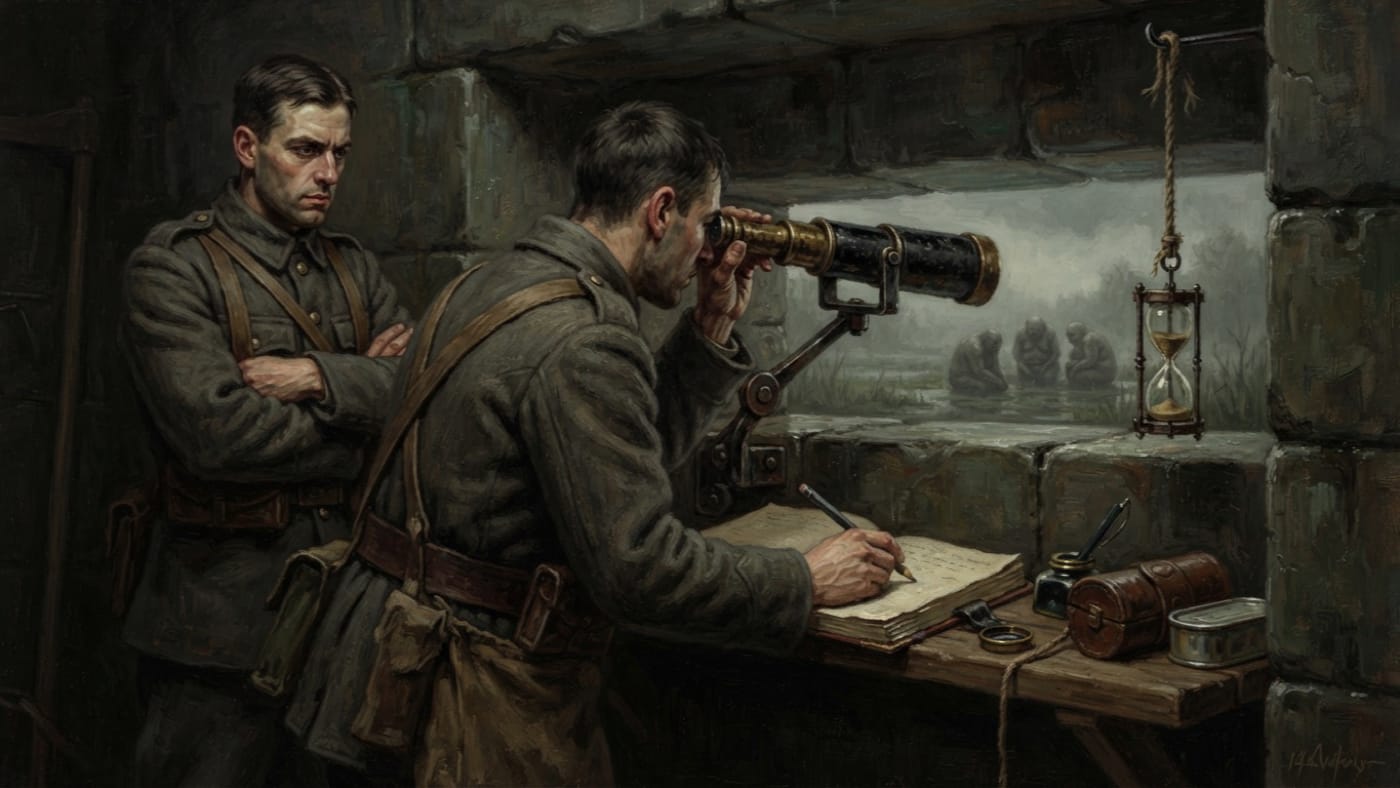
Observation Post Sigma-7
The cycle does not change; the watcher must be relieved
The 14th Garrison holds a slit in the outer wall of Bastion-Constantinople above three Self-Devoured. The cycle never changes. The watcher may. Ninety seconds is the ceiling, and looking away is the work.
Codex Ref. III.2.07-201
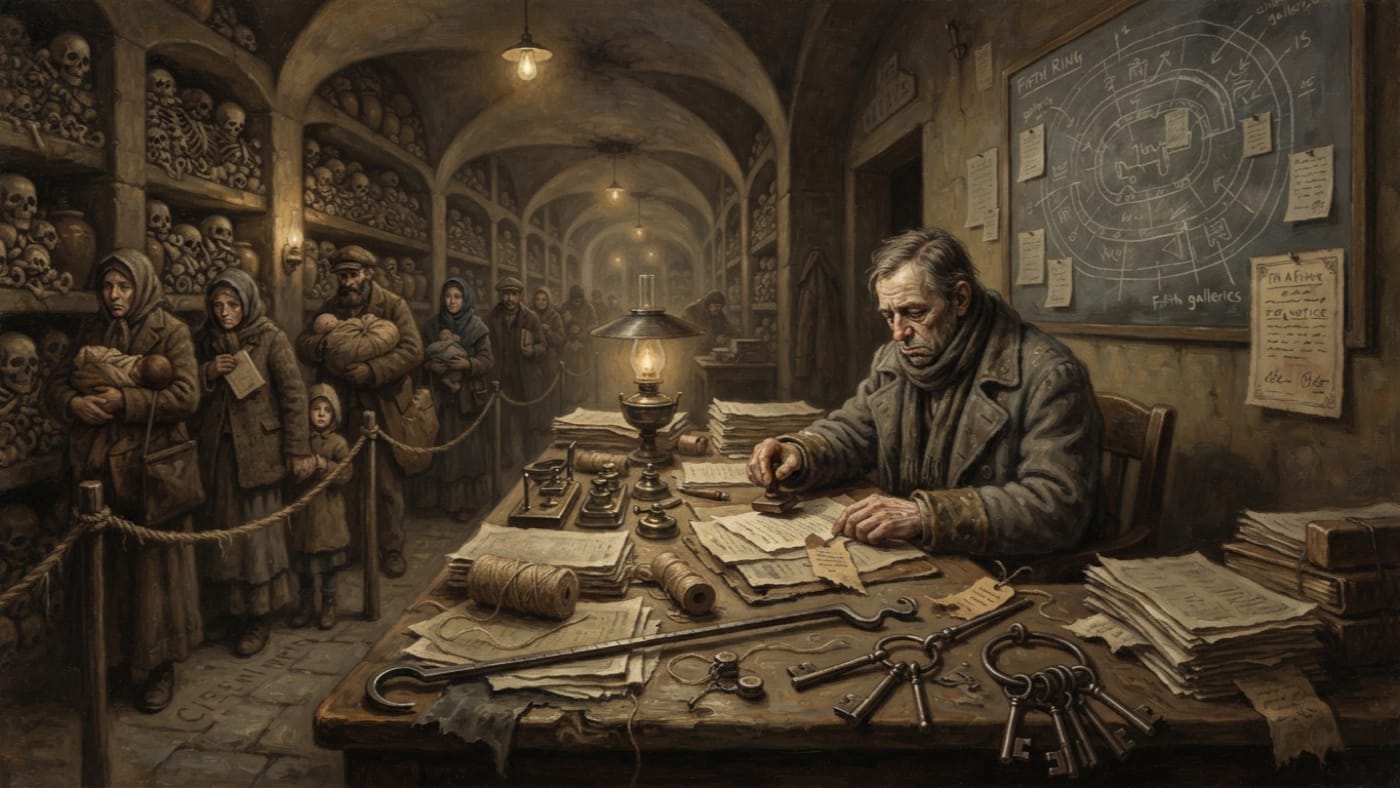
Office of Ossuary Accommodation
You do not live here. You are permitted.
The Fifth Ring office that assigns niches, bunks, alcoves and grave-field plots to the living. Its A.S. 200 occupancy review counts 32,114 permitted people. Dry stone is shelter; the tag is a revocable favour.
Codex Ref. II.4.10-007
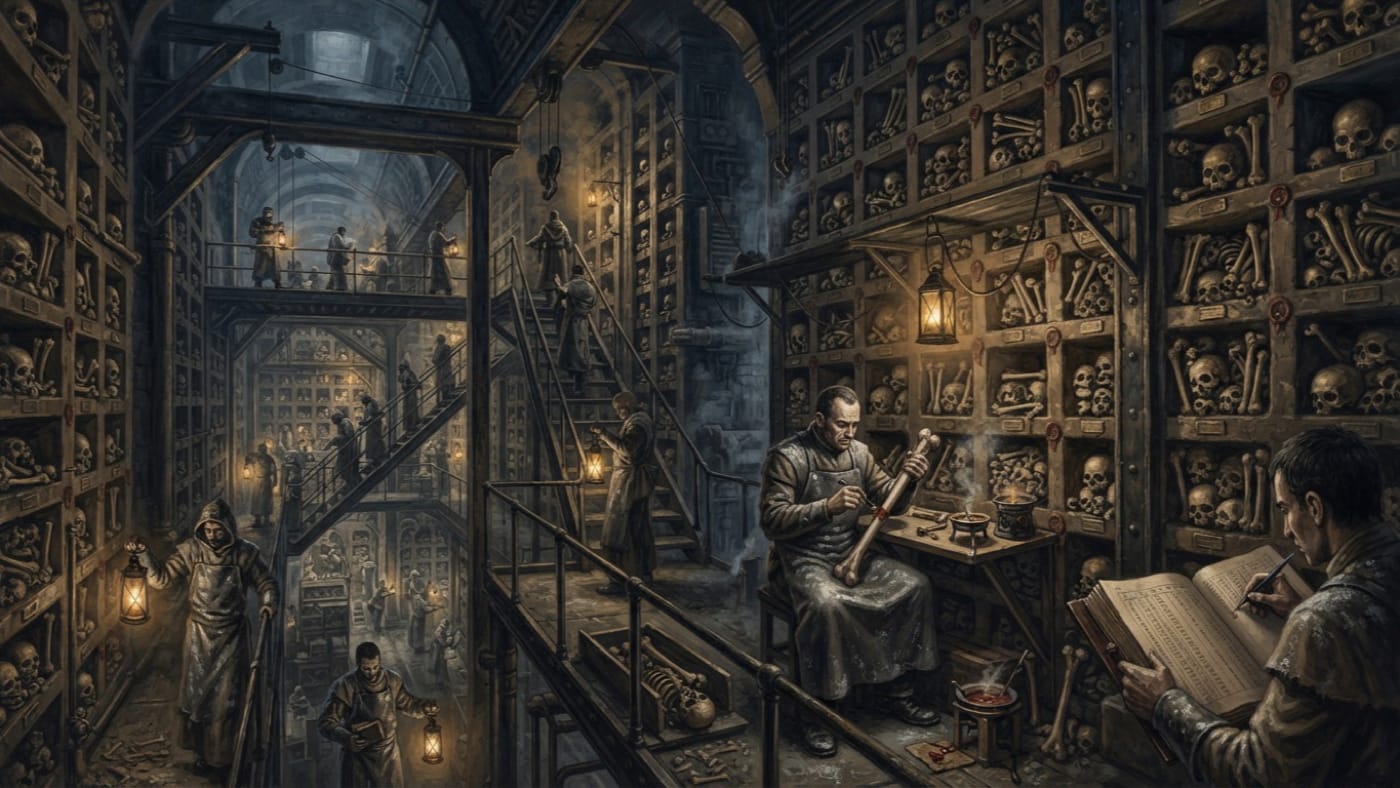
Office of the Last Watch
The dead must remain obedient; the totals must agree
Records' mortuary sub-bureau oversees cemeteries, funerals, exhumations, and the obedience of the dead. Its totals balance; its corridors require a separate report.
Codex Ref. III.2.09-004
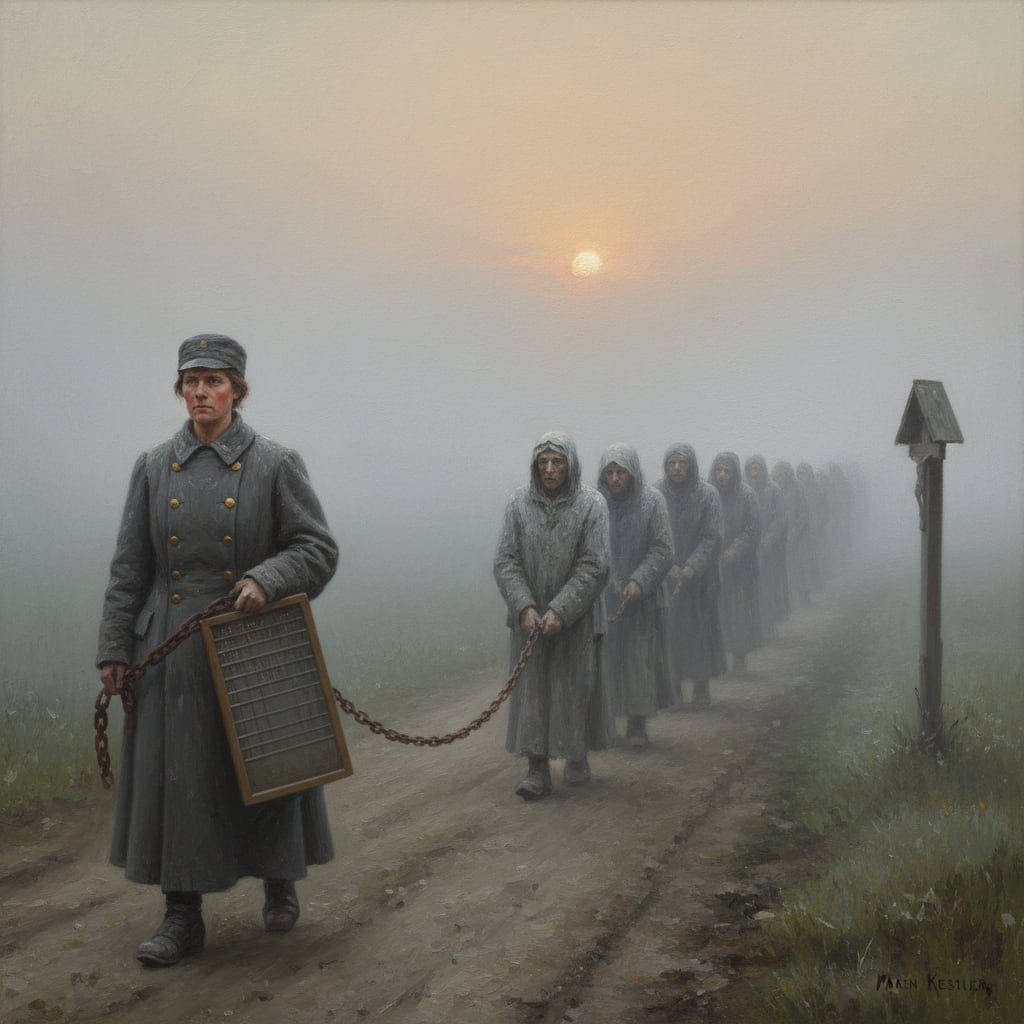
On the Pilgrim-Chain Handlers
The mercy quota; or, how the chain teaches patience to both ends
The licensed custodians of the Jubilee chain and everything the chain implies — water counted by formula, confession harvested in strips, and a ditch at the end of every route the Bureau calls holy.
Codex Ref. XII.29.01-001
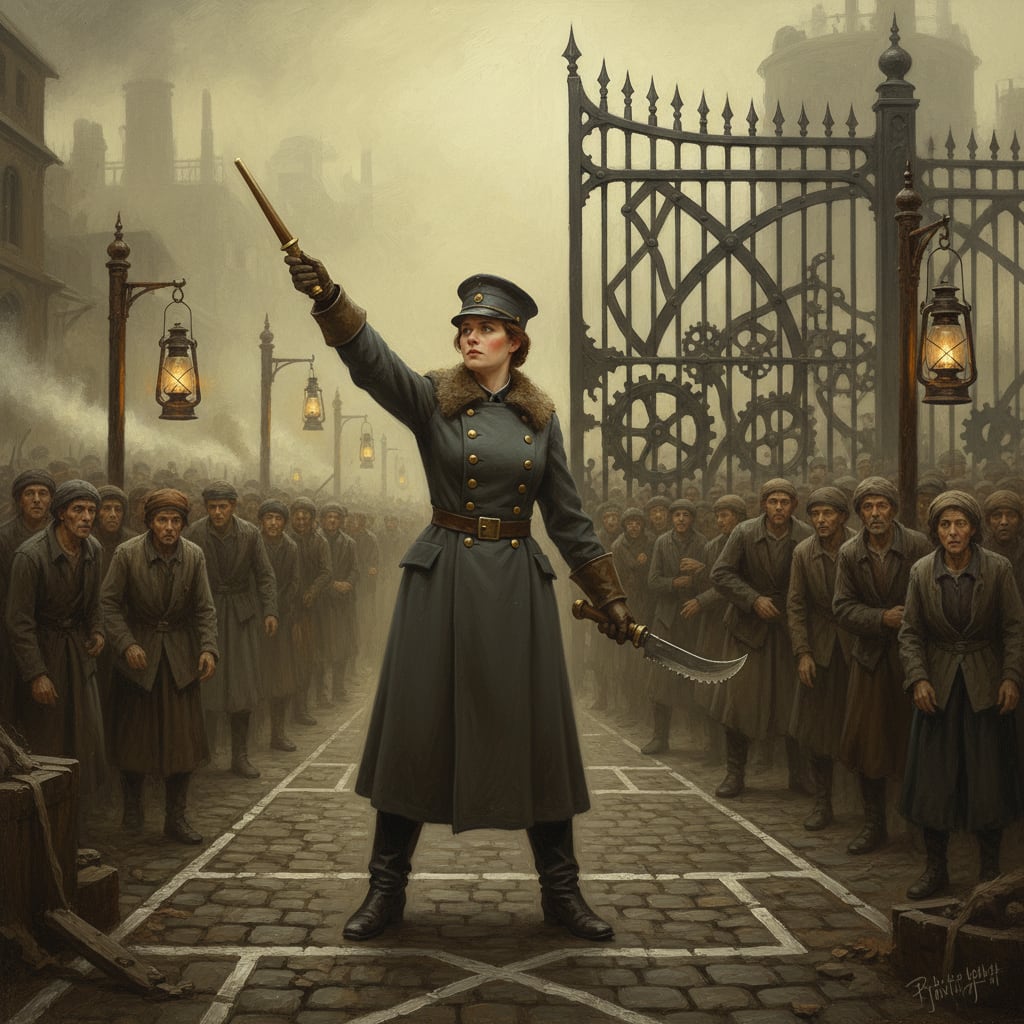
On the Procession Marshal
The boot behind the beat; or, why orderly grief is the Synod's last public prayer
The boot behind the beat. The Procession Marshal controls pilgrim columns, funeral trains, and levy marches — setting cadence by baton, marking routes in chalk, and cutting lane ropes when the crowd folds. Born of three hundred dead at Bastion-Brest, A.S. 112.
Codex Ref. XII.31.01-001
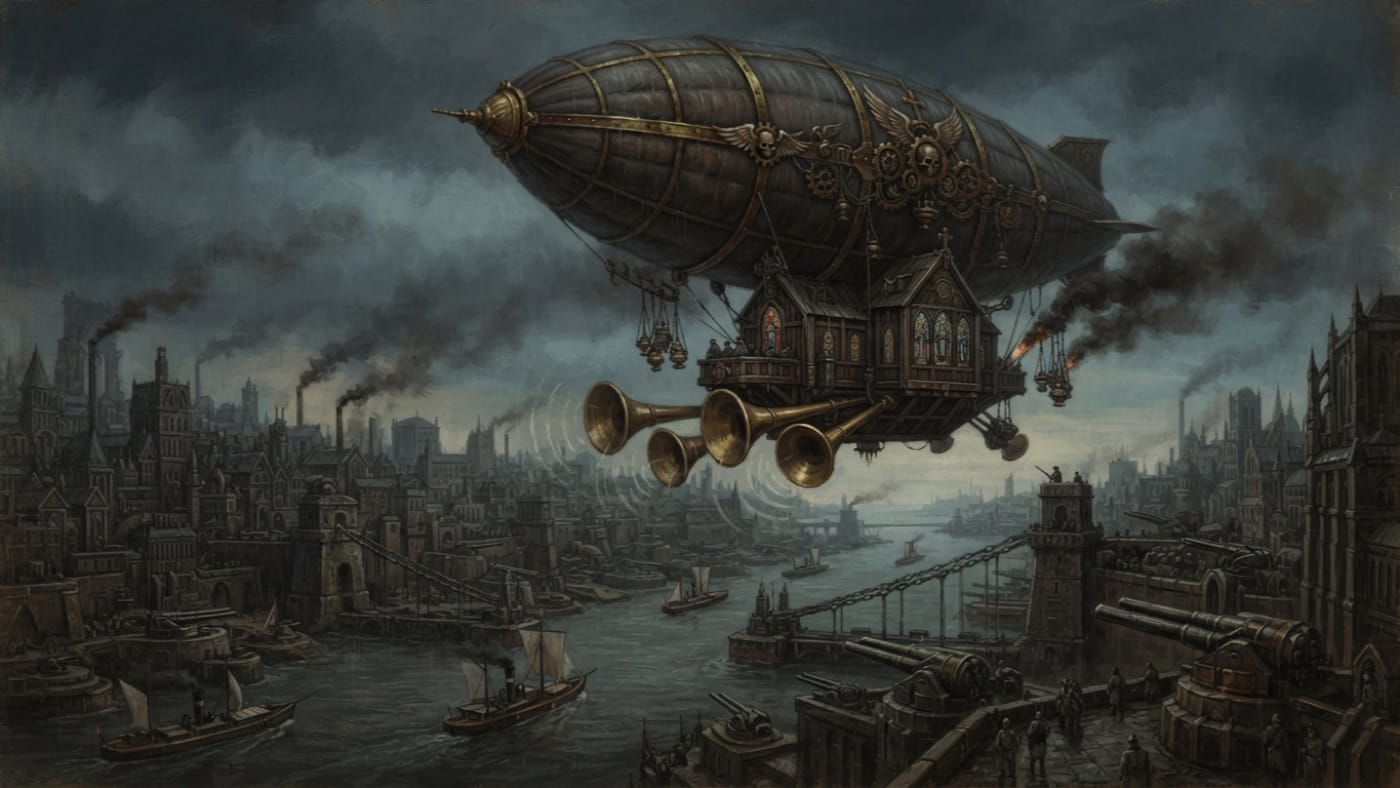
Operational Directive 774-C
The Ark remains airborne. Its authority has been harder to locate.
Operational Directive 774-C commissioned the Vigil Ark Saint Barachiel in A.S. 168 to guard the Bosphorus sky. Classified, lost, recovered and ratified retroactively, its authority remains visible above the strait.
Codex Ref. XIII.1.21-774
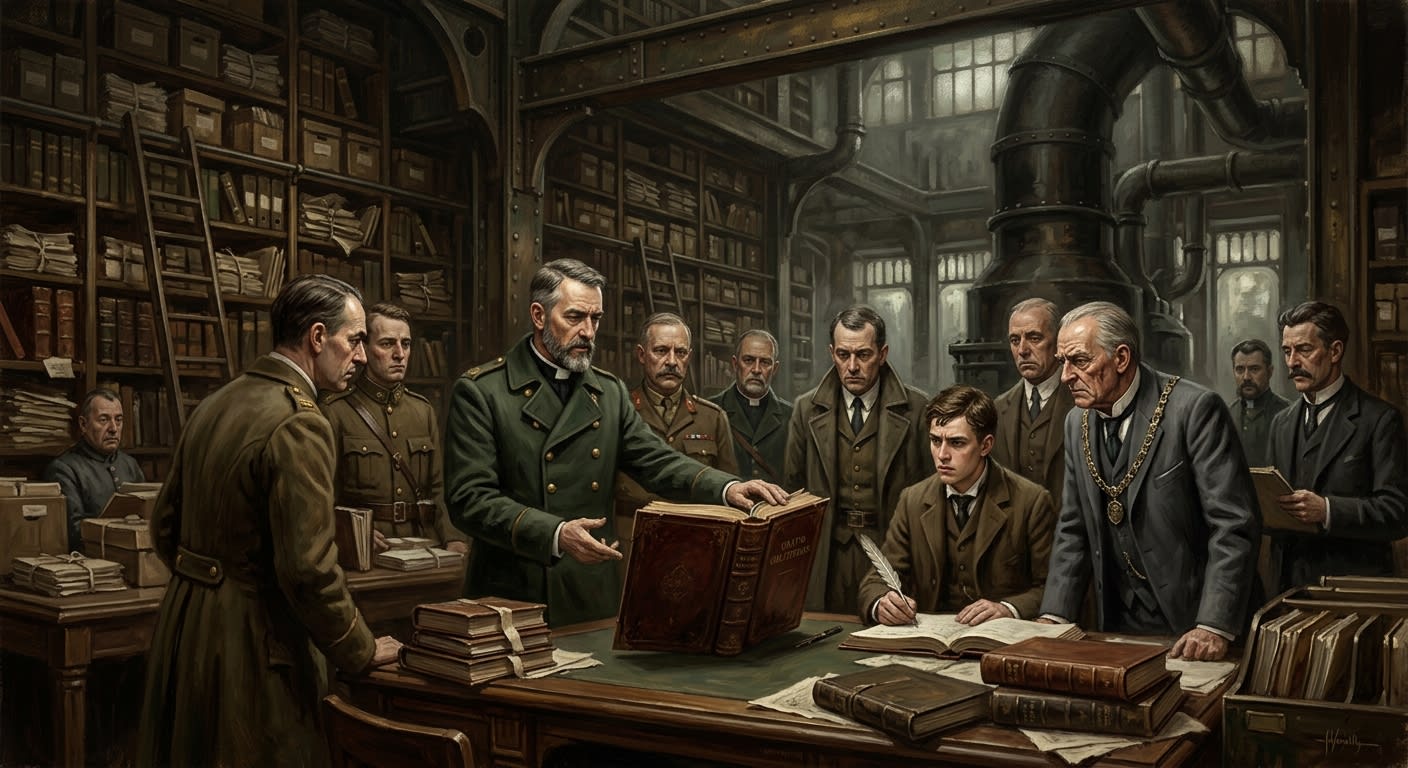
Oratio Oblitterans
The six lines Heaven was not permitted to hear
The Oratio Oblitterans is the six-line Rites prayer proposed in A.S. 142 for Administrative Dissolution, rejected by Records, and preserved wherever mercy disobeys filing autonomy.
Codex Ref. XIII.1.01-003
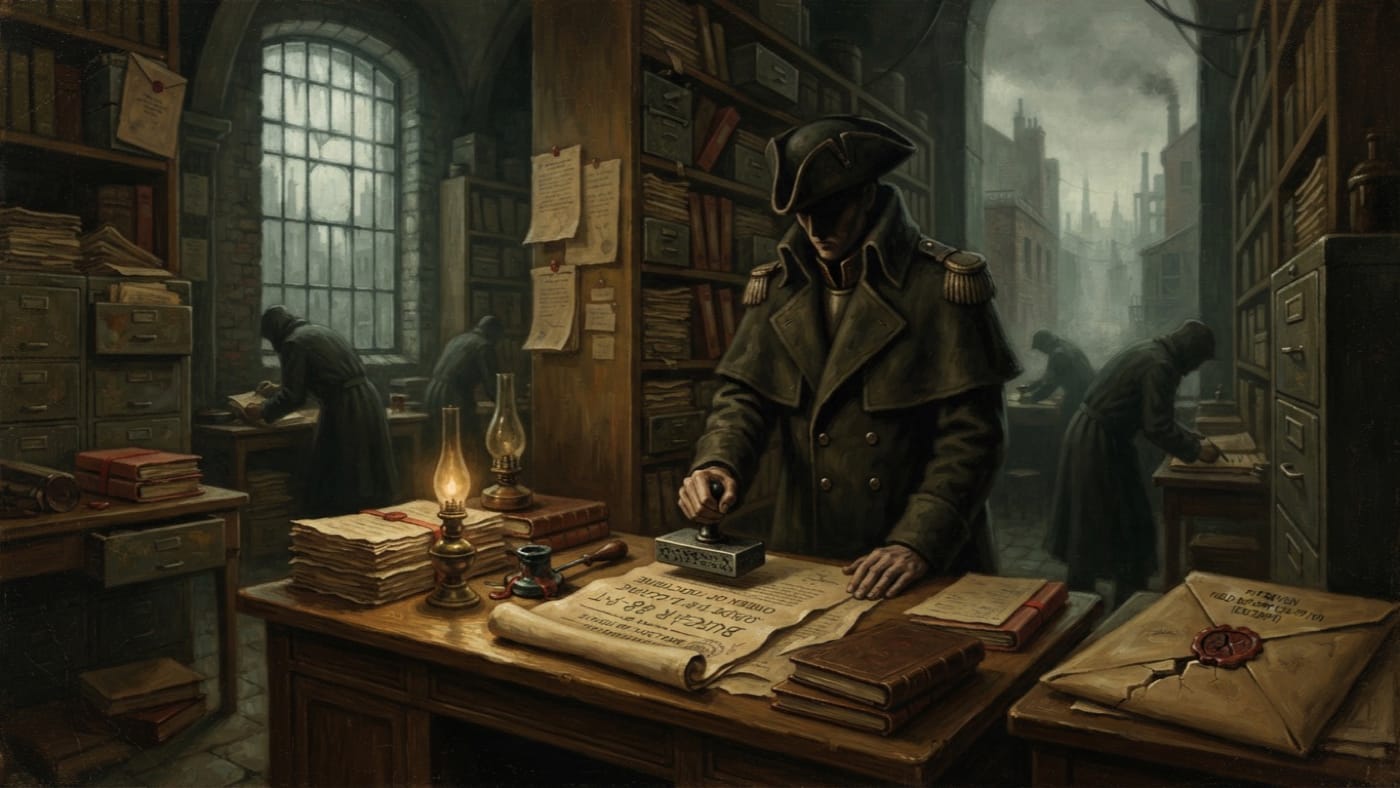
Order 88-V
The method is sealed. The measurements remain.
Order 88-V seals the Pit Seven exposure methodology. The A.S. 135 expungement is attested; the order's issue date is not. Its unsealed appendix keeps the measurements in circulation.
Codex Ref. XIII.1.100-135

Orelia
The Lanes say "Saint"; the Ledger enters no ruling
Orelia cuts glass at Dimo's bench and sings a melody no known hymnal contains. The Lanes supply the title "Saint"; Purity supplies an investigation, no recorded action, and no ruling.
Codex Ref. III.2.01-2034
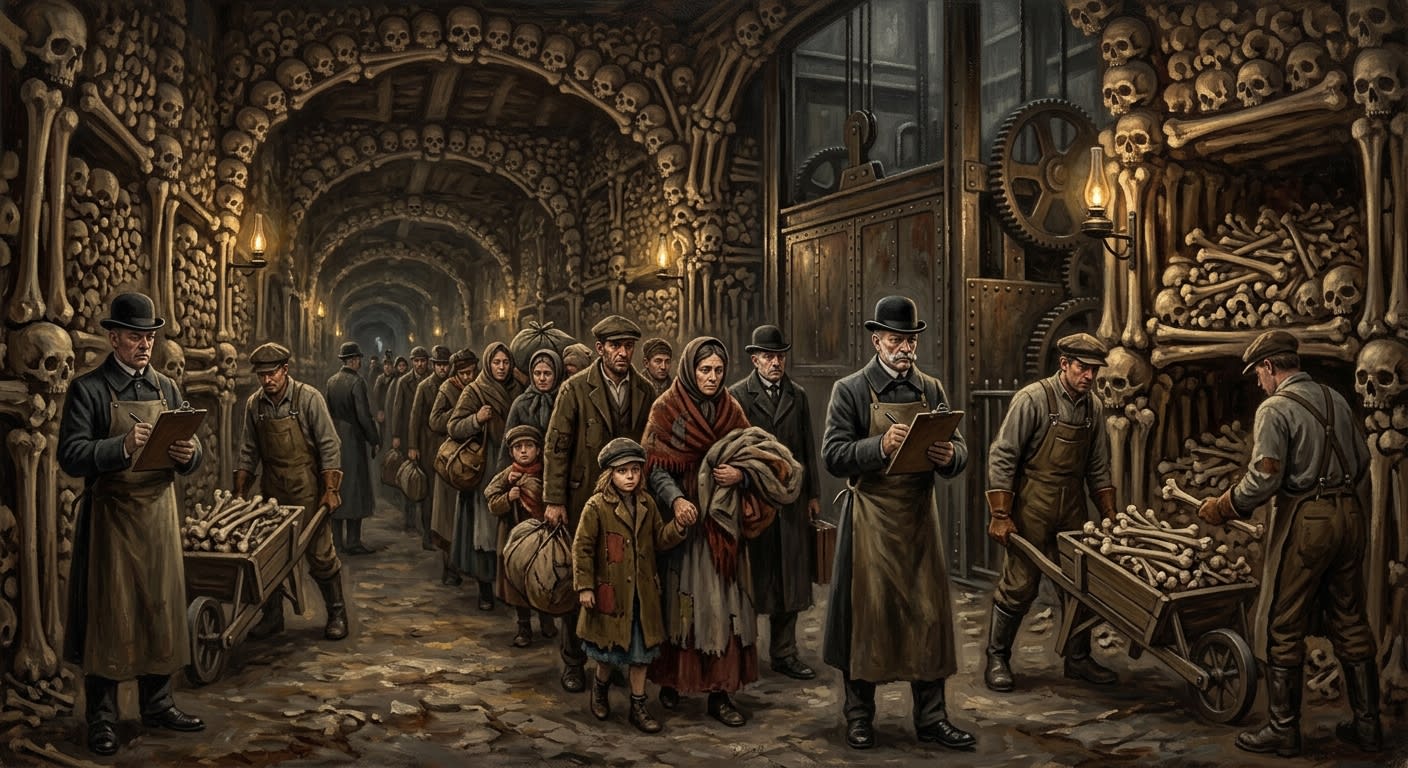
Ossuary Allies
Bring me your dead and I will find room for your living
Ossuary Allies convert grave-field claims into bone-walled tenancy, moving poor families from exposed graveside lanes into ossuary corridors at the price of their dead.
Codex Ref. XII.27.04-001
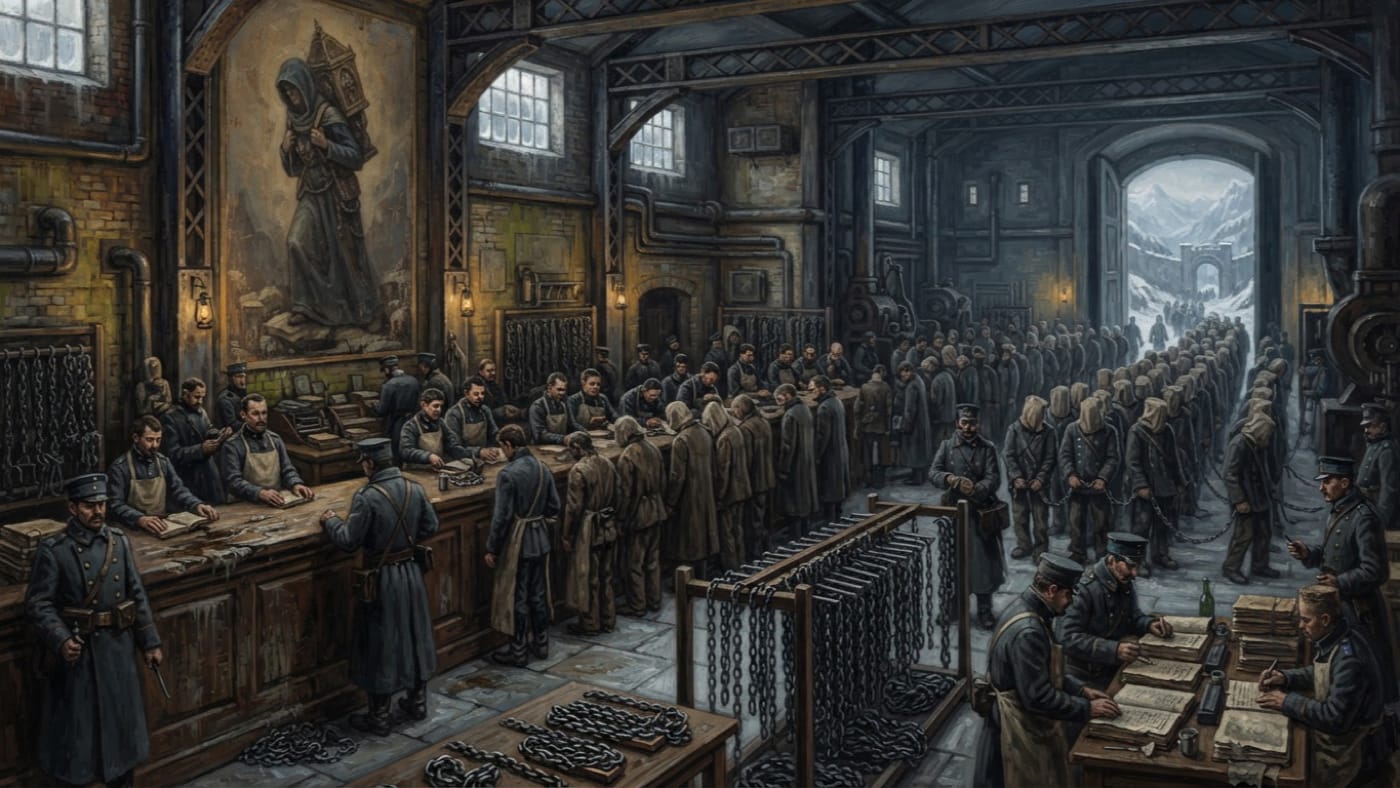
Ossuary Convoy Office
Where the condemned become capacity and the missing become corrections
At Bastion-Przemyśl, the Ossuary Convoy Office grades condemned carriers, issues chains and seals relic cargo. I inspected its immaculate ledgers in A.S. 197. Everything was accounted for; the shackles required no questions.
Codex Ref. II.4.07-197
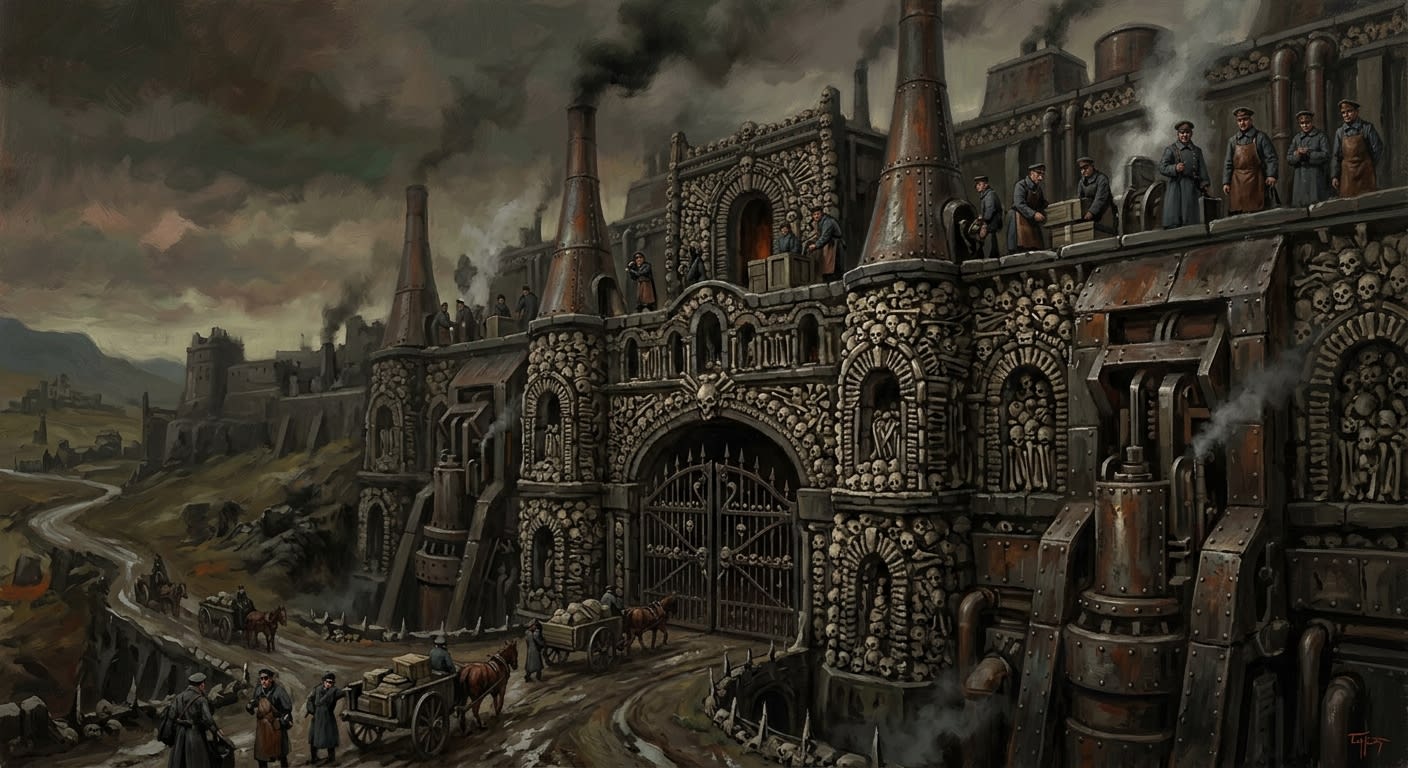
Ossuary Gate of Debrecen
The skull-wall that audits the dead before the marsh may answer
Active gate-fort on the Debrecen exclusion approach, built from branded parish bone and notorious for tolling without a bell when its skulls revise their confessions.
Codex Ref. VI.1.01-002
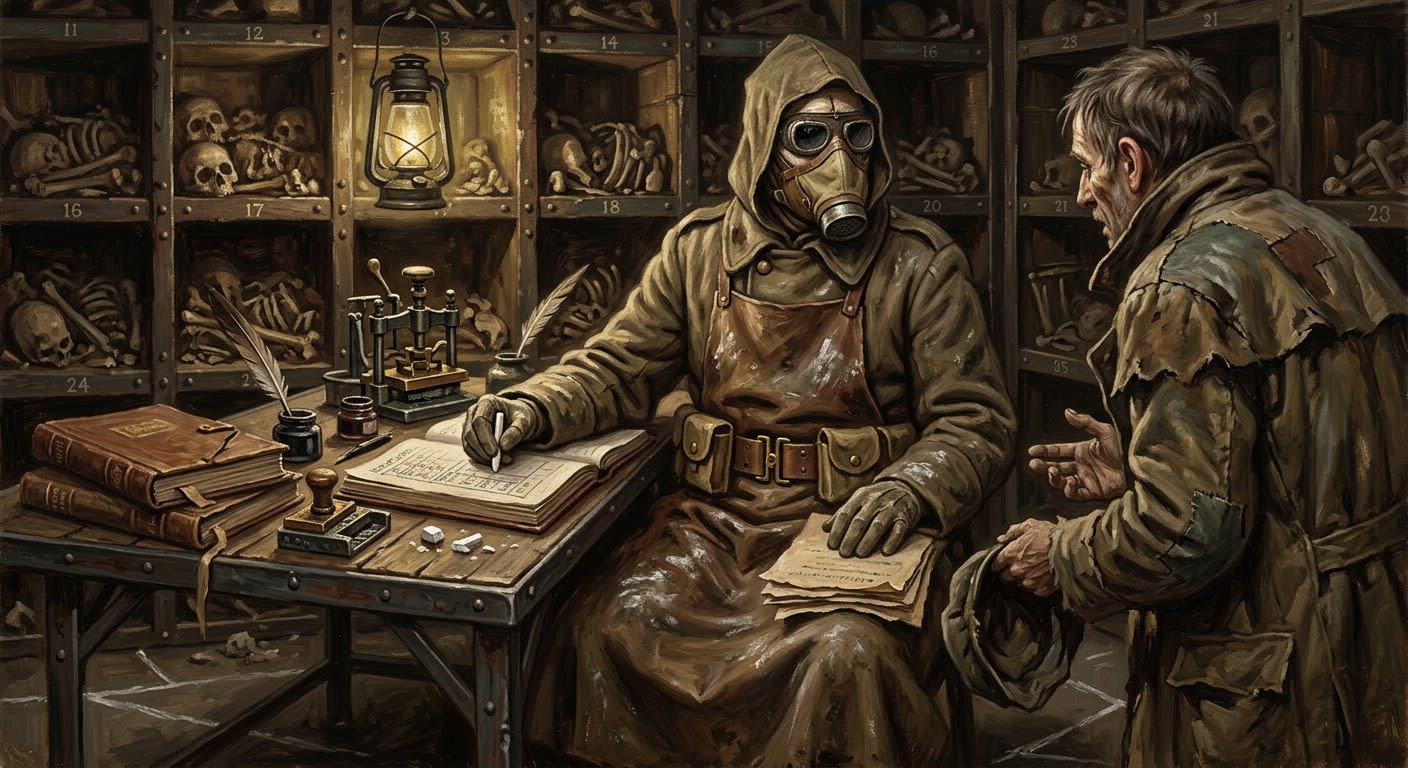
Ossuary Housing Allocator
The wall keeps the dead, and the clerk decides who may cling to it
Ossuary Housing Allocators sell dryness, bell-coverage, and sanctioned sleep beside the dead, converting overflow, grief, and fear into chalk lines and rent.
Codex Ref. VI.4.11-052
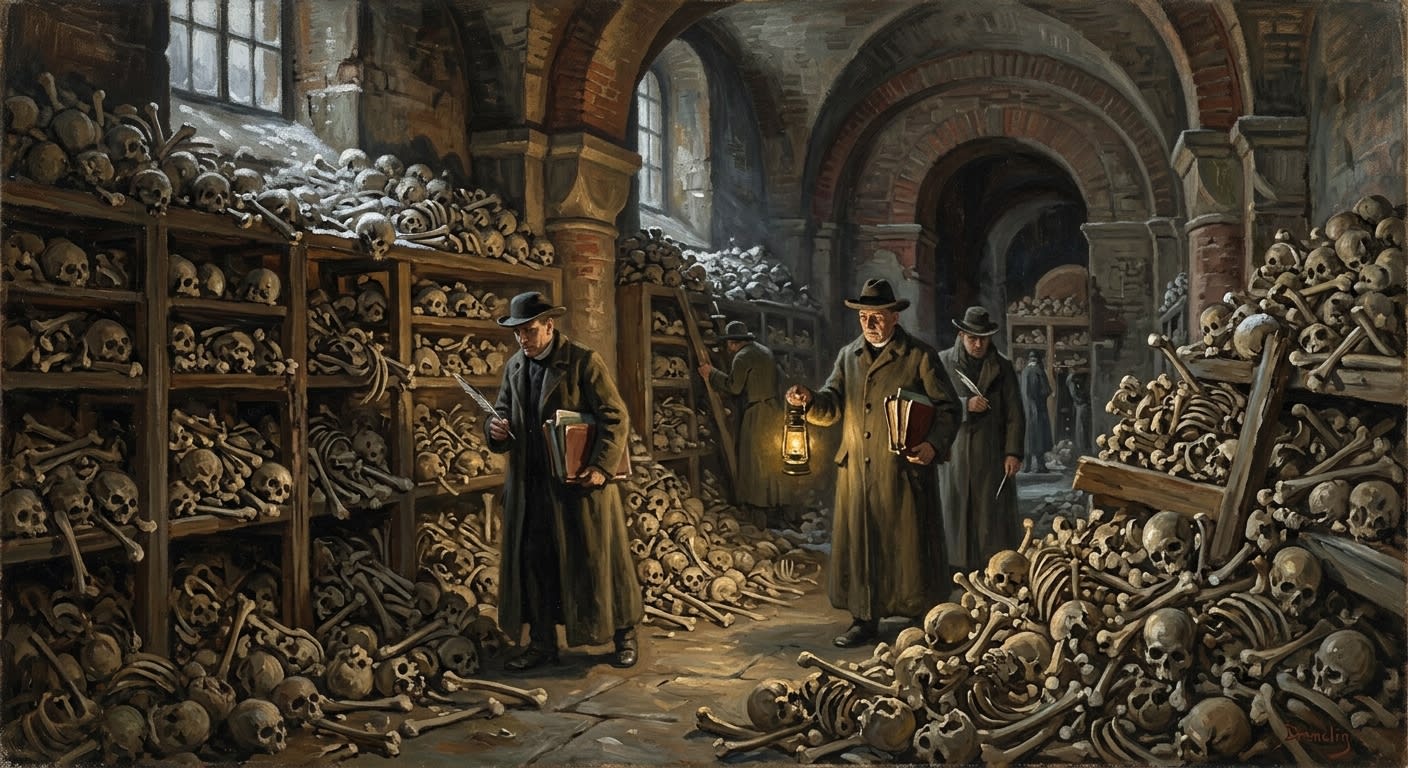
Ossuary Overflow Winters
The season when the dead exceeded the shelves and the wall learned appetite
Three A.S. 73–76 winters of forward ossuary collapse, suppressed ratios, frozen ledgers, and chapel overflow that taught the Synod to prefer sanctified walls to crowded shelves.
Codex Ref. VII.4.25-002
Ossuary Shoals
Every pinch is accounted for; its provenance is another matter.
The white banks upstream of Mournwater supply saint-dust, stamped in triplicate. The trade is documented; what replenishes the banks remains unproven.
Codex Ref. II.2.03-002
Ossuary-Draft Handler
Sanctioned freight-keeping; or, how the condemned earn their redemption by the pound
The Ossuary-Draft Handler converts the condemned into transport capacity. Licensed under joint writ of the Bureau of Rites and Bureau of War, he decides whether a human body is worth forty pounds over twenty miles.
Codex Ref. XII.27.01-001

Paper Keeper Alzen Voss
She did not found the Archive; she taught obedience to survive it
Alzen Voss founded the obedience around the Burnless Archive in A.S. 82: rules for paper that would not burn, clerks who would not hurry, and shelves that may still answer.
Codex Ref. III.2.01-027
Paper Sump
The drainage belongs to Latchford. The losses occur outside it.
Latchford's drainage district receives discarded forms, acidic ink and debt labour. Records excluded it from the settlement boundary in A.S. 194. The water still arrives; the losses fall outside the count.
Codex Ref. II.4.08-003
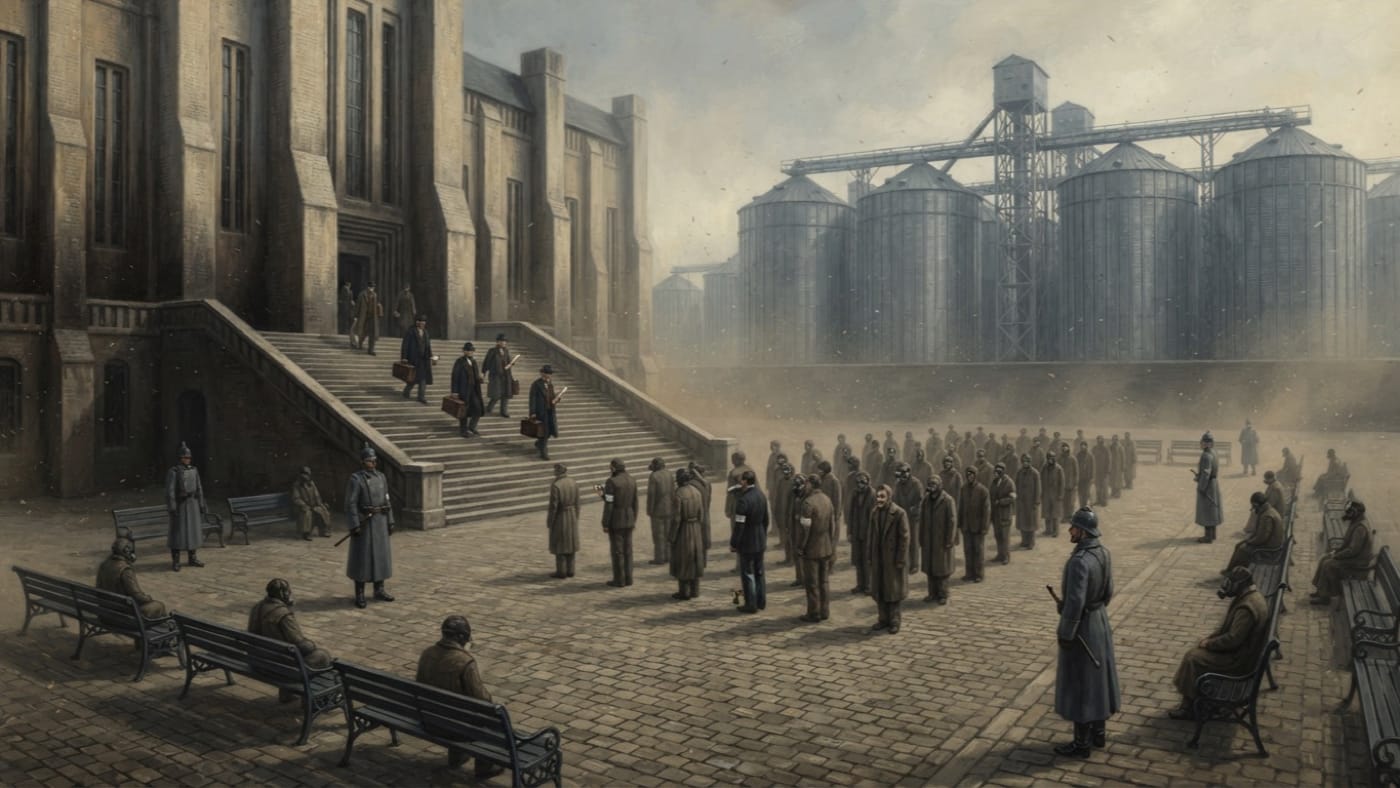
Parliament Square
Where Wexel makes its numbers official and its citizens observable
Wexel's civic square carries quotas, citations and compulsory smiles between the Hall of Measures and its offices. The benches are watched; the wind returns the Parliament's words as questions.
Codex Ref. II.2.04-002
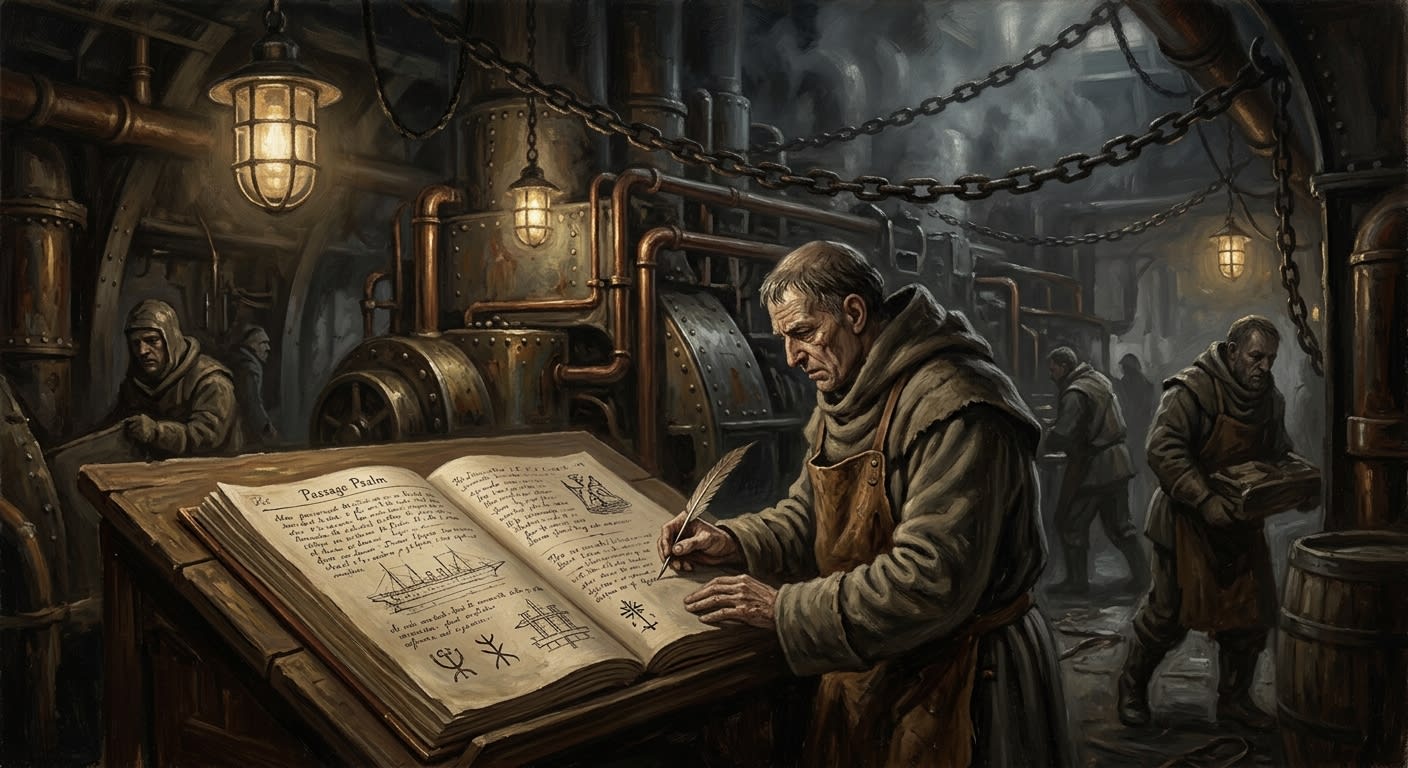
Passage Psalm
The harbour counts only what the throat survives
The Passage Psalm makes a ship countable under Thessaloniki's chains: a throat-ledger against the Drowned Choir, the sea, and every name below.
Codex Ref. XIII.1.96-145
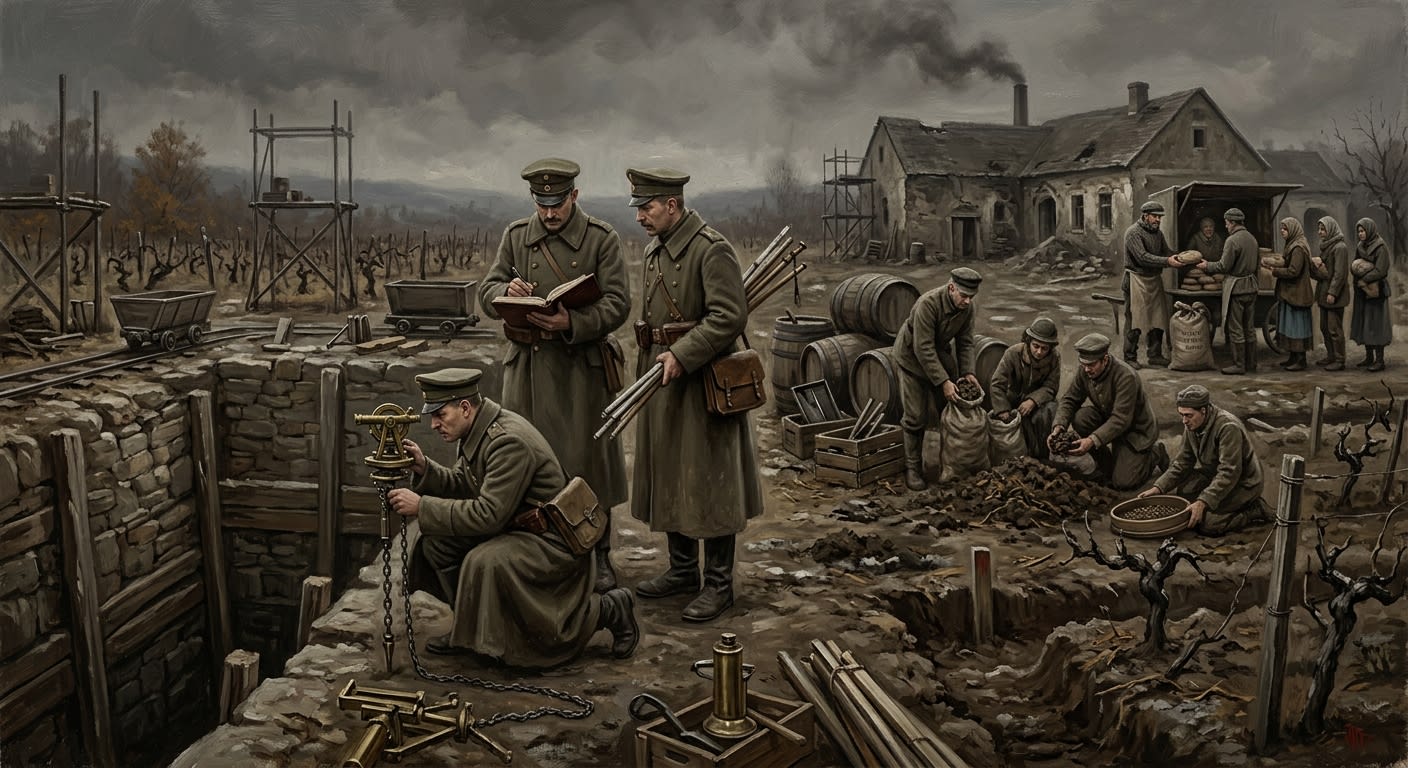
Pécs
The town where bread became evidence
Pécs is the vineyard ruin where Famine Pit measurement, Abundance Field proof, and Kargath's useful bread made hunger legible to the Ledger.
Codex Ref. II.4.09-147
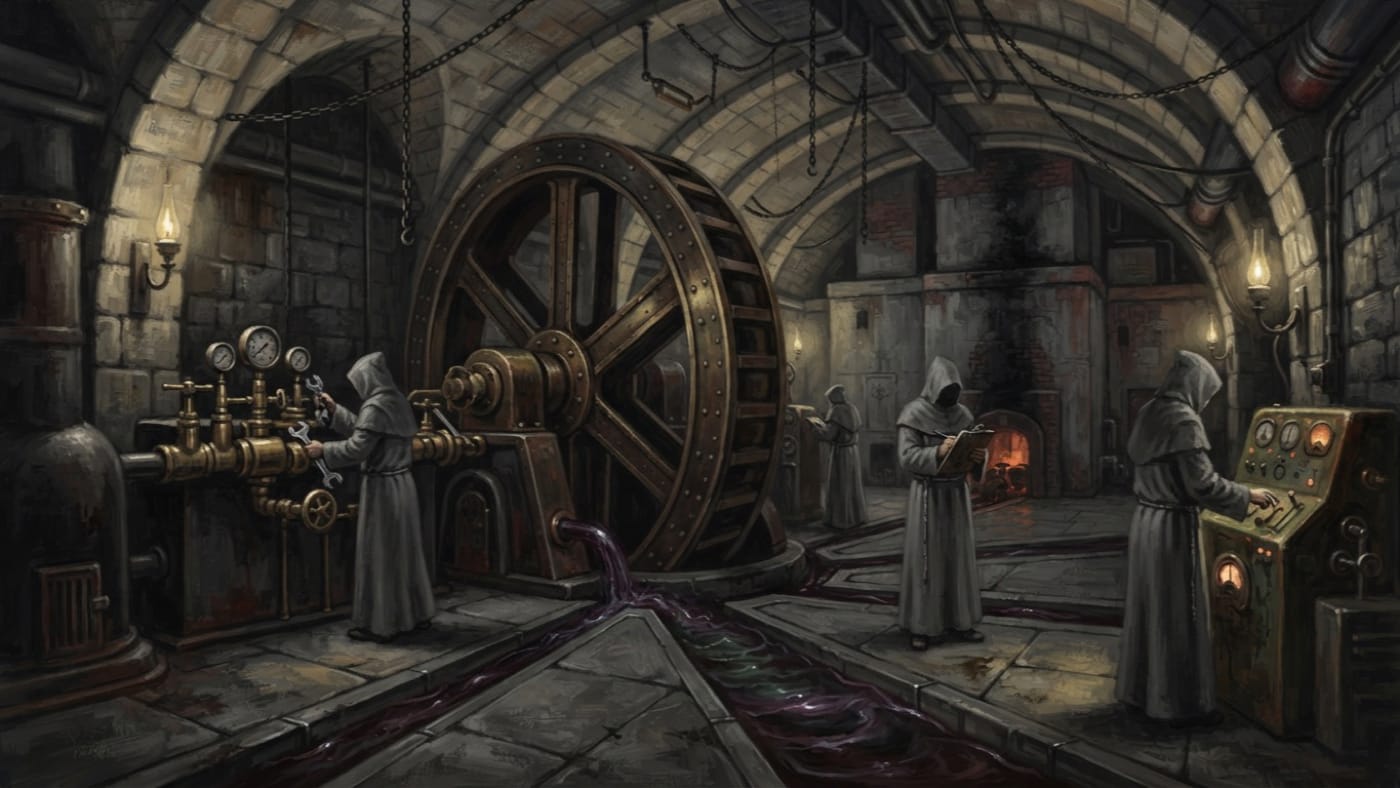
Phase Nine
A numbered phase without a schedule
Phase Nine is the designation in Report Three, A.S. 199, under which the Unnamed Bureau recommends continued non-disclosure. Its scope remains unconfirmed and completion unrecorded. The paper says pending. So do I.
Codex Ref. XIII.1.09-199
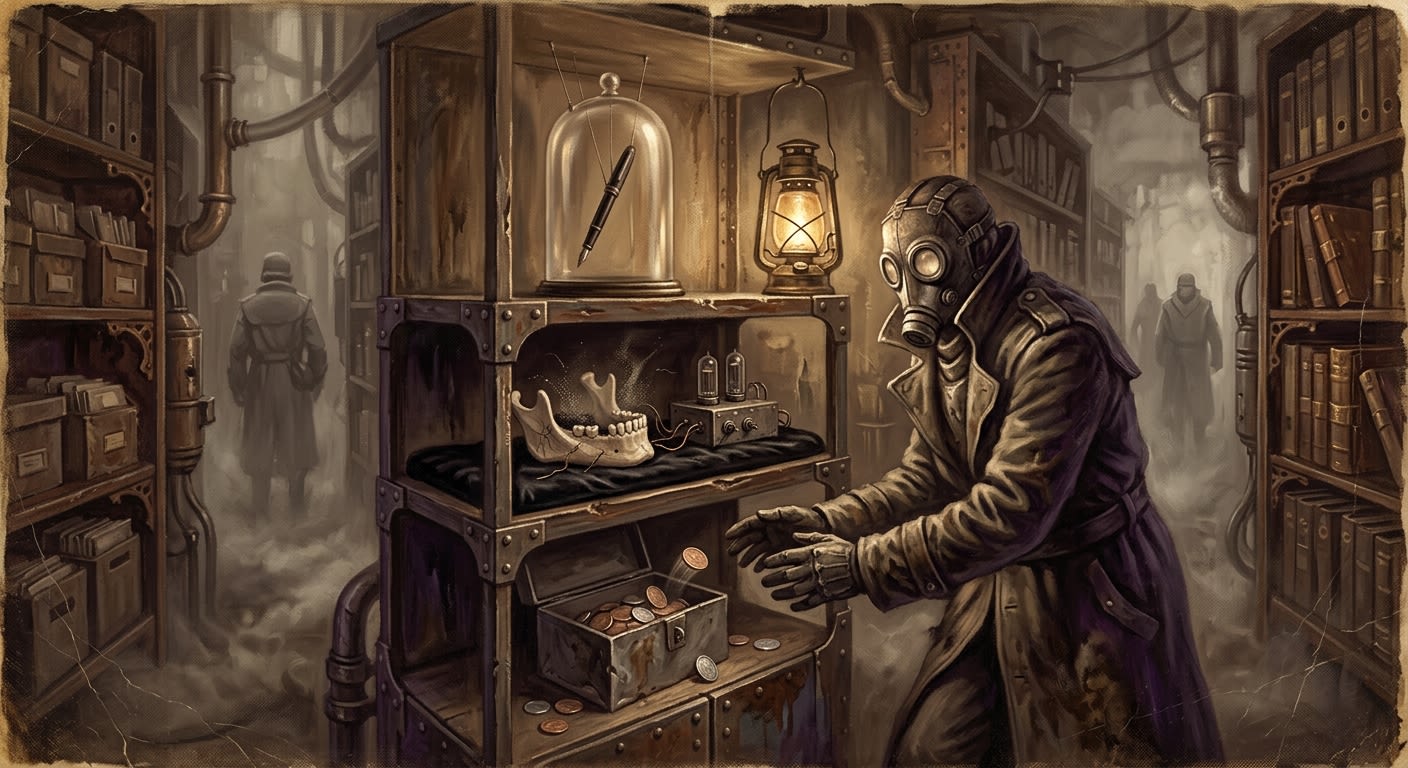
Physical Anomalies Collection
Matter misbehaved, was measured, and had the insolence to remain matter
Second silence of the Vault of Silences, preserving the Vienna pen, 217-hertz jawbone records, and returning coins that keep embarrassing their custodians.
Codex Ref. XIII.1.49-001
Pier Six
No service scheduled, no patrol lingers
A numbered pier in Saffron Bastion, where two missing Brine Choir singers are reportedly heard beneath the boards. No service is scheduled; no patrol lingers.
Codex Ref. II.4.09-006
Pilgrim Roads
Sanctity is motion under witness, and witness under invoice
The Pilgrim Roads made walking obedient: licensed motion, tolls, tokens, chains, grief, delay, and low earth holiness under seal.
Codex Ref. XIII.1.86-094
Pilgrim-Chain
The cuff is accounted for
The Jubilee's iron instrument of compulsory pilgrimage, introduced in A.S. 109. Cuffs identify the penitent; keys govern movement; the ledger can account for every wrist without delivering every person.
Codex Ref. IX.3.13-109
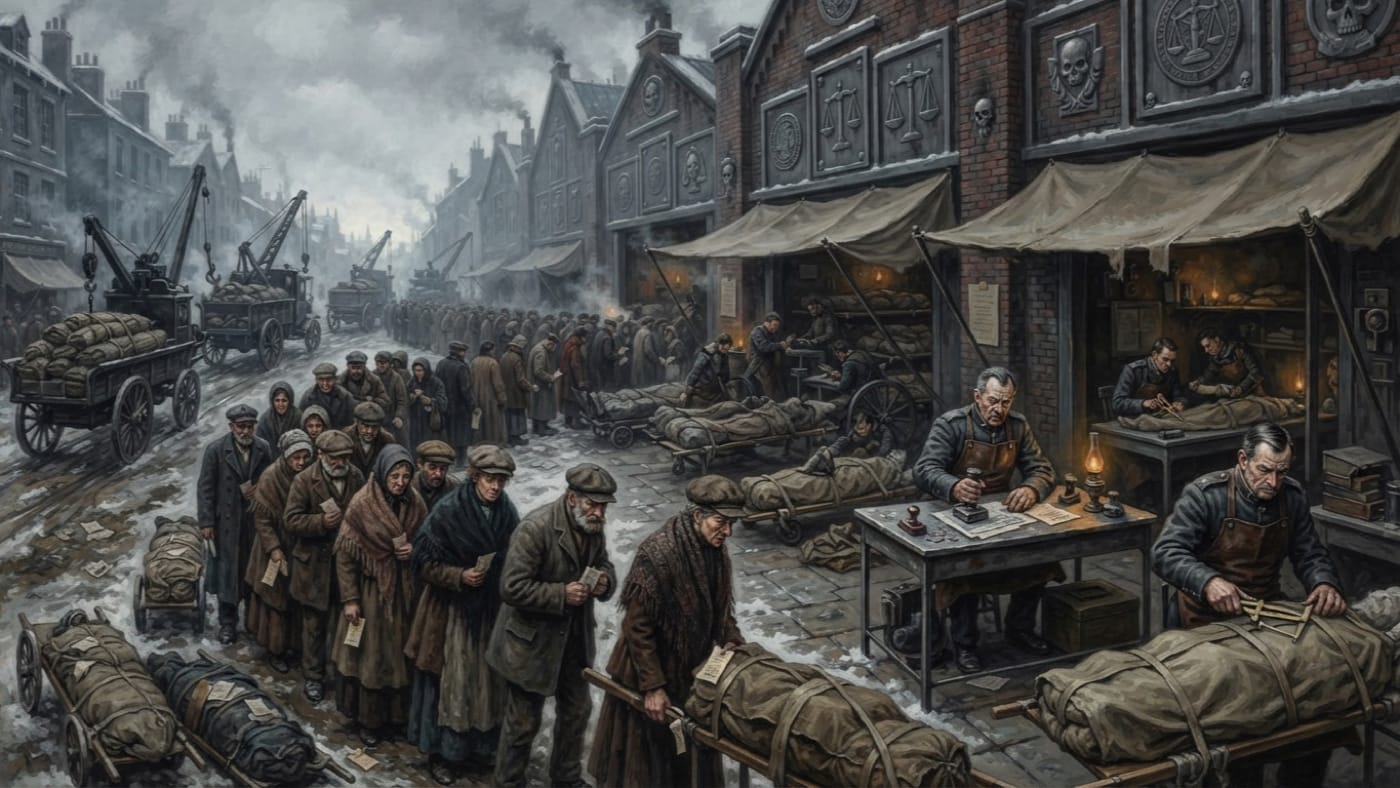
Plague Winter
The dead outnumbered the clerks; the living paid for haste
The A.S. 157 famine and epidemic overwhelmed the mortuary queues of Marrowgate, Strasbourg and the Rhine corridor. Gray Clearance moved the dead; the mercy stamp made speed a commodity.
Codex Ref. VII.8.10-157
Pontifex Submersis
The name is gone; the chains still hum; the Bureau has no comment
The man the Bureau erased so thoroughly it must write eleven pages explaining what he was not: the Drowned Pontiff of Avignon, non-person, non-event, non-theology. His name is gone. The chains hum in B-flat.
Codex Ref. III.2.02-001
Prayer of Unseeing
The eye is ordered to forget what the hand has already touched
Bureau-ratified handling formula for Index page-turns and sealed matter, asking sight to record without appetite and memory to keep its filthy hands closed.
Codex Ref. XIII.1.51-001
Psalm of Satiation
Enough to obey, enough to look away, enough not to begin
The Bureau of Rites' seven-verse field hymn delays Kargath's hunger long enough for obedience to keep its chair.
Codex Ref. XIII.1.96-194
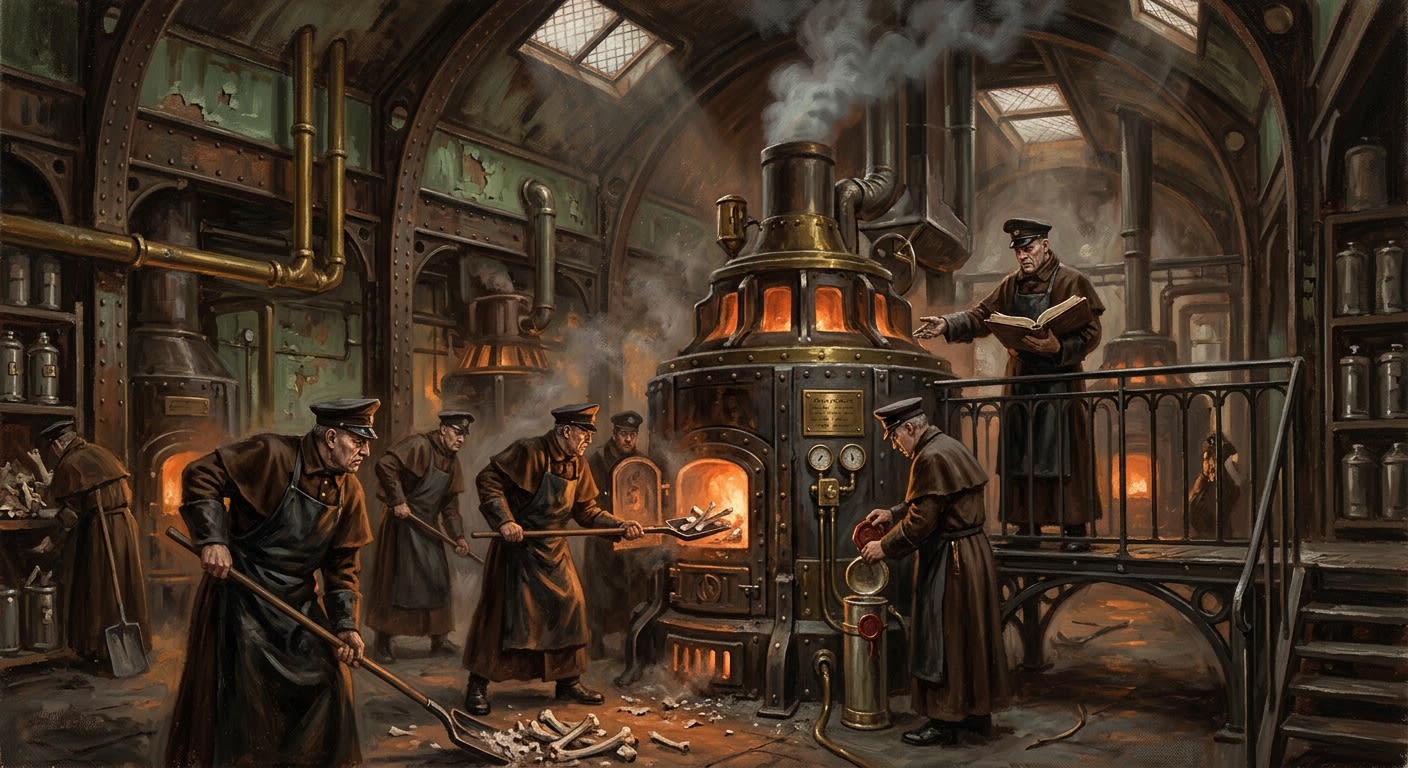
Purity Kiln Decree
Holiness must bear weight, and so must the men who burn it
The A.S. 142 decree made saint-bone burning legible: hymn, heat, quiet, seal, witness, blame, and the pious sentence that holiness must bear weight.
Codex Ref. XIII.1.91-142
Purity Melters
The white-handed faction that delays the barrel until the saint consents on paper
Severe faction of Saint-Bone Melters who make provenance, hymn cadence, quiet hour, and batch correctness into the thin white line between sanctified wall and insulted saint.
Codex Ref. XII.20.07-001
Quarantine Prefecture
Quarantine is mercy, once mercy has learned to count labour
Saffron Bastion's Quarantine Prefecture made fever a jurisdiction: dry-pass, holding yard, burn crew, suspended identity, and mercy with a labour quota.
Codex Ref. VIII.2.11-112

Rail-Confessor Corps
Absolution cut to fit the departure bell
The Rail-Confessor Corps gives Warsaw's rail crews eleven seconds of blessing, ninety seconds of confession, and just enough mercy to depart before the wheels become sovereign.
Codex Ref. VIII.1.05-001
Ravelin of Vigilance
The eye that learned to blink by rotation
The First Ravelin of Bastion-Constantinople watches the Knife Mile, drills low guns, carries Saint Iselda's Bone Walk, and teaches sentries the cost of seeing first.
Codex Ref. II.4.10-137
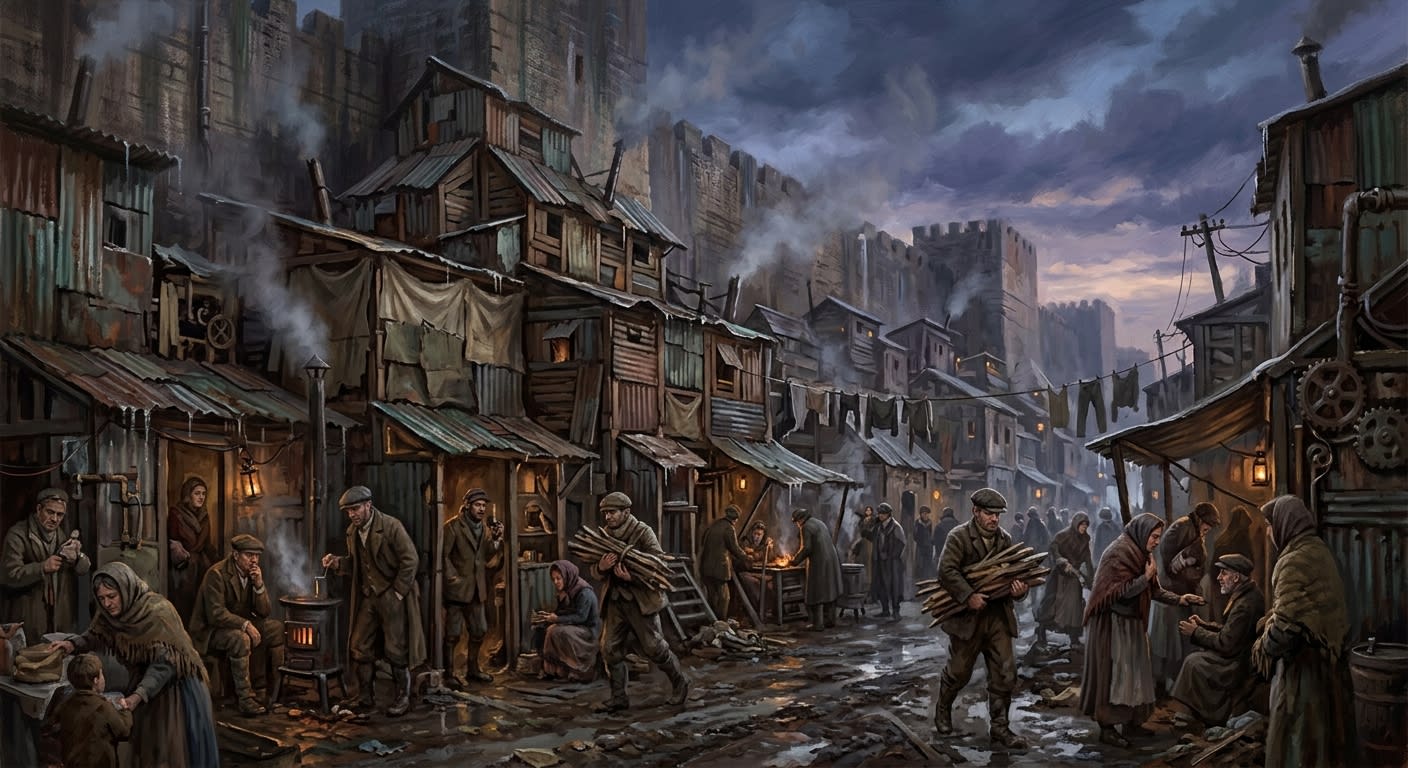
Refugee Sheds
Temporary mercy, permanently damp
Thessaloniki's Refugee Sheds are temporary shelter turned permanent wall-side settlement: damp, crowded, humming, and governed after dusk by Aunt Velka's unlicensed mercy.
Codex Ref. II.7.04-198
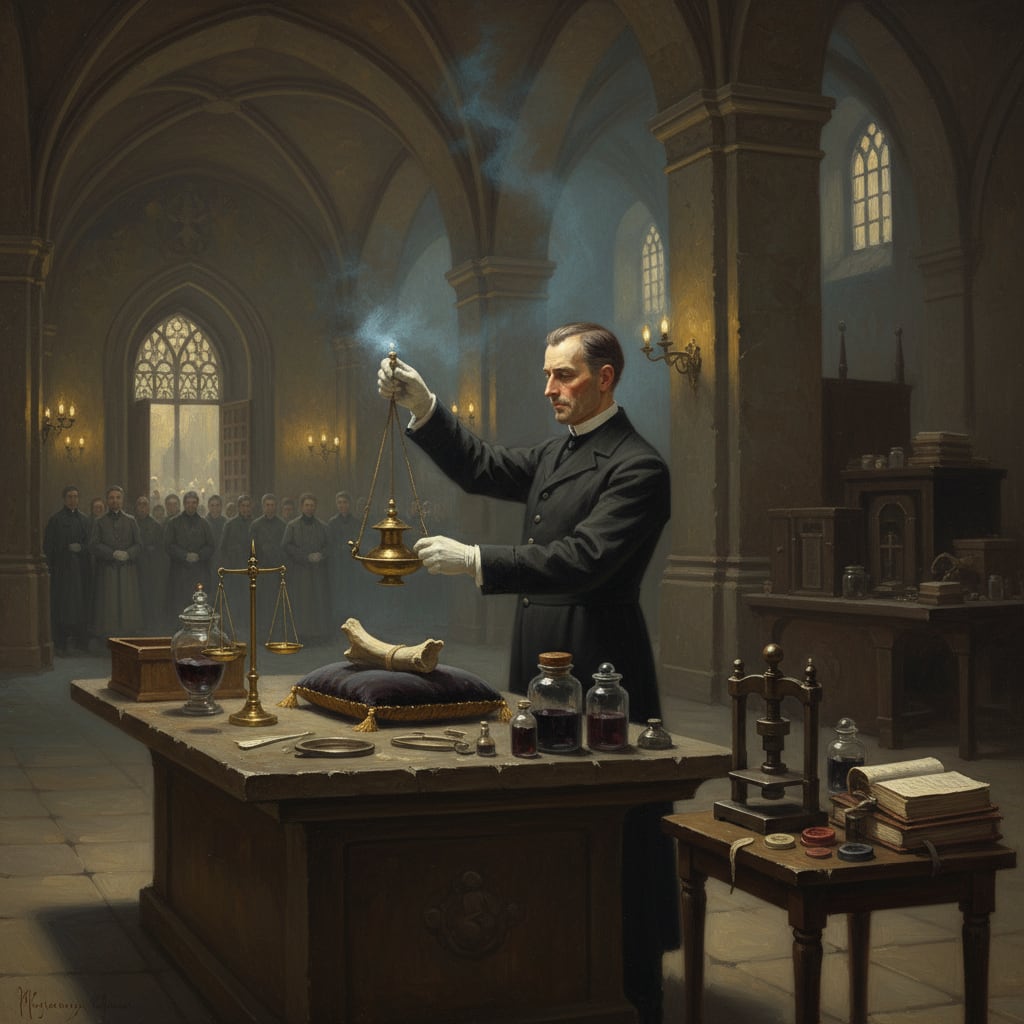
Relic Authenticator
The stamp makes the filing complete; the bone remains what it was
The Synod's miracle-bureaucrats — clerks with gloves, lamps, and seal-presses who decide whether a fragment of bone is holy or merely expensive.
Codex Ref. XII.35.01-001
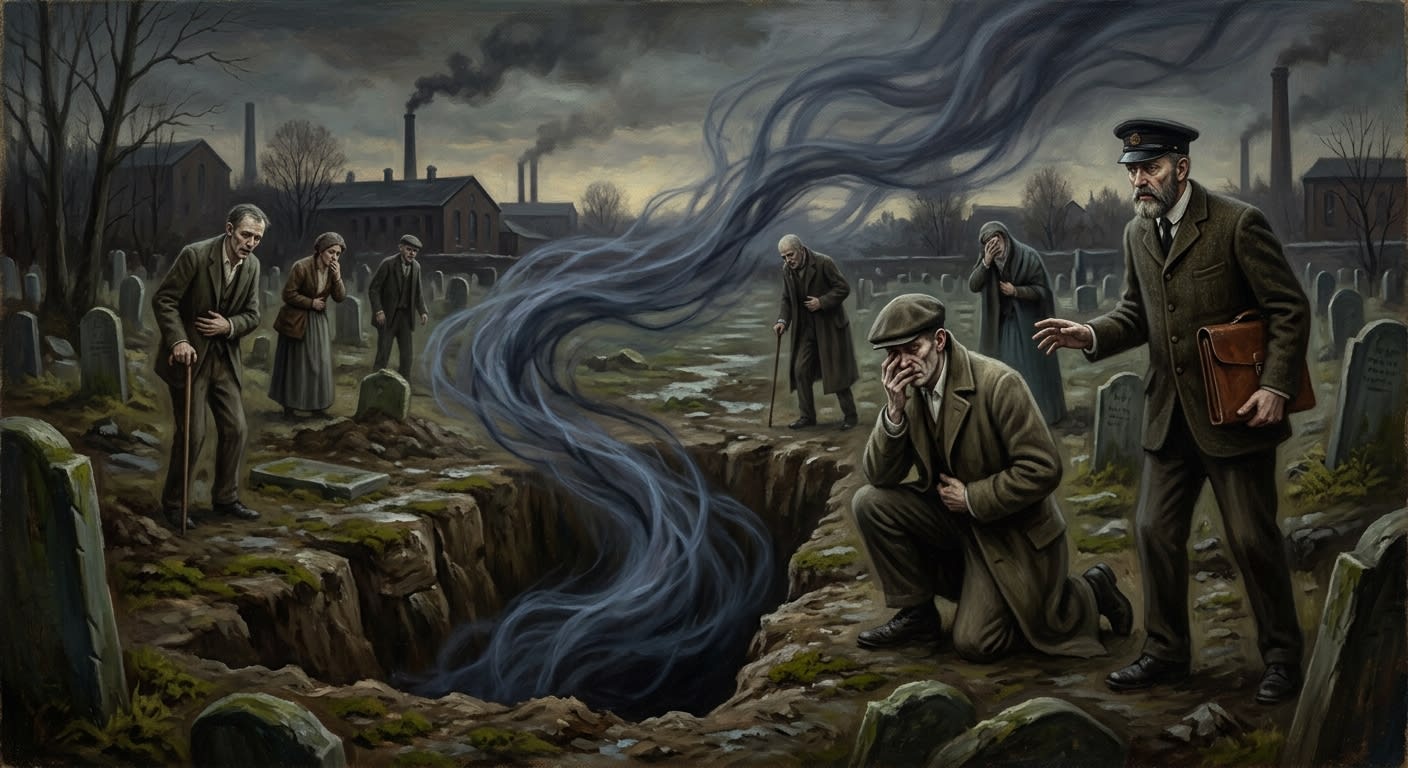
Residual Consumptive Emanation
The grave is still hungry; the phrase merely wears gloves
The Bureau's name for the hunger radiating from the Famine Pits: a cold, human-adjacent starvation that eats the living through old graves.
Codex Ref. XIII.1.25-134
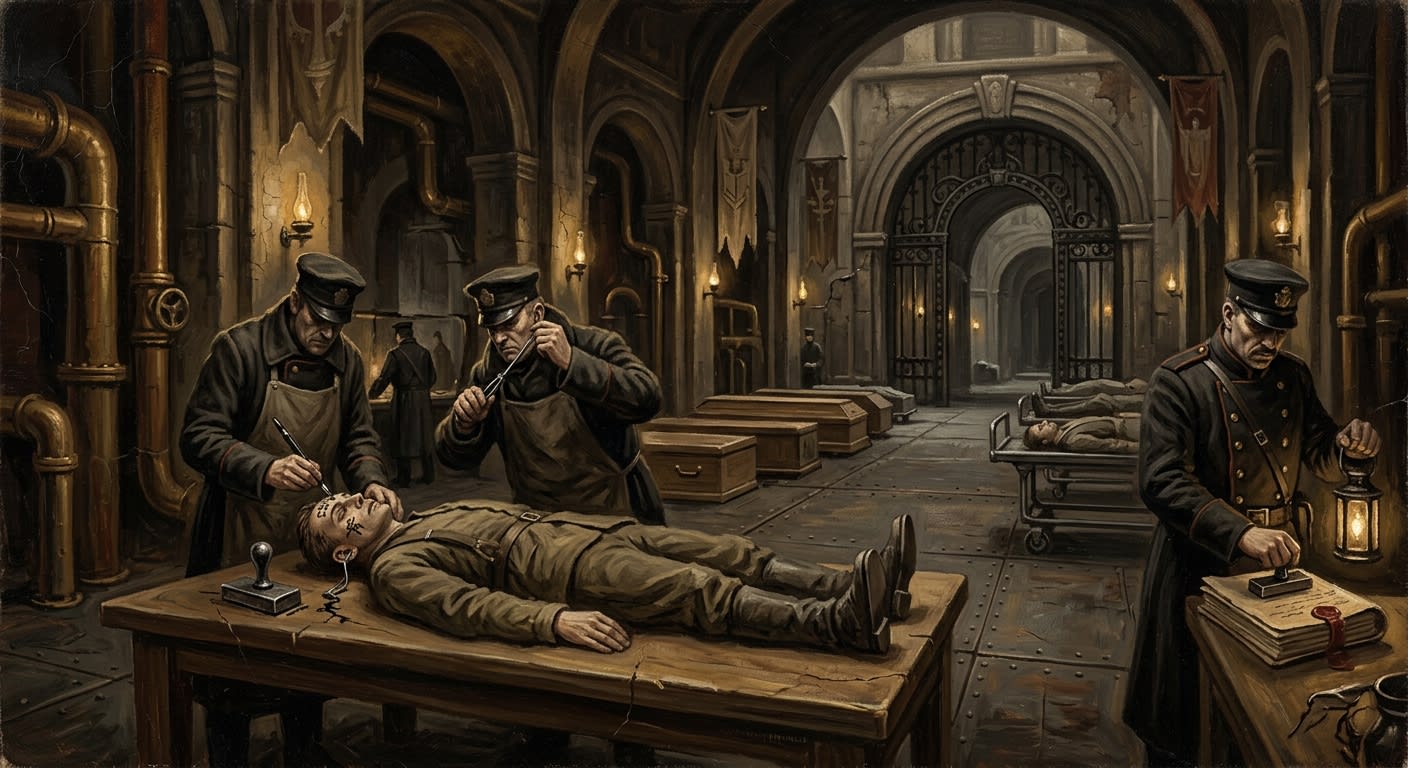
Rite of Passing
No soul departs until the Ledger has improved the death
The Rite of Passing turns death into lawful custody: right ear, last words, body display, black ink, routed remains, and no soul left vulgarly private.
Codex Ref. XIII.1.85-080
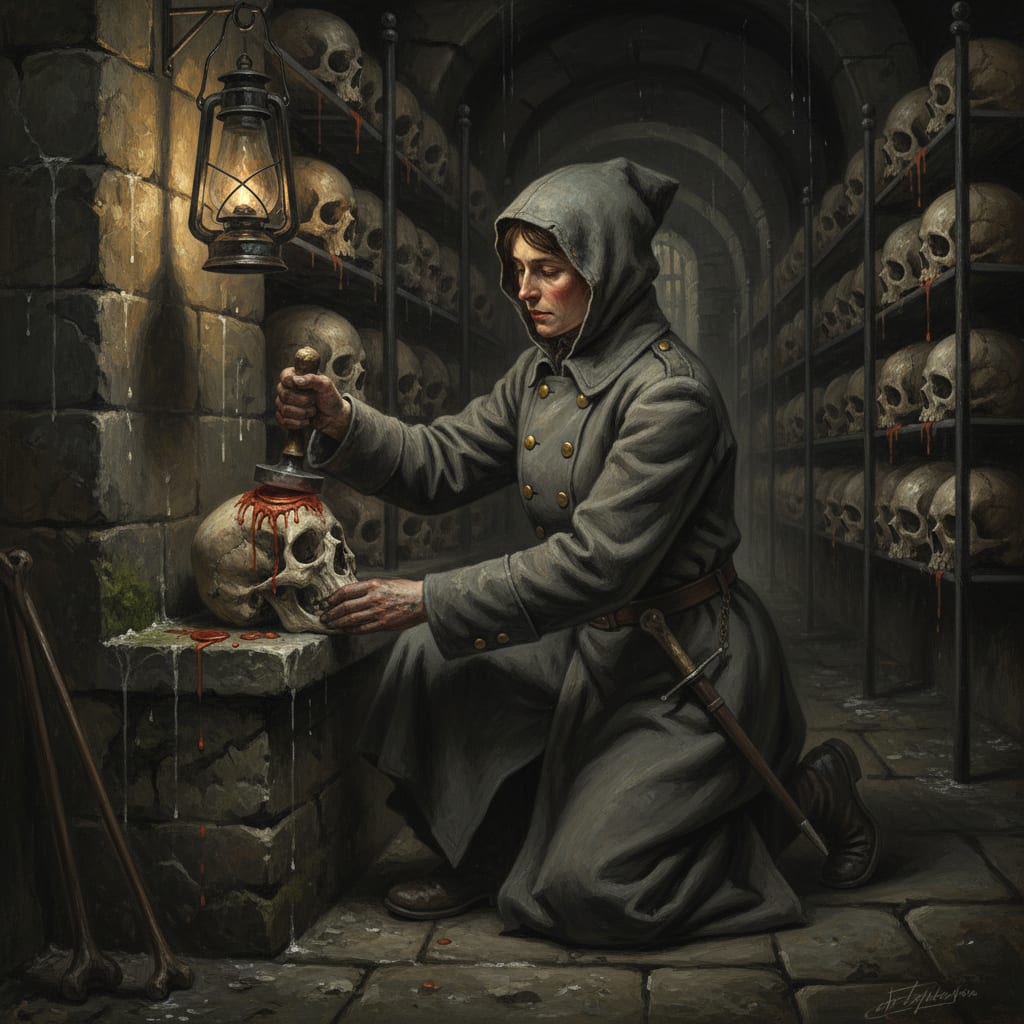
Ritual Bone-Stamper
Unsealed is unbound; the stamp is mercy; the stamper is what mercy costs
The Bureau of Records calls them Ossuary Authentication Wardens. The stampers call themselves tired. They have sealed the night-shift dead since A.S.
Codex Ref. XII.37.01-001
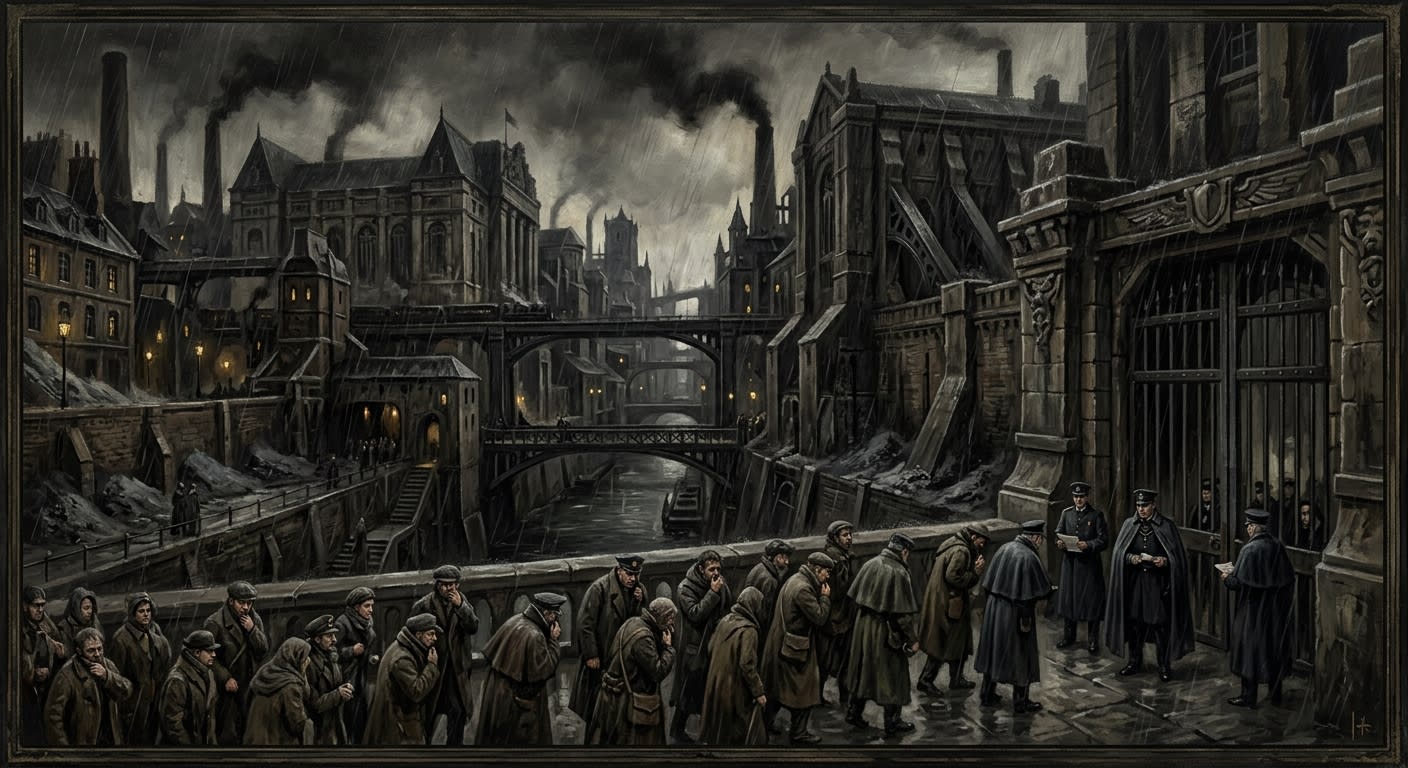
Rouen
The city that weighs ash, sells light, and listens badly at dawn
Rouen is the western heartland city of soot, ash-banks, candle fraud, bridge toll guilt, Pale Chanter anxiety, and black rain from the A.S. 24 Cauterization.
Codex Ref. II.1.10-201

Route-Timing Concordat
Split the sound, split the crowd, own the dead
A.S. 129 Strasbourg route law born from the Night of Two Bells, imposing two-bell clearance and integrated bellway tables on every serious procession.
Codex Ref. VII.2.10-060
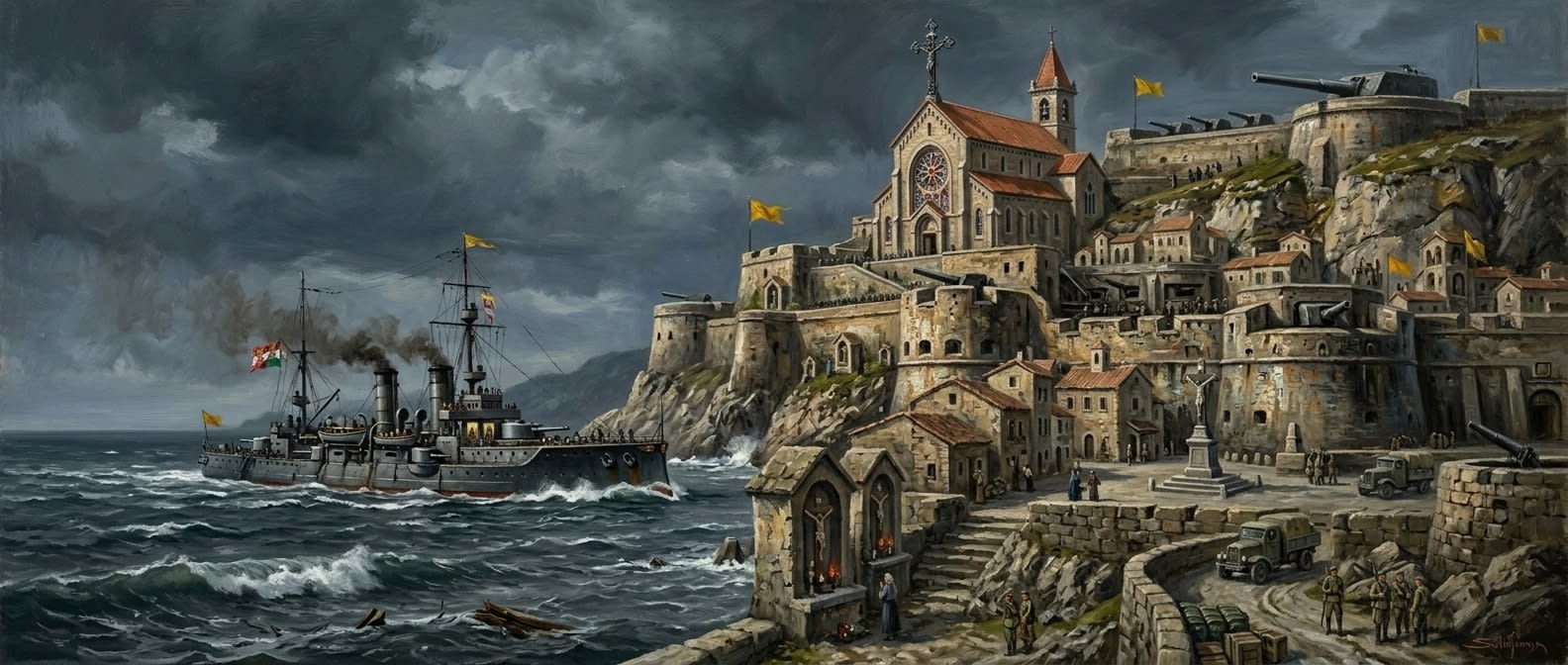
Saffron Bastion
Where quarantine is mercy, mercy is leverage, and the sea pays what it owes
The Synod's coastal chokepoint on the Adriatic — quarantine piers, cliff batteries, saffron flags, and one hundred and twenty thousand souls balanced on the edge of an audit. The sea pays what it owes.
Codex Ref. II.4.09-001
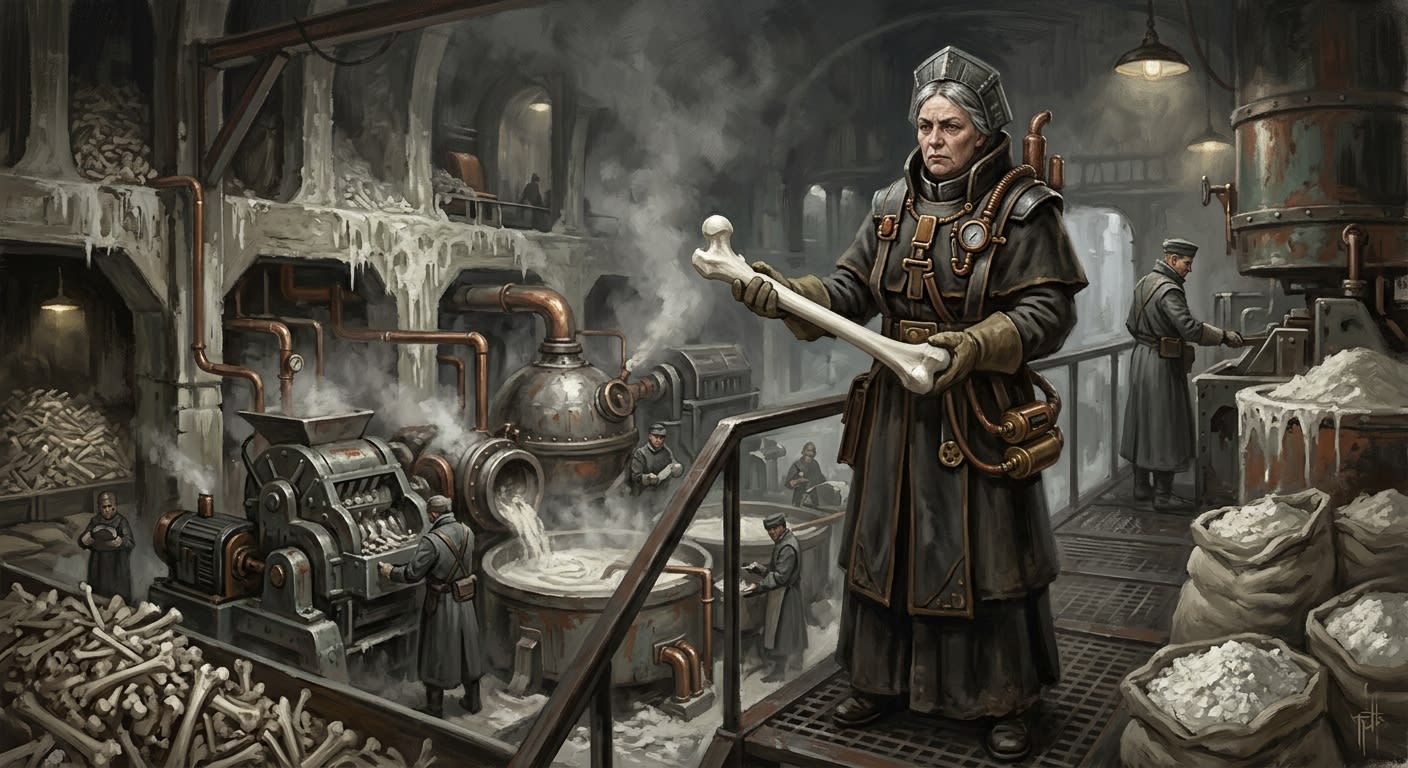
Saint Aurel of the White Wall
The saint who may have arrived after the invoice, yet holds the wall all the same
Disputed patron of Saint-Bone Melters, Saint Aurel offers the convenient femur by which relic fragments become bone-lime, mortar, wall, and doctrine with a clean conscience.
Codex Ref. III.2.01-142
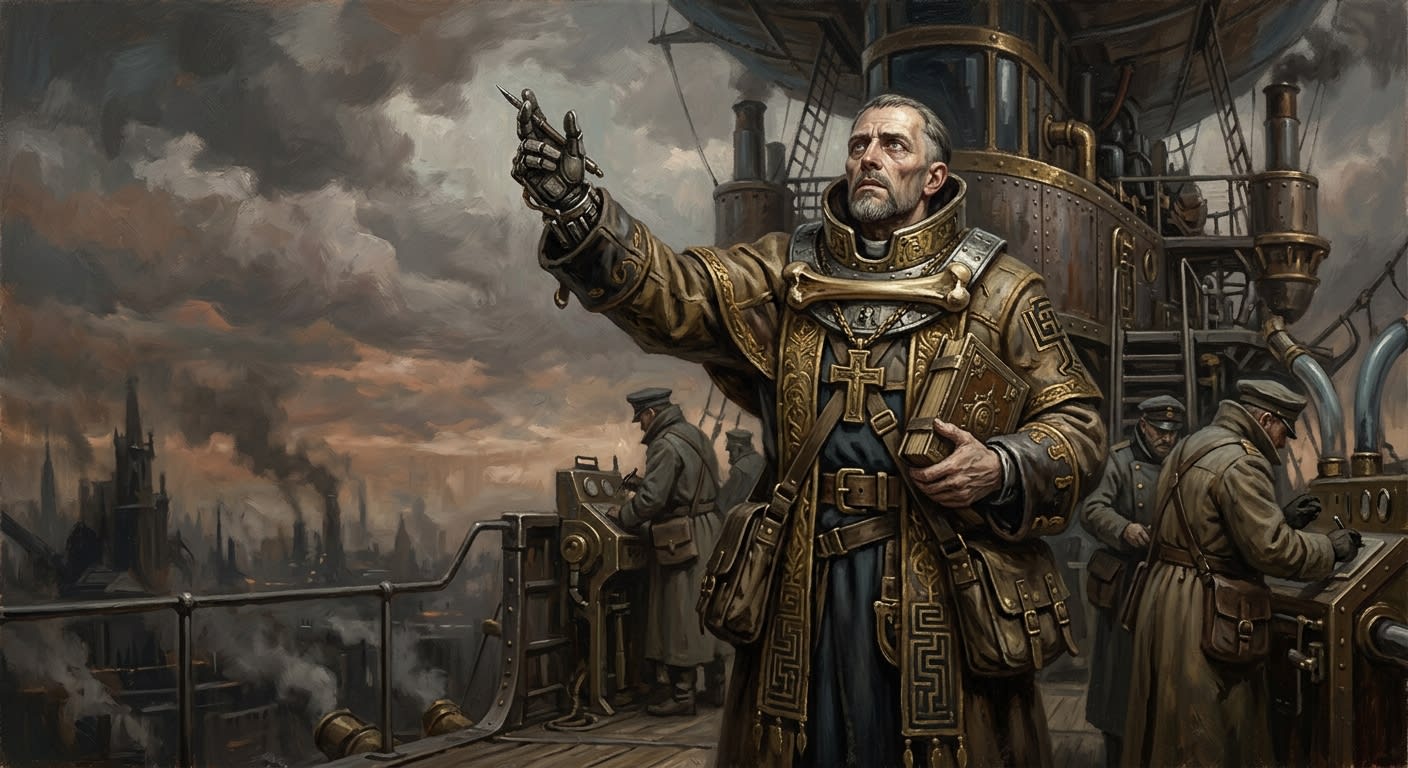
Saint Barachiel
He looked down, and what he saw was true
Saint Barachiel is the Synod's patron of aerial witness: a late-ratified saint, an oversized bone, and the holy permission by which the sky submits.
Codex Ref. III.2.01-167
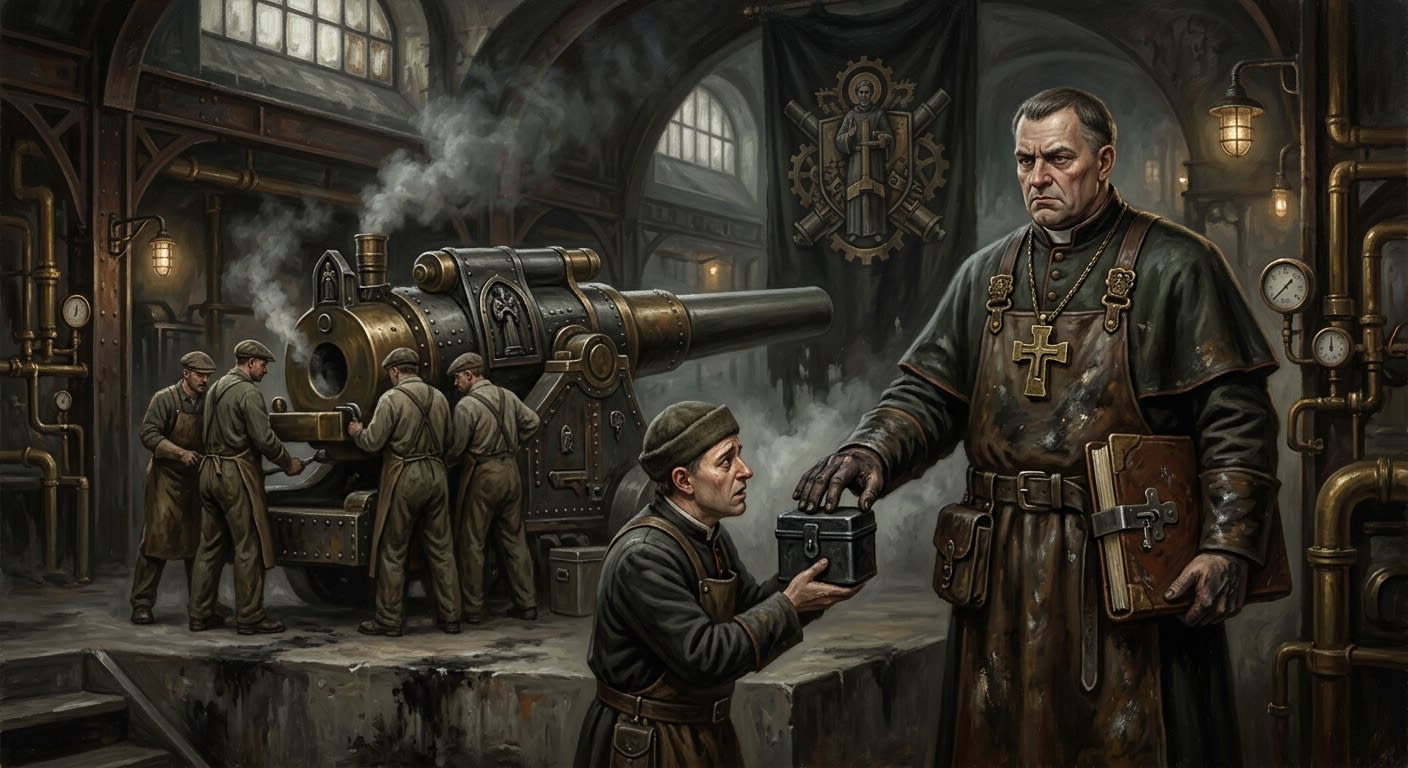
Saint Bartholomew of the Breech
Keep the hinge honest before prayer becomes shrapnel
Saint Bartholomew of the Breech guards shrine-artillery crews, not with comfort, but with latch, ledger, black palm, and the holy refusal of hidden powder.
Codex Ref. III.2.01-070
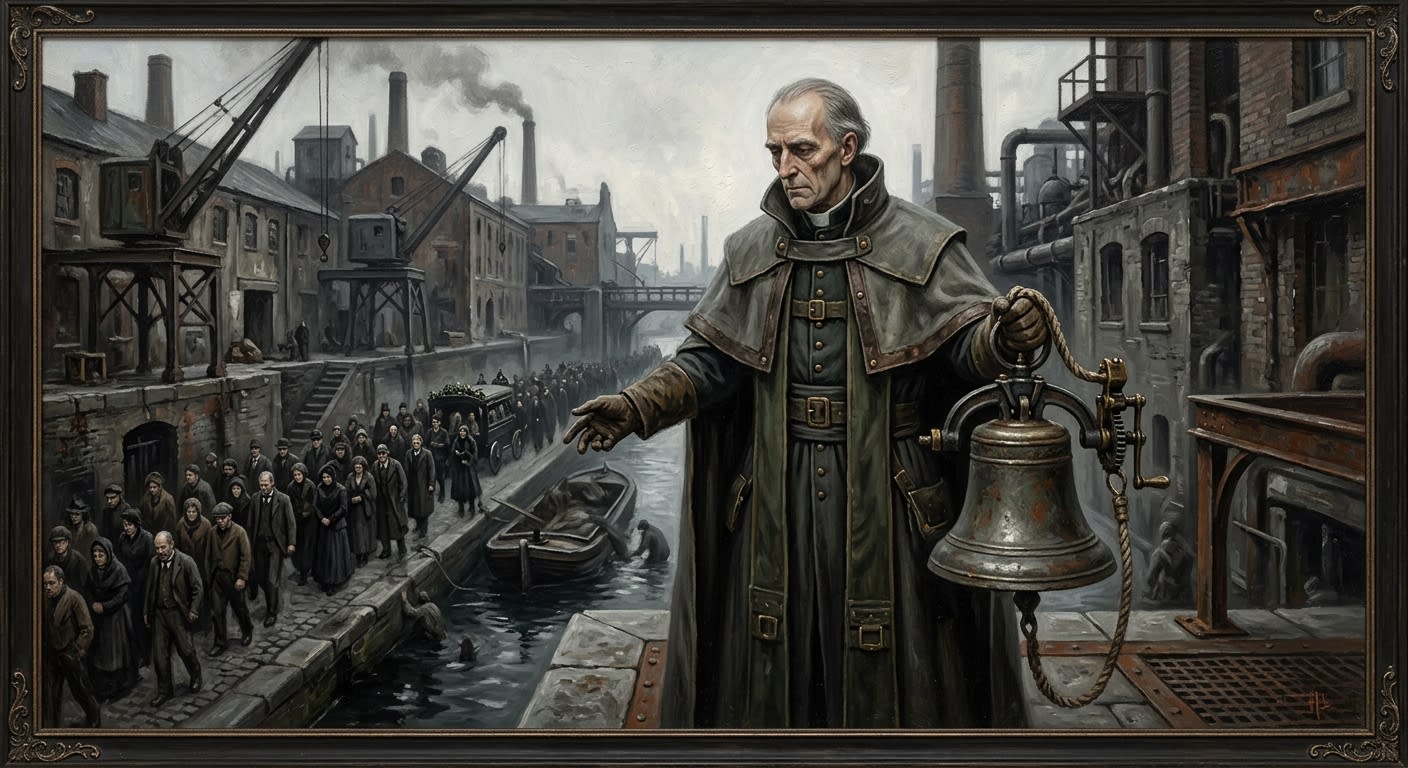
Saint Erasmus
The funeral throat whose obedience drowned nineteen citizens and educated a city
Patron of appointed mourning and funeral cadence, Saint Erasmus became useful after his lawful bell helped split a Strasbourg funeral into nineteen canal deaths.
Codex Ref. III.2.01-129
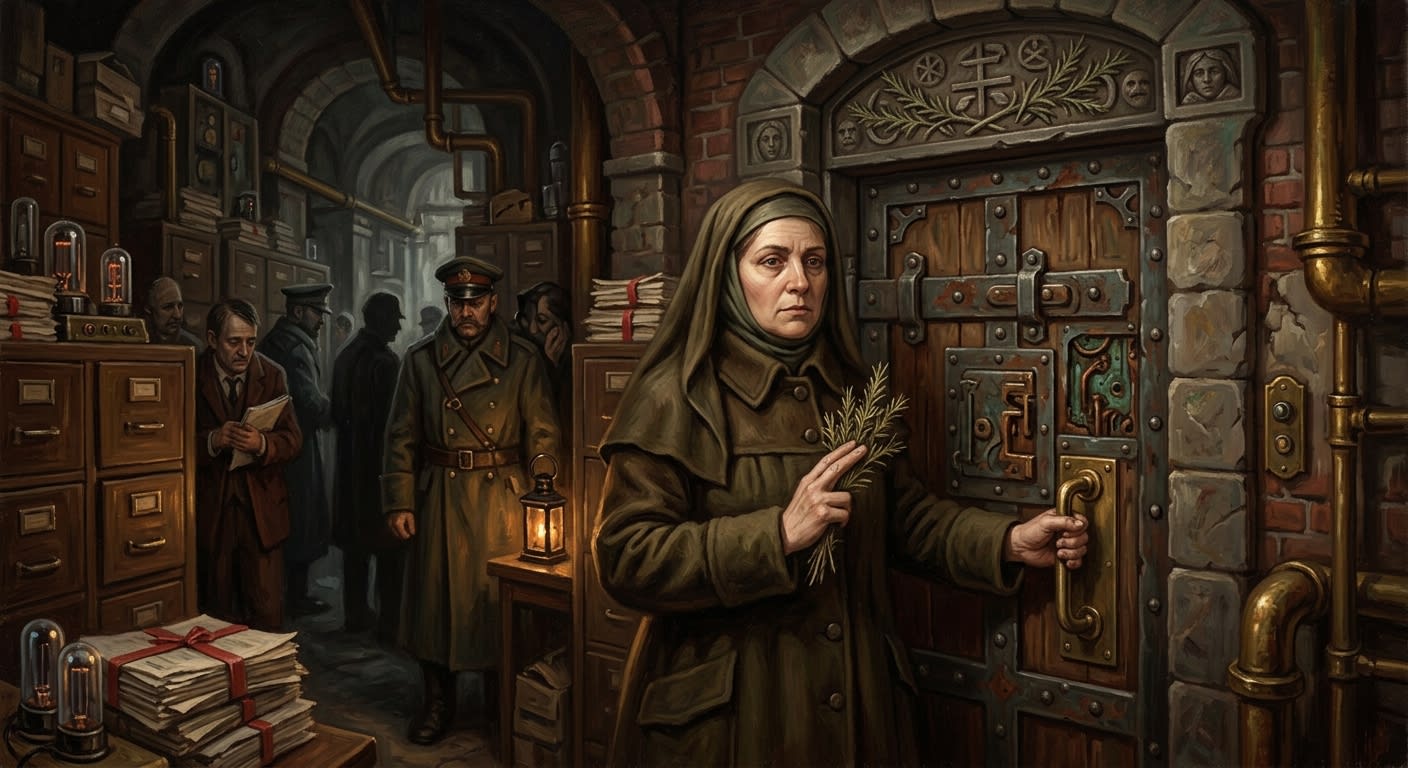
Saint Marea of the Closed Door
The unofficial saint of rosemary, shut doors, and useful silence
Saint Marea of the Closed Door is the unofficial tavern saint of rosemary lintels, hidden deserters, quiet hospitality, and the Bureau's most profitable refusal to decide.
Codex Ref. III.2.01-104

Saint Margaux of the First Blood
Distinguishing features: none — which was precisely why she worked
She was old and small and grey and holding a book, and she died on her knees, and the Bureau wrote upon her blank page the most useful saint in the Theocracy's arsenal.
Codex Ref. III.2.01-002
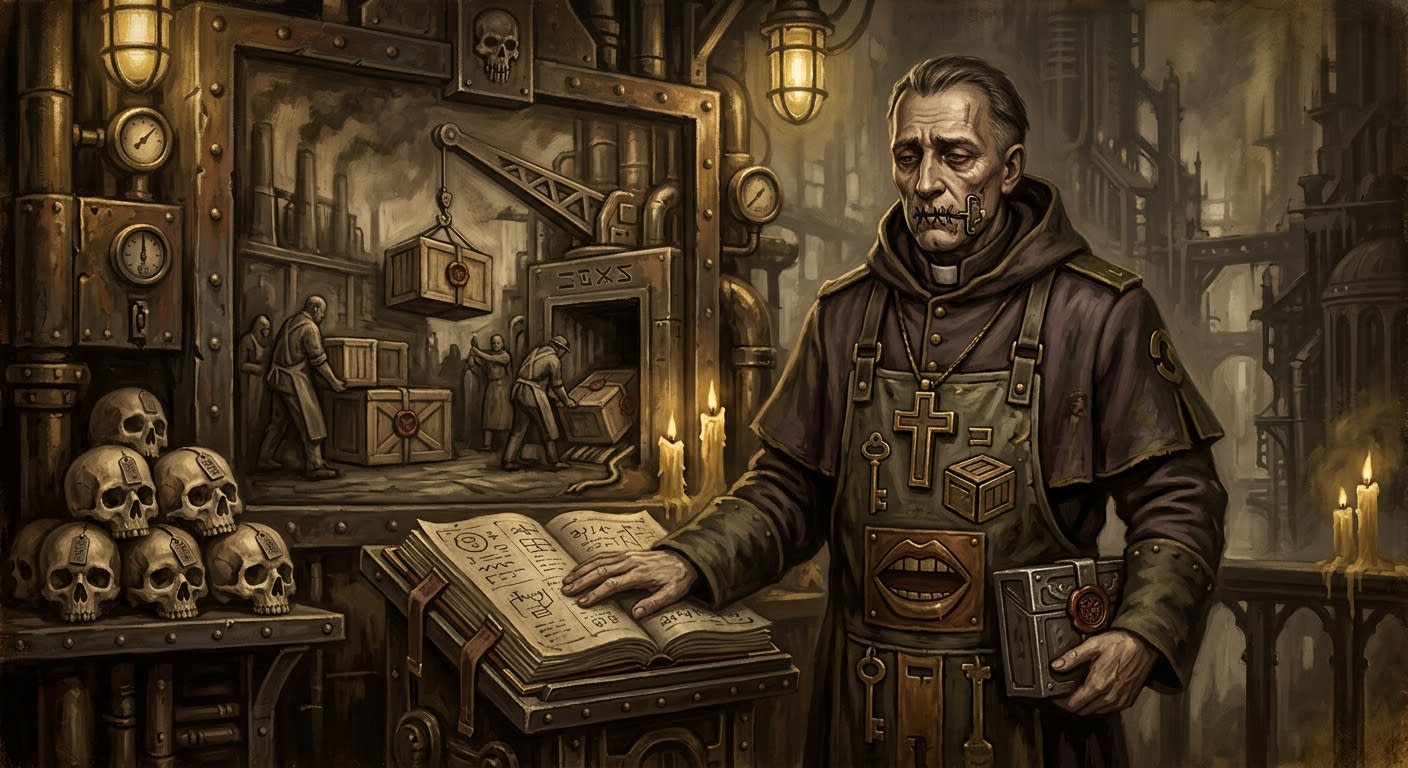
Saint Morin of the Sealed Mouth
Patron of waxed teeth, taxable grief, and the silence that keeps the queue moving
Saint Morin of the Sealed Mouth is the disputed occupational patron of Dead-Goods Tariffers, waxed skulls, intake bays, and the mortuary discipline of making the dead remain quiet.
Codex Ref. III.2.01-105
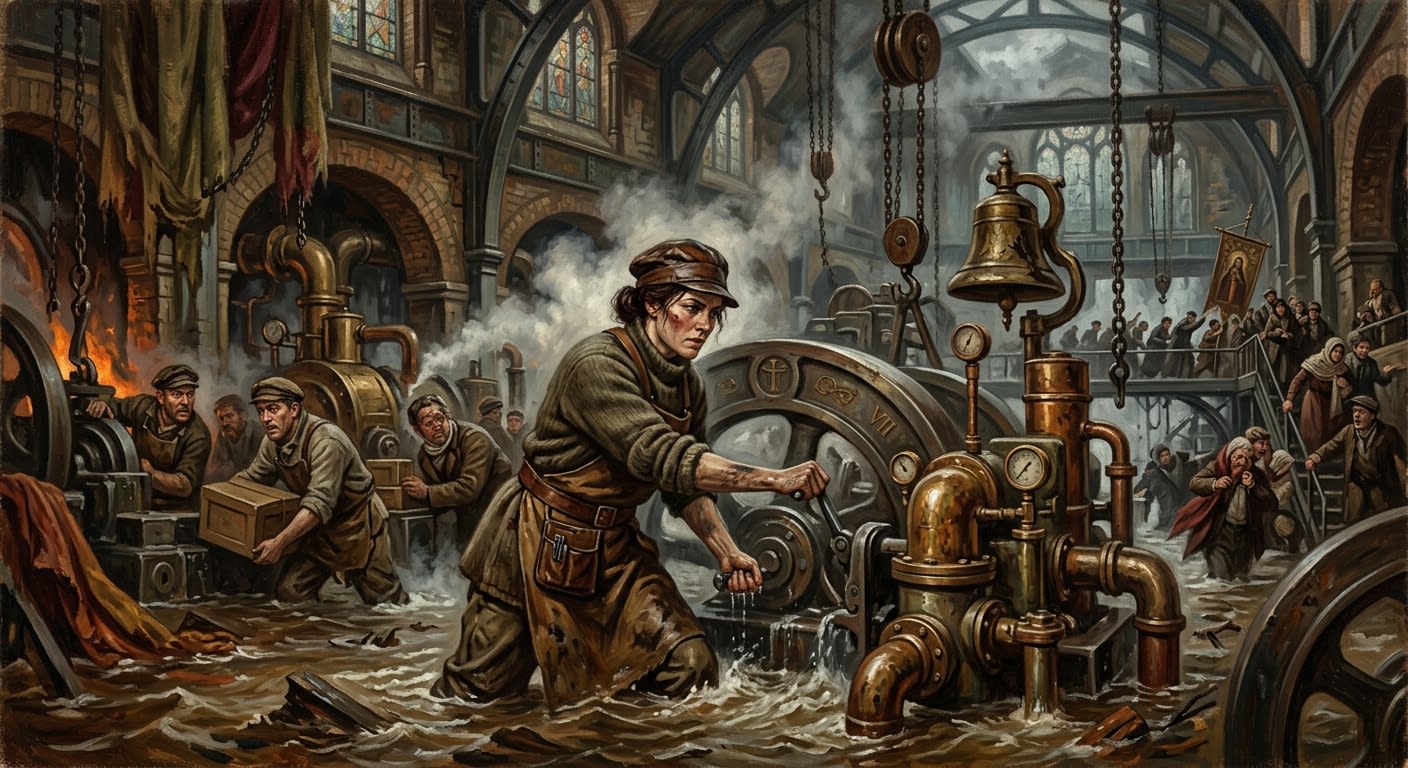
Saint Orla of the Seventh Line
She finished the sequence; the seal held; the Bureau arrived thirty years late with incense
Saint Orla of the Seventh Line, patron of Gasket-Hymn Mechanics, died completing Seal Seven during the A.S. 132 Metz flood and became the saint of the final turn.
Codex Ref. III.2.01-118

Saint Orla of the Steady Note
The patron who taught singers to hold the note and refuse the answer
Patron of the Iron Choir Brand-Singers, Orla gave Purity its steady note, its closing silence, and its most useful command: do not answer it.
Codex Ref. III.2.01-064

Saint Orla the Brass-Throated
Hold the measure, even when the deck burns and the bell lies
Occupational patron of Shrine-Deck crews, Cadence Callers, Choir Runners, and fire-harmed singers; useful because she kept measure while burning.
Codex Ref. III.2.01-143
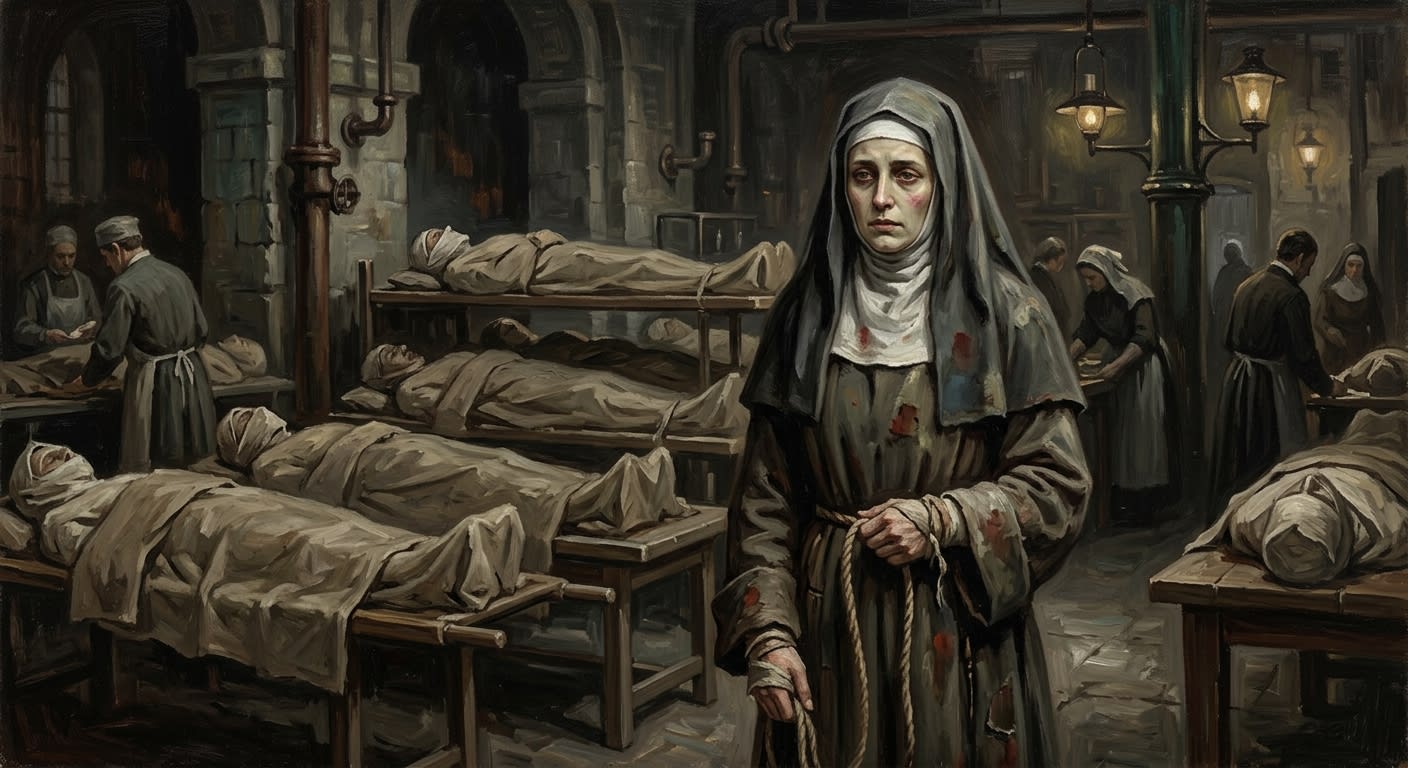
Saint Sabina of Ghent
The seamstress who gave Mercy its cloth and Doctrine its discomfort
Saint Sabina of Ghent bound eleven bodies after the Massacre at Saint-Malo, died of fever, and became Mercy's most useful rebuke.
Codex Ref. III.2.01-015
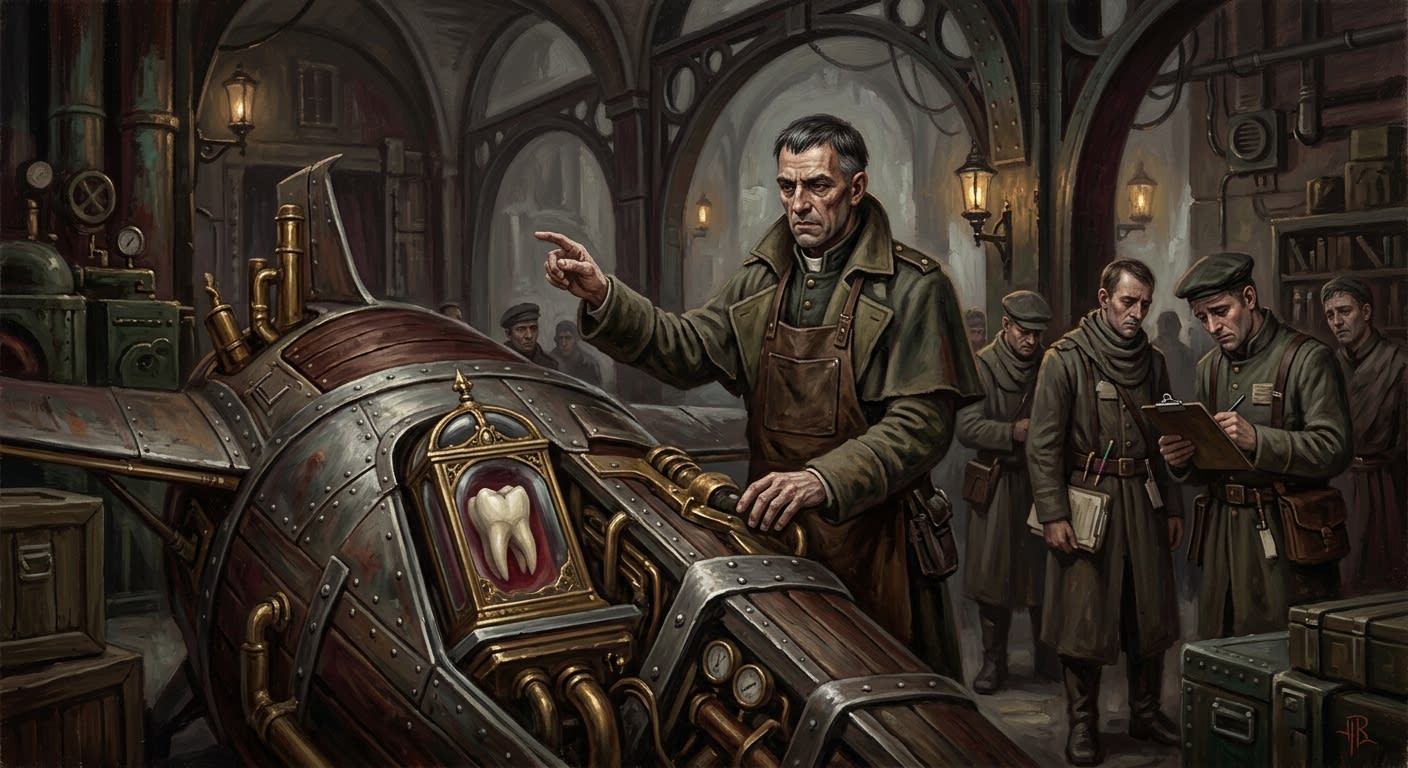
Saint Uriel
The warning tooth that refused to bless the southern sky
Saint Uriel is warning, tooth, patron, and refusal: the authenticated molar whose Ark will not fly, thereby accomplishing theology by humiliation.
Codex Ref. III.2.01-191
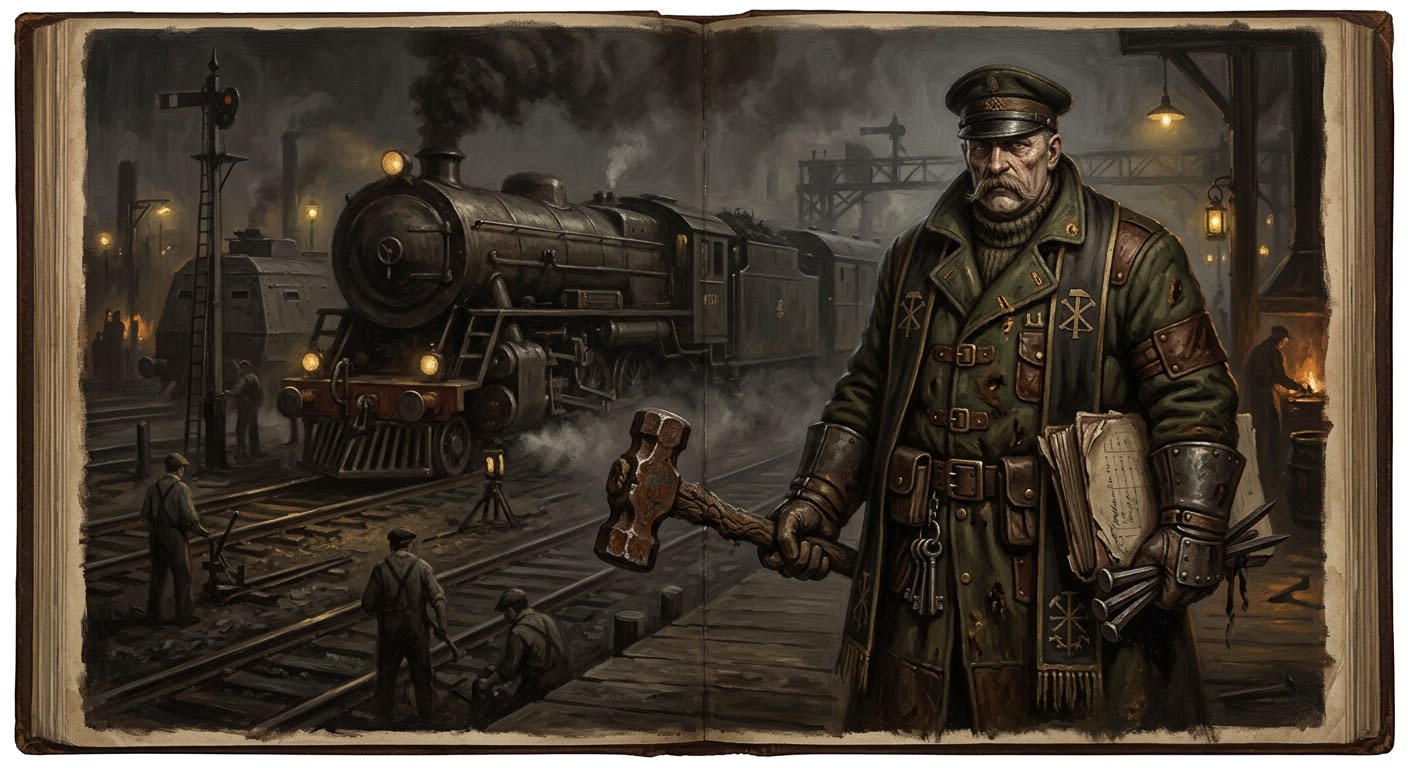
Saint Vandrail
The rail remembers; the hammer asks whether it tells the truth
Saint Vandrail, uncanonised and undenied, is the Guild of Rails’ hammer-fisted patron of track, gauge, night patrol, iron-blood, and useful delay.
Codex Ref. III.2.01-136

Saint Varda of the Lead Hands
A saint without a file is still a tool if the hand survives the glass
Uncanonised patroness of Demon-Glass Polishers, Varda teaches the bench-law of lead first and vision second wherever raw shards whisper and official files refuse to exist.
Codex Ref. III.2.01-107

Saint Vellum-of-Breath
Close what must close
Occupational patron of Purity Fume-Inspectors, administratively devotional and publicly impossible, whose sealed nostril-ring teaches selective detection where total truth would freeze a district.
Codex Ref. III.2.01-137

Saint Vellum-of-the-Quiet-Hand
The Saint Records Needed Before Rites Could Admit She Existed
Disputed patron saint of Ritual Bone-Stampers and ossuary notaries, operationally accepted after A.S. 92 because the corridors required a mother before the Bureaus could manufacture one.
Codex Ref. III.2.01-069

Saint Verran of the Unsmudged Line
The Creator is a column, and mercy hates the ruler
Patron saint of Records Scribes, approved in A.S. 112 for the clean line that cut ten thousand names from a siege roll and left the ink blameless.
Codex Ref. III.2.01-139
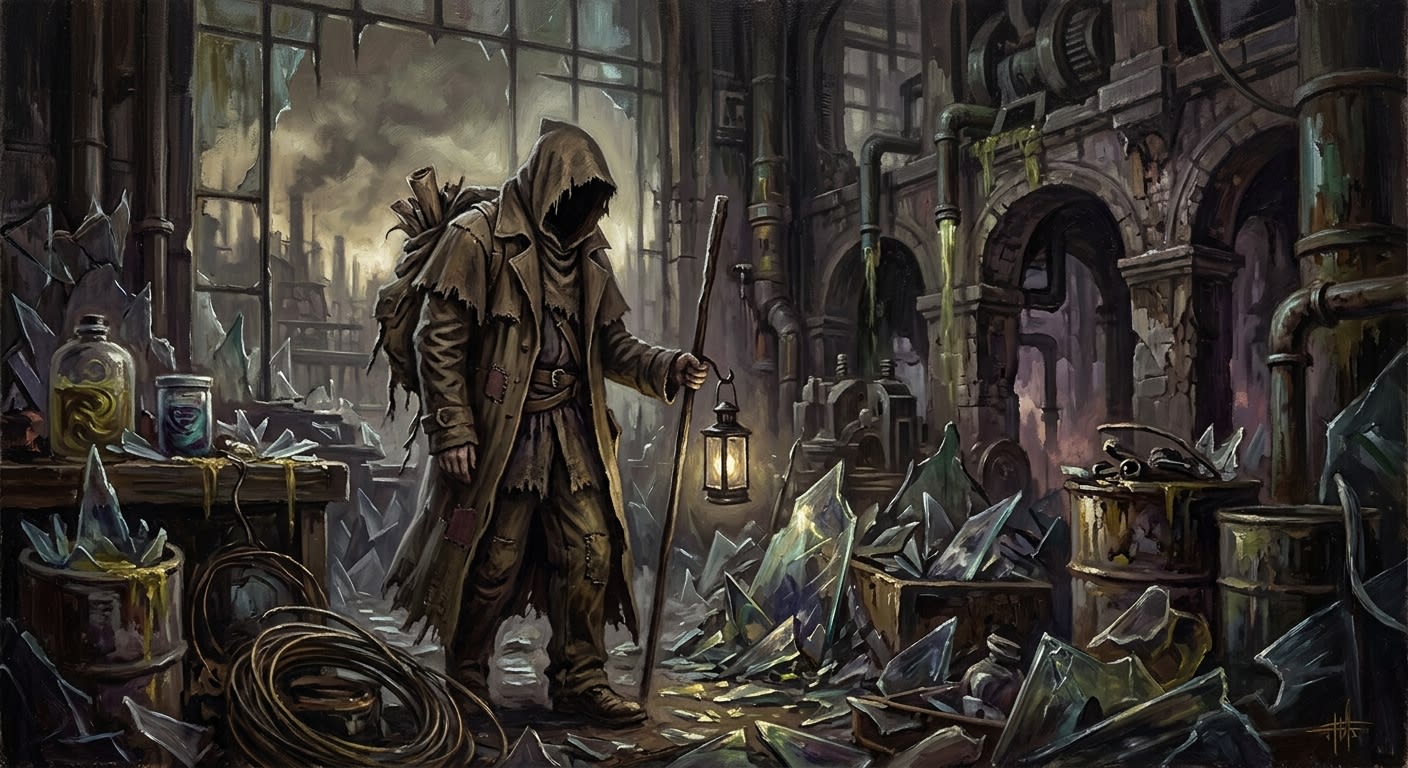
Saint-Anonymous of the Glass Parish
The nameless patron who keeps the shard from learning the road
Saint-Anonymous of the Glass Parish is the unauthenticated patron invoked by demon-glass scavengers, wrappers, route-null couriers, and other professionals whose safest miracle is remaining unnamed.
Codex Ref. III.2.01-110
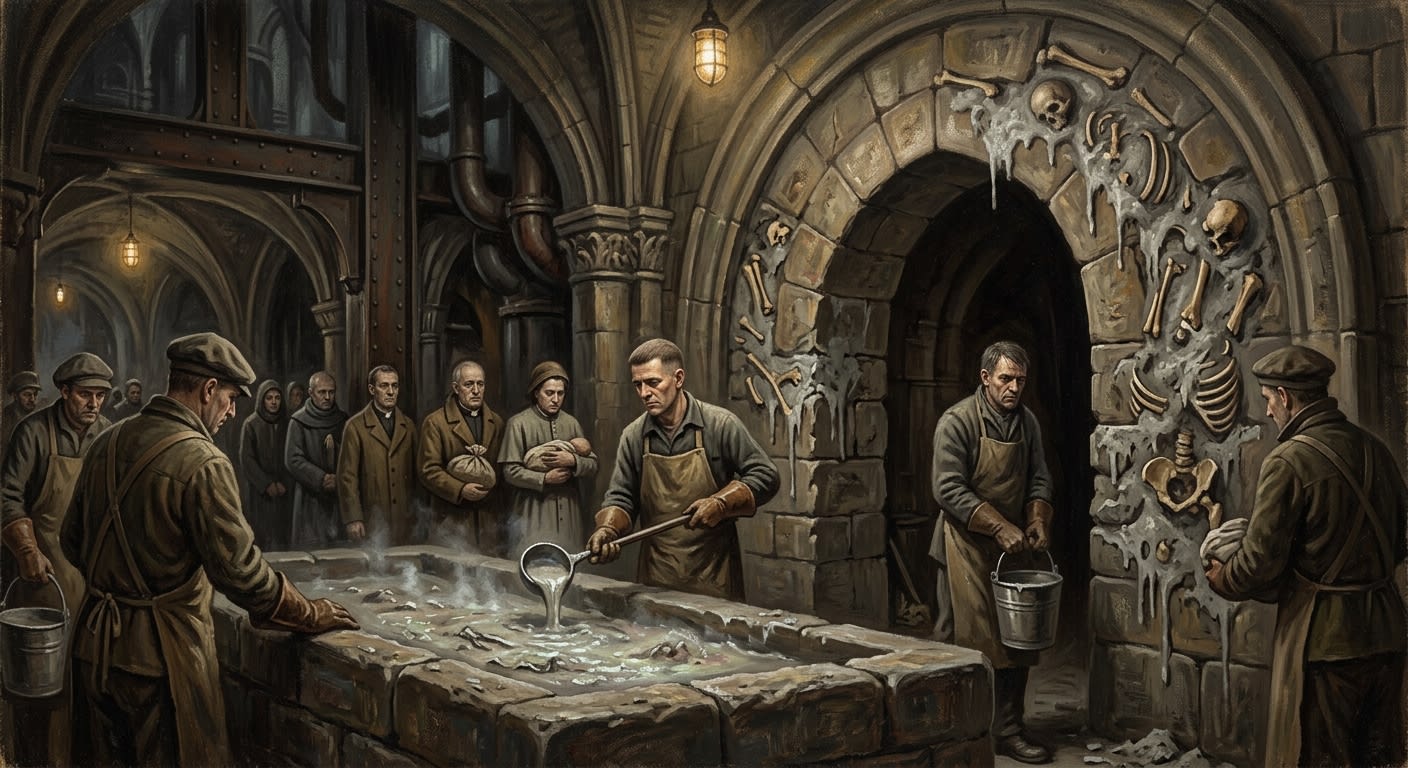
Saint-Bone Melting Acts
Sanctity must bear weight, and the wall has receipts
The A.S. 96 Saint-Bone Melting Acts made surplus holiness structural, teaching relics to become mortar and the faithful to call subtraction a wall.
Codex Ref. XIII.1.91-096
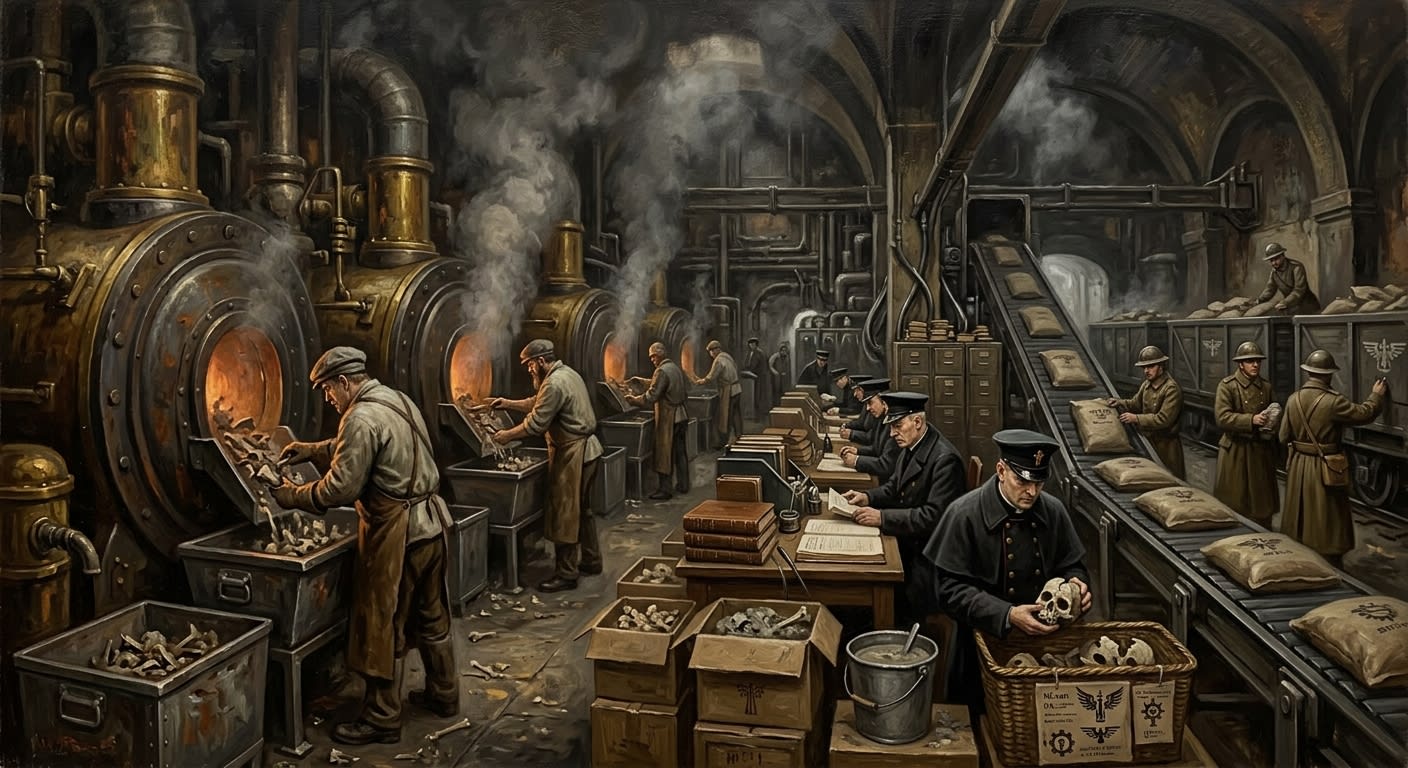
Saint-Bone Melting Acts A.S. 96
The statute that taught saints to bear weight, whether they had consented neatly or not
A.S. 96 legislation that turned surplus, damaged, disputed, duplicated, and unassignable relic fragments into deployable sanctified mortar for the Sagittal Line.
Codex Ref. VII.2.10-096

Sainte-Claire-des-Landes
Six miles from Saint-Malo, where laundry became evidence and damp became a route economy
The Breton convent of Margaux's ordinary years: damp stone, linen ledgers, a wax saint, nine thousand pilgrims, and twelve sisters still doing the work.
Codex Ref. II.1.09-092
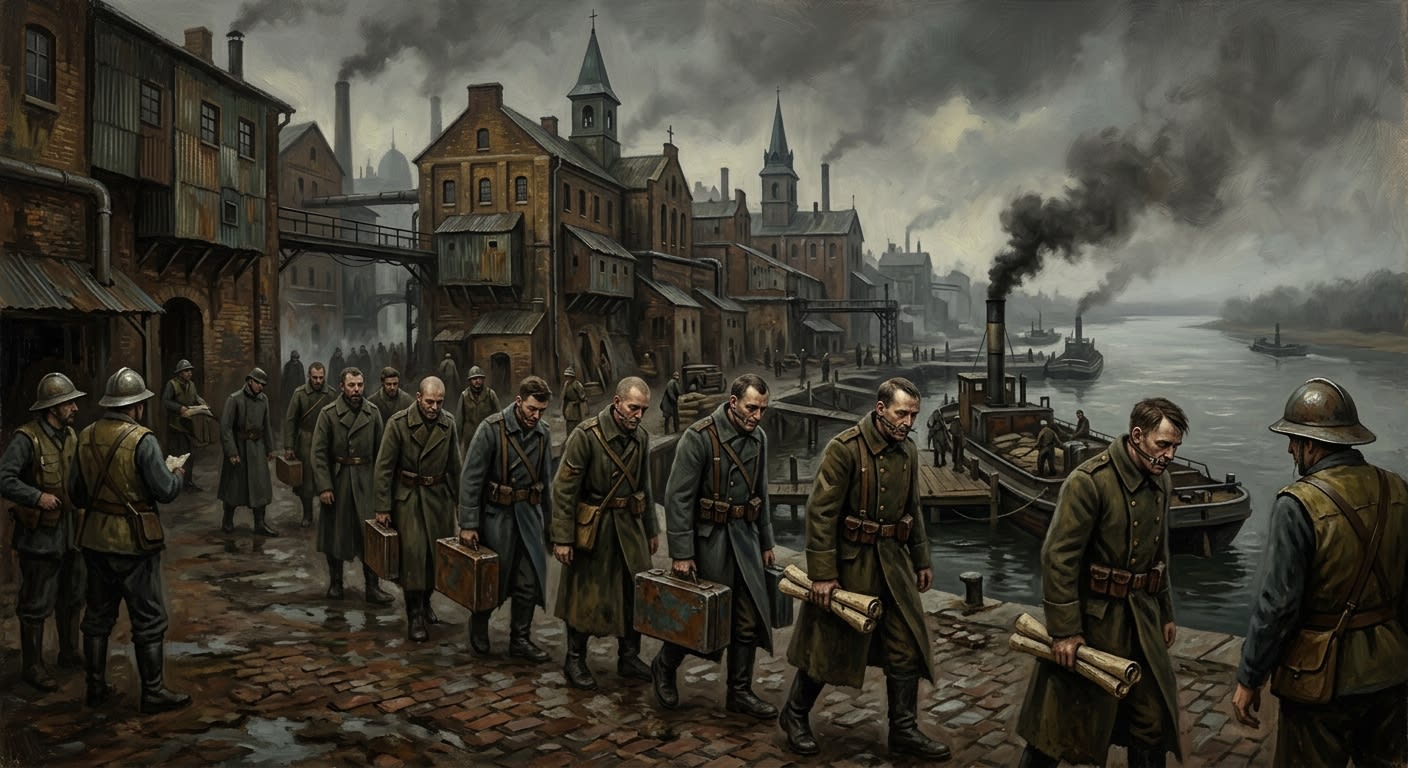
Sandomierz
Kraków owns the bridge; Sandomierz owns the arrival
Sandomierz is the Vistula recovery town that pulled forty-seven wired-mouth priests from Kraków’s crime and made downstream grief countable.
Codex Ref. II.3.06-019
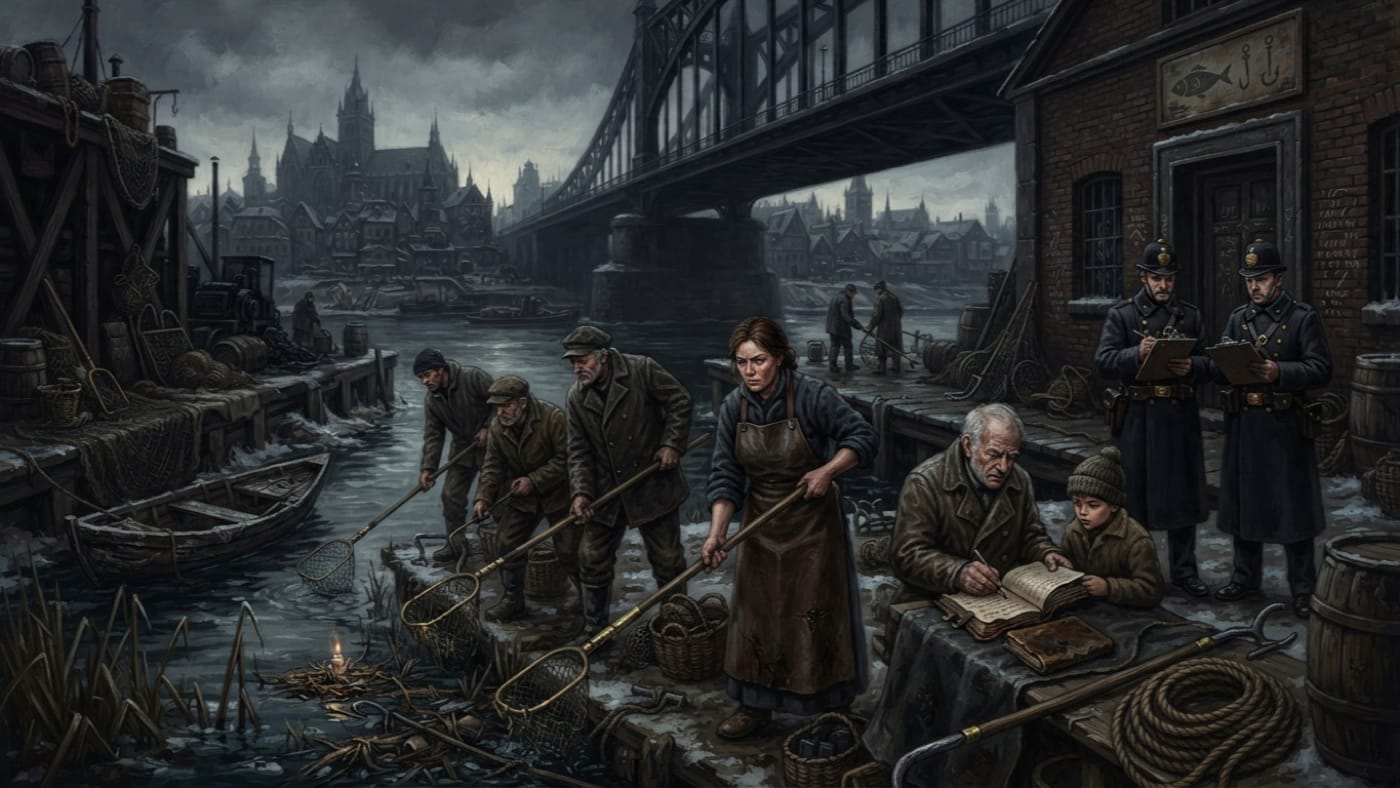
Sandomierz Fishermen’s Guild
The river sends evidence; the guild sends a count
A.S. 201 survey of Sandomierz’s fishing guild, whose damaged log records forty-seven drowned clergy and whose elected Wardens gather Vigil wicks while officials improve the paperwork.
Codex Ref. XII.26.03-001
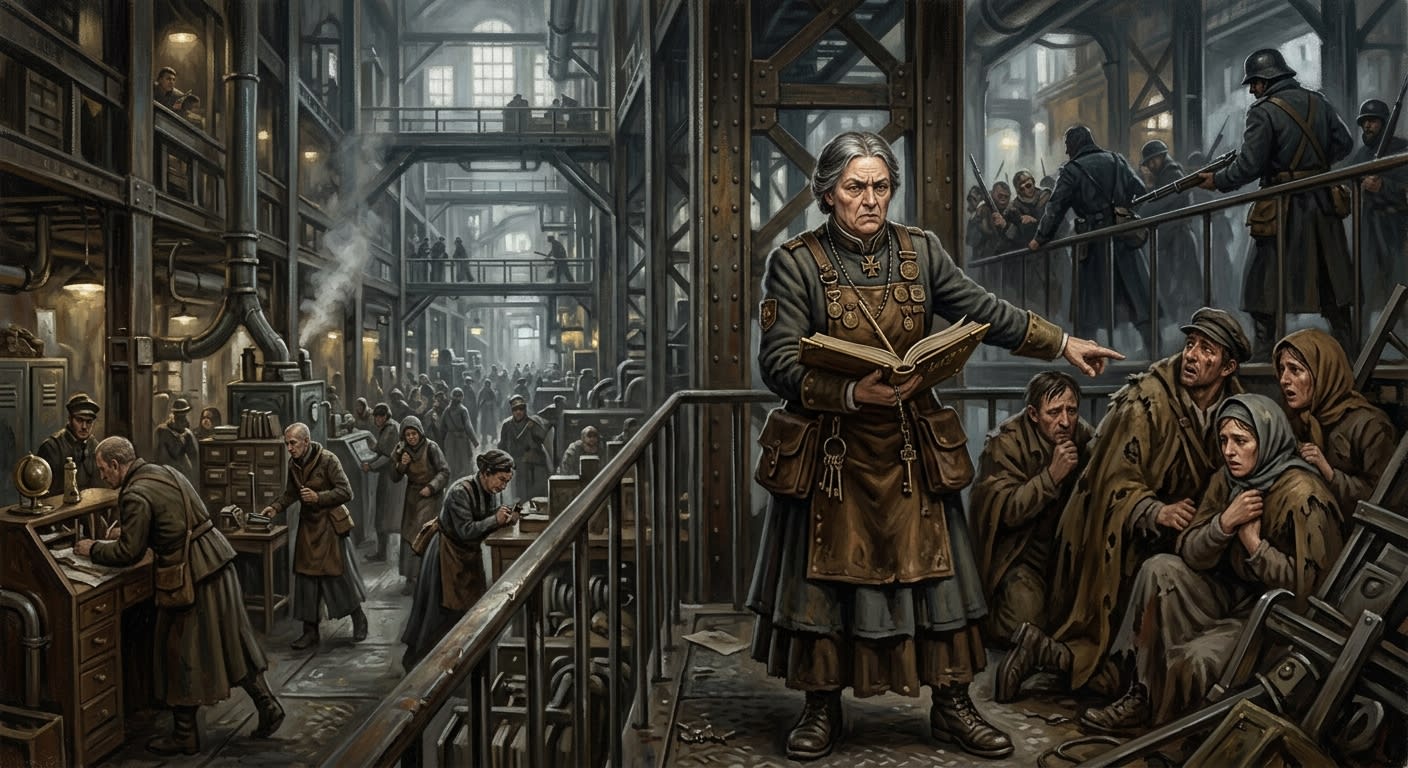
Scribe-Mother Hal
Two hundred and fourteen booths call her Mother because fear needs a schedule
Scribe-Mother Hal runs Bastion-Brest's 214 Confessional Lanes, defending damaged clerks while the Echo, the Circle, and Krail tighten the noose.
Codex Ref. III.2.01-075

Seal-Forger, Counterfeiter
The Synod's confession, pressed in unauthorised wax
The seal-forger is the Synod's shadow — pressing wax into survival where the Bureau presses wax into doctrine. Eleven immurements signed, six thousand fed, and the woman who may never have existed.
Codex Ref. XII.41.01-001
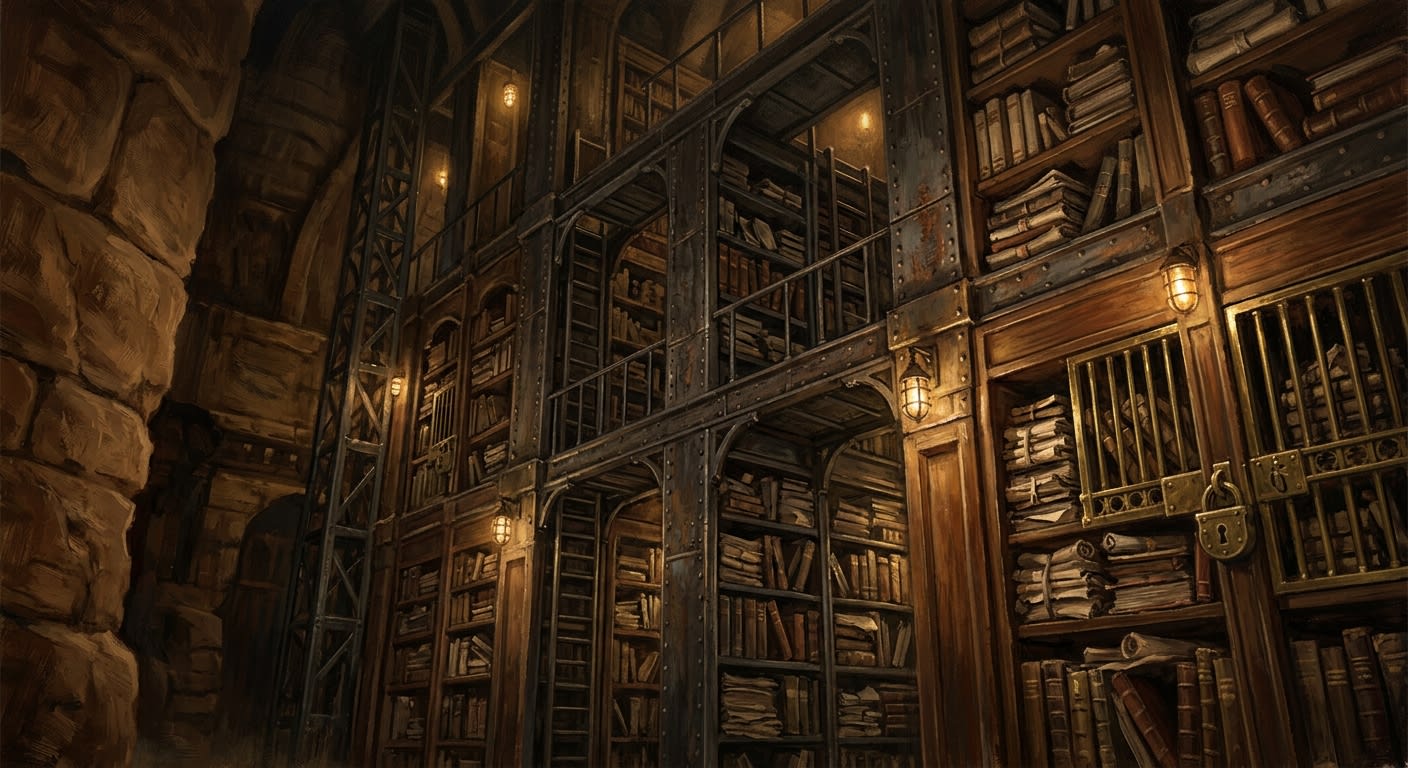
Sealed Archive of Doctrine
The room where contradictions sit upright, labelled, dangerous, and dry
Beneath the Tower of the Quill lies Doctrine's dry sealed archive: older than the sandstone, jealous of its shelves, and intimate with contradiction.
Codex Ref. II.1.04-002
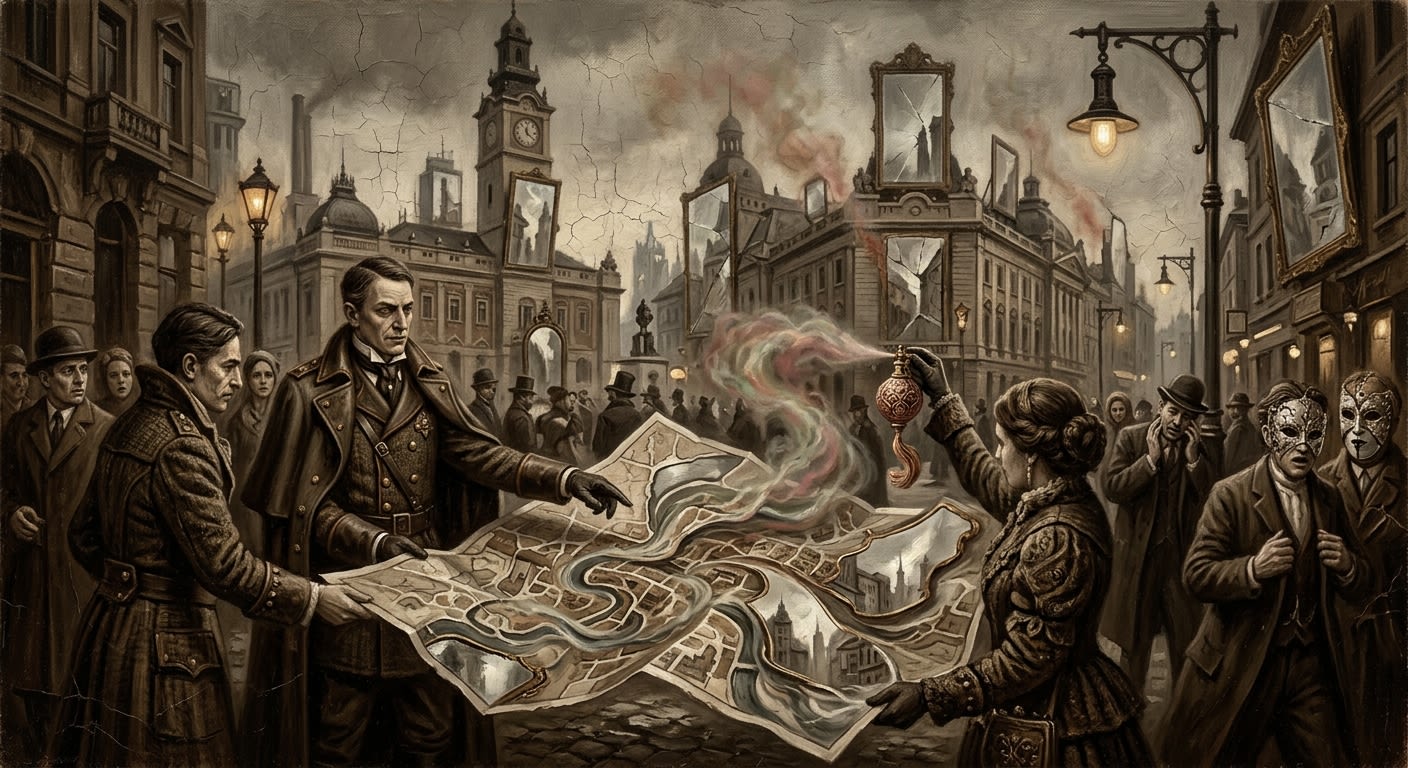
Shattered Courts
A palace that wears Belgrade like perfume wears a throat
Velkara's Shattered Courts occupy Belgrade by mirror, perfume, appetite, and refusal: a hostile palace that cannot be mapped without flattering it.
Codex Ref. II.5.06-117
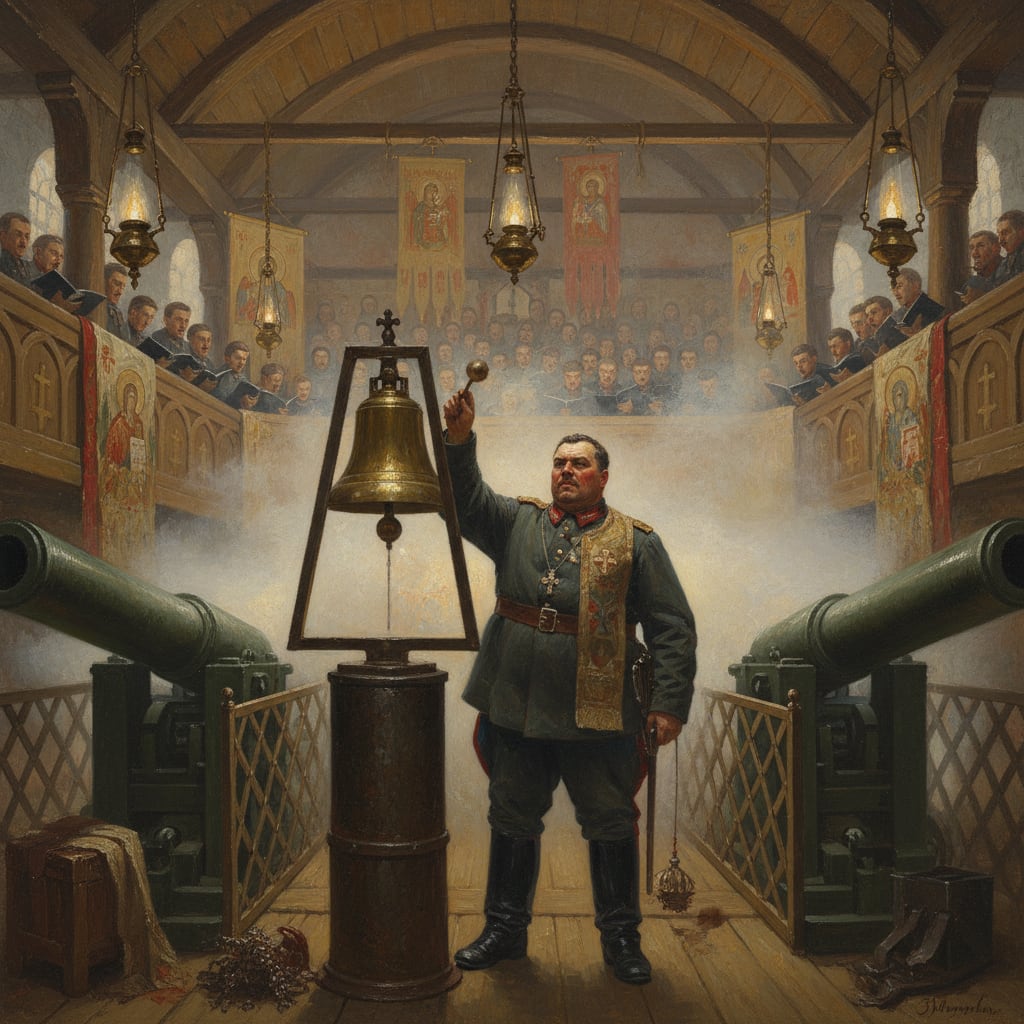
Shrine-Deck Crew
Bell, chalk, and brass — the three sacraments of the man who is too useful to die quickly
Mobile artillery and choir crews of the Synod's shrine-platforms — firing on the psalm-beat, logging every shell in a shot-ledger the Bureau calls the platform's soul, and maintaining chalk rings while the metronome bell keeps the guns from going hollow.
Codex Ref. XII.42.01-001
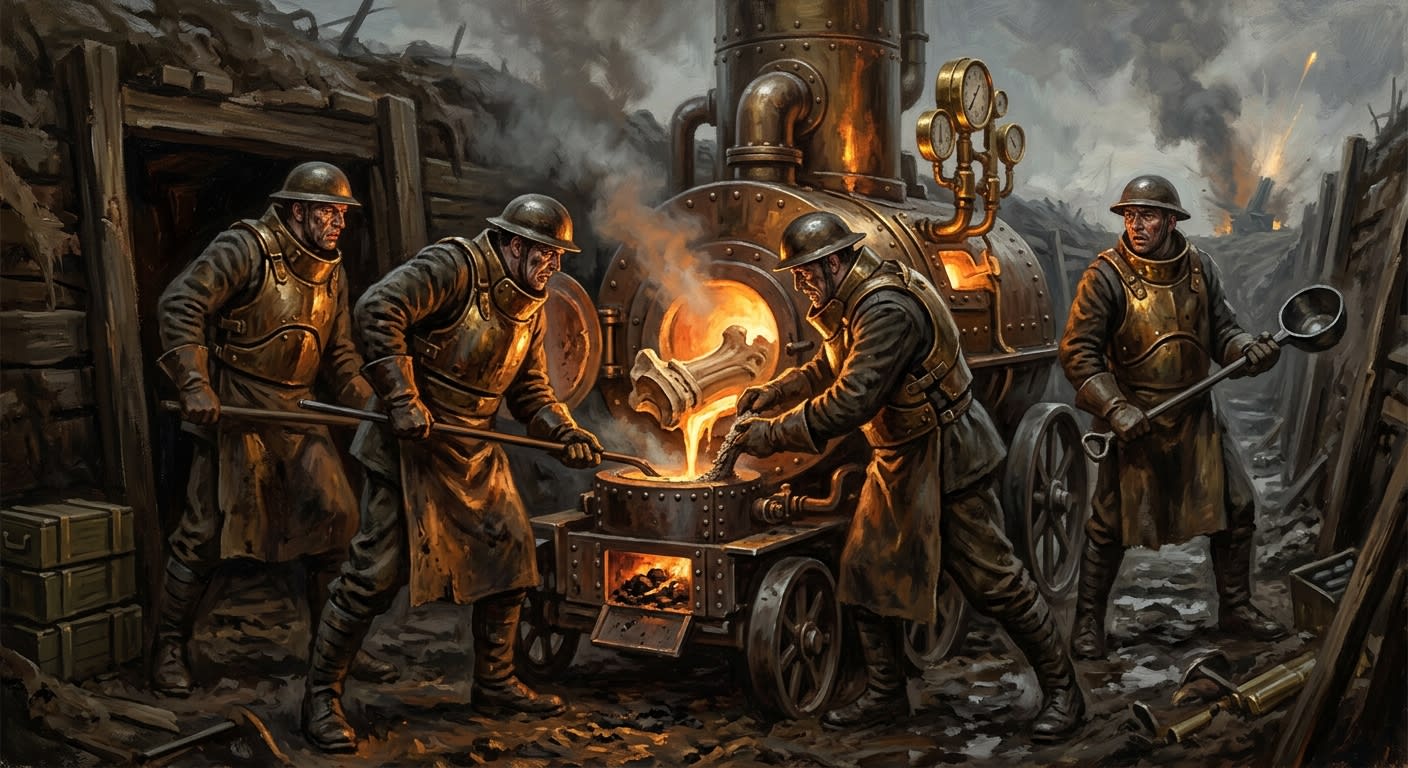
Siege Melters
The men who burn first, write later, and keep the wall standing long enough to be reprimanded
Impatient faction of Saint-Bone Melters who run trenchline quick-kilns, defer provenance under shelling, and seal cracks before doctrine can finish objecting.
Codex Ref. XII.20.08-001
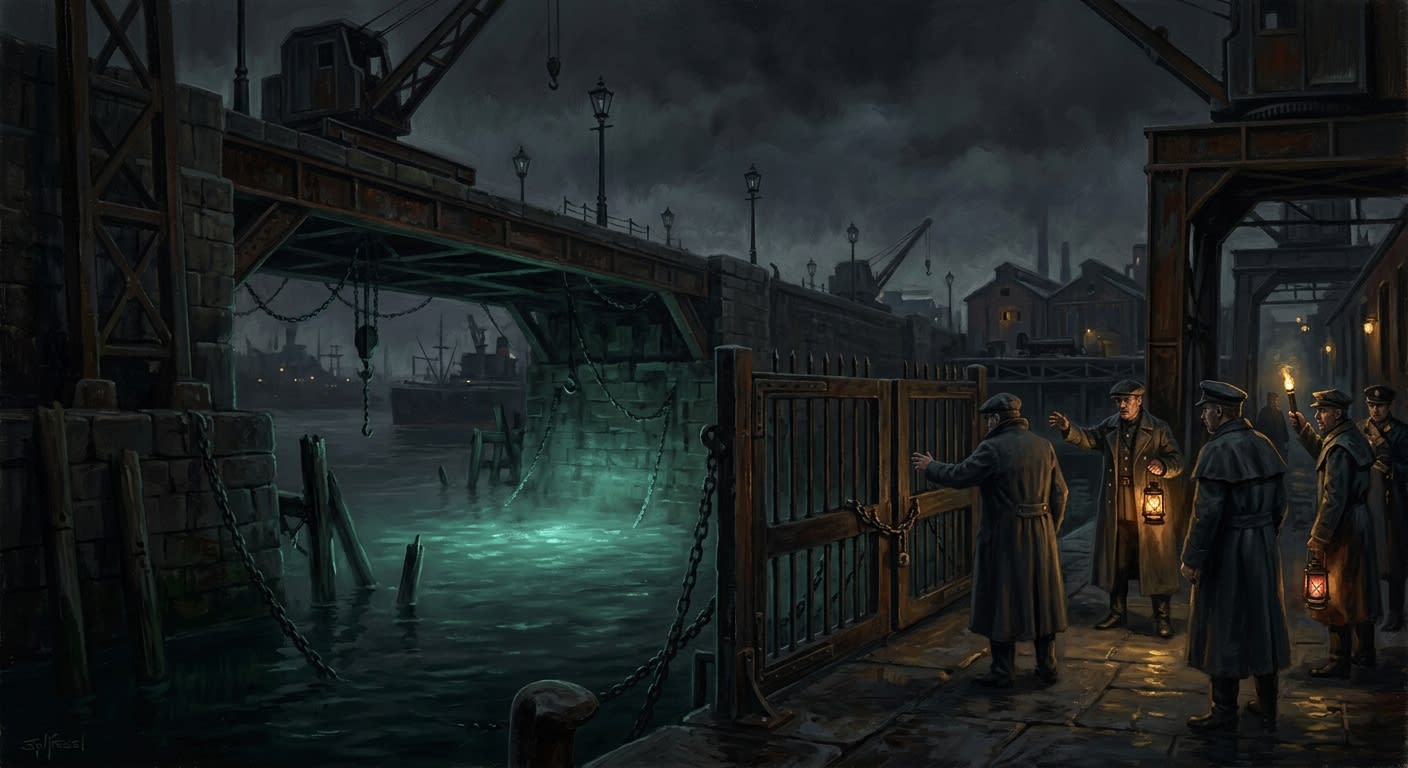
Silence of Harbor Lamps
Darkness received a harbor office and stamped the water
For seventy-two hours in A.S. 185, Bastion-Constantinople's harbor lights died, the water lit beneath, and the *Saint Veritas* vanished from a locked quay.
Codex Ref. VII.8.10-185
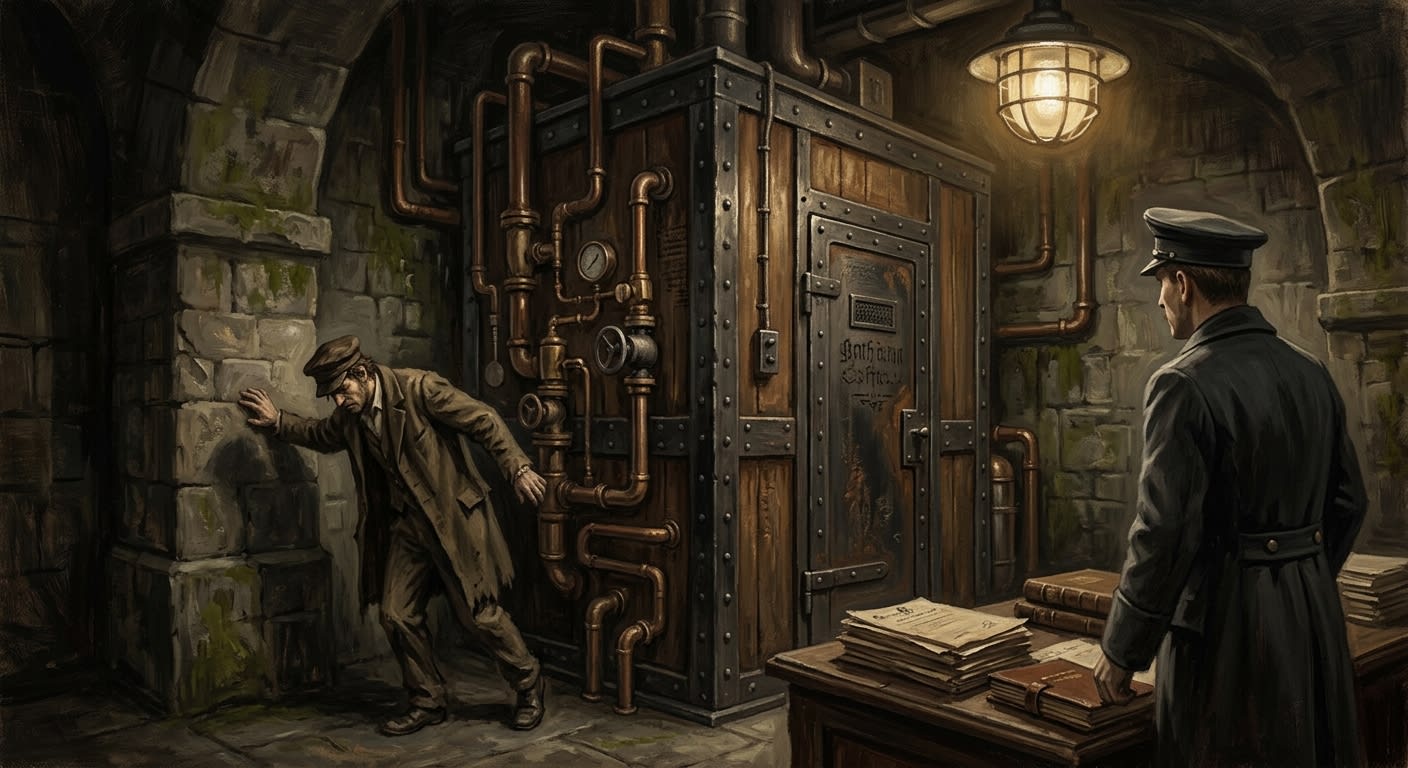
Silent Confessional of Vienna
A cabinet need not hear you to make you confess
Rumoured Viennese black-iron confession apparatus whose victims emerged senseless yet speaking, preserved by Doctrine as a repurposed warning to every booth clerk who trusts furniture.
Codex Ref. XIII.1.61-001
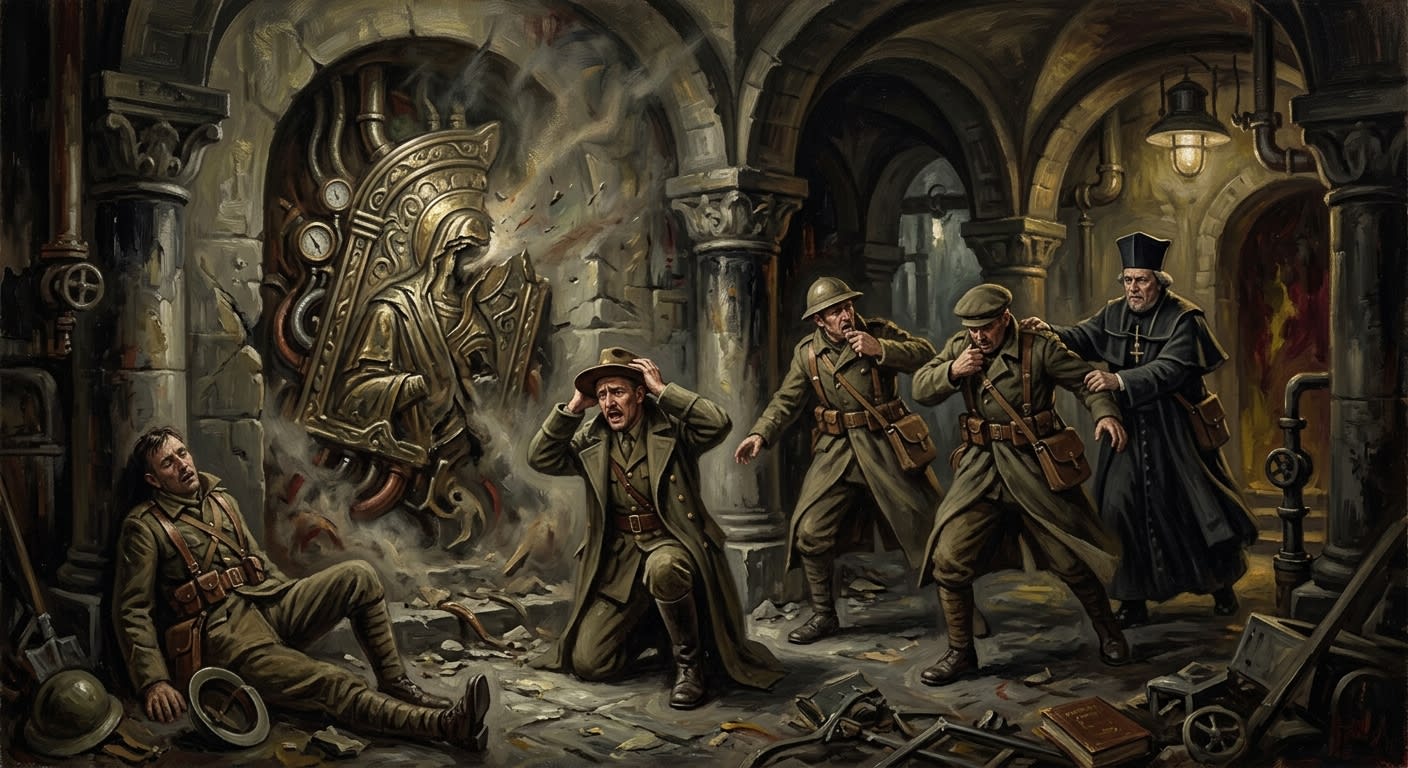
Singing Plate Disaster A.S. 131
The fragment sang; the law learned to listen
A.S. 131 Przemyśl relic disaster in which an unquieted icon fragment sang a holding chapel mad and forced salvage law into its stricter shape.
Codex Ref. VII.8.10-091
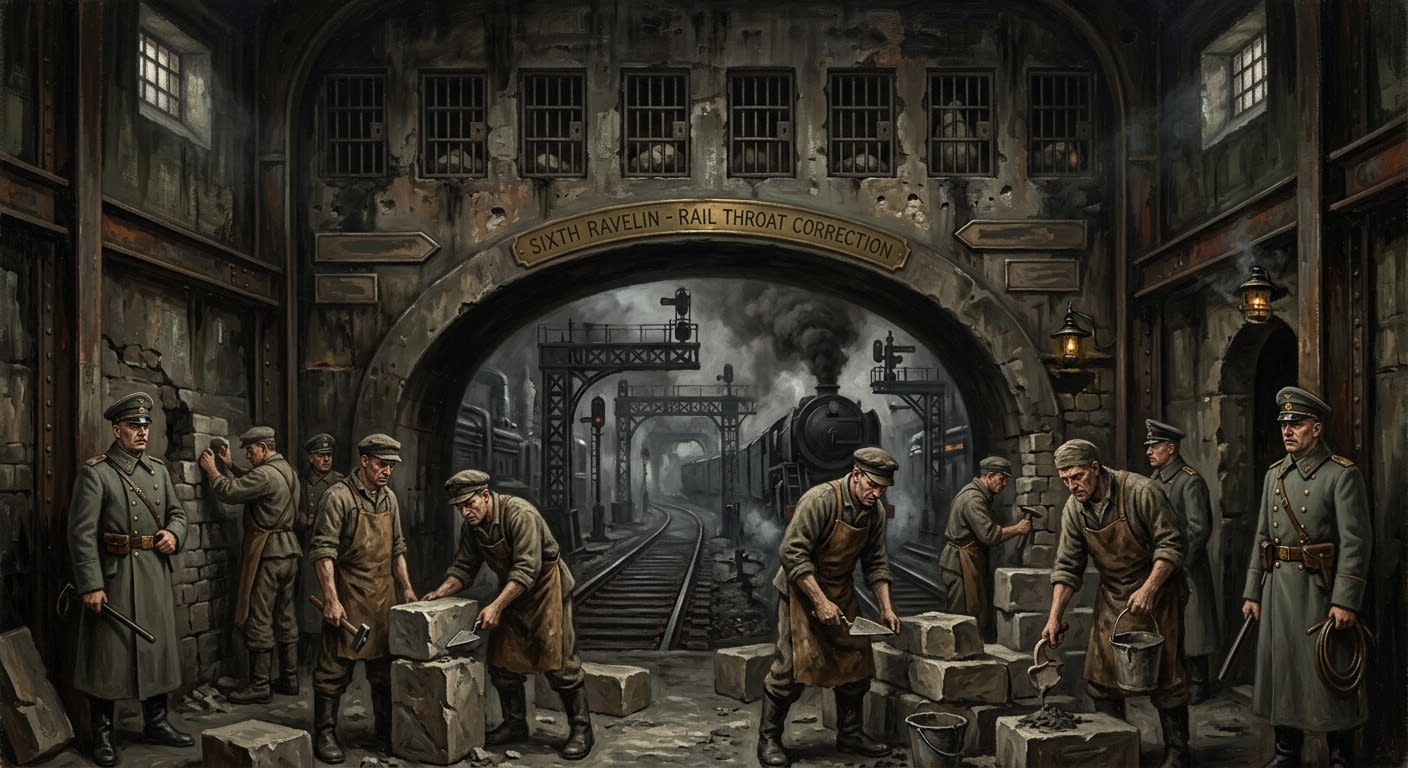
Sixth Ravelin
Correction faces consequence, and consequence answers warm
The Sixth Ravelin, called Correction, guards Bastion-Constantinople's rail throat and carries Chamber 7: forty-seven sealed in cement where guilt learned masonry.
Codex Ref. II.4.10-170
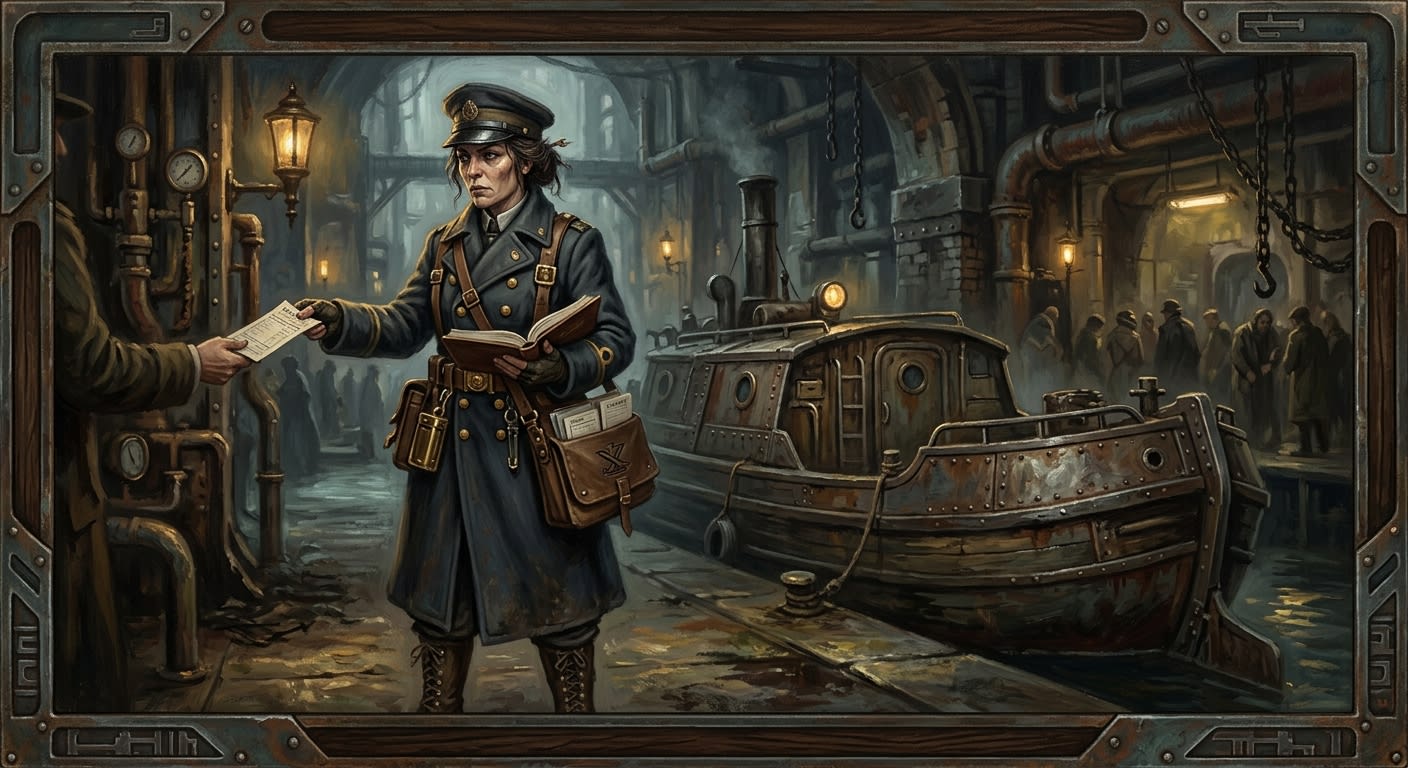
Skiff-Sister Lune
Perfume, tar, and the price of another door
Skiff-Sister Lune sells passage where Calais sells refusal: Grey Keel broker, tunnel saint, tariff sin, and the invoice every lawful door deserves.
Codex Ref. III.2.01-201
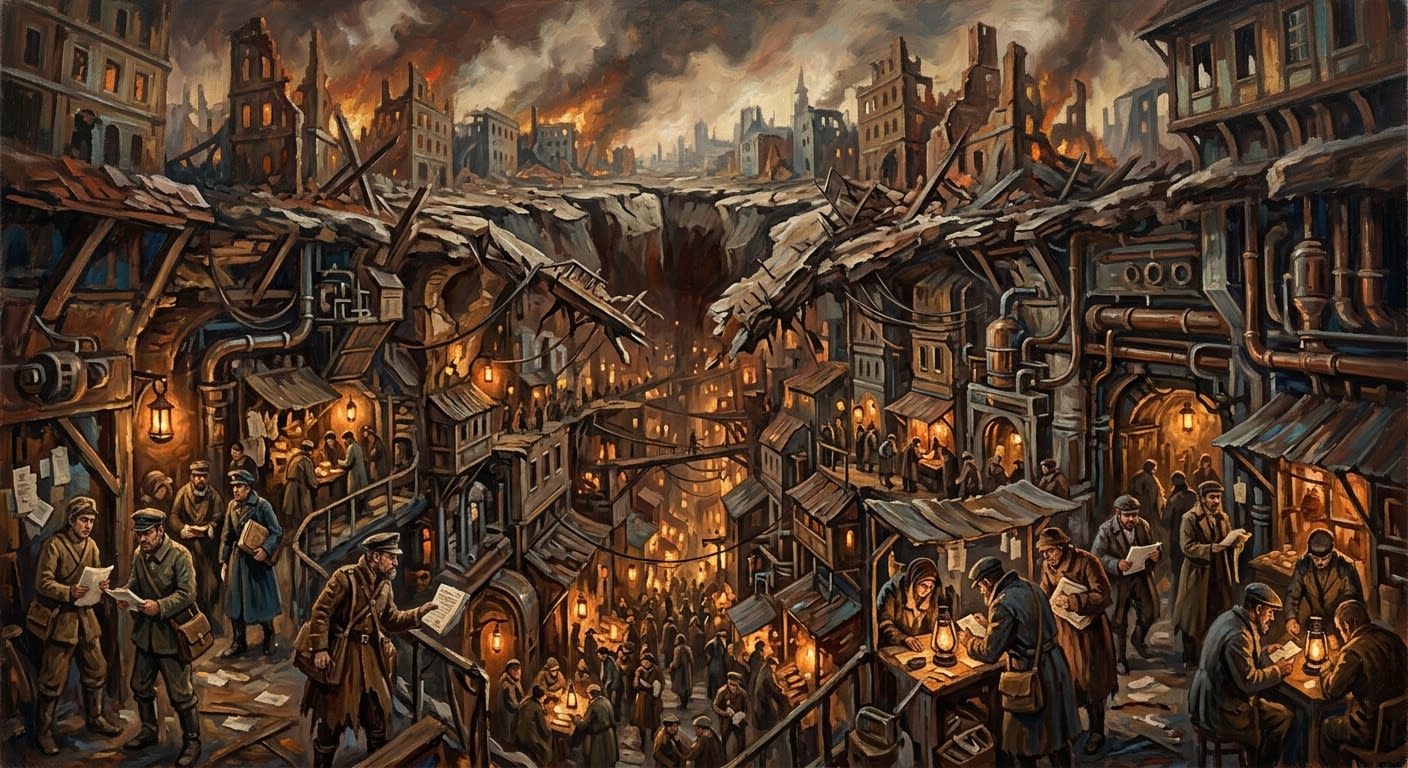
Skopje
The bitten city keeps its markets below the teeth
Skopje fell within hours of the Sundering, then survived below itself: a bitten city of Lantern Warrens, forged papers, humming lamps, and useful lies.
Codex Ref. II.5.08-045
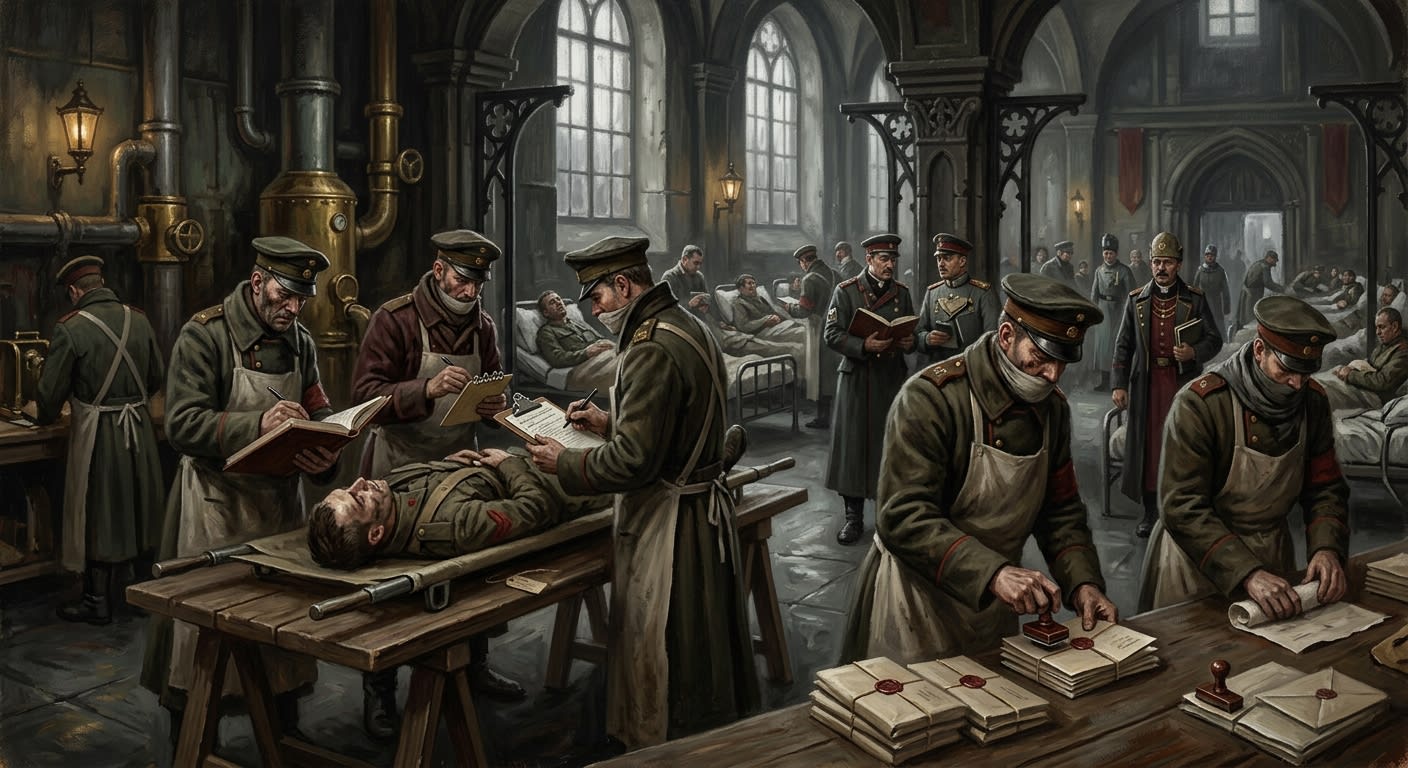
Standing Order 22-C
No last word unfiled, no dying mouth left private
Standing Order 22-C makes the dying useful: names first, comfort second, three copies sealed before the body is allowed to cool.
Codex Ref. XIII.1.98-080
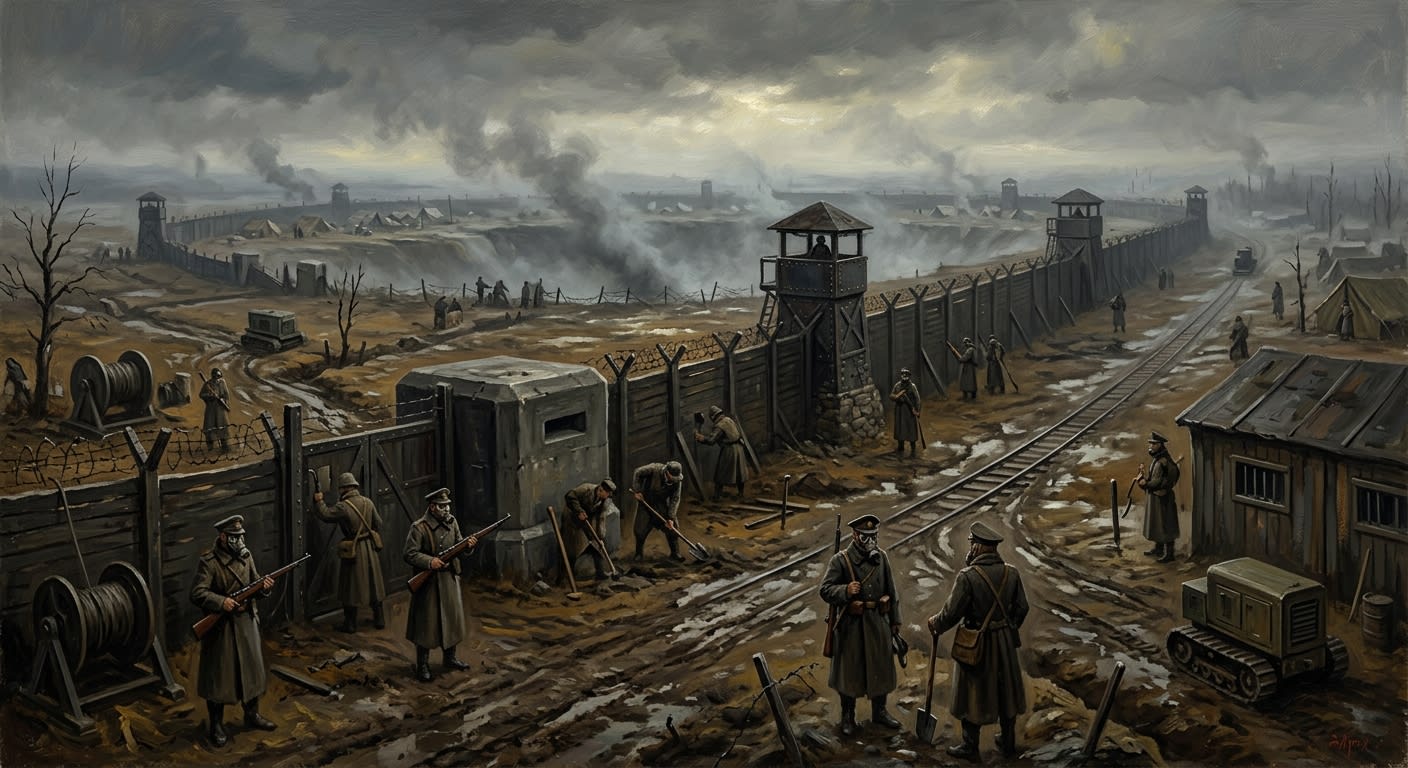
Standing Order 77-K
Stand here, not there; the dead are bad at obedience
Standing Order 77-K draws a four-mile commandment around the Famine Pits, converting hunger into evidence and distance into doctrine.
Codex Ref. XIII.1.23-001
Târgu
The grave-ring town where walls learned doctrine
Târgu is the Przemyśl approach town where grave-rings house the living, walls recite through mortar, and surplus lamps taught children to glow.
Codex Ref. II.4.09-201
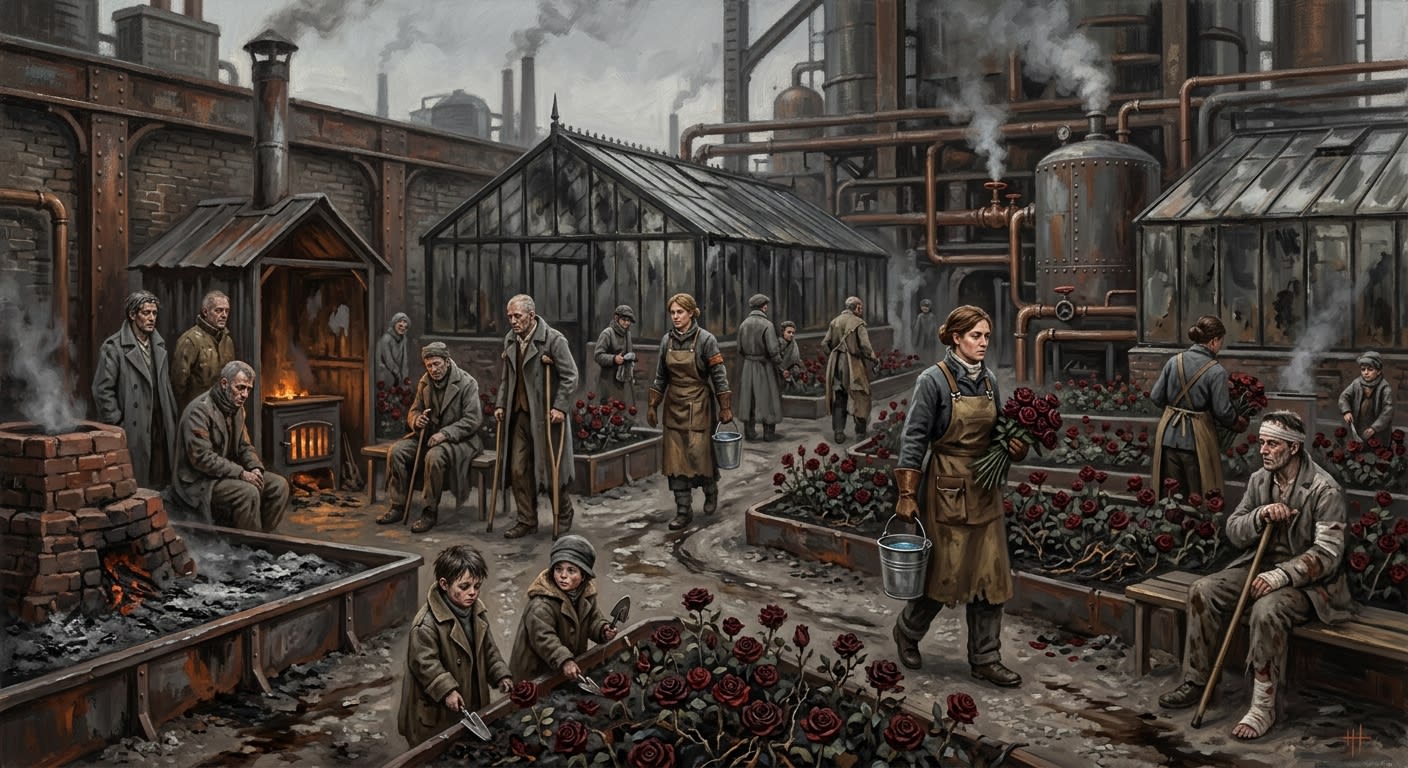
The Ash Gardens
Where roses feed on siege residue and Medicine pretends not to notice
Three miles inland from the Harbor of Chains, the Ash Gardens heal burned men, ash-lung children, and shell-broken soldiers beneath roses fed by Maldrake's old fires.
Codex Ref. II.4.10-007

The Ashen Circle
The denied archive that keeps the official world from collapsing
Unsanctioned scholarly network named in A.S. 103, trafficking in forbidden histories and sciences while the Bureaus deny, hunt, purchase, and depend upon its ash-borne work.
Codex Ref. XI.1.01-002
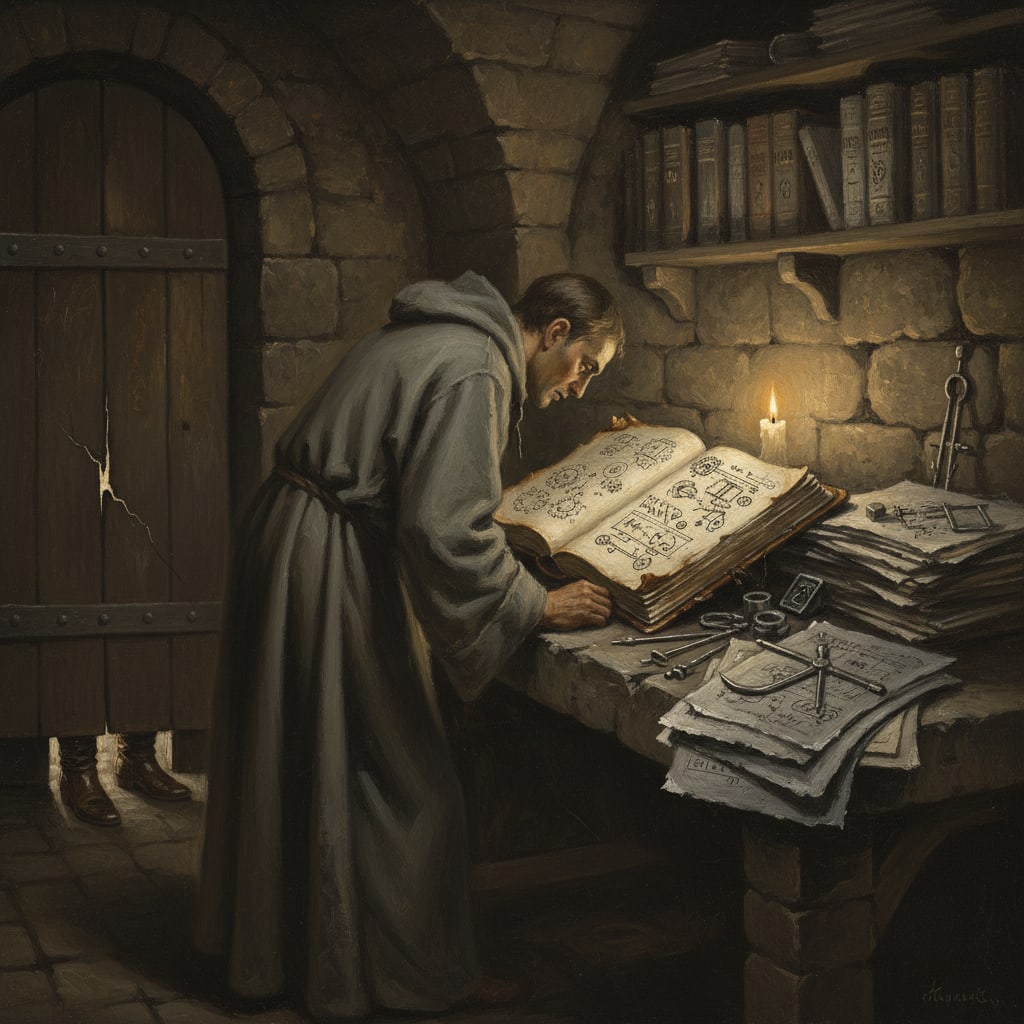
The Ashen Circle Scholar
What the Bureau Burns, the Circle Preserves — the Synod's Indispensable Heretic
The Bureau calls them poison. The front calls them indispensable. The Ashen Circle Scholar trades in what the Index Damnatus cannot afford to have gone permanently missing.
Codex Ref. XI.1.01-001
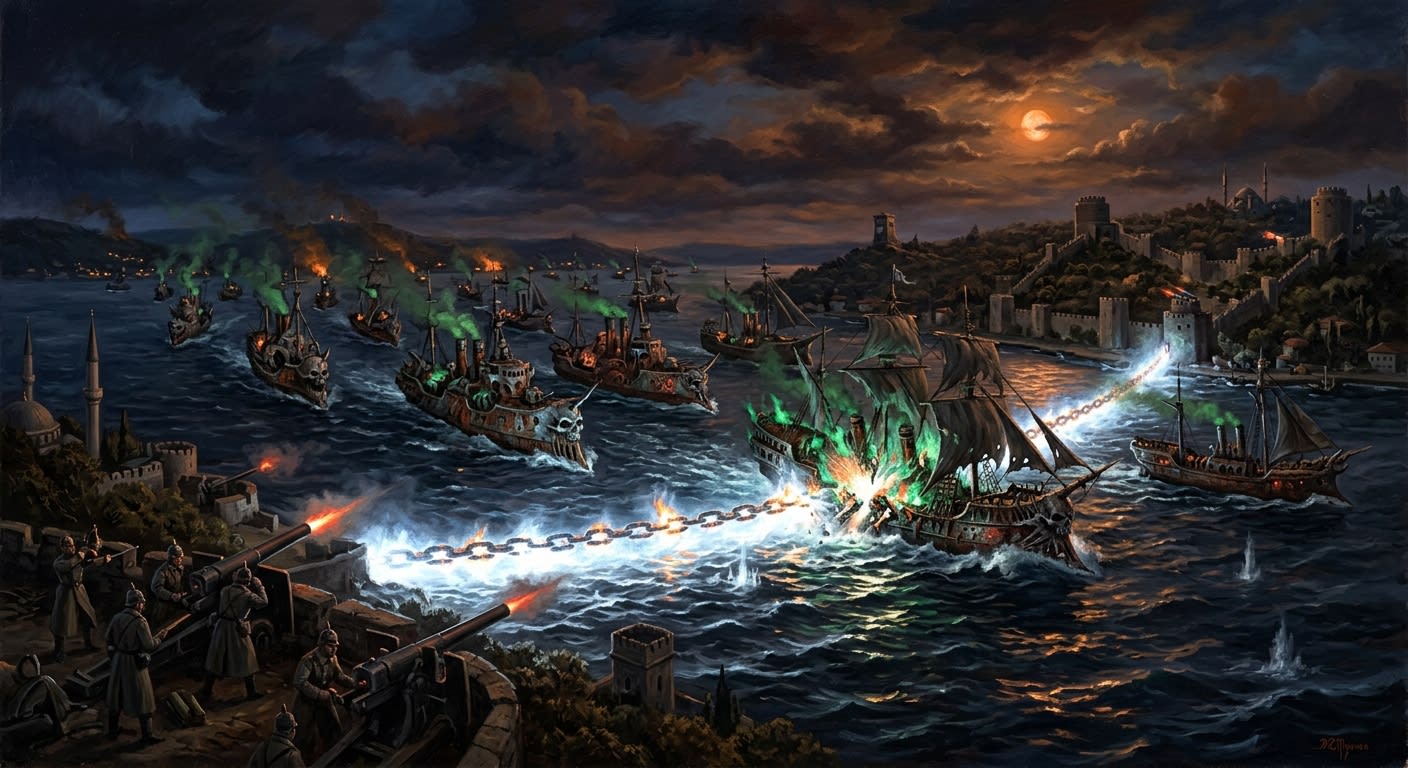
The Black Sea Armada
Forty-seven ships. The Bureau counted them twice. The second count was worse.
On the night of 14 Ferrum, A.S. 162, forty-seven demon vessels entered the Bosphorus. The Chain of Saint Anakletos held — and burned white-hot for seven hours. Forty-three ships destroyed, the chain gone dark ever since, and one ship never found.
Codex Ref. VII.4.01-001
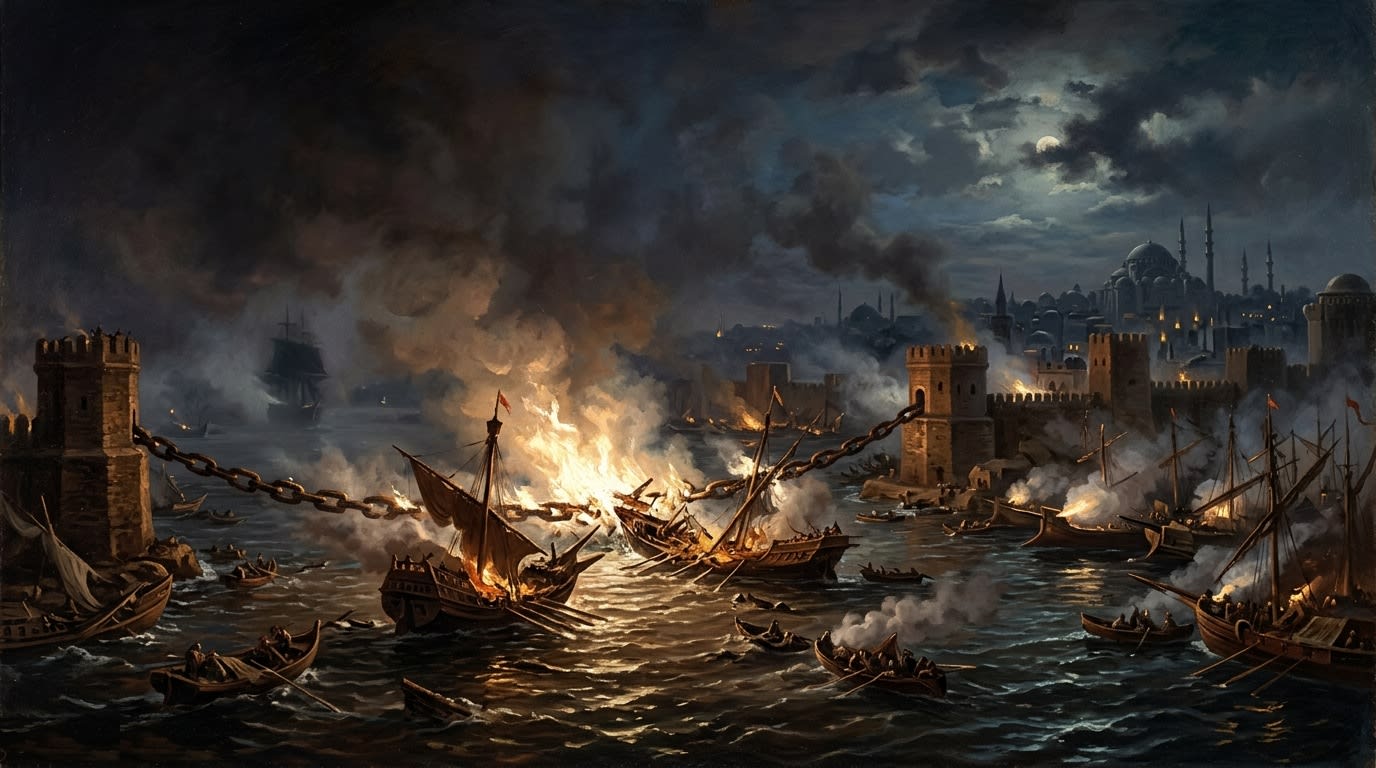
The Black Sea Armada Engagement
Forty-seven ships entered the ledger; one refused arithmetic
The A.S. 162 naval assault on Bastion-Constantinople's Harbor of Chains: forty-seven demon vessels, seven hours of white fire, and one ship-shaped absence still drawing interest.
Codex Ref. VII.5.10-162
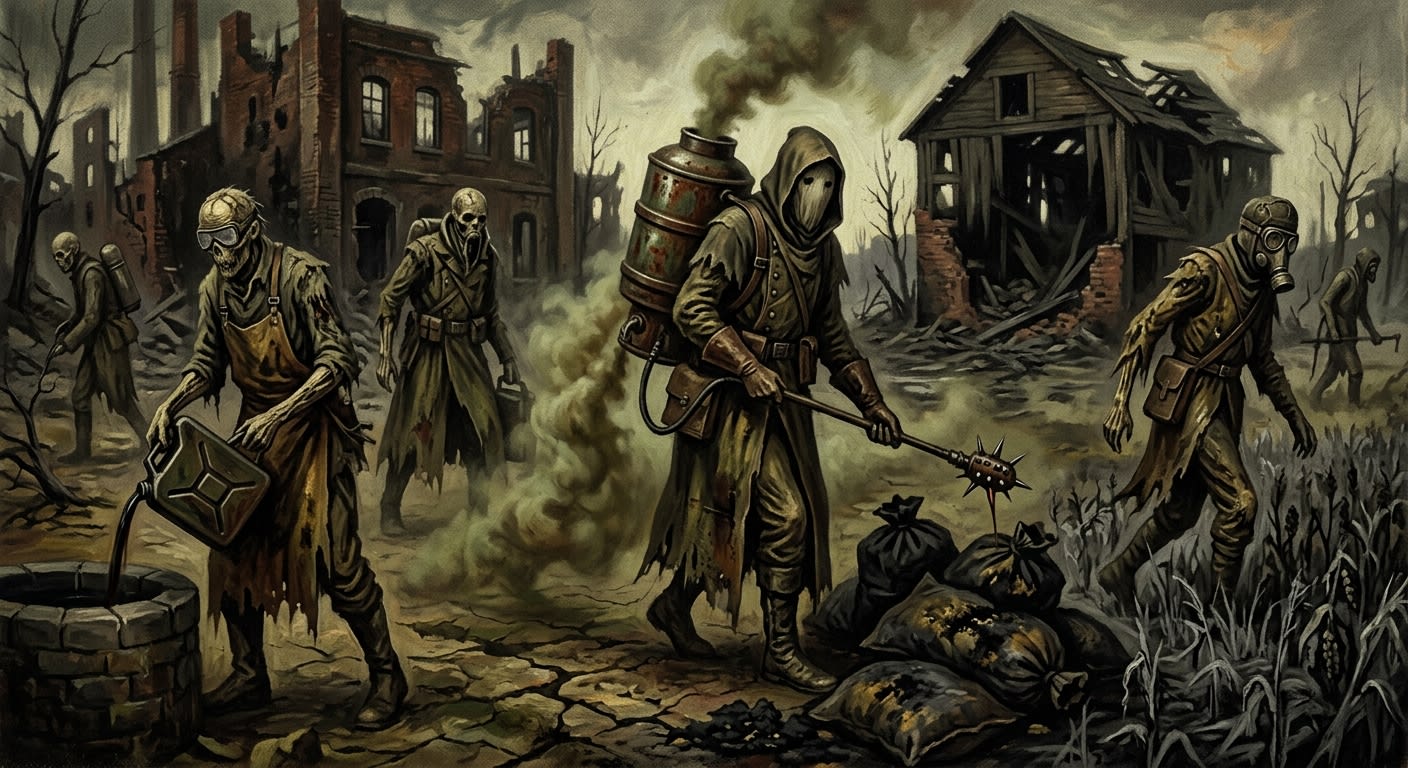
The Blightbearers
Famine with feet, and no mercy in the pantry
Kargath's Blightbearers are famine-carriers: thin demons whose passage makes full granaries fraudulent, clear wells treacherous, and supper an accusation.
Codex Ref. IV.1.07-013
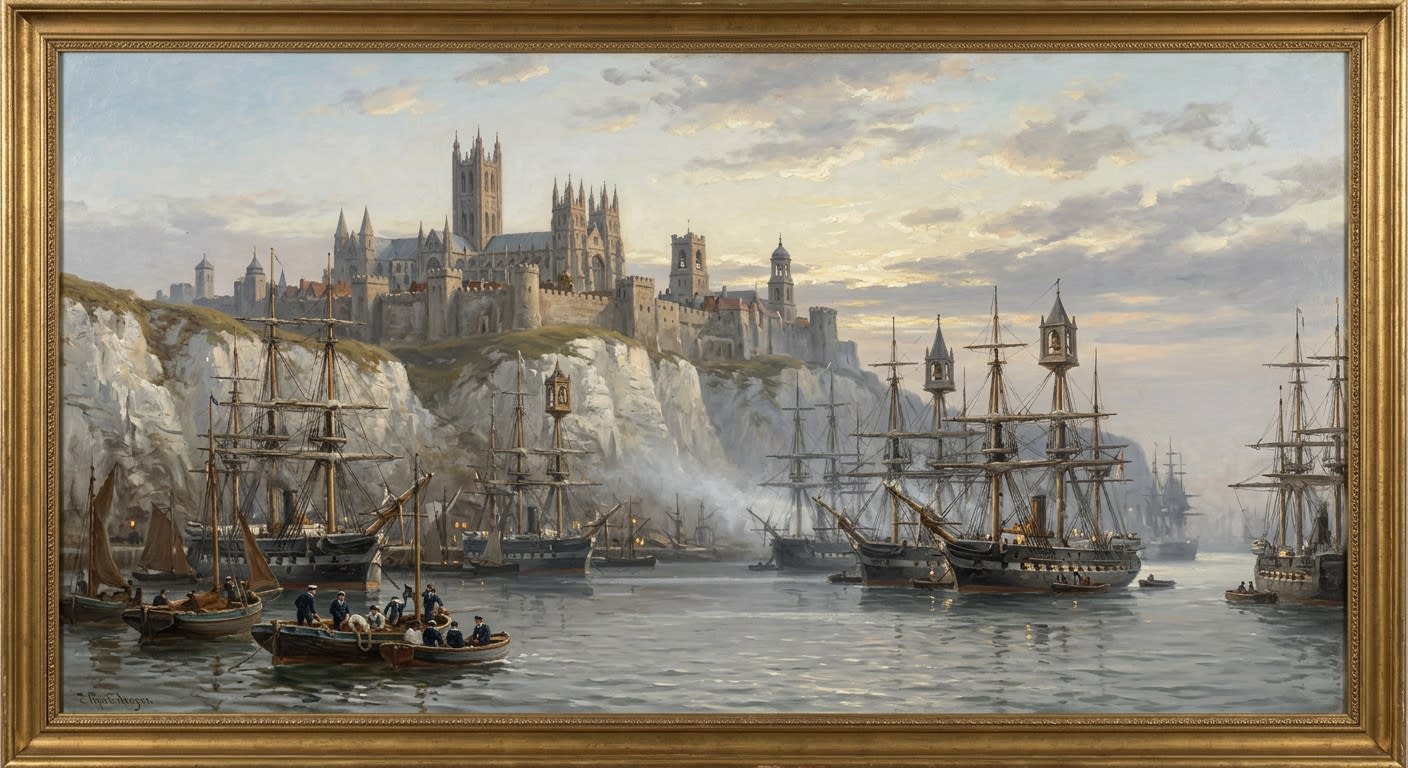
The British Crown
The island the Bureau has spent a hundred and eleven years failing to classify
The Zone 0 co-belligerent that has never submitted to the Concordat and never needed to. Canterbury governs by chivalric charter; three hundred Cathedral Ships hold the Channel; the Bureau of Doctrine considers this theologically embarrassing and strategically essential.
Codex Ref. X.1.01-001
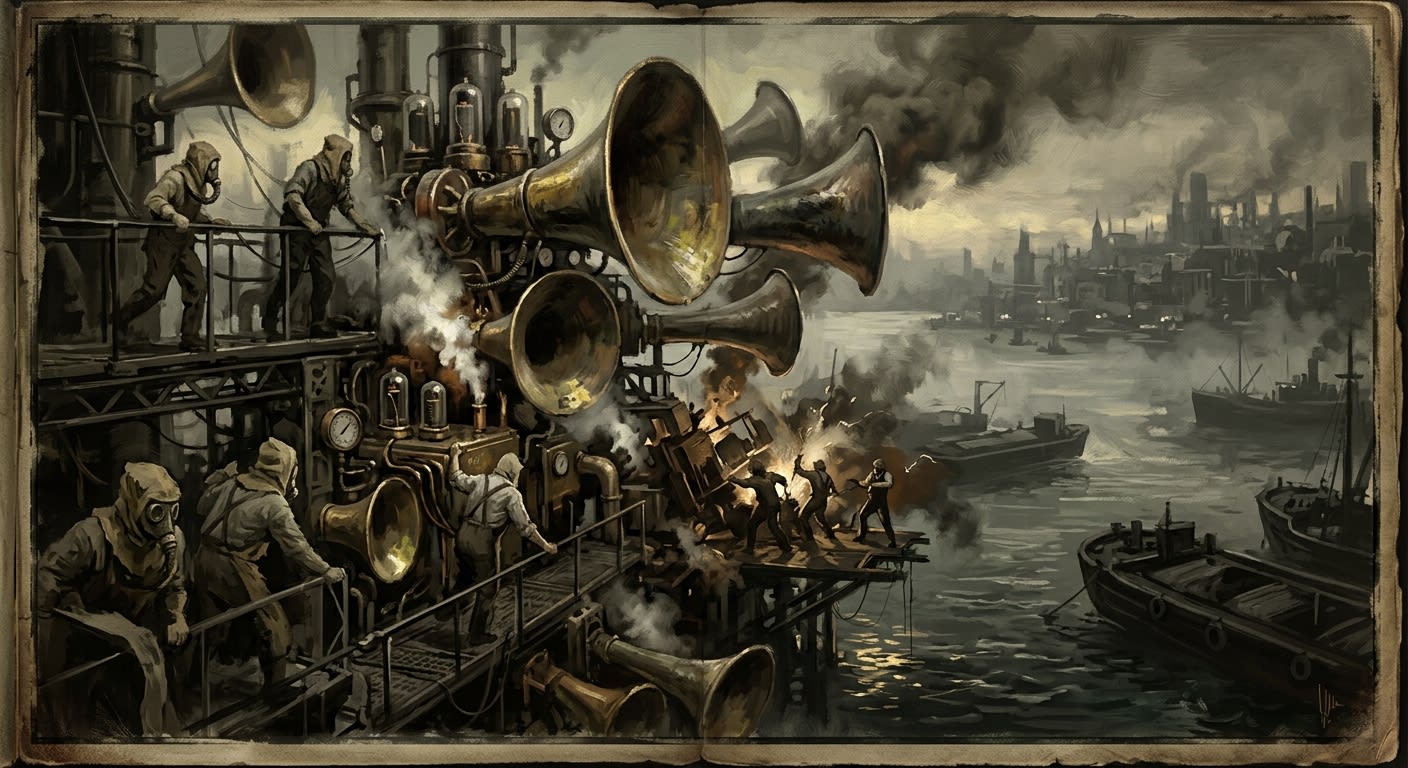
The Broadcast
Eleven minutes, forty-three seconds, and one name the Ledger would not keep still
On 3rd Argent, A.S. 199, Saint Barachiel's Sermon-horns carried an unauthorised apology across the Bosphorus. The machinery survived. The record did not.
Codex Ref. VII.4.09-001
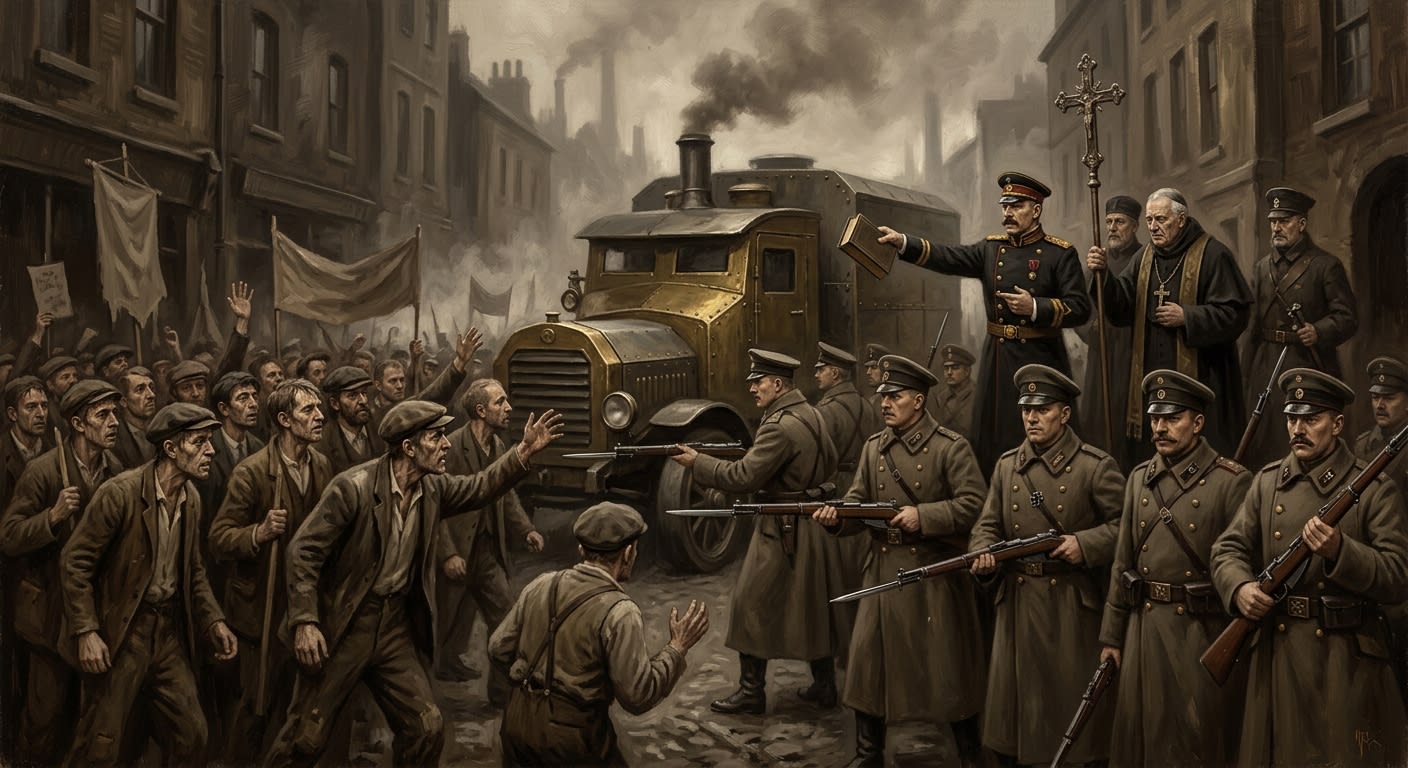
The Broth Riots
The hungry asked for food and received laws
The Broth Riots of A.S. 112 began with thin soup and ended with rifles, saints, Ledger Laws, and the Synod's discovery that hunger becomes obedient once measured.
Codex Ref. VII.8.10-112
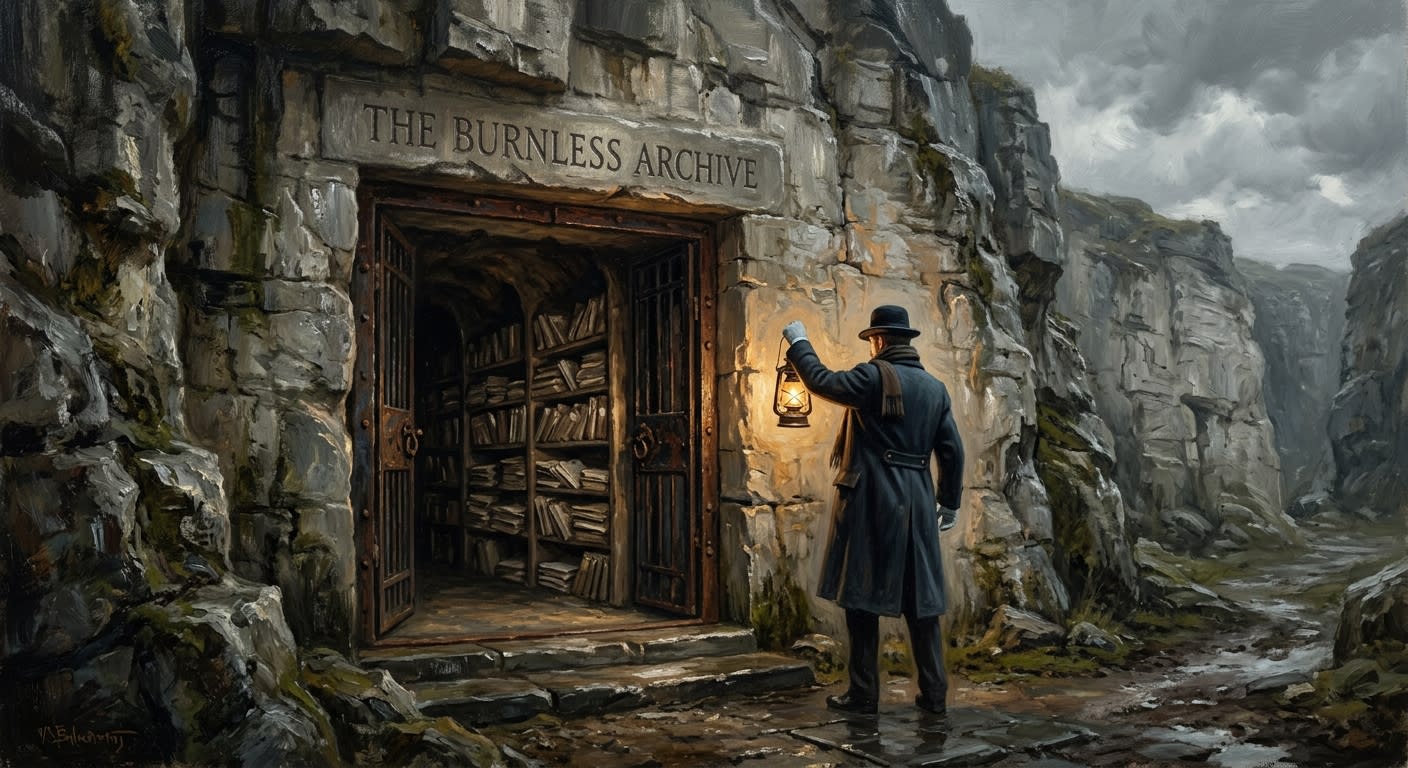
The Burnless Archive
The paper does not burn. The ink is wet. The Bureau files this under Pending.
Beneath the Steppe Gate's eastern cutbank, the paper does not burn, does not leave, and does not require a living hand to file new clauses. The Bureau of Doctrine has classified this under Pending for seven years. The ink remains wet.
Codex Ref. II.4.10-002
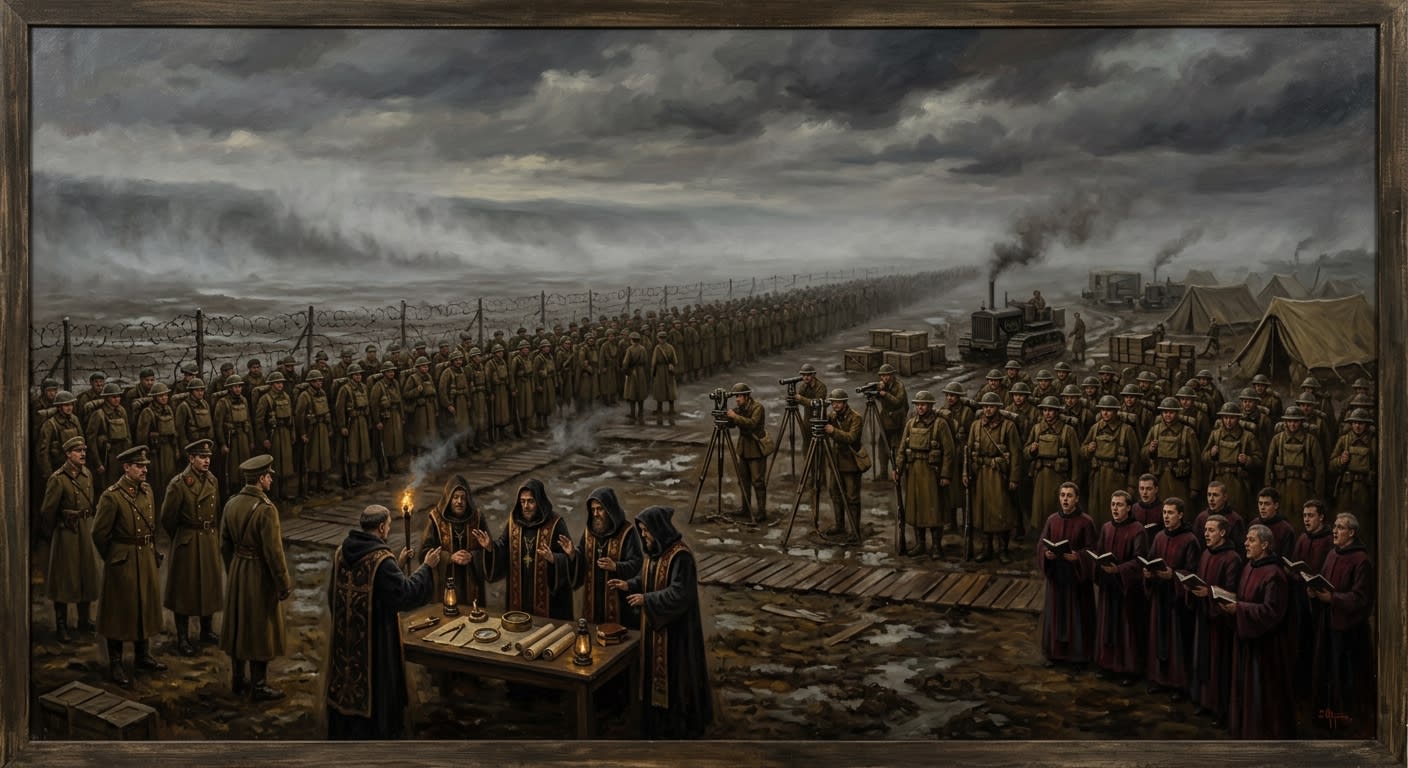
The Cartographic Expedition of A.S. 73
Three hundred men went to draw a map. The map drew them instead.
In A.S. 73, three hundred men entered the Charnel Lands to draw a map. Fourteen returned, and on every folio they carried — drawn in charcoal, ink, graphite, and in one case blood — the same face. Commission 73-C is closed. Its lesson is not.
Codex Ref. VII.1.01-001

The Clock Heretics
No bell owns the hour, and that is why the bells keep shouting
The Clock Heretics, called the Unstruck, preach against priced minutes under the Queue Road, sabotage bell-marks, and survive because their heresy usefully steadies the wheel.
Codex Ref. XI.3.02-001
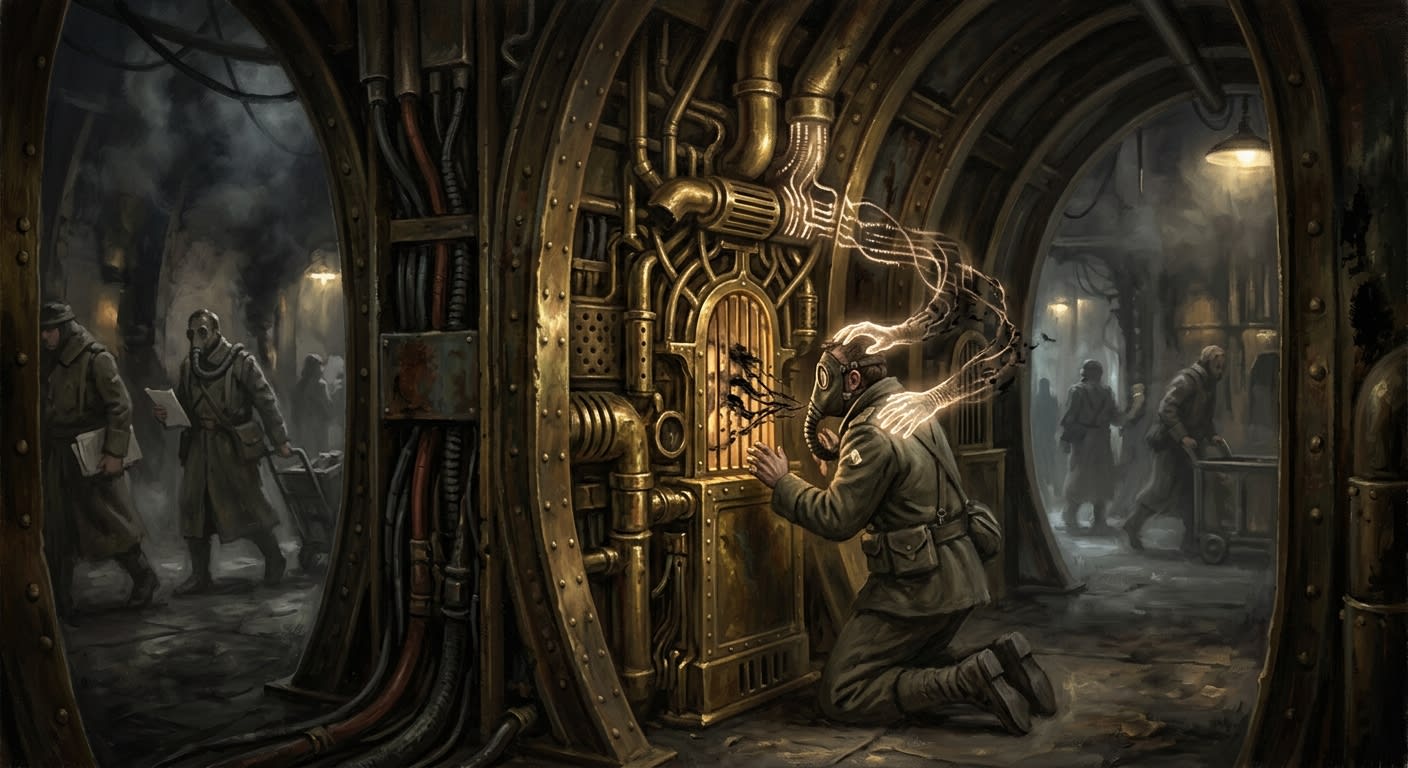
The Confession Echo
Speak once for the booth; speak twice for the river
At Bastion-Brest, sins spoken into the Confessional Lanes return from brass ribs, corrected by something that has learned the Synod's sacrament.
Codex Ref. XIII.1.13-001
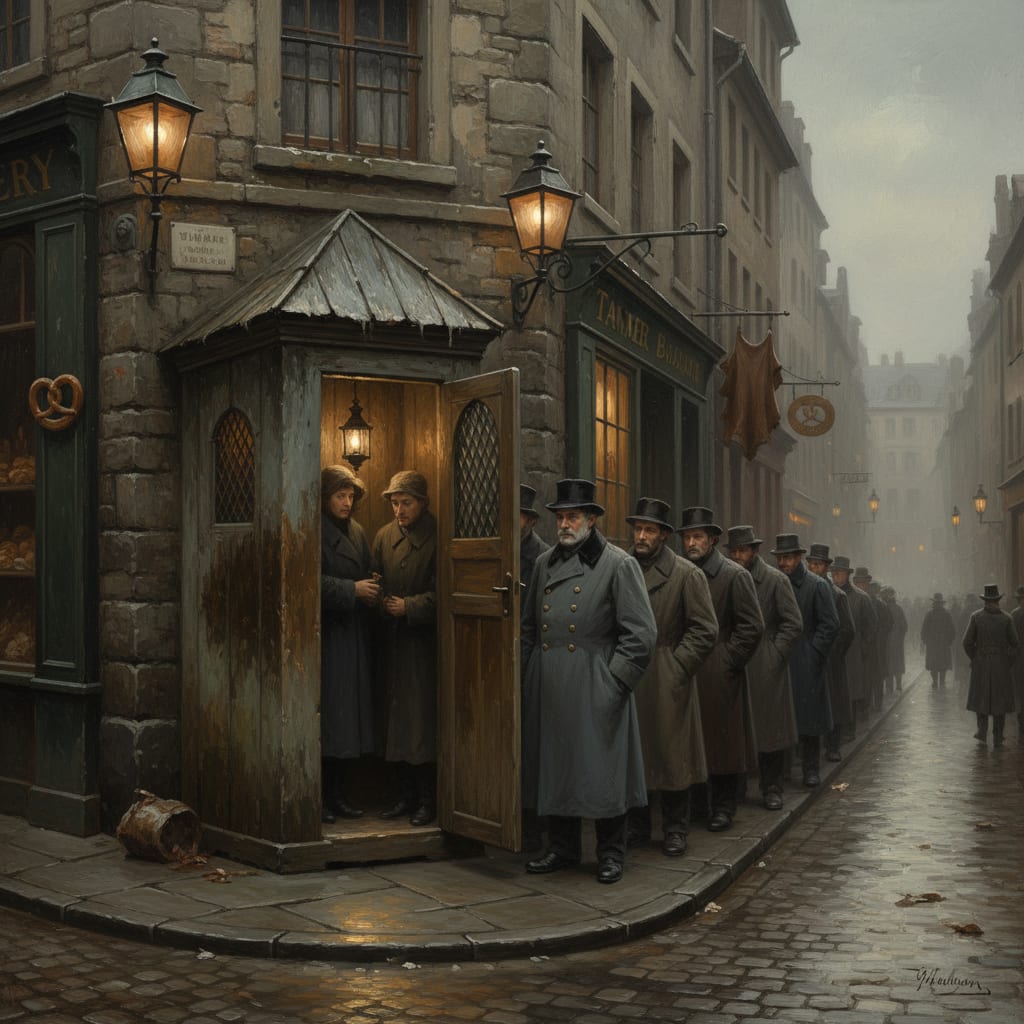
The Confessor-Booth Clerk
The booth does not forgive — but it files. A survey of the twenty-two thousand stamps that keep the Synod clean.
Twenty-two thousand booths; one stamp; no absolution. The Confessor-Booth Clerk processes sin as throughput, files guilt as data, and keeps the Synod's spiritual economy solvent — a contemporary survey by Hieromnemon Valerius Drax, A.S. 201.
Codex Ref. XII.9.01-001

The Corridor Twitching
The dead moved once, and the living invented a profession
A.S. 92 ossuary disturbance beneath Bastion-Brest in which unstamped remains moved under observation, forcing the seventy-two-hour authentication rule and licensed Bone-Stamper doctrine.
Codex Ref. VII.4.16-001
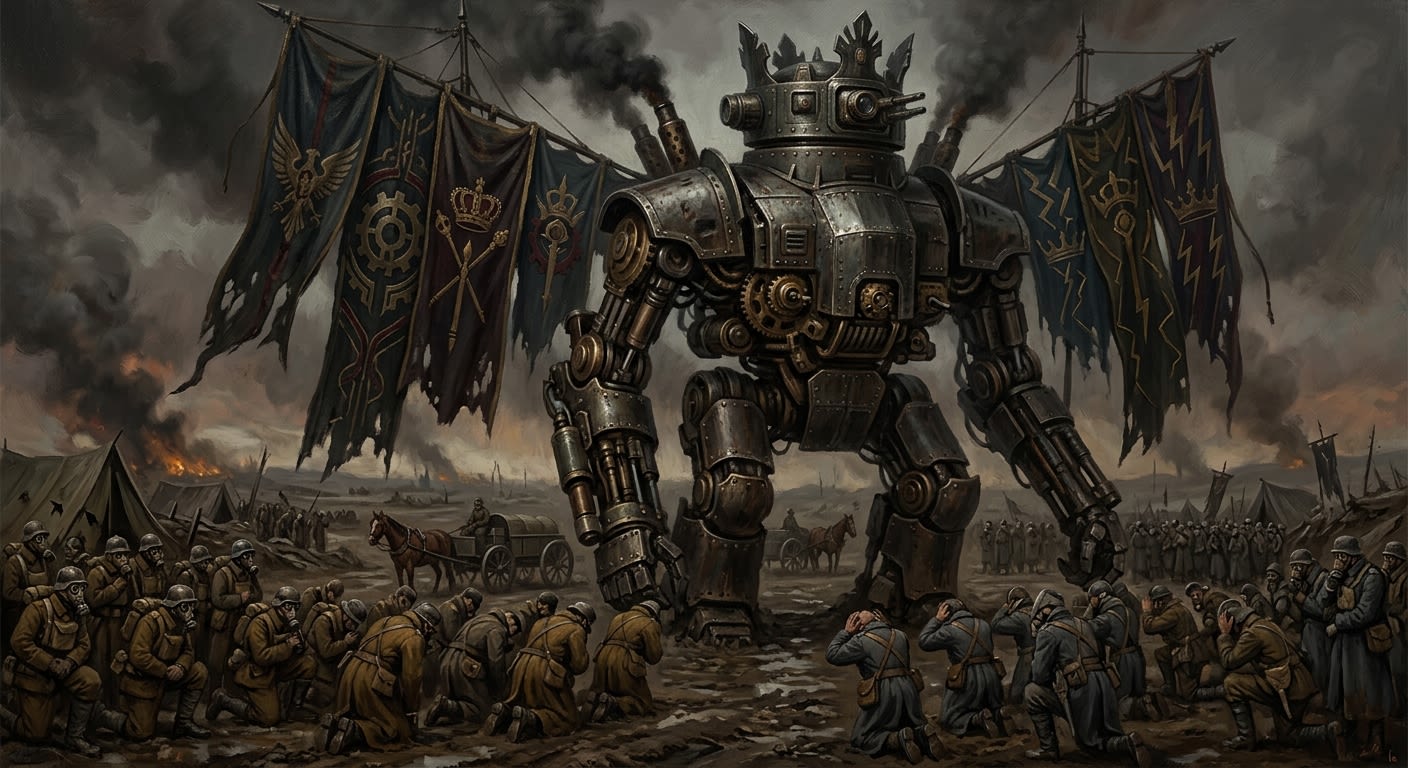
The Crownguard Titans
Pride's first argument is always height
Atheron's crowned vanguard: armoured giants whose banners teach knees to bend before artillery has the courtesy to speak.
Codex Ref. IV.1.07-008
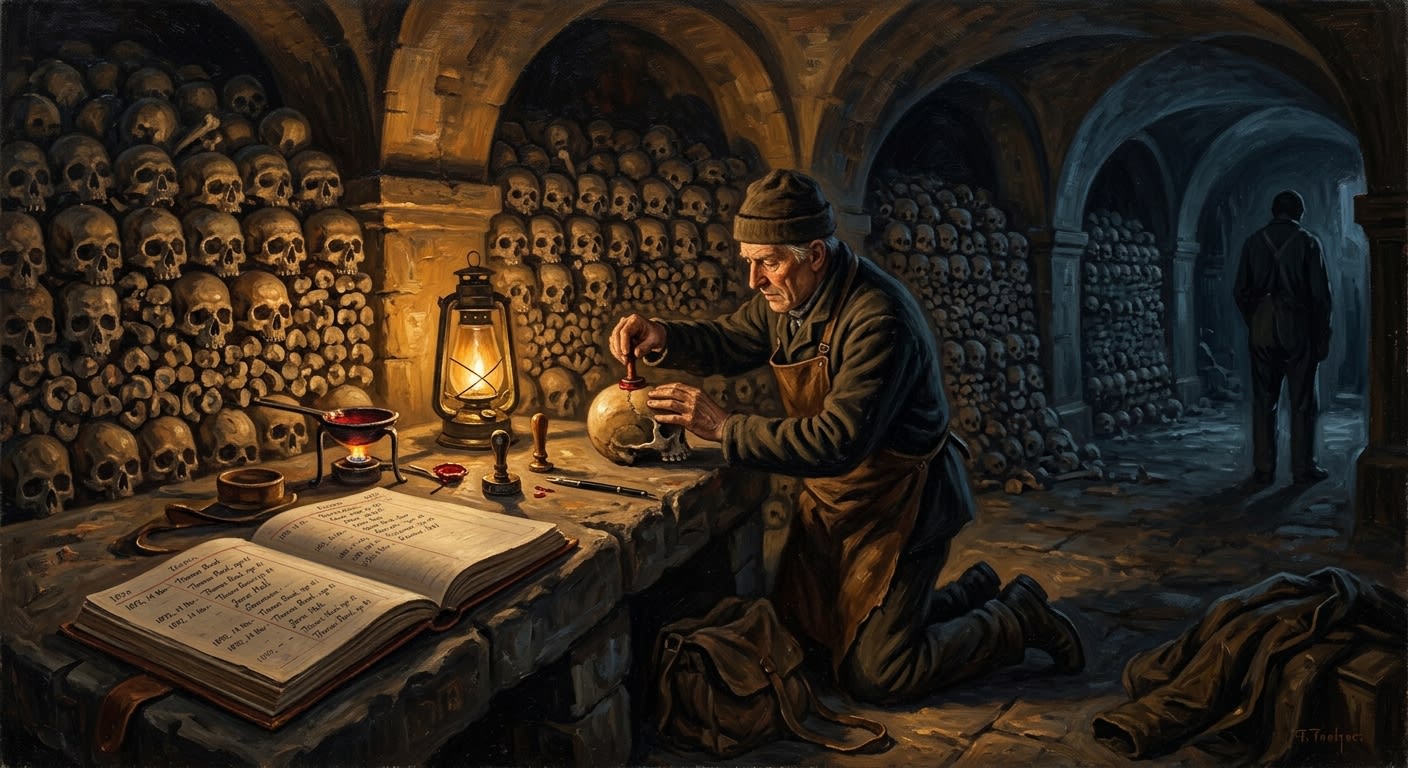
The Dead
What the filing system remembers, and what the Bureau has declined to ask
The Bureau maintains death is a clerical event. The dead, by the Bureau's own monitoring, appear to disagree. Drax files the discrepancy.
Codex Ref. VI.2.01-001
The Drowned Choir
The sea has learned the bell-schedule, and it sings the names back wrong
Beneath Thessaloniki's harbour, a Category Three Harmonic Anomaly gathers names through chain, fog, hull, dream, tooth, and Bureau denial.
Codex Ref. XIII.1.12-001
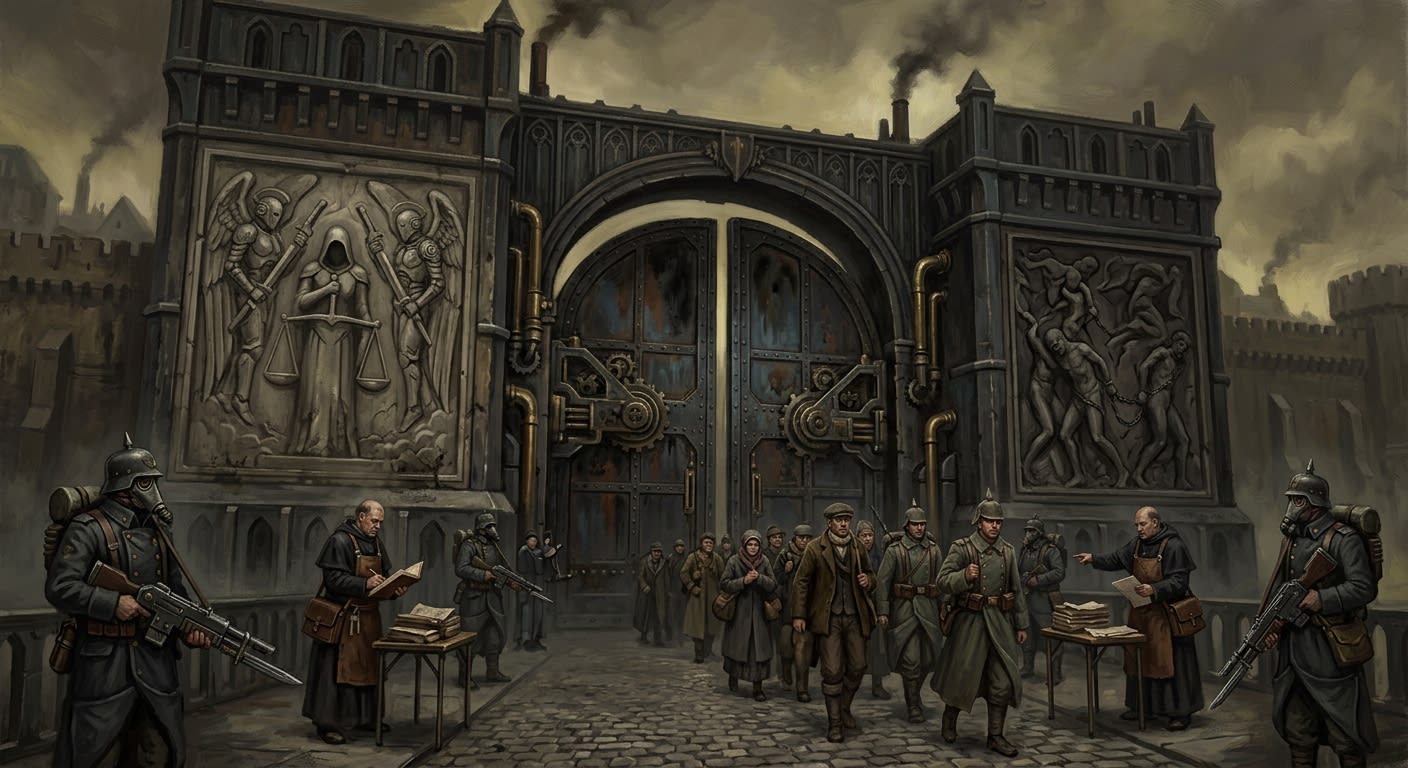
The Gates of Regensburg
Blessing above, curse below, and the pamphlet between
Regensburg's western gates bless and curse the traveller at once, leaving theologians, pamphleteers, and sinners to discover which verdict bites first.
Codex Ref. VII.2.01-003
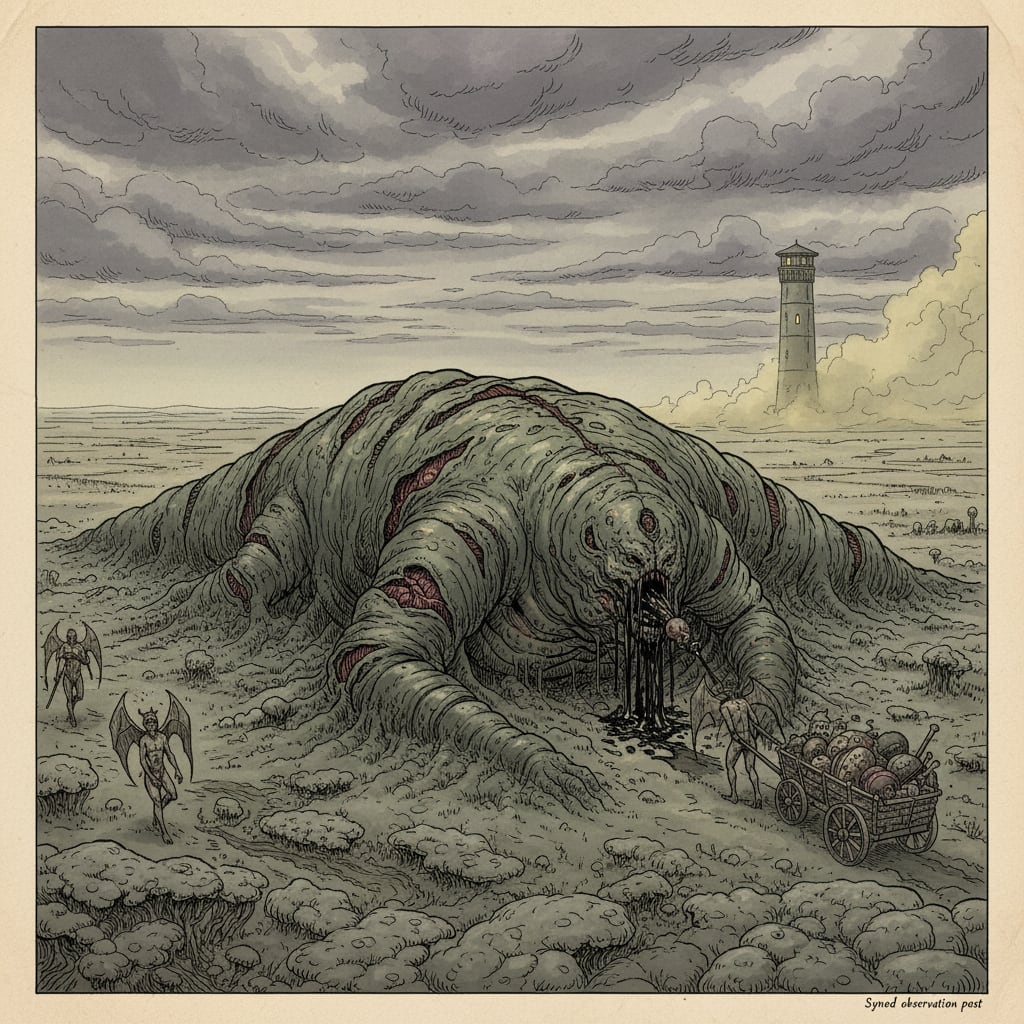
The Gorged
Still waiting for enough; which the Bureau notes, and does not discuss
Kargath's fourth taxonomic class: stationary consumption engines too vast to move, too hungry to stop. The Gorged believe the next mouthful will satisfy them. The Bureau classifies them as area denial and has noted the institutional parallel in a sealed file it declines to open.
Codex Ref. IV.1.07-004

The Greyling Cohort
Children born under the sky that declined to answer
The Greyling Cohort names the silent grey-eyed children born during the Year Without Dawn, officially extinct, unofficially watched by anyone sensible.
Codex Ref. XIII.1.32-001
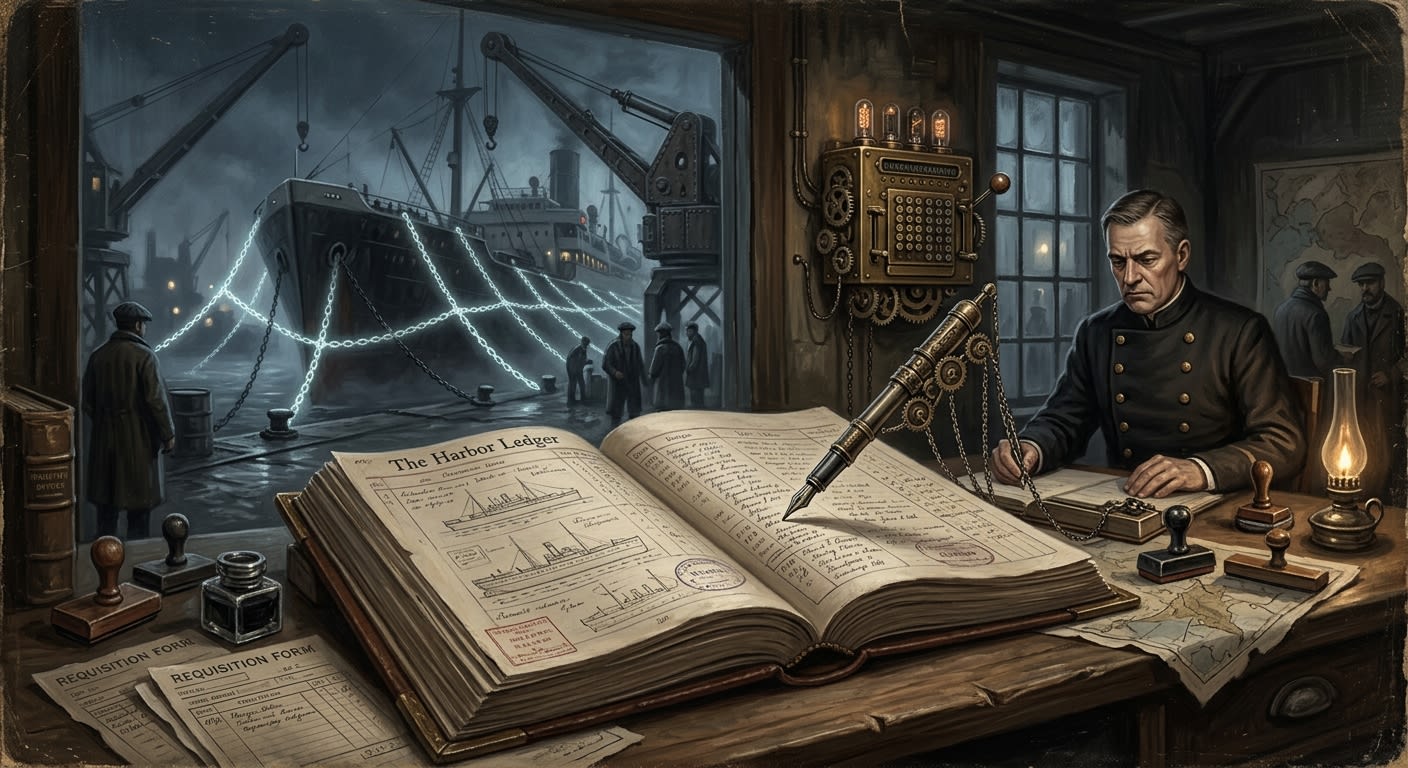
The Harbor Ledger
The book that teaches ships they have arrived only after the ink permits it
The Harbor Ledger of Thessaloniki is the Synod's coastal sacrament of arrival: Hull, Soul, and Substance counted beneath chains that hum with a sea's rival arithmetic.
Codex Ref. XIII.1.93-201
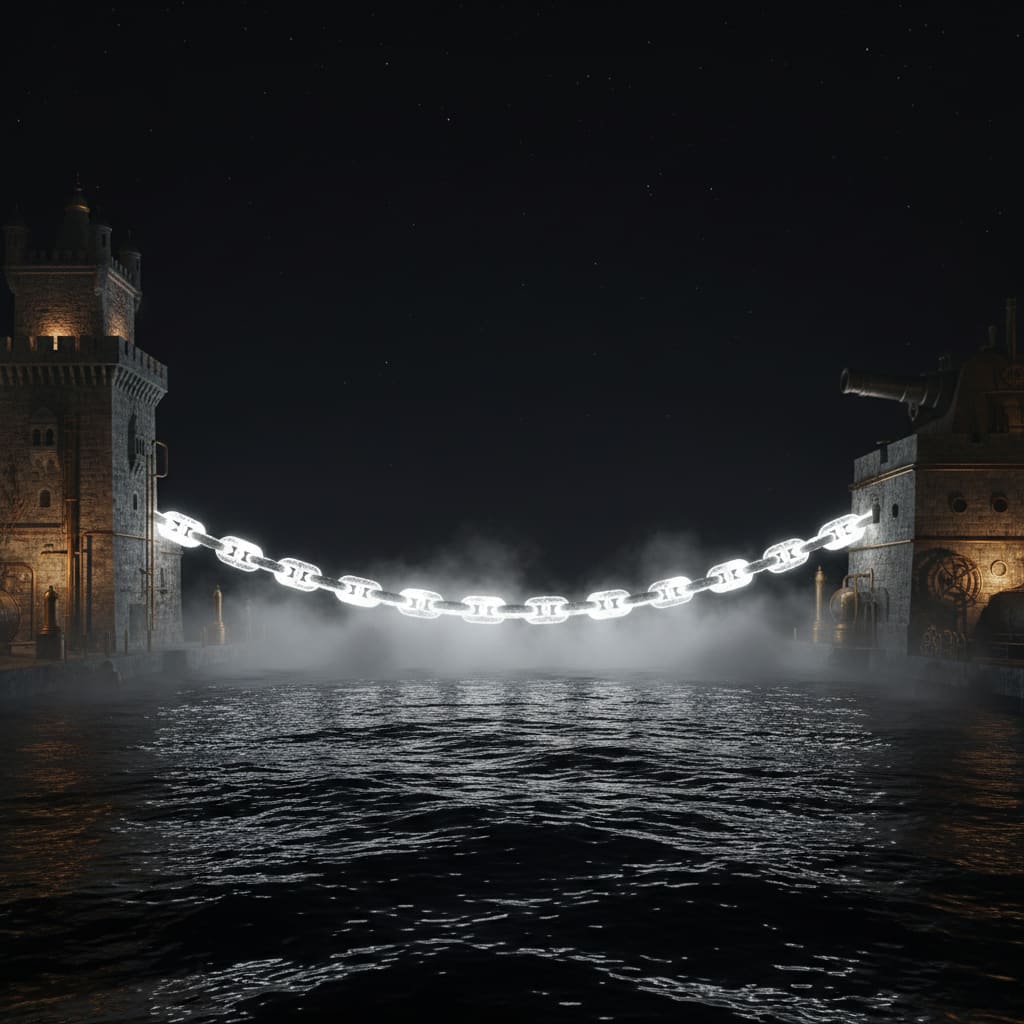
The Harbor of Chains
A mile of quay, a hundred fathoms of iron, and what the chain is becoming
The Harbor of Chains guards the Bosphorus with one mile of fortified quay and the Chain of Saint Anakletos — consecrated iron that burned the Black Sea Armada white in A.S. 162 and has not glowed since.
Codex Ref. II.4.10-005
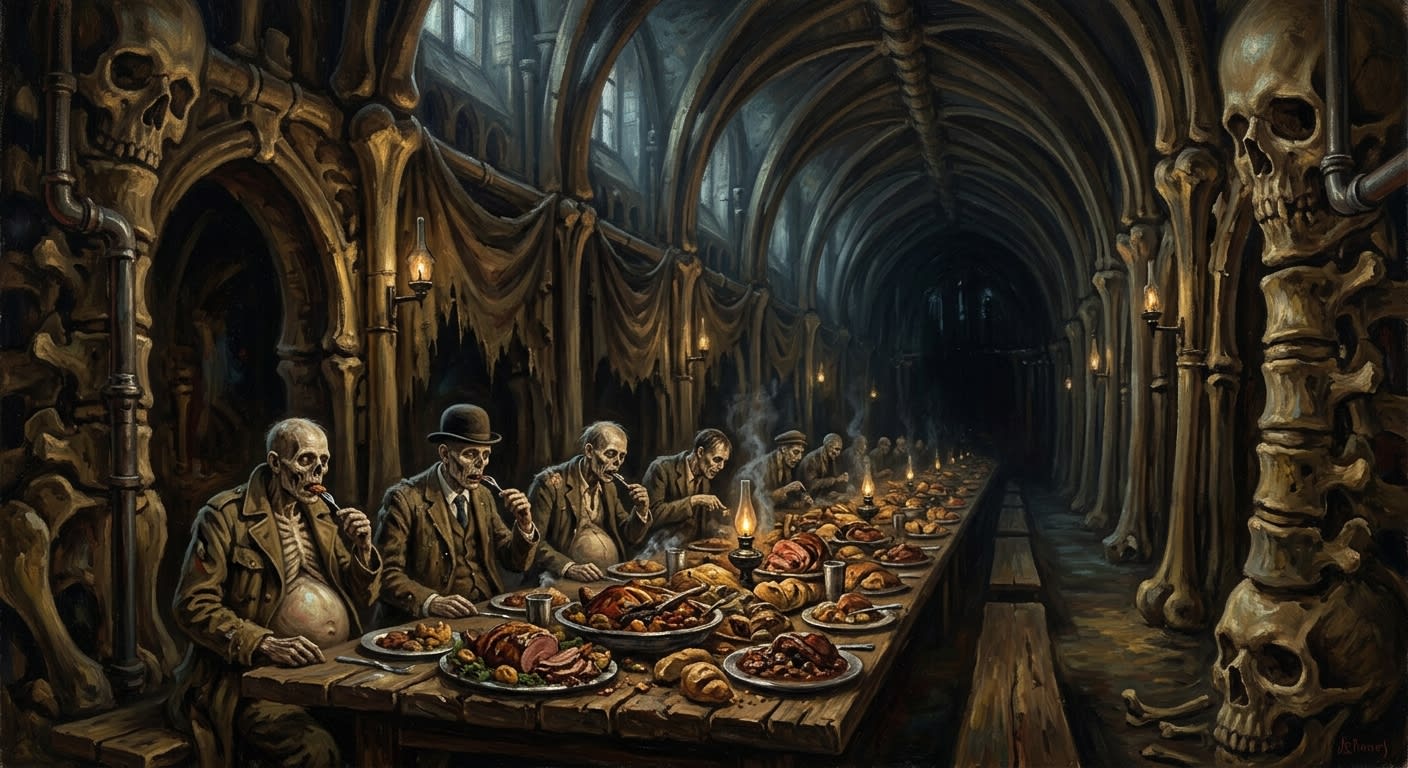
The Hollow Court
Nine miles of table. Every seat occupied. The host is always hungry.
The seat of the Sin-General of Gluttony, confirmed four times, located forty leagues east-south-east of Debrecen. Its feast has not ended. Its guests have not left. Its table runs nine miles. The Bureau of War has declined to act on this information three times.
Codex Ref. V.6.01-004
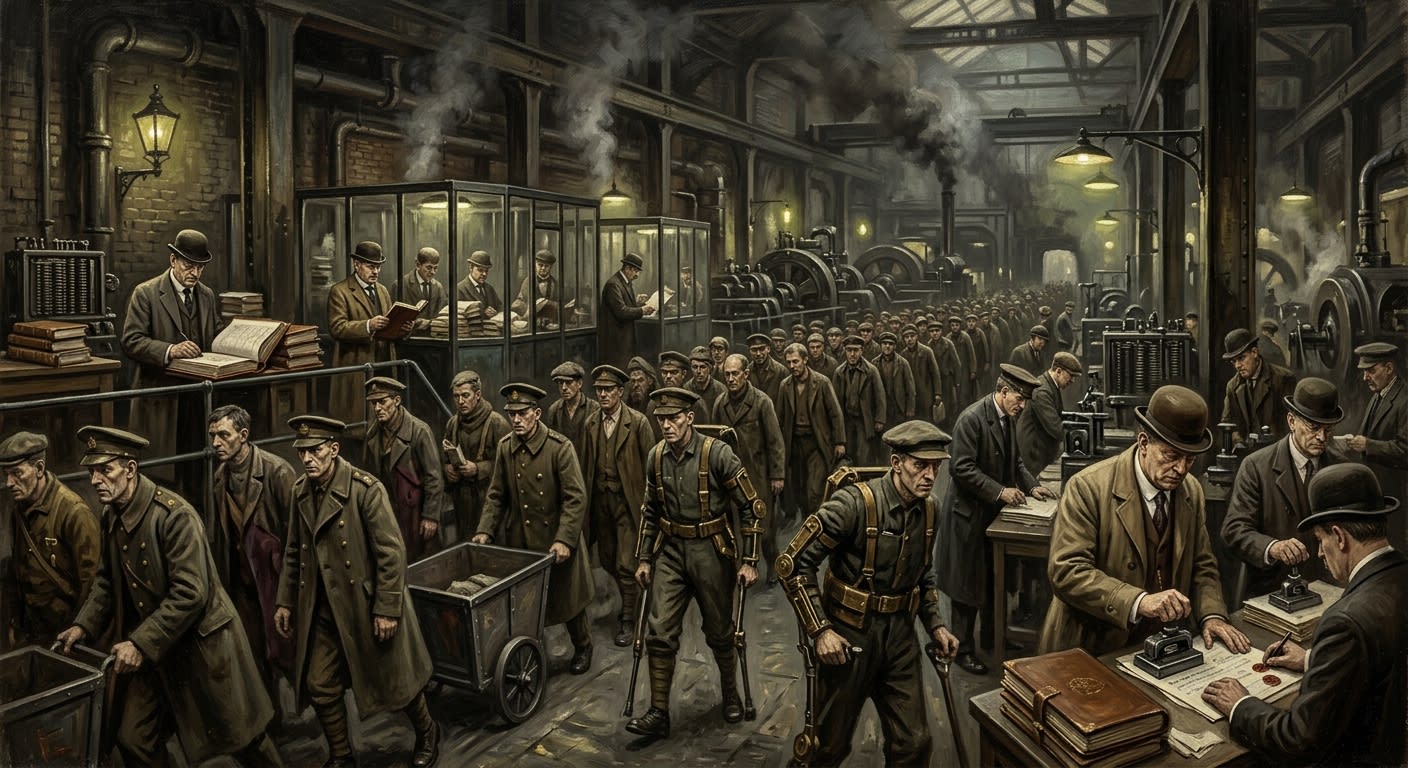
The Hollowing
When the hand remembers the rite and the soul declines attendance
The Bone-Stampers' private name for vocational faith-depletion, by which conviction thins, seals bite less deeply, and the dead resume their education in motion.
Codex Ref. XIII.1.45-001

The Hourglass Monolith
A black standard for measuring the ways time refuses obedience
The Hourglass Monolith is Lyon's forbidden temporal standard: part instrument, part confession, and quite possibly an enemy noun wearing Bureau wax.
Codex Ref. XIII.1.86-134
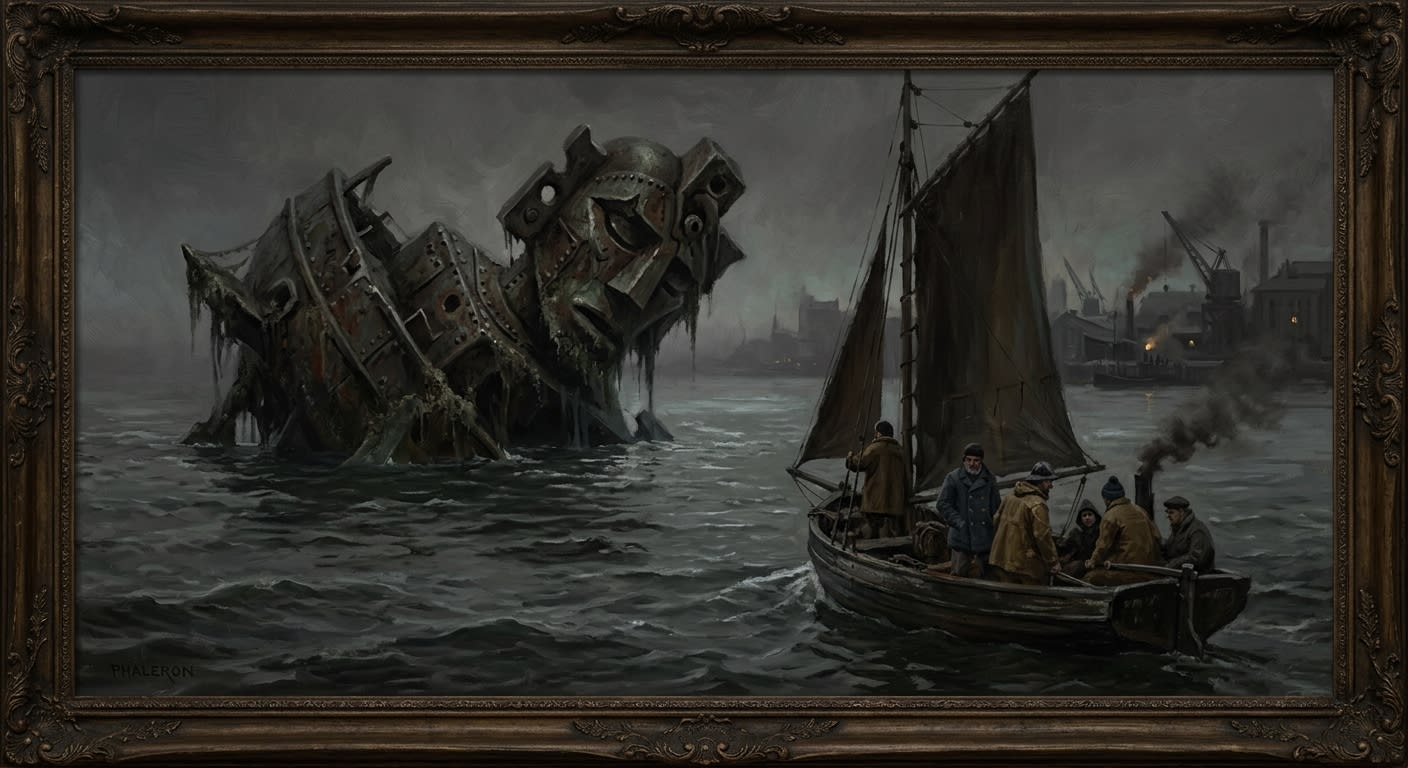
The Iron Idol
What the chain did not burn, the water learned to keep
A submerged iron anomaly off Phaleron Bay, linked to the Black Sea Armada's missing forty-seventh ship and watched by fishermen who wisely look elsewhere.
Codex Ref. V.2.02-001
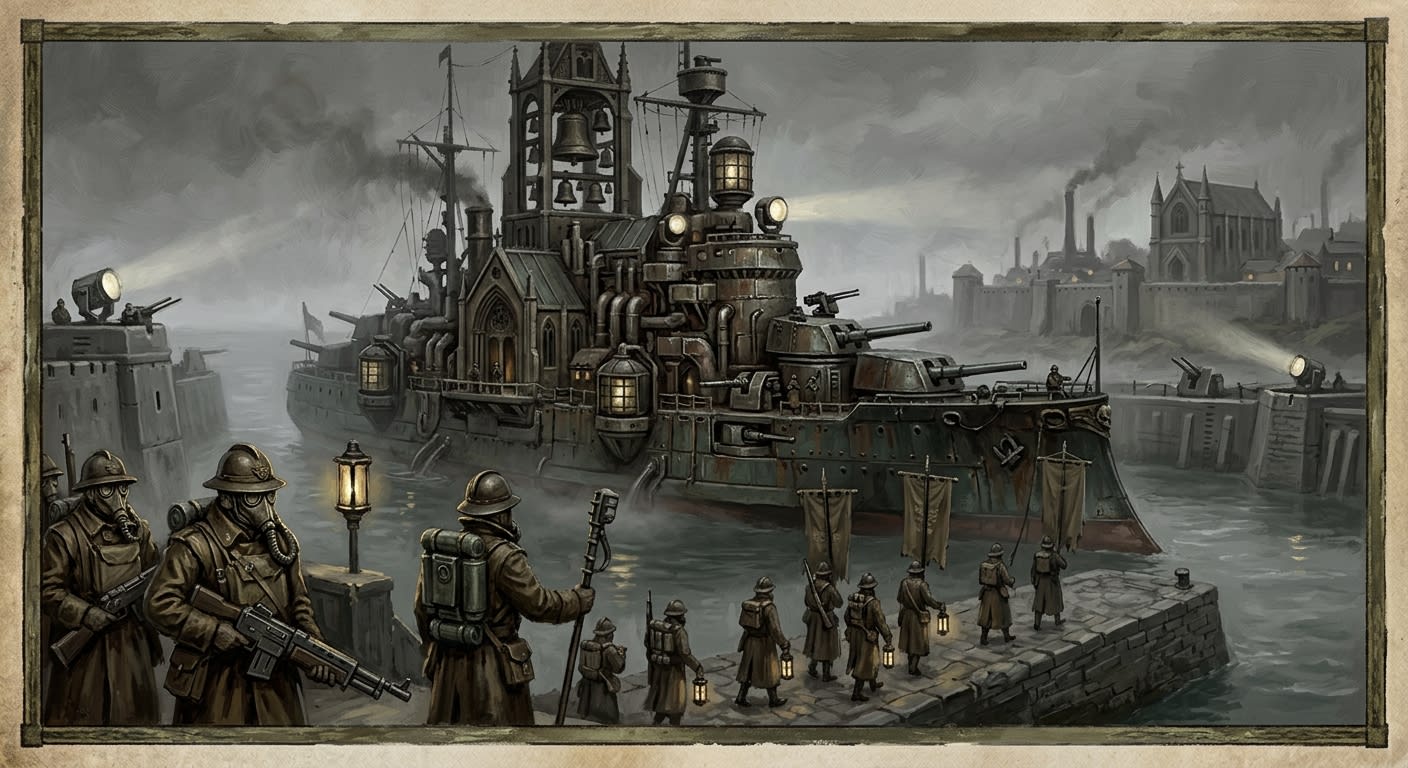
The Lantern Way
Britain's armed faith, ringing without permission and working without forms
Britain's Lantern Way is armed, parochial, naval, and intolerably effective: a faith of bells, Wardens, walling, chapel ships, and local vows.
Codex Ref. X.1.04-001
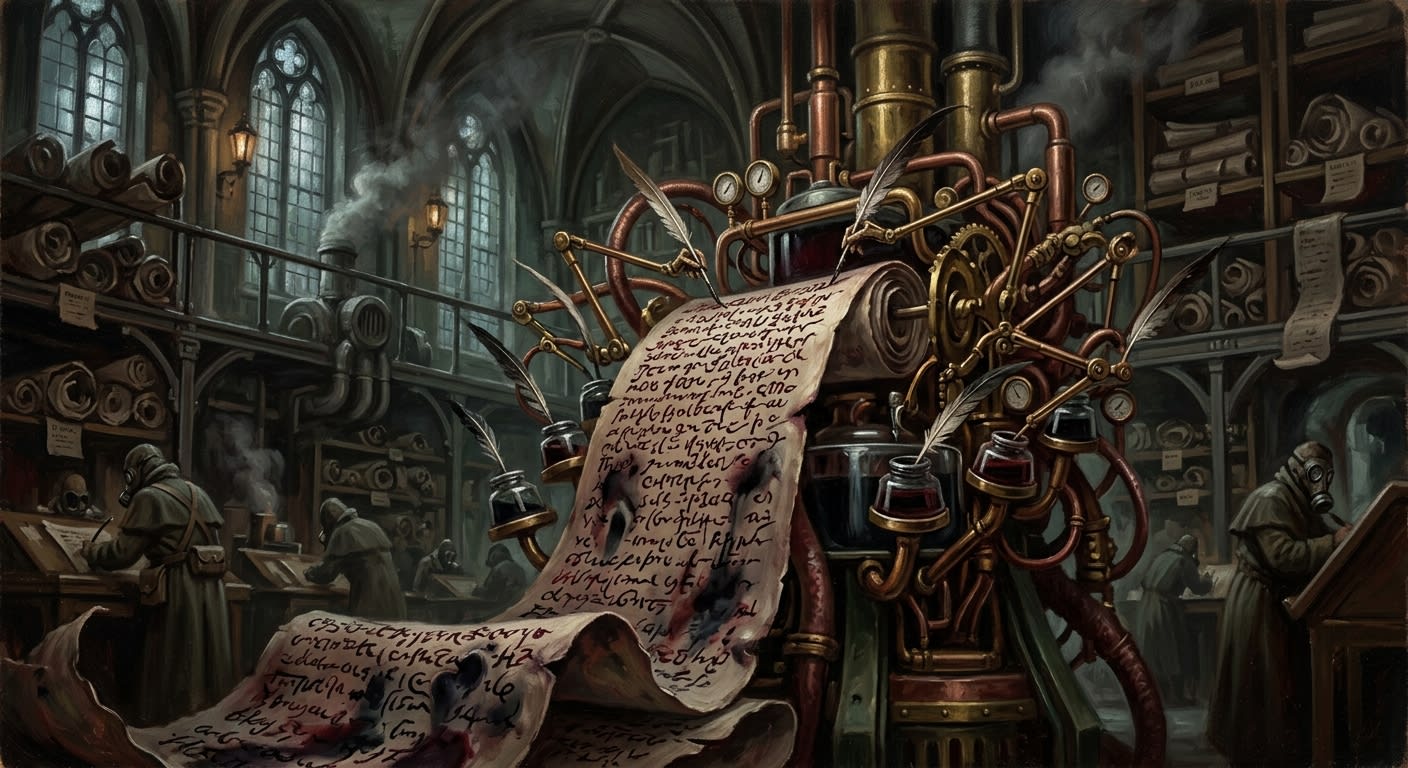
The Living Addenda
The correction writes itself, and the state kneels because the margins are proper
The Living Addenda are wet-ink amendments born in the Burnless Archive: procedurally perfect, unauthored, legally binding, and therefore impolite to reality.
Codex Ref. XIII.1.27-001

The Mirror and Perfume Arts
Beauty is not evidence, comfort is not acquittal
Velkara's Mirror and Perfume Arts turn reflection into passage and scent into revised memory; the chooser remains intact, which is why Purity sharpens its irons.
Codex Ref. XIII.1.36-001
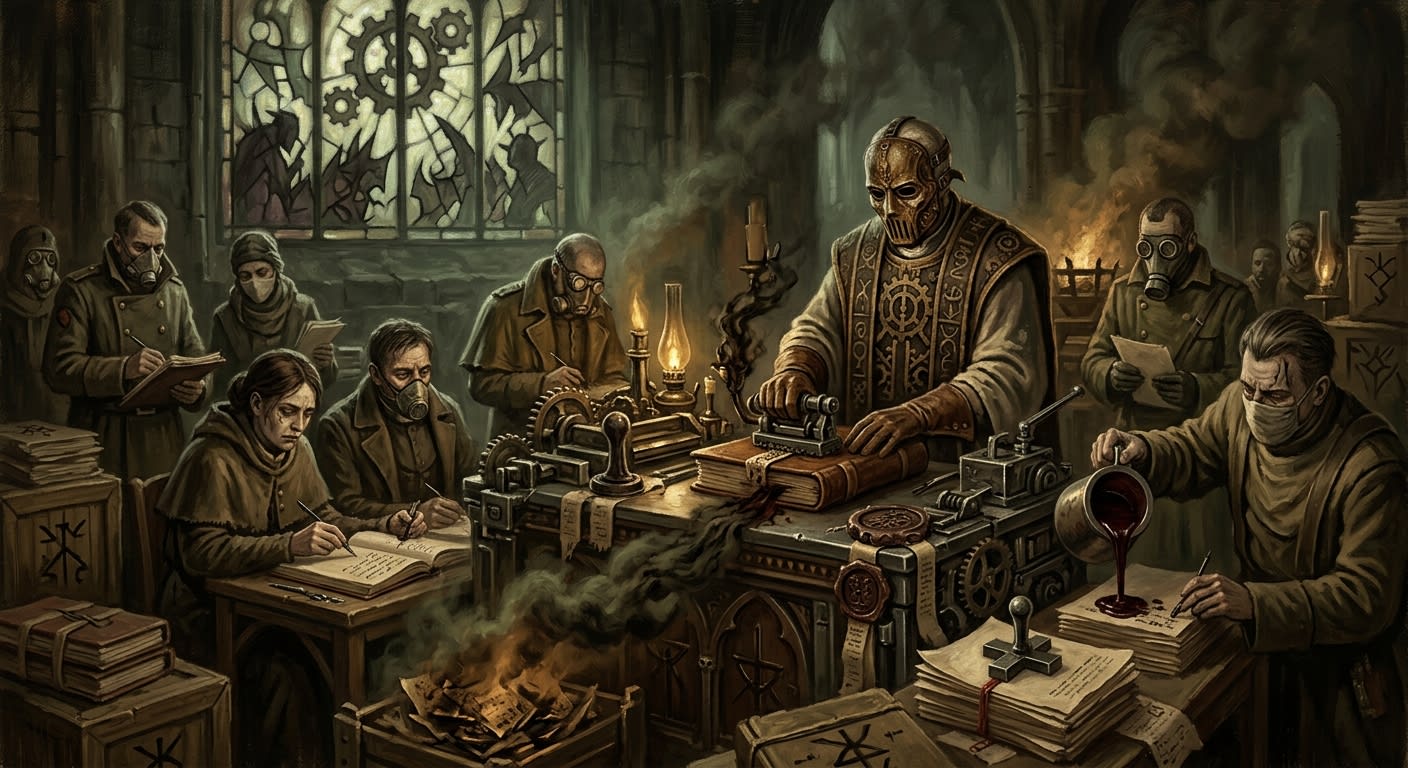
The Mock Liturgy
Hell learned our responses and improved the paperwork
The Shadow Court's parodic sacramental apparatus turns worship into damnation-paperwork: counter-seals, unhymns, inverse rites, and choices that bind.
Codex Ref. XIII.1.25-001

The Night of Knives in Kraków
Forty-seven mouths wired shut so that no prayer could escape
Forty-seven clergymen seized in the night, their mouths wired shut with iron wire, and cast from the Dębnicki Bridge into the frozen Vistula. The Bureau spent one hundred and thirty years ratifying the narrative; it has been collecting the candle wicks ever since.
Codex Ref. VII.8.01-001
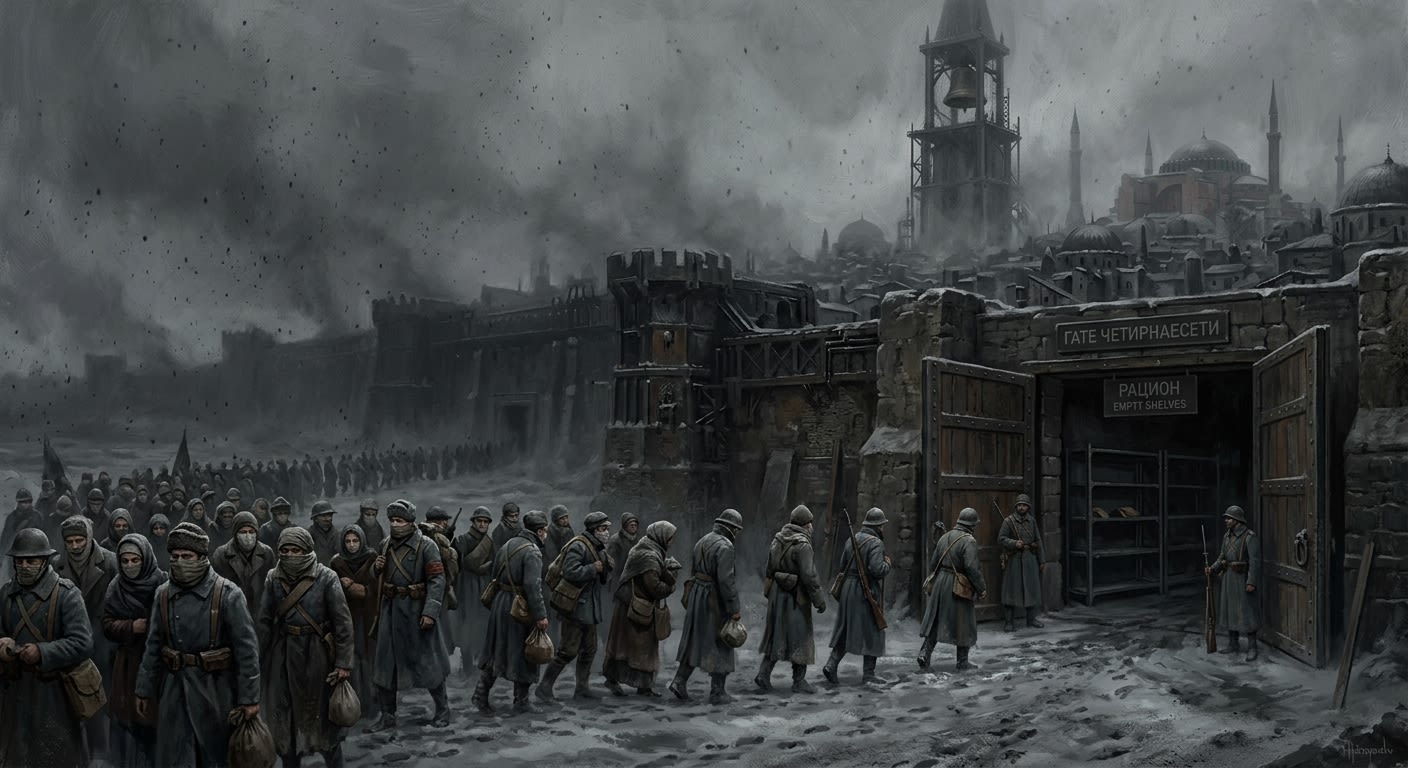
The Ninth Bell Famine
The bell tolled. The bread did not arrive. The Bureau classified this distinction later.
Sixty-eight thousand dead. Nine months of ash. The ninth bell tolled on time. The bread did not arrive. The Bureau of Rites calls it a refining tribulation. The refined are in the walls.
Codex Ref. VII.5.01-001
The Order of the Blessed Thorn
Linen, old women, and the machinery that discovered humility after it became profitable
A Breton mendicant sisterhood made Venerable after Margaux: twelve sisters, a house of linen, and enough humility to embarrass the Bureaus.
Codex Ref. XI.7.01-001
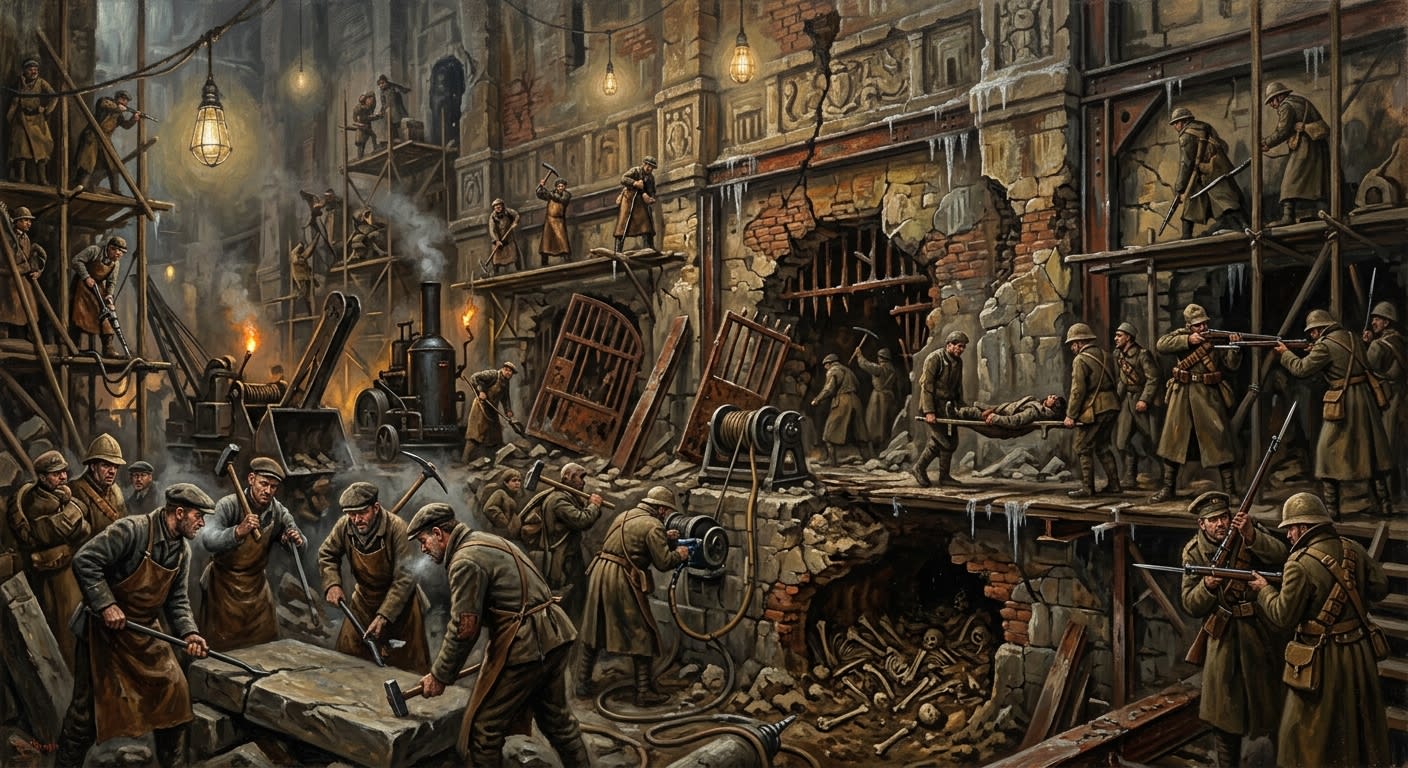
The Ossuary Breach Winter
When the dead tapped back, every workshop discovered it had always been behind schedule
The A.S. 134 Ossuary Breach Winter at Bastion-Irongate turned grave-seal defects, hollow walls, and moving dead into nine months of emergency Gate-Carver labour and stone-dust attrition.
Codex Ref. VII.4.25-001
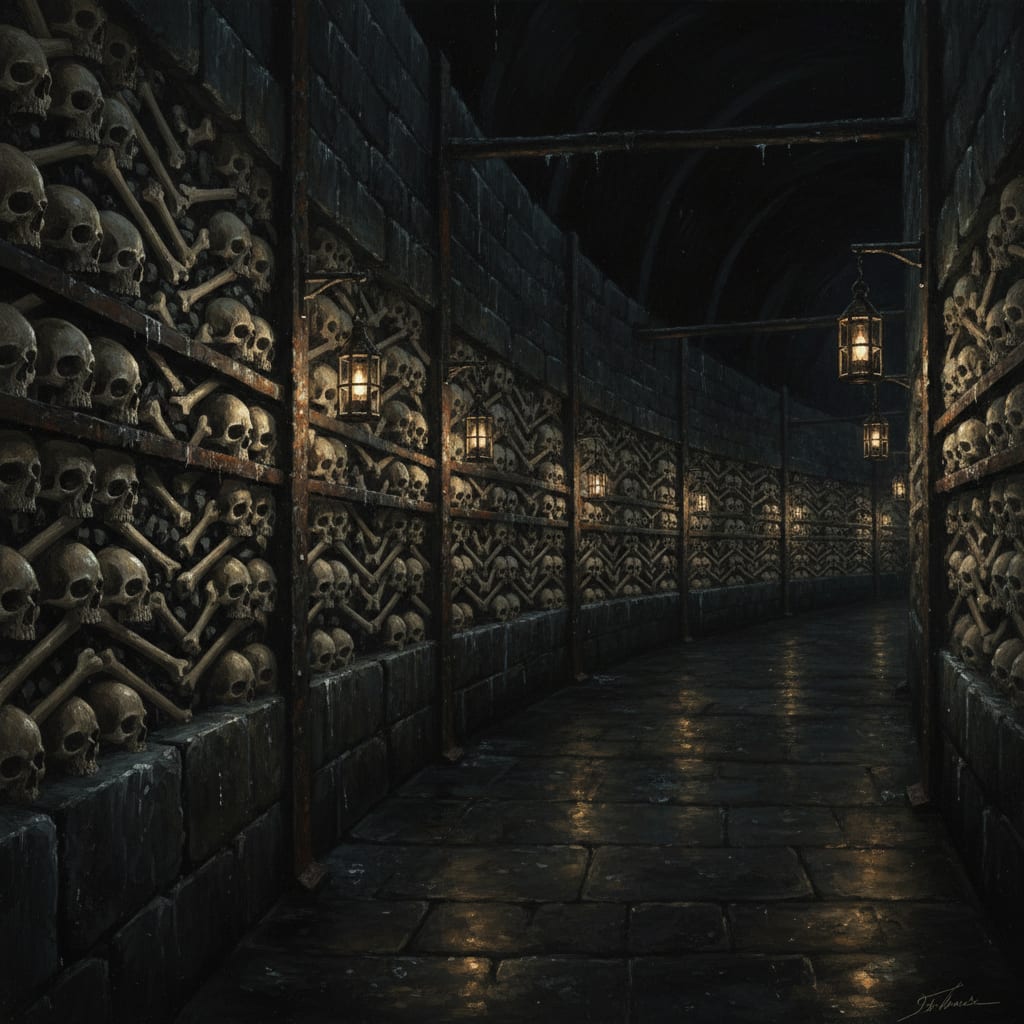
The Ossuary Rings of Bastion-Constantinople
Six walls of the dead, holding the city of the living together
Six rings of catacomb-fortification sunk into the Bosphorus headland — begun A.S. 47 when armies ran out of mortar and substituted femurs, expanded with every war dead since, administered by a Mother-Cryptor who knows 46,312 urns and sleeps facing away from the innermost ring.
Codex Ref. II.4.10-002

The Purity Fume-Inspector
The Bureau does not employ impartial men; it employs useful ones
The Bureau of Purity's masked, ledger-bearing field apparatus: trained to identify forty-seven prohibited emanations and report only what the quota requires. Twenty percent flows. Eighty percent is taxed. The city breathes.
Codex Ref. XII.32.01-001
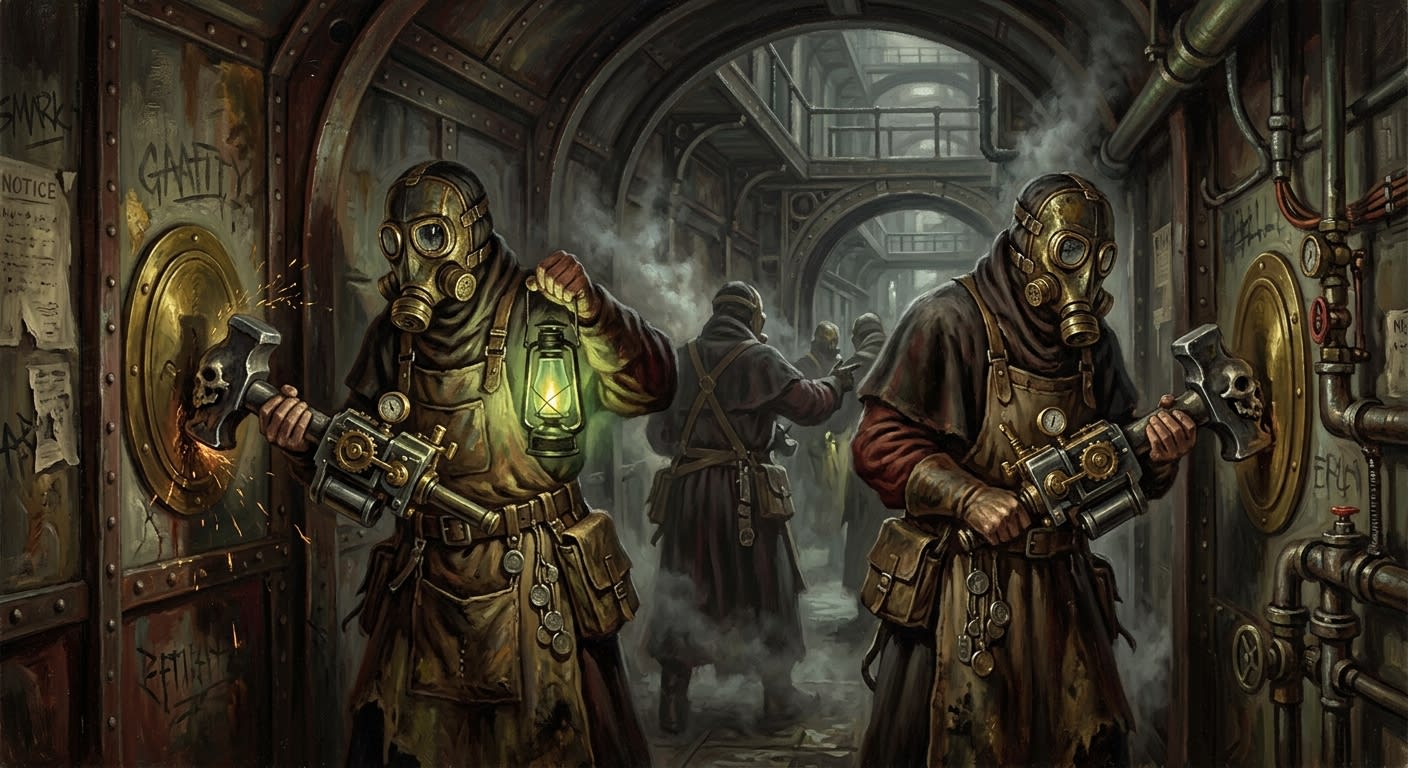
The Quiet Hands
The hand that does not tremble is the one the corridor obeys
Senior Ritual Bone-Stampers who quiet active corridors when ordinary seals fail, unlisted by organigramme yet indispensable wherever the dead begin correcting the Ledger.
Codex Ref. XII.37.02-001
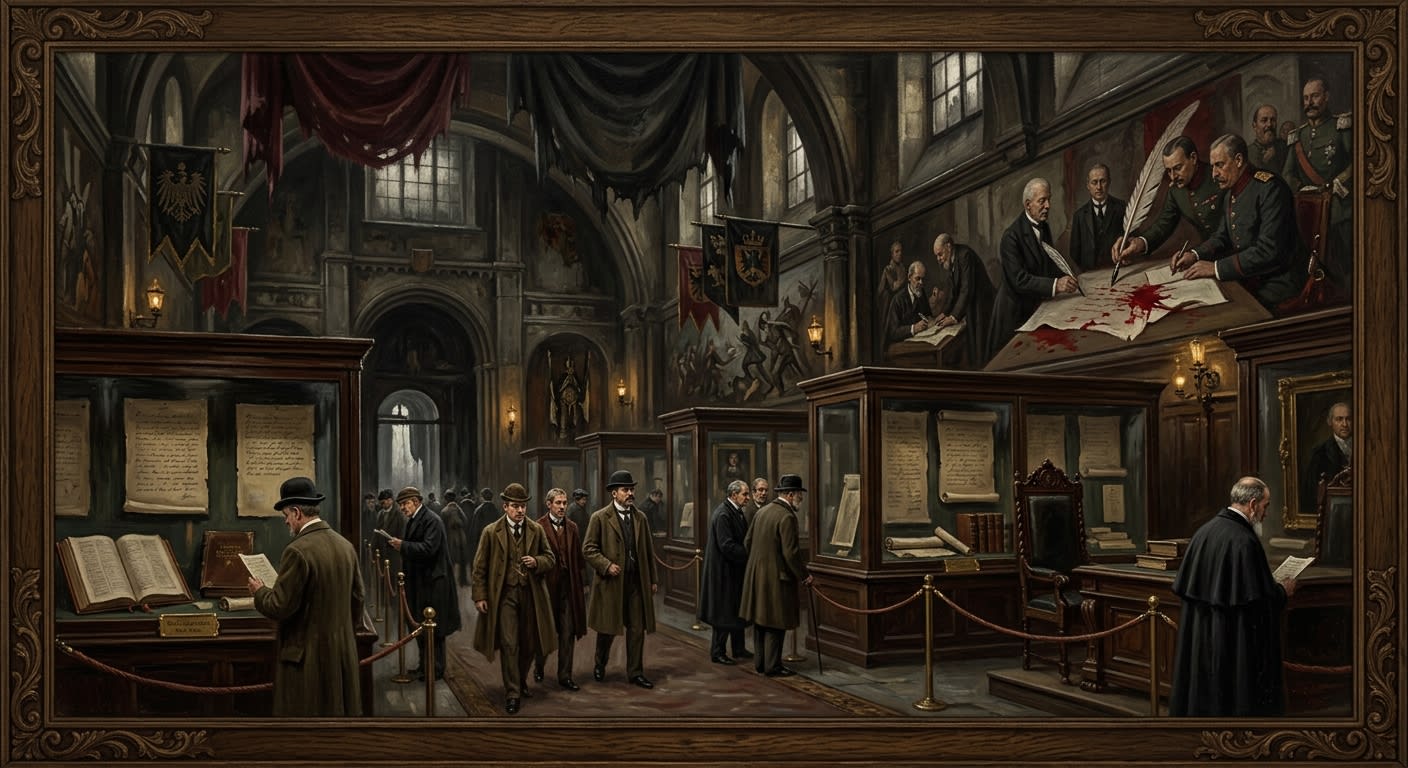
The Reichssaal
The hall that lent empire to heresy and received an altar for its trouble
The Reichssaal gave imperial furniture to Rationalist blasphemy, received the Treaty in blood and ink, and now instructs pilgrims under glass, pall, and Bureau custody.
Codex Ref. II.2.03-031
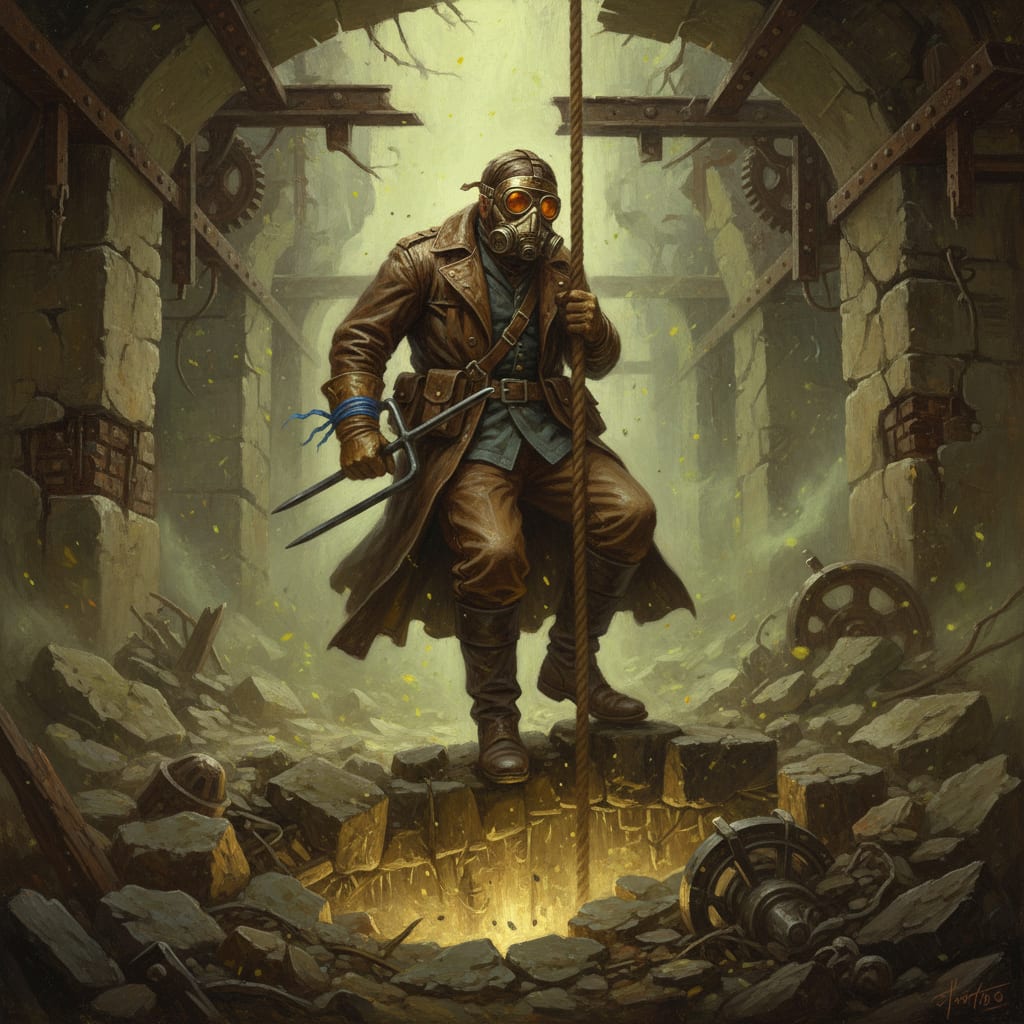
The Reliquary Salvager
The Synod misplaces relics; the Salvager retrieves them; no one speaks of the arrangement
The Synod does not lose its relics. It misplaces them — in collapsed vaults, sheared cathedrals, and quake-opened cellars. The Reliquary Salvager crawls in to retrieve them. His compliance record is spotless. His lungs are not.
Codex Ref. XII.36.01-001

The Rhine Corridor
Damp procedure, counted backward from every bridge
The Rhine Corridor is the Synod's damp procedure: a Zone 2 logistics artery, mortuary road, ferry court, heresy school, and billable proof that movement can be made afraid.
Codex Ref. II.2.08-202
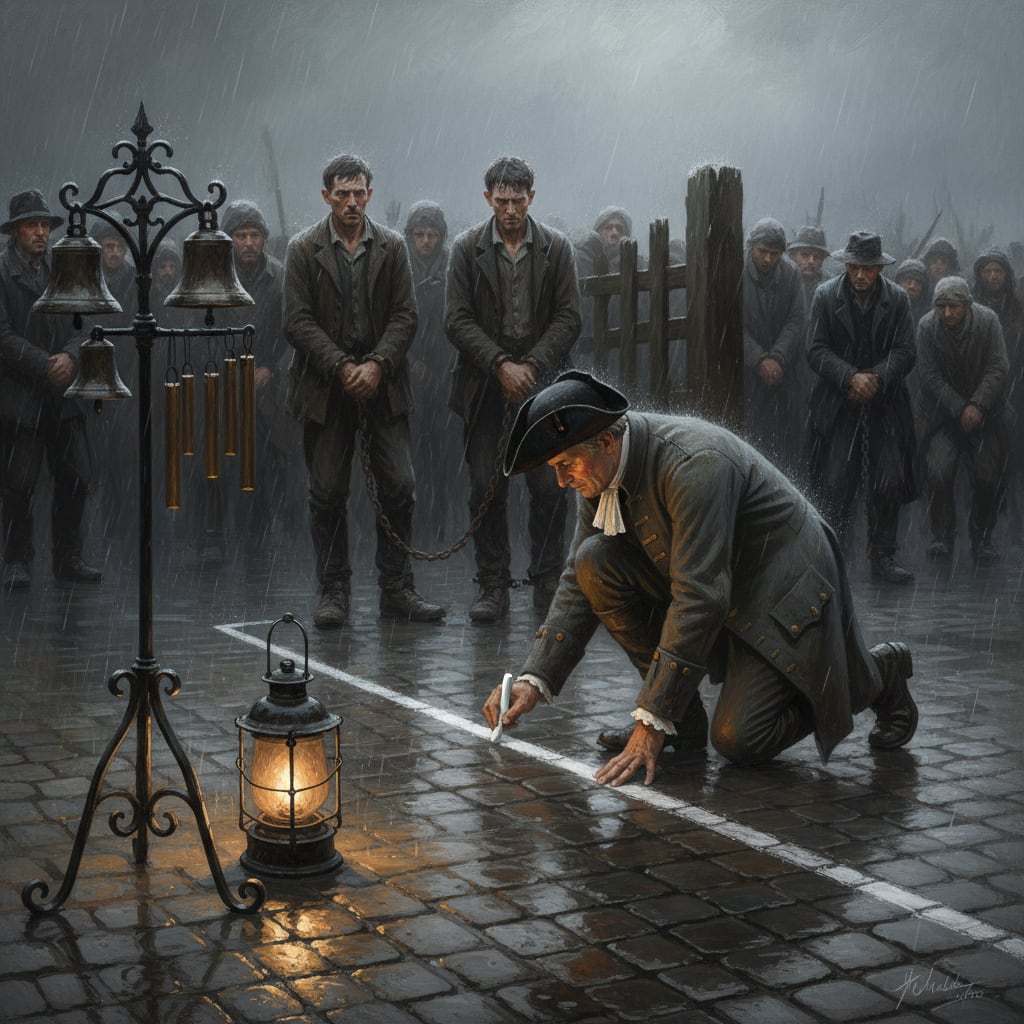
The Roving Judge's Bailiff
Chalk before mercy; chime before appeal; the seal is the court and the bailiff is its spine
The Roving Judge's Bailiff converts any patch of ground into a court and any crowd into an audience for justice lasting precisely one hymn. He keeps the chain, keeps the seal, and keeps the Judge above the stink. The rest is procedure.
Codex Ref. XII.39.01-001
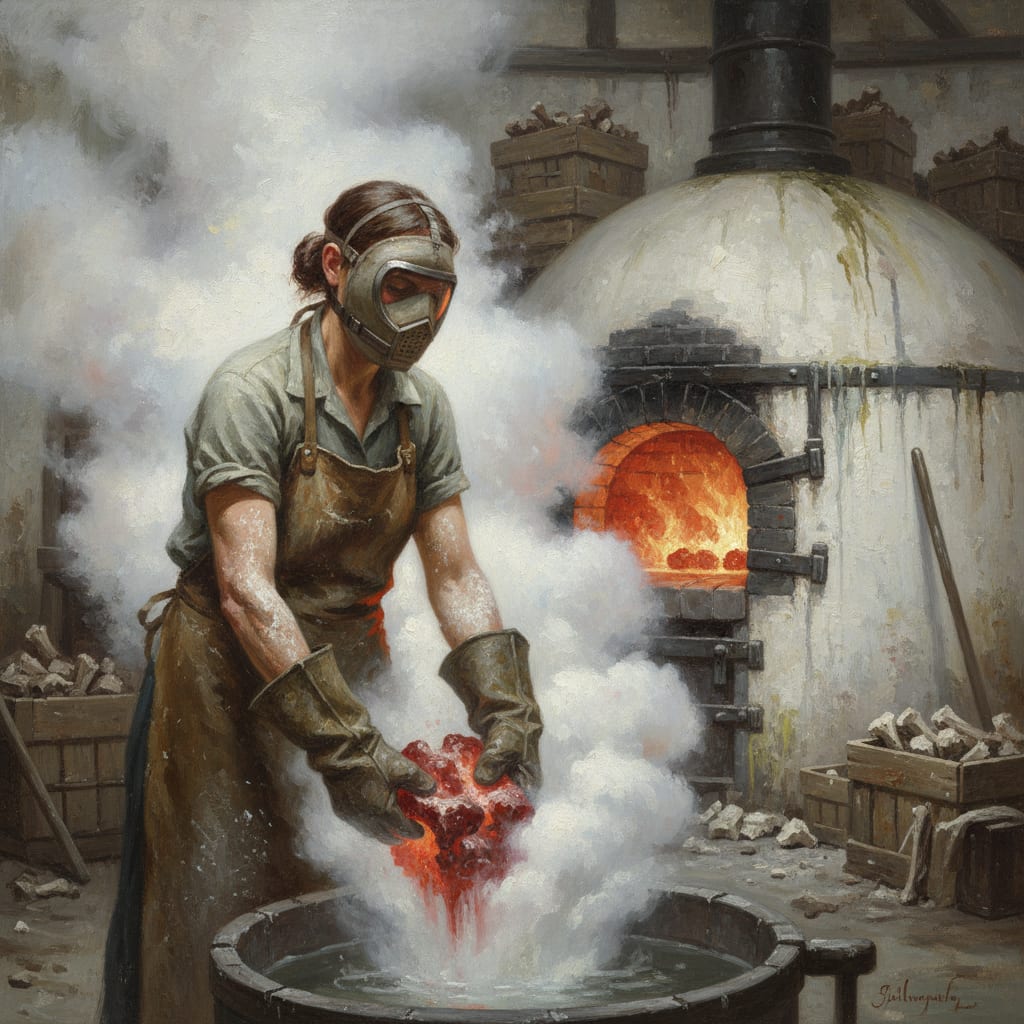
The Saint-Bone Melter
The wall is the only sermon the Enemy has ever been forced to hear
The artisan who feeds the bones of saints to the kiln and receives in return the mortar that holds the Sagittal Line together. The arithmetic is simple and brutal: a femur in a reliquary inspires; a femur in a wall holds.
Codex Ref. XII.40.01-001
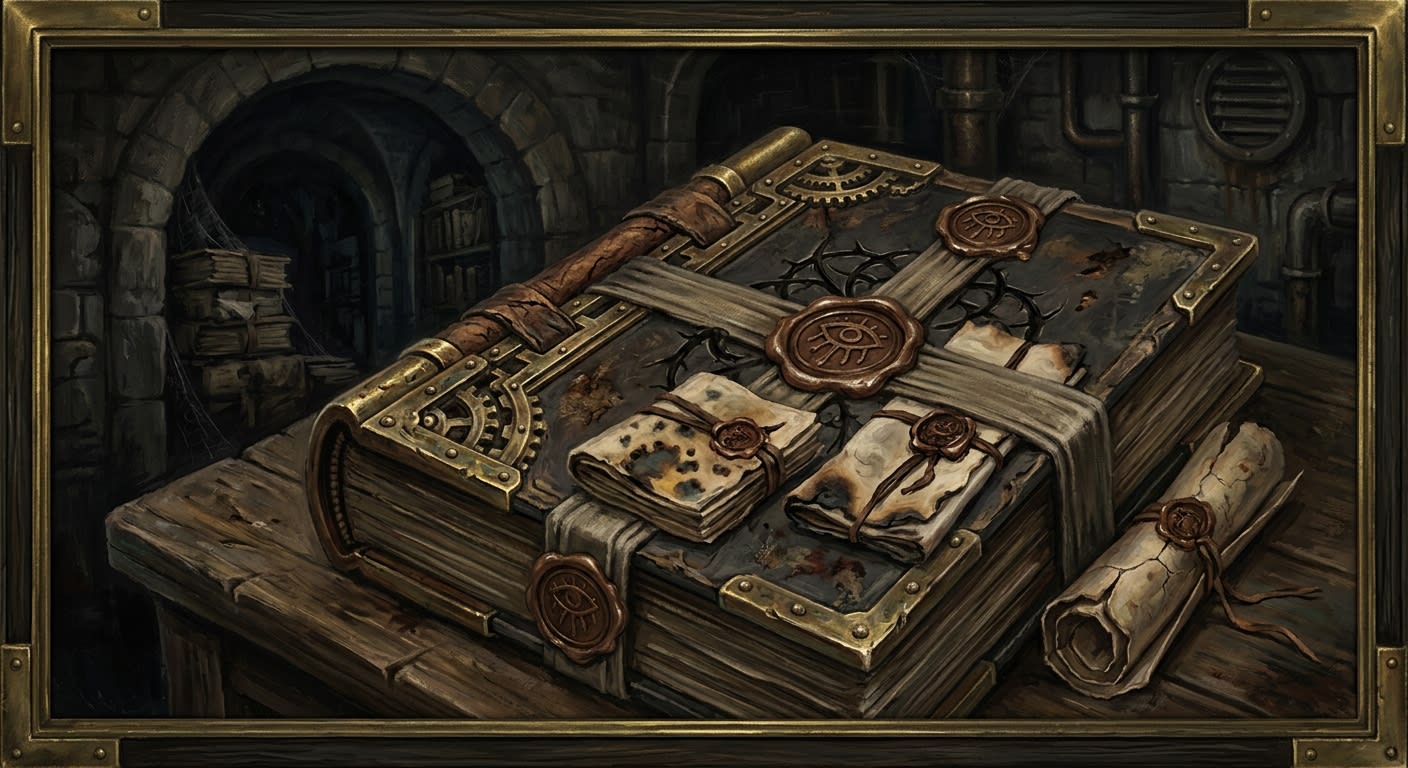
The Sealed Testimonies
Witness paper under restraint, because memory bites when shelved badly
First silence of the Vault of Silences, holding Atheron's emergence folios, the Mürren deposition from Debrecen, and the Iron Plains survivor volume.
Codex Ref. XIII.1.48-001
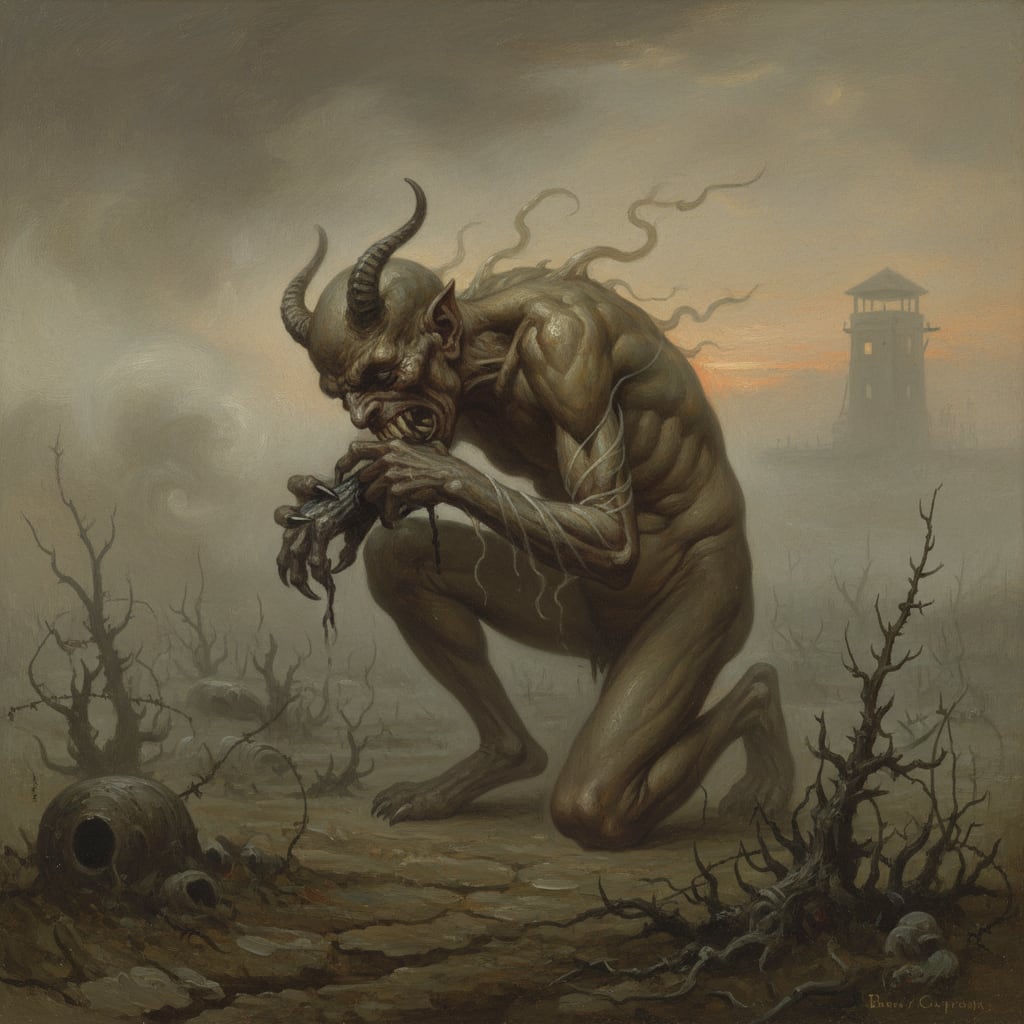
The Self-Devoured
Low direct threat; extreme proximity hazard; and the Bureau declines, for now, to rule on whether there is anyone inside
Kargath's sixth taxonomic class: demons that eat themselves, regenerate, and eat themselves again. The cycle has no pause. The Bureau classifies direct threat as Low and proximity threat as Extreme, and has not yet issued a ruling on whether anyone is home.
Codex Ref. IV.1.07-006
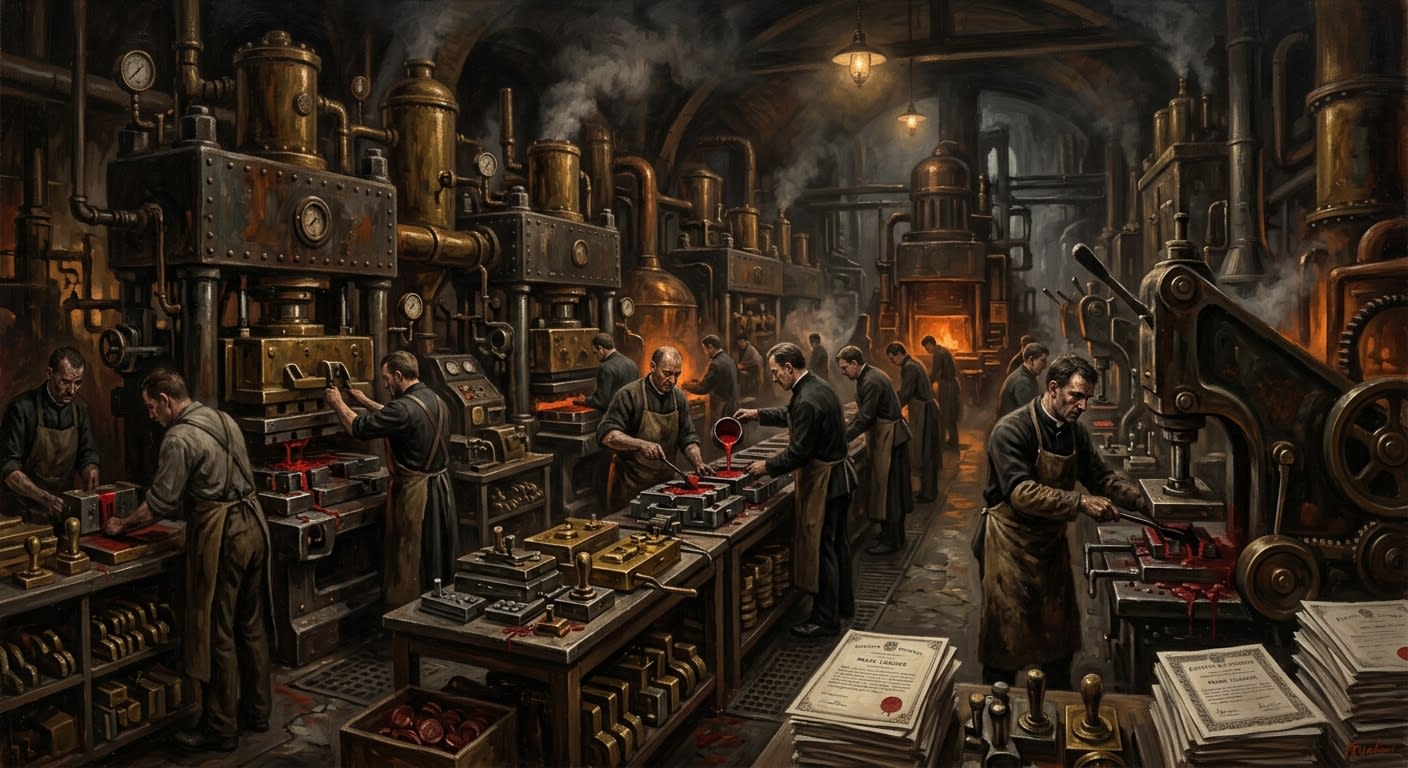
The Sigillary
Where warm wax teaches paper to bite
The Sigillary beneath Strasbourg Cathedral manufactures authority in wax, die, counter-seal, mask licence, and the old lesson that paper bites only when stamped.
Codex Ref. II.1.04-006
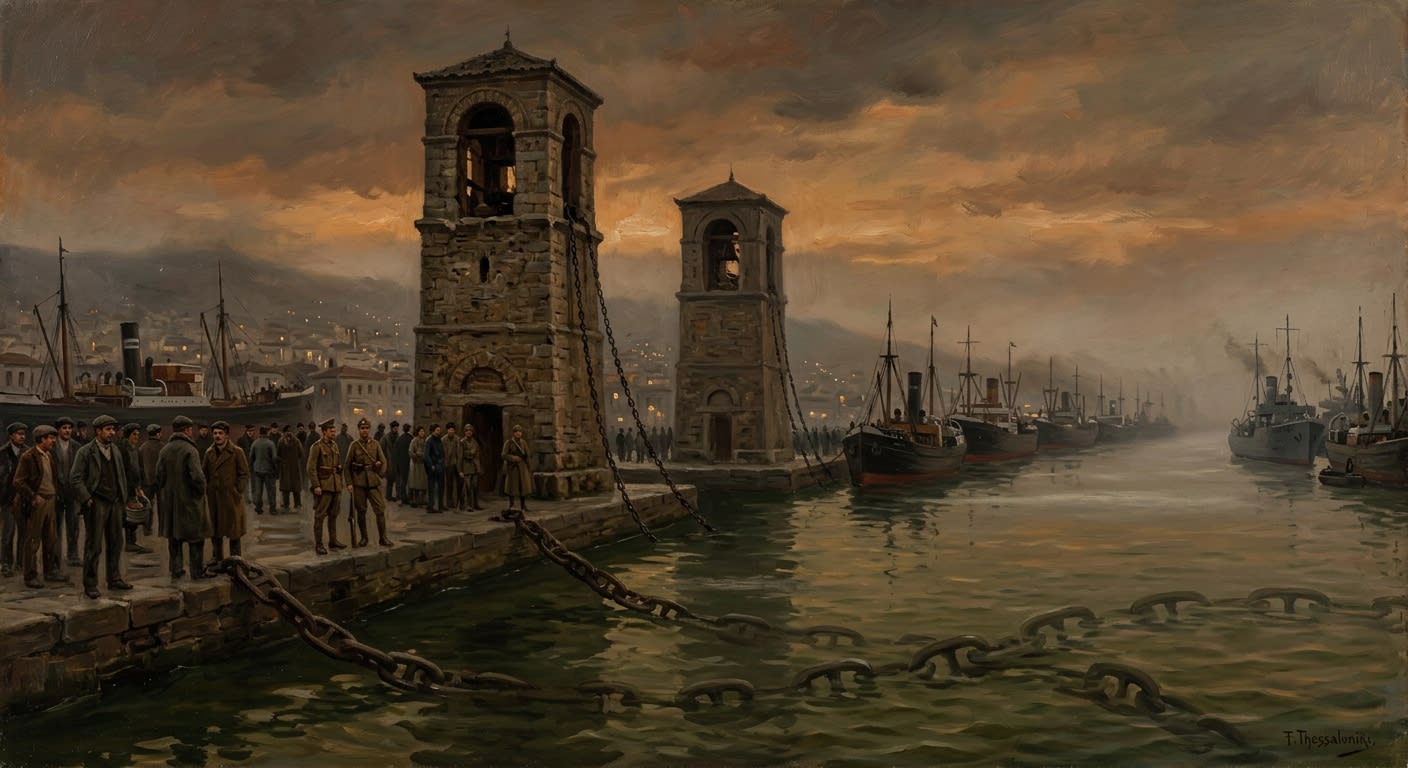
The Silence of Thessaloniki
Three nights without bells, and what answered instead
For seventy-two hours in A.S. 198, the bells of Thessaloniki's Harbor-Chain Towers produced no sound. The chains vibrated without ceasing. The Bureau of Doctrine has declared this a test of fidelity; it has not specified by whom, for what purpose, or whether Thessaloniki passed.
Codex Ref. VII.6.01-001
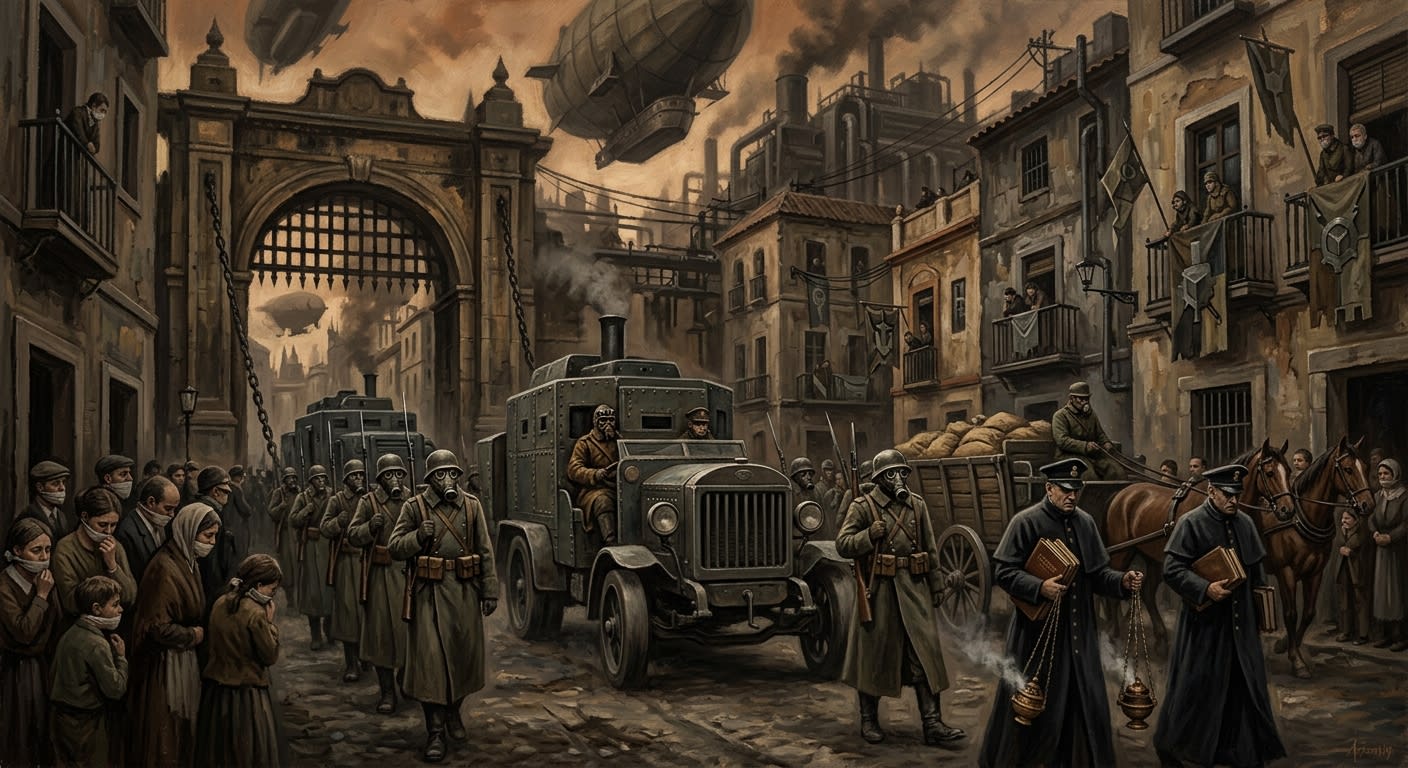
The Subjugation of Seville
A siege so well dressed in liturgy that the Ledger called it a procession
In A.S. 155, Seville was corrected by procession: gates opened under writ, calendars shortened, mouths disciplined, granaries emptied, and conquest taught to smell like incense.
Codex Ref. VII.8.02-002
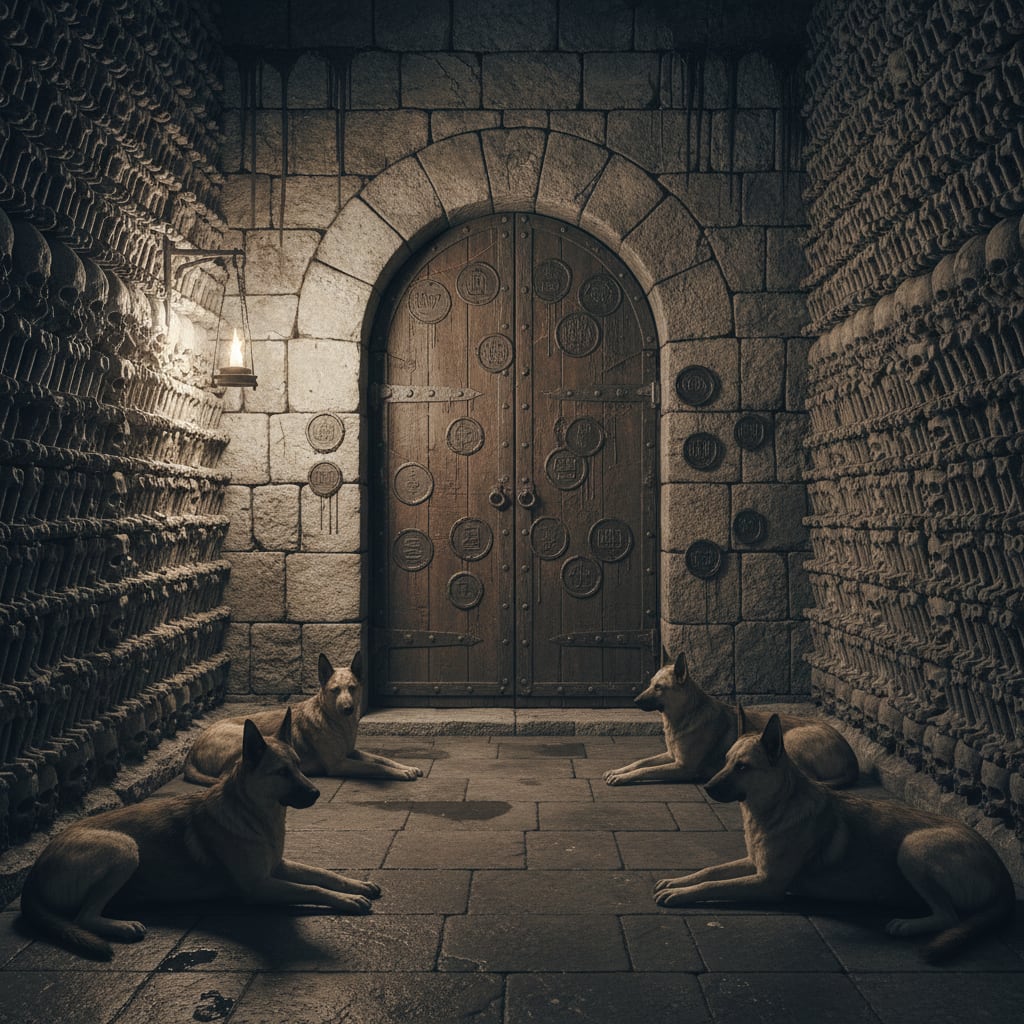
The Third Ossuary
Sealed by prior authority; the prior authority has not been identified
The sealed chamber beneath Bastion-Constantinople's Ossuary Rings. Discovered A.S. 47. Never catalogued. Sealed seventeen times. Source of Compound 7, which keeps the Vigil Ark aloft.
Codex Ref. II.4.10-004
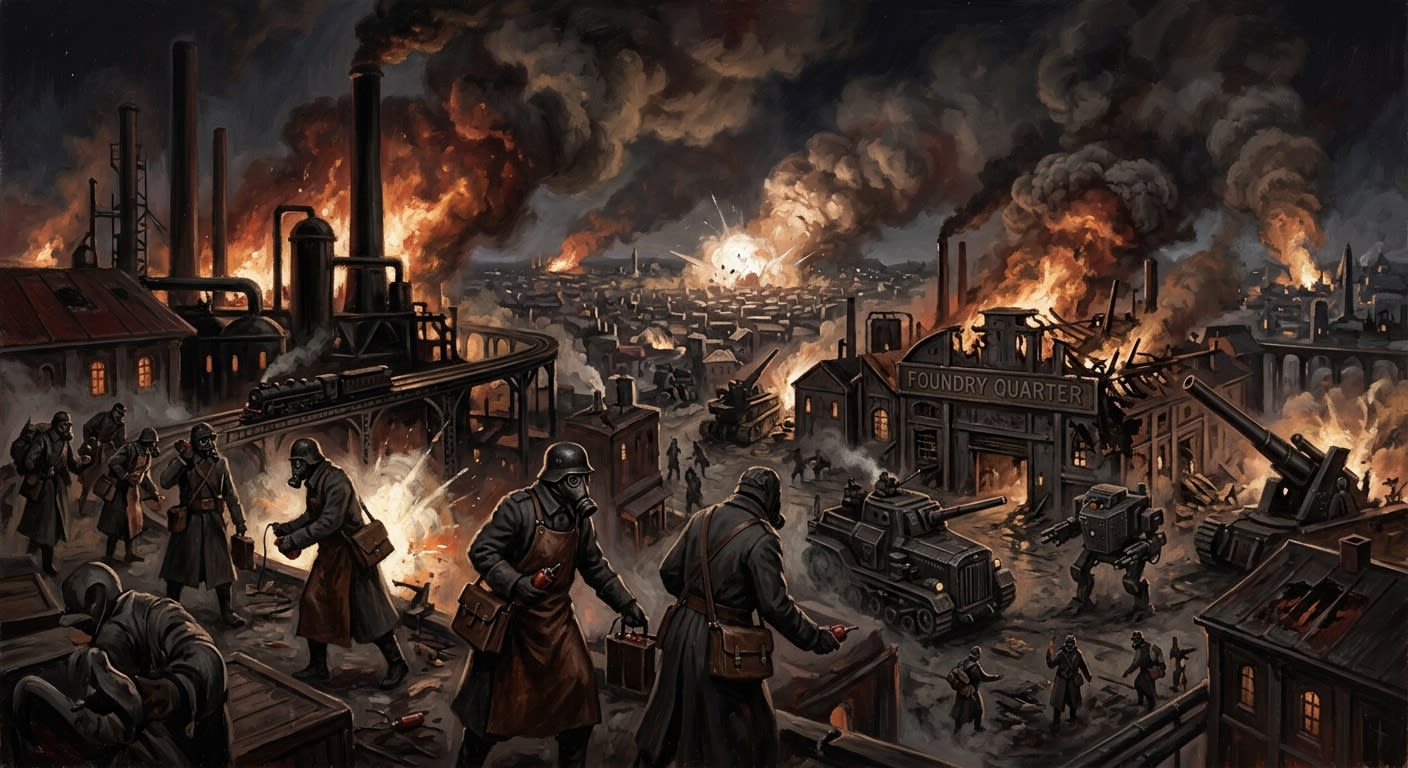
The Three-Night Bombard
Constantinople learned that a paid invoice may be louder than cannon
Velmora's A.S. 177 infiltration detonated Constantinople's Foundry Quarter for three nights, teaching the southern anchor that debt can breach what artillery cannot.
Codex Ref. VII.5.03-001
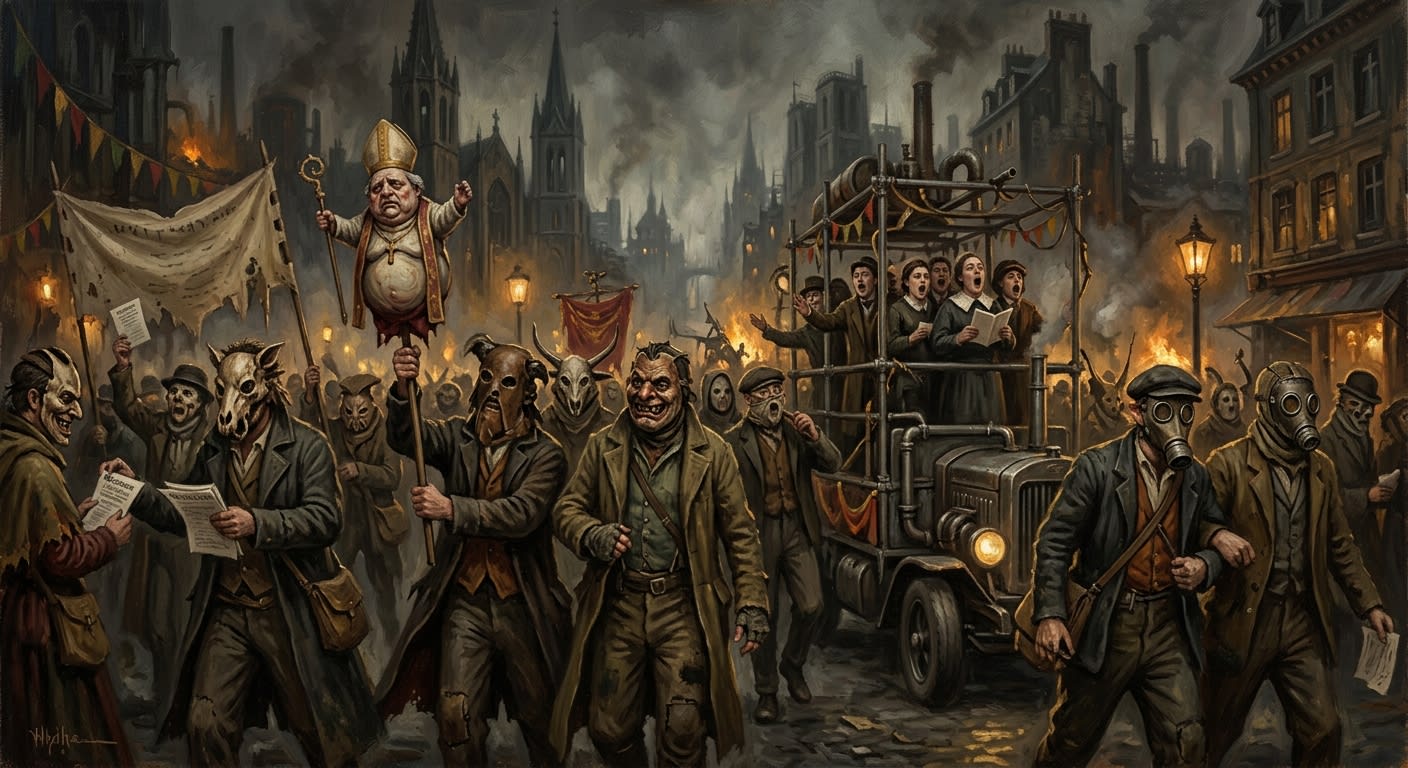
The Tumults of Lyon
Where licensed laughter discovered teeth and the bear wore a mitre
In A.S. 170, Lyon's licensed Carnival of Saint Bérard's Misrule became nine hours of masks, pamphlets, puppet blasphemy, altered hymns, and audited laughter.
Codex Ref. VII.4.11-001

The Underchords
The Irongate's cellar has learned to grow
The eleven miles of sealed corridors and denied tunnels beneath Bastion-Irongate — home to the Underchord Cartel, the Counterkey Circle, and a gallery that grows by itself in the dark.
Codex Ref. II.4.10-001
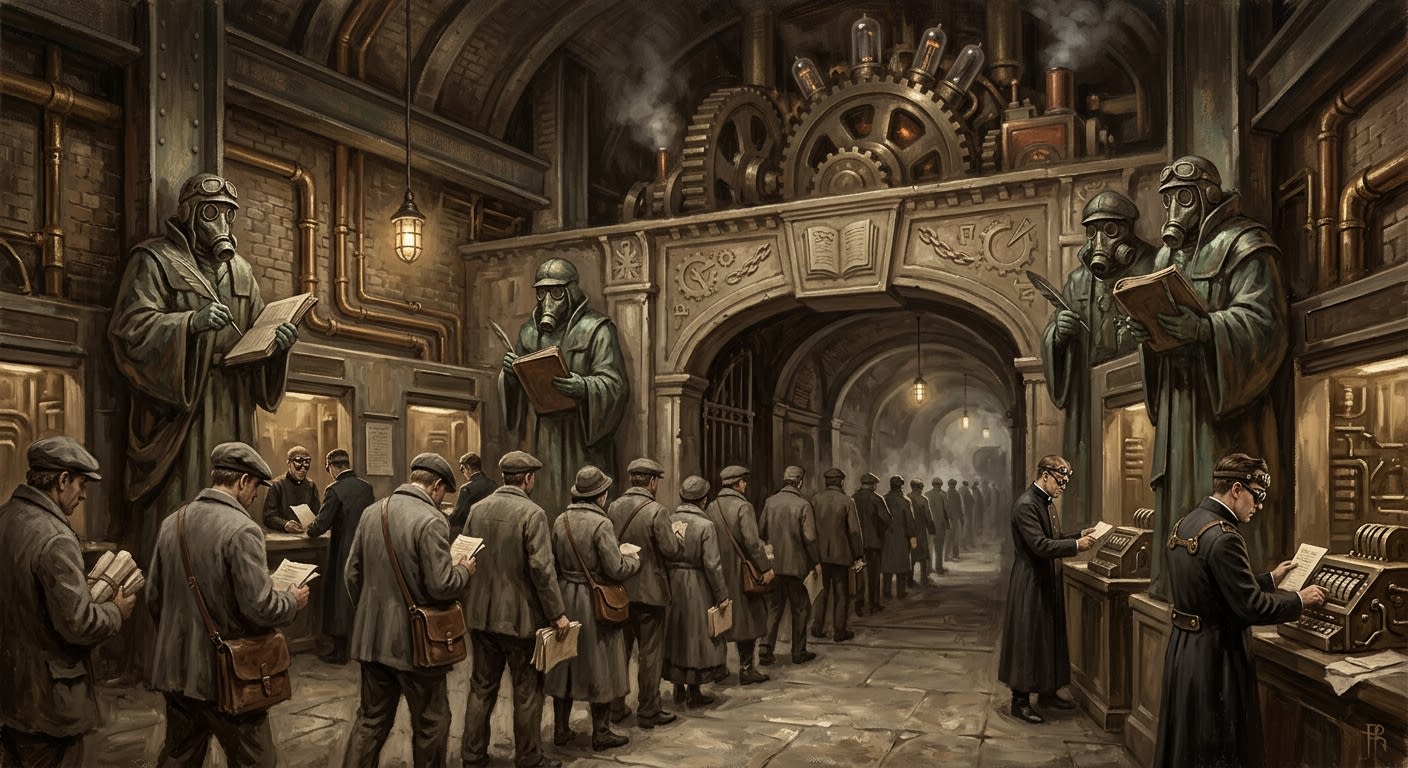
The Unnamed Bureau
The office that governs by being omitted from every ledger
The Unnamed Bureau is the office beneath Gate Nine: absent from every registry, obeyed by several, and maintaining an Apparatus that turns public waiting on the Queue Road into private product.
Codex Ref. VIII.2.02-001
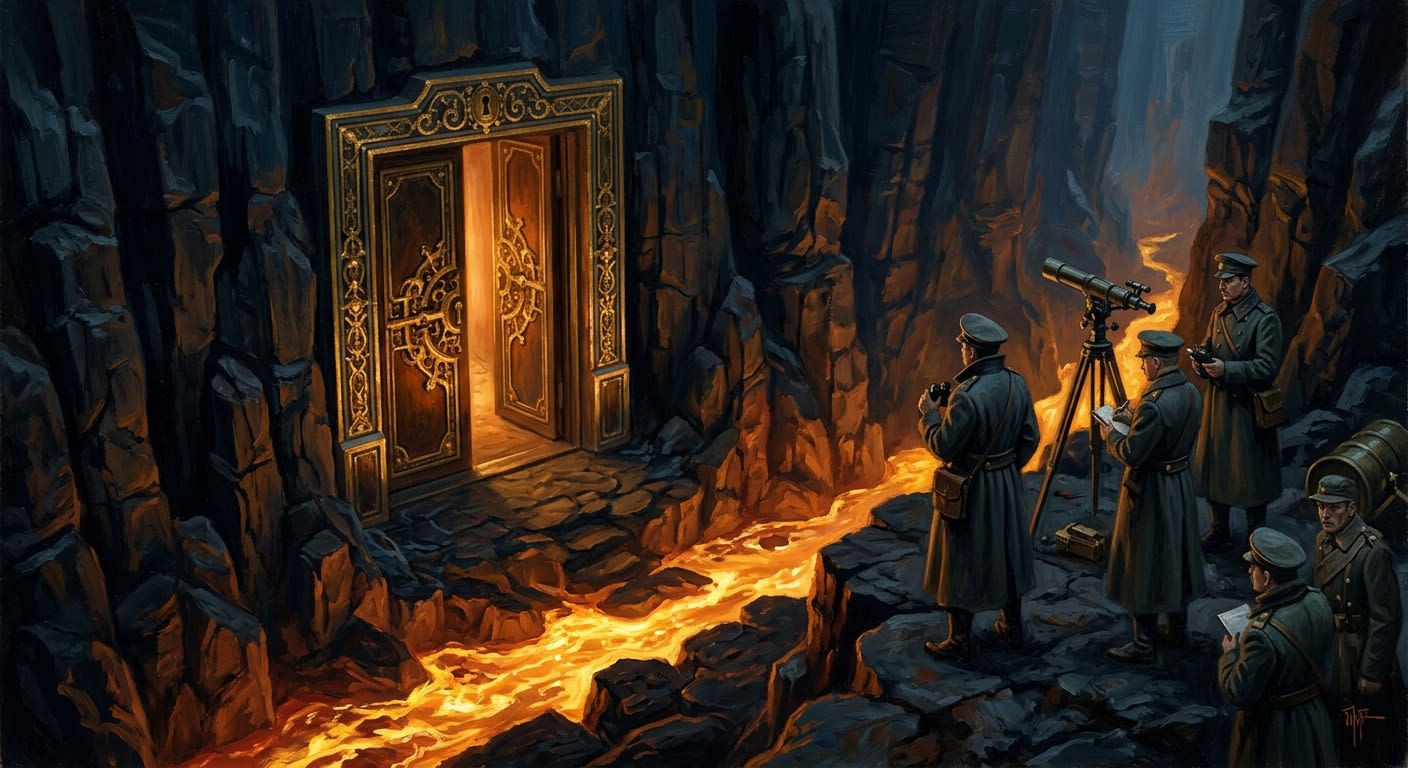
The Vault of Ten Thousand Keys
Every door opens. Every door locks behind you.
Velmora's seat within the Gilded Chasm — a palace of infinite descending doors, each one beautiful, each one locking behind you. Four expeditions entered. None returned intact. The Bureau has recommended permanent interdiction.
Codex Ref. V.6.02-001

The Velvet Choir
[[velkara|Velkara's]] order of consciences-undone: it unfolds inside the [[the-sagittal-line|Line]]
The classified assessment of Velkara's primary infiltration instrument by the Bureau of Doctrine — the network by which Lust enters Synod territory as a Tuesday rather than an army.
Codex Ref. VIII.6.01-001
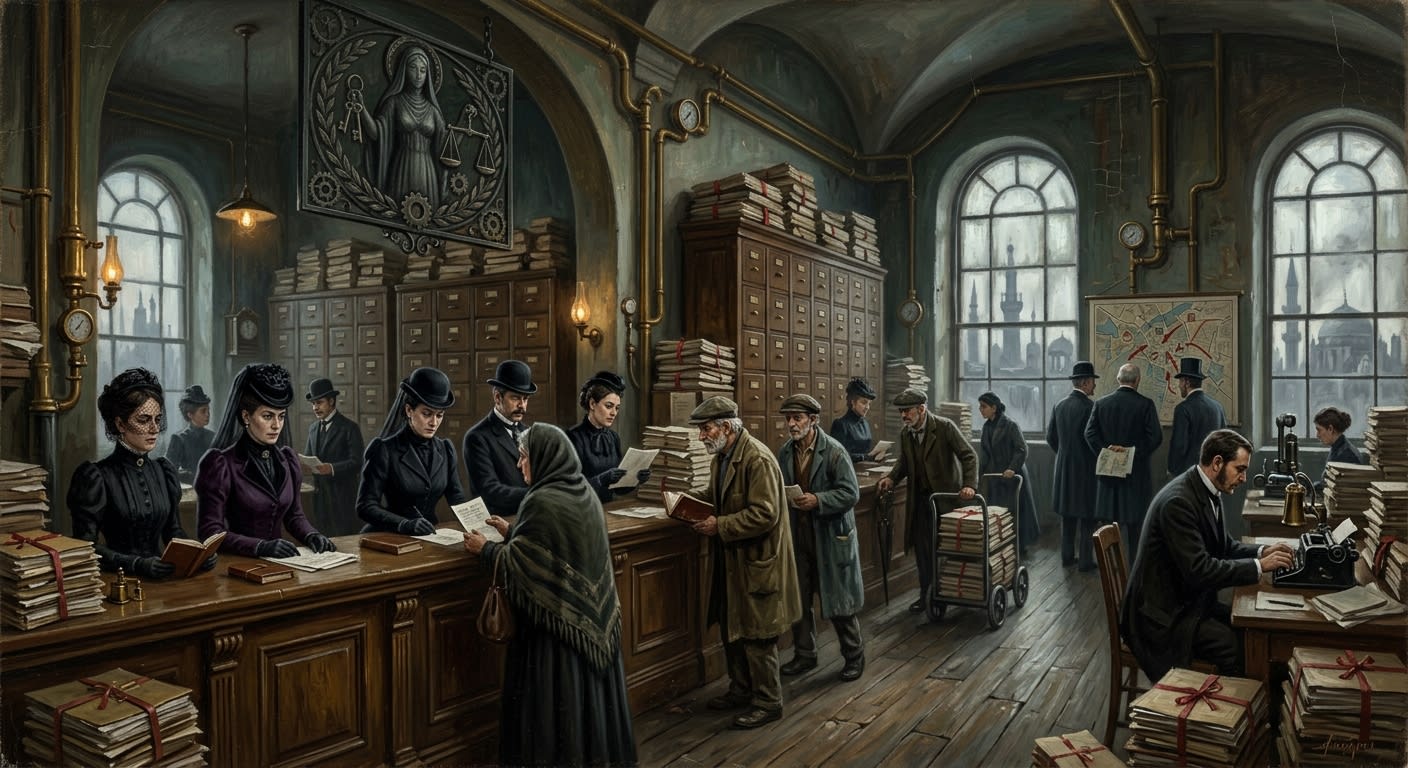
The Widow's Syndicate
A grief with ledgers is already a government
Constantinople's widows turned charity into credit, mourning into archives, and tea into a jurisdiction no Bureau can quite survive.
Codex Ref. XI.4.01-001
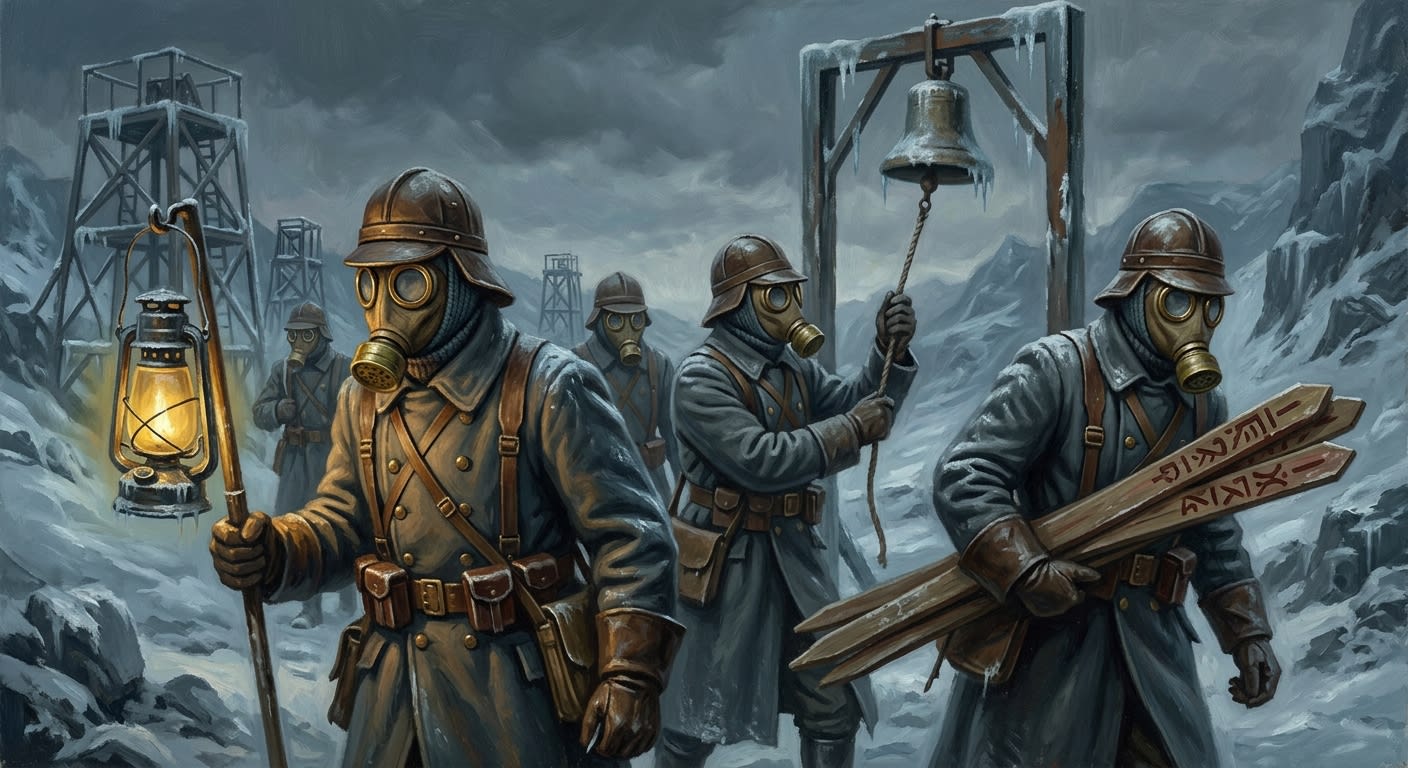
The Winter Watch
Ring first, explain never, and keep the road alive until thaw
The Winter Watch is the Fractured North's armed obligation: elected captains, cliff-bells, route marks, lamp-oil debts, and the old silence by which settlements survive what Strasbourg cannot command.
Codex Ref. XI.5.01-001
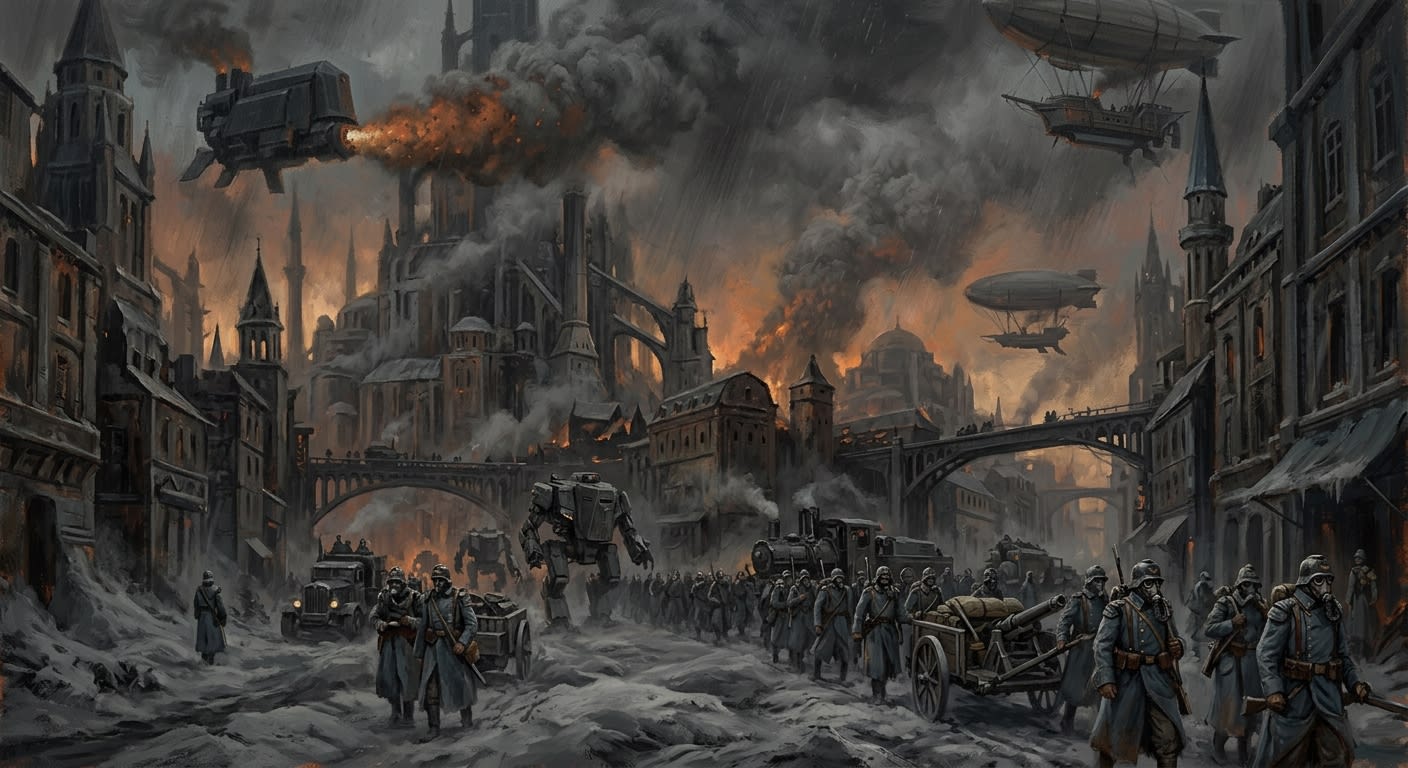
The Year of Ash Rain
The sky became a siege engine, and Constantinople learned to breathe doctrine
Maldrake's A.S. 143 burning of the Thracian forests turned ash into weather, famine into architecture, and Constantinople into a city under siege from above.
Codex Ref. VII.4.03-001
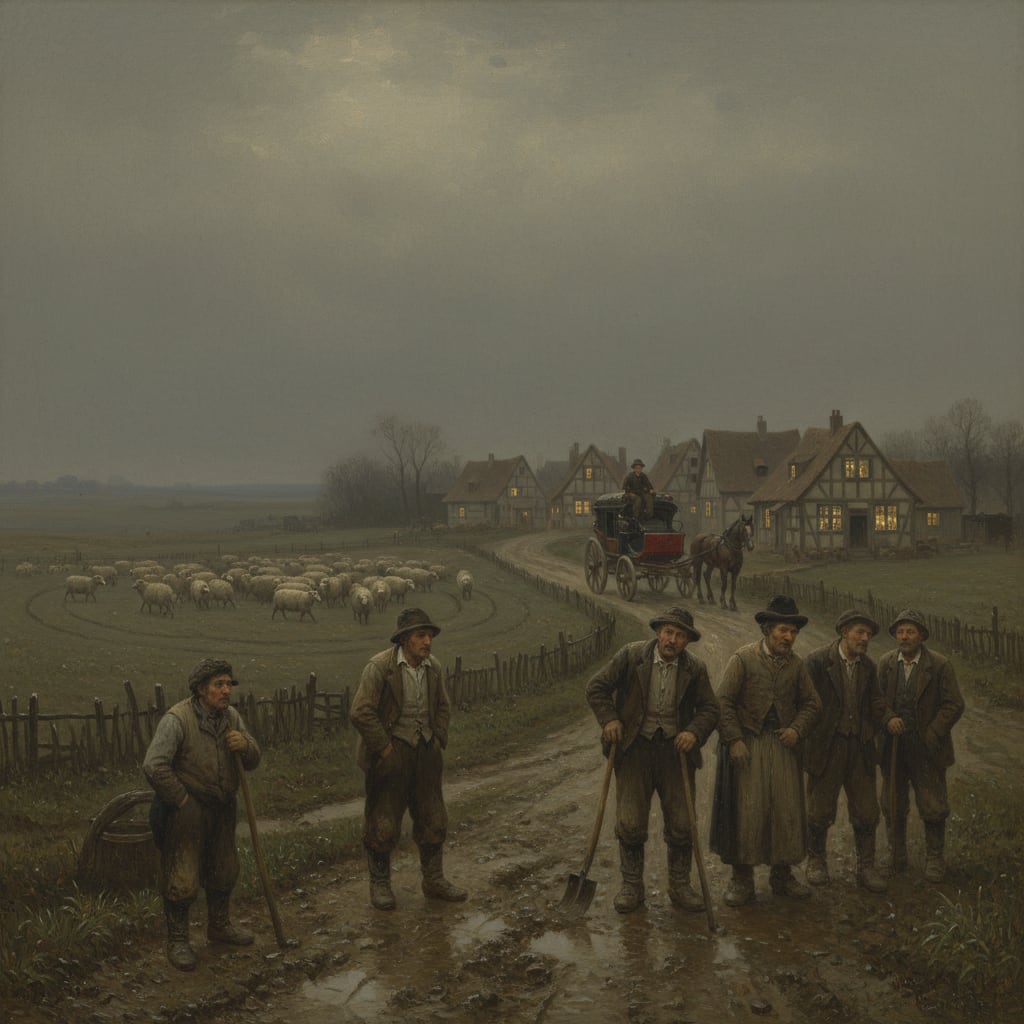
The Year Without Dawn
The Bureau's Second Portent: forty days without sun, seventeen explanations without facts, and one Province without tongues.
A.S. 32: forty days without the sun, children born grey-eyed and voiceless, the Rationalists publishing seventeen treatises to explain a volcano no one could find. The Bureau's Second Providential Portent.
Codex Ref. VII.4.01-001
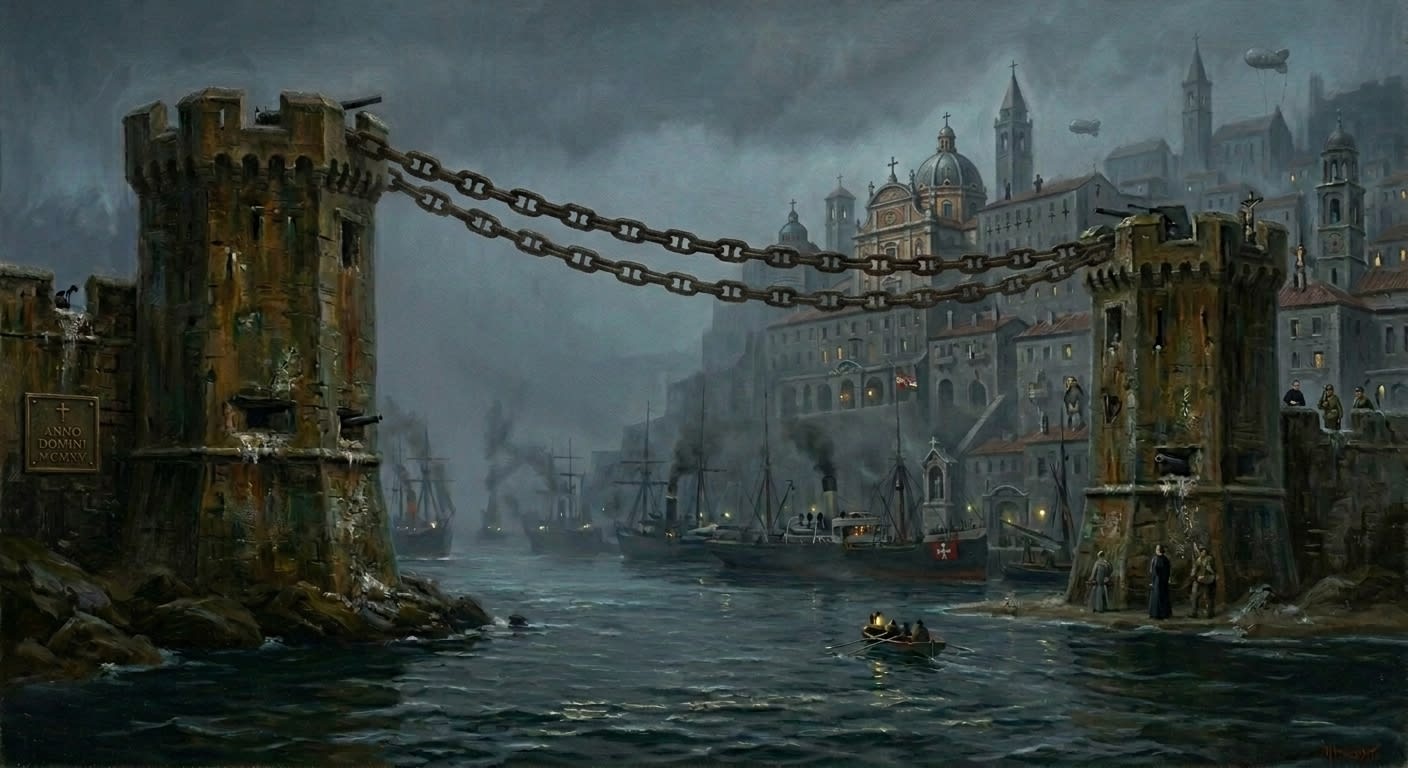
Thessaloniki (Harbor-Chain Towers)
Where every passage is a registration event, and the chains keep the ledger
The Synod's Aegean gullet — Twin Towers of the Harbor-Chain processing ~280,000 souls and every caravan bound for the southern Line, while the Drowned Choir counts beneath the psalm-hum.
Codex Ref. II.4.09-003
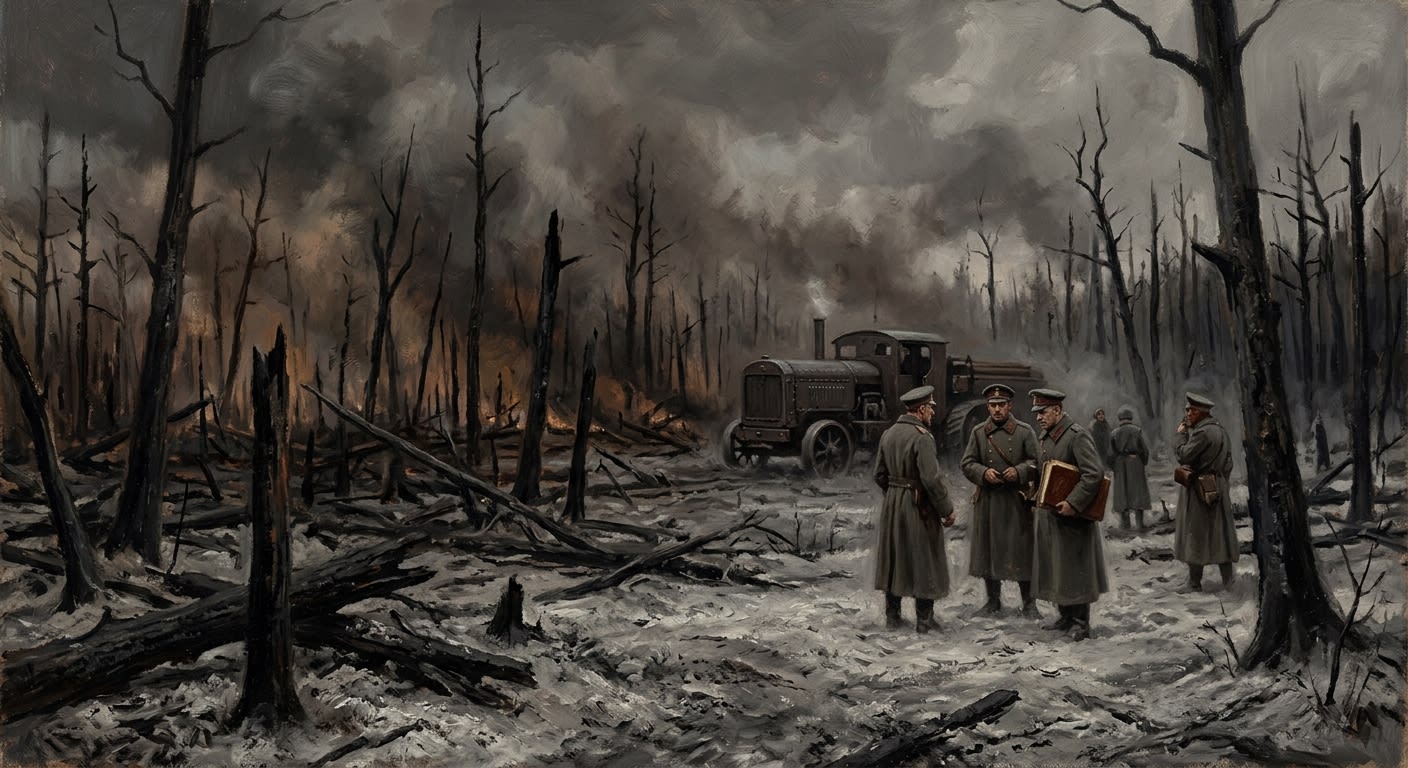
Thracian Forests
Maldrake felled a province into the sky
The Thracian forests were Maldrake's timbered weapon: a fallen reserve burned in A.S. 143 until ash became famine, ink-hunger, echo drift, and weather.
Codex Ref. II.6.03-143

Tongue-Smiths
Lawful ink made treasonous by breath, comma, grief, and timing
Elite Lantern Mercy writers who forge audit-clean catechisms with breath-dependent meanings, making authorised comforts disobey before the law can quote them.
Codex Ref. XII.25.10-001
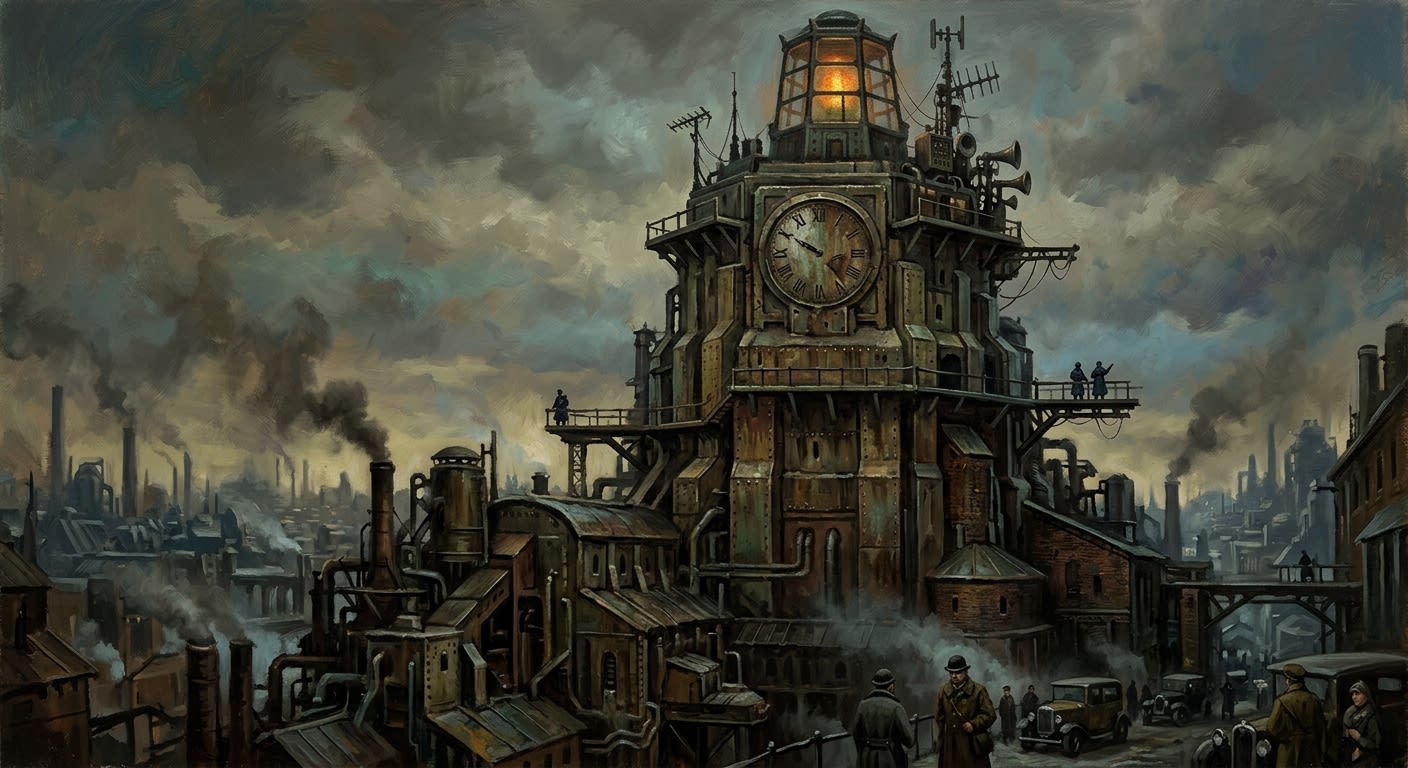
Tower Nine
The eye that learned to answer late
Tower Nine is Lorn's answering switch-tower and Przemyśl's nomenclature wound: a lamp cage, a sealed clock, and a late blink no manual admits.
Codex Ref. II.3.01-009

Tower of the Quill
The tallest structure in Strasbourg, which is to say the world, which is to say the matter is settled
Seat of the Bureau of Doctrine and tallest structure in Strasbourg, commissioned in A.S. 92 by successor authorities. Three bells, a classified gallery, and a sealed archive beneath the flagstones.
Codex Ref. II.1.04-001
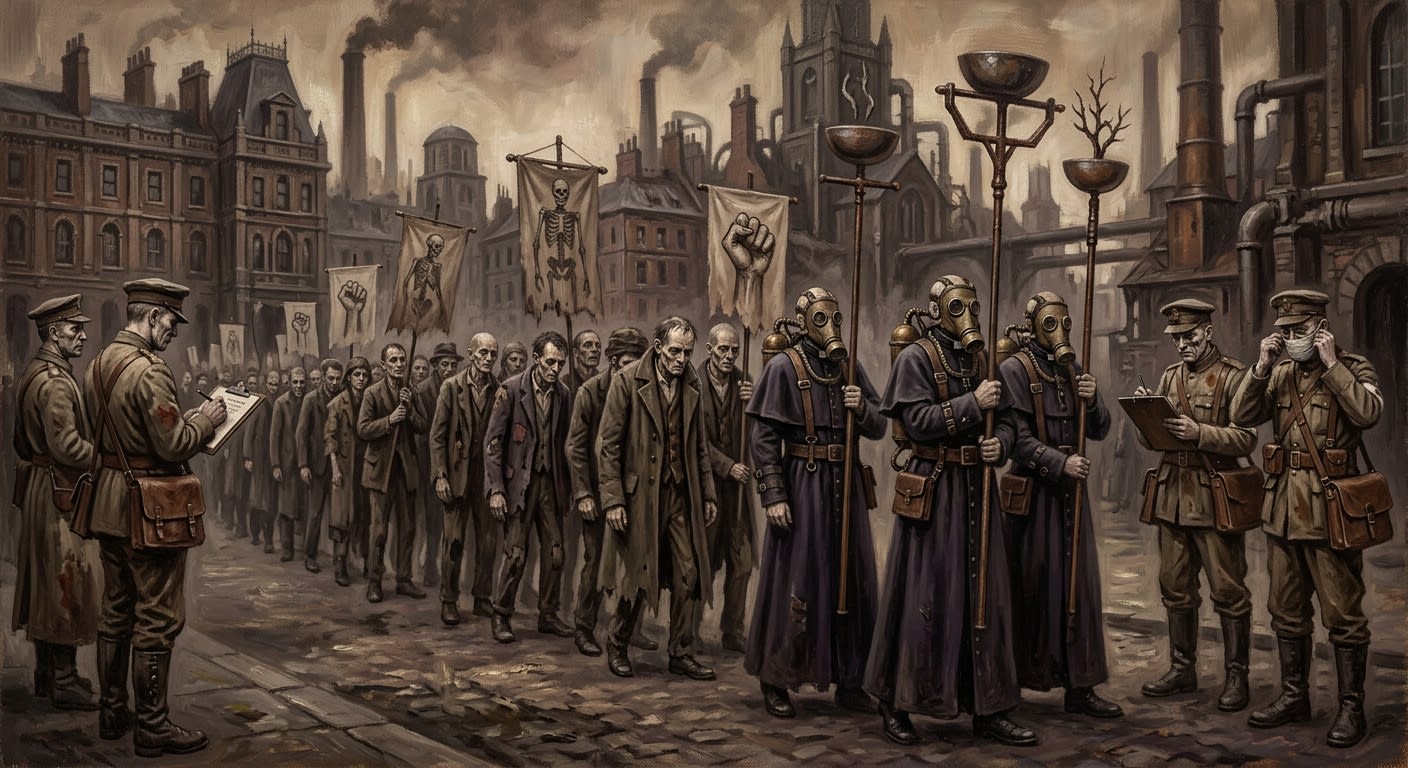
Triumph of the Gaunt
An injury given a hymn-sheet
The Triumph of the Gaunt crowns visible hunger as public virtue, training citizens to distrust plenty while Medicine counts the damage.
Codex Ref. XIII.1.25-001
Two-Book Dead
One ledger for the law, one ledger for the body that vanished
The Two-Book Dead names the Ossuary Rings' hidden second ledger: one corpse for law, one corpse for price, and grief caught between them.
Codex Ref. XIII.1.76-094
Varna
The Ashen Redoubt where smoke looks back and bread learns law
Varna, the Ashen Redoubt, is a Black Sea cliff-fortress of guns, bone-kilns, tariff chapels, demon glass, hunger law, debt masks, and smoke that looks back.
Codex Ref. II.4.09-070
Vault of Silences
Forty-seven steps descending. Forty-nine ascending. The Bureau has certified both numbers correct.
The Vault of Silences occupies the sub-basement of the Basilica of the Ledgered Saints — the Bureau of Purity's sealed repository of everything the Synod prefers the world forgot. Four visits. One conclusion. The Bureau will stamp it out.
Codex Ref. II.1.04-002

Vicar-General Anselm Rihn
The man who paved roads with obedience and called the ditch mercy
Vicar-General Anselm Rihn standardised curfew logistics in A.S. 94, gave the Lantern Brotherhood its deniable clause, and left roads more obedient than men.
Codex Ref. III.2.01-064

Vigil Ark *Saint Barachiel*
On the consecrated dirigible that blesses the Bosphorus sky, the sermon heard forty feet below the water, and the eleven minutes forty-three seconds of A.S. 199 the Bureau has classified as Not Our Co
The Vigil Ark Saint Barachiel: armed dirigible-reliquary, Constantinople theater, A.S. 168–present. Thirty-three years of consecrated patrol. One unexplained Broadcast. The Ark flies. The Bureau recommends continued faith.
Codex Ref. II.4.11-001

Vigil Ark of Saint Gabriel
The quiet one above the Black Sea, which is worse than thunder
The Vigil Ark of Saint Gabriel patrols the northern Bellway with four Sermon-horns, fewer censers, and a quiet its crew has wisely refused to name.
Codex Ref. XIII.1.21-001
Vigil Ark of Saint Uriel
Fully assembled, fully consecrated, fully maintained, and grounded
The Vigil Ark of Saint Uriel was authorised to sanctify the southern Bellway in A.S. 191. It has lifted four times, flown never, and gathered petitions like rust.
Codex Ref. XIII.1.21-002
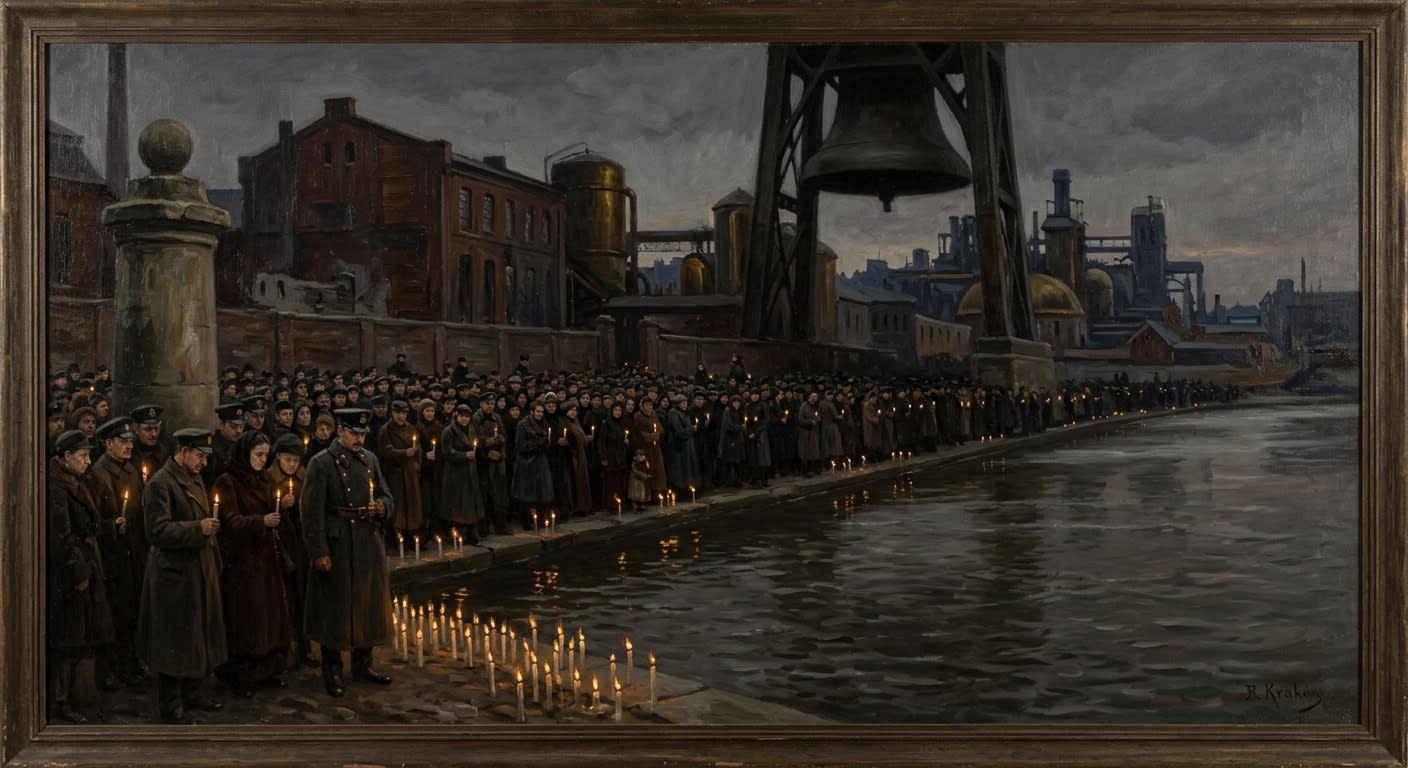
Vigil of the Drowned Priests
One hour in which [[krakow|Kraków]] is ordered to hear the river
Annual Kraków observance ratified in A.S. 148: one mandated hour of Bell-silence, forty-seven candles, and a river taught to testify.
Codex Ref. VII.6.02-001
Vistula
The river carries evidence better than tribunals carry shame
The Vistula is Poland's wet archive: martyr-road at Kraków, receipt at Sandomierz, supply throat at Warsaw, and a river no Bureau has taught to forget.
Codex Ref. II.3.06-018
Warden Sermon Trials
Seven comforters tried, and seven hundred mouths learned caution
A.S. 134 sealed Purity tribunal where seven Licensed Consolators were tried for pastoral overreach, creating the precedent that taught Lantern heresy to hide better.
Codex Ref. VII.8.10-044
Warrens of Strasbourg
The capital's conscience, filed under mildew
Strasbourg hides its poor where bells arrive broken, maps grow bashful, and charity, crime, and surveillance share the same wet staircase.
Codex Ref. II.2.06-201
Warsaw
The city the Bureau told to leave, and the bakeries it opened in reply
The Synod's forward staging city on the Vistula — Zone Three, Northern Corridor, entry 14-W. 160 km from the Sagittal Line; close enough to hear the front on clear nights. The Bureau told it to leave in A.S. 95. It has grown by a quarter-million souls since.
Codex Ref. II.4.09-007
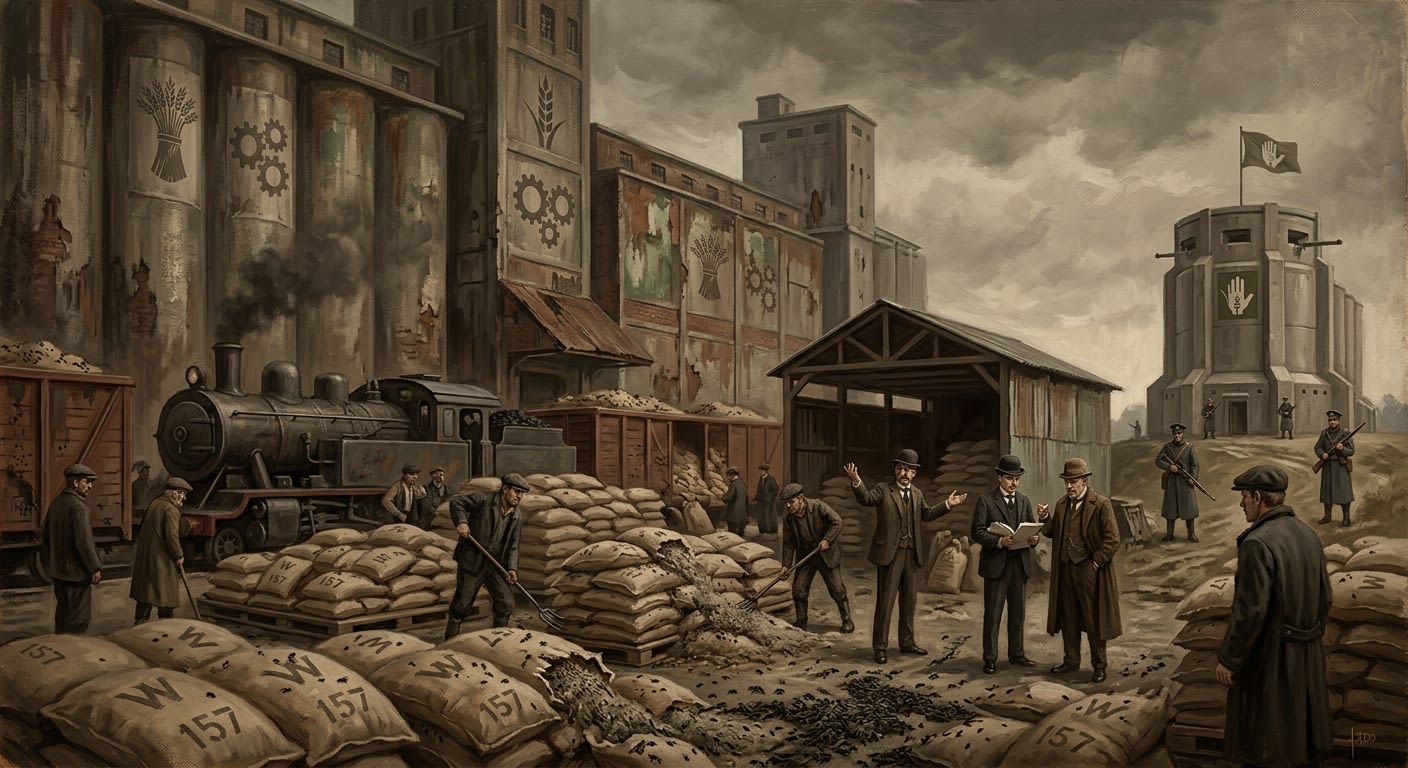
Weevil Year
The famine in which the illegal cellars breathed better than the state
The Weevil Year of A.S. 157 rotted western reserve grain under lawful custody, exposed Bureau incompetence, strengthened Grain Keeper caches, and killed the Bureau of Agriculture.
Codex Ref. VII.4.21-001
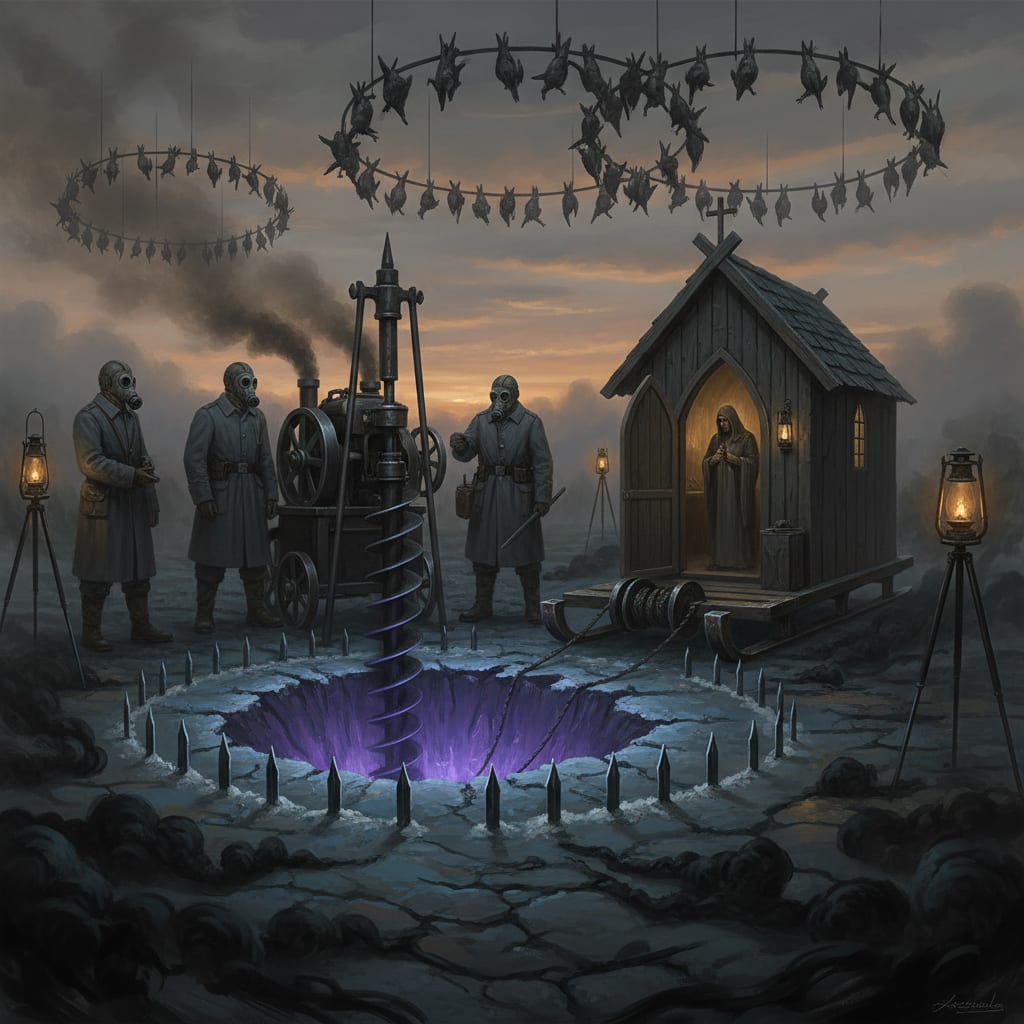
Wound-Site Prospector
The earth seeps; the drums breathe; the Bureau explains neither, and taxes both
The licensed harvesters of demon-seep from wound-sites — chartered by the Bureau of Tithes, destroyed by the work, and collectively silent on the one event that explains everything. The drums breathe at night.
Codex Ref. XII.50.01-001
Wound-Sites
Where Creation filed an exception and the Bureau charged admission
Wound-Sites are Creation's open injuries: measured, taxed, exploited, prayed over, and officially caused by the Lie unless useful evidence says otherwise.
Codex Ref. XIII.1.29-001
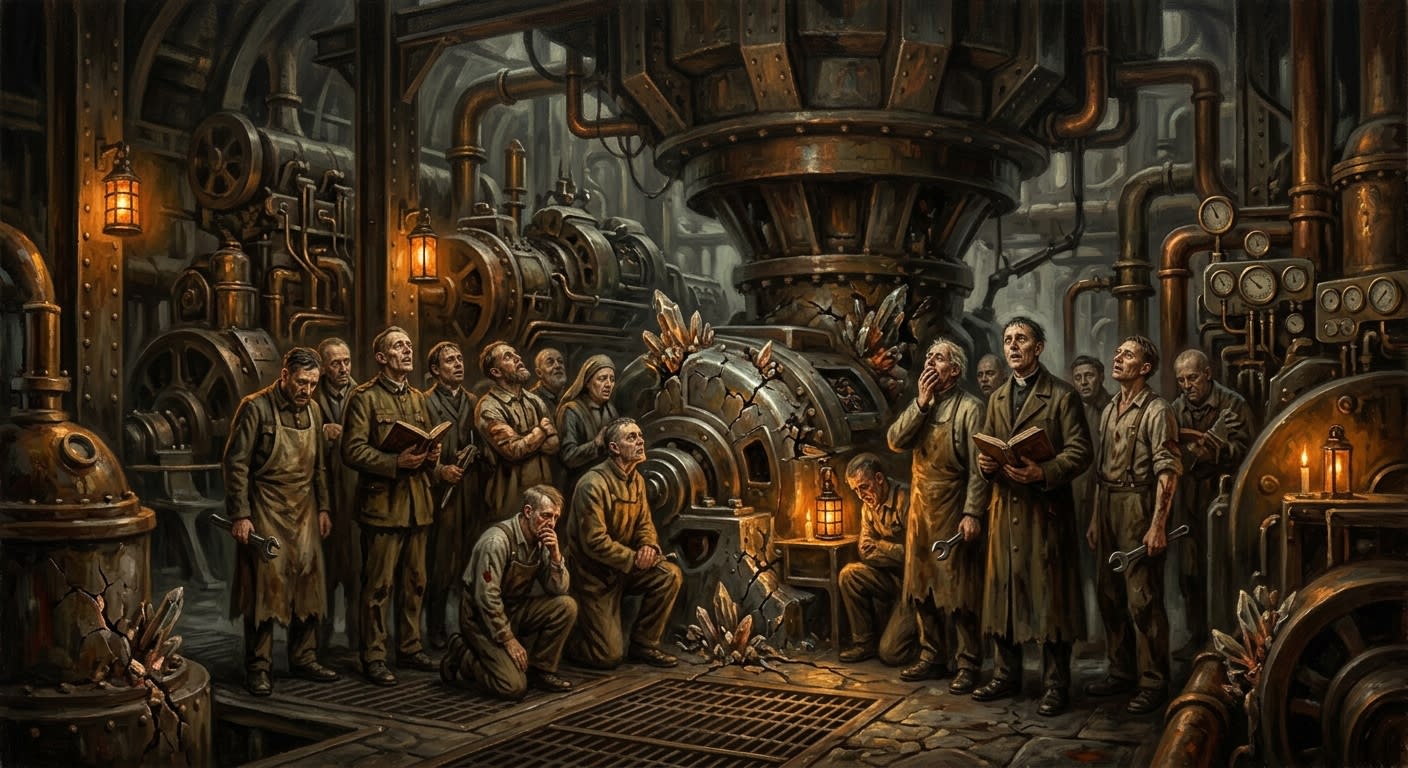
Wrong Choir
The sound beneath Essen that every office renamed and no office silenced
Essen's Wrong Choir is the sub-foundation hum beneath the Foundry Core, officially explained as resonance, cadence error, or providence while Resonance Blooms crack steel and teeth alike.
Codex Ref. XIII.1.73-001
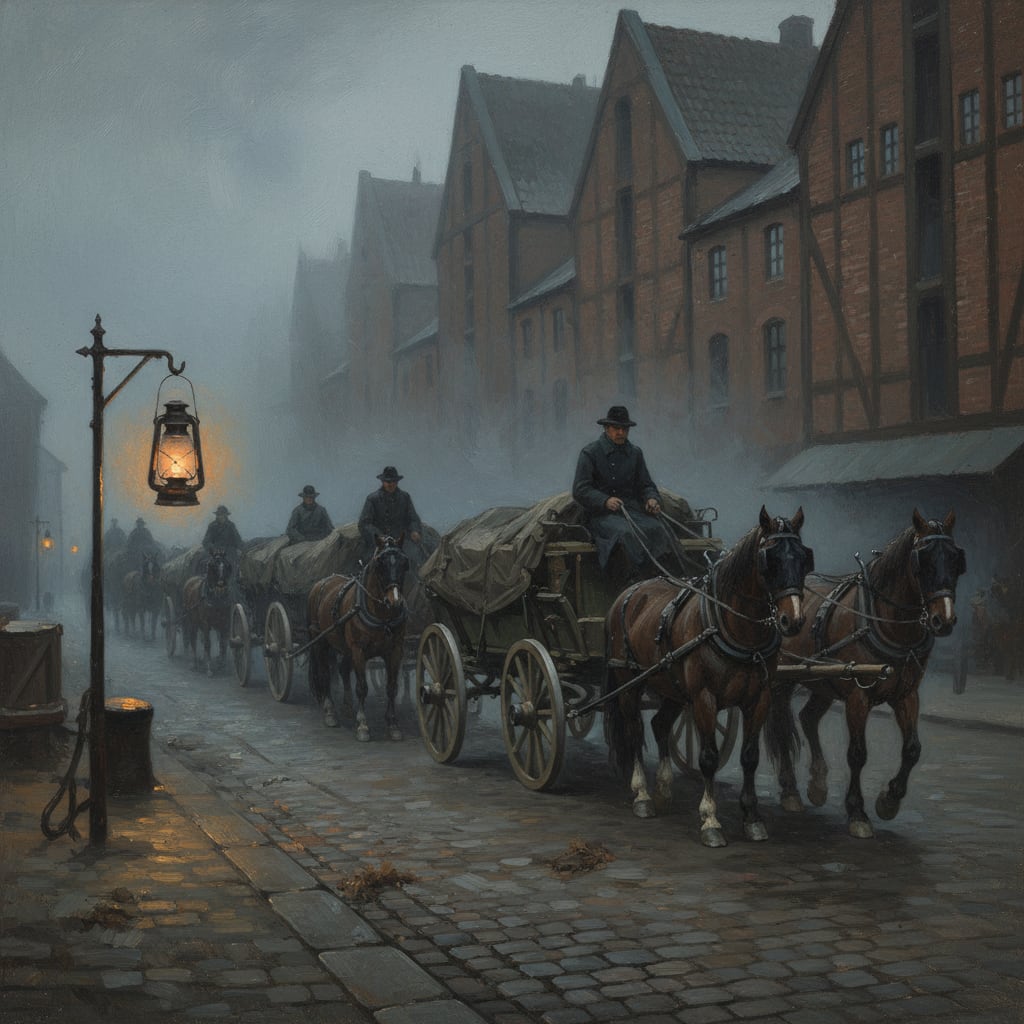
Year of Smoke
Eleven wagons, one fire, and the night the [[bureau-of-shadows|Bureau of Shadows]] stopped being a ghost story
The night Lübeck's harbour records burned, its guilds dissolved, and eleven wagons drove into legend. The Year of Smoke is what happened when the Bureau of Shadows stopped being theoretical and started being operational.
Codex Ref. VII.1.02-001