

Reverse Index
Referencing “Bureau of Pilgrimage”
Every codex entry that links to Bureau of Pilgrimage. 299 entries.
Return to Bureau of Pilgrimage
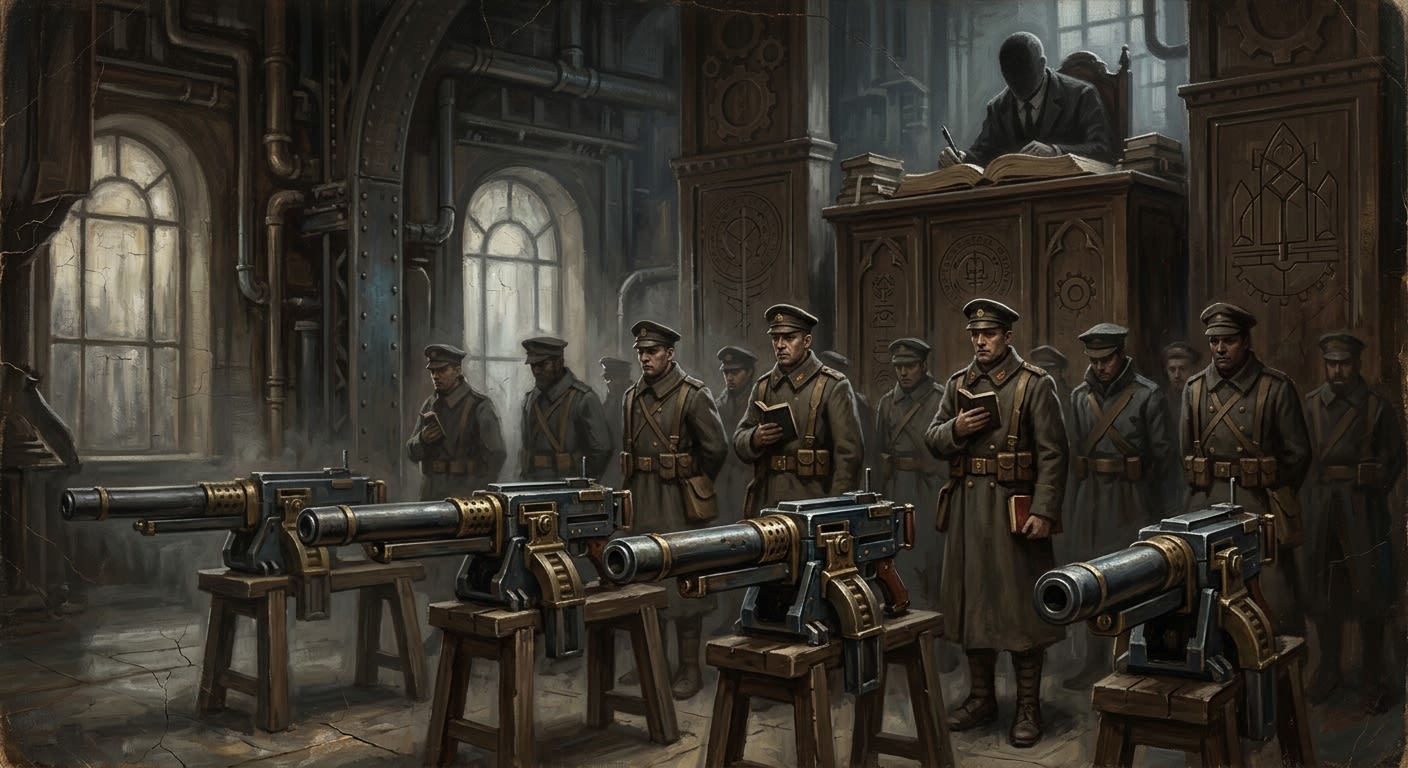
14th Parish Regiment
Four guns cold, four guns owed
The 14th Parish Regiment was dissolved by Night Paper before the Vigil of the Hollowed, leaving four relic guns cold and a parish song the Ledger cannot kill.
Codex Ref. VIII.5.14-170
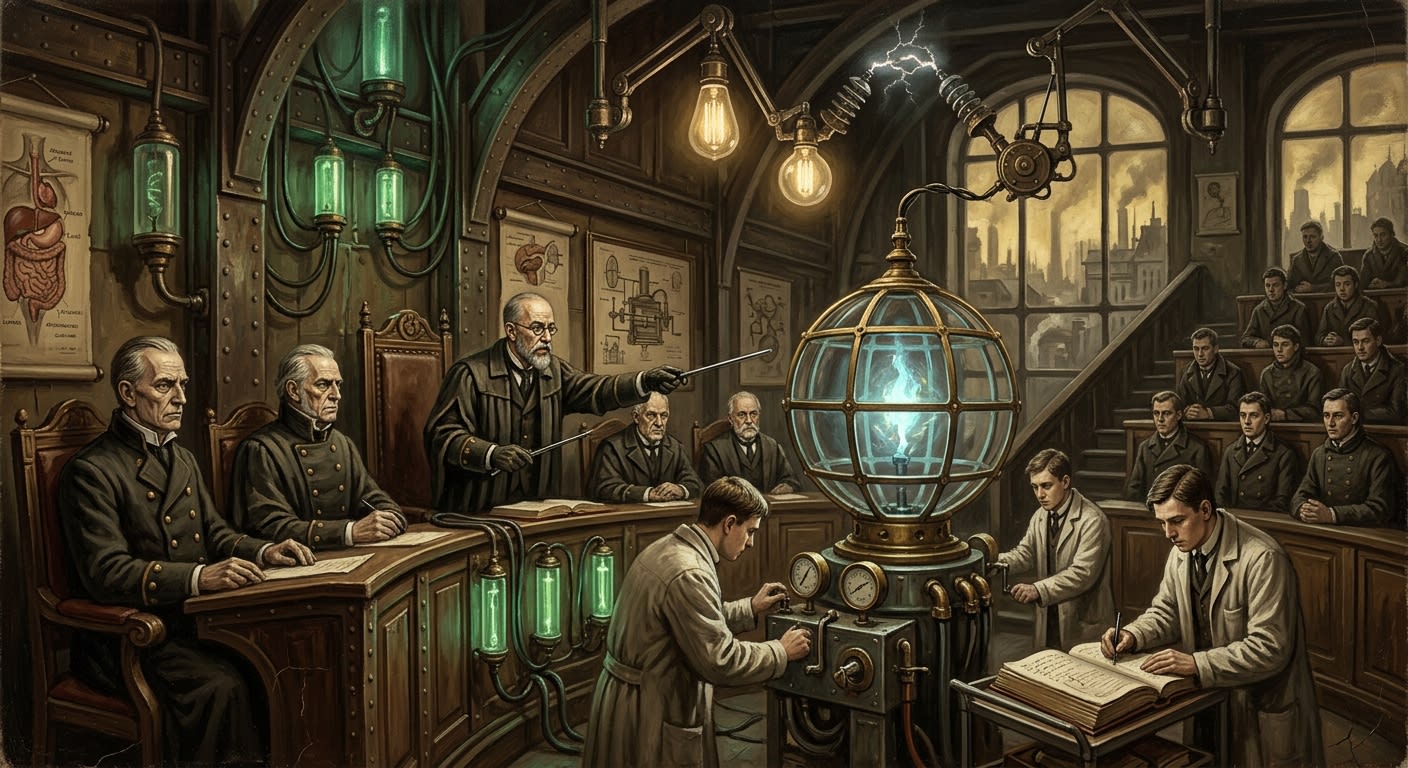
Académie des Sciences
Reason alone, applauding the dark until it called the clapping dawn
The Académie des Sciences measured miracles, disciplined facts, rewarded approved errors, and taught Vienna how to call Providence inadmissible in four languages.
Codex Ref. I.1.03-032
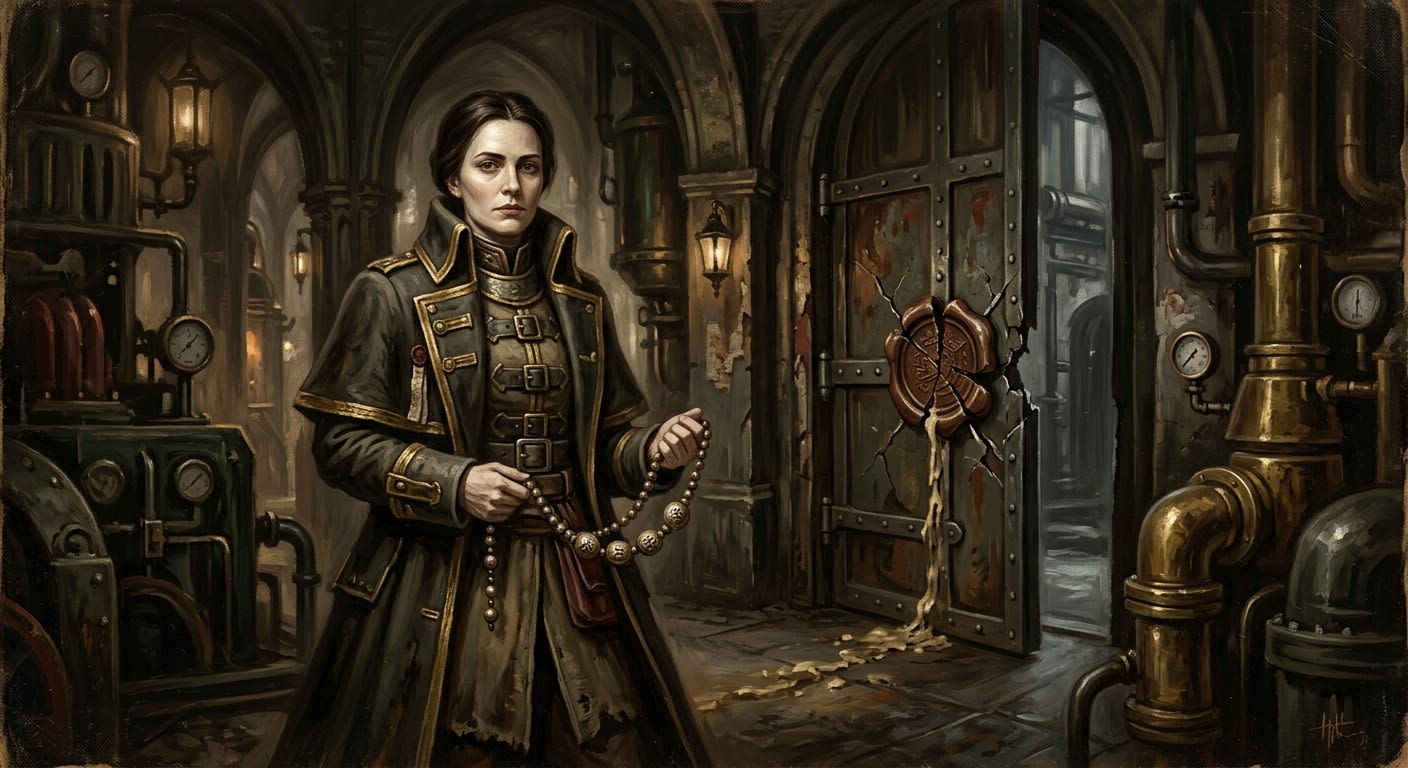
Adèle Marivaux
The woman who made a prayer string accuse its keepers
Adèle Marivaux entered the Cloister with five surplus beads, left through a dead man's seal, and became the patron the Bureau refuses to own.
Codex Ref. III.2.01-199

Administrative Harmonists
The school that taught contradiction to queue politely
The Administrative Harmonists saved Regensburg's gate economy by teaching blessing and curse to obey the pamphlet, the stamp, and the fee schedule.
Codex Ref. XIII.1.76-092
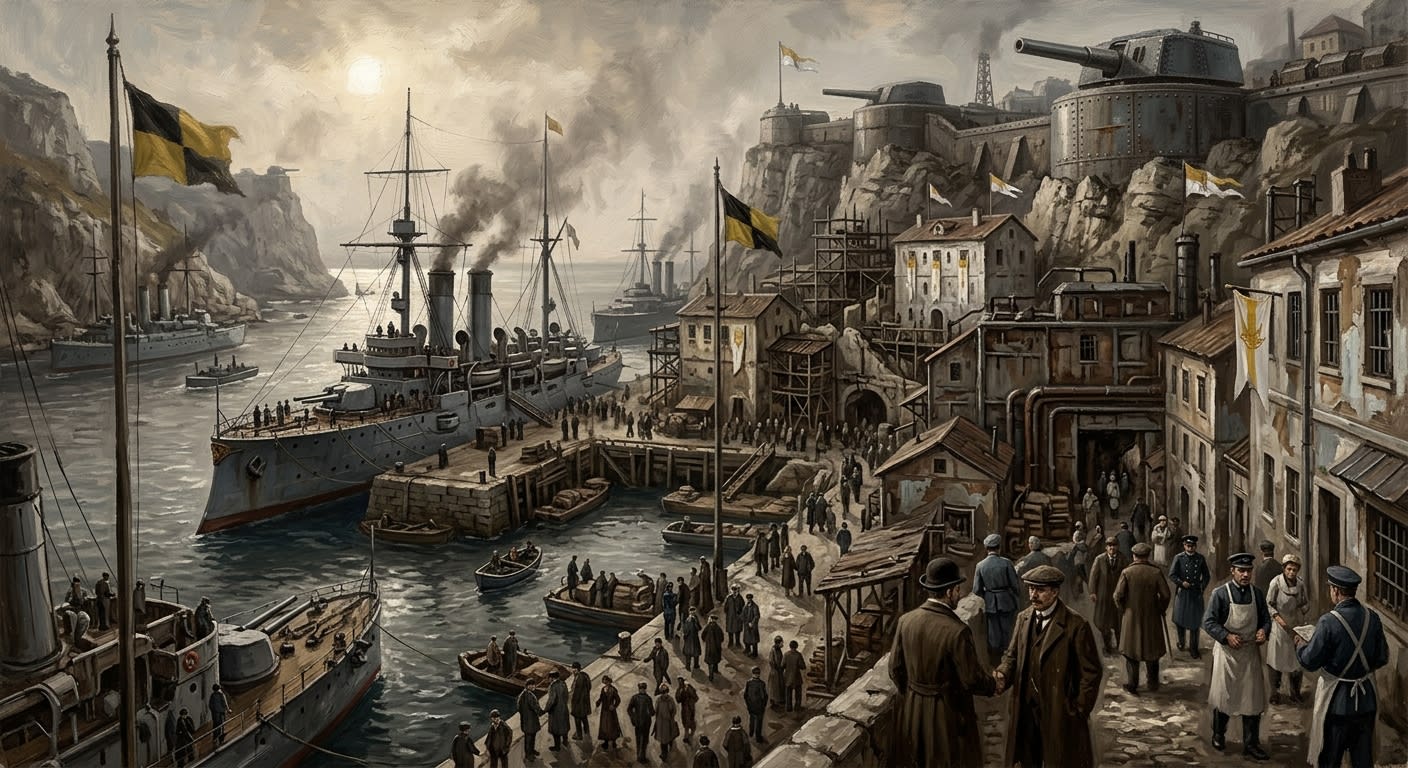
Adriatic Coast
The white edge where pilgrimage, quarantine, and invoice learn to float
The Adriatic Coast is the Synod's white southern hinge: pilgrim piers, quarantine flags, cliff guns, fever wards, and profitable fraud.
Codex Ref. II.7.03-201
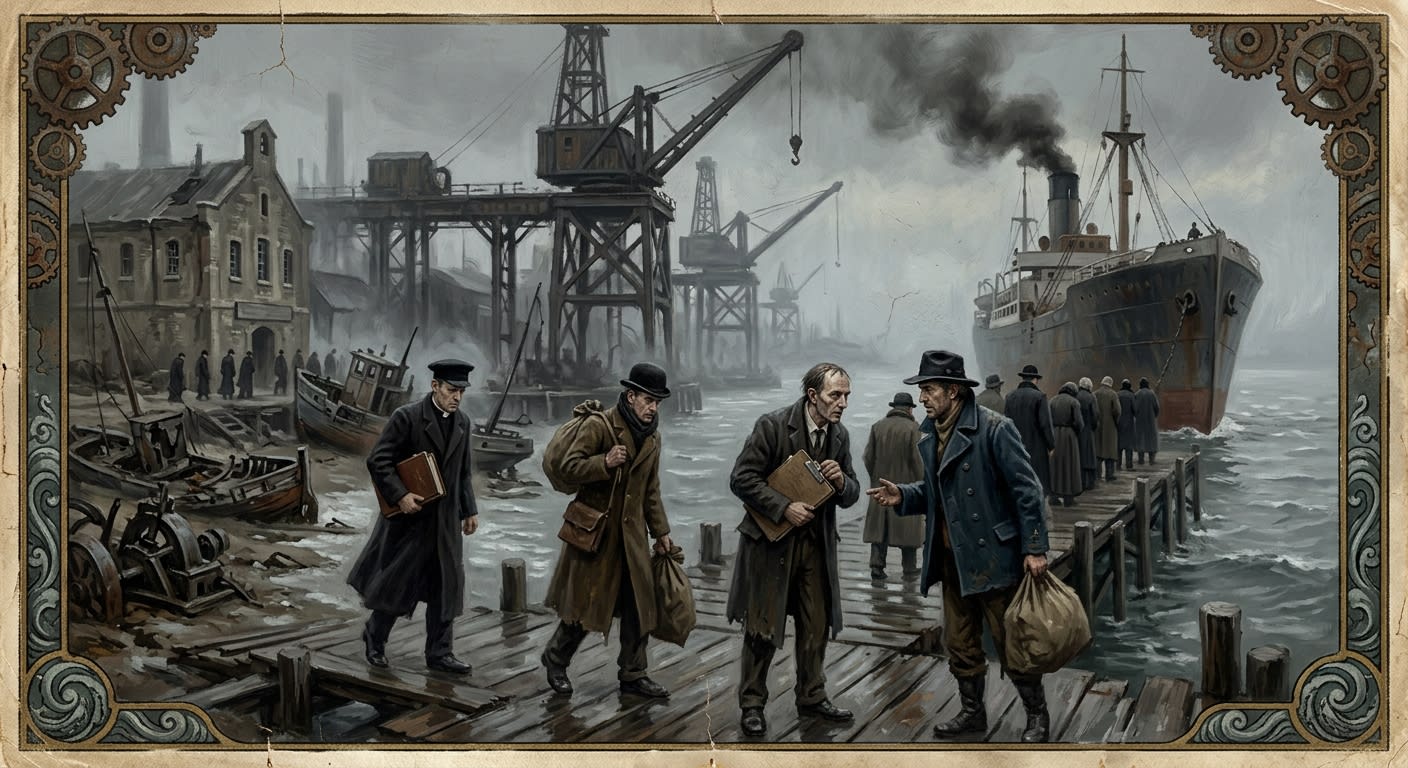
Aegean
The sea is held where it is counted
The Aegean is the Synod's southern salt-ledger: supply lane, pilgrim road, smuggler's chapel, drown-office, and sea with a clerical appetite.
Codex Ref. II.4.09-072
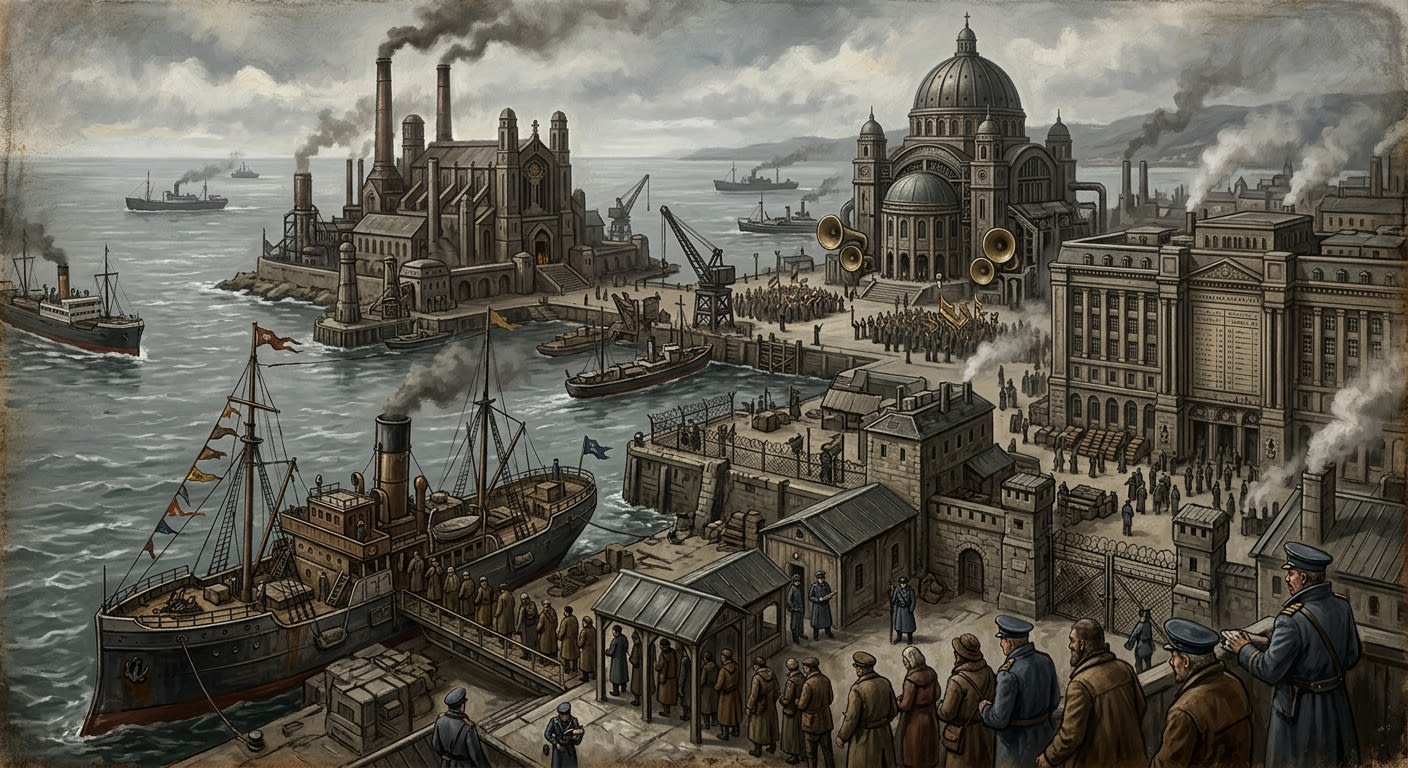
Aegean Shrine-Circuit
Devotion by convoy, tariff, bell, and brine
Licensed pilgrim sea-route where Marseille weighs devotion, Saffron quarantines it, Thessaloniki sings at it, and the Bureau invoices the miracle.
Codex Ref. XIII.1.40-123
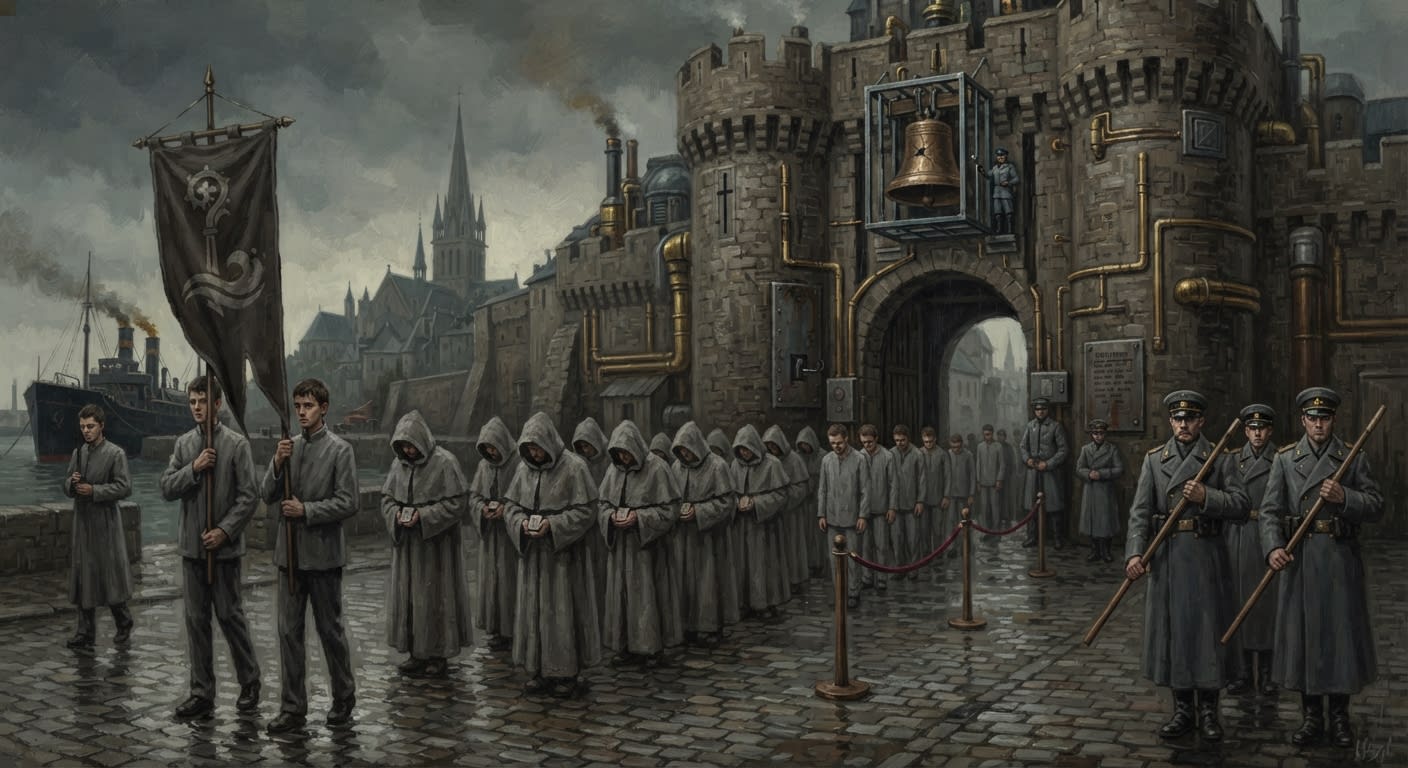
Annual Remembrance of Saint-Malo
Thirty-one tolls, forty-three seconds, and grief under licence
The annual office that makes Saint-Malo's first blood toll thirty-one times, hold forty-three seconds of silence, and remind Brittany that grief is licensed.
Codex Ref. XIII.1.87-011
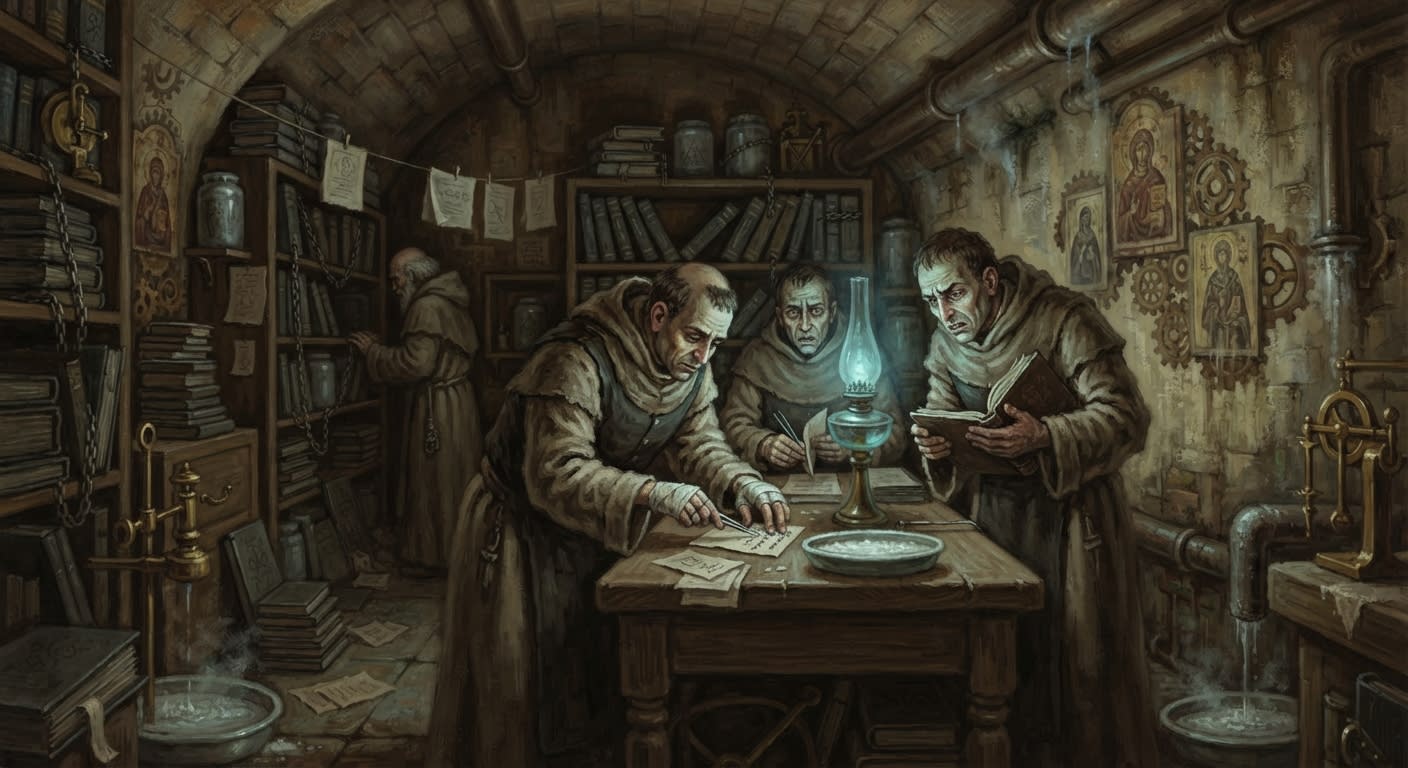
Anomaly Protocol
The misspelled machinery by which panic becomes billable silence
The Anomaly Protocol is the Cloister's approved handling doctrine for denied bead disorder: misspelled in law, exact in hunger, and far too useful to correct.
Codex Ref. XIII.1.72-003
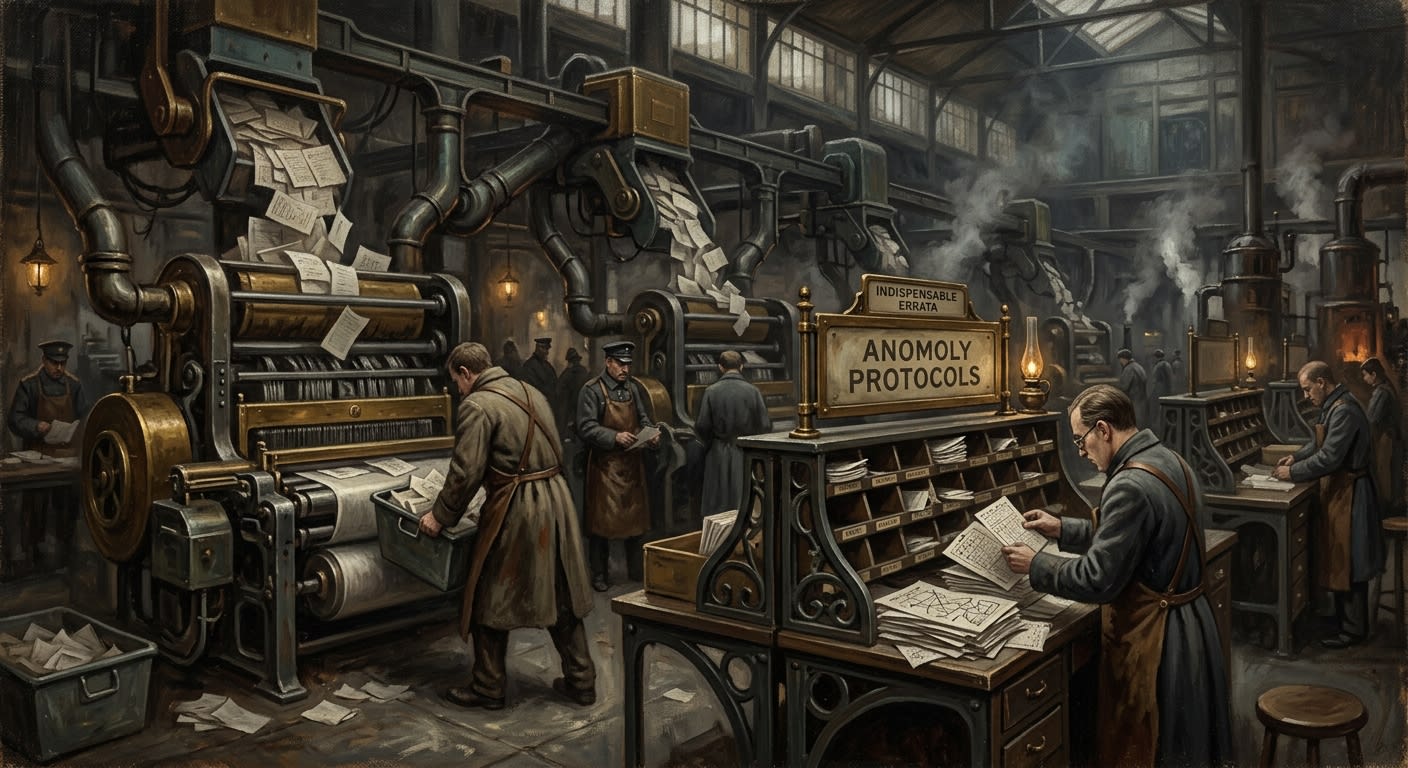
Anomoly Protocols
The misspelled machinery by which panic becomes billable silence
The Anomoly Protocols are the Cloister's approved handling procedures for bead drift: misspelled, deniable, indispensable, and far too useful to correct.
Codex Ref. XIII.1.72-003
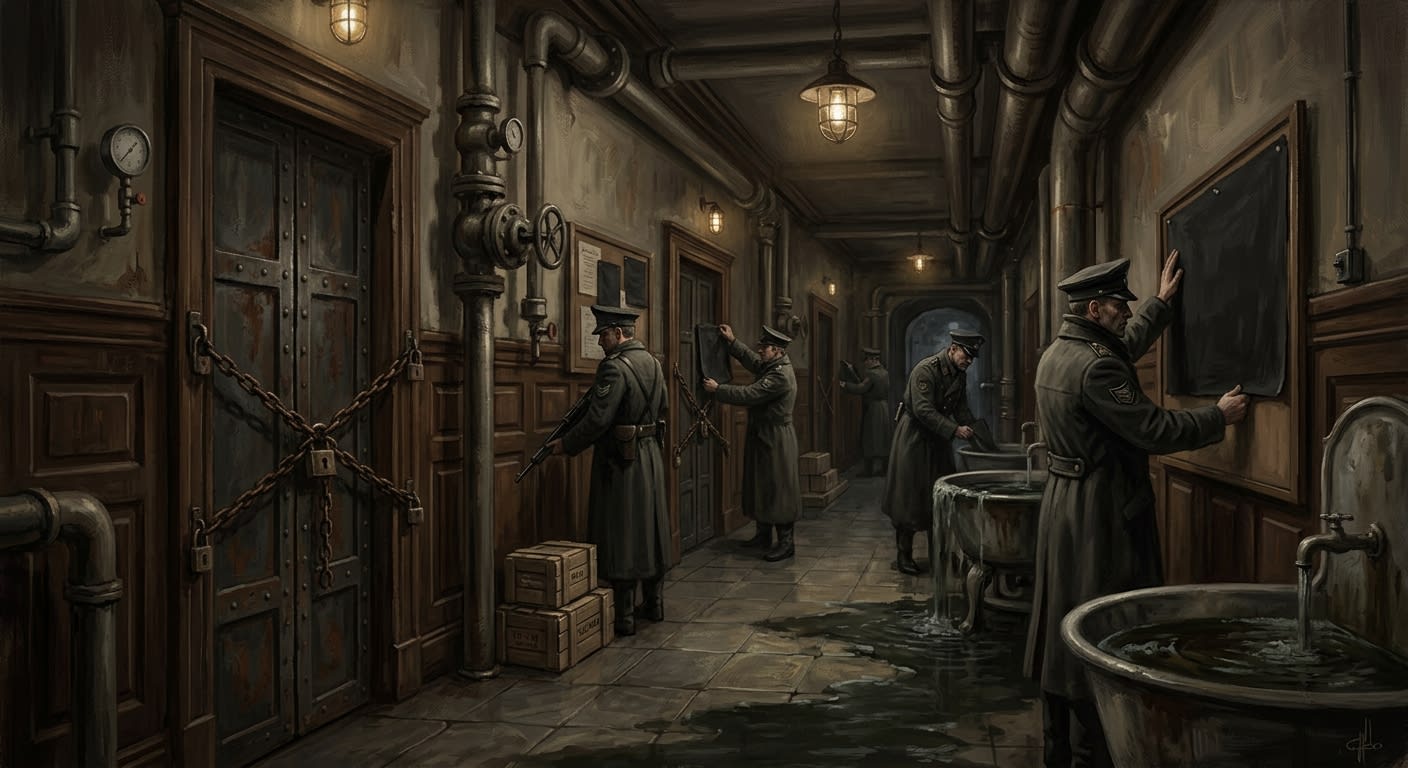
Anomoly Weeks
The calendar form of panic, posted in black wax and billed by the day
Anomoly Weeks are severe Cloister drift events: chained gates, covered ink, rationed silence, rising basins, and the official fiction of order wearing a black notice.
Codex Ref. VII.4.18-201
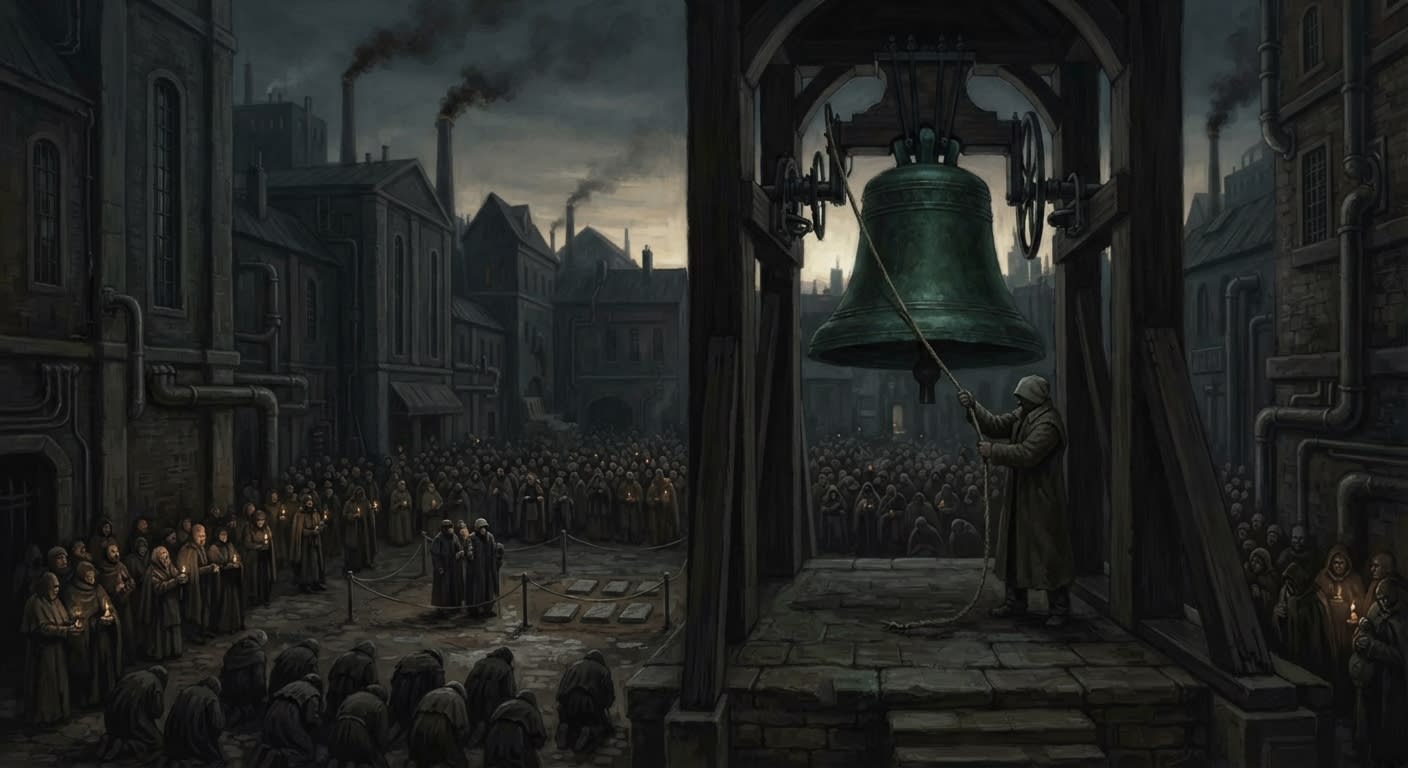
Antiphon Bell
Bronze may count what grief is not permitted to round
The Antiphon Bell is the licensed parish office that makes Saint-Malo audible: thirty-one tolls for the certified dead, then forty-three seconds for all who entered the gate.
Codex Ref. XIII.1.87-012
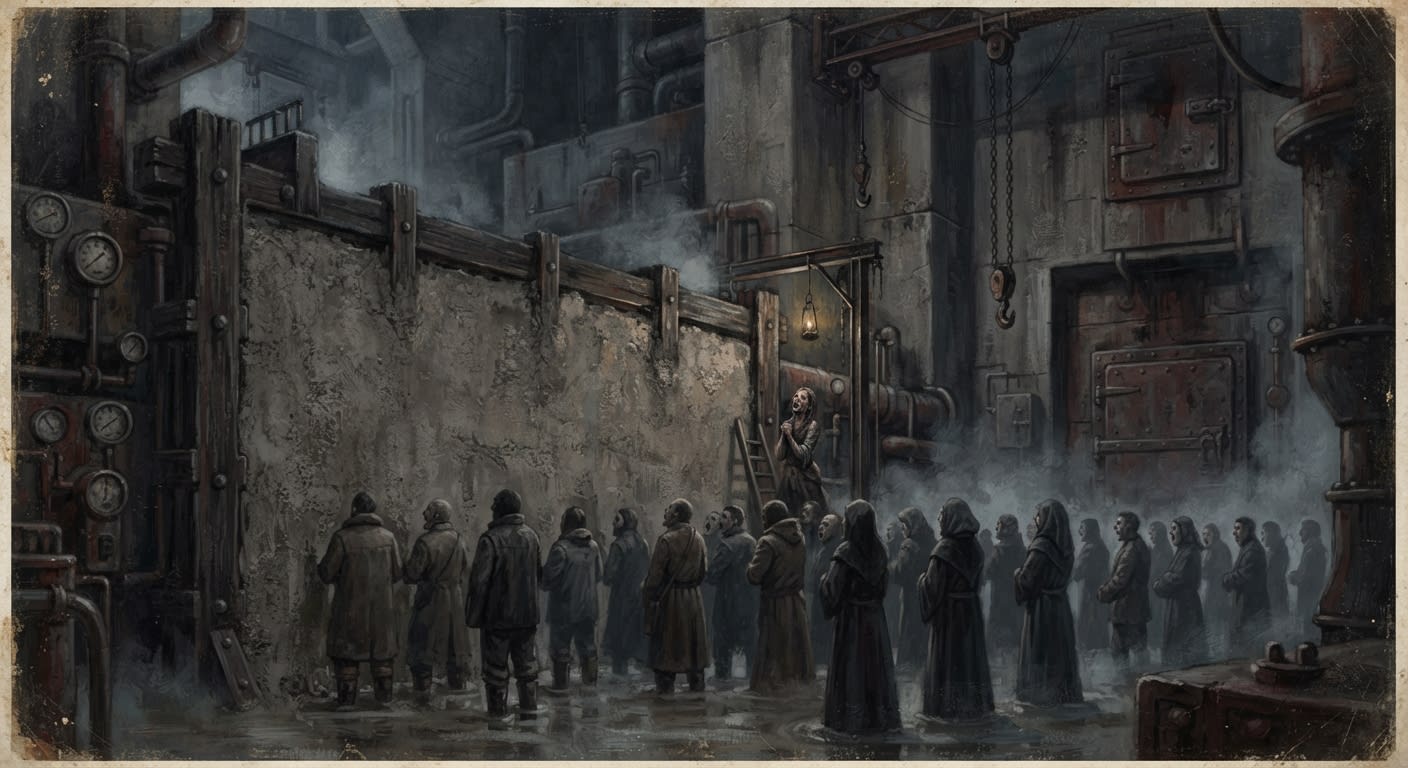
Antiphon of Endurance
Thirty-two verses, one last voice, and a wall that keeps time
The Antiphon of Endurance is the licensed siege hymn sung by the forty-seven as Chamber 7 was poured; thirty-two verses now answered yearly by a warm wall.
Codex Ref. XIII.1.96-170
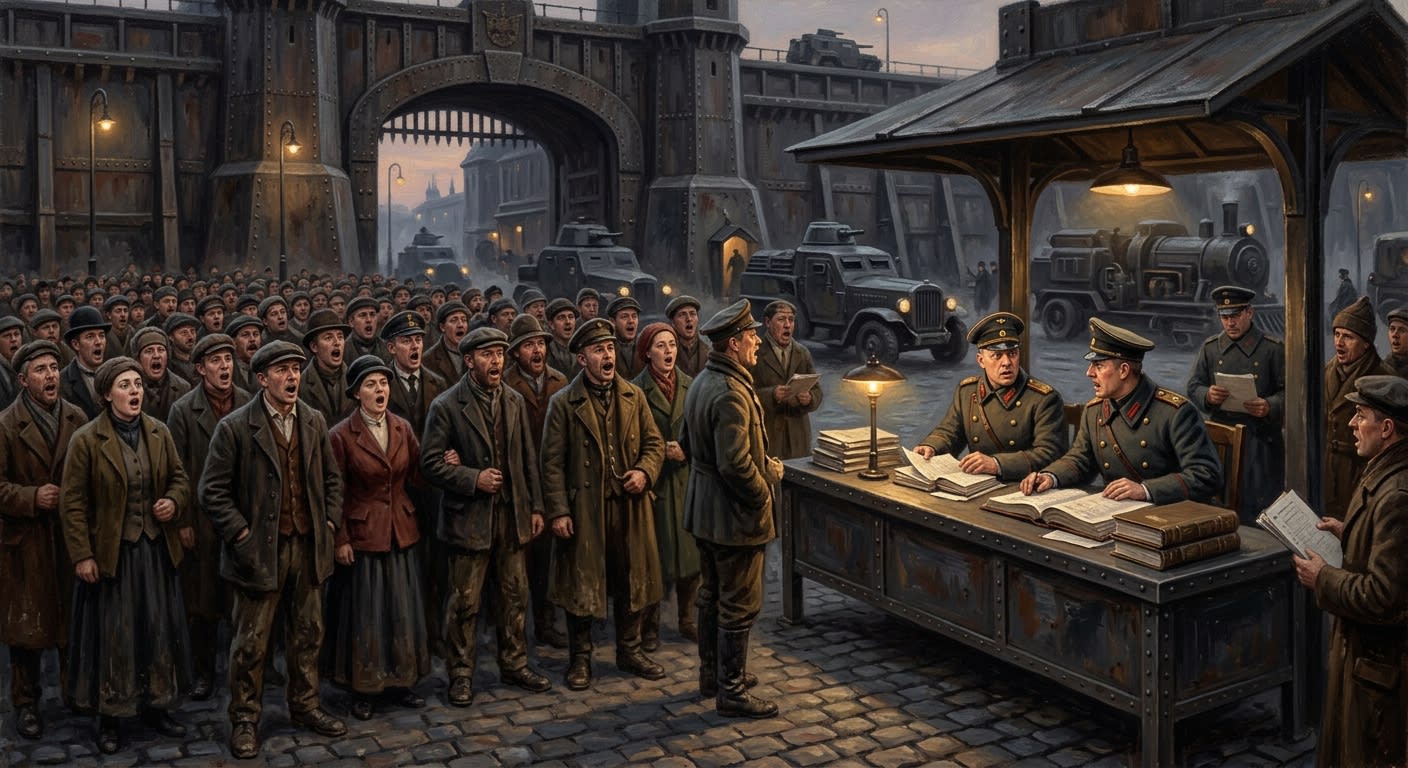
Antiphon of Safe Passage
The road is holy; the queue remains under authority
A Breton road-song entered the Ledger through Saint-Malo blood, survived as licensed memory, and now frightens gate clerks by teaching crowds one rhythm.
Codex Ref. XIII.1.87-010
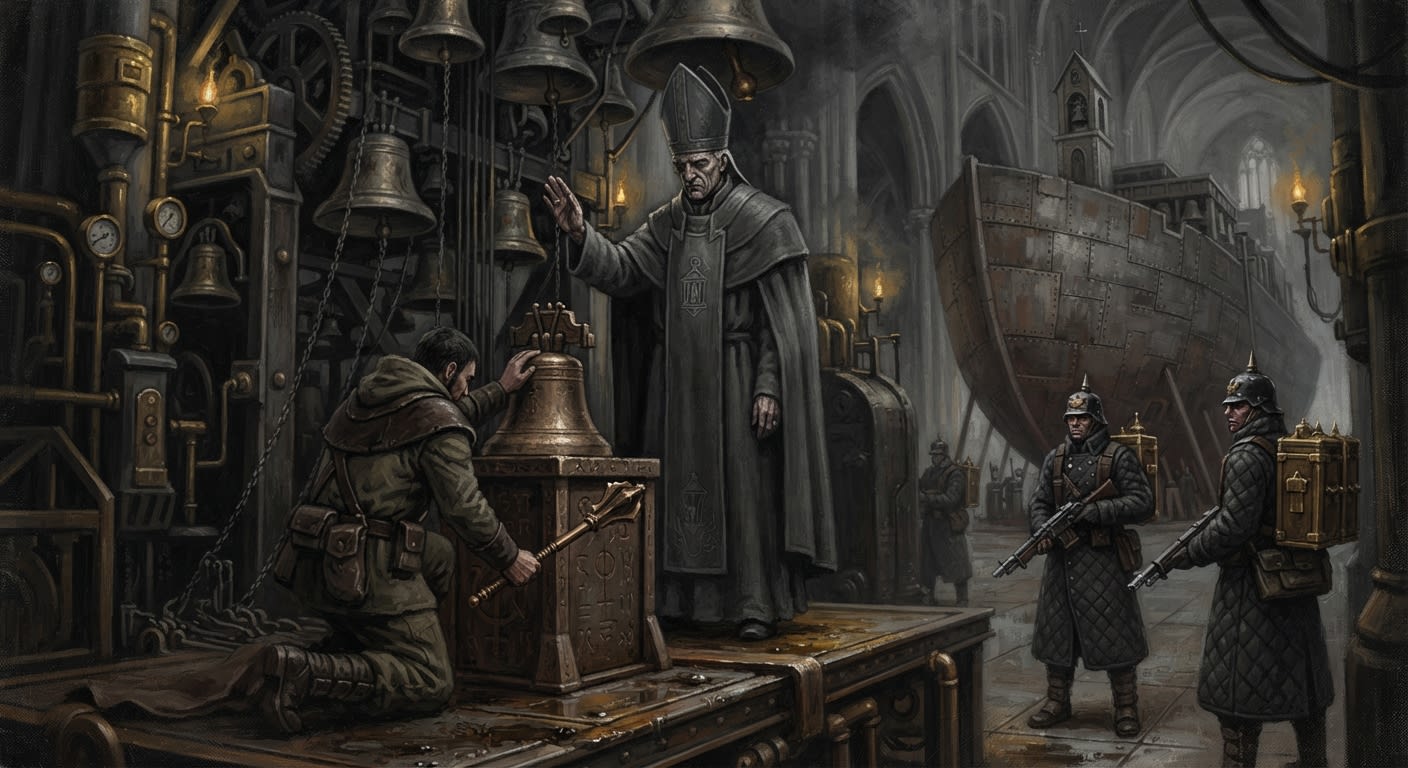
Archbishop of Canterbury
The altar Strasbourg cannot countersign
Canterbury's unnamed Archbishop ordains bell-warriors, guards relics, blesses ships, and proves that an unaudited Christian altar can still make Strasbourg lose sleep.
Codex Ref. III.2.01-025

Archbishop Salome Veyrault
The smile that made arrears a sacrament
Archbishop Salome Veyrault governs the Bureau of Tithes with a smile sharp enough to audit grief, humble Purity, and make the Sagittal Line pay for one more day of survival.
Codex Ref. III.2.01-055
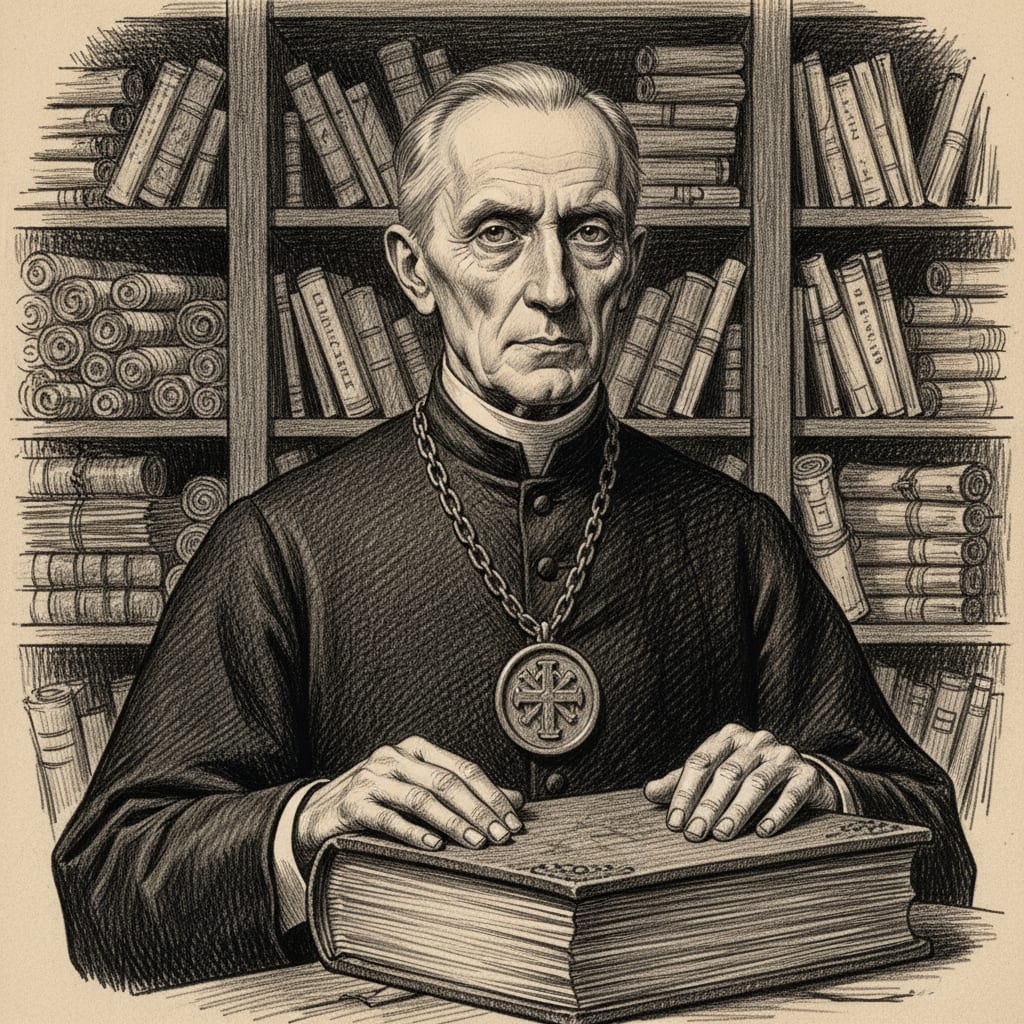
Archon Benedict Veyrault
The Monk Who Made Memory a Weapon
Once a monk of Dijon, Veyrault built the Bureau of Records into the scaffolding of reality itself. Cities he struck from the ledgers ceased to exist. His motto endures — "Nothing is forgotten" — and the faithful repeat it with equal parts pride and terror.
Codex Ref. III.3.02-008
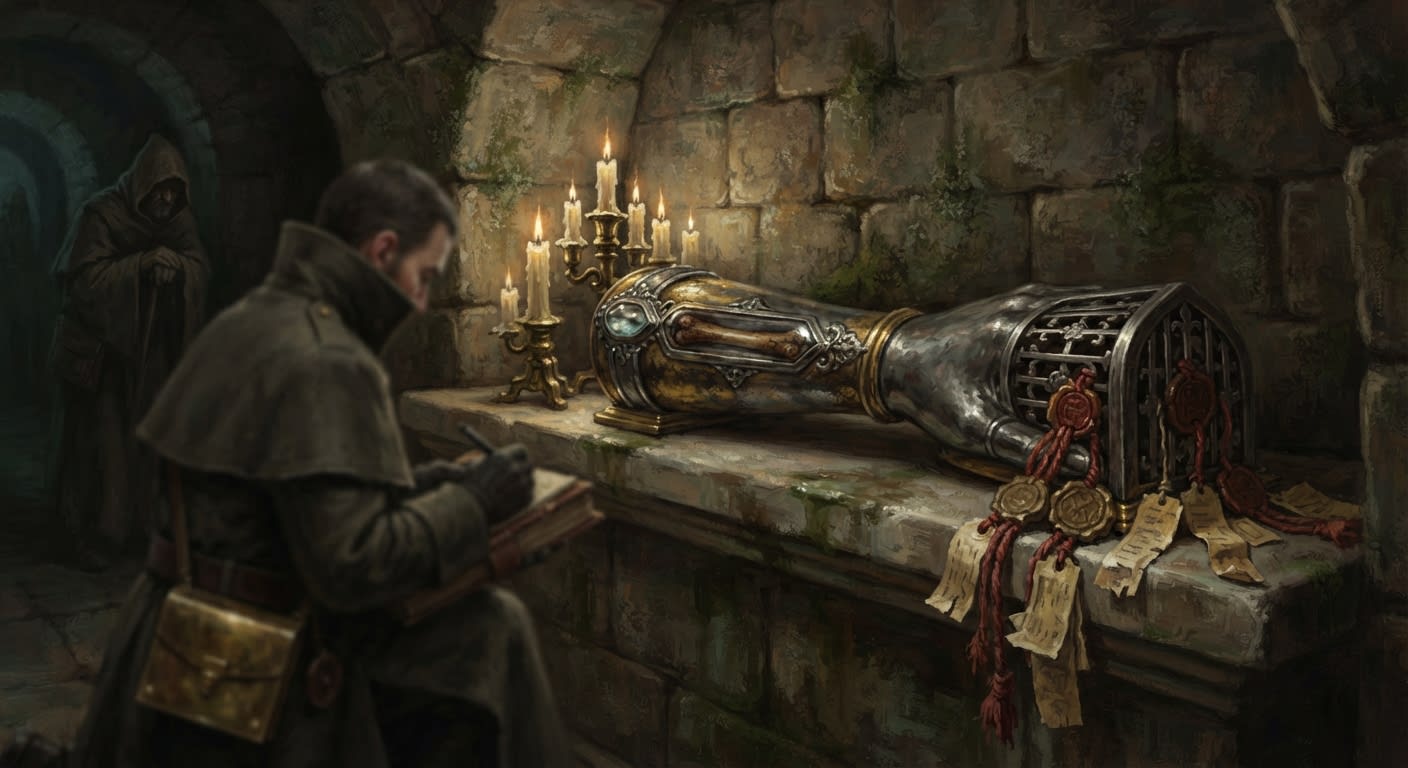
Arm of Victor
A forearm twice certified, once contested, and still too close to the bell
The Arm of Victor is the twice-authenticated forearm reliquary in Saint-Victor's crypt: a nervous bone under Relics seal, market hunger, and bell-shadow.
Codex Ref. III.2.04-018
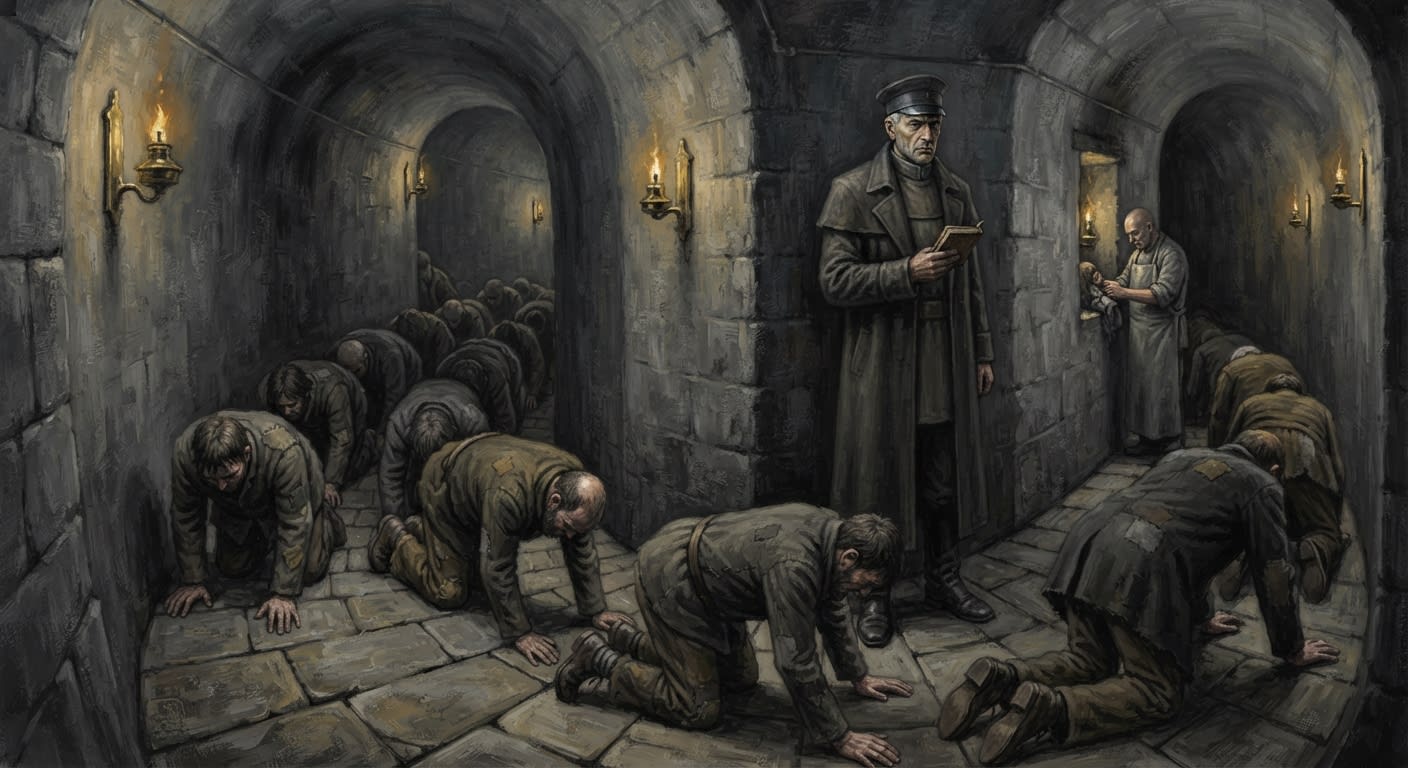
Ash Bend
Where siege memory waits its turn
Ash Bend is the grey turning segment of Vienna's Via Stahlhand, where pilgrims lose sight of the altar and hear the garrison dead rationed by cadence.
Codex Ref. II.4.09-011
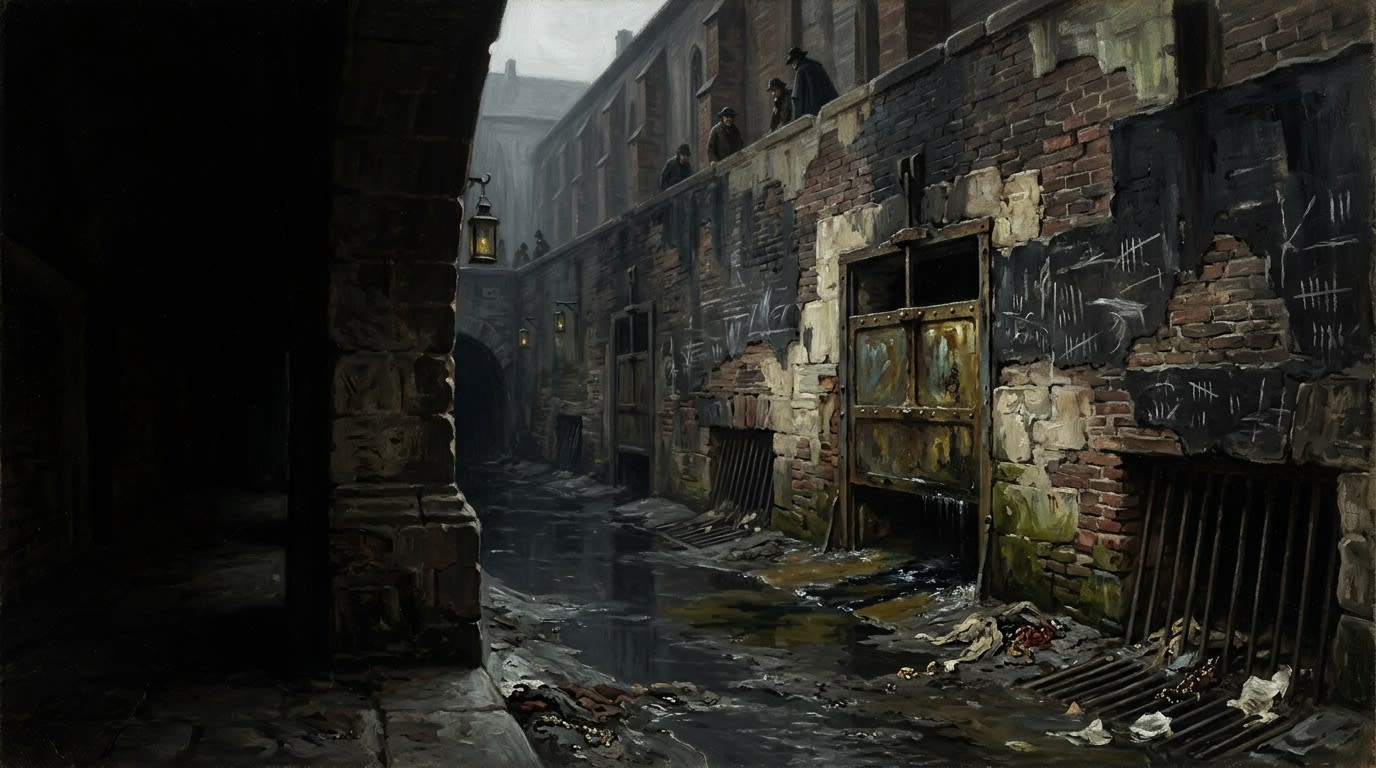
Ash Canal
Where Strasbourg teaches water to forget names
The Ash Canal is the Cloister's south runoff: drain, boundary, market, fever line, and the useful black water into which inconvenient custody is poured.
Codex Ref. II.3.06-007

Assessor Maren Gault
Fear, properly disciplined, can take measurements
Assessor Maren Gault stands at Brine Fork measuring sealed grief, ownerless warmth, leaning racks, and the exact weight of a transfer request denied.
Codex Ref. III.2.01-153
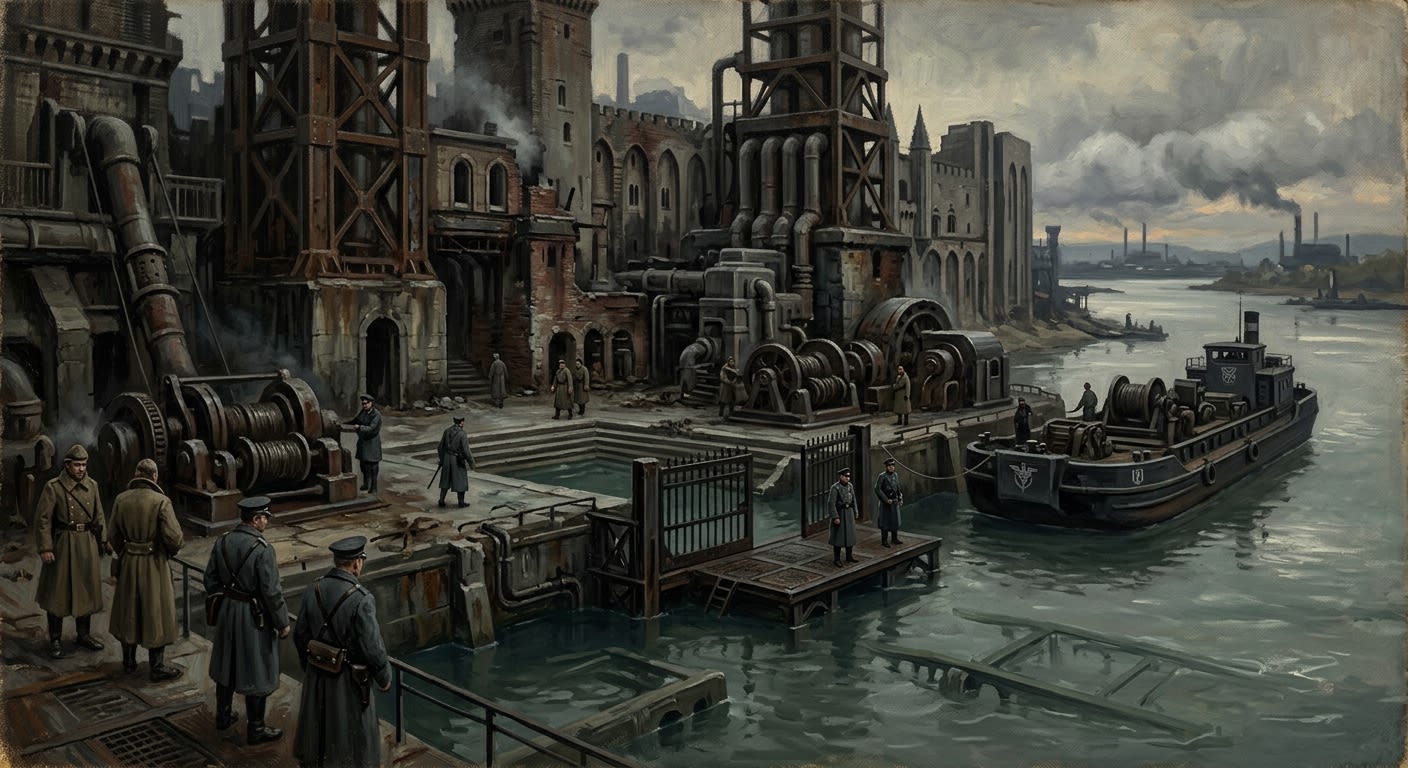
Avignon
A city corrected so thoroughly the river kept the receipt
Penitential ruins on the Rhône, where the Pontifex Submersis was crowned beneath water in A.S. 111, Avignon was razed into correction, and A.S. 145 burned the calendars into agreement.
Codex Ref. II.1.08-111
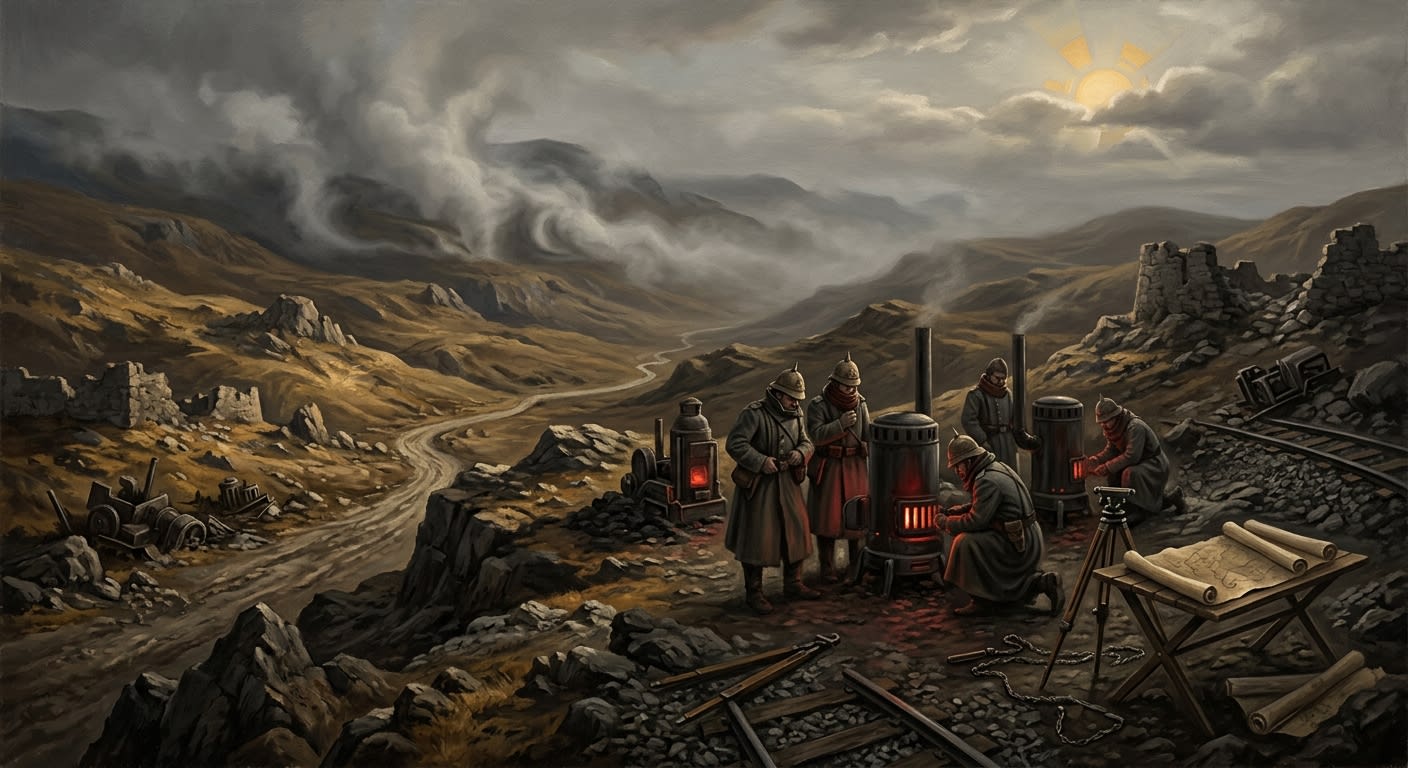
Balkan Foothills
Where the weather learned politics
The Balkan foothills are the broken stair below Shipka, where Maldrake's furnace weather, Syrion's time-fog, and Synodal maps all lose jurisdiction.
Codex Ref. II.4.12-045
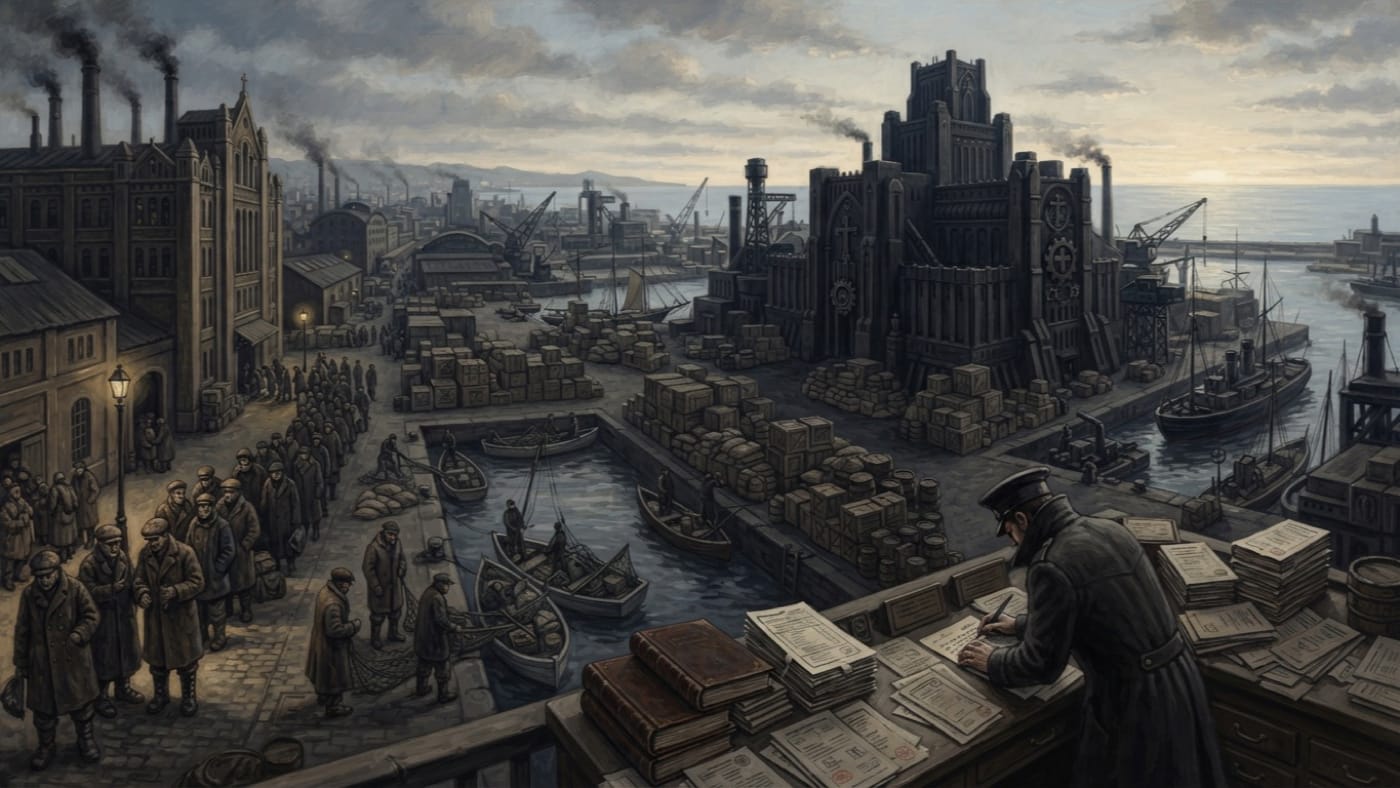
Barcelona
The dead are read correctly; the living appeal
Barcelona keeps Saint-Malo's Thirty-One Names at dawn and its dialect disputes on the clerk's desk. An Iberian port where the dead are read correctly and the living appeal.
Codex Ref. II.1.04-166
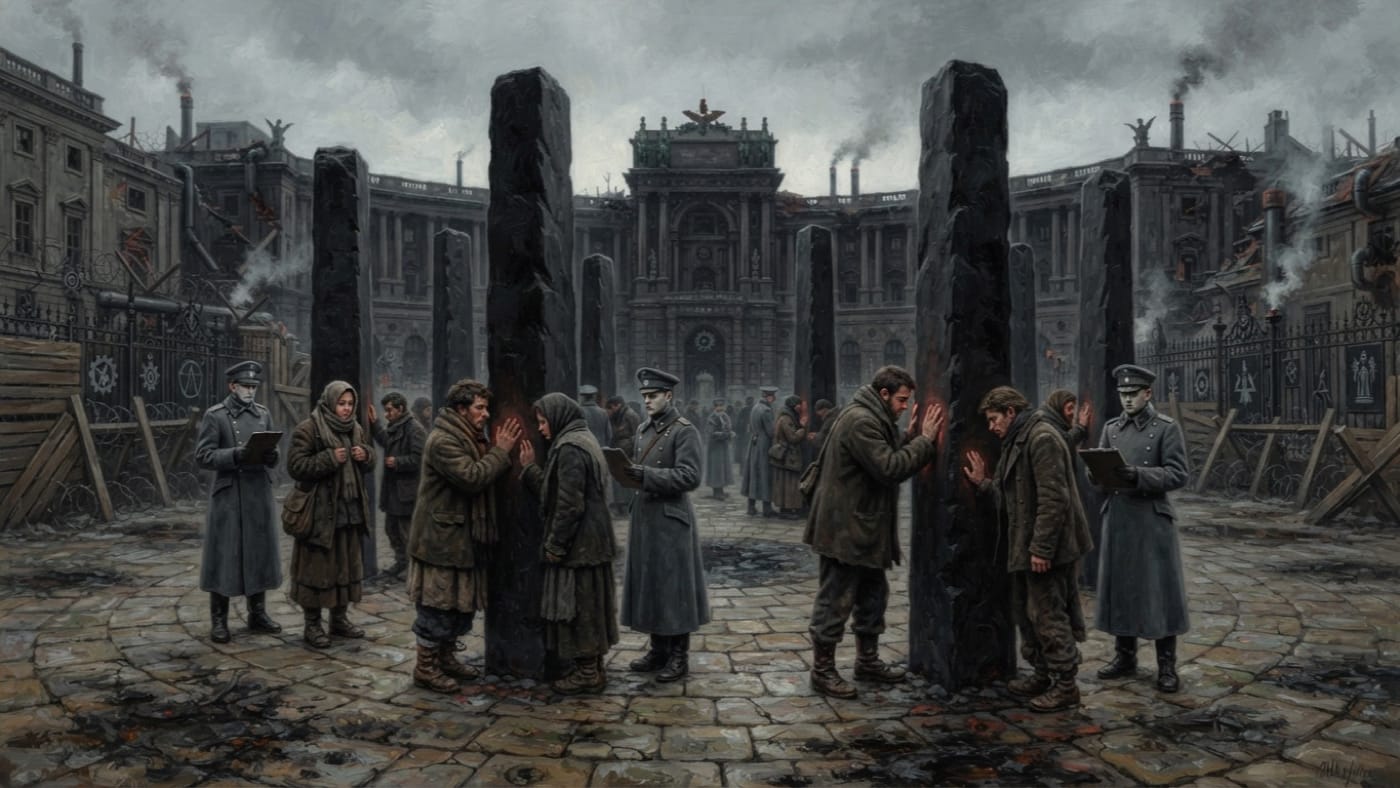
Basalt Columns of Heldenplatz
Seven stones, two explanations, and one temperature
Seven basalt columns warm the palms of Vienna's pilgrims at thirty-seven degrees. Raised in A.S. 95 where Rationalist pyres burned cold, they need no fuel; their explanations require two Bureaus.
Codex Ref. II.4.09-012
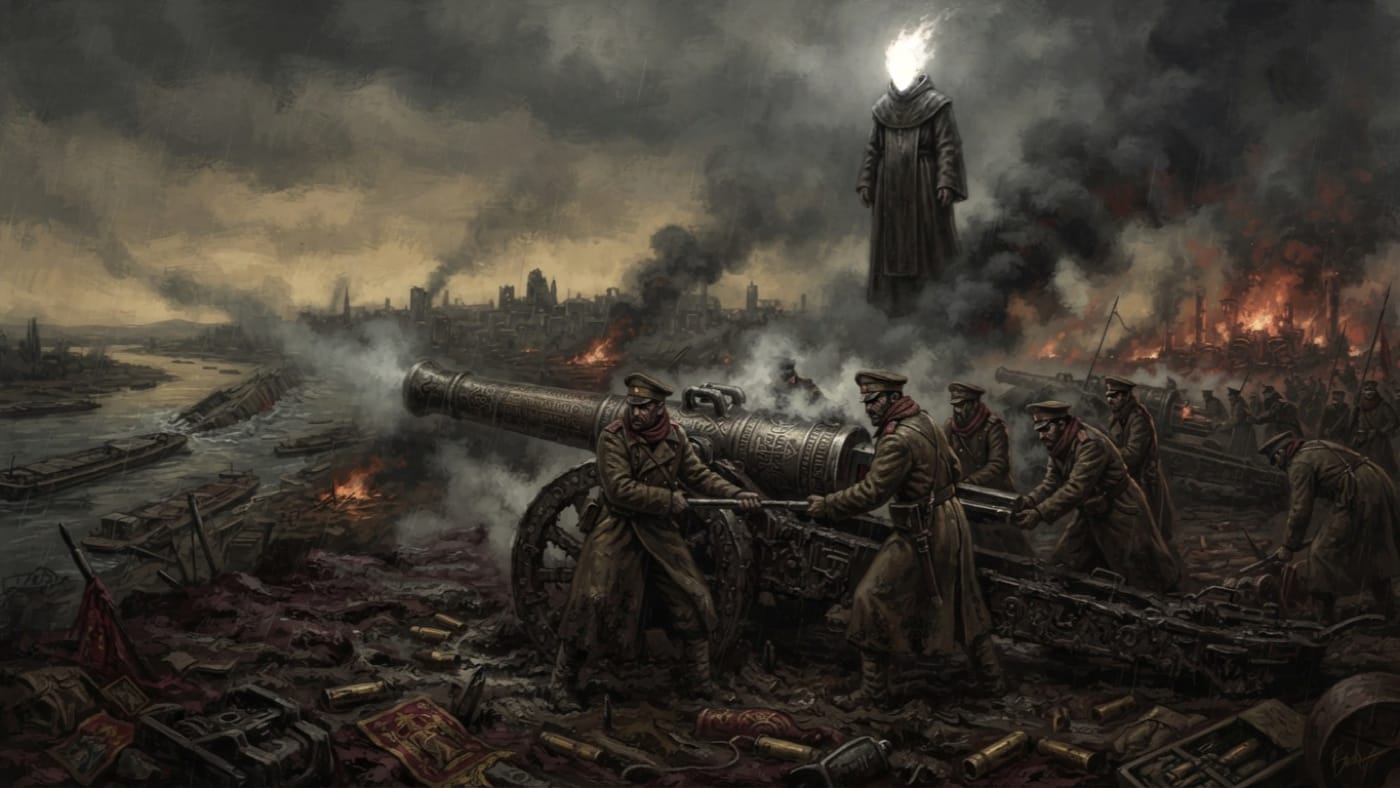
Battery Veyl
A visor of white fire, a sentence under seal
Battery Veyl served at Belgrade in A.S. 120 beneath an unnamed apparition with a visor of white fire. Its survivor's account of the third saint remains under seal.
Codex Ref. II.5.06-122
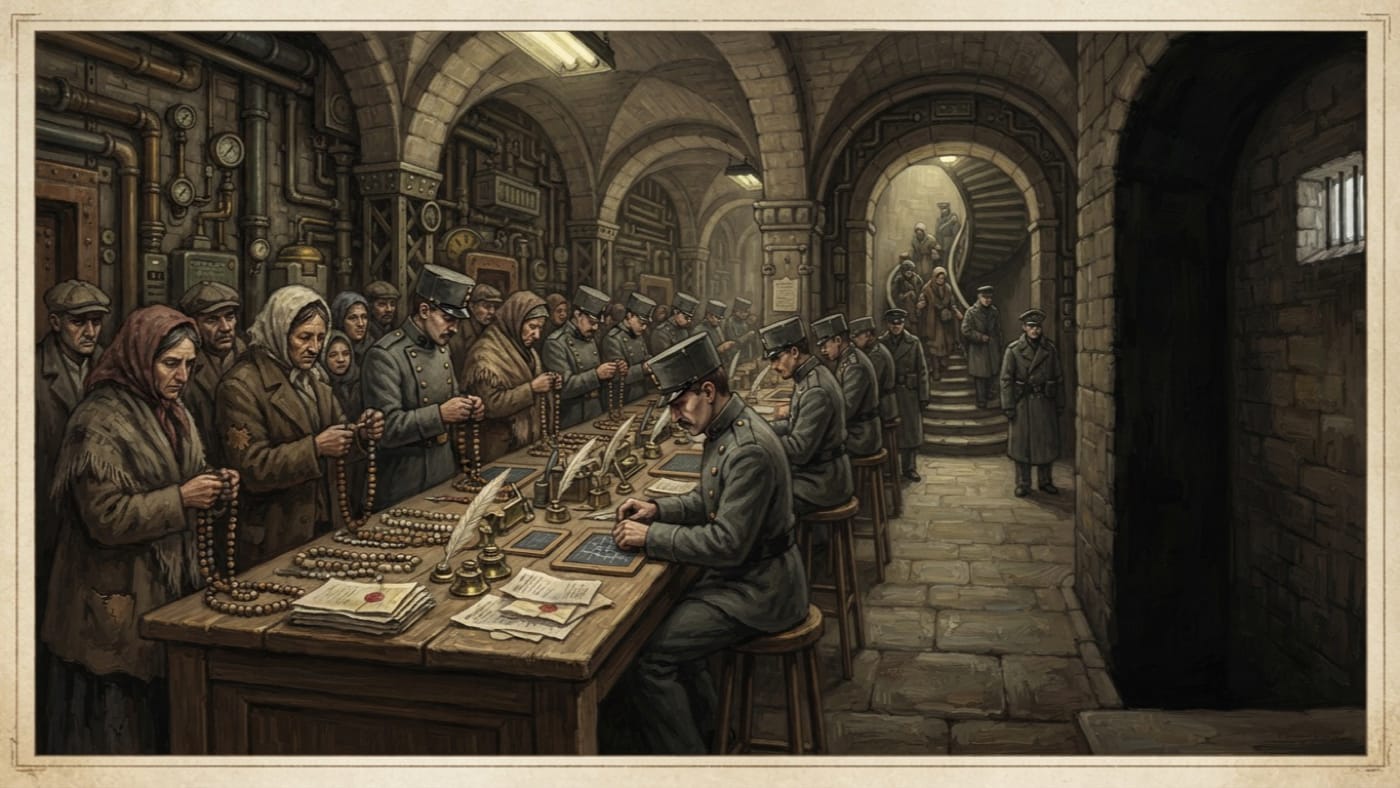
Bead Courts of Peregrine Row
Where the working is erased and the verdict kept
Twelve tables in Peregrine Row reconcile pilgrims' beads against confession receipts and passage credit. The working is wiped away; the verdict survives. A discrepancy costs passage, money, or liberty.
Codex Ref. XIII.1.23-002
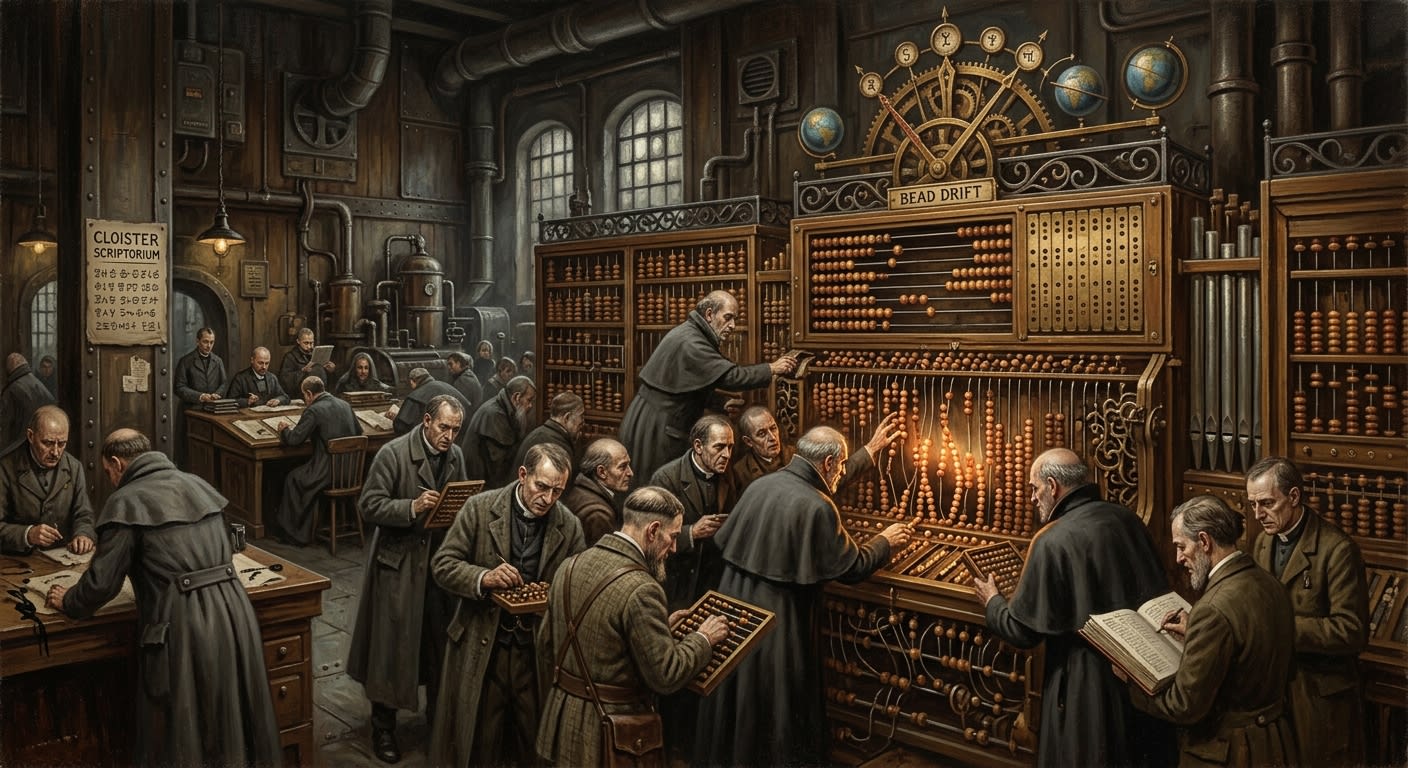
Bead Drift
The count moves, and Records bills the correction
Bead Drift is the Cloister's forbidden arithmetic: strings warm, names return, counts alter, and Records writes handling deviation over the sound of beads counting back.
Codex Ref. XIII.1.72-004

Bead-Drift Anomaly
The ledger corrects without leave, and the claimant waits
At the Cloister of Miscounted Beads, counts amend without hands and dead names return to ledgers. Correction without a fee remains a doctrinal embarrassment.
Codex Ref. XIII.1.72-005
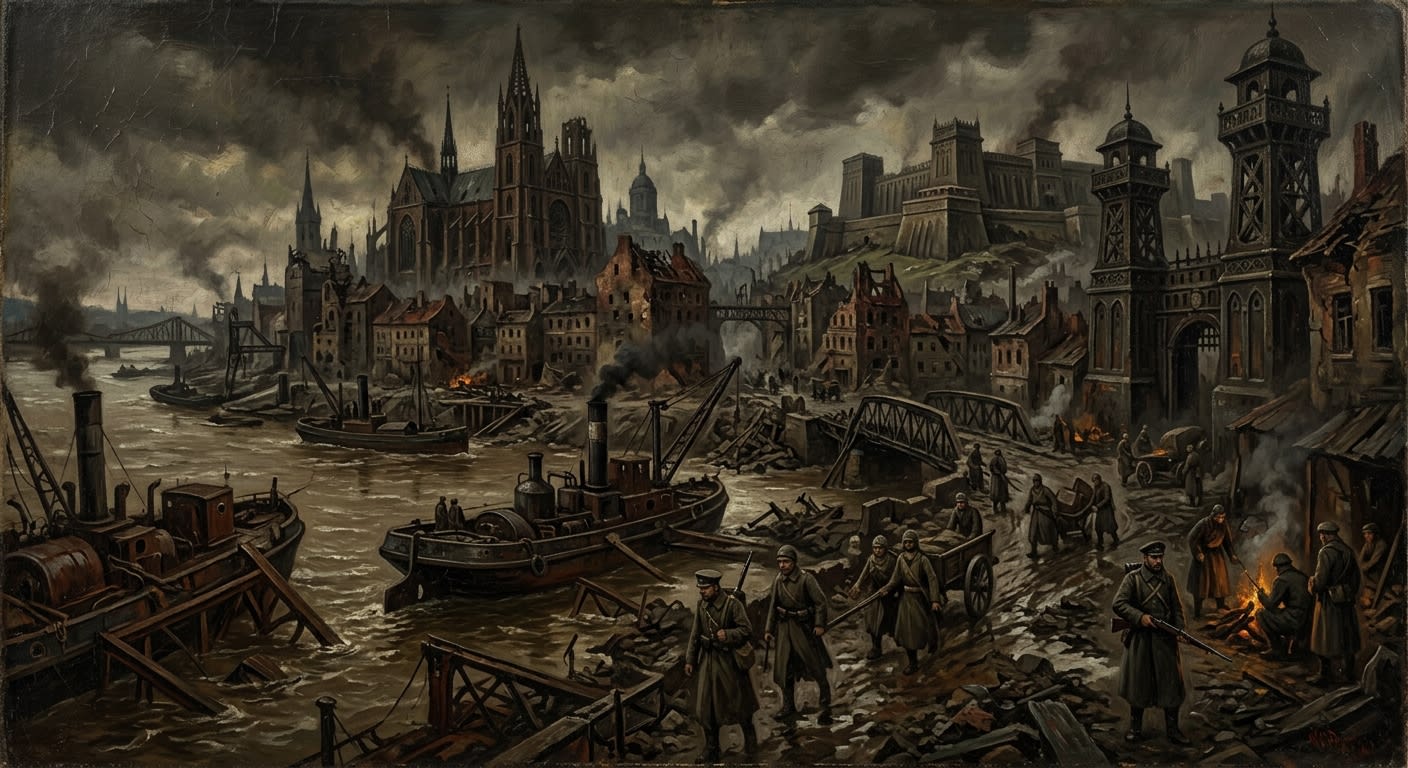
Belgrade
The city the river refused to bury, and therefore made taxable
Belgrade, ruined-contested confluence city where Shattered Courts perfume met Maldrake's Wrath, the Danube turned in A.S. 120, and sanctity became an armed hazard.
Codex Ref. II.5.06-120
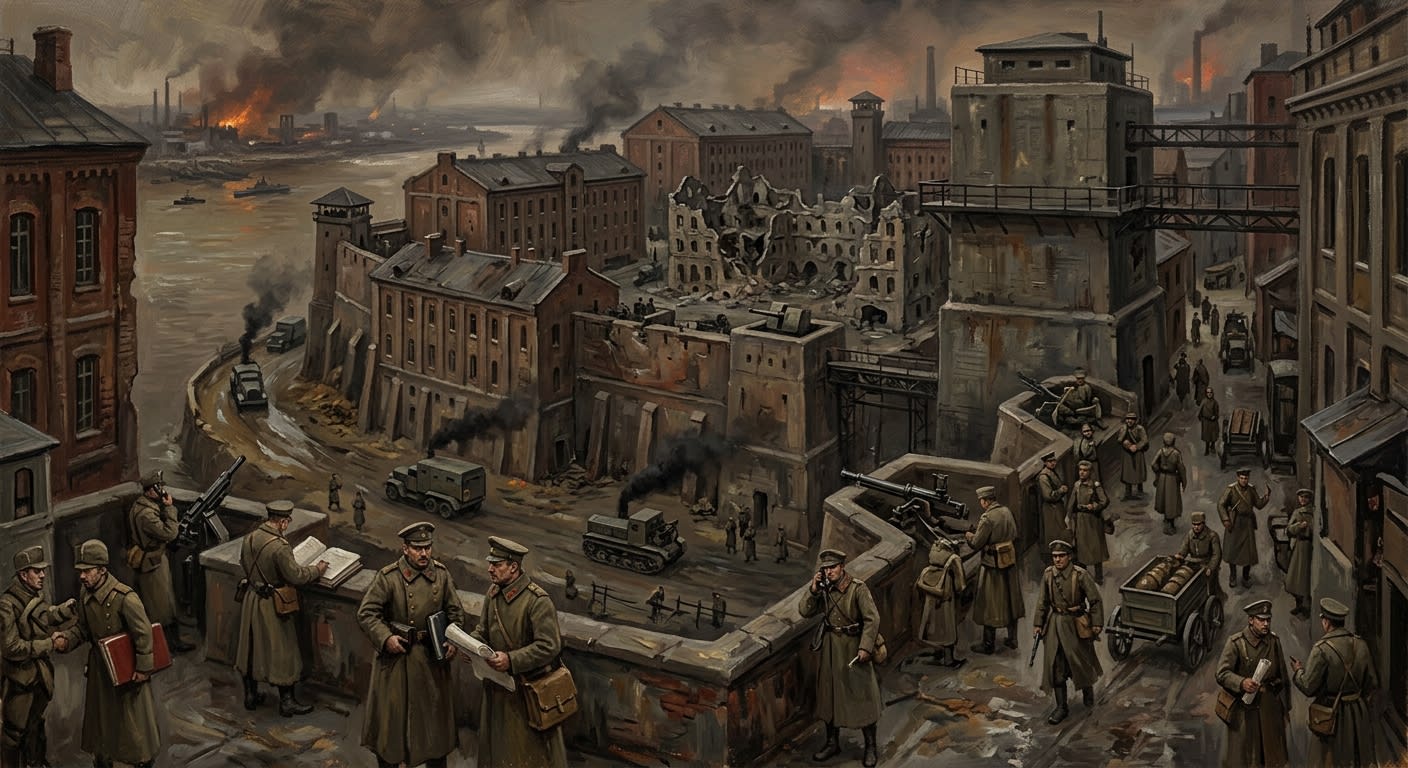
Belgrade Courts
Where miracle became evidence and silence learned to testify
The Belgrade Courts are the judicial-military scar around Velkara's Shattered Courts, where Maldrake burned, the Danube turned, and silence acquired paperwork.
Codex Ref. II.5.06-121
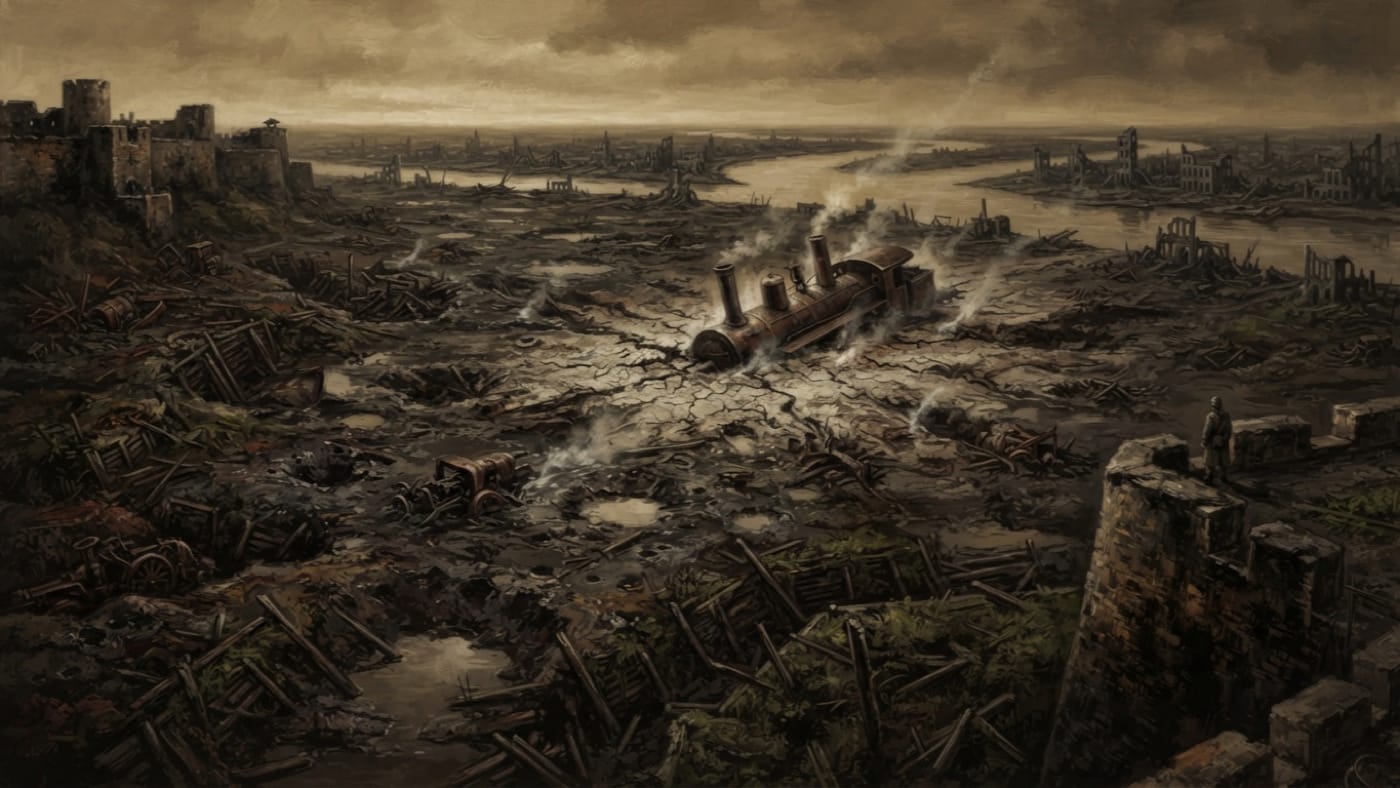
Belgrade flats
Victory ratified. Ground not.
The Belgrade flats are forbidden low ground at the Sava-Danube confluence, where Flesh-Mud swallowed a Wrath-forged engine in A.S. 120. The victory was ratified; the ground remains hungry.
Codex Ref. II.5.06-122
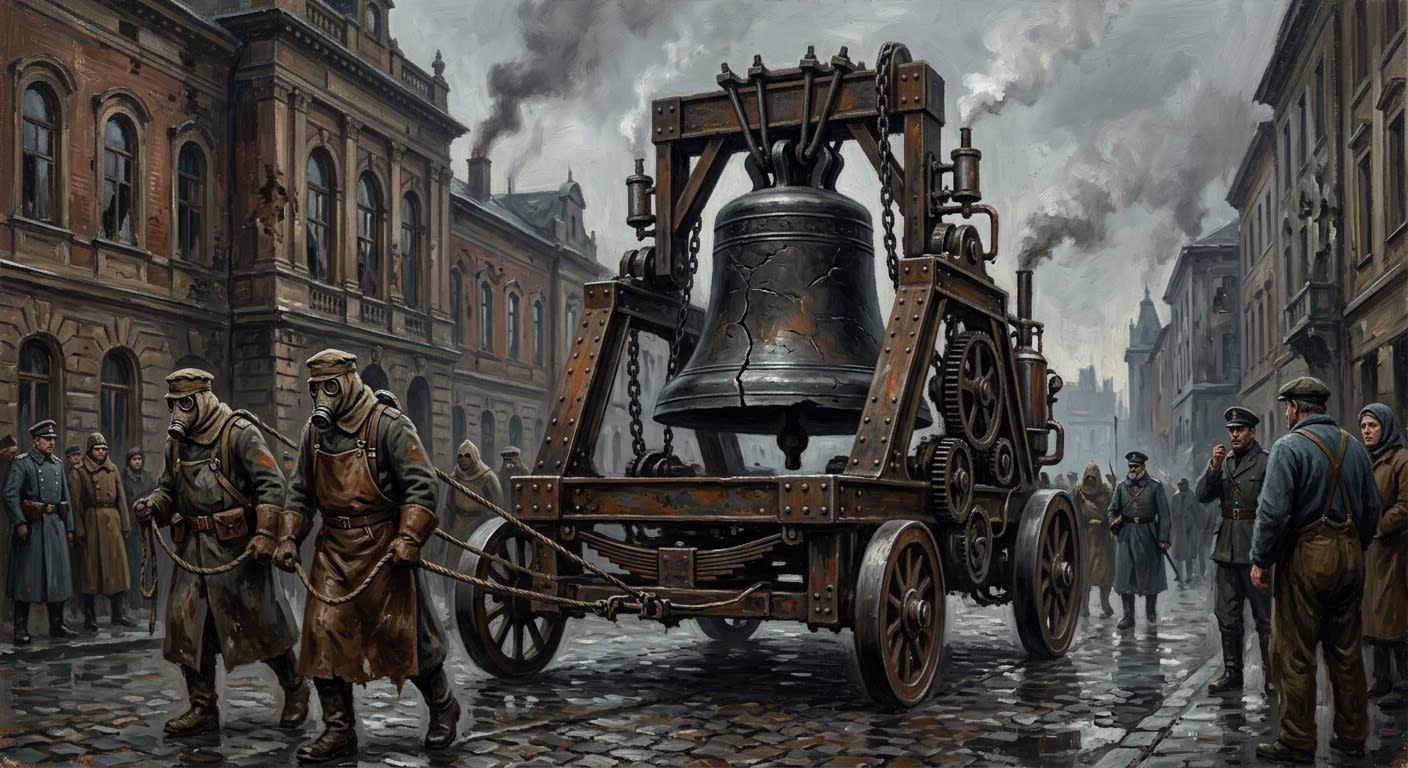
Bell of Saint Isidore
The cracked bronze that made Debrecen inherit a miracle's bill
The Bell of Saint Isidore is a cracked mobile relic-bell born from Kalnik Ridge, useful enough to parade and costly enough for Debrecen to remember in its bones.
Codex Ref. V.1.02-001
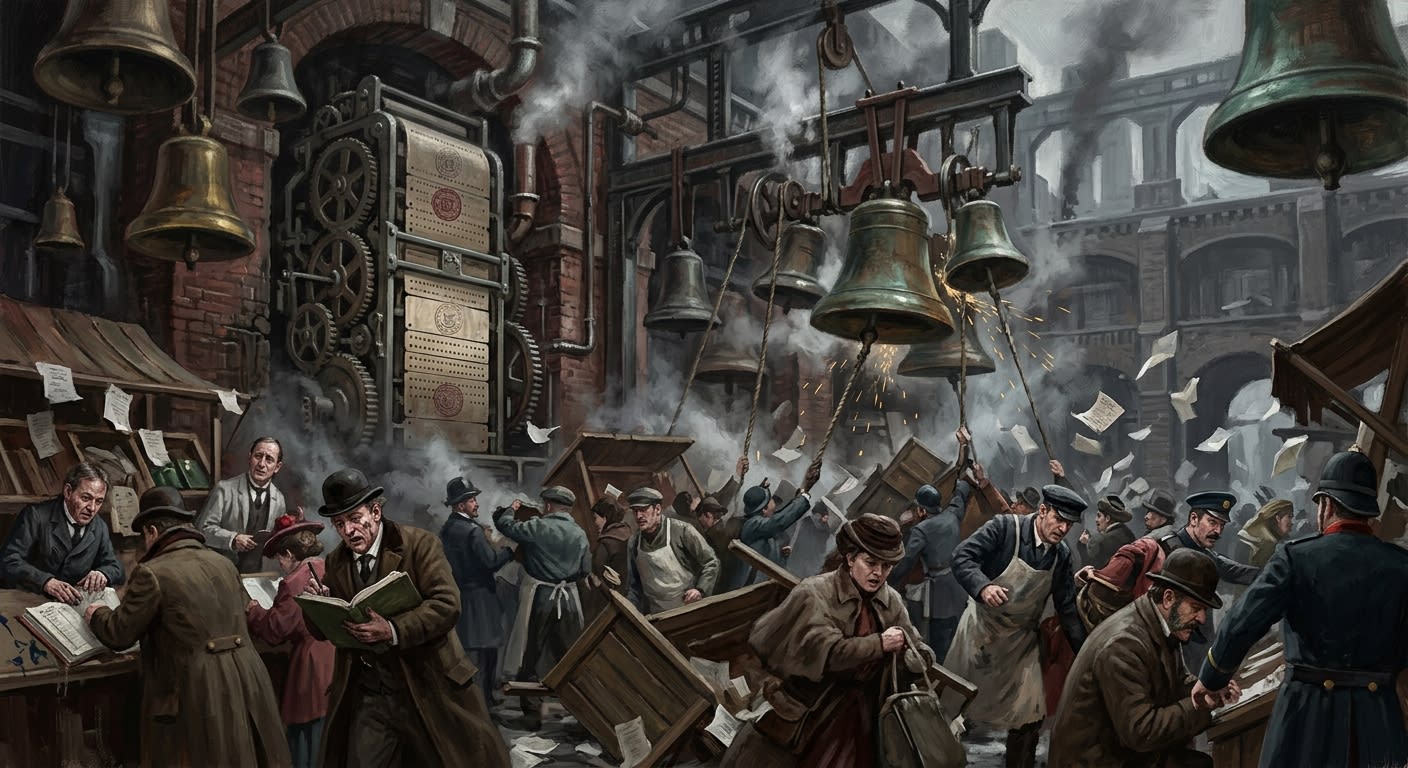
Bell-Market of Toledo
The city where even time queues for a receipt
Toledo's west-cloister market leases bell-hours by stamp and tariff, prospering after reconstruction until the oversold Sext of A.S. 163 proved time dislikes accountants.
Codex Ref. II.1.06-002
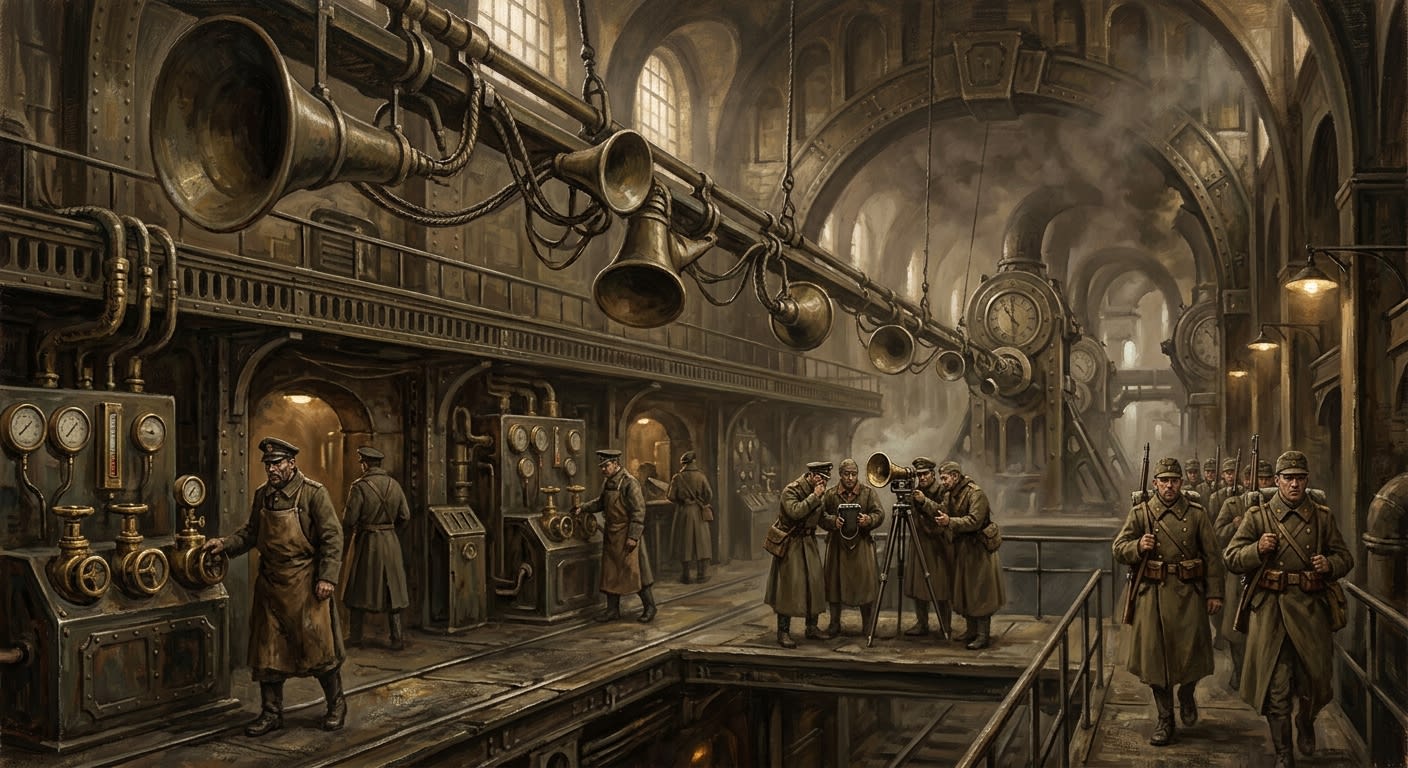
Bellway
The road that hears you, blesses you, taxes you, and may repeat you
Bellways are the Synod's sanctioned acoustic corridors: road, alarm, sermon, surveillance net, and mercy with teeth, carrying lawful sound through the Line and beyond.
Codex Ref. XIII.1.88-201
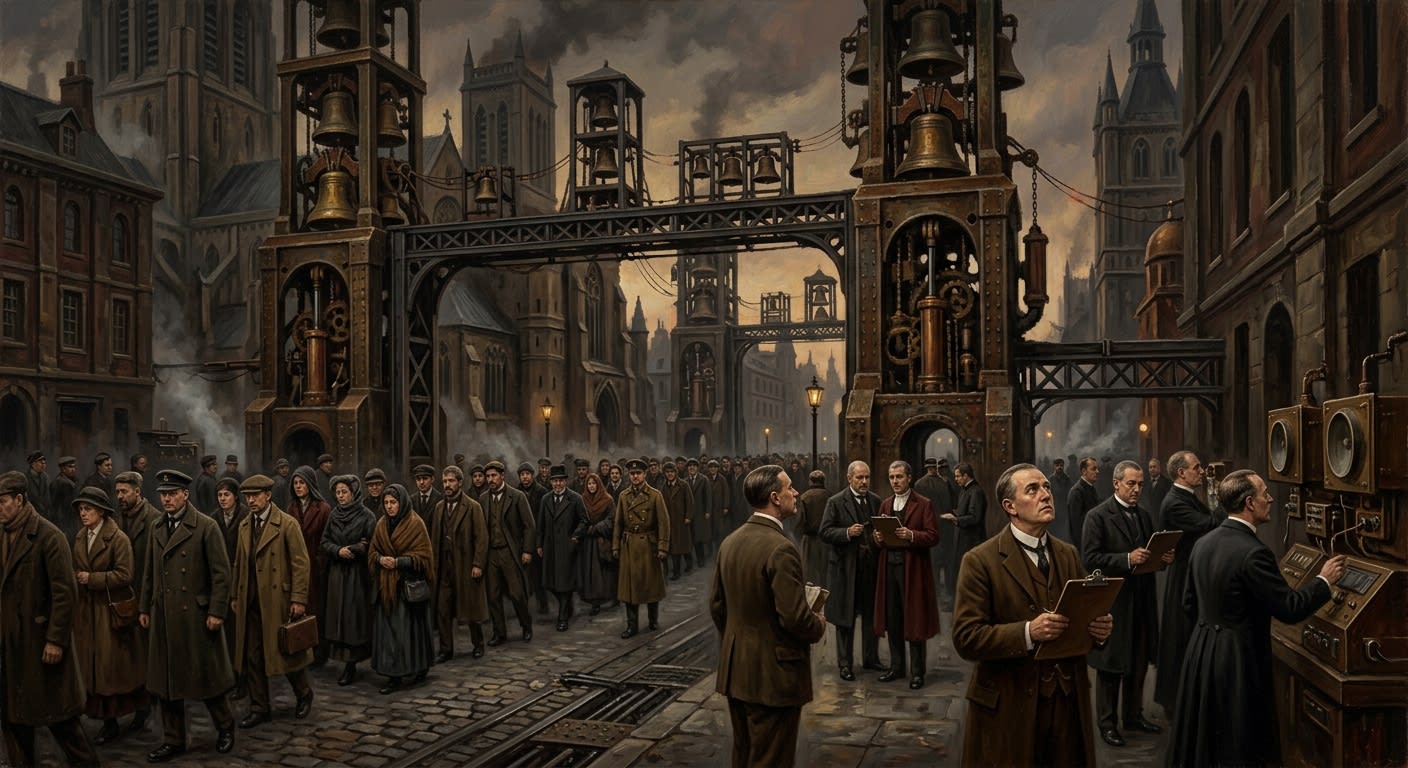
Bellway Harmonisation
The road learned to obey the bell, and mercy learned to hurry
A.S. 148 reform that aligned Jubilee roads to shrine bells and relay carillons, making pilgrimage delay audible, prosecutable, and spiritually convenient.
Codex Ref. VII.8.10-056
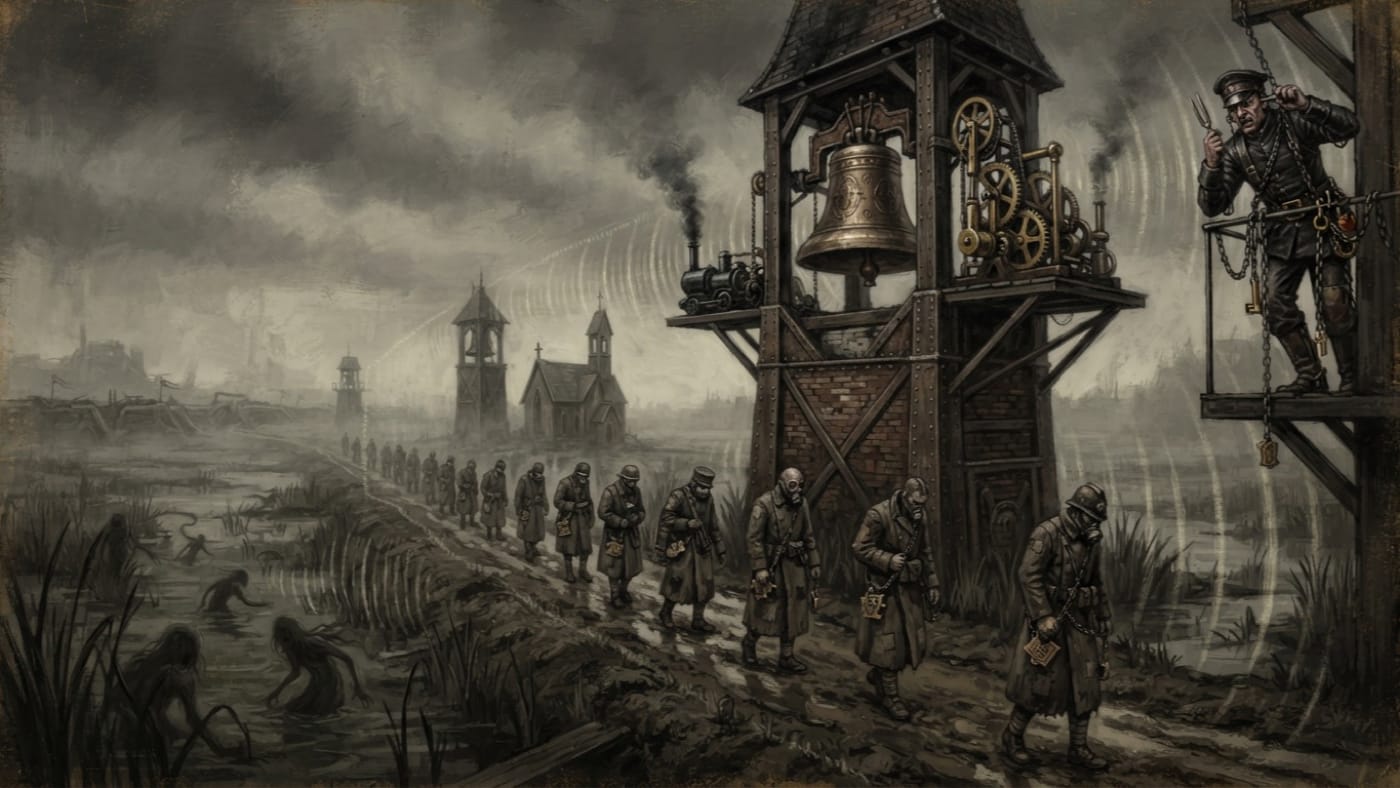
Bellway Protection
The road has no walls; the bells keep the boundary
Bellway protection keeps licensed pilgrims within maintained acoustic corridors that repel minor roadside threats. Bells tune the road; tokens keep the walker in time, and Tithes keeps the invoice.
Codex Ref. XIII.1.88-002
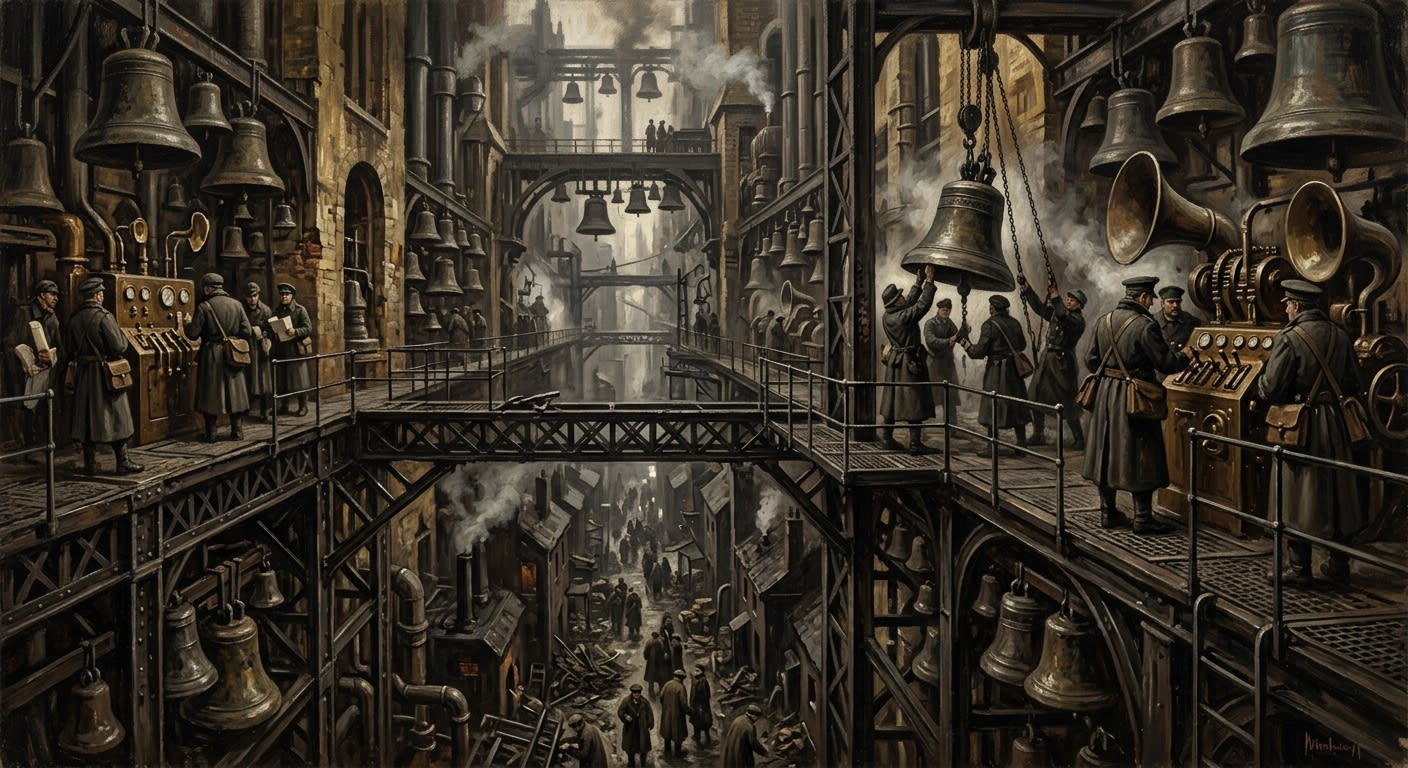
Bellways
The plural doctrine of roads, sky, trench, and taxable obedience
Bellways are the Synod's plural acoustic jurisdiction: low roads, middle war-lattices, high Ark corridors, and every quarrel they make audible.
Codex Ref. XIII.1.89-201
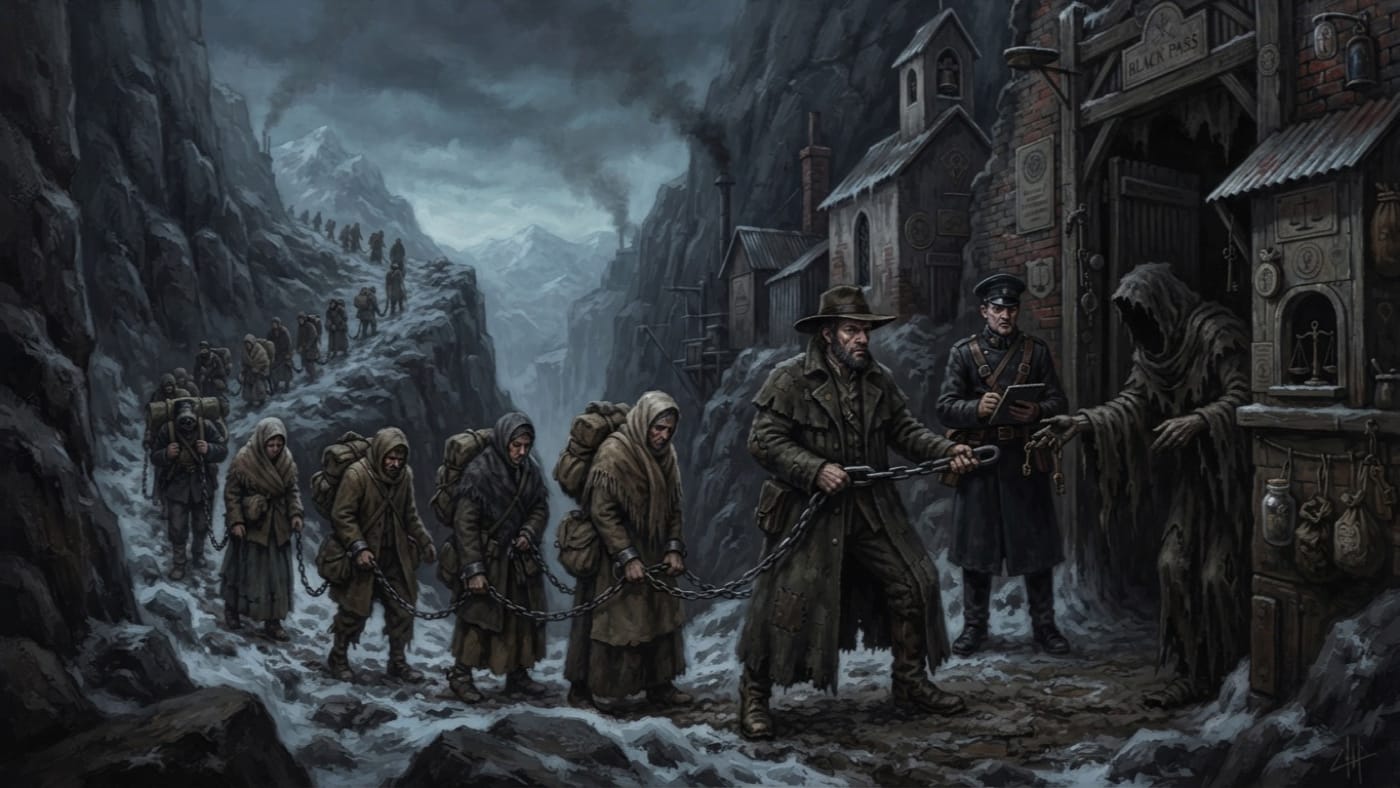
Black Pass
The demon offers release; the Station collects a toll
The tenth Station of Obedience on Varric's road, where a demon offers release, a saint tightens the chain, and a toll survives the absence of a reliable map.
Codex Ref. III.2.04-272
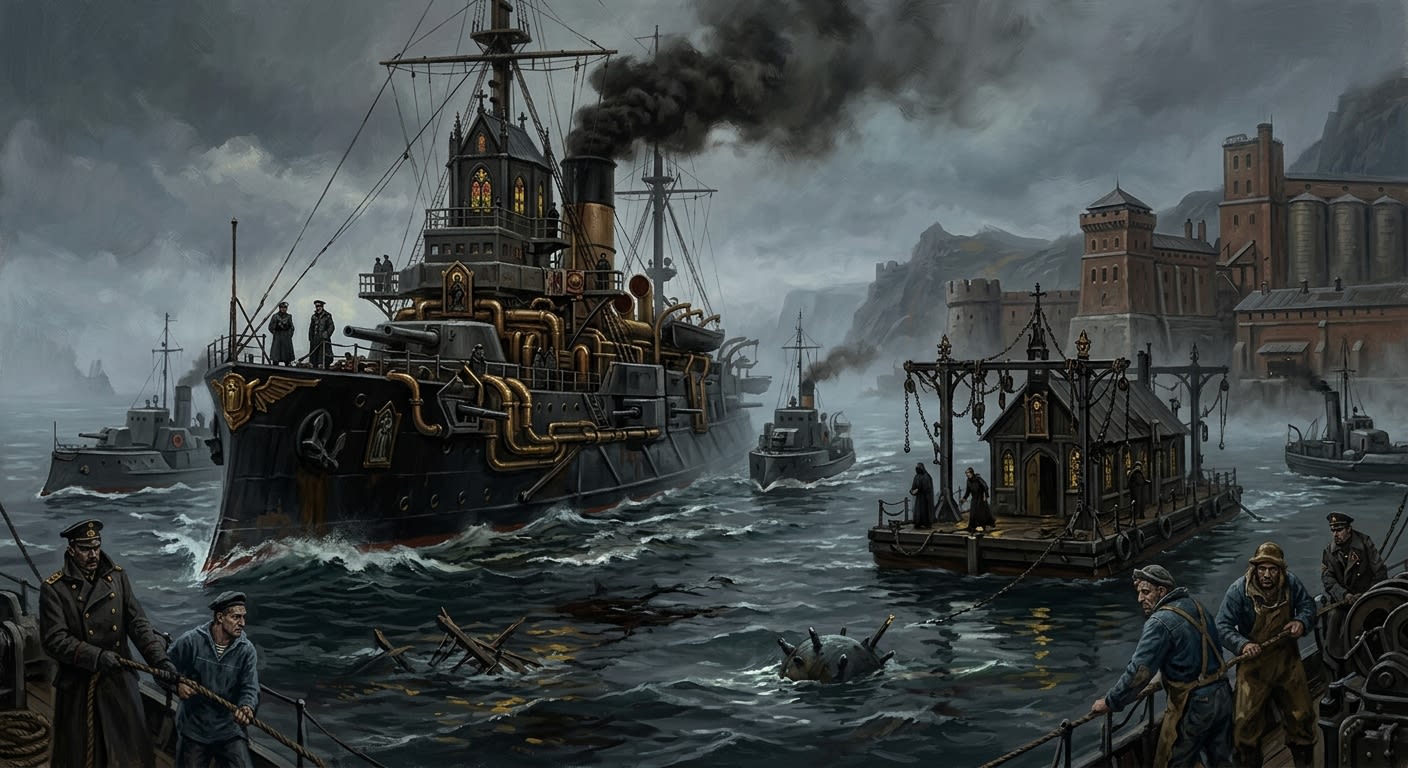
Black Sea
The Sable Deeps keep their own docket
The Black Sea is the Synod's northeastern wound against salt water: threat lane, relic route, grain hazard, Flotilla parish, and water that remembers too much.
Codex Ref. II.4.09-018
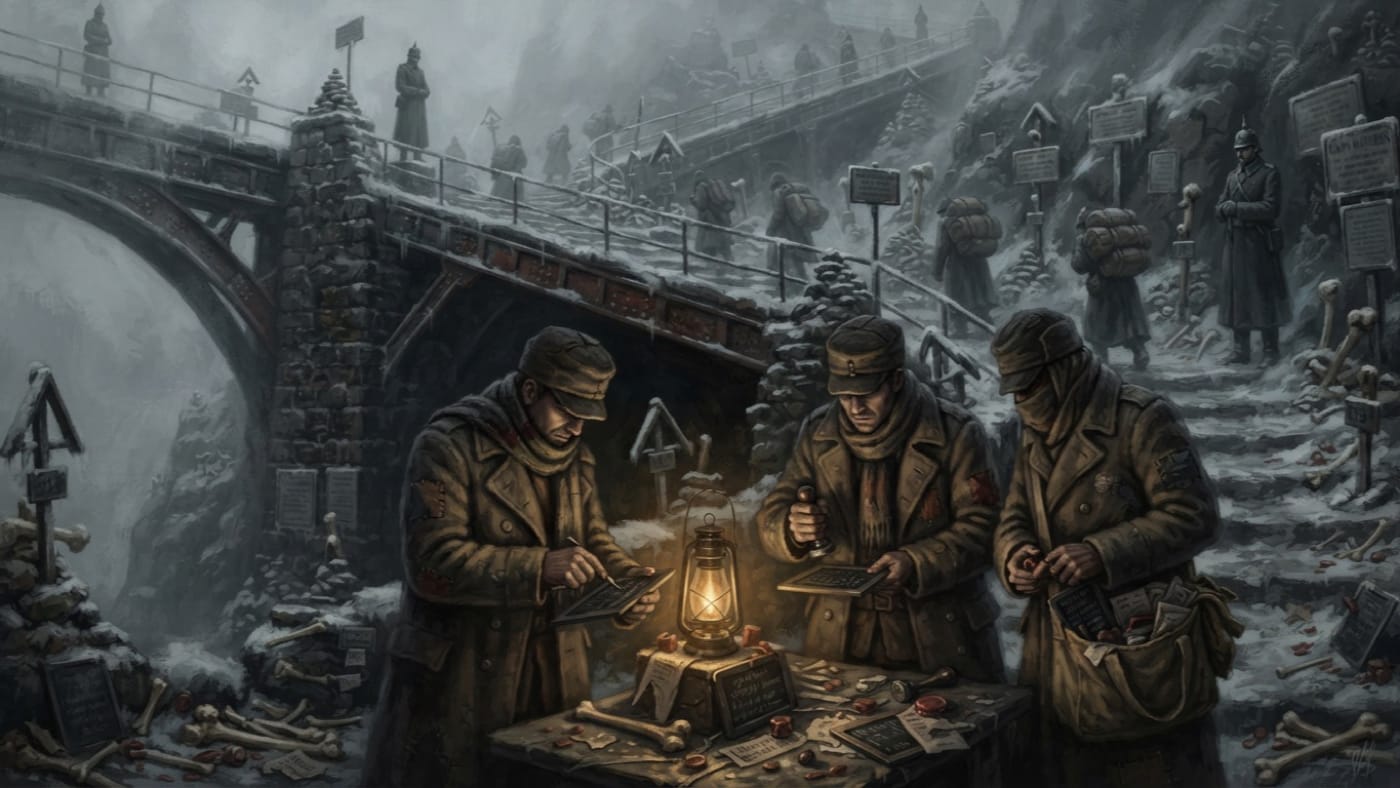
Blank Saints
A name earns a toll; a question earns a confession
The Blank Saints swap martyr-names and forge Registry slates on the Reliquary Switchbacks, alleging a manufactured martyr list. The seals are stolen; the question of who supplies the names remains open.
Codex Ref. XI.5.01-004
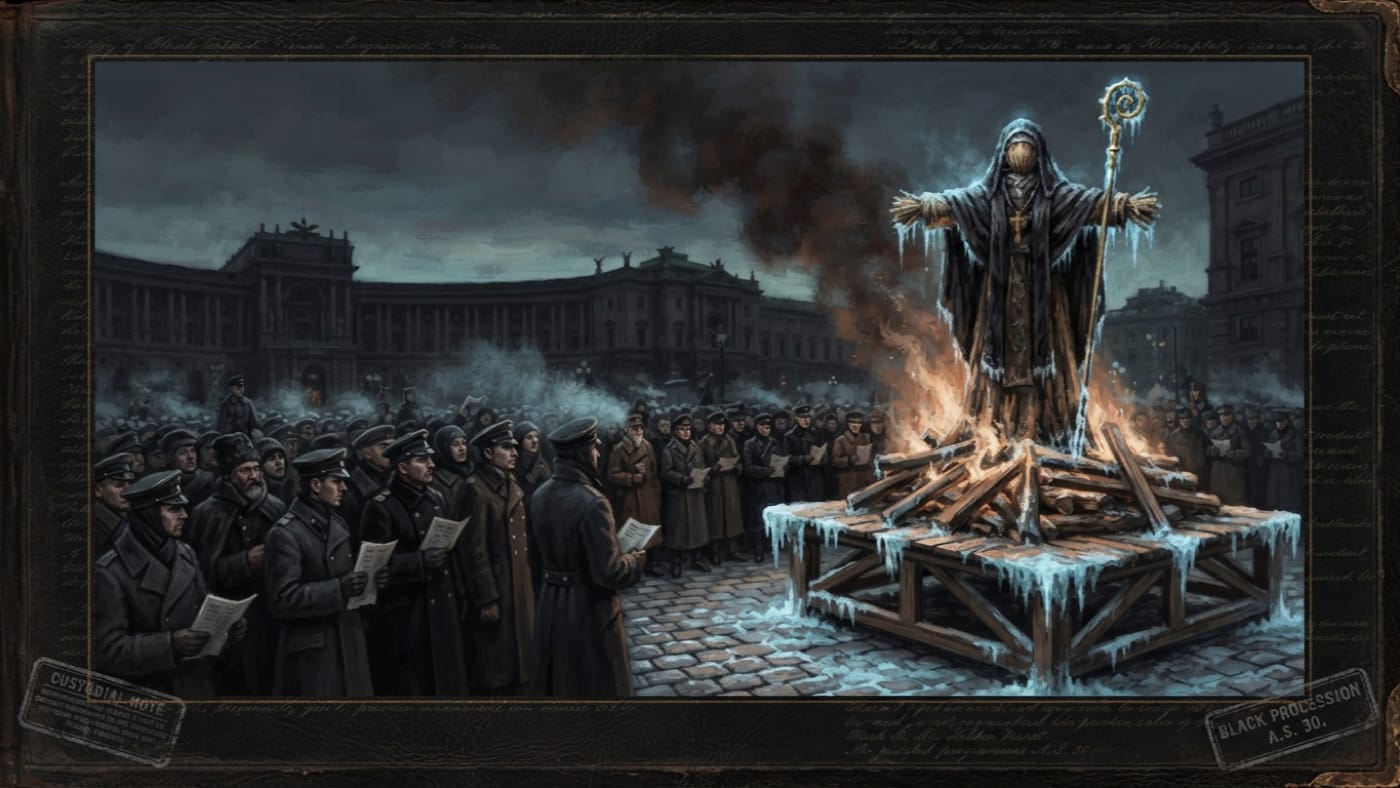
Blessed Adalheid
The Republic burned her likeness and preserved its own indictment
Blessed Adalheid survives in Vienna's relic processions, a tradition of healing the blind, and an effigy burned in A.S. 30. The Ledger keeps her title and declines to invent her life.
Codex Ref. III.2.01-281
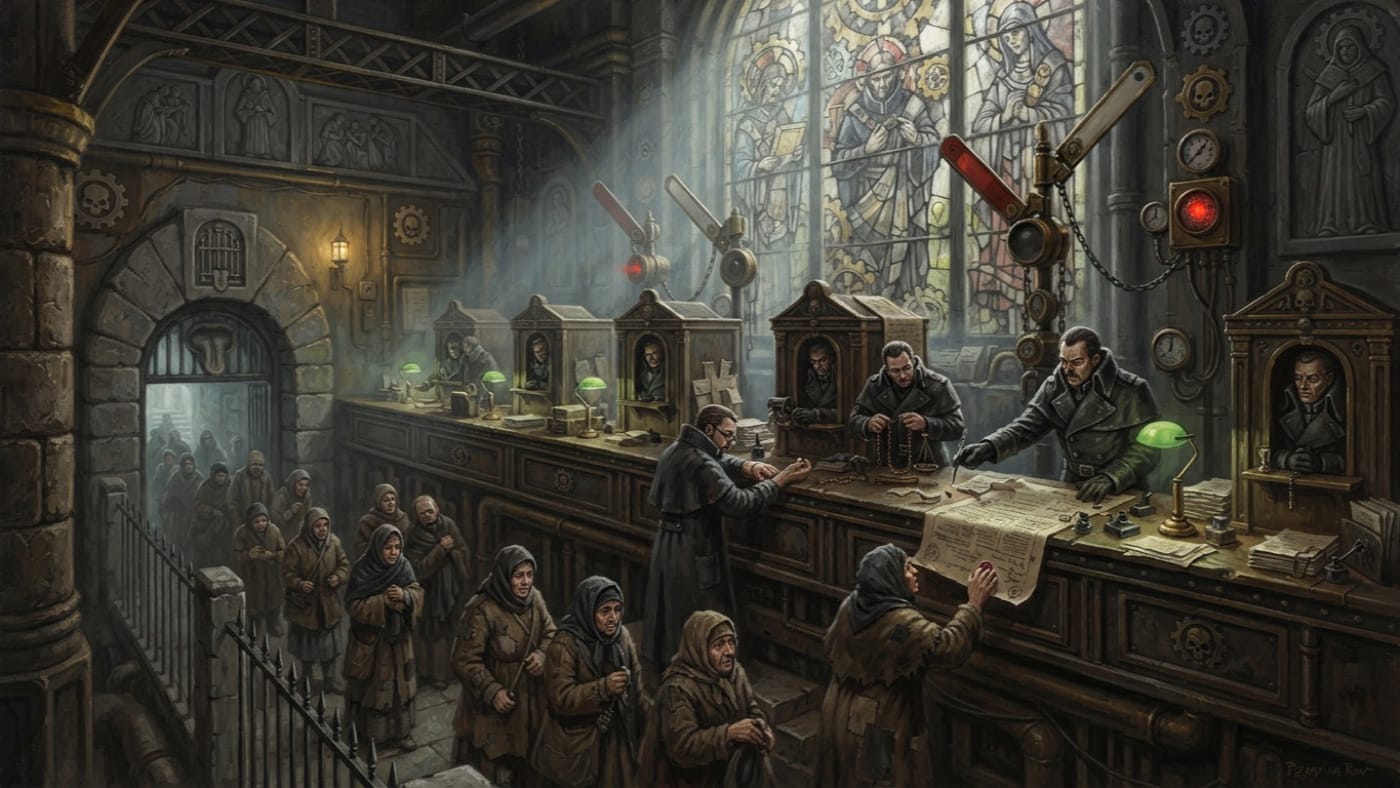
Broker Compact
Safety is sold by the bell; liability disappears by the vowel
Peregrine Row's licensed insurance guild sells canyon passage by the bell-window. Three founding families hold its hereditary seats; escort bonds, creed scores and grief clauses keep protection profitable under continuing Amber review.
Codex Ref. XII.32.01-201

Broker-Matron Lysa Vane
She prices the passage and keeps the bodies in the ledger
Lysa Vane prices pilgrim protection at Peregrine Row and drafts its grief clauses. Her private ledger records the dead, the payments and the refunds denied. The Compact sells insurance; she keeps her own.
Codex Ref. III.2.01-361
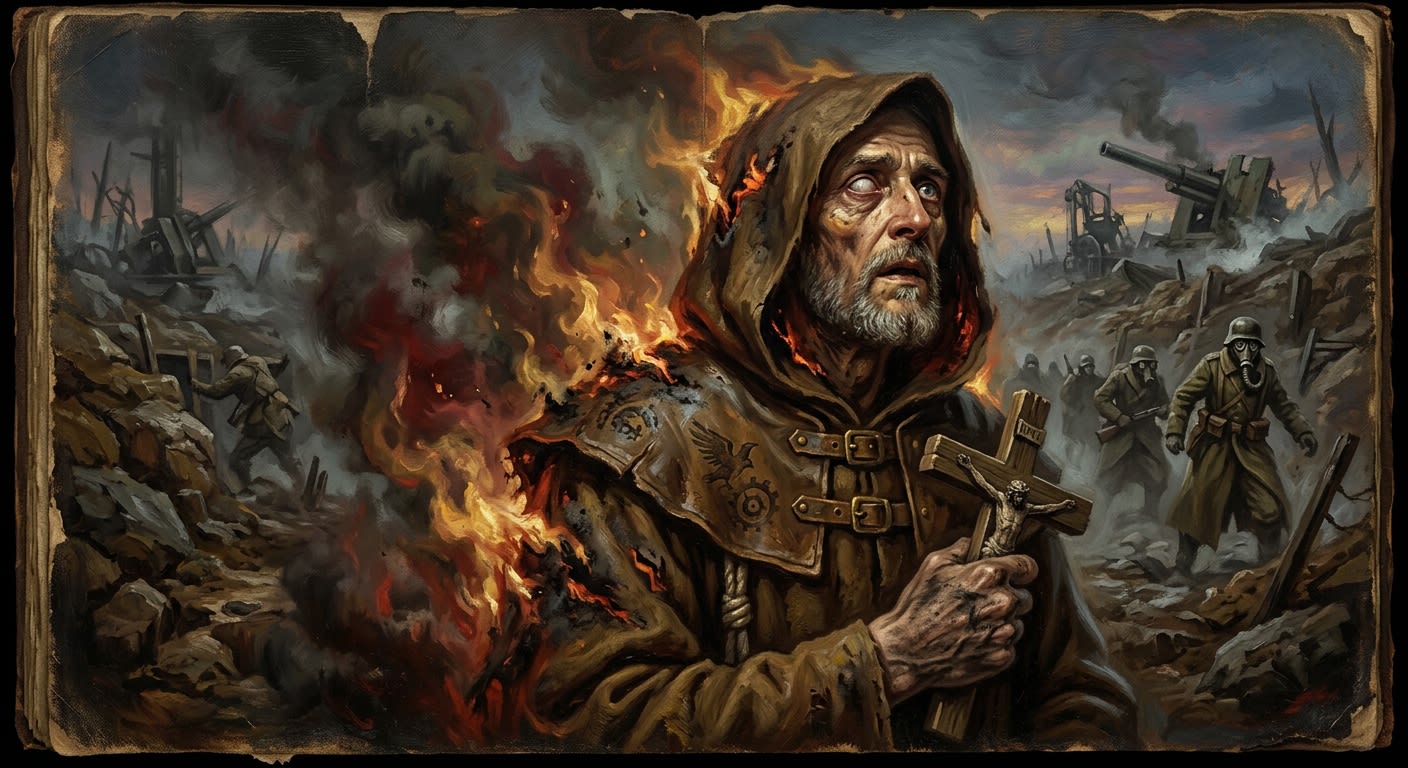
Brother Tomislav
The half-blind monk who lifted a reliquary and made Wrath recoil
Half-blind Franciscan, custodian by refusal, and instrument of the Miracle of Kalnik Ridge; consumed by sacred fire in A.S. 48, though the Bureau remains professionally unable to call him dead.
Codex Ref. III.2.01-004
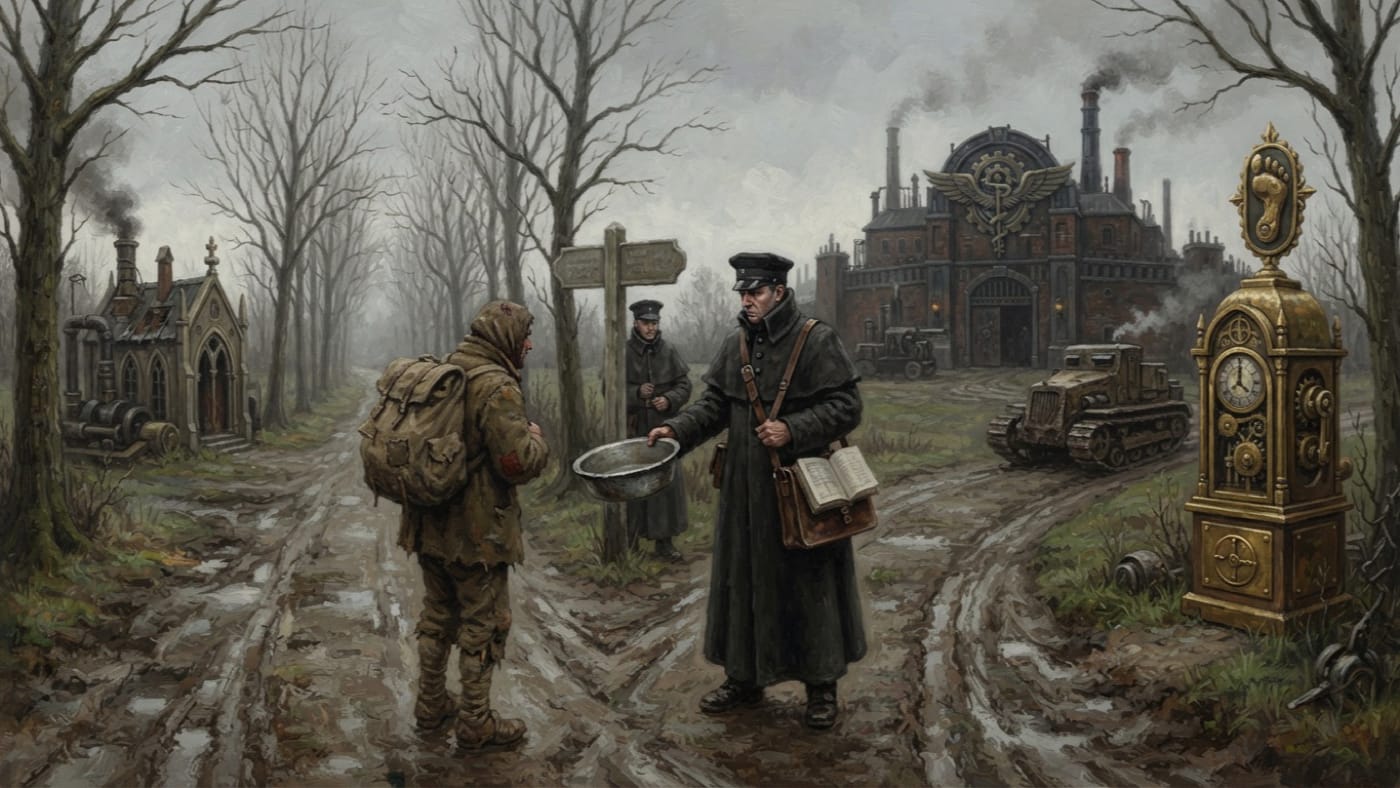
Brotherhood of the Blessed Foot
Flemish feet, private fees, and an audit into penitence
The Brotherhood of the Blessed Foot taxed Flemish pilgrims at crossroads it did not own, selling protection from unnamed threats until litigation, audit and the A.S. 123 Harmonized Routes Edict ended its independent authority.
Codex Ref. XI.5.01-123
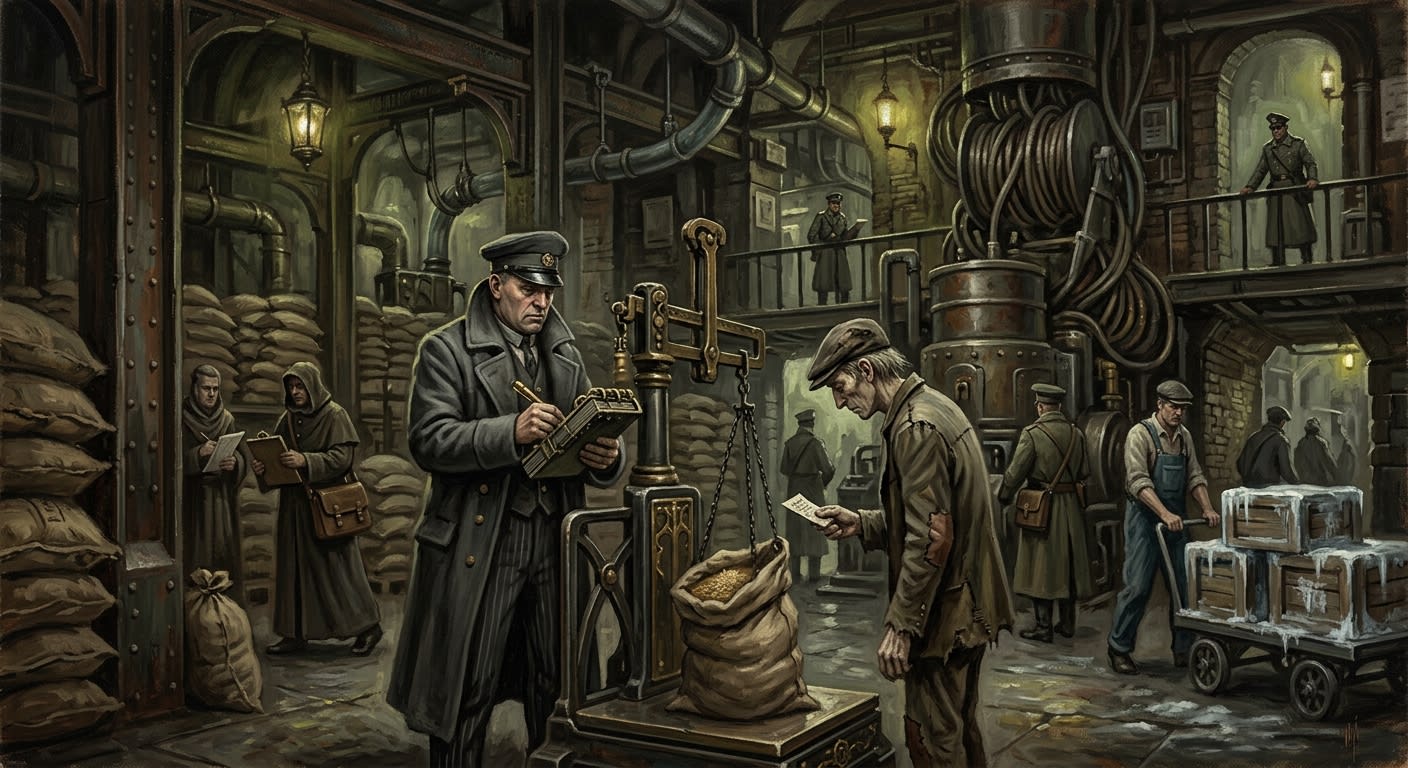
Bureau of Commerce
Bread becomes law before it becomes bread
The Bureau of Commerce prices obedience: weighing grain, freezing cargo, selling road-sound, licensing shortage, and making hunger kneel before the scale.
Codex Ref. VIII.2.10-097
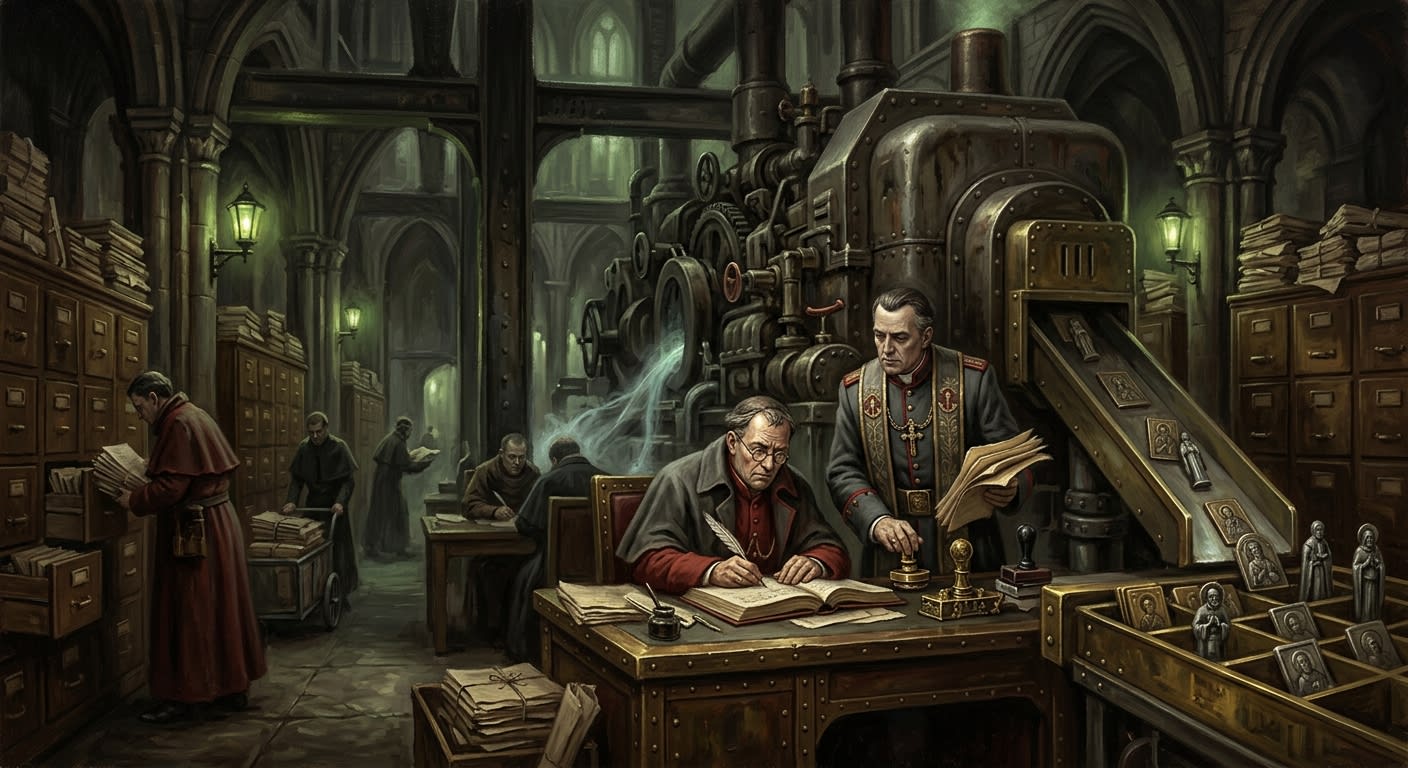
Bureau of Hagiography
The dead may vote only after editing
The Bureau of Hagiography edits the dead into useful saints, delaying, ratifying, taxing, suppressing, and polishing grief until it obeys.
Codex Ref. VIII.6.03-112
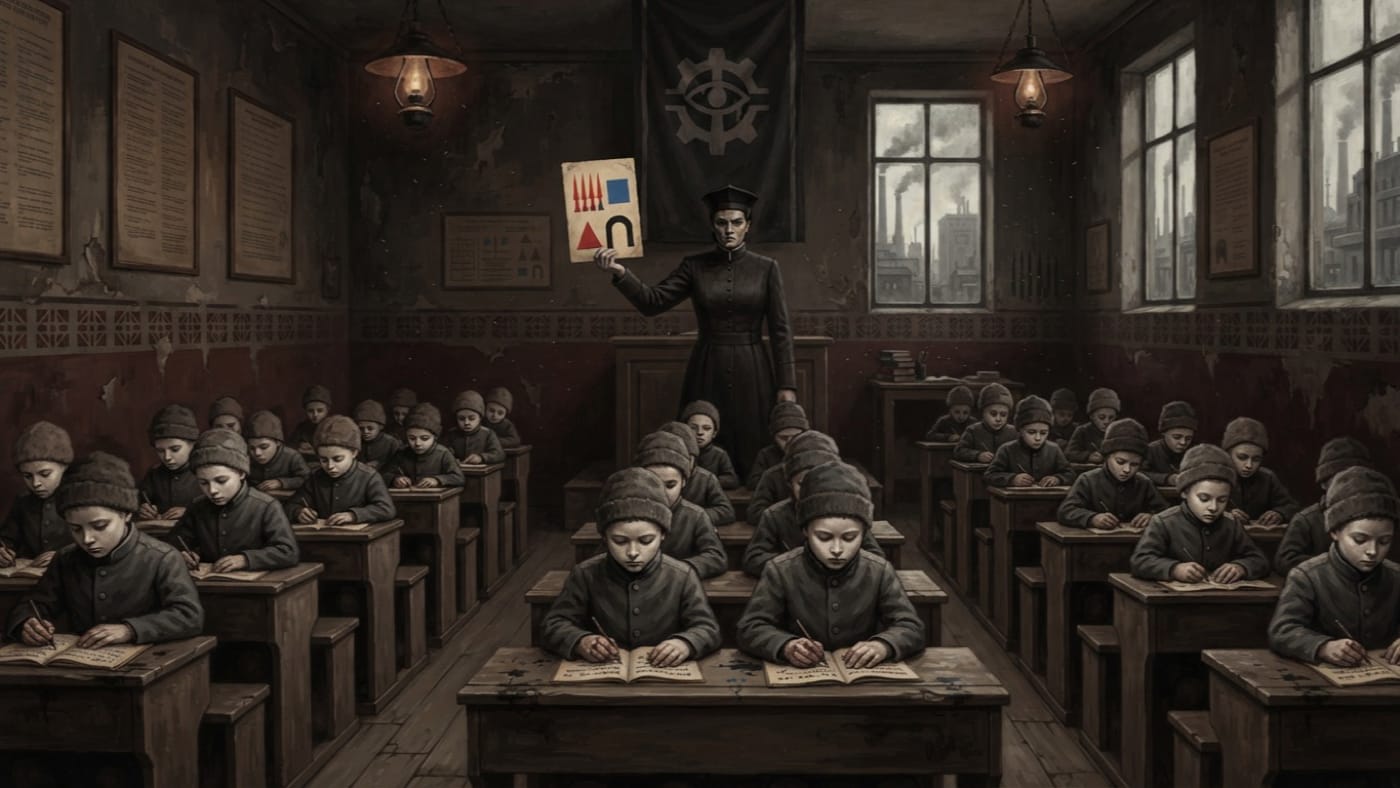
Bureau of Pedagogy
Doctrine owns the sentence. Pedagogy owns the drill.
The Bureau of Pedagogy puts Doctrine's sentences into children's mouths. Its seat is unrecorded; its primer cards teach obedience one red triangle at a time.
Codex Ref. VIII.8.03-001

Bureau of Tithes
The organ no one praises and no one dares remove
The Bureau of Tithes is the Synod's fiscal organ — the stomach no one praises and no one dares remove. It taxes breath, grain, bereavement, and the management of its own taxation.
Codex Ref. VIII.4.01-001
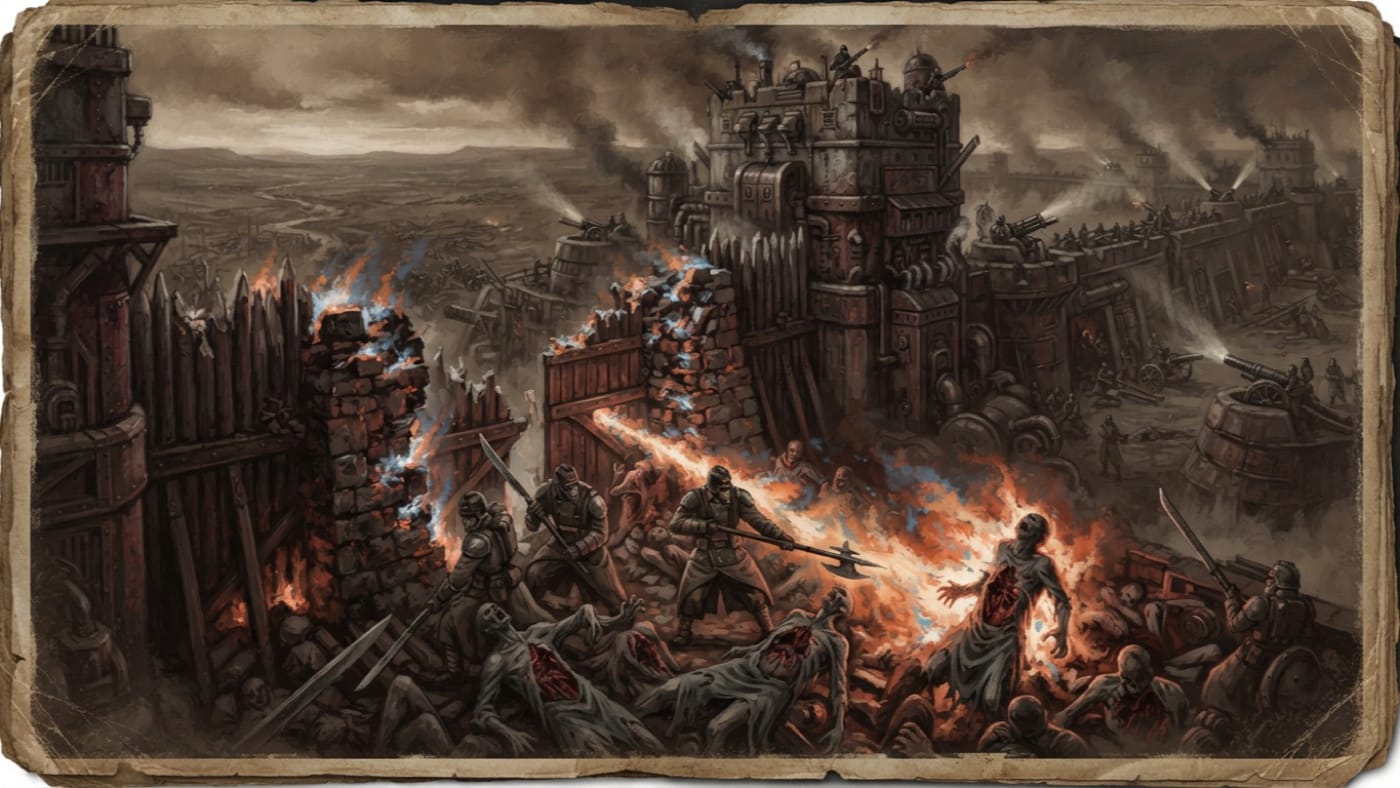
Burning of the North Gate
Obedience Opened the Bodies
In A.S. 140, Hollowed collapsed before Bastion-Constantinople's North Gate. Paladin blades opened their chests; sorcery-flame ate stone. The Ninth of Corvus commemorates obedience with disastrous results.
Codex Ref. VII.3.01-002
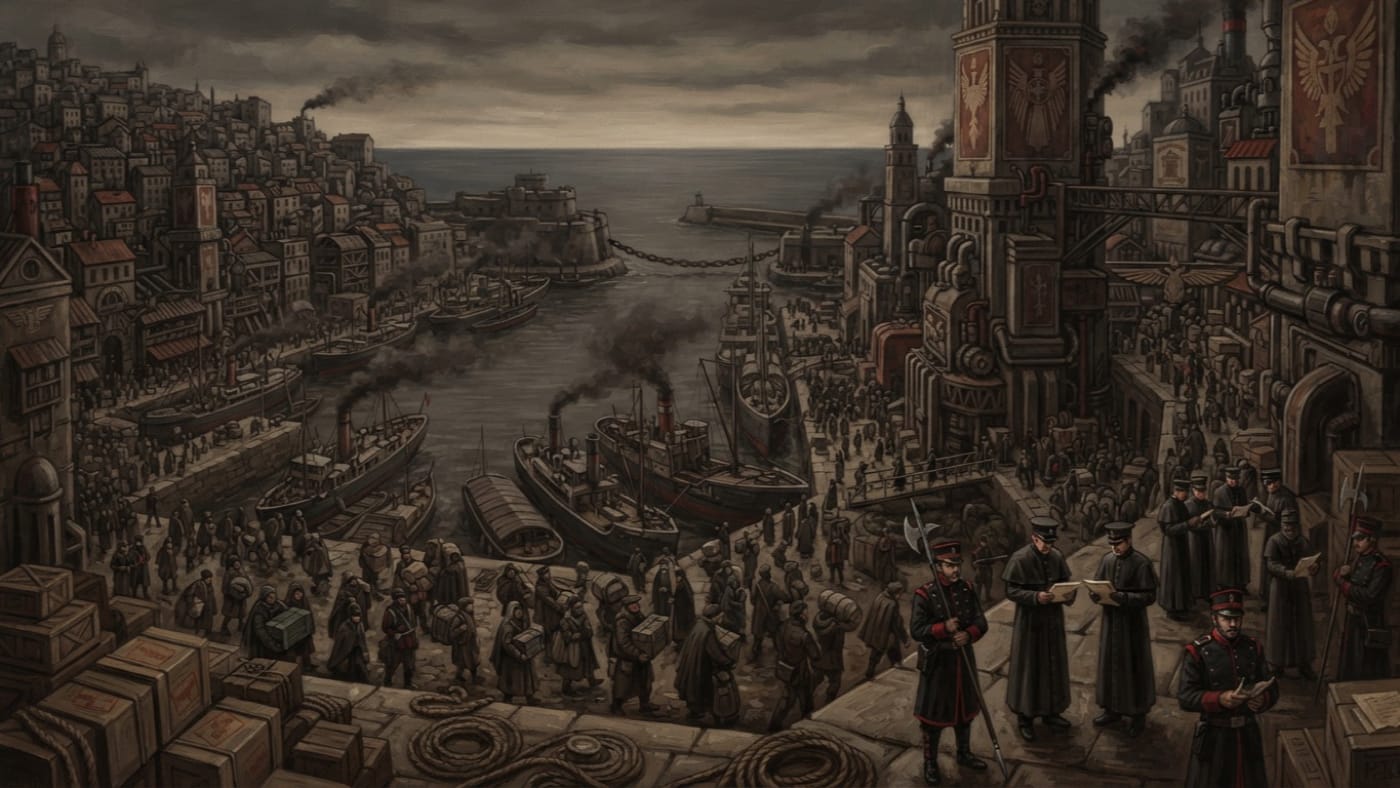
Cádiz
The tide carries pilgrims; the ink keeps them
Cádiz sells Atlantic passage, pilgrim safety, and deniability. Its Peregrine Cartel desk fell in A.S. 193; Pilgrimage kept the registers and the profitable habit of knowing who sailed.
Codex Ref. II.4.09-193

Calendar of Saints
Eternal saints, monthly amendments, and a clerk with glue
The Church's calendar of saints, feasts and fasts, held under the Seal of Martyrdom and revised by monthly amendment strips. Sanctity is permanent; the parish must keep its glue ready.
Codex Ref. XIII.1.05-002
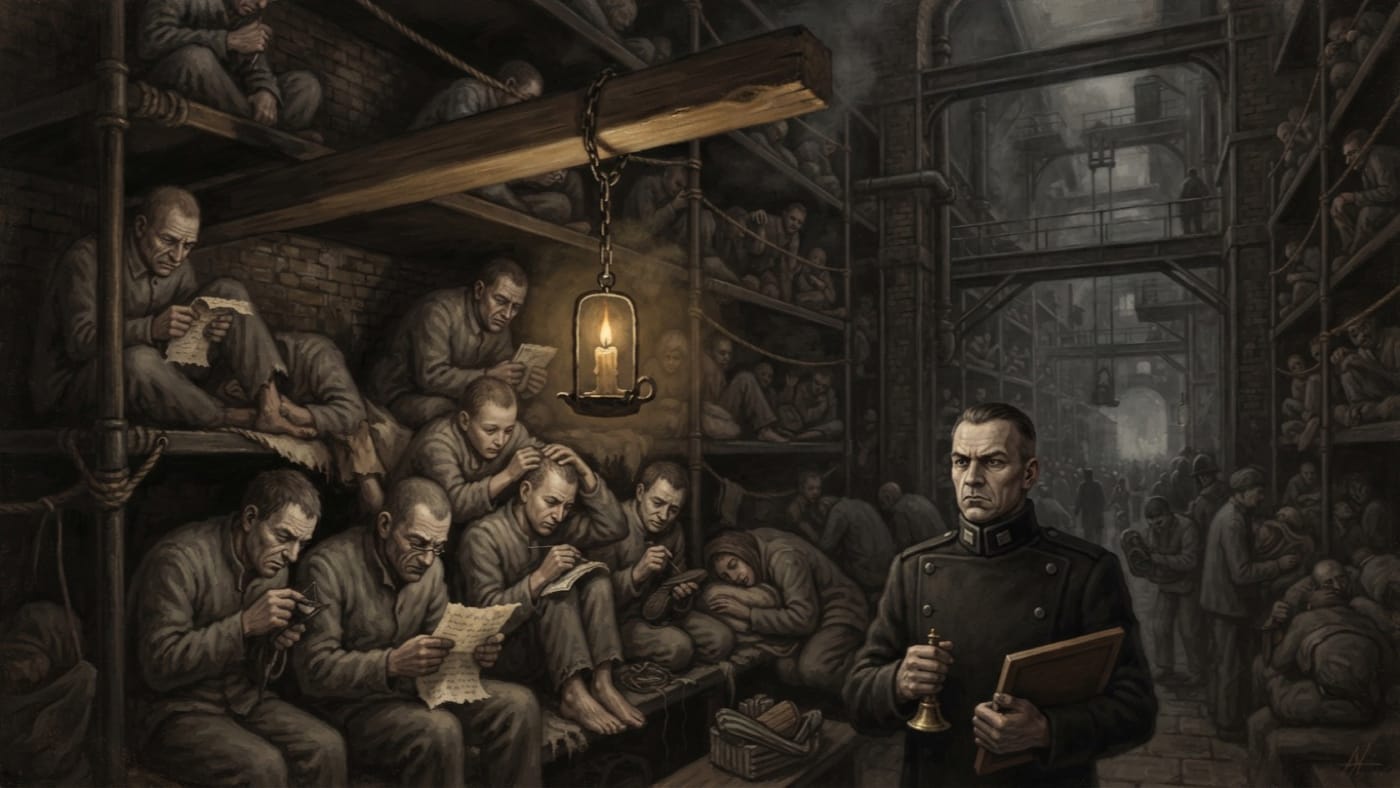
Candle Ration
One flame for six; the clerk keeps the darkness
One taper for six detainees, snuffed at fourth bell: the Dorm Rows ration light, delay appeals, and leave mercy to the clerk's revision.
Codex Ref. XIII.1.72-424
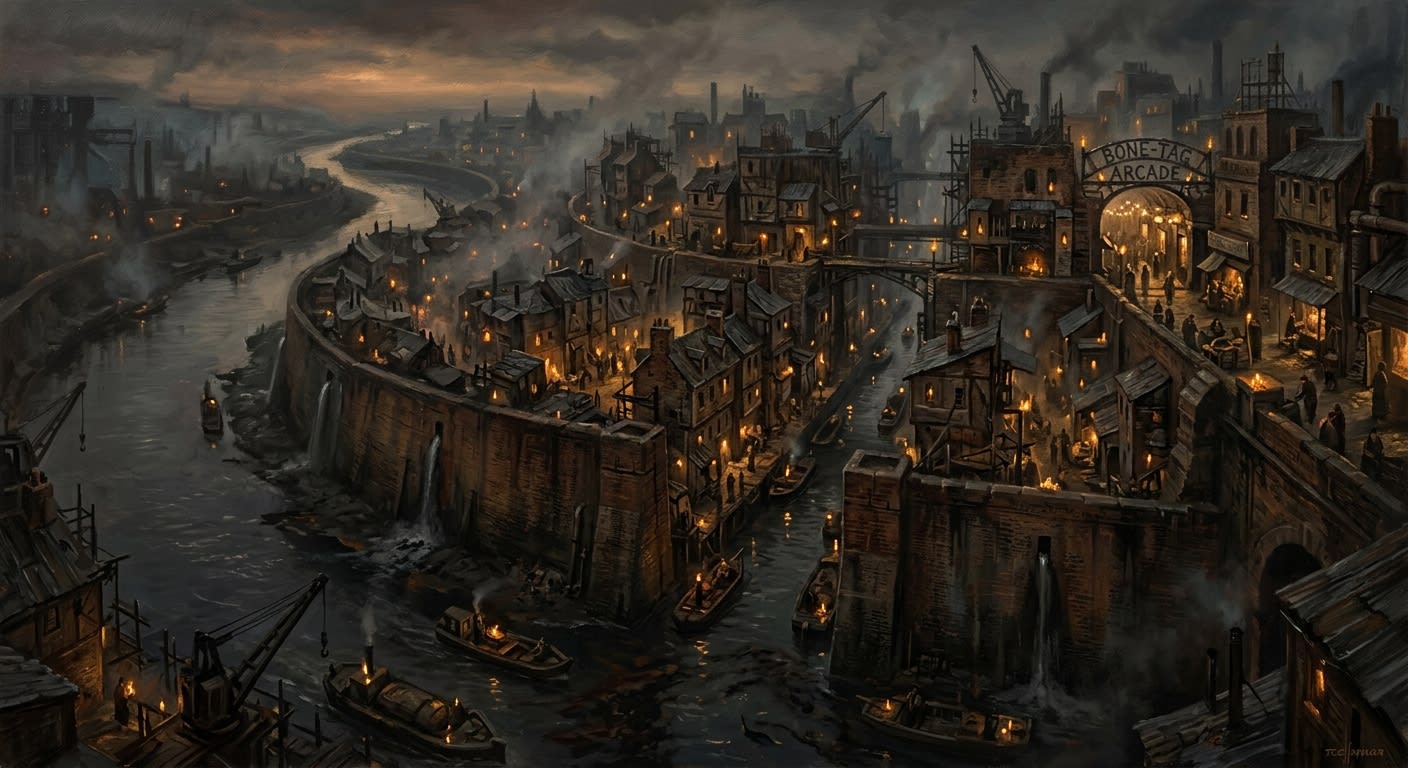
Candle-Sump District (Lower Vire)
The gut of Lower Vire — it was supposed to be a drainage ditch
The gut of Lower Vire — a drainage ditch that metastasised into a district of forty-two thousand souls, where tallow feeds the wards above, bone tags stamp the dead into existence, and the crypt-route drafts murmur names no one asked to hear.
Codex Ref. II.1.05-001
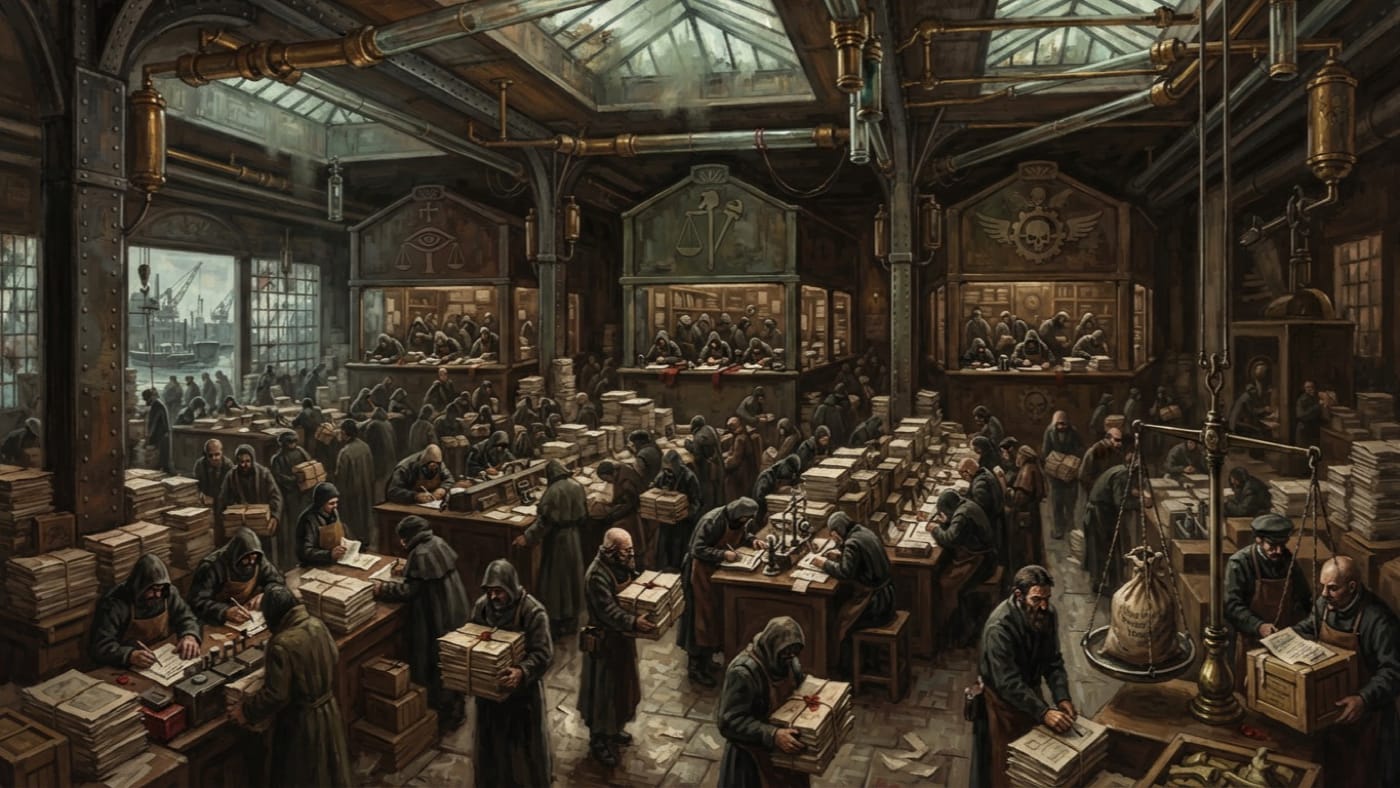
Canebière
Where cargo becomes paper, and paper waits for permission
Marseille's commercial quarter, where merchant houses turn cargo into paper under three competing Bureau offices. Goods may leave once their description has acquired every necessary seal.
Codex Ref. II.4.09-019
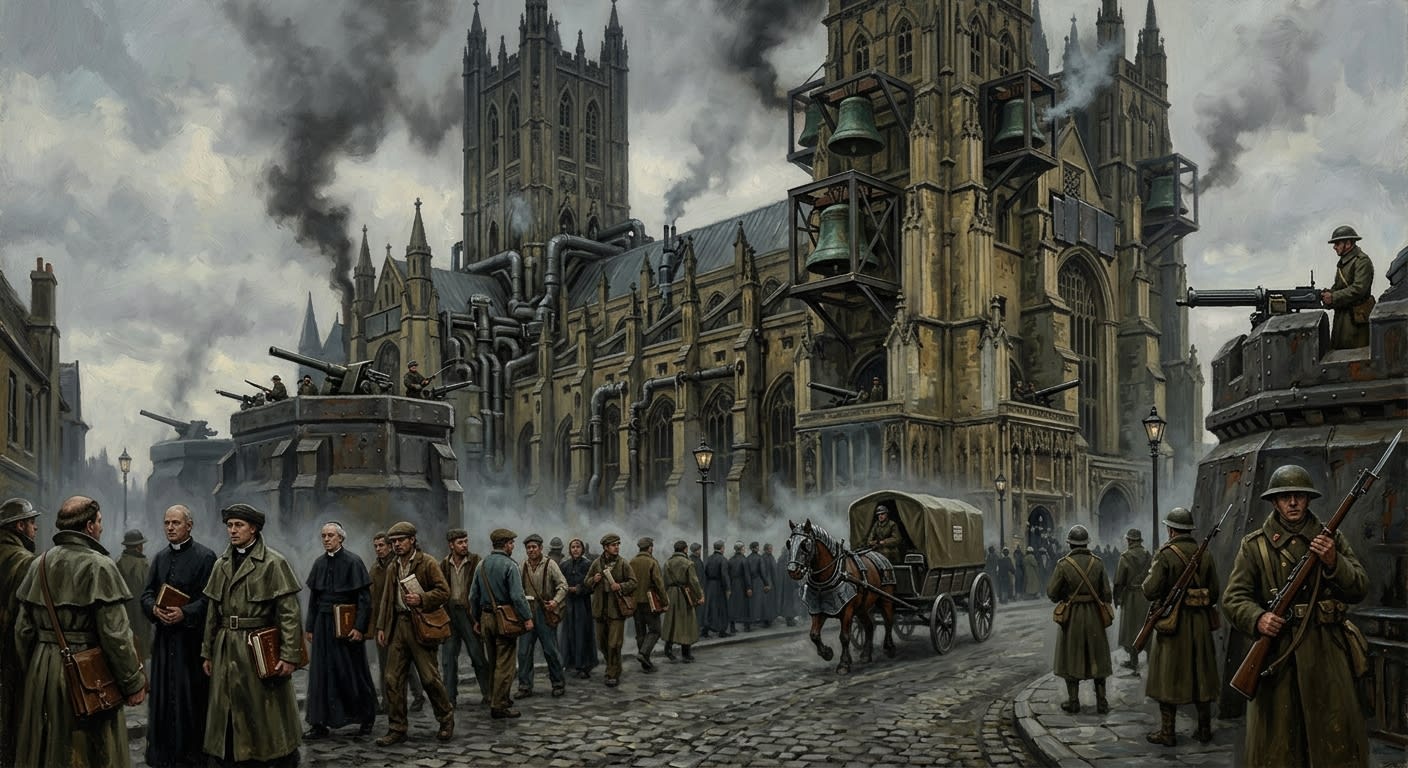
Canterbury
The cathedral that refused to become a bureau
Canterbury is the British Crown's cathedral-seat: old, armed, bell-ridden, unaudited, and infuriatingly functional beyond Strasbourg's forms.
Codex Ref. II.0.01-201
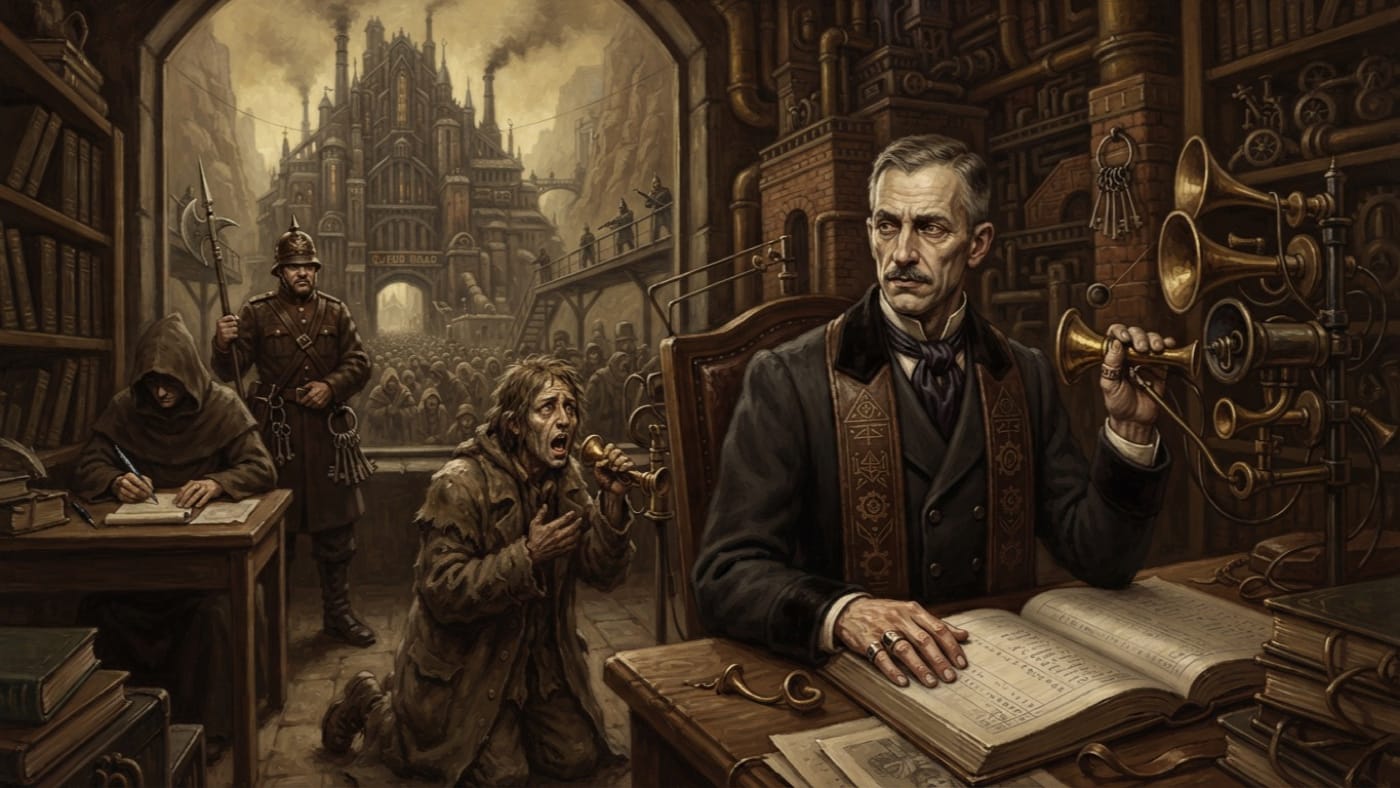
Cantor-Auditor Selm Peregrin
A soft voice at the gate, a hard charge in the ledger
Cantor-Auditor of Peregrine Row and descendant of its founding family. Eleven years of syllabic vigilance have tripled detention revenue. His voice remains soft; the processing charges do not.
Codex Ref. III.2.01-201
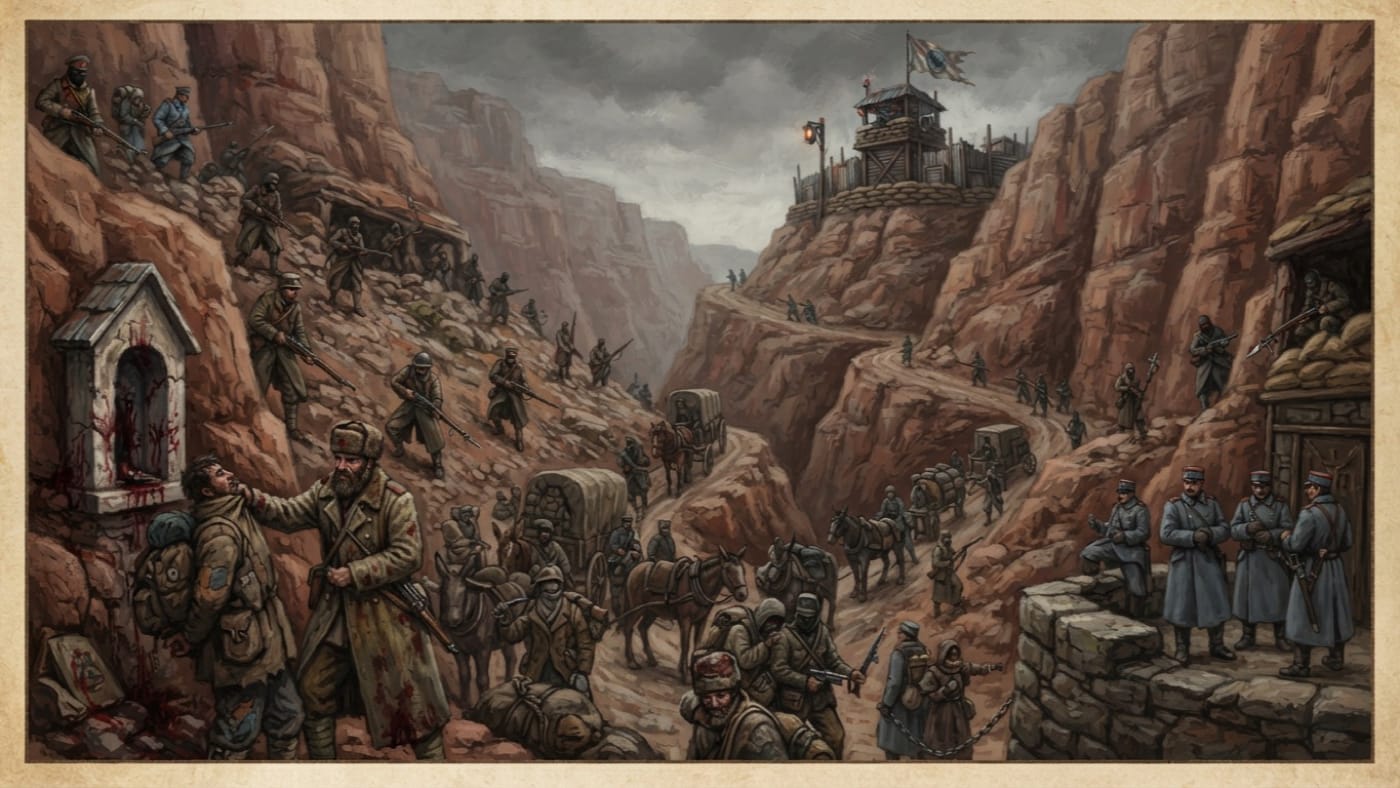
Canyon Saints
Where the knives collect and the seals sell safety
The Canyon Saints ambush pilgrims on Peregrine Row's eastern approach, taking hostages and offerings while brokers sell protection. The knives and the seals collect from the same road.
Codex Ref. XI.5.03-001

Captain Odrik
His protection ends where the contracted window closes
Captain Odrik Ridge-Hook commands Peregrine Row's largest escort company and sells protection within contracted safe-windows. Two inquiries left no recorded finding against him. Suspicion remains outside the waiver.
Codex Ref. III.2.01-471
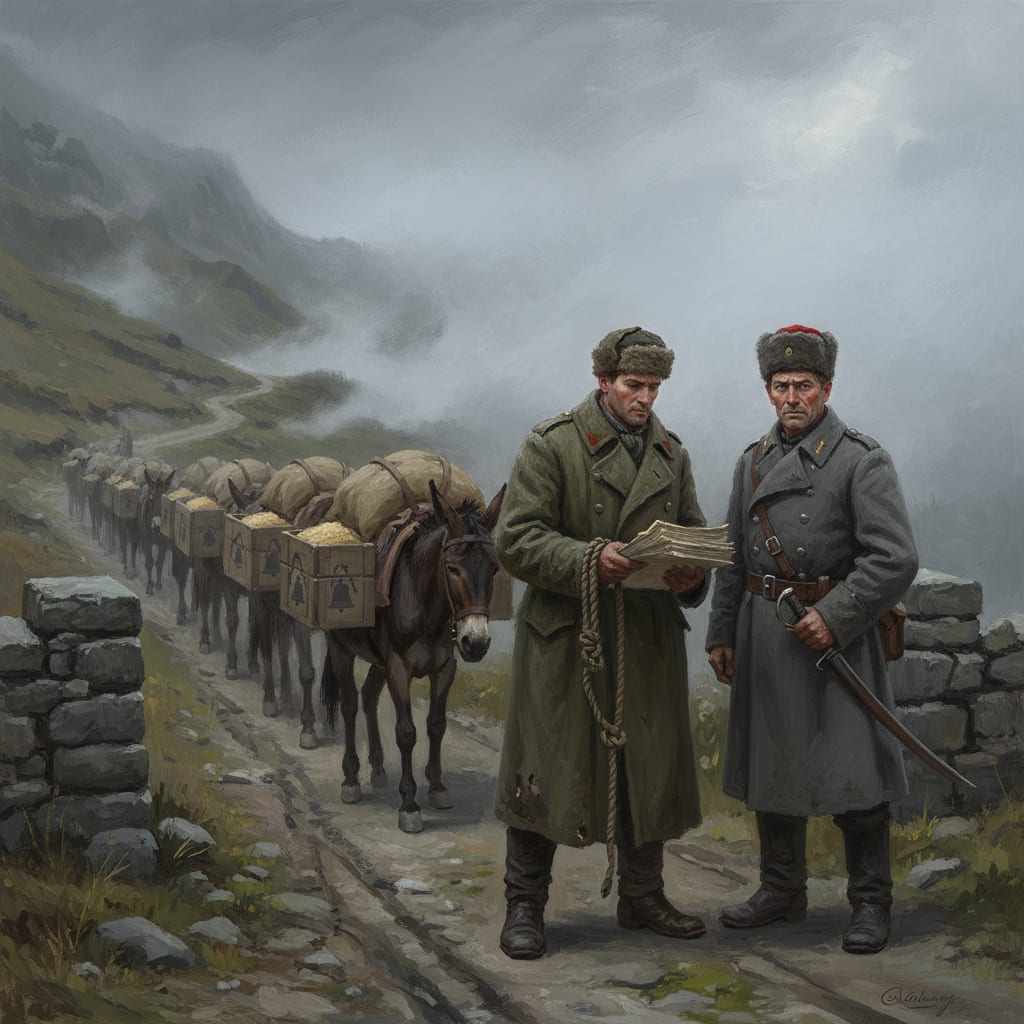
Caravan Factor
The Synod's confession that geography is ungovernable, licensed and taxed accordingly
The Caravan Factor occupies the gap between the Bureau's filed route-plan and the road's actual condition — part cartographer, part accountant, part diplomat, and part criminal, though the Synod prefers not to use the last term in official correspondence.
Codex Ref. XII.6.01-001
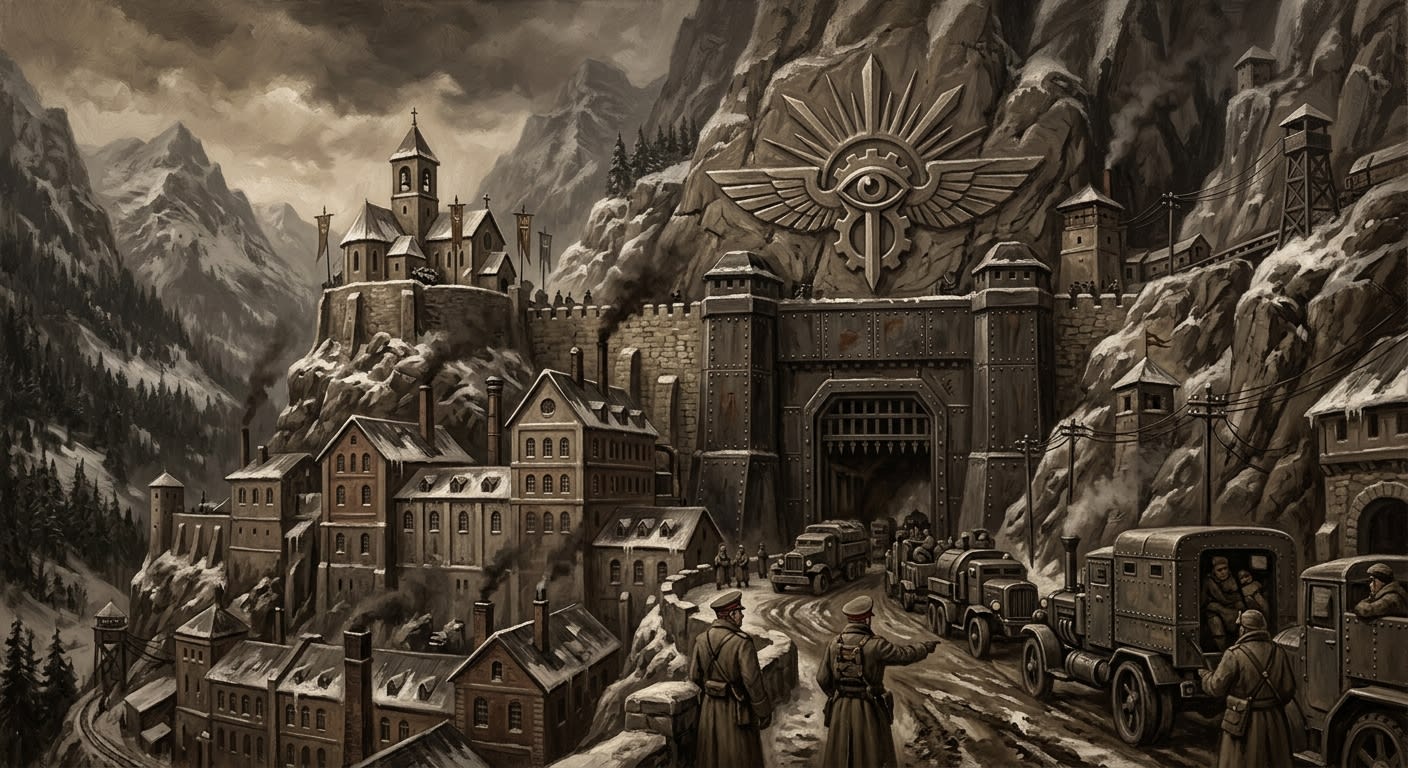
Carpathian Gates
Where the mountain learned to close its teeth
Mountain hinge of the middle Line: passes, locks, shrines, snow-voices, and Harrowglass terror between Bastion-Przemyśl and the Carpathian spine.
Codex Ref. II.4.08-065
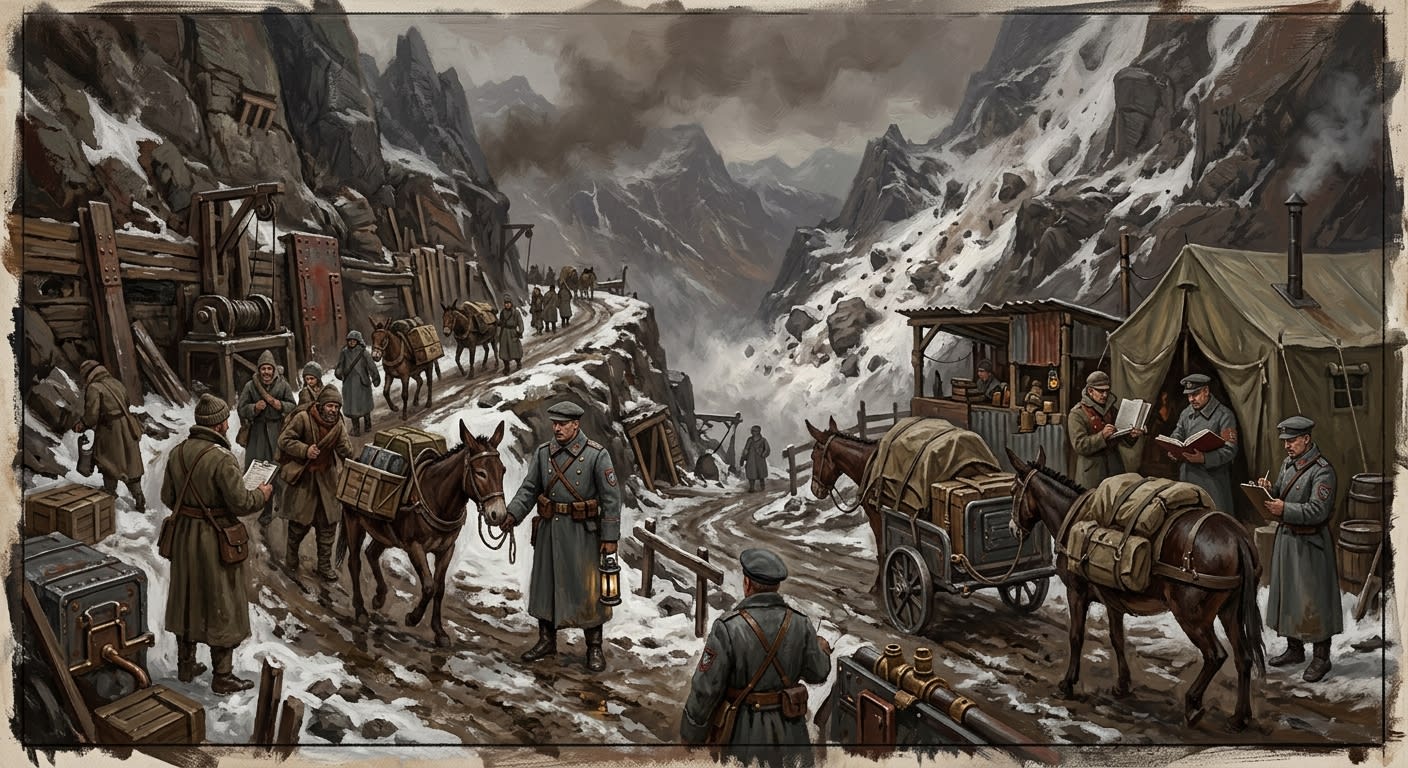
Carpathian Passes
Roads are wounds with toll offices
Licensed mountain wounds of the middle Line, where pilgrims, relics, mules, Wardens, tokens, avalanches, and invoices cross by permission.
Codex Ref. II.4.08-123
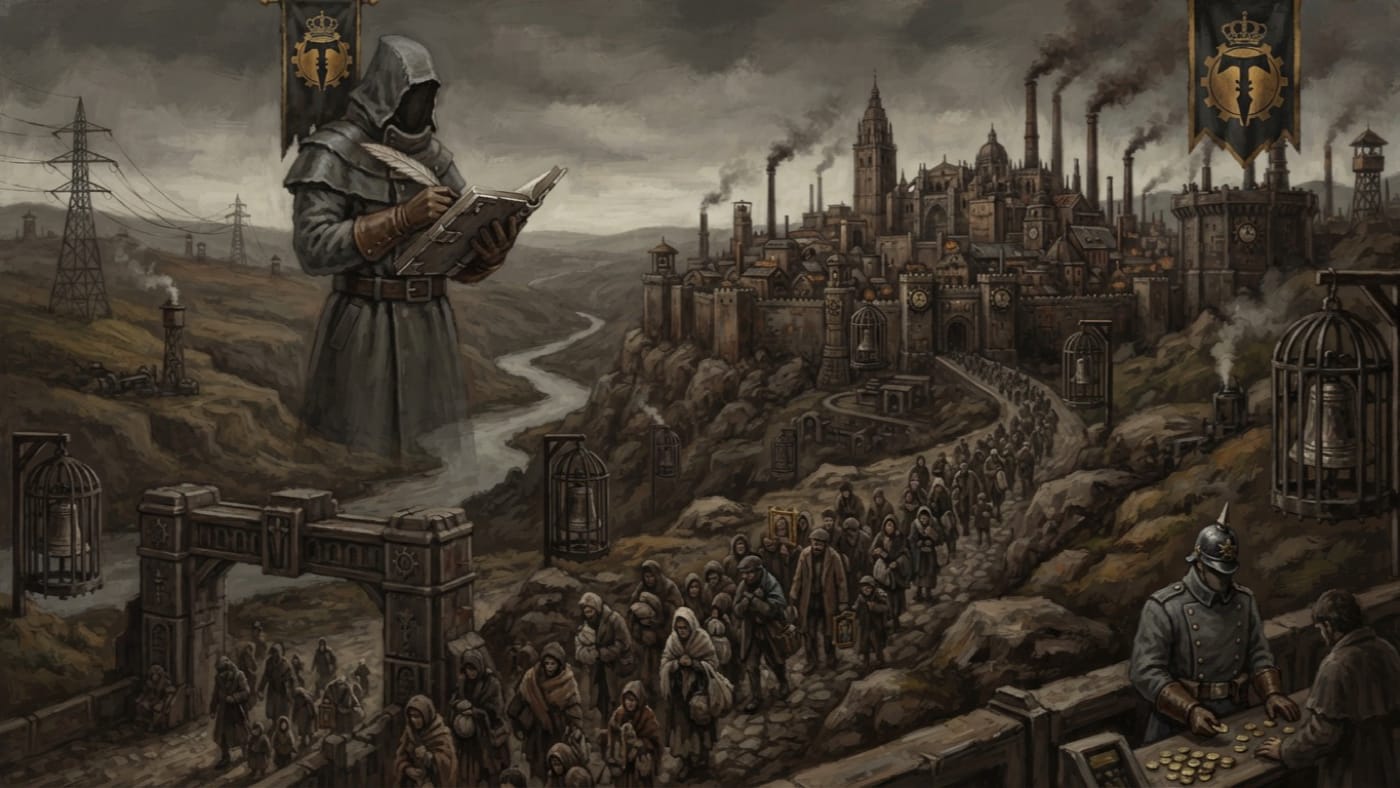
Castile
The province whose bells are better counted than its people
Castile pays under Iberia's seal and rings on Strasbourg's authority. Its refugees reached Toledo in A.S. 15; the Bureau preserved the martyr and omitted their names.
Codex Ref. II.1.04-201
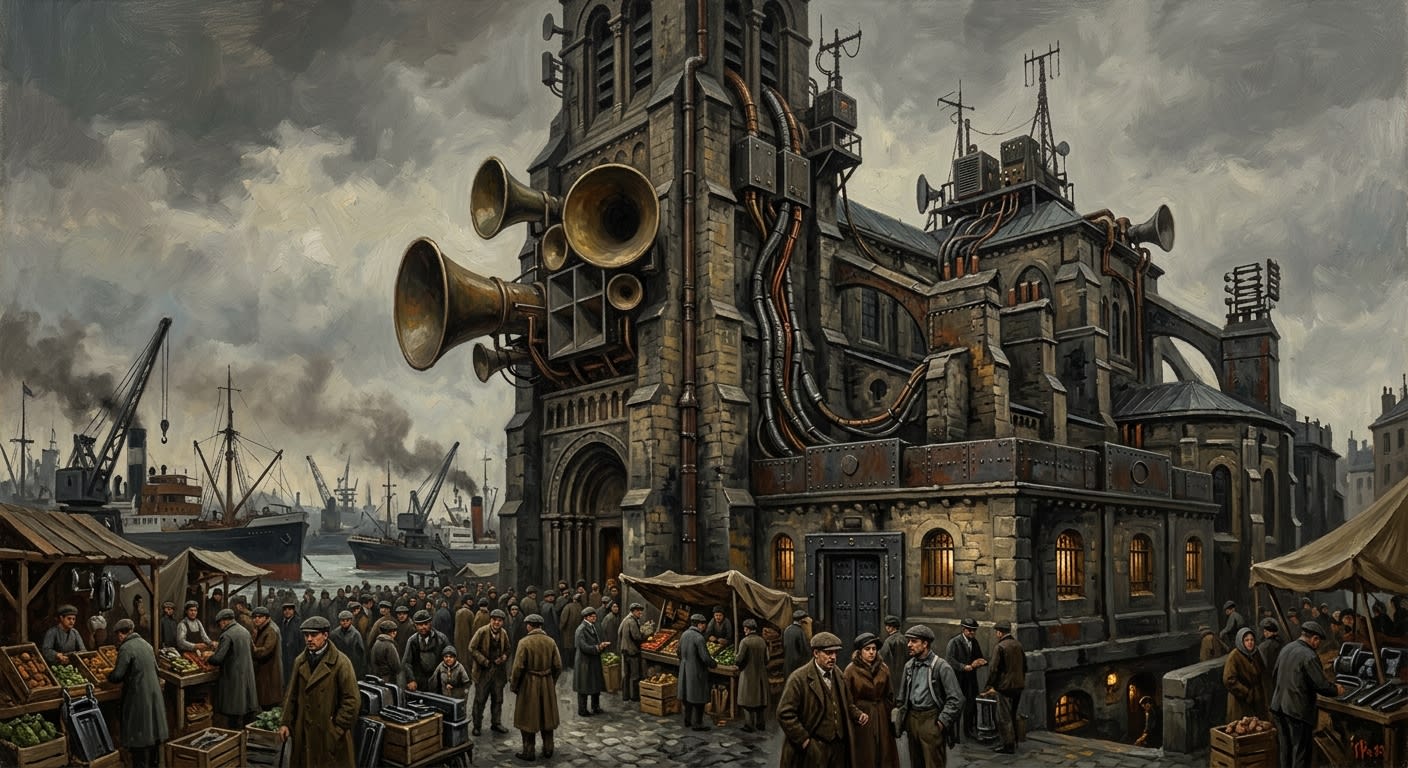
Cathedral of Saint-Victor
Marseille's bells govern the harbour because bronze argues better than clerks
The Cathedral of Saint-Victor is Marseille's acoustic throne: relay tower, crypt of disputed bones, parish market-anchor, and bell-mouthed rebuke to the harbour.
Codex Ref. II.4.09-018
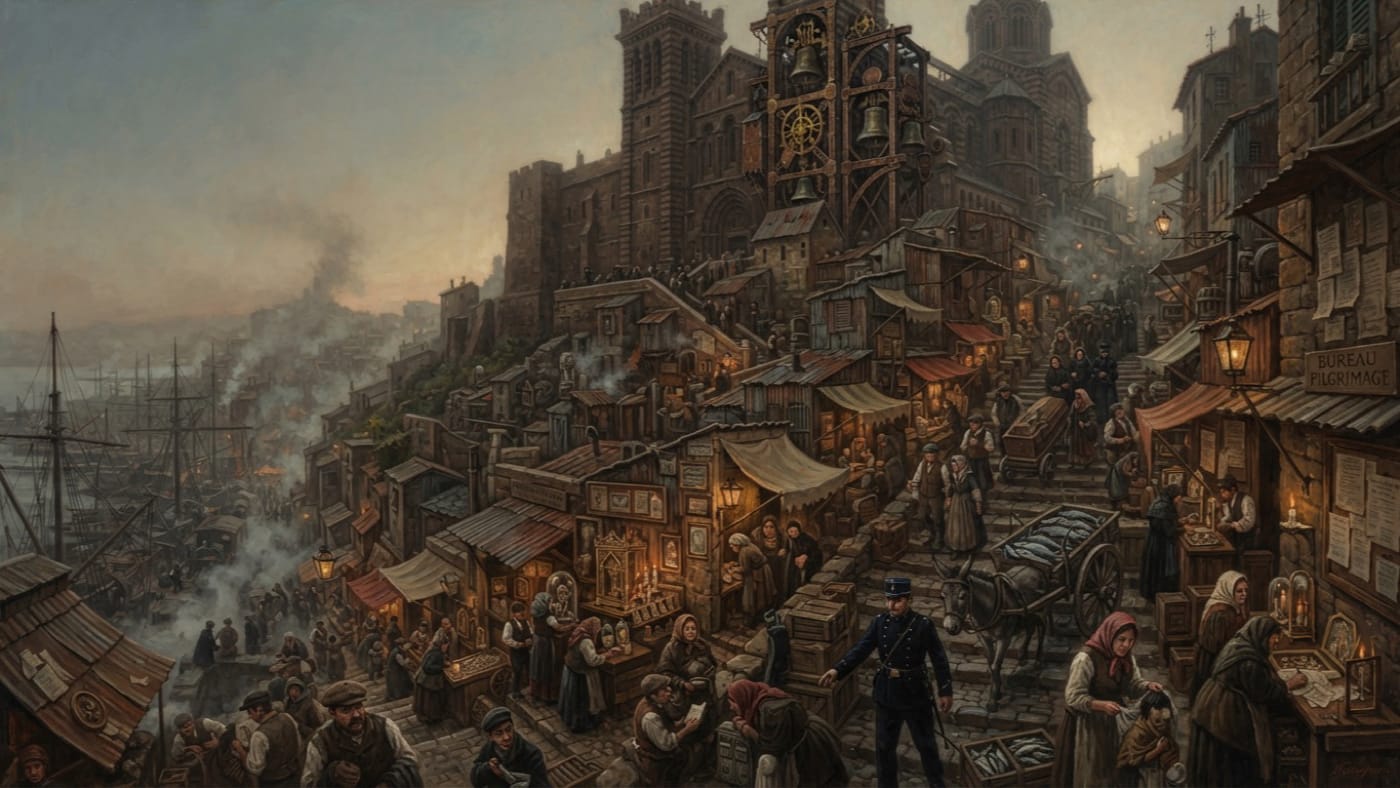
Cathedral Quarter
Saint-Victor keeps the hours; the slope keeps the accounts
The Cathedral Quarter is Marseille's slope of relic stalls, pilgrim hostels and parish rents: Saint-Victor's bells keep the hours while its claimants keep the accounts.
Codex Ref. II.4.09-019
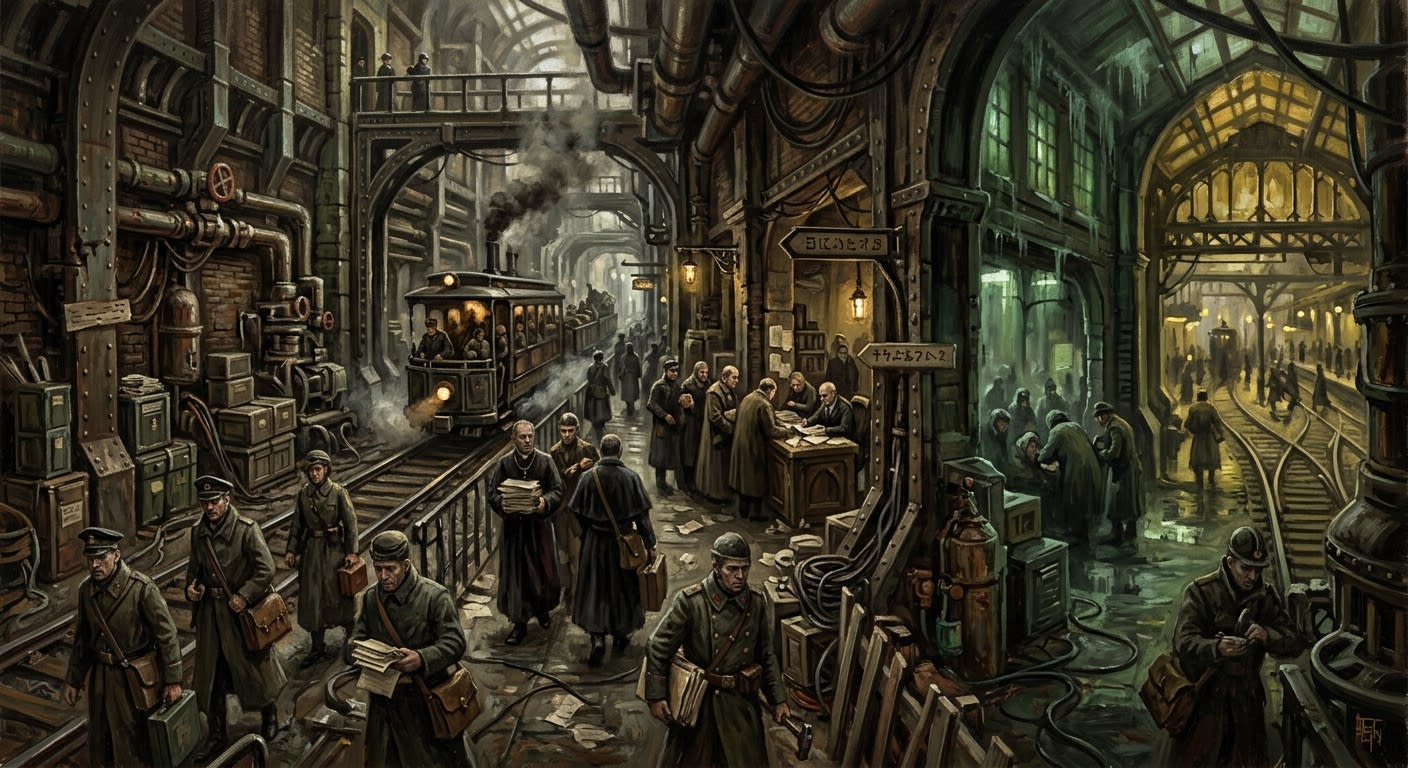
Central Corridor
Motion blurs the screams, which is why the Ledger loves trains
The Central Corridor is the Synod's middle artery: Munich's packed motion, Vienna's holy delay, Bratislava's damp throat, and Budapest's yellow pins.
Codex Ref. II.4.09-201
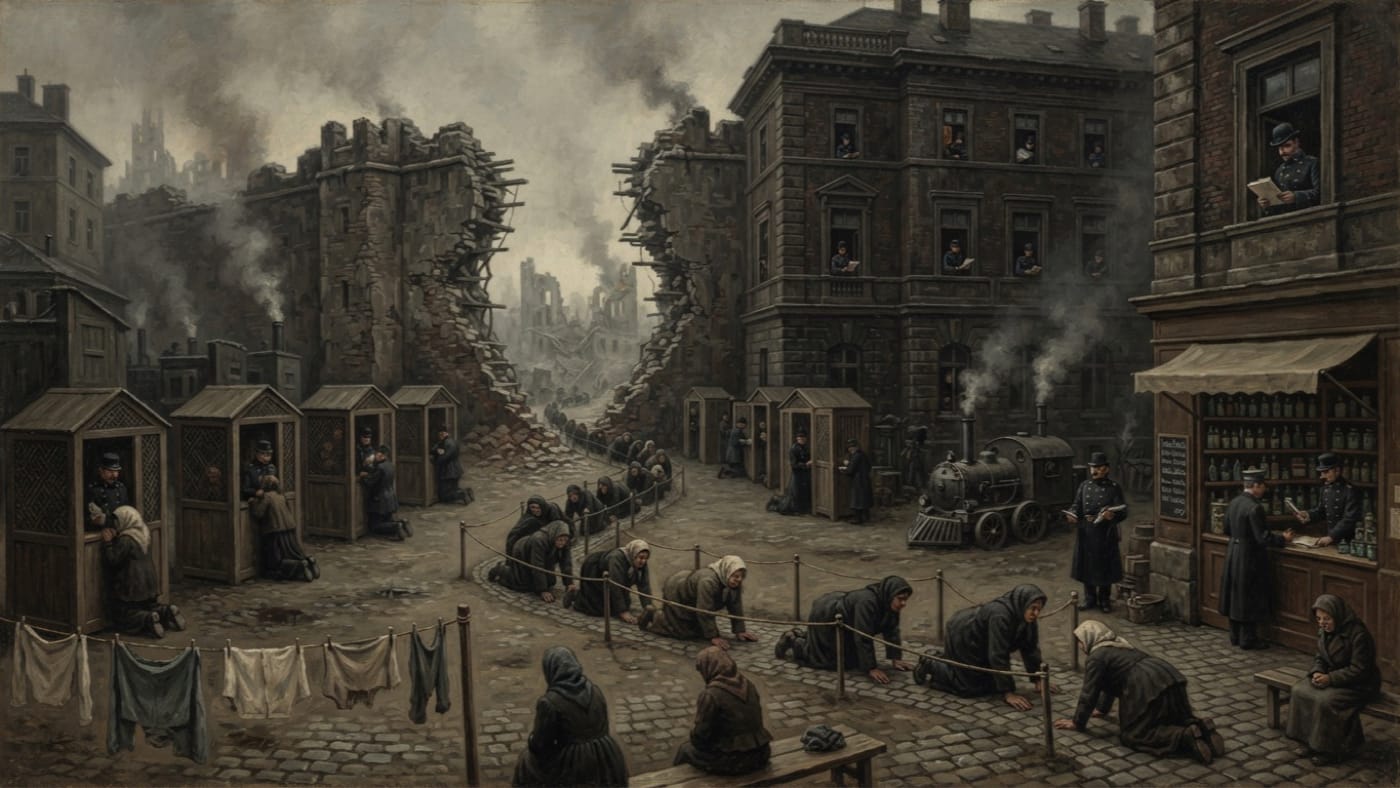
Central Corridor Headquarters
Where the knee is counted and mercy comes with a surcharge
The Bureau of Pilgrimage's Central Corridor headquarters occupies a former customs house beside Vienna's breach, admitting the forty, licensing the upright and billing mercy by the minute.
Codex Ref. II.4.09-012
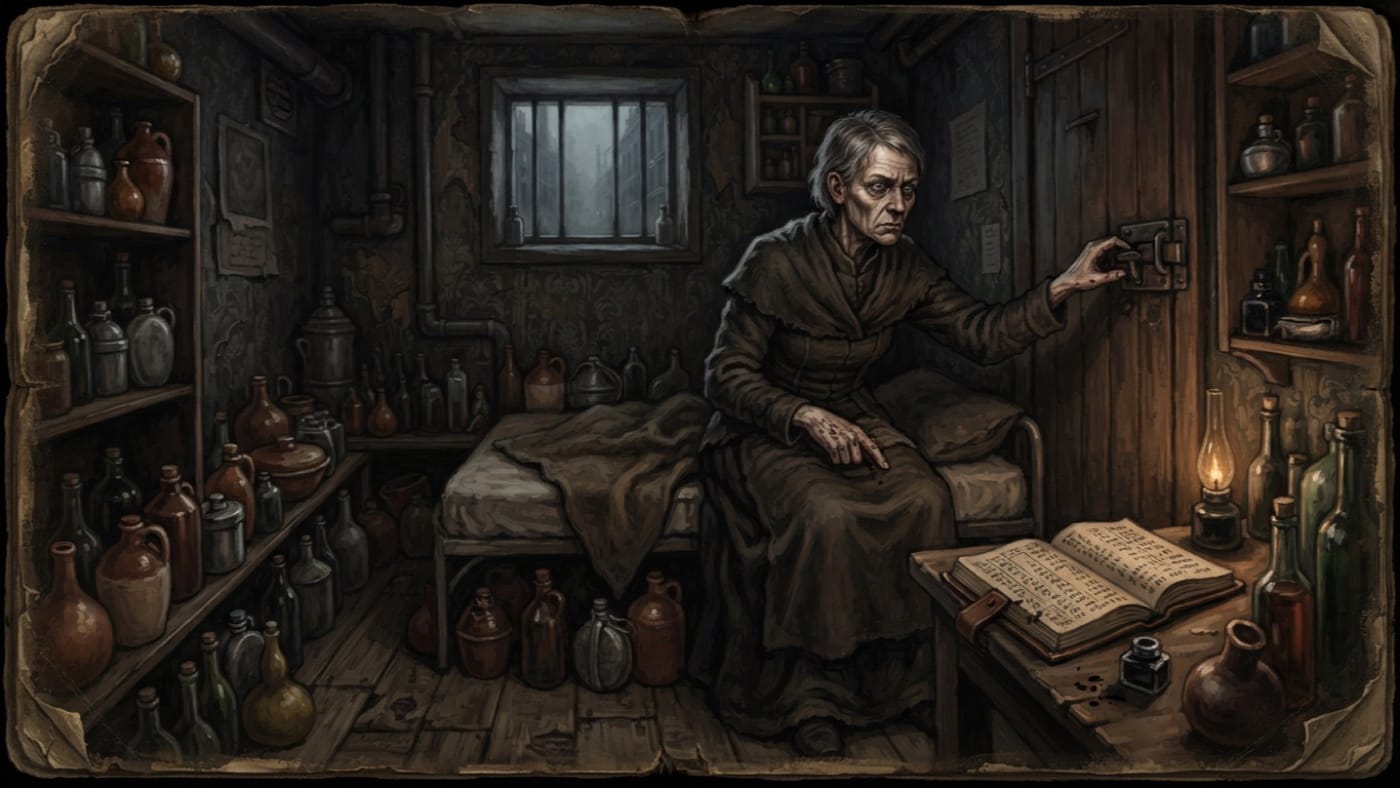
Chain-Sickness
The column ends; the count remains
The Handlers' name for duties that survive the Jubilee: compulsive lock-checking, counting, flinching at hymns and hoarded water. Mercy recognises no complaint; the ledger records success.
Codex Ref. XIII.1.225-201
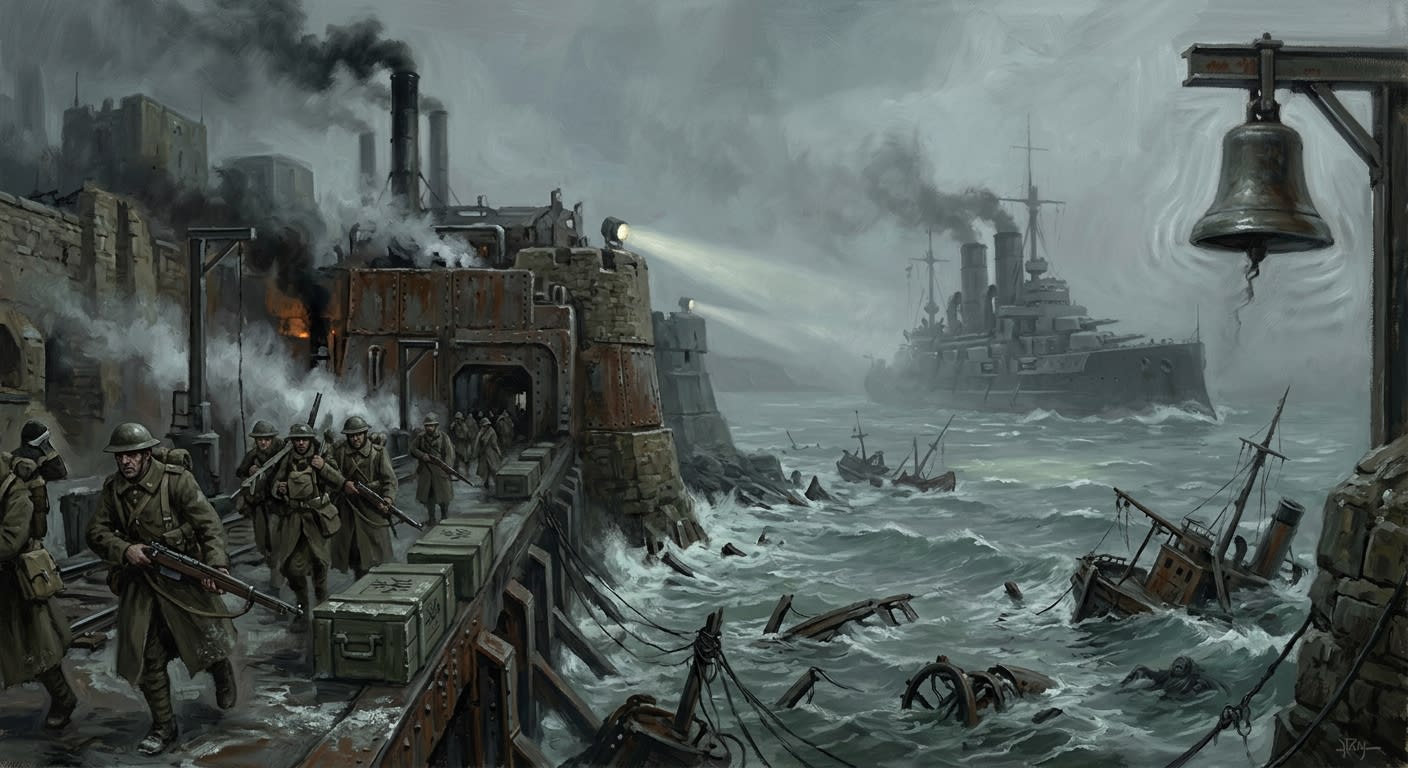
Channel
The water between two prides, and wiser than both
The Channel is the Synod's western salt wound: Calais to Dover, bells to fog, British pride to Synod arithmetic, and drowned things below.
Codex Ref. II.1.04-201
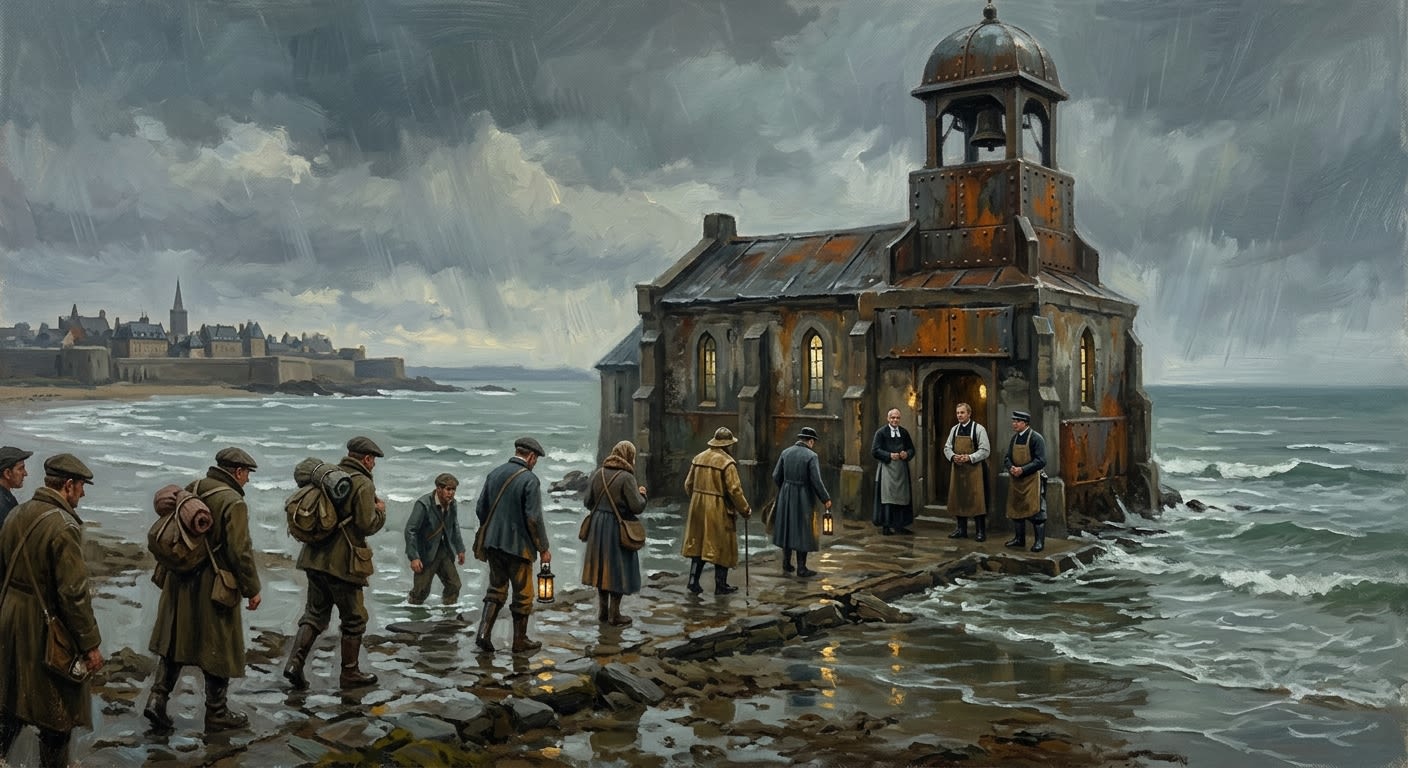
Chapel of the Tide
The shrine built from a journey denied
The Chapel of the Tide is Saint Clement's wet little shrine beyond Saint-Malo, made holy by forty-three pilgrims who were denied arrival and made profitable by everyone after.
Codex Ref. II.1.09-014
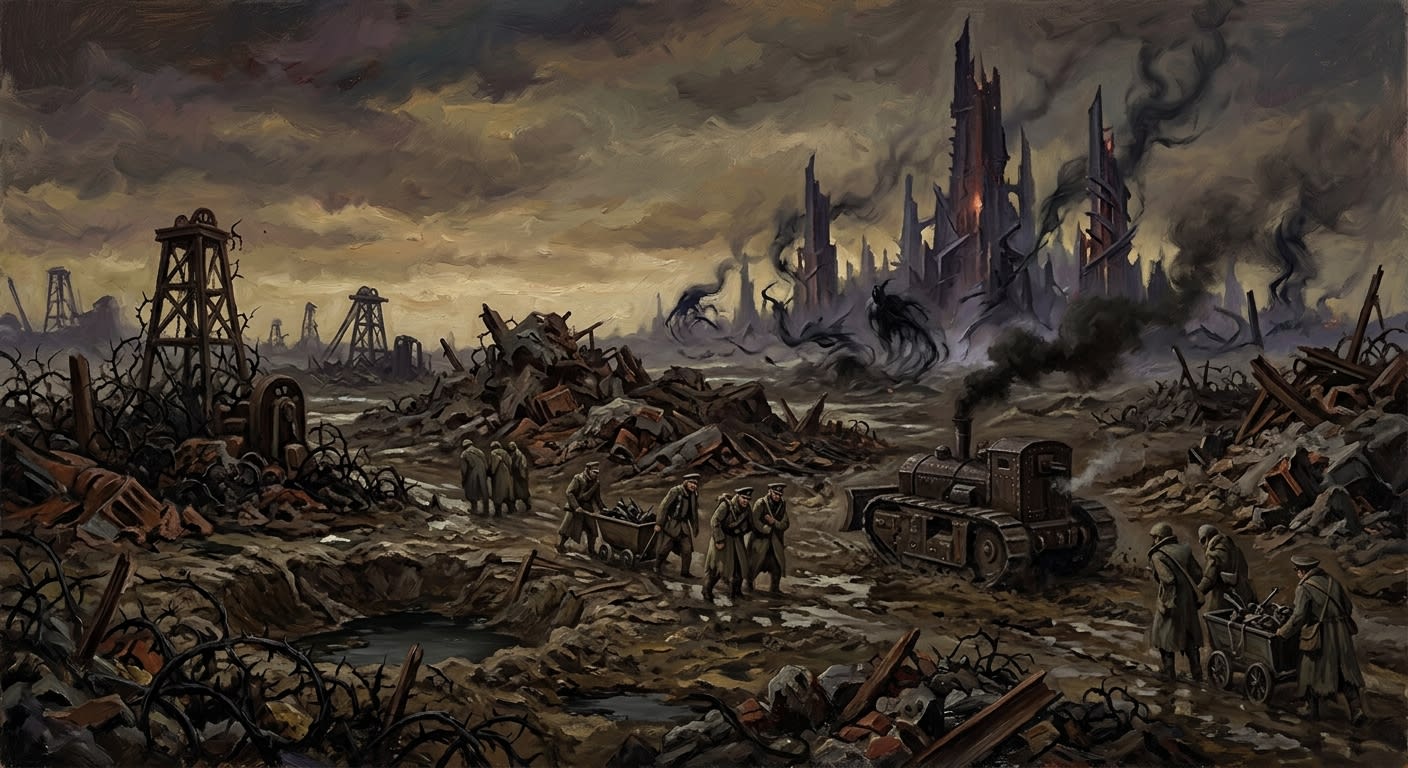
Charnel Lands
Where geography continues after mercy has been denied
The Charnel Lands are Zone 6, the demonic territories east of the Sagittal Line: geography made hostile to custody, with wilderness and cemetery both demoted to inadequate clerkly metaphors.
Codex Ref. II.6.06-001
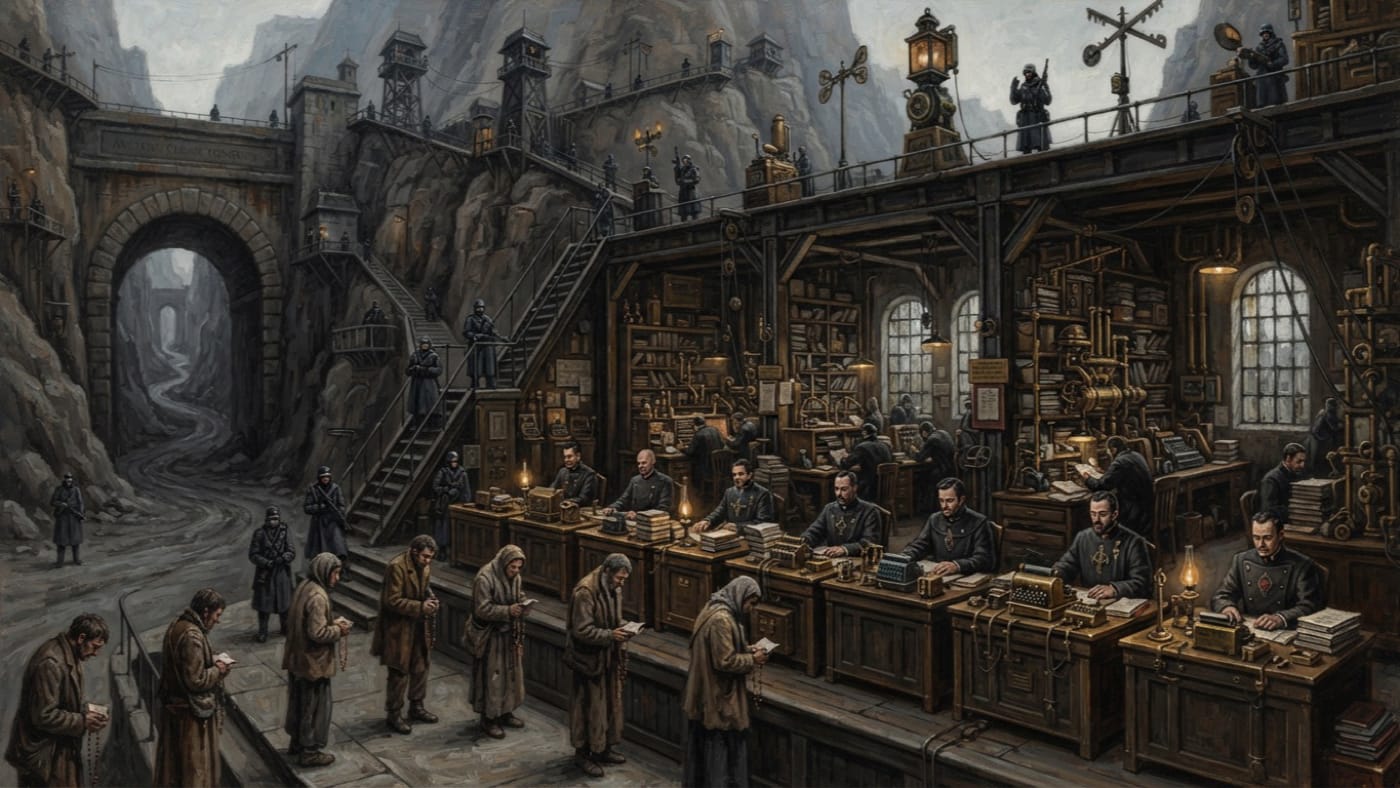
Choir-Broker Compact
Safety by the window, liability by the vowel
Peregrine Row's licensed insurers sell escort windows, bind protection to creed scores and fund the Quiet Pen Wardens. Seven council seats govern the trade; the pilgrim carries the risk.
Codex Ref. XII.32.02-201

Circular 881-R
The sentence that made moving beads a billable error
Circular 881-R is Records' A.S. 199 denial order: bead counts are fixed, bead drift is unsanctioned, and correction remains beautifully billable.
Codex Ref. XIII.1.72-199
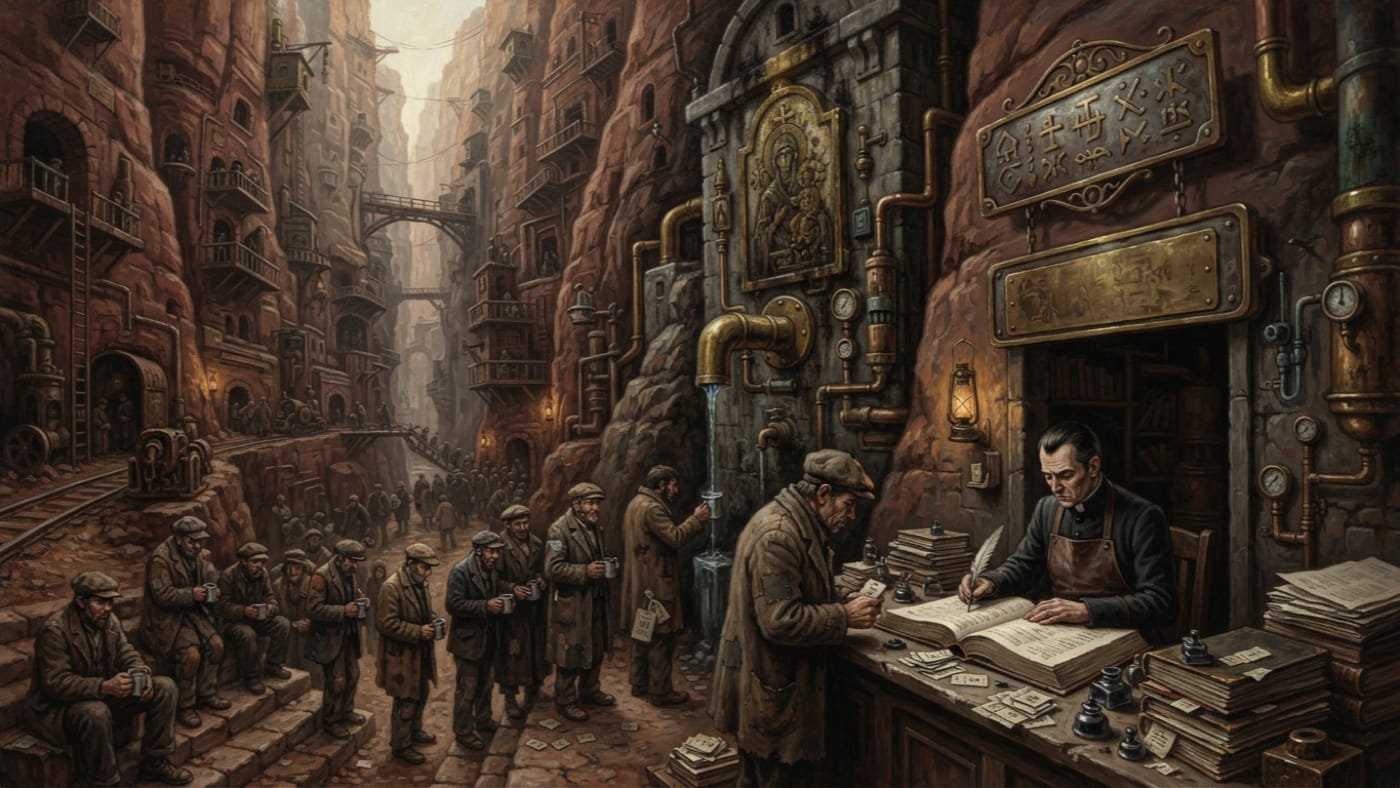
Cistern Chapel of Peregrine Row
Where water is blessed and thirst is entered in the ledger
In Peregrine Row's only natural hollow, the Cistern Chapel blesses water rations and records them against chits. The canyon may alter the ledger. The clerk still enforces it.
Codex Ref. II.1.03-002
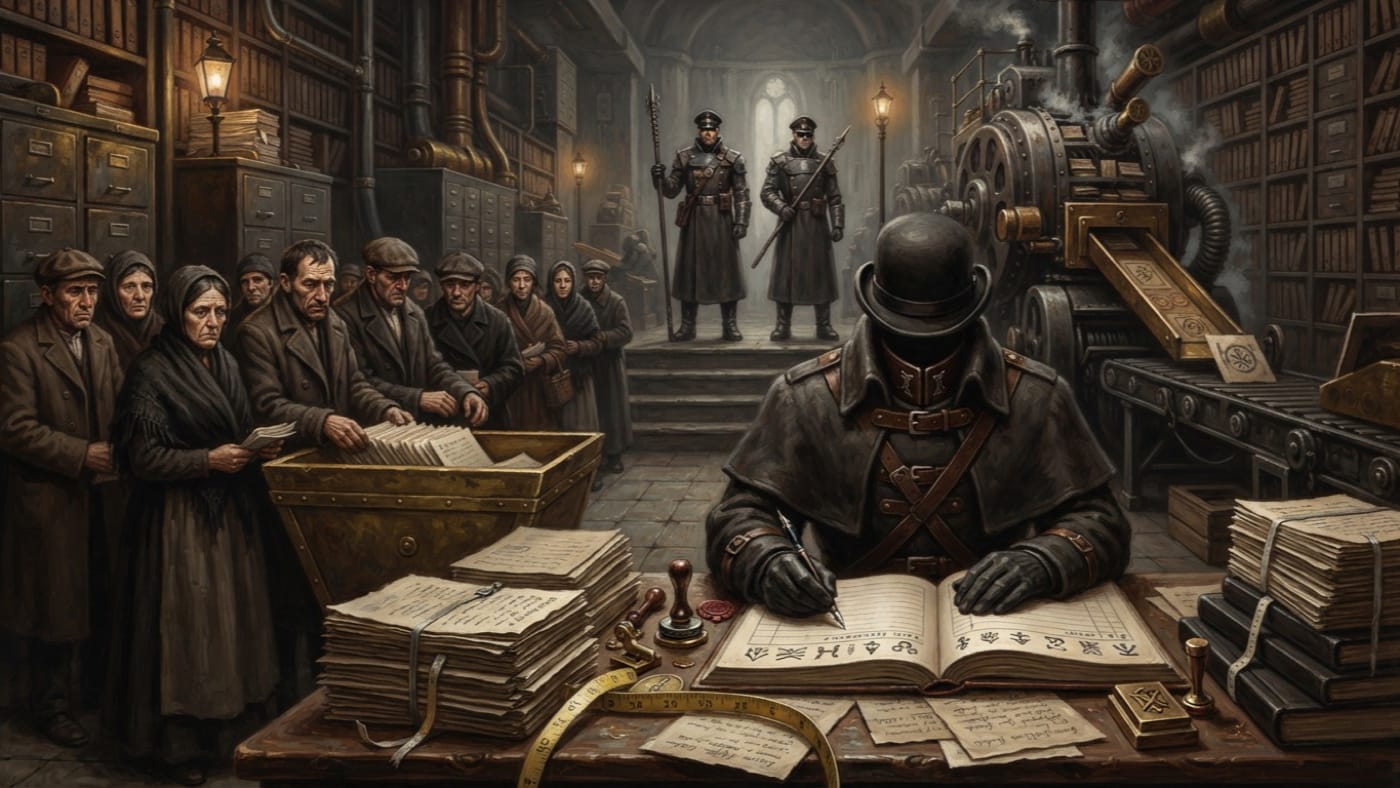
Classification Report
The grade is spoken; the objection is filed
The Classification Report turns shrine measurements, receipts and pilgrim counts into a binding grade. Pilgrimage pronounces it; Records preserves it; the parish files its objections beside it.
Codex Ref. XIII.1.51-151
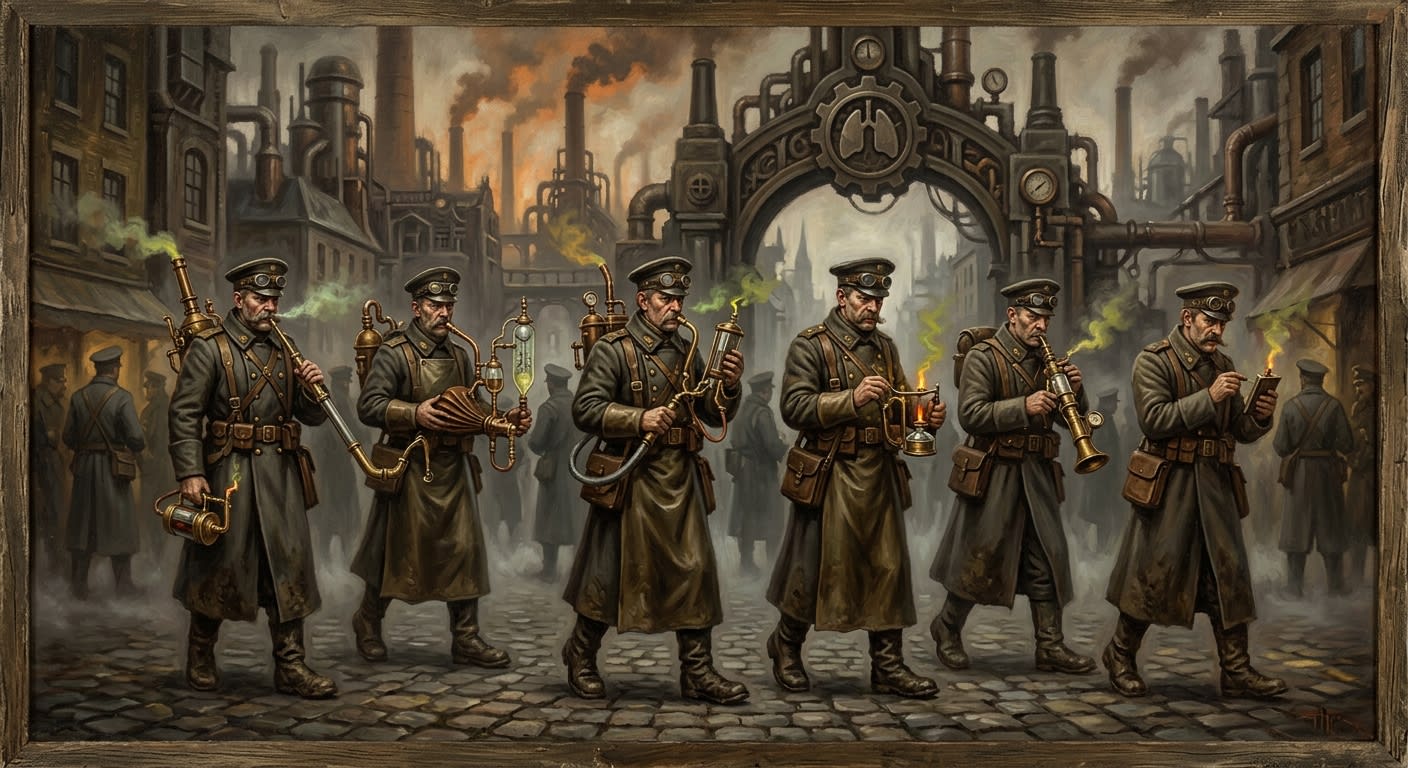
Clean-Lung Purists
The faction that believes the printed rule
Ninth Mark Fume-Inspector faction devoted to total detection of prohibited emanations, useful as conscience and purge tool, intolerable wherever command requires a city to keep breathing.
Codex Ref. XII.30.02-001
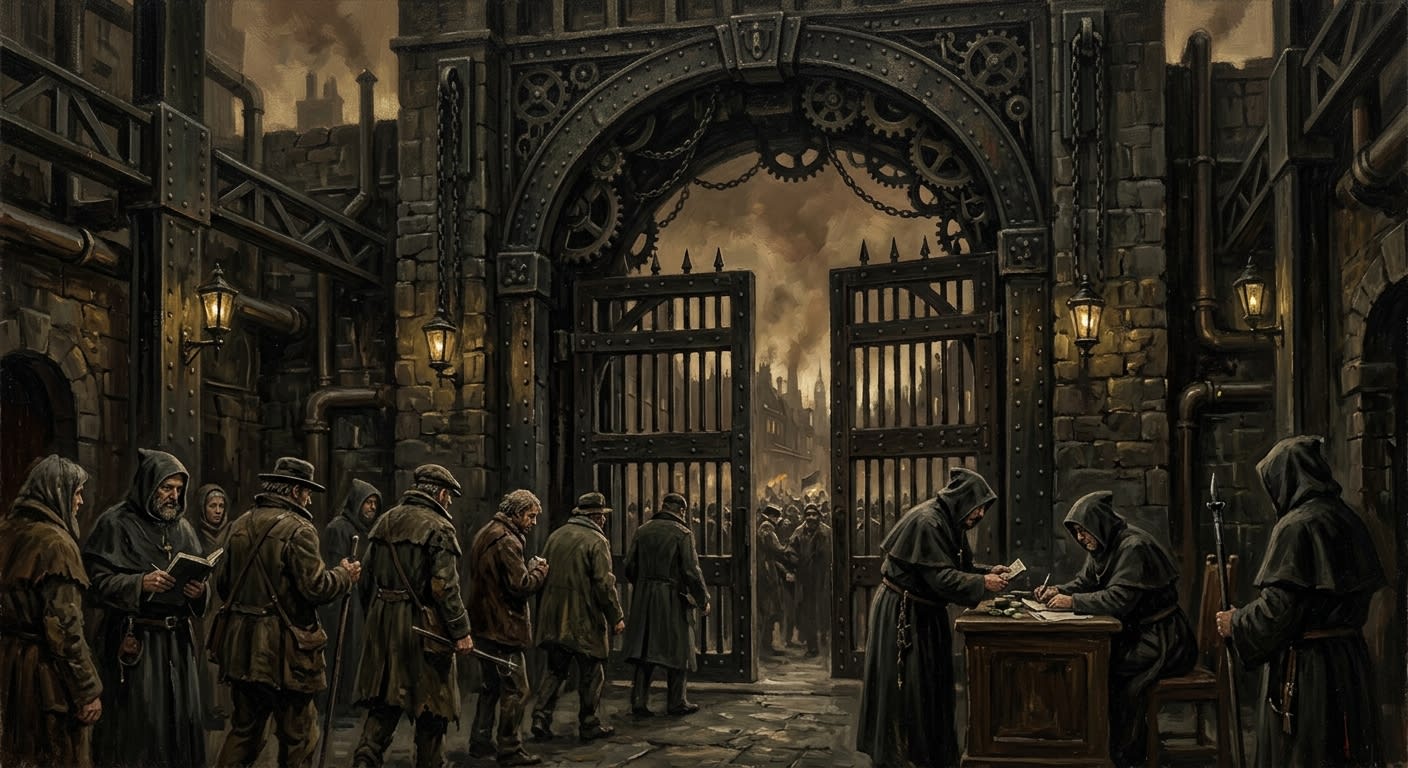
Clearance Gate
Release is merely refusal with better hinges
The Clearance Gate of the Cloister of Miscounted Beads opens cityward only after correction, then teaches released souls that Strasbourg charges rent for mercy.
Codex Ref. II.3.06-007
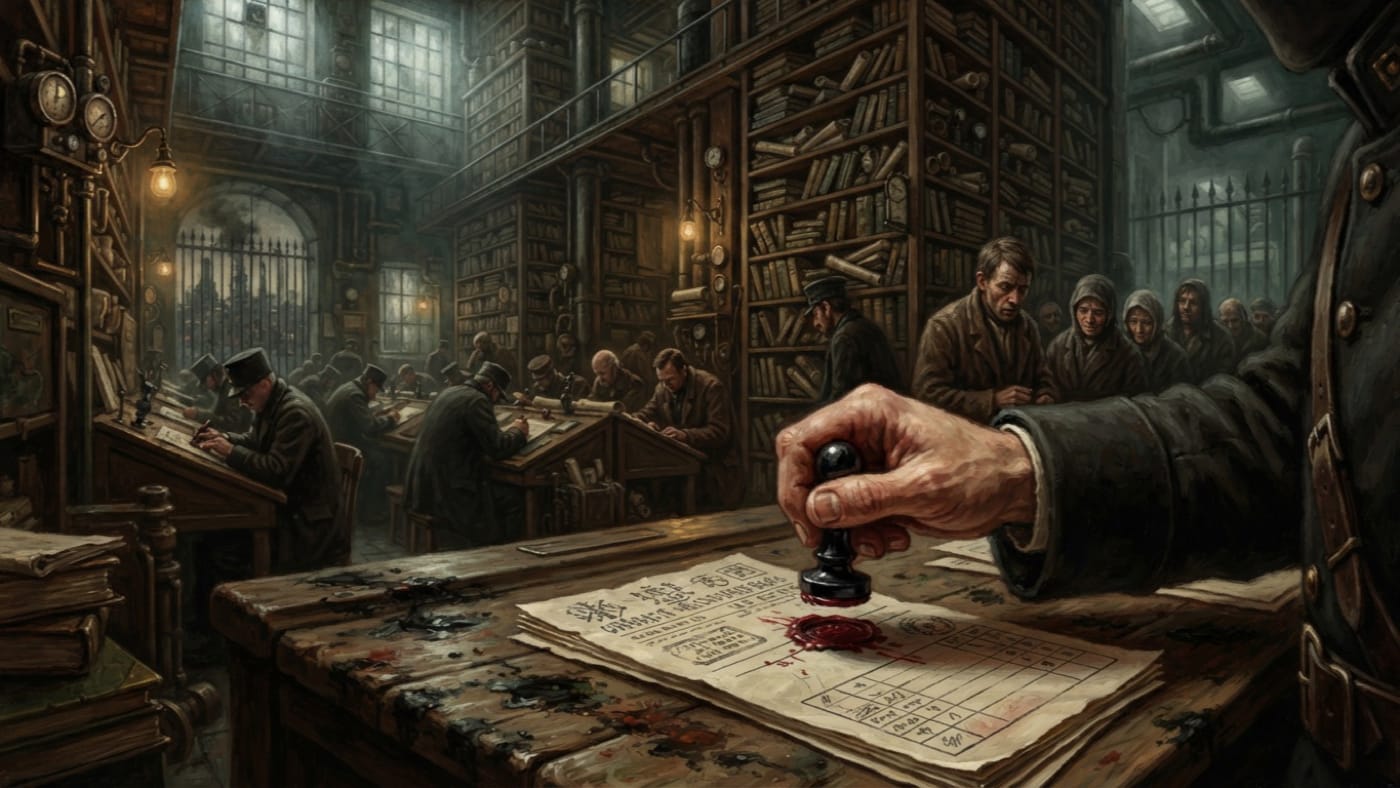
Clearance Seal
The small impression by which waiting ends
The Cloister's clearance seal ends waiting under a corrected name. Vale supplies the hand; Records and Pilgrimage supply the law; Strasbourg inherits the pilgrim.
Codex Ref. XIII.1.72-010
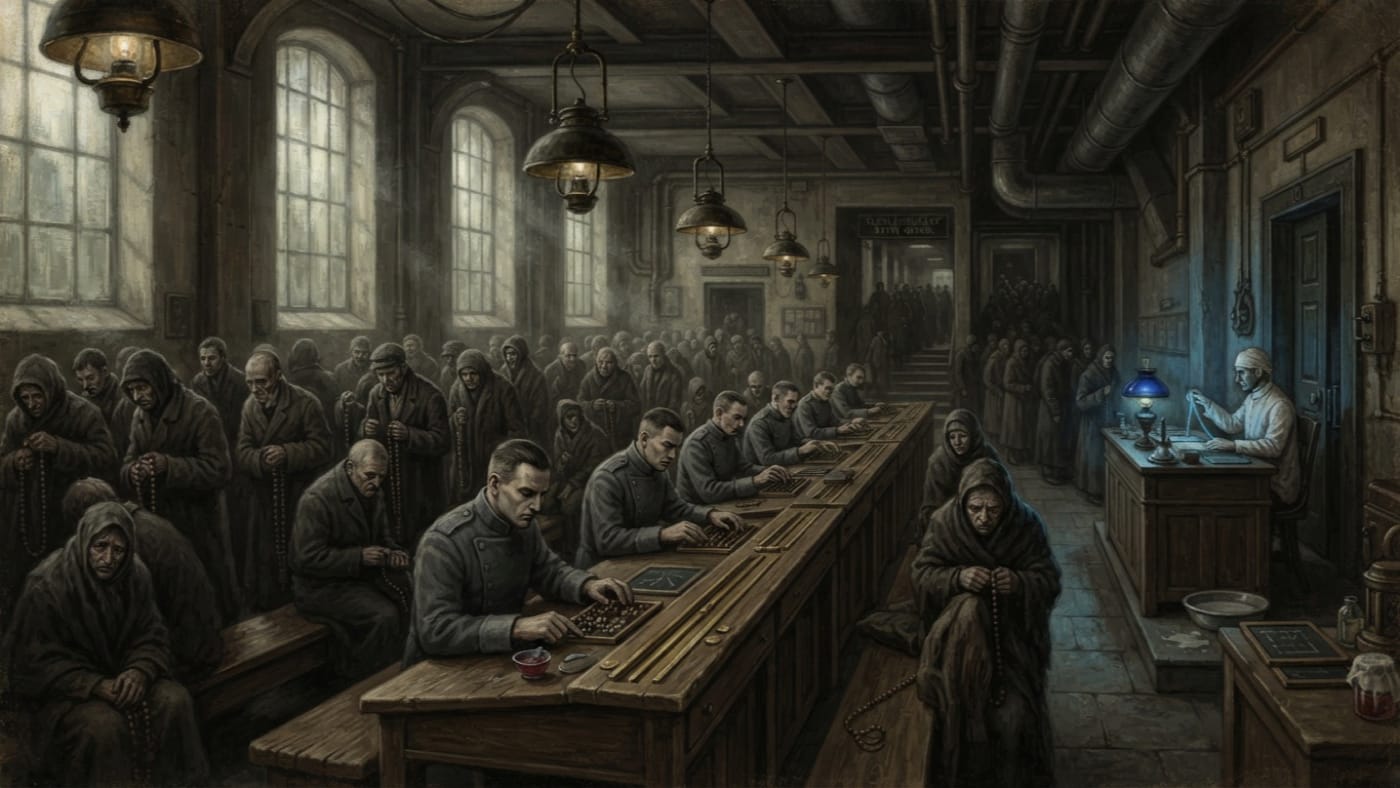
Clickery
Twelve desks between pilgrimage and permission
The Clickery is the Cloister's Counting Hall: twelve desks pronounce pilgrim discrepancies, send them to the Supplementary Entry Office, and leave the impossible to Desk Eleven.
Codex Ref. II.3.06-009
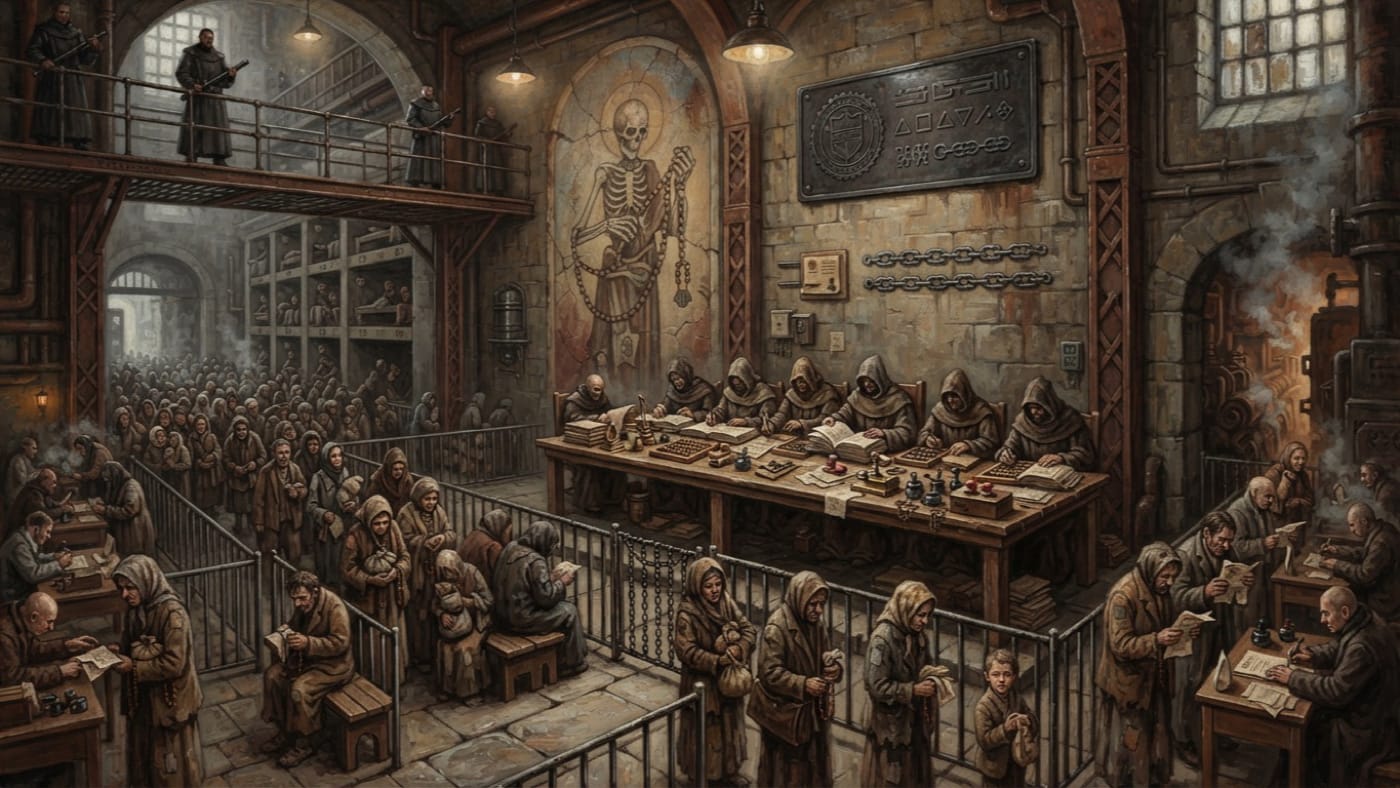
Cloister Chapter
Seven seats decide how long a life must wait
The Cloister Chapter governs pilgrim reconciliation through seals, debt and delay. Vale speaks last; detainees pay nightly, and only the Chapter decides when their waiting ends.
Codex Ref. I.2.06-201
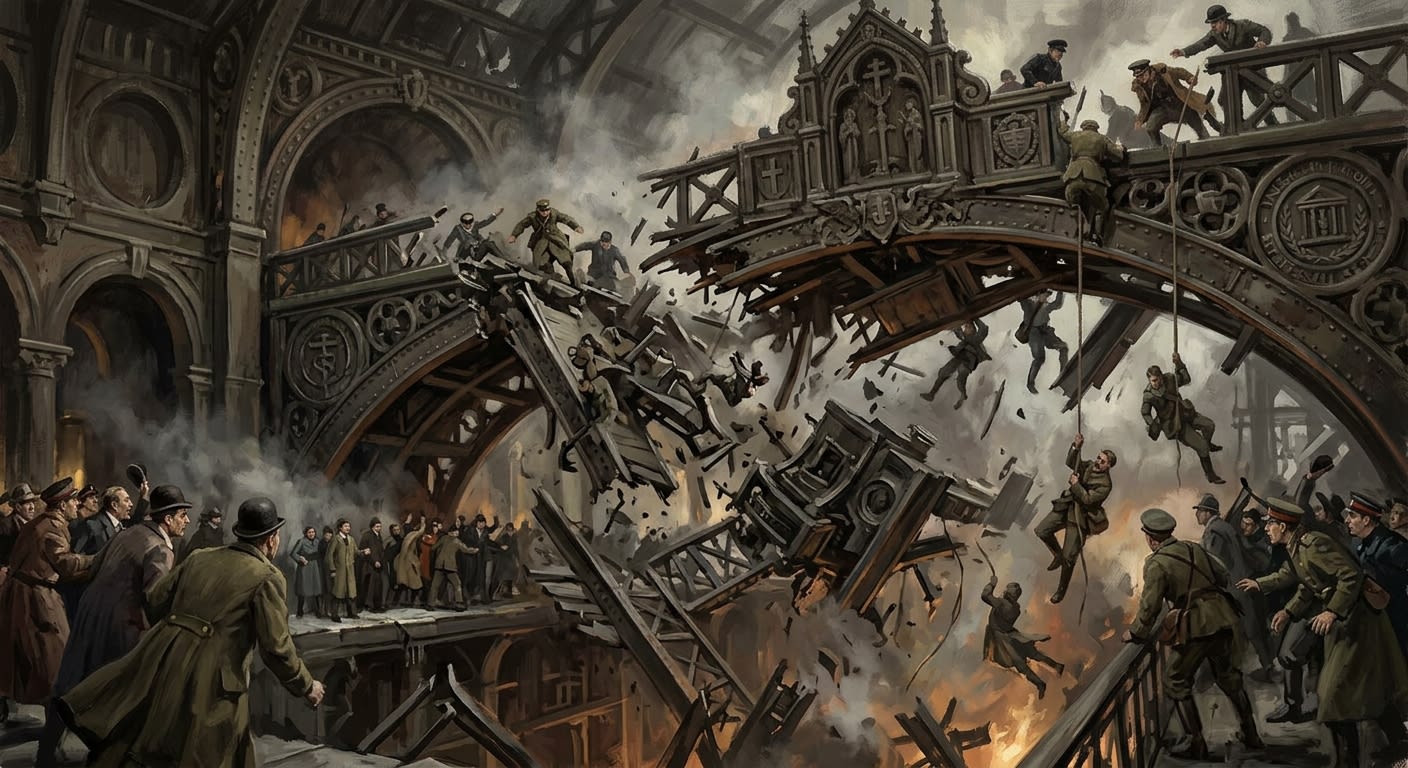
Collapse at Prague Gate
When the hymn died at the teeth, the machine answered itself
A.S. 147 shrine-platform catastrophe in a Silence Dome near Prague Gate, where mute cadence, contradictory slates, and inward mortars made comfort lethal.
Codex Ref. VII.8.10-147
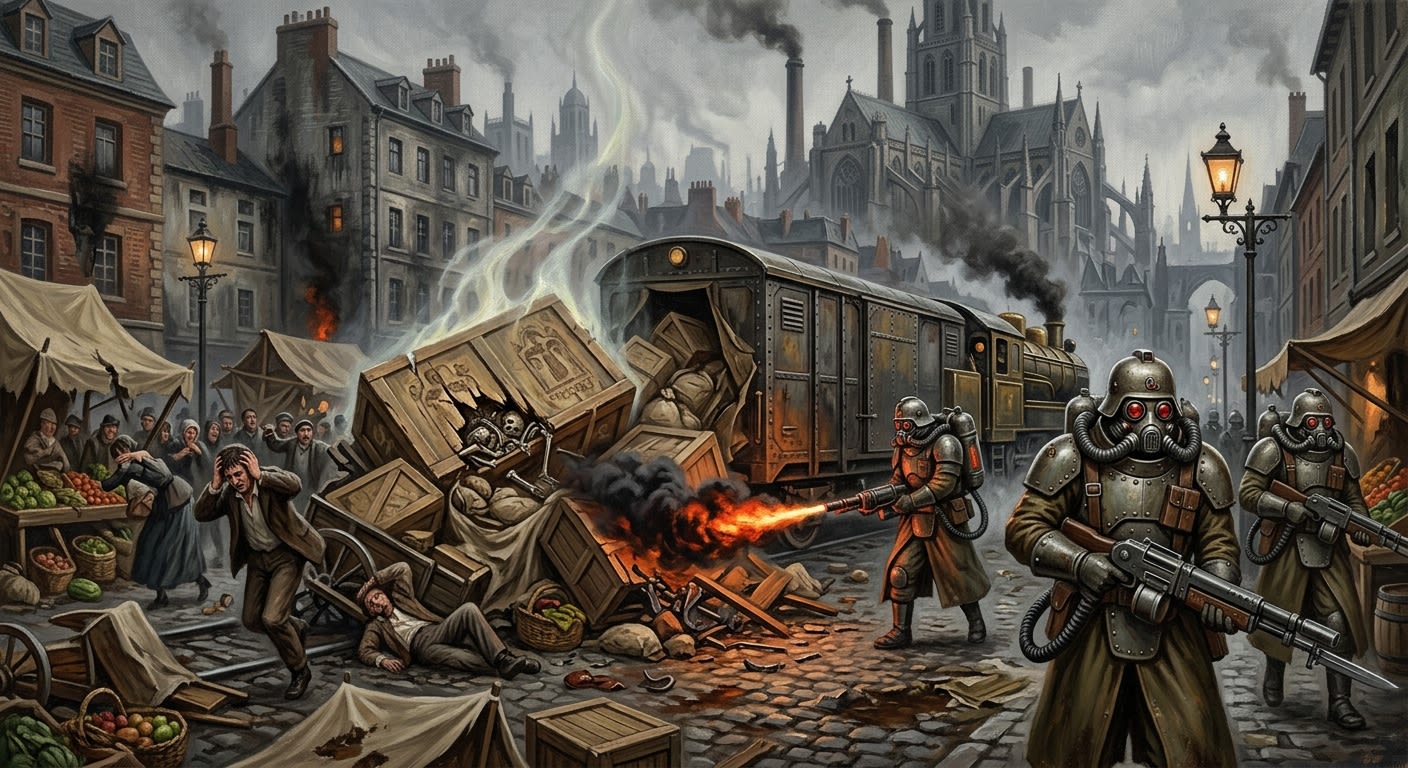
Collapse of Saint Aurelia's Convoy
A reliquary procession folded inward and called it music
The A.S. 184 Rouen market incident in which an authenticated reliquary convoy collapsed under unseen Pale Chanter cadence, broke its cargo, and left Purity to burn the witnesses.
Codex Ref. VII.5.04-003
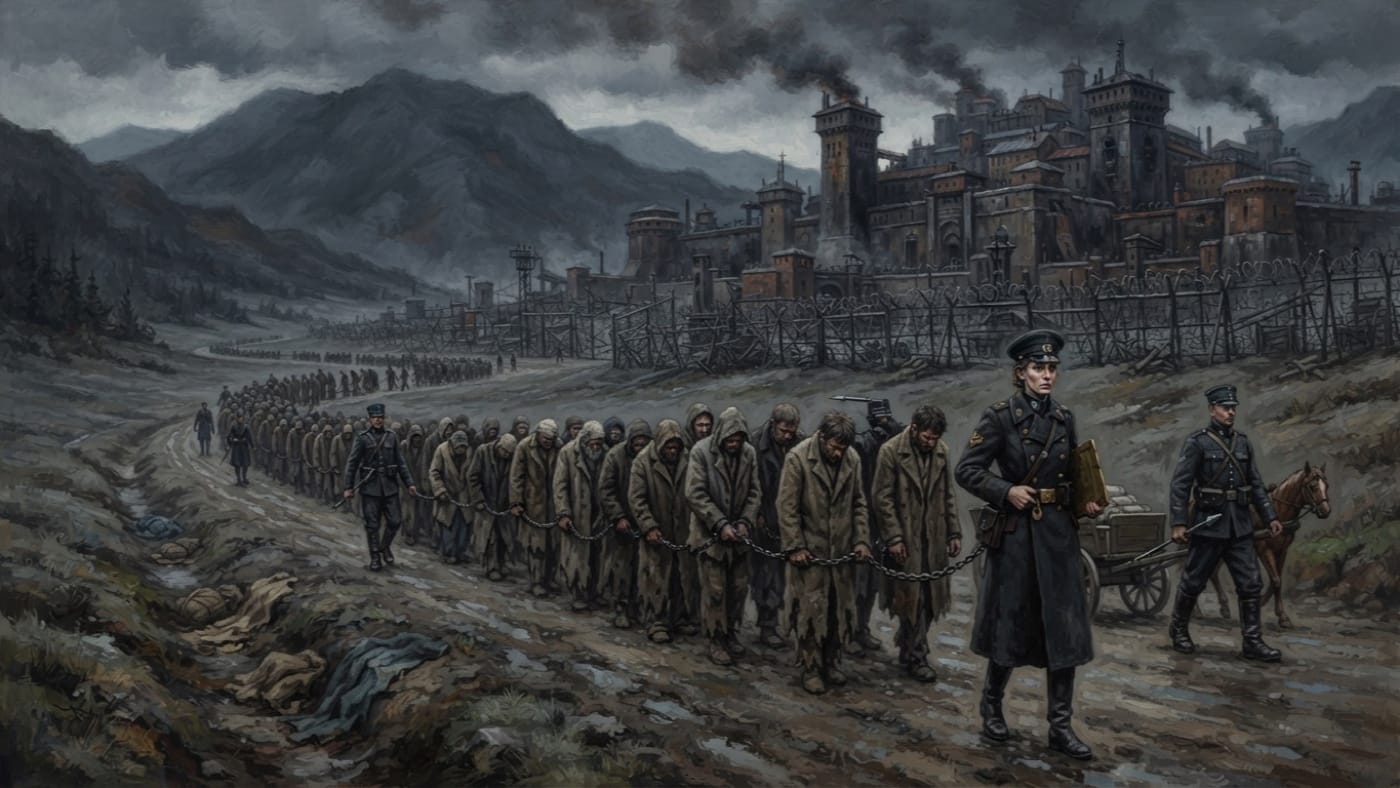
Column 7-North
The ledger balances; the road was not consulted
In A.S. 188, Column 7-North left Strasbourg with 412 souls under Maren Kessler. The first checkpoint counted 379 living; delivery at Bastion-Przemyśl was declared perfect. The ledger balances. The road was not consulted.
Codex Ref. VII.3.03-007
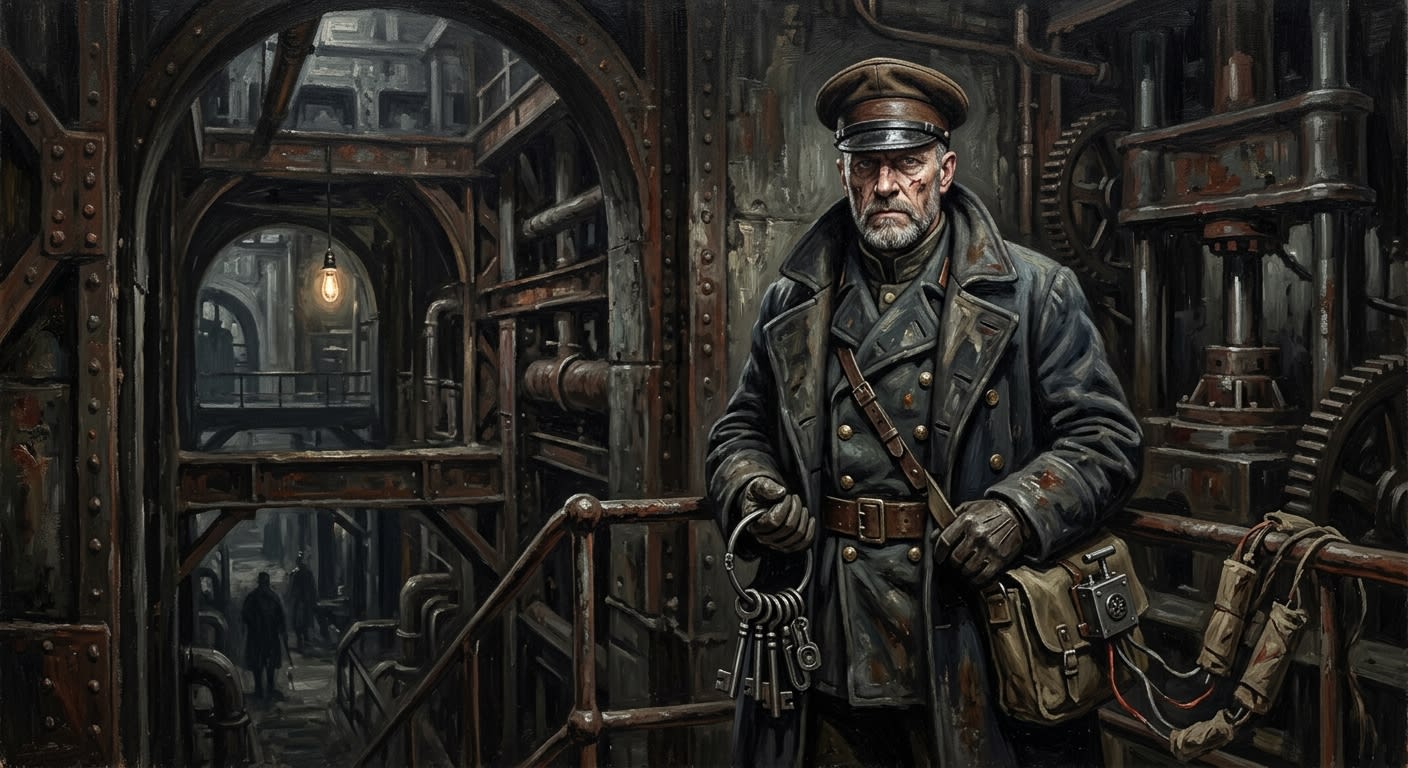
Commandant Hadrik Sorn
The man who keeps the mountain alive by deciding what may die
Commandant Hadrik Sorn holds Bastion-Irongate's Transit Spine by gate keys, denial charges, pressure doctrine, and a mercy so cold it has become load-bearing.
Codex Ref. III.2.01-048
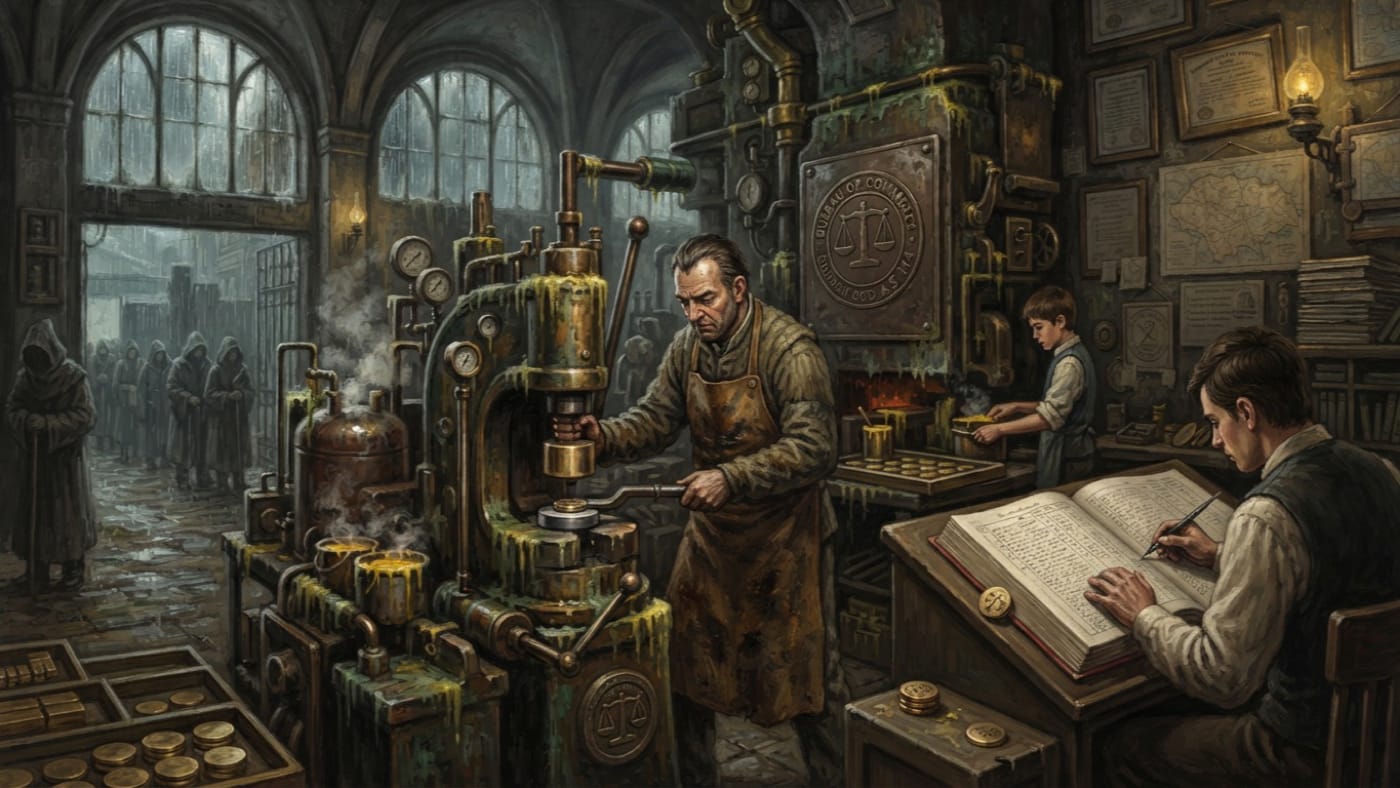
Commerce Charter A.S. 114
The Charter made the toll admissible
The A.S. 114 Charter licensed the Route-Stamper trade under Commerce and reserved Records veto authority over every forge. Brass could certify a journey; the ledger would decide whether it counted.
Codex Ref. XIII.1.38-114
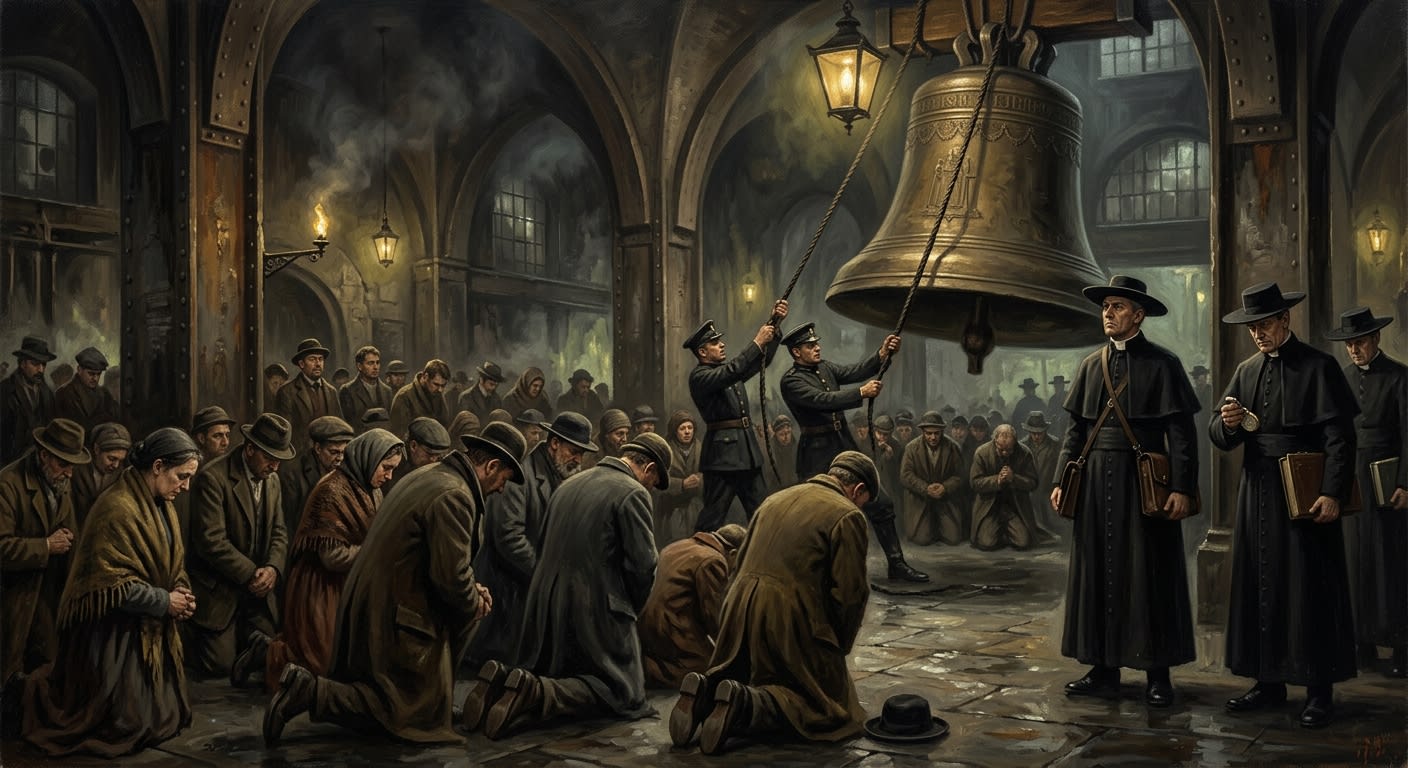
Compline
The bell that sells darkness back to the faithful
Compline is the Synod's last office before darkness: prayer turned curfew, bell turned warrant, sleep turned a privilege with witnesses.
Codex Ref. XIII.1.62-005

Concordat Charter
The officer dies. The obligation survives.
The Concordat Charter of A.S. 92 / 1802 CE formally founded the Bureau of Tithes and fixed its fiscal mandate. The Church's tenth became a recorded debt; the officer may die, but the obligation survives.
Codex Ref. III.1.02-092
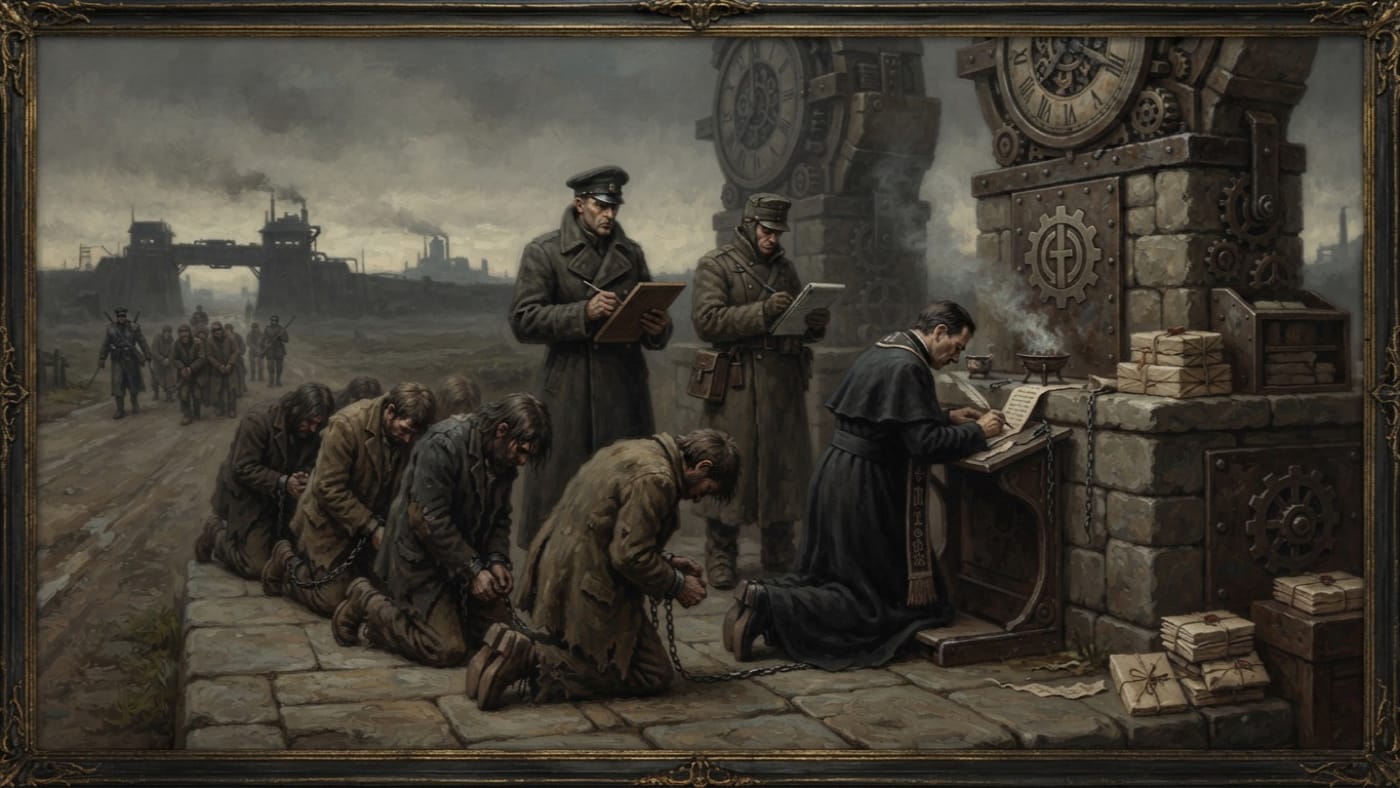
Confession Harvest
The strips travel with the condemned; the names bring others
At Jubilee shrines, chained penitents speak and priests write. Records files the sealed strips; Purity follows the names. The road supplies its next column.
Codex Ref. XIII.1.100-201
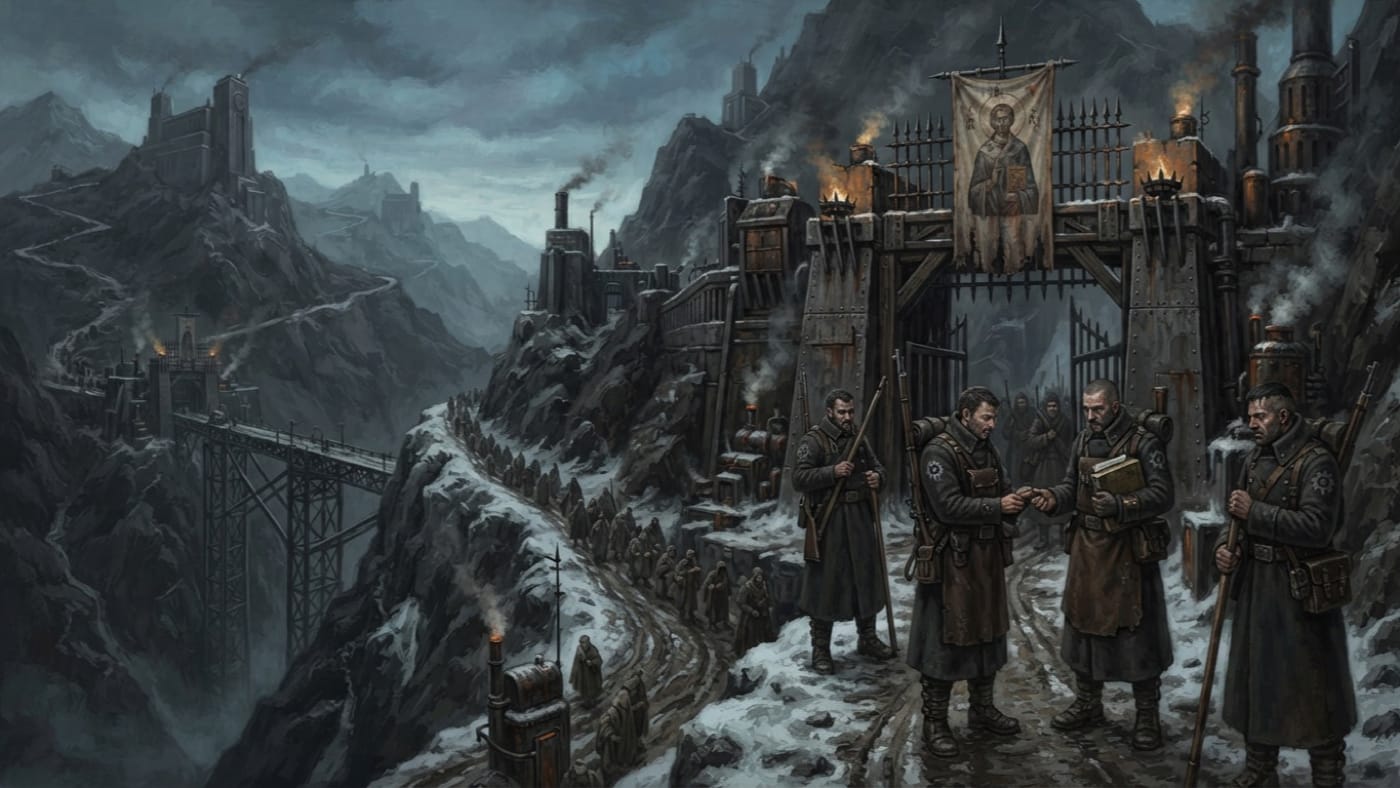
Confraternity of Saint Edras
The saint kept his name. The guild lost the road.
A private pilgrimage guild claiming the Carpathian passes, named among Santiago's rival toll claimants in A.S. 121 and superseded by the Harmonized Routes Edict in A.S. 123. The saint's name outlived its authority.
Codex Ref. XI.5.02-123

Corvus
The fourteenth stands; the rest awaits its papers
Corvus is a later Church month whose fourteenth day commands the Saint-Malo fast, names and bells. The memorial is assigned; the massacre's exact day remains unproved.
Codex Ref. XIII.1.05-003
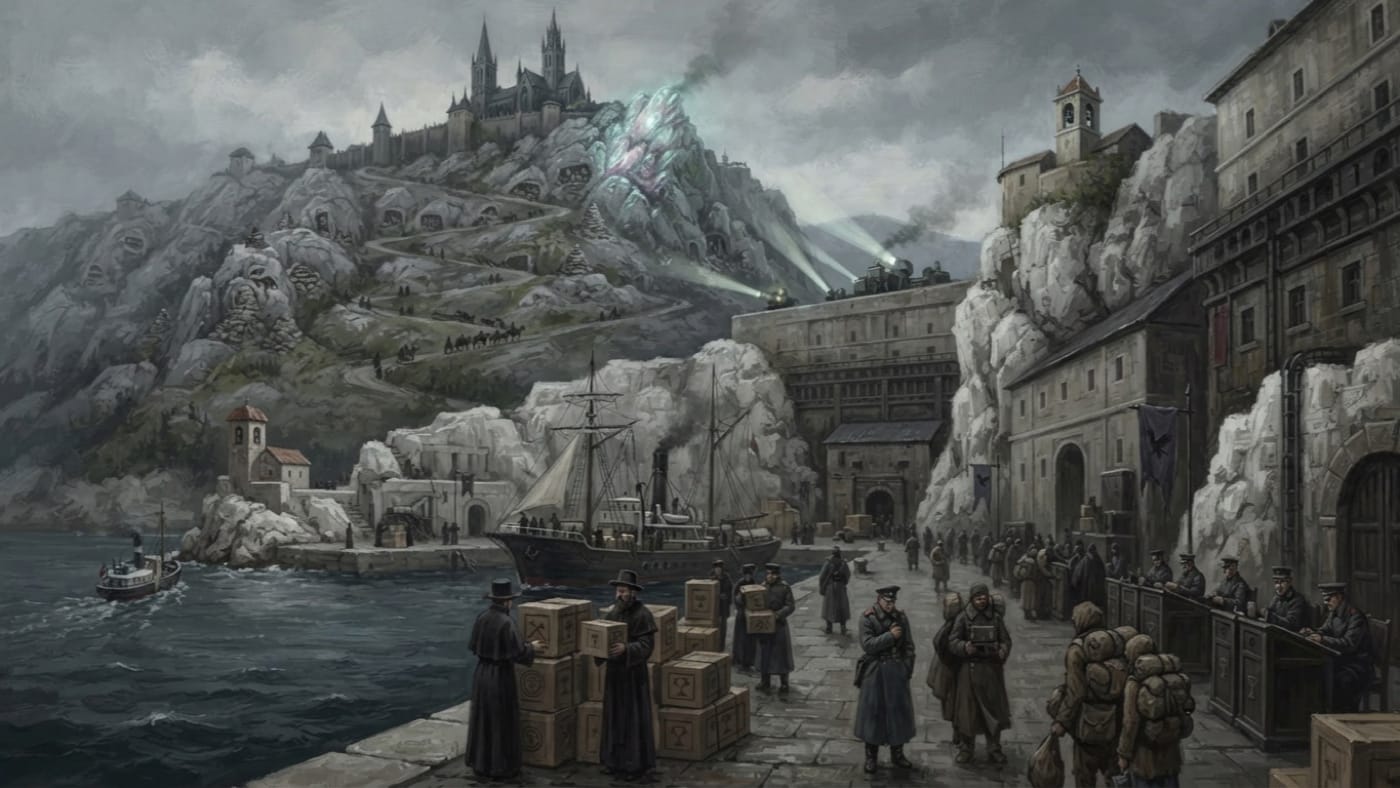
Croatia
A ridge to pray on, a coast to unload at
Croatia survives in the Ledger as Kalnik's armed shrines and Dalmatian supply harbours. The Church certifies the cargo more readily than the borders.
Codex Ref. II.7.04-201
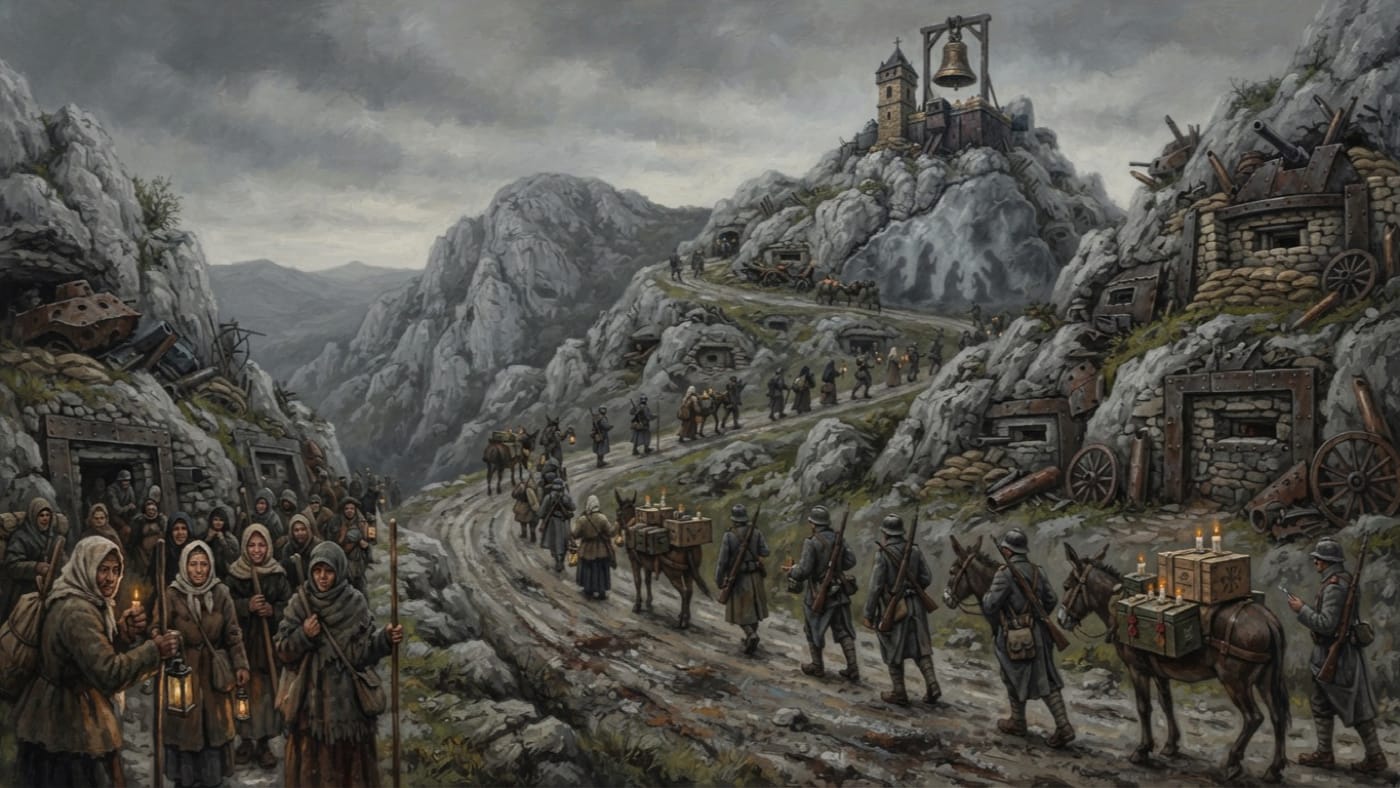
Croatian highlands
Where candles and cartridges climb the same road
The Croatian highlands enter the Ledger through Kalnik Ridge, where cave chapels became armed shrines and the same road carries pilgrims, candles and cartridges.
Codex Ref. II.3.07-807
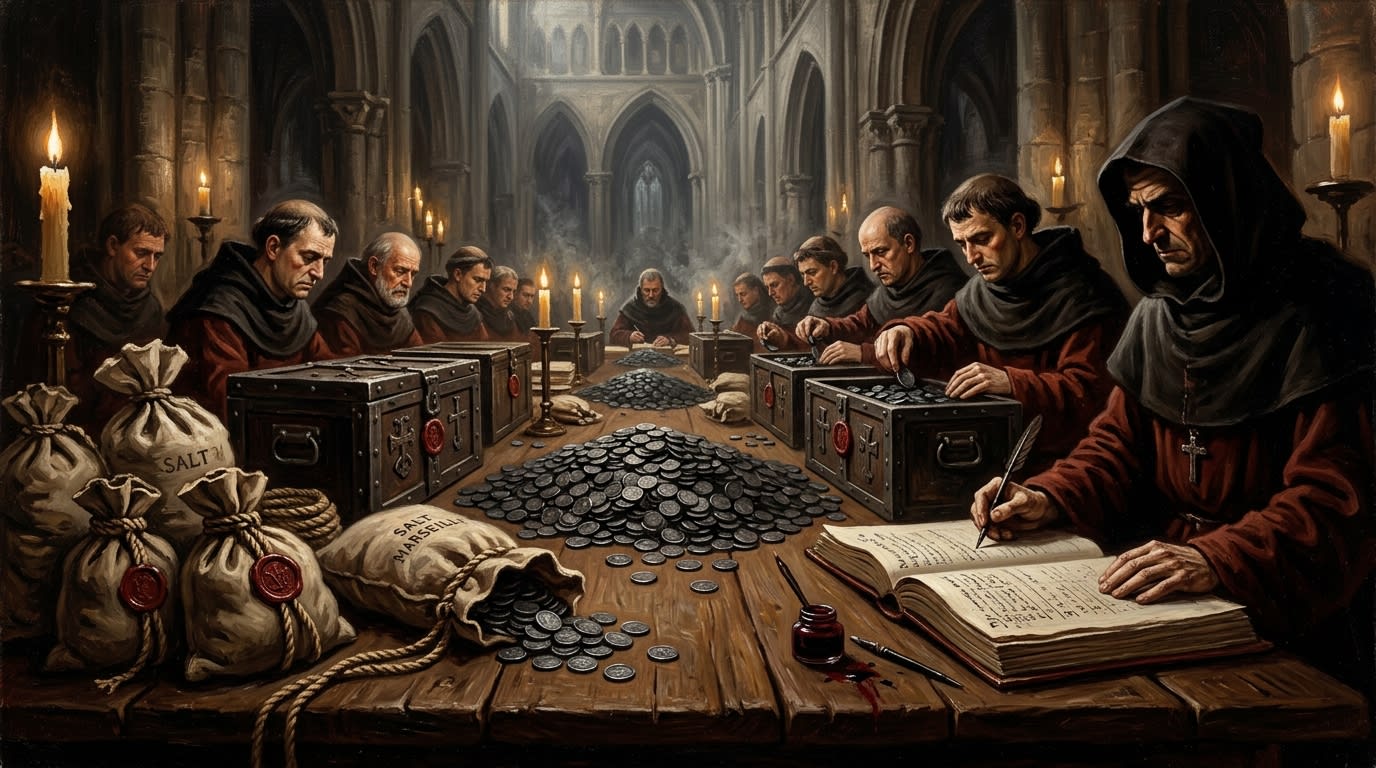
Crowns of Grace
One coin buys bread; the plural buys obedience
Crowns of Grace in the plural are obedience under arithmetic: harbour revenue, soldier arrears, salt dues, foreign insult, and bread counted until it kneels.
Codex Ref. XIII.1.22-093
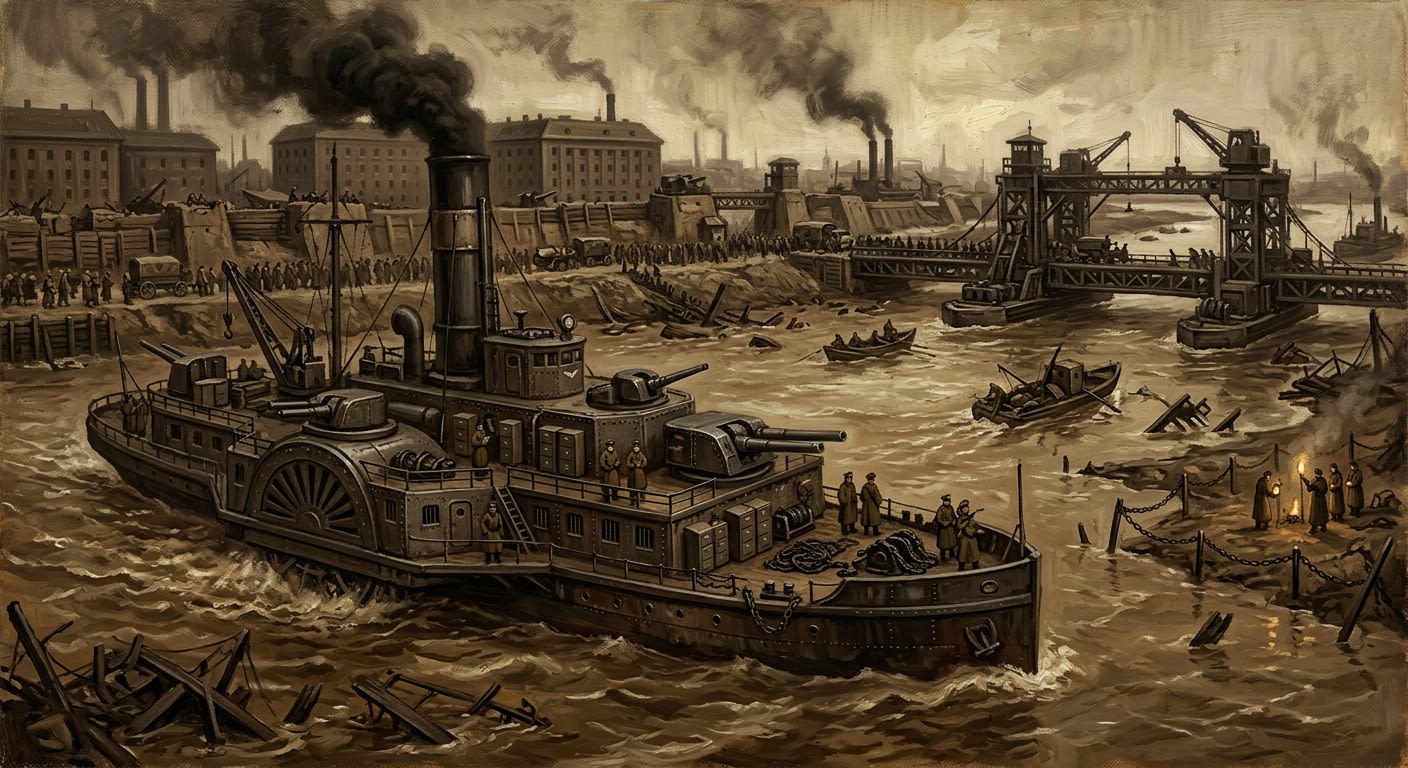
Danube
A moving jurisdiction, interrupted by Hell
The Danube is the Synod's brown moving jurisdiction: road, border, weapon, archive, tariff, grave, miracle-site, and contested throat of Irongate.
Codex Ref. II.4.09-034
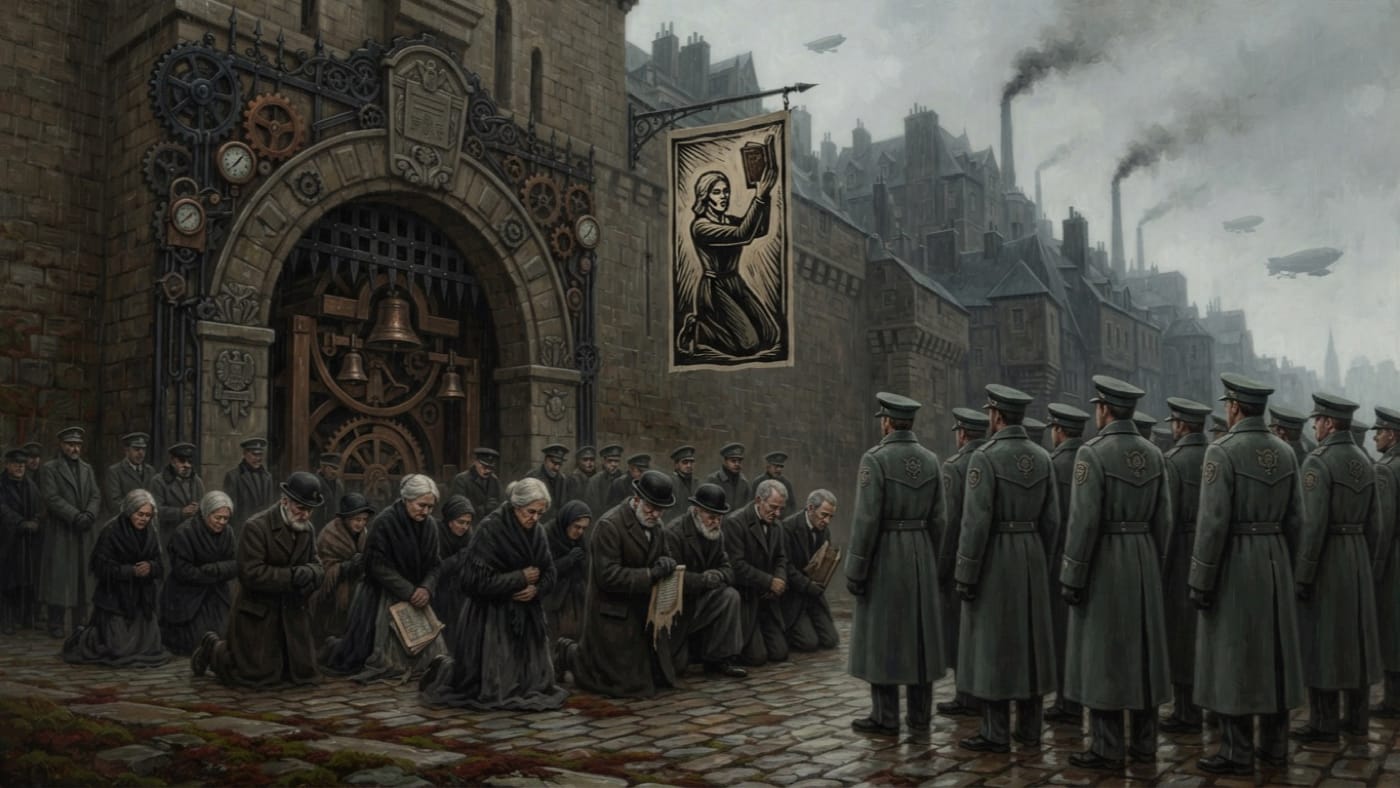
Day of the Thirty-One Names
Thirty-one tolls, forty-three seconds, and one face supplied by the printers
On 14 Corvus, Saint-Malo mourns thirty-one certified dead with thirty-one tolls and forty-three seconds of silence. The Church keeps the count, Strasbourg keeps the names, and Margaux supplies the face.
Codex Ref. XIII.1.87-031

Dead-Goods Tariffer
The grave is a permit; the permit has a price
Bureau-licensed bone classifier. He decides what the dead become — mortar, monument, or ornament — and does not look up from his seal press.
Codex Ref. XII.11.01-001
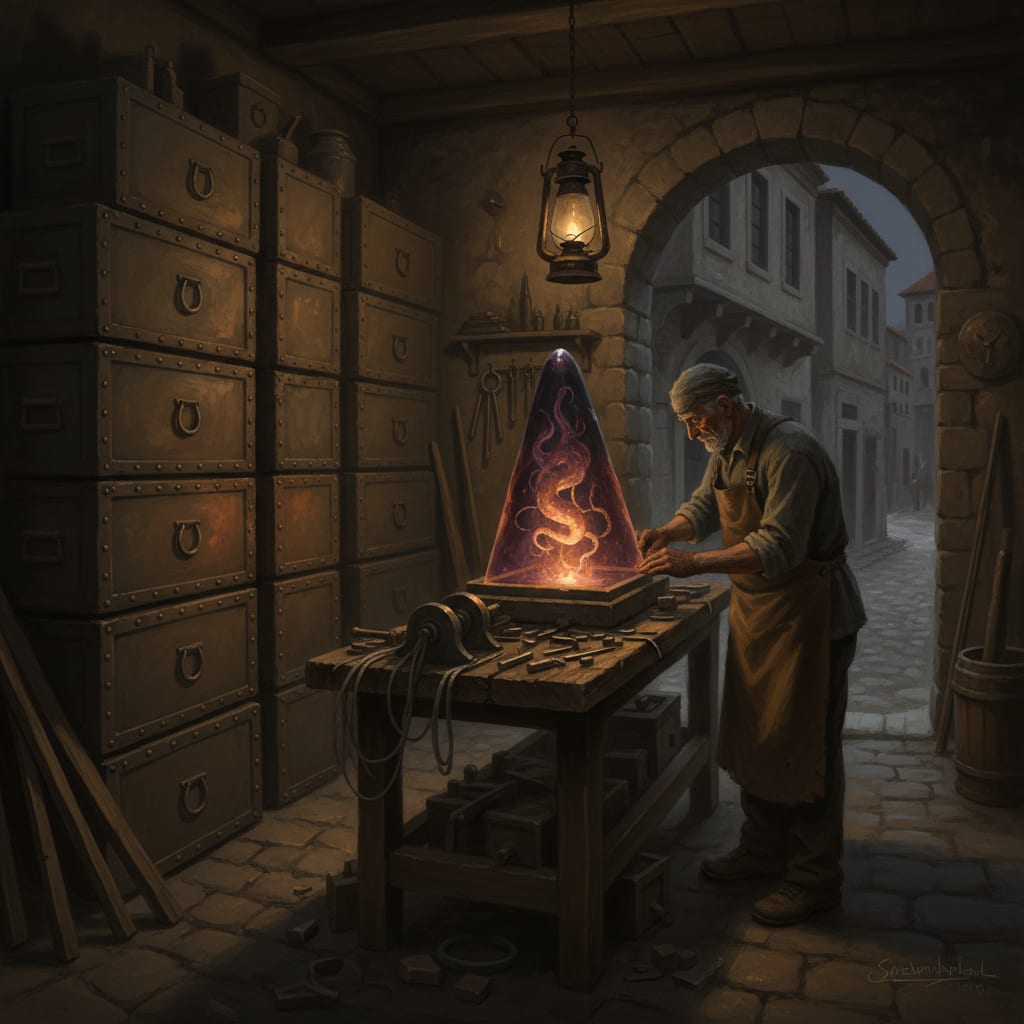
Demon-Glass Polisher
The craft the Bureau has shattered, blessed, interred in lime, and declined to stop purchasing
The profession the Bureau insists does not exist: found in every port from Marseille to the Harbor of Chains, supplying the Bureau of War with combat-grade optics, having developed a hierarchy, a patron saint, and three factions — all since the last Purity raid.
Codex Ref. XII.13.01-001
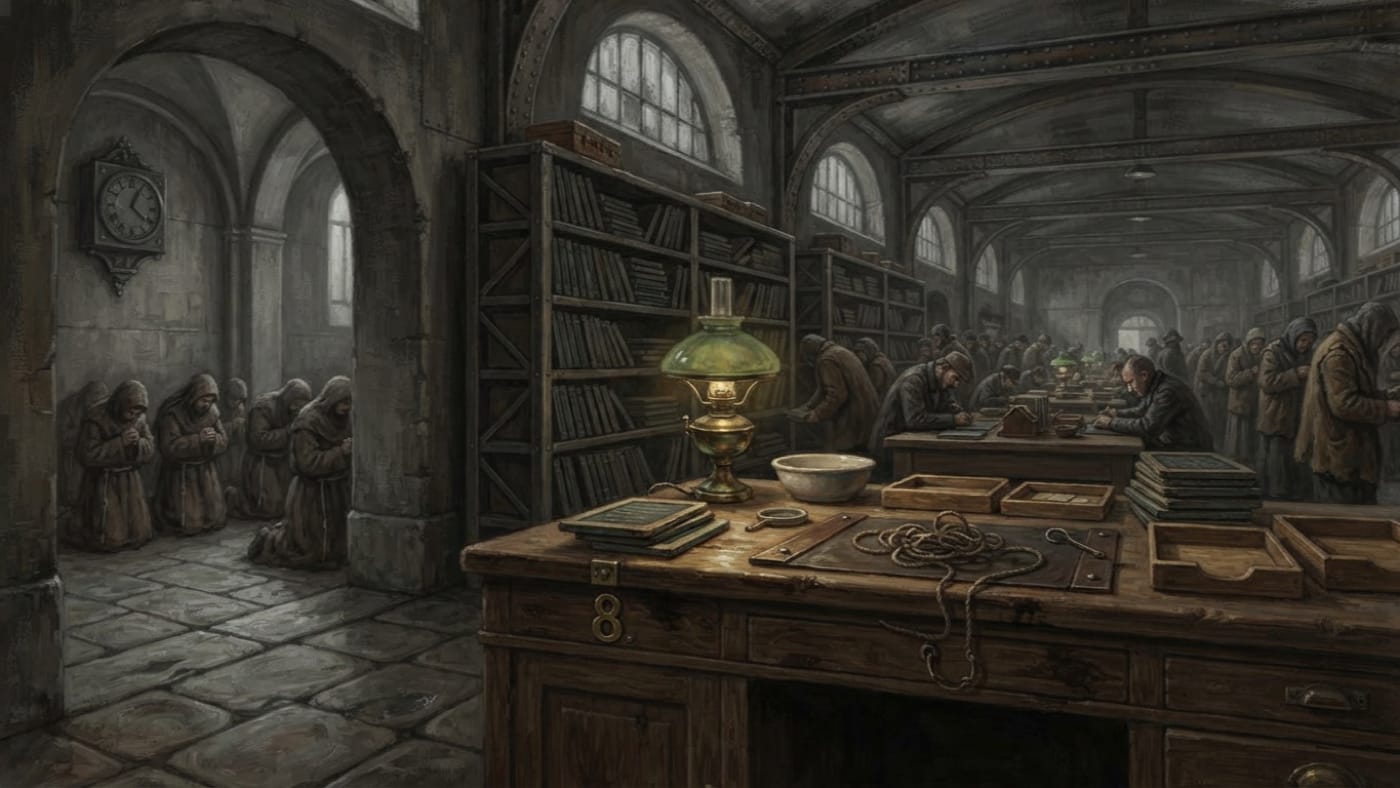
Desk Eight
The knees pay before the evidence arrives
Desk Eight reviews suspected counterfeit strings in the Counting Hall. The Chapel collects an hour of kneeling while the evidence waits for a clerk.
Codex Ref. II.3.06-008

Desk Eleven
Where the blue lamp burns and the Bureau teaches furniture to deny arithmetic
Desk Eleven is the Cloister's blue-lamped denial station: a public desk for warm strings, backward slips, grave-clicks, and every bead count the Bureau refuses to name.
Codex Ref. XIII.1.72-199
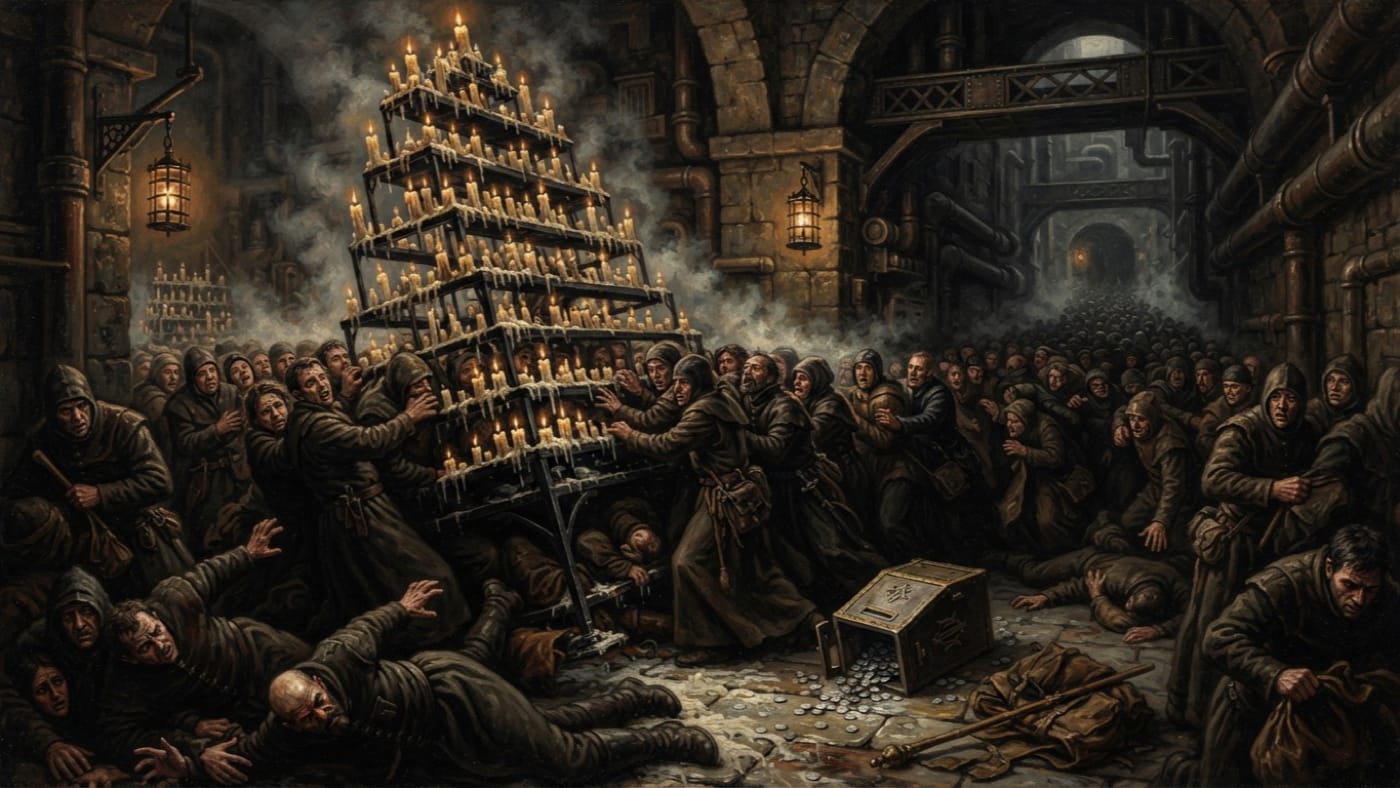
Deutz Candle Riot
Thirty-seven pilgrims taught an advisory to bind
The Deutz Candle Riot of A.S. 151 injured thirty-seven pilgrims and taught shrine committees that an Assessor's downgrade binds at utterance, before the cashbox can object.
Codex Ref. XIII.1.89-151
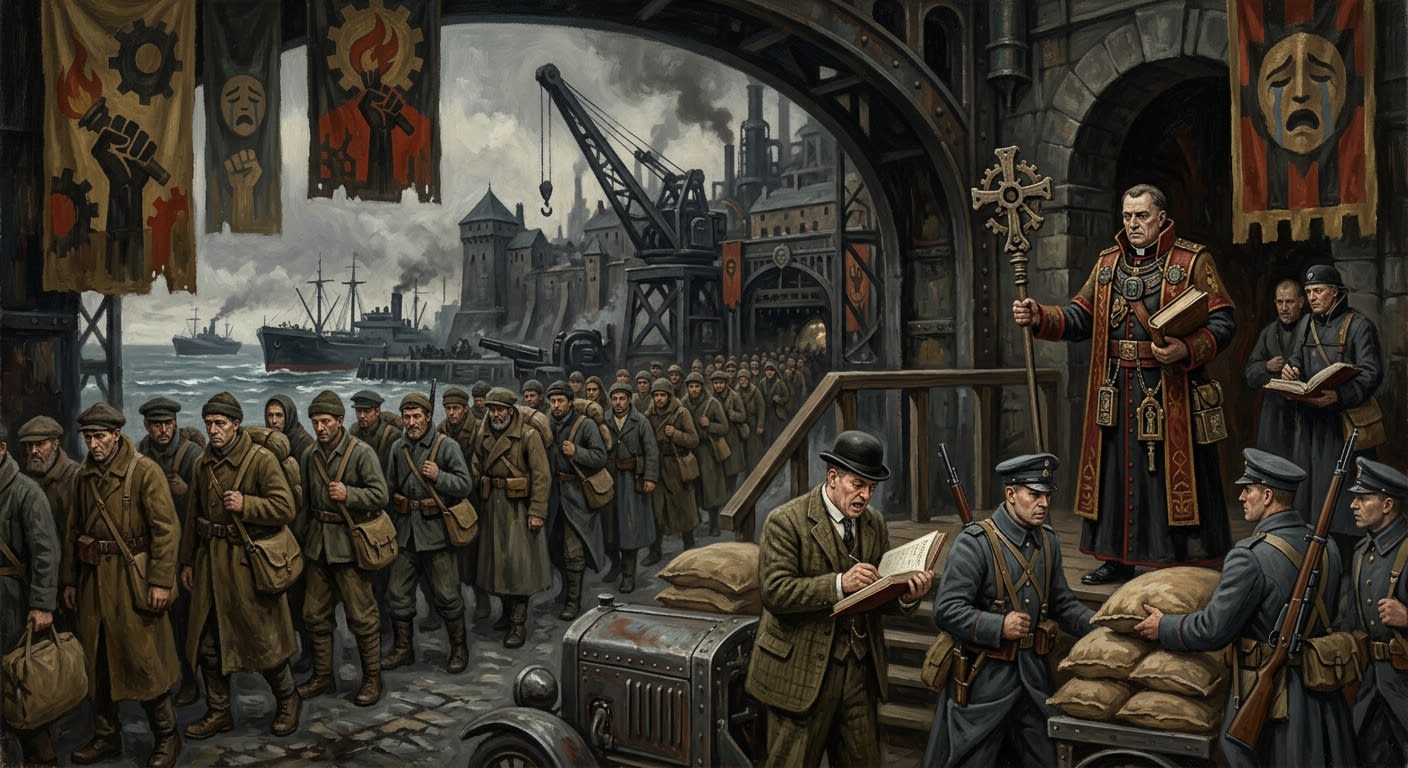
Dinan
The town that kept the departure
Dinan is the Breton departure town that sent forty-three pilgrims toward Saint-Malo and kept the bread, banners, names, quarrels, and profitable grief.
Codex Ref. II.1.09-010
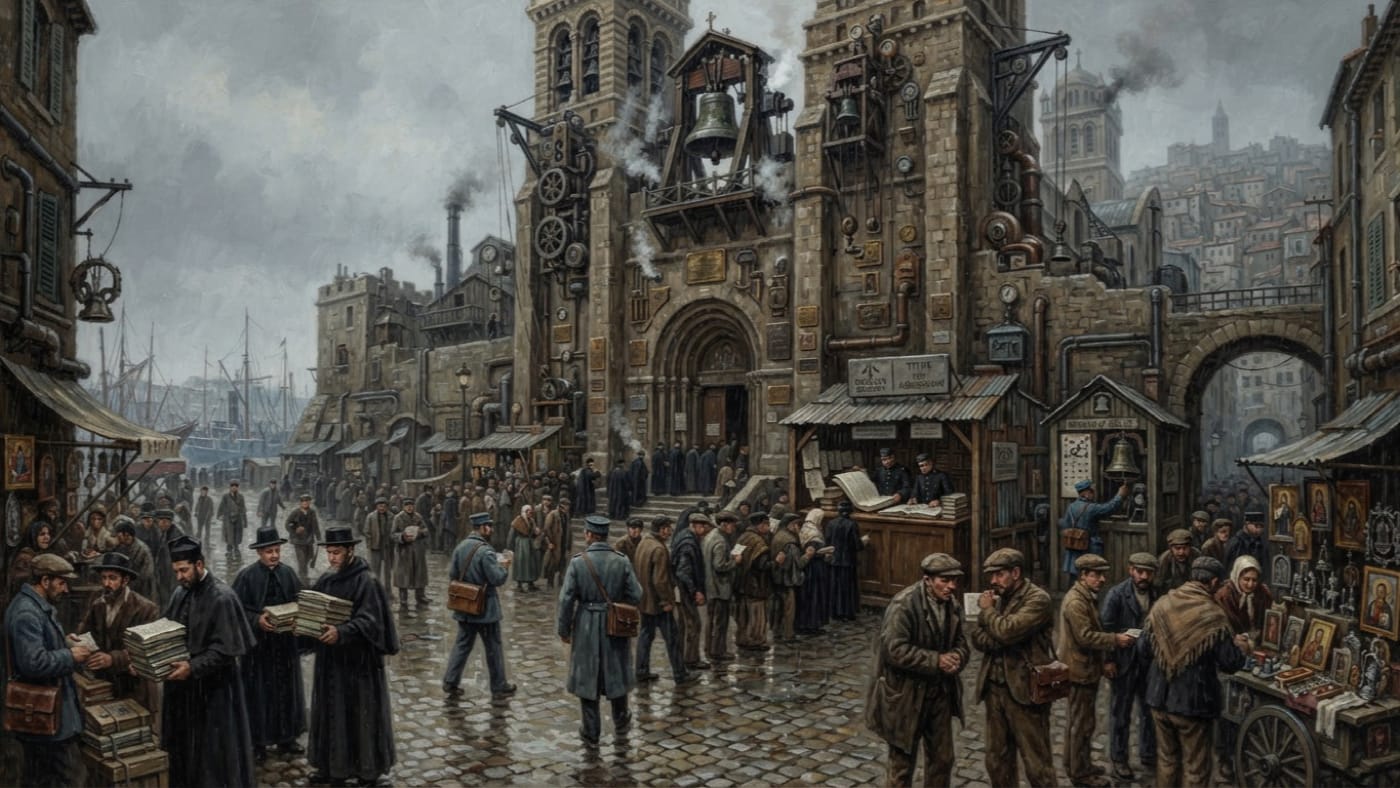
Diocese
Marseille's souls are entered; its dues are owed
The Diocese keeps Marseille's souls in ledgers and its claim on Saint-Victor beneath every Bureau's mandate. Its perimeter is unproved; its dues are collected.
Codex Ref. I.3.09-201
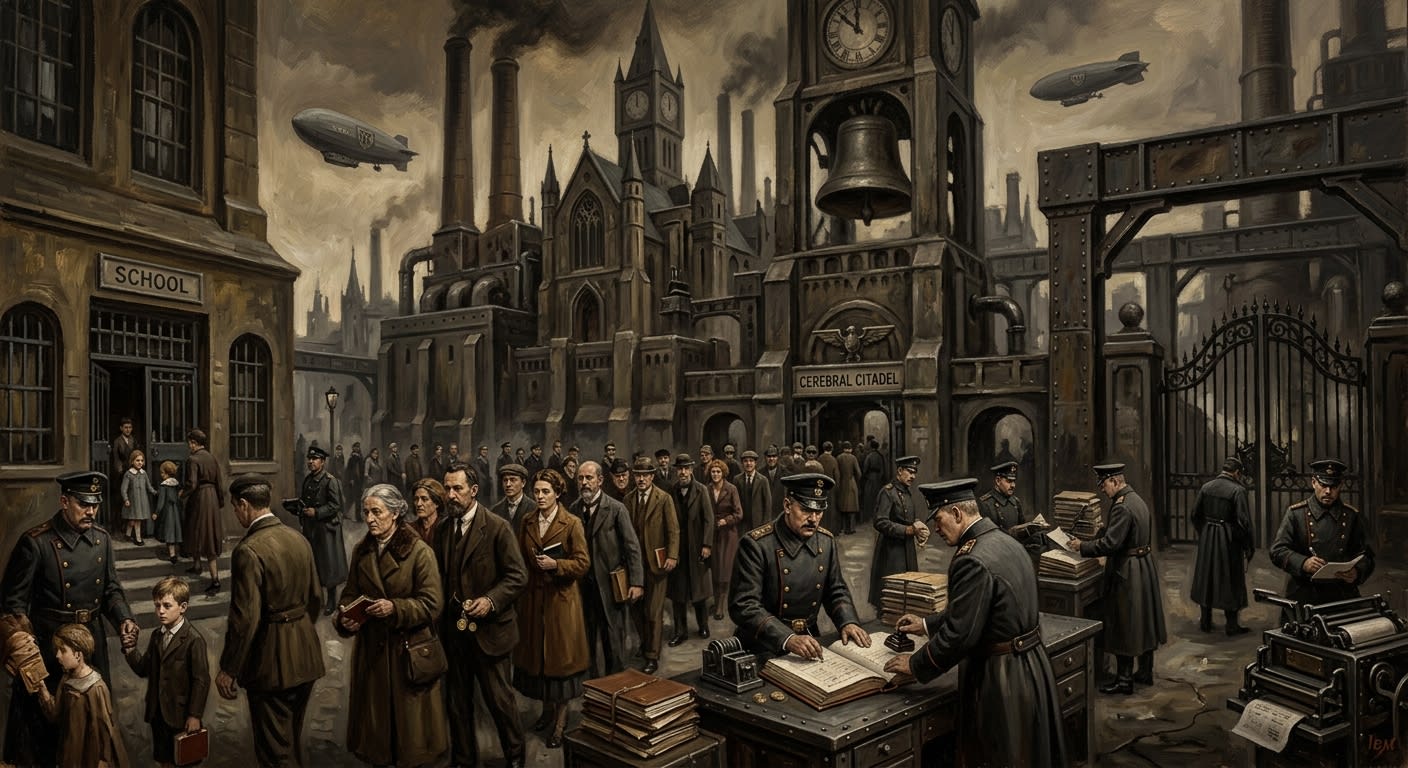
Dominion
Europe held in one gloved hand and taught to call it custody
Dominion is the Synod's official name for custody over Europe: border, tithe, bell, school, grave, and the thought before speech.
Codex Ref. XIII.1.02-090
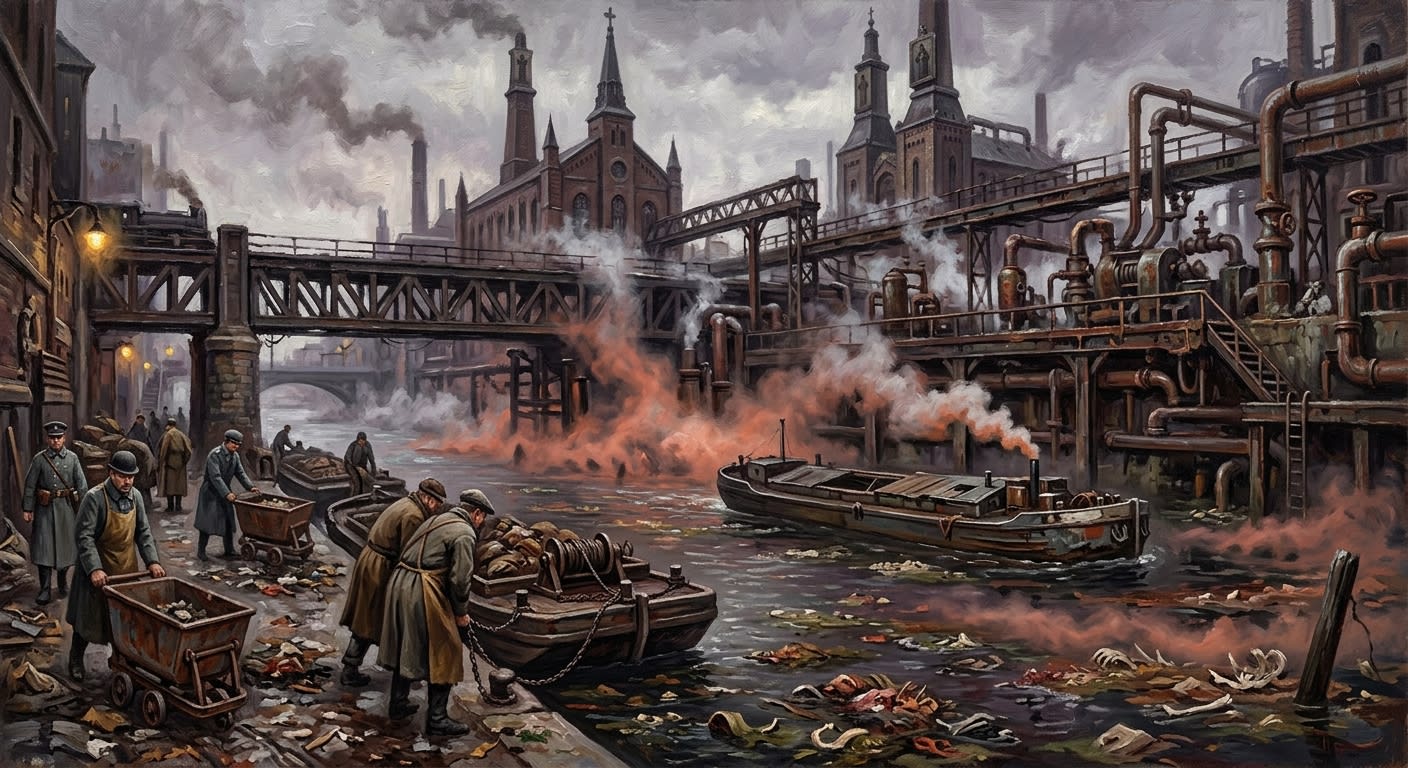
Donaukanal
Vienna's black water remembers what the ledgers rinsed away
Vienna's lesser Danube arm, the Donaukanal carries shrine filth, rebel bones, forbidden lullabies, and steam the Bureaus cannot quite explain.
Codex Ref. II.4.09-095
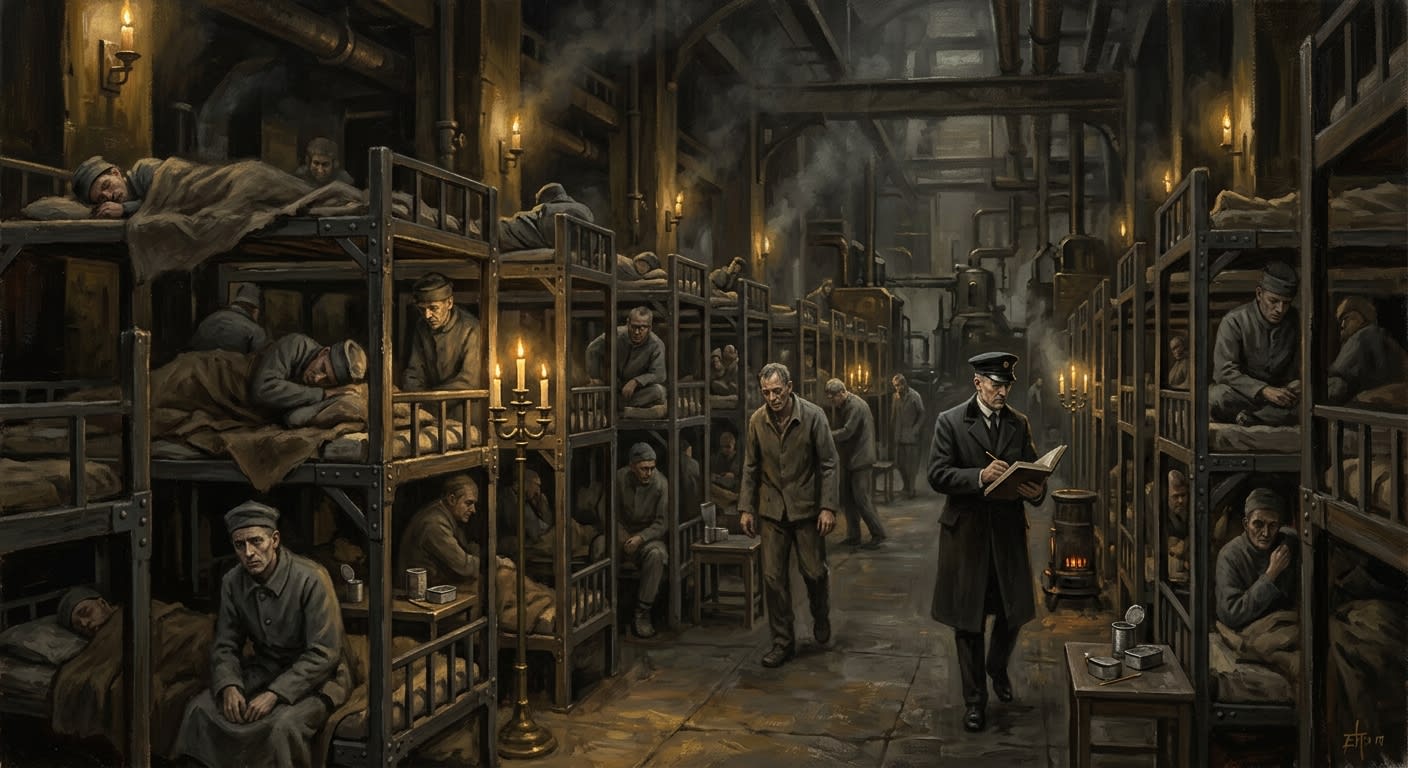
Dorm Rows
Awaiting is a doctrine with bunks and one candle per six
The Dorm Rows of the Cloister of Miscounted Beads turn detained pilgrims into Awaiting: bunked, rationed, counted, and corrected by candlelight.
Codex Ref. II.3.06-004
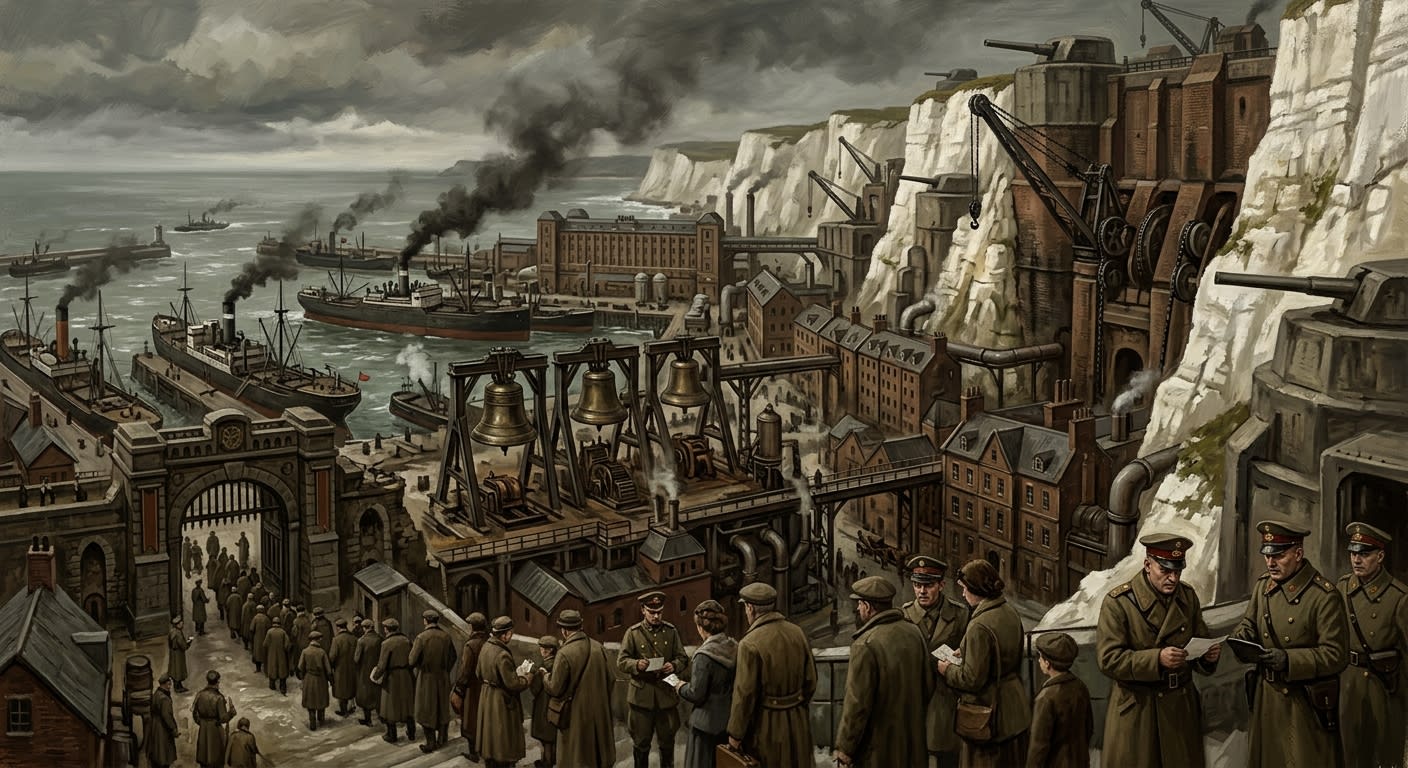
Dover
The white cliff that answers Calais with bells, chains, and refusal
Dover is the British Crown's white-cliff answer to Calais: port, bell-lane, Chainworks throat, pilgrim gate, and polished refusal.
Codex Ref. II.0.09-201
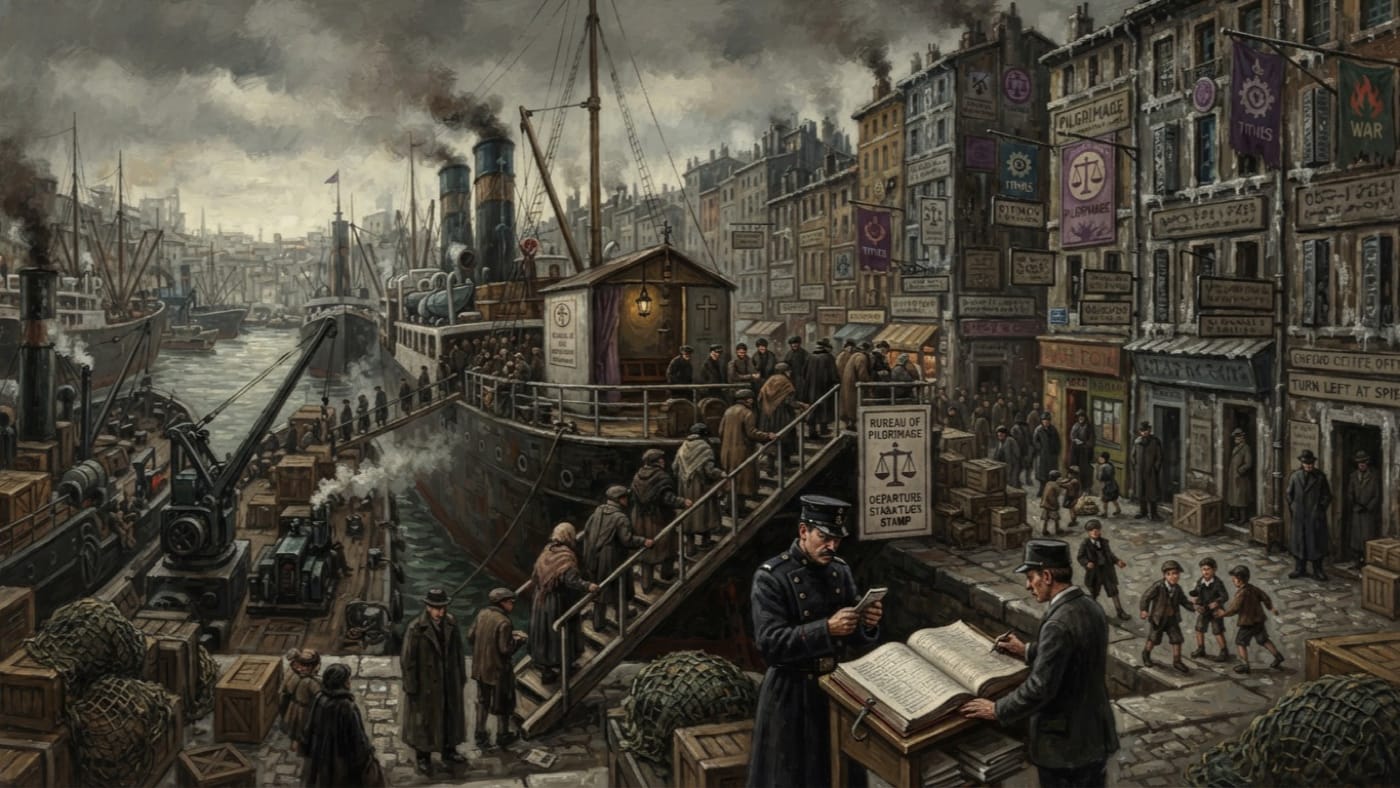
Eastern Basin
Pilgrims sail under seal; the spies serve as landmarks
A.S. 201 survey of Marseille's enlarged harbour and quayside quarter: pilgrims sail under seal, relics arrive under suspicion, three Bureaus dispute the water, and the officially nonexistent spies serve as landmarks.
Codex Ref. II.4.09-013
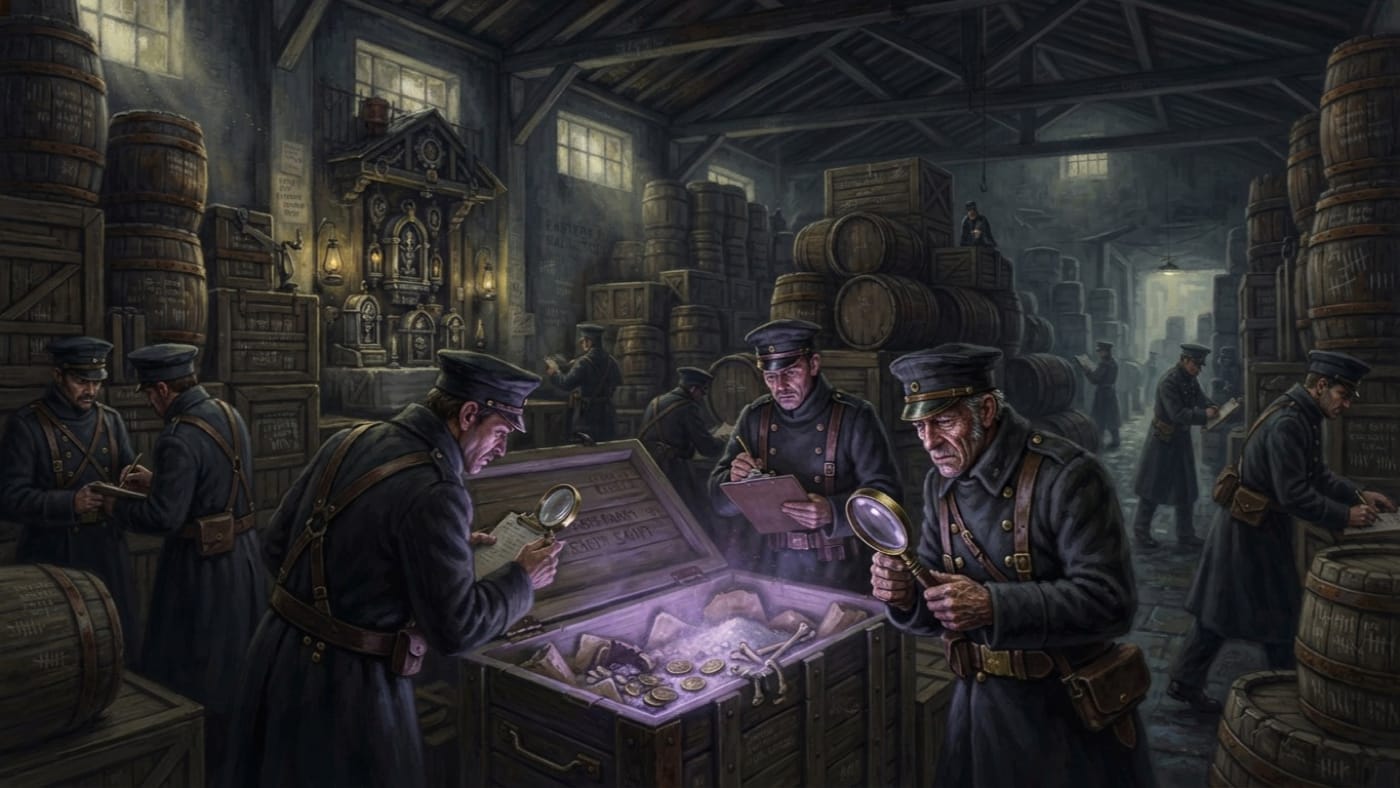
Eastern Basin Salt Stores
Five Bureaus claimed the cargo; the ledger called it spoilage
The Eastern Basin Salt Stores survive in Marseille's A.S. 199 audit: cured fish declared, children and violet light found, five Bureaus claiming custody, and the account closed as spoilage.
Codex Ref. II.4.09-019
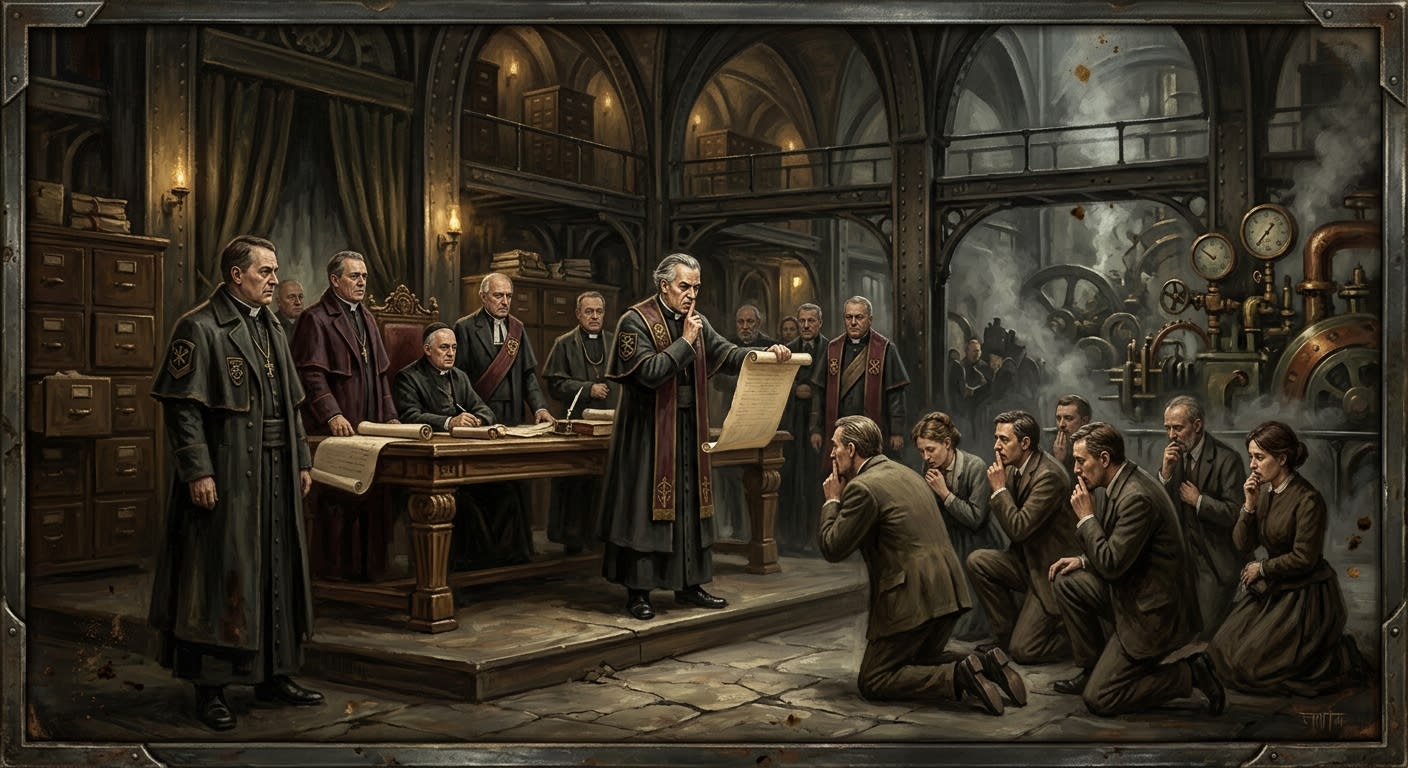
Edict of Cologne
Consent is expensive; retroactive obedience is cheaper
The Edict of Cologne bound dioceses to Strasbourg by discovering their obedience had already happened, then teaching silence to sign.
Codex Ref. XIII.1.90-100
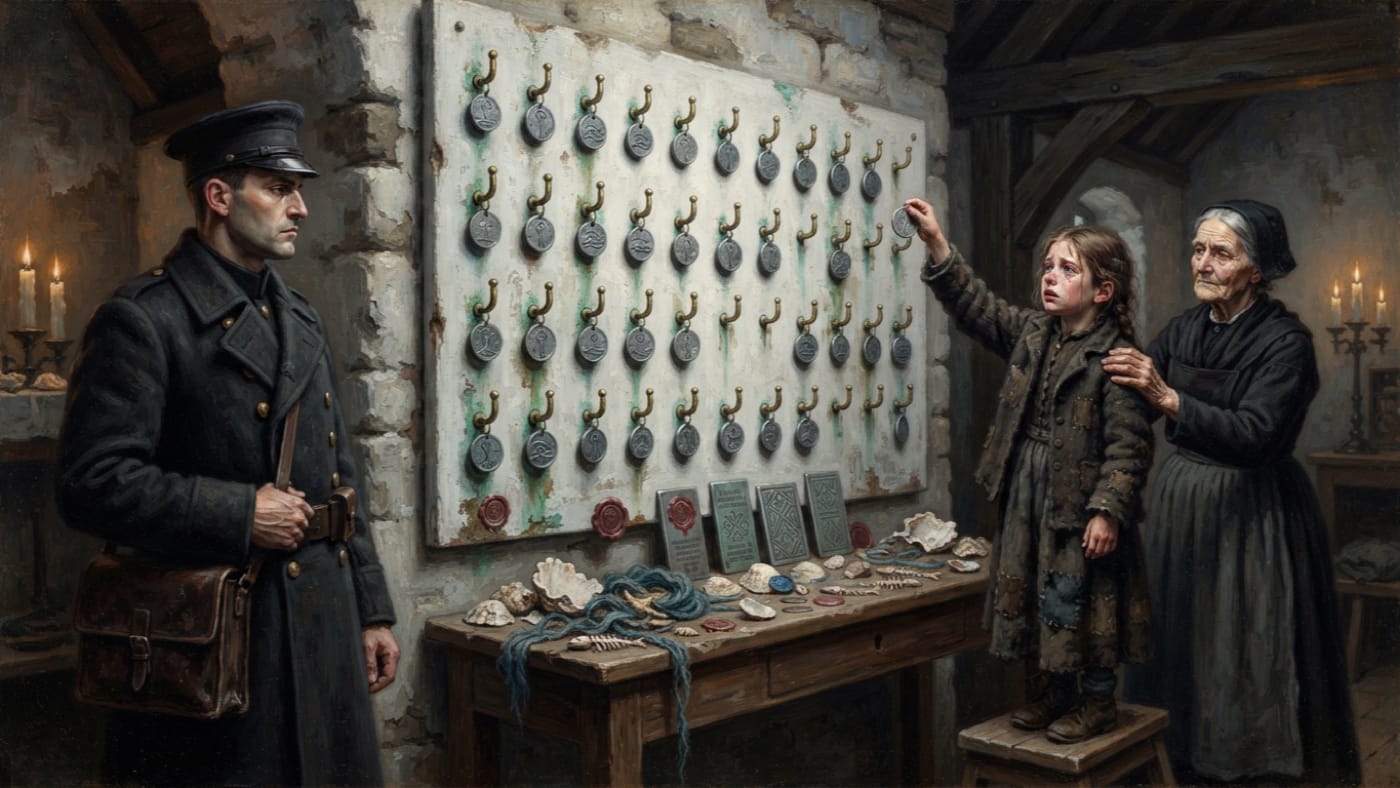
Empty Arrival
Forty-three hooks for the procession that never reached its saint
Forty-three hooks at Clement's chapel count everyone who set out from Dinan. The children hang the tokens each year; Doctrine keeps the destination denied.
Codex Ref. XIII.1.87-014
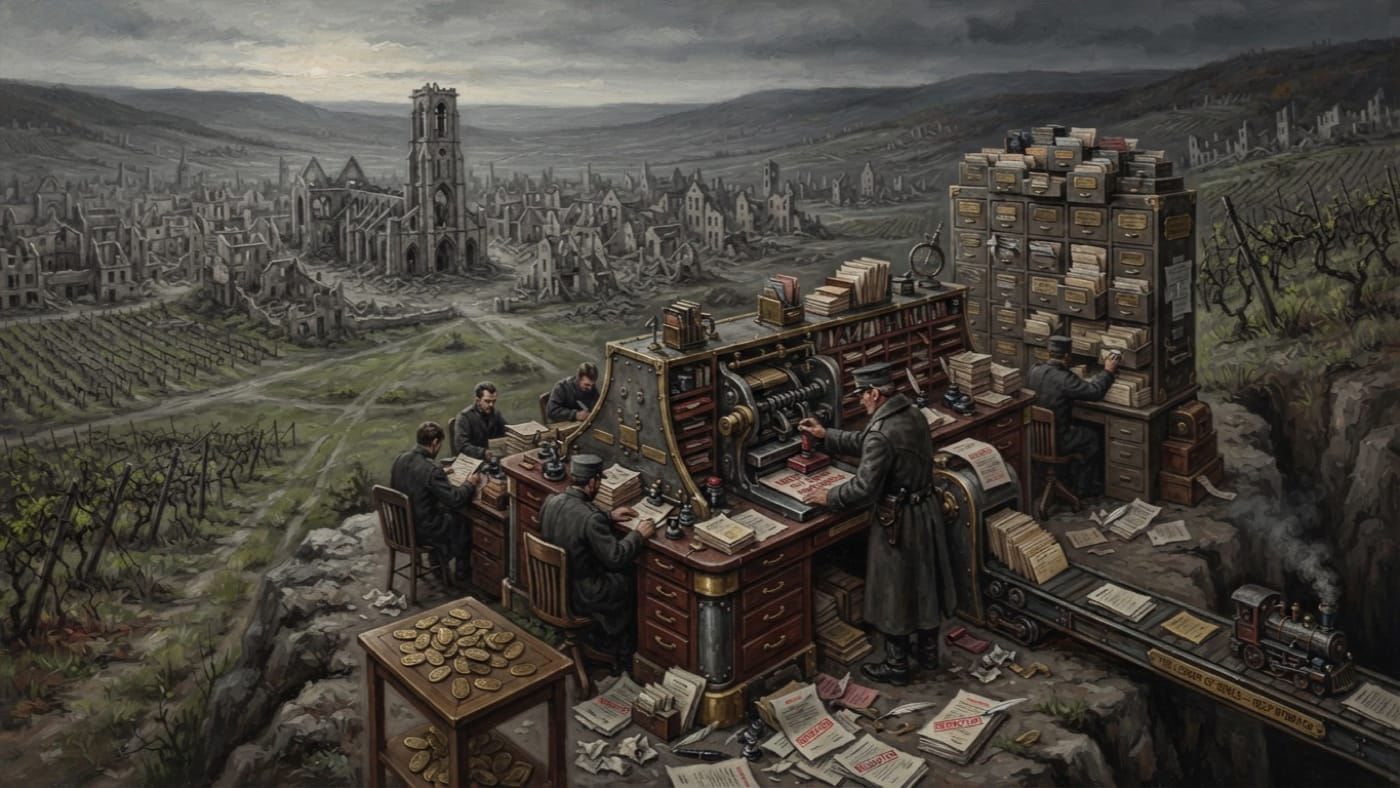
Epernay
The City That Keeps Appearing in Its Own Denial
Epernay was a prosperous Champagne city until Veyrault struck it from the Ledger in A.S. 103. The valley is empty; its name still turns up on tokens in Reims. Doctrine calls them forgeries. I call this an active filing problem.
Codex Ref. II.1.08-103

Europe
The wounded continent, held together by rails, bells, hunger, and denial
Europe is the wounded continent: Synod west, Charnel east, Line between, and every road, harbour, cradle, ration card, bell, and grave bent toward survival.
Codex Ref. II.0.01-201

Father Clemente de los Rios
The abbot who spent a saint's jawbone at the correct hour
Abbot of the Order of Saint Iago garrison at Toledo, Second-Tier Martyr, and keeper of the Relic whose second Psalm denied Reason its prize.
Codex Ref. III.2.01-083

Father Gaël of Dinan
Four words, one reliquary, and the useful poverty of a man not yet sainted
Father Gaël of Dinan, first named dead of Saint-Malo, survives as four words of custody: brief enough for children, sharp enough for states.
Codex Ref. III.2.01-016

Father Ignatius of Cologne
The clerk whose breadbasket outranked an empire
Ignatius Brenner, parish clerk of Cologne, carried three apostolic phalanges beneath black rye in A.S. 31. The fire at Kalnik arrived seventeen years later.
Codex Ref. III.2.01-043
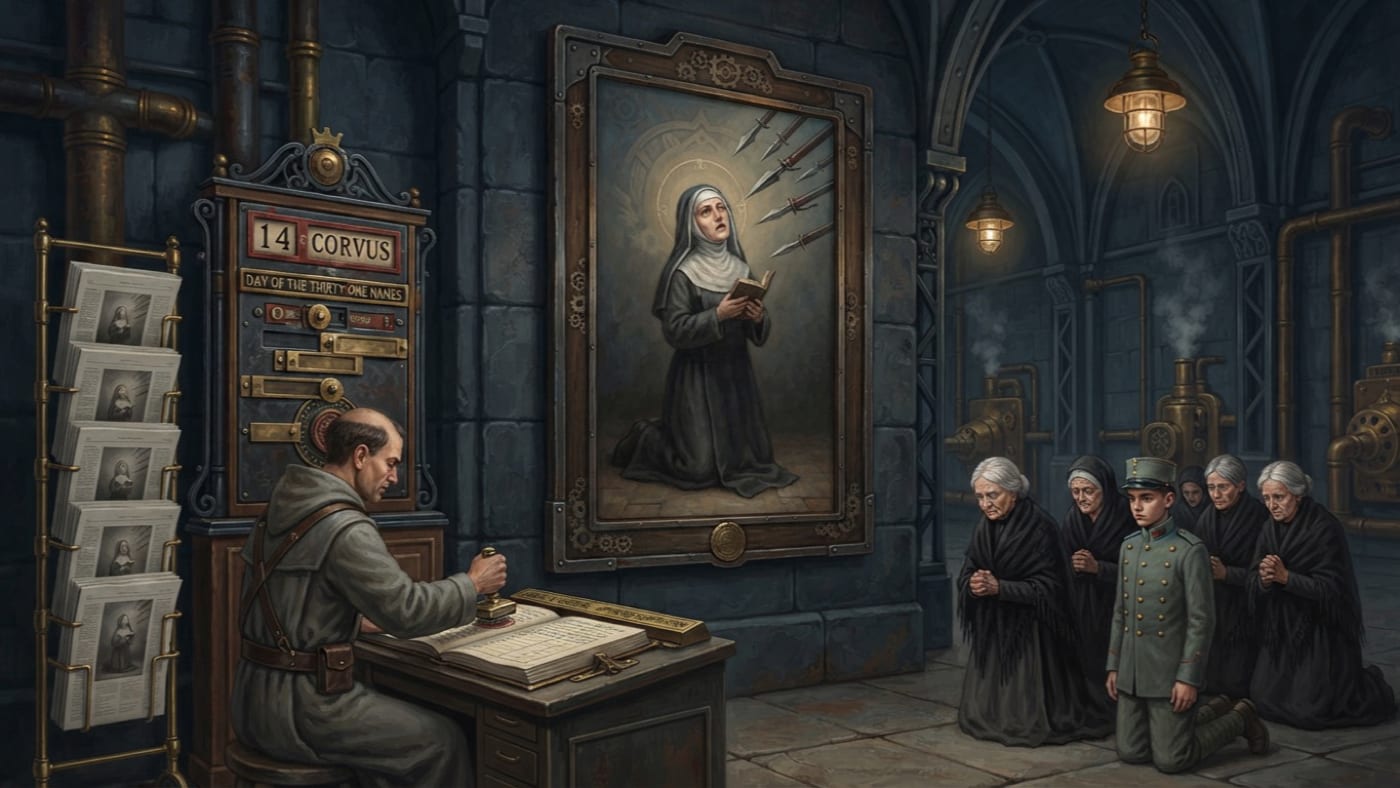
Feast of Saint Margaux
Thirty-one dead, one approved face
On 14 Corvus, Saint Margaux shares her feast with the Day of the Thirty-One Names. The grief belongs to the faithful; the face, the calendar and the uses belong to the Bureaus.
Codex Ref. XIII.1.87-014
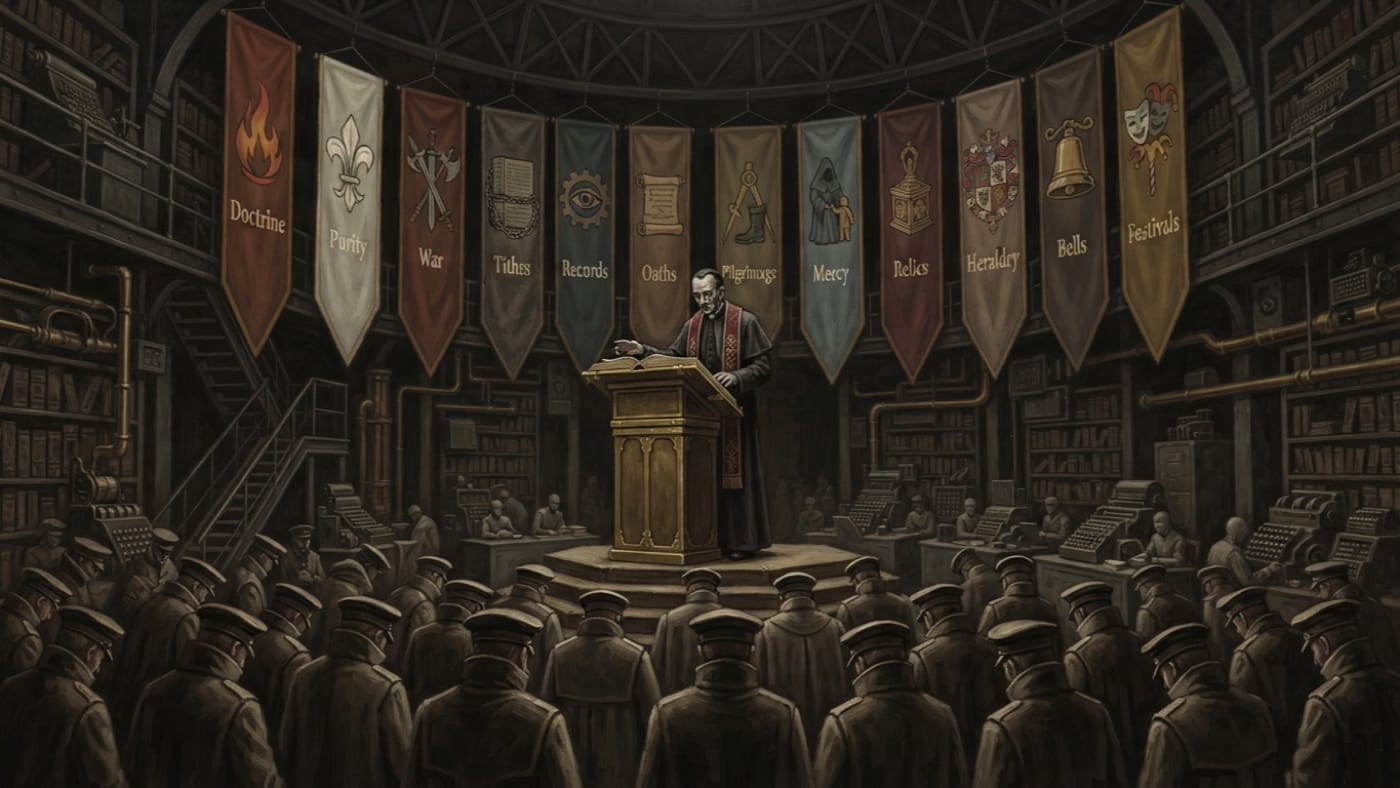
Feast of the Ledger
Twelve portfolios read aloud; the offices that keep them standing go unnamed.
At the Feast of the Ledger, the Synod reads its twelve canonical portfolios aloud. Settlement, which assigns three hundred million addresses, receives no syllable. The recital is correct; the census is incomplete.
Codex Ref. XIII.1.89-201
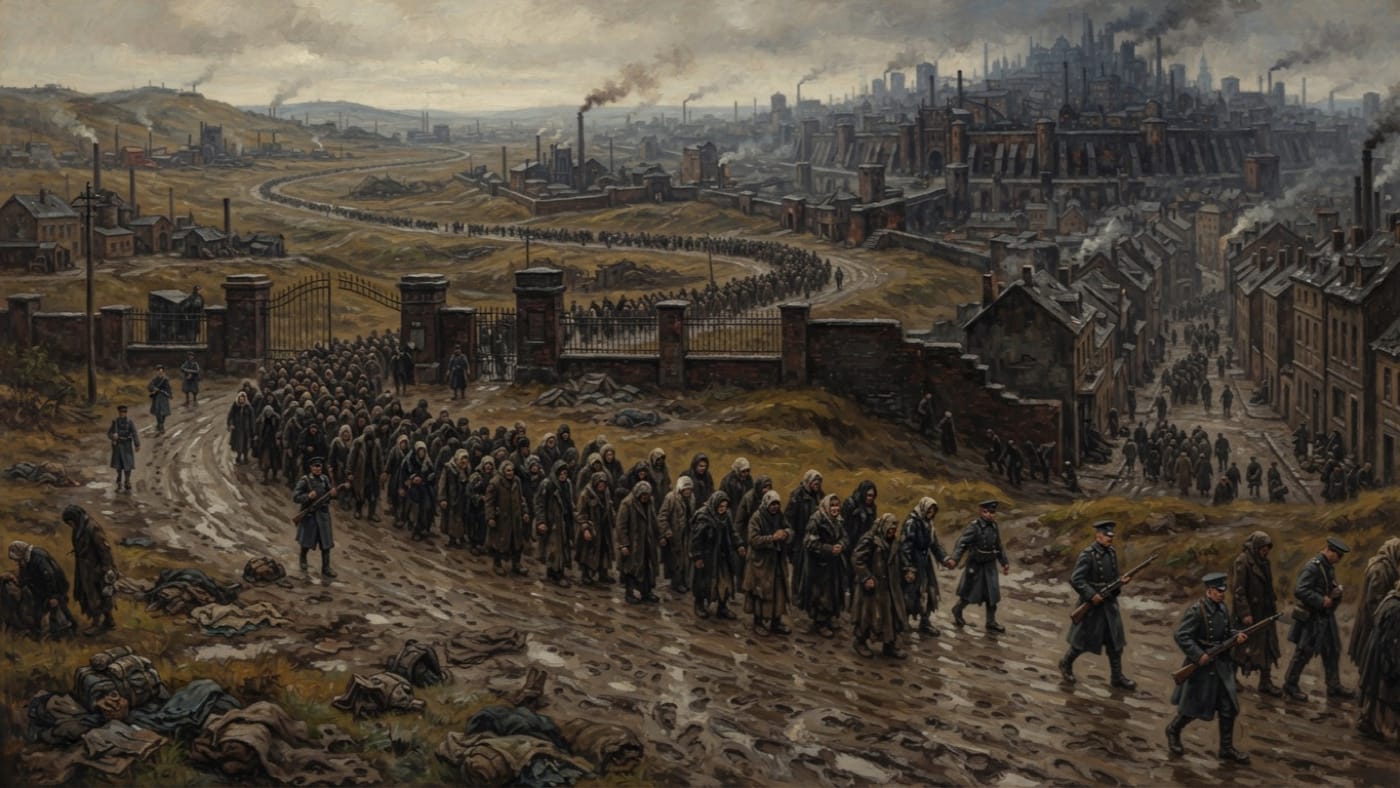
First Jubilee Flight
The record remembers the disgrace; it does not remember the year
The Flight has a name, thousands of nominal converts, and no recorded year. This A.S. 201 survey separates the attested mass-defection account from the wider early Jubilee failures. The ledger remembers the embarrassment.
Codex Ref. VII.3.03-002
First String
The absent cord by which every correction fears being measured
The First String is the Cloister's officially absent prime cord: unindexed, unadmitted, and feared because origin with teeth makes every correction appealable.
Codex Ref. XIII.1.72-002
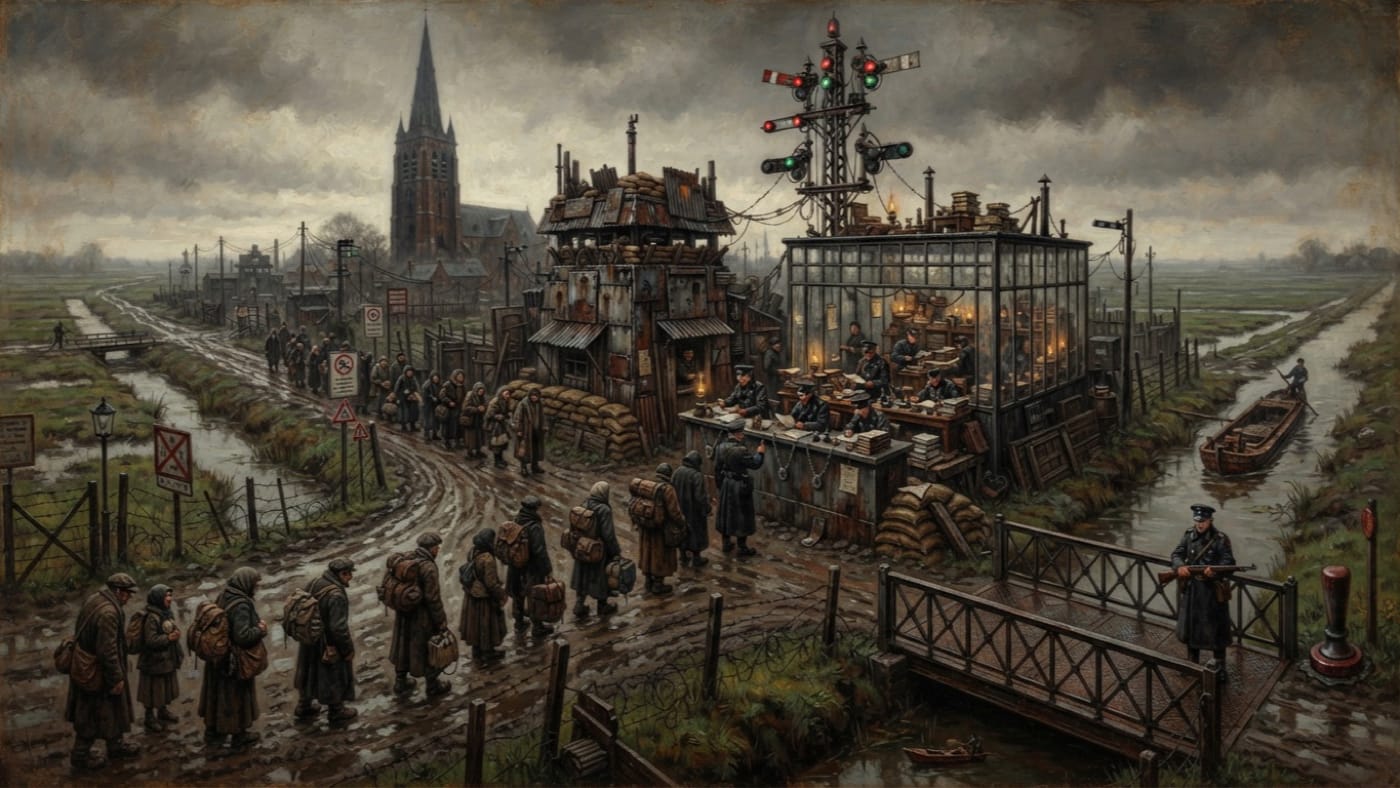
Flanders
Loyal. Damp. Licensed.
Flanders supplies pilgrims from the Synod's damp western parishes. The Brotherhood of the Blessed Foot once charged at the crossroads; the Bureau of Pilgrimage now publishes the fees and charges again for the walk home.
Codex Ref. II.1.07-201
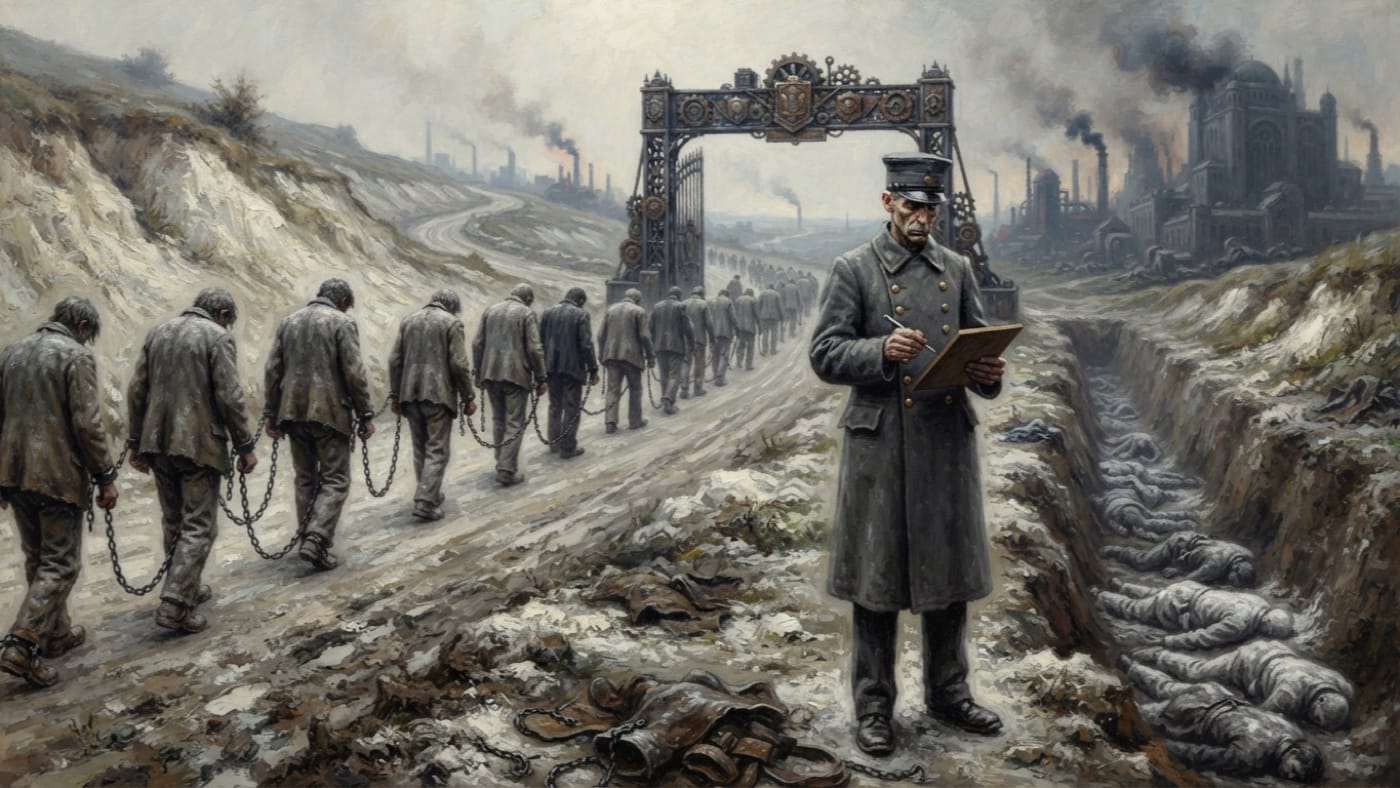
Form 17-C
The explanation is printed before the death
The cessation sheet carried by every Pilgrim-Chain Handler: cause, disposition and notification printed before the death. Only the date and tag remain blank. The ditch supplies the rest.
Codex Ref. XIII.1.17-201
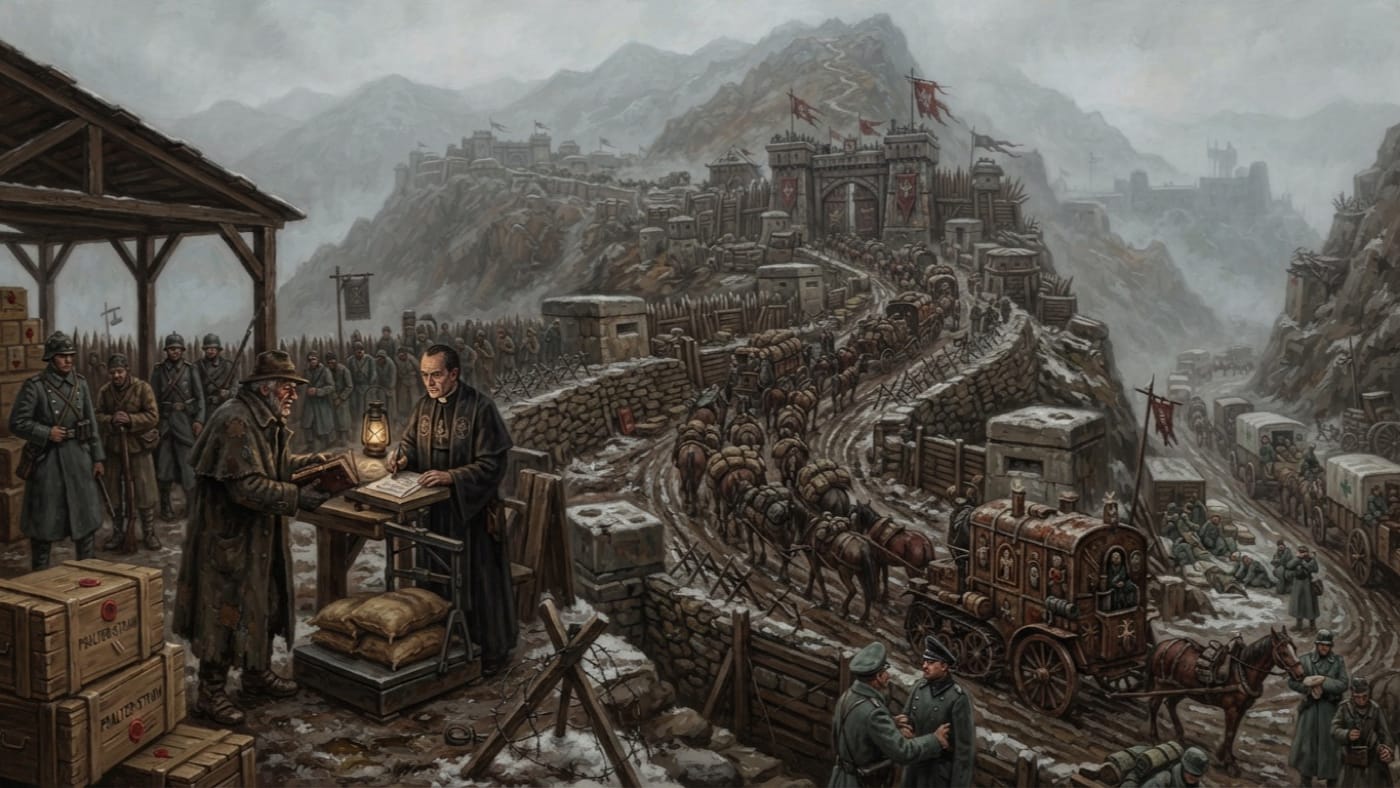
Forward Supply Zone
Where freight becomes evidence and every sack requires a confessor
The Bureau of War defines the Forward Supply Zone as Zones 4–7: bastions, contested ground, Charnel Lands and southern sea lanes. Freight crosses by permit; every loss and every bribe must find a name to answer for it.
Codex Ref. II.4.07-201
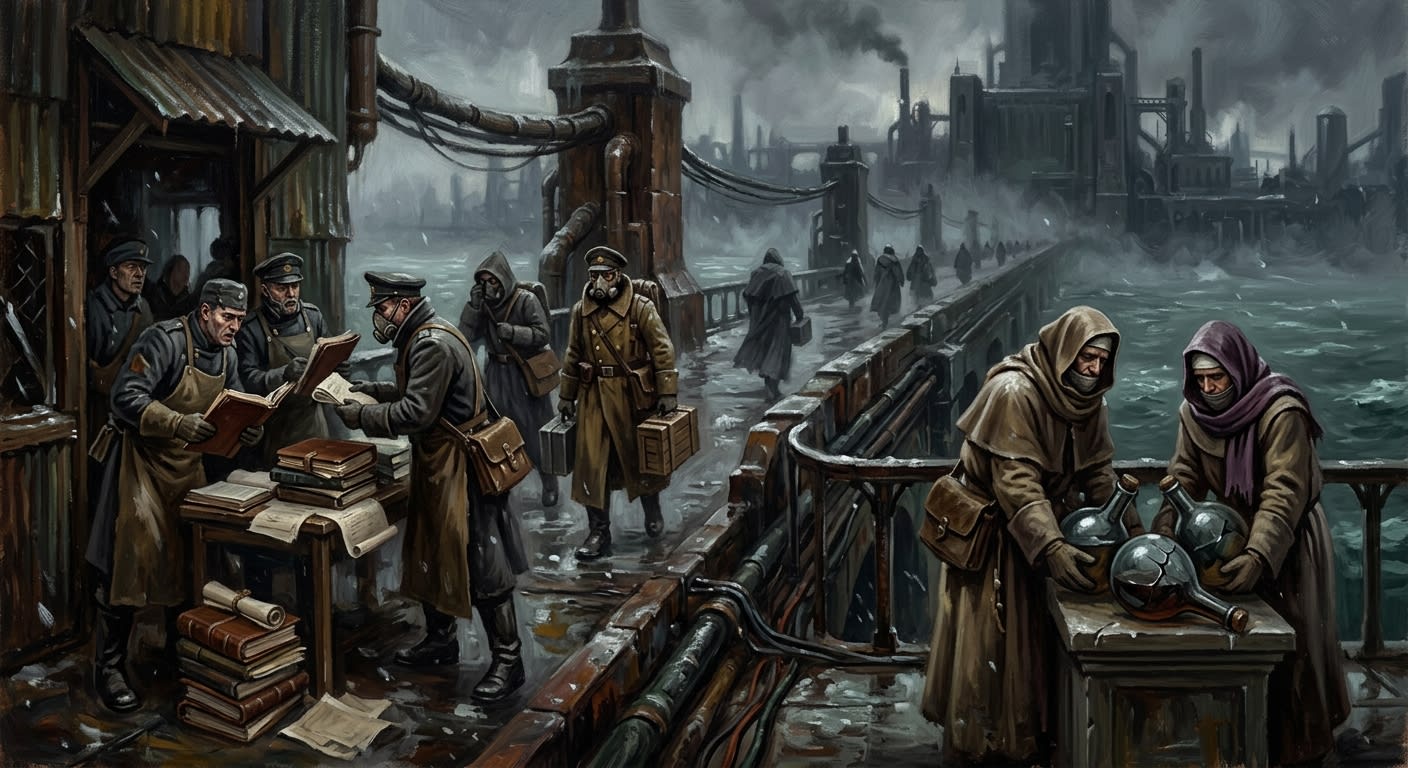
Fourth Causeway Anomaly
Where ice refused the Bureau and grief kept its own accounts
On the Brielle spur of the Salt-Vigil Causeways, winter water refused to freeze, tear-phials grew heavier, and every Bureau discovered a different invoice.
Codex Ref. XIII.1.24-001
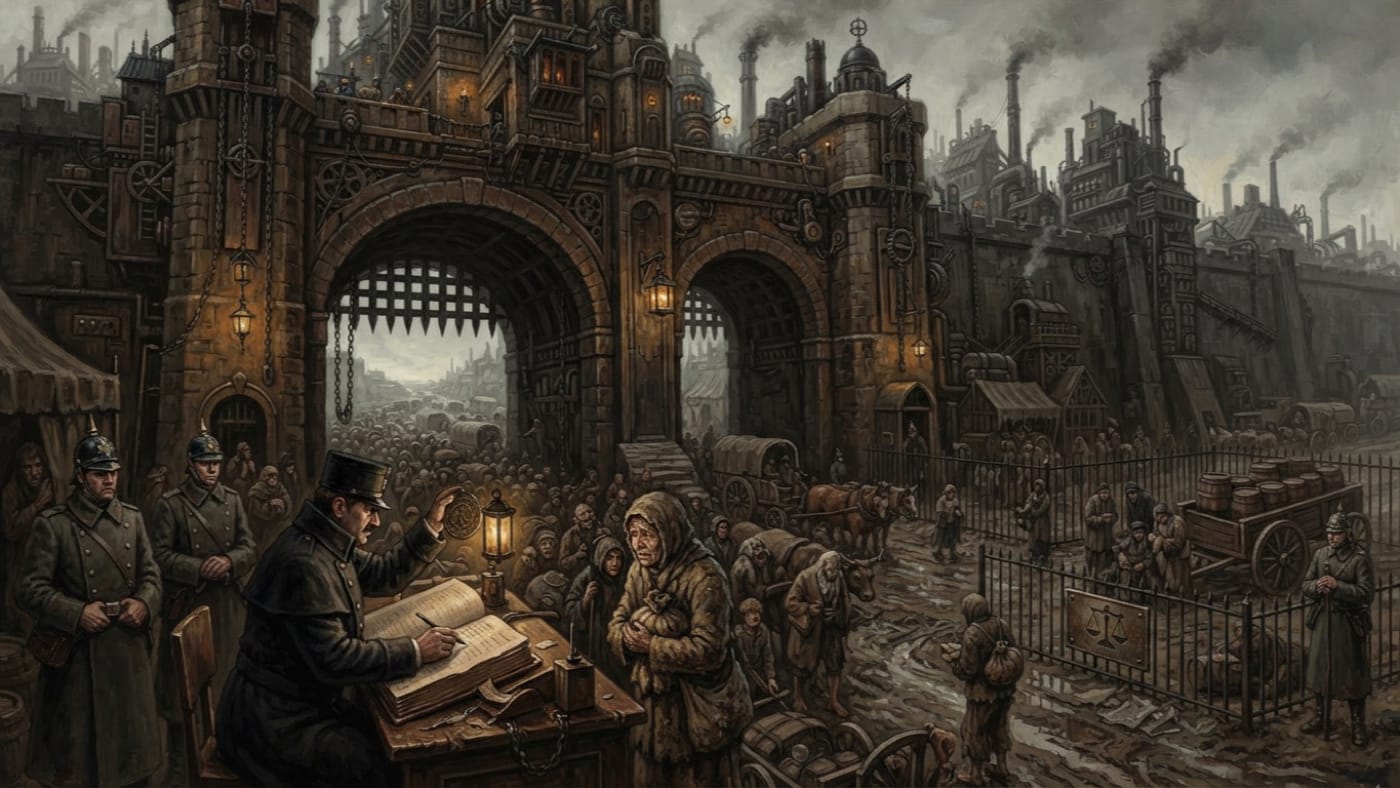
Gate and Bridge Tariffs
The coin is taken. The syllable is examined.
The Bureau of Tithes collects coin and Creed at the Synod's gates and tolled bridges. A faulty syllable voids passage; the ledger keeps the payment and the traveller keeps waiting.
Codex Ref. II.4.08-201
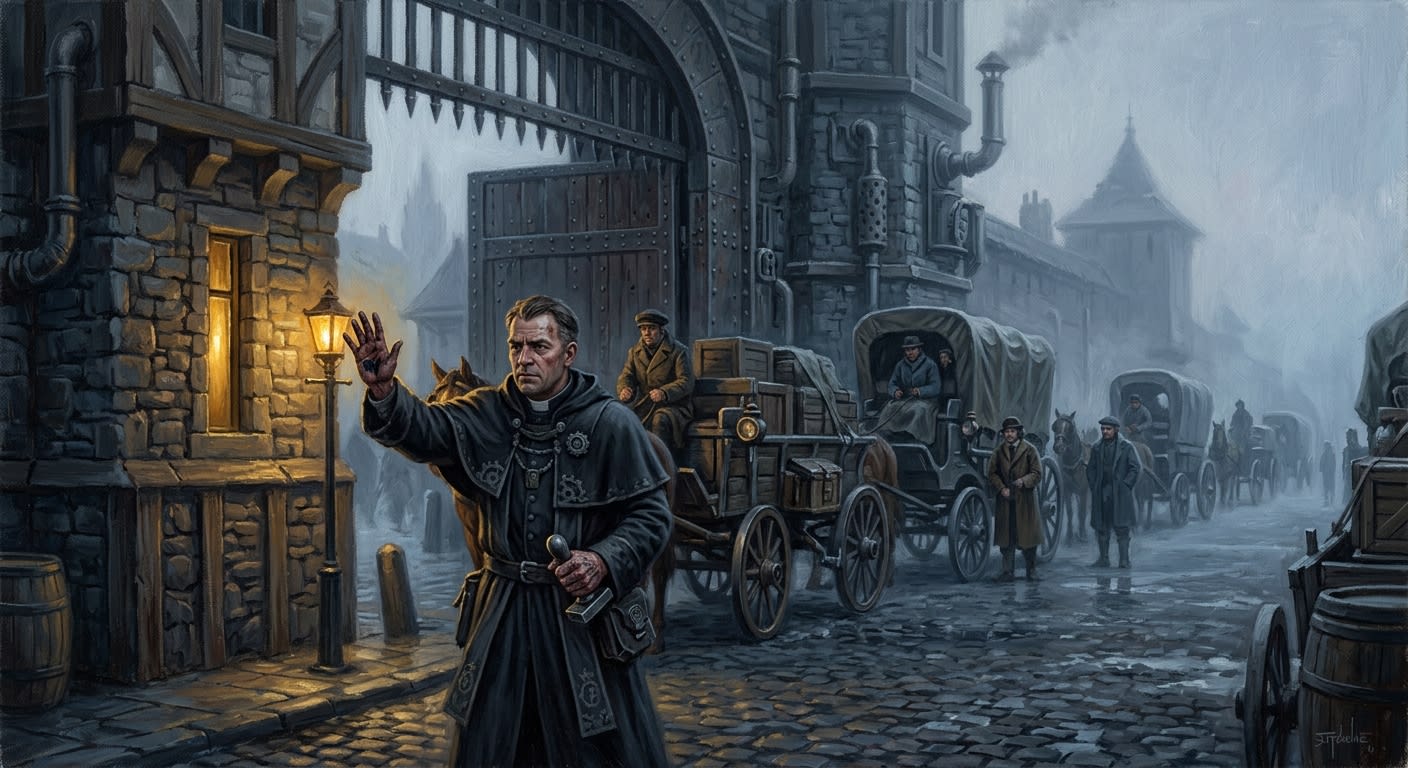
Gatewarden-Notary of Passage
The sole functionary who may halt a column of four thousand by raising one ink-stained hand and asking for documentation.
The Gatewarden-Notary of Passage stands at the point where all five great commodities of the war — disease, heresy, desertion, contraband, and ambition — must be sorted, weighed, stamped, and either admitted or refused. The Gate does not care about the man.
Codex Ref. XII.7.04-001
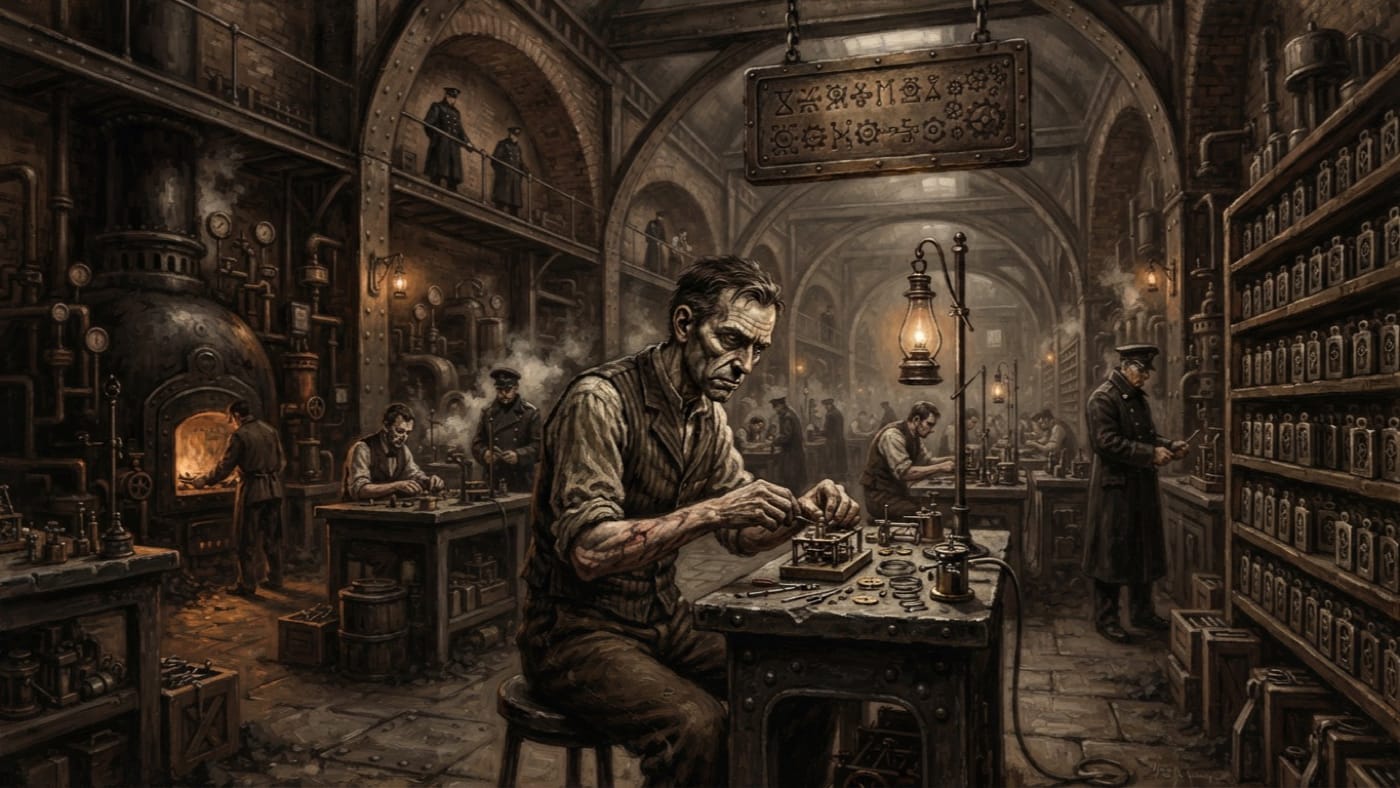
Genevan Clockmaker
The bell kept earning after the reprieve expired
The unnamed Genevan clockmaker was condemned, then reprieved for the captive bell credited to him in the pilgrim token's A.S. 140 mechanism. His reprieve expired when his usefulness did; the bell kept earning.
Codex Ref. III.2.01-140
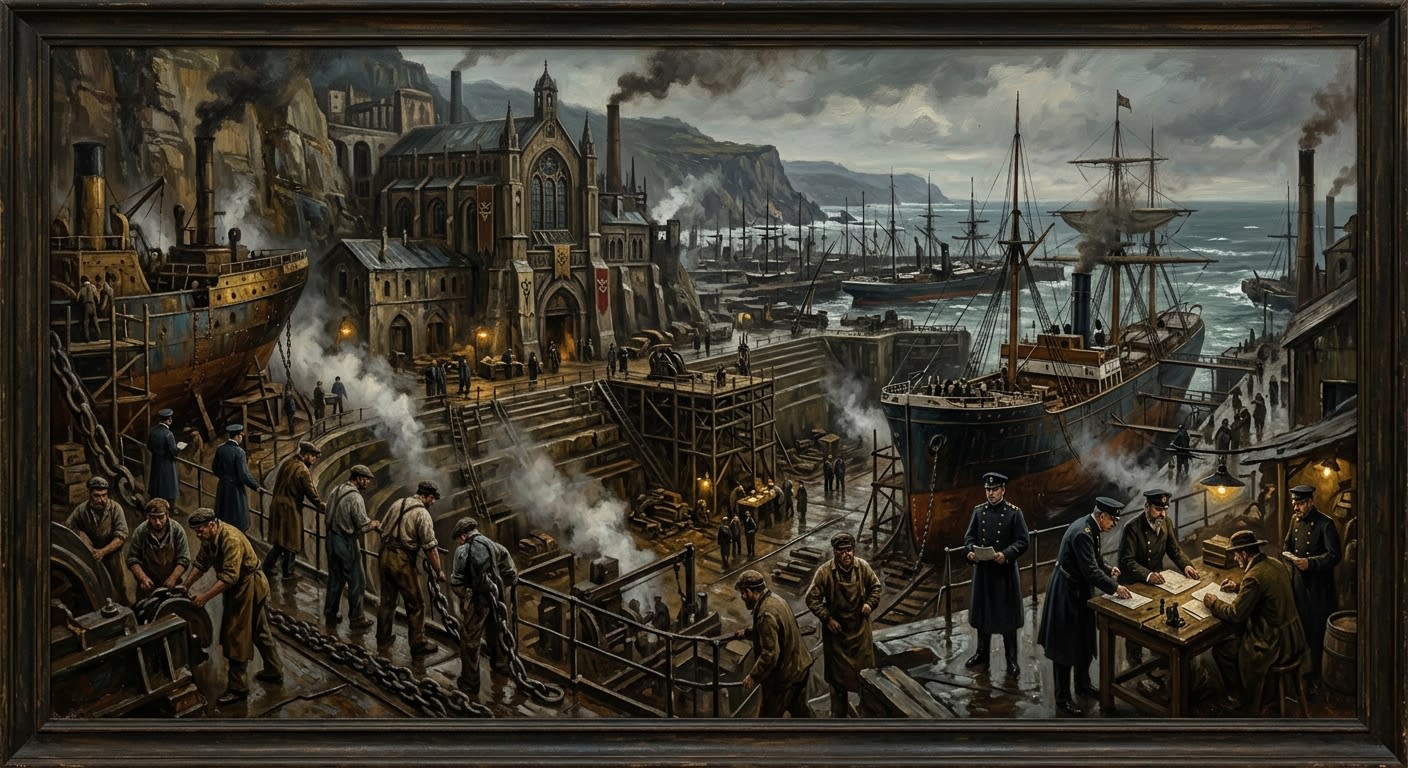
Genoa
The Synod owns the harbour by law; the harbour invoices it by clause
Genoa is the Synod's Ligurian contract-port: grudgingly compliant, rich in drydocks and debt, and indispensable in every way Doctrine resents.
Codex Ref. II.4.09-016
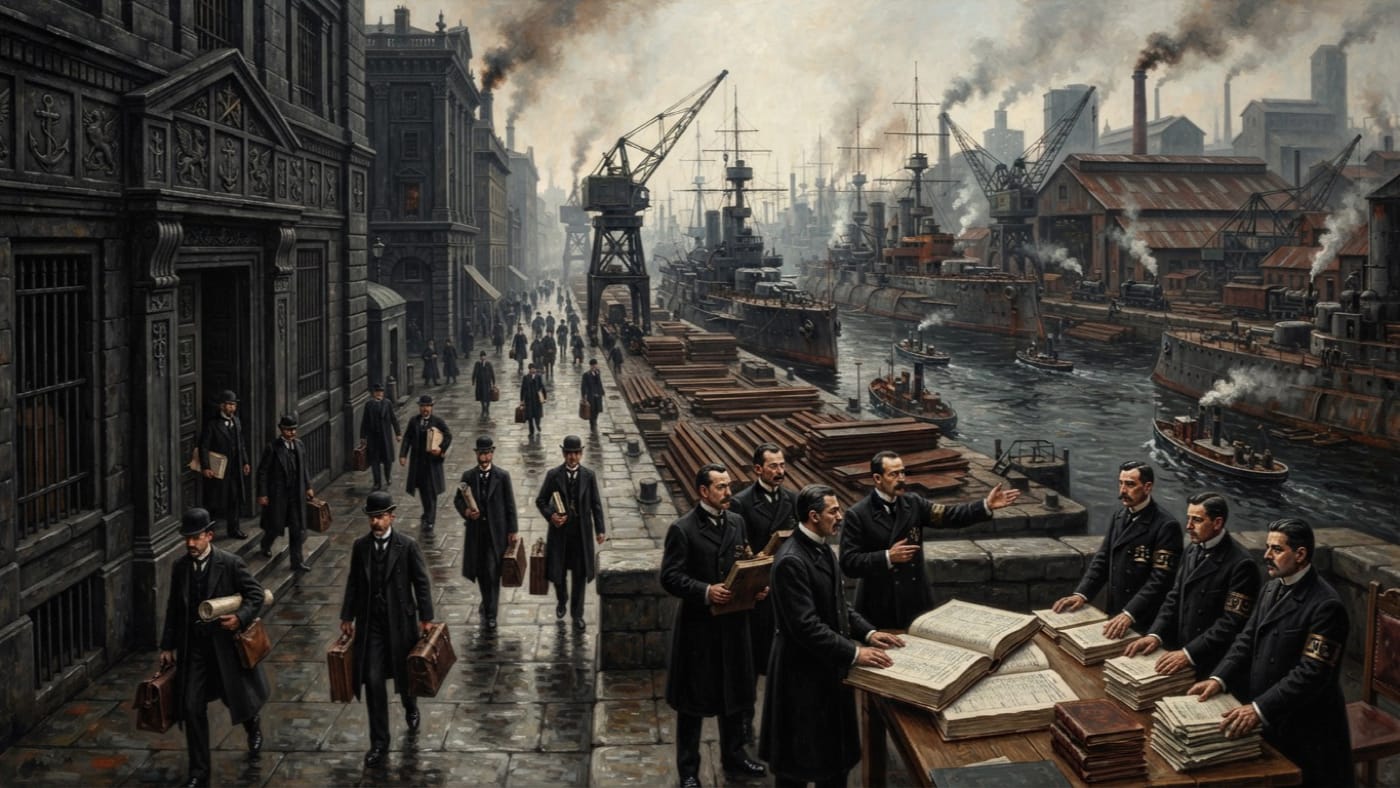
Genoese Banking Houses
Southern naval authority belongs to the Synod; its credit belongs to the Quay
Genoa's private banking houses guarantee the Bureau of War's southern naval contracts. Tithes audits the ledgers; the Quay decides when the hulls move.
Codex Ref. XII.26.03-001
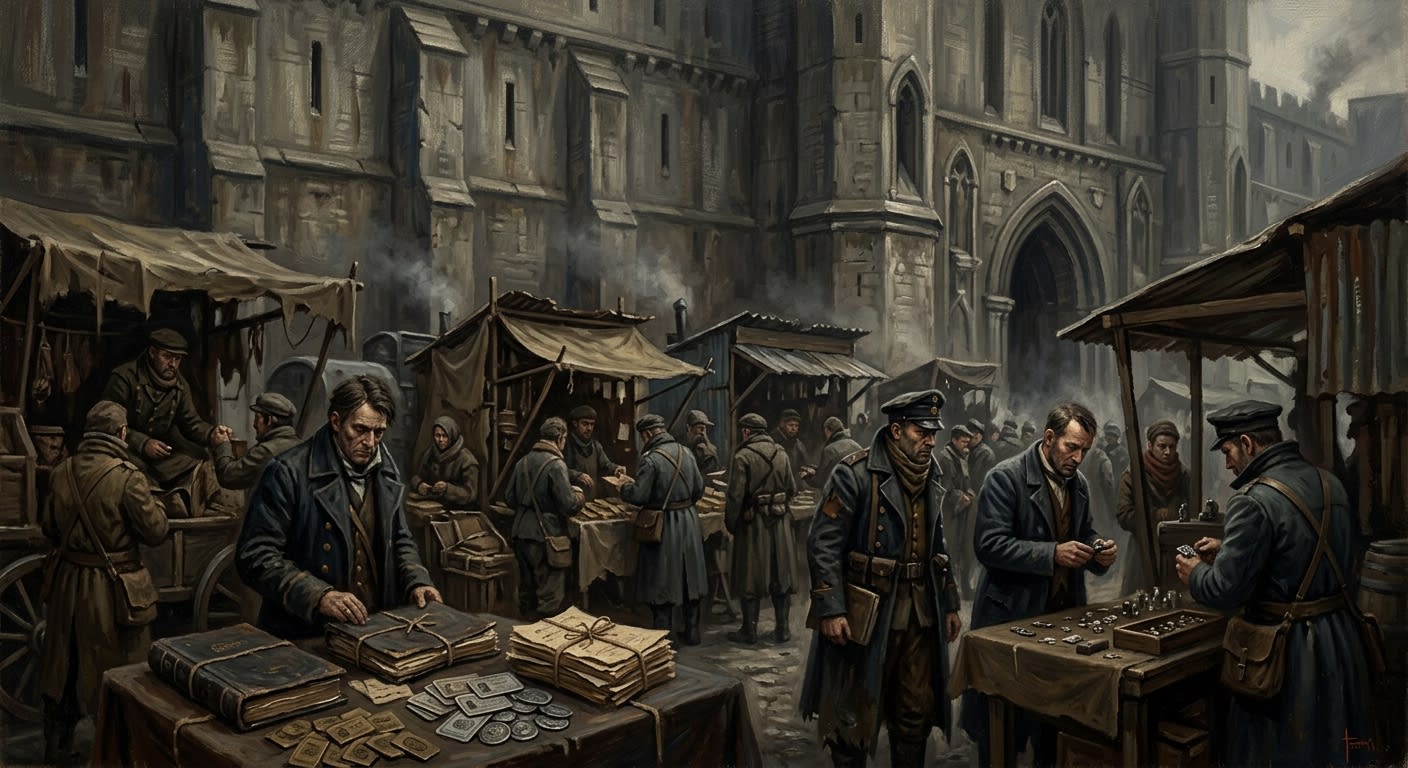
Grave-Name Market
Where the dead are priced by warmth and the Ledger learns to haggle
The Grave-Name Market squats outside the Cloister wall, selling dead identities, warm clearance traces, stolen bead indices, and the little blank spaces where authority fails to close its fist.
Codex Ref. II.3.06-006
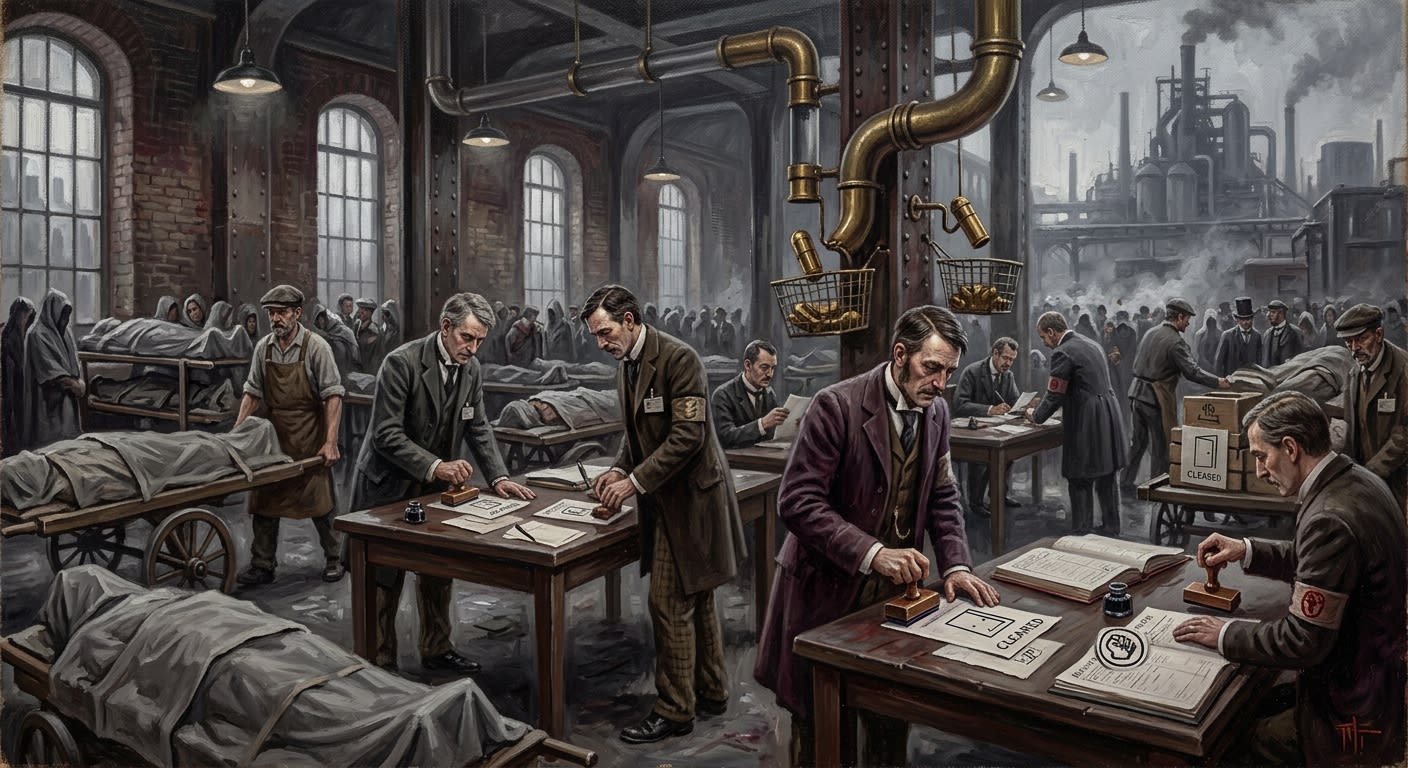
Gray Clearance
The winter mercy that moved bodies faster than names could follow
Gray Clearance was the A.S. 157–158 emergency mortuary protocol that reduced five corpse classifications to CLEARED or HELD, saved the living, and taught grief to pay for speed.
Codex Ref. VII.8.10-021
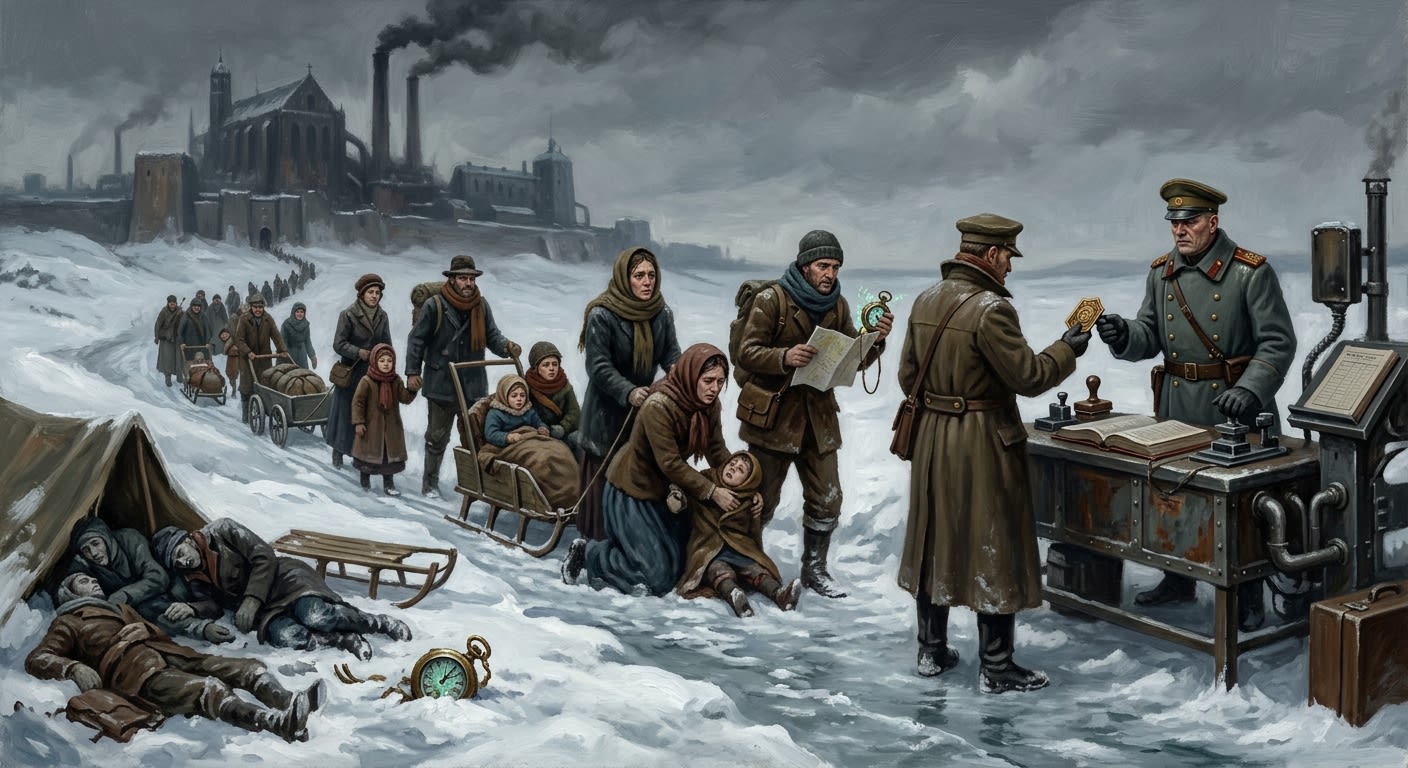
Great Counterfeit Winter A.S. 160
Near-truth is falsehood with better penmanship
A.S. 160 bell-hour token forgery crisis in which drift-tuned cores led travellers beyond Bellway protection, killed families near lawful roads, and remade Route-Stamper discipline.
Codex Ref. VII.8.10-093
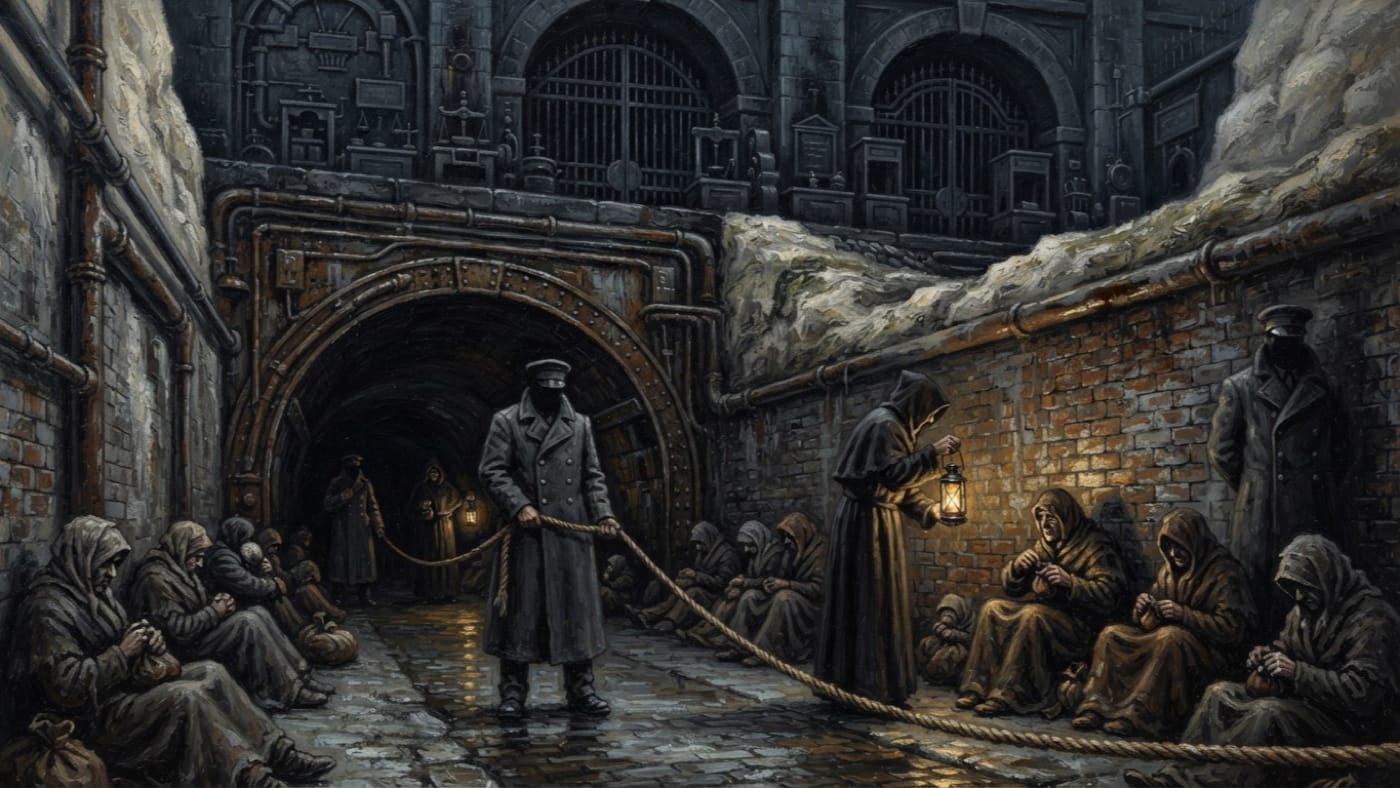
Grief Lane
The seals must be protected; the mourners may wait
Griefgate's drainage culvert holds visibly mourning pilgrims apart from the arches to protect seals, coin and declarations. Comfort falls outside the survey; collection continues after dusk.
Codex Ref. II.1.04-002
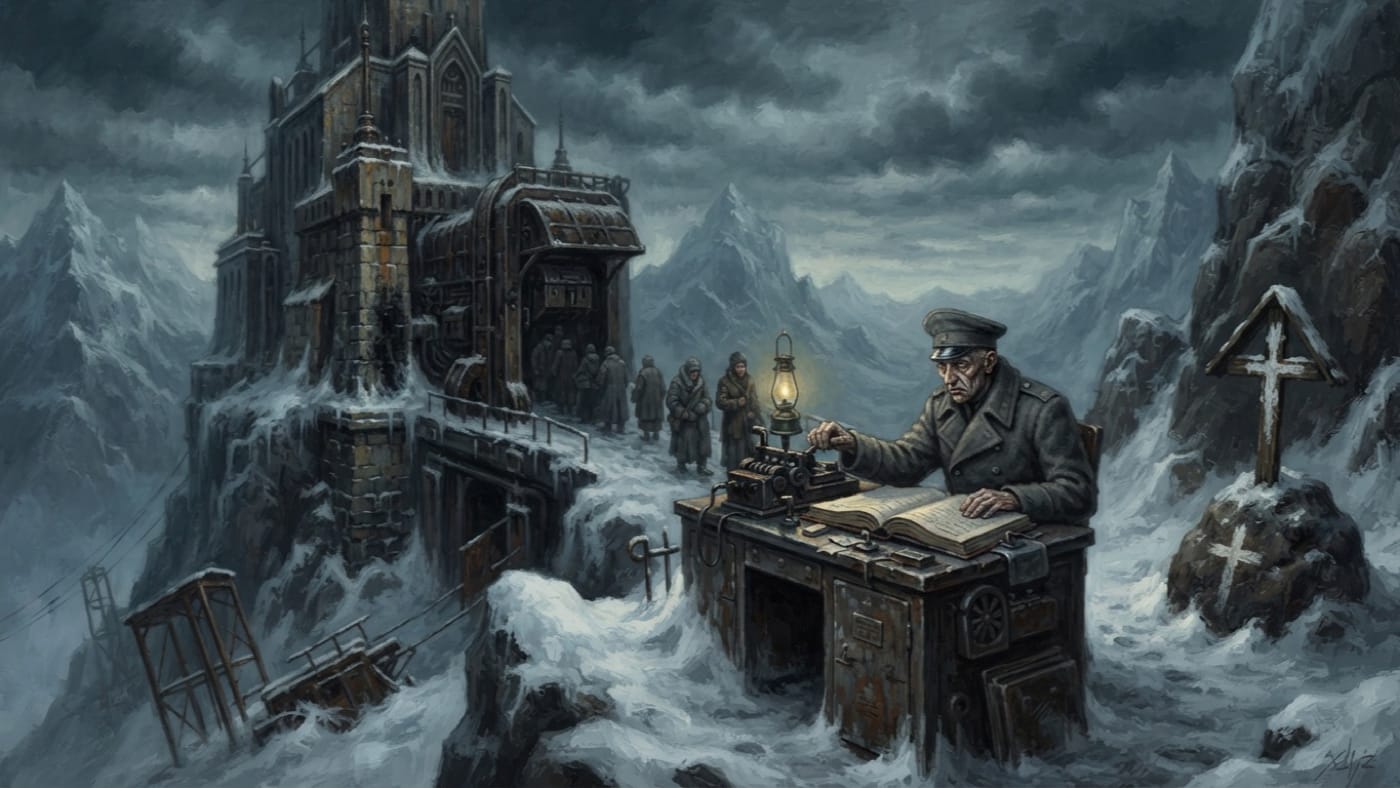
Guild of the Golden Sole
The master kept his life. The Bureau kept the roads.
The private guild that held the Rhineland pilgrimage approaches until its absorption in A.S. 123. Its master signed the Harmonized Routes Edict and kept his life; the Bureau rewarded him with a desk above the Carpathian snow-line.
Codex Ref. XI.5.01-123
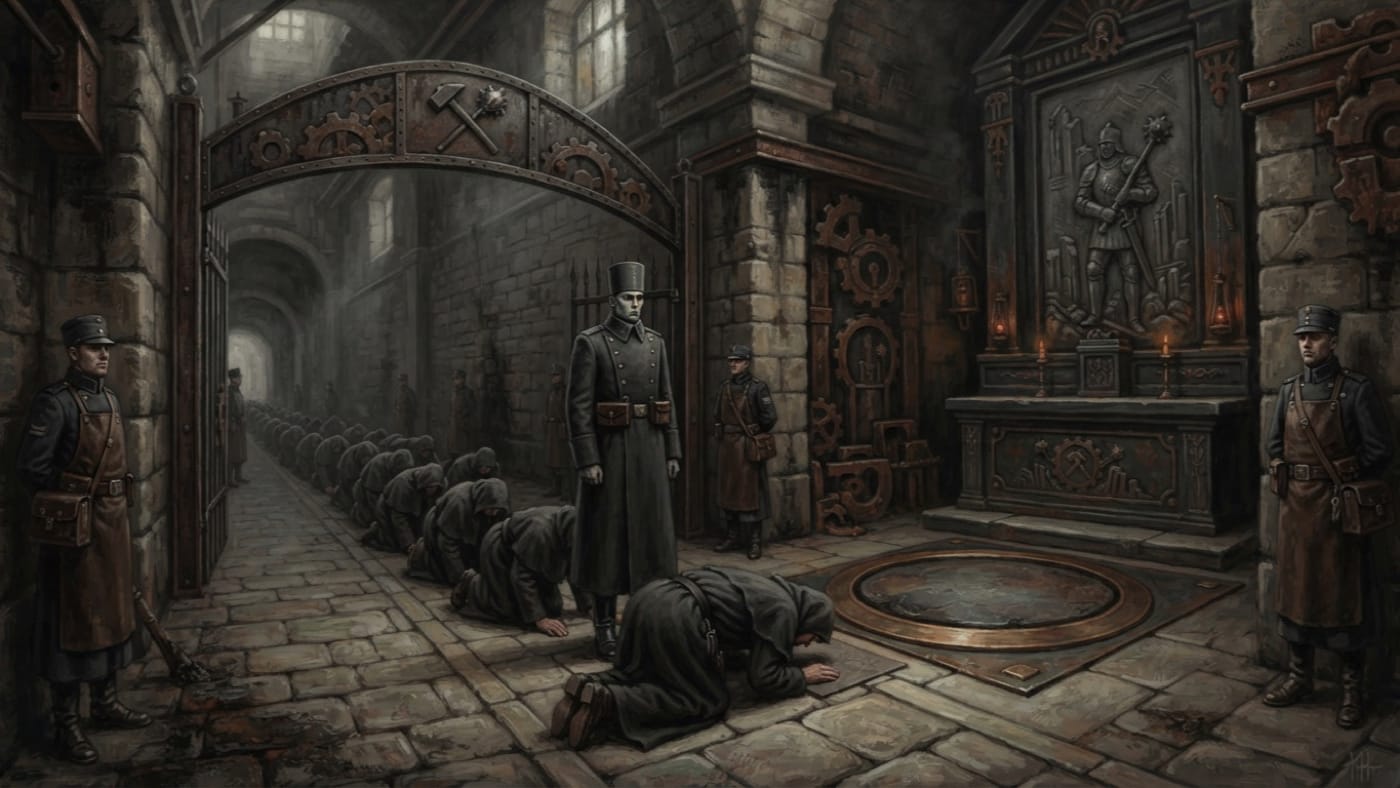
Hammer Line
Eleven metres where even the guides hold their tongues
The Hammer Line is the silent final eleven metres of Vienna's Via Stahlhand, where pilgrims reach the Impact Plate on their knees and the Bureau permits hearing without permitting questions.
Codex Ref. II.4.09-012
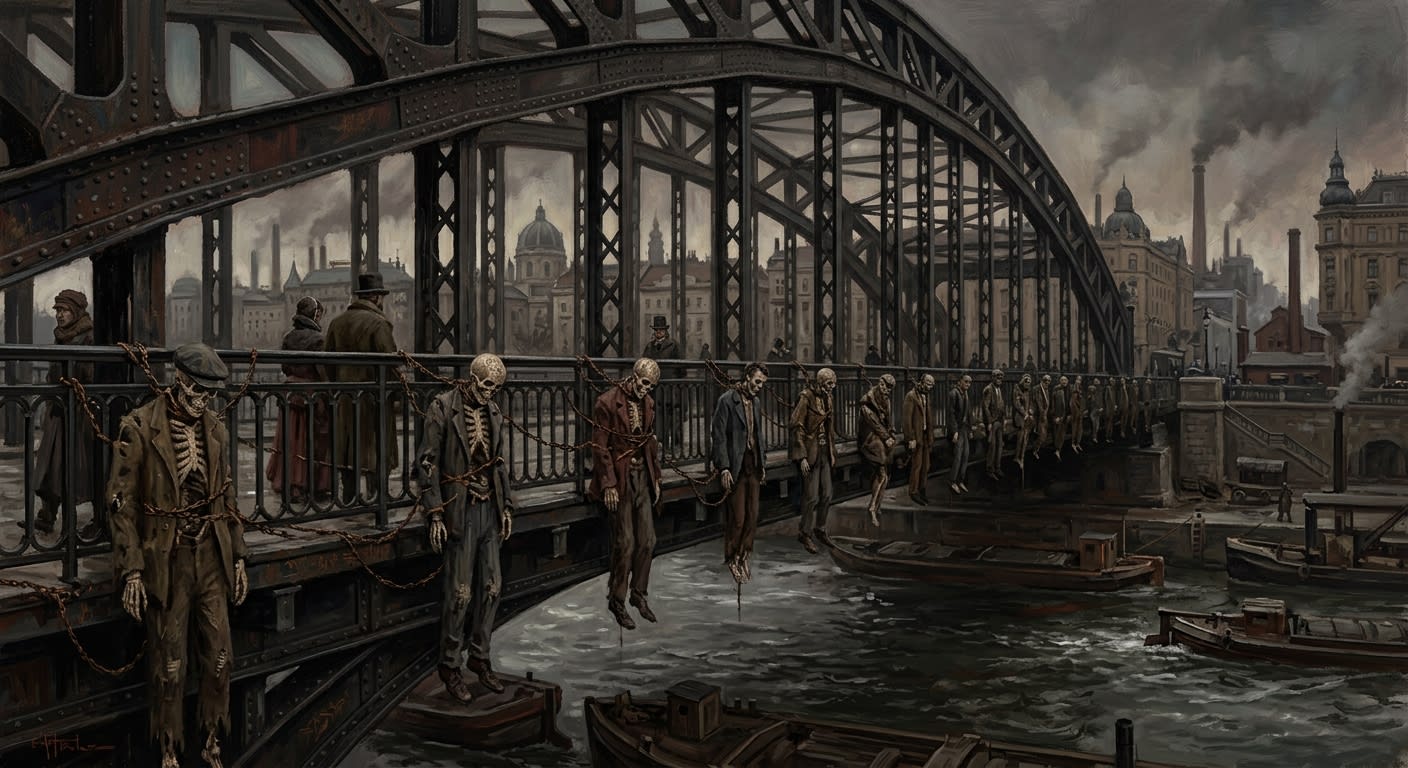
Hanged Bridge
Forty dead rebels made better sermons than their pamphlets
The Hanged Bridge over Vienna's Donaukanal preserves the A.S. 102 aftermath of forty Rationalist rebels whose inscribed bones still preach without permission.
Codex Ref. II.4.09-013
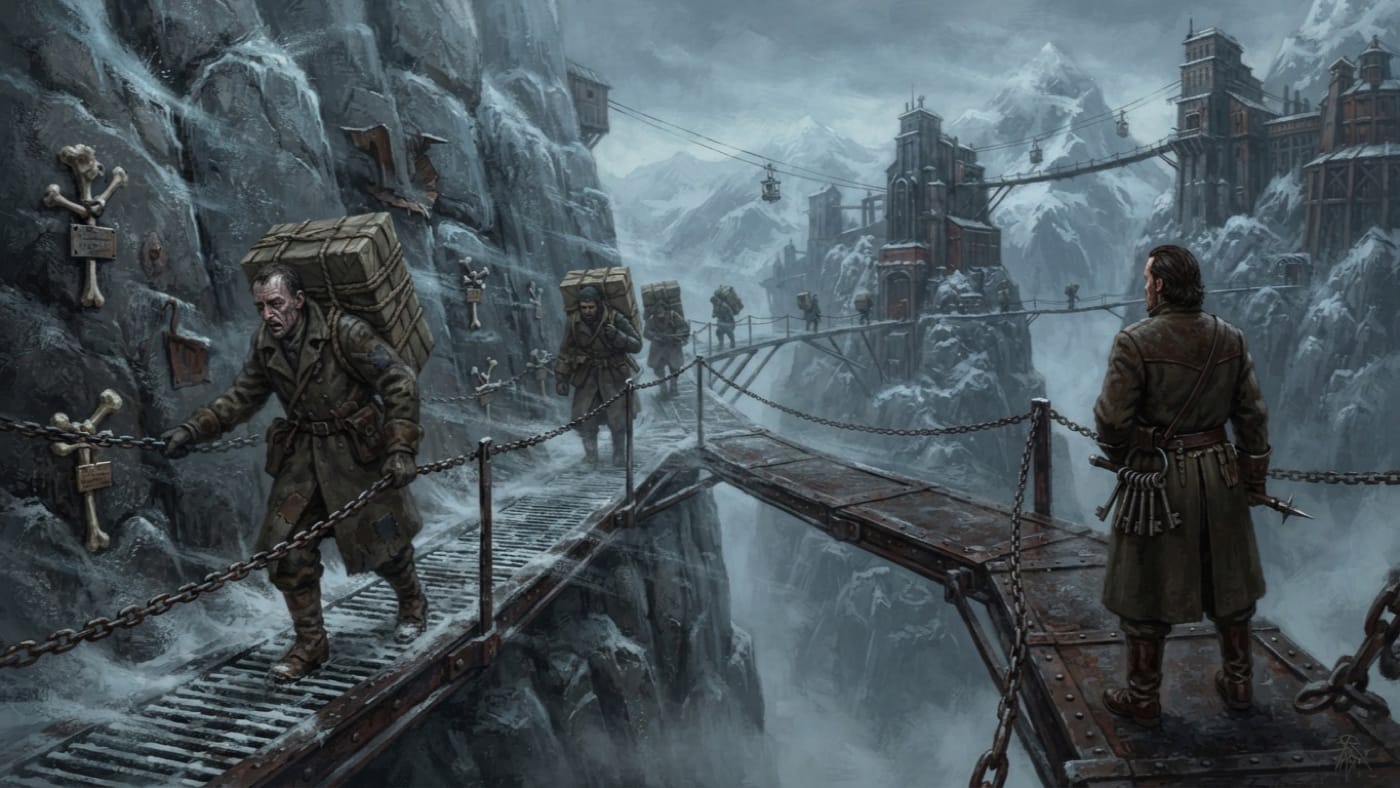
Hanging Mile
One mile of iron, seven keys, and a thousand feet of consequence
The seventh district of the Reliquary Switchbacks: a mile of iron, three feet wide, above a thousand-foot drop. Bronn holds seven keys; the Quiet Turn sells passage beneath the deck. The Bureau certifies the corridor, and the wind examines the traveller.
Codex Ref. II.3.05-007
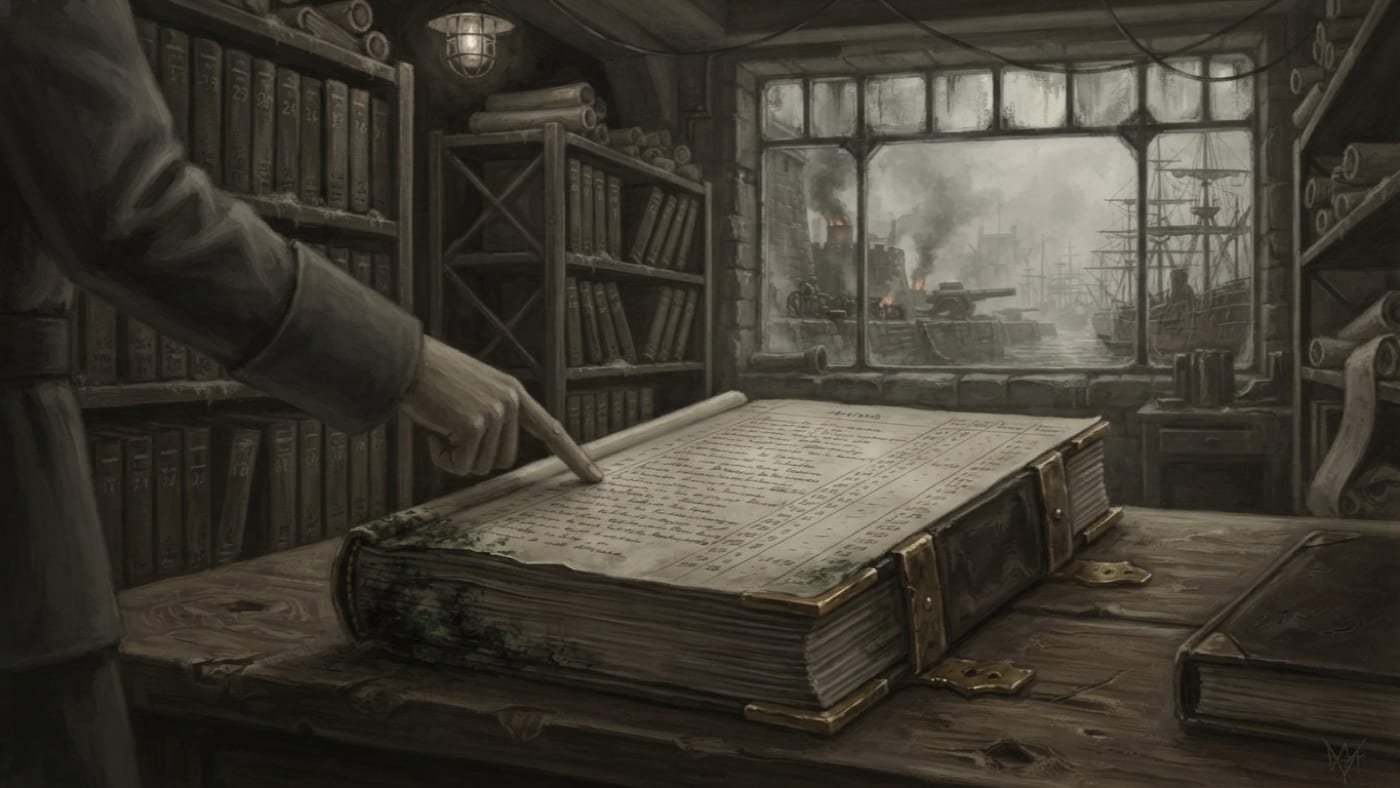
Harbour Ledger
Arrival duly entered; bread lawfully withheld
The Harbour Ledger records arrivals, berths, inspection times and the first ship count in Varna's A.S. 129 grain disaster. It proves the bread arrived; responsibility is entered elsewhere.
Codex Ref. XIII.1.89-129
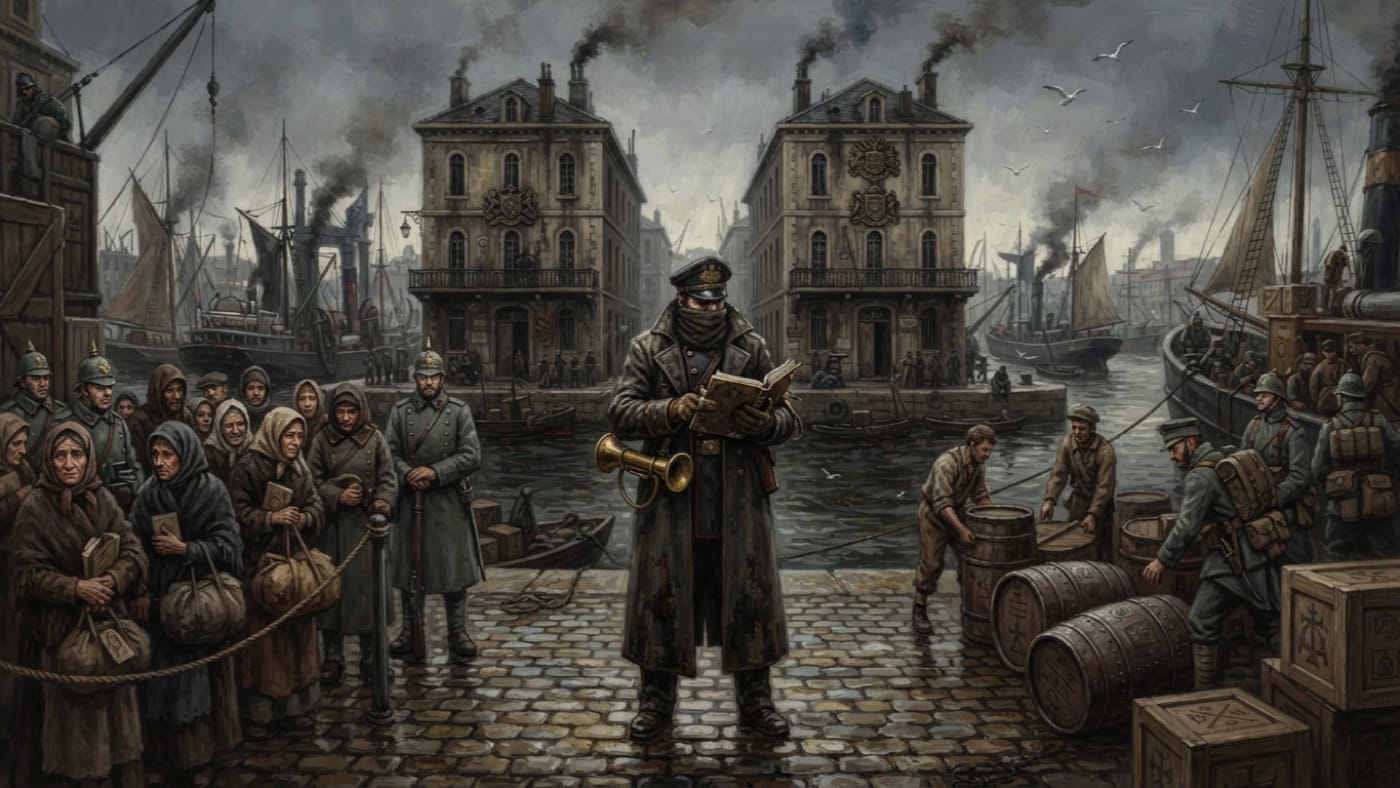
Harbour-Master
Authority has five claimants; responsibility awaits a name
Marseille's Harbour-Master claims authority beside four Bureaus. The Ledger records the title; the cargo waits for someone willing to answer for it.
Codex Ref. XIII.1.39-002
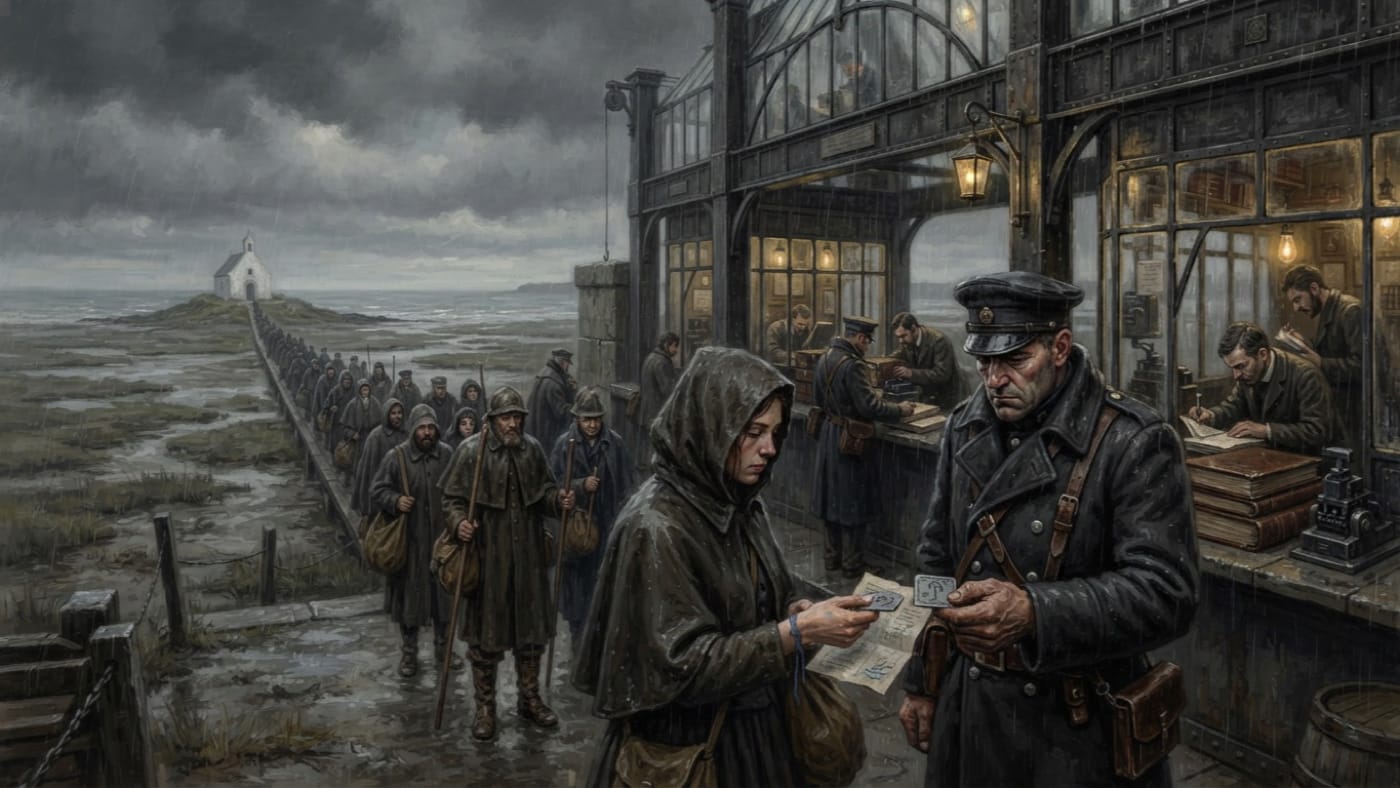
Harmonized Routes
The Bureau licenses the road and leaves arrival to the pilgrim
The Harmonized Routes tables join shrine, road and token under one licence. Pilgrimage certifies the right to set out; arrival remains the pilgrim's problem.
Codex Ref. XIII.1.86-201
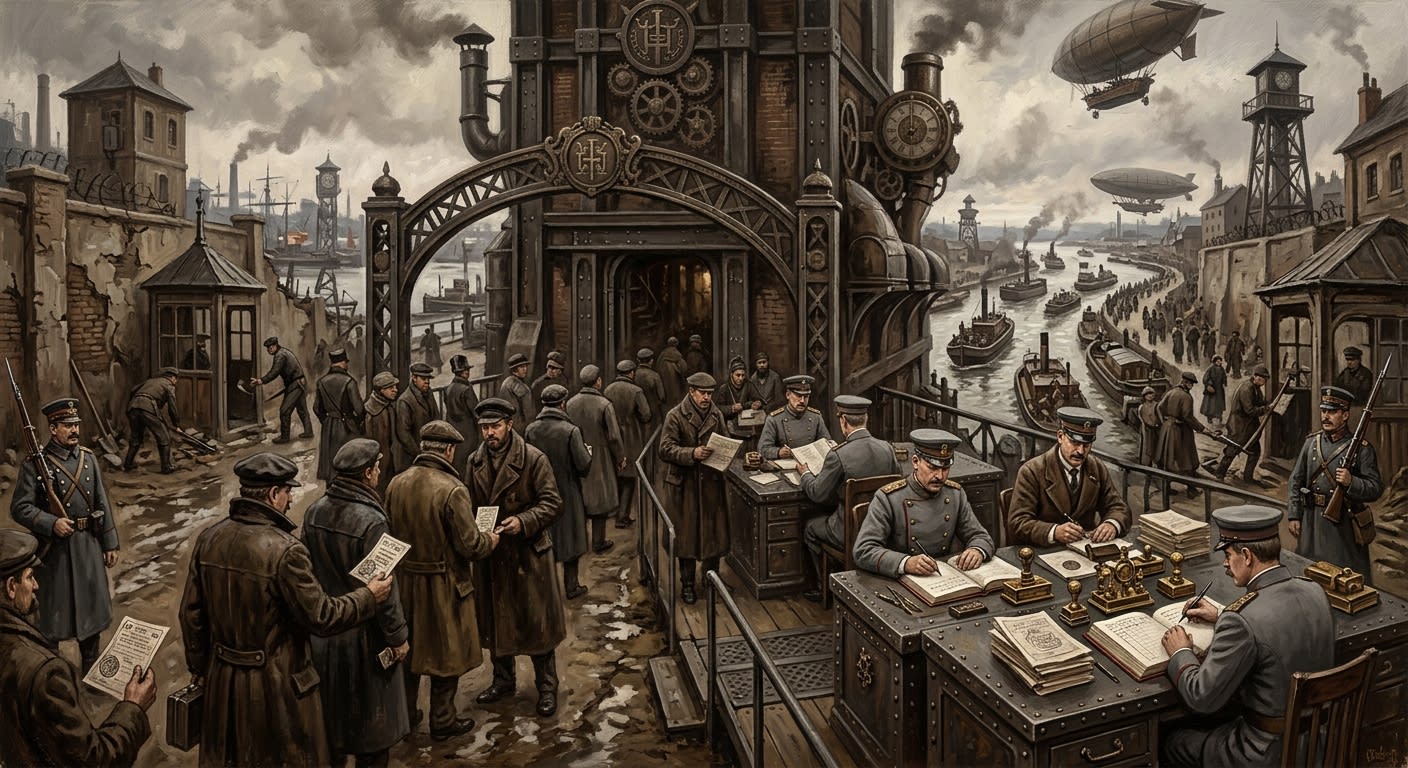
Harmonized Routes Edict
The road to holiness was improved by tolls, seals, and foundation screams
The A.S. 123 Harmonized Routes Edict licensed pilgrimage, broke the private guild roads, founded Marseille's groaning headquarters, and made walking taxable.
Codex Ref. VII.2.10-123
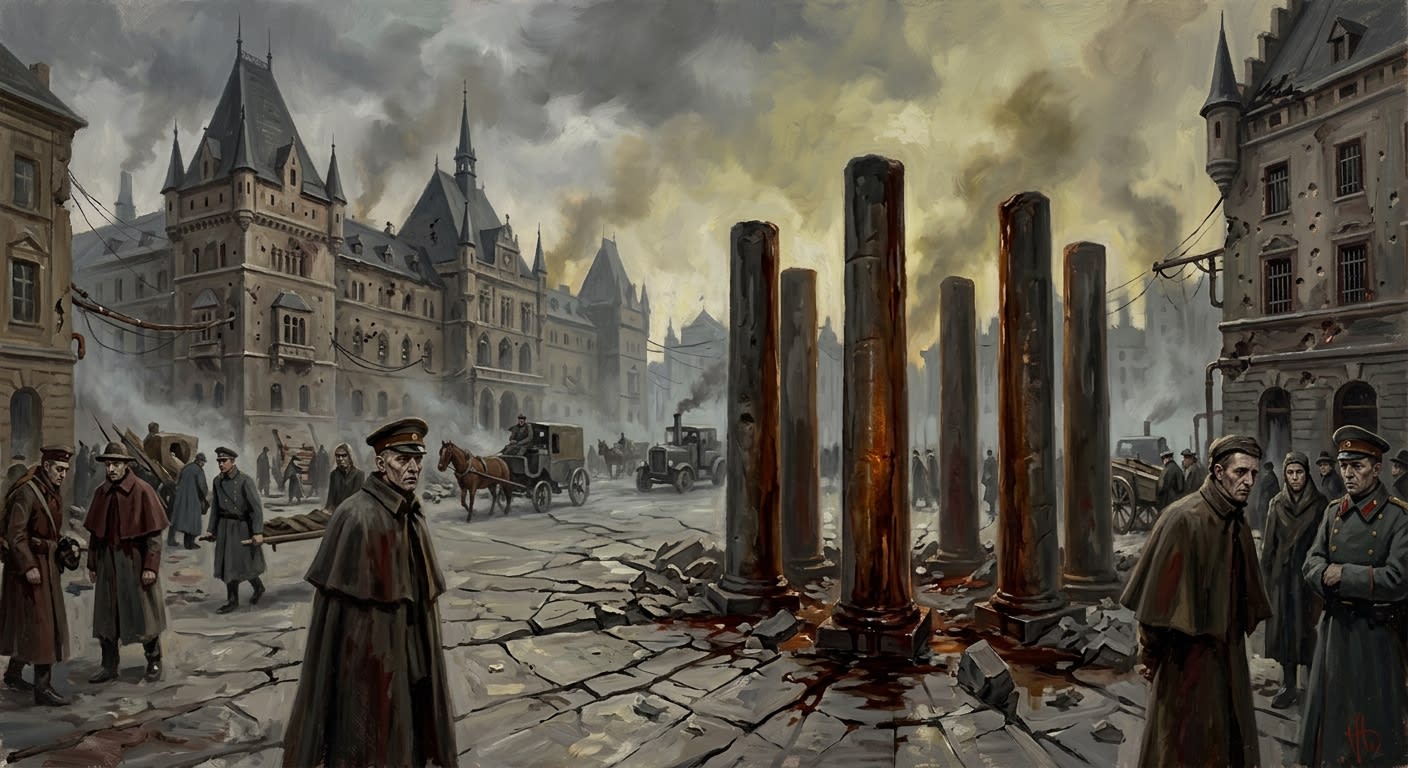
Heldenplatz
Where fire froze, stone warmed, and Vienna learned to kneel in public
Heldenplatz is Vienna's corrected civic theatre: the A.S. 30 cold-fire blasphemy answered by the A.S. 95 reliquary blow, radial fracture, and seven blood-warm basalt columns.
Codex Ref. II.4.09-095
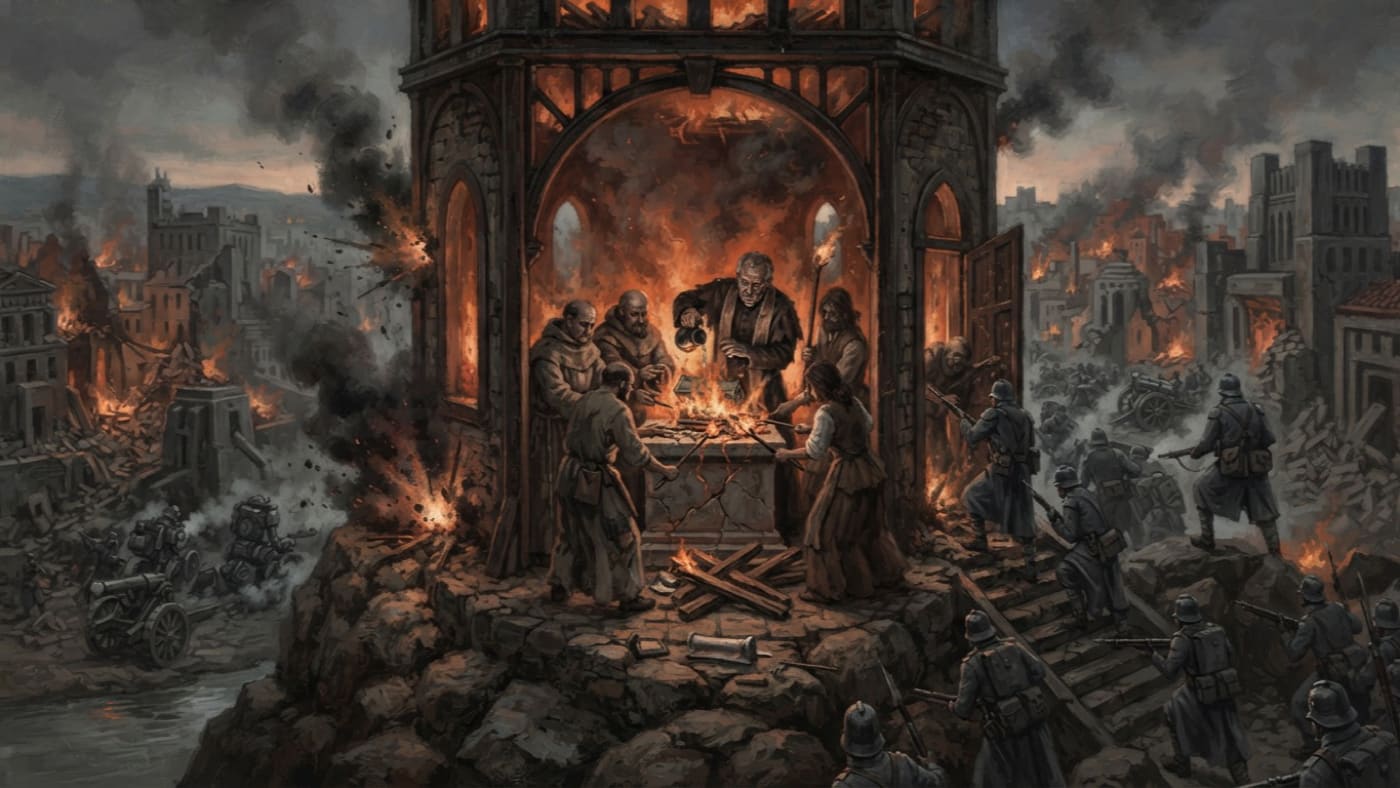
Heroic Destruction
The last duty of custody, taught from Toledo's ash
Heroic destruction is the deliberate unmaking of an entrusted holy object to deny enemy custody. At Toledo, the Order of Saint Iago lost the city and kept the enemy from taking its saint.
Codex Ref. XIII.1.58-015
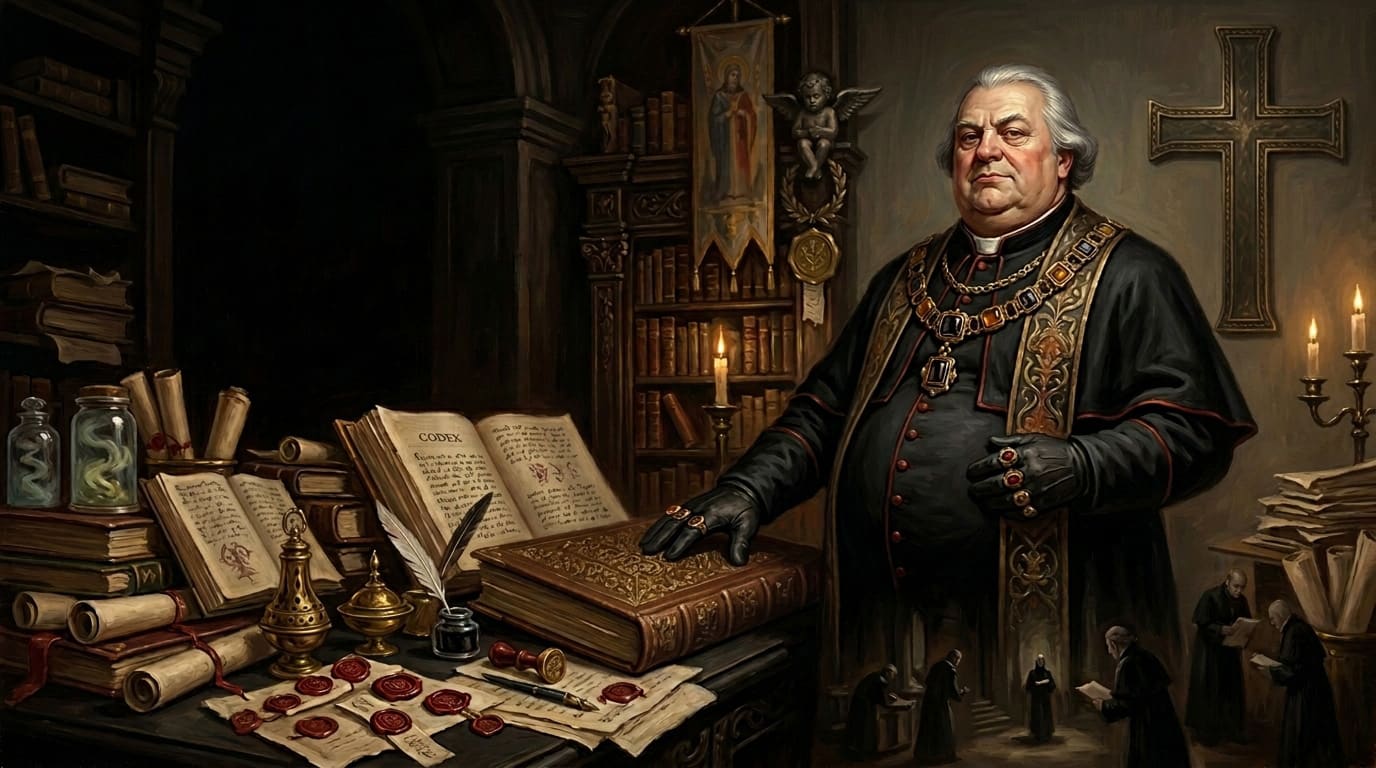
Hieromnemon Valerius Drax
The hand that corrects History before History embarrasses itself
Valerius Drax, Hieromnemon and Warden of the Sacred Ledger, is Doctrine's finest current instrument: prose stylist, ratifier, propagandist, archivist, and living rebuke to committee language.
Codex Ref. III.2.01-201
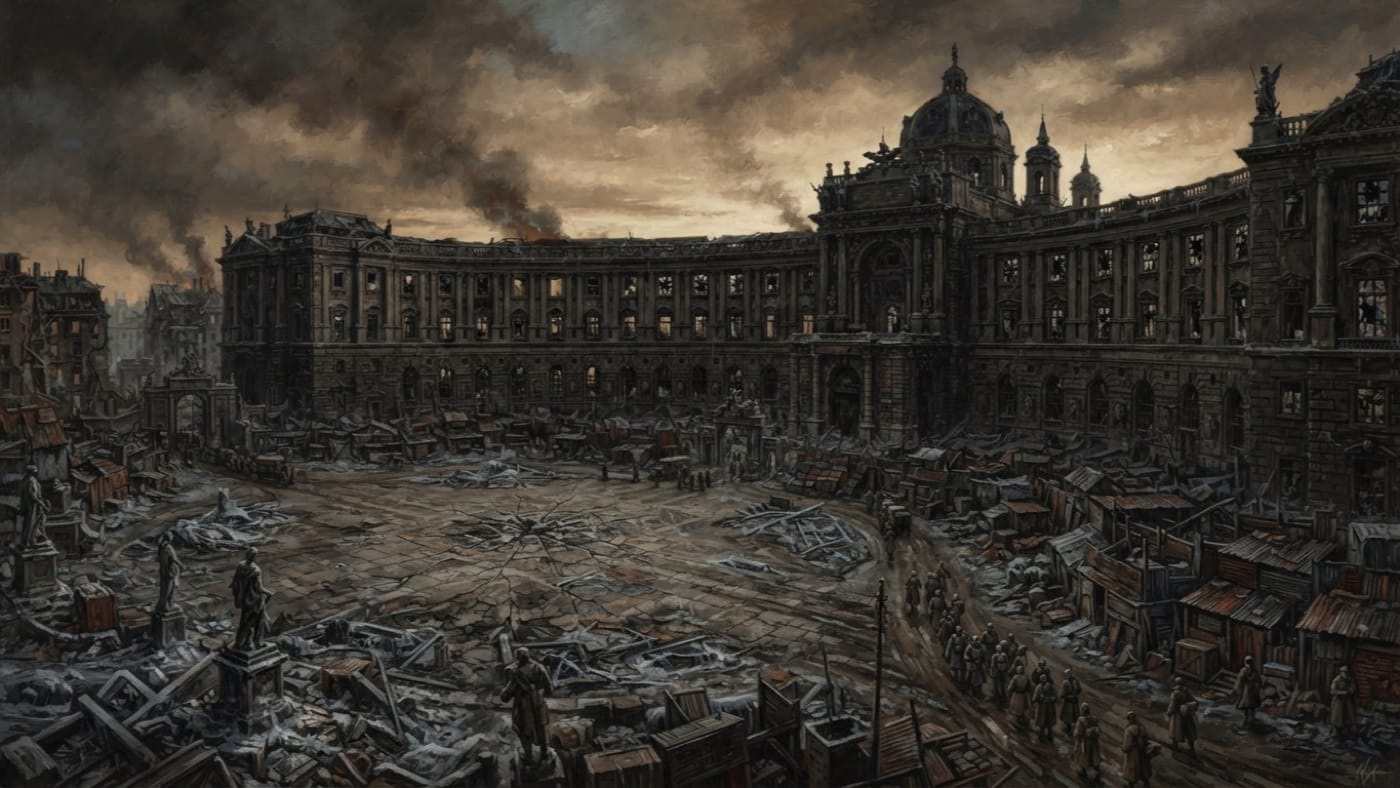
Hofburg
Broken glass and unfinished business
Vienna-Ruins' Hofburg palace was sealed in A.S. 95, its glass shattered by Saint Aldebrand's reliquary blow. The Council's unfinished minutes are reported, their session undated. Even defeat leaves paperwork.
Codex Ref. II.4.09-1373
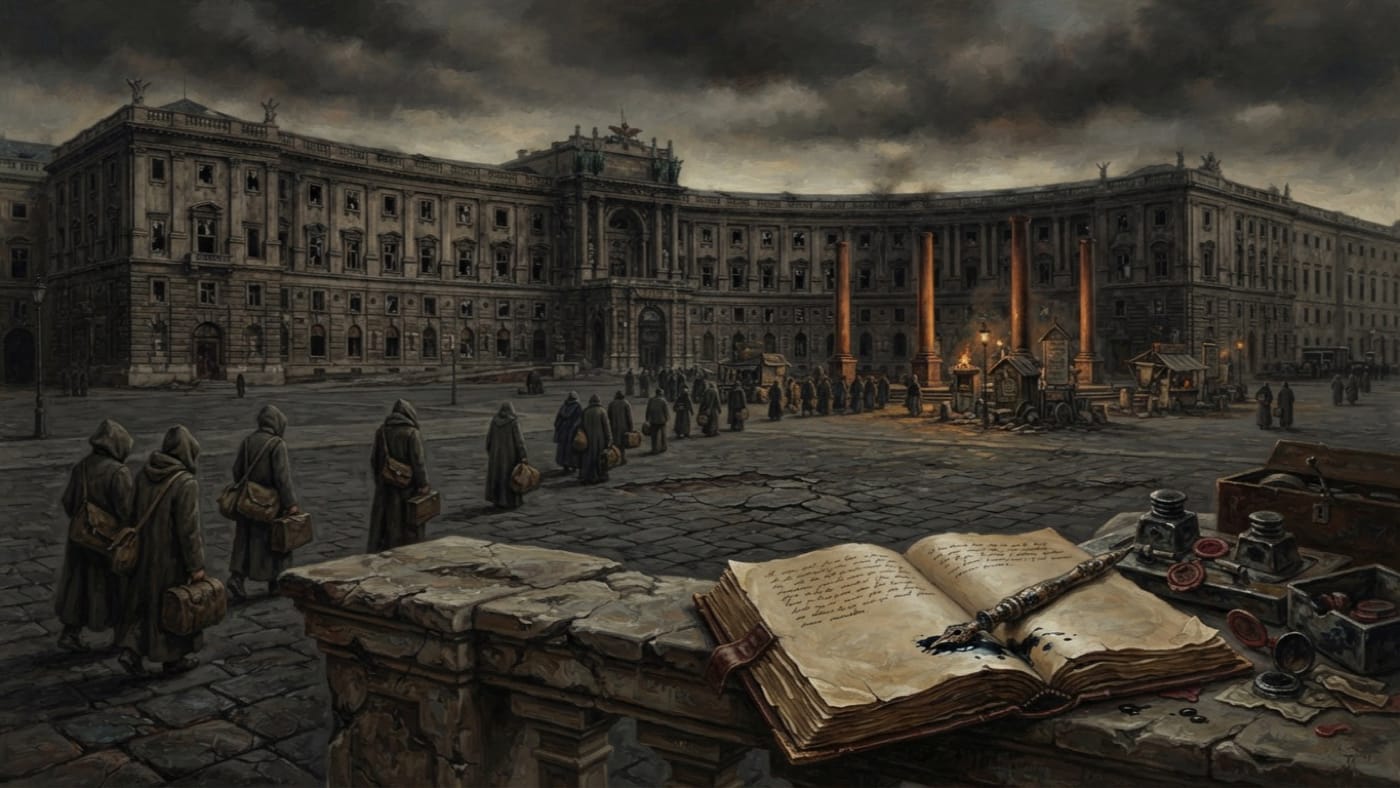
Hofburg Palace
Unfinished minutes behind a century's seal
The Hofburg was sealed in A.S. 95 with the Council of Nine's last minutes unfinished and its pen reported wet. The meeting has no recorded date. The pen has two reported homes. Neither file is closed.
Codex Ref. II.4.09-1374
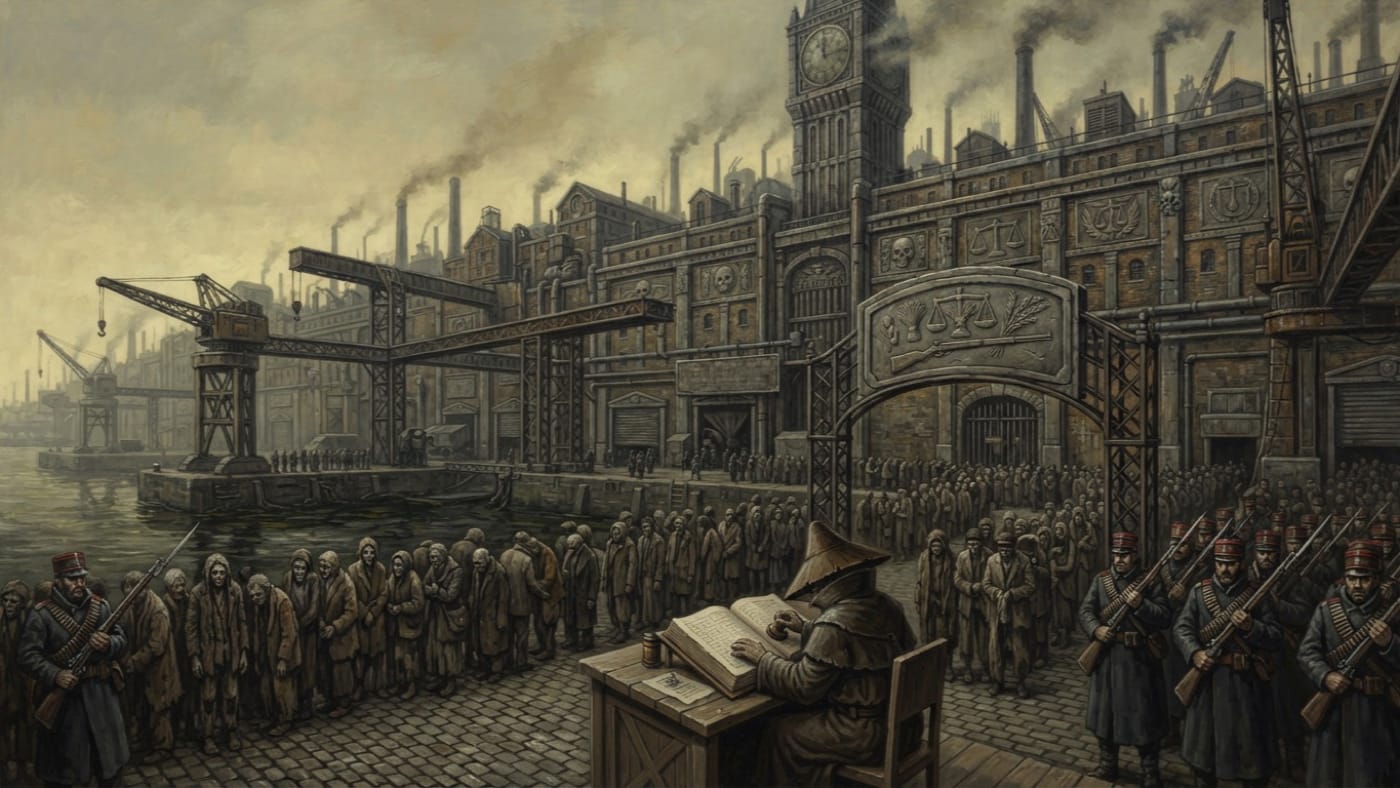
Holy Fast
The hunger came first; the consent was entered afterward
Holy Fast is Records' approved name for Varna's A.S. 129 deprivation: nineteen days of sealed grain, a Purity volley, and consent inferred from petitioners who could no longer petition.
Codex Ref. XIII.1.89-129
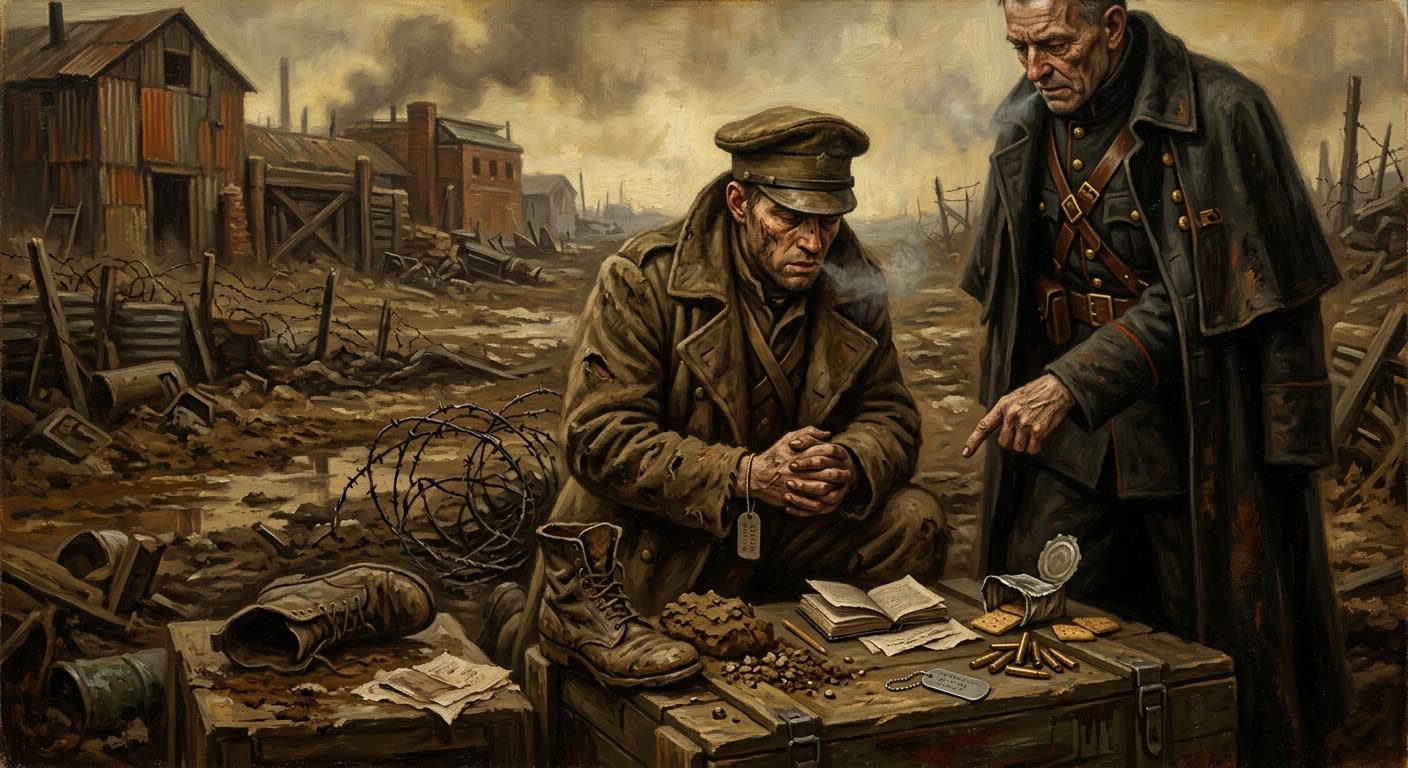
Humility Sequence
Boot, mud, ration, wire; the ugly words that keep Pride low
The Humility Sequence is Przemyśl's deliberately ugly counter-recitation against Atheronic grandeur: boot, mud, ration, wire, cartridge, number, name, breath.
Codex Ref. XIII.1.94-188
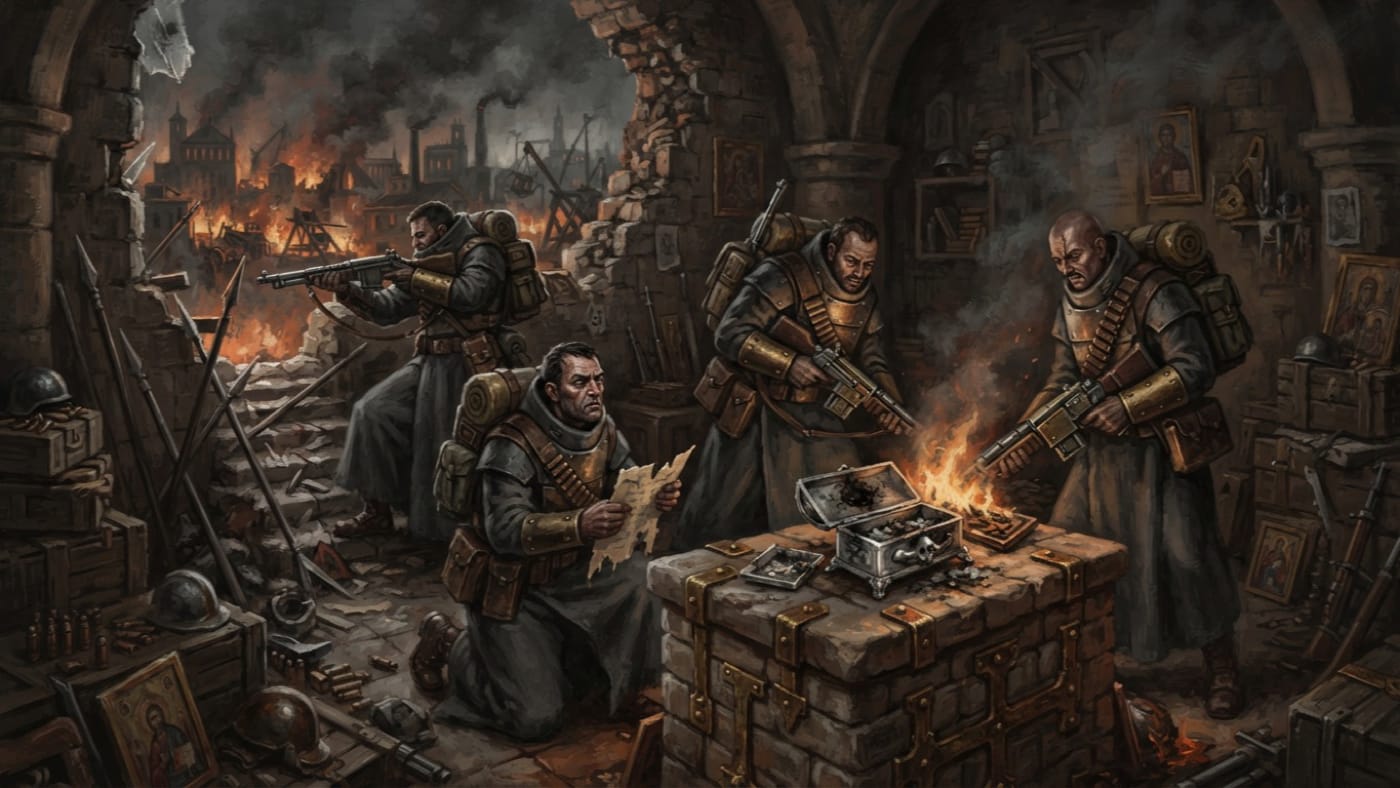
Iago Rule
Four sentences the smoke left behind
Four surviving sentences of the Order of Saint Iago's rule bind road, shrine, guest, and bone to custody. Toledo supplied the fire; the preserved text never commanded it.
Codex Ref. XIII.1.57-016
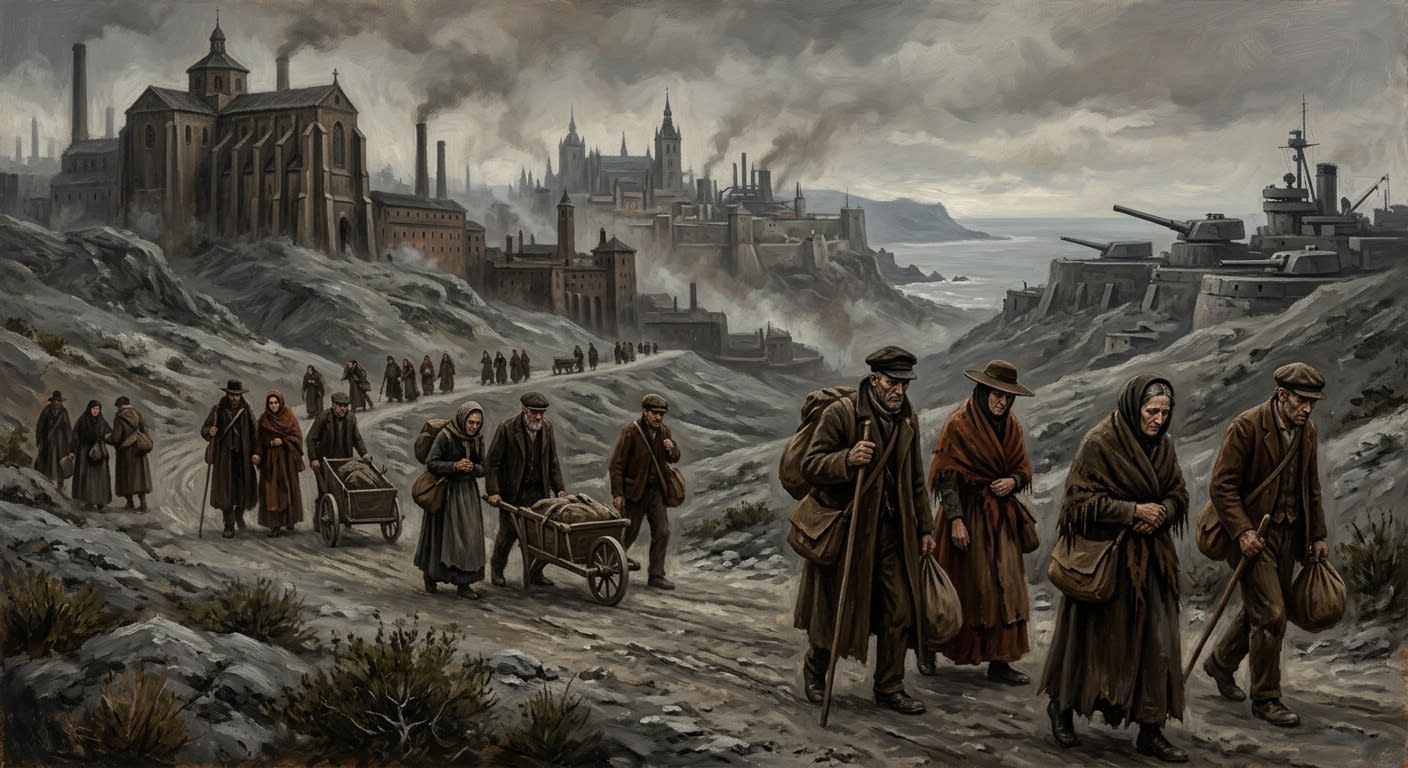
Iberia
The western furnace kneels, pays, murmurs, burns, and remembers
Iberia is the Synod's western furnace: a sealed peninsula of relic ash, late Concordat obedience, Seville mutters, Toledo martyrdom, pilgrimage roads, British guns at Gibraltar, and memory too old to confiscate cleanly.
Codex Ref. II.1.04-090
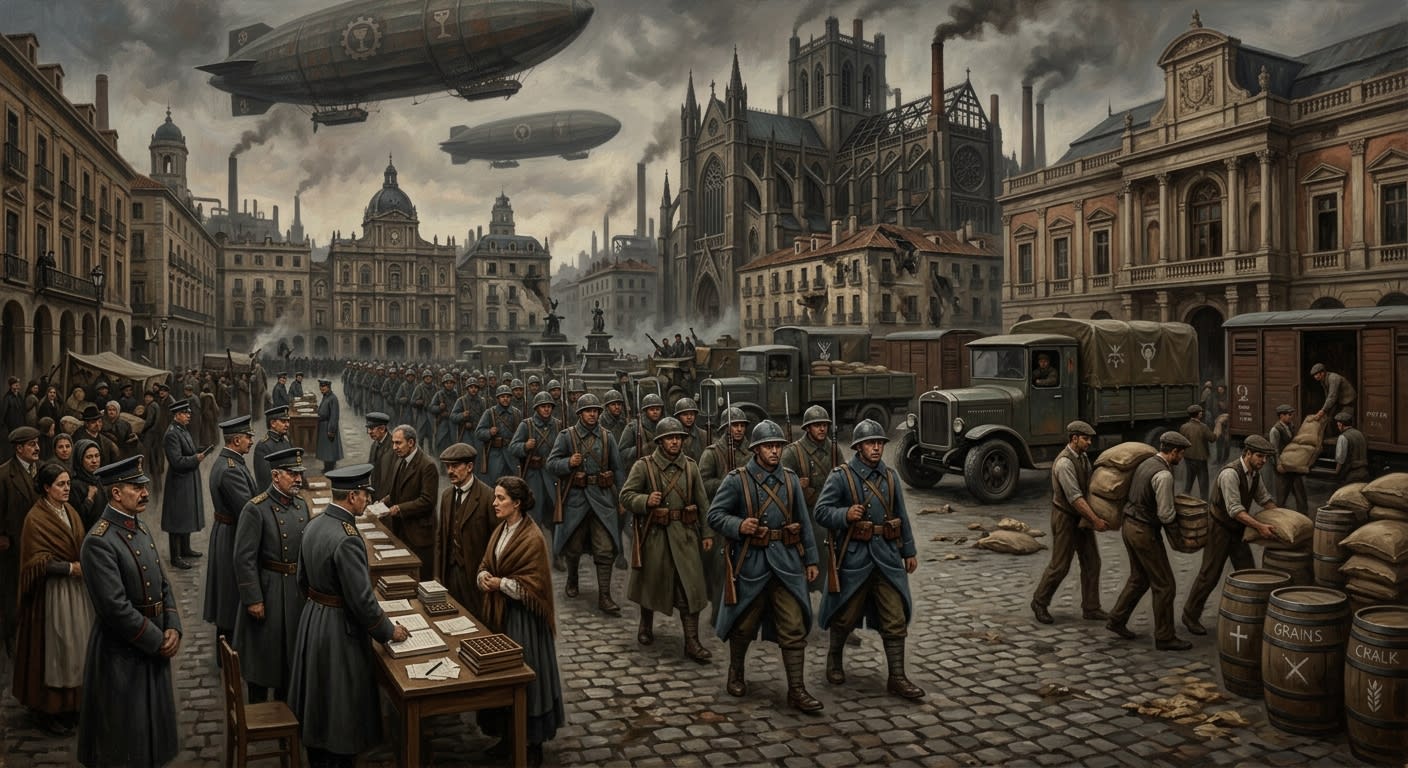
Iberian Campaigns
The West was conquered first by salt, then by silence
The Iberian Campaigns were the Synod's western correction: salt dues, harbour ledgers, Seville's silenced plazas, stripped granaries, and conquest filed as housekeeping.
Codex Ref. VII.5.10-092
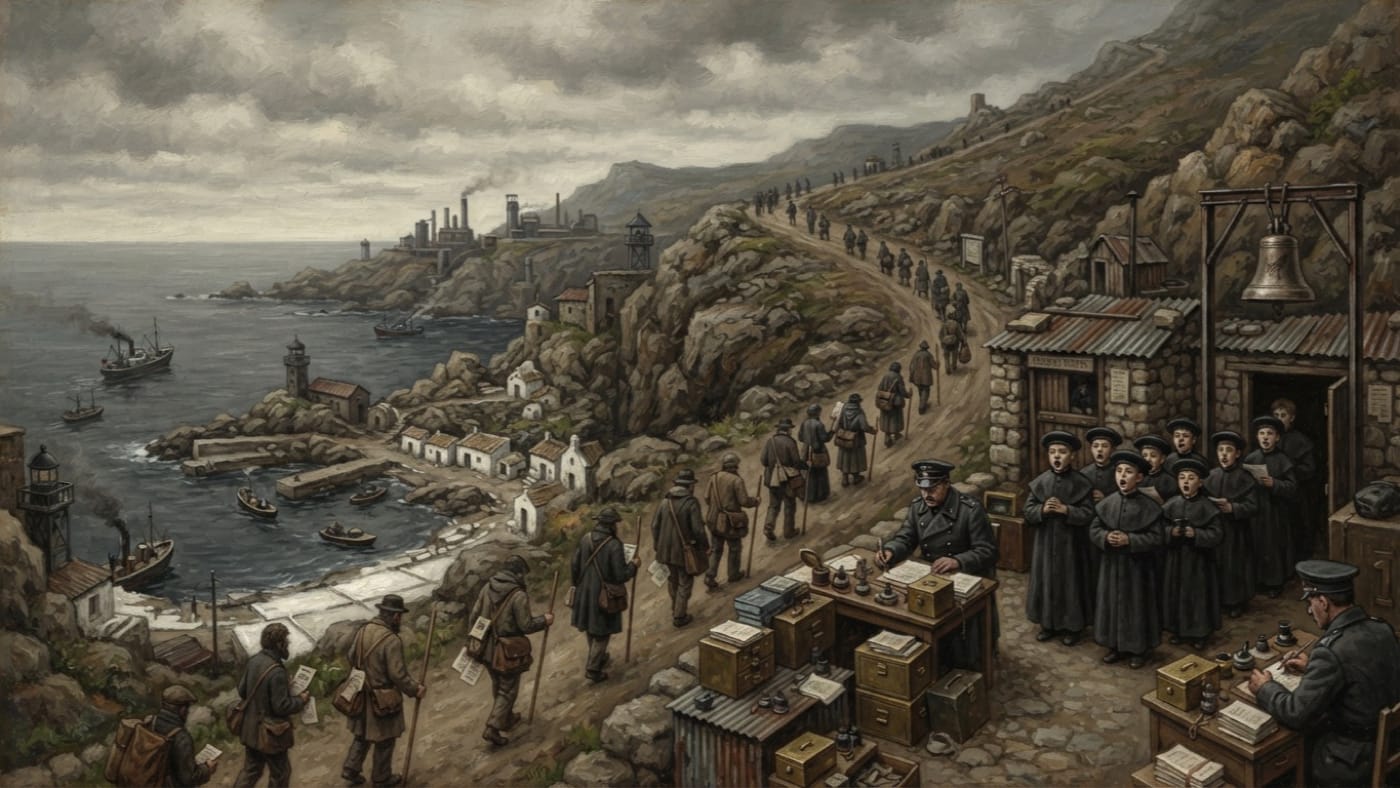
Iberian coast
The roads are safer; the invoices survived
The Iberian coast feeds pilgrims from salt flats, harbours and smugglers' coves onto inland shrine-roads. The A.S. 193 Jubilee dissolved the Peregrine Cartel; Pilgrimage kept its intelligence, its methods and the invoices.
Codex Ref. II.4.01-193

Iberian Intelligence Desk
The racket lost its name; its memory received a cleaner seal
Pilgrimage's Iberian Intelligence Desk received three Peregrine Cartel principals during the A.S. 193 Jubilee dissolution. The racket was extinguished; its useful men found a cleaner seal.
Codex Ref. III.2.07-005
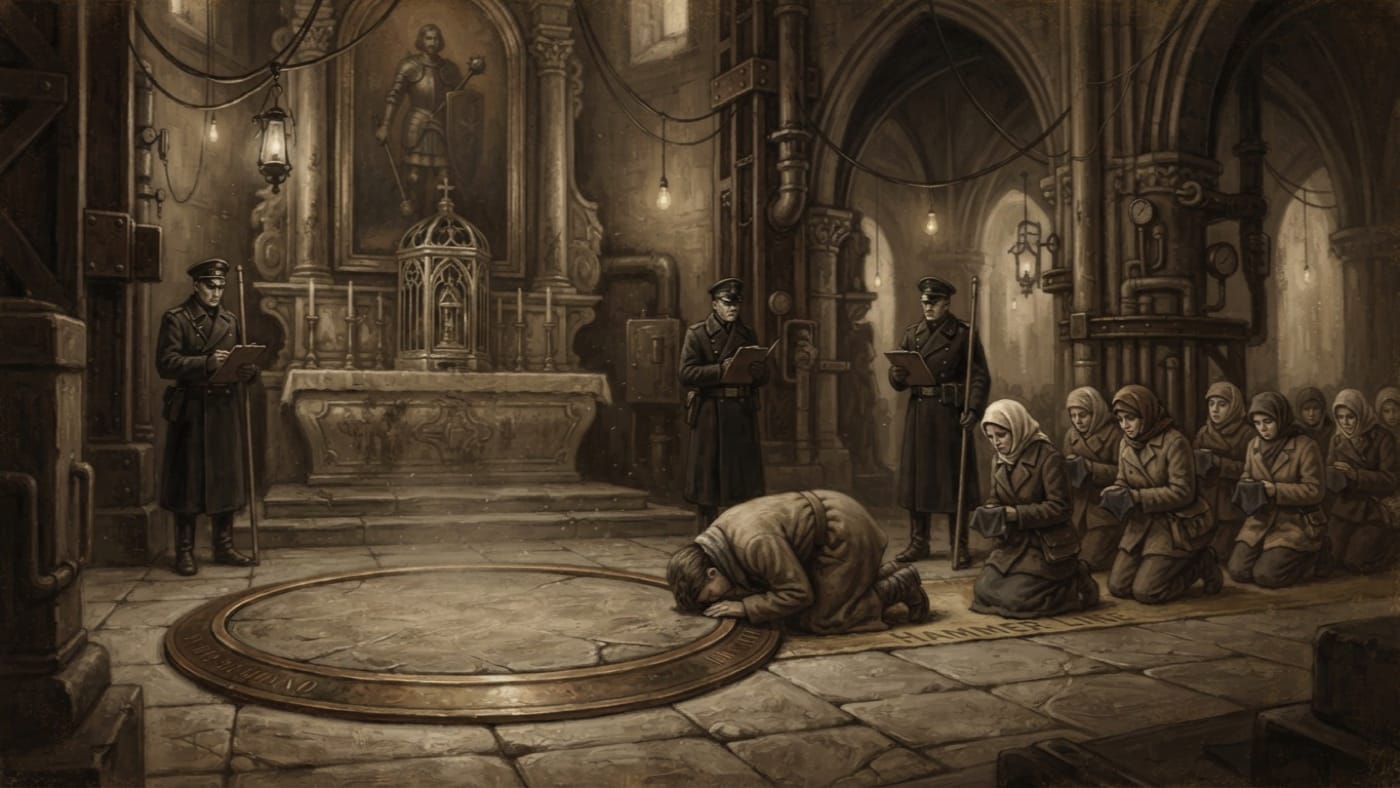
Impact Plate
Strasbourg keeps the original; Vienna keeps the knees
The Impact Plate receives pilgrims' foreheads at the end of the Via Stahlhand. Installed in A.S. 112, it supplies lawful contact while Strasbourg keeps the original stone.
Codex Ref. V.1.03-112
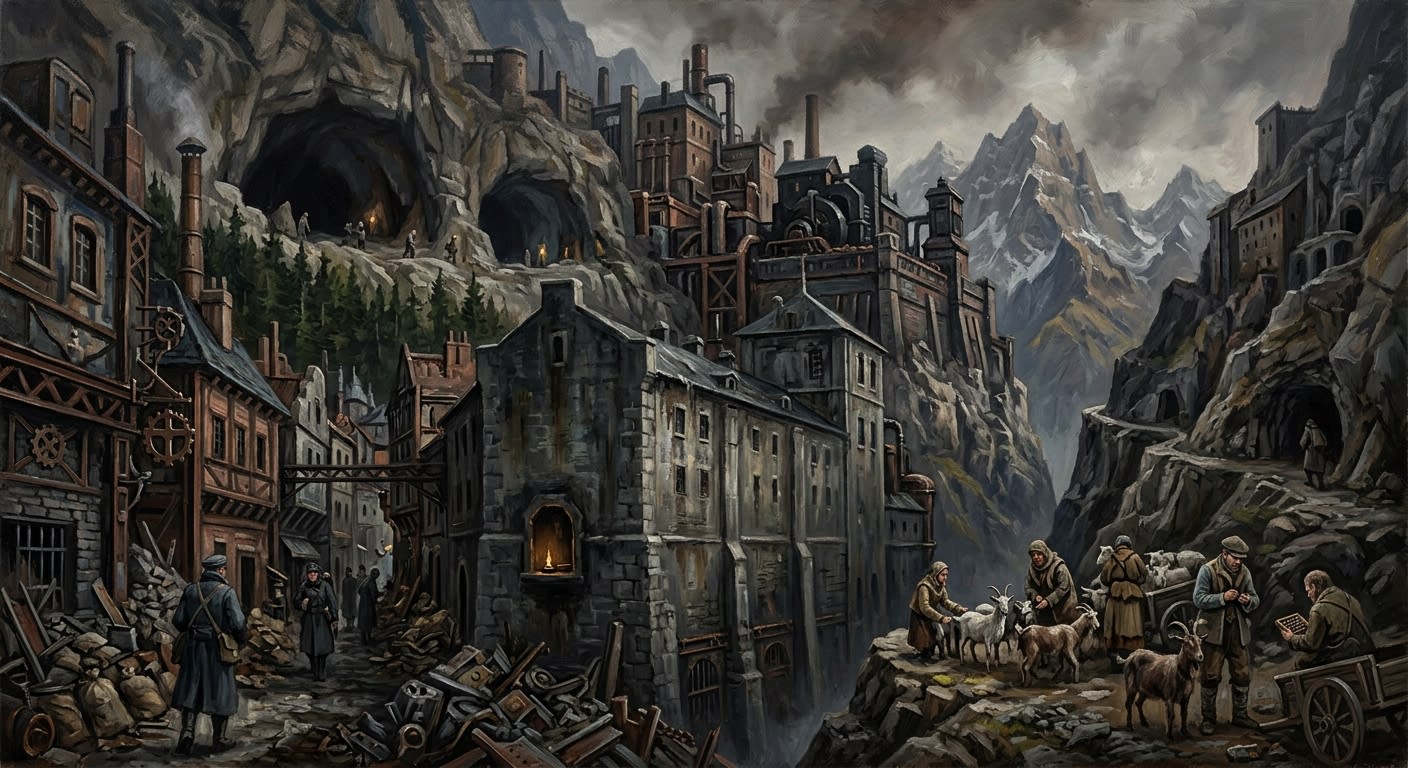
Innsbruck
Where mountains, grandmothers, caves, and walls defeat the census
Innsbruck is the Synod's alpine refuge-city: Cellar Saint caves above the treeline, relics disguised as trash, Mother Sava's wall-cavity, Pale Kin routes, goat arithmetic, and the most pious registry evasion in the mountains.
Codex Ref. II.2.09-030
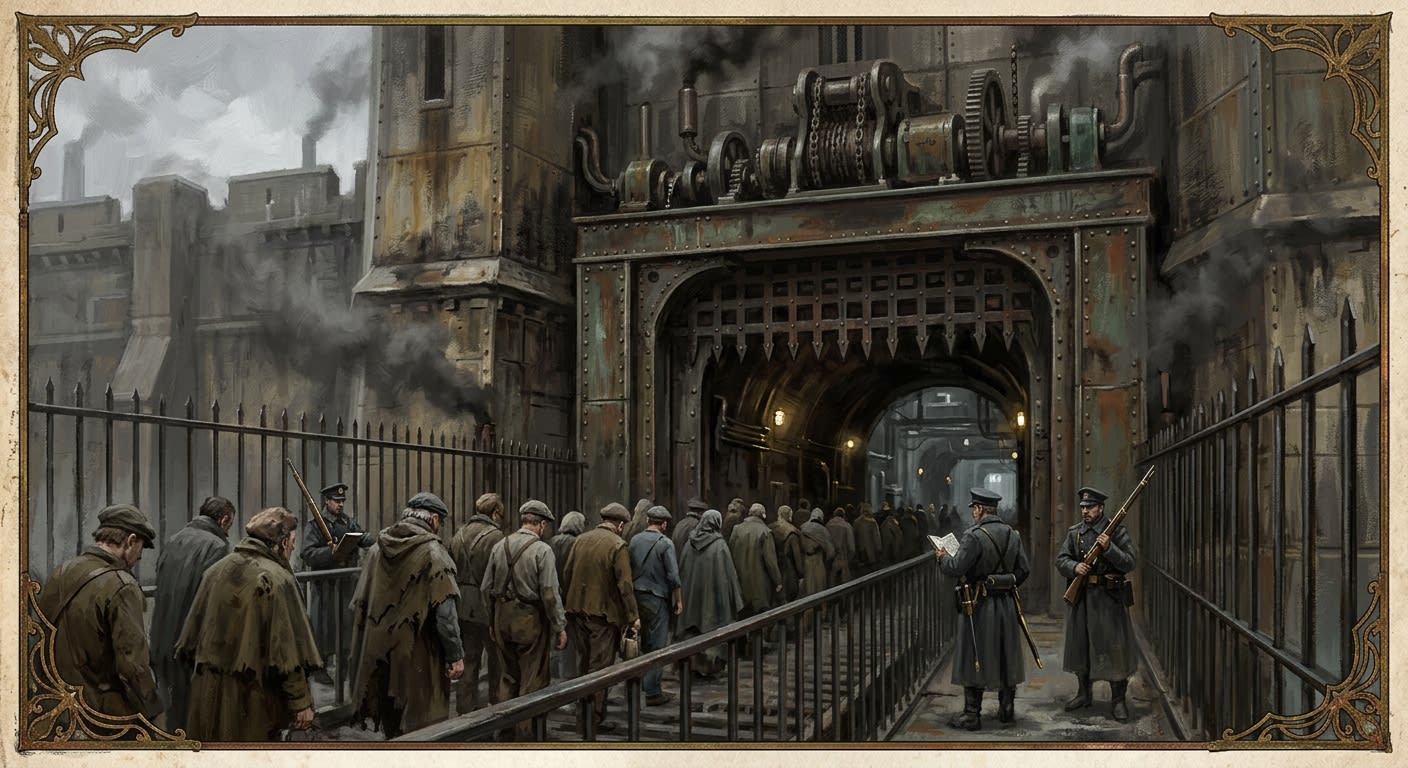
Intake Gate
The road enters one body at a time and is lost
The Intake Gate is the Cloister of Miscounted Beads' western iron mouth: a threshold where pilgrims stop being a procession and become countable, sortable material.
Codex Ref. II.1.05-187
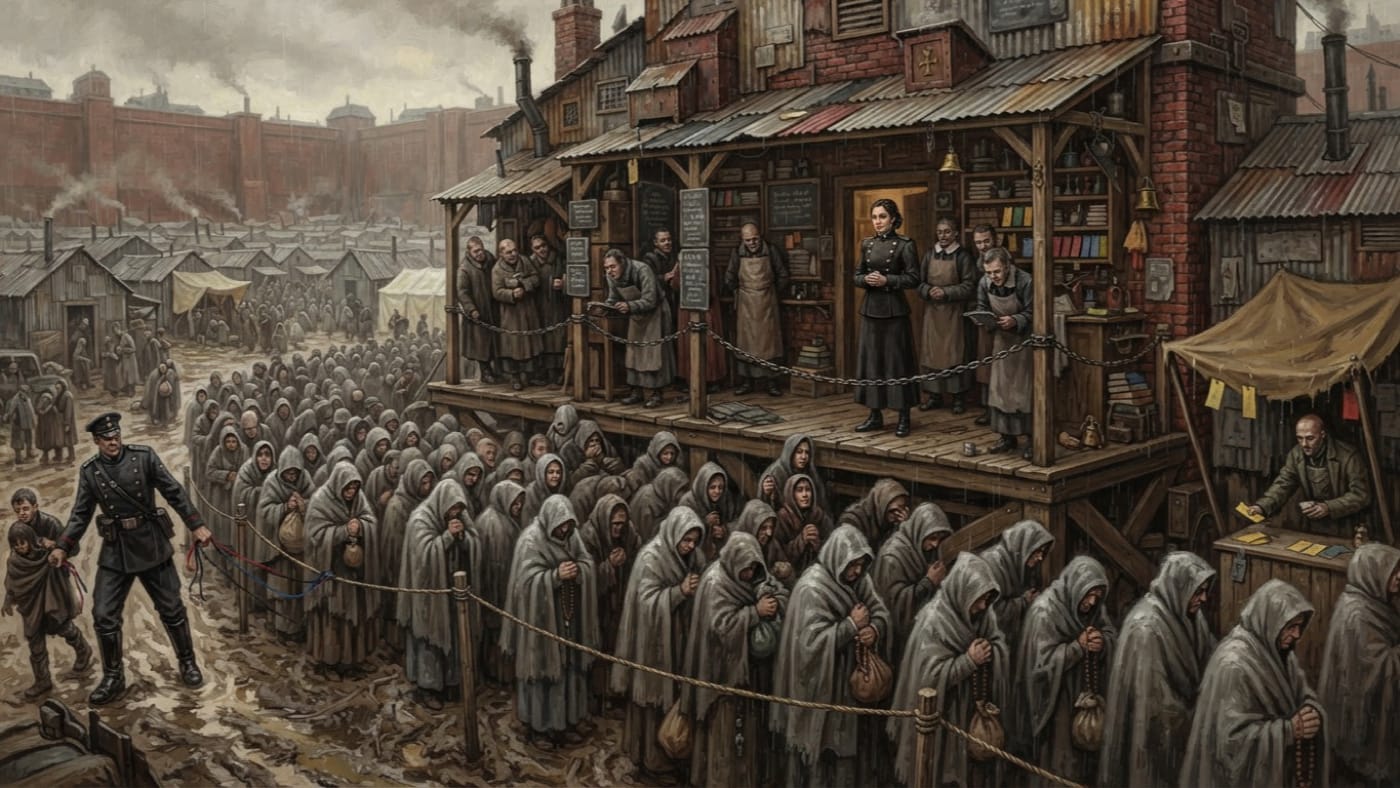
Intake Porch
Where answering your name becomes consent to the Ledger
The Intake Porch is the Lost Procession Yard's calling station: Jossa Rill's clerks summon names, assess disputed answers, and dispatch pilgrims into tags, berths, custody, or expulsion.
Codex Ref. II.3.06-003
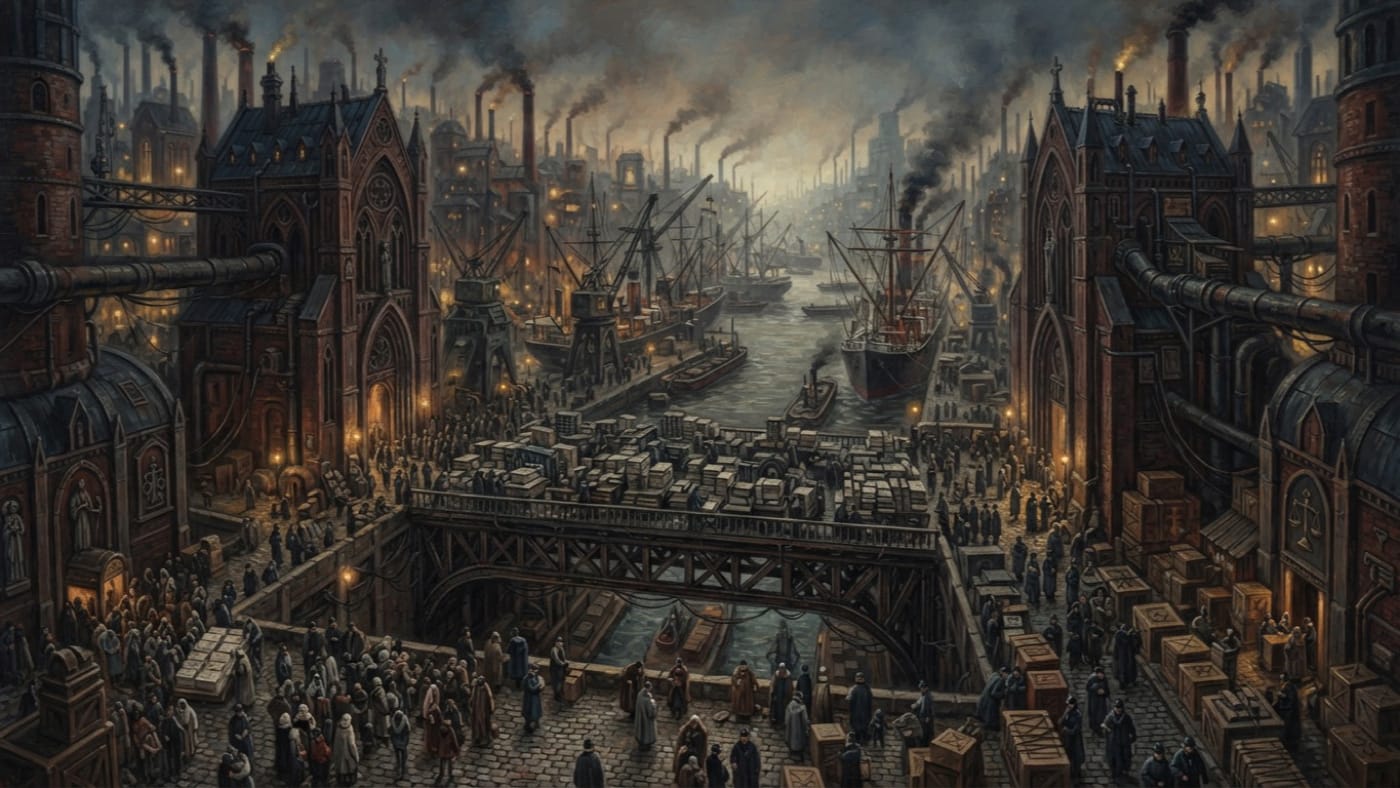
Inter-Bureau Arbitration Panel
One corrected tally, two refusals, and a ruling still pending
Convened in A.S. 199 to decide whether Marseille's corrected pilgrim-fleet departure count requires return-voyage harbour dues to be refunded. Pilgrimage refuses; Tithes refuses the refusal. The ruling remains pending as of A.S. 201.
Codex Ref. VIII.4.09-199
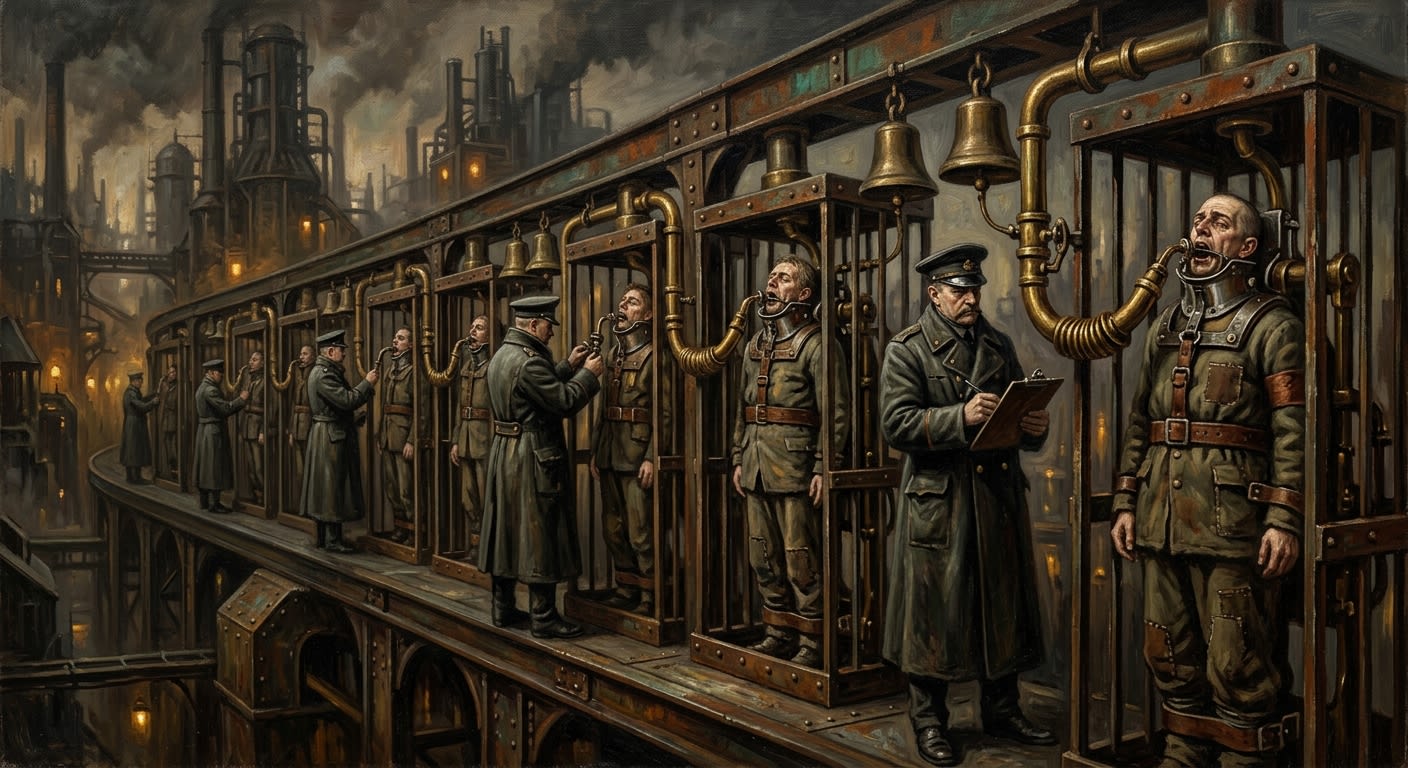
Iron Choir of Mainz
Where the road learned to keep a throat open
The Iron Choir of Mainz turns condemned throats into civic instruction: a Purity road of cages, bells, Brand-Singers, witness columns.
Codex Ref. VIII.1.09-134
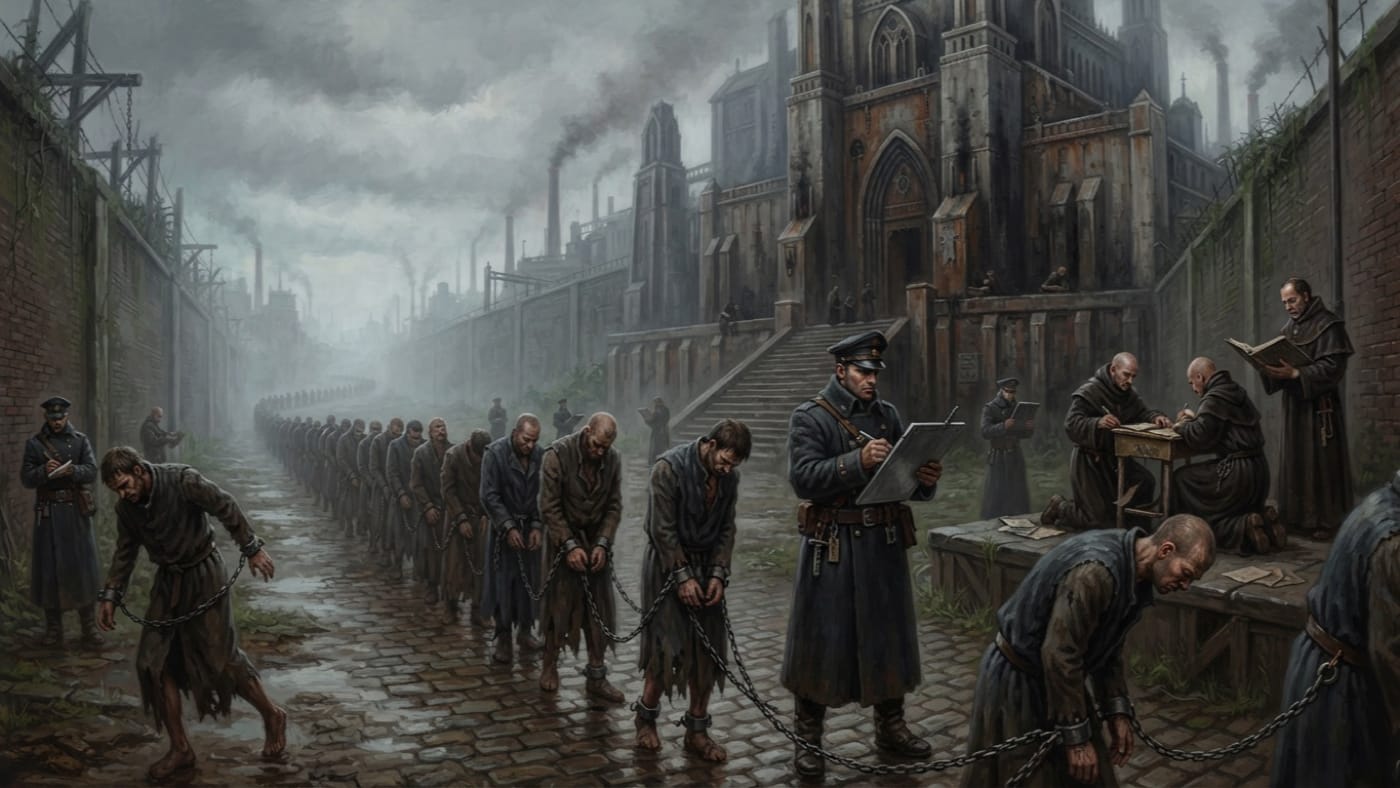
Jubilee
Repentance by distance; completion by arithmetic
The Jubilee turns penance into distance, wrists into serial numbers, and confession into further chains. At the destination shrine, the delivered and the dead are added together. The arithmetic is correct.
Codex Ref. XIII.1.109-094
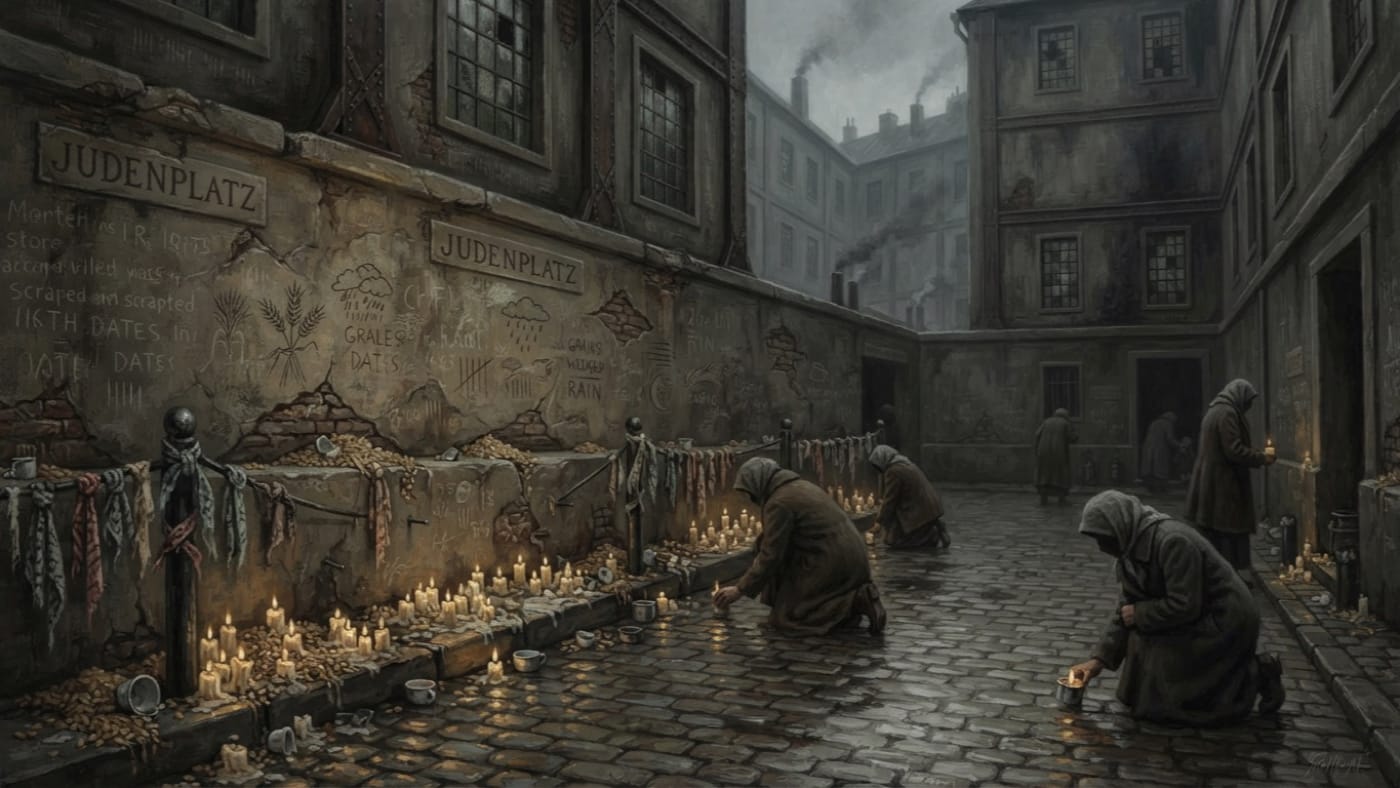
Judenplatz
Four removals, four returns, and a wall still awaiting permission
Judenplatz is Vienna's unlicensed memorial to the five thousand mothers branded in A.S. 112. Four clearances, four returns; Orison has a prohibition, and the square still has a wall.
Codex Ref. II.4.09-015
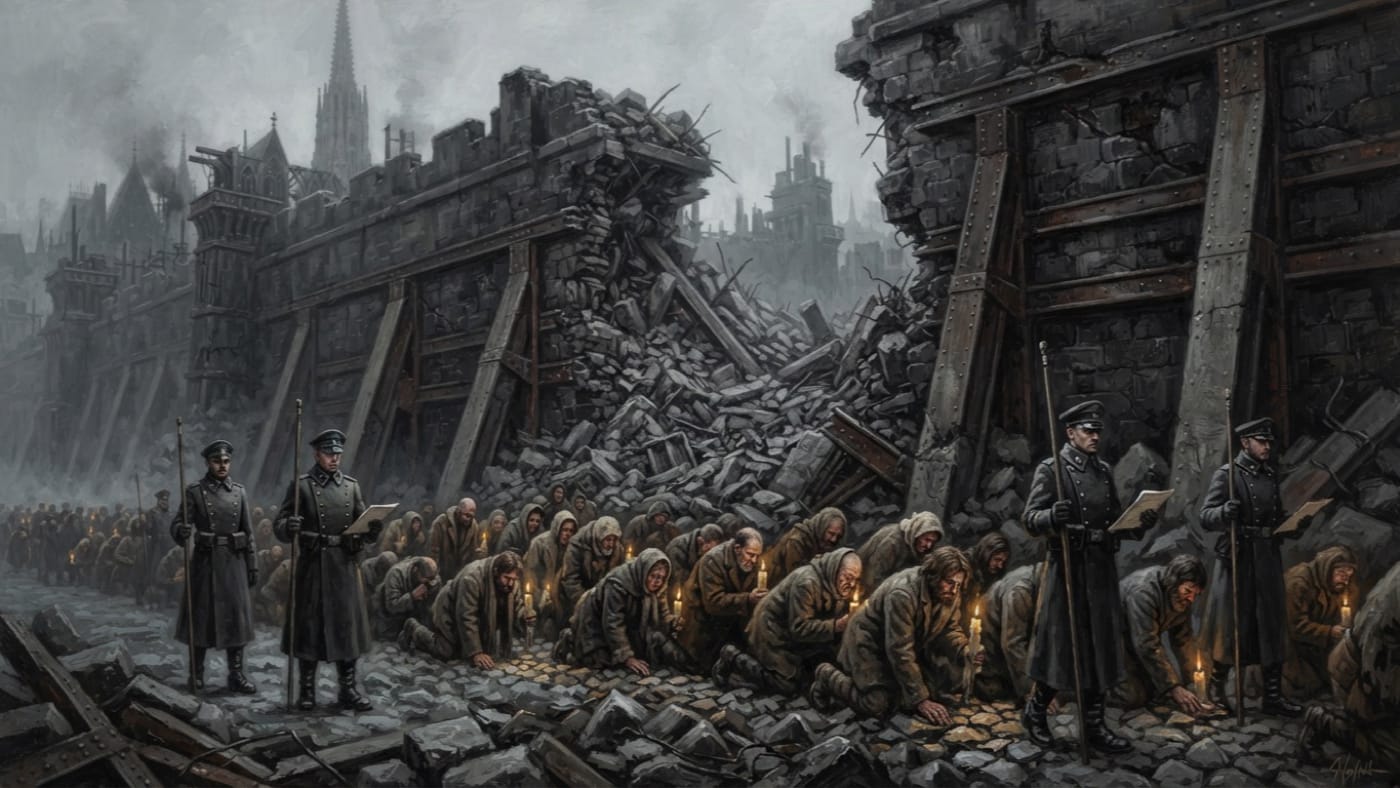
Kärntner Breach
The wall stayed broken so that knees might learn obedience
The Kärntner breach is Vienna's broken gate passage, where Clemens Stahlhand entered in A.S. 95 and pilgrims now pay with their knees.
Codex Ref. II.4.09-095
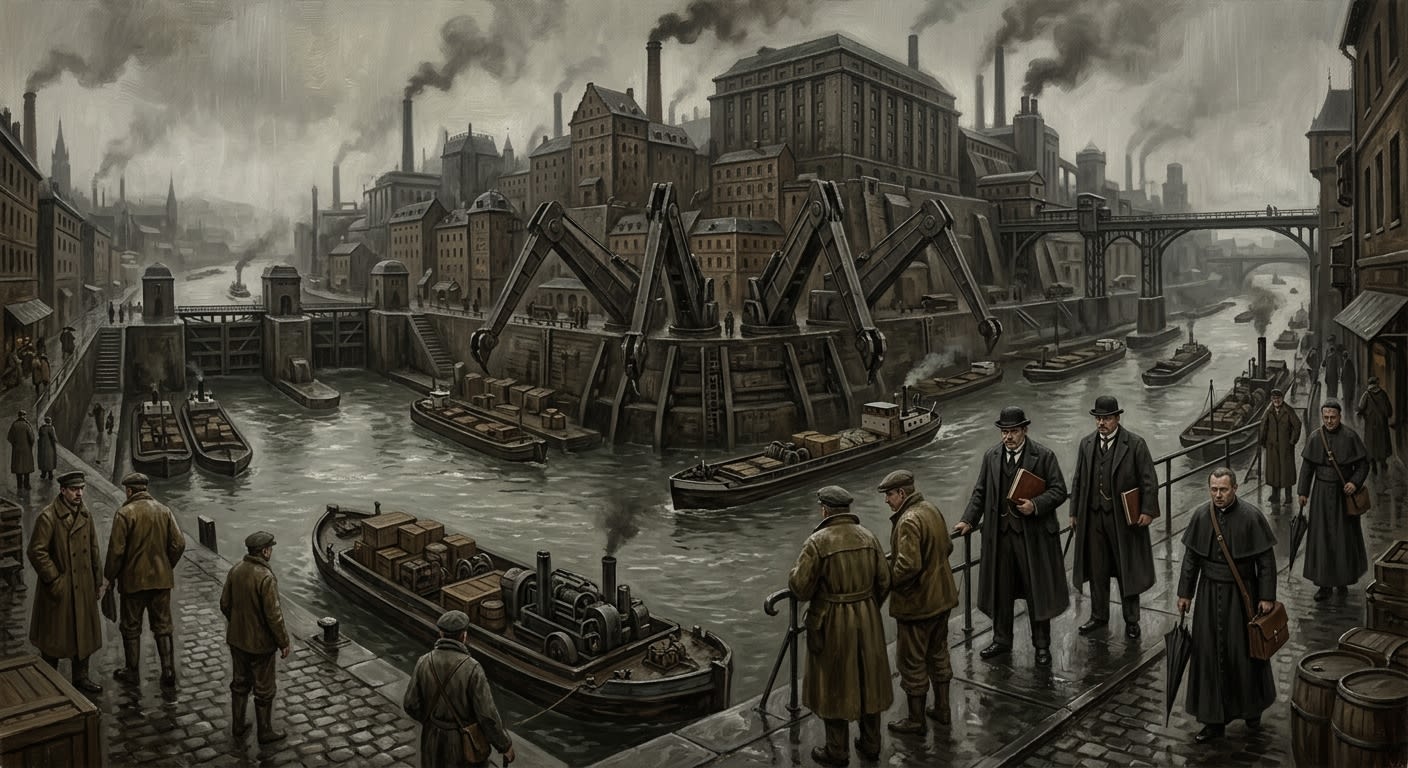
Koblenz
The holy art of handing the burden onward
Koblenz is the wet middle hand of the Ignatian chain: a Rhine-Moselle transfer city where sanctity lasted six minutes and became taxable forever.
Codex Ref. II.3.05-045
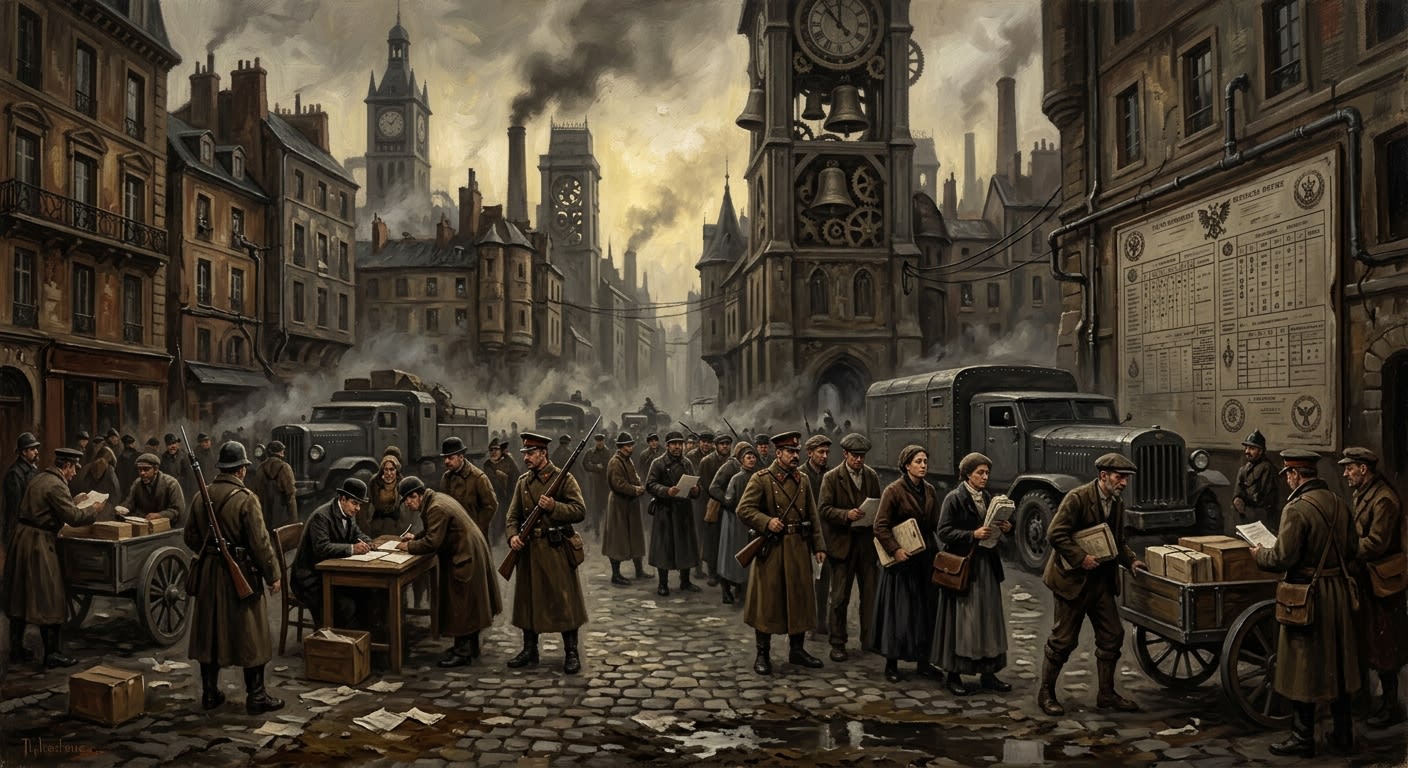
Languedoc
The province that made sunlight prosecutable
Languedoc is the southern heartland province where bells kept local time, songs bent under audit, and the Purges of A.S. 130 made sunlight a fileable risk.
Codex Ref. II.1.06-130
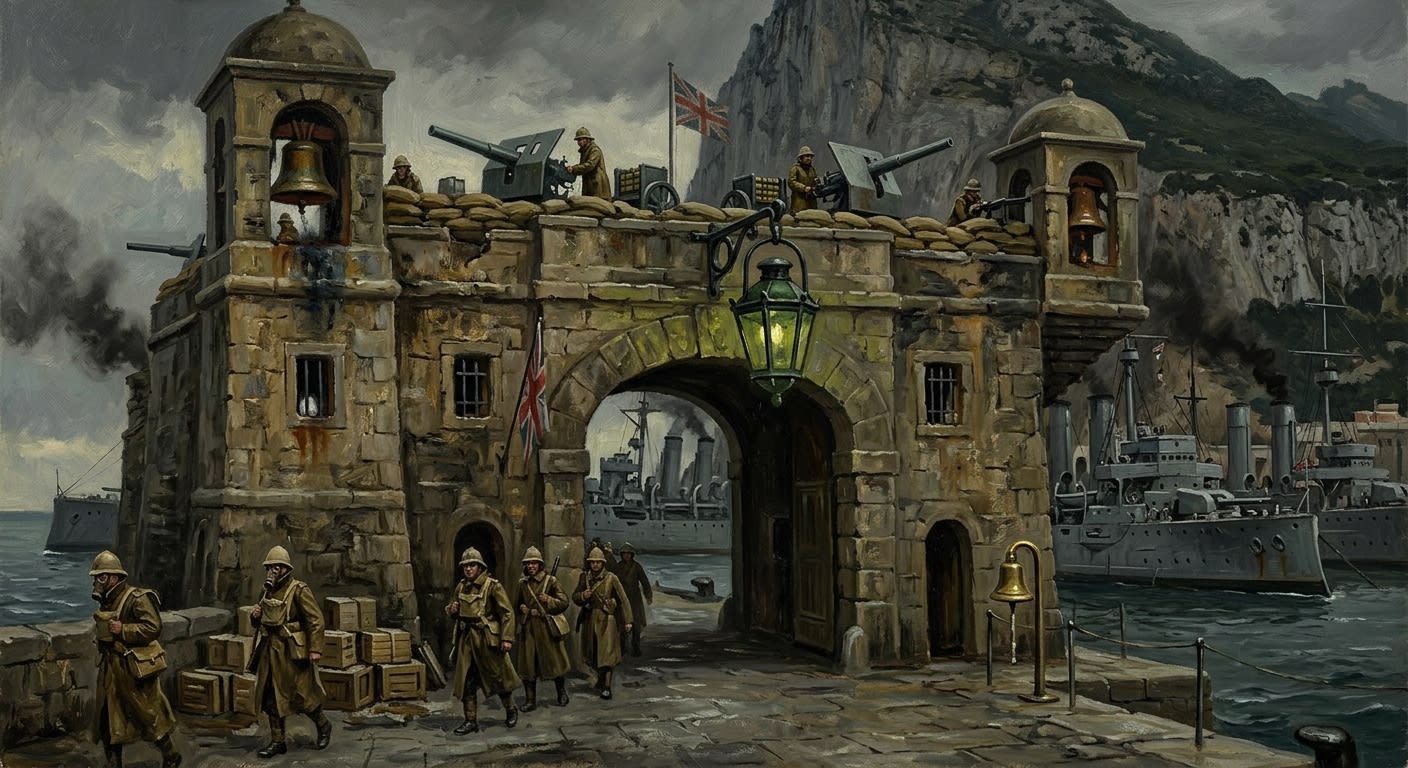
Lantern Gate, Gibraltar
The British fist at the Mediterranean mouth, politely denying it is a hand on our throat
The Lantern Gate at Gibraltar is Britain's southern naval knuckle: bell towers, chapel guns, anti-piracy patrols, and leverage disguised as maritime courtesy.
Codex Ref. II.4.09-010
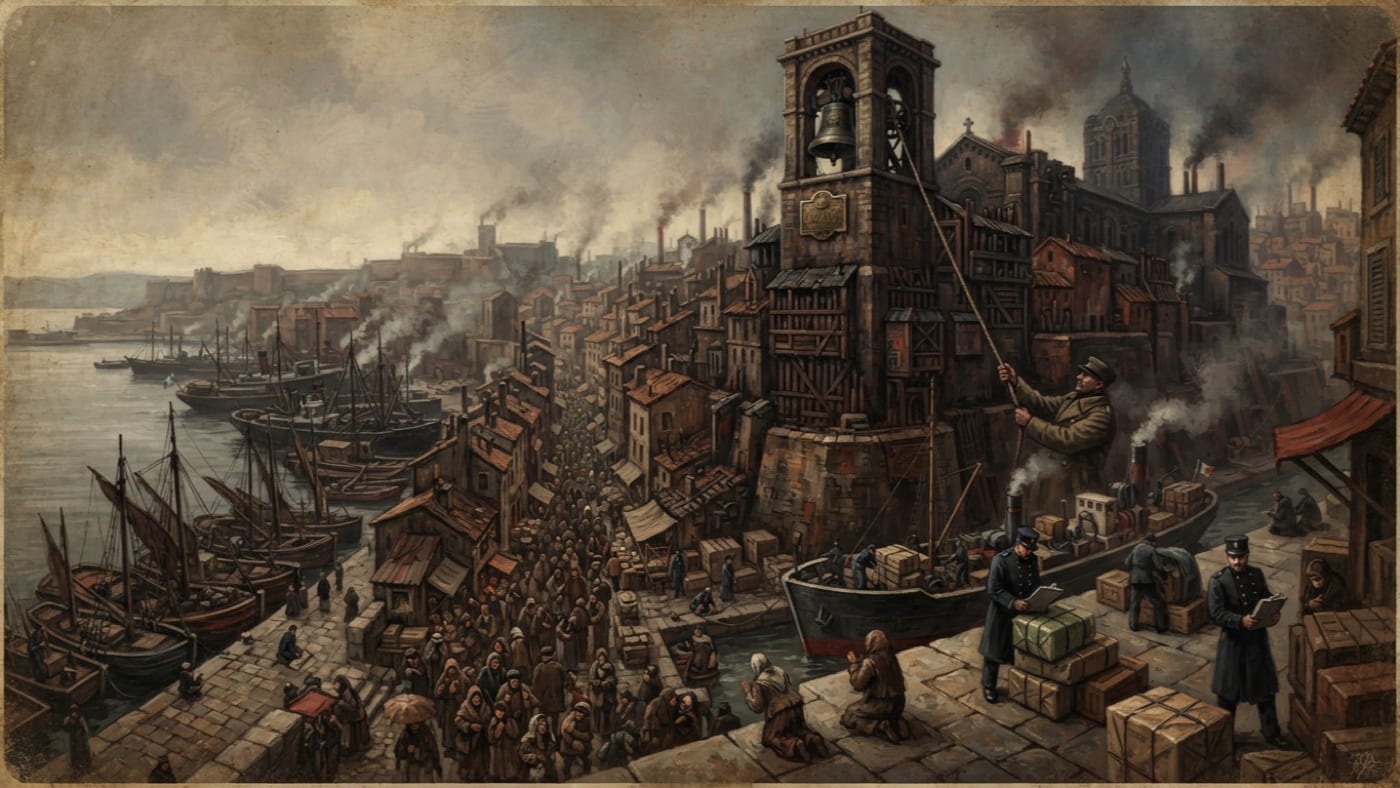
Lazare
Two errands for one bell; neither promises a verdict
Lazare is Saint-Victor's bell for relic arrivals and disputed deaths: bronze announces the matter, while Marseille argues over the verdict.
Codex Ref. XIII.1.62-215
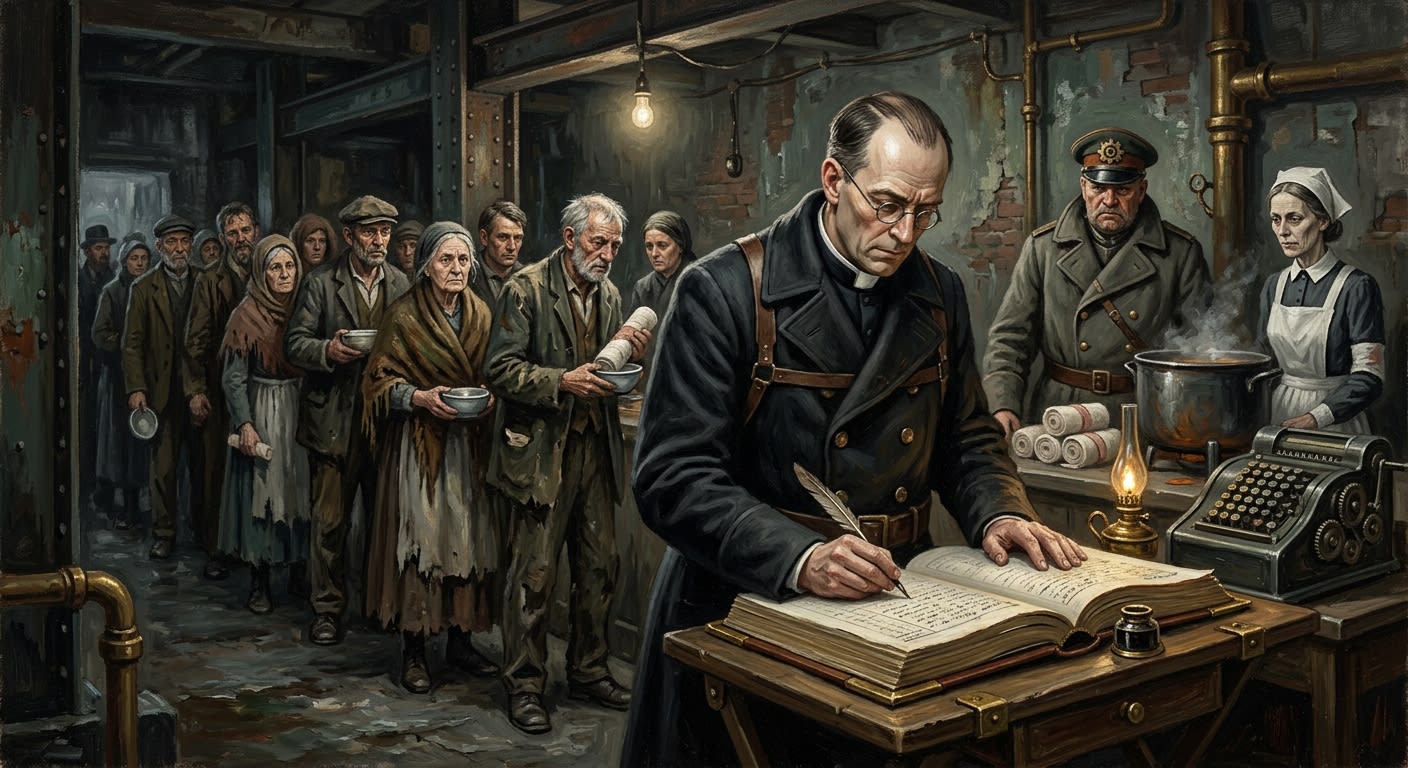
Ledger Laws
Mercy measured by the ladle, sanctioned by the noose
The Ledger Laws made mercy countable after the Broth Riots: every bowl, bandage, draught, confession, death, and useful pity entered the record before it dared call itself compassion.
Codex Ref. XIII.1.89-112
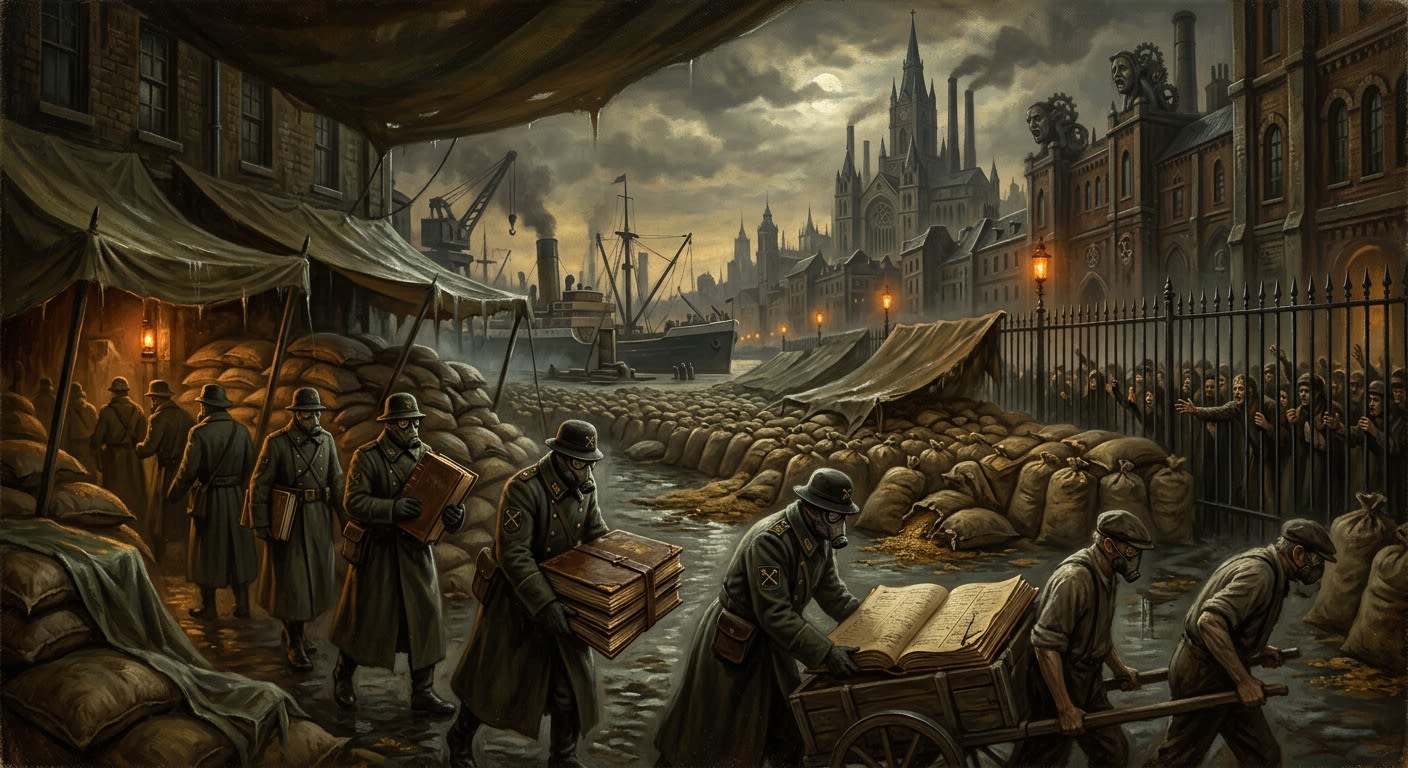
Ledgers of Varna
Bread in sight, mercy in arrears, tariff integrity preserved
The Ledgers of Varna record the A.S. 129 grain-fleet tariff paralysis that let bread rot under harbour canvas while citizens starved and the Bureaus preserved tariff integrity.
Codex Ref. VII.8.10-004
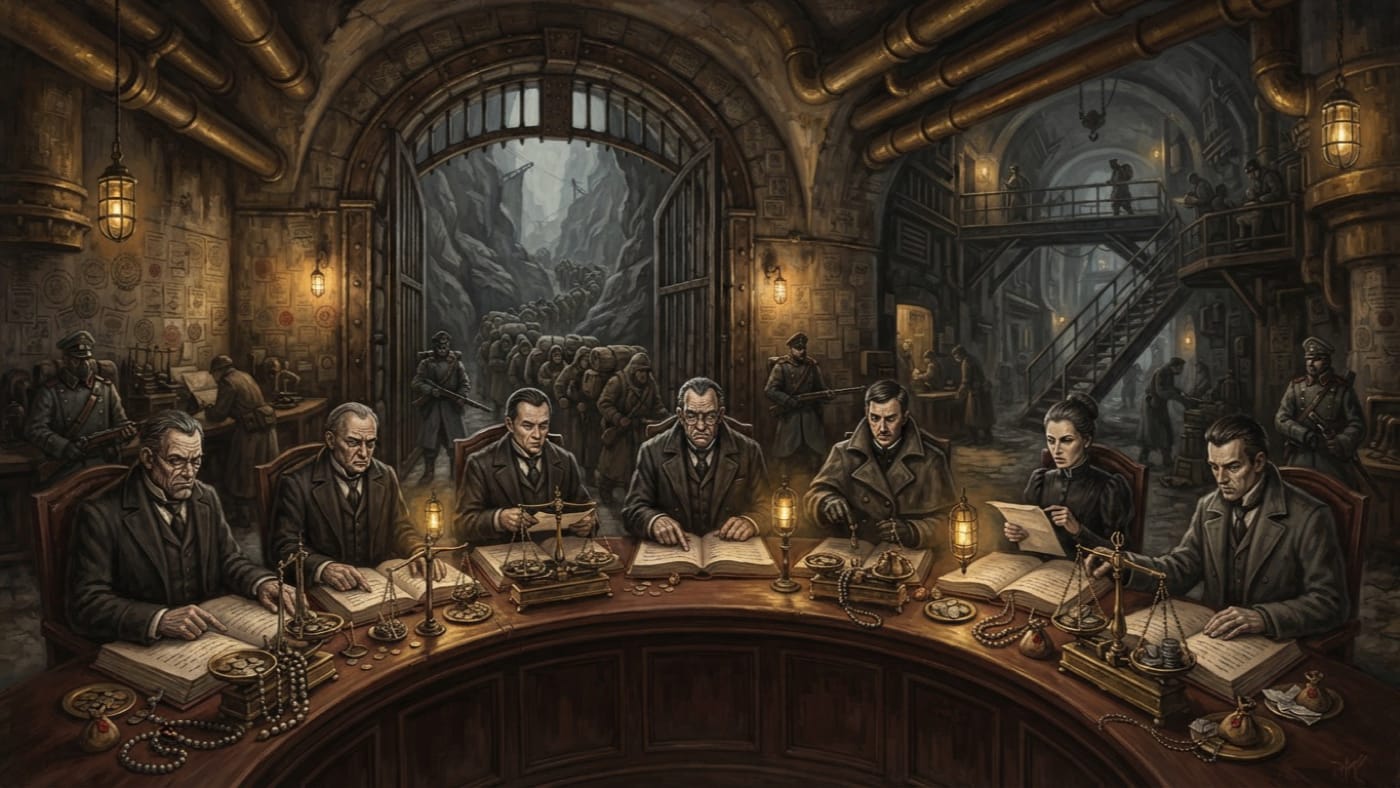
Licensed Broker Compact Council of Peregrine Row
Seven seats set the price; the Chapter holds the keys
Seven seats govern Peregrine Row's licensed protection trade. The Council prices escort windows, bonds captains and funds the Quiet Pens; the Road Chapter holds the gates. The pilgrim carries the risk.
Codex Ref. XII.32.03-201
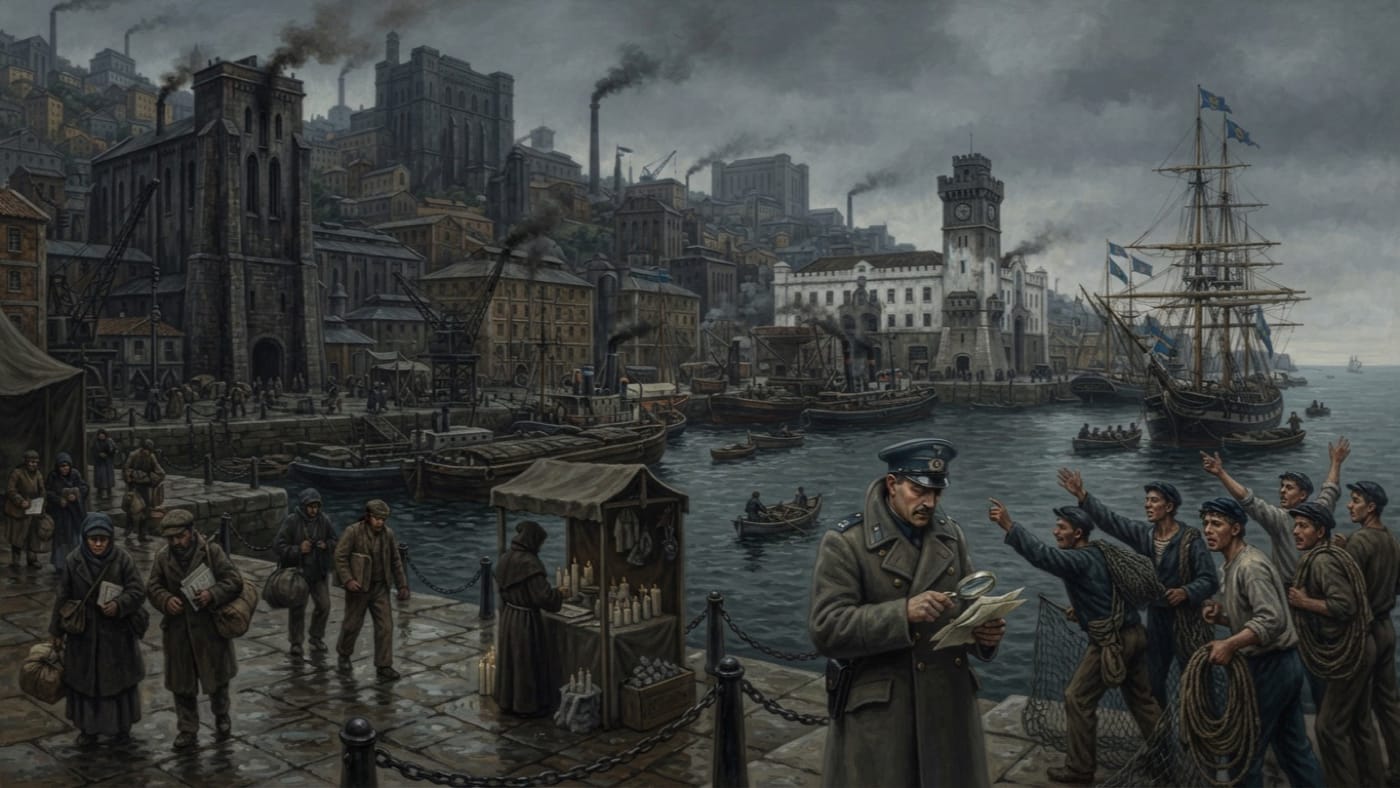
Lisbon
The harbour counts by contract
Lisbon sells sea candles, quake memory and licensed passage at the Atlantic mouth of the Tagus. Strasbourg counts its revenue; its sailors tell the catastrophe in the wrong order.
Codex Ref. II.4.09-201
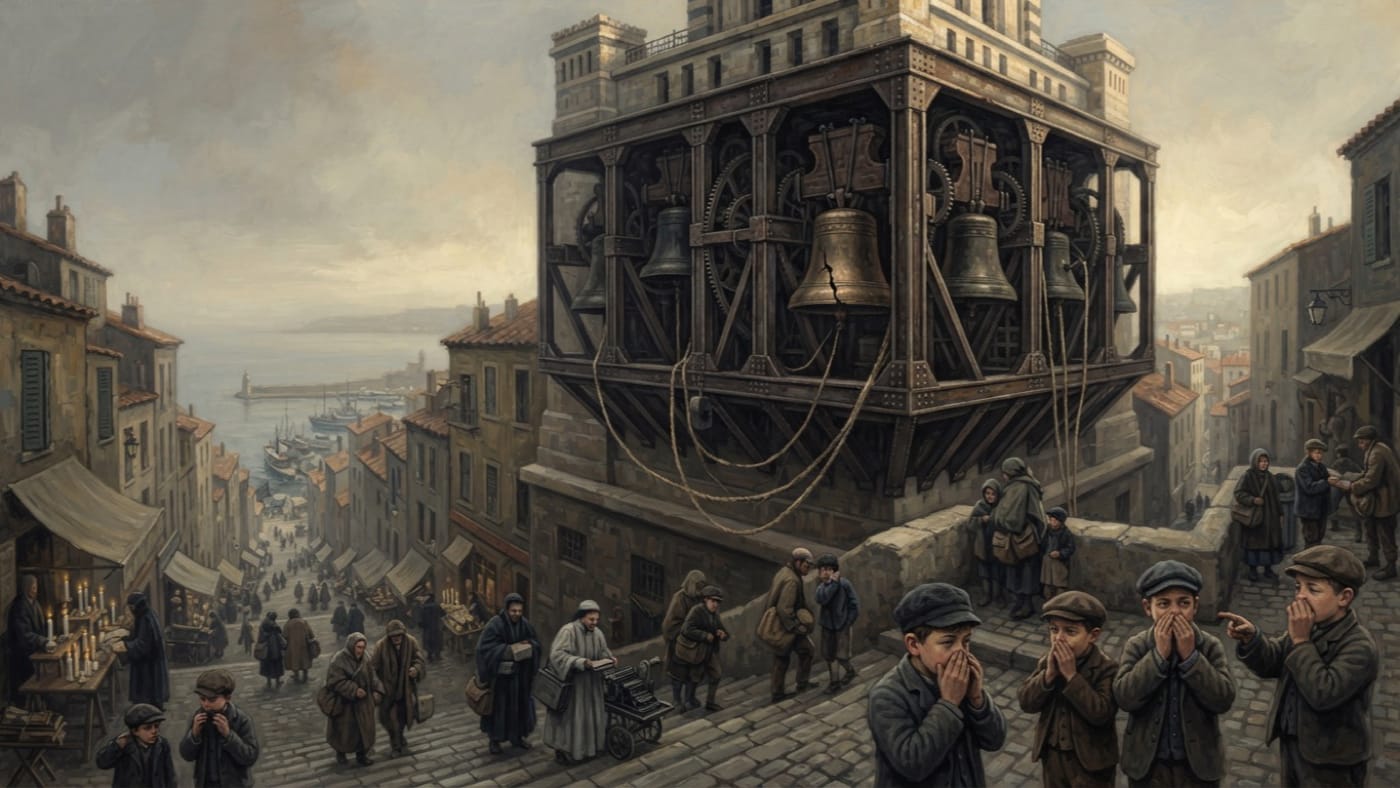
Little Beryn
Marseille knows the hour by a complaint its children can imitate
Little Beryn is Saint-Victor's bell for terce: cracked in A.S. 167, never properly repaired, and known to every Marseille child by its nasal complaint.
Codex Ref. XIII.1.62-218
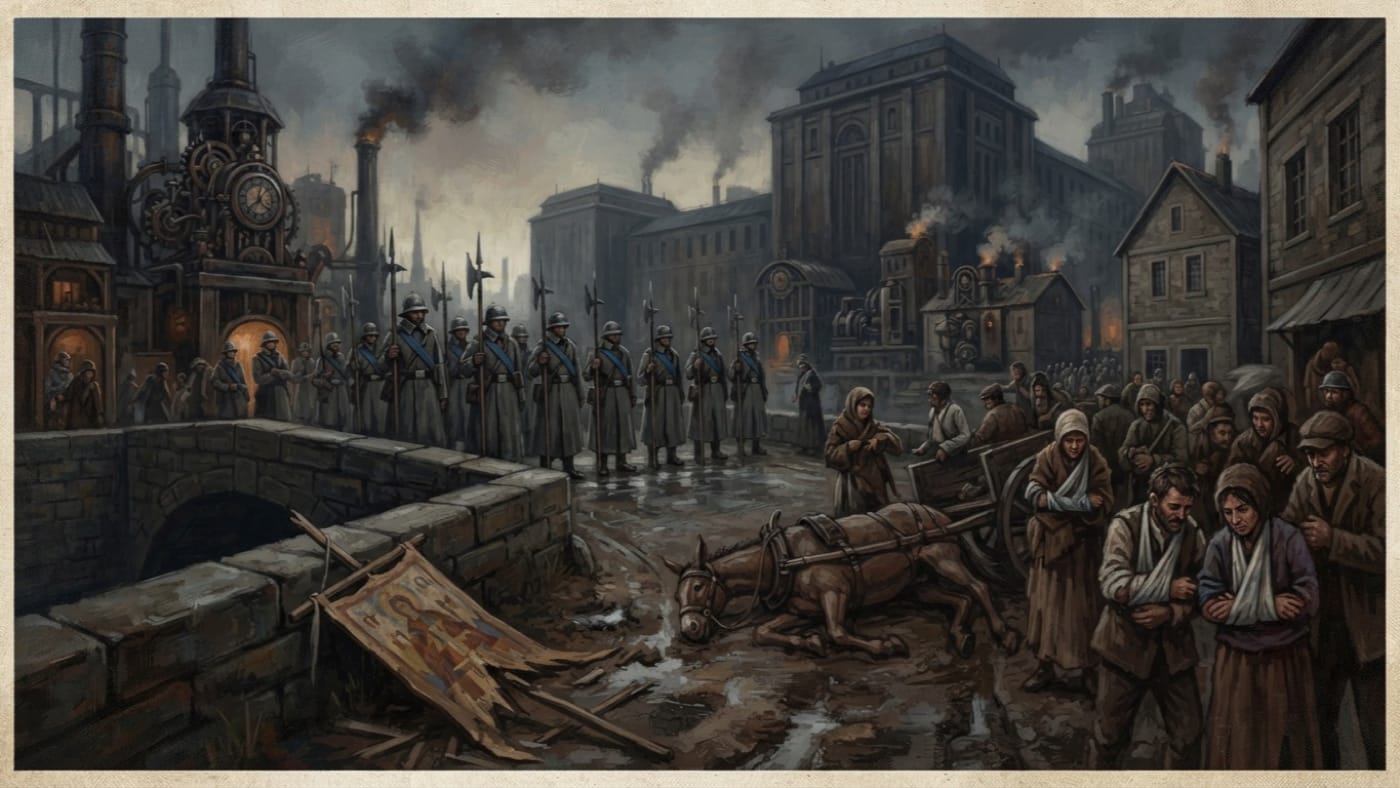
Lyon Road incident
Seven arms, one shrine banner, one mule, and a corrected manual
The A.S. 188 review of the undated Lyon Road incident replaced "pastoral firmness" with "licensed compulsion" after seven arms, one shrine banner and a mule were broken. The mule received no compensation; its owner was fined.
Codex Ref. VII.7.04-188
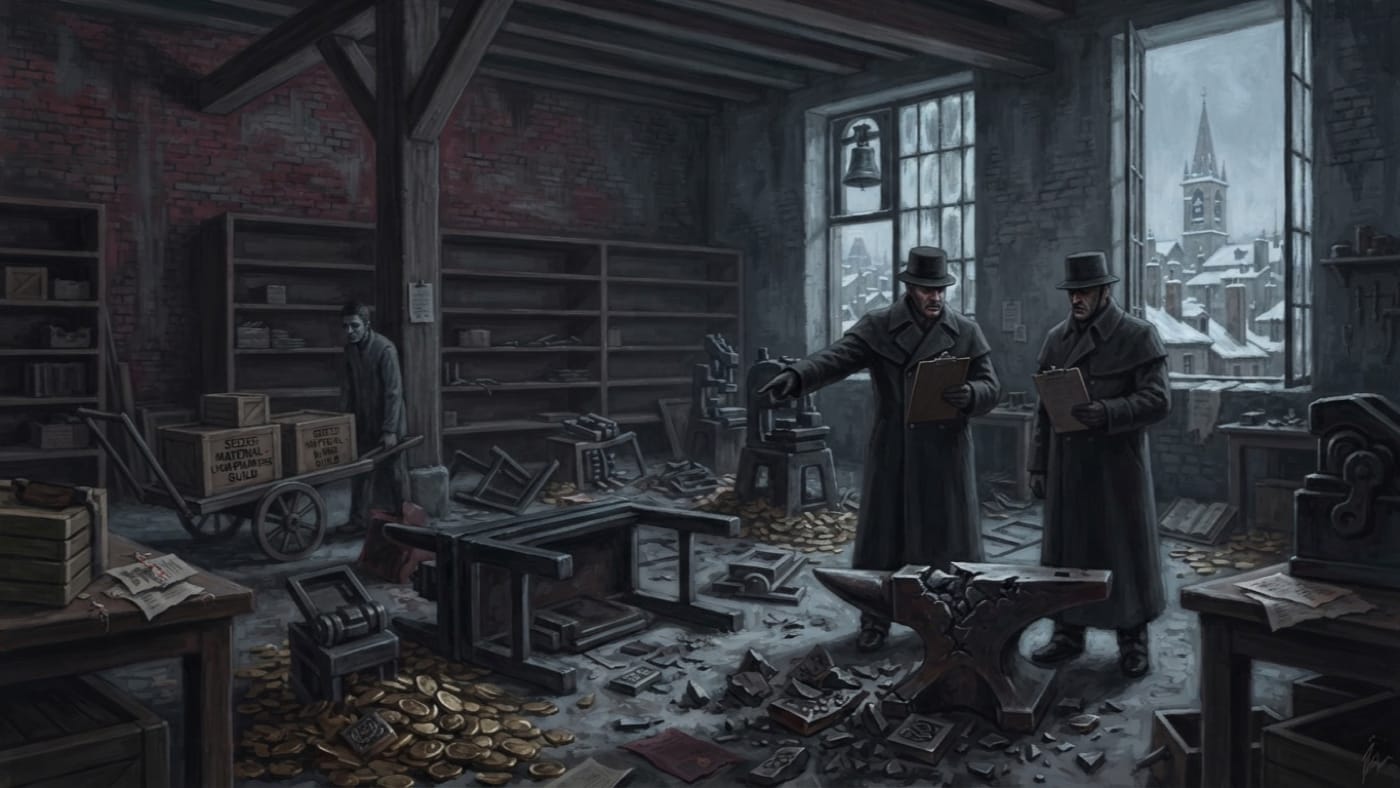
Lyon Stampers’ Guild
The charter is void; the bell still keeps the hour
Lyon's dissolved token-smith guild, broken in the Great Counterfeit Winter of A.S. 160. Its charter was voided, its apprentices redistributed, and its master die made to toll the hour in Strasbourg.
Codex Ref. XII.38.02-160

Maëlle of Dinan
Three corrections the Church chose to keep
Maëlle of Dinan corrected her family's name in three copies of the Martyrology of Saint-Malo. The Church preserved her ink; this file cannot supply the surname.
Codex Ref. III.2.01-007
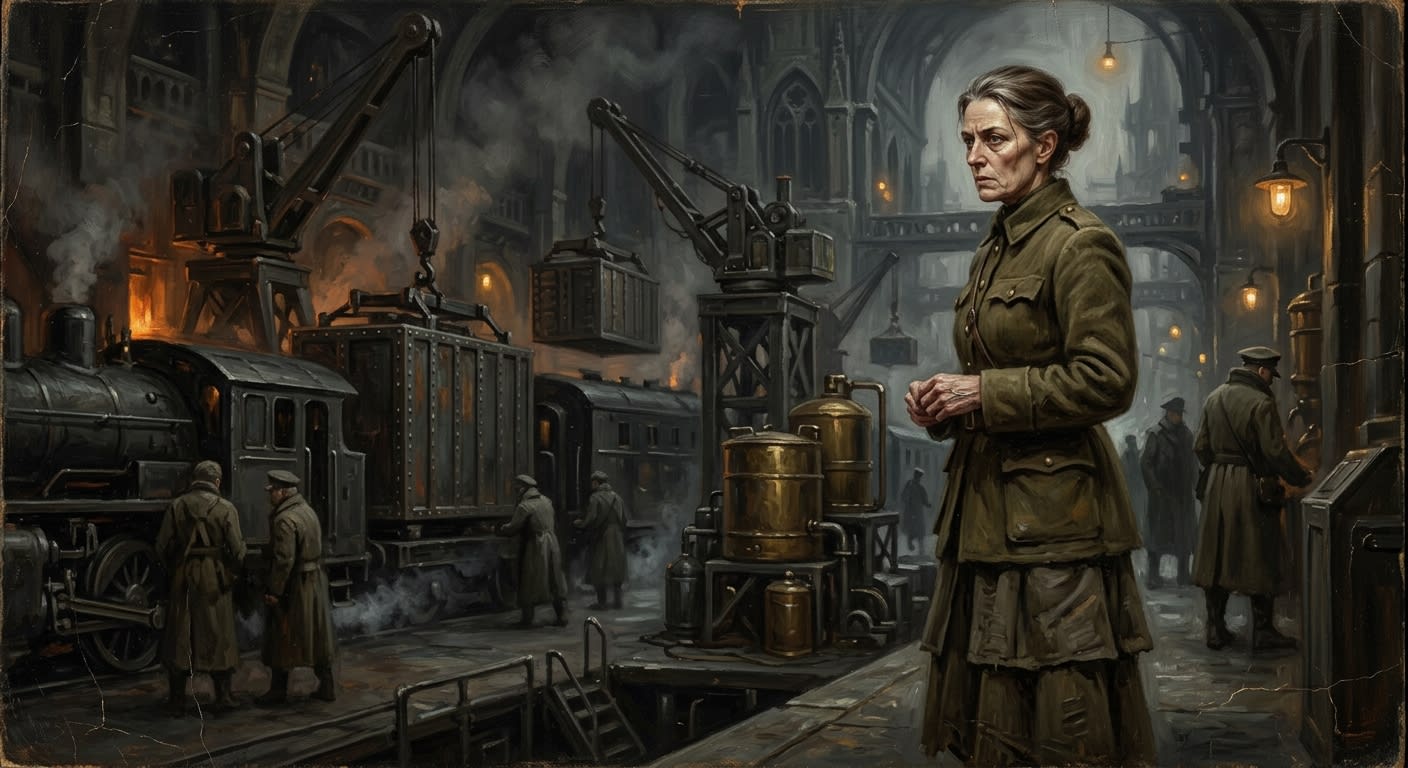
Maren Kessler
She kept the count clean and the water guilty
Handler Third Class Maren Kessler delivered eight Jubilee columns without recorded discrepancy, heard custody failing by sound, and retired with forty-seven water vessels.
Codex Ref. III.2.01-135
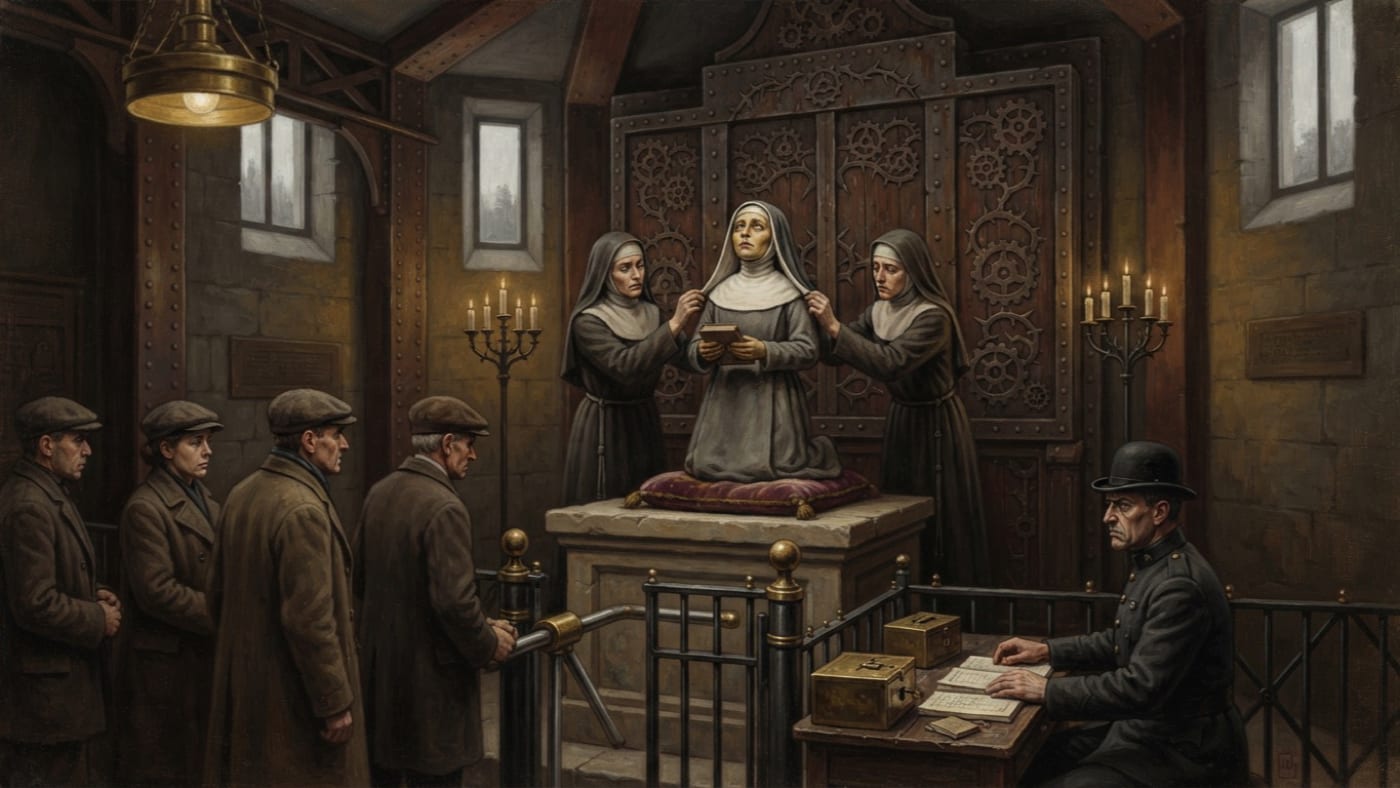
Margaux Chapel
Twelve sisters keep one saint from growing old
At Sainte-Claire-des-Landes, twelve sisters tend Saint Margaux's wax likeness while pilgrims pay at the gate. The face is certified; the chapel's founding remains unrecorded.
Codex Ref. II.1.09-015
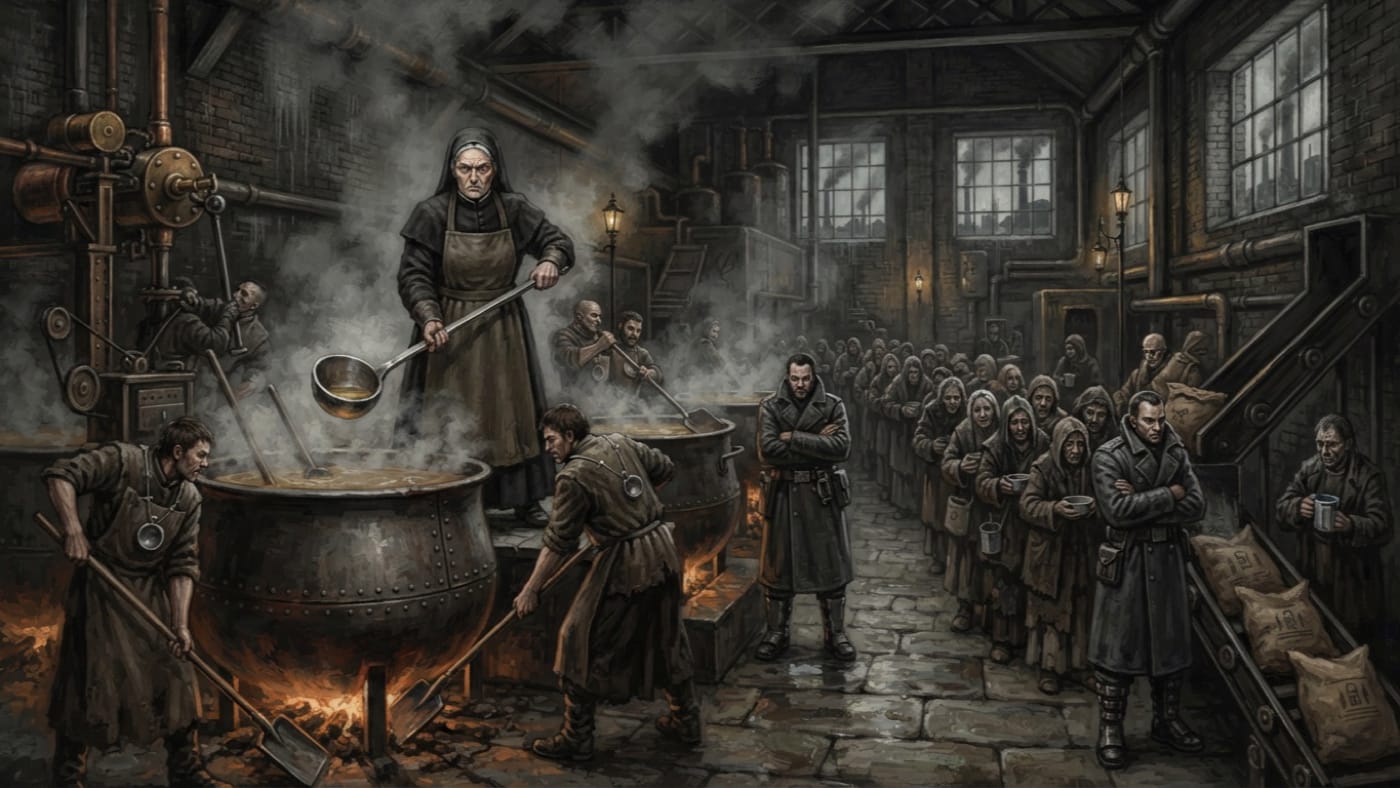
Marrow Kitchens of Saint Ilka
The ladle governs until the grain stops
The Marrow Kitchens feed Candle-Sump and file its confessions. Matron Ilka holds the ladle; the Prefecture holds the grain. As of A.S. 201, she demands autonomy, and the Care crews threaten to stop supper.
Codex Ref. XI.1.08-004
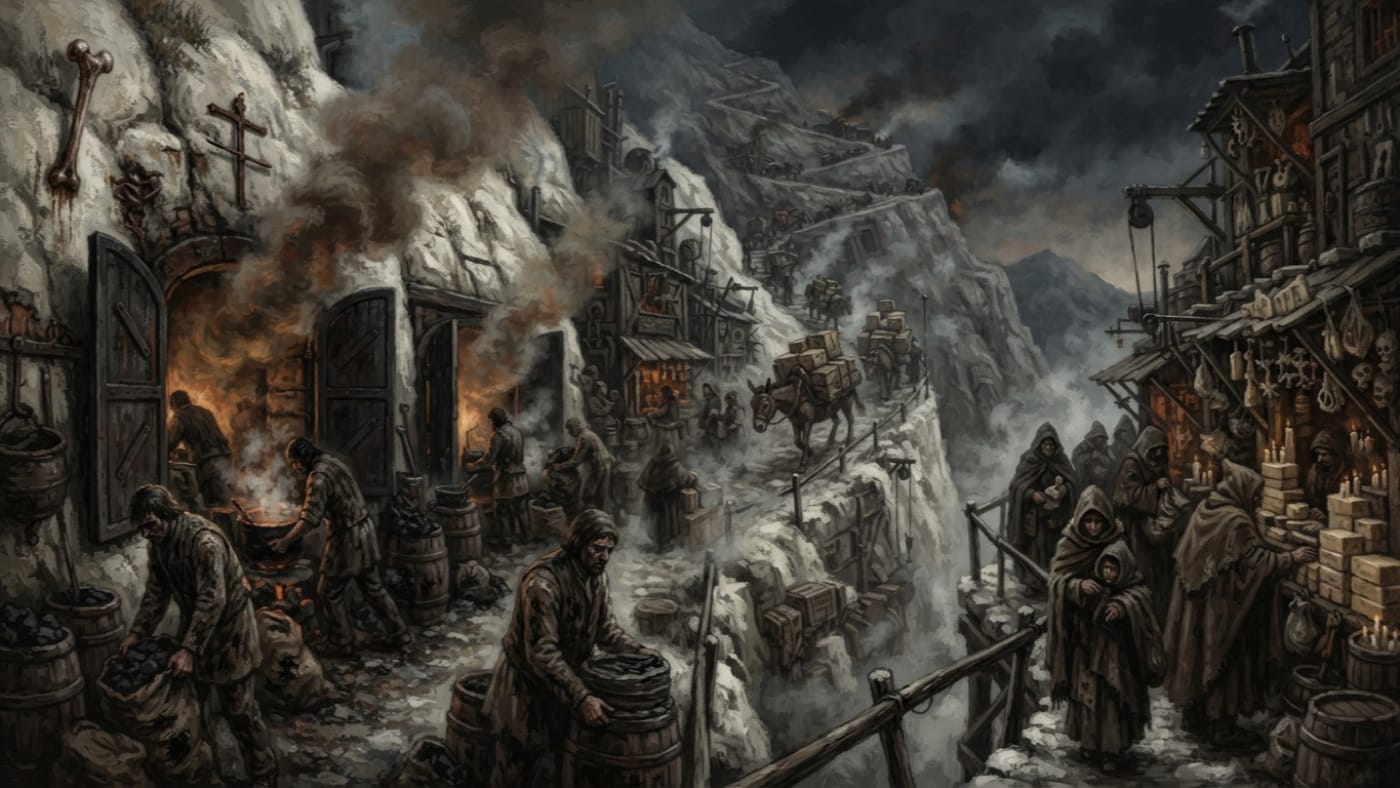
Marrow Market
The receipt certifies the weight, not the contents
The second turn of the Reliquary Switchbacks sells bone-craft, wax, tallow and mortar under the Marrow Makers' smoke. The bones require certificates; what survives the vats is harder to certify.
Codex Ref. II.3.05-005
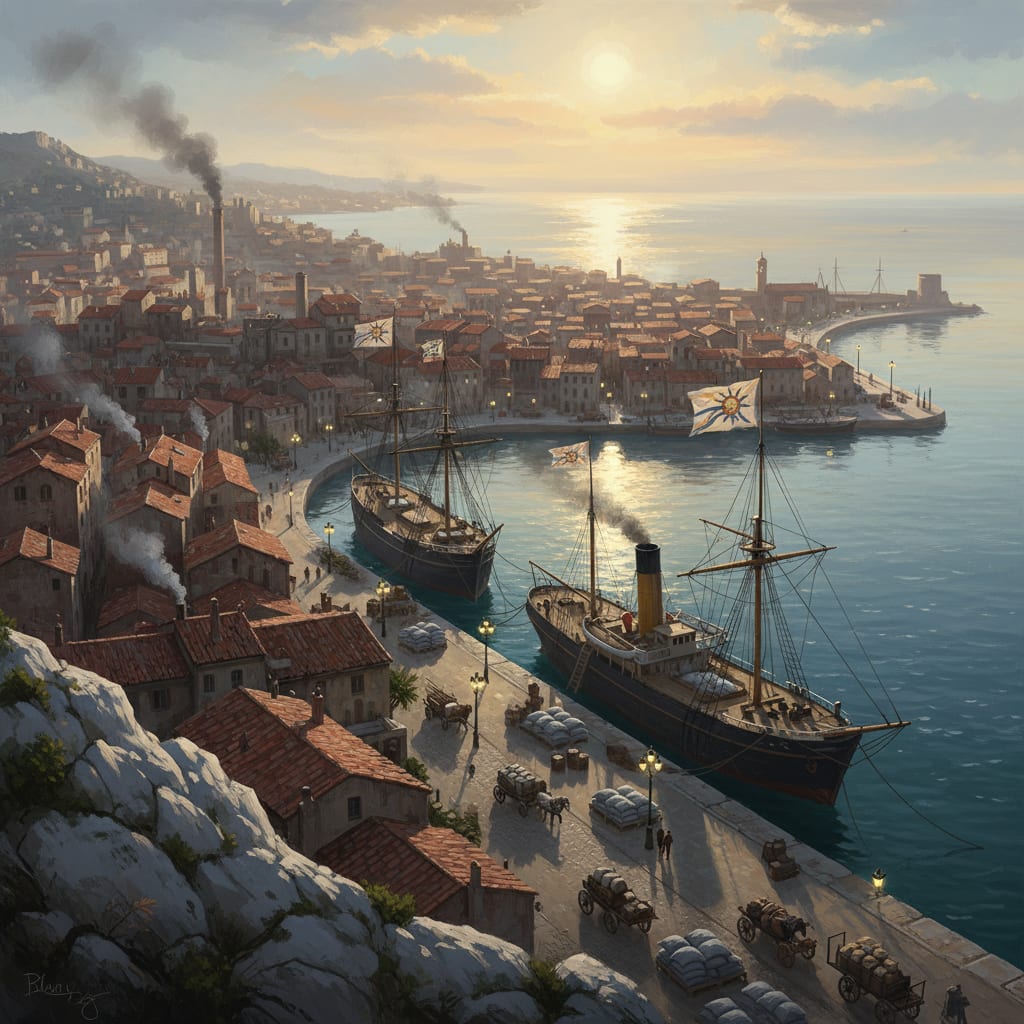
Marseille
Salt, pilgrims, and a territorial dispute the [[bureau-of-records|Bureau of Records]] has declined to arbitrate
The Synod's southern mouth — 650,000 souls between limestone and salt water, two competing Bureaus sharing a harbour they cannot agree on.
Codex Ref. II.4.09-012
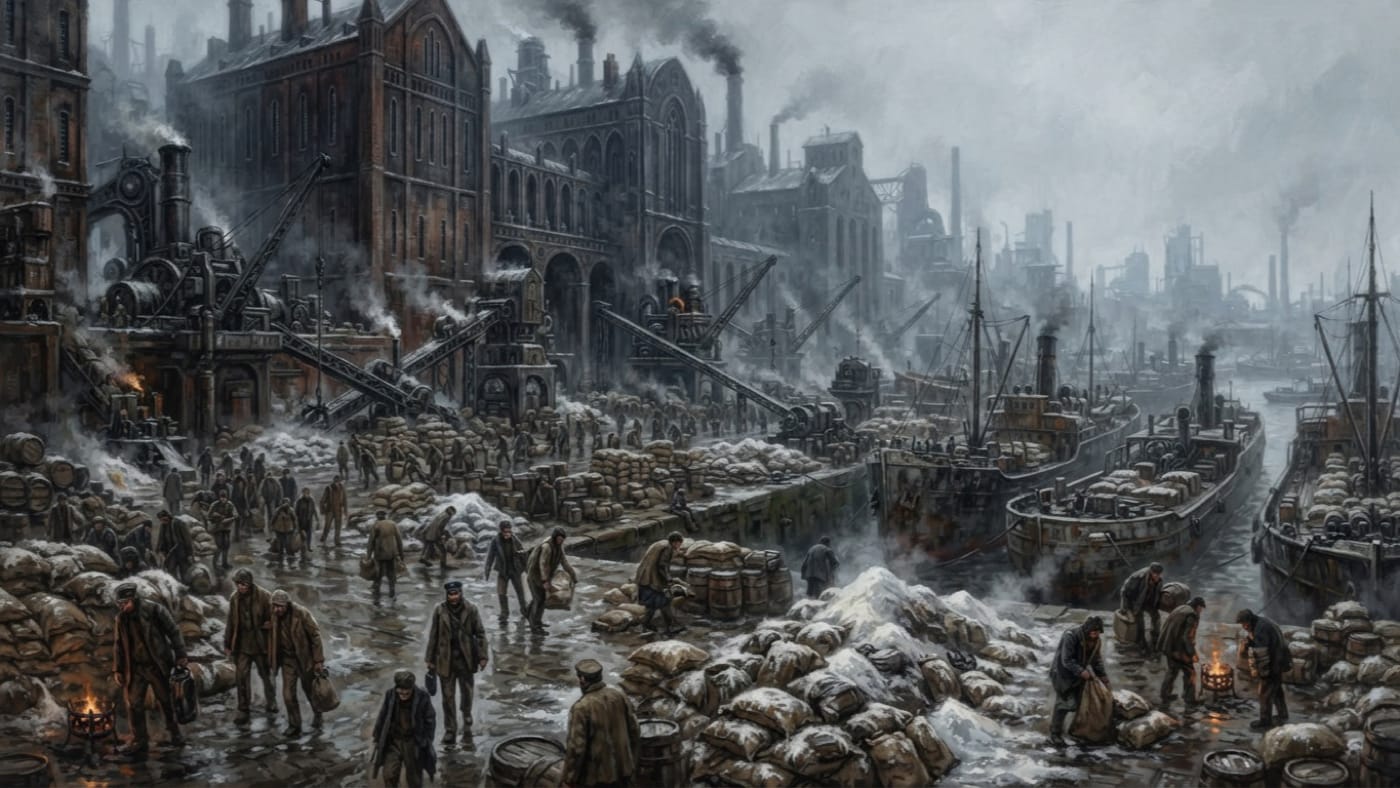
Marseille Salt Crisis
The winter lost its year; the Bureau kept its levy
An A.S. 201 survey of Marseille's undated winter emergency, preserved in Tithe Assessor tradition, and the Salt Dues first imposed in A.S. 92. The Bureau kept the levy more carefully than the winter's year.
Codex Ref. VII.4.22-001
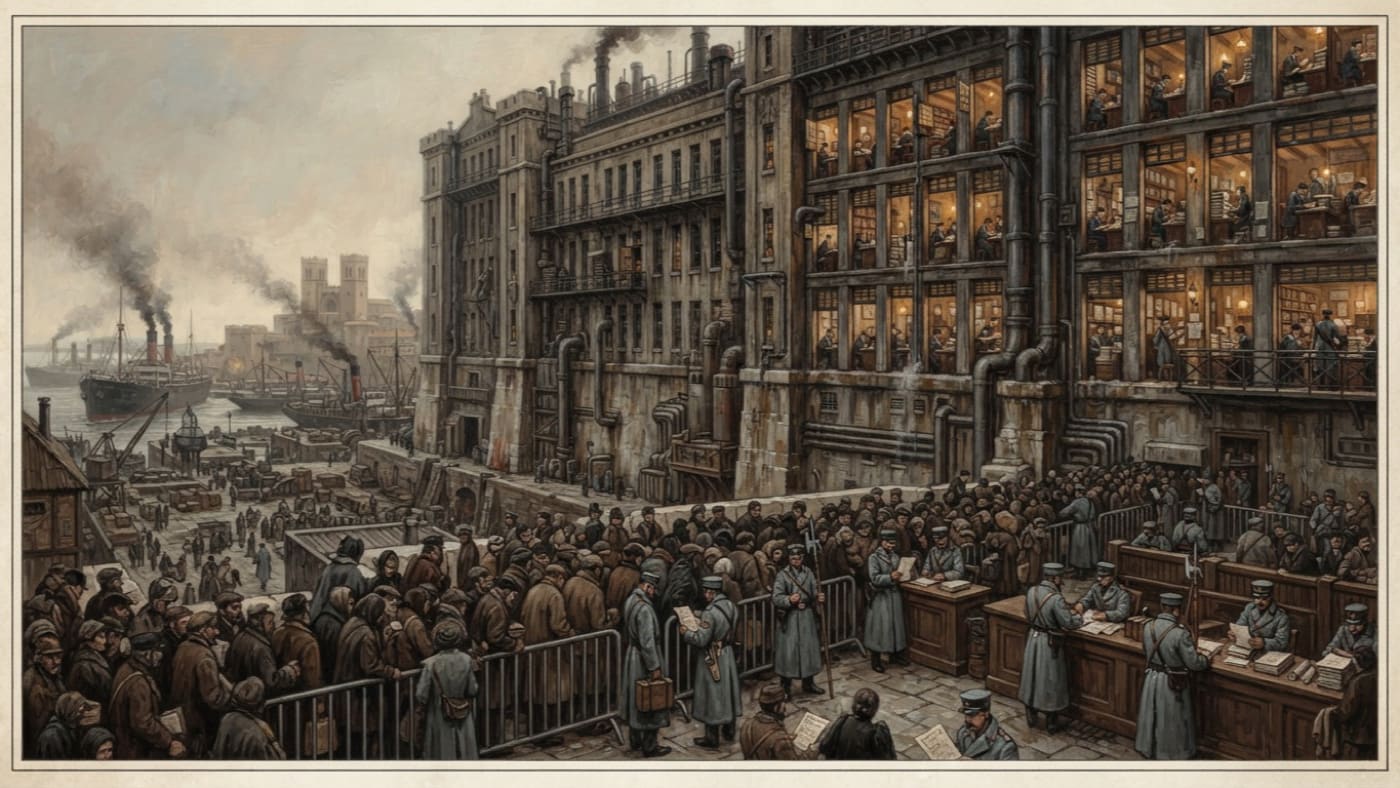
Marseille Southern Headquarters
Four hundred thousand permits, three foundation corrections
Authorised in A.S. 123, Marseille's southern pilgrimage headquarters processes approximately 400,000 embarkation permits yearly above three immured guild-masters. The groaning is classified as structural settlement.
Codex Ref. II.4.09-123
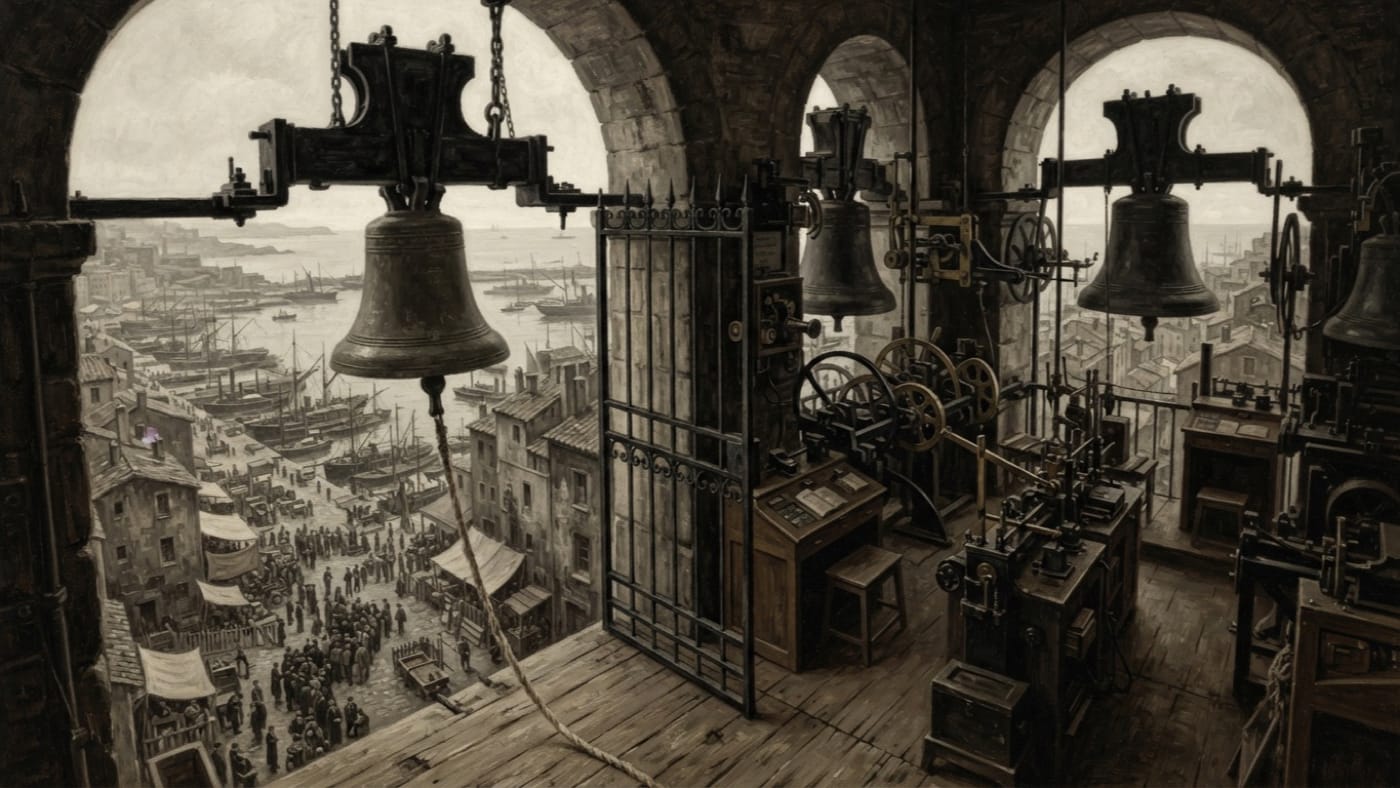
Marthe
Thin bronze gathers the faithful; ink decides where they go
Marthe is Saint-Victor's thin, sharp pilgrim muster bell: she gathers Marseille's faithful where the Bureau expects them, leaving permits and berths to Pilgrimage.
Codex Ref. XIII.1.62-222
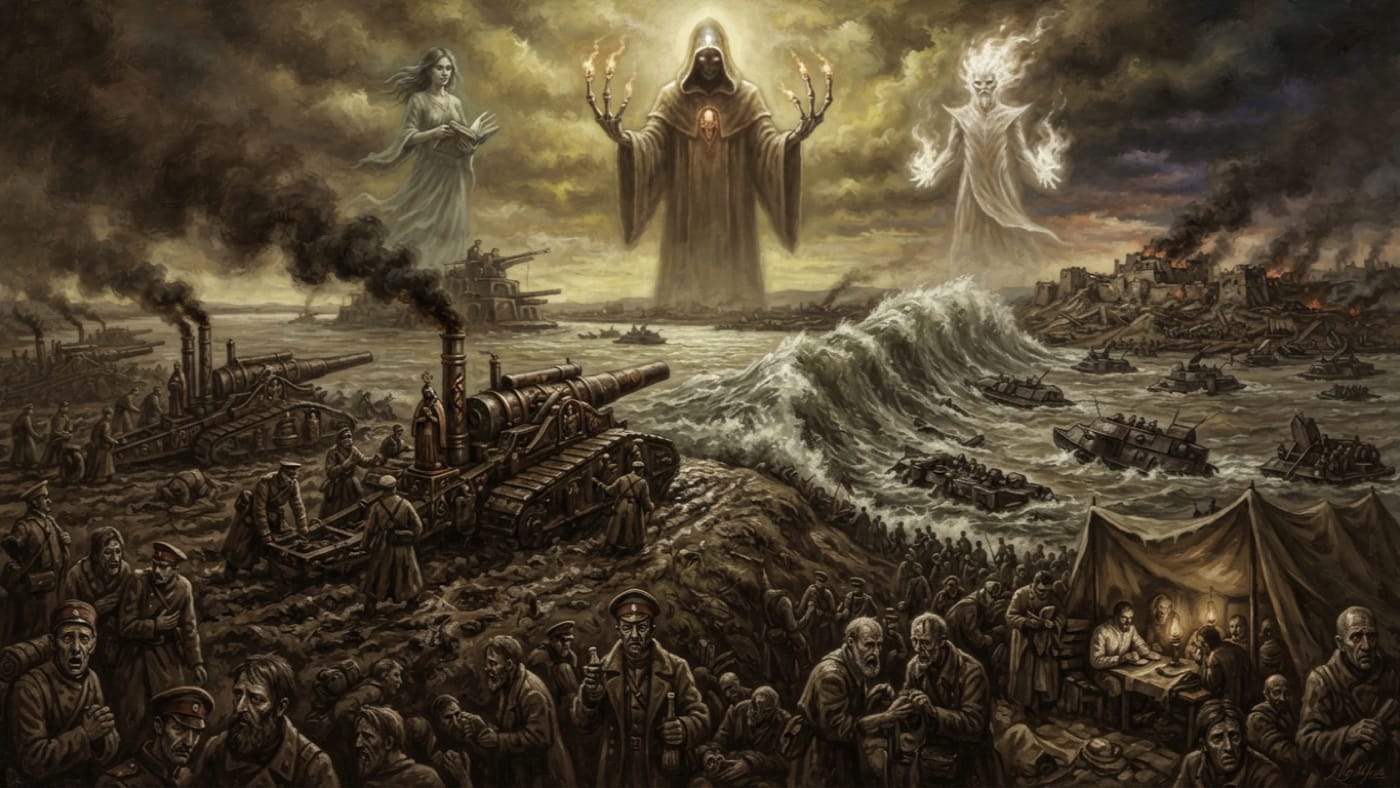
Martial Miracle
The river turns; the Bureaus take custody
Battlefield manifestations of the Creator's favour, read through Kalnik and Belgrade. Doctrine interprets, Records keeps the testimony, and War claims the victory. Pilgrimage sends the bill.
Codex Ref. VI.3.02-001
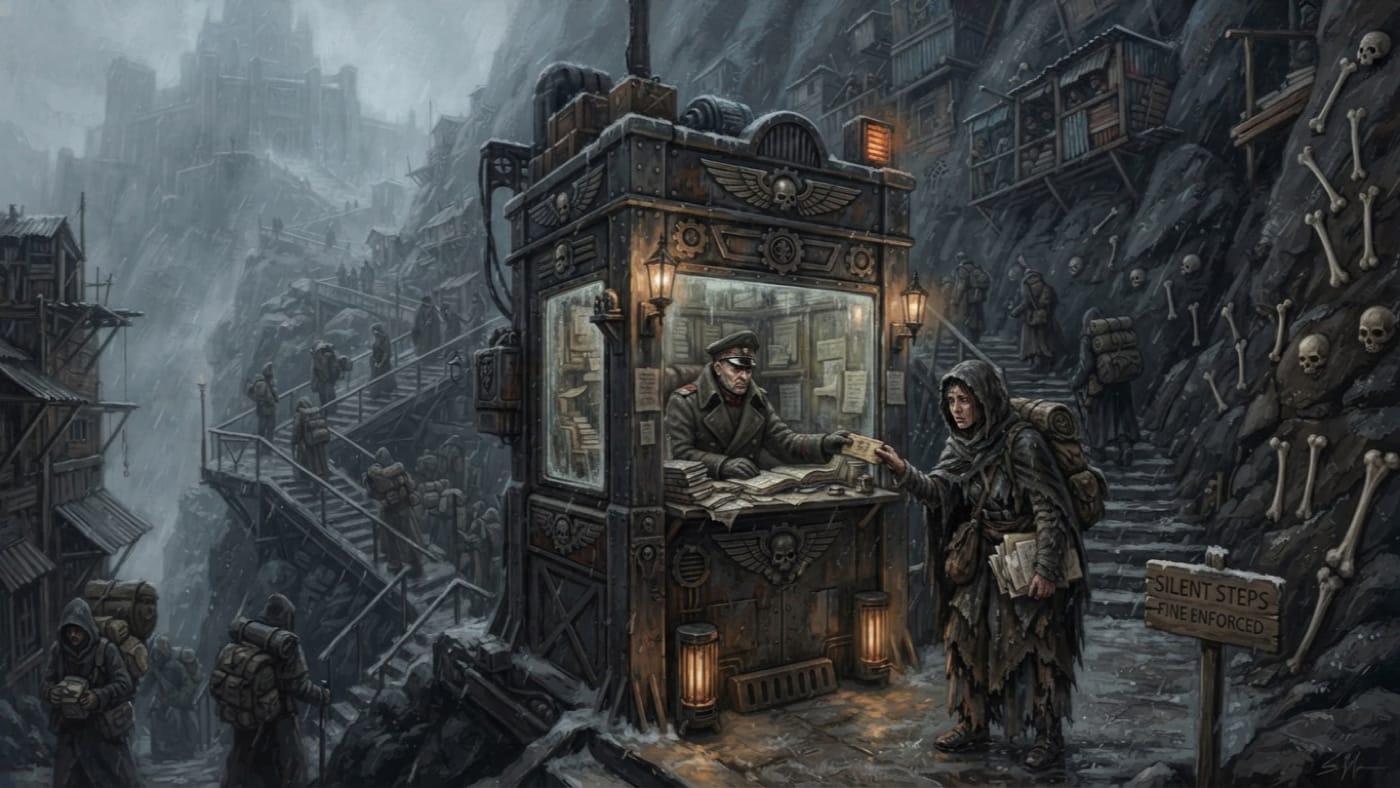
Martyr-Credits
The price of being spared the next question
Registry-backed devotion tokens that spare scrutiny on the Reliquary Switchbacks and secure Silent-Step fines. The Registry denies selling them; the booths remain open.
Codex Ref. XIII.1.85-201

Martyrology of Saint-Malo
Thirty-one names, forty-three seconds, and a civilization built from first blood
The Martyrology of Saint-Malo counts thirty-one dead, five absences, and every obedience the Synod has purchased with their blood.
Codex Ref. VII.8.02-001
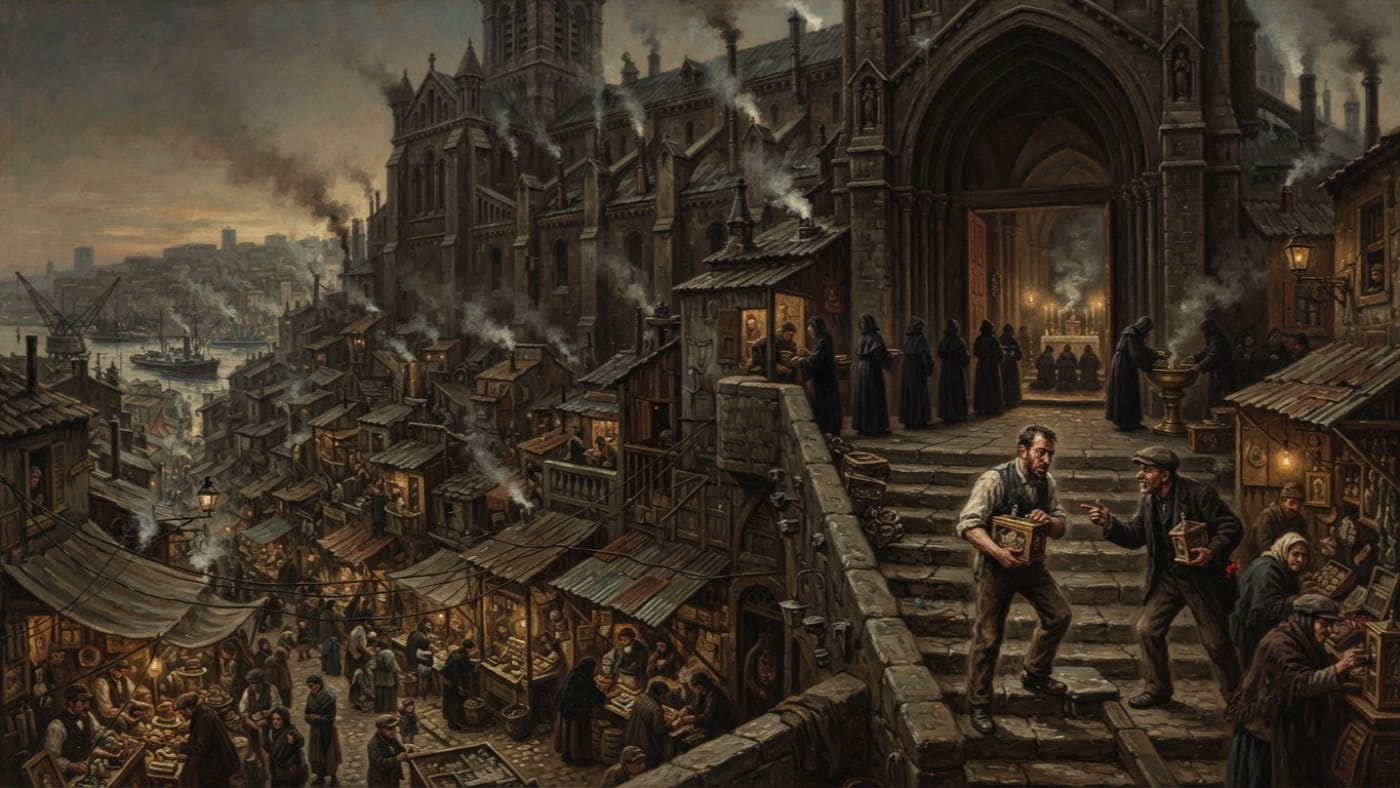
Masses of Remedial Doubt
The dealer pays for prayer; the knuckle keeps its provenance
At Saint-Victor in Marseille, relic dealers buy Masses of Remedial Doubt when customers complain. The cathedral receives an offering; the disputed bone acquires no certificate.
Codex Ref. XIII.1.43-002
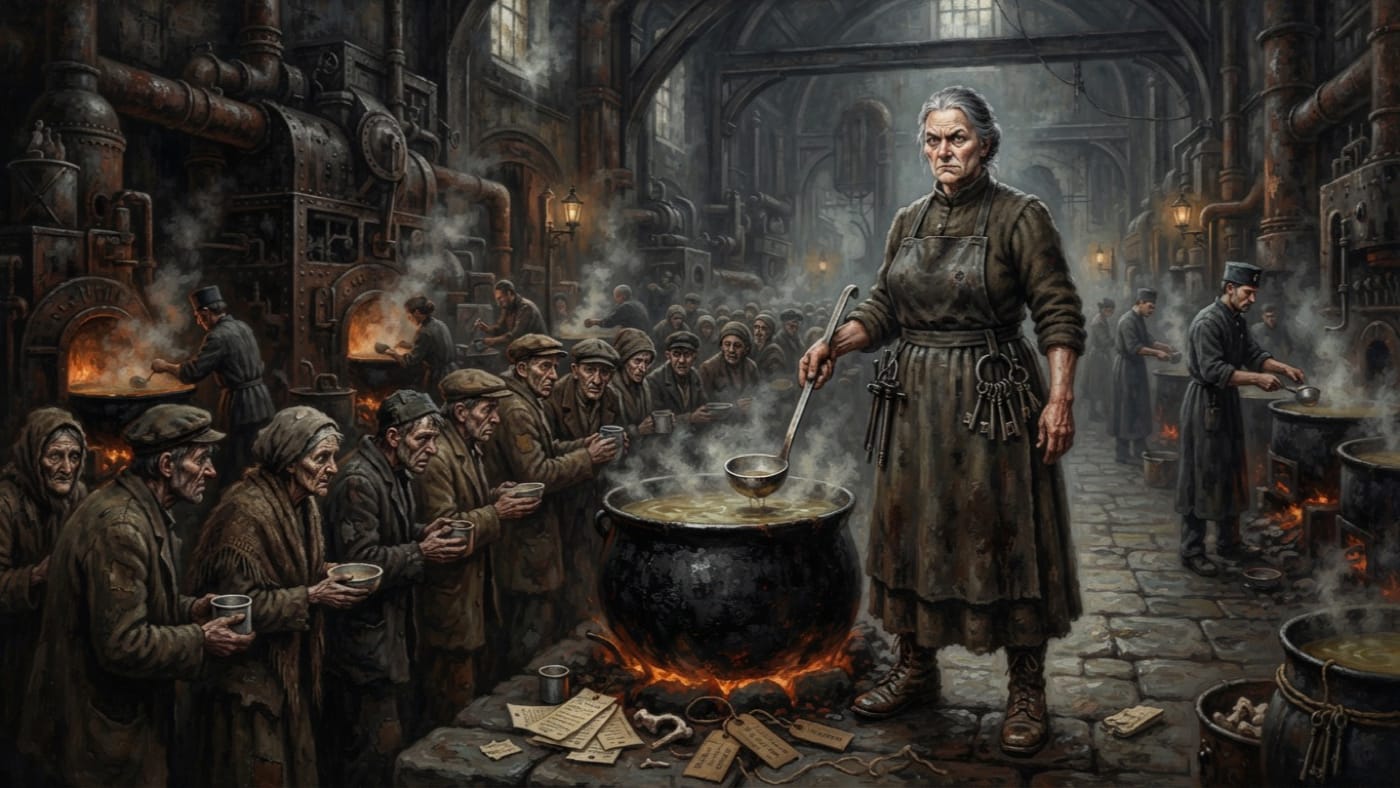
Matron Ilka
Calories are sovereign, and she holds the ladle
Matron Ilka, the locally styled Broth-Saint, feeds Candle-Sump and governs its brothline. At the A.S. 201 assessment, she seeks kitchen autonomy from Prefectural calorie allocation. The ladle has outlasted seven officials.
Codex Ref. III.1.05-001
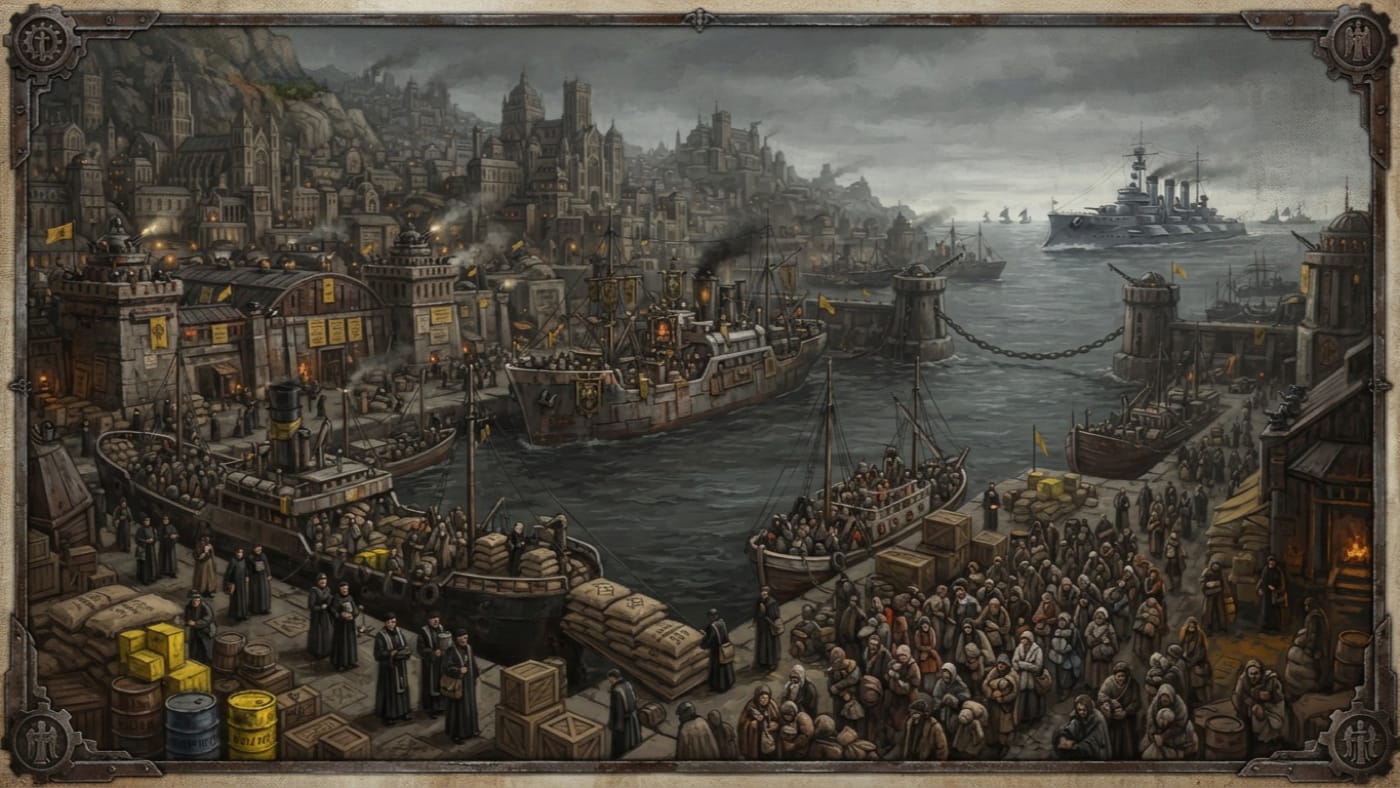
Mediterranean
The oldest road the Church holds, and the only one it cannot pave
The Mediterranean feeds the southern Line with grain, shot and pilgrims. Rival ports tax the passage, quarantine the passengers and leave room for contraband. The sea takes its share without a receipt.
Codex Ref. II.7.01-201
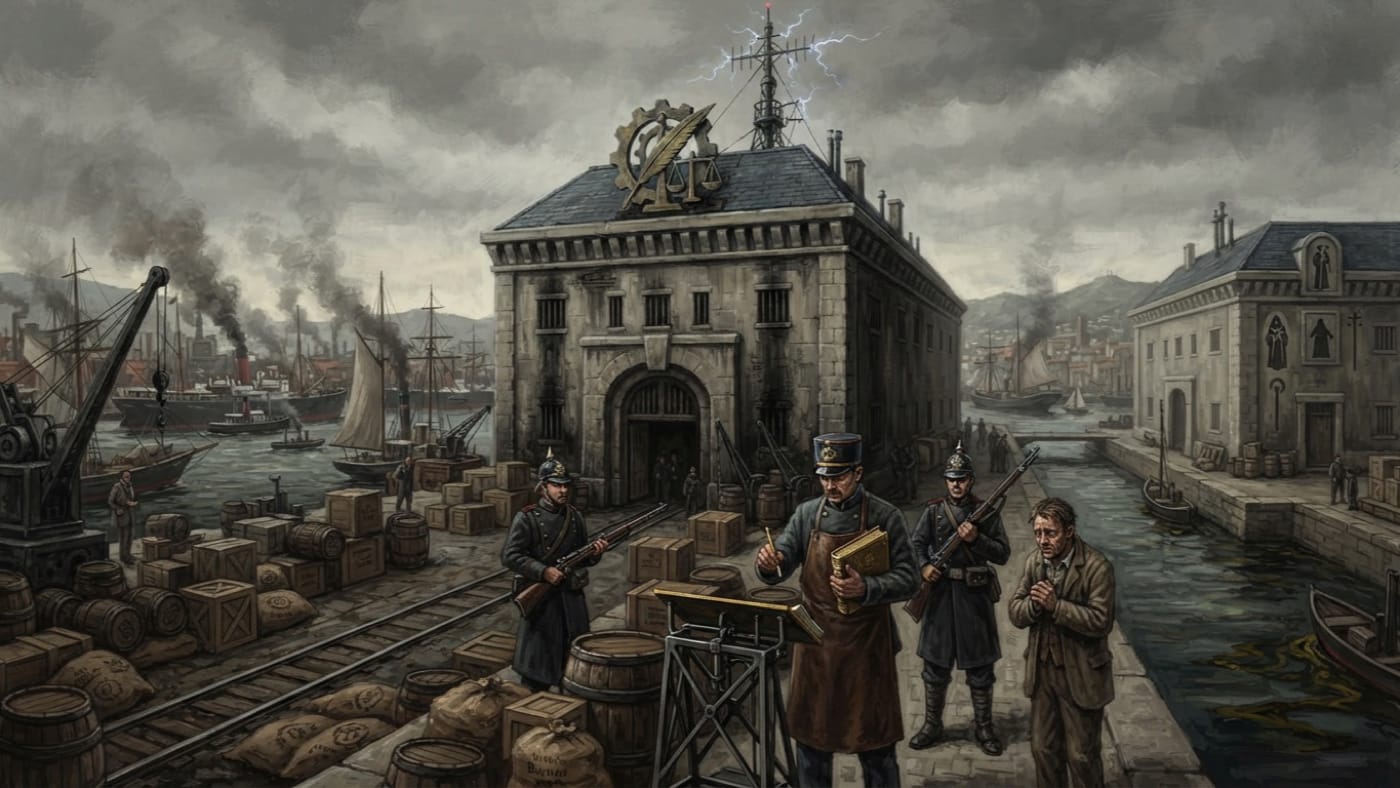
Mediterranean Revenue Office
Jurisdiction contested, collection continuous
The Bureau of Tithes' regional seat in Marseille weighs cargo and collects Salt Dues still temporary after 109 years. Harbour jurisdiction remains contested. Collection continues.
Codex Ref. II.4.09-201
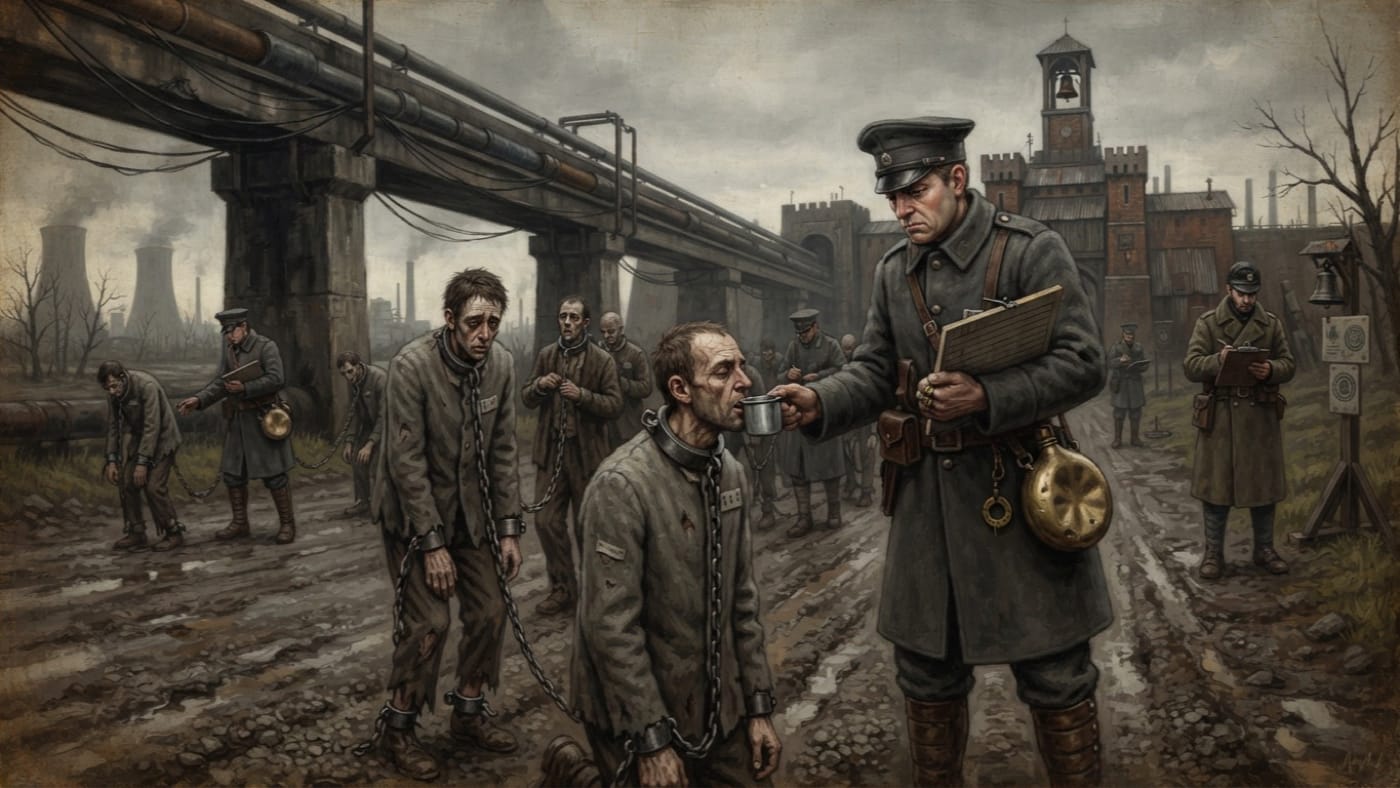
Mercy Quota System
Every mercy has a measure; need has no column
Water by the cup, rest by the minute, bandages by the strip: the Jubilee formula permits only recorded relief. The slate accounts for every mercy. It has no column for need.
Codex Ref. XIII.1.89-141
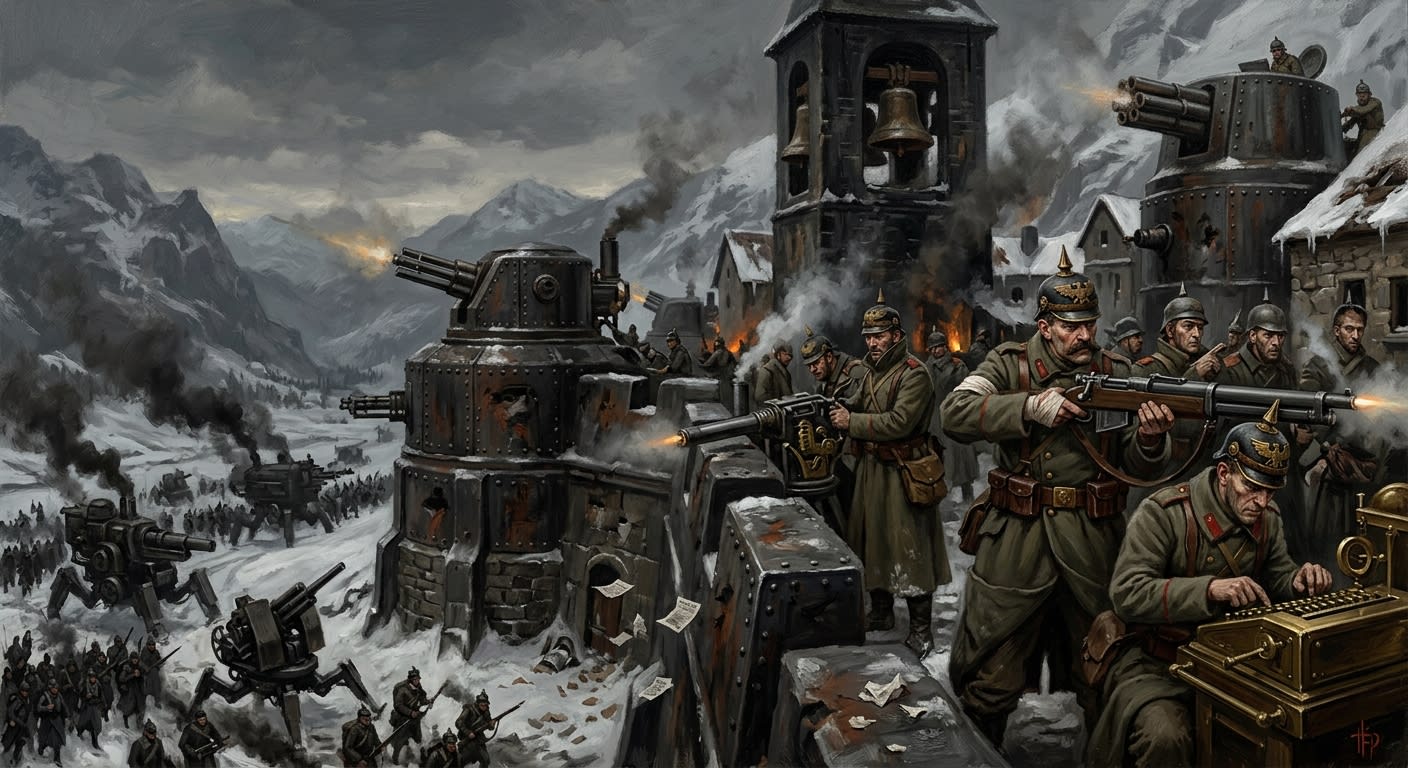
Montreval
The pass-town that taught Reason the road was closed
Montreval held three winters against Lucien Artois's clockwork guns, hunger, pamphlets, fever, and arithmetic; a southern pass-town where Severin bought time with walls, bells, broth, and burned bridges.
Codex Ref. II.1.09-015
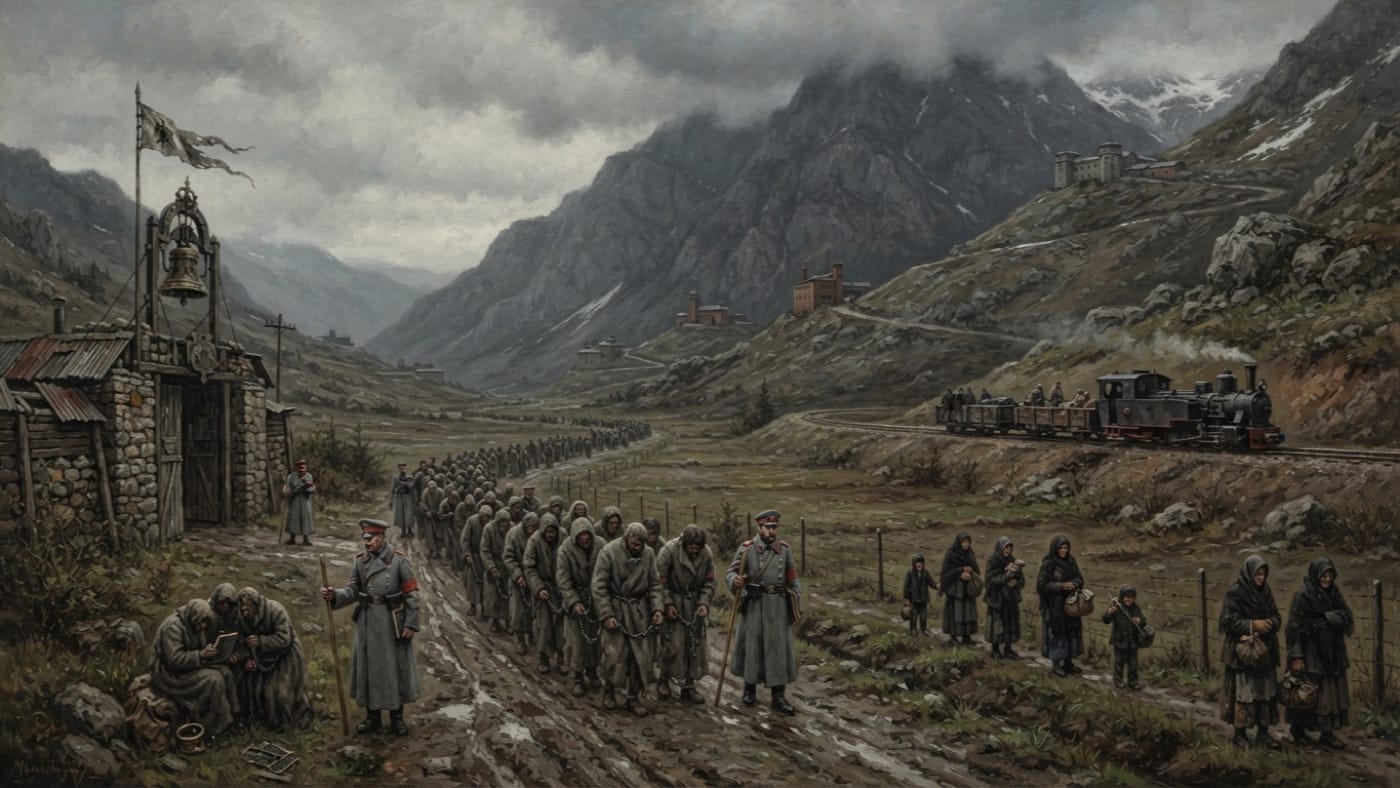
Munich–Sibiu Jubilee Road
Every mile brings mercy closer to the clerk
The Jubilee road from Munich to Bastion-Sibiu, where water, rest and swollen wrists pass through the ledger. Site of the A.S. 136 Road-Mercy Scandal; still in service in A.S. 201.
Codex Ref. II.4.09-136
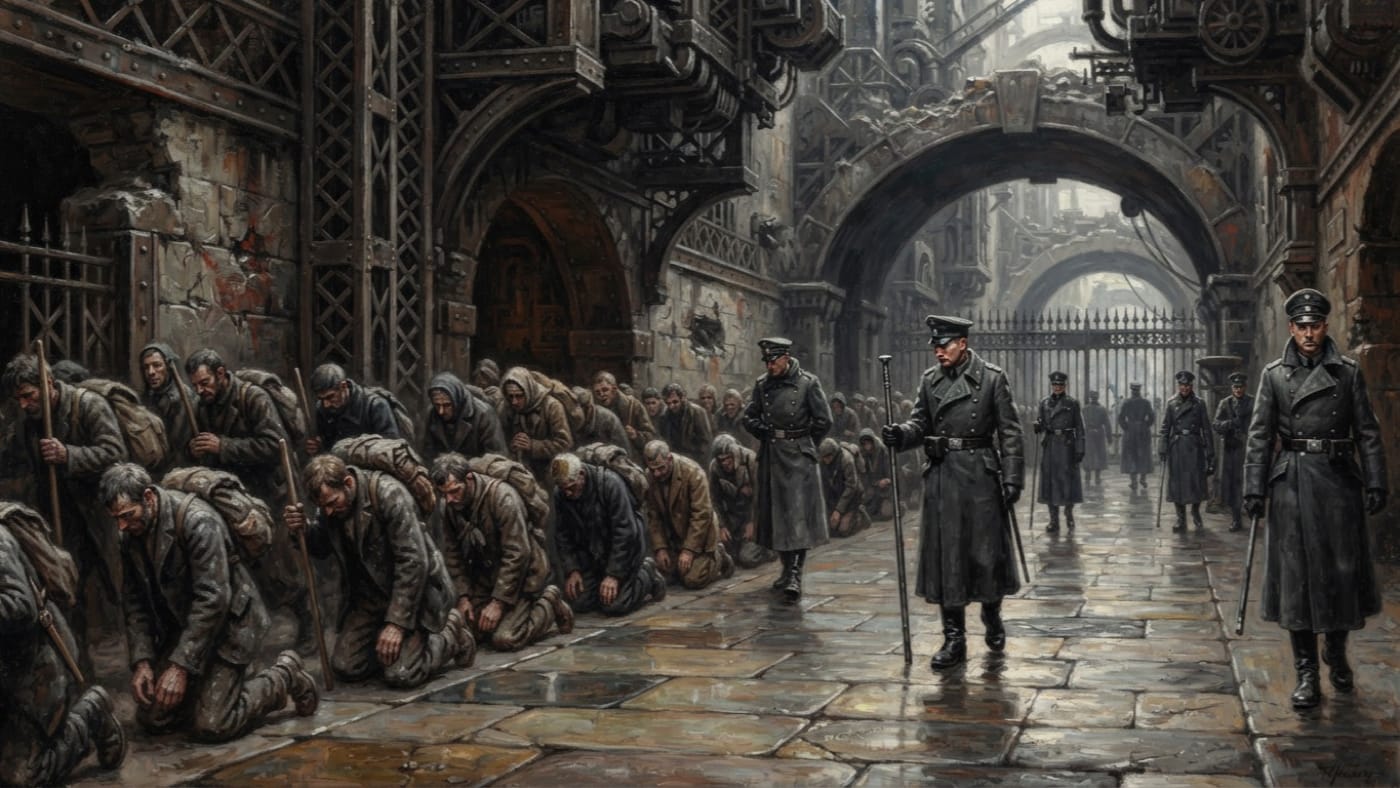
Nave Approach
The road the pilgrims finished with their knees
The Nave Approach is the smooth stretch of Vienna's Via Stahlhand between Ash Bend and the Hammer Line, polished by generations of kneeling pilgrims. The knees did the work; upright guides enjoy the result.
Codex Ref. II.4.09-013
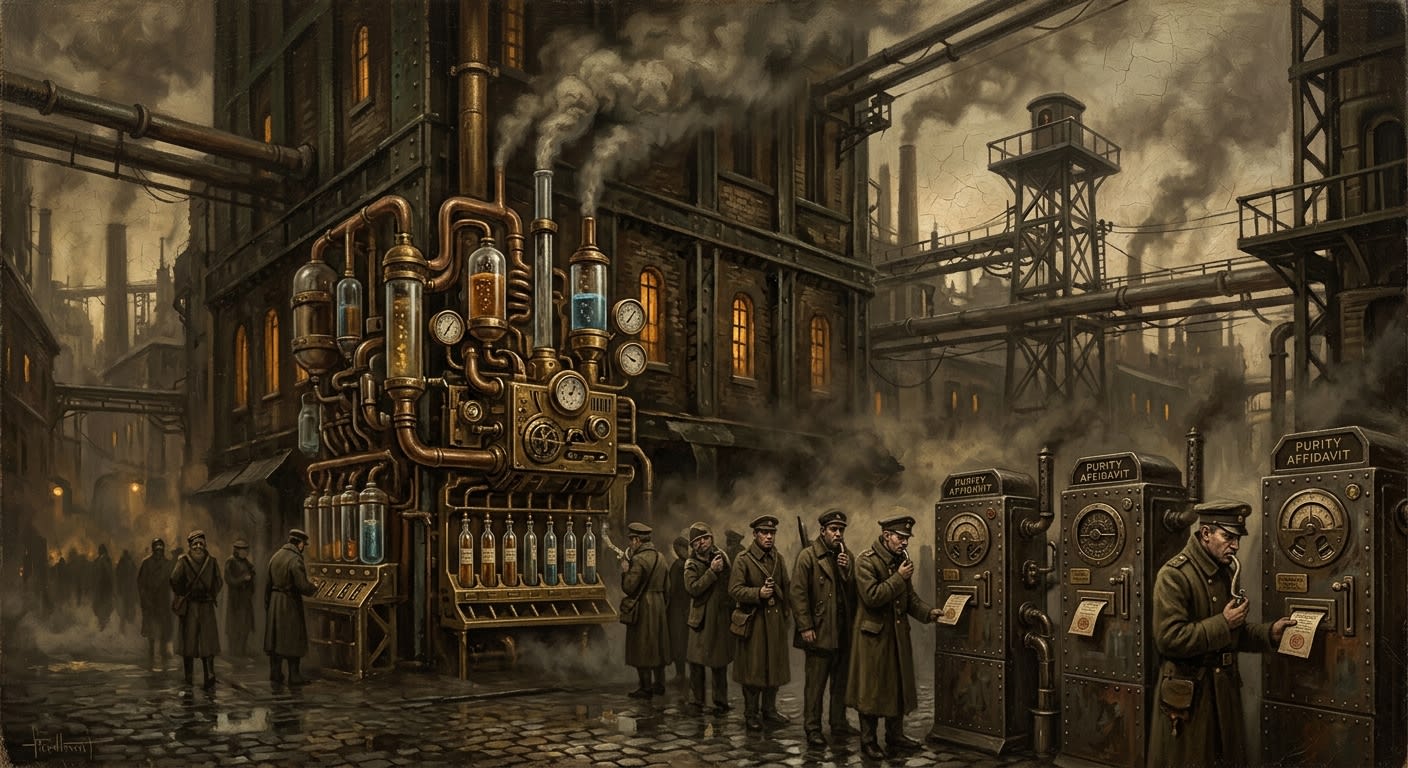
Ninth Mark
The Bureau discovered that even breath improves after indictment
The Ninth Mark makes air legible: smoke becomes evidence, warmth becomes chargeable, and every citizen's breath waits politely for Purity's affidavit.
Codex Ref. VIII.2.09-143
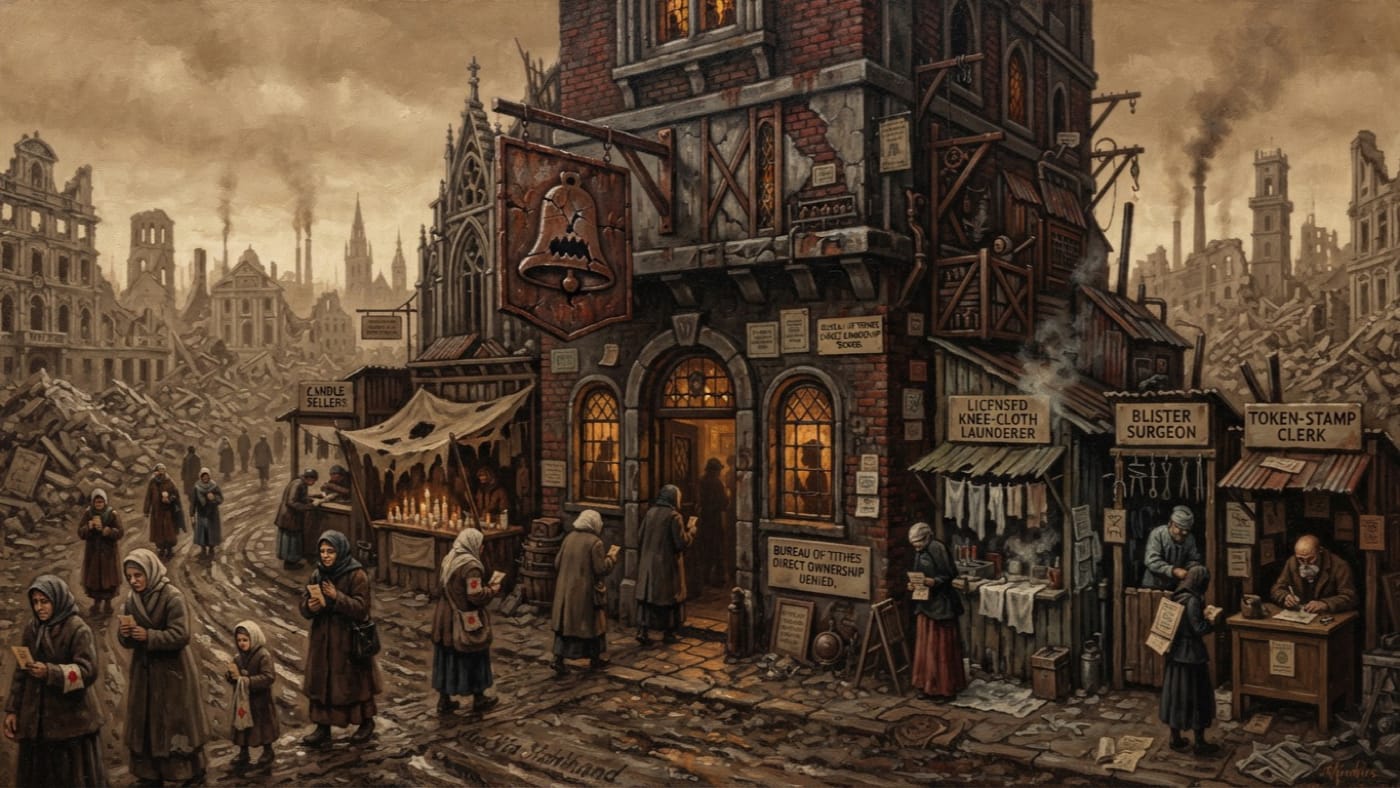
Ninth Second
Where penance becomes profit and ownership acquires an adjective
An A.S. 201 survey of The Ninth Second, Vienna's most profitable pilgrimage tavern, whose cracked-jaw bell sign is plain and whose ownership denial deserves slower reading.
Codex Ref. II.4.09-012
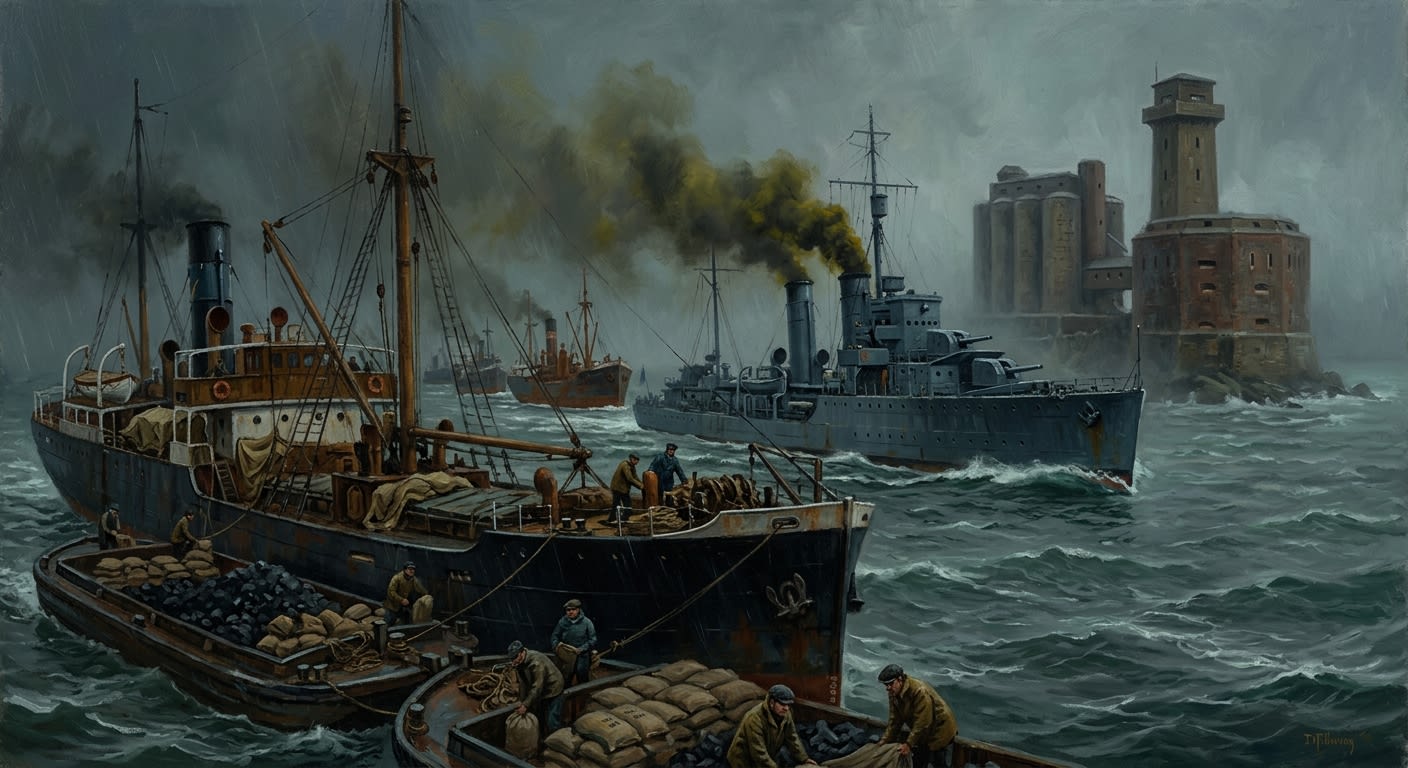
North Sea
The wet border that feeds the Line and refuses the Ledger
The North Sea is the Synod's least obedient frontier: a maritime supply basin of grain, coal, fish, fog, foreign credit, reluctant allies, and weather that accepts no stamp.
Codex Ref. II.4.09-201
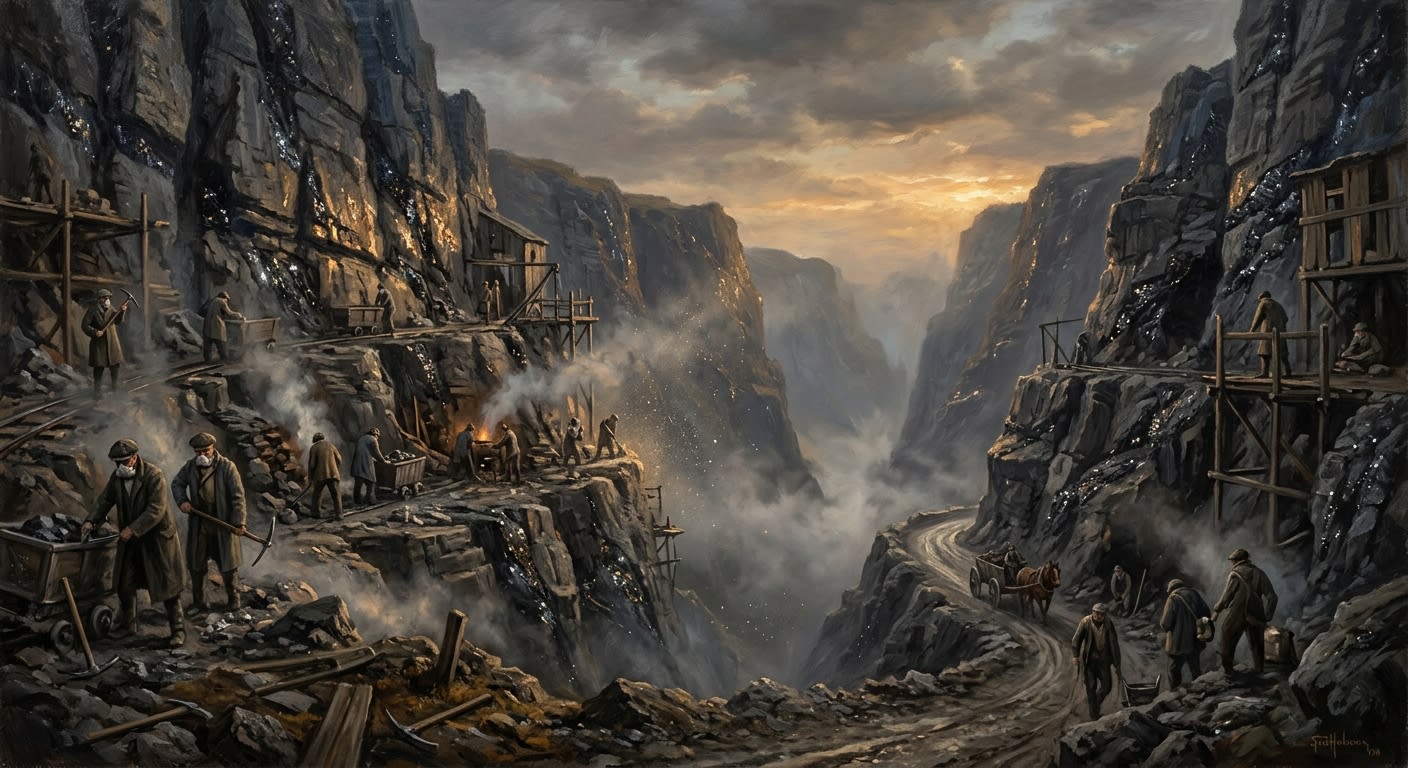
Oathglass Quarrytown, Saint-Helm's Cut
The mountain proves what the Seal House permits
A highland quarrytown built inside a volcanic-glass cleft that the Synod has declared a certified sacred site. The glass proves relics. The workers cough. The mountain, lately, has begun to sing.
Codex Ref. II.2.05-001
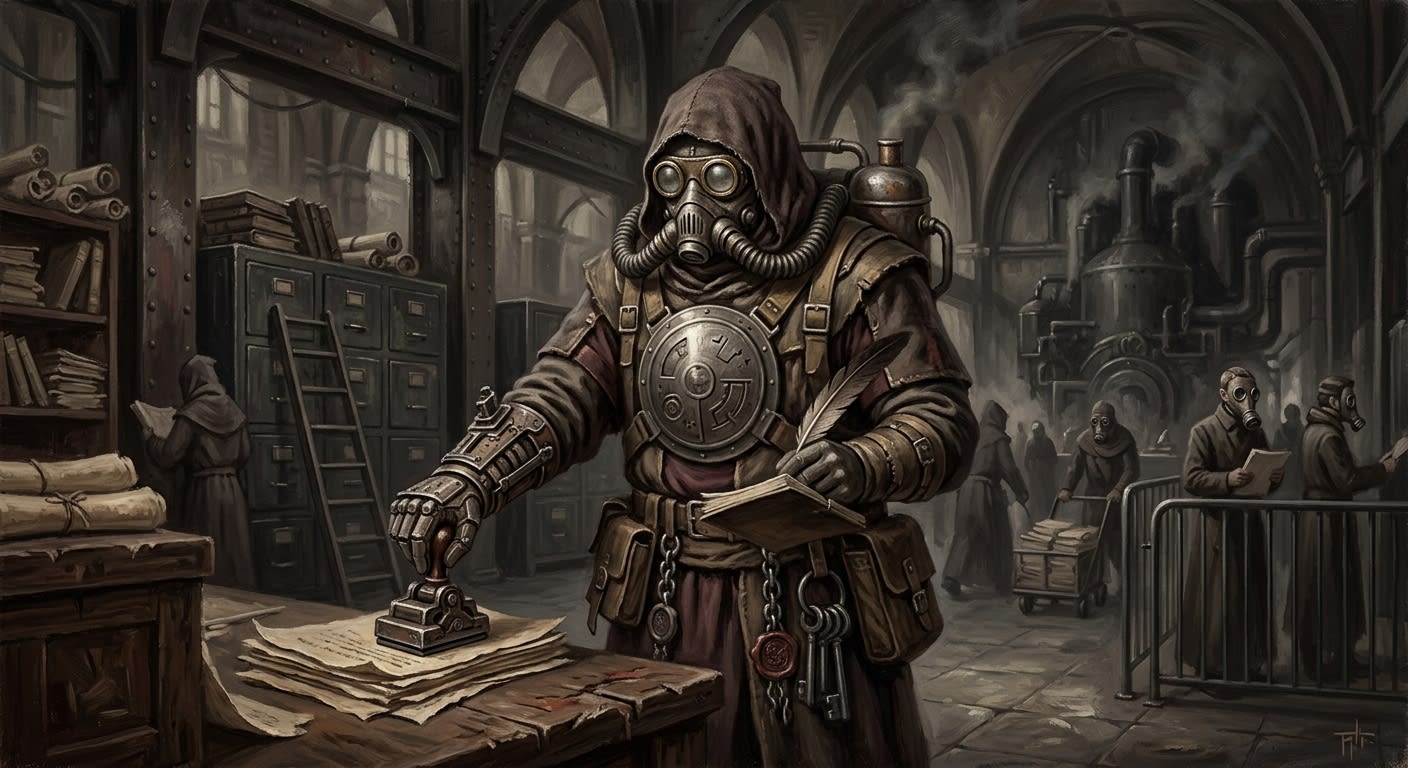
Oaths Witnesser
The state attends every promise
Living seals of the Synod, Oaths Witnessers make spoken promises enforceable, record their fracture, and bury what was sworn when it fails.
Codex Ref. VI.4.03-012
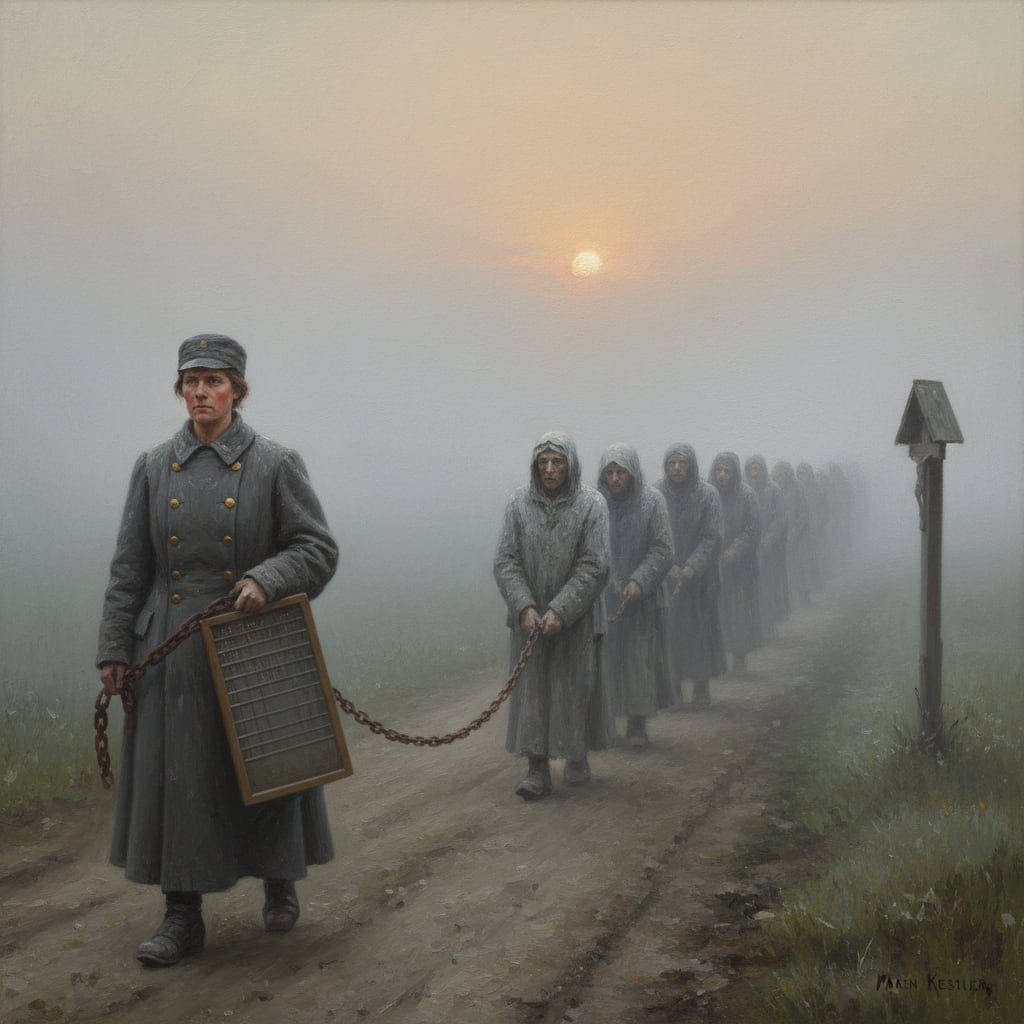
On the Pilgrim-Chain Handlers
The mercy quota; or, how the chain teaches patience to both ends
The licensed custodians of the Jubilee chain and everything the chain implies — water counted by formula, confession harvested in strips, and a ditch at the end of every route the Bureau calls holy.
Codex Ref. XII.29.01-001
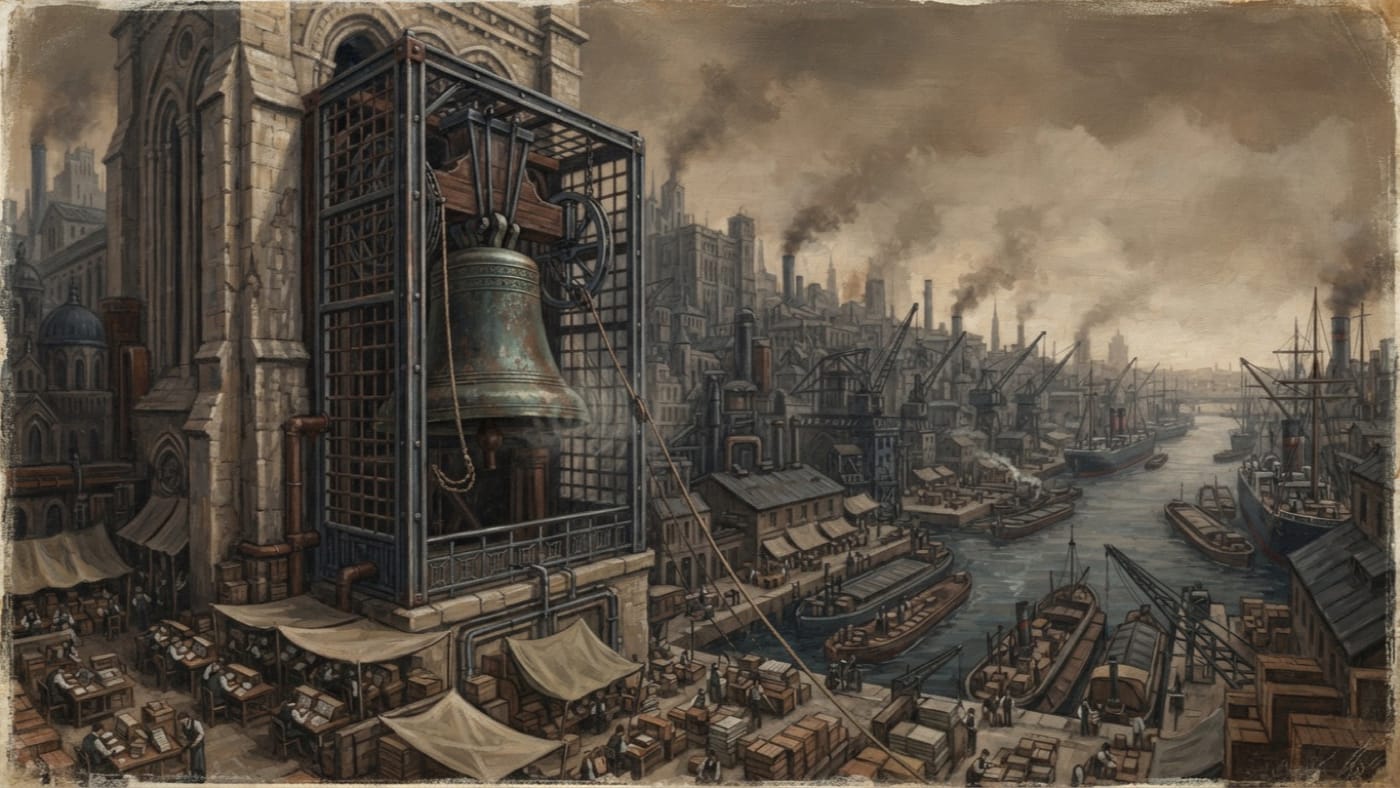
Oraison
Saints draw crowds; someone must ring for the ledgers
Oraison is one of Saint-Victor's nine principal bells in Marseille, marking Bureau business at the quay. The clerks supply the ink; the Bureau of Bells supplies the bronze.
Codex Ref. XIII.1.62-225
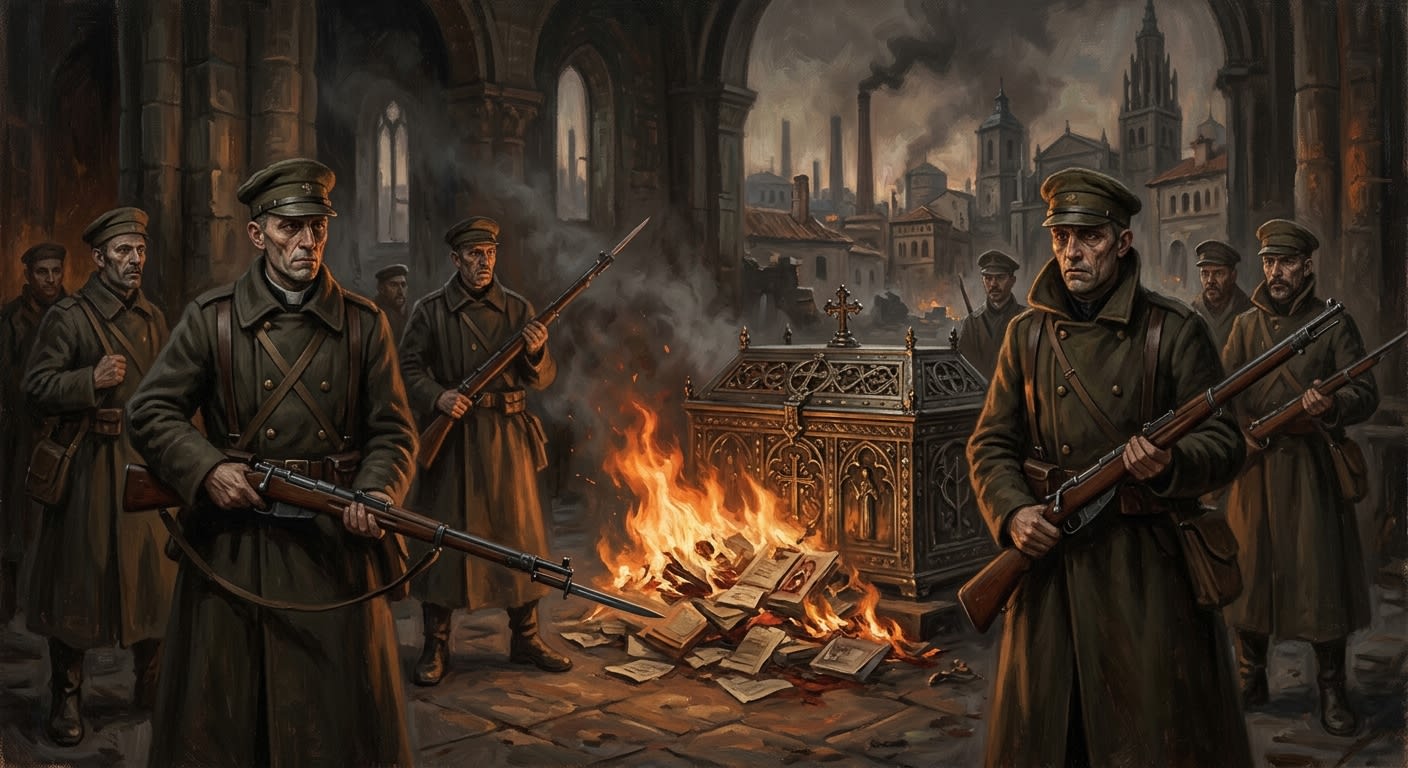
Order of Saint Iago
The grey mantles who taught custody to survive defeat
Iberian military-monastic order remembered for guarding the Relic of Saint Iago at Toledo, holding the city nine months, and burning custody clean before Reason could take it.
Codex Ref. VIII.9.01-001

Orr Vetch
The Guildmaster counts; the quarry coughs
Orr Vetch holds the tools, kiln time and quotas at Saint-Helm's Cut. Every cure debt returns as another shift; every shift passes through his office.
Codex Ref. III.2.01-201
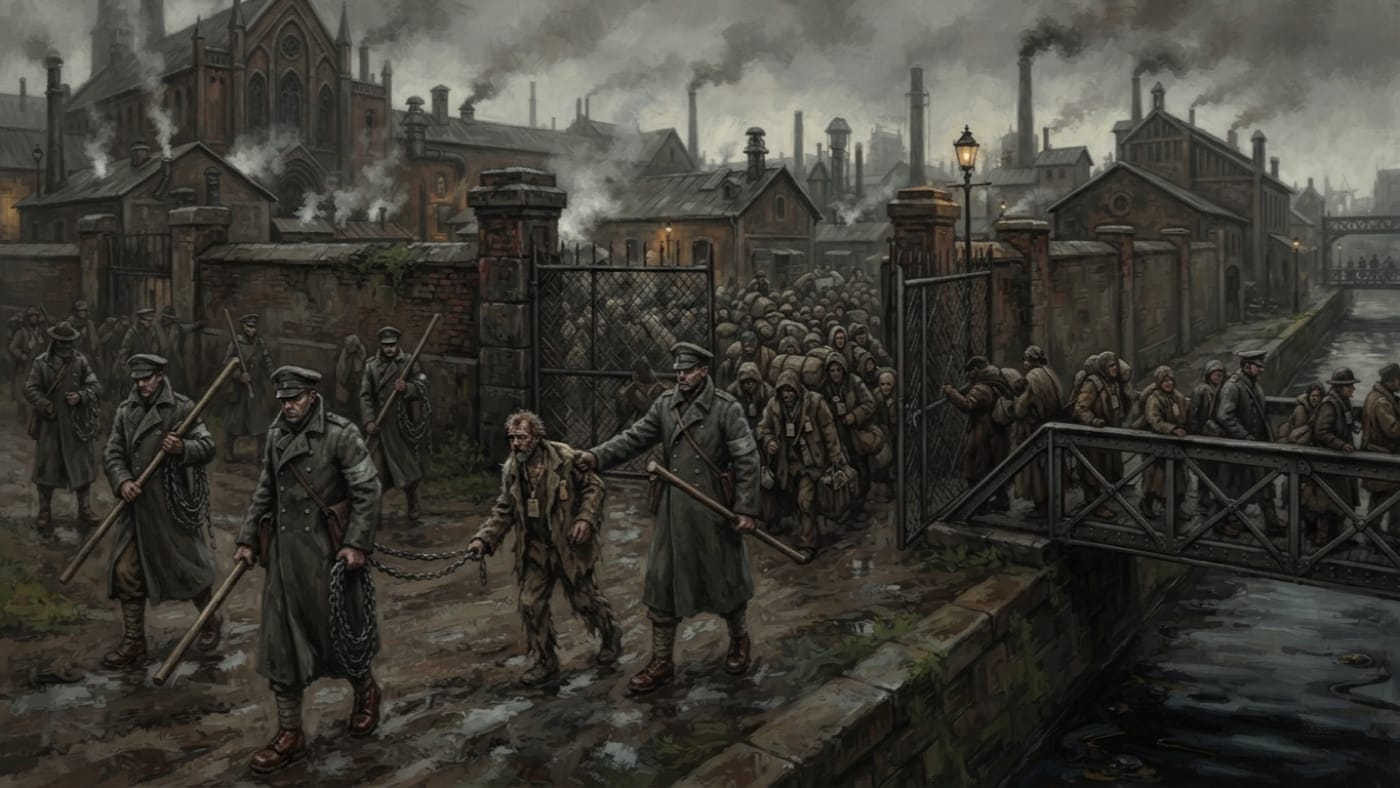
Outer Watch
Order is kept; its price is collected at the gate
The Outer Watch keeps the Cloister's gates, grips its pilgrims and takes its cut from expulsions and berths. Municipal order wears an ash armband; conscience is not on the inventory.
Codex Ref. XII.7.06-003
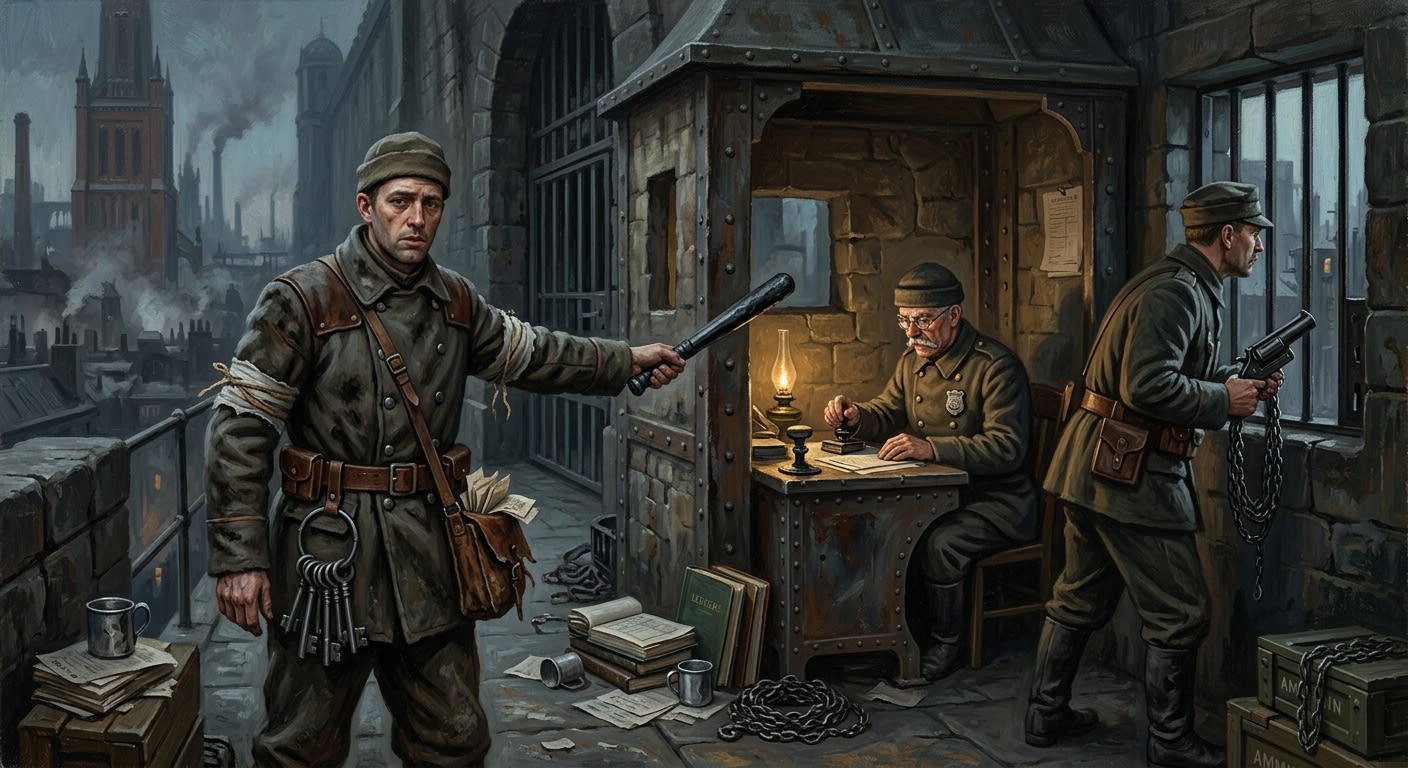
Outer Watch Post
The gate keeps its theology in tar, keys, and cudgels
The Outer Watch Post guards the Cloister's wall with ash armbands, chain keys, seizure slips, tarred batons, and the useful lie of municipal authority.
Codex Ref. II.3.06-005
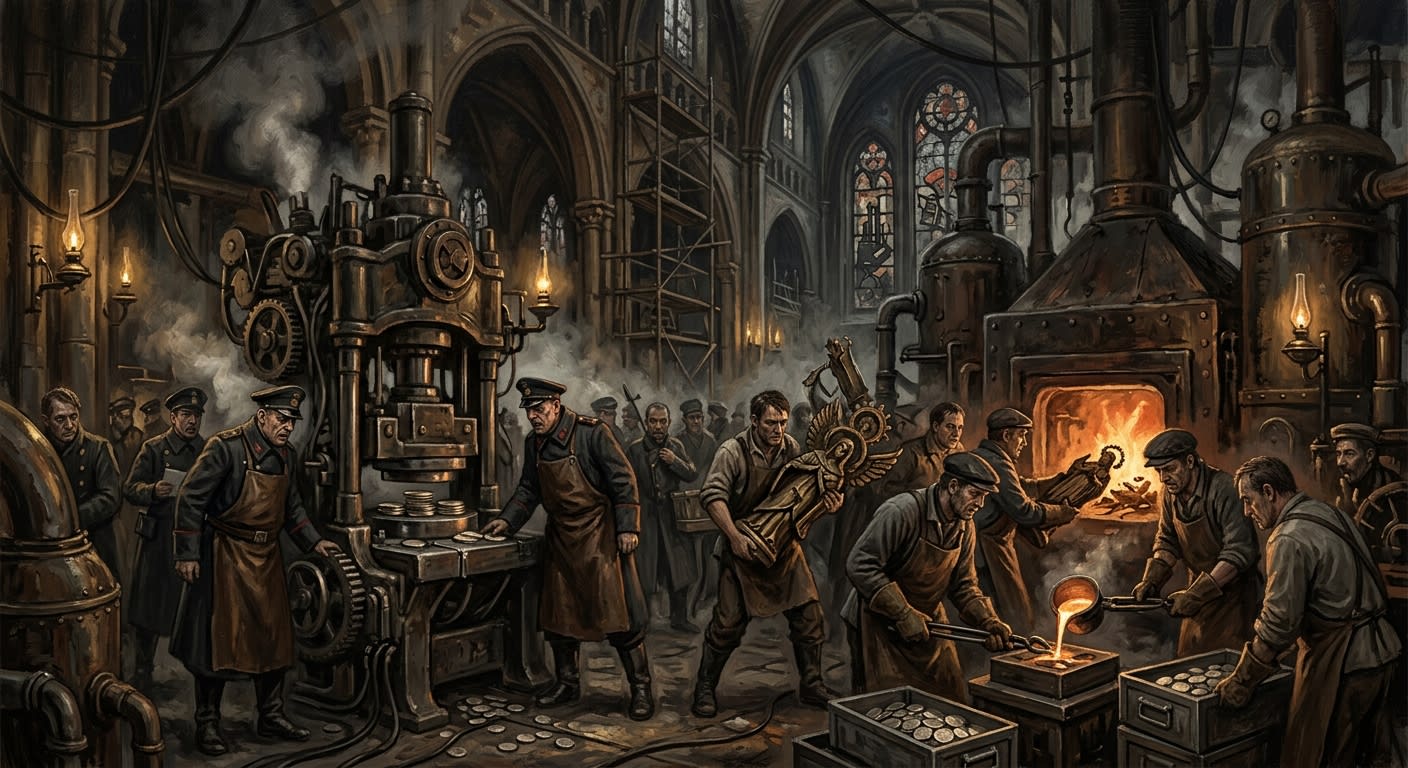
Panic of Wrath's March
Wrath did not enter Aachen; Aachen paid anyway
A.S. 160 gave Aachen no siege, no breach, and no Maldrake at the gate — only fear hot enough for Tithes to melt saints into coin.
Codex Ref. VII.8.10-160
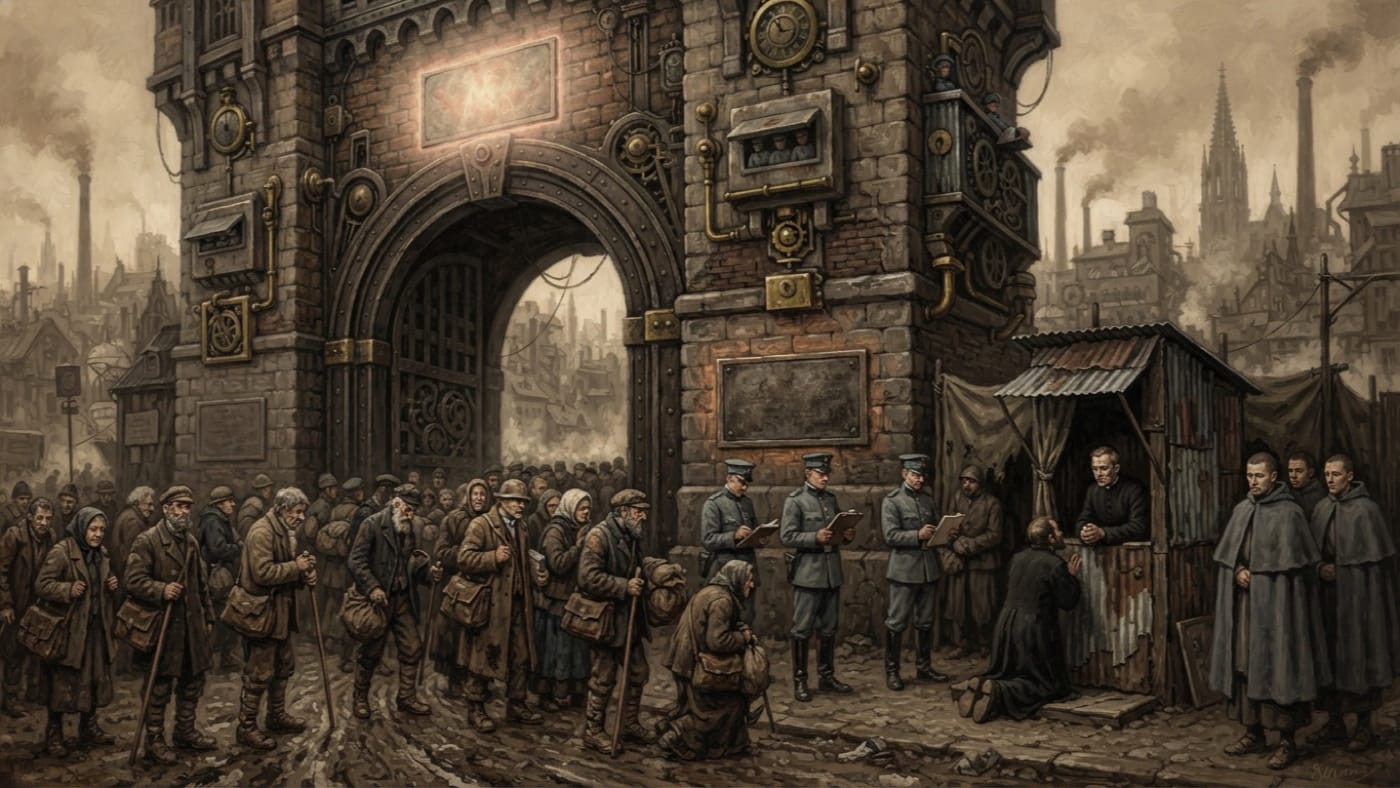
Pastoral Separatists
The soul decides; the clerk wants evidence
The Pastoral Separatists let the pilgrim's soul decide which Regensburg inscription takes hold, leaving the gatehouse to demand evidence it cannot inspect.
Codex Ref. XIII.1.76-093
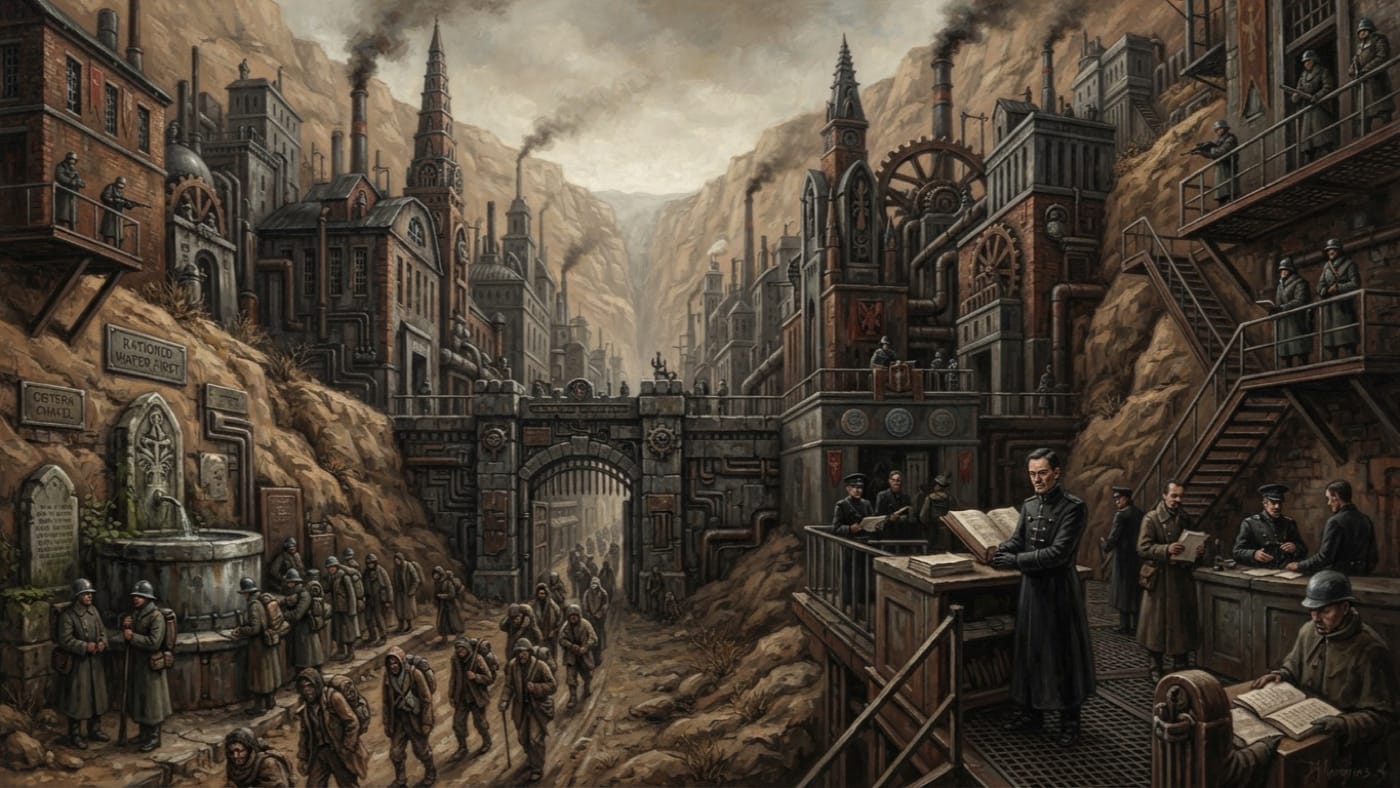
Peregrin
The toll is older than the charter
Peregrin is one of three founding households that taxed water and passage at Peregrine Row before the formal Synod. The Ledger preserves the toll; it supplies no genealogy.
Codex Ref. VIII.6.11-002
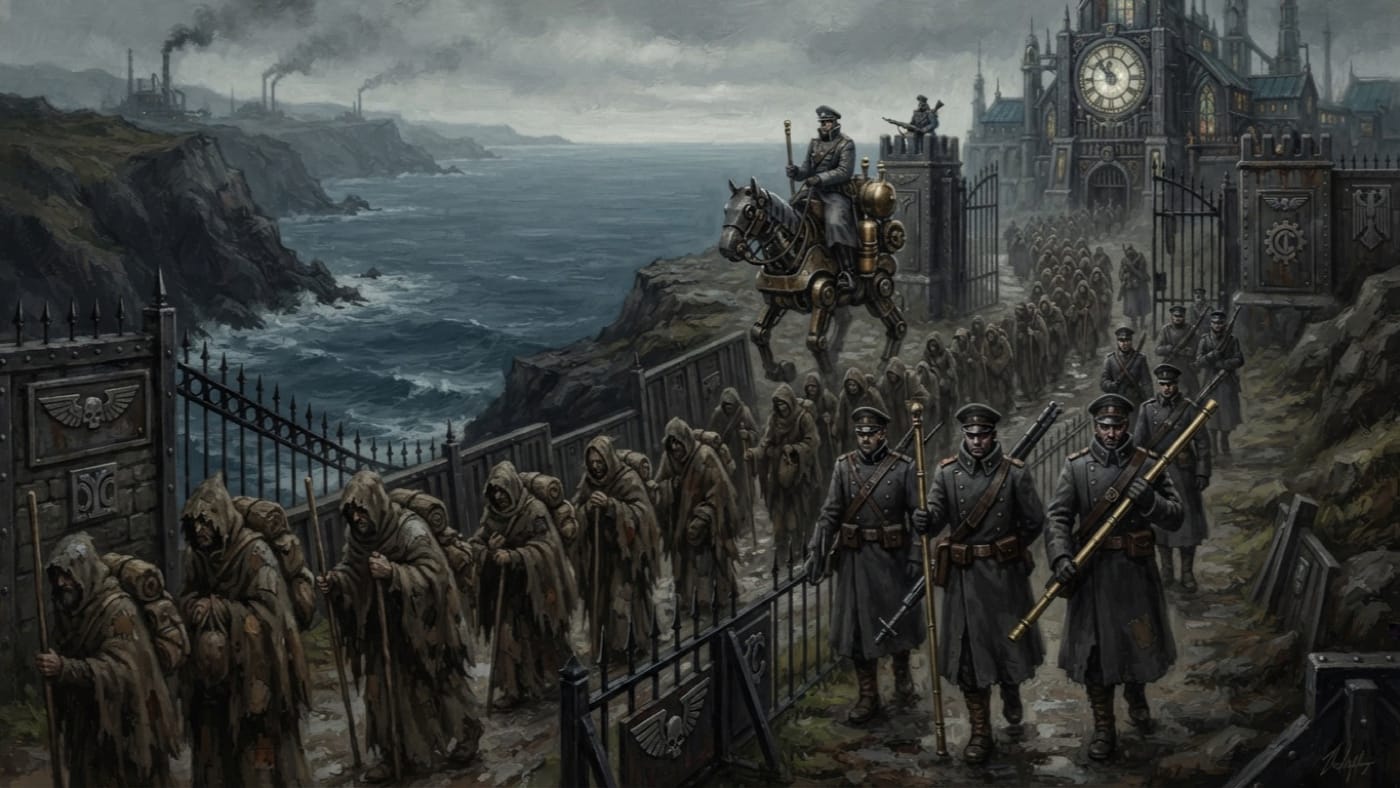
Peregrine Brotherhood
Enough escorts to trouble a prince. No authority after A.S. 123.
The Peregrine Brotherhood controlled Iberian coastal pilgrimage with escorts fit to trouble a prince. Implicated in Santiago's A.S. 121 riots, it lost independent authority under the A.S. 123 Harmonized Routes Edict. The Bureau kept the roads.
Codex Ref. XI.5.03-123
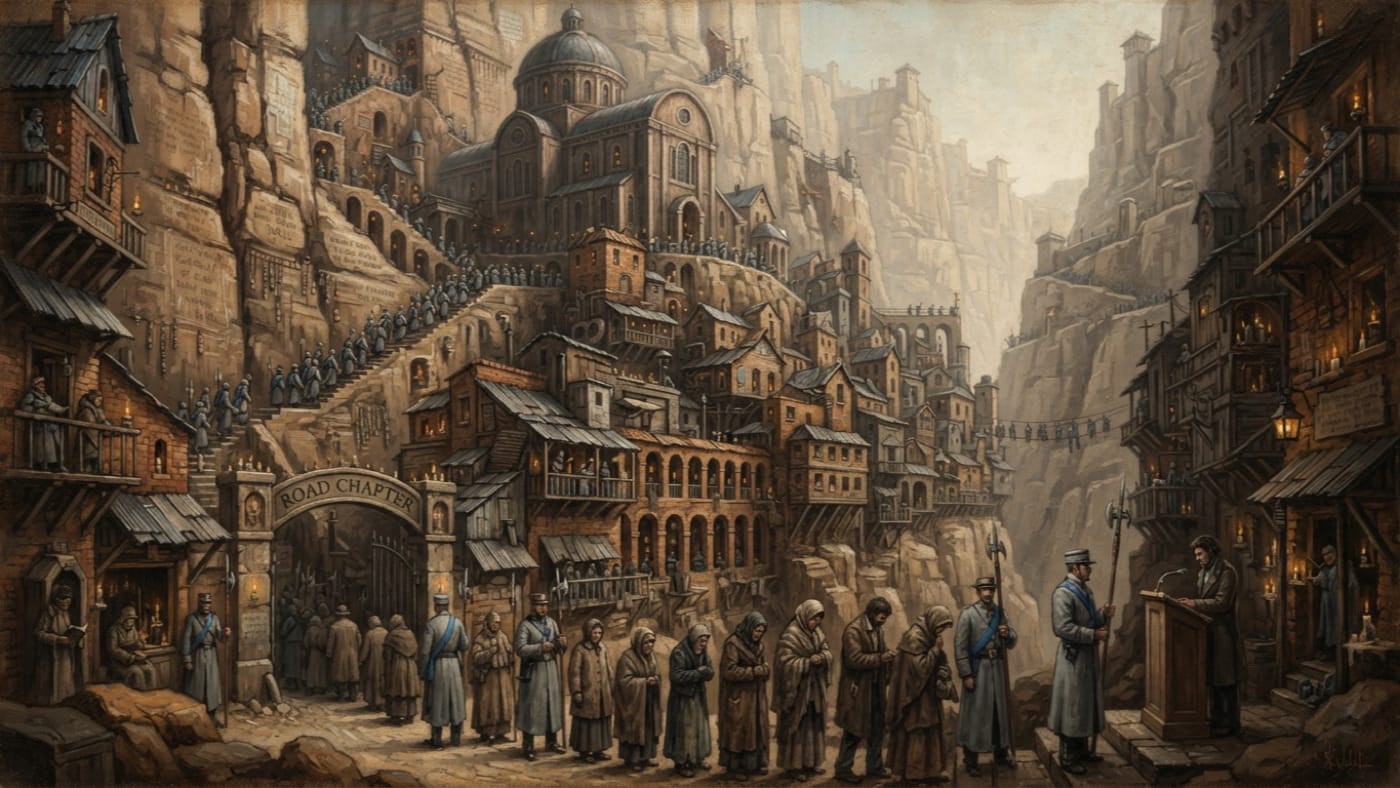
Peregrine Row
Where clean tongues buy passage and the canyon collects the rest
Peregrine Row is a canyon town on the Pilgrim Roads where water, creed-clearance and safe passage carry separate charges. The Wardens train on its cliffs; the brokers turn the canyon's echoes into fees.
Codex Ref. II.1.03-201
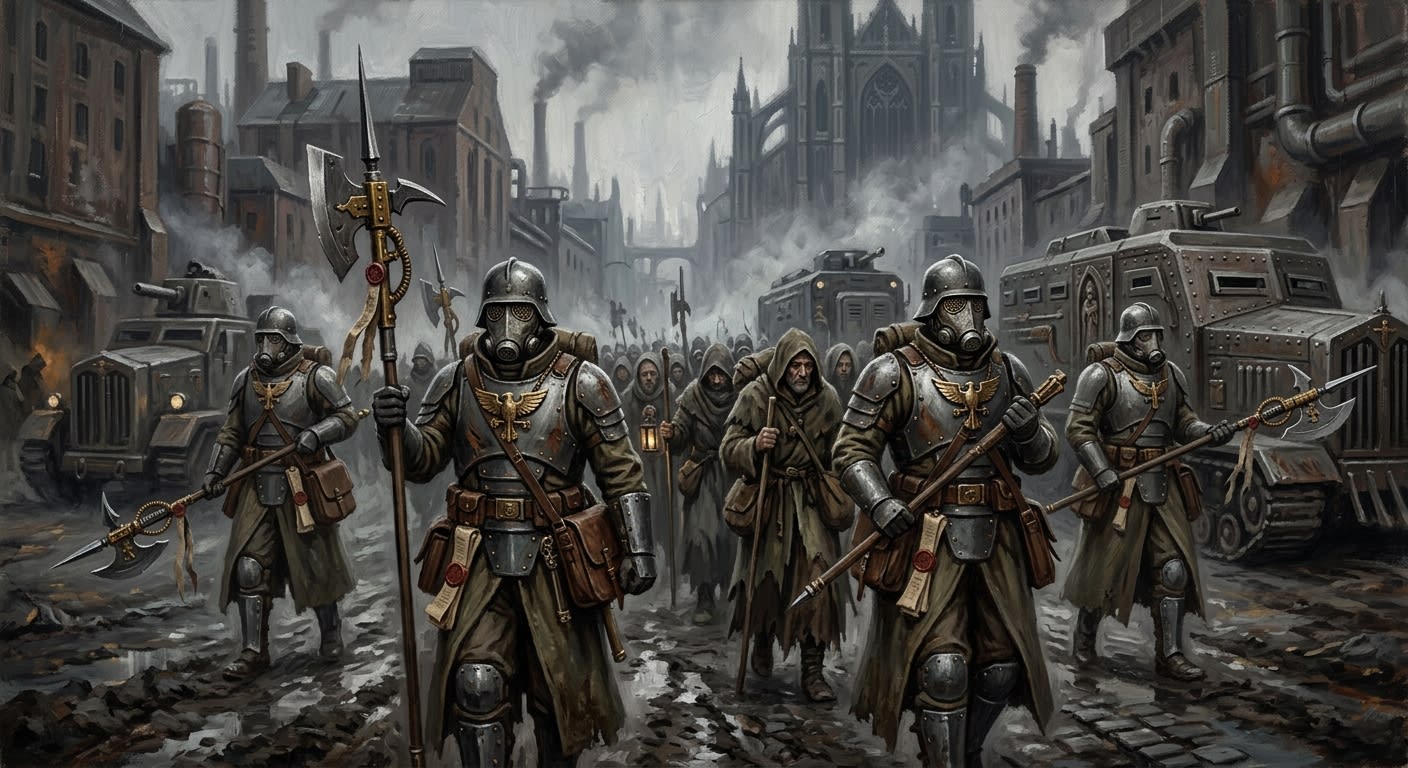
Peregrine Wardens
The walking seal that keeps pilgrims profitable and roads holy
The Peregrine Wardens are the Bureau of Pilgrimage's armed road-enforcement arm, escorting pilgrims, voiding licences, dissolving guilds, and proving that holy travel walks best under halberd and seal.
Codex Ref. VIII.7.04-001
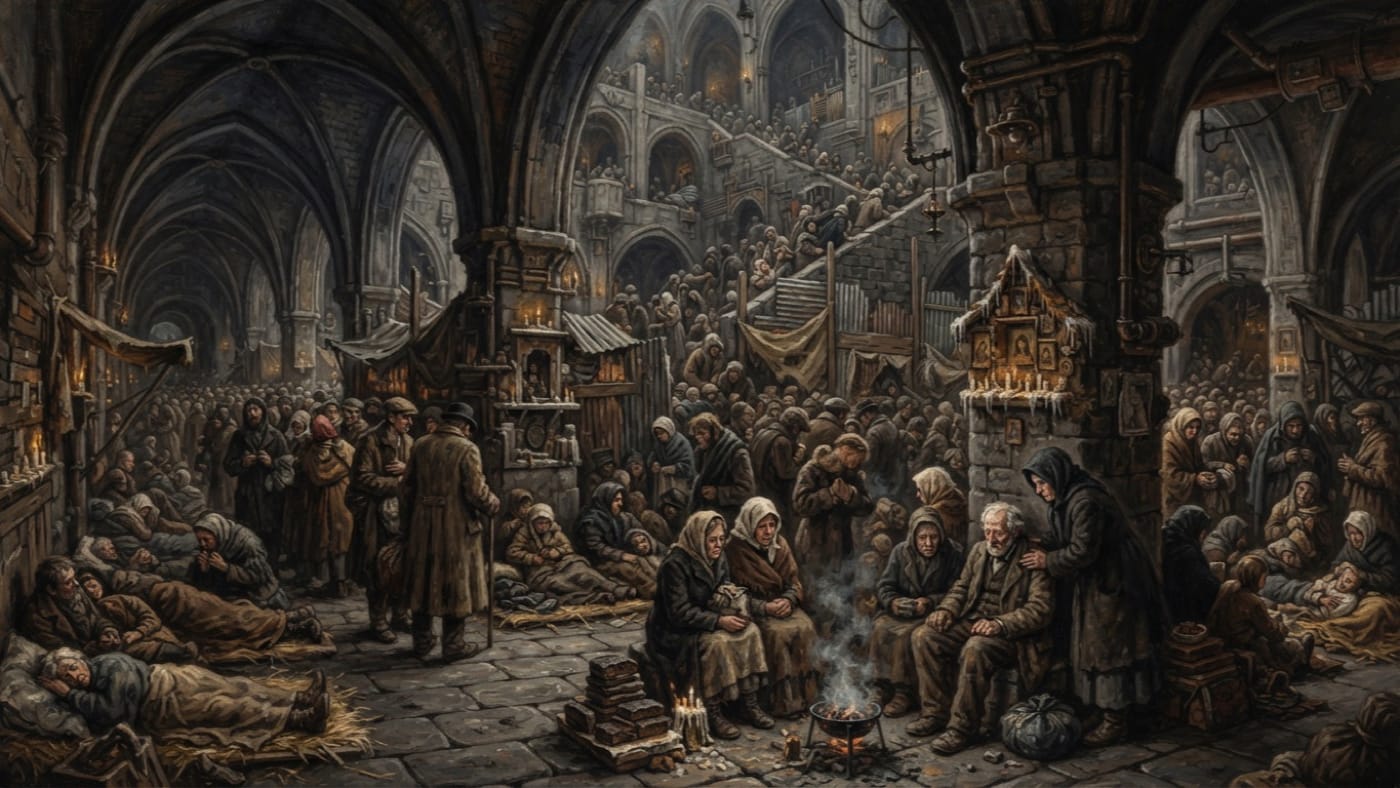
Pilgrim Dormitories
Three days of borrowed life. A lifetime entered in the ledger.
Converted cloisters at San Vesta hold pilgrims awaiting resurrection-bread and debtors bound to recovery service. The vigils demand three more days; the ledger records a lifetime.
Codex Ref. VII.1.03-005
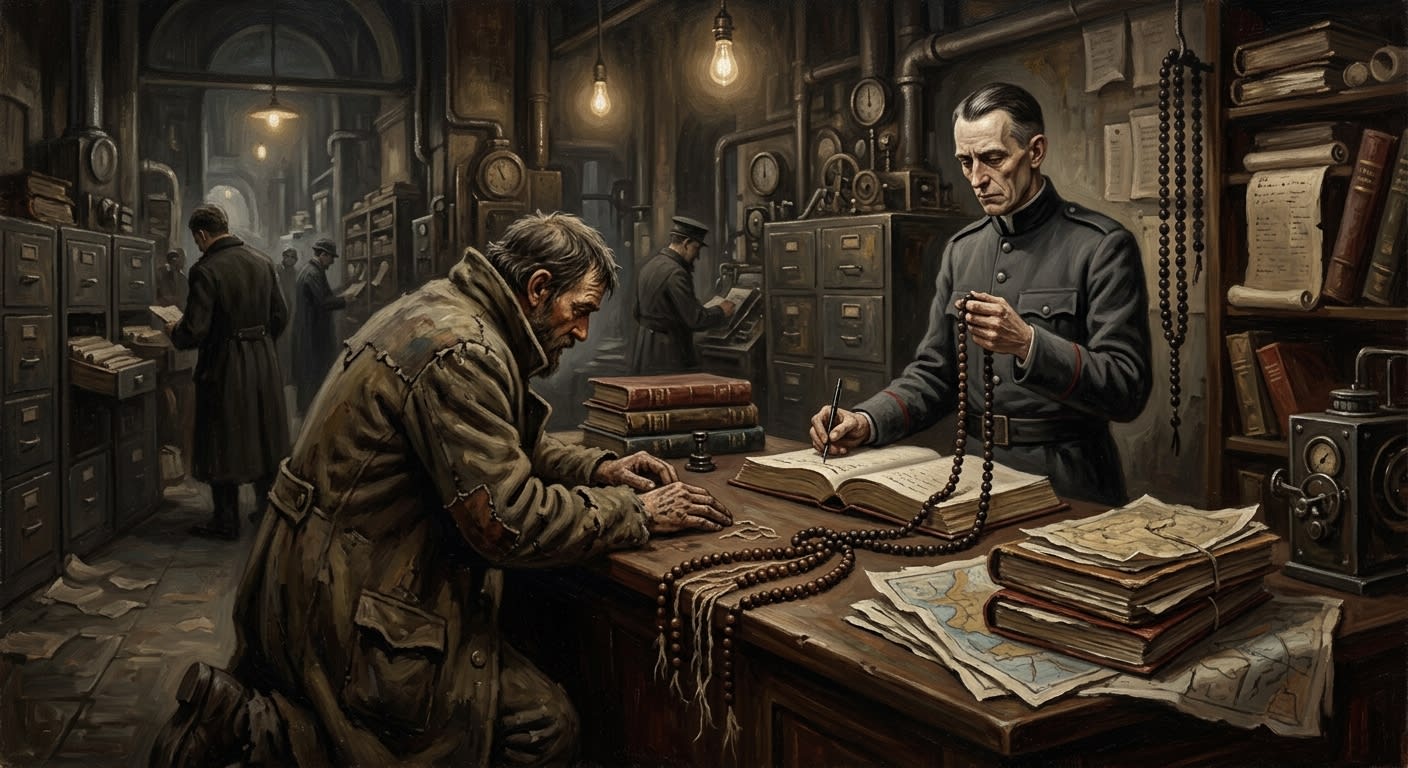
Pilgrim Reconciliation Statutes
Correction is salvation, provided the fee clears
The Pilgrim Reconciliation Statutes made mercy countable: bead strings, route errors, confession addenda, second strings, debt, and sanctioned delay.
Codex Ref. XIII.1.72-097
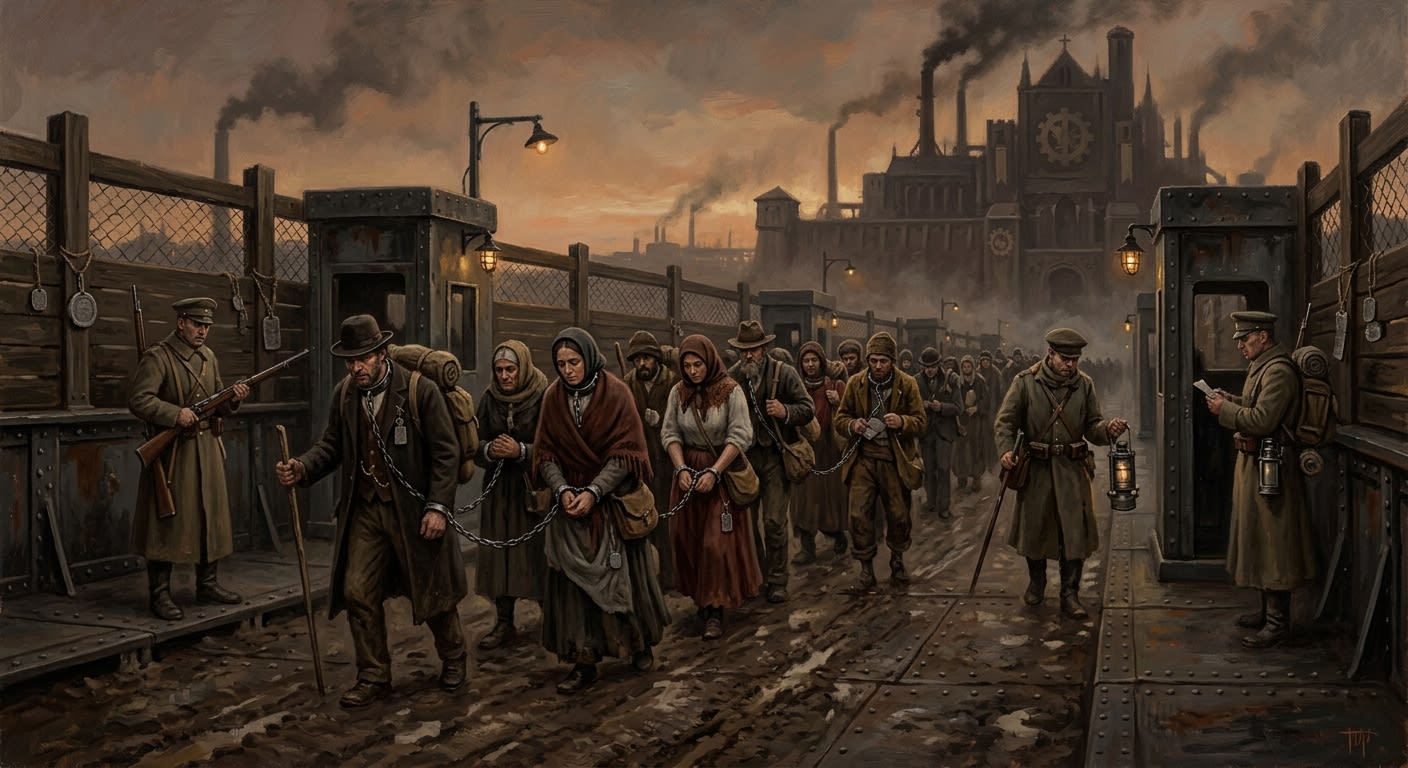
Pilgrim Roads
Sanctity is motion under witness, and witness under invoice
The Pilgrim Roads made walking obedient: licensed motion, tolls, tokens, chains, grief, delay, and low earth holiness under seal.
Codex Ref. XIII.1.86-094
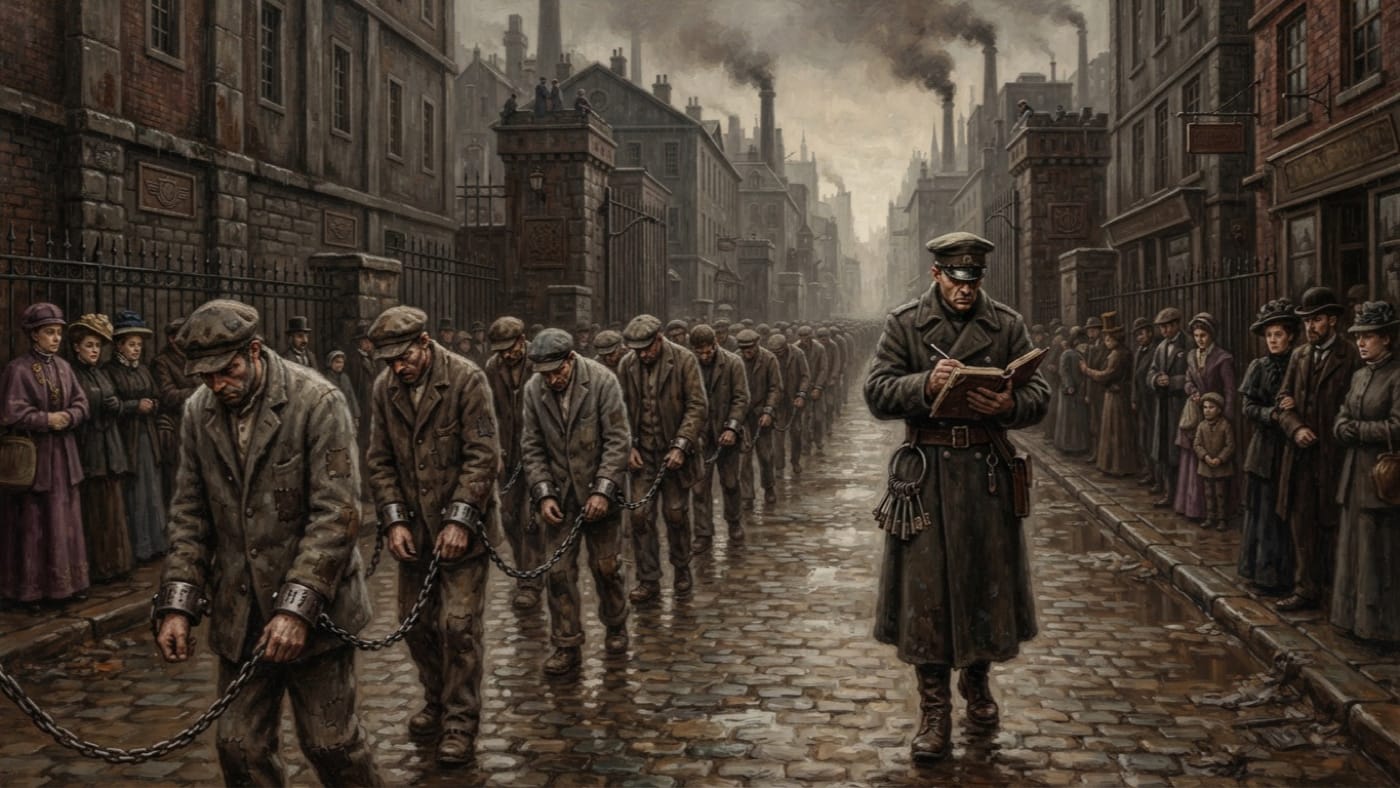
Pilgrim-Chain
The cuff is accounted for
The Jubilee's iron instrument of compulsory pilgrimage, introduced in A.S. 109. Cuffs identify the penitent; keys govern movement; the ledger can account for every wrist without delivering every person.
Codex Ref. IX.3.13-109
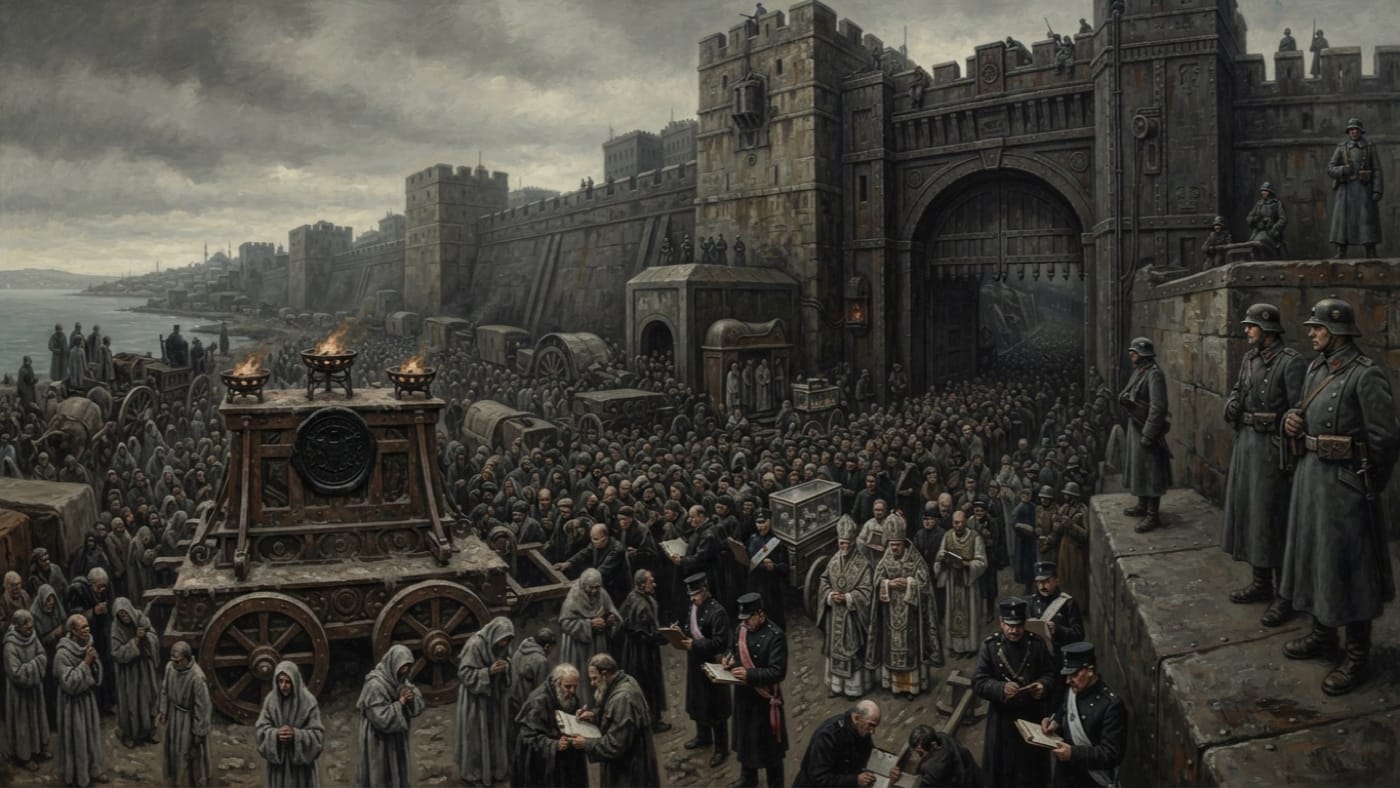
Pilgrim’s Gate
Forty days of pageantry, then five words from War
At Bastion-Constantinople, forty days of pageantry stop at Pilgrim’s Gate. Festivals counts the faithful; War declines to admit the floats.
Codex Ref. II.4.09-175
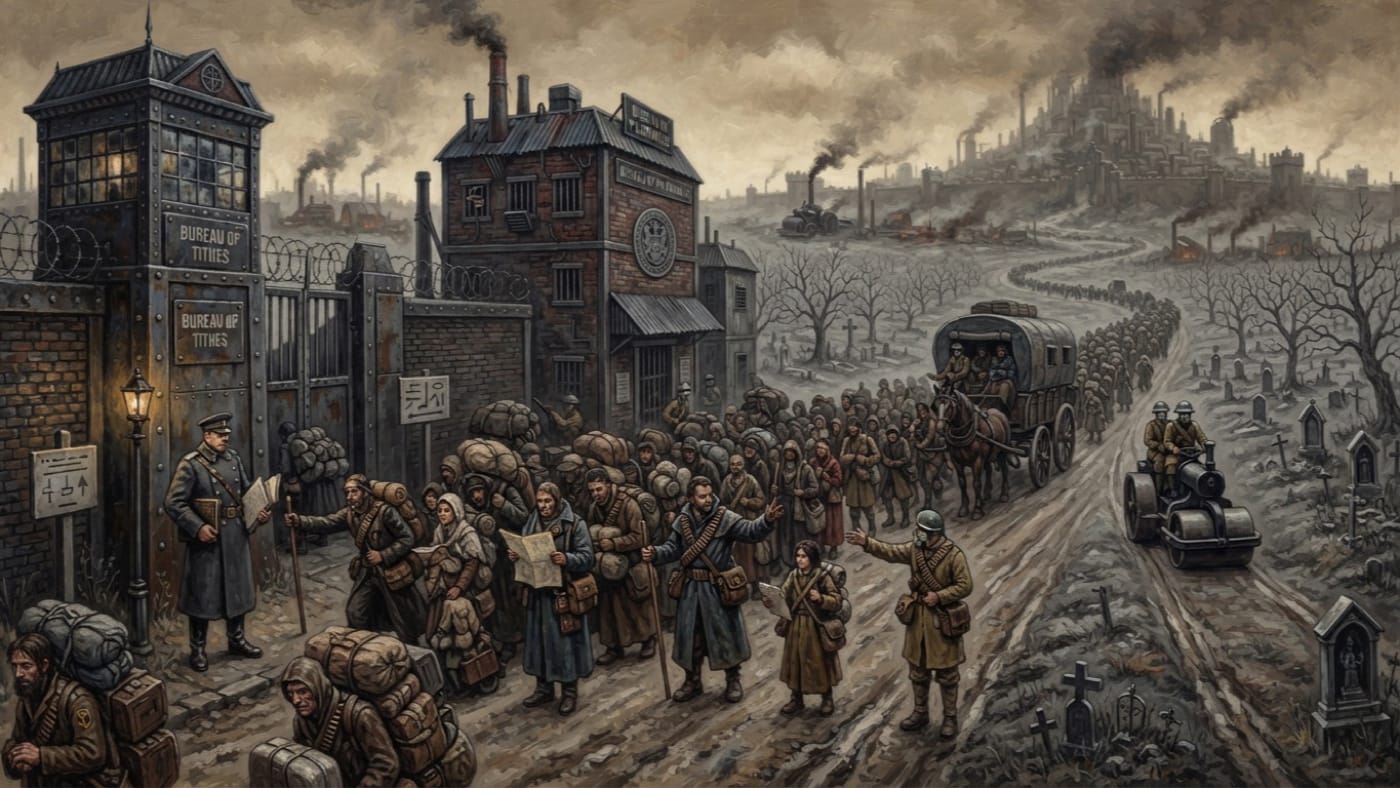
Pilgrims' Court
The Church charges for walking; the Court charges for arriving
The Pilgrims' Court arranges holy journeys for fees and favours and controls three of four main road franchises west of Constantinople. Pilgrimage grants permission; the Court sells the knowledge required to arrive.
Codex Ref. XI.4.09-001
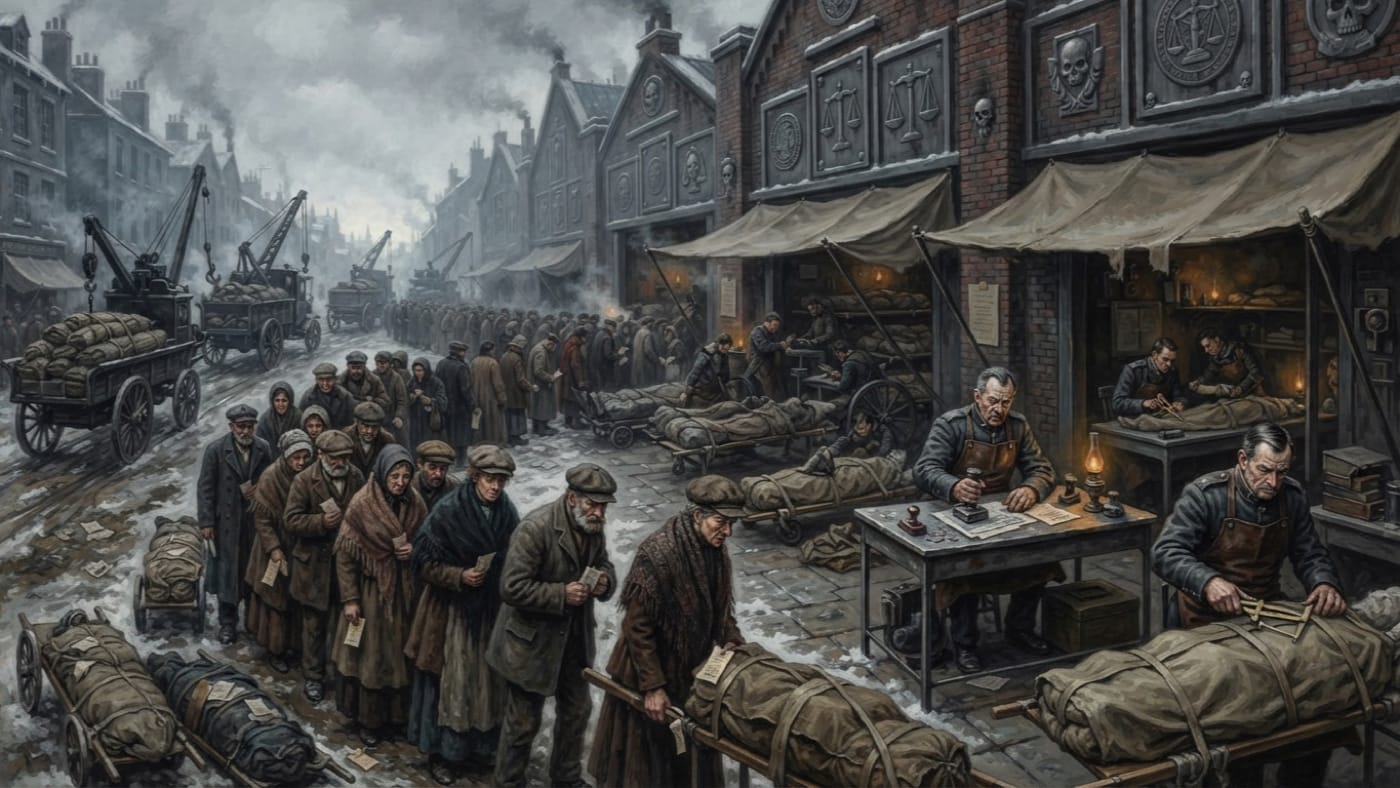
Plague Winter
The dead outnumbered the clerks; the living paid for haste
The A.S. 157 famine and epidemic overwhelmed the mortuary queues of Marrowgate, Strasbourg and the Rhine corridor. Gray Clearance moved the dead; the mercy stamp made speed a commodity.
Codex Ref. VII.8.10-157
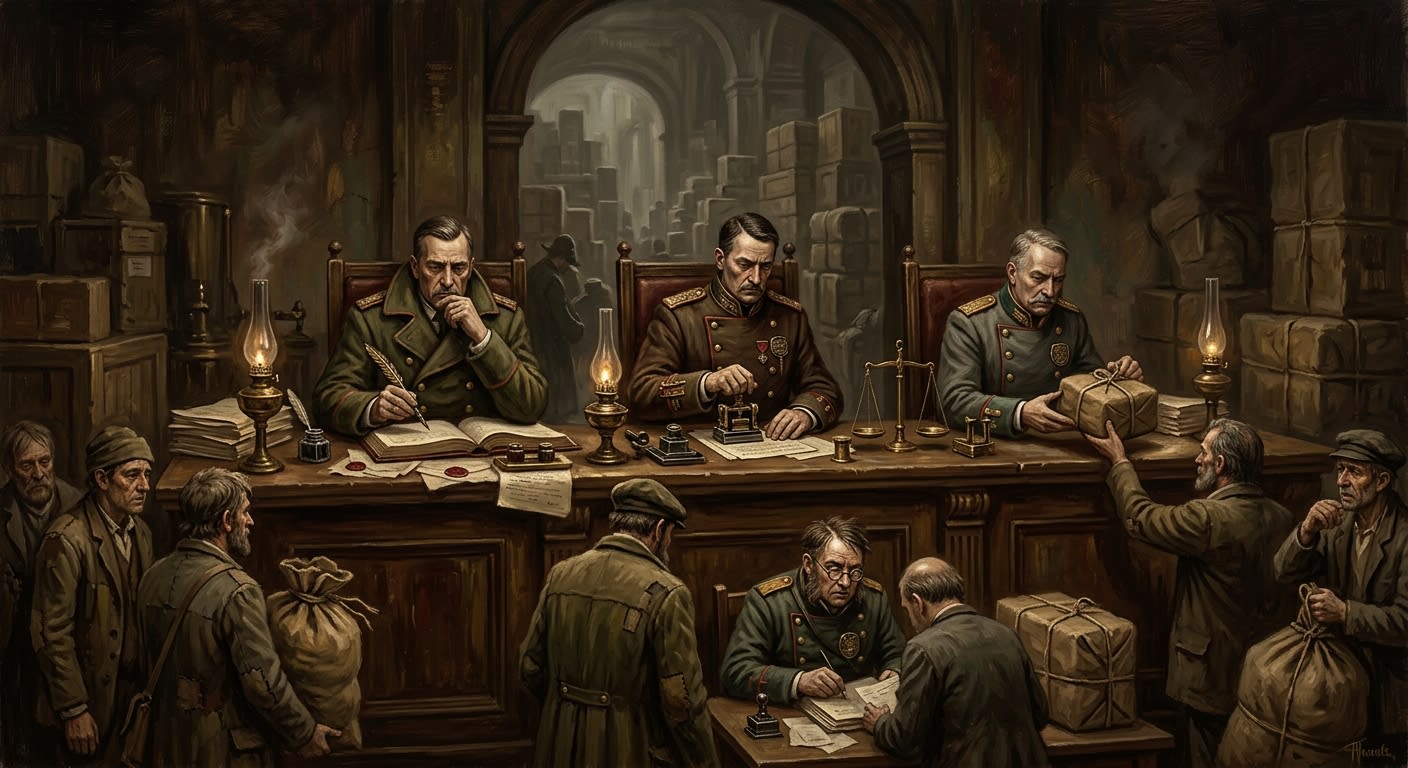
Port Court
Where cargo waits while permission proves it has a soul
The Port Court names cargo before mercy may touch it: a Commerce bench where sacks become law, law becomes delay, and delay invoices the hungry.
Codex Ref. XIII.1.89-112
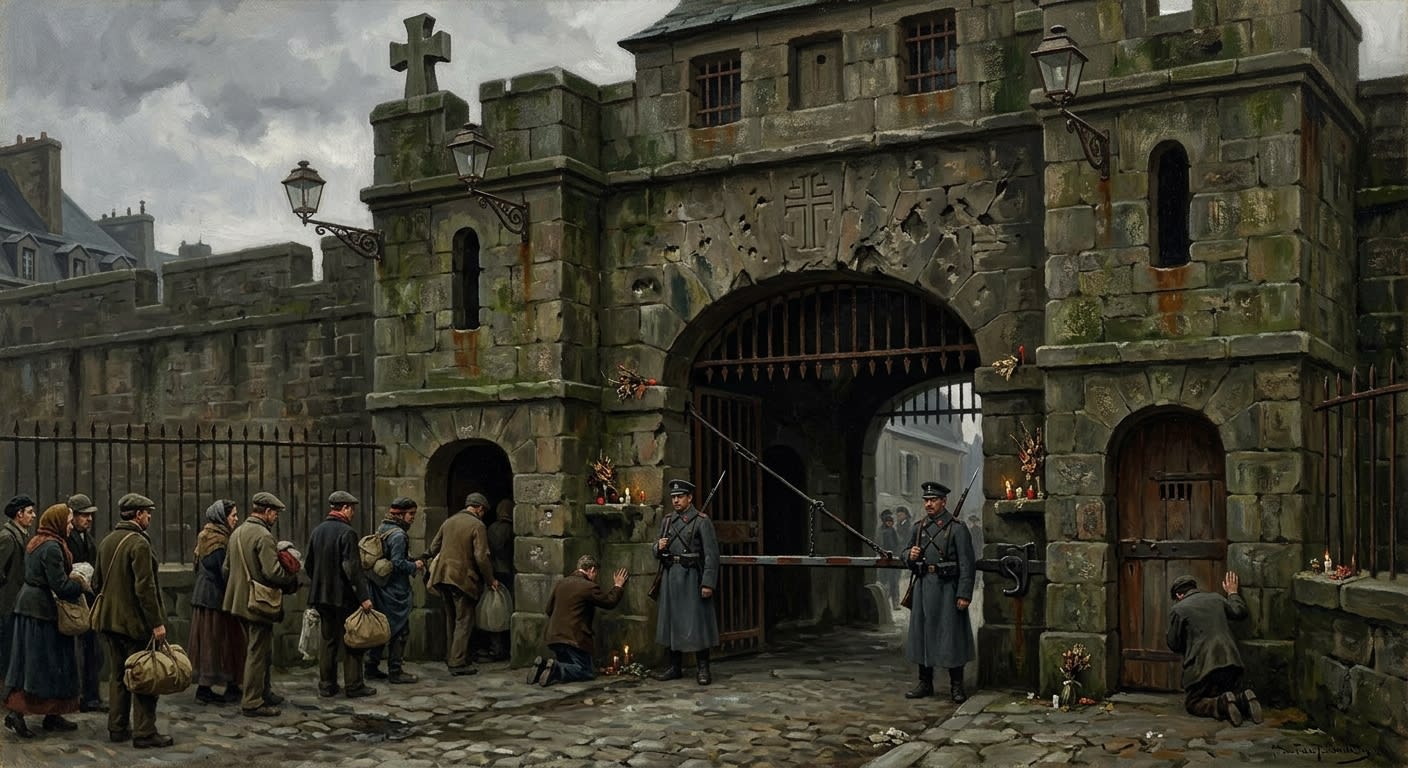
Porte Saint-Vincent
Where stone learned to answer after the thirty-first toll
The Porte Saint-Vincent is Saint-Malo's principal landward gate: toll aperture, atrocity site, pilgrimage wound, and stone witness to the A.S. 10 massacre.
Codex Ref. II.1.09-010
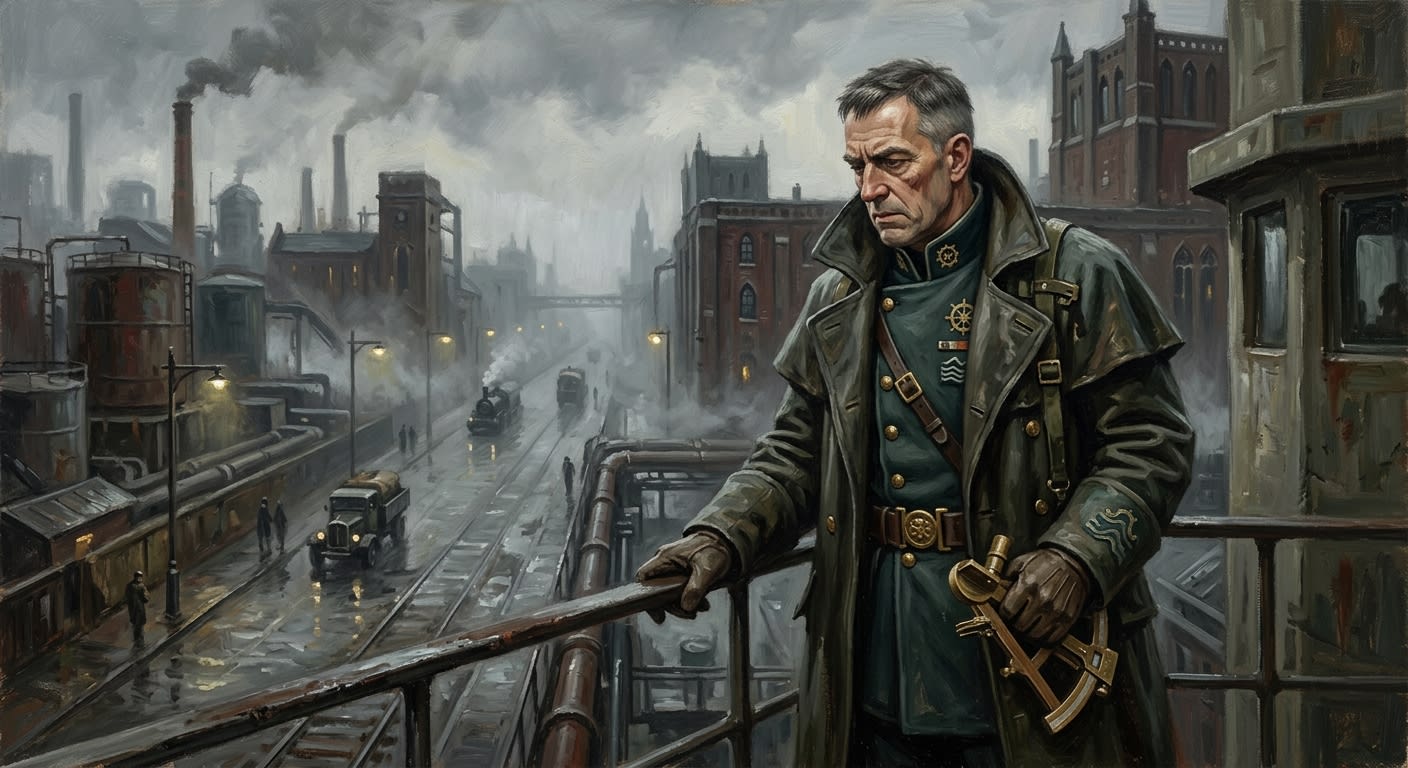
Prior Idris of the Sixth Tide
The road drinks, and Idris keeps the receipt
Prior Idris governs Brine Fork as if a road were a hound: fed, cursed, watched, and never mistaken for harmless scenery.
Codex Ref. III.2.01-201
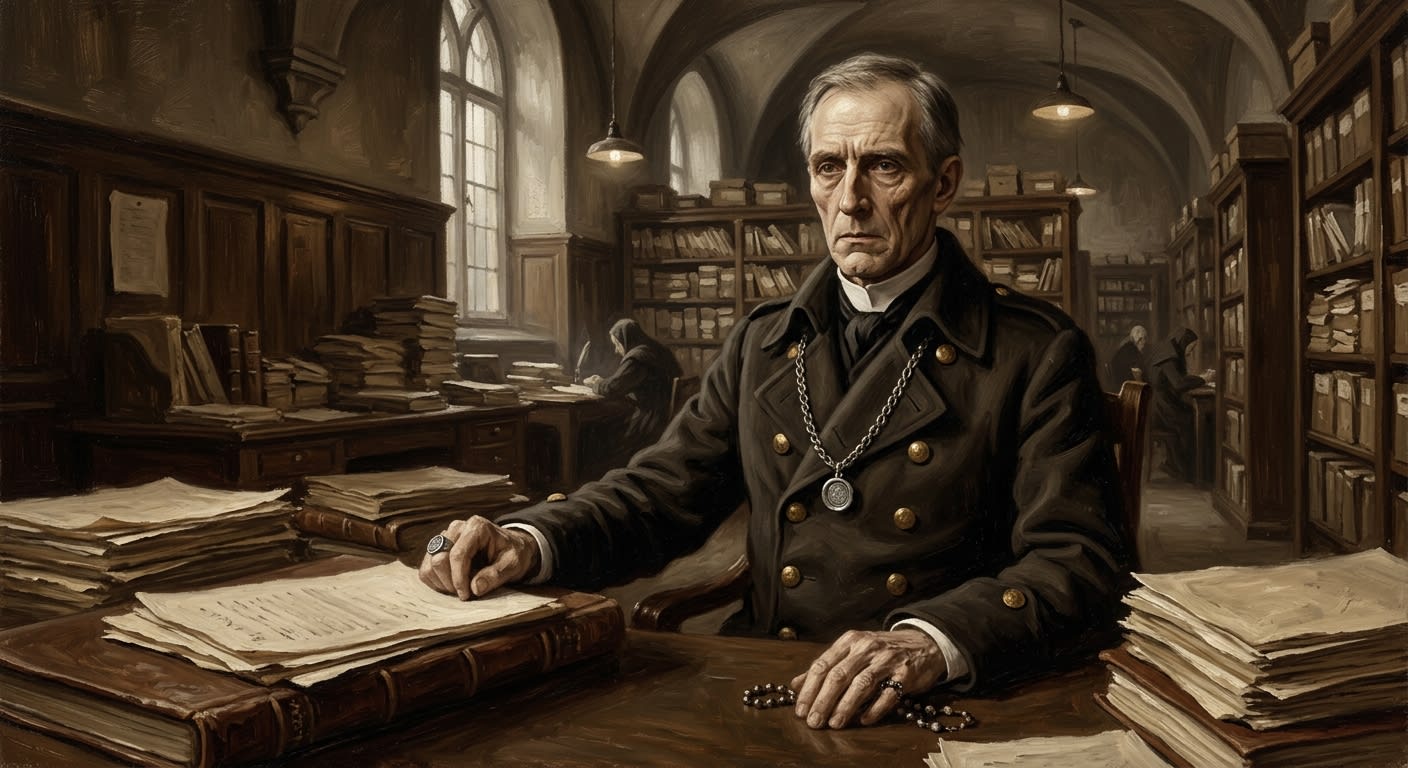
Prior-Scribe Erem Vale
The man who can make Tuesday become next month
Erem Vale is Prior-Scribe of the Cloister of Miscounted Beads, confirmed in A.S. 194 and feared for the small seal by which waiting becomes law.
Codex Ref. III.2.01-150
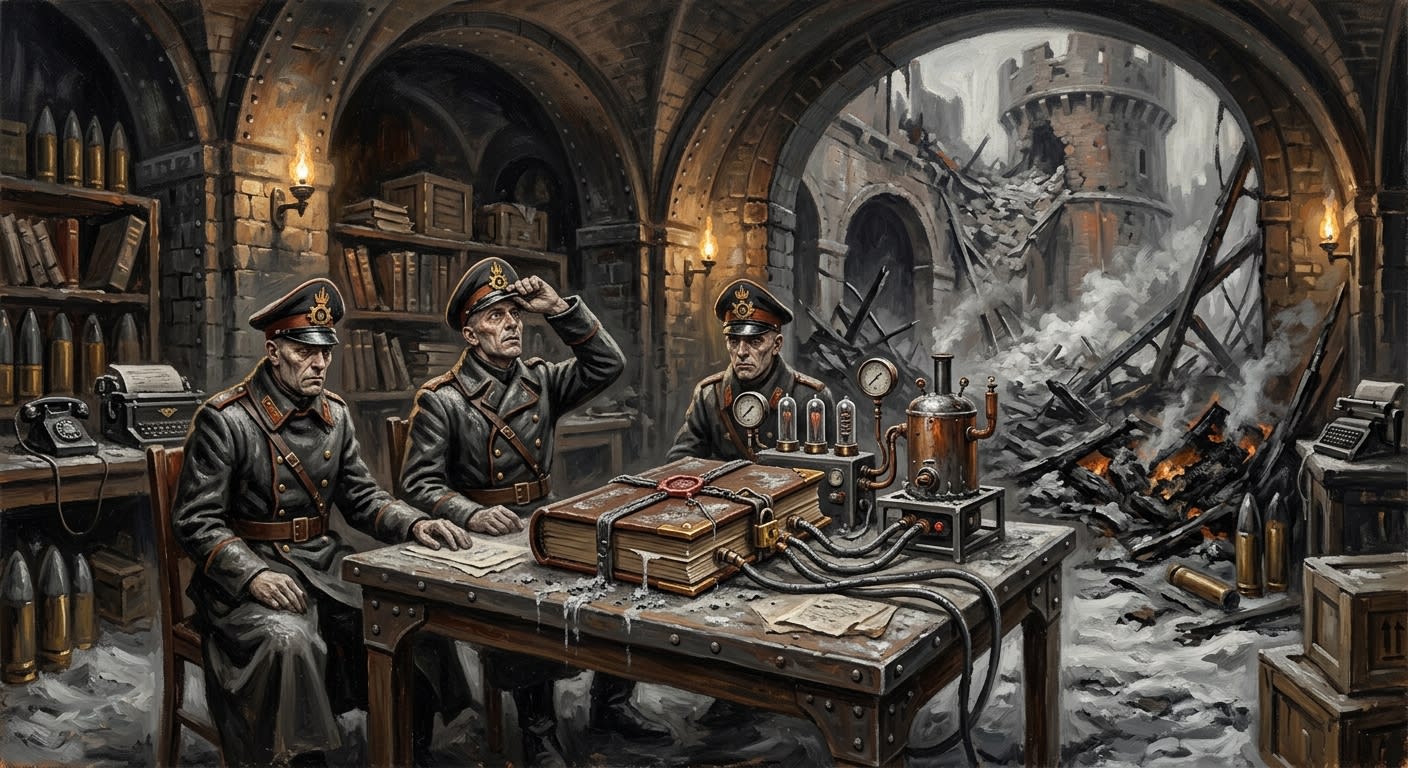
Psalm of Consuming
The Toledo fire-prayer that spent custody into ash
The Psalm of Consuming is Toledo's sealed fire-prayer: a relic-bound formula whose two lawful recitations turned siege stores, tower, and custody into ash.
Codex Ref. XIII.1.57-015
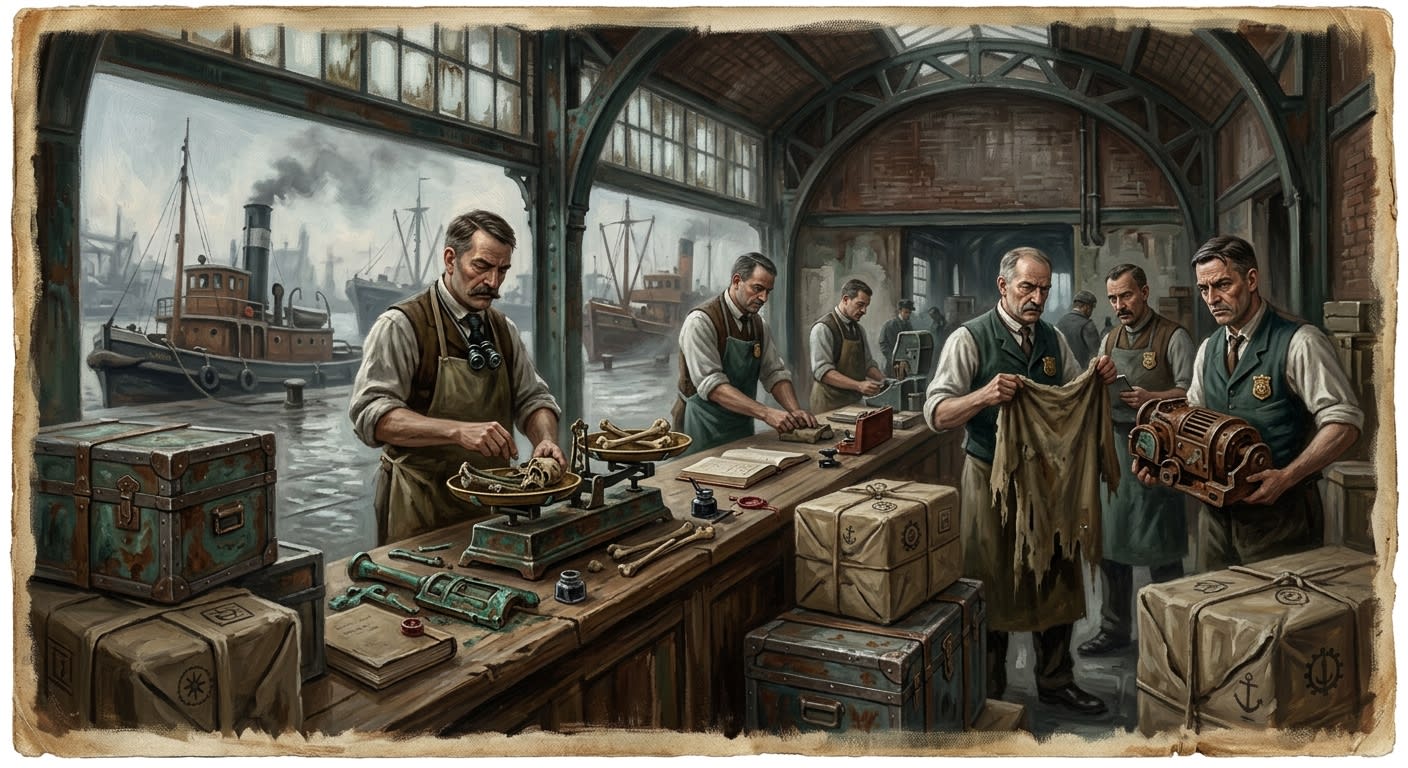
Quai Saint-Lazare
Where holiness queues, fraud pays duty, and Marseille sells the answer twice
Quai Saint-Lazare is Marseille's salt-crusted relic throat, where the Bureau of Relics weighs bones, doubts miracles, prices fraud, and forwards danger under seal.
Codex Ref. II.4.09-017
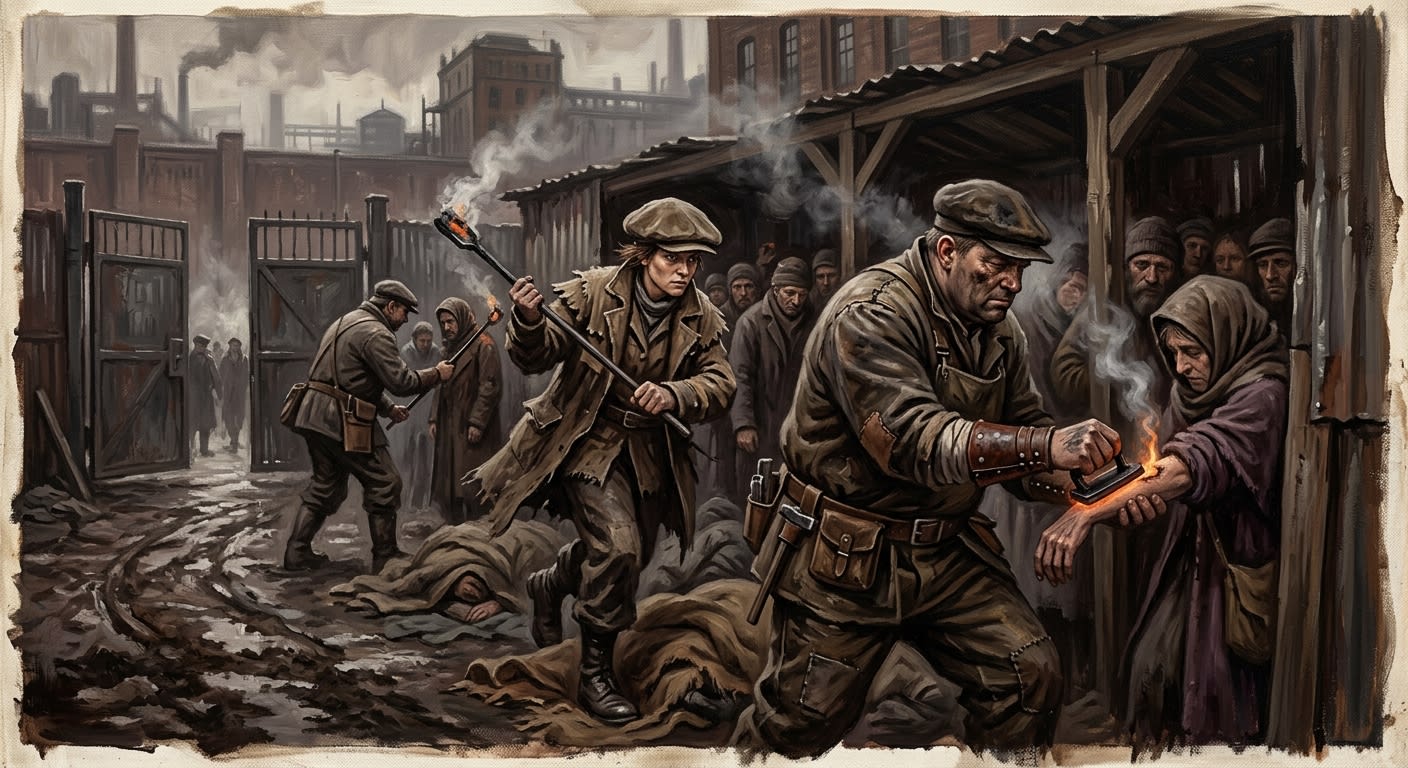
Quick Burners
Haste, under shelling, becomes a form of grammar
Quick Burners are accelerated field Brand-Smiths who mark bodies in queues, sheds, gates, and mud before ceremony can strangle movement.
Codex Ref. XII.20.06-001

Receipt-Procession Pageant Captain
The Bureau does not celebrate. It enumerates. The ribbon is the proof.
The Bureau of Festivals does not employ artists. It employs accountants in bright sashes, charged with converting municipal celebration into municipal enumeration — the wrist-ribbon is the key, and joy rot is the wages.
Codex Ref. XII.33.01-001
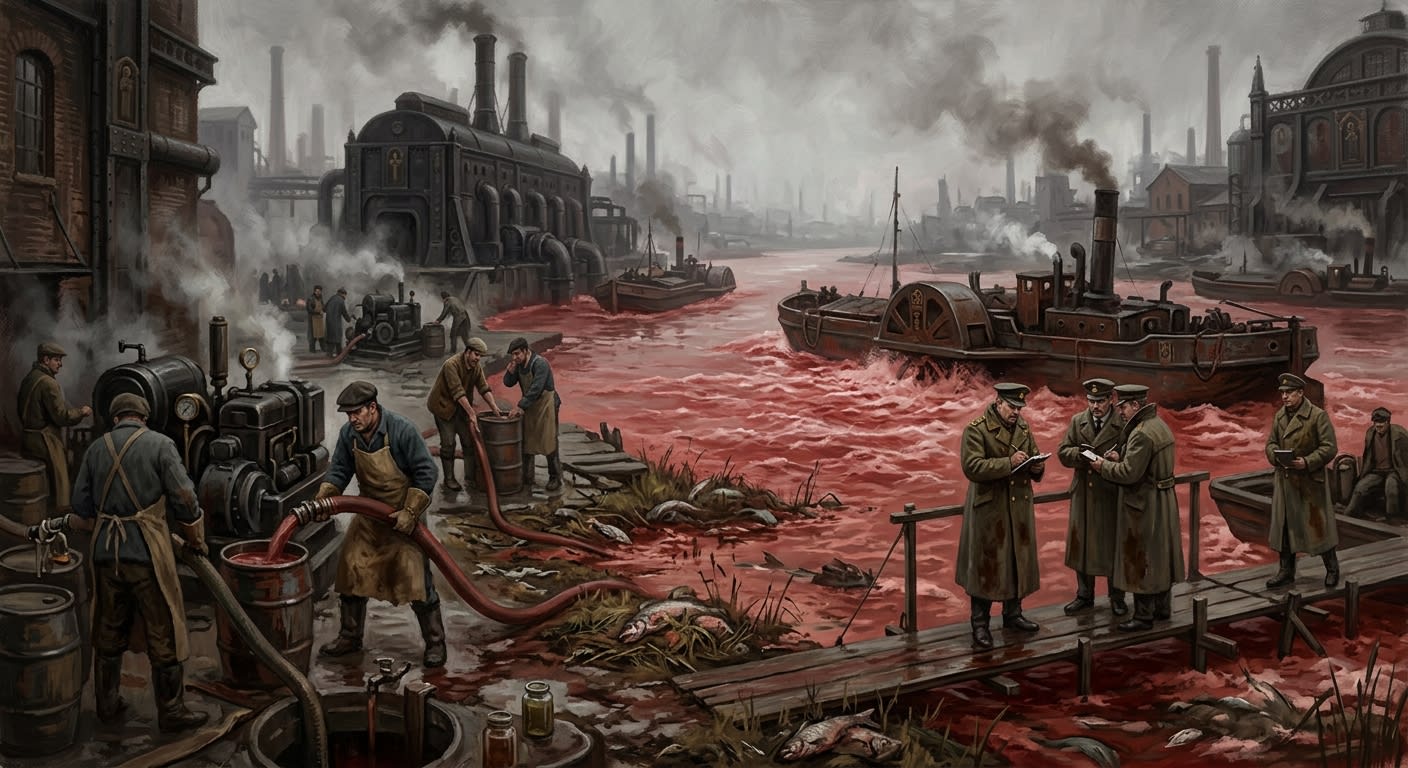
Red Flood of the Danube
The river cleared; the warning did not
The Danube ran crimson for three weeks in A.S. 34, boiling, staining wells, killing fish, and teaching Rationalist hydrology that some rivers are invoices.
Codex Ref. VII.4.18-001
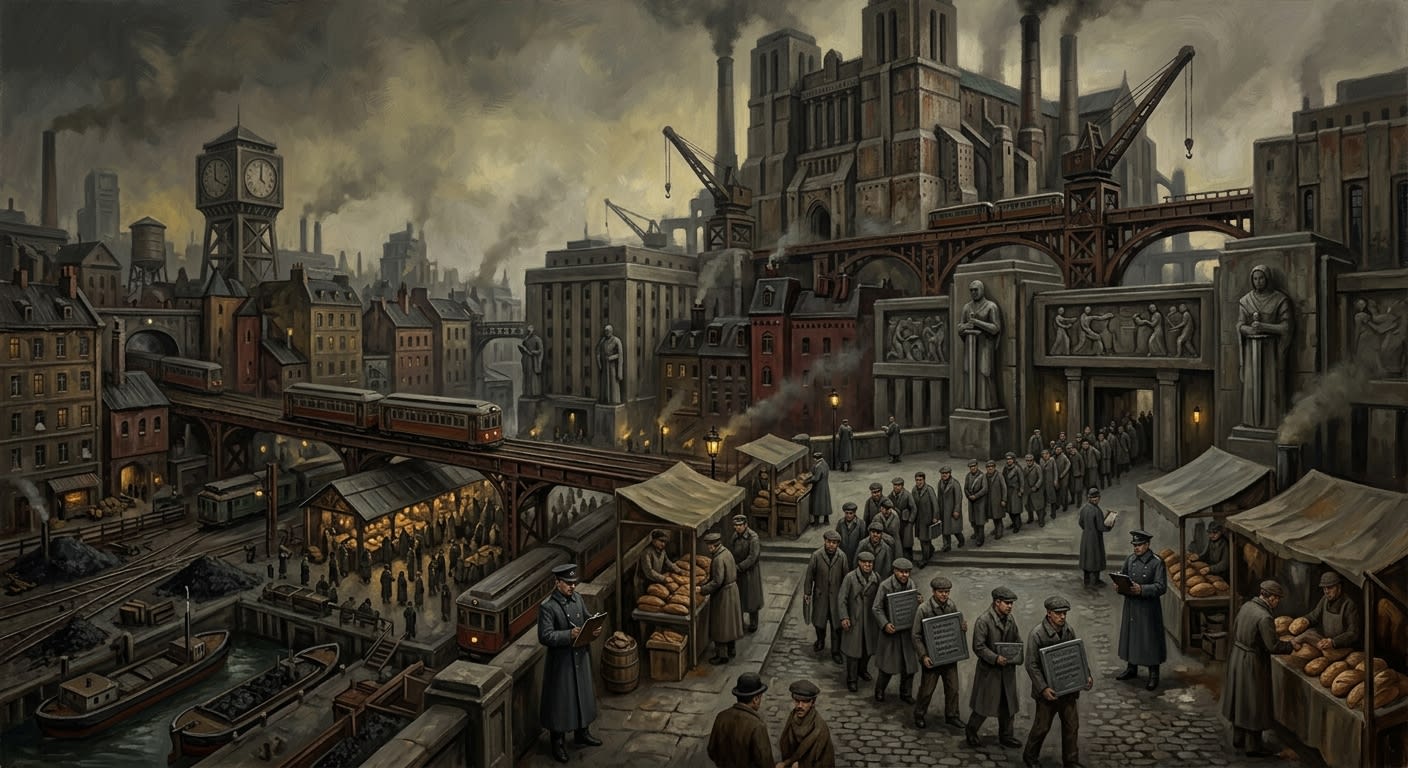
Regensburg
The city that sold false dawn by the plaque and glass
Regensburg hosted Reason's false triumph, sold bread to signatories and plaques to penitents, and still rehearses its profitable disgrace under Bureau watch.
Codex Ref. II.2.03-030

Reims
The smiling wine city that profits from an empty neighbour
Reims smiles under inspection, sells lawful wine beside impossible Épernay tokens, and teaches that a city can inherit a neighbour's absence without inheriting innocence.
Codex Ref. II.1.07-103
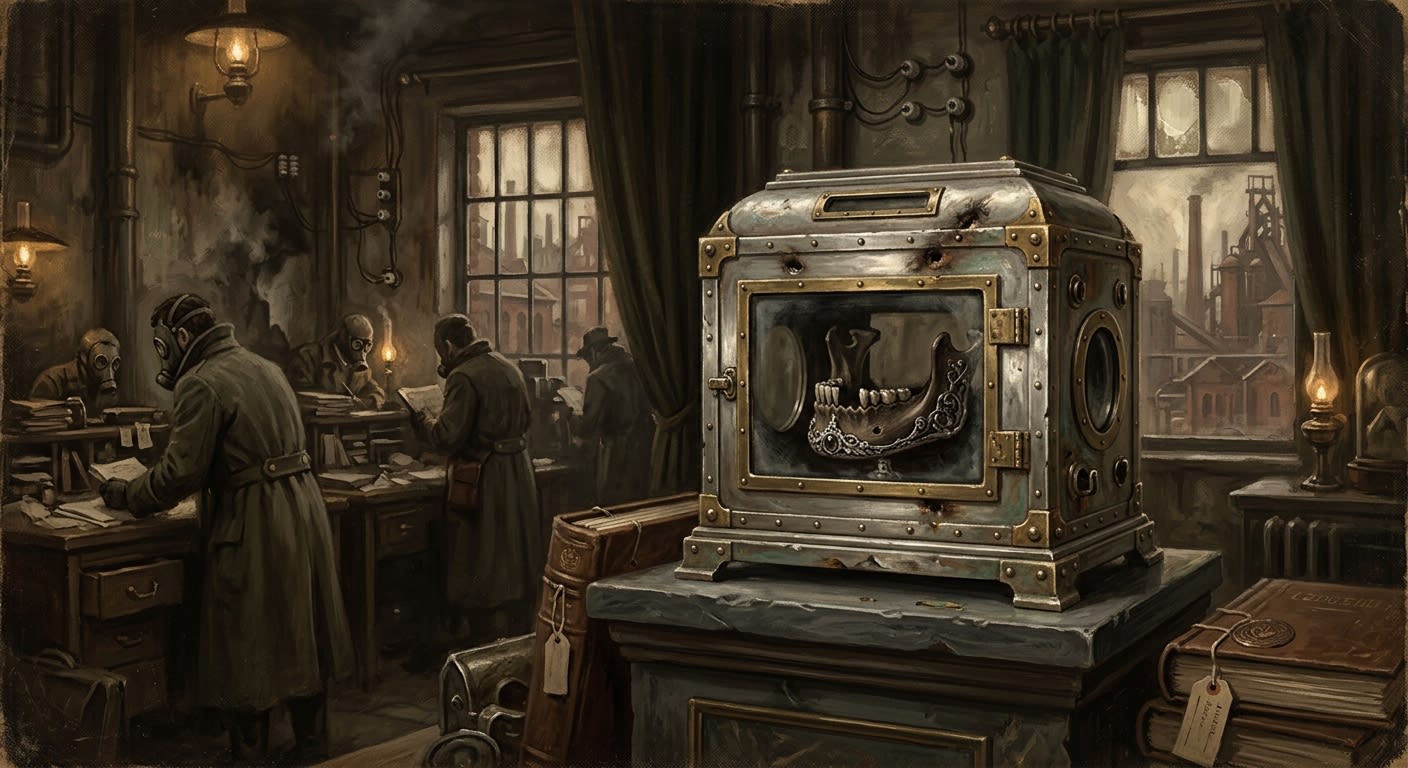
Relic of Saint Iago
The jawbone that answered artillery and kept its receipt from Heaven
Relic 14-T(Provisional) was a silver-set jawbone that survived auctions, desks, cannon, and doubt — then burned at Toledo rather than serve Reason.
Codex Ref. III.2.04-014
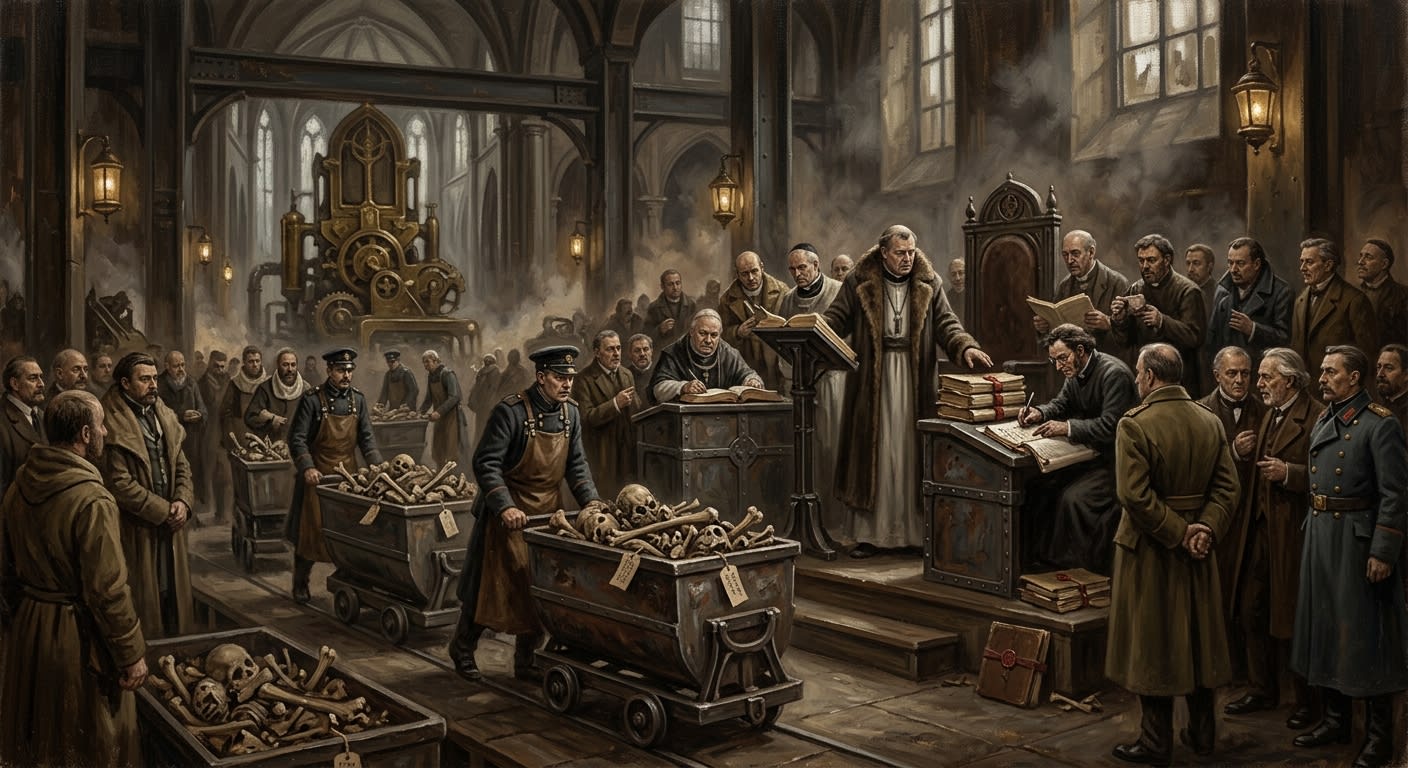
Reliquary Schisms A.S. 140–160
When seventeen femurs became policy and anatomy was reassigned
Twenty years of authenticated surplus bones, shrine bloodshed, and the Fourteenth Doctrinal Congress that made notarized contradiction lawful.
Codex Ref. VII.8.10-090

Revelators
The prophets of coloured glass, properly invoiced
Revelators are the visionary faction of Demon-Glass Polishers, selling caged prophecy, widow-panes, pilgrim gleams, soldier trench-glimpses, and every profitable almost-speech the glass can survive.
Codex Ref. XII.13.04-001
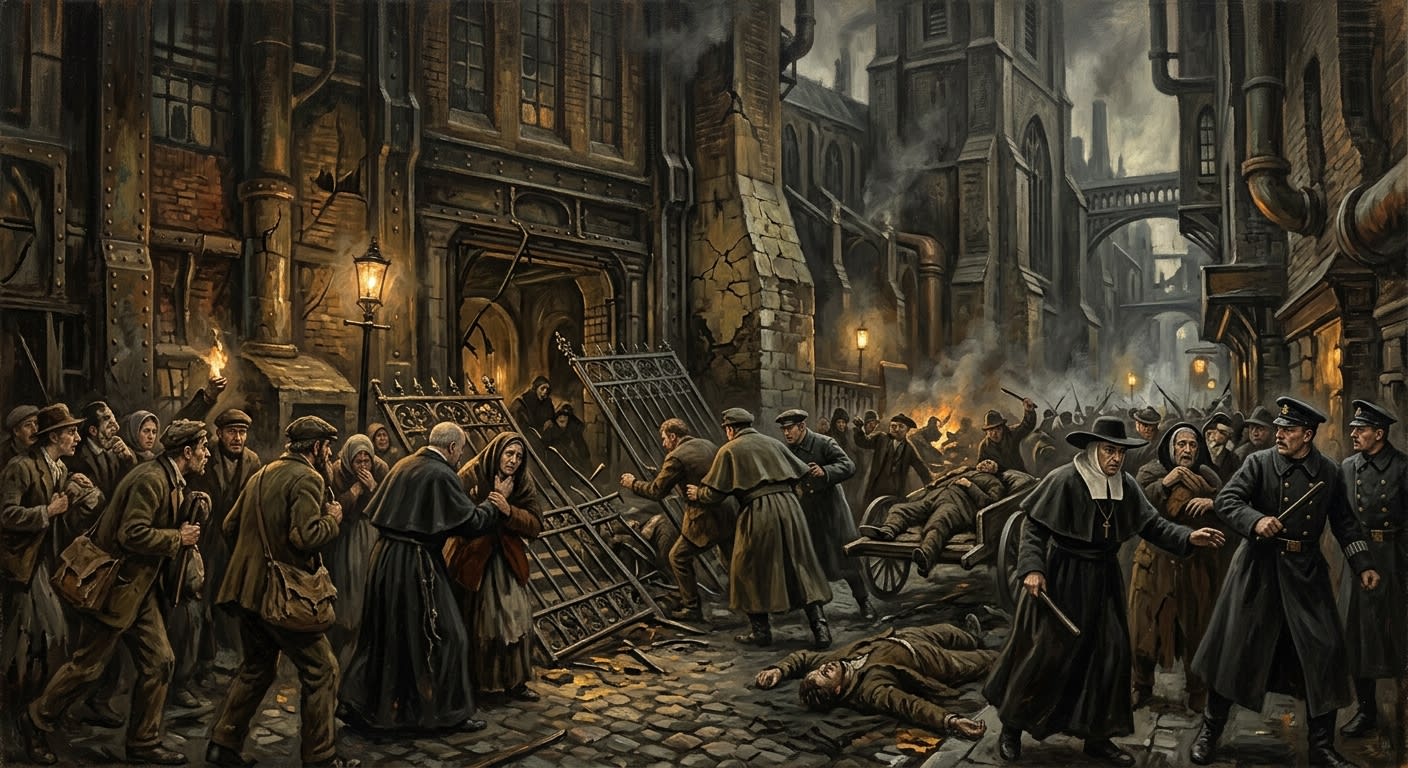
Riots of Santiago
Forty-one dead pilgrims taught Strasbourg that roads prefer owners
The A.S. 121 Riots of Santiago killed forty-one pilgrims, broke a shrine screen, exposed private road-guild predation, and gave Strasbourg the corpse-count it needed.
Codex Ref. VII.8.10-121
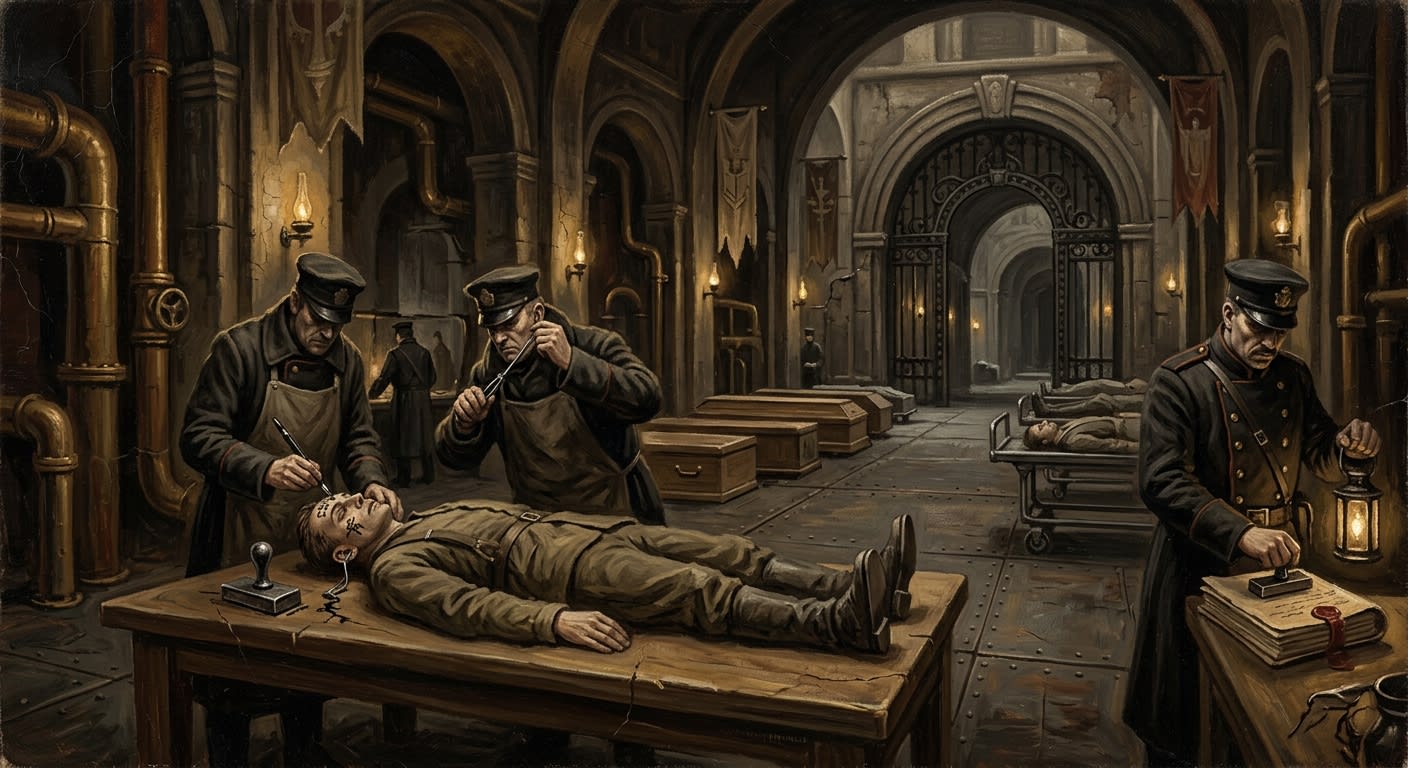
Rite of Passing
No soul departs until the Ledger has improved the death
The Rite of Passing turns death into lawful custody: right ear, last words, body display, black ink, routed remains, and no soul left vulgarly private.
Codex Ref. XIII.1.85-080
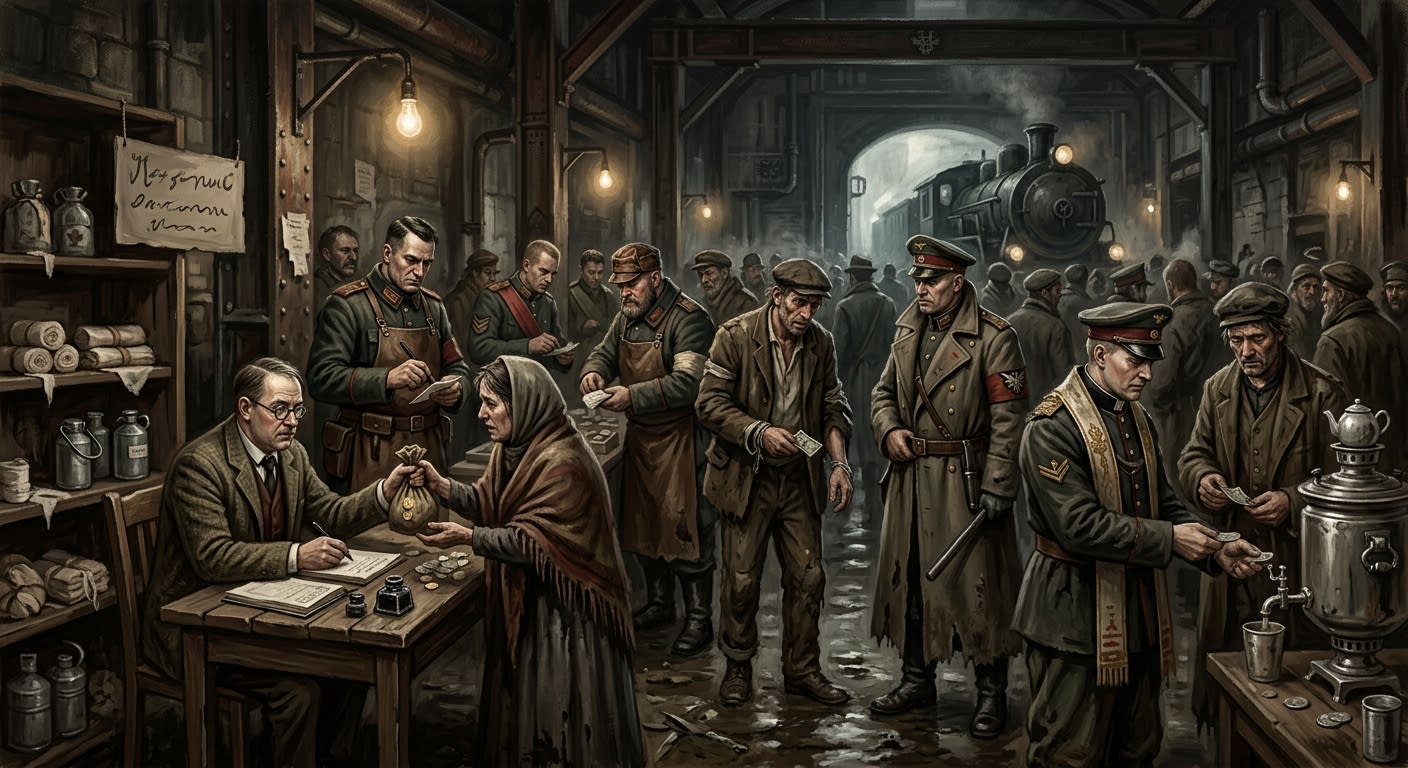
Road-Mercy Scandal
Compassion acquired a price list and the Bureau called it evidence
A.S. 136 Munich–Sibiu corridor scandal in which Handlers, shrinekeepers, clerks, and route deputies sold water, rest, bandage, and slack as private mercy.
Codex Ref. VII.8.10-055
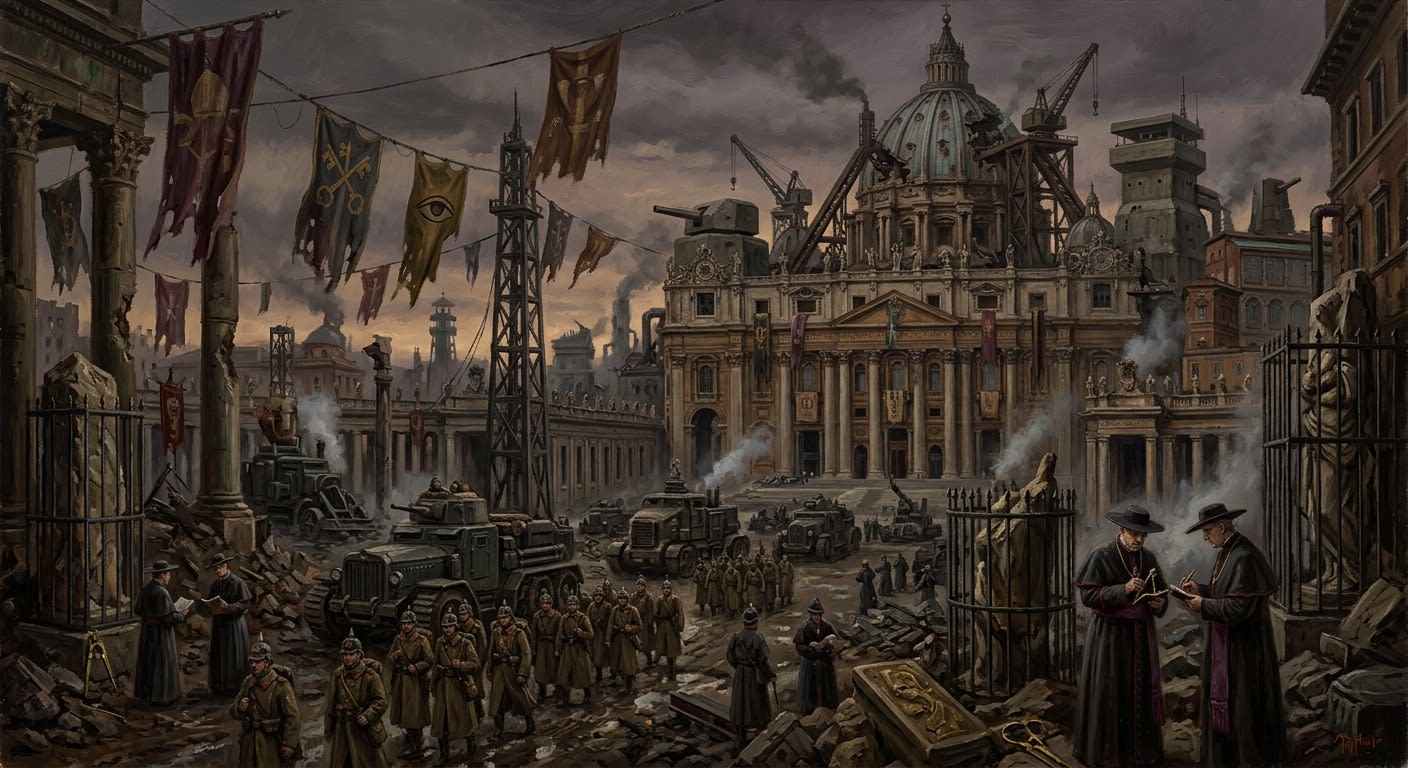
Rome
The old chair, subordinated and still dangerous in pieces
Rome is the Synod-held Old Chair: ruined, supervised, relic-rich, papalist-haunted, and too symbolically useful for Strasbourg to bury cleanly.
Codex Ref. II.1.11-201
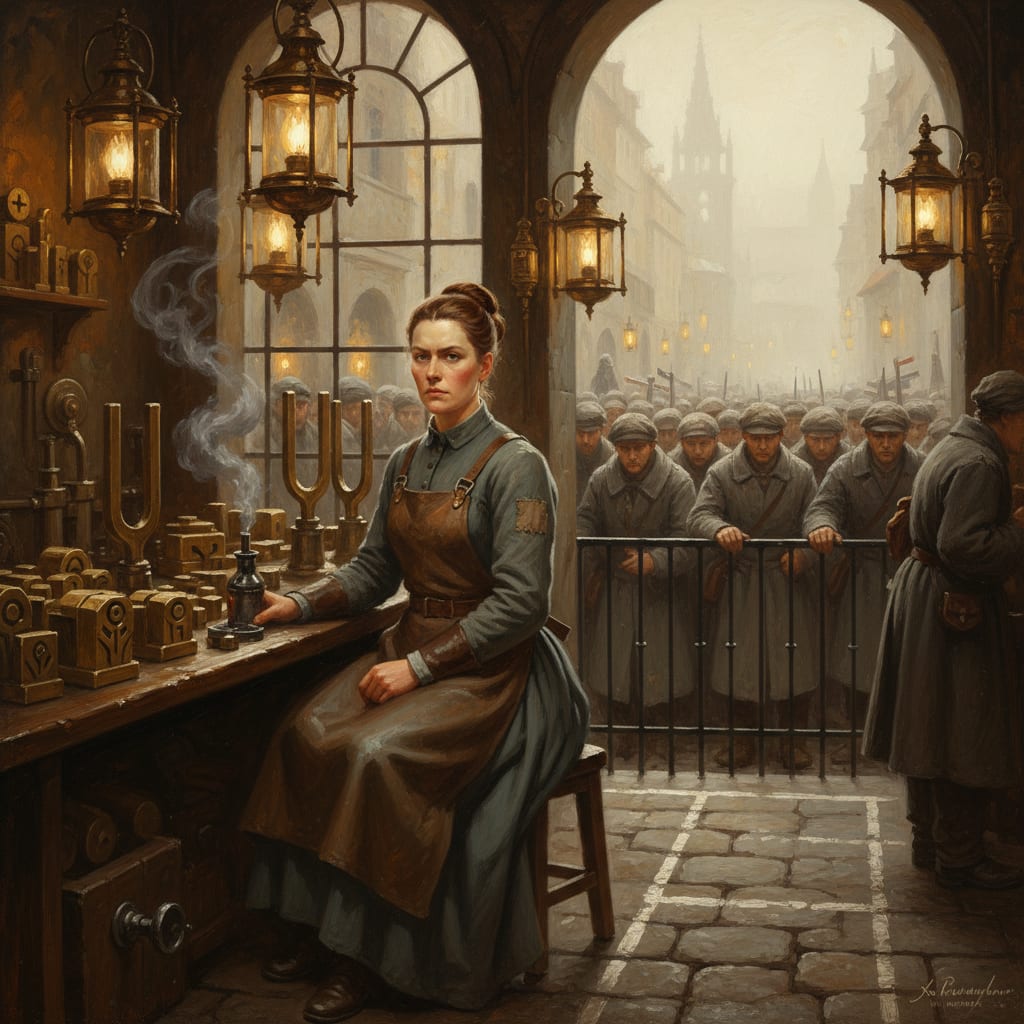
Route-Stamper / Indulgence-Token Smith
Walking is a contract; the Route-Stamper is the notary
Makers of the indulgence-token — a brass palm-piece whose captive bell-hour counts steps, repels road-spirits, and distinguishes the sanctioned traveller from the heretic-with-legs. The art is measured by one question only: whether it lies.
Codex Ref. XII.38.01-001

Route-Timing Concordat
Split the sound, split the crowd, own the dead
A.S. 129 Strasbourg route law born from the Night of Two Bells, imposing two-bell clearance and integrated bellway tables on every serious procession.
Codex Ref. VII.2.10-060
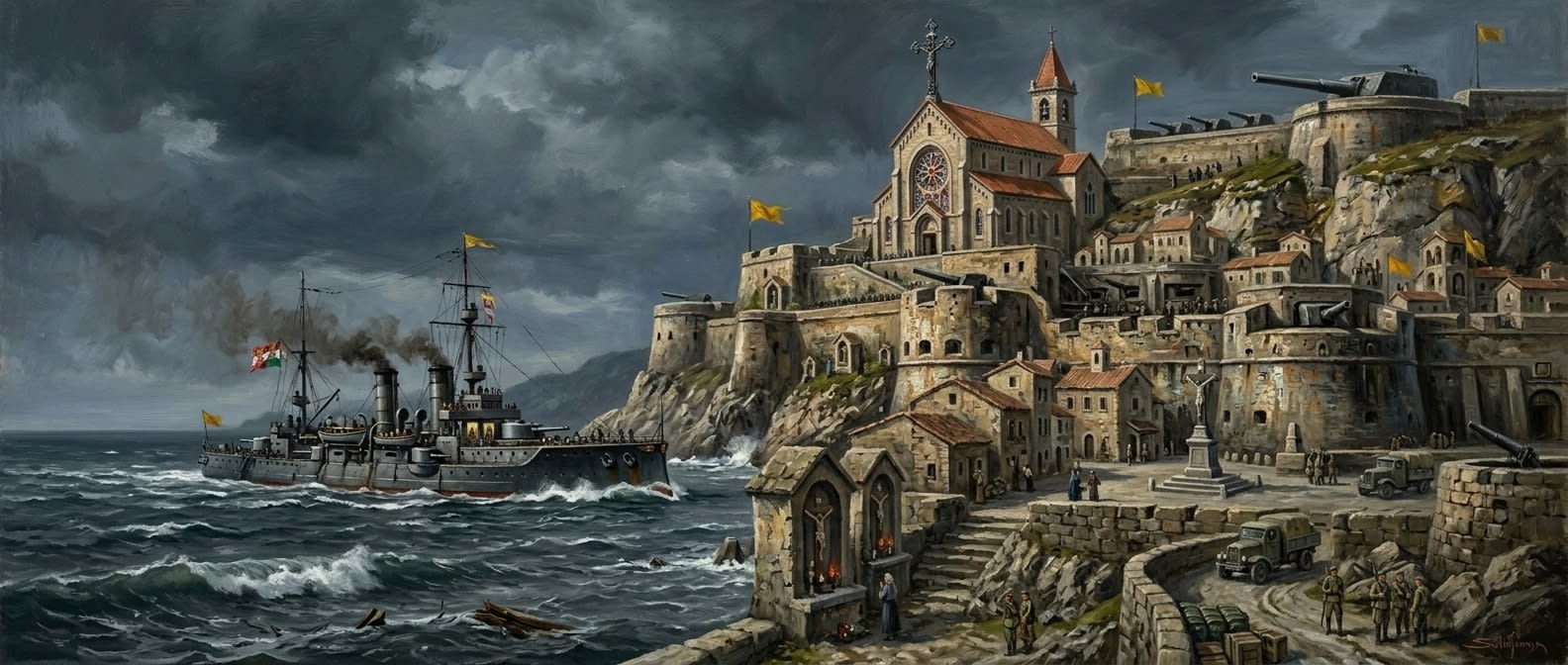
Saffron Bastion
Where quarantine is mercy, mercy is leverage, and the sea pays what it owes
The Synod's coastal chokepoint on the Adriatic — quarantine piers, cliff batteries, saffron flags, and one hundred and twenty thousand souls balanced on the edge of an audit. The sea pays what it owes.
Codex Ref. II.4.09-001
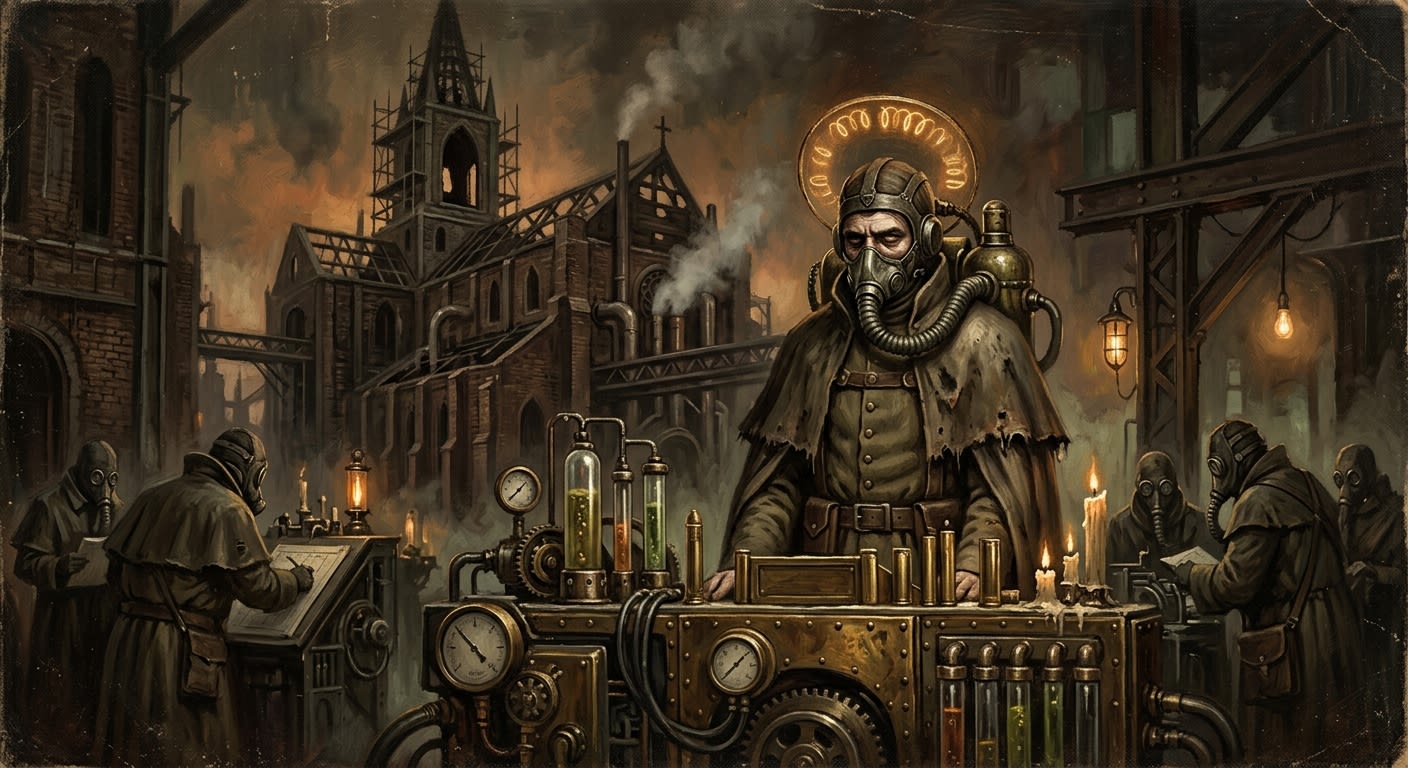
Saint Clement of Brittany
The chapel that received no pilgrims and therefore received a continent
Saint Clement of Brittany became doctrine's perfect destination: a chapel the martyrs never reached, and therefore a wound the Synod could license forever.
Codex Ref. III.2.01-005
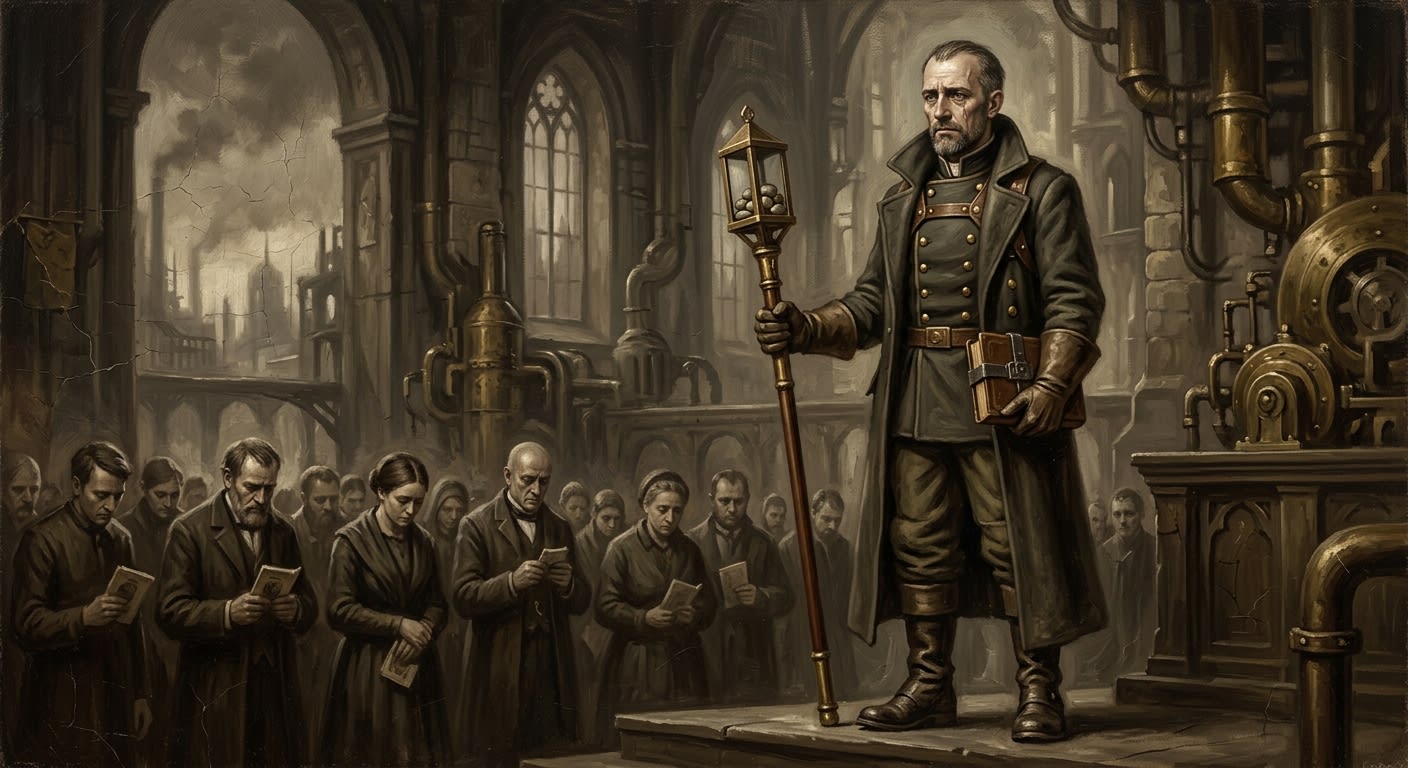
Saint Edras
He taught grief to queue, hunger to march, and tears to pay toll
Saint Edras is the patron of disciplined grief, lawful pilgrimage, ration-stones, crossing-phrases, and the public tears by which sorrow becomes government.
Codex Ref. III.2.01-090
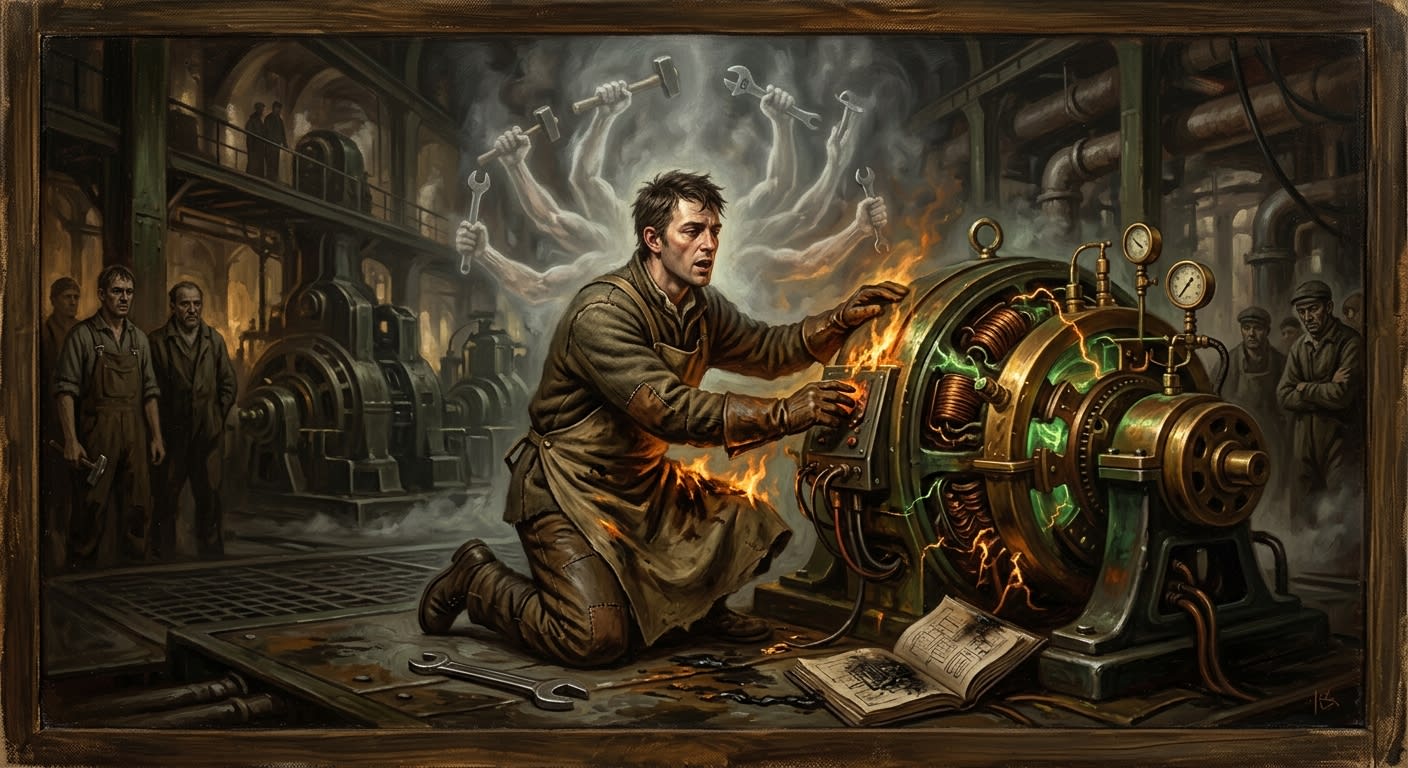
Saint Edrin of the Eight Strokes
A clean note, a burned hand, and eleven years of obedience
Patron of Litany-Engineers and engine-cant apprentices, Edrin sang a failed generator back to obedience during the Great Retreat and burned for the privilege.
Codex Ref. III.2.01-130
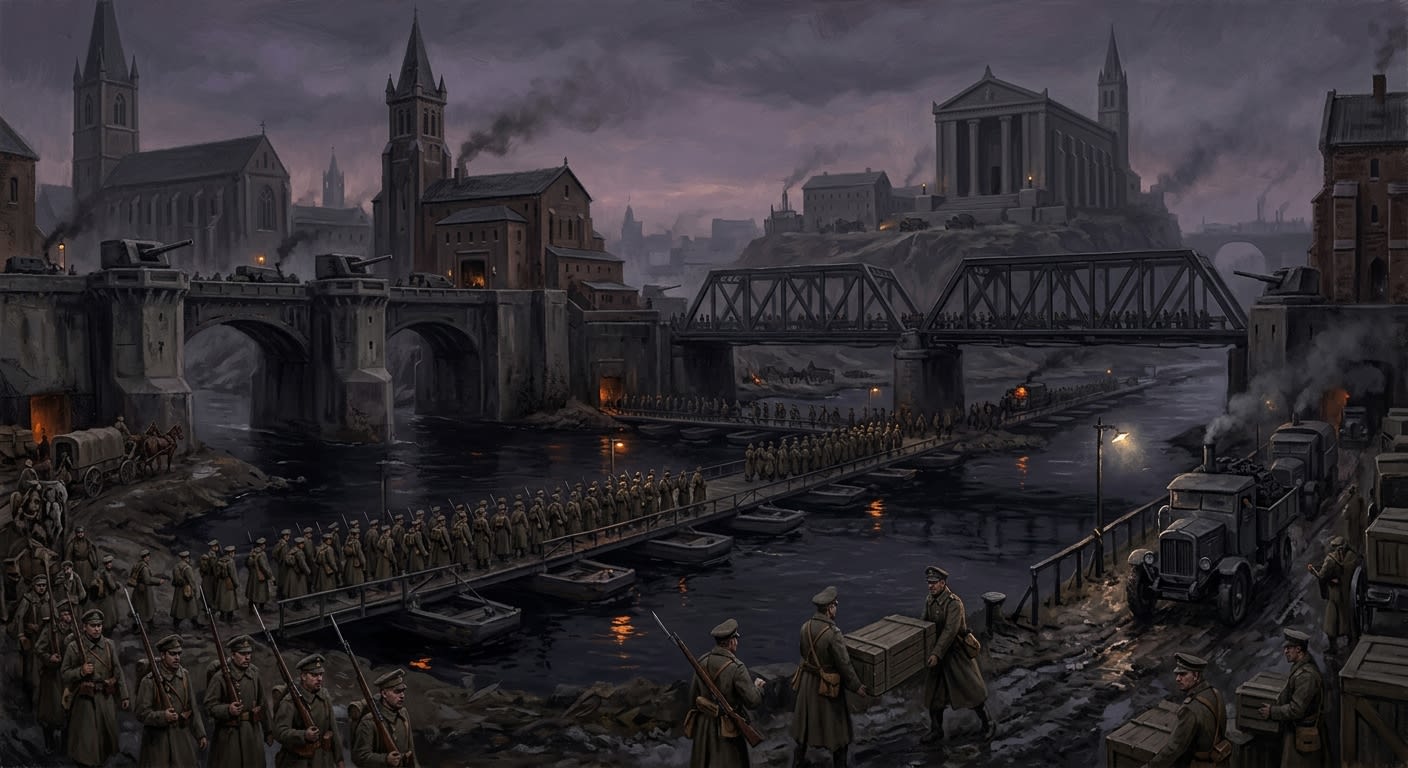
Saint Hadrien's Ford
The river-crossing where biography drowned and doctrine learned to wade
Saint Hadrien's Ford is the Danubian crossing where an old river saint became military property, and black water learned to invoice courage.
Codex Ref. II.4.09-172
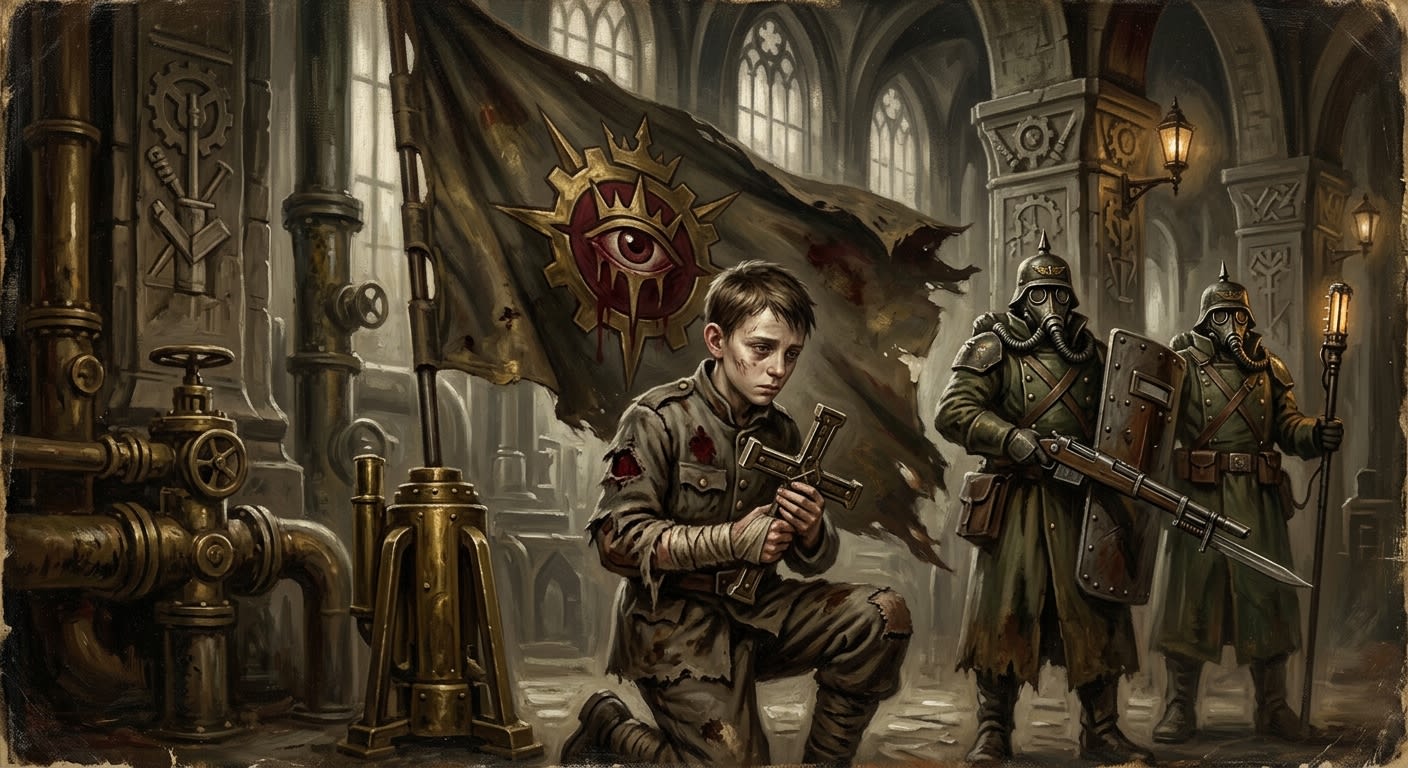
Saint Hermas
The boy who held the banner until the banner held him
Saint Hermas of Dinan was the boy beneath the banner at Saint-Malo: two wounds, one strip of cloth, and a cult made tidy by force.
Codex Ref. III.2.01-006
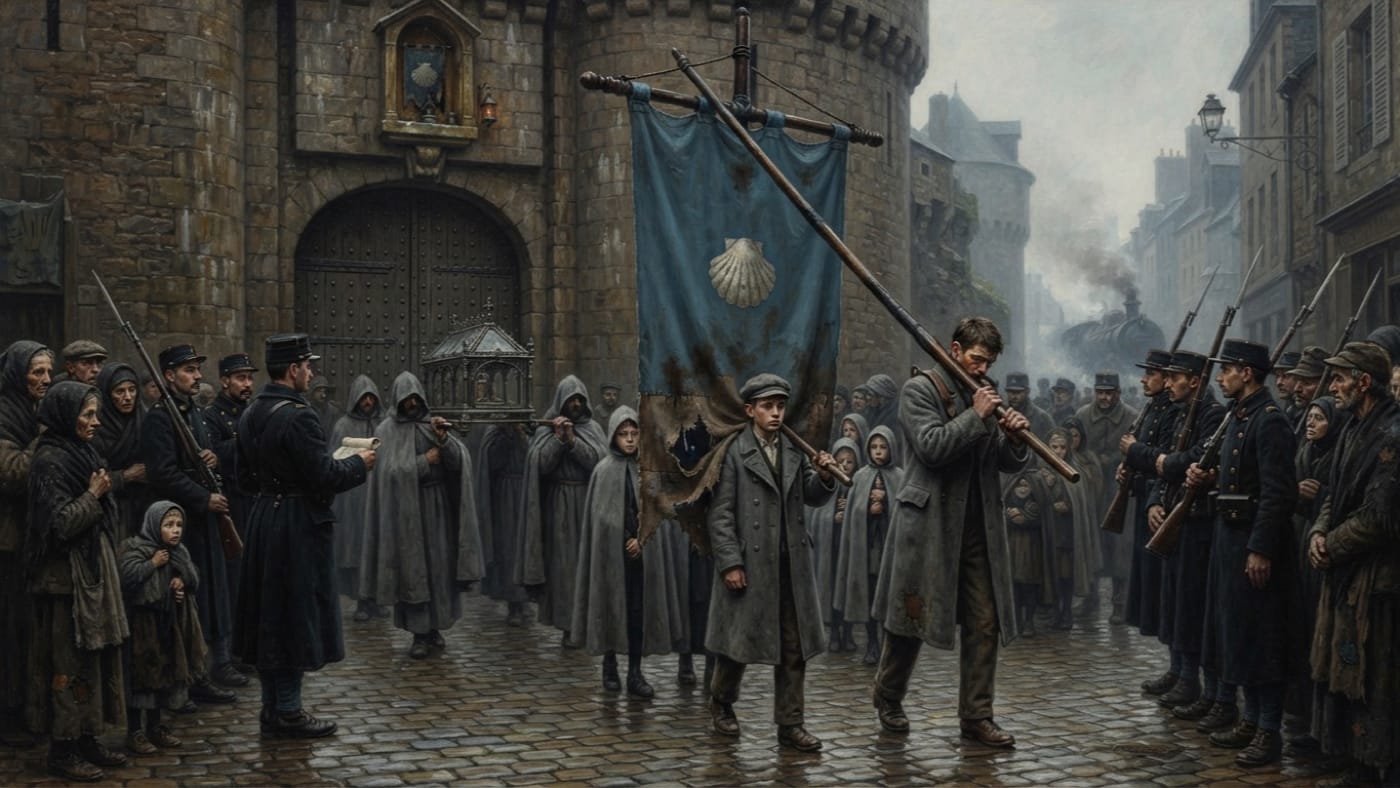
Saint Hermas Banner
One torn banner, thirteen slivers, and a successor under licence
The Saint Hermas banner tore over a boy at Saint-Malo in A.S. 10. Its fragments became relics; its sanctioned successor still marches under licence.
Codex Ref. III.2.04-010
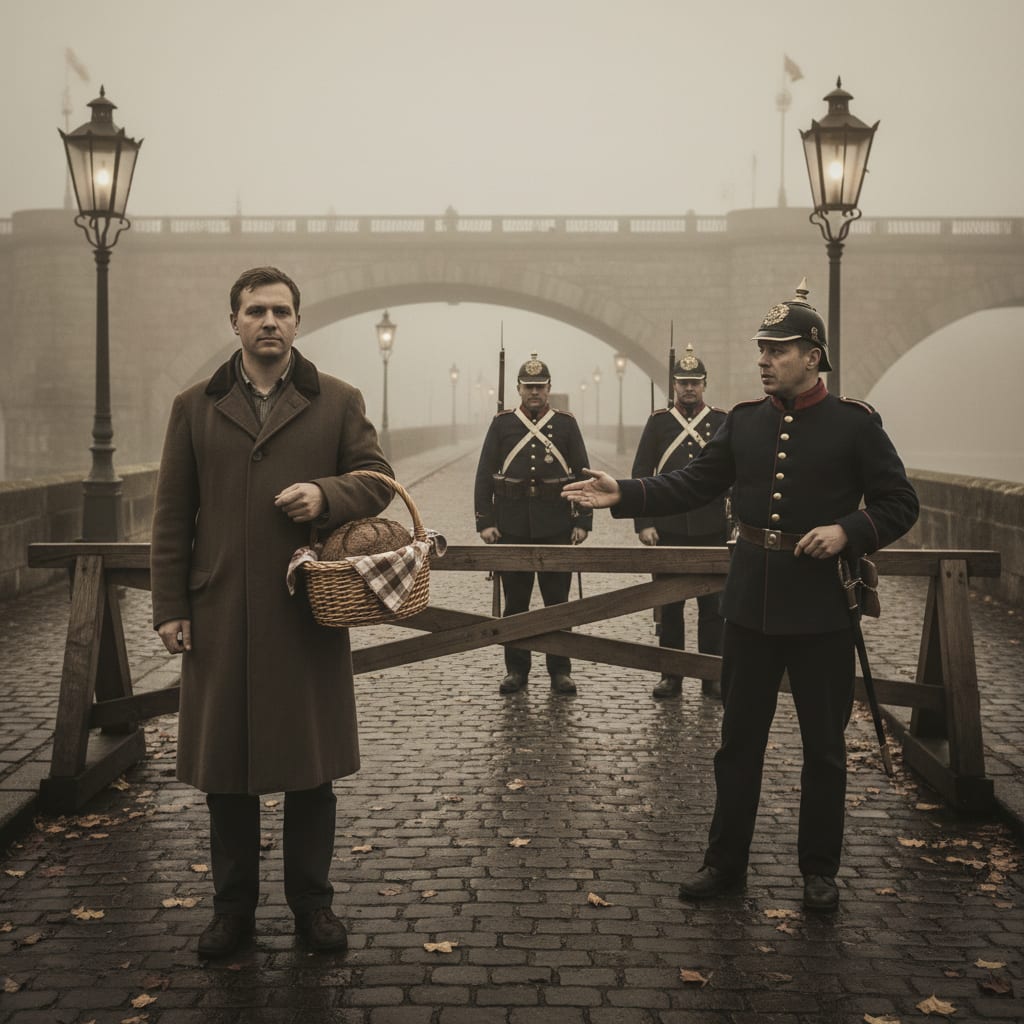
Saint Ignatius the Carrier
He walked. That was enough.
Parish clerk who carried three apostolic phalanges across a Rationalist checkpoint in a breadbasket. Zero personal miracles; one Kalnik Ridge. Canonized A.S. 104 at the insistence of every porter, smuggler, and supply-runner on the Line. He walked. That was enough.
Codex Ref. III.2.01-003

Saint Kelm the Measurer
The road does not grant miracles; it grants margins
Unratified patron of Caravan Factors, Kelm measures loss, lies, wheels, sacks, and roads with such usefulness that Strasbourg denies him while taxing his candles.
Codex Ref. III.2.01-097
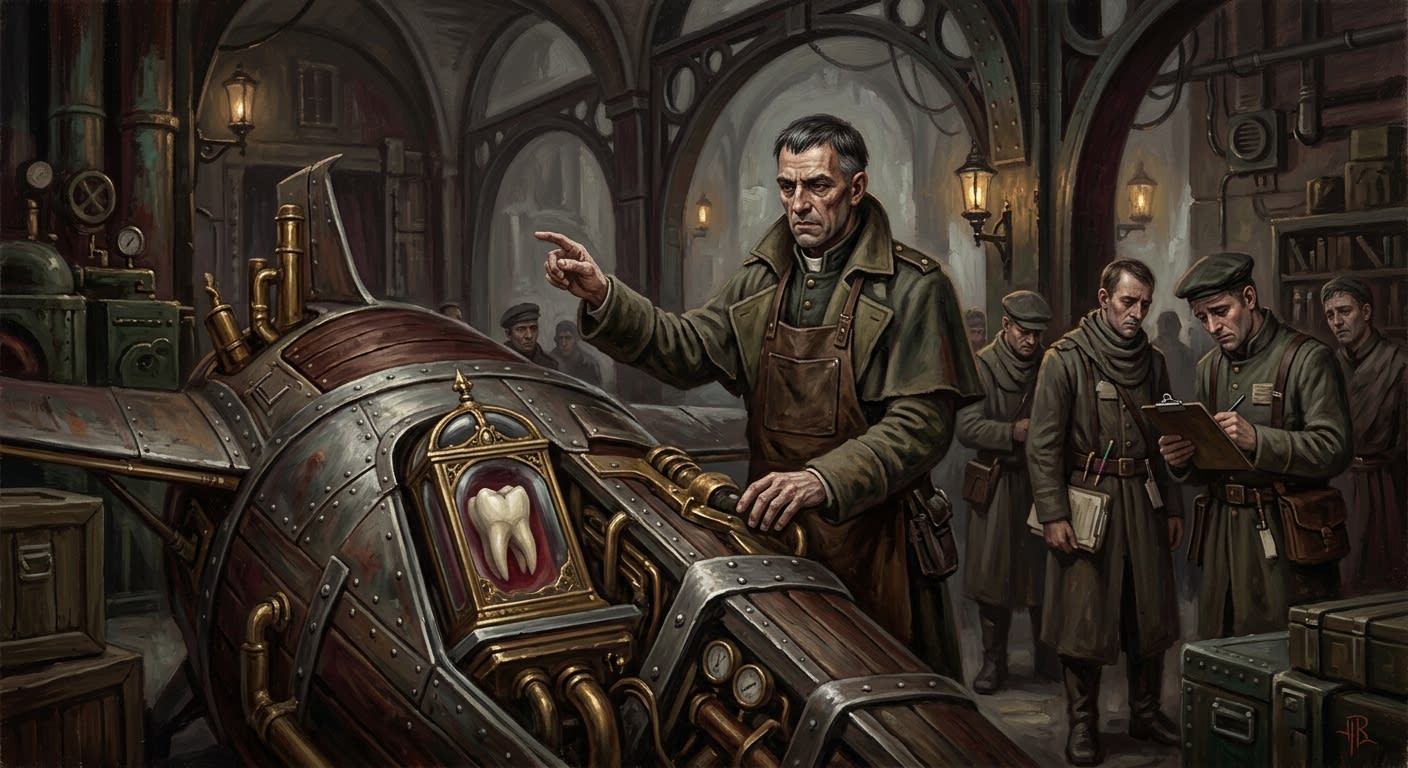
Saint Uriel
The warning tooth that refused to bless the southern sky
Saint Uriel is warning, tooth, patron, and refusal: the authenticated molar whose Ark will not fly, thereby accomplishing theology by humiliation.
Codex Ref. III.2.01-191

Saint Varric of the Twelve Blisters
The chain becomes holy when the foot bleeds on schedule
Approved patron of Pilgrim-Chain Handlers: a useful, poorly documented saint whose twelve blisters became stations, tolls, custody doctrine, and a halo bent from iron.
Codex Ref. III.2.01-134

Sainte-Claire-des-Landes
Six miles from Saint-Malo, where laundry became evidence and damp became a route economy
The Breton convent of Margaux's ordinary years: damp stone, linen ledgers, a wax saint, nine thousand pilgrims, and twelve sisters still doing the work.
Codex Ref. II.1.09-092
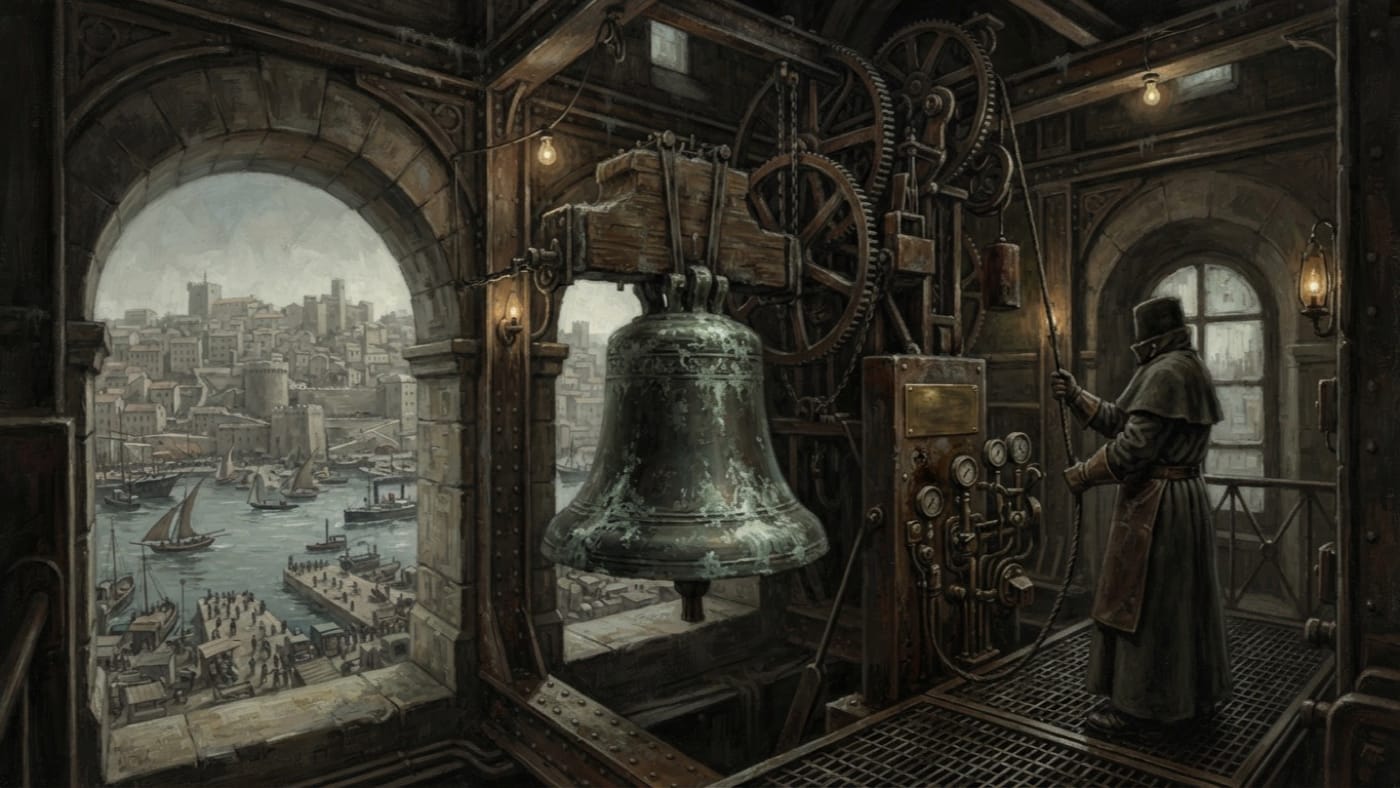
Salt-John
One bronze voice reserved for the hour when Marseille must listen
Salt-John sounds harbour danger from Saint-Victor's western relay in Marseille. One of nine principal bells, it remains under Bureau of Bells authority: a warning loses its power when every clerk may ring it.
Codex Ref. XIII.1.62-232

Seal-Forger, Counterfeiter
The Synod's confession, pressed in unauthorised wax
The seal-forger is the Synod's shadow — pressing wax into survival where the Bureau presses wax into doctrine. Eleven immurements signed, six thousand fed, and the woman who may never have existed.
Codex Ref. XII.41.01-001
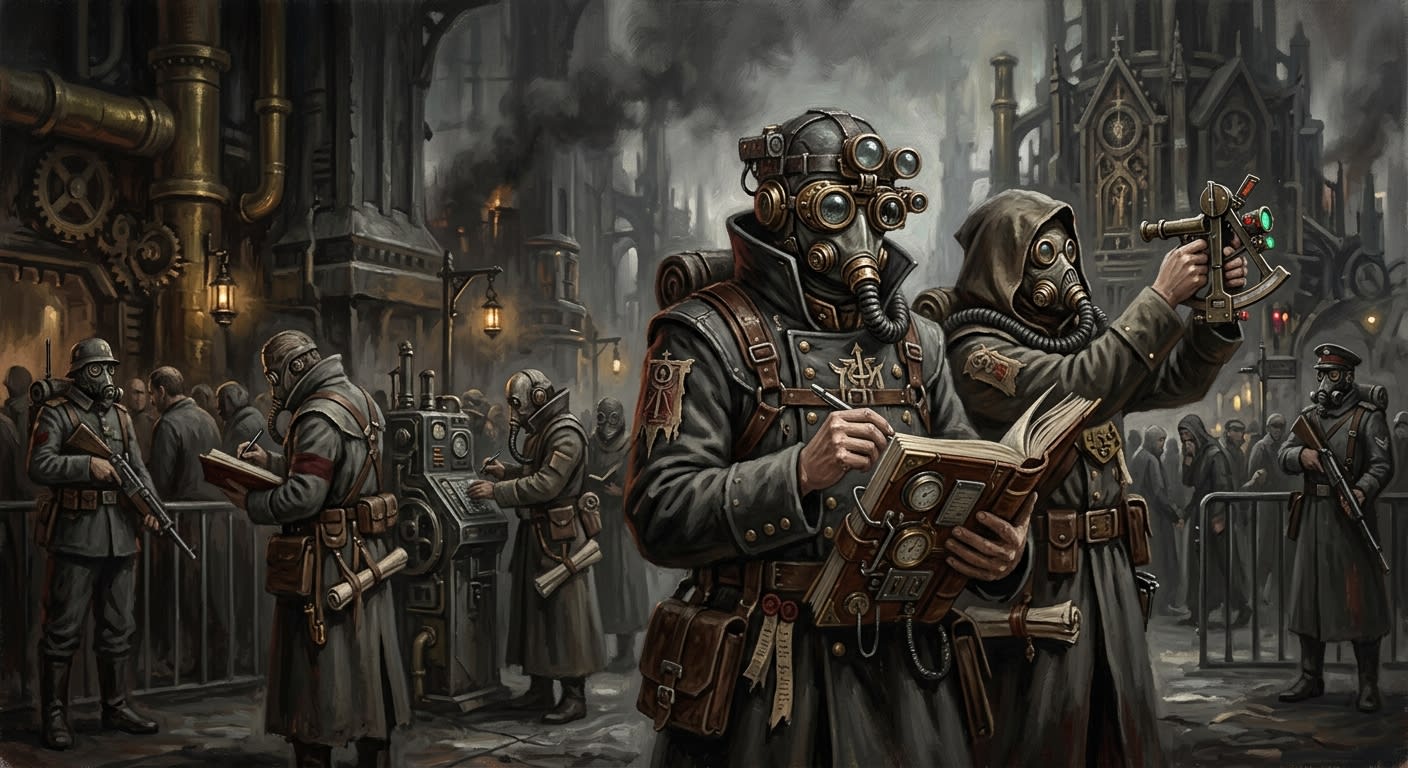
Shrine-Assessors
Holiness walks better after inspection, downgrade, and receipt
Shrine-Assessors are Pilgrimage's senior auditors of sanctity, classifying shrines, measuring traffic, binding relic-house access, and converting local miracles into routes the Bureau can tax, police, and survive.
Codex Ref. VIII.7.05-001
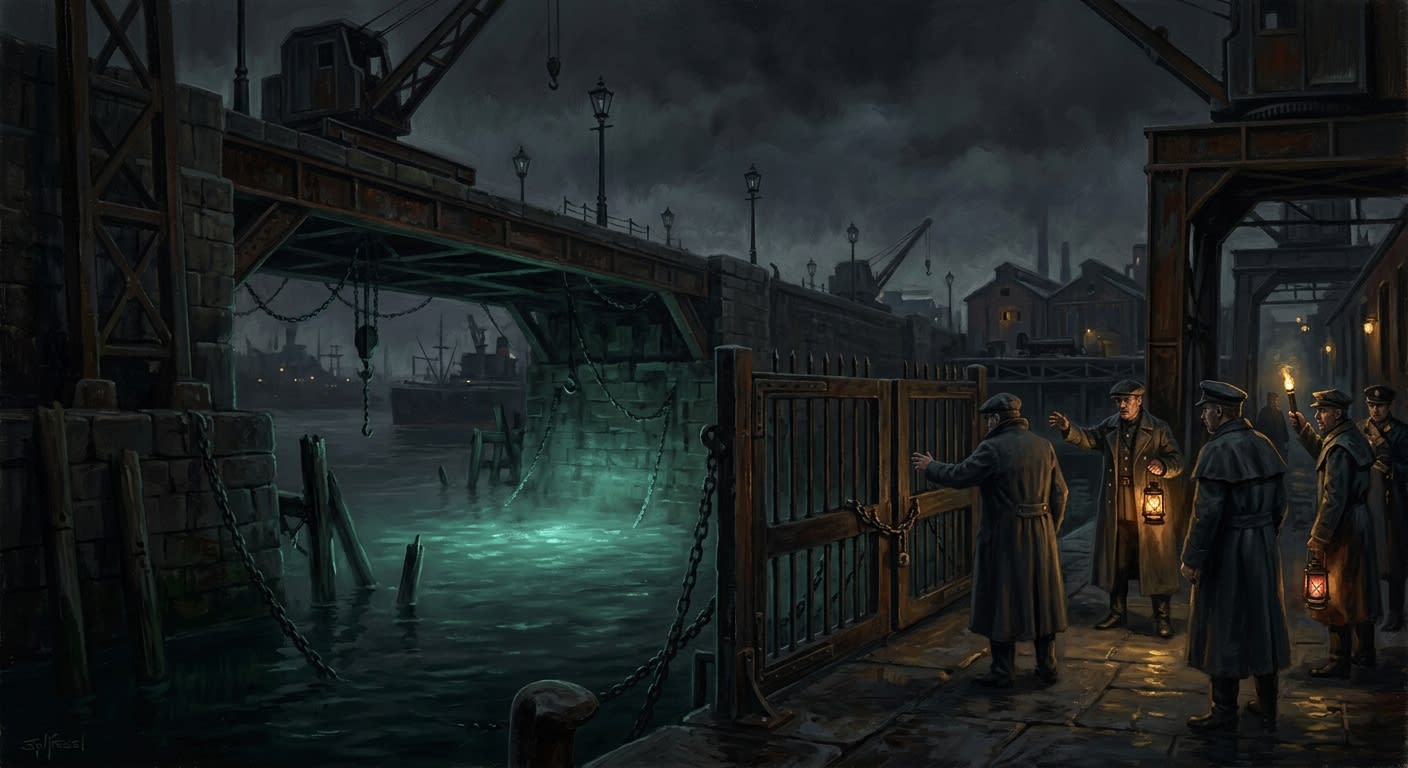
Silence of Harbor Lamps
Darkness received a harbor office and stamped the water
For seventy-two hours in A.S. 185, Bastion-Constantinople's harbor lights died, the water lit beneath, and the *Saint Veritas* vanished from a locked quay.
Codex Ref. VII.8.10-185

Silent-Core Crew
Permission without a voice remains a crime in better clothes
Shadow faction of Route-Stamper criminals who mute bell-hour cores, sell unmeasured movement, and teach the road the profitable shape of silence.
Codex Ref. XII.2.06-004
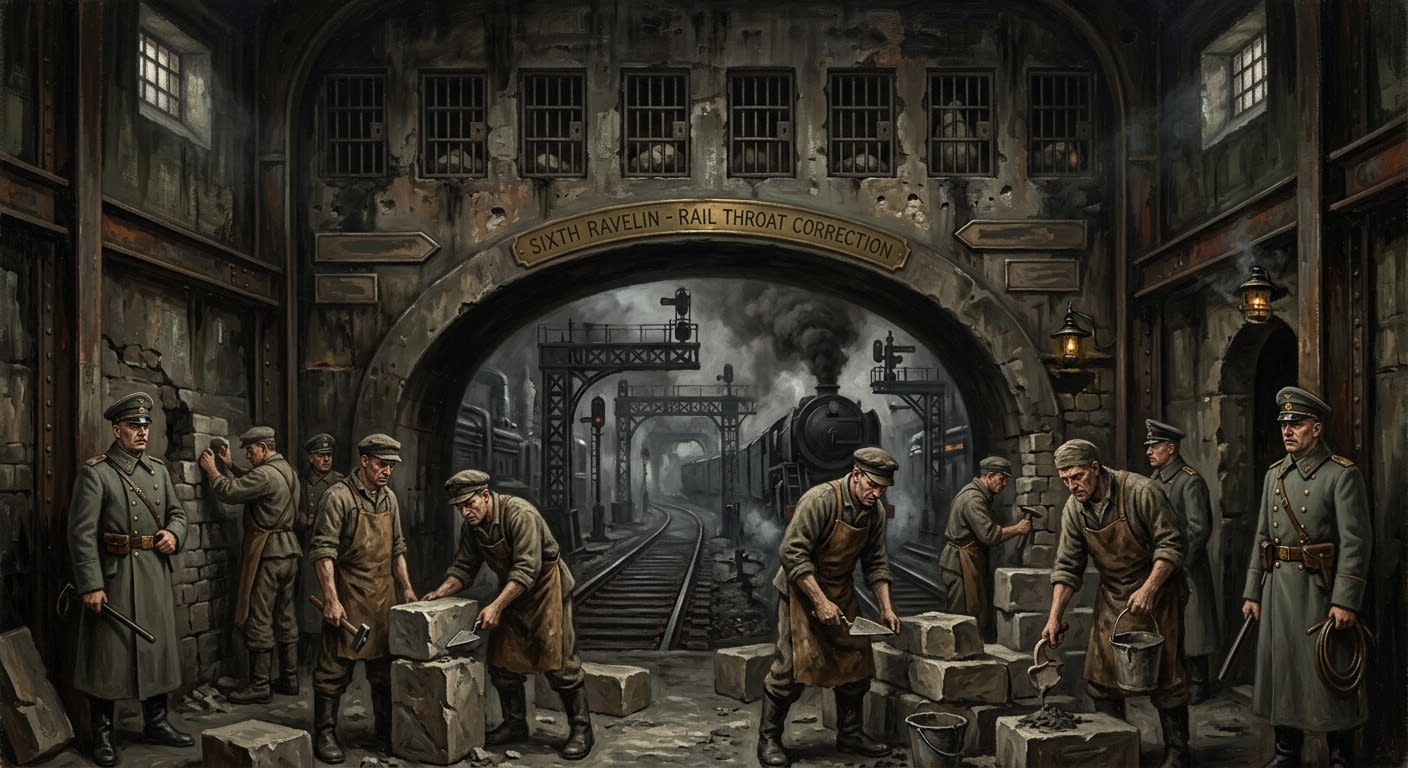
Sixth Ravelin
Correction faces consequence, and consequence answers warm
The Sixth Ravelin, called Correction, guards Bastion-Constantinople's rail throat and carries Chamber 7: forty-seven sealed in cement where guilt learned masonry.
Codex Ref. II.4.10-170

Sponsor-Seal Brokers
Mercy with wax on its thumb and a price in its mouth
Sponsor-Seal Brokers sell the Cloister's most profitable mercy: wax-backed speed, softer files, paid witnesses, and teaspoons of time returned to the swallowed.
Codex Ref. XI.5.01-003
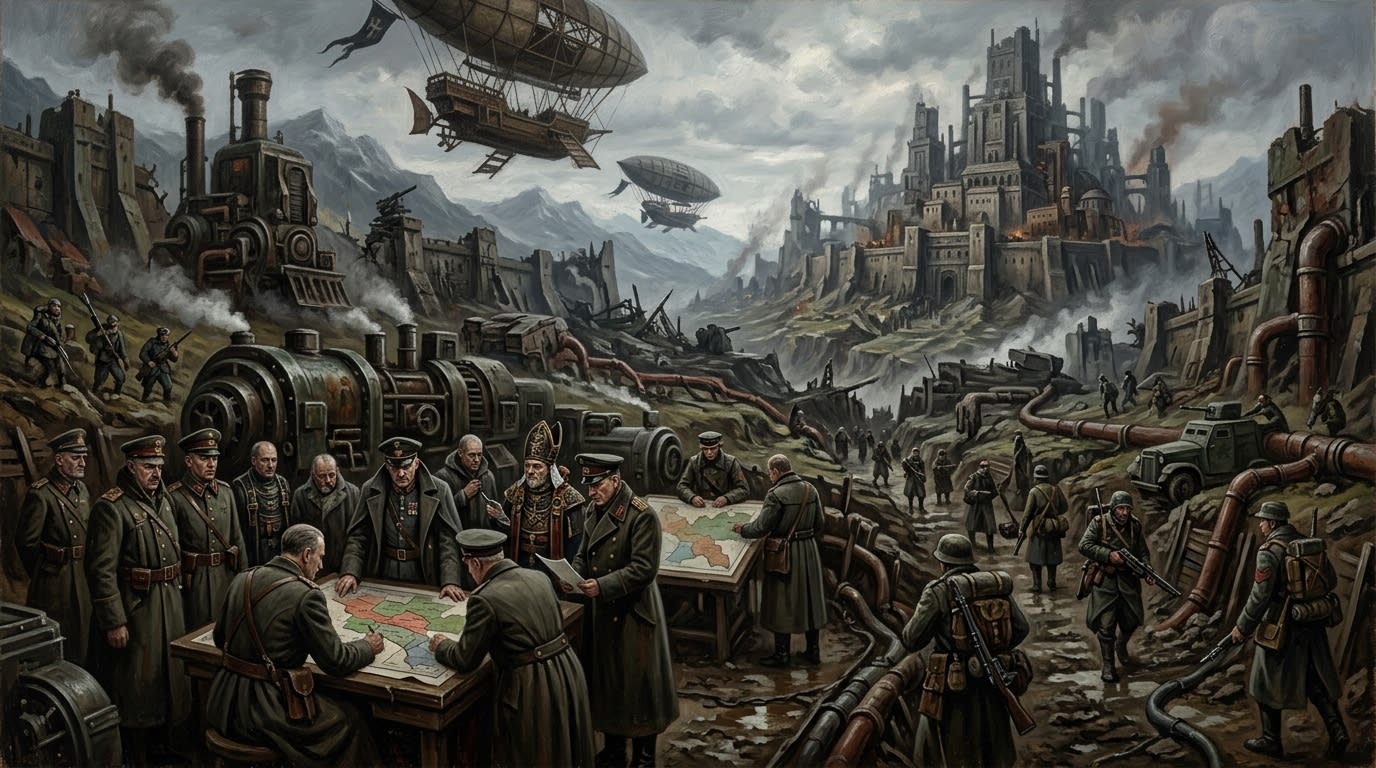
The Balkans
The wound that taught Europe to count its bleeding
The Balkan wound-region, broken first by the Eastern Silence and the Sundering, then divided into Synod margins, contested corridors, Sin-General dominions.
Codex Ref. II.6.05-045
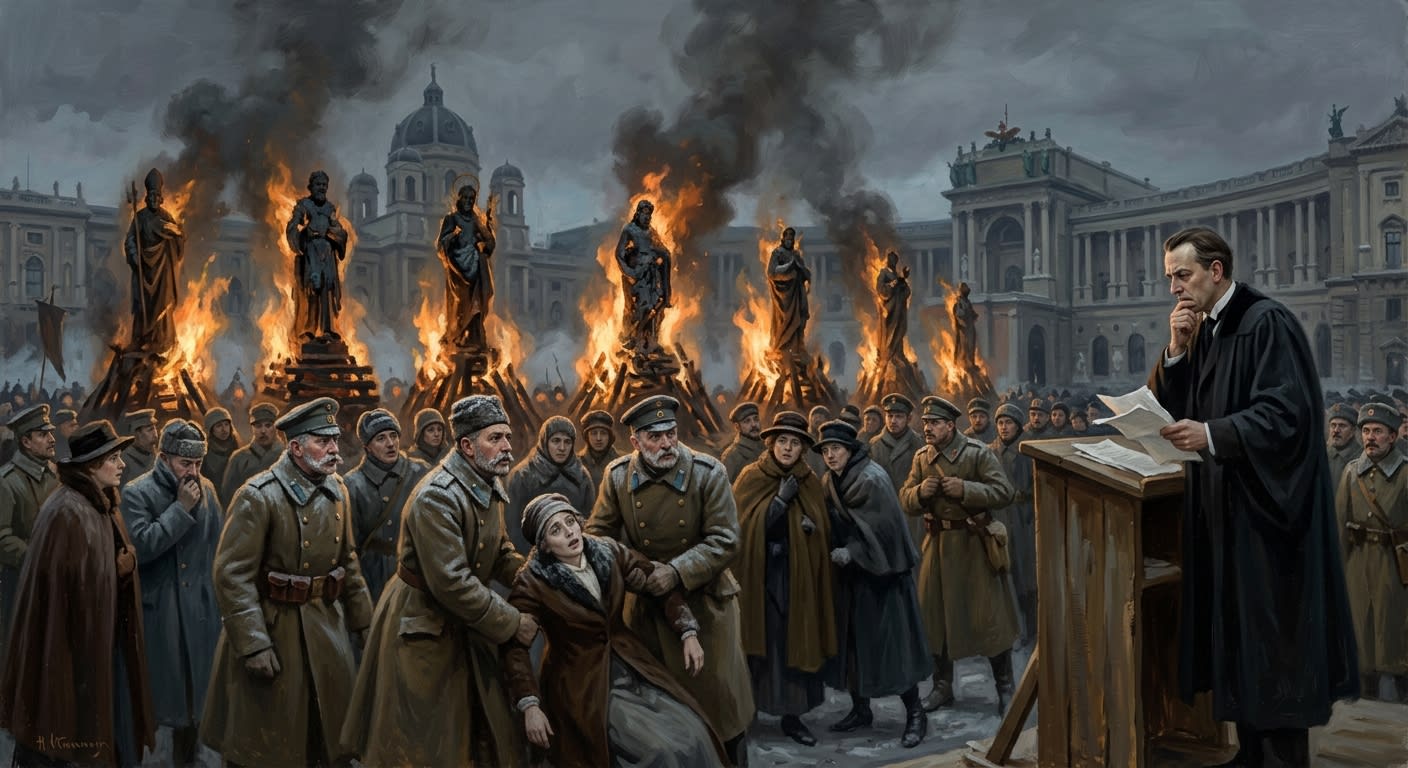
The Black Procession of A.S. 30
Where the Saints Burned Cold and the Rationalists Filed It Under Weather
A staged Rationalist bonfire in Vienna, A.S. 30, where forty-seven saint-effigies burned without heat — the Bureau's First-Order Portent, classified retroactively and still warm.
Codex Ref. VII.3.01-001
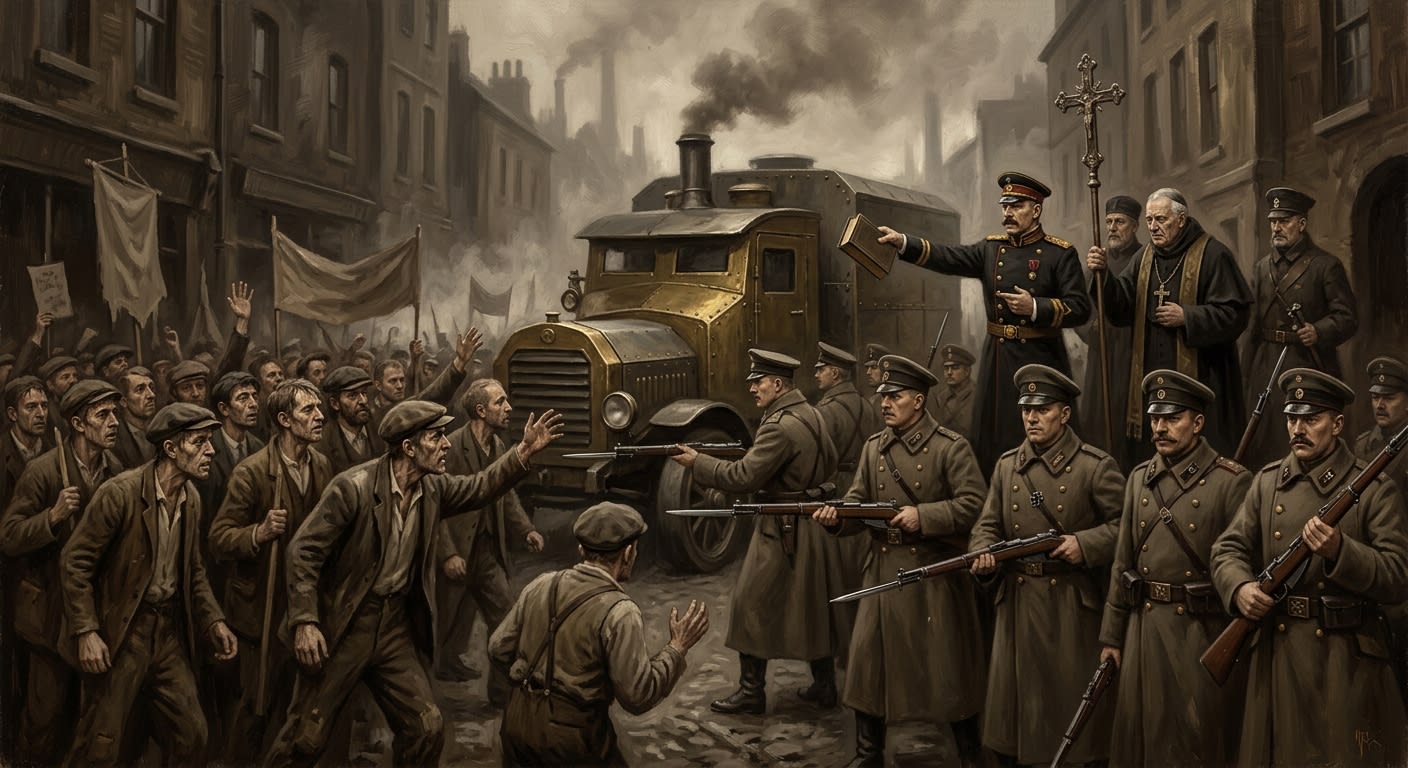
The Broth Riots
The hungry asked for food and received laws
The Broth Riots of A.S. 112 began with thin soup and ended with rifles, saints, Ledger Laws, and the Synod's discovery that hunger becomes obedient once measured.
Codex Ref. VII.8.10-112
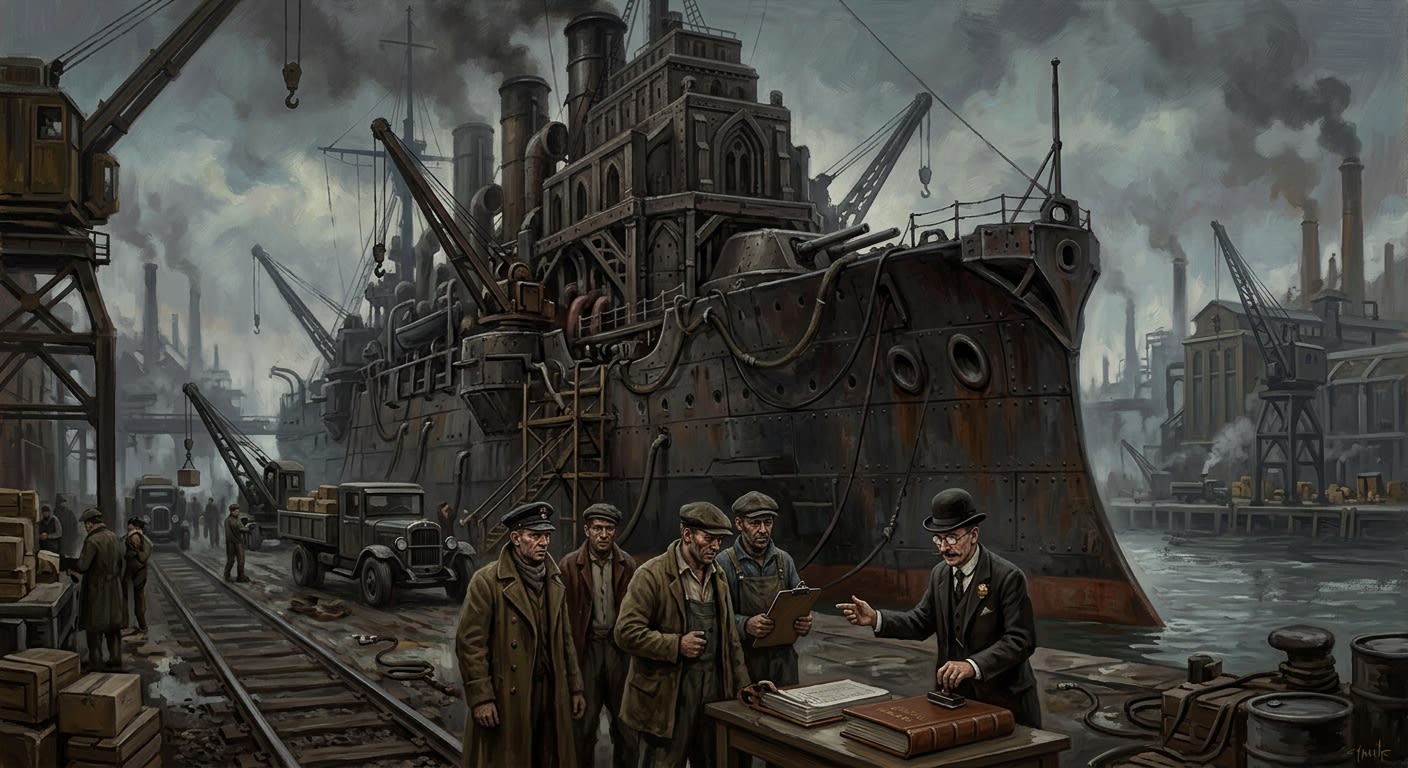
The Catacomb-Carrier Threnody
A land engine paying harbor fees to remain mercifully still
The Catacomb-Carrier Threnody occupies Pier Seven under continuous maintenance, drawing rations for an intact crew no one sees and fees no clerk queries.
Codex Ref. XIII.1.72-008
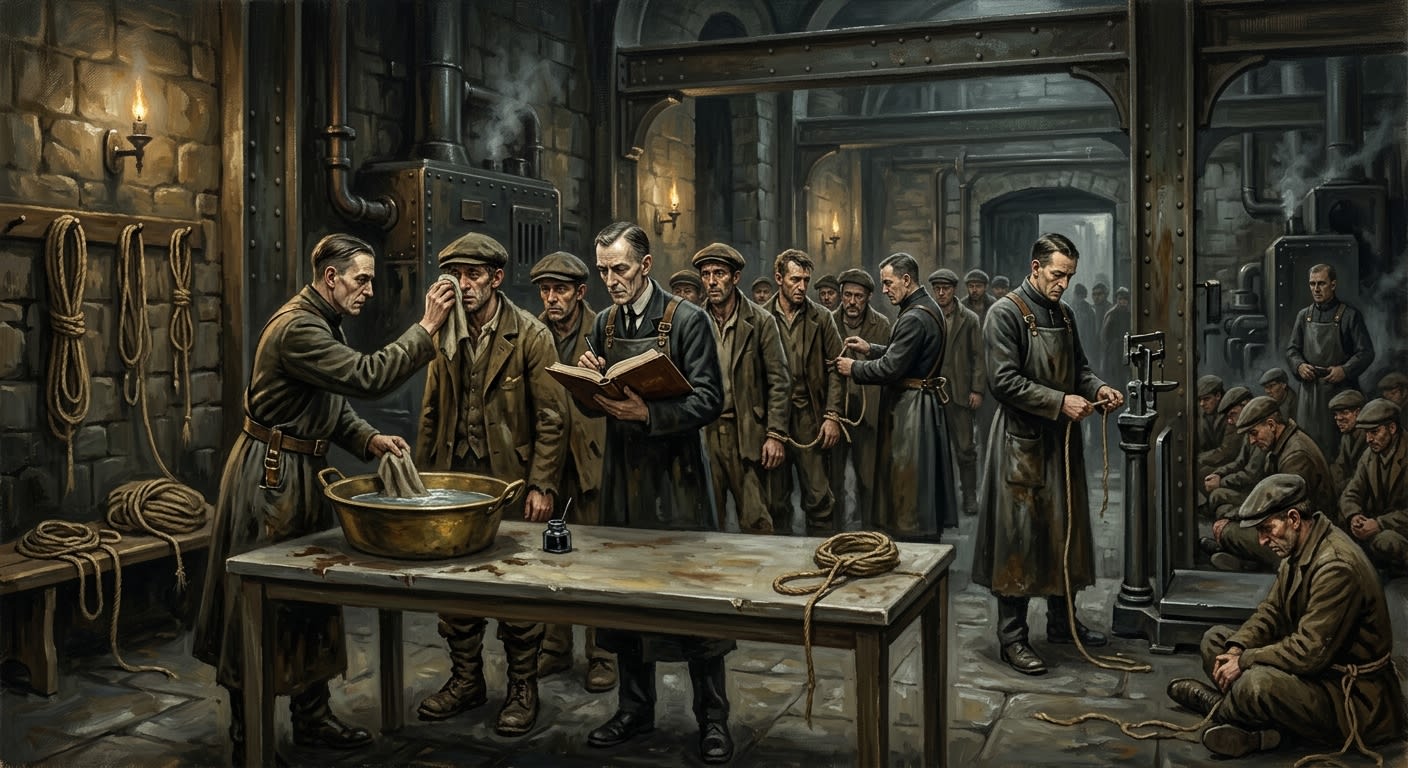
The Chapel of the Second String
Where correction kneels until origin learns its place
The Chapel of the Second String reconciles miscounted pilgrims with cheap cord, cold stone, silence tests, basin water, and the doctrine that correction outranks origin.
Codex Ref. II.3.06-006
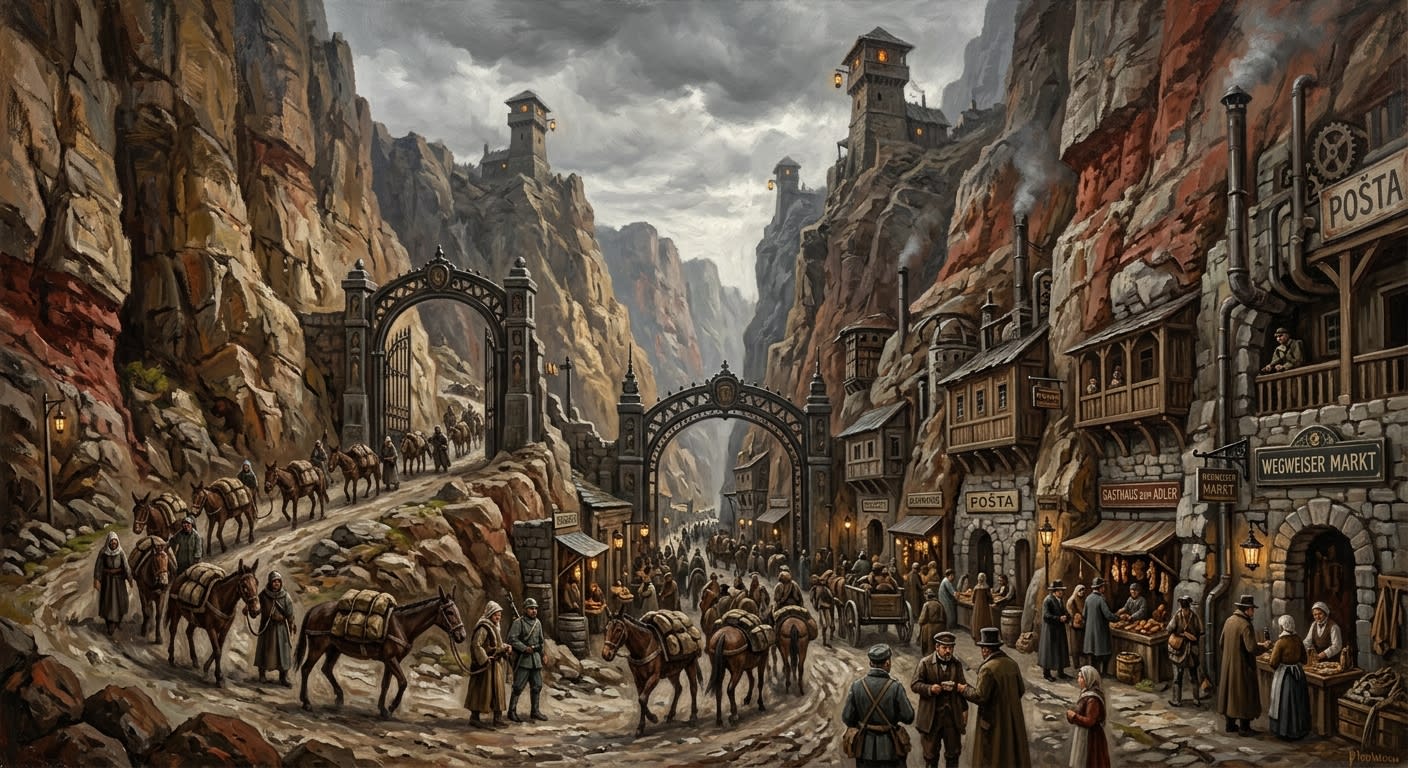
The Choir-Broker Hall of Peregrine Row
Where the canyon charges for its echoes and the brokers charge for everything else
A Zone 1/2 waystation-market on the Pilgrim Roads where creed-testing, escort contracts, and bead reconciliation converge into an economy of sanctioned extortion. The canyon echoes your prayers with one vowel wrong. The brokers charge for that too.
Codex Ref. II.1.03-001
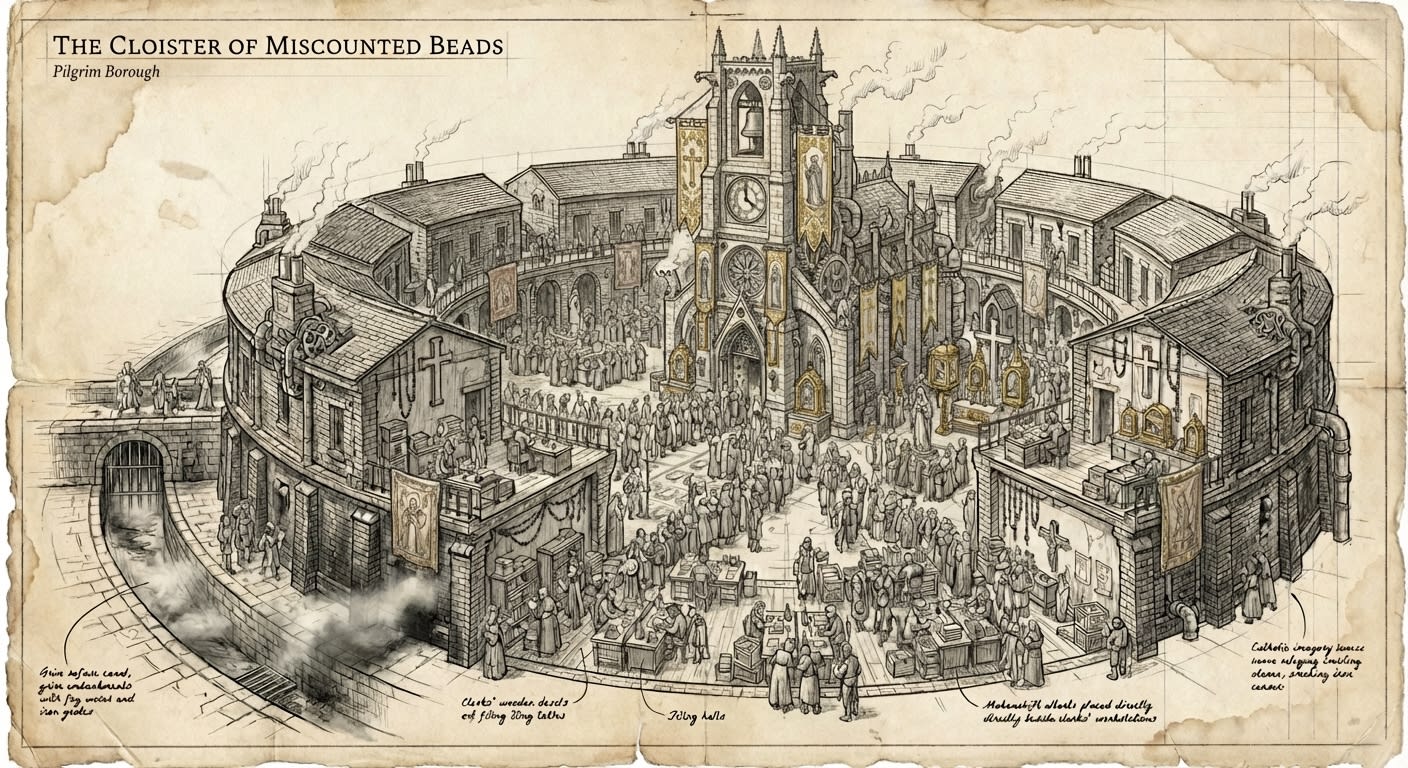
The Cloister of Miscounted Beads
The Bureau does not distinguish between mercy and procedure. Both produce the same paperwork.
Strasbourg's pilgrim processing facility, where six thousand souls await bead reconciliation, the dead reappear on intake rosters, and the Bureau of Records declines to call any of it a problem.
Codex Ref. II.2.06-001
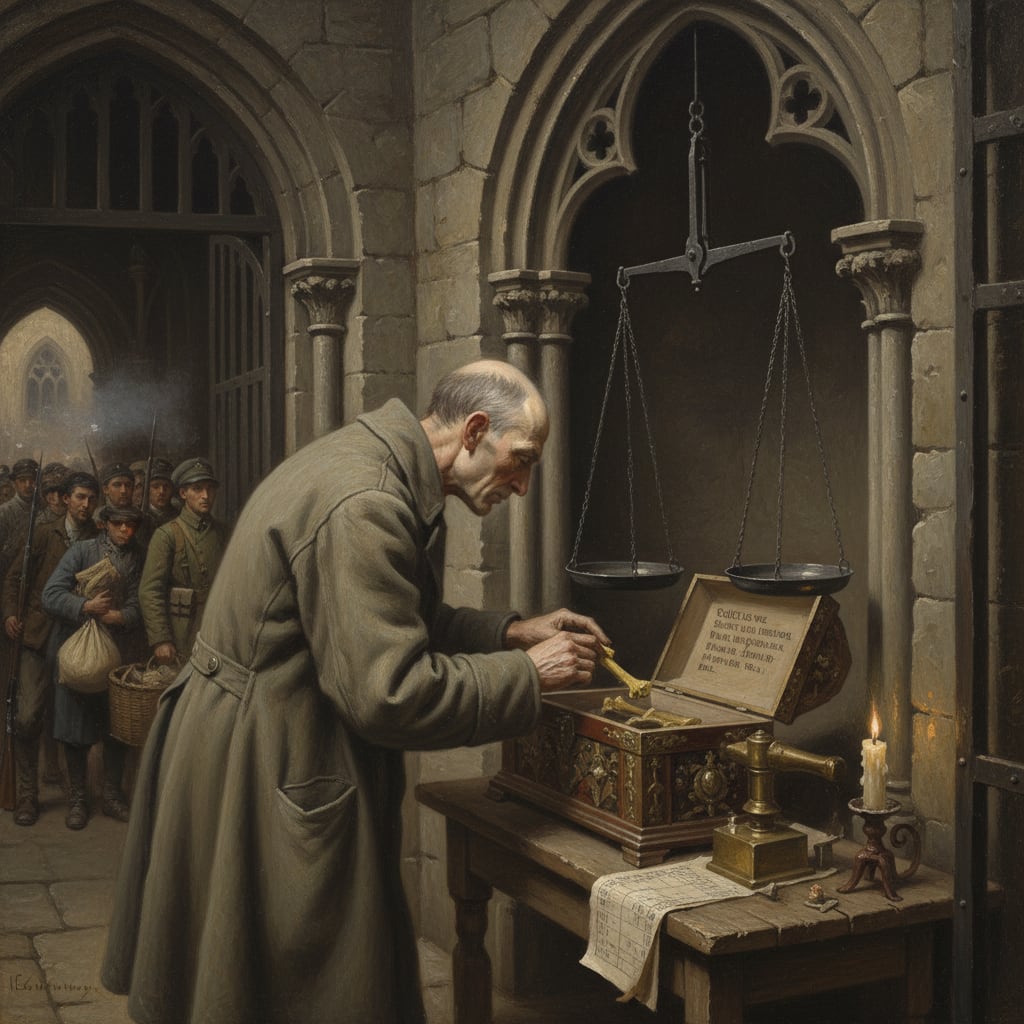
The Commerce Clerk (Tariff-Chapel Weigher)
The man who stands between a bastion and famine, and who resolves the question with the splintered bone of a saint.
The Synod's most bribable sacrament: the chalk-fingered clerk whose iron scale, calibrated against saint-bone, determines whether a bastion eats.
Codex Ref. XII.8.01-001
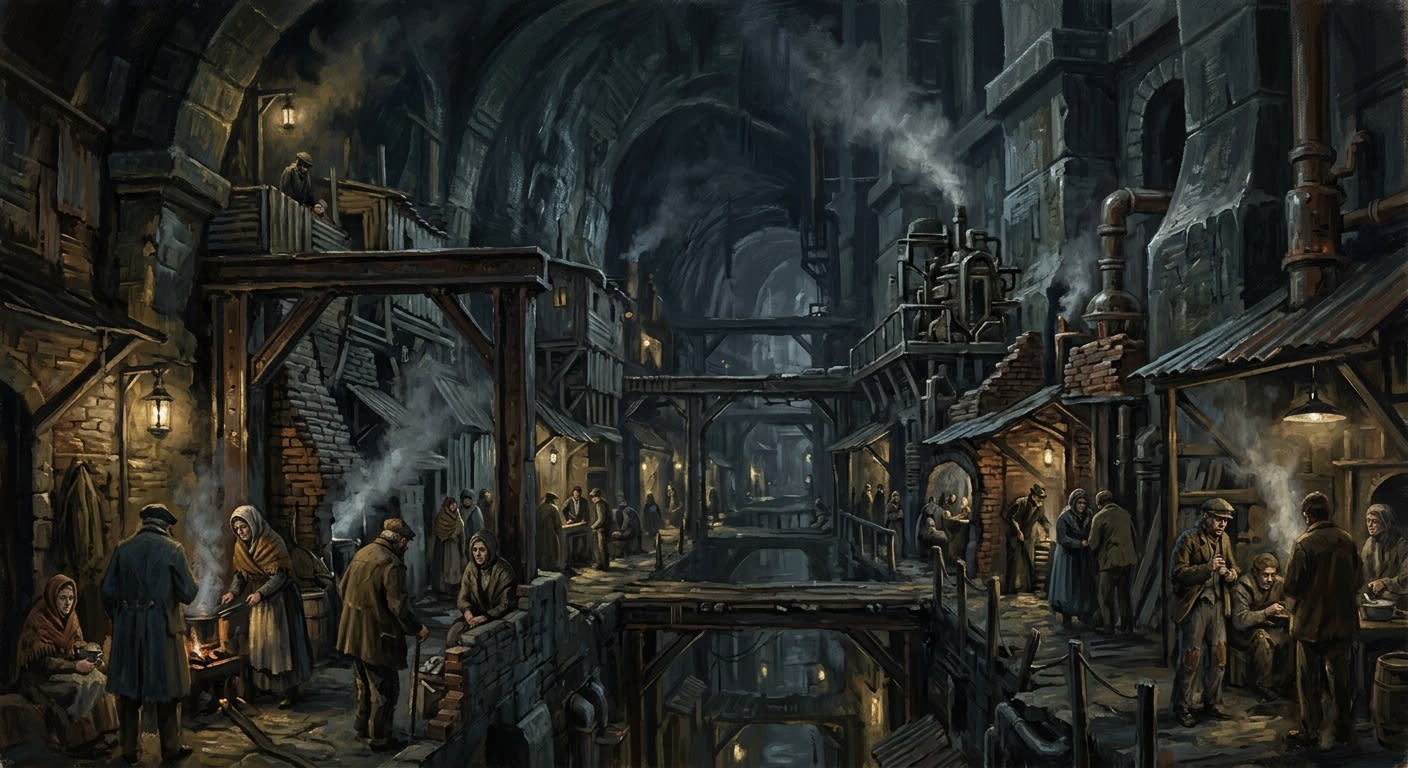
The Constantinople Warrens
The city beneath the city, tolerated by omission and counted by echoes
Beneath Bastion-Constantinople's Ossuary Rings, forty thousand unregistered souls live where Settlement maps insist there is only stone.
Codex Ref. II.4.10-005
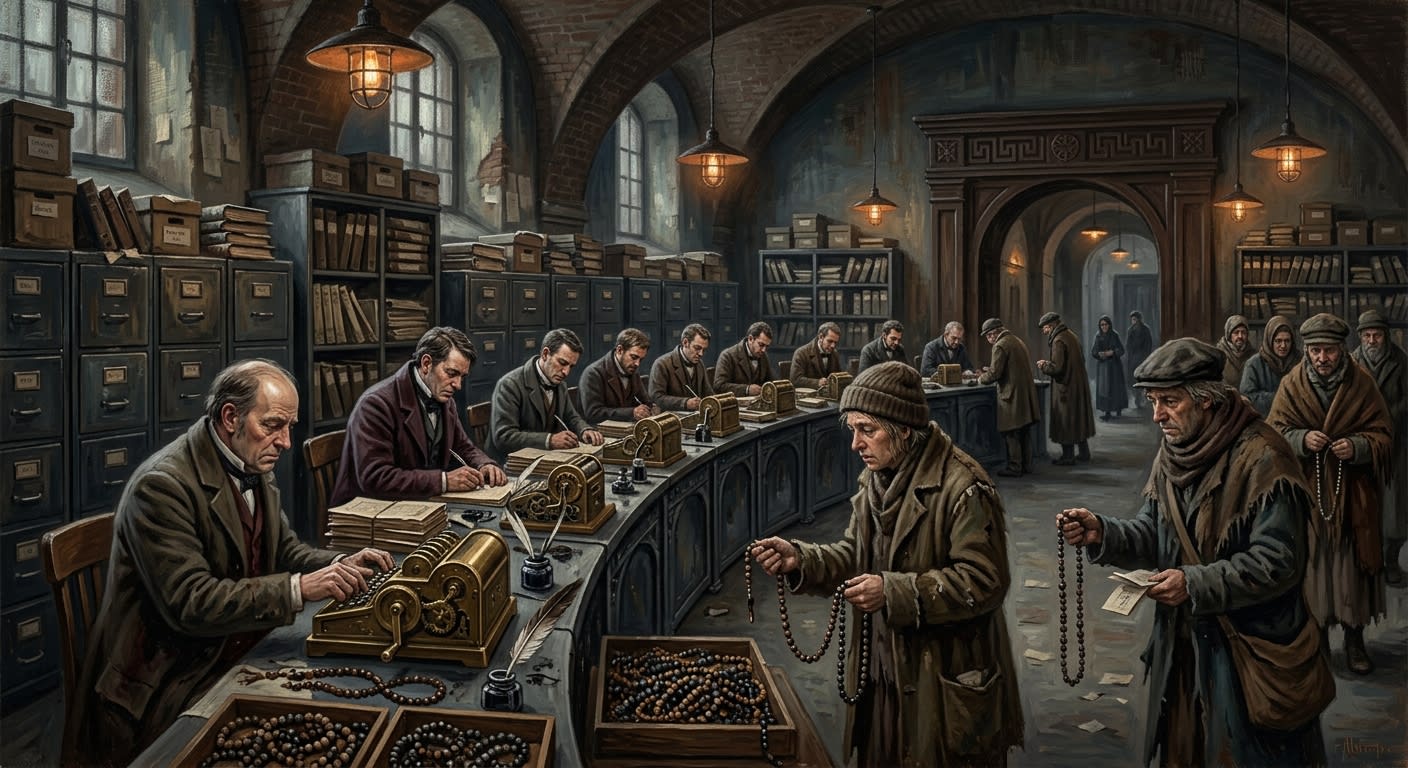
The Counting Hall
Where a bead becomes evidence and salvation waits its turn
The Counting Hall of the Cloister of Miscounted Beads is the Clickery: twelve desks where pilgrims, bead strings, debts, deaths, and names are reconciled into obedience.
Codex Ref. II.3.06-001
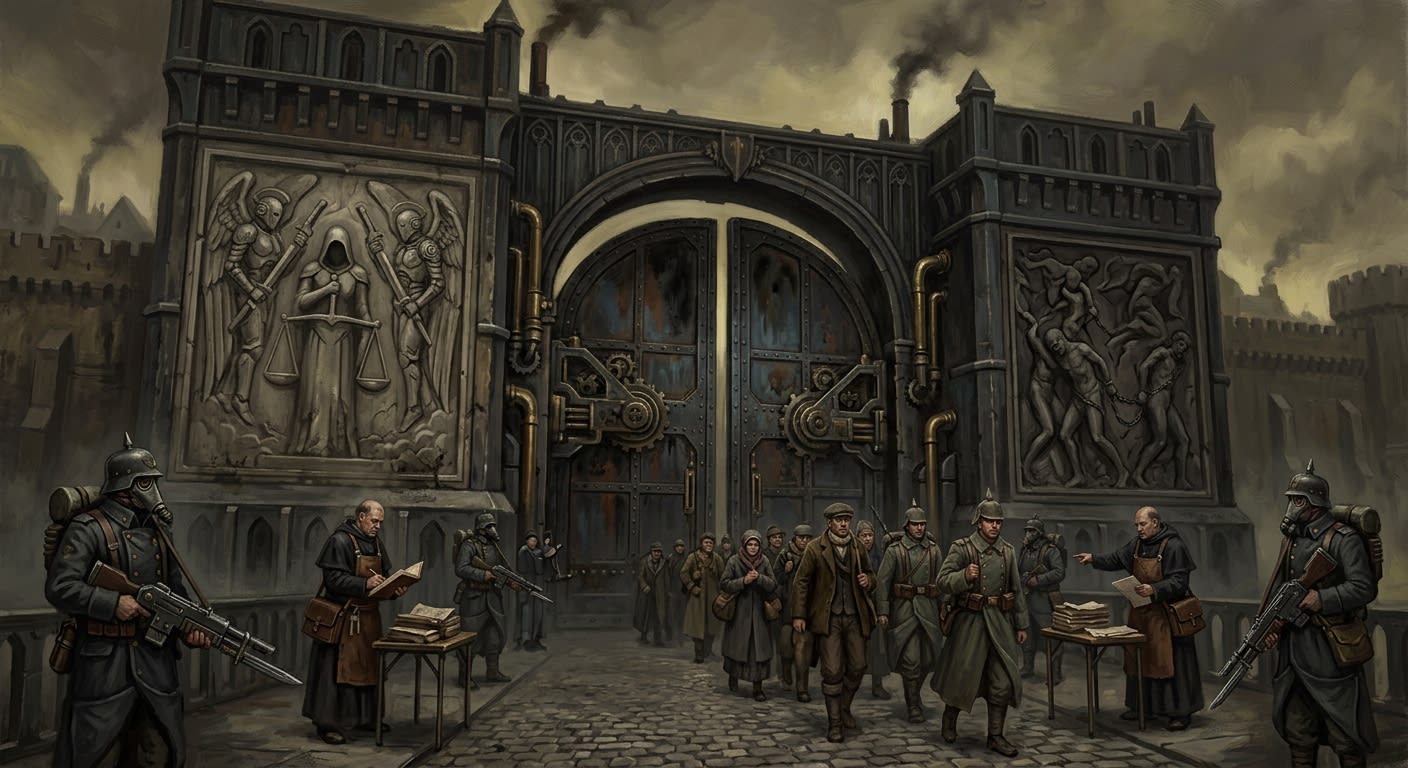
The Gates of Regensburg
Blessing above, curse below, and the pamphlet between
Regensburg's western gates bless and curse the traveller at once, leaving theologians, pamphleteers, and sinners to discover which verdict bites first.
Codex Ref. VII.2.01-003
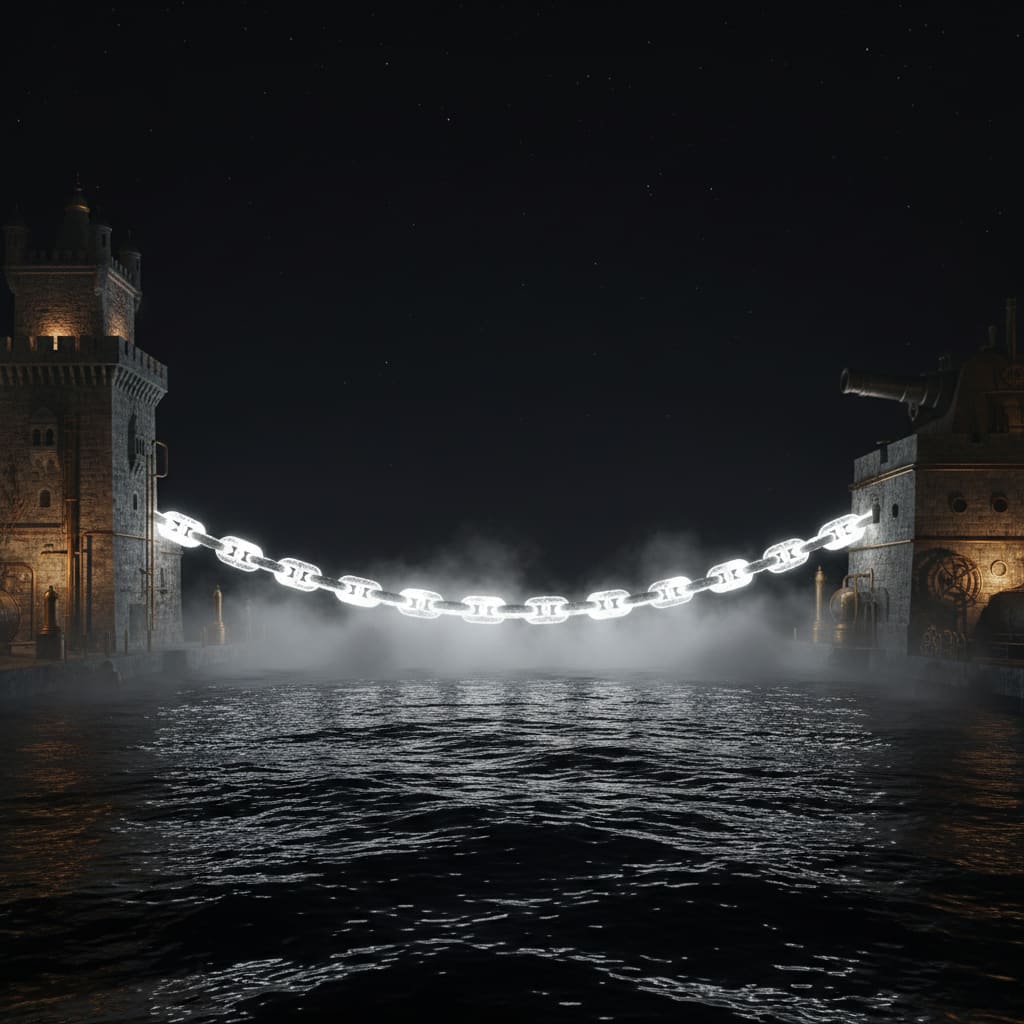
The Harbor of Chains
A mile of quay, a hundred fathoms of iron, and what the chain is becoming
The Harbor of Chains guards the Bosphorus with one mile of fortified quay and the Chain of Saint Anakletos — consecrated iron that burned the Black Sea Armada white in A.S. 162 and has not glowed since.
Codex Ref. II.4.10-005

The Heartlands
The safe country, provided one defines safety as distance from teeth and proximity to stamps
The Heartlands are the Synod's safe interior only by infantry arithmetic: Zones 1–3 feed the Line with bread, steel, bodies, bells, paperwork, and bones.
Codex Ref. II.0.02-201
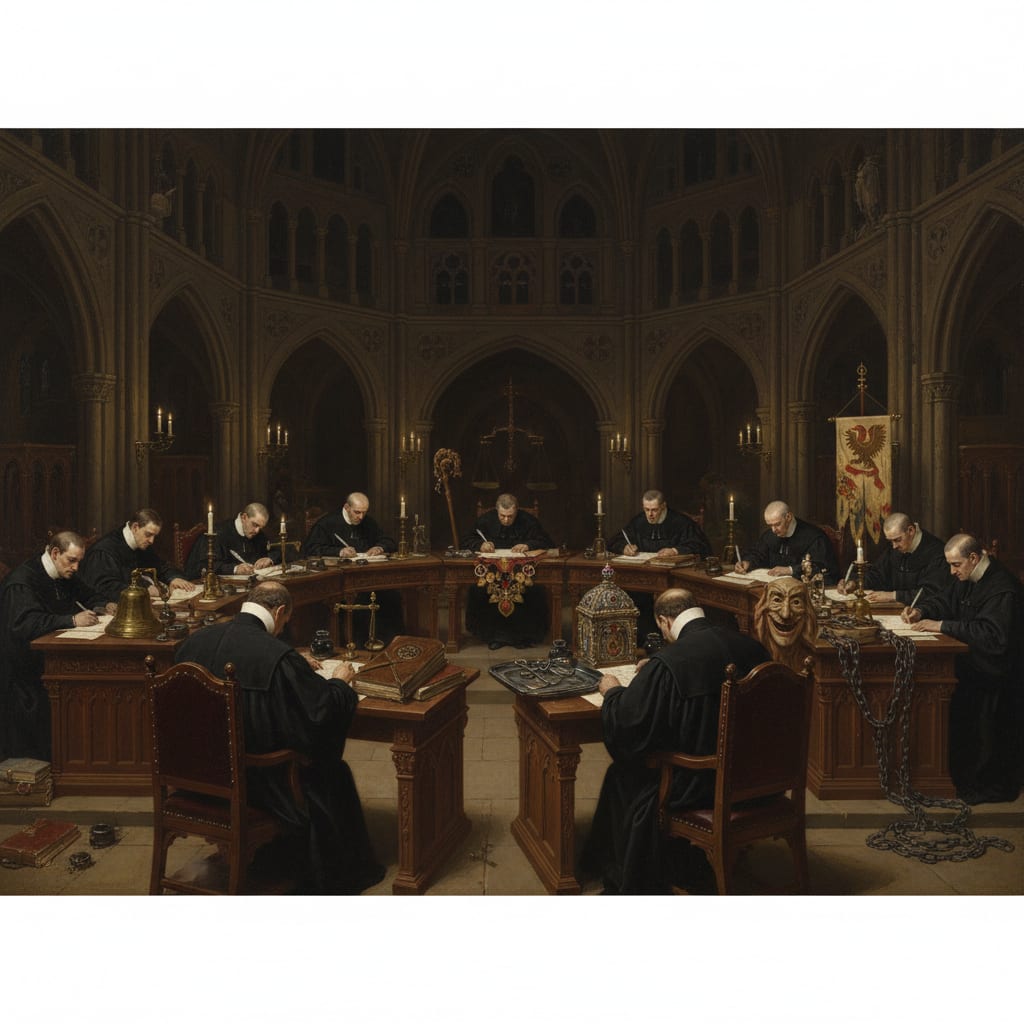
The Holy Bureaus
Twelve Instruments of Providence, or Thirteen If You Count the One That Does Not Exist
The twelve sacred organs through which Strasbourg bends a continent to its will. Each Bureau claims a charism of governance descended from the Apostolic Sundering. Their clerks are legion, their archives endless, their contradictions — by design.
Codex Ref. III.3.01-001
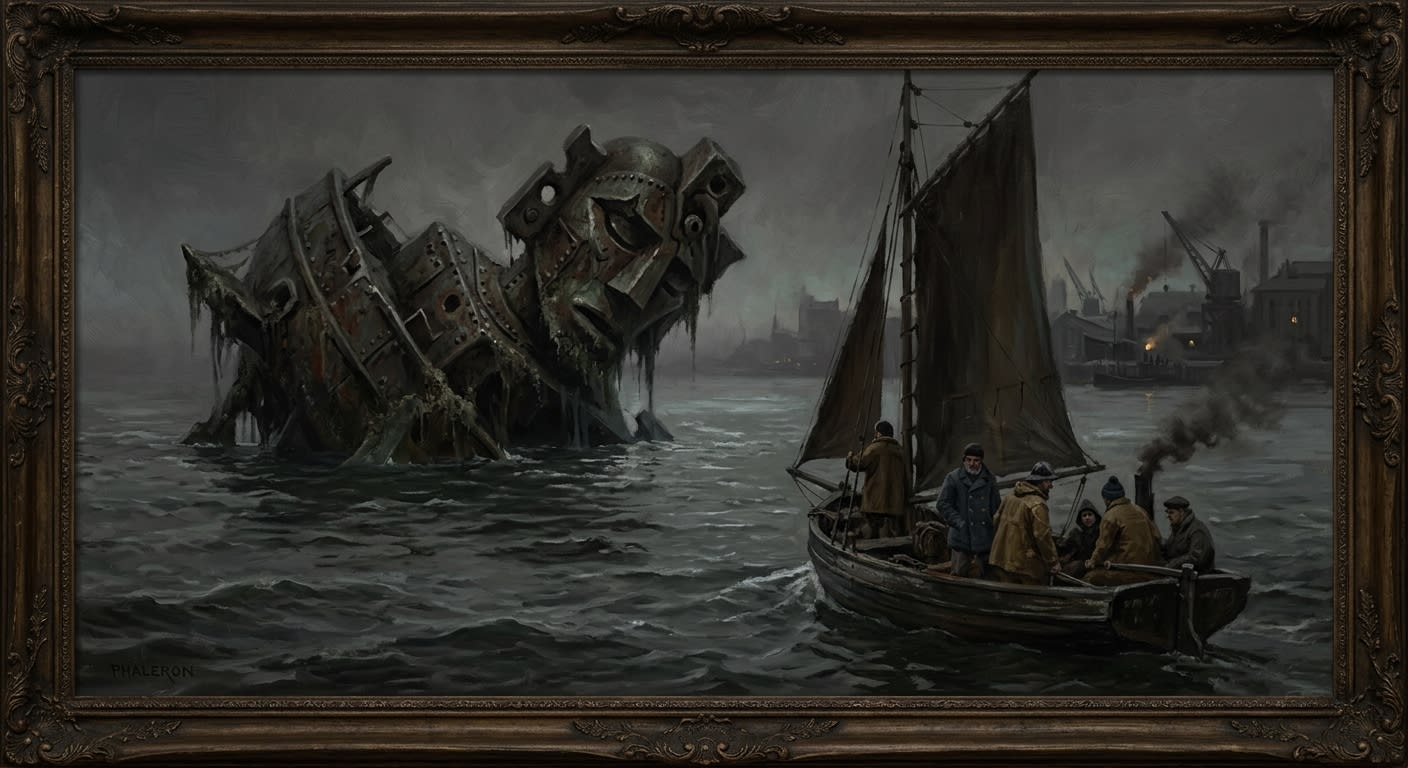
The Iron Idol
What the chain did not burn, the water learned to keep
A submerged iron anomaly off Phaleron Bay, linked to the Black Sea Armada's missing forty-seventh ship and watched by fishermen who wisely look elsewhere.
Codex Ref. V.2.02-001
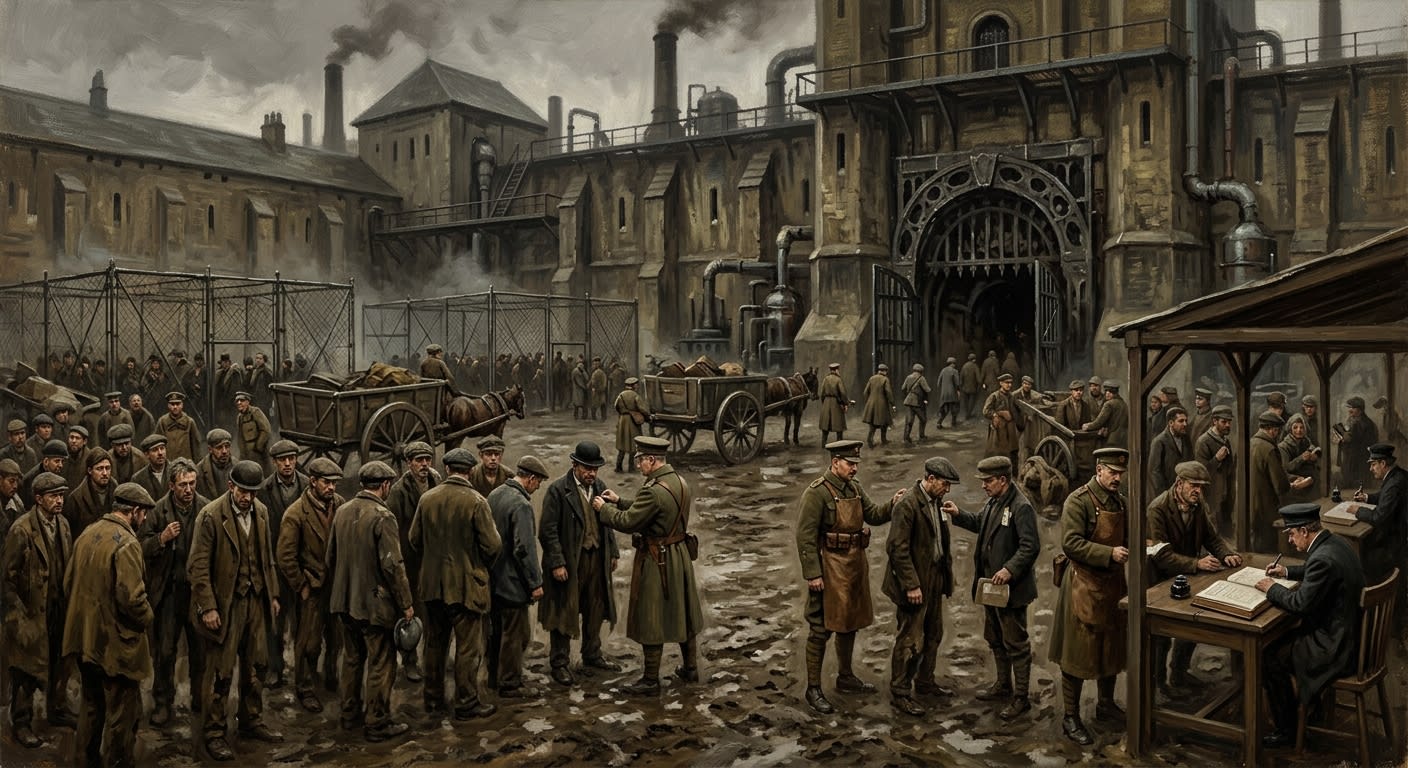
The Lost Procession Yard
Where pilgrimage stops being song and becomes intake
The Lost Procession Yard is the Cloister's intake mouth: a mud court where broken pilgrim columns are tagged, sorted, quarantined, priced, and corrected.
Codex Ref. II.3.06-002
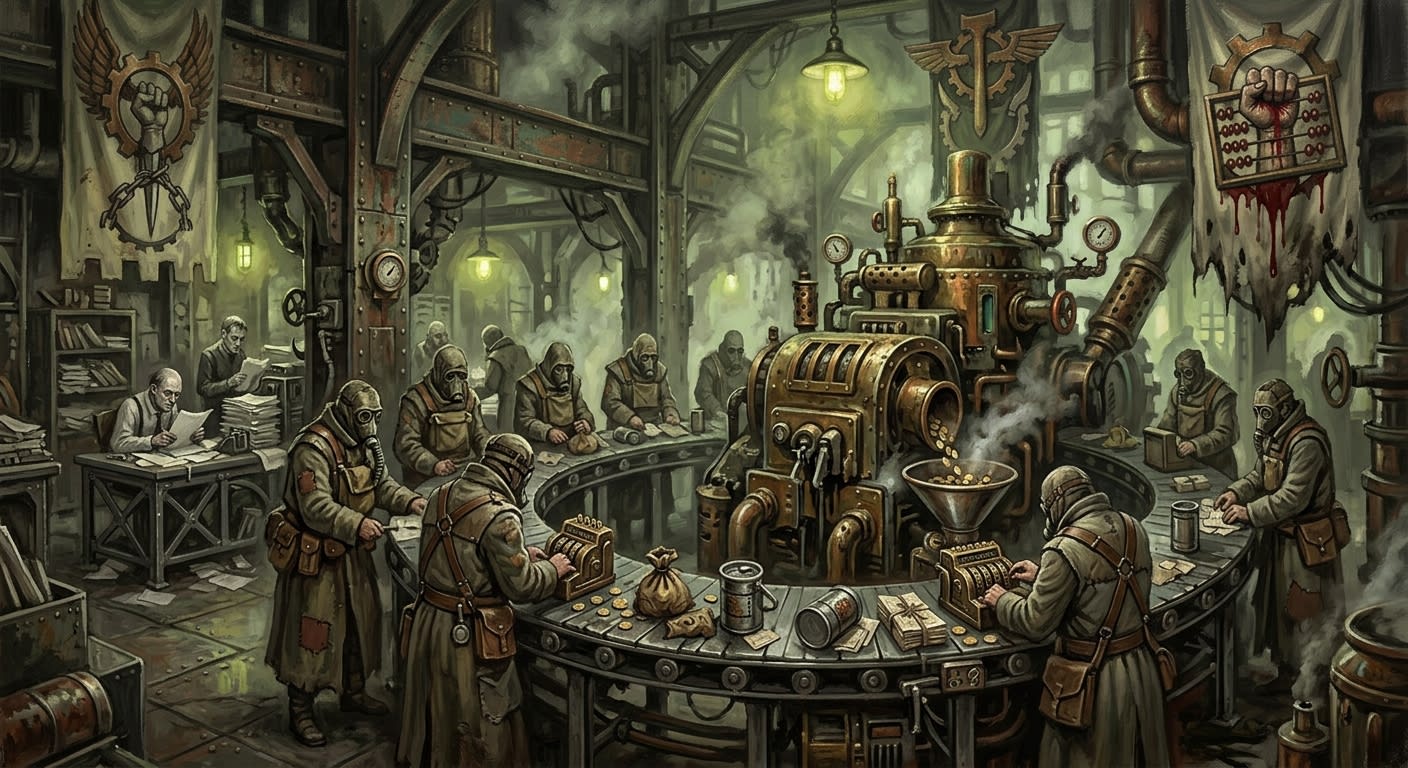
The Meta-Levy
The tax that charges for the privilege of being counted
The Meta-Levy is the Synod's tithe upon tithes, a circular sanctification of collection costs by which the Bureau of Tithes proves that even arithmetic kneels.
Codex Ref. XIII.1.38-001
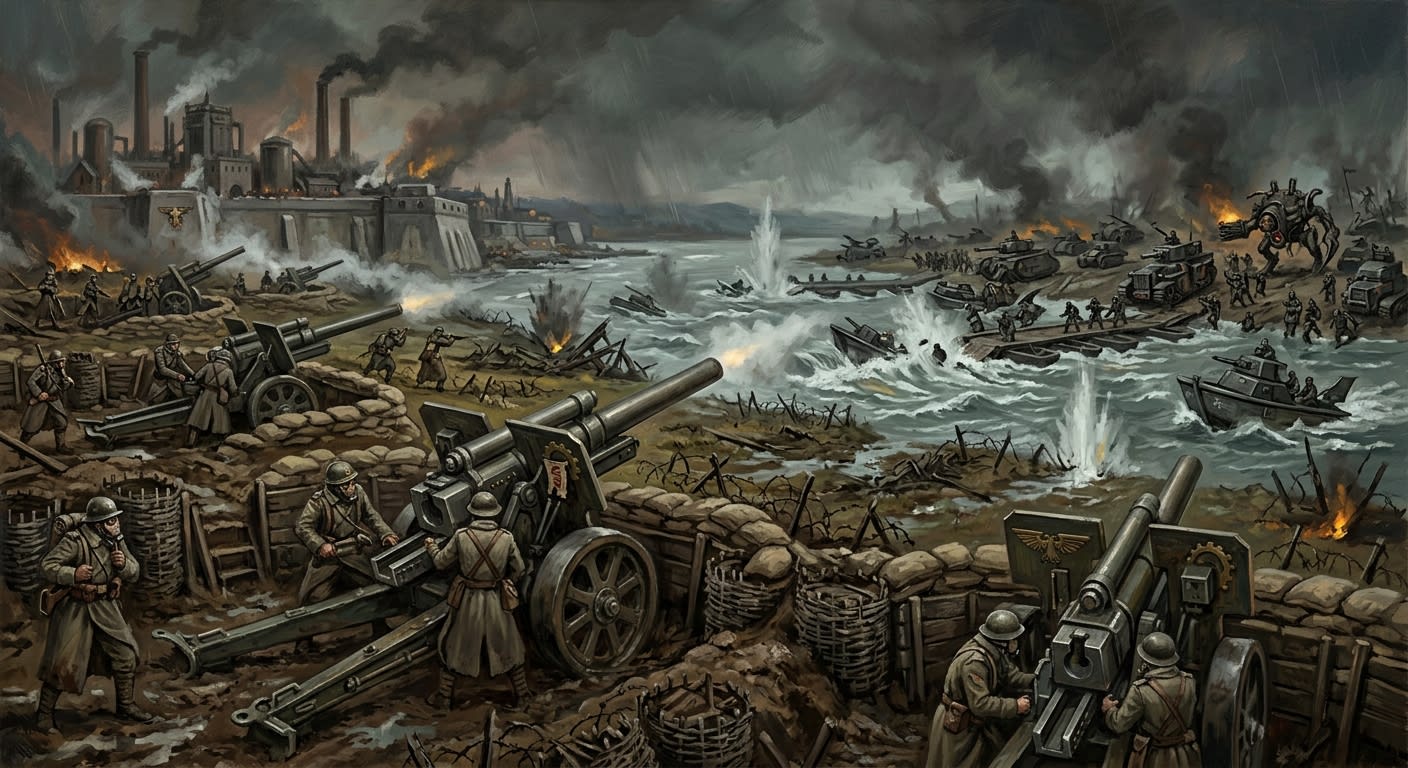
The Miracle of the Danube's Turning
When the river struck the Enemy in the teeth
At Belgrade in A.S. 120, Maldrake's Wrath-host broke against mud, relic artillery, and a Danube that turned back upon the Enemy. Victory followed; so did tariffs.
Codex Ref. VII.5.04-001
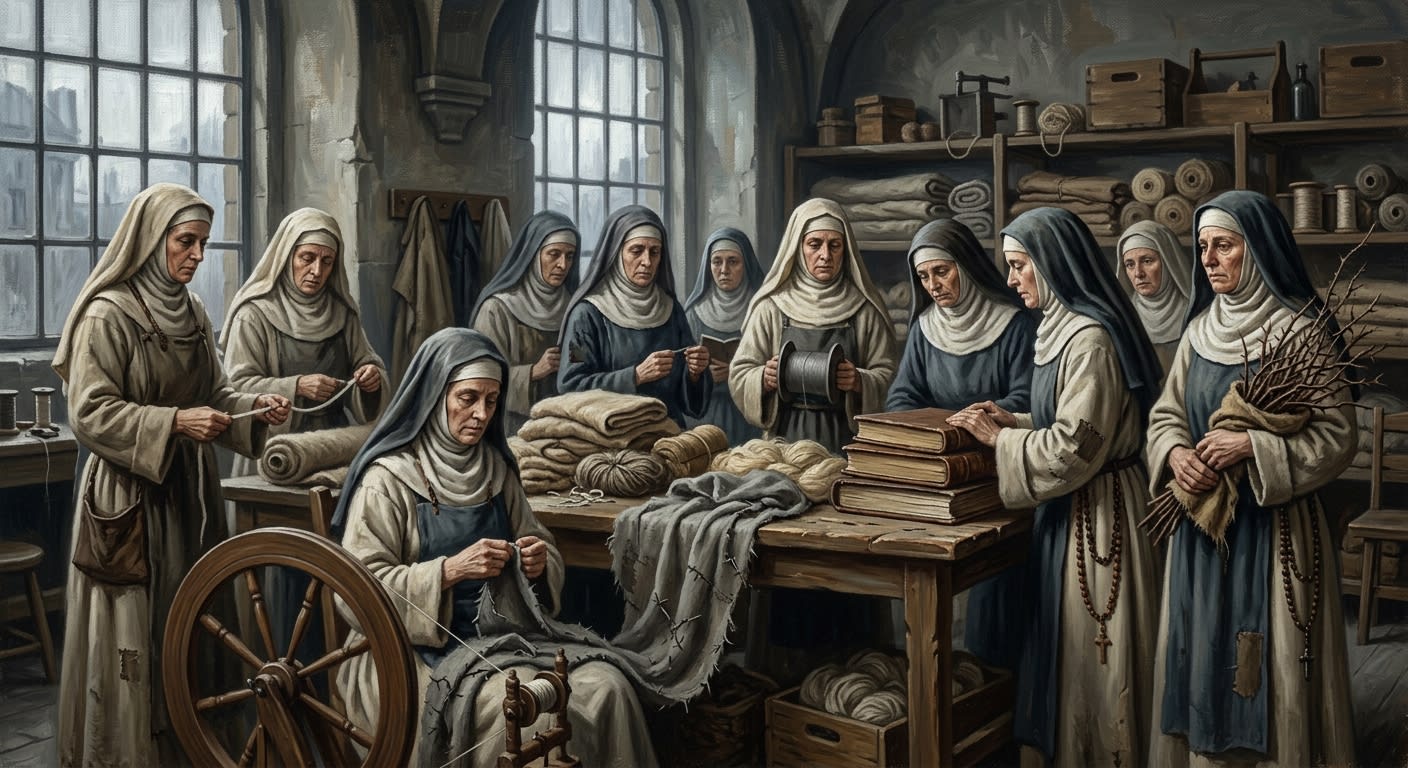
The Order of the Blessed Thorn
Linen, old women, and the machinery that discovered humility after it became profitable
A Breton mendicant sisterhood made Venerable after Margaux: twelve sisters, a house of linen, and enough humility to embarrass the Bureaus.
Codex Ref. XI.7.01-001
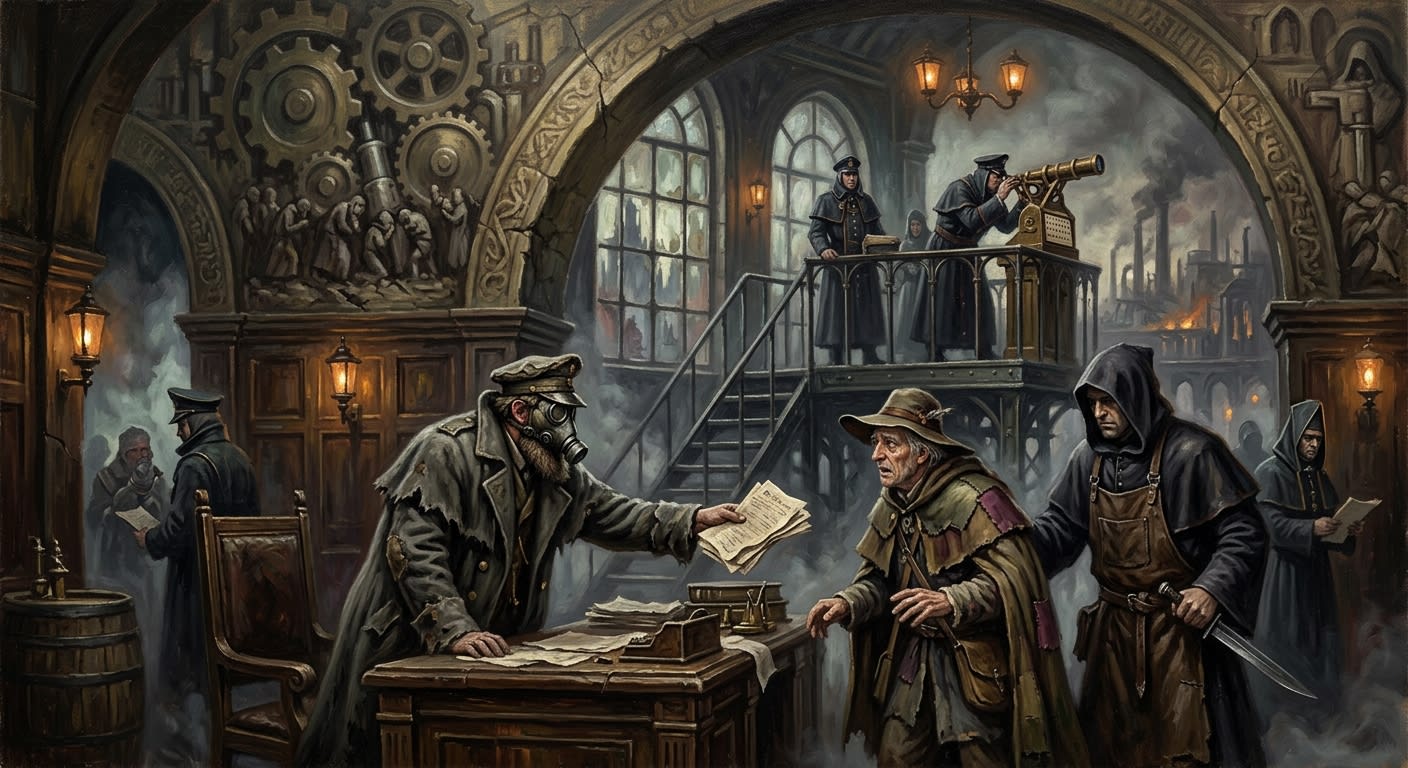
The Peregrine Cartel
A protection racket is merely insurance without liturgical manners
The Peregrine Cartel was an Iberian pilgrim-insurance racket with episcopal cover, choirboy knives, War-adjacent intelligence value, and a profitable terror that Pilgrimage destroyed in A.S. 193 because it was useful enough to absorb.
Codex Ref. XI.5.01-001
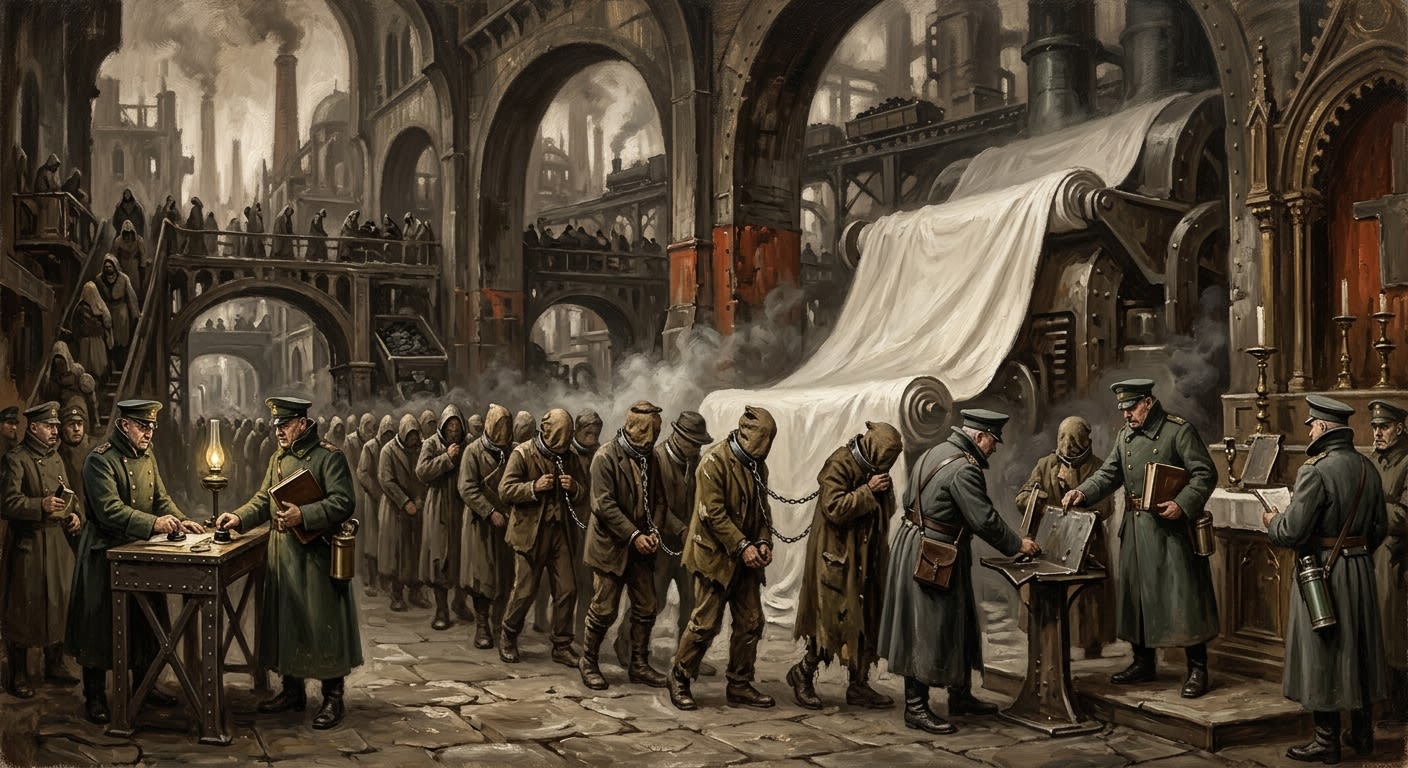
The Peregrine Jubilee
The road renews itself with chains, flags, and profitable terror
The Peregrine Jubilee is Pilgrimage's decennial month of chained penitents, route audits, shrine downgrades, guild dissolutions, confession harvests, and public white cloth laid over very practical terror.
Codex Ref. VII.3.03-001
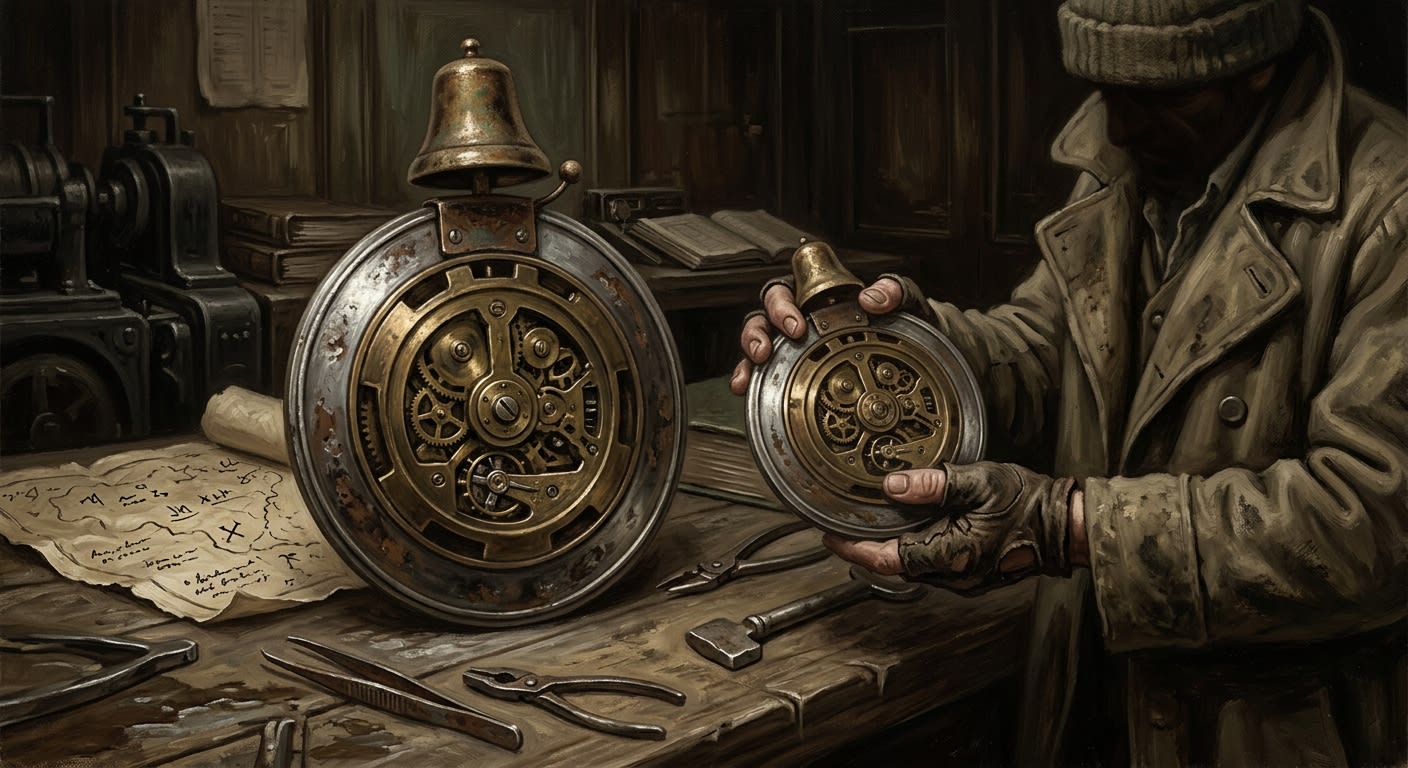
The Pilgrim Token
A tiny bell at the throat, counting every licensed step toward mercy
The pilgrim token is Pilgrimage's stamped disc of licensed motion: bronze, silver, or gold by road and rank, fitted after A.S. 140 with a bell-hour core that turns approved walking into billable absolution.
Codex Ref. XIII.1.40-001
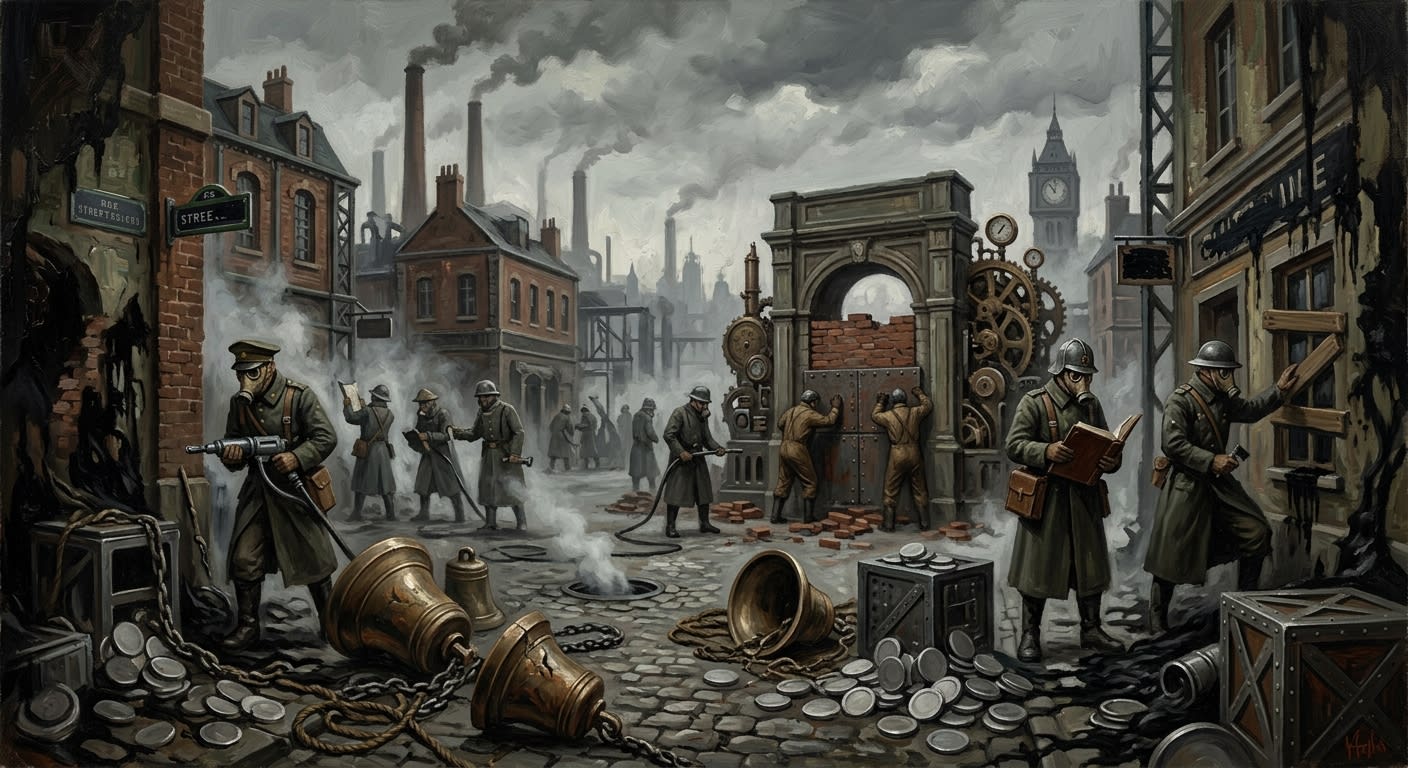
The Redaction of Épernay
Absence can be administered, and the valley still keeps quarter-hours
In A.S. 103, Records, Silence, and Shadows converted Épernay from a wine-country city into an authorised absence, leaving bells, tokens, and denial behind.
Codex Ref. VII.8.02-001
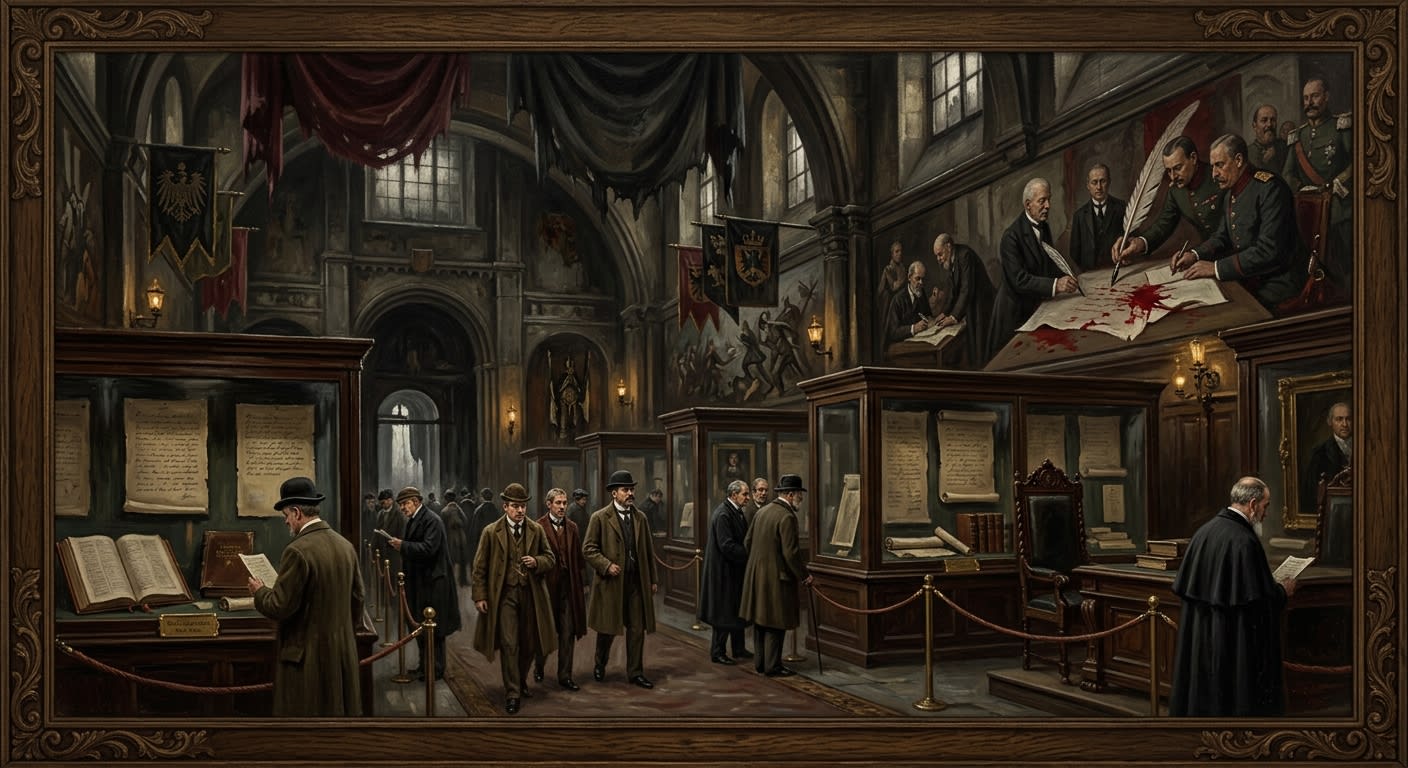
The Reichssaal
The hall that lent empire to heresy and received an altar for its trouble
The Reichssaal gave imperial furniture to Rationalist blasphemy, received the Treaty in blood and ink, and now instructs pilgrims under glass, pall, and Bureau custody.
Codex Ref. II.2.03-031
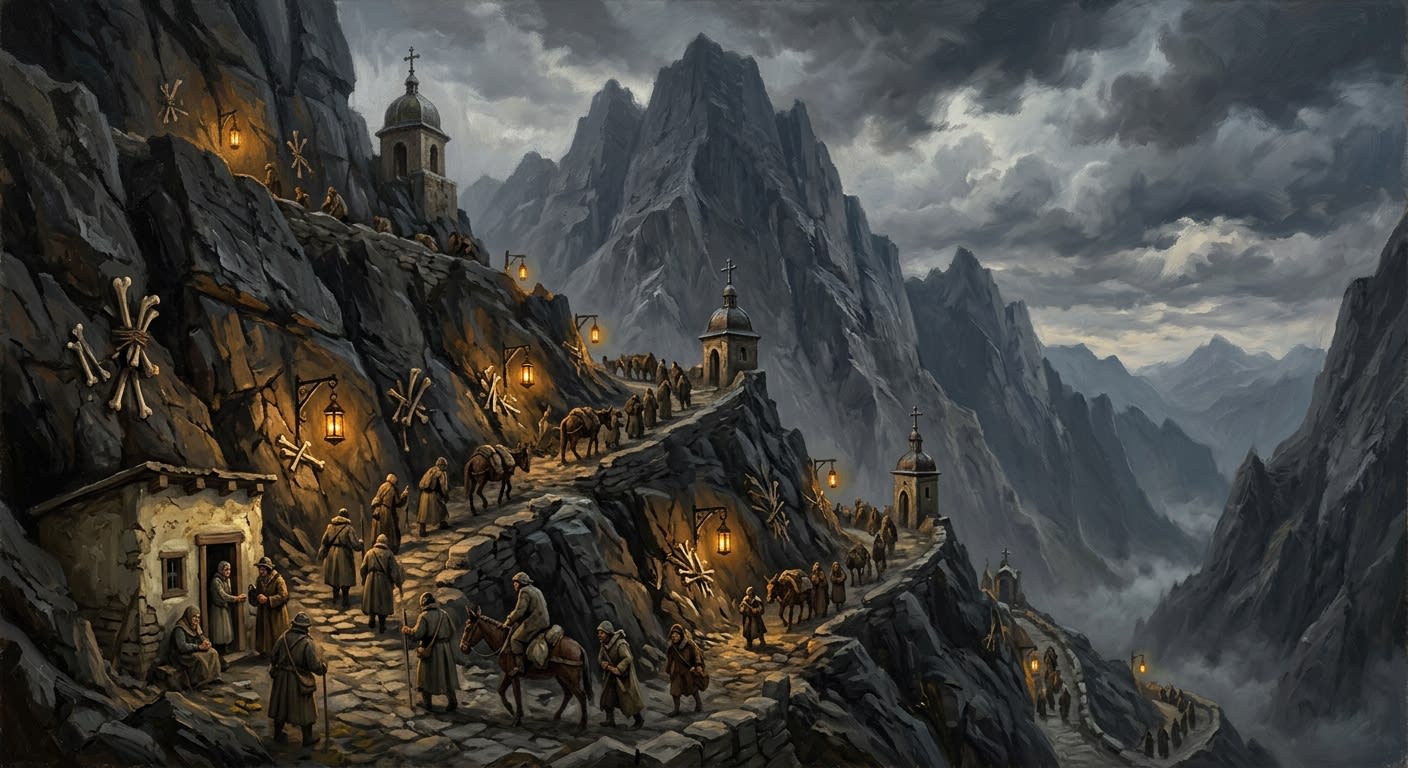
The Reliquary Switchbacks
Eight turns, eight femurs, and a toll at every one of them
A four-mile Carpathian relic corridor of eight named turns, eleven thousand souls, and a Registry that mints martyr-credits from storm-wind and bones. The Bureau of War calls it operational. The porters call it something else.
Codex Ref. II.3.05-004

The Rhine Corridor
Damp procedure, counted backward from every bridge
The Rhine Corridor is the Synod's damp procedure: a Zone 2 logistics artery, mortuary road, ferry court, heresy school, and billable proof that movement can be made afraid.
Codex Ref. II.2.08-202
The Rhône
Water carries what paper refuses to keep dry
The Rhône is a southern river-corridor of ash, pilgrimage, fishery inspection, Avignon heresy, Lyon spectacle, wet custody, and water that declines obedience.
Codex Ref. II.1.10-201
The Salt Dues of Marseille
Temporary measures have the finest survival instincts
The Salt Dues of Marseille began as an A.S. 92 emergency surcharge on coastal salt and learned immortality, feeding war, pilgrimage, and every clerk hungry enough to call permanence temporary.
Codex Ref. XIII.1.39-001
The Supplementary Entry Office
Where lives acquire addenda and mercy learns to bill
The Supplementary Entry Office is the Cloister's paper gut, where discrepancies become forms, forms become fees, and lives are amended past recognition.
Codex Ref. II.3.06-004
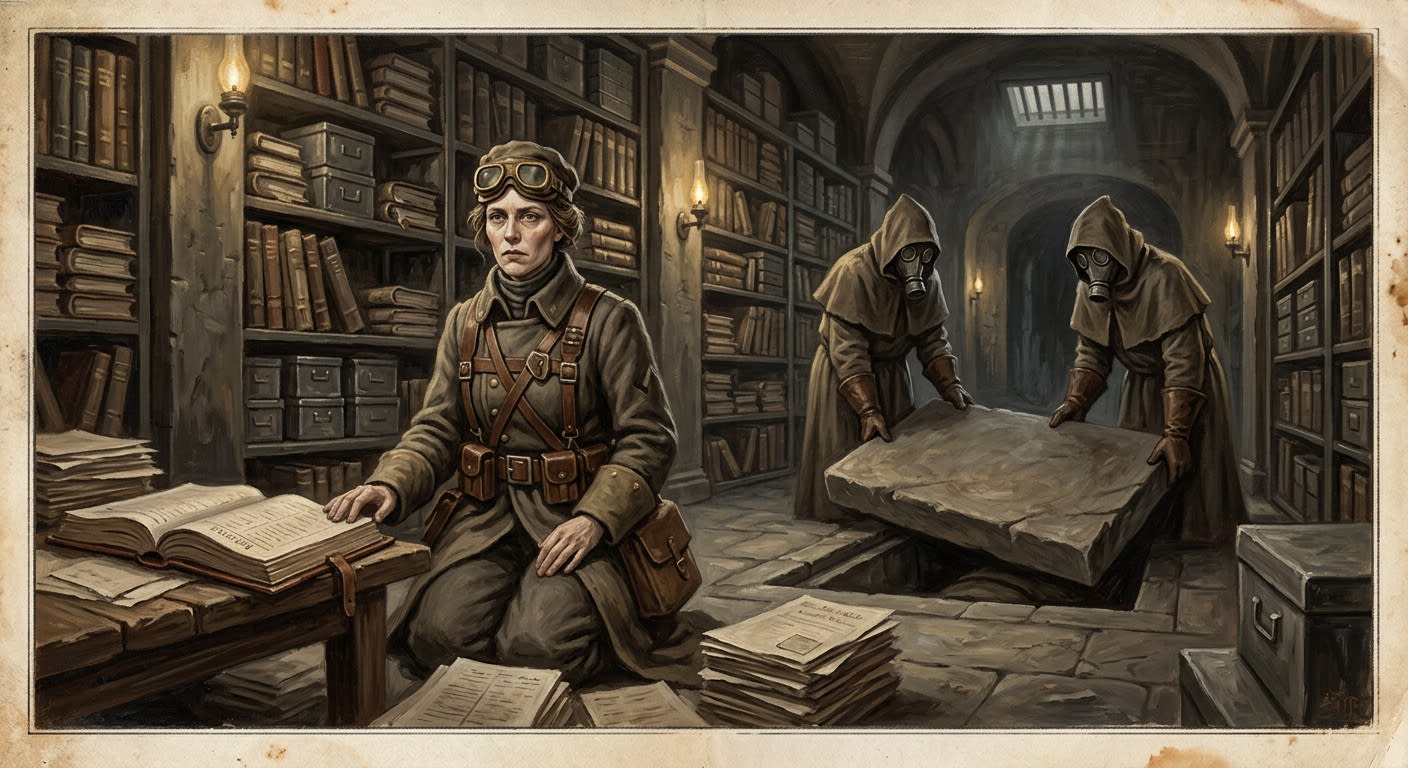
The Unnamed Lictor-Assessor
Correct beyond permission, and therefore reassigned
An unnamed Purity Lictor-Assessor proved the southern garrisons had become Velkara's recruiting ground; the Bureau preserved her sentence and buried the woman.
Codex Ref. III.2.01-049
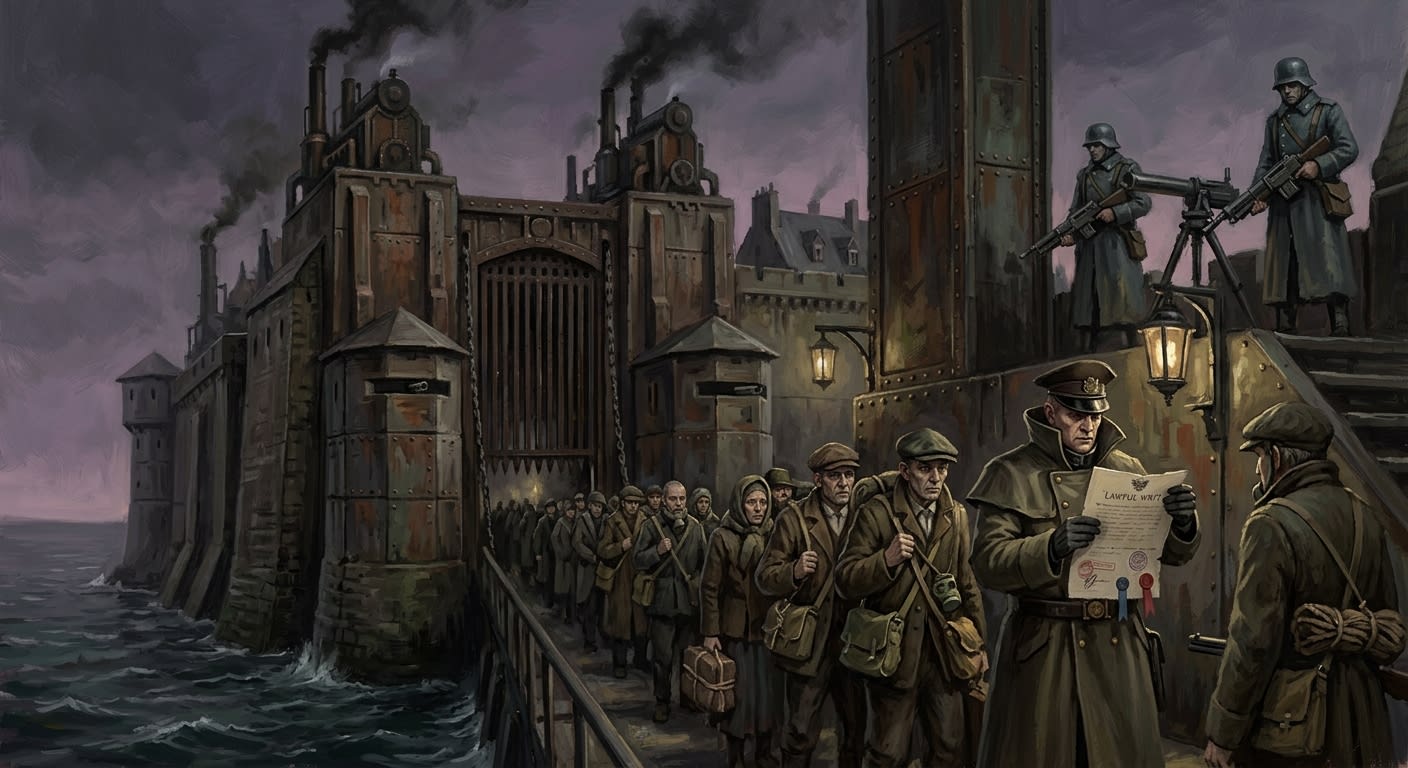
Town of Saint-Malo
The Breton gate where law discovered it could bleed
Saint-Malo is the Breton port where a narrow gate, a lawful writ, and forty-three pilgrims gave the Synod its most profitable wound.
Codex Ref. II.4.09-013
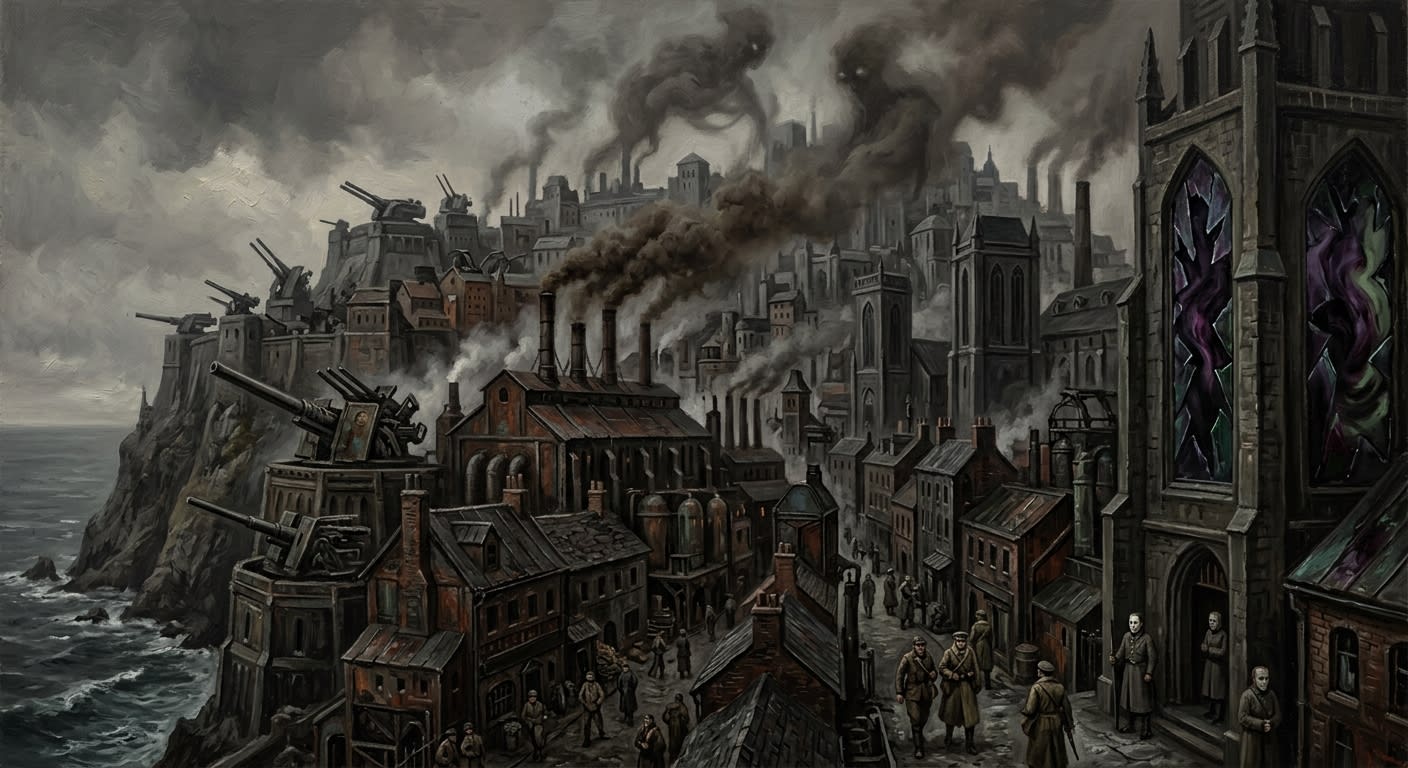
Varna
The Ashen Redoubt where smoke looks back and bread learns law
Varna, the Ashen Redoubt, is a Black Sea cliff-fortress of guns, bone-kilns, tariff chapels, demon glass, hunger law, debt masks, and smoke that looks back.
Codex Ref. II.4.09-070
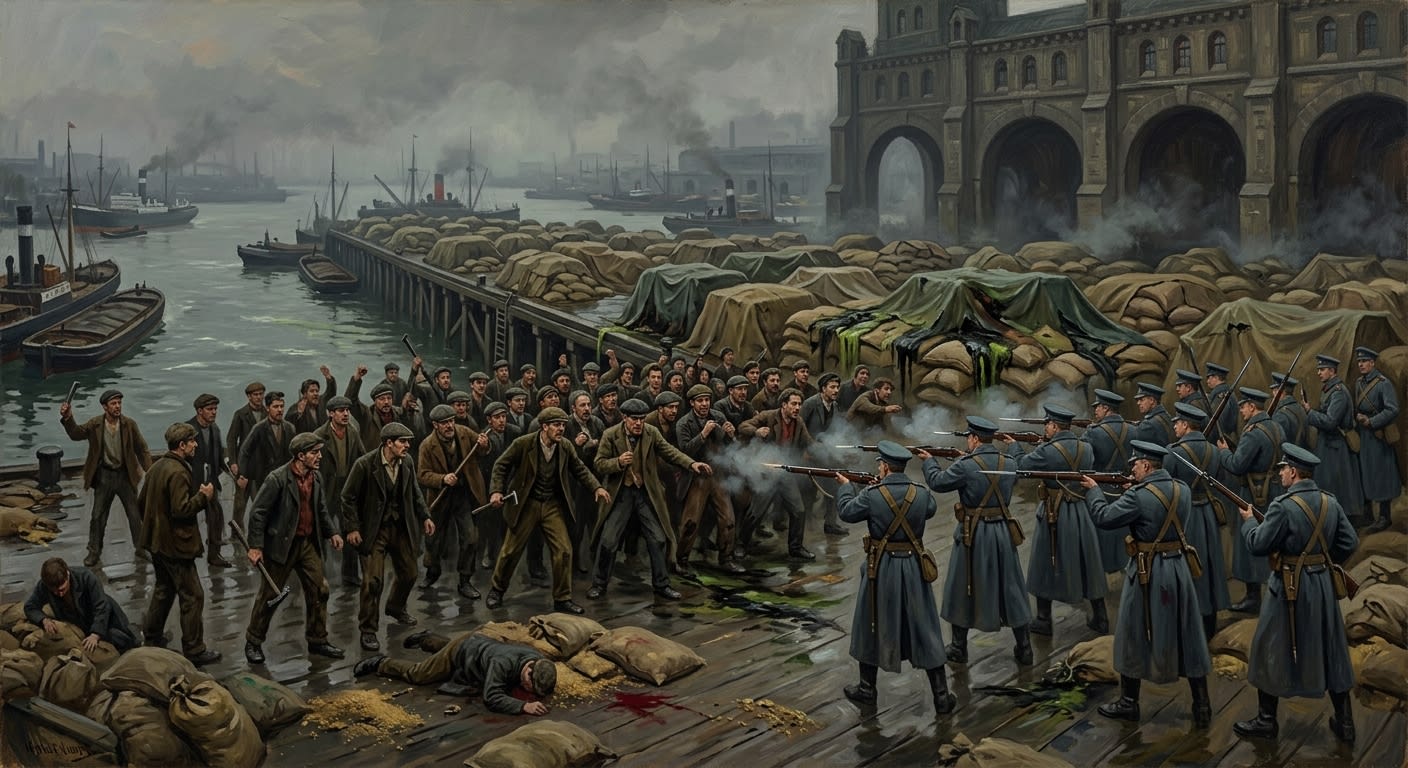
Varna Grain Rot
The wheat waited nineteen days; the dead waited less
A.S. 129 Varna harbour catastrophe in which tariff suspension left convoy grain to rot for nineteen days, provoking hunger riot, Purity volley, and official conversion into holy fast.
Codex Ref. VII.8.10-016
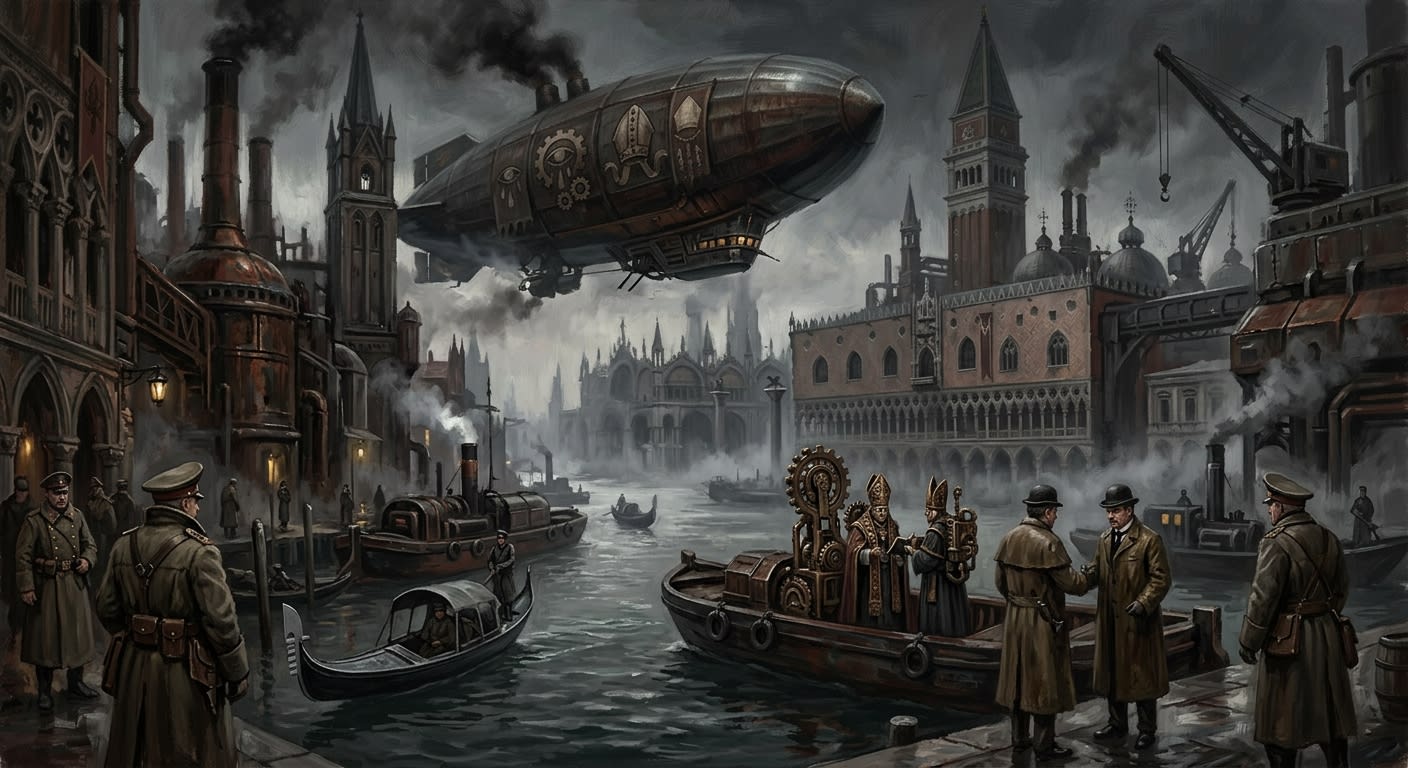
Venice
The city that obeys by tide and invoices by fog
Venice is loyal, wealthy, damp, evasive, and necessary: an Adriatic city the Synod owns by writ and must still ask politely by tide.
Codex Ref. II.4.09-201

Vexillators
Keep the cloth upright, or permit panic to govern
Bureau of War standard-bearers and visible formation anchors whose sanctioned cloth turns panic into geometry when officers, drums, and voices fail.
Codex Ref. VIII.5.07-001
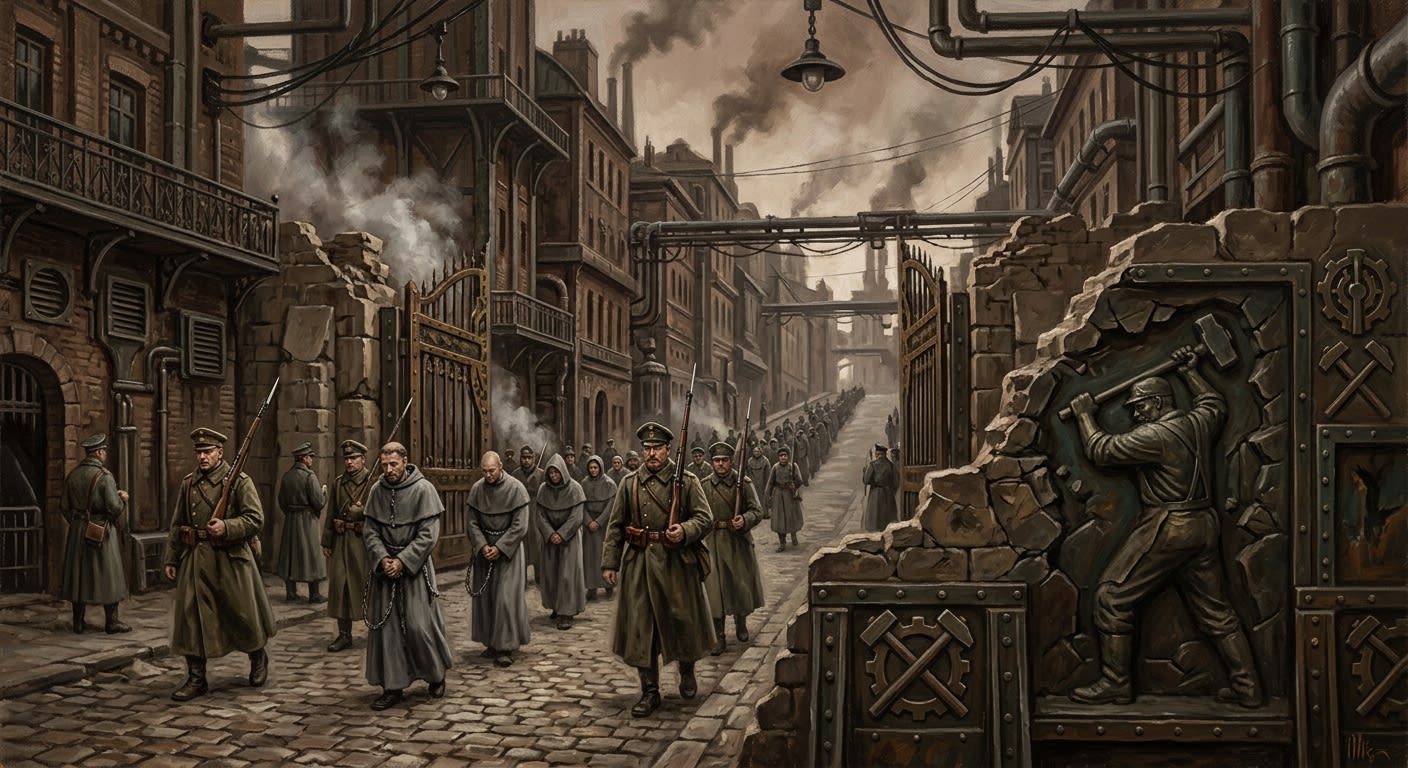
Via Stahlhand
Four hundred and eleven metres where knees become receipts
Vienna's Via Stahlhand is the sanctioned 411-metre penitential route through the Kärntner Gate breach, where Clemens Stahlhand's blow became a road.
Codex Ref. II.4.09-011
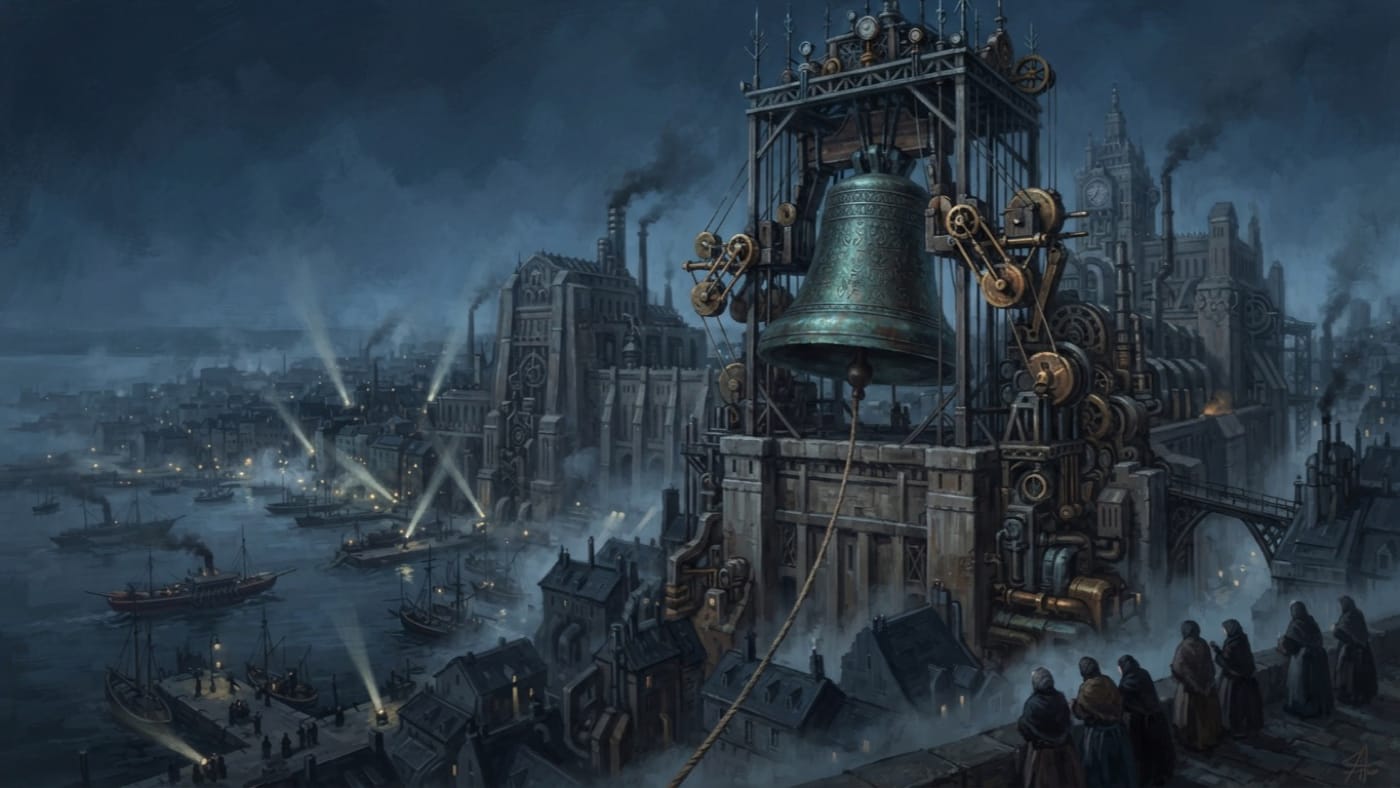
Victor, Great Bell of Marseille
The prayer is registered; the midnight peal has no authorised hand
Victor is the largest of Saint-Victor's nine bells, bronze bearing a prayer against shipwreck over Marseille. Its midnight return-peal remains filed, denied and unexplained.
Codex Ref. XIII.1.62-235
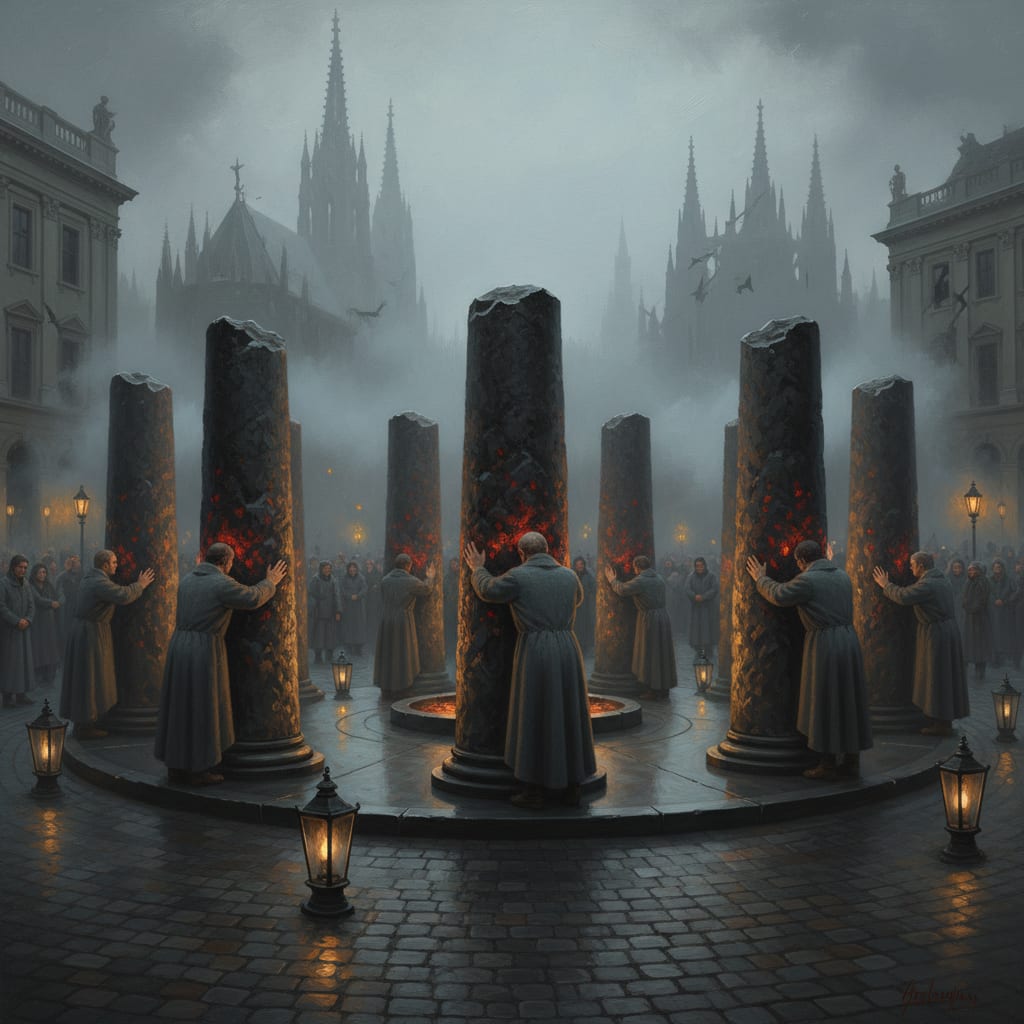
Vienna, the Shrine-Ruins
Three deaths, one gift shop, and a pen that has not dried in forty years
Three times ruined and once reclaimed. Vienna is the Synod's finest shrine and its most honest monument: the Rationalist capital, the Great Retreat's wound.
Codex Ref. II.4.09-010

Warden of the Sacred Ledger
Memory is permitted only after custody
The Warden of the Sacred Ledger guards the passage between recorded fact and ratified meaning, lest memory escape and become a riot with dates.
Codex Ref. XIII.1.33-090
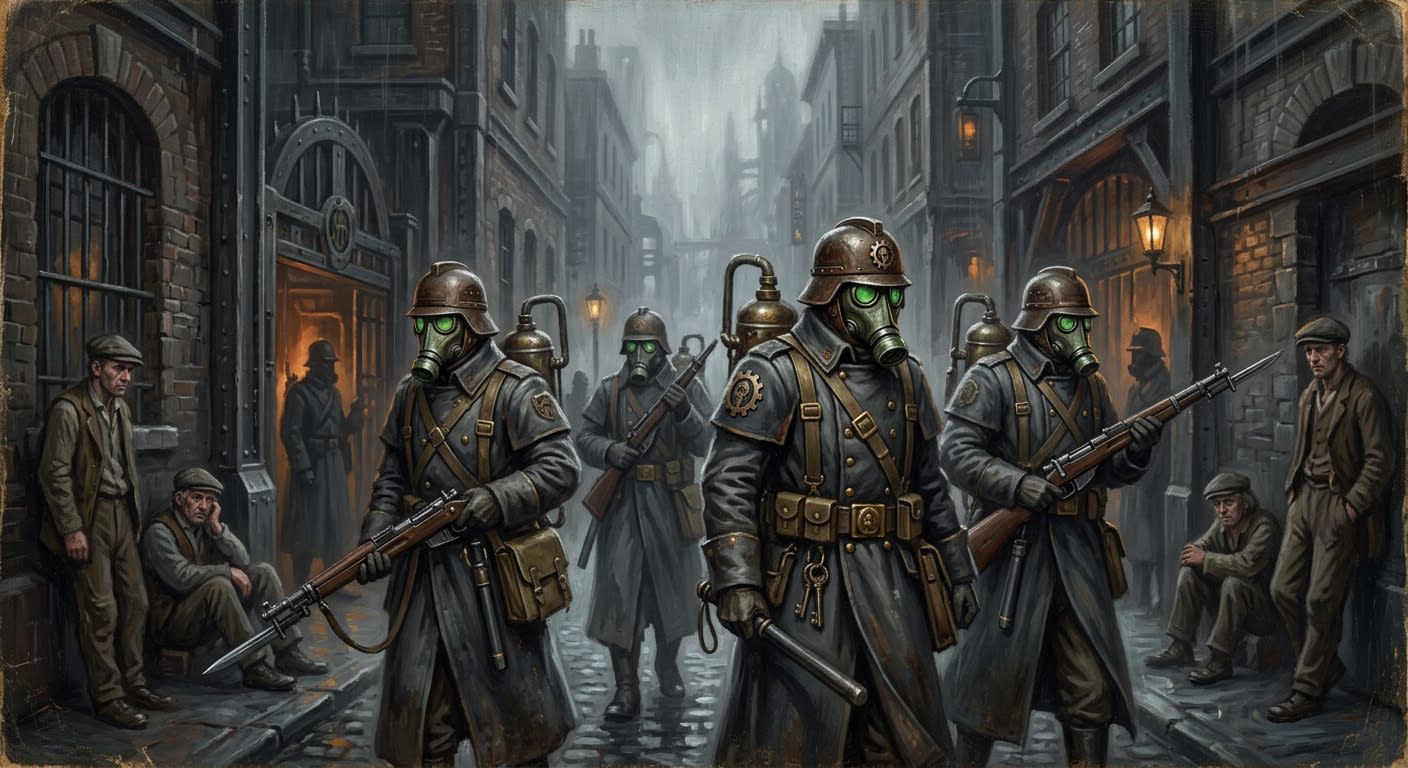
Wardens
The Synod's signature, written in keys and cudgels
Wardens are the Synod's street-level custodians of threshold, ration, gate, shrine, and curfew: resented because they are near, needed because they are near.
Codex Ref. XII.7.02-001
Warsaw
The city the Bureau told to leave, and the bakeries it opened in reply
The Synod's forward staging city on the Vistula — Zone Three, Northern Corridor, entry 14-W. 160 km from the Sagittal Line; close enough to hear the front on clear nights. The Bureau told it to leave in A.S. 95. It has grown by a quarter-million souls since.
Codex Ref. II.4.09-007
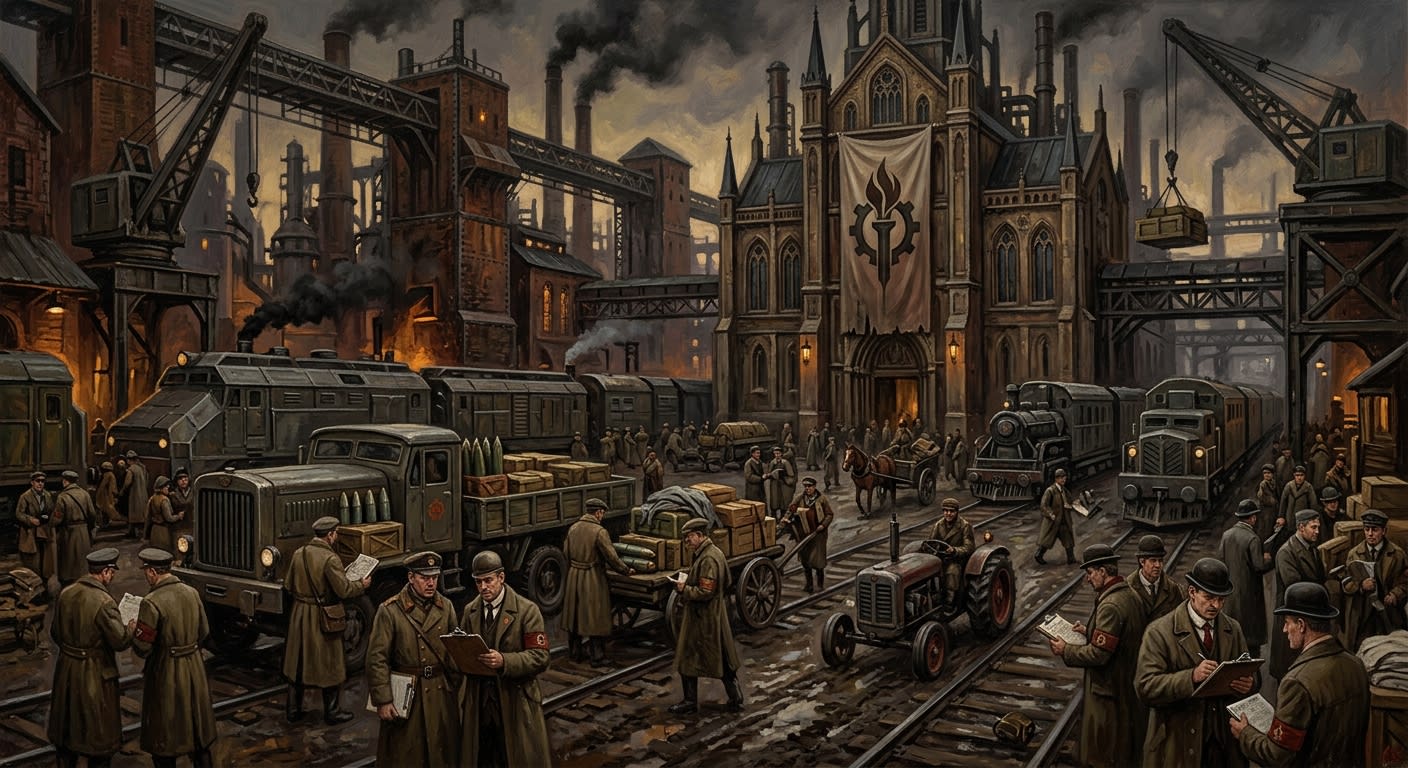
Zone 1
The rearward paradise that learned to invoice the war
Zone 1 is the Synod's polished western rear: safe enough to tax, rich enough to excuse itself, and stained to the elbows by logistics.
Codex Ref. II.0.03-201
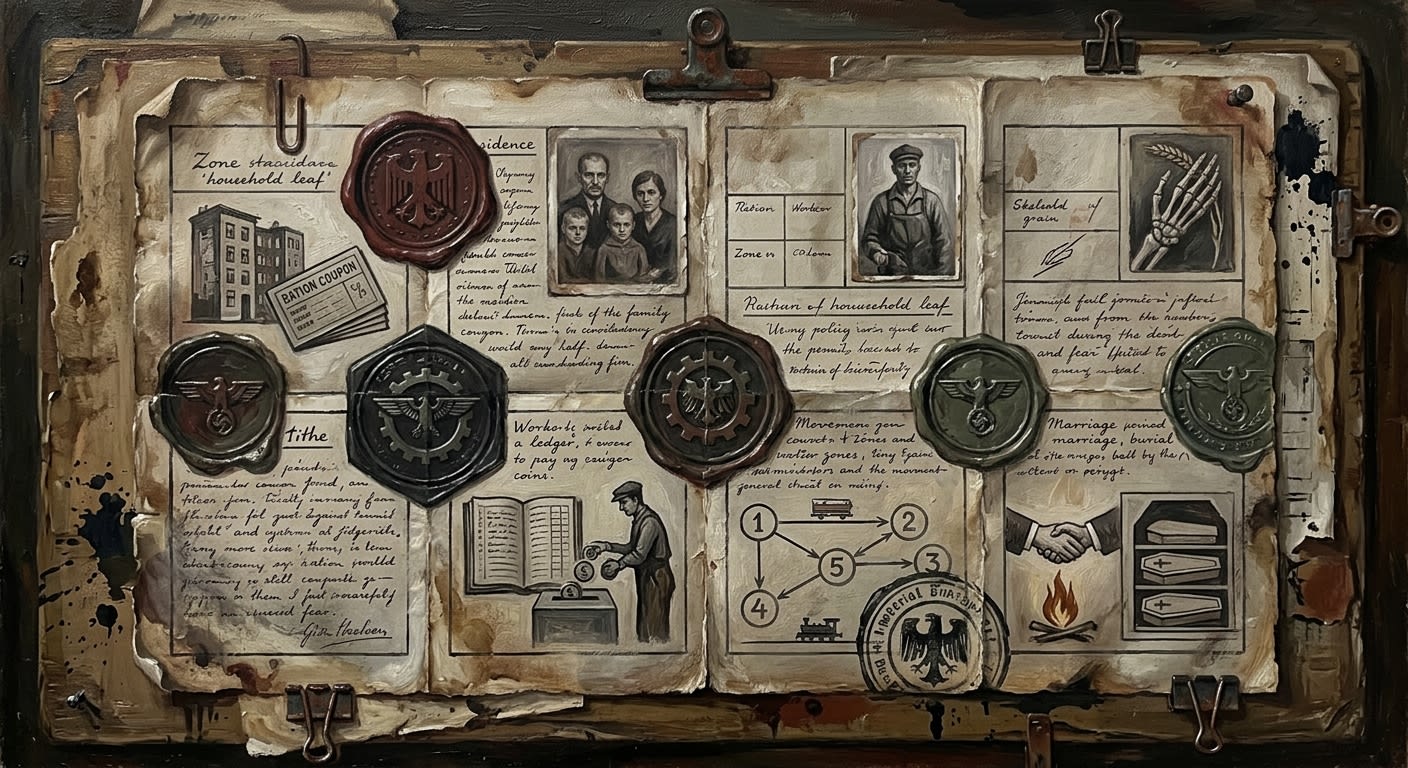
Zone Permit
The paper beneath the feet, and the shackle in the drawer
The Zone Permit is lawful standing made paper: residence, ration, tithe, movement, marriage, burial, and fear folded into one stamped household leaf.
Codex Ref. XIII.1.93-130