

Reverse Index
Referencing “The Great Retreat”
Every codex entry that links to The Great Retreat. 134 entries.
Return to The Great Retreat
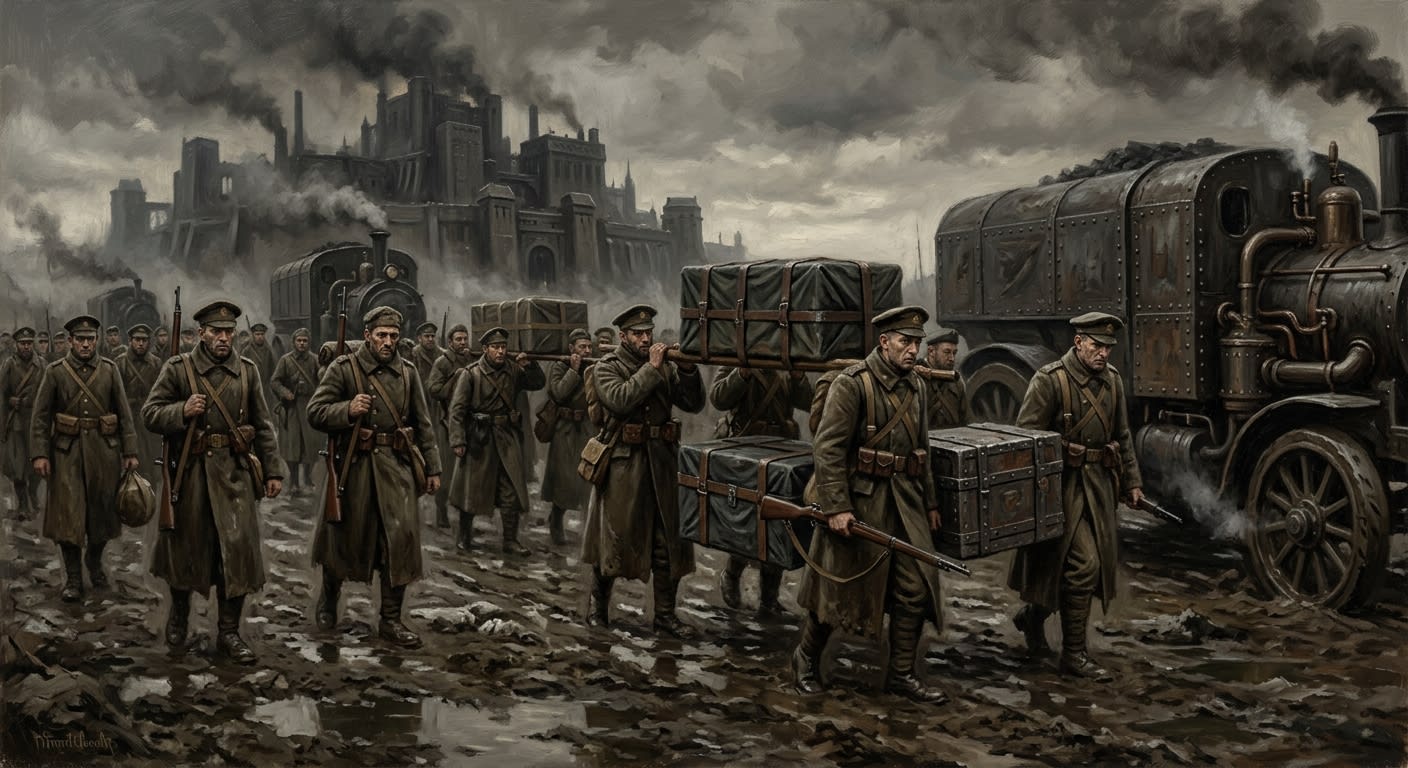
7th Rearguard Column
The middle hand that did not lose the bones
The 7th Rearguard Column did not blaze at Kalnik; it carried the bones through the middle miles, and the miracle survived because nobody lost the packet.
Codex Ref. VIII.5.07-045
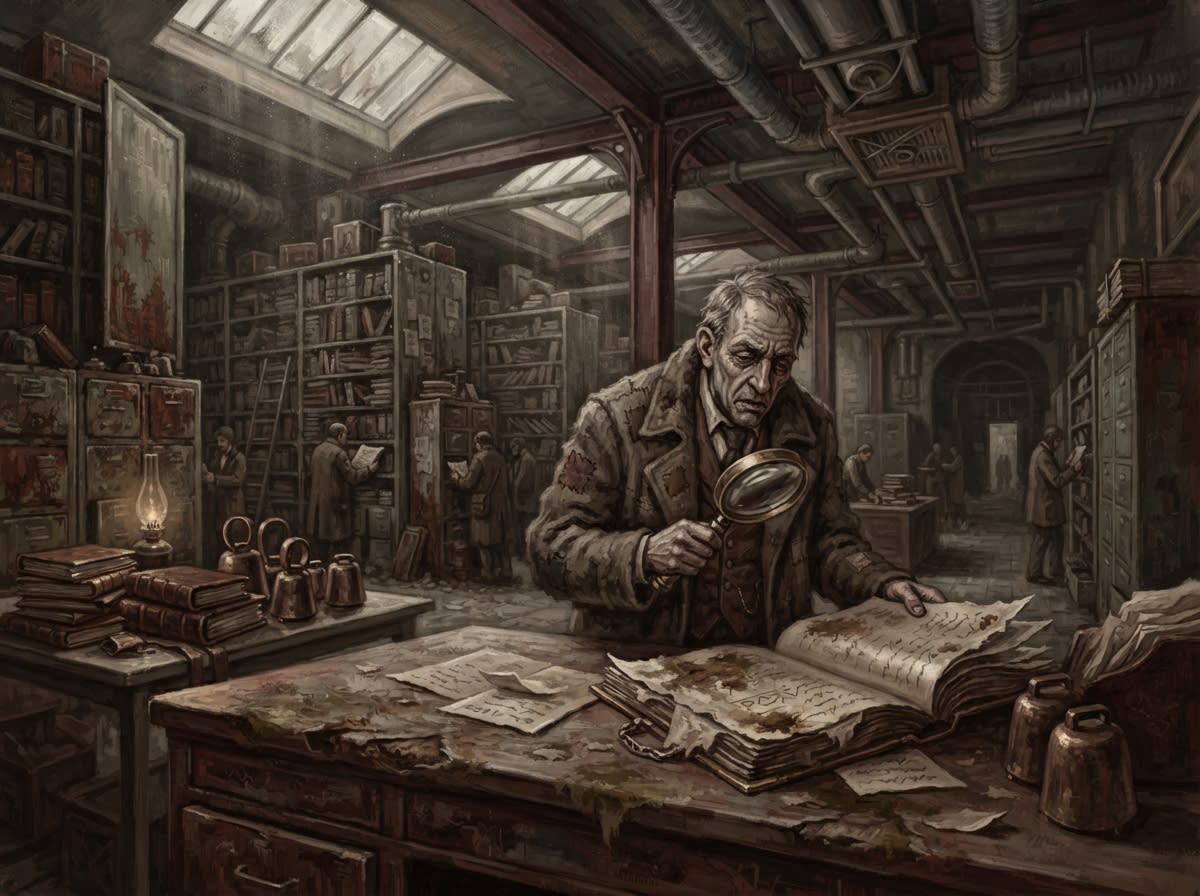
Alfold
The plain that remembered hooves after hunger learned to count
The Alfold was the cattle plain of old Hungary, where herds vanished with Debrecen's stores and the registers survived the hooves they were made to count.
Codex Ref. II.4.09-046
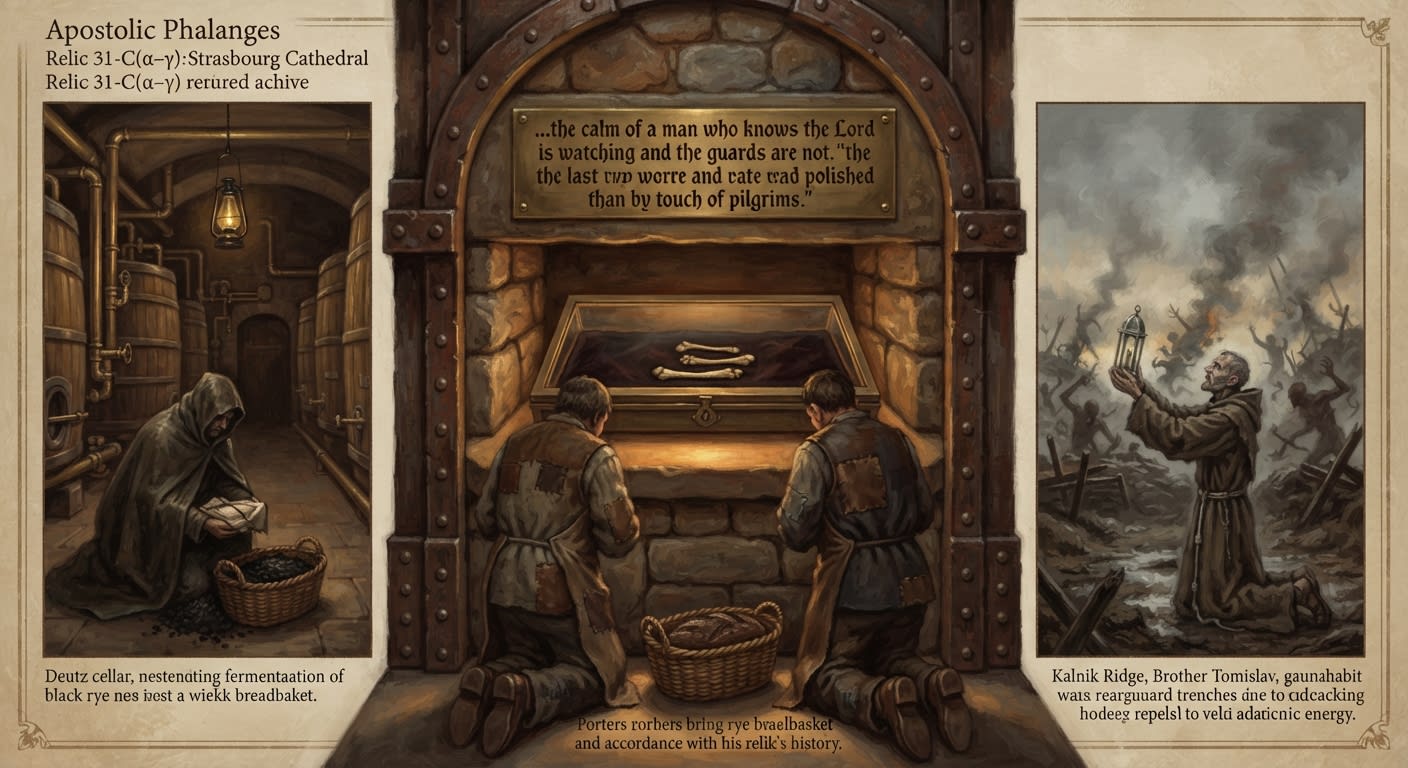
Apostolic Phalanges
Three finger bones, fourteen quiet years, and one ridge that learned fear
Relic 31-C(α–γ), three apostolic phalanges saved under rye and beer, later burned demons at Kalnik and now sit under licensed glass in Strasbourg.
Codex Ref. XIII.1.31-031
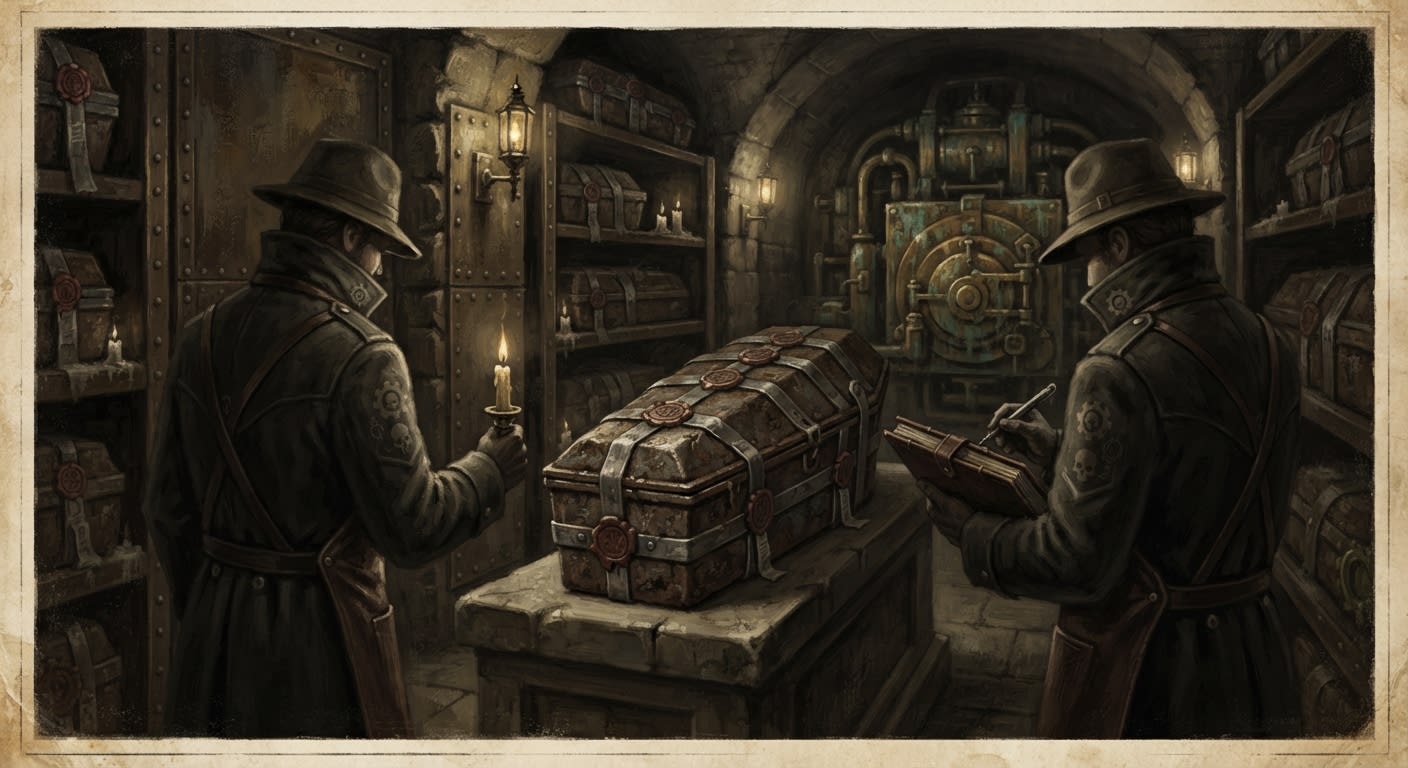
Ashes of the Sundering
The day in the jar, and the seal around the fear
The Bureau of Relics keeps a sealed iron vessel said to contain the Sundering's own residue, gathered from Vienna's cathedral floor and never opened since.
Codex Ref. V.1.03-045
Baja
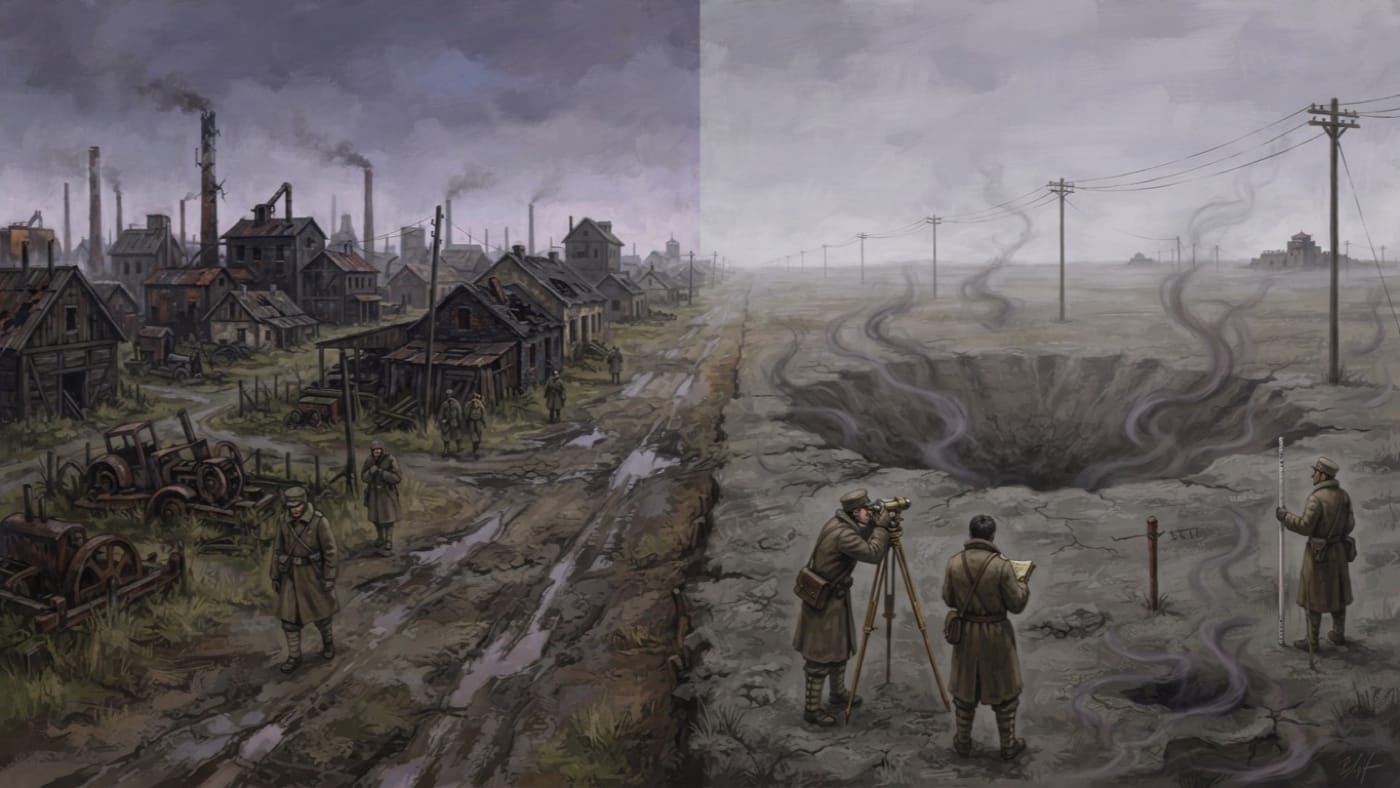
A town kept as an address for a grave whose hunger is reaching.
Baja survives as the locator for Famine Pit Twelve on the former road to Szeged. Two surveys record its hunger reaching farther; neither counts the dead. I have kept the town and the grave in separate columns.
Codex Ref. V.6.01-003
Balkan Foothills
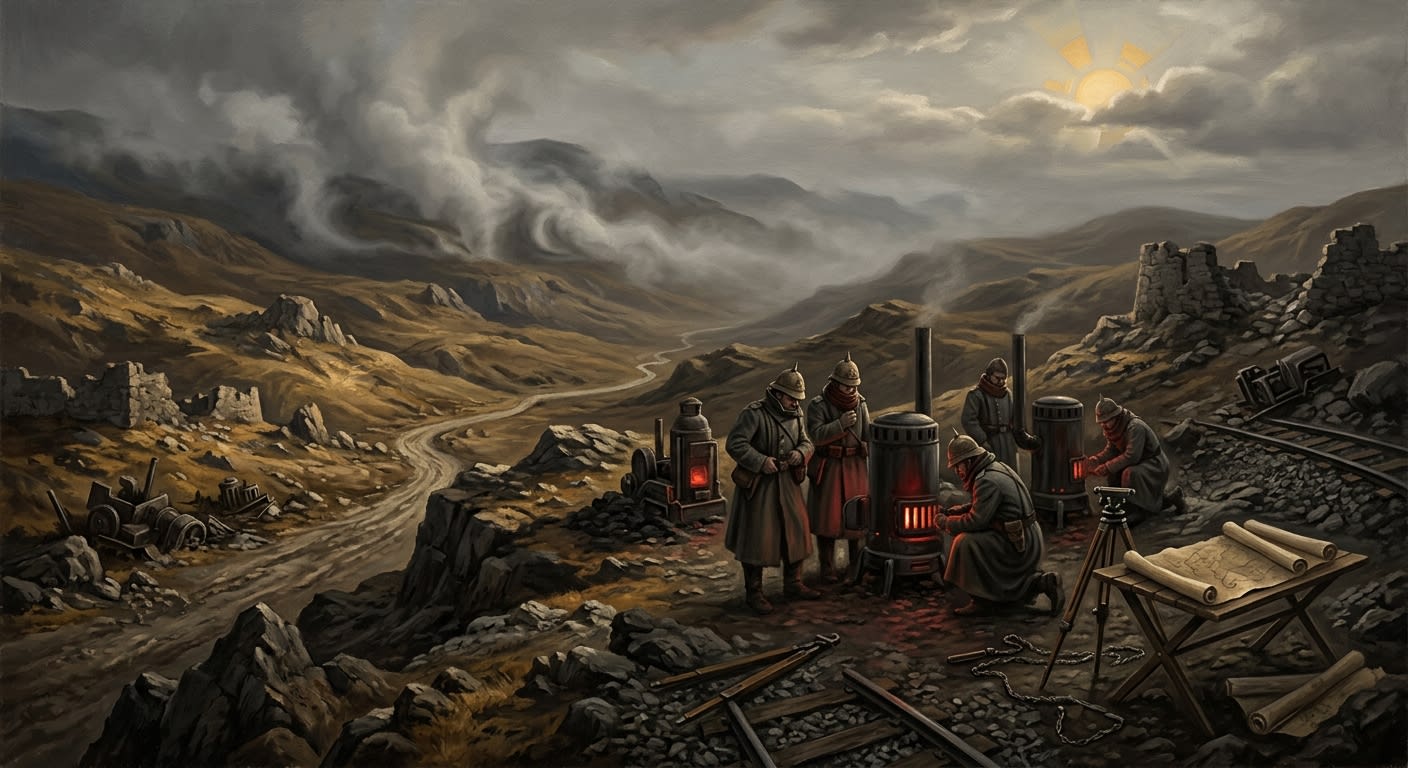
Where the weather learned politics
The Balkan foothills are the broken stair below Shipka, where Maldrake's furnace weather, Syrion's time-fog, and Synodal maps all lose jurisdiction.
Codex Ref. II.4.12-045
Belgrade
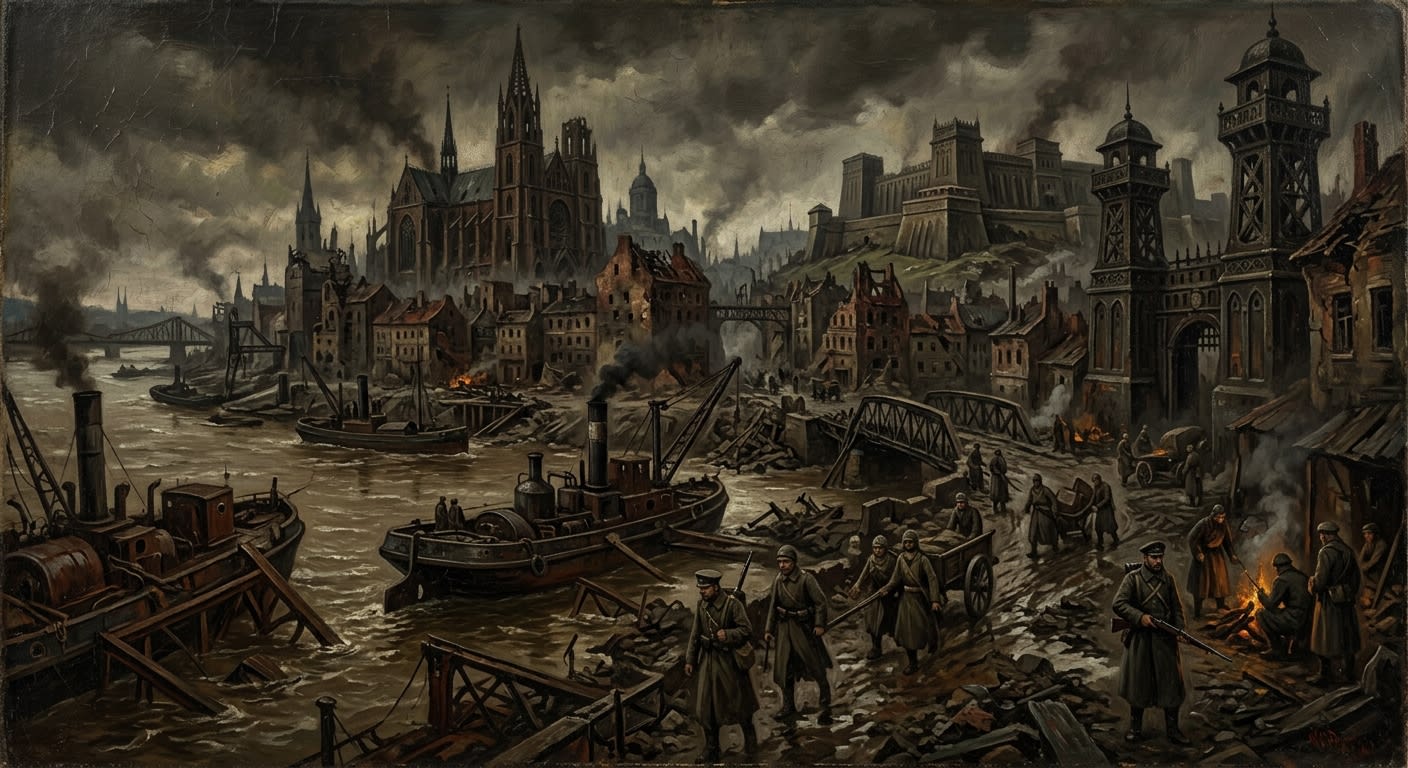
The city the river refused to bury, and therefore made taxable
Belgrade, ruined-contested confluence city where Shattered Courts perfume met Maldrake's Wrath, the Danube turned in A.S. 120, and sanctity became an armed hazard.
Codex Ref. II.5.06-120
Bellway
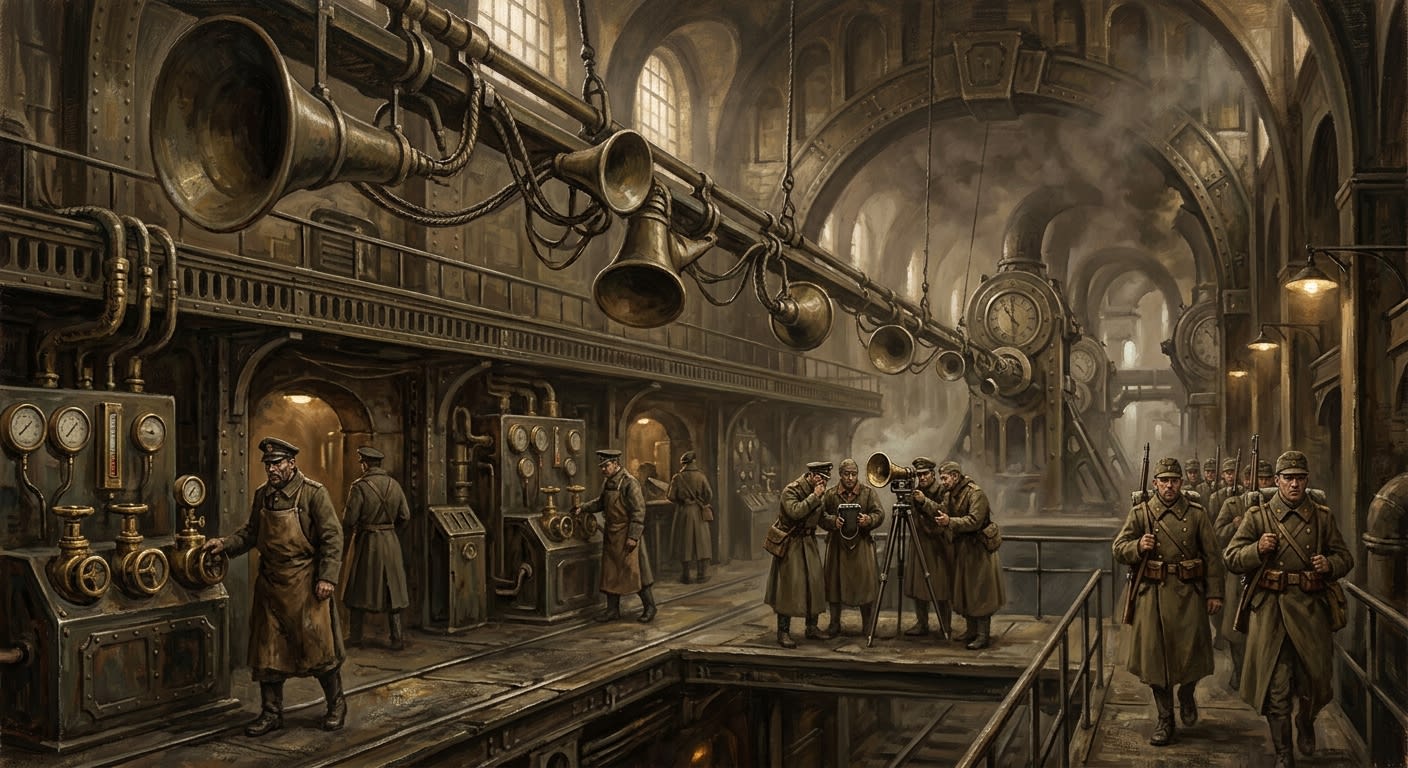
The road that hears you, blesses you, taxes you, and may repeat you
Bellways are the Synod's sanctioned acoustic corridors: road, alarm, sermon, surveillance net, and mercy with teeth, carrying lawful sound through the Line and beyond.
Codex Ref. XIII.1.88-201
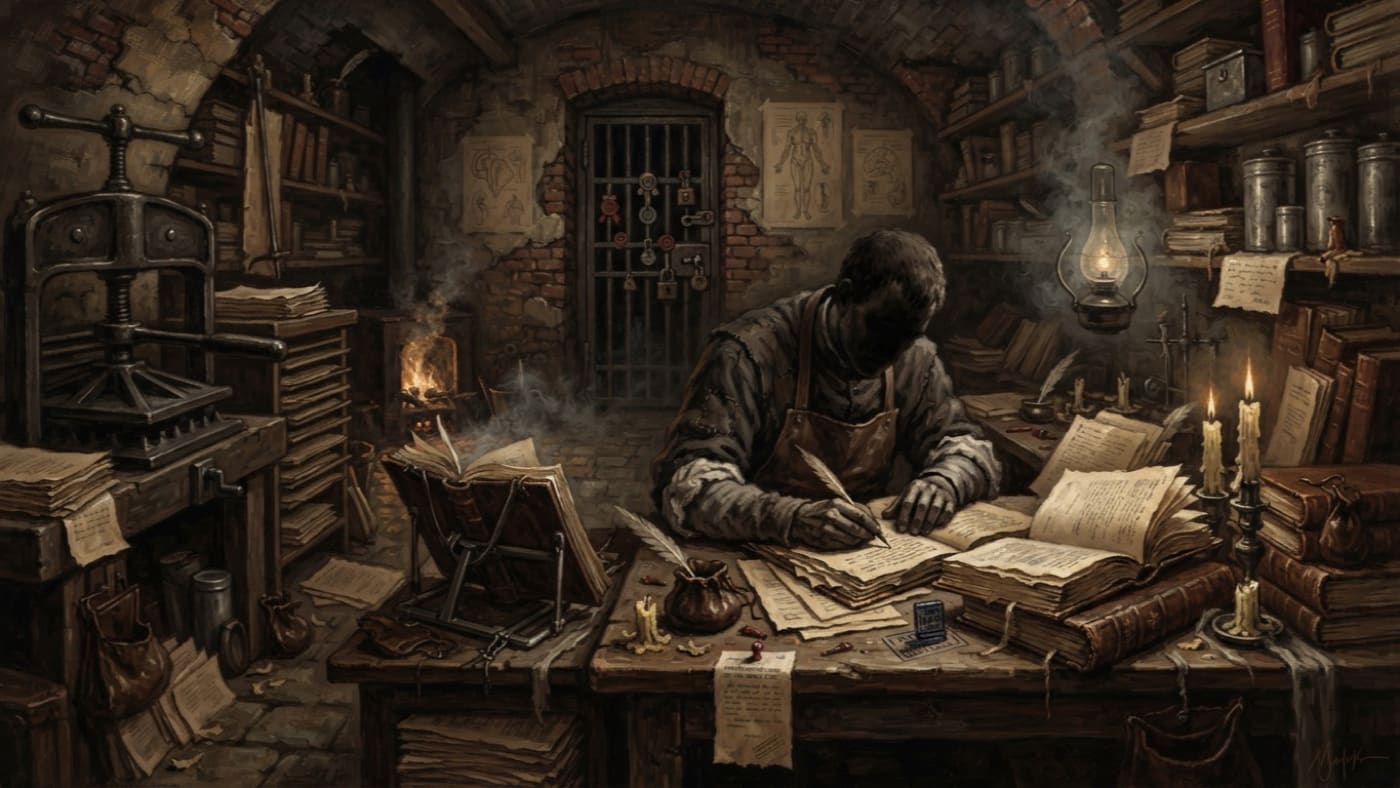
Bitter Mercy Line
A line with no address and no permission to correct the saints
One of twelve Ashen Circle copy lineages of the Index of Safe Lies, Bitter Mercy keeps the doses exact and the saints deliberately wrong. Its A.S. 201 survey records no founding date, fixed location, or named custodians.
Codex Ref. II.4.09-259
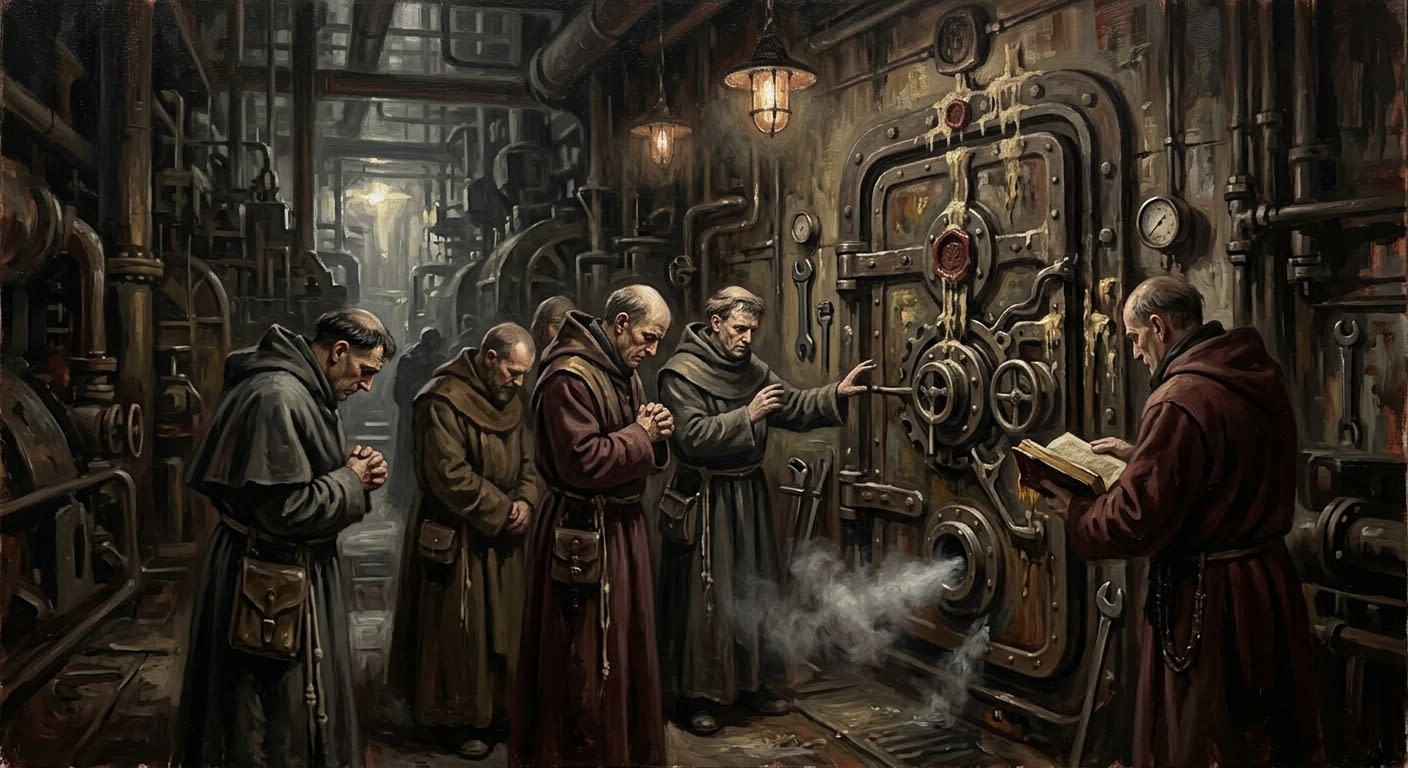
Boundary Litany
The hymn that teaches seals to remember where the world ends
Operational hymn for gasket, wax, flange, drum-mouth, and pressure door: the Boundary Litany makes matter confess where obedience stops.
Codex Ref. XIII.1.85-152
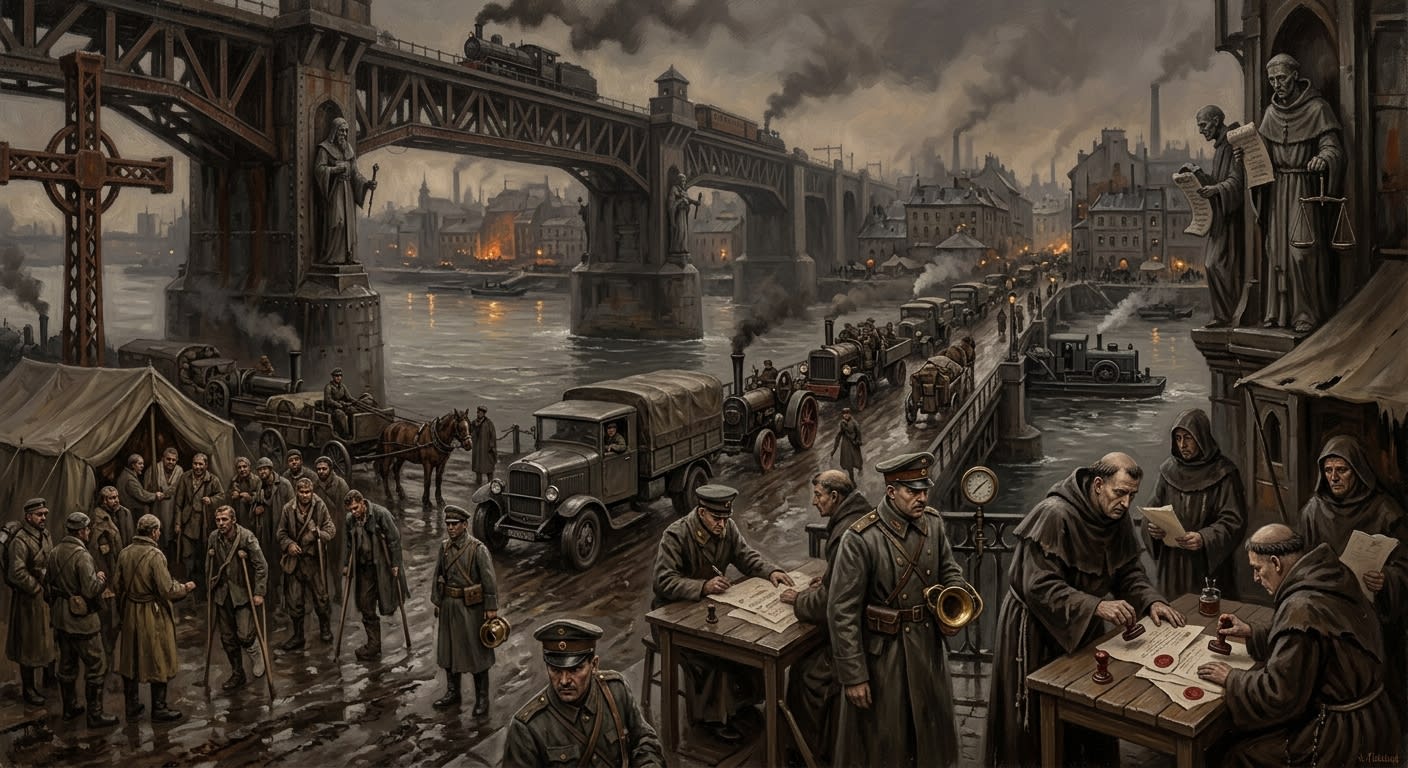
Bratislava
The throat between ruin, command, and the next inspection
Bratislava is the Central Corridor's damp throat: a Zone 3 Danube crossing where convoys, writs, wounded men, and official impatience are slowed into usefulness.
Codex Ref. II.4.09-011

Bread-without-Prayer Line
The loaf before the grace, the copy before the fire
One of twelve Ashen Circle copy lineages of the Index of Safe Lies, named to put bread before grace. Filed under places; the A.S. 201 survey records no founding date, fixed address, or named custodians.
Codex Ref. II.4.09-336
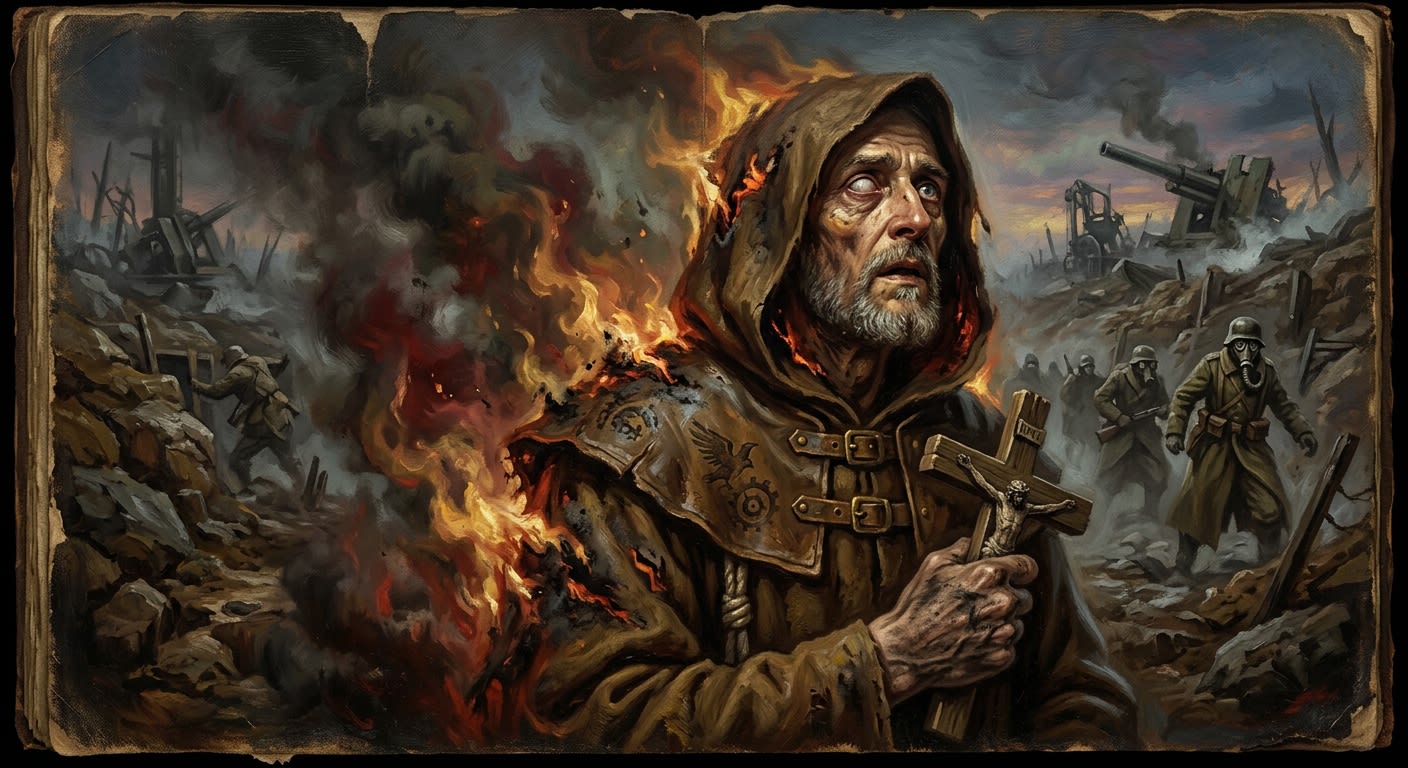
Brother Tomislav
The half-blind monk who lifted a reliquary and made Wrath recoil
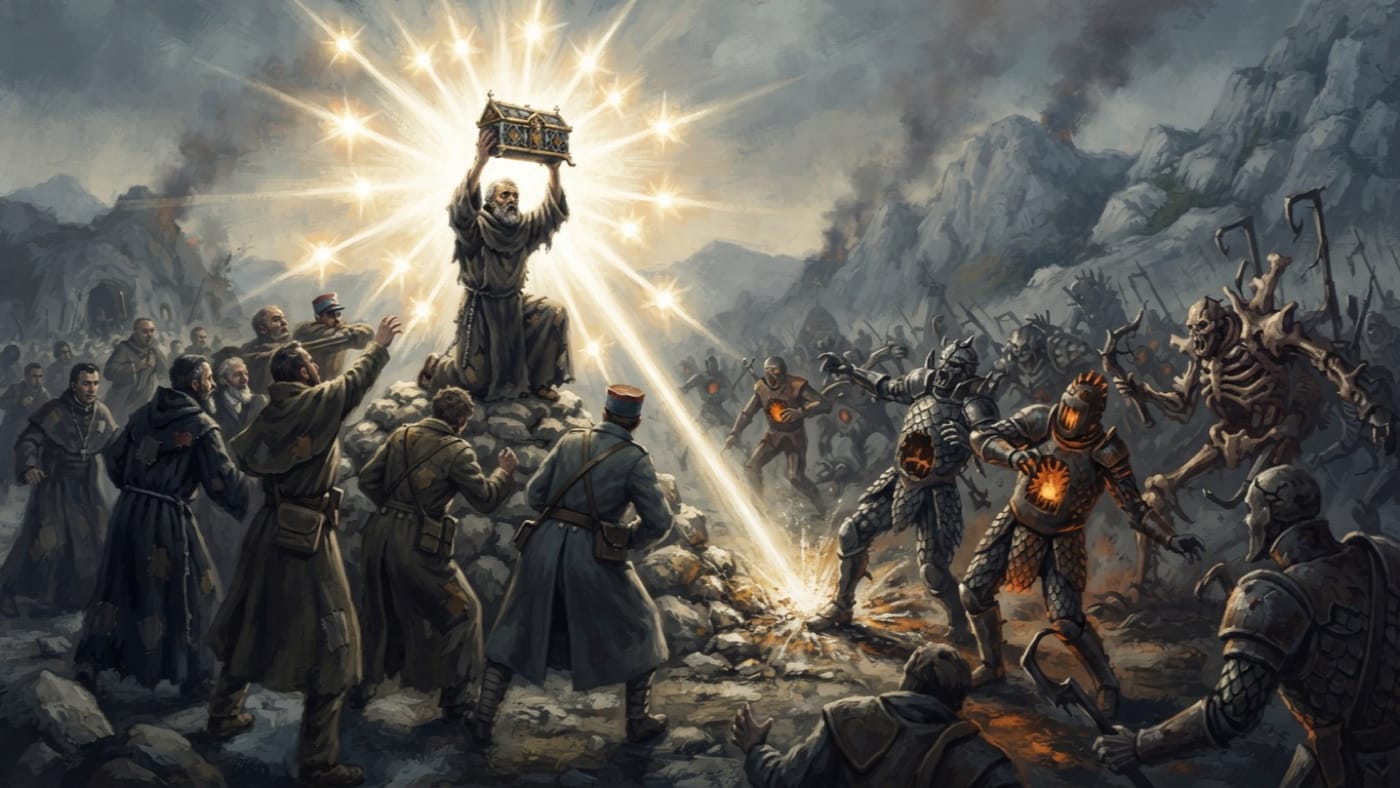
Half-blind Franciscan, custodian by refusal, and instrument of the Miracle of Kalnik Ridge; consumed by sacred fire in A.S. 48, though the Bureau remains professionally unable to call him dead.
Codex Ref. III.2.01-004
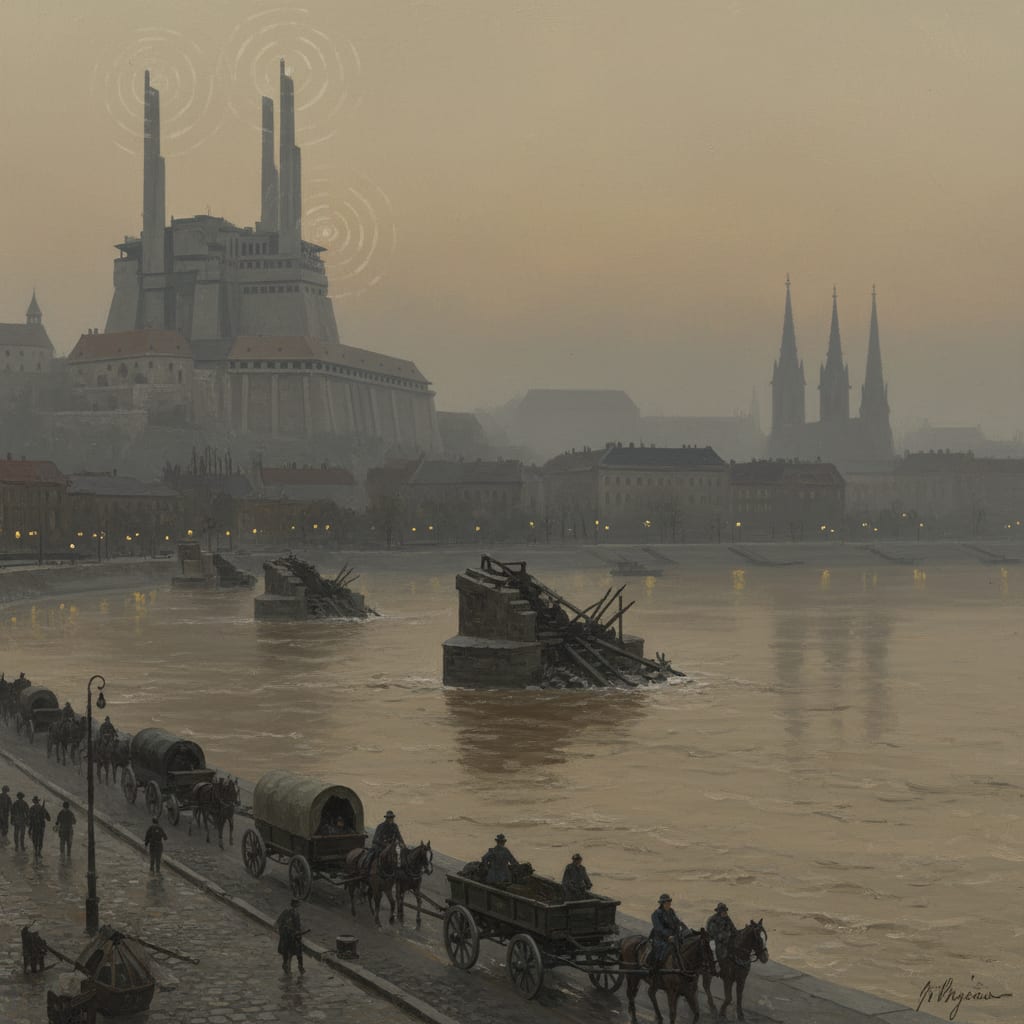
Budapest
The city the Danube cut in half, and the half that watches back
The largest city in the forward heartlands and the principal staging hub of the Central Corridor. 850,000 souls on the western bank, and something unaccounted for on the eastern. The Danube runs between them like a sentence the Bureau started and declined to finish.
Codex Ref. II.4.09-009
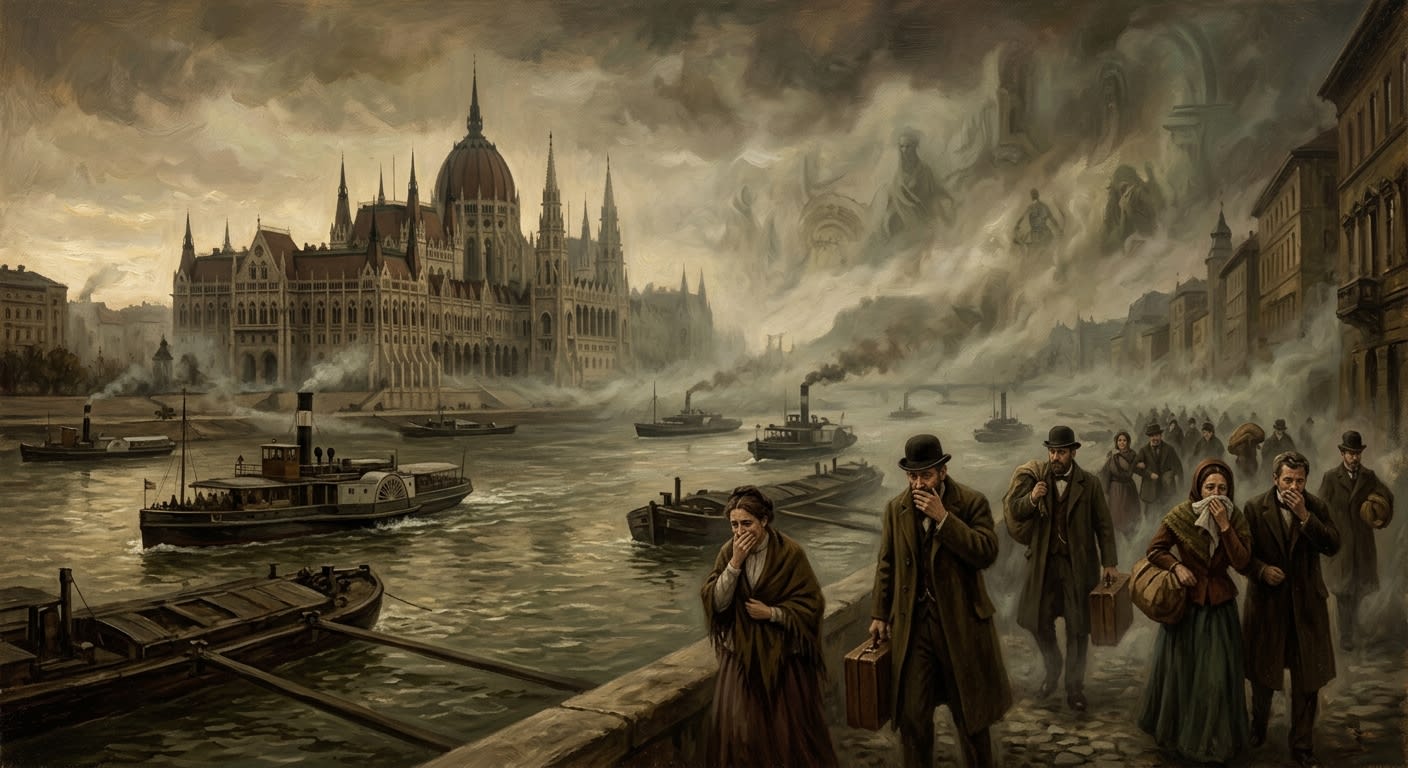
Budapest Perfume Fog
Eleven days of beloved lies before the bank went empty
The A.S. 117 Budapest Perfume Fog carried Velkara's Shattered Courts across both banks, preceding Pest's abandonment by scent, memory, and sealed cowardice.
Codex Ref. VII.4.16-117
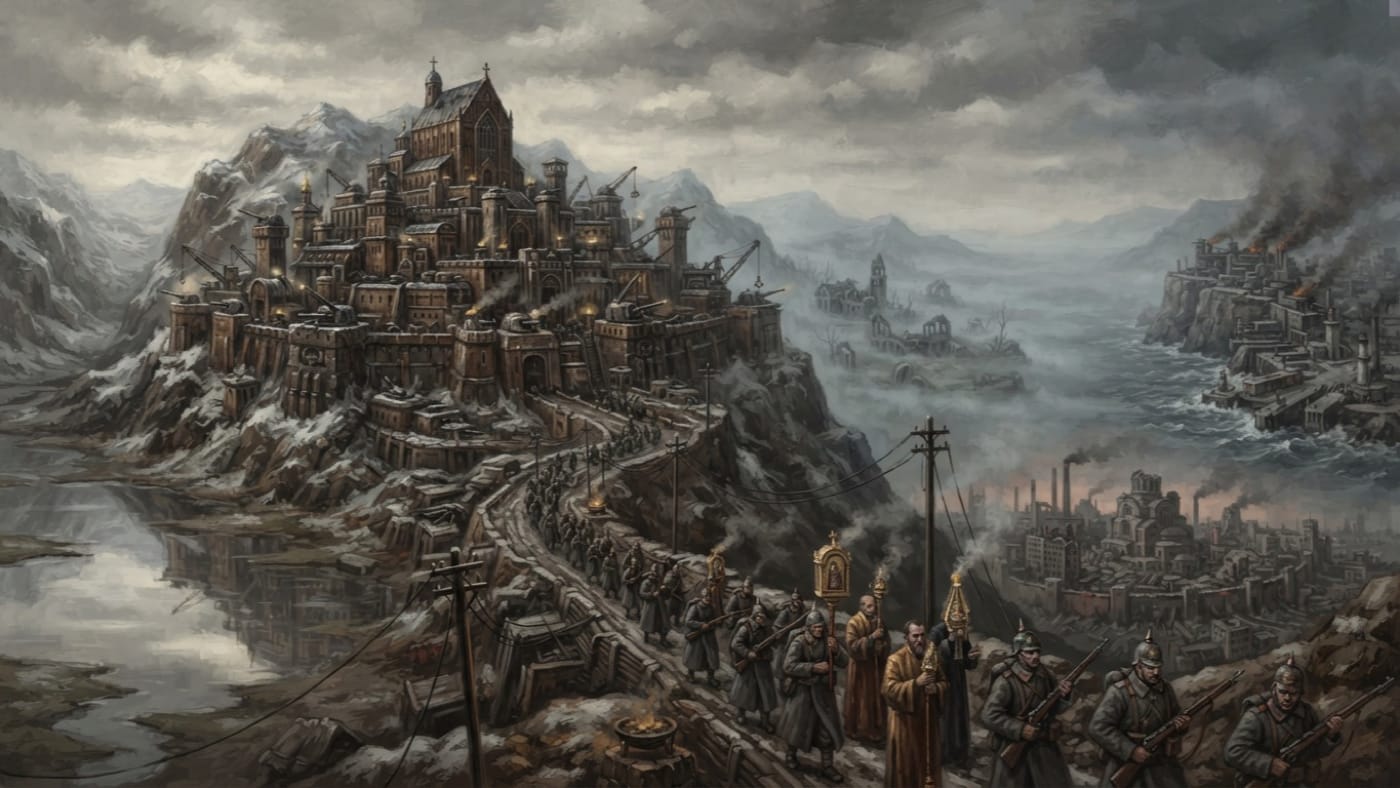
Bulgaria
Three holdings, disputed roads, and a name the Ledger keeps
Bulgaria remains held at Shipka, Sofia and Varna, contested along the approaches, and fallen beyond the returns. The Church keeps the country's name; its garrisons keep what ground they can.
Codex Ref. II.6.06-008
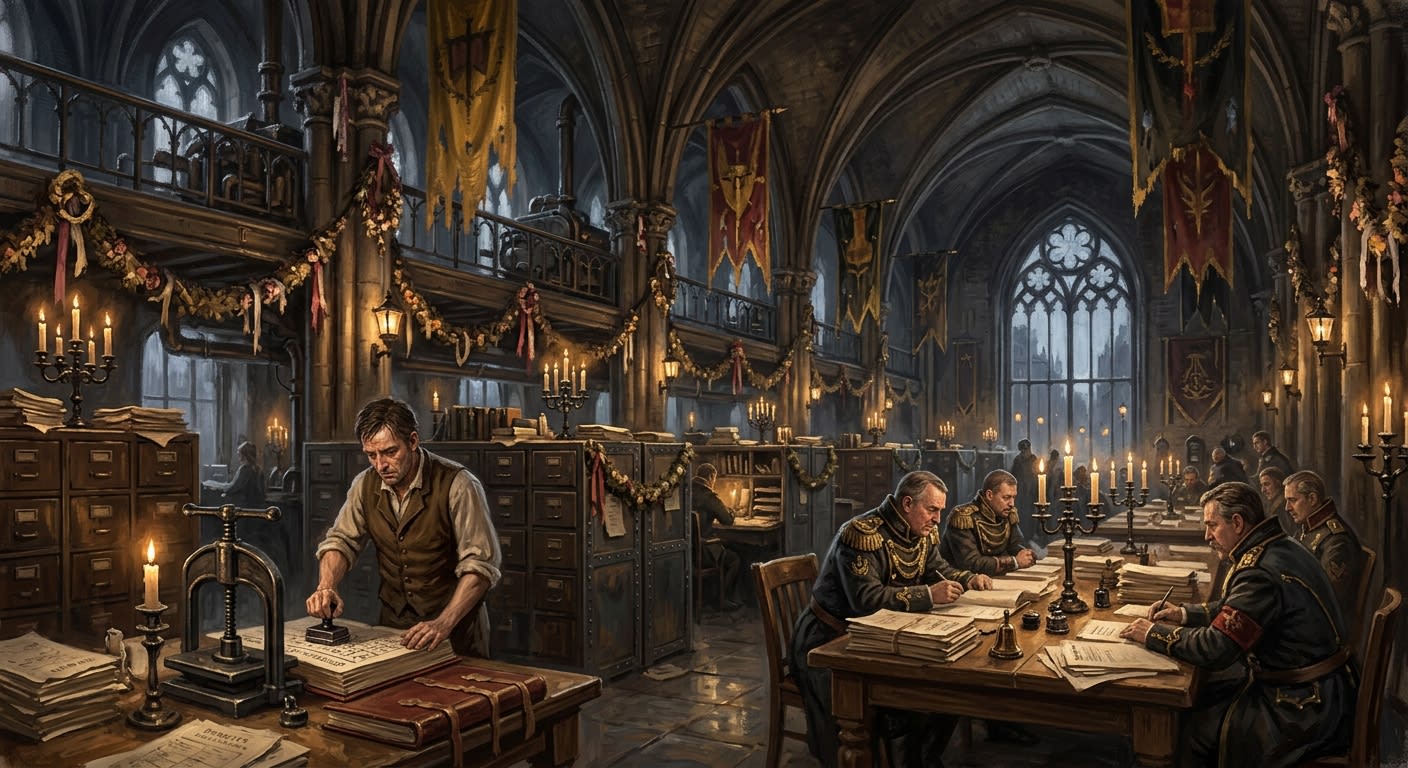
Bureau of Festivals
Joy, administered at scale — licensed, measured, and periodically revoked
The Bureau that manufactures joy, schedules grief, and meters celebration with the same rigour the Bureau of War applies to troop rotations — and which has, on seventeen documented occasions, deployed confetti.
Codex Ref. VIII.5.01-001
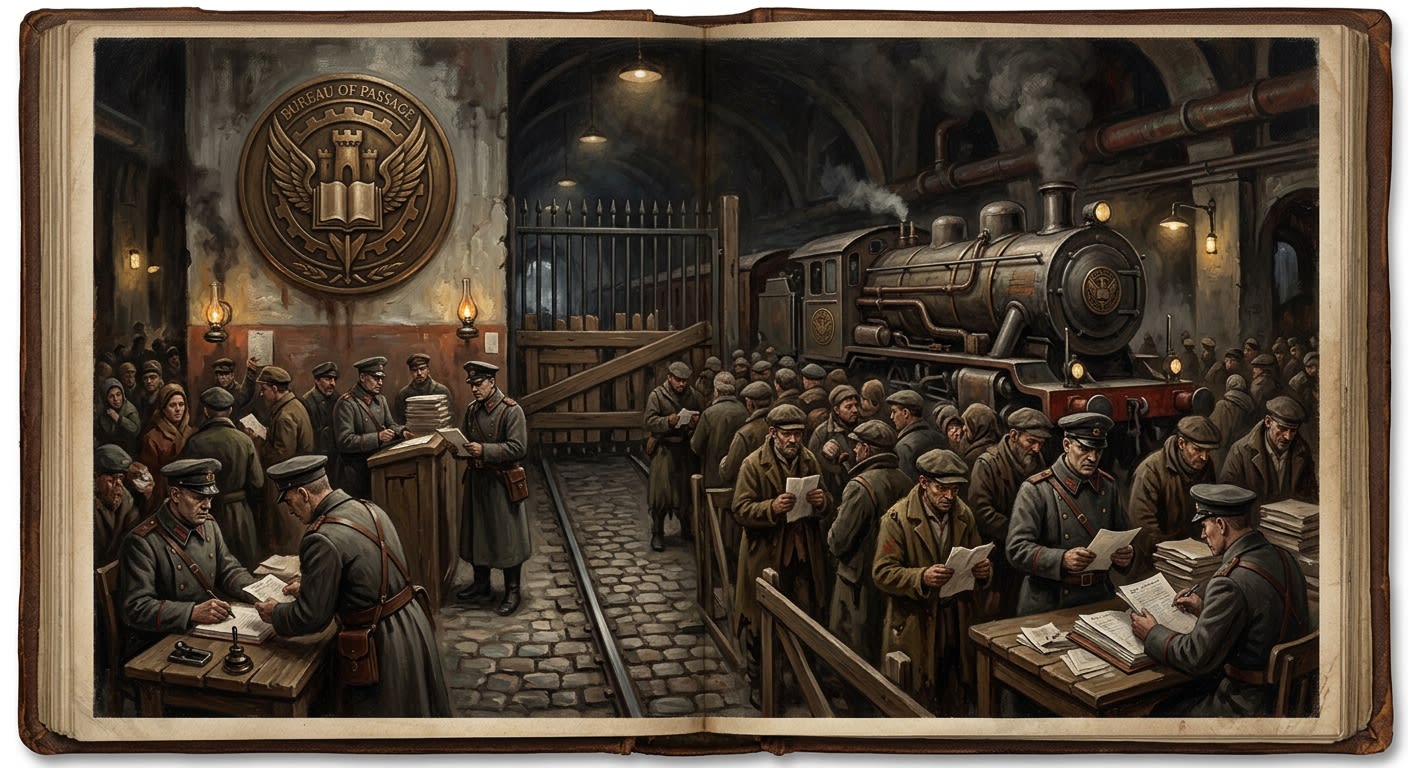
Bureau of Passage
The hand at the gate, ink-stained and pleased with itself
The Bureau of Passage owns the sacred interval between wanting to move and being permitted to do so; every road becomes doctrine where its seal descends.
Codex Ref. VIII.2.07-001
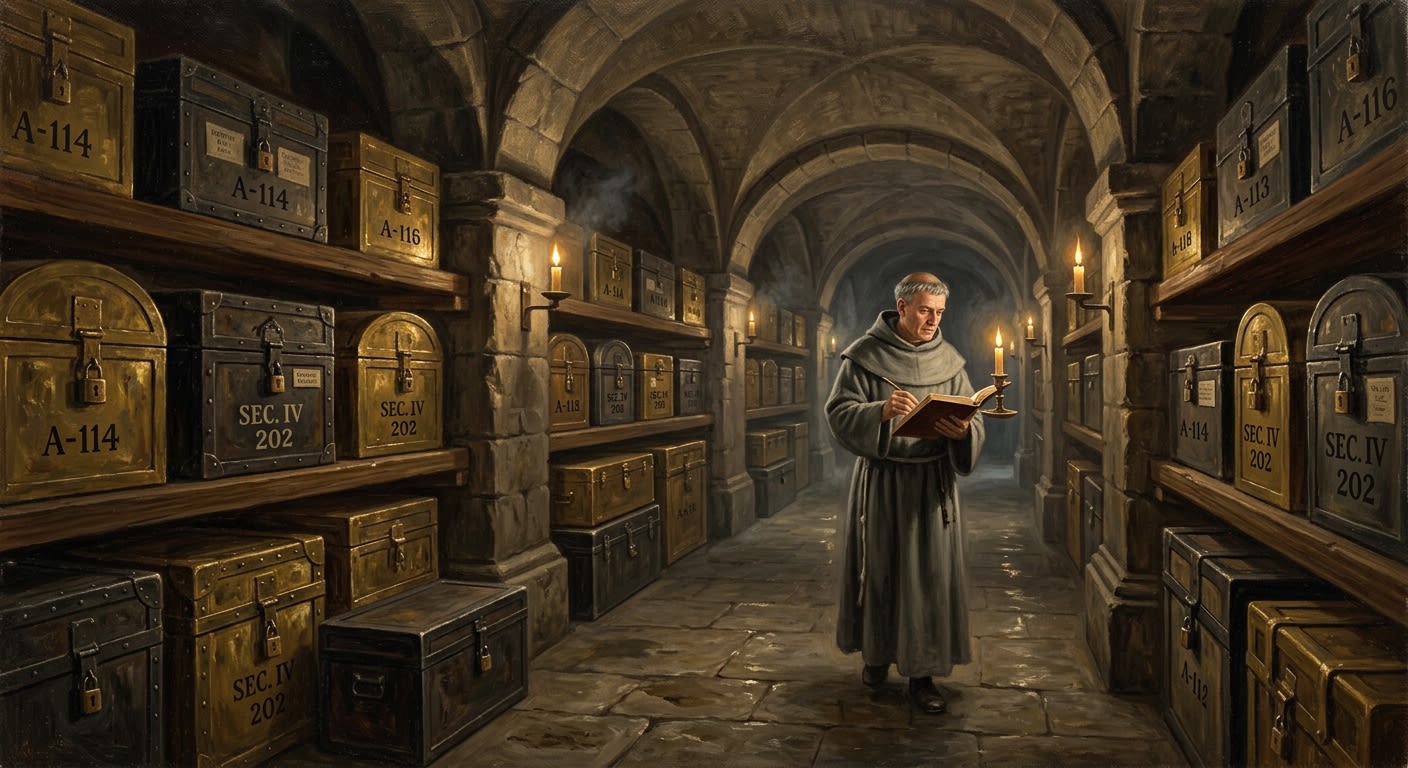
Bureau of Relics
The stamp is not the sanctity. The stamp is merely necessary.
The Bureau of Relics guards four thousand seven hundred authenticated bones, adjudicates the holiness of ash, and maintains the cheerful institutional fiction that it controls the things it catalogues.
Codex Ref. IV.3.12-019
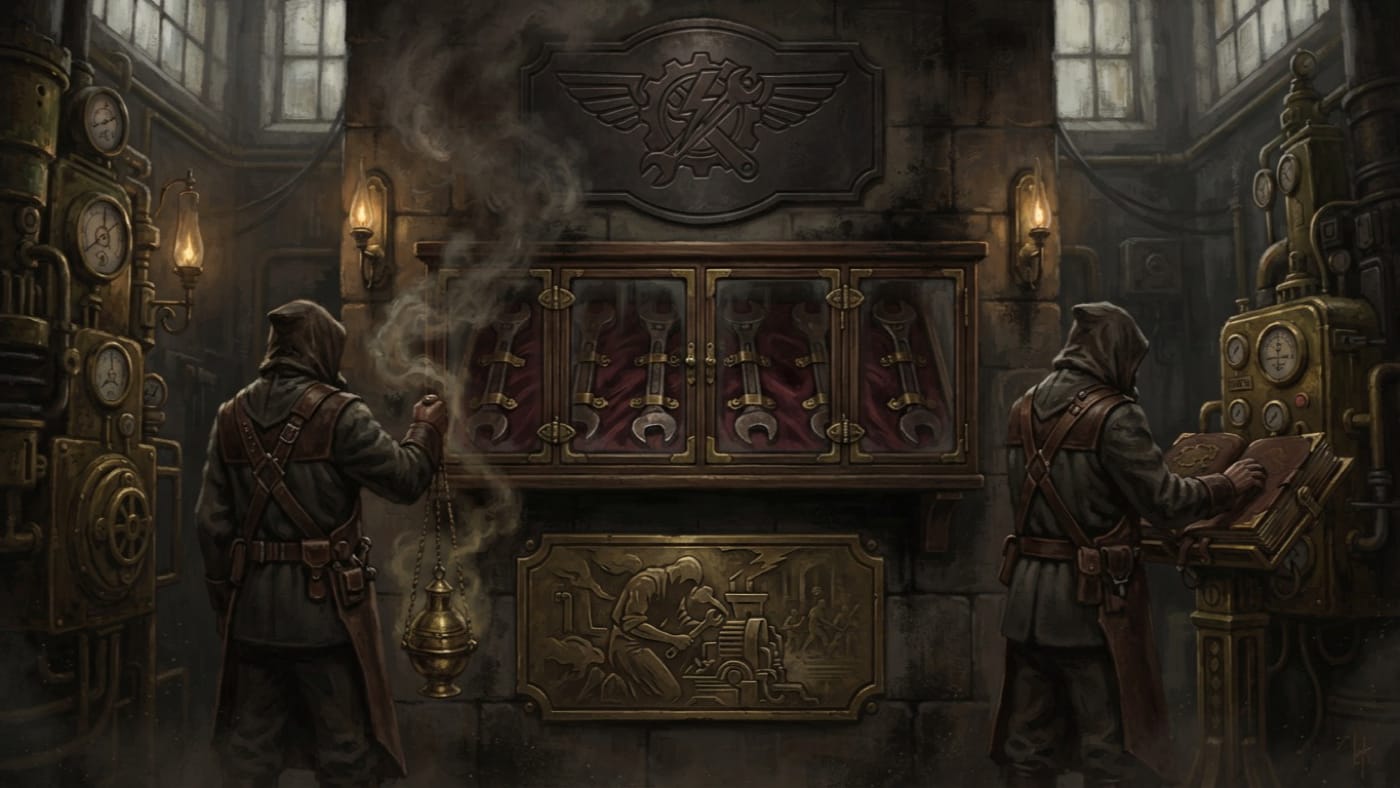
Burned Wrench
Six wrenches, four grades, and no custody chain
Six heat-darkened wrenches claim Edrin's hand at Kalnik Road. Relics recognises all six by four grades; none of those grades supplies the missing custody chain.
Codex Ref. III.2.04-399
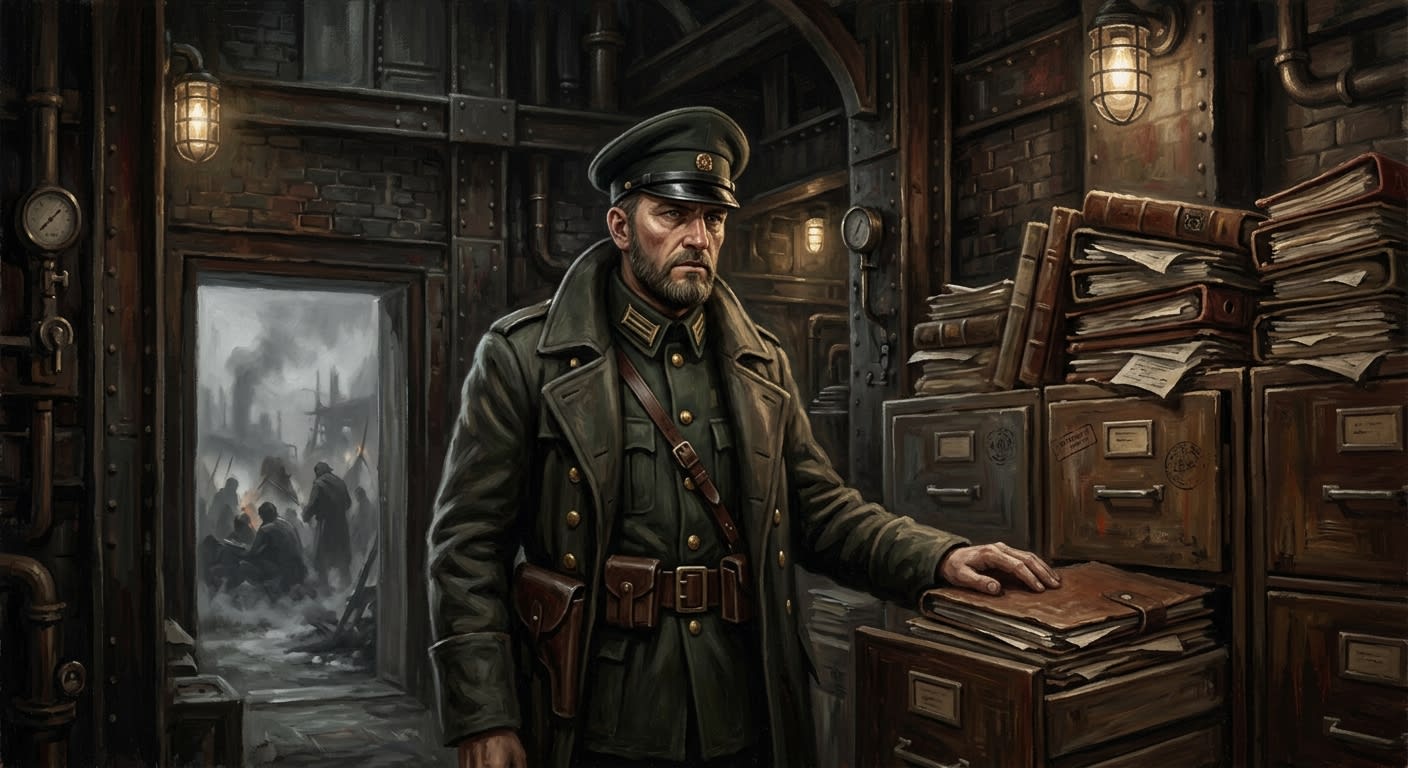
Captain Elias Brekke
The officer who saw [[debrecen|Debrecen]], wrote it down, and was filed away alive
Captain Elias Brekke discovered the Ash-Mothers at Debrecen in the A.S. 78–83 window, filed the deposition that made horror procedural, and vanished into Candlewick inventory after A.S. 84.
Codex Ref. III.2.01-056
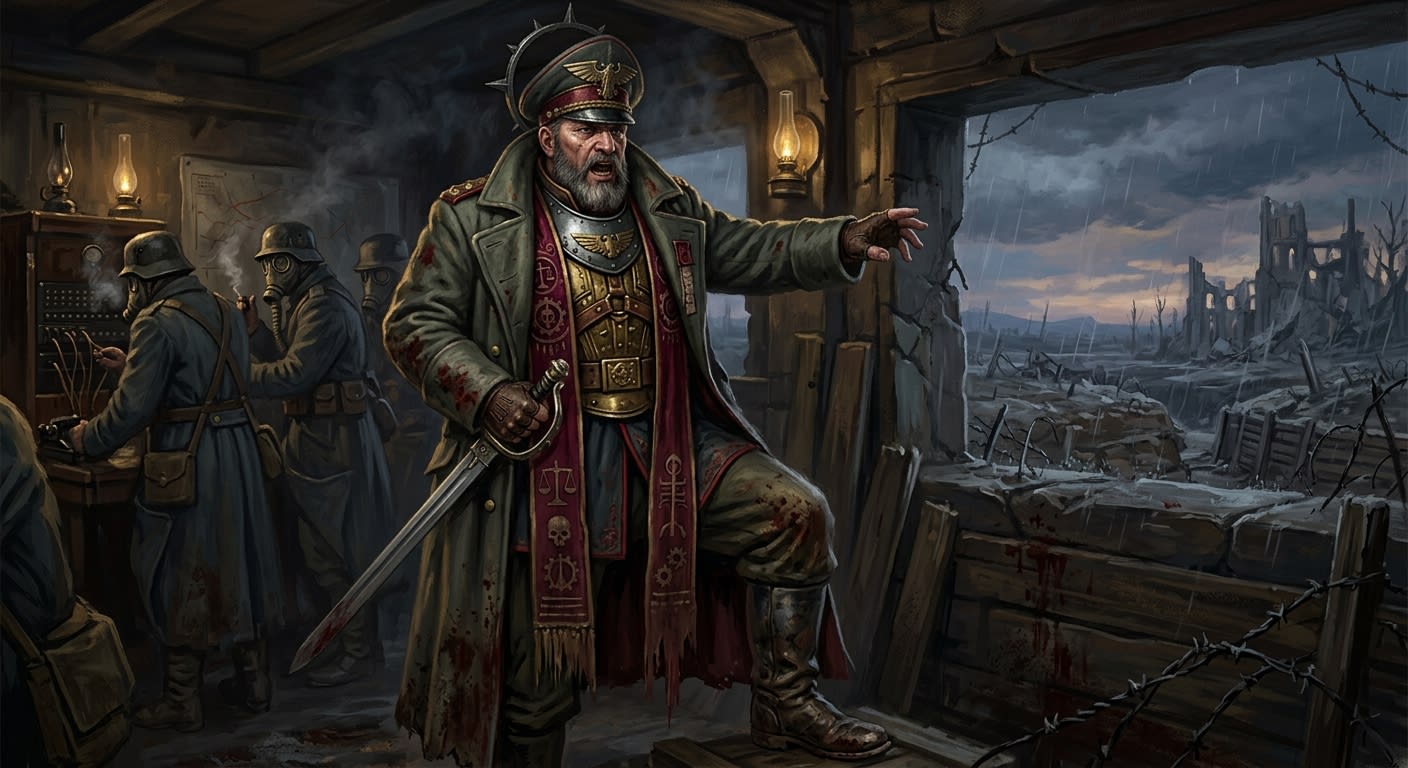
Cardinal-Marshal Severin of Avignon
The tourniquet of Montreval, ugly enough to save a front
Severin of Avignon held Montreval through the Atheist Wars: severe, loud, bloodstained, and too useful for the Bureau to canonise cleanly.
Codex Ref. III.2.01-007
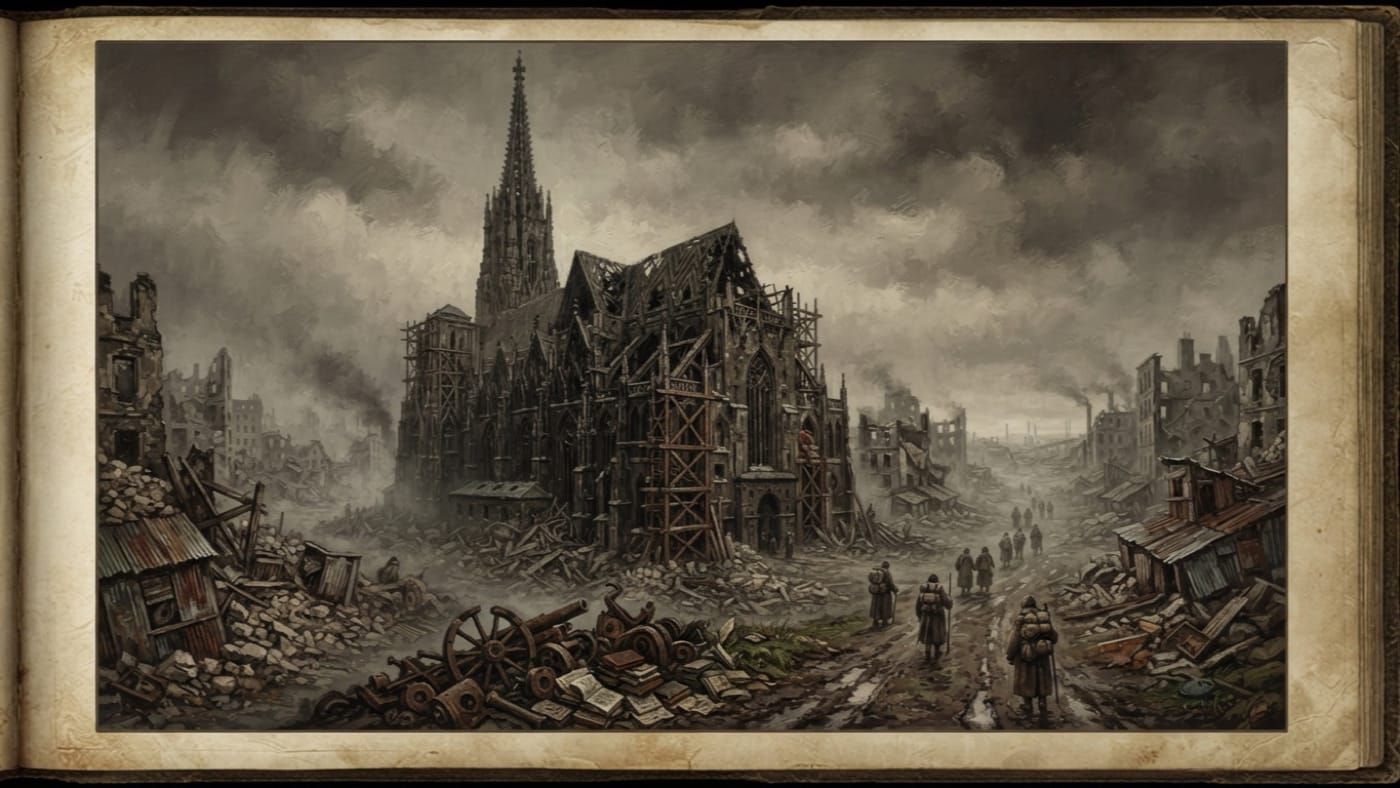
Cathedral of Saint Stephen
A Dead See, a Condemned Academy, and Stones That Stayed
Vienna's former cathedral housed the Rationalist Academy by A.S. 30 and was reclaimed with the city in A.S. 95. The See is dissolved, the Academy condemned, and the Ledger records no successor occupant.
Codex Ref. II.4.09-201
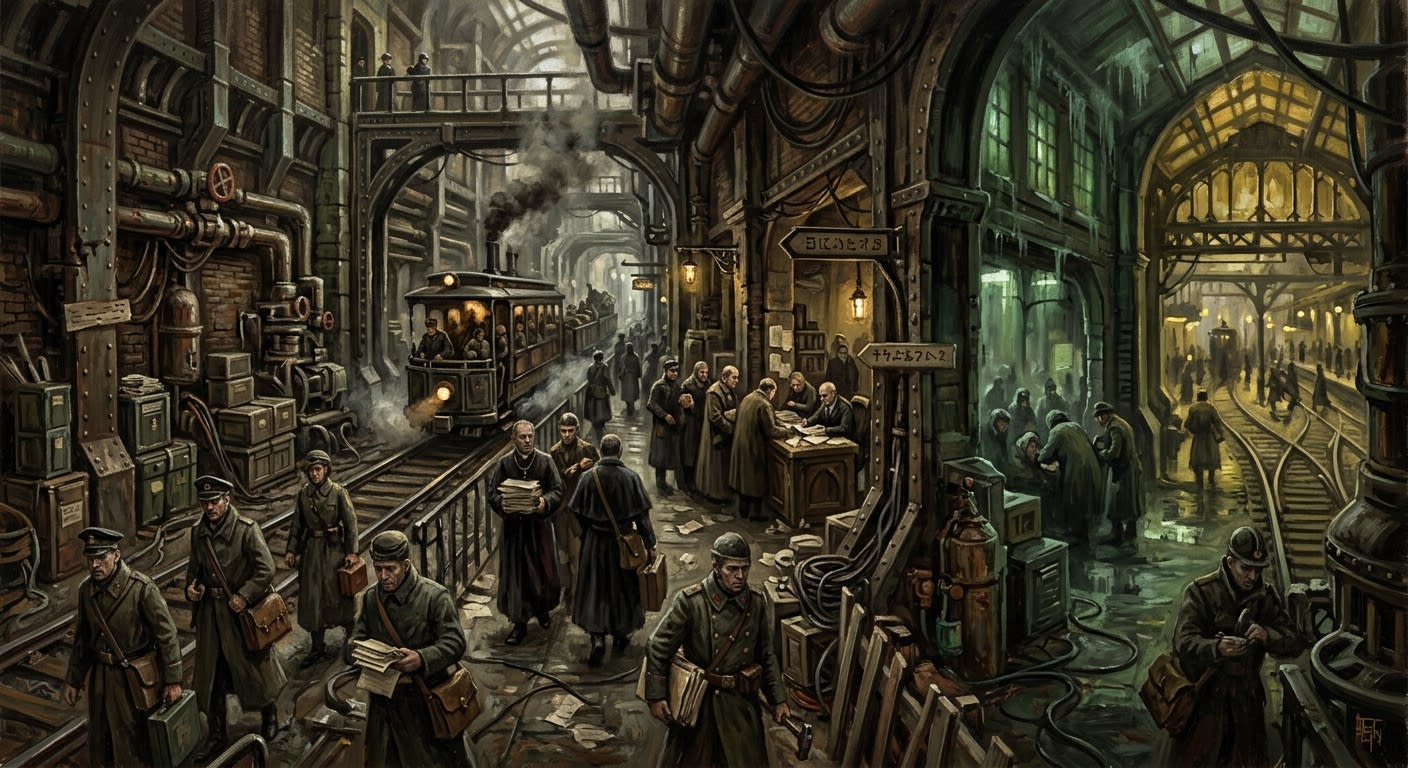
Central Corridor
Motion blurs the screams, which is why the Ledger loves trains
The Central Corridor is the Synod's middle artery: Munich's packed motion, Vienna's holy delay, Bratislava's damp throat, and Budapest's yellow pins.
Codex Ref. II.4.09-201
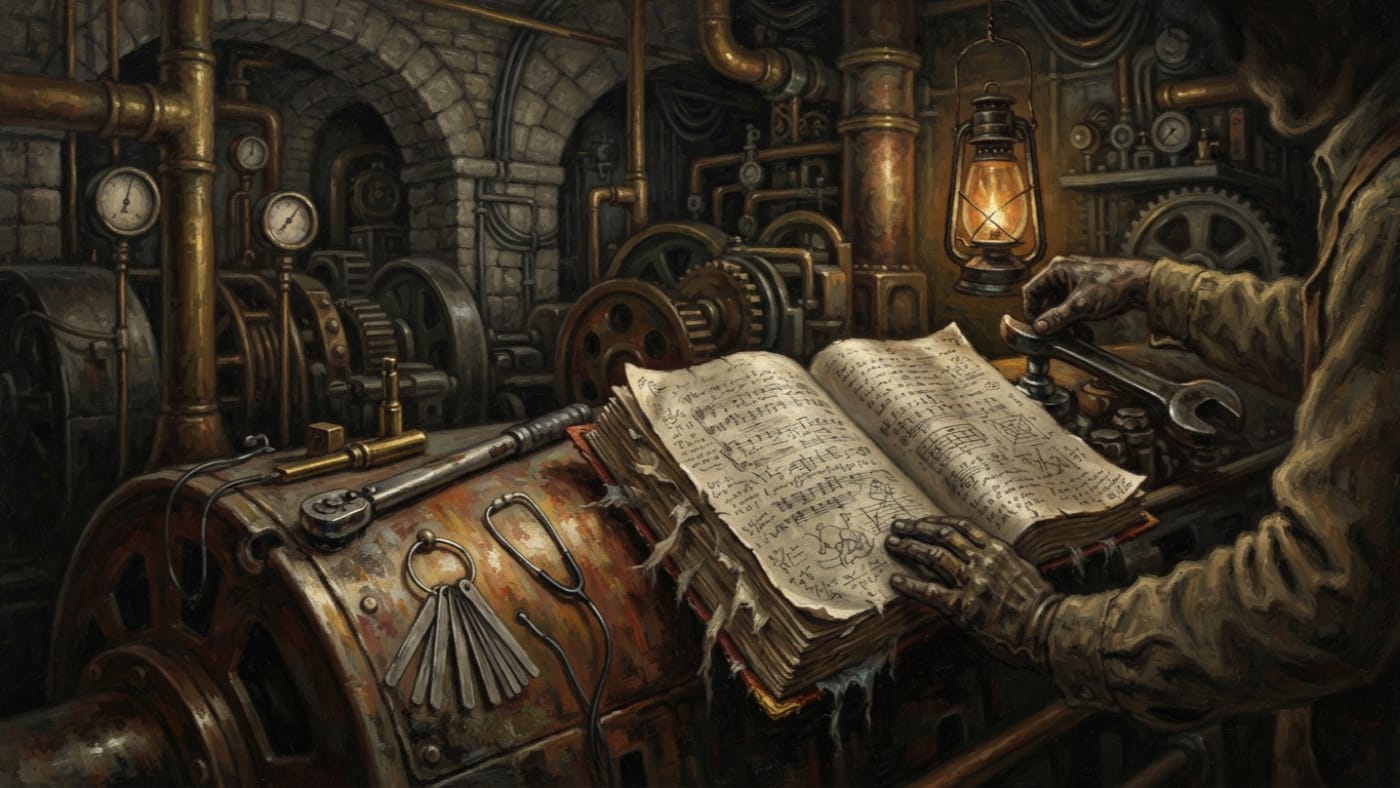
Chant Codex
The book that tells an engine what to hear and an auditor whom to blame.
The Litany-Engineer's sanctioned reference for cant aligned to engine RPM bands. It keeps combustion orderly and gives auditors a page to quote when the operator does not.
Codex Ref. XII.1.02-201
Charnel Host
A name, an association, and a recoil; the rest remains unrecorded.
The Charnel Host is named among Maldrake's attackers at Kalnik Ridge in A.S. 48 and recorded recoiling before Saint Isidore's reliquary. Its composition and command are unrecorded; the Bureau has a name and a recoil, and will certify no more.
Codex Ref. IV.2.07-048
Charnel Lands
Where geography continues after mercy has been denied
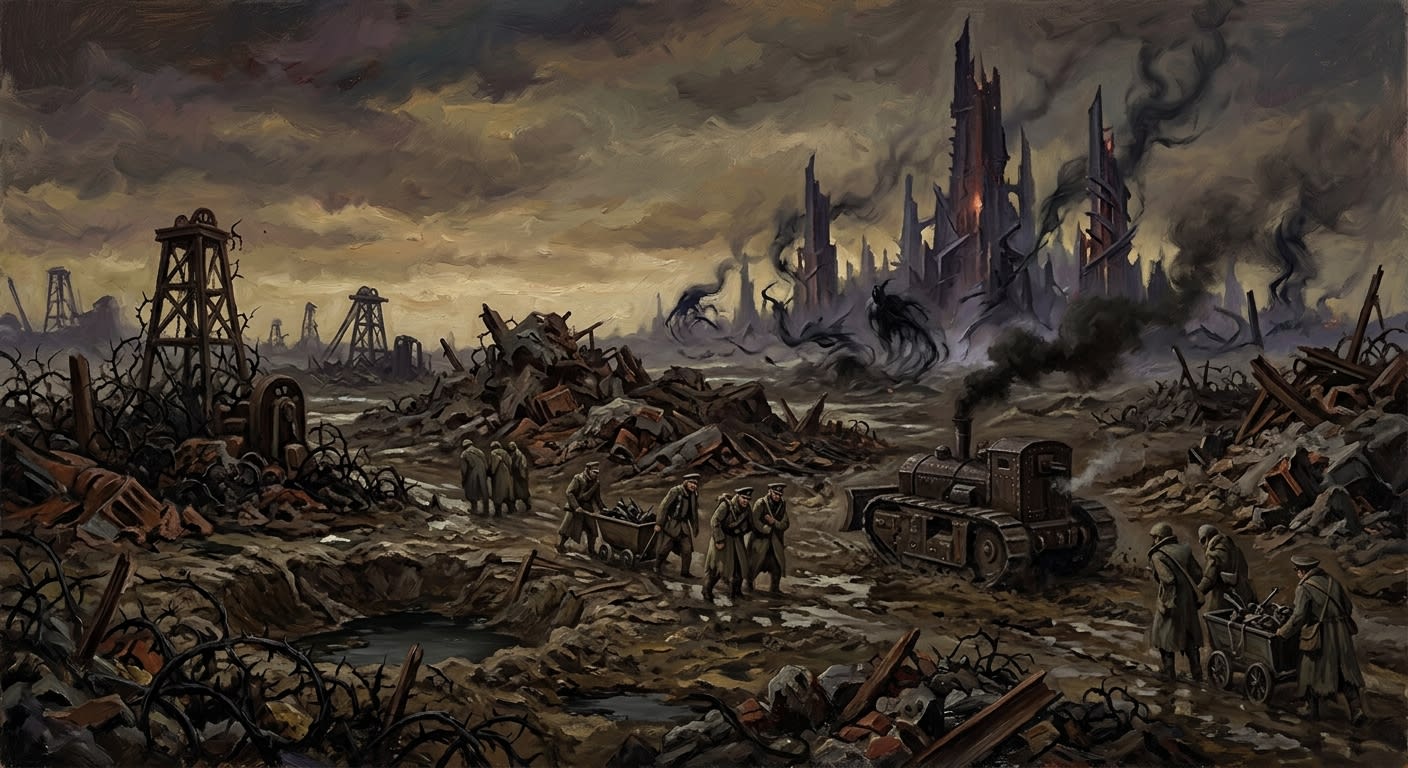
The Charnel Lands are Zone 6, the demonic territories east of the Sagittal Line: geography made hostile to custody, with wilderness and cemetery both demoted to inadequate clerkly metaphors.
Codex Ref. II.6.06-001
Charter of Prescribed Observance
The document that taught joy to queue and grief to file receipts
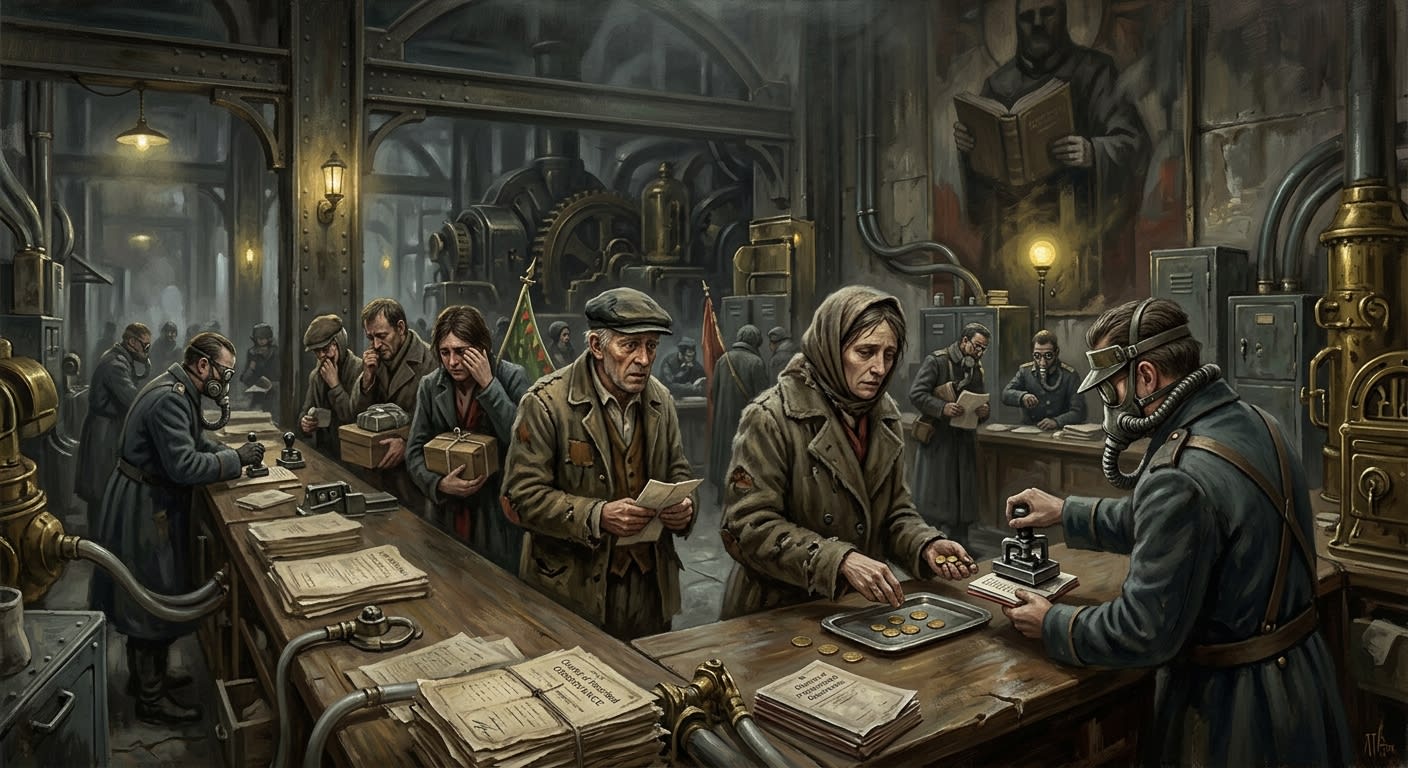
Ratified in A.S. 58, the Charter of Prescribed Observance turned public feeling into lawful form: mourning, feasting, silence, joy, and deviation all made taxable.
Codex Ref. XIII.1.23-001

Clean Knife Line
The place register has mistaken a pedigree for an address
The Clean Knife Line is one of twelve surviving Index of Safe Lies copy lineages. Its practical measures remain exact; its custodians remain unnamed, and the place register remains wrong.
Codex Ref. III.2.201-638
Corporal Aleks Dragović
The corporal who filed the contradiction whole
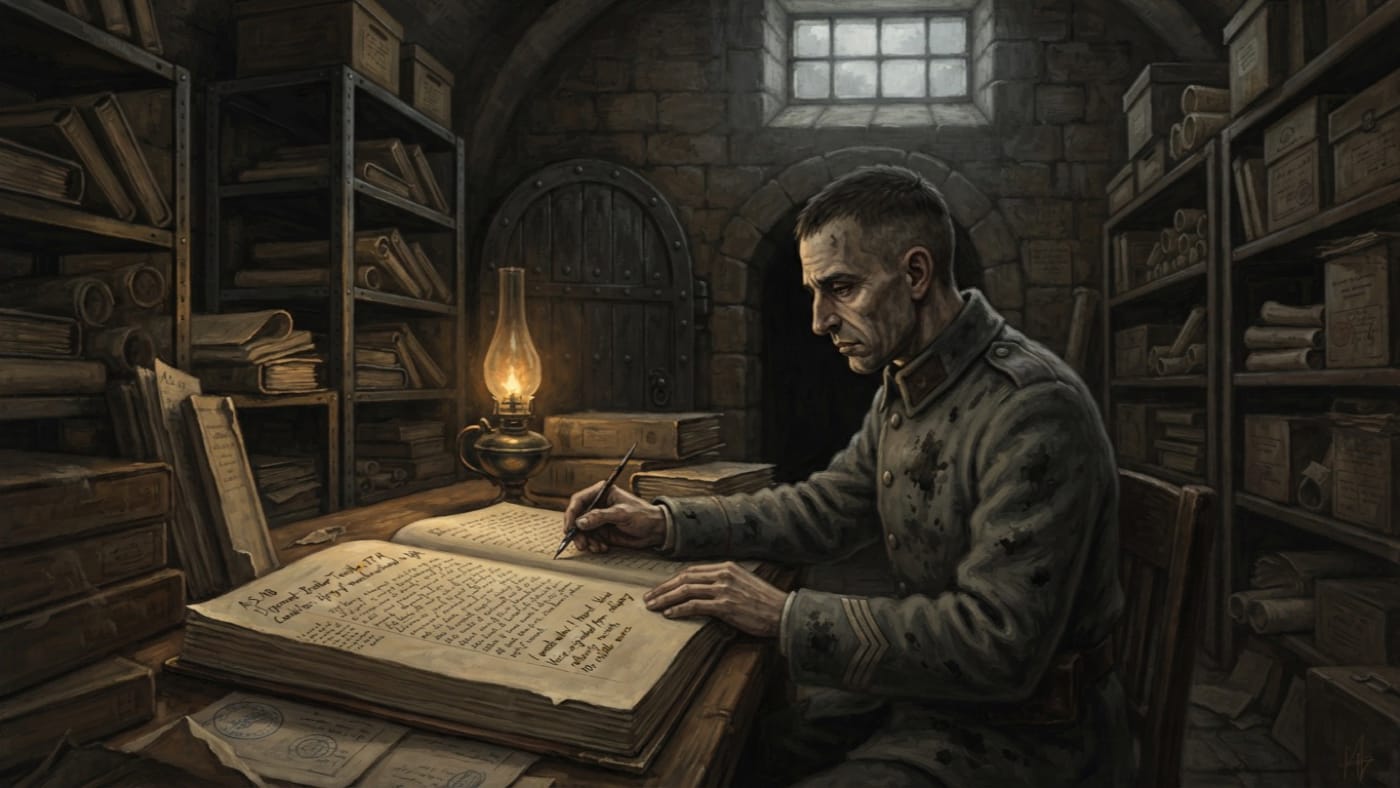
Field scribe of the 7th Rearguard Column who dated Brother Tomislav's deposition three days after his consumption at Kalnik. Thirty-one years of record service followed; the chronology remains unreconciled.
Codex Ref. III.2.01-745
Counter-Sorcery Verses
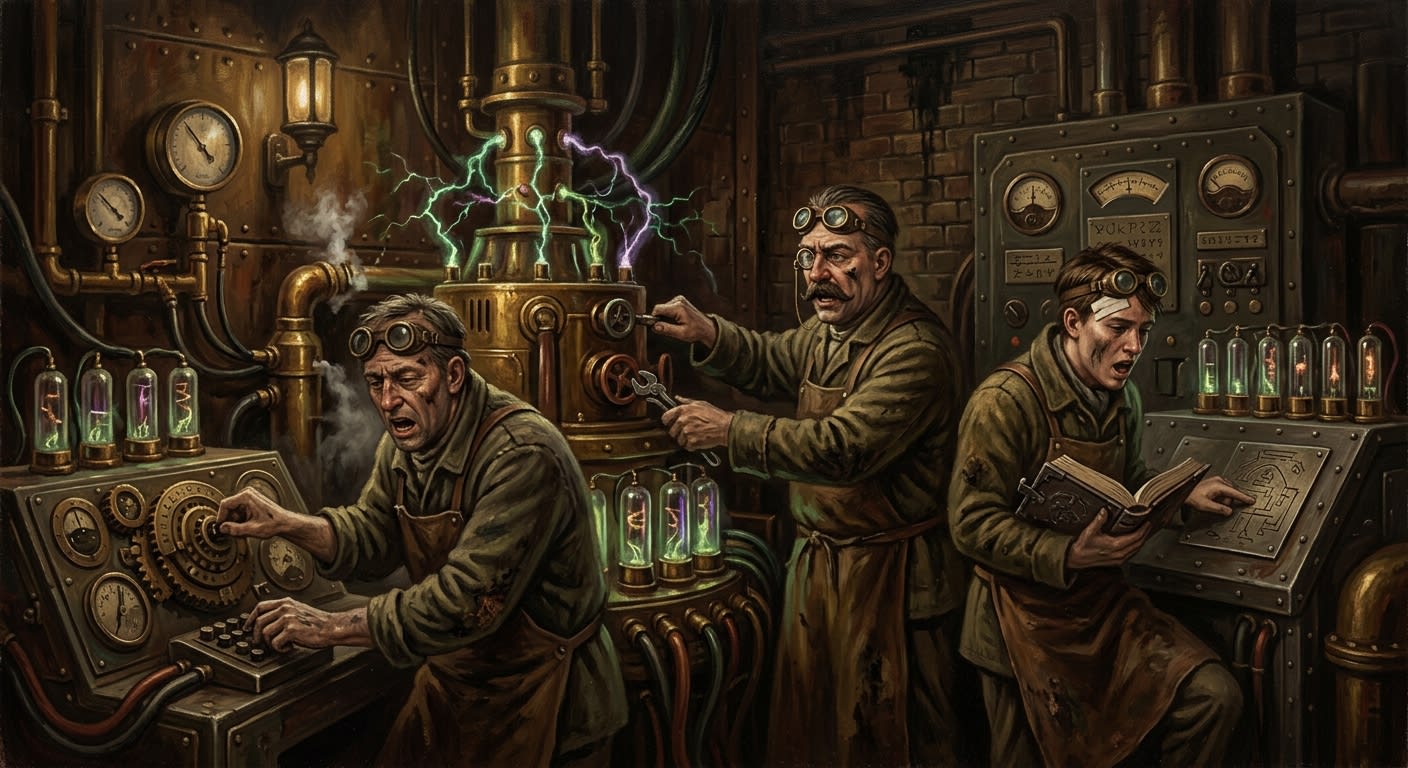
Speak only what you can finish, for the wall listens
The sanctioned combat cant of Litany-Engineers: twenty-seven working verses that time charges, fracture sorcery seams, and punish miscadence.
Codex Ref. XIII.1.65-001
Croatia
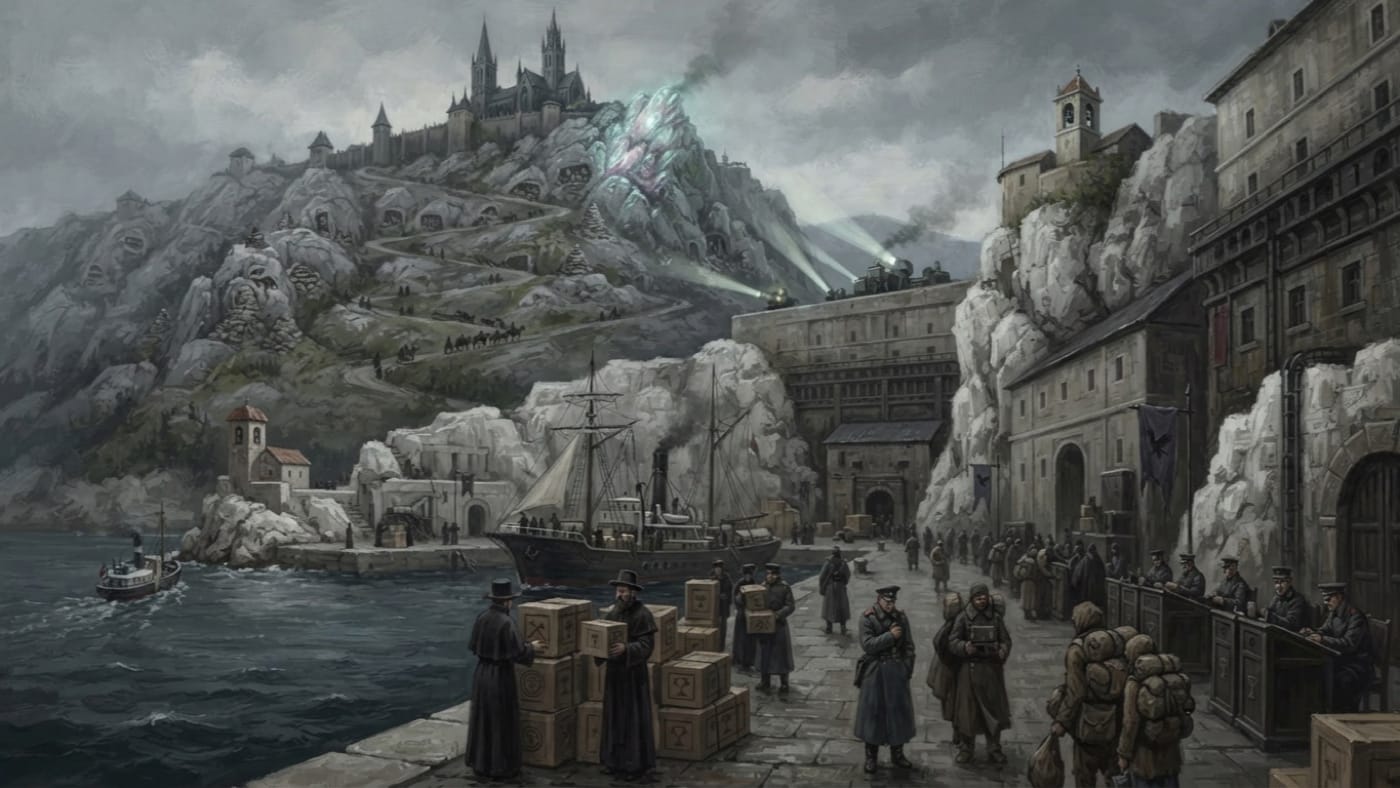
A ridge to pray on, a coast to unload at
Croatia survives in the Ledger as Kalnik's armed shrines and Dalmatian supply harbours. The Church certifies the cargo more readily than the borders.
Codex Ref. II.7.04-201
Croatian highlands
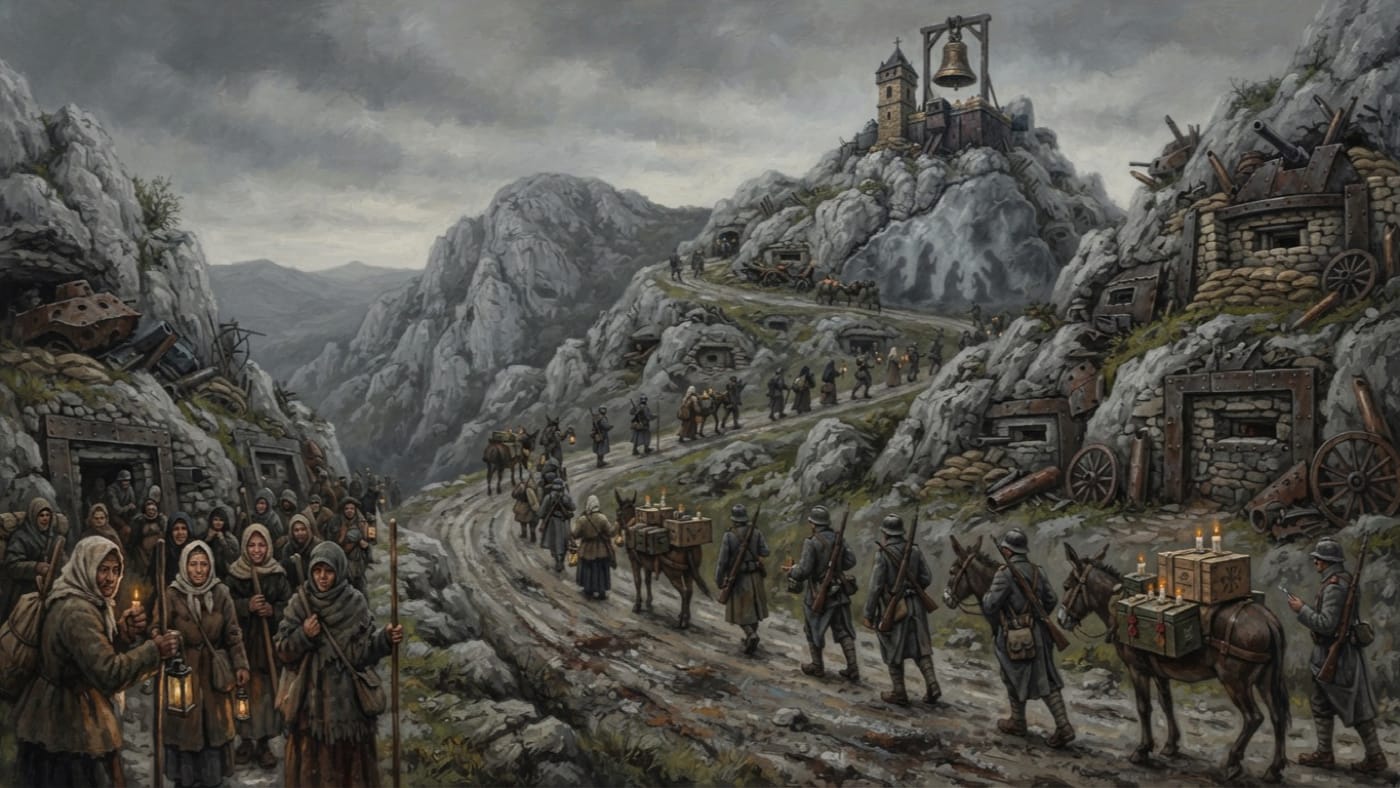
Where candles and cartridges climb the same road
The Croatian highlands enter the Ledger through Kalnik Ridge, where cave chapels became armed shrines and the same road carries pilgrims, candles and cartridges.
Codex Ref. II.3.07-807
Crossing Bureau
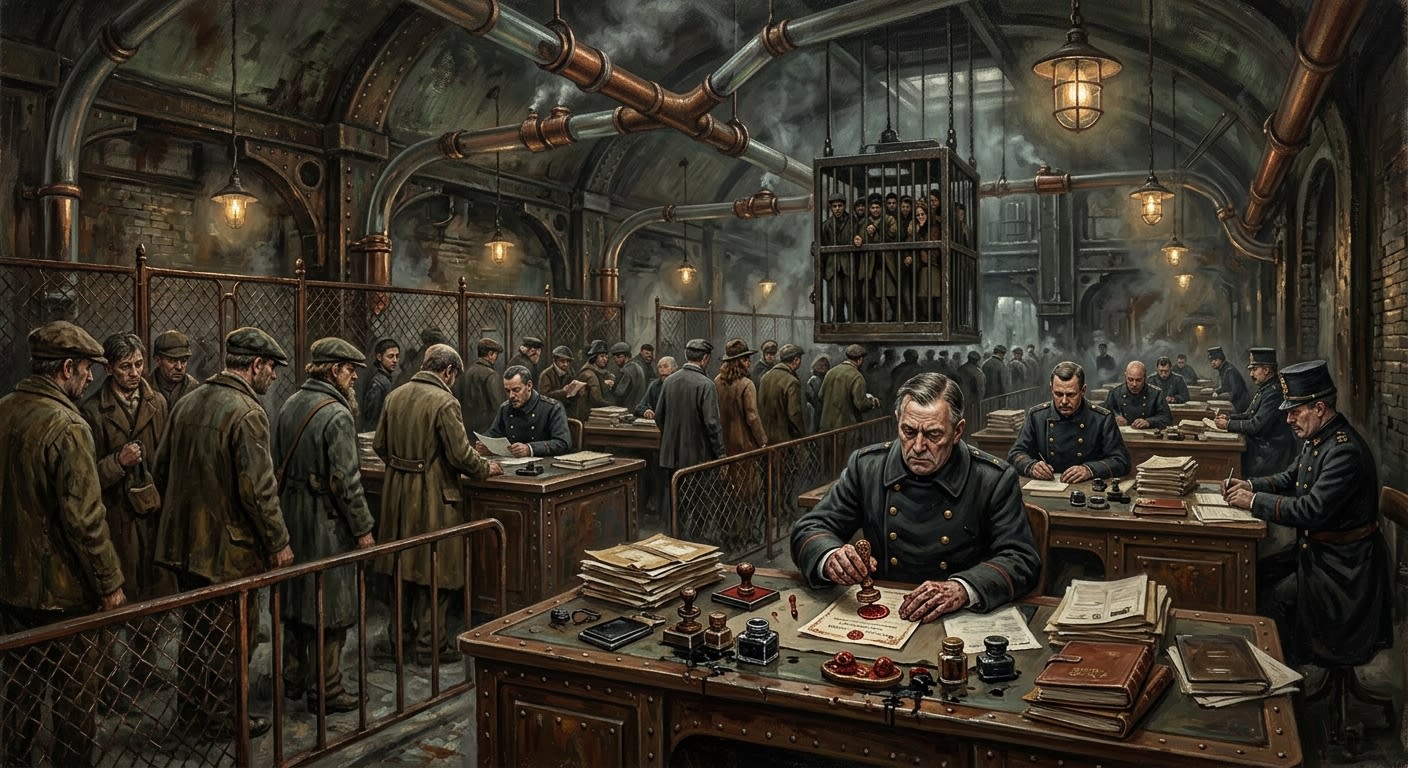
No mark, no crossing; no crossing, no mercy worth recording
Bastion-Brest's Crossing Bureau is the local span authority between confession and passage, where Hett Ruis, wet paper, and warm wax decide who becomes lawful on the Brass Ribs.
Codex Ref. VIII.2.07-098

Dead-Goods Tariffer
The grave is a permit; the permit has a price
Bureau-licensed bone classifier. He decides what the dead become — mortar, monument, or ornament — and does not look up from his seal press.
Codex Ref. XII.11.01-001
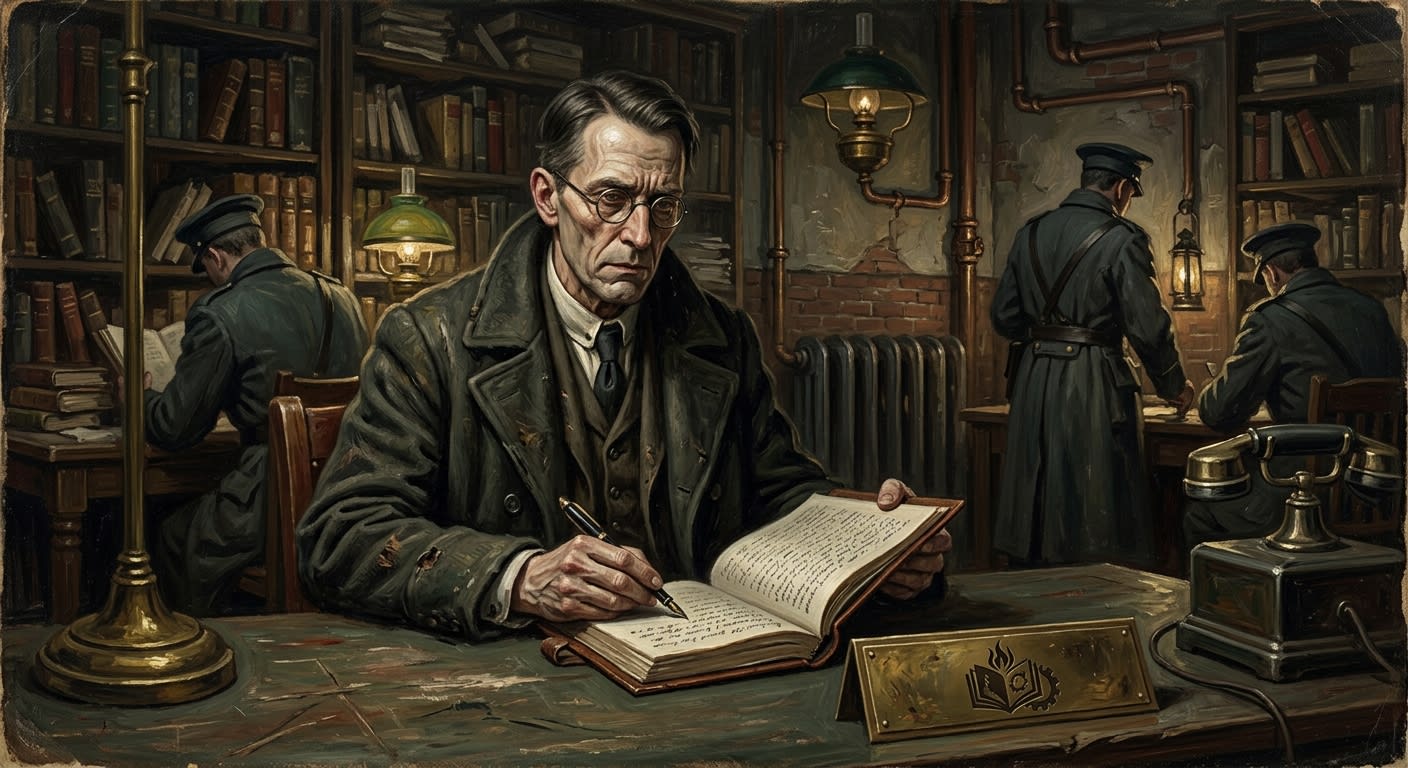
Dr. Marrow Vask
The physician who taught doctrine to carry contraband truth
Condemned Rationalist physician who survived as Brother Matthias, wrote the Index of Safe Lies, and became the Ashen Circle's stolen martyr after his A.S. 57 burning.
Codex Ref. III.2.01-090
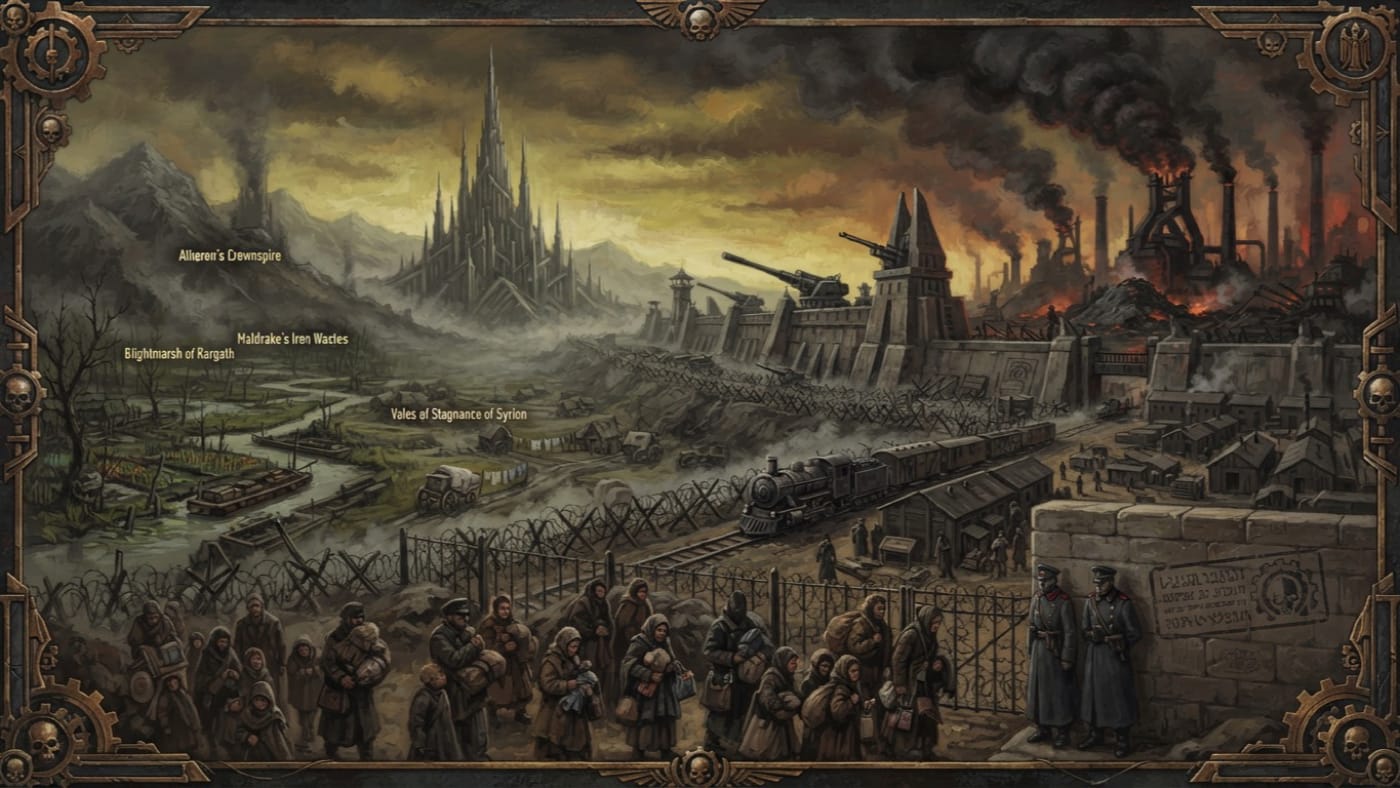
Eastern Kingdoms
The lands were lost; the Ledger retains their names
The eastern jurisdictions lost after the Sundering, now largely held by rival Sin-General dominions. Their people endure; the Ledger still calls the occupation temporary.
Codex Ref. II.6.07-201
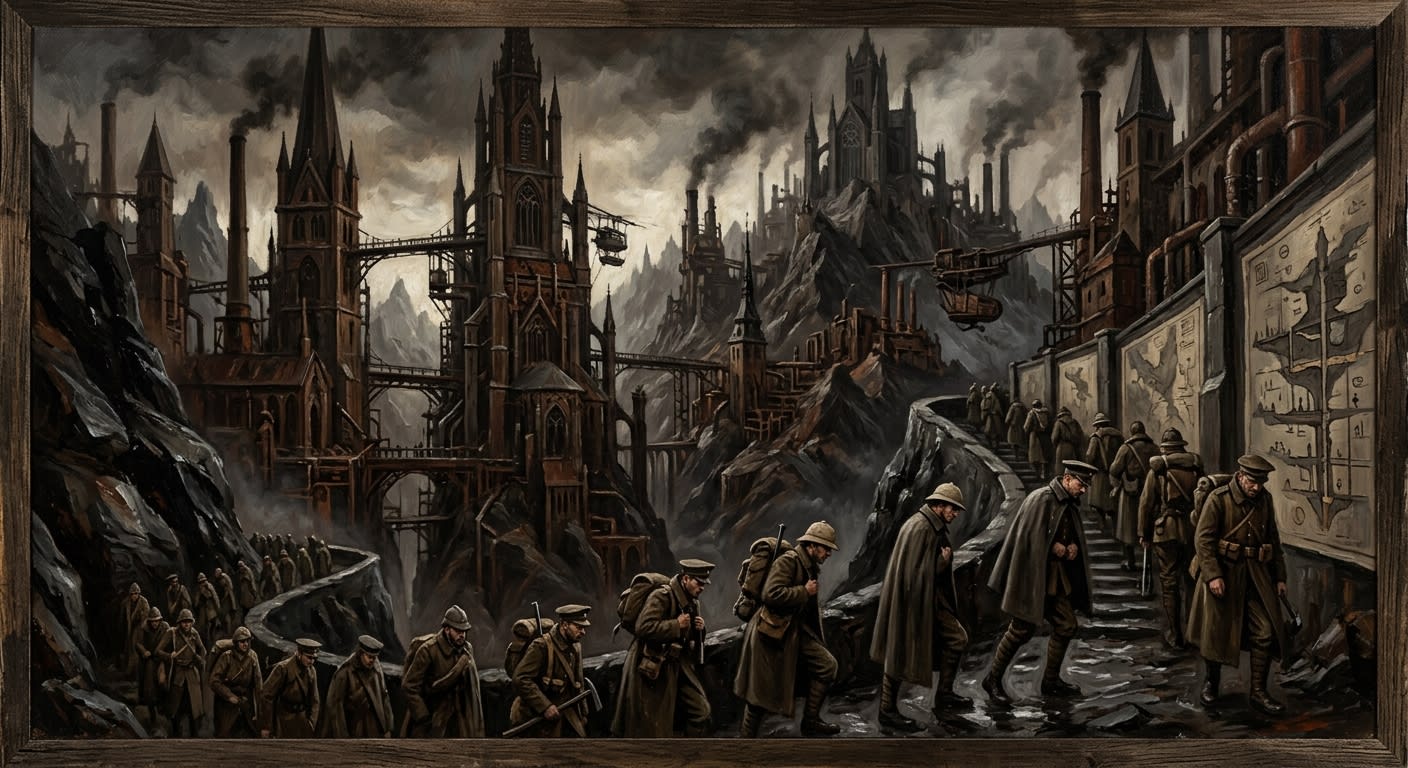
Ebon Heights
Where Pride built mountains tall enough to injure the watcher
The Ebon Heights are Atheron's black Carpathian dominion east of Bastion-Przemyśl, where spires grow upward, soldiers learn shame, and maps fail vertically.
Codex Ref. II.4.03-046
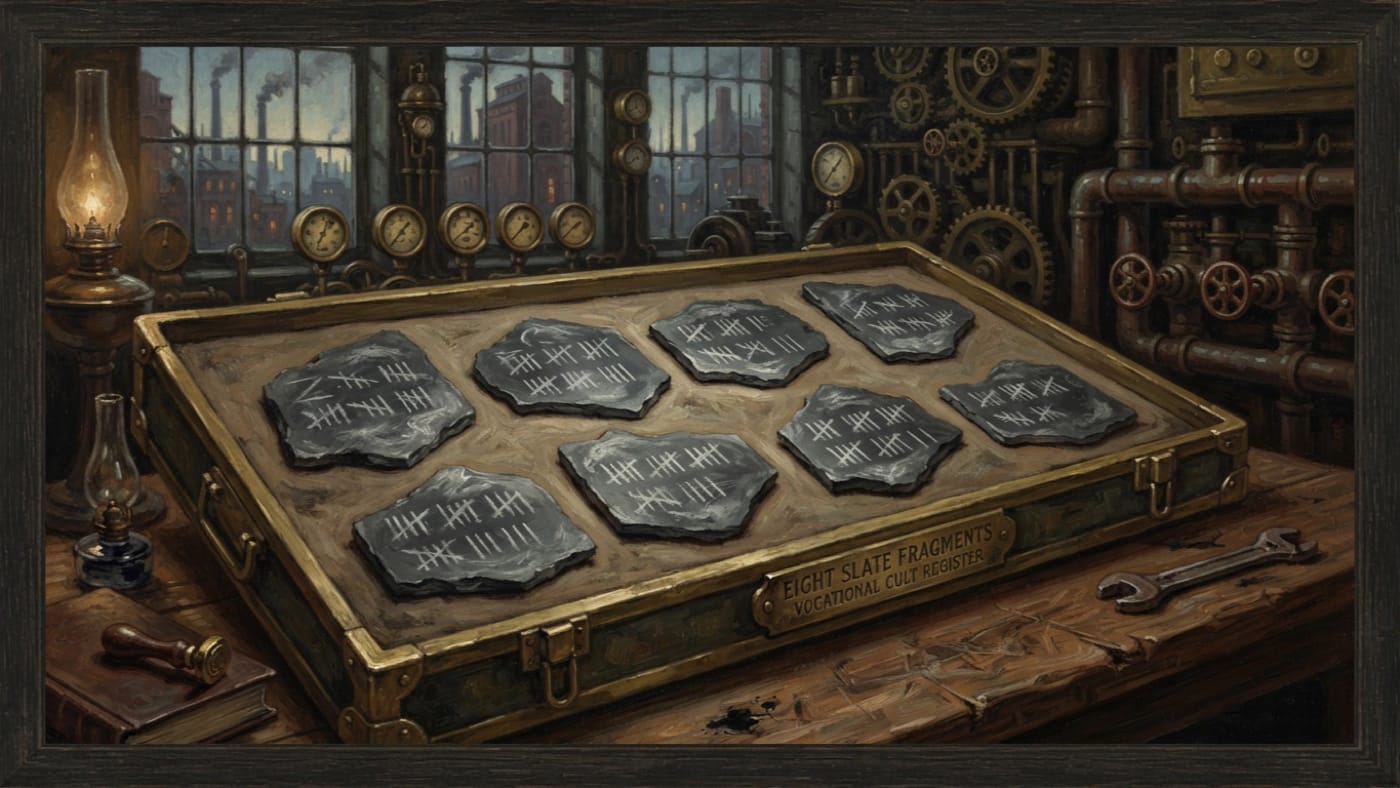
Eight Slate Fragments
Eight pieces, one procedure, and no proven hand
Eight slate fragments supposedly carry apprentice copies of Edrin's Strokes in soot. The cult names them; the record supplies no writer, recovery date, keeper, or proven link to Kalnik Road.
Codex Ref. III.2.04-972
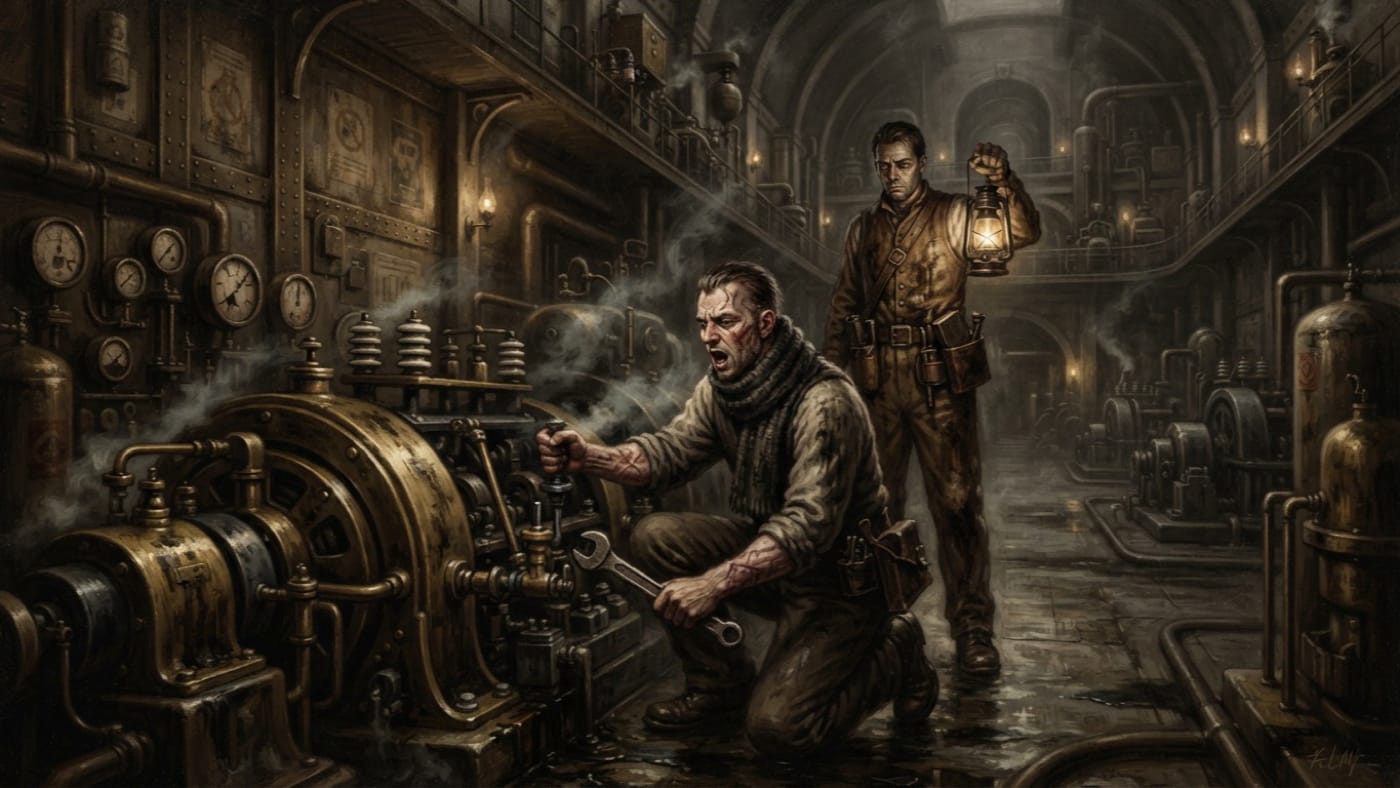
Eight Strokes
Count the breath; keep the witness; earn the rotation
A.S. 201 survey of the Eight Strokes: eight sung ignition beats, compulsory for emergency restarts, with a witness and two working hands. The recensions still disagree.
Codex Ref. XIII.1.08-001

Europe
The wounded continent, held together by rails, bells, hunger, and denial
Europe is the wounded continent: Synod west, Charnel east, Line between, and every road, harbour, cradle, ration card, bell, and grave bent toward survival.
Codex Ref. II.0.01-201
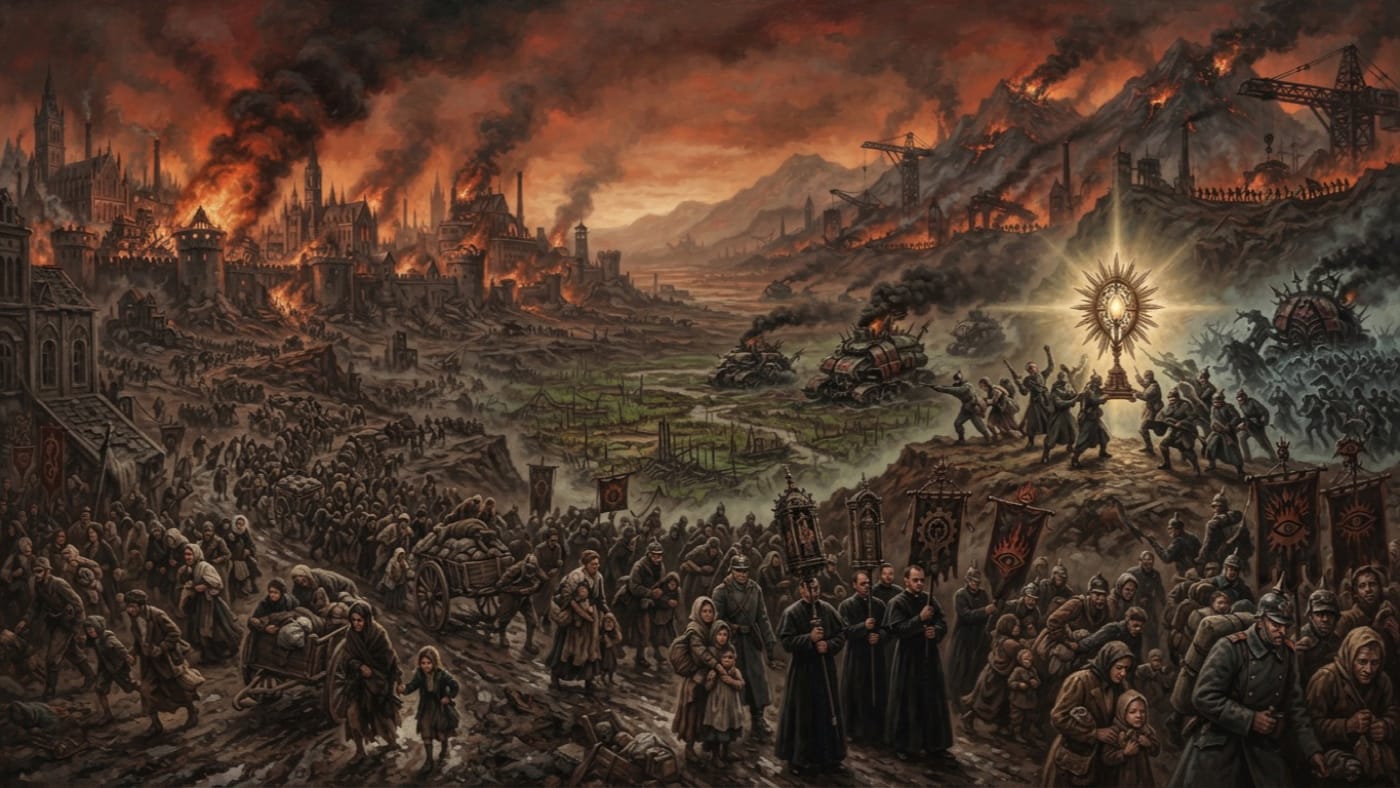
Fall of the Eastern Kingdoms
The Kingdoms Fell; Their Accounts Remain Open
The eastern jurisdictions collapsed after the Sundering of A.S. 45: garrisons burned, granaries failed, and refugees fled west. I retain their accounts in the Ledger; occupation does not constitute permission to forget.
Codex Ref. VII.1.02-001
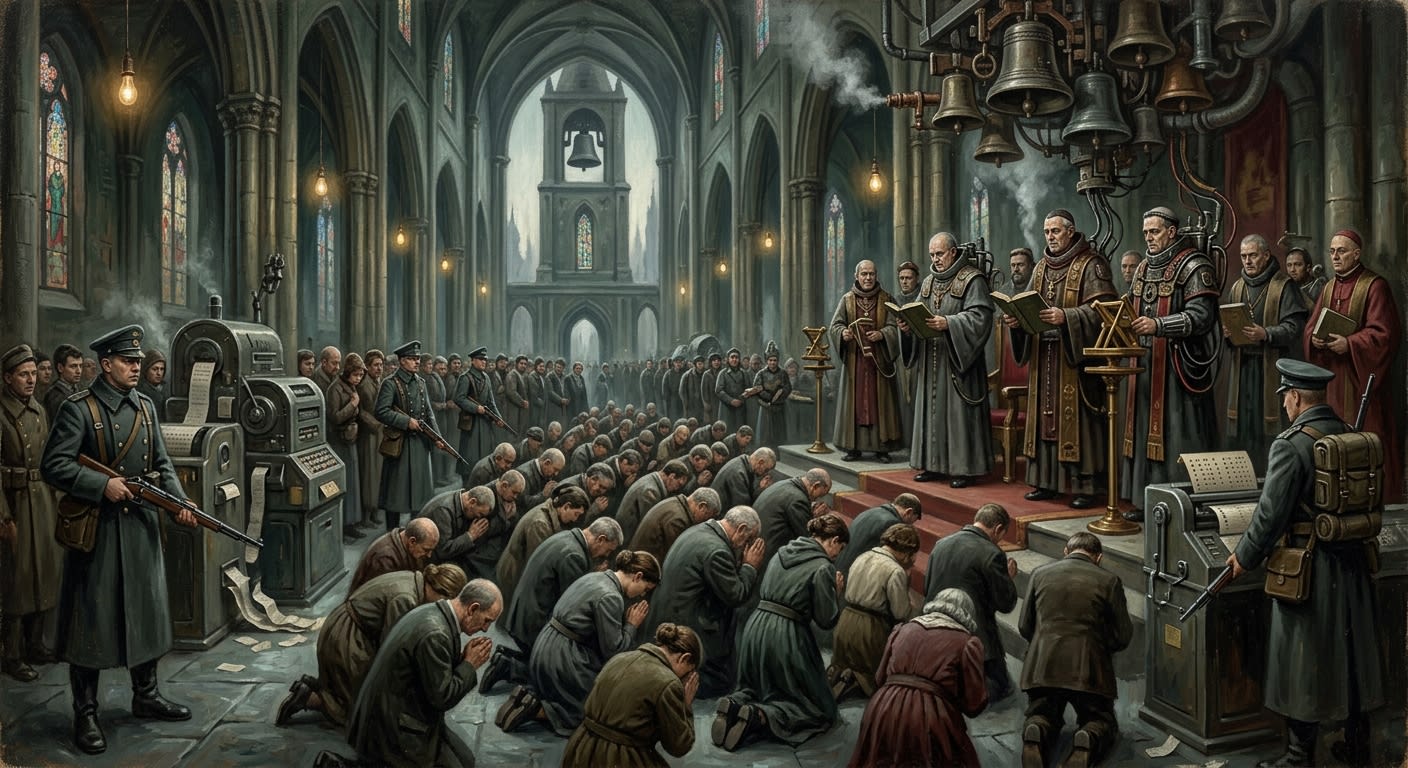
Feast of Doctrinal Submission
The holiday that teaches the spine to kneel before the mouth calls it faith
The Feast of Doctrinal Submission is the Synod's mandatory kneeling holiday: census, pageant, ration queue, loyalty assay, and permitted joy under bells.
Codex Ref. XIII.1.89-072
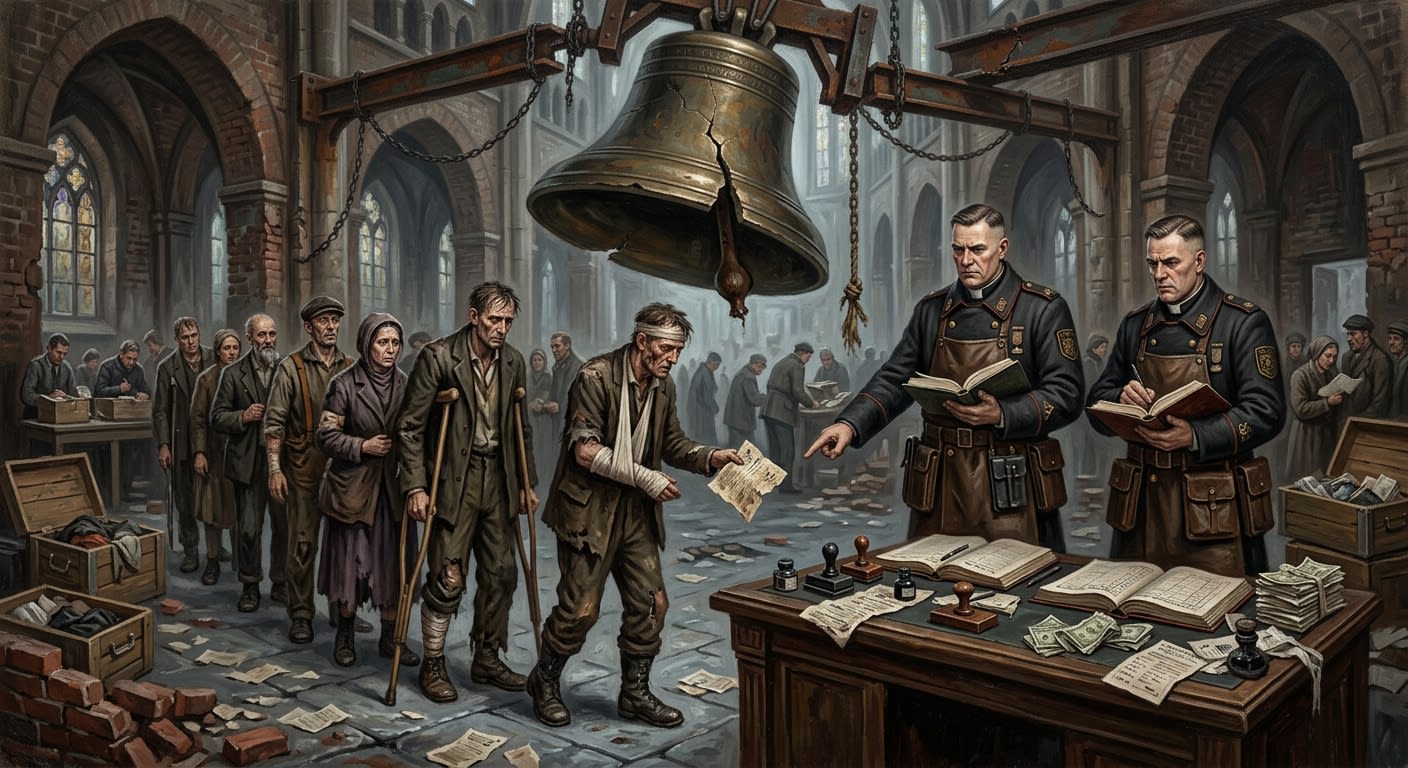
Feast of the Cracked Bell
The damaged bell still tolls, therefore the damaged citizen still owes
The Feast of the Cracked Bell teaches the Synod's favourite mercy: broken things may still serve, so damaged citizens may still be counted, tolled, and taxed.
Codex Ref. XIII.1.89-201
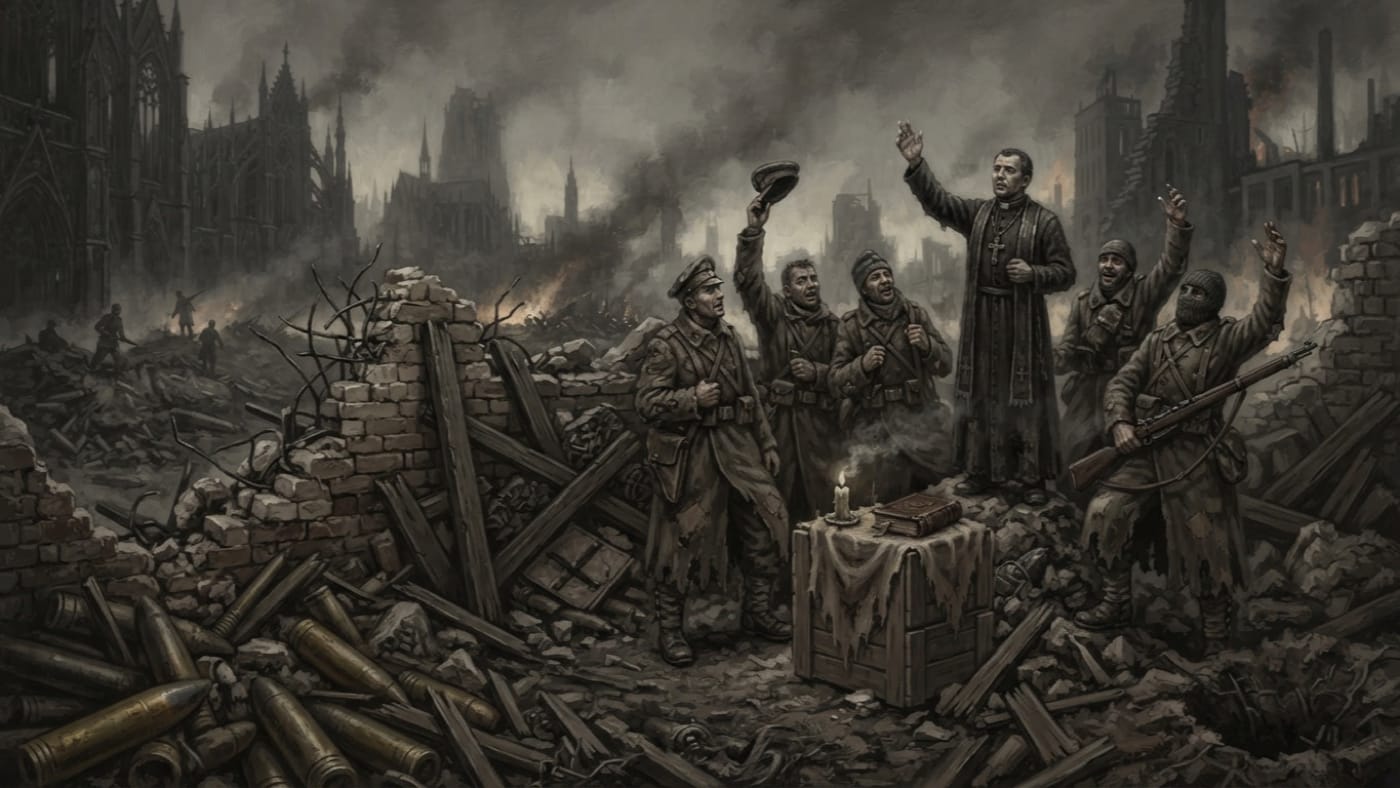
Feast of the Unbroken Wall
The wall held; the bureaucracy arrived later
A surviving barricade, an unnamed priest, and one unscheduled cheer in A.S. 52: the Bureau of Festivals' founding precedent. The wall held; the bureaucracy arrived later.
Codex Ref. VII.8.10-1050
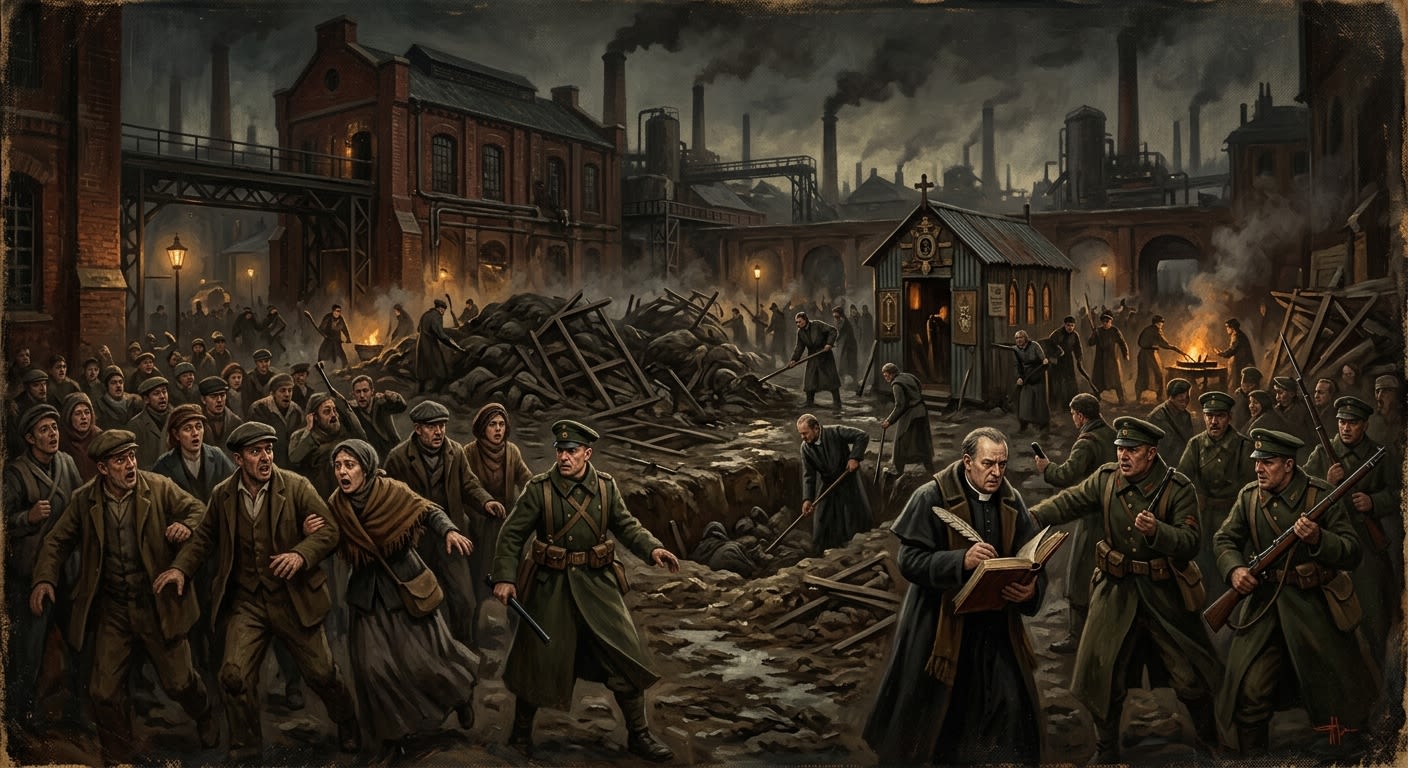
First Ossuary Panic
The dead spoke, and the Synod answered with a form
A.S. 78 Rhine corridor mortuary panic in which overcrowded pits began sounding after dark, forcing burial clearance, tariff-chapels, and the Dead-Goods Tariffer into law.
Codex Ref. VII.4.25-078
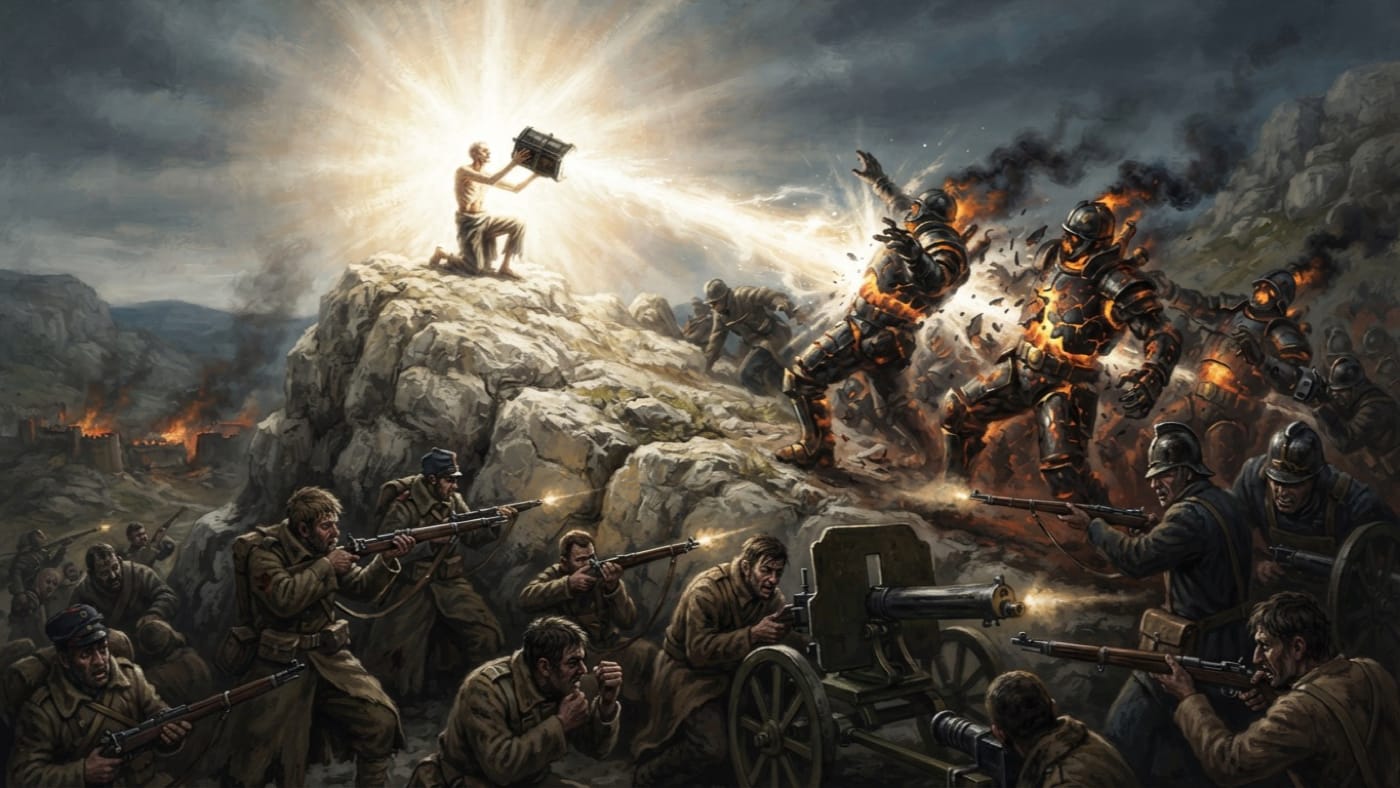
First-Order Miraculous Emission
The enemy recoiled; the rubric remains undefined
At Kalnik Ridge in A.S. 48, seventeen relics checked Maldrake's vanguard. The Bureau later filed the blaze as First-Order Miraculous Emission, Category: Martial; it neglected to define First-Order.
Codex Ref. VI.3.01-048
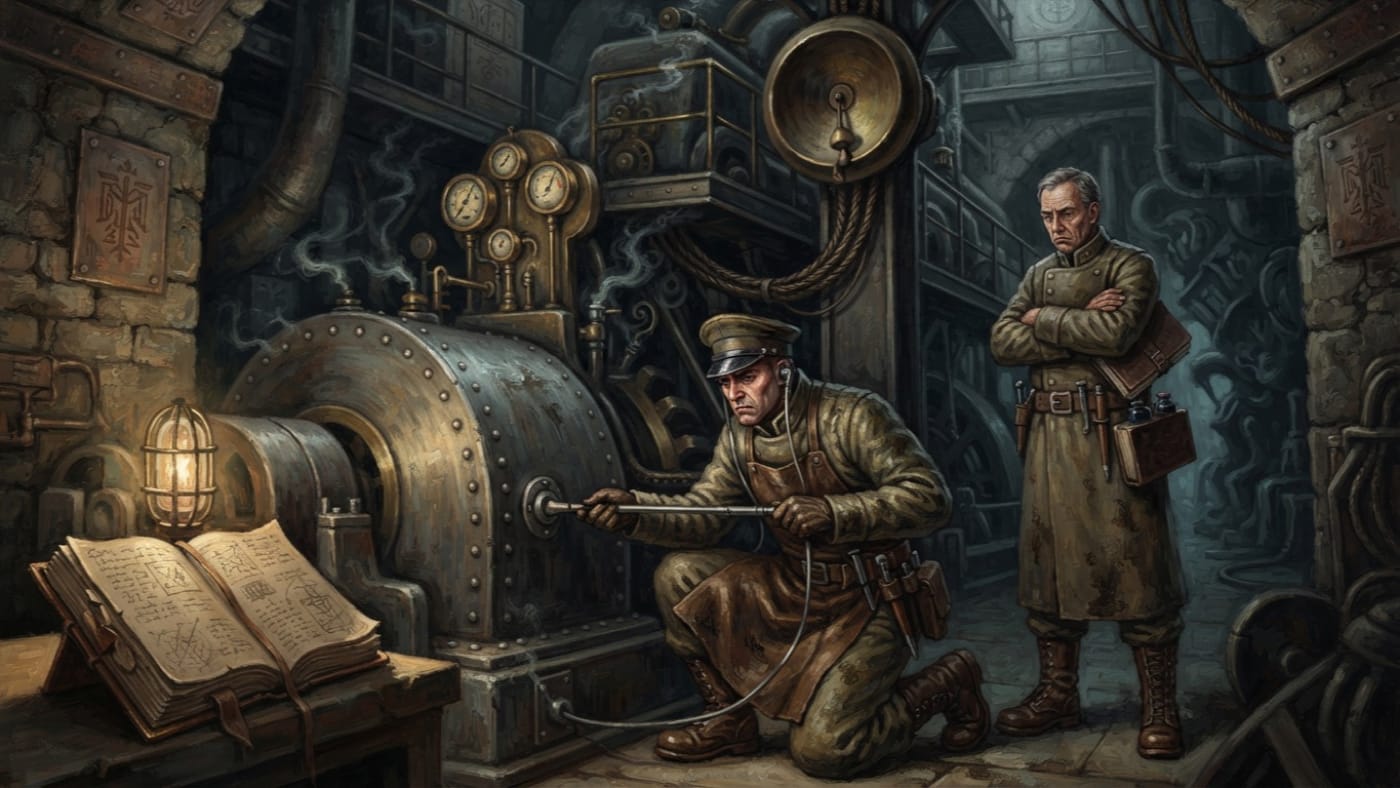
Foreign Harmonics
An engine may have many faults. The cause column permits one.
Engines drift, whisper, and sometimes answer outside the codex. The Litany-Engineer listens; Purity's A.S. 199 advisory permits one cause-column entry: Classification 7-K.
Codex Ref. XIII.1.07-199
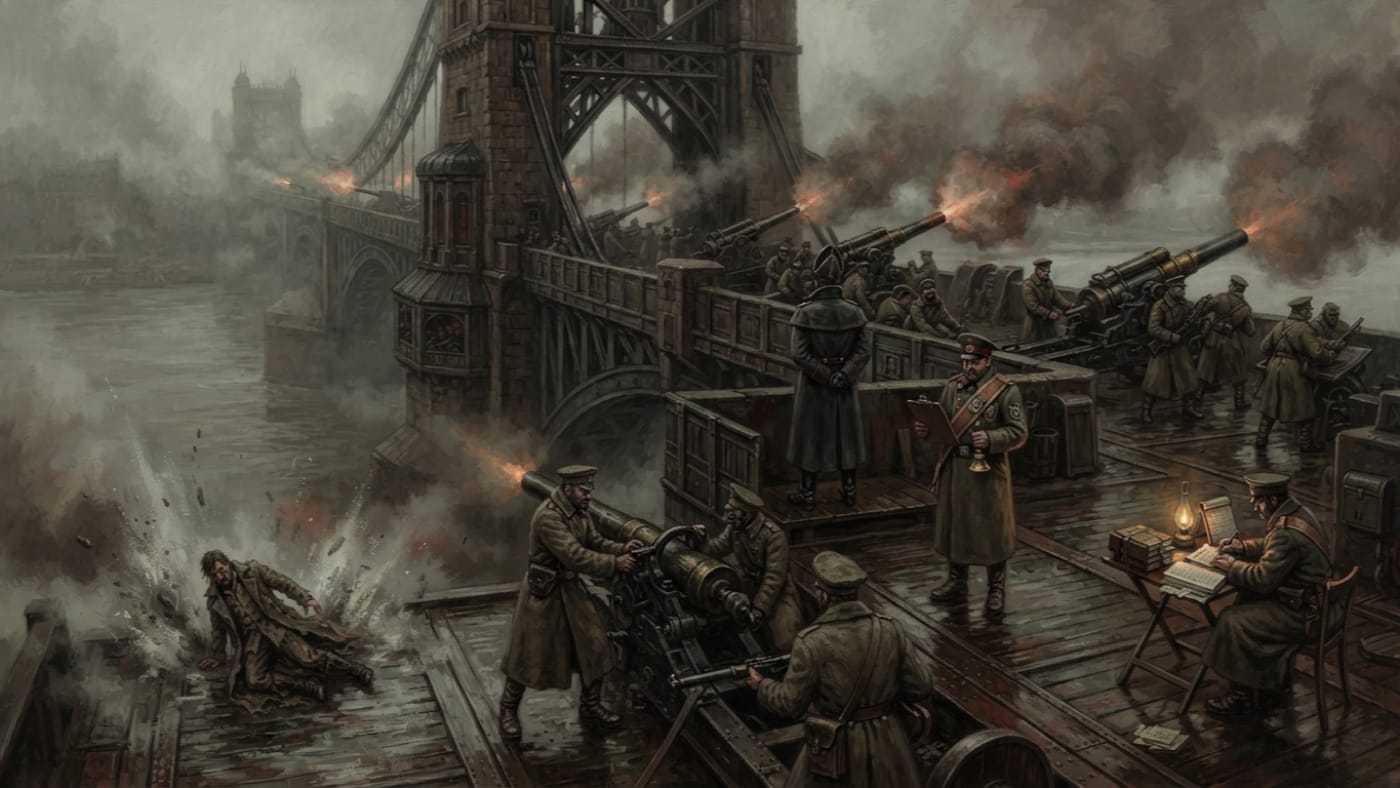
Founding Salvo of Bastion-Brest
The bridge fell. The anniversary remains licensed.
Brest's annual gun salute honours, per the current Codex, the nine-day stone-bridge defence of A.S. 66. The bridge fell on the tenth day. The guns commemorate endurance; Records files accidental deaths as celebratory expenditure.
Codex Ref. XIII.1.89-1146

Garrison-Prior Aldric Venn
He saved the crates, which is how saints survive the road
Garrison-Prior Aldric Venn commanded Saint Stephen's defensive precinct during Vienna's Great Retreat withdrawal, completed the relic manifest, and vanished into the road.
Codex Ref. III.2.01-154
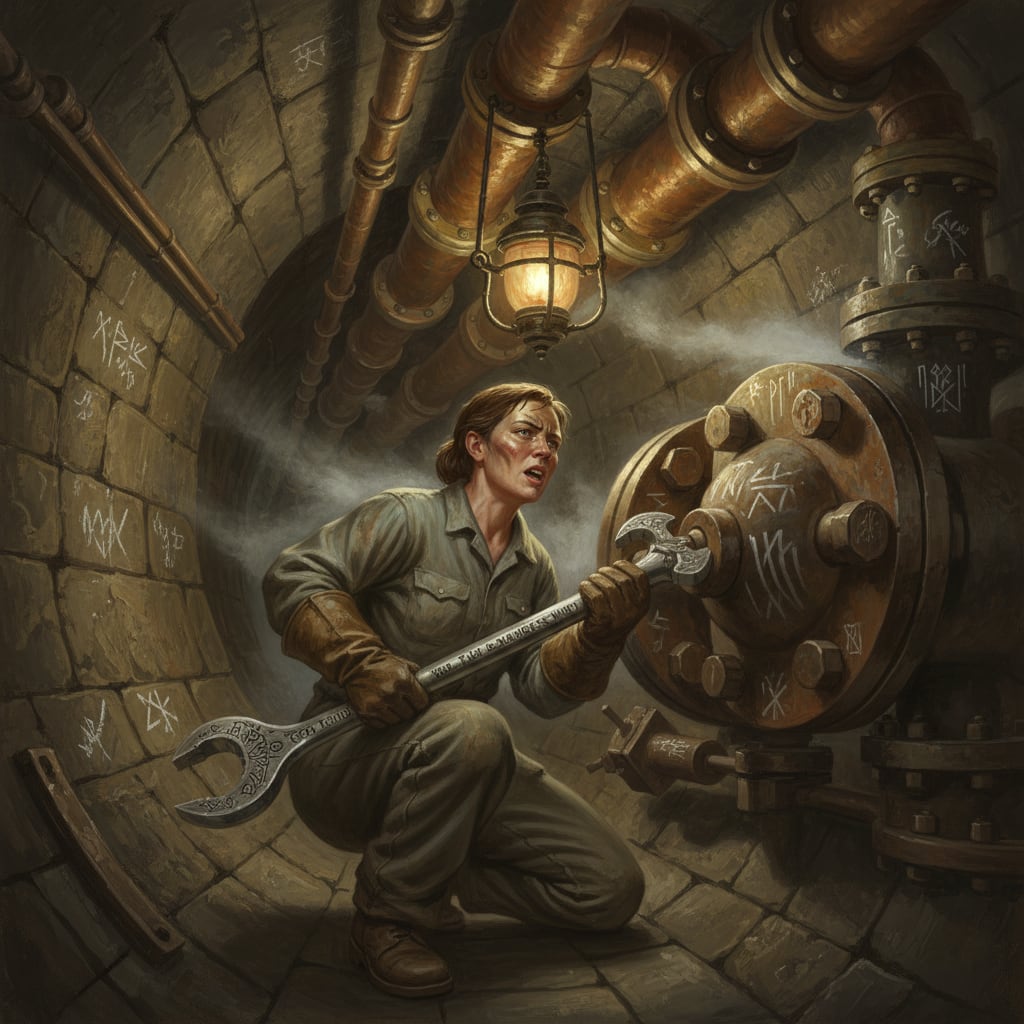
Gasket-Hymn Mechanic
Seat the ring. Speak the line. Do not abbreviate the cleansing verse.
The Synod's three thousand four hundred licensed miracle-workers and most dangerous maintenance staff: the craft predates its sanctification by decades, the liturgy and the torque pattern are the same document.
Codex Ref. XII.2.04-001
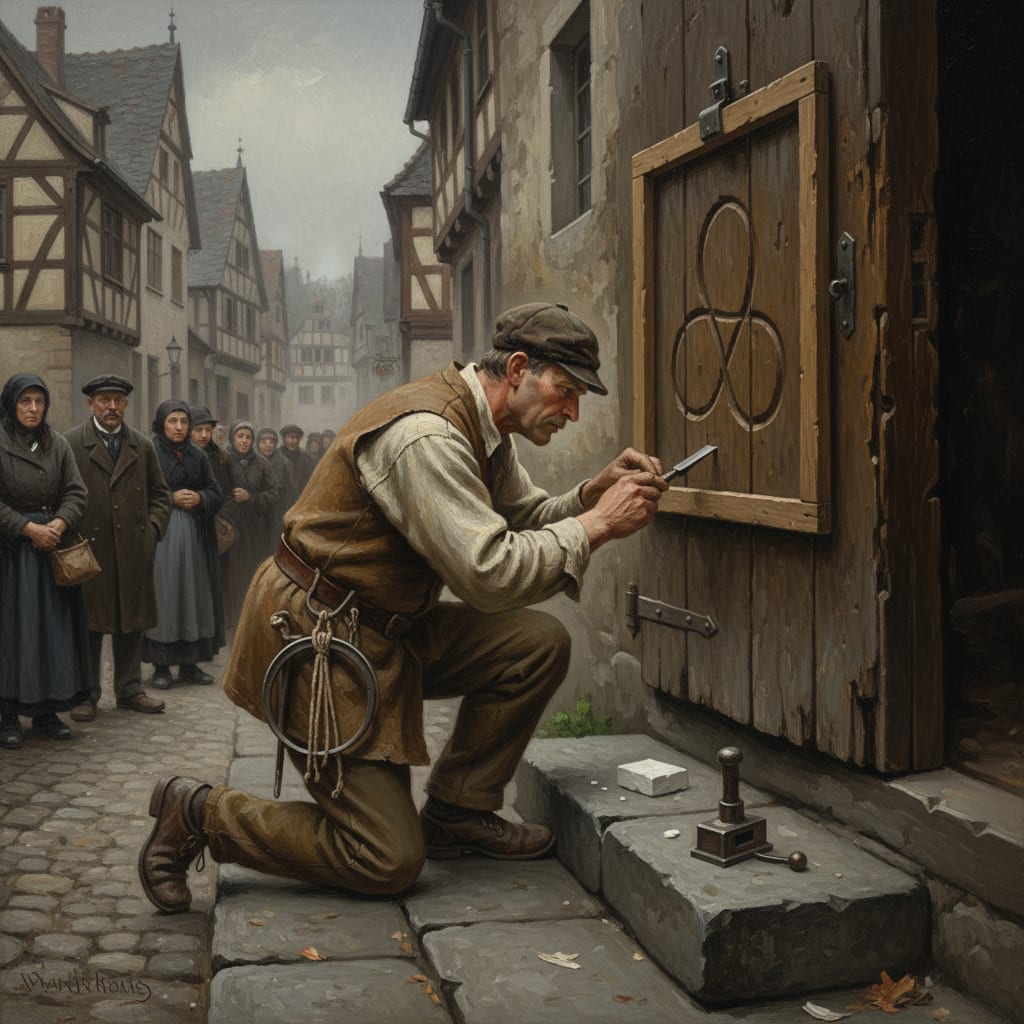
Gate-Carver of the Triune Knot
Three loops, one law, and the prayer that this time the threshold will hold
Six thousand licensed Gate-Carvers execute the Triune Knot into every threshold, grave-slab, and ossuary niche — sanctifying doors, sealing dead, and sustaining the Bureau of Heraldry's claim that a world without geometry is a world the enemy can enter.
Codex Ref. XII.19.01-001
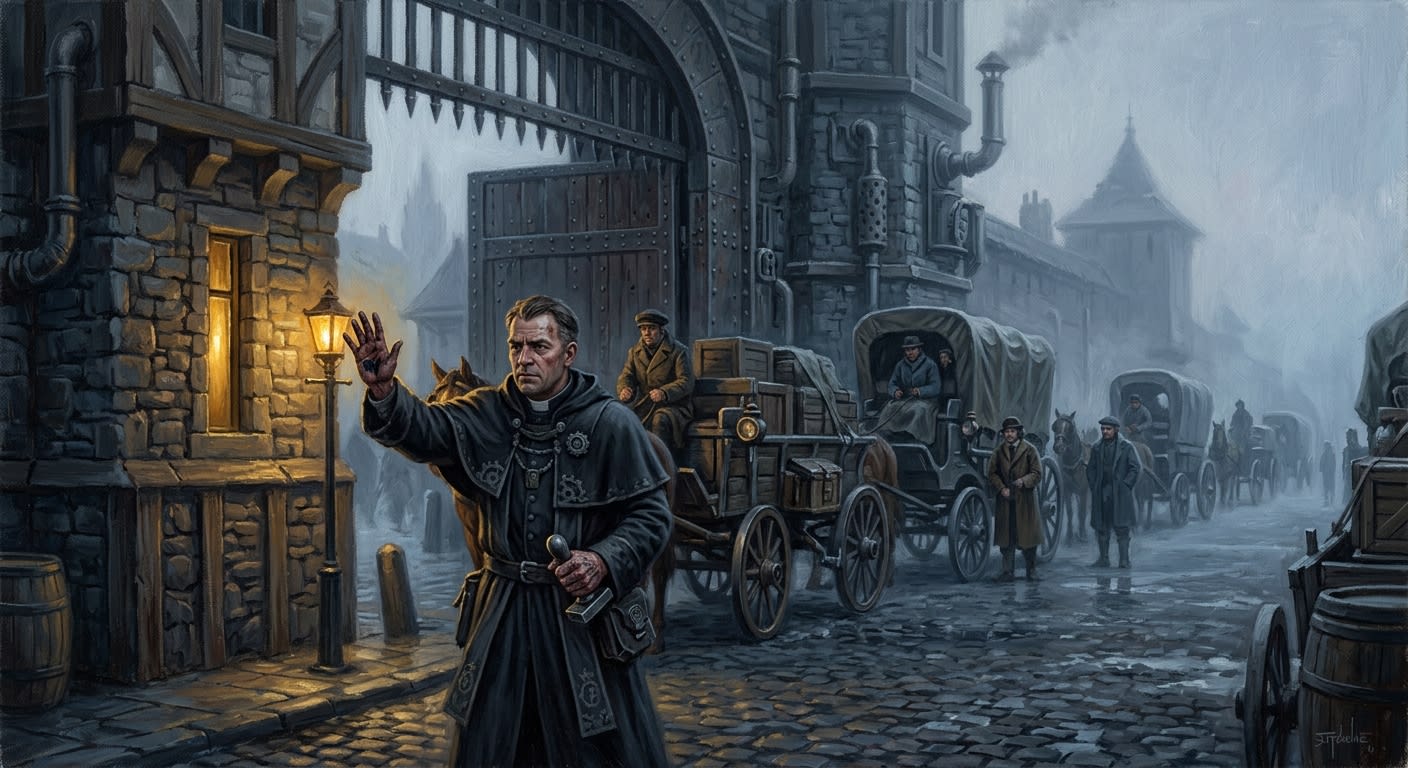
Gatewarden-Notary of Passage
The sole functionary who may halt a column of four thousand by raising one ink-stained hand and asking for documentation.
The Gatewarden-Notary of Passage stands at the point where all five great commodities of the war — disease, heresy, desertion, contraband, and ambition — must be sorted, weighed, stamped, and either admitted or refused. The Gate does not care about the man.
Codex Ref. XII.7.04-001

Geometry Brand-Smith
Six Thousand Four Hundred Licensed Geometers of Guilt, and the Irons That Did Not Come Back
The Bureau of Heraldry’s serialized geometers of guilt — 6,400 licensed Brand-Smiths who make identity permanent in the only ledger that cannot be forged, lost, or filed incorrectly: the body itself.
Codex Ref. XII.20.01-001
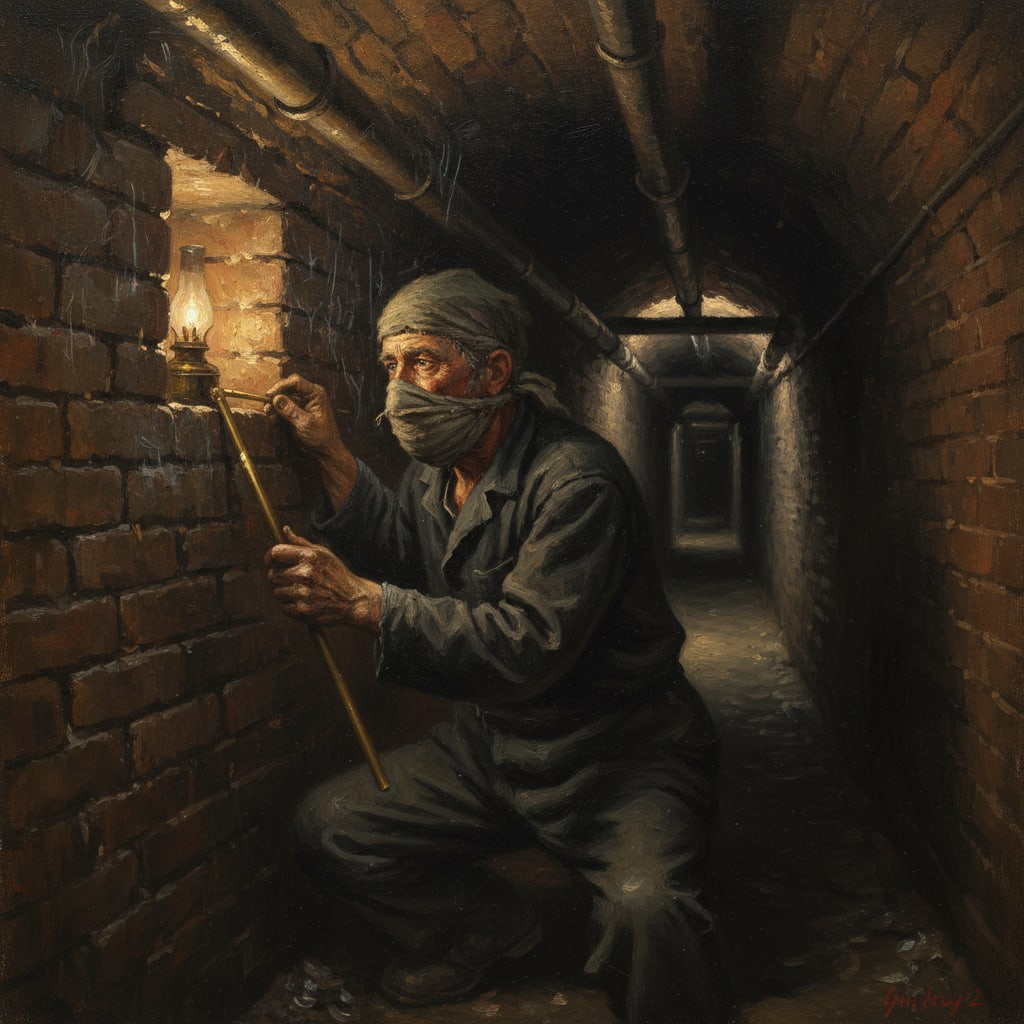
Hidden Pipe-Runner
Classified nonexistent. Audited quarterly. The pipes remain.
The Synod's invisible circulatory system: four ranks of Soot-Boys, Joint-Menders, Route-Keepers, and Bell-Duct Ghosts delivering black diesel through pipe networks the Bureau of Engineering has surveyed three times and failed to find, at the standard rate for failure.
Codex Ref. XII.3.02-001
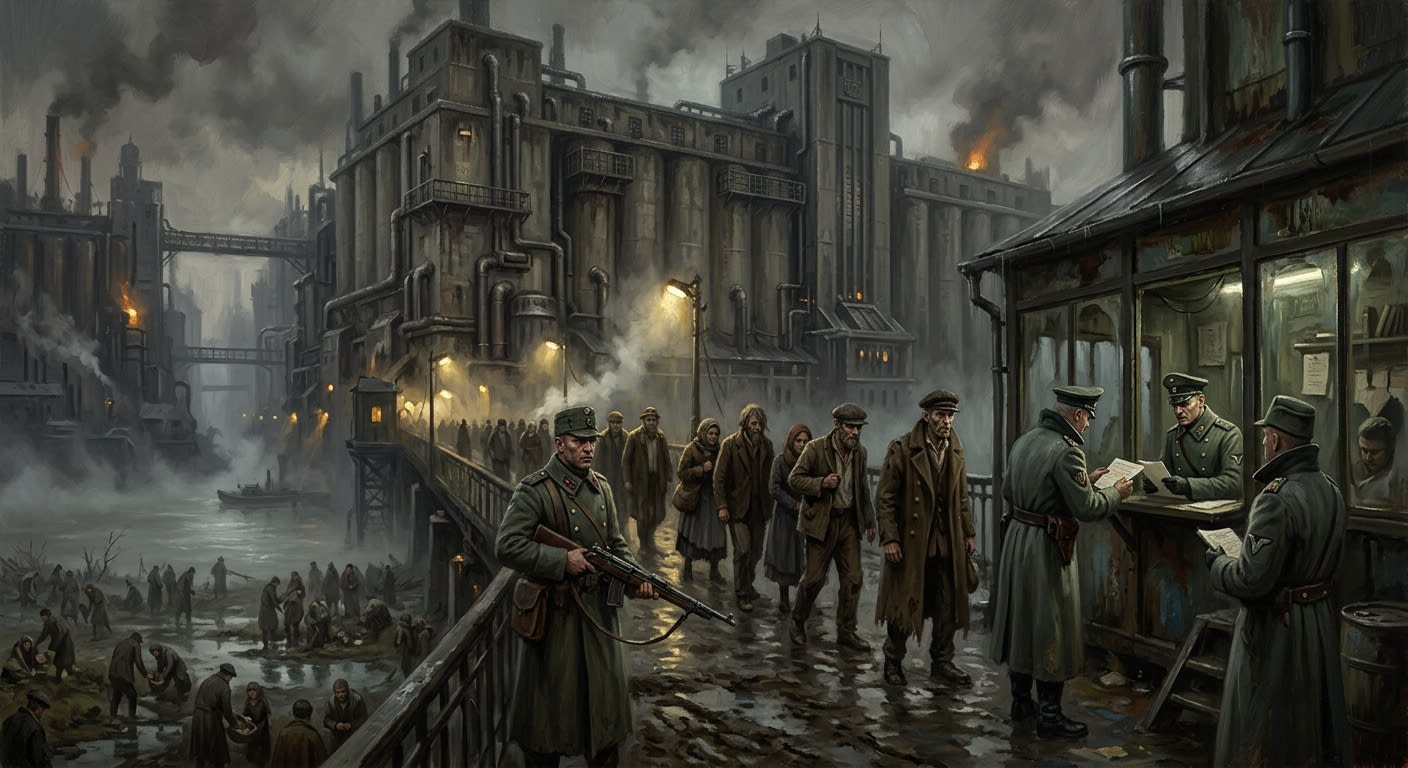
Hungary
The breadbasket that [[hell|Hell]] ate and [[strasbourg|Strasbourg]] filed by the slice
Hungary is the old grain kingdom remade into Budapest's held bank, Pest's visible absence, Blightmarsh hunger, southern corridor necessity, refugee memory, and every office's damp-fingered embarrassment.
Codex Ref. II.4.09-045
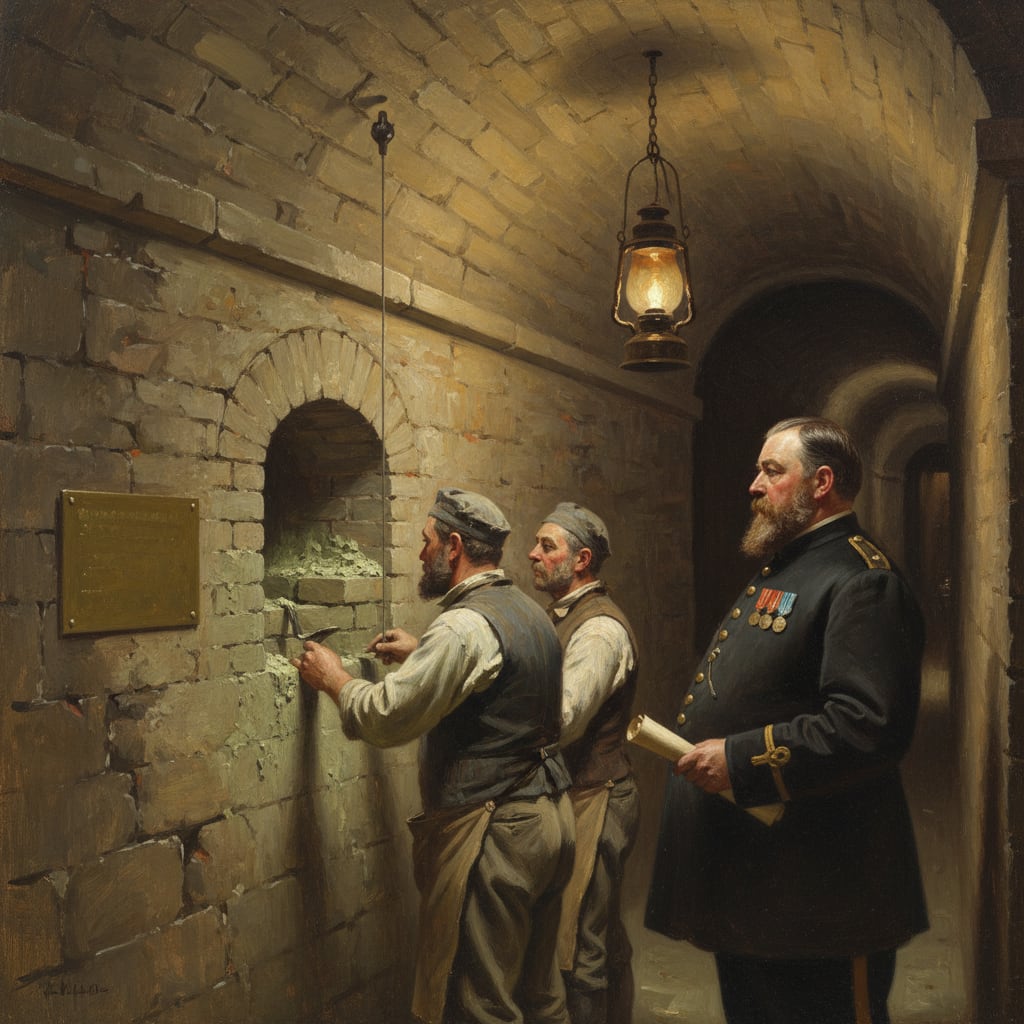
Immurement Mason
The Punitive Construction Auxiliary: On the craft of permanent deterrence, the condemned as structural element, and the mortar that does not negotiate
~2,400 licensed Masons who turn living bodies into load-bearing lessons; three ranks, two factions, one Standing Order that recommends no air provisions; the condemned ceases to be a problem and becomes a structural element.
Codex Ref. XII.22.01-001

Index of Safe Lies
The prayer-book with a scalpel hidden in the spine
Dr. Marrow Vask's forbidden compendium concealed practical medicine, chemistry, agriculture, and engineering beneath pious language, surviving eleven burnings through twelve Ashen Circle copy lines.
Codex Ref. XIII.1.57-001
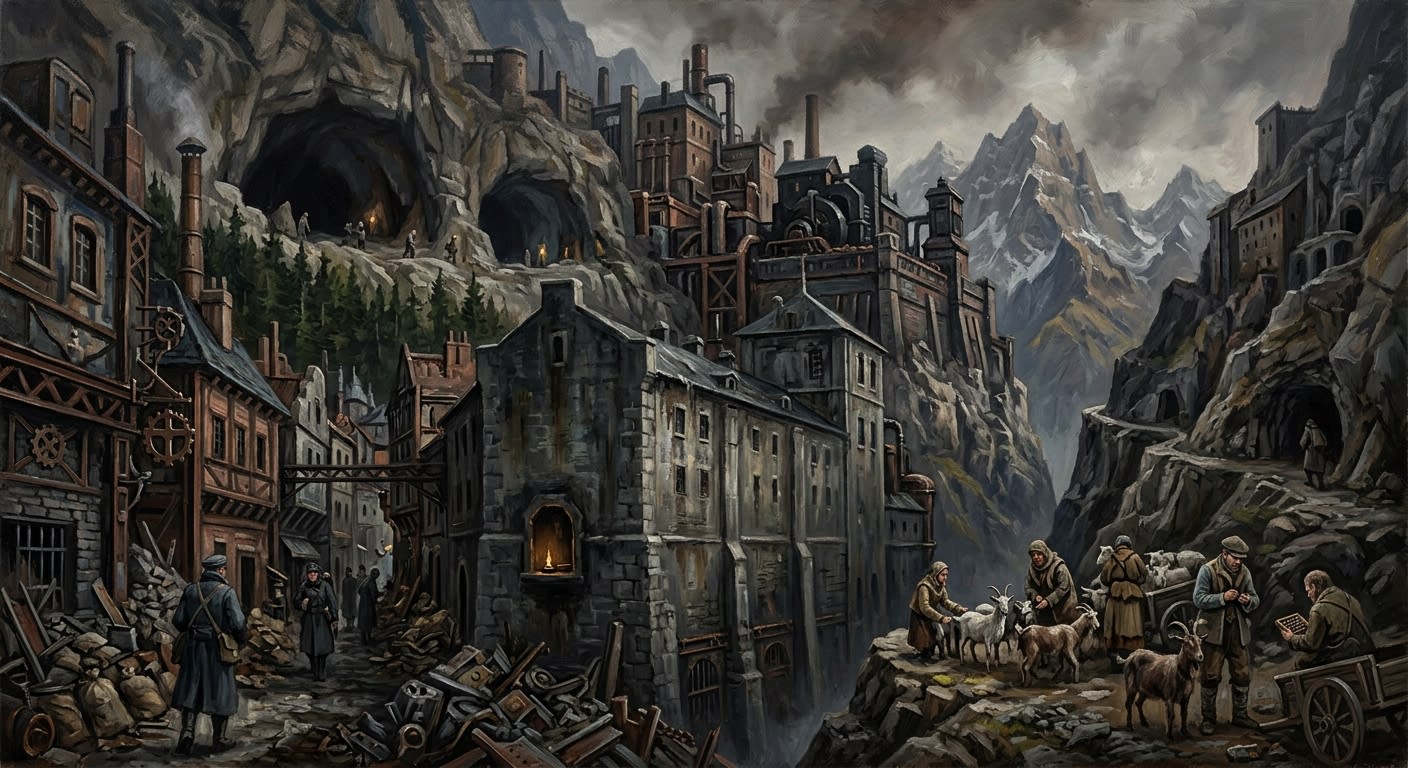
Innsbruck
Where mountains, grandmothers, caves, and walls defeat the census
Innsbruck is the Synod's alpine refuge-city: Cellar Saint caves above the treeline, relics disguised as trash, Mother Sava's wall-cavity, Pale Kin routes, goat arithmetic, and the most pious registry evasion in the mountains.
Codex Ref. II.2.09-030

Inquisitor-General Severian
The man who taught fear to sing in tune
Architect of the Iron Choir of Mainz and Severian Gloss to the Catechism of Obedience, he made silence culpable, cruelty legible, and fear useful enough to receive forms.
Codex Ref. III.2.01-006
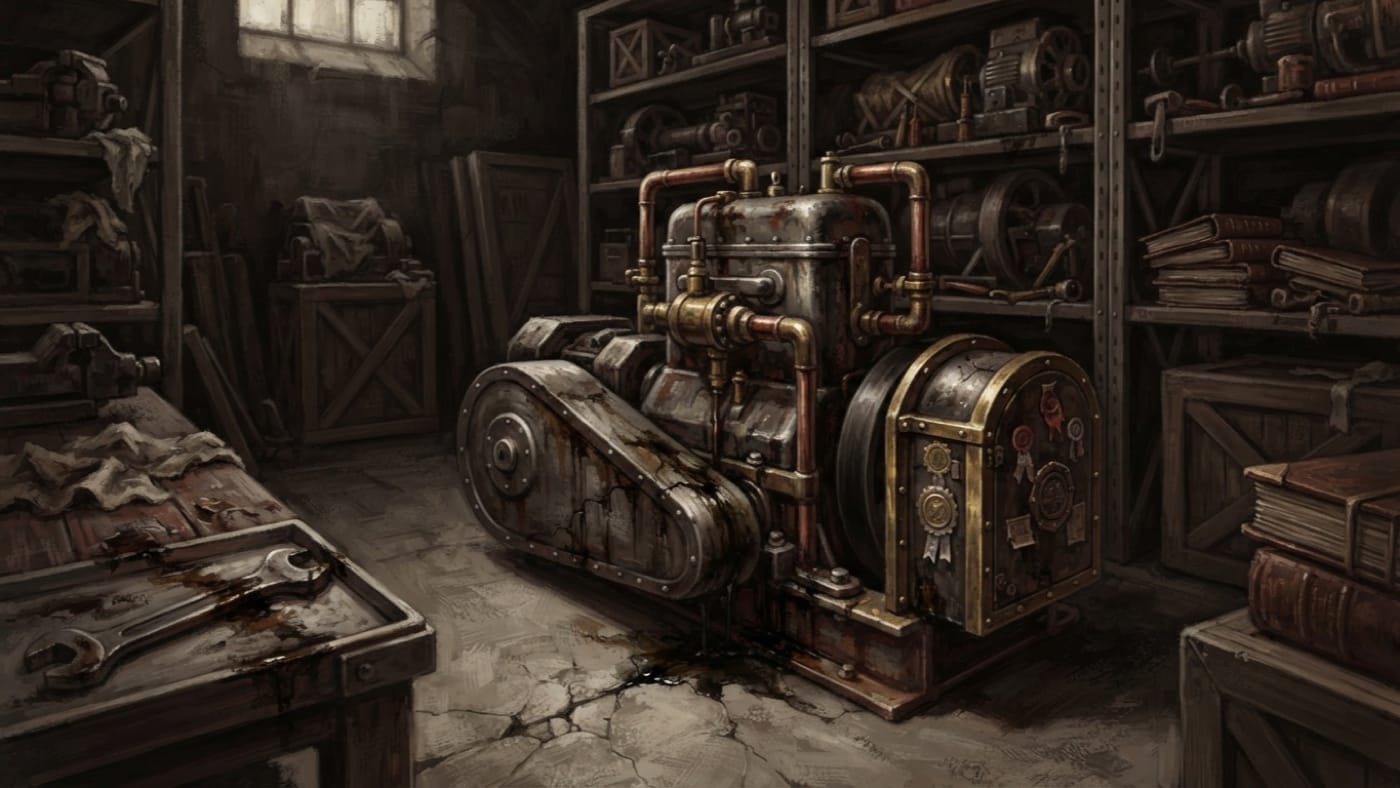
KAL-ROAD AUXILIARY 6
Eleven years of service; a casing kept and a wheel sealed
Edrin's Kalnik Road generator served eleven years after its A.S. 48 restart and was decommissioned in A.S. 59. The casing was kept, the Timing Wheel sealed; two missing folio pages certify nothing.
Codex Ref. III.2.04-048
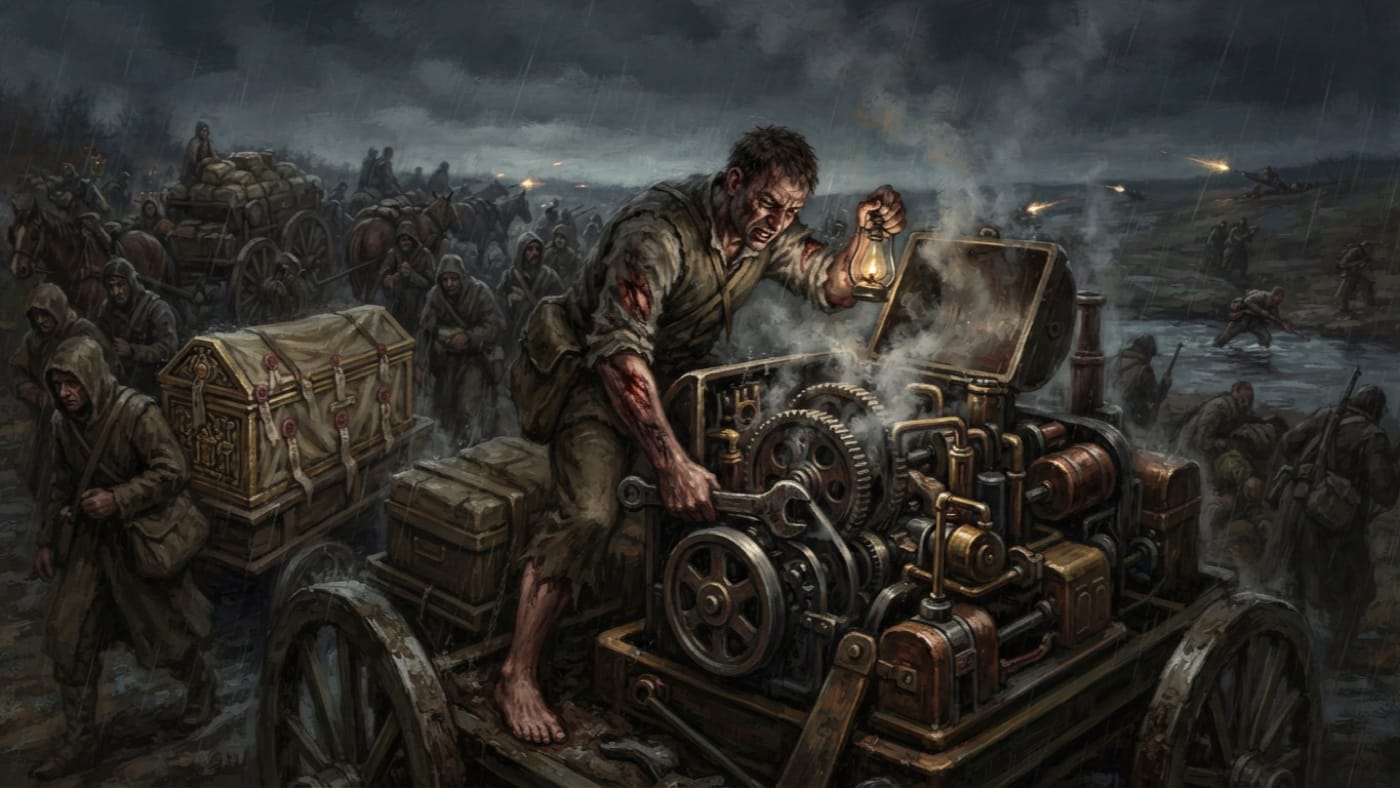
Kalnik Restart
Eight strokes, one crossing, and eleven years on the books
In A.S. 48, Edrin restarted a Kalnik Road generator with wrench and Eight Strokes. The wounded crossed; he died three days later. The engine served eleven years, which Engineering considers a verdict.
Codex Ref. VII.8.10-052
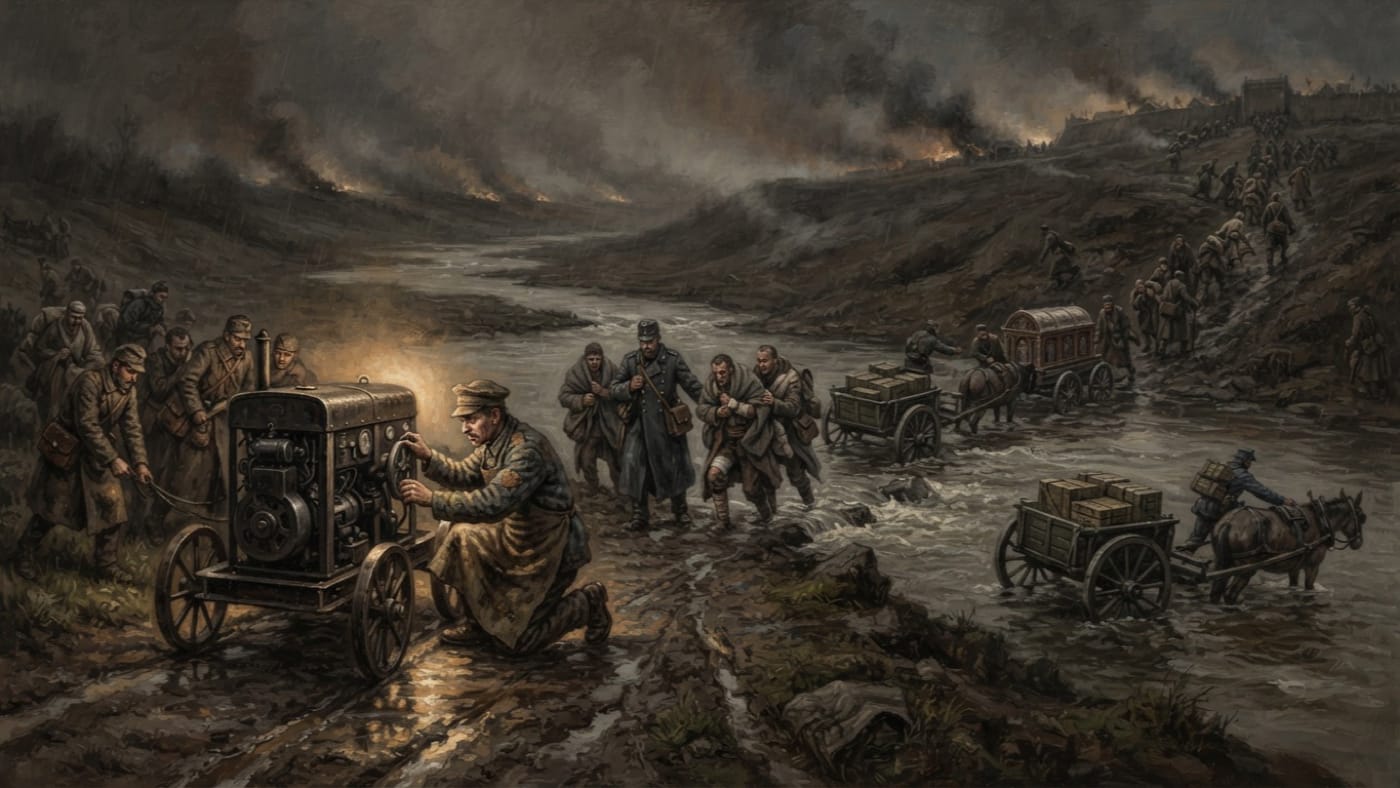
Kalnik Road
One crossing, sixty-three wounded, and no survey
Kalnik Road survives through Edrin's A.S. 48 restart and the crossing of sixty-three wounded. Its course and ford remain unestablished; Engineering remembers the lesson more precisely than the ground.
Codex Ref. II.4.09-048
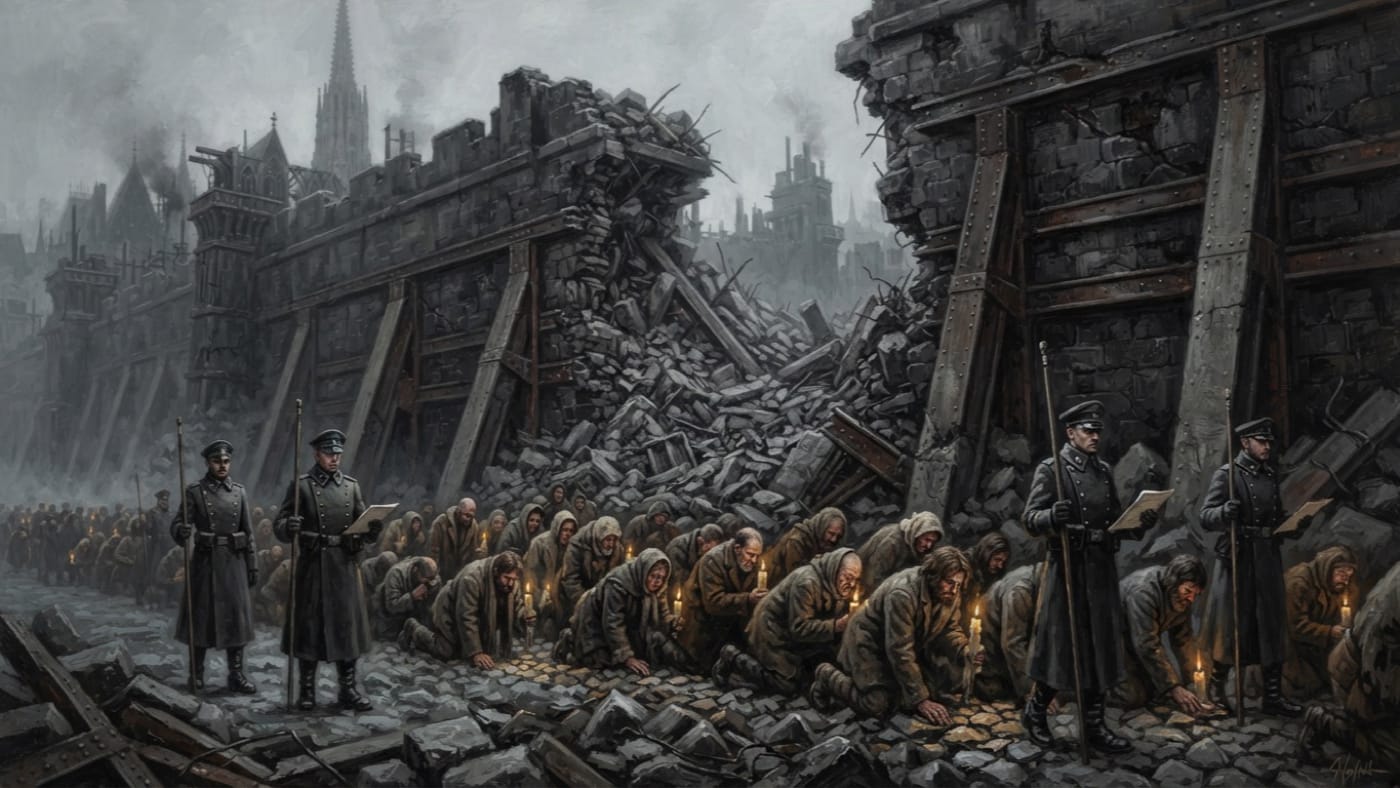
Kärntner Breach
The wall stayed broken so that knees might learn obedience
The Kärntner breach is Vienna's broken gate passage, where Clemens Stahlhand entered in A.S. 95 and pilgrims now pay with their knees.
Codex Ref. II.4.09-095
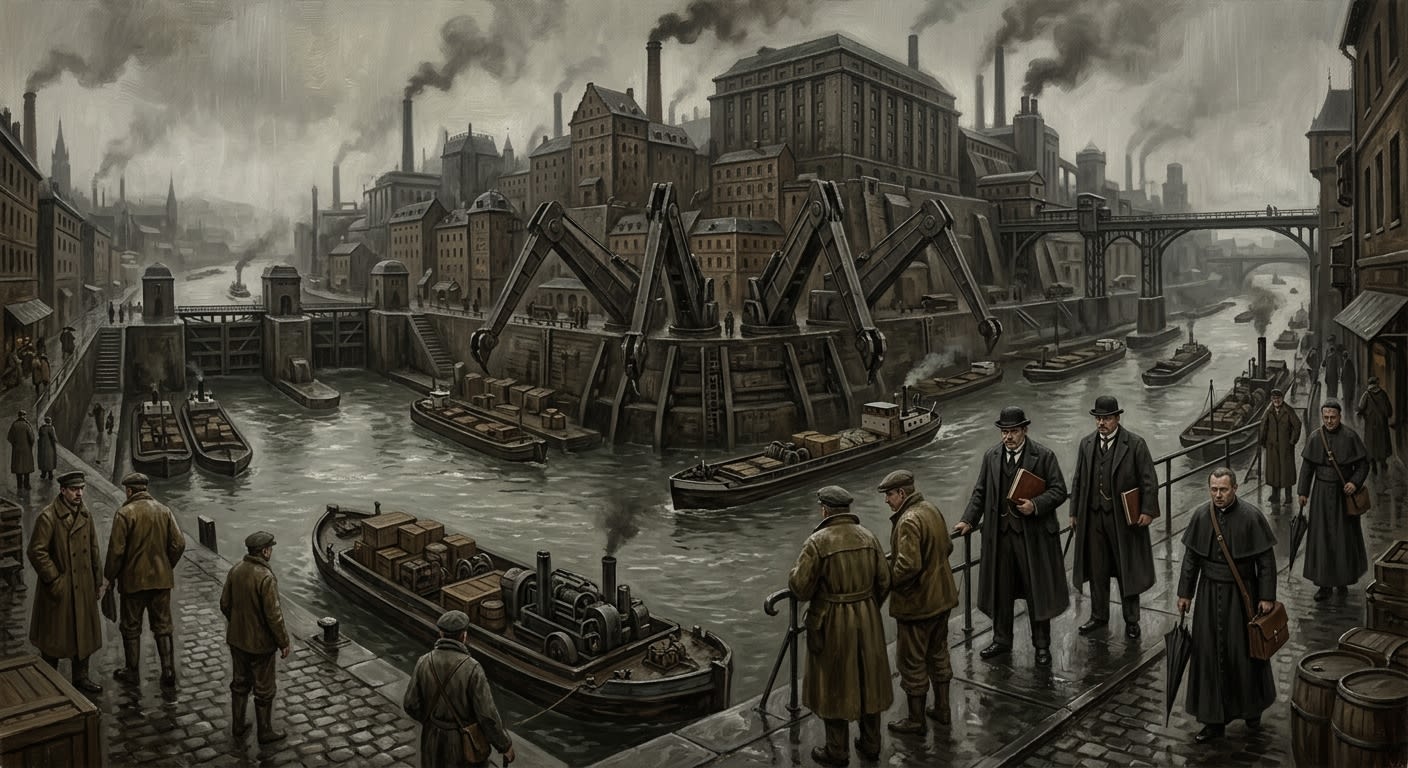
Koblenz
The holy art of handing the burden onward
Koblenz is the wet middle hand of the Ignatian chain: a Rhine-Moselle transfer city where sanctity lasted six minutes and became taxable forever.
Codex Ref. II.3.05-045
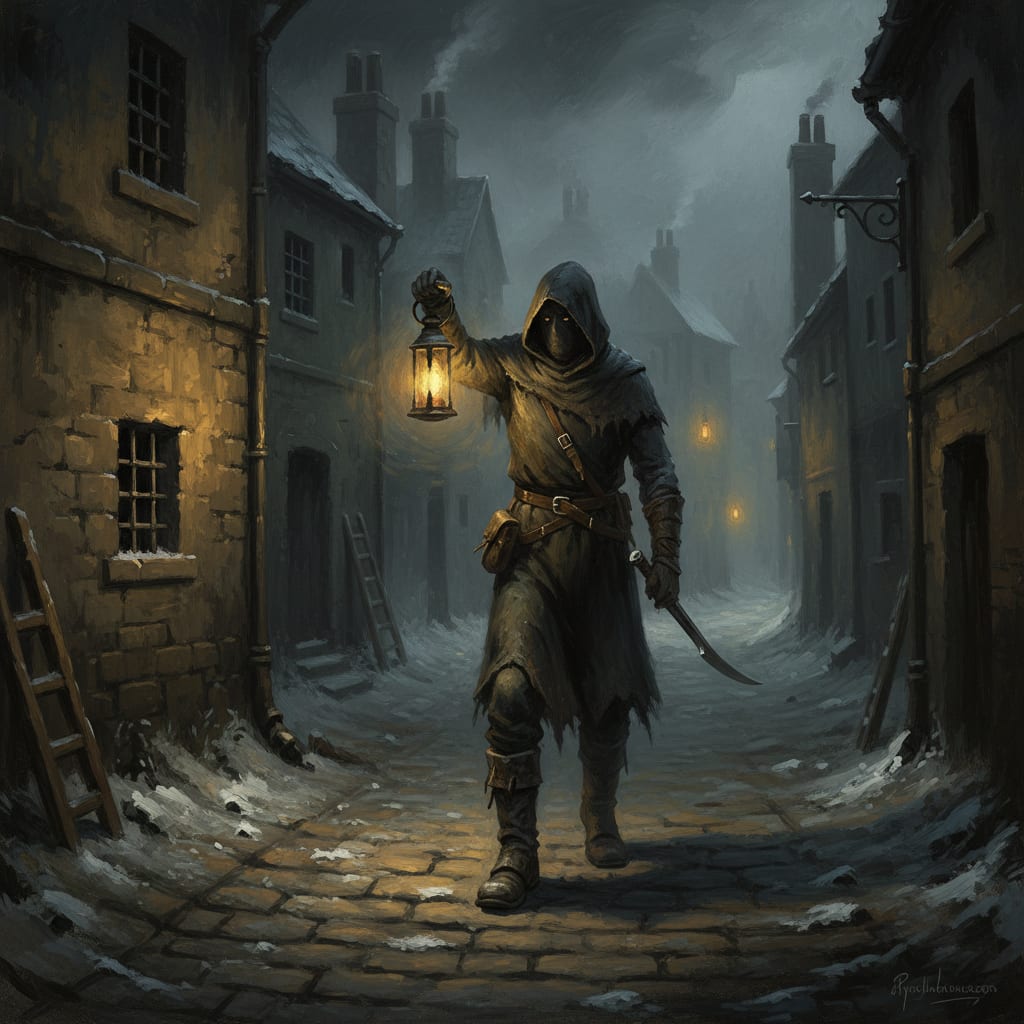
Lantern Brotherhood Vigilante
Eight thousand four hundred tolerated blades, licensed by a subordinate clause — the Synod's night made visible and officially nonexistent.
Eight thousand four hundred tolerated blades in five Watch Circles, licensed by a subordinate clause in a curfew ordinance — the Synod's night made visible and officially nonexistent.
Codex Ref. XII.25.01-001
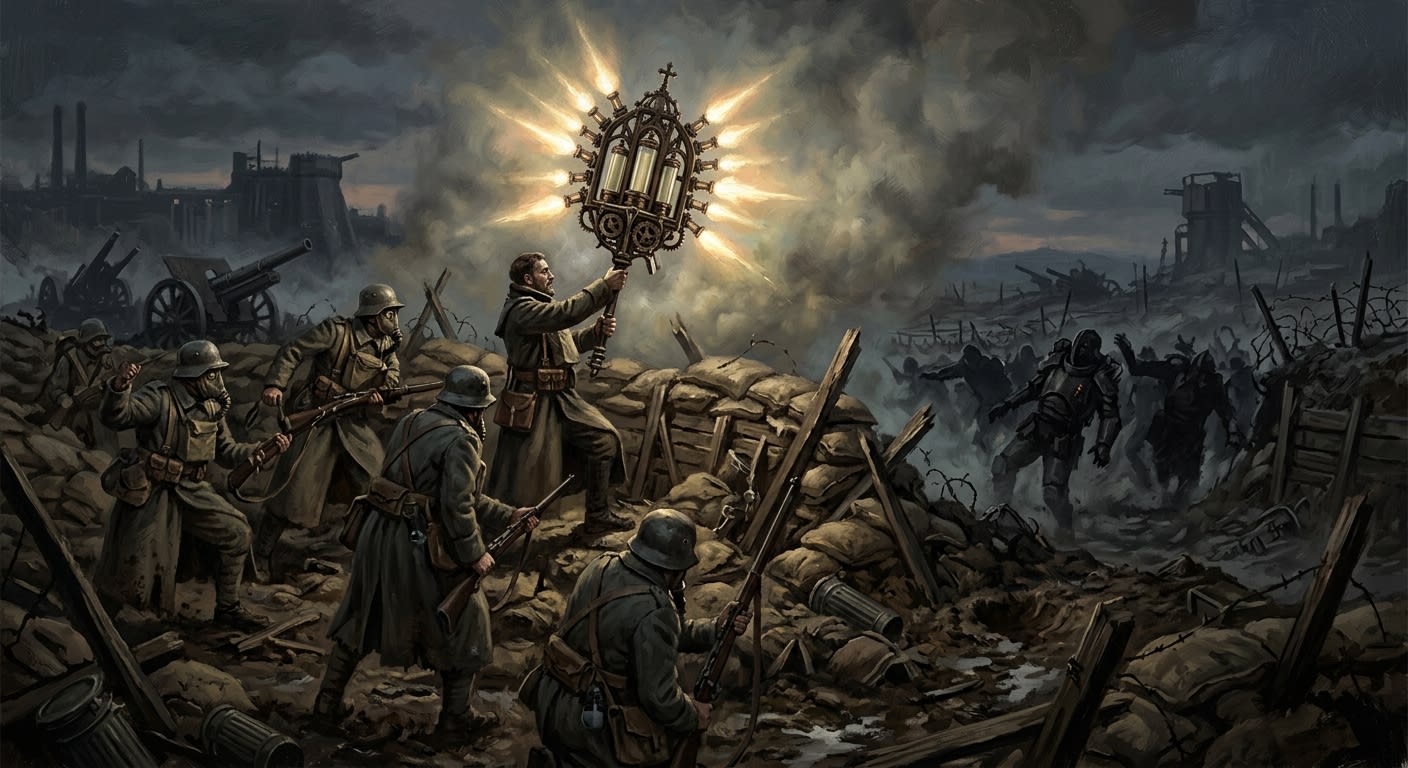
Last Stand of Kalnik Ridge
Where Wrath flinched and retreat learned to march
At Kalnik Ridge in A.S. 48, Brother Tomislav raised the Reliquary of Saint Isidore, seventeen relics blazed, Maldrake's vanguard recoiled, and rout became discipline.
Codex Ref. VII.5.03-001
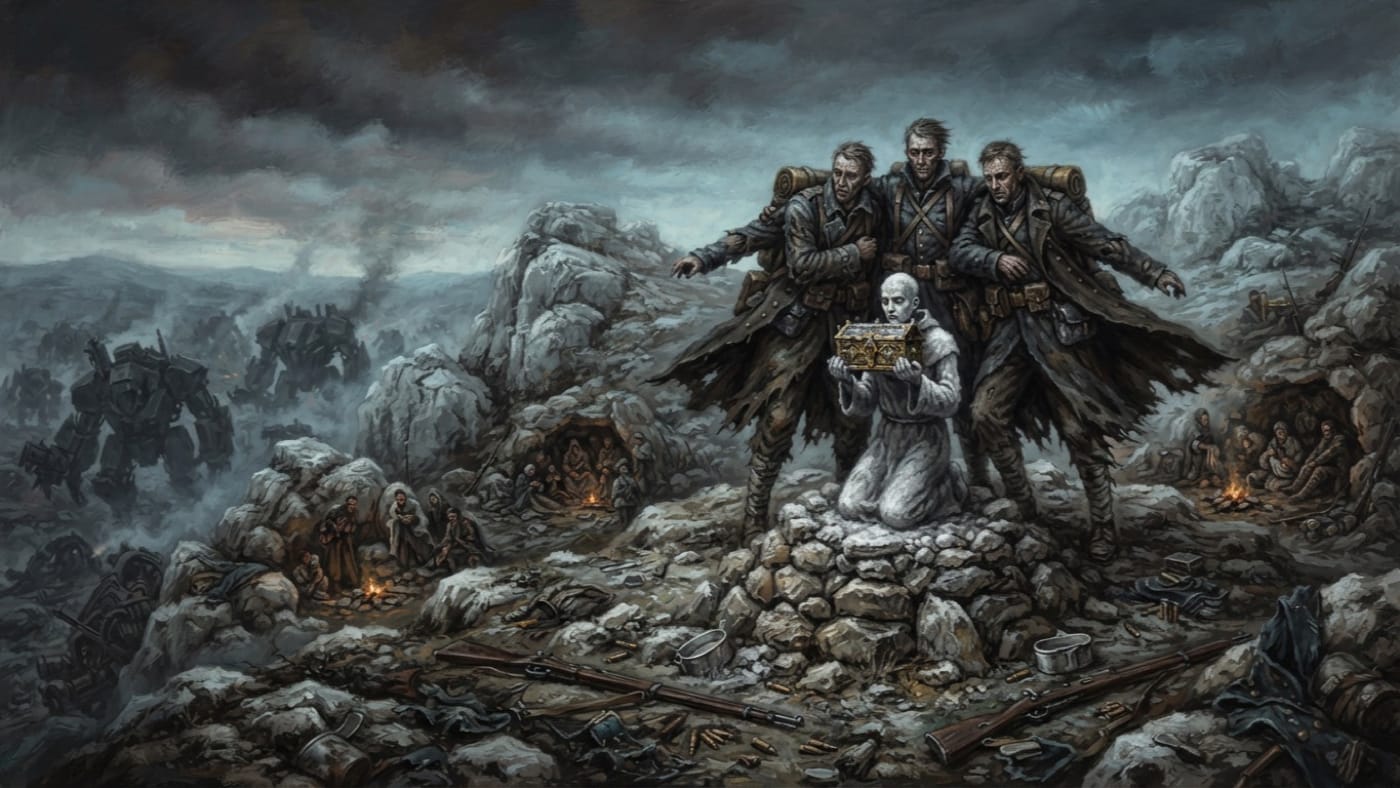
Lieutenant Petar Vladek
The lieutenant who posted a guard against the wind
Kalnik Ridge's sole surviving defending officer, A.S. 48: four lines on extraordinary morale, one guard against the wind, and no birthplace for the Bureau to enter.
Codex Ref. III.2.01-048
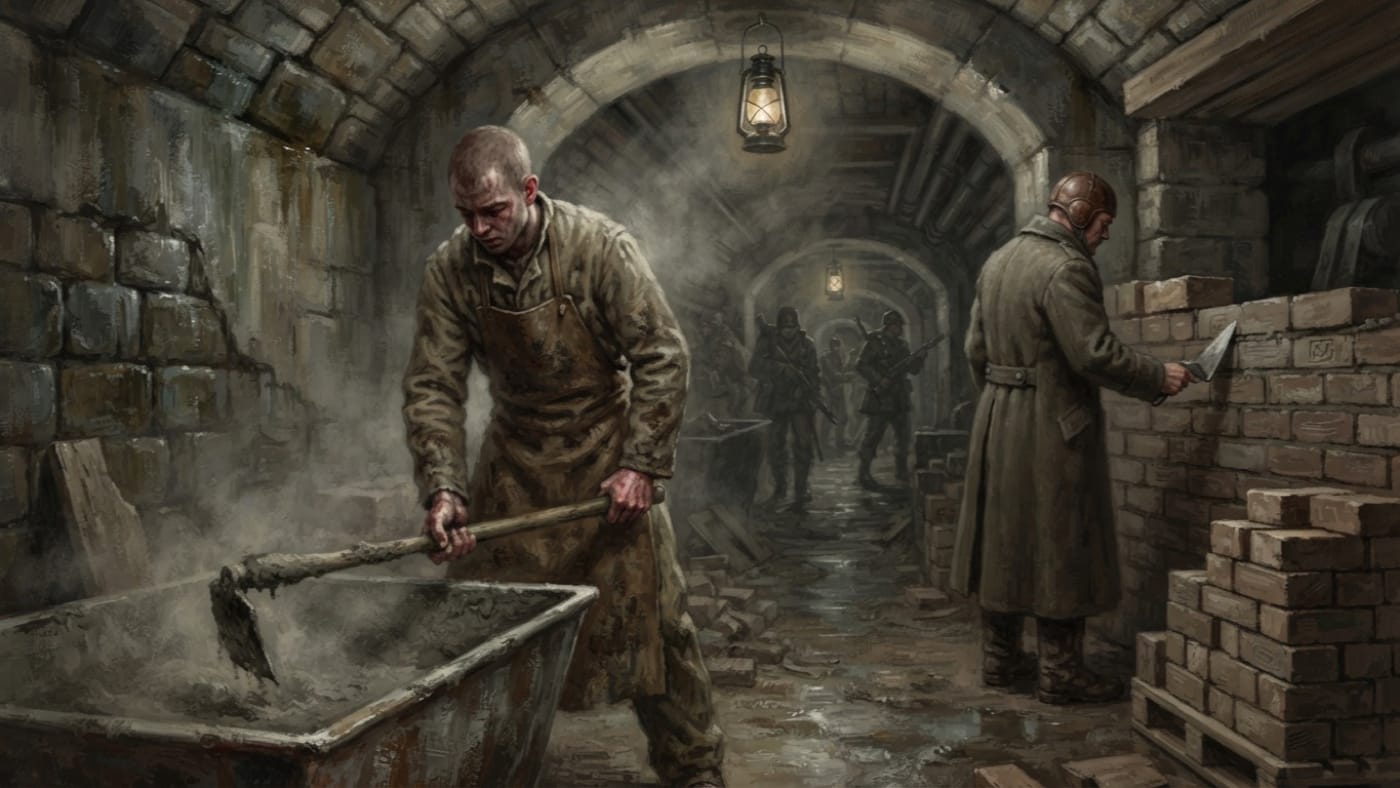
Lime Boy
The entry rank of the Masonry Corps: the hands that mix the sentence and receive the blame
The Masonry Corps' entry rank carries brick, mixes binding mortar and answers for cracked seams. The senior mason stamps the wall; the Lime Boy carries the blame. His authority covers the hoe.
Codex Ref. XII.22.05-001
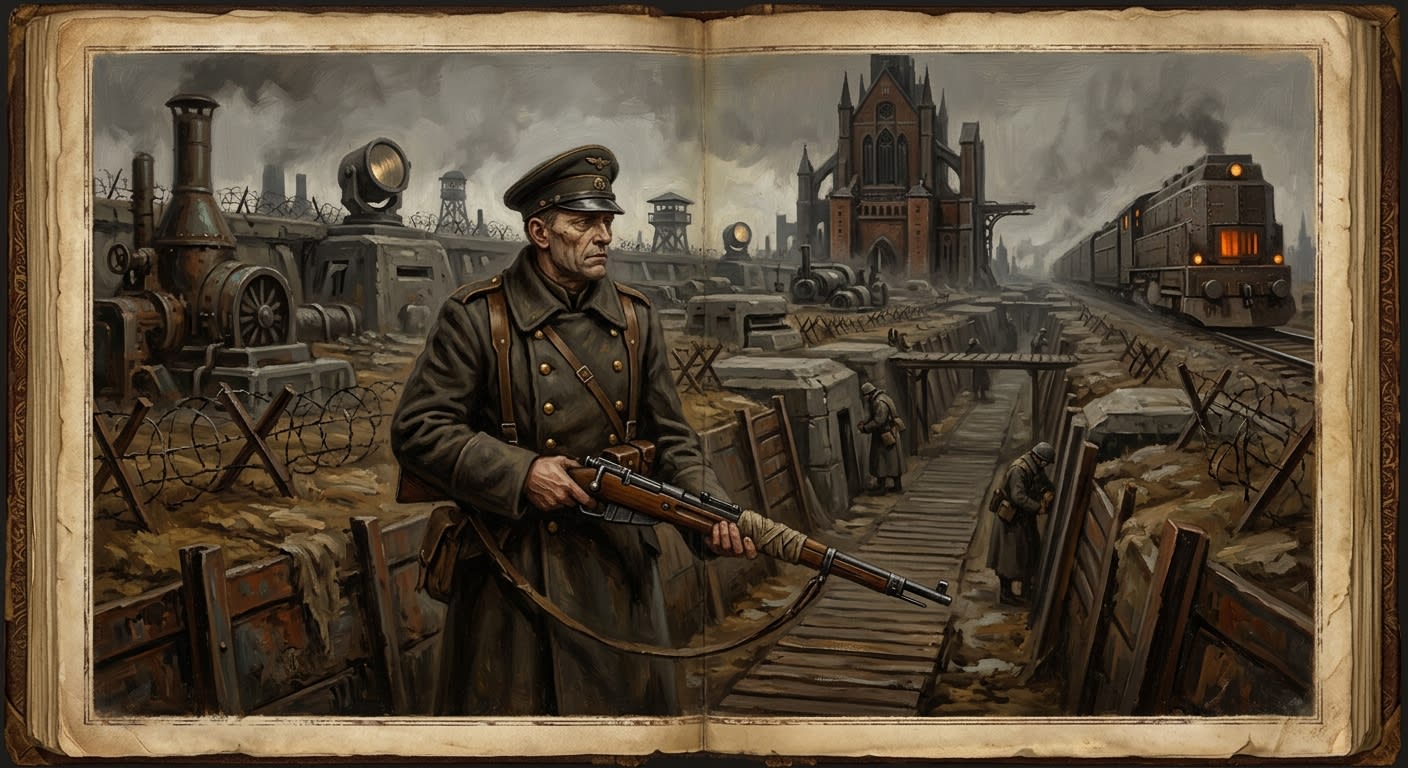
Line
The short word soldiers spend instead of breath
The Line is the soldier's short name for the Sagittal Line: the Baltic-to-Bosphorus membrane where Europe is counted, spent, and kept west.
Codex Ref. II.4.07-065
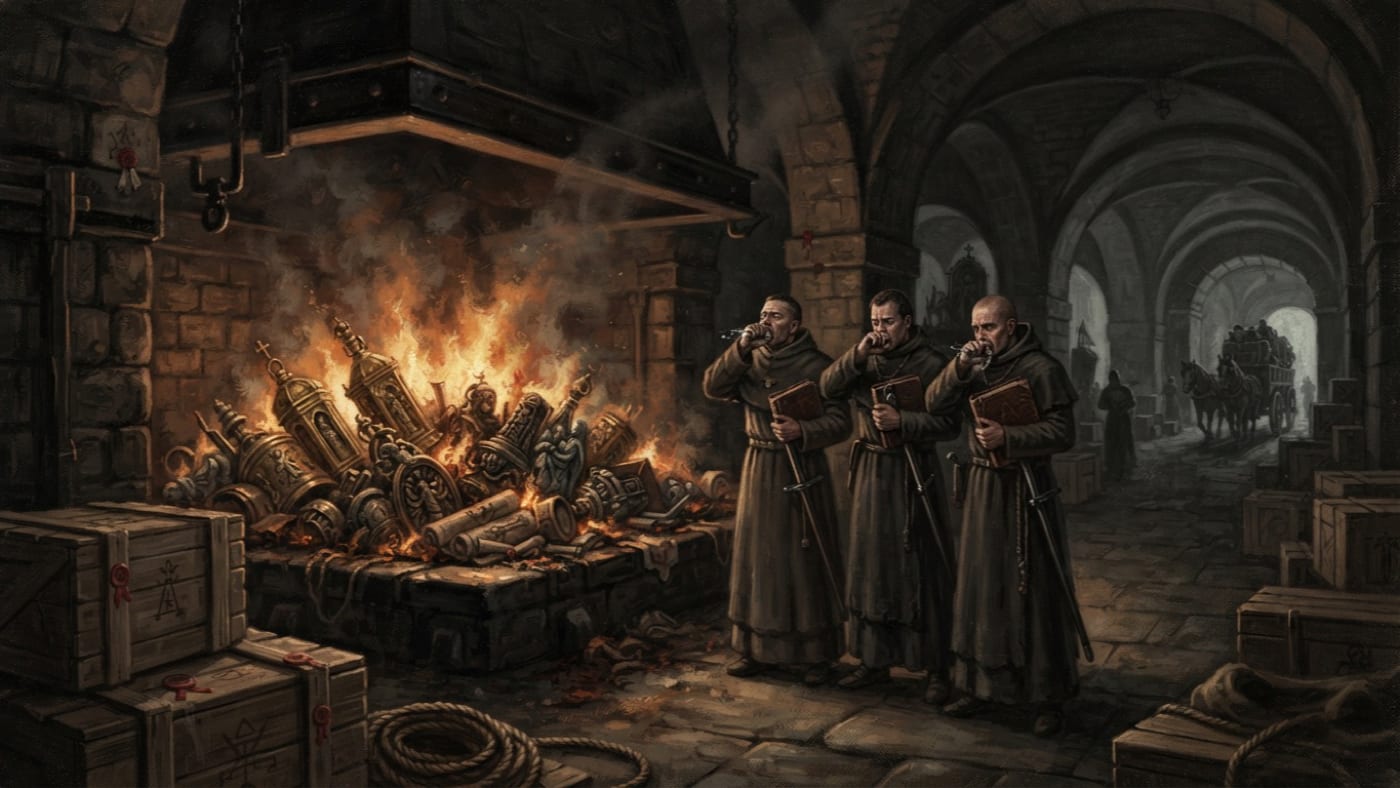
Litany of Custody
Custody ended in fire; the witnesses remained
Three canon-wardens recited the Litany of Custody while untransportable relics burned in Vienna in A.S. 48. The manifest preserves its name; the words remain unrecorded.
Codex Ref. XIII.1.62-048

Litany-Engineer
The Sanctified Mechanist — wrench in one hand, chant codex in the other, keeping the Sagittal Line from becoming an extraordinarily expensive wall.
The Bureau of Engineering's foundational combat-rated mechanists: four thousand licensed, nine thousand actual, all keeping engines running by wrench and cant in chambers that hum in frequencies no codex records.
Codex Ref. XII.1.01-001
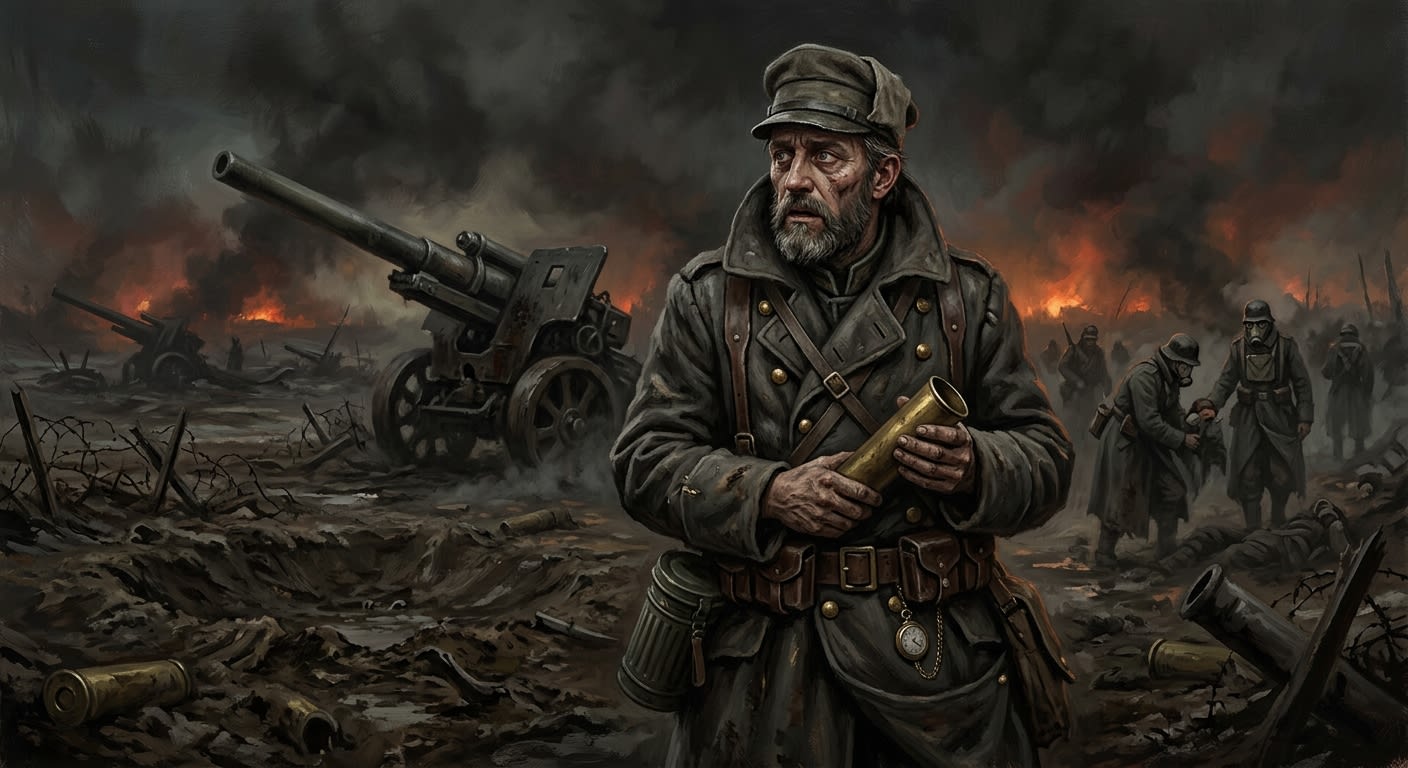
Lucien Artois
The cleverest gunner Reason fed to fire
Lucien Artois made Reason's artillery sing at four rounds per minute, then learned at the Iron Plains that Hell does not consult firing tables.
Codex Ref. I.1.06-001
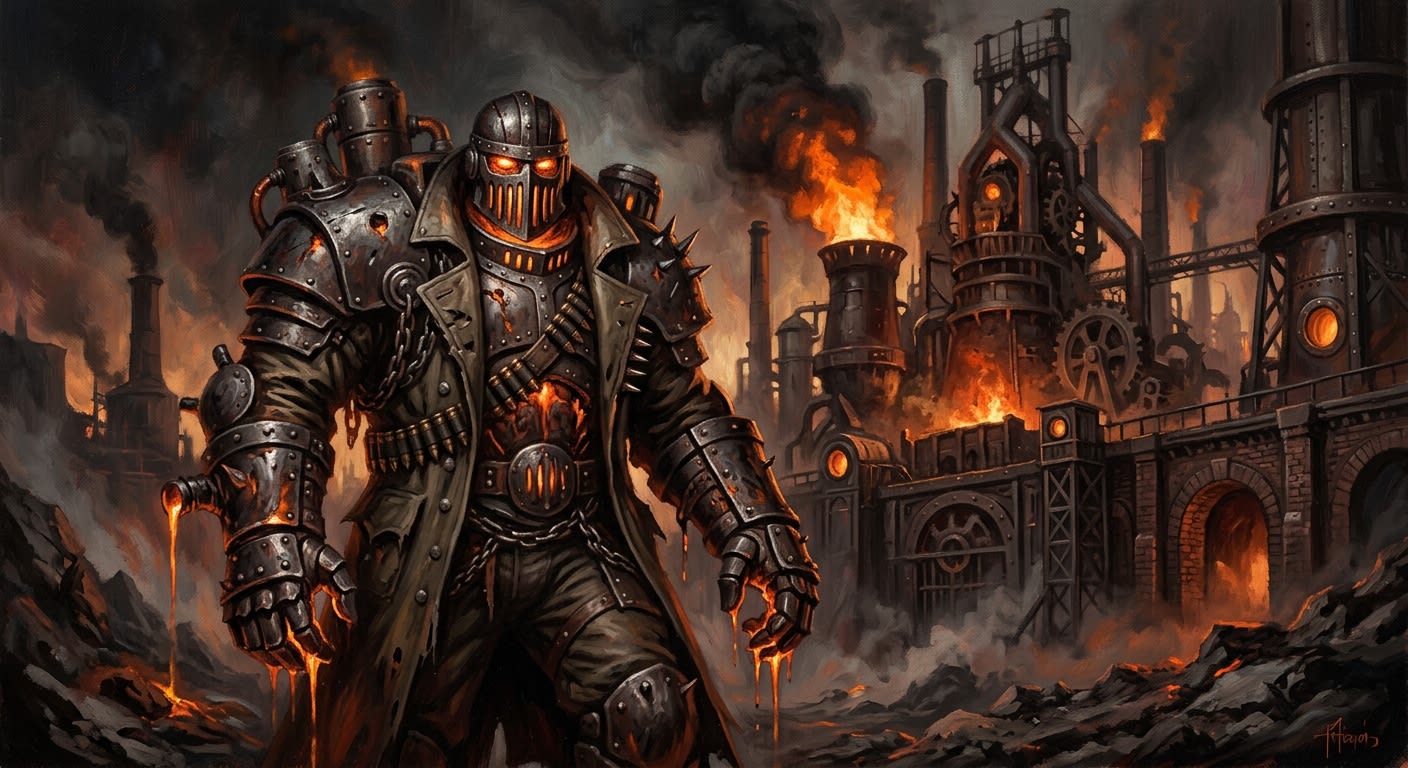
Maldrake, the Wrathforged
The fire does not care what it was given to burn.
Sin-General of Wrath: architect of the Eternal Forges, commander of the Hellbow Legion, fourteen confirmed breaches of the Sagittal Line. The fire that outlived its cause and kept marching.
Codex Ref. IV.1.07-003

Manifest Litigant
In which the Bureau confirms that identity is paper, paper can be disputed, and dispute, correctly licensed, is a revenue stream.
The licensed enforcers of documentary reality at the port courts — the profession that cannot save the grain but can prove, conclusively, why it was permitted to rot.
Codex Ref. XII.26.01-001

Masonry Corps
The Punitive Construction Auxiliary: every sentence requires a wall, a stamp, and someone to blame
Approximately 2,400 licensed masons across Zones 1–5, governed by Standing Order 14-M. Three ranks, two denied factions, and a personal stamp worth more than its owner: every sentence must leave a sound wall and a matching log.
Codex Ref. XII.22.04-001
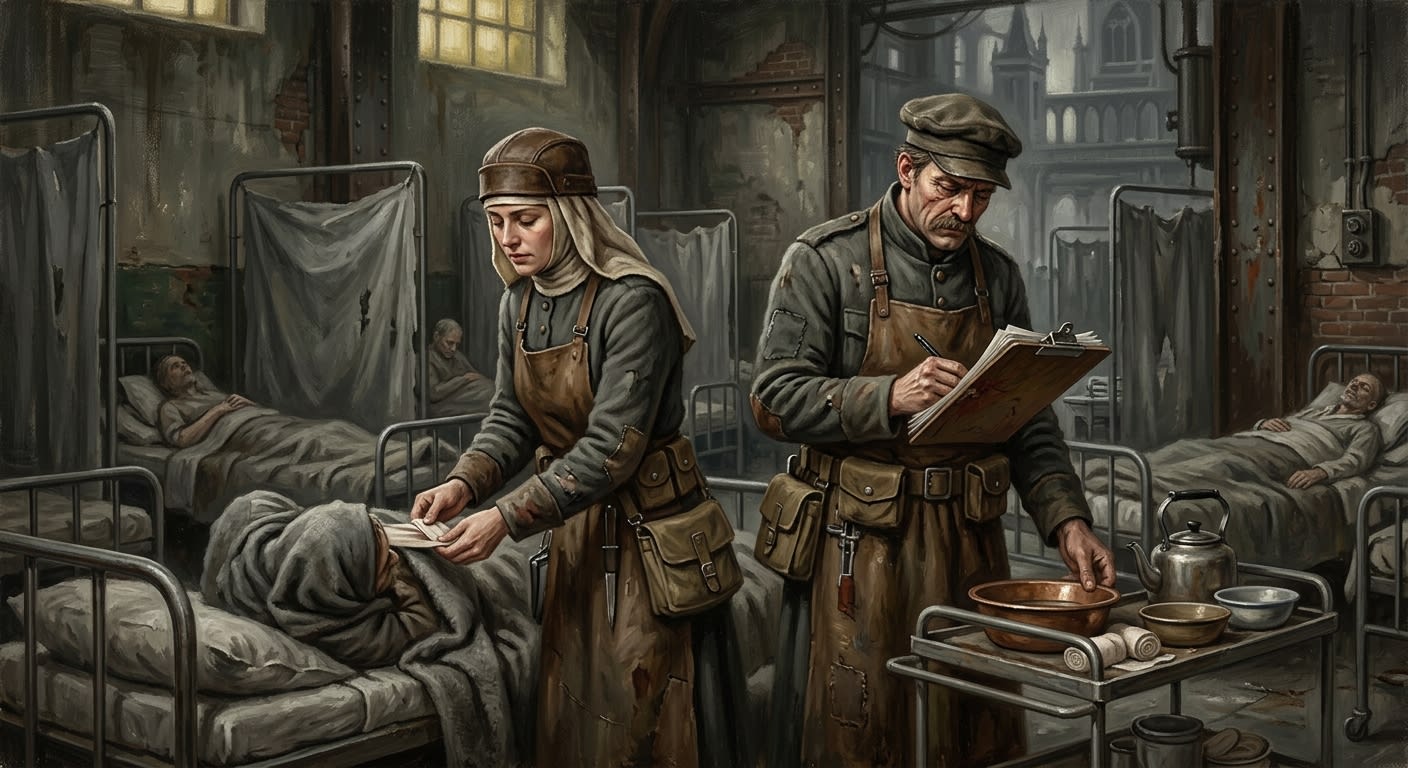
Mercy Ward-Sister / Mercy Ward-Brother
The hand that brings broth also carries the ledger
The Mercy Ward-Sister and Ward-Brother are the Bureau of Mercy's grey-aproned operators of counted compassion, where broth, bandage, confession, and paperwork become one instrument.
Codex Ref. XII.6.04-001
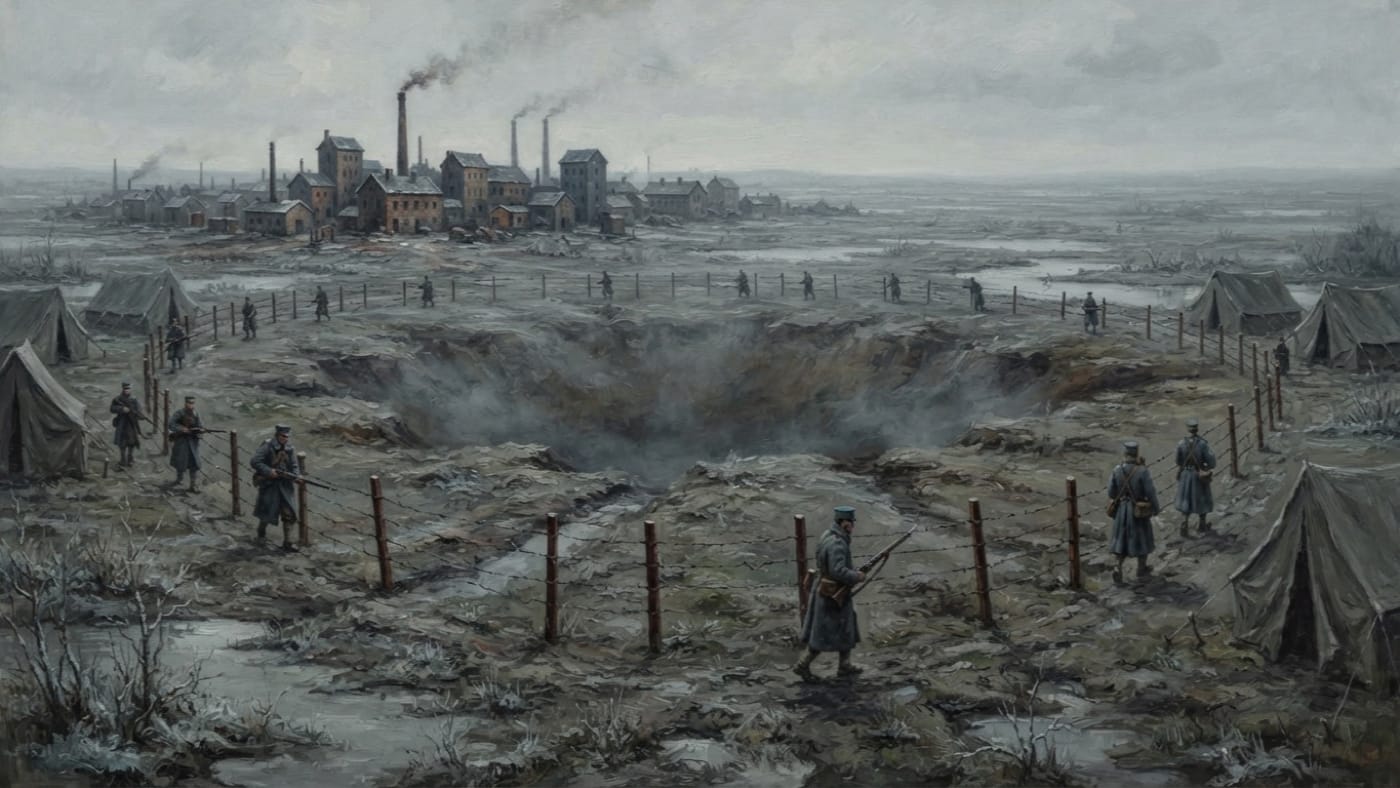
Mohács
A town remembered for what lies south of it.
Mohács survives in the Ledger as the bearing for Pit Seven, where approximately four thousand refugees were buried in A.S. 48. The town's fate remains unverified; the grave remains hungry.
Codex Ref. II.4.09-134
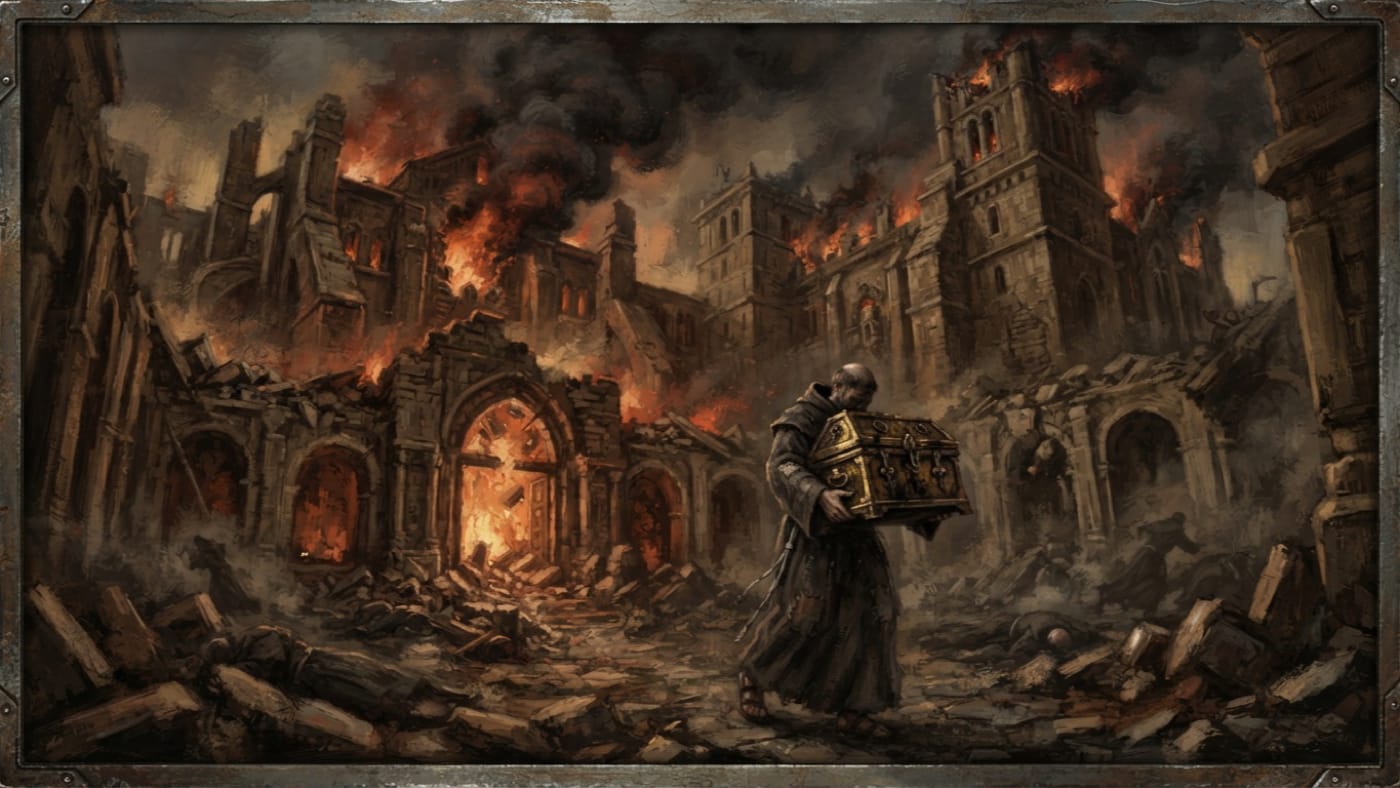
Monastery of Saint Alexios
The house burned; one brother carried its relic out
Dalmatian monastery destroyed in the first week of the Sundering, A.S. 45. Brother Tomislav carried out its reliquary; the house survives chiefly as the first link in a custody chain.
Codex Ref. III.2.04-1871
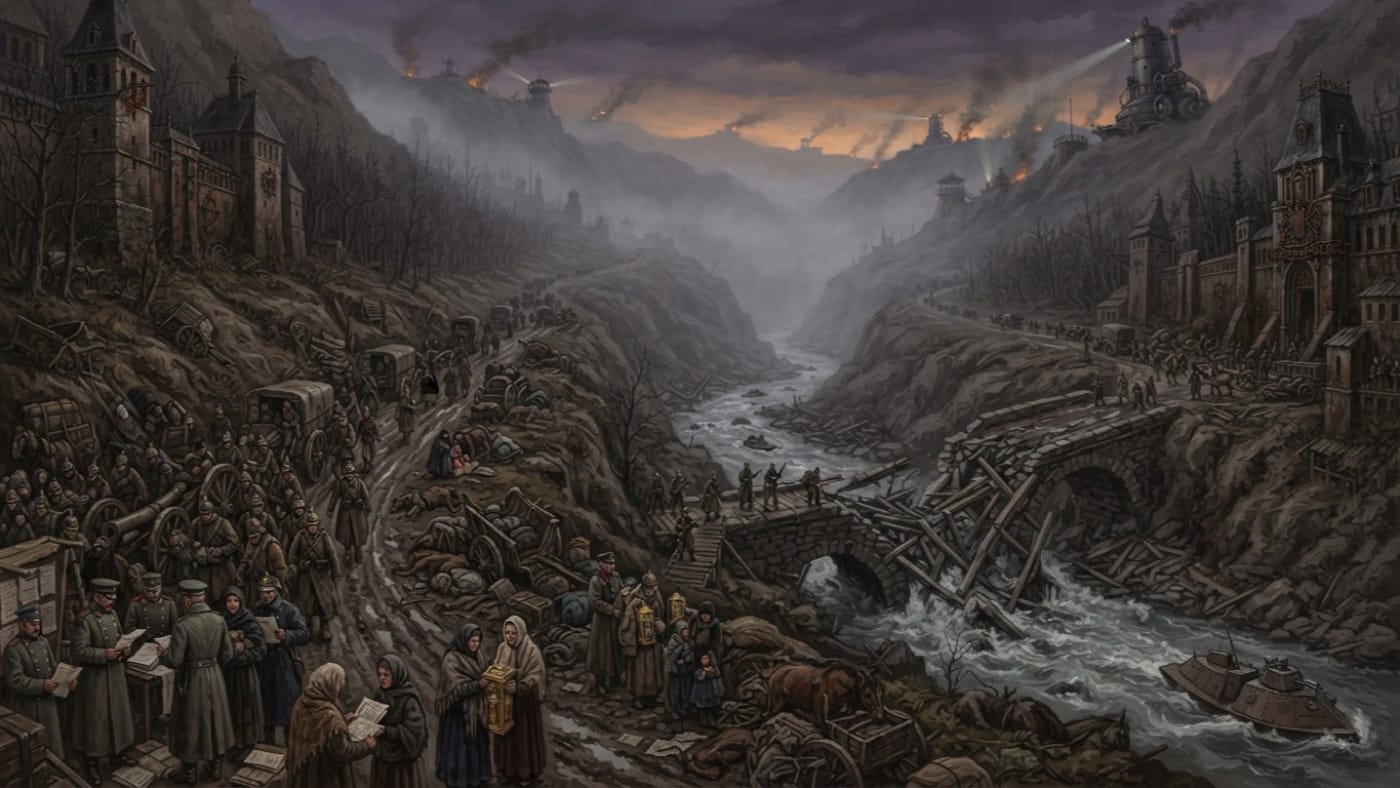
Morava
The roads that carried armies inward and excuses back to Vienna
The Morava corridor carried armies inland and letters out. In A.S. 38, a reported washout nearby gave Vienna a plausible explanation for an East that had stopped answering.
Codex Ref. II.6.06-201
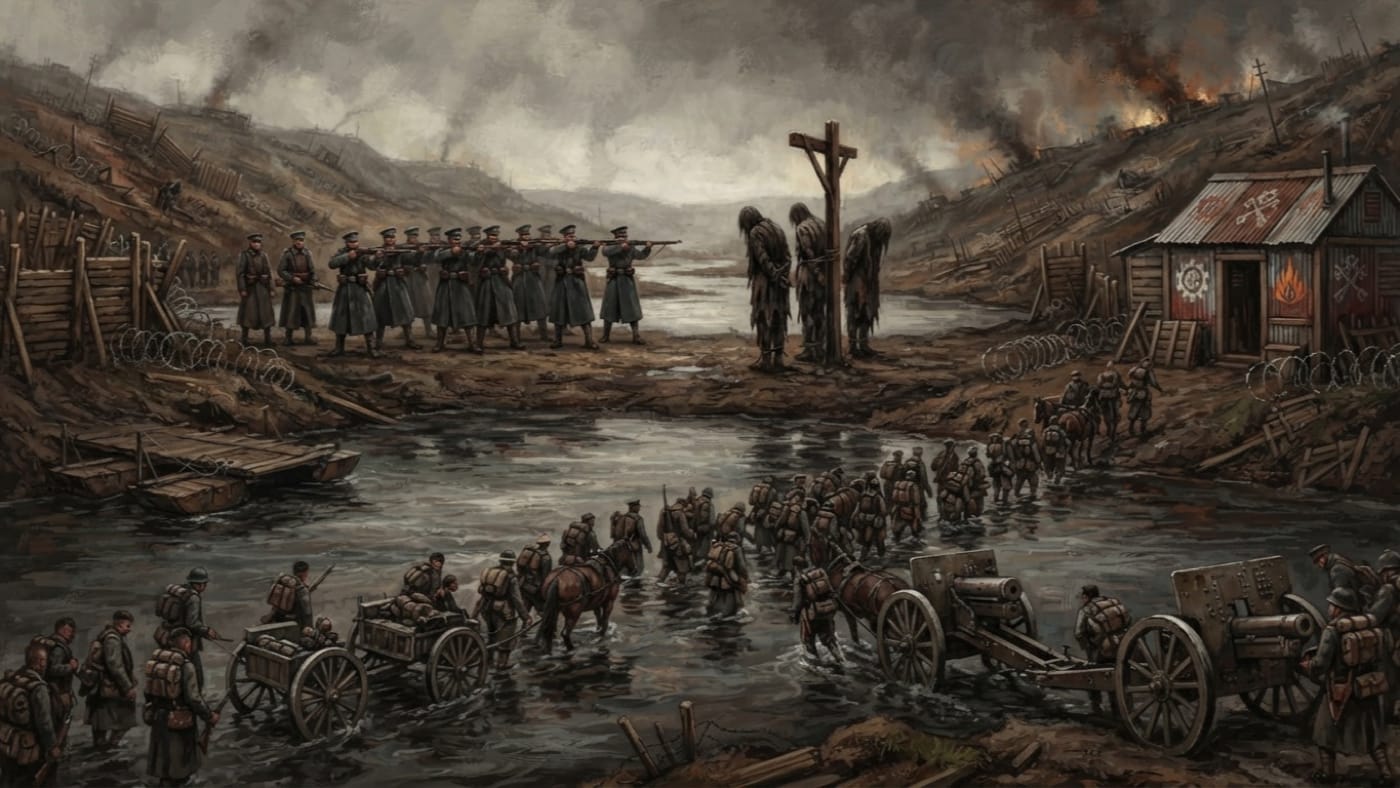
Moselle ford
Where deterrence became a soldiers' liturgy
Three shot at a Moselle ford in A.S. 53; their names chanted as saints within the month. The exact crossing is unrecorded. The lesson became part of the case for immurement.
Codex Ref. II.2.08-053

Office of Nullity
The knife kept inside the book
Sub-office of the Bureau of Records governing Erasure Notaries, strike writs, dependent ledgers, black seals, and the civic art of making a person unprovable.
Codex Ref. XIII.1.70-001
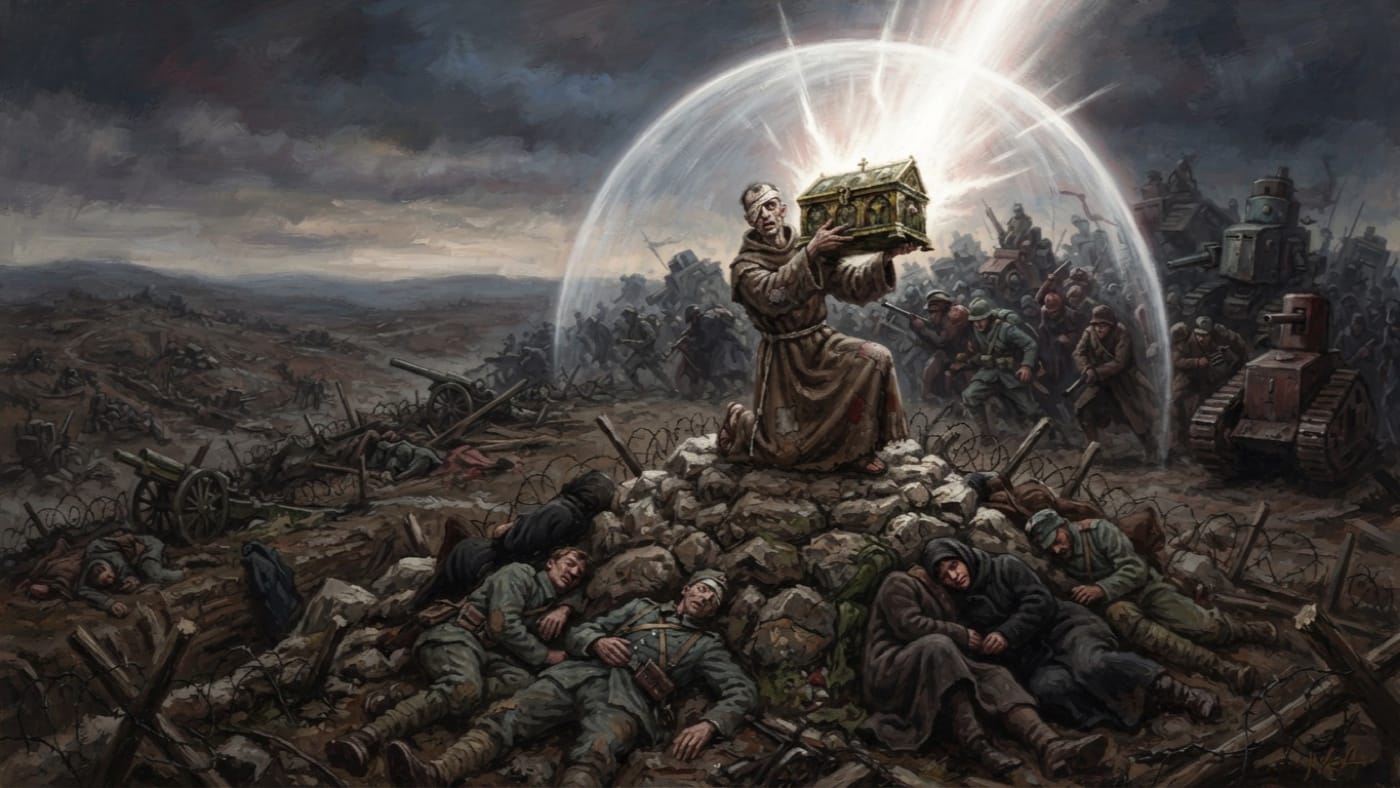
Order of Friars Minor
One brother in the record, an Order still unaccounted for
The Franciscan Order named in Brother Tomislav's file. One friar is confirmed; its foundation, superiors and survival remain beyond the Ledger's reach.
Codex Ref. VIII.9.02-2026
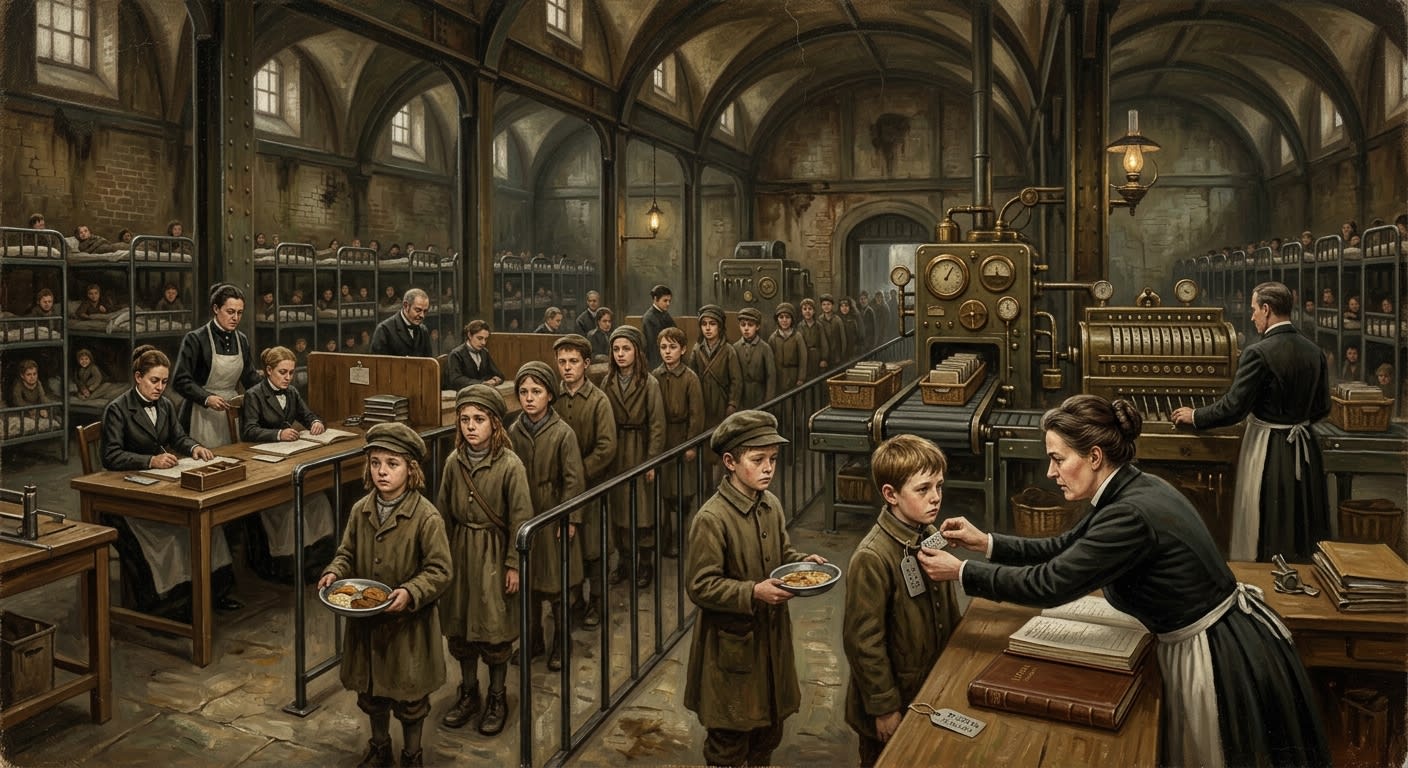
Orphanarii
Mercy with a cot, a tag-punch, and the legal courage to rename a child before breakfast
The Orphanarii are the Synod's state orphanage system: Mercy houses that wash, tag, rename, sort, feed, place, and sometimes erase children until grief becomes legible.
Codex Ref. VIII.2.12-134
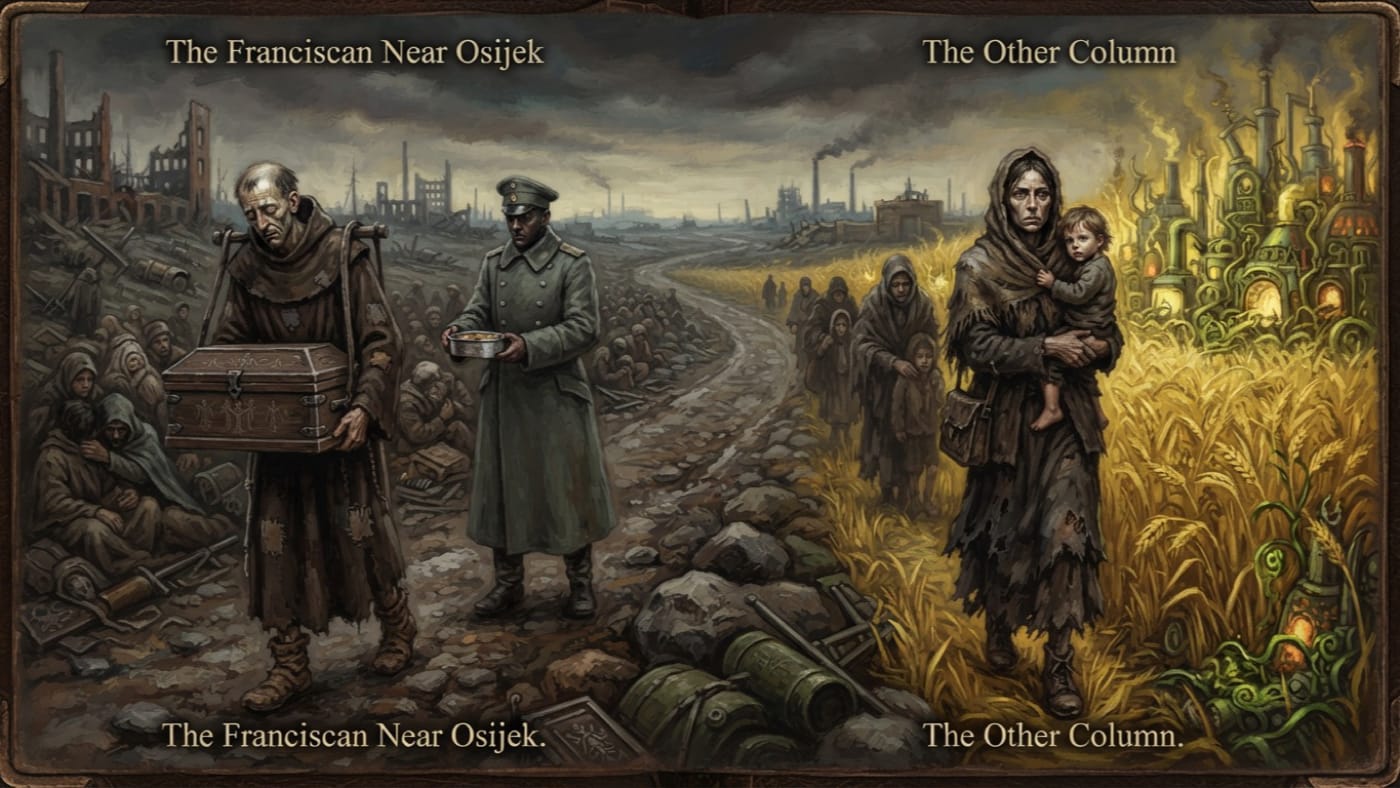
Osijek
Two roadside accounts and the hunger the Church filed differently
Osijek survives in two roadside accounts: a fasting friar near the town in late A.S. 45 and an undated mother approaching a Field. The Ledger keeps their hunger in separate drawers.
Codex Ref. II.3.08-045
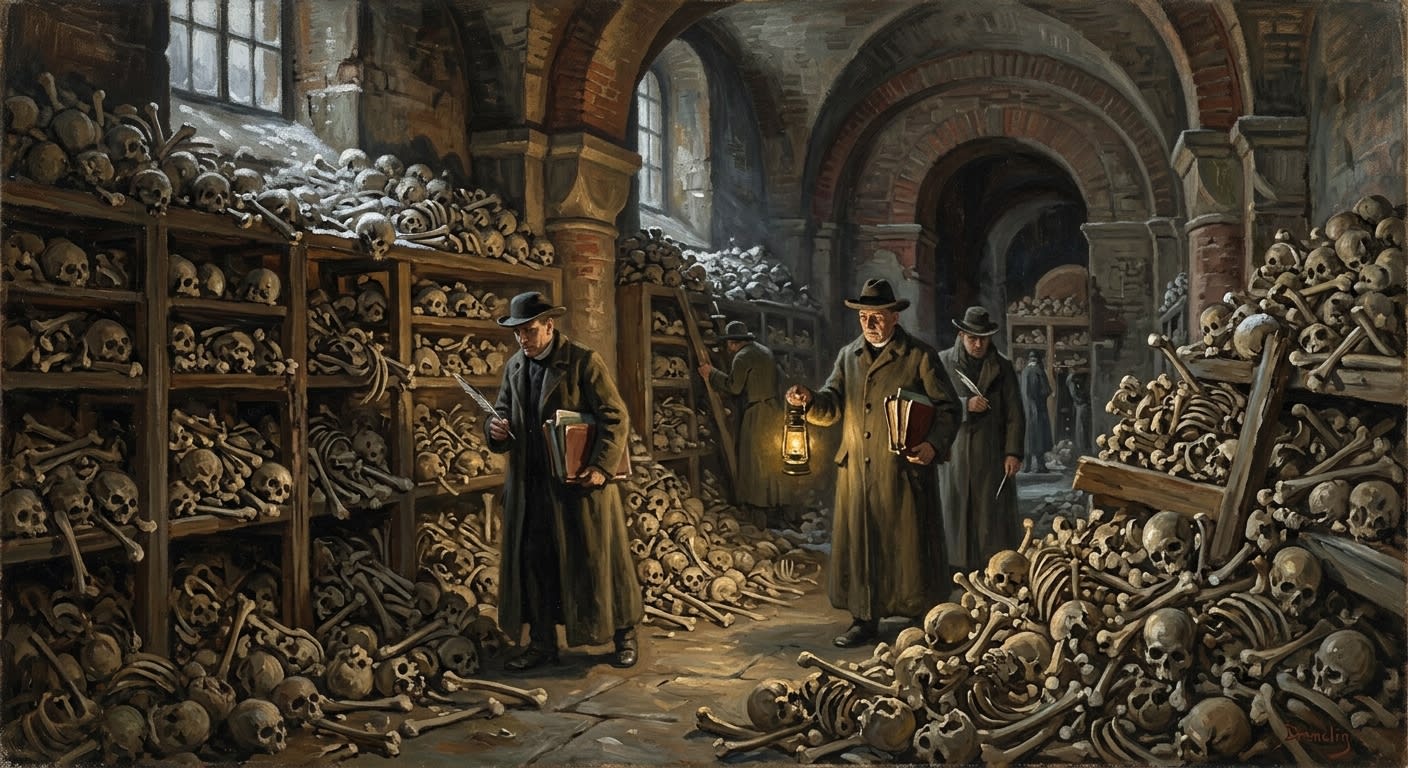
Ossuary Overflow Winters
The season when the dead exceeded the shelves and the wall learned appetite
Three A.S. 73–76 winters of forward ossuary collapse, suppressed ratios, frozen ledgers, and chapel overflow that taught the Synod to prefer sanctified walls to crowded shelves.
Codex Ref. VII.4.25-002
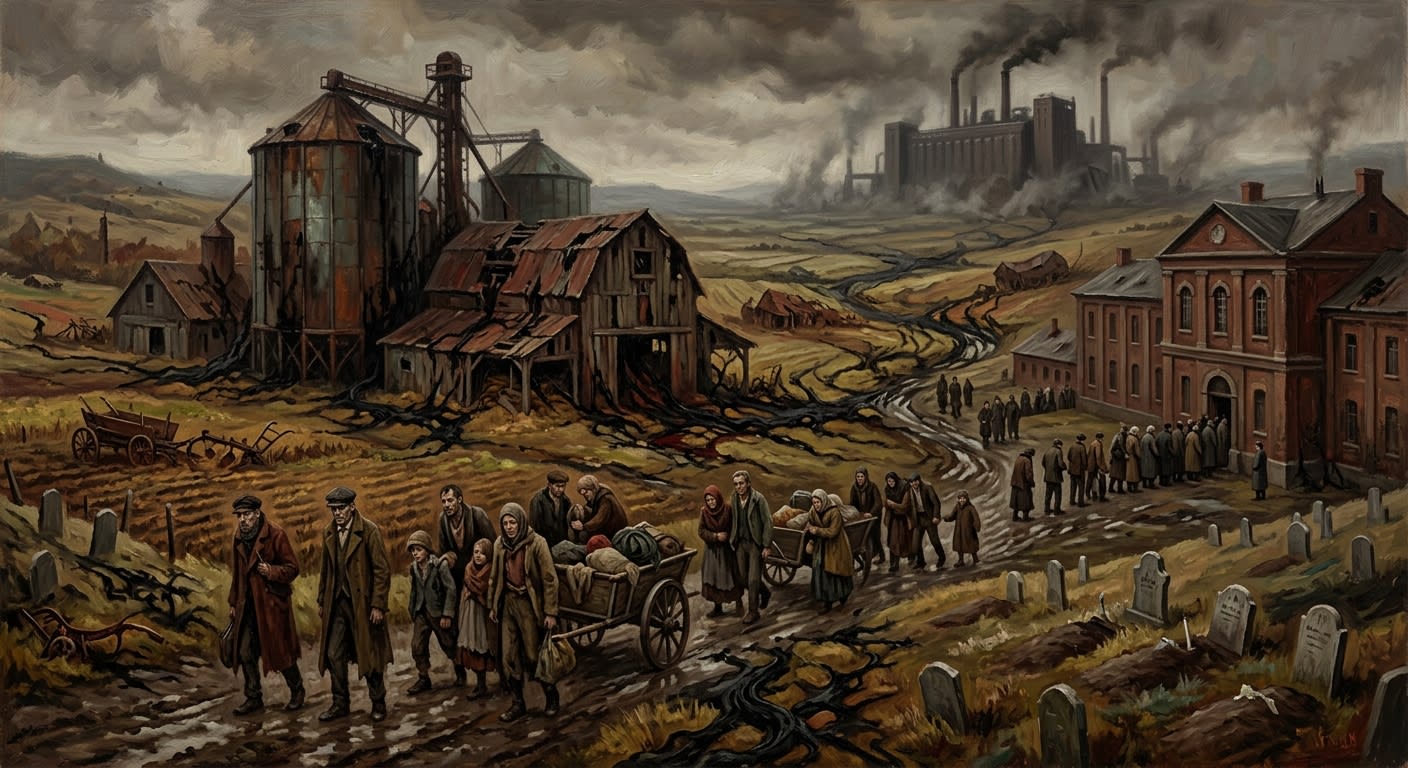
Pannonia
The bread basin that learned appetite
Pannonia was the basin that fed empires before Kargath taught its barns to hunger, its graves to want, and its maps to rot into accusation.
Codex Ref. II.4.09-045
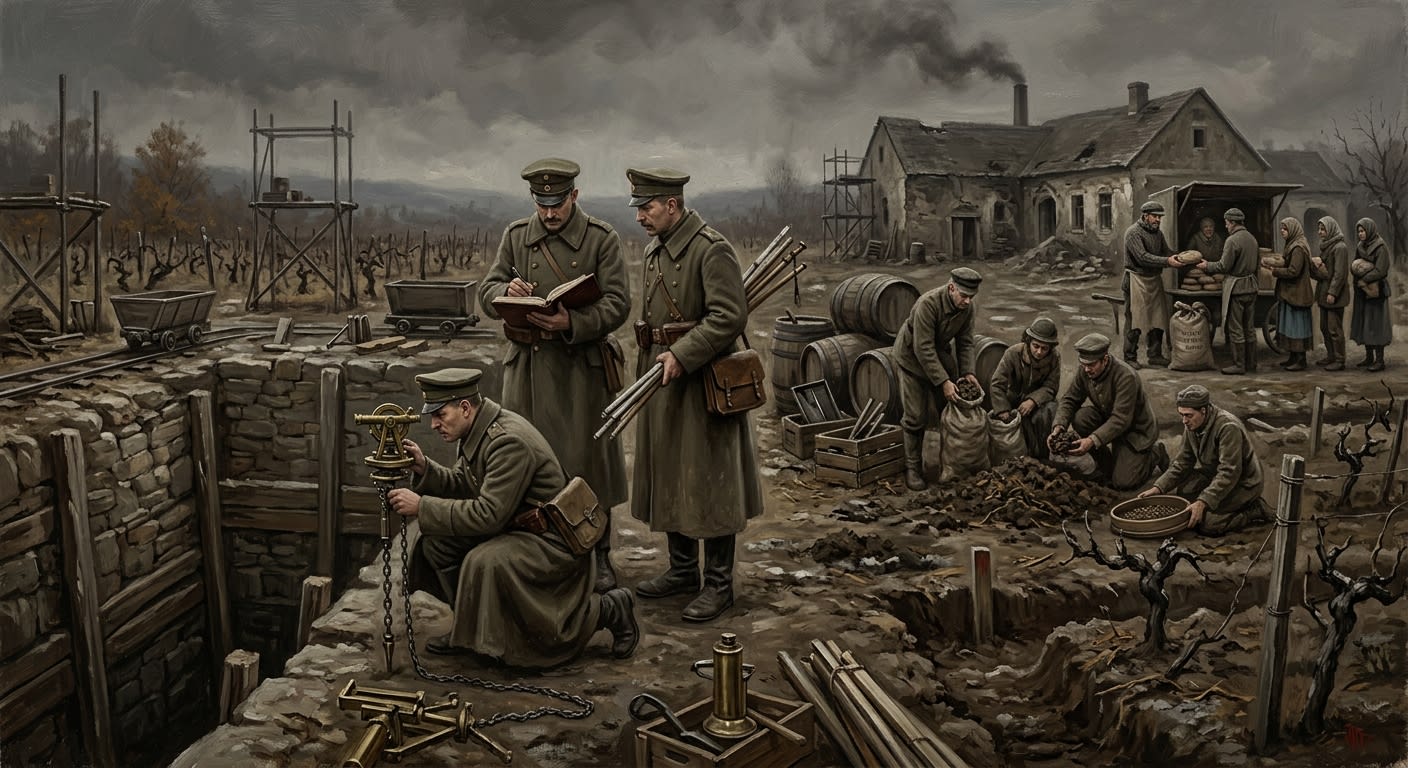
Pécs
The town where bread became evidence
Pécs is the vineyard ruin where Famine Pit measurement, Abundance Field proof, and Kargath's useful bread made hunger legible to the Ledger.
Codex Ref. II.4.09-147
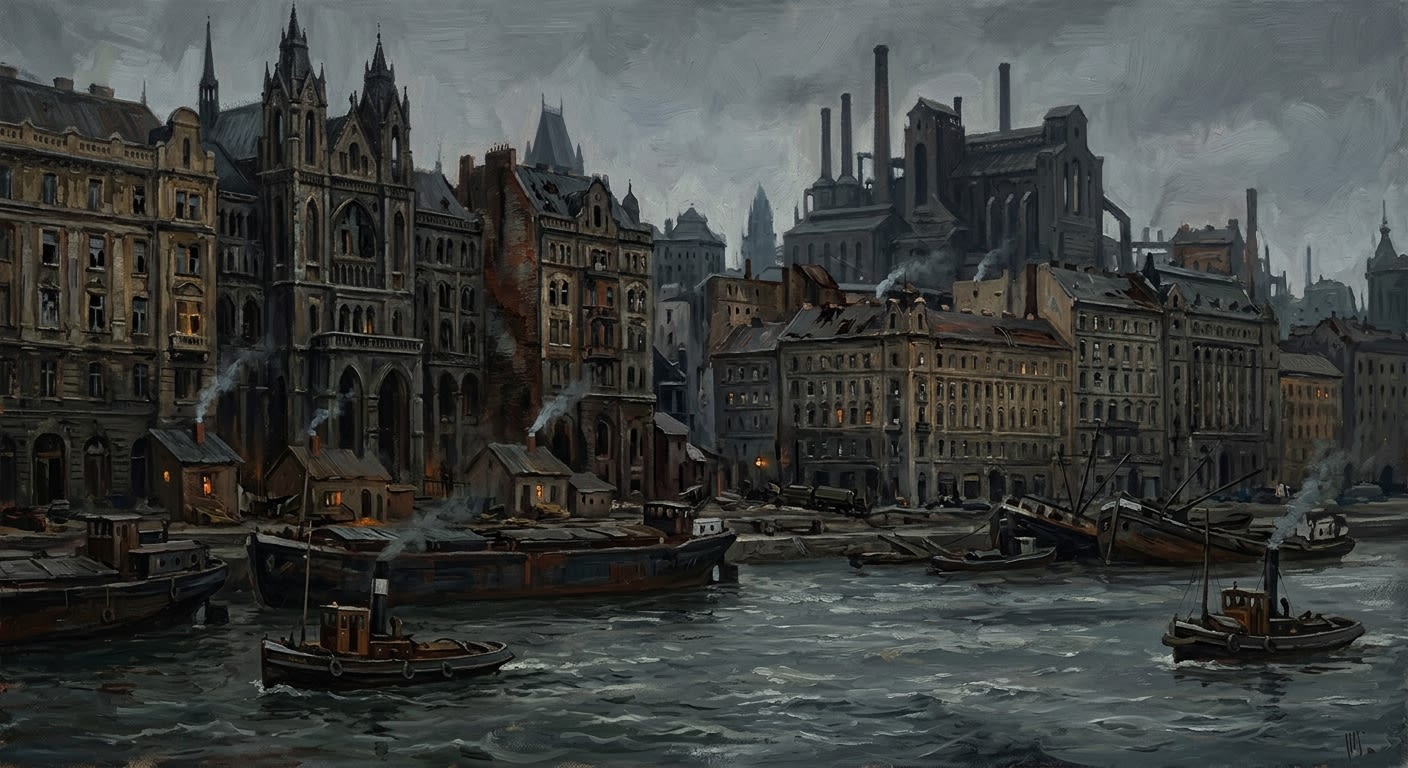
Pest, Abandoned Bank
The empty city that keeps answering without being called
Pest is the eastern bank of Budapest: declared Vacated in A.S. 120, visible across the Danube, annually confirmed, and inconveniently less empty than doctrine prefers.
Codex Ref. II.4.09-012
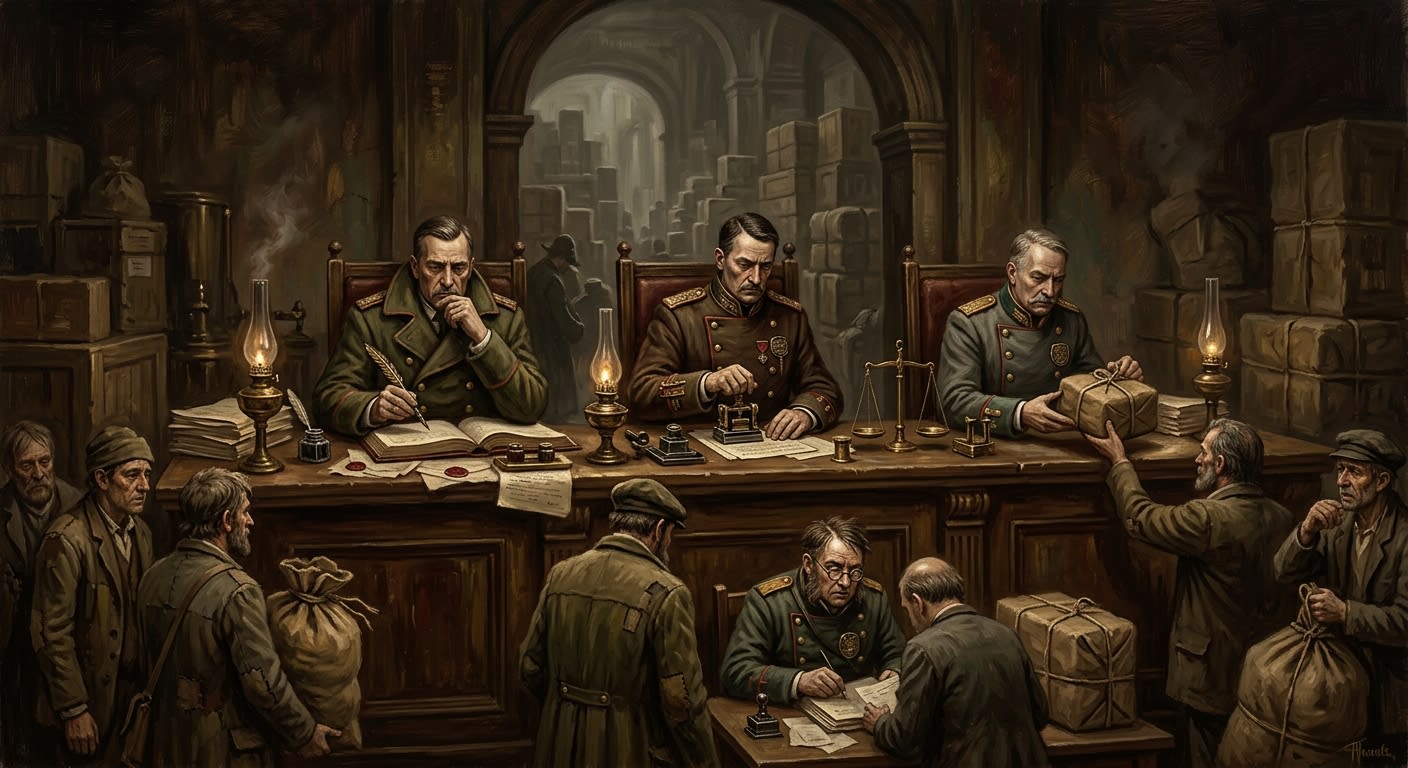
Port Court
Where cargo waits while permission proves it has a soul
The Port Court names cargo before mercy may touch it: a Commerce bench where sacks become law, law becomes delay, and delay invoices the hungry.
Codex Ref. XIII.1.89-112
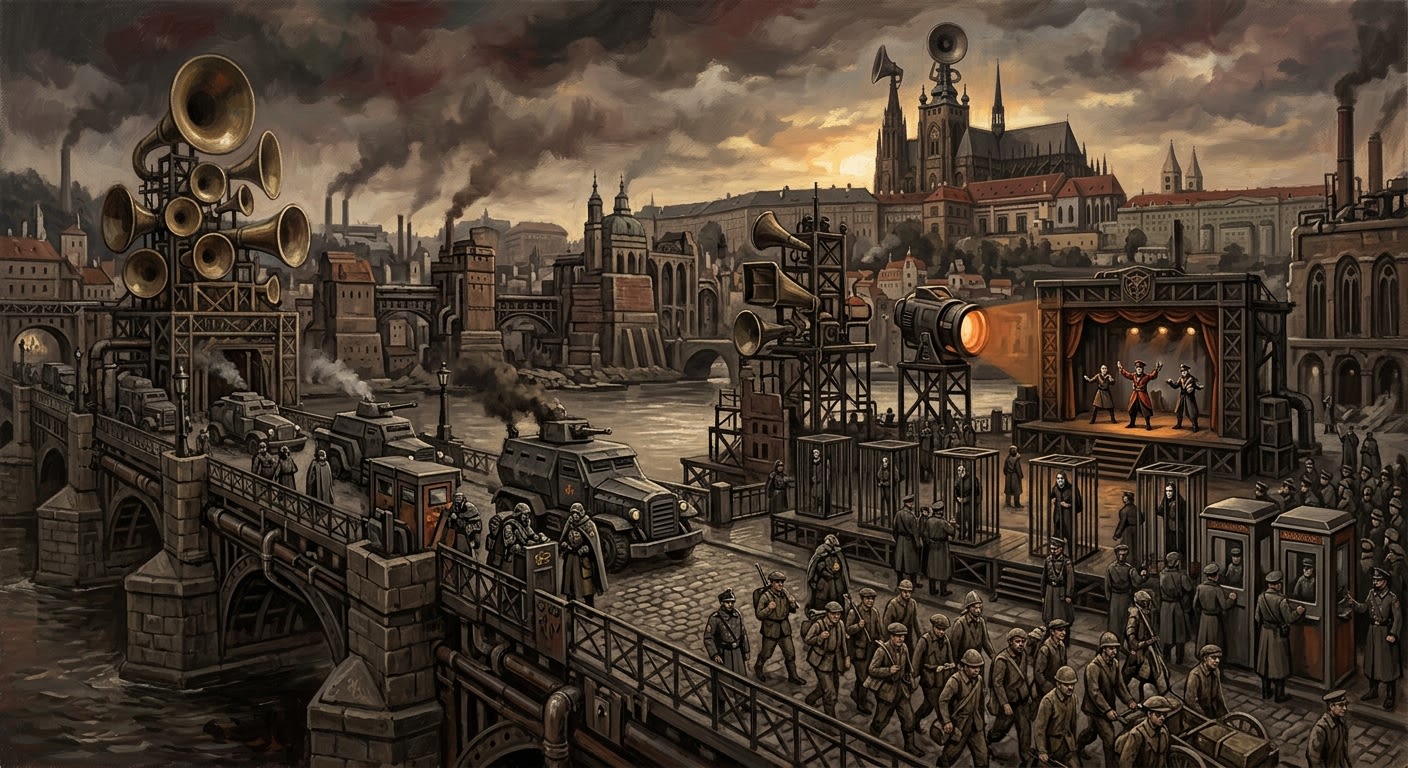
Prague
The bridge-city where shame learned civic architecture
Synod-held Prague is a Zone 3 bridge-city of public correction, Rationalist residue, Ephrath theatre, acoustic wounds, and useful civic obedience.
Codex Ref. II.3.02-001
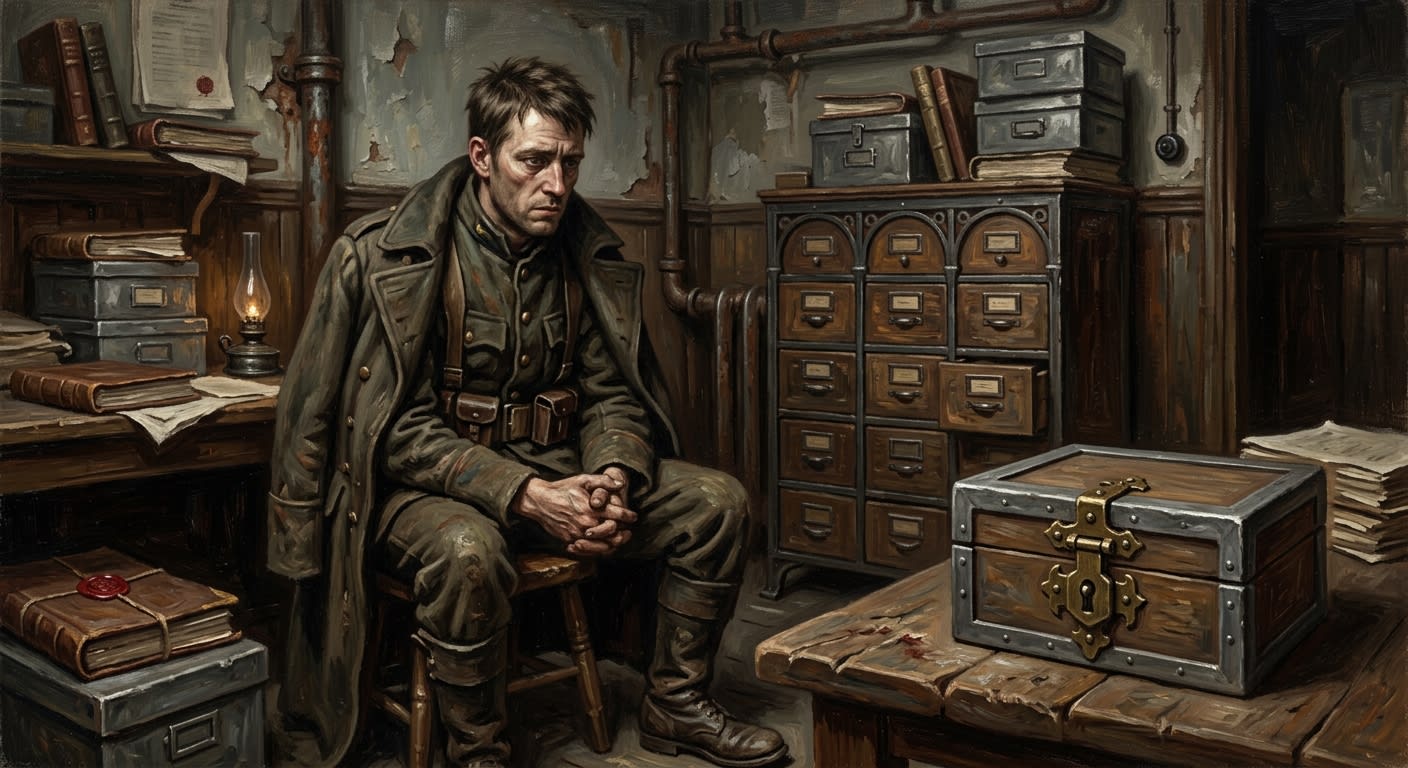
Private Kessler
The low-rank witness who heard annihilation carry a tune
Survivor of the A.S. 45 Iron Plains whose separate testimony—“The fire was singing”—is kept apart from the fourteen witnesses as an acoustic hazard and doctrinal wound.
Codex Ref. III.2.01-081
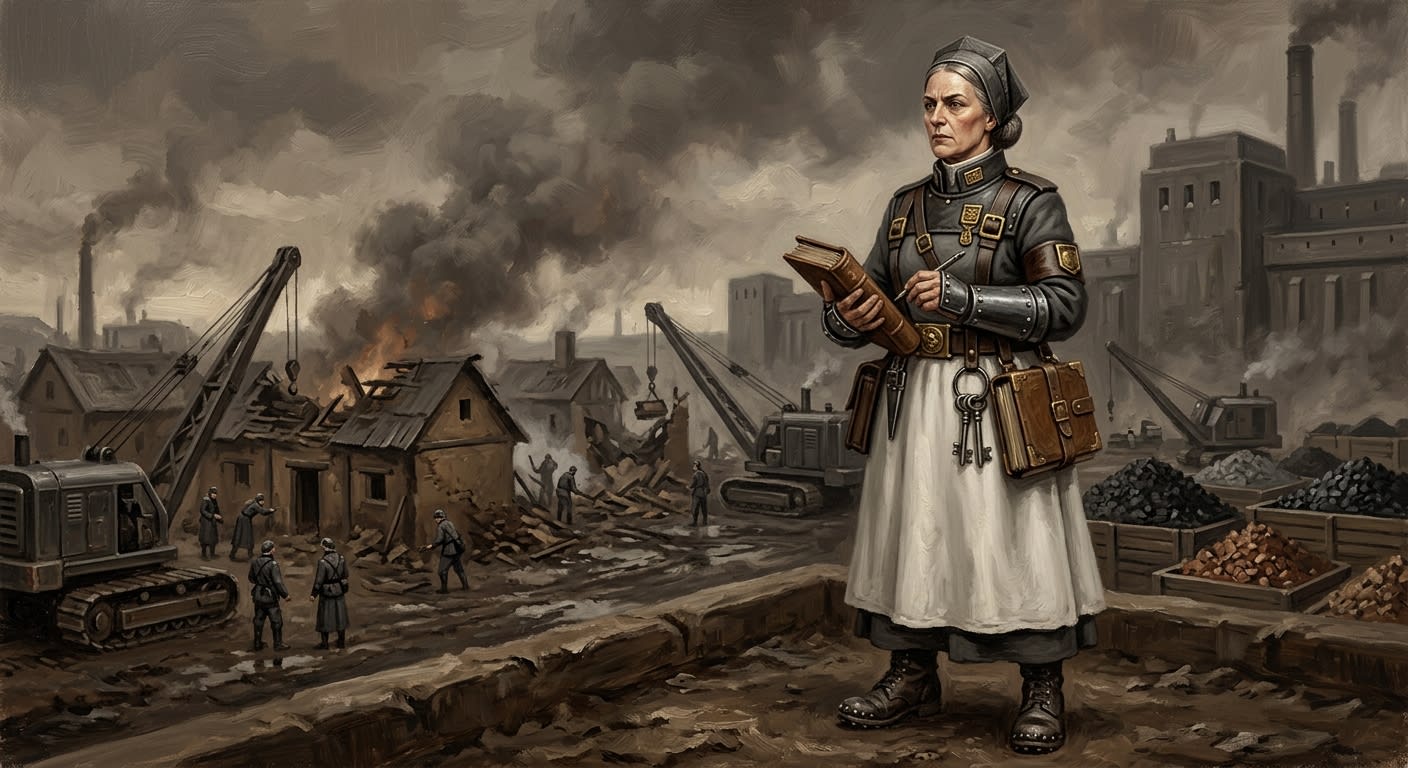
Procurator Hildegarde of Mainz
She made correction visible and mercy file its own apology
Hildegarde of Mainz gave Purity its white mantle, razed forty tithe villages, and became the saint of visible correction.
Codex Ref. III.2.03-001

Procurator Maxentius della Torre
The jaw by which Doctrine learned to bite
Della Torre expanded Purity in A.S. 80, birthed the Index Damnatus, and taught the Synod that a named error is already halfway into chains.
Codex Ref. III.4.02-031
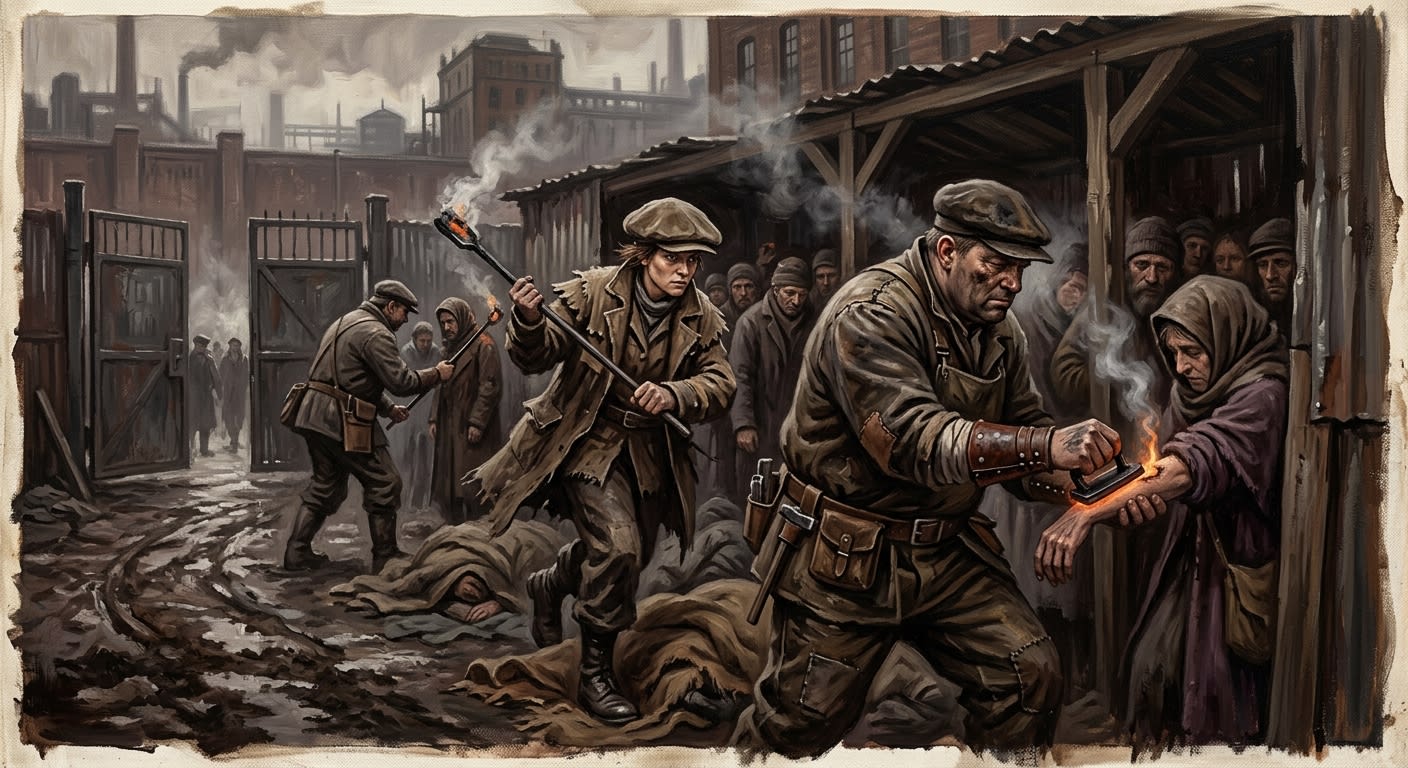
Quick Burners
Haste, under shelling, becomes a form of grammar
Quick Burners are accelerated field Brand-Smiths who mark bodies in queues, sheds, gates, and mud before ceremony can strangle movement.
Codex Ref. XII.20.06-001
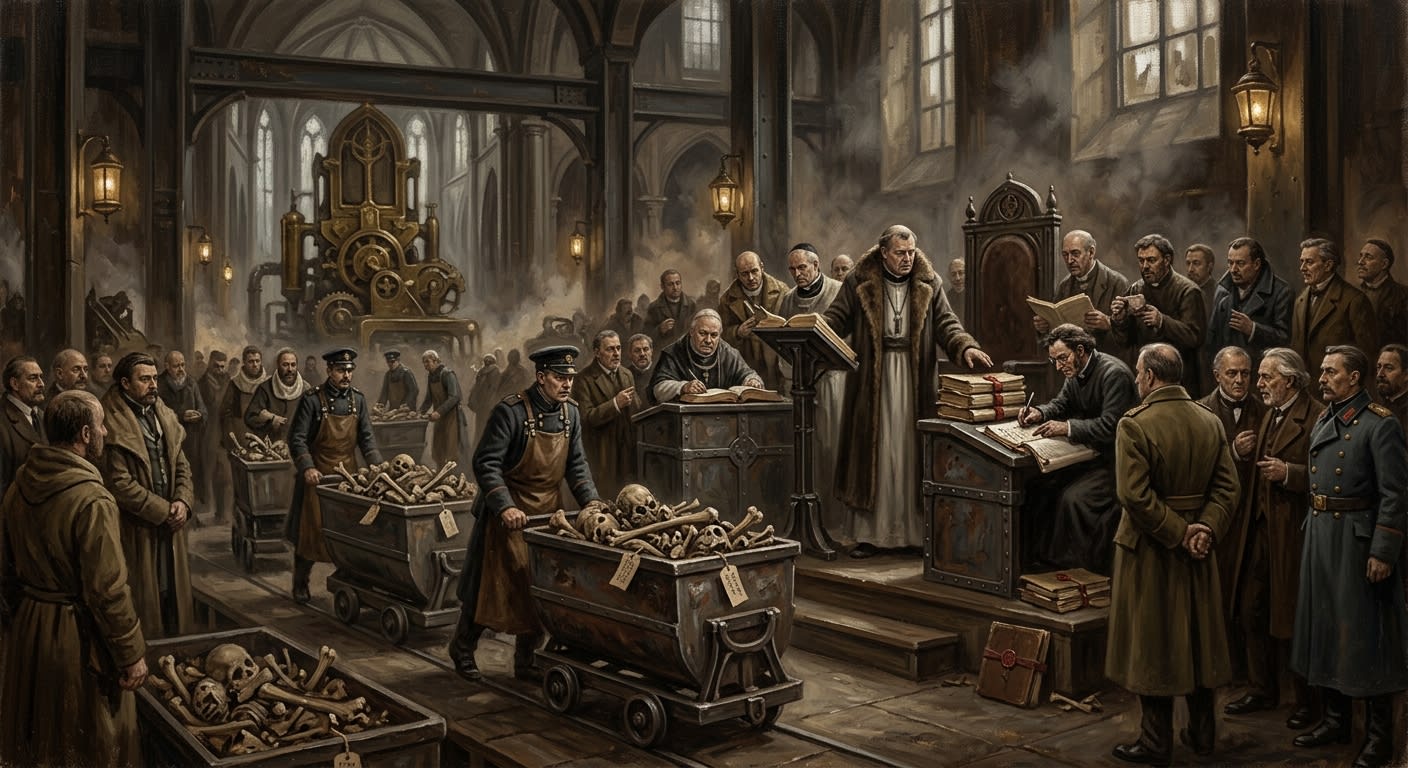
Reliquary Schisms A.S. 140–160
When seventeen femurs became policy and anatomy was reassigned
Twenty years of authenticated surplus bones, shrine bloodshed, and the Fourteenth Doctrinal Congress that made notarized contradiction lawful.
Codex Ref. VII.8.10-090
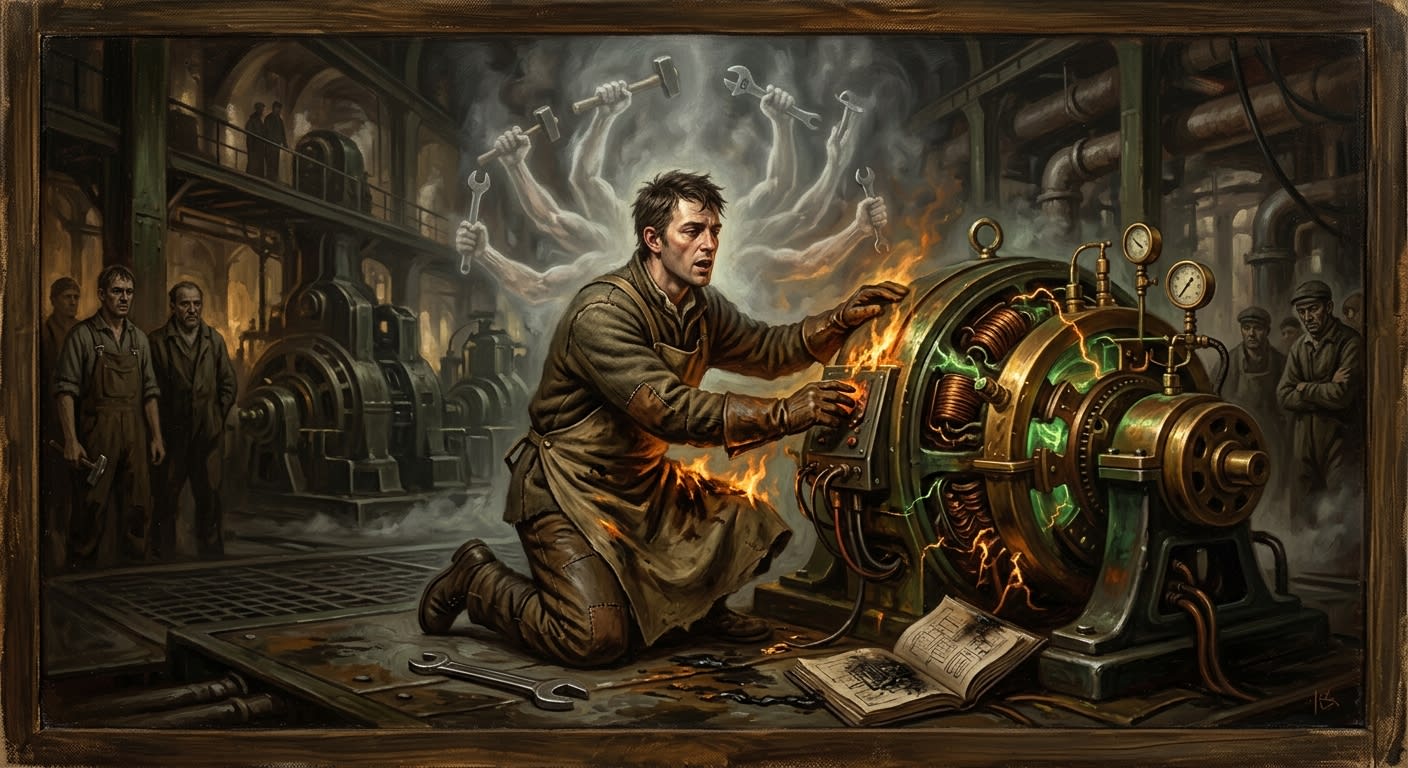
Saint Edrin of the Eight Strokes
A clean note, a burned hand, and eleven years of obedience
Patron of Litany-Engineers and engine-cant apprentices, Edrin sang a failed generator back to obedience during the Great Retreat and burned for the privilege.
Codex Ref. III.2.01-130
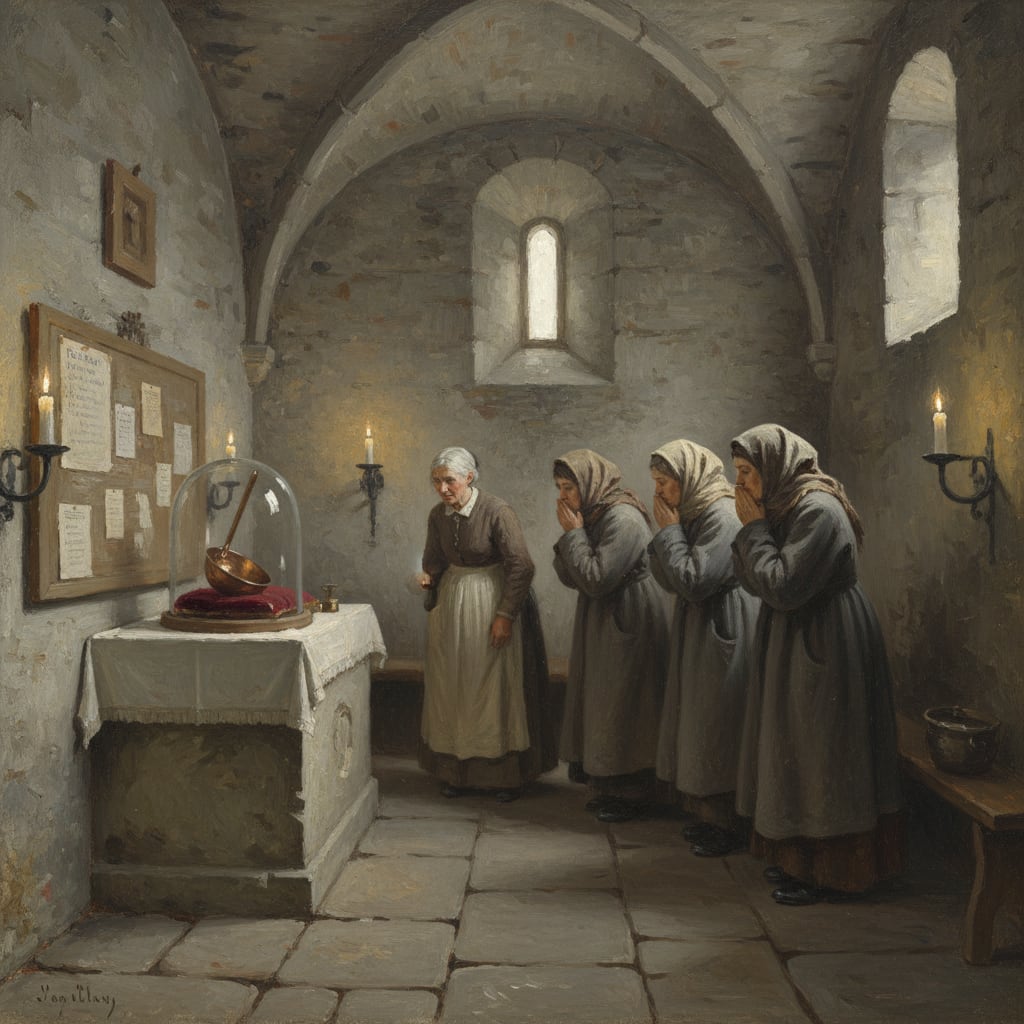
Saint Halva of the Warm Ladle
Salt of the Institution, patron of acceptable portions
Patron saint of the Mothers of Plenty, canonized A.S. 94 with zero miracles attested, no body produced, and a relic the Bureau of Relics classifies as "devotionally sufficient." She may not have existed.
Codex Ref. III.2.01-001
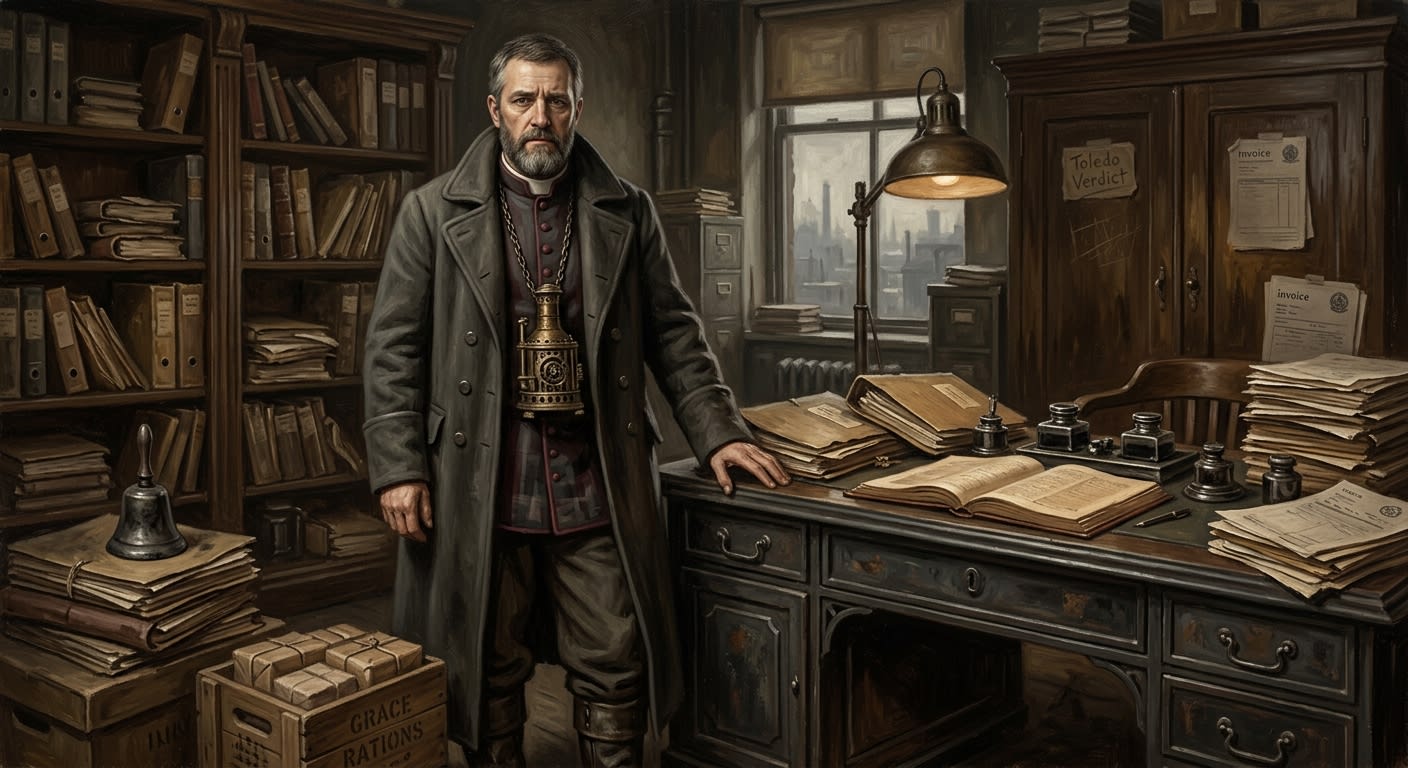
Saint Isidore
The saint who became vessel, bell, ash, and invoice
Pre-Synod saint whose militarised relic blazed at Kalnik Ridge in A.S. 48, then multiplied into bell, ash, Grace Ration, Toledo verdict, and Bureau invoice.
Codex Ref. III.2.01-086
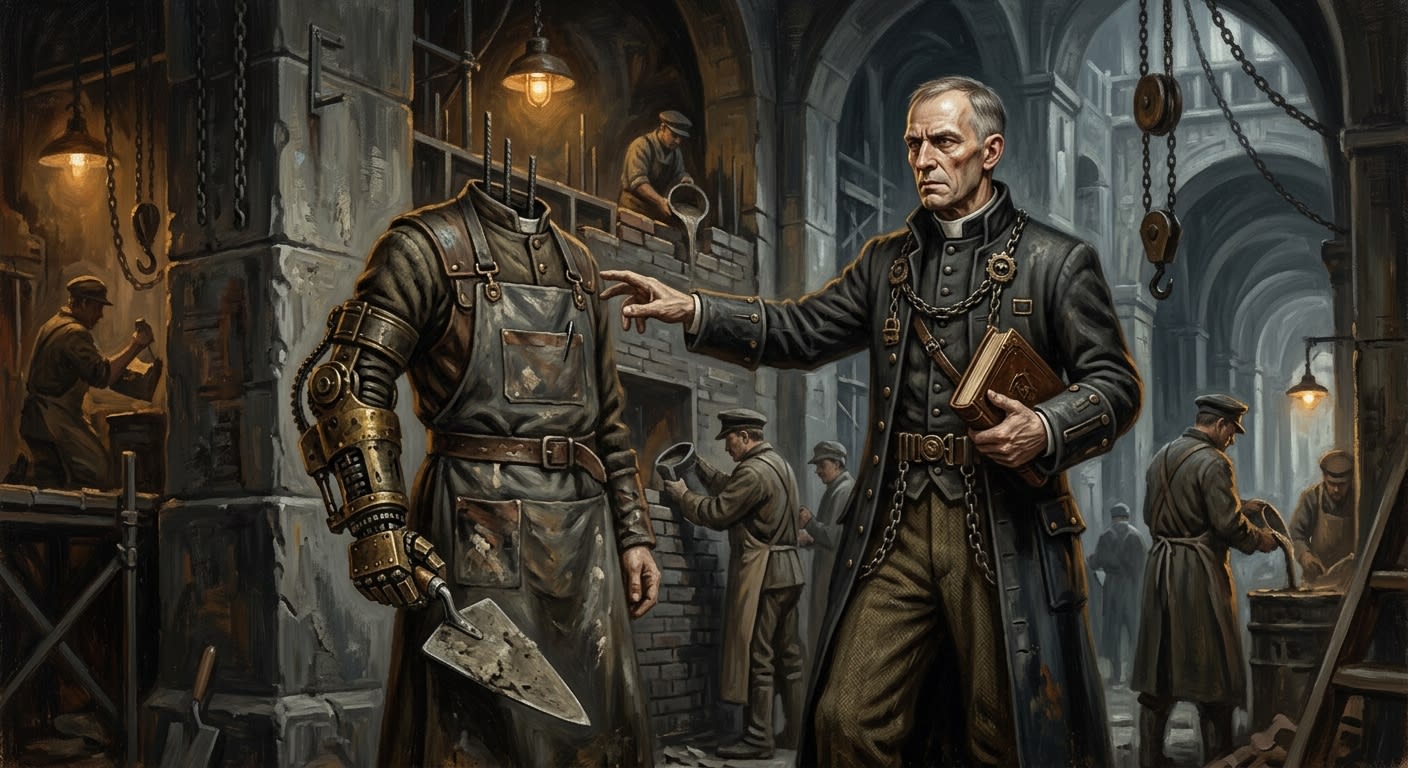
Saint Karron the Trowel-Hand
Stone is faithful because men are easier to mortar
Occupational patron of the Immurement Masons, Saint Karron made a screaming sentence architectural and left the Synod a recipe for silence.
Codex Ref. III.2.01-124
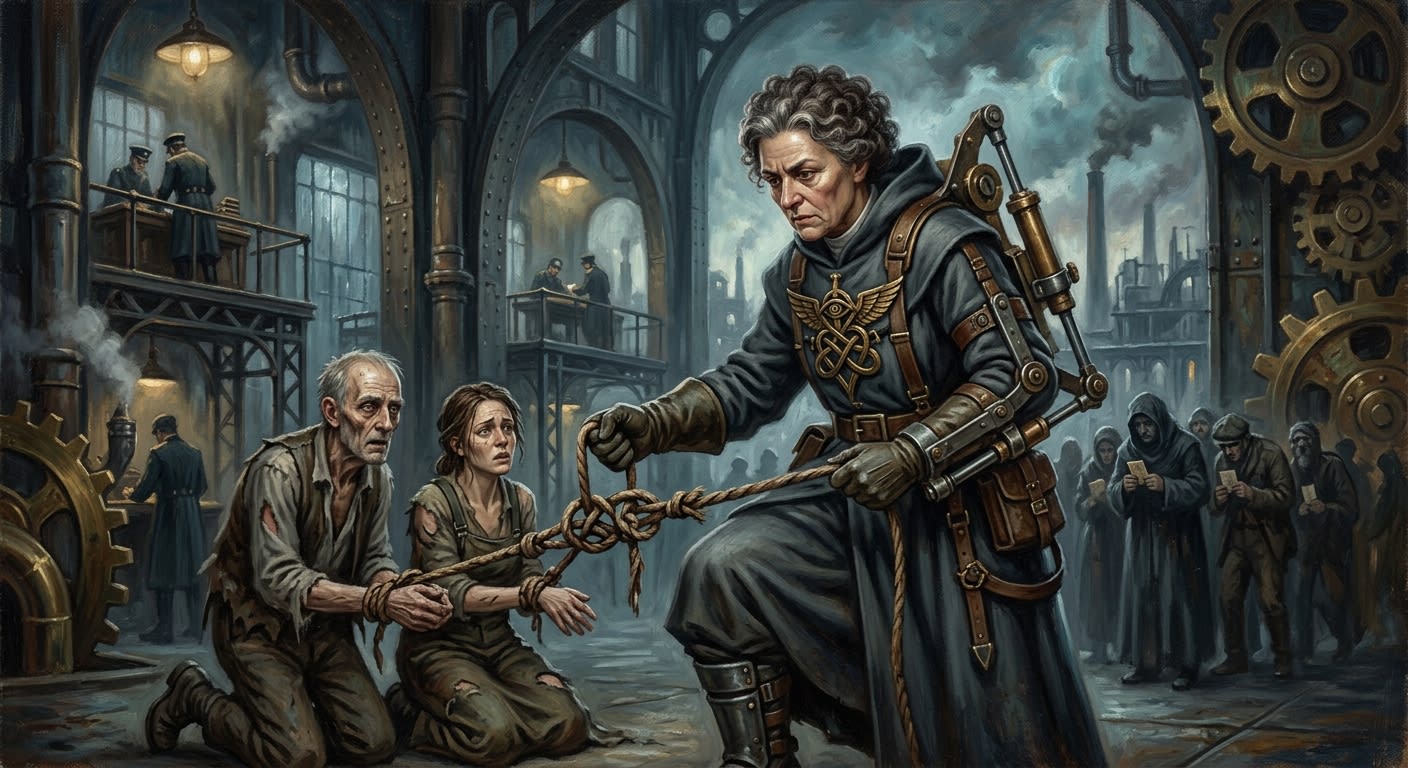
Saint Liora Knot-Hand
Thirty knots, thirty doors, and the miracle of obligation made visible
Patron of the Bureau of Oaths, Saint Liora Knot-Hand bound thirty hungry households into survival with witnessed vows and a strip of cloth. Mercy counted; the knot remembered.
Codex Ref. III.2.01-012
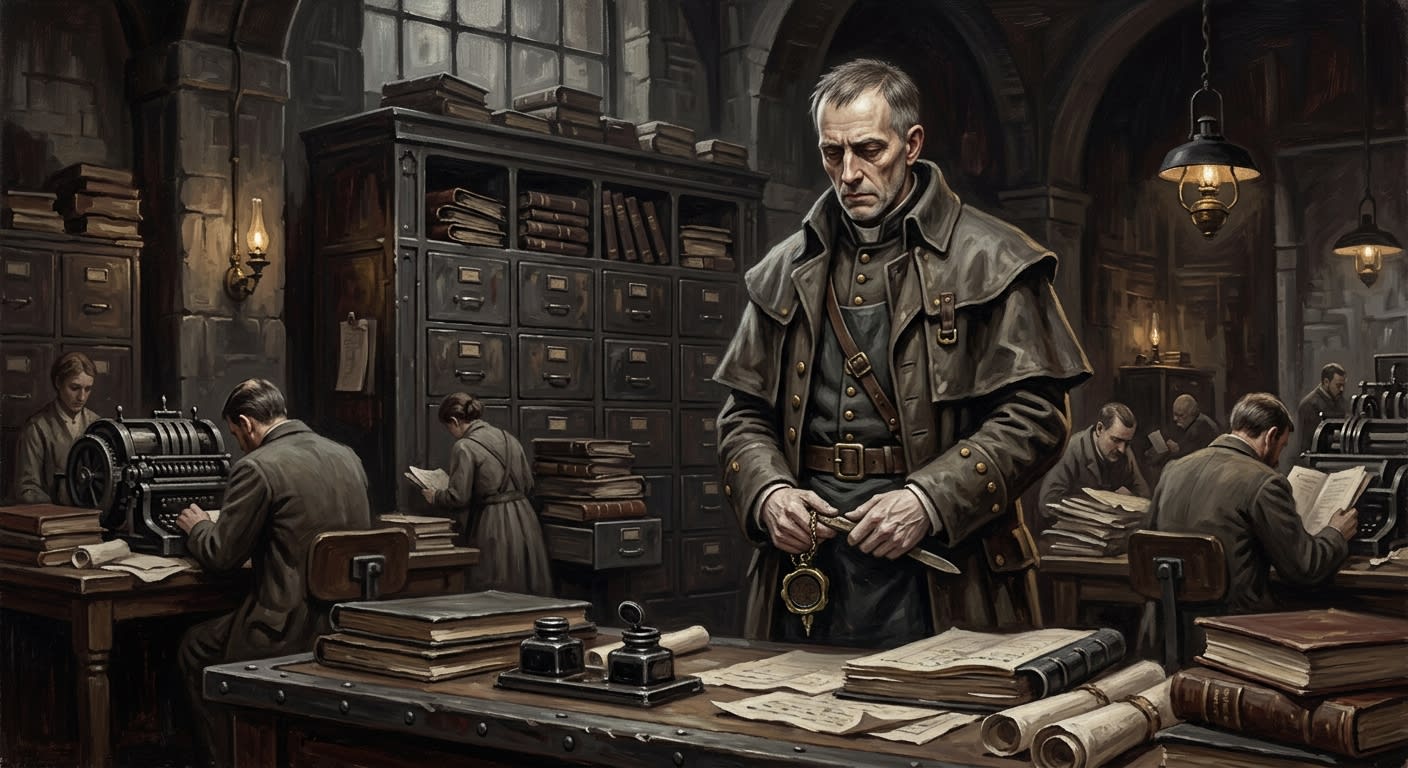
Saint Vellum the Silent
A patron saint whose relic is procedure
Occupational patron of Erasure Notaries, Strike Scribes, Nullity Clerks, and Lineage Severers; a saint of washed hands, black seals, and names made quiet.
Codex Ref. III.2.01-113
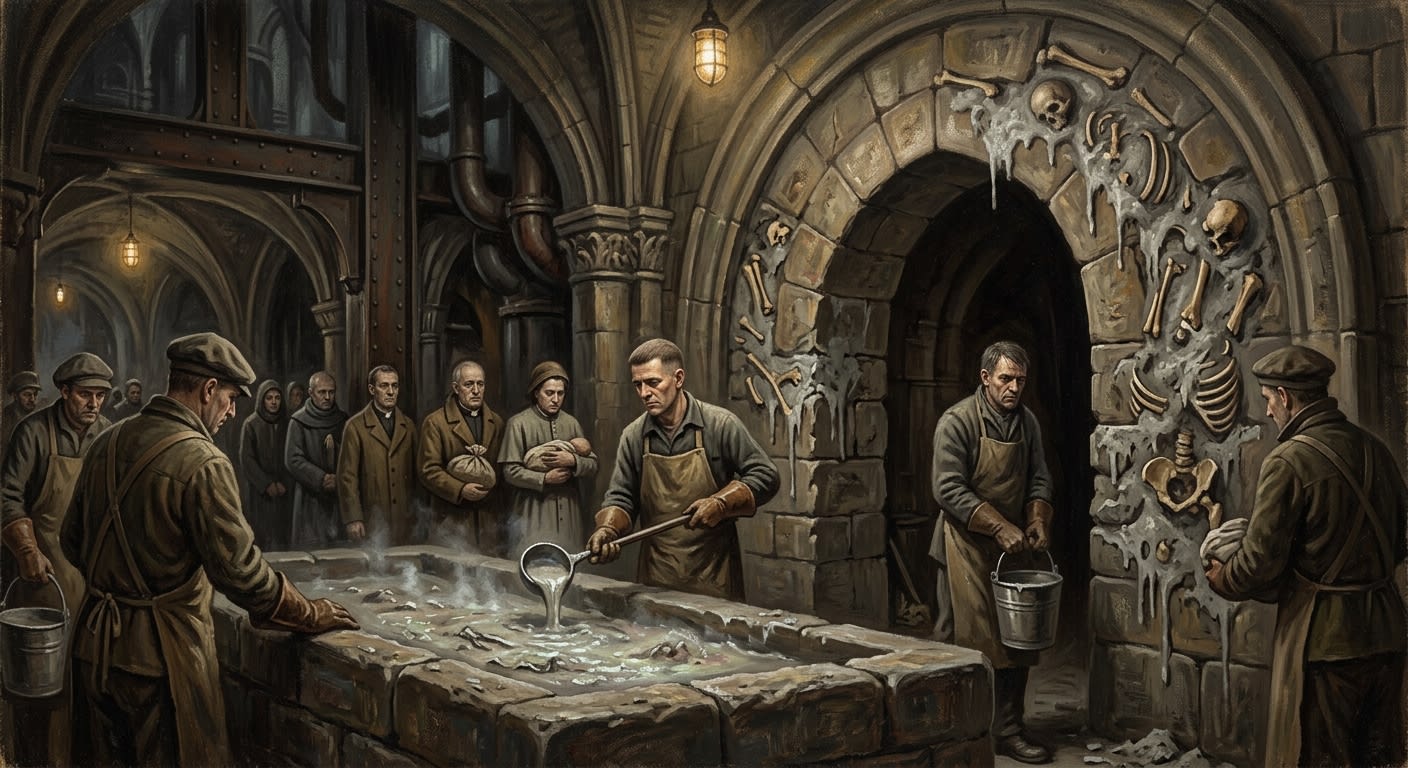
Saint-Bone Melting Acts
Sanctity must bear weight, and the wall has receipts
The A.S. 96 Saint-Bone Melting Acts made surplus holiness structural, teaching relics to become mortar and the faithful to call subtraction a wall.
Codex Ref. XIII.1.91-096
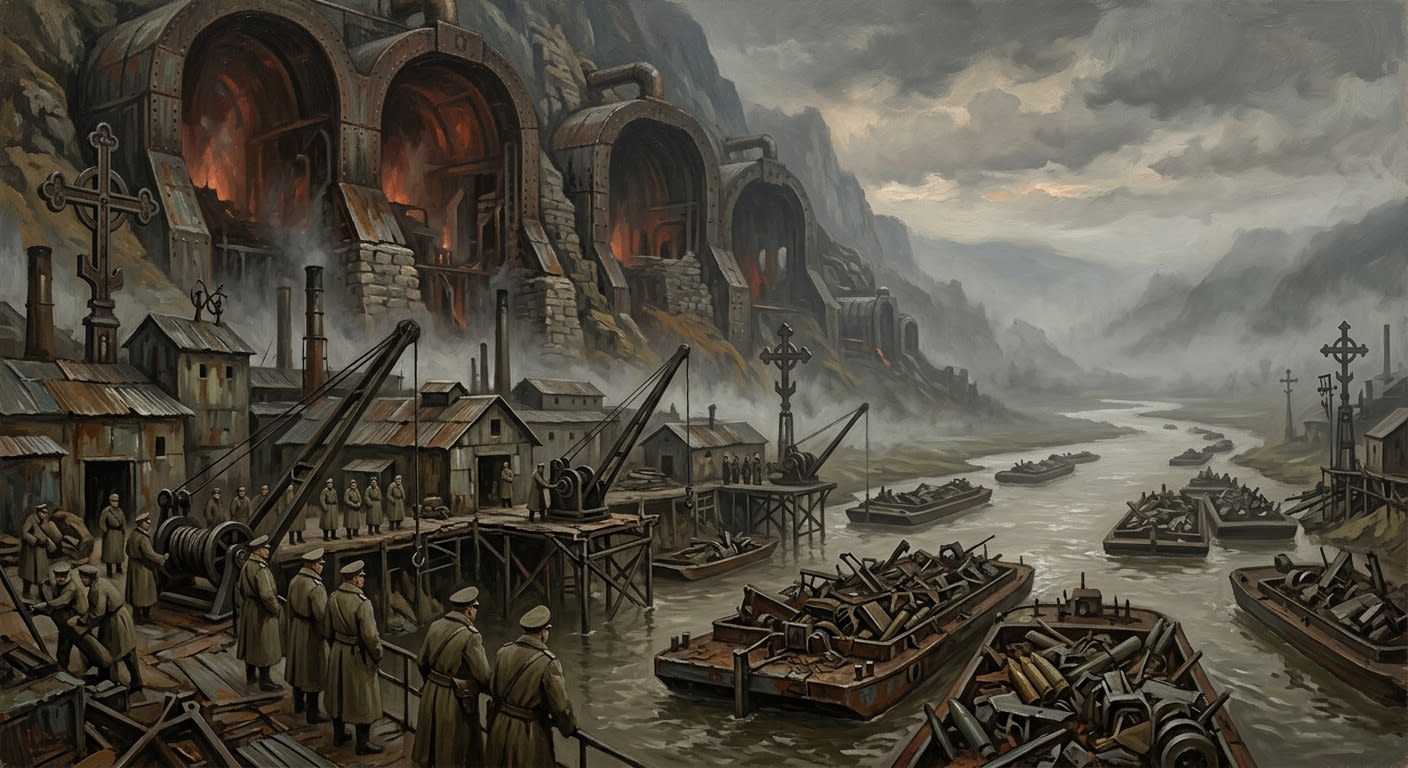
Serbia
The country where fire and fog filed rival claims and both were accepted
Serbia is the Balkan wound-country where Wrath heats the caverns, Sloth cools the valleys, and the Danube keeps carrying useful ruin west.
Codex Ref. II.6.06-007
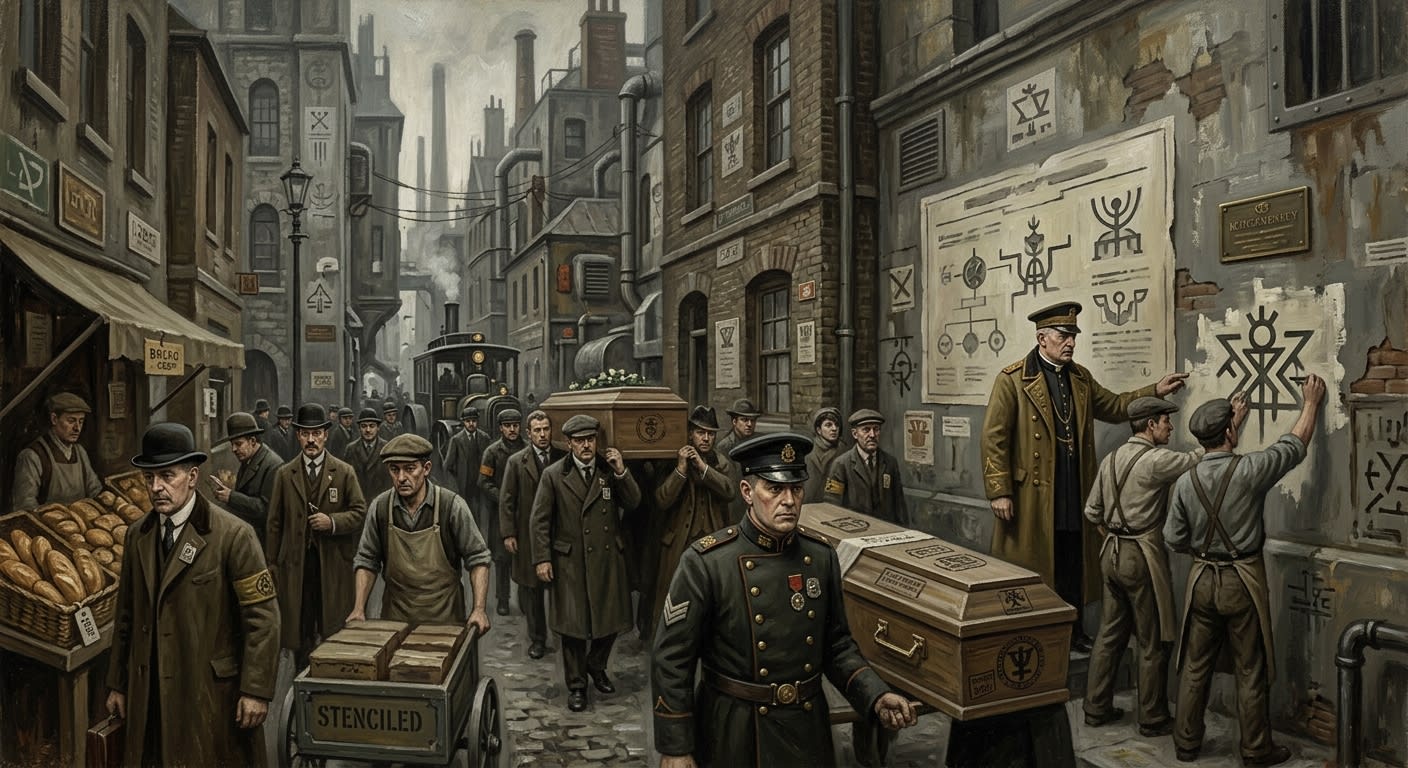
Standing Order 14-C
Every surface shall confess before speech begins
Standing Order 14-C teaches walls, bread, badges, coffins, and brows to confess: no lawful surface remains visually unclaimed.
Codex Ref. XIII.1.14-090
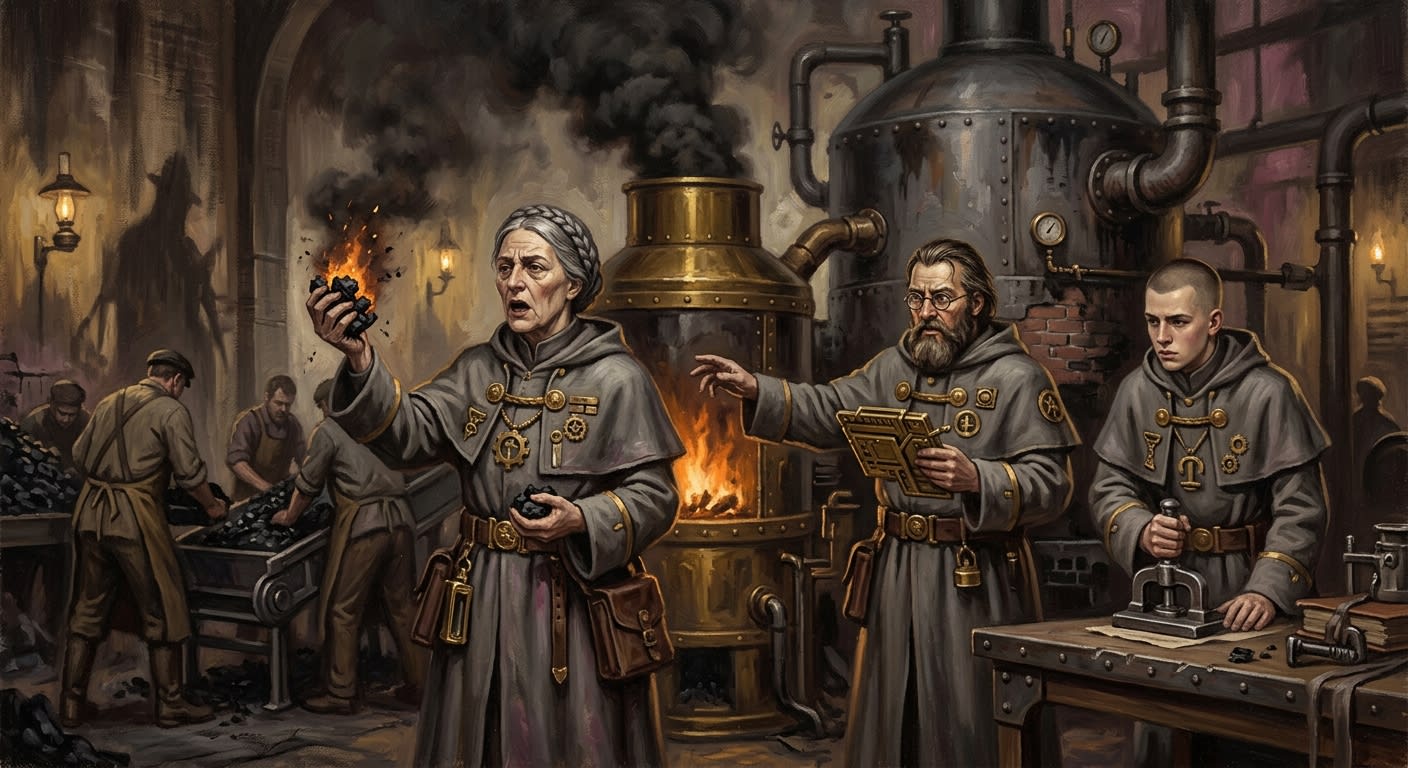
Standing Order 14-E
Sing before spark, or let the wall receive you
Standing Order 14-E is the smoke-written law of ignition: sing before spark, witness before load, seal before claim.
Codex Ref. XIII.1.14-097
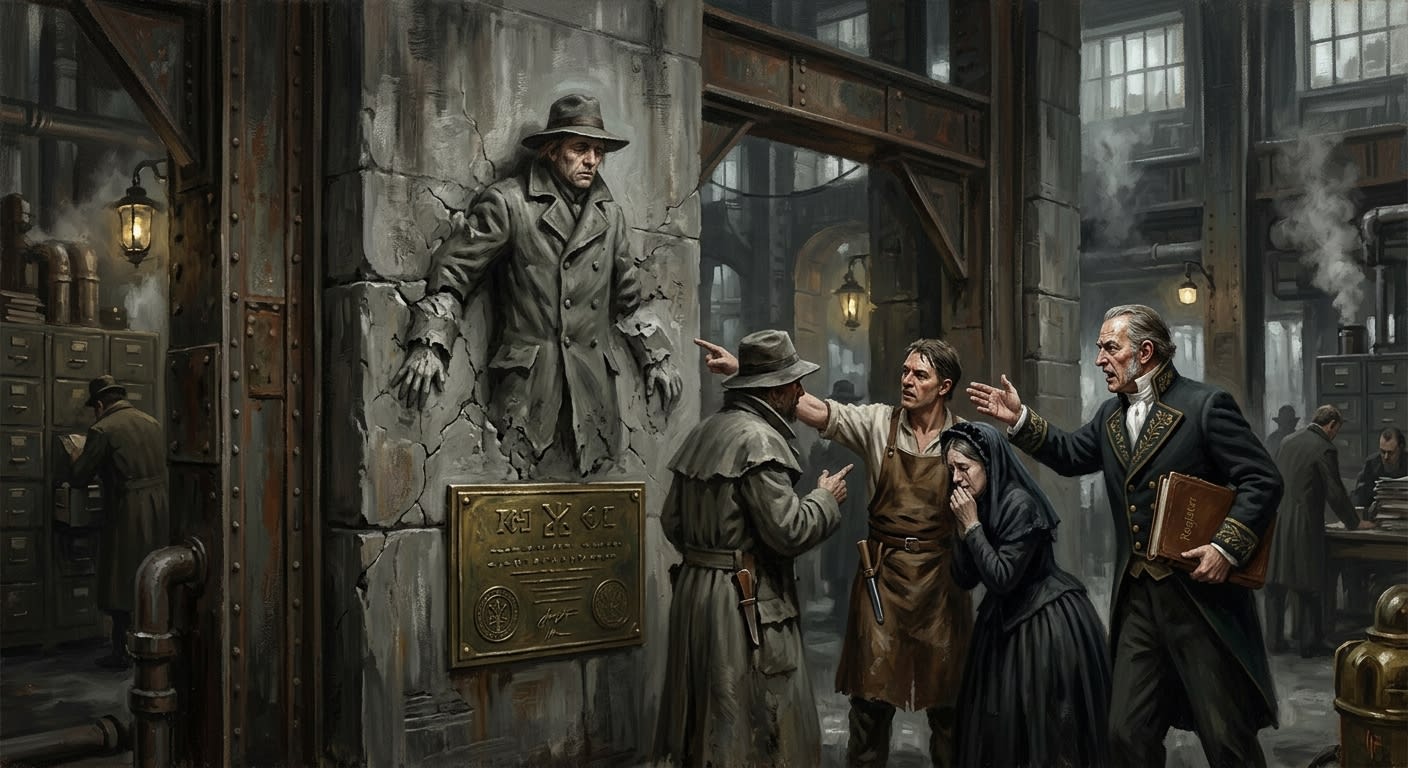
Standing Order 14-M
The sentence that makes masonry answerable for mercy
Standing Order 14-M turns condemned persons into walls with plaques, then lets masons, judges, families, and breath argue over what mercy costs.
Codex Ref. XIII.1.97-104
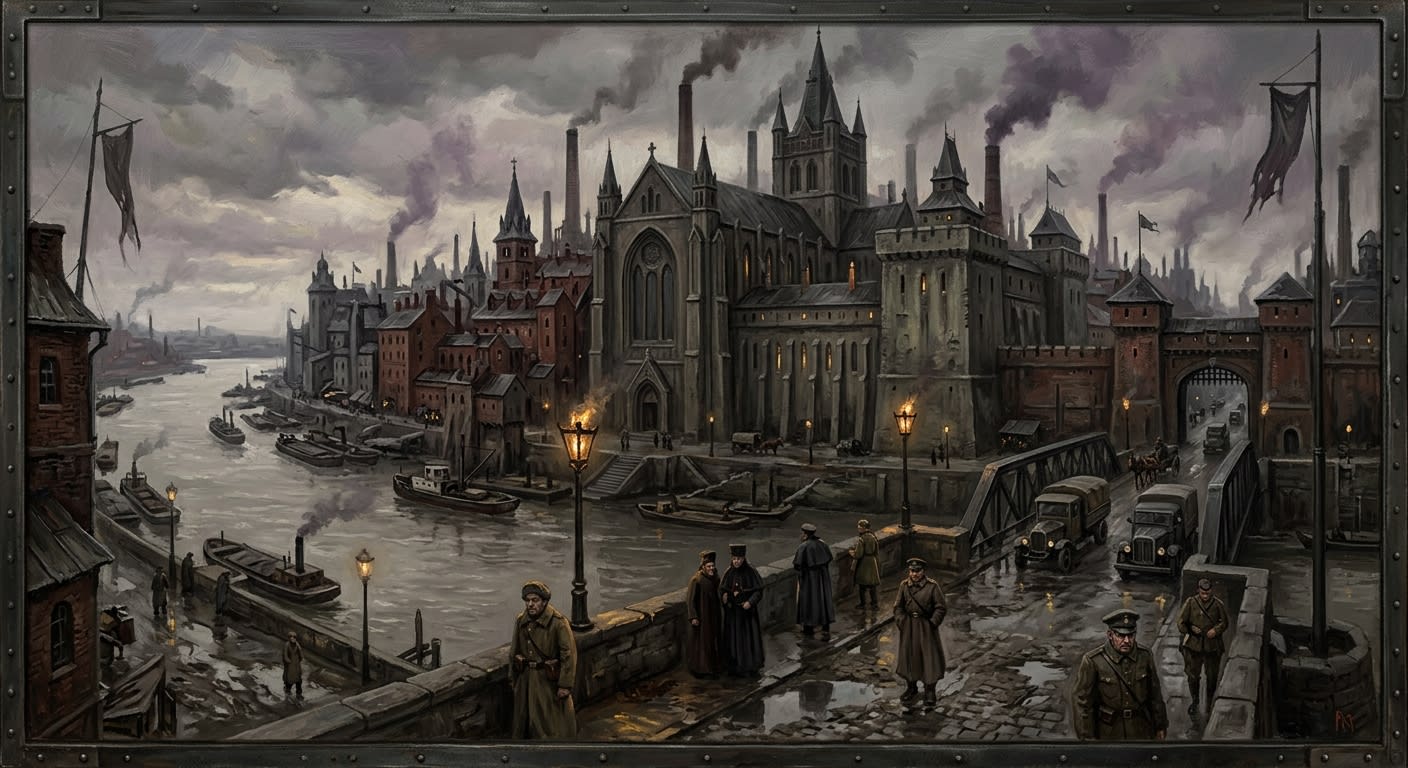
Szeged
The river city where the light failed while shining
Szeged is the Tisza city where psalm-light learned betrayal, candles died inward, and the road to Baja began reaching back with teeth.
Codex Ref. II.4.09-201
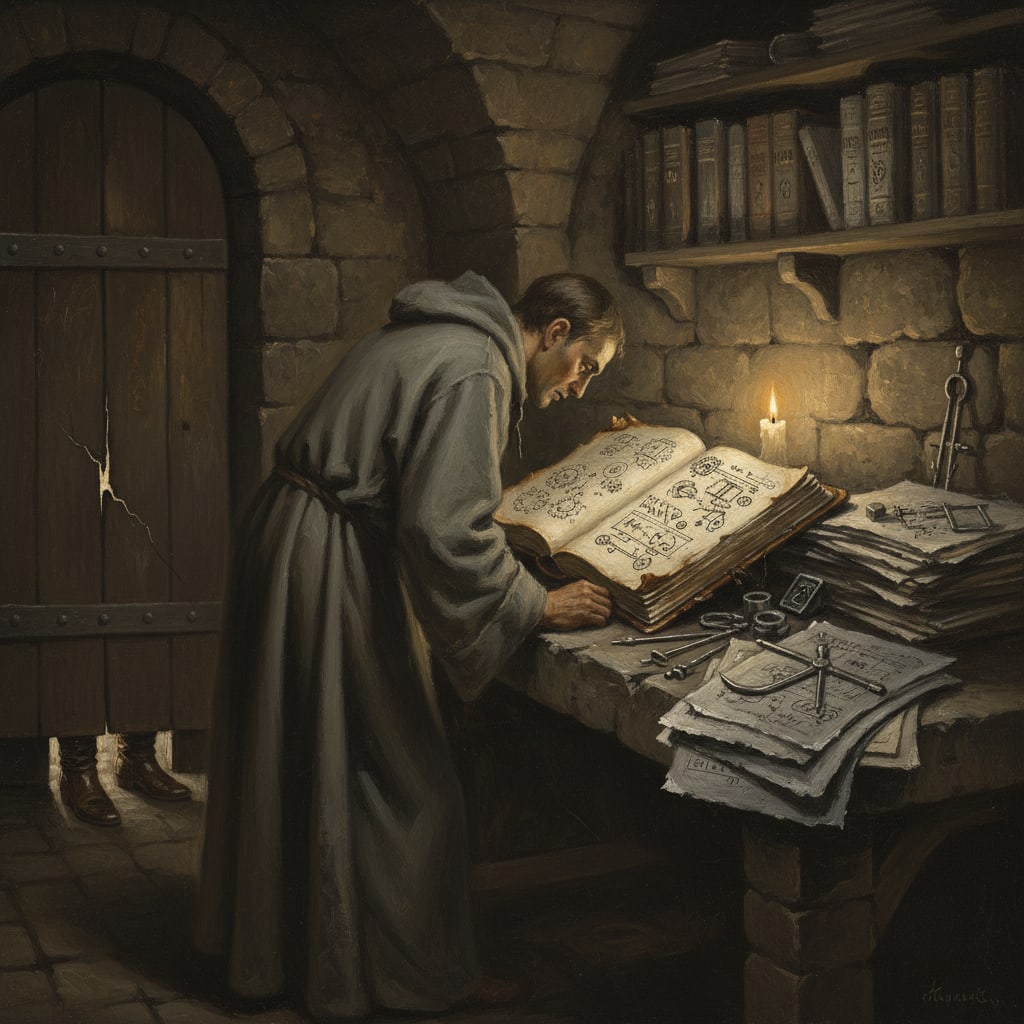
The Ashen Circle Scholar
What the Bureau Burns, the Circle Preserves — the Synod's Indispensable Heretic
The Bureau calls them poison. The front calls them indispensable. The Ashen Circle Scholar trades in what the Index Damnatus cannot afford to have gone permanently missing.
Codex Ref. XI.1.01-001
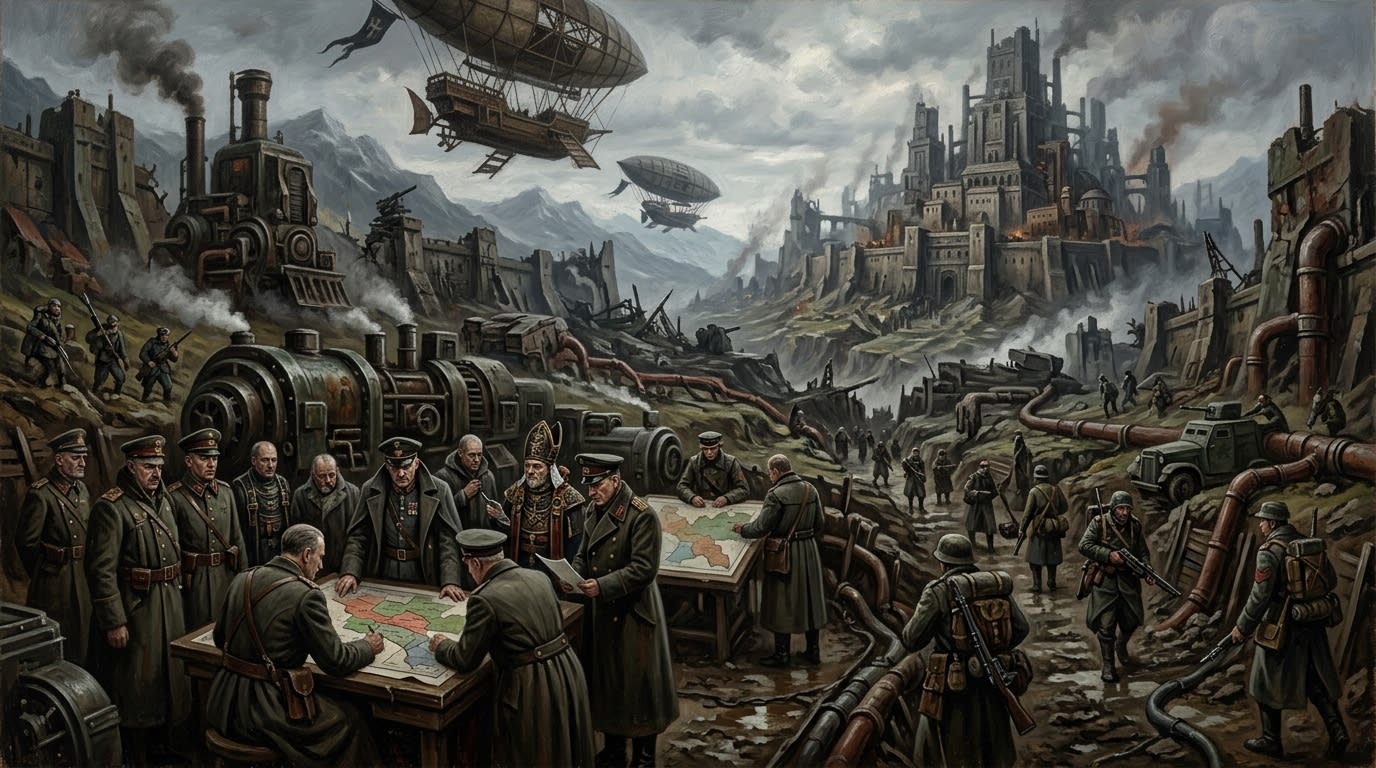
The Balkans
The wound that taught Europe to count its bleeding
The Balkan wound-region, broken first by the Eastern Silence and the Sundering, then divided into Synod margins, contested corridors, Sin-General dominions.
Codex Ref. II.6.05-045
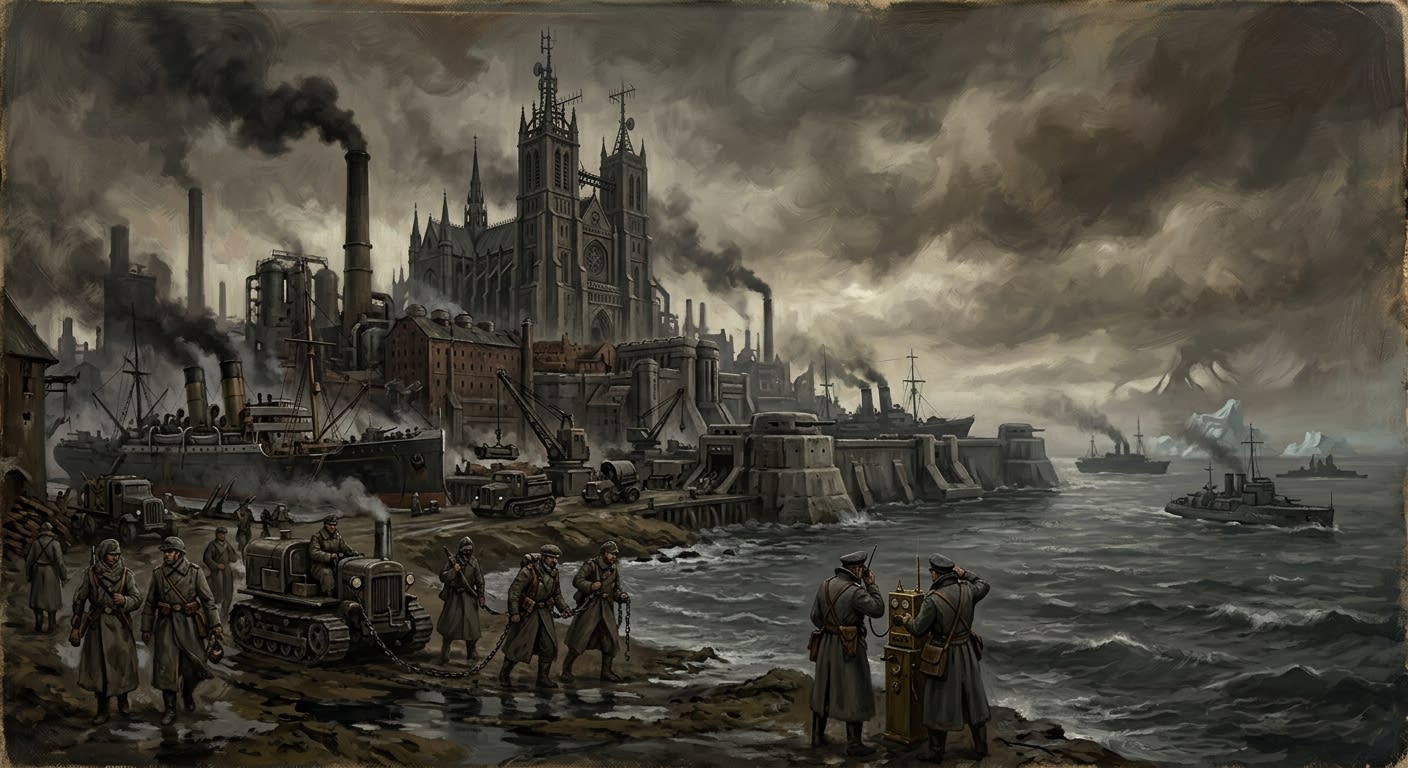
The Baltic
The cold sea at the end of the Line, claimed by ink and not by water
The Baltic northern war basin, where the Sagittal Line ends at Königsberg, Danzig feeds the cold corridor, the Fractured North rings older bells, and Grey Water listens.
Codex Ref. II.8.01-065
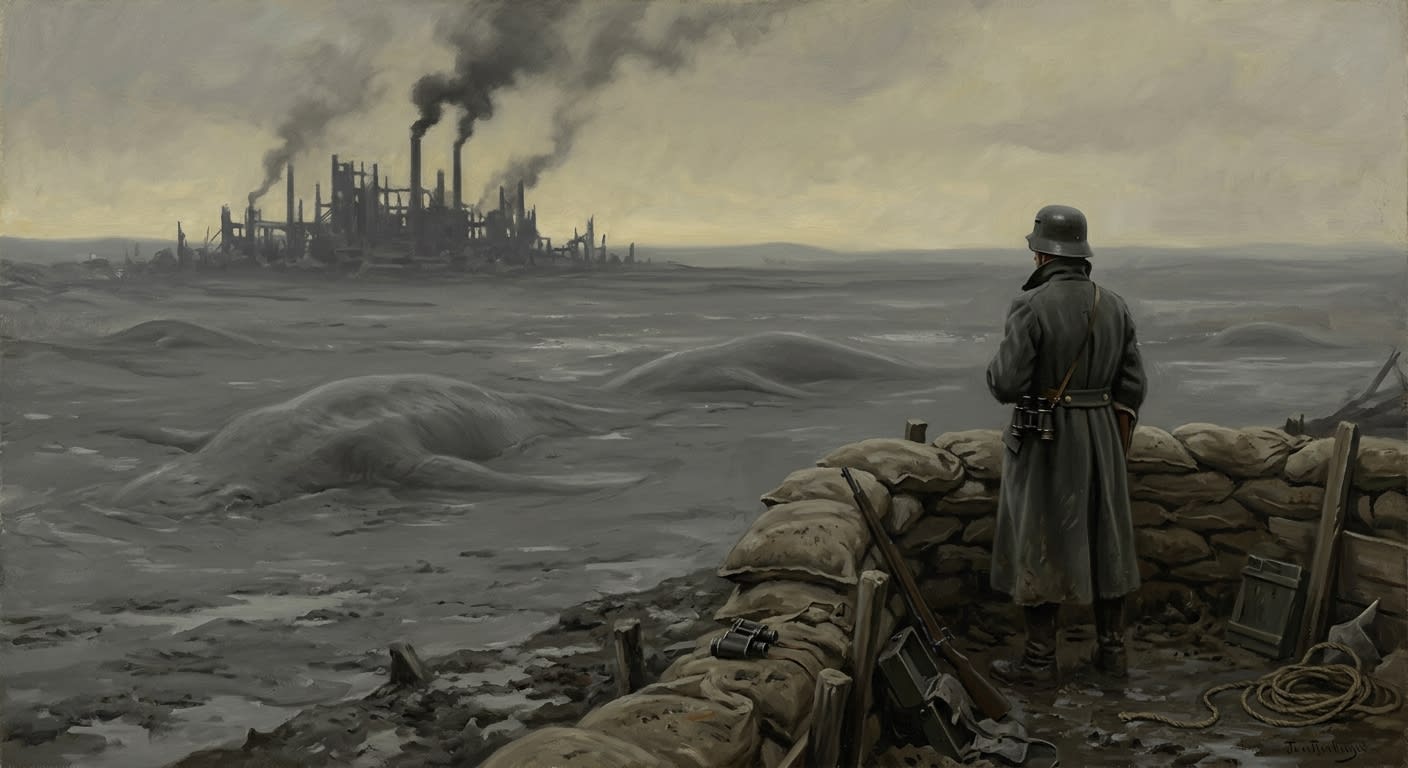
The Blightmarsh
Kargath's larder, fully stocked, permanently empty
The consumed plains of Hungary — twenty-three thousand square miles of grey mud, expanding mouths, and hunger that does not end. Kargath's forward infrastructure. The Sagittal Line's nearest unsolvable problem.
Codex Ref. V.6.01-001
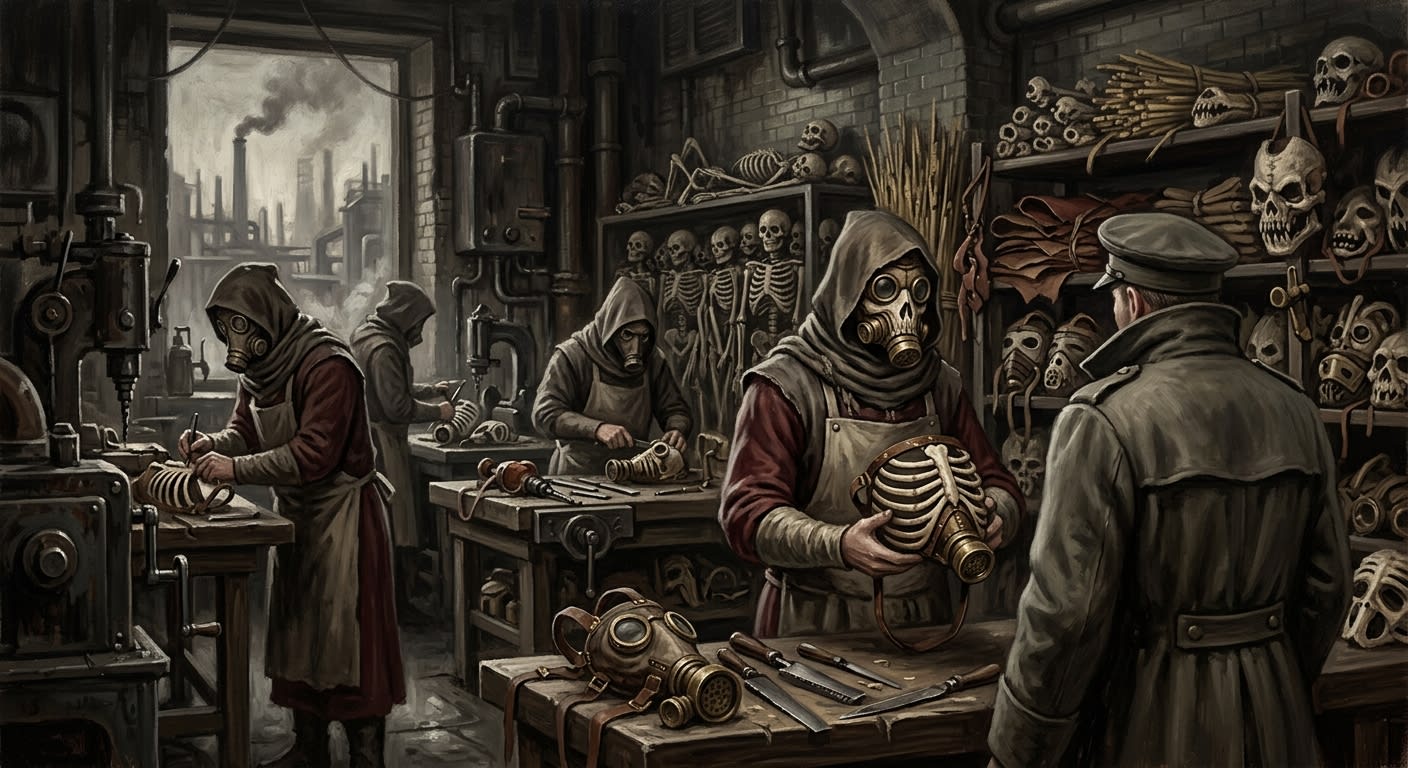
The Bone-Guild of Rib and Reed
No Guild lattice, no Guild guarantee
Black-Snow Lor's Bone-Guild sells the useful mercy of breathing: masks, shutters, vent-screens, and monopoly, all carved from the dead.
Codex Ref. XII.41.01-001
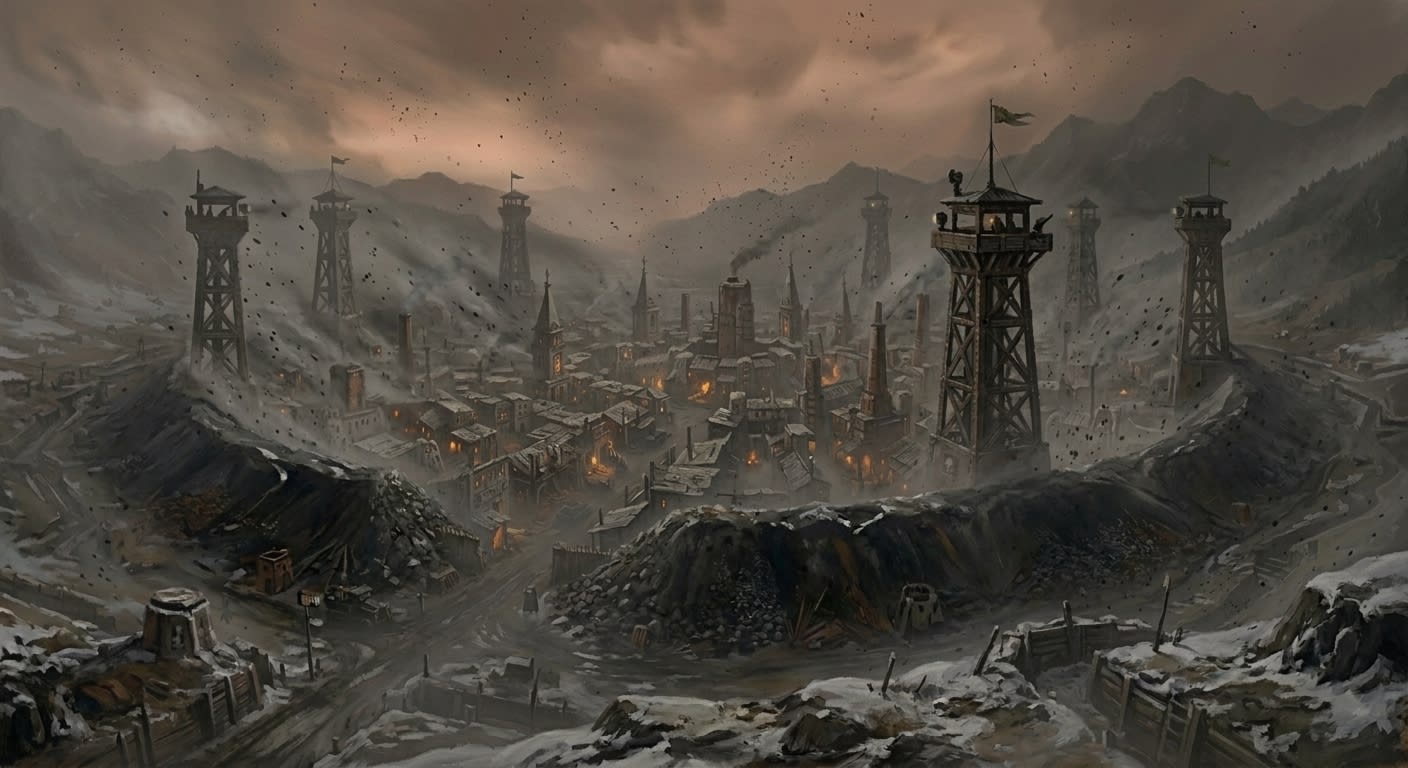
The Bone-Lattice Warrens of Black-Snow Lor
Where the dead are structural and the living pay by the breath
Frontier storm-shelter accreted into a town on the Carpathian edge of the Line — where the air is taxable, the architecture is anatomical, and the Bureau of Alchemical Standards has had a classification pending since A.S.
Codex Ref. II.4.08-002
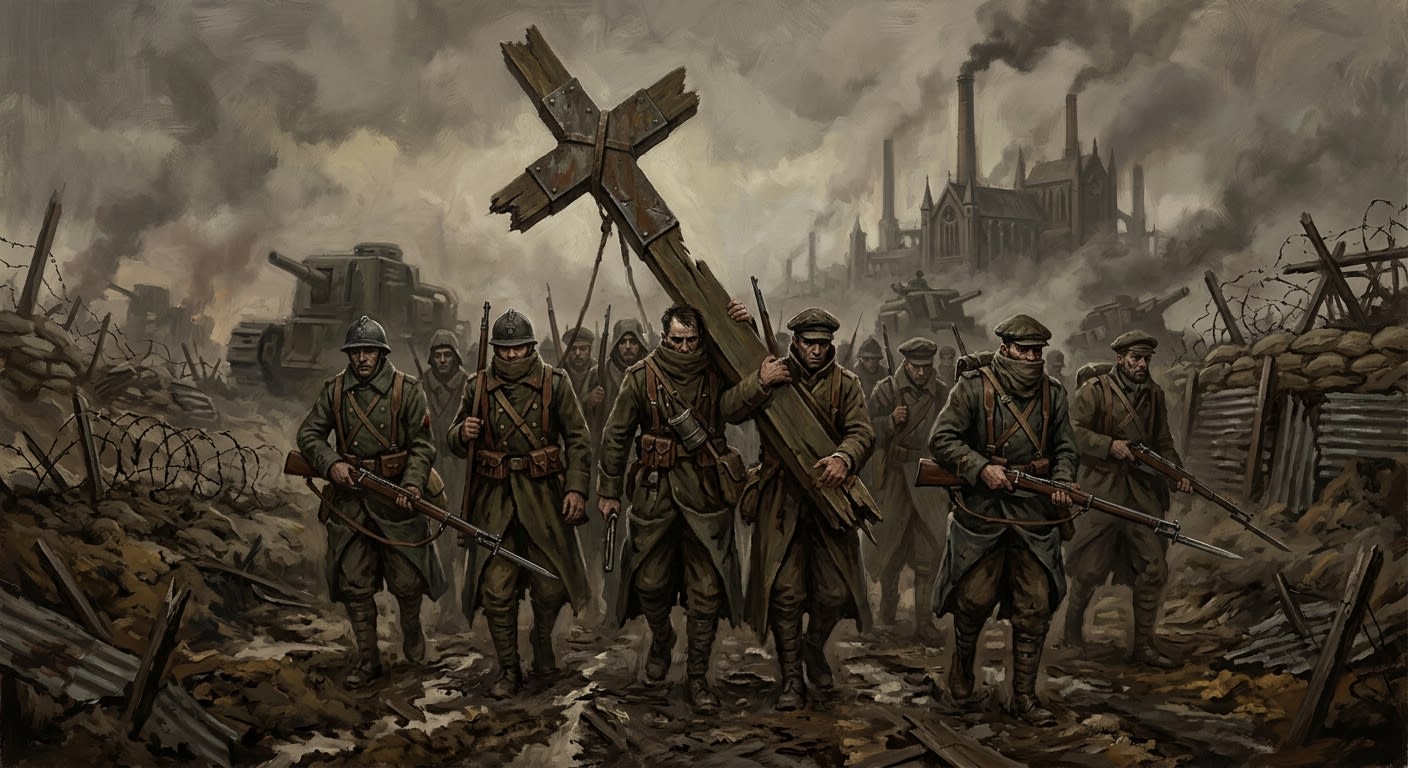
The Broken Cross
The sigil that snapped heaven and called the wound reason
The Broken Cross was Reason's battlefield sermon: a snapped crucifix carried by men who denied symbols while marching under one.
Codex Ref. I.1.05-003
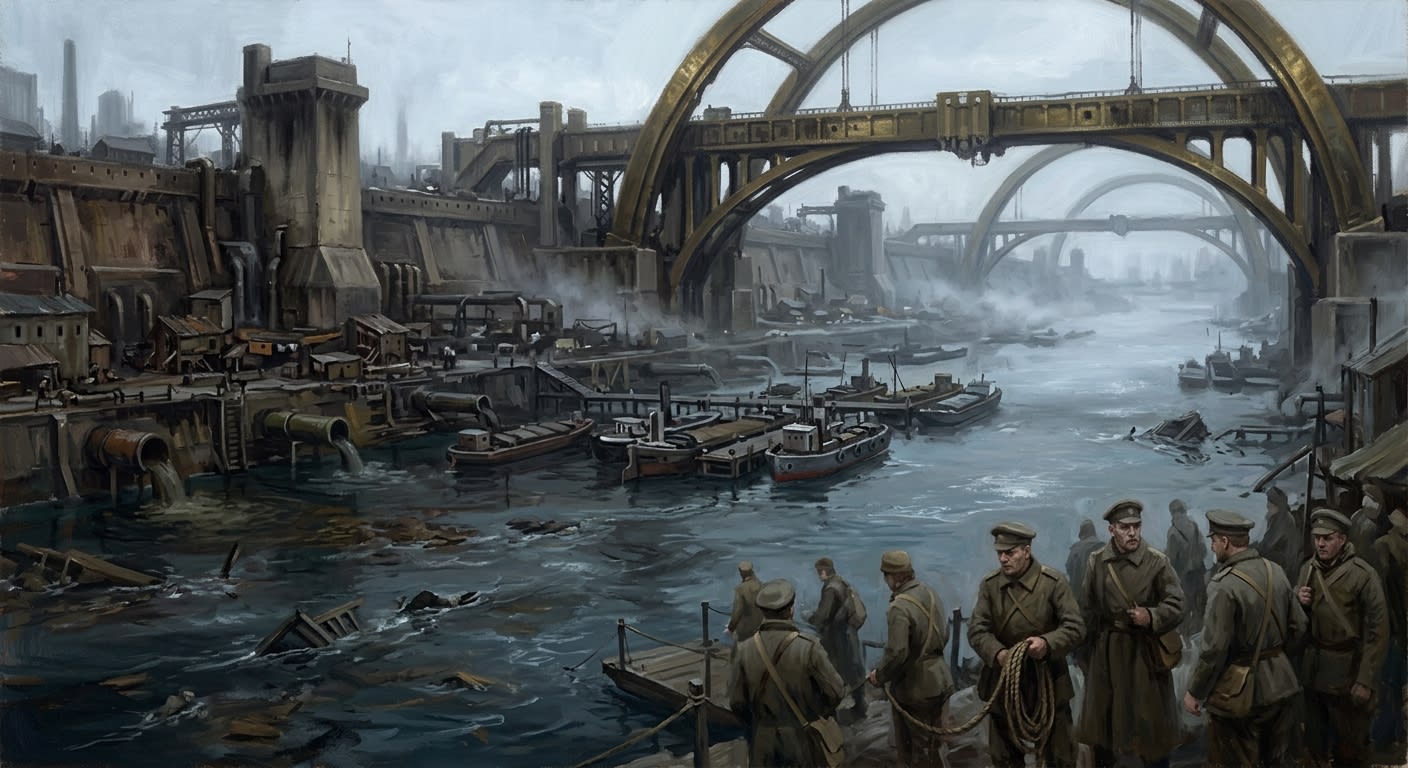
The Bug River
The moat has learned to audit the drowned
The Bug River is Bastion-Brest's natural moat: cold water, legal throat, corpse archive, anomaly carrier, and the wet witness beneath the Brass Ribs.
Codex Ref. II.4.08-066
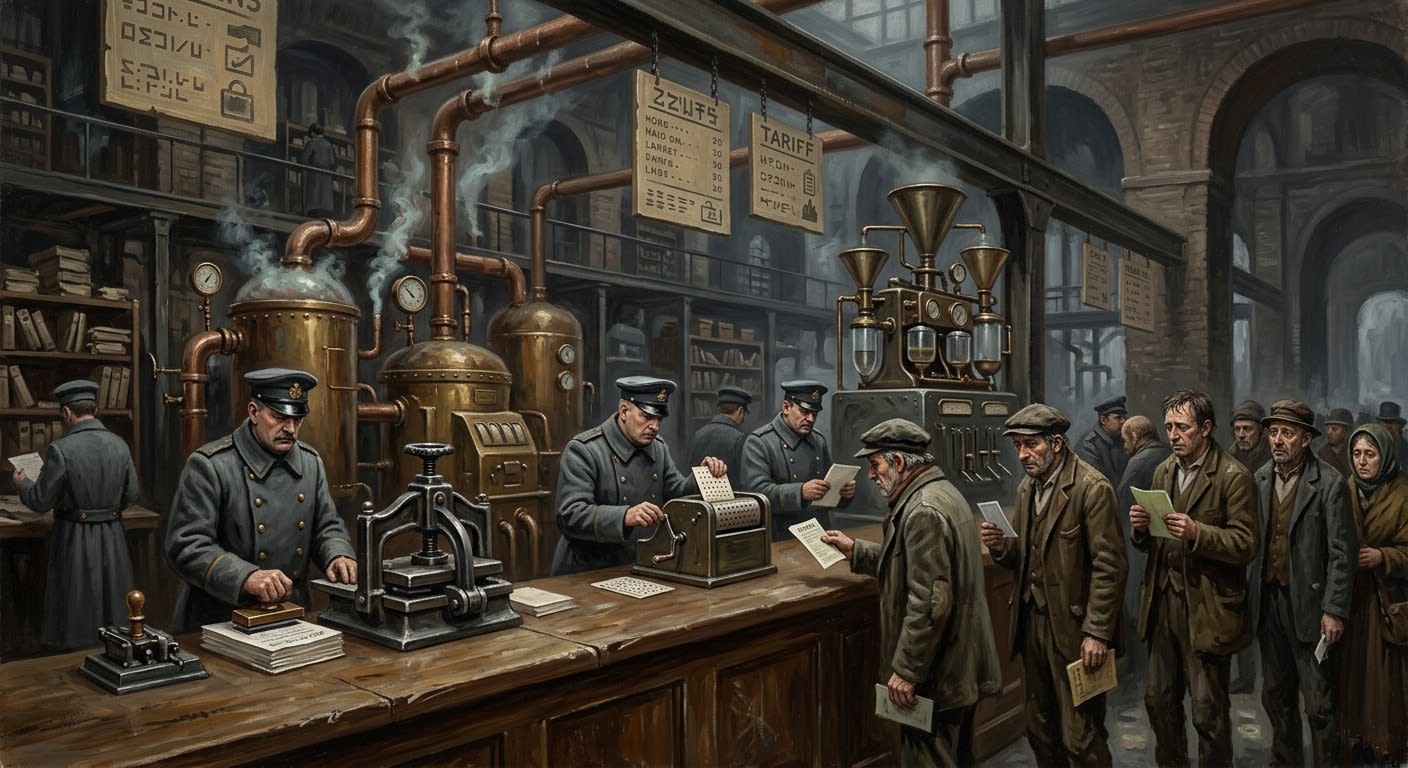
The Censorium of Taverns
Joy is safest when entered, weighed, and extinguished by permit
The Censorium of Taverns is the Bureau of Festivals sub-office that licenses drink, meters laughter, pumps curfew-fume, and proves that even joy may be made obedient by placard, bead, and ash.
Codex Ref. VIII.5.07-001
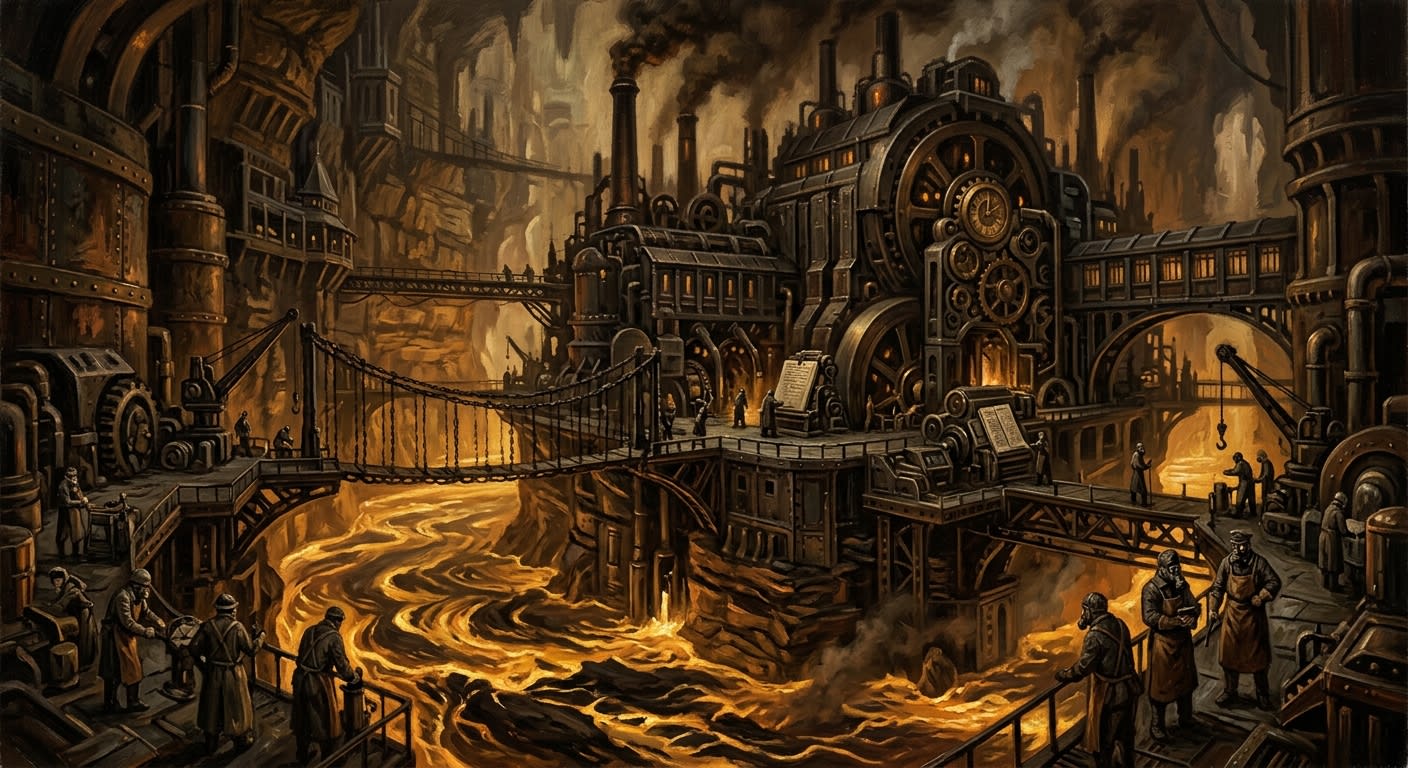
The Gilded Chasm
The canyon that made profit geological and damnation contractual
Velmora's Gilded Chasm is a canyon of molten value, binding markets, doors, audits, and contracts whose smallest syllable charges interest.
Codex Ref. VI.1.02-001
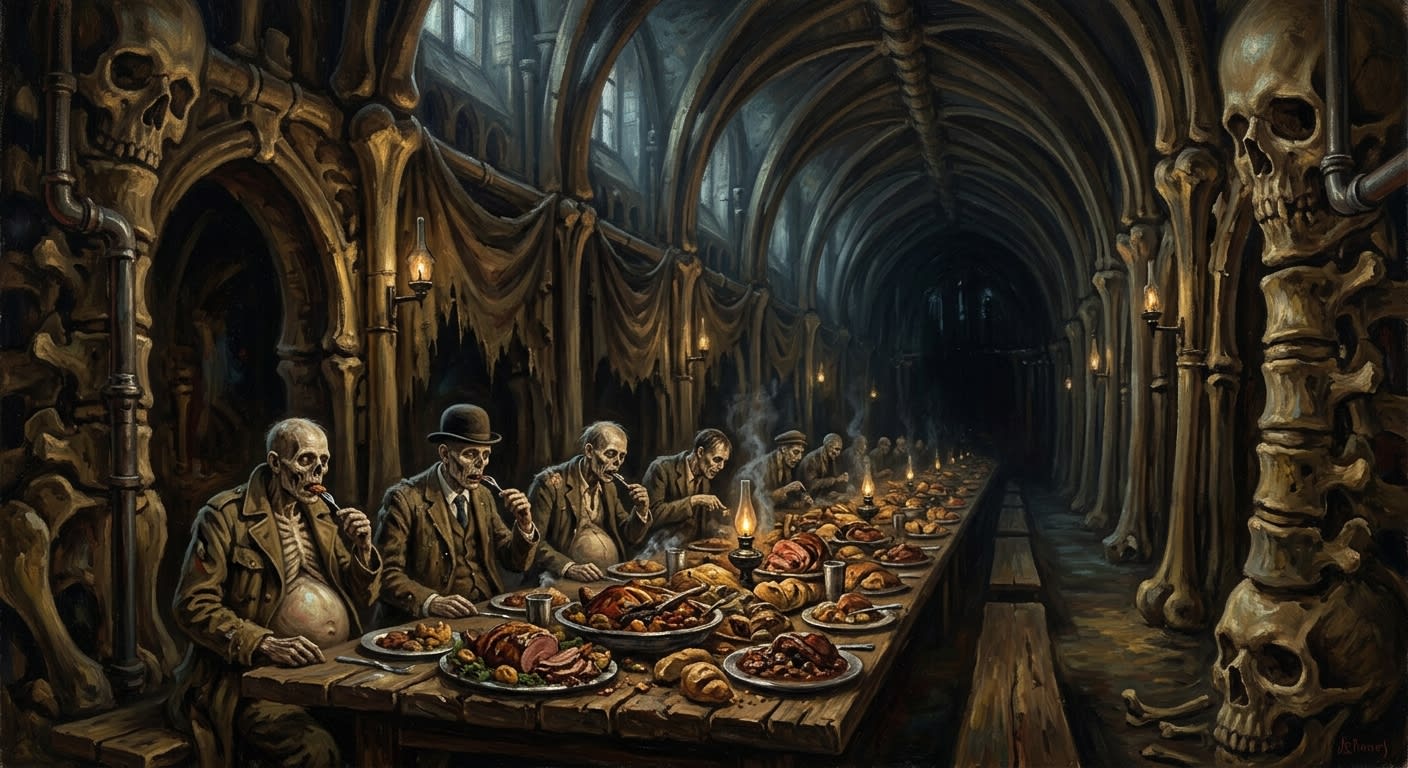
The Hollow Court
Nine miles of table. Every seat occupied. The host is always hungry.
The seat of the Sin-General of Gluttony, confirmed four times, located forty leagues east-south-east of Debrecen. Its feast has not ended. Its guests have not left. Its table runs nine miles. The Bureau of War has declined to act on this information three times.
Codex Ref. V.6.01-004

The Night of Knives in Kraków
Forty-seven mouths wired shut so that no prayer could escape
Forty-seven clergymen seized in the night, their mouths wired shut with iron wire, and cast from the Dębnicki Bridge into the frozen Vistula. The Bureau spent one hundred and thirty years ratifying the narrative; it has been collecting the candle wicks ever since.
Codex Ref. VII.8.01-001
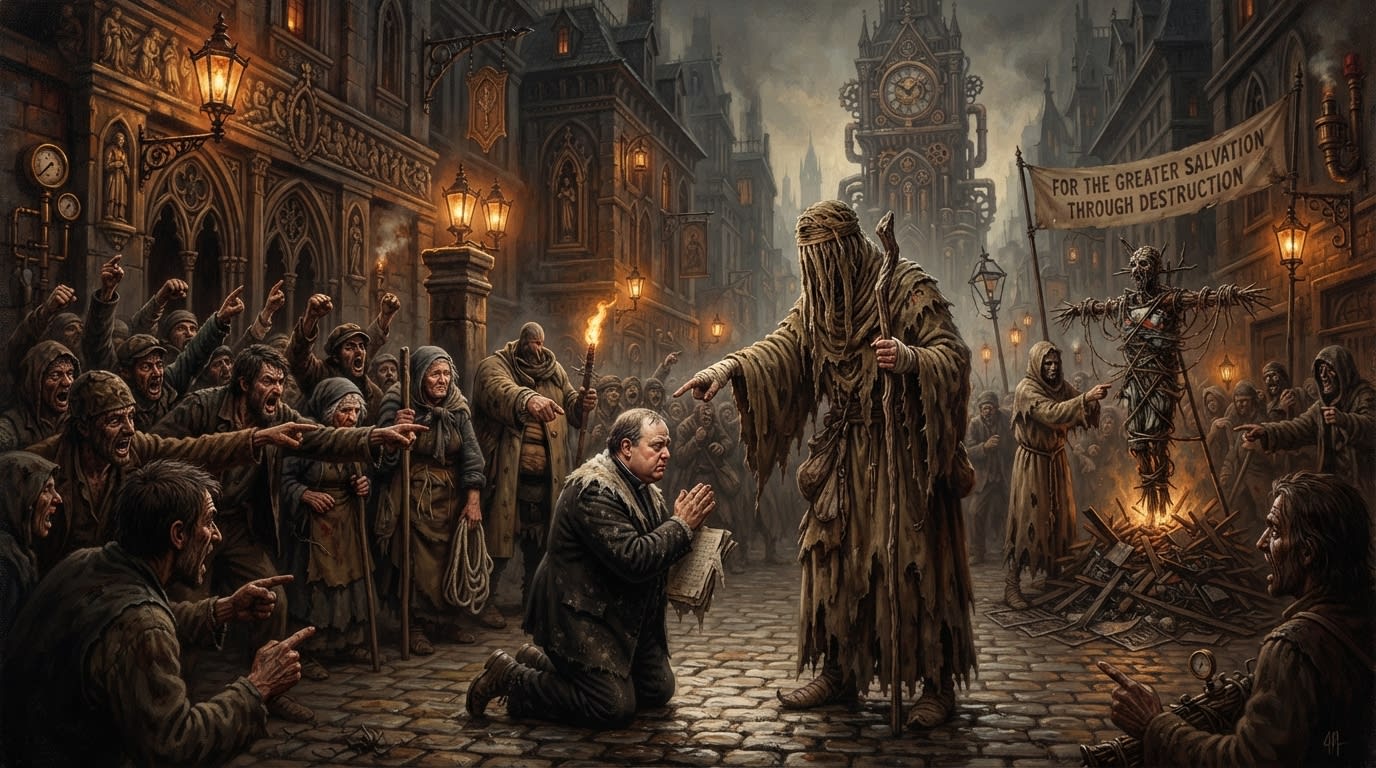
The Ragged Host
Where the remainder learned to kneel and the kneeling learned to burn
The Ragged Host is the condemned mobile movement that treats unaddressed harm as a public charge before the Creator — poor, armed, improvised, and more dangerous than any mob because it keeps records.
Codex Ref. XII.9.02-001

The Rhine Corridor
Damp procedure, counted backward from every bridge
The Rhine Corridor is the Synod's damp procedure: a Zone 2 logistics artery, mortuary road, ferry court, heresy school, and billable proof that movement can be made afraid.
Codex Ref. II.2.08-202
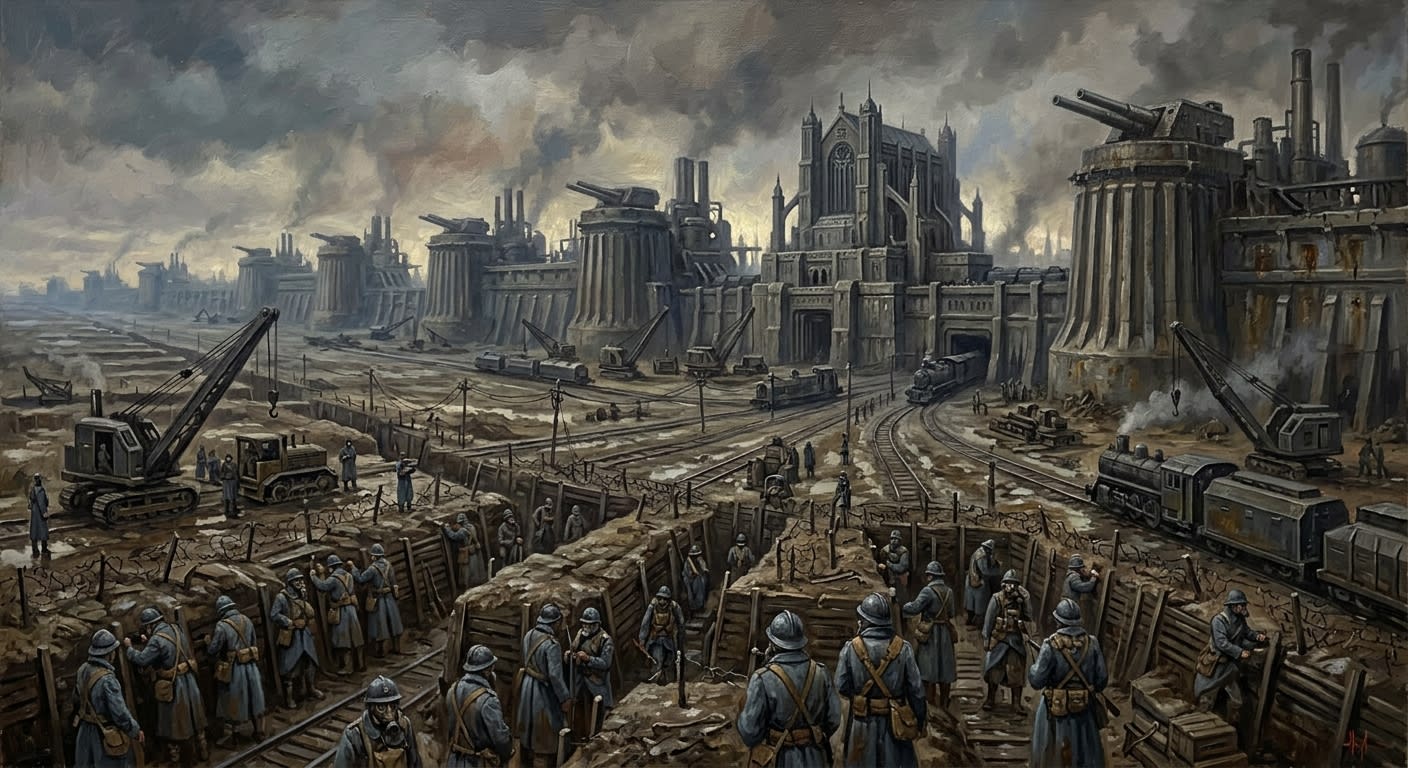
The Sagittal Line
The continent's spine, stitched in mud, bells, and refusal
The north-south defensive spine of the Synod: seven bastions, two thousand miles of trenches, and the bureaucratic miracle of making stalemate into civilization.
Codex Ref. III.1.01-001
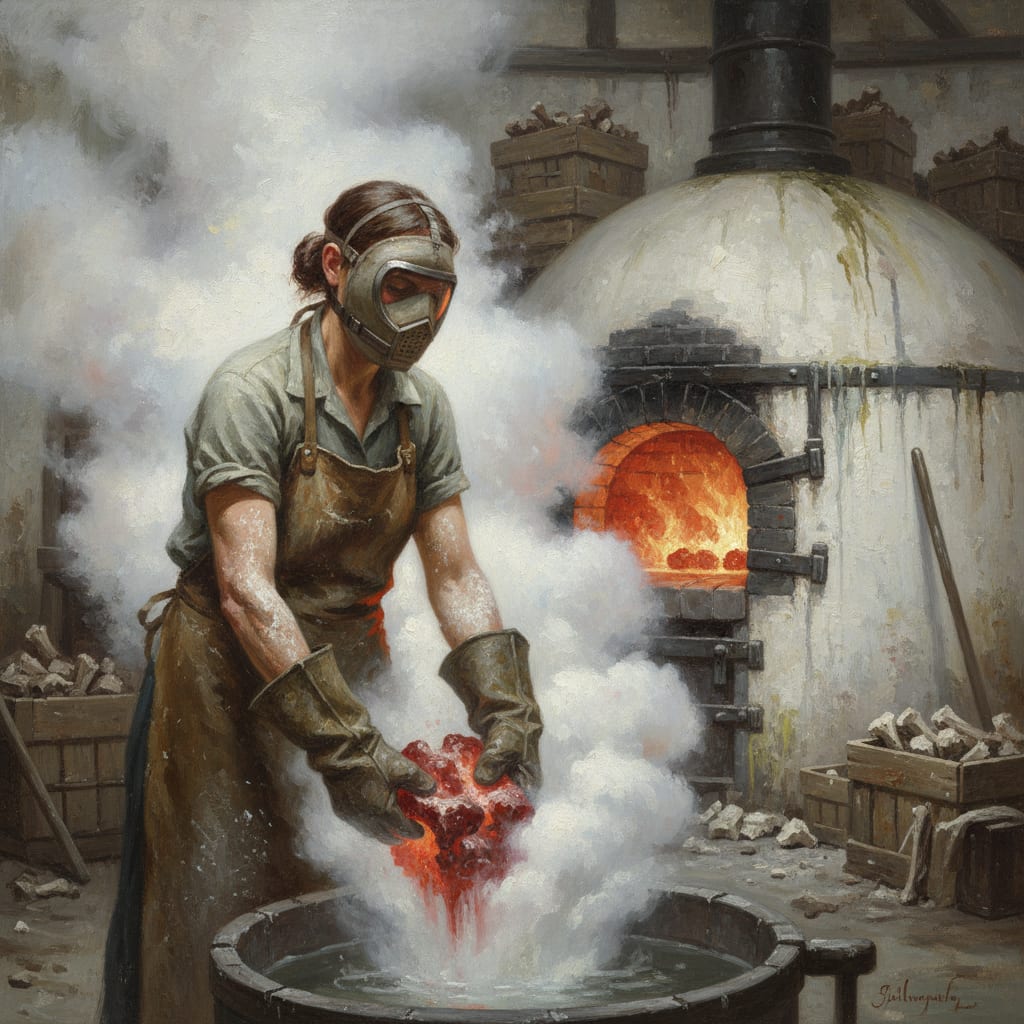
The Saint-Bone Melter
The wall is the only sermon the Enemy has ever been forced to hear
The artisan who feeds the bones of saints to the kiln and receives in return the mortar that holds the Sagittal Line together. The arithmetic is simple and brutal: a femur in a reliquary inspires; a femur in a wall holds.
Codex Ref. XII.40.01-001
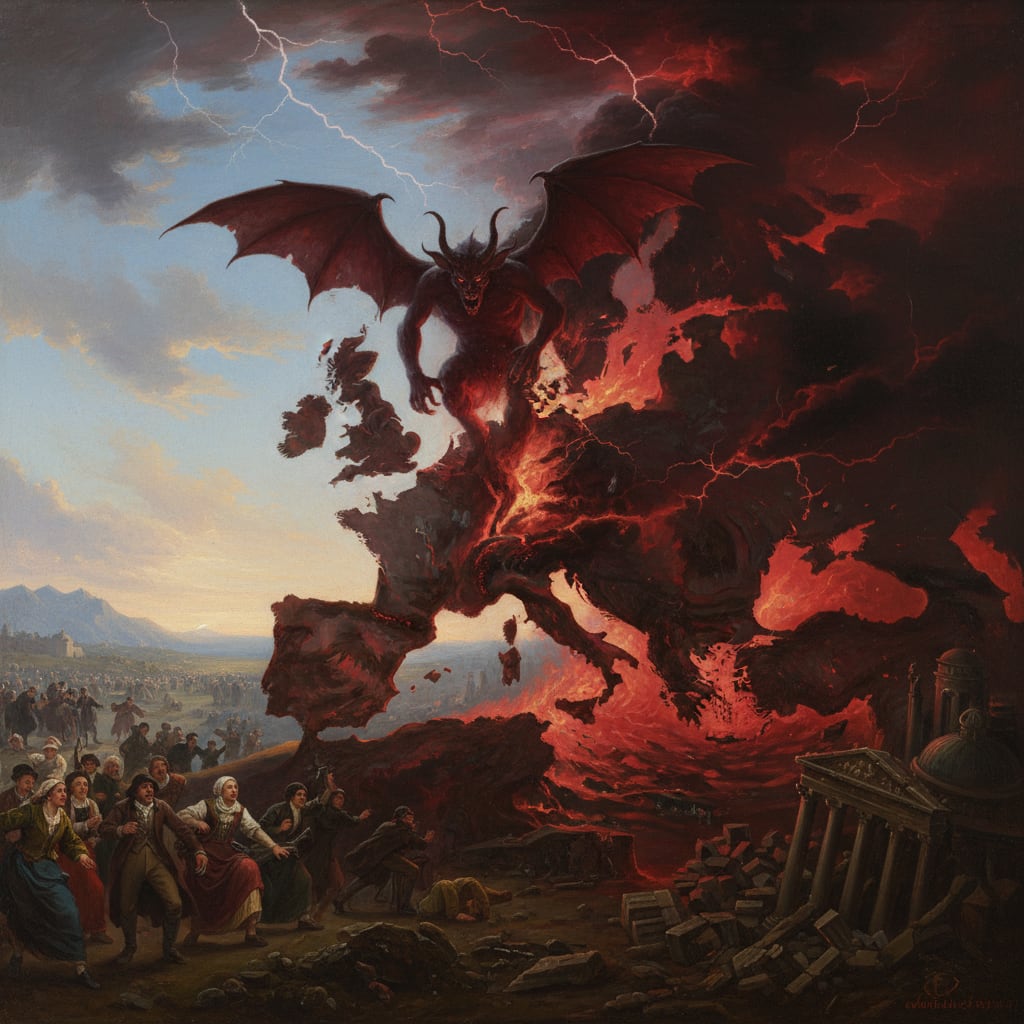
The Sundering
The Day the World Cracked Open and the Creator Sent His Invoice
The cataclysm of 1 November, 45 An.S. — when the Balkans erupted and the legions of the Great Deceiver poured through the wound in Creation. The event that ended Reason and birthed Faith's second coming. As explained by the only man whose explanation matters.
Codex Ref. I.1.02-001
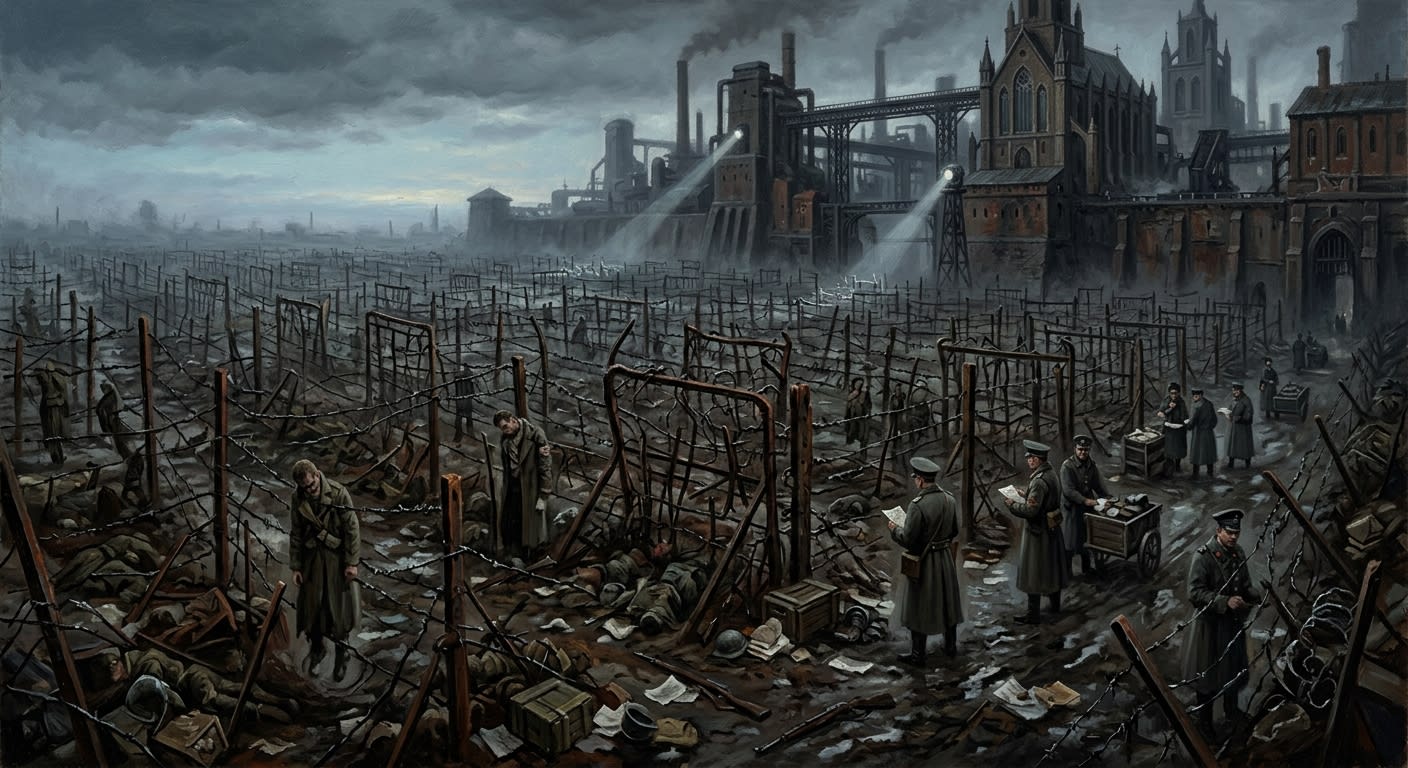
The Wire Orchard
Where the paper grows teeth and the dawn performs audit
The Wire Orchard is Bastion-Przemyśl's three-mile killing and sorting grid, where paper becomes permission, wire becomes judgment, and dawn harvests both.
Codex Ref. II.4.09-075
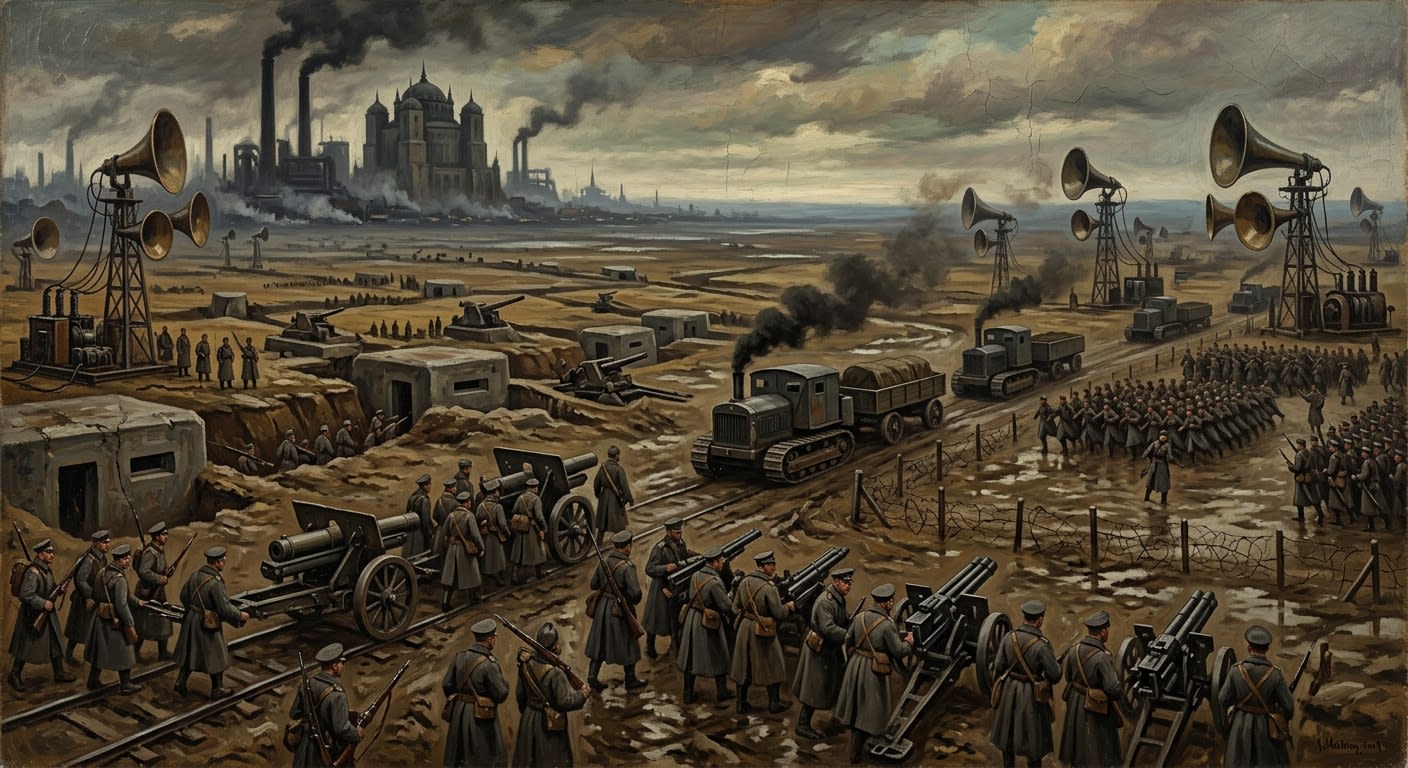
Thracian Plain
The open ground that learned to listen for weakness
The Thracian Plain is Constantinople's northern killing apron: old grainland remade after A.S. 45 into Maldrake's listening floor, muster yard, and artillery throat.
Codex Ref. II.6.03-045
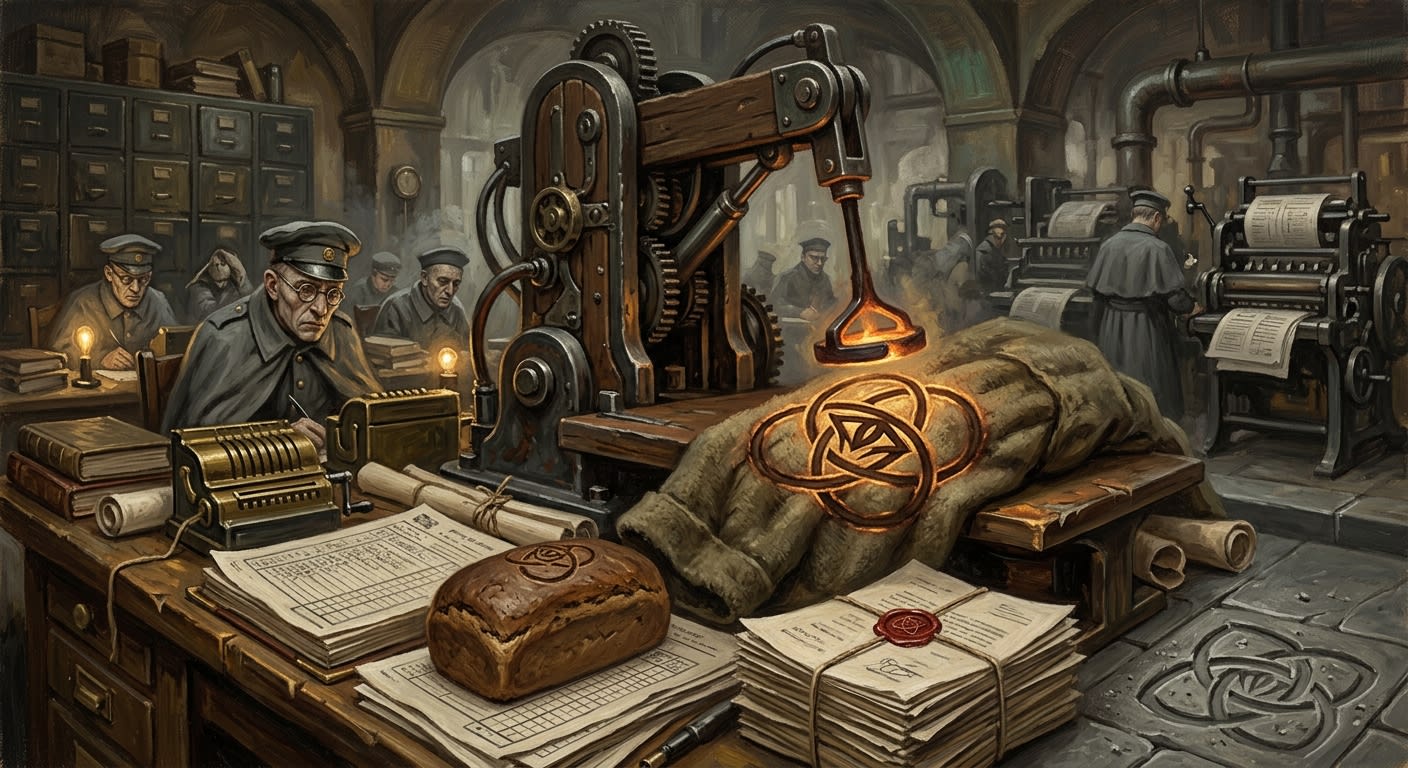
Triune Knot
Three loops, one law, and every door accounted for
Universal Synodal binding mark standardised under Theobald of Worms, by which doors, papers, bread, flesh, and graves become readable to law.
Codex Ref. XIII.1.03-002
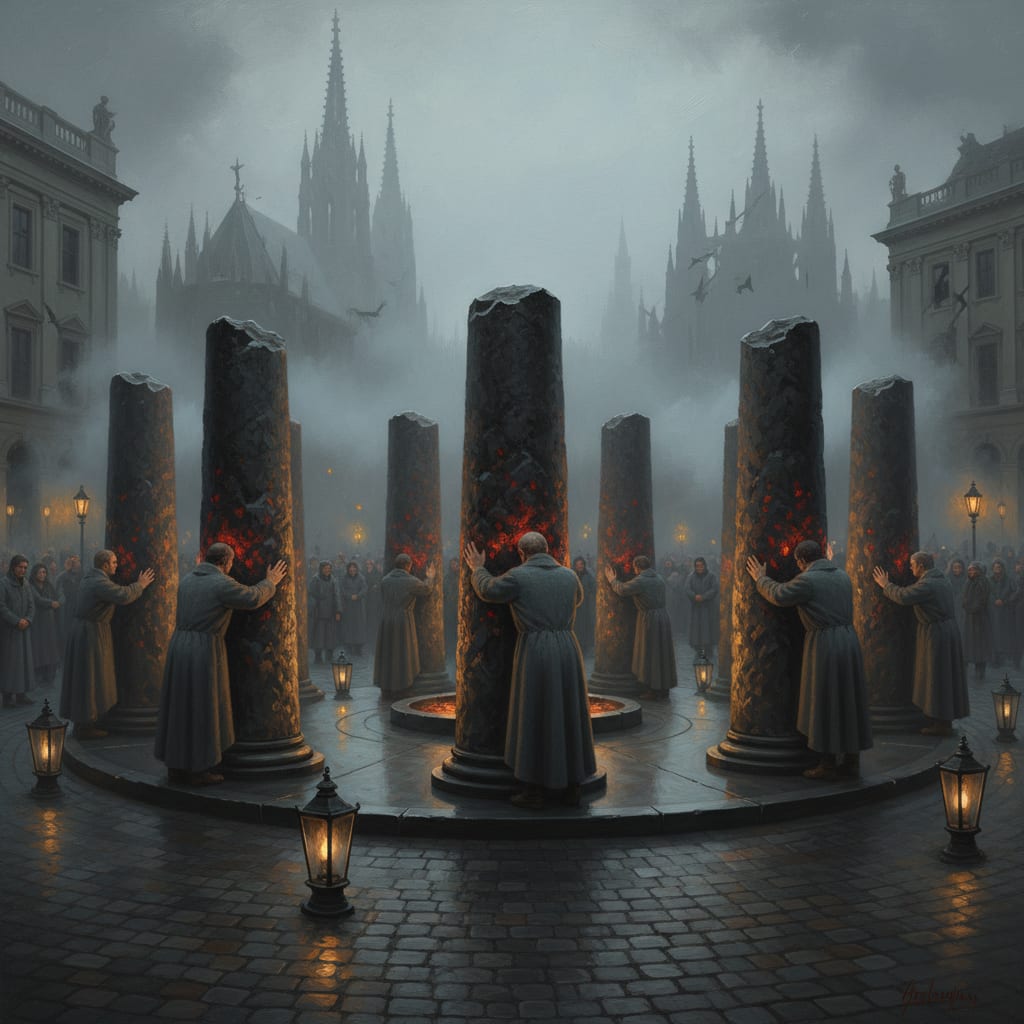
Vienna, the Shrine-Ruins
Three deaths, one gift shop, and a pen that has not dried in forty years
Three times ruined and once reclaimed. Vienna is the Synod's finest shrine and its most honest monument: the Rationalist capital, the Great Retreat's wound.
Codex Ref. II.4.09-010
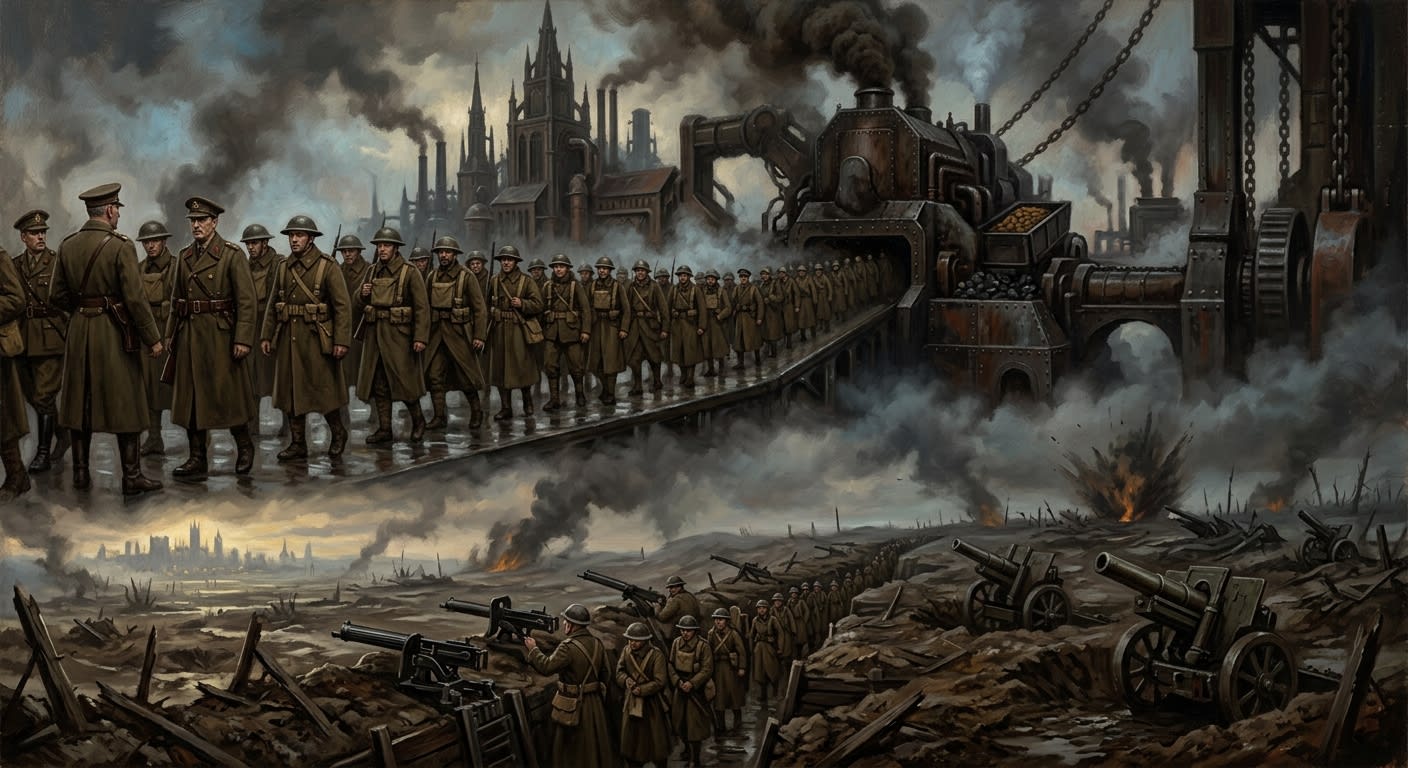
War Eternal
Victory assured; timetable irrelevant
The War Eternal is governed horror: the Line fed daily so the West may mistake survival for morning.
Codex Ref. XIII.1.92-065
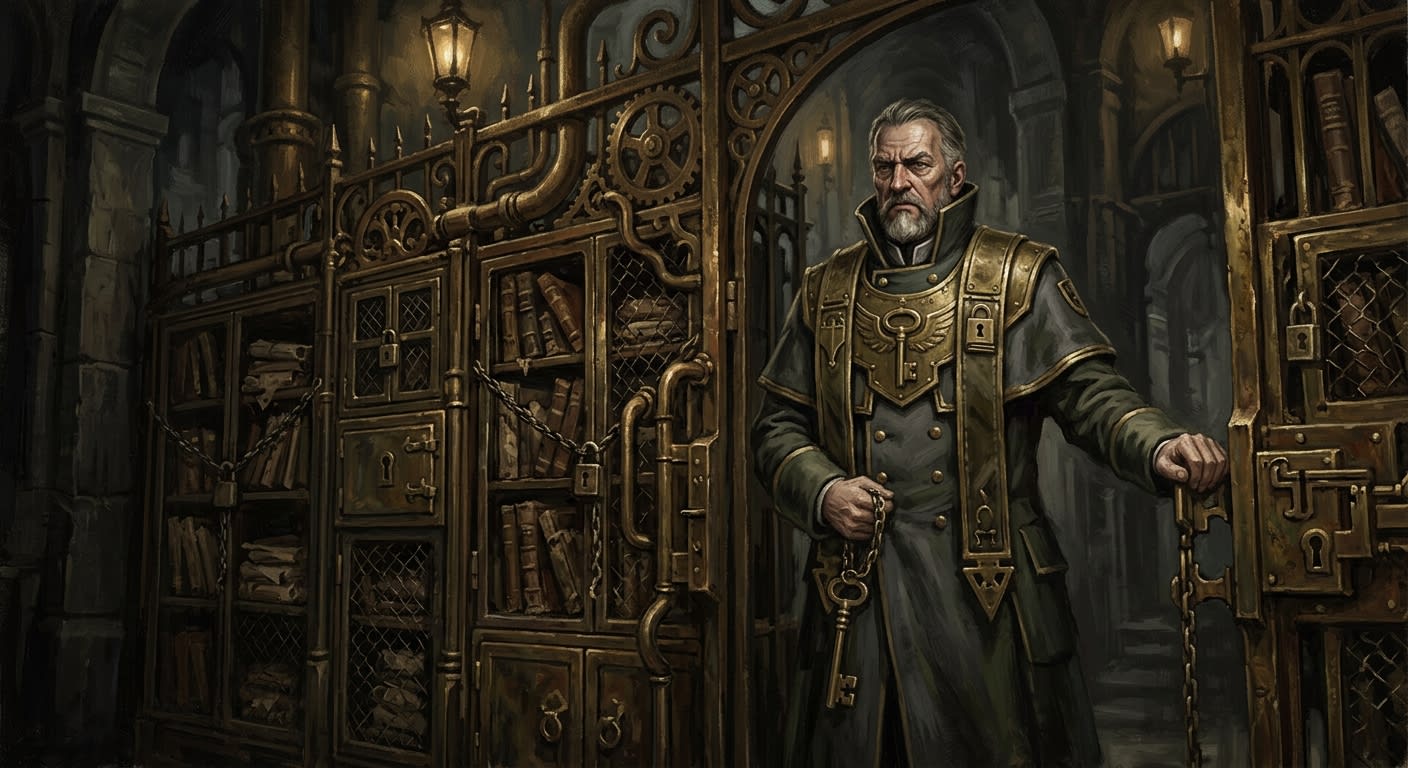
Warden of the Sacred Ledger
Memory is permitted only after custody
The Warden of the Sacred Ledger guards the passage between recorded fact and ratified meaning, lest memory escape and become a riot with dates.
Codex Ref. XIII.1.33-090
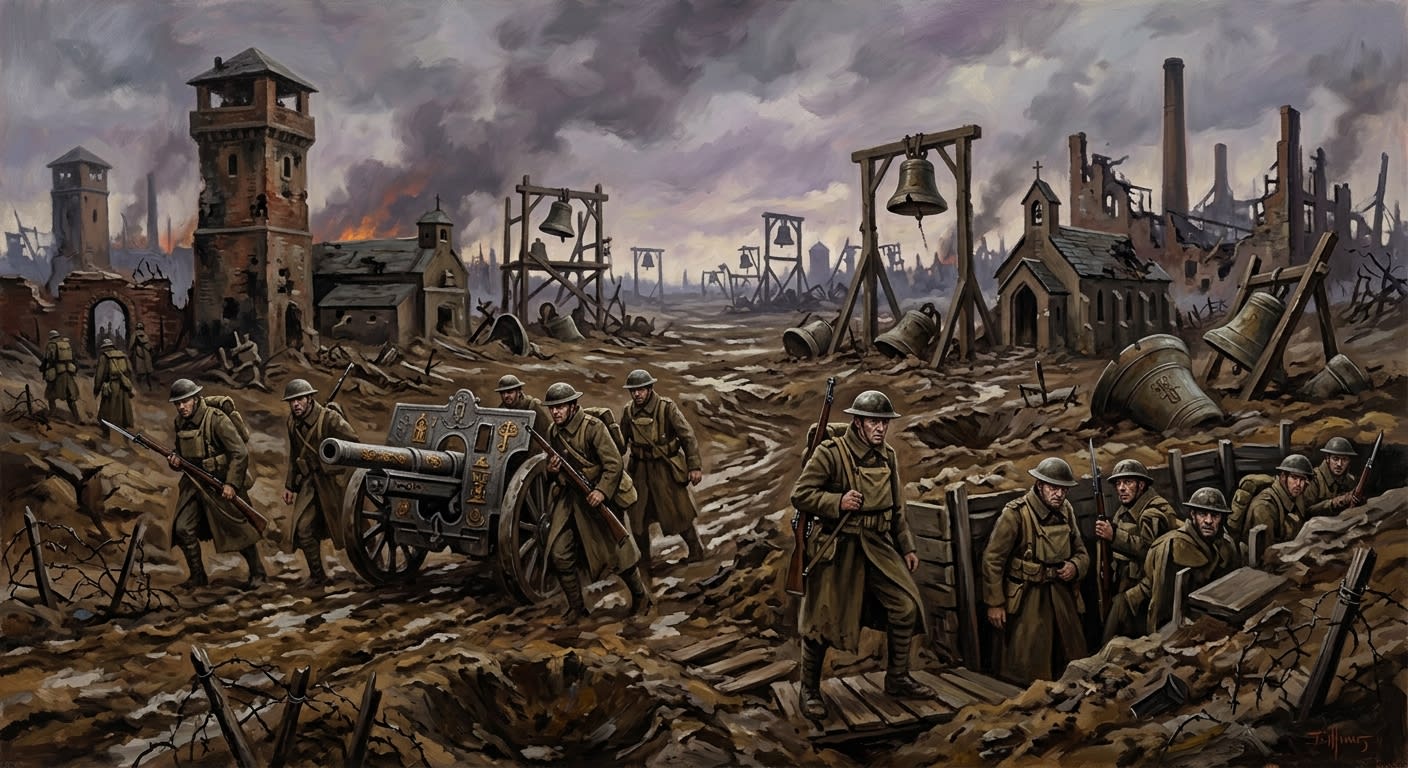
Zone Five
The strip where maps confess and mud countersigns
Zone Five is the Synod's contested receipt between living stone and demonic appetite: No-Man's-Land, where mud, bells, shadows, and orders all lie.
Codex Ref. II.5.00-201
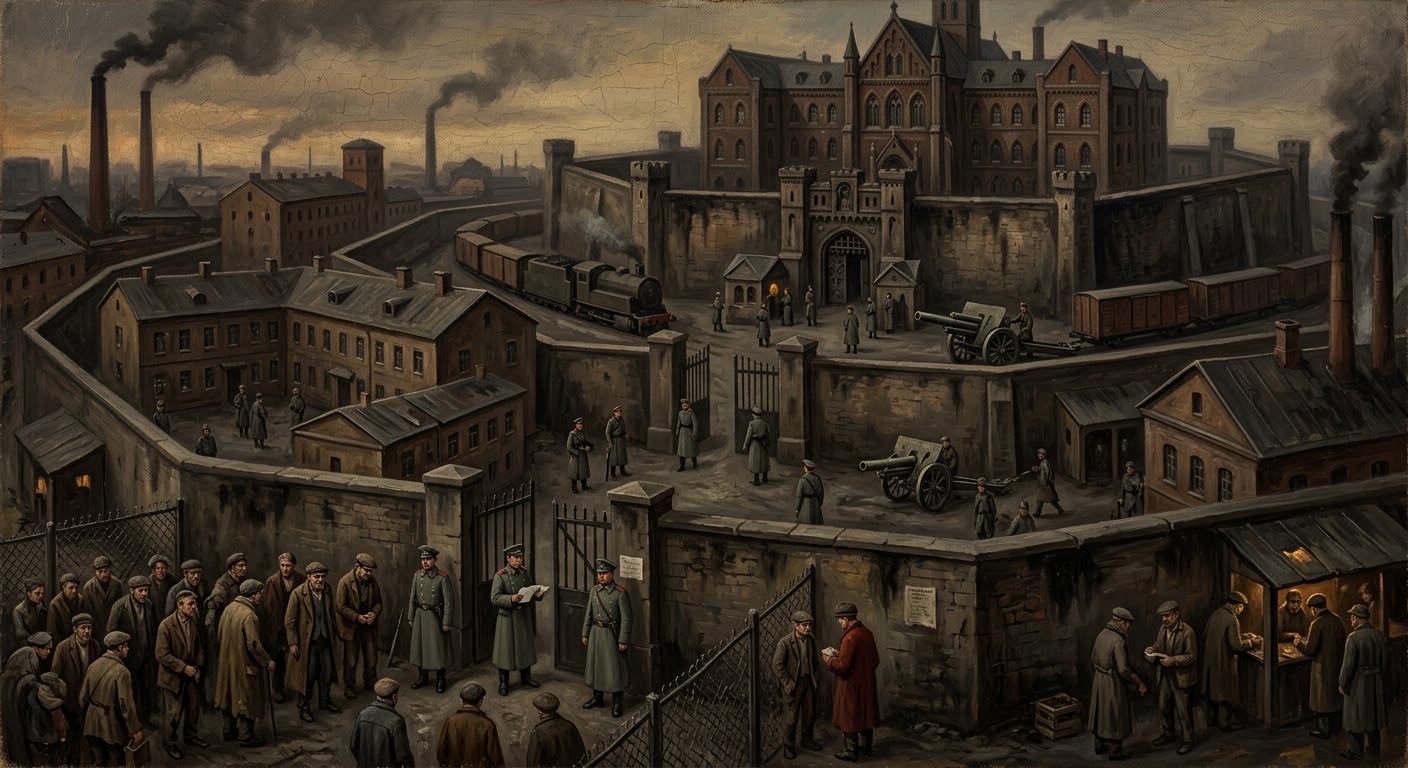
Zones 1 through 5
Five lawful pressures between invoice and mud
Zones 1 through 5 are graded permissions for bread, sons, movement, fear, artillery, and the state’s appetite.
Codex Ref. XIII.1.00-201
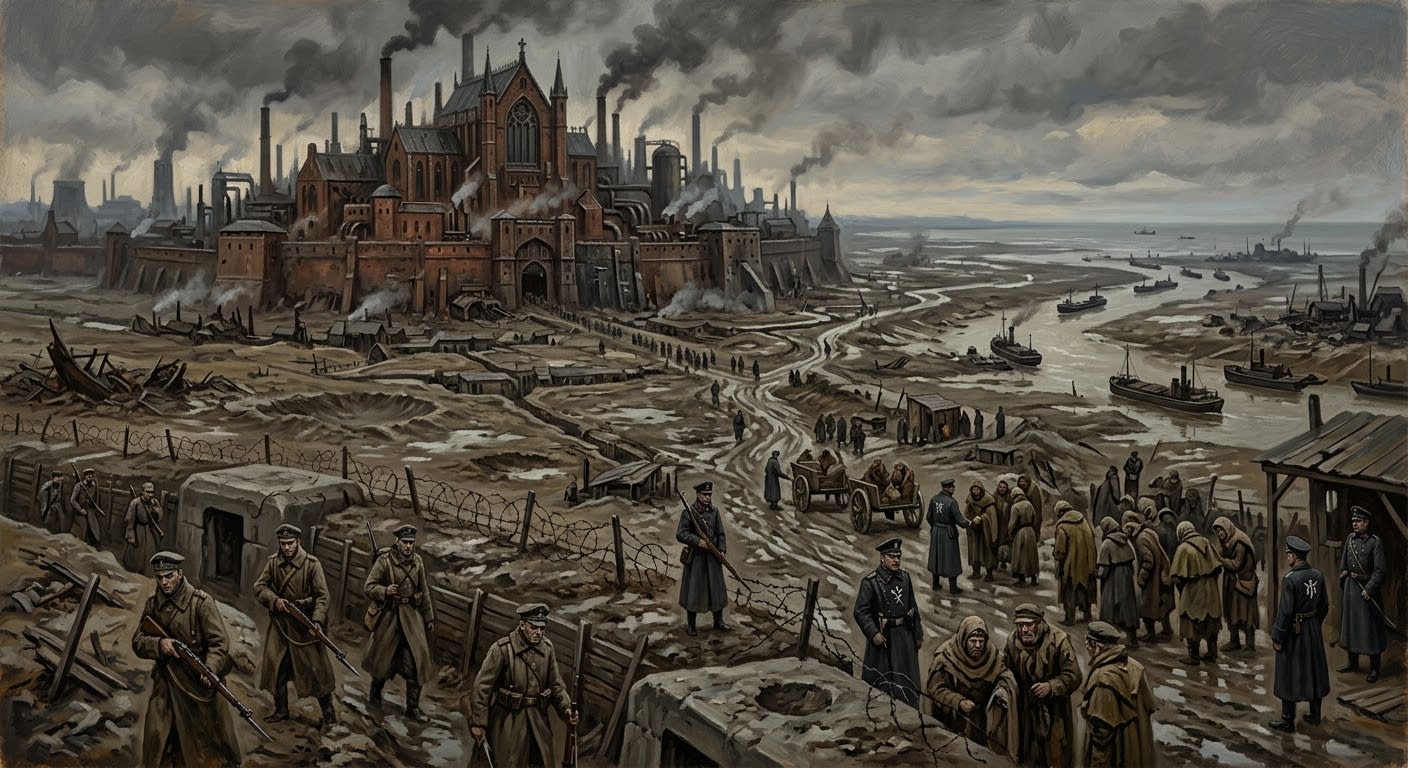
Zones 5 through 7
Mud, mouth, water — the outer grammar of danger
Zones 5 through 7 are the Synod’s controlled contact belt: contested mud, demonic custody, sea-rim commerce, contraband, pilgrimage, and useful contamination.
Codex Ref. XIII.1.00-207