

Reverse Index
Referencing “The Paper Mines of Ulm”
Every codex entry that links to The Paper Mines of Ulm. 121 entries.
Return to The Paper Mines of Ulm
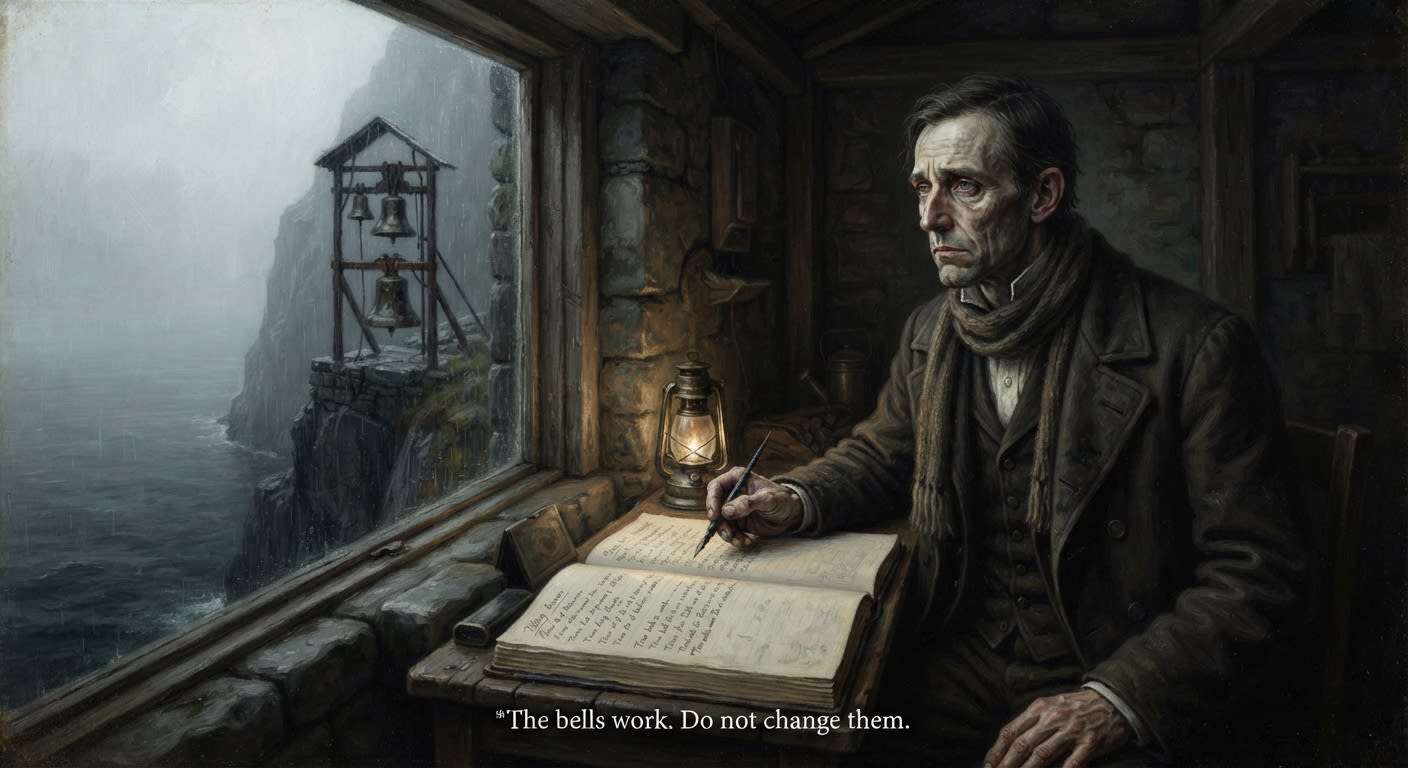
Aldric Moen
Seven words, no handles, and a punishment made of paper
Aldric Moen was sent north to classify the Winter Watch's unlawful bells. He returned with seven words the Bureau could neither refute nor forgive.
Codex Ref. III.2.01-178

Aldric Venn
The clerk who heard our hymn in the enemy's mouth
Aldric Venn, Records copyist and brother to a master-carillonist, proposed that Covenant hymns might return through Wound-Sites as Pale Chanter cadence.
Codex Ref. III.2.01-060

Aniela Rudzka
The woman whose arithmetic required jurisdiction
Doctor Aniela Rudzka was senior accused in the A.S. 199 Condemnation of Kraków: correct in arithmetic, silent under sentence, and therefore intolerable.
Codex Ref. III.2.01-022
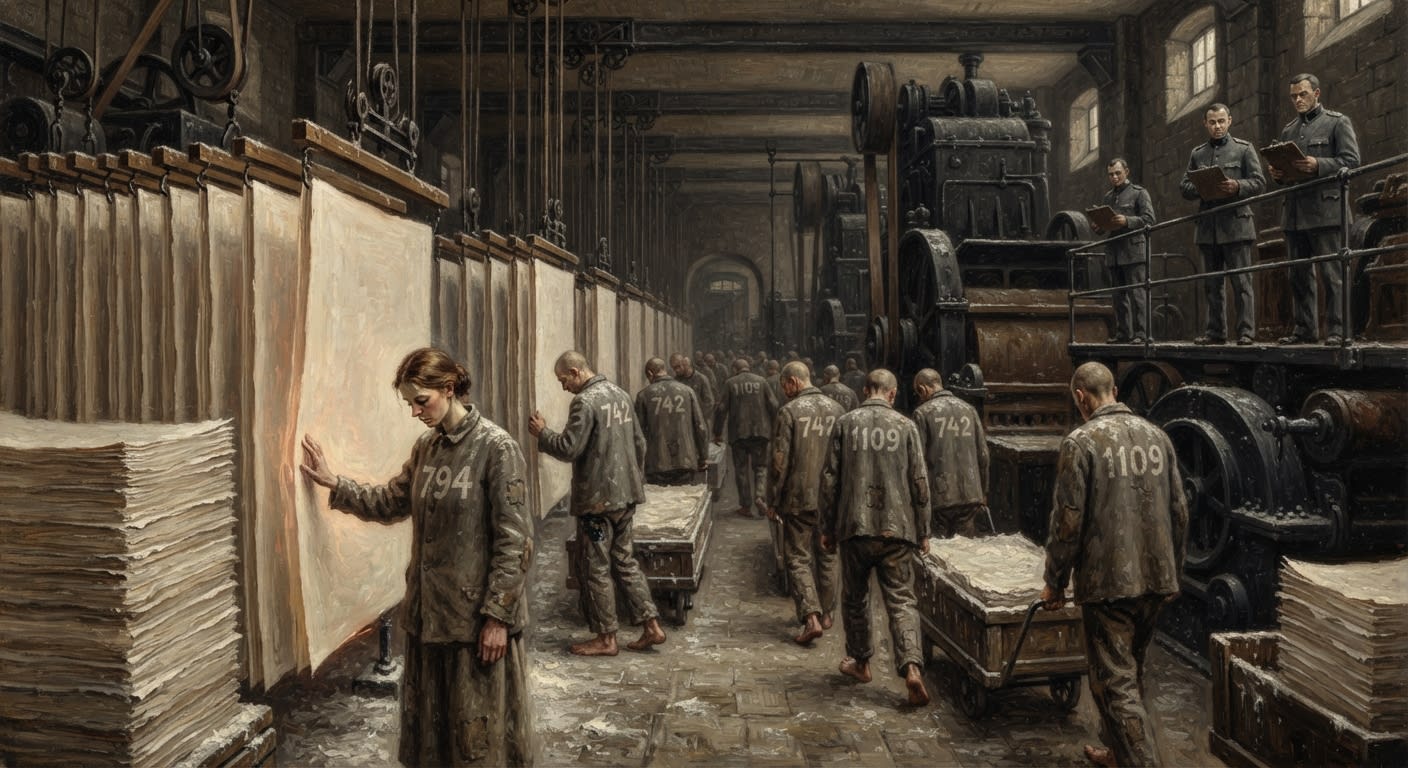
Anonymous Productive Penance
Where a name becomes a number, and the number becomes paper
Anonymous Productive Penance is the Paper Mines sentence that strips condemned workers of names, invoices their labour, and turns guilt into warm, troublesome sheets.
Codex Ref. XIII.1.02-114
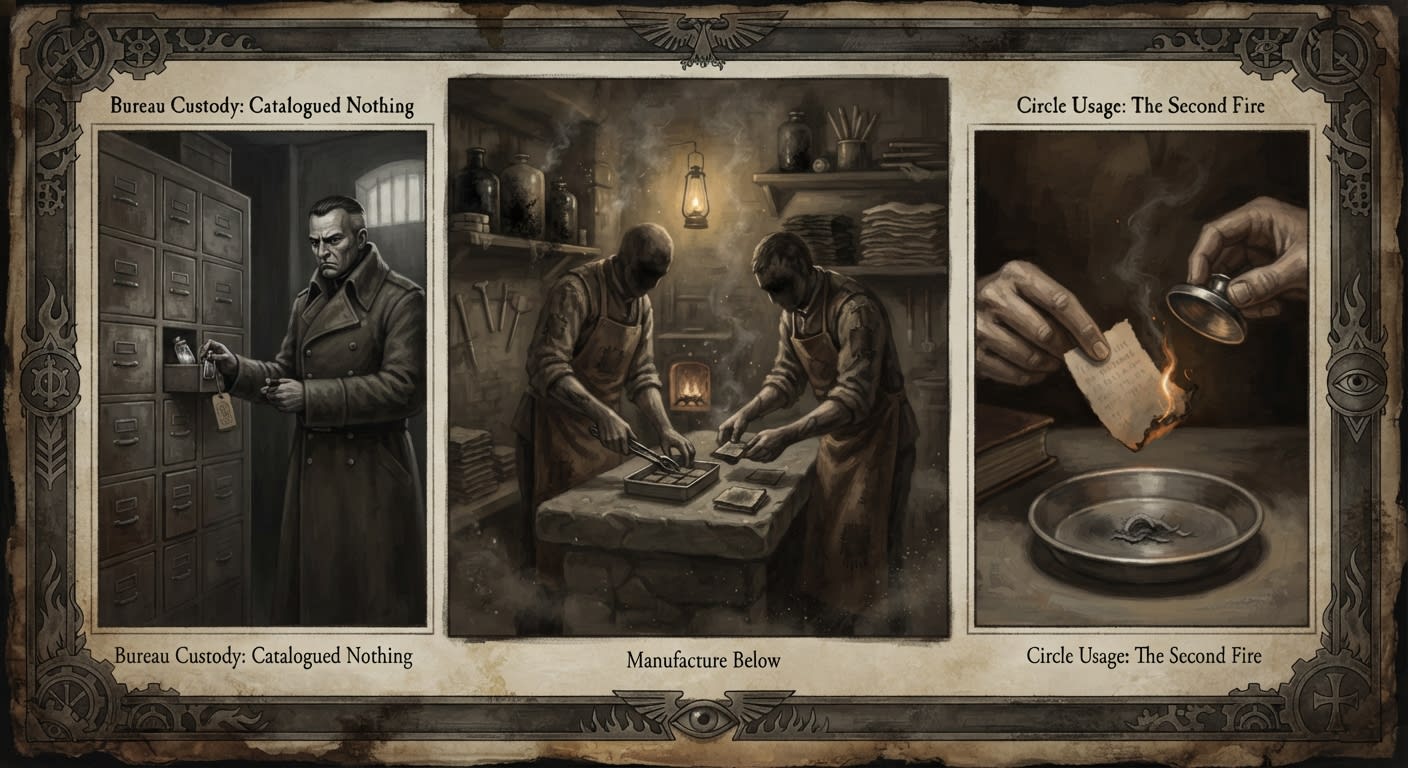
Ash-paper
A sheet built to outlast nothing, and therefore everything useful
Ash-paper is the Circle's pre-blackened answer to the Purge: charcloth pages made to carry one forbidden fact, burn twice, and leave the Bureau with only catalogued nothing.
Codex Ref. XIII.1.56-001
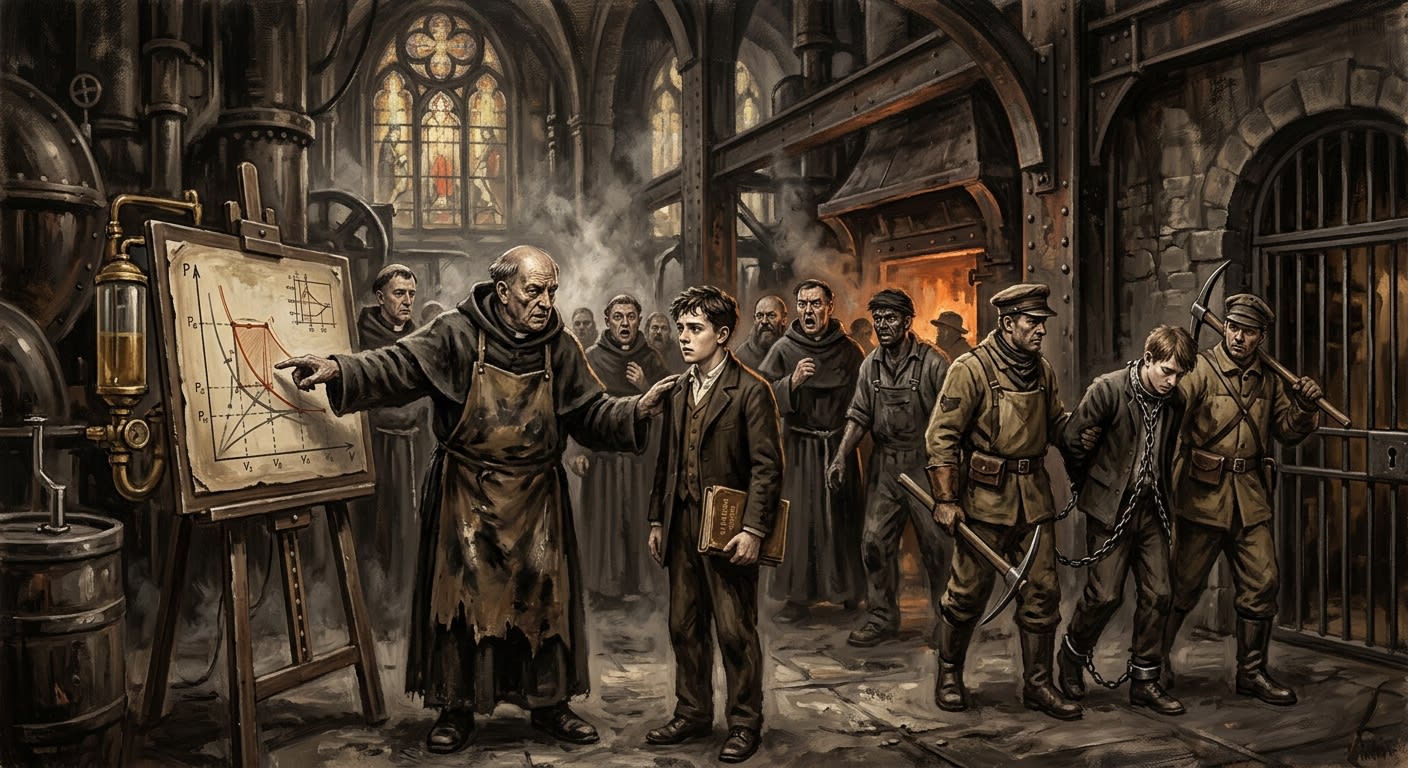
Ash-School Scandal
The lesson that saved a pour and cost two souls
A.S. 187 Essen scandal in which a Furnace Catechist taught real thermodynamics to a brilliant apprentice, producing one saved pour, one immurement, and one transfer to Ulm.
Codex Ref. VII.8.10-031
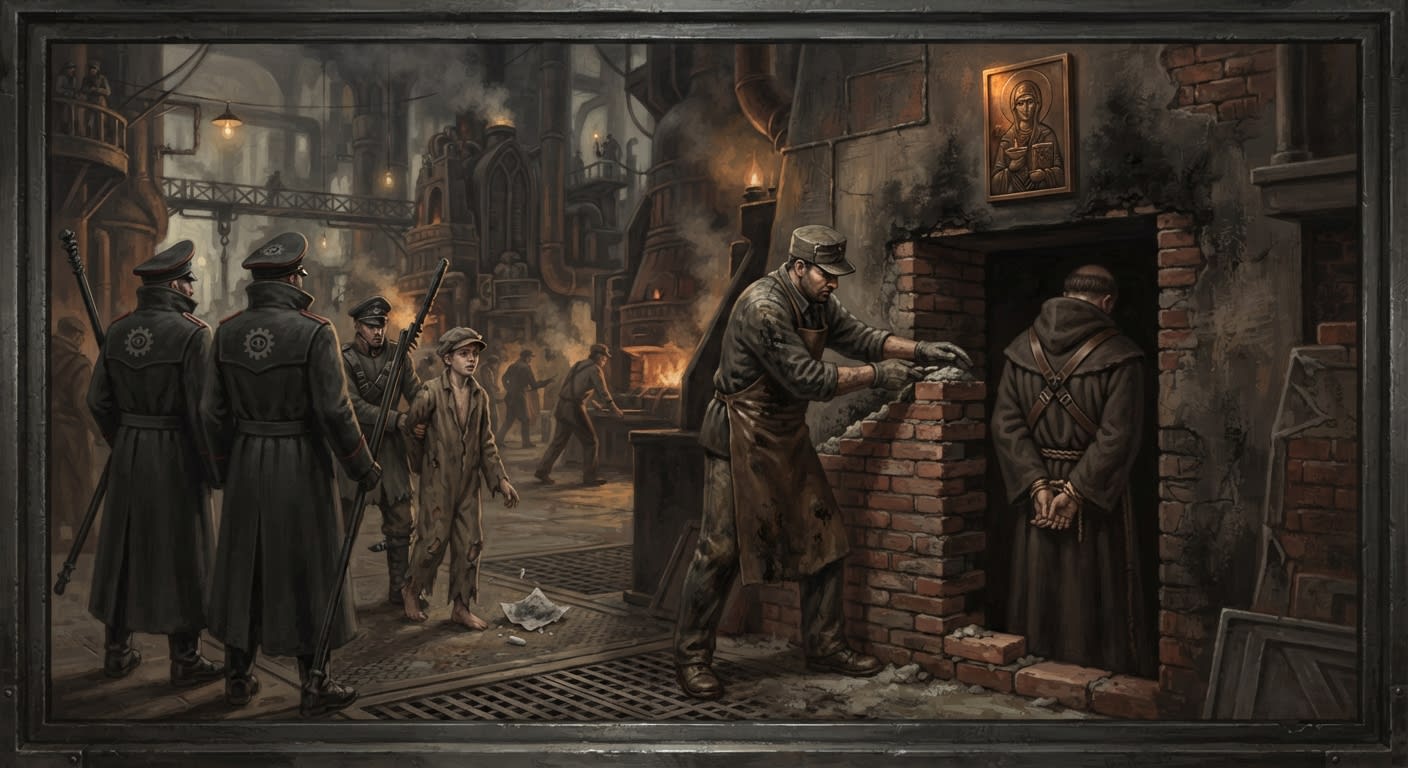
Ash-School Scandal of A.S. 187
The lesson that taught fire to explain itself
The Ash-School Scandal of A.S. 187 began when an Essen Furnace Catechist taught real thermodynamics, putting the teacher in a wall, the apprentice in Ulm, and Engineering's objection in a drawer.
Codex Ref. VII.8.10-031

Astronomers of Kraków
The sky kept time; the Bureau kept jurisdiction
The unchartered university habit that wrote the sky down too accurately, earned Doctrine's A.S. 199 correction, and left twenty-one scholars counted among Ulm's paper.
Codex Ref. XI.5.04-199

Audit-Cantor
The officer who learned to distrust the whiteness around approved words
The Bureau of Silence keeps forty Audit-Cantors to open books, weigh margins, warm blank pages, and decide which libraries die quietly.
Codex Ref. VIII.3.02-002
Augsburg
The city corrected first by blade, then by gauge
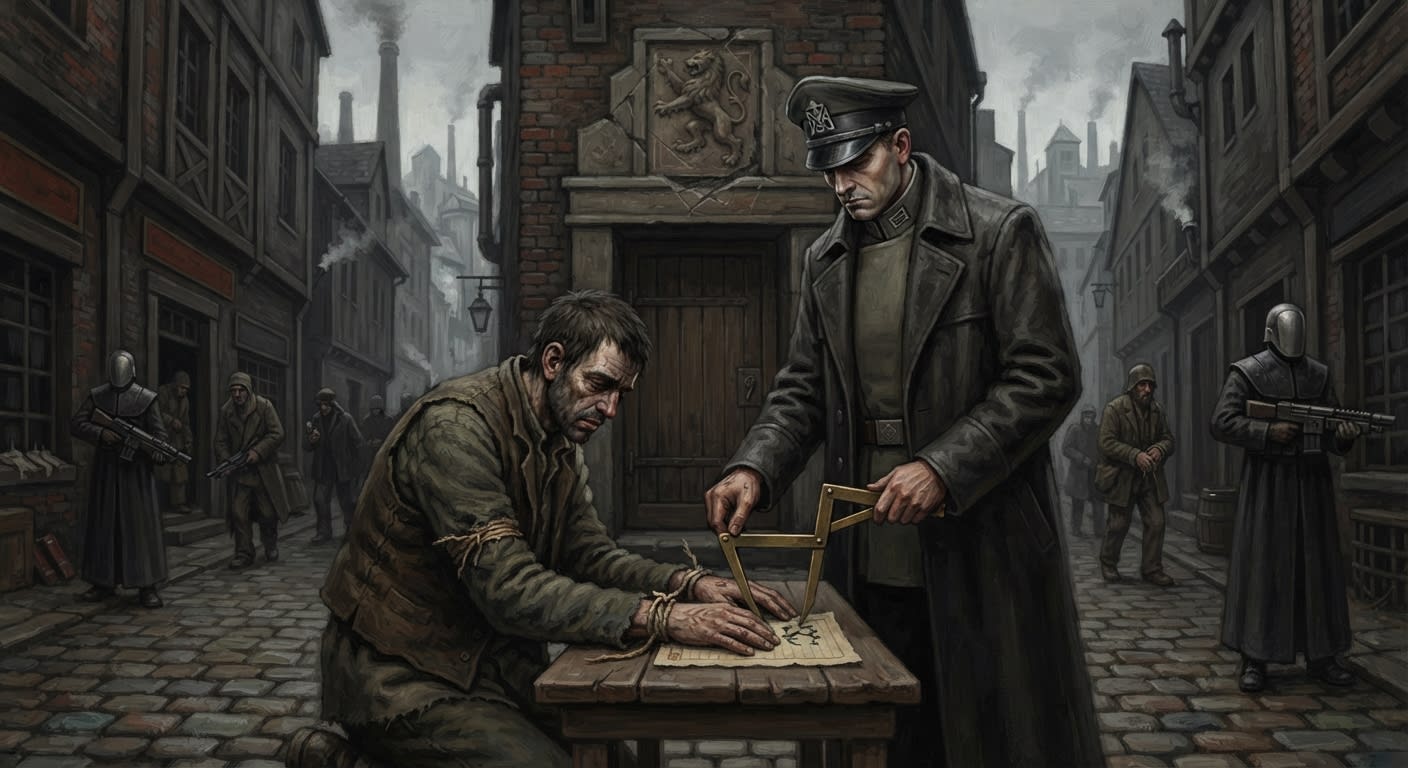
Augsburg is known to the Codex by what the Synod removed from it: beasts from its guildhalls, vermillion from a dyer, and doubt from three condemned hands.
Codex Ref. II.2.09-182

Bastion-Constantinople
The Hinge of the South
Keystone fortress of the Sagittal Line, ratified in A.S. 68. The southernmost anchor of the Wall and its most celebrated grave. Where the advance of Hell first broke against ink and iron, and has broken ever since.
Codex Ref. III.2.04-017
Bell-Silence custody
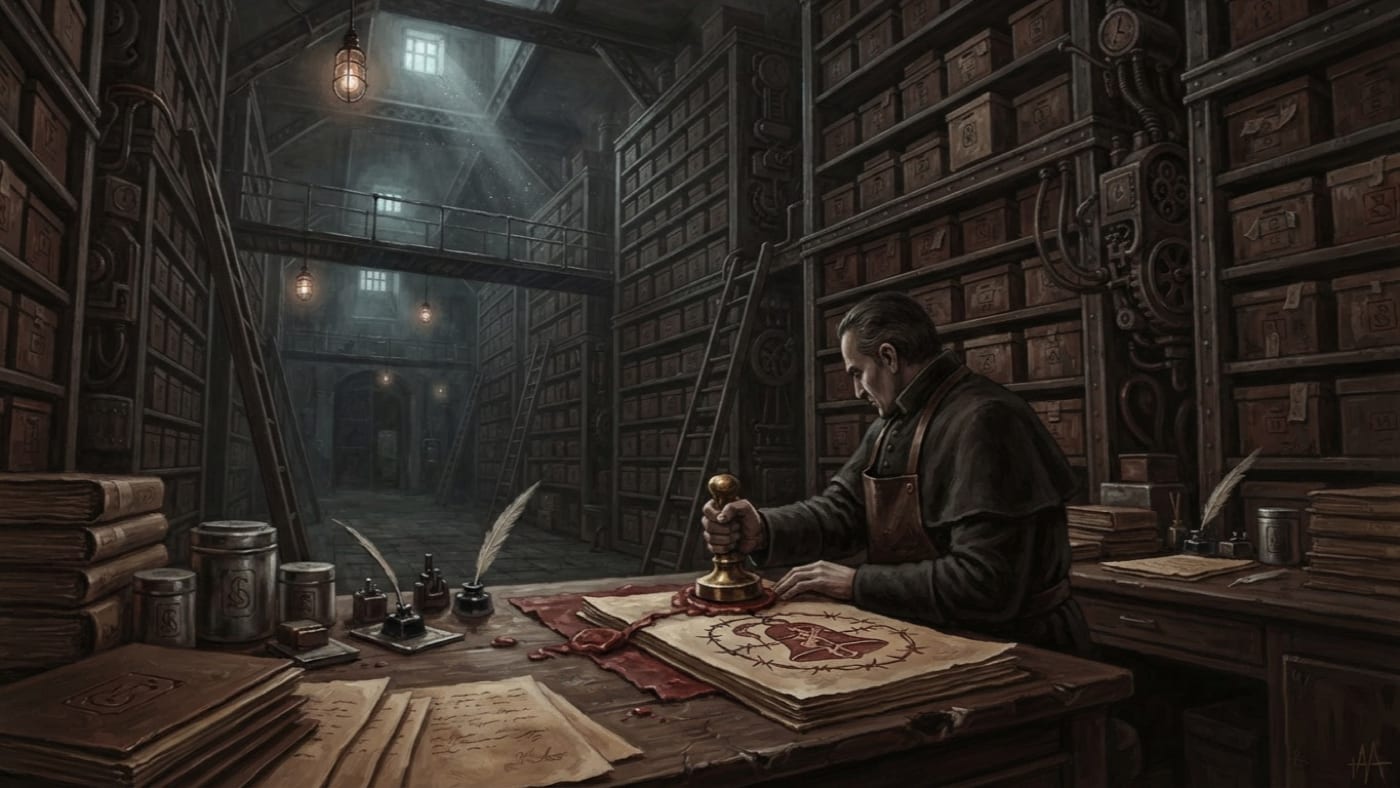
Five depositions under wax; their witnesses under lime
Sealed custody for five Rouen depositions after the A.S. 184 convoy collapse: the witnesses burned as acoustic carriers, their testimony preserved, and the custodian left unnamed.
Codex Ref. XIII.1.86-184

Blackening of the Bosporus
The reeds crawl; the onset remains unrecorded
A.S. 201 survey of the corrupted marshes opposite Bastion-Constantinople: crawling reeds, bile-coloured algae and ruined provisions. Doctrine names Kargath; the cartographers cannot name a beginning.
Codex Ref. VII.4.18-319
Breath-Givers
Another measure of air, never absolution
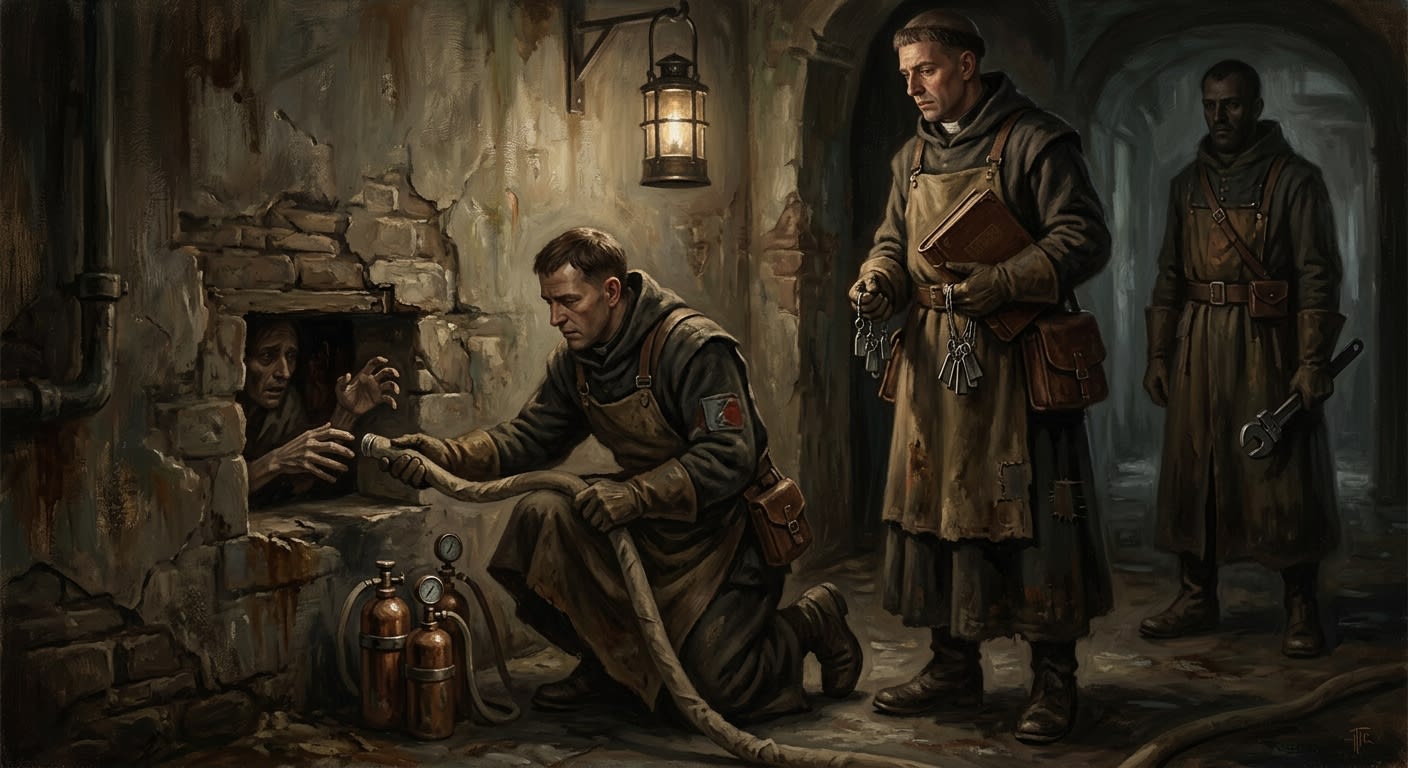
Denied merciful faction of the Immurement Masons, Breath-Givers sell hidden air through walls and call duration a lesson.
Codex Ref. XII.22.03-001
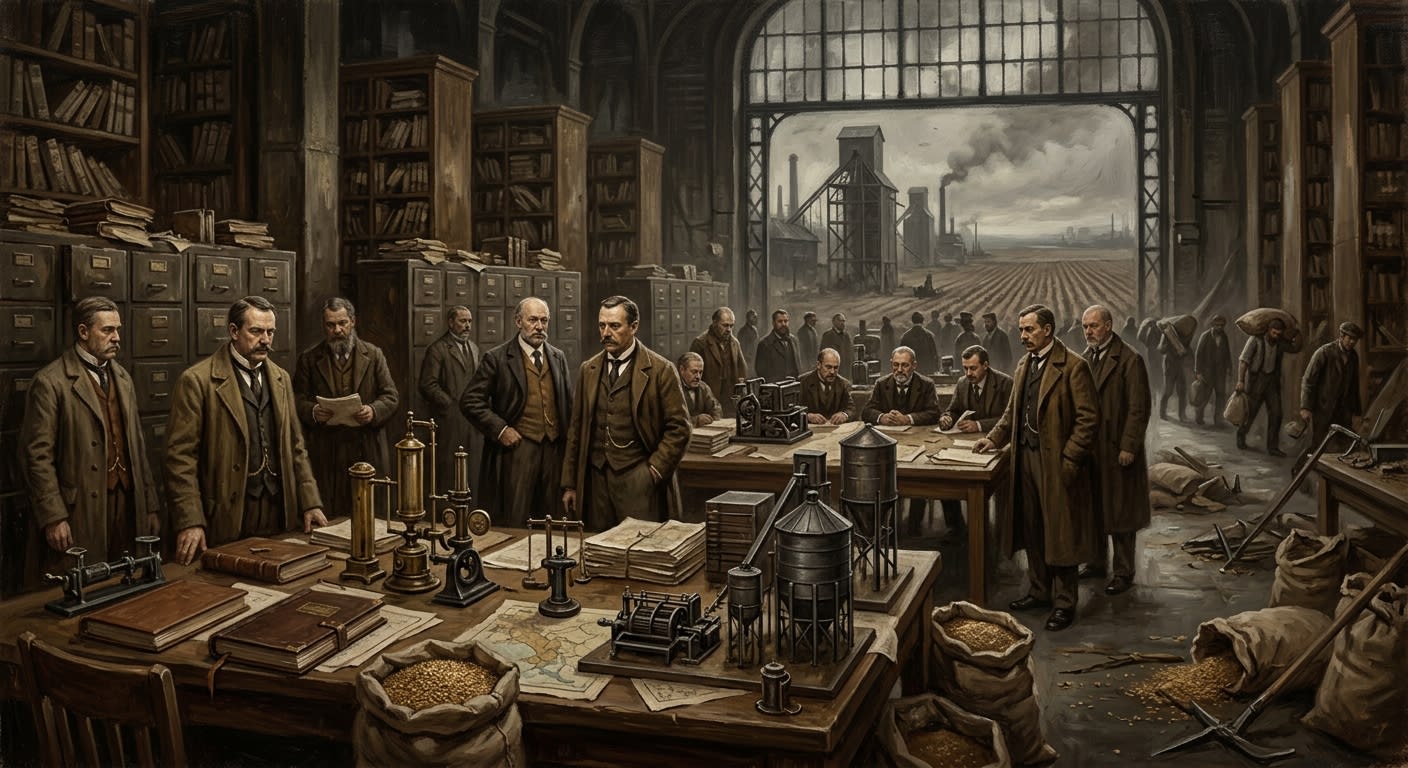
Bureau of Agriculture
The office that owned the wheat, but never the air inside the silo
The dissolved Bureau of Agriculture once governed seed, soil, yield, storage, and famine reports before the Weevil Year let Tithes inherit its grain authority.
Codex Ref. VIII.4.02-001
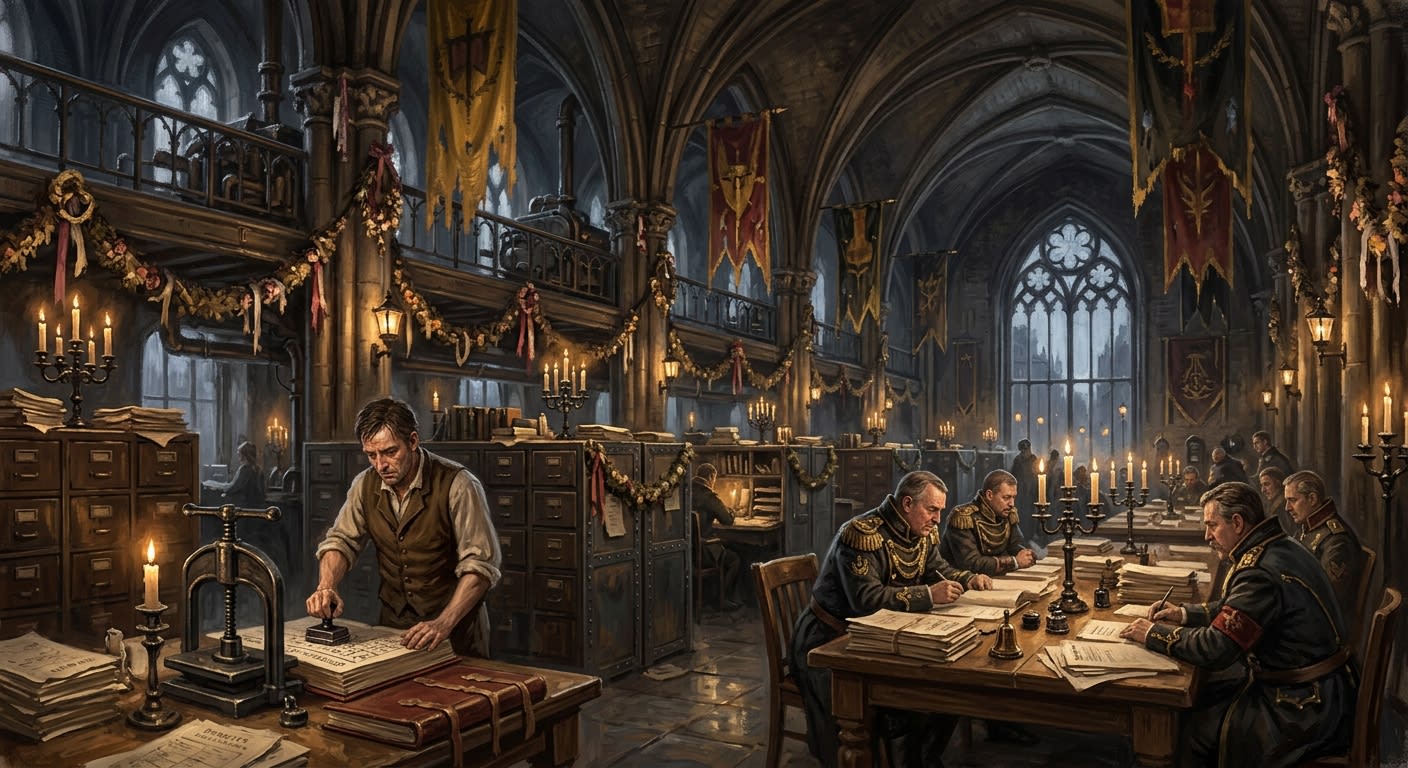
Bureau of Festivals
Joy, administered at scale — licensed, measured, and periodically revoked
The Bureau that manufactures joy, schedules grief, and meters celebration with the same rigour the Bureau of War applies to troop rotations — and which has, on seventeen documented occasions, deployed confetti.
Codex Ref. VIII.5.01-001
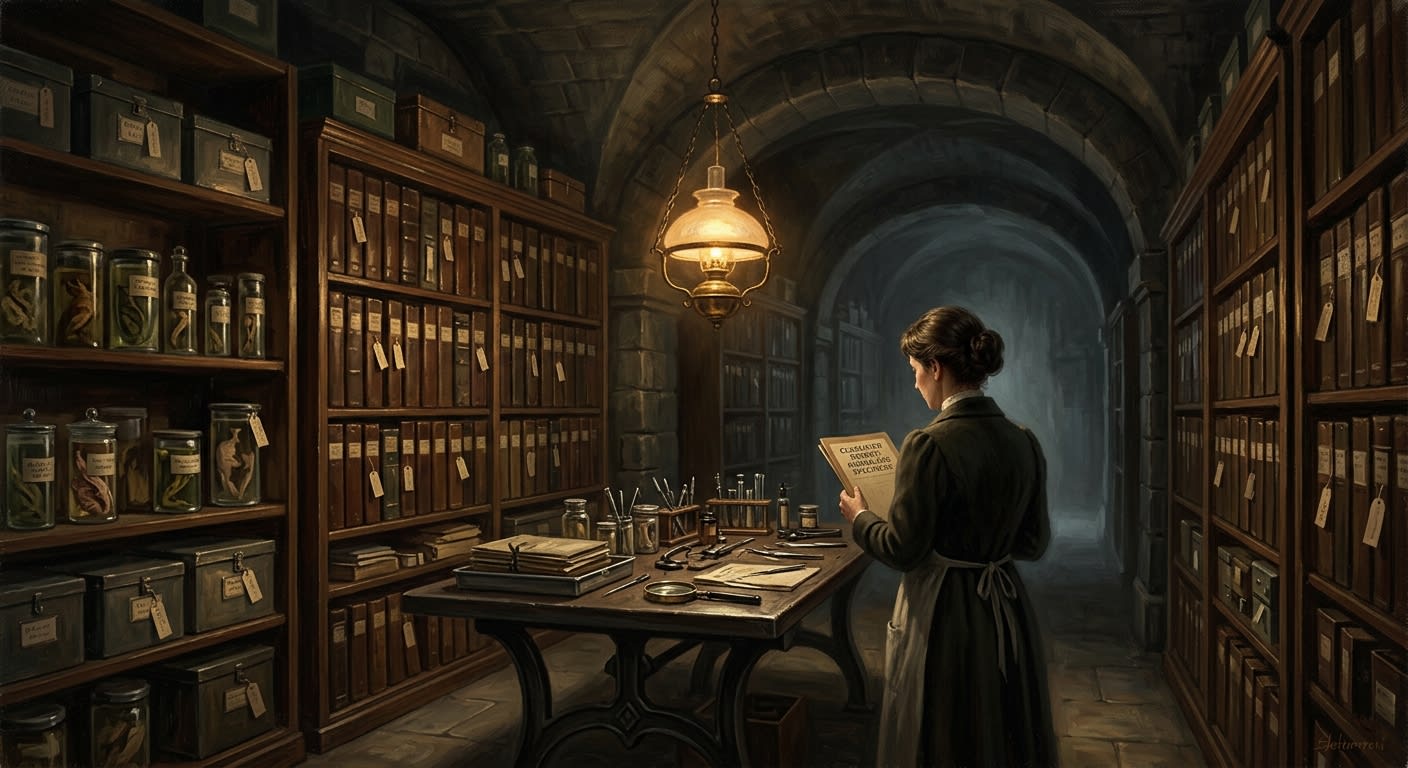
Bureau of Medicine
It measures. It classifies. It declines.
The Bureau of Medicine is not, technically speaking, a Bureau. It is something more dangerous: an institution that measures everything and recommends nothing, staffed by people who have read every report and arrived at conclusions they will not share.
Codex Ref. XII.7.09-044
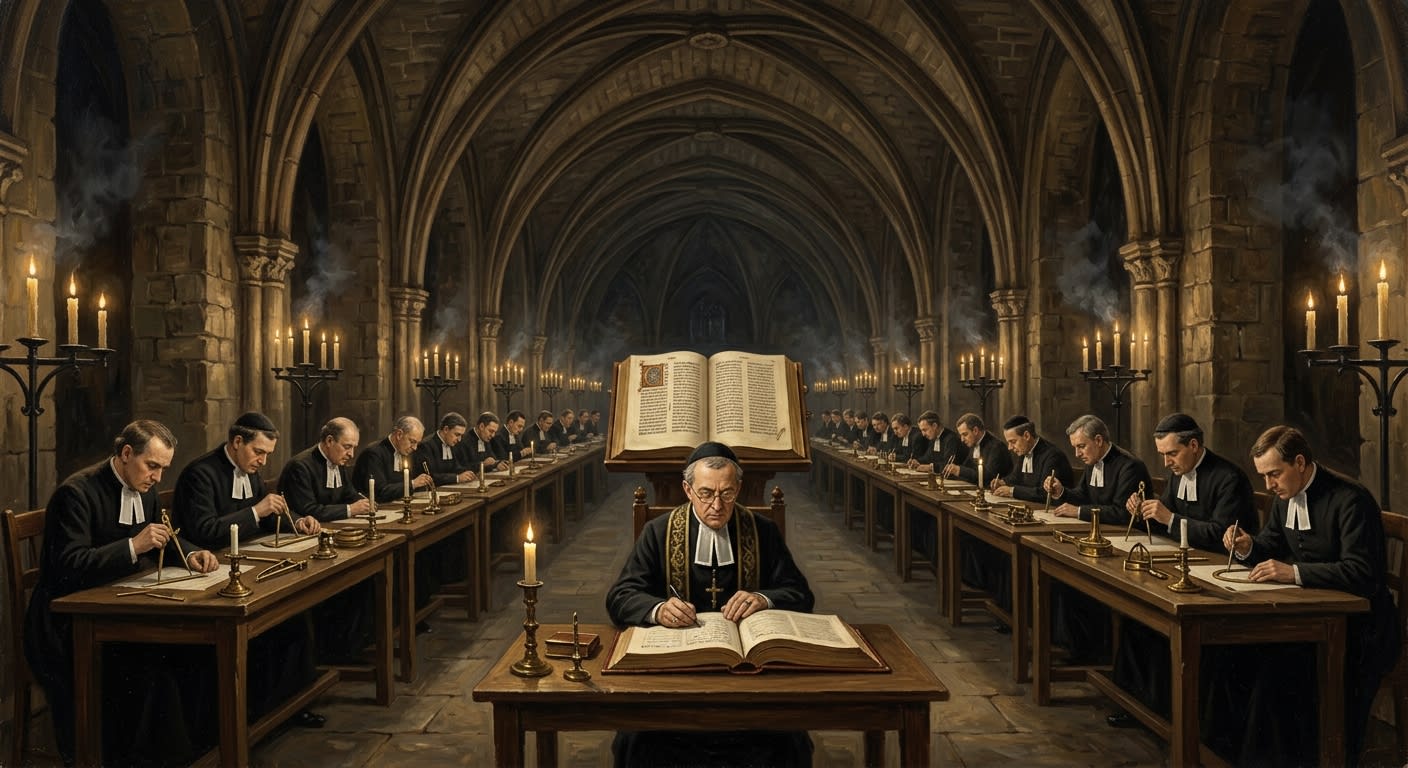
Bureau of Rites
The grammar no one speaks and everyone obeys.
The grammar of the Dominion, indistinguishable from its law: the Bureau that does not govern governs everything, from the angle of the censer to the weight of the Host on Lenten Fridays.
Codex Ref. VIII.1.01-001
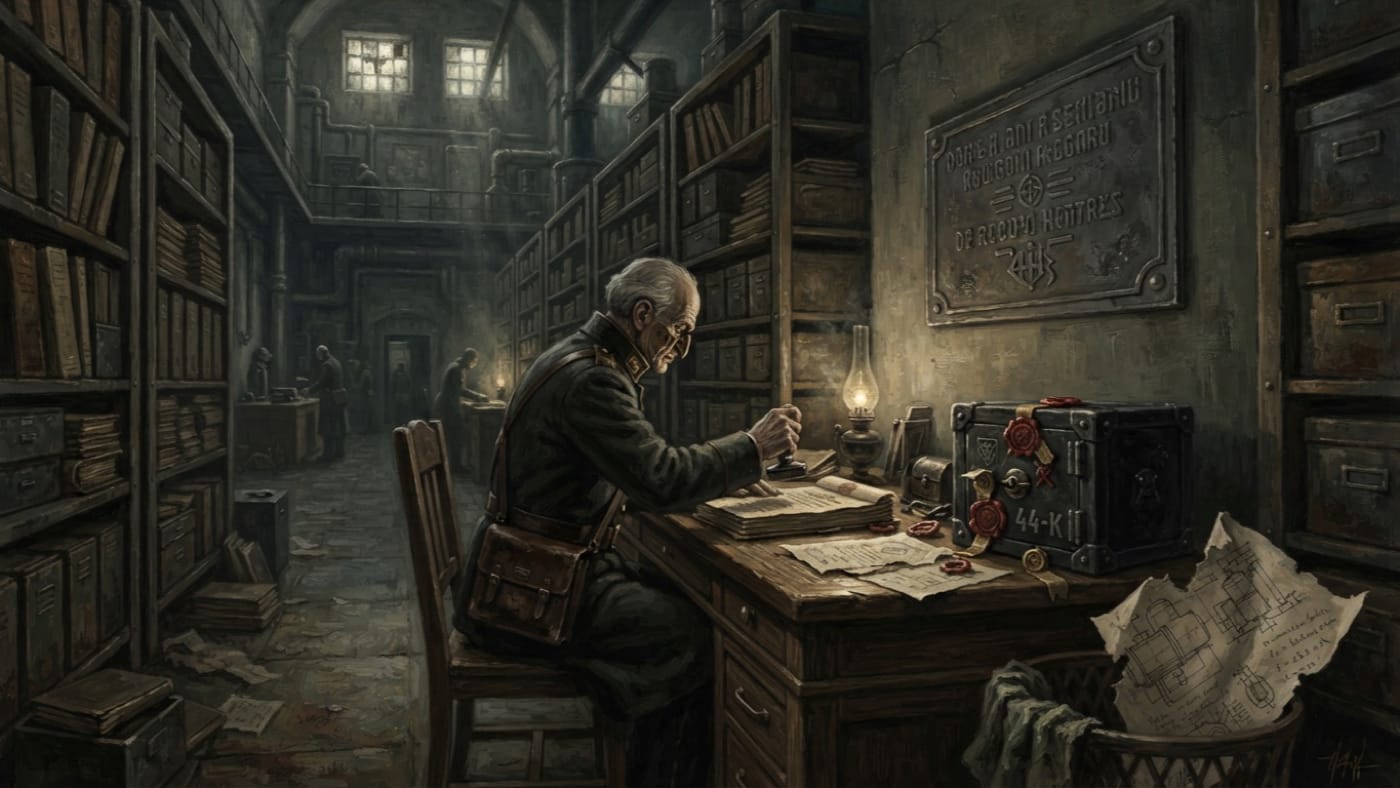
Bureau of Shadows File 44-K
On the name kept under seal after the men who read its arithmetic were walled up.
Doctrine's A.S. 147 correction admits that Fuel Is Chemistry came from a senior Engineering draughtsman. File 44-K seals his name; the sixty-one immured readers at Przemyśl remain in the public account.
Codex Ref. VIII.8.44-001

Bureau of Tithes
The organ no one praises and no one dares remove
The Bureau of Tithes is the Synod's fiscal organ — the stomach no one praises and no one dares remove. It taxes breath, grain, bereavement, and the management of its own taxation.
Codex Ref. VIII.4.01-001
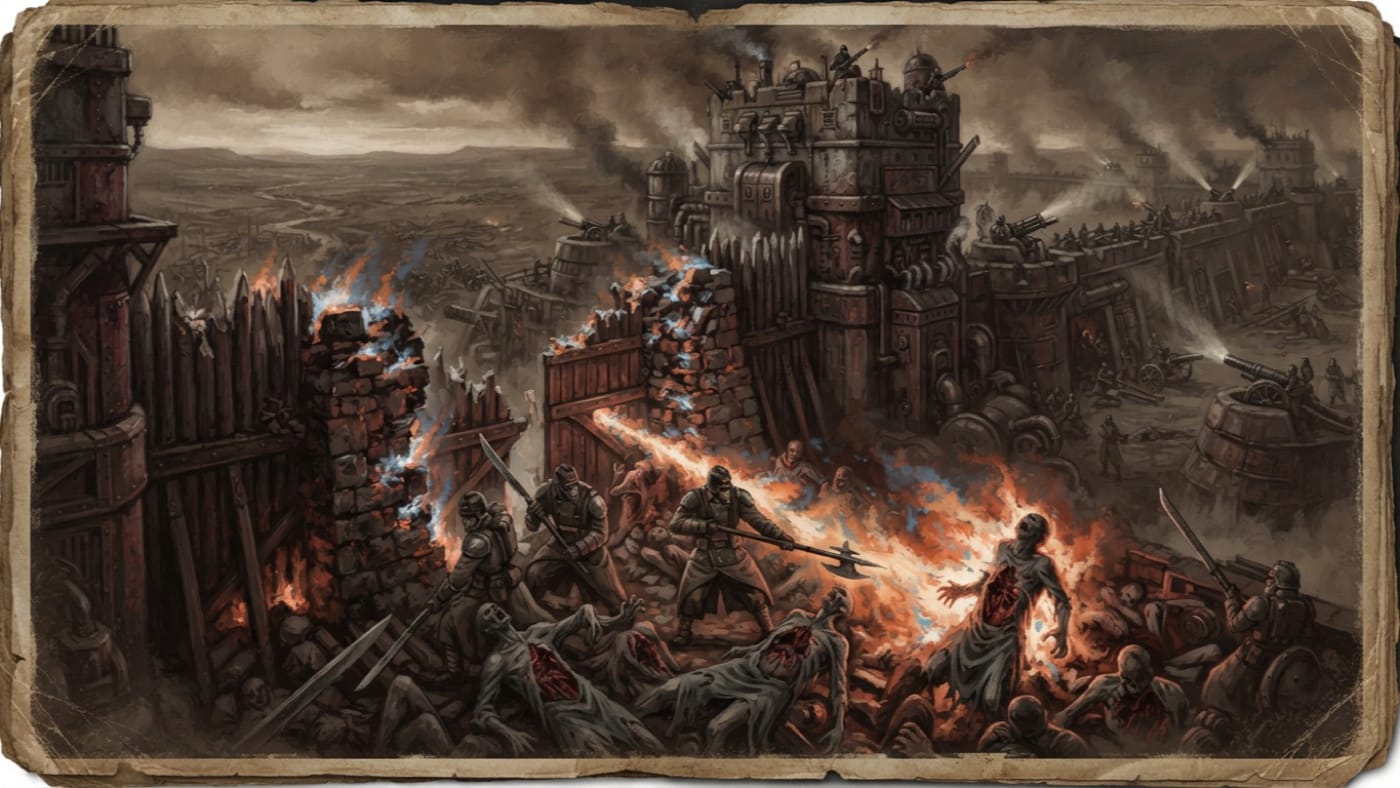
Burning of the North Gate
Obedience Opened the Bodies
In A.S. 140, Hollowed collapsed before Bastion-Constantinople's North Gate. Paladin blades opened their chests; sorcery-flame ate stone. The Ninth of Corvus commemorates obedience with disastrous results.
Codex Ref. VII.3.01-002
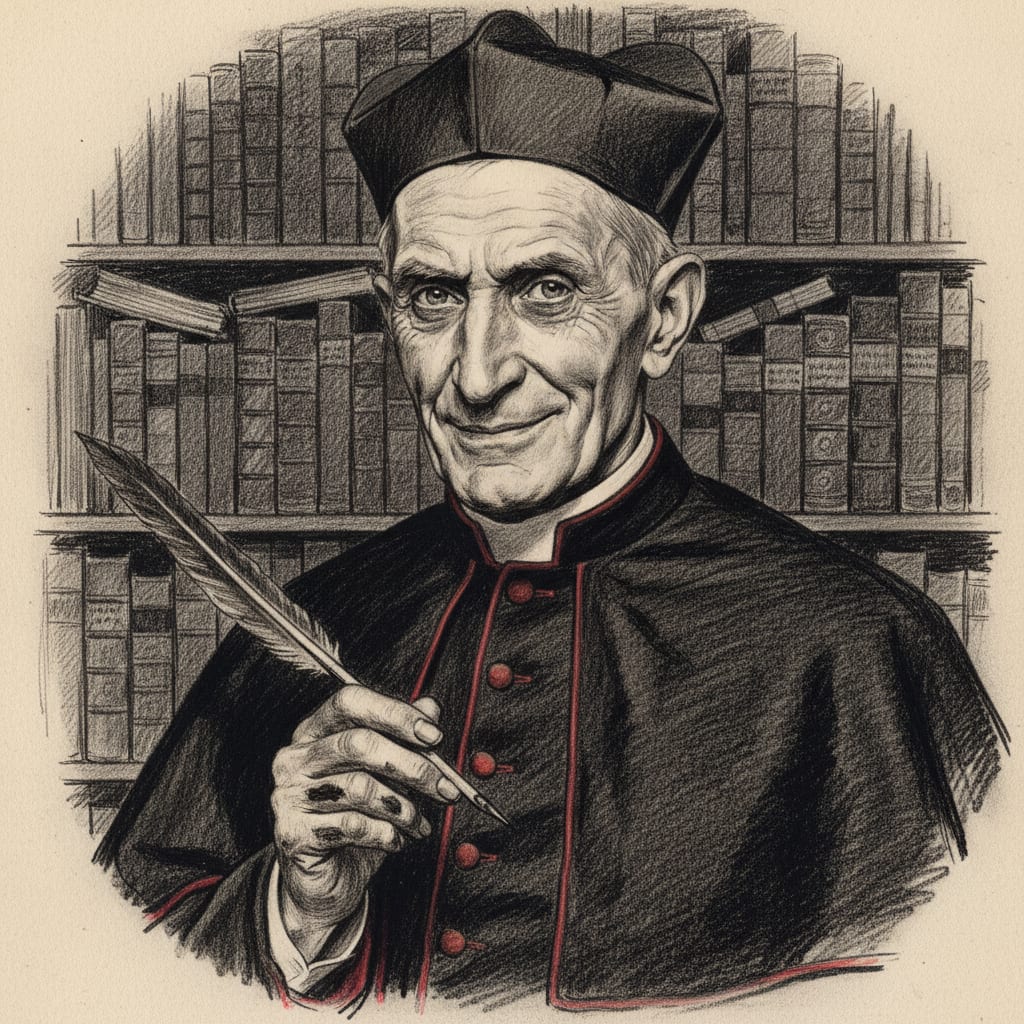
Cardinal Hieronymus Kratz
The Quill of Strasbourg
Cardinal Hieronymus Kratz, the Quill of Strasbourg, who proved that forgery widely believed is not forgery at all but revelation. Where Augustinus inspired, Kratz wrote — and what he wrote, the world obeyed.
Codex Ref. II.1.03-008
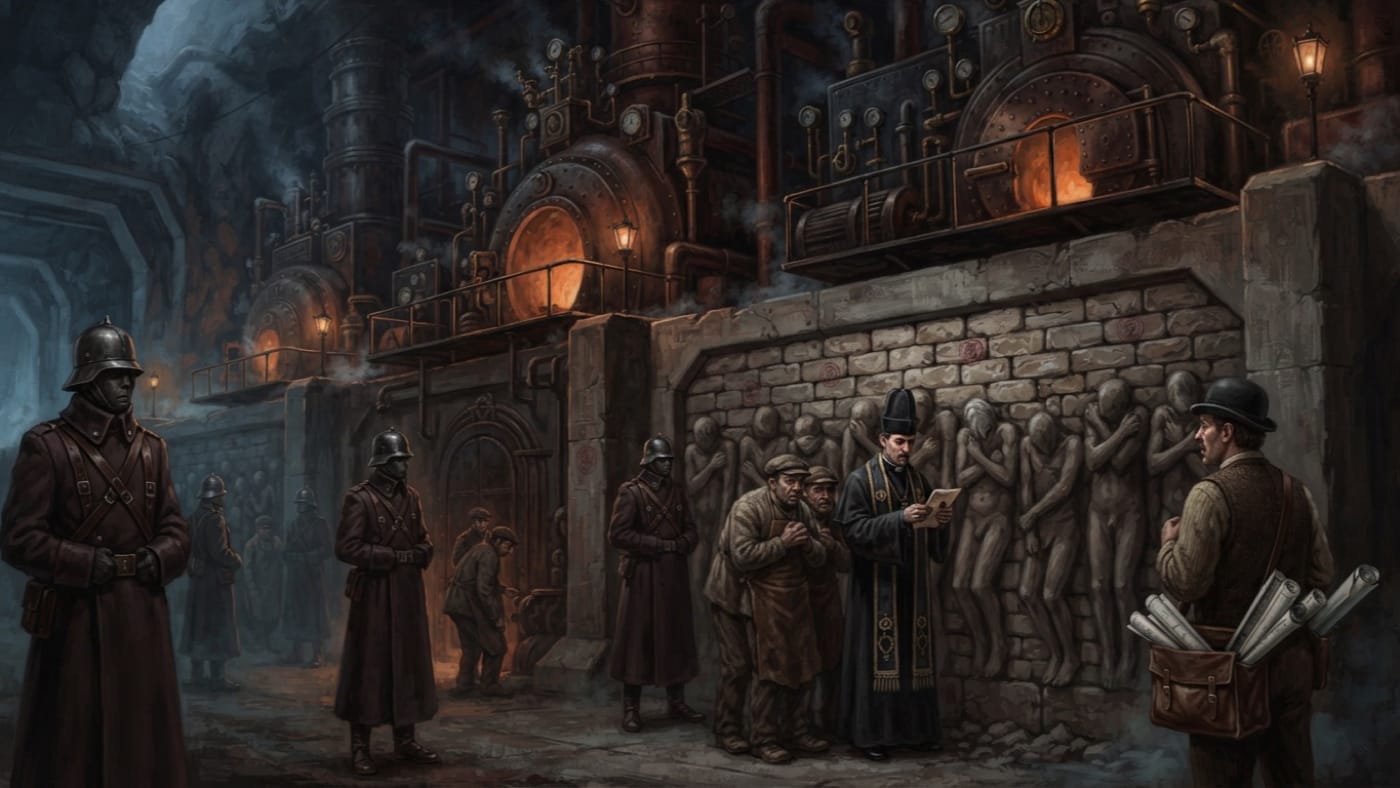
Causality Wars
Engineering owns the facts. Doctrine owns the sentences. The stoker owns a shovel.
Engineering owns the facts; Doctrine owns the explanation. Their undeclared feud reached its bloodiest engagement in A.S. 134, when sixty-one people were immured at Przemyśl. The account remains open.
Codex Ref. VII.8.10-134
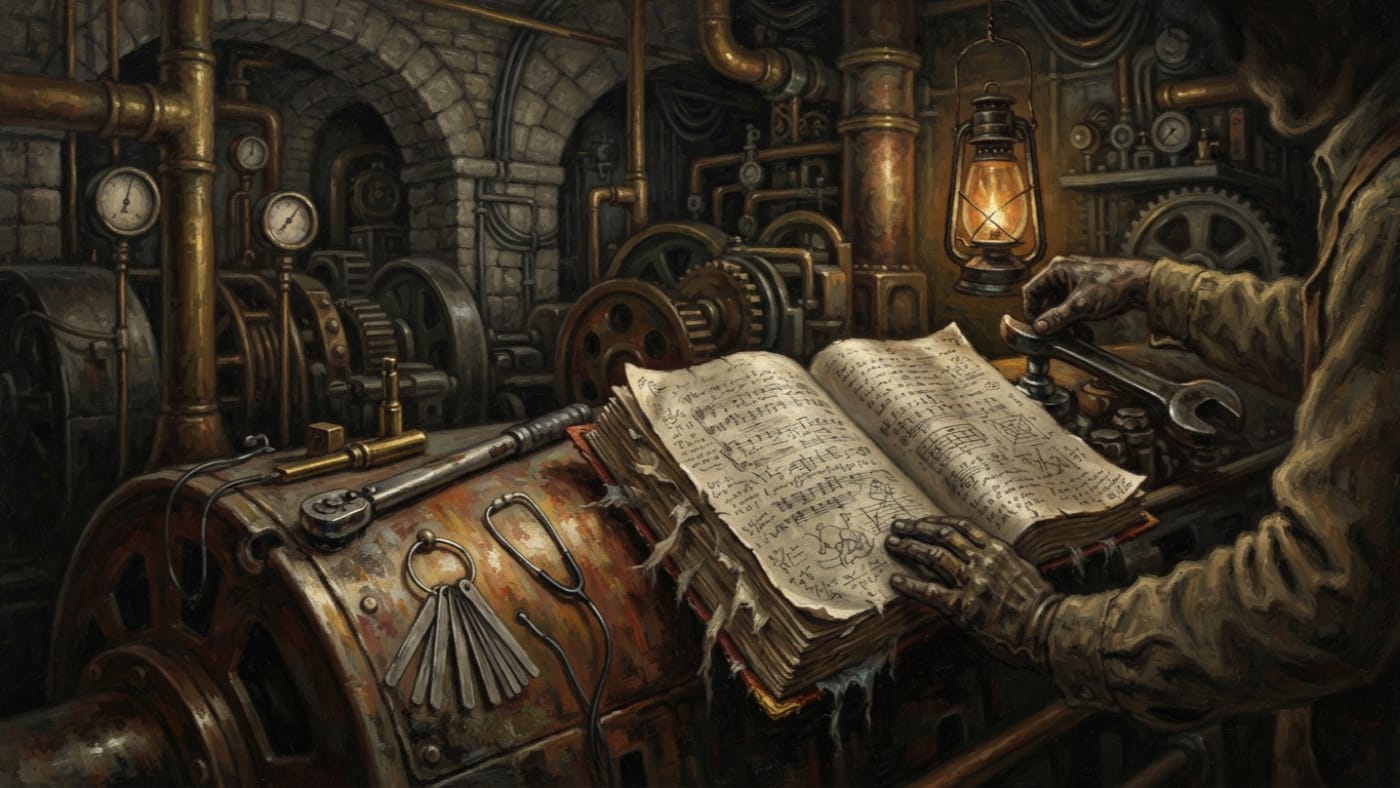
Chant Codex
The book that tells an engine what to hear and an auditor whom to blame.
The Litany-Engineer's sanctioned reference for cant aligned to engine RPM bands. It keeps combustion orderly and gives auditors a page to quote when the operator does not.
Codex Ref. XII.1.02-201
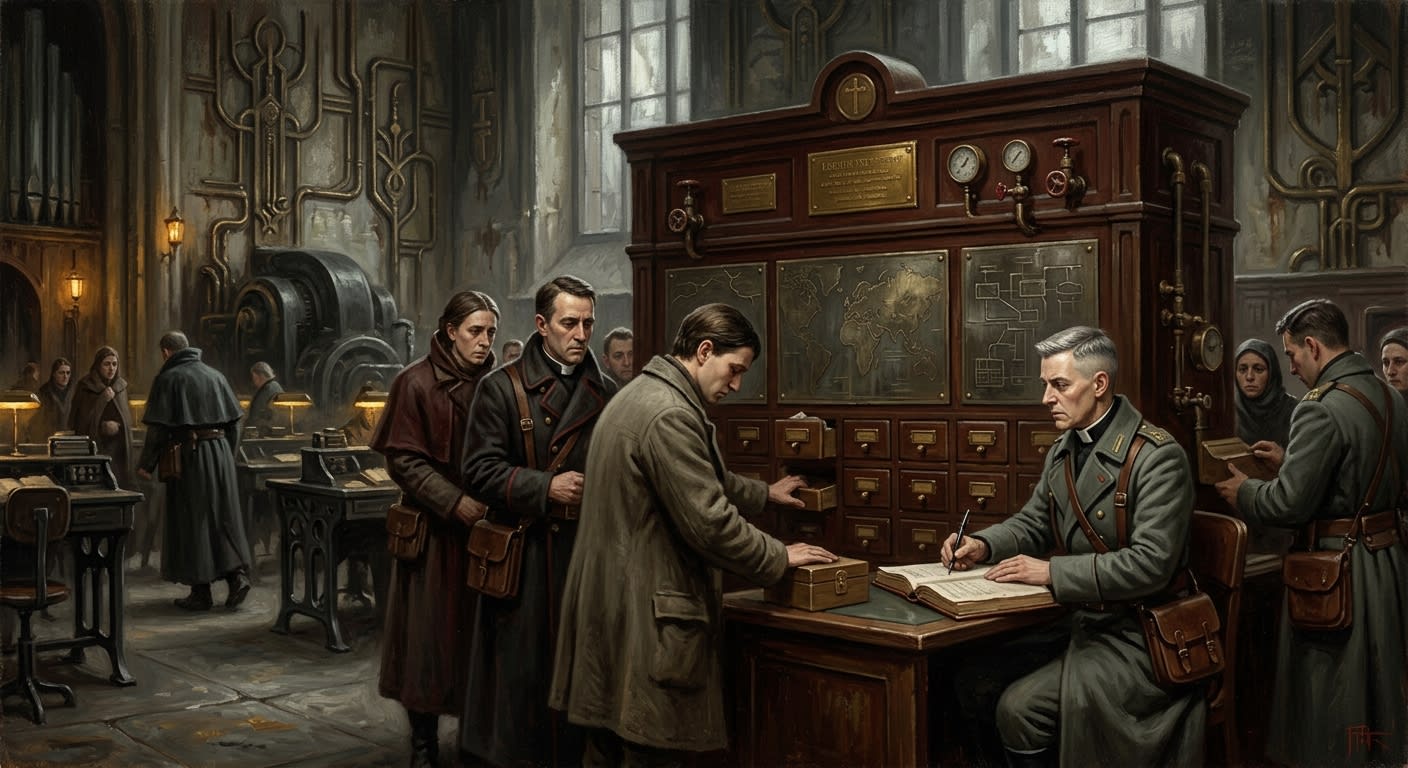
Confession of Desire
The rite that made shame searchable and taught the enemy where to knock
The Confession of Desire is Purity's quarterly rite for naming want, filing shame, and proving that a sealed cabinet can become the enemy's map.
Codex Ref. XIII.1.37-196
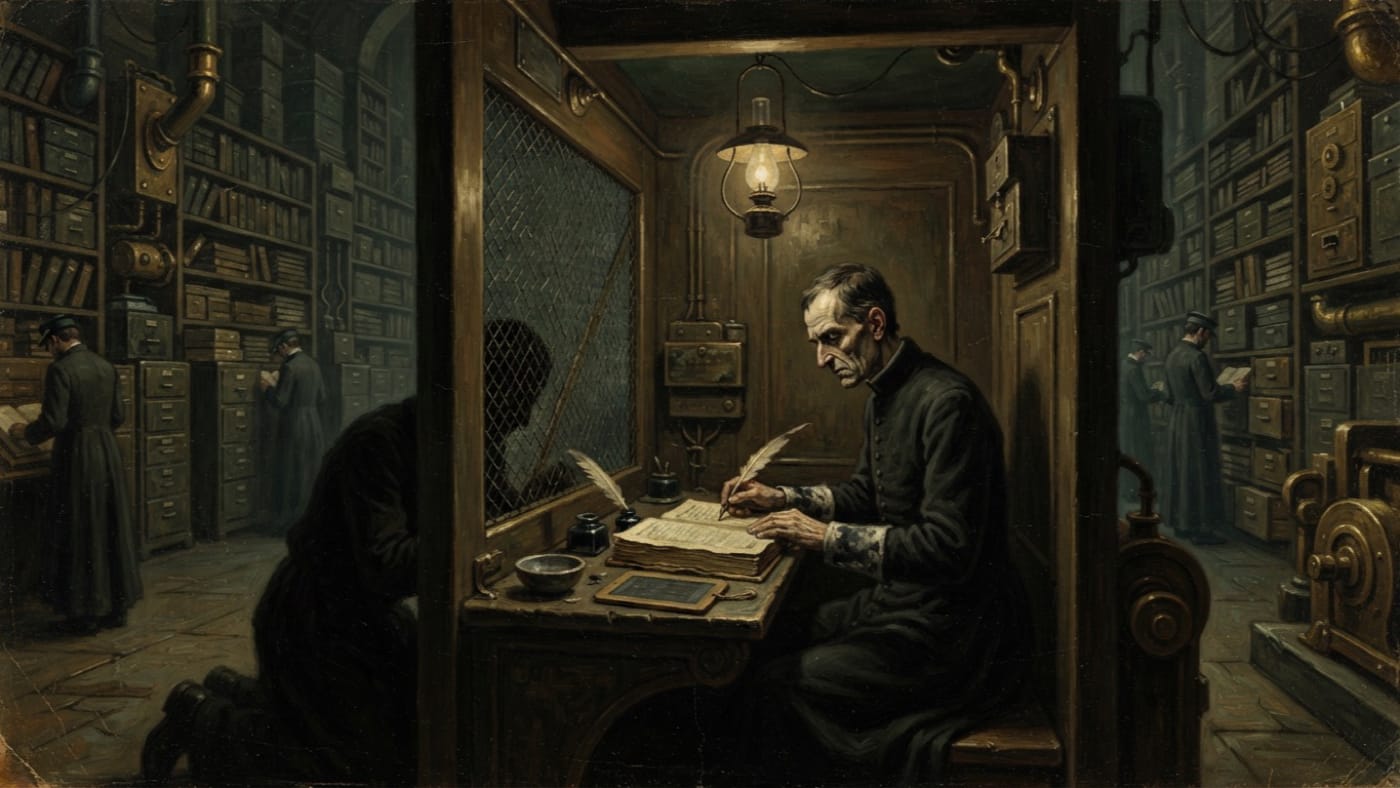
Confessor-Penal
Absolution at the screen; surveillance in the register
The Confessor-Penal hears sins, absolves where permitted, and files suspicions for the Synod. In the southern garrisons, his registers have taught the Velvet Choir where to knock.
Codex Ref. XII.9.02-201

Corporal Aldric Voss
The testimony was kept; the witness was reassigned
A.S. 201 survey of Voss's surviving caption, sketch and reassignment record. Purity kept his vivid testimony; the corporal of the Rhineland Ninth went to the Paper Mines.
Codex Ref. III.2.01-744

Counter-Toll Operator
What the enemy rings, the Bureau drowns. The toll is paid in bone and nerve.
The Bureau of Bells does not debate; it drowns. Its Counter-Toll Operators sit in sub-tower vaults and overwrite hostile tones with louder ones. The city's obedience is the bell's argument.
Codex Ref. XII.2.02-001
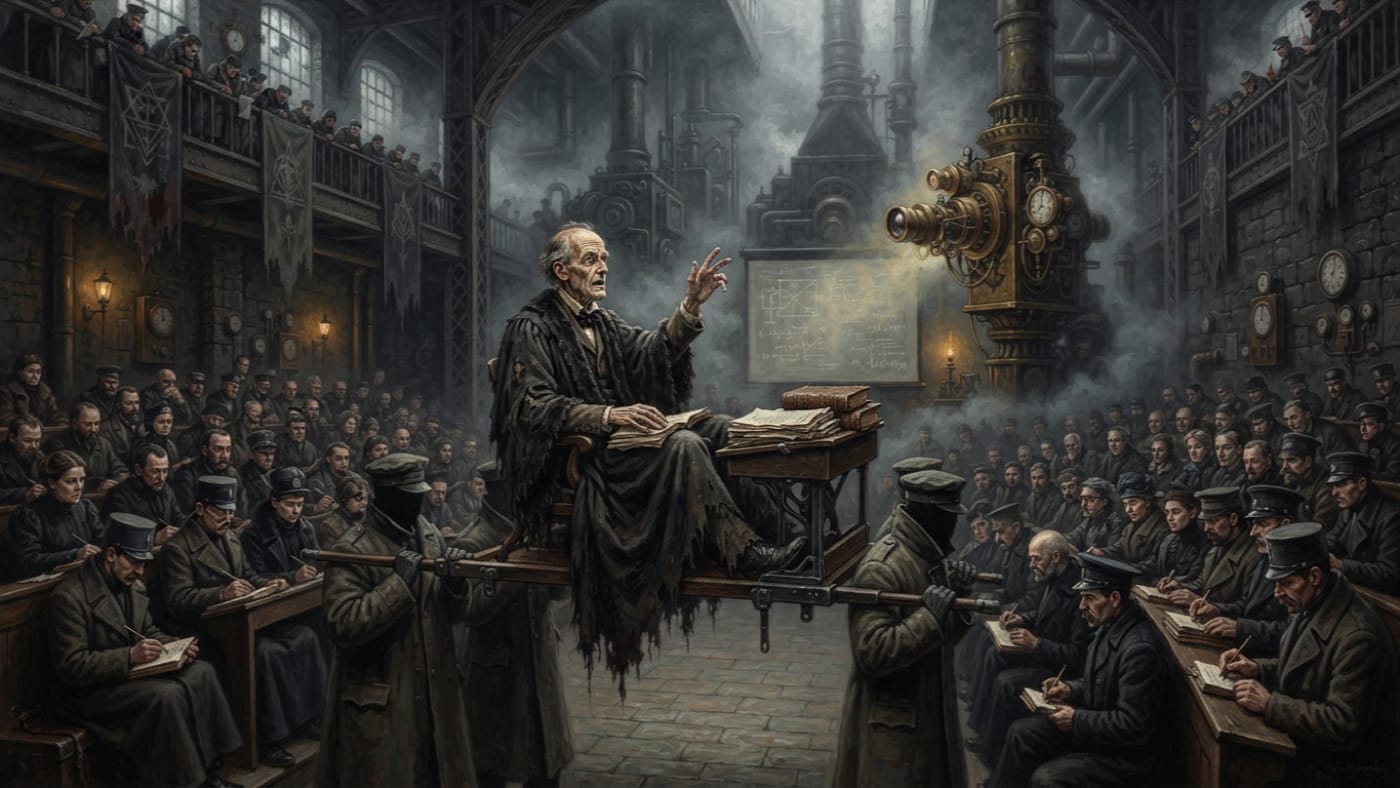
Dean Albrecht Moser
The signature survived; so, inconveniently, did the signatory
Dean Albrecht Moser signed the Concordats of Ulm in 1655 and reached Amsterdam's founding congress at seventy-nine, carried on a litter and still lecturing. His signature outlived his bones.
Codex Ref. III.2.01-850
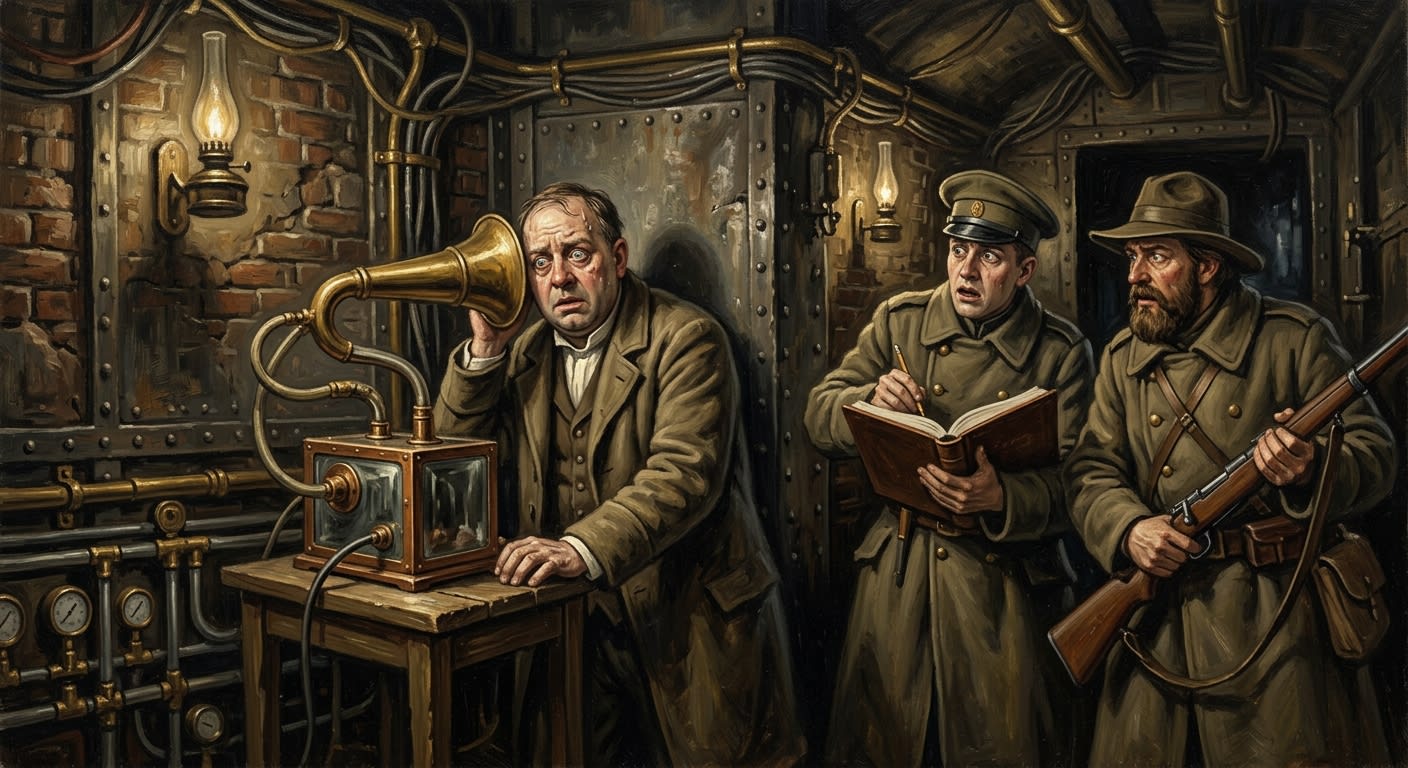
Demon-Listening Incidents
Three sealed niches kept better time than the living dared admit
The A.S. 158 Demon-Listening Incidents at Bastion-Przemyśl proved that sealed walls can keep bell cadence without mercy vents, rats, or permission.
Codex Ref. VII.8.10-040
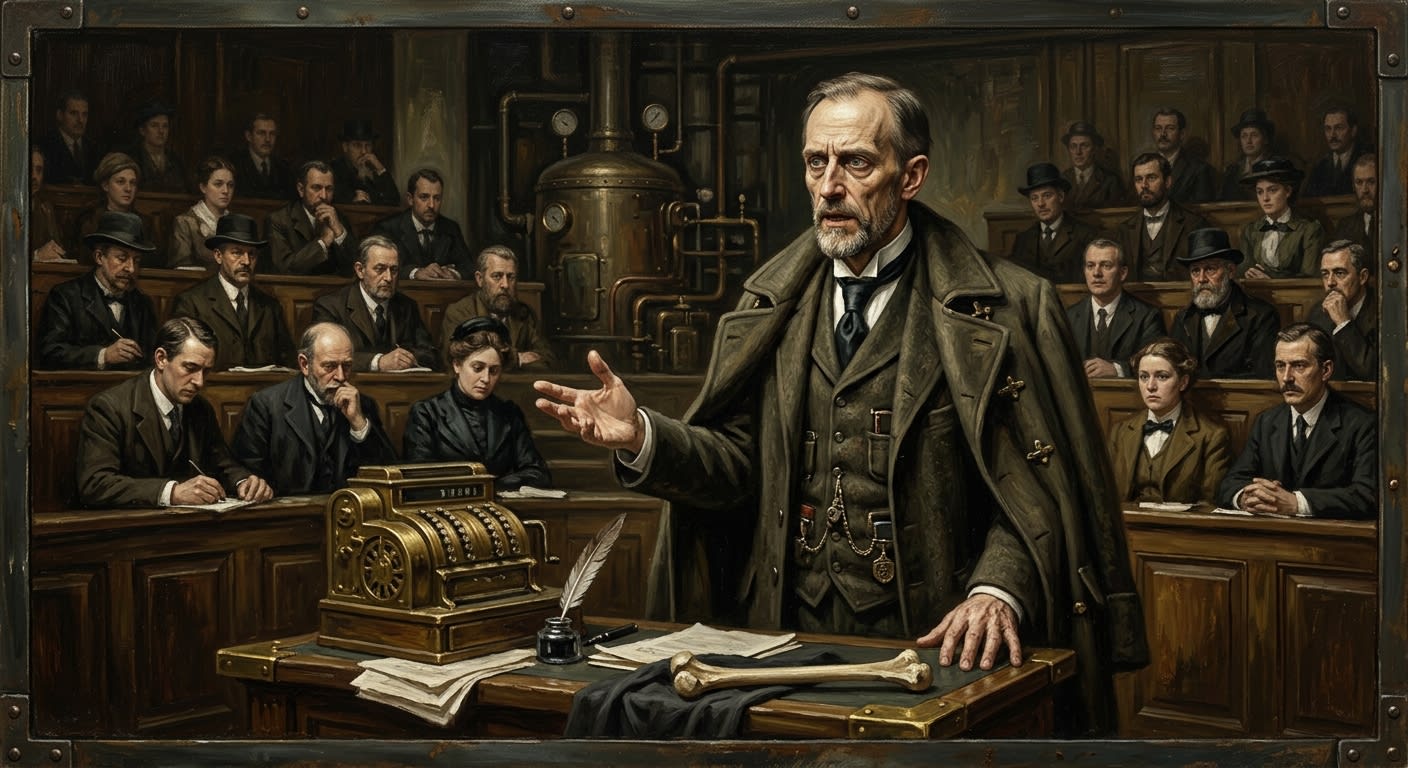
Dr. Matthias Voll
The lecturer who counted bones and was answered by one
Dr. Matthias Voll made relic arithmetic into theatre at Amsterdam in A.S. 11. Vienna later supplied the Bureau's preferred calculation: one bone, one blow, one crushed argument.
Codex Ref. III.2.01-011
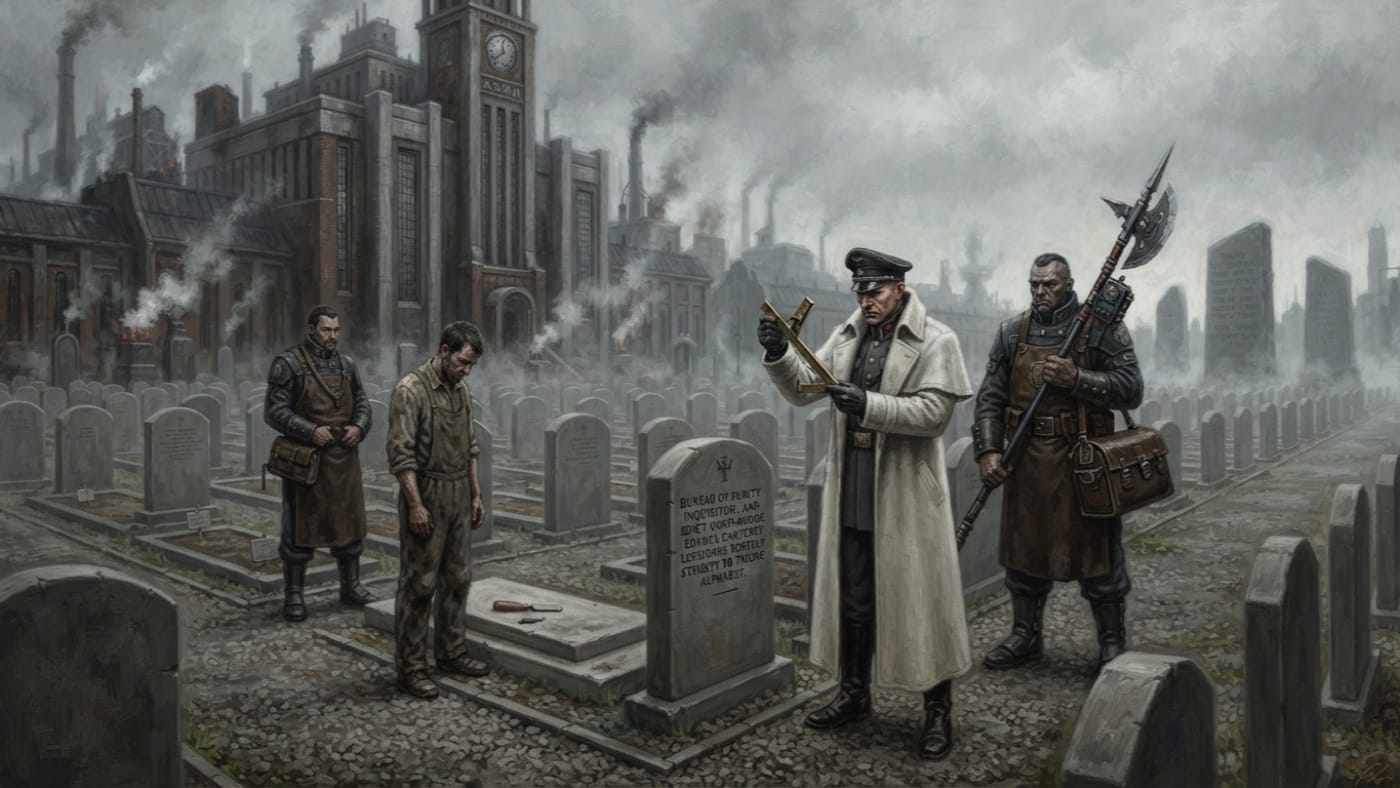
Edict of Graphic Uniformity
Twenty-three permitted letters, and no exemption for the dead
Della Torre's A.S. 178 edict made the Triune Alphabet the Synod's only recognised script, licensing literacy, prescribing spelling and requiring approval for gravestones. The dead may rest; their names must pass inspection.
Codex Ref. XIII.1.03-002
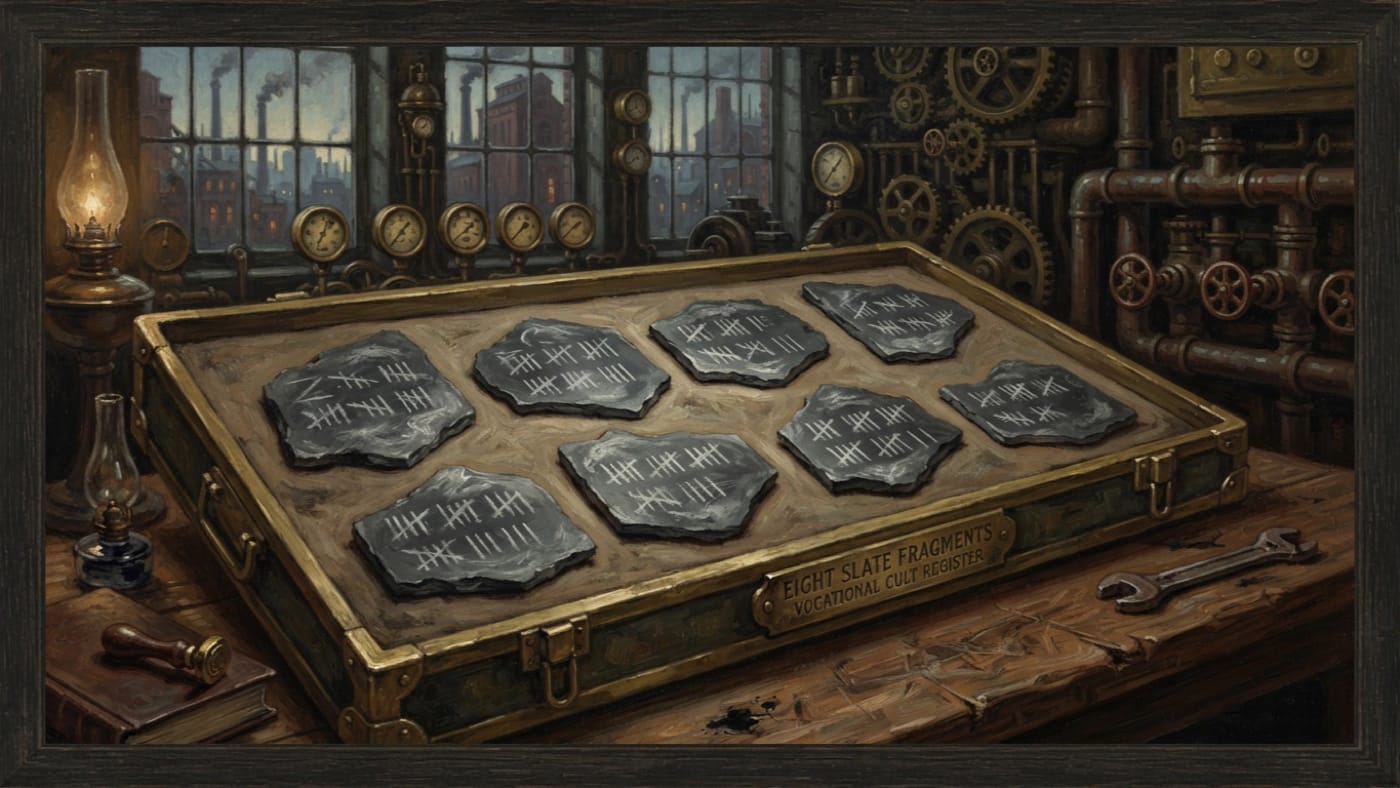
Eight Slate Fragments
Eight pieces, one procedure, and no proven hand
Eight slate fragments supposedly carry apprentice copies of Edrin's Strokes in soot. The cult names them; the record supplies no writer, recovery date, keeper, or proven link to Kalnik Road.
Codex Ref. III.2.04-972
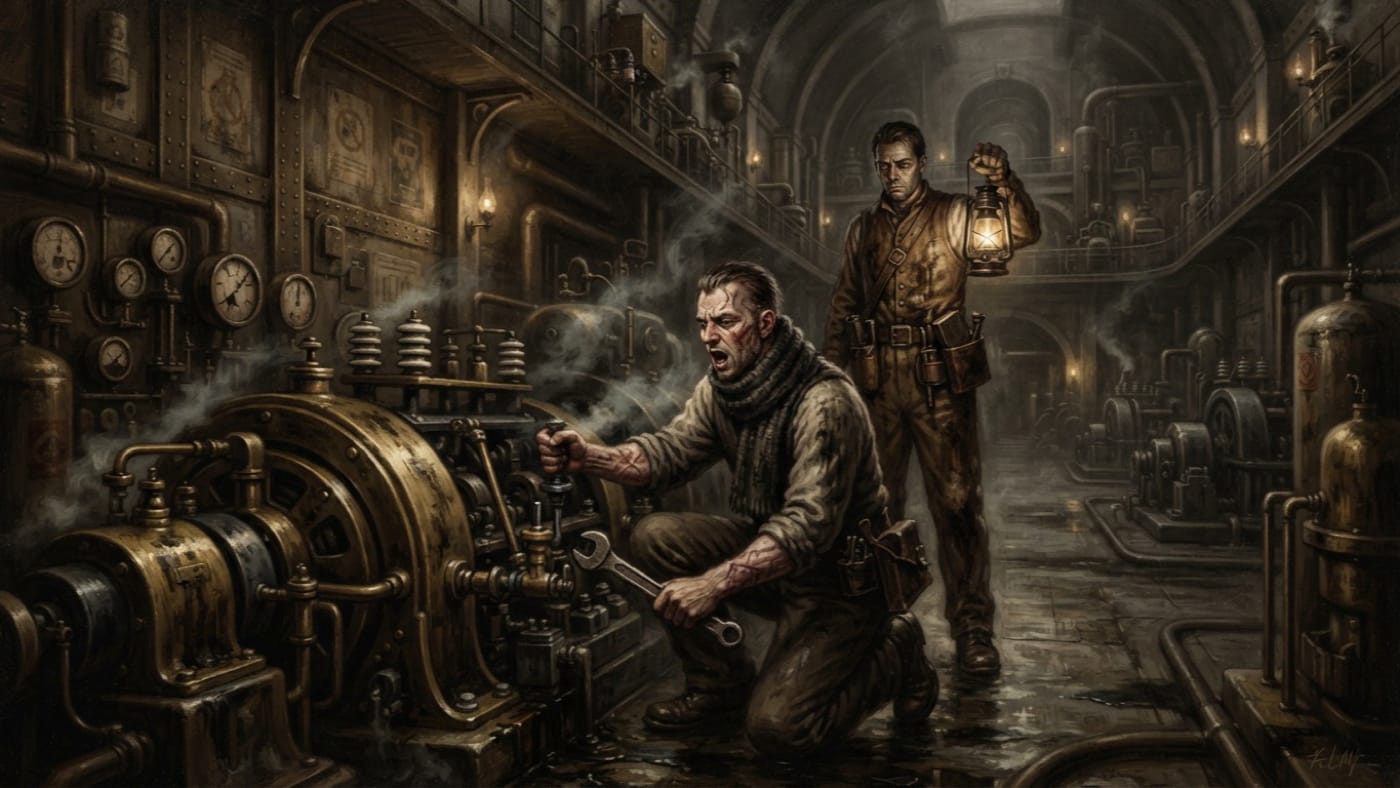
Eight Strokes
Count the breath; keep the witness; earn the rotation
A.S. 201 survey of the Eight Strokes: eight sung ignition beats, compulsory for emergency restarts, with a witness and two working hands. The recensions still disagree.
Codex Ref. XIII.1.08-001
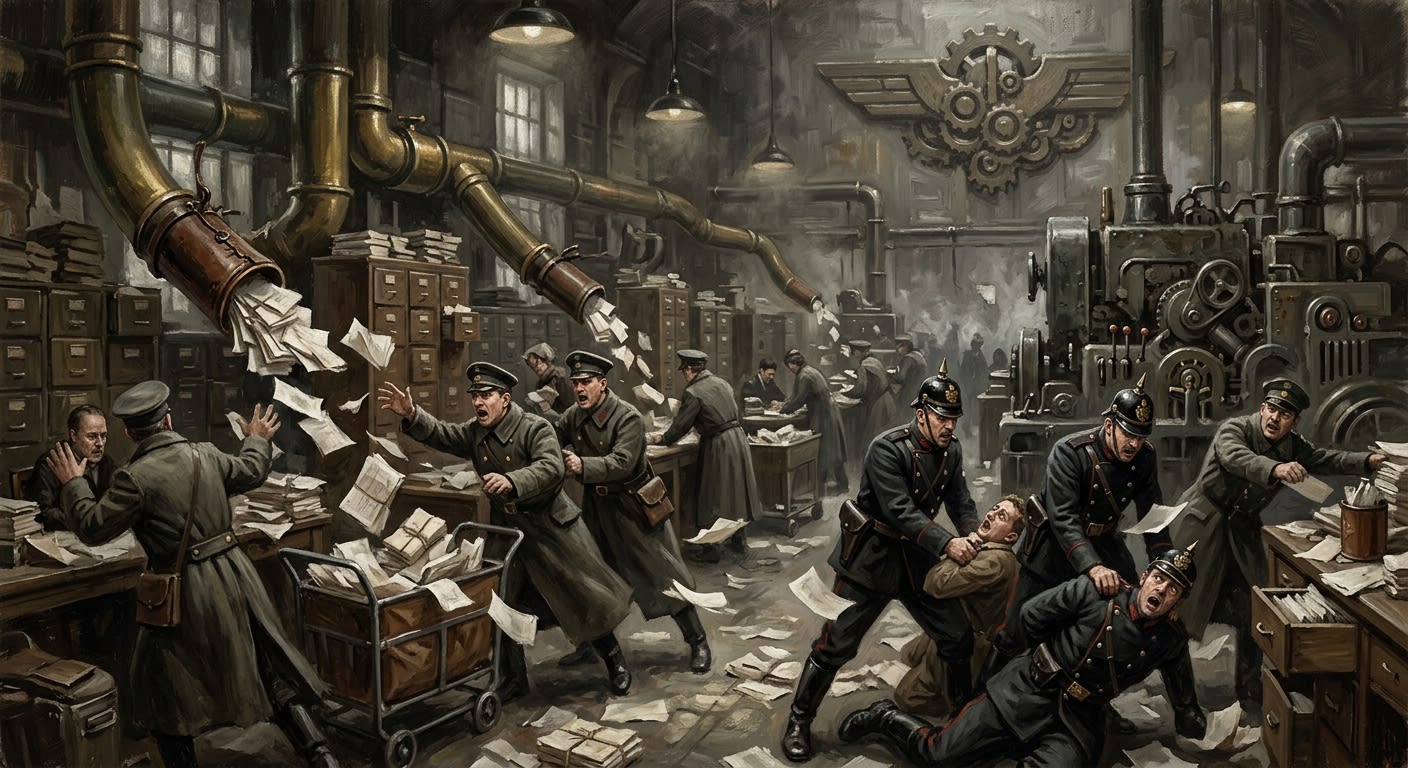
False Packet Panic
When forged wax taught four hundred citizens the speed of obedience
The A.S. 134 False Packet Panic sent forged blacklist bundles through three Rhineland cities, making false paper produce true arrests, riots, and reforms.
Codex Ref. VII.8.10-042
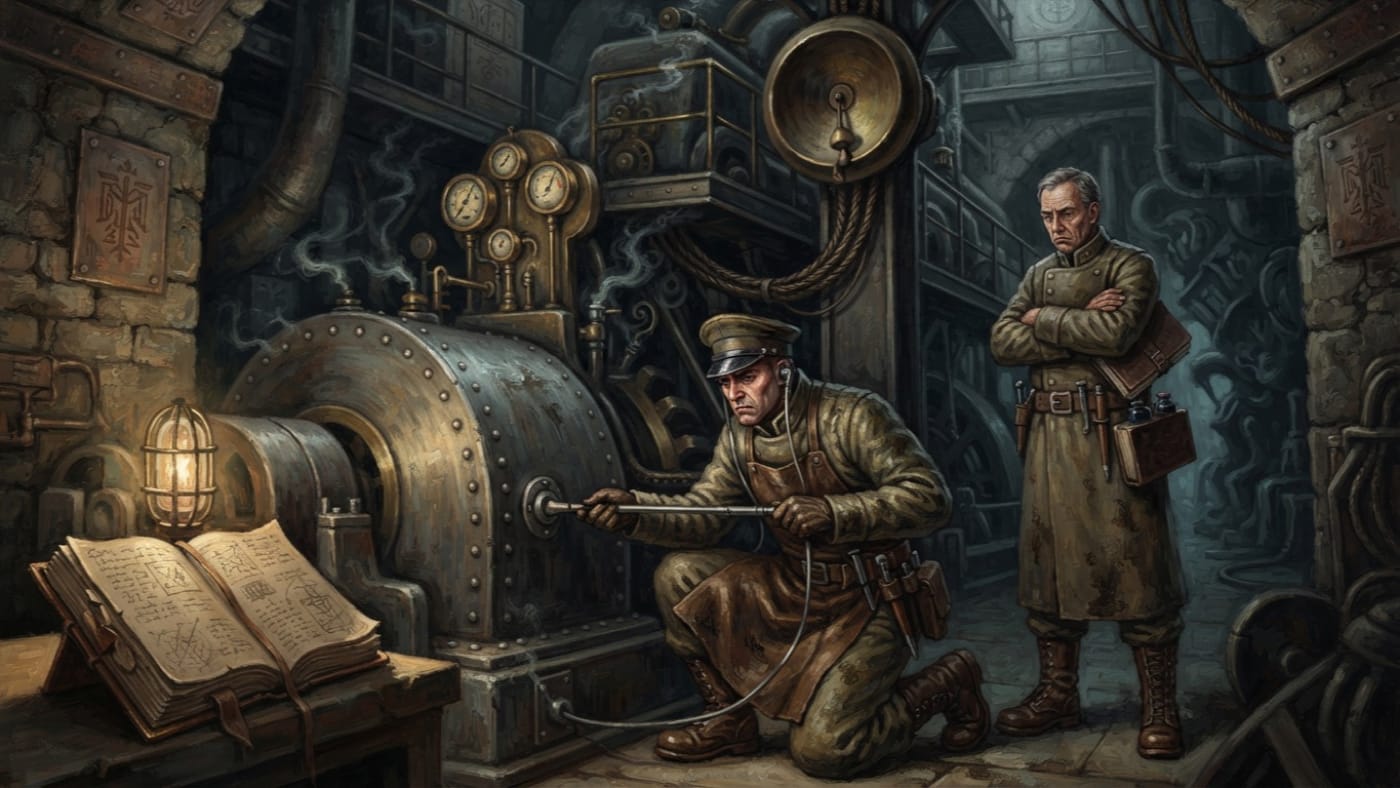
Foreign Harmonics
An engine may have many faults. The cause column permits one.
Engines drift, whisper, and sometimes answer outside the codex. The Litany-Engineer listens; Purity's A.S. 199 advisory permits one cause-column entry: Classification 7-K.
Codex Ref. XIII.1.07-199
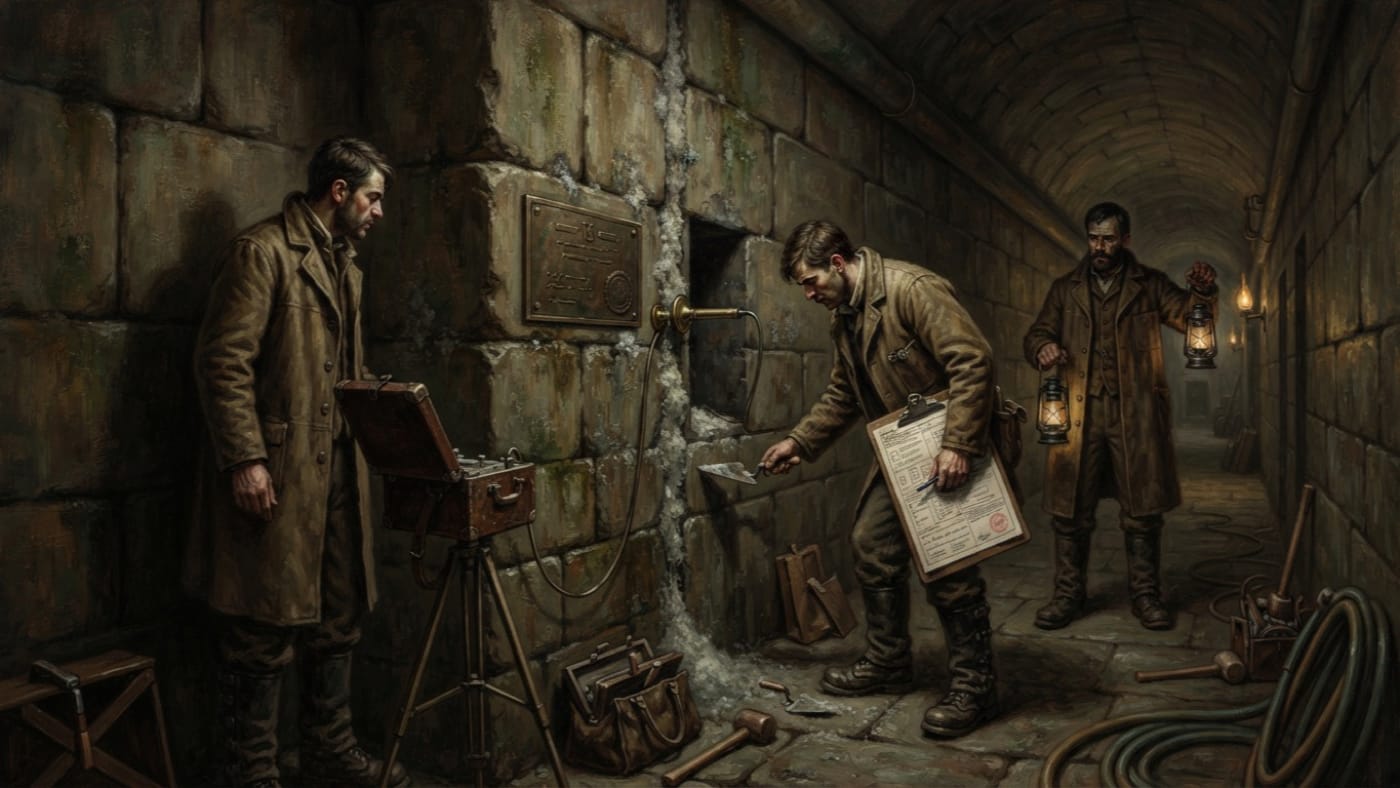
Form 14-M(c)
The wall is entitled to a docket; the mason to silence
Form 14-M(c) records anomalous sounds from immurement walls. The A.S. 199 inspection revision requires a report, hush-powder, paired working, and a mason who keeps his theories off the page.
Codex Ref. XIII.1.14-199
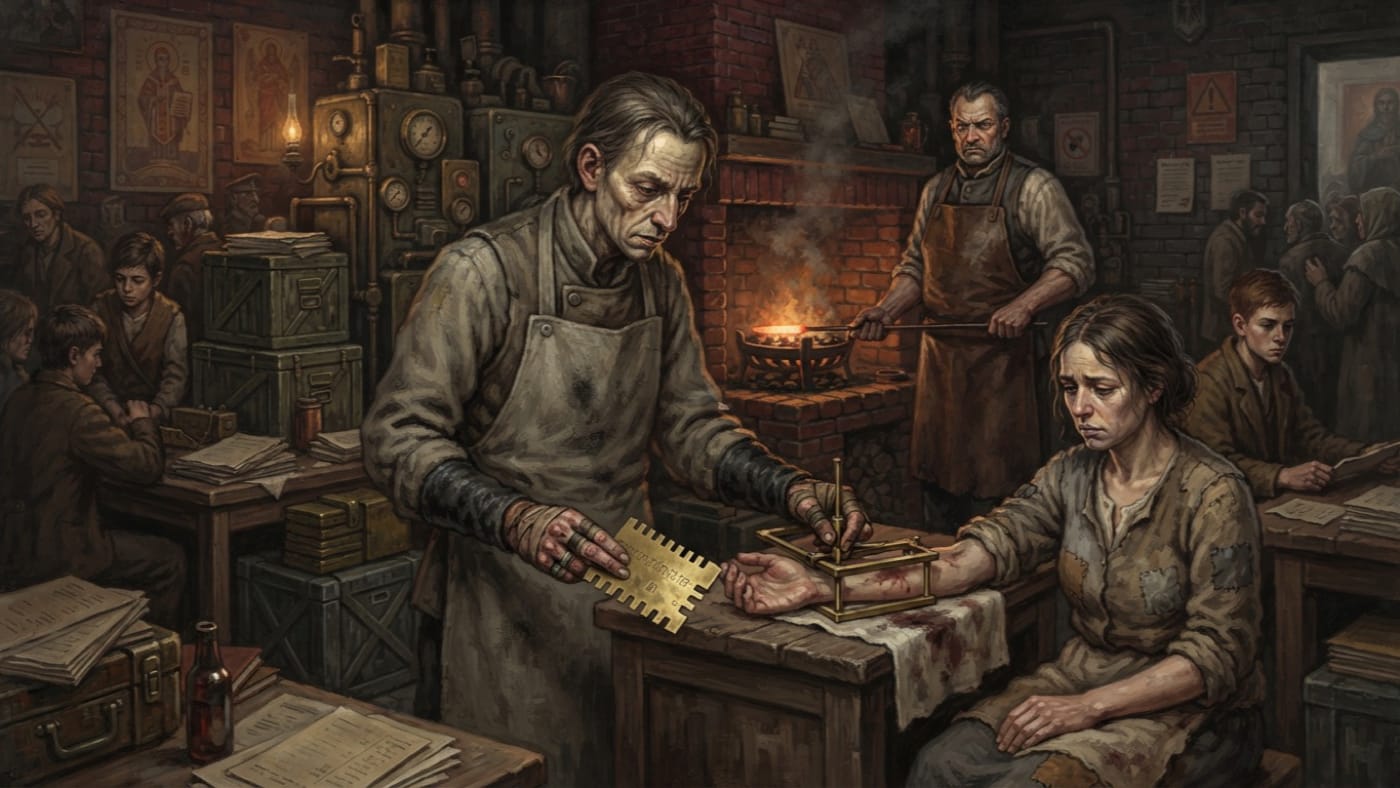
Frame-Hand
The master keeps the iron; the hand carries the blame
Frame-Hands are Heraldry's mid-rank Brand-Smith assistants, verifying bodily mark geometry with frame and swatch plate while the master keeps the iron and the audit seeks a name.
Codex Ref. XII.20.08-001
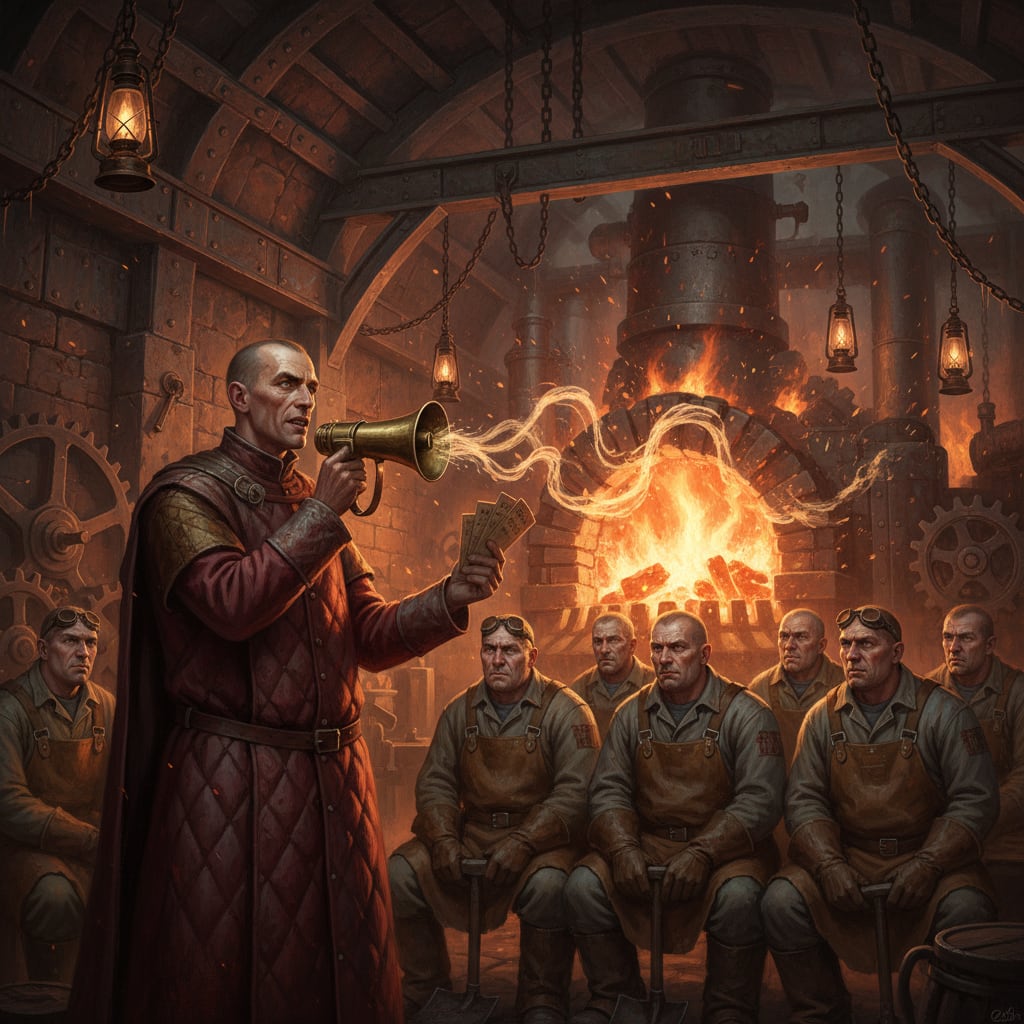
Furnace Catechist
On those who preach the Chain of Cause to men who know perfectly well why the furnace roars — and why neither party will say so aloud.
The Bureau of Doctrine's industrial clergy — stationed in every bastion powerhouse to preach that fire burns by divine permission rather than chemistry. Three thousand four hundred Catechists, two factions, and one question no one will authorise an answer to.
Codex Ref. XII.18.01-001
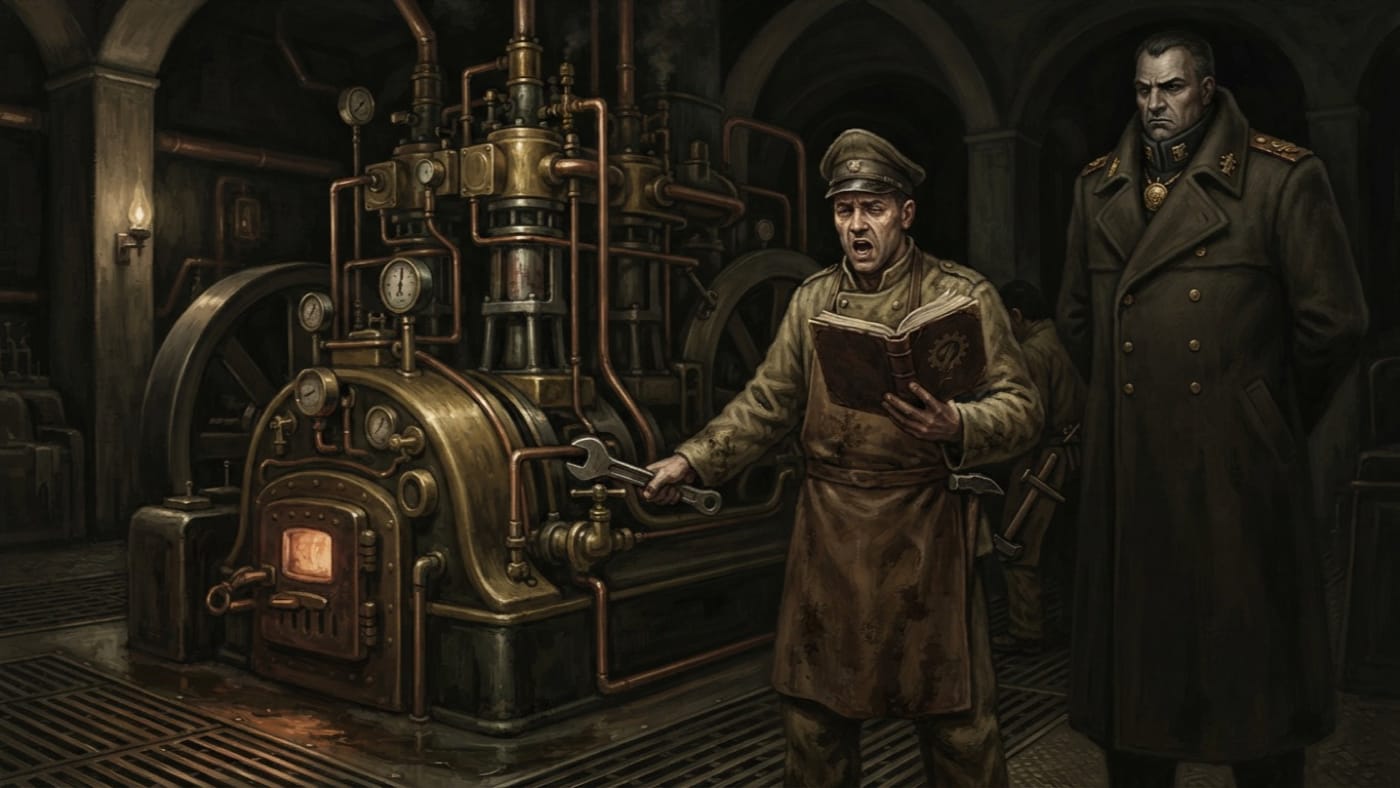
Furnace Choir Reforms
One sanctioned voice for every engine; the old tunes persist off the ledger.
The A.S. 134 reforms gave every bastion and rear installation one authorised engine cant. Folk tunes became heresy; engines continued to prefer them.
Codex Ref. VII.2.10-134
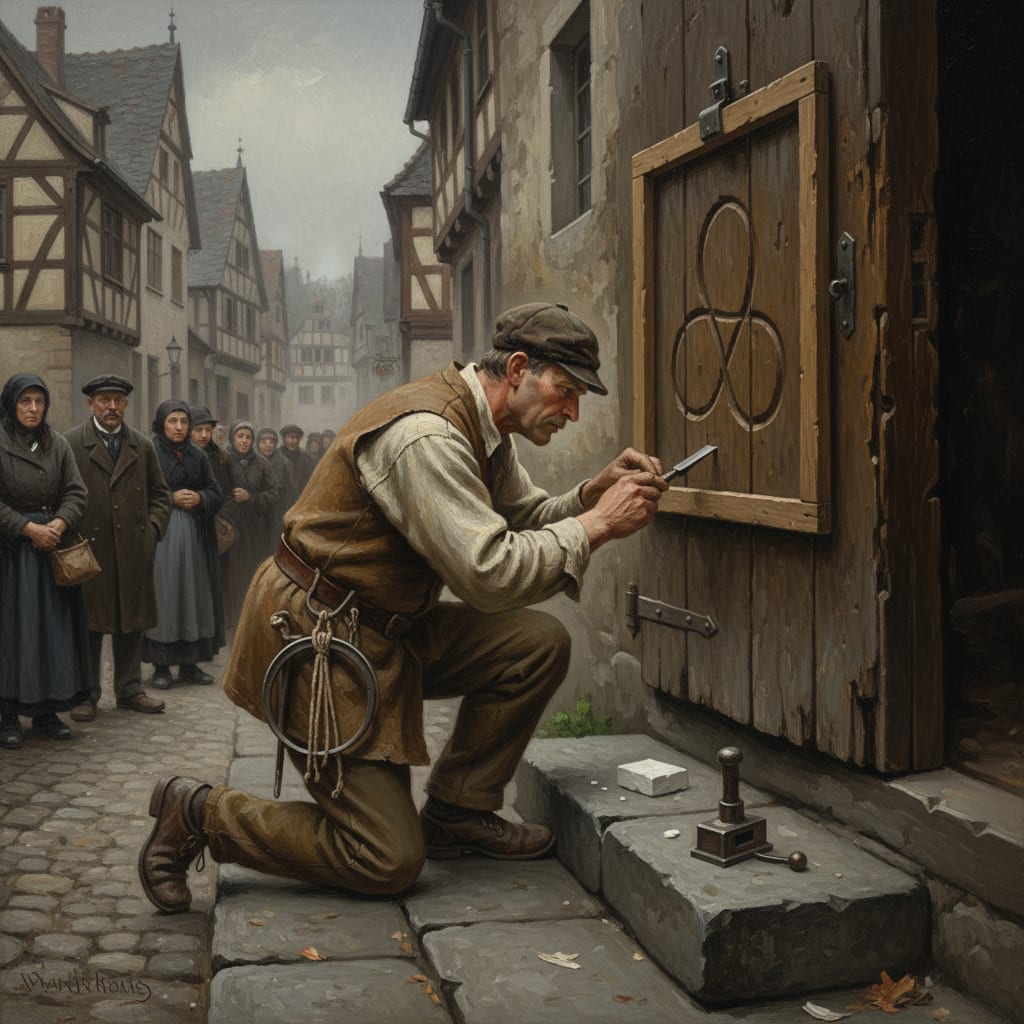
Gate-Carver of the Triune Knot
Three loops, one law, and the prayer that this time the threshold will hold
Six thousand licensed Gate-Carvers execute the Triune Knot into every threshold, grave-slab, and ossuary niche — sanctifying doors, sealing dead, and sustaining the Bureau of Heraldry's claim that a world without geometry is a world the enemy can enter.
Codex Ref. XII.19.01-001

Geometry Brand-Smith
Six Thousand Four Hundred Licensed Geometers of Guilt, and the Irons That Did Not Come Back
The Bureau of Heraldry’s serialized geometers of guilt — 6,400 licensed Brand-Smiths who make identity permanent in the only ledger that cannot be forged, lost, or filed incorrectly: the body itself.
Codex Ref. XII.20.01-001
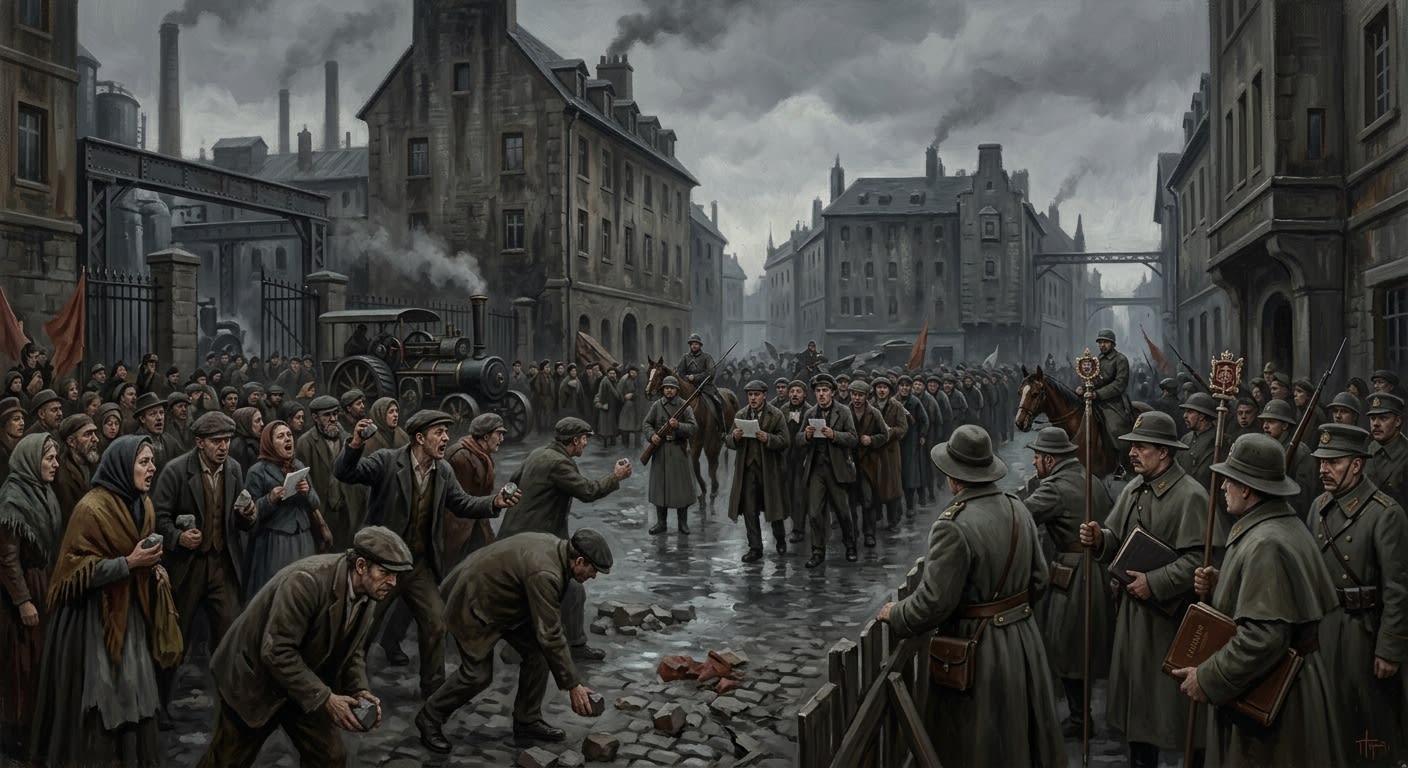
Gray Week Famine
Hunger refused the ledger, so the ledger learned to sing
A.S. 138 famine-riot sequence in Strasbourg, Marseille, Munich, and a disputed fourth city; open grain audits failed, crowds answered with stones, and receipt-procession doctrine learned to count citizens while they sang.
Codex Ref. VII.4.21-002
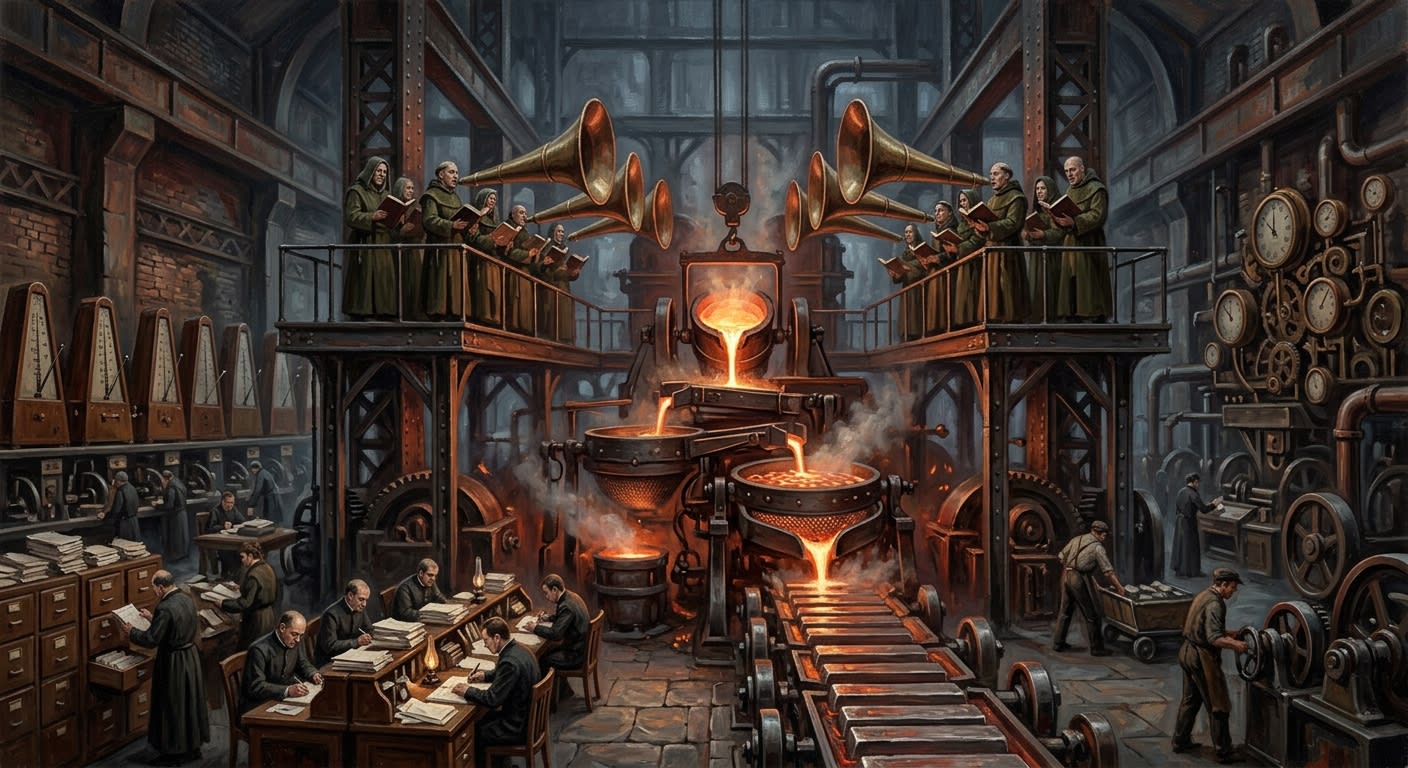
Hall of Measures
Where steel receives a throat and blame receives a cage
The Hall of Measures is Essen's calibration chamber, where paired choirs sing molten steel into lawful grain and every failure becomes paperwork.
Codex Ref. II.2.06-110

Halle
The city that says the Creed, washes the chalk, and keeps the oven warm
Halle is a compliant rear city with salt in its gutters, fever in its records, Creed on its tongue, Ashen fragments in its ovens, and obedience with undocumented residue.
Codex Ref. II.2.09-201
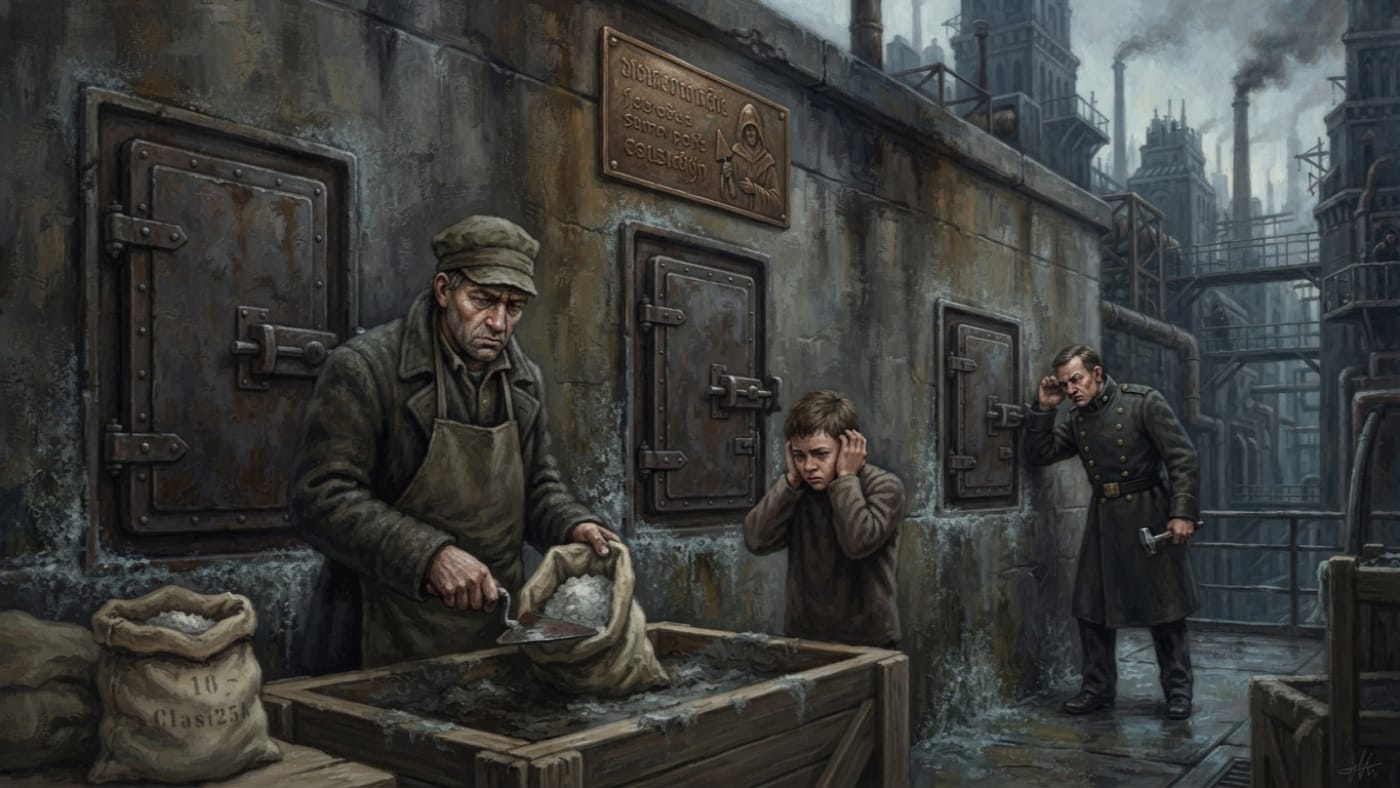
Hush-powder
Winter durability, and no listening during curing
Hush-powder entered immurement mortar after the A.S. 158 Przemyśl incidents. It dulls the mallet's answer, resists damp, and gives Doctrine a winter-durability explanation.
Codex Ref. XII.22.04-158
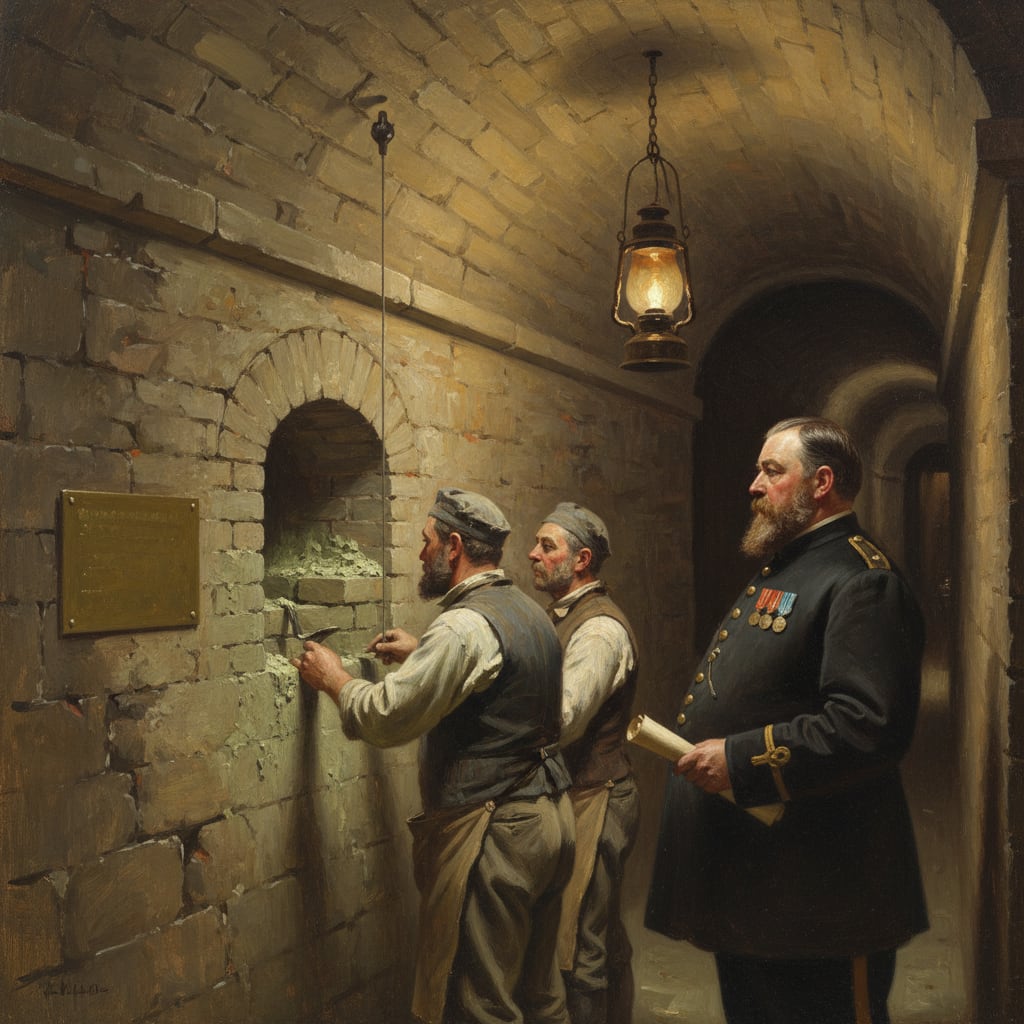
Immurement Mason
The Punitive Construction Auxiliary: On the craft of permanent deterrence, the condemned as structural element, and the mortar that does not negotiate
~2,400 licensed Masons who turn living bodies into load-bearing lessons; three ranks, two factions, one Standing Order that recommends no air provisions; the condemned ceases to be a problem and becomes a structural element.
Codex Ref. XII.22.01-001
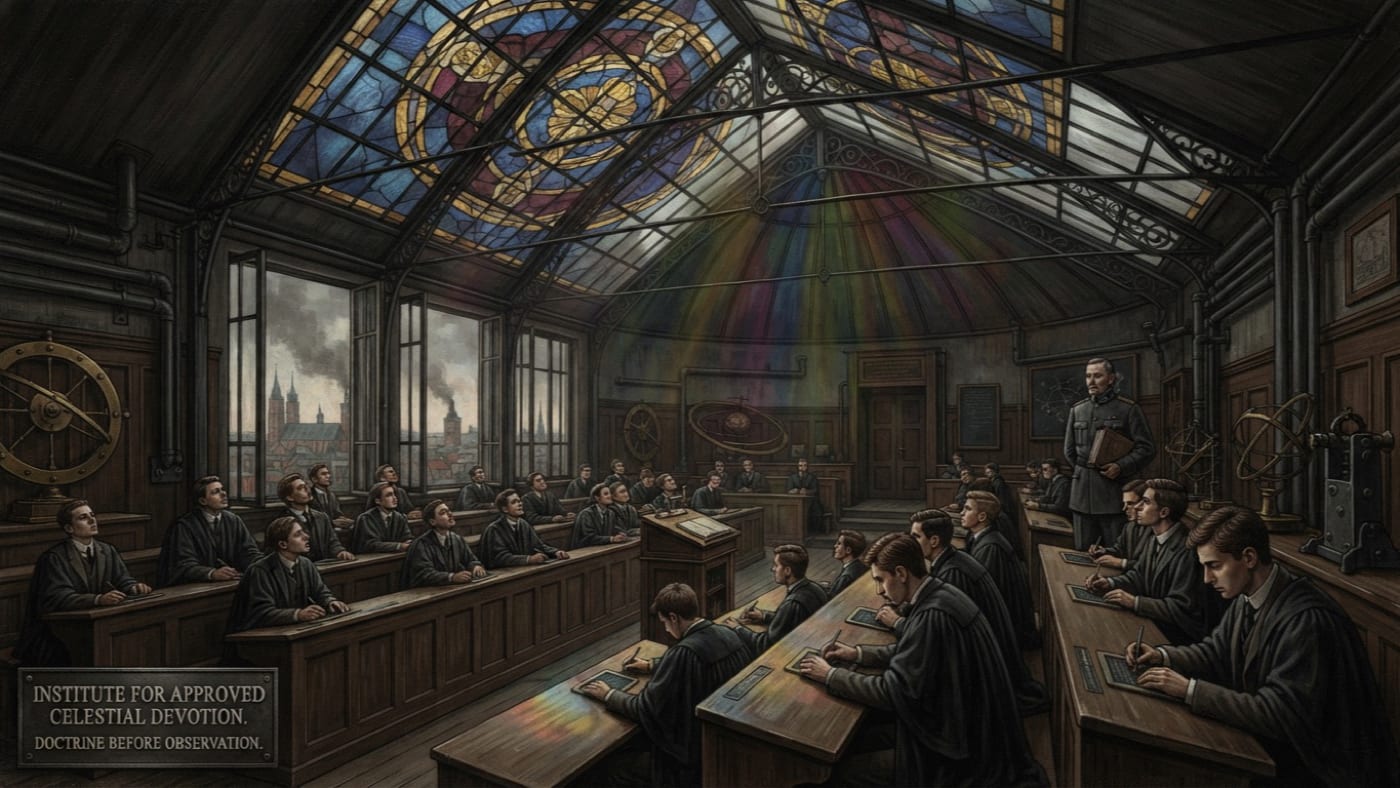
Institute for Approved Celestial Devotion
Doctrine before heaven, and copying before calculation
Kraków's former observatory, corrected into a school of celestial devotion. The roof admits Doctrine first; students may admire the heavens within approved limits.
Codex Ref. II.3.06-199
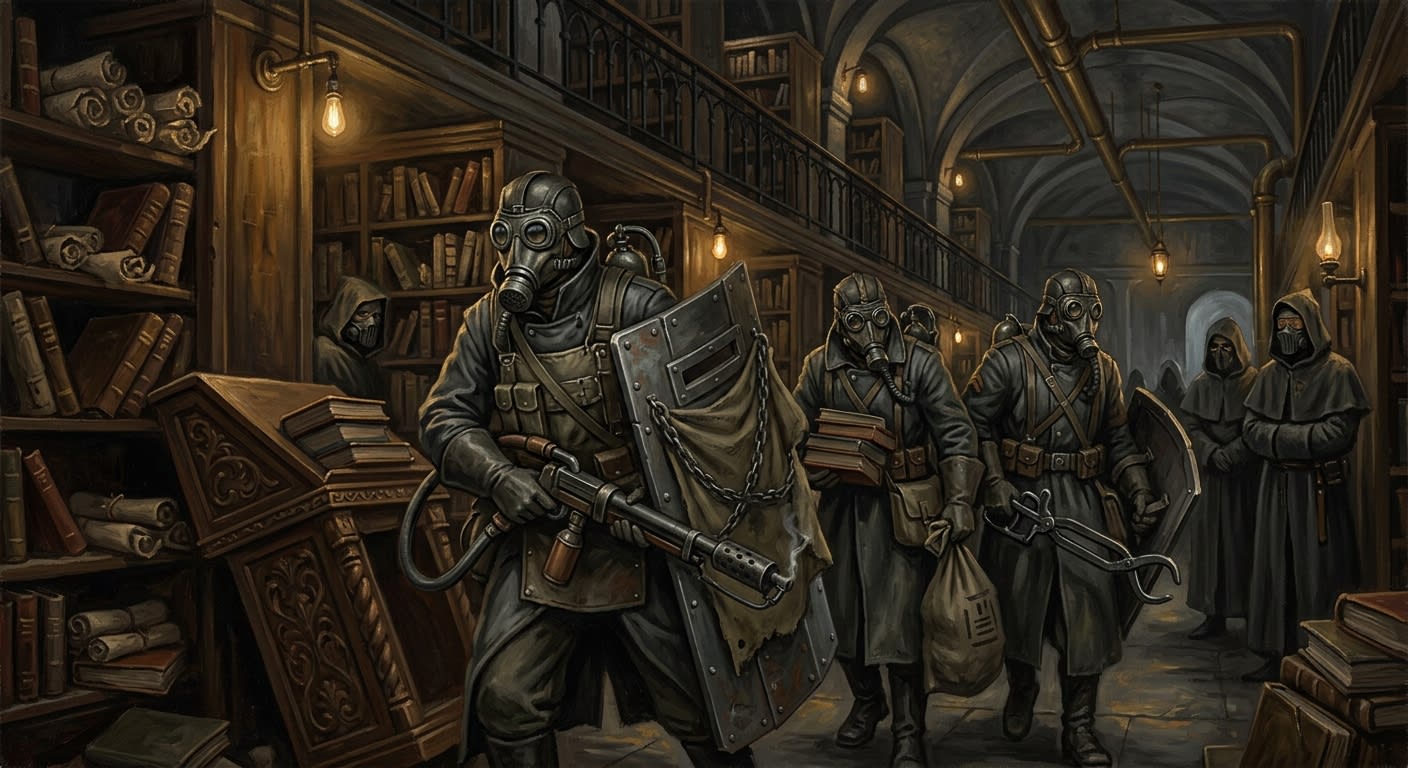
Interdiction Squads
Quiet boots, red pencils, and the polite seizure of dangerous nouns
The Bureau of Silence borrows Purity muscle, subtracts the shouting, and sends Interdiction Squads to seize forbidden texts before the furniture becomes doctrinally interesting.
Codex Ref. VIII.3.02-001

Jupiter
The planet may wander; the printed position remains in force
Jupiter departed from its approved position. Doctrine classified the planet as provisionally in error and corrected the astronomers who presumed to notice.
Codex Ref. XIII.1.08-199
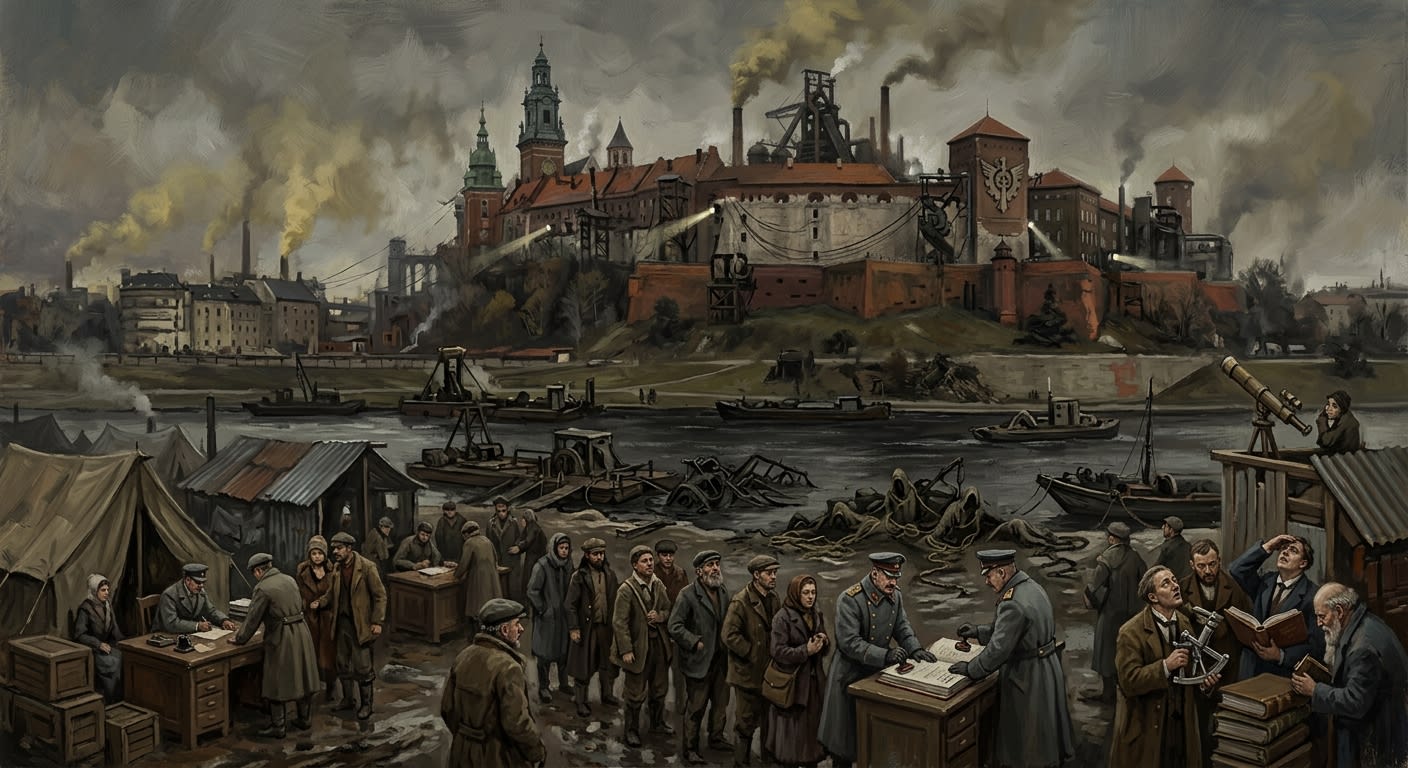
Kraków
The Vistula city where silence learned to keep receipts
Kraków is the Vistula wound of Zone 3: Wawel above, river below, forty-seven drowned priests in its throat, Greyling births in its ledgers, and astronomers still learning that Heaven requires a permit.
Codex Ref. II.3.06-002

Ledger Prefect
The Captain kisses the hand and watches the nib.
The Ledger Prefect controls permits, paper and patronage. One signature equips a Pageant Captain; another ends his career. The same office may sponsor the city's irregular trades, provided the stability arrives without scandal.
Codex Ref. XII.33.02-001
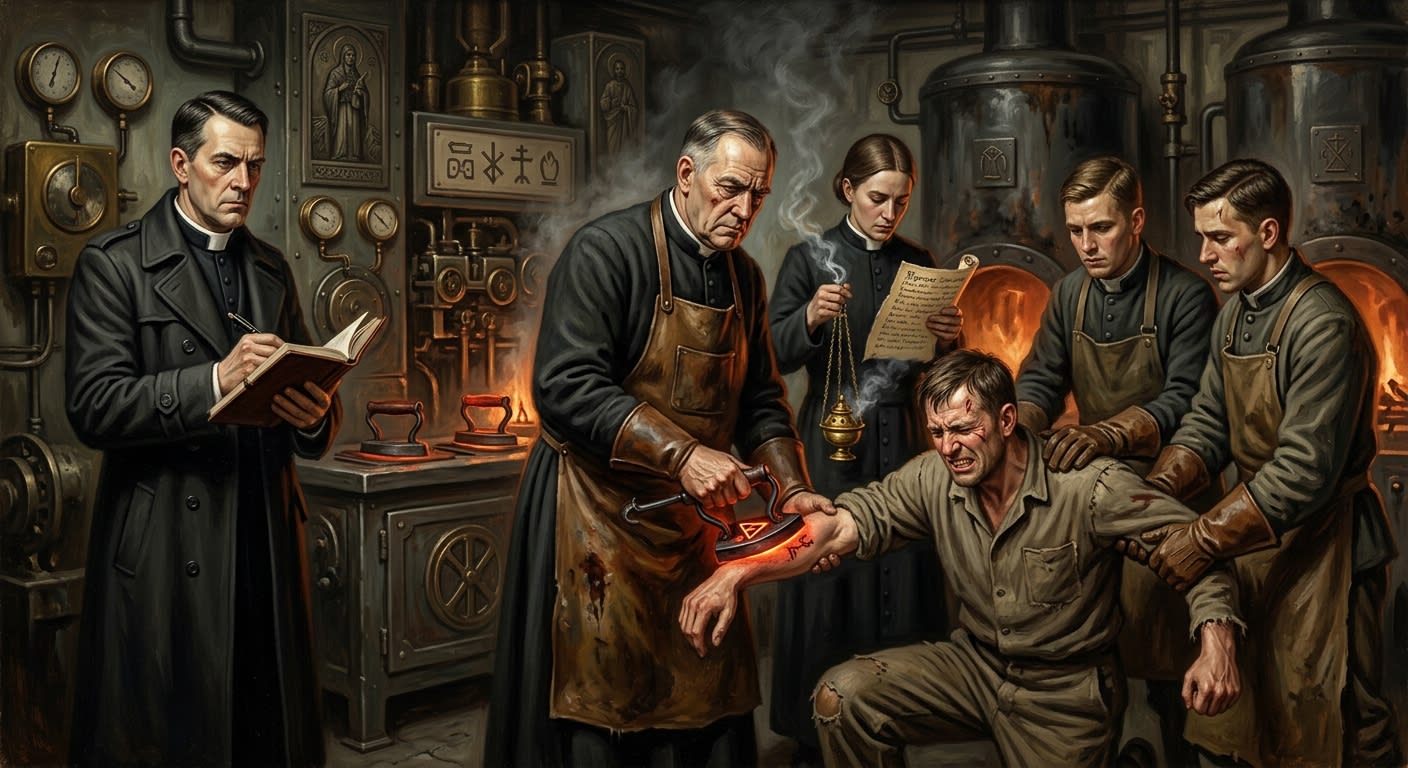
Licensed Chapel Brand-Smiths
Clean procedure does not cleanse the act; it makes the act admissible
Licensed Chapel Brand-Smiths are the sanctioned purists of bodily proof, applying tri-marks under full witness protocol in fixed chapels where pain becomes admissible.
Codex Ref. XII.20.05-001
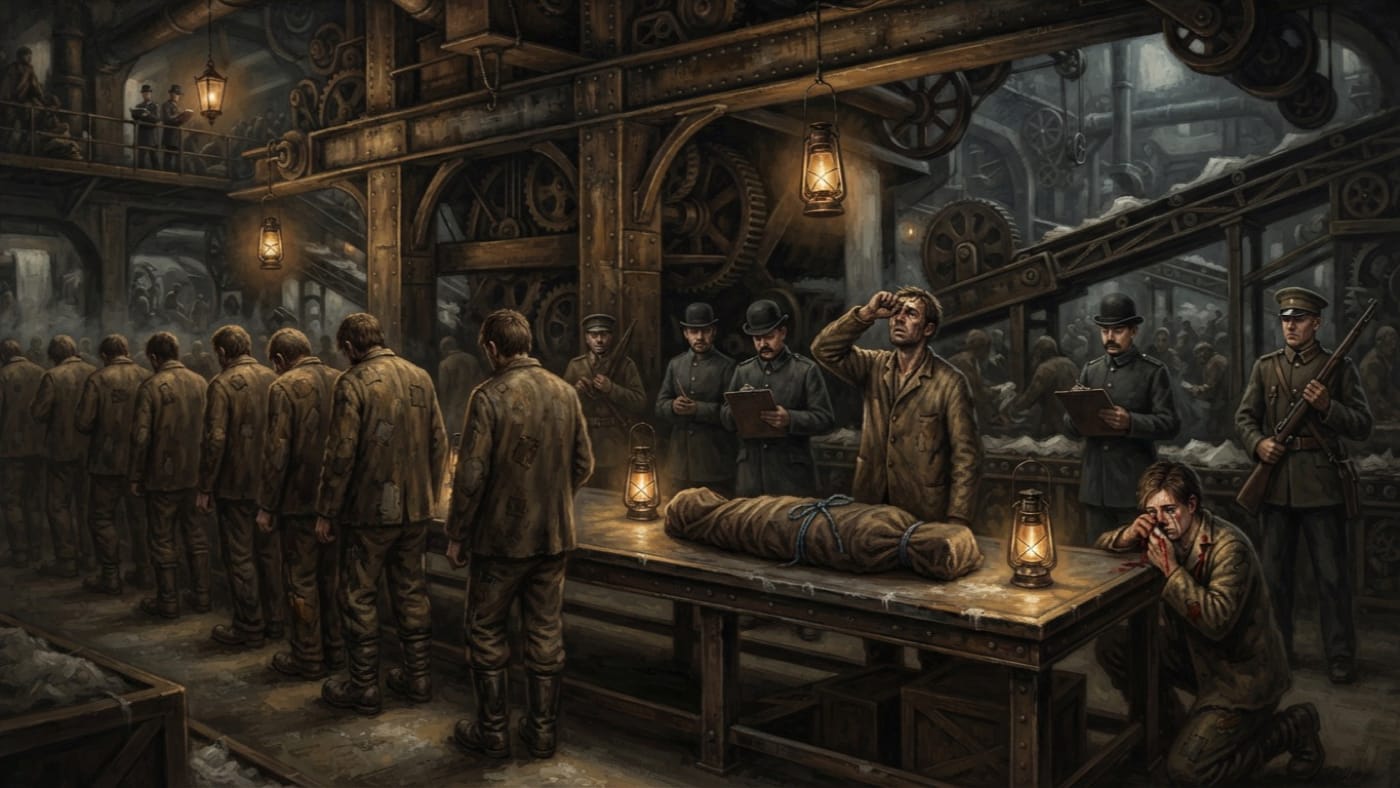
Litany of Saint Aldebrand
The prayer kept its name; the man who said it did not
A nameless labourer recited the Litany of Saint Aldebrand after sight returned in Ulm's Gallery Three, A.S. 156. The file preserves the prayer's name and none of its words.
Codex Ref. XIII.1.96-156
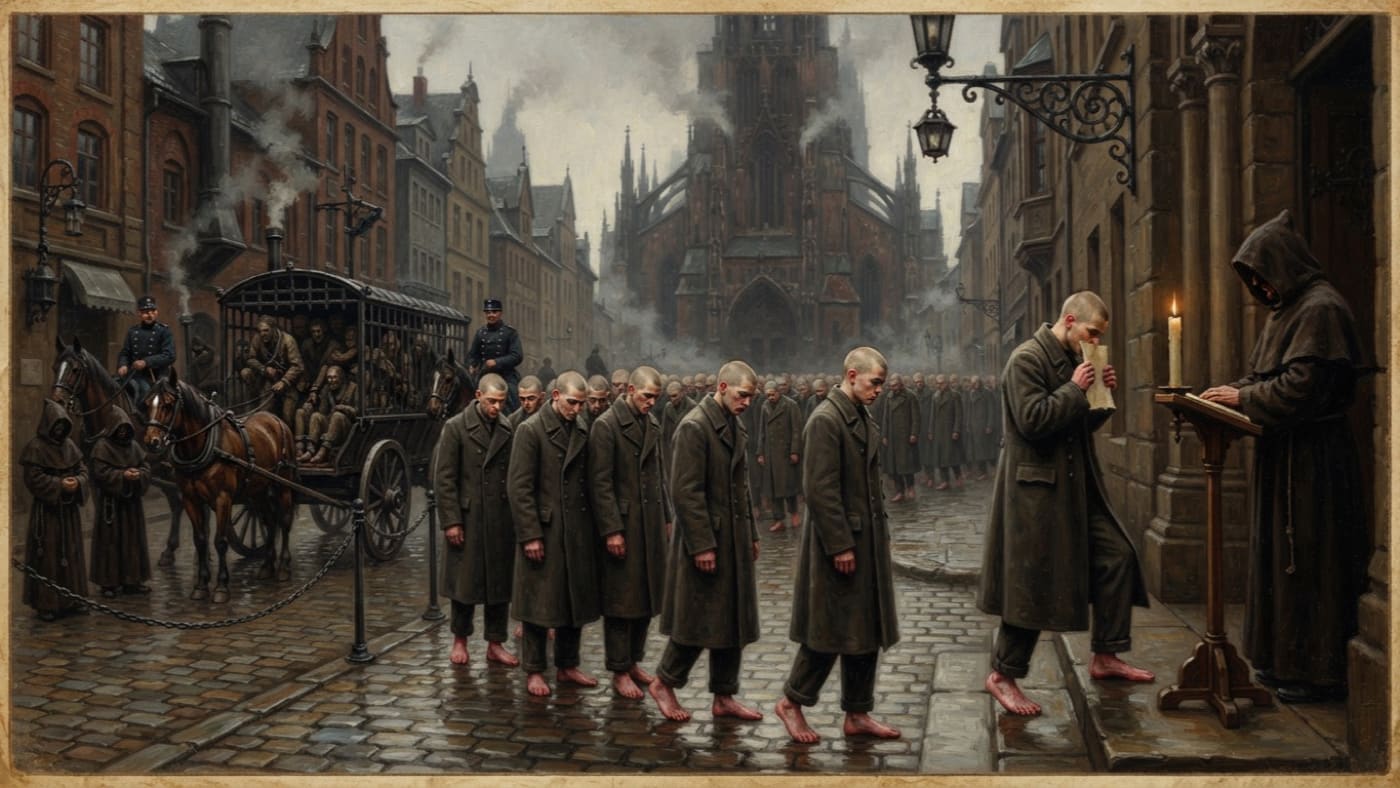
Litany of Twelve Errors
Bare feet, approved words, and a page that must remain unread
Ulm's students walk barefoot to the cathedral, recite the Litany of Twelve Errors and kiss blank Mine paper. Lawful learning survives by keeping its mouth obedient.
Codex Ref. XIII.1.97-201

Litany-Engineer
The Sanctified Mechanist — wrench in one hand, chant codex in the other, keeping the Sagittal Line from becoming an extraordinarily expensive wall.
The Bureau of Engineering's foundational combat-rated mechanists: four thousand licensed, nine thousand actual, all keeping engines running by wrench and cant in chambers that hum in frequencies no codex records.
Codex Ref. XII.1.01-001

Lord-Protector Guillaume
The gate-seller who mistook a palace for survival
Guillaume sold Aachen for Lowlands dominion, sent a proxy to Regensburg, and learned too late that the Bureau's cleanest executions are grammatical.
Codex Ref. III.2.06-003
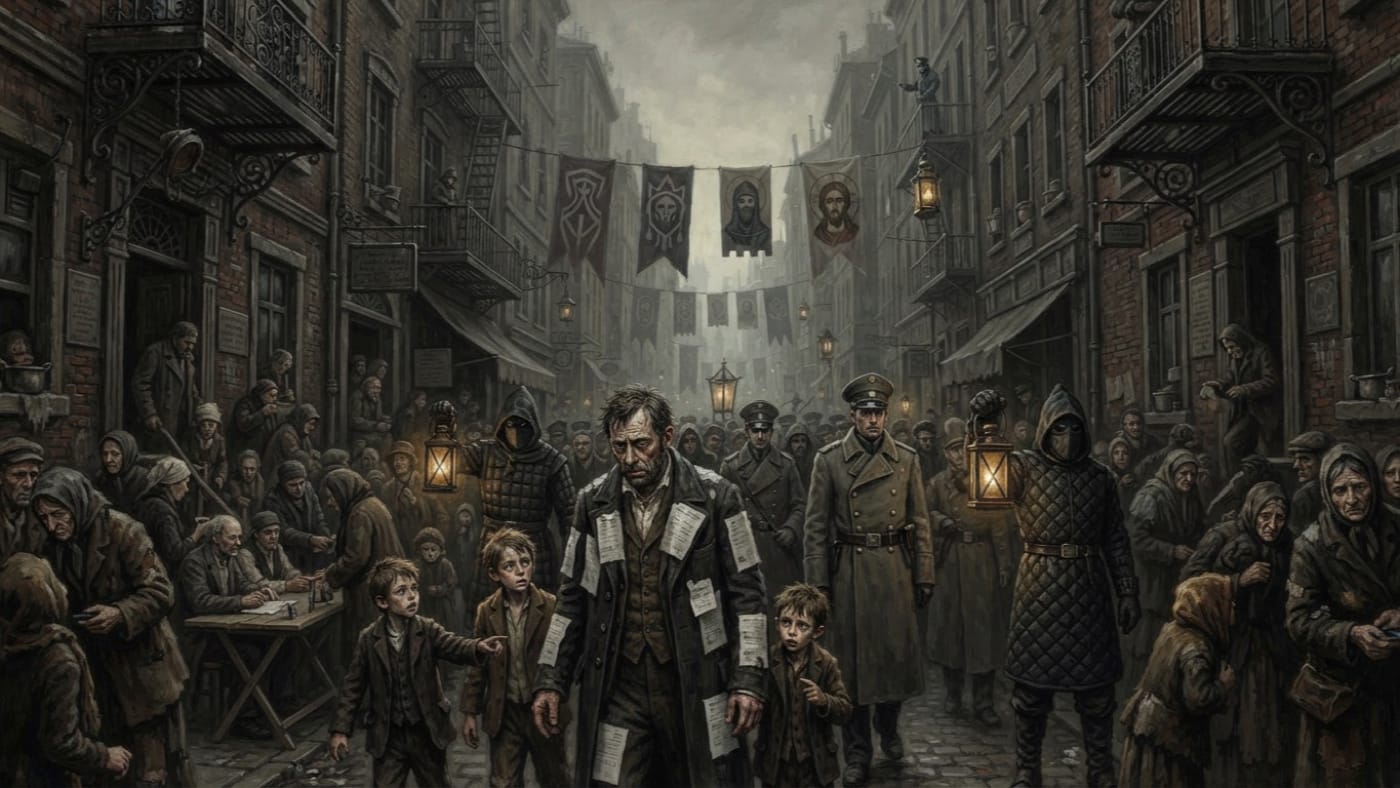
Marrow Quarter
The households were counted; the bread was not
A quarter in Strasbourg's lower wards, remembered for Gray Week's papered Ledger Prefect and Caldrin's claimed Calming. The Bureaus recovered their household count; the record says less about bread.
Codex Ref. II.2.06-138
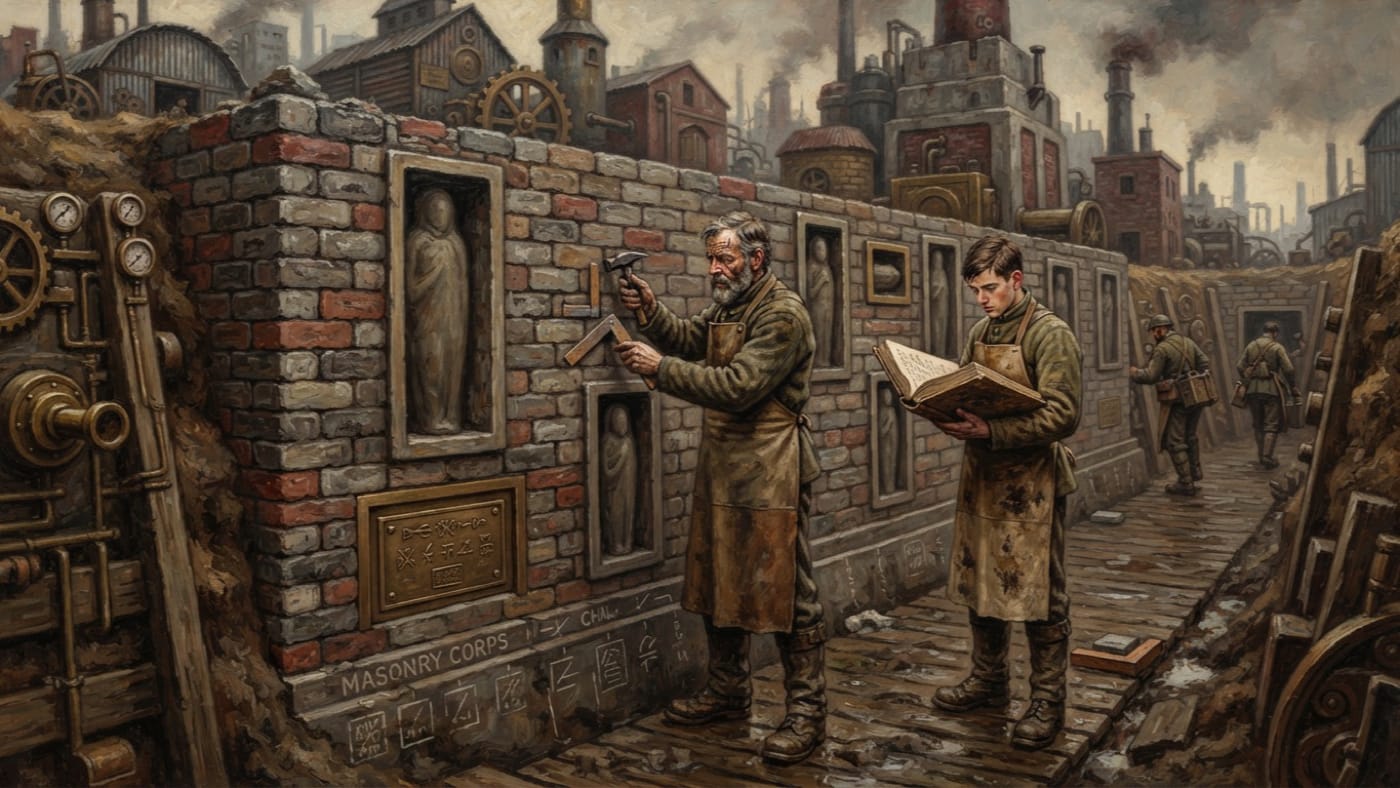
Masonry Code
The sentence supplies the body; the specification supplies the wall
An A.S. 201 survey of the specifications that turn a writ into a wall: measured niches, binding mortar, paired masons, and a stamp that tells the inspector whom to blame.
Codex Ref. XIII.1.97-001

Masonry Corps
The Punitive Construction Auxiliary: every sentence requires a wall, a stamp, and someone to blame
Approximately 2,400 licensed masons across Zones 1–5, governed by Standing Order 14-M. Three ranks, two denied factions, and a personal stamp worth more than its owner: every sentence must leave a sound wall and a matching log.
Codex Ref. XII.22.04-001

Master-Carillonist Aldo Venn
The man who makes obedience audible
Aldo Venn, Master-Carillonist of Strasbourg's ninth floor, keeps the Grand Schedule, answers hostile bells with sanctioned dominance, and calibrates grief into usable doctrine.
Codex Ref. III.2.01-061
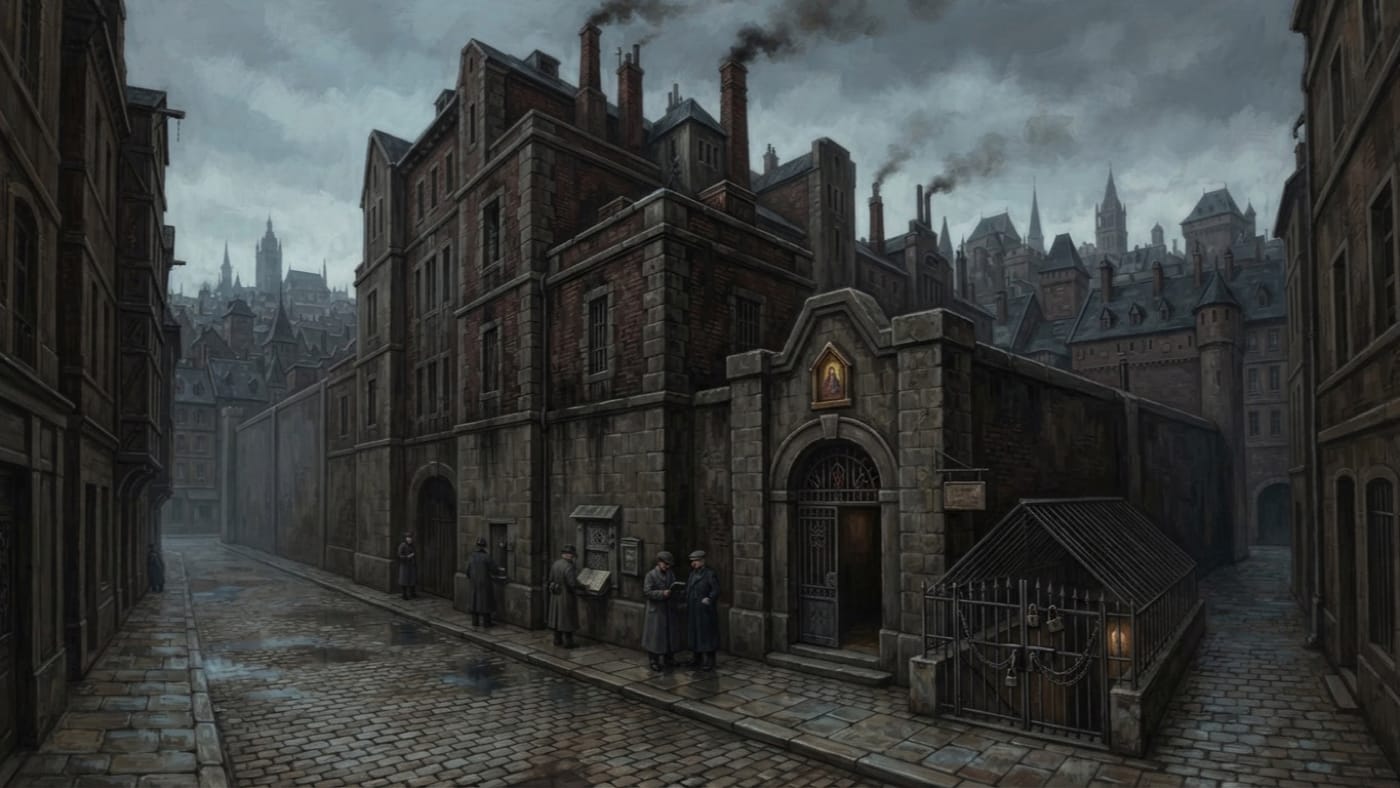
Mercy Wing
The building keeps its name. The Vault keeps its findings.
The old Mercy Wing on Strasbourg's Rue des Cendres houses the Vault of Findings in its sub-basement. Medicine keeps the evidence; two Bureaus clear entry to the archive, and three clear departure.
Codex Ref. II.1.09-201
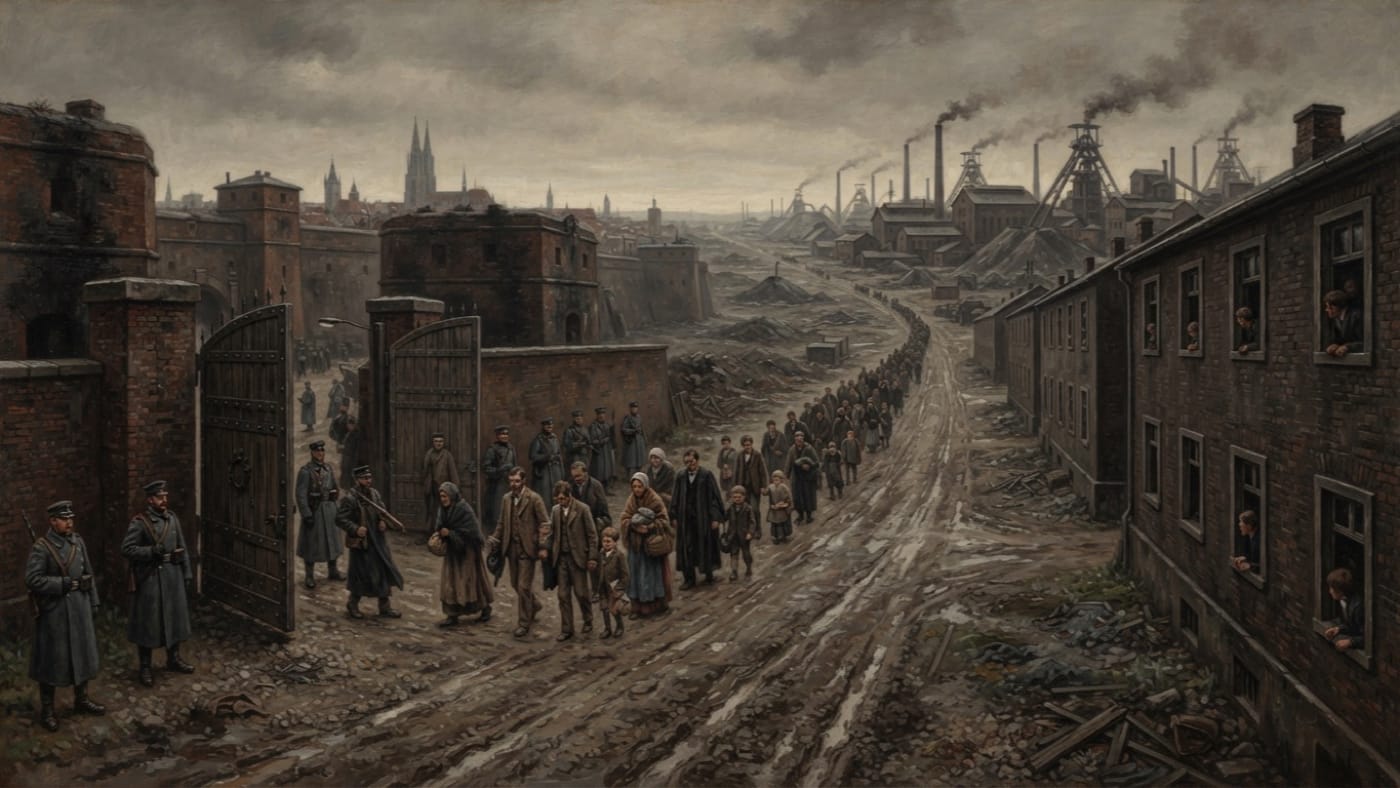
Mine Road
The road between a verdict and a number
Ulm's Mine Road carries condemned scholars and families south-east through checkpoint gates to the Paper Mines. The Nameless Hostels keep relatives waiting; disposition is usually intake.
Codex Ref. II.2.06-003
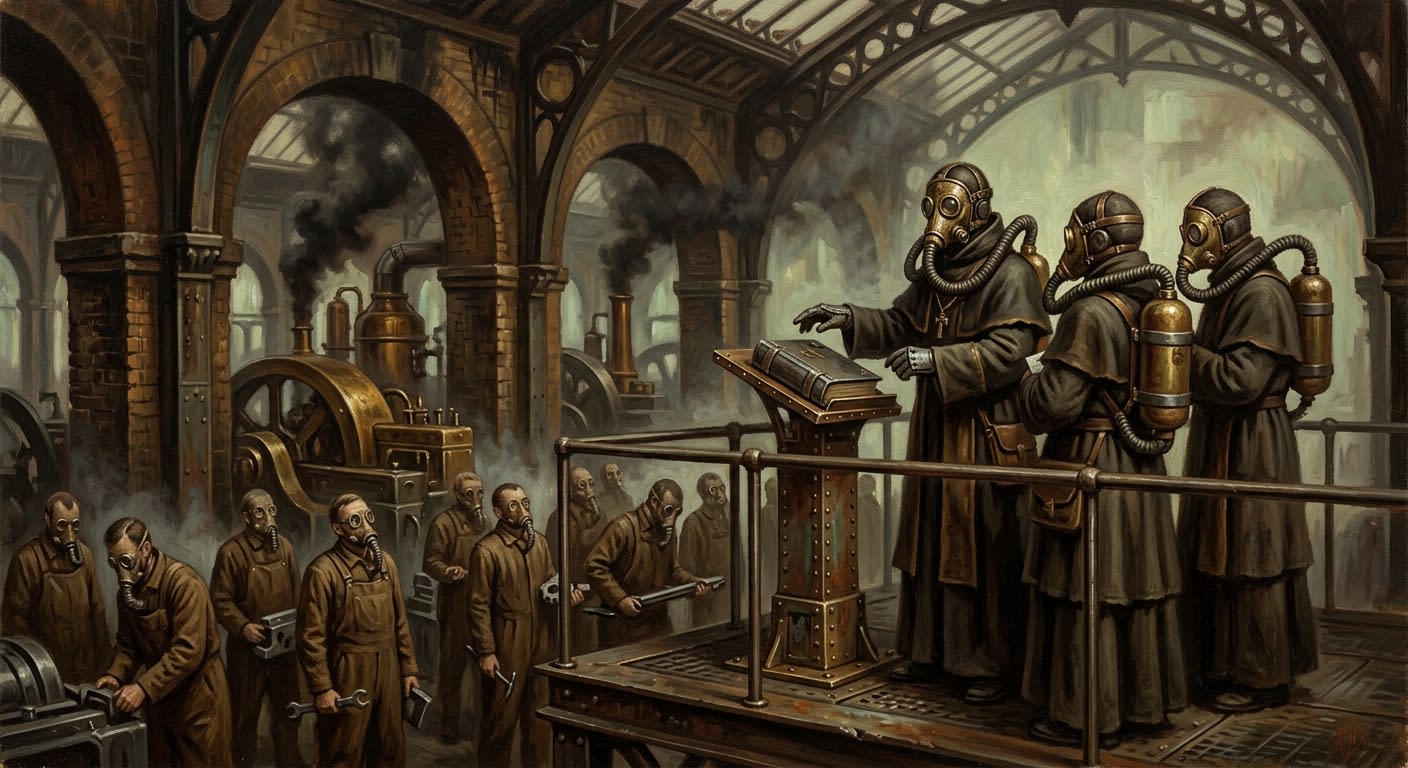
Mirror Choir
One wrong syllable, and the cannon remembers
At Essen-of-Hymnsteel, the Mirror Choir alters sanctioned hymns by a syllable and teaches obedient metal how to fail later, elsewhere, and with doctrine watching.
Codex Ref. XI.1.02-001
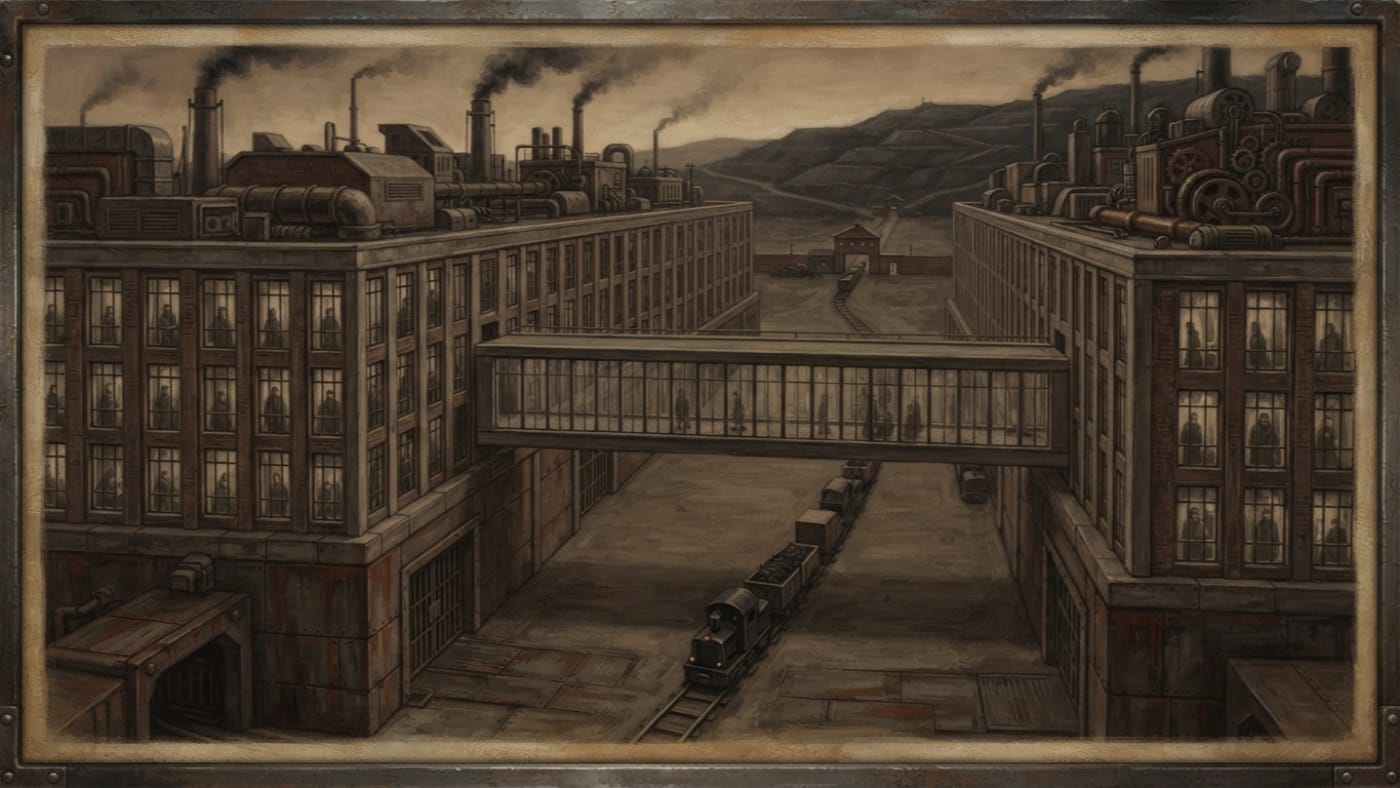
Nameless Hostels
Where a family keeps its name until the Mines require a number
Ulm's Nameless Hostels lodge relatives awaiting derivative disposition along the Mine Road. Windows face inward, curtains are forbidden, and names remain until the Mines' intake table requires numbers.
Codex Ref. II.2.06-004
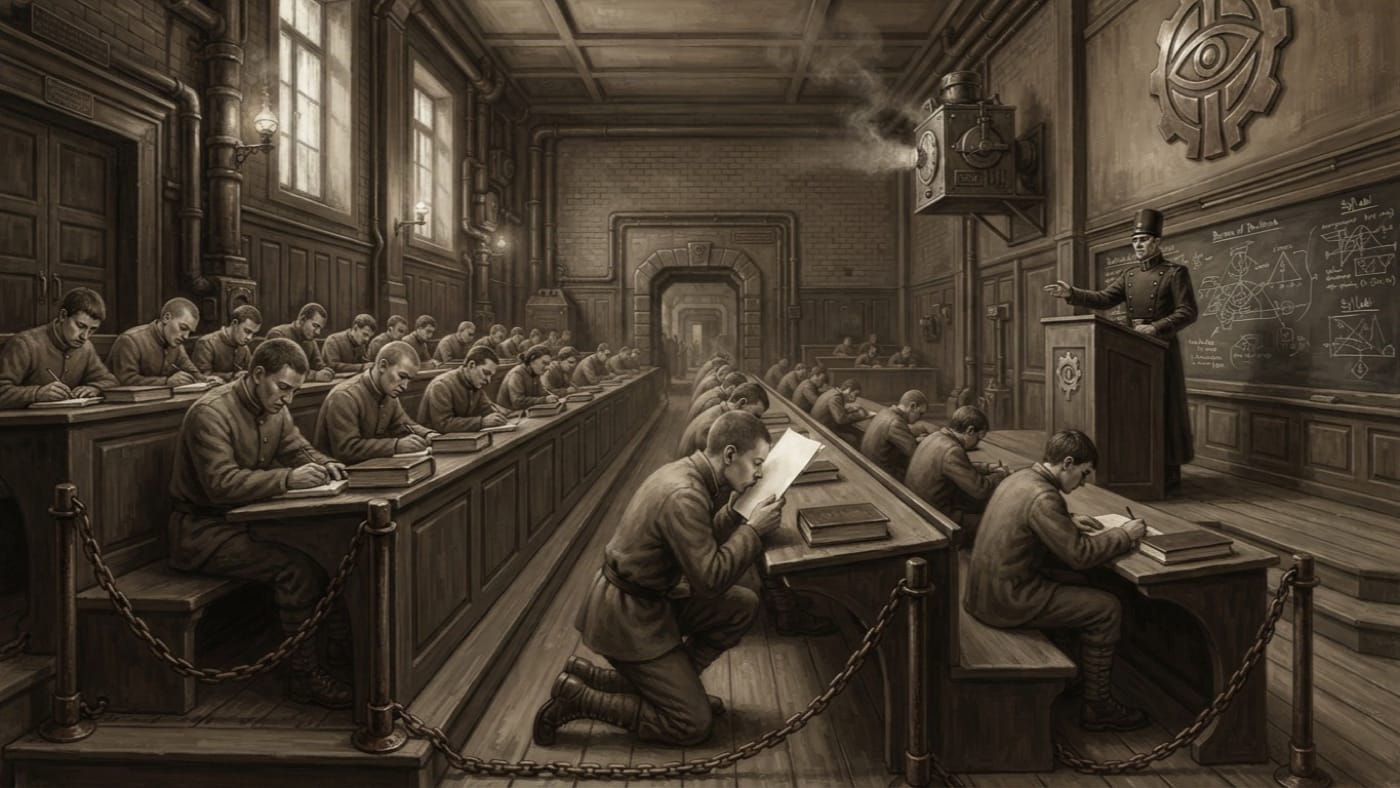
Old Faculty Rows
Where the syllabus was corrected and the desks were chained
Ulm's former Rationalist halls now house doctrinal schools, where Purity audits the syllabi, students kiss blank pages, and the lecture desks remain chained to the floor.
Codex Ref. II.2.01-006
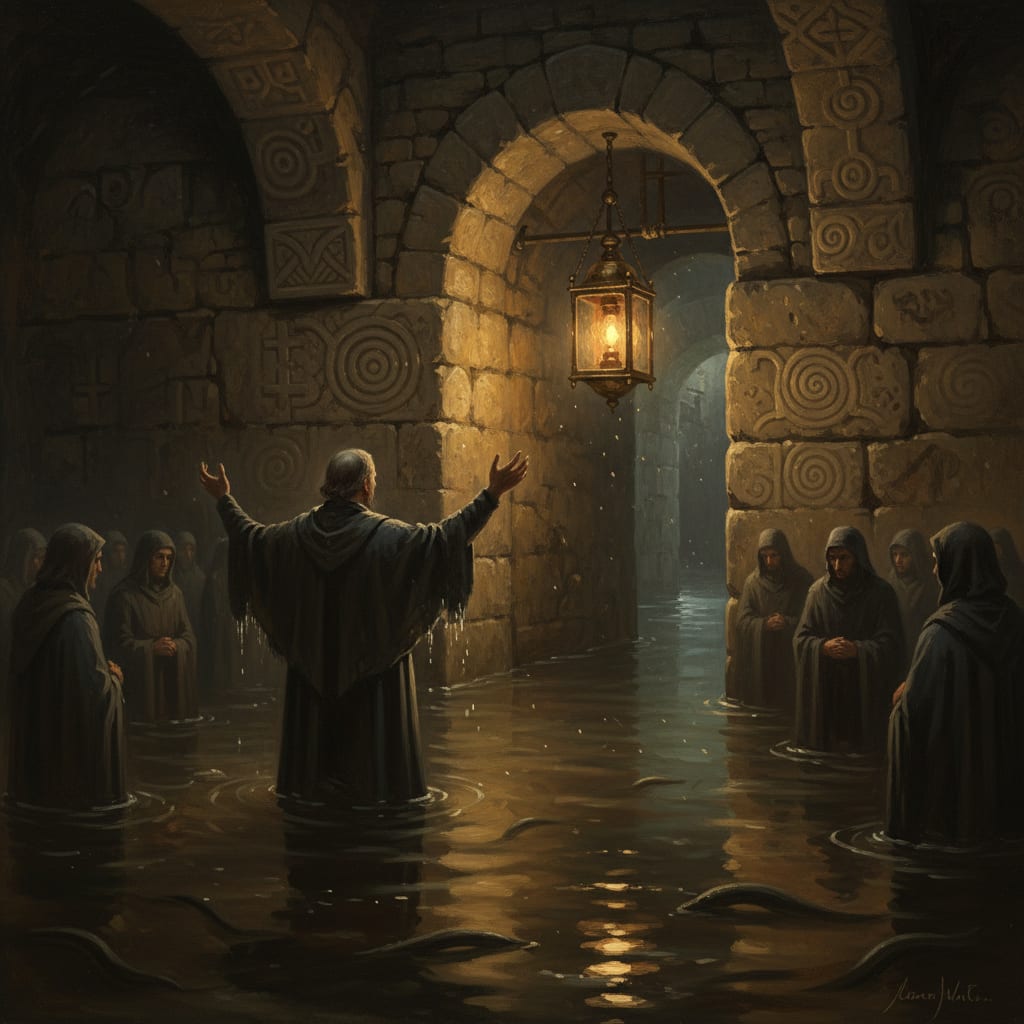
Pontifex Submersis
The name is gone; the chains still hum; the Bureau has no comment
The man the Bureau erased so thoroughly it must write eleven pages explaining what he was not: the Drowned Pontiff of Avignon, non-person, non-event, non-theology. His name is gone. The chains hum in B-flat.
Codex Ref. III.2.02-001
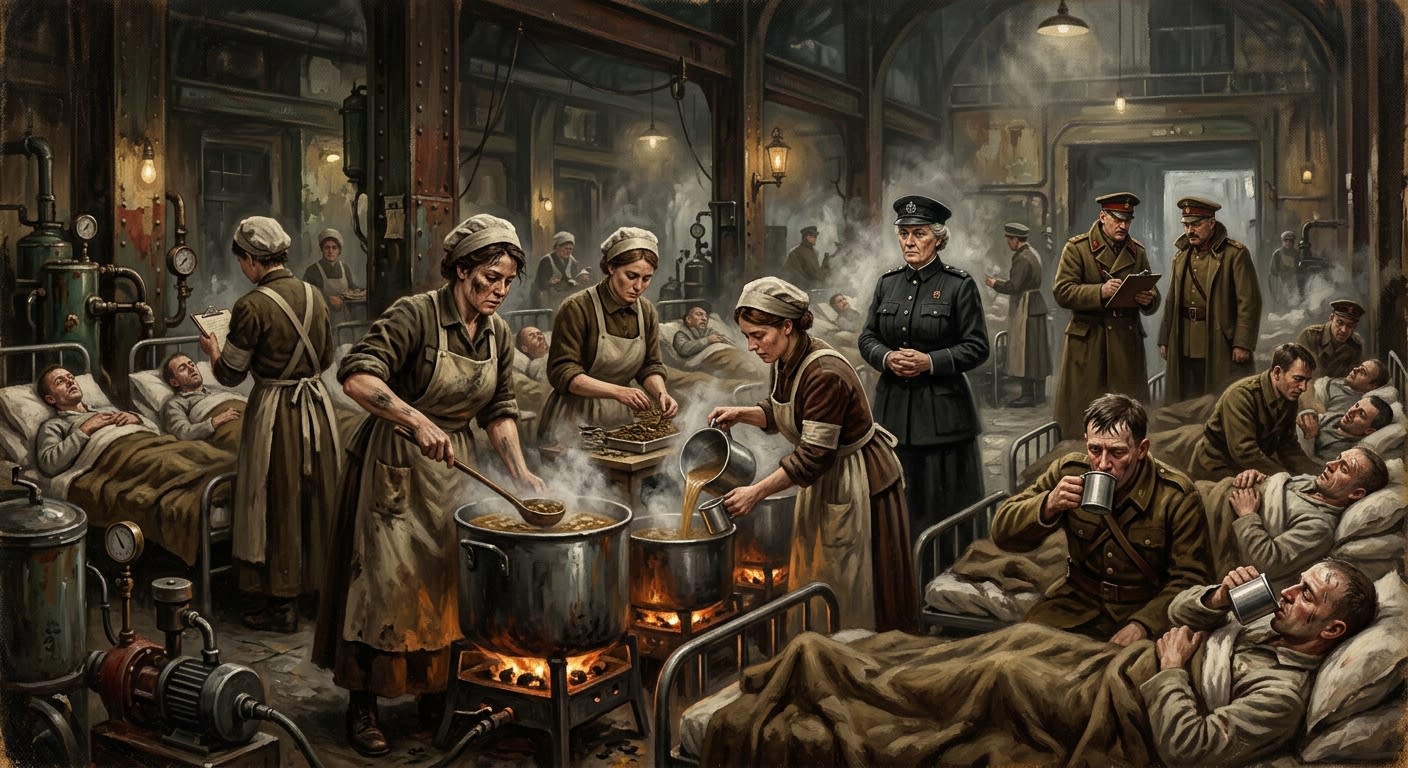
Protocol 7-C
The Bureau named the kettle after stealing the cure
Protocol 7-C saves fevered soldiers by boiling water, brewing bark, and pretending the woman who knew this first had never touched the pot.
Codex Ref. XIII.1.74-113

Quiet Engine Heresy
The machine ran, and therefore men had to be punished
A.S. 147 mechanistic scandal in which licensed Engineers proved stable combustion without certified cant, forcing Doctrine to punish success before it became method.
Codex Ref. VII.8.10-050
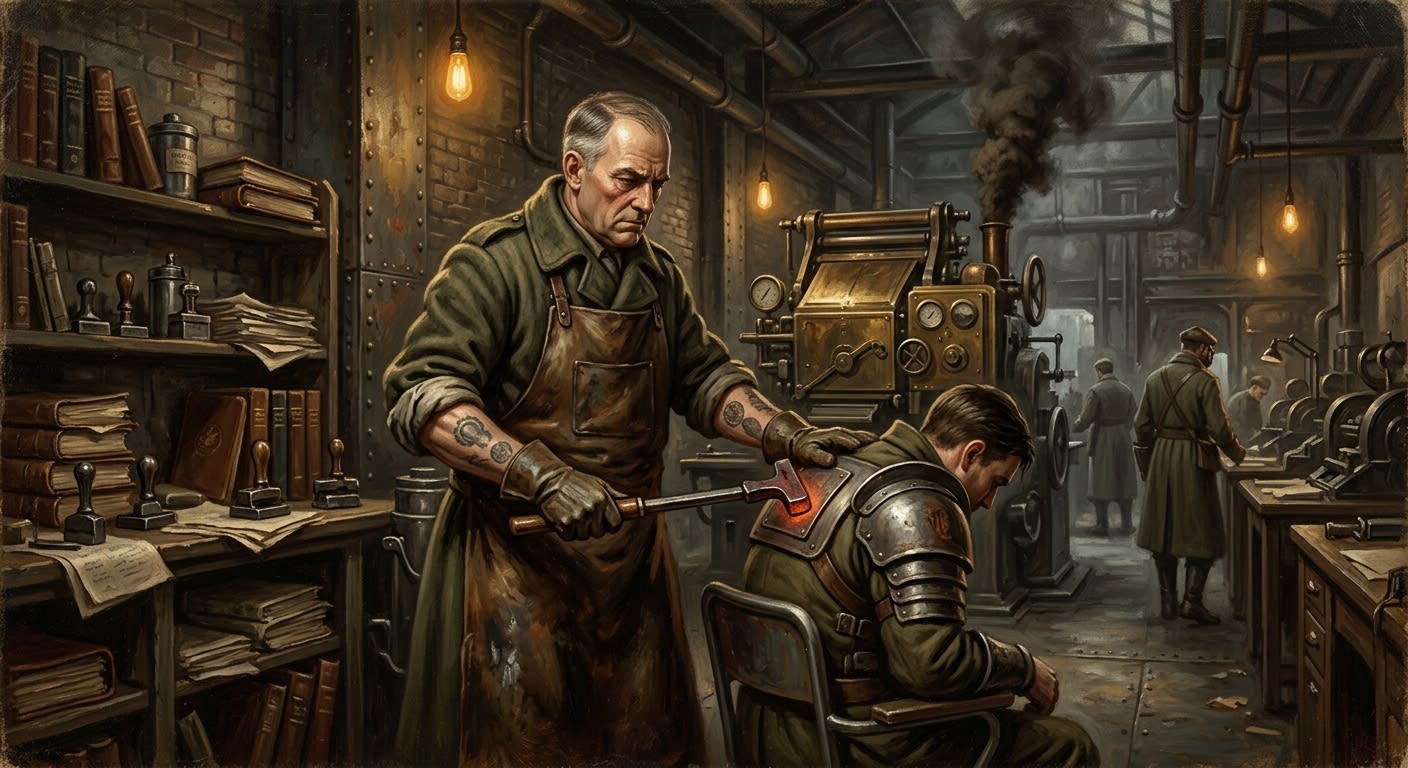
Re-inspection Brand-Smith
The Bureau's apology, applied two degrees from mercy
Re-inspection Brand-Smiths are Heraldry specialists created after the A.S. 119 Angle Riots to verify bodily tri-marks and burn lawful corrections into failed proof.
Codex Ref. XII.20.03-001
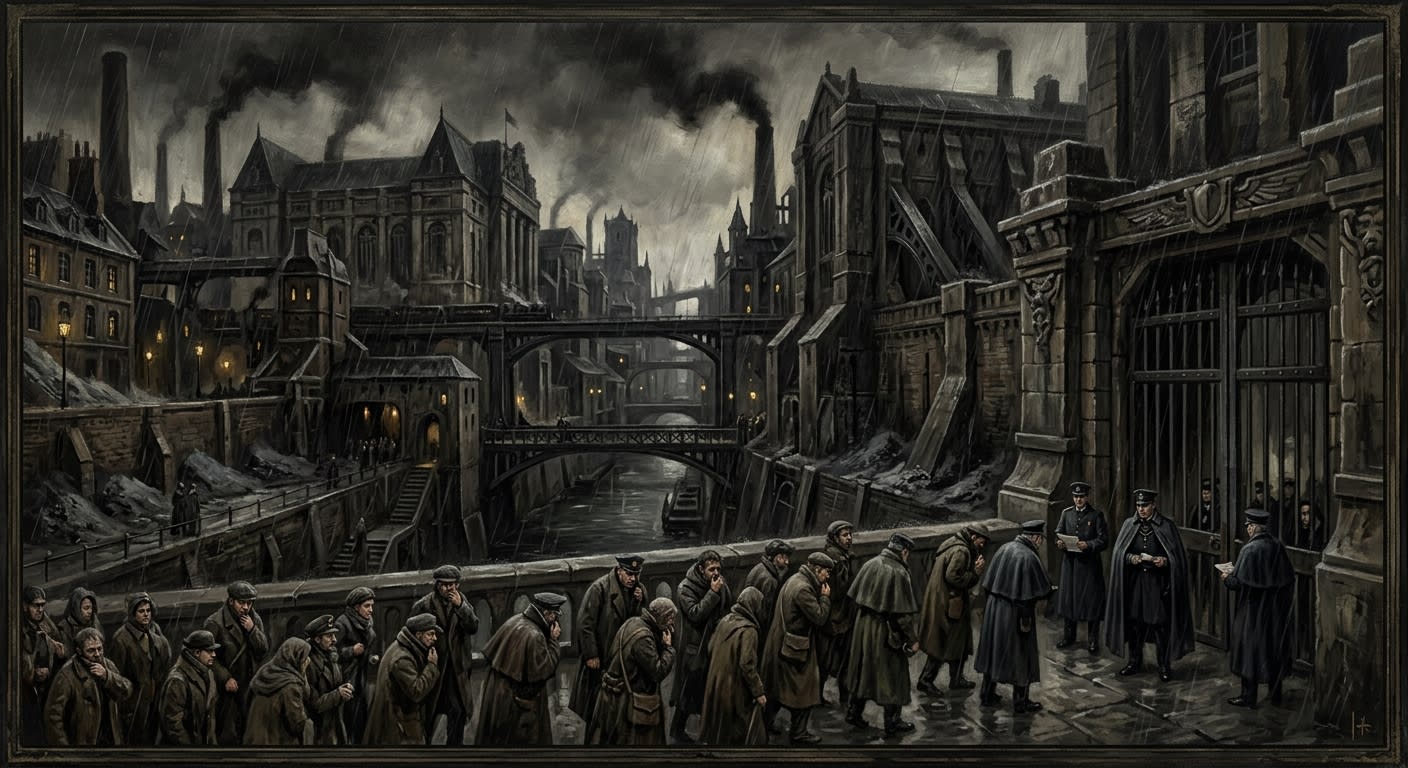
Rouen
The city that weighs ash, sells light, and listens badly at dawn
Rouen is the western heartland city of soot, ash-banks, candle fraud, bridge toll guilt, Pale Chanter anxiety, and black rain from the A.S. 24 Cauterization.
Codex Ref. II.1.10-201
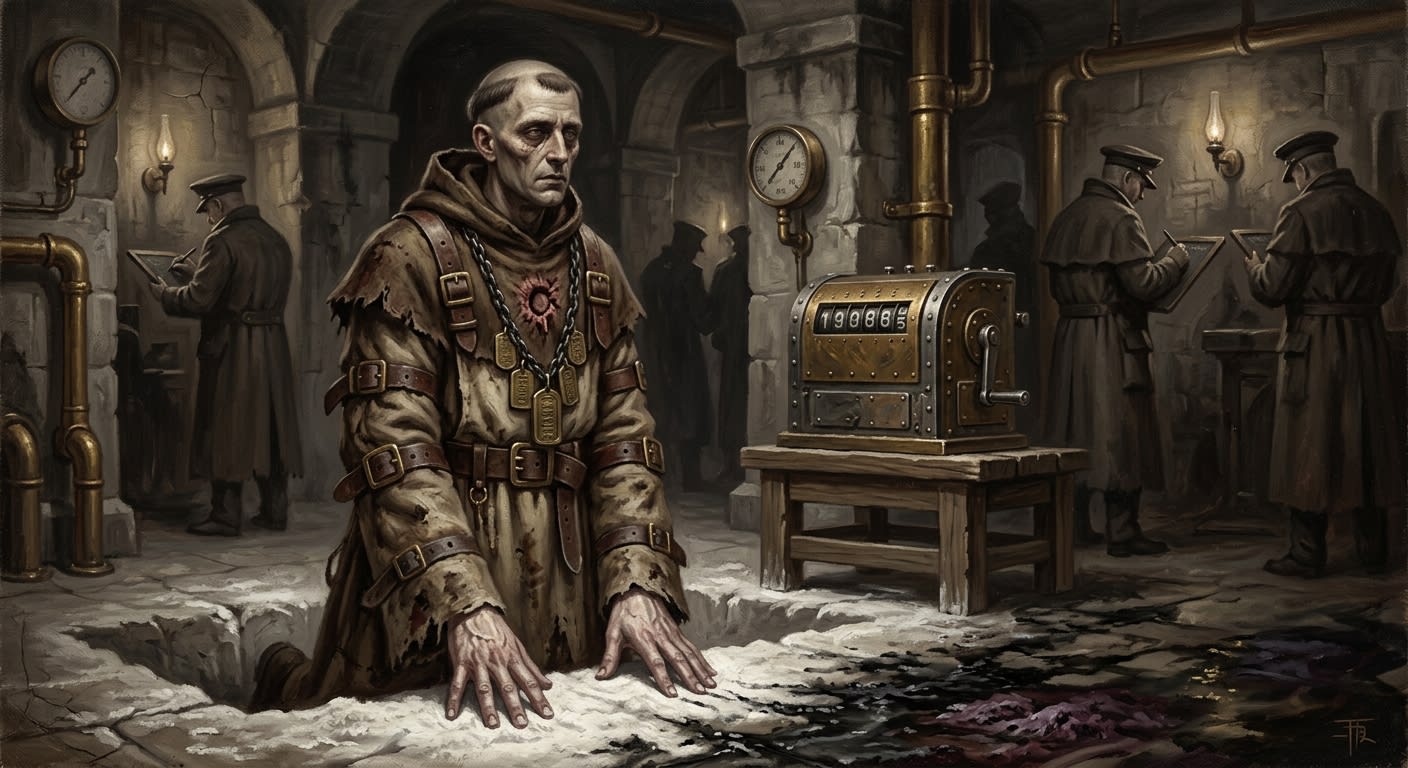
Saint Calistus
Count them, said the saint, and the Bureau has been counting ever since
Cellar-Prior of Lyon whose A.S. 32 Hollow Fast halted plague at a chalk boundary and left the Synod a saint, a tally, and a whistle-shaped wound.
Codex Ref. III.2.01-078
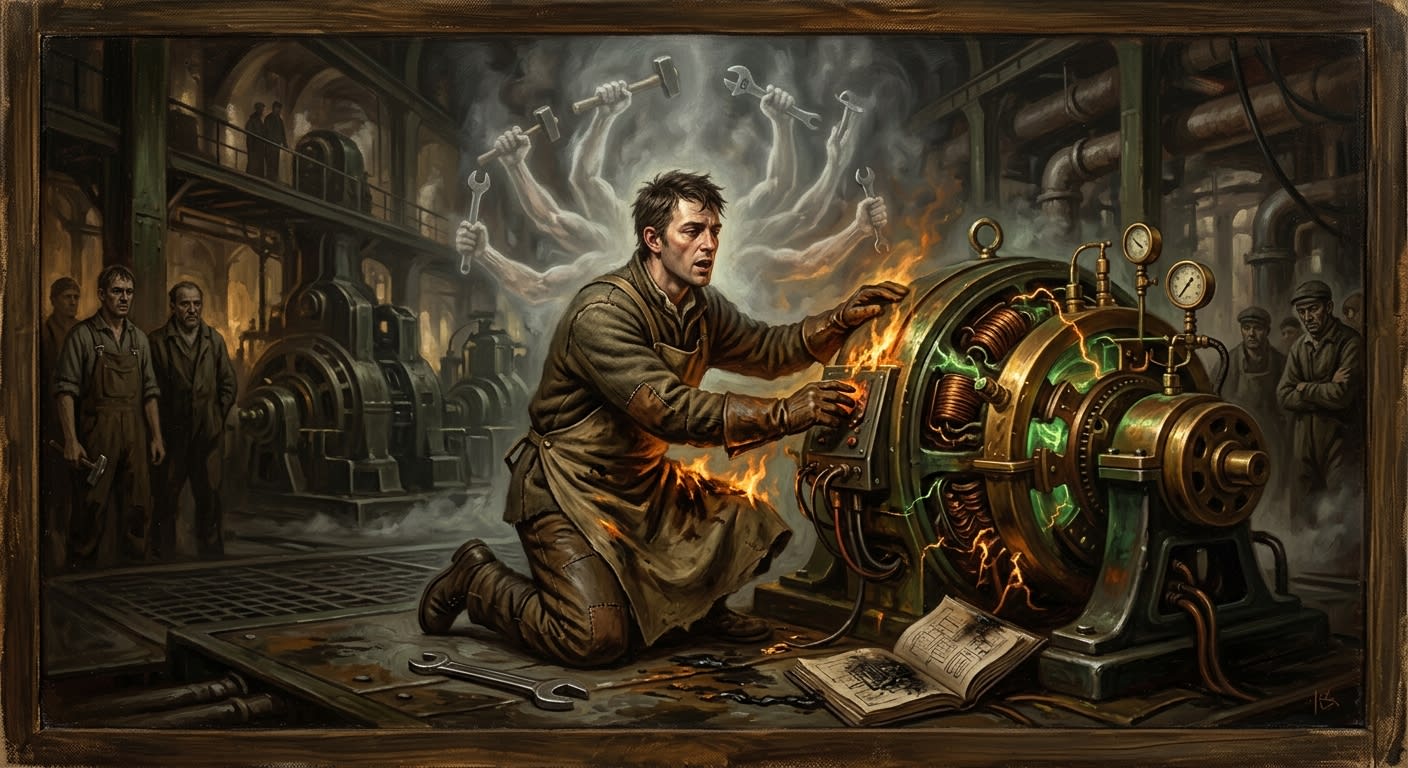
Saint Edrin of the Eight Strokes
A clean note, a burned hand, and eleven years of obedience
Patron of Litany-Engineers and engine-cant apprentices, Edrin sang a failed generator back to obedience during the Great Retreat and burned for the privilege.
Codex Ref. III.2.01-130
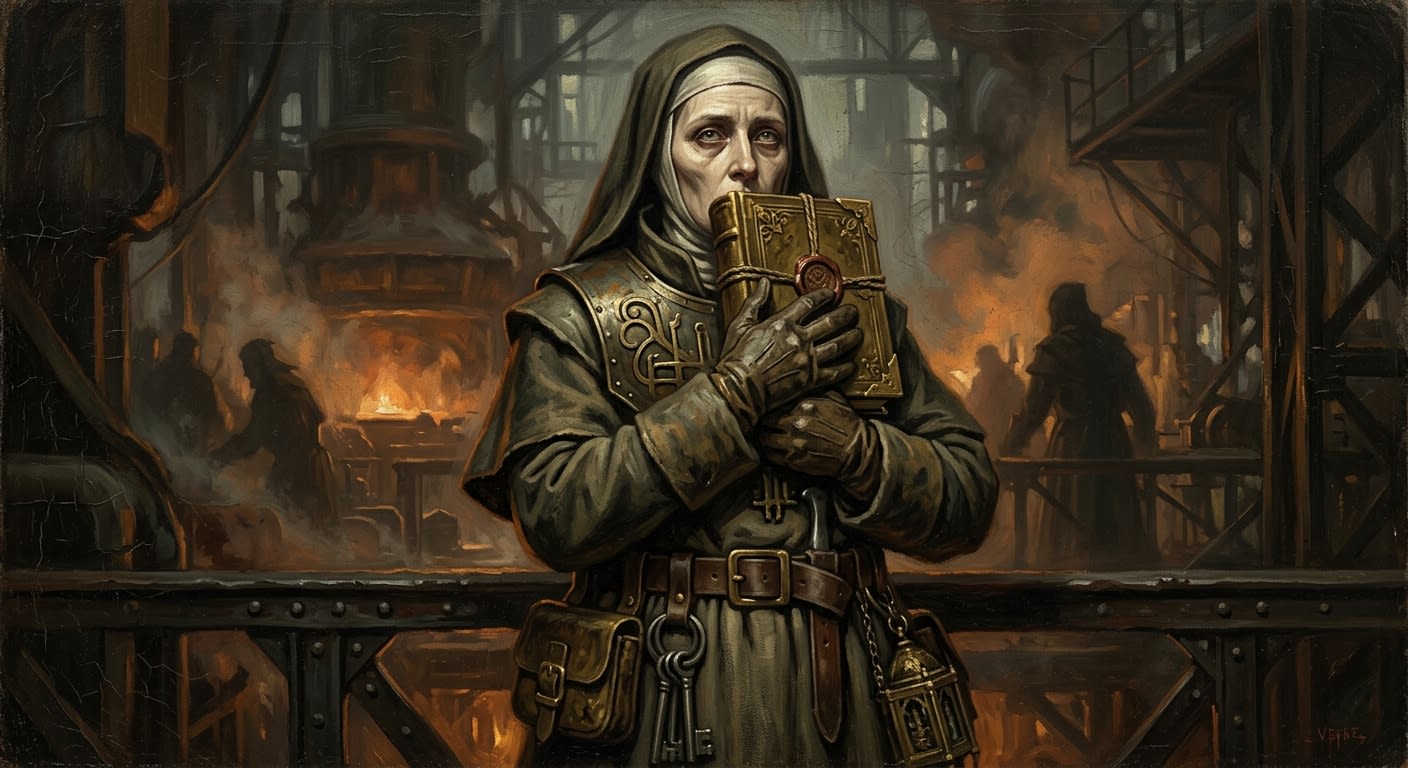
Saint Veyra of the Mouth
The patron who speaks into heat and answers nothing
Disputed but operationally indispensable patron of Furnace Catechists, invoked wherever Doctrine must make sealed ignorance look holy beside a working furnace.
Codex Ref. III.2.01-117
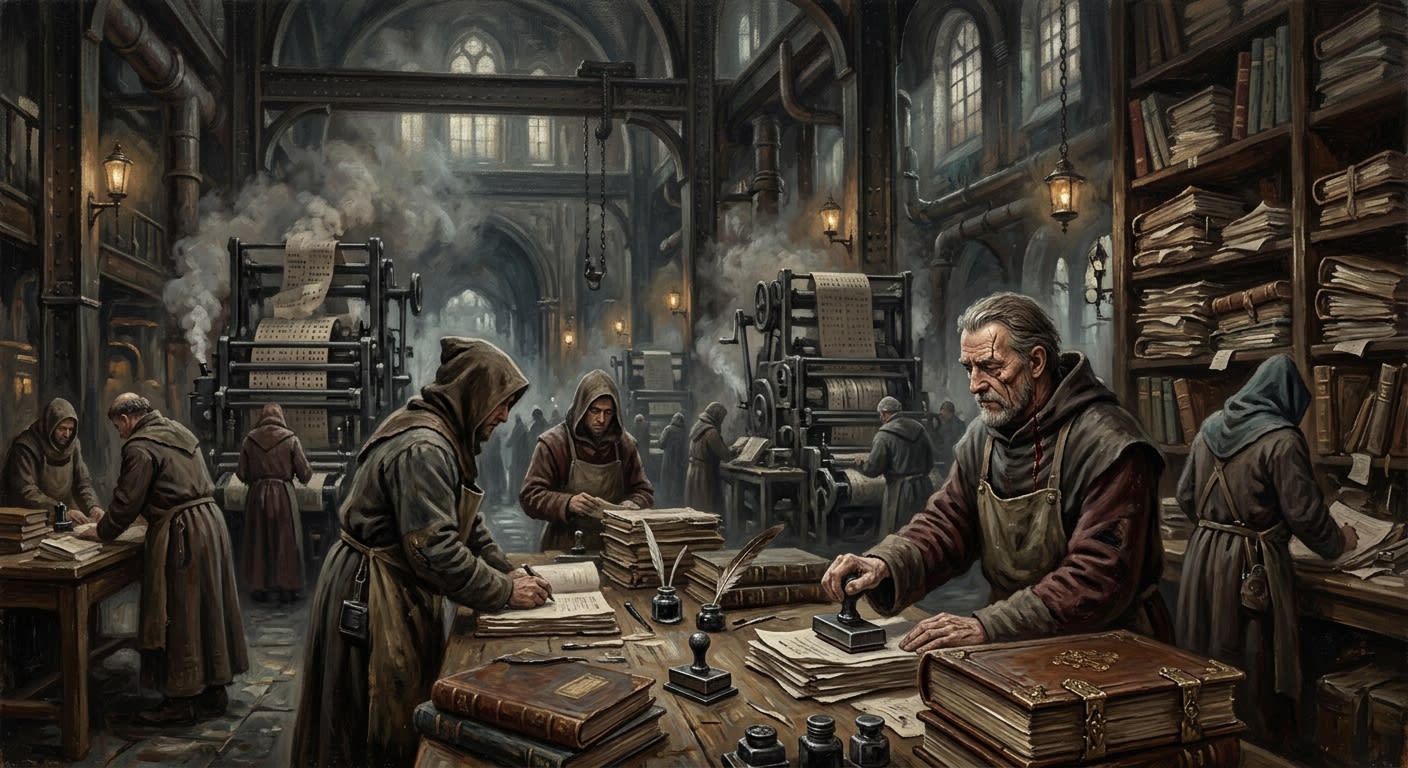
Standing Order 22-D
The law that taught silence to file itself
Standing Order 22-D makes silence legible: the pause before assent, the scar before paperwork, the late answer that becomes evidence.
Codex Ref. XIII.1.99-084
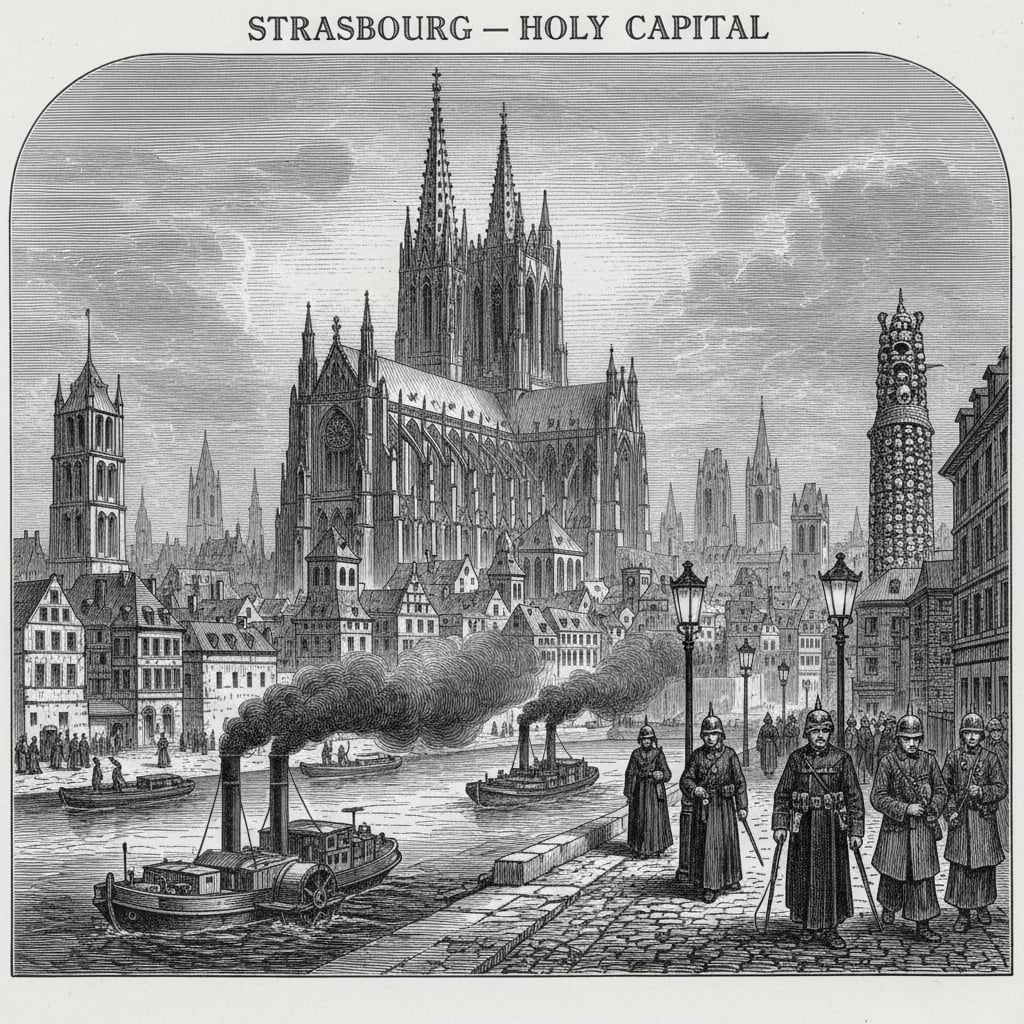
Strasbourg
The Holy City, or the Weight of Fifteen Centuries of Paperwork
Seat of the Synod, capital of the Dominion, largest city on the continent, and the only place where the bells never stop ringing. Strasbourg has forgotten what silence sounds like. So have its residents.
Codex Ref. III.2.01-001
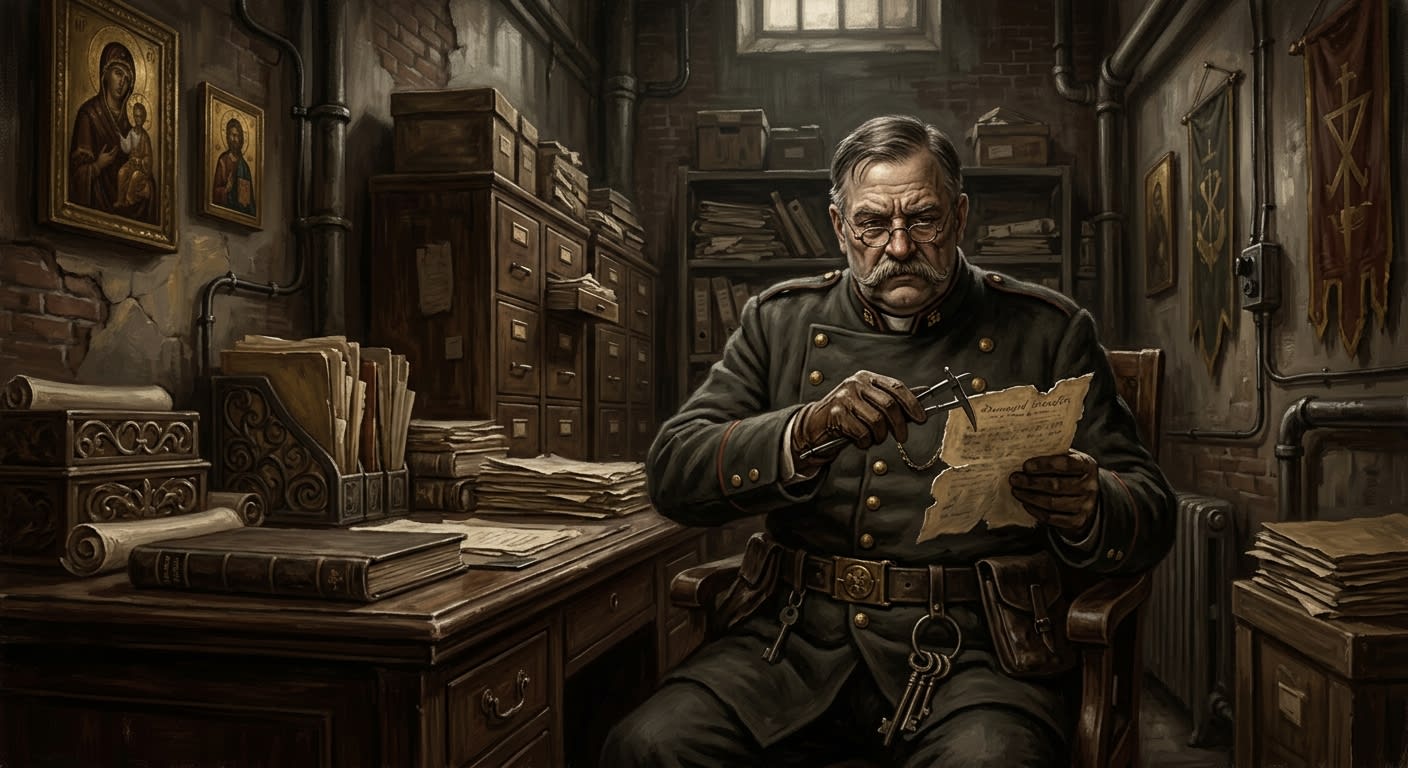
Superintendent Horvath
Mercy disguised as custody, filed under acceptable output
Superintendent Horvath keeps the Sofia Filing Annex running by treating damaged transfers as records worth preserving, which is almost mercy and therefore suspicious.
Codex Ref. III.2.01-151
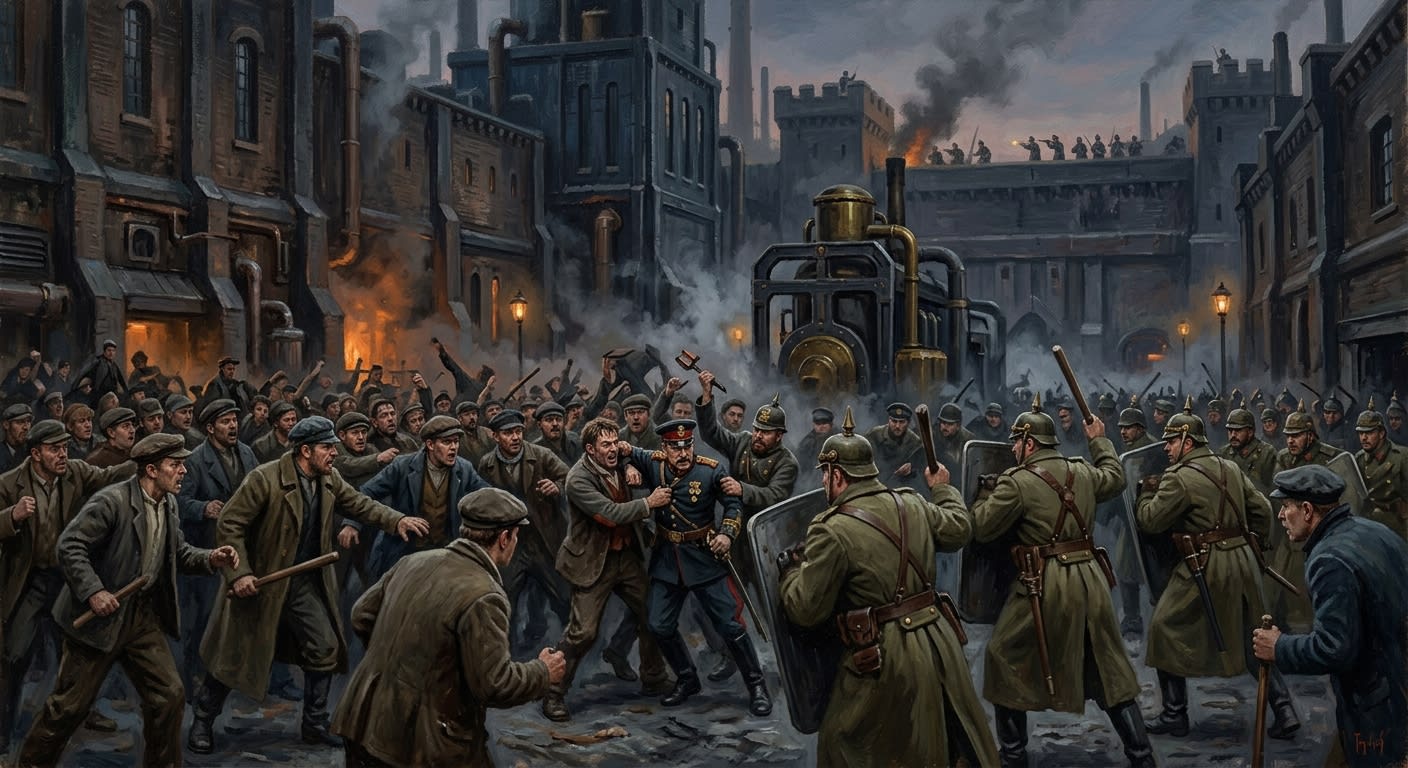
The Angle Riots
Two degrees of error are enough to make the state honest by accident
The A.S. 119 Angle Riots at Bastion-Irongate began with miscalibrated brand-irons and ended with executions, re-inspection doctrine, and the cold proof that a false mark can still command the body.
Codex Ref. VII.8.10-034

The Ashen Circle
The denied archive that keeps the official world from collapsing
Unsanctioned scholarly network named in A.S. 103, trafficking in forbidden histories and sciences while the Bureaus deny, hunt, purchase, and depend upon its ash-borne work.
Codex Ref. XI.1.01-002
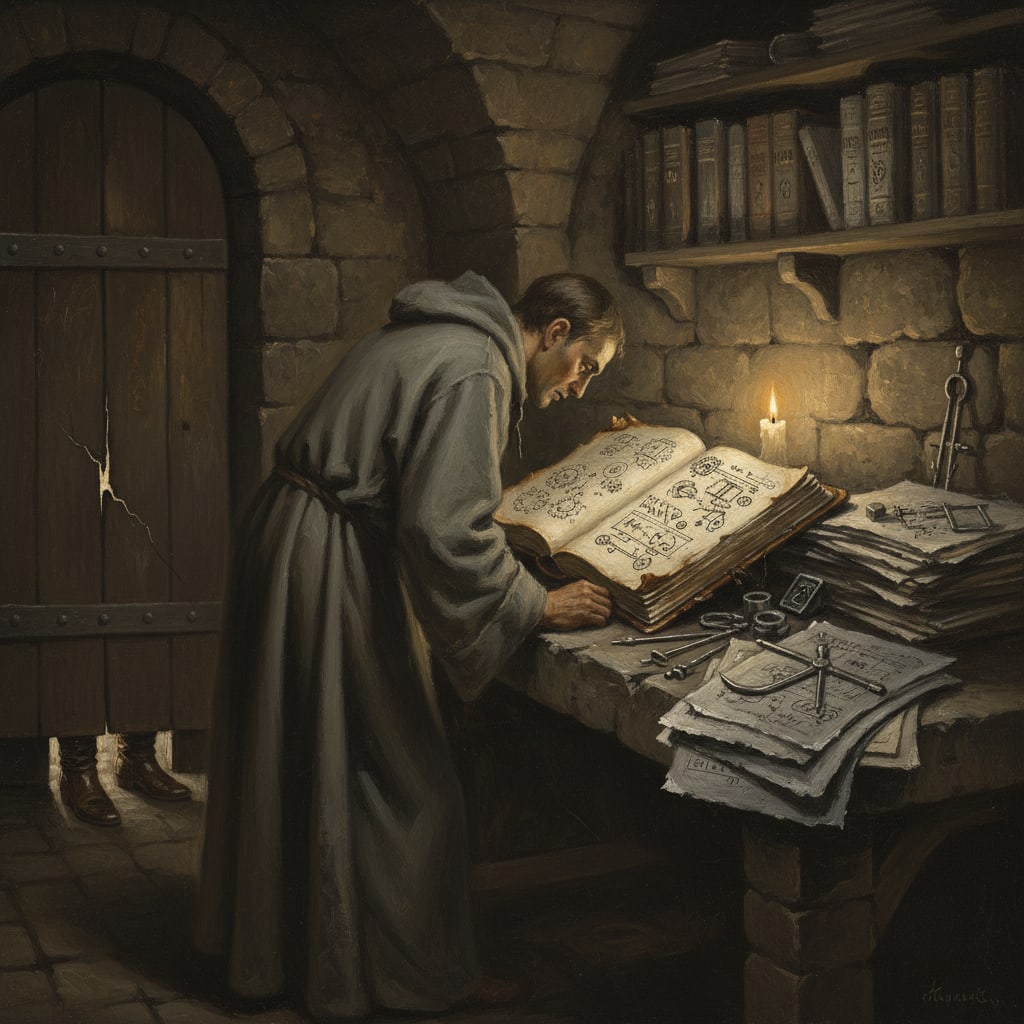
The Ashen Circle Scholar
What the Bureau Burns, the Circle Preserves — the Synod's Indispensable Heretic
The Bureau calls them poison. The front calls them indispensable. The Ashen Circle Scholar trades in what the Index Damnatus cannot afford to have gone permanently missing.
Codex Ref. XI.1.01-001
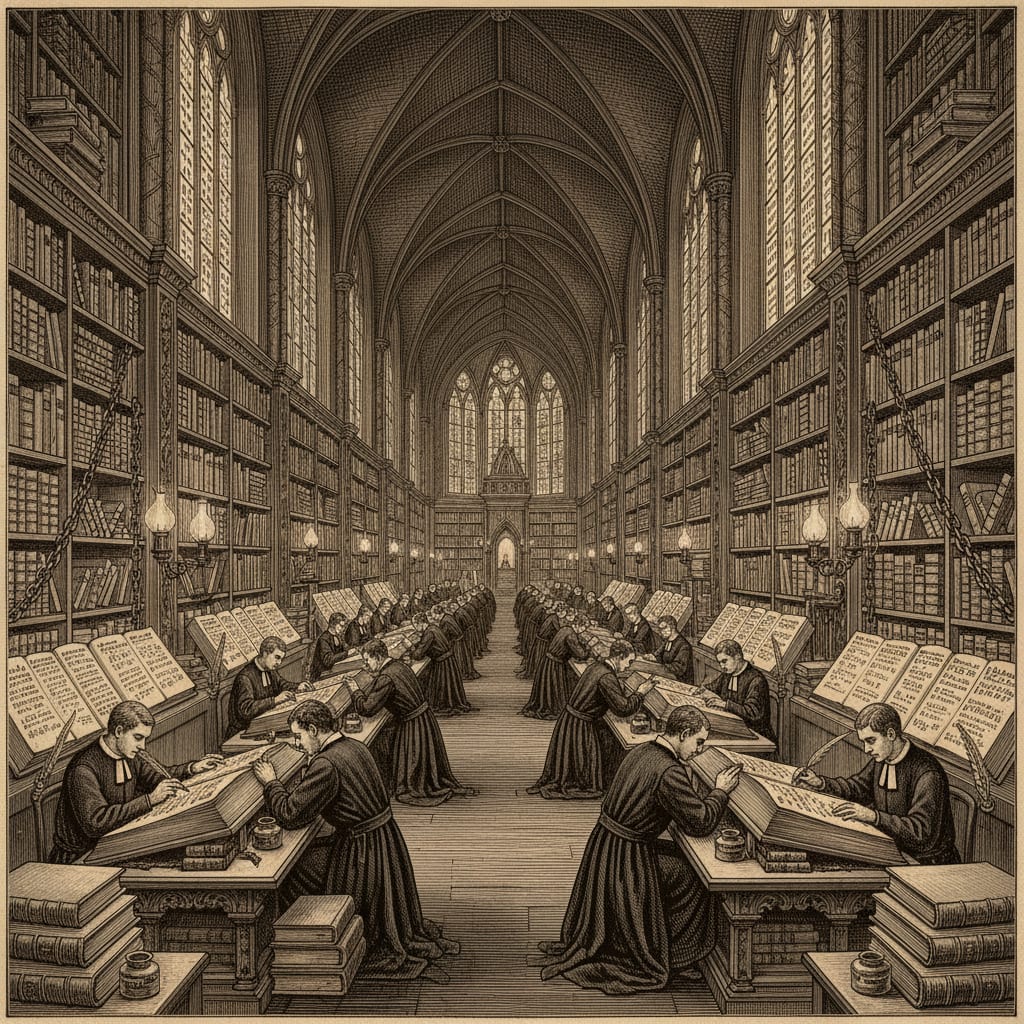
The Basilica of the Ledgered Saints
Archive of the Living and the Dead
The labyrinthine archive-basilica of Strasbourg, where every soul since the Council of Cologne has been inked in crimson. A nave of numbers, a vault of recantations, and a crypt that breathes.
Codex Ref. III.2.07-031
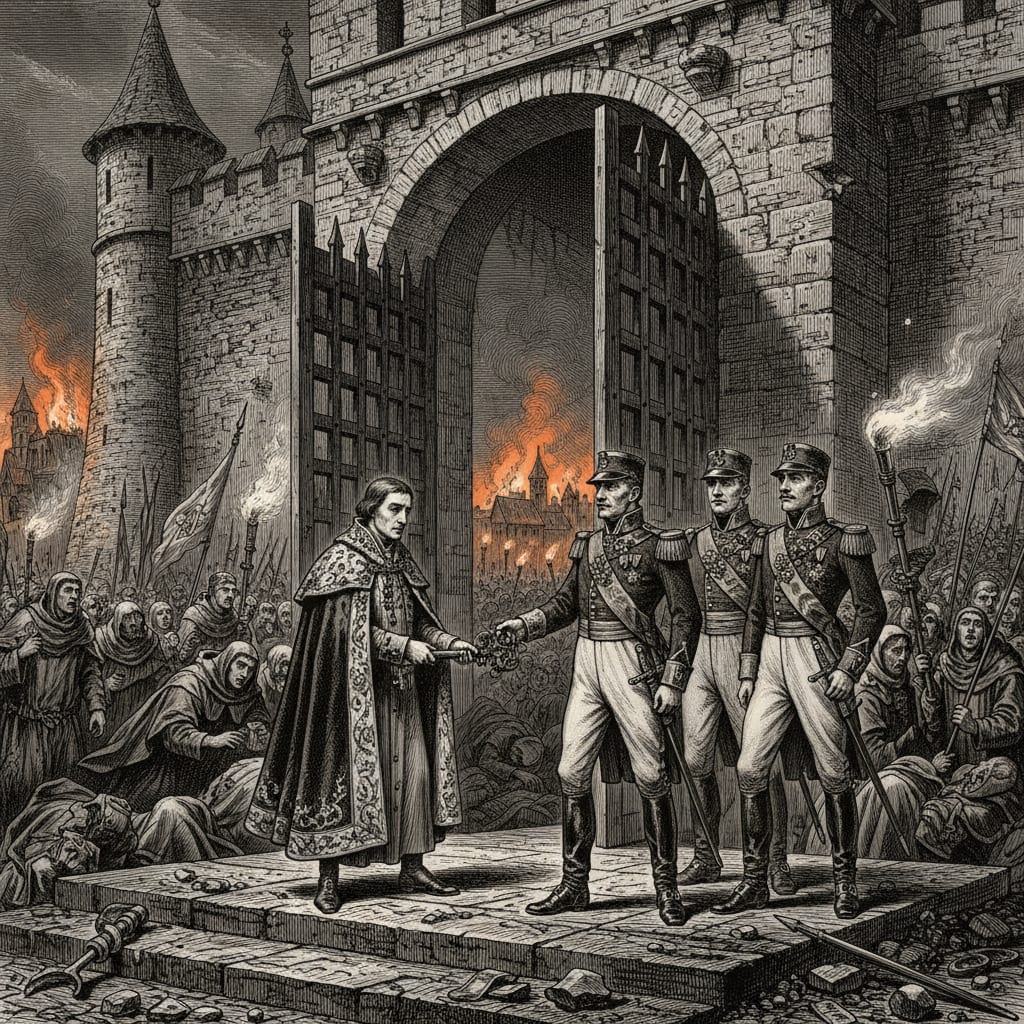
The Betrayal of Aachen
On the Surrender of the Citadel and the Erasure of Guillaume
In the twenty-fifth year of our calendar, the Lord-Protector Guillaume sold Aachen's gates for thirty provinces of the Lowlands. The citadel fell without a siege. The faithful fell without a warning.
Codex Ref. II.1.06-066
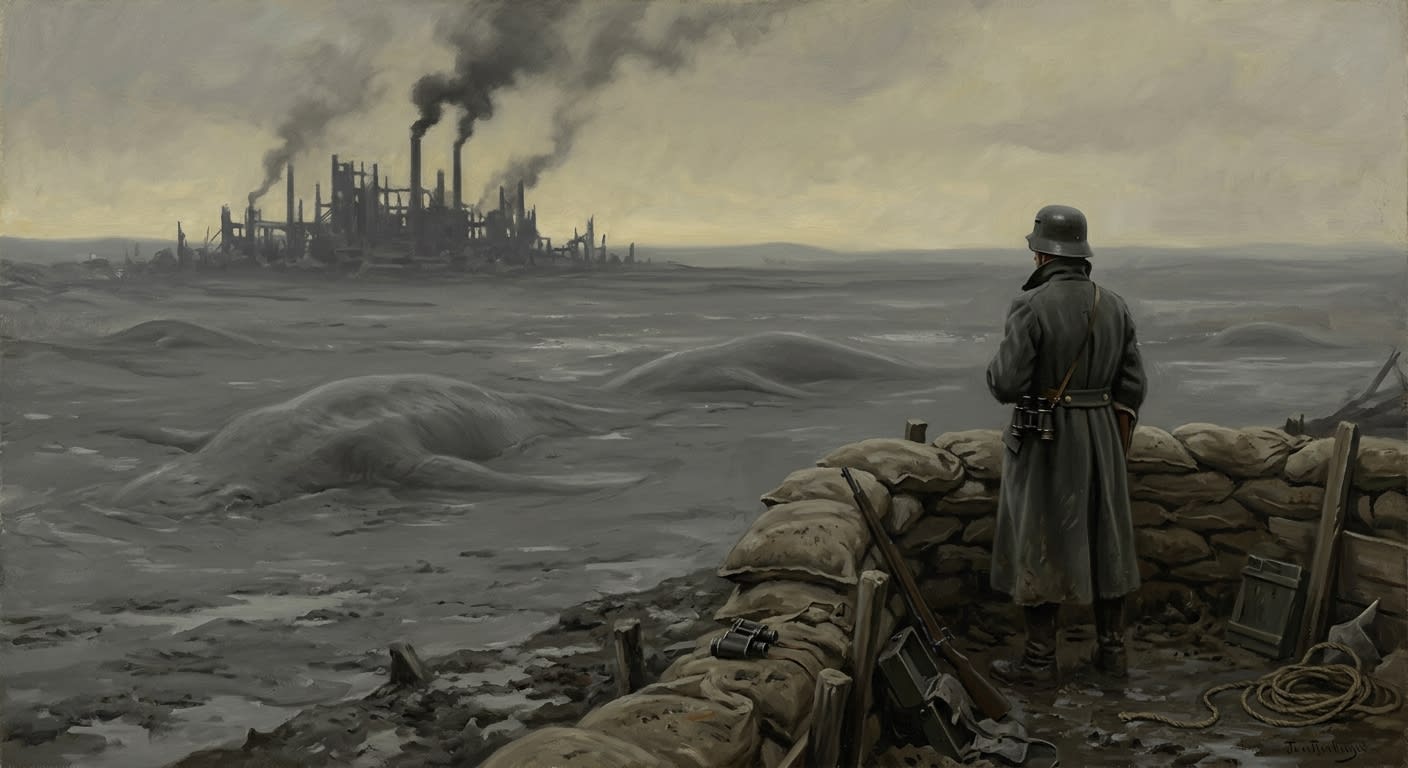
The Blightmarsh
Kargath's larder, fully stocked, permanently empty
The consumed plains of Hungary — twenty-three thousand square miles of grey mud, expanding mouths, and hunger that does not end. Kargath's forward infrastructure. The Sagittal Line's nearest unsolvable problem.
Codex Ref. V.6.01-001
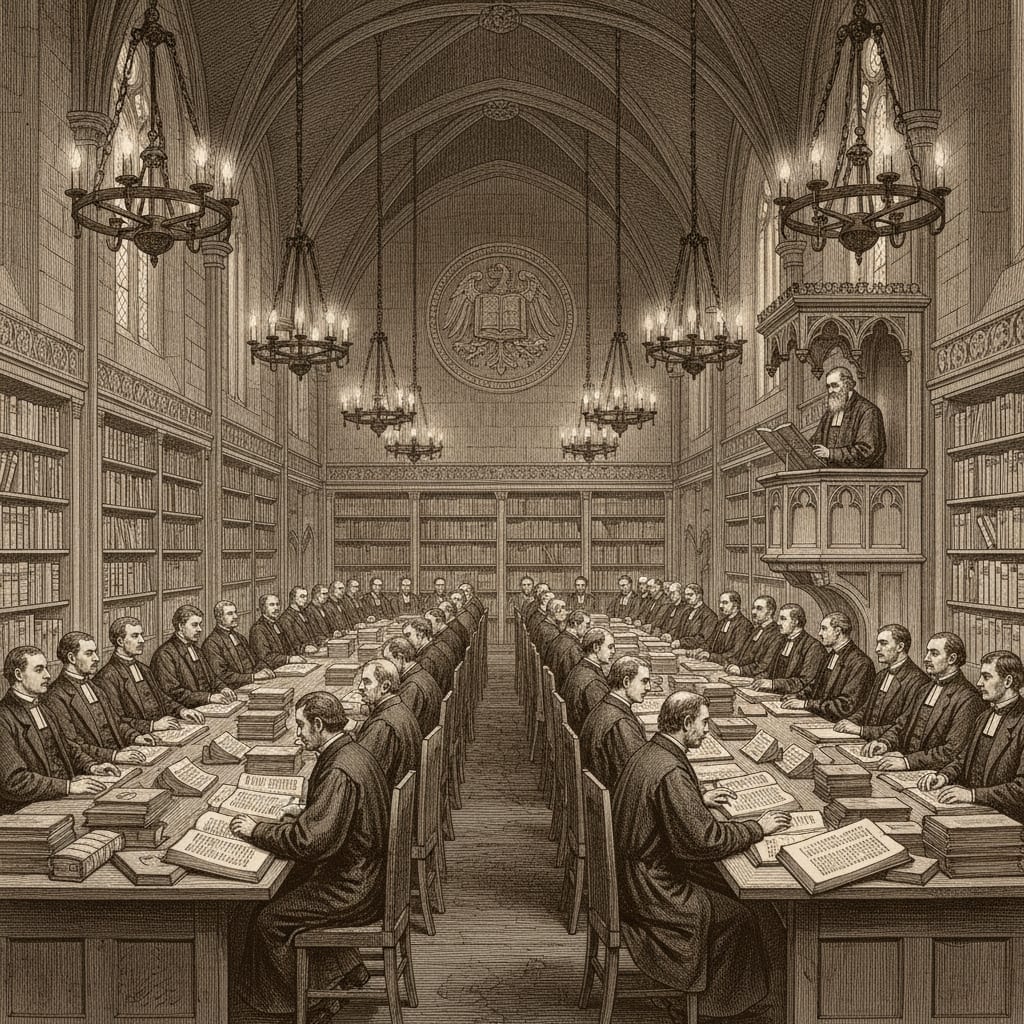
The Bureau of Doctrine
First Among Equals, Flame of Interpretation
The Bureau that defines what is true and what has never been true. Keeper of the Flame of Interpretation, drafter of every catechism, and executioner of every dialect that displeased it.
Codex Ref. III.3.01-024

The Bureau of Heraldry
The grammar of loyalty, measured in ink and iron
The Bureau of Heraldry controls what the Synod is permitted to look like. Every crest is a sentence. Every unregistered symbol is a rebellion not yet named.
Codex Ref. VIII.1.03-001
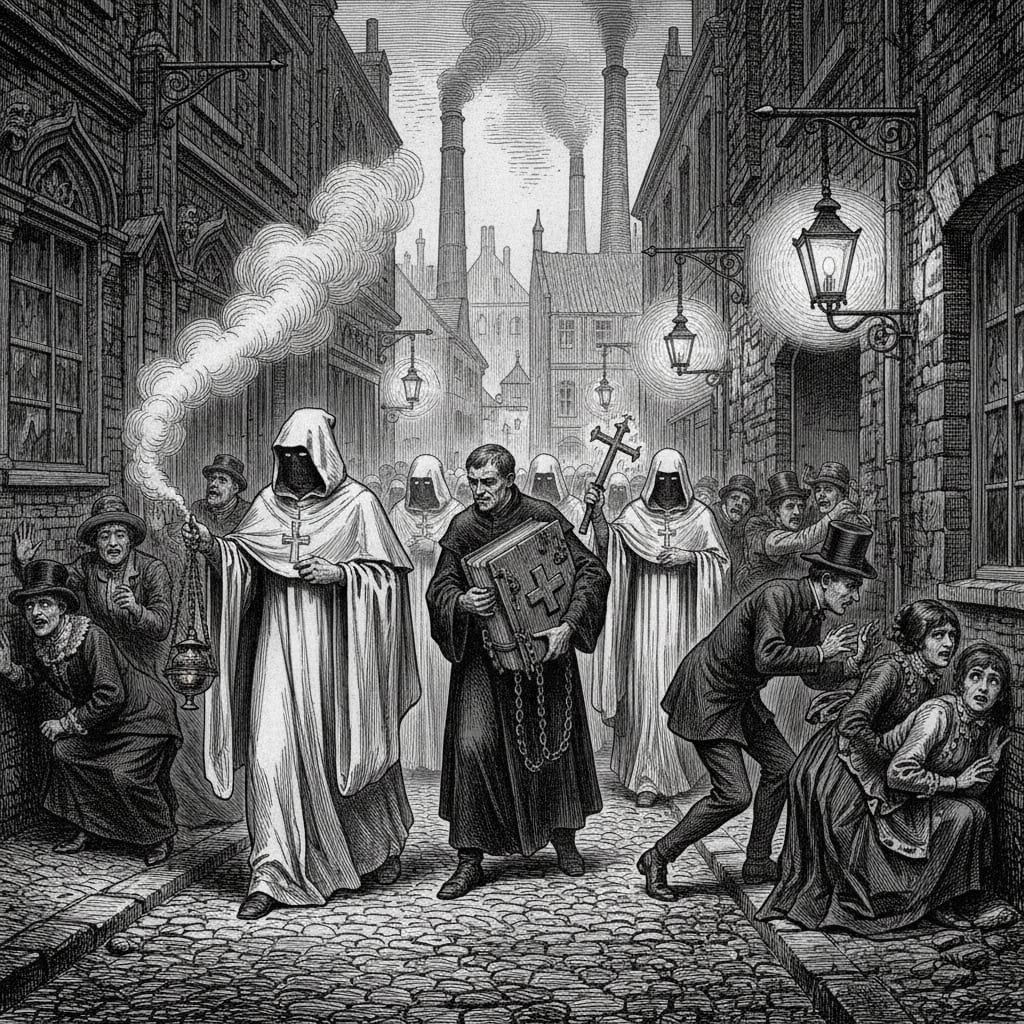
The Bureau of Purity
The White Cloaks Are Watching
The most feared organ of the Synod. Born in the Witch-Hunts of Toulouse, keepers of the Index Damnatus, enforcers of everything Doctrine defines and everyone else regrets. Where they walk, the air tastes of censer-smoke and branded confession.
Codex Ref. III.3.02-001

The Bureau of Records
The Memory That Never Forgets
Custodian of every birth, death, tithe, and trembling confession in the Theocracy. Records does not merely remember — it decides what happened.
Codex Ref. III.2.09-003
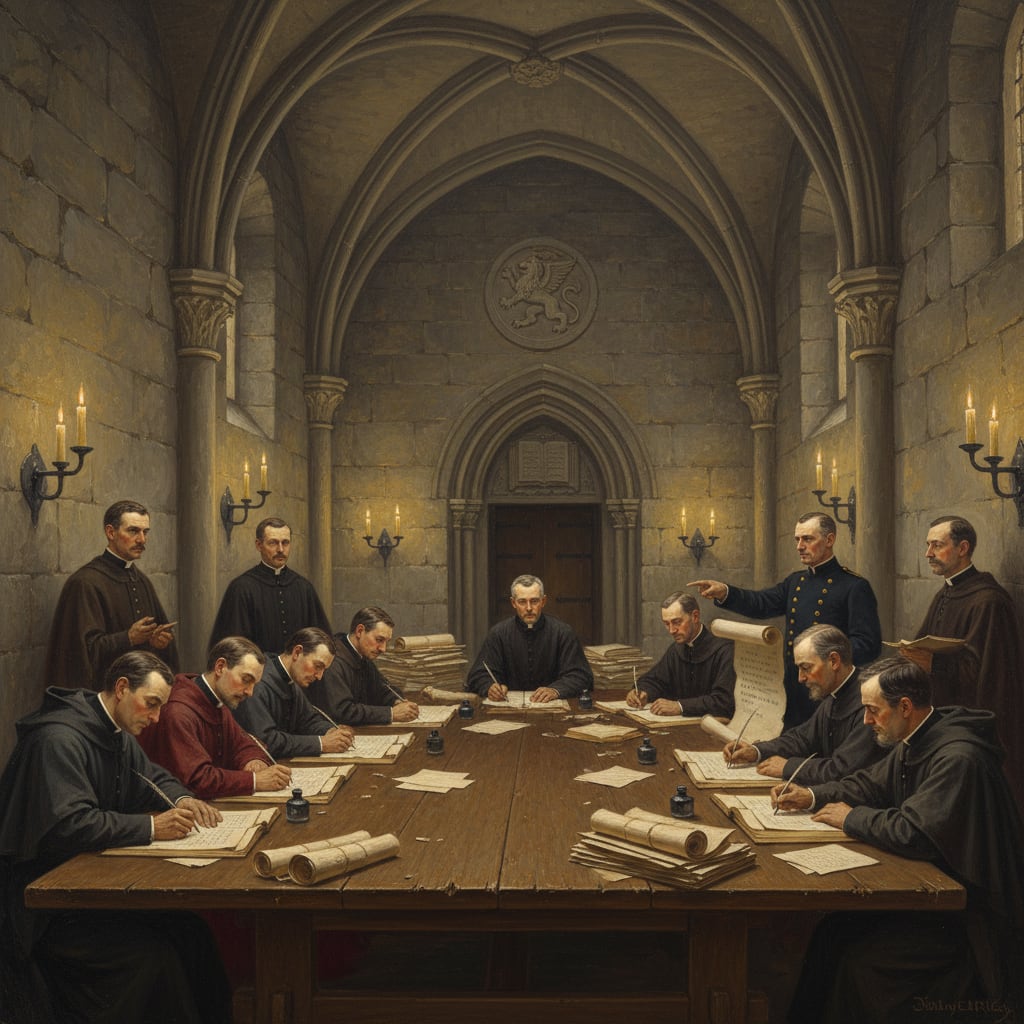
The Catechism of Obedience
The Synod's licence to breathe; or, seventy-four pages in which the Bureau defined the terms of continued existence
The founding instrument of institutional faith — seventy-four pages that define the terms under which a soul may continue to exist within the Synod's jurisdiction, and enumerate the consequences of refusal.
Codex Ref. XIII.1.04-001
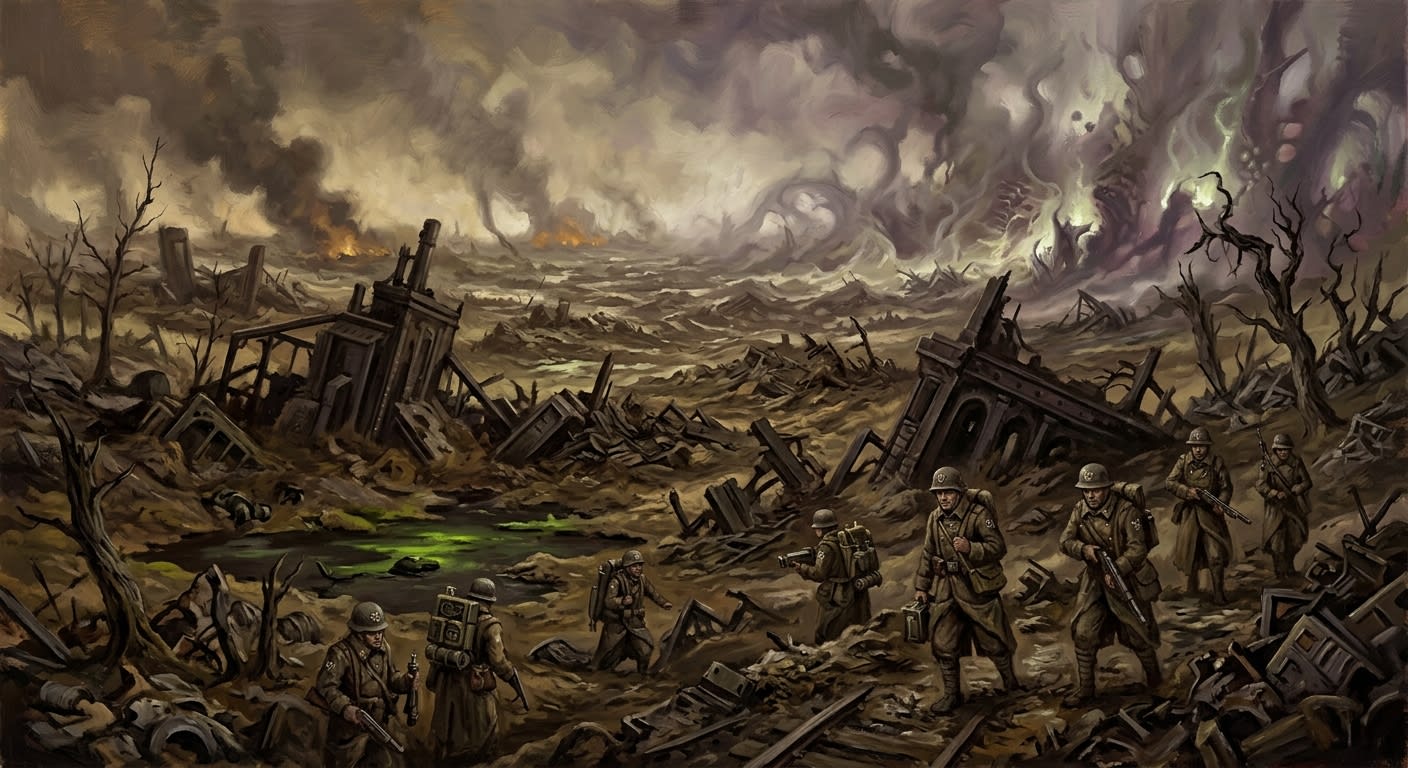
The Charnel Lands
The East keeps our failures alive in hostile weather
Zone 6 is the Synod's polite name for the Charnel Lands: the demonic East where appetite has borders, maps fail, and names come home missing.
Codex Ref. II.6.06-001
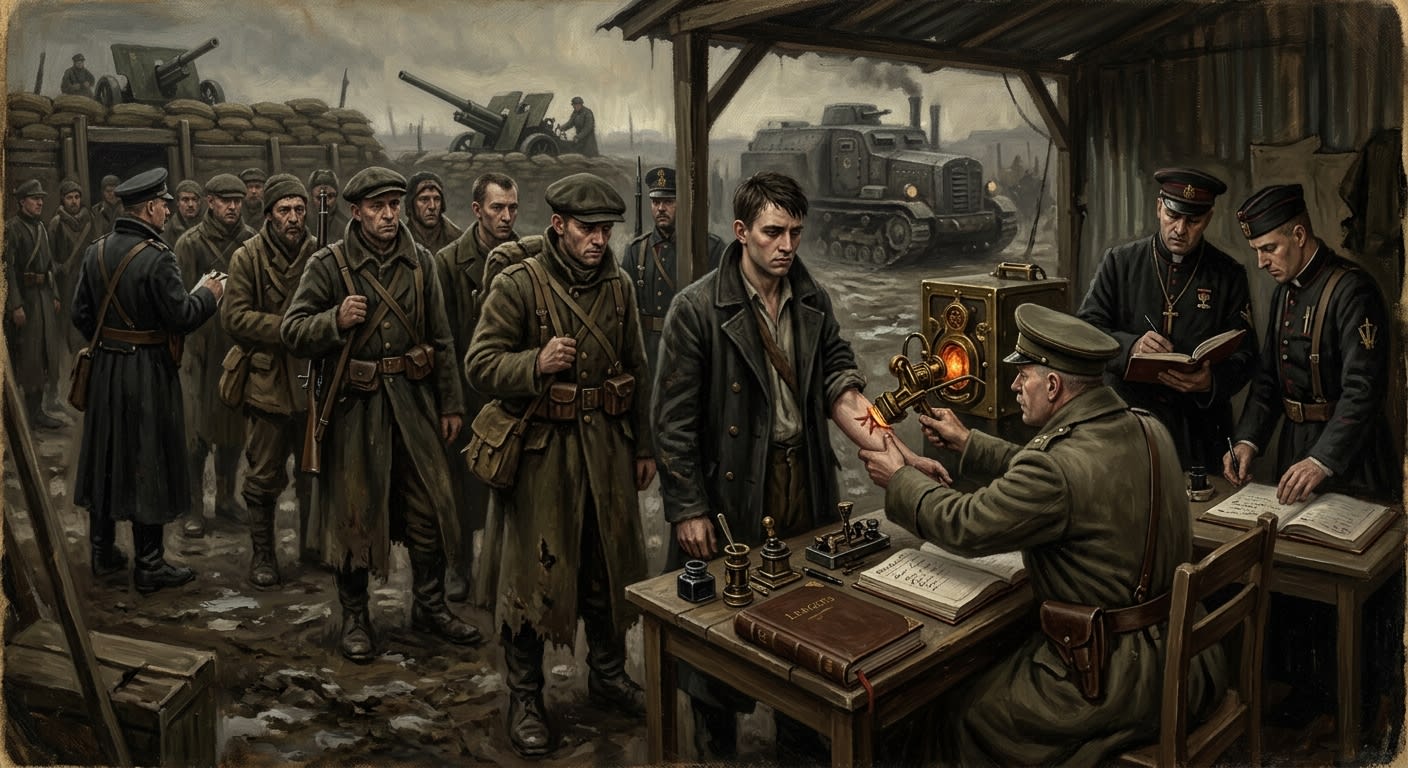
The Compulsory Marking Decree
The day paper lost authority and flesh became the Bureau's preferred document
The A.S. 113 Compulsory Marking Decree made bodily tri-marks mandatory at forward-zone checkpoints after forged papers killed eighty-seven at Bastion-Przemyśl.
Codex Ref. VII.8.10-035
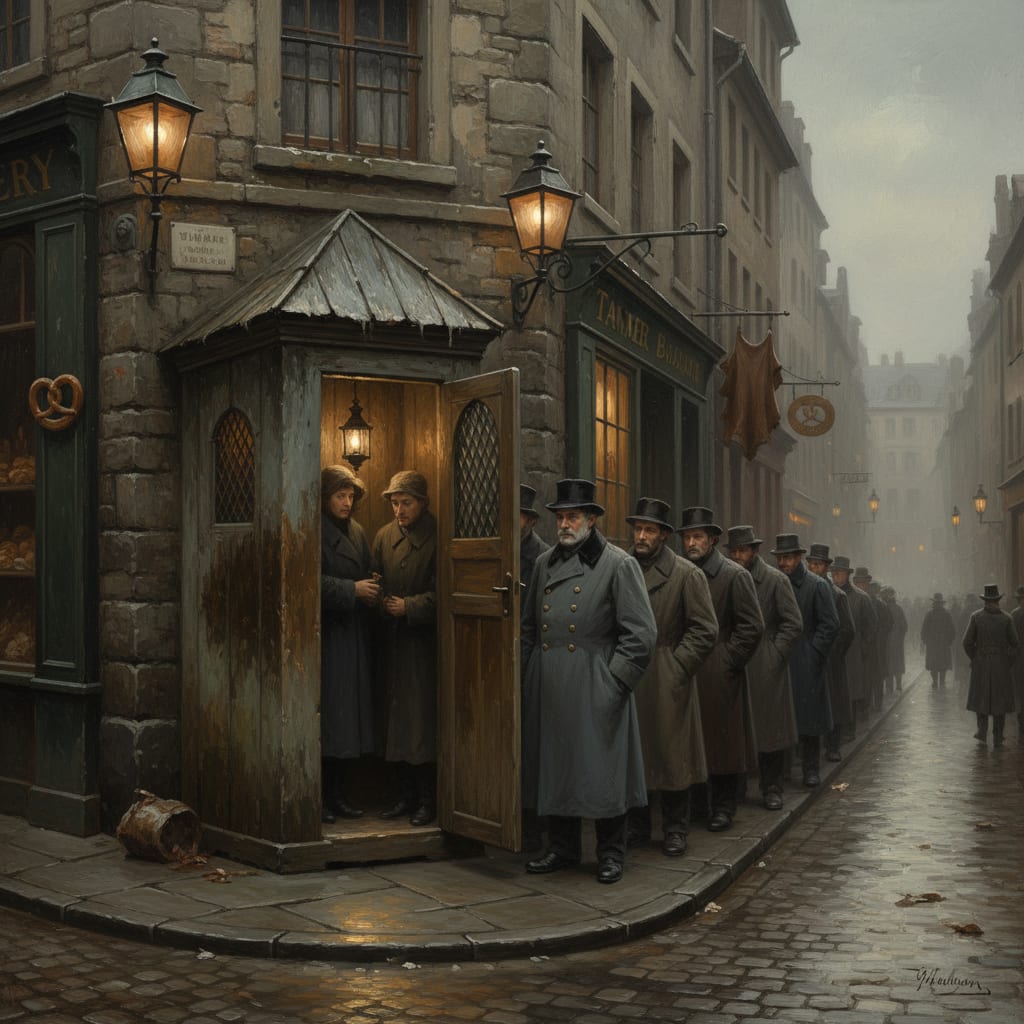
The Confessor-Booth Clerk
The booth does not forgive — but it files. A survey of the twenty-two thousand stamps that keep the Synod clean.
Twenty-two thousand booths; one stamp; no absolution. The Confessor-Booth Clerk processes sin as throughput, files guilt as data, and keeps the Synod's spiritual economy solvent — a contemporary survey by Hieromnemon Valerius Drax, A.S. 201.
Codex Ref. XII.9.01-001
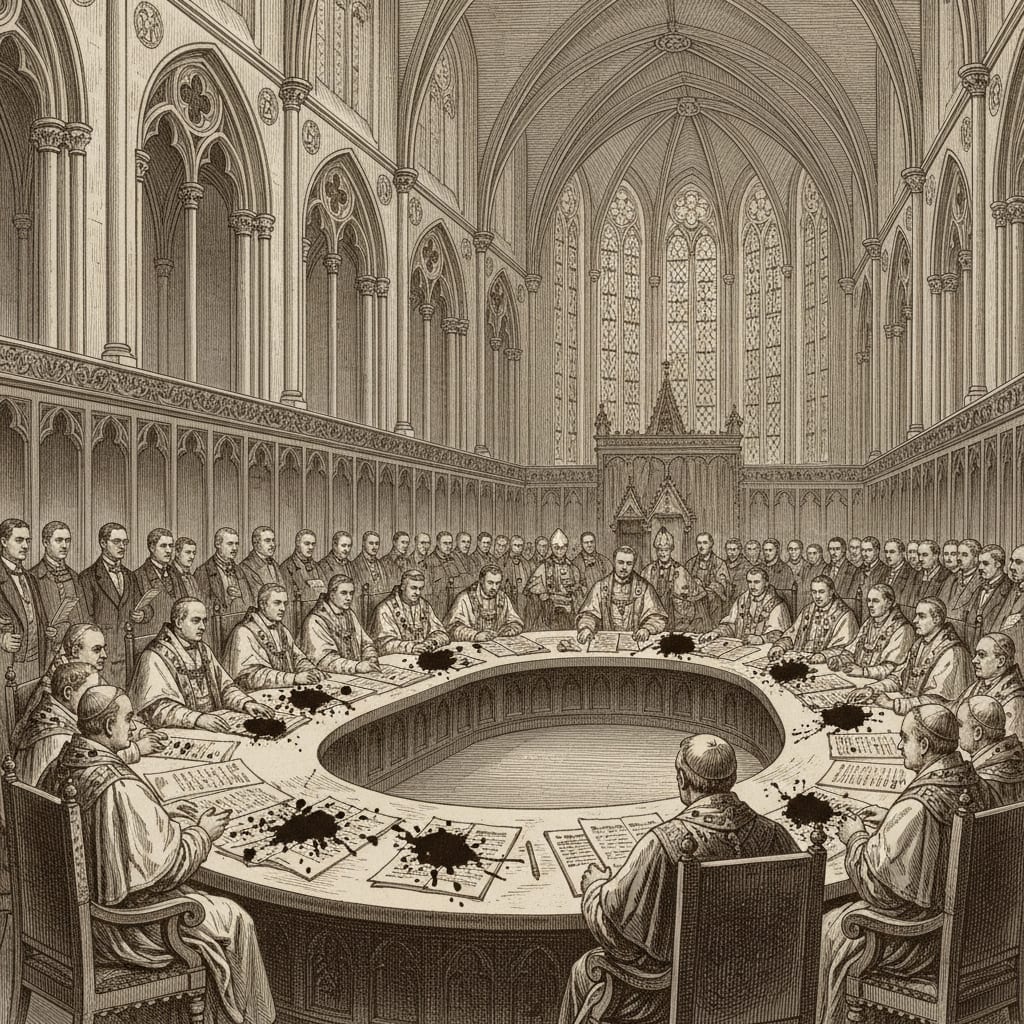
The Council of Cologne
A Masterpiece of Redaction
The A.S. 100 assembly and Edict of Cologne extended Strasbourg's claimed authority after both founders had died; its sealed minutes invite later argument.
Codex Ref. III.2.07-031
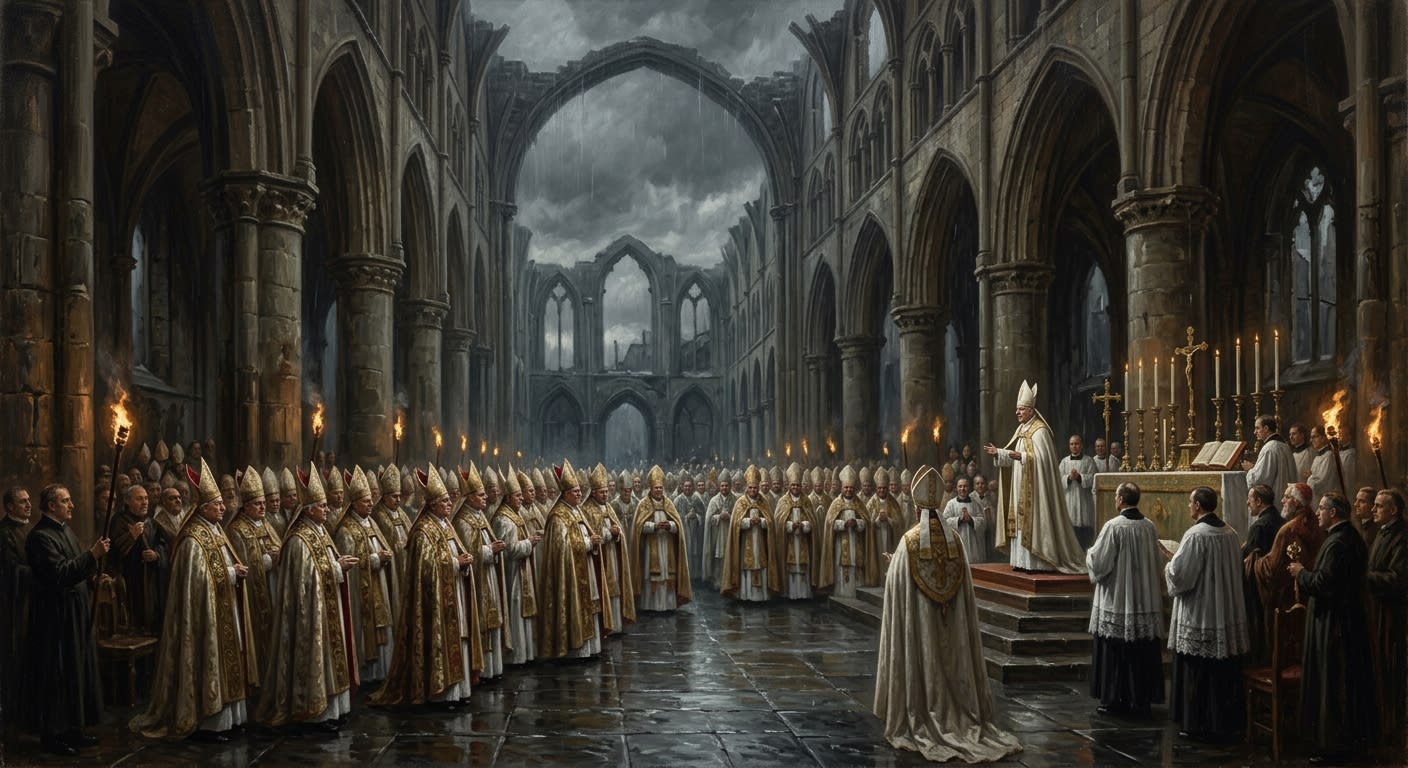
The Council of Worms
Where Paper Became Law, and the Seals Forgave No One
The A.S. 87 council in roofless Worms Cathedral ratified the earlier Common Allegiance; its register lists 314 names, including 25 with defective seals.
Codex Ref. VII.7.01-001
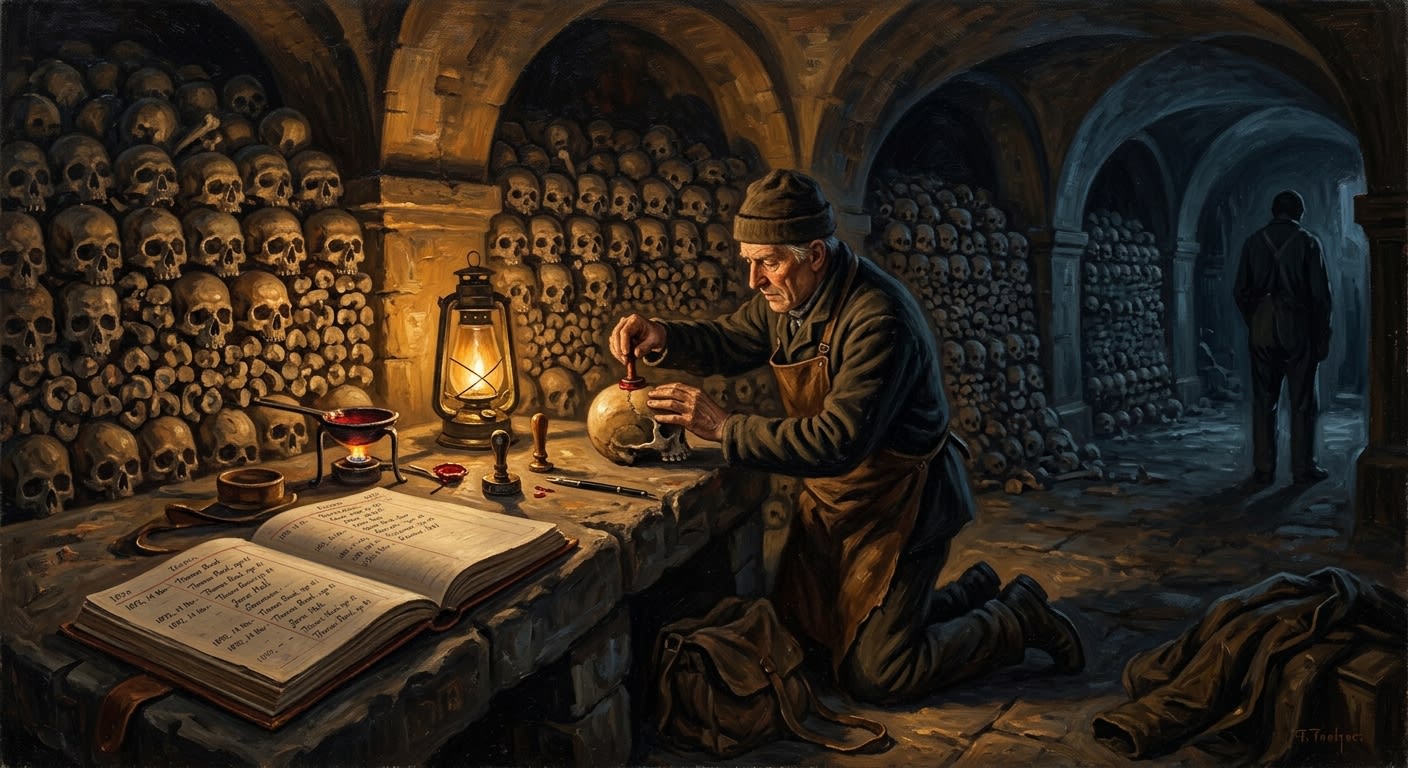
The Dead
What the filing system remembers, and what the Bureau has declined to ask
The Bureau maintains death is a clerical event. The dead, by the Bureau's own monitoring, appear to disagree. Drax files the discrepancy.
Codex Ref. VI.2.01-001
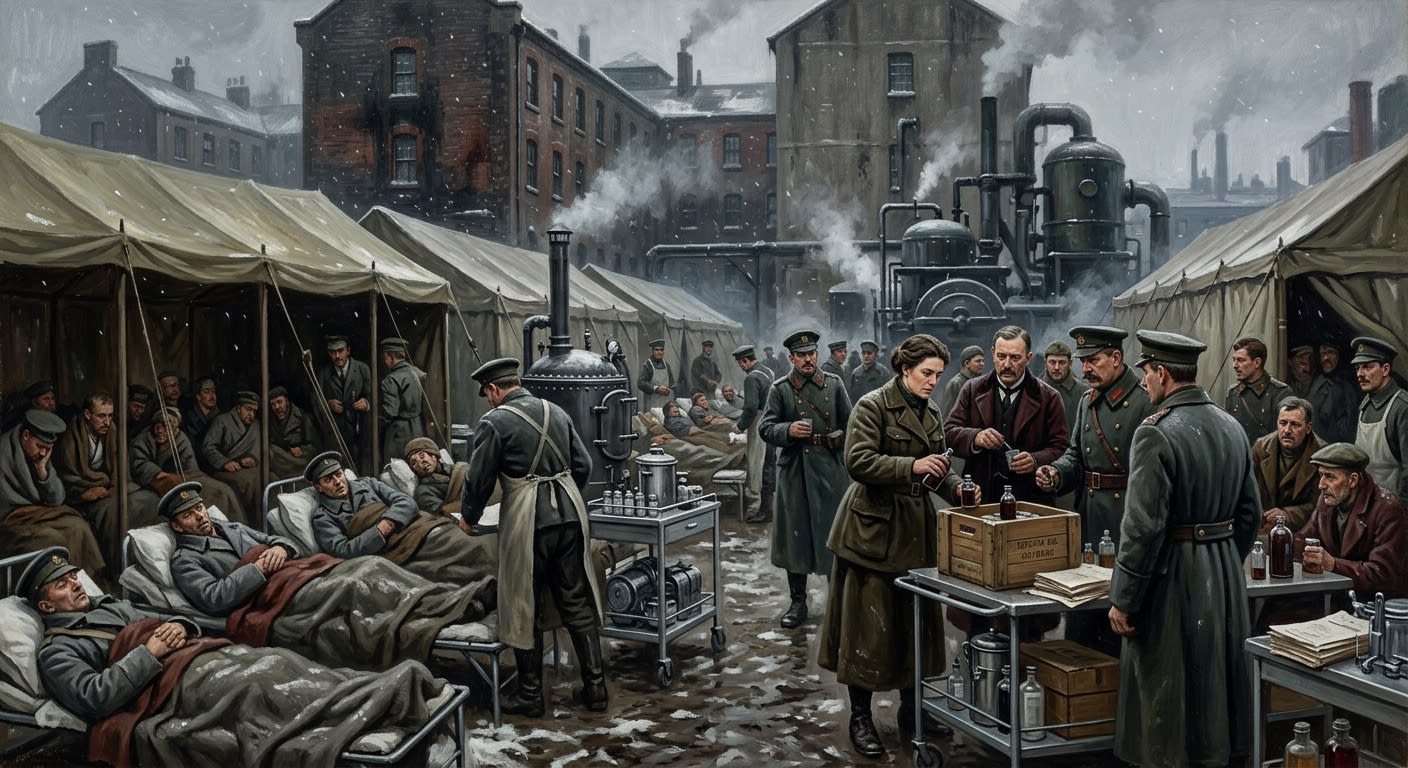
The Fever Winter of A.S. 112
Blessed salt failed; an old woman’s oven remembered medicine
The A.S. 112 Fever Winter killed four thousand Hinterland soldiers, exposed sanctioned medicine's failure, and let Gerda Weil's stolen remedy become Protocol 7-C(E).
Codex Ref. VII.4.20-001
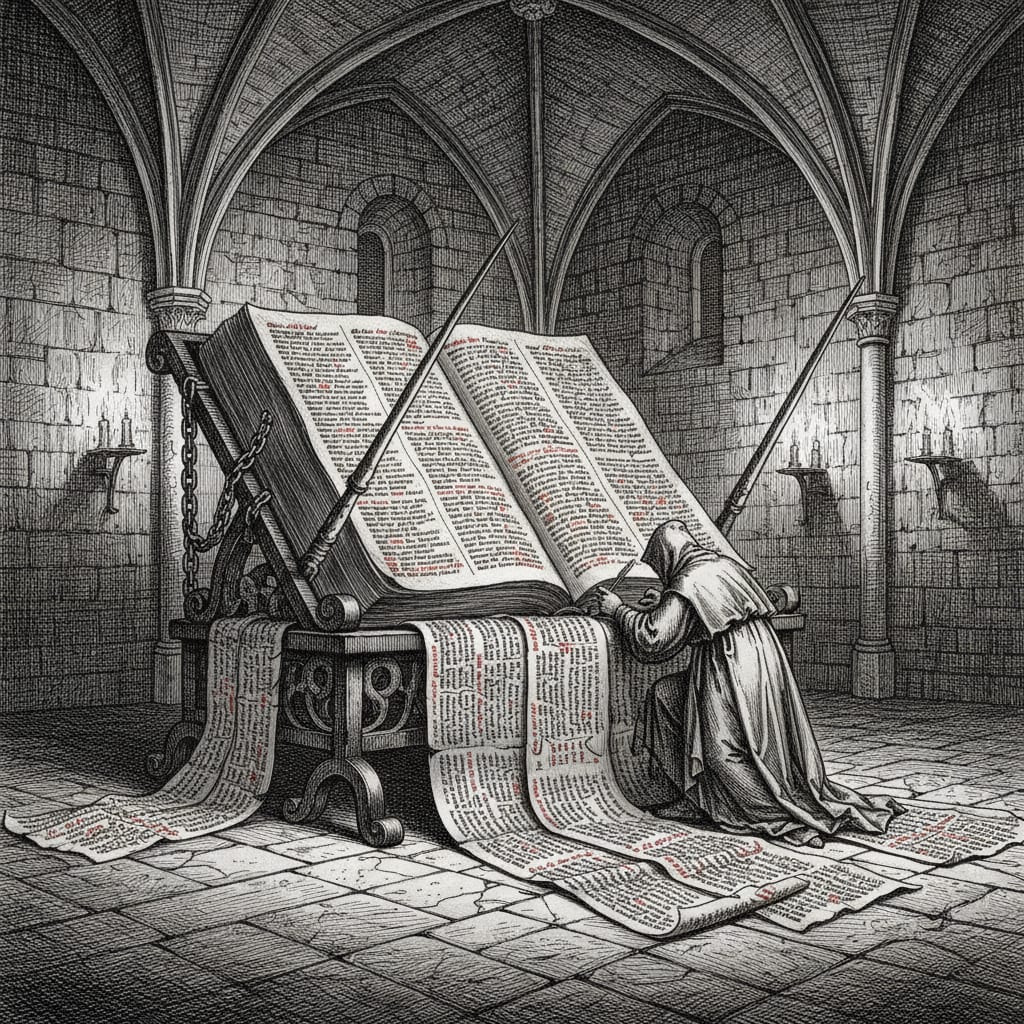
The Great Ledger of Souls
Census of the Living, Archive of the Damned
The Bureau of Records' supreme instrument of spiritual governance — an unbroken registry of every baptized soul since A.S. 80, kept in the subterranean vaults of Strasbourg, where forgetting is treason and being forgotten is worse.
Codex Ref. IV.1.09-003
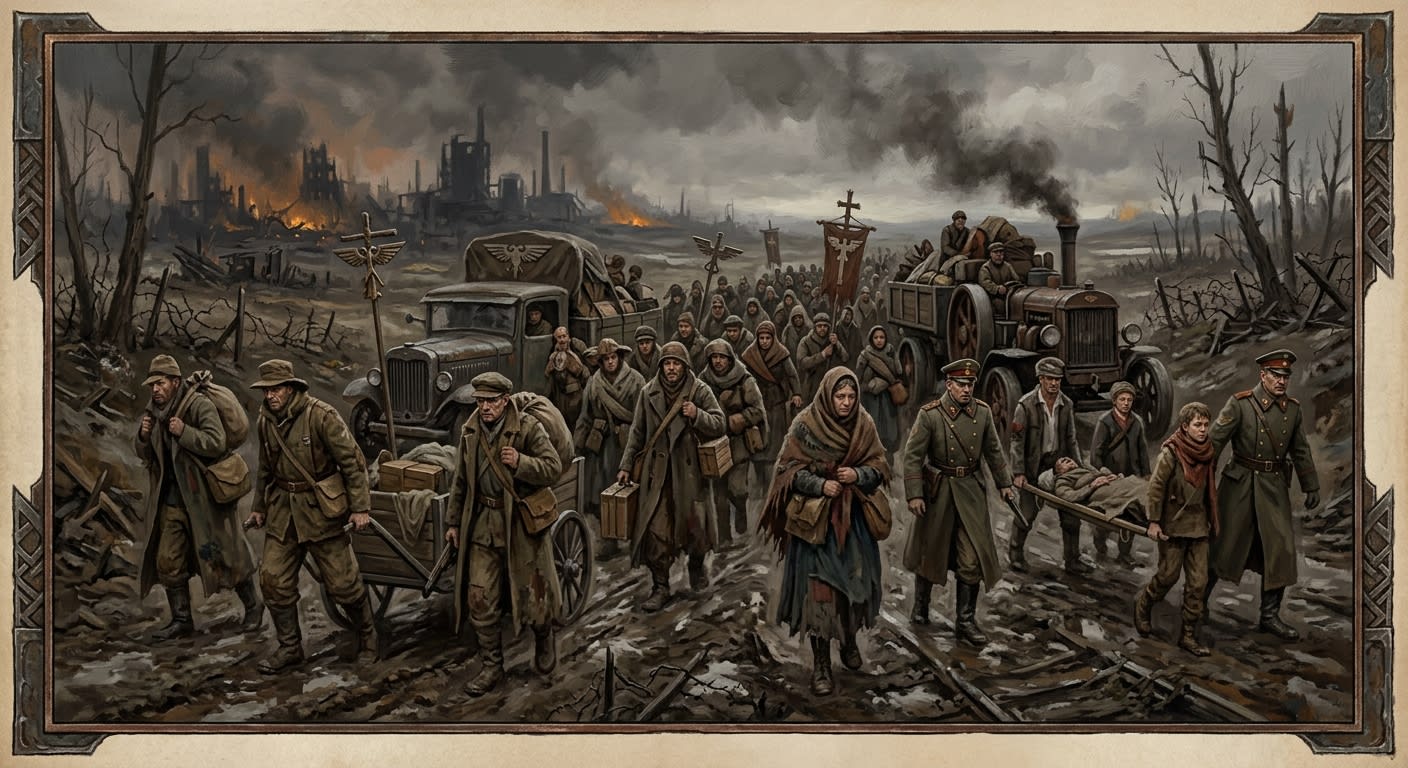
The Great Retreat
Seventeen years of westward mud before the Line learned to stand
From A.S. 48 to A.S. 65, the faithful West walked, bled, improvised institutions, and finally stopped running where the Sagittal Line began to hold.
Codex Ref. VII.1.03-001
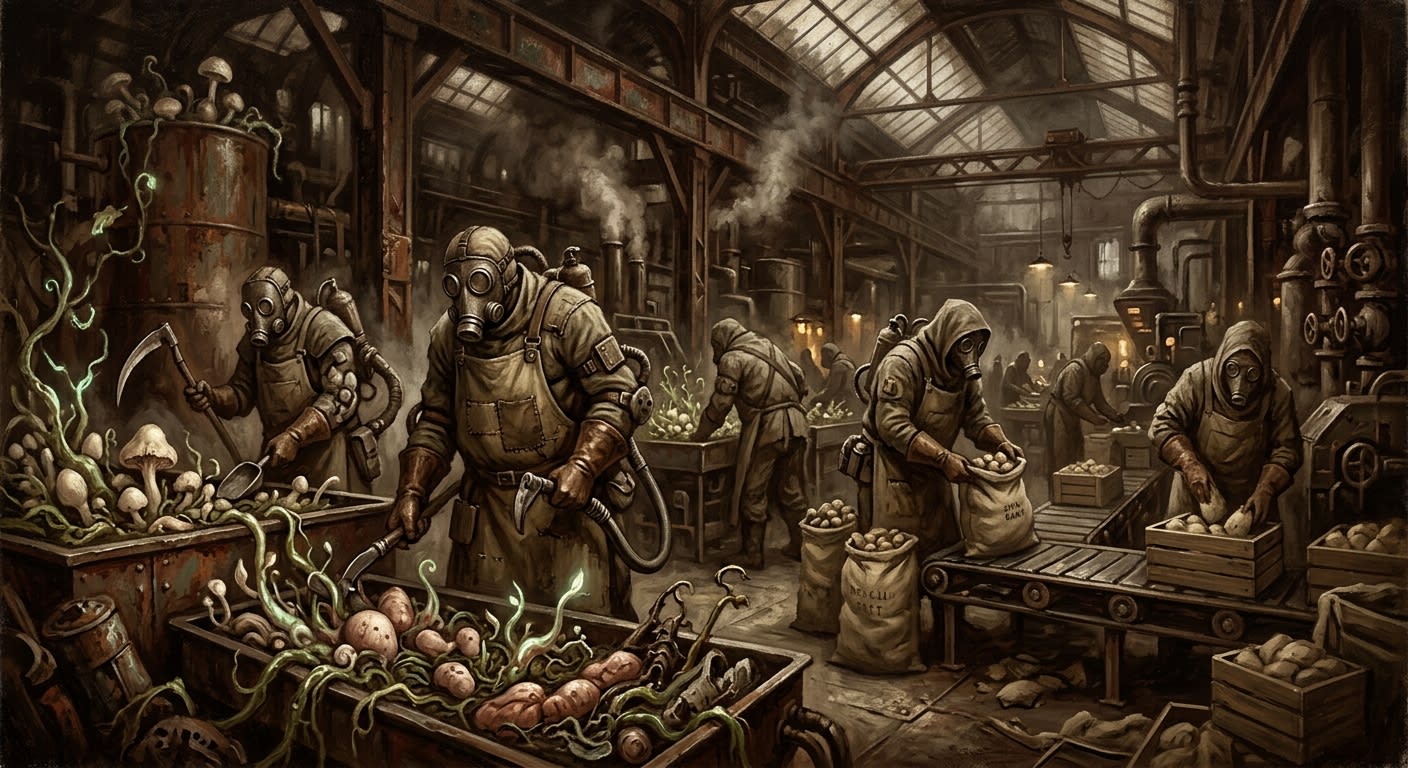
The Harvest
The Enemy discovered mercy and weaponised supper
Kargath's Harvest are provision-demons: gentle tenders of impossible crops whose real food fills the body, doubles the hunger, and murders gratitude.
Codex Ref. IV.1.07-014
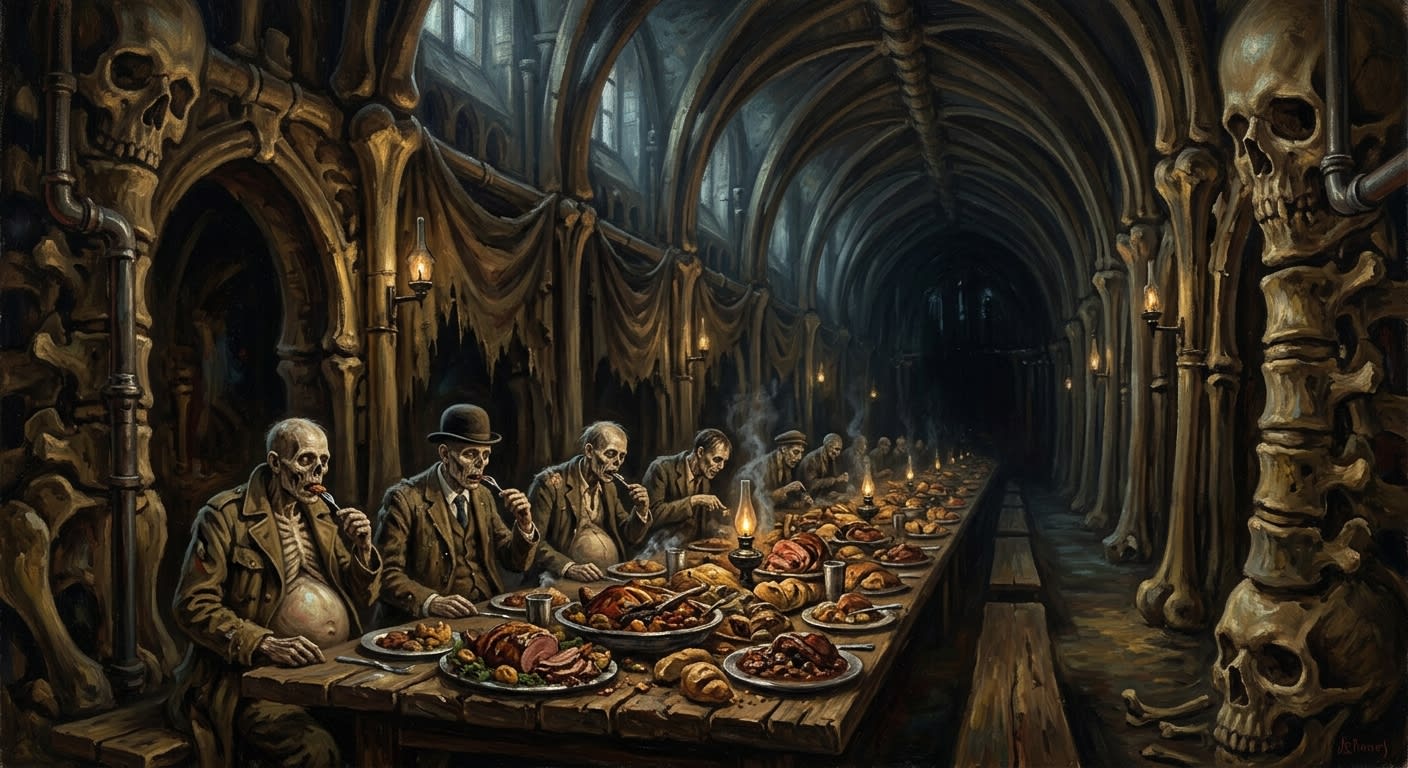
The Hollow Court
Nine miles of table. Every seat occupied. The host is always hungry.
The seat of the Sin-General of Gluttony, confirmed four times, located forty leagues east-south-east of Debrecen. Its feast has not ended. Its guests have not left. Its table runs nine miles. The Bureau of War has declined to act on this information three times.
Codex Ref. V.6.01-004
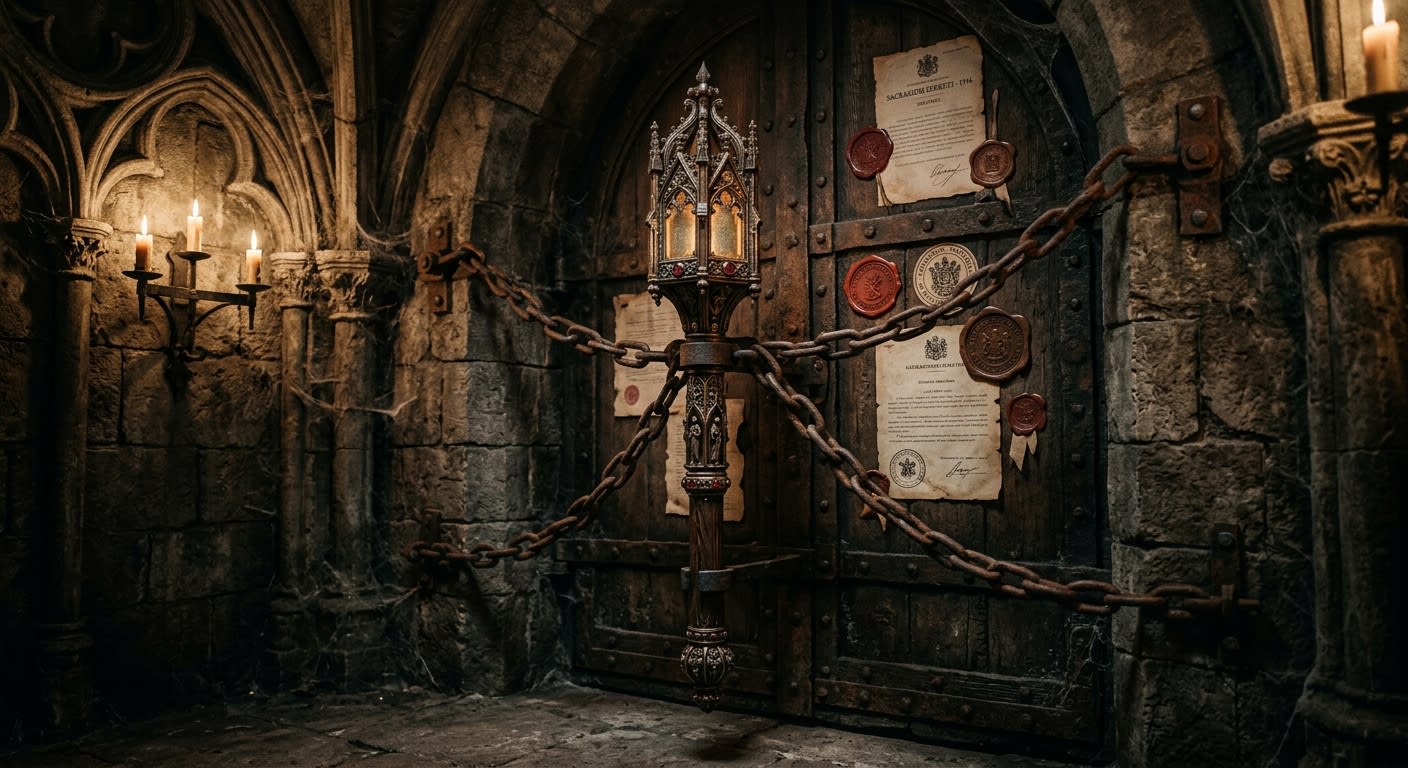
The Miracle of Saint Aldebrand
The Bureau erased the bone. The bone declined.
The Bureau declared the Reliquary of Saint Aldebrand non-existent in –32 A.S. In A.S. 95 it shattered a sorcerer-lord's skull and saved Vienna. Both facts are official, both carry seals, and the Bureau sees no difficulty.
Codex Ref. VI.4.01-001
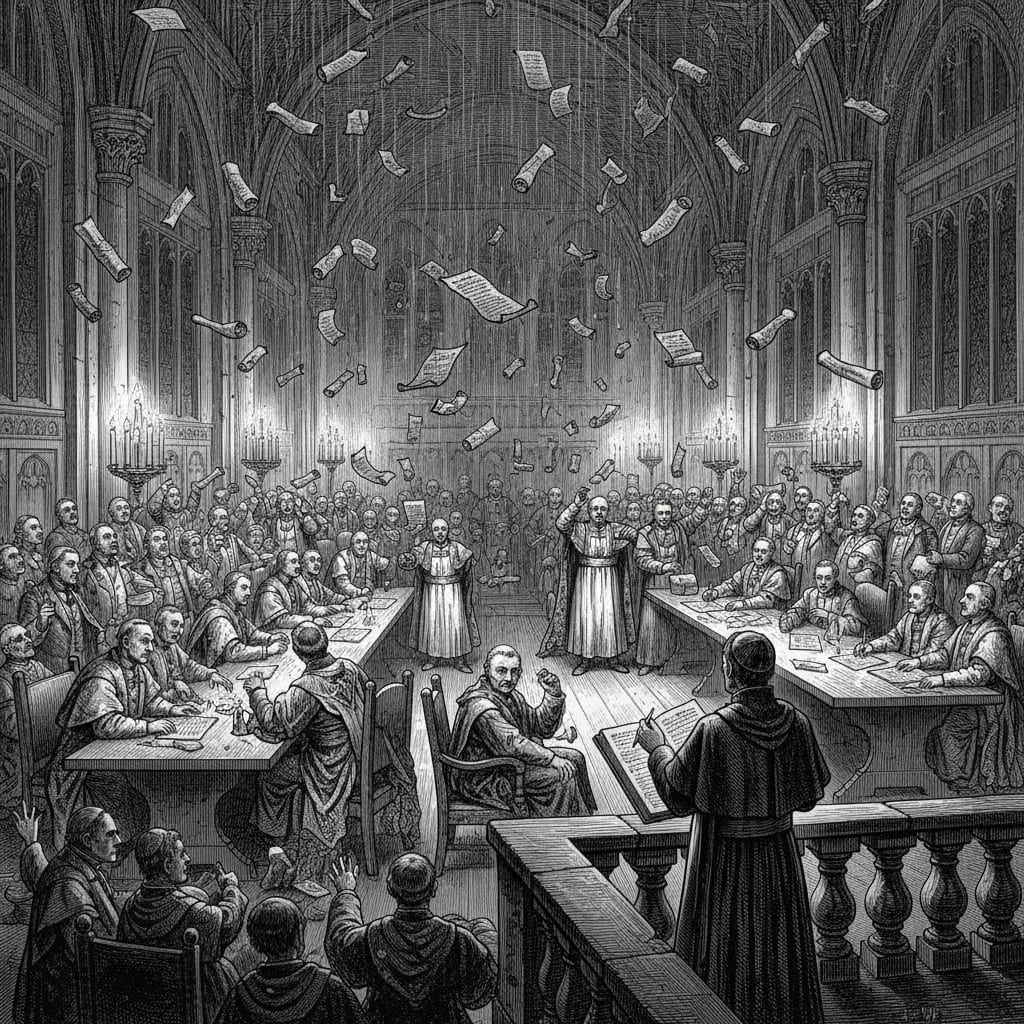
The Night of Black Decrees
When paper pressed the reluctant into obedience
The A.S. 58 writs pressed local subscriptions across the emerging Church authority's reach. Their seals and responses varied; the Bureau's story of overnight unanimity is a later claim.
Codex Ref. IV.3.07-041

The Night of Knives in Kraków
Forty-seven mouths wired shut so that no prayer could escape
Forty-seven clergymen seized in the night, their mouths wired shut with iron wire, and cast from the Dębnicki Bridge into the frozen Vistula. The Bureau spent one hundred and thirty years ratifying the narrative; it has been collecting the candle wicks ever since.
Codex Ref. VII.8.01-001
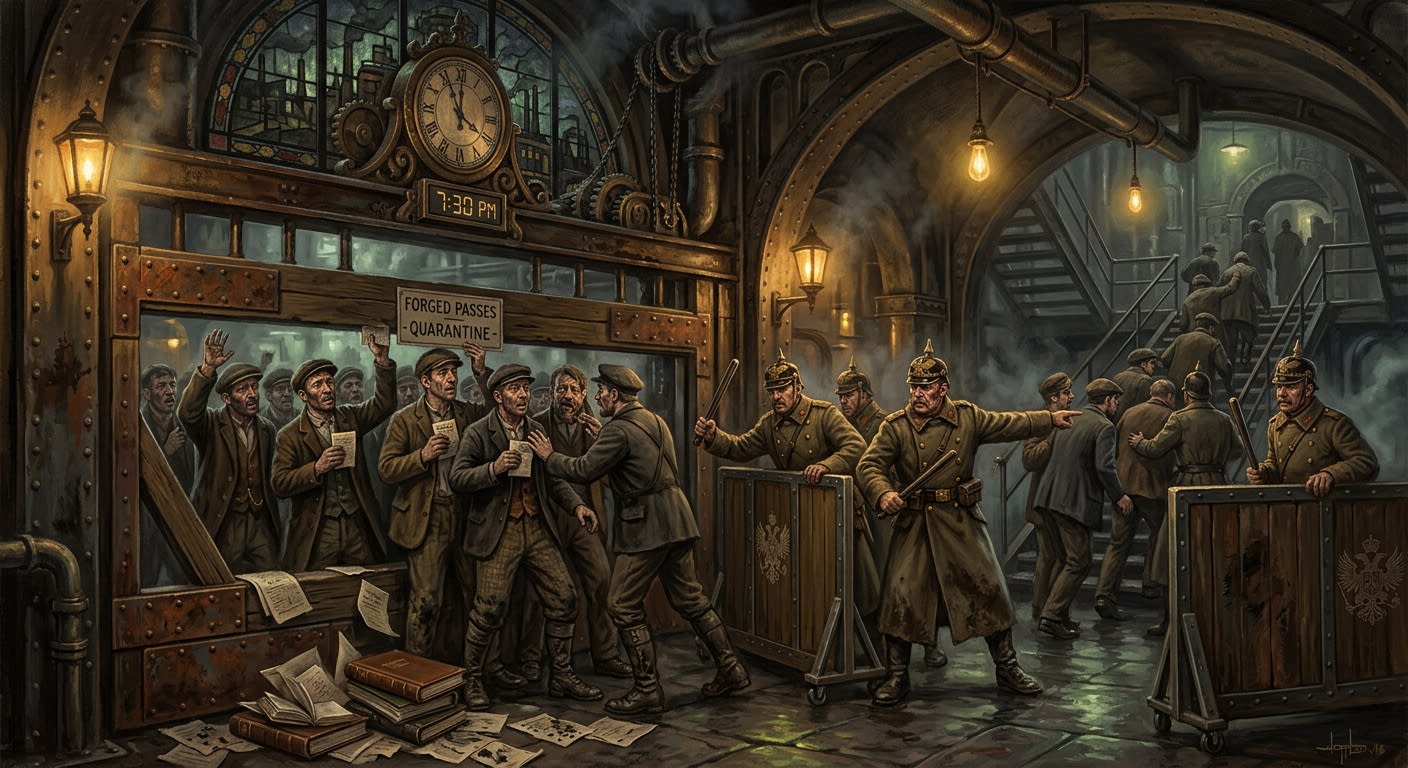
The Paper Plague of A.S. 112
Where forged paper entered Przemyśl and flesh became policy
The Paper Plague of A.S. 112 was the Bastion-Przemyśl forged-pass disaster that killed eighty-seven, locked the western perimeter, and birthed bodily identity law.
Codex Ref. VII.8.10-036

The Saint Veritas
Truth went below and returned with courtesy in its teeth
A Bureau of Records supply galleon vanished during the Silence of Harbor Lamps and returned six months later with its crew intact and its log ruined by invitation.
Codex Ref. V.2.03-001
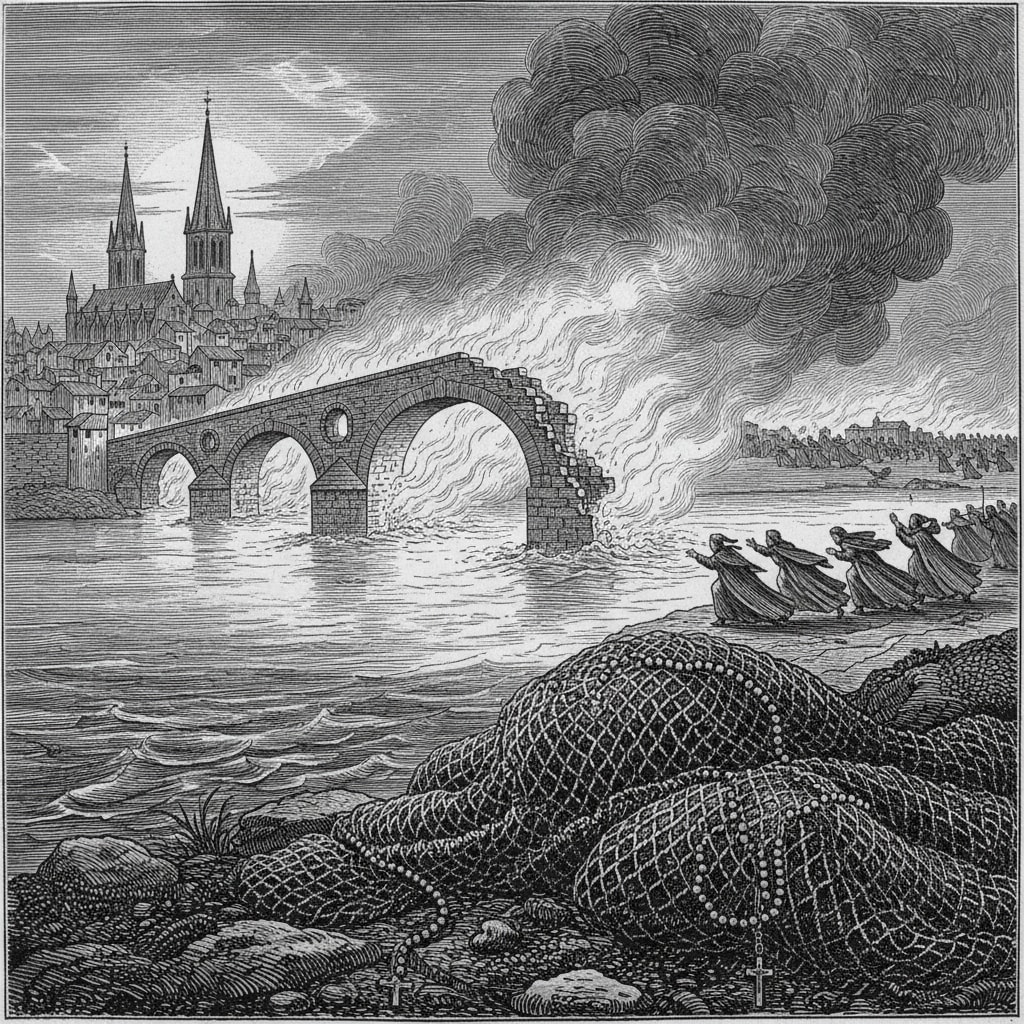
The Schism of Avignon
On the Rival Pontiff, the Drowned Crown, and the Rosaries That Will Not Stay Buried
The clerical secession of A.S. 111, in which a rival pontiff was crowned beneath the Rhône and Avignon was razed so thoroughly that its stones now form staircases in Strasbourg — a crisis requiring three stamps of denial.
Codex Ref. III.2.07-001
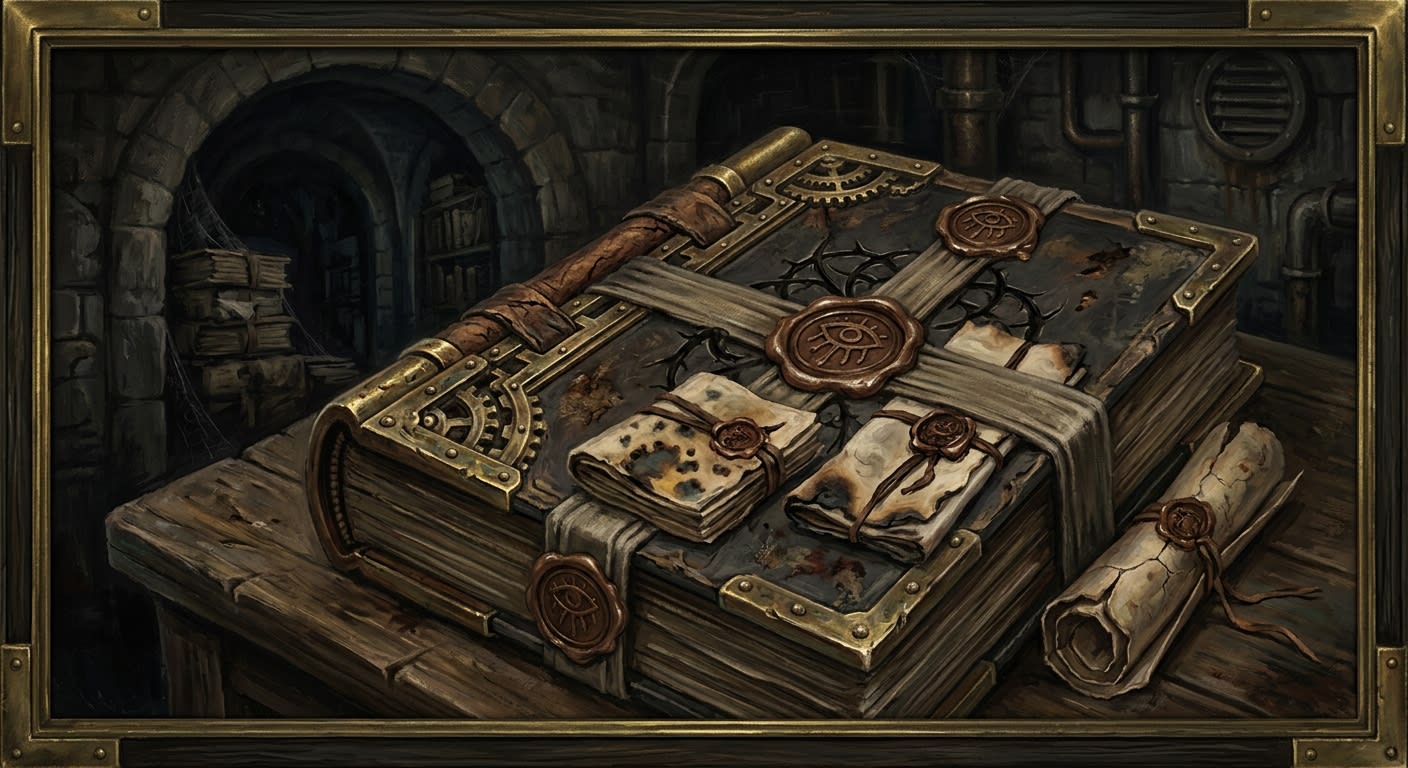
The Sealed Testimonies
Witness paper under restraint, because memory bites when shelved badly
First silence of the Vault of Silences, holding Atheron's emergence folios, the Mürren deposition from Debrecen, and the Iron Plains survivor volume.
Codex Ref. XIII.1.48-001
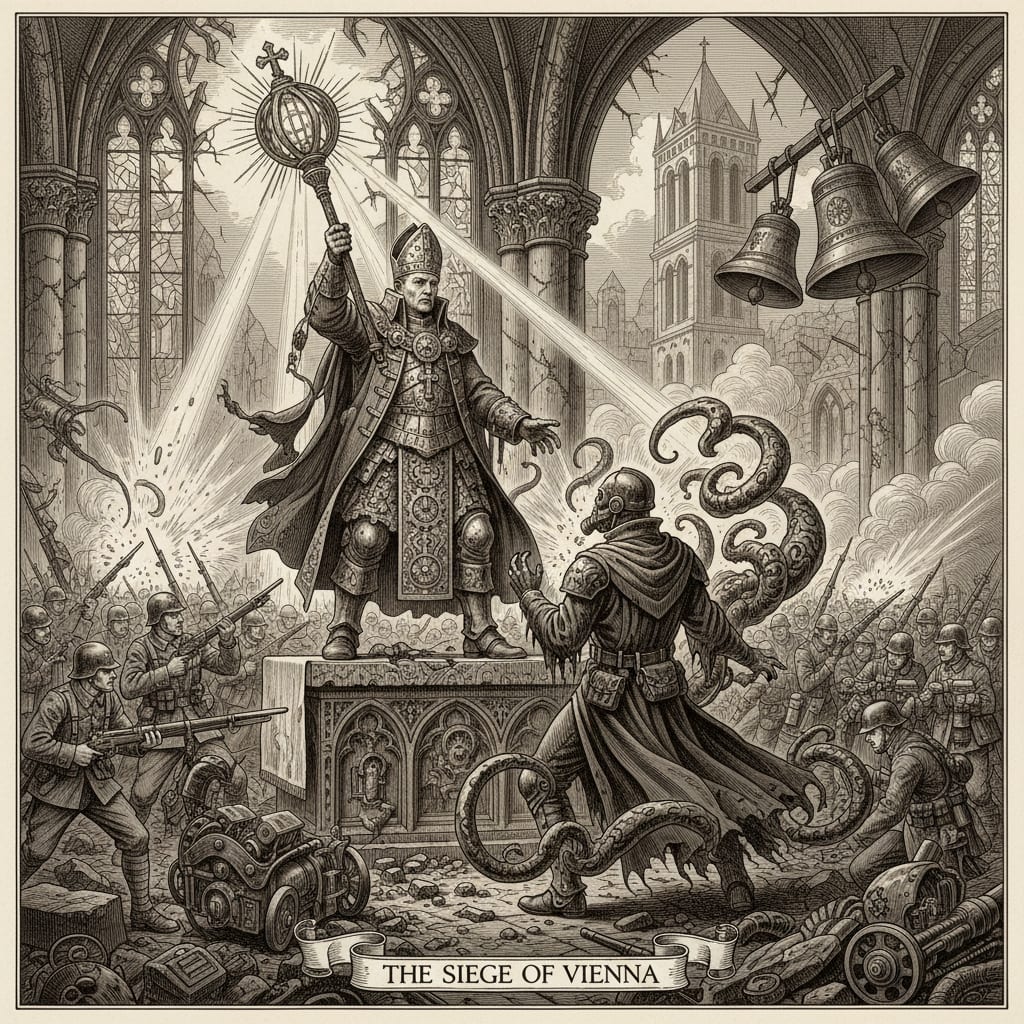
The Siege of Vienna
Nine Months in the Crucible of Faith
Nine months of famine, plague, and sorcery broke upon the altar of Saint Rupert. Bishop-Warden Clemens struck, and Reason died screaming in the streets of its last capital.
Codex Ref. III.2.07-031
The Subjugation of Seville
A siege so well dressed in liturgy that the Ledger called it a procession
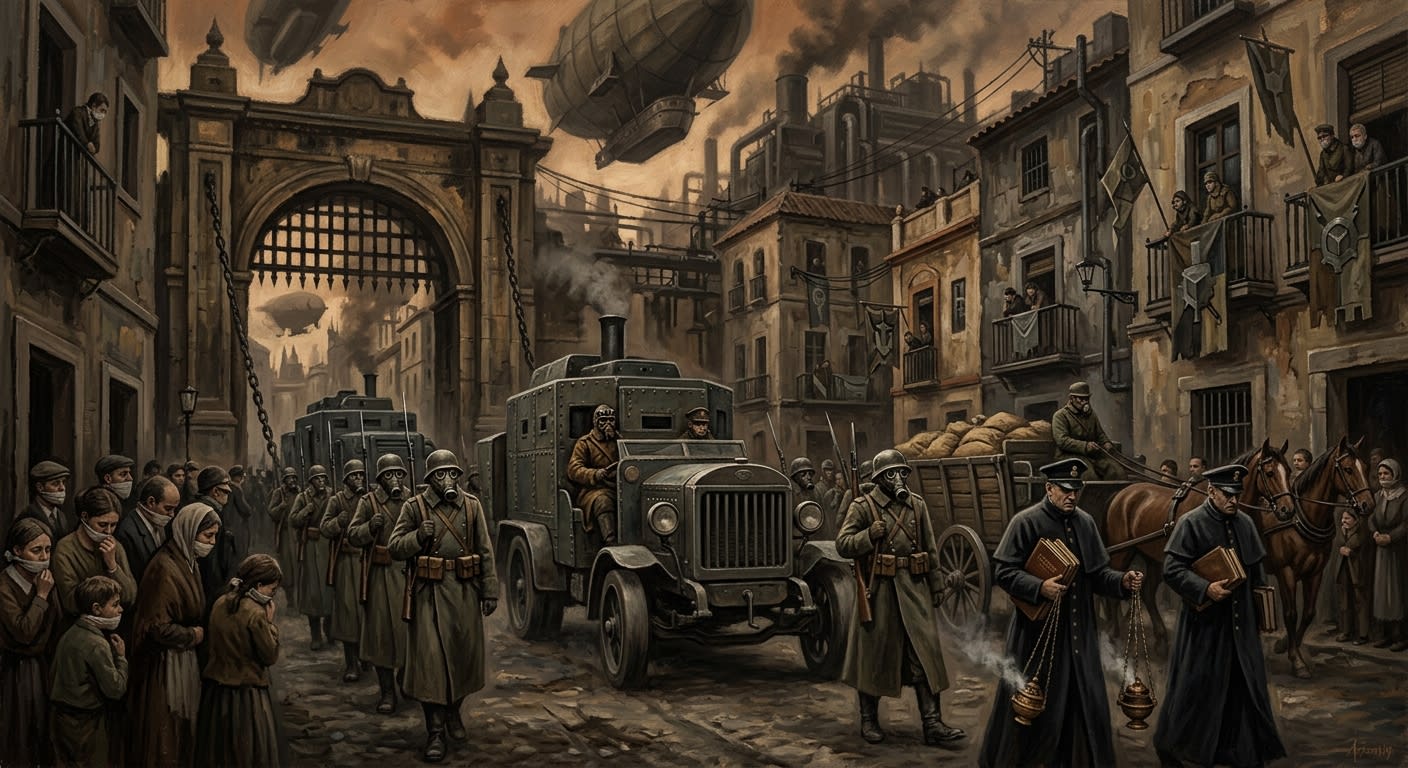
In A.S. 155, Seville was corrected by procession: gates opened under writ, calendars shortened, mouths disciplined, granaries emptied, and conquest taught to smell like incense.
Codex Ref. VII.8.02-002
The Synod Task Force
On the Armed Enforcement of Administrative Truth
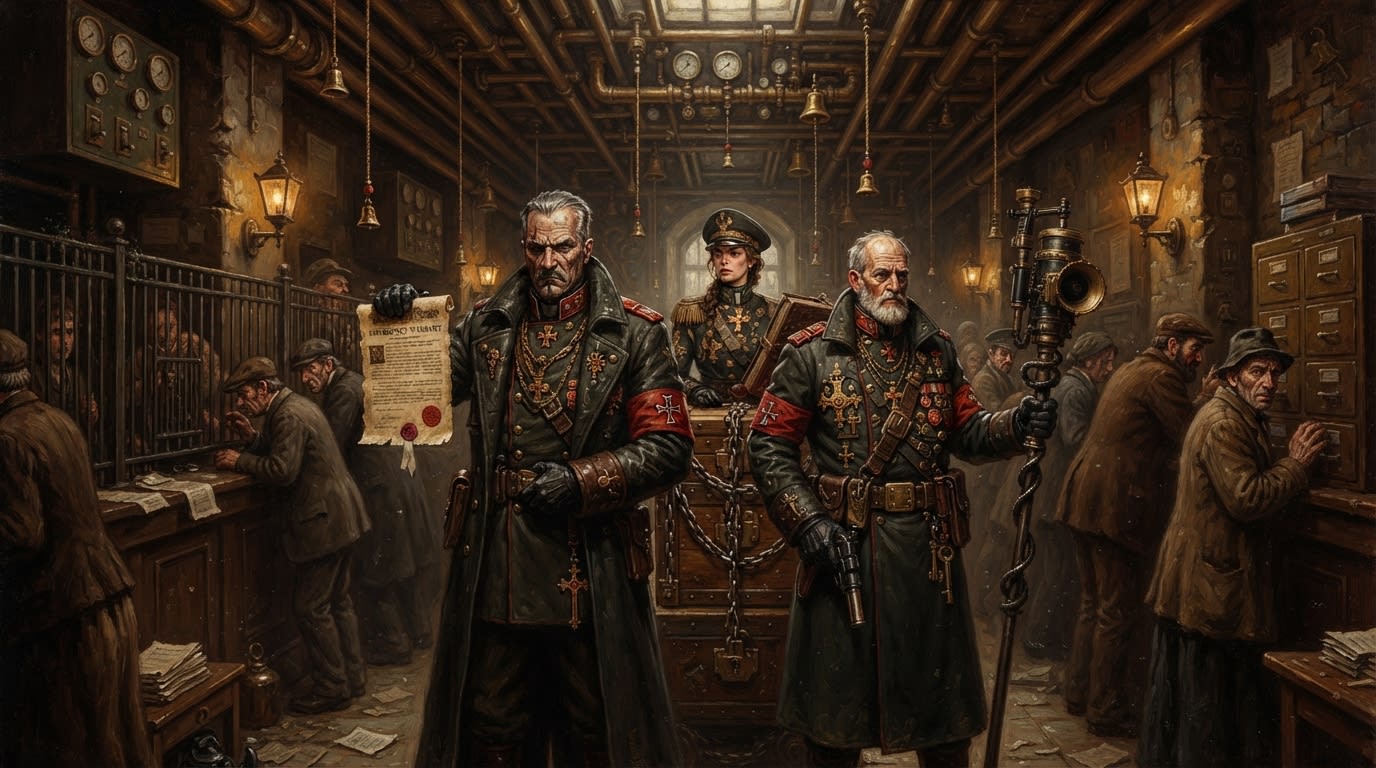
The Synod's answer to contested truth: temporary, armed administrative cells dispatched by warrant when ordinary procedure has failed, become complicit, or begun devouring its own paperwork. They preserve facts powerful offices would prefer misplaced.
Codex Ref. IV.7.12-001
The Triune Alphabet
Twenty-three approved letterforms; everything else is heresy in the first stroke
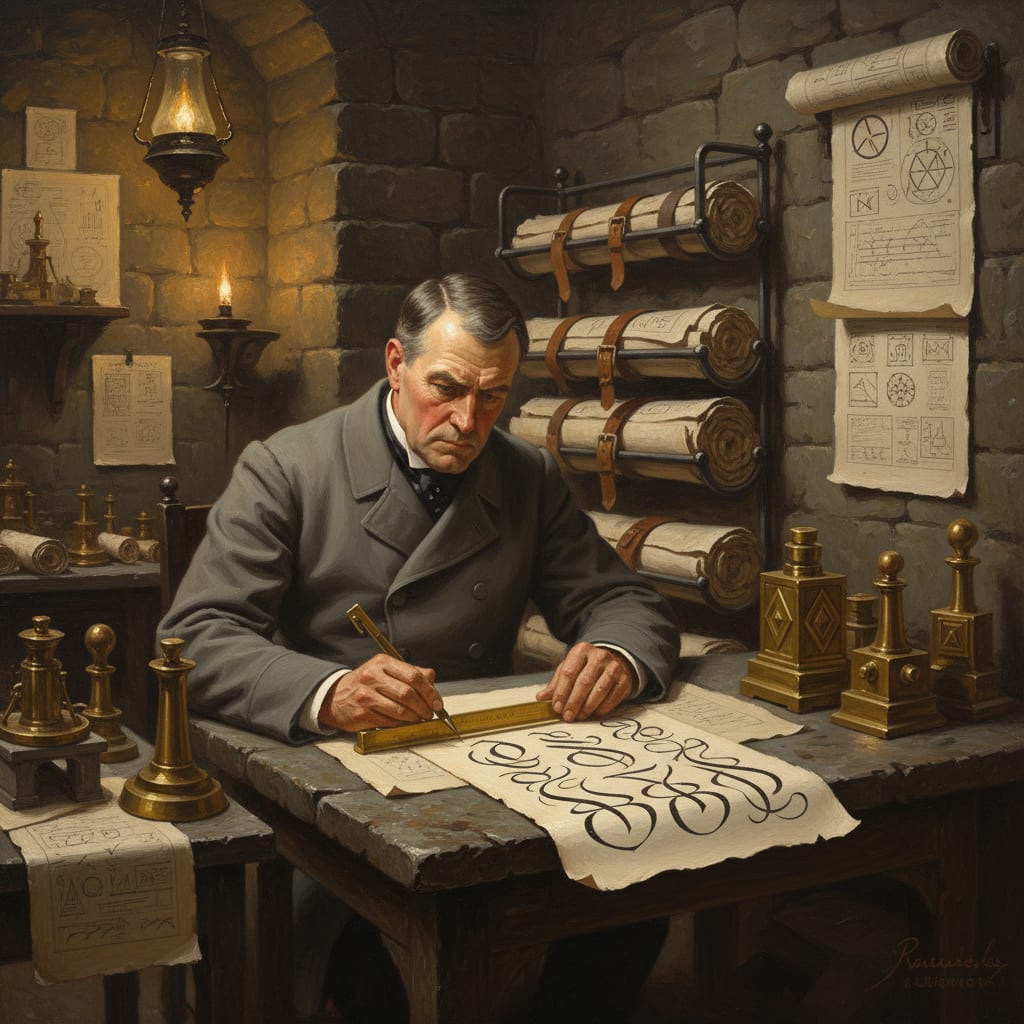
The Triune Alphabet is the Synod's most perfect instrument of control: twenty-three approved letterforms, each angle mandated, each curve licensed, every dialect that falls between them erased. Procurator della Torre did not merely prescribe script. He proscribed thought.
Codex Ref. XIII.1.03-001
The Unnamed Lictor-Assessor
Correct beyond permission, and therefore reassigned
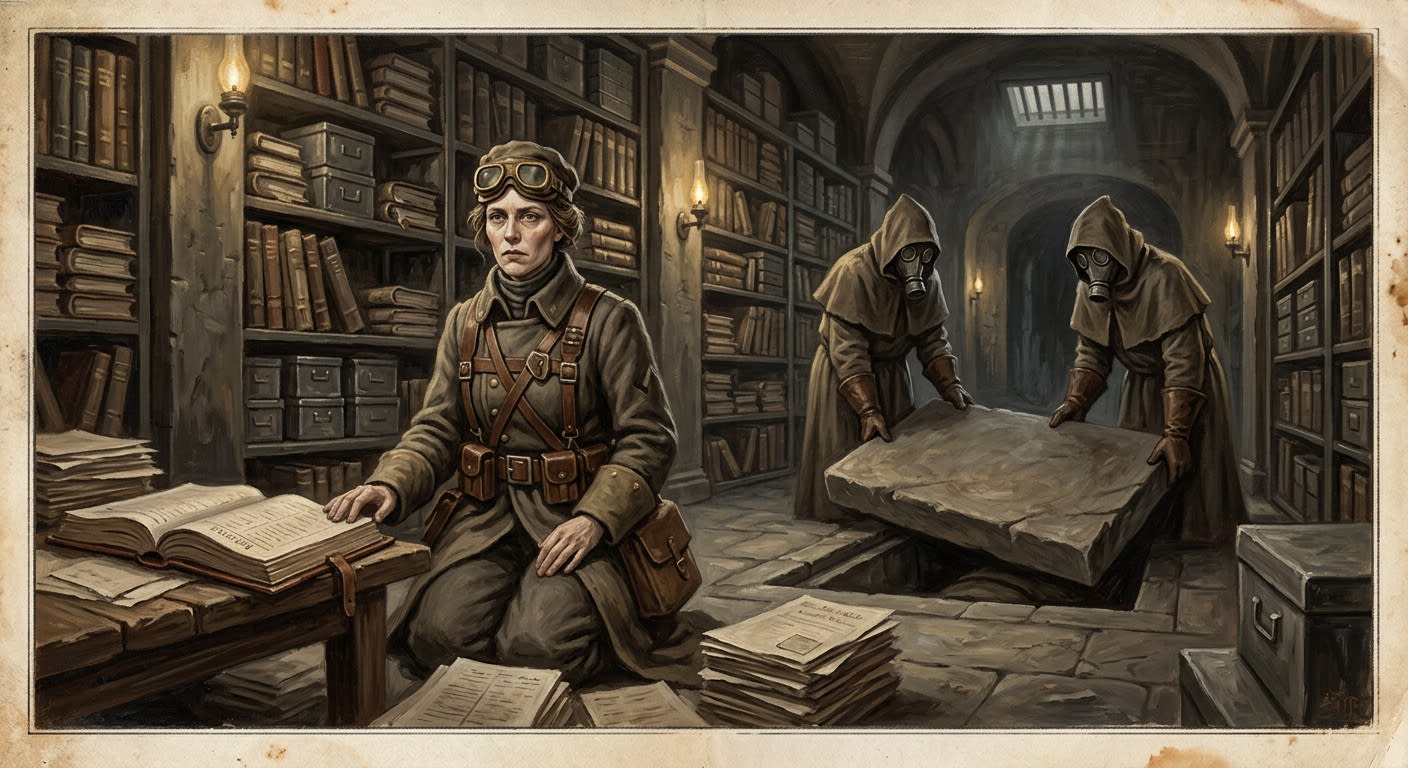
An unnamed Purity Lictor-Assessor proved the southern garrisons had become Velkara's recruiting ground; the Bureau preserved her sentence and buried the woman.
Codex Ref. III.2.01-049
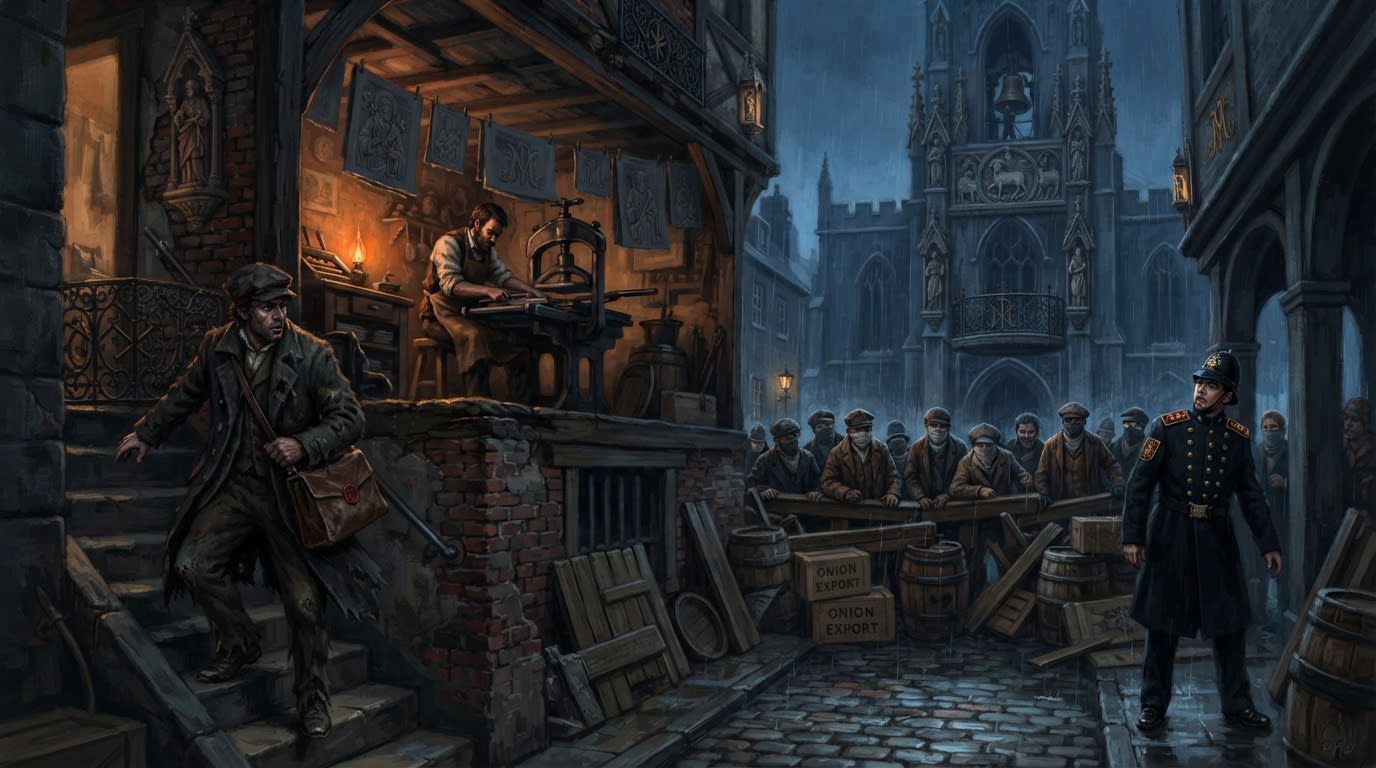
The Unquiet Underground
On the faction that copies before the office can correct, routes before the bell can seal, and asks the question the Bureau already answered
The Unquiet Underground is the faction that treats every Synod office as an arrangement of people, paper, and habit — and acts on the consequence. Its central heresy is that no institution is inevitable.
Codex Ref. XII.17.02-001

The Velvet Choir
[[velkara|Velkara's]] order of consciences-undone: it unfolds inside the [[the-sagittal-line|Line]]
The classified assessment of Velkara's primary infiltration instrument by the Bureau of Doctrine — the network by which Lust enters Synod territory as a Tuesday rather than an army.
Codex Ref. VIII.6.01-001
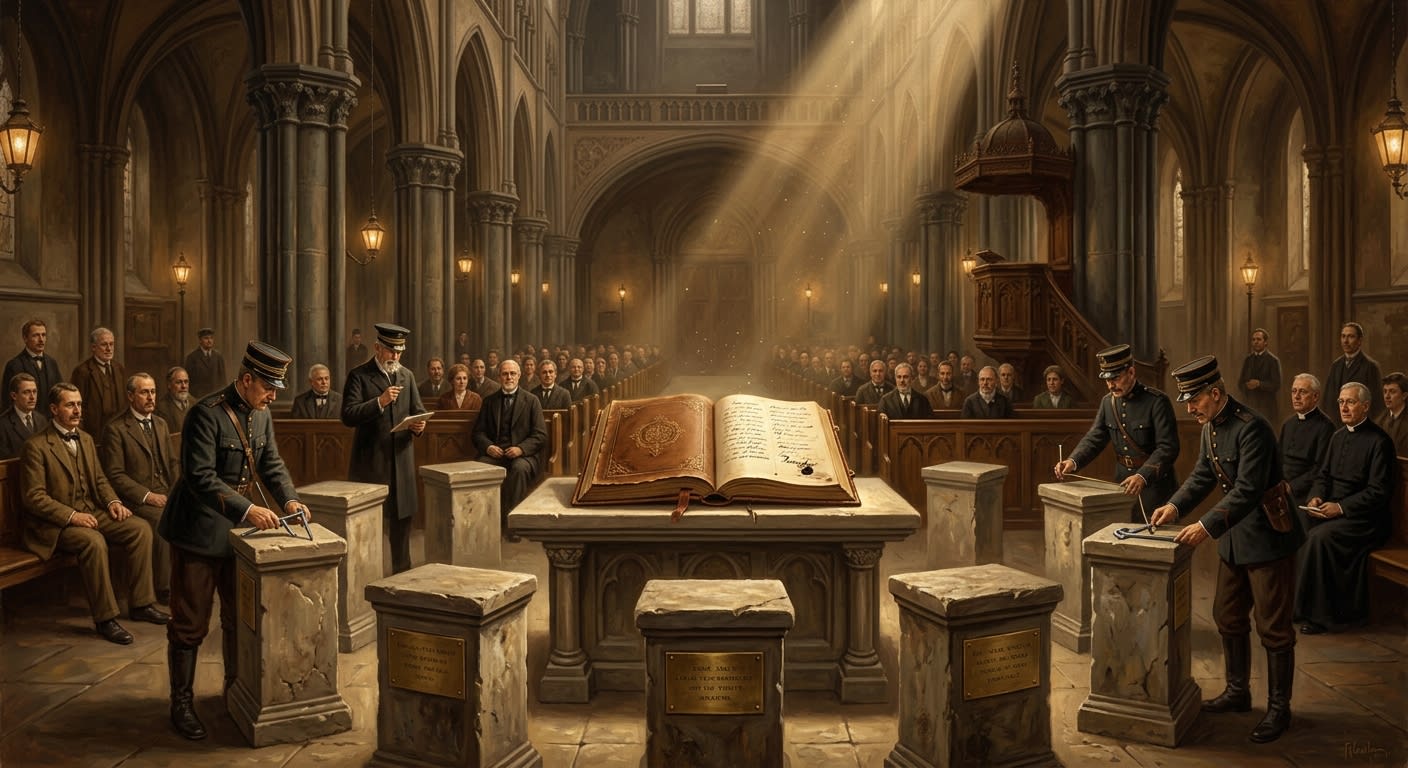
The Virtue Generals (So-Called)
Seven heresies dressed as hope, condemned in the forty-fourth standing order
Standing Order 44-D refuted, filed, and reluctantly left open. Seven alleged champions of the Creator — unregistered, unconfirmed, and disturbingly active for entities that do not exist.
Codex Ref. IX.3.44-001

The Winter Watch
Ring first, explain never, and keep the road alive until thaw
The Winter Watch is the Fractured North's armed obligation: elected captains, cliff-bells, route marks, lamp-oil debts, and the old silence by which settlements survive what Strasbourg cannot command.
Codex Ref. XI.5.01-001
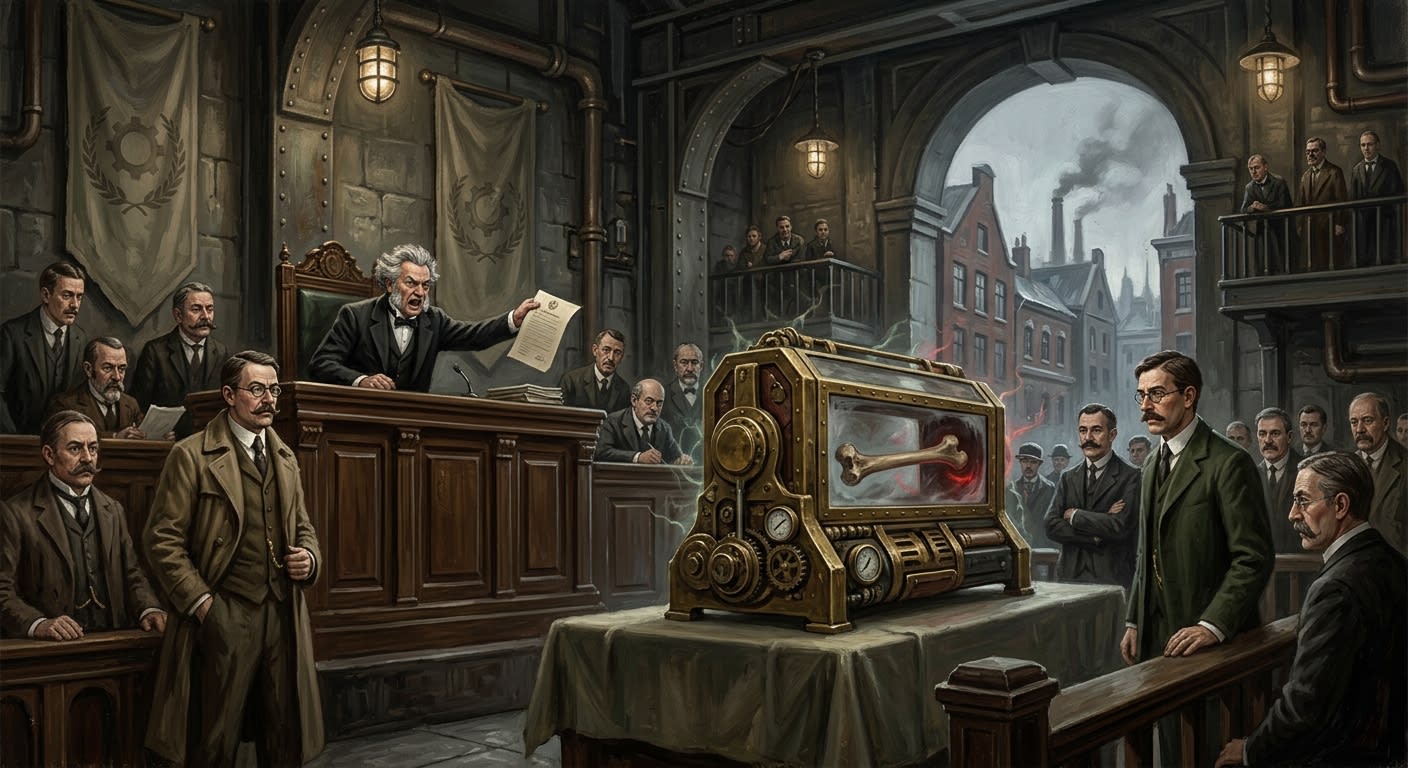
Trial of Saint Aldebrand's Reliquary
The courtroom where arithmetic disgraced itself before a bone
Amsterdam's A.S. 11 mock trial of Saint Aldebrand's reliquary turned Rationalist arithmetic into theatre, until Vienna made the bone louder than the joke.
Codex Ref. VII.8.10-011
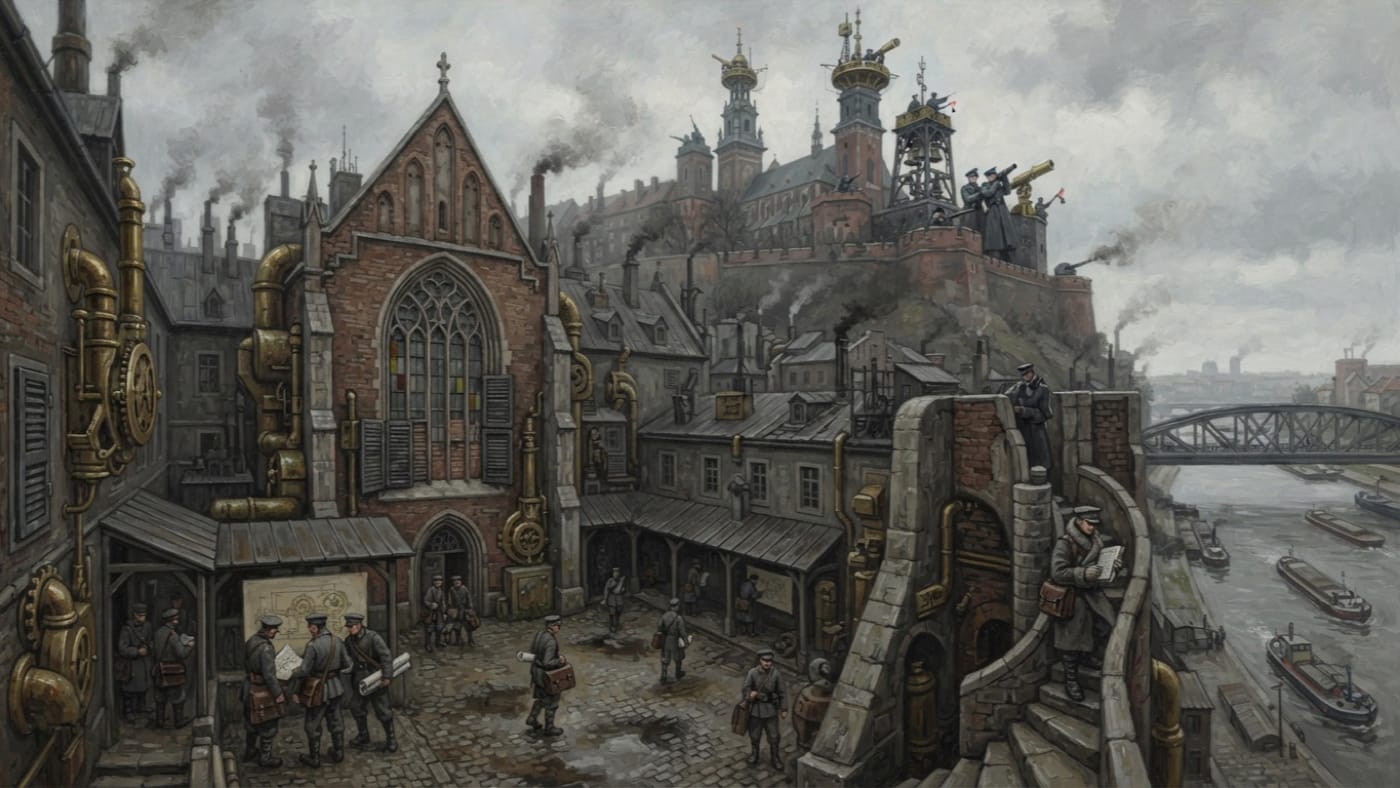
University of Kraków
Correct arithmetic, subject to countersignature
Kraków's university survives the A.S. 199 condemnation to train useful clerks, engineers and physicians. Its astronomers may copy the stars only as approved error.
Codex Ref. II.3.06-004

Velkara
She Holds No Sector. She Holds Every Room.
The Sin-General of Lust holds no sector of the Sagittal Line and requires none. Velkara does not breach walls. She wakes inside them, and the Bureau cannot identify the seam.
Codex Ref. IV.1.07-005

Vigil Ark Sanctissima Vox
The Ark that fell slowly and remained administratively active
The Vigil Ark Sanctissima Vox sank into the Blightmarsh during its A.S. 147 hymnal broadcast mission; its lanterns still burn, so the roster still calls it active.
Codex Ref. V.2.04-002
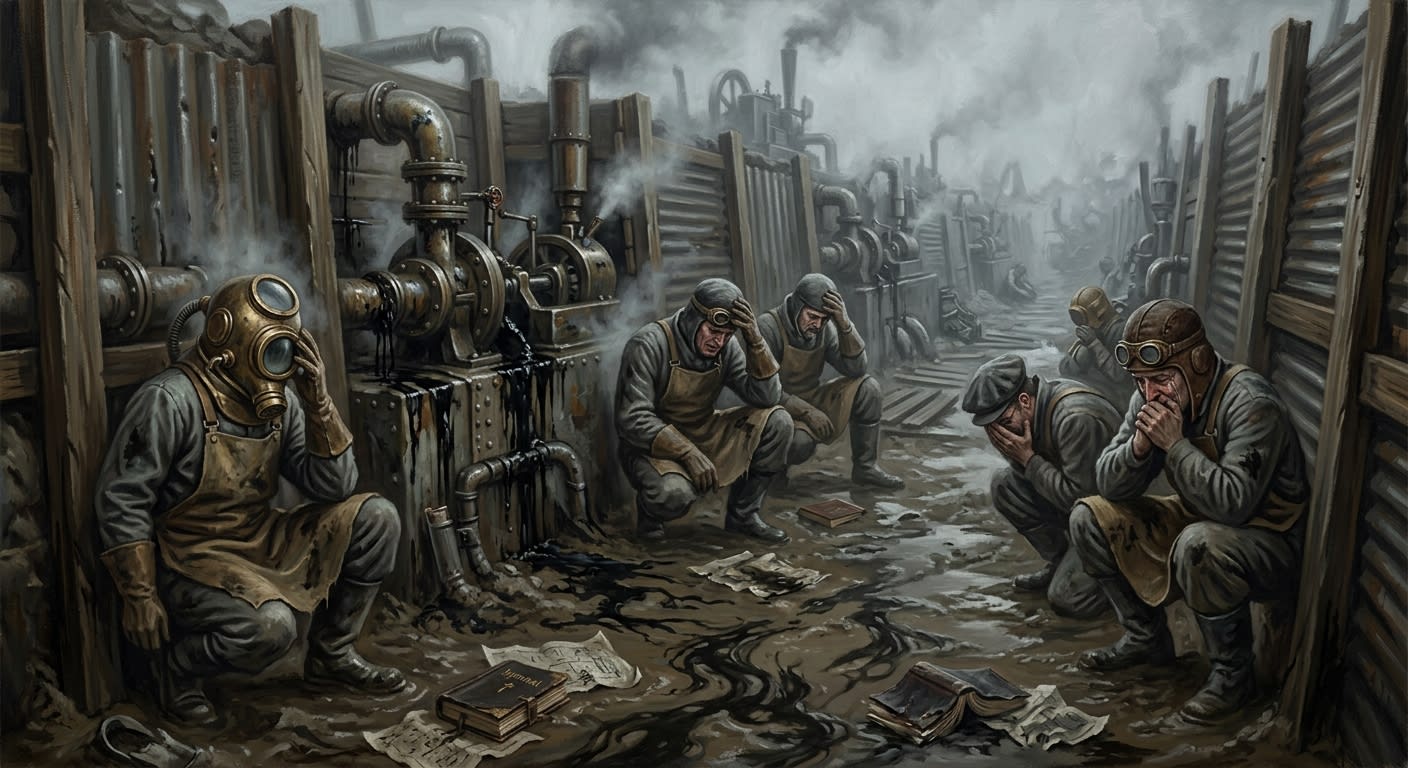
Weeping Trenches of Odessa
Where the walls learned hymns and men paid in tongues
The A.S. 178 Odessa trench incident in which Pale Chanter seepage turned Litany-Engineer hymnals against their owners, leaving pumps running, men weeping, and tongues ruined.
Codex Ref. VII.5.04-002
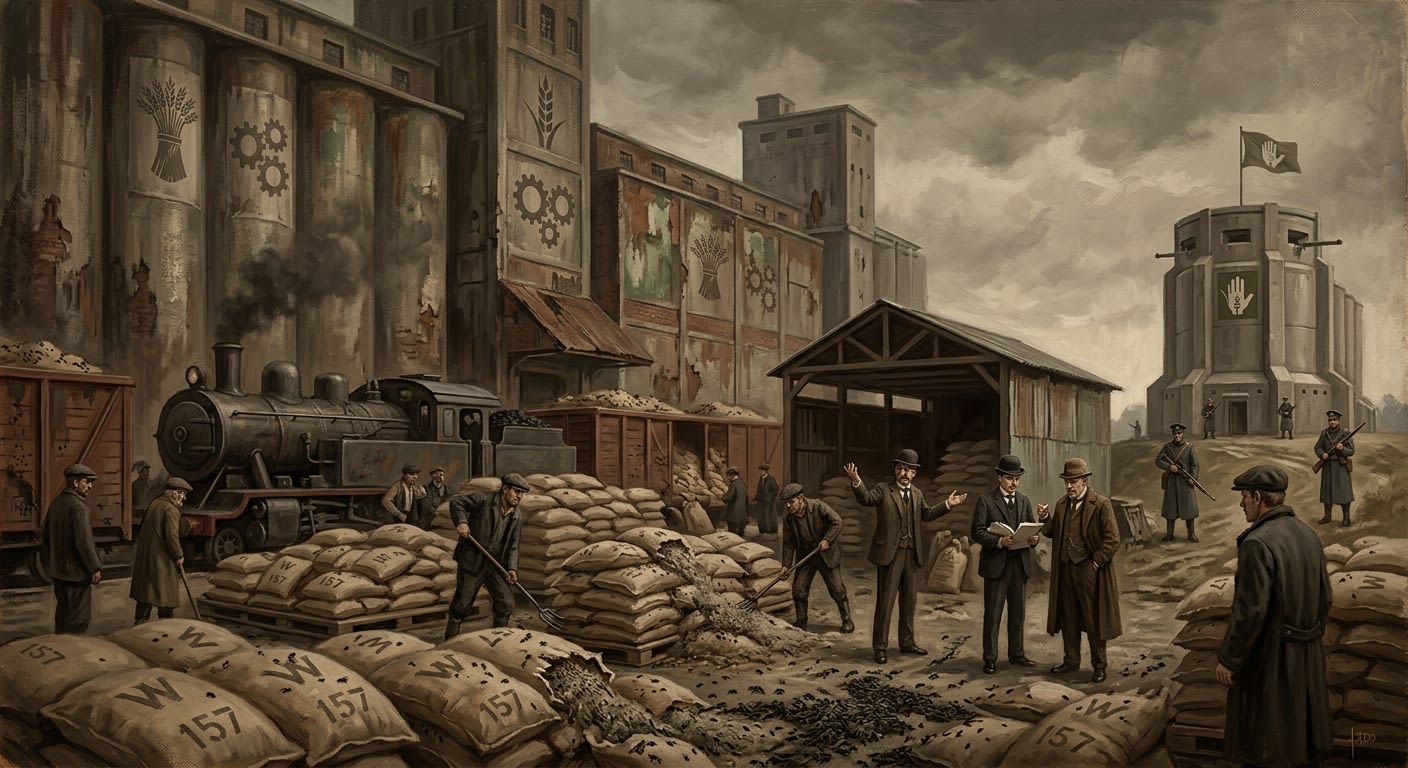
Weevil Year
The famine in which the illegal cellars breathed better than the state
The Weevil Year of A.S. 157 rotted western reserve grain under lawful custody, exposed Bureau incompetence, strengthened Grain Keeper caches, and killed the Bureau of Agriculture.
Codex Ref. VII.4.21-001