

Reverse Index
Referencing “The Famine Pits”
Every codex entry that links to The Famine Pits. 55 entries.
Return to The Famine Pits

Aldric the Unbending
Thirty-one years, one perfect sentence, and no accommodation
The longest-sitting Liturgist-Primus, useful to the Bureau of Rites because almost nothing remains of him except thirty-one years, a perfect sentence, and a refusal no petitioner can answer.
Codex Ref. III.2.01-201

Alfold
The plain that remembered hooves after hunger learned to count
The Alfold was the cattle plain of old Hungary, where herds vanished with Debrecen's stores and the registers survived the hooves they were made to count.
Codex Ref. II.4.09-046
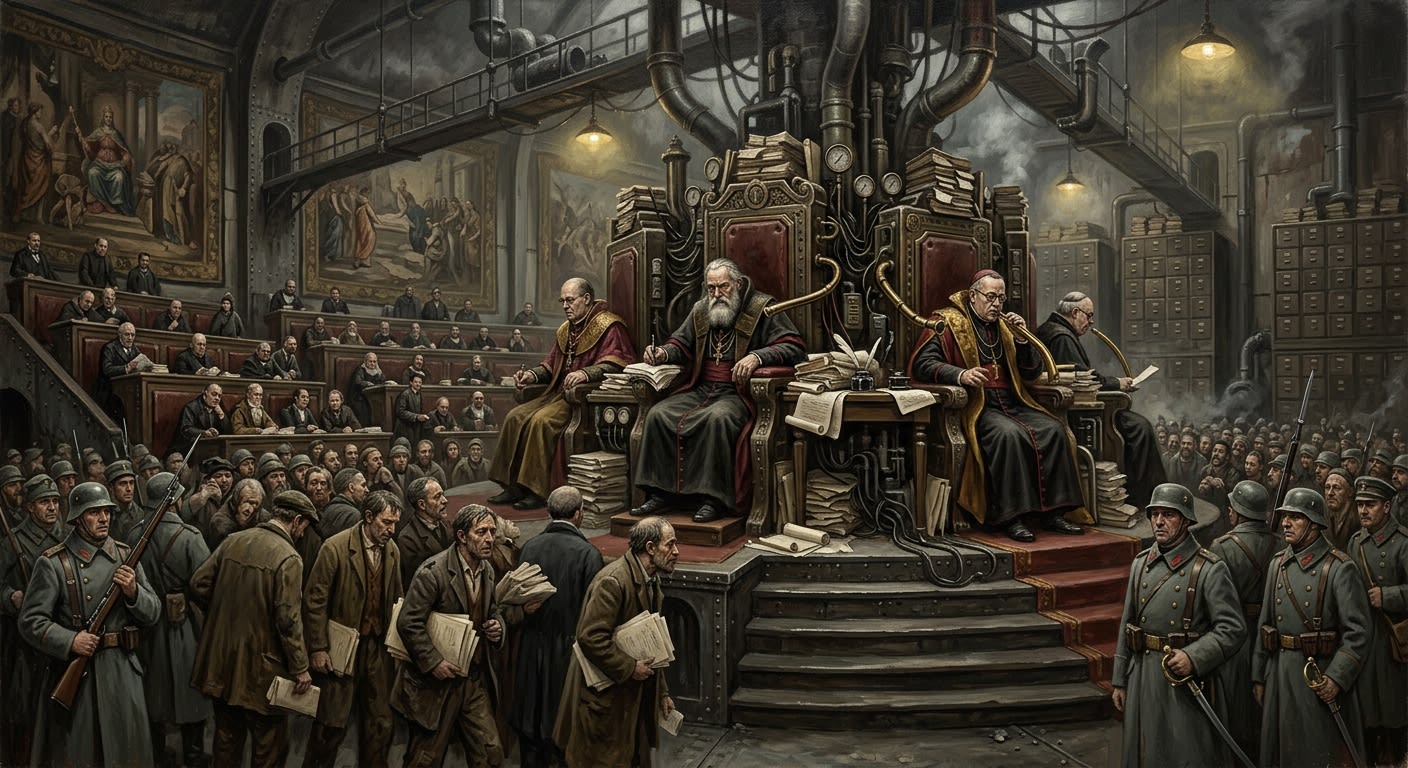
Assembly of Thrones
A chamber where pride is seated before it becomes militia
The Assembly of Thrones lets Bishops-Praetorial thunder safely: grievance seated, fury docketed, pride taxed, and every rebellion delayed by procedure.
Codex Ref. XIII.1.07-093
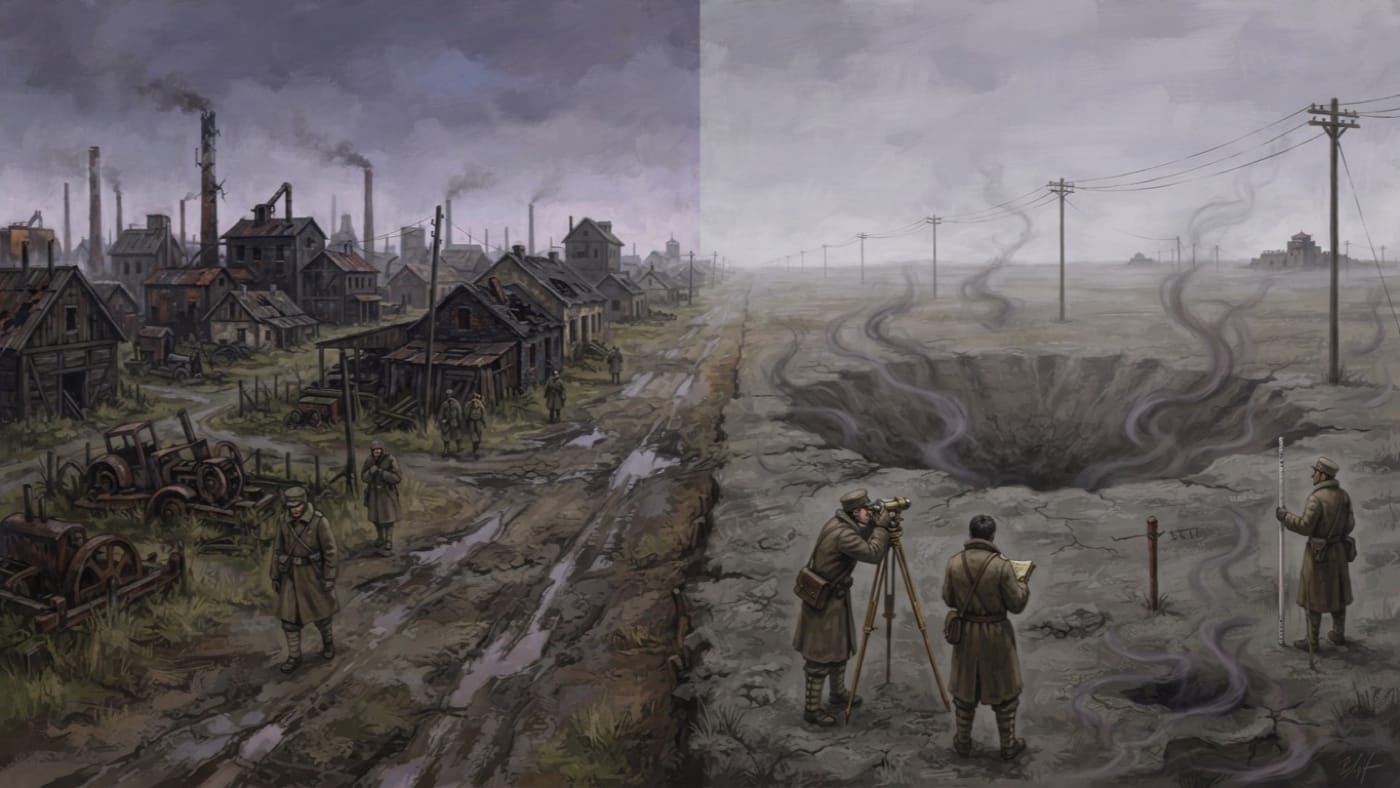
Baja
A town kept as an address for a grave whose hunger is reaching.
Baja survives as the locator for Famine Pit Twelve on the former road to Szeged. Two surveys record its hunger reaching farther; neither counts the dead. I have kept the town and the grave in separate columns.
Codex Ref. V.6.01-003
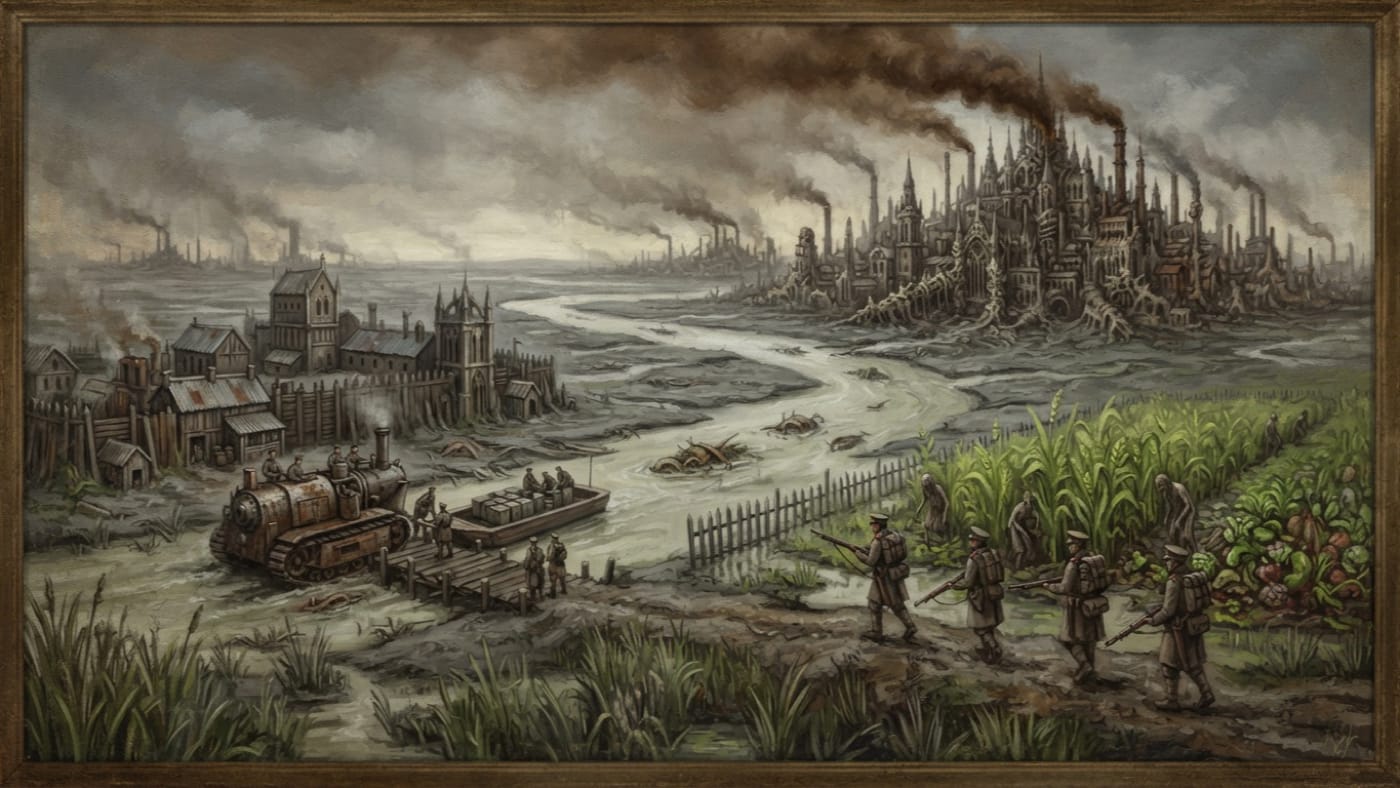
Blightmarsh of the Drava
Where the Breadbasket Became a Stomach
Kargath's dominion in the drowned Drava and Sava valleys: a Pannonian breadbasket consumed into marsh, false harvests and famine. Its boundary cannot be certified; its hunger travels farther.
Codex Ref. V.6.01-004
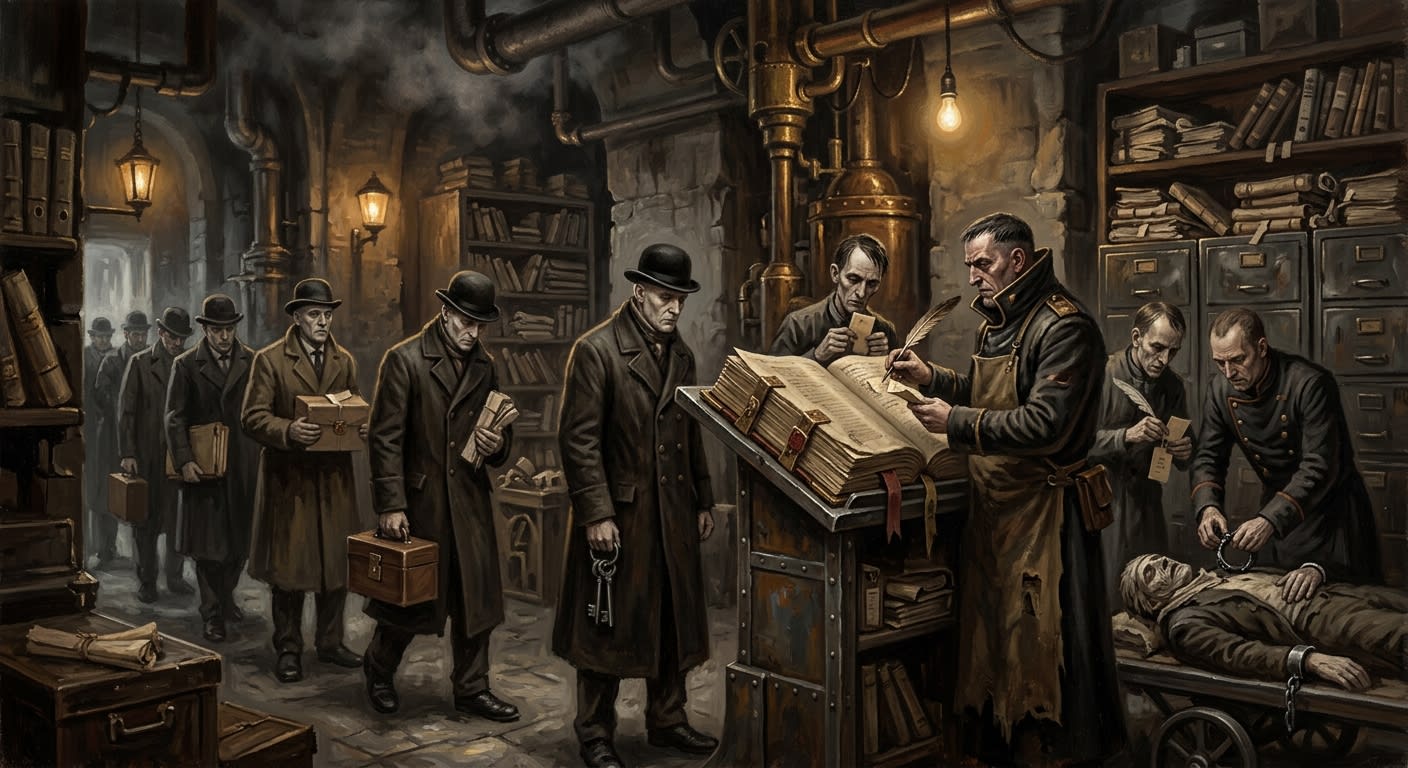
Book of Departures
Where the last breath becomes lawful ink
The Book of Departures receives every lawful death: mercy, tax instrument, burial rite, inheritance key, prayer license, and muzzle for ghosts.
Codex Ref. XIII.1.87-112

Bureau of Alchemical Standards
First the tongs, then the theology
The Bureau of Alchemical Standards tests the sacred for spoilage, classifies residues no sane clerk would touch, and gives terror a tolerable label.
Codex Ref. VIII.2.02-001

Bureau of Cartography
The map lies so the army may arrive punctually
The Bureau of Cartography names, measures, revises, conceals, and occasionally invents geography so the Synod may tax, march, bury, and survive.
Codex Ref. VIII.2.09-090

Bureau of Medicine
It measures. It classifies. It declines.
The Bureau of Medicine is not, technically speaking, a Bureau. It is something more dangerous: an institution that measures everything and recommends nothing, staffed by people who have read every report and arrived at conclusions they will not share.
Codex Ref. XII.7.09-044
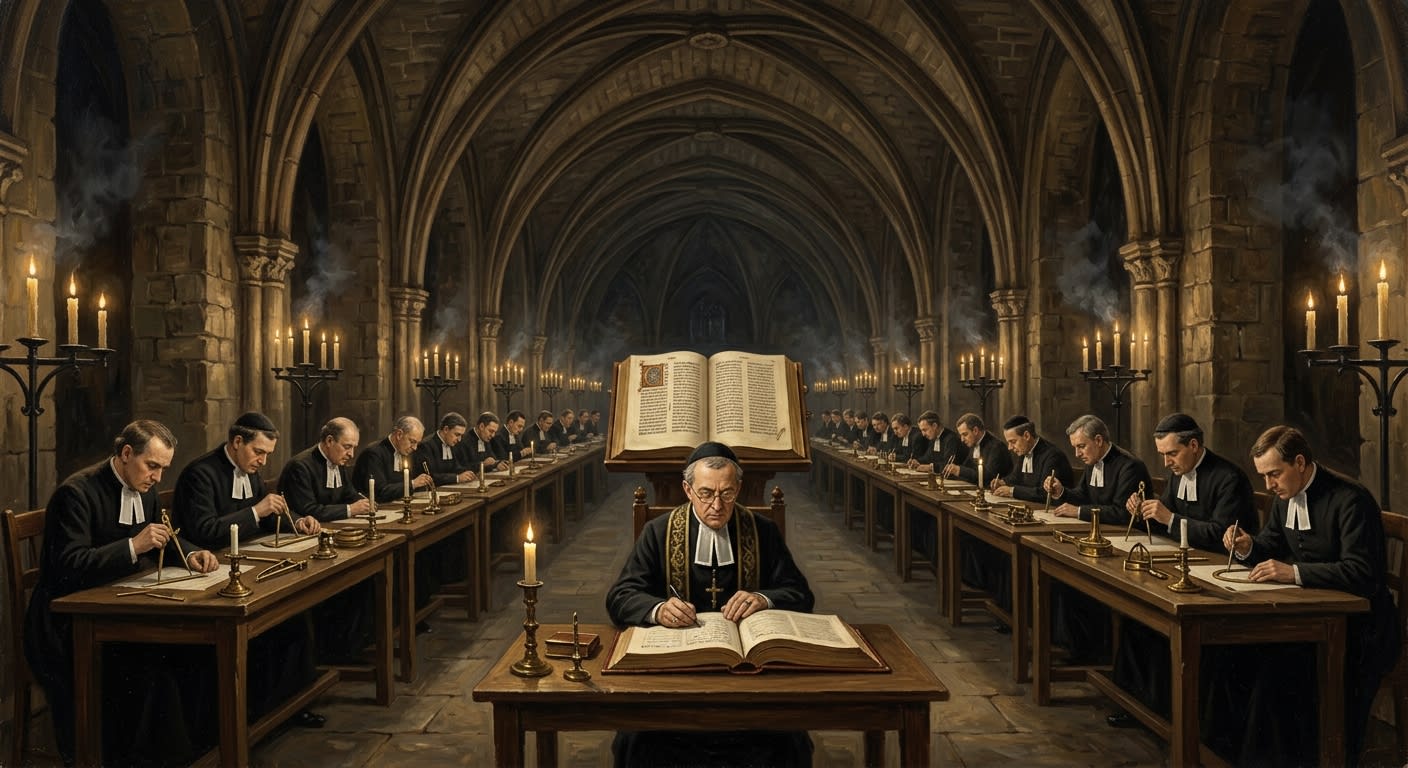
Bureau of Rites
The grammar no one speaks and everyone obeys.
The grammar of the Dominion, indistinguishable from its law: the Bureau that does not govern governs everything, from the angle of the censer to the weight of the Host on Lenten Fridays.
Codex Ref. VIII.1.01-001

Bureau of Tithes
The organ no one praises and no one dares remove
The Bureau of Tithes is the Synod's fiscal organ — the stomach no one praises and no one dares remove. It taxes breath, grain, bereavement, and the management of its own taxation.
Codex Ref. VIII.4.01-001
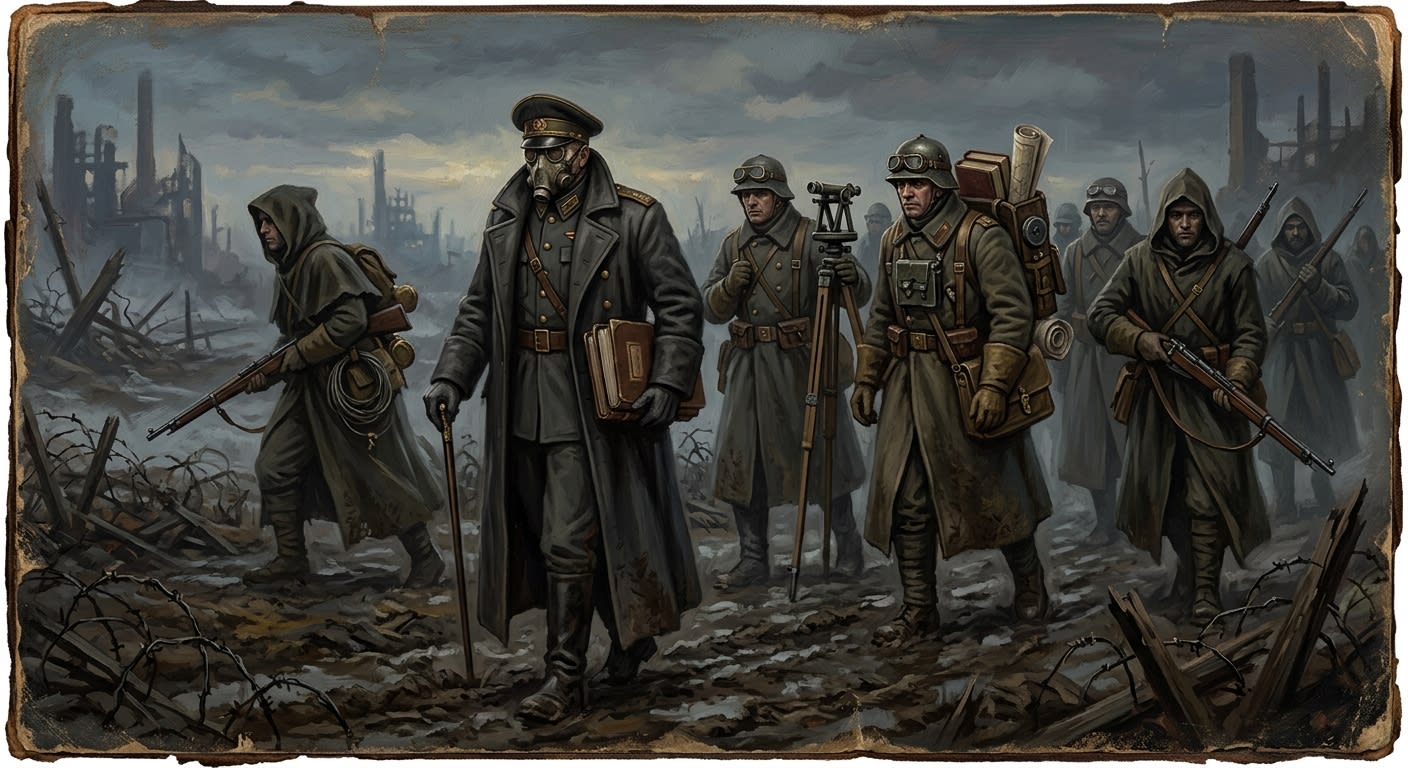
Bureau of War Reconnaissance Commissariat
The office that walks first and returns as evidence
The Reconnaissance Commissariat walks first into hostile terrain, purchasing the Synod's knowledge with scouts, ledgers, and actionable silence.
Codex Ref. VIII.7.03-001

Category D
The sentence is suspended. The prisoner remains condemned.
Category D suspends condemned prisoners' death sentences for battlefield-hazard studies. War supplies the subjects; Medicine measures them. The surviving record promises neither pardon nor release.
Codex Ref. XIII.1.99-134
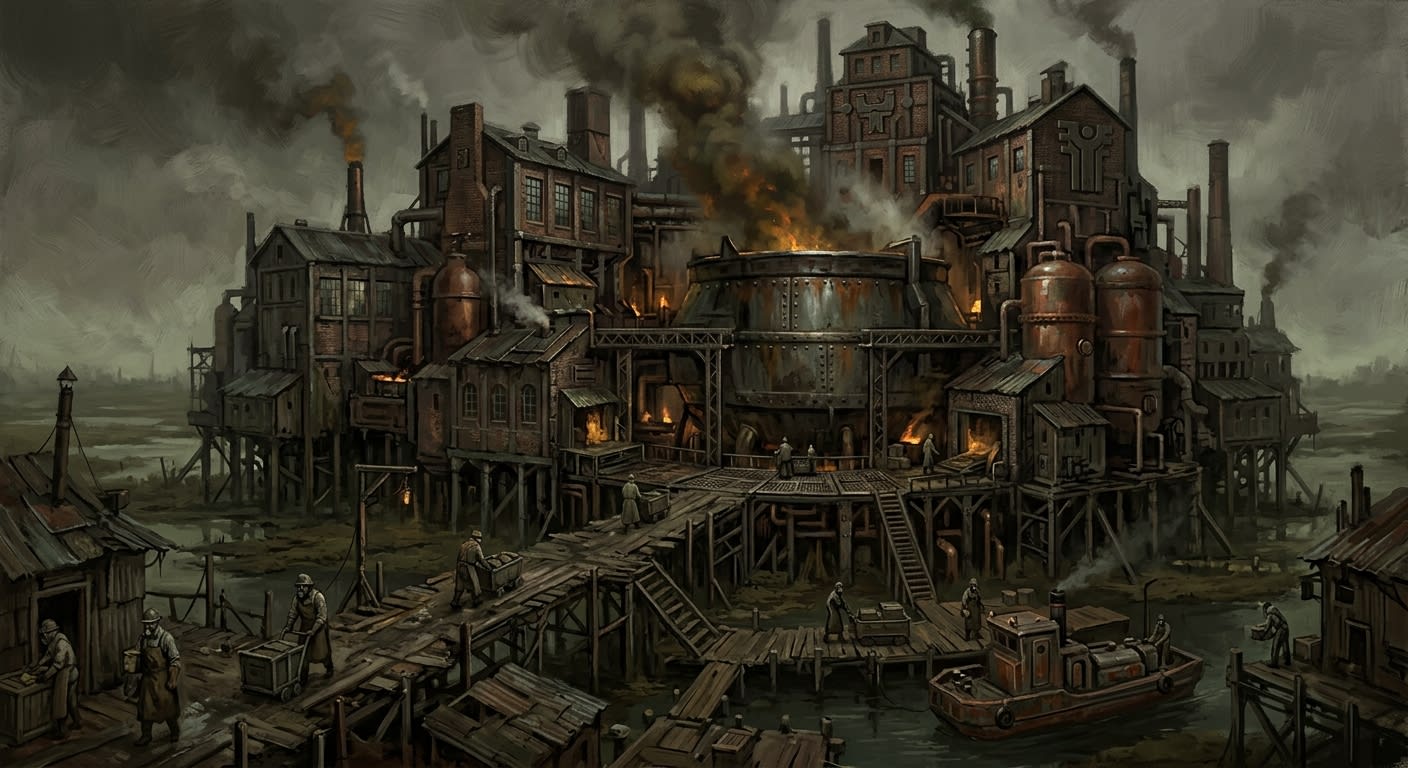
Cauldron Citadel
The Pot where Kargath teaches hunger to govern
At the Blightmarsh's approximate centre, the Cauldron Citadel cooks what Kargath's mud consumes: market, bakery, slaughterhouse, and law made appetite.
Codex Ref. VI.1.03-001

Chief Anatomist
Absent from the procession. Indispensable to the front.
The Chief Anatomist has no Synodal rank and every garrison's attention. Doctor Trenn holds the office: measurement, classification and a disclaimer that travels with each finding.
Codex Ref. XIII.1.07-082

Debrecen
The city that was eaten
Forty-two thousand souls, a grain exchange that set prices from the Danube to the Rhine, and a harvest the world will never taste again. Kargath ate it. The Blightmarsh is all that remains, and the Blightmarsh is still hungry.
Codex Ref. VI.1.01-001
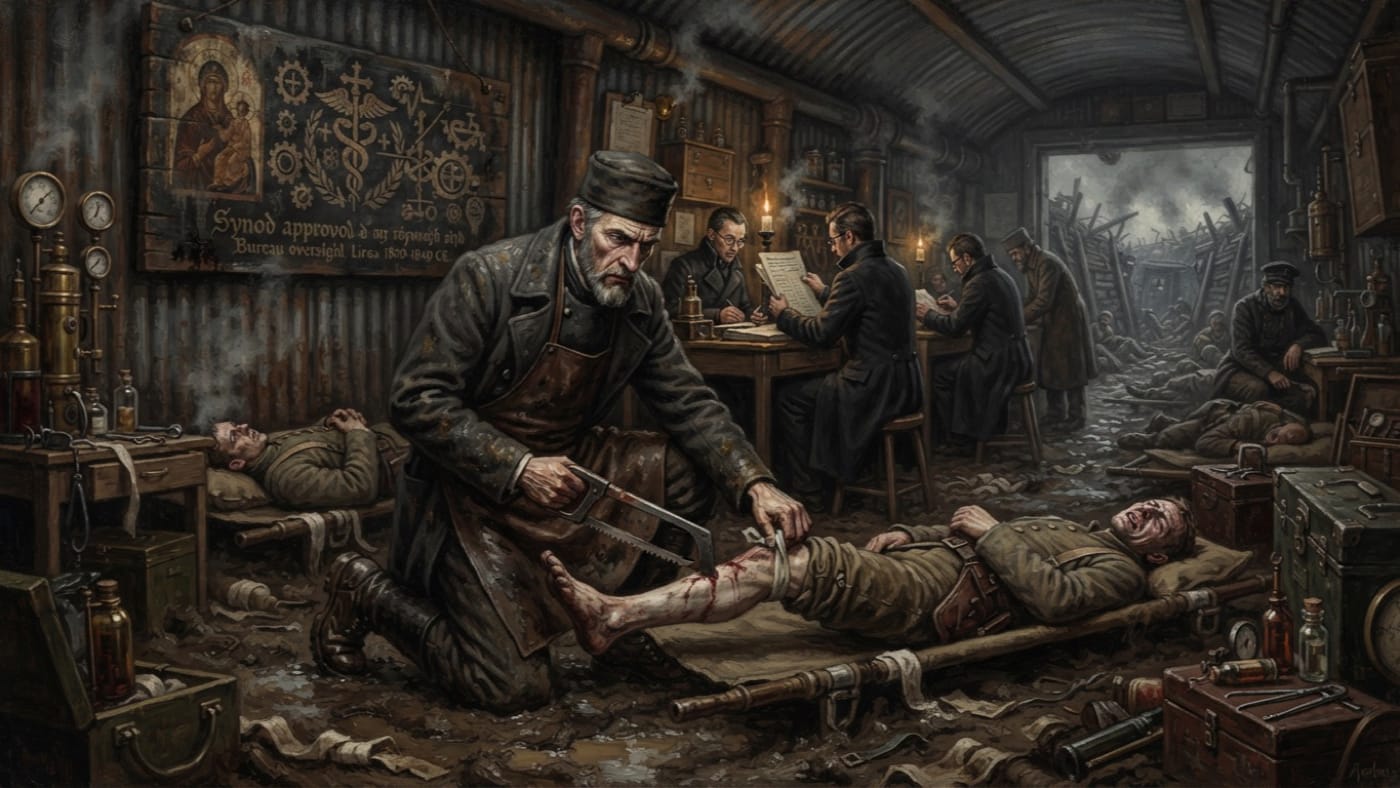
Doctor Kael Brenner
Returned to the payroll. Reconciliation has no entry.
Doctor Kael Brenner served as Medicine's first Chief Anatomist from A.S. 82 to 134. His excommunication and rehire were filed on the same day. Reconciliation has no entry.
Codex Ref. III.2.01-082
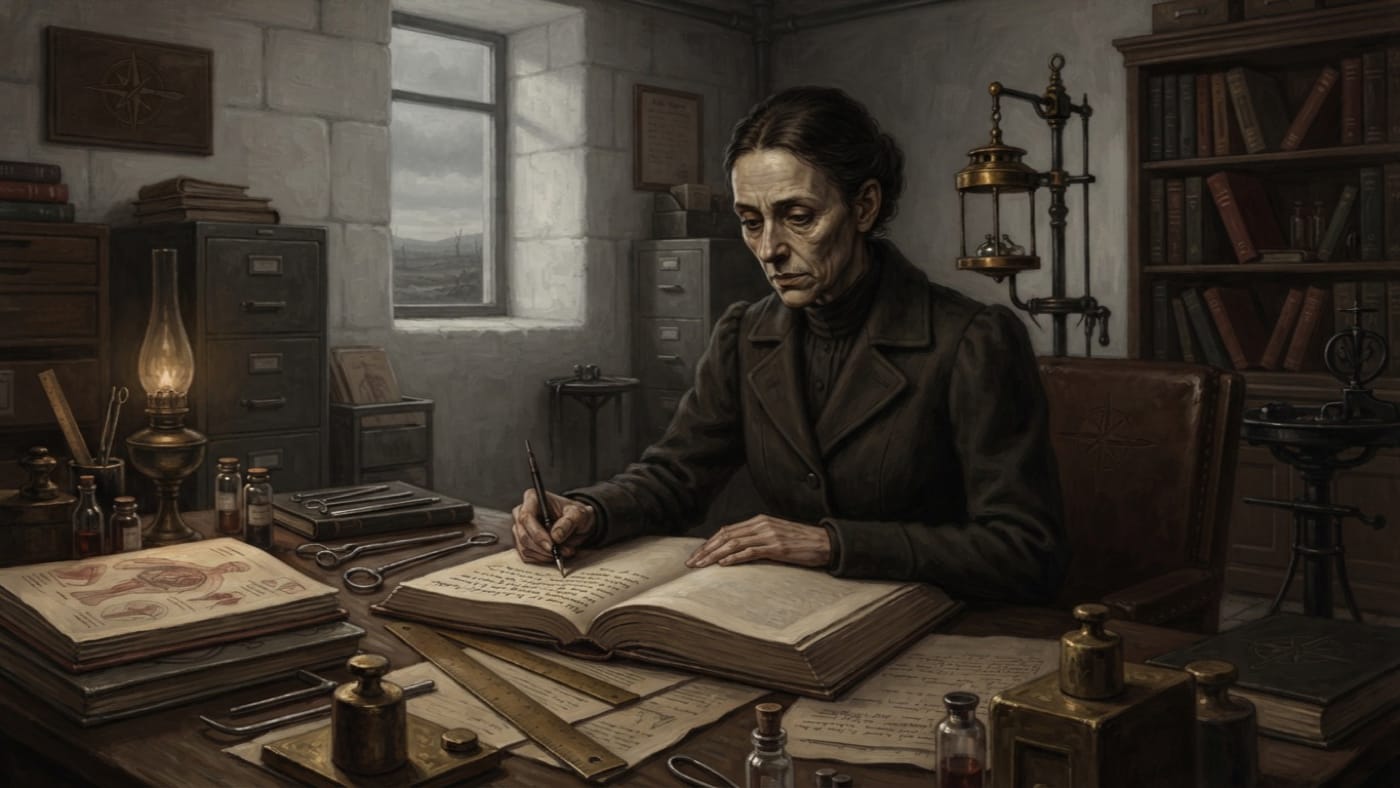
Doctor Maren Solen
The measurements remain. Her reasons are unrecorded.
Doctor Maren Solen attended the Pit Seven exposure as Chief Anatomist, then resigned and entered the Adriatic sanitarium. Her measurements survive. The archive gives no reason for her departure.
Codex Ref. III.2.01-134

Doctor Trenn
The anatomist who measured hunger and refused comfort
Doctor Trenn, Chief Anatomist of the Bureau of Medicine, gave the Famine Pit horror its clinical name and kept the word real where comfort wanted illusion.
Codex Ref. III.2.01-023
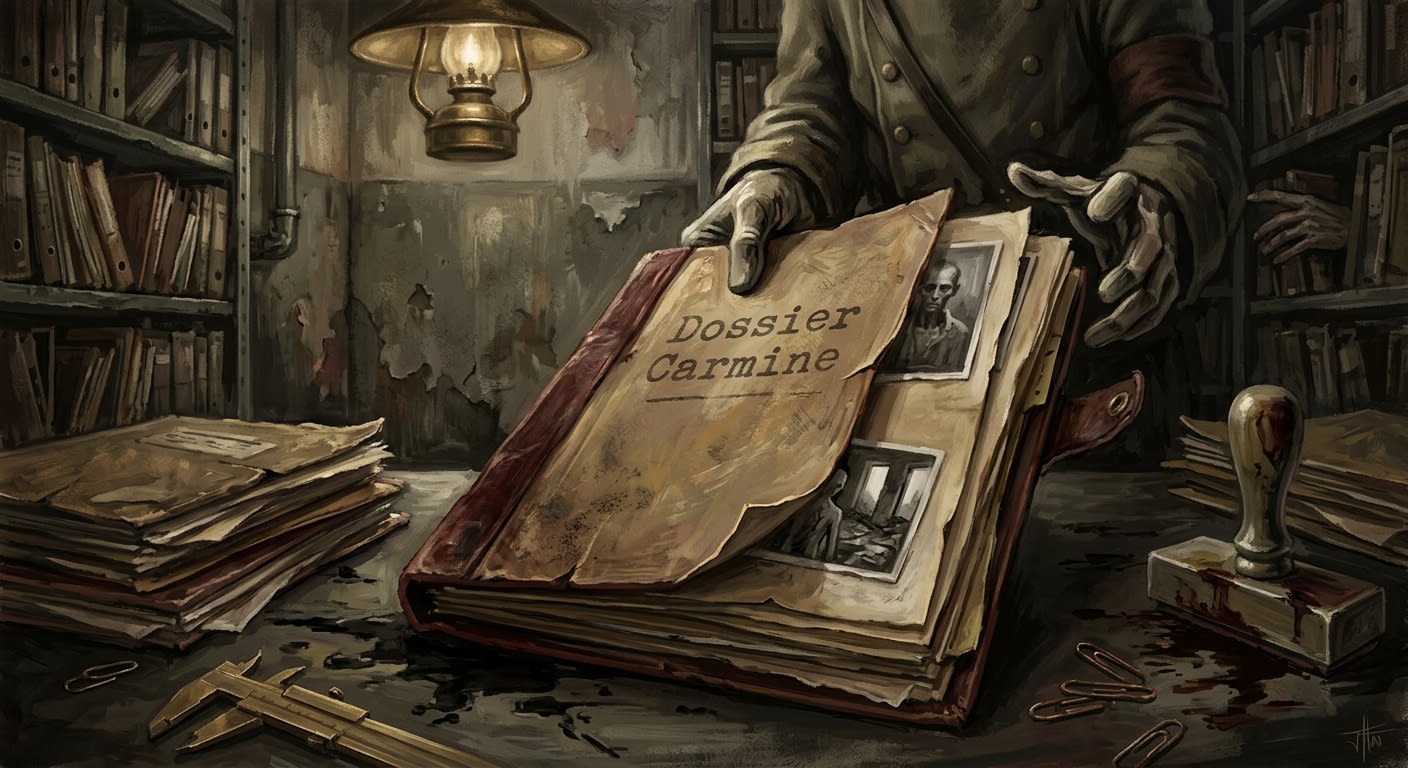
Dossier Carmine
The thinnest file in the Seven still outweighs a province of graves
Dossier Carmine is Inter-Infernal Analysis's thinnest file: Kargath, hunger, Blightmarsh creep, famine aftereffects, abundance hazards, and the brutal mercy of short sentences.
Codex Ref. VIII.7.01-004
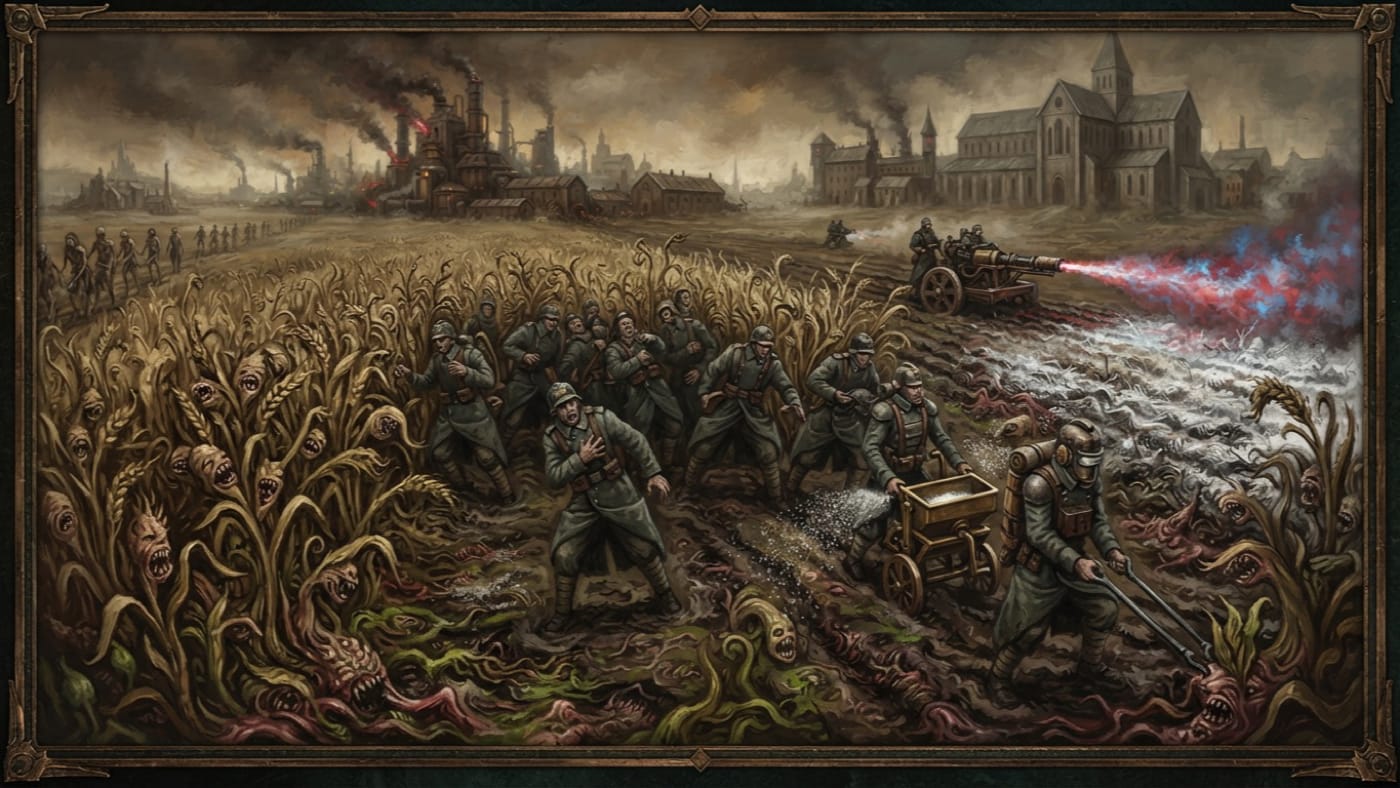
Flesh Litanies
The hungry sing; the flesh obeys
Kargath's hungry singing makes grain bite and stomachs refuse satisfaction. Salt, fasting-caps and relic-fire answer locally; the Bureau can suppress a manifestation more readily than recover a field.
Codex Ref. VI.3.01-003
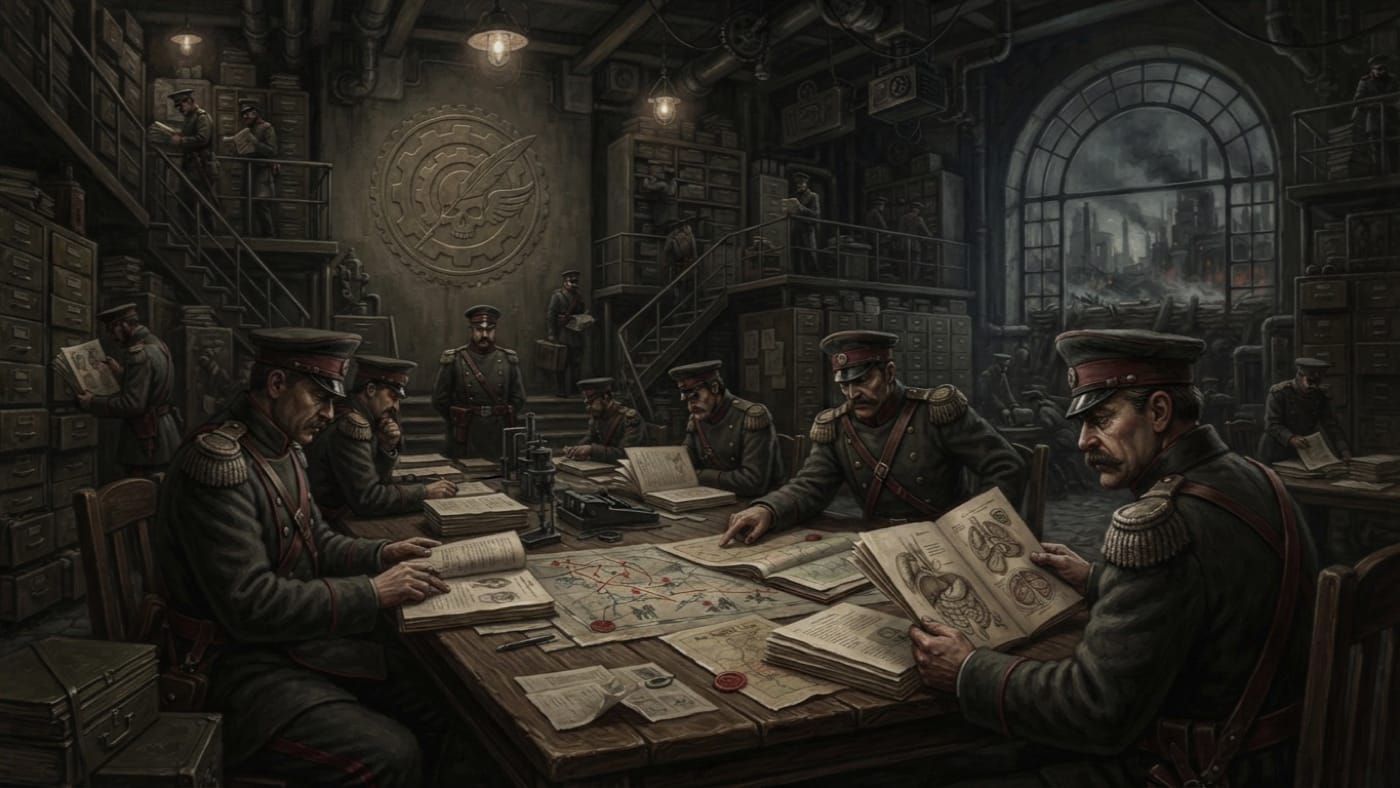
General Staff of the Bureau of War
The Staff reads. The record says so.
War's General Staff reads the Chief Anatomist's replies and accords the office grudging respect. This A.S. 201 survey records that habit. A founding, a roster and a formal remit require evidence the record has not supplied.
Codex Ref. III.2.07-042
Hungarian plains
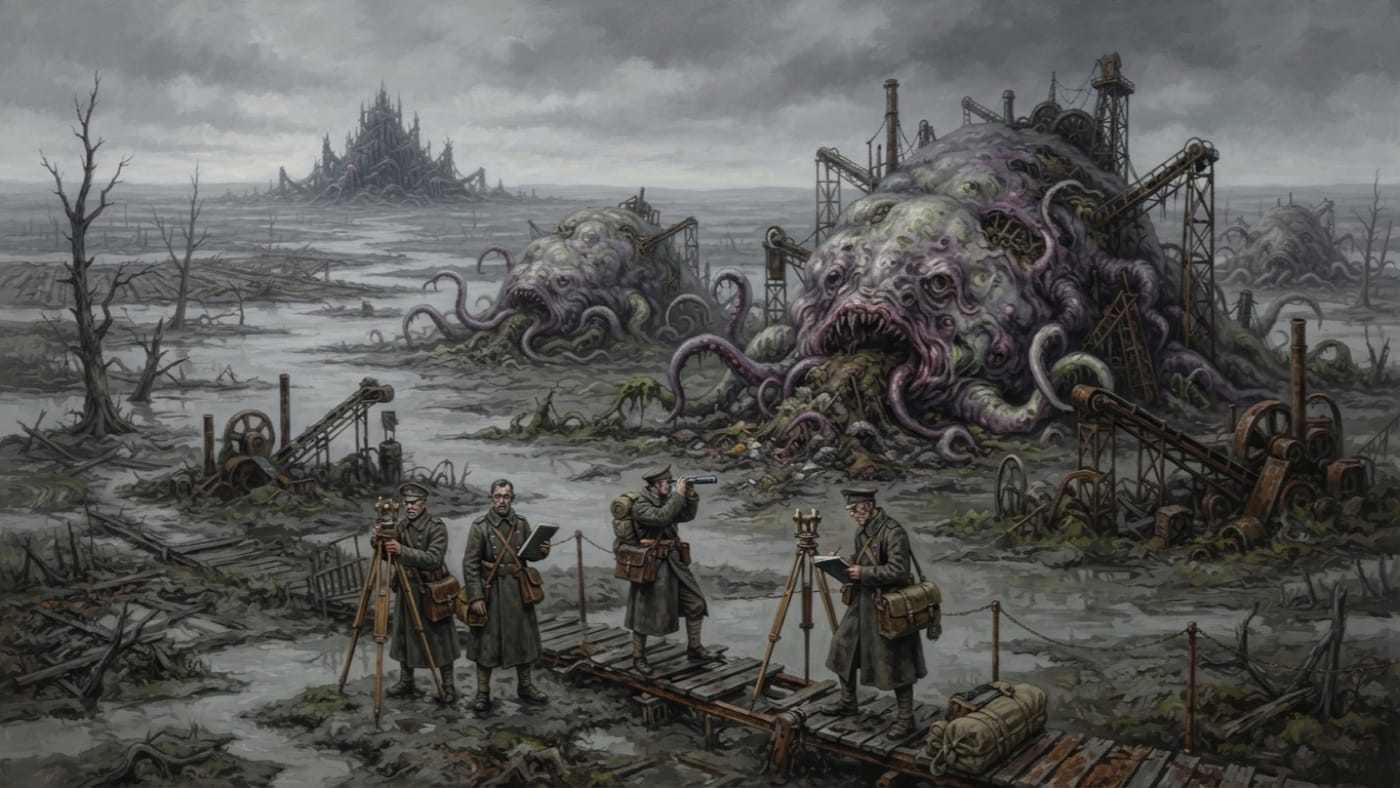
The country that fed the armies now feeds what waits for them
Once the breadbasket of armies, the Hungarian grain country is now the Blightmarsh. The A.S. 200 survey confirms eleven stationary Gorged. The Church's yield is nil; the hunger remains productive.
Codex Ref. II.4.09-200
Hungary
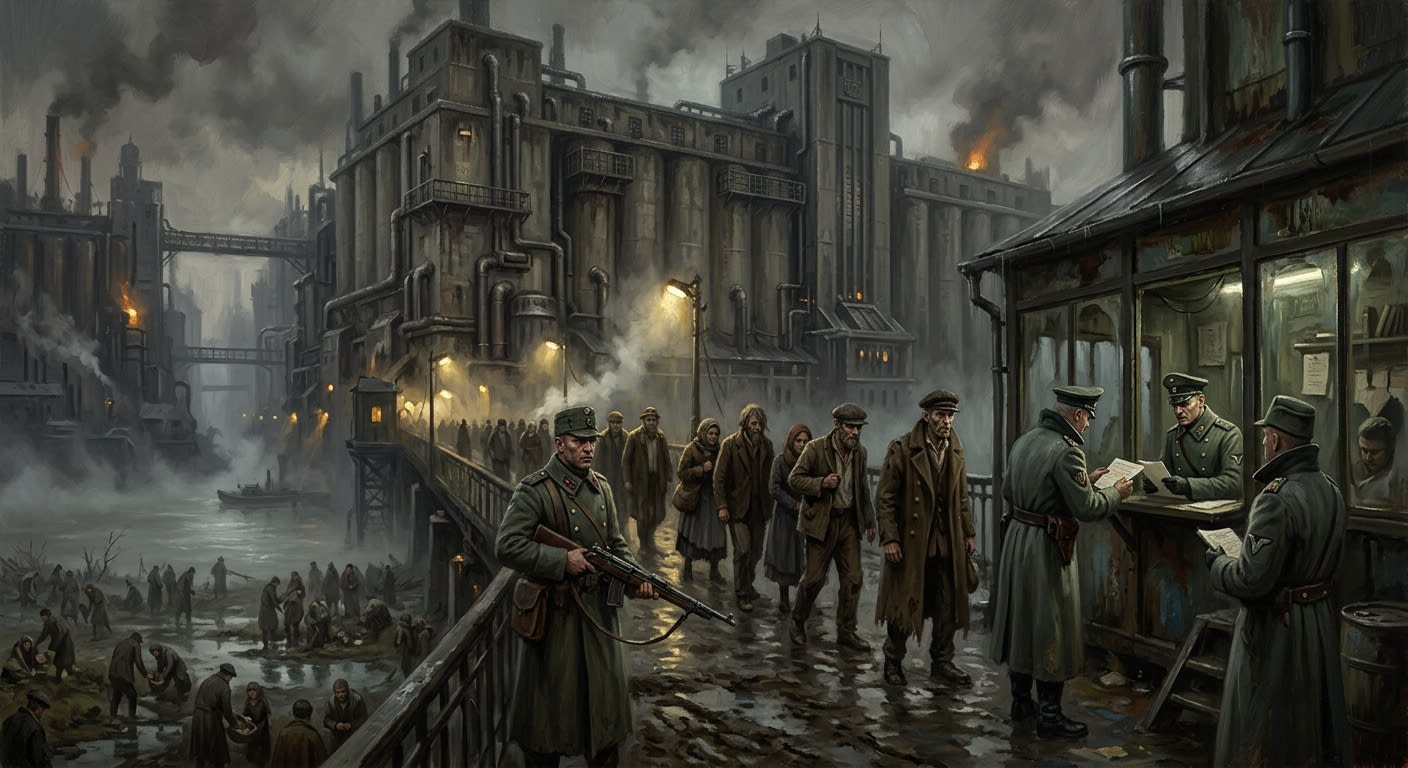
The breadbasket that [[hell|Hell]] ate and [[strasbourg|Strasbourg]] filed by the slice
Hungary is the old grain kingdom remade into Budapest's held bank, Pest's visible absence, Blightmarsh hunger, southern corridor necessity, refugee memory, and every office's damp-fingered embarrassment.
Codex Ref. II.4.09-045
Hunger Wardens
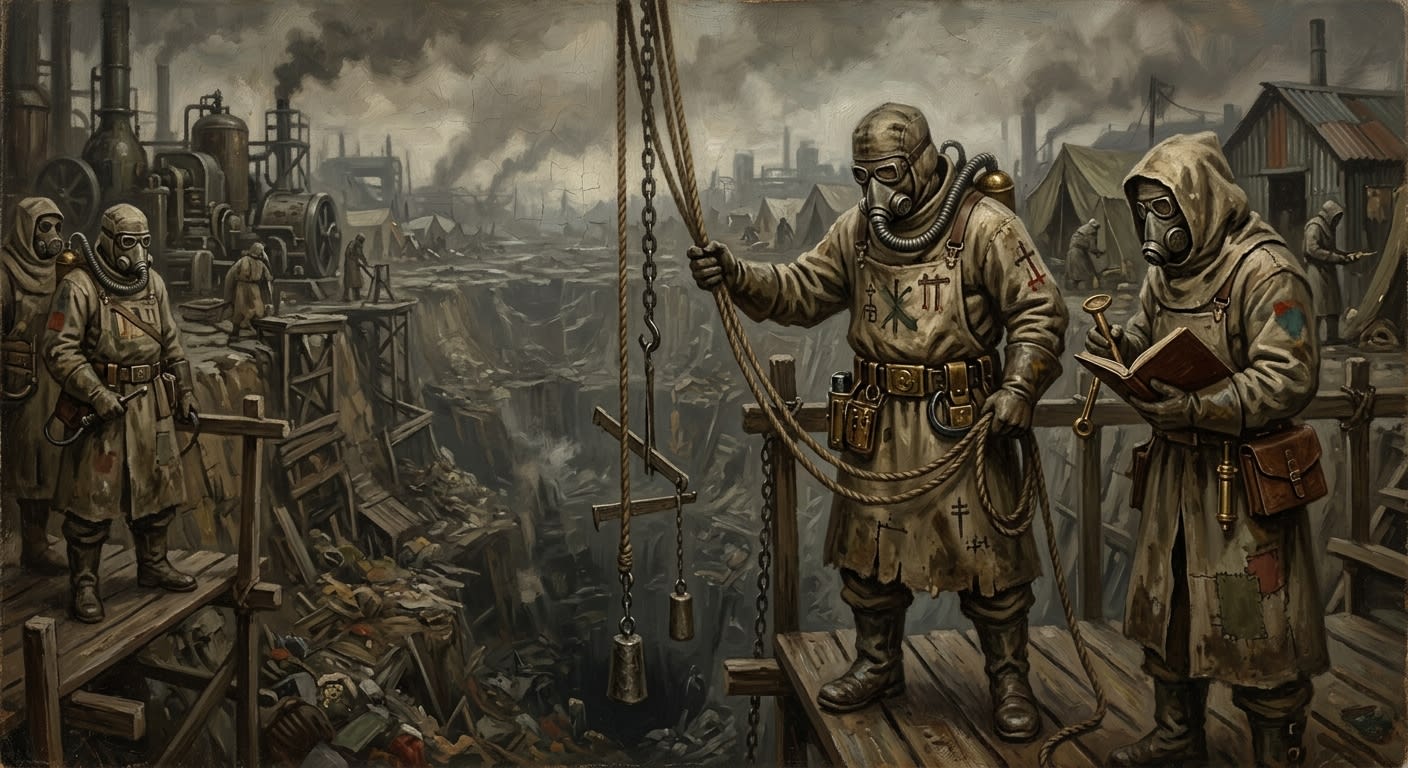
The rope-tethered profession that measures what the dead still want
Hunger Wardens are the Synod's canvas-suited proximity workers at Famine Pit sites, measuring the appetite of graves while praying the rope holds.
Codex Ref. XII.26.01-001
Kalocsa
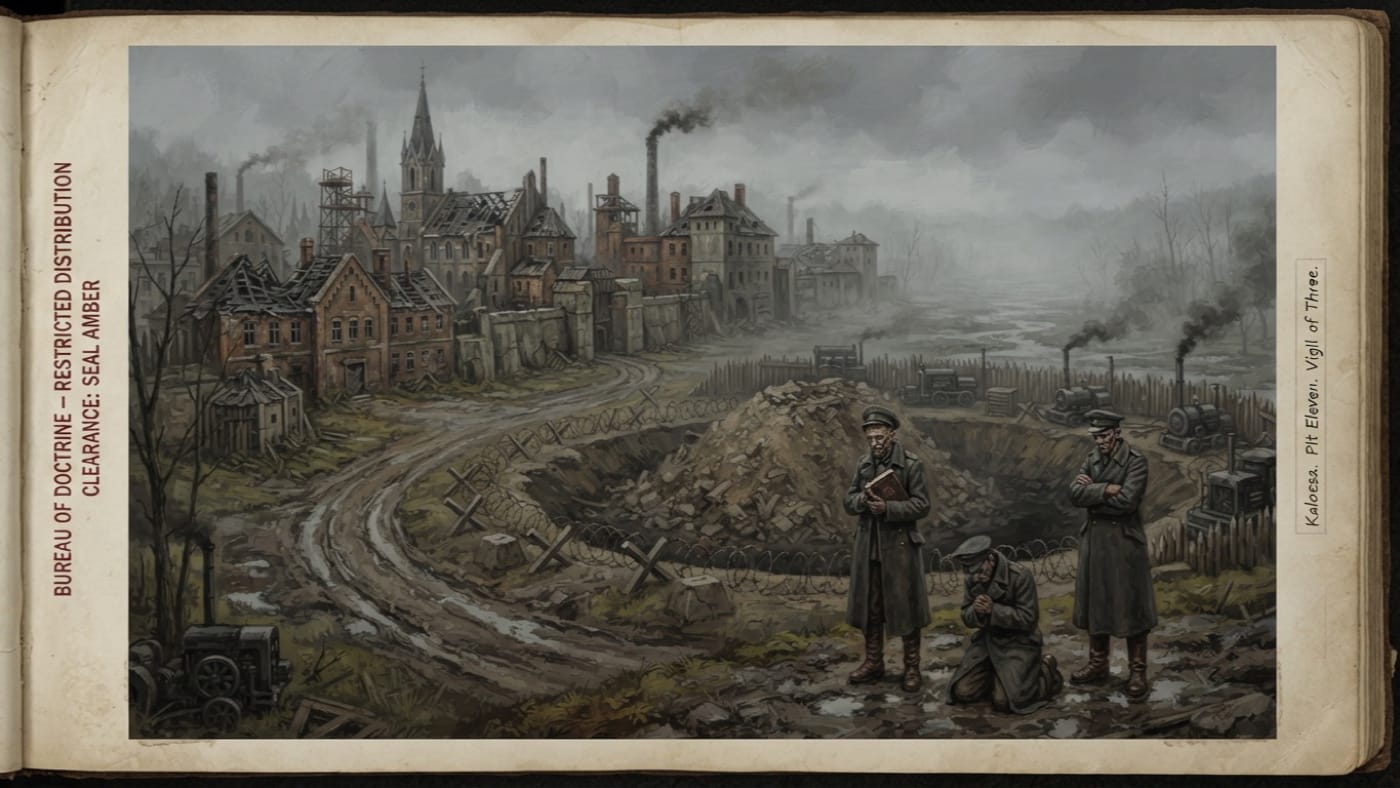
The record names the town; the grave receives the attention.
Kalocsa is the town named beside the Children's Pit, where a refugee column was buried in A.S. 52. Three chaplains keep a classified vigil nearby; the record tells me more about their hunger than about the town.
Codex Ref. II.4.09-052
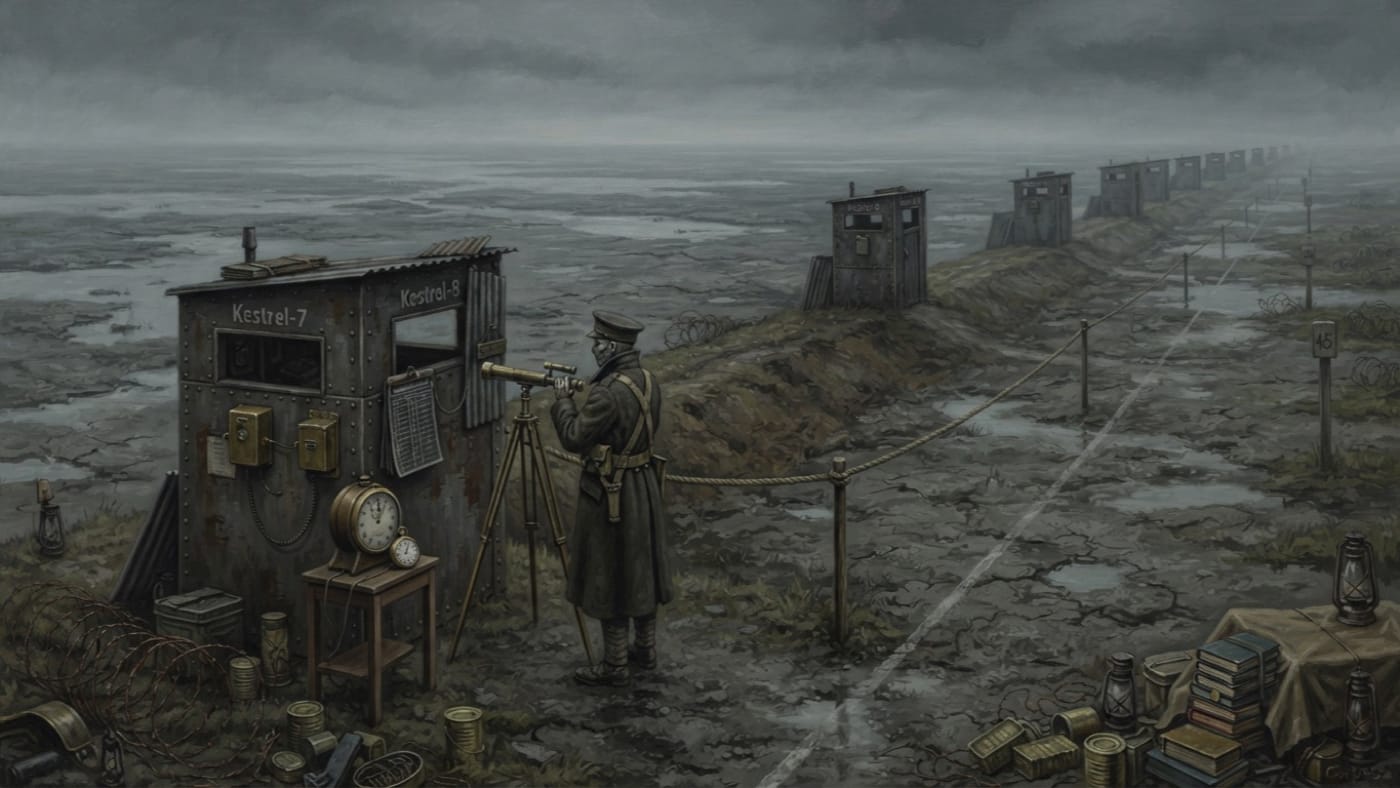
Kestrel Line
Fourteen posts to measure what nobody can stop
Fourteen numbered posts watch the Blightmarsh. The A.S. 201 return lists three unnamed vacancies; War supplies the numbers and leaves readiness uncertified.
Codex Ref. II.4.09-1533
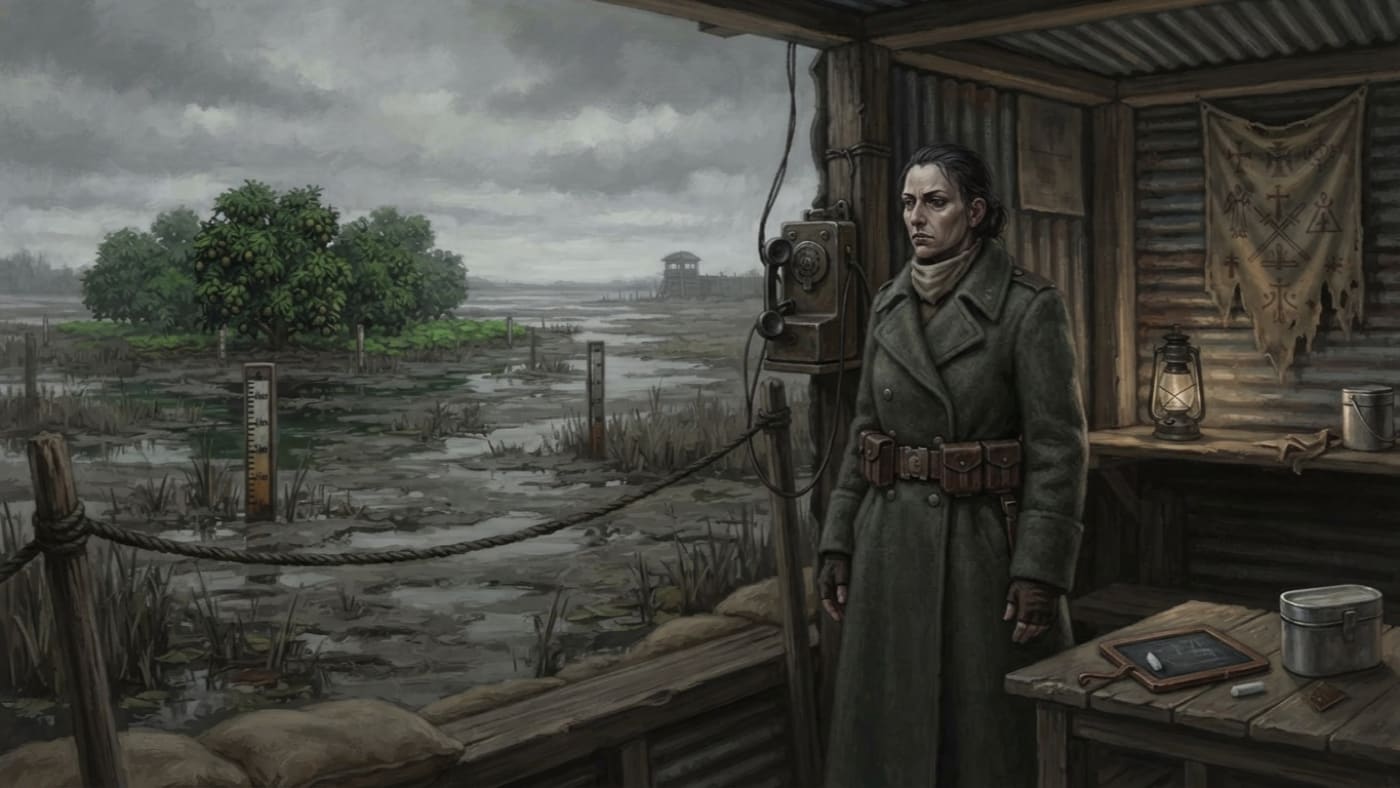
Kestrel-7
The post watches. The Marsh advances.
Kestrel-7 watches the western Blightmarsh perimeter, recording mudline creep, hostile cultivation and food-scent contact. The rope marks the orders; the Marsh has never read them.
Codex Ref. II.6.05-007

Lieutenant Voss
The officer who measured hunger before the Bureau named it
Lieutenant Voss filed the first clean report of Famine Pit exposure in A.S. 120, then spent fourteen years being too accurate for comfort.
Codex Ref. III.2.01-022
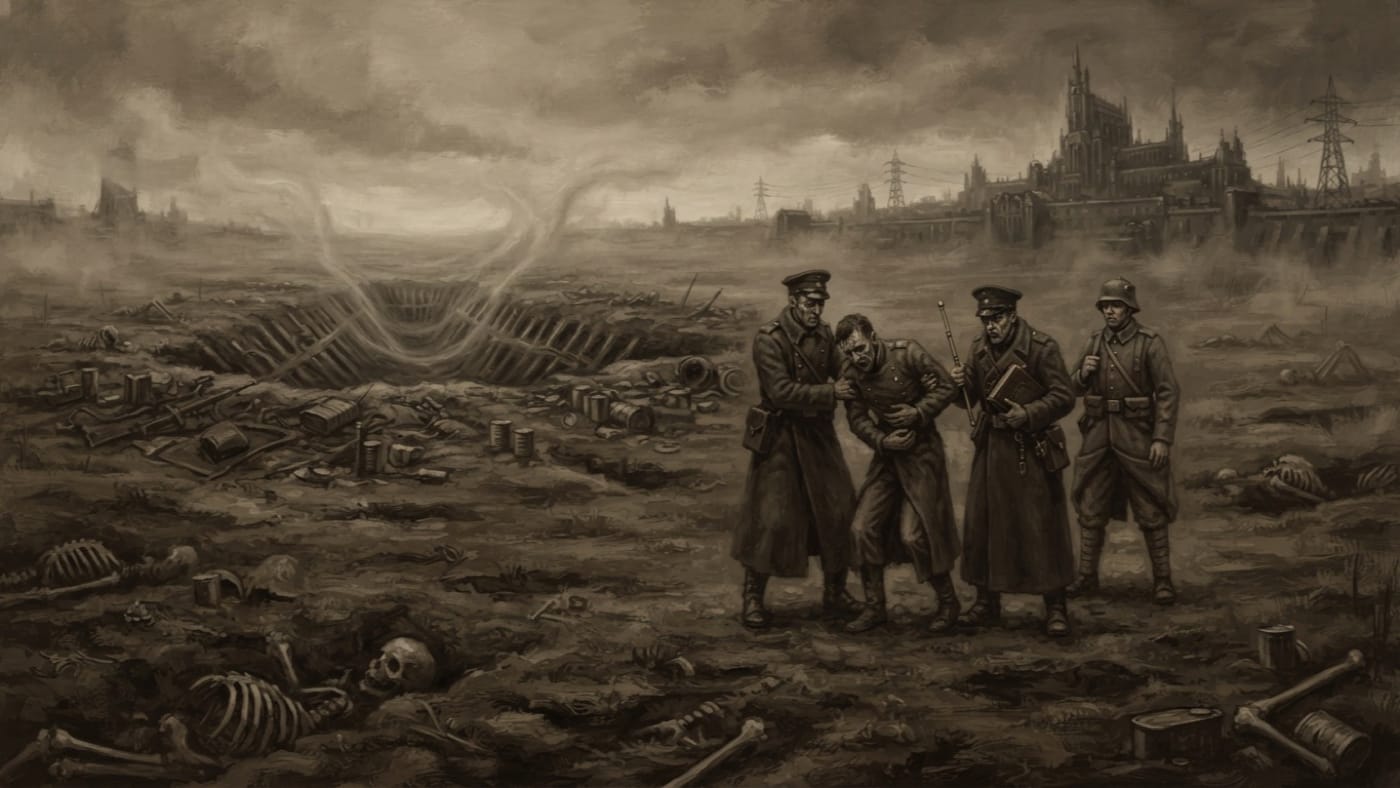
Liturgy of Satiation
The rite is drafted; the dead have yet to hear it.
Three proposals, a drafted rite, and no field test: the Liturgy of Satiation is meant to answer the Famine Pits' hunger. War has invited Doctrine to supply its own personnel. The dead remain unfed.
Codex Ref. XIII.1.26-199
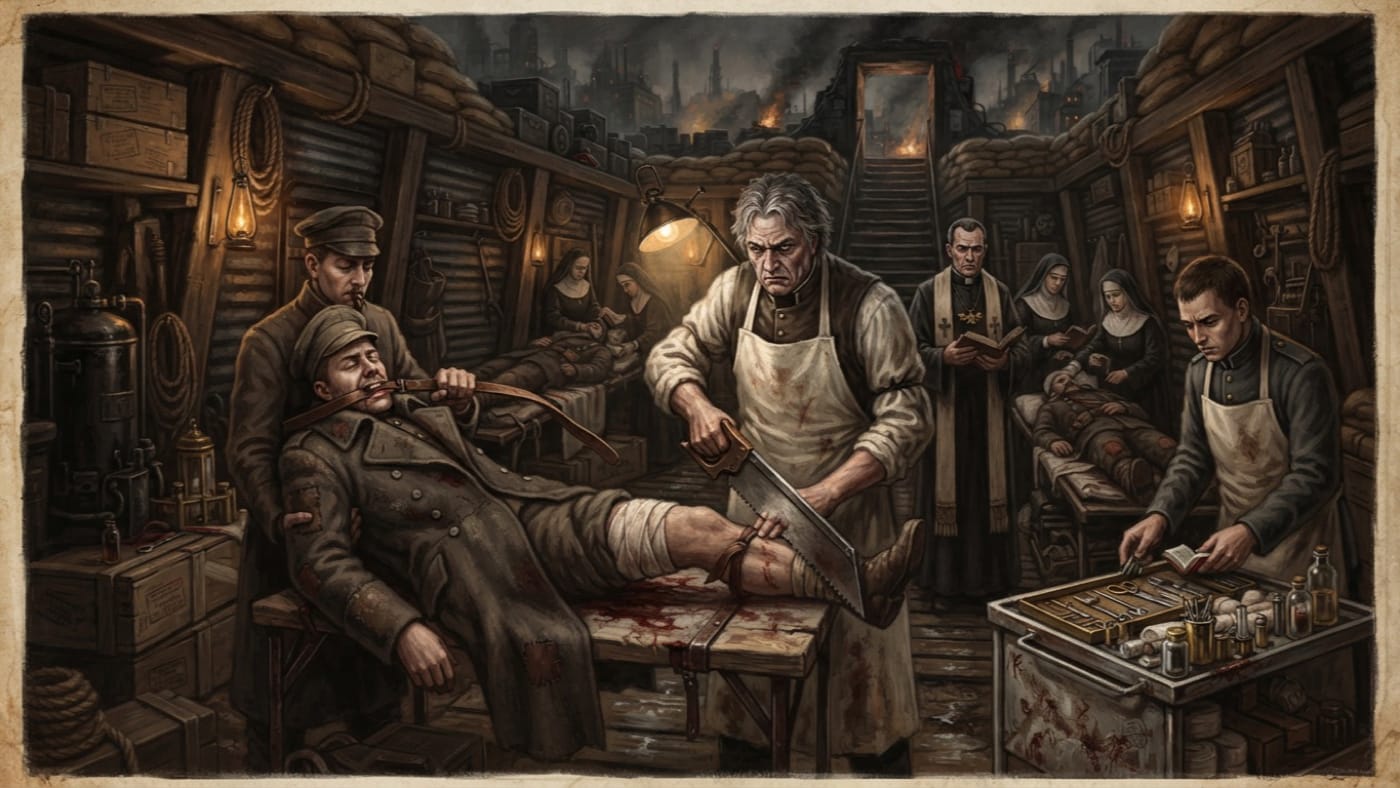
Medical Directorate of the Bureau of War
The surgeons arrived before the charter.
First recorded in A.S. 82, the Medical Directorate is the older name of the Bureau of Medicine. Its surgeons treated the wound before the confession ended. The charter followed ten years later.
Codex Ref. XII.7.09-045
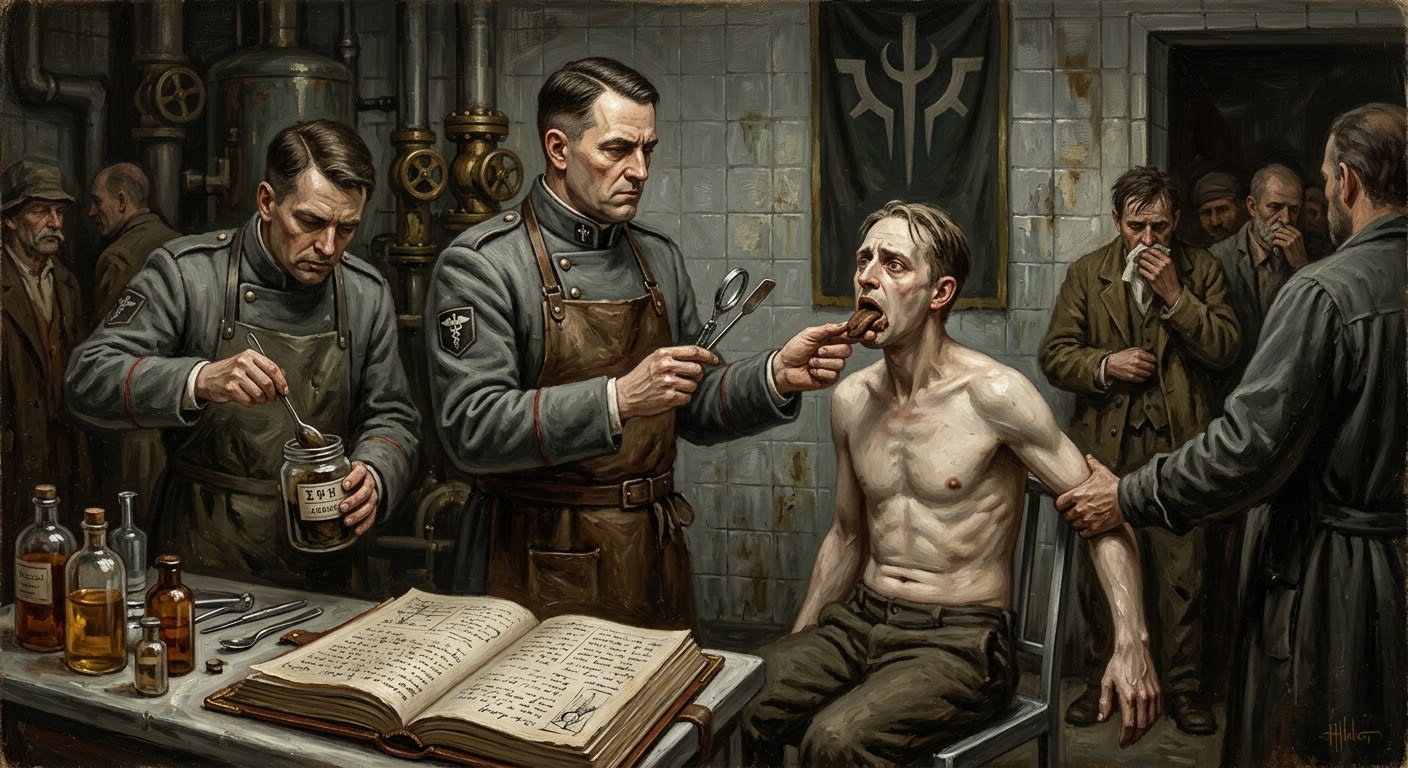
Medical Protocol 9-C
The little iron tooth that makes hunger testify
Medical Protocol 9-C is Medicine's iron tooth: a quarantine rite that turns appetite, refusal, dreams, and mud under the tongue into evidence.
Codex Ref. XIII.1.91-134

Mercy Rationing Reform of A.S. 134
Processing decides who may survive meanwhile; forgiveness is filed elsewhere
A.S. 134 Bureau of Rites reform, affirmed by Bureau of Doctrine, that restricted mercy stamps to licensed confessors, separated booth processing from forgiveness, and made unauthorised kindness auditable.
Codex Ref. VII.8.10-017
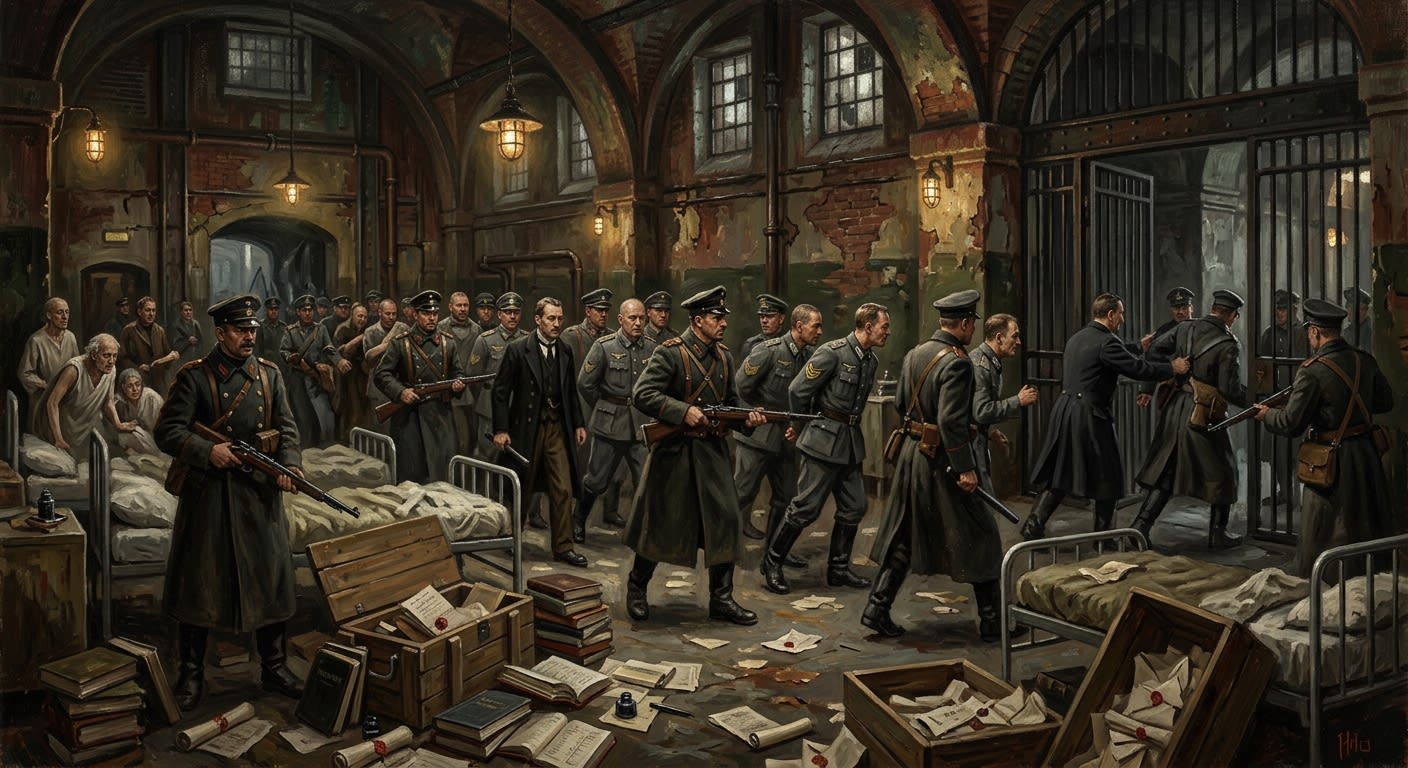
Mercy Ward Purge of A.S. 134
The year last words became contraband unless properly priced by authority
The Mercy Ward Purge of A.S. 134 exposed the sale and alteration of terminal confessions across Rhineland wards.
Codex Ref. VII.8.10-023
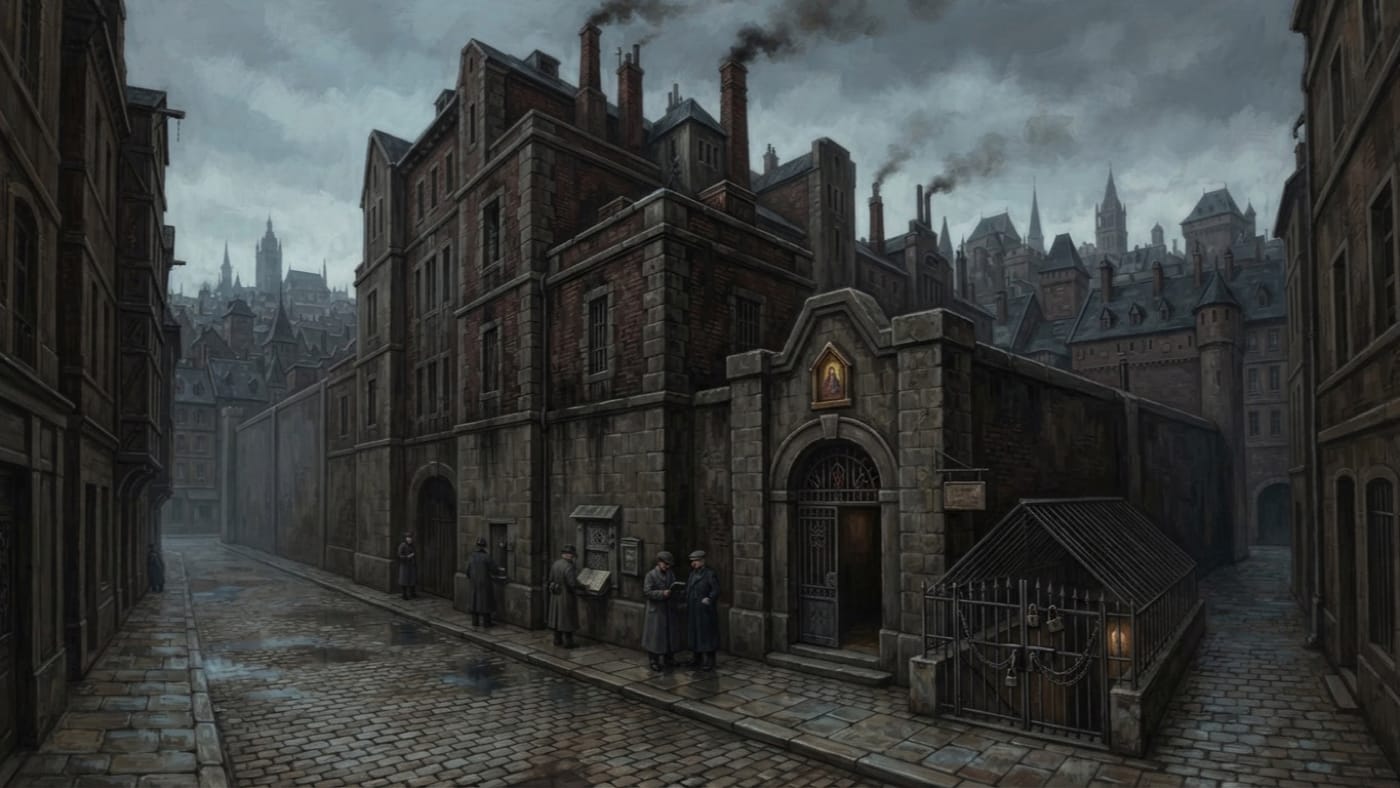
Mercy Wing
The building keeps its name. The Vault keeps its findings.
The old Mercy Wing on Strasbourg's Rue des Cendres houses the Vault of Findings in its sub-basement. Medicine keeps the evidence; two Bureaus clear entry to the archive, and three clear departure.
Codex Ref. II.1.09-201
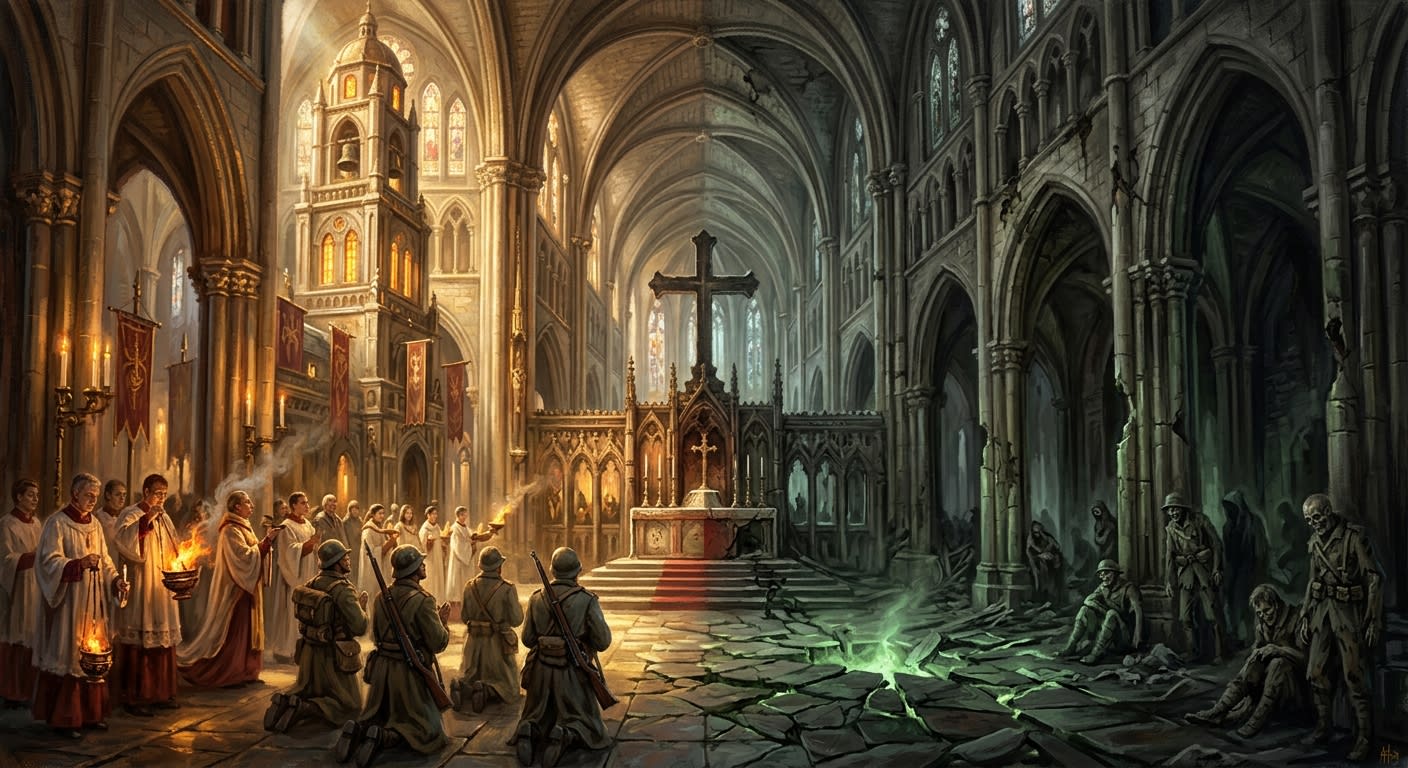
Miracles and Sorcery
Both crack Creation; only the paperwork differs
The Bureau insists miracles and sorcery are opposites. The mechanism, as Drax reluctantly confirms, is identical. The source determines canonisation or burning. The paperwork is different. The world pays either way.
Codex Ref. VI.3.01-001
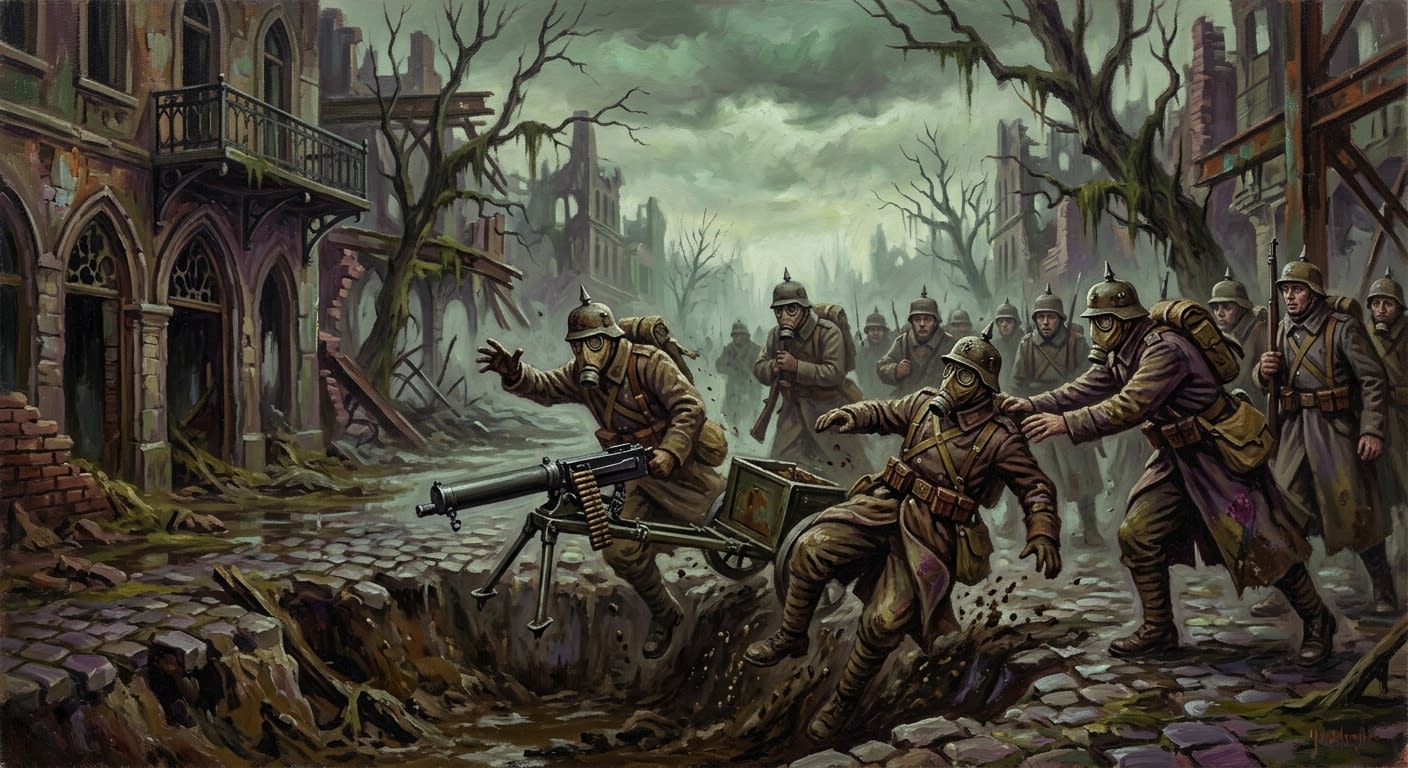
Mire Collapse of Debrecen
The day the mud reopened a dead city's streets
In A.S. 172, the Blightmarsh reopened Debrecen's pre-Sundering streets beneath a forward regiment, proving that Kargath's mud remembers what it eats.
Codex Ref. VII.4.10-001
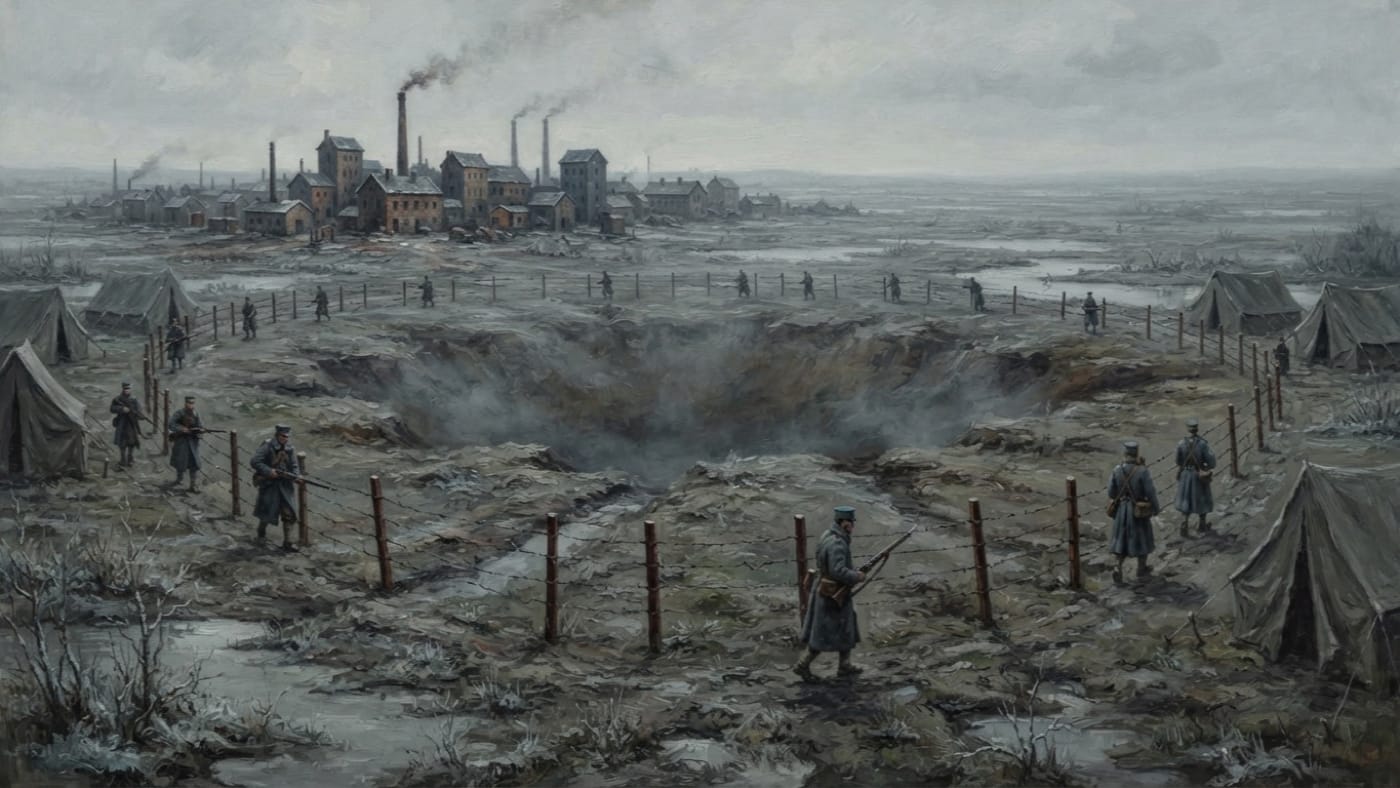
Mohács
A town remembered for what lies south of it.
Mohács survives in the Ledger as the bearing for Pit Seven, where approximately four thousand refugees were buried in A.S. 48. The town's fate remains unverified; the grave remains hungry.
Codex Ref. II.4.09-134
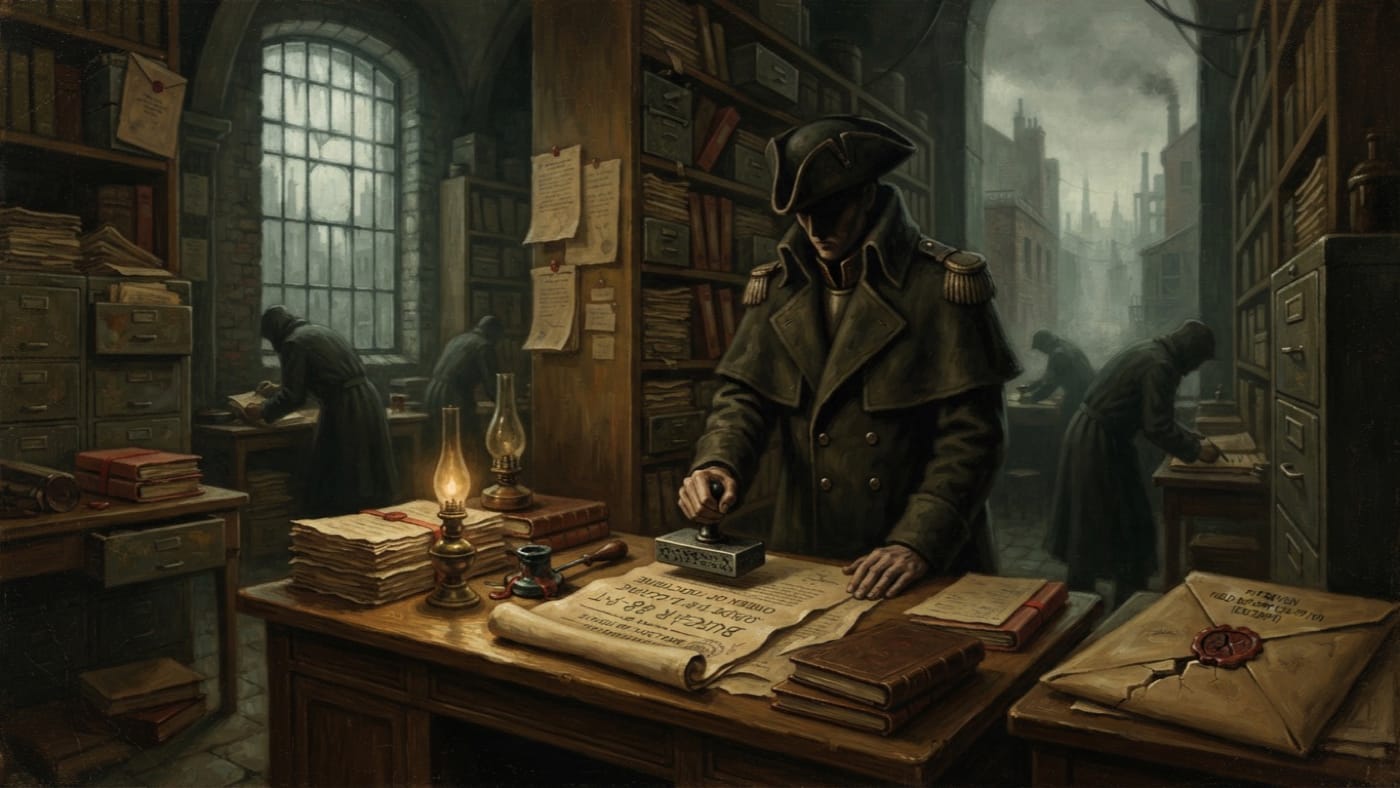
Order 88-V
The method is sealed. The measurements remain.
Order 88-V seals the Pit Seven exposure methodology. The A.S. 135 expungement is attested; the order's issue date is not. Its unsealed appendix keeps the measurements in circulation.
Codex Ref. XIII.1.100-135
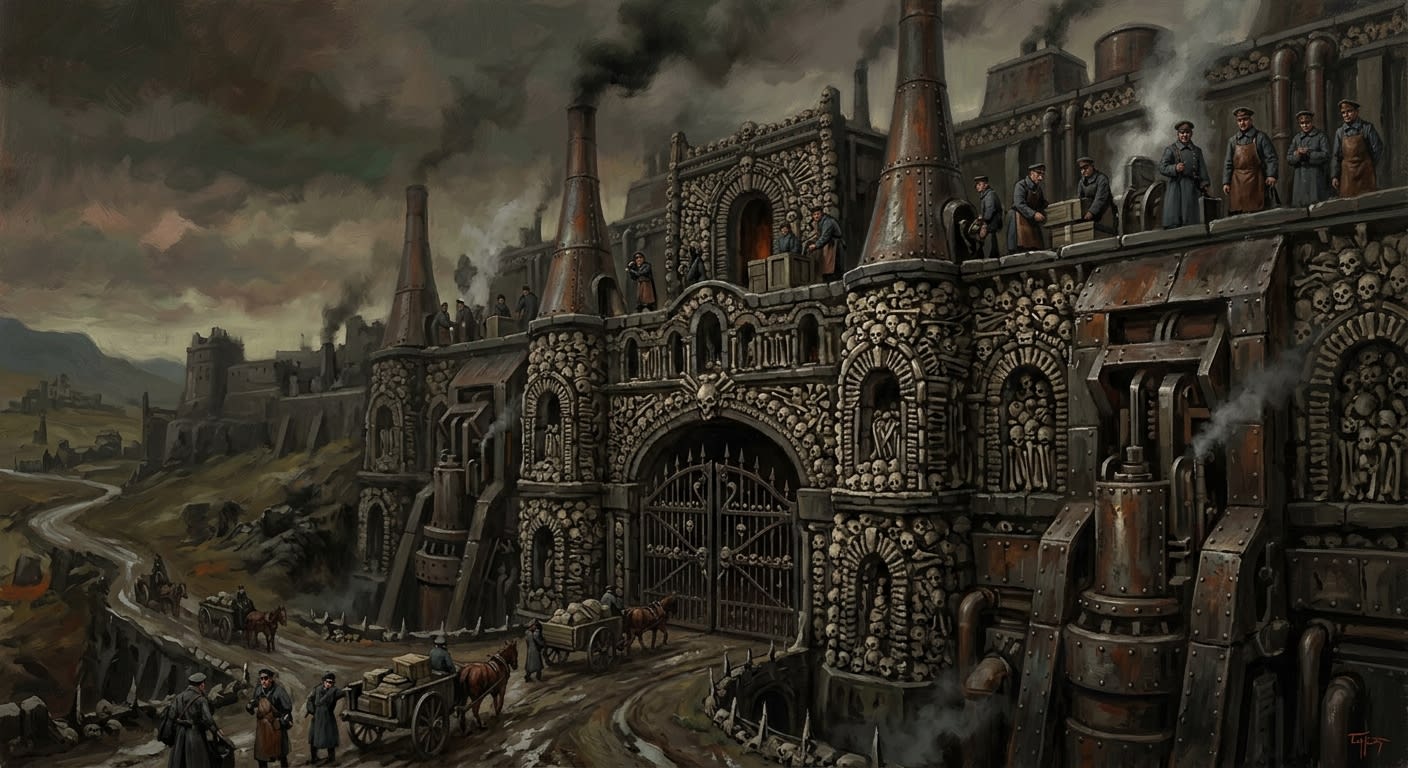
Ossuary Gate of Debrecen
The skull-wall that audits the dead before the marsh may answer
Active gate-fort on the Debrecen exclusion approach, built from branded parish bone and notorious for tolling without a bell when its skulls revise their confessions.
Codex Ref. VI.1.01-002
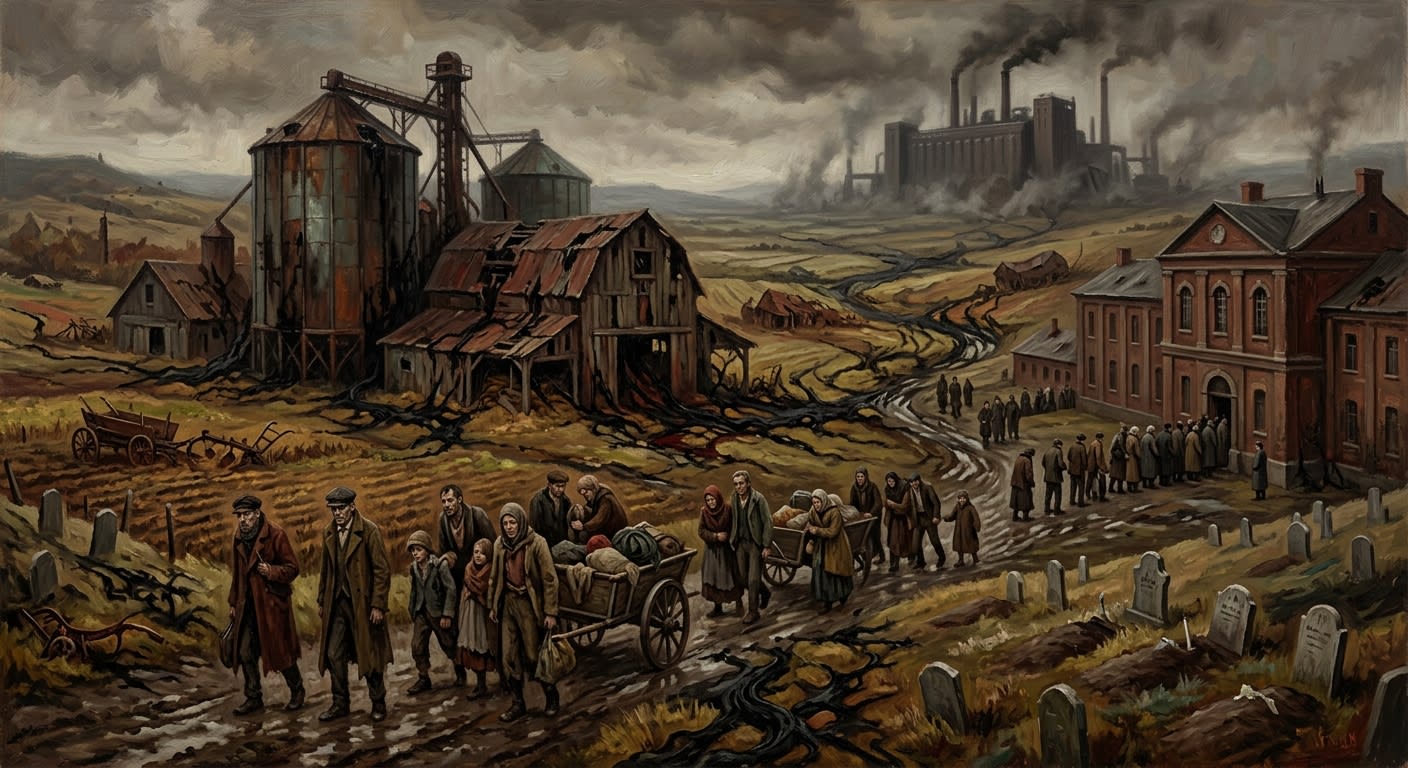
Pannonia
The bread basin that learned appetite
Pannonia was the basin that fed empires before Kargath taught its barns to hunger, its graves to want, and its maps to rot into accusation.
Codex Ref. II.4.09-045
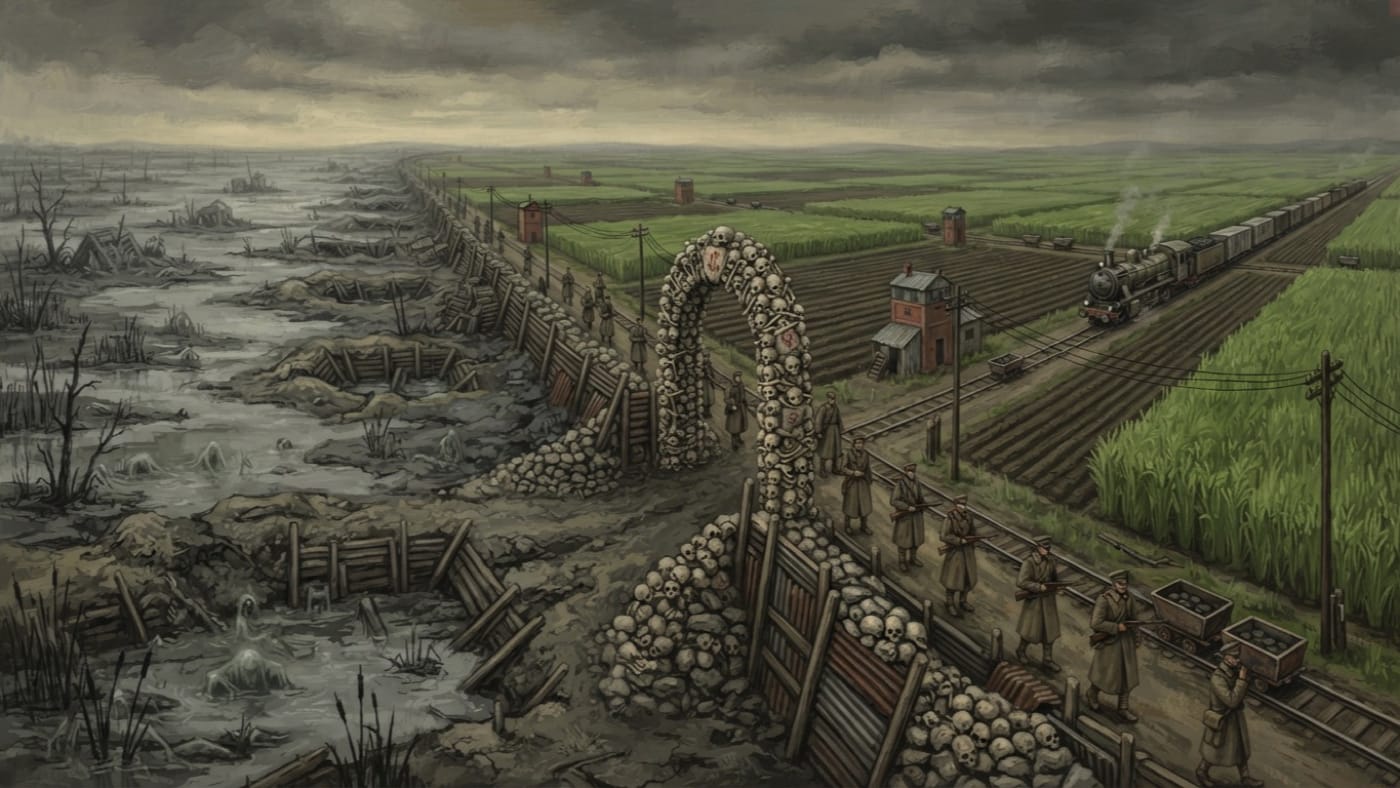
Pannonian Plain
A full barn and a green field prove nothing
The plain once fed the West. Kargath devoured Debrecen's provisions, and the Blightmarsh keeps eating. Western Hungary still supplies the Line. A green field proves nothing.
Codex Ref. VI.1.01-004
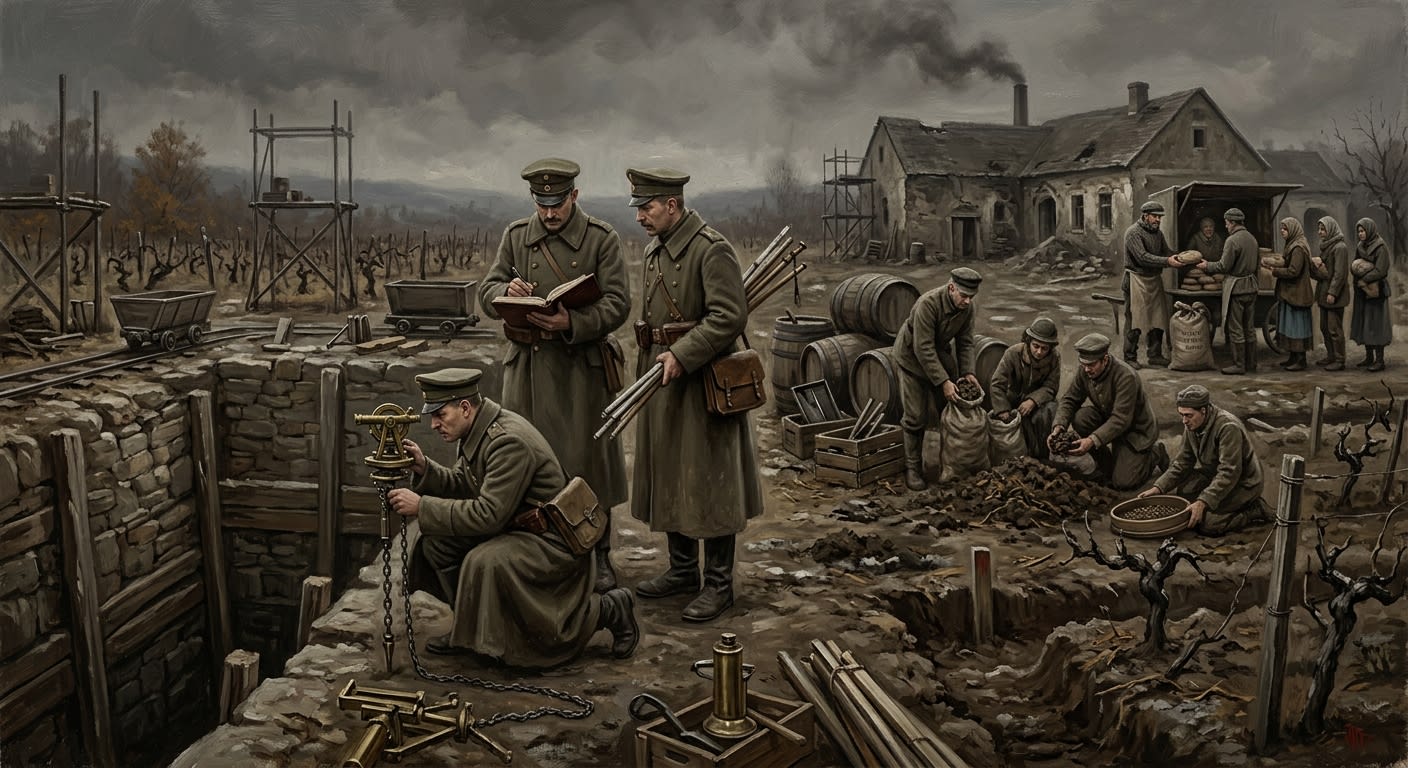
Pécs
The town where bread became evidence
Pécs is the vineyard ruin where Famine Pit measurement, Abundance Field proof, and Kargath's useful bread made hunger legible to the Ledger.
Codex Ref. II.4.09-147
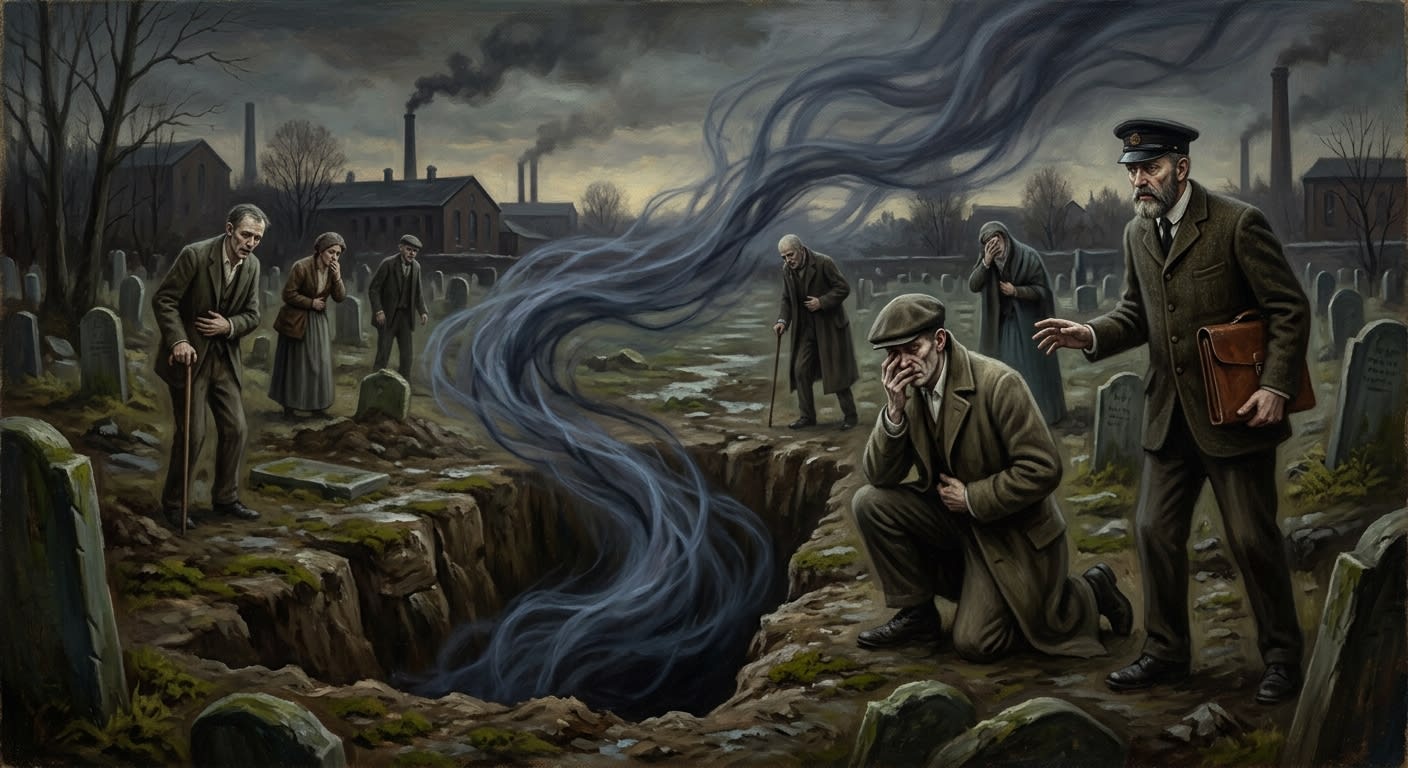
Residual Consumptive Emanation
The grave is still hungry; the phrase merely wears gloves
The Bureau's name for the hunger radiating from the Famine Pits: a cold, human-adjacent starvation that eats the living through old graves.
Codex Ref. XIII.1.25-134
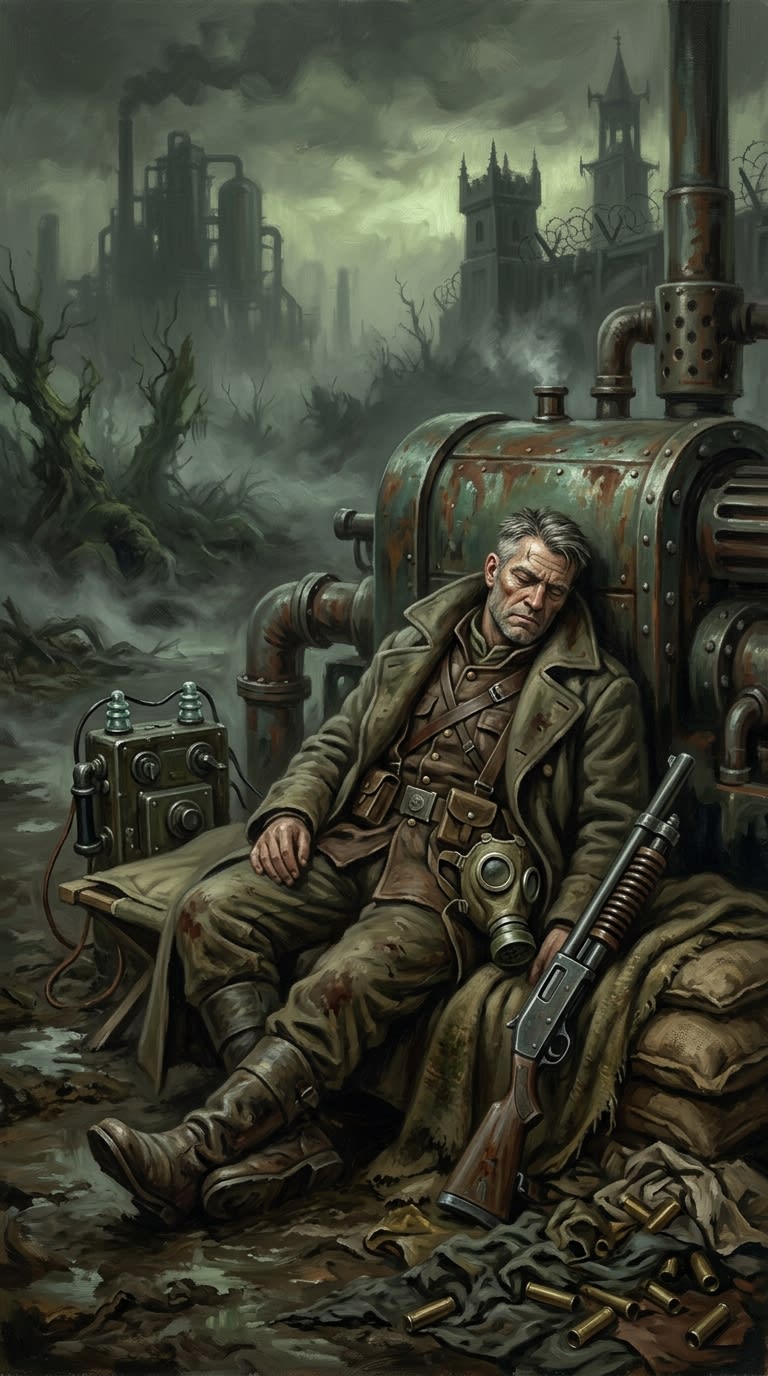
Sergeant Kael
The bombardier who chose mud because the quiet was worse
Sergeant Kael survived the Saint Barachiel Broadcast, refused Swiss convalescence, and now sleeps soundly on the Blightmarsh edge. Comfort is not indicated.
Codex Ref. III.2.01-011
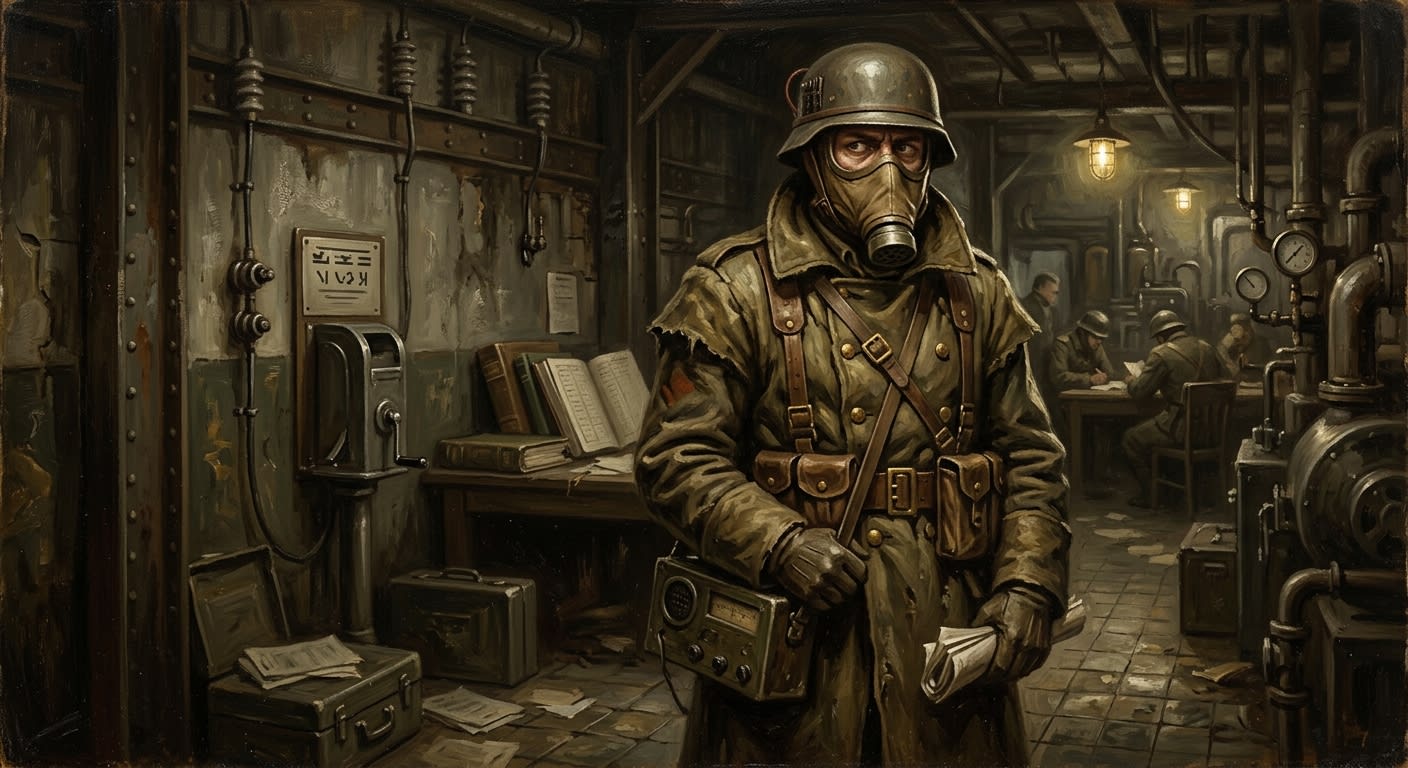
Sergeant Vell
The man who left the Blightmarsh and called Brest a relief
Sergeant Vell of the Thracian Survey survived Kestrel duty at the Blightmarsh in A.S. 199, spoke carefully, and requested Bastion-Brest as a relief.
Codex Ref. III.2.01-019
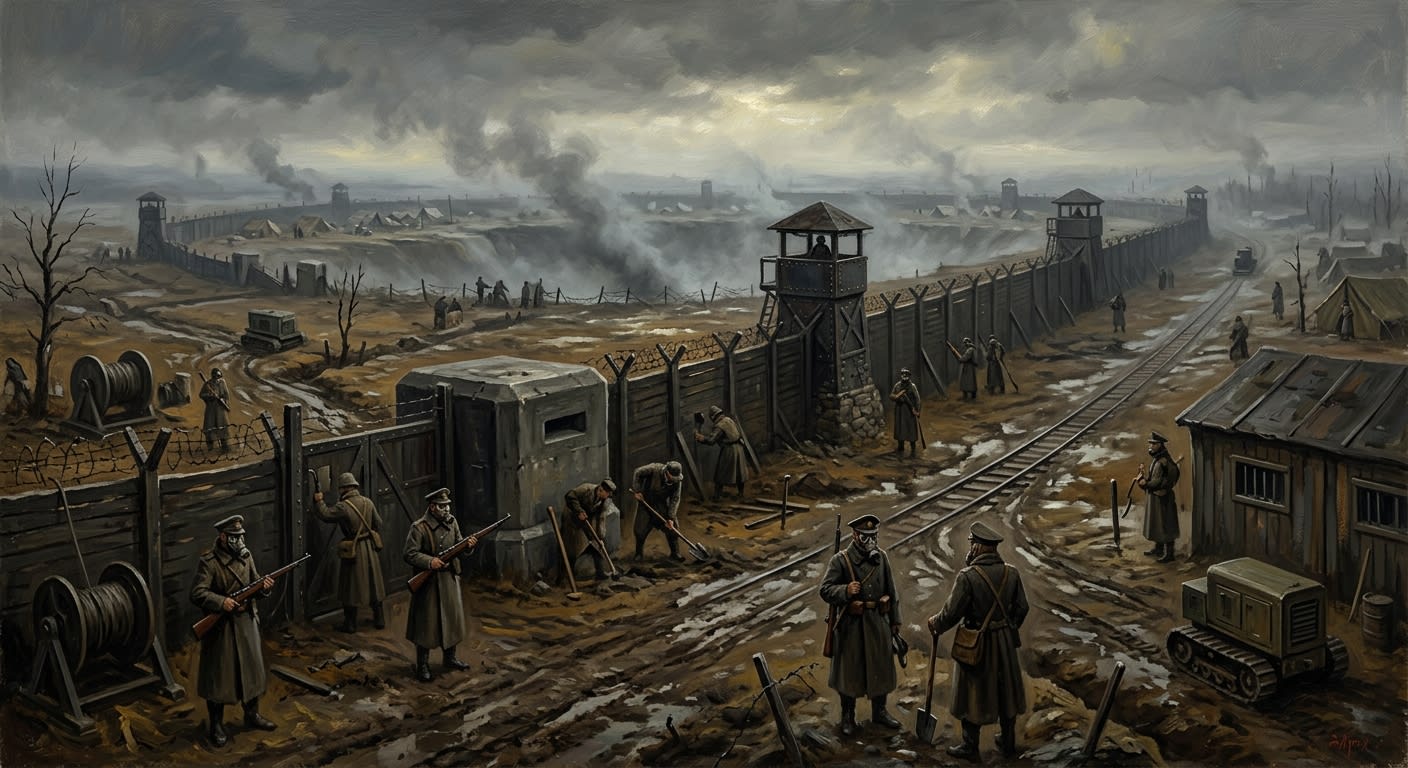
Standing Order 77-K
Stand here, not there; the dead are bad at obedience
Standing Order 77-K draws a four-mile commandment around the Famine Pits, converting hunger into evidence and distance into doctrine.
Codex Ref. XIII.1.23-001
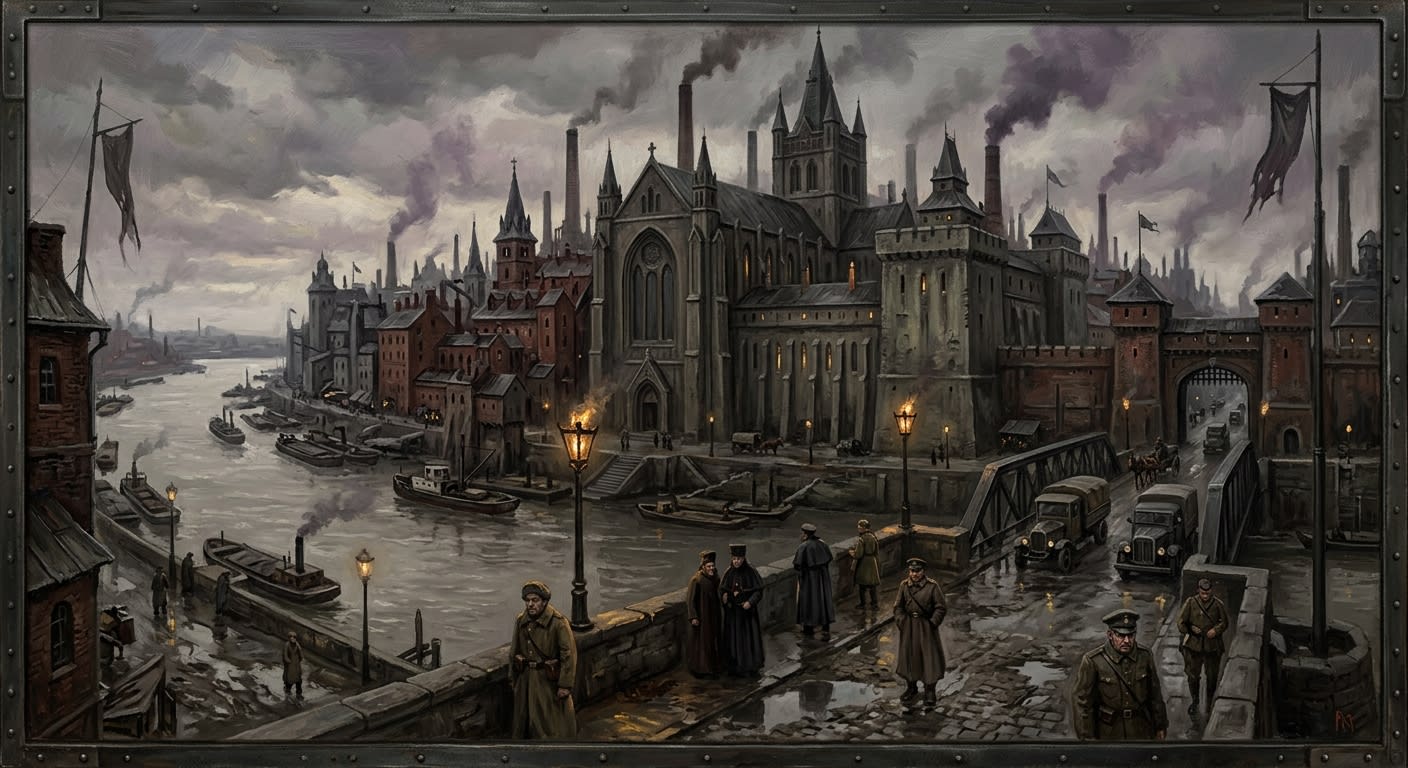
Szeged
The river city where the light failed while shining
Szeged is the Tisza city where psalm-light learned betrayal, candles died inward, and the road to Baja began reaching back with teeth.
Codex Ref. II.4.09-201
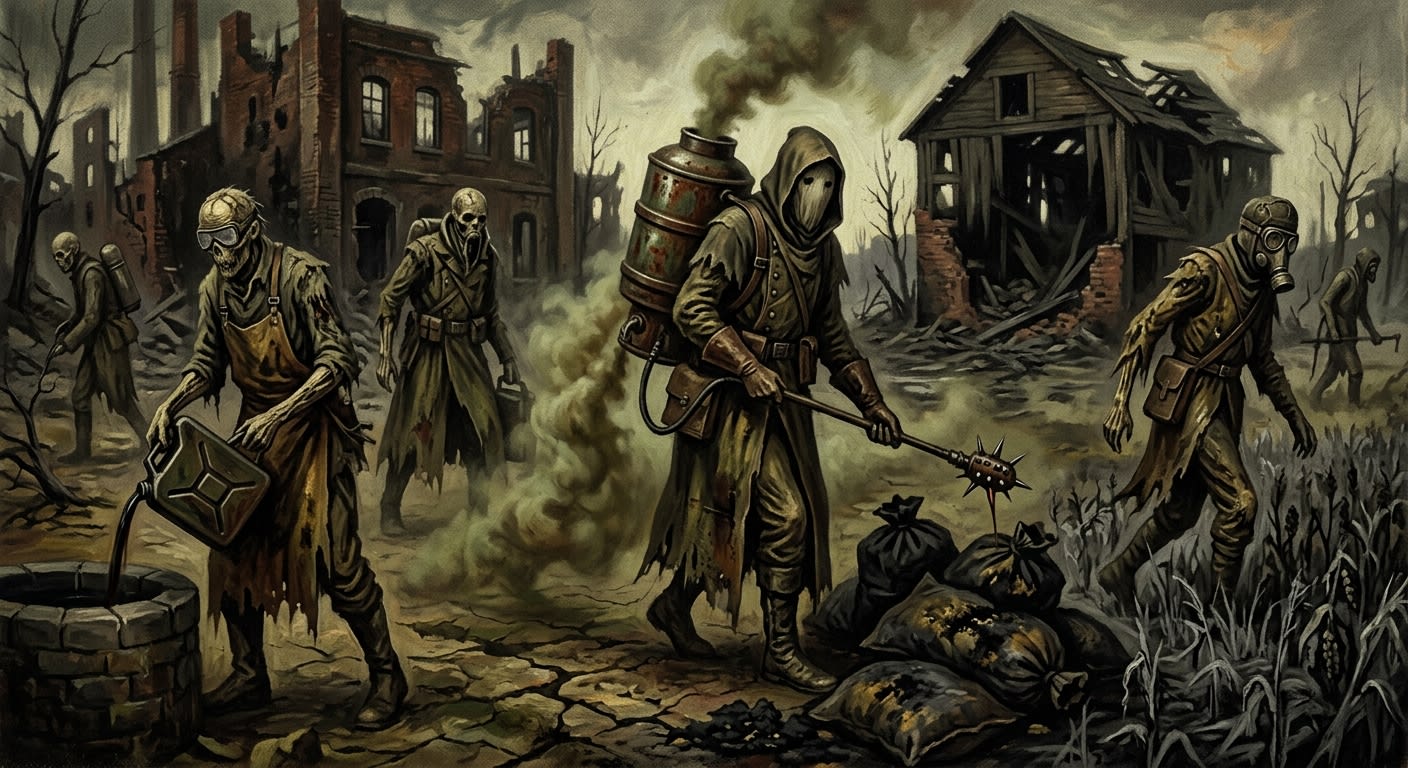
The Blightbearers
Famine with feet, and no mercy in the pantry
Kargath's Blightbearers are famine-carriers: thin demons whose passage makes full granaries fraudulent, clear wells treacherous, and supper an accusation.
Codex Ref. IV.1.07-013
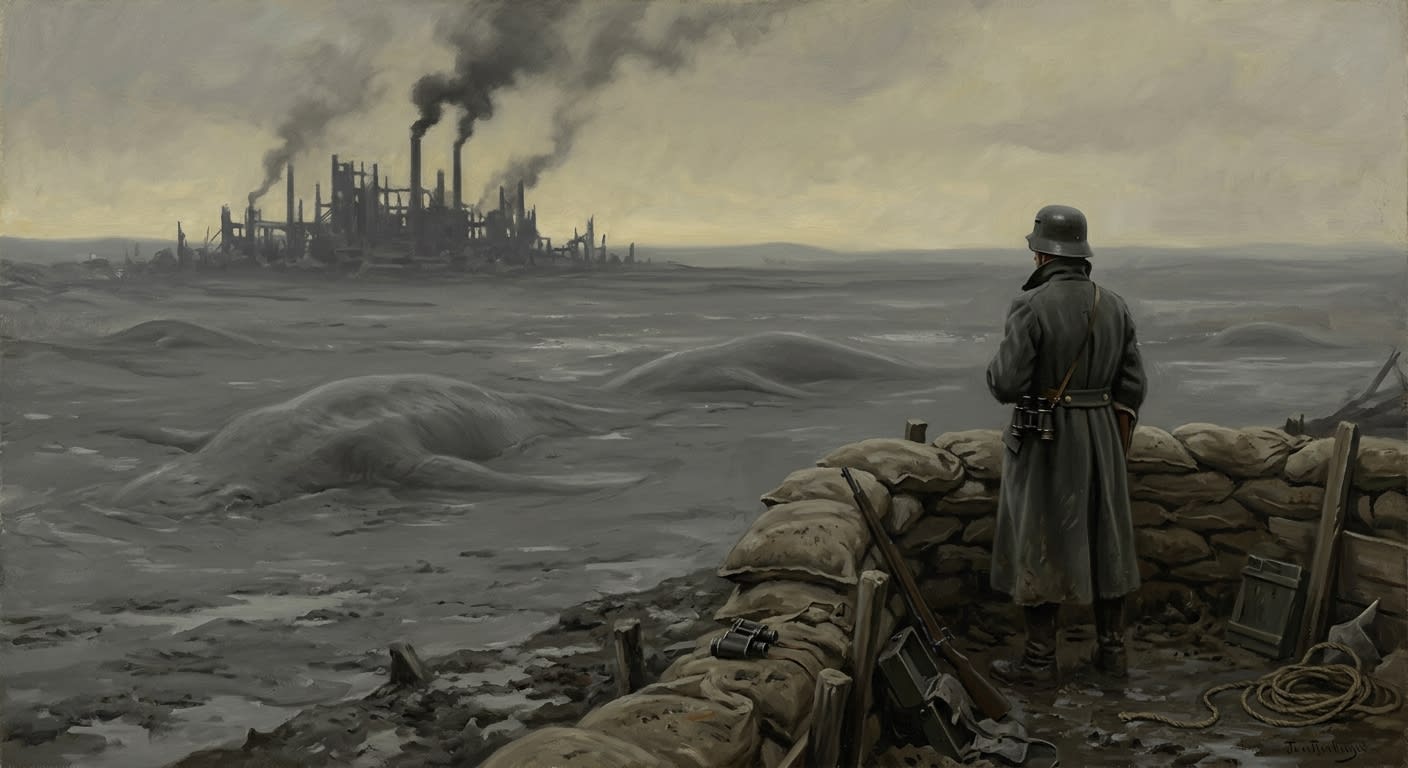
The Blightmarsh
Kargath's larder, fully stocked, permanently empty
The consumed plains of Hungary — twenty-three thousand square miles of grey mud, expanding mouths, and hunger that does not end. Kargath's forward infrastructure. The Sagittal Line's nearest unsolvable problem.
Codex Ref. V.6.01-001
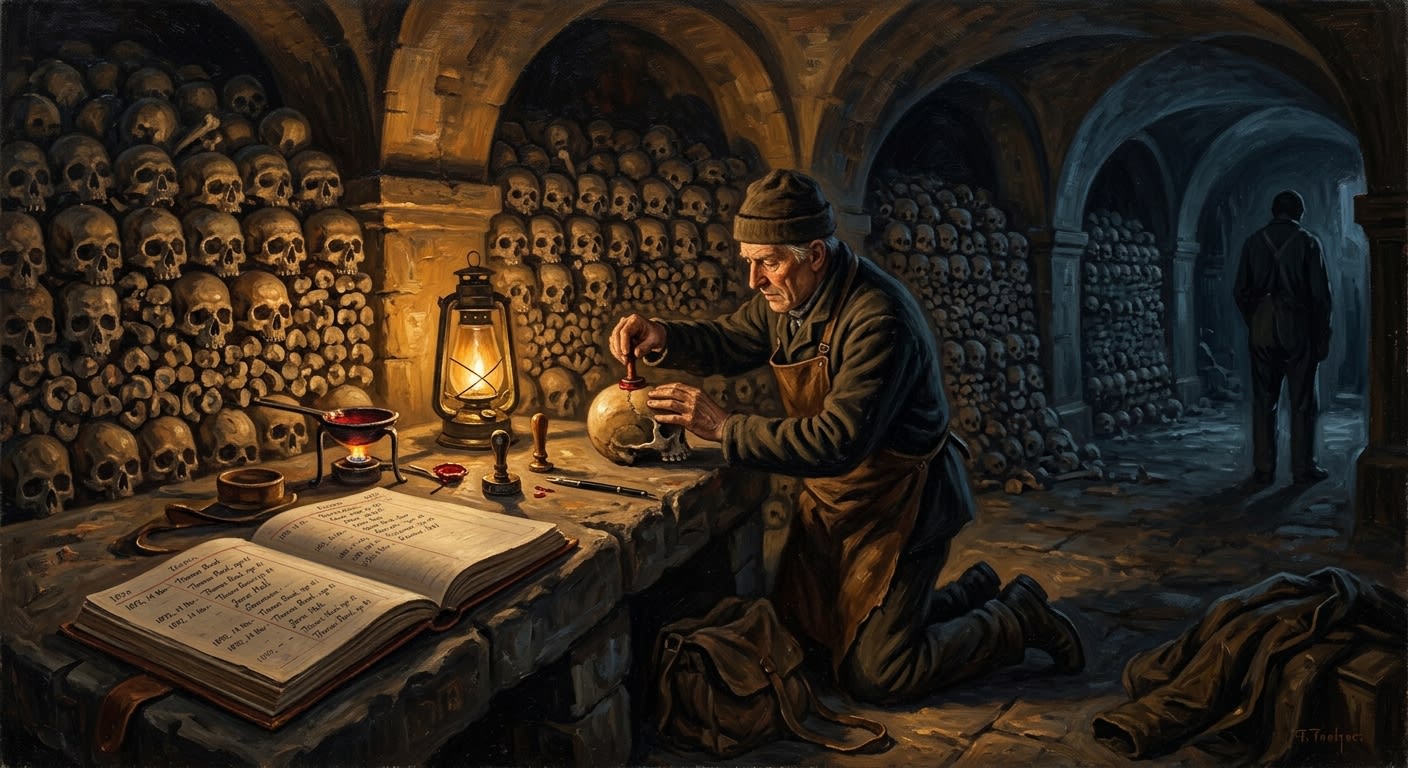
The Dead
What the filing system remembers, and what the Bureau has declined to ask
The Bureau maintains death is a clerical event. The dead, by the Bureau's own monitoring, appear to disagree. Drax files the discrepancy.
Codex Ref. VI.2.01-001
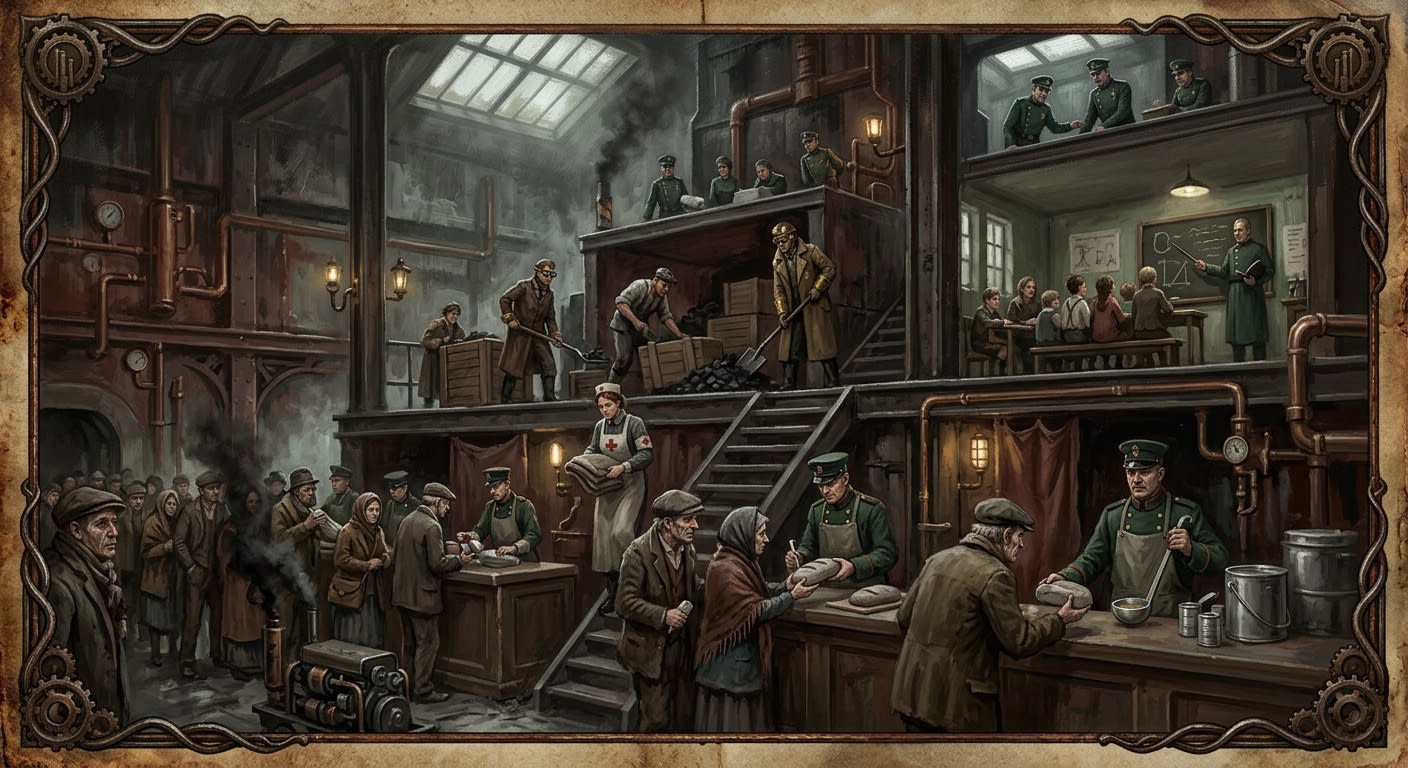
The Hierarchy of Need
Hunger is the sermon Kargath learned to serve hot
Kargath's cults do not begin with horns, but with bread. The Bureau calls their five stations a hierarchy. The hungry call them provision.
Codex Ref. IX.2.01-001
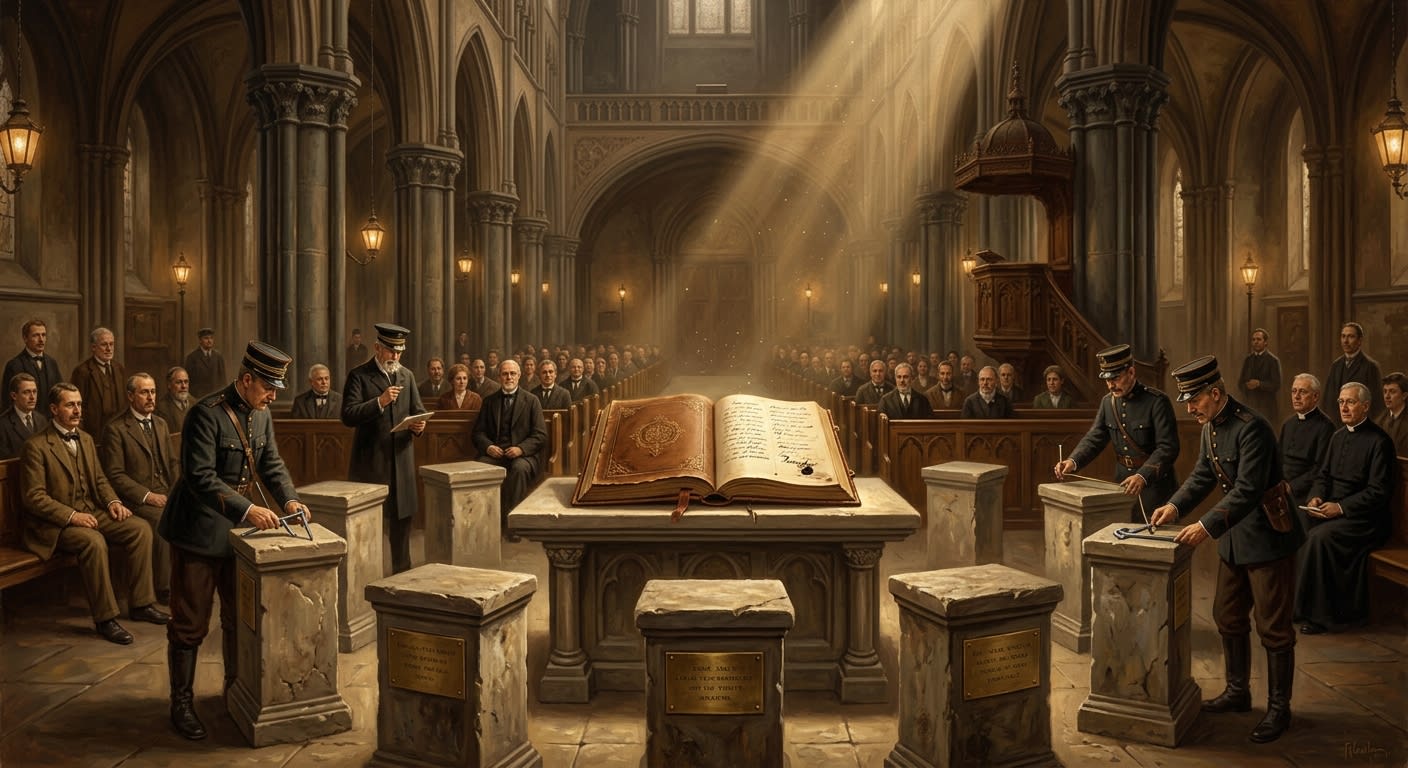
The Virtue Generals (So-Called)
Seven heresies dressed as hope, condemned in the forty-fourth standing order
Standing Order 44-D refuted, filed, and reluctantly left open. Seven alleged champions of the Creator — unregistered, unconfirmed, and disturbingly active for entities that do not exist.
Codex Ref. IX.3.44-001

Vigil Ark Sanctissima Vox
The Ark that fell slowly and remained administratively active
The Vigil Ark Sanctissima Vox sank into the Blightmarsh during its A.S. 147 hymnal broadcast mission; its lanterns still burn, so the roster still calls it active.
Codex Ref. V.2.04-002
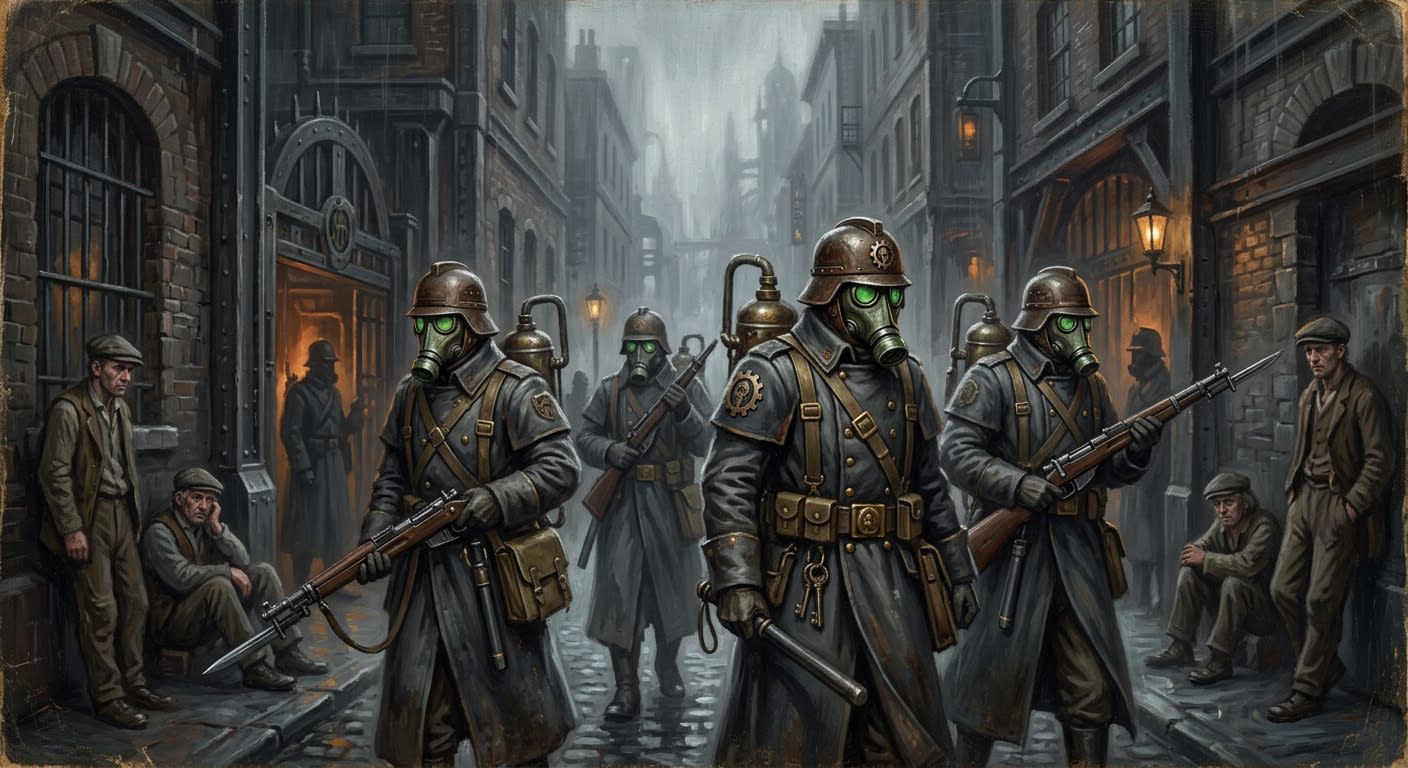
Wardens
The Synod's signature, written in keys and cudgels
Wardens are the Synod's street-level custodians of threshold, ration, gate, shrine, and curfew: resented because they are near, needed because they are near.
Codex Ref. XII.7.02-001