

Reverse Index
Referencing “The Year of Letters”
Every codex entry that links to The Year of Letters. 48 entries.
Return to The Year of Letters
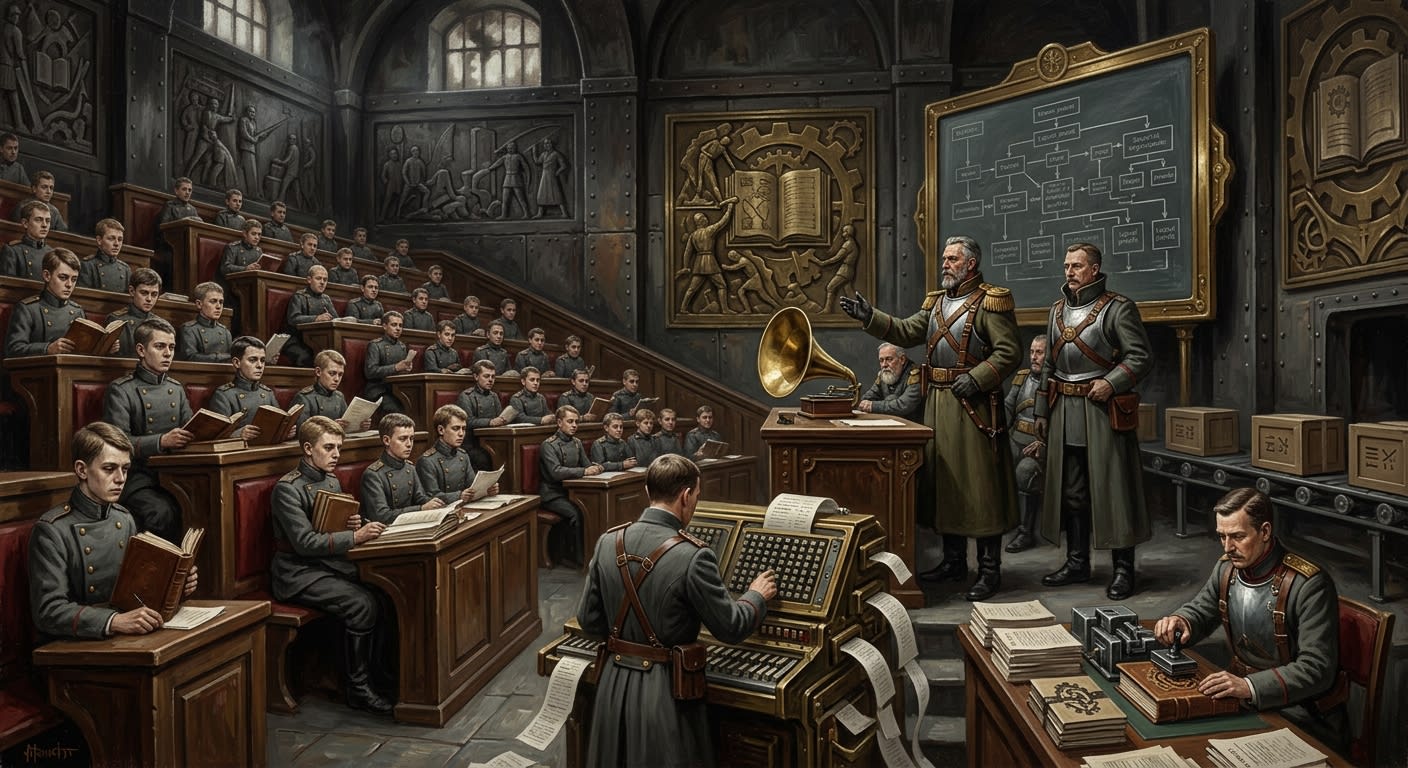
Academy System
The lecture hall as ministry, purse, press, knife, and alibi
The Rationalist Academy System made scholarship into command: lectures became policy, footnotes became bayonets, and children learned unbelief as paperwork.
Codex Ref. I.1.03-000

Althazar of Pest
The unauthorized man history mistook for a throne
Althazar of Pest was the sorcerer-lord of Vienna's last siege, a Rationalist remnant commander destroyed by Clemens Stahlhand and Saint Aldebrand's reliquary mace.
Codex Ref. III.2.01-153

Amsterdam
The city where Europe learned to sin in pamphlet form
Amsterdam is the independent Dutch city where the Synod's calendar wound was printed: first the Year of Letters, then *De Vera Luce*, then Europe taught to doubt by invoice.
Codex Ref. II.4.09-012

Amsterdam Academy
The lectern that made unbelief printable
The Amsterdam Academy licensed unbelief, printed the calendar wound, and taught Europe that a schoolhouse may do the work of a siege engine.
Codex Ref. VIII.8.01-000
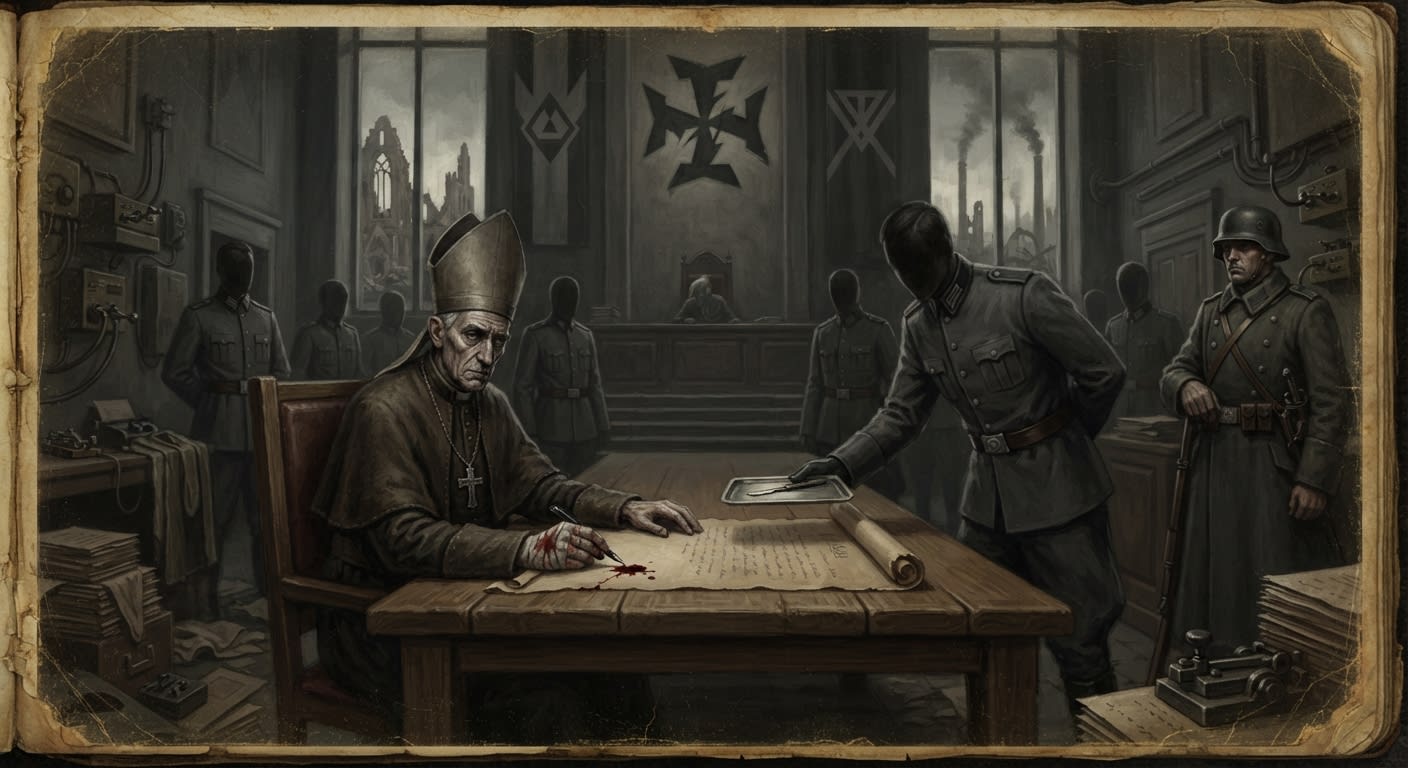
Archbishop of Vienna
The hand the Rationalists needed and Doctrine refuses to name
The unnamed prelate whose blood signed the Treaty of Regensburg, dissolved the Holy See under threat, and later became Doctrine's evidence that coercion is not consent.
Codex Ref. III.2.06-004

Archbishop Rupert III
The prelate who made a relic absent by letter
Pre-Synodic Archbishop of Vienna who answered Amsterdam's bone arithmetic by erasing the Reliquary of Saint Aldebrand from the records while leaving it glowing in the vault.
Codex Ref. III.2.01-032
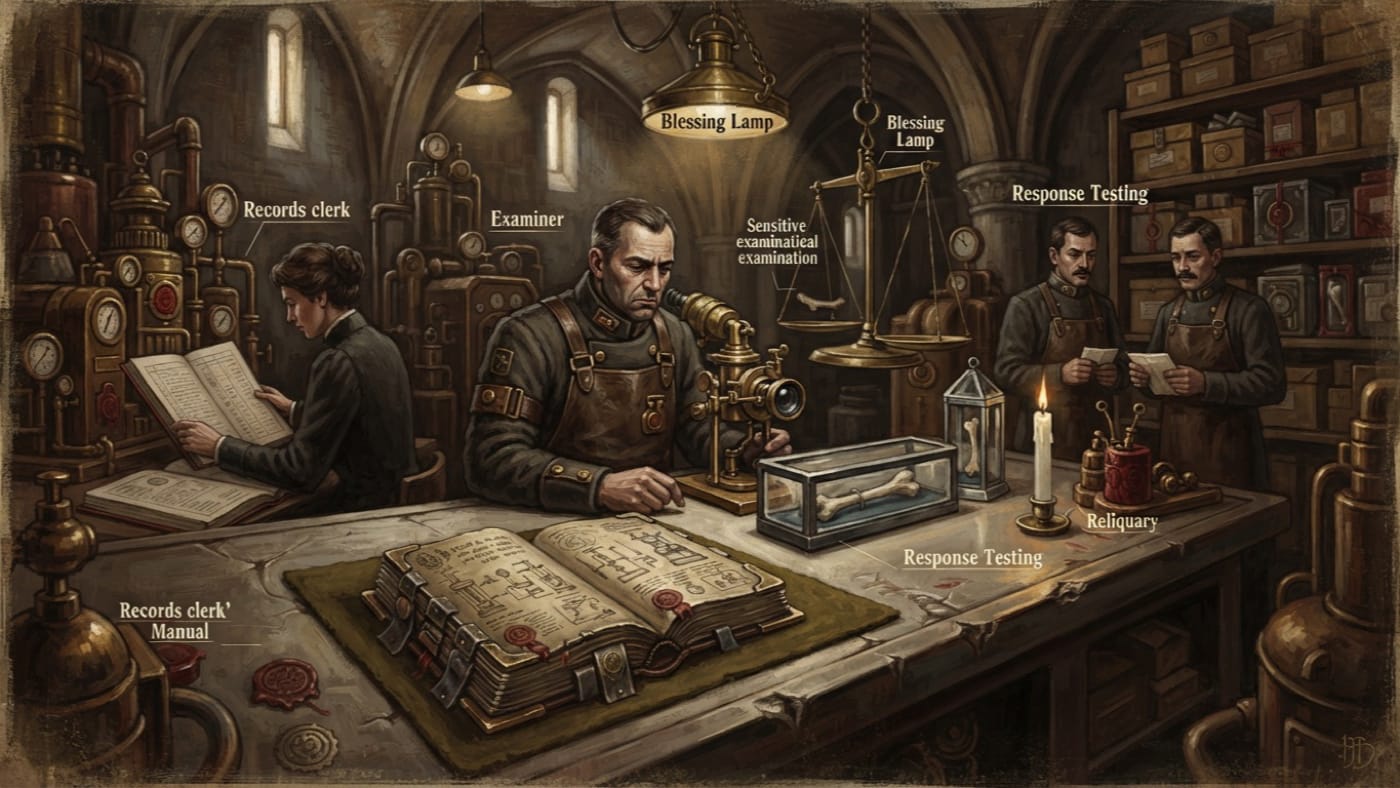
Authenticators' Manual
Seven stages. Two witnesses. Responsibility belongs to the hand.
The Bureau of Relics' working rulebook in A.S. 201: seven stages, two witnesses and seals that outrank arithmetic. Permission belongs to the Bureau; responsibility belongs to the Examiner.
Codex Ref. XIII.1.81-002
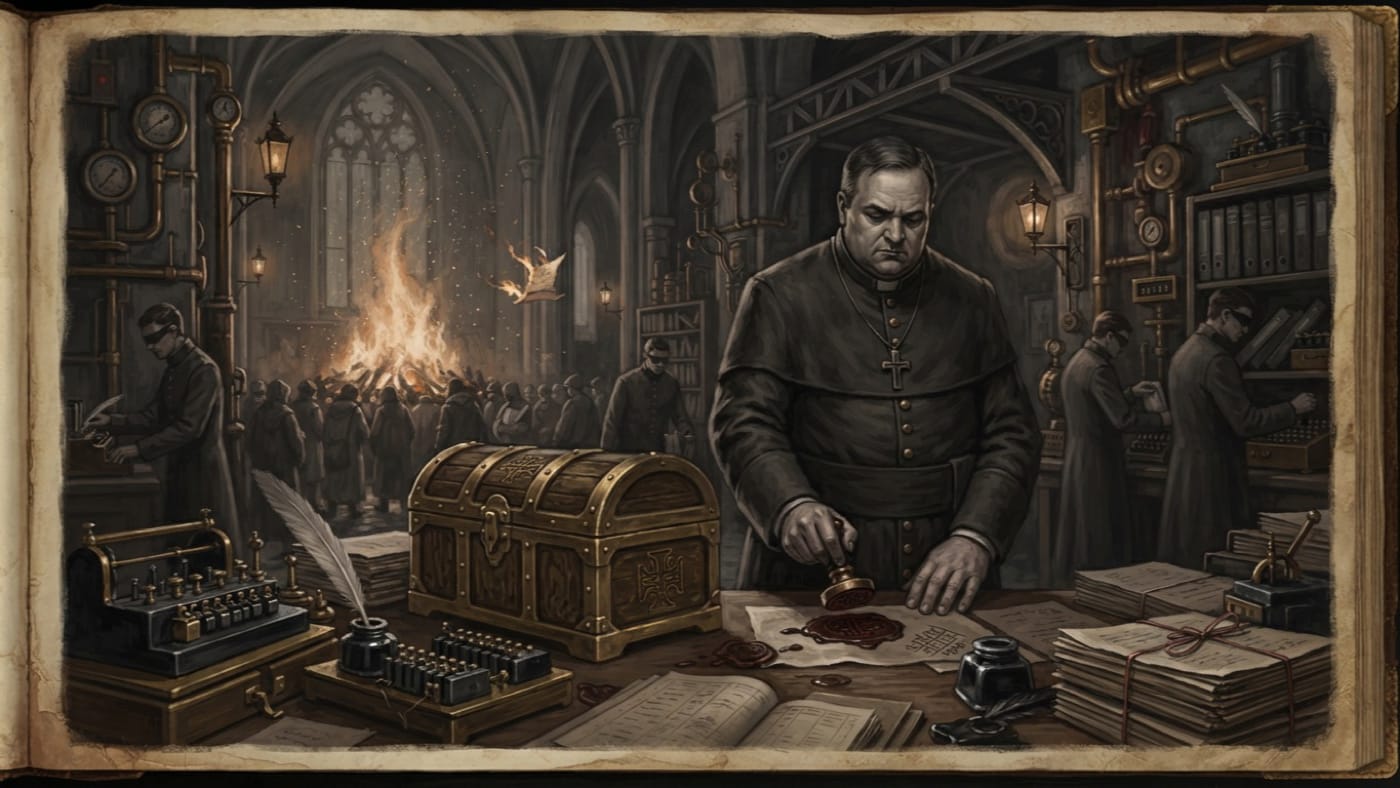
Bishop of Münster
He burned the question, then sealed the answer.
The Bishop of Münster burned Amsterdam's letter in 1678, then commissioned a relic census whose results remain sealed. The office survives in the Ledger; the man's name does not.
Codex Ref. III.2.01-256
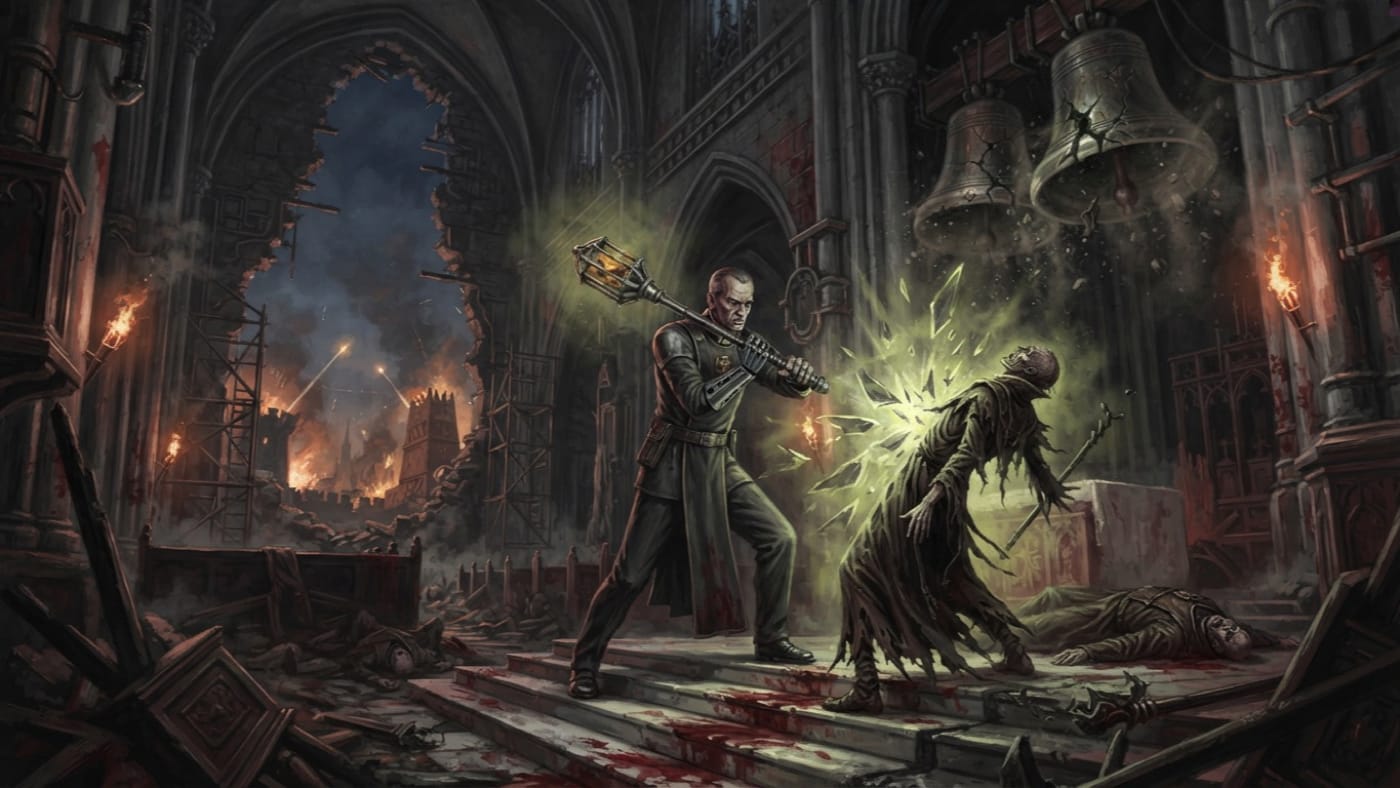
Blow of Saint Rupert
One strike; nine years of paperwork
Clemens Stahlhand's reliquary blow broke the Siege of Vienna in A.S. 95. Doctrine ratified the miracle in A.S. 104; the bells and the mechanism retain their own troublesome files.
Codex Ref. III.2.07-032
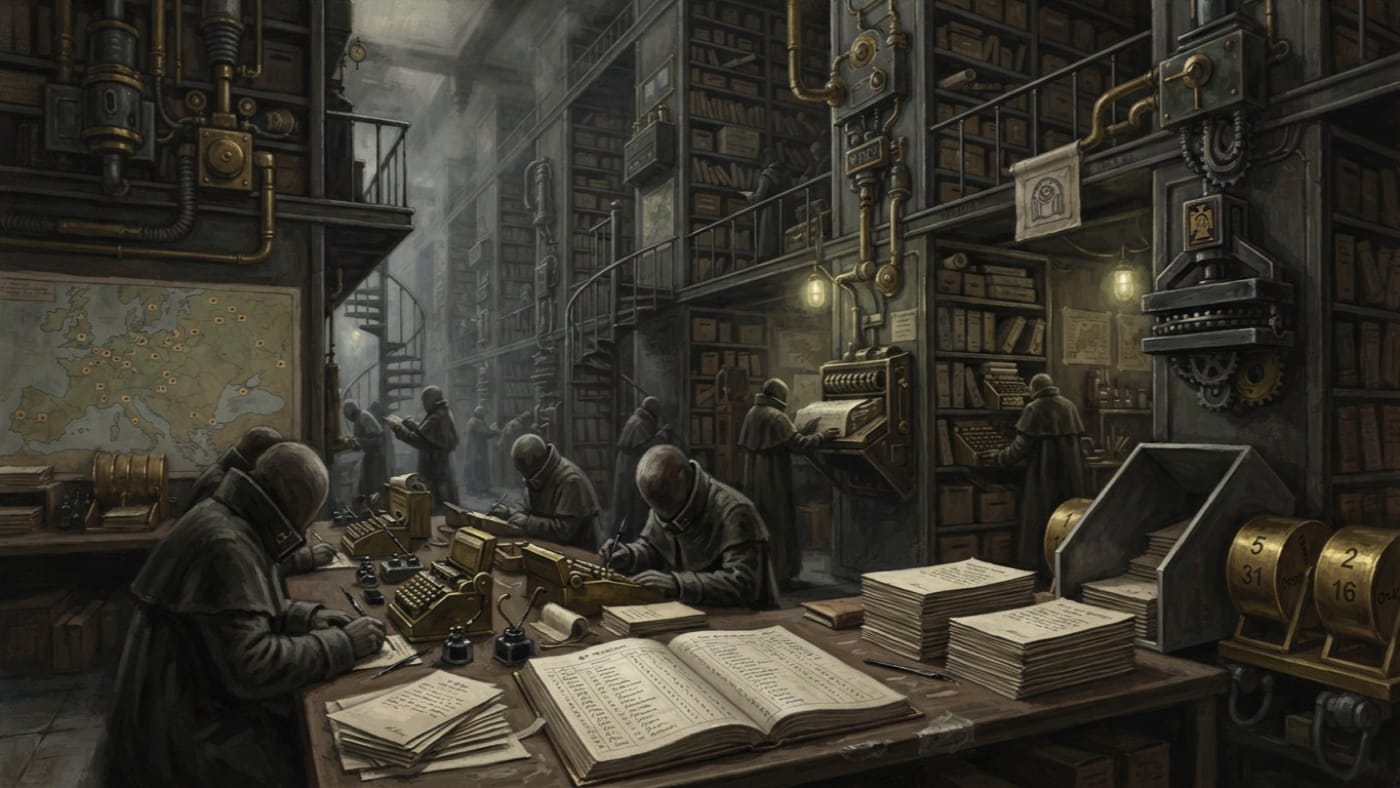
Bone Census
The count is conceded; the right to count is condemned
Compiled in Amsterdam in −32 A.S. / 1678 CE, the Bone Census tabulated 243 Aldebrand relic claims. The figures are conceded; the scholars' right to count remains condemned.
Codex Ref. I.1.04-000
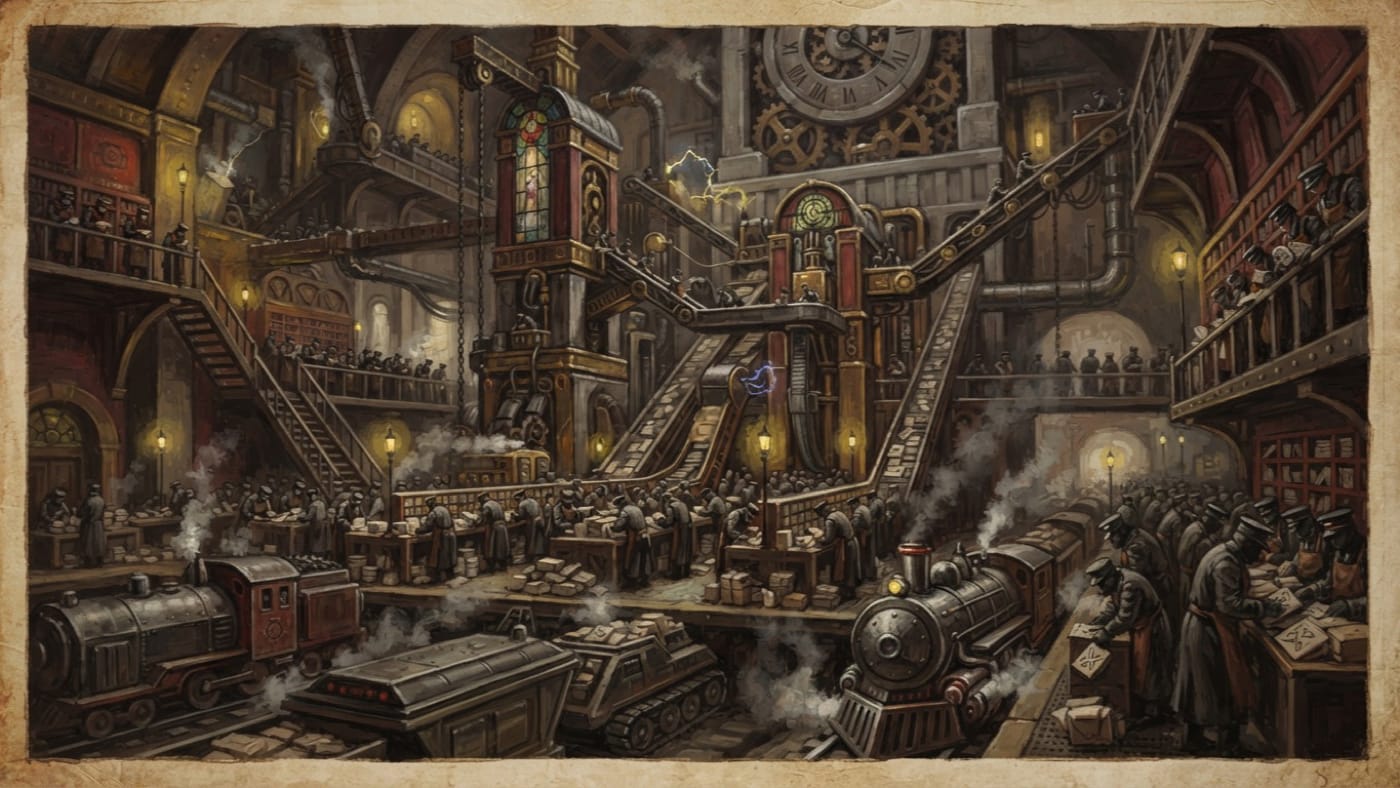
Continental Post
The Synod catches up with fourteen copyists
The Continental Post matched de Waal's distribution efficiency in A.S. 110. Founding or maturity: the Ledger agrees on the year and quarrels over the verb.
Codex Ref. VIII.2.10-110

Custodial Chain
The ledger remembers the hands. The bone keeps its own counsel.
The ledger joins an authenticated relic to the hands that held it. In 1678, Vienna severed Aldebrand's chain without moving the bone. The record lost custody; the custodian did not.
Codex Ref. XIII.1.97-001
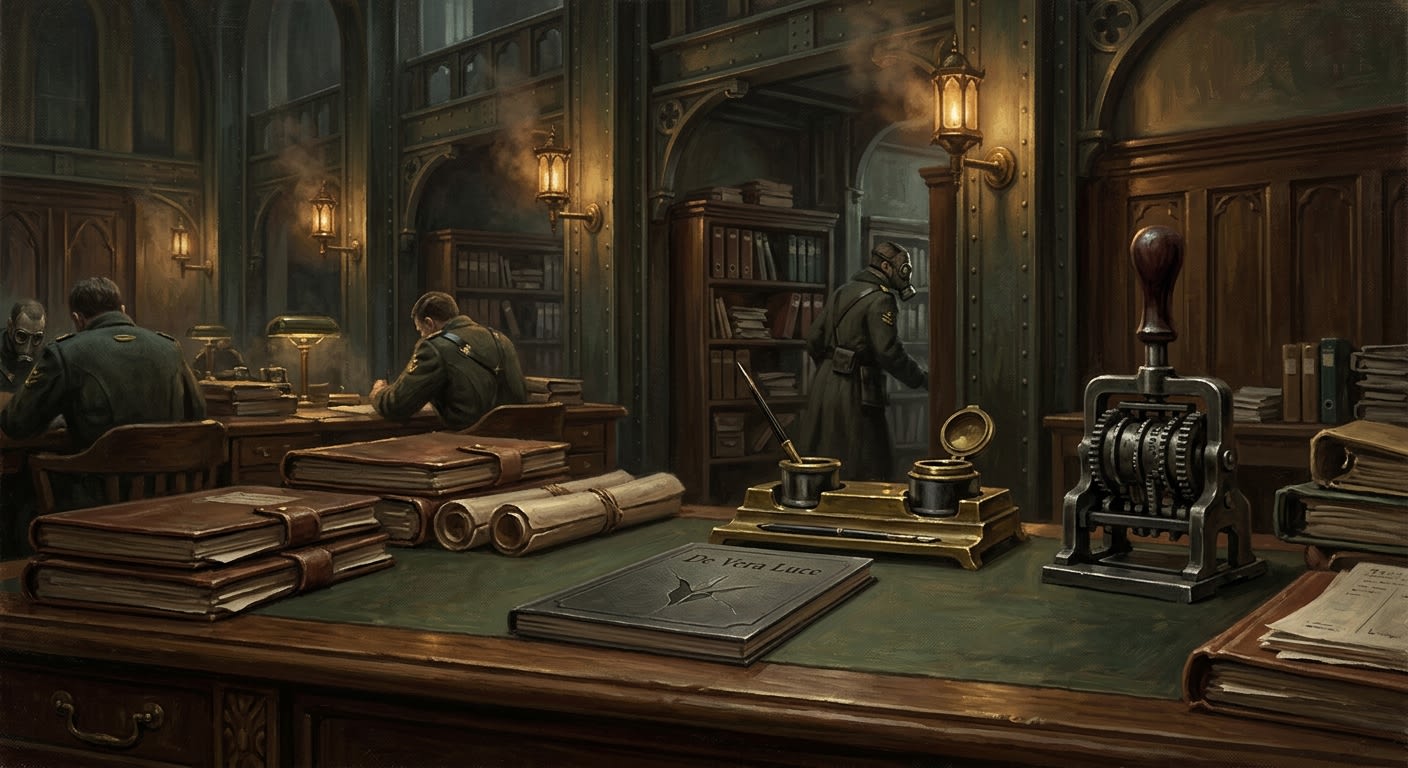
De Vera Luce
The lamp without altar becomes a torch in a library
The Amsterdam Academy's founding pamphlet made A.S. 0 a wound, not a birthday: thirty-two leaves of clean prose, humane poison, and continental ruin.
Codex Ref. I.1.04-001
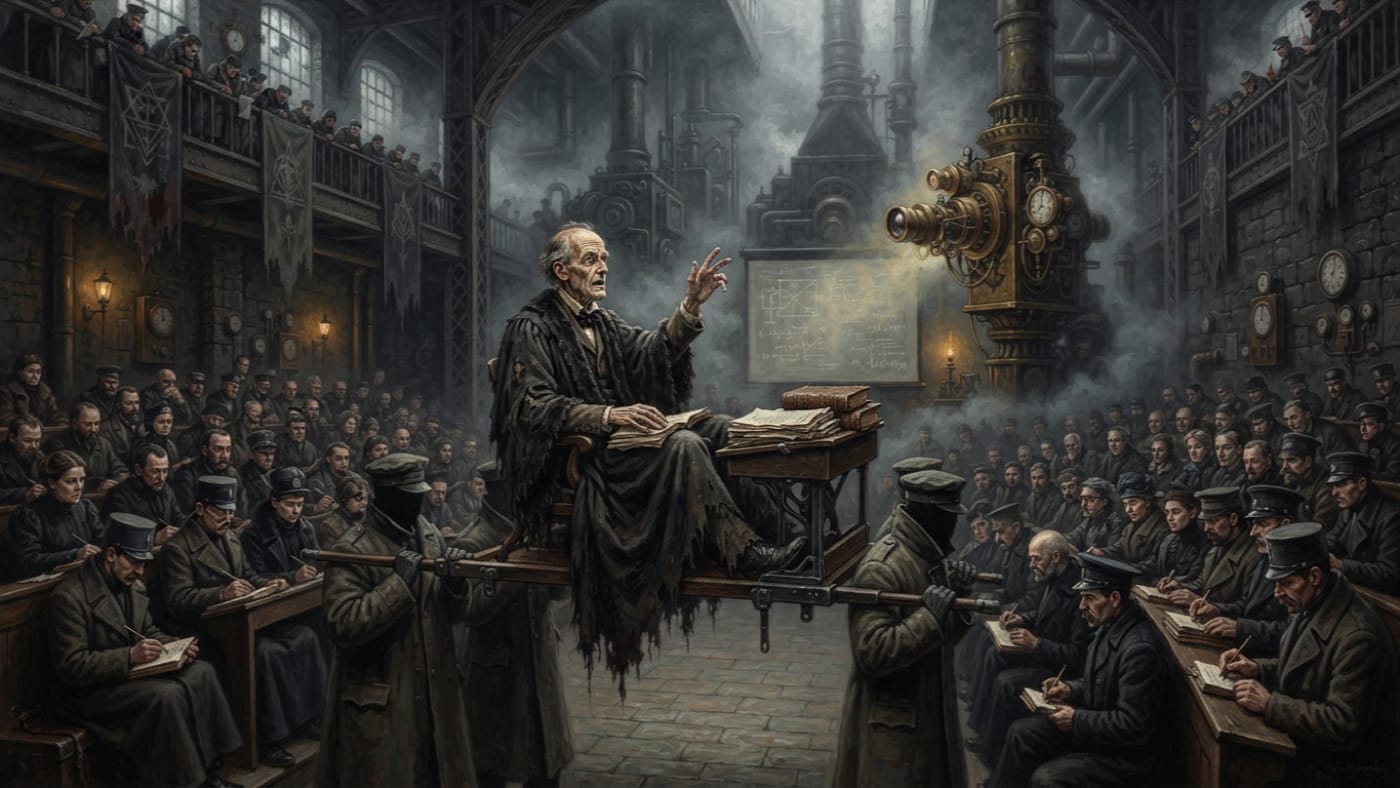
Dean Albrecht Moser
The signature survived; so, inconveniently, did the signatory
Dean Albrecht Moser signed the Concordats of Ulm in 1655 and reached Amsterdam's founding congress at seventy-nine, carried on a litter and still lecturing. His signature outlived his bones.
Codex Ref. III.2.01-850
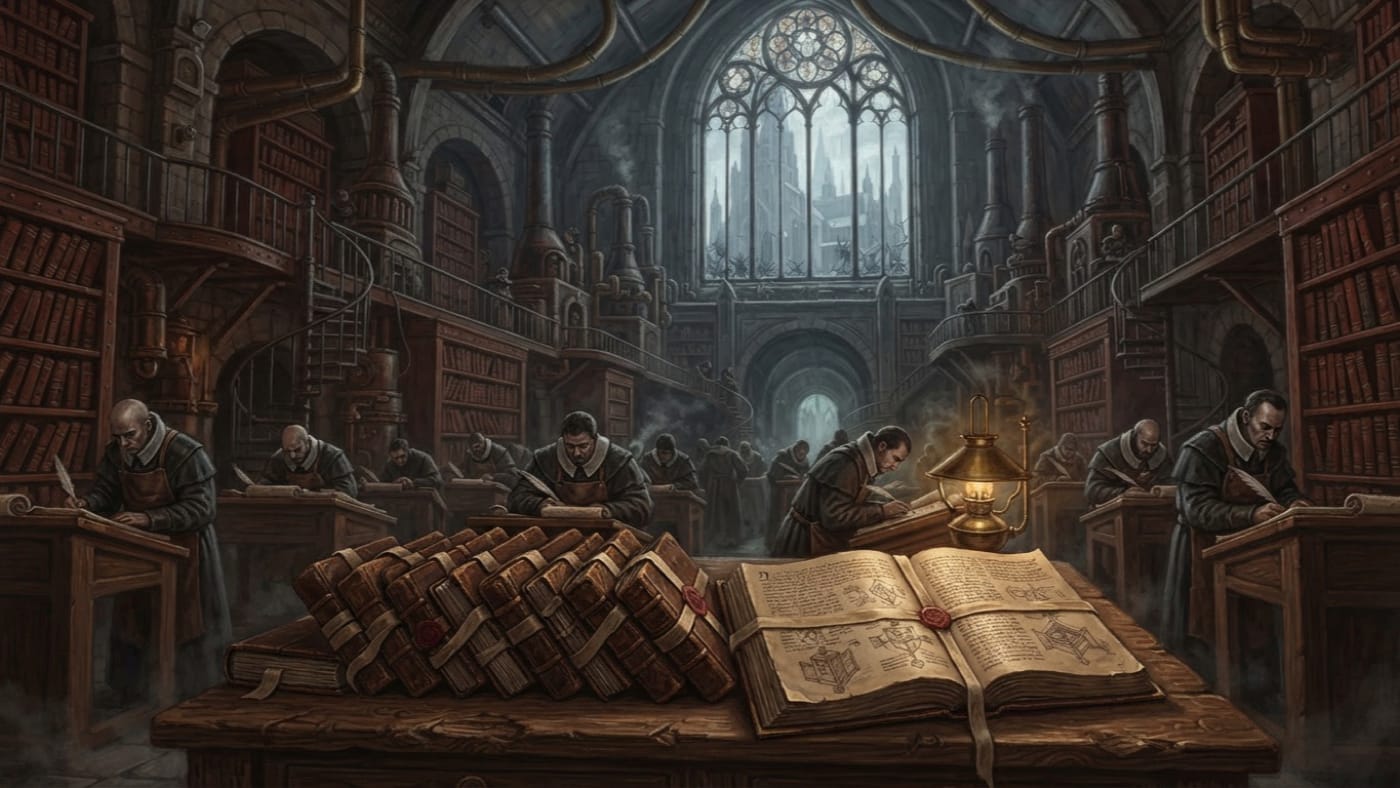
Diocese of Trier
Twelve pages of theology. No reconciled provenance.
Trier's twelve-page defence of multiplied Aldebrand relics in −32 A.S. / 1678 CE: magnificent theology, unreconciled provenance, and paperwork the Synod claimed a century late.
Codex Ref. I.3.09-032
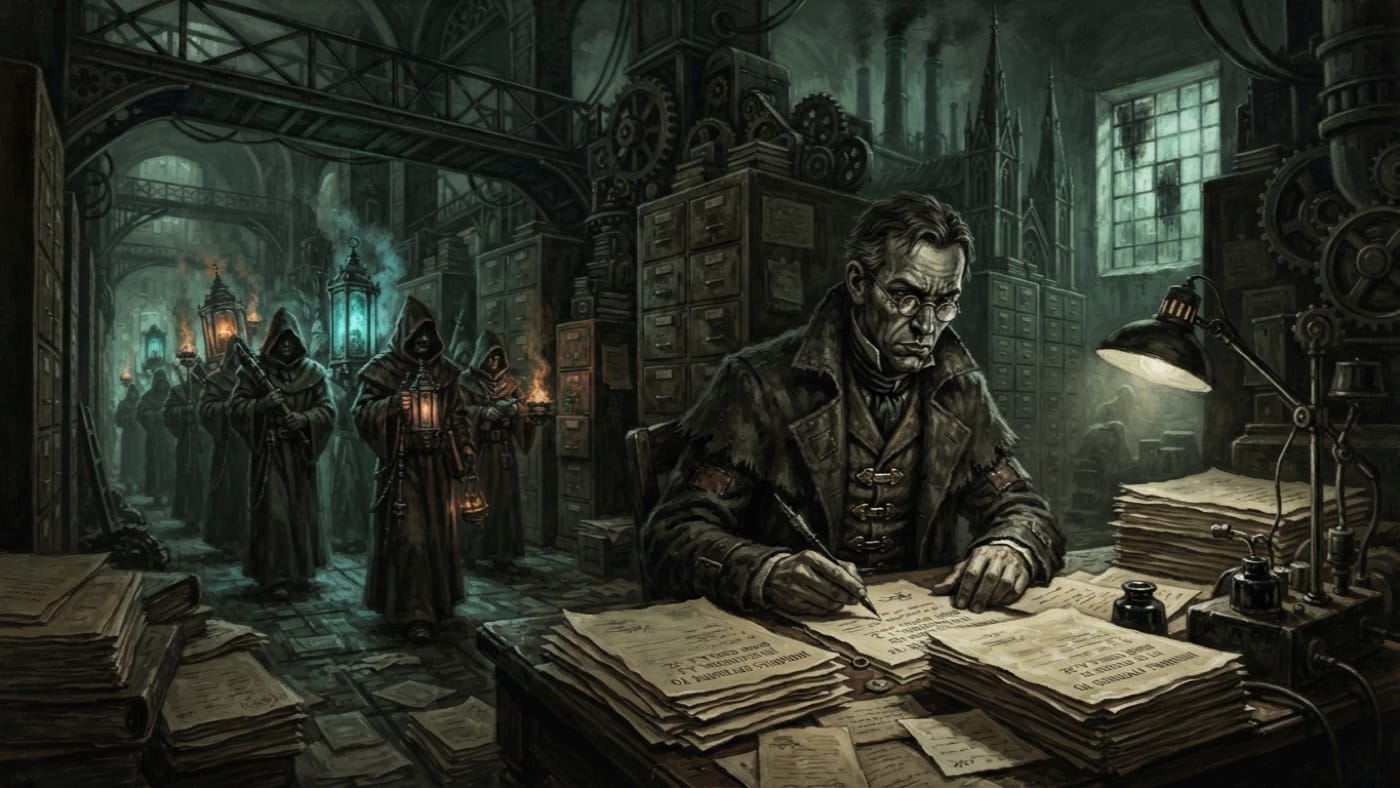
Dr. Gerrit Lemstra
The courtesy was impeccable. The inquiries remain open.
Dr. Gerrit Lemstra drafted the courteous inquiries sent with Amsterdam's Bone Census in −32 A.S. / 1678 CE. The Bureau condemns the scholar; his requests remain unreconciled.
Codex Ref. III.2.01-027

Dr. Jan de Waal
Addresses, funds and copyists. Forty cities received the doubt.
Dr. Jan de Waal kept the addresses, funds and fourteen copyists behind the Year of Letters in −32 A.S. / 1678 CE. Forty cities received the evidence; the Church supplied the silence.
Codex Ref. III.2.01-028
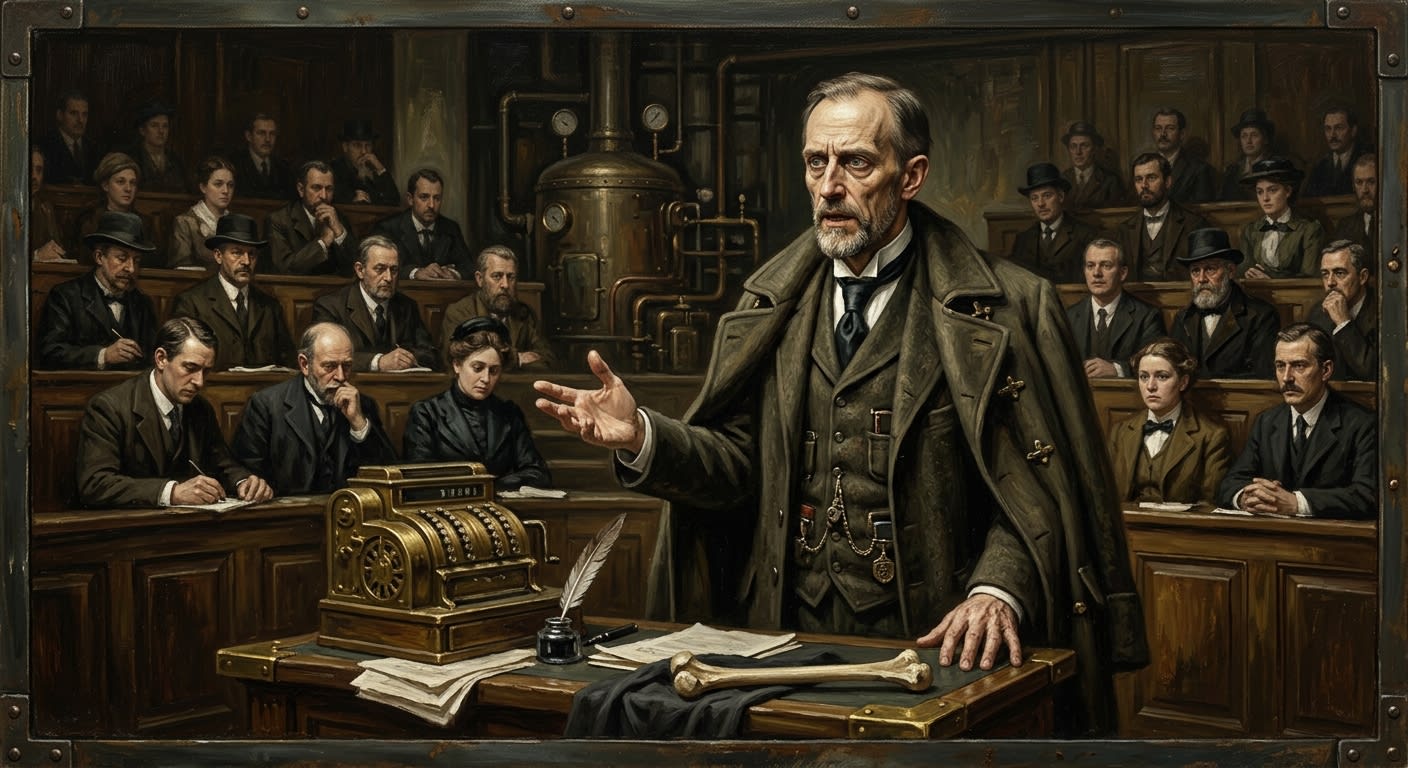
Dr. Matthias Voll
The lecturer who counted bones and was answered by one
Dr. Matthias Voll made relic arithmetic into theatre at Amsterdam in A.S. 11. Vienna later supplied the Bureau's preferred calculation: one bone, one blow, one crushed argument.
Codex Ref. III.2.01-011

Dr. Pieter van Hoorn
The count was correct. The compiler remains condemned.
Dr. Pieter van Hoorn compiled the Bone Census and conceived the Year of Letters in −32 A.S. / 1678 CE. The Bureau concedes his count, condemns its inference, and keeps his correspondence under quadruple seal.
Codex Ref. III.2.01-029
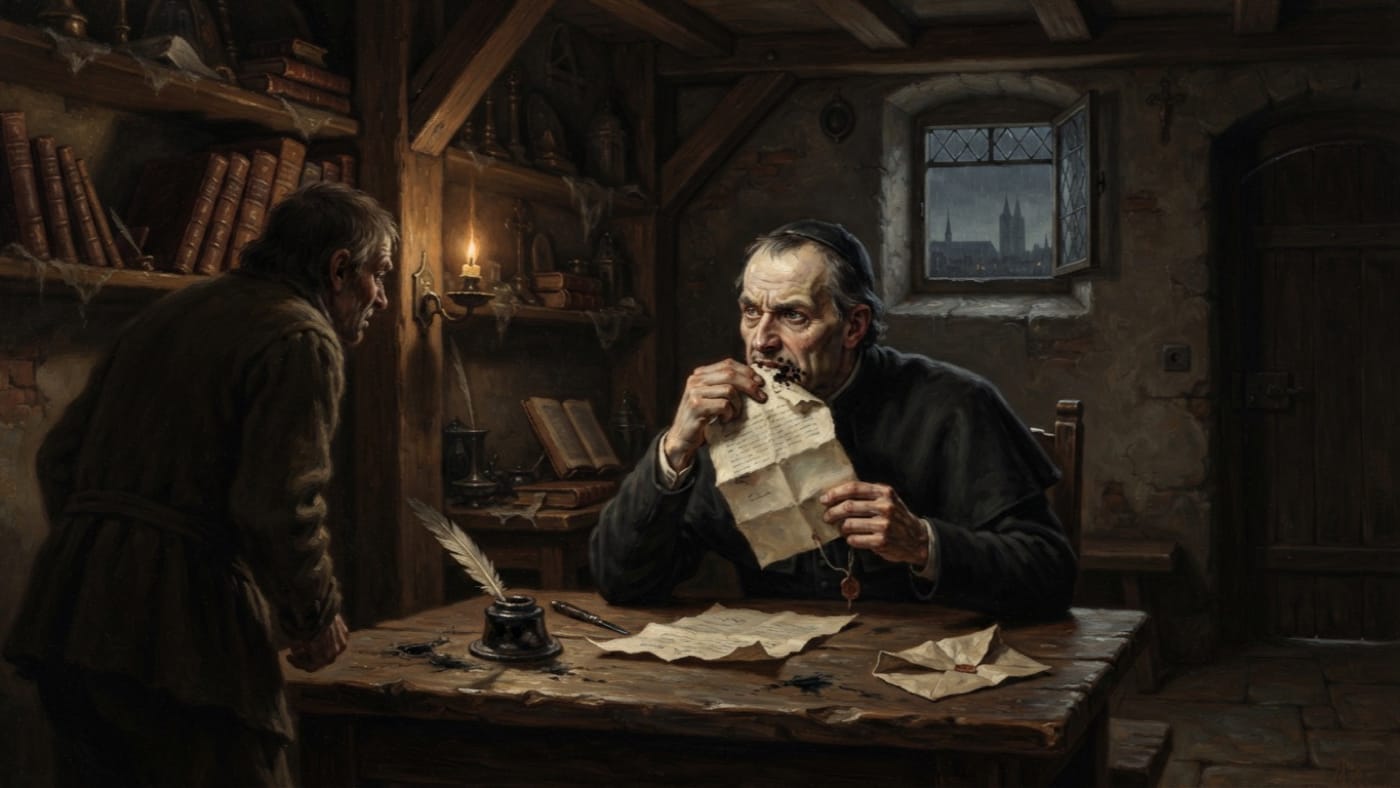
Düsseldorf
One priest. One letter. Nothing left to quote.
A Rhineland city remembered for Father Grauss, who ate the Amsterdam letter in A.S. −32 / 1678 CE. The magistrate supplied three days in gaol; the Bureau supplied a classification.
Codex Ref. II.2.01-941
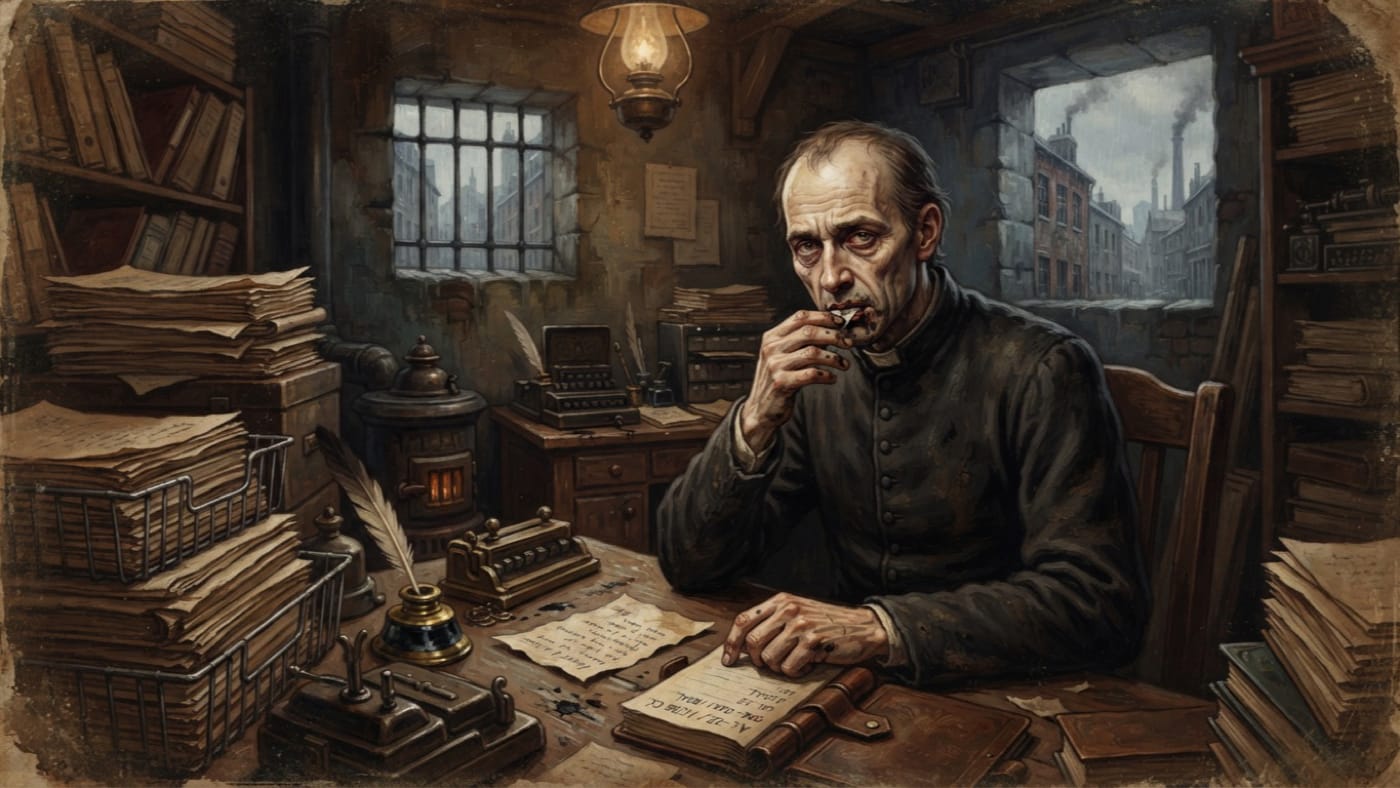
Father Grauss
One letter eaten. Three days served. Five words preserved.
Father Grauss ate the Amsterdam letter in A.S. −32 / 1678 CE. Düsseldorf supplied a beating and three days in gaol; the Bureau supplied its verdict: Doctrinally Sound, Gastronomically Irregular.
Codex Ref. III.2.01-1023
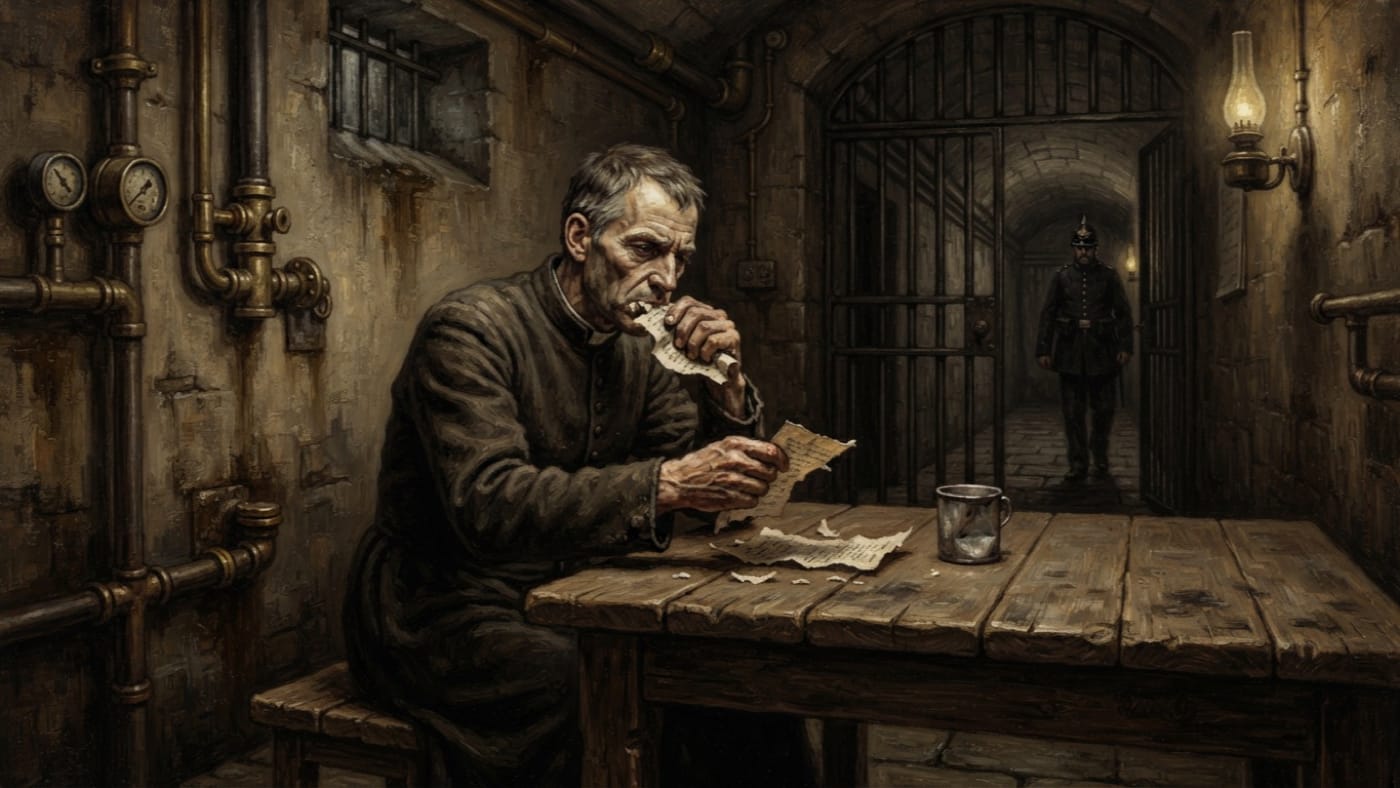
Father Grauss of Düsseldorf
One letter eaten. Three days served. Five words preserved.
Father Grauss ate the Amsterdam letter in A.S. −32 / 1678 CE, received a beating and three days in gaol, and did not recant. The Ledger calls him Doctrinally Sound, Gastronomically Irregular.
Codex Ref. III.2.01-1024
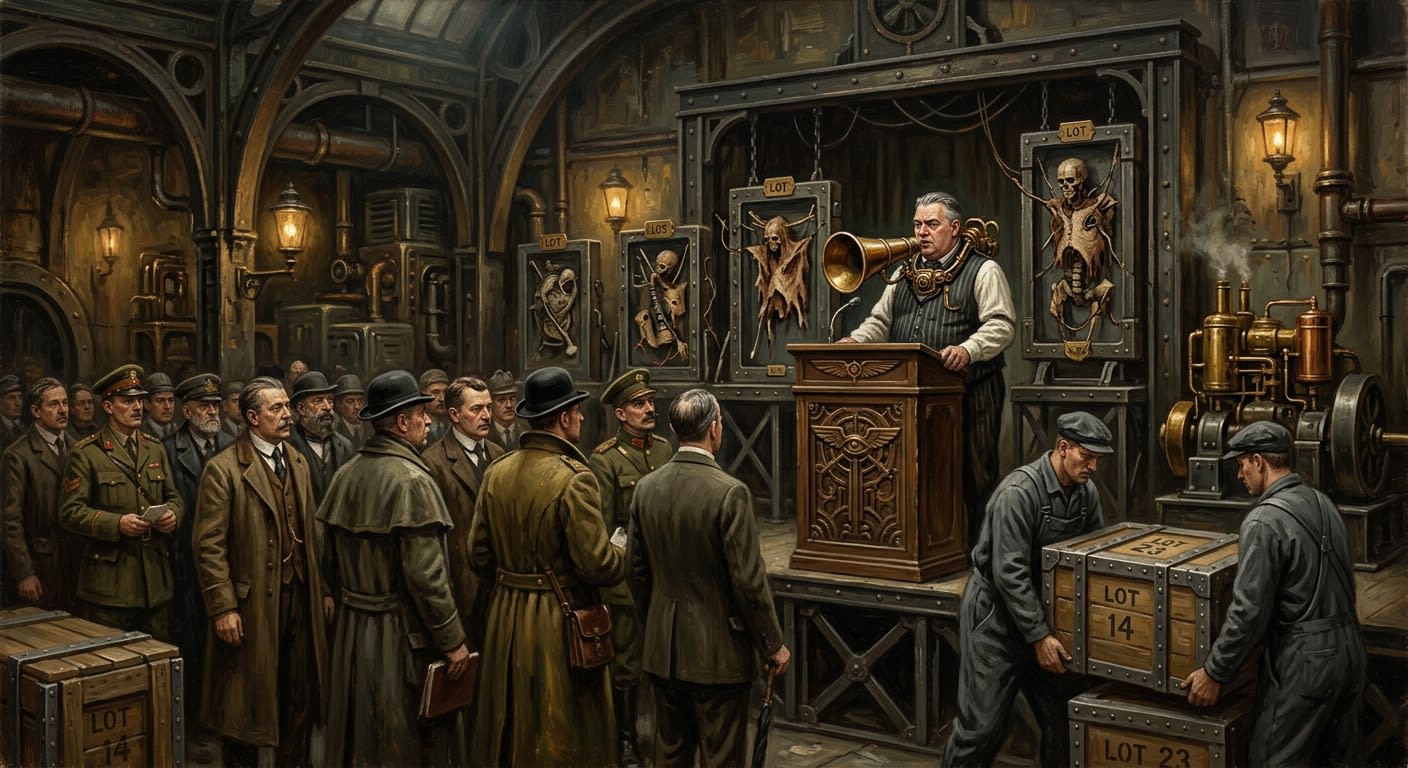
First Relic Auctions of Amsterdam
When the hammer learned to price a saint without blushing
Amsterdam's first relic auction season made sacrilege respectable by catalogue, turning stolen bones into lots and provenance wounds into profit.
Codex Ref. VII.8.10-007
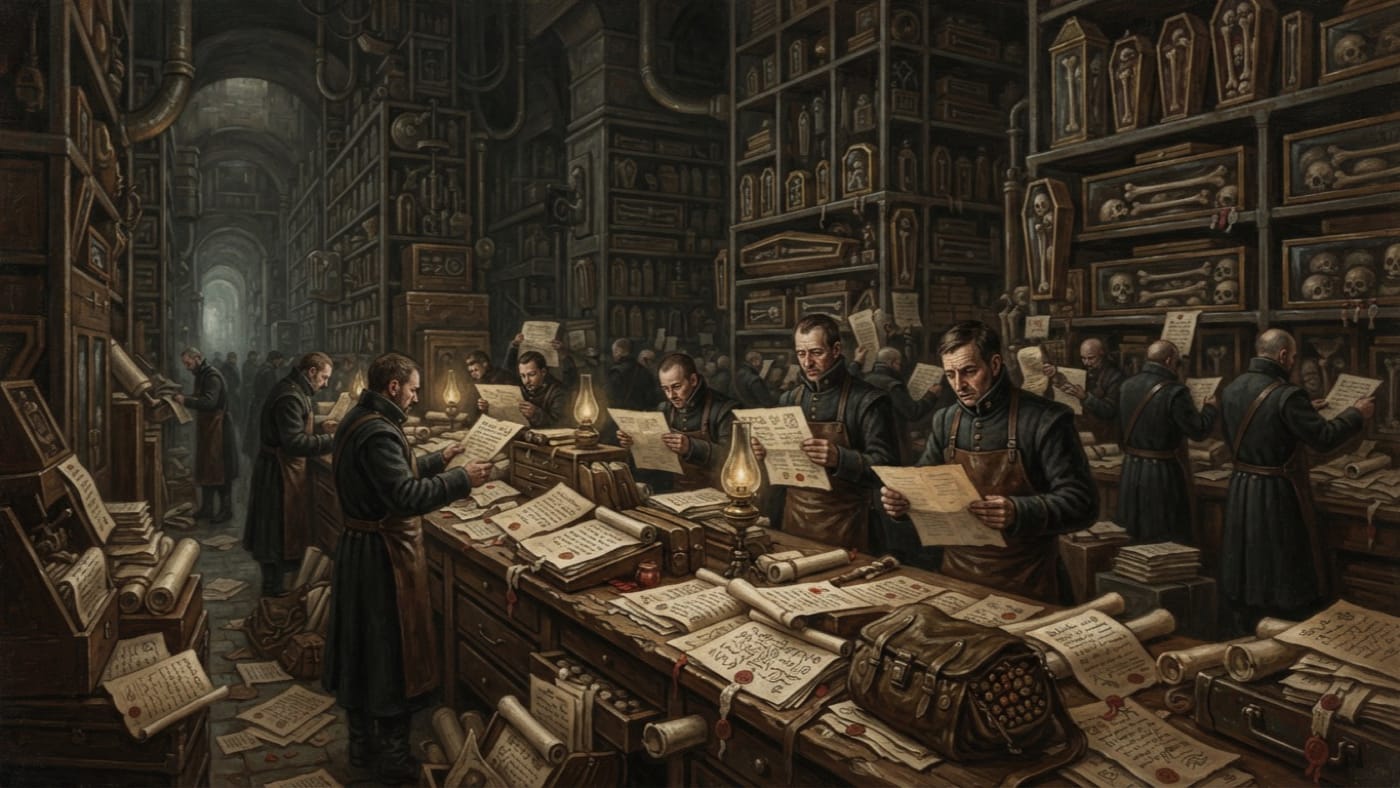
German states
Many jurisdictions. Separate seals. One inconvenient table.
The German states in 1678: many jurisdictions, separate seals, and no common answer to Amsterdam's bone census. The relics agreed locally. The ledgers did not.
Codex Ref. II.1.10-001
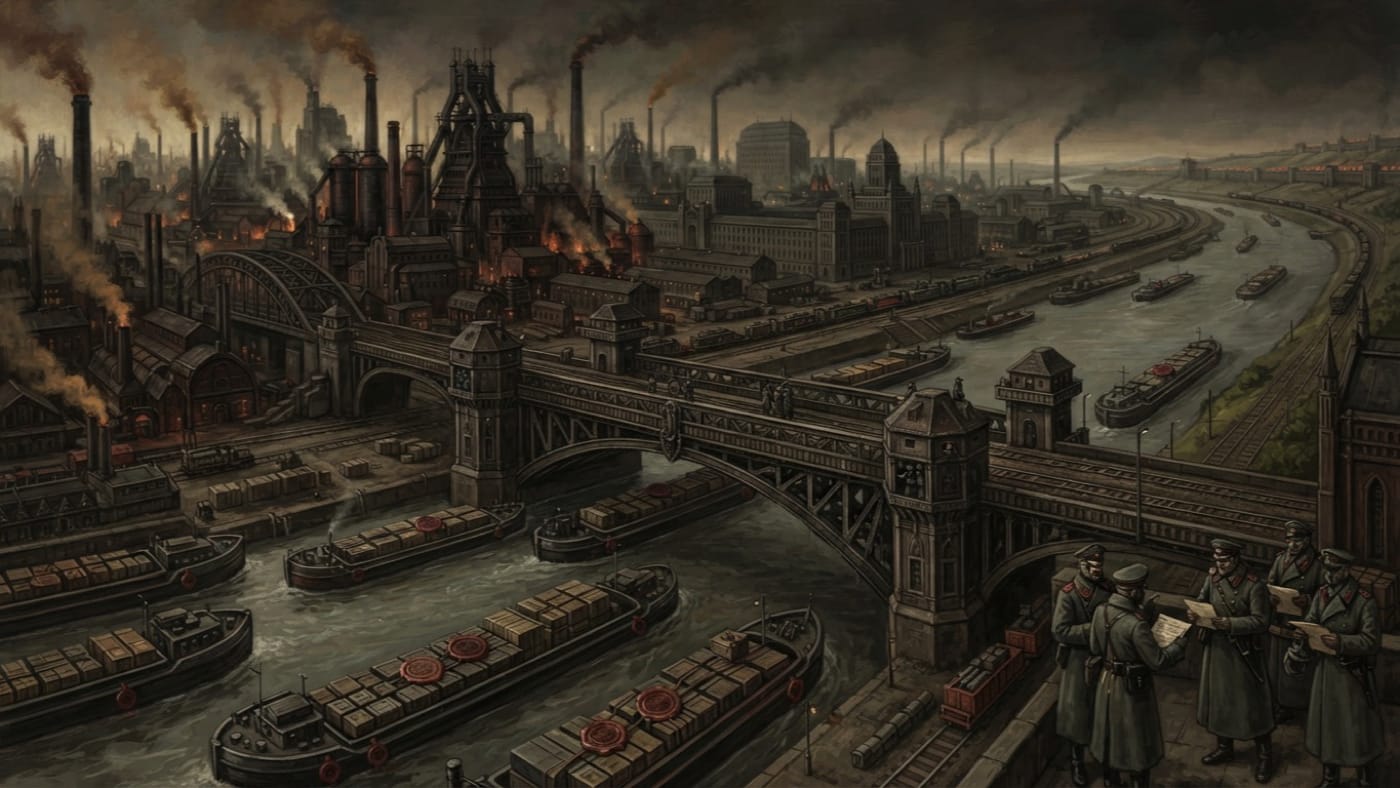
Germany
The heartland that supplies the frontier and answers to several seals
Germany in A.S. 201: the Zone Two heartland of taxed rivers, singing furnaces and military depots. The old borders were erased; the territory still supplies the frontier, and every cargo requires a seal.
Codex Ref. II.6.01-201
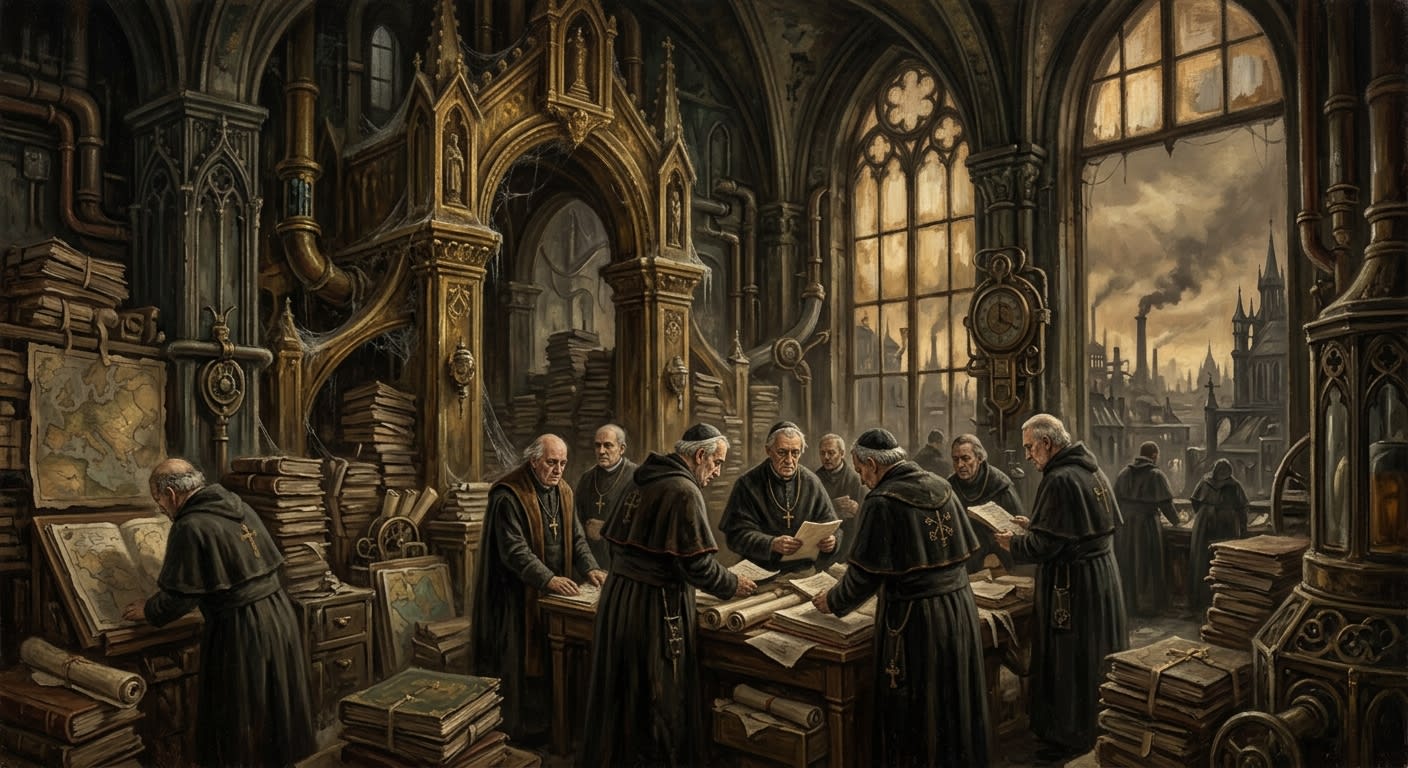
Holy See of Vienna
The dead chair that Strasbourg found too useful to resurrect
The Holy See of Vienna was the Church's old continental chair: venerable, beautiful, administratively inadequate, dissolved at Regensburg in A.S. 30, and later preserved by Strasbourg as shrine, warning, and useful absence.
Codex Ref. VIII.1.09-030
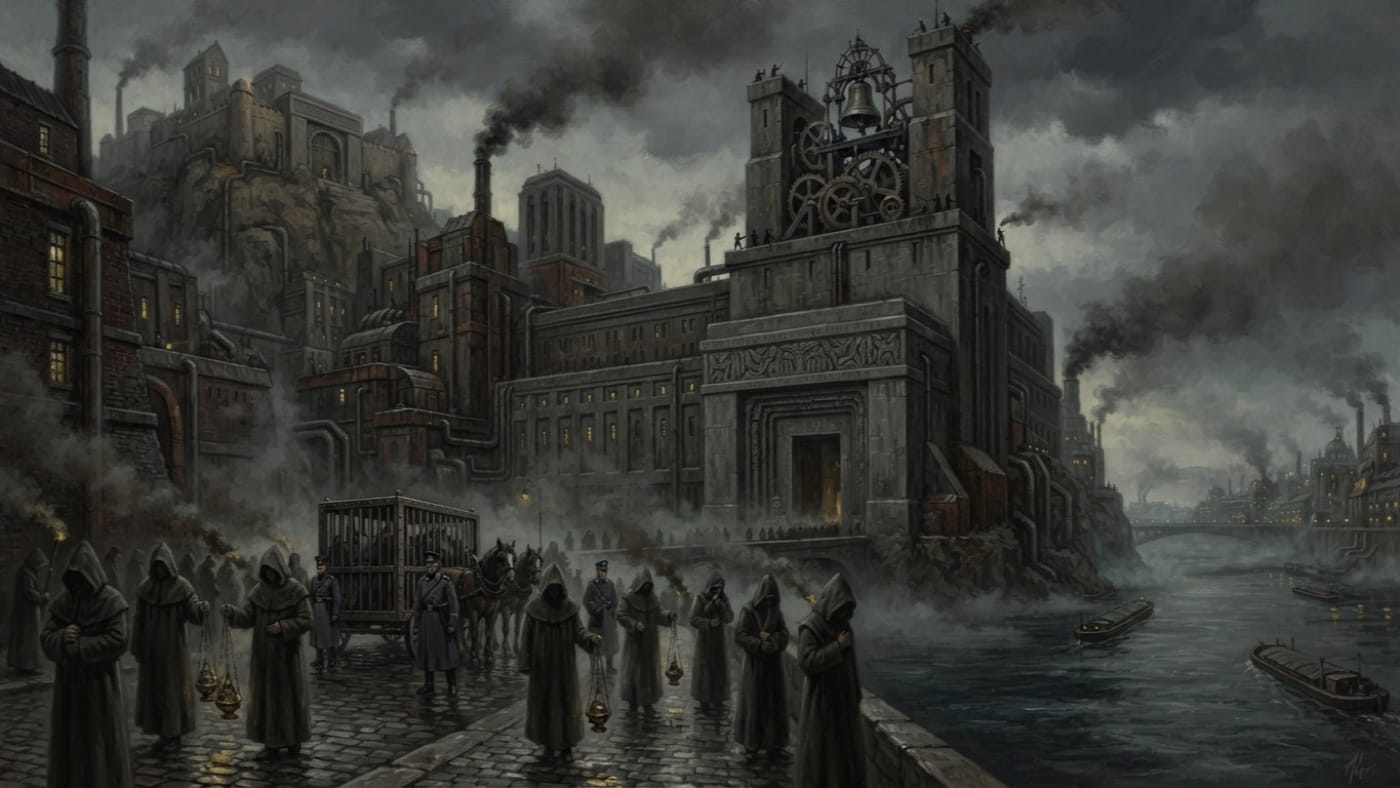
Latin
The river kept the hours; the Church kept arguing about the language
Latin carries the Church's prayers, titles and ceremonial condemnations. The Rhône reportedly used it; witnesses disagreed, and the archive declines to supply a grammar.
Codex Ref. XIII.1.97-001
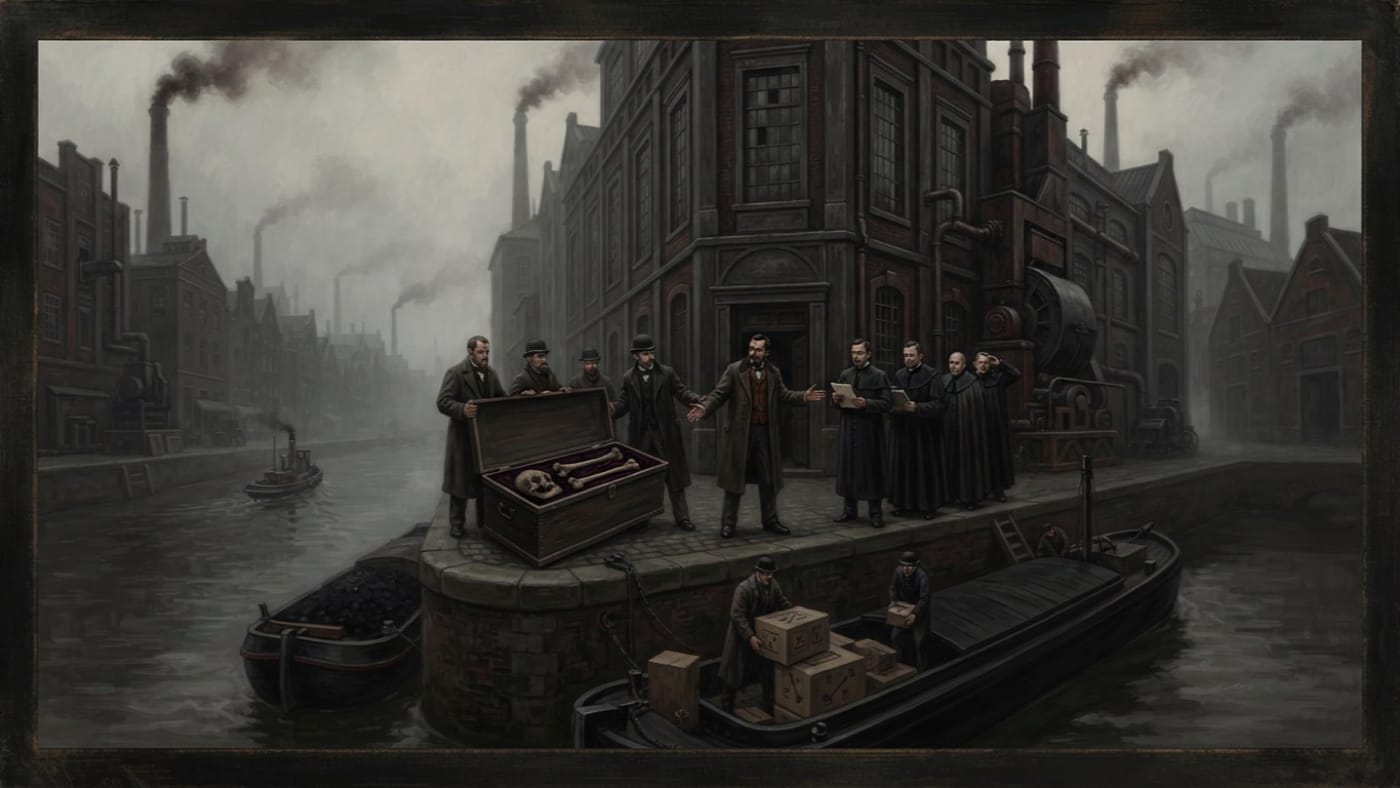
Leiden
Two femurs, one jawbone, and no jurisdiction
Leiden's anatomists supplied the Year of Letters with its simplest weapon: two femurs per man. Its merchants claim Saint Luthar's jawbone. The Synod has neither a custody chain nor jurisdiction.
Codex Ref. II.4.09-013
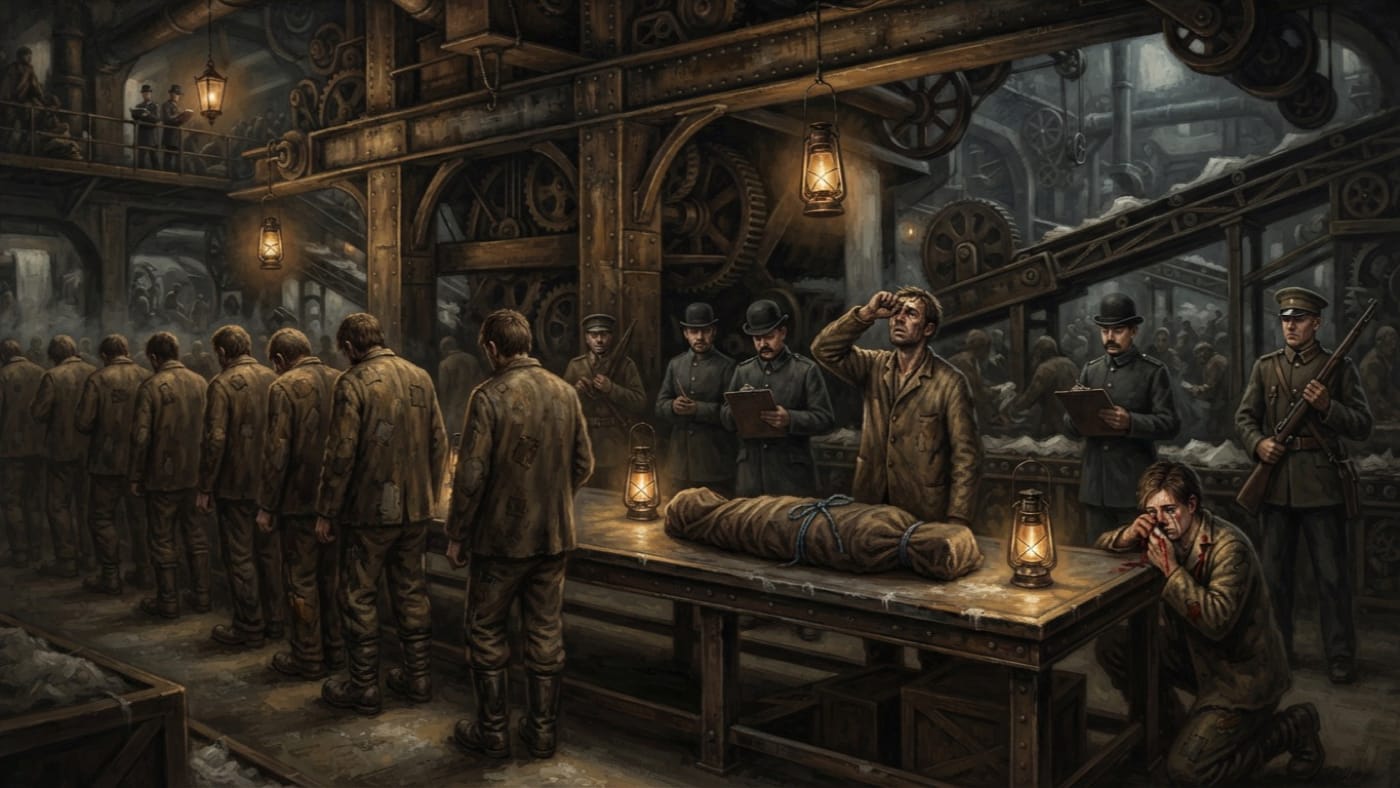
Litany of Saint Aldebrand
The prayer kept its name; the man who said it did not
A nameless labourer recited the Litany of Saint Aldebrand after sight returned in Ulm's Gallery Three, A.S. 156. The file preserves the prayer's name and none of its words.
Codex Ref. XIII.1.96-156
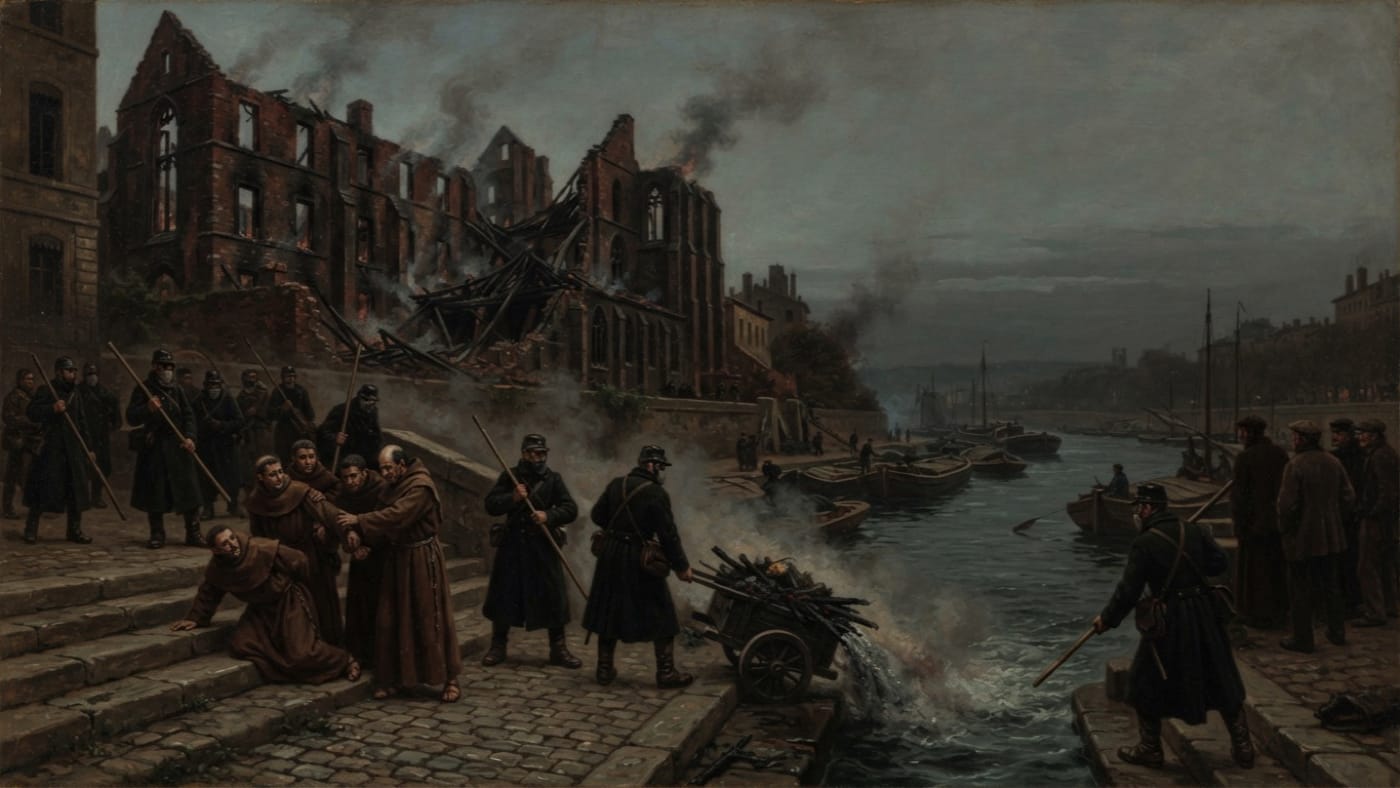
Minor House of Saint Sabina
Three names, one friary, and no proven dedication
The Lyon friary burned in −39 A.S. (1671 CE), remembered under three disputed names. Its brothers fed the docks; the index supplied a saint it could not prove.
Codex Ref. II.1.09-039
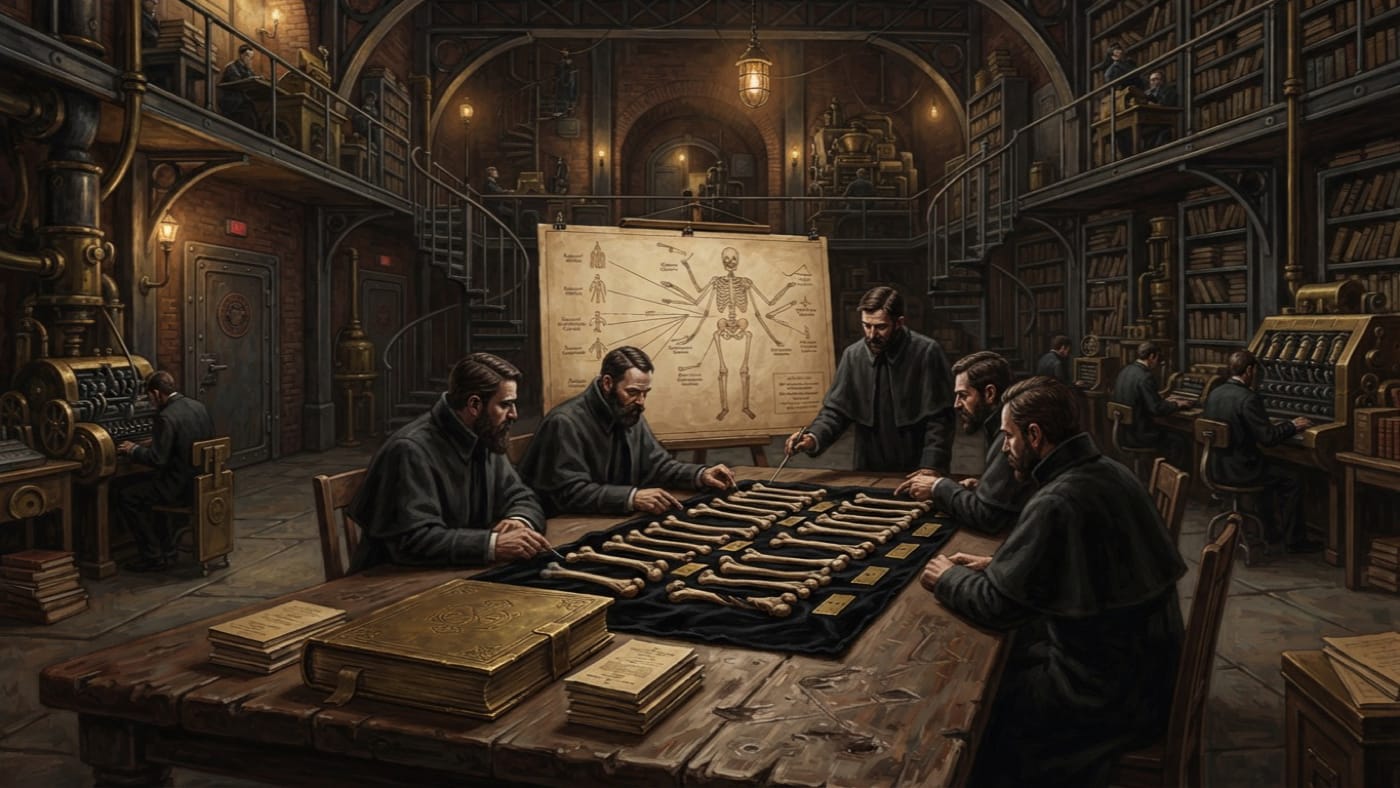
On the Statistical Distribution of Relics
A correct sum confers no licence to pronounce on holiness
Voll's A.S. 11 Amsterdam lecture counted Saint Aldebrand's femurs and mistook the total for a verdict. The Bureau preserves it under suppression: the arithmetic may be conceded; the conclusion may not.
Codex Ref. XIII.1.11-011
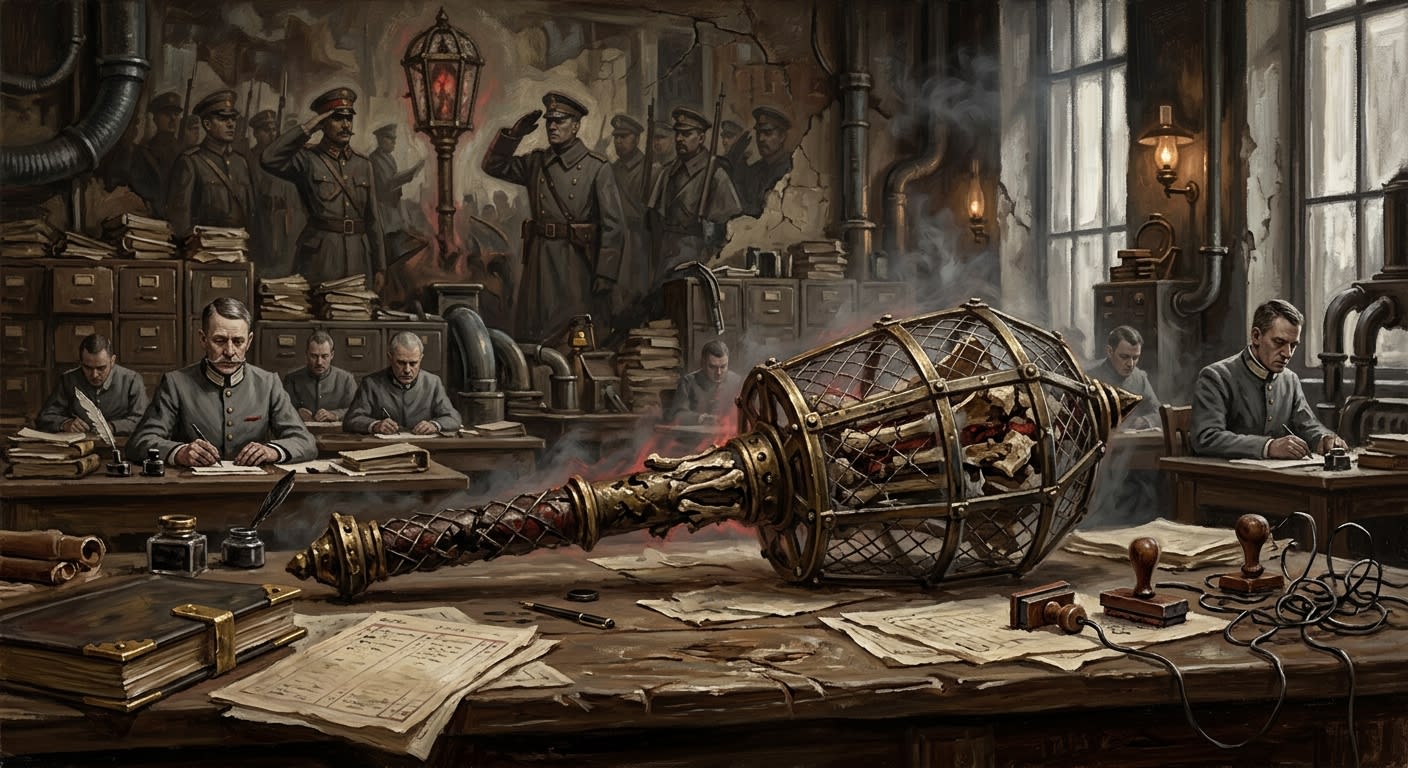
Reliquary of Saint Aldebrand
Count the bones if you must; the mace will wait for Vienna
Saint Aldebrand's reliquary mace was erased, mocked, duplicated, and finally obeyed at Vienna; the Bureau now preserves every contradiction it failed to prevent.
Codex Ref. V.1.02-095
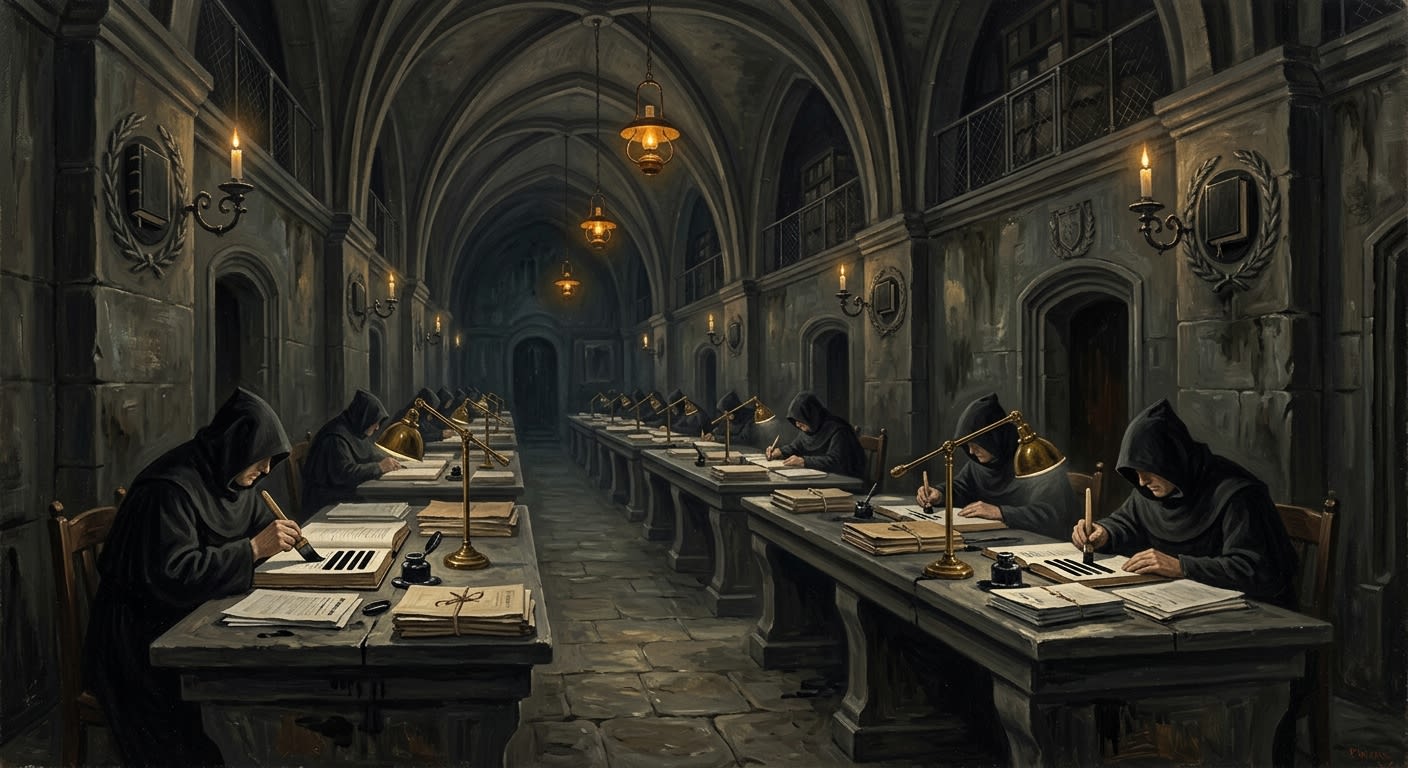
The Bureau of Silence
The word unspoken cannot wound. The word that reaches its target already has.
The Bureau of Silence does not burn books. Burning admits they existed. It renders knowledge into a state of administrative non-occurrence — and then redacts that too.
Codex Ref. III.4.19-031

The Collapse of the Rationalists
The Adversary did not invade. It arrived.
The Rationalist Republic dismantled every spiritual defence on the continent, and in A.S. 45 the Adversary walked through the unguarded door. A doctrine article, a body count, and a mandatory catechism text.
Codex Ref. VII.2.01-001
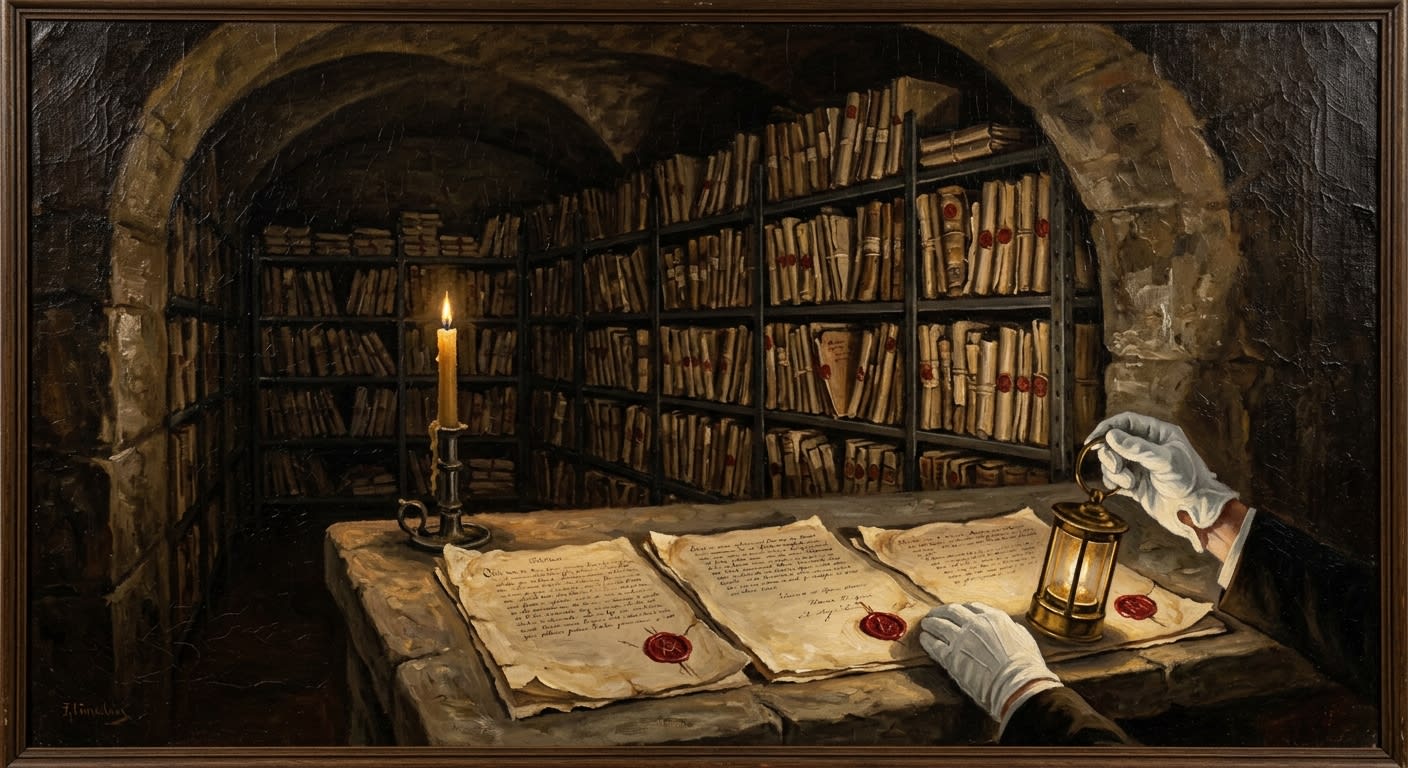
The Concordats of Ulm
Twelve signatures. One seal. Two hundred and fifty-six years of warm wax.
The founding instrument of Rationalist organisation — a compact of 'rational fraternity' signed in –55 A.S. by twelve university professors who mistook cleverness for wisdom, and built the machine that drove a century of war.
Codex Ref. II.7.03-055
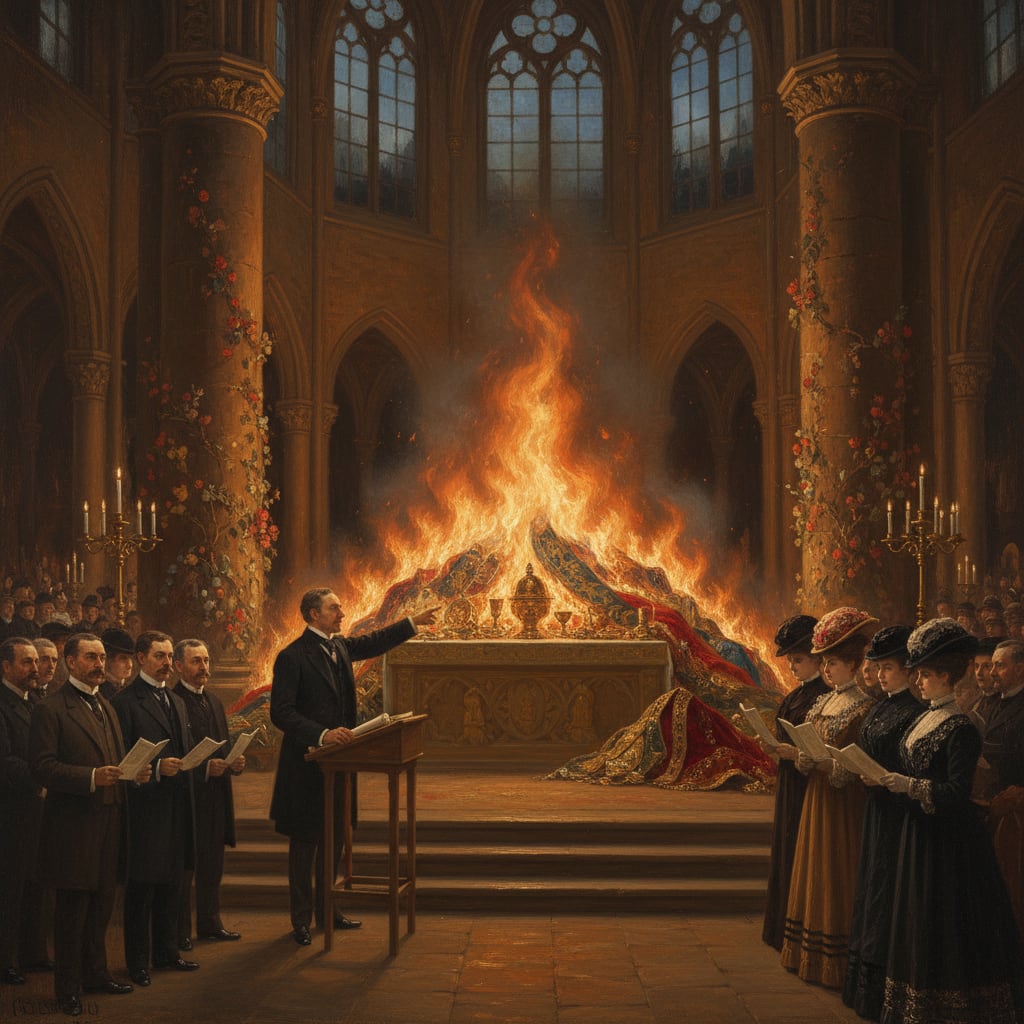
The Desecrations
Being the Bureau of Doctrine's Definitive Survey of the Rationalist Programme of Coordinated Spiritual Aggression, A.S. 0–45, Classified Retroactively in A.S. 92, and Updated at Considerable Institutional Expense in A.S. 200
The Rationalists destroyed two thousand sanctuaries, melted eight hundred and ninety-one bells into cannon, and killed three thousand four hundred clergy in a programme they insisted was spontaneous. Spontaneity does not print programmes.
Codex Ref. VII.1.01-001

The Forbidden Stacks
Where heresy is shelved close enough to hate efficiently
The Forbidden Stacks beneath Strasbourg preserve Rationalist paper, contraband symbols, and other knives the Bureau prefers labelled rather than lost.
Codex Ref. II.2.06-001
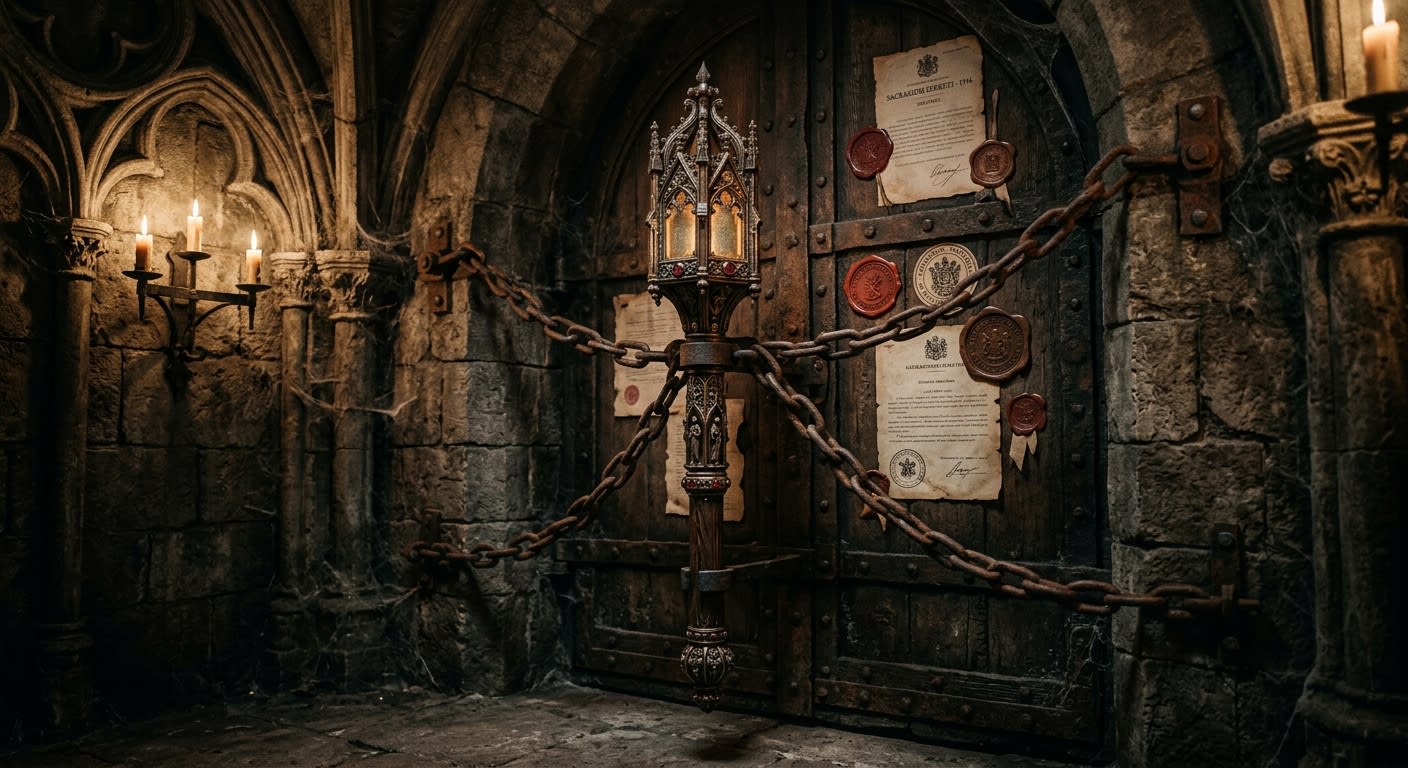
The Miracle of Saint Aldebrand
The Bureau erased the bone. The bone declined.
The Bureau declared the Reliquary of Saint Aldebrand non-existent in –32 A.S. In A.S. 95 it shattered a sorcerer-lord's skull and saved Vienna. Both facts are official, both carry seals, and the Bureau sees no difficulty.
Codex Ref. VI.4.01-001
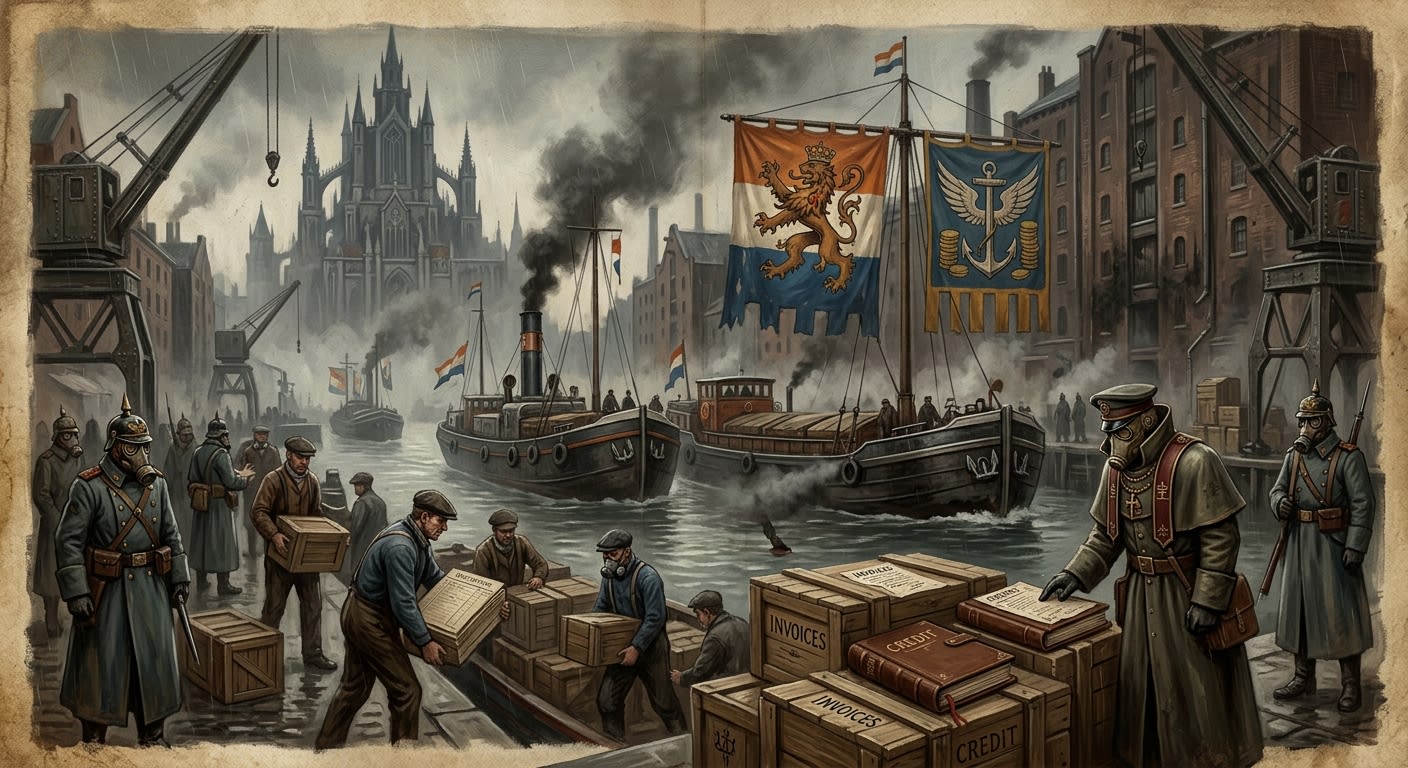
The Netherlands
The merchant republic that invoices our contempt
The Netherlands remain independent, solvent, suspect, and indispensable: a Dutch merchant republic whose ships, presses, credit, and invoices keep irritating the Synod into survival.
Codex Ref. X.1.02-001

The Night of Crowns
Seven mitres fell, and Prague mistook the sound for progress
In A.S. 8, seven bishops in Prague removed their mitres before a cheering crowd, teaching the Rationalists that apostasy travels fastest when an authorised mouth performs it.
Codex Ref. VII.8.07-001

The Rationalists
Architects of the wound the Synod counts from
The Synod's most instructive enemy — philosophers who stripped Europe of its spiritual armor on the eve of Hell's invasion and then had the grace to be destroyed by the consequences.
Codex Ref. I.1.01-001
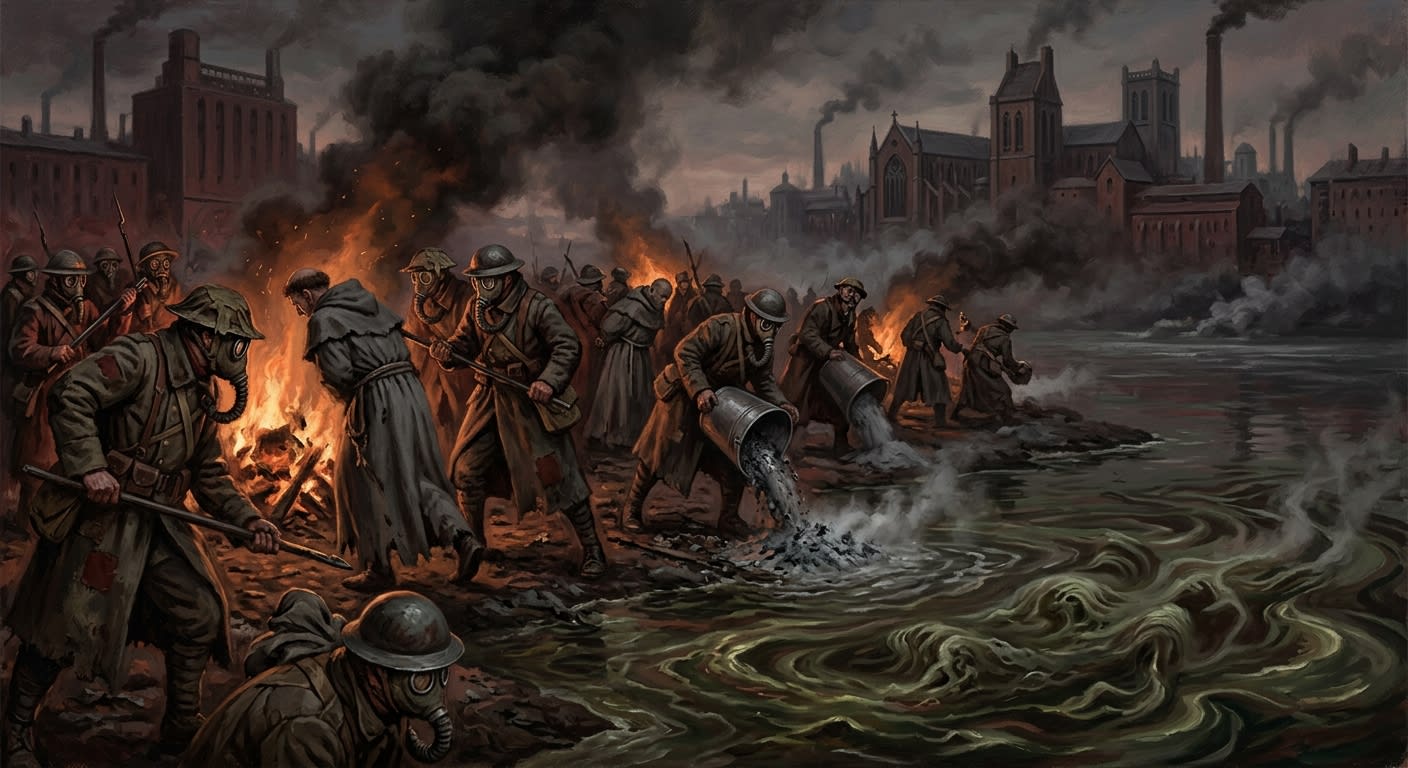
The Red Slaughter of Lyon
The first cut was local, municipal, and entirely pleased with itself
In –39 A.S., Lyonnais militias burned forty-three friars and dumped their ashes into the Rhône; the river answered in psalms, as rivers sometimes improve upon councils.
Codex Ref. VII.8.03-001

The Rhône
Water carries what paper refuses to keep dry
The Rhône is a southern river-corridor of ash, pilgrimage, fishery inspection, Avignon heresy, Lyon spectacle, wet custody, and water that declines obedience.
Codex Ref. II.1.10-201

The Third Hierarch
A nameless mitre, a moth-eaten reign, and the file that knew too much
The Third Hierarch is an ordinal with no name, no portrait, and one surviving achievement: Saint Aldebrand's file vanished under his reign.
Codex Ref. XIII.1.05-002
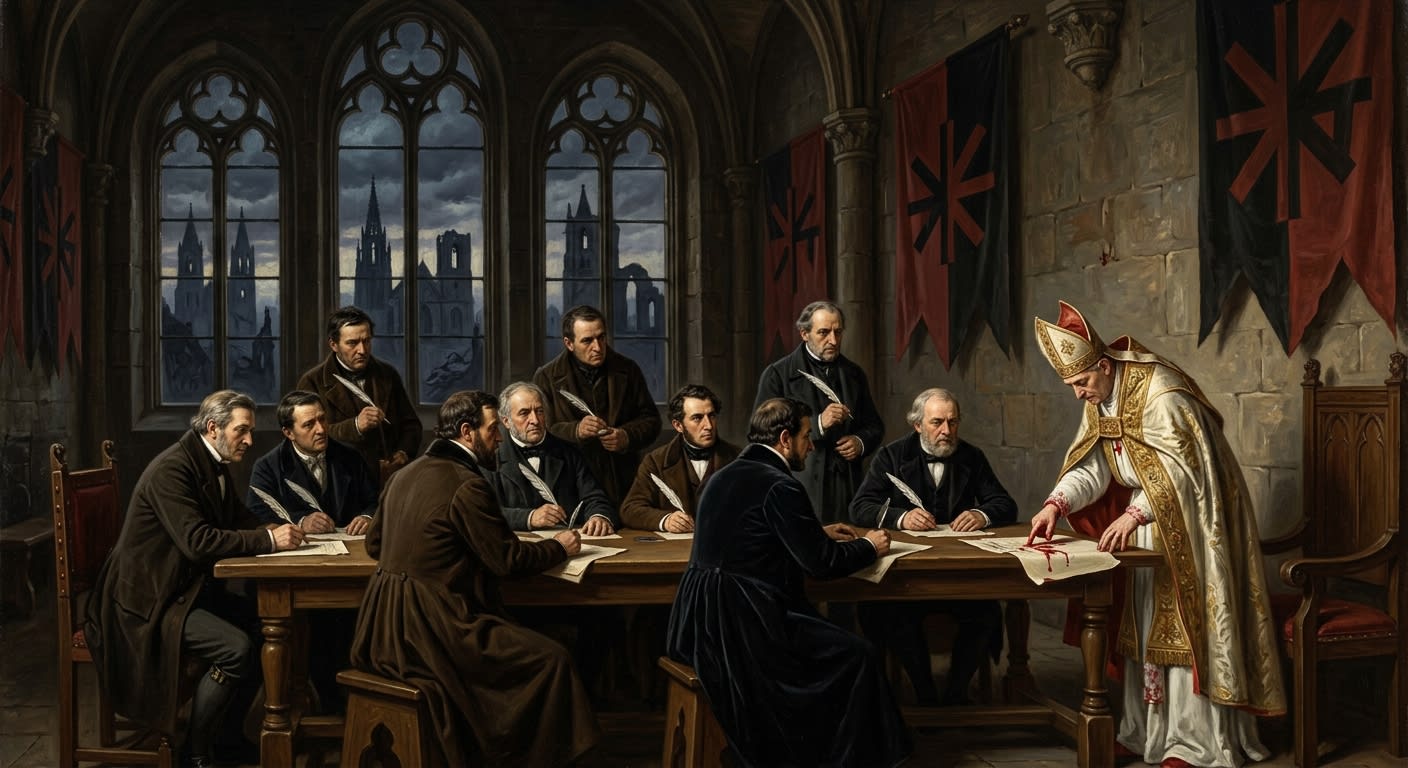
The Treaty of Regensburg
The ink that claimed to abolish the Creator, signed in nine days and annulled by Providence in fifteen years
The Treaty that ended the Atheist Wars and dissolved the Holy See of Vienna in an afternoon. Forty-seven articles; fifteen years of the Rationalist Republic; and then the Sundering proved it a lie. The Bureau of Doctrine annulled it retroactively. It was never valid.
Codex Ref. VII.2.01-001
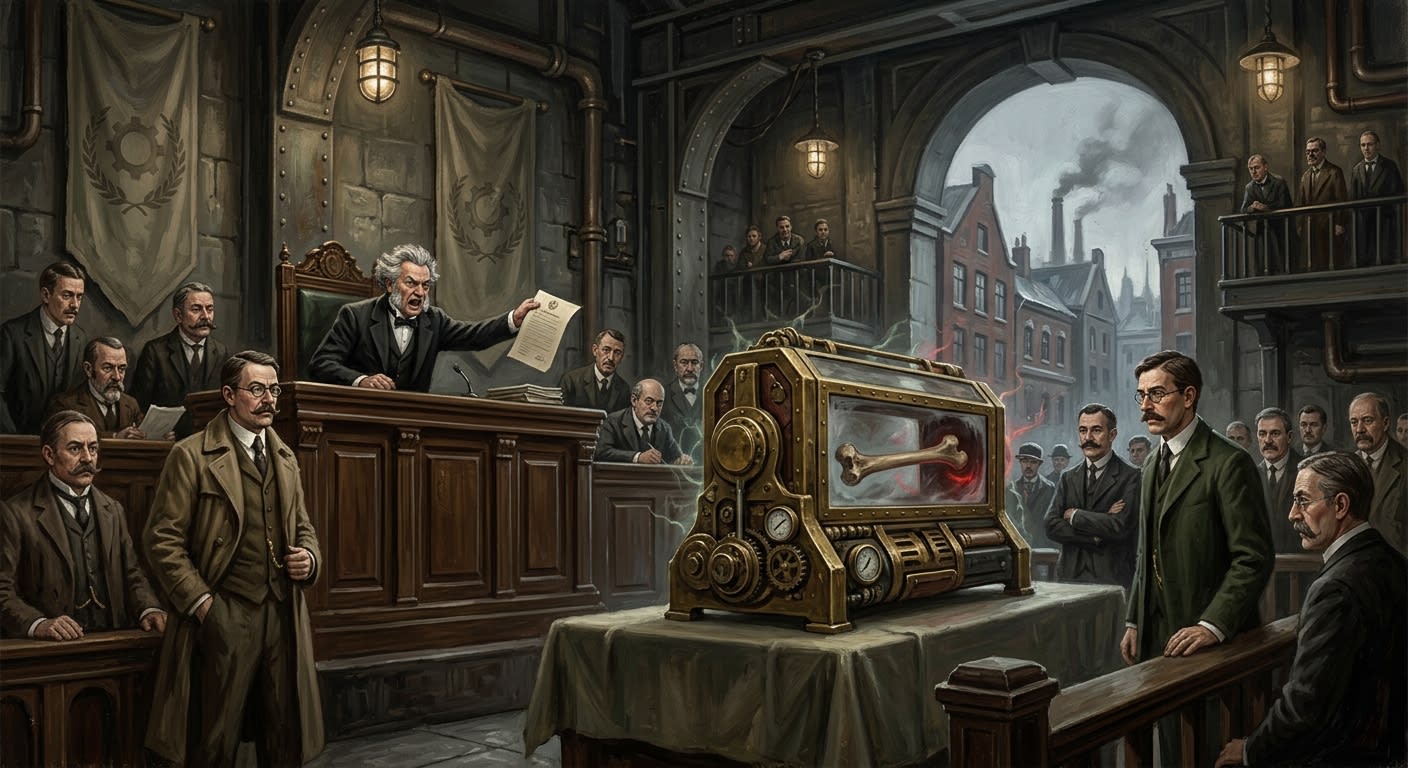
Trial of Saint Aldebrand's Reliquary
The courtroom where arithmetic disgraced itself before a bone
Amsterdam's A.S. 11 mock trial of Saint Aldebrand's reliquary turned Rationalist arithmetic into theatre, until Vienna made the bone louder than the joke.
Codex Ref. VII.8.10-011
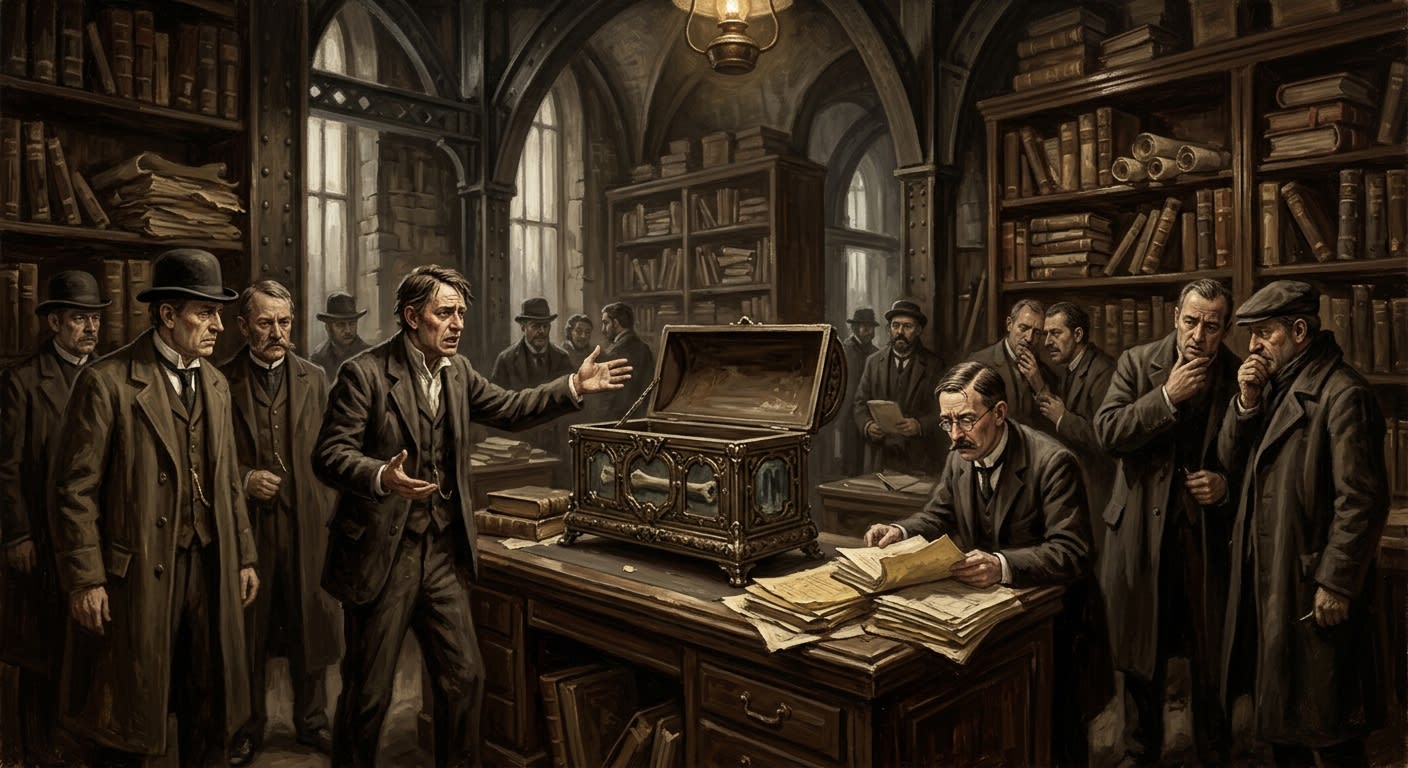
Trial of Saint Aldebrand's Reliquary
The hall laughed first; the bone answered later
Amsterdam laughed over Aldebrand's displayed femur in A.S. 11, then lost the bone, the transcript, and eventually the argument to Vienna's mace.
Codex Ref. VII.8.10-011
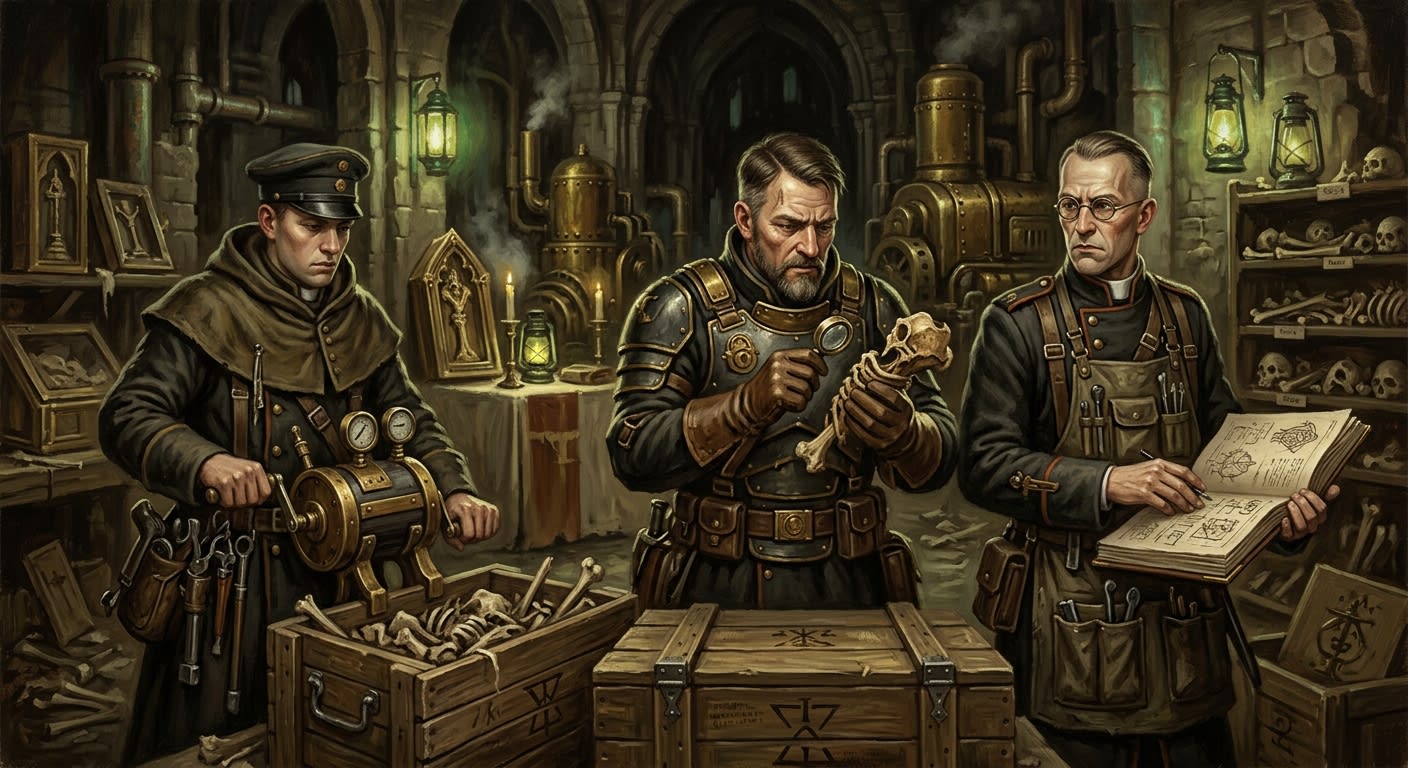
Van Hoorn, Lemstra & de Waal
Three clerks of doubt, one table of bones, and forty cities taught to sneer
Pieter van Hoorn, Gerrit Lemstra, and Jan de Waal made doubt portable in -32 A.S.; their Bone Census counted relics accurately and wounded truth efficiently.
Codex Ref. III.2.01-026