

Reverse Index
Referencing “The Republican Guards”
Every codex entry that links to The Republican Guards. 62 entries.
Return to The Republican Guards
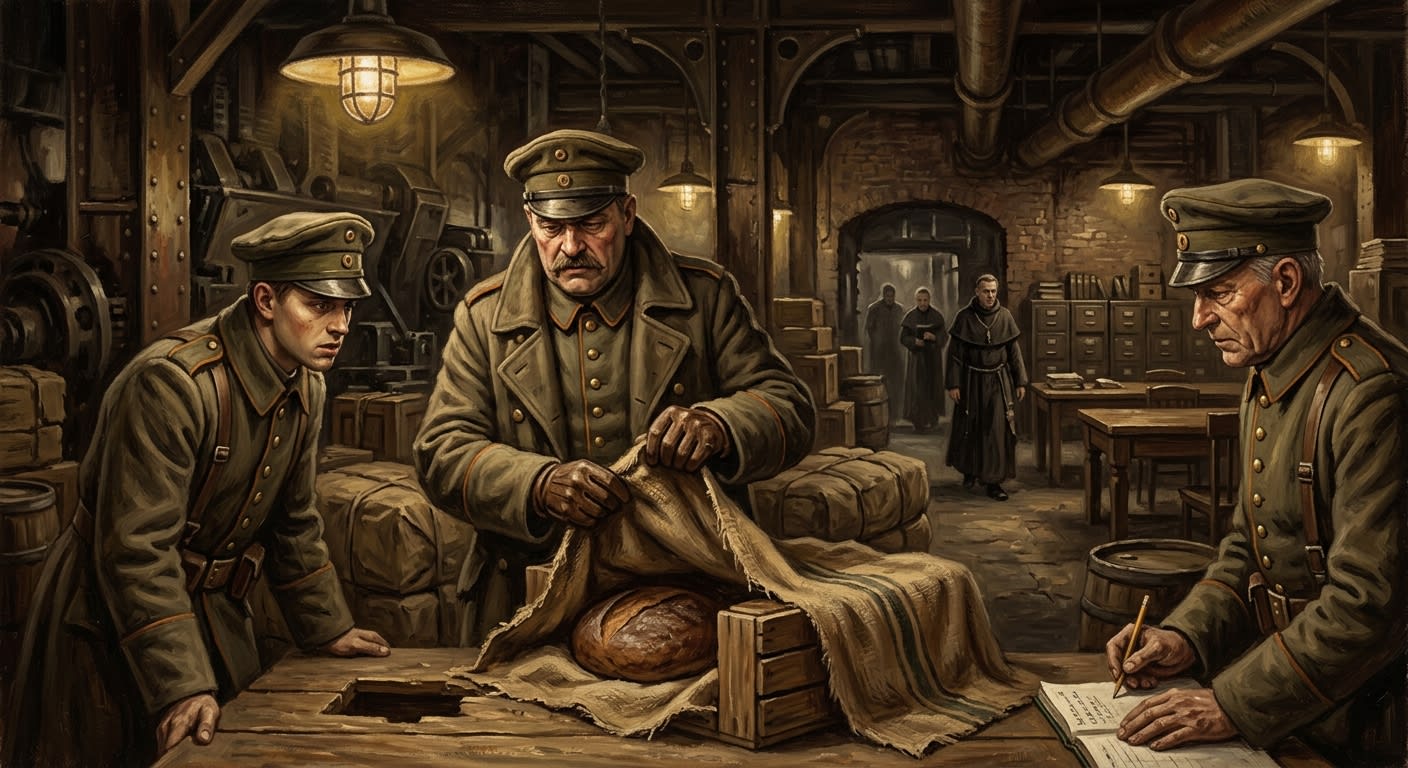
14th Rhine Customs Brigade
The guards who inspected bread and missed Providence
The 14th Rhine Customs Brigade lifted a cloth, saw bread, and missed three apostolic phalanges; Providence has seldom dressed itself so plainly.
Codex Ref. I.1.14-031
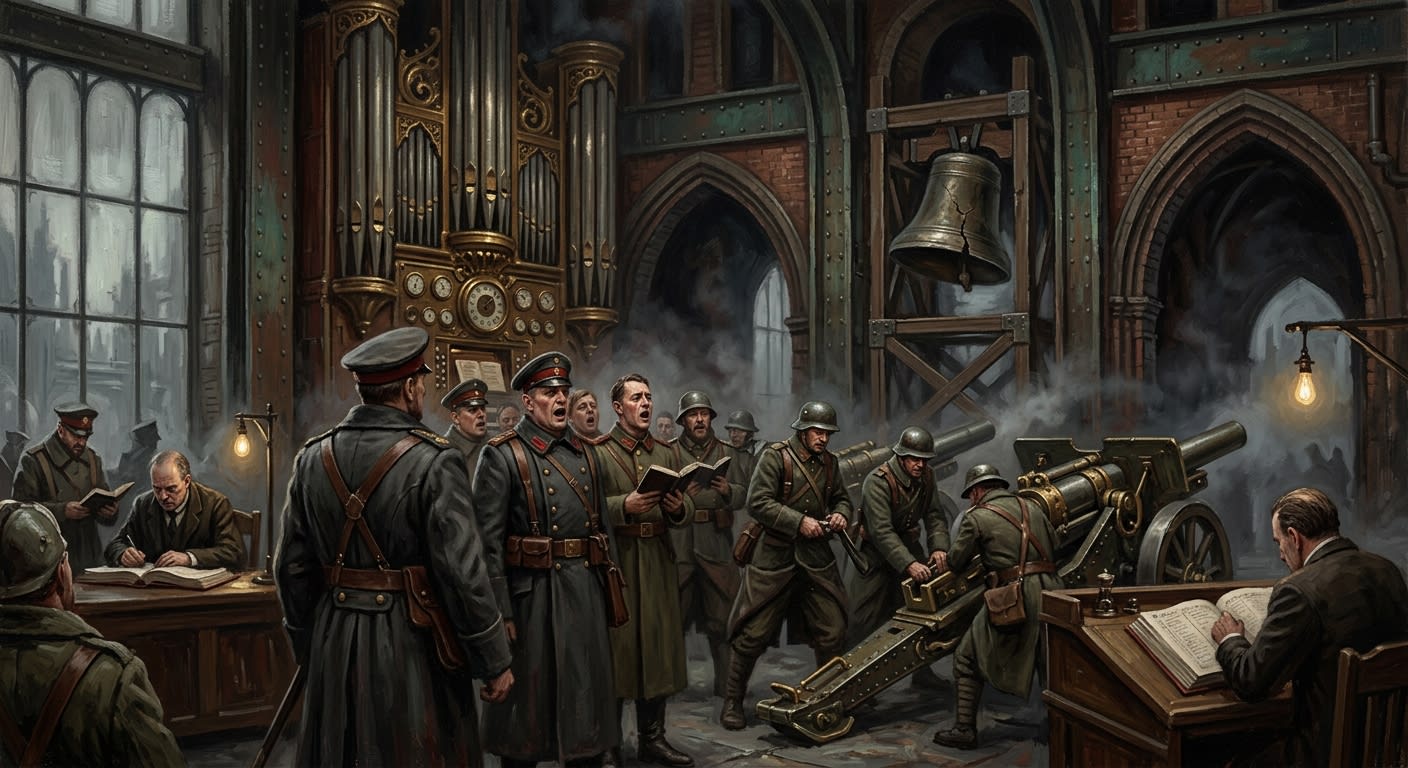
4th Orison Company
Where prayer learned range tables and glass learned to sing
The 4th Orison Company sang before Orison had a charter, fired relic-shot at Toledo, and proved that a mistimed peal can make martyrs inward.
Codex Ref. VIII.6.02-015
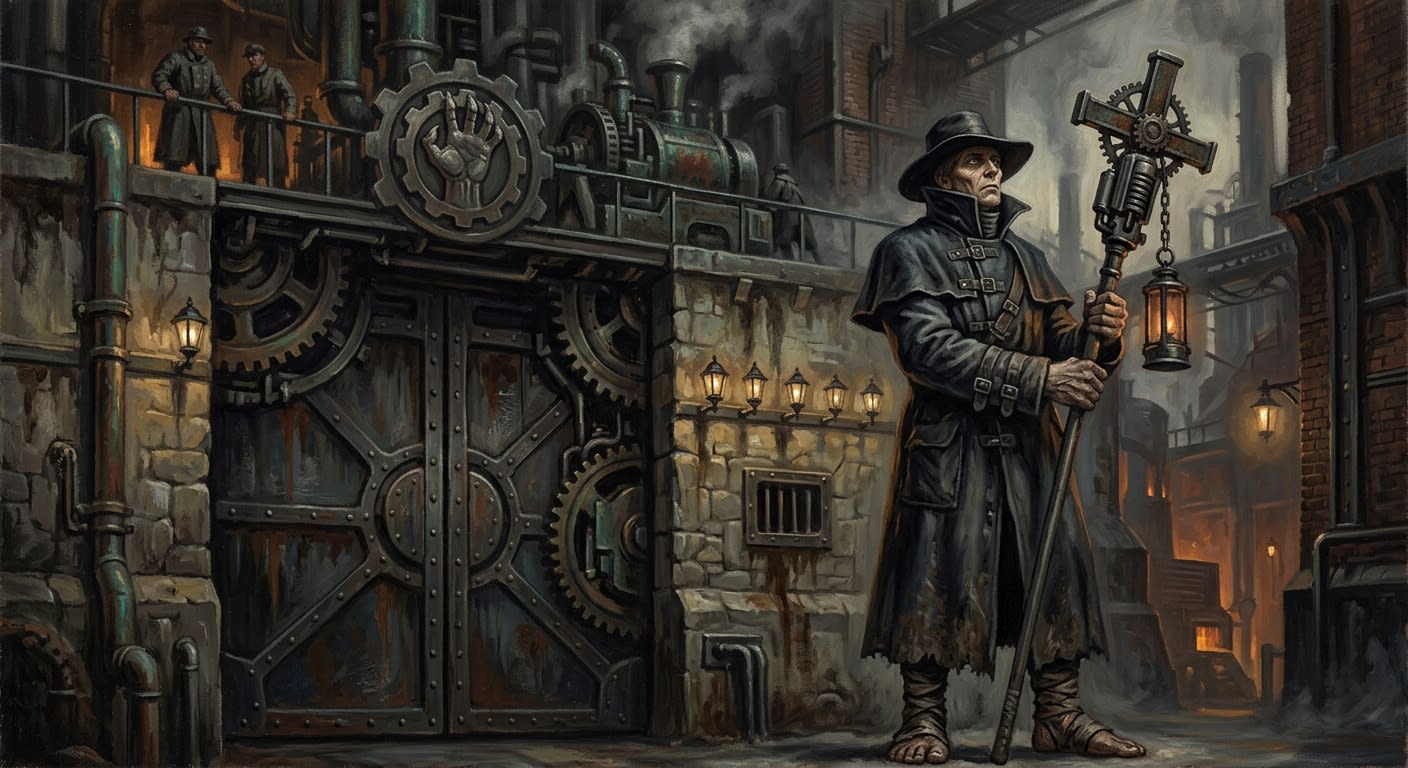
Aachen
The city that survived its own fall
Aachen opened its gate in A.S. 25, survived the betrayal, and has spent every taxed, polished, barefoot century proving survival is not innocence.
Codex Ref. II.2.02-001
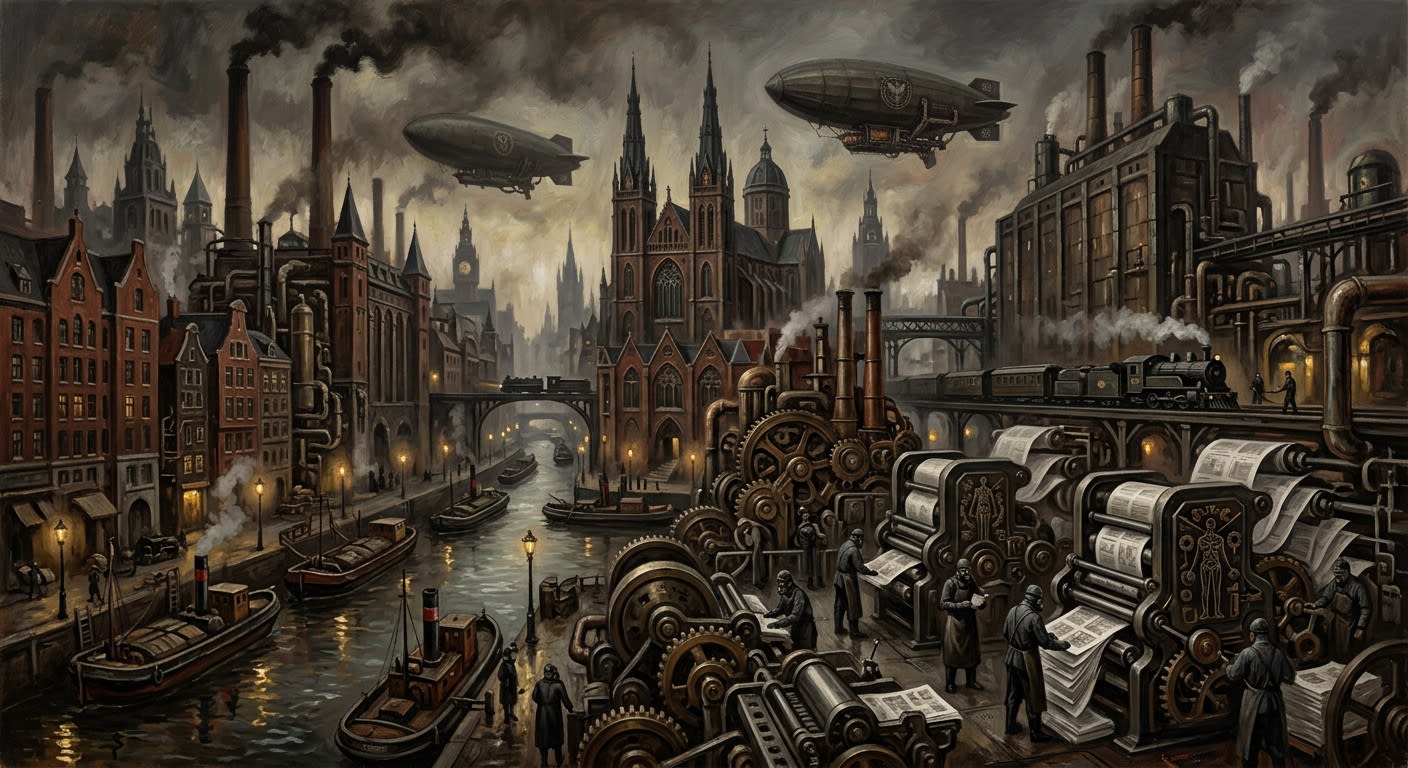
Amsterdam
The city where Europe learned to sin in pamphlet form
Amsterdam is the independent Dutch city where the Synod's calendar wound was printed: first the Year of Letters, then *De Vera Luce*, then Europe taught to doubt by invoice.
Codex Ref. II.4.09-012
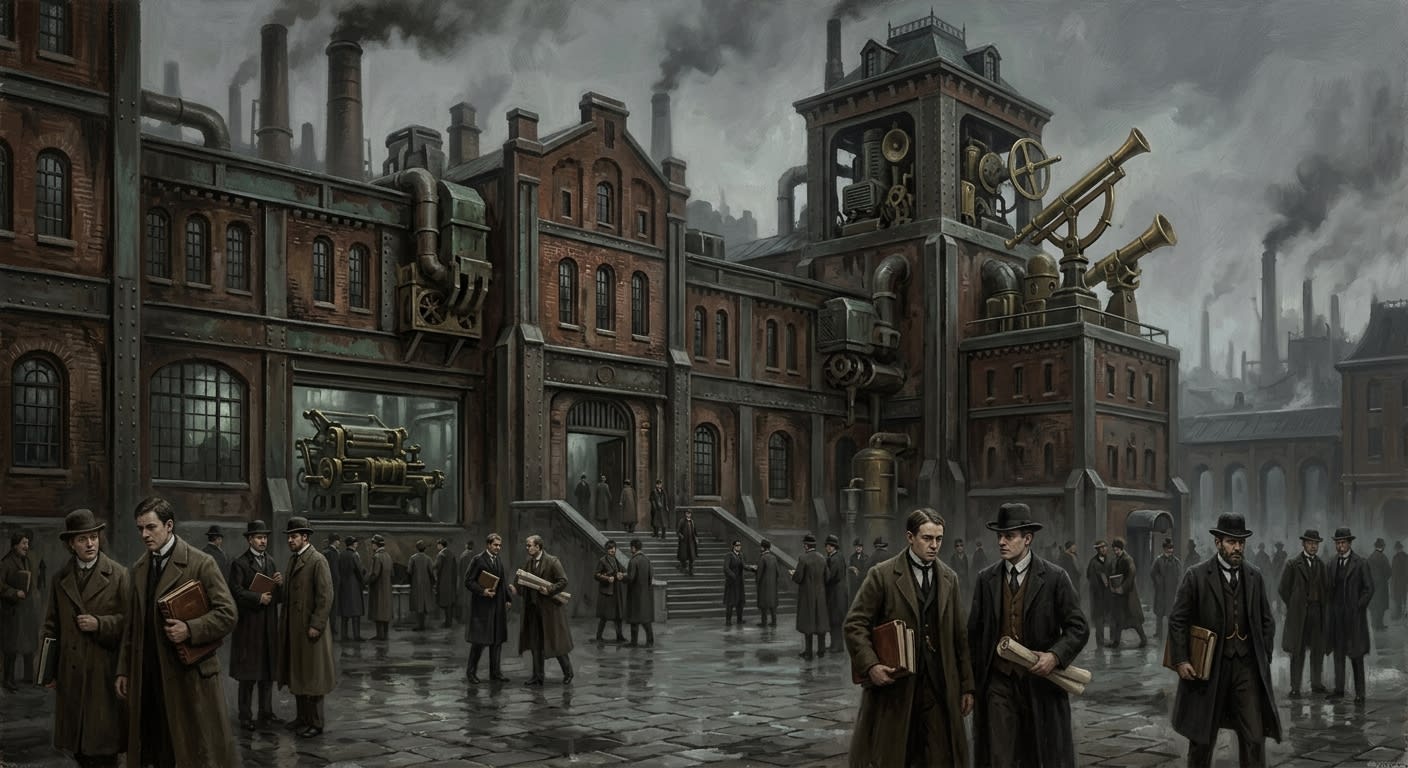
Amsterdam Academy
The lectern that made unbelief printable
The Amsterdam Academy licensed unbelief, printed the calendar wound, and taught Europe that a schoolhouse may do the work of a siege engine.
Codex Ref. VIII.8.01-000
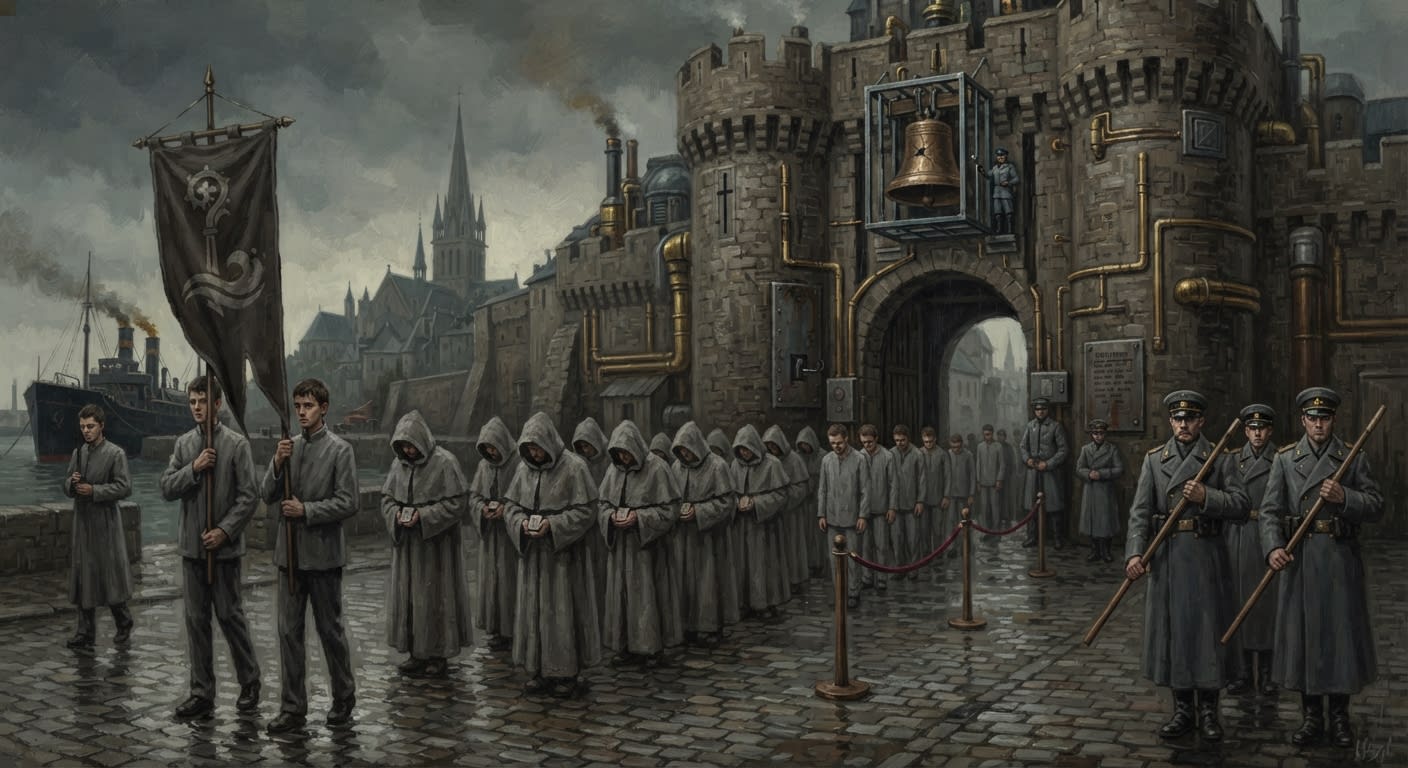
Annual Remembrance of Saint-Malo
Thirty-one tolls, forty-three seconds, and grief under licence
The annual office that makes Saint-Malo's first blood toll thirty-one times, hold forty-three seconds of silence, and remind Brittany that grief is licensed.
Codex Ref. XIII.1.87-011

Archon of Purity
One title, one signature, and no name the Ledger supplies.
The unnamed first Archon of Purity signed the A.S. 94 memorandum adopting the Procession of Tongues. The Ledger preserves the signature; it supplies neither a personal name nor a succession.
Codex Ref. III.2.01-094
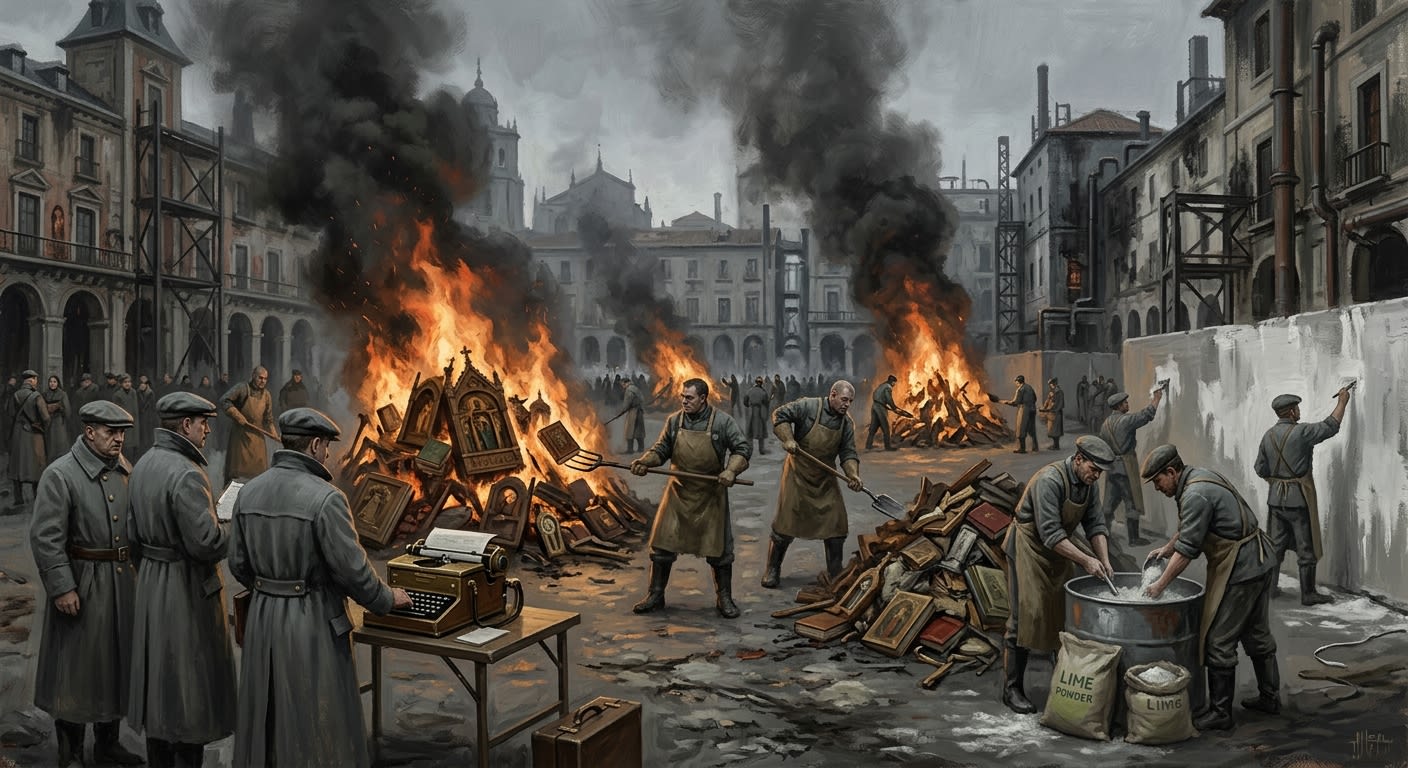
Bonfires of Purification
The walls have not finished speaking
The Bonfires of Purification were Iberia's pre-Synod Rationalist liturgies of theft: relics catalogued, mocked, burned, mixed into ash-lime, and taught from walls that remembered.
Codex Ref. VII.8.06-018
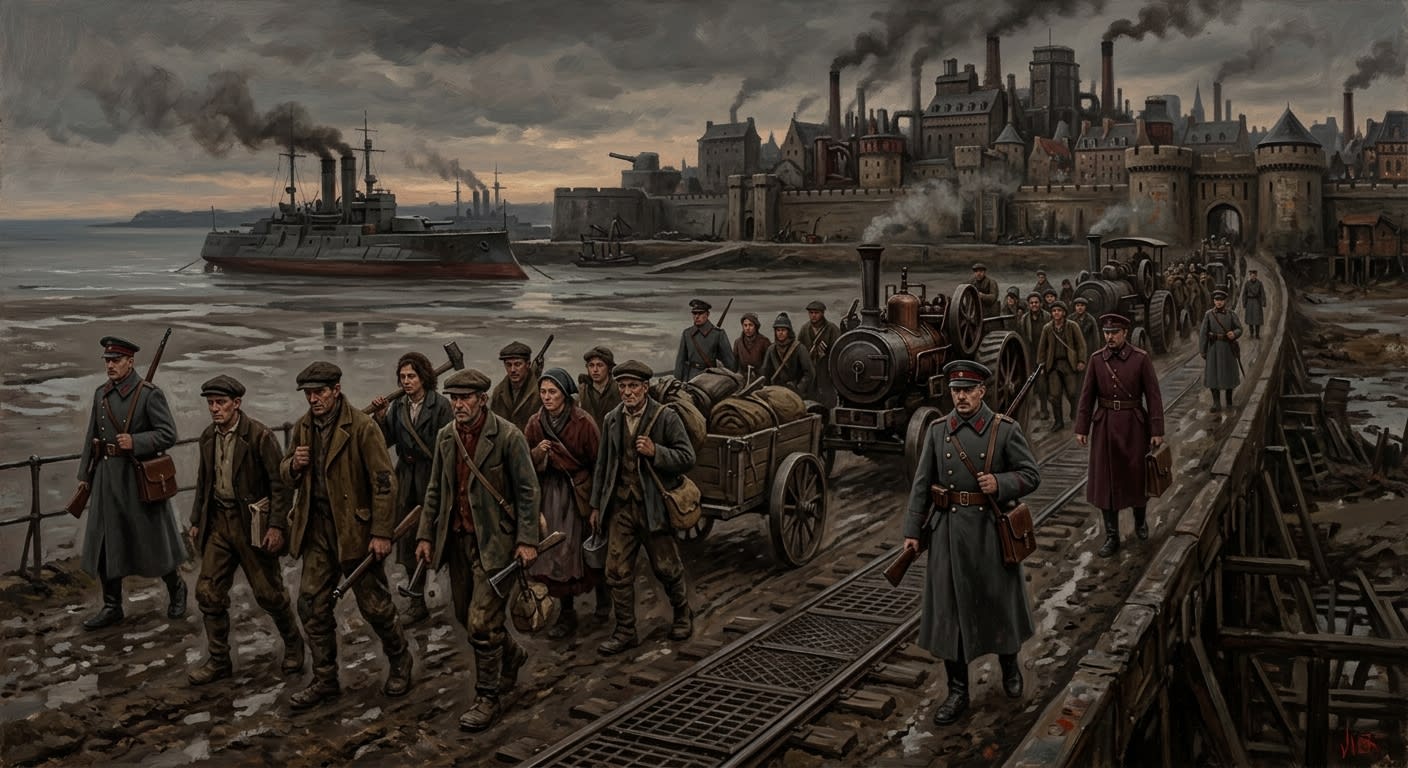
Brittany
The province that taught martyrdom to travel by road
Brittany is the Synod's western salt-wound: a loyal province that turned Saint-Malo's blood, Dinan's road, and local stubbornness into taxable Doctrine.
Codex Ref. II.1.09-010
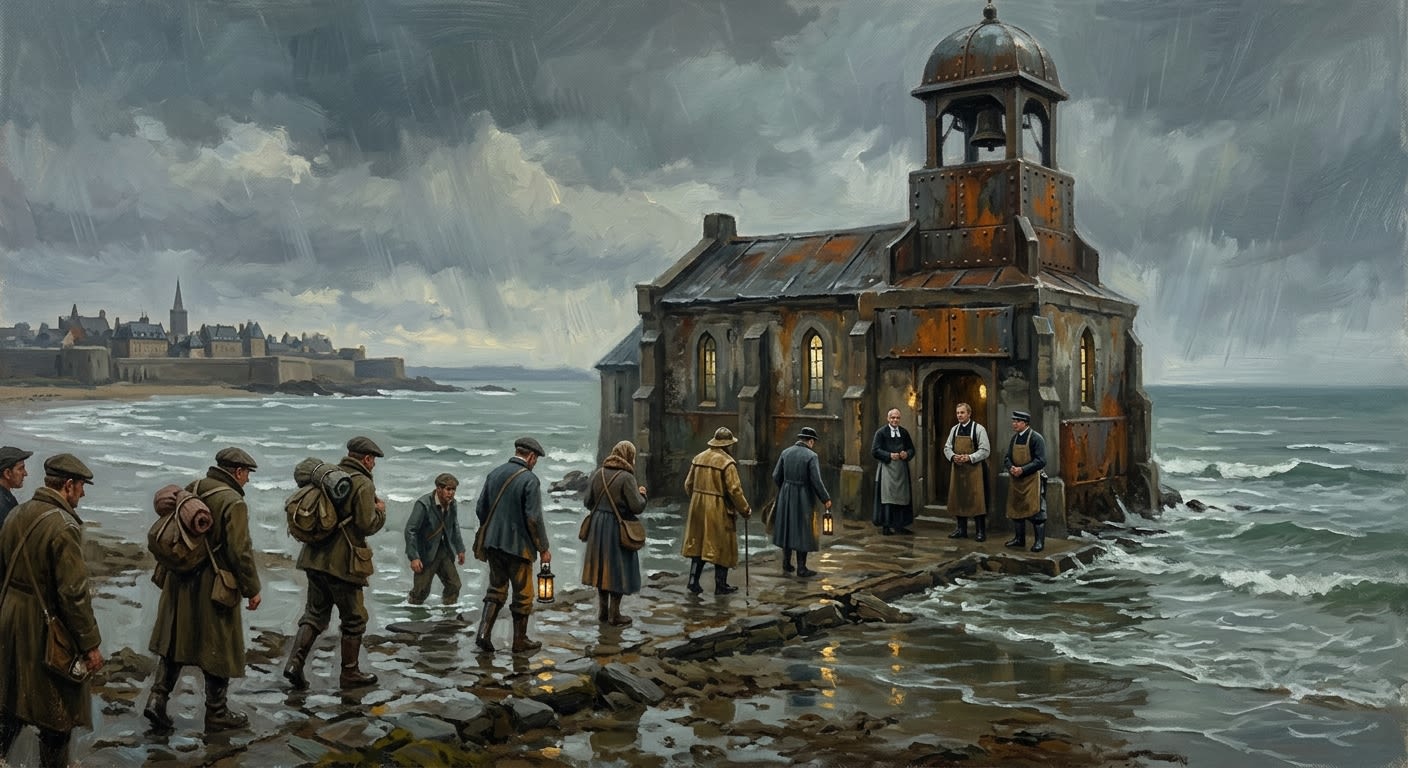
Chapel of the Tide
The shrine built from a journey denied
The Chapel of the Tide is Saint Clement's wet little shrine beyond Saint-Malo, made holy by forty-three pilgrims who were denied arrival and made profitable by everyone after.
Codex Ref. II.1.09-014
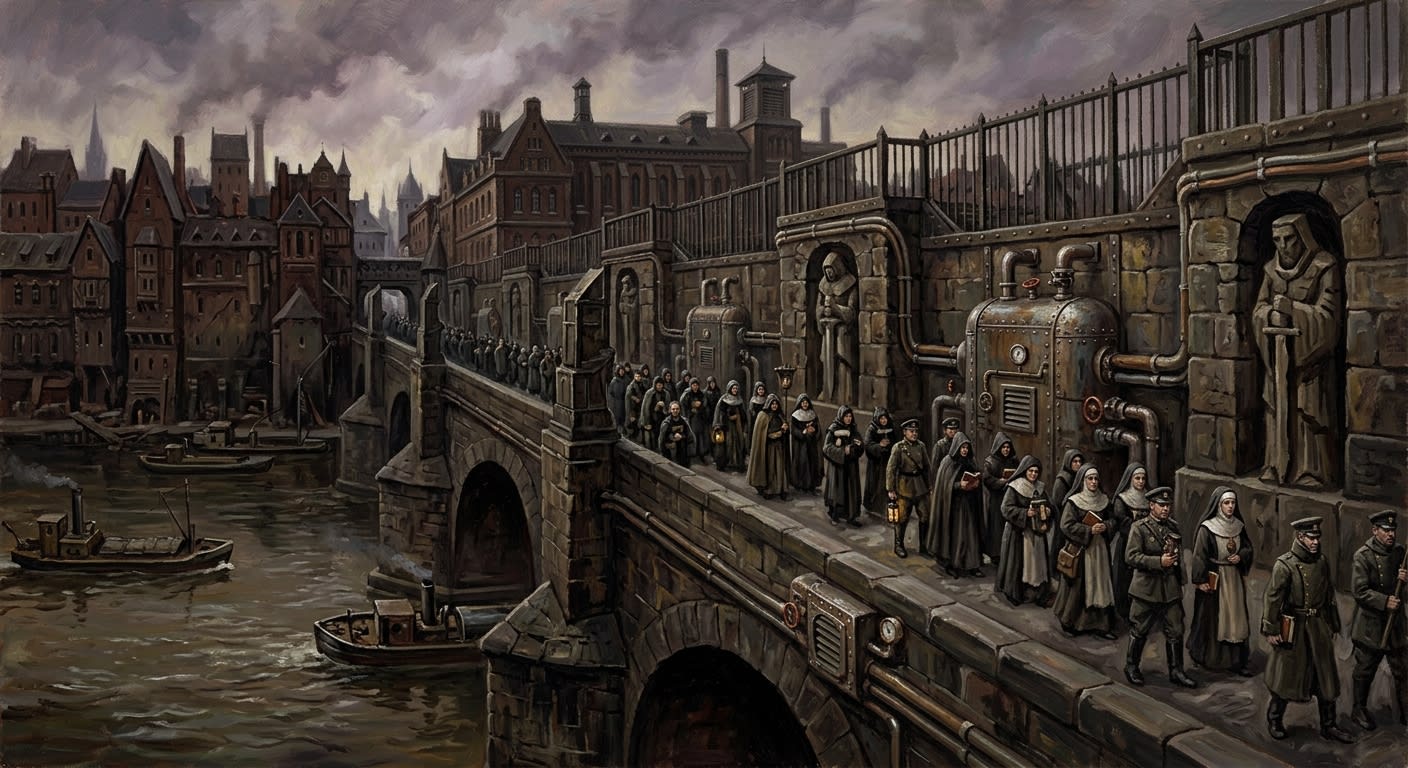
Charles Bridge
The Vltava crossing where Prague learned silence by nail
Charles Bridge crosses Prague's Vltava as road, witness bench, and Purity instrument: the stone throat through which the Procession of Tongues makes doctrine walk.
Codex Ref. II.3.02-096
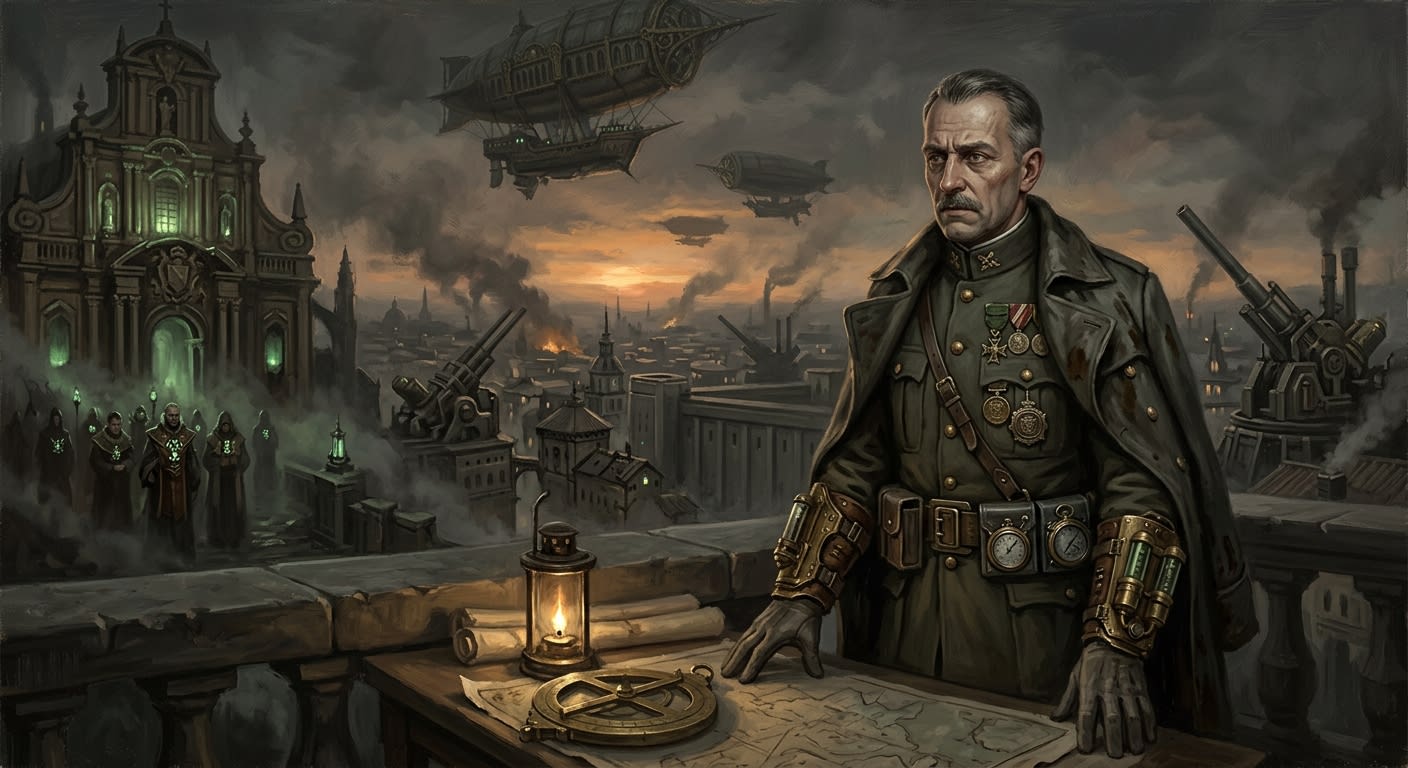
Colonel-Prefect Étienne Grimal
The officer who took Toledo and failed to possess it
Rationalist Colonel-Prefect at Toledo, whose guns seized the city while Clemente, the Order of Saint Iago, and the Relic denied him the prize he came to count.
Codex Ref. III.2.01-084

Concordats of Governance
Four hundred and twelve pages proving Hell does not respect footnotes
The Concordats of Governance were the Rationalist Republic's procedural gospel: prefectures, censuses, tribunals, and emergency clauses annulled too late to unmake their wounds.
Codex Ref. XIII.1.12-030

Corentin Madec
The fisherman who kept the book before Strasbourg learned to want it
Corentin Madec, wounded witness of Saint-Malo, preserved Margaux's psalter long enough for the Bureau to call acquisition devotion.
Codex Ref. III.2.01-017
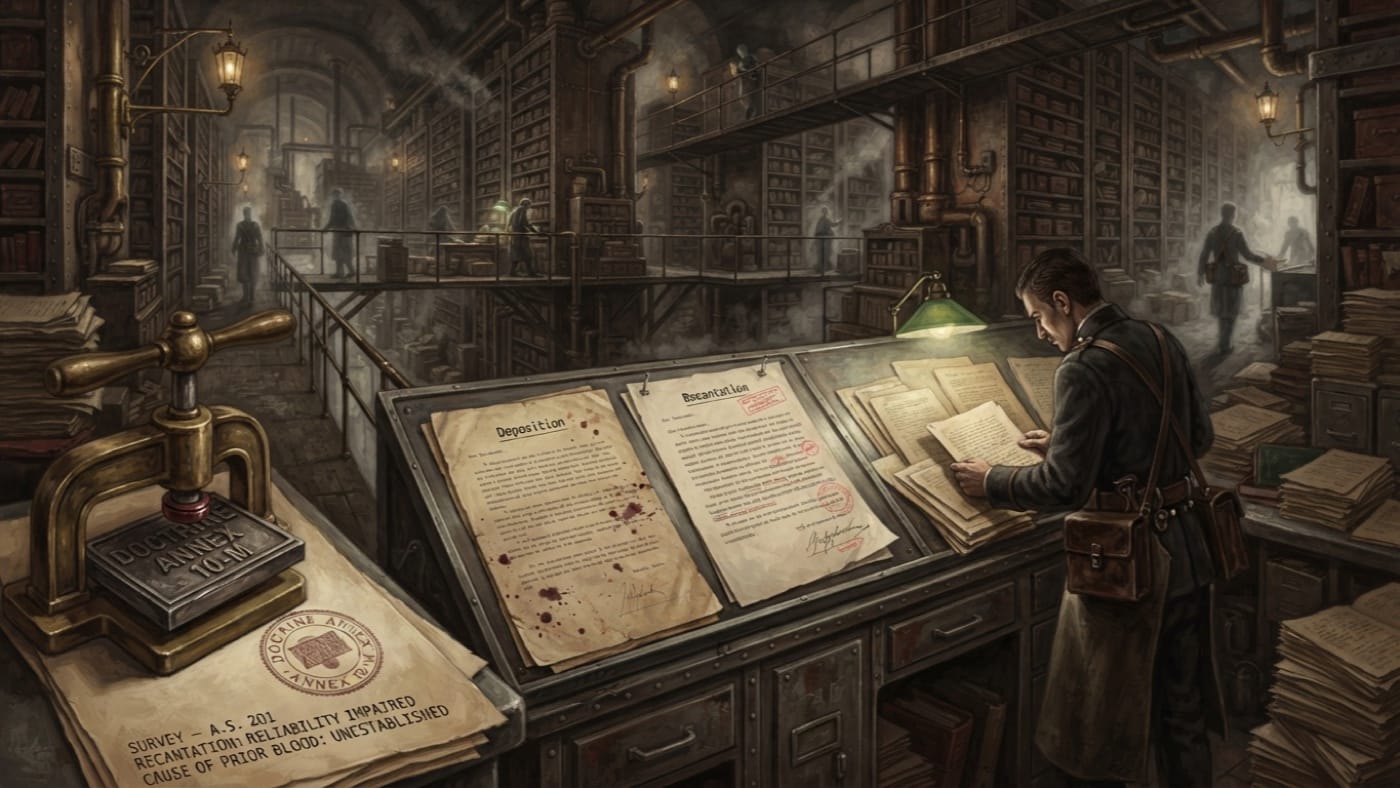
Doctrine Annex 10-M
A seal can keep testimony without making it proof
The A.S. 201 survey of Doctrine Annex 10-M records a Saint-Malo survivor's reported blood before the first blow and her pressured recantation. Custody is attested; the blood's cause and the historical seal date remain unknown.
Codex Ref. I.1.05-003
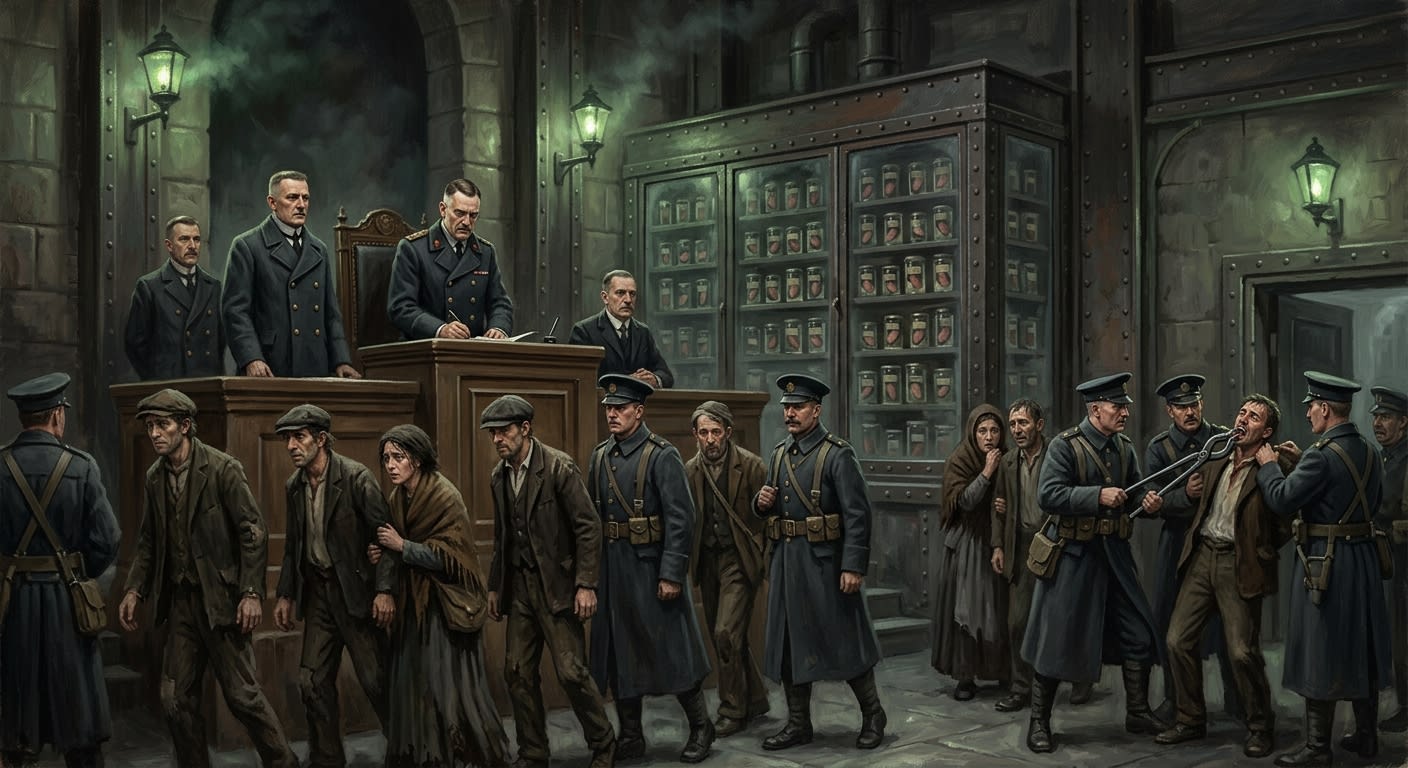
Edict of Ironmouth
When Reason mistook prayer for infection and discovered eleven thousand tongues to classify
A.S. 30 Rationalist law that made spoken prayer vocal treason, answered hymns with pincers, and left the Synod a cabinet of tongues to condemn and study.
Codex Ref. XIII.1.55-001
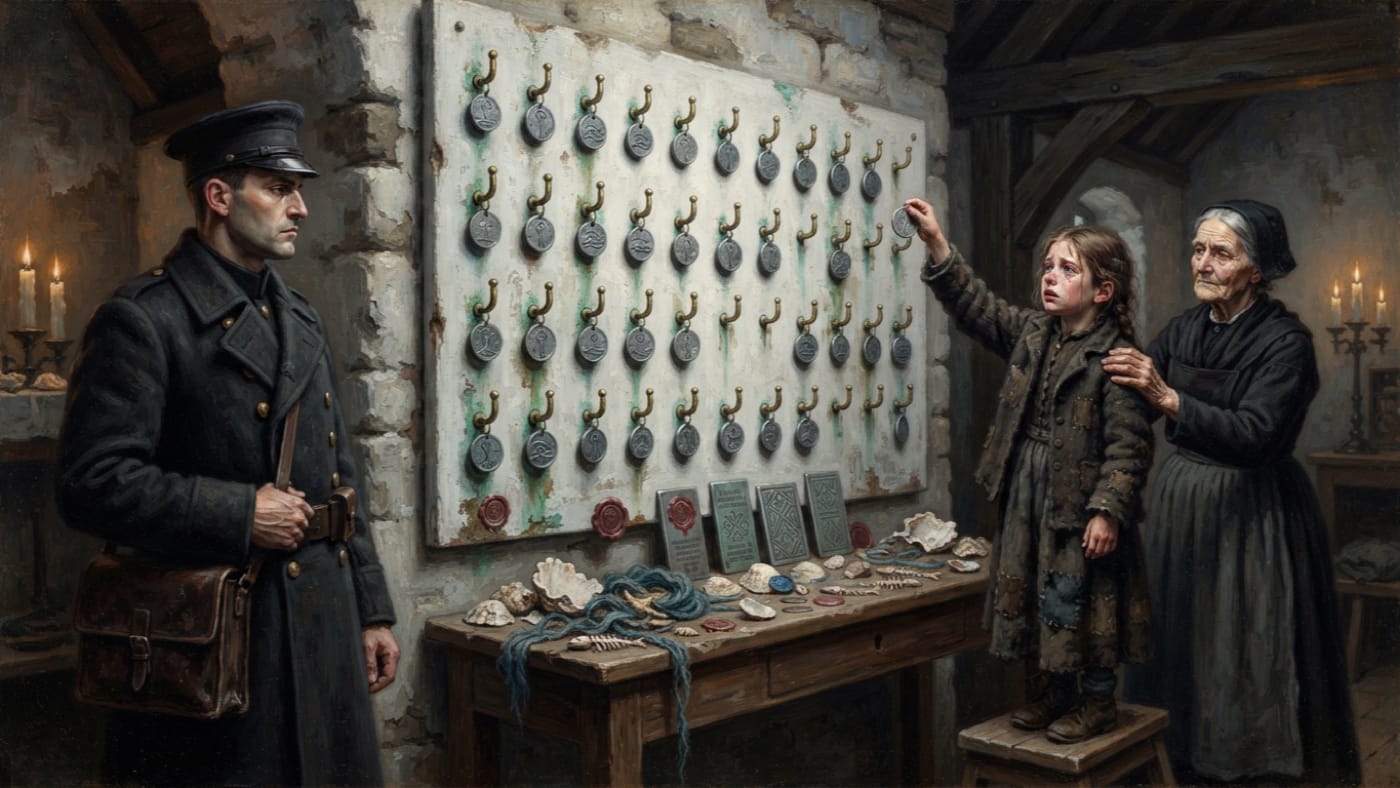
Empty Arrival
Forty-three hooks for the procession that never reached its saint
Forty-three hooks at Clement's chapel count everyone who set out from Dinan. The children hang the tokens each year; Doctrine keeps the destination denied.
Codex Ref. XIII.1.87-014
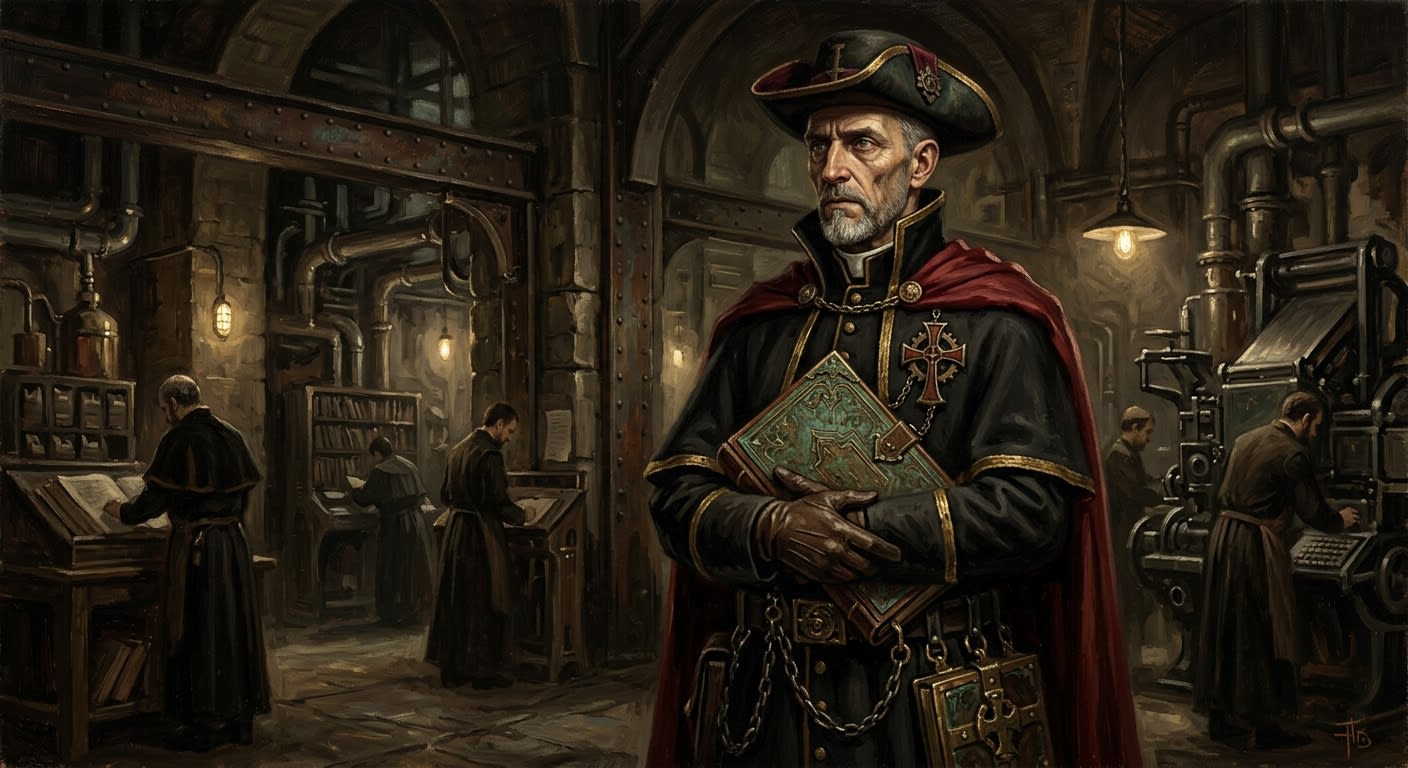
Father Clemente de los Rios
The abbot who spent a saint's jawbone at the correct hour
Abbot of the Order of Saint Iago garrison at Toledo, Second-Tier Martyr, and keeper of the Relic whose second Psalm denied Reason its prize.
Codex Ref. III.2.01-083

First Black Census
The Republic learned to murder with a household table and a clean pen
The First Black Census turned belief into a column, children into transfer marks, and faithful households into blanks awaiting carts.
Codex Ref. I.1.06-030
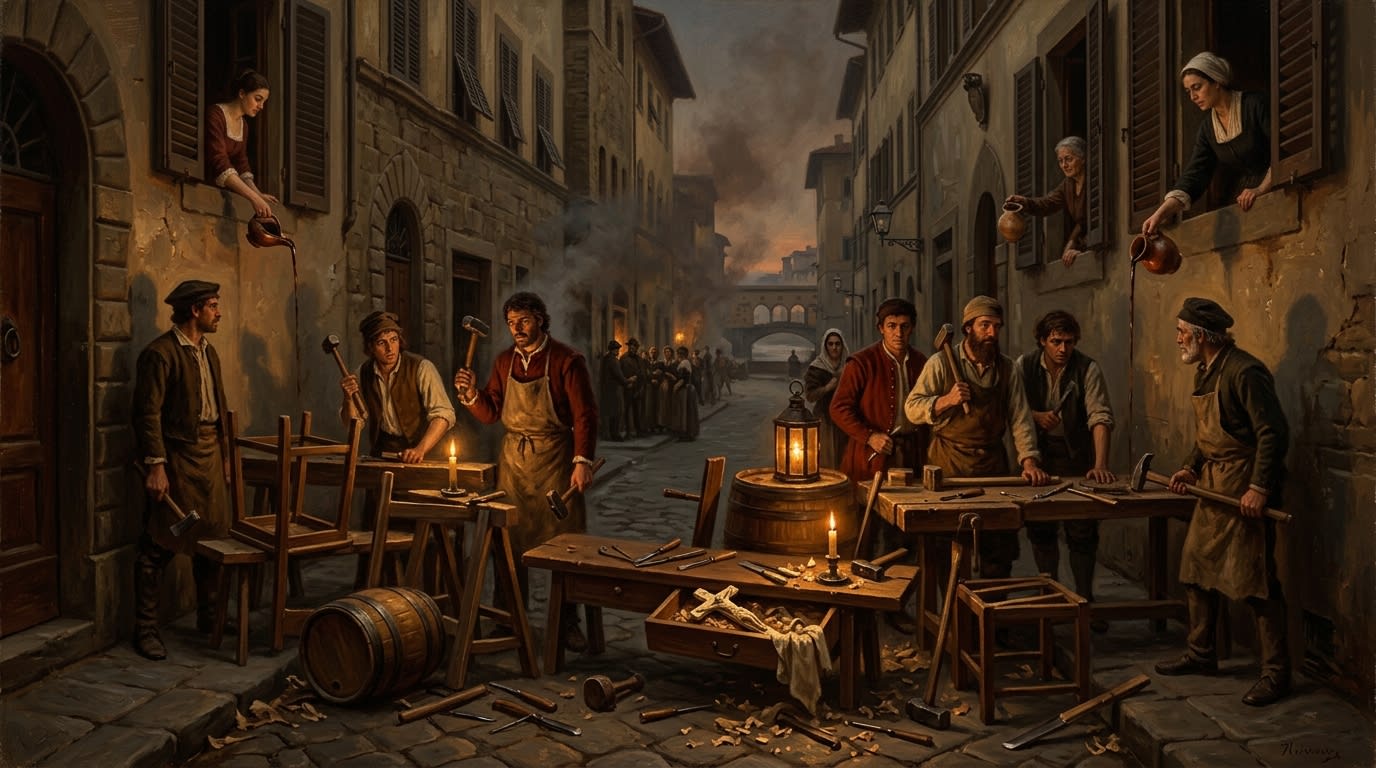
Florence
The city that taught drawers to keep the faith
Florence is the polished Tuscan wound where hidden crucifixes, artisan tools, and the A.S. 44 Ivory Revolt made small devotion sharper than empire.
Codex Ref. II.4.09-044
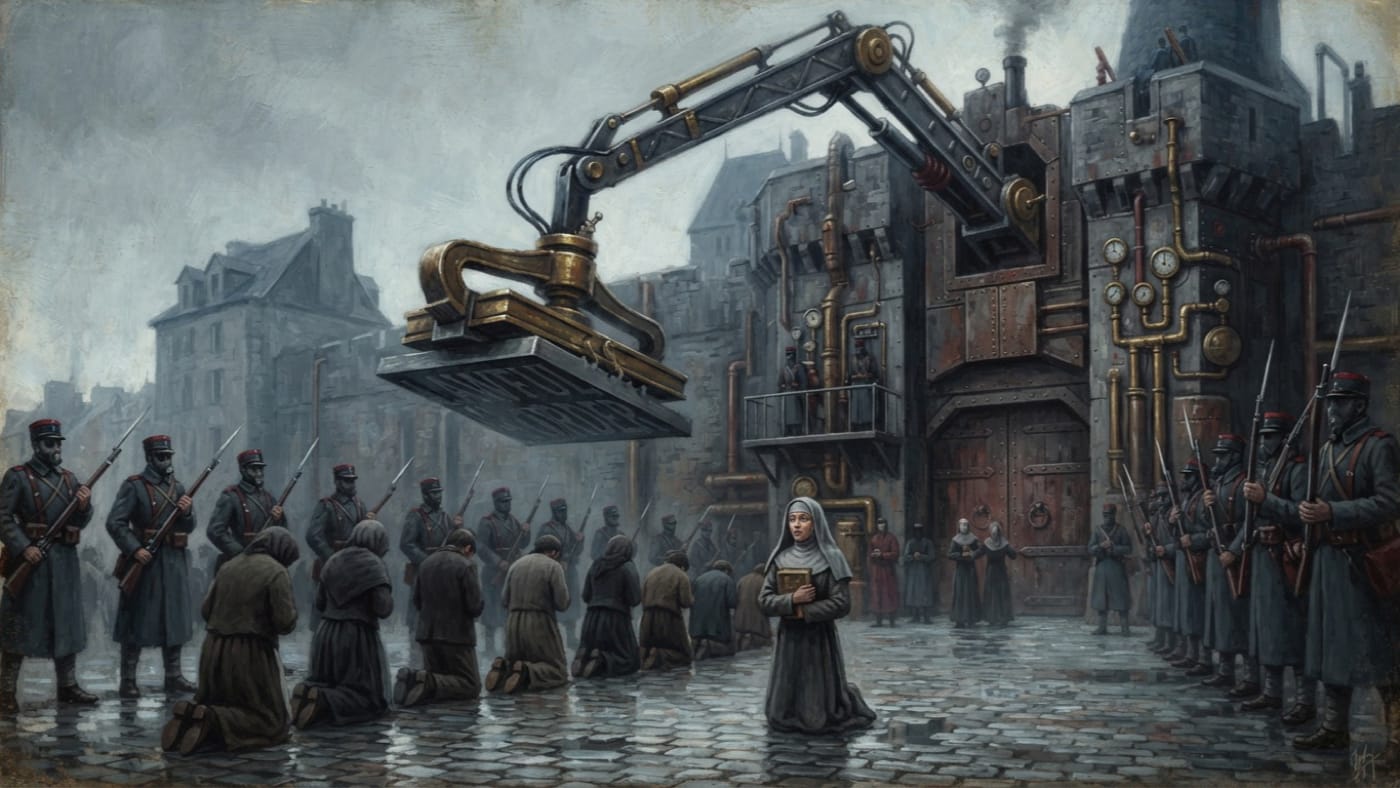
Gazette de la Raison
Four sentences against thirty-one dead
Four sentences made Saint-Malo's kneeling pilgrims vagrants and its bayonets lawful. The Gazette kept the magistrate's grammar; the Church kept the face of Saint Margaux.
Codex Ref. I.1.04-010
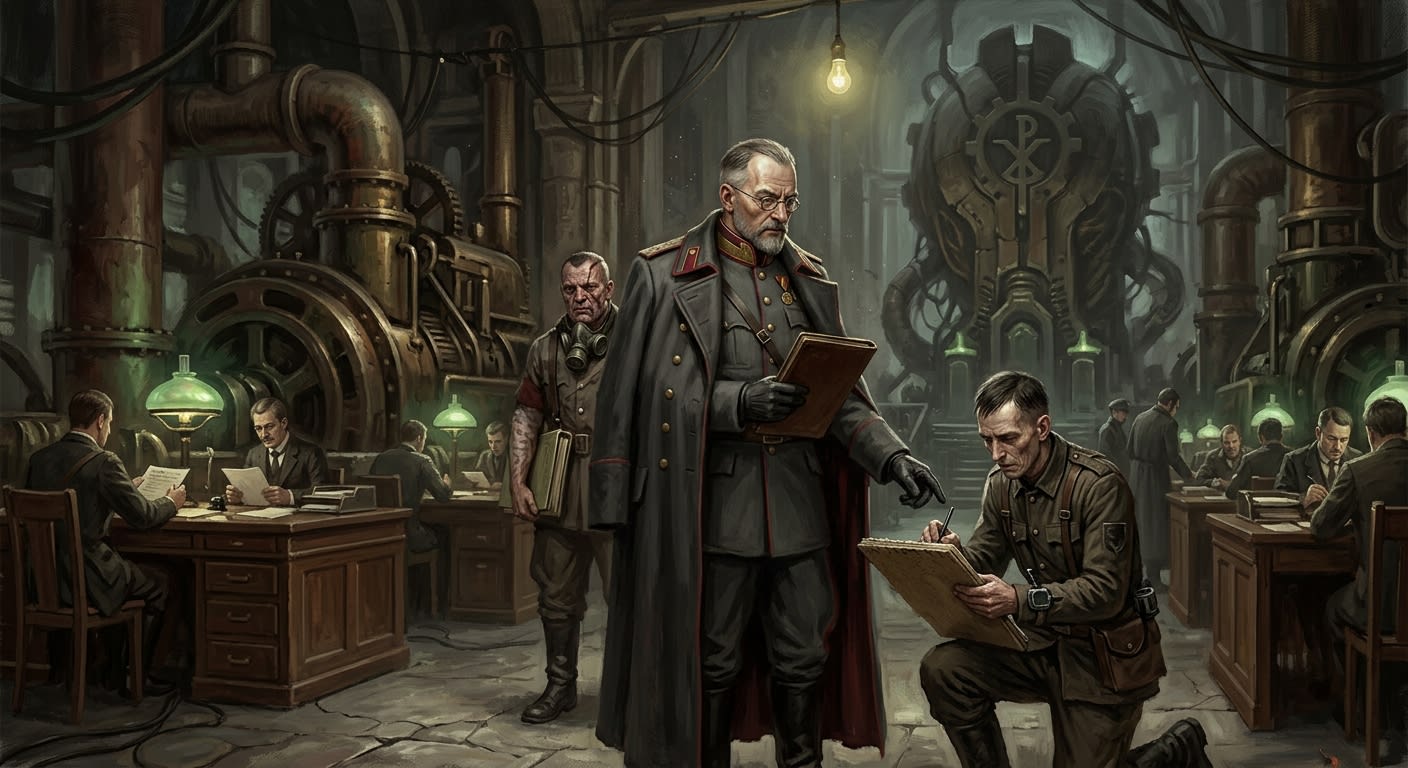
Grand Inquisitor Severian
The tongue made public office, the cage made catechism
Severian of Mainz made fear audible, denunciation intimate, and cruelty administrative; his Second Appendix still walks through Prague with nail and tablet.
Codex Ref. III.2.01-062
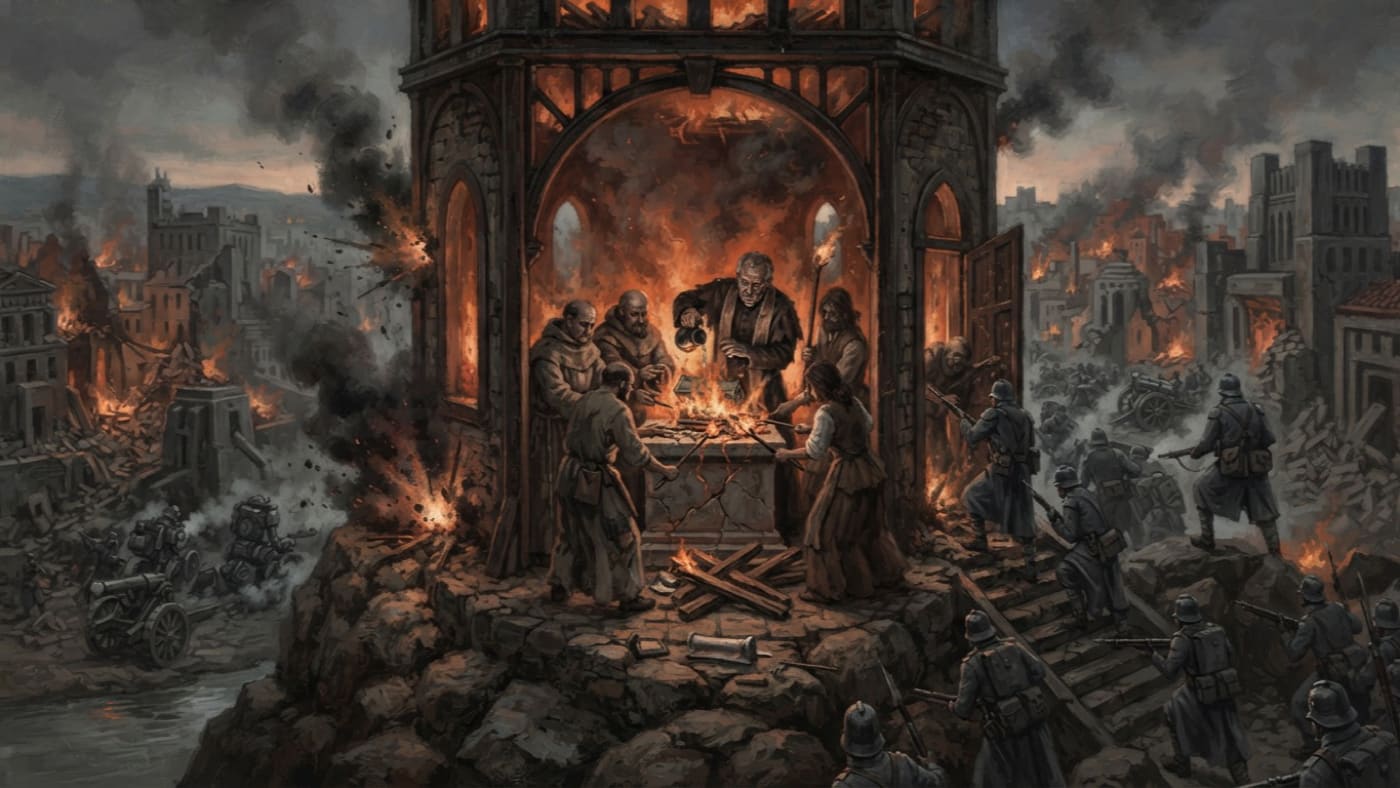
Heroic Destruction
The last duty of custody, taught from Toledo's ash
Heroic destruction is the deliberate unmaking of an entrusted holy object to deny enemy custody. At Toledo, the Order of Saint Iago lost the city and kept the enemy from taking its saint.
Codex Ref. XIII.1.58-015
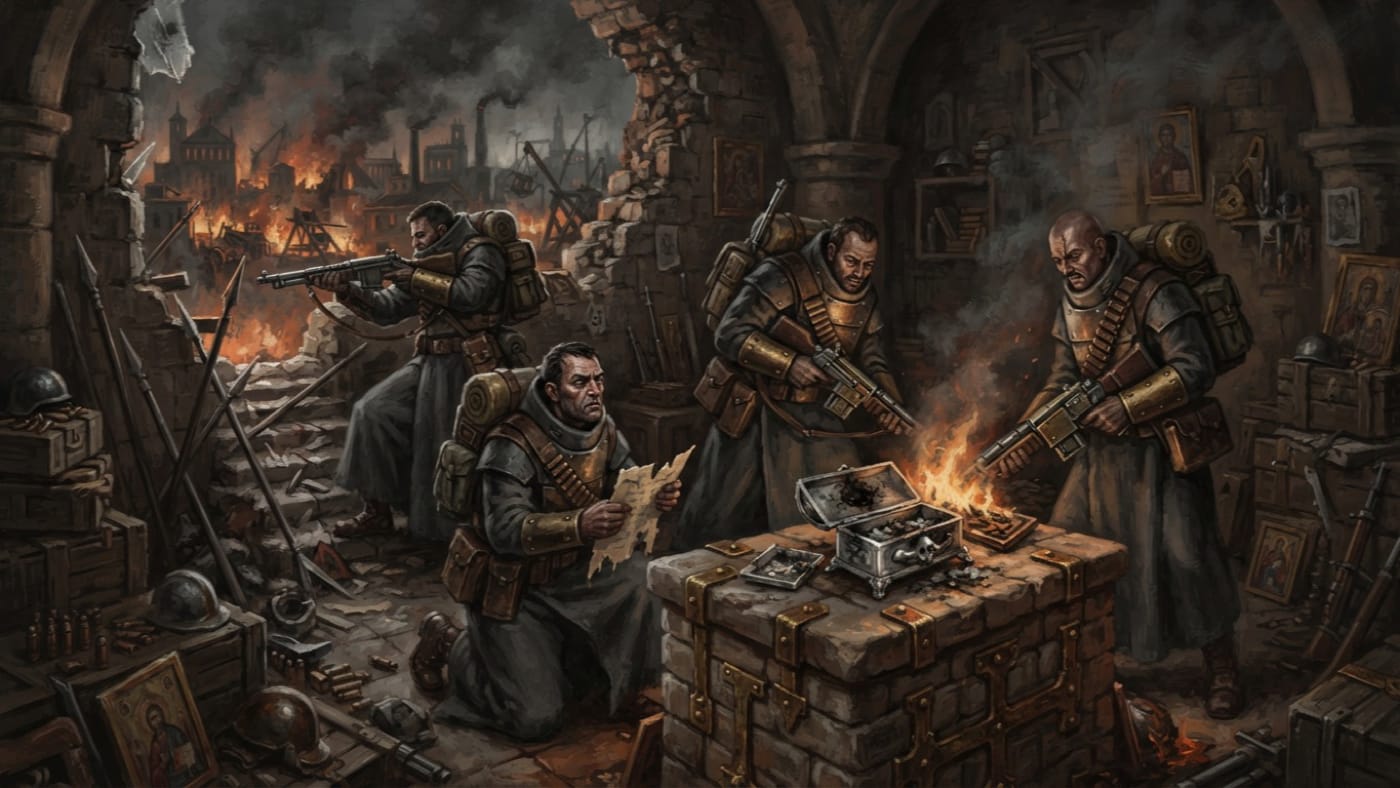
Iago Rule
Four sentences the smoke left behind
Four surviving sentences of the Order of Saint Iago's rule bind road, shrine, guest, and bone to custody. Toledo supplied the fire; the preserved text never commanded it.
Codex Ref. XIII.1.57-016
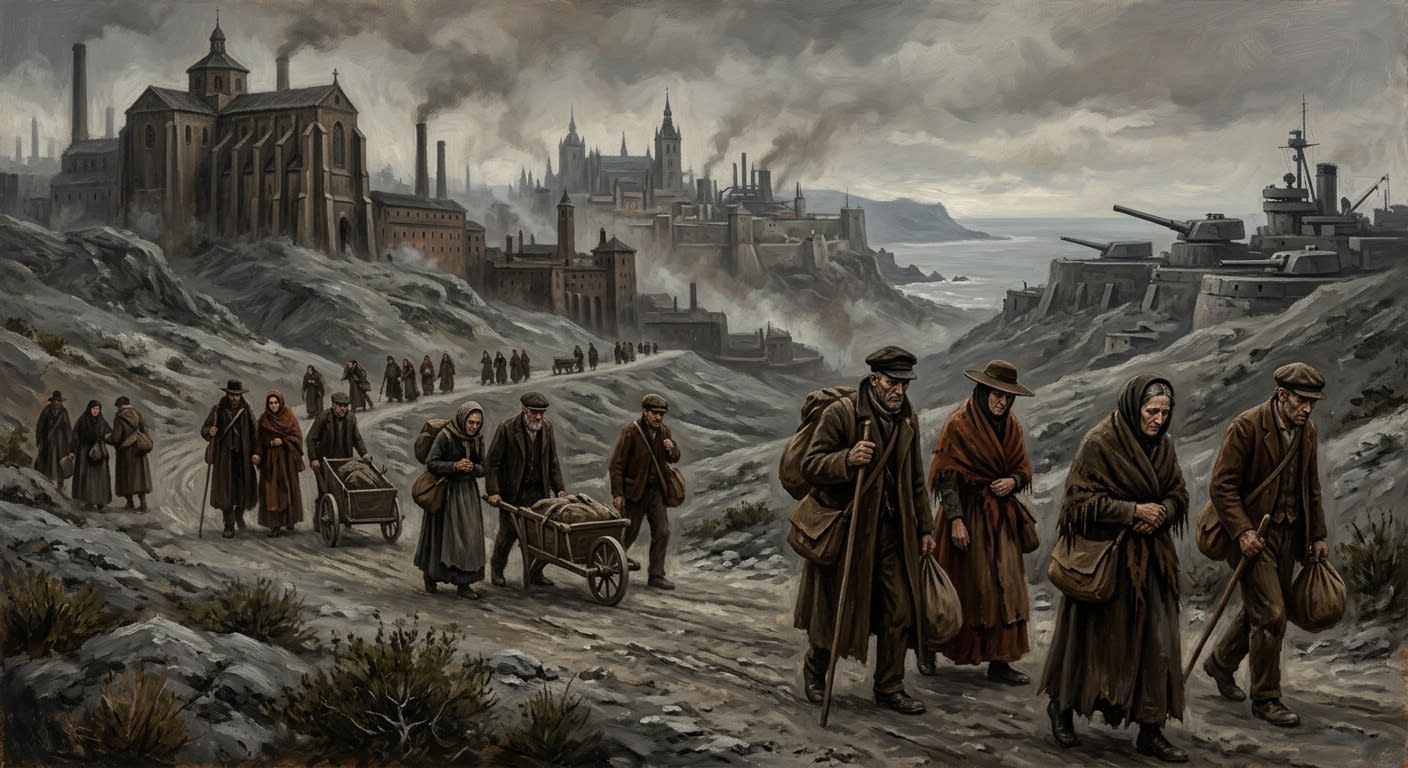
Iberia
The western furnace kneels, pays, murmurs, burns, and remembers
Iberia is the Synod's western furnace: a sealed peninsula of relic ash, late Concordat obedience, Seville mutters, Toledo martyrdom, pilgrimage roads, British guns at Gibraltar, and memory too old to confiscate cleanly.
Codex Ref. II.1.04-090

Lord-Protector Guillaume
The gate-seller who mistook a palace for survival
Guillaume sold Aachen for Lowlands dominion, sent a proxy to Regensburg, and learned too late that the Bureau's cleanest executions are grammatical.
Codex Ref. III.2.06-003
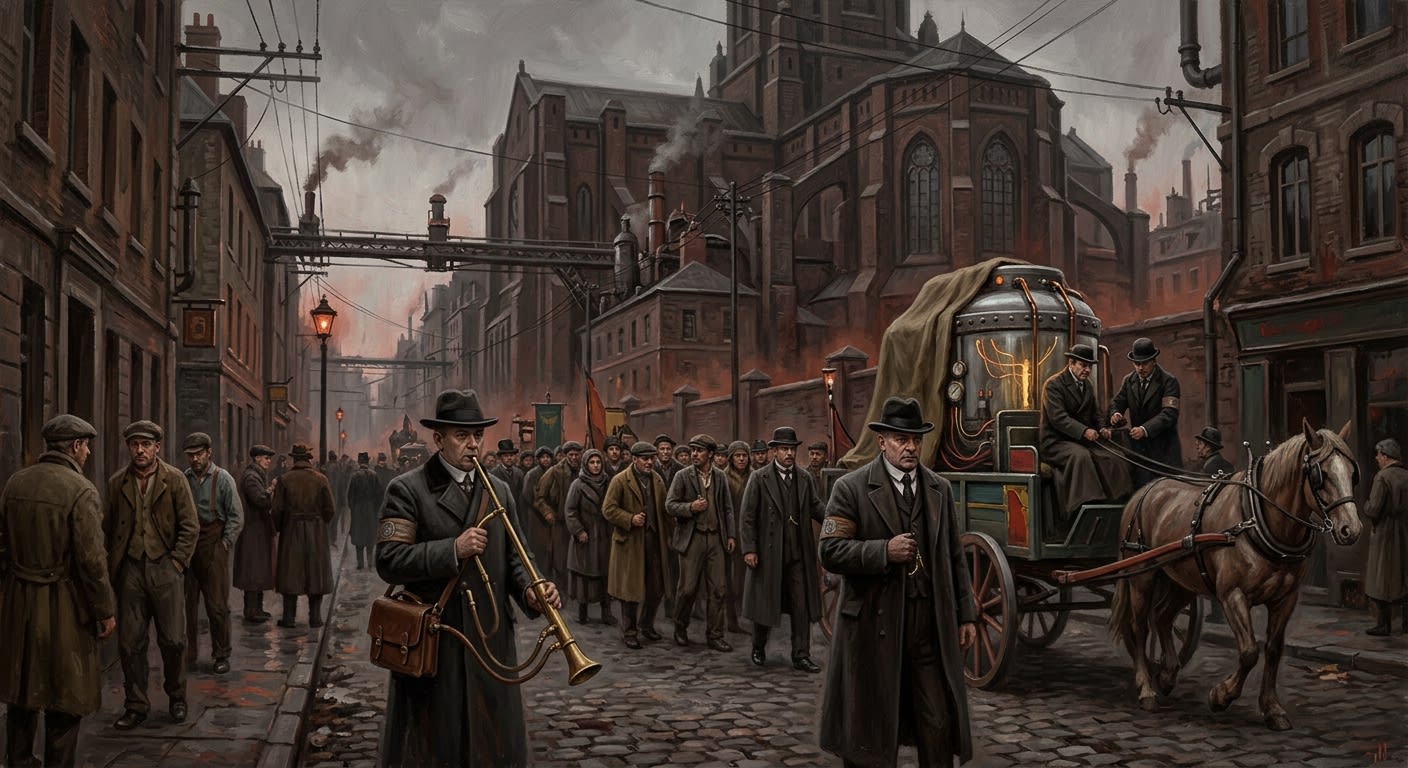
Lyon
The Rhône city where scars learned to sell tickets
Synod-held Lyon is a Rhône city of red ash, whistle-hymnody, Festival supervision, relic volatility, licensed enthusiasm, and profitable repentance.
Codex Ref. II.1.04-001
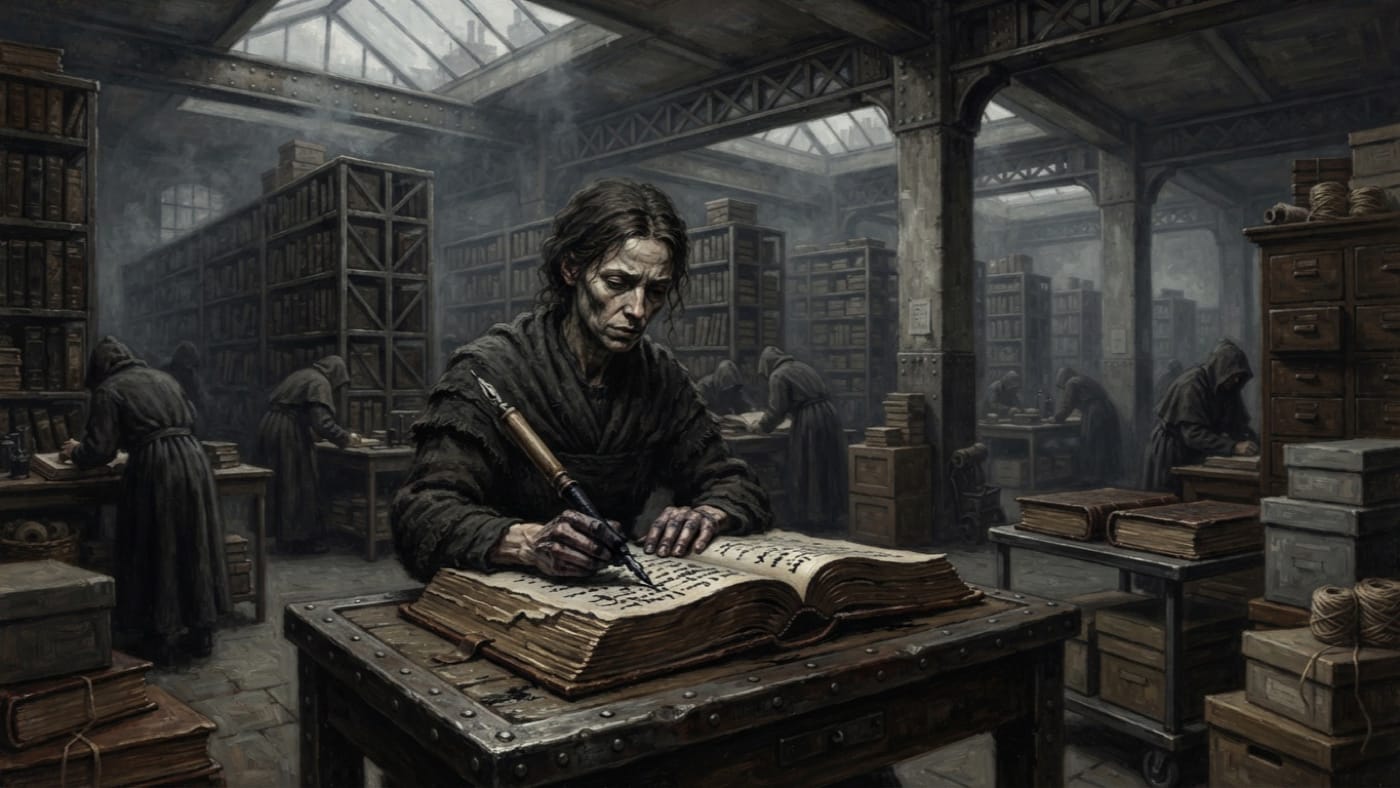
Maëlle of Dinan
Three corrections the Church chose to keep
Maëlle of Dinan corrected her family's name in three copies of the Martyrology of Saint-Malo. The Church preserved her ink; this file cannot supply the surname.
Codex Ref. III.2.01-007

Martyrology of Saint-Malo
Thirty-one names, forty-three seconds, and a civilization built from first blood
The Martyrology of Saint-Malo counts thirty-one dead, five absences, and every obedience the Synod has purchased with their blood.
Codex Ref. VII.8.02-001
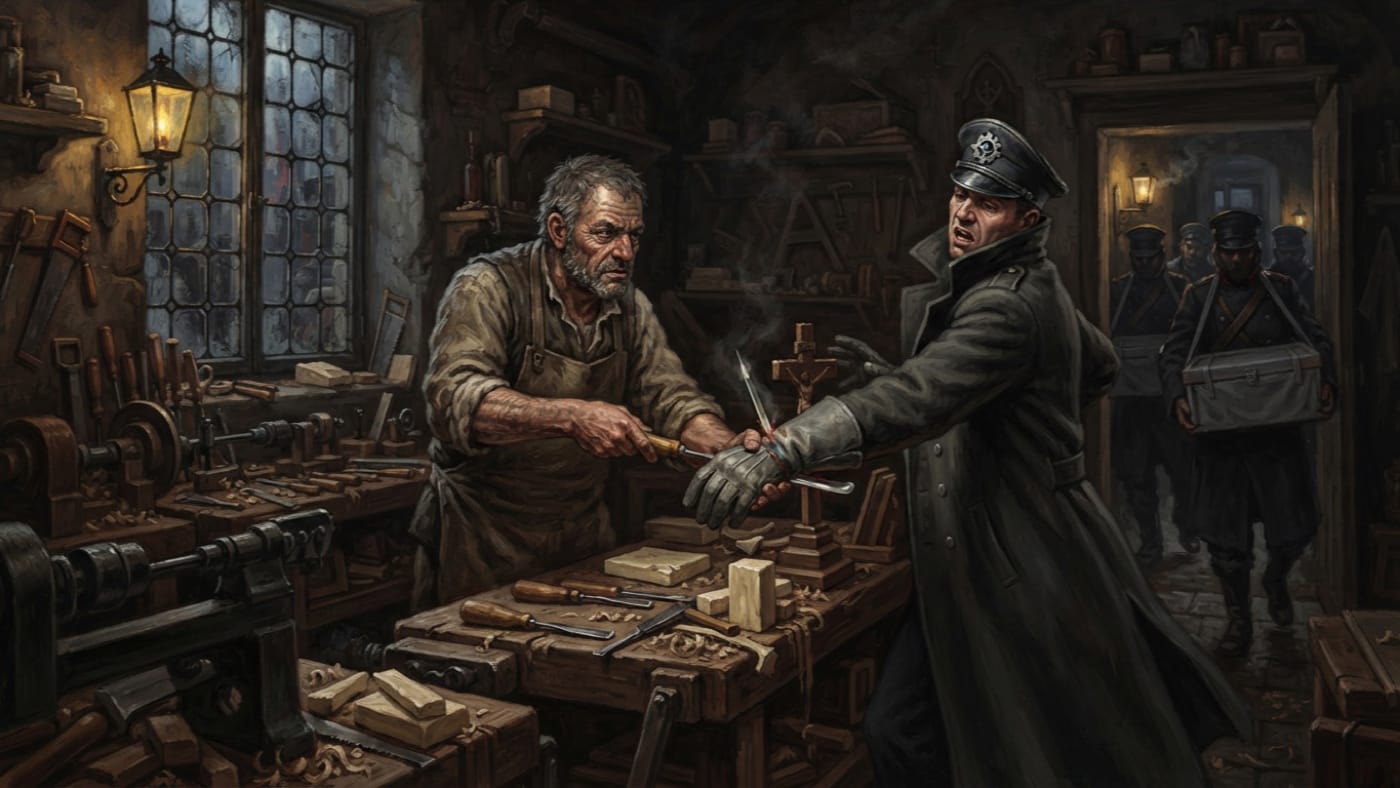
Matteo Bellandi
A carver's chisel answered the confiscation writ
Matteo Bellandi, Florentine ivory carver and father of four, answered Rationalist confiscation with a gouge chisel in A.S. 44. The Ivory Revolt followed; Records has no separate account of his death.
Codex Ref. III.2.01-044
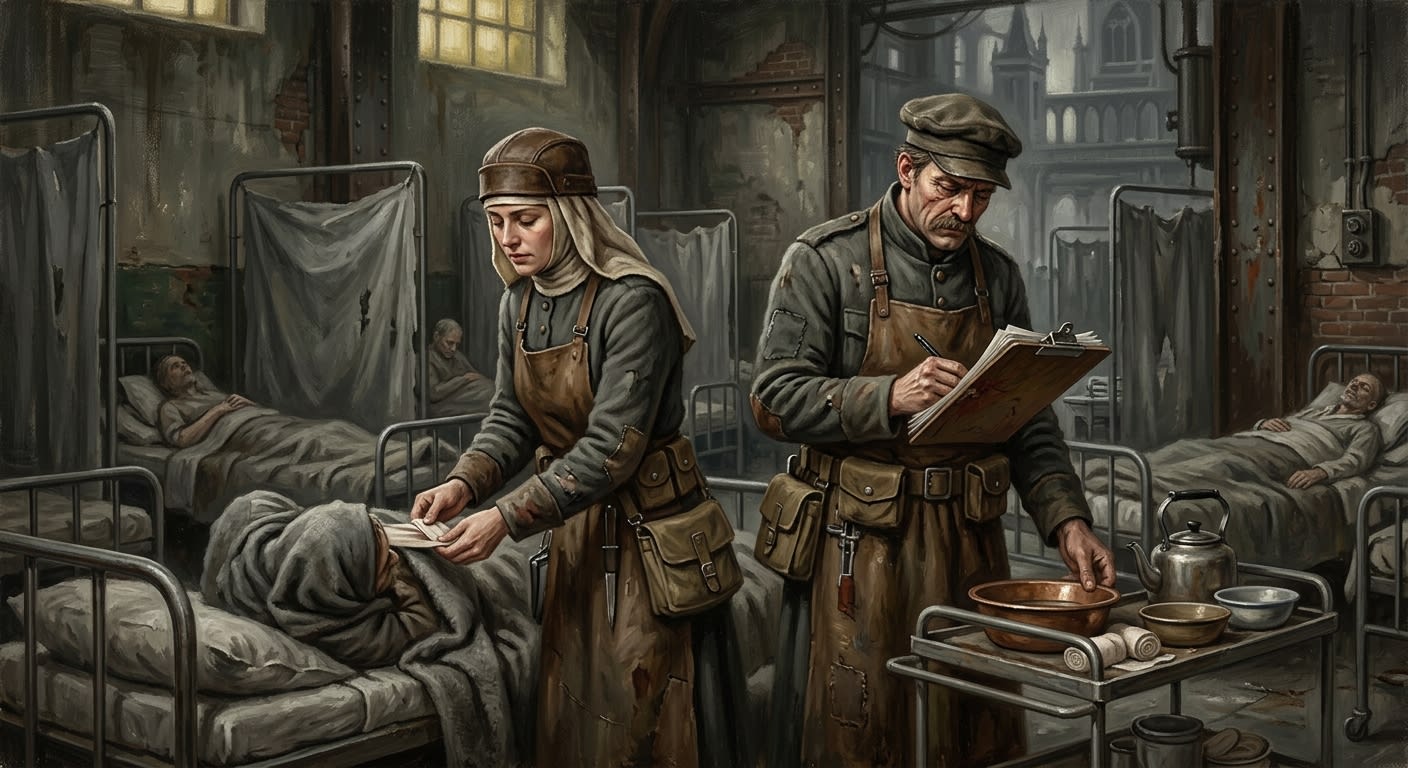
Mercy Ward-Sister / Mercy Ward-Brother
The hand that brings broth also carries the ledger
The Mercy Ward-Sister and Ward-Brother are the Bureau of Mercy's grey-aproned operators of counted compassion, where broth, bandage, confession, and paperwork become one instrument.
Codex Ref. XII.6.04-001
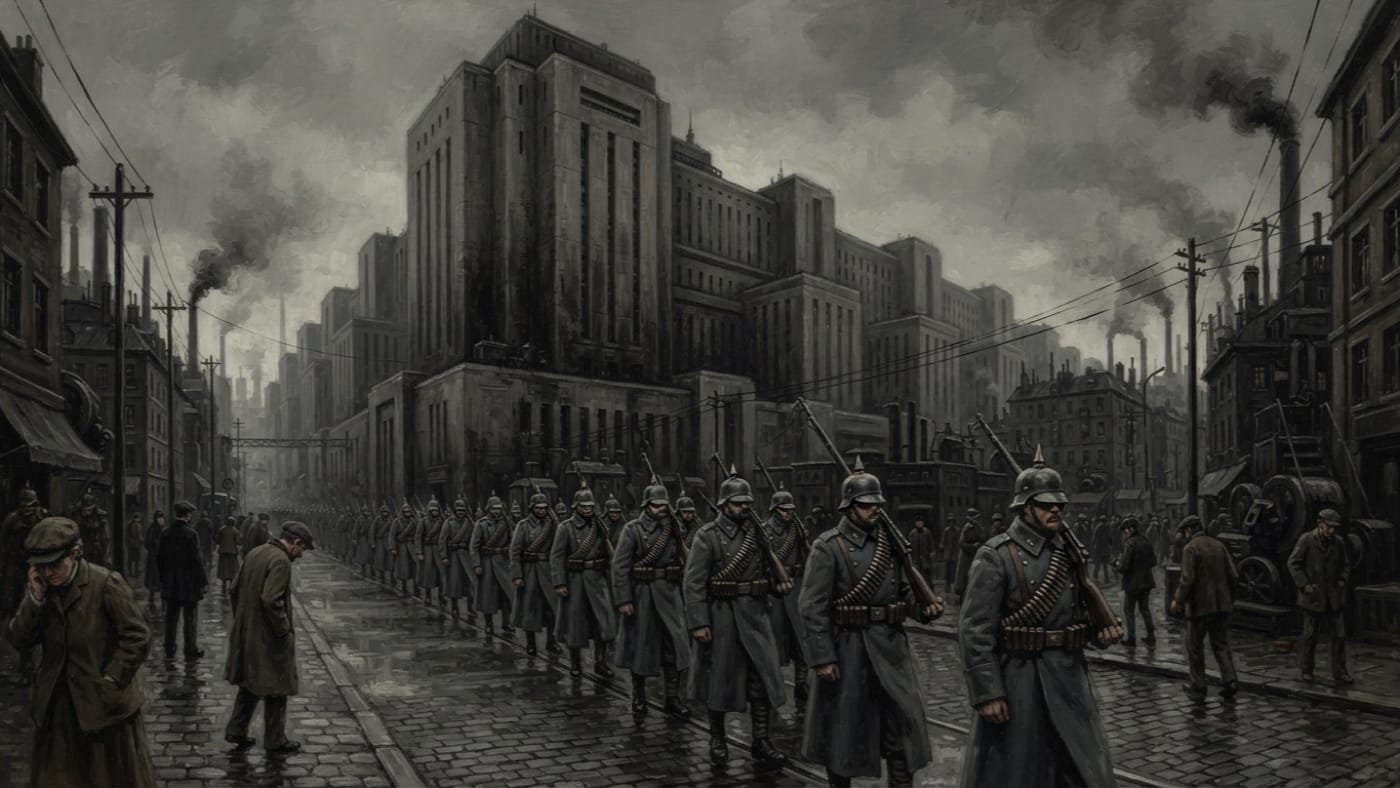
Ministry of Civic Security
The office above the bayonets
The Republic placed its Guards under a Ministry of Civic Security in A.S. 30. The name survives in the Stacks; the citizen's security was another matter.
Codex Ref. I.1.05-002
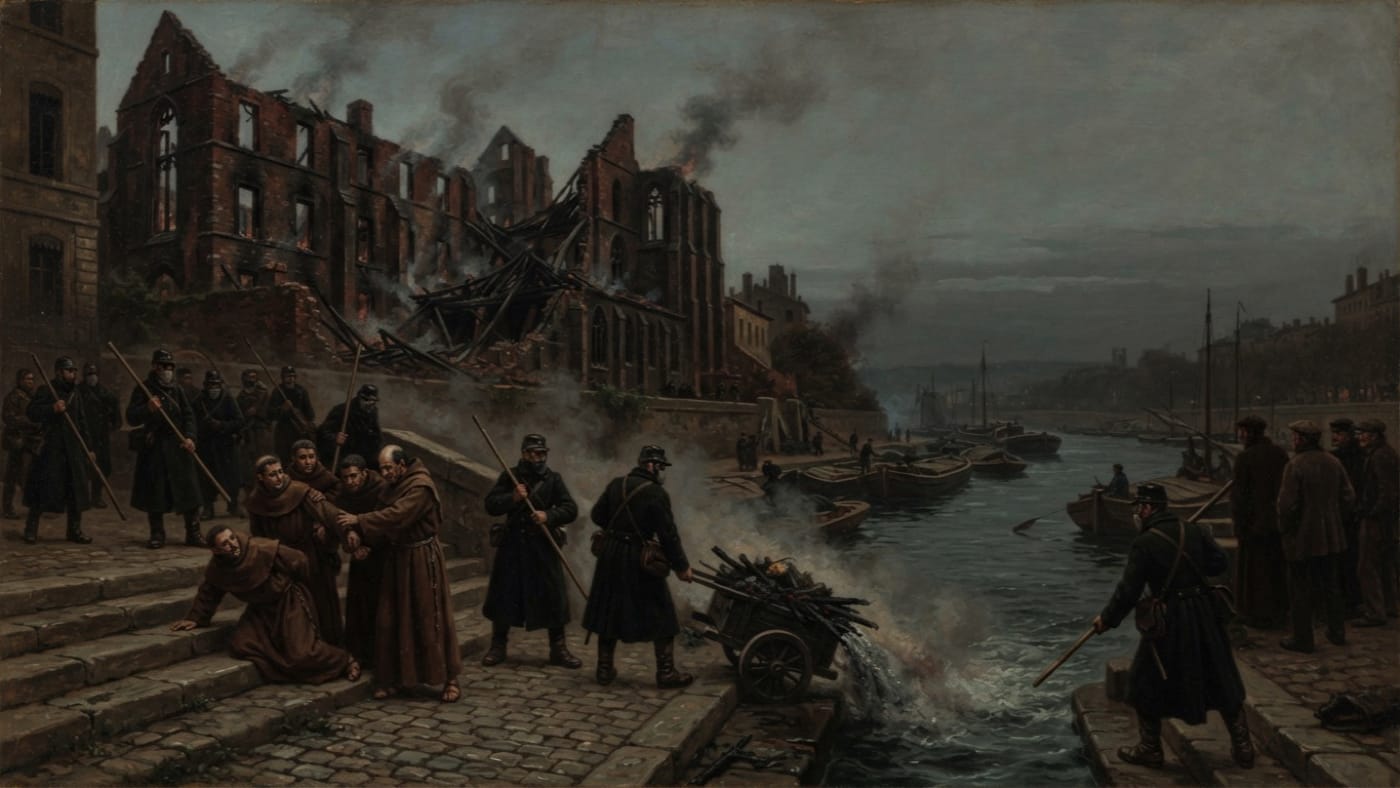
Minor House of Saint Sabina
Three names, one friary, and no proven dedication
The Lyon friary burned in −39 A.S. (1671 CE), remembered under three disputed names. Its brothers fed the docks; the index supplied a saint it could not prove.
Codex Ref. II.1.09-039
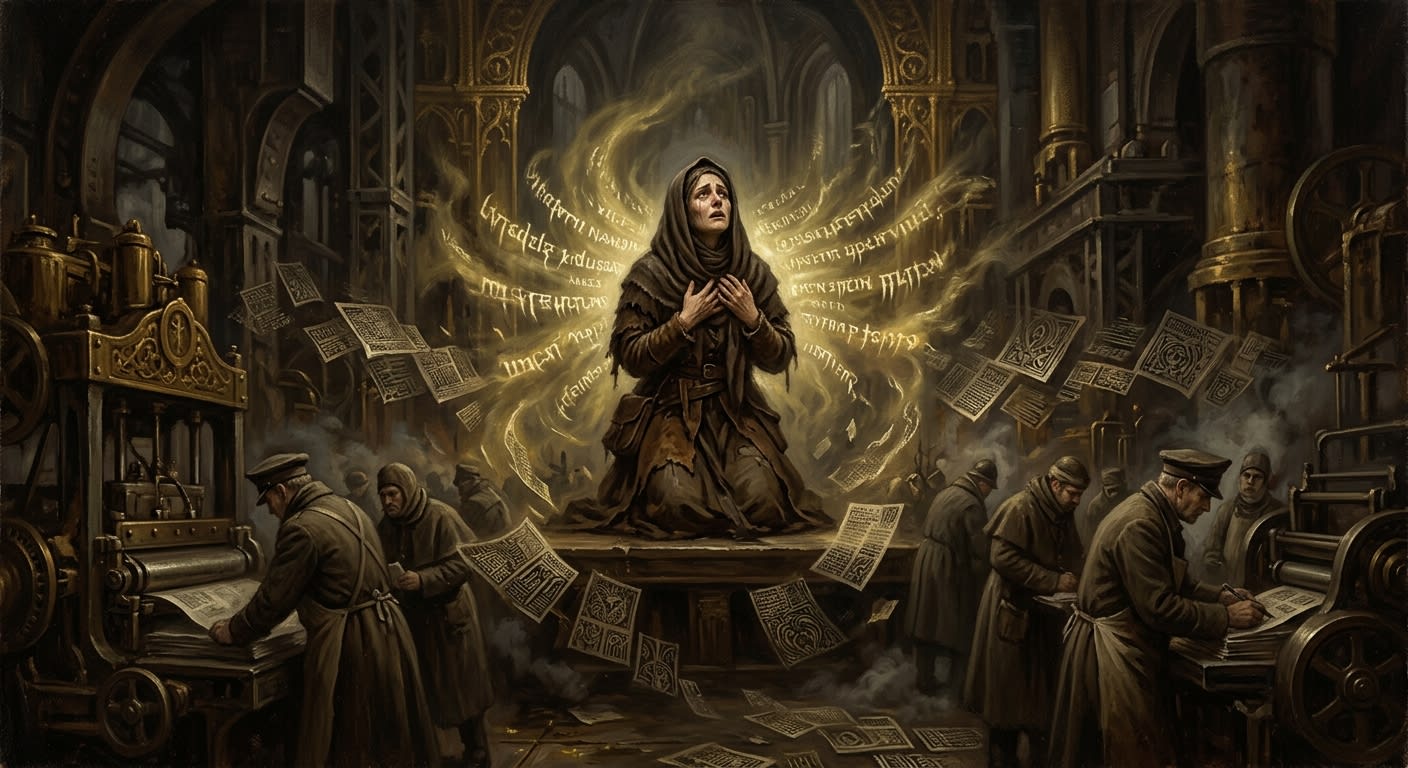
Miraculum Diffusum
The miracle was everywhere, which is to say the presses worked
The one-use doctrinal category that crowned Margaux when no ordinary miracle arrived: effect, print, grief, and Latin with teeth.
Codex Ref. XIII.1.09-014
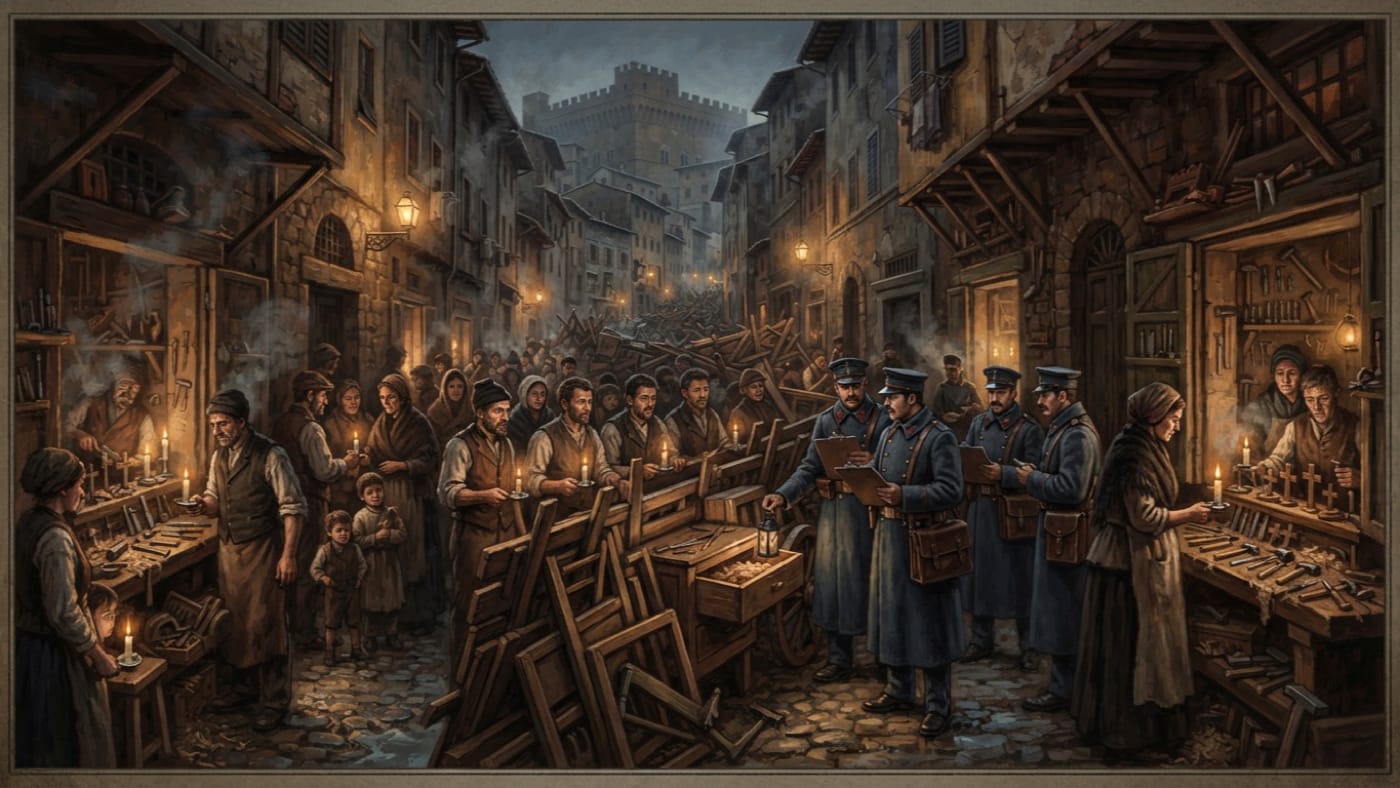
Oltrarno
The quarter that kept the Church in its drawers
Florence's workshop quarter kept the hidden Church in deep drawers, held a street in A.S. 44, and now supplies sacred craft under inspection by offices that arrived after the danger.
Codex Ref. II.4.09-201
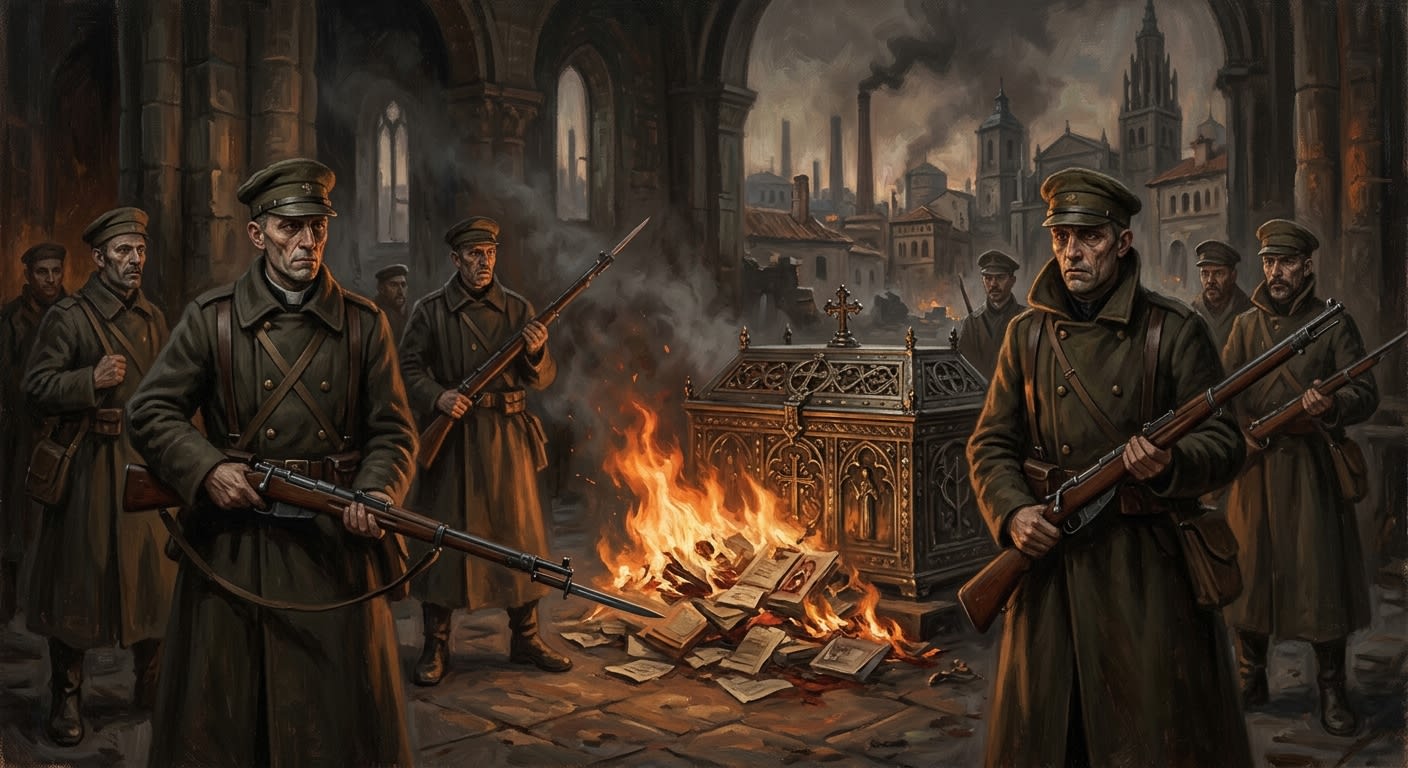
Order of Saint Iago
The grey mantles who taught custody to survive defeat
Iberian military-monastic order remembered for guarding the Relic of Saint Iago at Toledo, holding the city nine months, and burning custody clean before Reason could take it.
Codex Ref. VIII.9.01-001
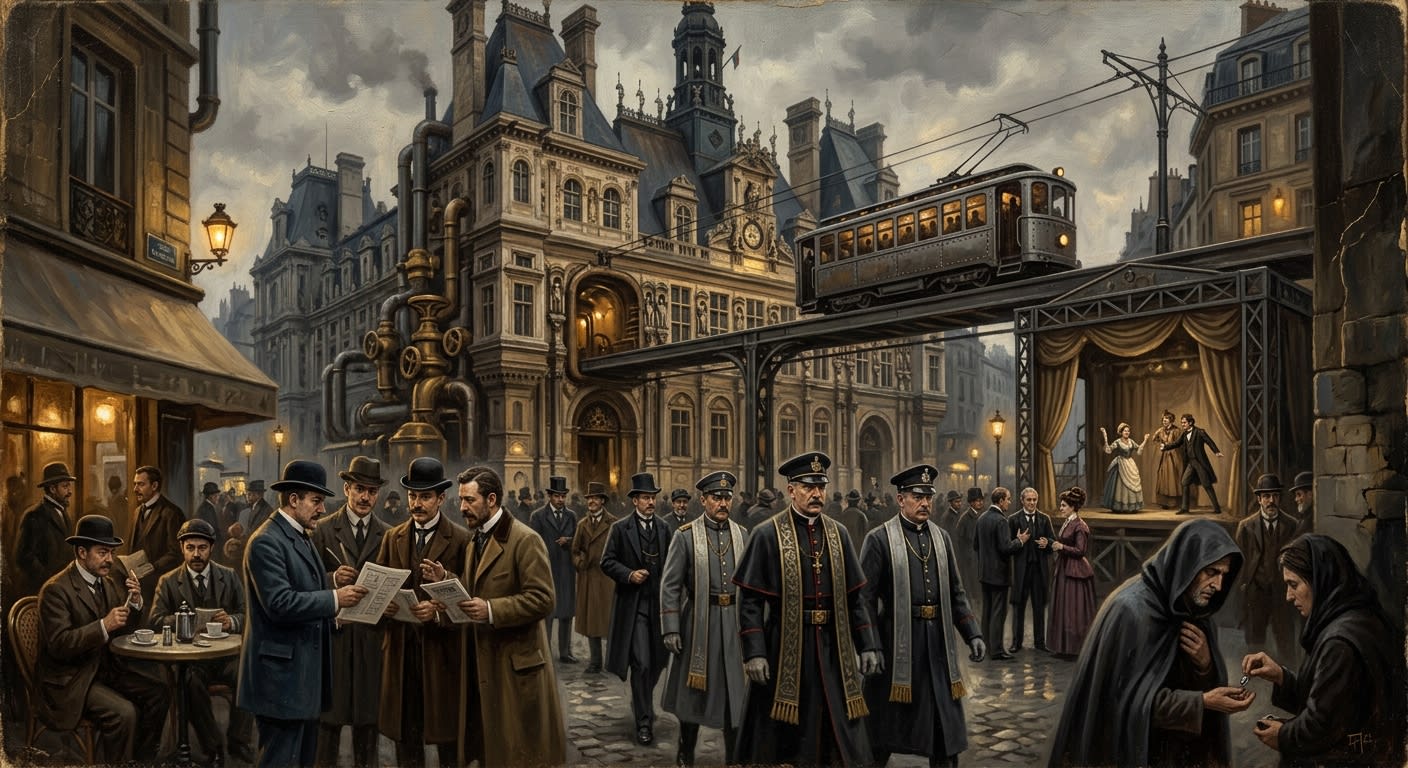
Paris
The city kneels beautifully, which is precisely why one watches the angle
Paris is the Western Heartlands' corrected jewel: Rationalist salon, Synod workshop, black-market confessional, obedient theatre, and treason with excellent diction.
Codex Ref. II.1.08-201
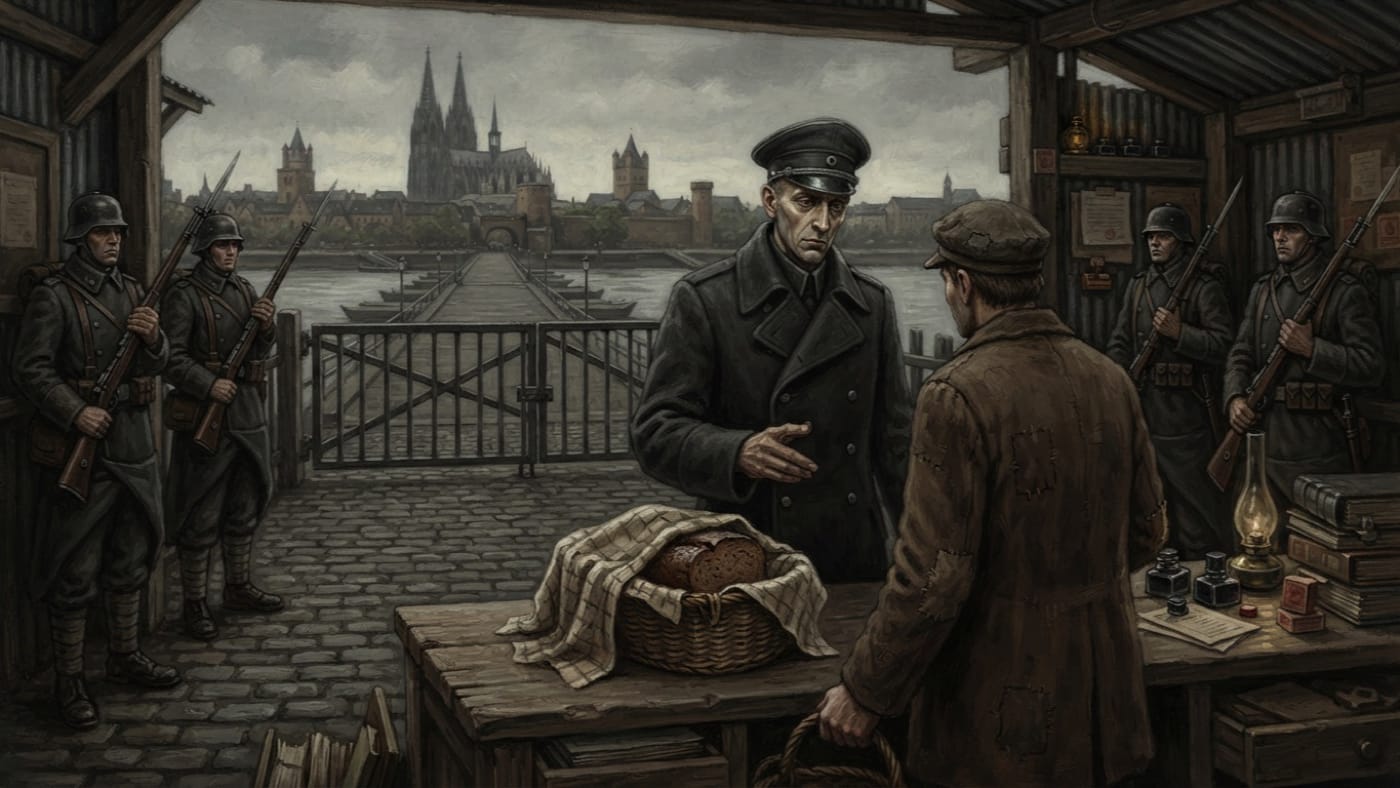
Philosophical Prefect
He looked at the basket. The bones went through.
A Rationalist examiner of documents, parcels and suspected sacred objects, attested at Cologne in A.S. 31. He waved Ignatius Brenner's breadbasket through. Three apostolic bones escaped; the inspector's name did not survive.
Codex Ref. III.2.01-031

Philosophical Prefectures
Reason numbered Europe; Hell ignored the numbers
The Philosophical Prefectures were Reason's thirty-seven cuts across Europe: a map designed to erase saints, graves, borders, and memory by schedule.
Codex Ref. XIII.1.13-030
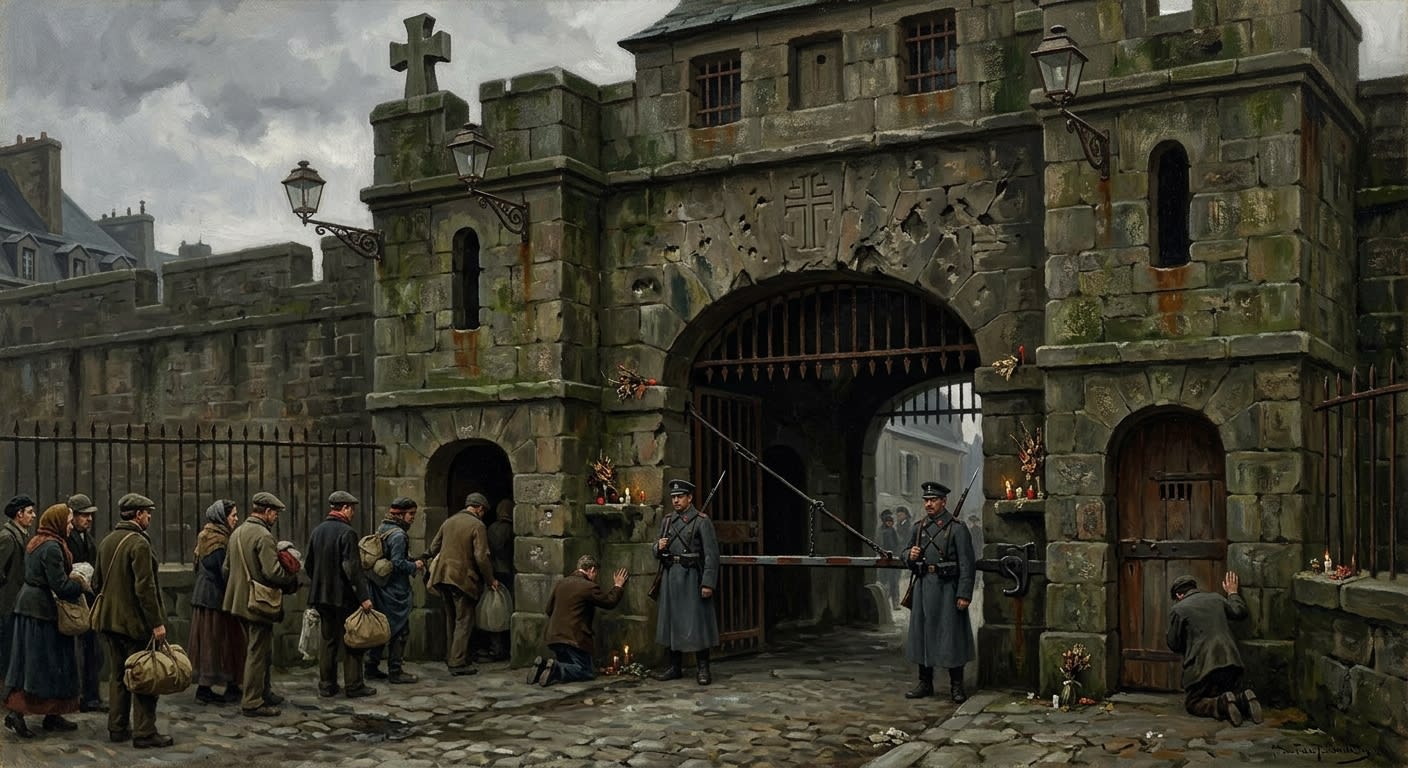
Porte Saint-Vincent
Where stone learned to answer after the thirty-first toll
The Porte Saint-Vincent is Saint-Malo's principal landward gate: toll aperture, atrocity site, pilgrimage wound, and stone witness to the A.S. 10 massacre.
Codex Ref. II.1.09-010
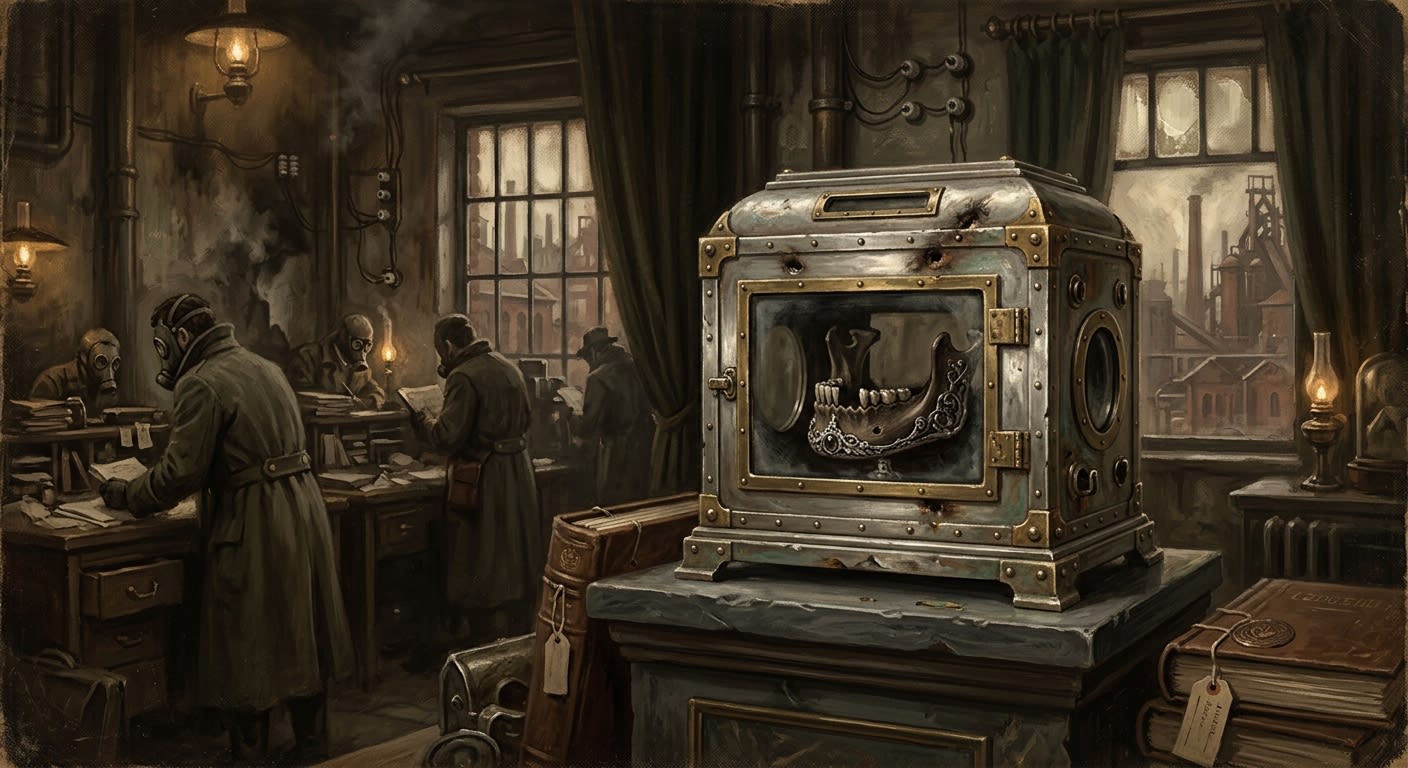
Relic of Saint Iago
The jawbone that answered artillery and kept its receipt from Heaven
Relic 14-T(Provisional) was a silver-set jawbone that survived auctions, desks, cannon, and doubt — then burned at Toledo rather than serve Reason.
Codex Ref. III.2.04-014
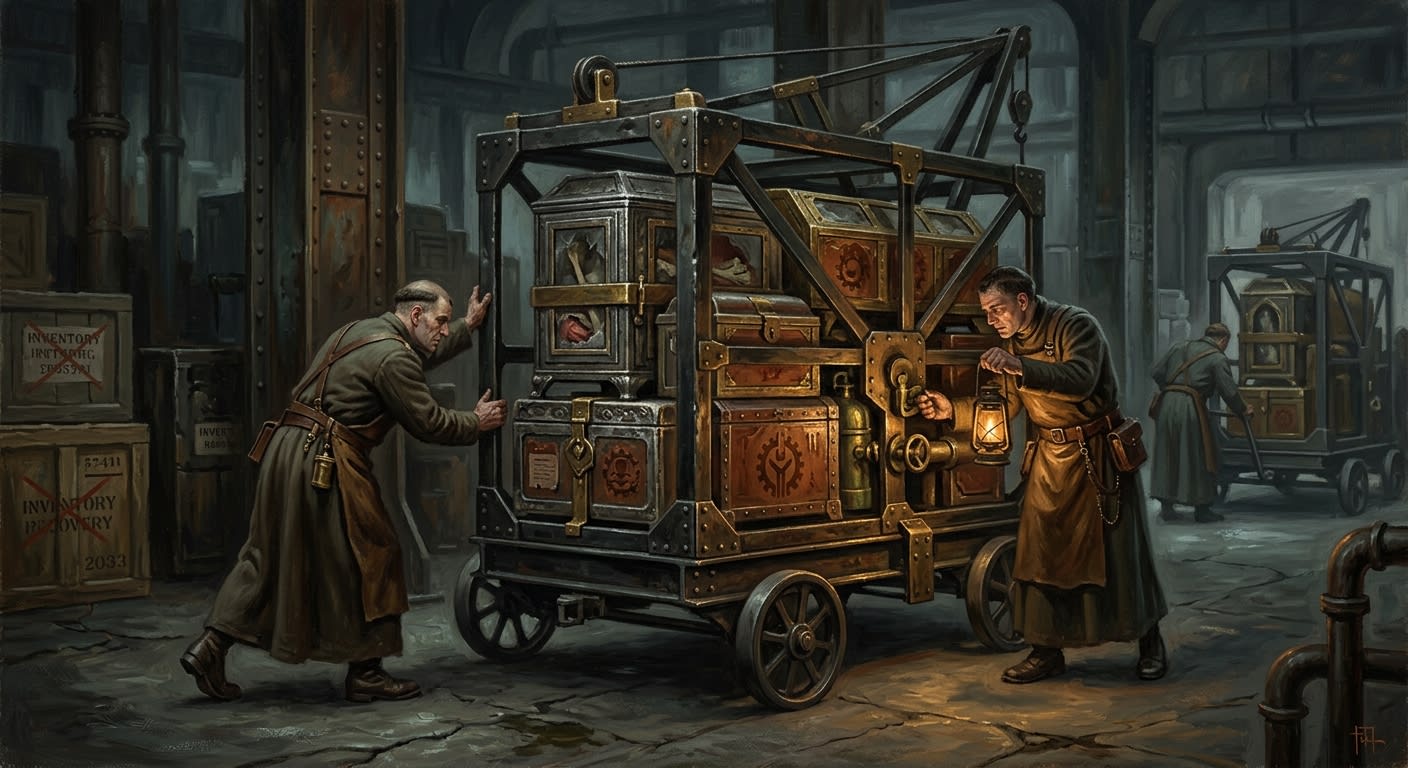
Reliquary of Saint Matthias
A box of bones that taught law to bleed
The Reliquary of Saint Matthias is the Saint-Malo martyr-object: seized as Item 7, recovered from Rationalist custody, and made into portable proof that holy custody is not inventory.
Codex Ref. XIII.1.73-010

Saint Aegidius
The patron of the waiting hand and the honest charge
Saint Aegidius is the artillerymen’s patron: foundry hand, martyr of the Third Peal, saint of timed violence, bell-cannon discipline, and Shipka’s sulking gun.
Codex Ref. III.2.01-194
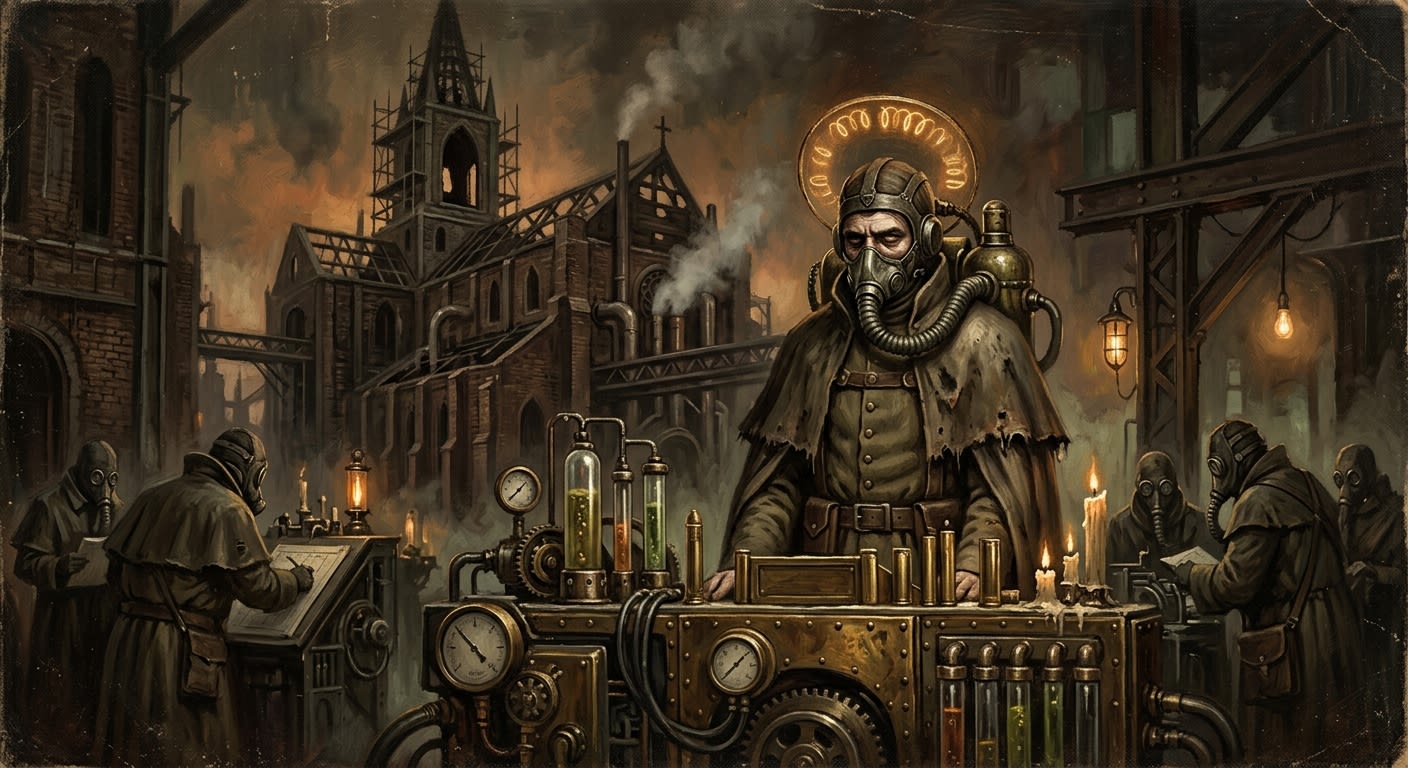
Saint Clement of Brittany
The chapel that received no pilgrims and therefore received a continent
Saint Clement of Brittany became doctrine's perfect destination: a chapel the martyrs never reached, and therefore a wound the Synod could license forever.
Codex Ref. III.2.01-005
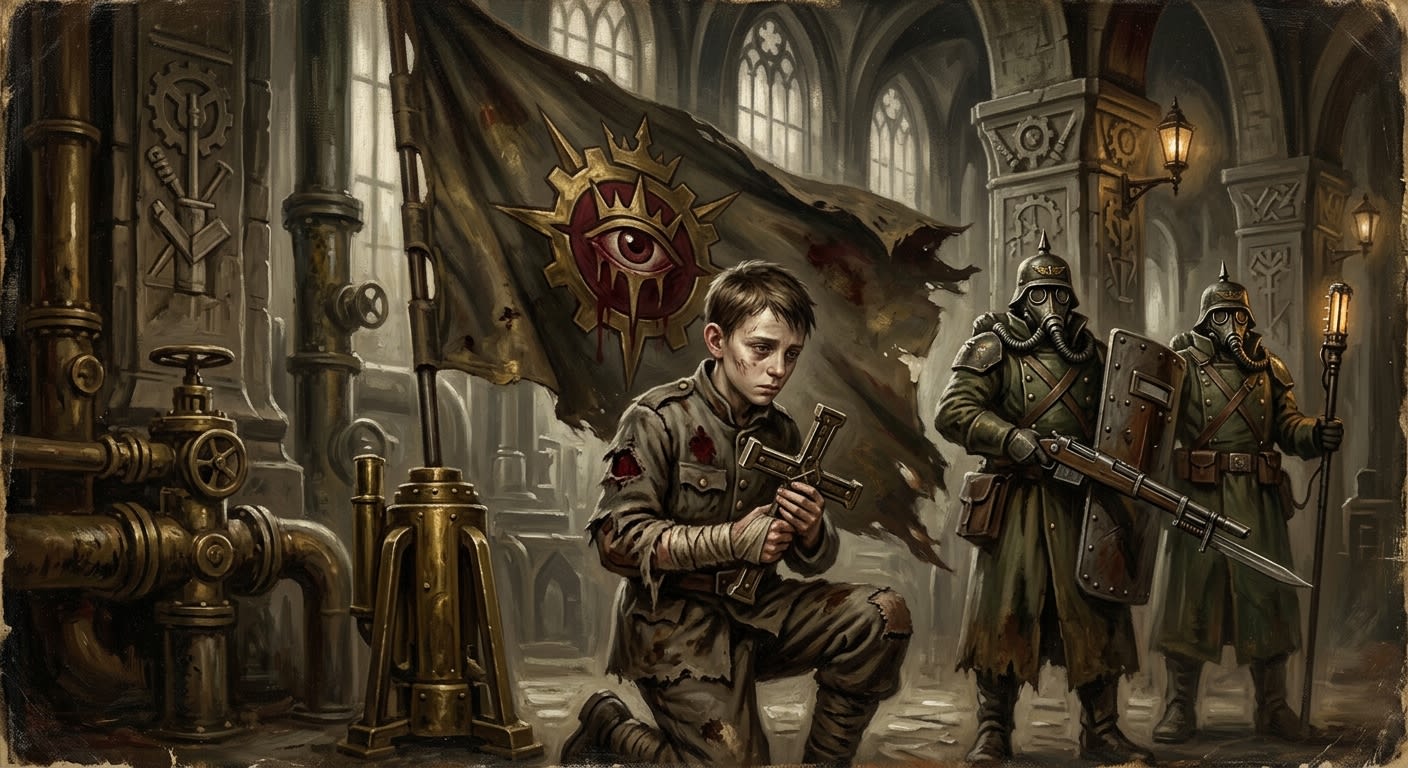
Saint Hermas
The boy who held the banner until the banner held him
Saint Hermas of Dinan was the boy beneath the banner at Saint-Malo: two wounds, one strip of cloth, and a cult made tidy by force.
Codex Ref. III.2.01-006
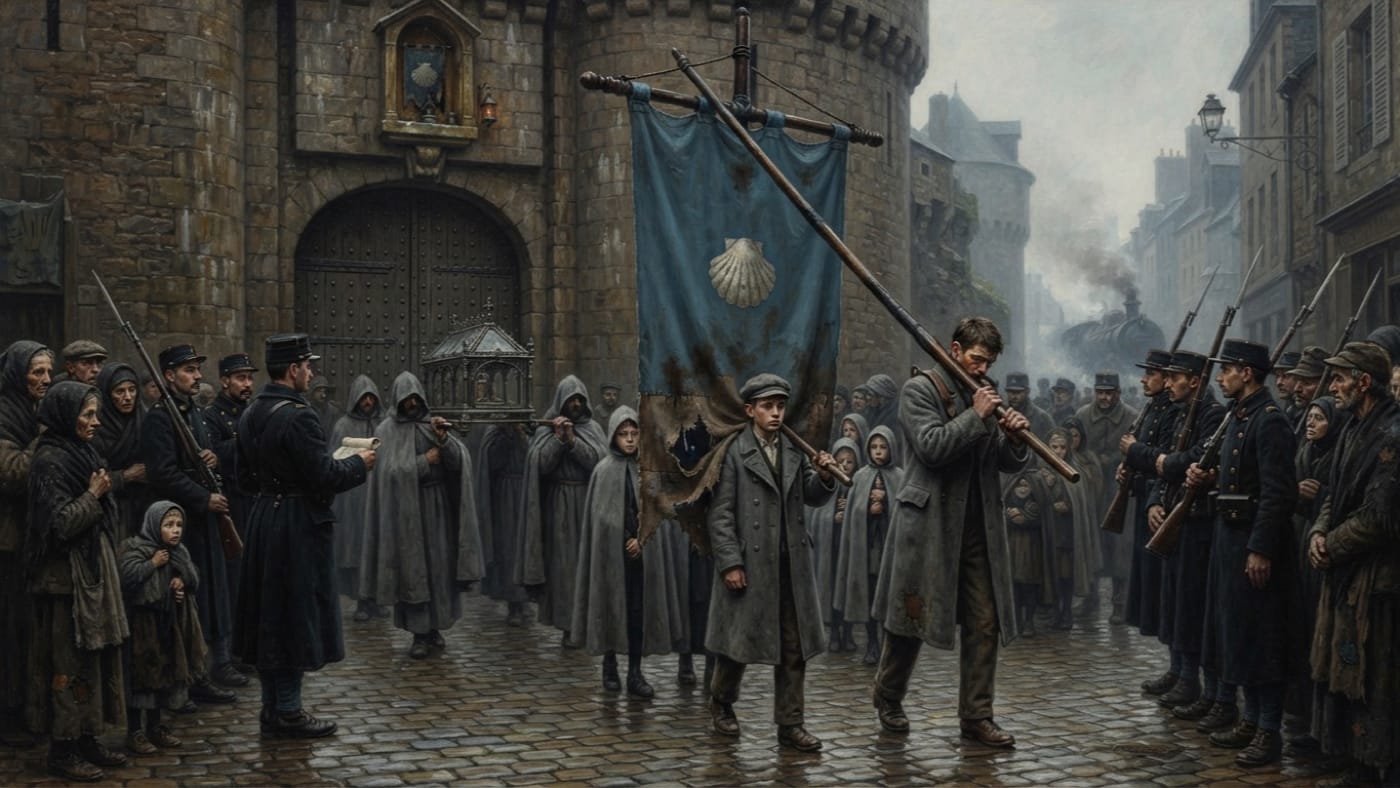
Saint Hermas Banner
One torn banner, thirteen slivers, and a successor under licence
The Saint Hermas banner tore over a boy at Saint-Malo in A.S. 10. Its fragments became relics; its sanctioned successor still marches under licence.
Codex Ref. III.2.04-010
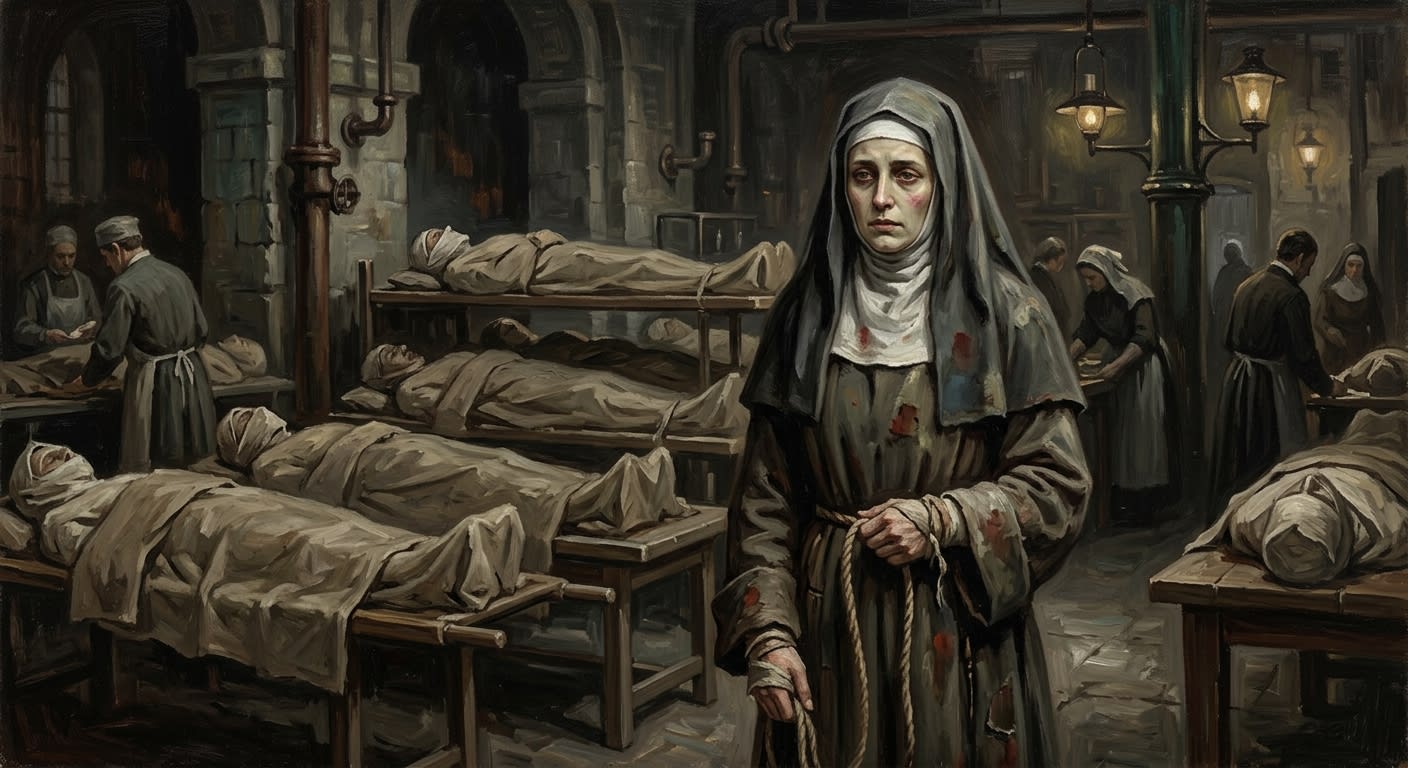
Saint Sabina of Ghent
The seamstress who gave Mercy its cloth and Doctrine its discomfort
Saint Sabina of Ghent bound eleven bodies after the Massacre at Saint-Malo, died of fever, and became Mercy's most useful rebuke.
Codex Ref. III.2.01-015

Sainte-Claire-des-Landes
Six miles from Saint-Malo, where laundry became evidence and damp became a route economy
The Breton convent of Margaux's ordinary years: damp stone, linen ledgers, a wax saint, nine thousand pilgrims, and twelve sisters still doing the work.
Codex Ref. II.1.09-092
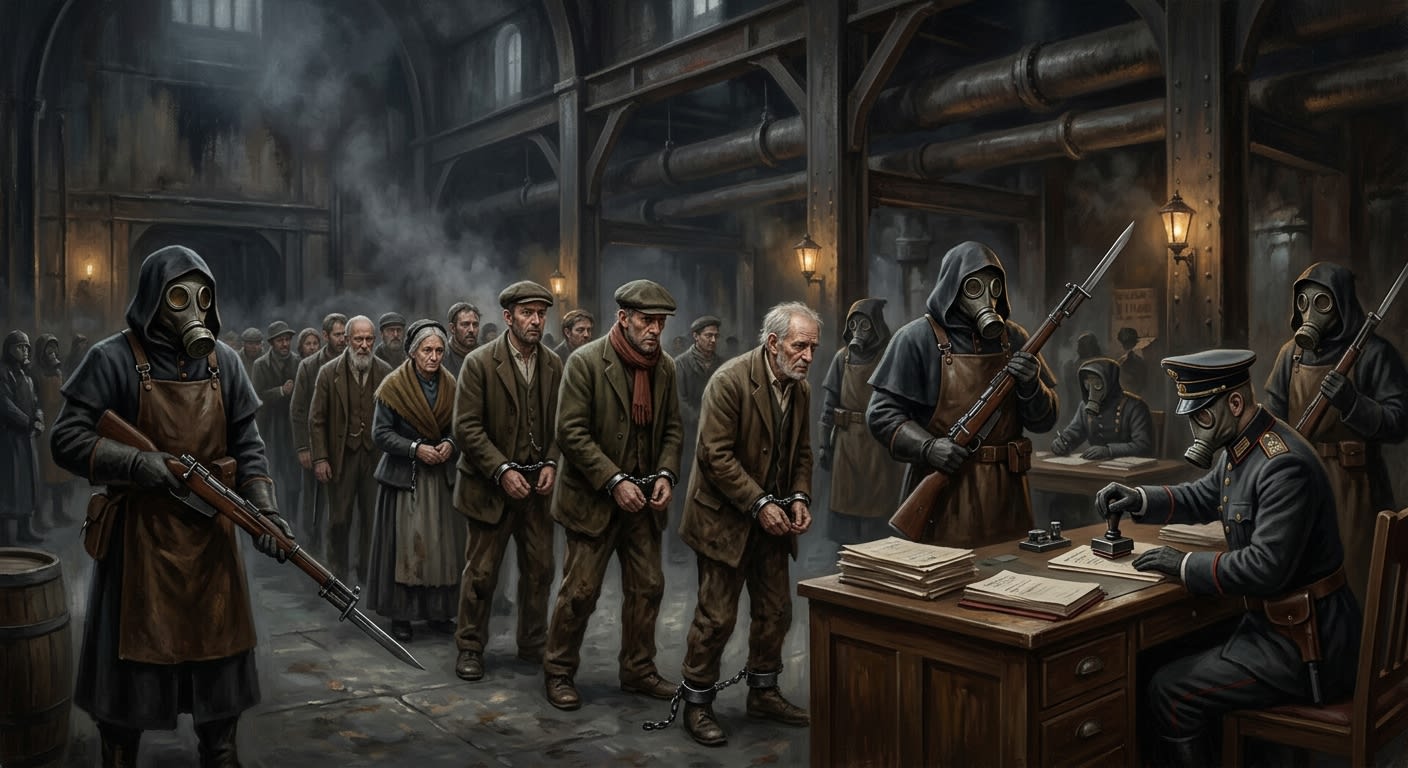
Secular Gatherings Act
The permit form that taught bayonets to quote law
The Secular Gatherings Act did not order massacre. It made massacre available, cleanly phrased, properly witnessed, and ready for bayonets.
Codex Ref. I.1.05-002

Sister Agata Wiśniewska
The witness who counted wire when action failed
Poor Clare witness to the A.S. 18 Night of Knives whose hidden psalter testimony, ratified in A.S. 148, made forty-seven murders impossible to tidy.
Codex Ref. III.2.01-087
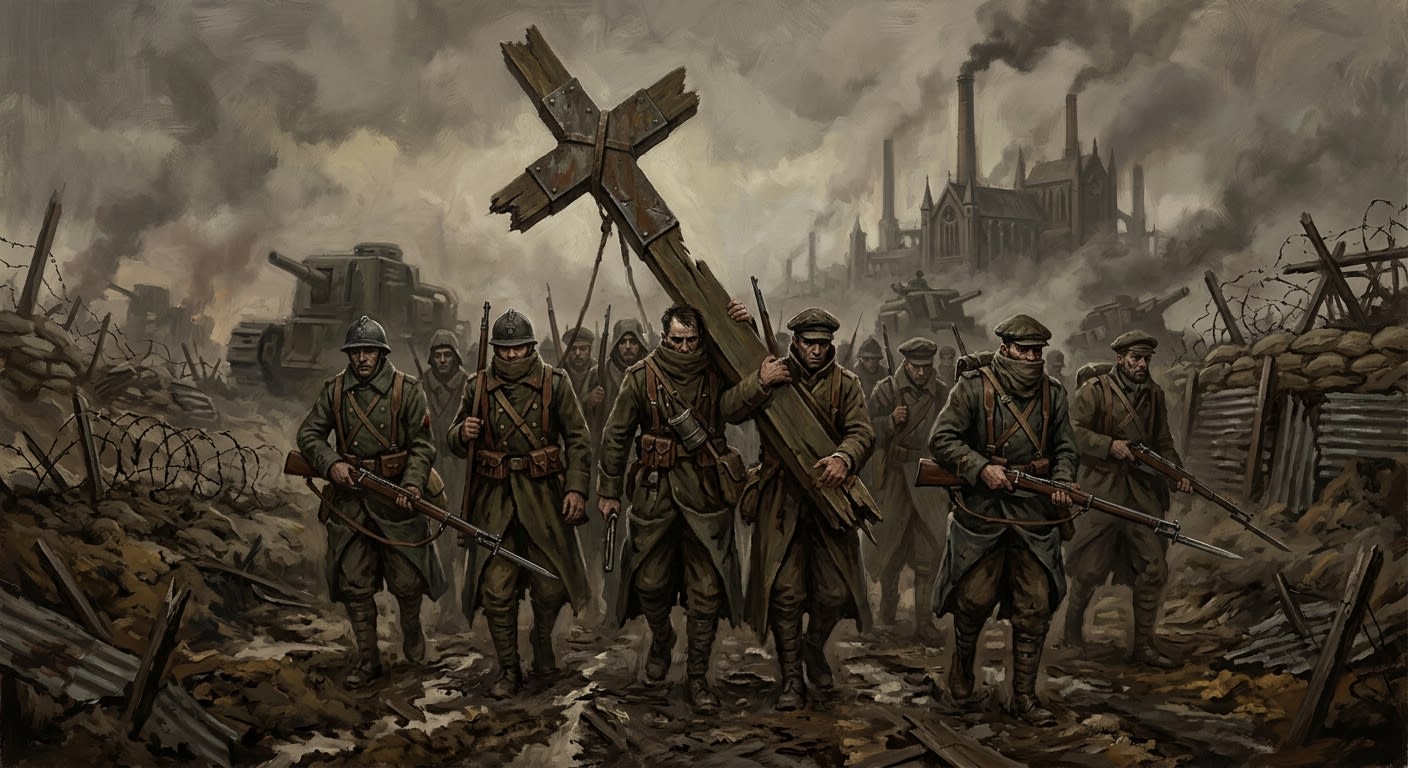
The Broken Cross
The sigil that snapped heaven and called the wound reason
The Broken Cross was Reason's battlefield sermon: a snapped crucifix carried by men who denied symbols while marching under one.
Codex Ref. I.1.05-003

The Forbidden Stacks
Where heresy is shelved close enough to hate efficiently
The Forbidden Stacks beneath Strasbourg preserve Rationalist paper, contraband symbols, and other knives the Bureau prefers labelled rather than lost.
Codex Ref. II.2.06-001
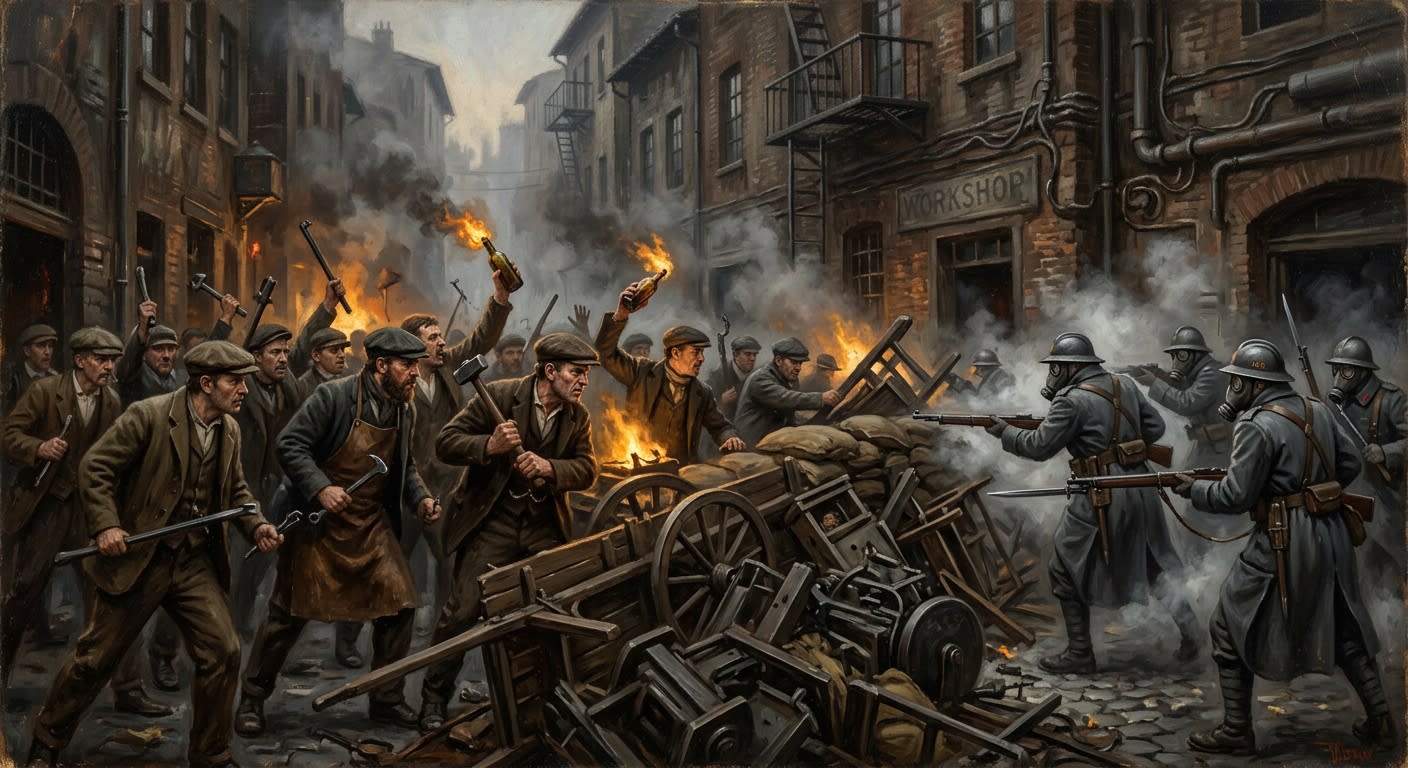
The Ivory Revolt
Florence answered confiscation with chisels
In A.S. 44, Florence's workshop districts answered Rationalist confiscation of pocket crucifixes with chisels, awls, lamp oil, barricades, and a dawn the Republic misfiled as disorder.
Codex Ref. VII.8.06-001
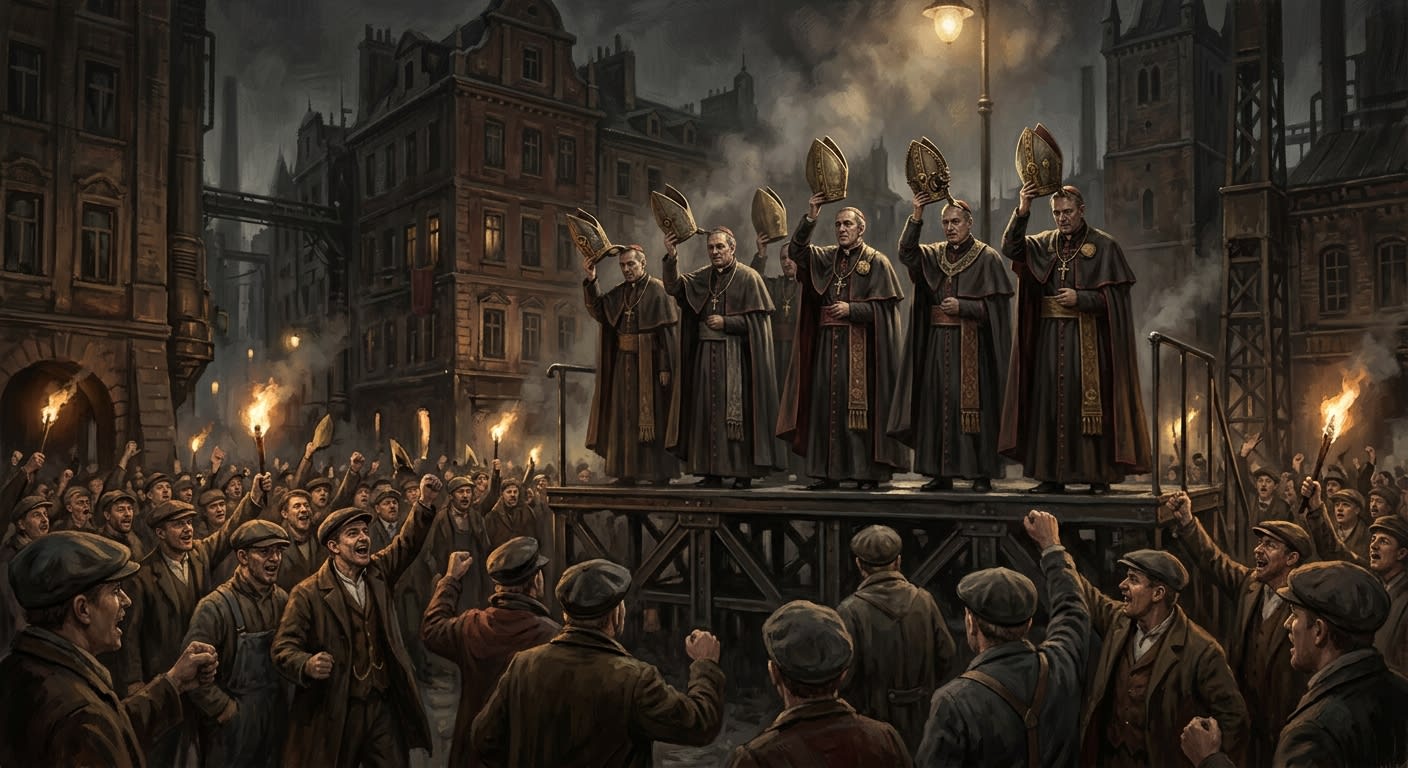
The Night of Crowns
Seven mitres fell, and Prague mistook the sound for progress
In A.S. 8, seven bishops in Prague removed their mitres before a cheering crowd, teaching the Rationalists that apostasy travels fastest when an authorised mouth performs it.
Codex Ref. VII.8.07-001
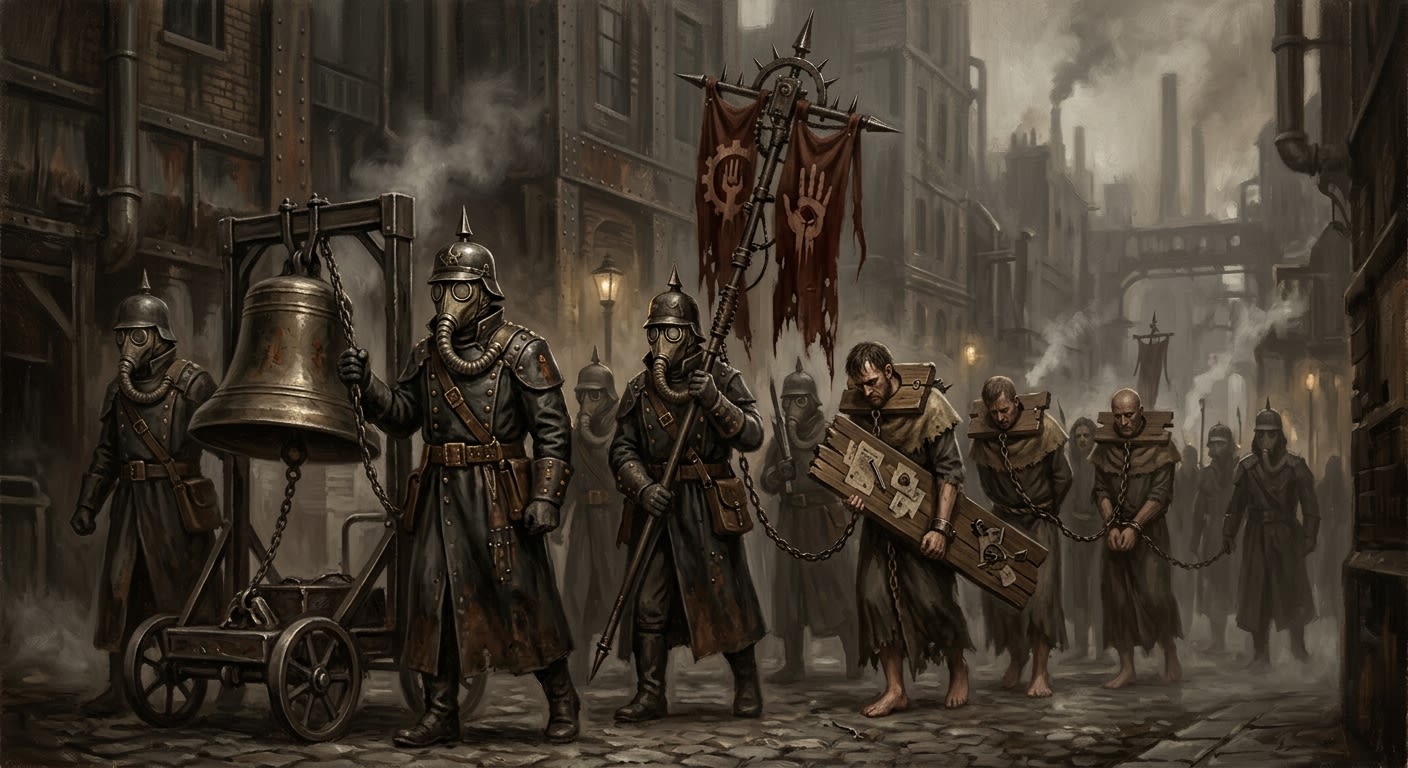
The Order of Saint Ephrath
Shame made visible is shame made useful
Ephrath displays Purity's hand. It nails error to doctrine, marches shame through the street, and files the crowd's instruction by bell.
Codex Ref. XI.6.01-002
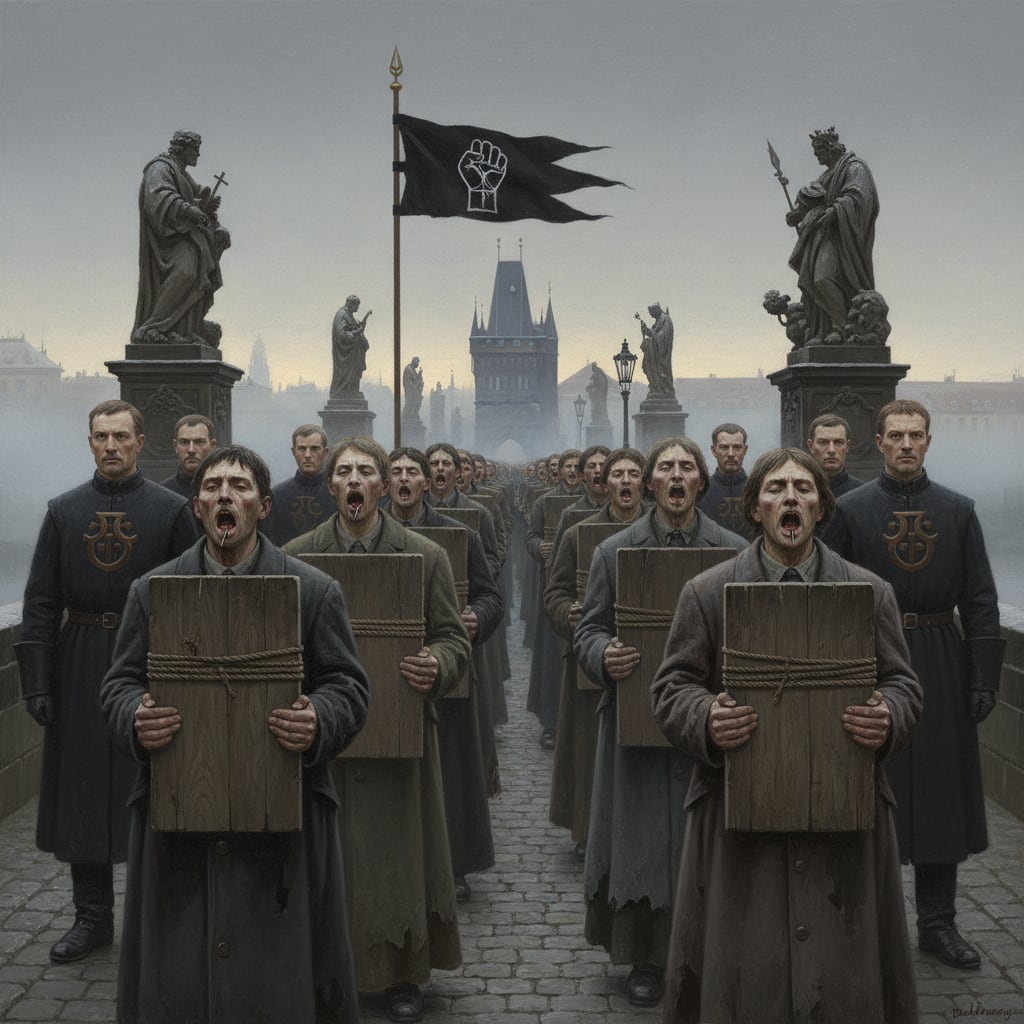
The Procession of Tongues
One hundred and seven consecutive years of doctrine tablets, iron nails, and fixed cobblestones — the [[bureau-of-purity|Bureau of Purity]]'s clearest argument, and the one requiring no rebuttal.
The Bureau of Purity's ceremony of ambulatory confession — heretics with tongues nailed to doctrine tablets, marching across Prague's Charles Bridge since A.S.
Codex Ref. VII.6.01-001
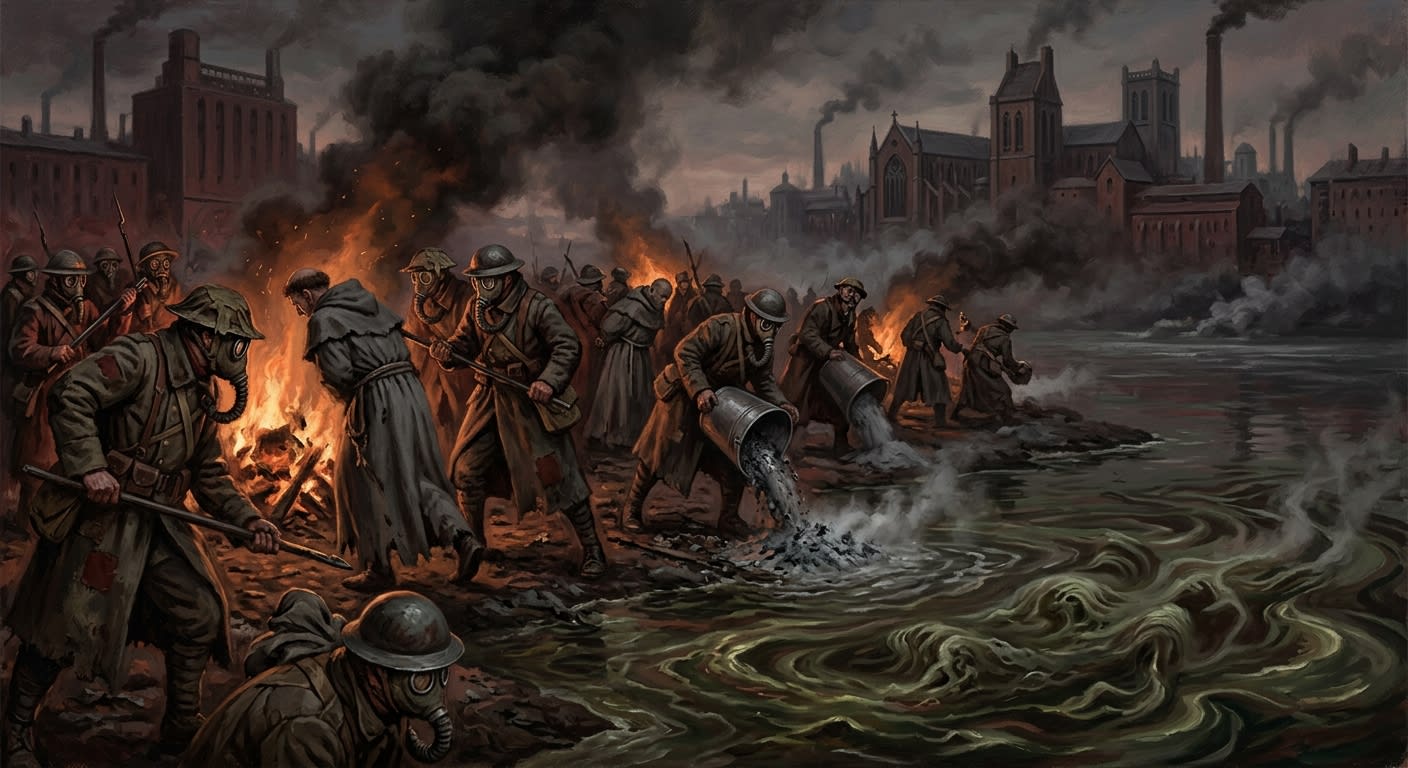
The Red Slaughter of Lyon
The first cut was local, municipal, and entirely pleased with itself
In –39 A.S., Lyonnais militias burned forty-three friars and dumped their ashes into the Rhône; the river answered in psalms, as rivers sometimes improve upon councils.
Codex Ref. VII.8.03-001

The Tagus
The river at the end of the count
The Tagus is the Synod's brown Iberian edge: moat of Toledo, fiscal measuring line, levy phrase, flood court, and river that takes names without receipt.
Codex Ref. II.4.09-016
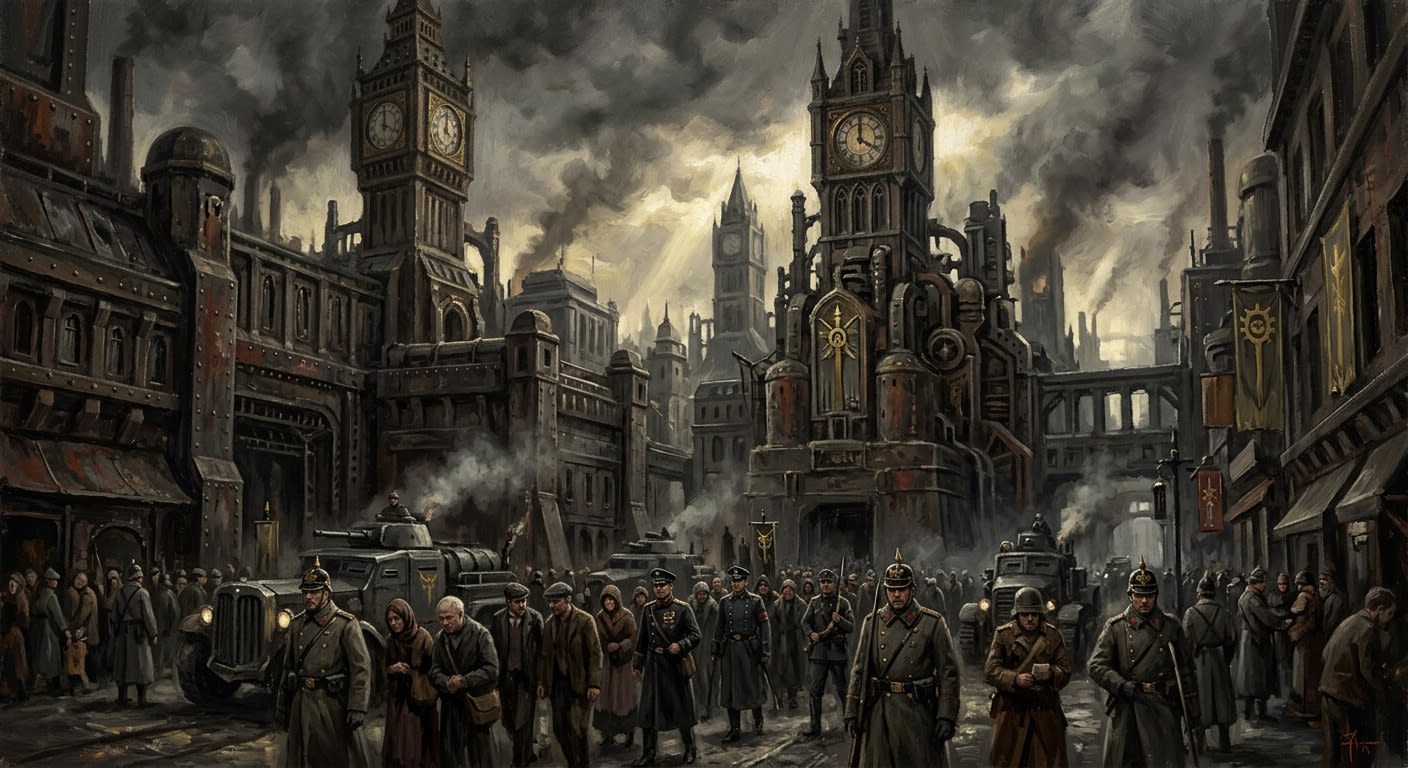
Toledo
The city taken by cannon and kept by ash
Toledo is the Synod-held Iberian martyr-city where a lost siege became custody, ash became law, and time itself learned tariffs.
Codex Ref. II.1.04-015
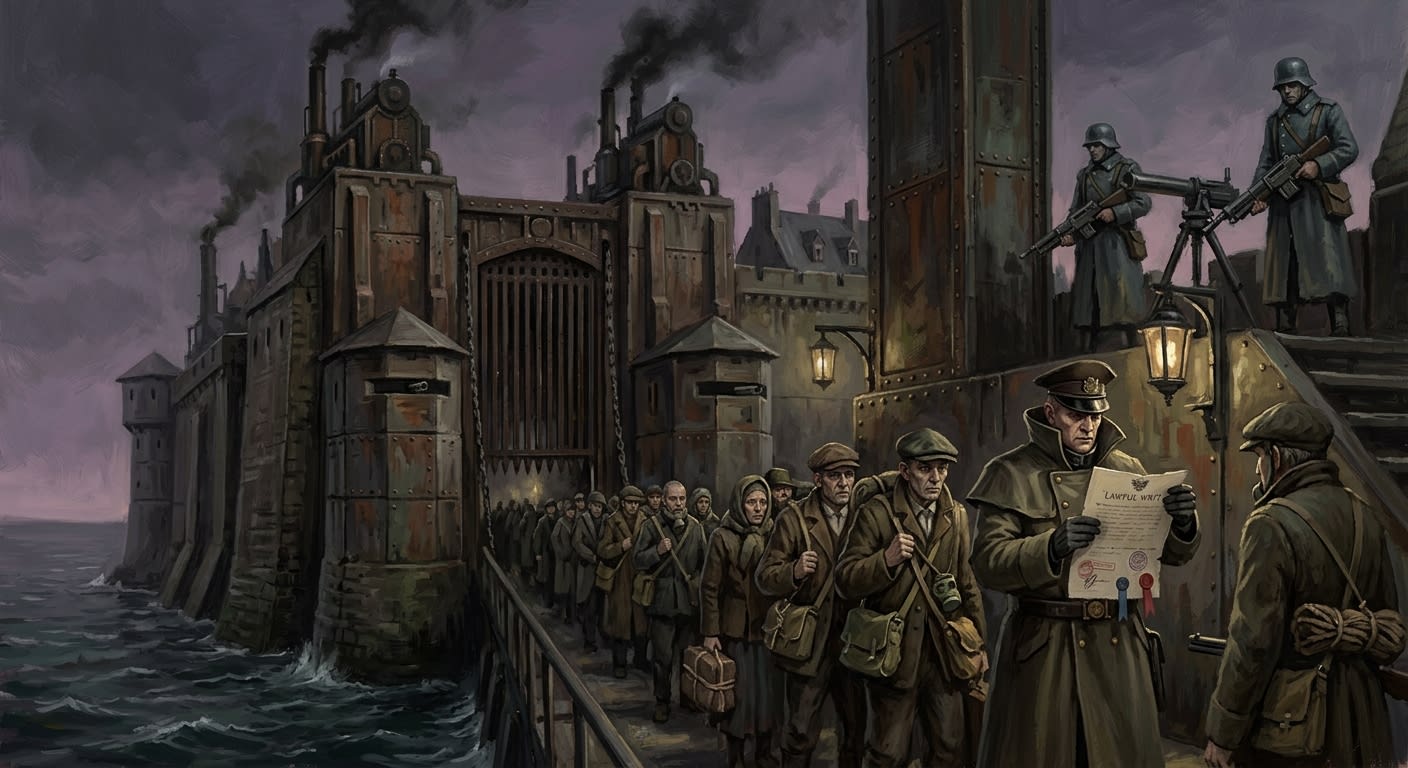
Town of Saint-Malo
The Breton gate where law discovered it could bleed
Saint-Malo is the Breton port where a narrow gate, a lawful writ, and forty-three pilgrims gave the Synod its most profitable wound.
Codex Ref. II.4.09-013
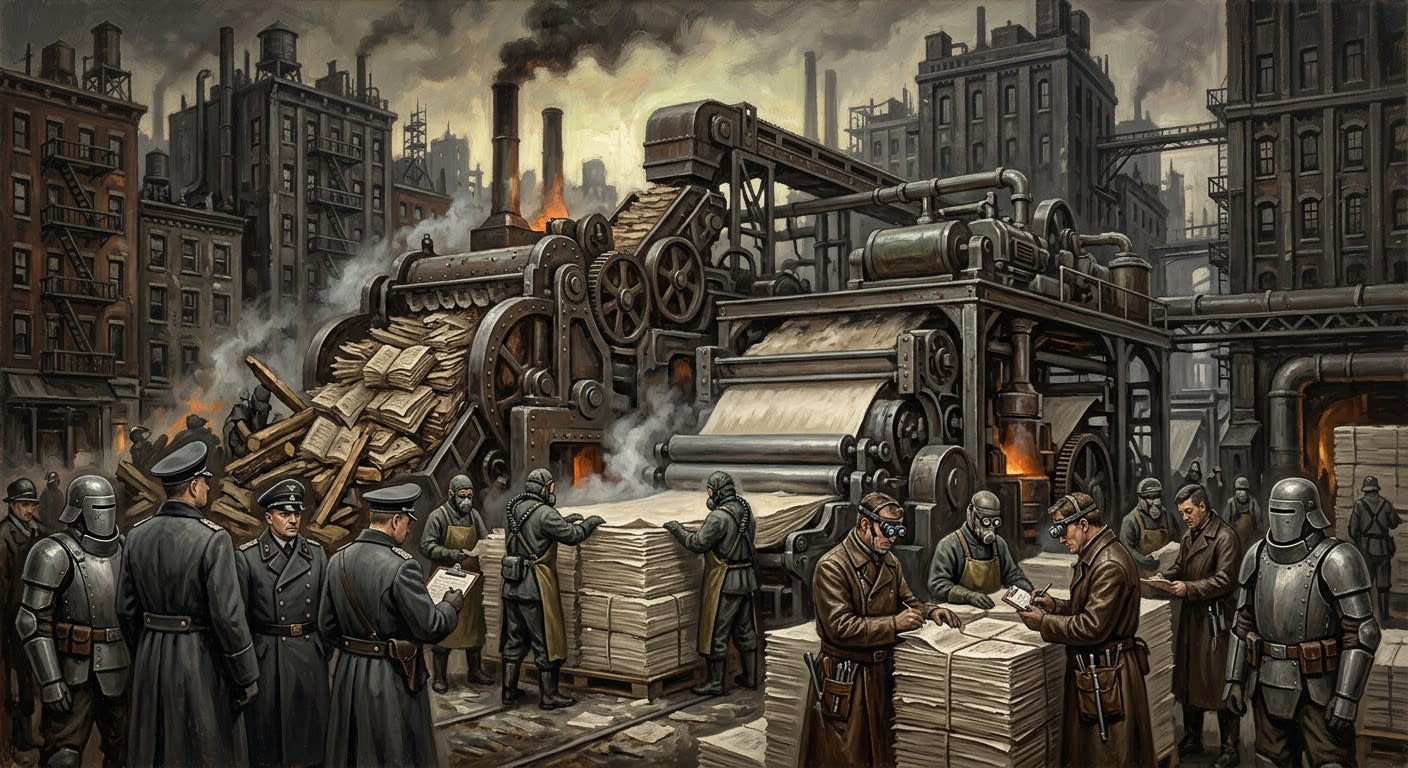
Ulm
The city that taught paper to confess and scholars to become pulp
Ulm is the corrected Heartlands city whose Rationalist compact predated the calendar wound, and whose Paper Mines now make heretical learning into obedient sheets.
Codex Ref. II.2.01-005
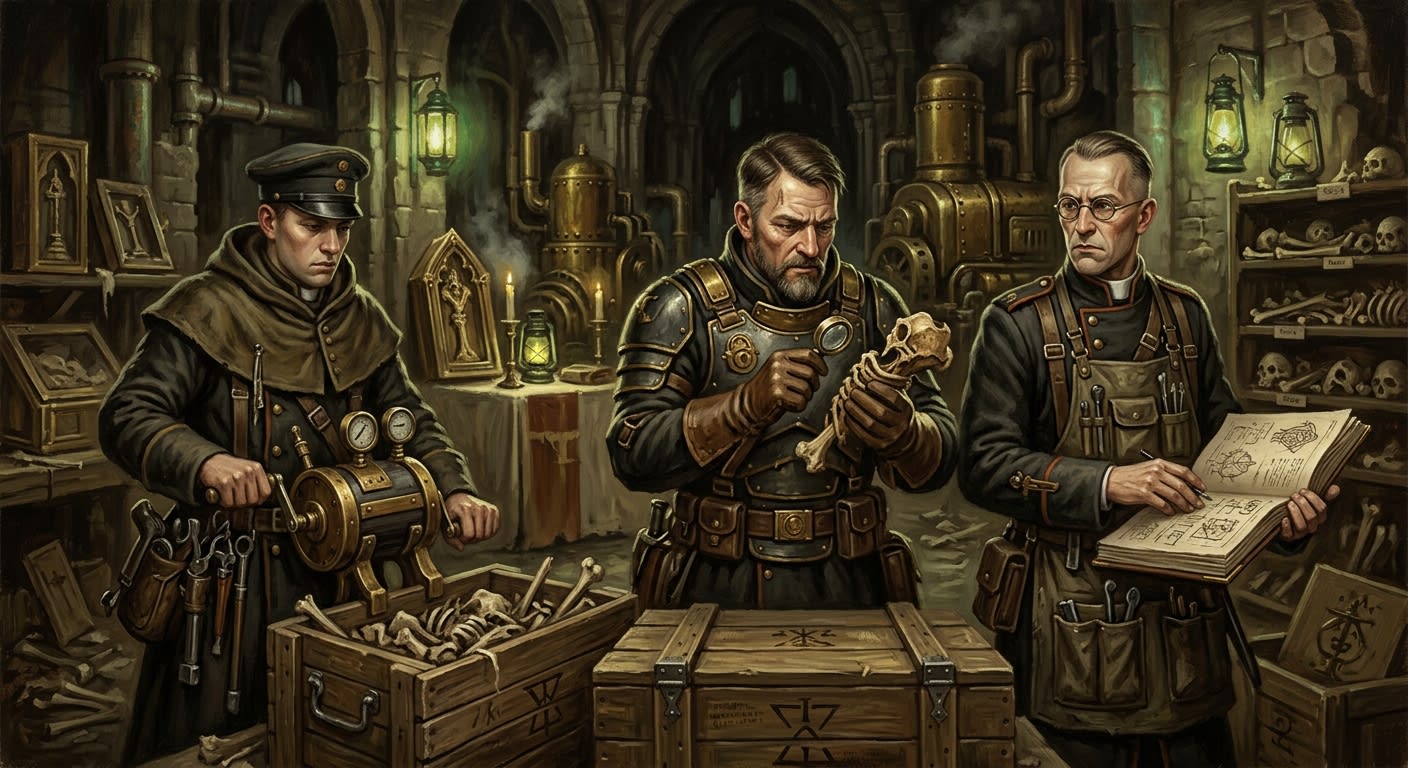
Van Hoorn, Lemstra & de Waal
Three clerks of doubt, one table of bones, and forty cities taught to sneer
Pieter van Hoorn, Gerrit Lemstra, and Jan de Waal made doubt portable in -32 A.S.; their Bone Census counted relics accurately and wounded truth efficiently.
Codex Ref. III.2.01-026