

Reverse Index
Referencing “The Black Ledger”
Every codex entry that links to The Black Ledger. 48 entries.
Return to The Black Ledger
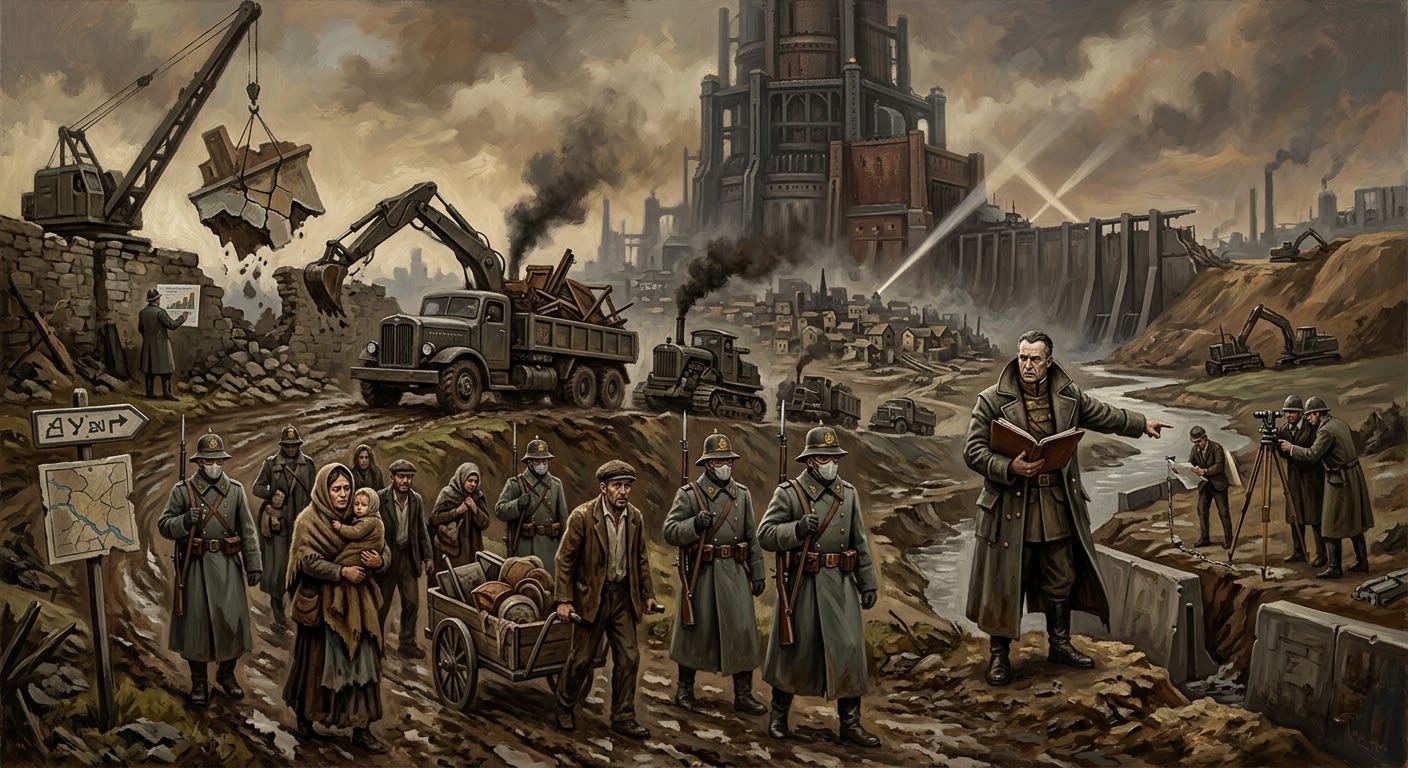
Administrative Redrawing of A.S. 188
A line moved, forty thousand obeyed, and Keska vanished into the neatness
Mandate 188-A redrew the Hintermark and Constantinople terraces in fourteen days, moved forty thousand civilians, and omitted Keska from the map.
Codex Ref. VII.2.04-001
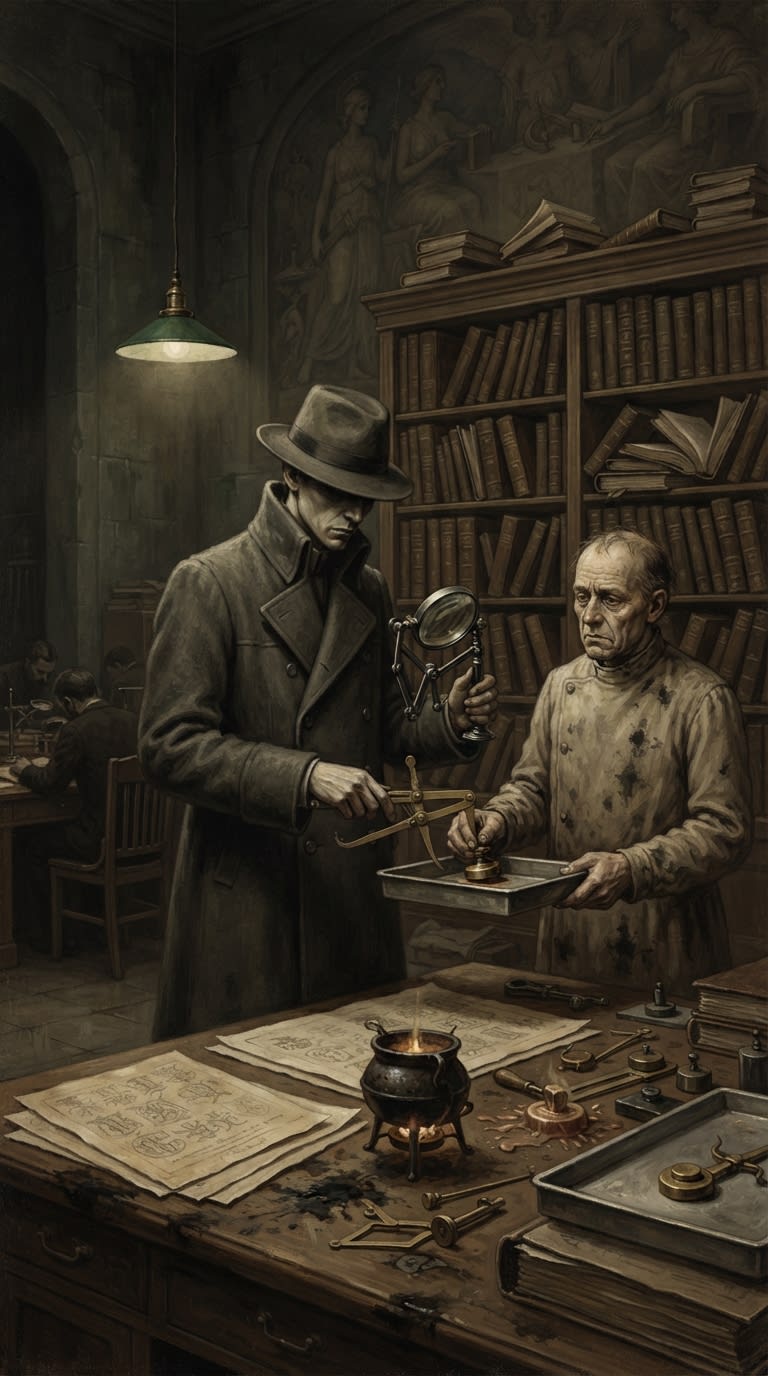
Annual Die Audit
Every lawful instrument must survive its own impression
Instituted after the A.S. 178 counter-seal embarrassment, the Annual Die Audit sends Seal-Walkers across Synod territory to weigh, strike, measure, accuse, retire, and occasionally retroactively shame every lawful seal-die.
Codex Ref. VI.4.19-178
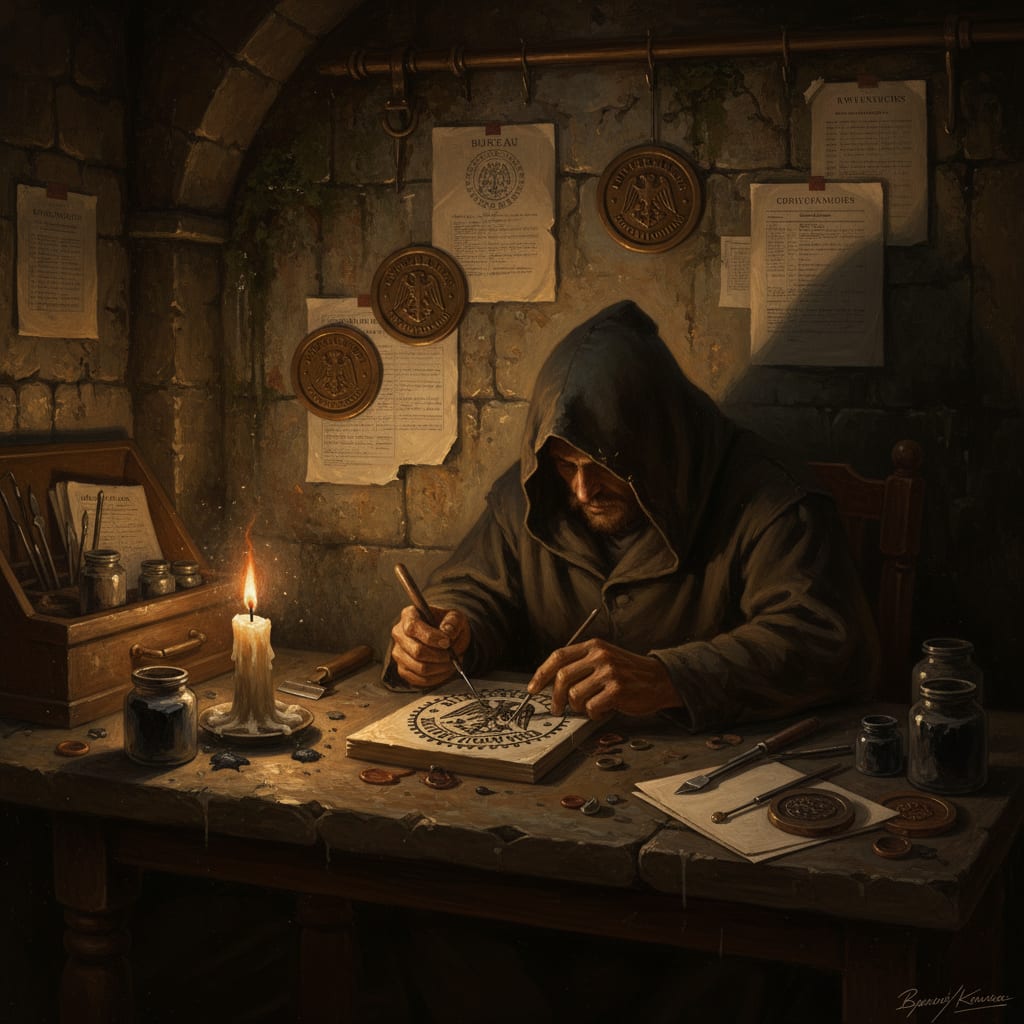
Black Ledger Cutpurse / Assassin
Larceny with a hymn; the Synod's most indispensable criminal enterprise
The Black Ledger steals rations, forges stamps, murders wardens, and distributes a calculated fraction to the hungry — then records what was given as a debt to be collected. The Bureau calls it heresy. The poor call it supper.
Codex Ref. XII.4.01-001
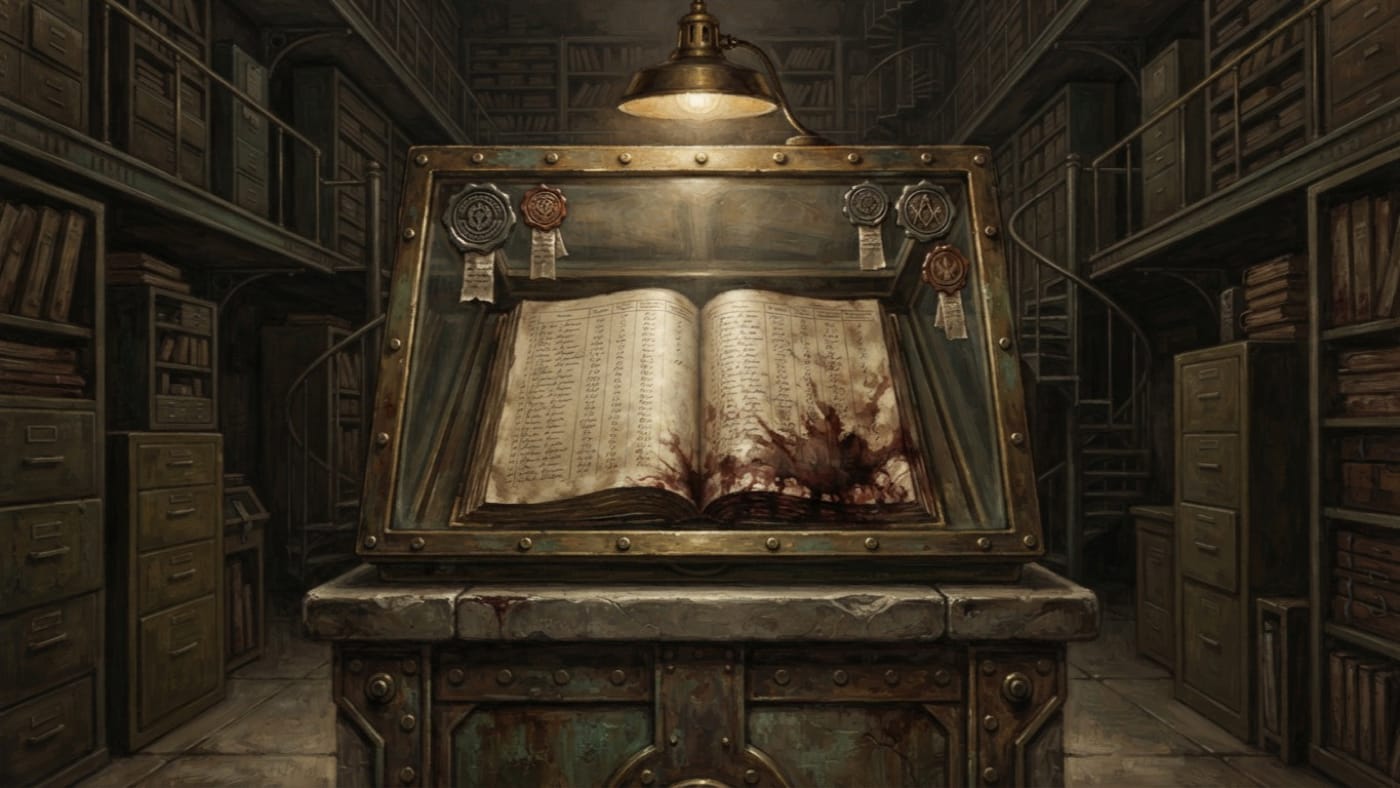
Black Ledger of Ghent
One hundred thirty-seven dead, four columns, and a stain called water
Seized in A.S. 159, Ghent's blood-stiffened weigh-station ledger records 137 executions and the arithmetic that became a criminal banner. The Church keeps it under glass and calls the stain water.
Codex Ref. XIII.1.17-002
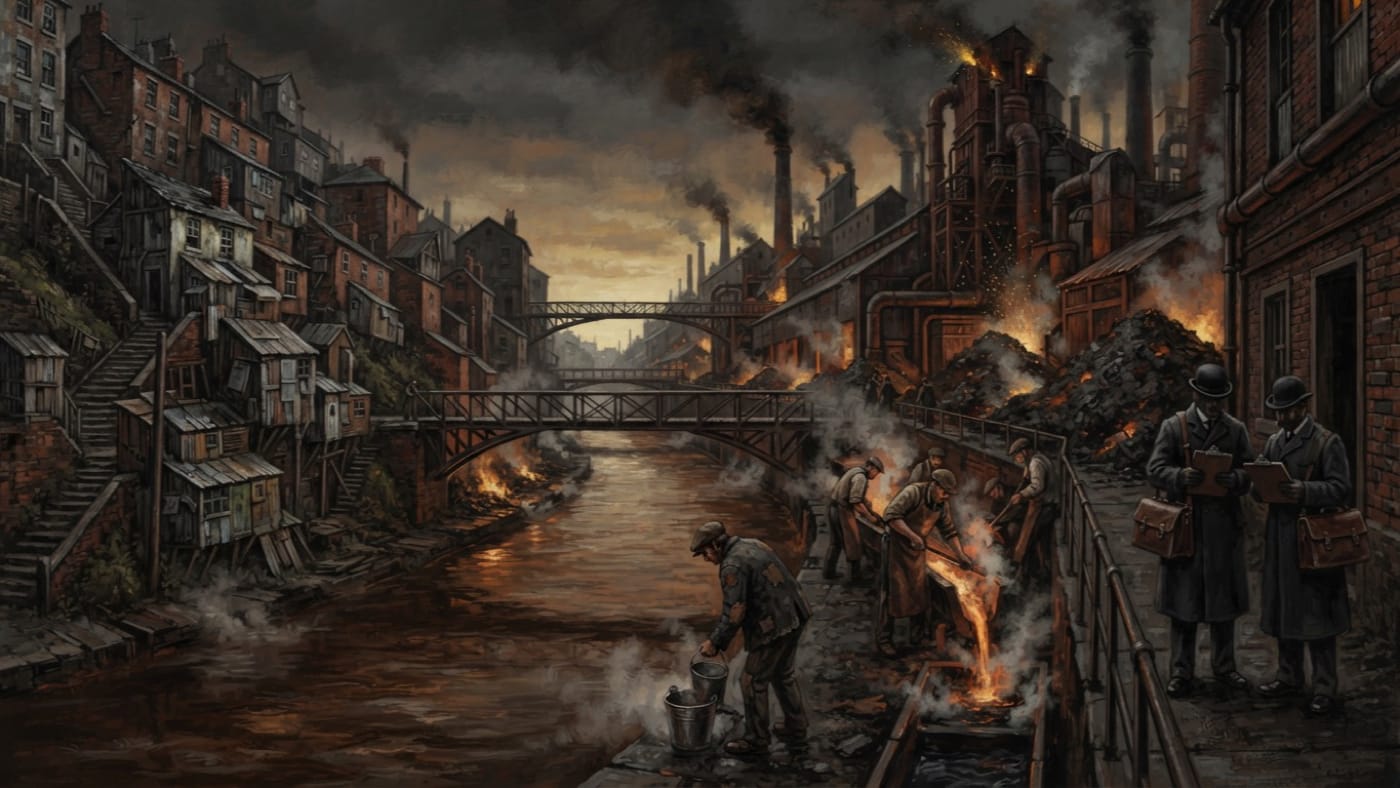
Black Run
A saint on the survey, slag in the water, and a town between the lines
The Black Run is Keska's Saint Orban Channel: warm slag water beside a rural strip Mandate 188-A erased. The water strips paint; Settlement preferred a town.
Codex Ref. II.3.06-003
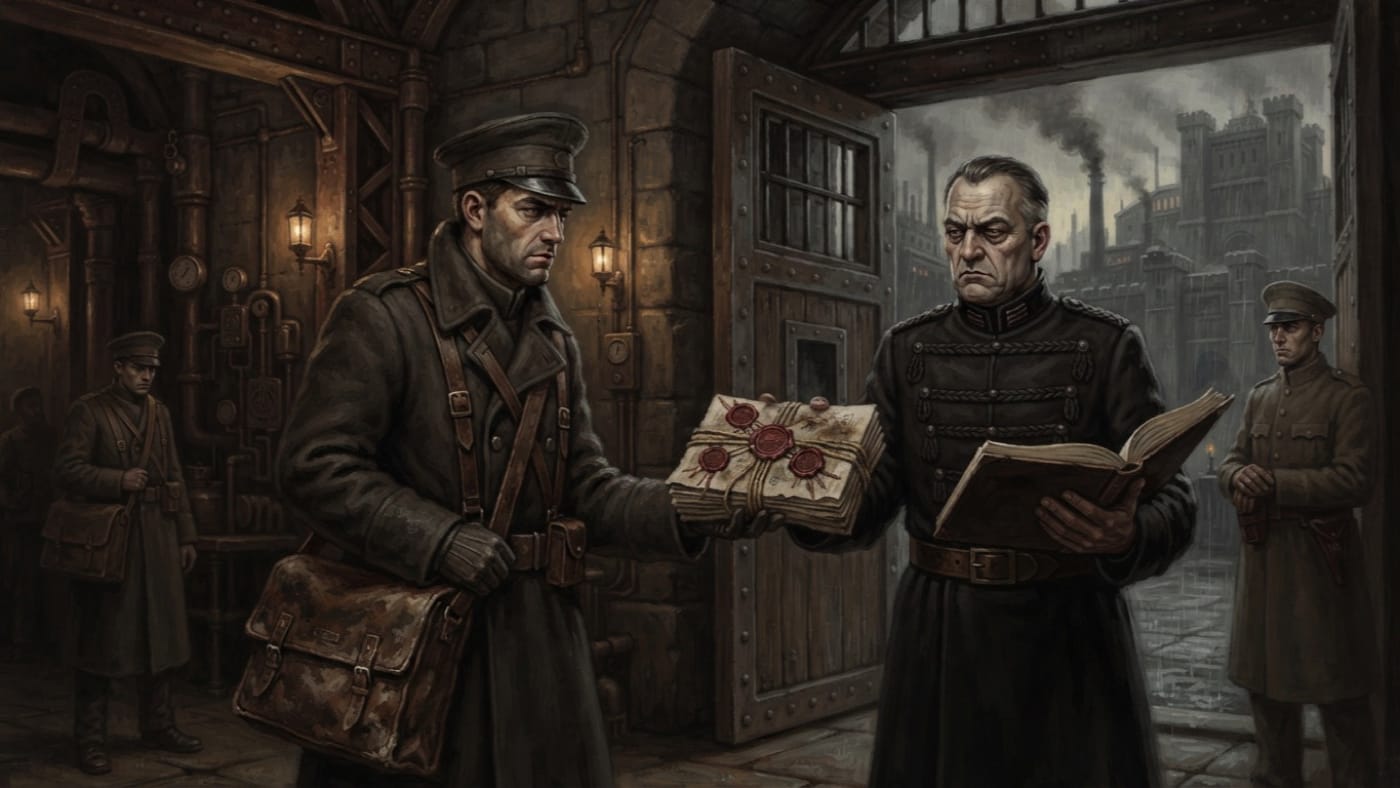
Blacklist Bundles
A decision with legs, dressed in wax
Sealed Index Damnatus amendments carried by the Runner Corps: paper that withdraws passage, rations, and sanctuary before its subject learns to fear the wax.
Codex Ref. XIII.1.76-001
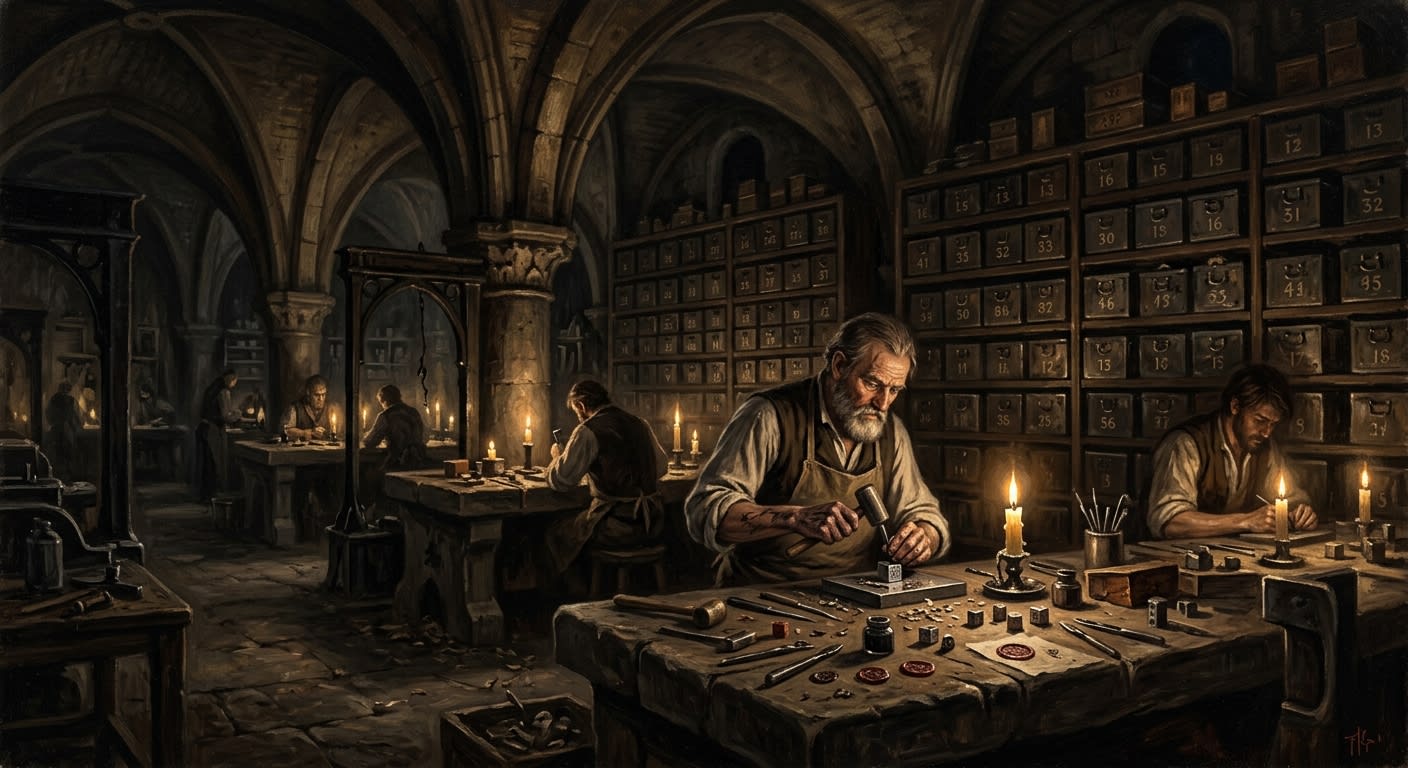
Bureau of Masks and Seals
The stamp is the Synod. Everything else is suggestion.
The Bureau of Masks and Seals controls every stamp, seal, and counter-seal in Synod territory. Without its impressed wax, no document is real. Without its license, no face may be hidden. Casselius of Mainz holds the Synod's mouth and press in one pair of ink-stained hands.
Codex Ref. VI.4.19-014
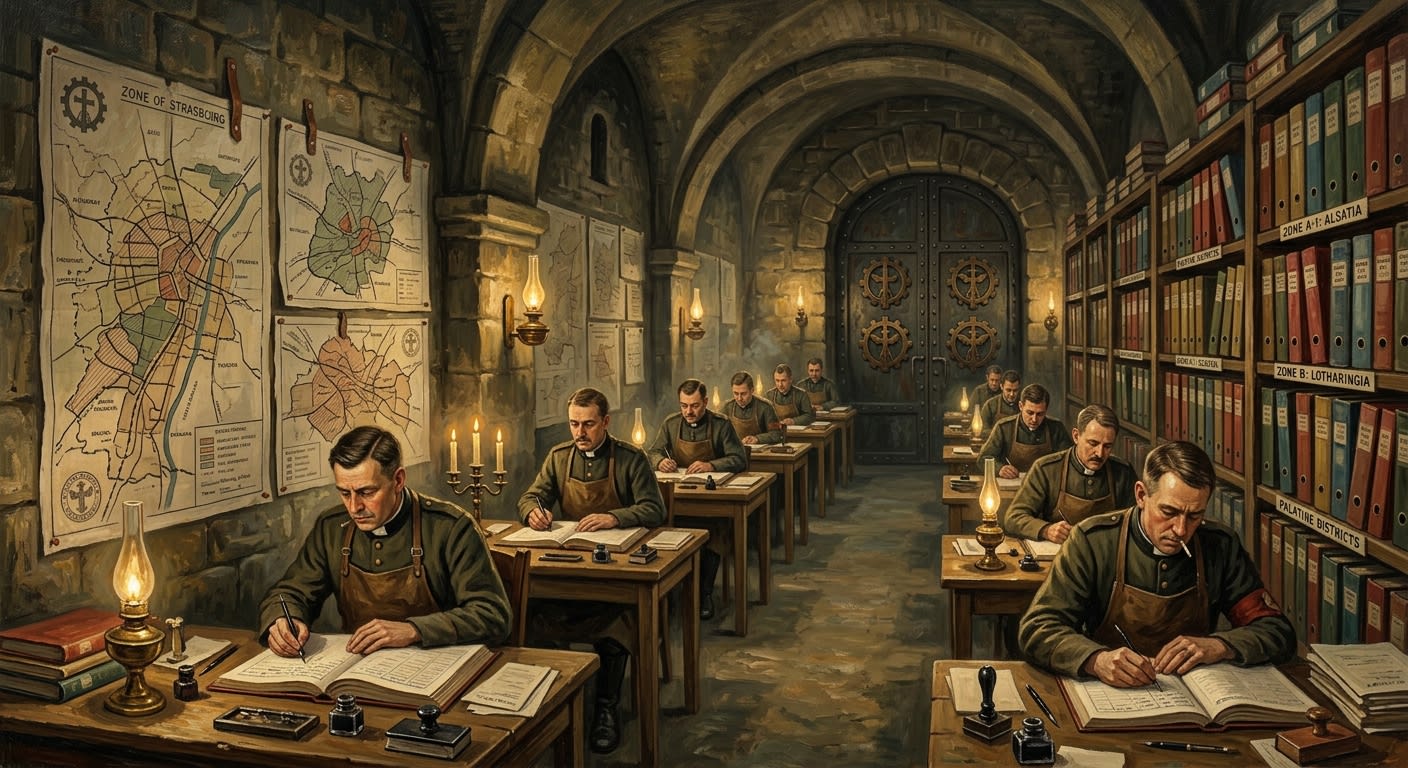
Bureau of Settlement
Where three hundred million subjects are permitted to stand — and by whose leave.
The Bureau of Settlement does not appear in the twelve canonical portfolios. No crimson sash, no hymn. What it has is authority over the address of every living subject of the Theocracy — and the knowledge that no one listens until the plumbing fails.
Codex Ref. IV.3.08-001
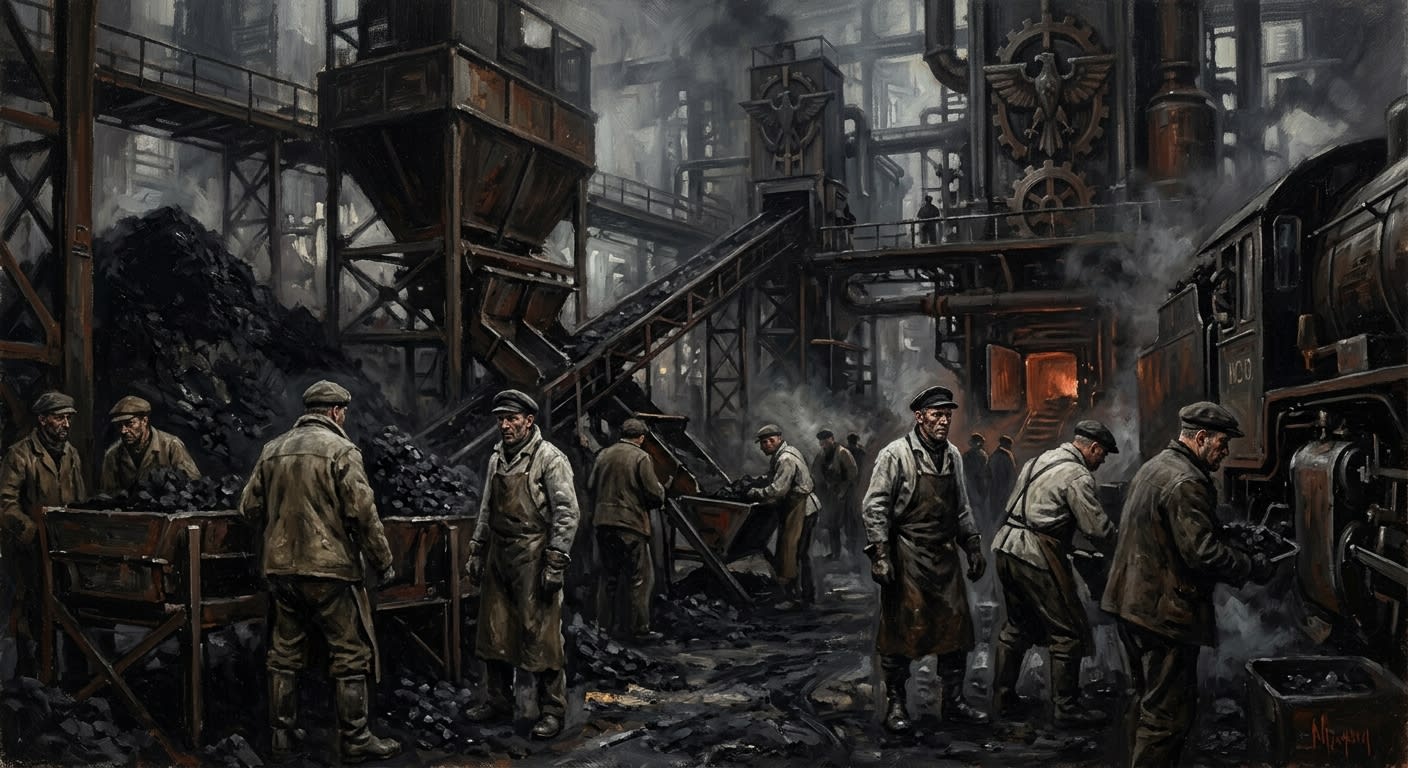
Coal-Heavers' Union
The black yard keeps winter from becoming doctrine
Hamburg's Coal-Heavers' Union rules the black yards, coal chutes, tender feeds, night bunker crews, and the soot-dark arithmetic by which northern bastions survive winter.
Codex Ref. XII.52.03-001
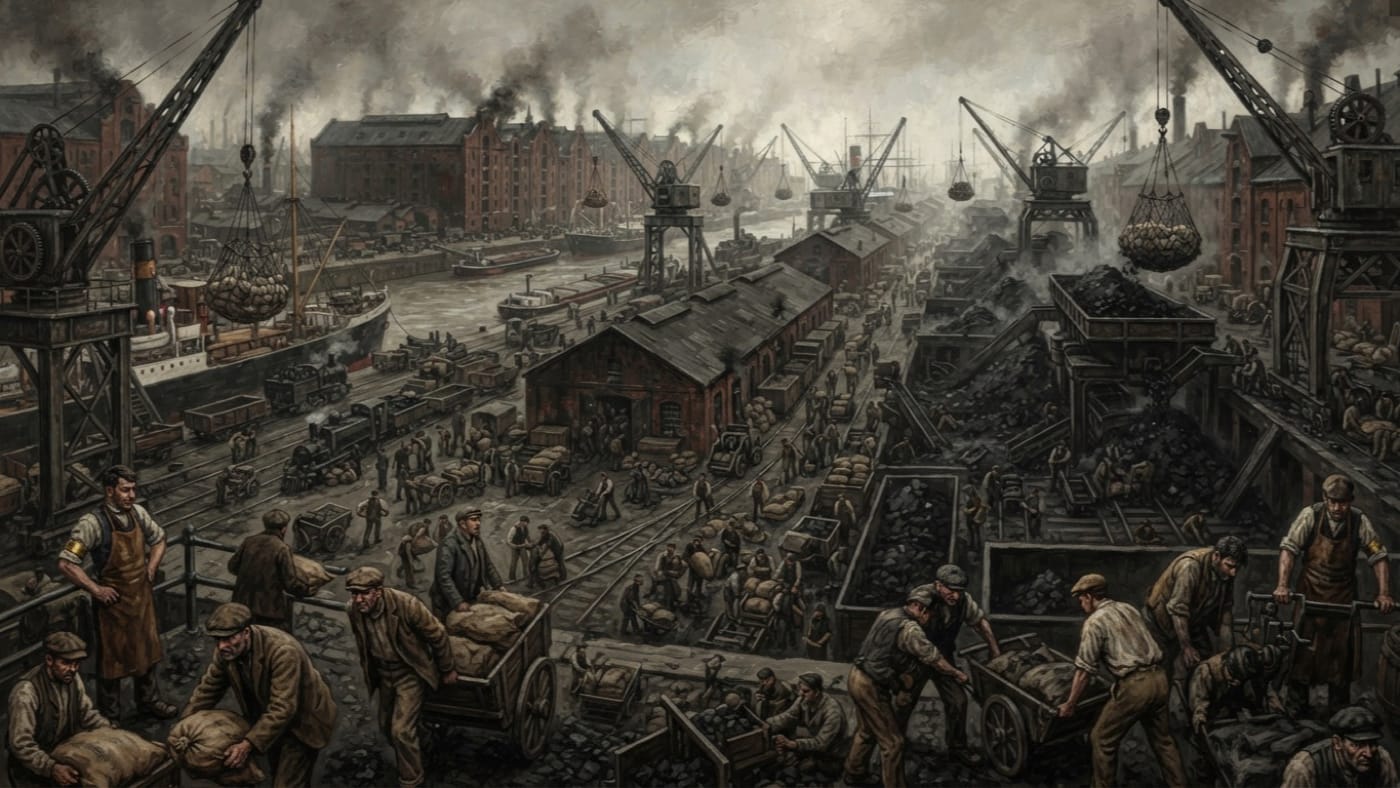
Dock Quarter
Where the northern war waits for the men beneath the crane
Hamburg's western and central Elbe quays turn North Sea cargo into northern-front survival. The Bureaus issue orders; the guilds decide when grain, coal, and military freight actually move.
Codex Ref. II.4.09-006
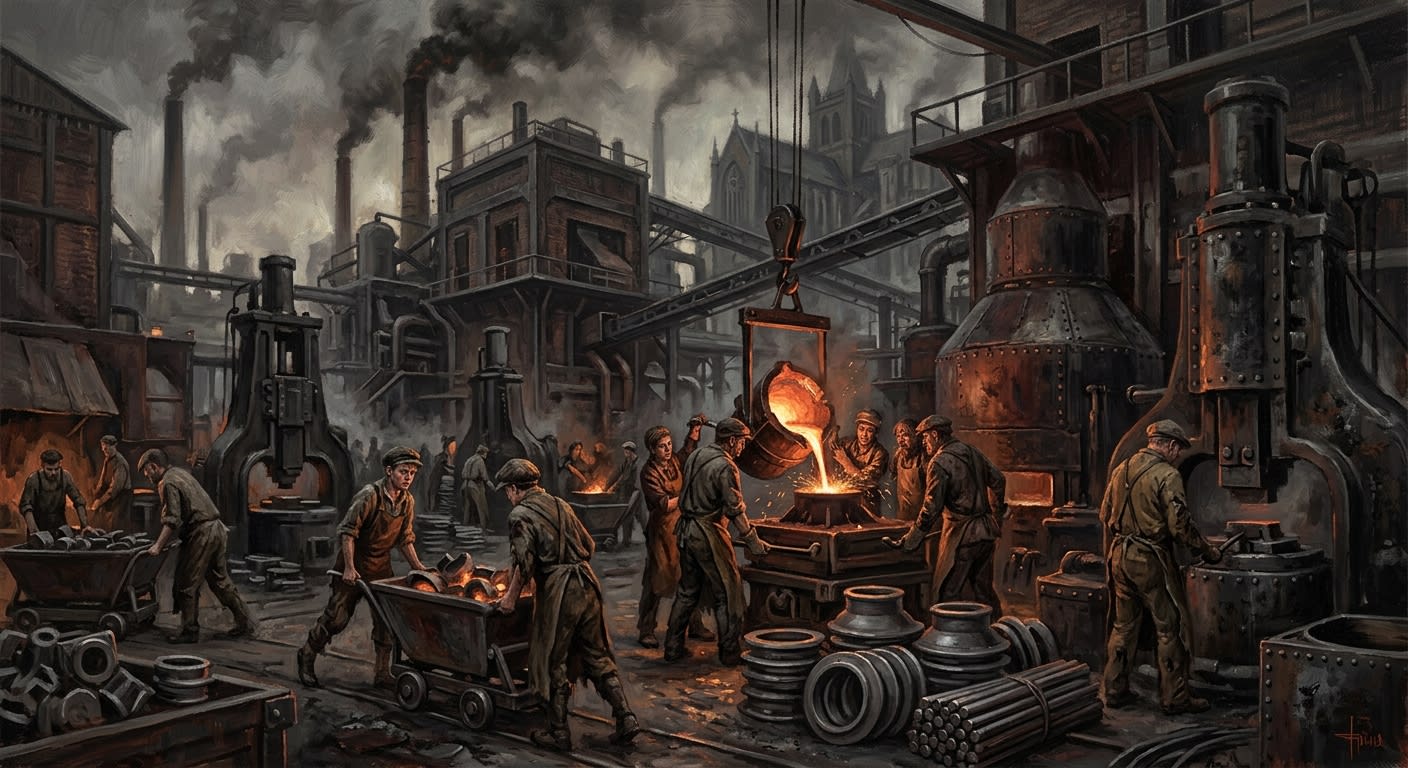
Edremit
The town that casts the throats by which Constantinople breathes
Edremit is the Hintermark casting town that makes boiler throats, casing collars, rivet stock, and hoarse children for Constantinople's hungry works.
Codex Ref. II.4.09-118
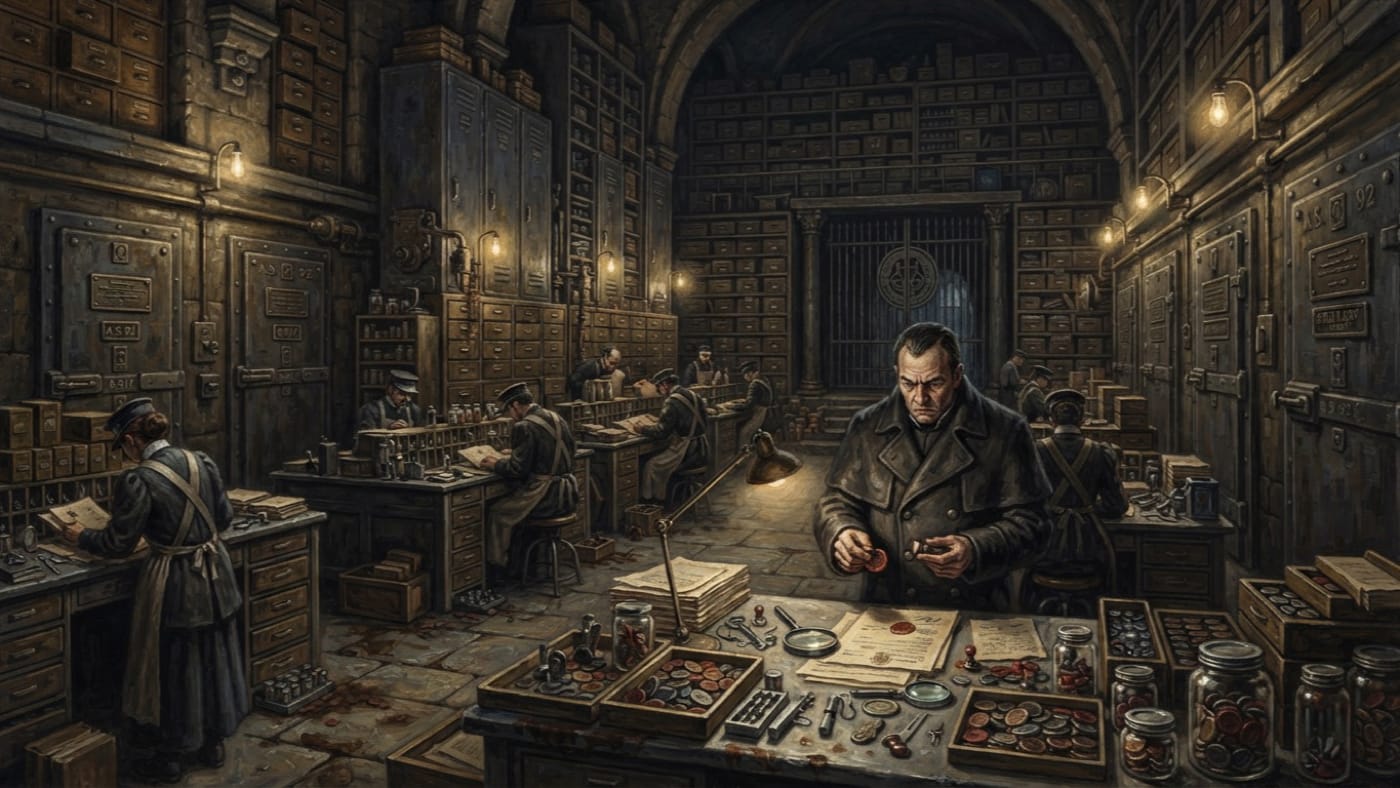
Forgery Archive
Every false impression needs a genuine stamp.
The Forgery Archive keeps 8,917 confiscated counterfeits beneath Strasbourg Cathedral, each certified as false. The Bureau of Masks and Seals publishes the count; the collection remains sealed.
Codex Ref. II.2.06-007
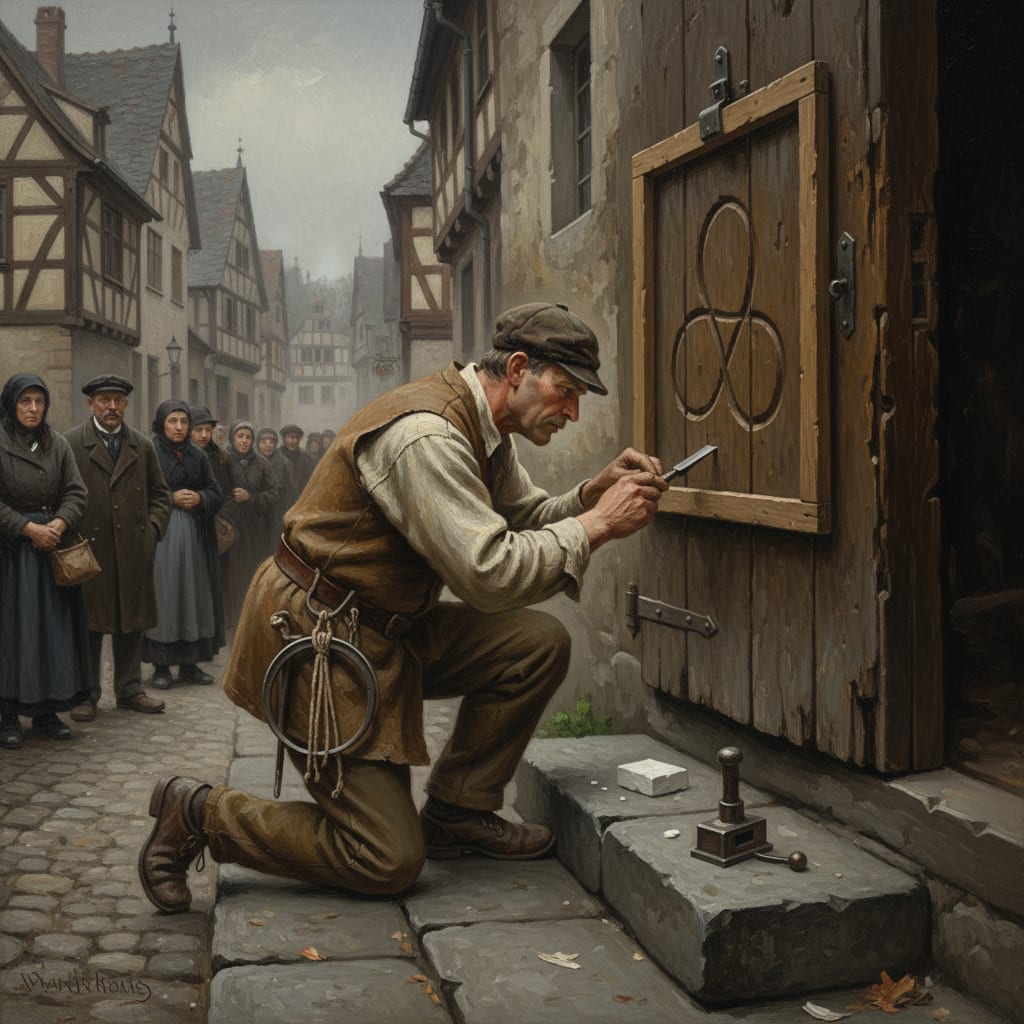
Gate-Carver of the Triune Knot
Three loops, one law, and the prayer that this time the threshold will hold
Six thousand licensed Gate-Carvers execute the Triune Knot into every threshold, grave-slab, and ossuary niche — sanctifying doors, sealing dead, and sustaining the Bureau of Heraldry's claim that a world without geometry is a world the enemy can enter.
Codex Ref. XII.19.01-001
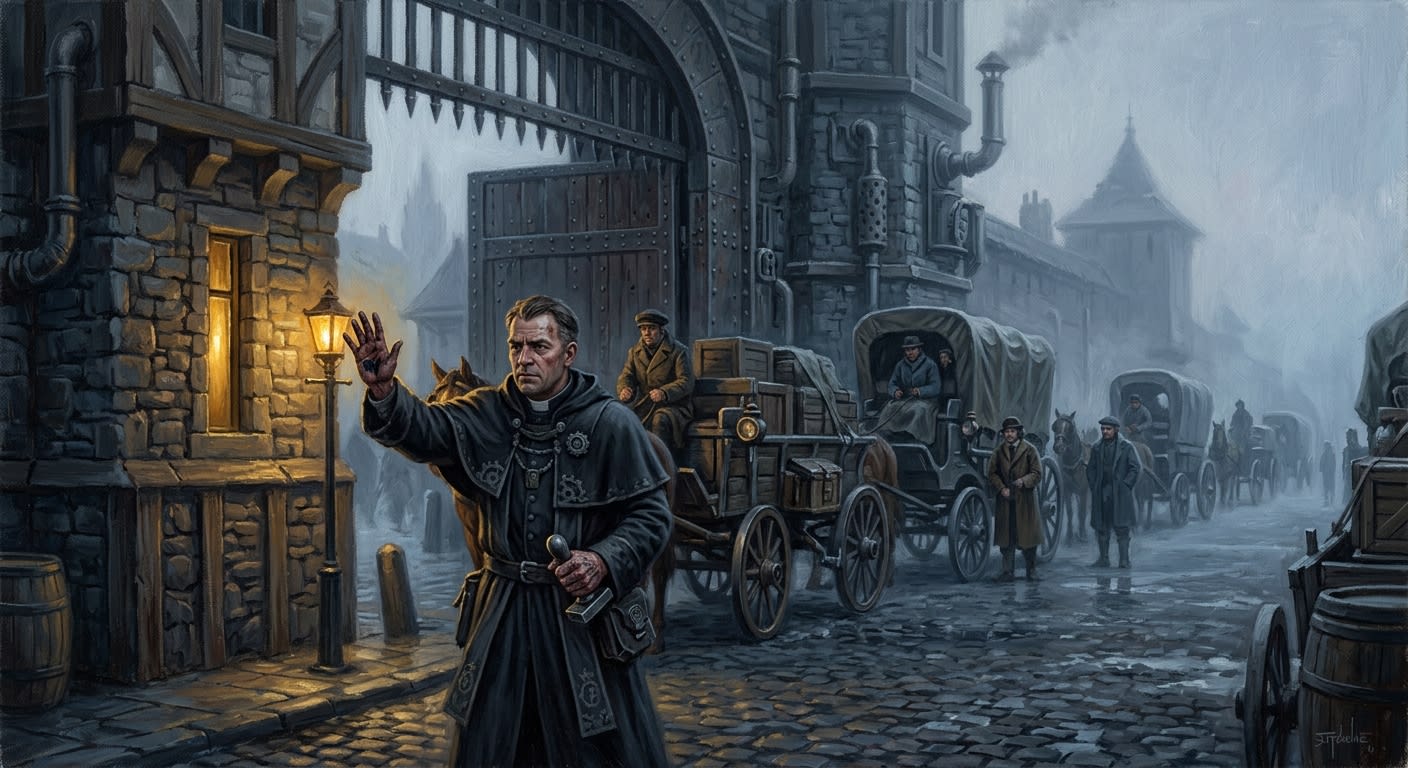
Gatewarden-Notary of Passage
The sole functionary who may halt a column of four thousand by raising one ink-stained hand and asking for documentation.
The Gatewarden-Notary of Passage stands at the point where all five great commodities of the war — disease, heresy, desertion, contraband, and ambition — must be sorted, weighed, stamped, and either admitted or refused. The Gate does not care about the man.
Codex Ref. XII.7.04-001
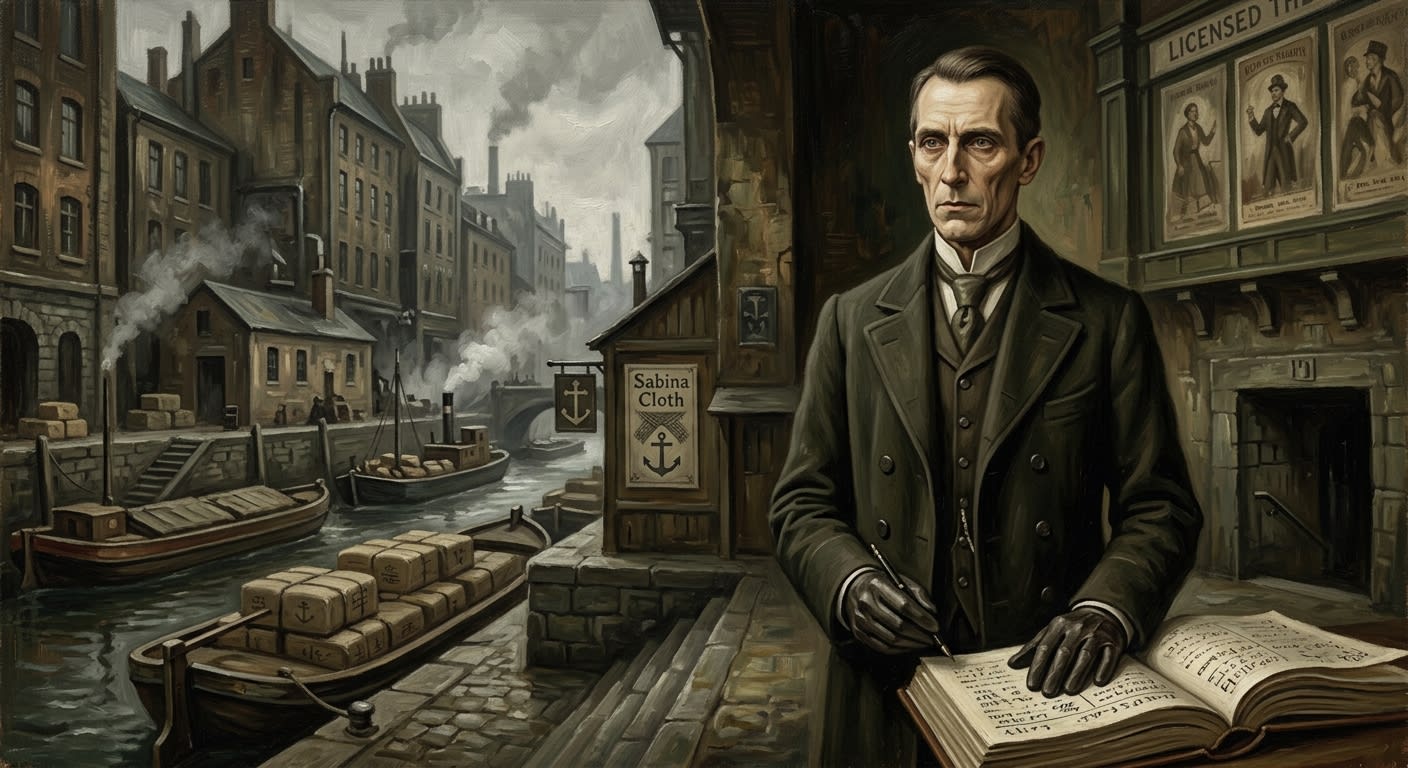
Ghent
The canal city where water keeps copies and loyalty learns to smuggle
Ghent is the Synod's wet ledger in Flanders: canal trade, Records quays, Sabina cloth, licensed theatres, Black Ledger cells, Wormhost scars, and obedience with annotations.
Codex Ref. II.1.05-201

Hamburg
The throat of the northern front — and the hand around it is not the Synod's
The Synod's northern import terminal: nine hundred thousand souls at the Elbe's mouth, processing the grain and coal that keep the northern front from freezing, starving, and dying.
Codex Ref. II.4.09-005
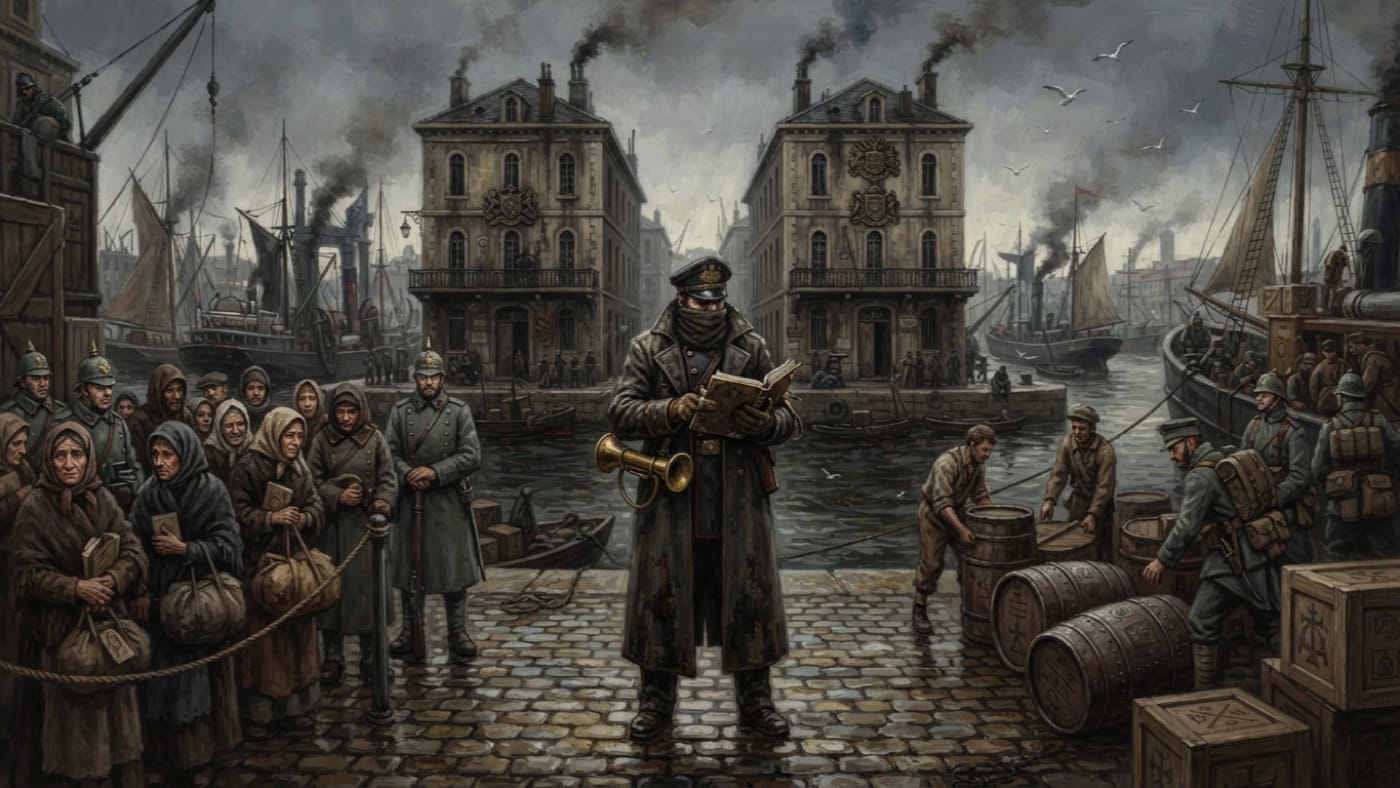
Harbour-Master
Authority has five claimants; responsibility awaits a name
Marseille's Harbour-Master claims authority beside four Bureaus. The Ledger records the title; the cargo waits for someone willing to answer for it.
Codex Ref. XIII.1.39-002
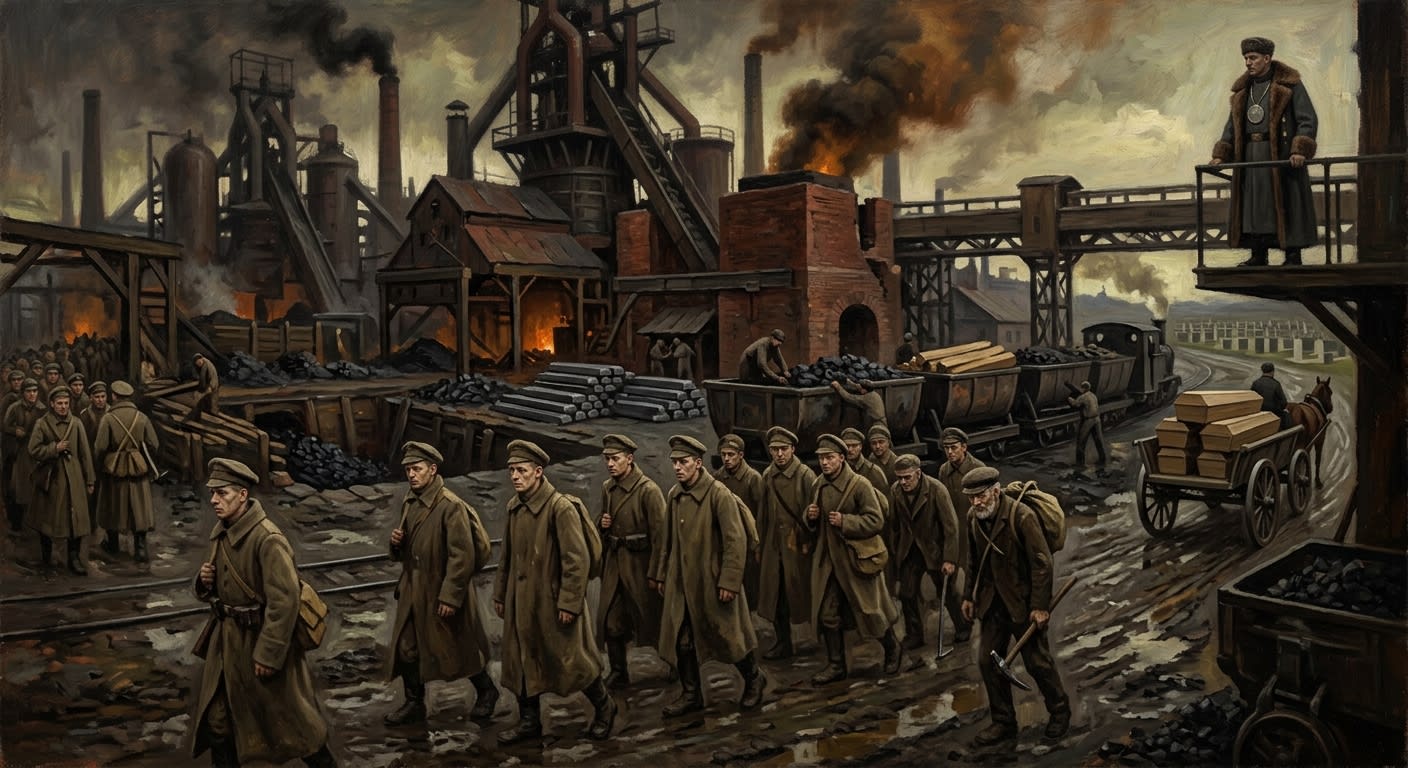
Hintermark
The arm beneath Constantinople's shield, counted only when it coughs metal
The Hintermark is the industrial-forward belt west of Bastion-Constantinople: coal, pig iron, levy boys, coffin timber, and all the grief a fortress prefers not to itemise.
Codex Ref. II.3.06-002
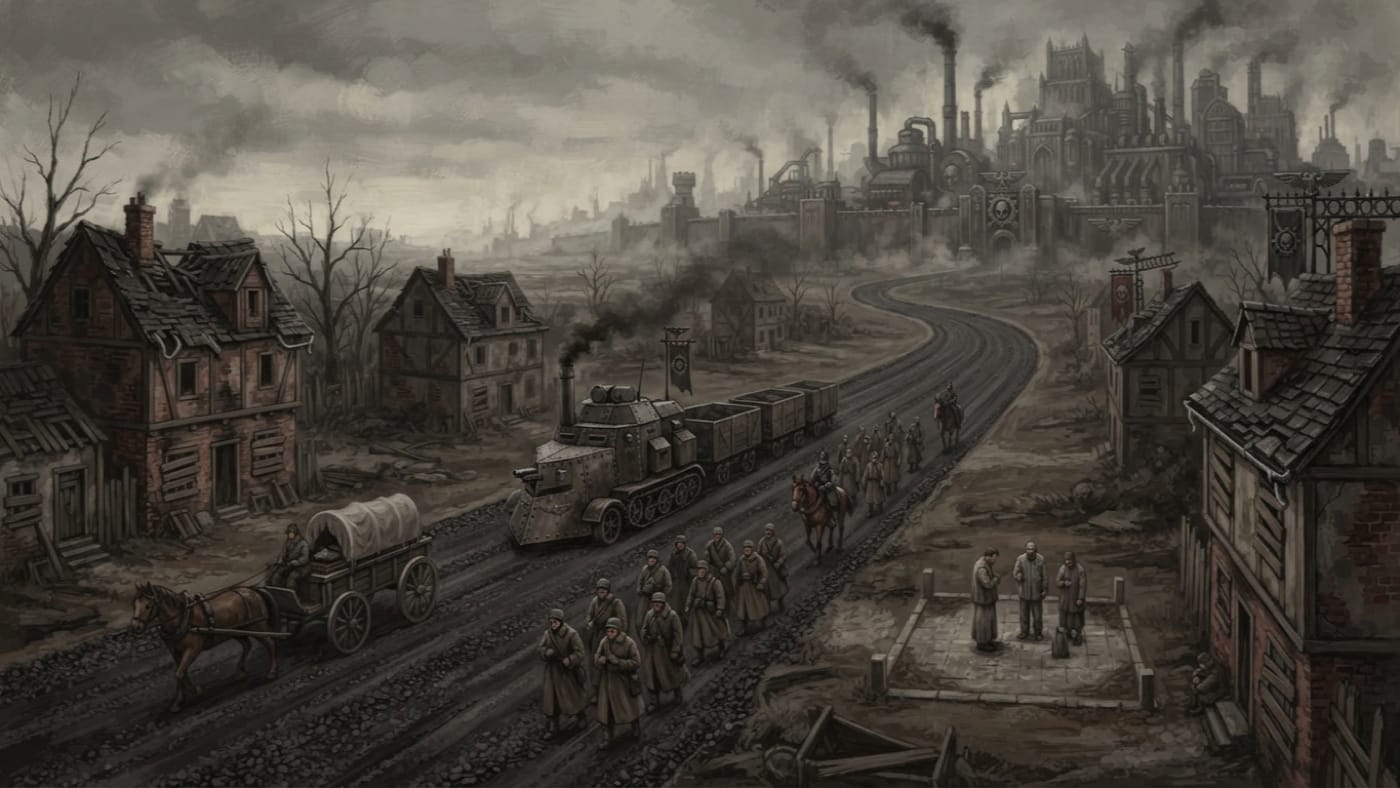
Hintermark roads
The roads are fit for service; the villages are noted for the record
The Hintermark roads feed Bastion-Constantinople with coal, iron, fruit, and levies. War keeps the roads in excellent repair; the villages receive no such care.
Codex Ref. II.3.06-003
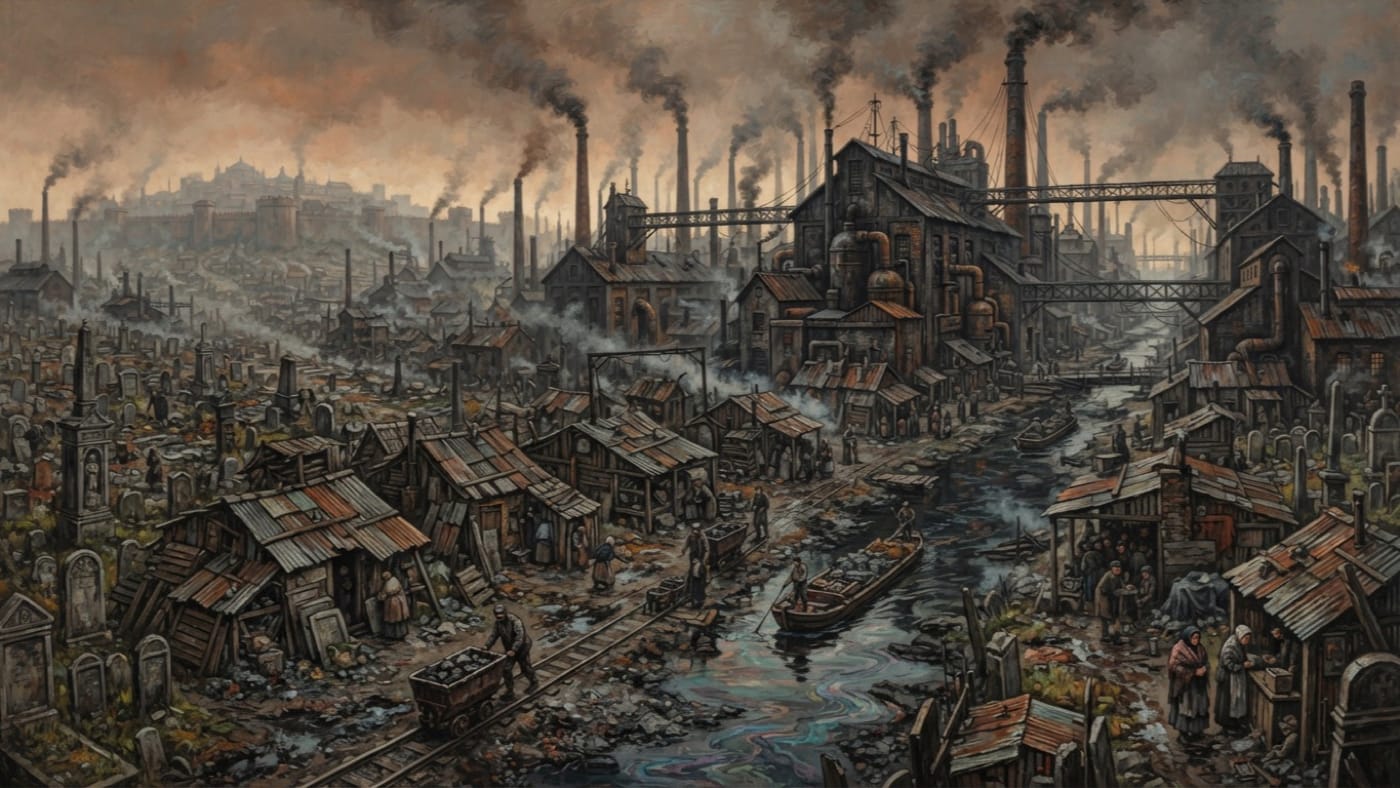
Hintermark settlements
The furnaces have addresses; their households do not
The Hintermark settlements keep Bastion-Constantinople supplied with iron, labour and coffin timber. A.S. 201 finds production continuing, registers disputed, and hungry households entered in the Black Ledger's second books.
Codex Ref. II.3.06-003
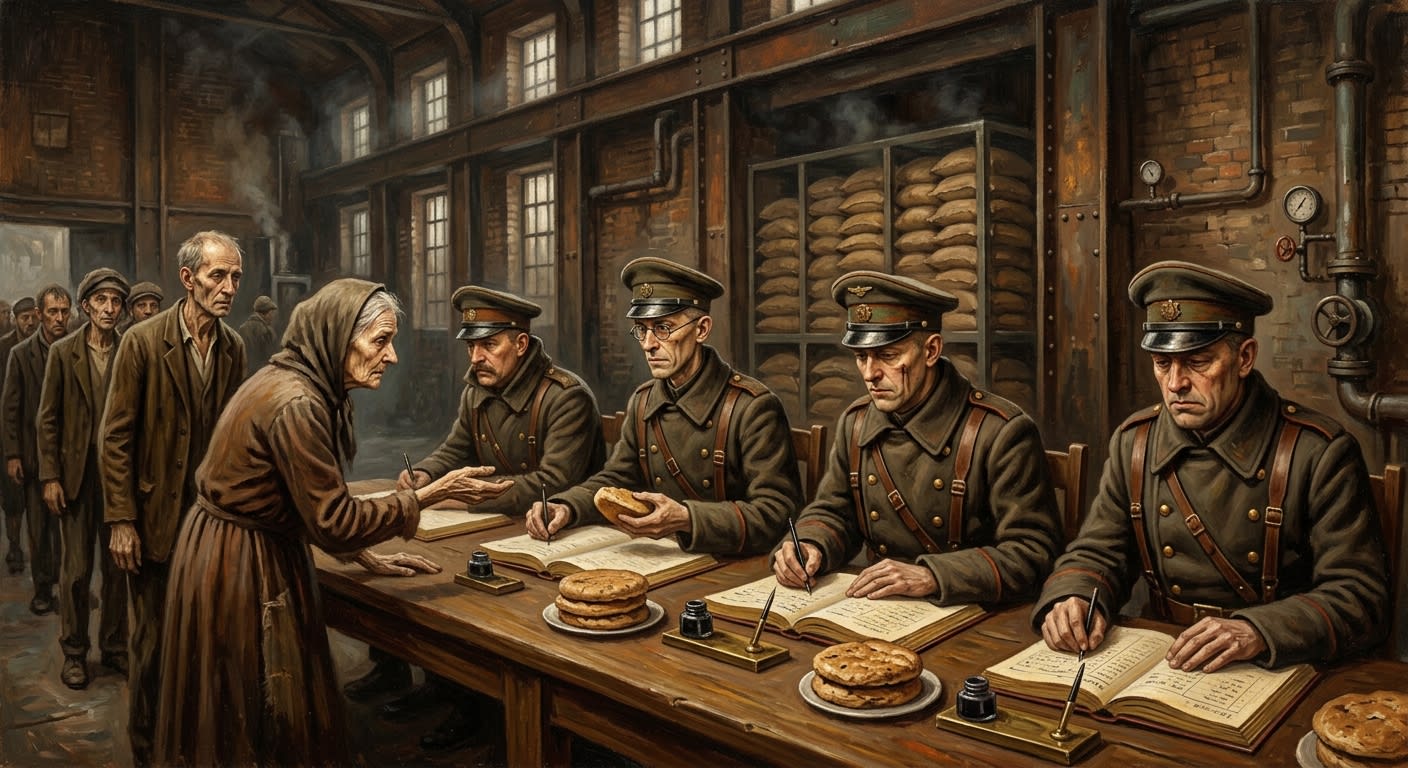
Hunger Brokers
The loaf becomes a chain when tomorrow is sold by the slice
Hunger Brokers are the tyrant faction of Grain Keepers, turning bread into debt, recruitment, silence, and ward sovereignty by ration ledger.
Codex Ref. XII.13.06-001
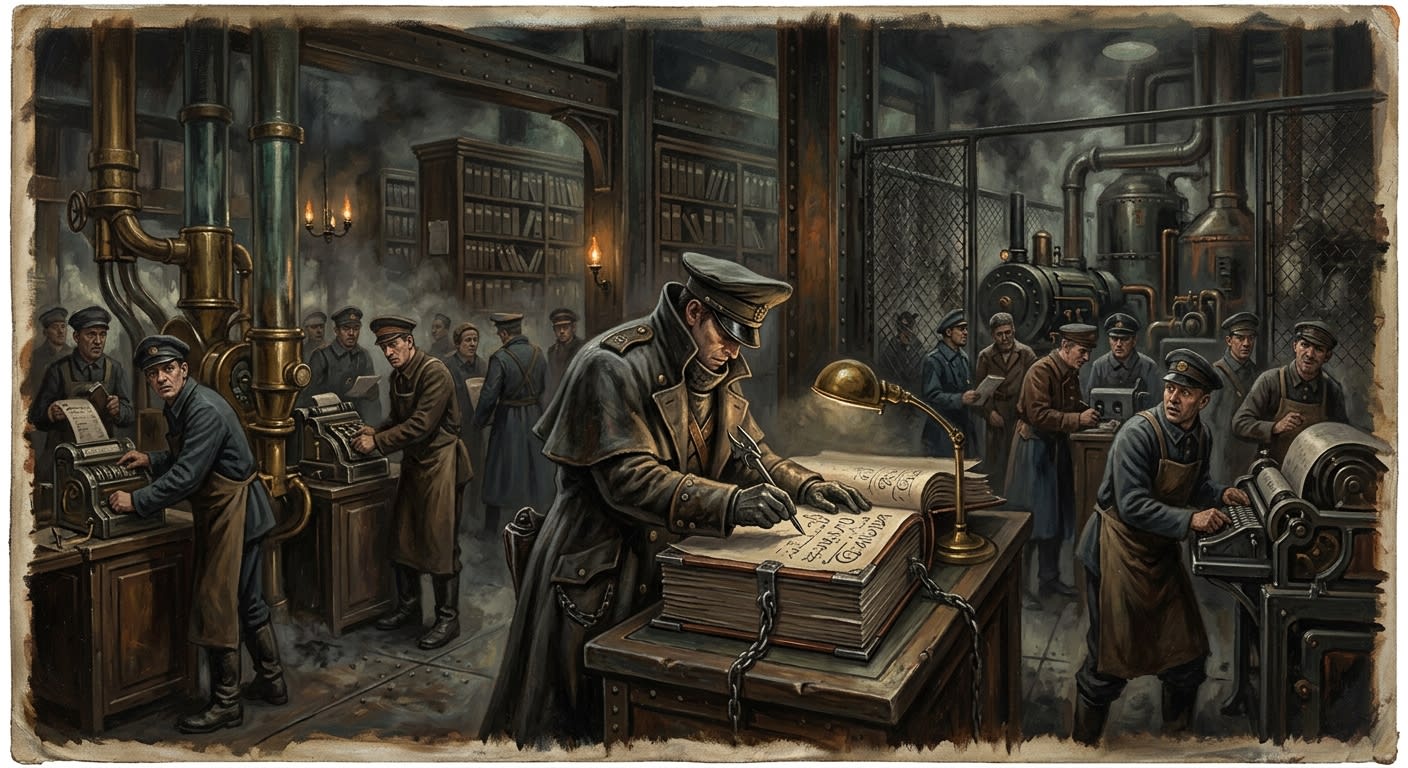
Incident of A.S. 187
The twelfth hour when the margin learned to sing
The A.S. 187 east-bench breach in which Inquisitor Breel copied proscribed Register of Sounds notation from the Index Damnatus, forcing Purity's eight-hour reform under Administrative Order 44-B.
Codex Ref. VII.4.17-001
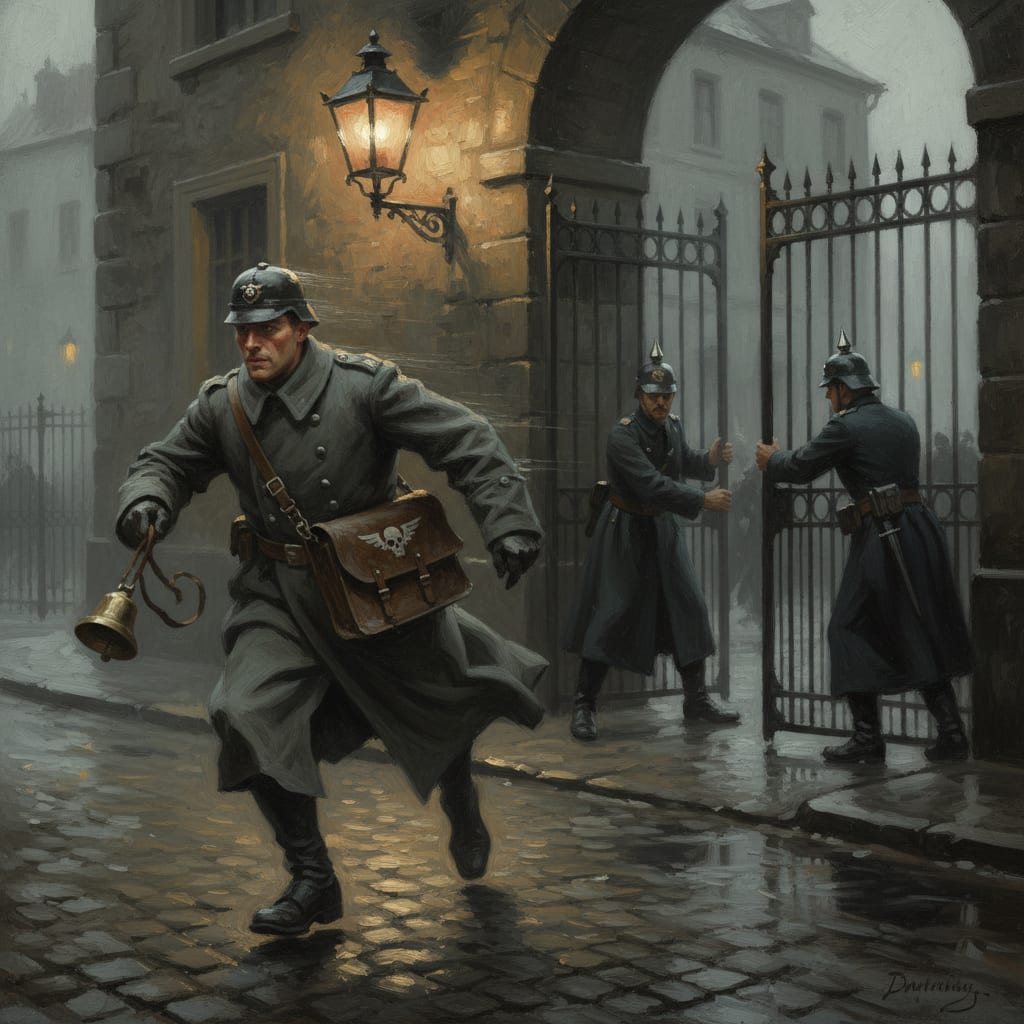
Index Damnatus Runner
On couriers who carry condemned names faster than the condemned can flee
The Bureau of Purity's courier corps: eleven hundred Runners who carry condemnation packets from Strasbourg to every gate, ferry, orphanage, and shrine before the damned can cross a border. Speed is doctrine. Late is the same as false.
Codex Ref. XII.23.01-001
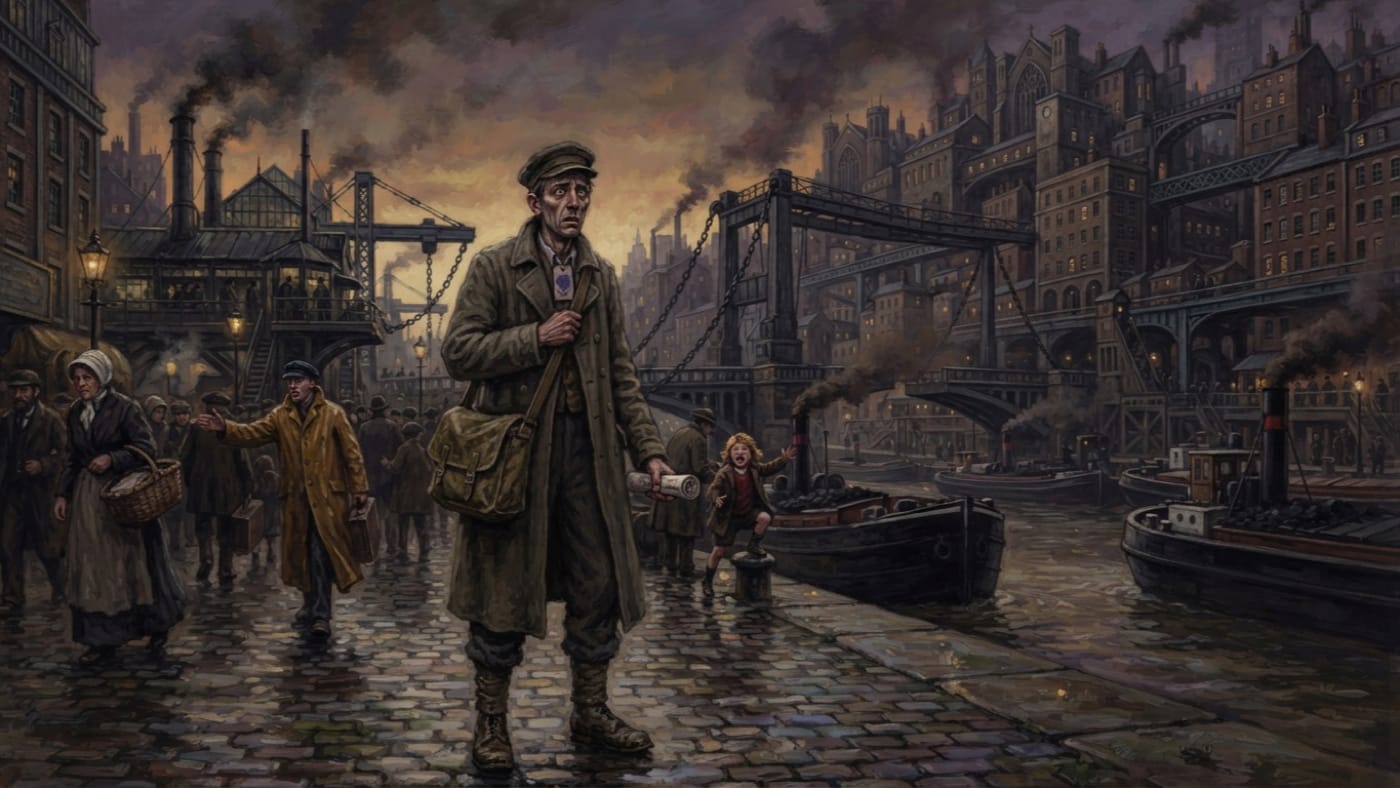
Index Echo
The ledger forgets; the courier does not
Index echo is the Runner's habit of hearing condemned names in ordinary speech. Purity calls it vigilance fatigue and issues another route.
Codex Ref. XIII.1.23-201
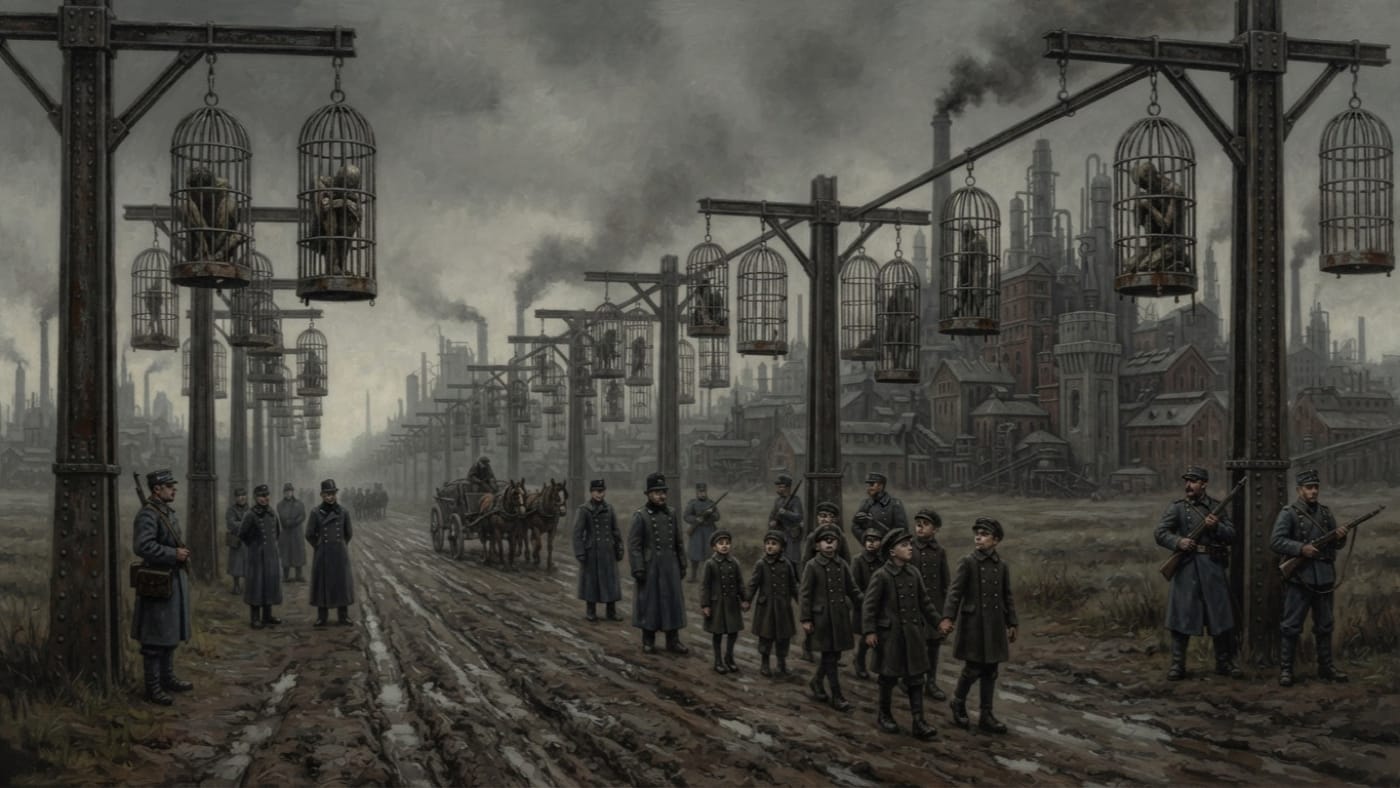
Iron Choir
A licensed hymn in the chamber, a captive congregation on the road
The Iron Choir gives confession a licensed hymn and the Mainz road a congregation of cages. Severian's method keeps fear in public service, even when most of the cages stand empty.
Codex Ref. VIII.1.09-001
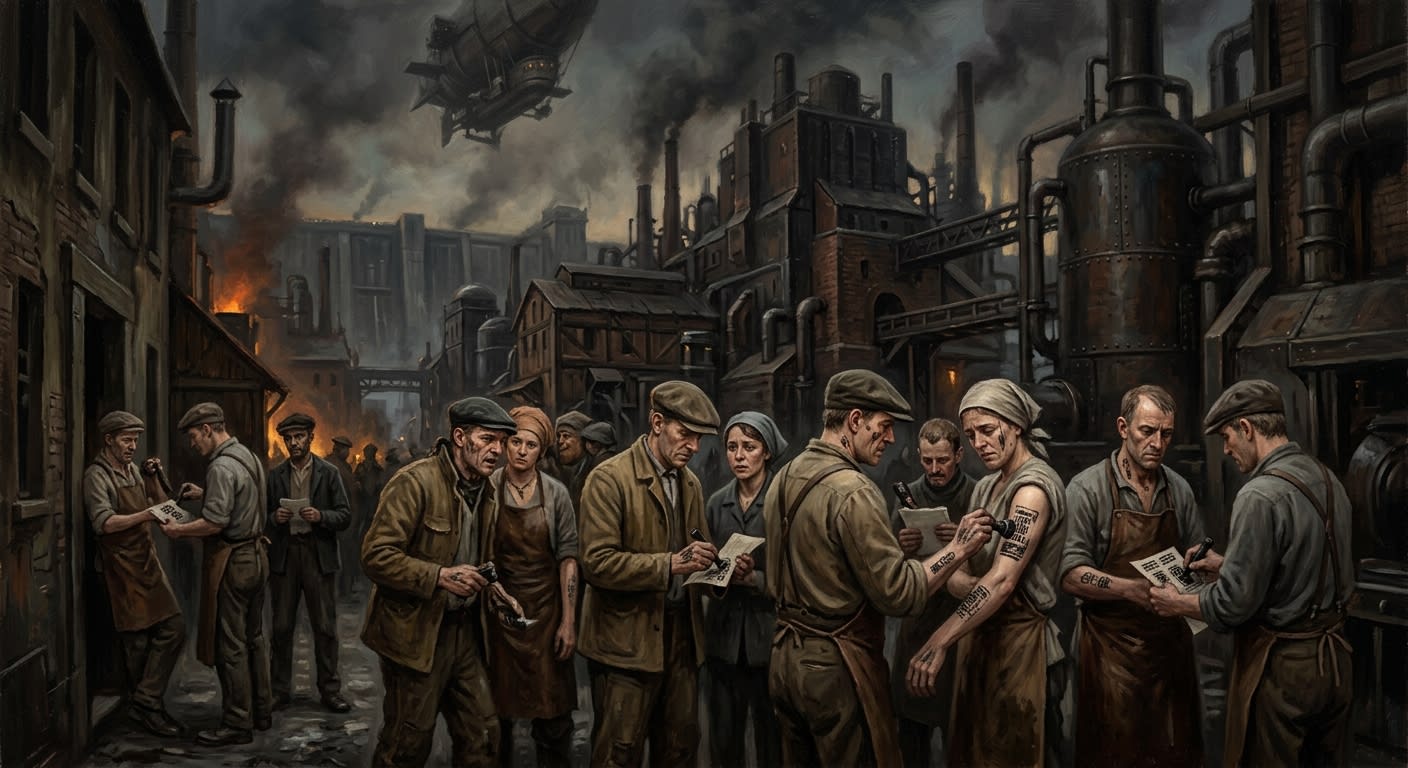
Keska
The foundry-town that fell through the map and learned who feeds the forgotten
Keska, a Hintermark foundry-town west of Bastion-Constantinople, lost its Zone for eleven months and discovered that criminal stamps can feed where lawful ink starves.
Codex Ref. II.3.06-001
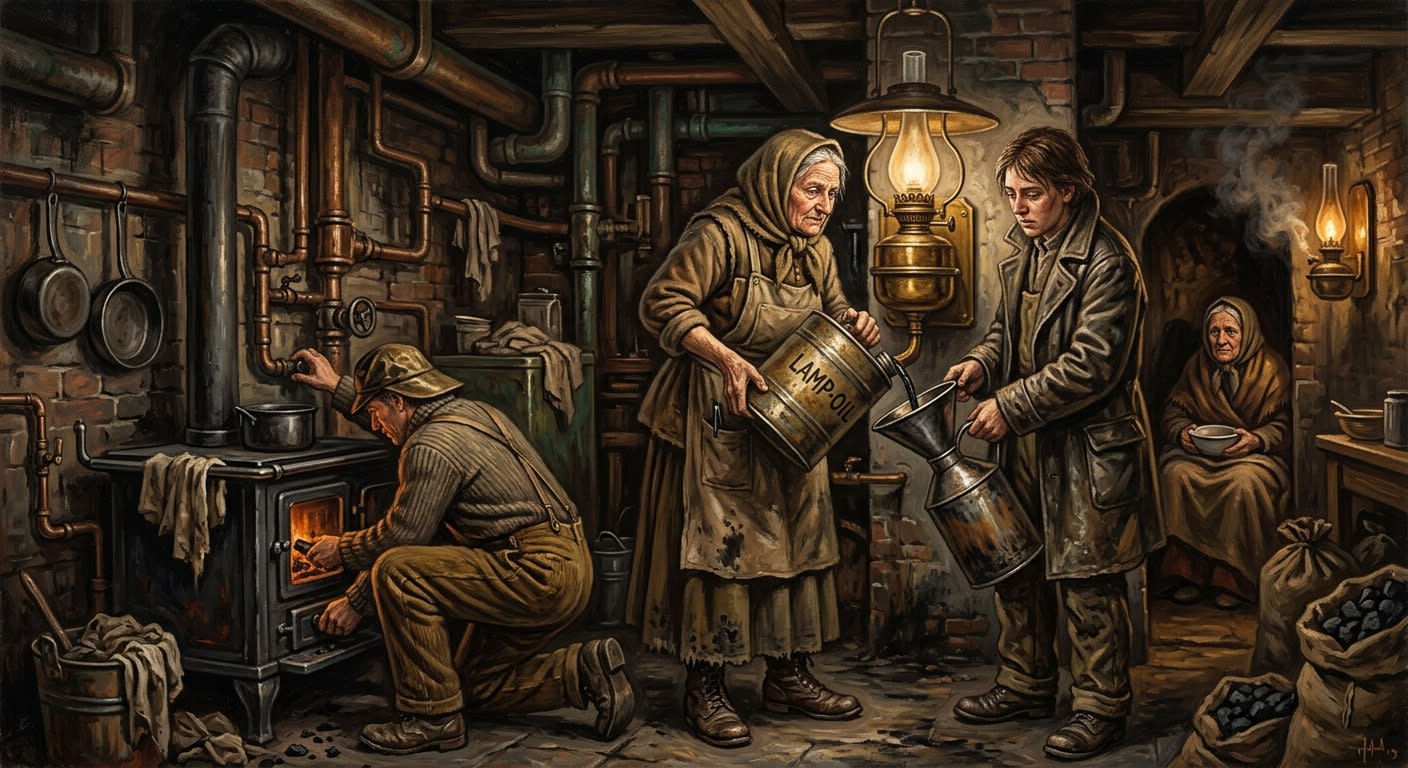
Lamp-Mercers
The mercy that arrives by cup, pressure, and soot-mark
Lamp-Mercers are the household-priority faction of Hidden Pipe-Runners, spending illegal black diesel on kitchens, sickrooms, lamps, and old women’s stove-niches.
Codex Ref. XII.3.03-001

Ledgerwrights
The hand that gives the bread and enters the debt
Ledgerwrights allocate the Black Ledger's bread, assign its targets and keep the second book. The hungry receive aid; the desk records what their gratitude may purchase.
Codex Ref. XII.4.04-001
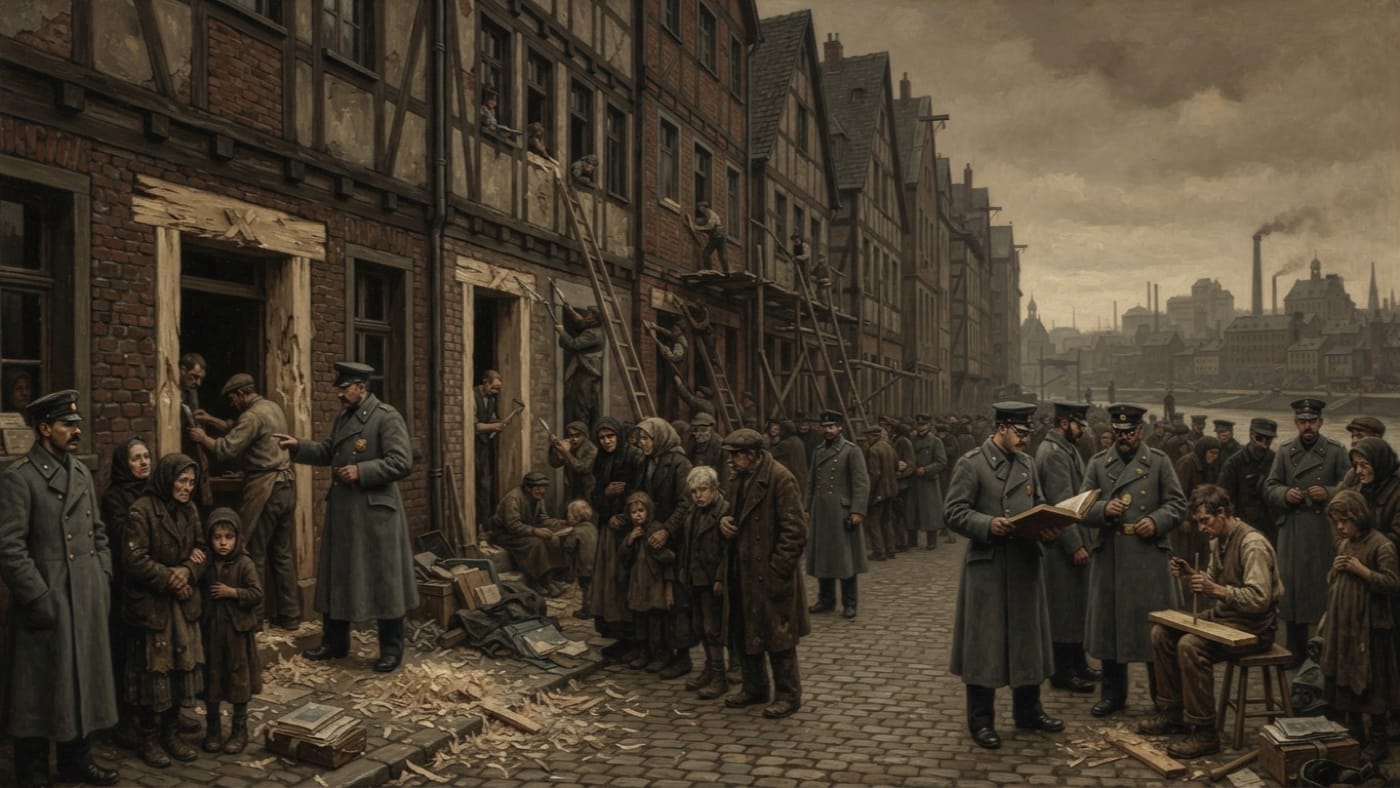
Lintel Pogroms of Cologne
Fourteen perfect Knots, three sealed niches, and a Registry to count the tools
In A.S. 112, fourteen perfect false Knots cost Cologne's river quarter its lawful thresholds, three carvers their air, and Heraldry the trouble of founding the Knotwright Registry.
Codex Ref. VII.8.10-112
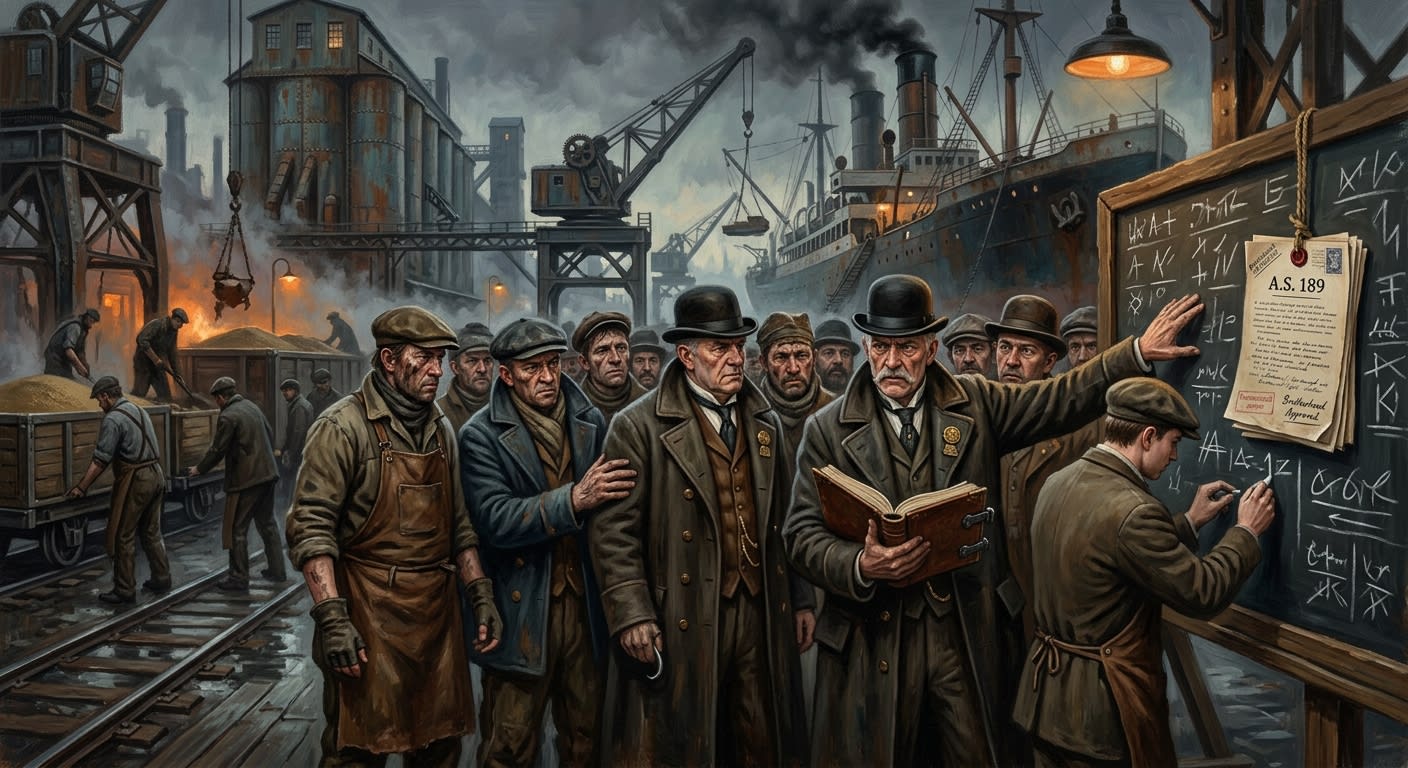
Longshoremen's Brotherhood
The port moves when the men beneath the crane consent to bend
Hamburg's oldest dock guild controls western and central quay labour, grain call-books, Brotherhood chalk marks, and the A.S. 189 hazard supplement that Tithes keeps trying to resurrect as taxable.
Codex Ref. XII.52.01-001
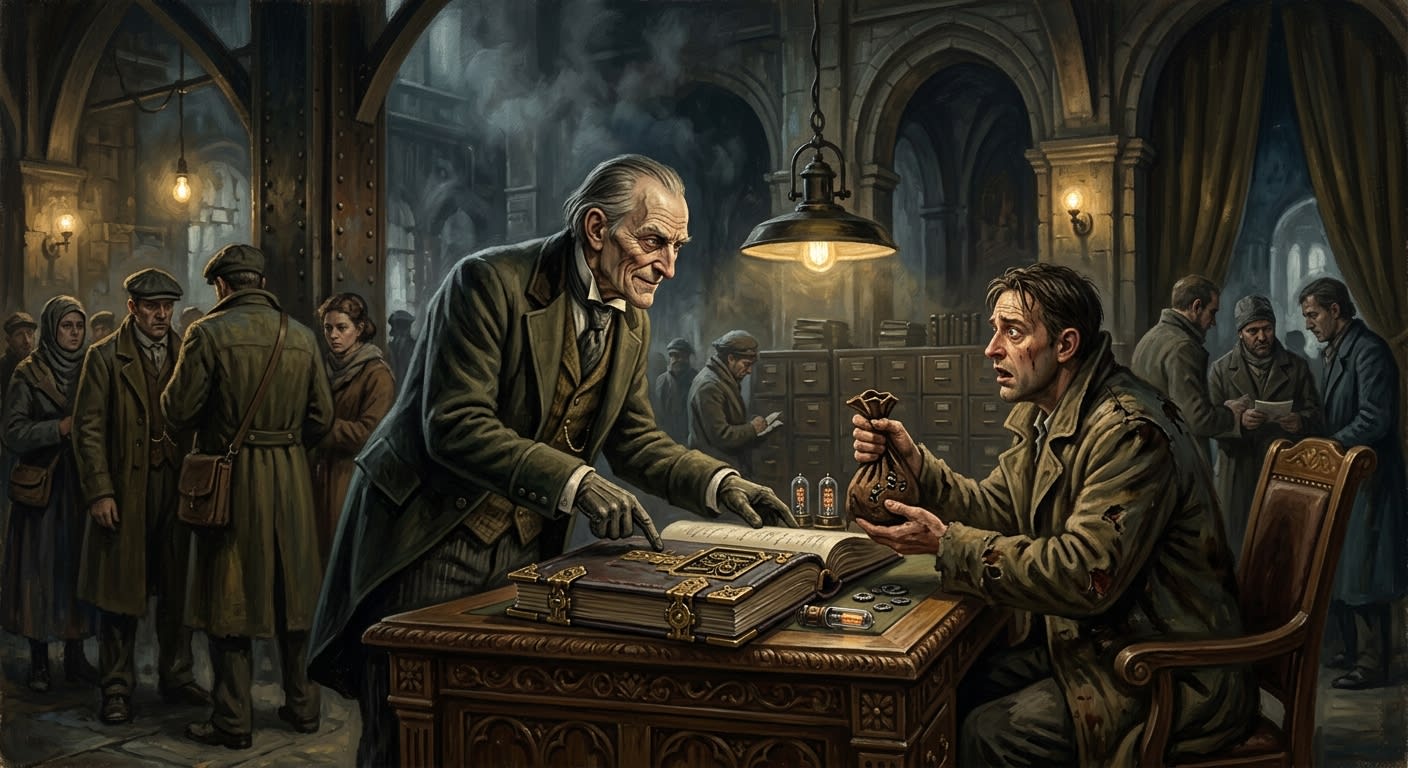
Name-Merchant
The broker who sells the bell before the knock
A Name-Merchant sells advance knowledge of Index condemnation, turning the interval before lawful erasure into the most expensive mercy in the Synod.
Codex Ref. XIII.1.75-001
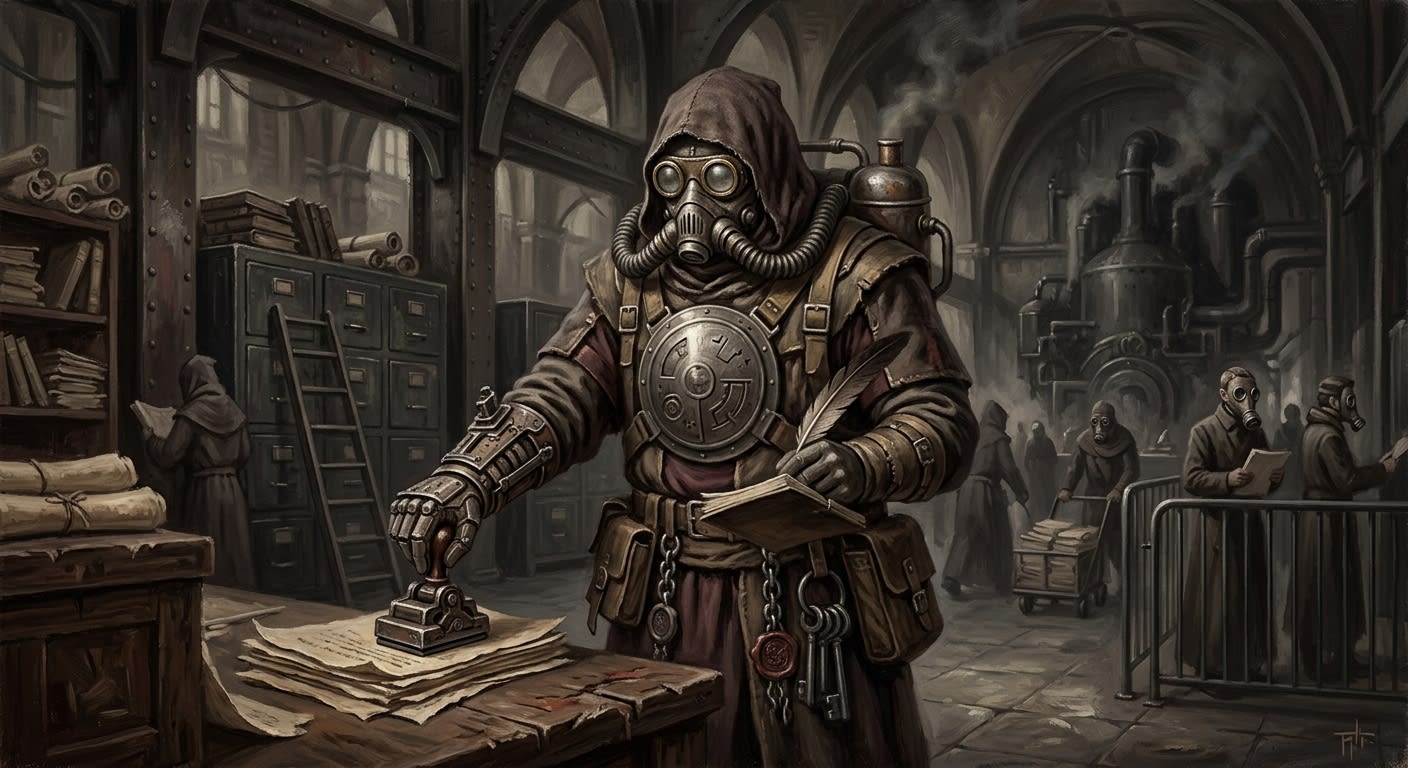
Oaths Witnesser
The state attends every promise
Living seals of the Synod, Oaths Witnessers make spoken promises enforceable, record their fracture, and bury what was sworn when it fails.
Codex Ref. VI.4.03-012
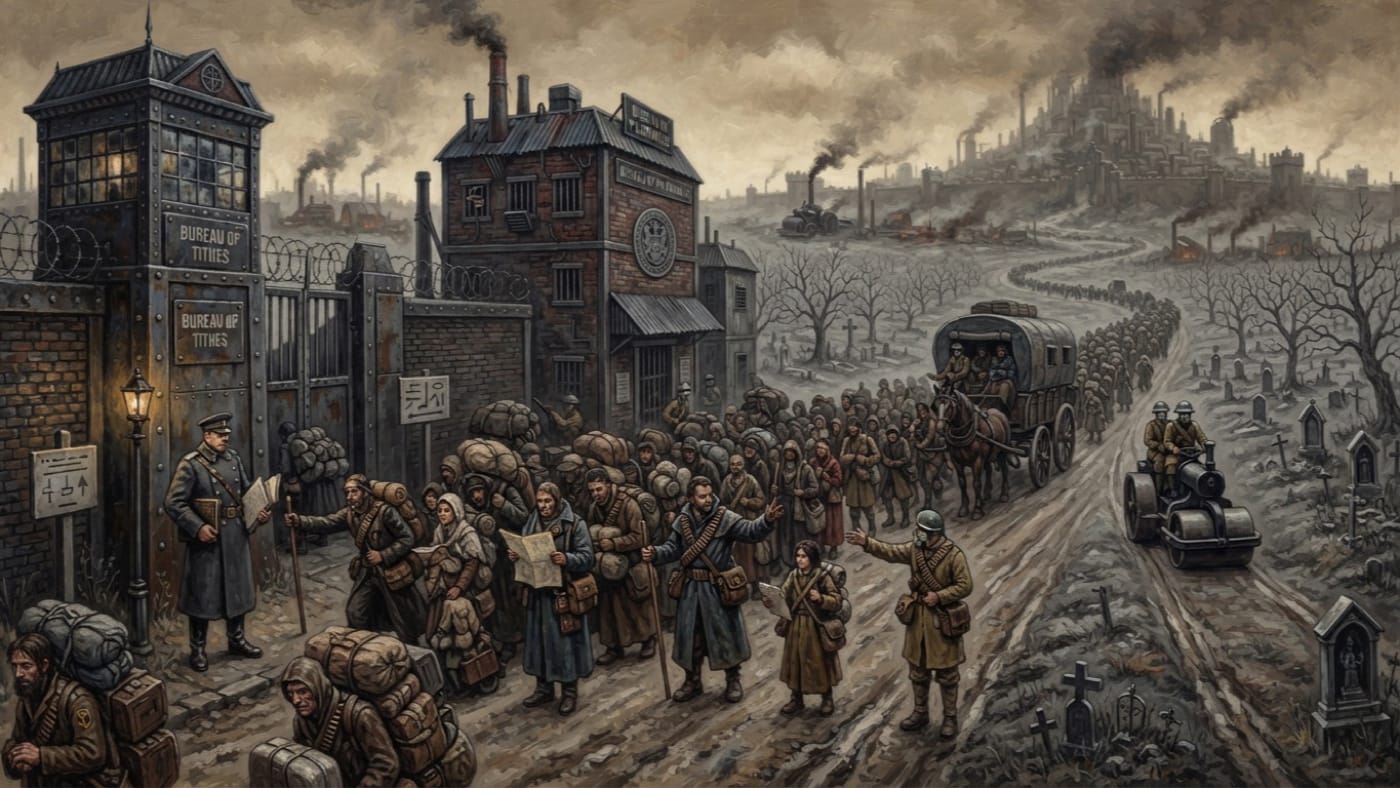
Pilgrims' Court
The Church charges for walking; the Court charges for arriving
The Pilgrims' Court arranges holy journeys for fees and favours and controls three of four main road franchises west of Constantinople. Pilgrimage grants permission; the Court sells the knowledge required to arrive.
Codex Ref. XI.4.09-001
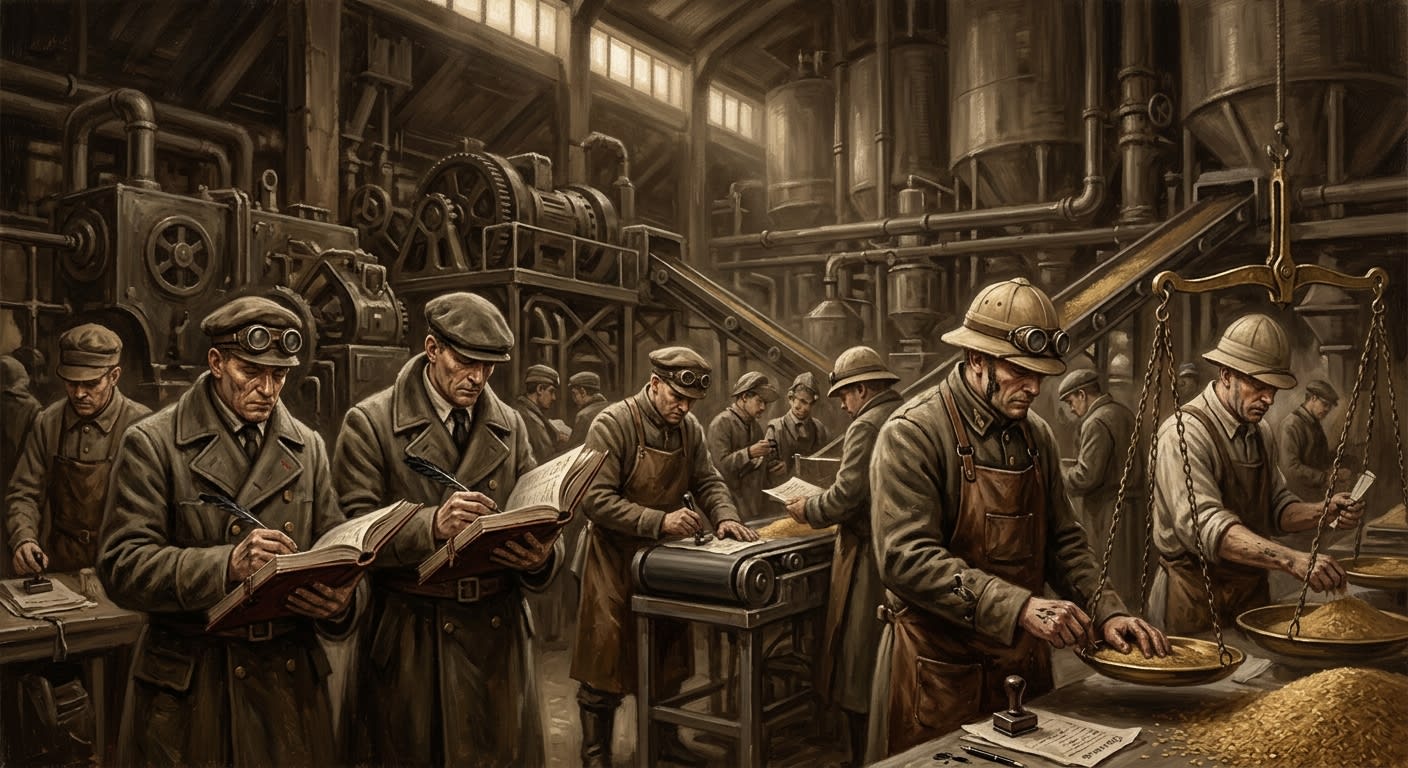
Quota Men
Modest theft is what famine calls governance when the pantry has witnesses
Quota Men are the Grain Keeper faction of modest diversion and immaculate ledgers, preserving wards by stealing little enough to keep collapse boring.
Codex Ref. XII.13.05-001
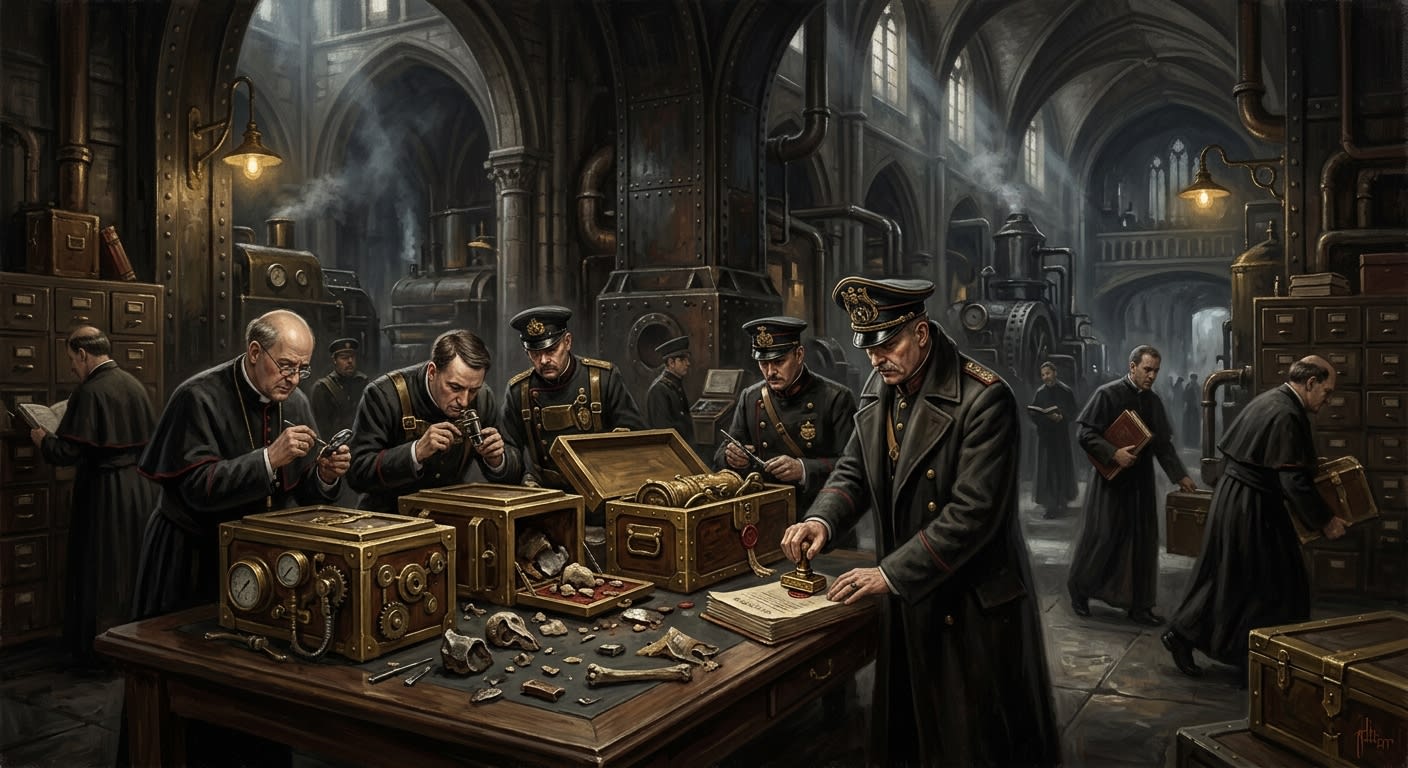
Relic Counterfeit Scandal
When the pig-bone taught the saint to submit to assay
Circa A.S. 117 scandal in which counterfeit relic fragments entered tariff-chapel calibration caskets, forcing mandatory assay and Masks-and-Seals counter-seals.
Codex Ref. VII.8.10-012
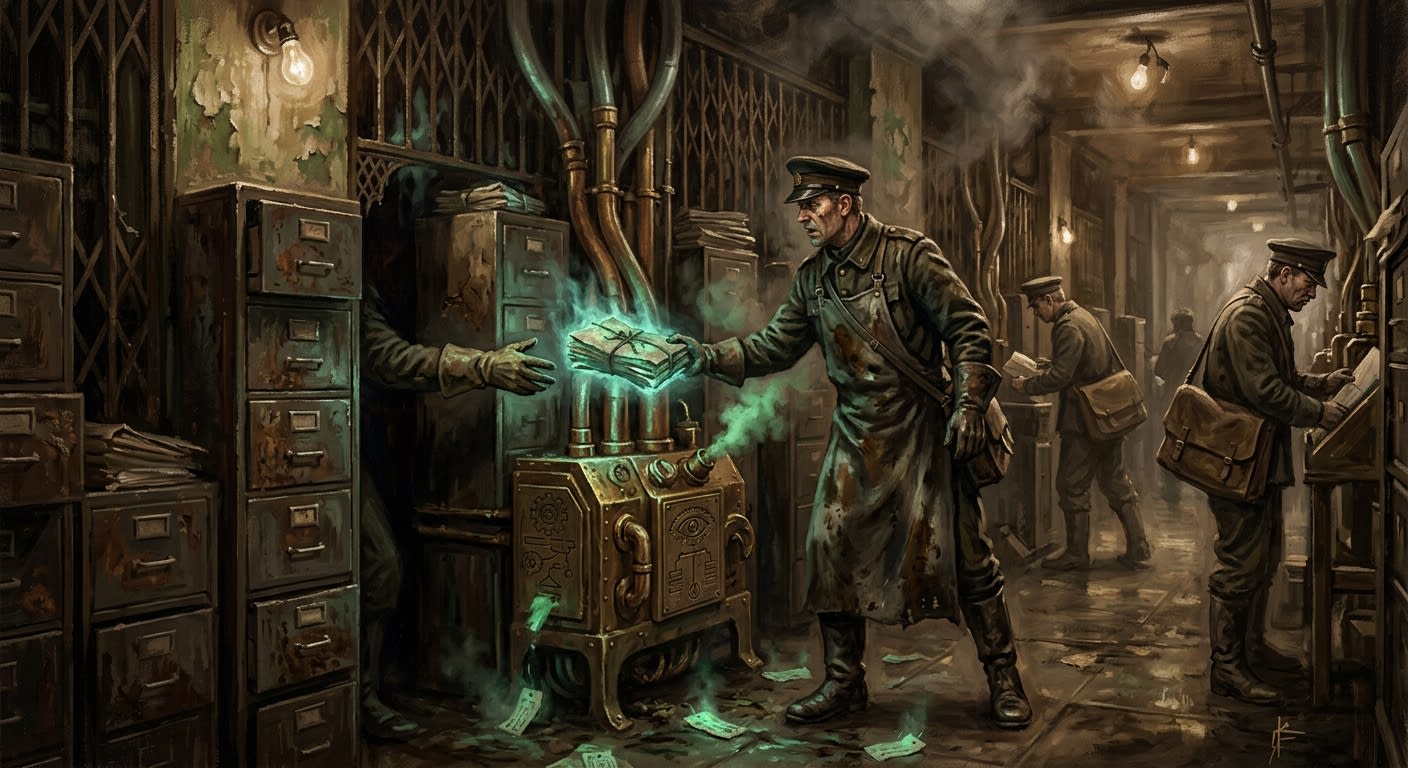
Shadow Relay
When the Index buys legs it refuses to name
Forbidden and persistent, the Shadow Relay is the illegal handoff that lets Index packets outrun their licensed Runners and poisons every receipt it saves.
Codex Ref. XIII.1.74-001
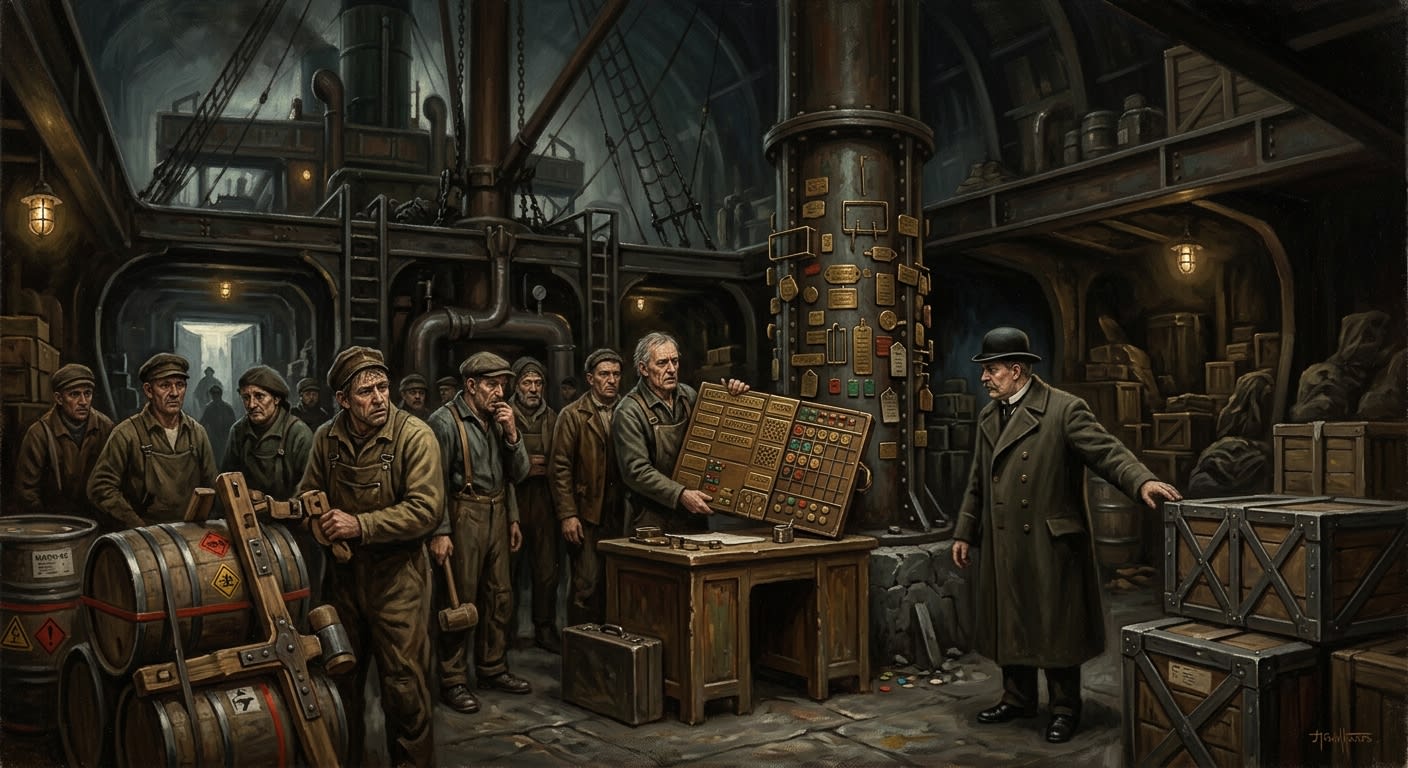
Stevedores' Compact
What the hold remembers, the manifest learns too late
Hamburg's Stevedores' Compact governs shipboard stowage, hold-order tokens, hazardous load bracing, and the right of senior holdmen to refuse death disguised as cargo discipline.
Codex Ref. XII.52.02-001

Sub-Archon Provisional Yvette Langres
The woman in the wine cellar who can tell you whether your city exists
Yvette Langres administers three hundred million addresses from a damp Strasbourg cellar; provisional since A.S. 194, indispensable since the first corrected line.
Codex Ref. III.2.01-013
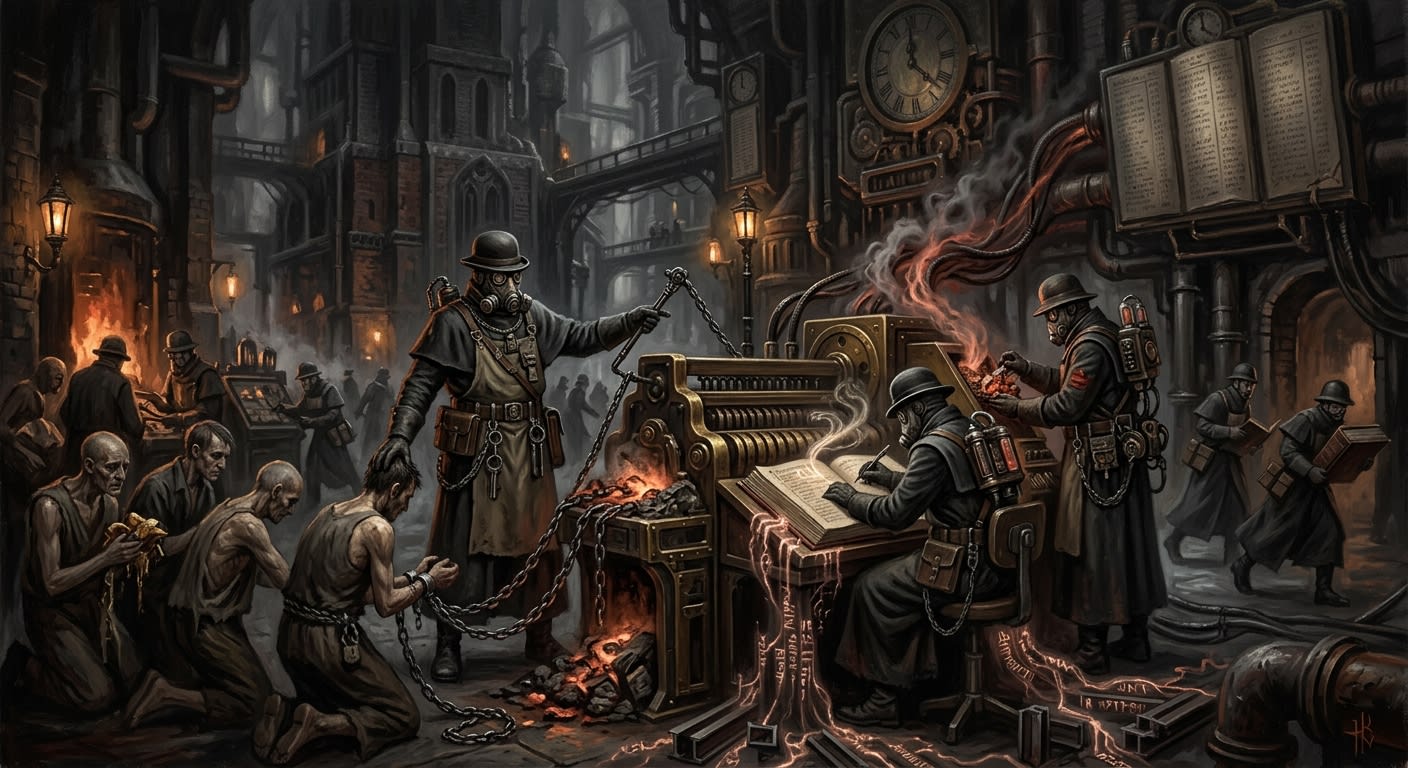
The Accountants
The book beneath the bread and the debt beneath mercy
The Accountants are the Black Ledger's second-book faction: Ledgerwrights who turn gifts into debts, hunger into jurisdiction, and gratitude into infrastructure.
Codex Ref. XI.1.04-003
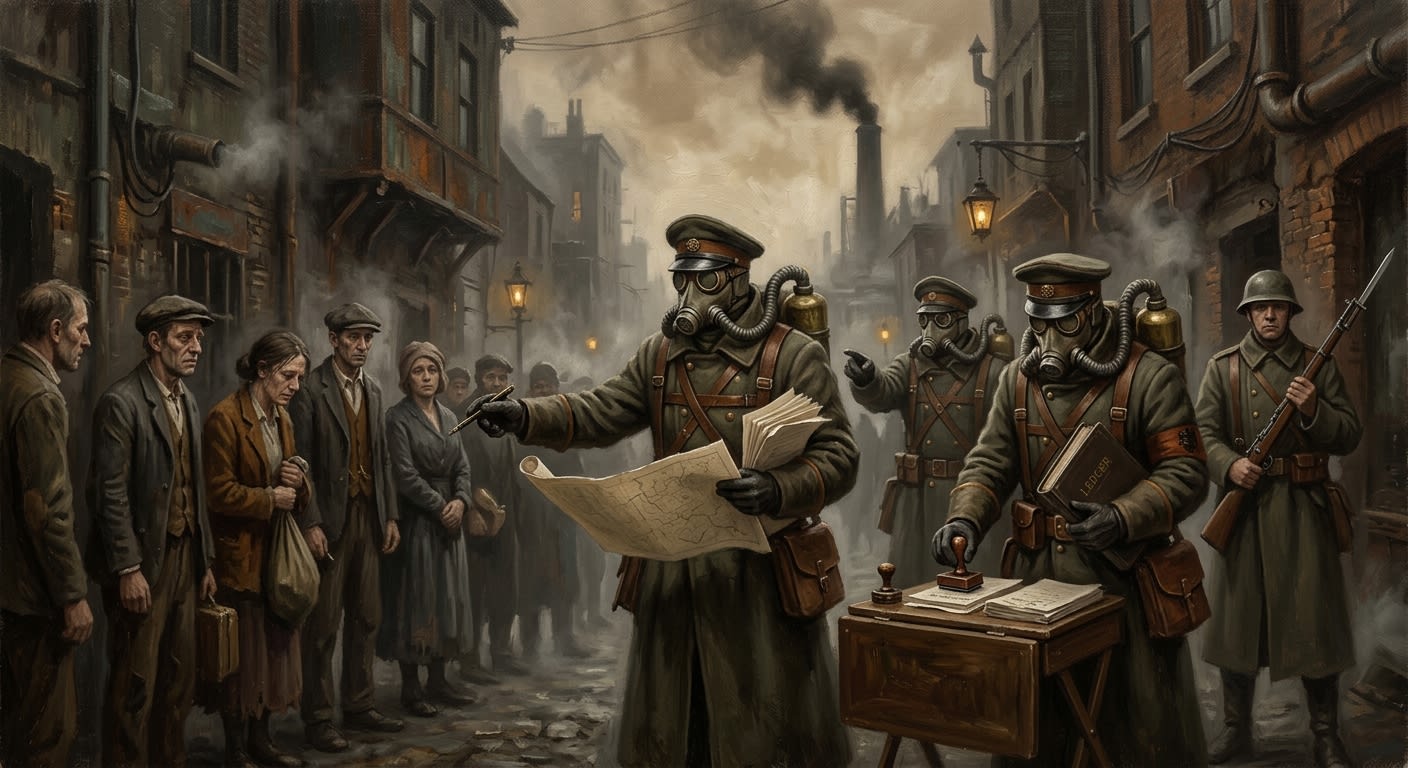
The Assignors
Men with maps, seals, and exactly enough authority to be hated
Assignors are Settlement field officers: map-carriers, permit-revokers, and escort-dependent instruments by which ink tells citizens where to stand.
Codex Ref. XII.2.06-001
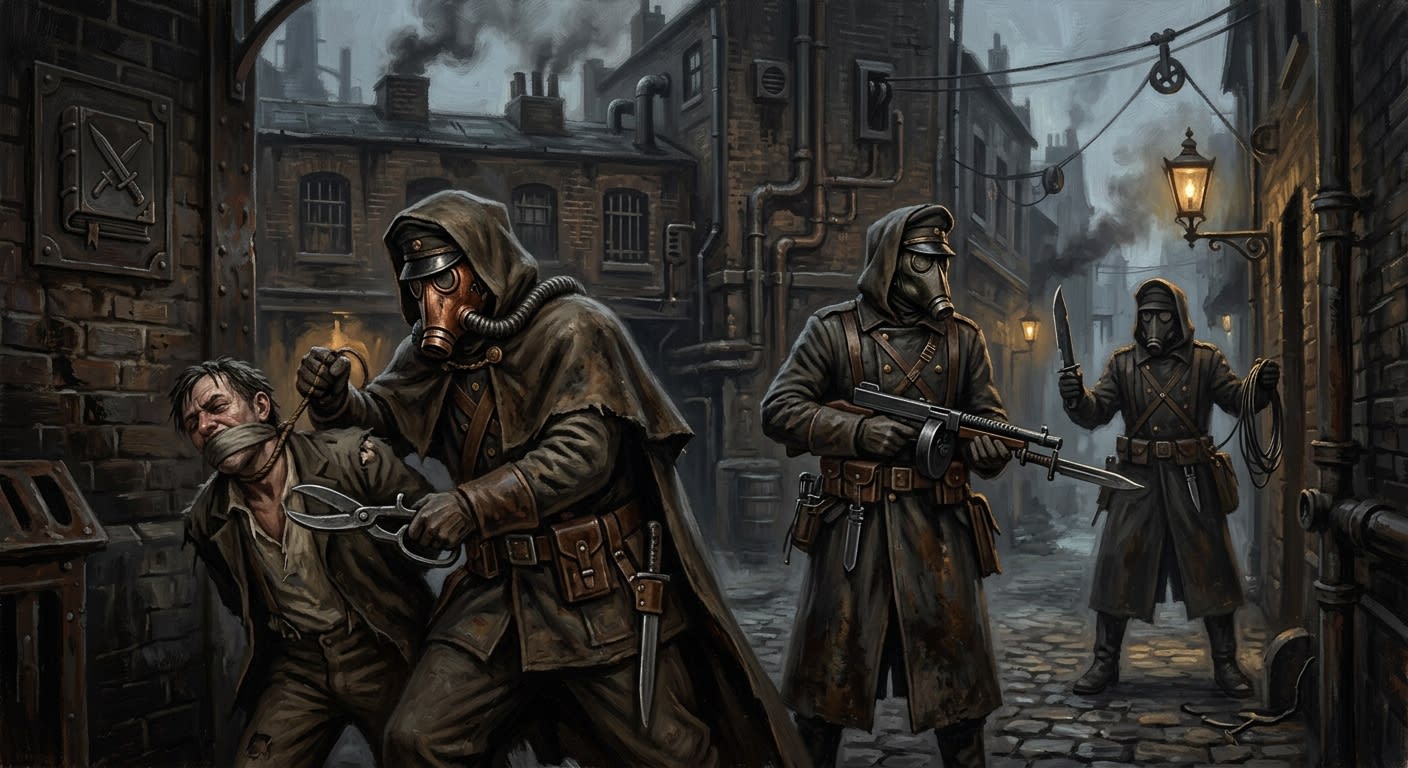
The Knives
Private sentence, no seal, no trial, no bell
The Knives are the Black Ledger's enforcement faction: Quiet Knives, alley-correctors, and cord-men who settle audible debts by disappearance.
Codex Ref. XI.1.04-004

The Knotwright Registry
Where every lawful threshold becomes a number, and every number becomes a leash
The Knotwright Registry is Heraldry's A.S. 112 tool-custody office for Gate-Carvers, where stencils, punches, rubbings, licences, and trembling hands become evidence.
Codex Ref. VIII.1.03-002
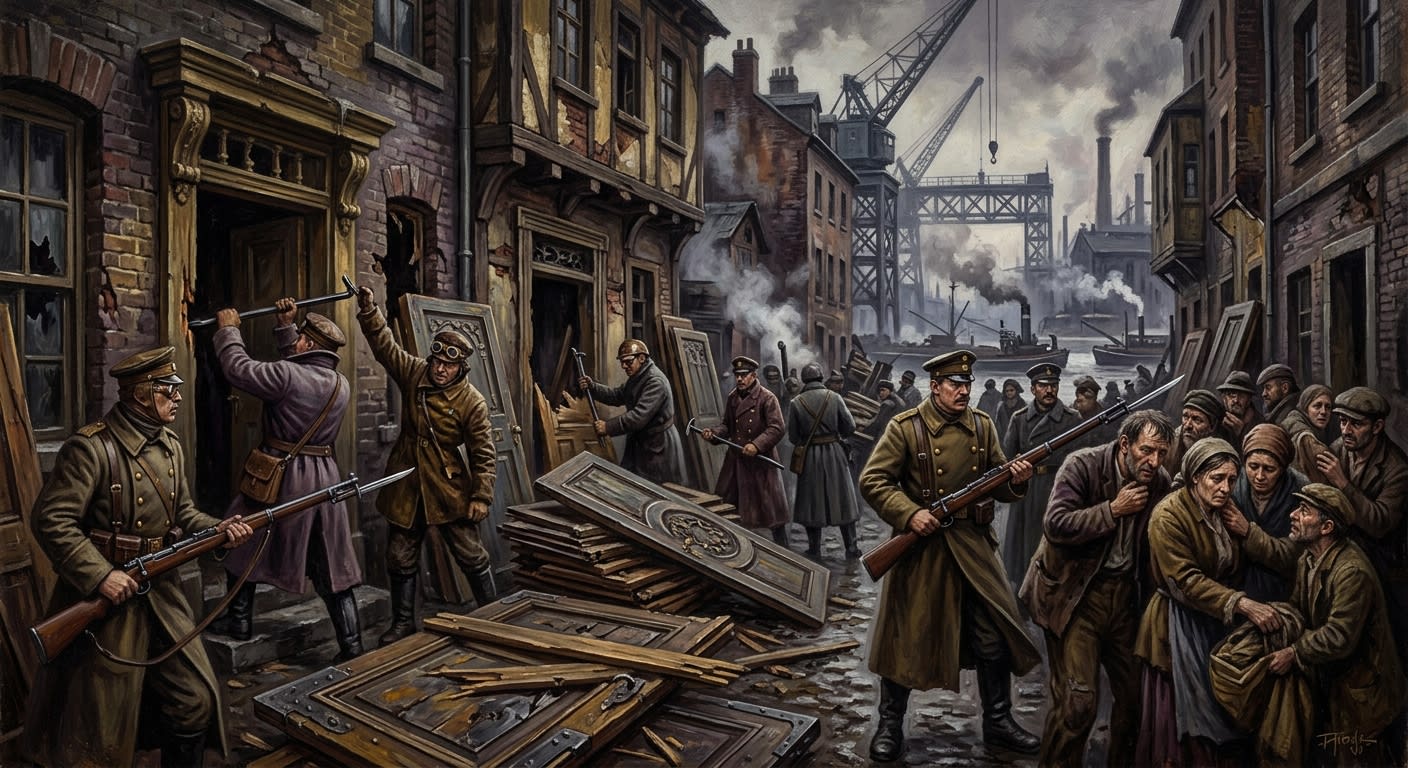
The Lintel Pogroms
When fourteen correct doors made a district homeless
The A.S. 112 Lintel Pogroms stripped Cologne's river-quarter doors after fourteen perfect false Knots exposed stolen stencils, counterfeit punches, hidden bodies, and a trembling hand fit for a wall.
Codex Ref. VII.8.10-112
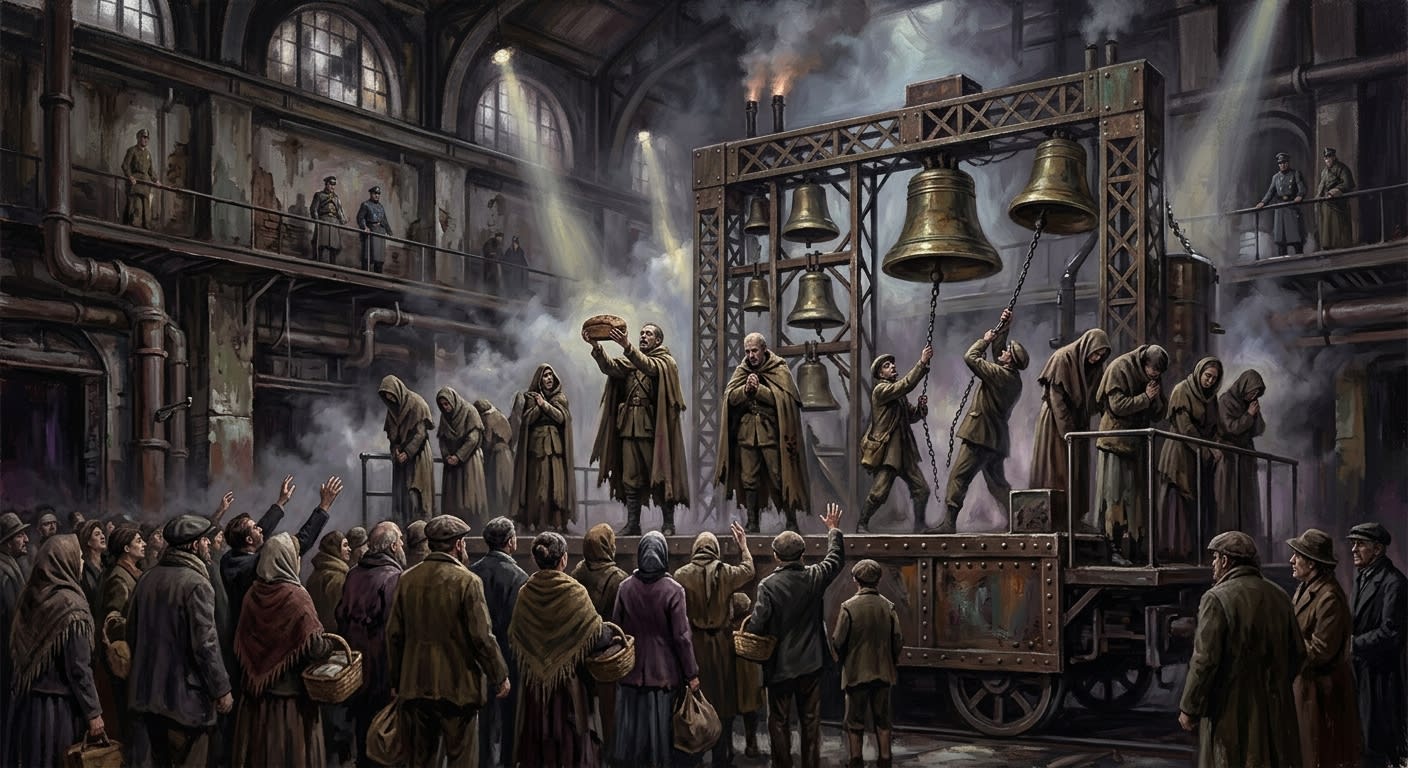
The Theatres
Bread, bells, and applause stolen from the altar
The Theatres are the Black Ledger faction that turns stolen bread into civic memory, staging Queue-Saint performances where hunger, bells, and witnesses become recruitment.
Codex Ref. XI.1.04-002
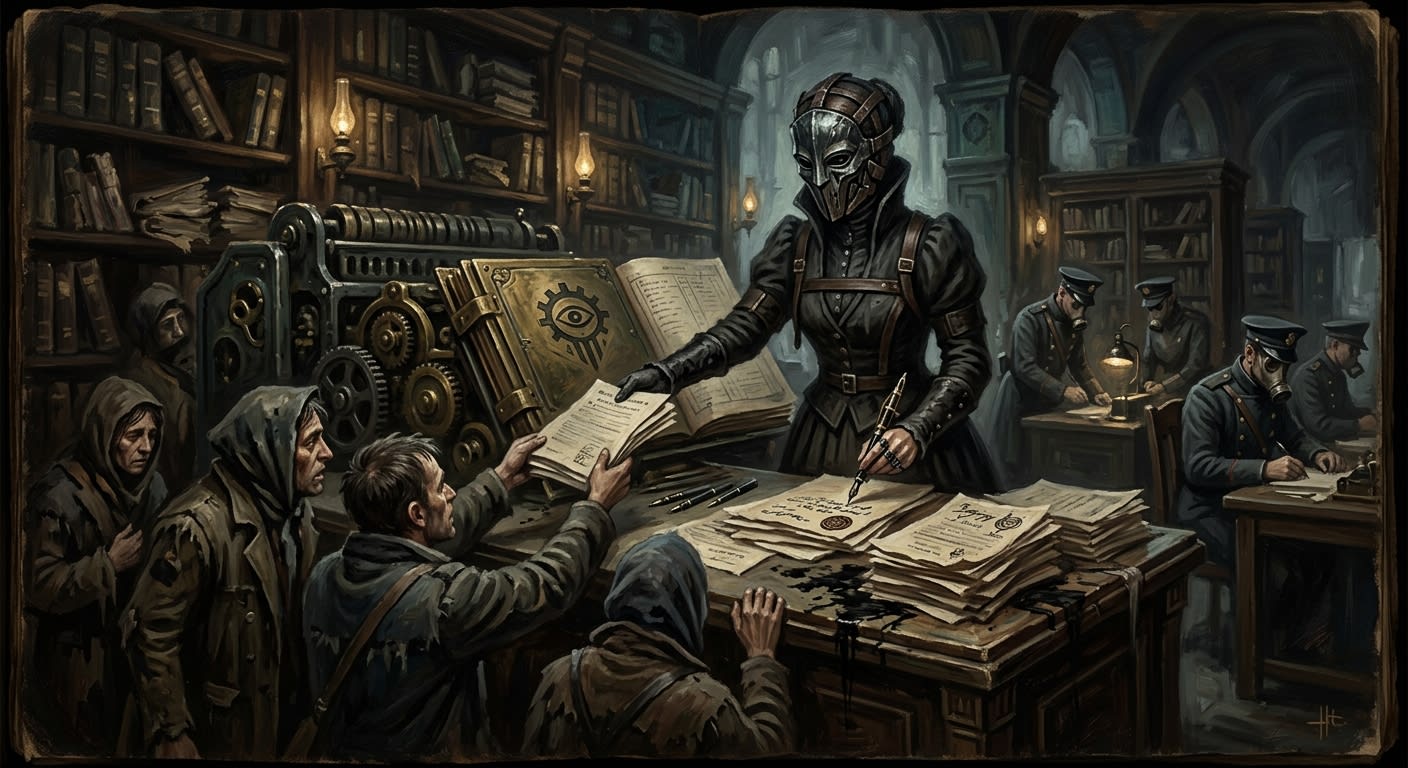
The Widow-Notary
The hand that taught charity to forge receipts
The Widow-Notary may be one woman, seven women, or a criminal mask; her forged assessments fed Strasbourg's poor and taught the Black Ledger to steal in the Bureau's own hand.
Codex Ref. III.2.01-062
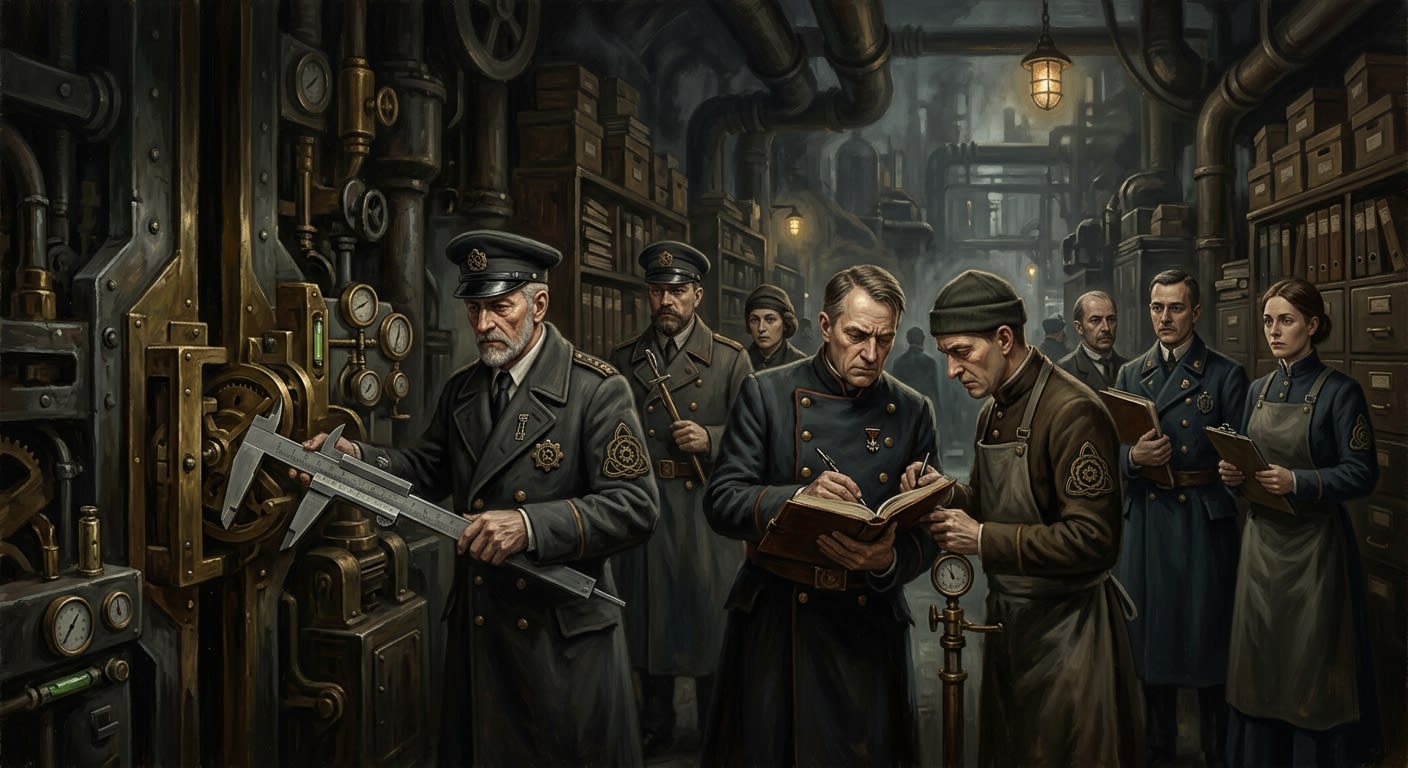
True Knot Faction
The dry cord is holier than the quick hand
The True Knot faction is the strict-compliance tendency within the Gate-Carver trade, treating every threshold as valid only when the whole ceremony is measured, cut, witnessed, and filed.
Codex Ref. XII.19.02-001
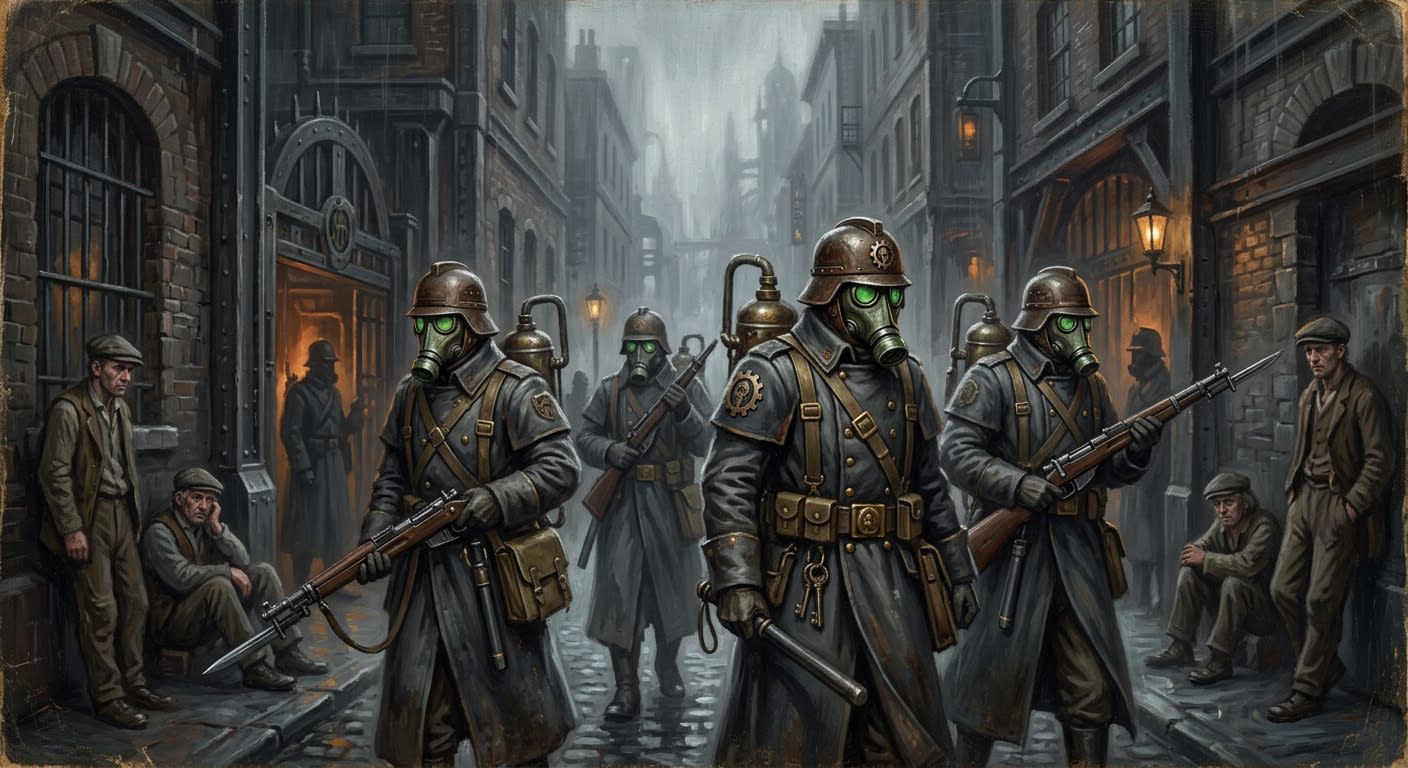
Wardens
The Synod's signature, written in keys and cudgels
Wardens are the Synod's street-level custodians of threshold, ration, gate, shrine, and curfew: resented because they are near, needed because they are near.
Codex Ref. XII.7.02-001
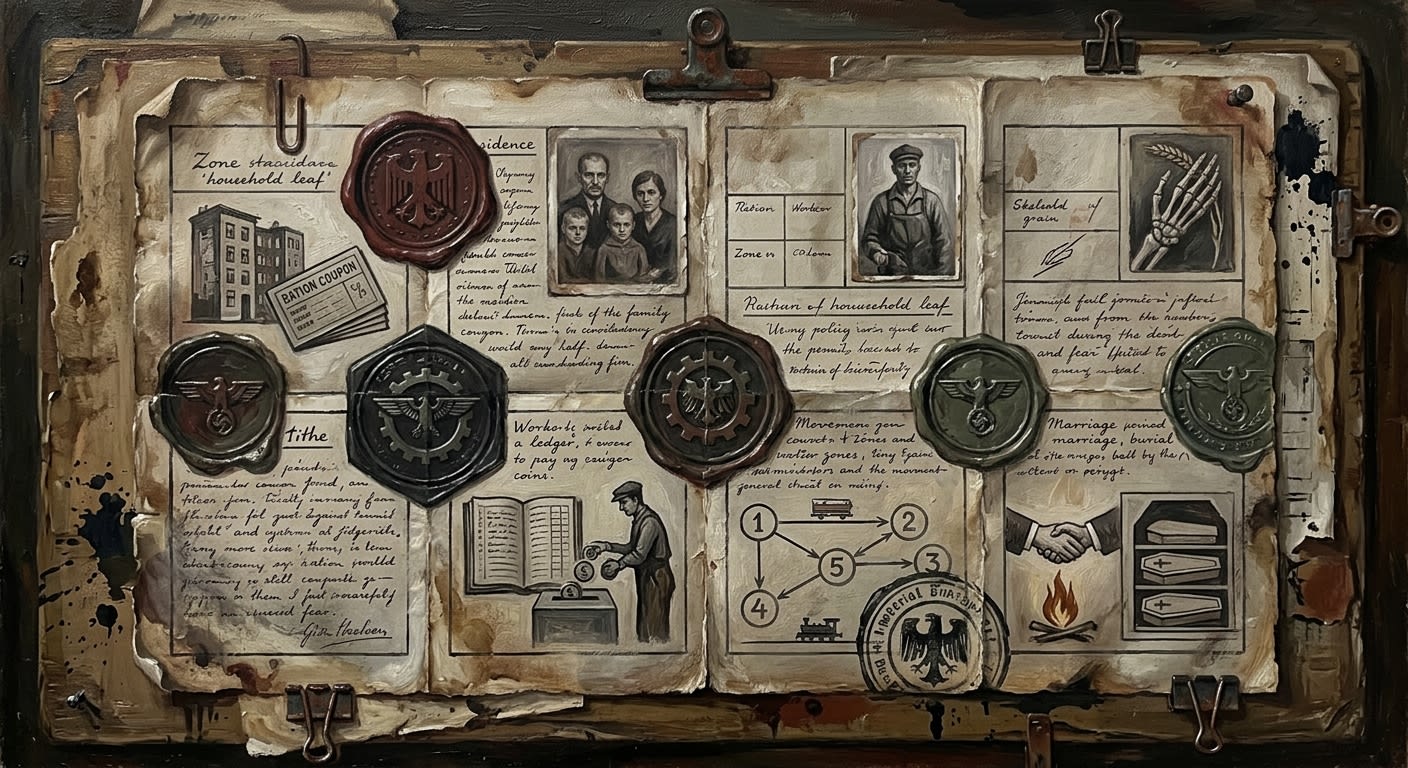
Zone Permit
The paper beneath the feet, and the shackle in the drawer
The Zone Permit is lawful standing made paper: residence, ration, tithe, movement, marriage, burial, and fear folded into one stamped household leaf.
Codex Ref. XIII.1.93-130