

Reverse Index
Referencing “The Witch-Hunts of Toulouse”
Every codex entry that links to The Witch-Hunts of Toulouse. 27 entries.
Return to The Witch-Hunts of Toulouse
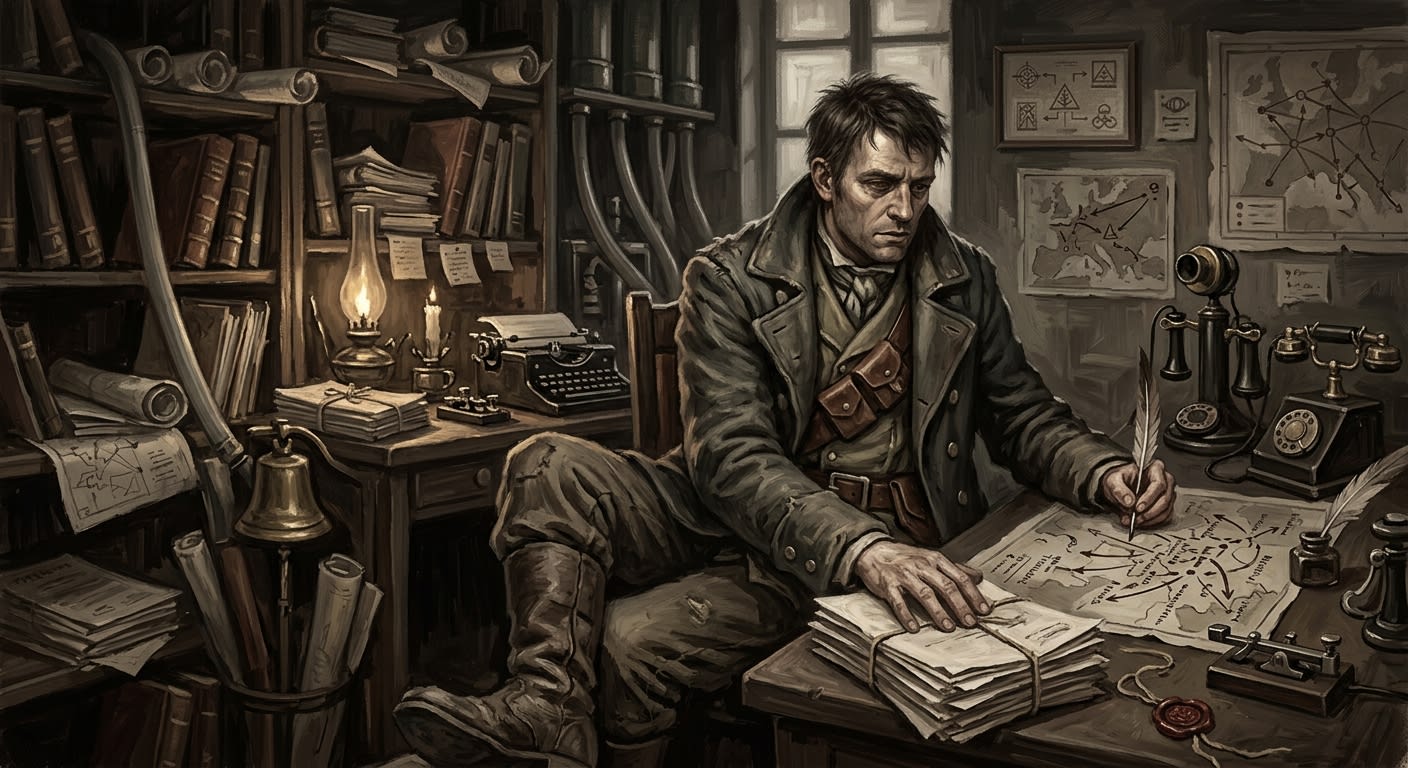
Albi
The first road-sign of the Toulouse fire
Albi did not invent the Toulouse fire. It proved the fire could travel: by courier, confession, pamphlet scrap, bell, and useful fear.
Codex Ref. II.1.09-093
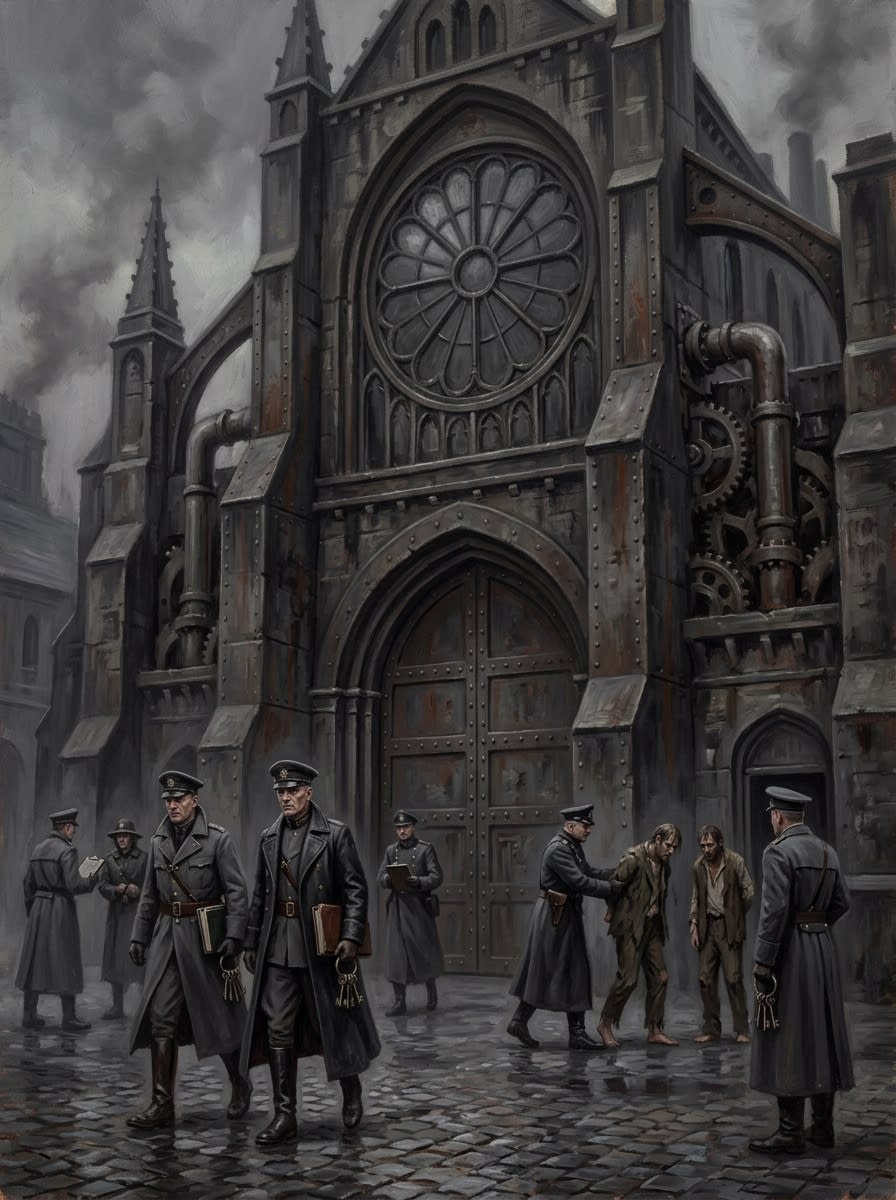
Ashen Cloister
Purity's house has handles only on the outside
The Ashen Cloister is Purity's Strasbourg seat: gate without welcome, court without mercy, archive with appetite, and the cleanest terror in the Synod.
Codex Ref. II.1.04-003
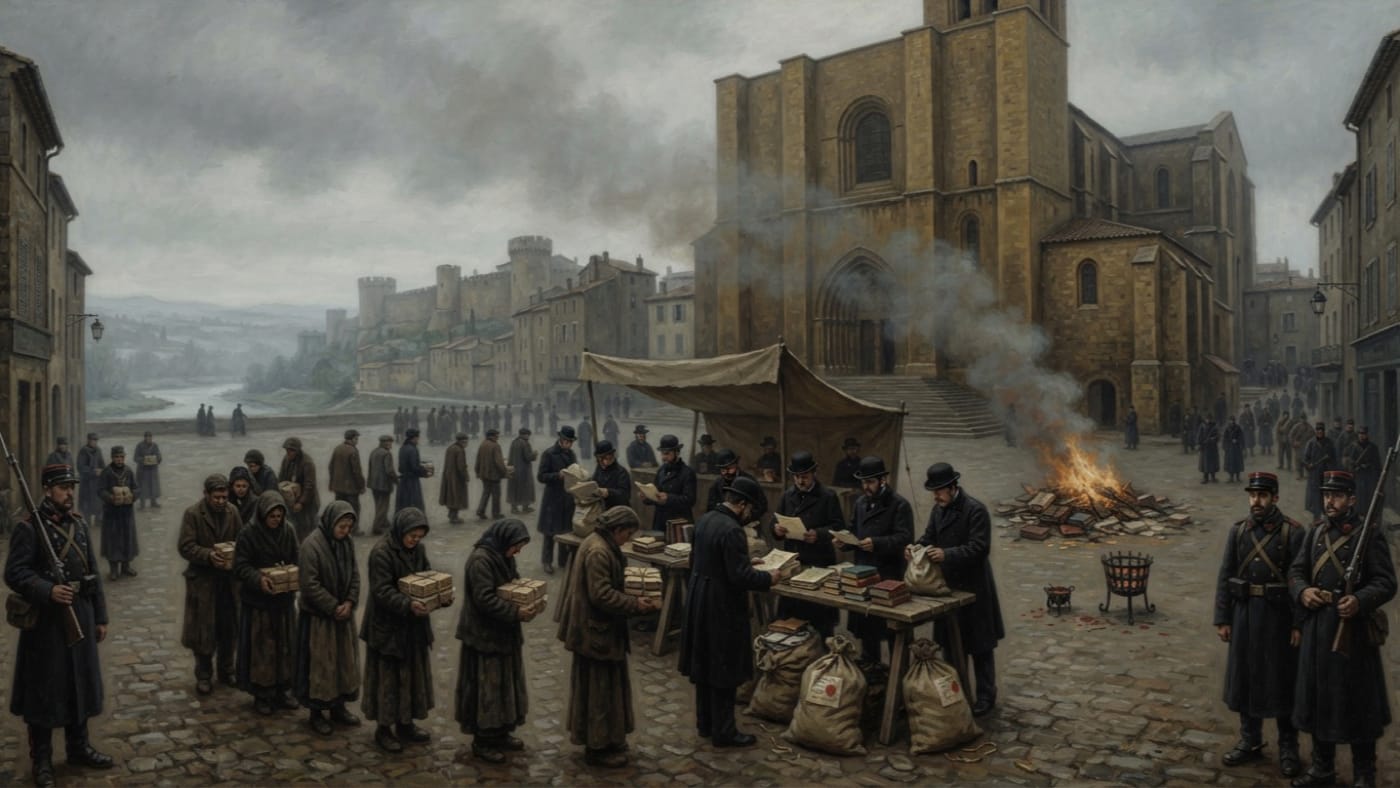
Béziers
A city named by someone else's confession
Béziers entered the Toulouse Hunts in A.S. 93 through a confession taken at Carcassonne. Purity retained the name; the surviving record supplies no separate local reckoning.
Codex Ref. II.1.10-093
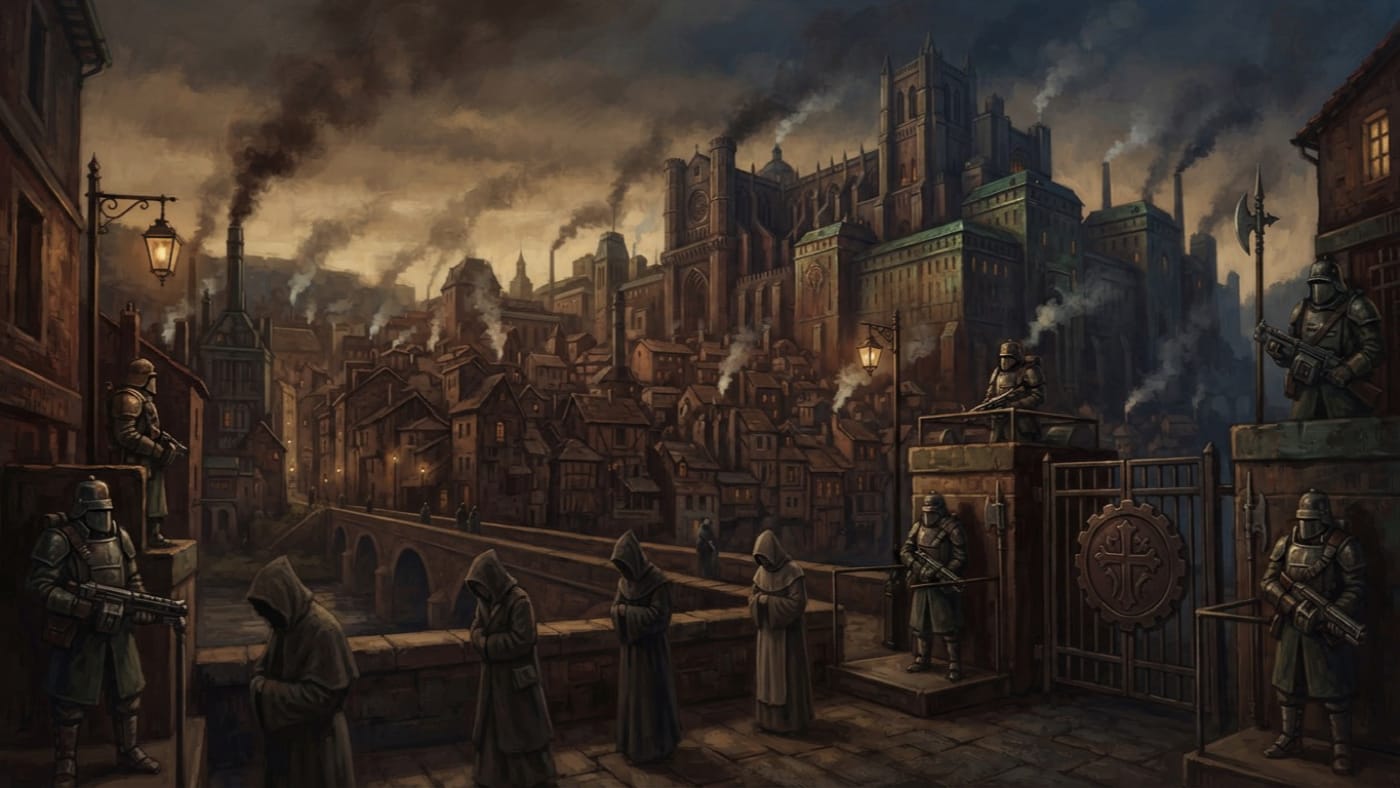
Cahors
Named elsewhere, retained forever
Cahors entered the Toulouse file in A.S. 93 through Carcassonne's confession. No local offence is established; the Bureau retained the address.
Codex Ref. II.1.09-093
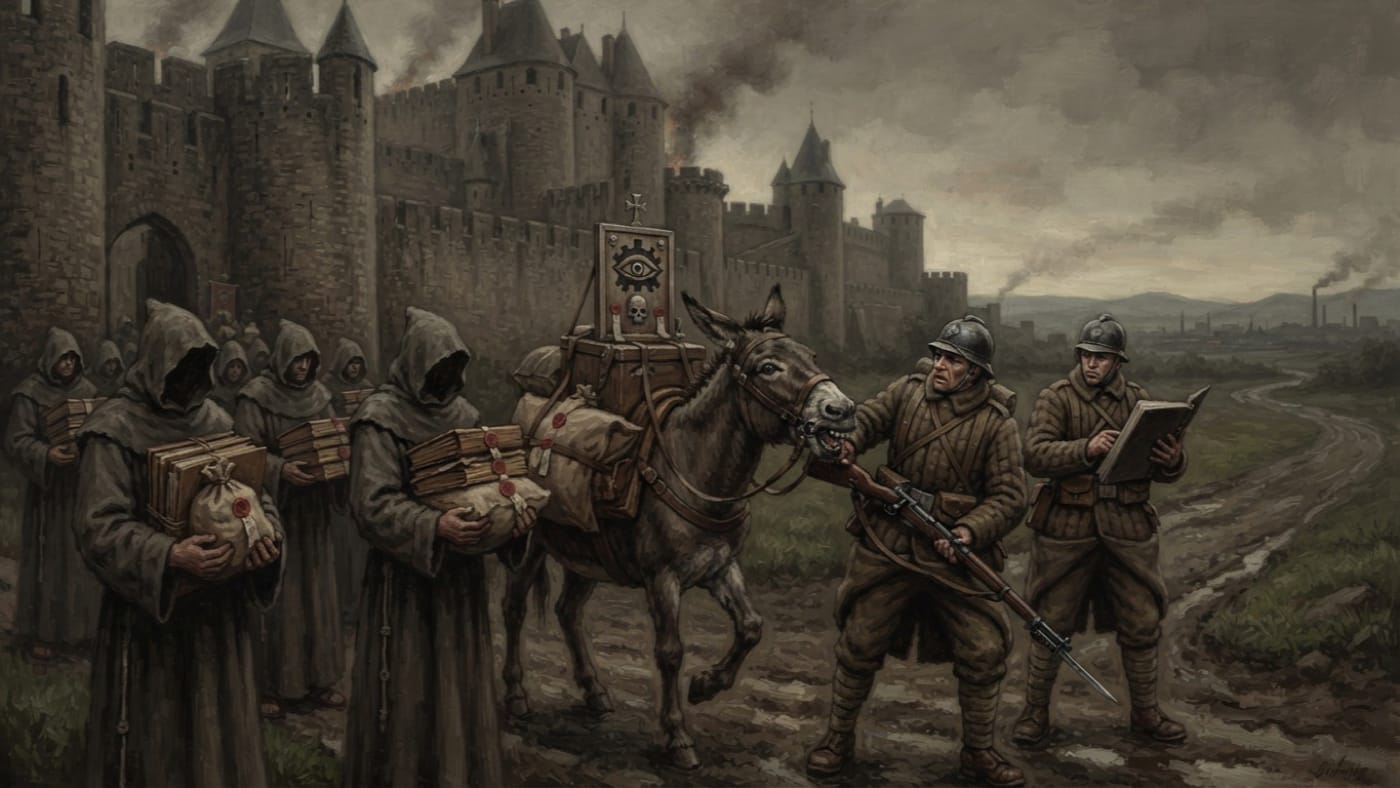
Carcassonne
Names outward, forbidden paper back
Carcassonne sent names outward and forbidden paper back to Toulouse. Purity enlarged its reach and its Index; Bernard the mule supplied the teeth.
Codex Ref. II.1.09-093
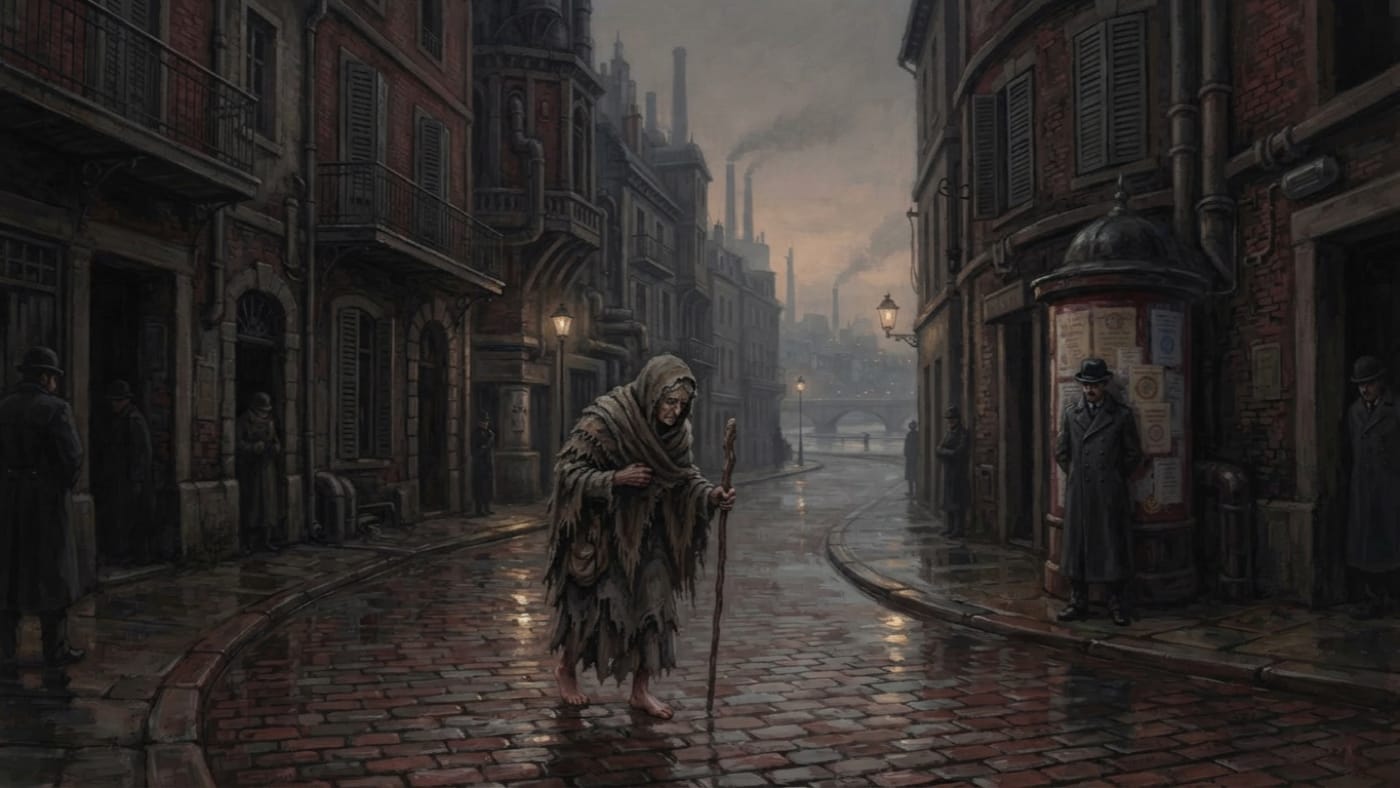
Crone of Patience
The woman who keeps walking through an unclosed file
Condemned as the Second so-called Virtue General, the Crone of Patience remains an unproven attribution: an old woman walks Toulouse while Shadows pays to watch.
Codex Ref. III.2.01-052

De Subtractione Misericordiae
Three pages read; the fourth carries a window
I read three pages of Purity's proposal for removing heretics without procession, trial, proclamation or corpse. A rectangle cut from the fourth explains its mercy rather well.
Codex Ref. XI.6.02-001
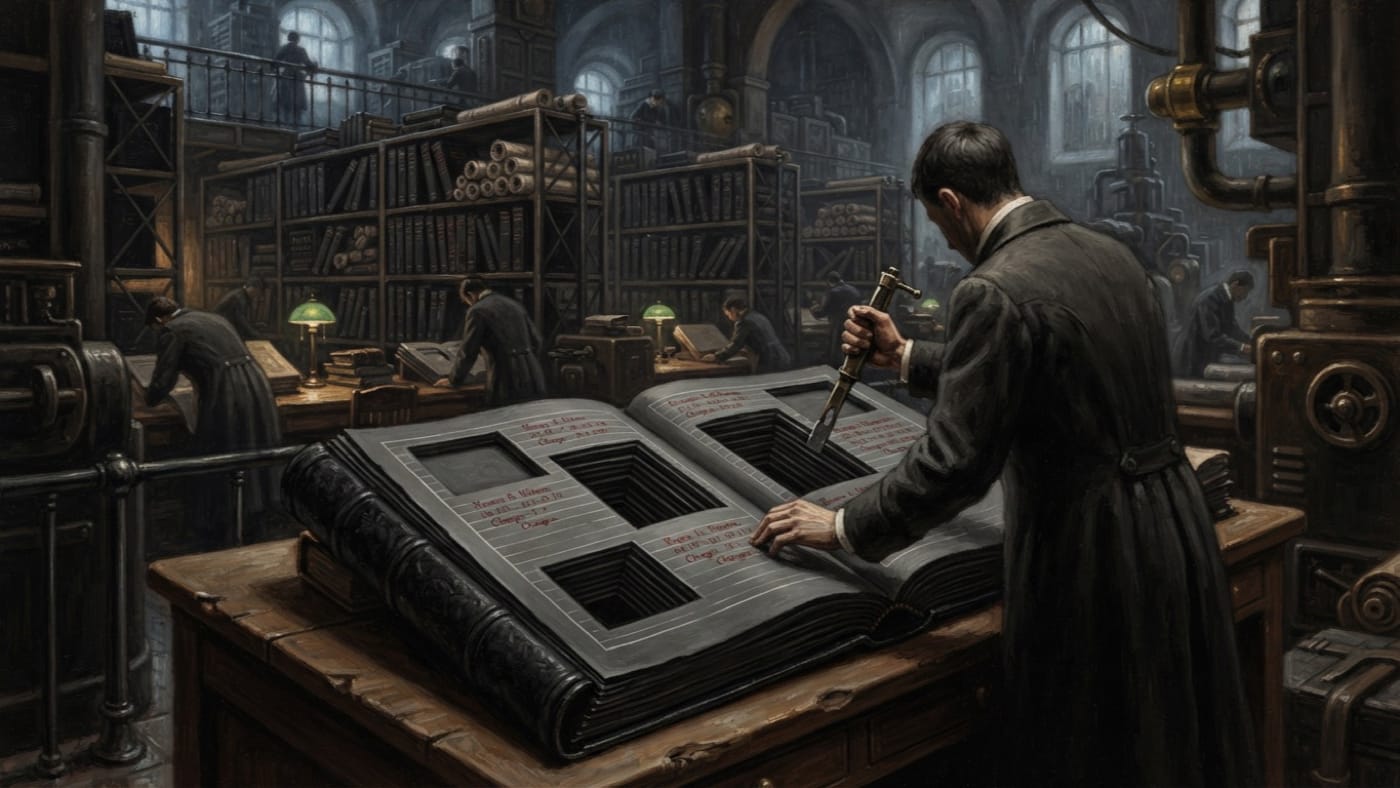
Extraction Folio
The name remains. The evidence leaves with the knife.
The Shroud keeps the name and cuts away the evidence. Its black-bound Extraction Folios count disappearances; Records makes the rolls agree and charges the household for the correction.
Codex Ref. XIII.1.29-002
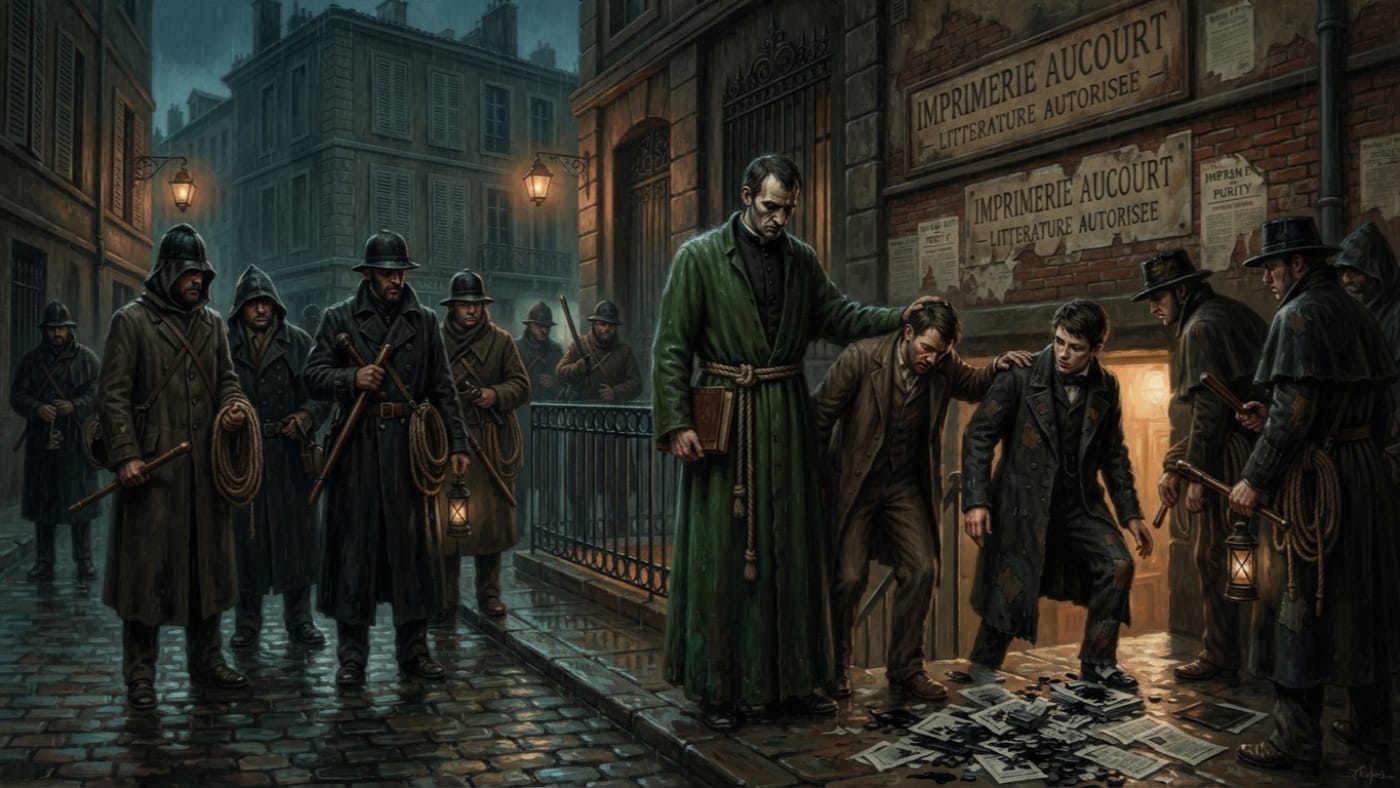
Father Ostel of Narbonne
The priest remembered by his robe
Father Ostel served in the A.S. 93 Toulouse Hunts in a green robe of claimed liturgical inheritance. Drax reports the sketches suppressed; the rest of the man escaped the file.
Codex Ref. III.2.01-093
Fifth Seal of Faith
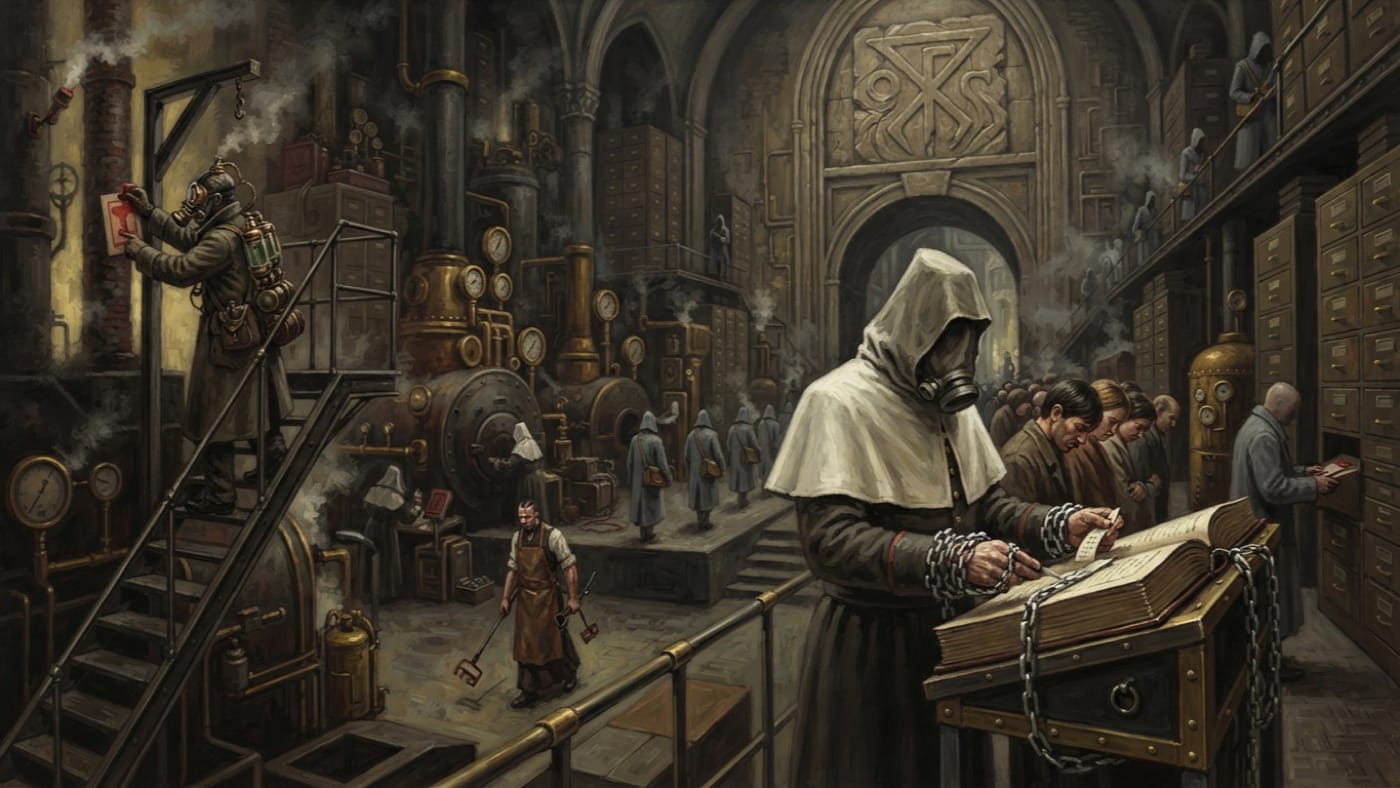
The prohibition arrives before the definition
The Fifth Seal governs Purity: forbidden speech, indexed forms, and the Inquisition. Strasbourg constituted it in A.S. 90; the definition of impurity remains pending while enforcement proceeds.
Codex Ref. XIII.1.05-005
Foix
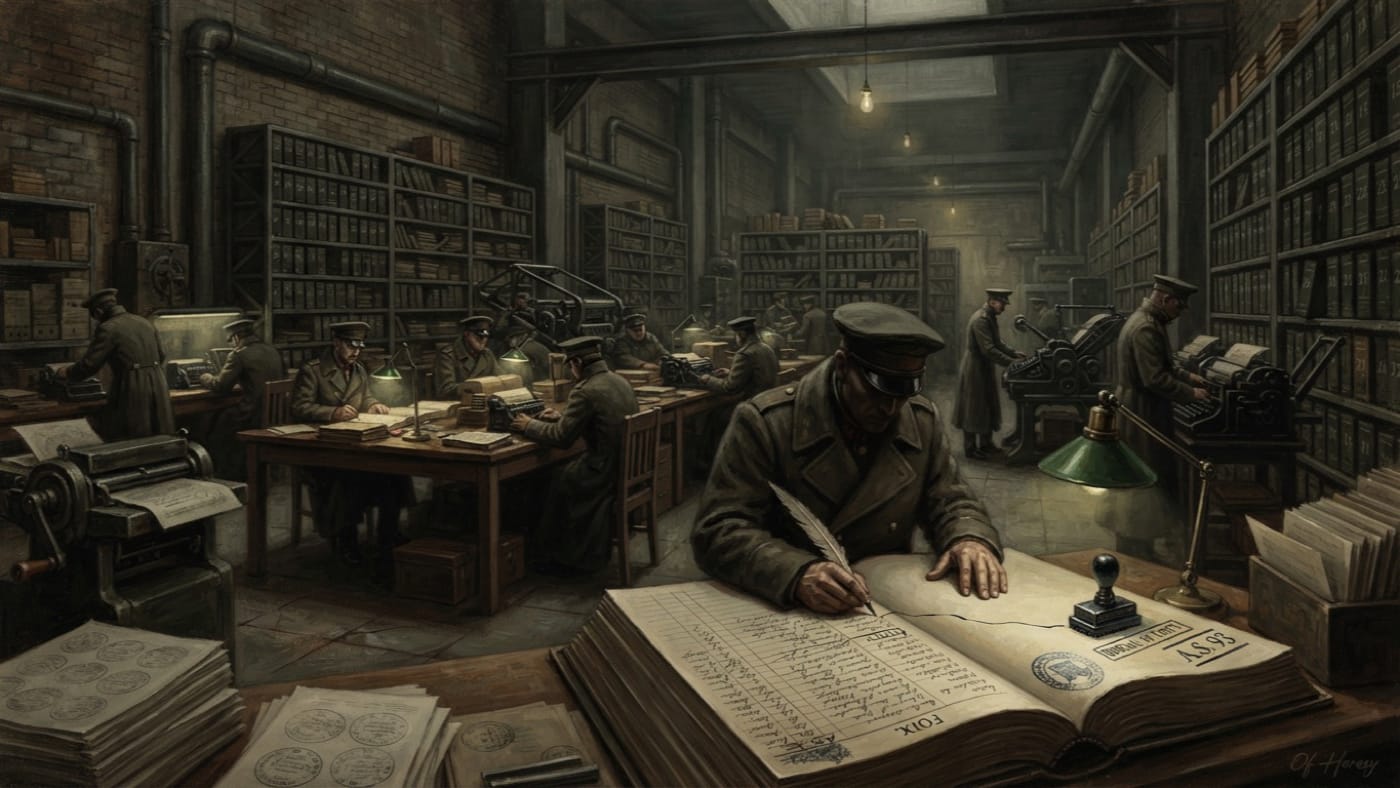
Named, included, not proved
Foix entered Purity's Toulouse file in A.S. 93 because Carcassonne named it. No local offence is cited. A town requires no proven guilt to become a permanent entry.
Codex Ref. II.1.09-010
Hierarch of Purity
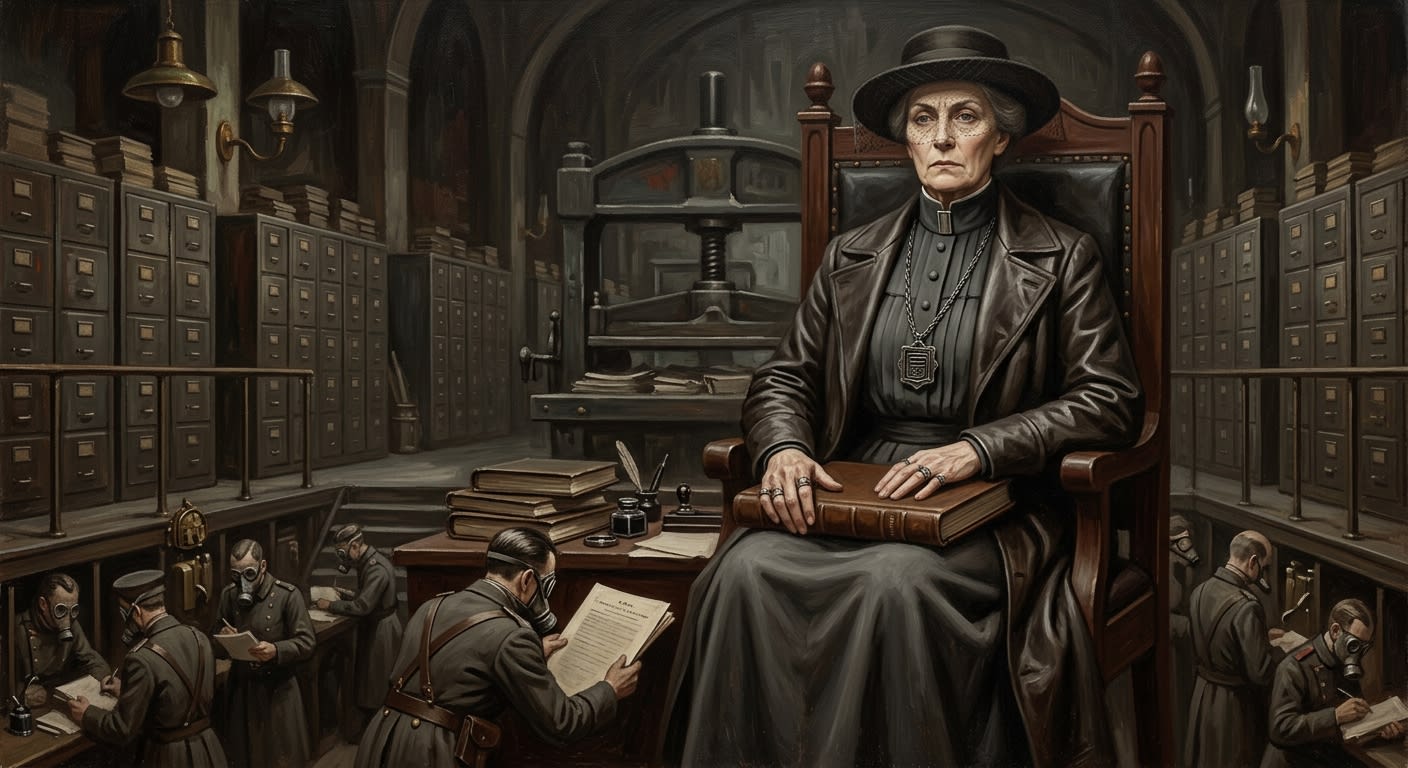
The silence before confession has a chair and wears white
The unnamed current holder of the Fifth Seal commands Purity, the Inquisition, and the administrative terror by which impurity becomes whatever her silence permits.
Codex Ref. III.2.01-072
Inquisition
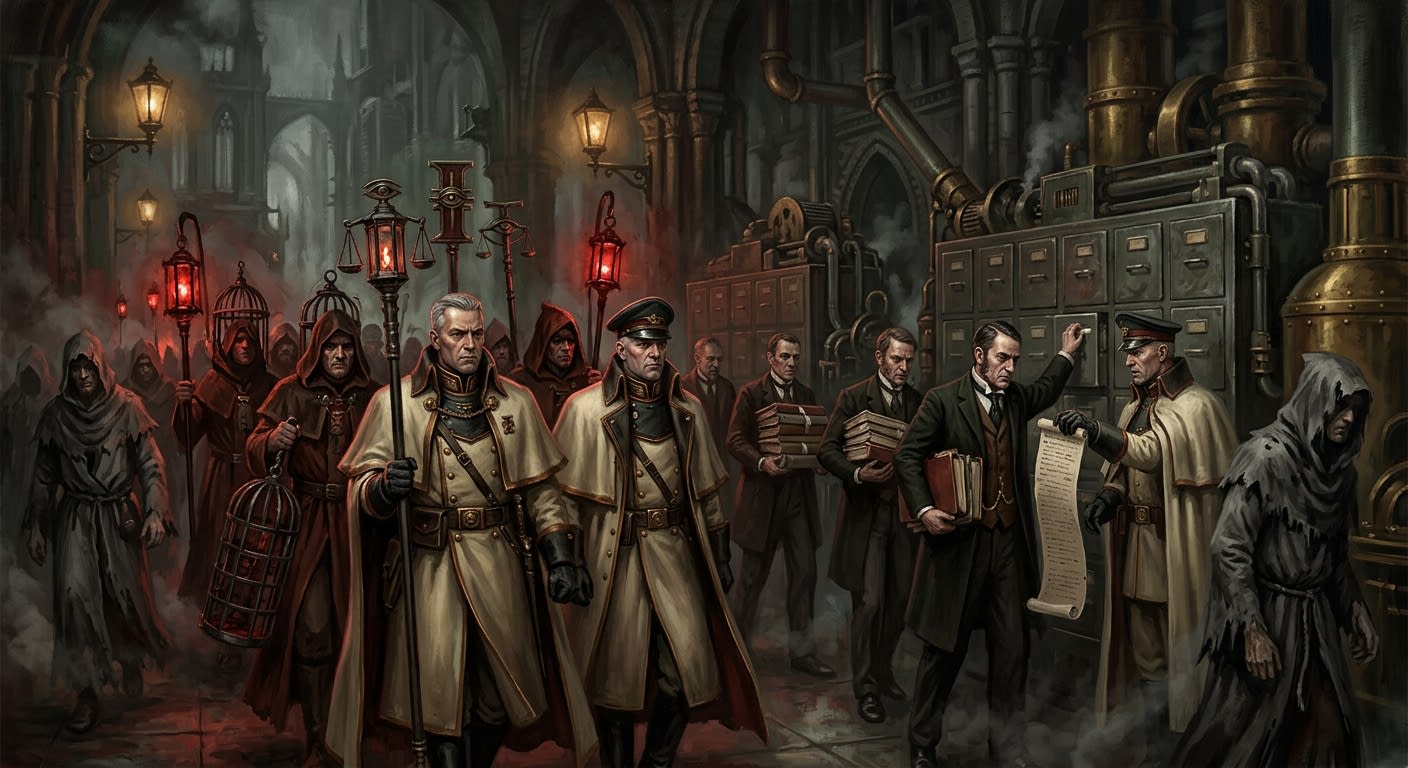
The white hand closes with a receipt
The Inquisition is Purity's authorised appetite for correction: White Cloaks, Lictors, Red Lanterns, Ashmen, Shadows, Index packets, denunciation law, and the clerkly miracle by which fear learns to file itself.
Codex Ref. VIII.1.08-093

Inquisitorial Corps
The street sees one mantle; the ledger holds the Corps
Behind each white mantle stands a district of rolls, seized words, and inspected chains. I record the Corps that turns forbidden speech into cases, corrections, and silence.
Codex Ref. XII.49.02-001
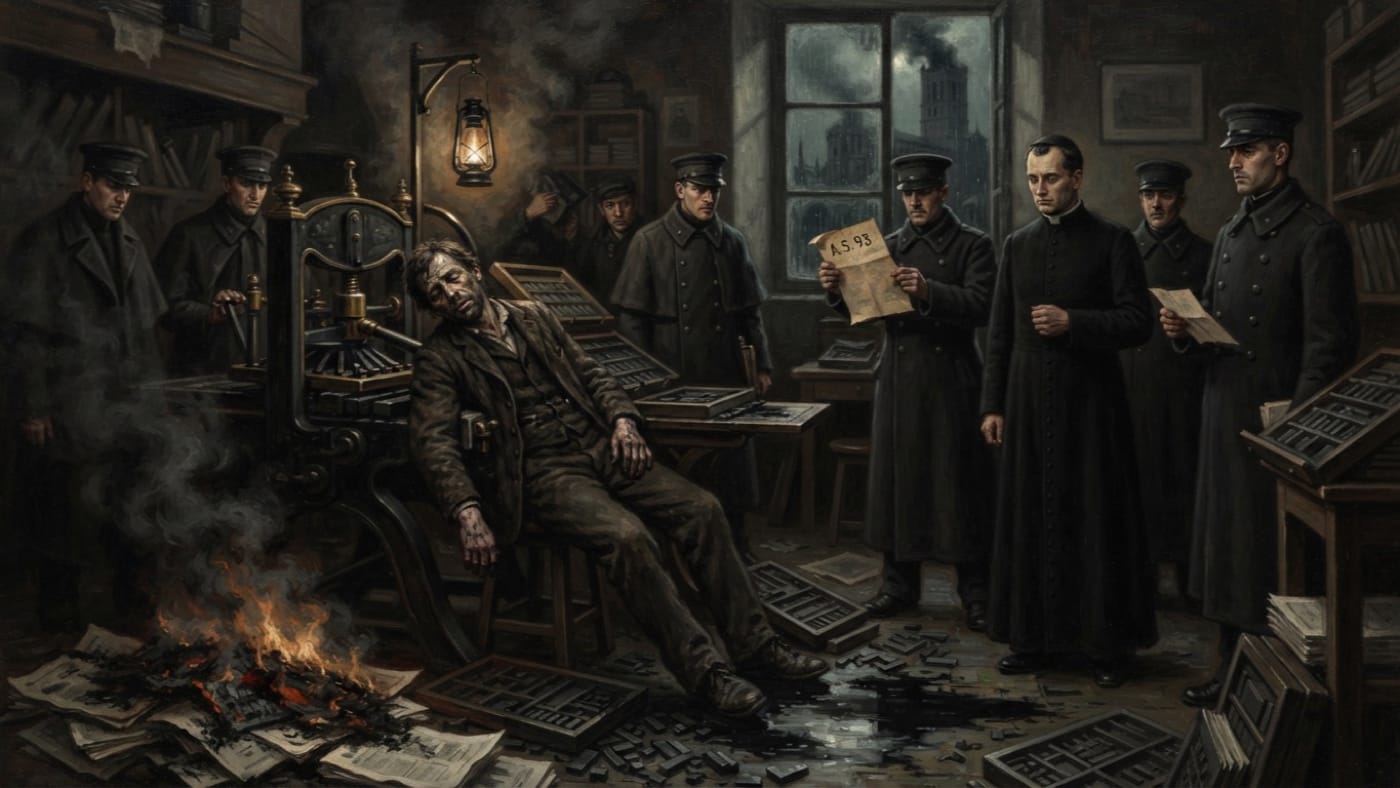
Maël Aucourt
The printer whose file outlived the man
Maël Aucourt hid Rationalist arguments among lawful notices. His A.S. 93 warrant opened the Toulouse Hunts; Purity preserved his offence more carefully than his life.
Codex Ref. III.2.01-093

Mandatum Candoris
The decree by which terror learned to wear white
Hildegarde of Mainz's A.S. 62 decree requiring visible white mantles for Bureau of Purity field agents, making correction legible before it struck.
Codex Ref. XIII.1.88-062
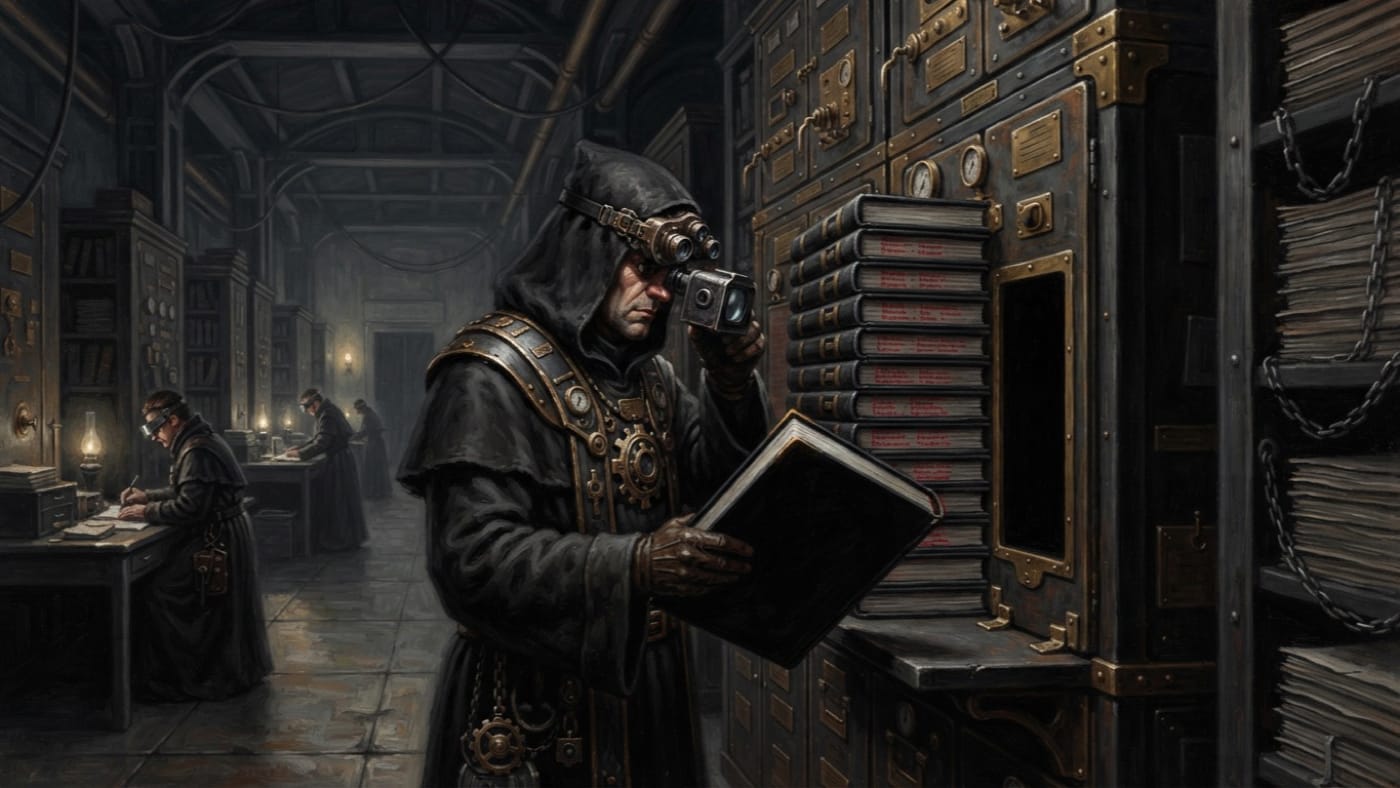
Mercy of No Martyrs
The Church is spared a martyr; the household is spared nothing
The Priors call it mercy: the condemned vanish, the Church keeps their names, and households may grieve only for somebody else.
Codex Ref. XIII.1.06-001
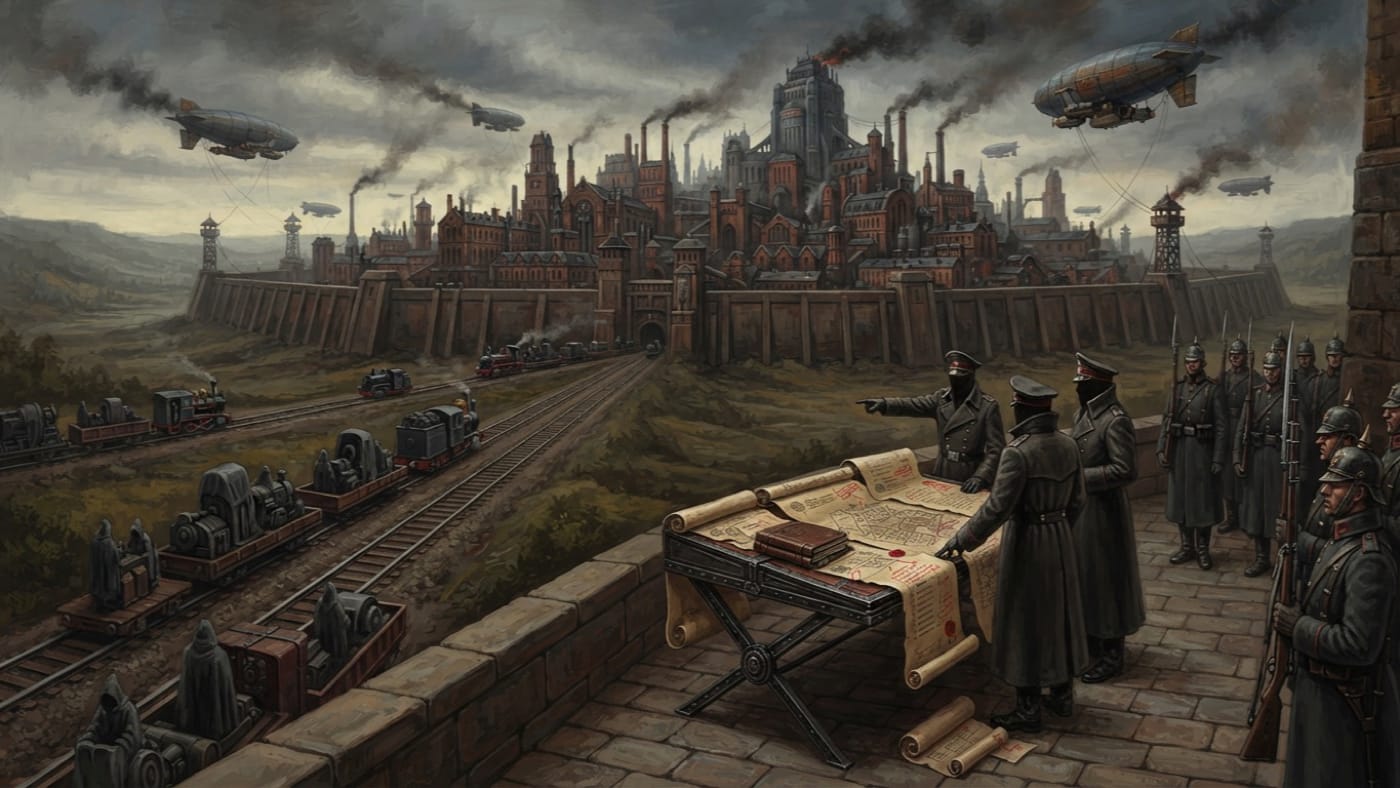
Montauban
The city made answerable by a name
Montauban entered Purity's Toulouse docket in A.S. 93 because Carcassonne named it. The file preserves no local testimony; the Bureau counts the city cleansed.
Codex Ref. II.1.09-093
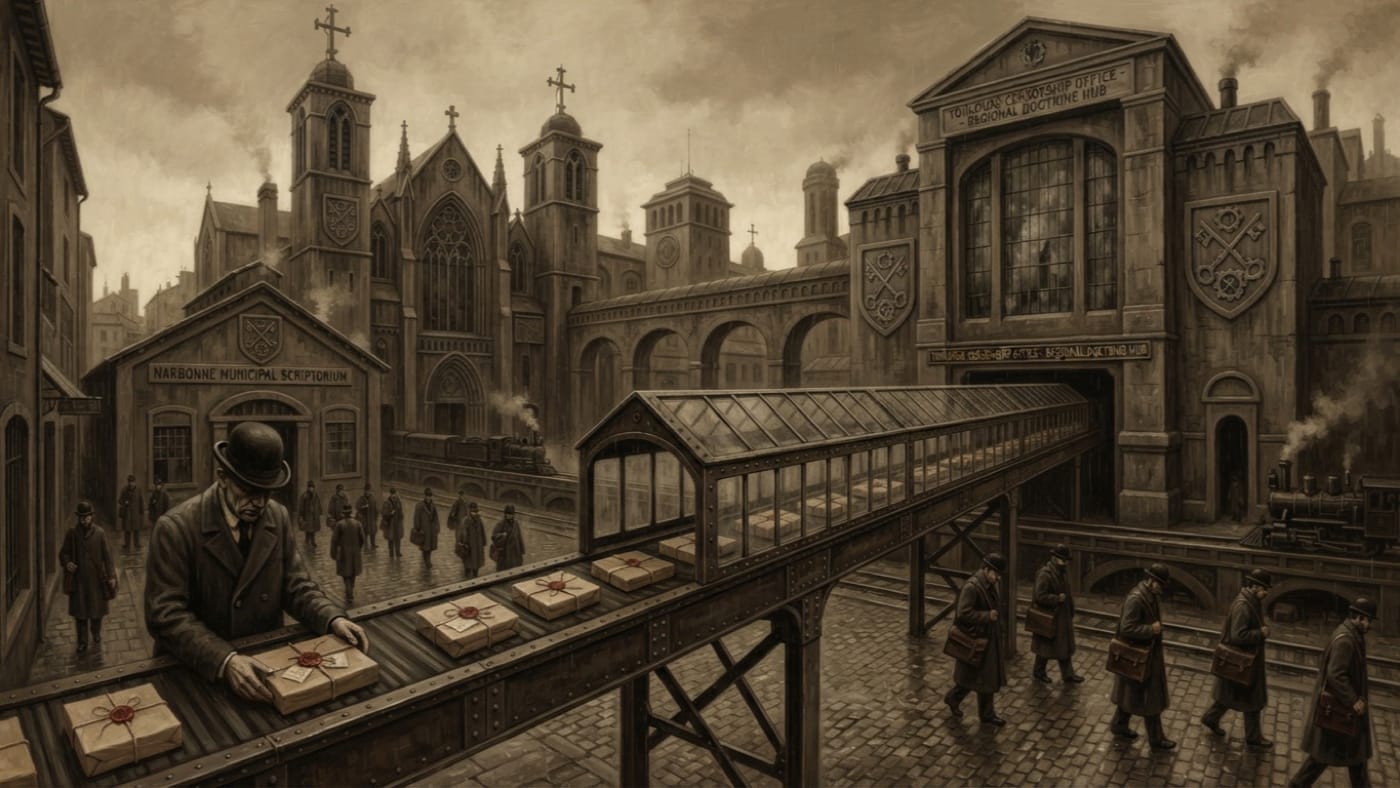
Narbonne
Named at Carcassonne, read at Toulouse
Narbonne entered the Toulouse file by confession in A.S. 93. In A.S. 201 its school primers travel there by routine post. Obedience has learned to wrap its own parcels.
Codex Ref. II.1.09-093
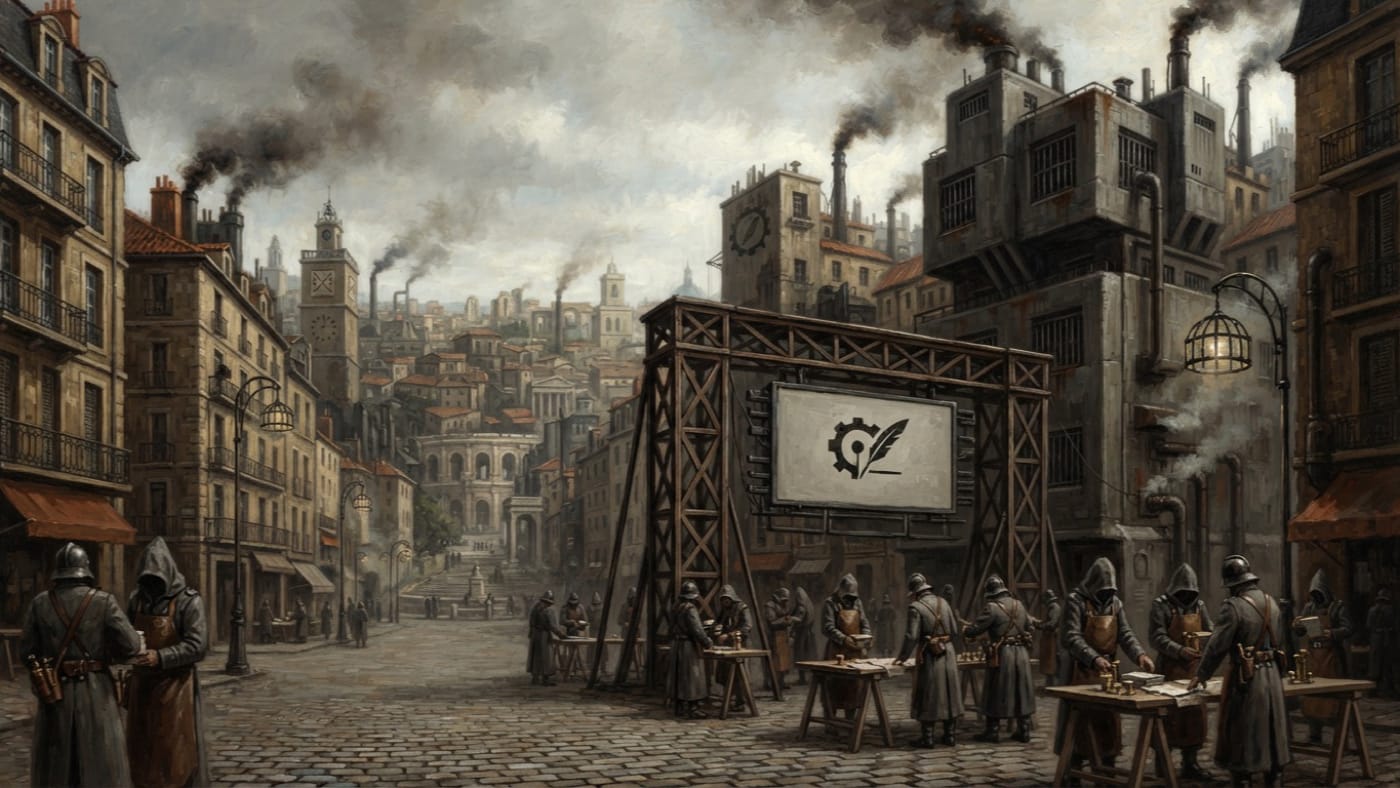
Nîmes
A city given a column before a case
Nîmes entered Purity's A.S. 93 Toulouse dossier because Carcassonne named it under interrogation. The city received a column; this file establishes no local offence.
Codex Ref. II.1.09-009
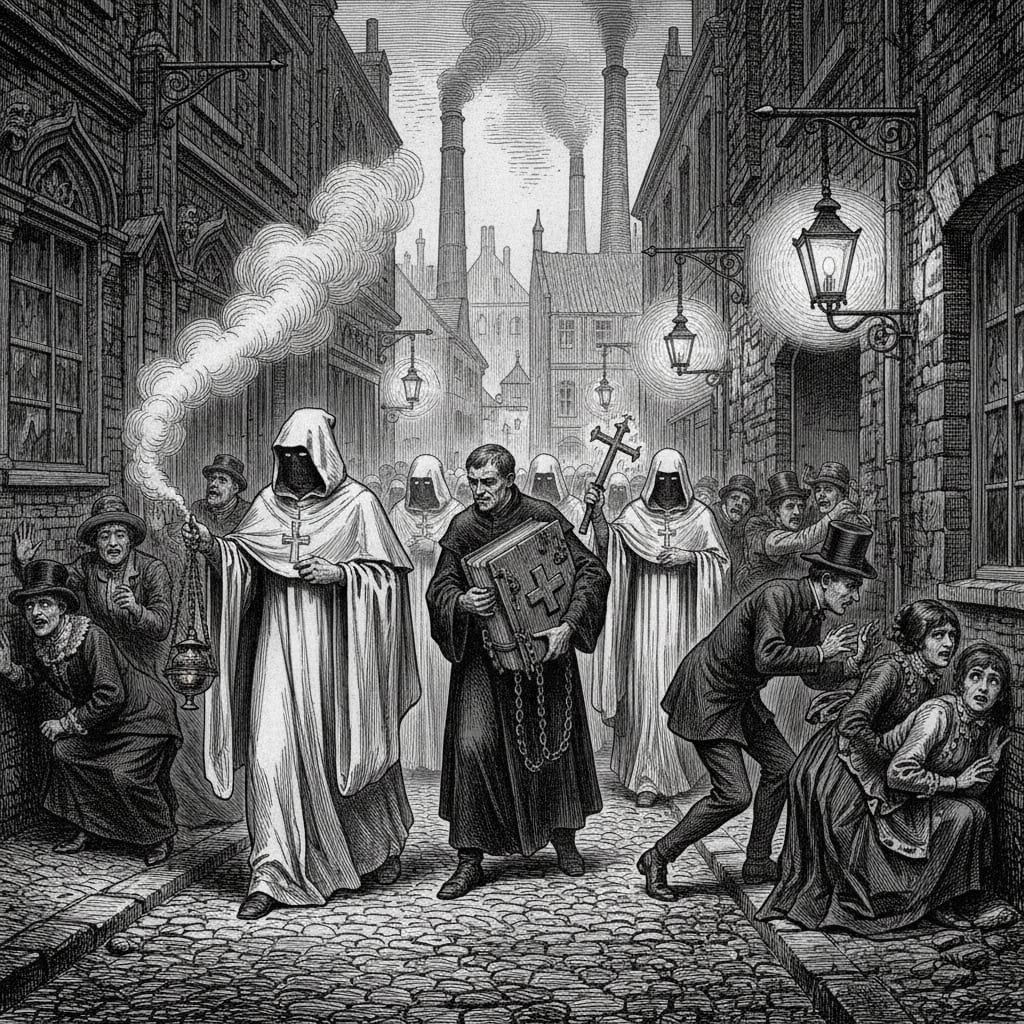
The Bureau of Purity
The White Cloaks Are Watching
The most feared organ of the Synod. Born in the Witch-Hunts of Toulouse, keepers of the Index Damnatus, enforcers of everything Doctrine defines and everyone else regrets. Where they walk, the air tastes of censer-smoke and branded confession.
Codex Ref. III.3.02-001
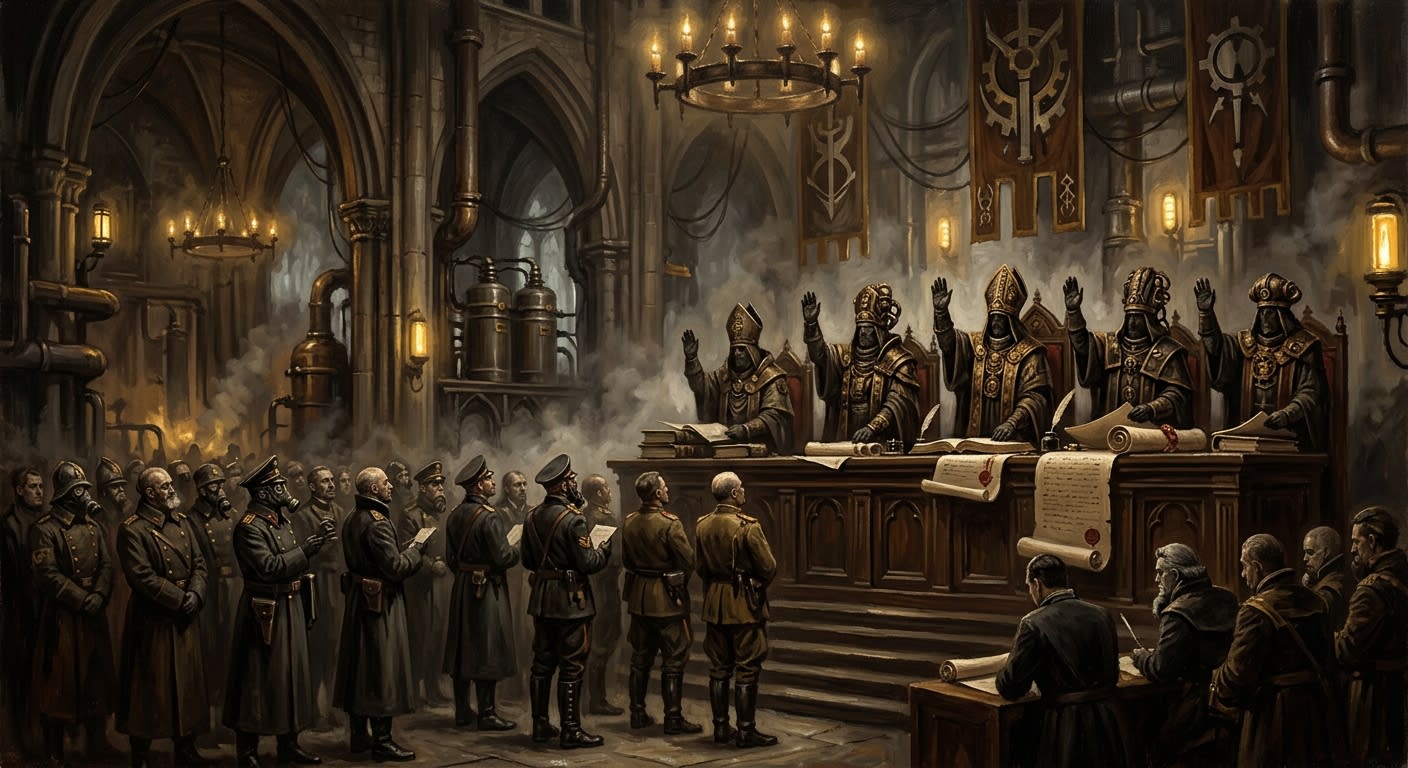
The Council of Mainz
Where law learned to cheer on command
The Council of Mainz confirmed the first seven Hierarchs in A.S. 93, turning Concordat law into staged acclamation, ratified offices, and obedient witnesses.
Codex Ref. VII.7.02-001
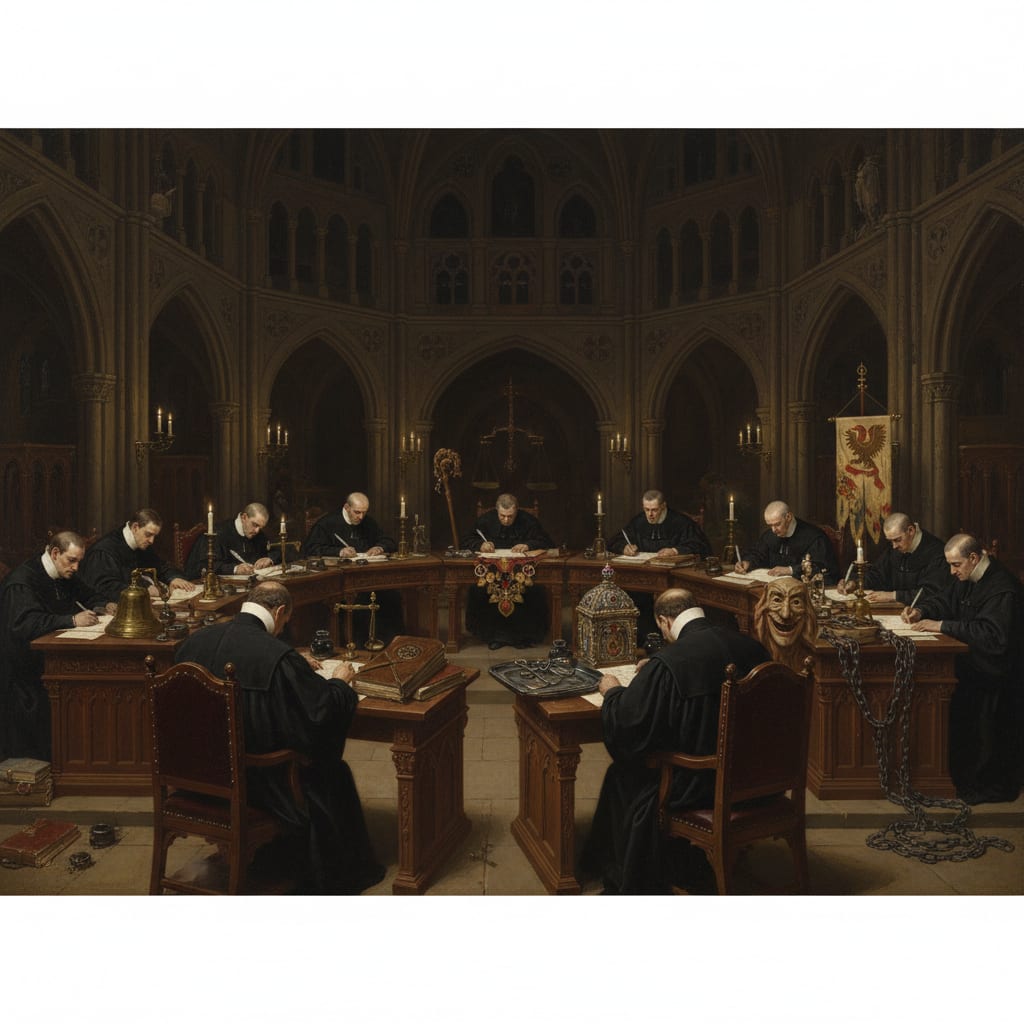
The Holy Bureaus
Twelve Instruments of Providence, or Thirteen If You Count the One That Does Not Exist
The twelve sacred organs through which Strasbourg bends a continent to its will. Each Bureau claims a charism of governance descended from the Apostolic Sundering. Their clerks are legion, their archives endless, their contradictions — by design.
Codex Ref. III.3.01-001
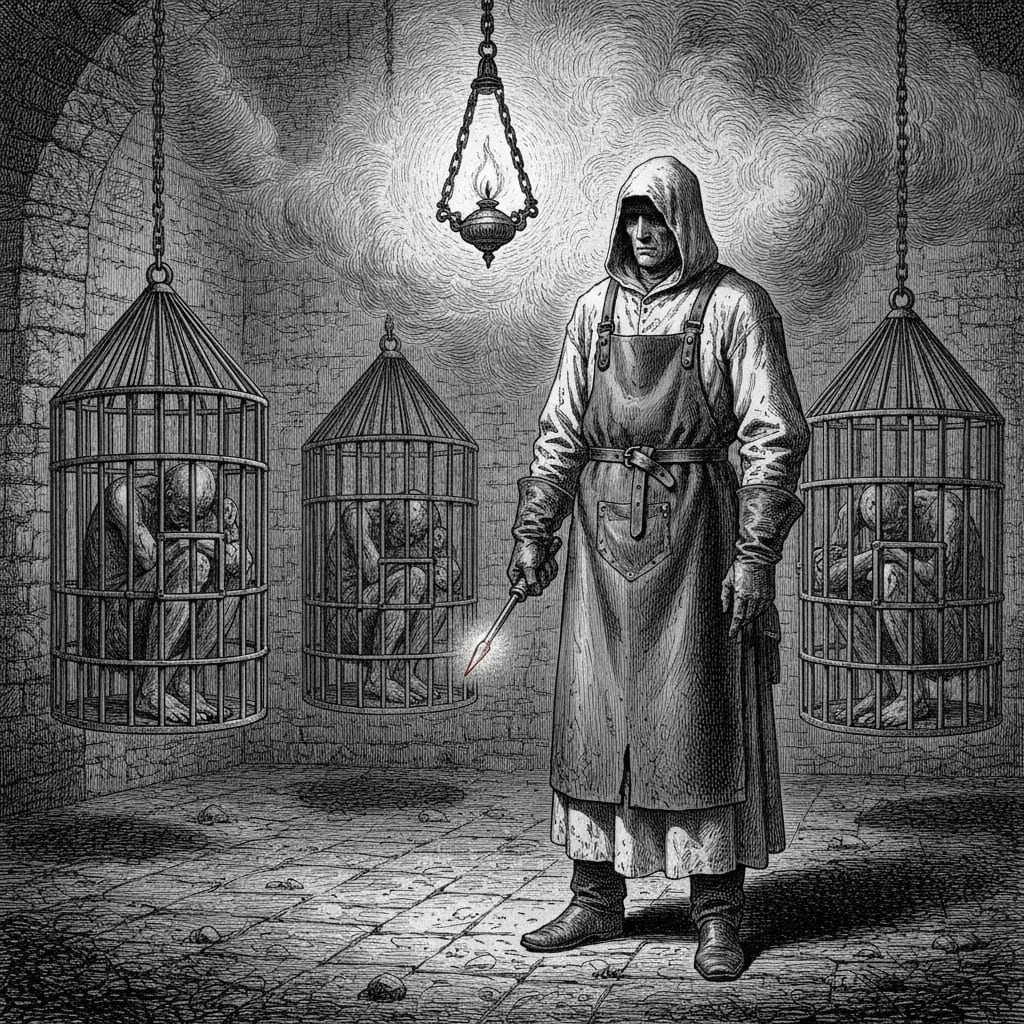
The Lictors of Purity
The Fingers That Write in Flesh
The Bureau of Purity's flesh-interrogators — those who brand confession into living skin, who carry the brazier and the stylus, and who have elevated punishment to a form of calligraphy the Bureau of Doctrine cannot help but admire.
Codex Ref. III.3.02-004
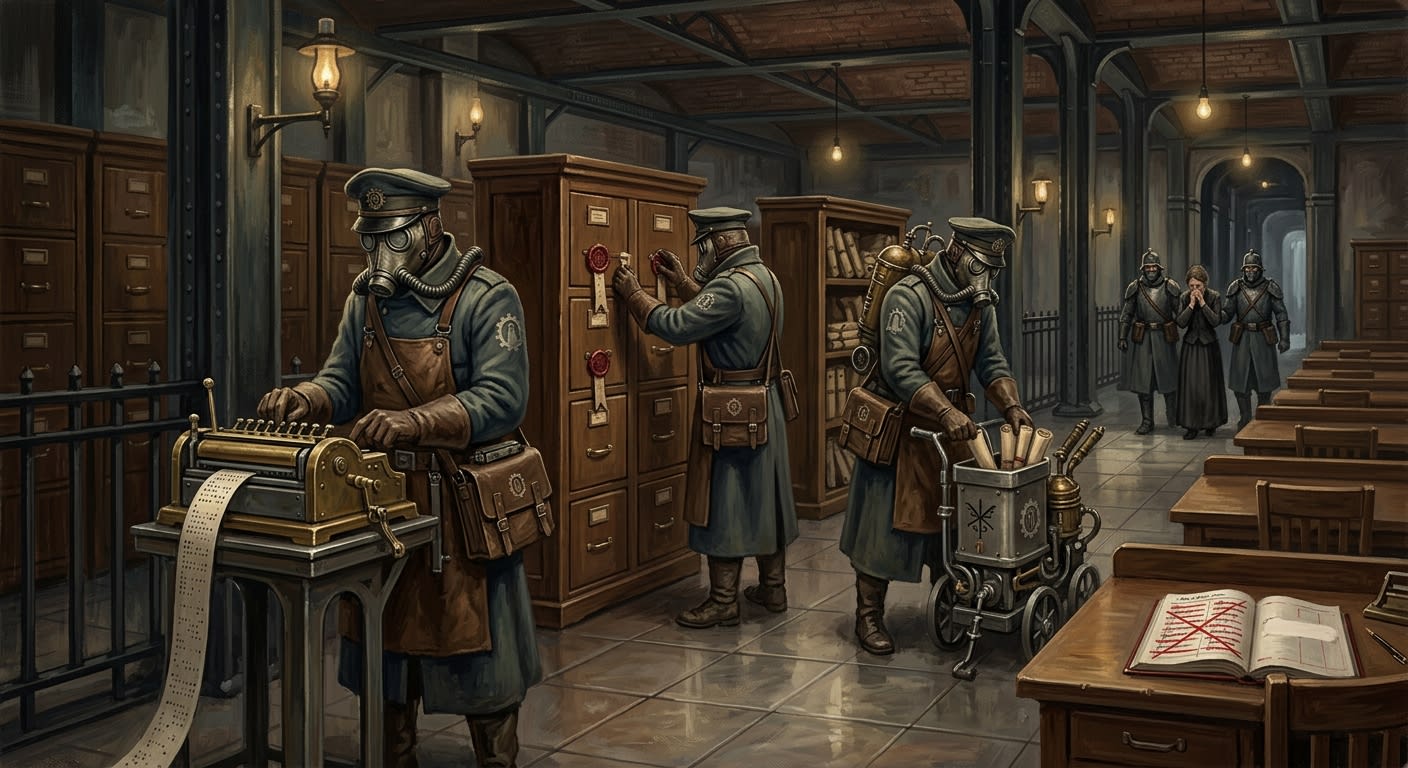
The Order of the Shroud
The mercy of no martyrs, delivered by black wagon
The Shroud does not burn heretics into warnings. It removes them into arithmetic, leaving tidy rooms, corrected rolls, and grief without permit.
Codex Ref. XI.6.01-001
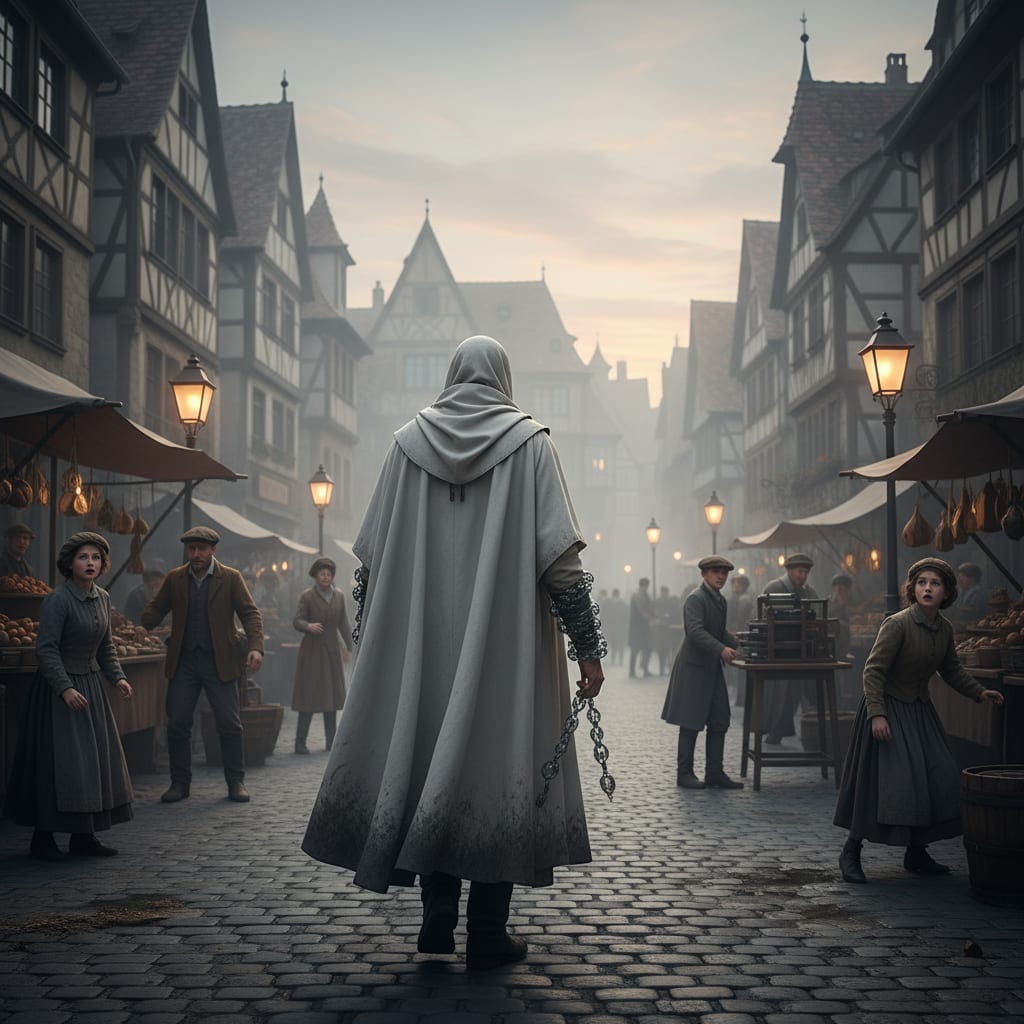
The White-Mantled Inquisitor
The Bureau does not silence speech; it teaches the population to do it themselves
Bureau of Purity's language constables — Chalklings, Mantle Examiners, Chainmasters, and Glass-Canons — charged with containing unregistered speech, enforcing the Index Claritatis, and hunting the phrases that make the chain sing.
Codex Ref. XII.49.01-001
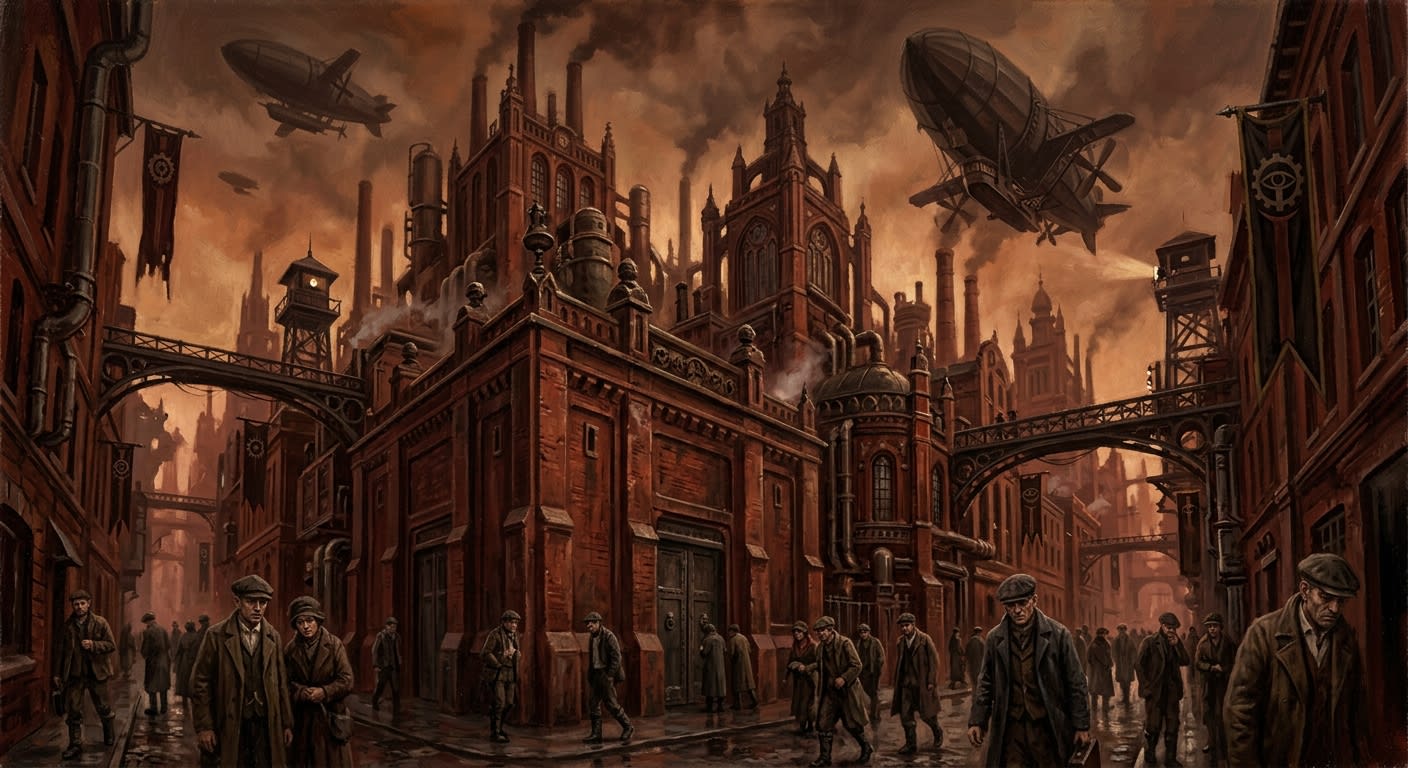
Toulouse
The safe city where Purity learned its grammar
Toulouse is the red-brick safe city corrected in A.S. 93: birthplace of Purity's public dread, still loyal, profitable, lowered-voiced, and watched.
Codex Ref. II.1.09-093