

Reverse Index
Referencing “The Rhine Corridor”
Every codex entry that links to The Rhine Corridor. 18 entries.
Return to The Rhine Corridor
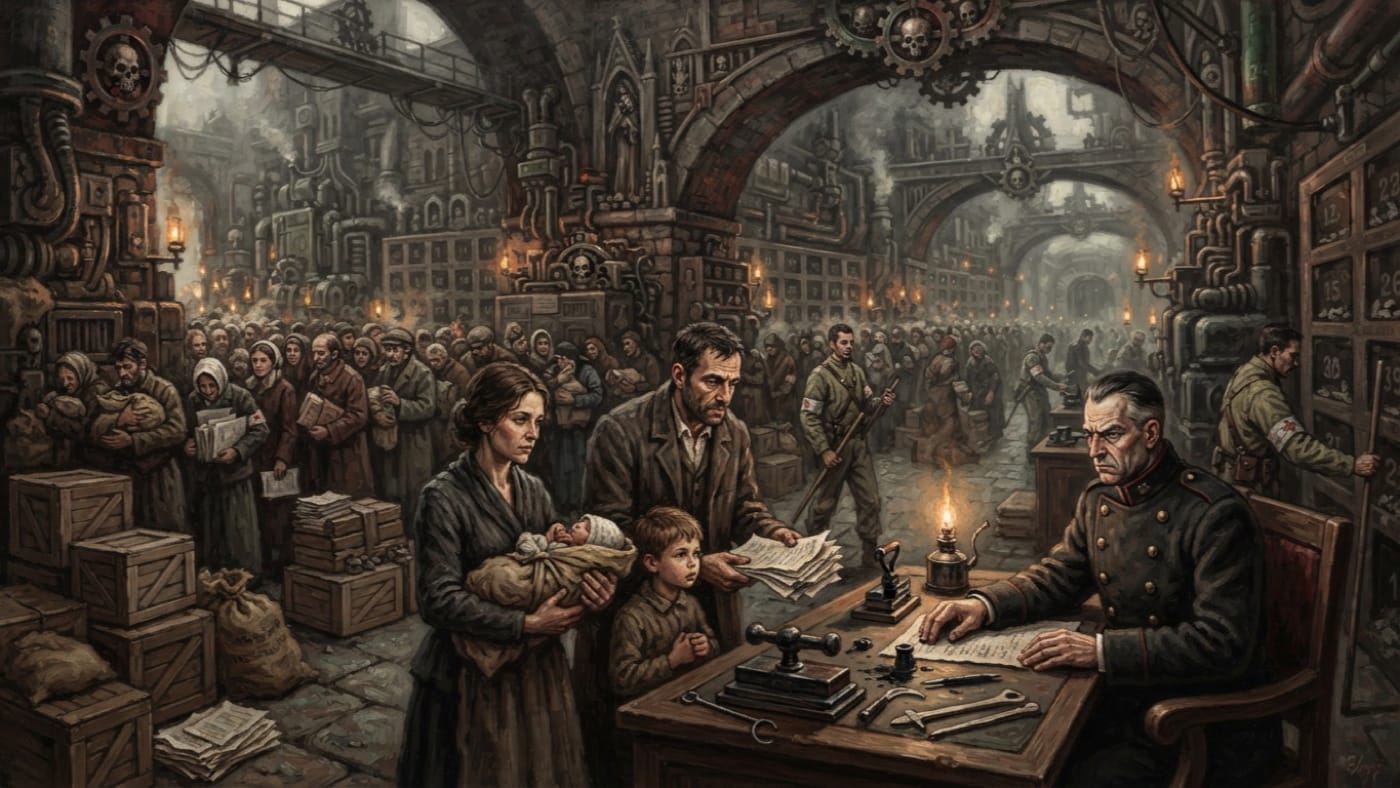
A.S. 78 Joint Classification Mandate
Five categories for the dead, one more queue for the living
The A.S. 78 emergency mandate made the dead controlled goods: five classifications, licensed mortuary clearance, and grief that could finally be billed.
Codex Ref. XIII.1.92-078
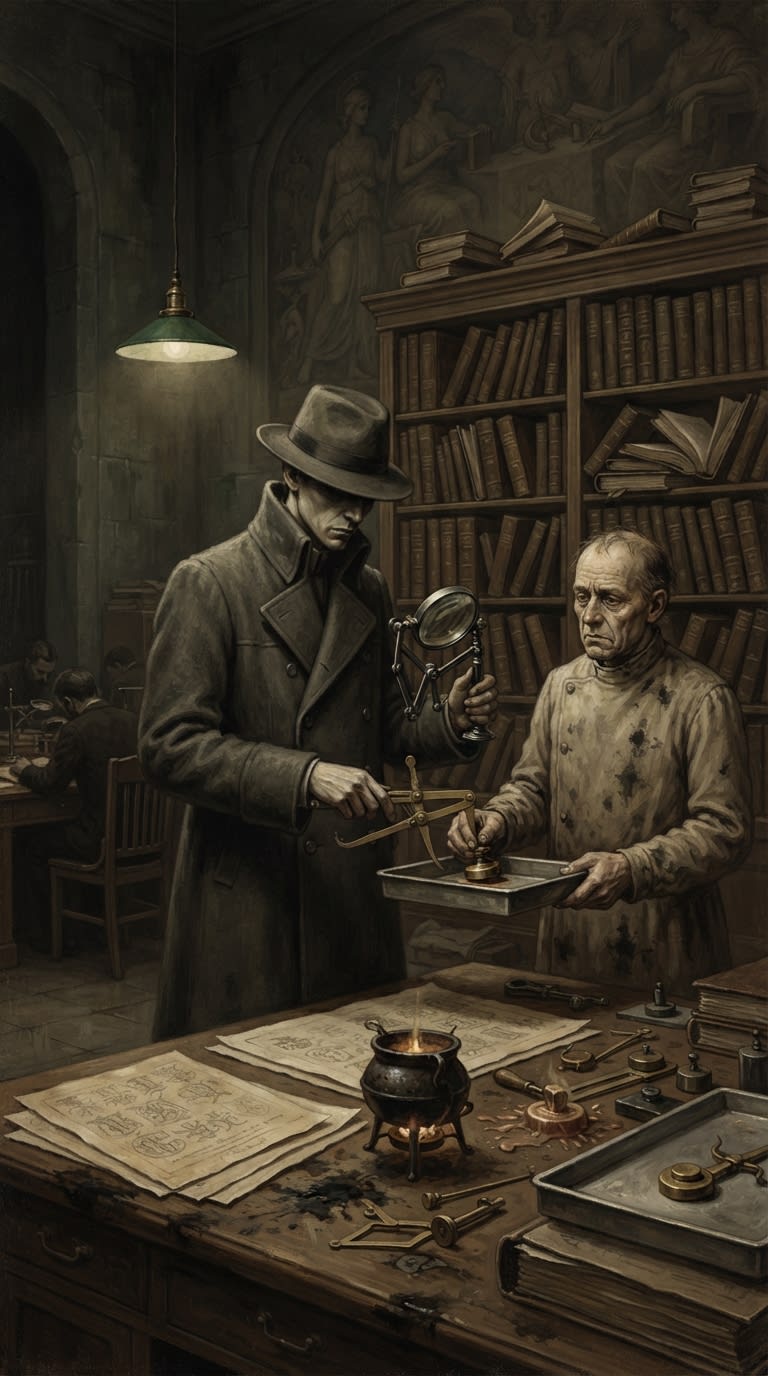
Annual Die Audit
Every lawful instrument must survive its own impression
Instituted after the A.S. 178 counter-seal embarrassment, the Annual Die Audit sends Seal-Walkers across Synod territory to weigh, strike, measure, accuse, retire, and occasionally retroactively shame every lawful seal-die.
Codex Ref. VI.4.19-178

Arno Kett
The man who made disbelief small enough to fit in a pocket
Founder of the first verifiable Silent Godless cells, author of the question-based recruitment method, and the corpse from which Doctrinal Nullification was made lawful.
Codex Ref. III.2.01-144
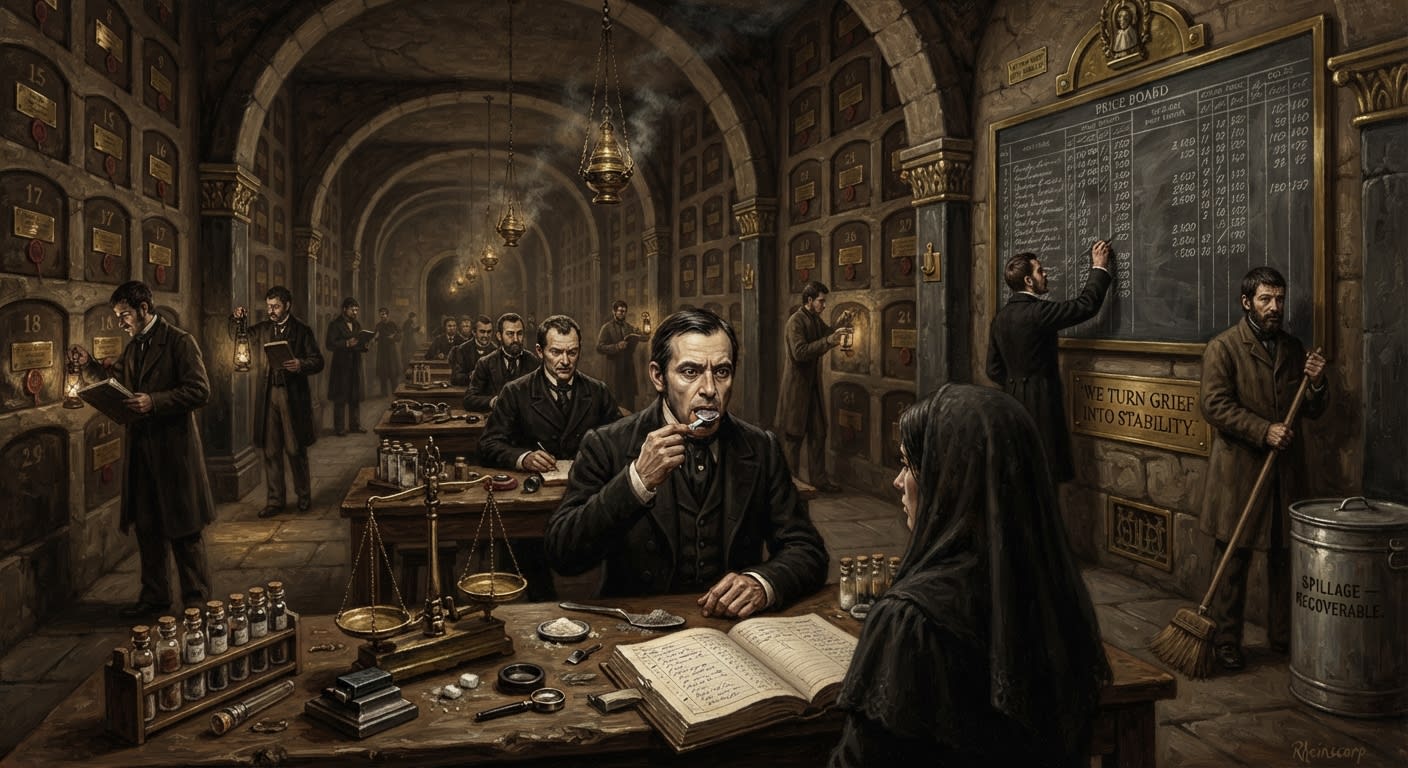
Ash Exchange of Saint Pelagia
Where grief becomes tender and the dead pay interest
Rheinscarp's seventh terrace turns the dead into collateral: cremains vaults, saint-shares, dust futures, and the cheerful arithmetic of Broker-Saintsman Damas Rohe.
Codex Ref. II.2.01-007

Canon Veyl “Iron Throat”
Louder is cleaner, said the man who made panic lawful
First commander of the Counter-Toll Corps, Canon Veyl turned Cologne's borrowed curfew into doctrine: answer hostile bells with sanctioned panic and overwhelming bronze.
Codex Ref. III.2.01-103

Counter-Seal Crisis of A.S. 178
The papers were corrected. The executions were complete.
In A.S. 178, seventeen defective counter-seals left two years of Rhine Corridor paperwork unsigned. Order 178-A restored the documents; the three executions were already complete.
Codex Ref. VI.4.19-015
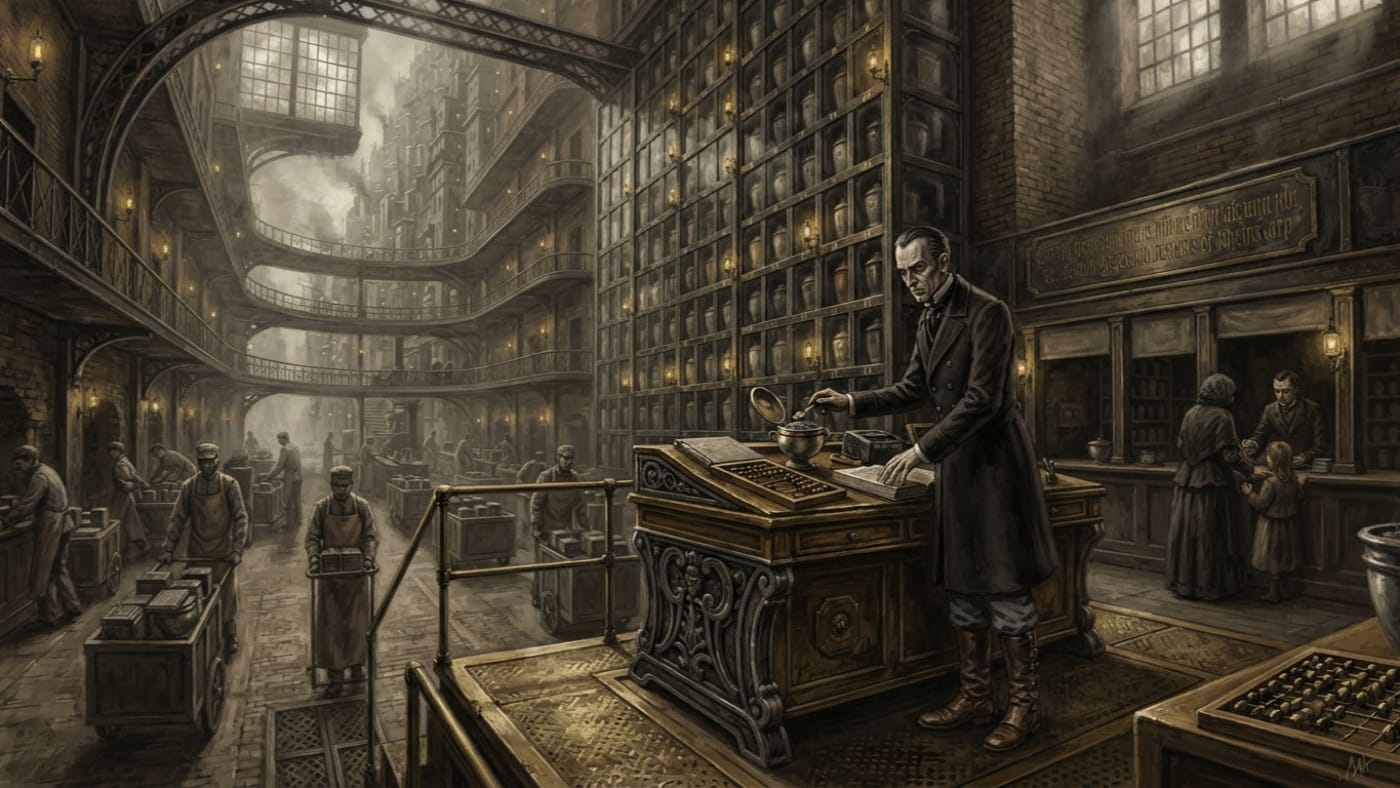
Damas Rohe
Uncle to the brokers, creditor to the dead
Broker-Saintsman Damas Rohe controls Rheinscarp's Ash Exchange, lending grain against future cremains and trading the dead. He holds no Synodal office; his collateral arrives all the same.
Codex Ref. III.2.01-201
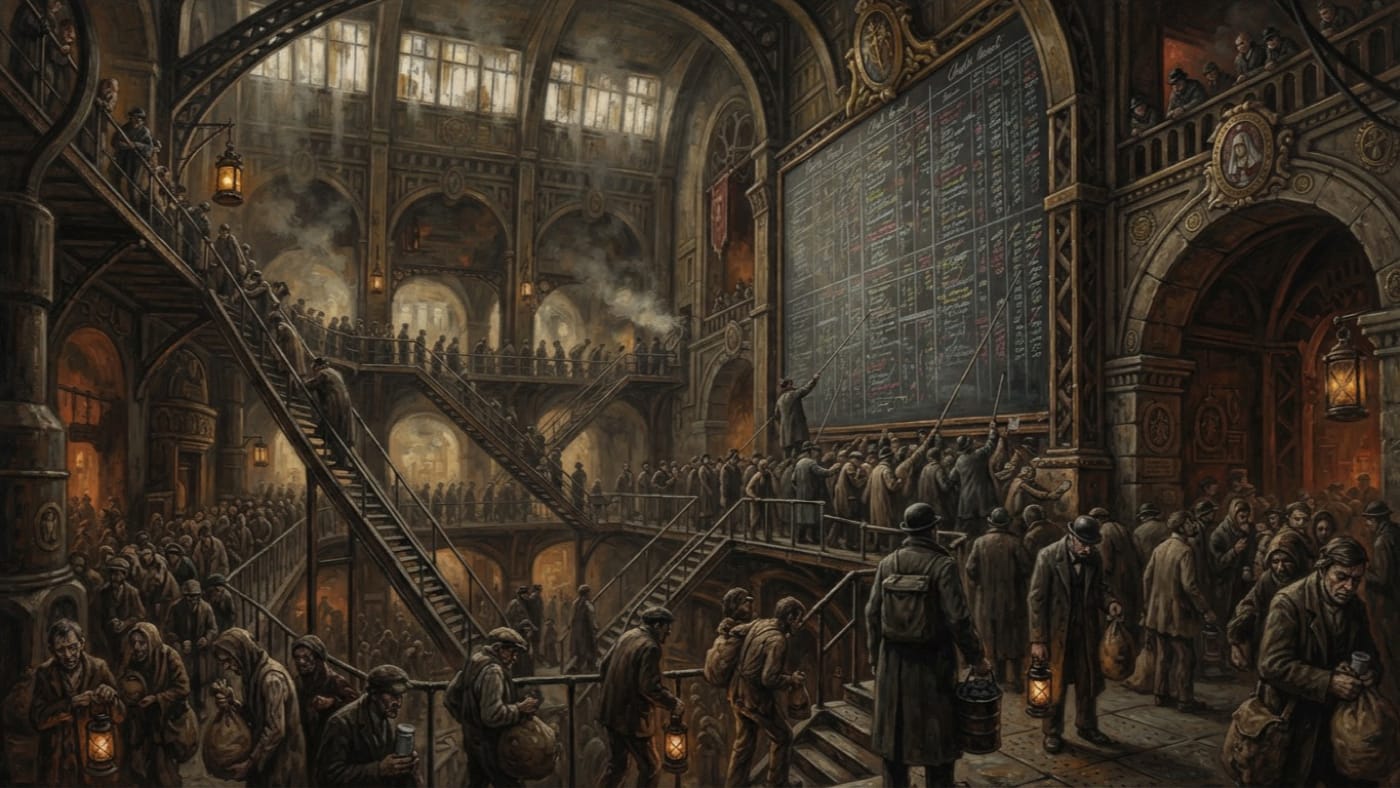
Dust Futures Scandal of A.S. 199
The claims had prices; the living had supplied no signatures
In A.S. 199, Rheinscarp's Ash Exchange was found trading futures on the cremains of living people who had signed nothing. By A.S. 201, the tranches had new names and the Tribunal had issued no ruling. A price proved easier to obtain than a signature.
Codex Ref. VII.2.01-199
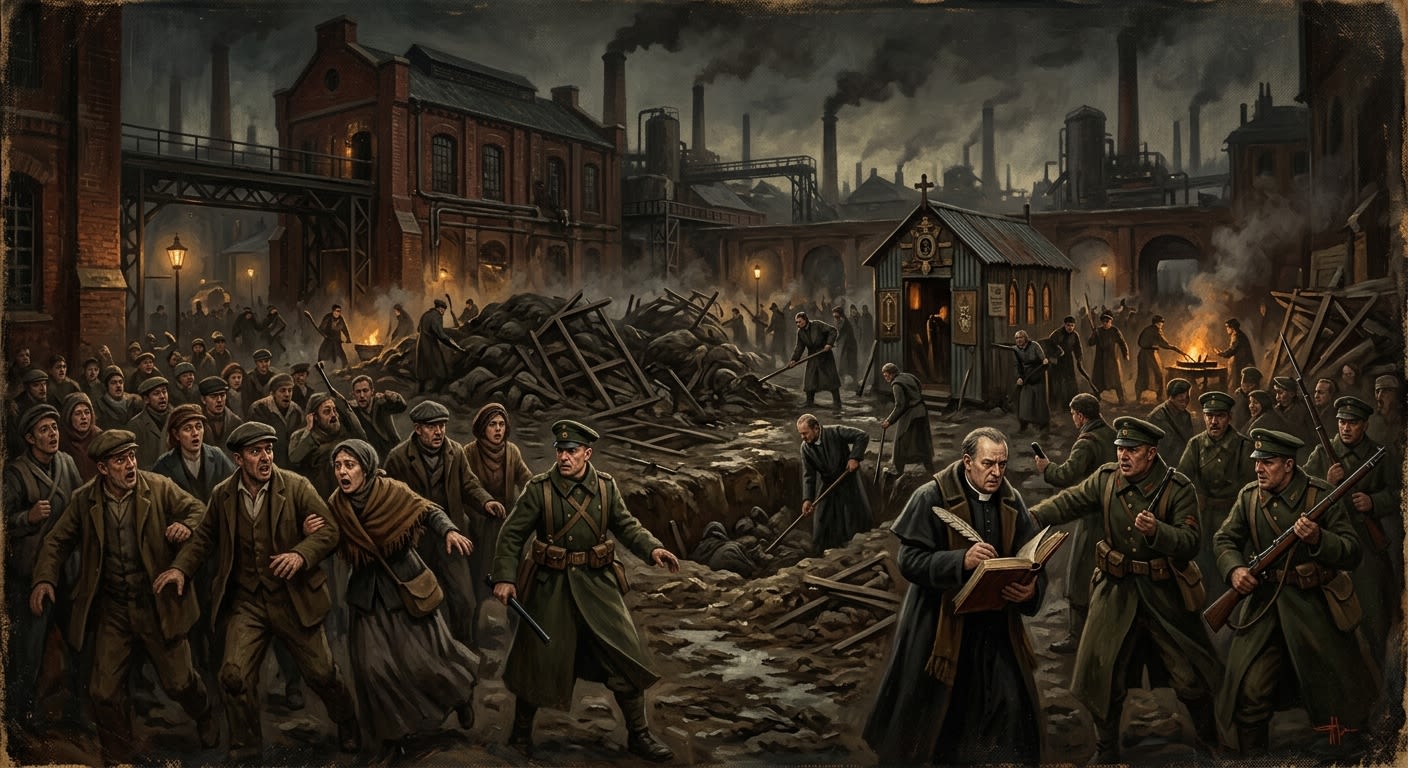
First Ossuary Panic
The dead spoke, and the Synod answered with a form
A.S. 78 Rhine corridor mortuary panic in which overcrowded pits began sounding after dark, forcing burial clearance, tariff-chapels, and the Dead-Goods Tariffer into law.
Codex Ref. VII.4.25-078
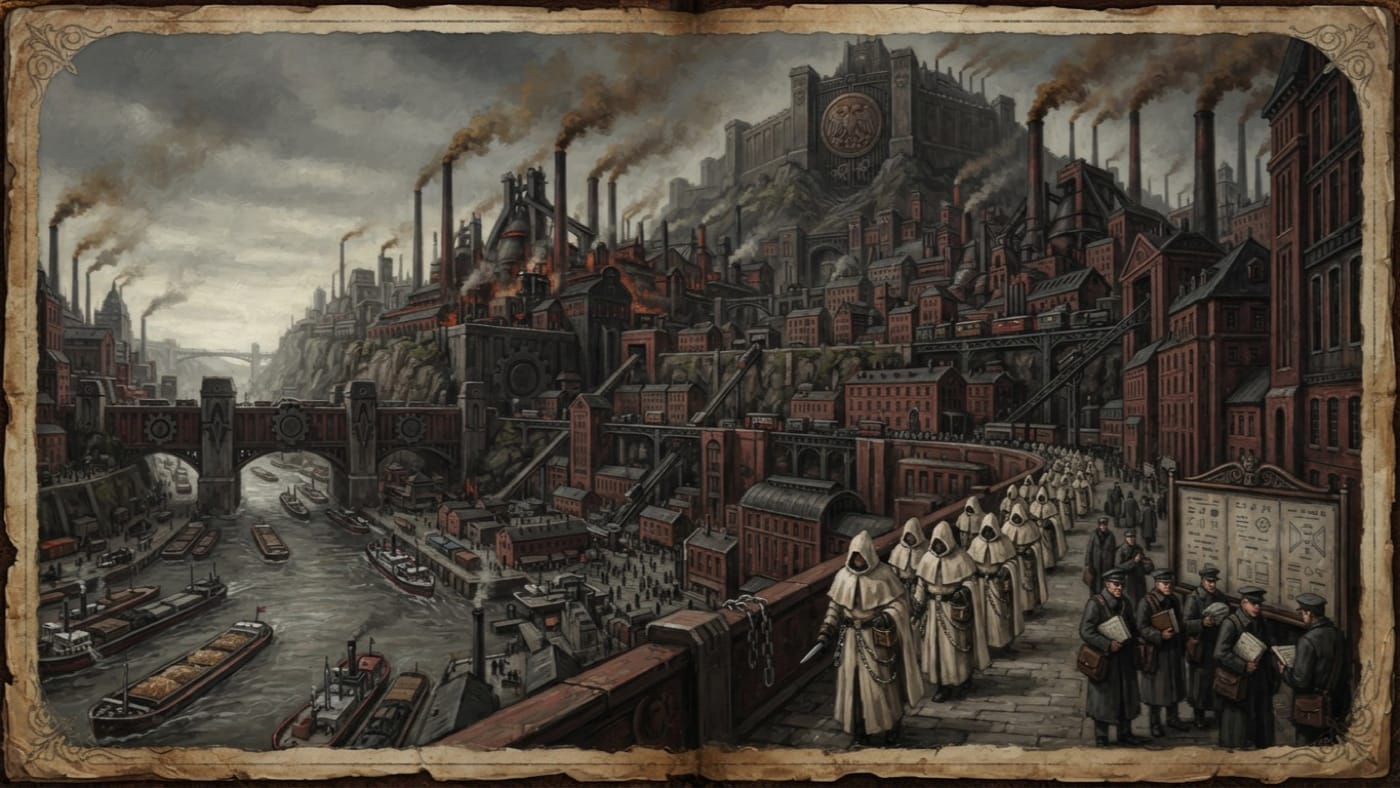
Germania
The Synod's most accurately spelled region
Germania is the Synod's procuratorial heartland: rivers taxed, furnaces singing, presses corrected, and schools teaching words their grandparents have forgotten to miss.
Codex Ref. II.6.02-201
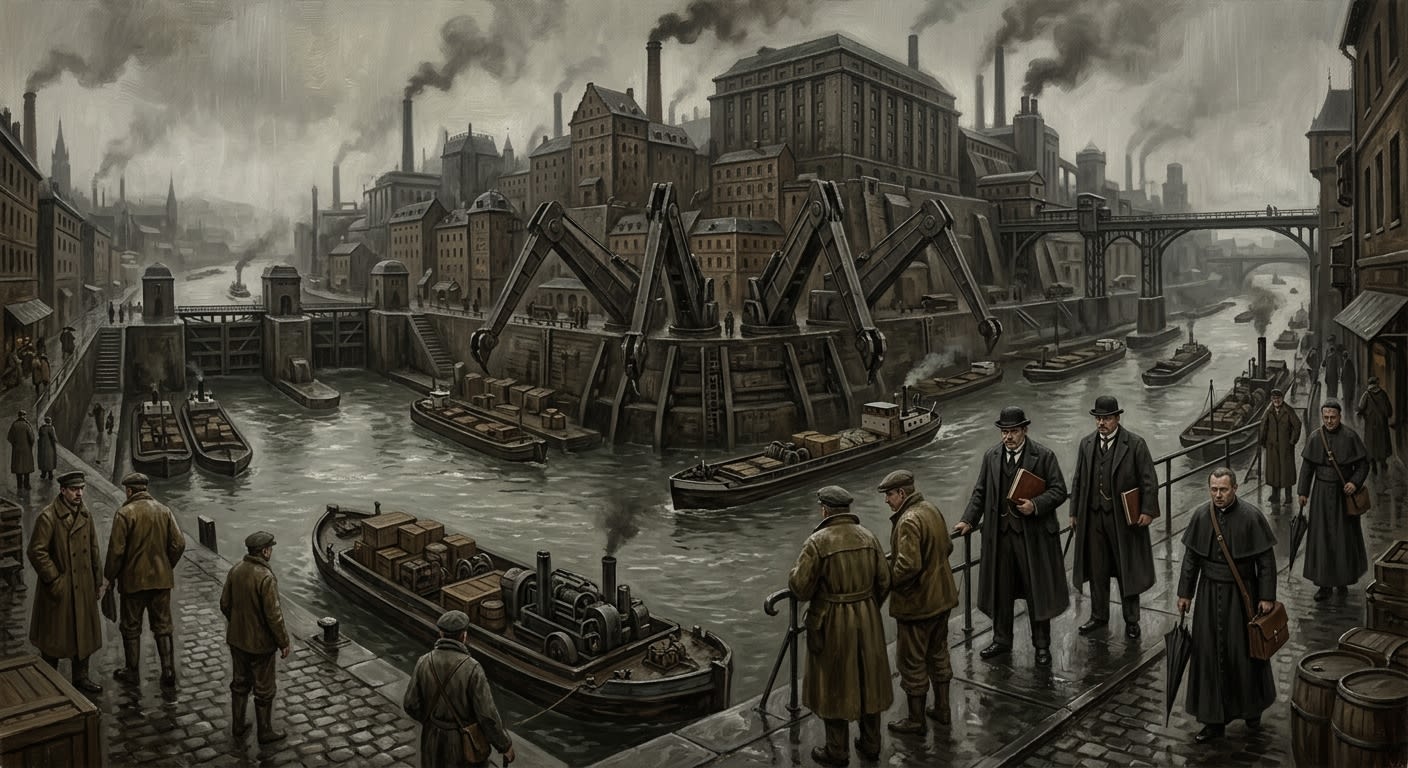
Koblenz
The holy art of handing the burden onward
Koblenz is the wet middle hand of the Ignatian chain: a Rhine-Moselle transfer city where sanctity lasted six minutes and became taxable forever.
Codex Ref. II.3.05-045
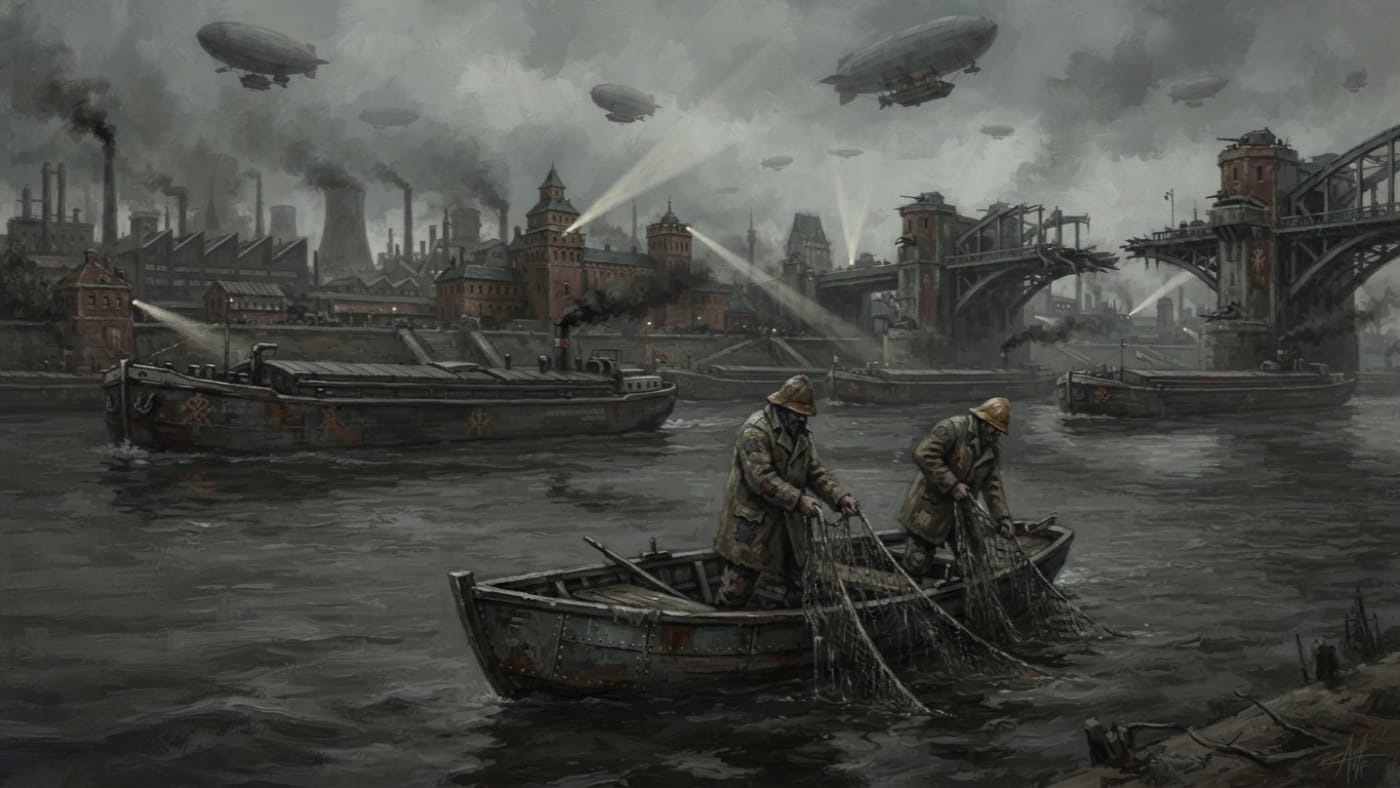
Lower Rhine
A river reach, a deputy's copies, and no boundary on file
The lower Rhine has no boundary on file, but its fisher-litanies reached Werrenrath's papers. The Ledger can trace the copies more readily than the songs.
Codex Ref. II.2.08-203

Lutz Brennan
The smile by which cowardice acquired procedural value
Young Strasbourg assessor whose confession and return-smile betrayed Arno Kett, opened the Silent Godless founder-case, and taught Purity that relief is evidence.
Codex Ref. III.2.01-145
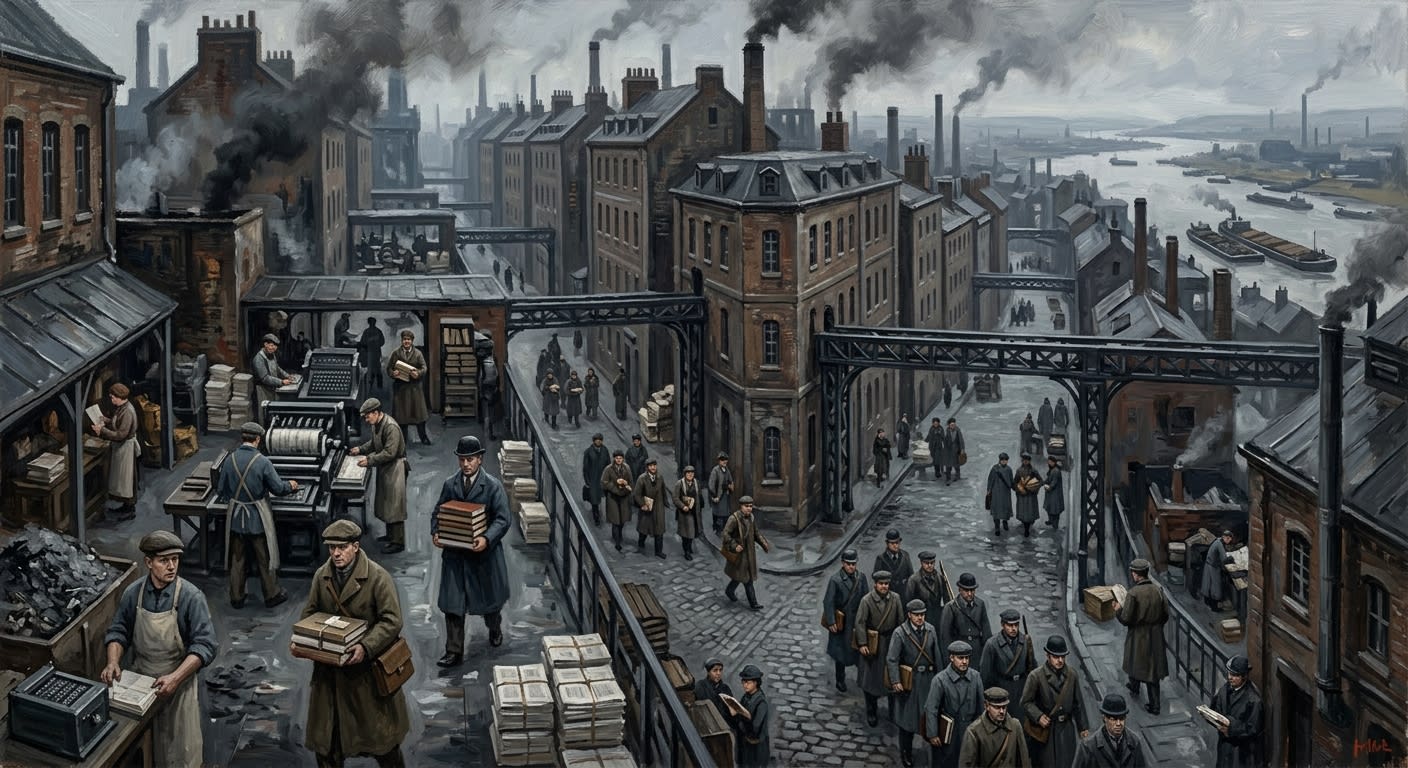
Mannheim
The square city teaches arithmetic to doubt
Mannheim is the Rhine Corridor's square heresy school: copyhouses, ash-yards, tidy streets, and arithmetic sharp enough to cut Doctrine.
Codex Ref. II.2.10-125
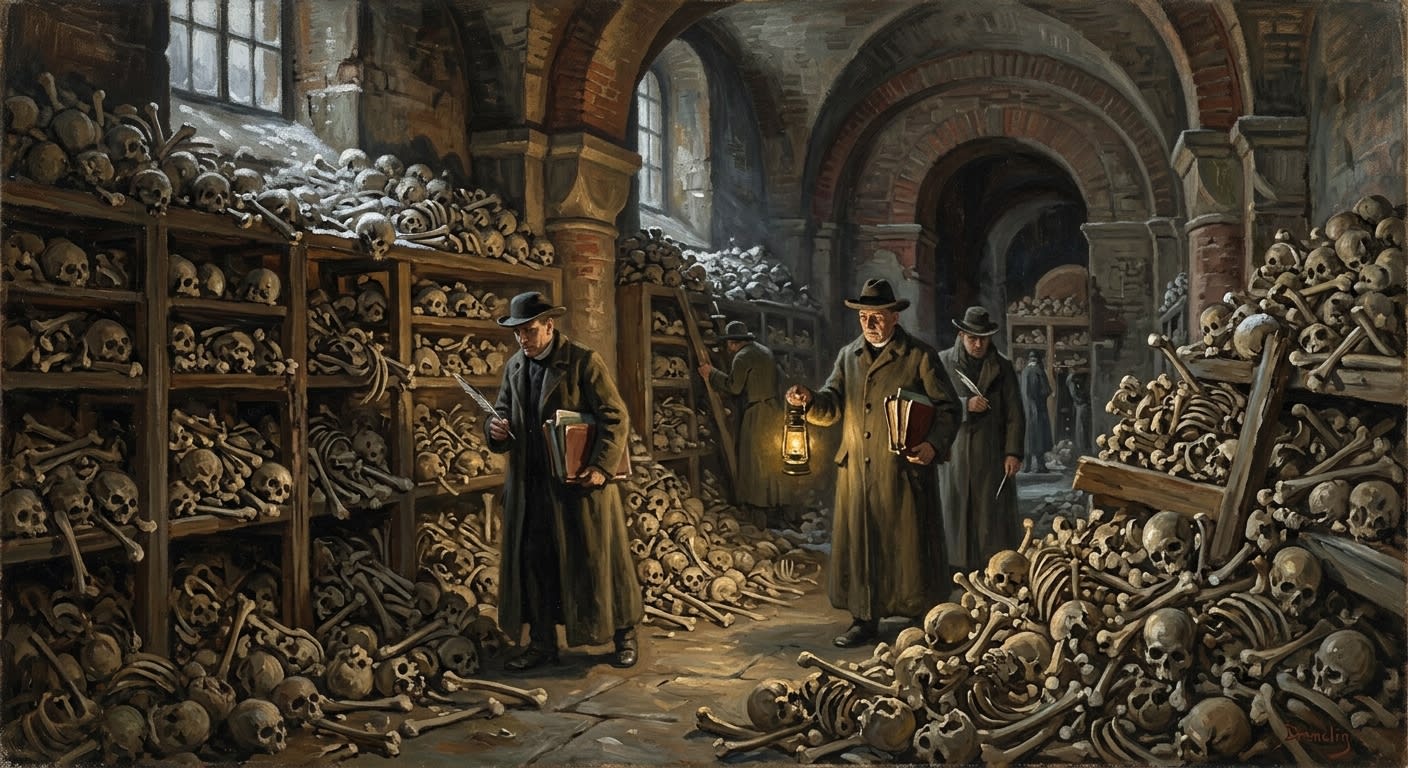
Ossuary Overflow Winters
The season when the dead exceeded the shelves and the wall learned appetite
Three A.S. 73–76 winters of forward ossuary collapse, suppressed ratios, frozen ledgers, and chapel overflow that taught the Synod to prefer sanctified walls to crowded shelves.
Codex Ref. VII.4.25-002
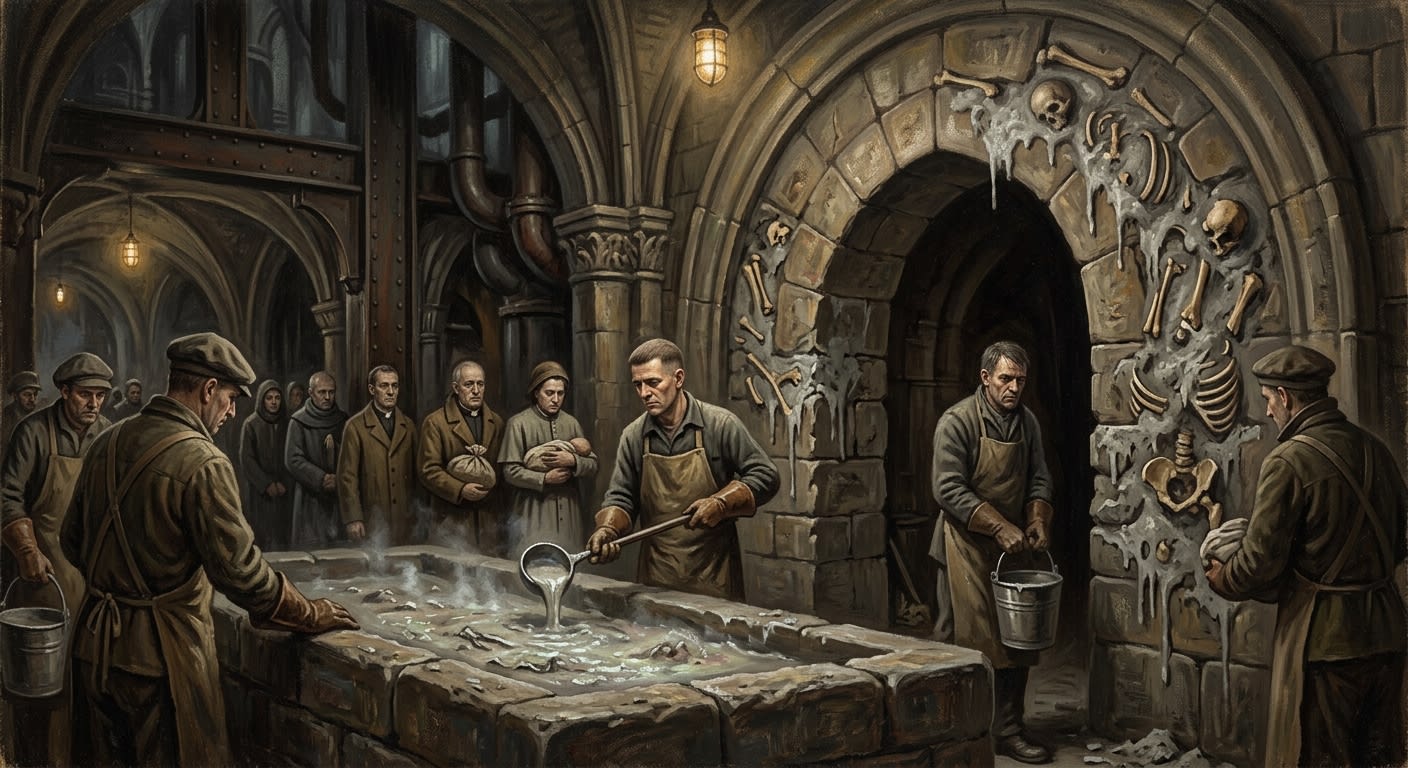
Saint-Bone Melting Acts
Sanctity must bear weight, and the wall has receipts
The A.S. 96 Saint-Bone Melting Acts made surplus holiness structural, teaching relics to become mortar and the faithful to call subtraction a wall.
Codex Ref. XIII.1.91-096
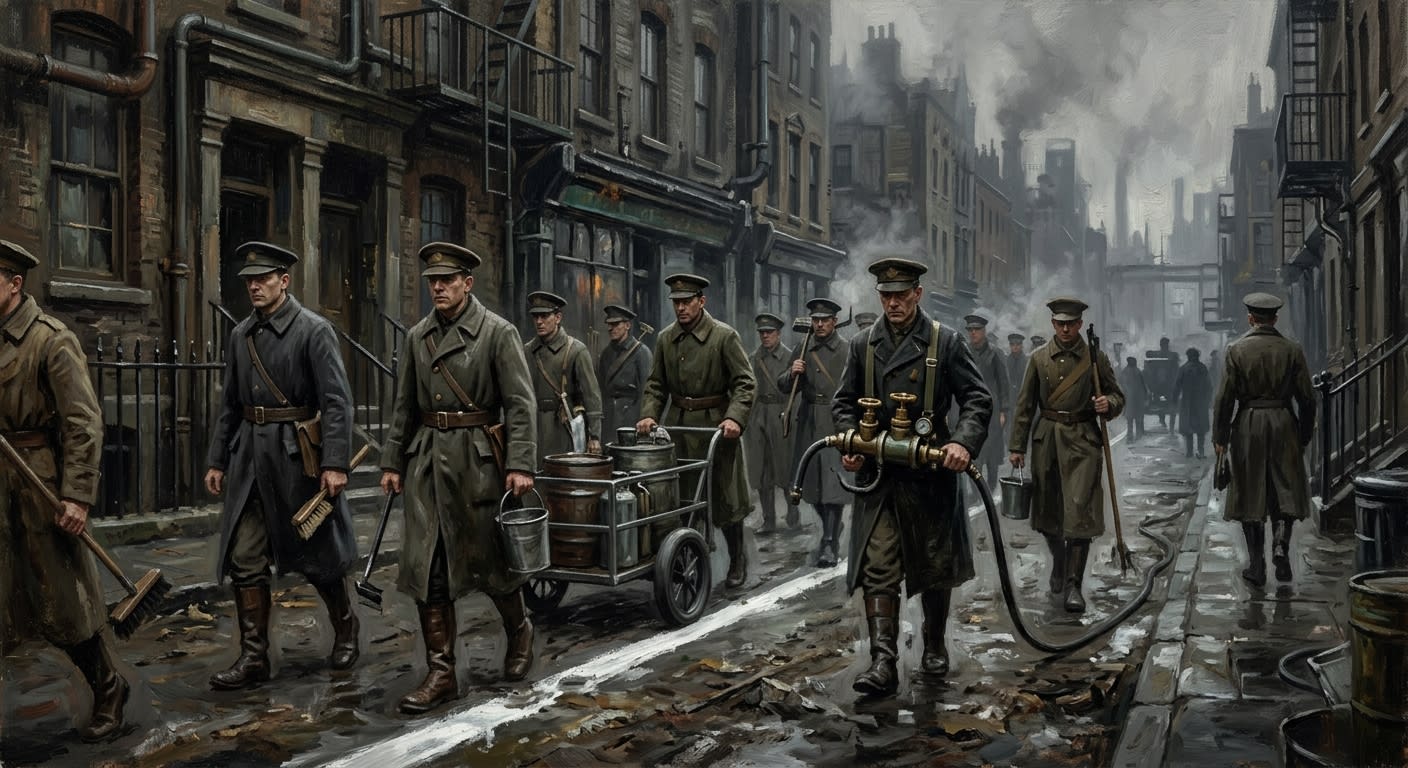
Sanitation Chapter
The clean line is a border, a sermon, and a threat
Mercy calls it sanitation; Marrowgate calls it the office that paints a white line and makes obedience look like hygiene.
Codex Ref. VIII.2.10-078
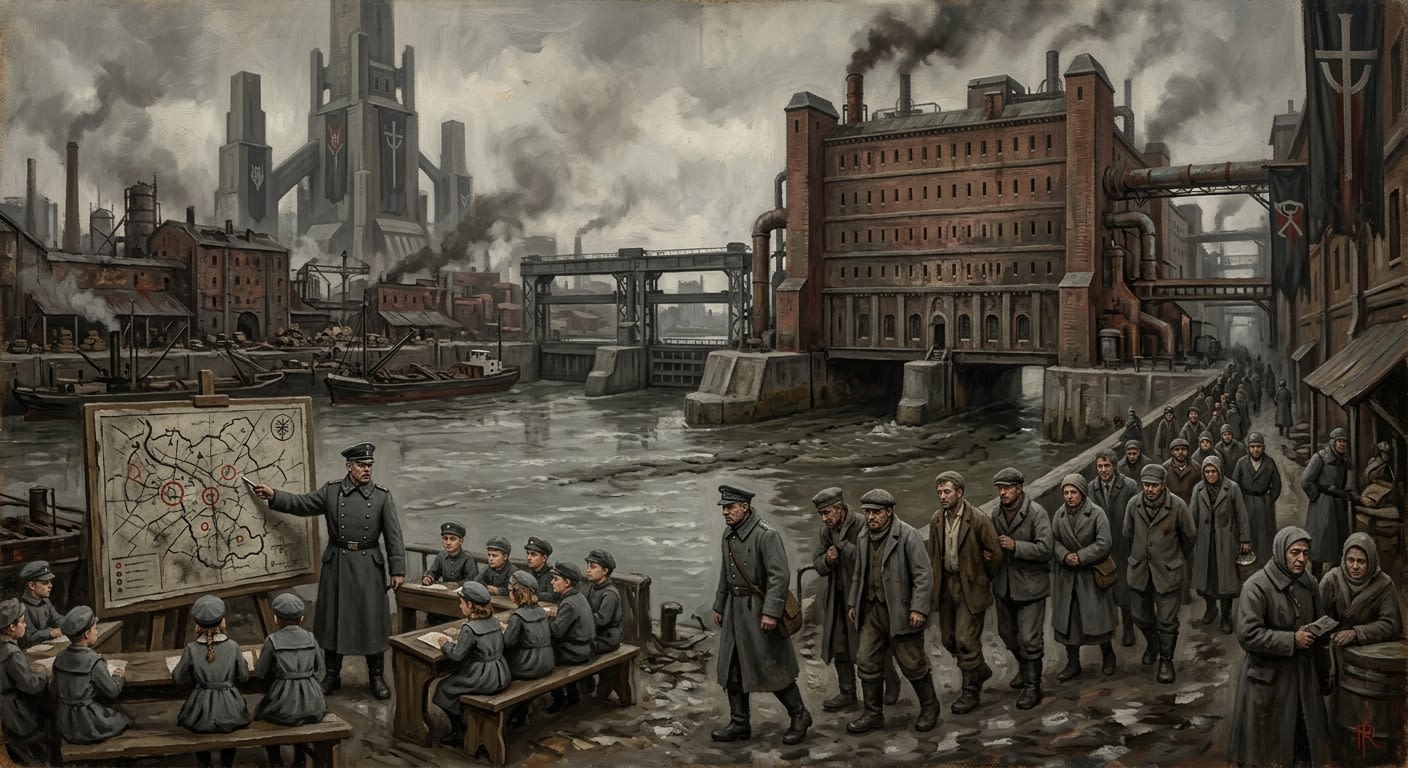
The Rhineland
A province corrected so often it learned to keep the corrections
The Rhineland is the Synod's most corrected province: river belt, market school, scriptorium wound, curfew map, chalk lesson, and loyal suspicion made taxable.
Codex Ref. II.2.09-201