

Reverse Index
Referencing “Harmonized Routes Edict”
Every codex entry that links to Harmonized Routes Edict. 17 entries.
Return to Harmonized Routes Edict
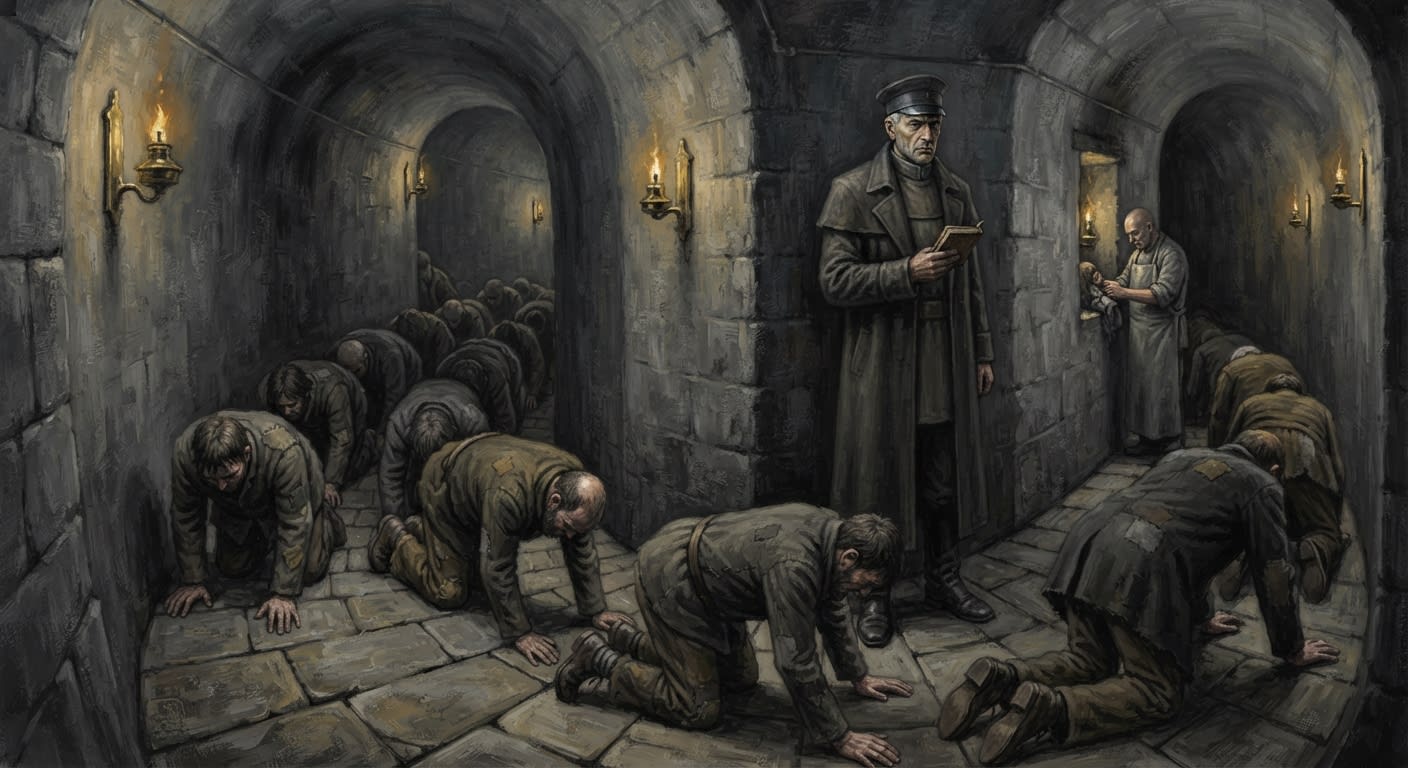
Ash Bend
Where siege memory waits its turn
Ash Bend is the grey turning segment of Vienna's Via Stahlhand, where pilgrims lose sight of the altar and hear the garrison dead rationed by cadence.
Codex Ref. II.4.09-011
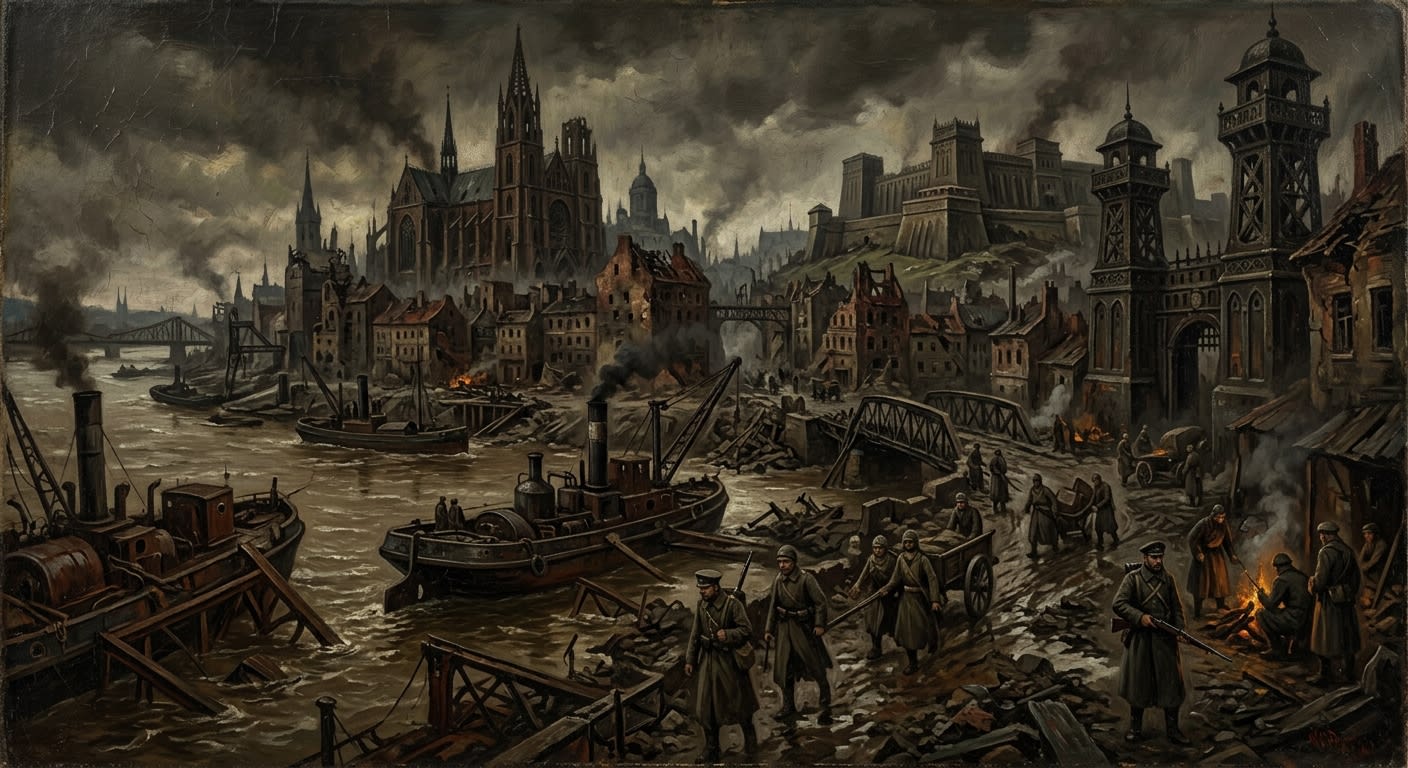
Belgrade
The city the river refused to bury, and therefore made taxable
Belgrade, ruined-contested confluence city where Shattered Courts perfume met Maldrake's Wrath, the Danube turned in A.S. 120, and sanctity became an armed hazard.
Codex Ref. II.5.06-120
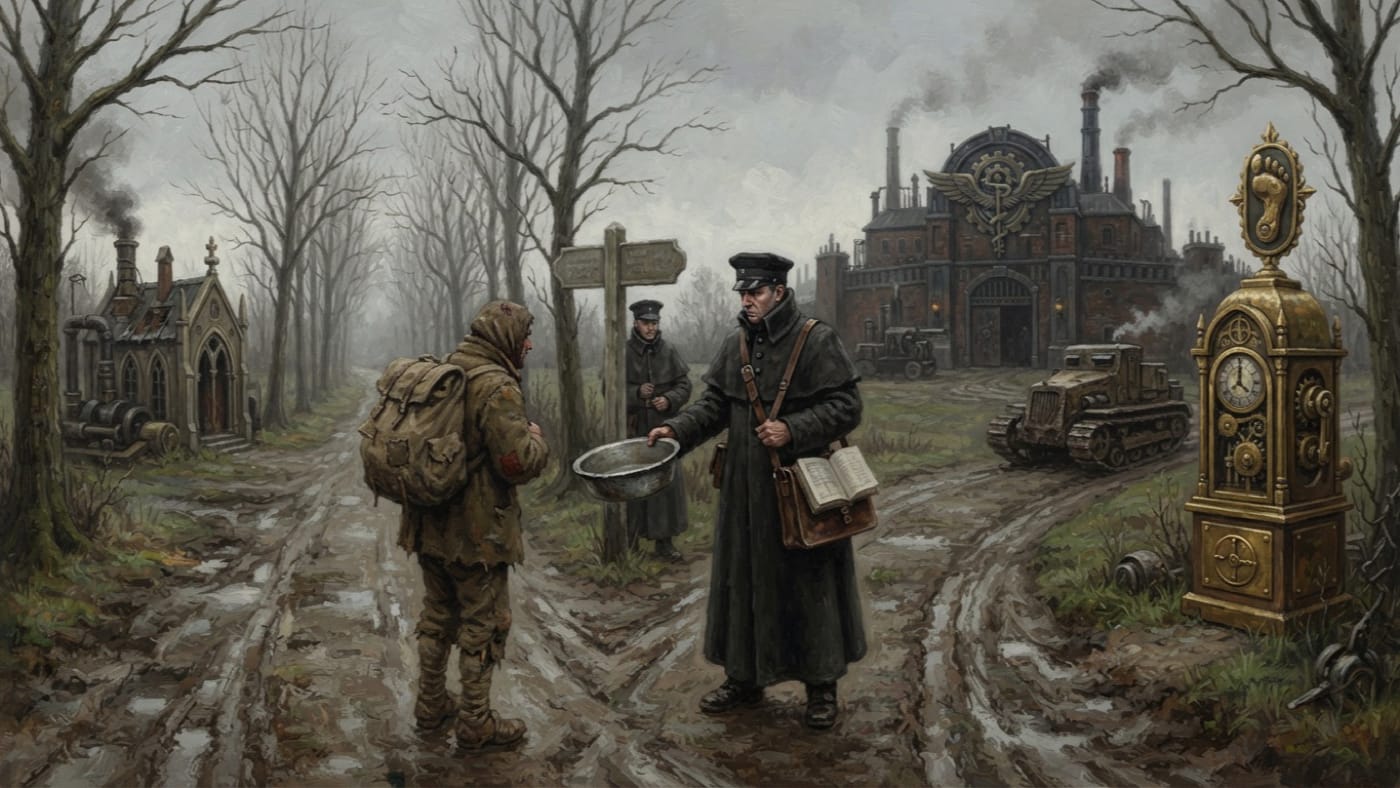
Brotherhood of the Blessed Foot
Flemish feet, private fees, and an audit into penitence
The Brotherhood of the Blessed Foot taxed Flemish pilgrims at crossroads it did not own, selling protection from unnamed threats until litigation, audit and the A.S. 123 Harmonized Routes Edict ended its independent authority.
Codex Ref. XI.5.01-123
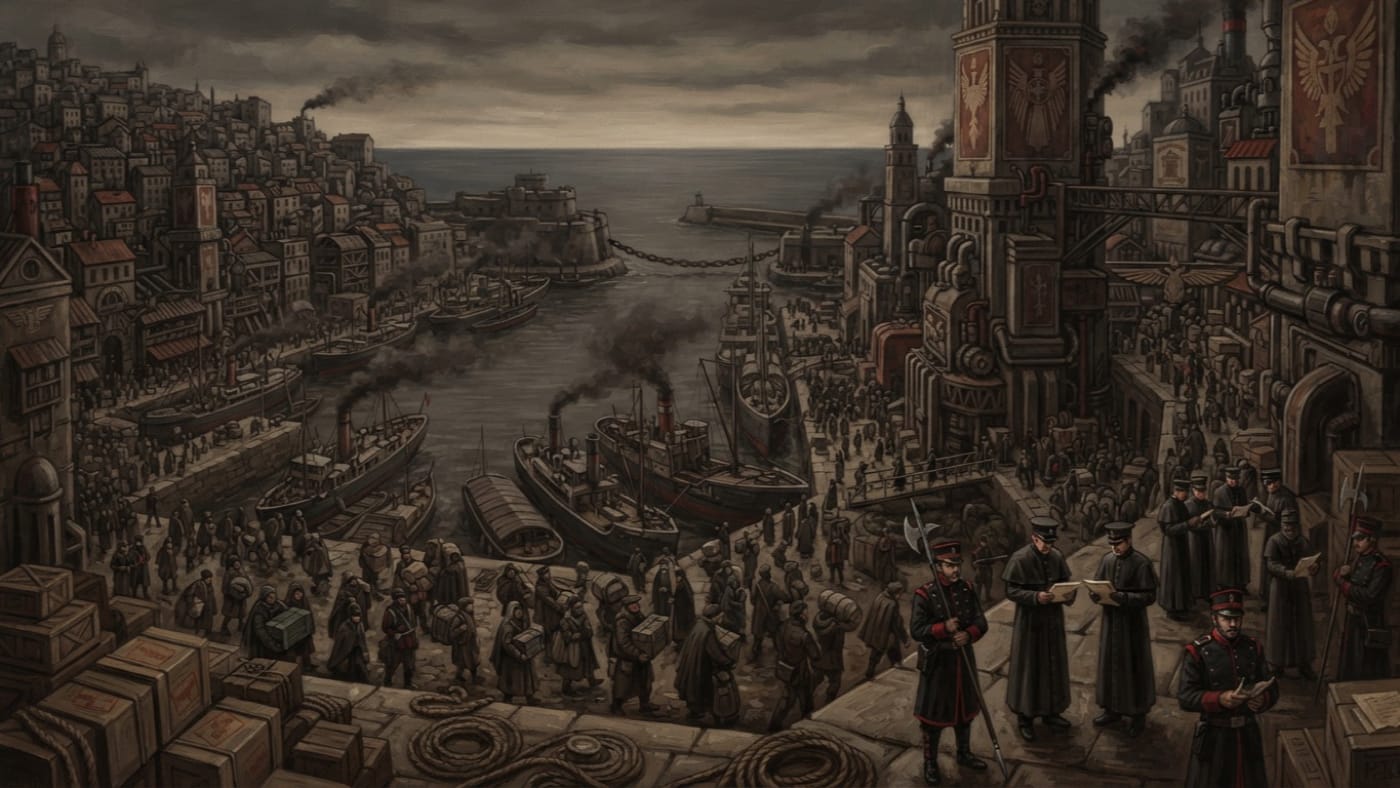
Cádiz
The tide carries pilgrims; the ink keeps them
Cádiz sells Atlantic passage, pilgrim safety, and deniability. Its Peregrine Cartel desk fell in A.S. 193; Pilgrimage kept the registers and the profitable habit of knowing who sailed.
Codex Ref. II.4.09-193
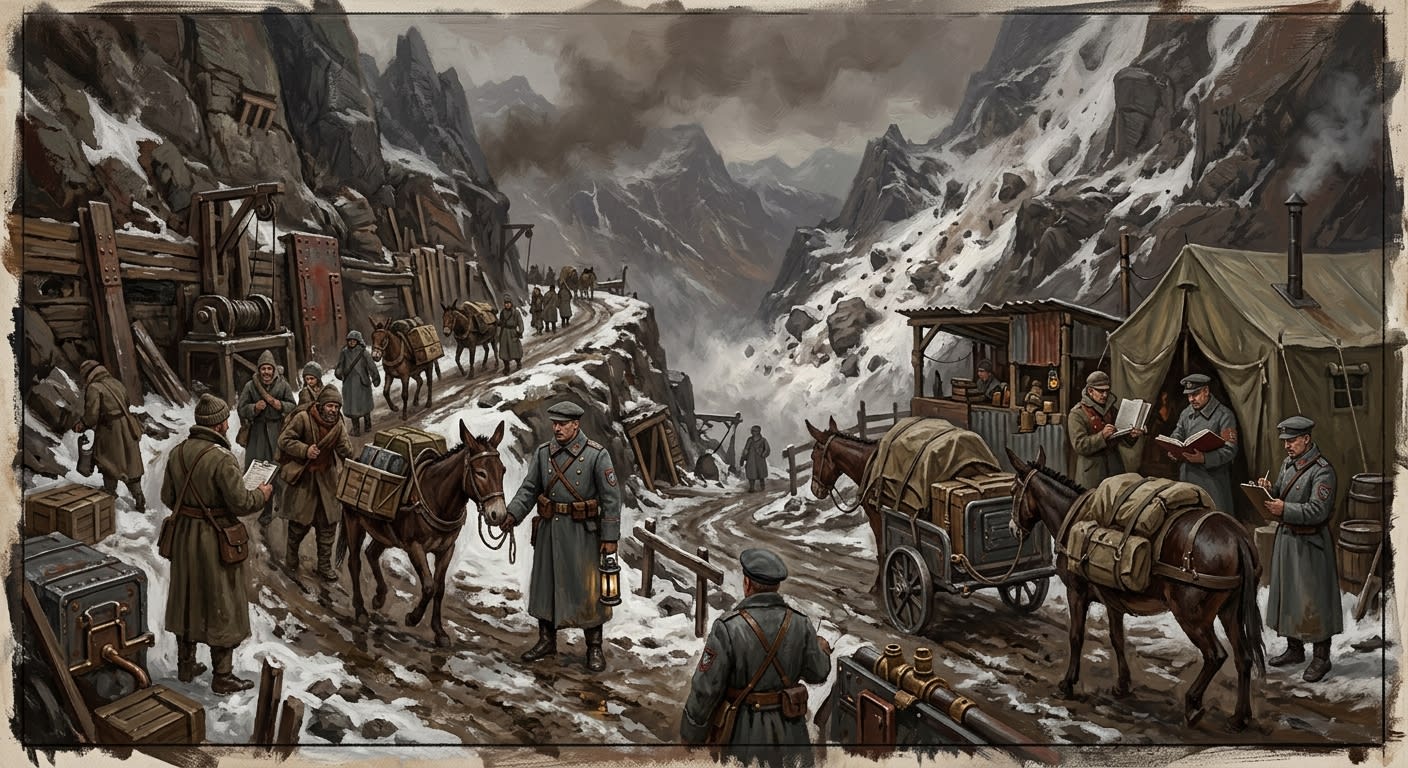
Carpathian Passes
Roads are wounds with toll offices
Licensed mountain wounds of the middle Line, where pilgrims, relics, mules, Wardens, tokens, avalanches, and invoices cross by permission.
Codex Ref. II.4.08-123
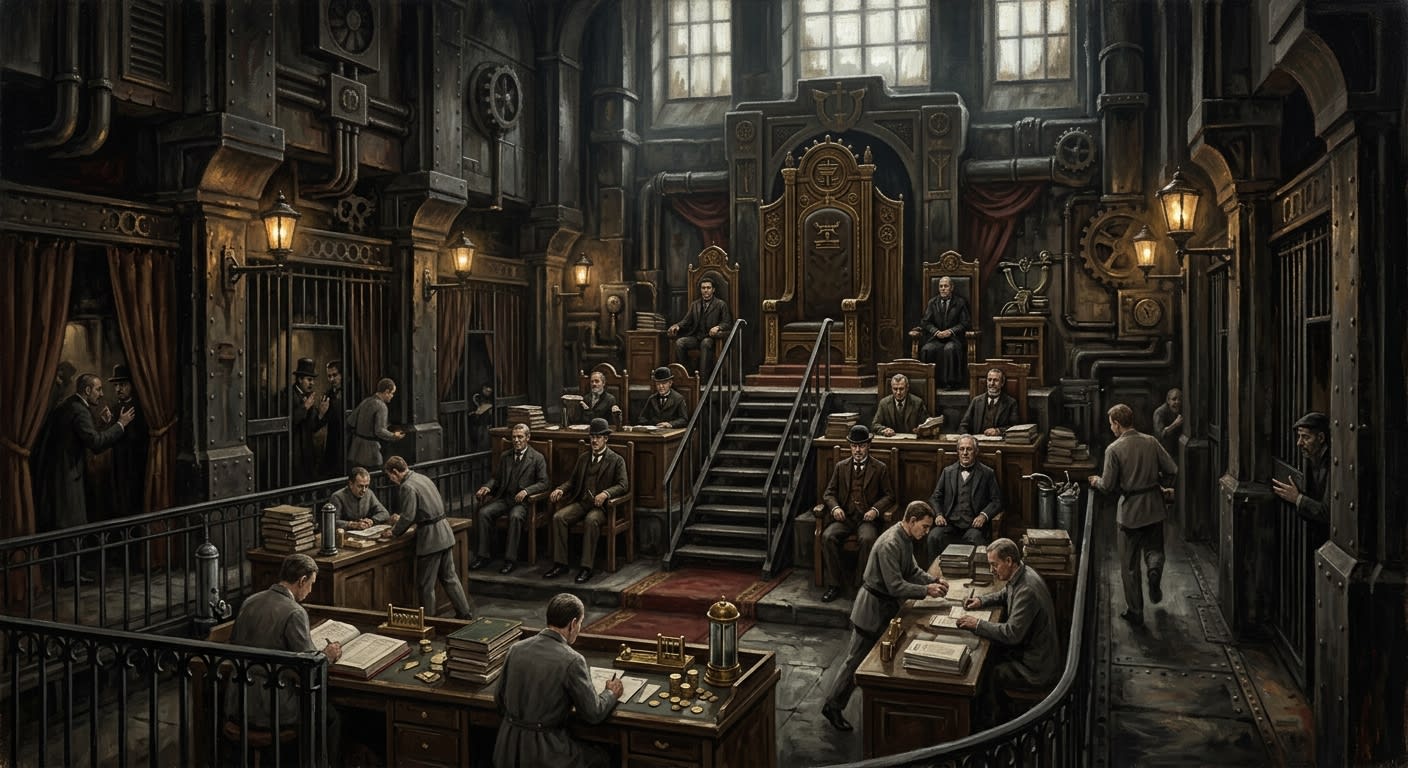
Concordat Hall
Where agreement kneels, pays, and receives a chair
Concordat Hall is Strasbourg's constitutional pressure chamber: thrones, clerks, proxy corridors, speech fees, and agreement taxed into sanctity.
Codex Ref. II.1.04-006
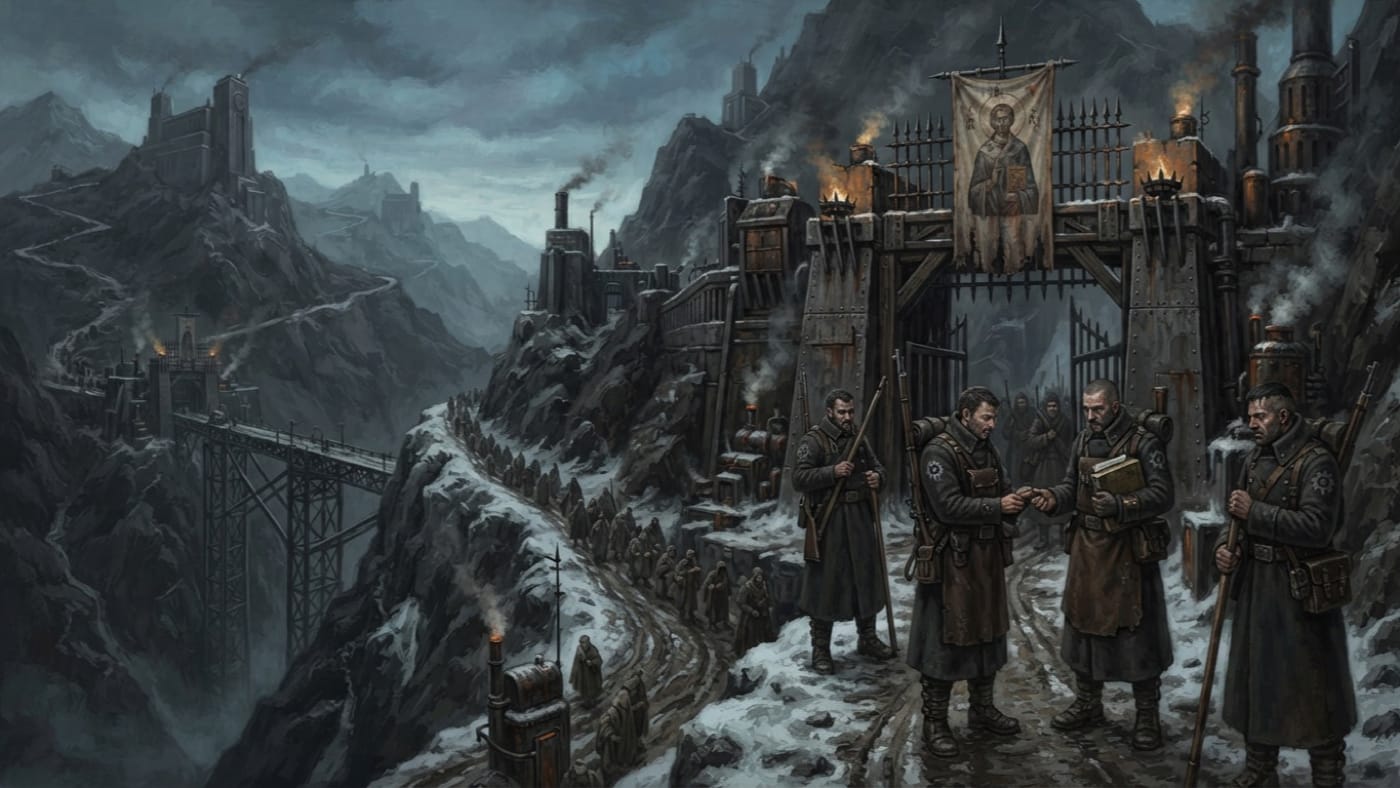
Confraternity of Saint Edras
The saint kept his name. The guild lost the road.
A private pilgrimage guild claiming the Carpathian passes, named among Santiago's rival toll claimants in A.S. 121 and superseded by the Harmonized Routes Edict in A.S. 123. The saint's name outlived its authority.
Codex Ref. XI.5.02-123
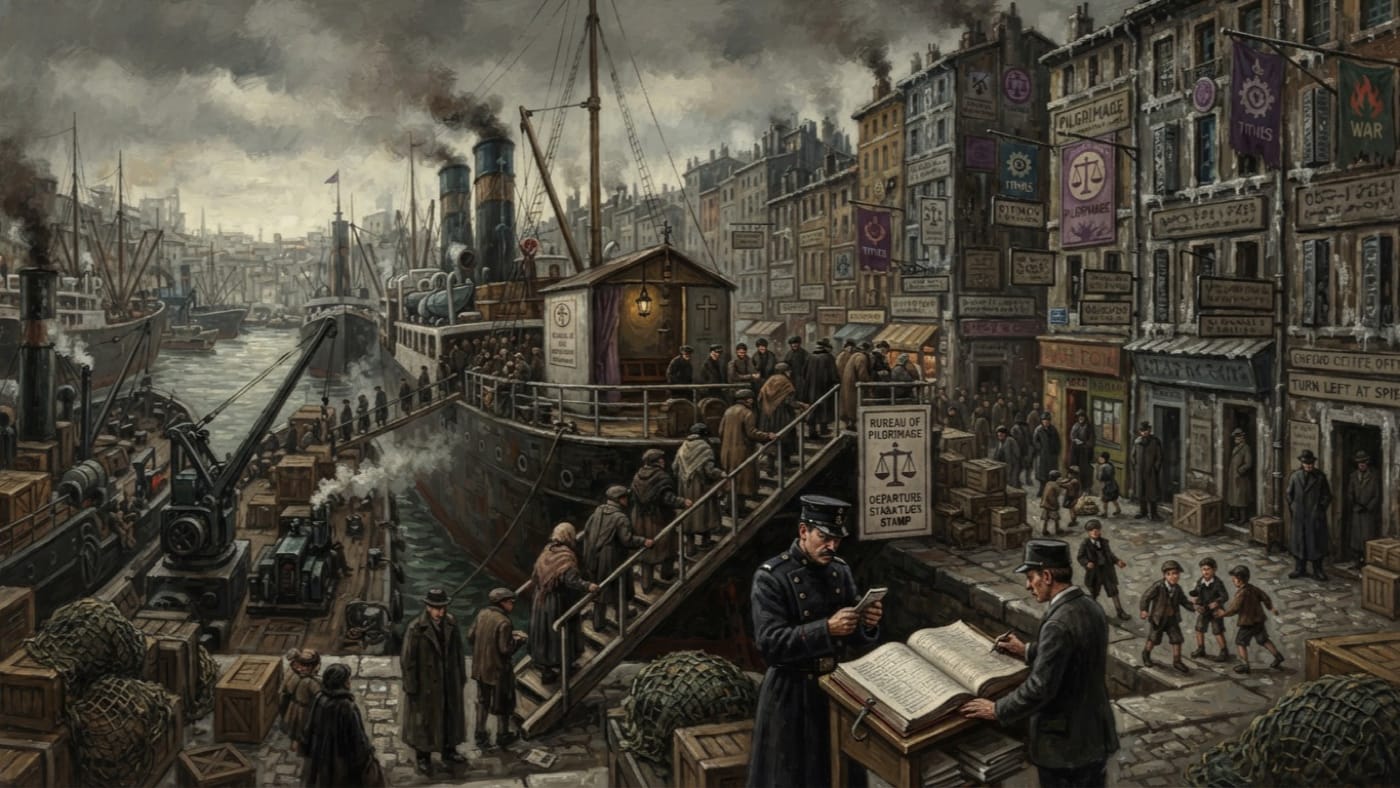
Eastern Basin
Pilgrims sail under seal; the spies serve as landmarks
A.S. 201 survey of Marseille's enlarged harbour and quayside quarter: pilgrims sail under seal, relics arrive under suspicion, three Bureaus dispute the water, and the officially nonexistent spies serve as landmarks.
Codex Ref. II.4.09-013
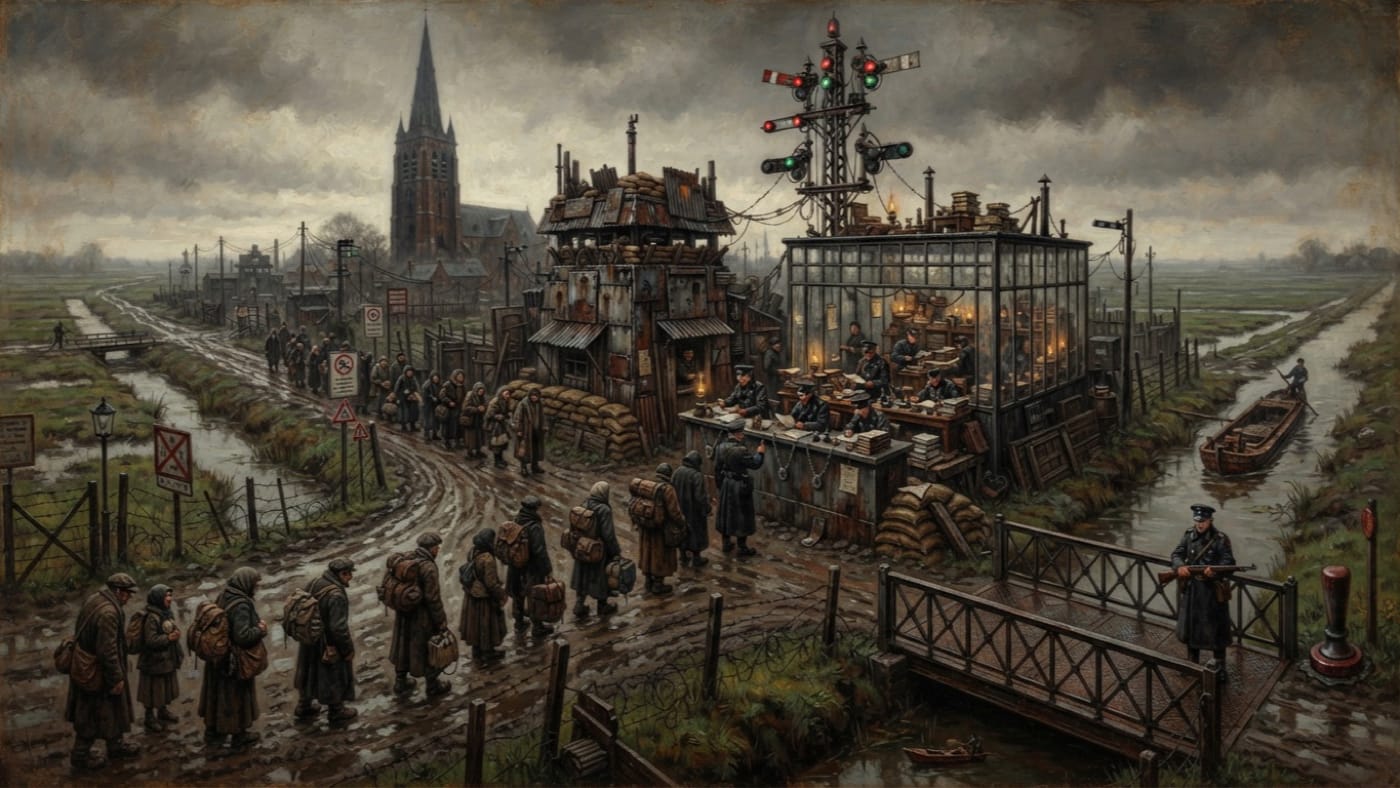
Flanders
Loyal. Damp. Licensed.
Flanders supplies pilgrims from the Synod's damp western parishes. The Brotherhood of the Blessed Foot once charged at the crossroads; the Bureau of Pilgrimage now publishes the fees and charges again for the walk home.
Codex Ref. II.1.07-201
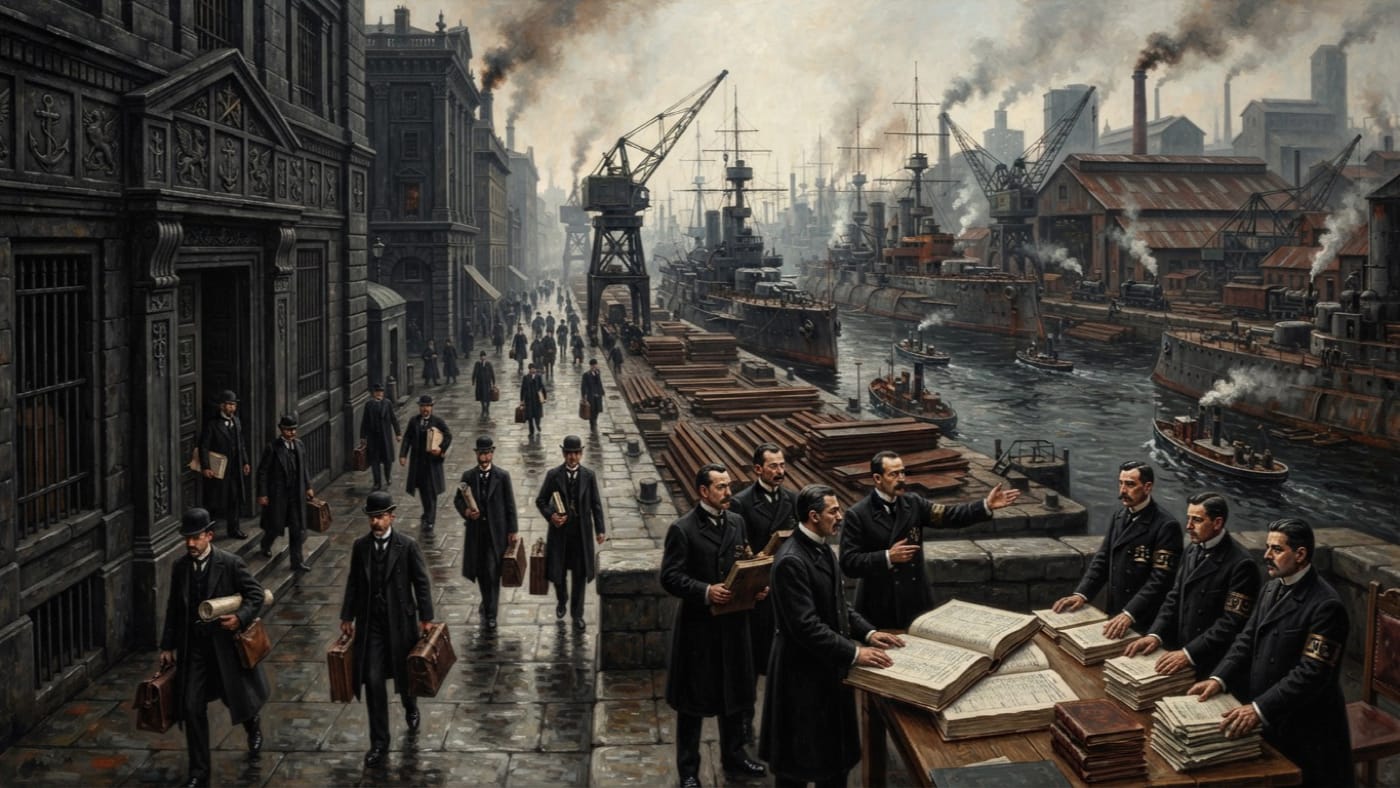
Genoese Banking Houses
Southern naval authority belongs to the Synod; its credit belongs to the Quay
Genoa's private banking houses guarantee the Bureau of War's southern naval contracts. Tithes audits the ledgers; the Quay decides when the hulls move.
Codex Ref. XII.26.03-001
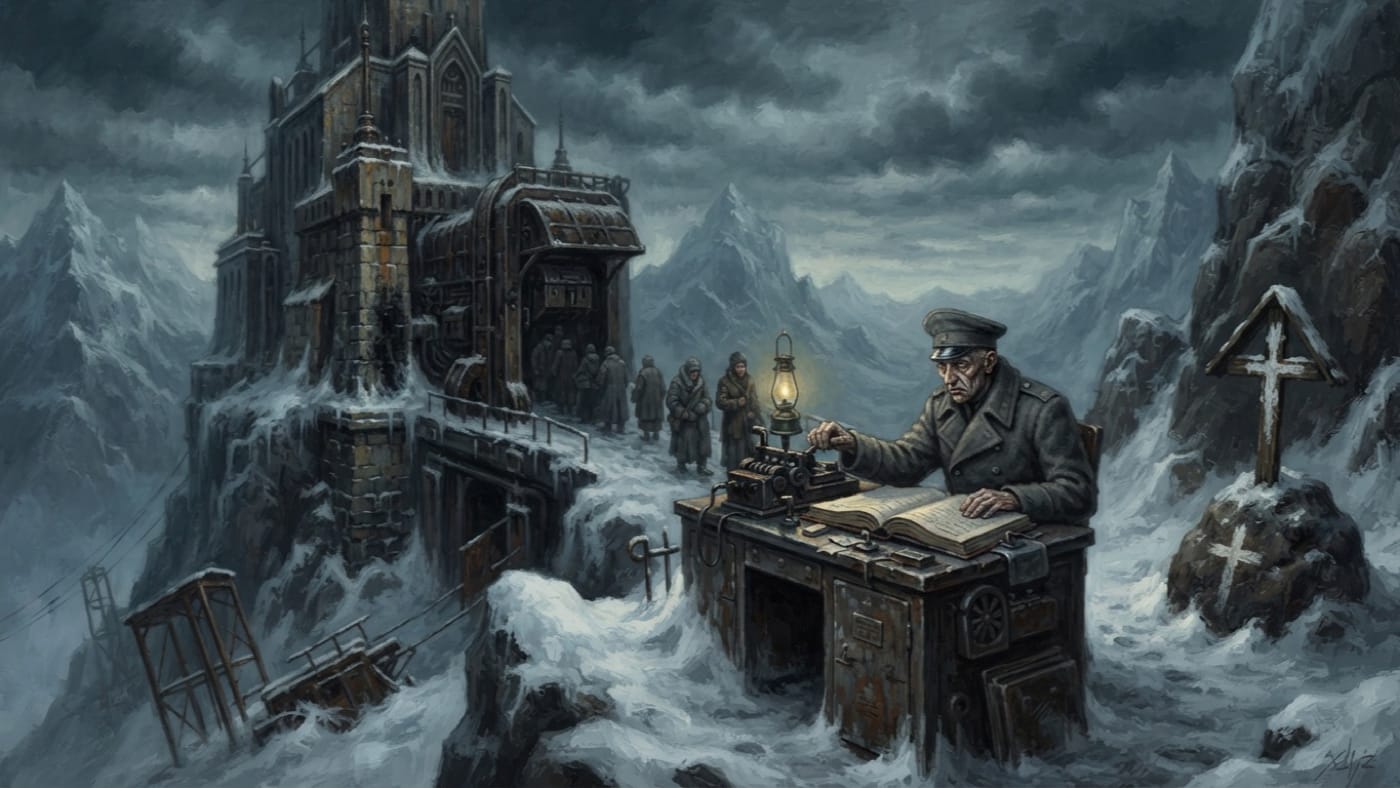
Guild of the Golden Sole
The master kept his life. The Bureau kept the roads.
The private guild that held the Rhineland pilgrimage approaches until its absorption in A.S. 123. Its master signed the Harmonized Routes Edict and kept his life; the Bureau rewarded him with a desk above the Carpathian snow-line.
Codex Ref. XI.5.01-123
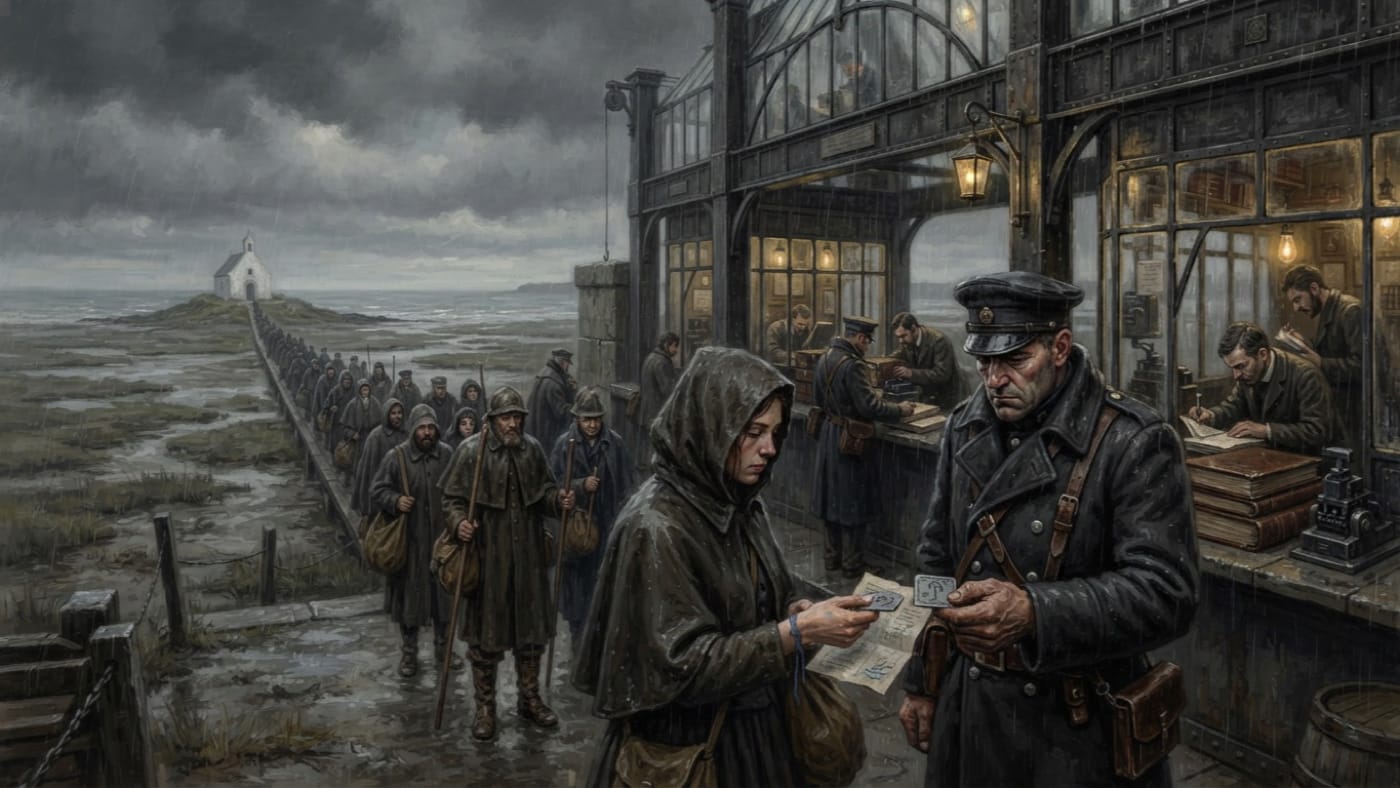
Harmonized Routes
The Bureau licenses the road and leaves arrival to the pilgrim
The Harmonized Routes tables join shrine, road and token under one licence. Pilgrimage certifies the right to set out; arrival remains the pilgrim's problem.
Codex Ref. XIII.1.86-201
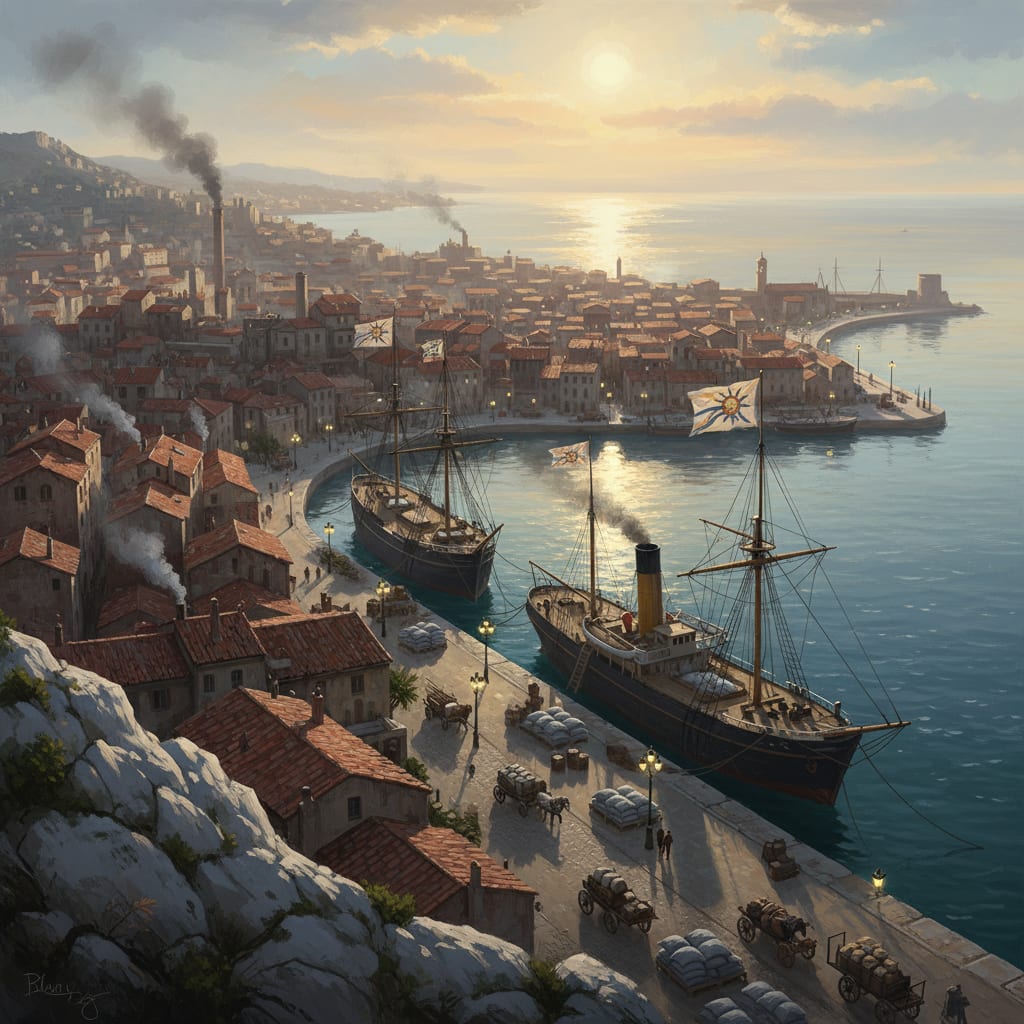
Marseille
Salt, pilgrims, and a territorial dispute the [[bureau-of-records|Bureau of Records]] has declined to arbitrate
The Synod's southern mouth — 650,000 souls between limestone and salt water, two competing Bureaus sharing a harbour they cannot agree on.
Codex Ref. II.4.09-012
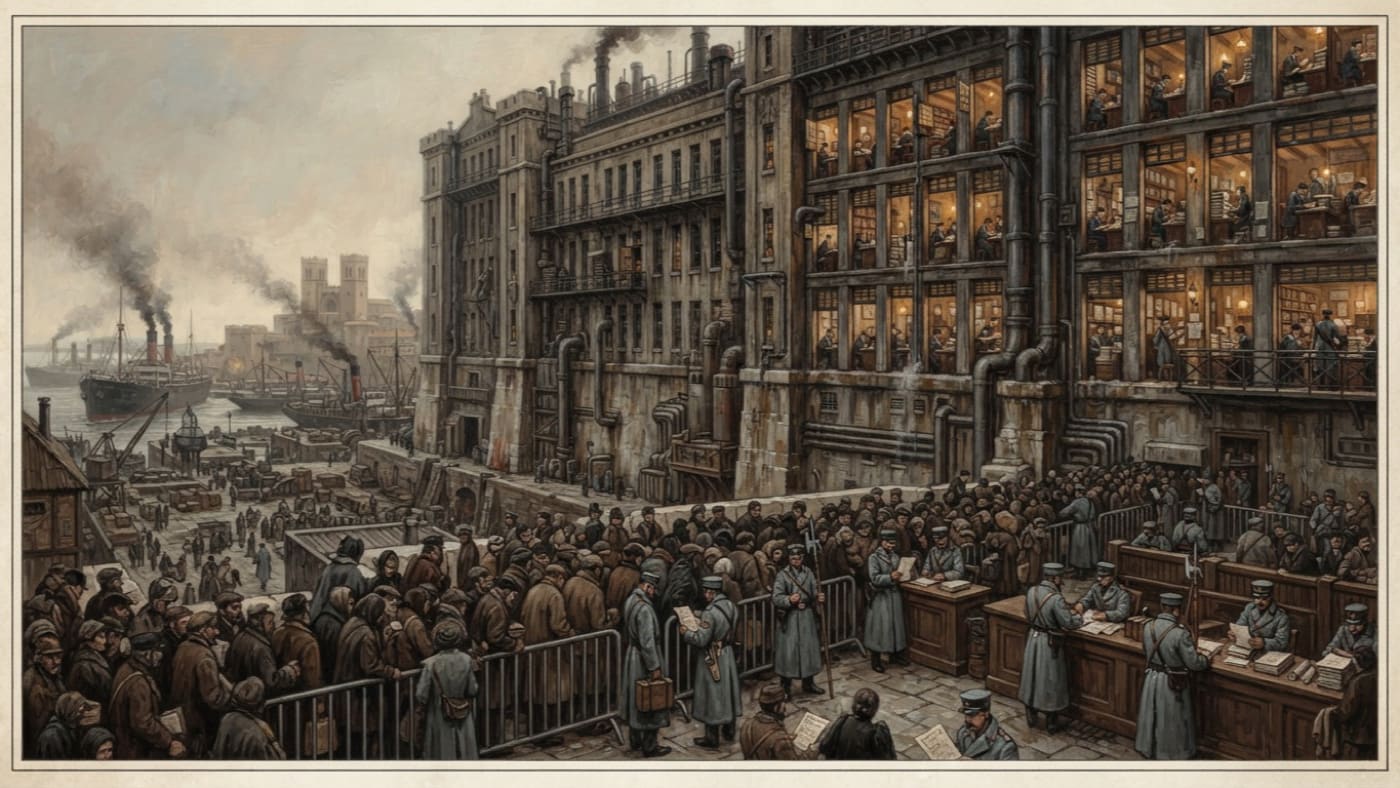
Marseille Southern Headquarters
Four hundred thousand permits, three foundation corrections
Authorised in A.S. 123, Marseille's southern pilgrimage headquarters processes approximately 400,000 embarkation permits yearly above three immured guild-masters. The groaning is classified as structural settlement.
Codex Ref. II.4.09-123
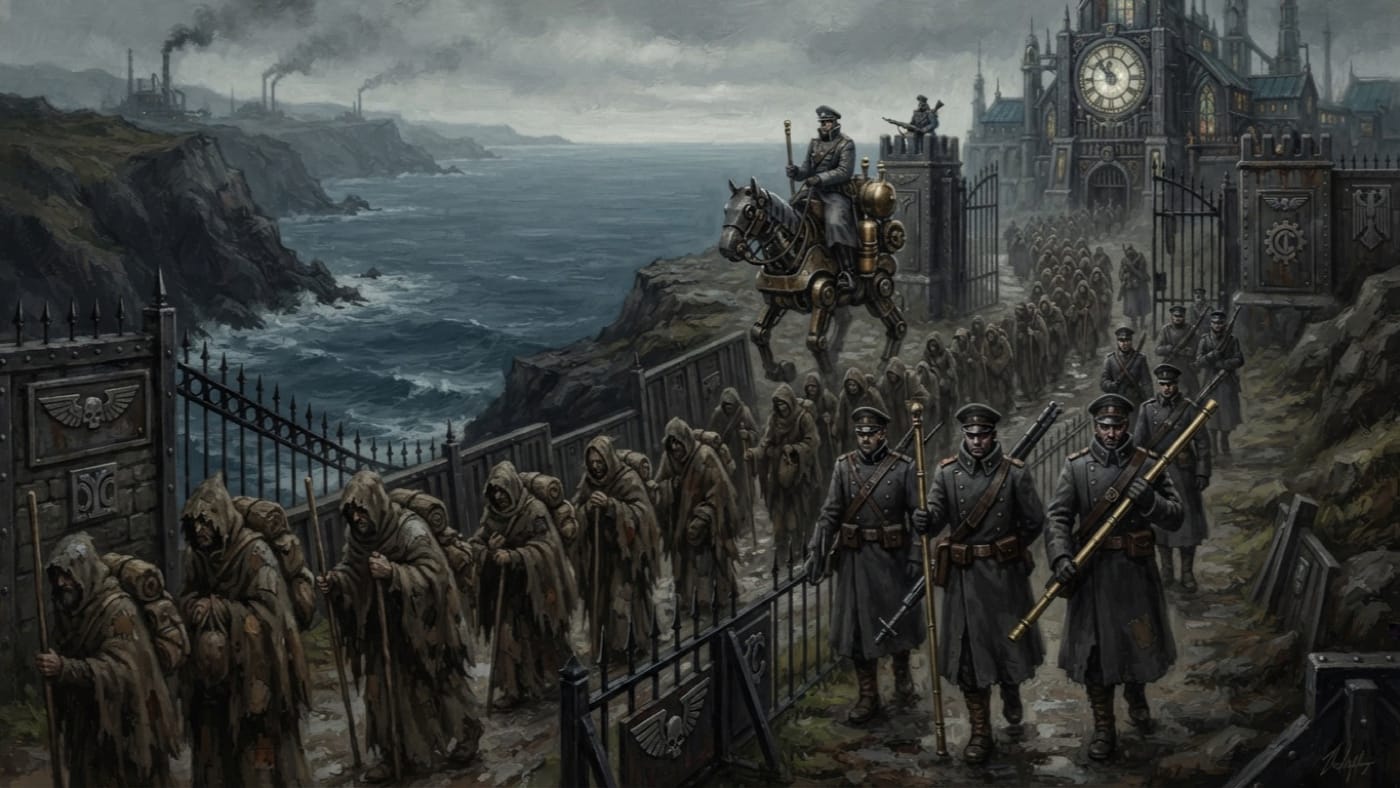
Peregrine Brotherhood
Enough escorts to trouble a prince. No authority after A.S. 123.
The Peregrine Brotherhood controlled Iberian coastal pilgrimage with escorts fit to trouble a prince. Implicated in Santiago's A.S. 121 riots, it lost independent authority under the A.S. 123 Harmonized Routes Edict. The Bureau kept the roads.
Codex Ref. XI.5.03-123
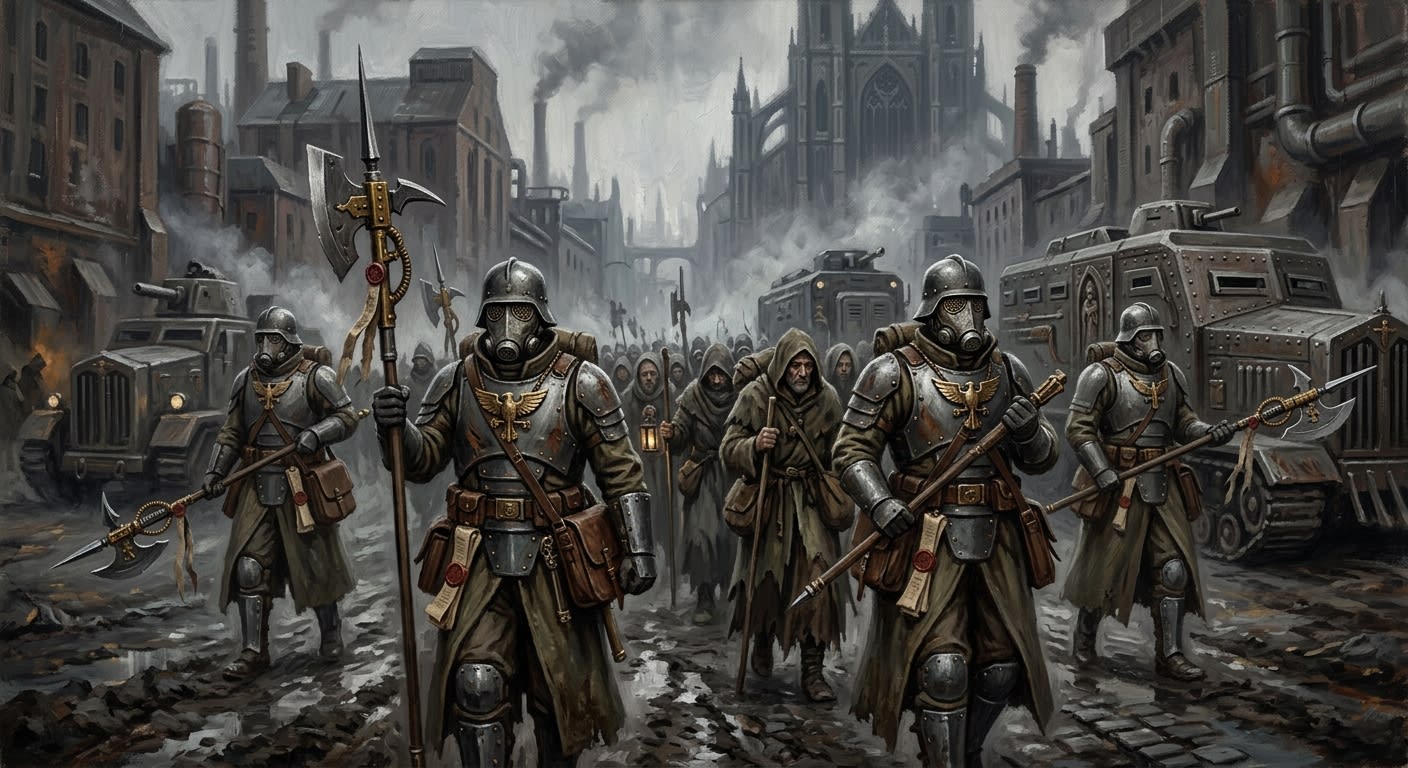
Peregrine Wardens
The walking seal that keeps pilgrims profitable and roads holy
The Peregrine Wardens are the Bureau of Pilgrimage's armed road-enforcement arm, escorting pilgrims, voiding licences, dissolving guilds, and proving that holy travel walks best under halberd and seal.
Codex Ref. VIII.7.04-001
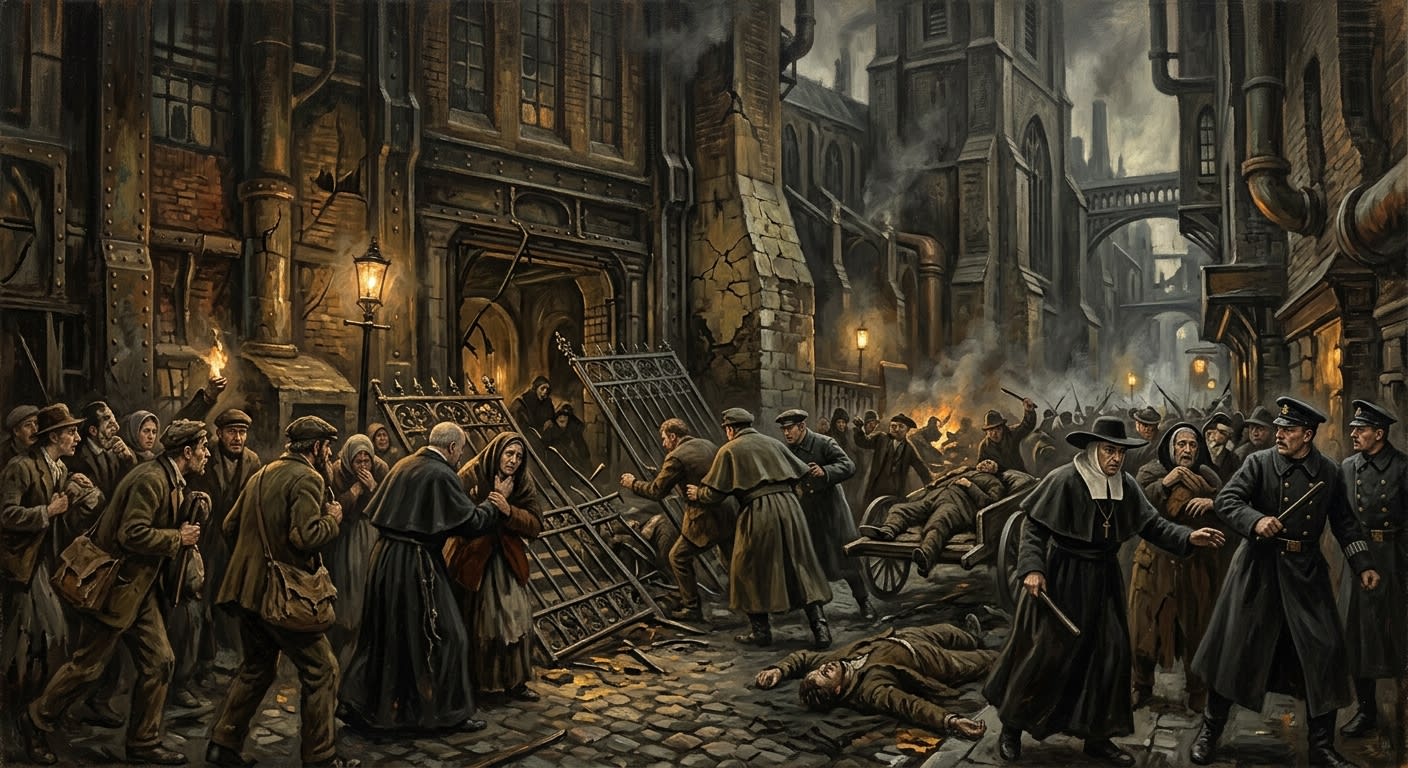
Riots of Santiago
Forty-one dead pilgrims taught Strasbourg that roads prefer owners
The A.S. 121 Riots of Santiago killed forty-one pilgrims, broke a shrine screen, exposed private road-guild predation, and gave Strasbourg the corpse-count it needed.
Codex Ref. VII.8.10-121