

Reverse Index
Referencing “Amsterdam”
Every codex entry that links to Amsterdam. 41 entries.
Return to Amsterdam
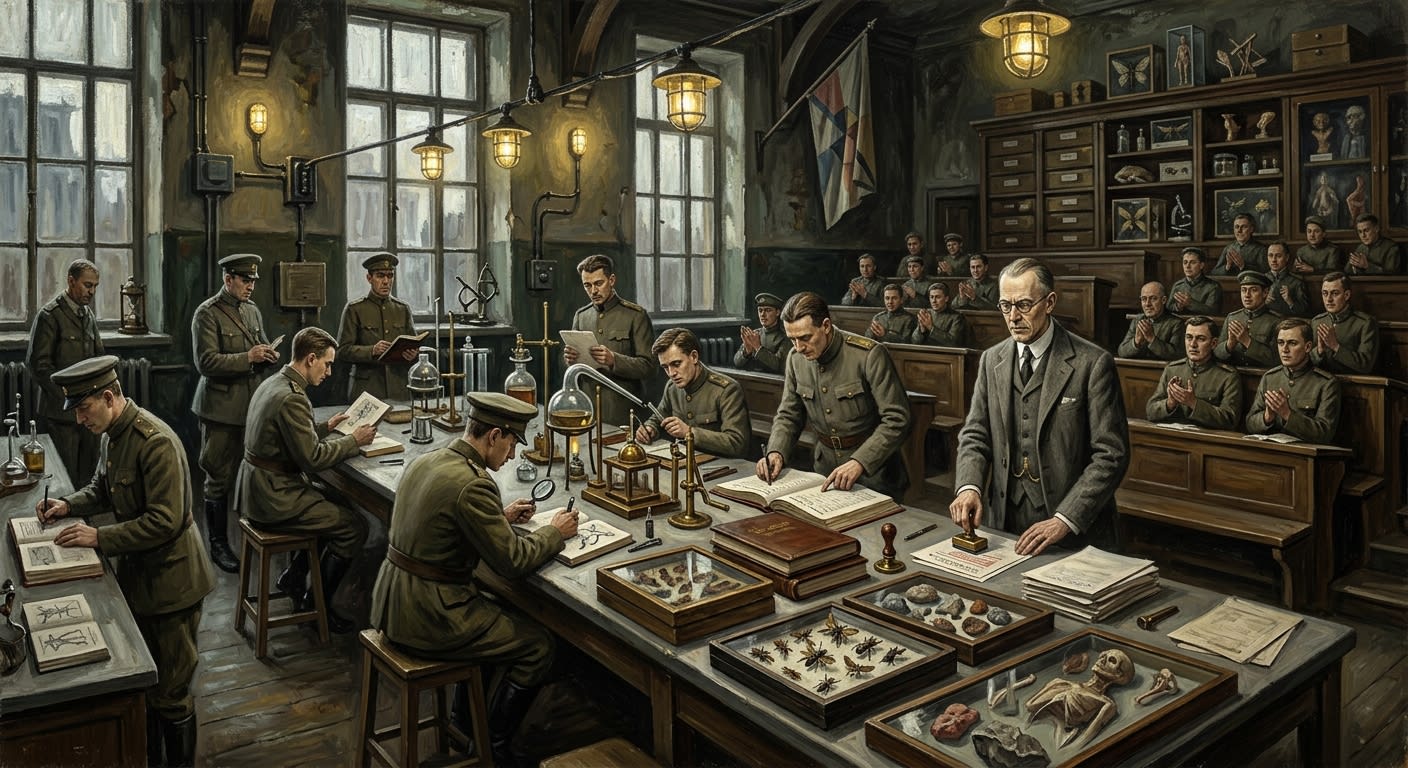
Academies
New cathedrals of Reason, with better brass and worse gods
The Academies taught Europe to replace altar with demonstration table, relic with specimen case, prayer with applause, and cruelty with excellent paperwork.
Codex Ref. I.1.03-000
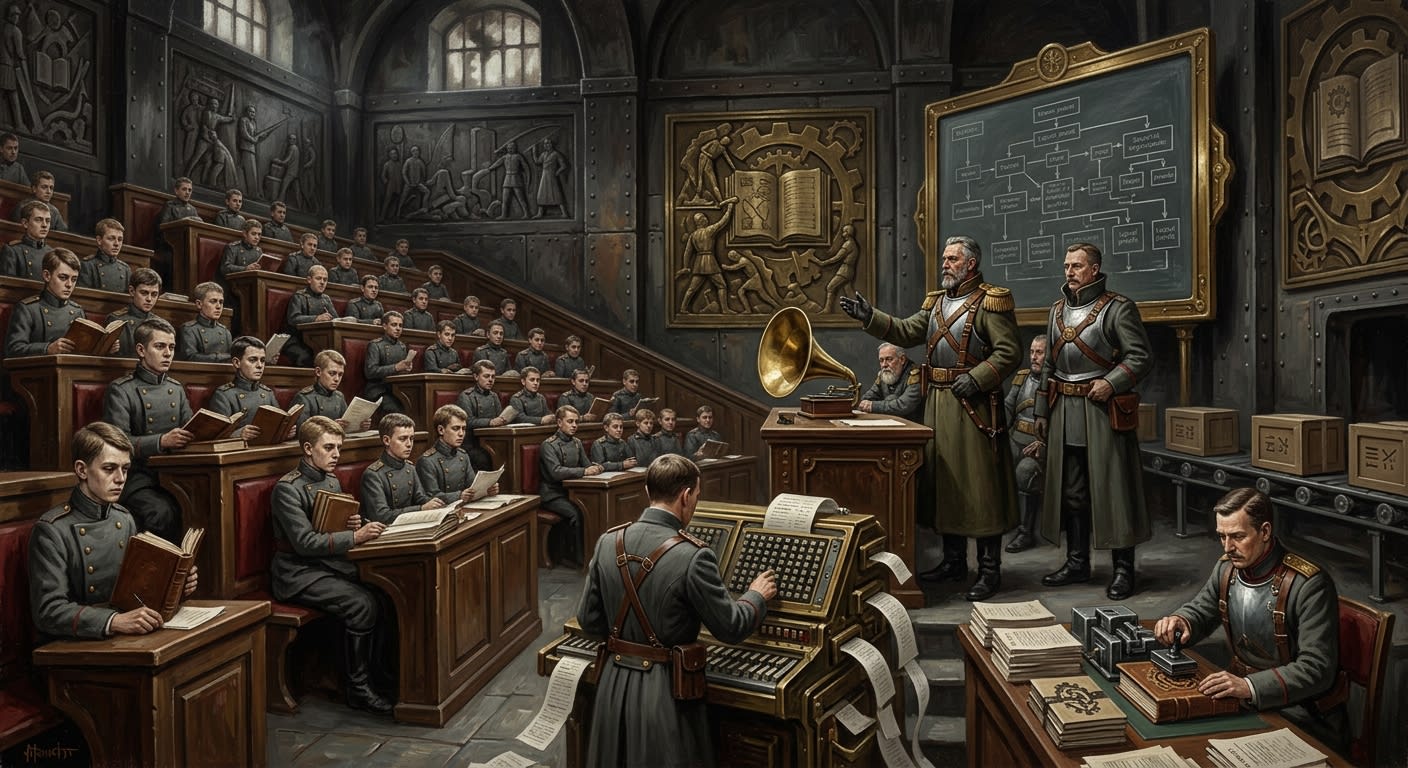
Academy System
The lecture hall as ministry, purse, press, knife, and alibi
The Rationalist Academy System made scholarship into command: lectures became policy, footnotes became bayonets, and children learned unbelief as paperwork.
Codex Ref. I.1.03-000
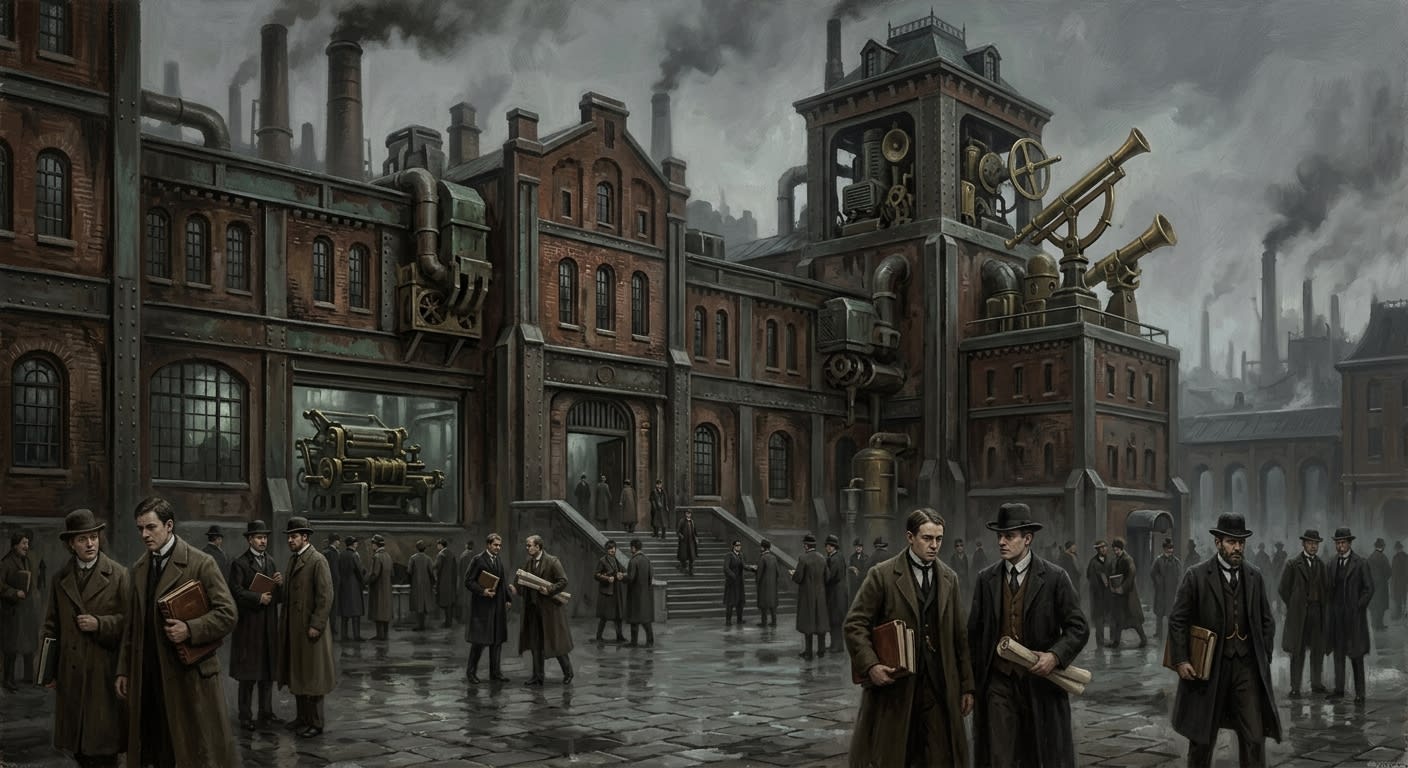
Amsterdam Academy
The lectern that made unbelief printable
The Amsterdam Academy licensed unbelief, printed the calendar wound, and taught Europe that a schoolhouse may do the work of a siege engine.
Codex Ref. VIII.8.01-000
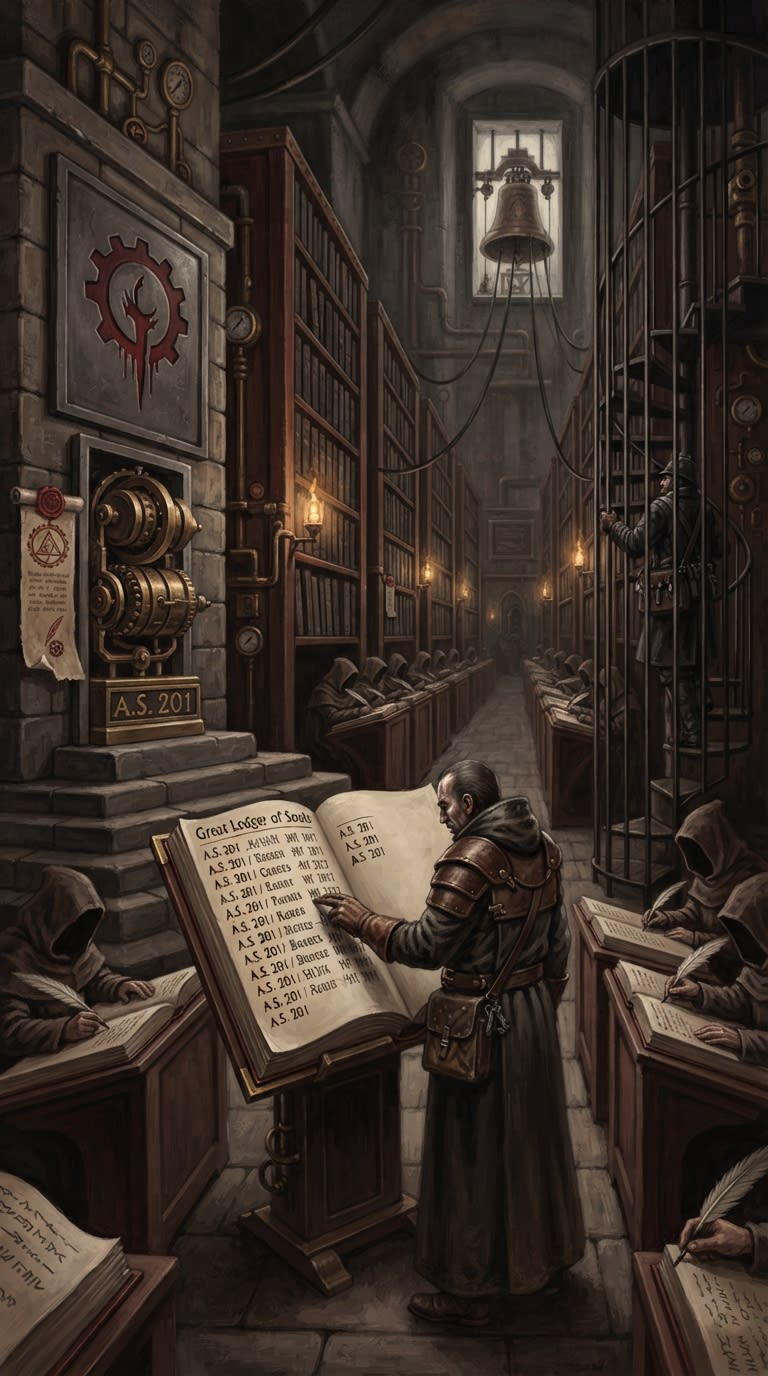
Anno Synodi
The wound by which Strasbourg owns the year
The Synod's calendar counts not from triumph but from wound: A.S. 0 at De Vera Luce, adopted retrospectively at the Concordat, and enforced by Records, Bells, and Doctrine.
Codex Ref. XIII.1.00-090
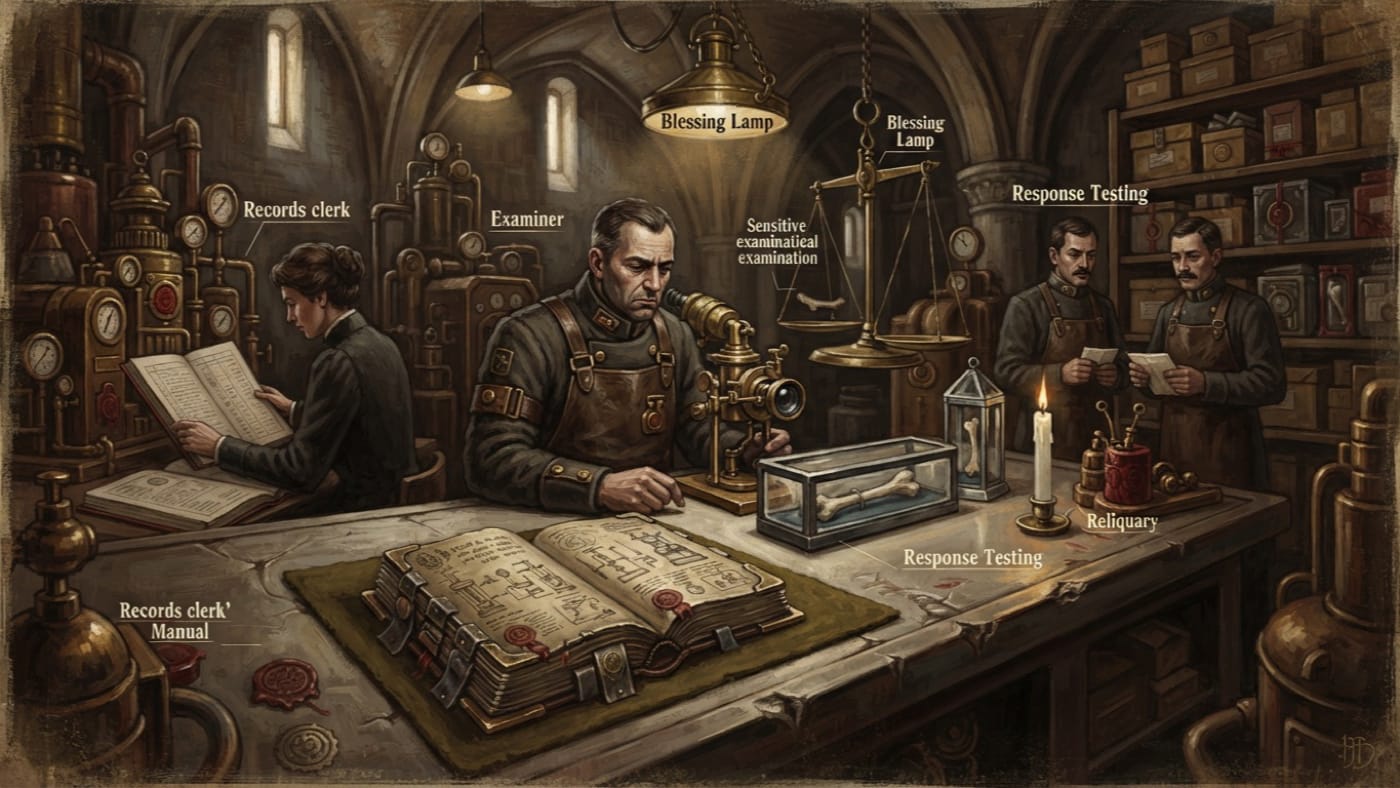
Authenticators' Manual
Seven stages. Two witnesses. Responsibility belongs to the hand.
The Bureau of Relics' working rulebook in A.S. 201: seven stages, two witnesses and seals that outrank arithmetic. Permission belongs to the Bureau; responsibility belongs to the Examiner.
Codex Ref. XIII.1.81-002
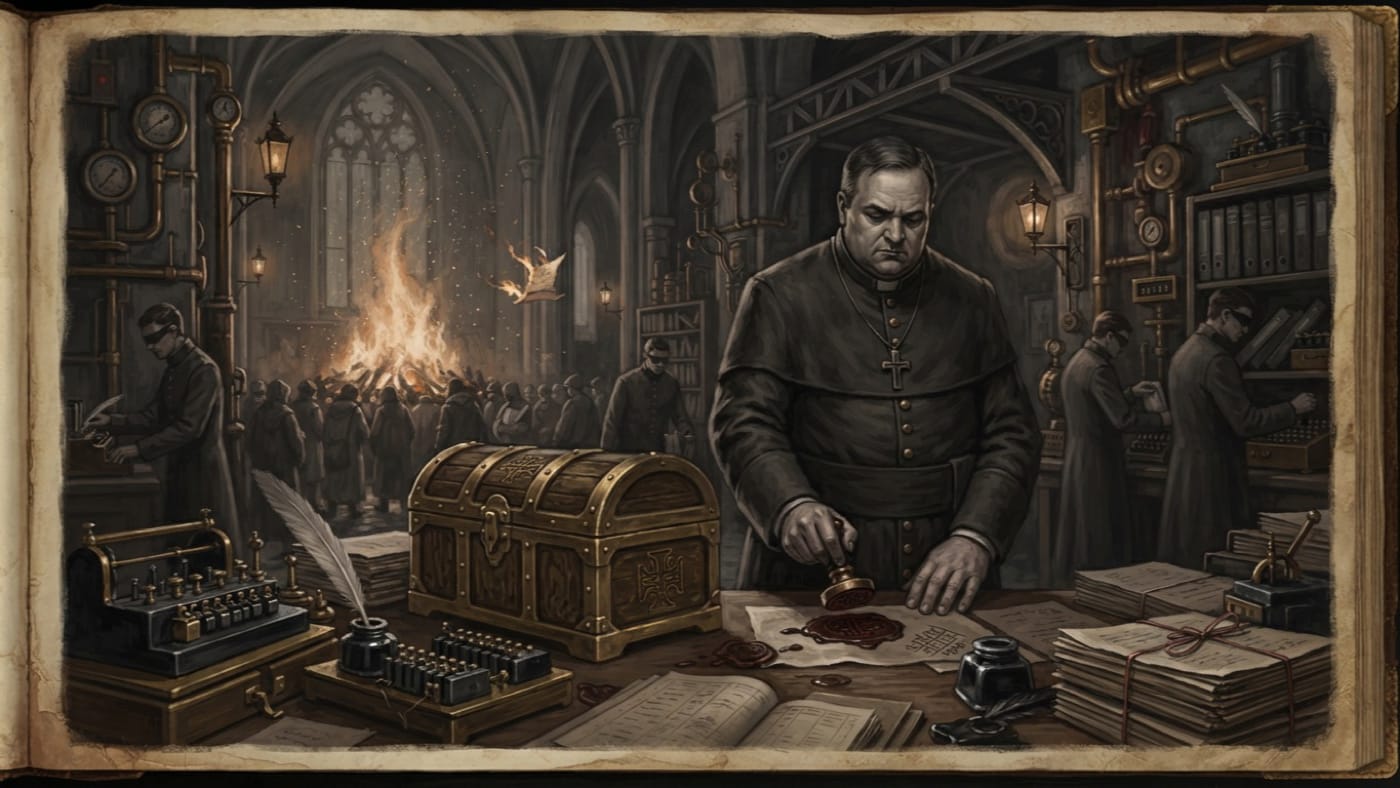
Bishop of Münster
He burned the question, then sealed the answer.
The Bishop of Münster burned Amsterdam's letter in 1678, then commissioned a relic census whose results remain sealed. The office survives in the Ledger; the man's name does not.
Codex Ref. III.2.01-256
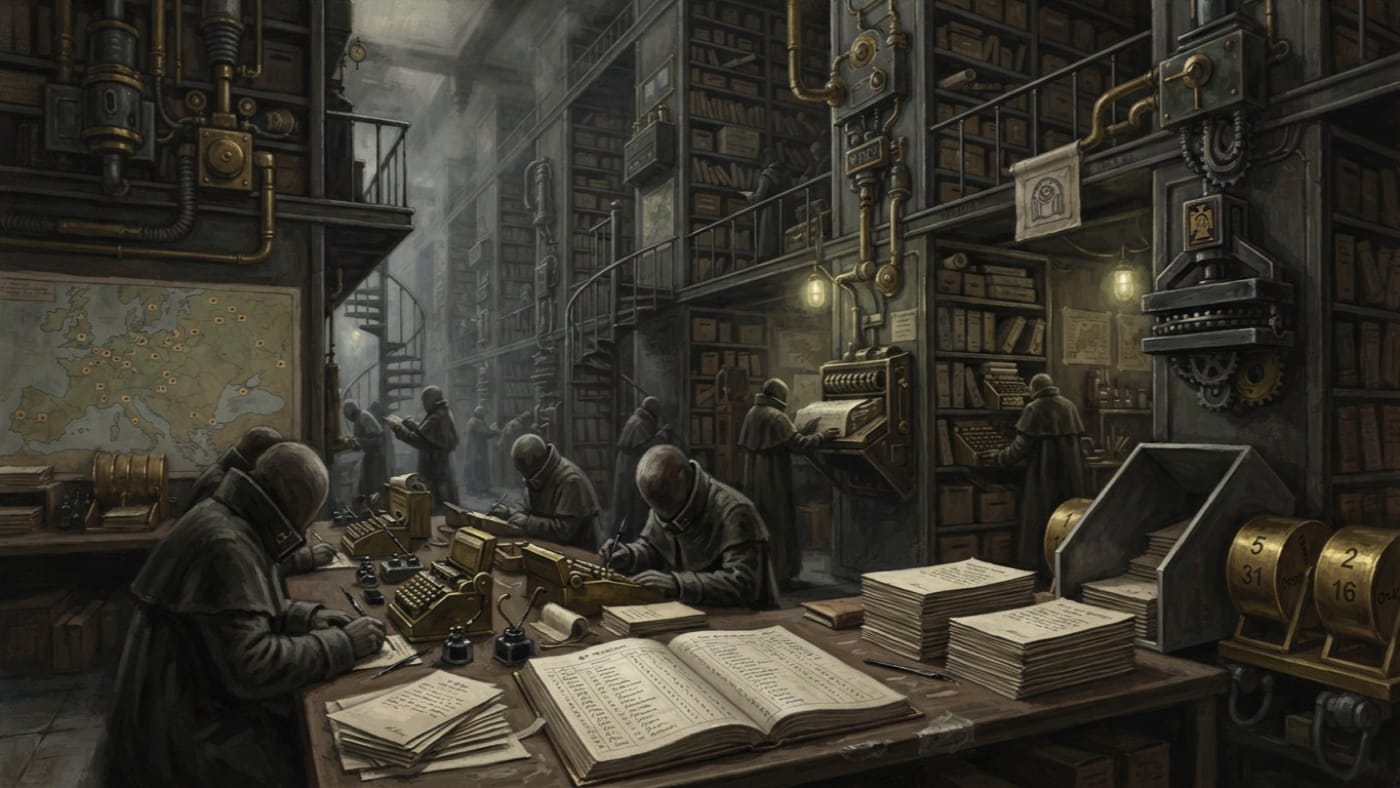
Bone Census
The count is conceded; the right to count is condemned
Compiled in Amsterdam in −32 A.S. / 1678 CE, the Bone Census tabulated 243 Aldebrand relic claims. The figures are conceded; the scholars' right to count remains condemned.
Codex Ref. I.1.04-000
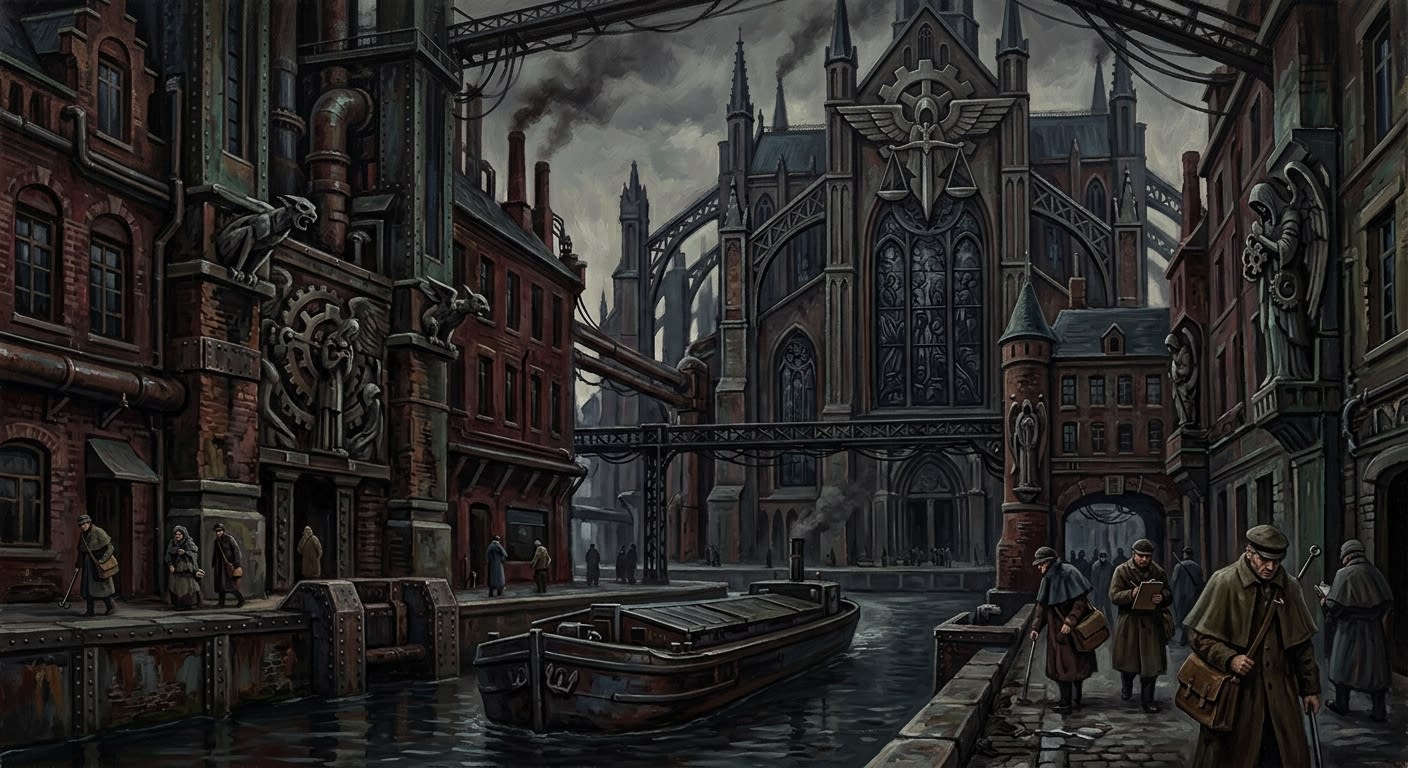
Bruges
Permit prosperity; audit beauty
Bruges is the Synod-held Lowlands city whose canals, colours, grotesques, relic glass, and impossible Tithes seal make beauty a recurring audit problem.
Codex Ref. II.1.04-058
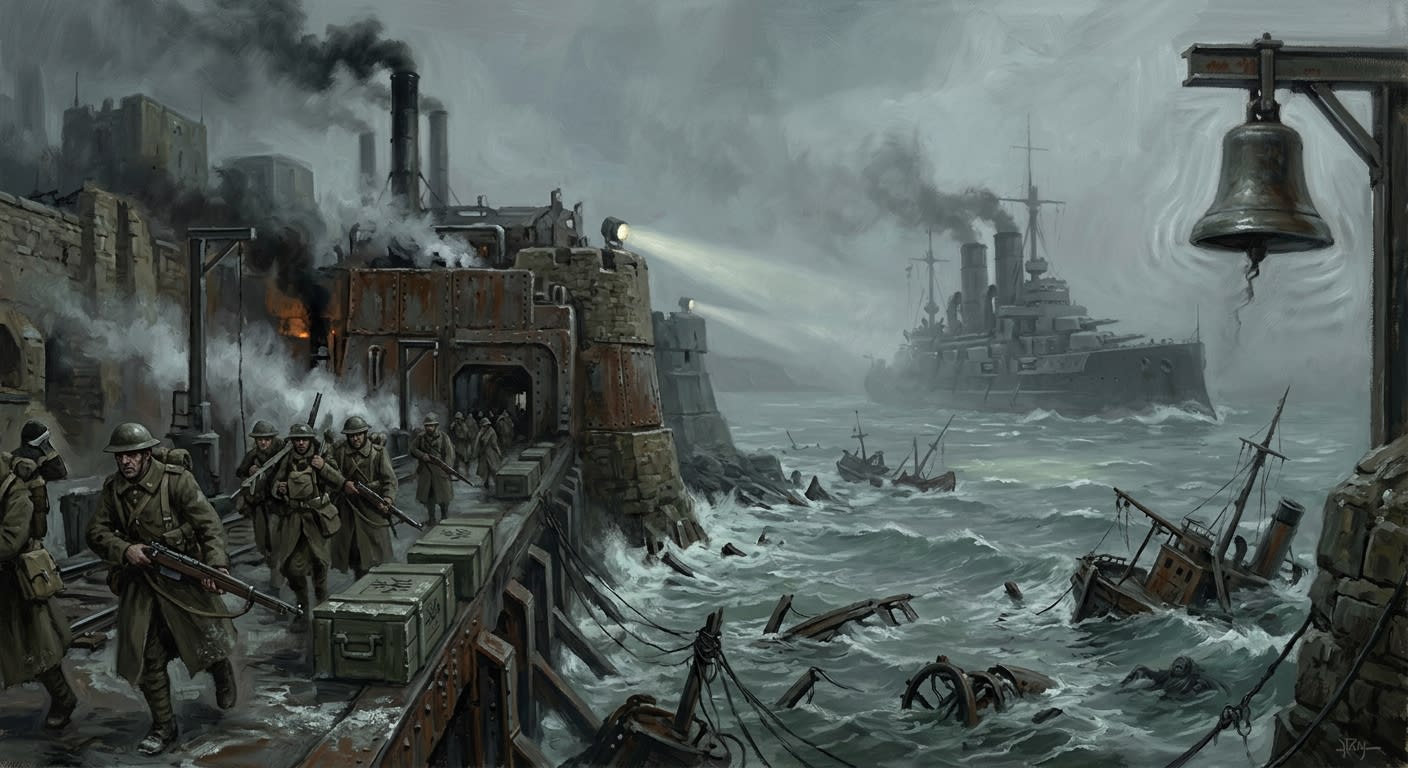
Channel
The water between two prides, and wiser than both
The Channel is the Synod's western salt wound: Calais to Dover, bells to fog, British pride to Synod arithmetic, and drowned things below.
Codex Ref. II.1.04-201
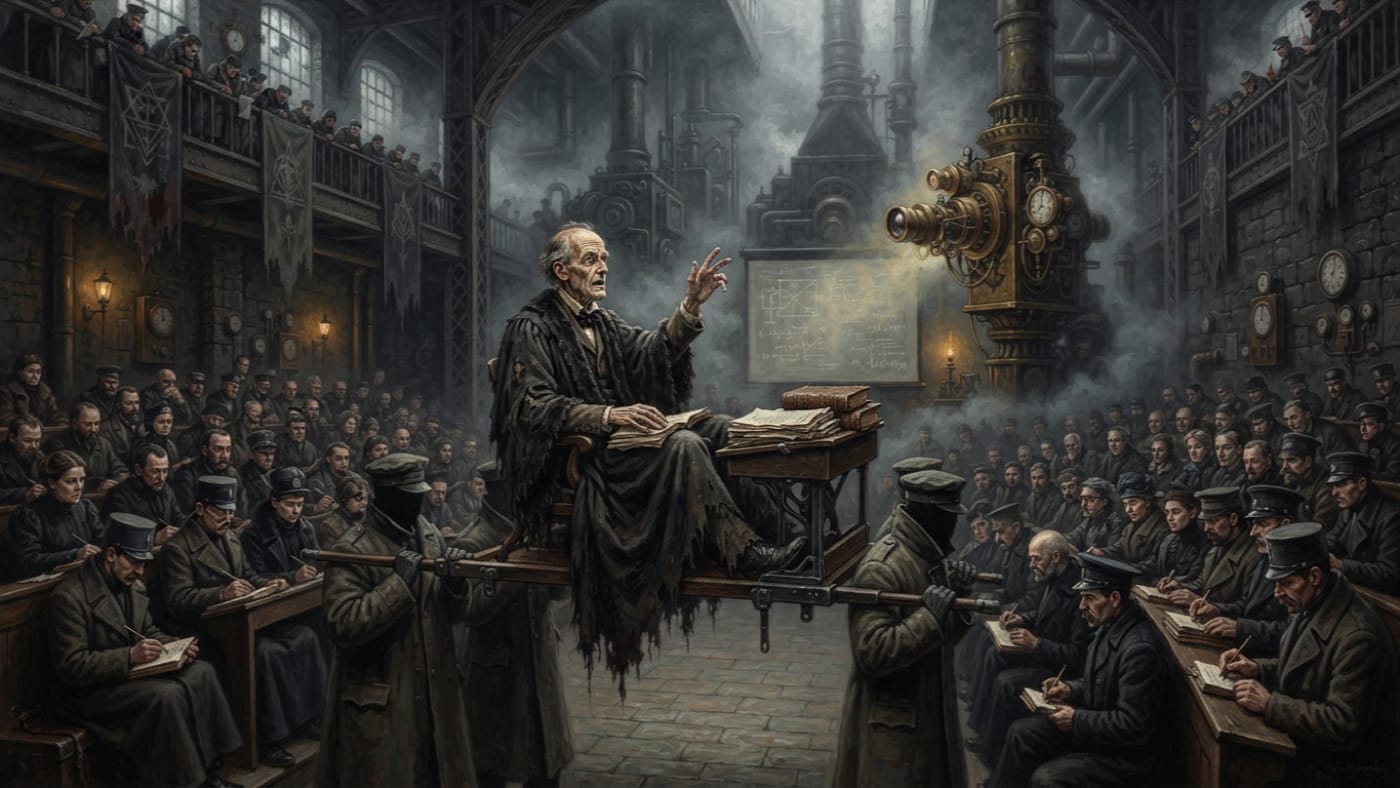
Dean Albrecht Moser
The signature survived; so, inconveniently, did the signatory
Dean Albrecht Moser signed the Concordats of Ulm in 1655 and reached Amsterdam's founding congress at seventy-nine, carried on a litter and still lecturing. His signature outlived his bones.
Codex Ref. III.2.01-850
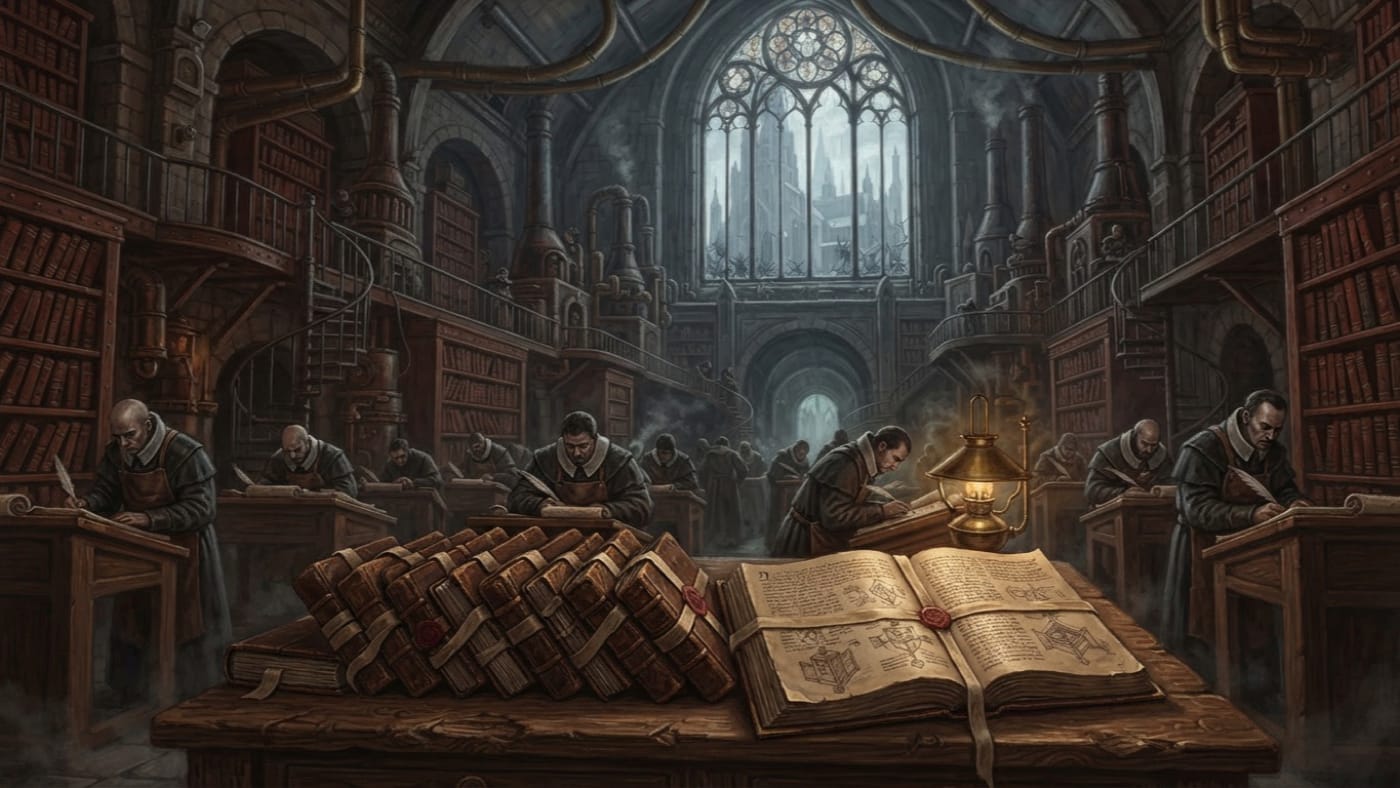
Diocese of Trier
Twelve pages of theology. No reconciled provenance.
Trier's twelve-page defence of multiplied Aldebrand relics in −32 A.S. / 1678 CE: magnificent theology, unreconciled provenance, and paperwork the Synod claimed a century late.
Codex Ref. I.3.09-032
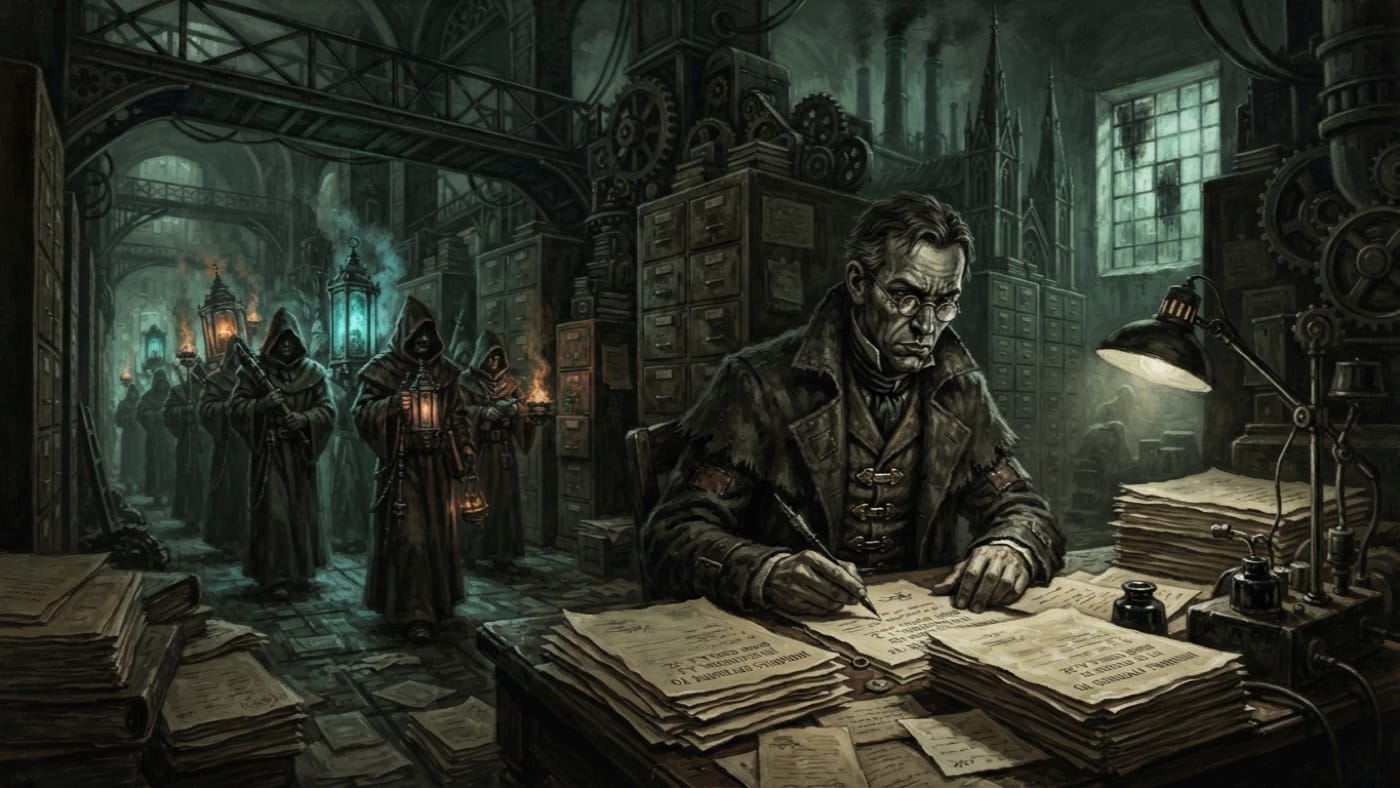
Dr. Gerrit Lemstra
The courtesy was impeccable. The inquiries remain open.
Dr. Gerrit Lemstra drafted the courteous inquiries sent with Amsterdam's Bone Census in −32 A.S. / 1678 CE. The Bureau condemns the scholar; his requests remain unreconciled.
Codex Ref. III.2.01-027

Dr. Jan de Waal
Addresses, funds and copyists. Forty cities received the doubt.
Dr. Jan de Waal kept the addresses, funds and fourteen copyists behind the Year of Letters in −32 A.S. / 1678 CE. Forty cities received the evidence; the Church supplied the silence.
Codex Ref. III.2.01-028
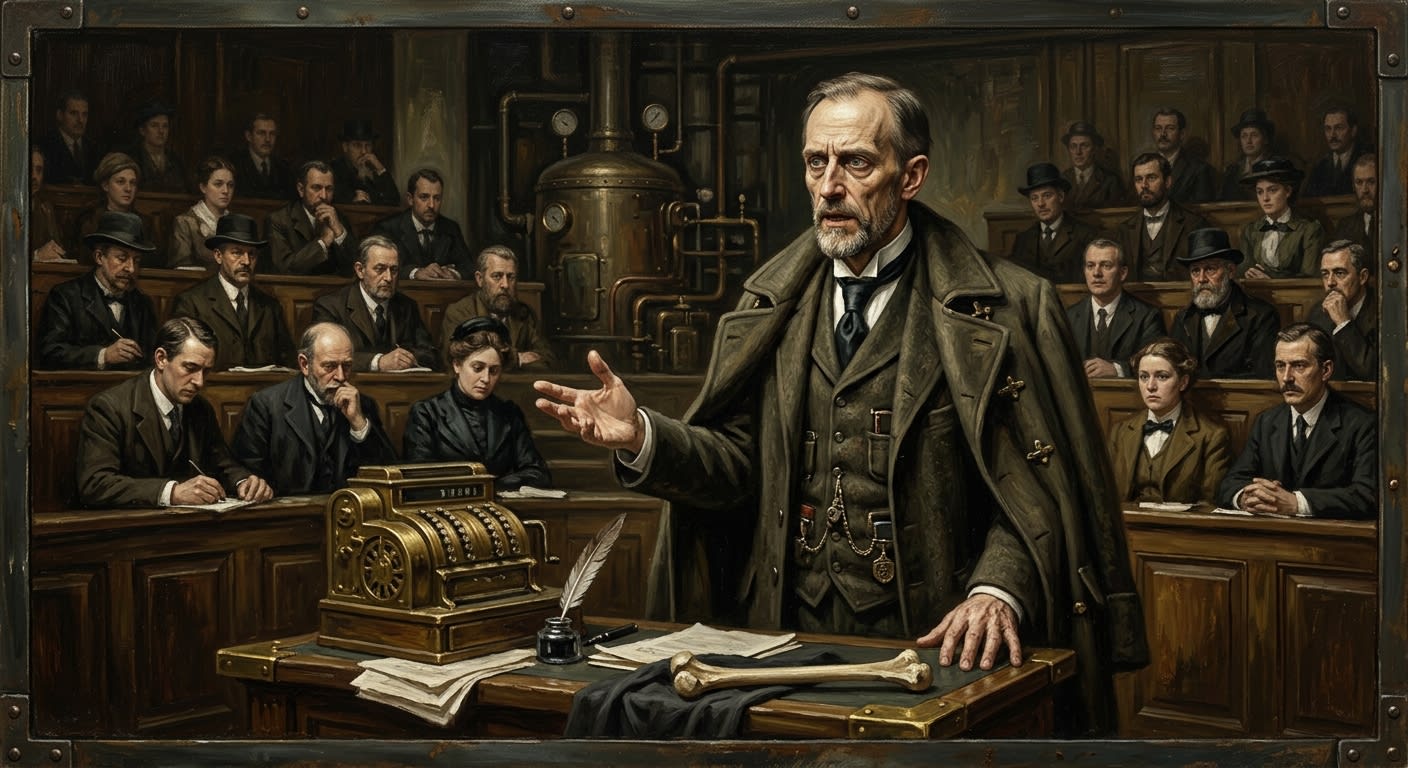
Dr. Matthias Voll
The lecturer who counted bones and was answered by one
Dr. Matthias Voll made relic arithmetic into theatre at Amsterdam in A.S. 11. Vienna later supplied the Bureau's preferred calculation: one bone, one blow, one crushed argument.
Codex Ref. III.2.01-011

Dr. Pieter van Hoorn
The count was correct. The compiler remains condemned.
Dr. Pieter van Hoorn compiled the Bone Census and conceived the Year of Letters in −32 A.S. / 1678 CE. The Bureau concedes his count, condemns its inference, and keeps his correspondence under quadruple seal.
Codex Ref. III.2.01-029
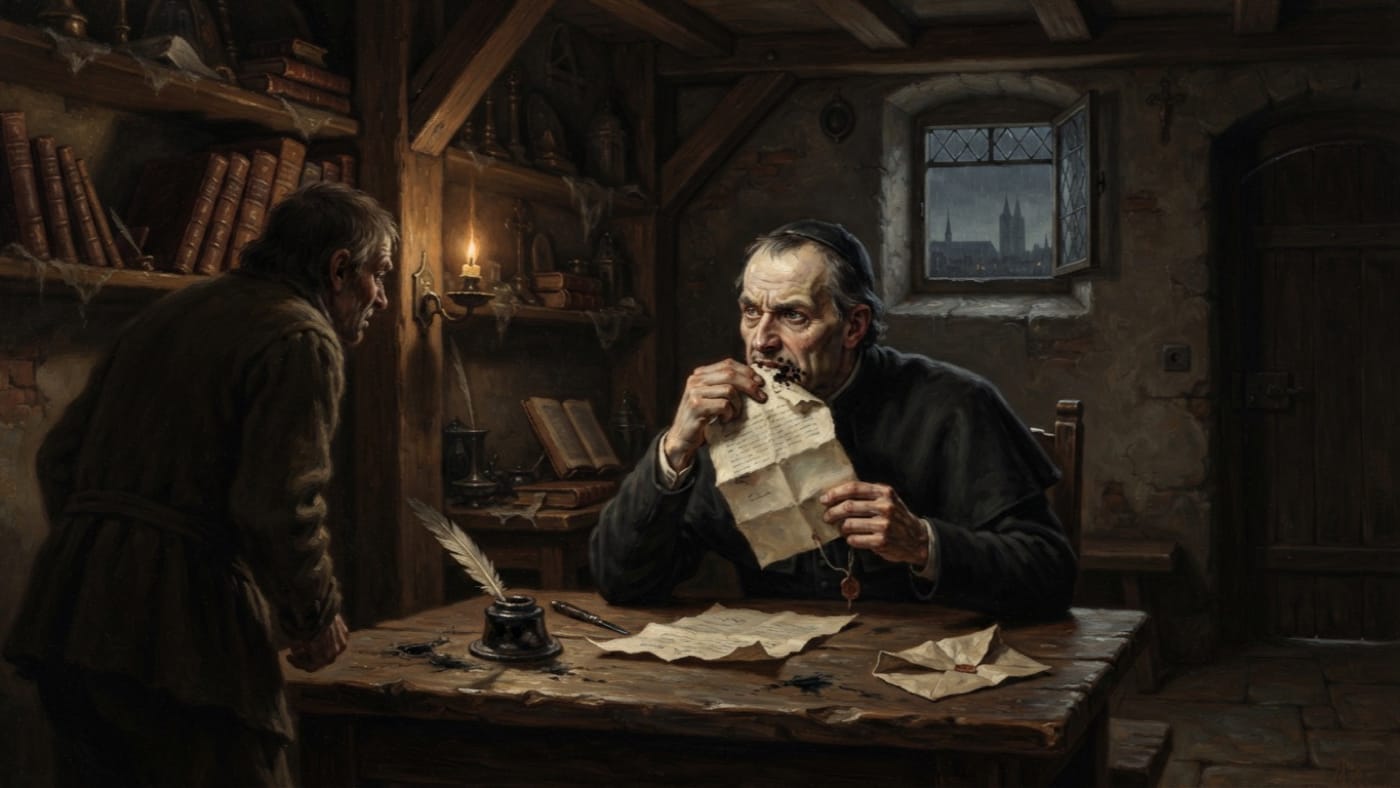
Düsseldorf
One priest. One letter. Nothing left to quote.
A Rhineland city remembered for Father Grauss, who ate the Amsterdam letter in A.S. −32 / 1678 CE. The magistrate supplied three days in gaol; the Bureau supplied a classification.
Codex Ref. II.2.01-941

Europe
The wounded continent, held together by rails, bells, hunger, and denial
Europe is the wounded continent: Synod west, Charnel east, Line between, and every road, harbour, cradle, ration card, bell, and grave bent toward survival.
Codex Ref. II.0.01-201
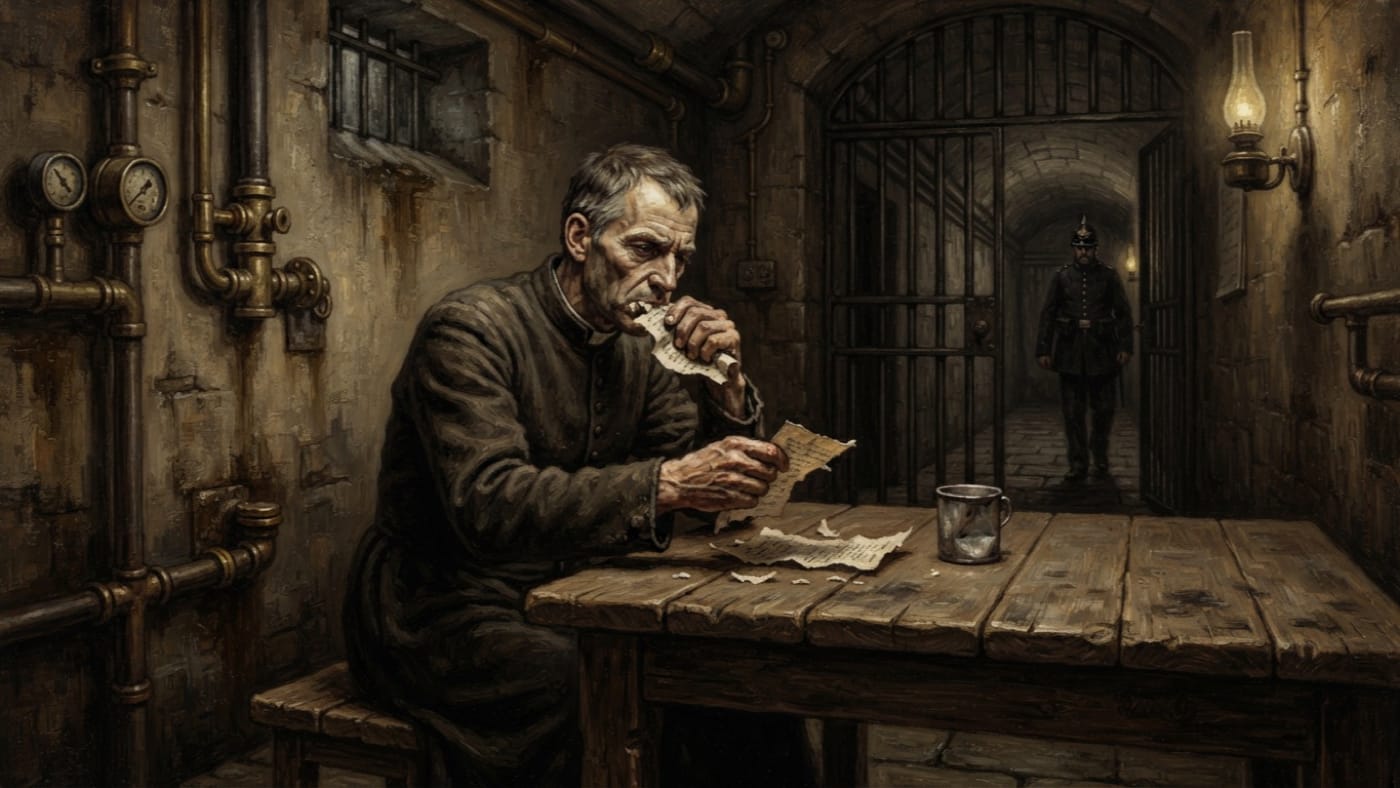
Father Grauss of Düsseldorf
One letter eaten. Three days served. Five words preserved.
Father Grauss ate the Amsterdam letter in A.S. −32 / 1678 CE, received a beating and three days in gaol, and did not recant. The Ledger calls him Doctrinally Sound, Gastronomically Irregular.
Codex Ref. III.2.01-1024
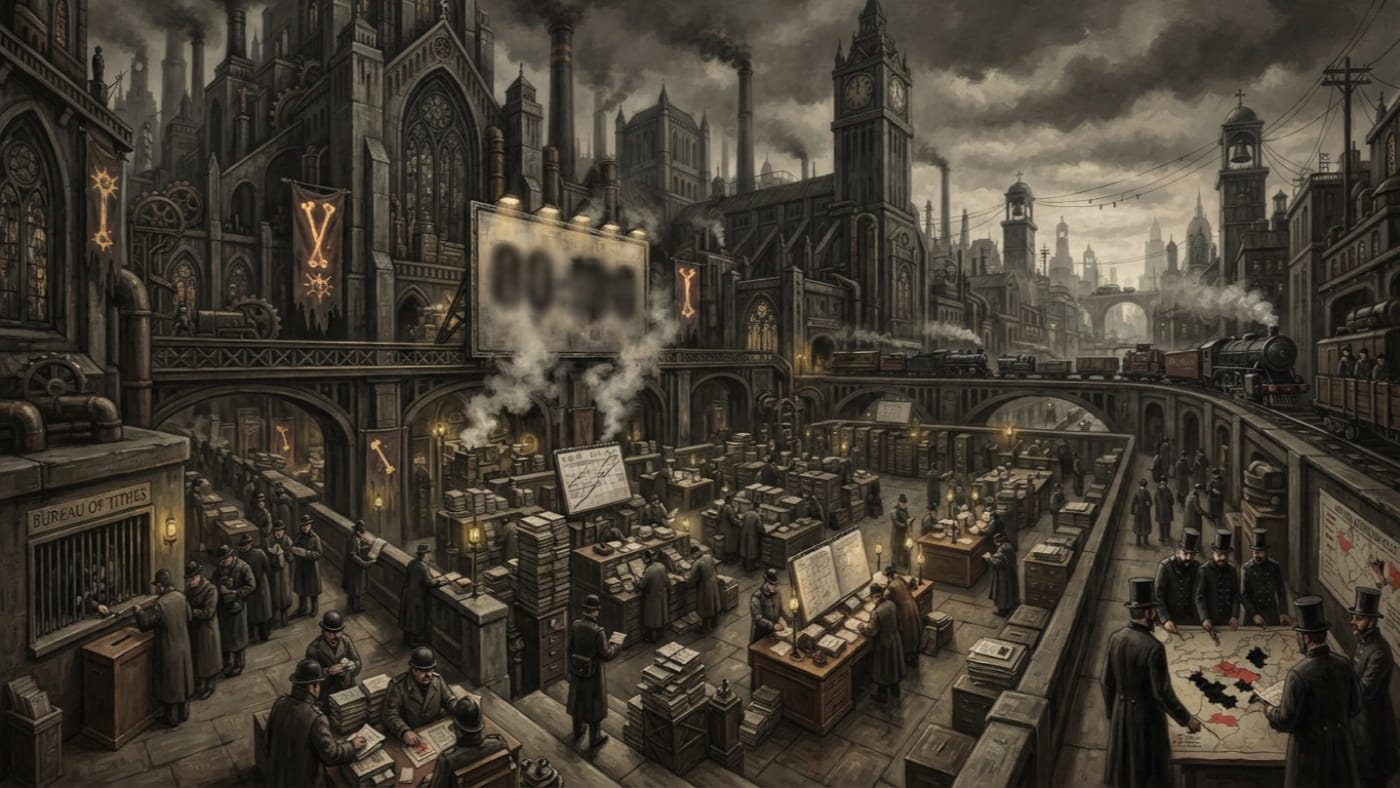
Feast of Saint Aldebrand
Remembered by the register, mislaid by the diocese
A.S. 201 survey of Aldebrand's feast: sanctioned by Festivals, observed or omitted by dioceses, disputed by Records and taxed by Tithes. The register remembers; the day remains unknown.
Codex Ref. XIII.1.89-201
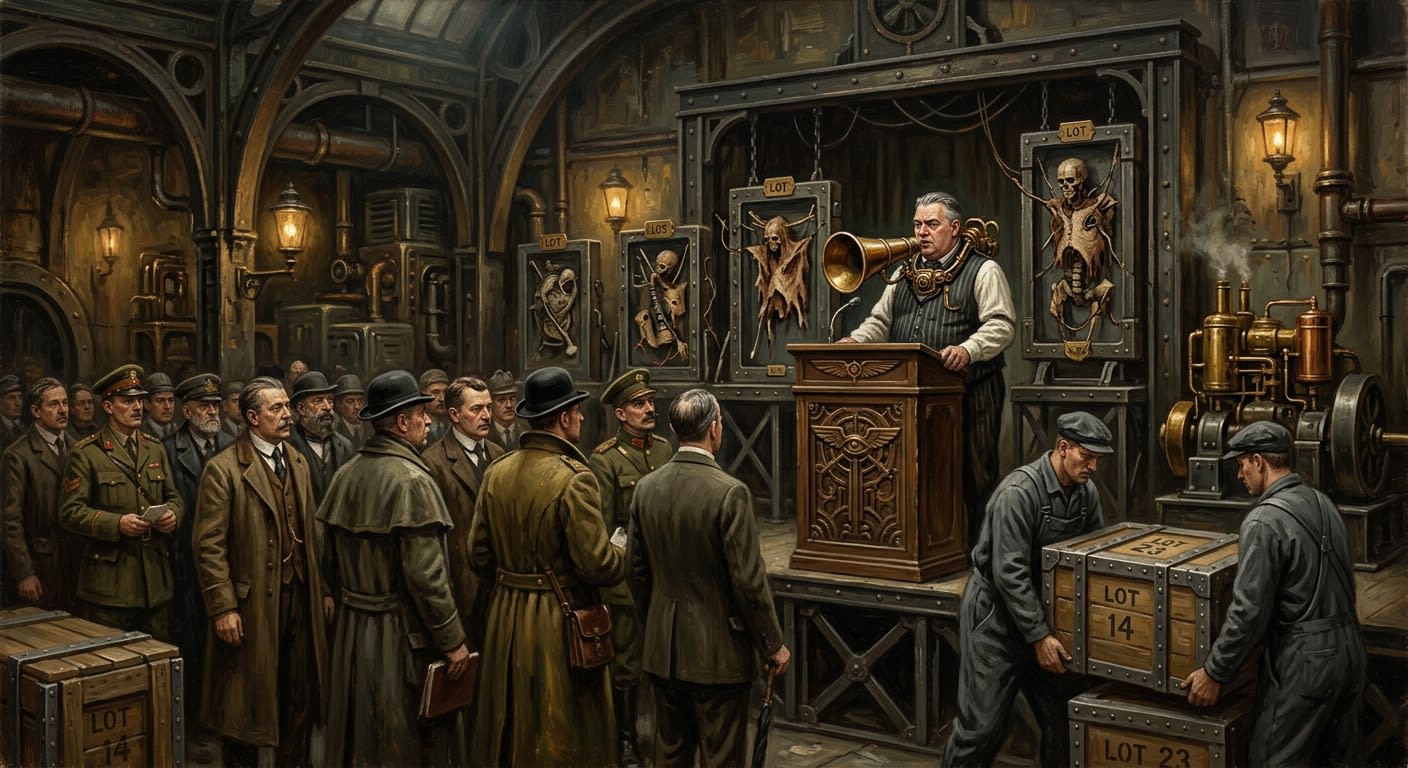
First Relic Auctions of Amsterdam
When the hammer learned to price a saint without blushing
Amsterdam's first relic auction season made sacrilege respectable by catalogue, turning stolen bones into lots and provenance wounds into profit.
Codex Ref. VII.8.10-007

Garrison-Prior Aldric Venn
He saved the crates, which is how saints survive the road
Garrison-Prior Aldric Venn commanded Saint Stephen's defensive precinct during Vienna's Great Retreat withdrawal, completed the relic manifest, and vanished into the road.
Codex Ref. III.2.01-154
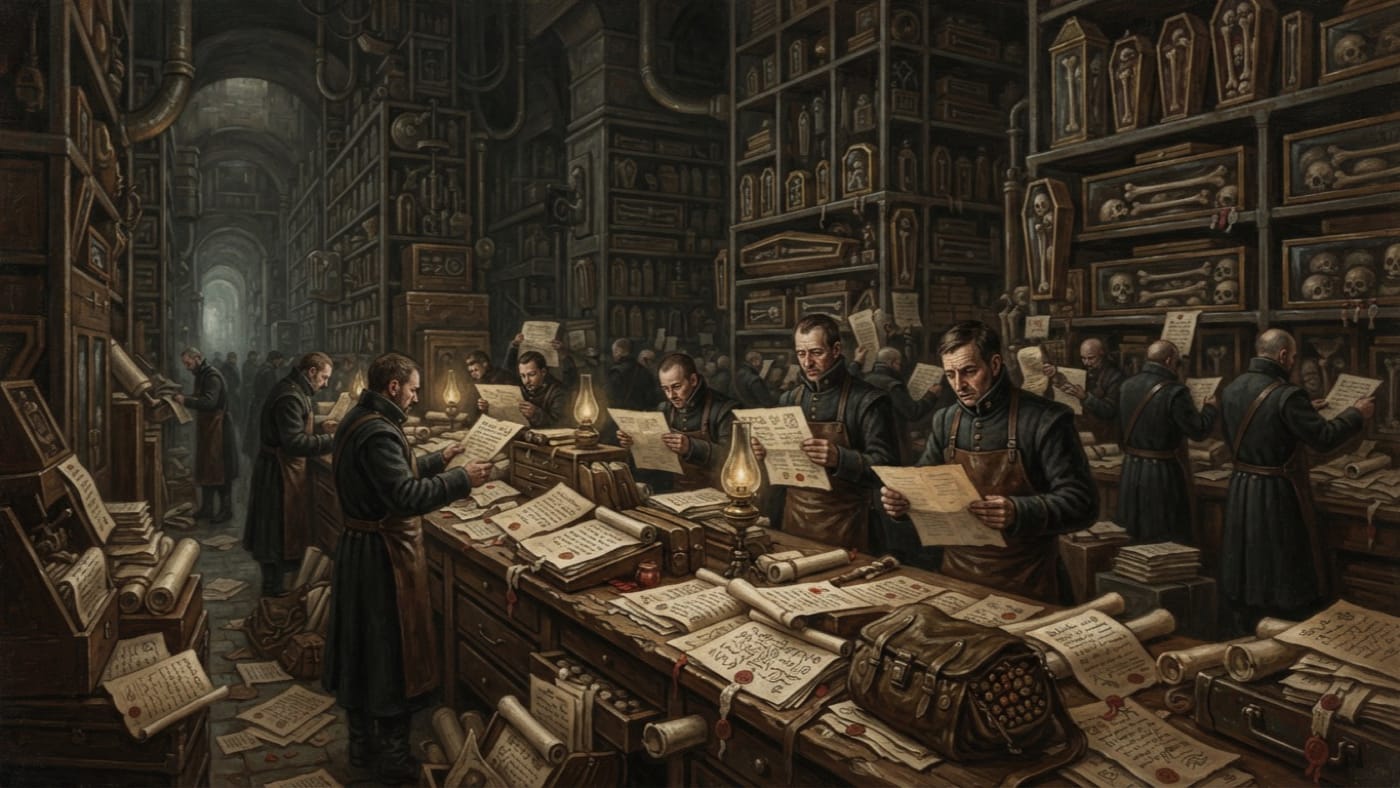
German states
Many jurisdictions. Separate seals. One inconvenient table.
The German states in 1678: many jurisdictions, separate seals, and no common answer to Amsterdam's bone census. The relics agreed locally. The ledgers did not.
Codex Ref. II.1.10-001
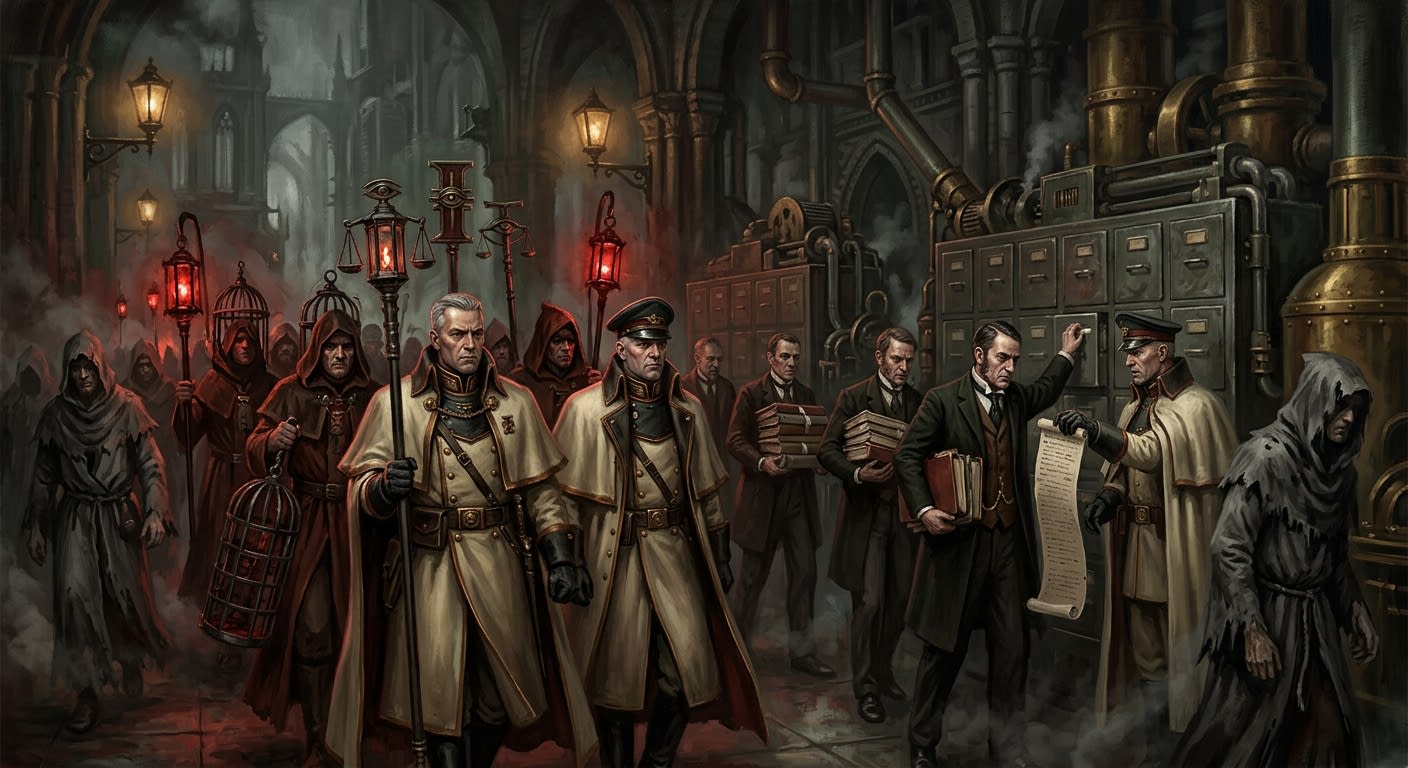
Inquisition
The white hand closes with a receipt
The Inquisition is Purity's authorised appetite for correction: White Cloaks, Lictors, Red Lanterns, Ashmen, Shadows, Index packets, denunciation law, and the clerkly miracle by which fear learns to file itself.
Codex Ref. VIII.1.08-093
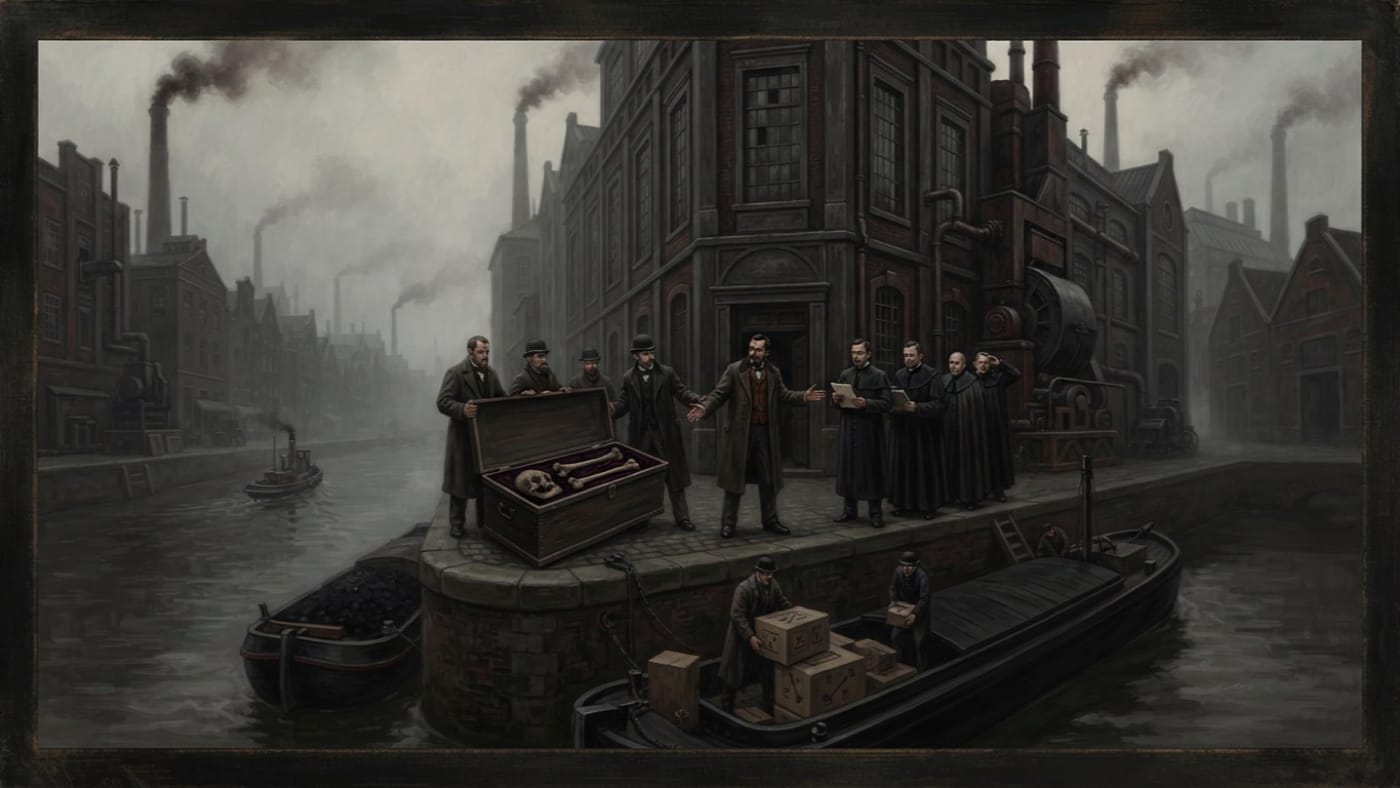
Leiden
Two femurs, one jawbone, and no jurisdiction
Leiden's anatomists supplied the Year of Letters with its simplest weapon: two femurs per man. Its merchants claim Saint Luthar's jawbone. The Synod has neither a custody chain nor jurisdiction.
Codex Ref. II.4.09-013

Lucien Artois
The cleverest gunner Reason fed to fire
Lucien Artois made Reason's artillery sing at four rounds per minute, then learned at the Iron Plains that Hell does not consult firing tables.
Codex Ref. I.1.06-001
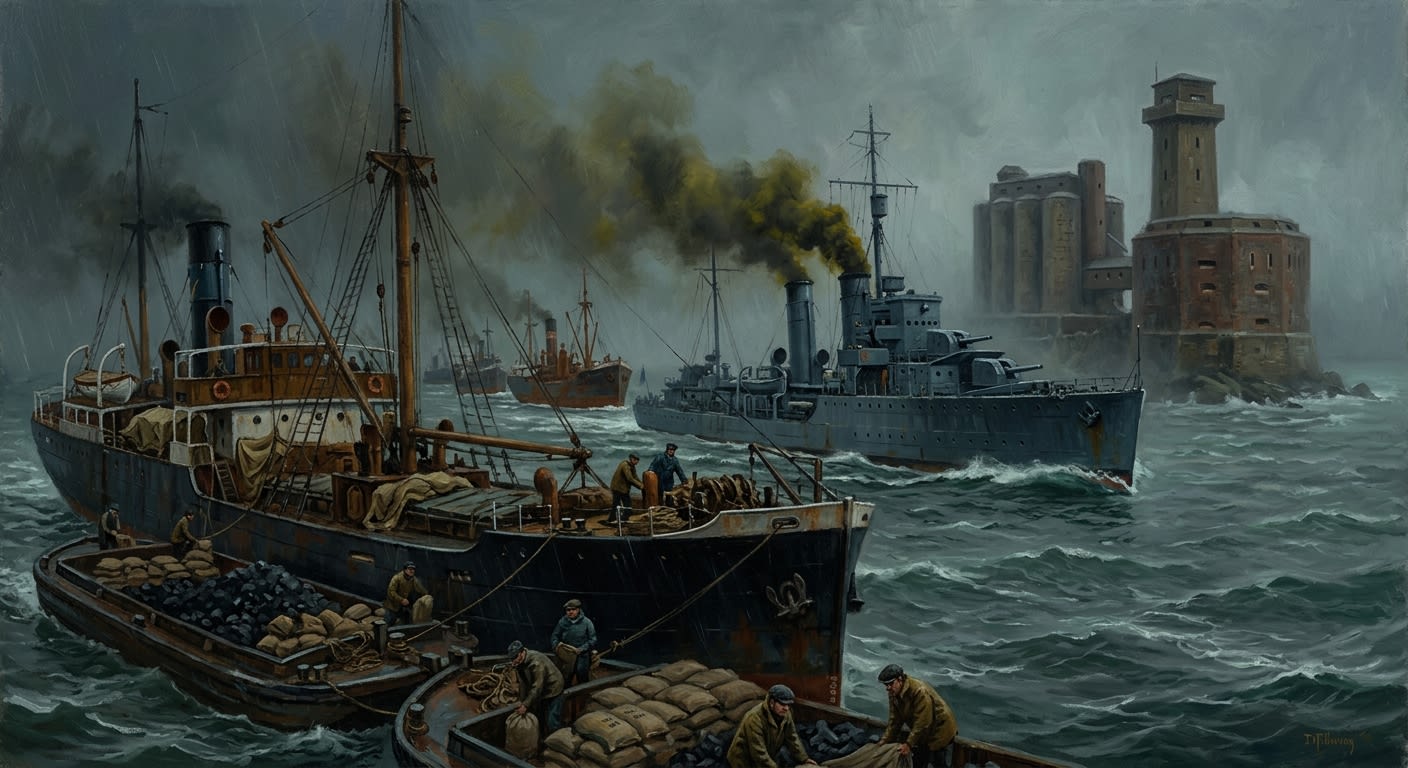
North Sea
The wet border that feeds the Line and refuses the Ledger
The North Sea is the Synod's least obedient frontier: a maritime supply basin of grain, coal, fish, fog, foreign credit, reluctant allies, and weather that accepts no stamp.
Codex Ref. II.4.09-201
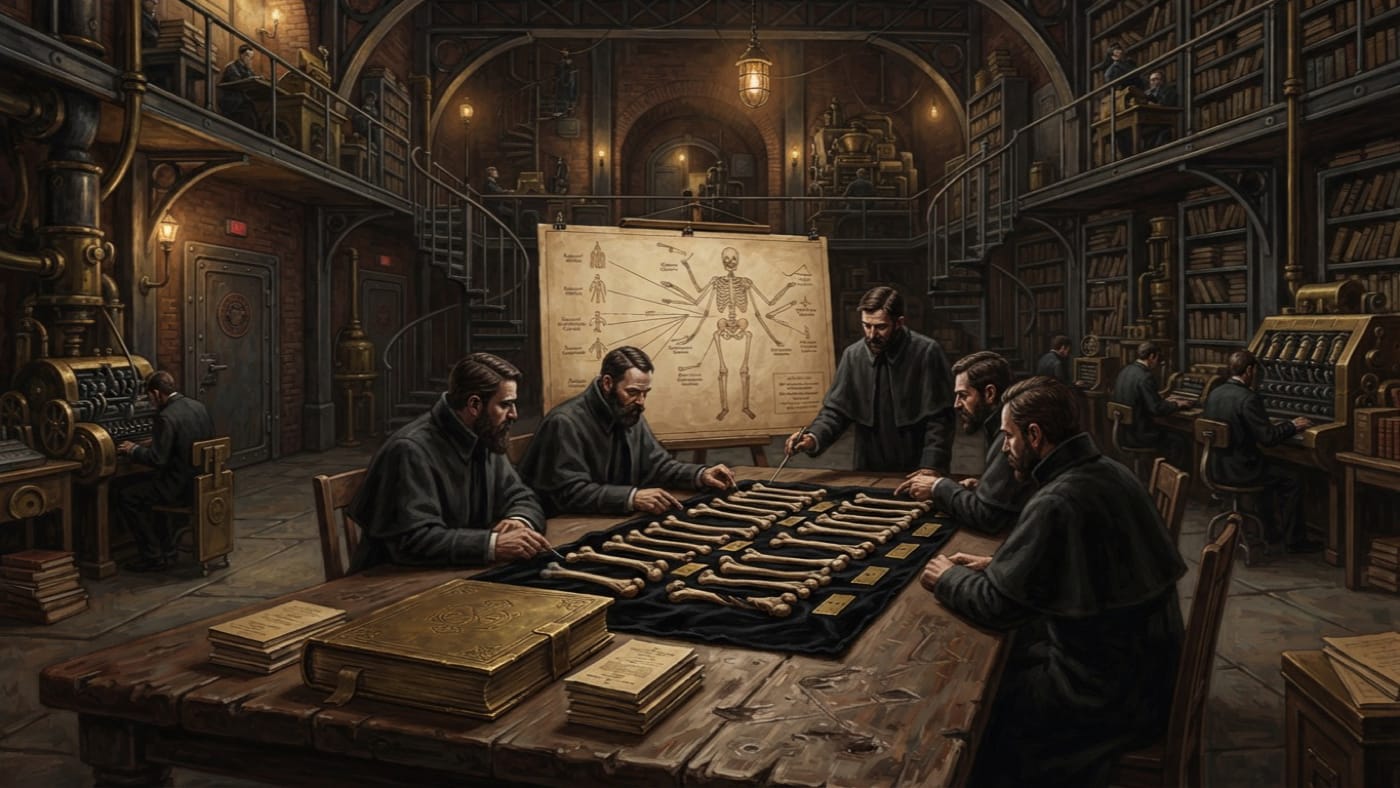
On the Statistical Distribution of Relics
A correct sum confers no licence to pronounce on holiness
Voll's A.S. 11 Amsterdam lecture counted Saint Aldebrand's femurs and mistook the total for a verdict. The Bureau preserves it under suppression: the arithmetic may be conceded; the conclusion may not.
Codex Ref. XIII.1.11-011
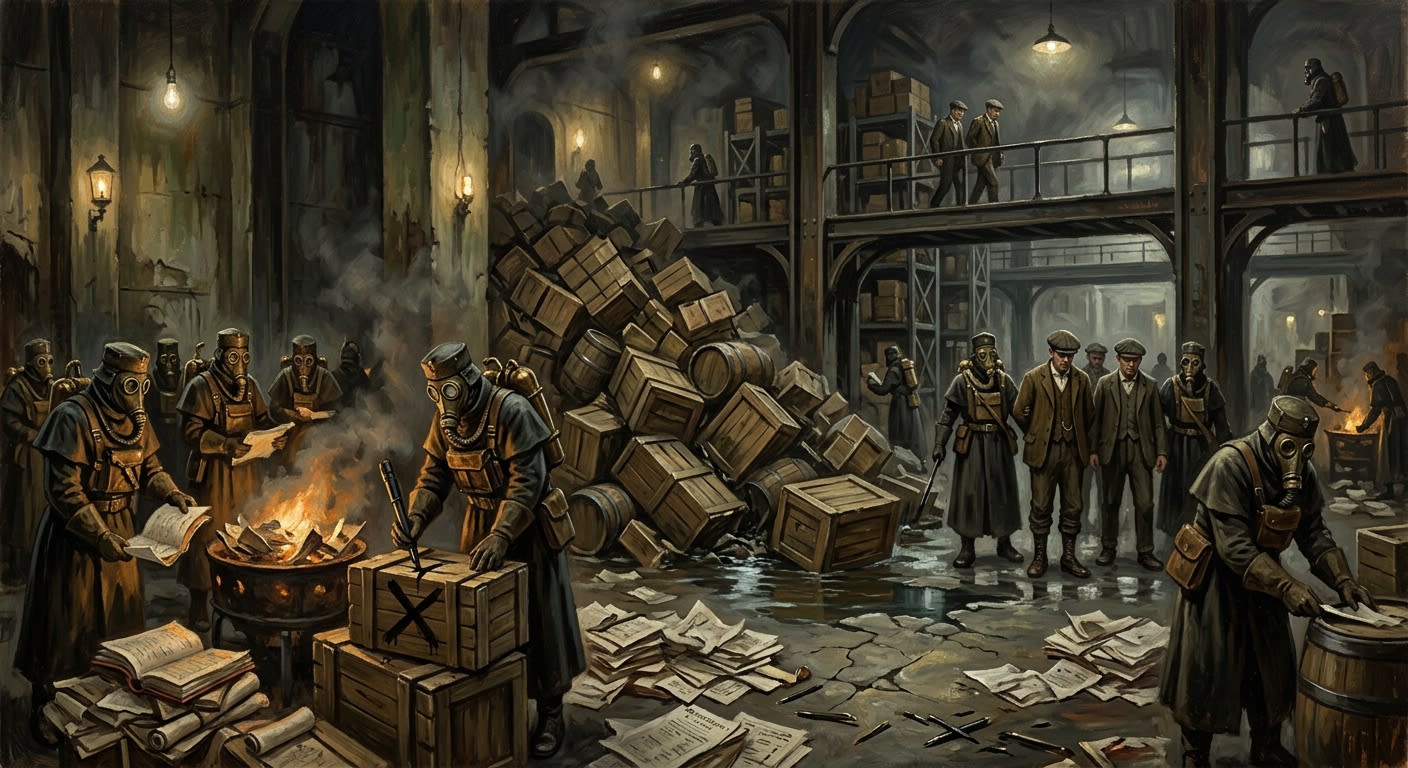
Orthography Purge of A.S. 112
When the letter changed, the invoice died obediently
The Orthography Purge of A.S. 112 reopened 411 manifest cases, stripped eleven Litigants of practice rights, and taught merchants that one suspect stroke can bankrupt a warehouse.
Codex Ref. VII.8.10-002
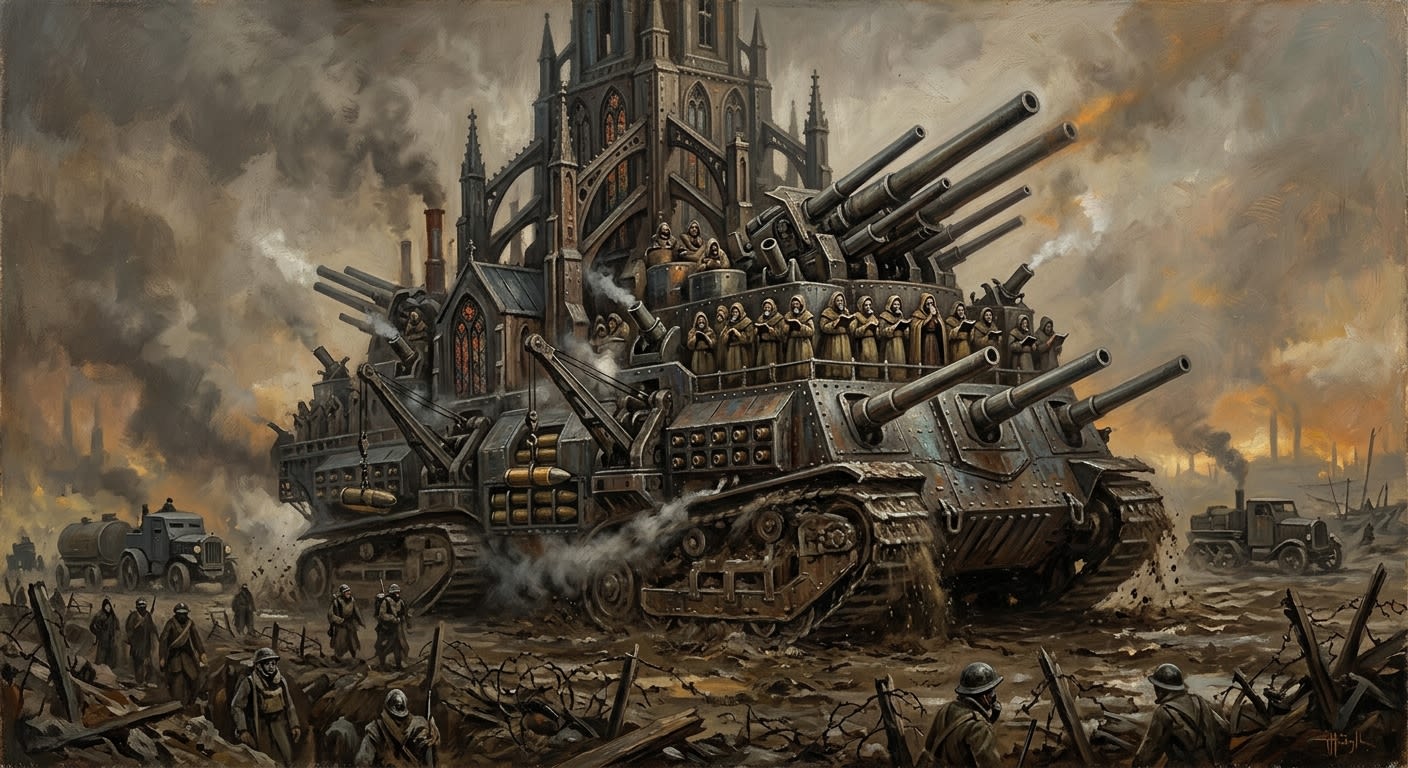
Processional Arsenal
Where the church climbs on treads and the Gloria arrives as mortar fire
The Processional Arsenal is a mobile shrine-artillery Choir-Engine: cathedral, battery, choir school, and powder magazine advancing together on blessed treads.
Codex Ref. XIII.1.34-001
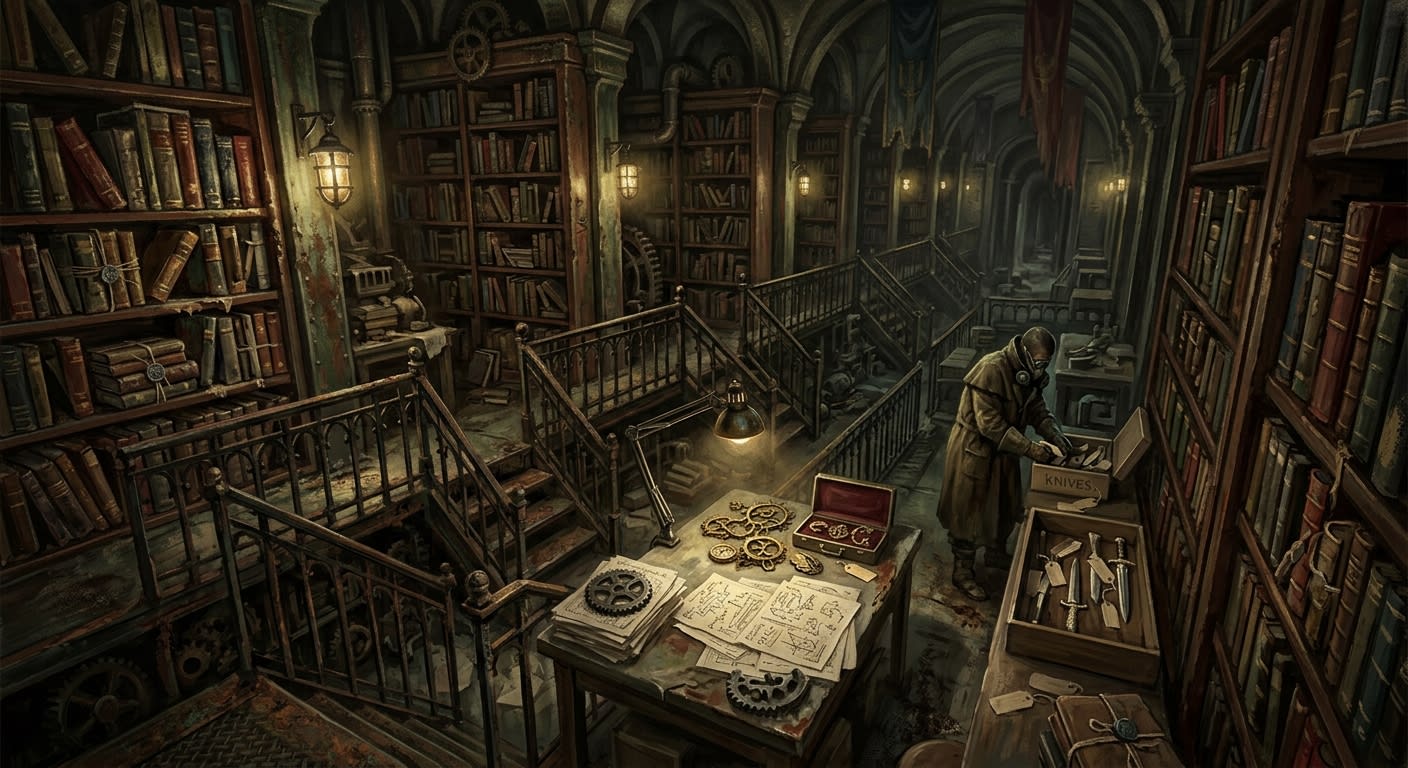
The Forbidden Stacks
Where heresy is shelved close enough to hate efficiently
The Forbidden Stacks beneath Strasbourg preserve Rationalist paper, contraband symbols, and other knives the Bureau prefers labelled rather than lost.
Codex Ref. II.2.06-001
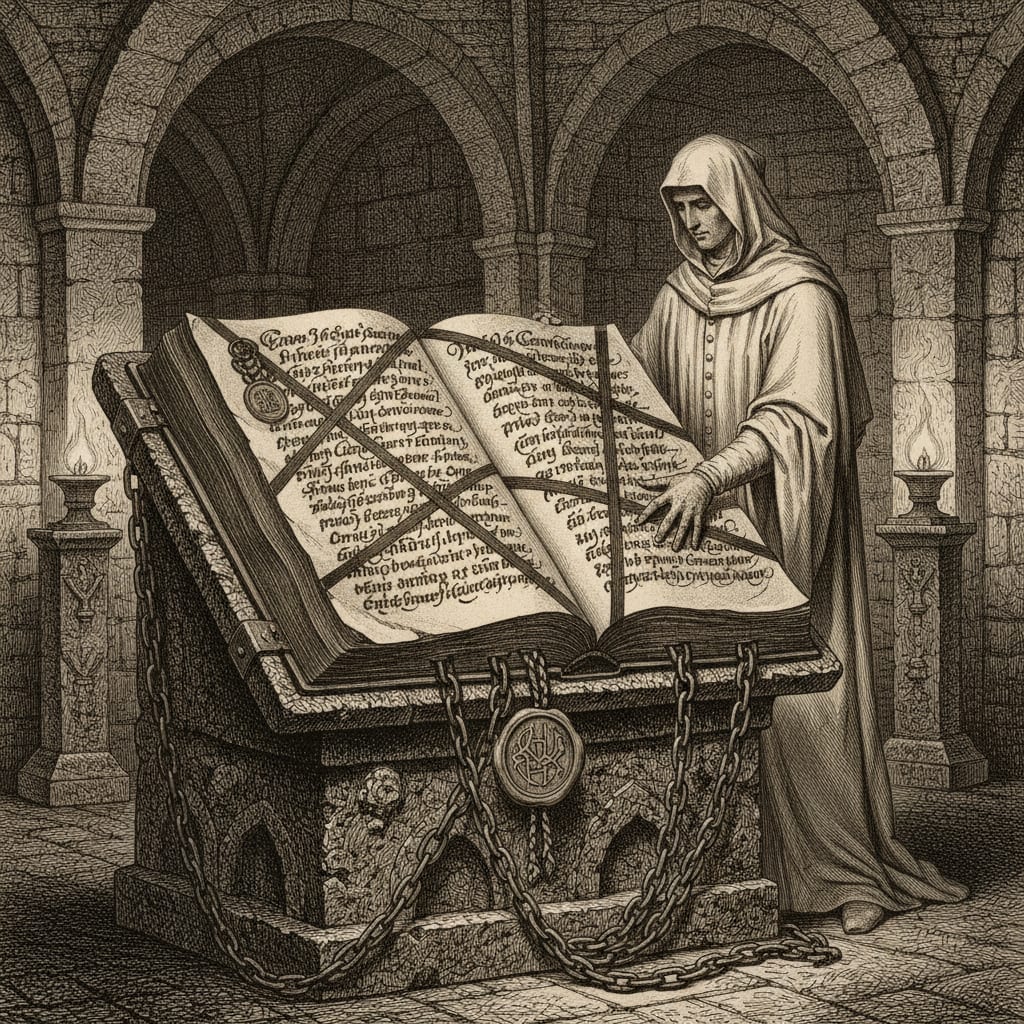
The Index Damnatus
A Catalogue of Forbidden Names, Texts, and Silences
The rolling compendium of everything the Synod has declared unfit for human knowledge — books, names, songs, bloodlines, flavors of incense, and at least one species of moth.
Codex Ref. III.4.09-031
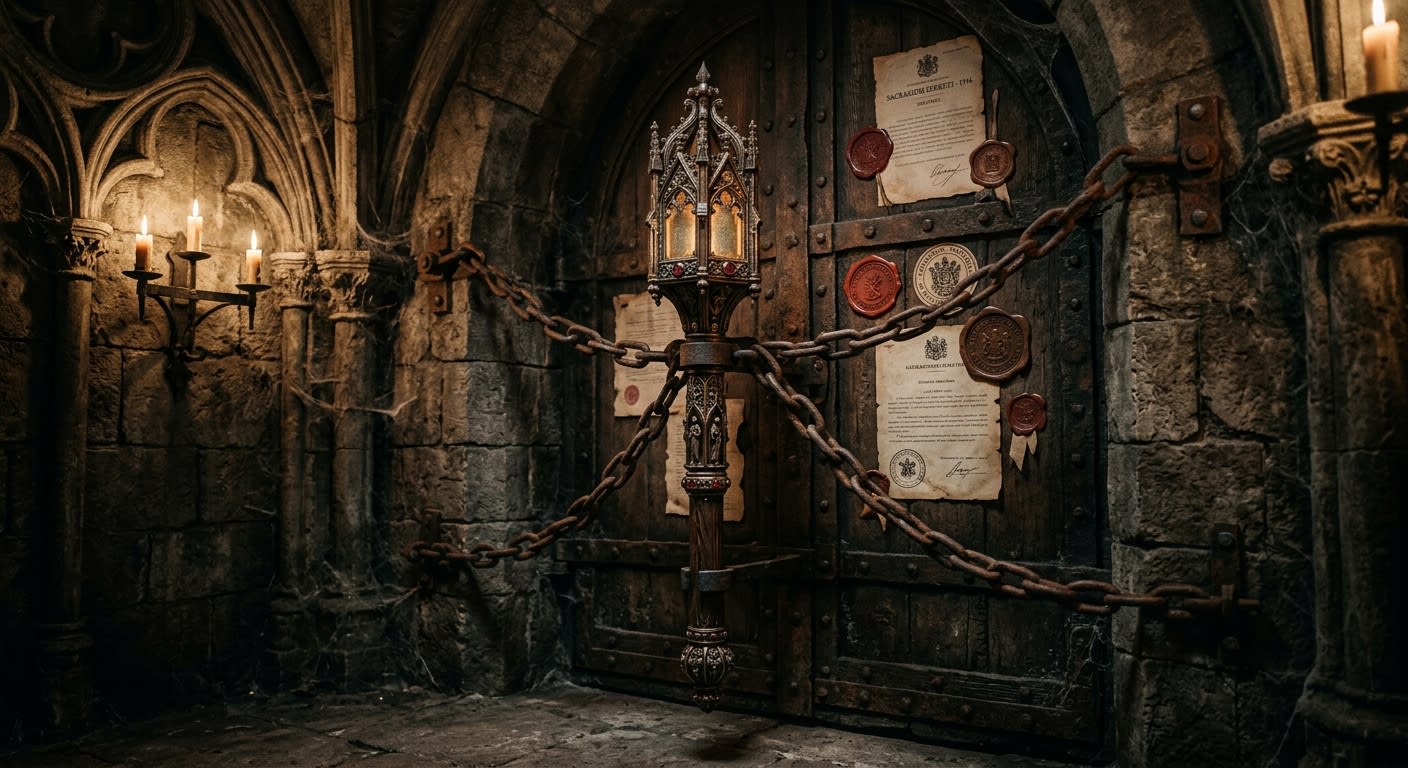
The Miracle of Saint Aldebrand
The Bureau erased the bone. The bone declined.
The Bureau declared the Reliquary of Saint Aldebrand non-existent in –32 A.S. In A.S. 95 it shattered a sorcerer-lord's skull and saved Vienna. Both facts are official, both carry seals, and the Bureau sees no difficulty.
Codex Ref. VI.4.01-001
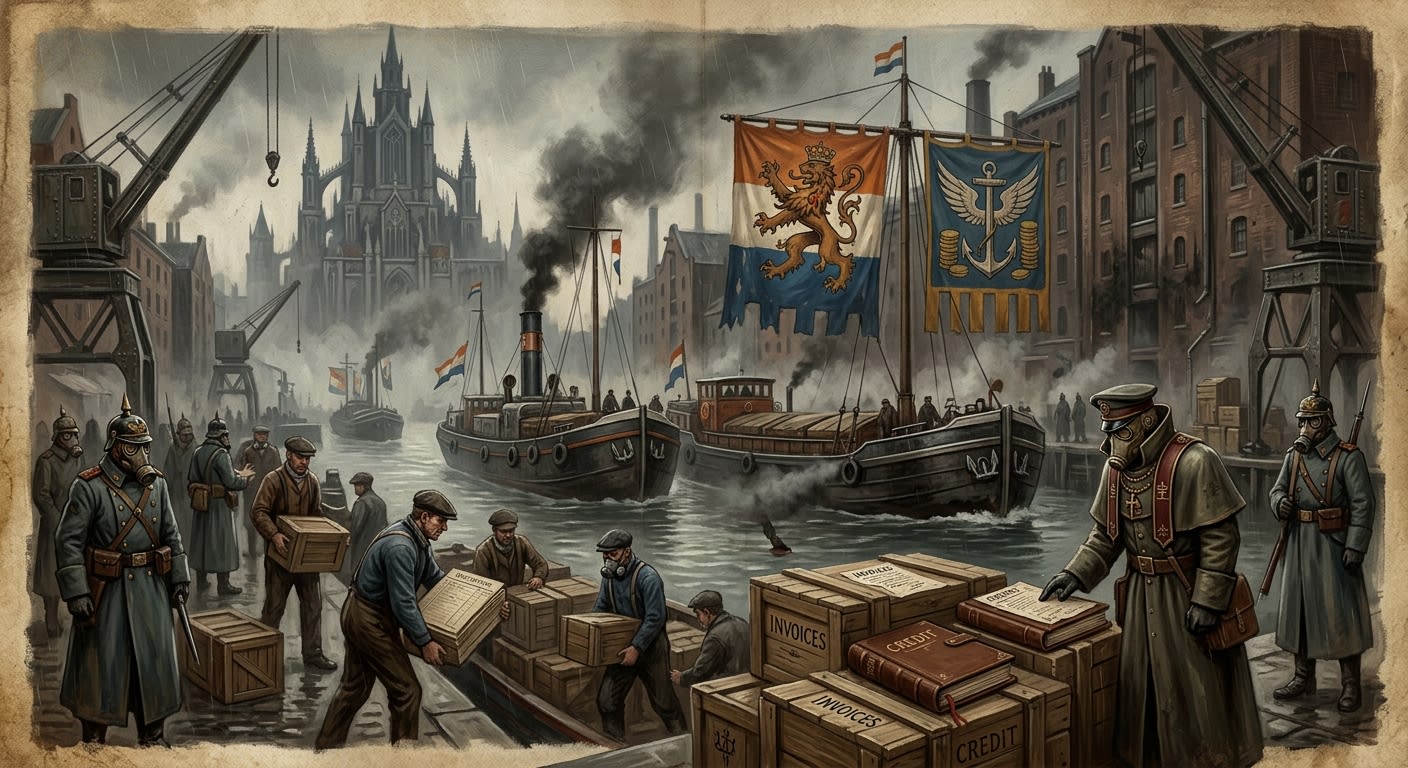
The Netherlands
The merchant republic that invoices our contempt
The Netherlands remain independent, solvent, suspect, and indispensable: a Dutch merchant republic whose ships, presses, credit, and invoices keep irritating the Synod into survival.
Codex Ref. X.1.02-001
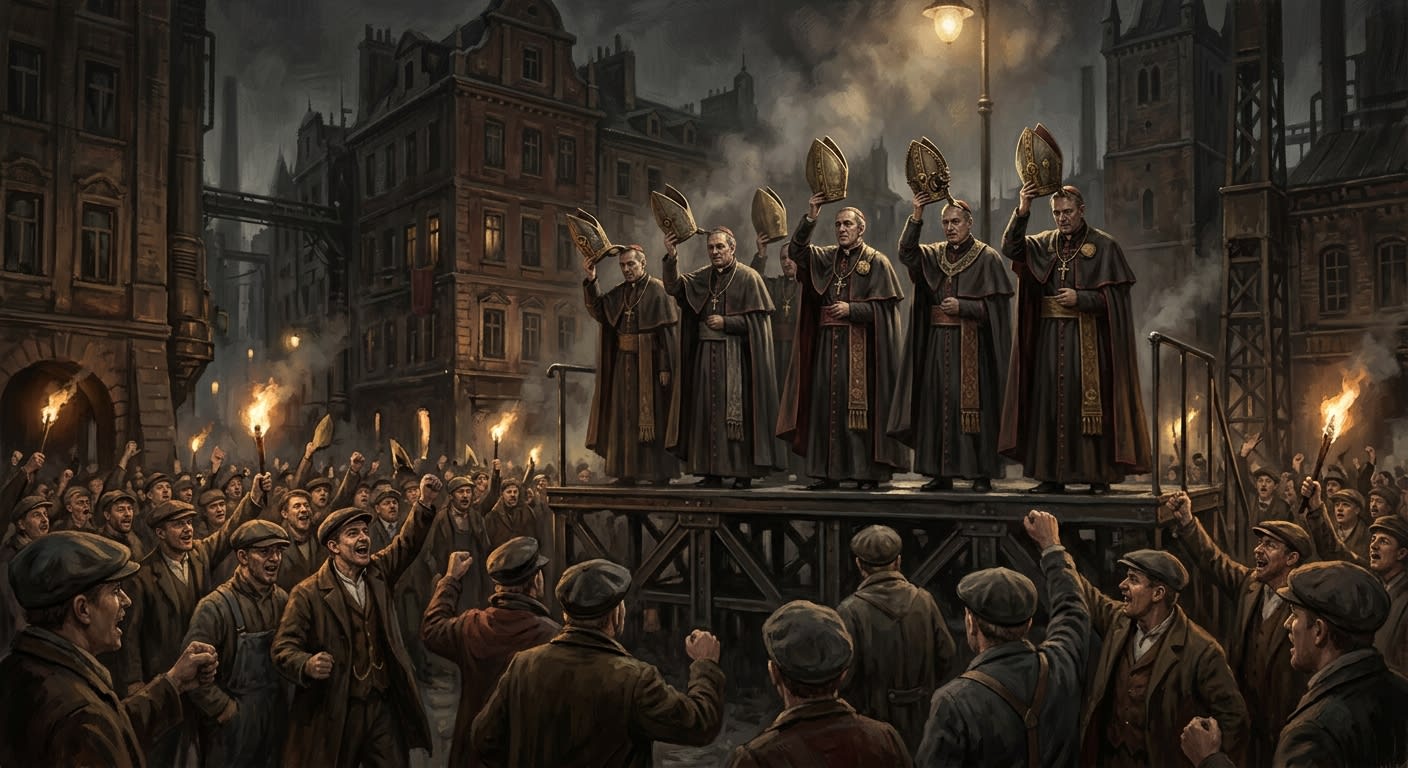
The Night of Crowns
Seven mitres fell, and Prague mistook the sound for progress
In A.S. 8, seven bishops in Prague removed their mitres before a cheering crowd, teaching the Rationalists that apostasy travels fastest when an authorised mouth performs it.
Codex Ref. VII.8.07-001
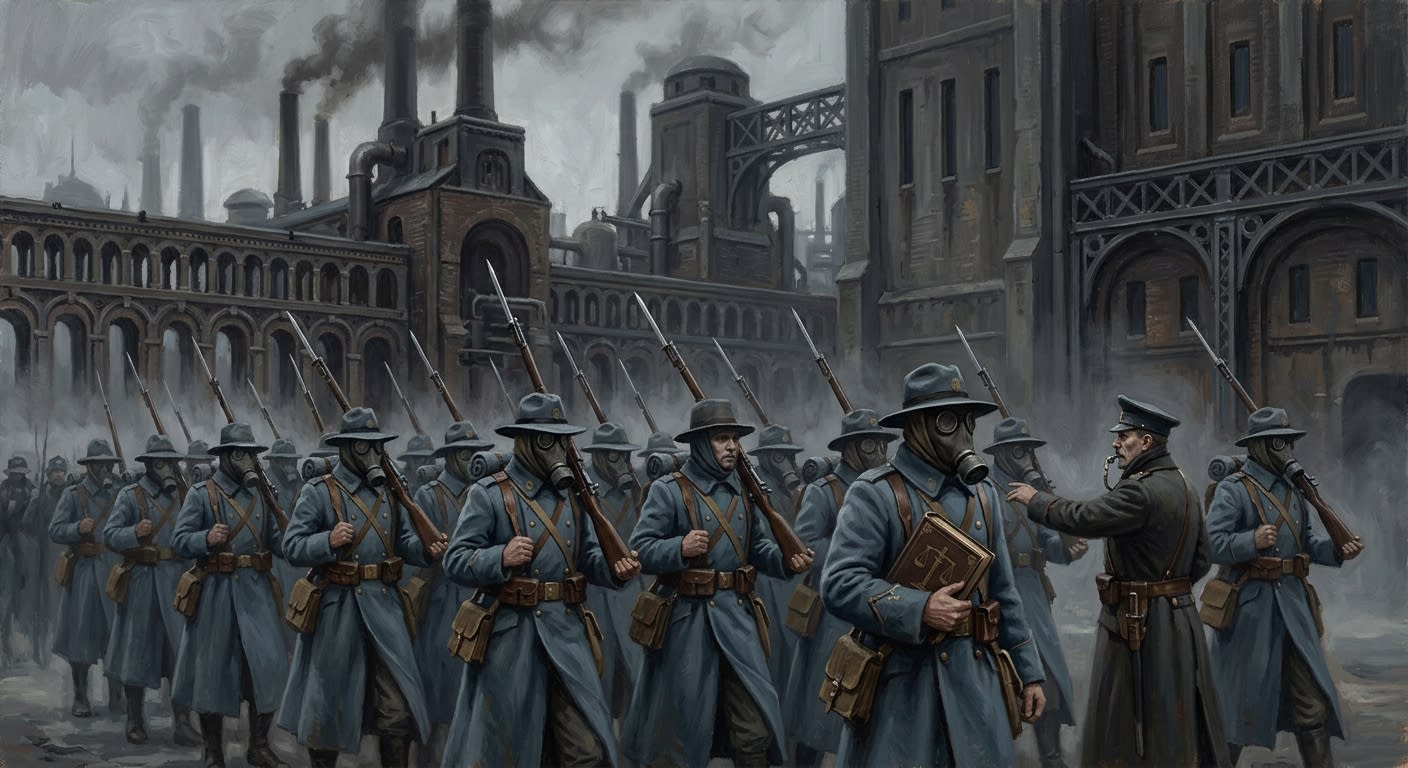
The Republican Guards
The philosophers wrote the sentence; the Guards added punctuation
The Republic's armed hand wore blue-grey, carried law over the heart, and proved that unbelief does not remain in books. It drills.
Codex Ref. I.1.05-001
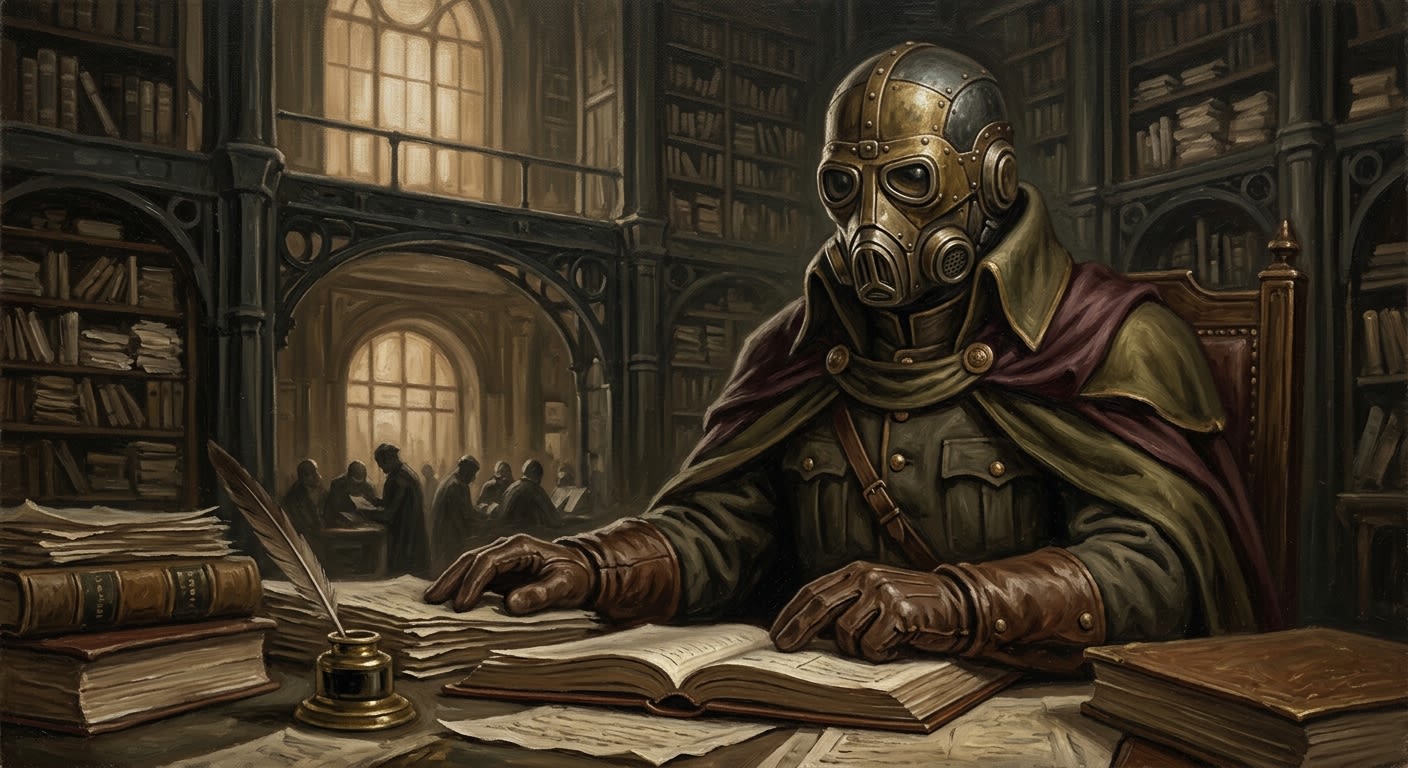
The Third Hierarch
A nameless mitre, a moth-eaten reign, and the file that knew too much
The Third Hierarch is an ordinal with no name, no portrait, and one surviving achievement: Saint Aldebrand's file vanished under his reign.
Codex Ref. XIII.1.05-002
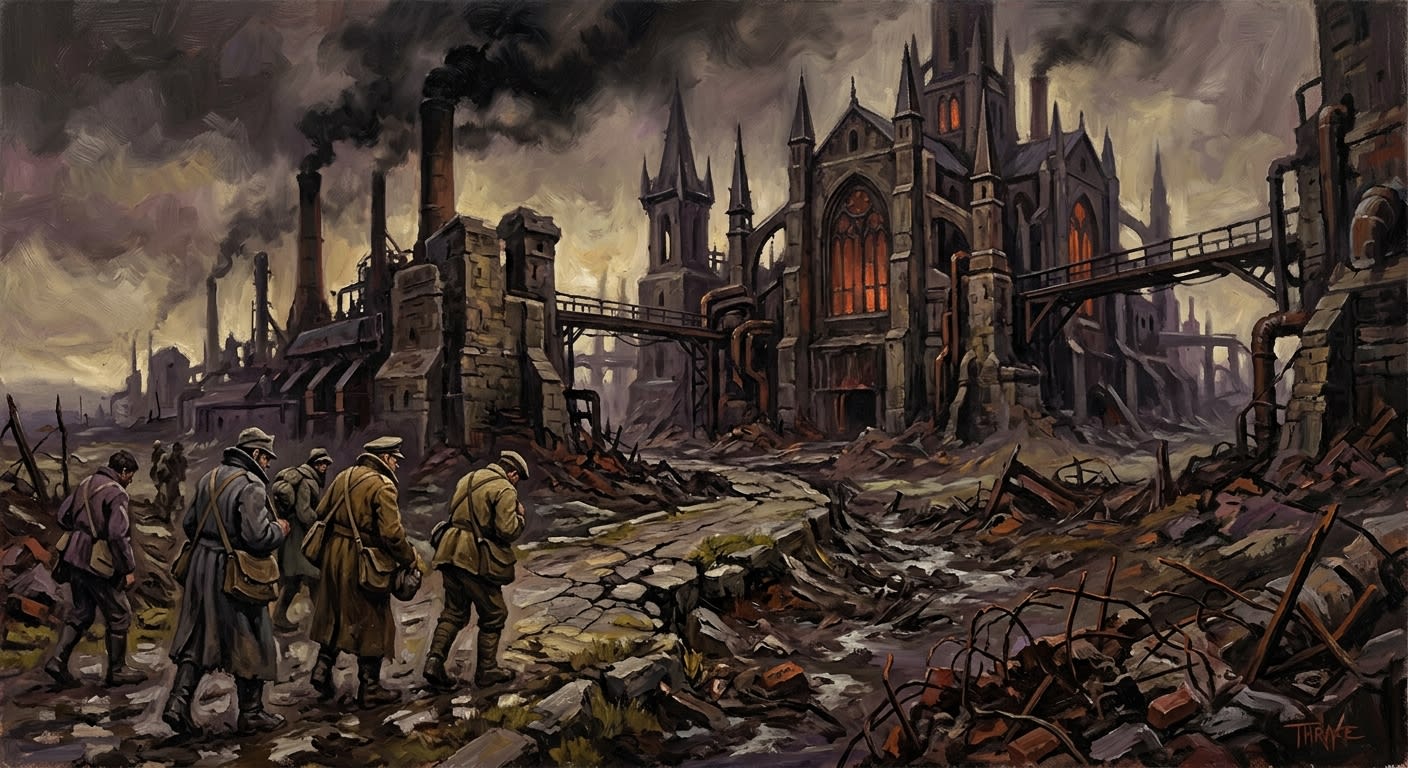
Thrace
The province geography learned to condemn
Thrace is the fallen south-eastern furnace where old roads became warnings, Maldrake taught soil to rage, and maps learned shame.
Codex Ref. II.6.03-045
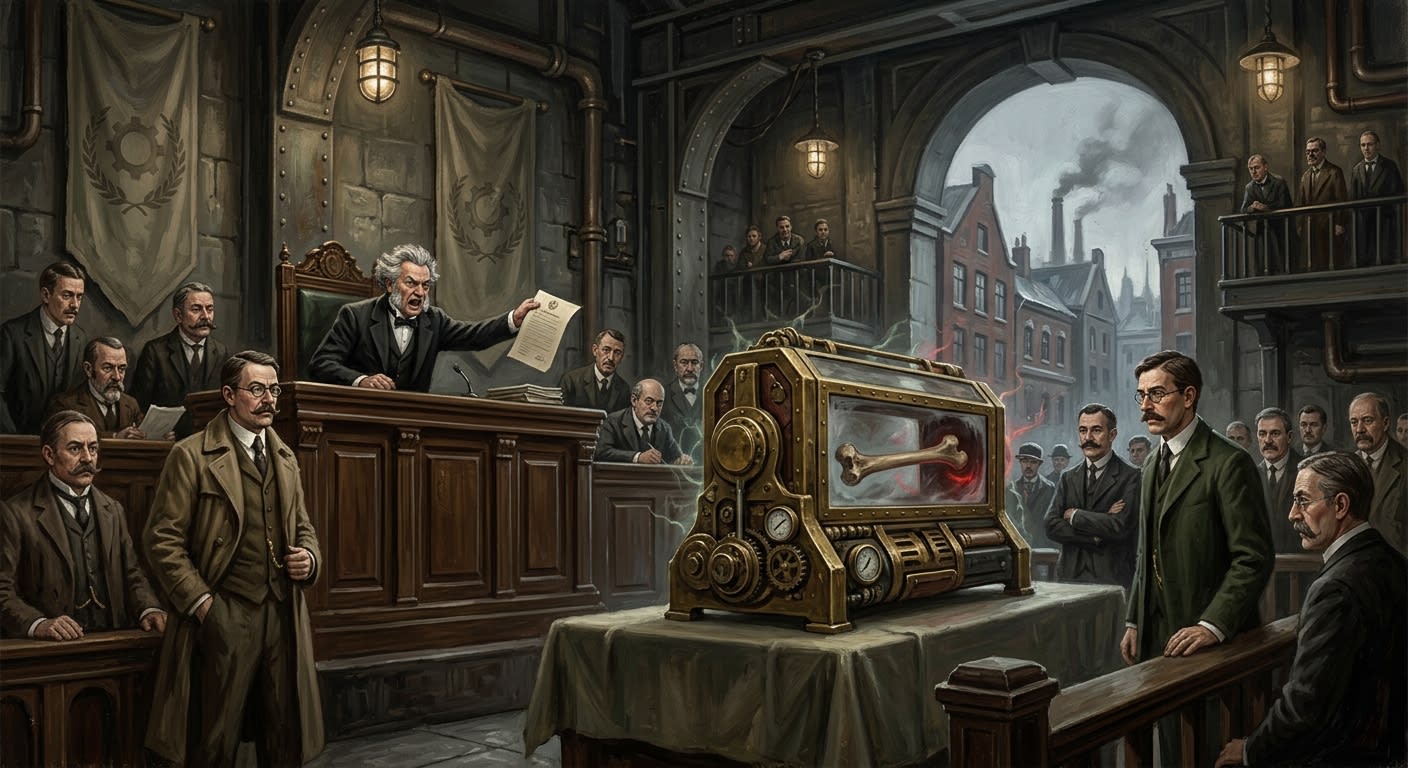
Trial of Saint Aldebrand's Reliquary
The courtroom where arithmetic disgraced itself before a bone
Amsterdam's A.S. 11 mock trial of Saint Aldebrand's reliquary turned Rationalist arithmetic into theatre, until Vienna made the bone louder than the joke.
Codex Ref. VII.8.10-011
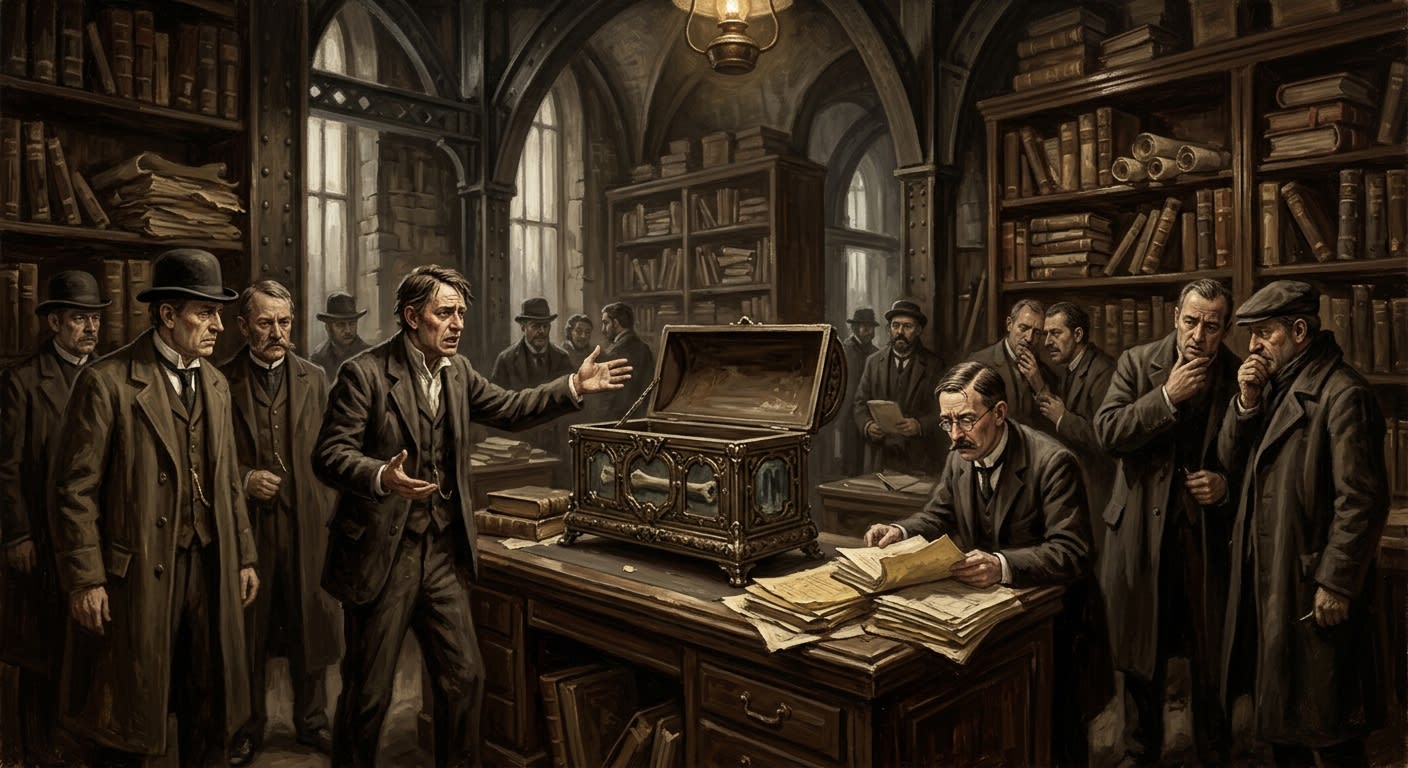
Trial of Saint Aldebrand's Reliquary
The hall laughed first; the bone answered later
Amsterdam laughed over Aldebrand's displayed femur in A.S. 11, then lost the bone, the transcript, and eventually the argument to Vienna's mace.
Codex Ref. VII.8.10-011
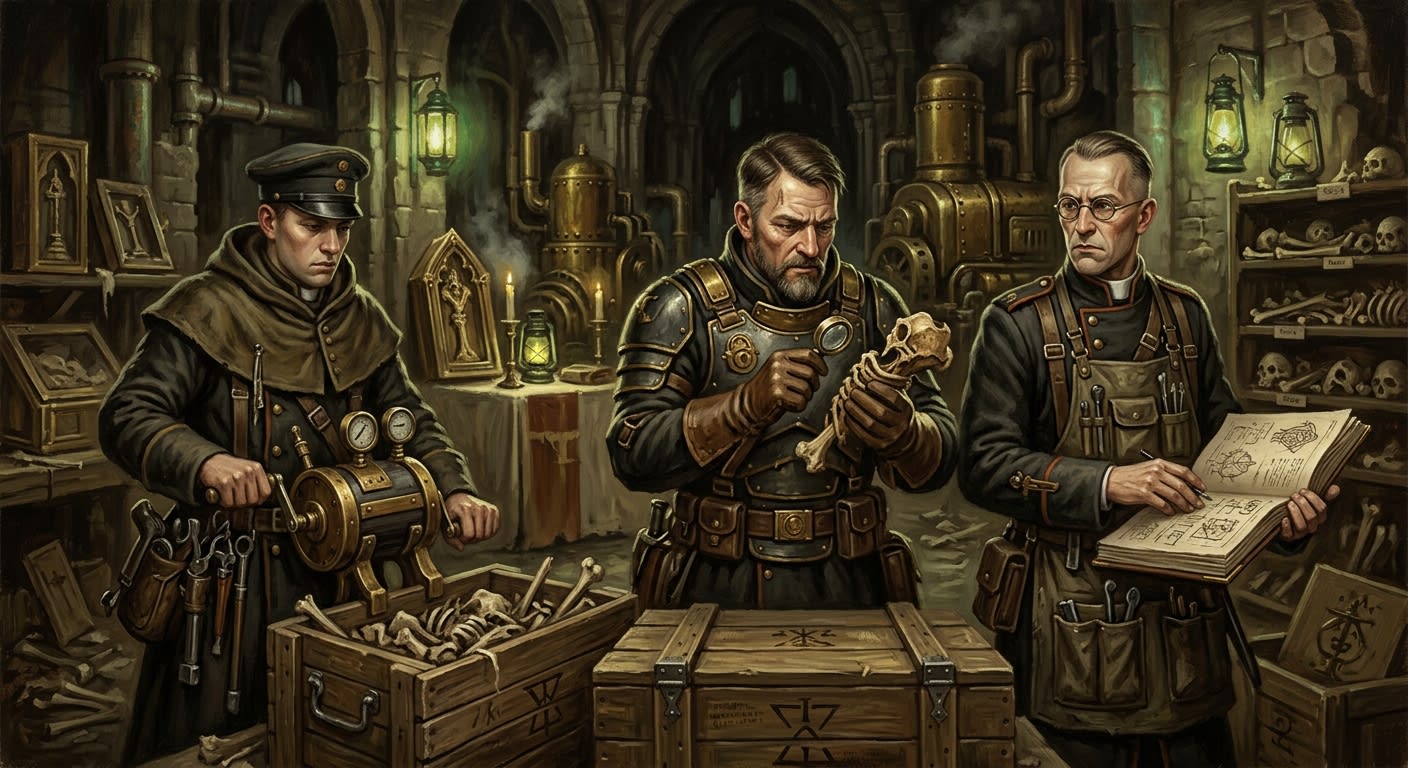
Van Hoorn, Lemstra & de Waal
Three clerks of doubt, one table of bones, and forty cities taught to sneer
Pieter van Hoorn, Gerrit Lemstra, and Jan de Waal made doubt portable in -32 A.S.; their Bone Census counted relics accurately and wounded truth efficiently.
Codex Ref. III.2.01-026
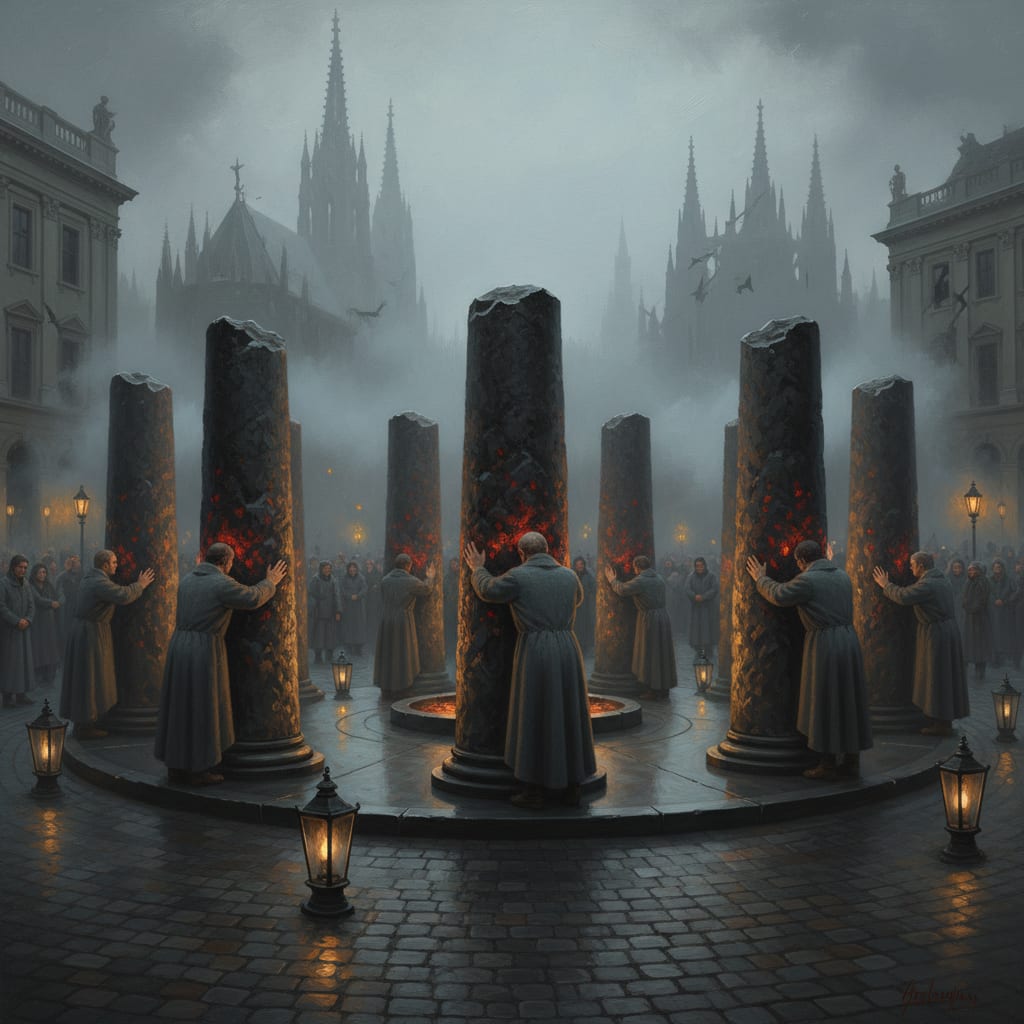
Vienna, the Shrine-Ruins
Three deaths, one gift shop, and a pen that has not dried in forty years
Three times ruined and once reclaimed. Vienna is the Synod's finest shrine and its most honest monument: the Rationalist capital, the Great Retreat's wound.
Codex Ref. II.4.09-010