

Reverse Index
Referencing “Town of Saint-Malo”
Every codex entry that links to Town of Saint-Malo. 29 entries.
Return to Town of Saint-Malo
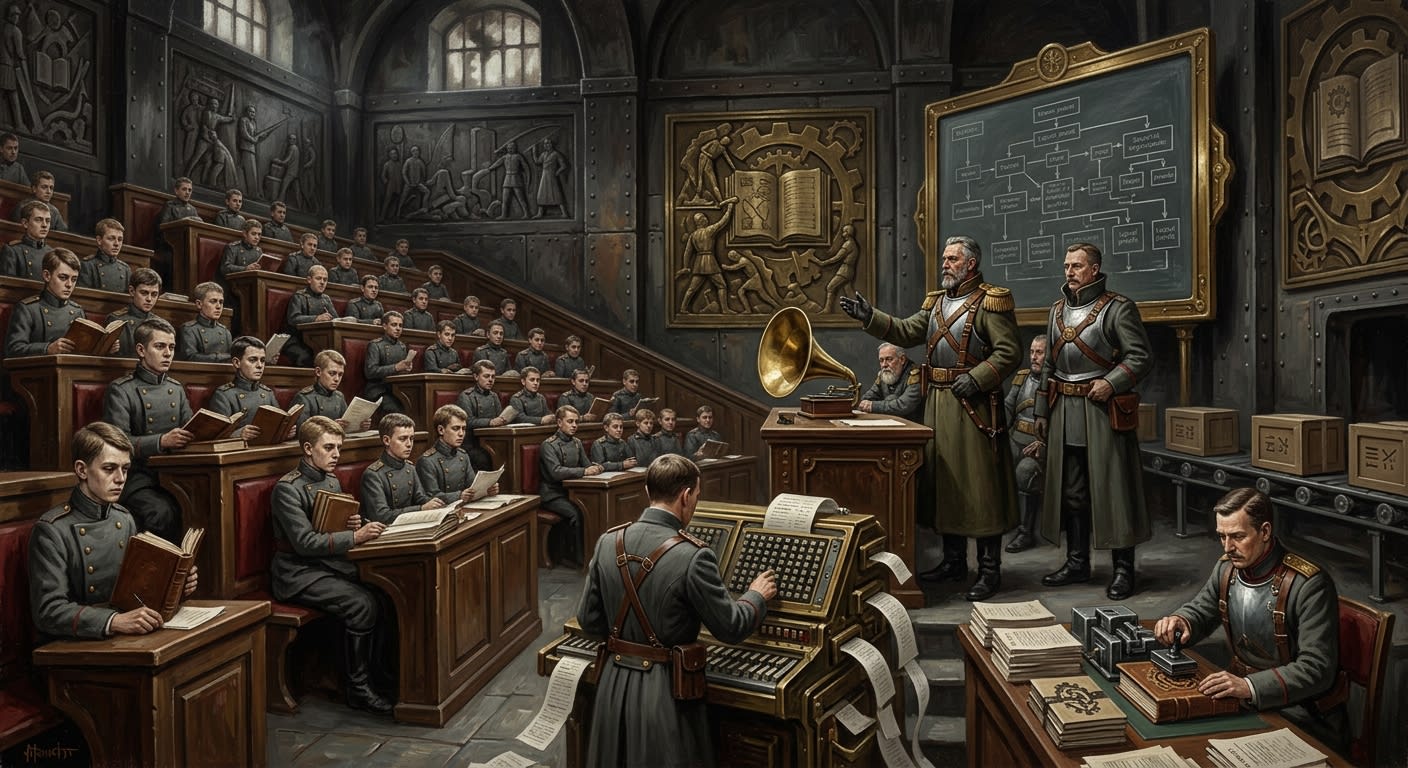
Academy System
The lecture hall as ministry, purse, press, knife, and alibi
The Rationalist Academy System made scholarship into command: lectures became policy, footnotes became bayonets, and children learned unbelief as paperwork.
Codex Ref. I.1.03-000
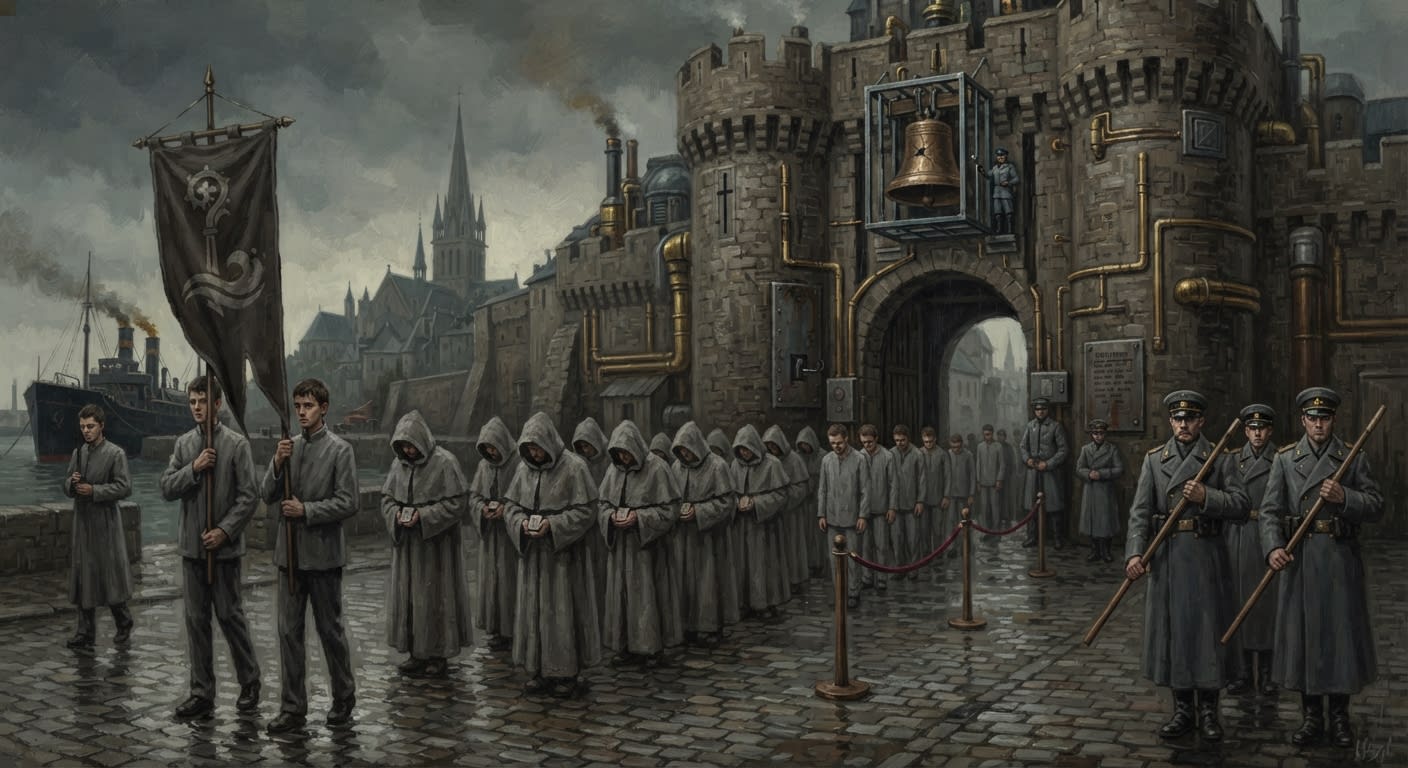
Annual Remembrance of Saint-Malo
Thirty-one tolls, forty-three seconds, and grief under licence
The annual office that makes Saint-Malo's first blood toll thirty-one times, hold forty-three seconds of silence, and remind Brittany that grief is licensed.
Codex Ref. XIII.1.87-011
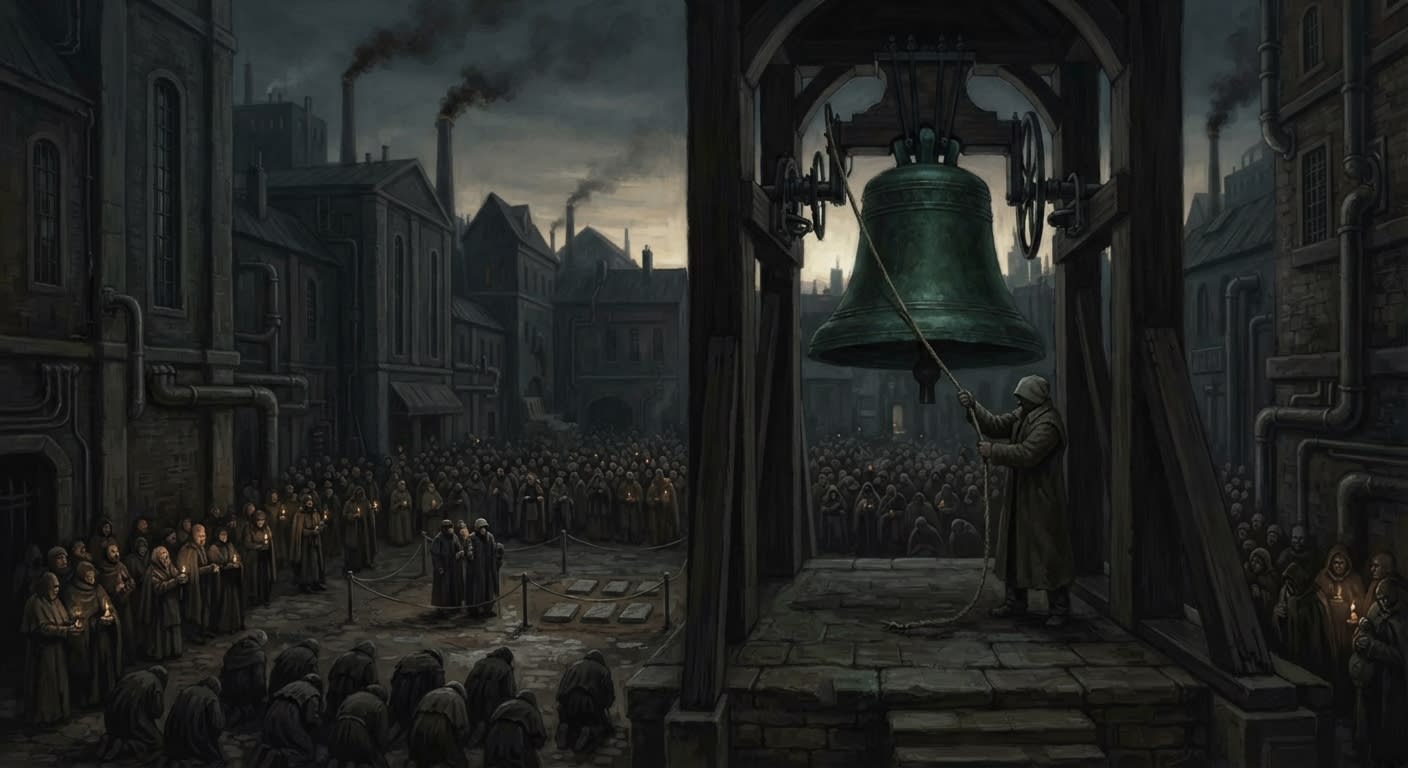
Antiphon Bell
Bronze may count what grief is not permitted to round
The Antiphon Bell is the licensed parish office that makes Saint-Malo audible: thirty-one tolls for the certified dead, then forty-three seconds for all who entered the gate.
Codex Ref. XIII.1.87-012
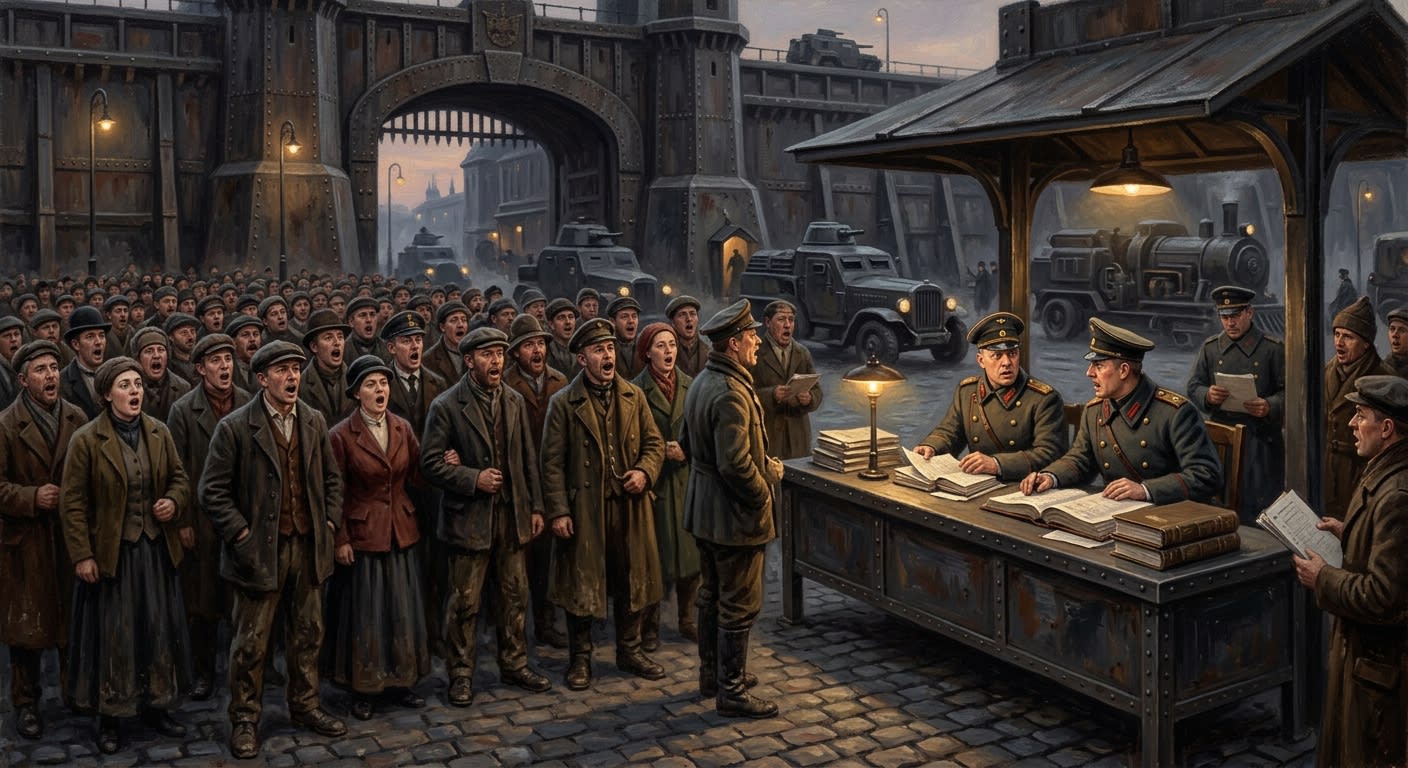
Antiphon of Safe Passage
The road is holy; the queue remains under authority
A Breton road-song entered the Ledger through Saint-Malo blood, survived as licensed memory, and now frightens gate clerks by teaching crowds one rhythm.
Codex Ref. XIII.1.87-010
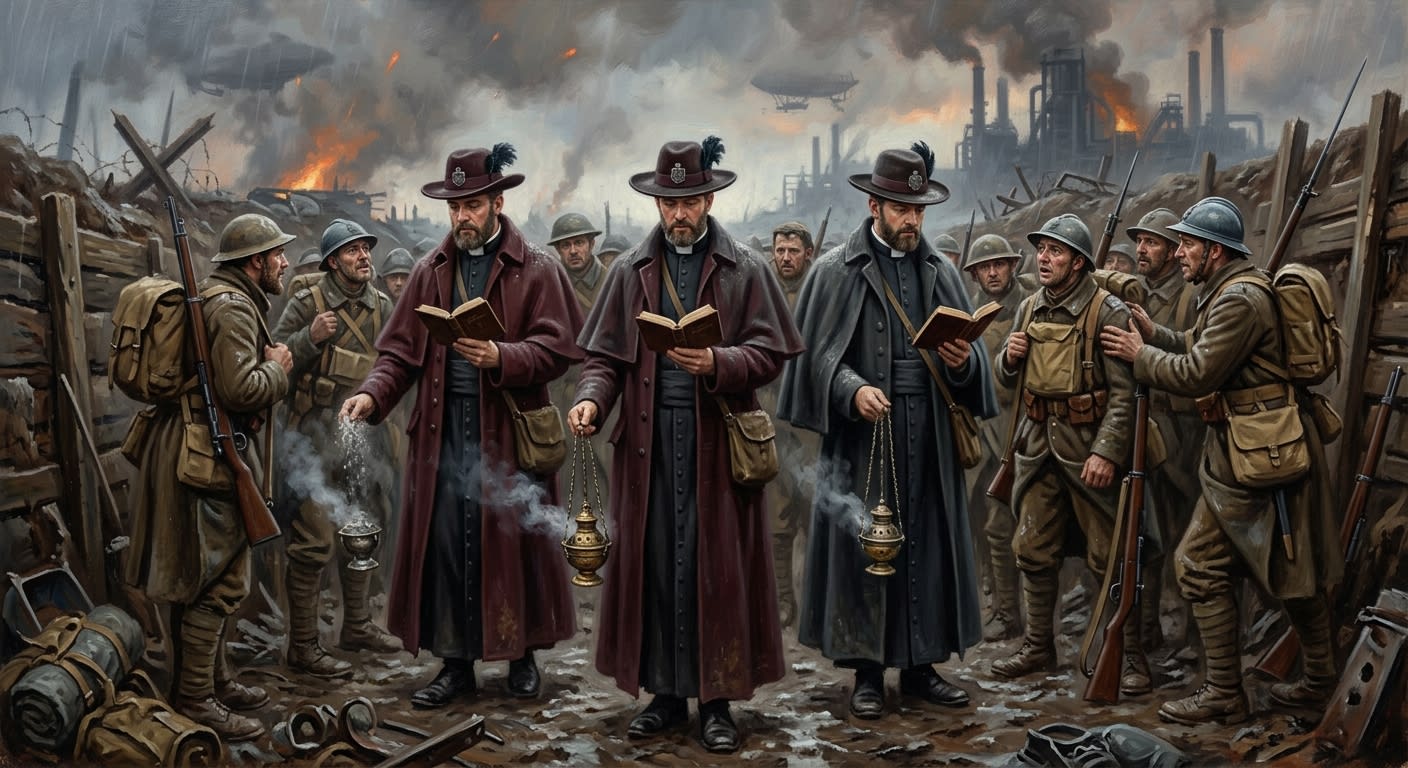
Ash Chaplains
Breath is only pastoral after War has taught it to hold
Bureau of War lung-clergy who deploy relic-ash, the Litany of Stones, cadence discipline, and name-silence to keep breach cohorts breathing in obedience under shell, song, and rupture.
Codex Ref. VIII.5.07-001
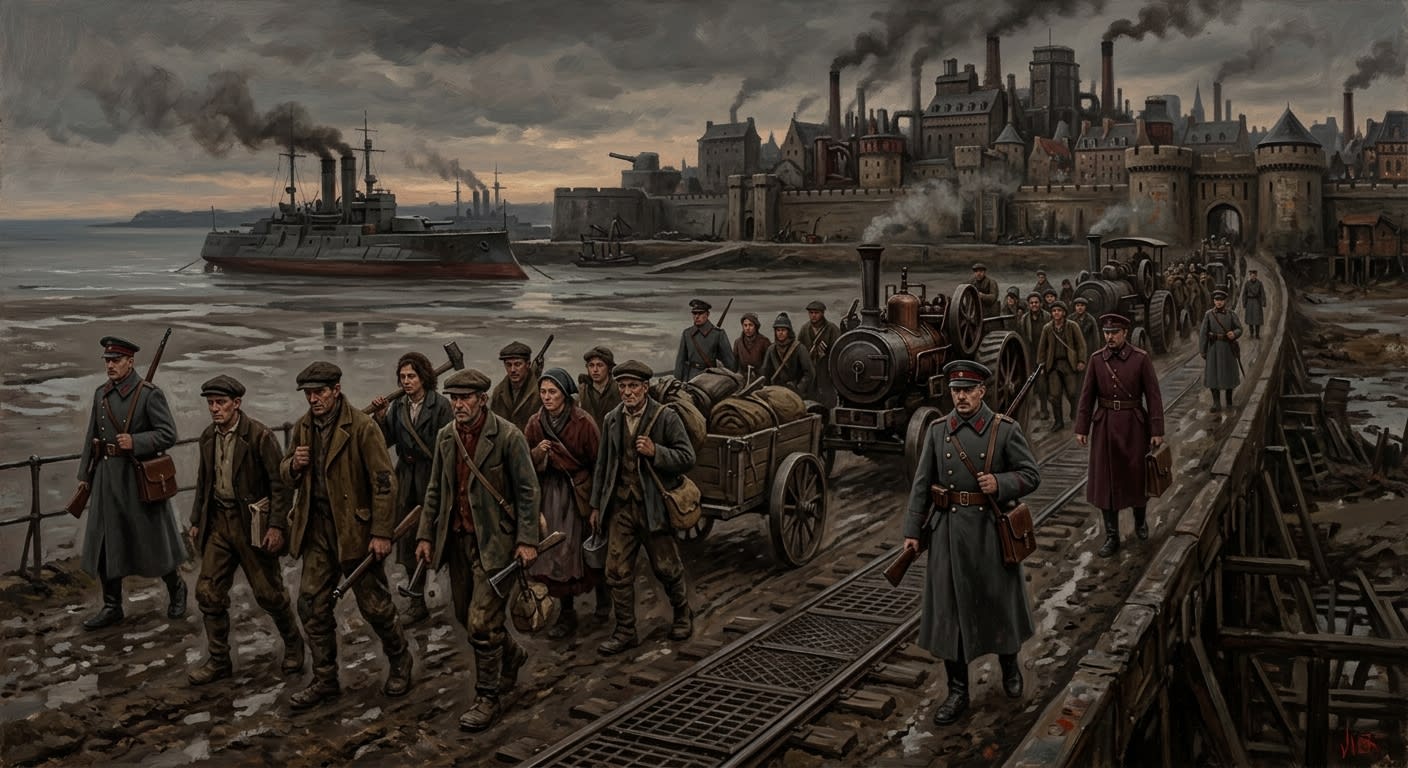
Brittany
The province that taught martyrdom to travel by road
Brittany is the Synod's western salt-wound: a loyal province that turned Saint-Malo's blood, Dinan's road, and local stubbornness into taxable Doctrine.
Codex Ref. II.1.09-010
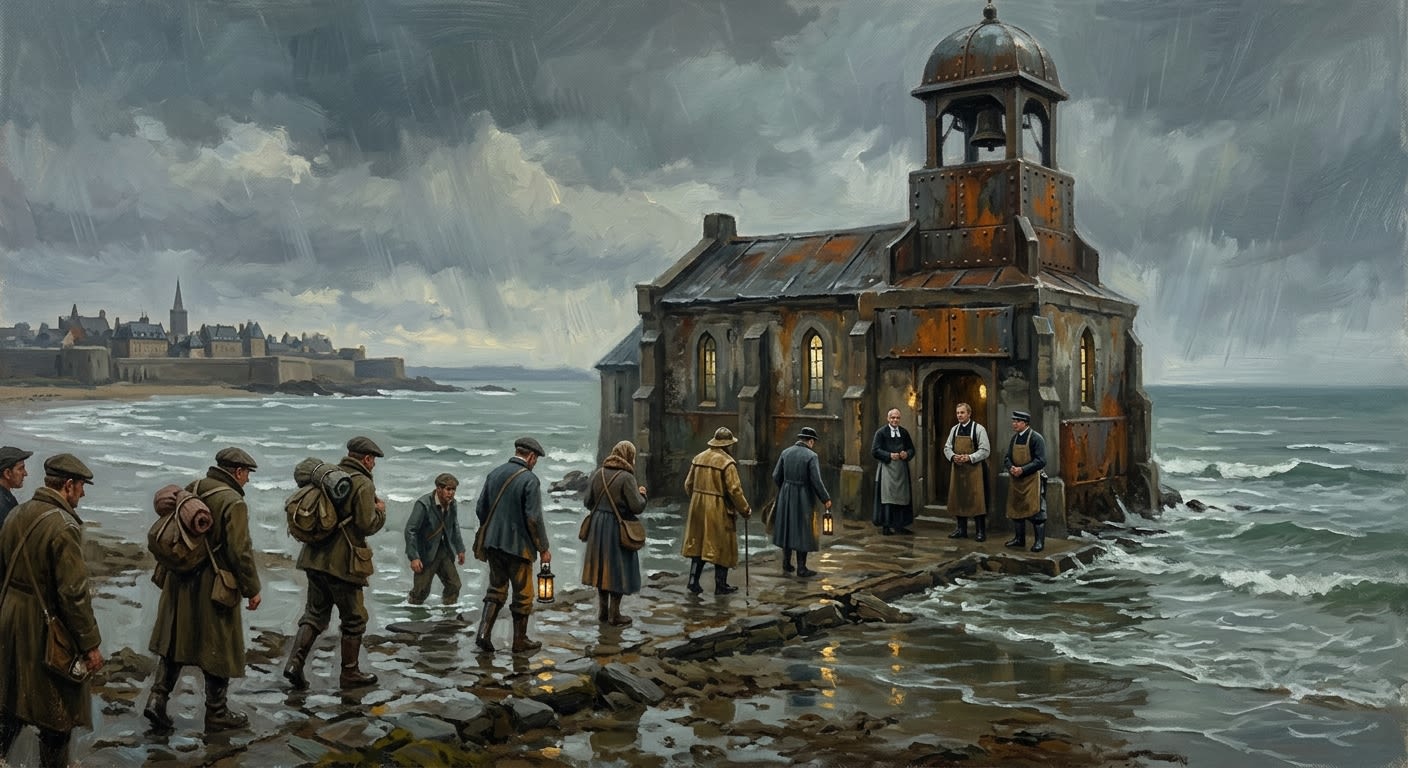
Chapel of the Tide
The shrine built from a journey denied
The Chapel of the Tide is Saint Clement's wet little shrine beyond Saint-Malo, made holy by forty-three pilgrims who were denied arrival and made profitable by everyone after.
Codex Ref. II.1.09-014

Corentin Madec
The fisherman who kept the book before Strasbourg learned to want it
Corentin Madec, wounded witness of Saint-Malo, preserved Margaux's psalter long enough for the Bureau to call acquisition devotion.
Codex Ref. III.2.01-017
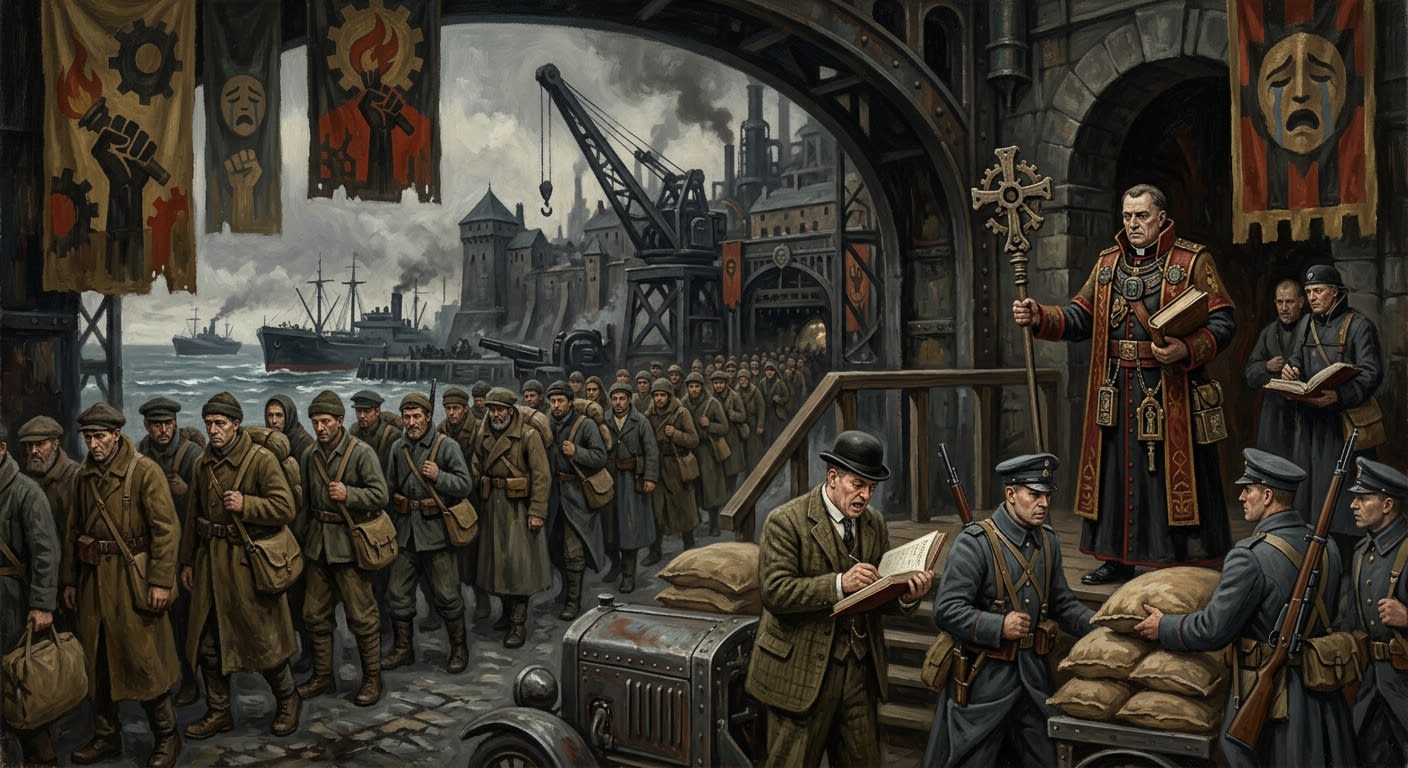
Dinan
The town that kept the departure
Dinan is the Breton departure town that sent forty-three pilgrims toward Saint-Malo and kept the bread, banners, names, quarrels, and profitable grief.
Codex Ref. II.1.09-010
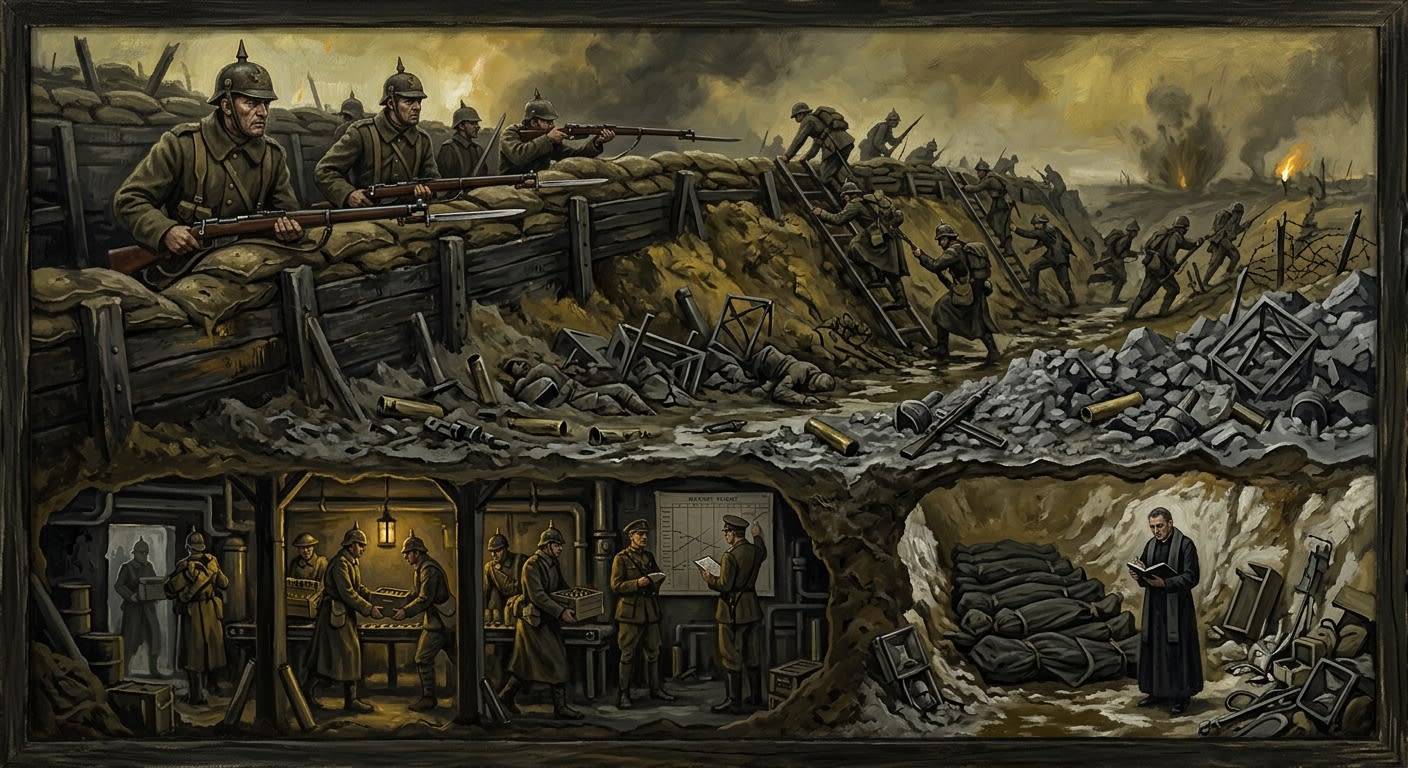
Doctrine of Layered Death
If all layers fail, make the failure expensive
War's breach-holding doctrine arranges panic into five useful layers: wall, charge, ash, rhythm, and the final dividend by which failure becomes legible.
Codex Ref. XIII.1.64-001
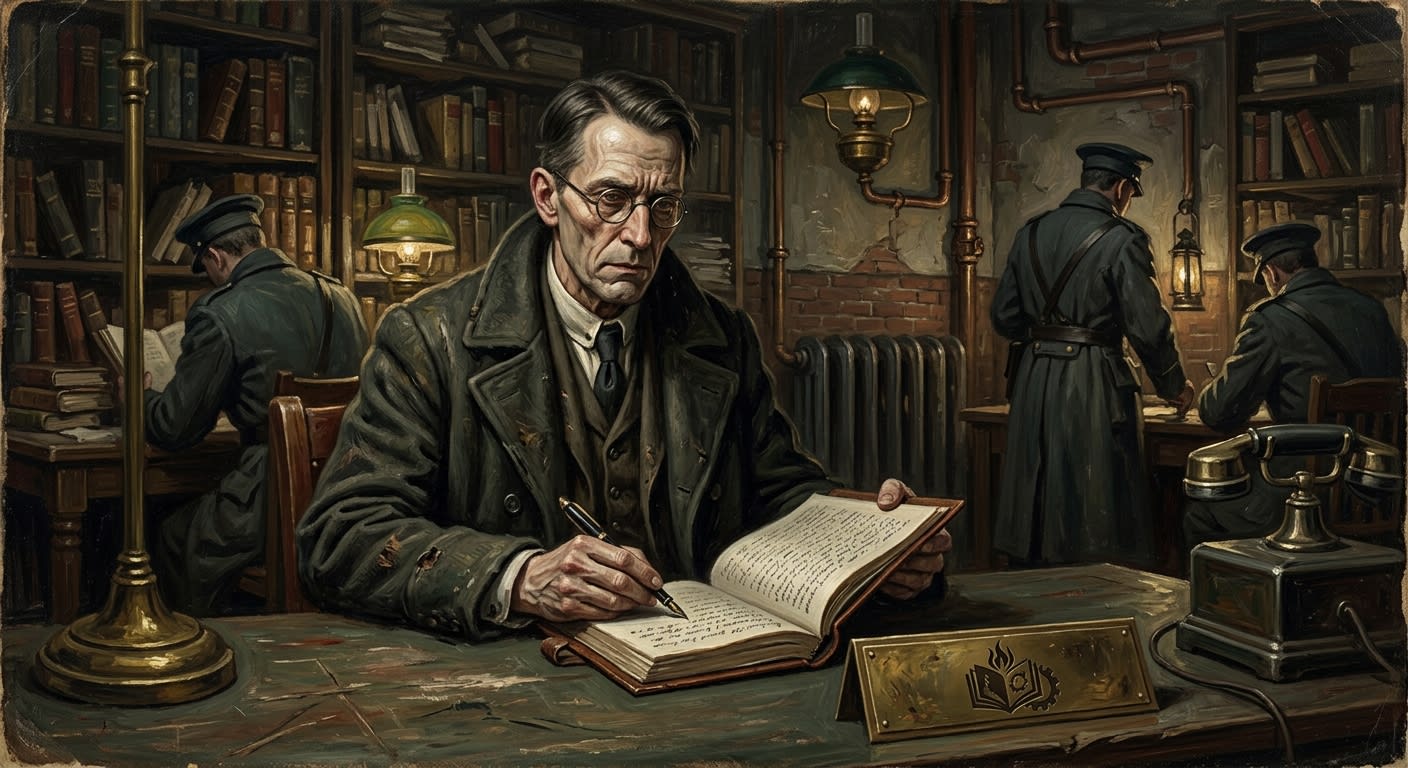
Dr. Marrow Vask
The physician who taught doctrine to carry contraband truth
Condemned Rationalist physician who survived as Brother Matthias, wrote the Index of Safe Lies, and became the Ashen Circle's stolen martyr after his A.S. 57 burning.
Codex Ref. III.2.01-090
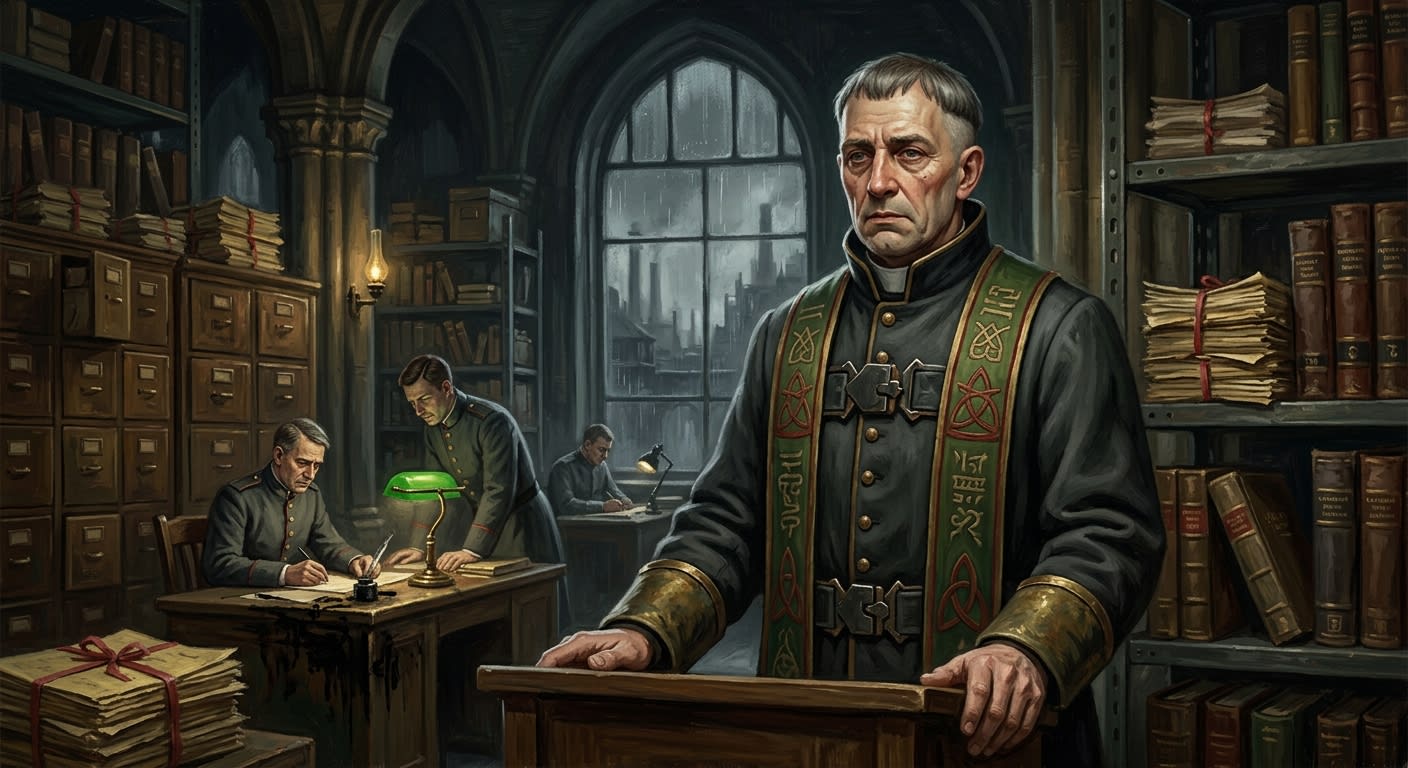
Father Gaël of Dinan
Four words, one reliquary, and the useful poverty of a man not yet sainted
Father Gaël of Dinan, first named dead of Saint-Malo, survives as four words of custody: brief enough for children, sharp enough for states.
Codex Ref. III.2.01-016
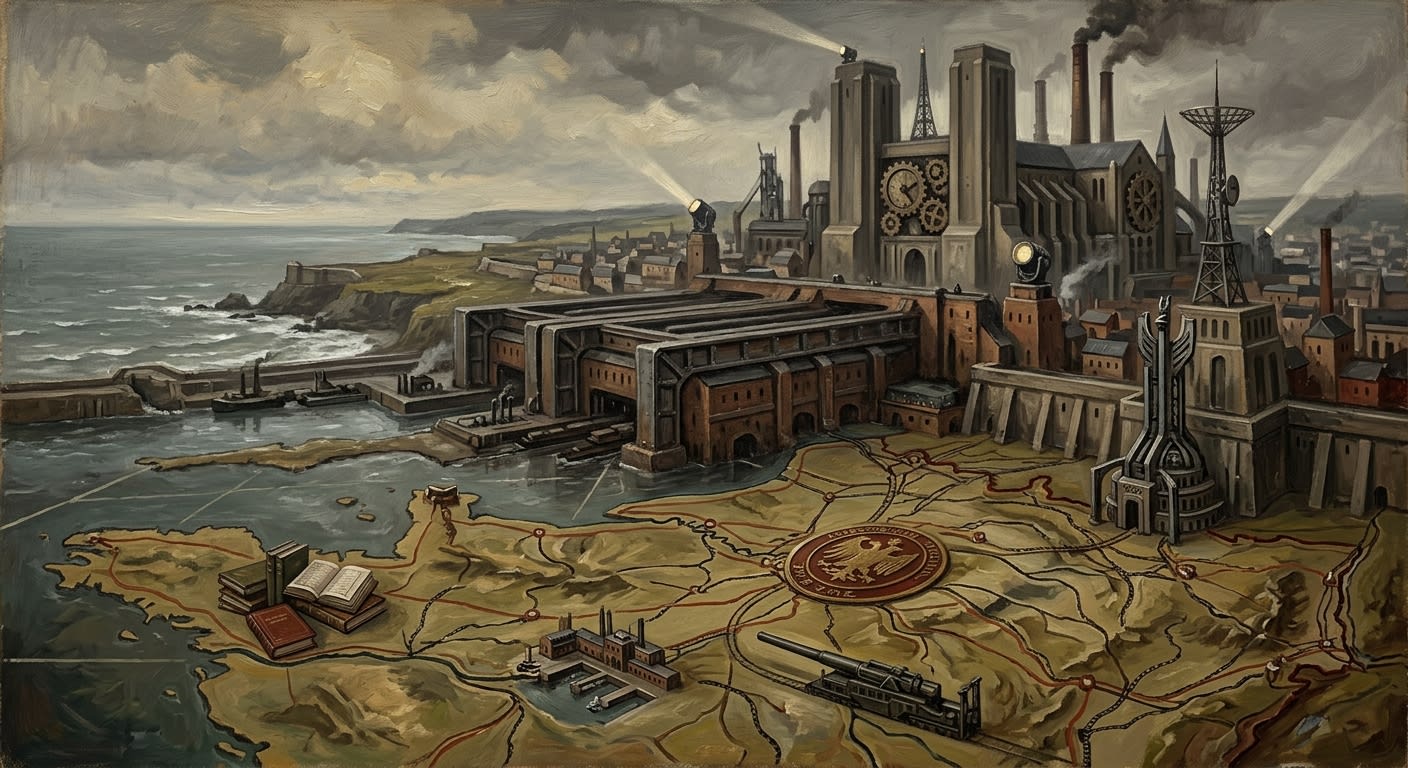
France
The country the Synod did not abolish, because it proved too taxable to waste
A.S. 201 survey of France as Zone One heartland: martyr coast, watched cities, taxable memory, useful ports, and one conquered name made indispensable.
Codex Ref. II.1.01-201
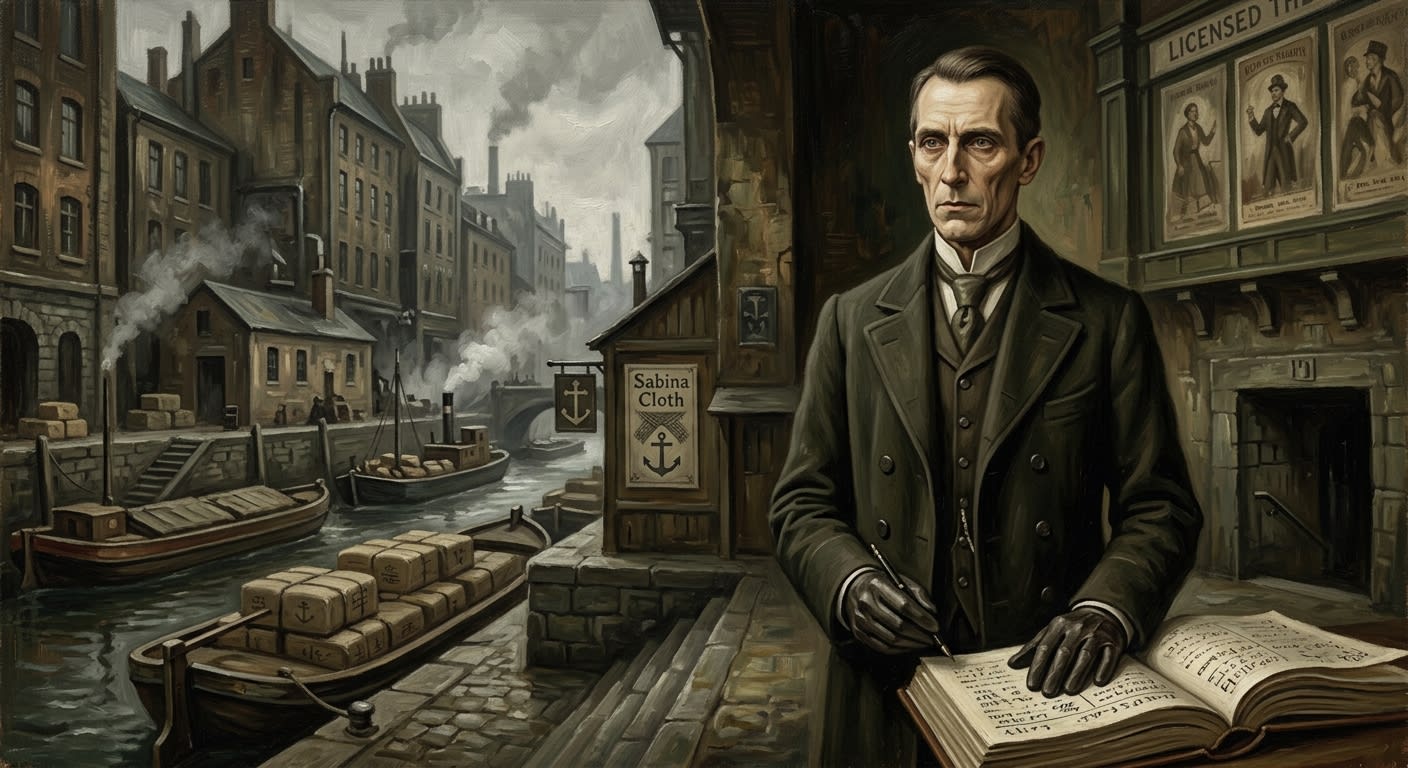
Ghent
The canal city where water keeps copies and loyalty learns to smuggle
Ghent is the Synod's wet ledger in Flanders: canal trade, Records quays, Sabina cloth, licensed theatres, Black Ledger cells, Wormhost scars, and obedience with annotations.
Codex Ref. II.1.05-201
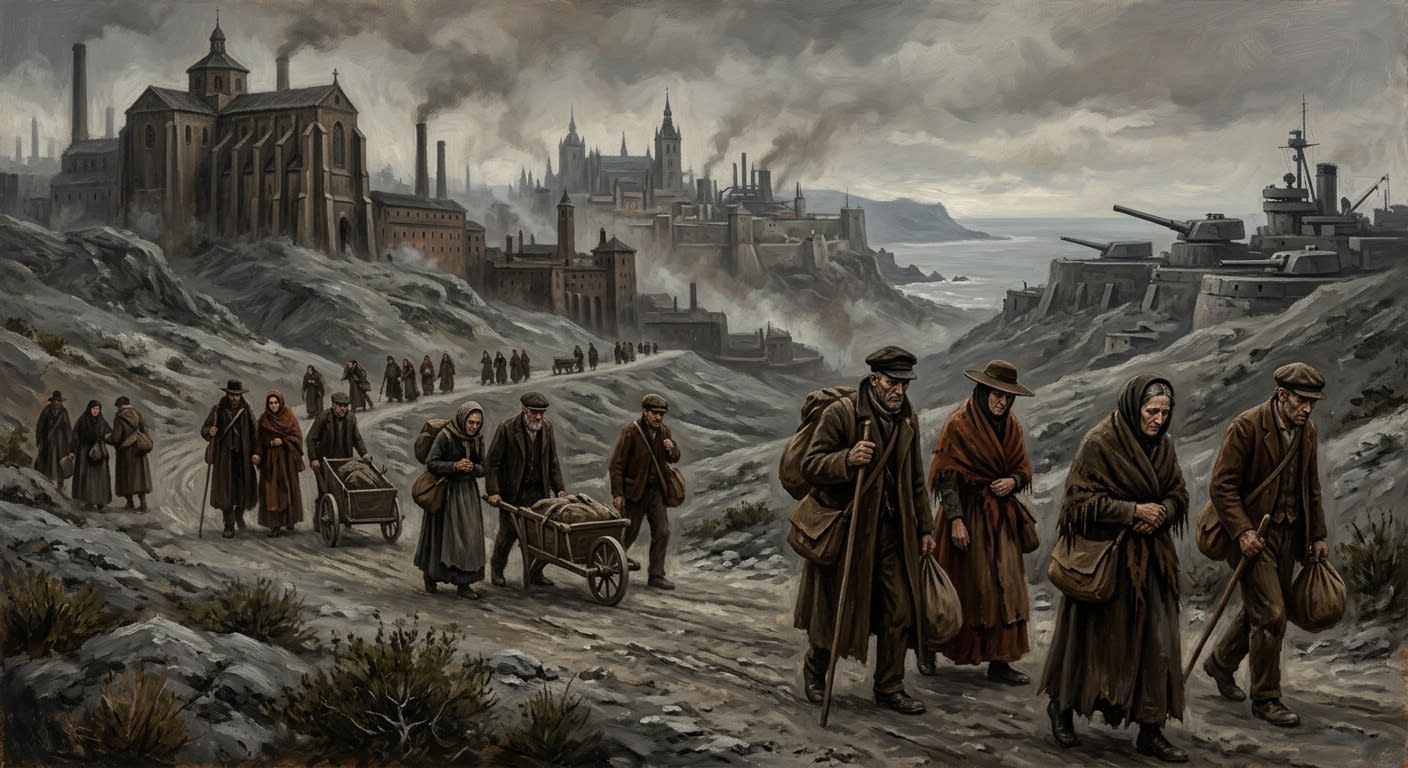
Iberia
The western furnace kneels, pays, murmurs, burns, and remembers
Iberia is the Synod's western furnace: a sealed peninsula of relic ash, late Concordat obedience, Seville mutters, Toledo martyrdom, pilgrimage roads, British guns at Gibraltar, and memory too old to confiscate cleanly.
Codex Ref. II.1.04-090

Maëlle of Dinan
Three corrections the Church chose to keep
Maëlle of Dinan corrected her family's name in three copies of the Martyrology of Saint-Malo. The Church preserved her ink; this file cannot supply the surname.
Codex Ref. III.2.01-007
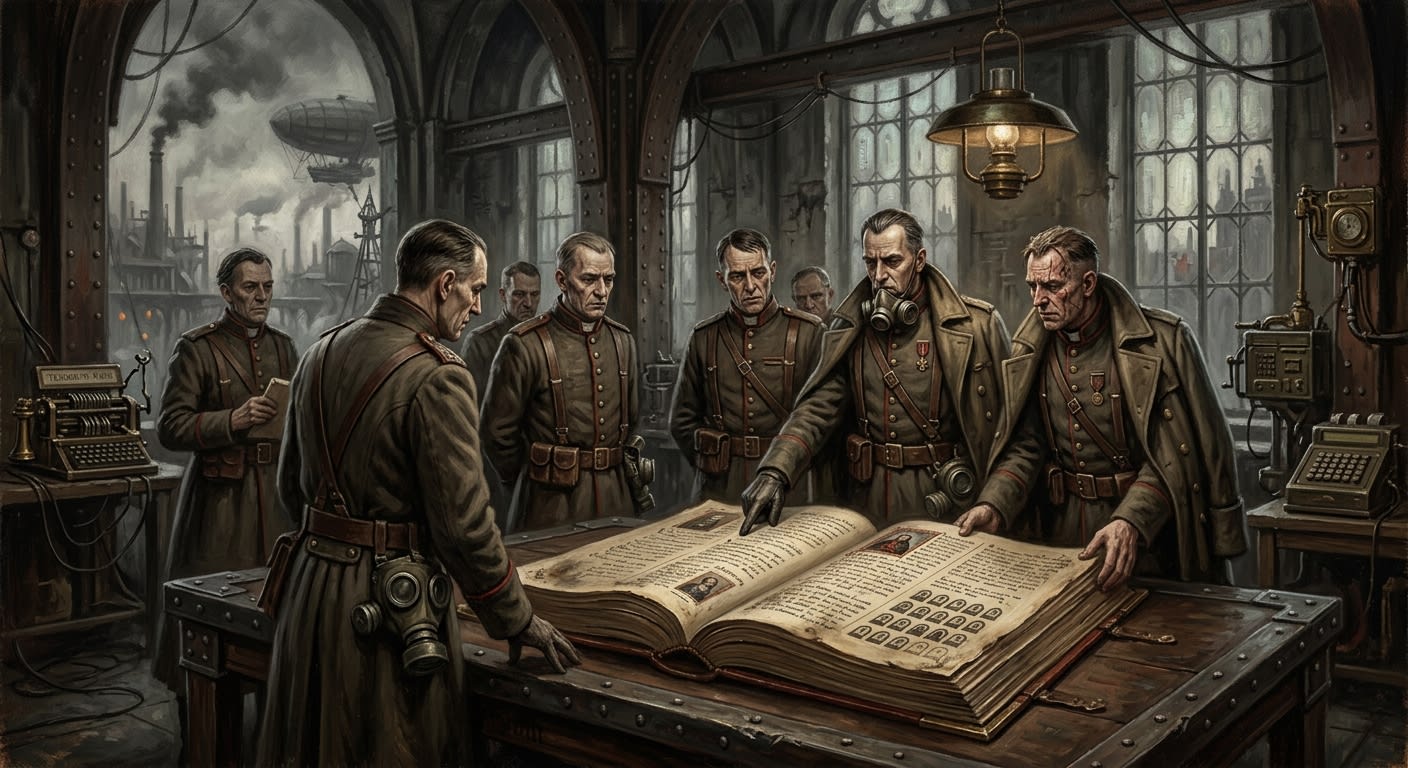
Martyrology of Saint-Malo
Thirty-one names, forty-three seconds, and a civilization built from first blood
The Martyrology of Saint-Malo counts thirty-one dead, five absences, and every obedience the Synod has purchased with their blood.
Codex Ref. VII.8.02-001
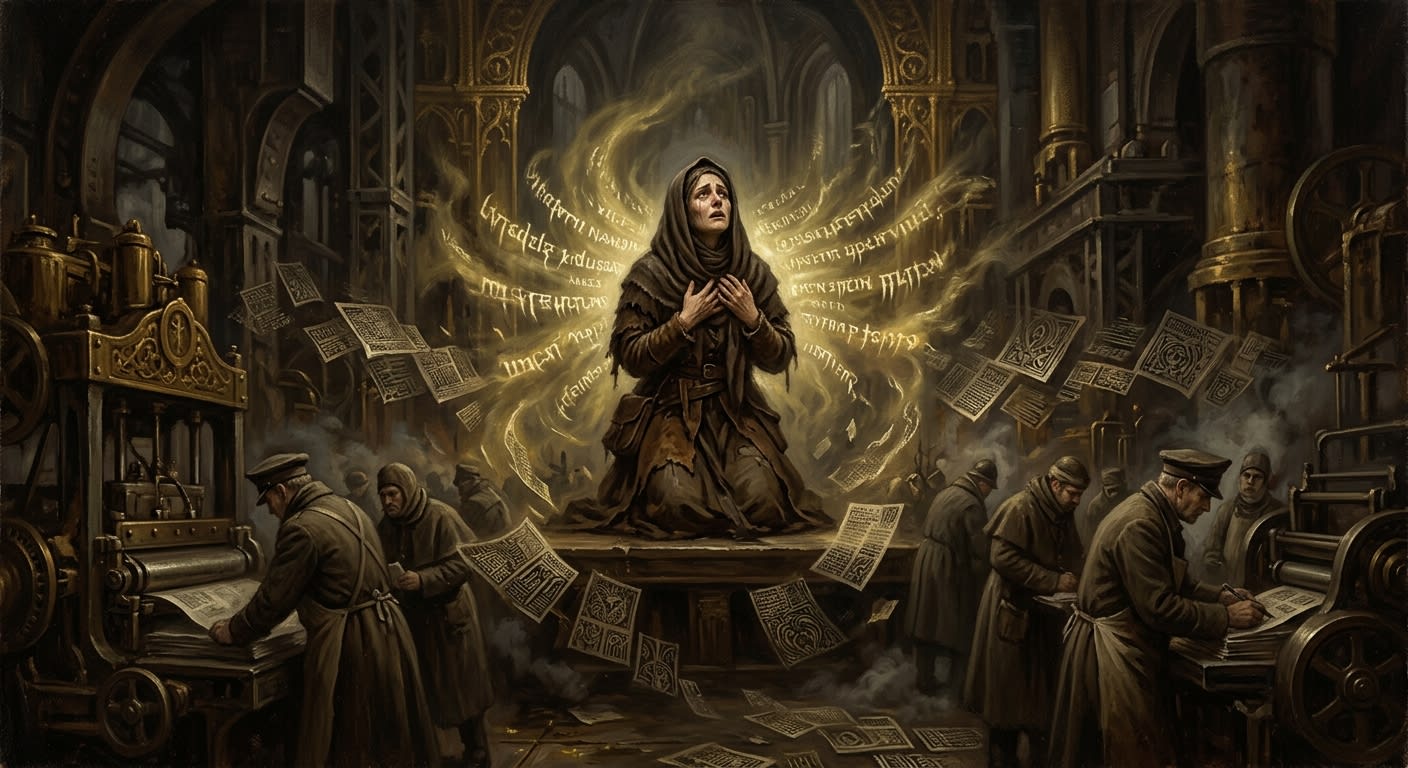
Miraculum Diffusum
The miracle was everywhere, which is to say the presses worked
The one-use doctrinal category that crowned Margaux when no ordinary miracle arrived: effect, print, grief, and Latin with teeth.
Codex Ref. XIII.1.09-014
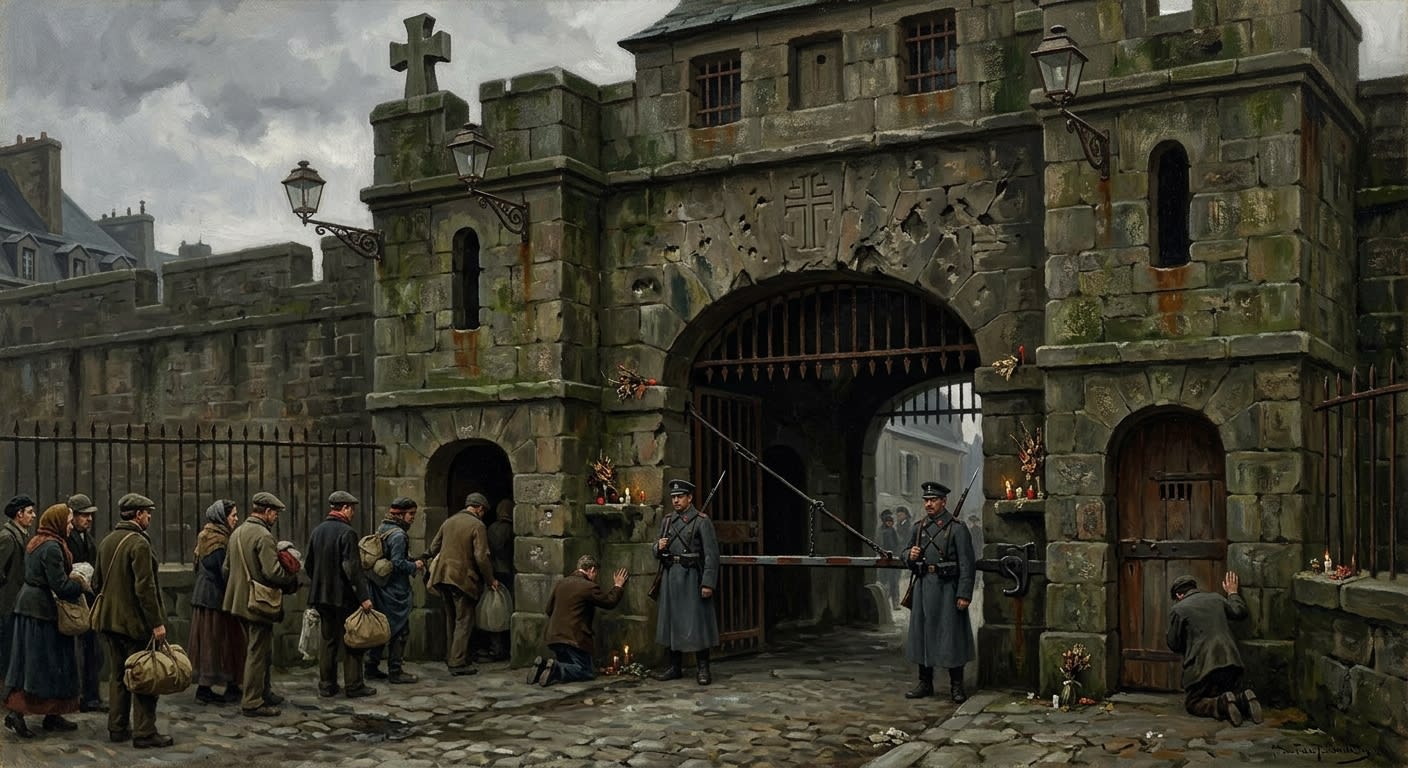
Porte Saint-Vincent
Where stone learned to answer after the thirty-first toll
The Porte Saint-Vincent is Saint-Malo's principal landward gate: toll aperture, atrocity site, pilgrimage wound, and stone witness to the A.S. 10 massacre.
Codex Ref. II.1.09-010
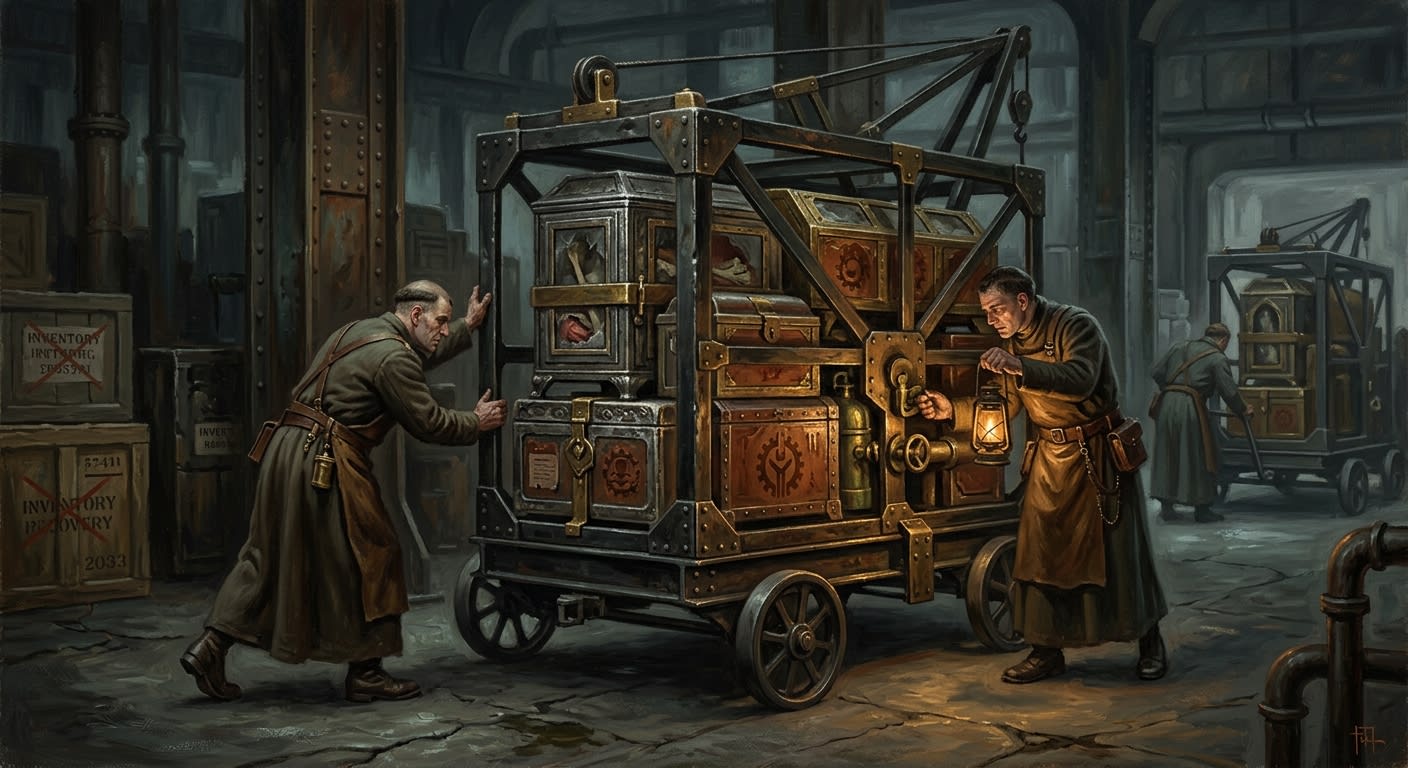
Reliquary of Saint Matthias
A box of bones that taught law to bleed
The Reliquary of Saint Matthias is the Saint-Malo martyr-object: seized as Item 7, recovered from Rationalist custody, and made into portable proof that holy custody is not inventory.
Codex Ref. XIII.1.73-010
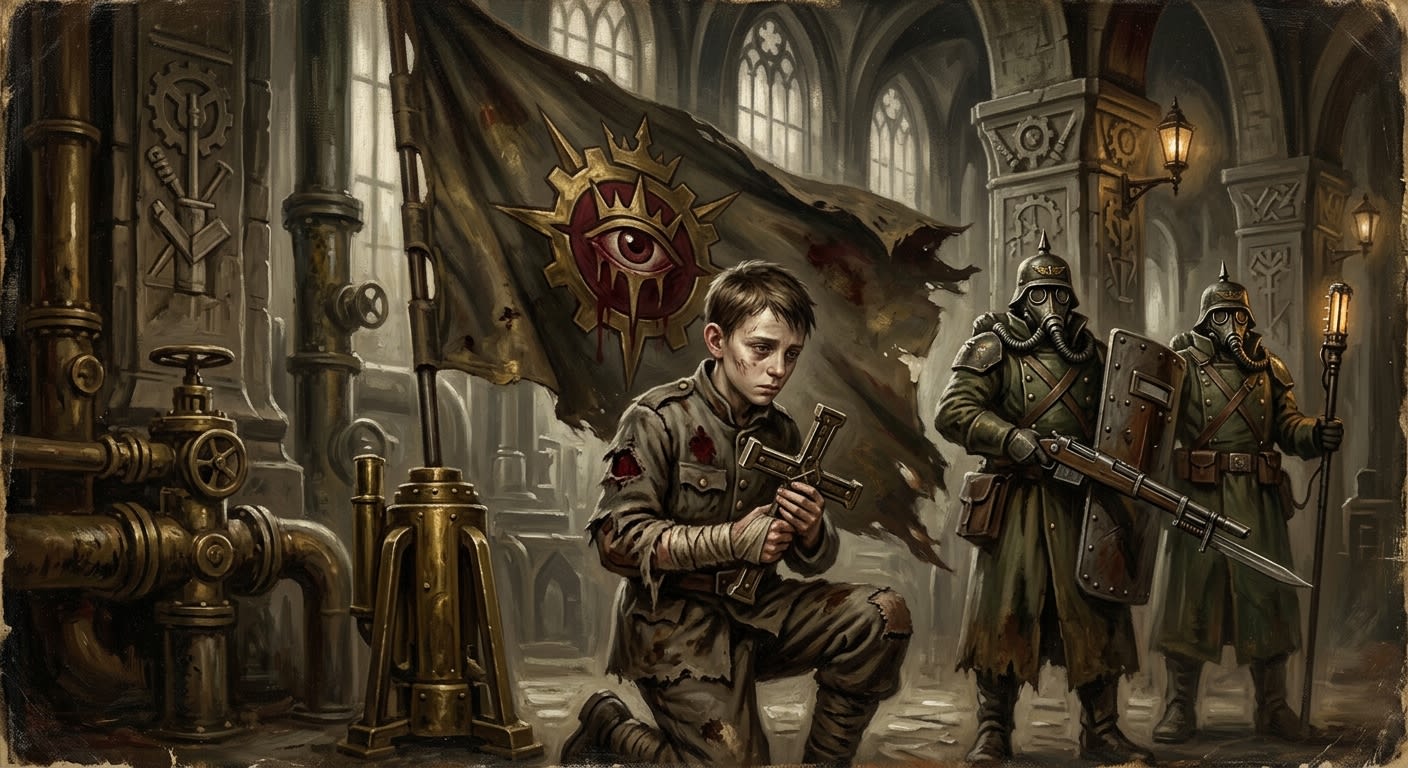
Saint Hermas
The boy who held the banner until the banner held him
Saint Hermas of Dinan was the boy beneath the banner at Saint-Malo: two wounds, one strip of cloth, and a cult made tidy by force.
Codex Ref. III.2.01-006
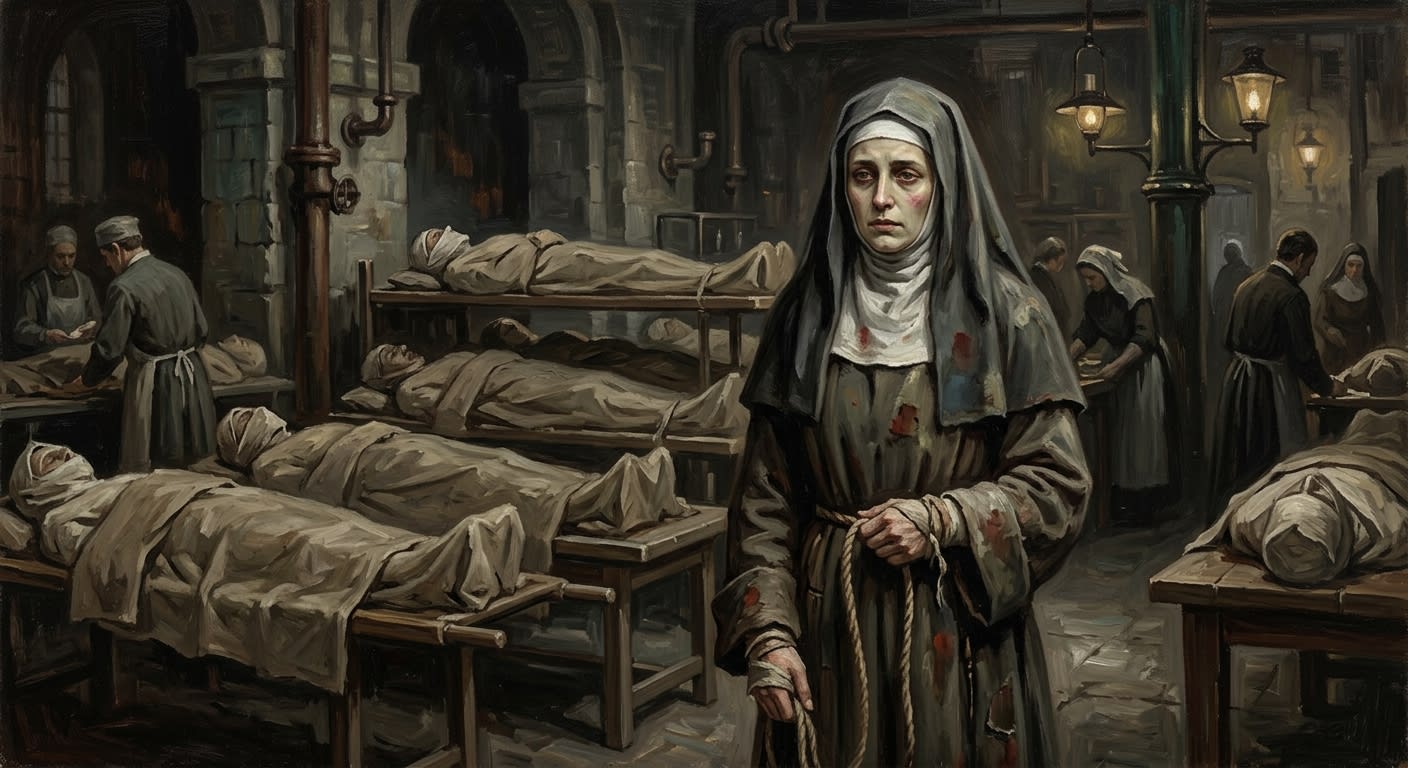
Saint Sabina of Ghent
The seamstress who gave Mercy its cloth and Doctrine its discomfort
Saint Sabina of Ghent bound eleven bodies after the Massacre at Saint-Malo, died of fever, and became Mercy's most useful rebuke.
Codex Ref. III.2.01-015
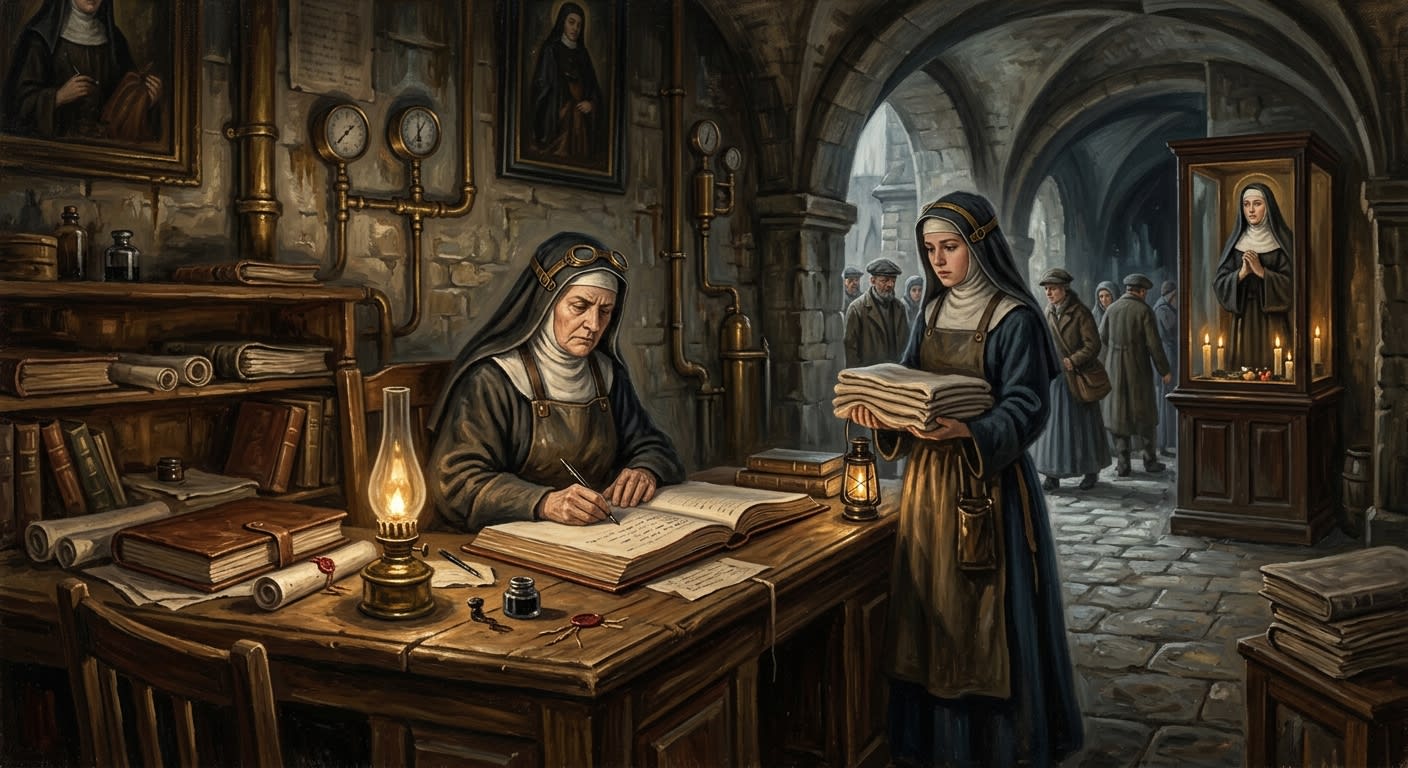
Sainte-Claire-des-Landes
Six miles from Saint-Malo, where laundry became evidence and damp became a route economy
The Breton convent of Margaux's ordinary years: damp stone, linen ledgers, a wax saint, nine thousand pilgrims, and twelve sisters still doing the work.
Codex Ref. II.1.09-092
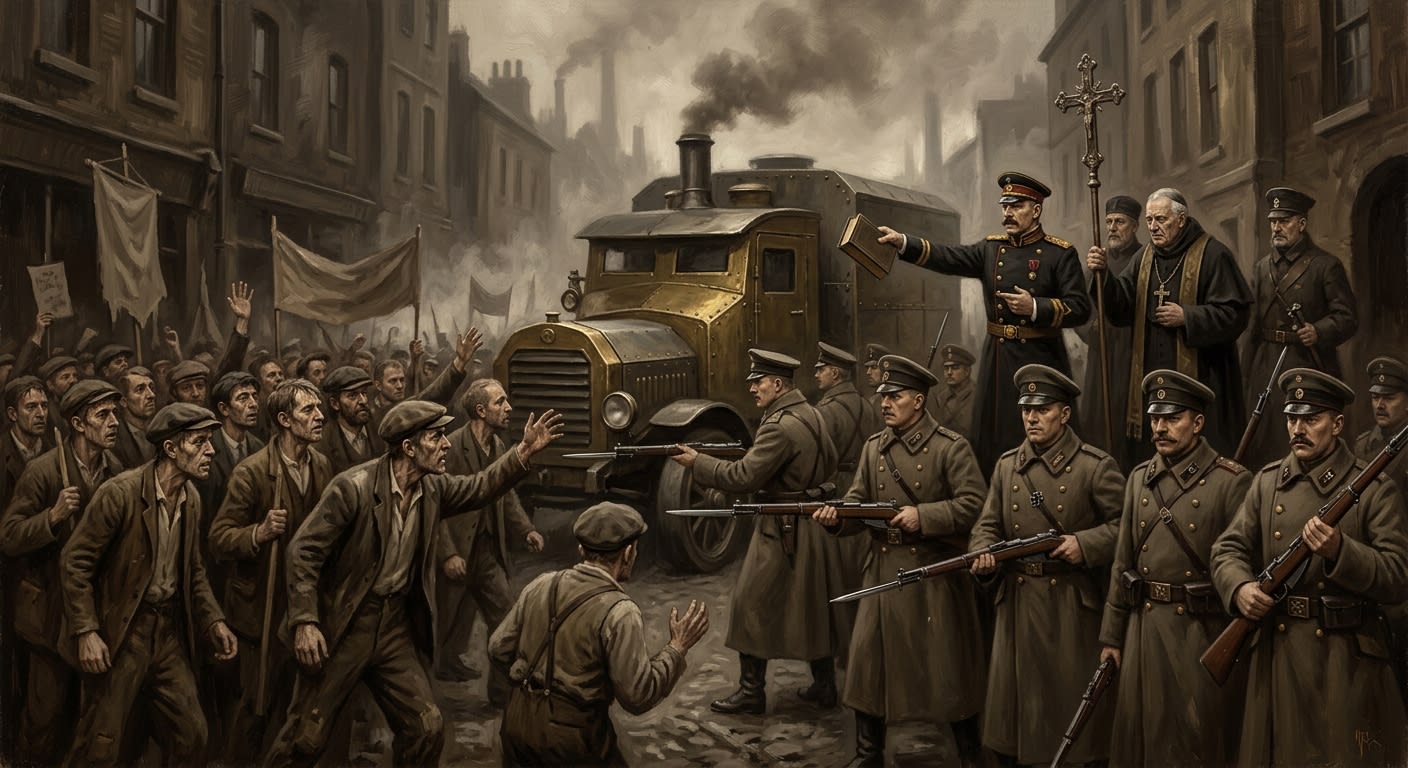
The Broth Riots
The hungry asked for food and received laws
The Broth Riots of A.S. 112 began with thin soup and ended with rifles, saints, Ledger Laws, and the Synod's discovery that hunger becomes obedient once measured.
Codex Ref. VII.8.10-112

The Heartlands
The safe country, provided one defines safety as distance from teeth and proximity to stamps
The Heartlands are the Synod's safe interior only by infantry arithmetic: Zones 1–3 feed the Line with bread, steel, bodies, bells, paperwork, and bones.
Codex Ref. II.0.02-201
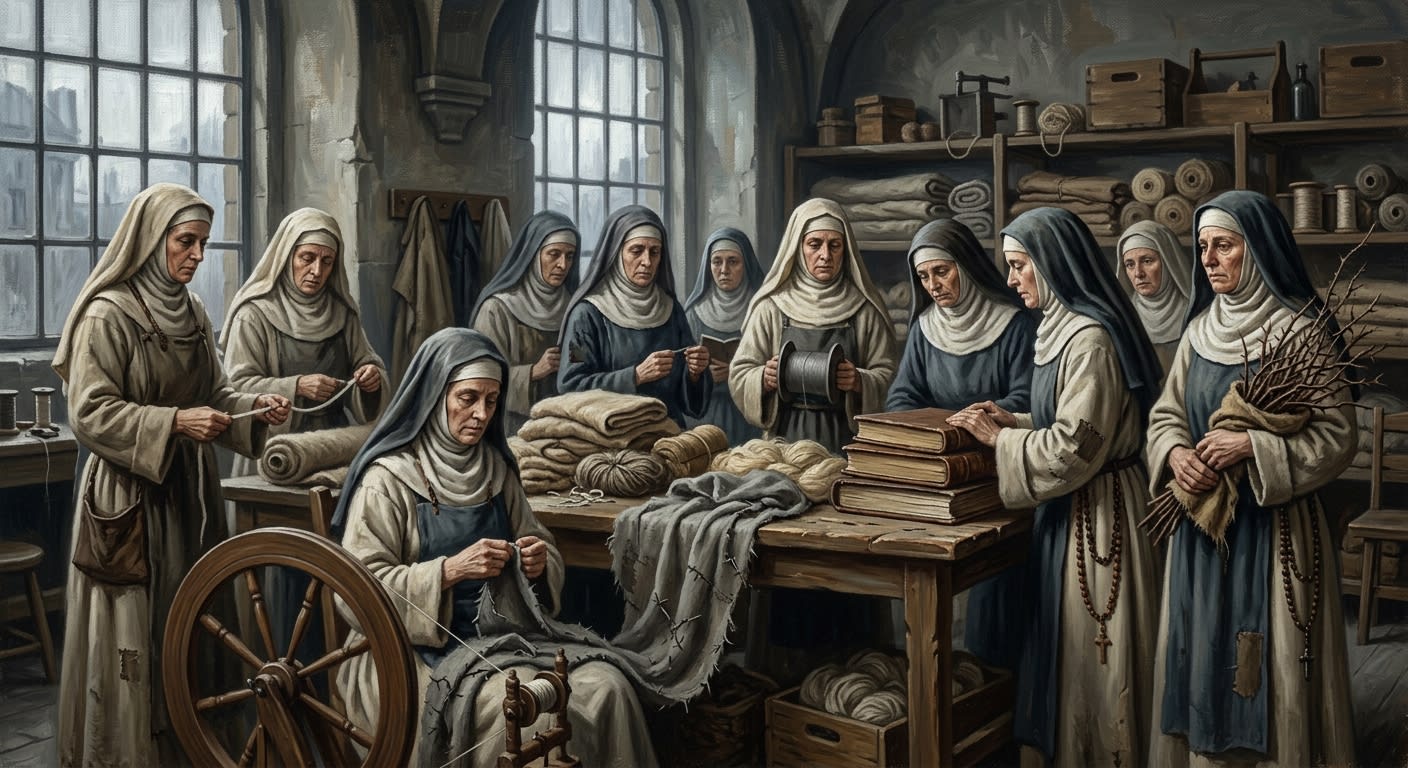
The Order of the Blessed Thorn
Linen, old women, and the machinery that discovered humility after it became profitable
A Breton mendicant sisterhood made Venerable after Margaux: twelve sisters, a house of linen, and enough humility to embarrass the Bureaus.
Codex Ref. XI.7.01-001
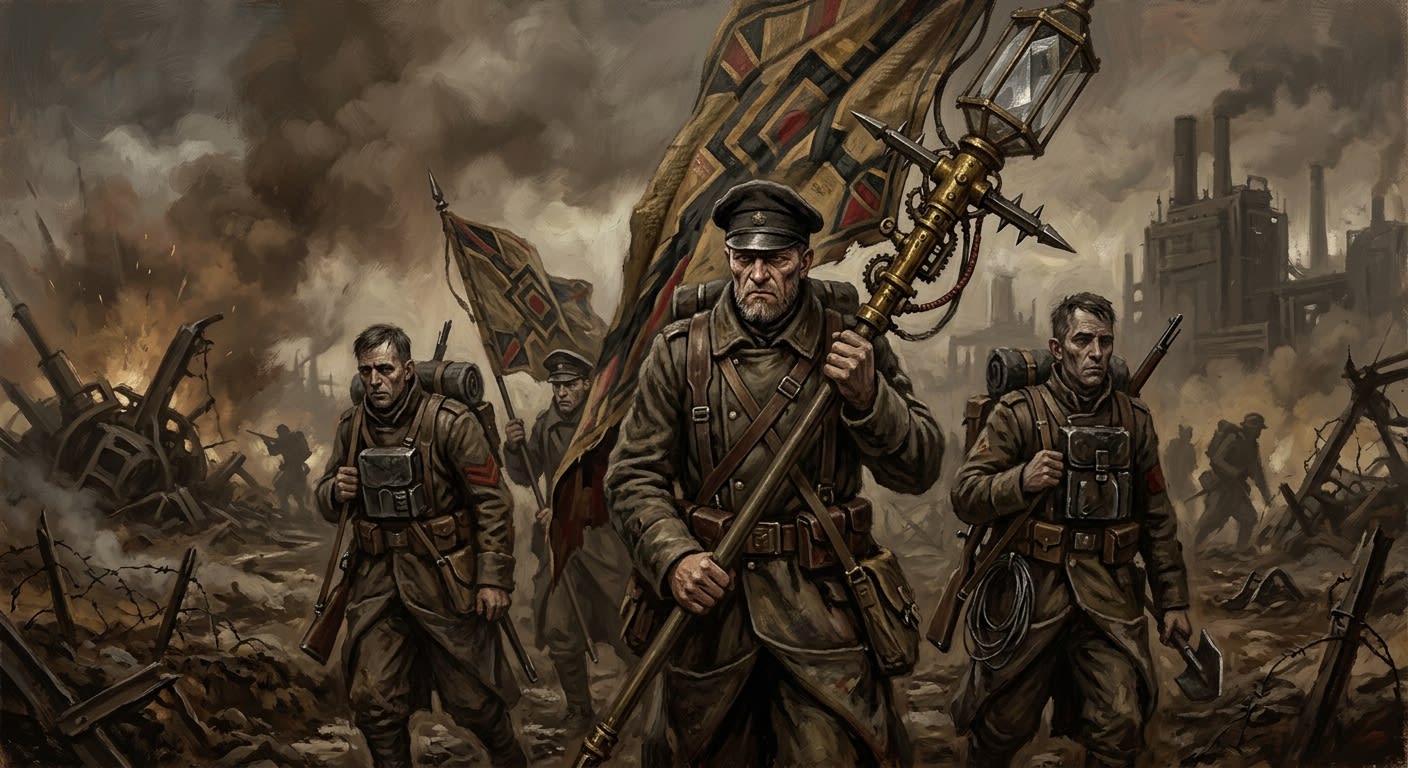
Vexillators
Keep the cloth upright, or permit panic to govern
Bureau of War standard-bearers and visible formation anchors whose sanctioned cloth turns panic into geometry when officers, drums, and voices fail.
Codex Ref. VIII.5.07-001
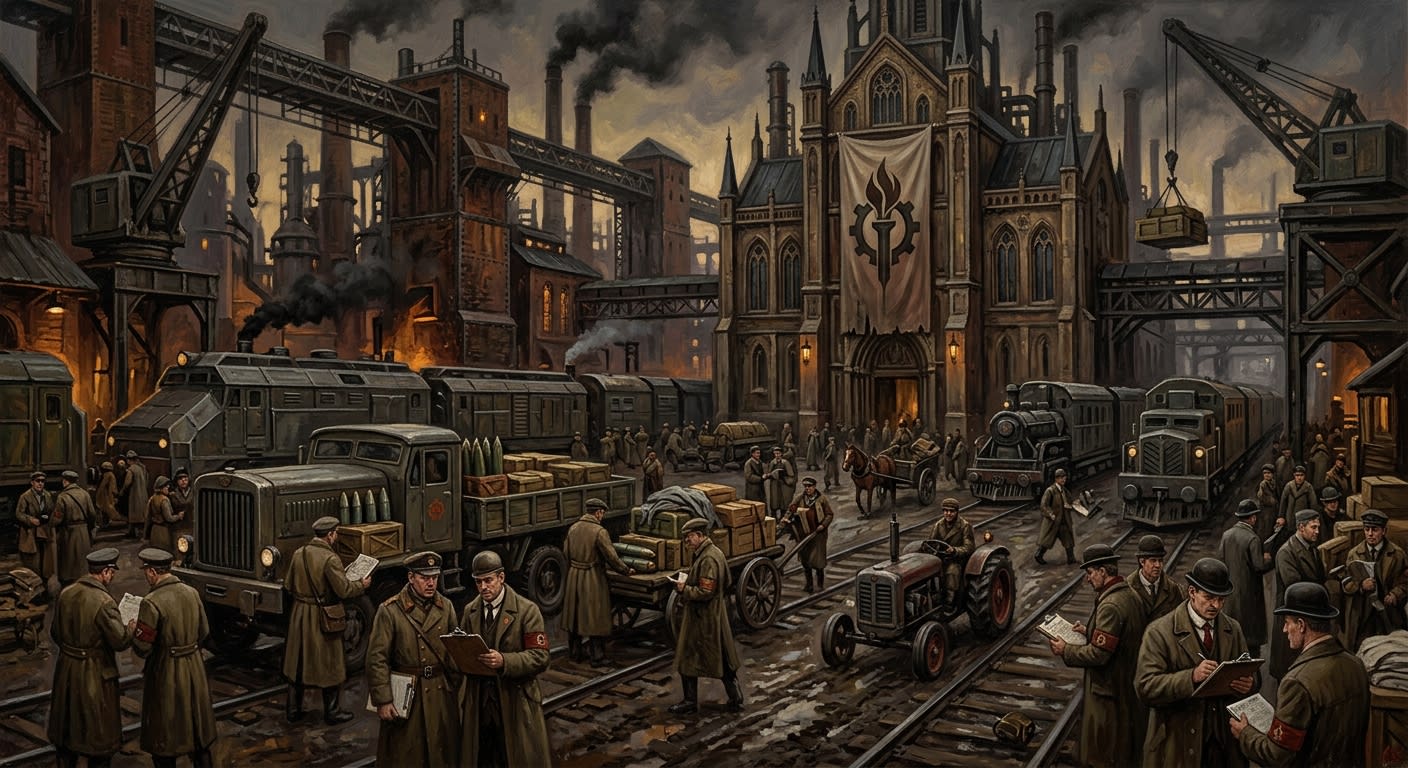
Zone 1
The rearward paradise that learned to invoice the war
Zone 1 is the Synod's polished western rear: safe enough to tax, rich enough to excuse itself, and stained to the elbows by logistics.
Codex Ref. II.0.03-201
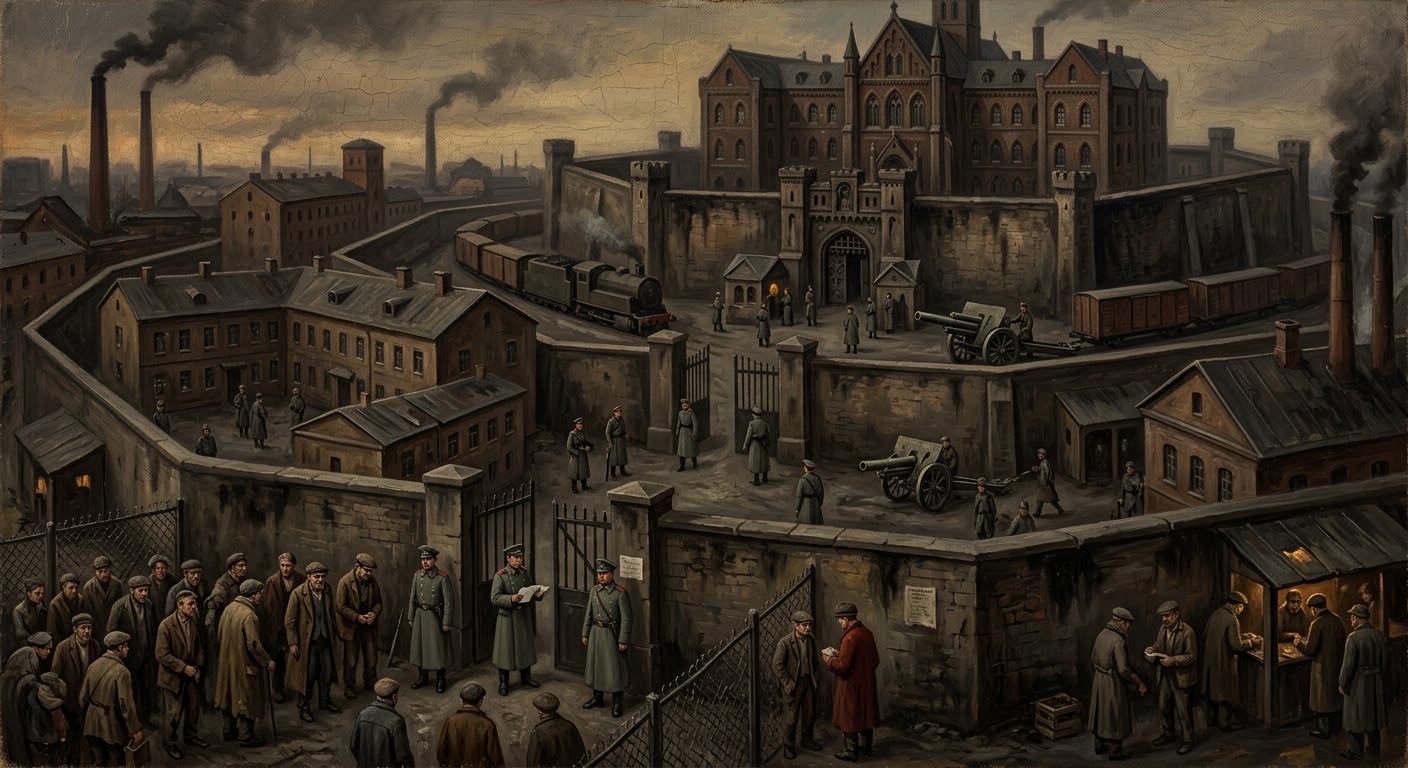
Zones 1 through 5
Five lawful pressures between invoice and mud
Zones 1 through 5 are graded permissions for bread, sons, movement, fear, artillery, and the state’s appetite.
Codex Ref. XIII.1.00-201