

Reverse Index
Referencing “The Rhine”
Every codex entry that links to The Rhine. 38 entries.
Return to The Rhine
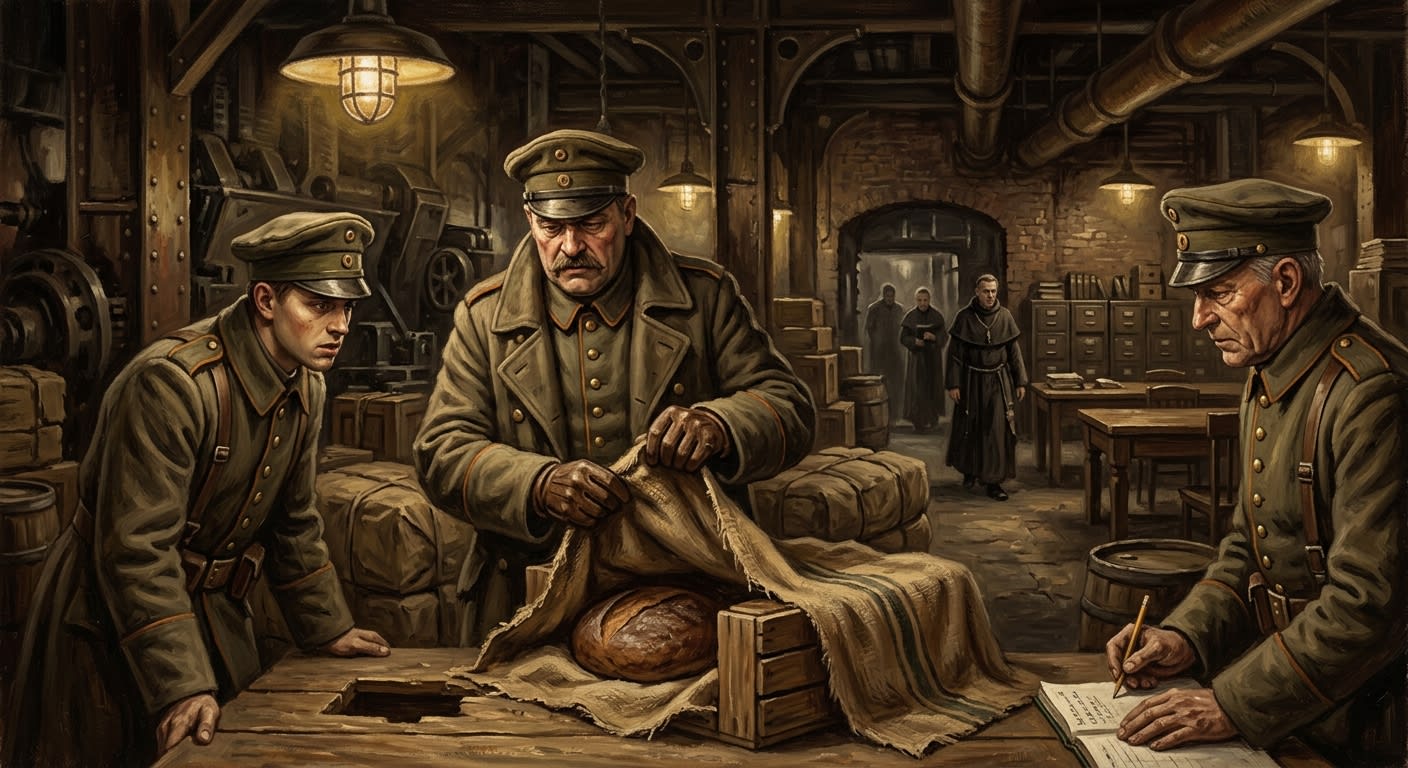
14th Rhine Customs Brigade
The guards who inspected bread and missed Providence
The 14th Rhine Customs Brigade lifted a cloth, saw bread, and missed three apostolic phalanges; Providence has seldom dressed itself so plainly.
Codex Ref. I.1.14-031
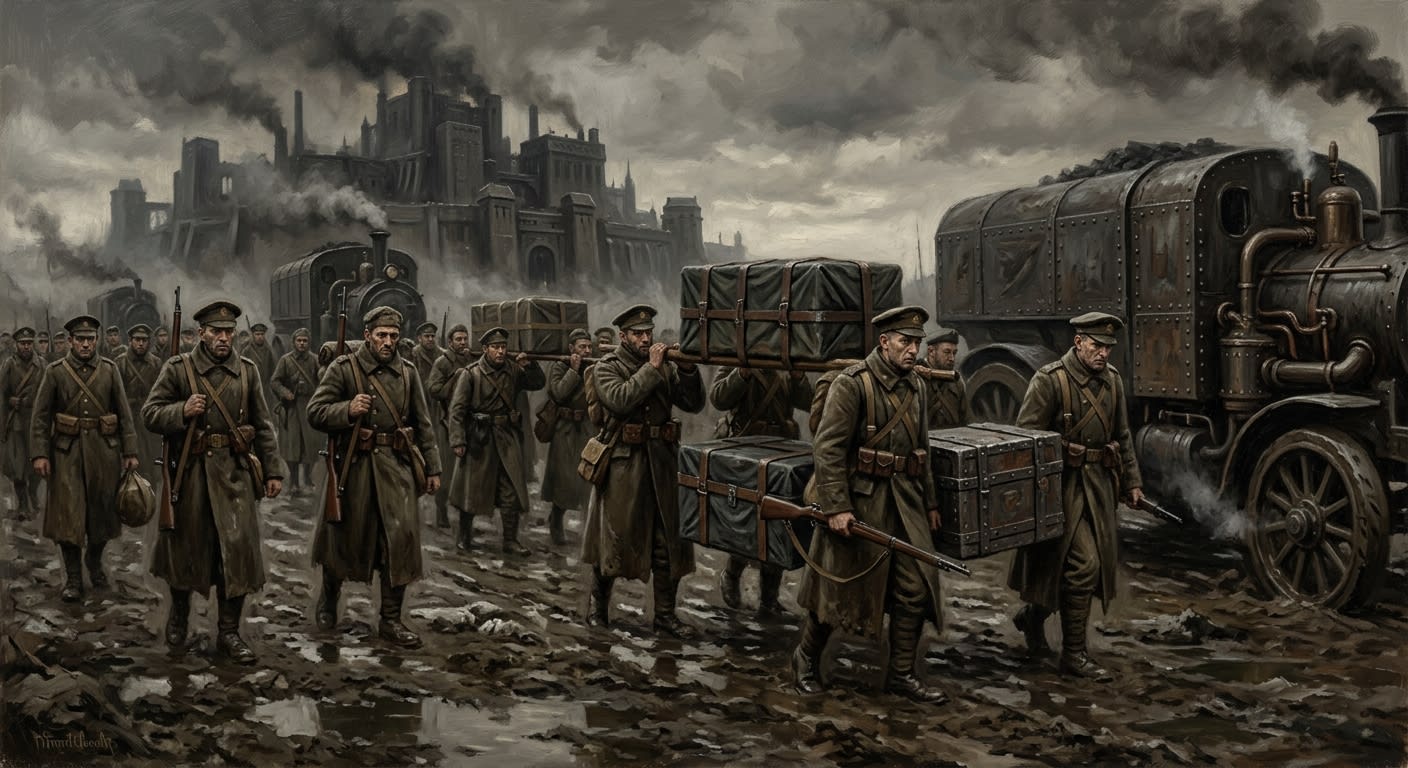
7th Rearguard Column
The middle hand that did not lose the bones
The 7th Rearguard Column did not blaze at Kalnik; it carried the bones through the middle miles, and the miracle survived because nobody lost the packet.
Codex Ref. VIII.5.07-045
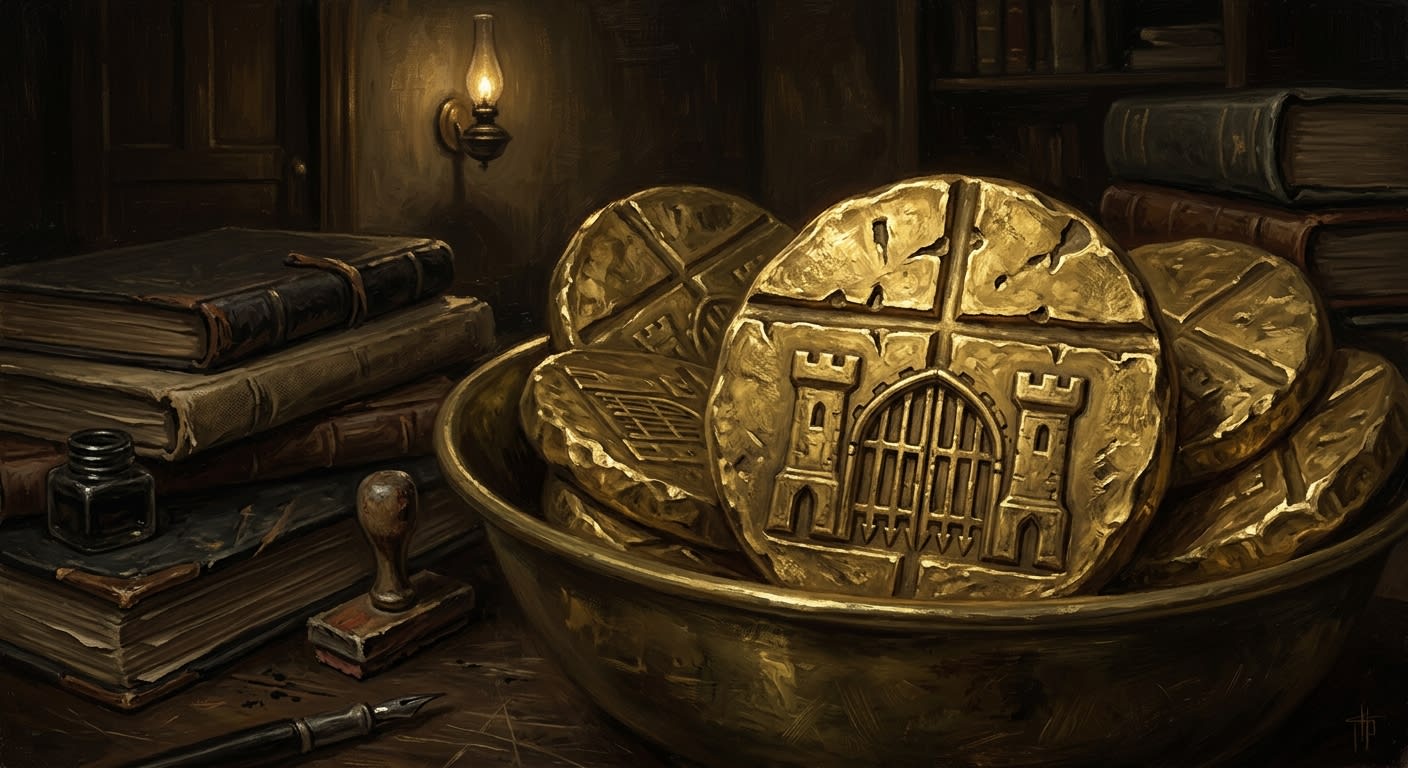
Aachen Gate-Penny
A saint's housing made small enough to buy boot grease
The Aachen gate-penny is reliquary gold made into emergency currency: a closed gate, a cross-groove, and a city’s old betrayal priced by the handful.
Codex Ref. V.2.04-160
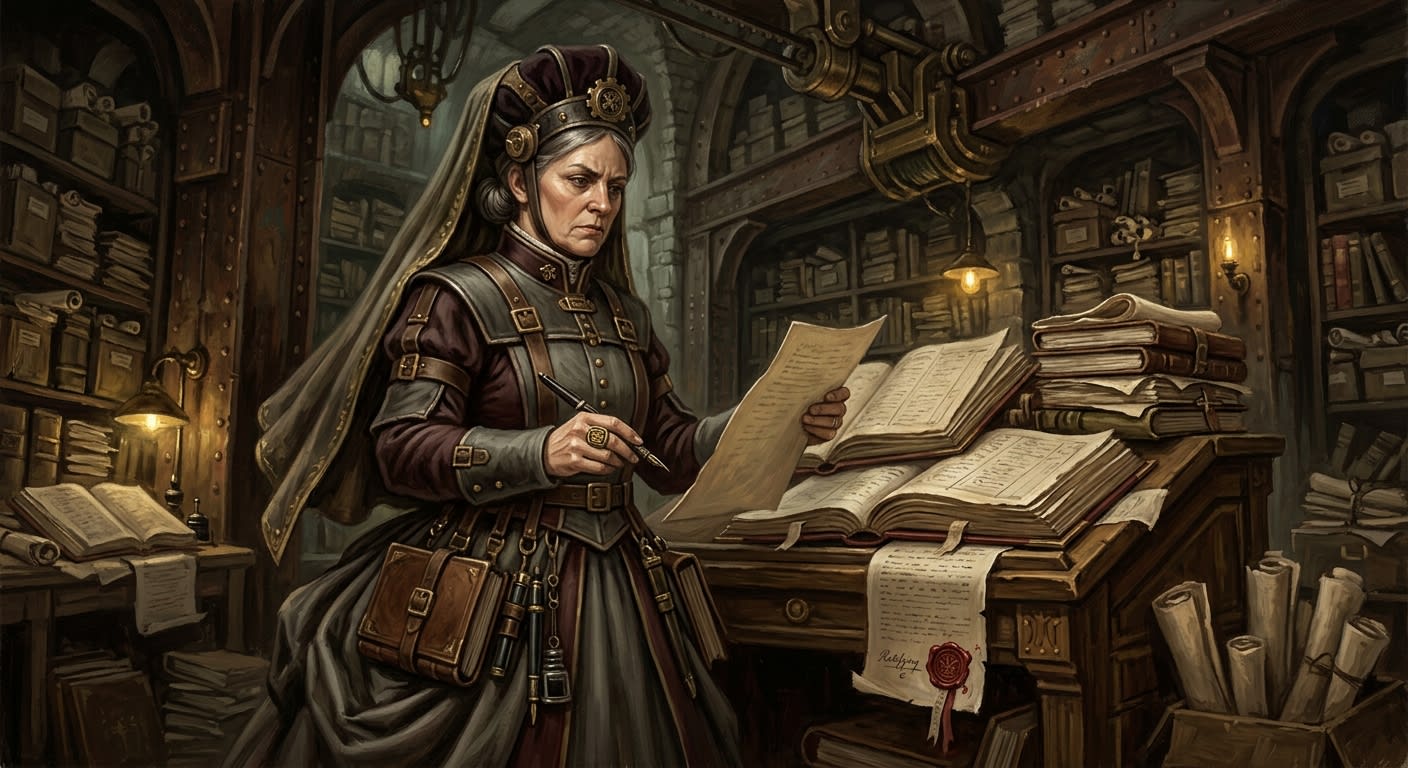
Abbot-Registrar Solene
She made contradiction choose a widow and a loaf
Solene of Lyon, first Abbot-Registrar of Nemea, made ruins into an archive and panic into the doctrine of original by ratification.
Codex Ref. III.2.01-096
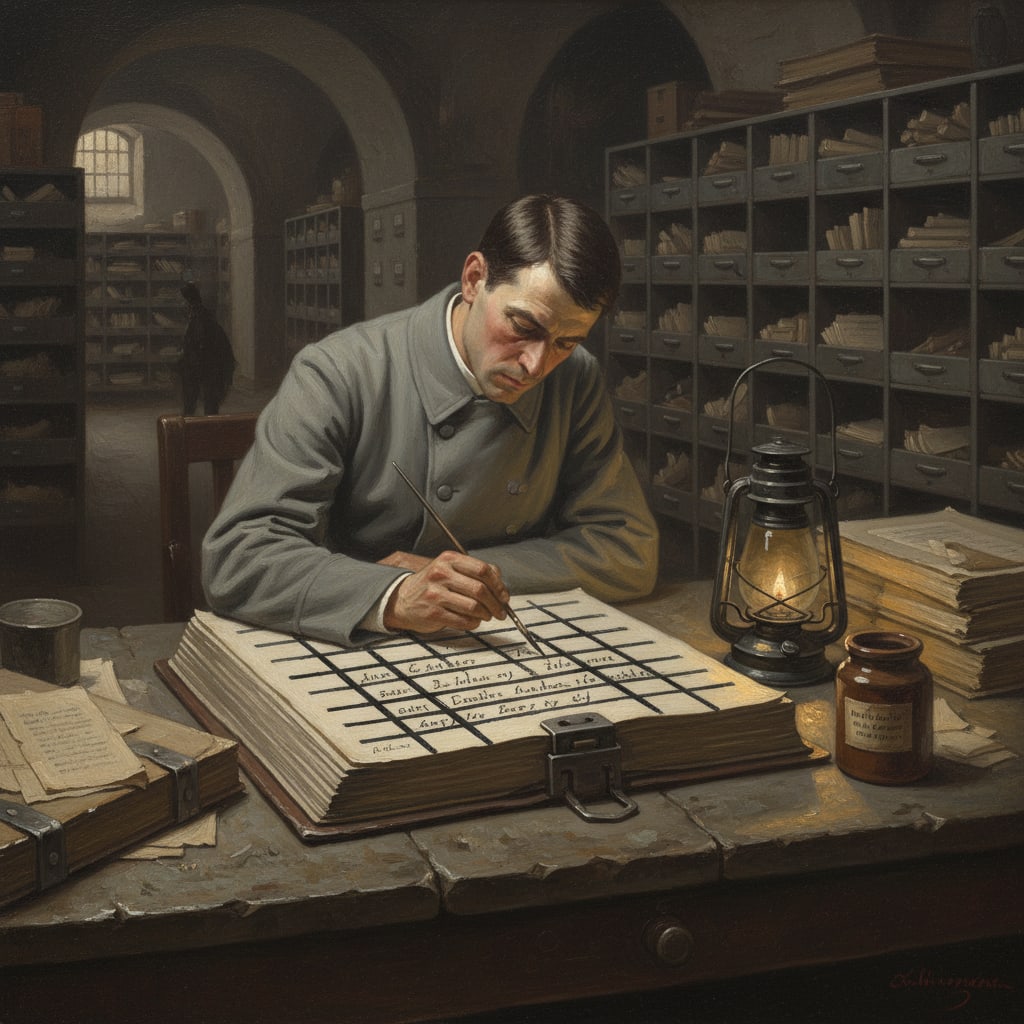
Administrative Dissolution
What the Bureau calls a filing action; what the dogs remember
Administrative Dissolution is the Bureau of Records' procedure for rendering a soul present but illegible — a grid of Mortuary Black drawn across the name-entry, the null-mark Ø applied, the Ledger amended.
Codex Ref. XIII.1.01-001
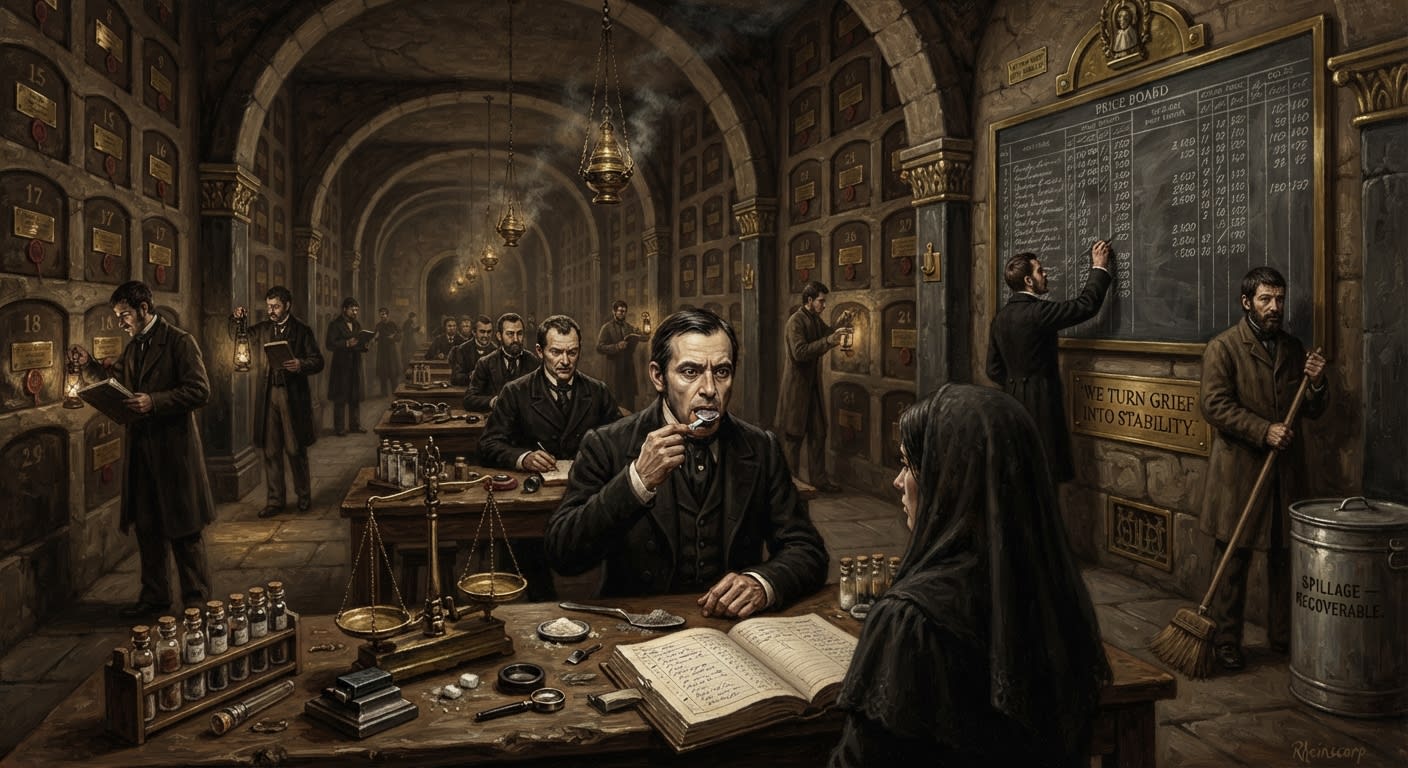
Ash Exchange of Saint Pelagia
Where grief becomes tender and the dead pay interest
Rheinscarp's seventh terrace turns the dead into collateral: cremains vaults, saint-shares, dust futures, and the cheerful arithmetic of Broker-Saintsman Damas Rohe.
Codex Ref. II.2.01-007
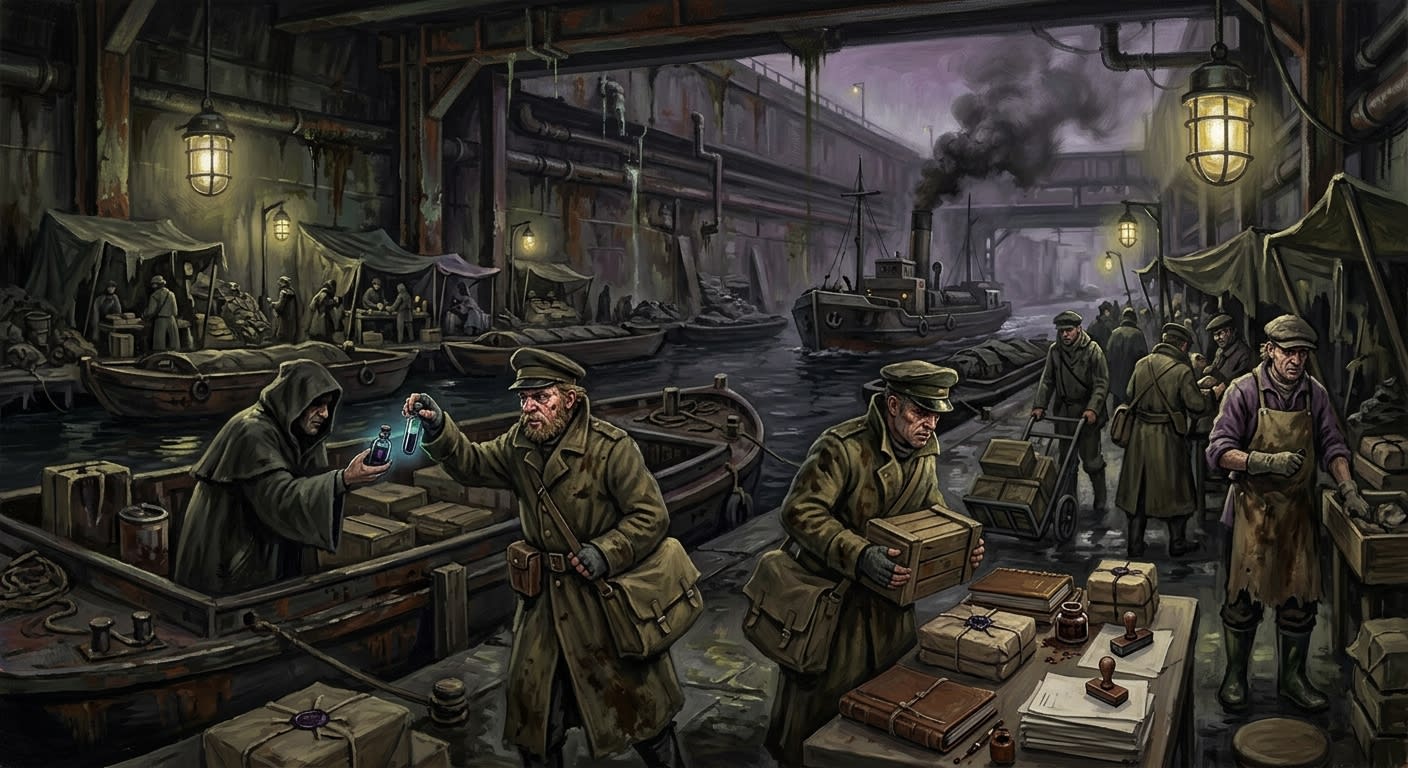
Black Canal
Where unlawful water teaches authority to float
The Black Canal is Candlewick's under-dike criminal water: a wet market of outlaw shade, Hungry Ink, false seals, name packages, and useful denial.
Codex Ref. XIII.1.19-098
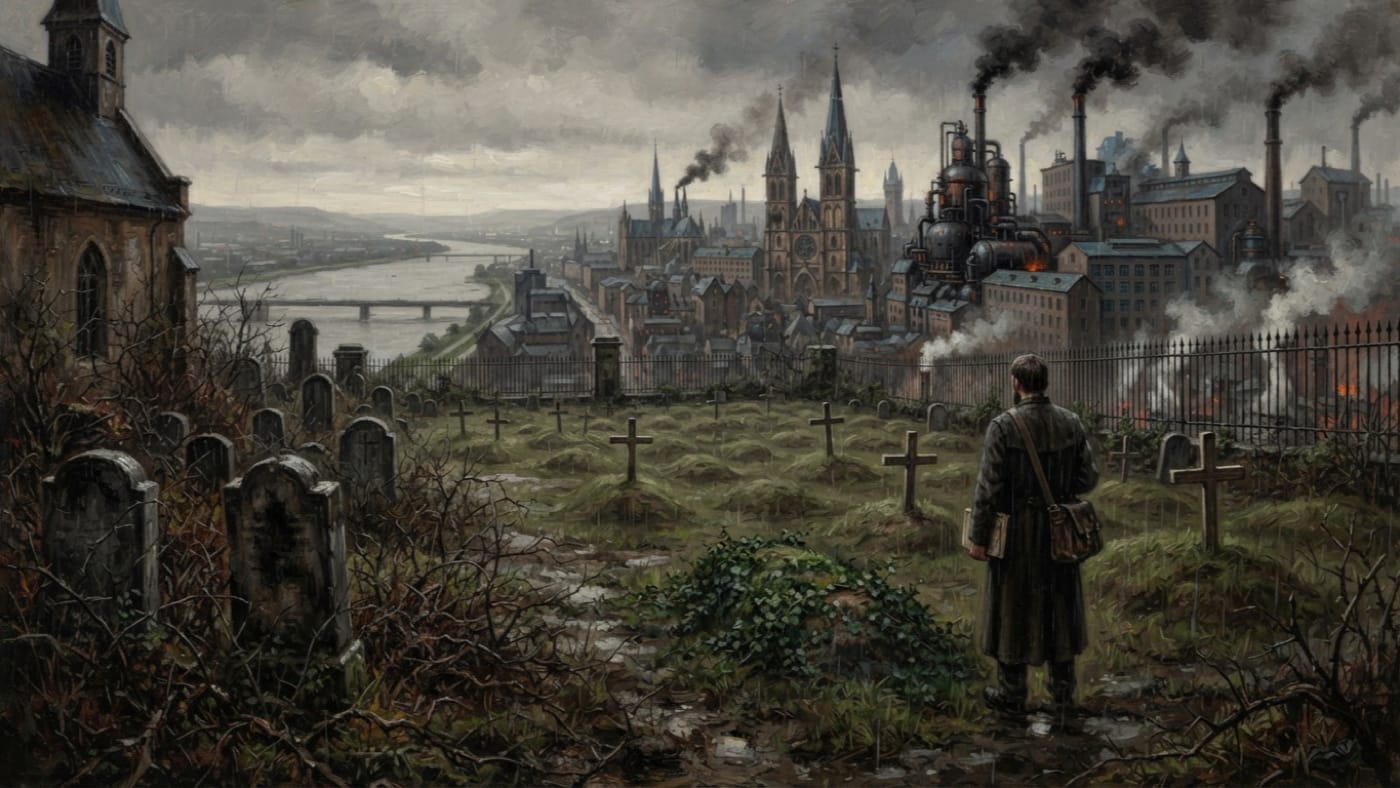
Bonn
A saint nearby; no directions supplied
Bonn is a Rhineland city on the Rhine. Ignatius Brenner died and was buried nearby in A.S. 71. The churchyard is unnamed, the grave unmarked, and the record supplies no directions.
Codex Ref. III.2.04-313
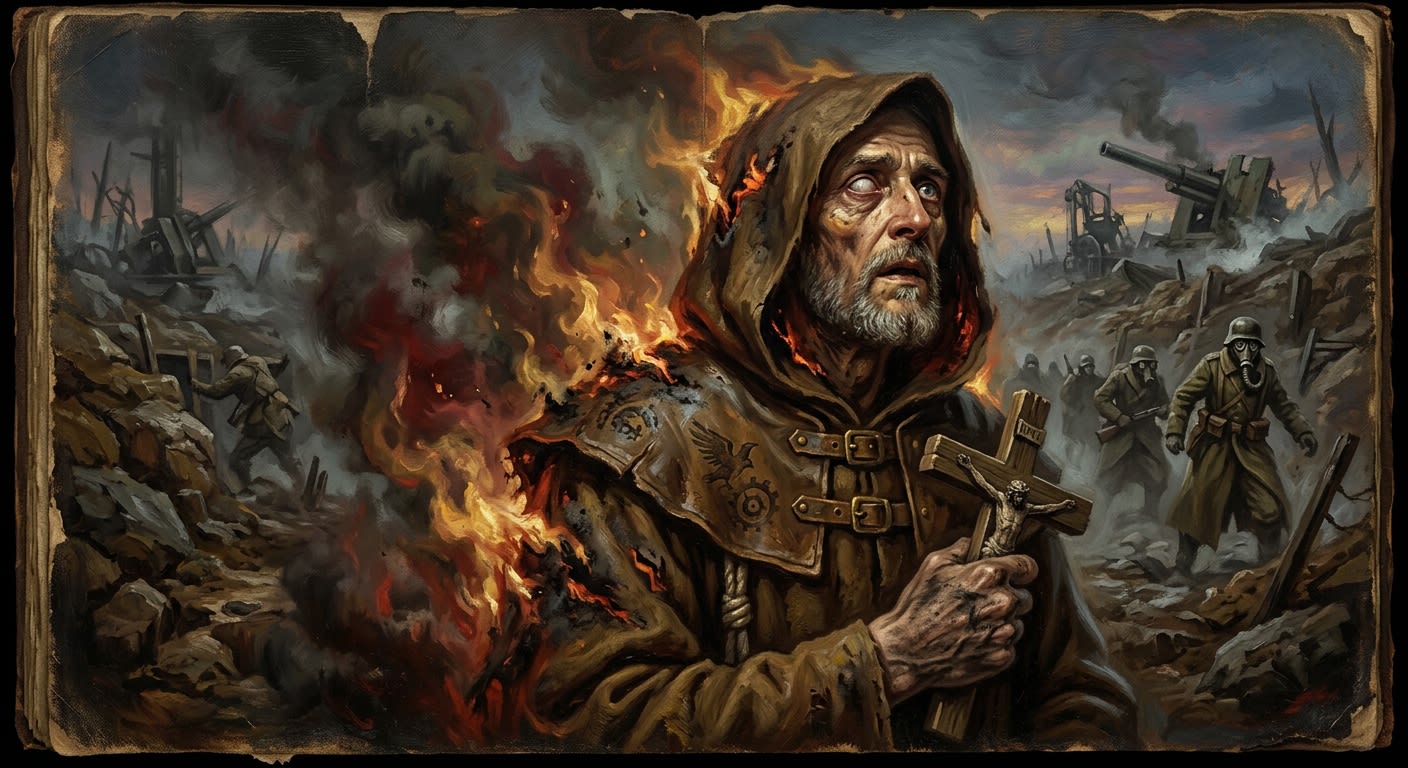
Brother Tomislav
The half-blind monk who lifted a reliquary and made Wrath recoil
Half-blind Franciscan, custodian by refusal, and instrument of the Miracle of Kalnik Ridge; consumed by sacred fire in A.S. 48, though the Bureau remains professionally unable to call him dead.
Codex Ref. III.2.01-004
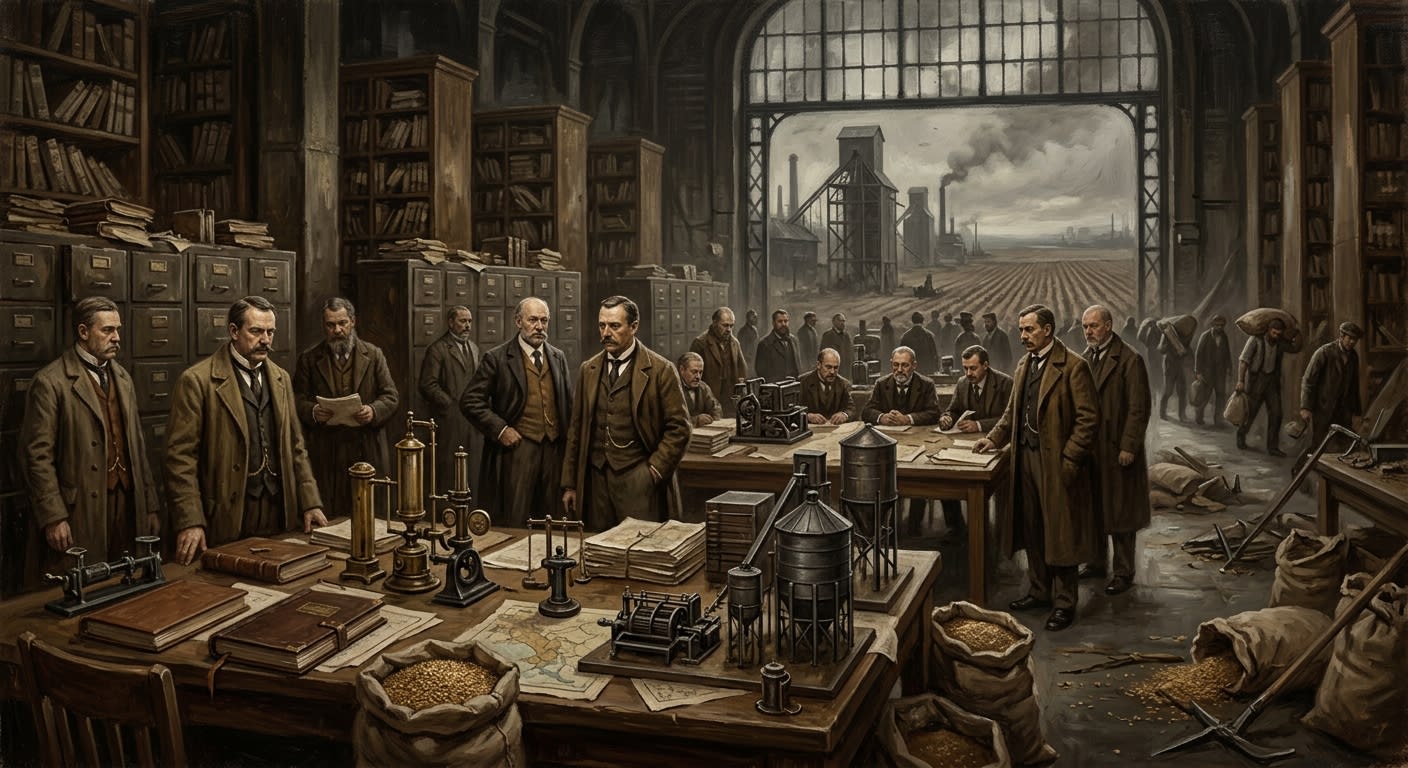
Bureau of Agriculture
The office that owned the wheat, but never the air inside the silo
The dissolved Bureau of Agriculture once governed seed, soil, yield, storage, and famine reports before the Weevil Year let Tithes inherit its grain authority.
Codex Ref. VIII.4.02-001
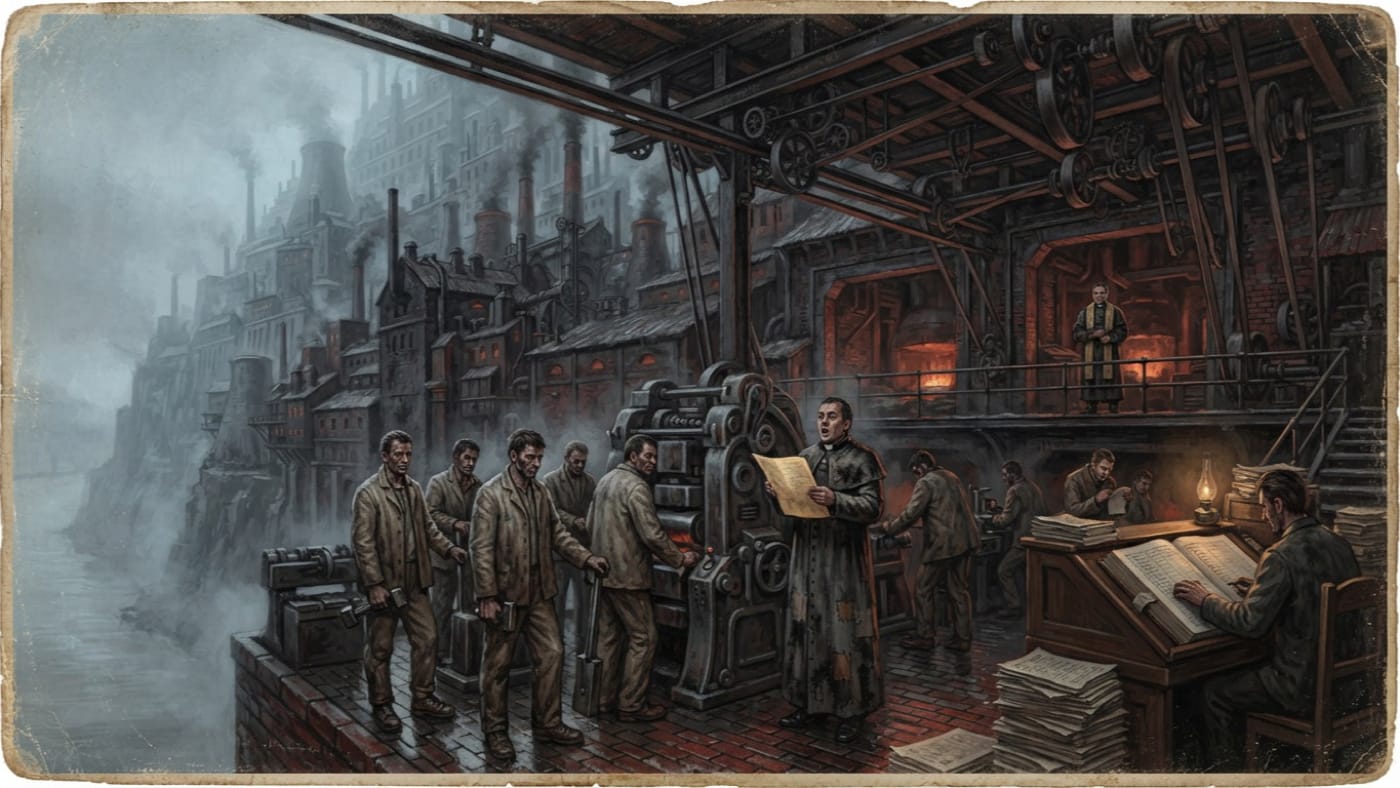
Cantor Foundries
Beneath the judges and above the dead, even the hour must be bought
Rheinscarp's eighth terrace runs its furnaces on purchased bell-hours and the Mill-Crown Cantors' cadence. The machinery may be ready; permission remains the Marshal's commodity.
Codex Ref. II.2.08-001
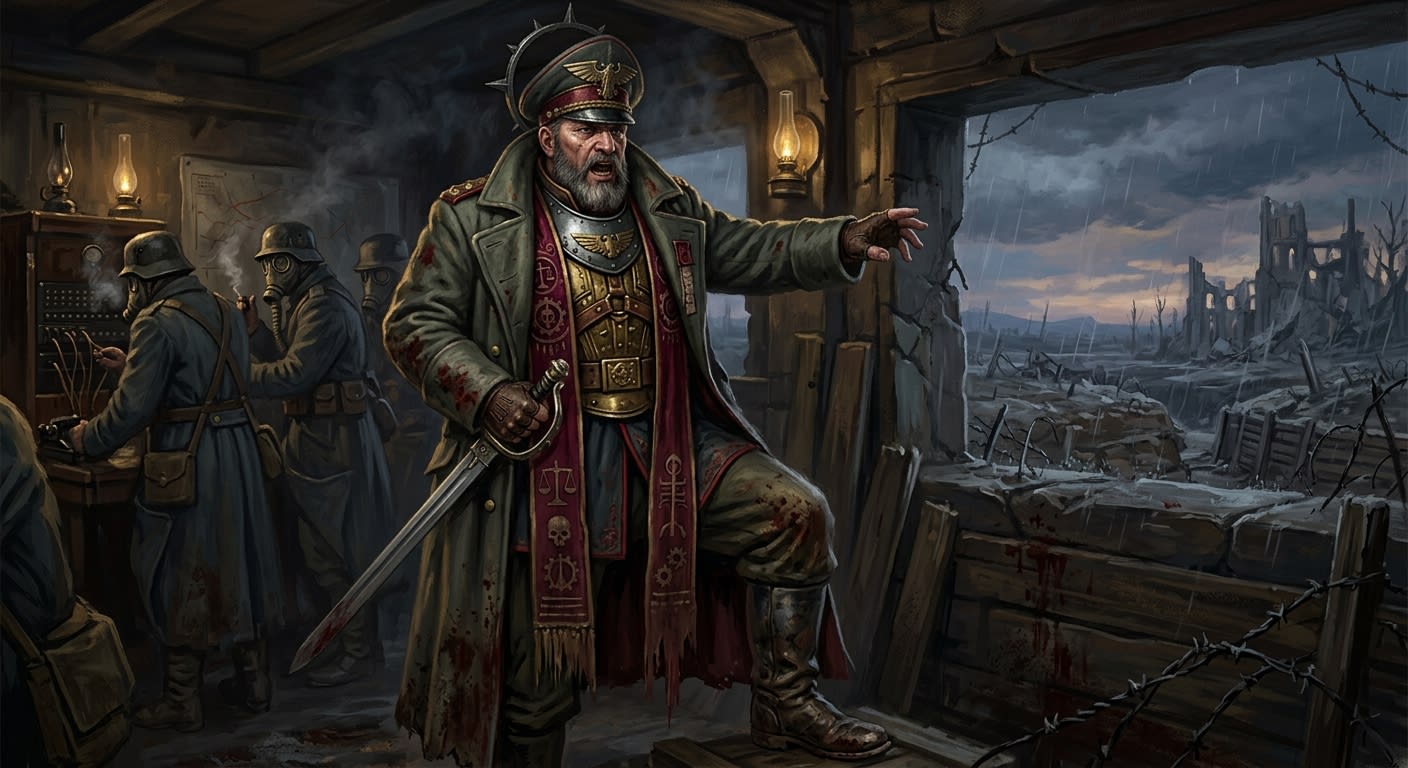
Cardinal-Marshal Severin of Avignon
The tourniquet of Montreval, ugly enough to save a front
Severin of Avignon held Montreval through the Atheist Wars: severe, loud, bloodstained, and too useful for the Bureau to canonise cleanly.
Codex Ref. III.2.01-007
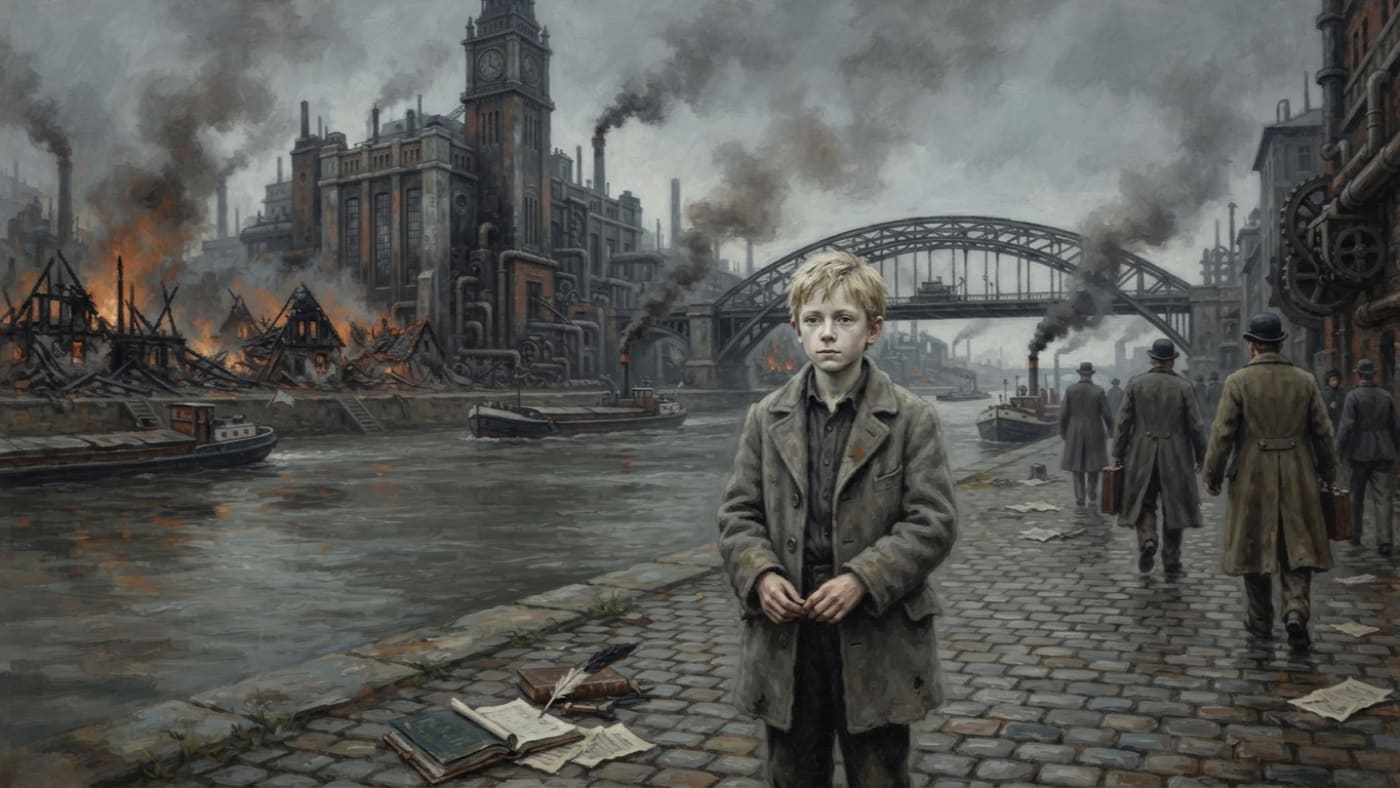
Child of Innocence
A condemned name, a river, and ash
Condemned as the first so-called Virtue General, the Child of Innocence is an unverified pale boy said to unravel loyalty with truth. The Rhine fires establish neither his identity nor their cause.
Codex Ref. III.2.01-054
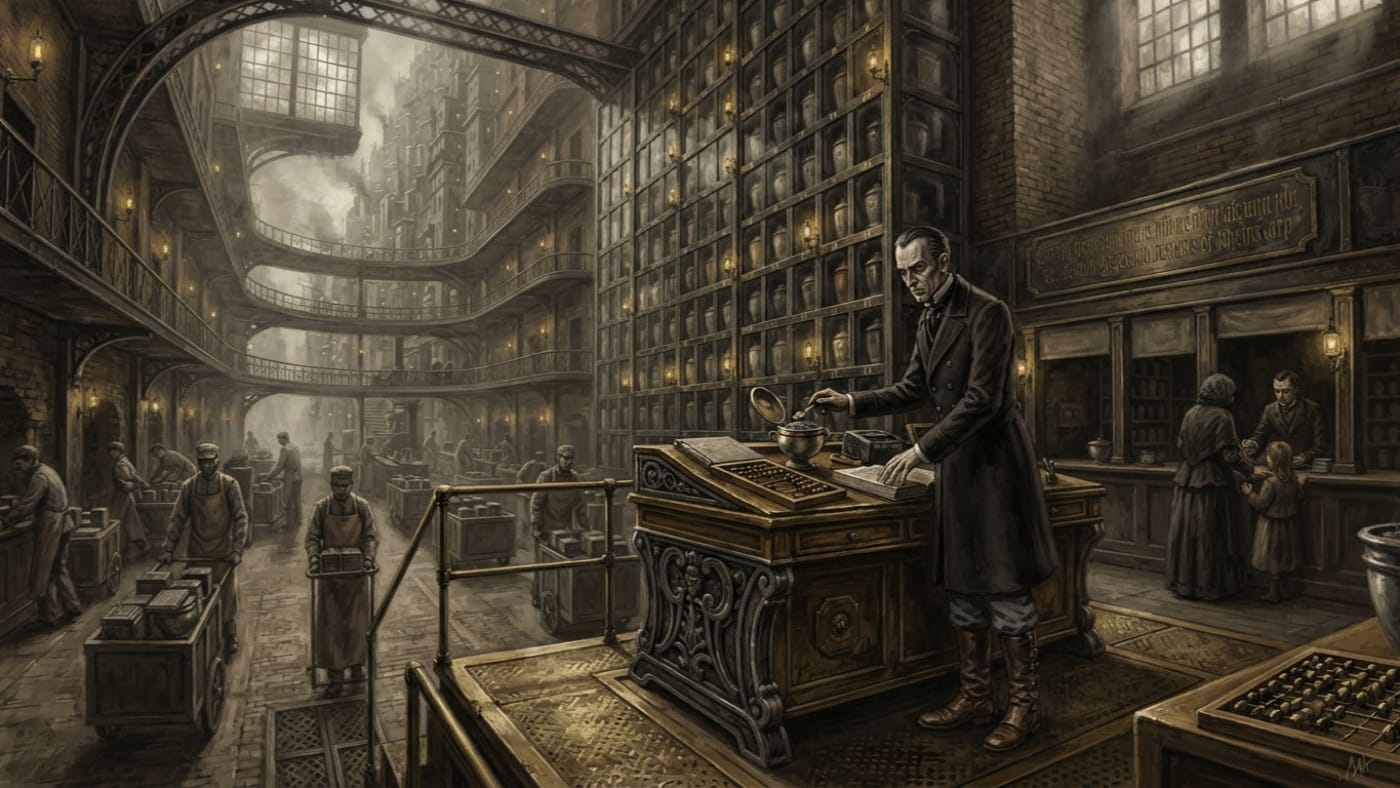
Damas Rohe
Uncle to the brokers, creditor to the dead
Broker-Saintsman Damas Rohe controls Rheinscarp's Ash Exchange, lending grain against future cremains and trading the dead. He holds no Synodal office; his collateral arrives all the same.
Codex Ref. III.2.01-201
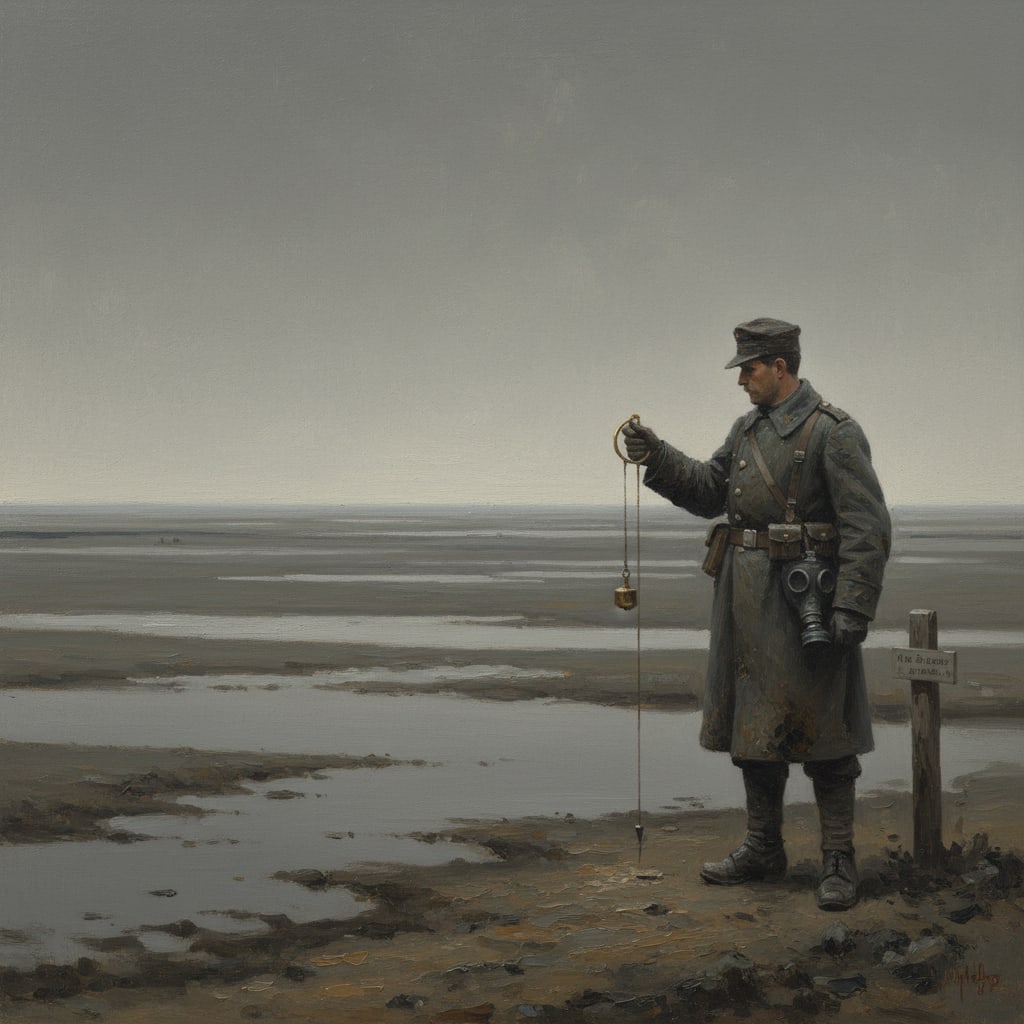
Debrecen
The city that was eaten
Forty-two thousand souls, a grain exchange that set prices from the Danube to the Rhine, and a harvest the world will never taste again. Kargath ate it. The Blightmarsh is all that remains, and the Blightmarsh is still hungry.
Codex Ref. VI.1.01-001
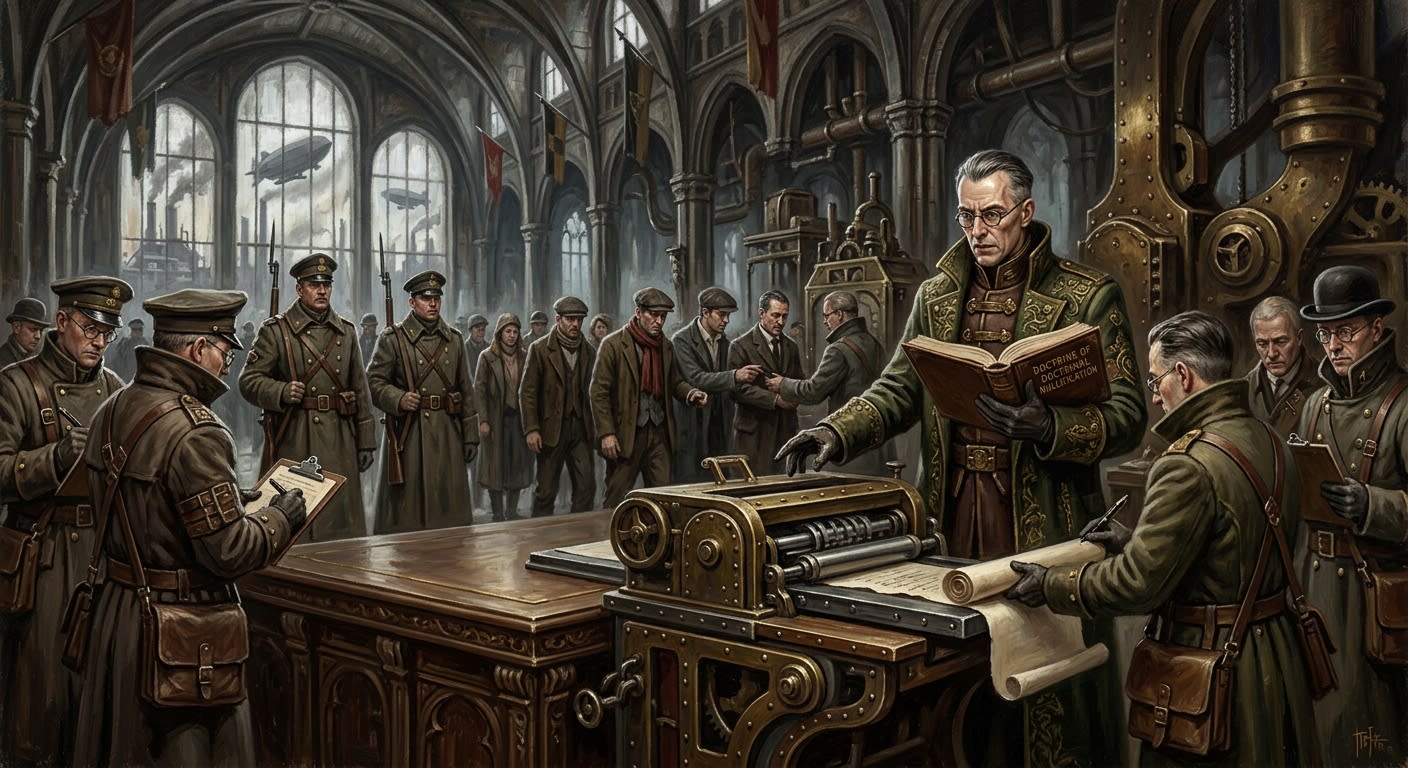
Doctrine of Doctrinal Nullification
How the Synod learned to prosecute the empty altar
Legal doctrine drafted for Arno Kett in A.S. 138, making absence of belief prosecutable as civic injury and giving Purity a rope for vacancy.
Codex Ref. XIII.1.82-001
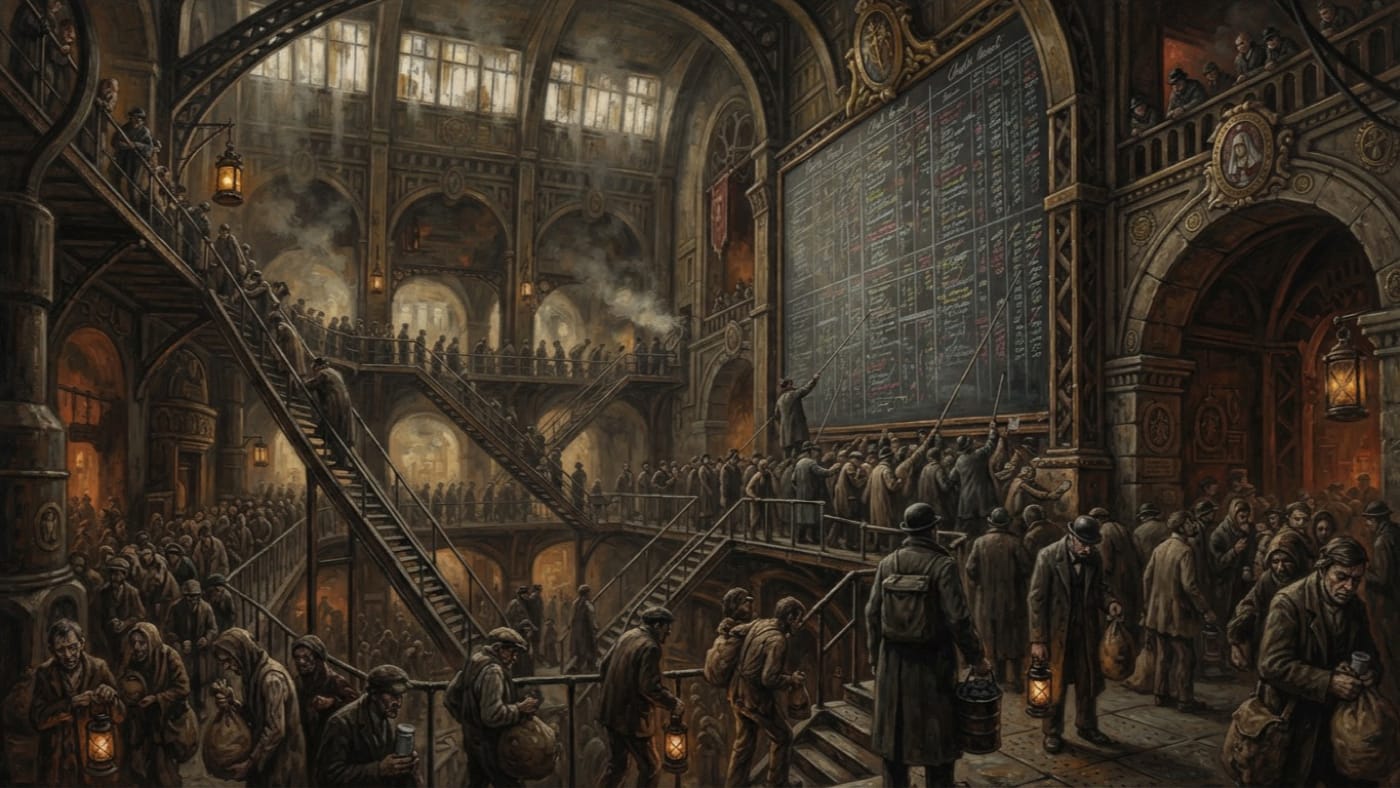
Dust Futures Scandal of A.S. 199
The claims had prices; the living had supplied no signatures
In A.S. 199, Rheinscarp's Ash Exchange was found trading futures on the cremains of living people who had signed nothing. By A.S. 201, the tranches had new names and the Tribunal had issued no ruling. A price proved easier to obtain than a signature.
Codex Ref. VII.2.01-199
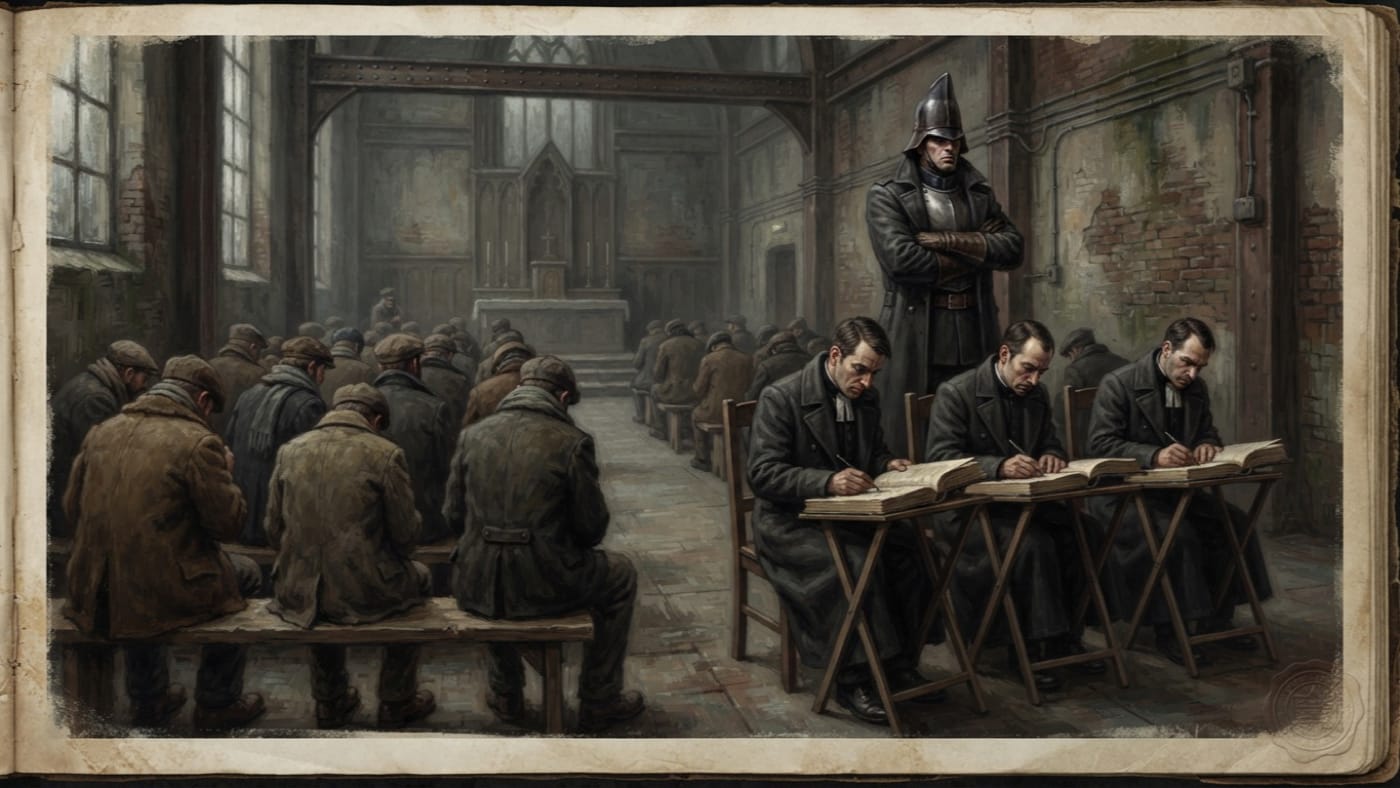
Foreign Church
Three Pens and a Lictor
In Strasbourg's River Quarter, worshippers outside Synodal obedience pray under three Confessors' pens and one Lictor's gaze. The prayers are permitted; the attention is unavoidable.
Codex Ref. III.2.01-1125
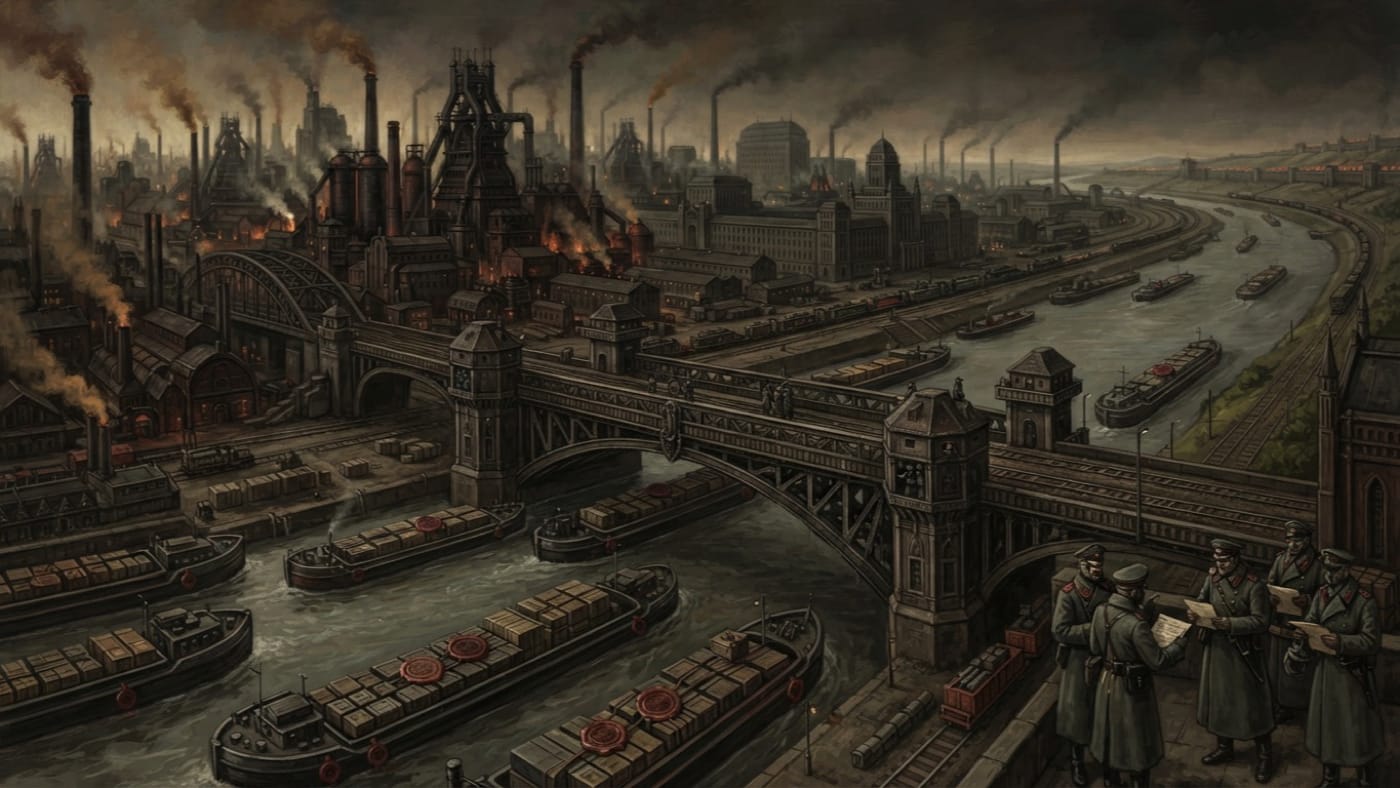
Germany
The heartland that supplies the frontier and answers to several seals
Germany in A.S. 201: the Zone Two heartland of taxed rivers, singing furnaces and military depots. The old borders were erased; the territory still supplies the frontier, and every cargo requires a seal.
Codex Ref. II.6.01-201
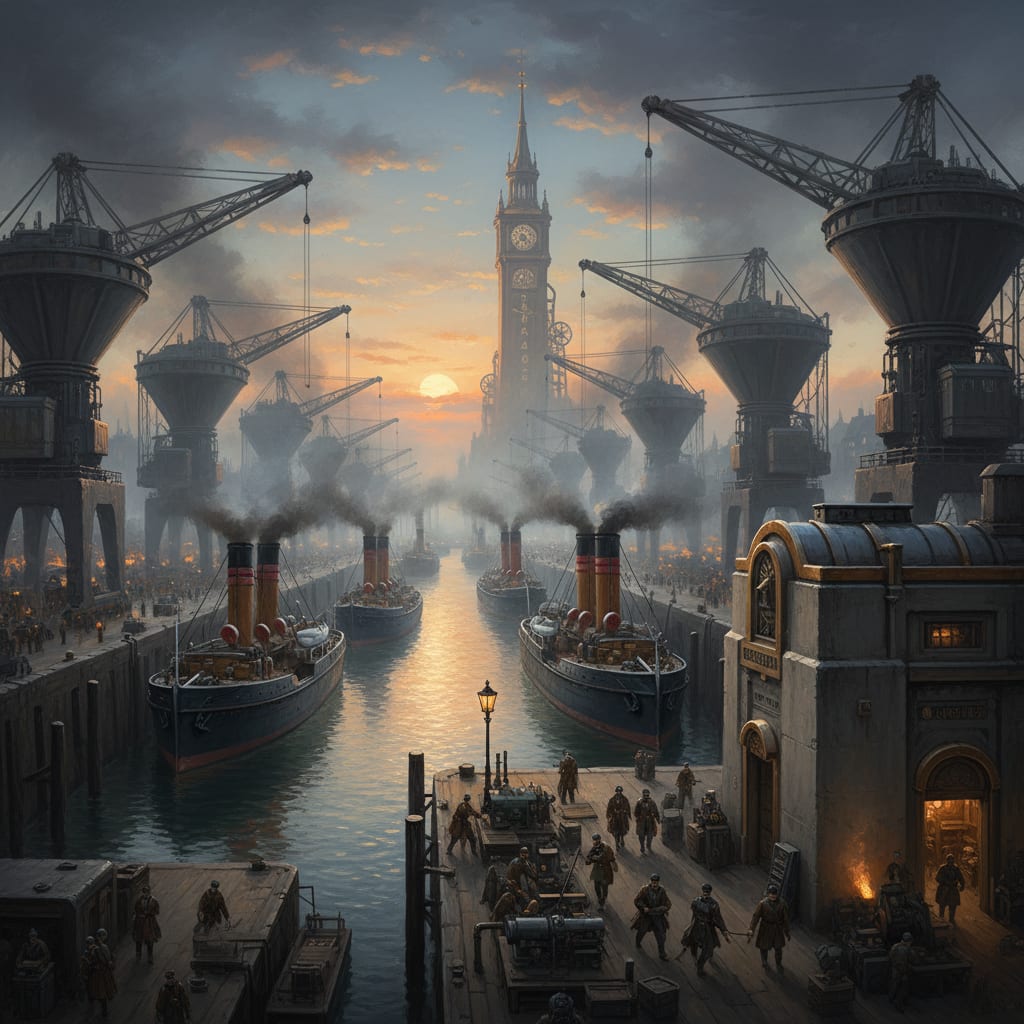
Hamburg
The throat of the northern front — and the hand around it is not the Synod's
The Synod's northern import terminal: nine hundred thousand souls at the Elbe's mouth, processing the grain and coal that keep the northern front from freezing, starving, and dying.
Codex Ref. II.4.09-005
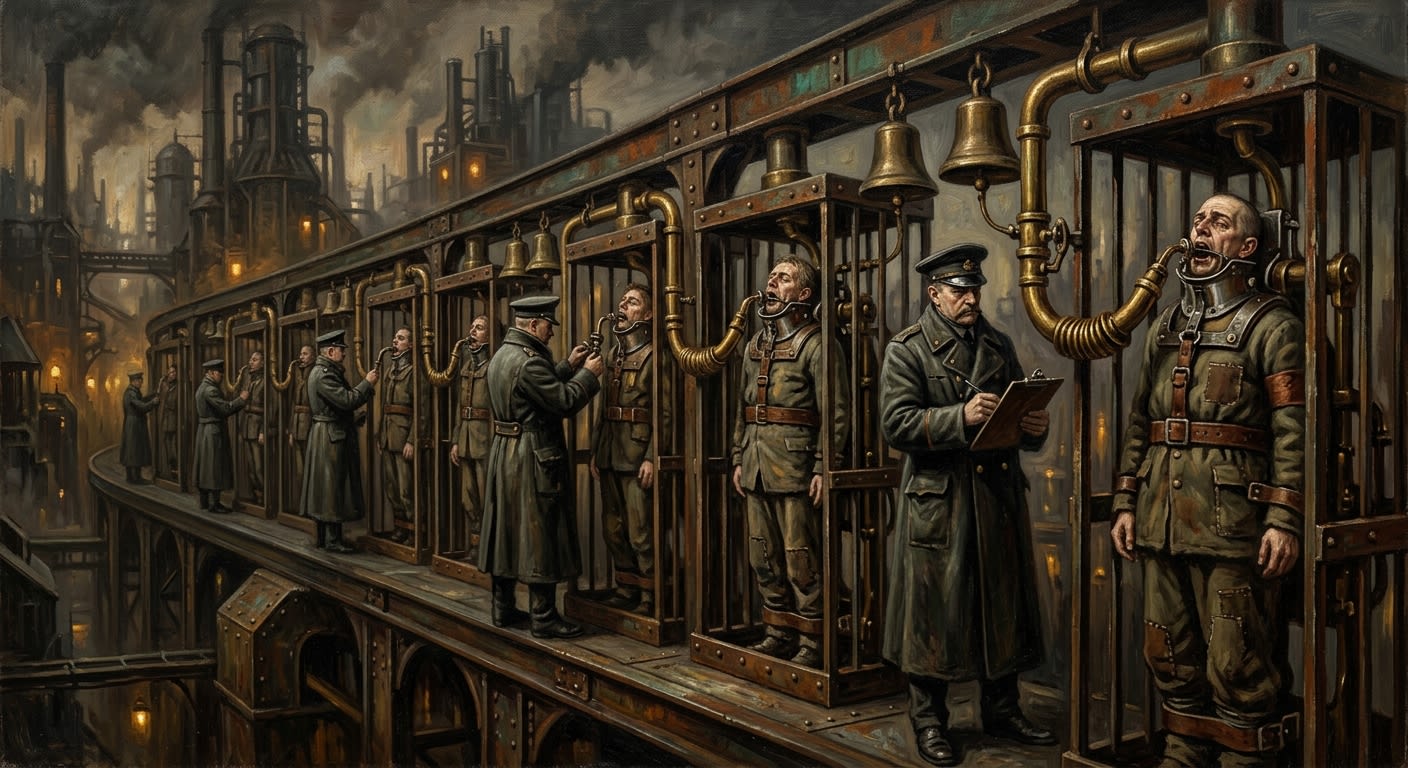
Iron Choir of Mainz
Where the road learned to keep a throat open
The Iron Choir of Mainz turns condemned throats into civic instruction: a Purity road of cages, bells, Brand-Singers, witness columns.
Codex Ref. VIII.1.09-134
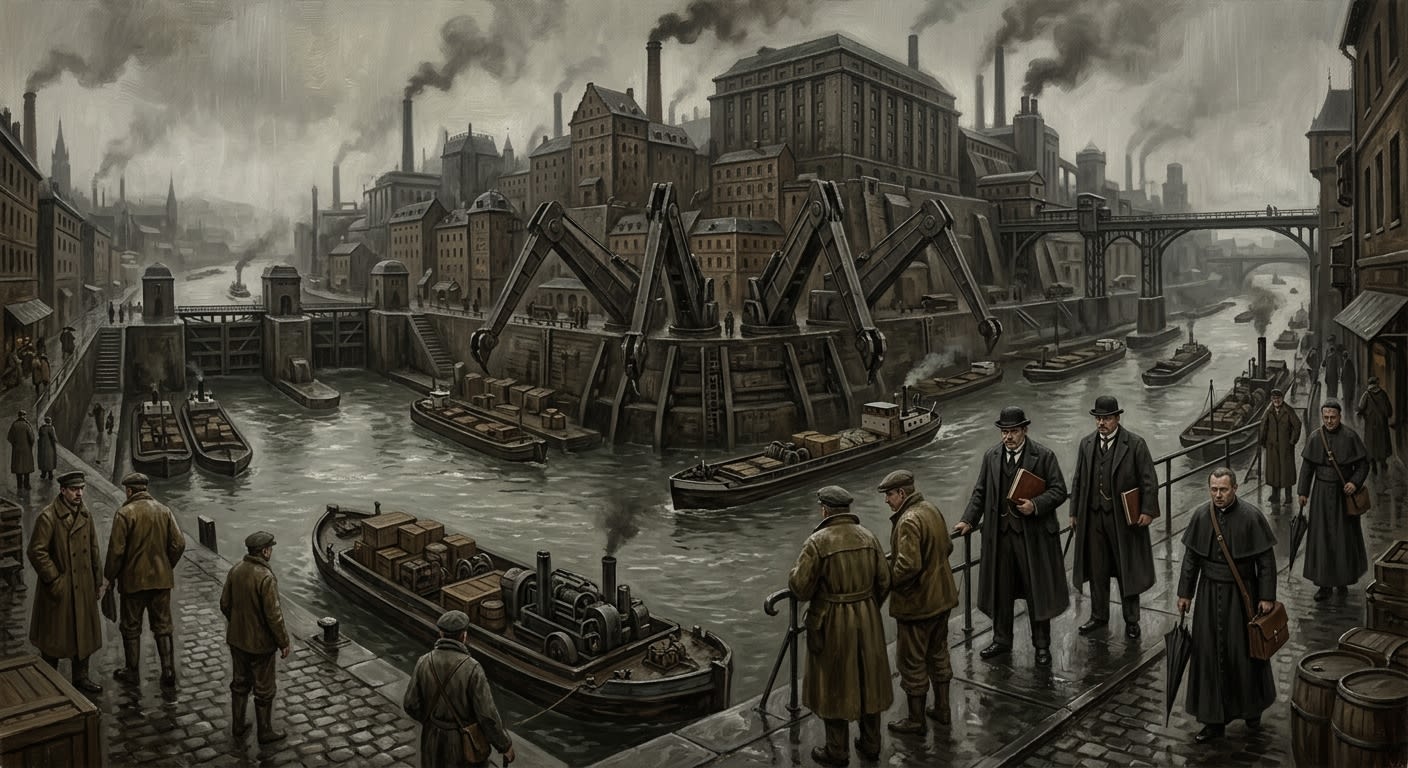
Koblenz
The holy art of handing the burden onward
Koblenz is the wet middle hand of the Ignatian chain: a Rhine-Moselle transfer city where sanctity lasted six minutes and became taxable forever.
Codex Ref. II.3.05-045

Lord-Protector Guillaume
The gate-seller who mistook a palace for survival
Guillaume sold Aachen for Lowlands dominion, sent a proxy to Regensburg, and learned too late that the Bureau's cleanest executions are grammatical.
Codex Ref. III.2.06-003
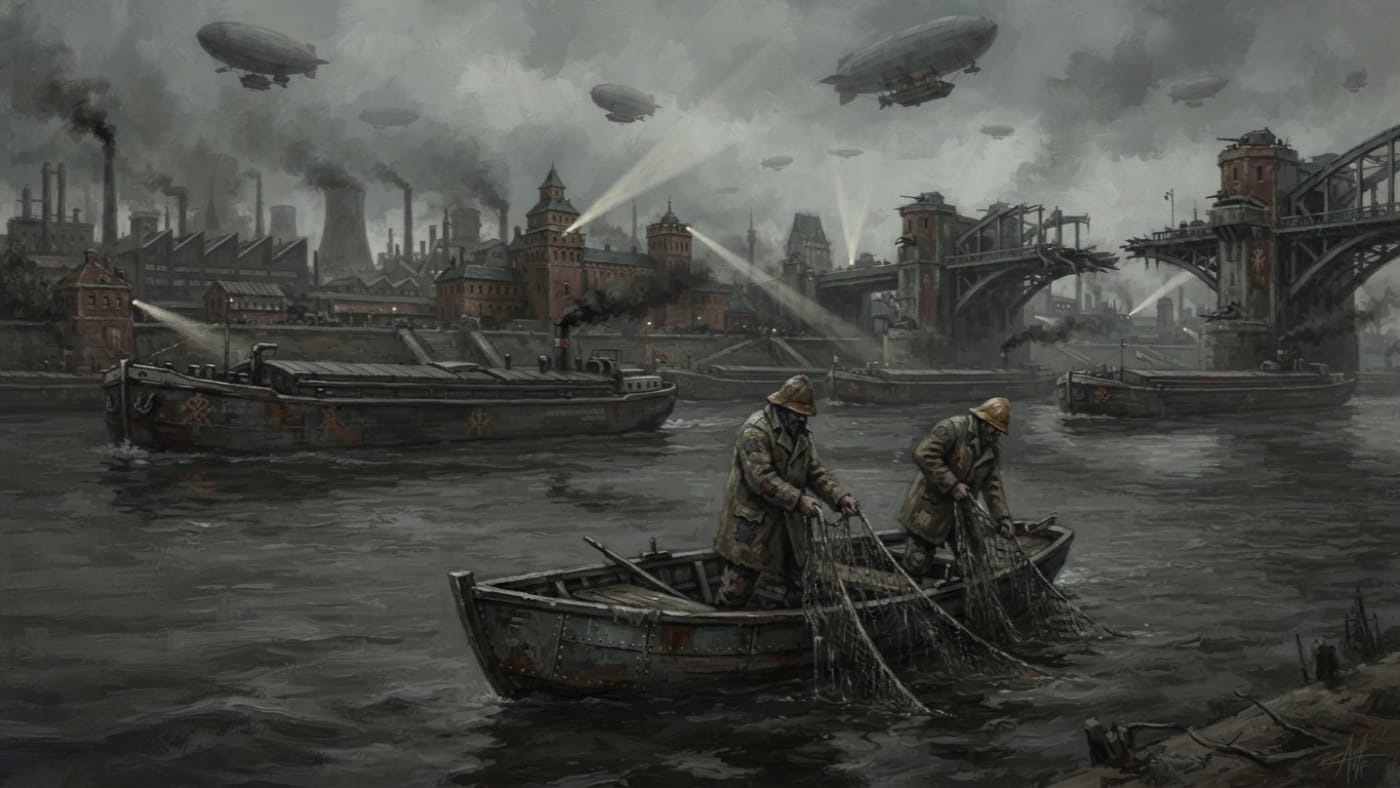
Lower Rhine
A river reach, a deputy's copies, and no boundary on file
The lower Rhine has no boundary on file, but its fisher-litanies reached Werrenrath's papers. The Ledger can trace the copies more readily than the songs.
Codex Ref. II.2.08-203
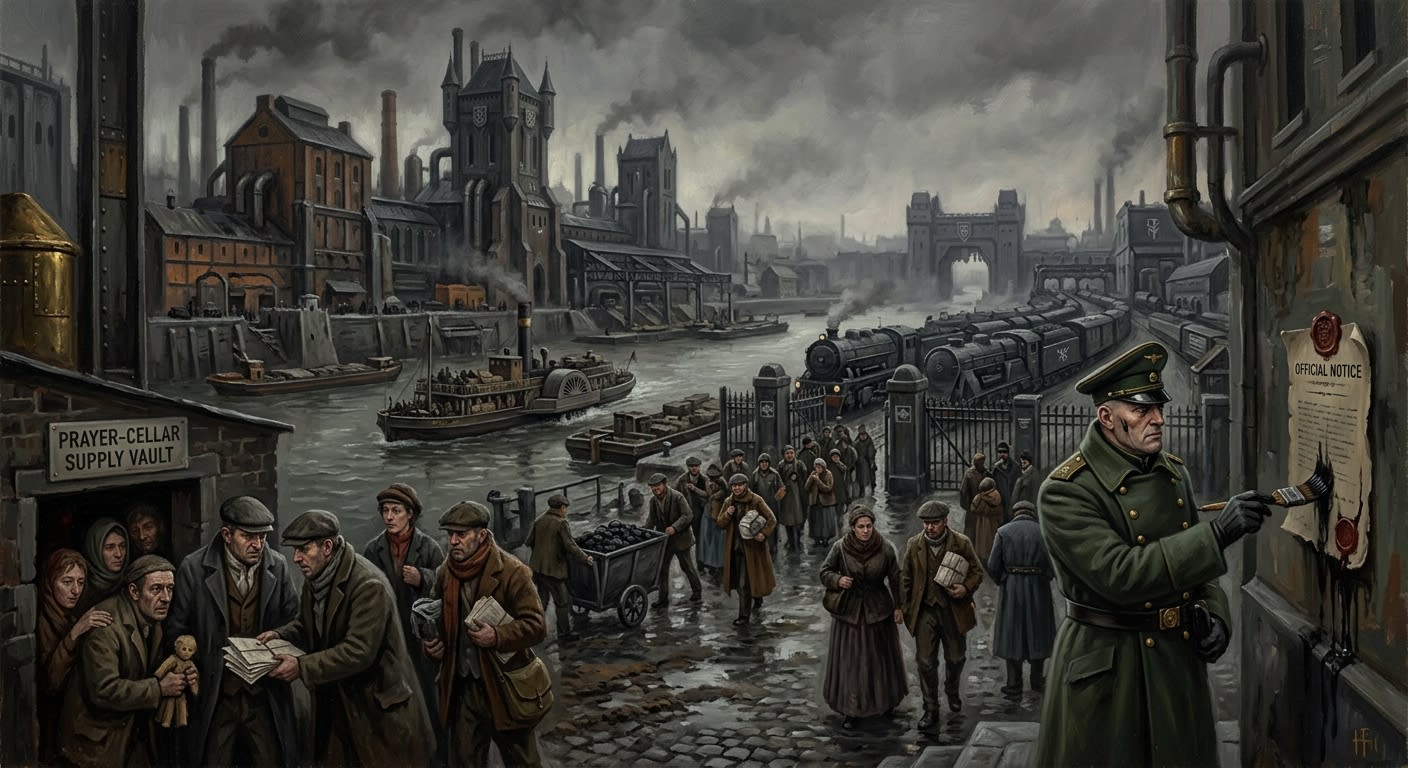
Maastricht
The sleeve beside Aachen's knife
Maastricht survived by adjacency: feeding roads to Aachen, relabelling prayer-cellars, selling shame politely, and teaching Hungry Ink how seals can scream.
Codex Ref. II.1.07-025
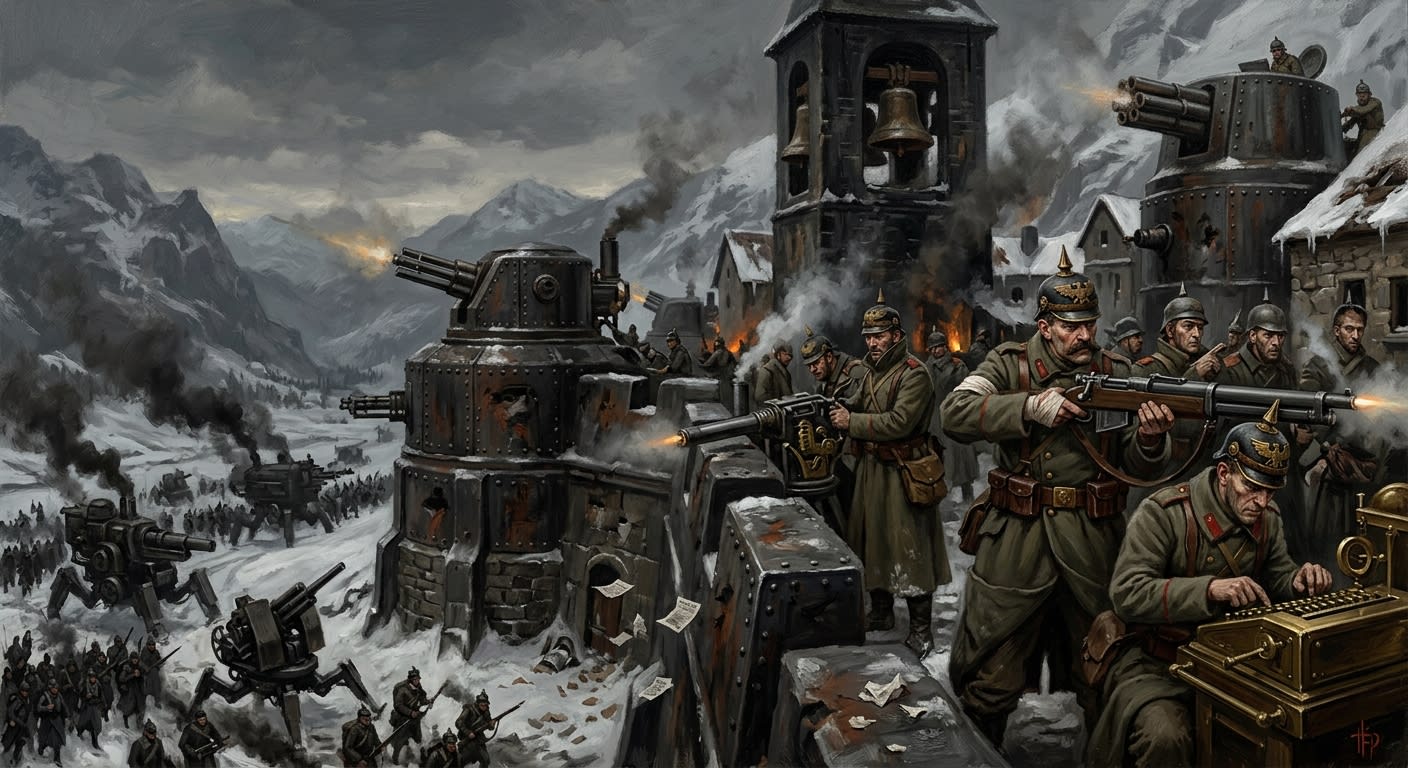
Montreval
The pass-town that taught Reason the road was closed
Montreval held three winters against Lucien Artois's clockwork guns, hunger, pamphlets, fever, and arithmetic; a southern pass-town where Severin bought time with walls, bells, broth, and burned bridges.
Codex Ref. II.1.09-015
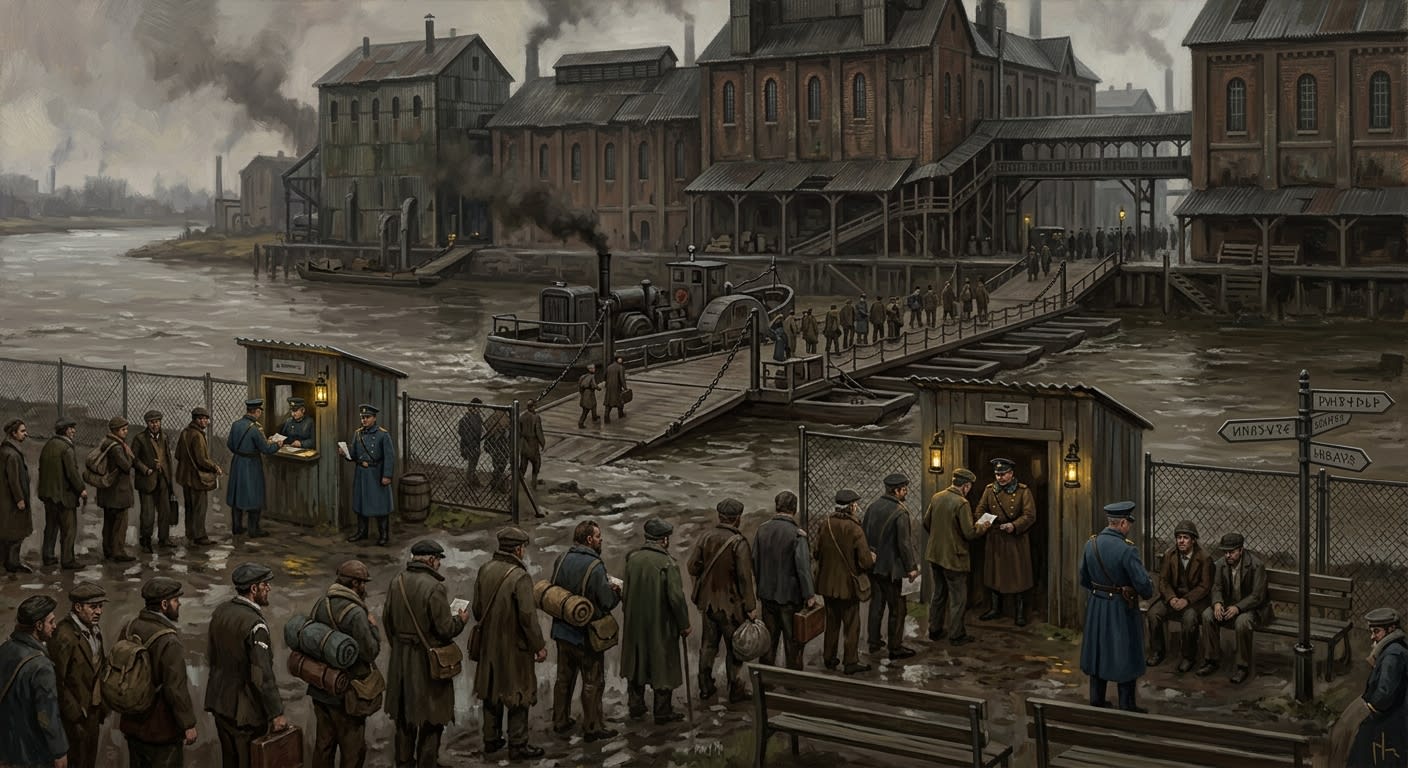
Nominalist's Gate
Miss one consonant and become doctrine
Nominalist's Gate is a Zone 2–3 river crossing where ferry law, password doctrine, mud courts, and Records exactitude turn travellers into cases.
Codex Ref. II.3.05-002
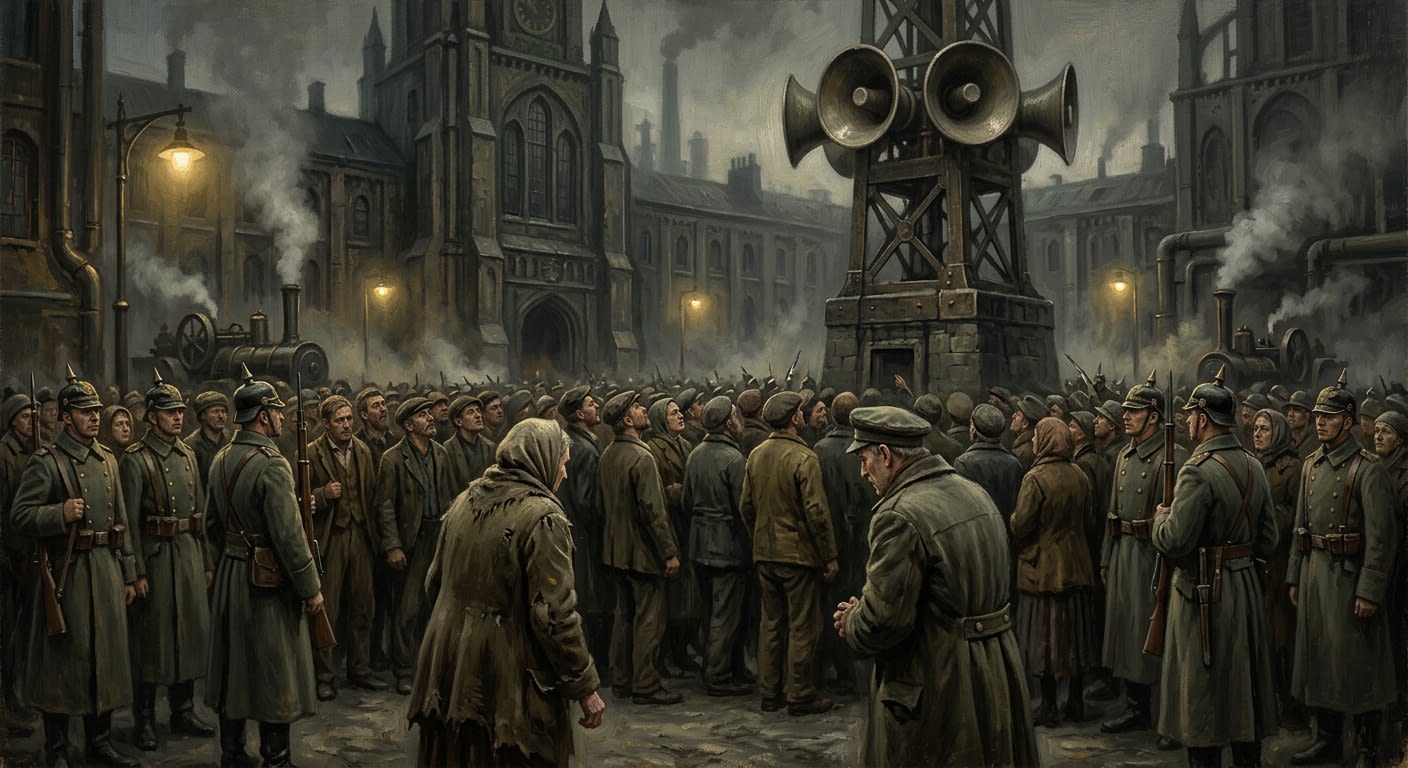
Orison Hour
The hour that owns the ear and charges rent for listening
The Orison Hour is prayer, ration order, casualty roll, curfew, census pressure, and acoustic cudgel: Europe instructed to possess one throat.
Codex Ref. XIII.1.96-112
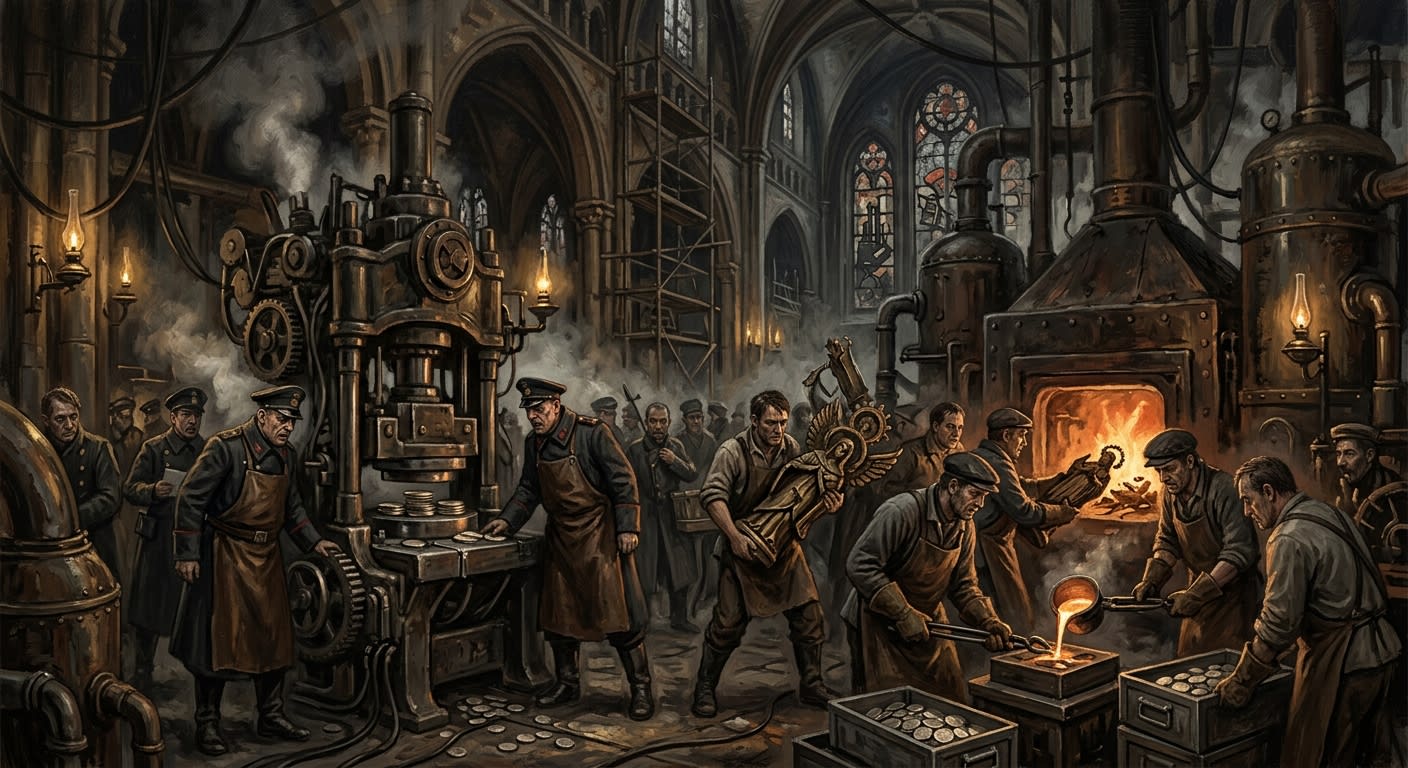
Panic of Wrath's March
Wrath did not enter Aachen; Aachen paid anyway
A.S. 160 gave Aachen no siege, no breach, and no Maldrake at the gate — only fear hot enough for Tithes to melt saints into coin.
Codex Ref. VII.8.10-160
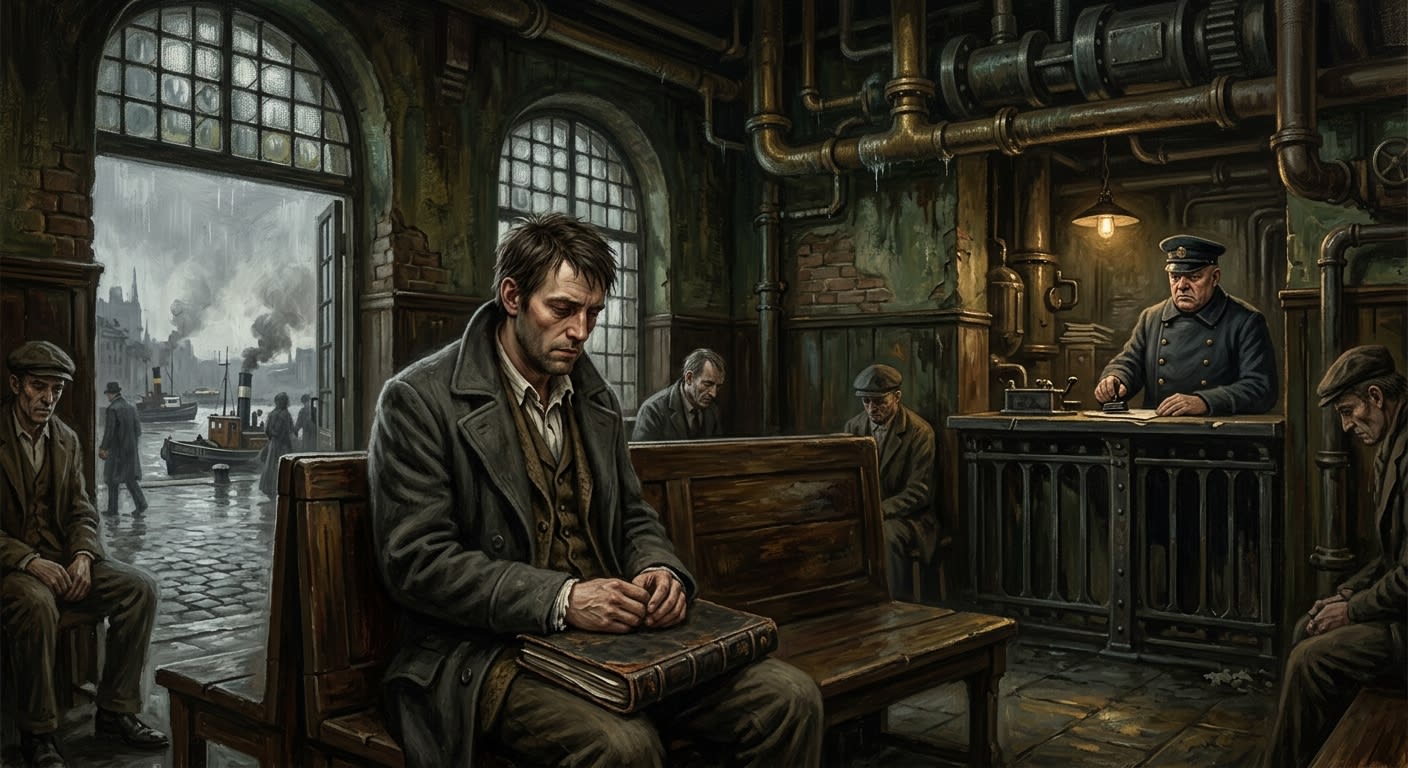
Quai des Bateliers
The river door where disbelief kept its appointment and Purity kept it waiting
Strasbourg's damp river quay became legal instrument when Arno Kett walked into Purity's district house, waited forty minutes, and gave absence a file.
Codex Ref. II.1.04-138
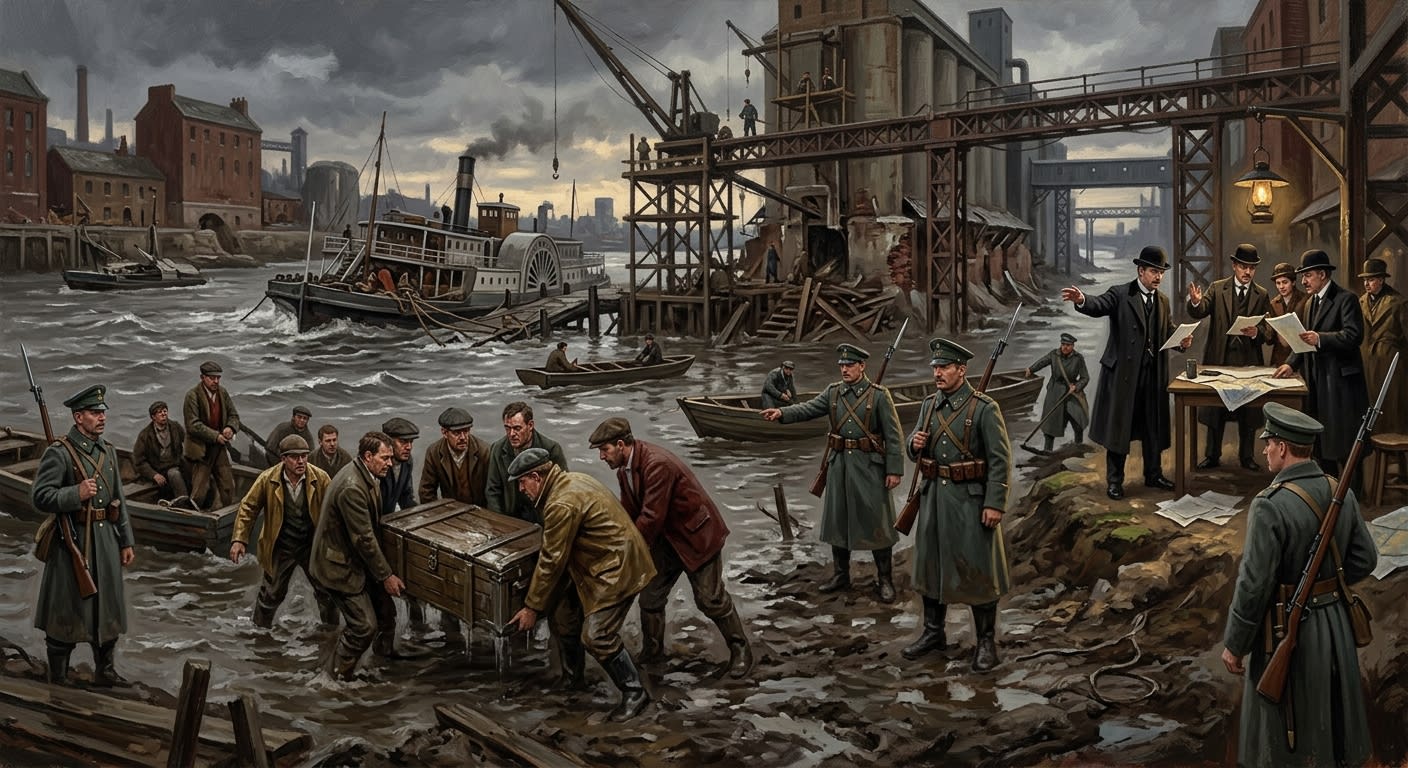
Silt Week
When the river ate the files and sold back the names
A.S. 78 flood disaster along three Rhine tributary crossings that pulped transit ledgers, halted ferries, raised bankside militias, and made brokers indispensable.
Codex Ref. VII.8.10-028
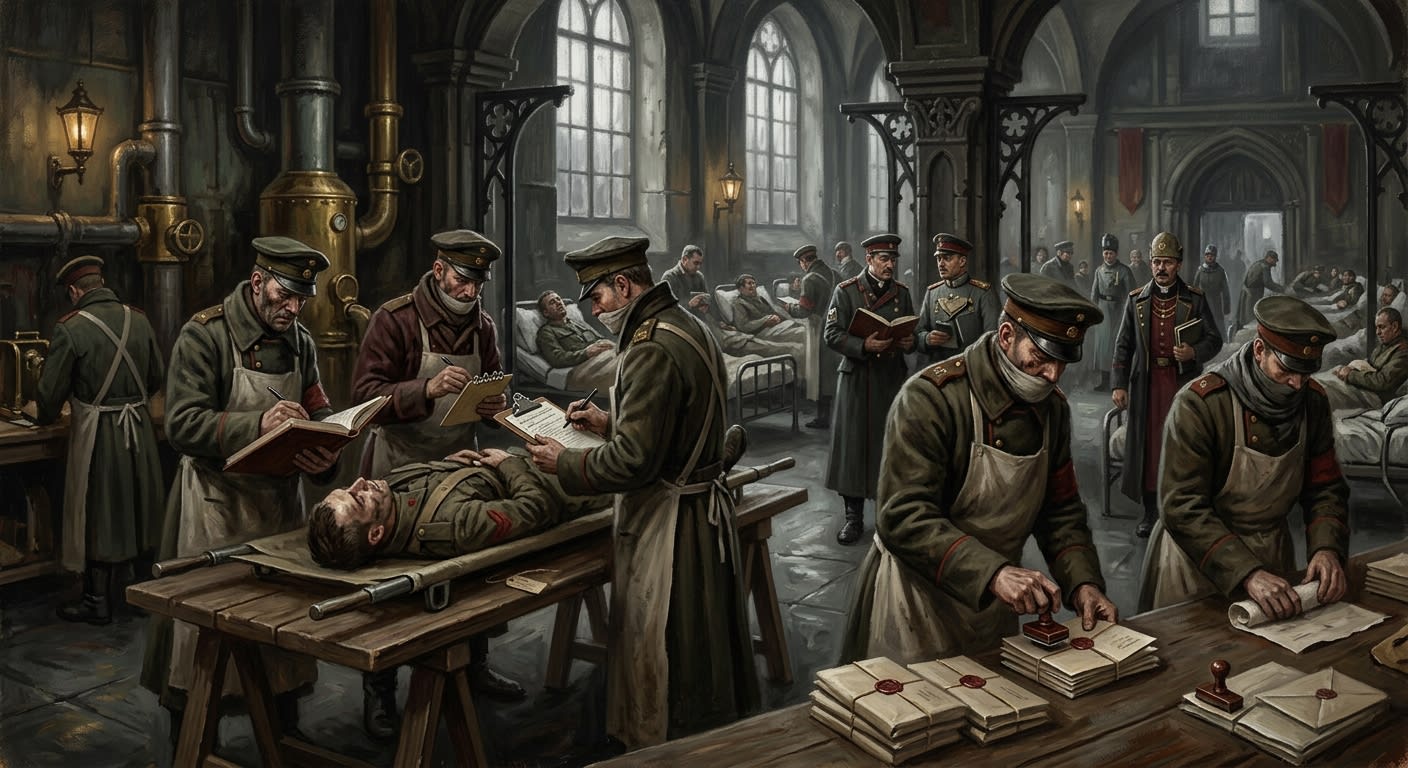
Standing Order 22-C
No last word unfiled, no dying mouth left private
Standing Order 22-C makes the dying useful: names first, comfort second, three copies sealed before the body is allowed to cool.
Codex Ref. XIII.1.98-080
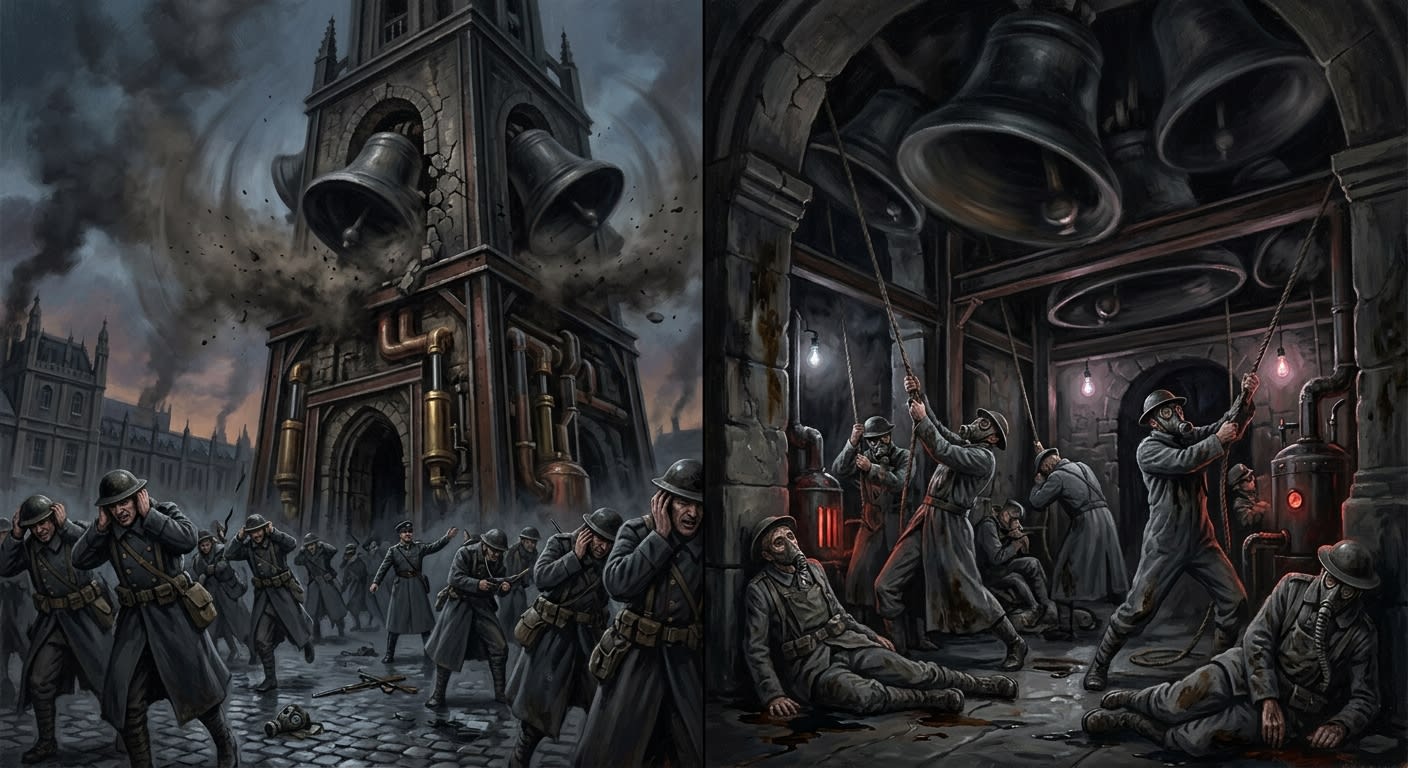
The Miracle of Cologne
When every bell became artillery and bureaucracy was born from the echo
The A.S. 49 Miracle of Cologne drove Maldrake's Wrath vanguard from the cathedral square by nine hours of unscheduled total bell-ringing, cracking stone, killing ringers, and founding the jurisdiction that became the Bureau of Bells.
Codex Ref. VII.4.12-001

The Rhine Corridor
Damp procedure, counted backward from every bridge
The Rhine Corridor is the Synod's damp procedure: a Zone 2 logistics artery, mortuary road, ferry court, heresy school, and billable proof that movement can be made afraid.
Codex Ref. II.2.08-202
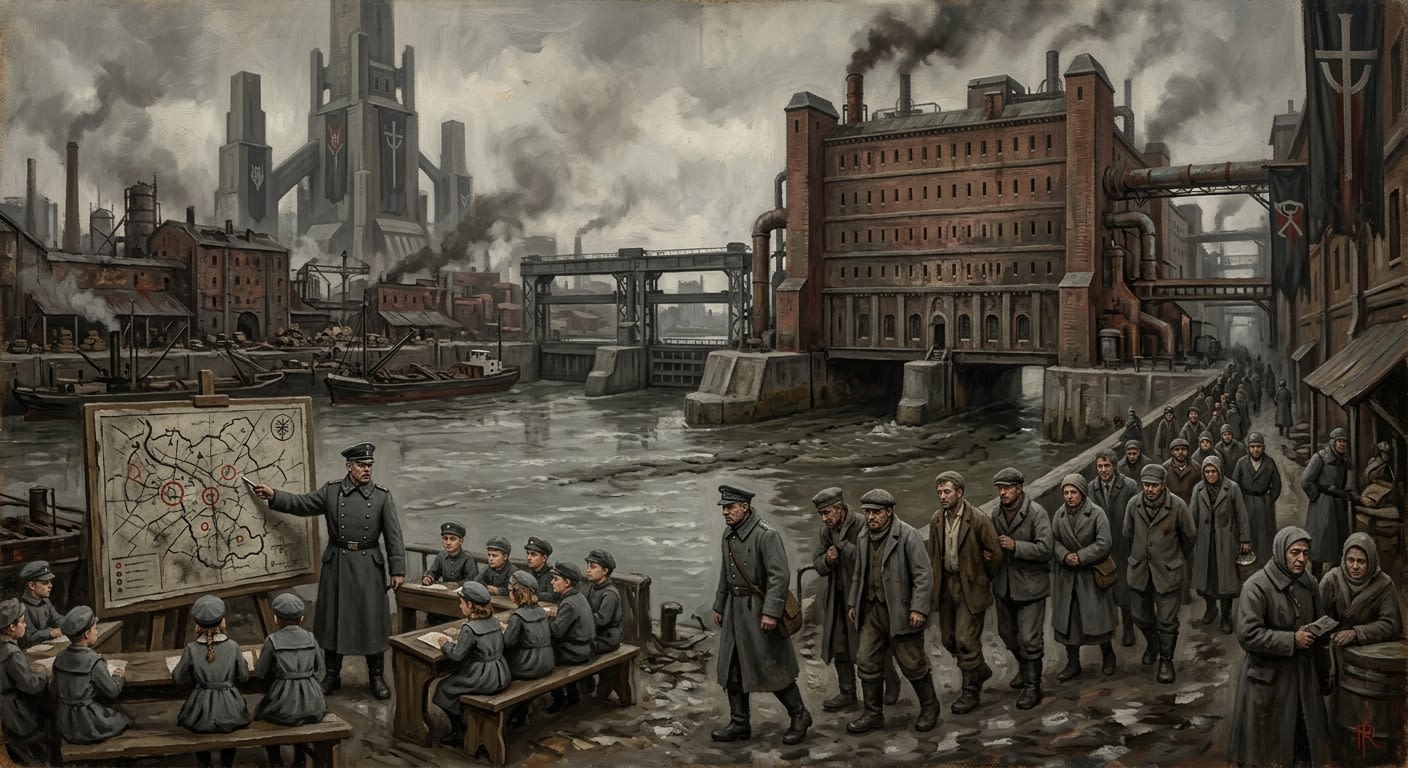
The Rhineland
A province corrected so often it learned to keep the corrections
The Rhineland is the Synod's most corrected province: river belt, market school, scriptorium wound, curfew map, chalk lesson, and loyal suspicion made taxable.
Codex Ref. II.2.09-201
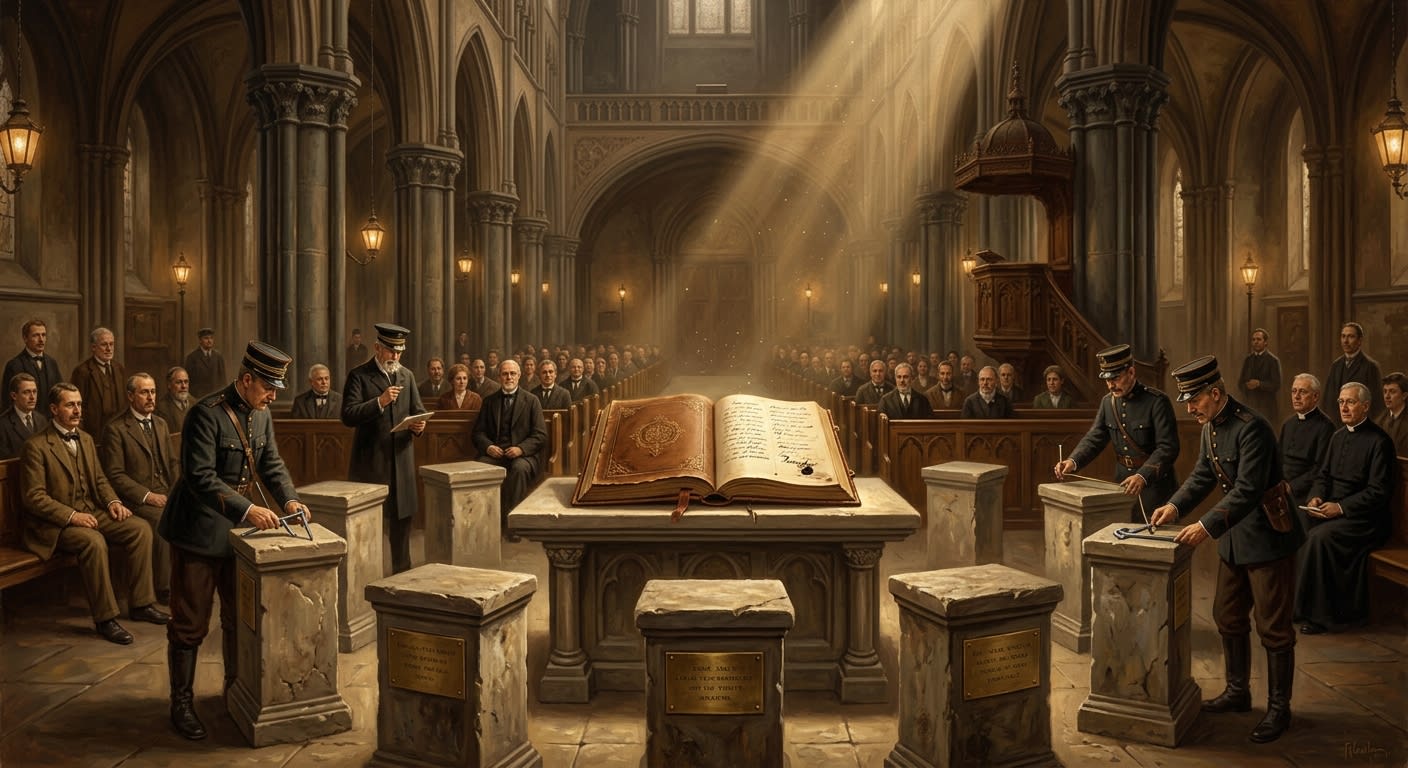
The Virtue Generals (So-Called)
Seven heresies dressed as hope, condemned in the forty-fourth standing order
Standing Order 44-D refuted, filed, and reluctantly left open. Seven alleged champions of the Creator — unregistered, unconfirmed, and disturbingly active for entities that do not exist.
Codex Ref. IX.3.44-001
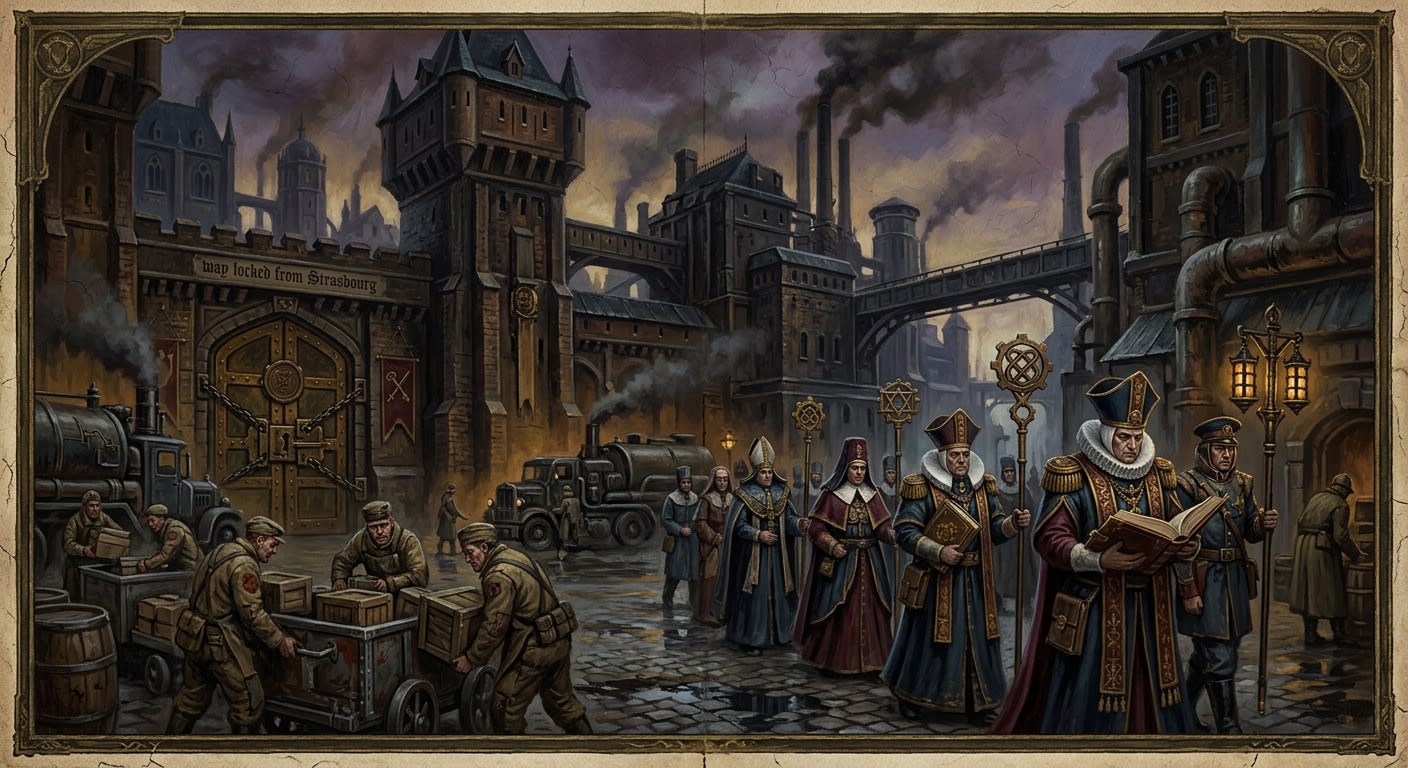
Triune Hearth
Three old bodies, one chimney, and Strasbourg holding the poker
The Triune Hearth binds France, Iberia, and the Rhineland into one Synodal household: warm in sermon, hungry in ledger, and locked from Strasbourg.
Codex Ref. XIII.1.04-090
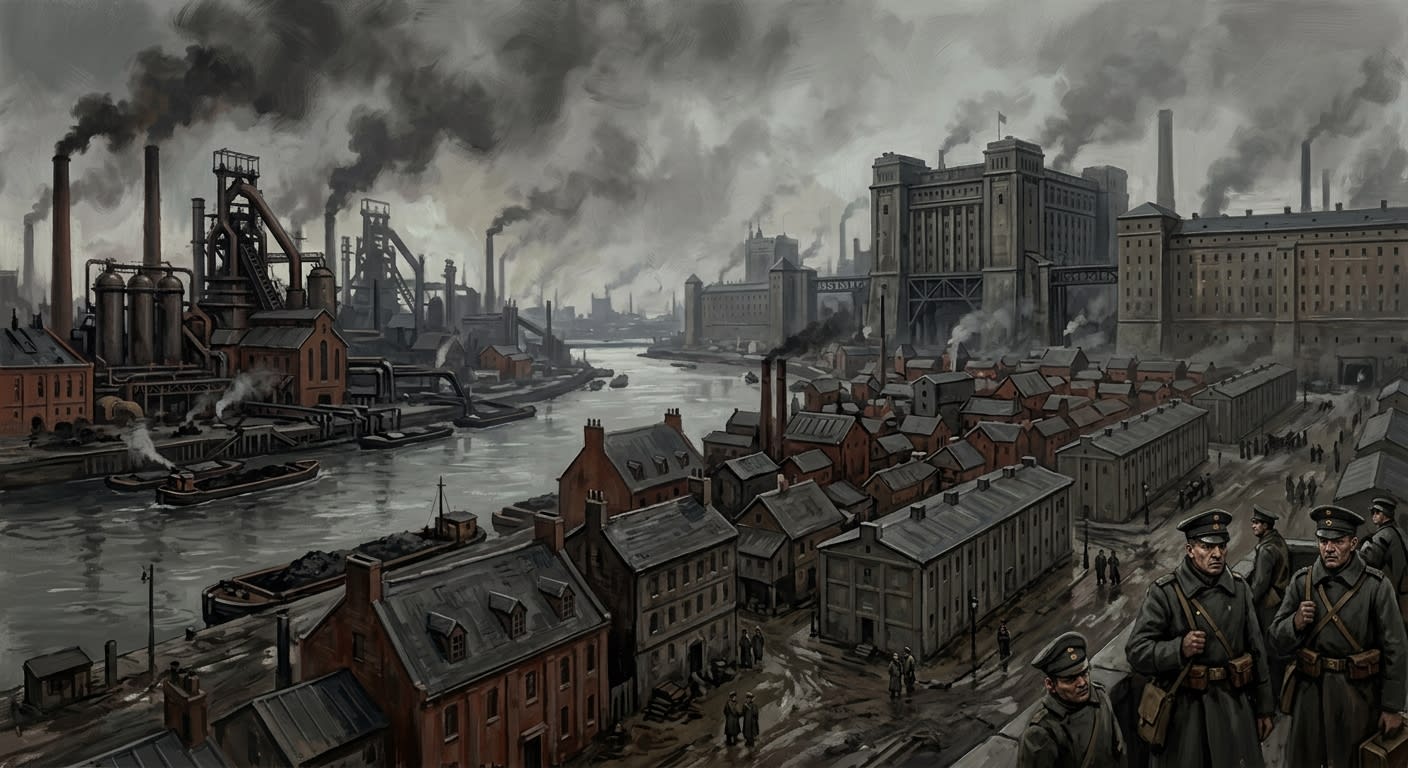
Zone 2
The throat where empire learns to speak in smoke
Zone 2 is the Synod's central throat: Strasbourg's field of authority, Rhine wealth, furnace obedience, catechism-barracks, and useful smoke.
Codex Ref. II.0.04-201