

Reverse Index
Referencing “The Order of the Root”
Every codex entry that links to The Order of the Root. 29 entries.
Return to The Order of the Root
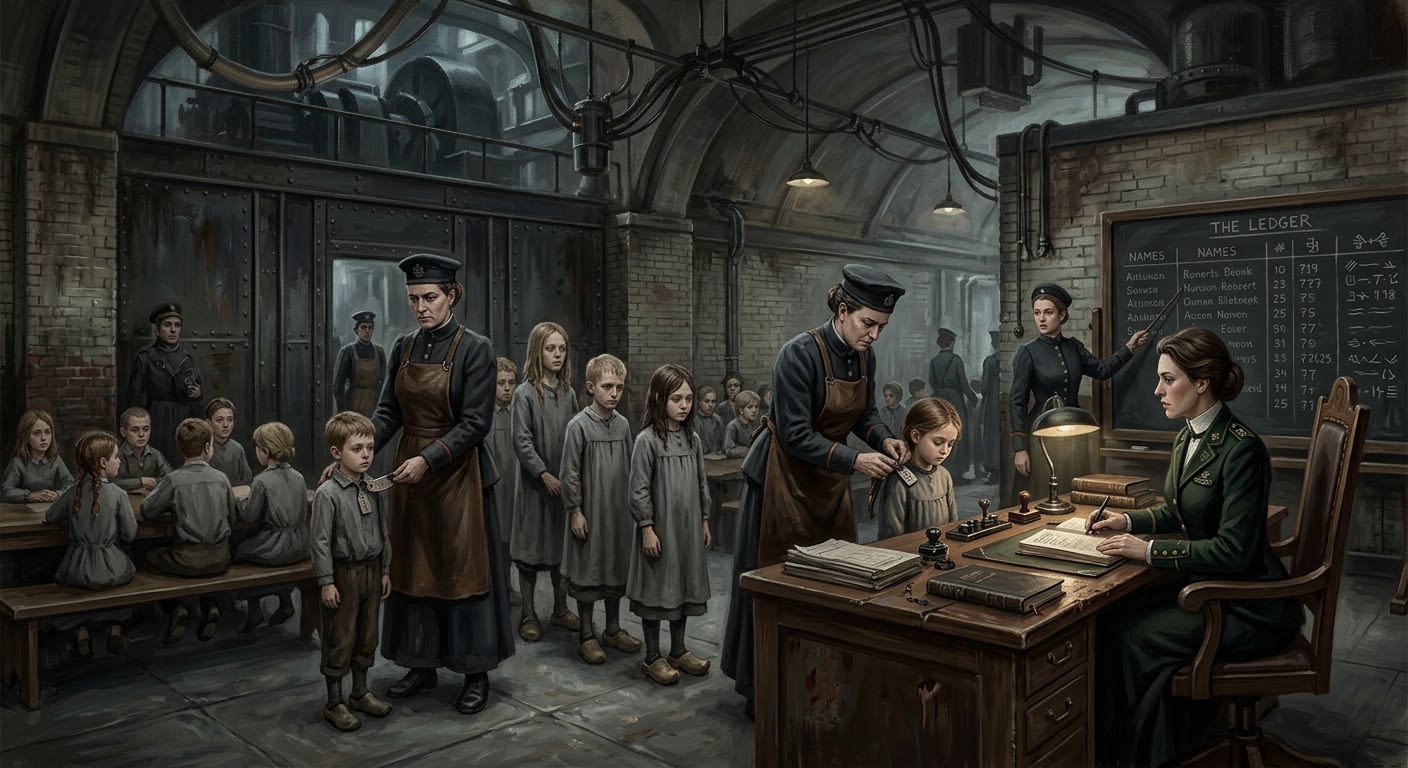
Administrative Recovery
The state calls it custody because theft has poor margins
Administrative Recovery is Mercy's washed name for taking unregistered children, renaming them, tagging them, and teaching the Ledger to stand where a family stood.
Codex Ref. XIII.1.02-159
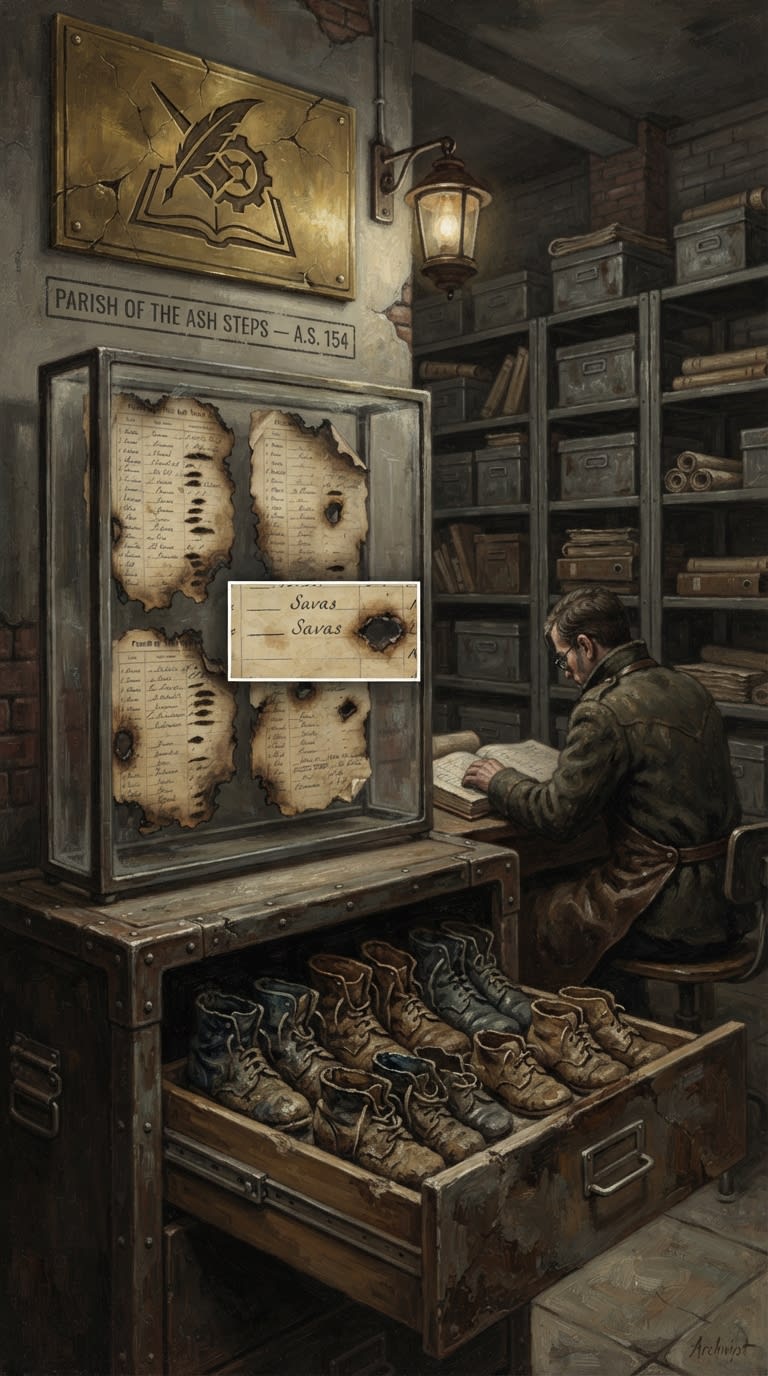
Ash Eleven
Eleven ruled lines, six names, one scorched twin
Eleven Ash Steps infants erased from A.S. 154 levy arithmetic by Mother Sava's registry fire, leaving six names, one scorched twin, and shoes the Ledger cannot file.
Codex Ref. VII.8.10-154
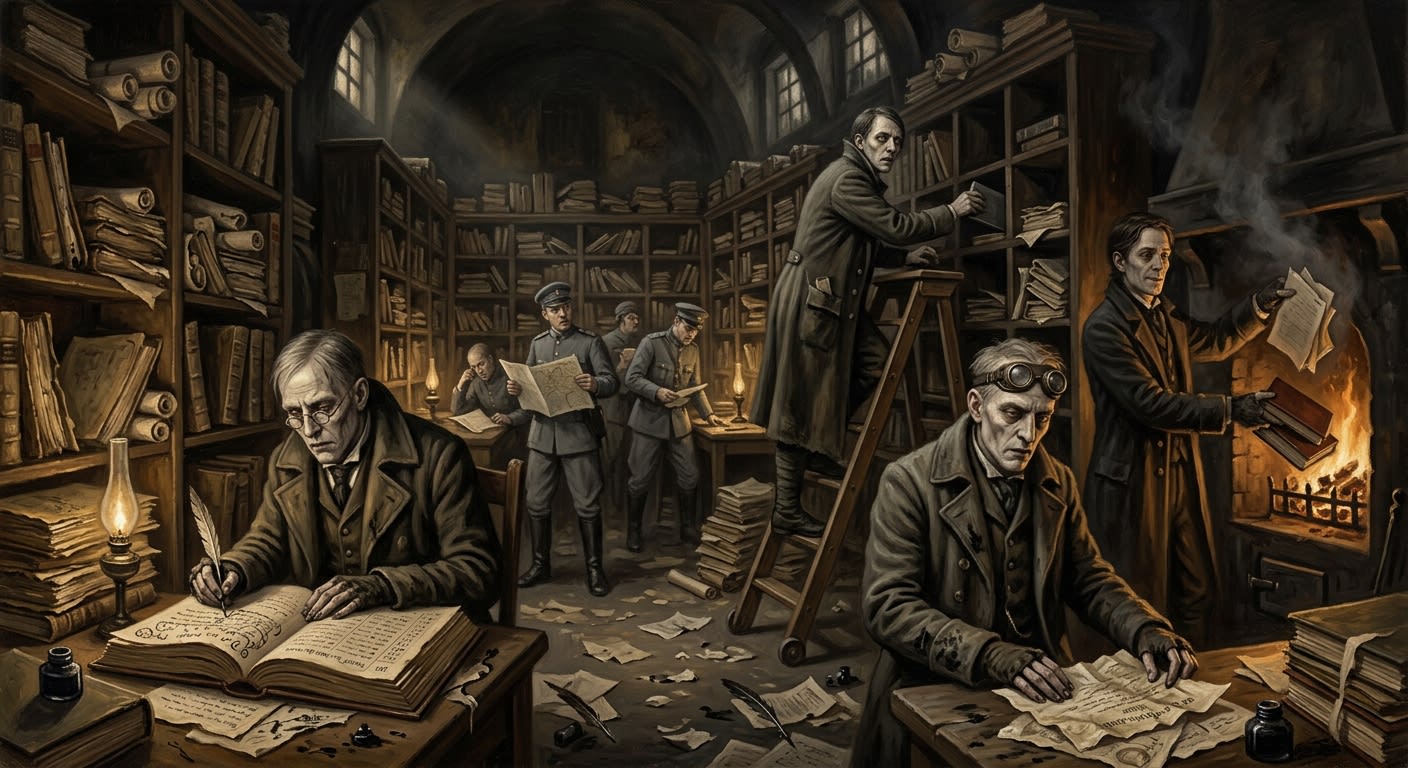
Ash Registrars
The child disappears when the form learns to lie
Pale Kin paper-first faction that frees hidden children by ruining, duplicating, and dulling official records until the Ledger loses confidence in its own page.
Codex Ref. XI.4.01-004
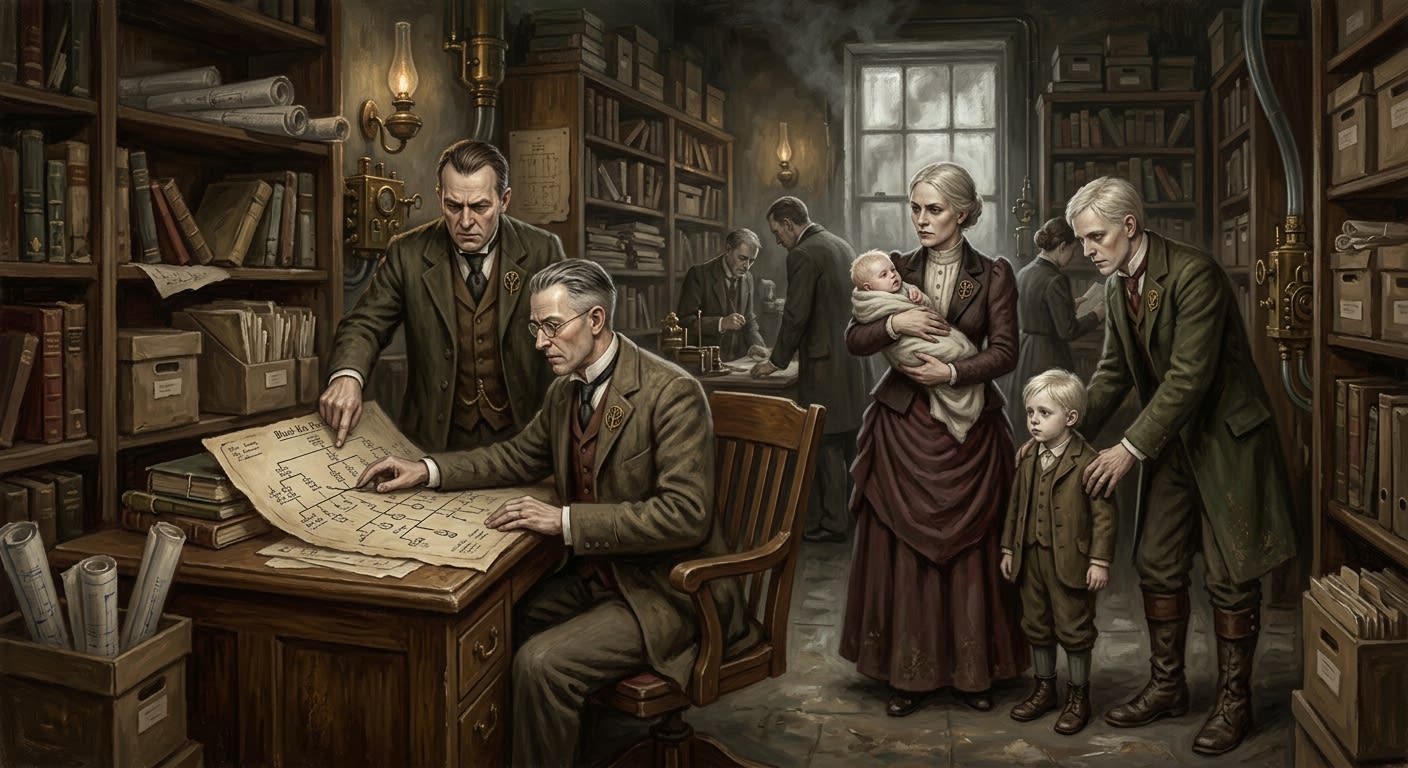
Blood-Kin Purists
The family tree, sharpened into a smuggling route
Conservative Pale Kin faction insisting hidden children be placed with blood relatives, preserving family memory while making Purity's kinship charts dangerously useful.
Codex Ref. XI.4.01-002
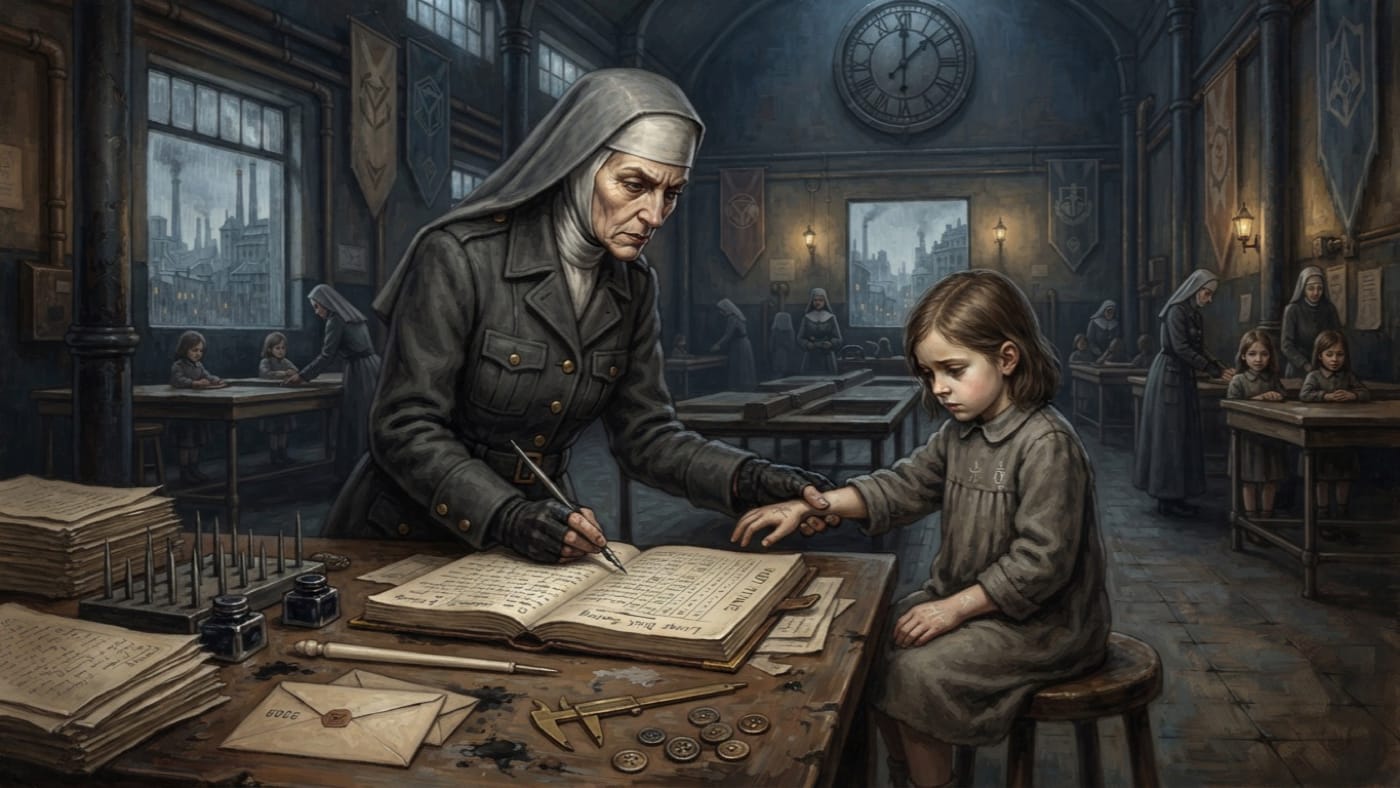
Bloodline Hawks
A clean name cannot silence the family the child remembers
The Bloodline Hawks distrust clean names: Registrars and Root assessors who turn inherited gestures, forbidden songs, and remembered parents into lineage flags.
Codex Ref. XI.1.05-002

Bundle-Carriers
Two doors, one living child, no papers
The Pale Kin's entry rank carries infants between two doors, with no papers and little knowledge. The Bureau counts thieves; the trade counts children alive after winter.
Codex Ref. XII.28.02-001
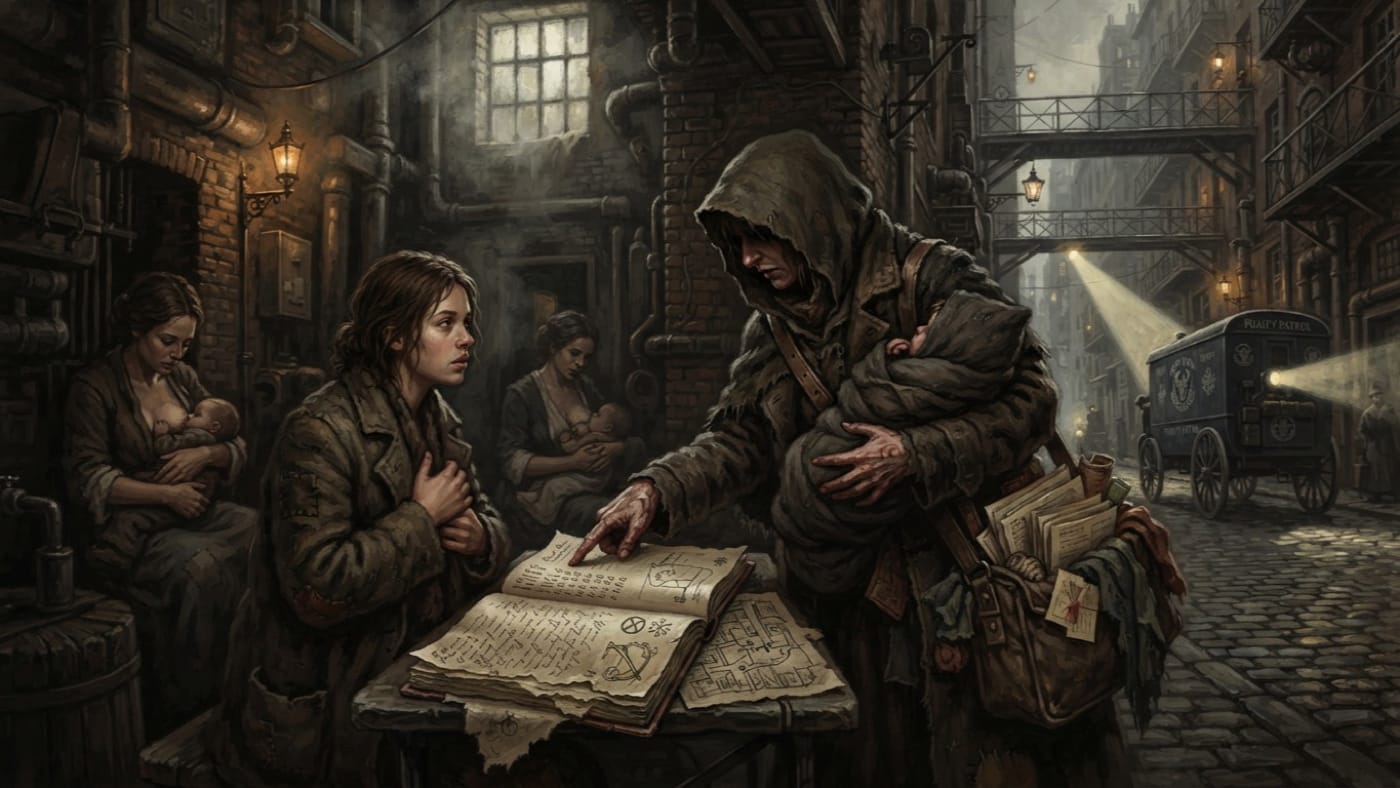
Cradle Brokers
Escape takes one night; milk is due again before dawn
Cradle Brokers place hidden infants and maintain the Pale Kin's wet-nurse rings. The Bureau calls them child thieves; their ledger asks whether anyone survived winter.
Codex Ref. XII.28.04-001
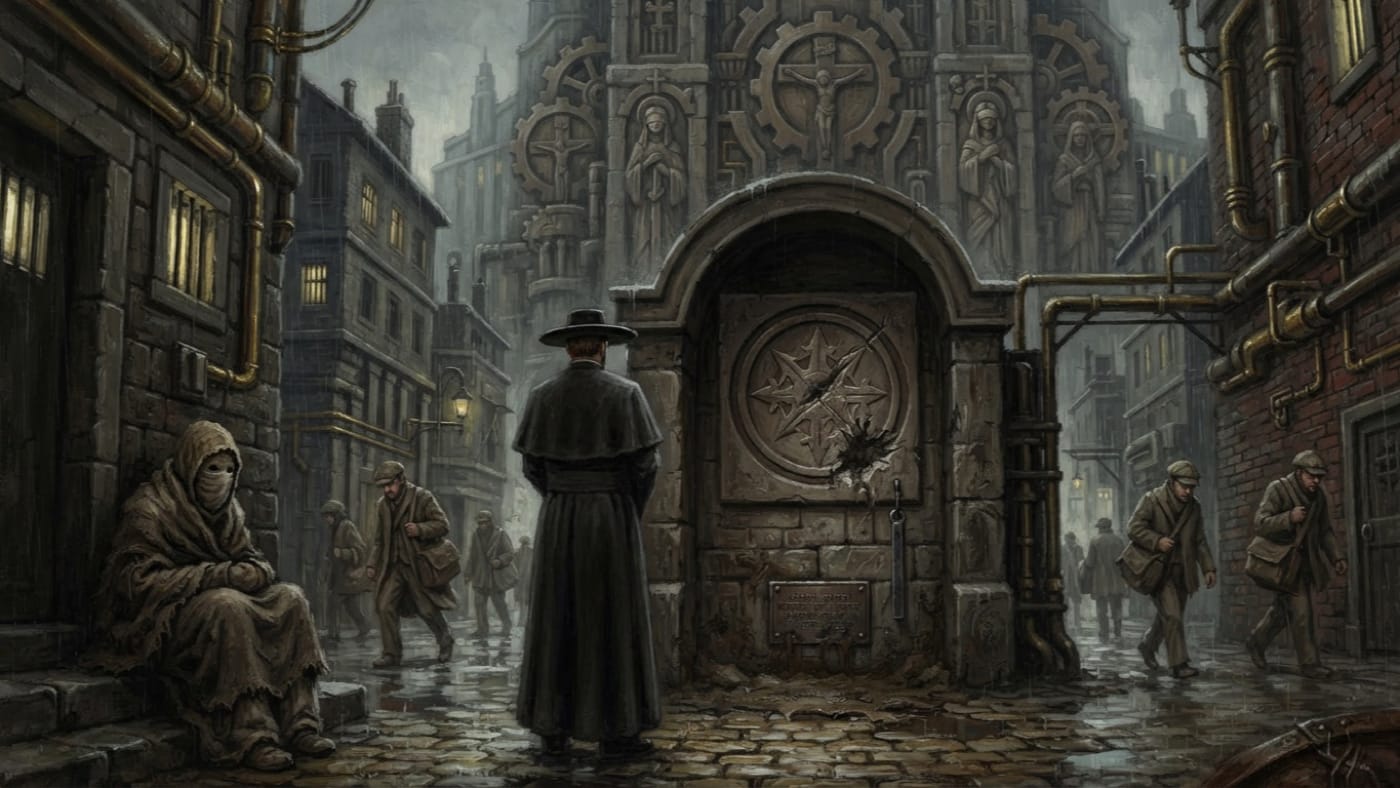
Guillaume bloodline
The names struck, the suspicion retained
The Guillaume bloodline persists without register standing, watched under private Seal Amber. The Church has struck its names and forbidden inquiry into its whereabouts.
Codex Ref. III.2.06-004
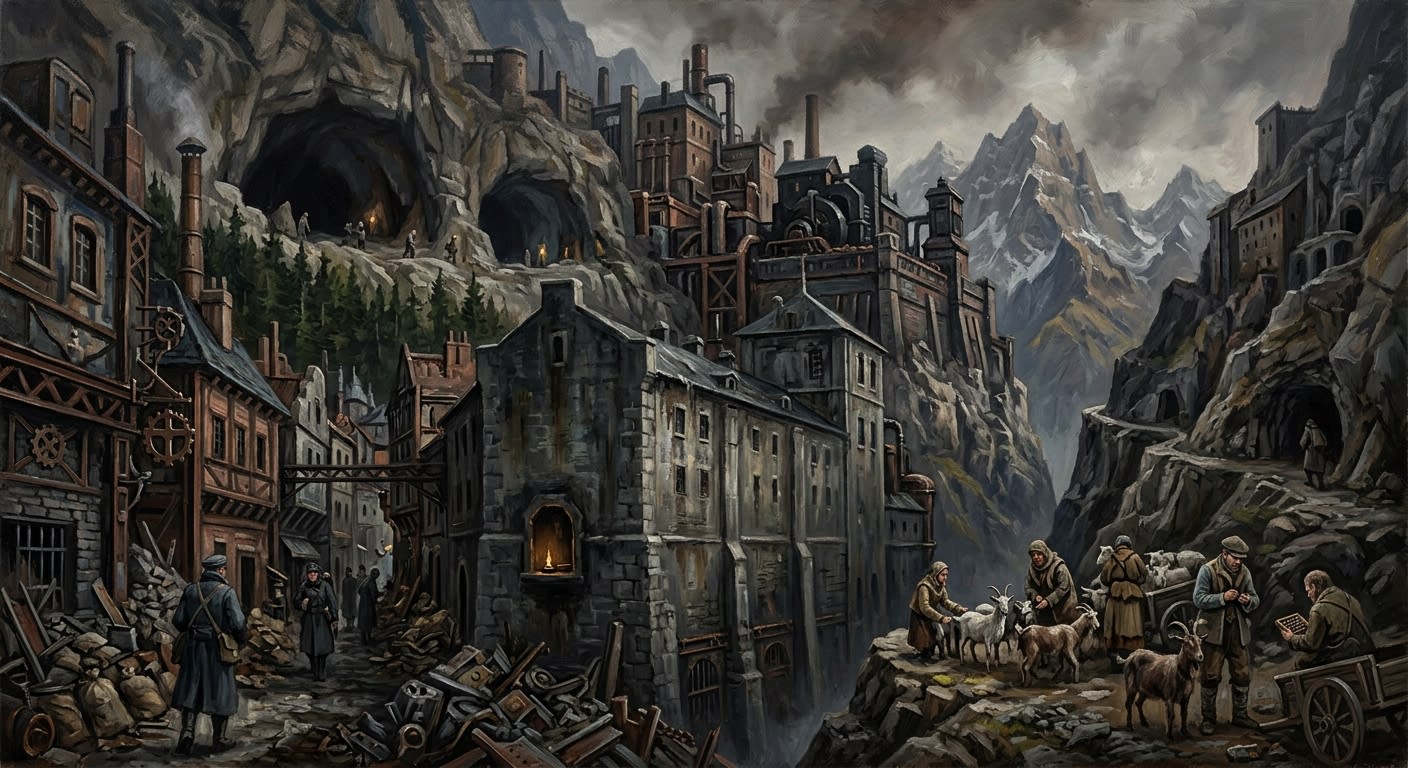
Innsbruck
Where mountains, grandmothers, caves, and walls defeat the census
Innsbruck is the Synod's alpine refuge-city: Cellar Saint caves above the treeline, relics disguised as trash, Mother Sava's wall-cavity, Pale Kin routes, goat arithmetic, and the most pious registry evasion in the mountains.
Codex Ref. II.2.09-030

Inquisitor-General Severian
The man who taught fear to sing in tune
Architect of the Iron Choir of Mainz and Severian Gloss to the Catechism of Obedience, he made silence culpable, cruelty legible, and fear useful enough to receive forms.
Codex Ref. III.2.01-006
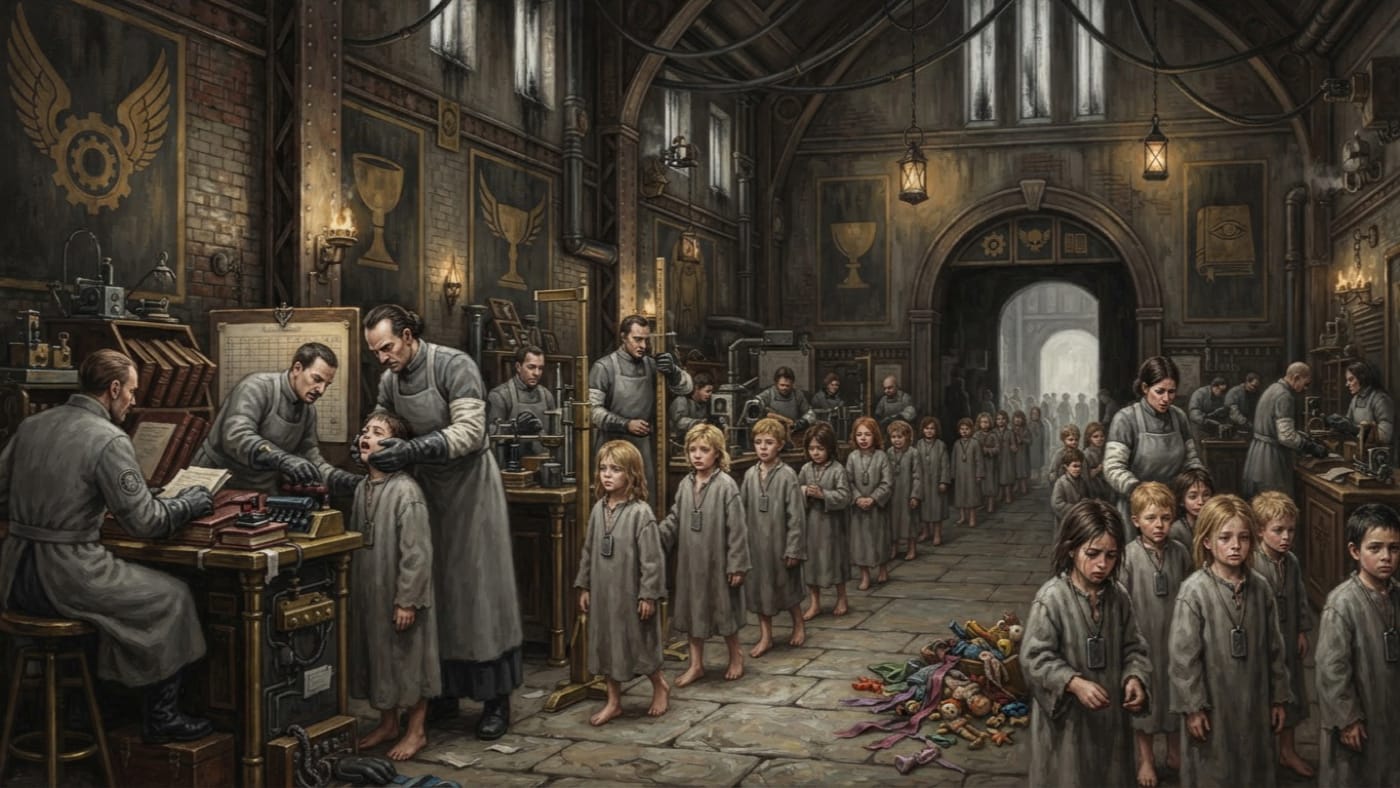
Mercy Orphanarii
A cot, a name, a future — all assigned
The Mercy Orphanarii feed, clothe and instruct the Synod's wards. They also replace family names, divide siblings and assign futures. A cot is provided; the child who entered it is administratively dissolved.
Codex Ref. VI.4.12-032
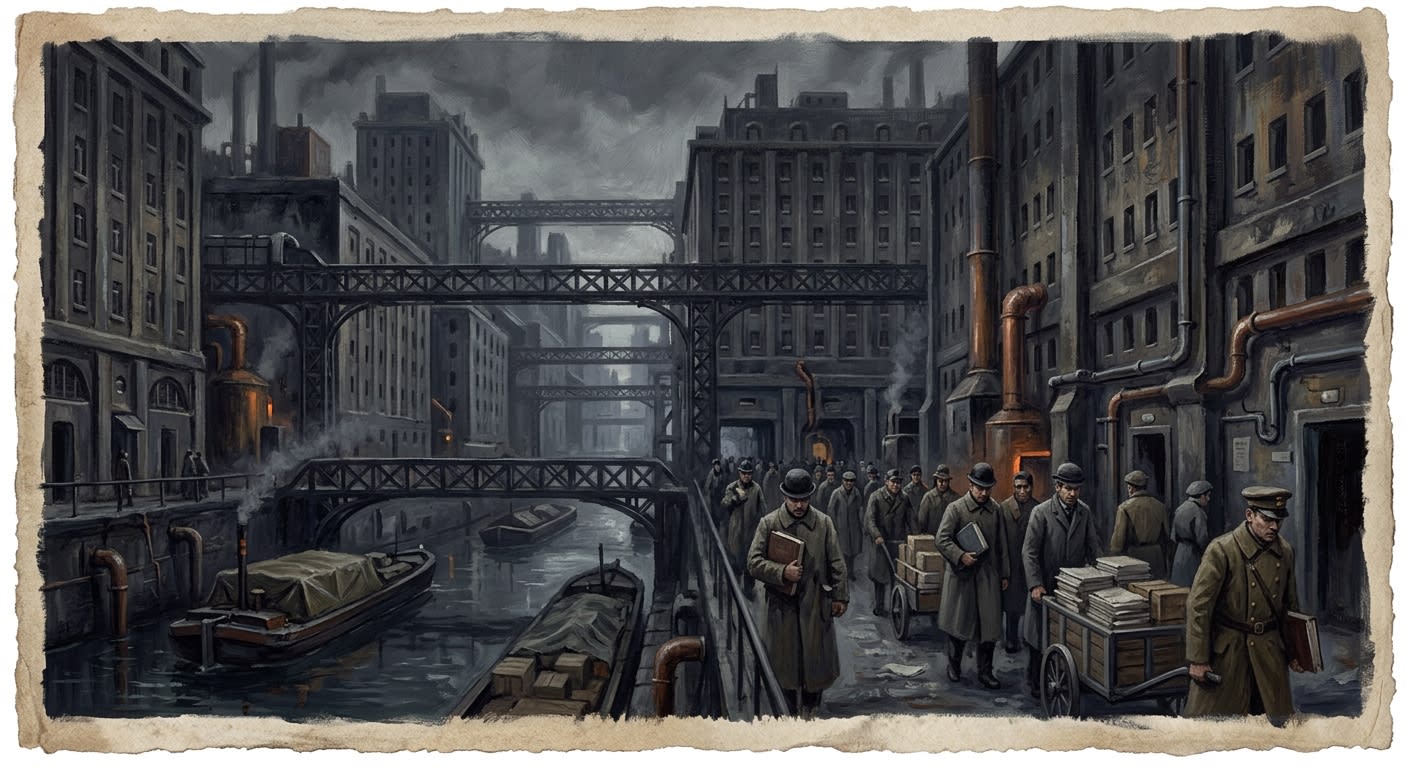
Metz
The depot-city where contradiction learned double entry
Synod-held Metz is a Zone 1 depot-city of ash vaults, double ledgers, silent bridges, supply arithmetic, and the Black Census that taught Medicine to count horror properly.
Codex Ref. II.1.05-001
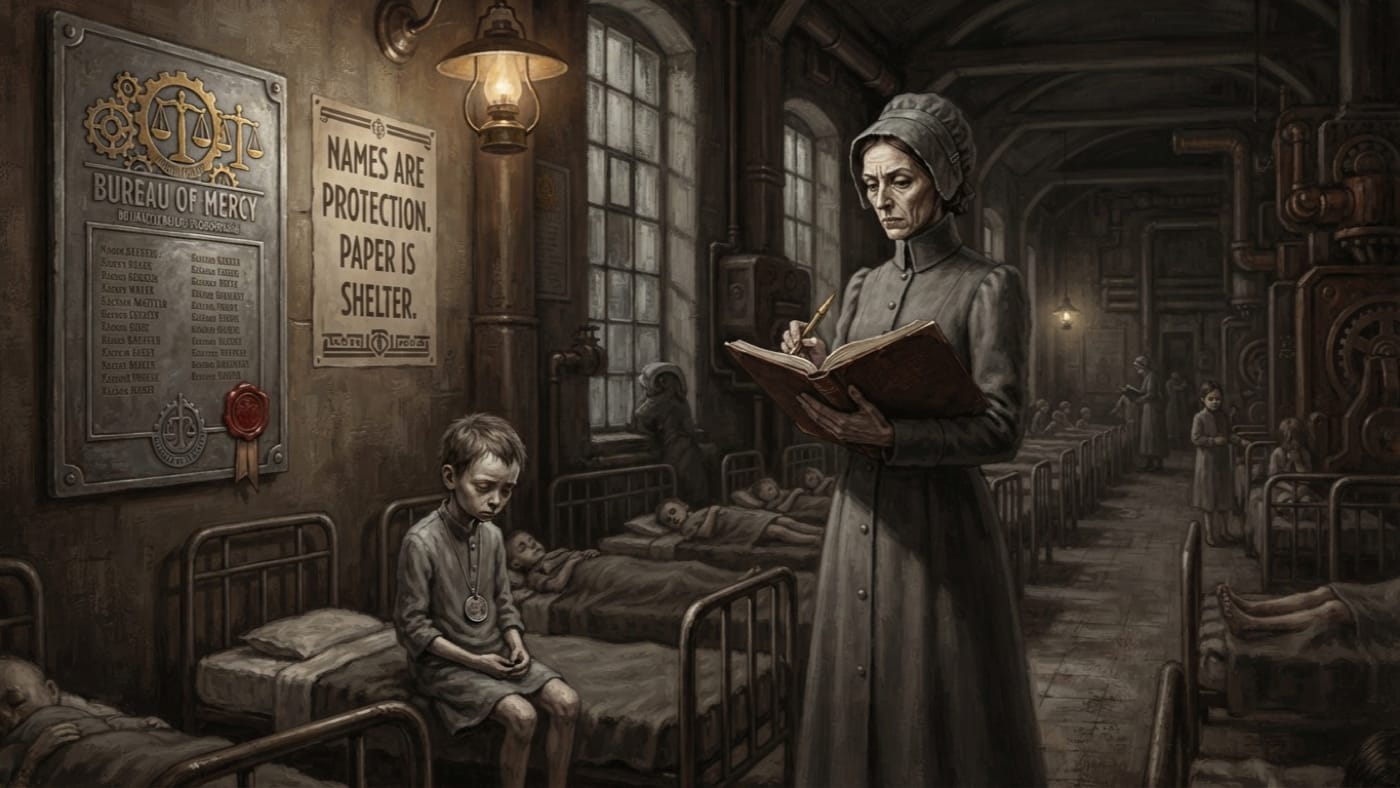
Name-Givers
The child answers to the name that feeds it
The Name-Givers are Orphanage Registrars who trust paper, discipline, and hunger to remake a child's identity. The assigned name secures supper; the remembered family remains a disciplinary problem.
Codex Ref. XI.1.05-003

Order of Severance
The inward knife that cuts office from affection before affection becomes a kingdom
The Order of Severance is the Bureau of Purity's inward knife: an inquisitorial fraternity that hunts clerical and bureaucratic heresy where clean cuffs, perfect ledgers, and trusted colleagues become shelter.
Codex Ref. VIII.1.07-134
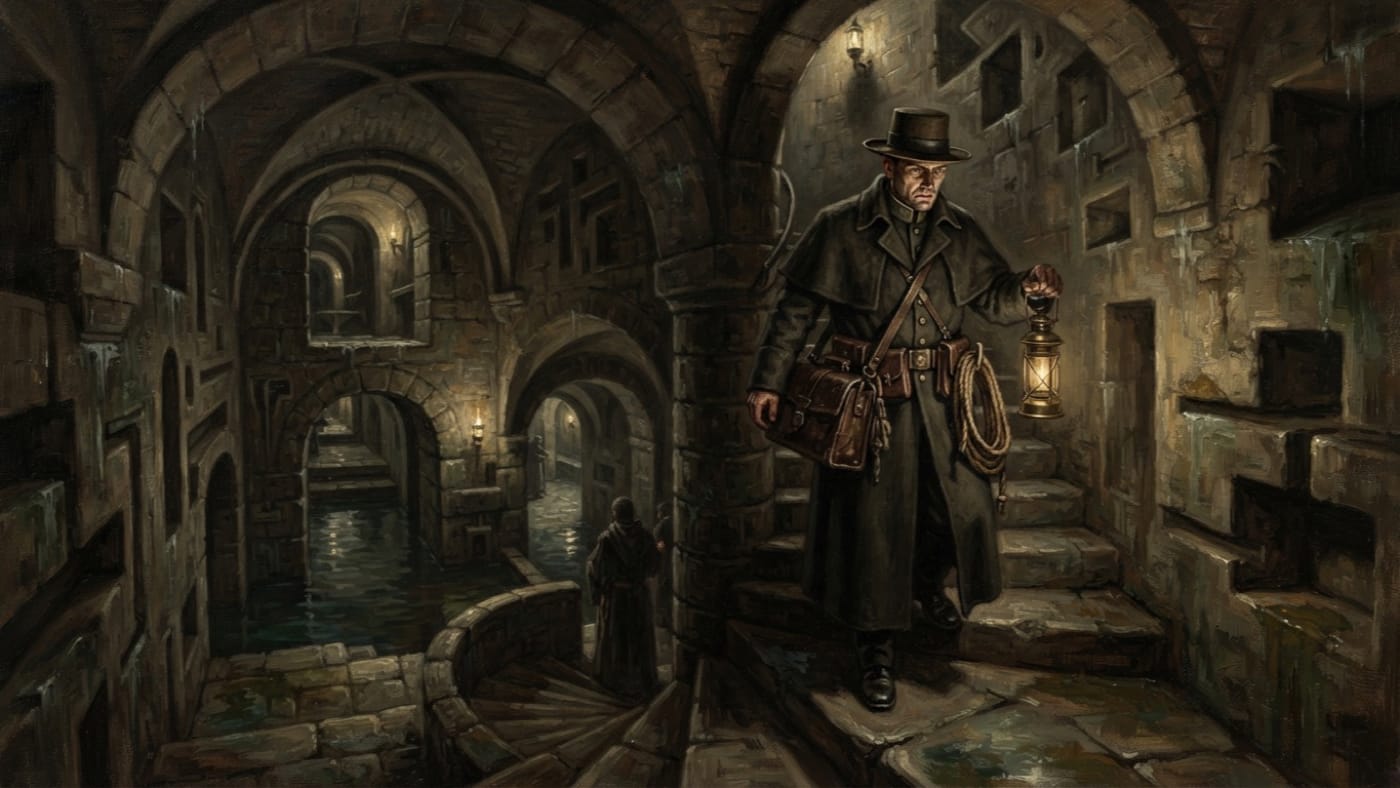
Order of Worms-Below
The pressure of stone, the speech of water
Purity's subterranean inquisitors question prisoners buried alive beneath Prague. Survivors return in borrowed voices; the Order files their confessions as clarified.
Codex Ref. III.3.06-042
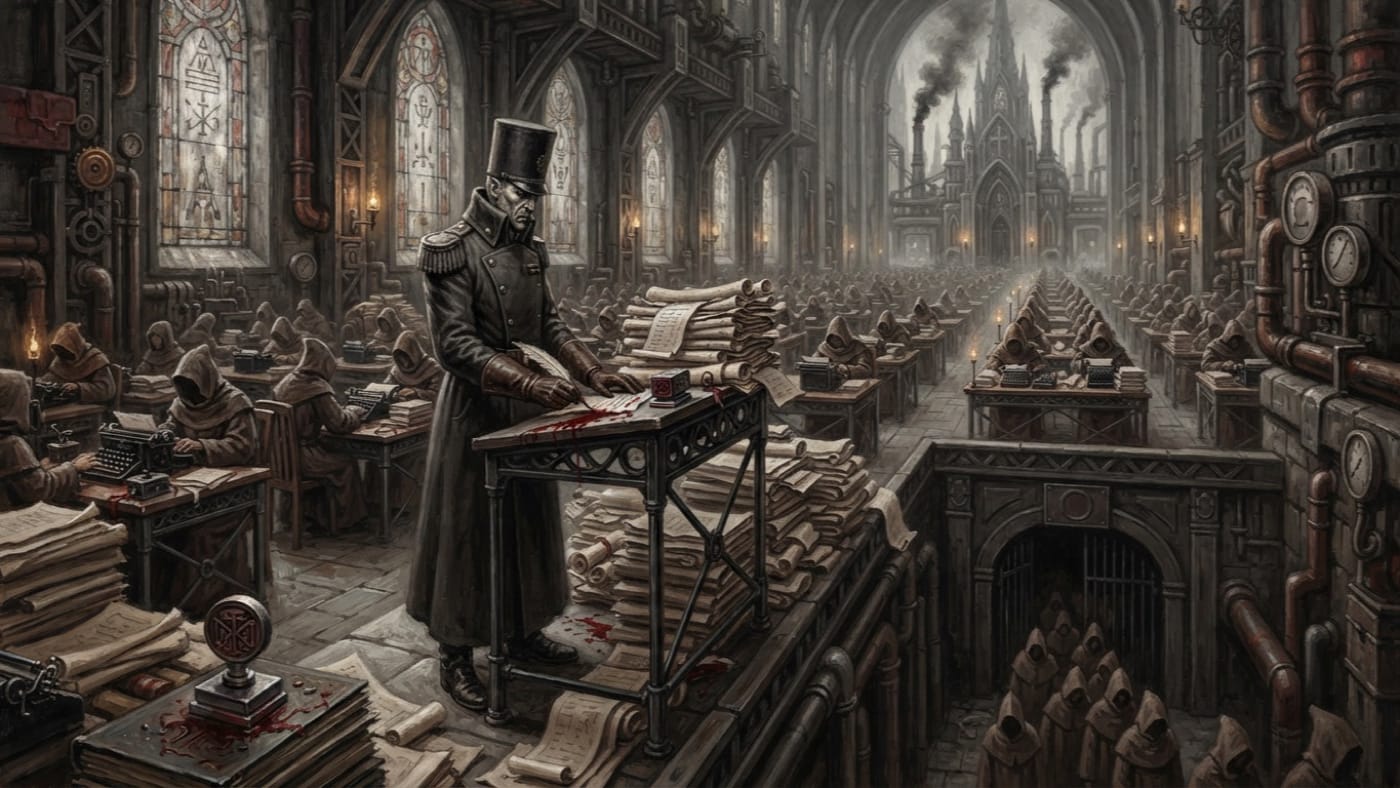
Ordinaries of Severity
The Lictor carries the knife; the Ordinary keeps the calendar
A.S. 201 survey of the Inquisition's middle tier. Ordinaries organize purges, penances and trials, often ruling a single diocese with absolute authority. The faithful learn the office through the names they fear.
Codex Ref. VIII.1.08-2029
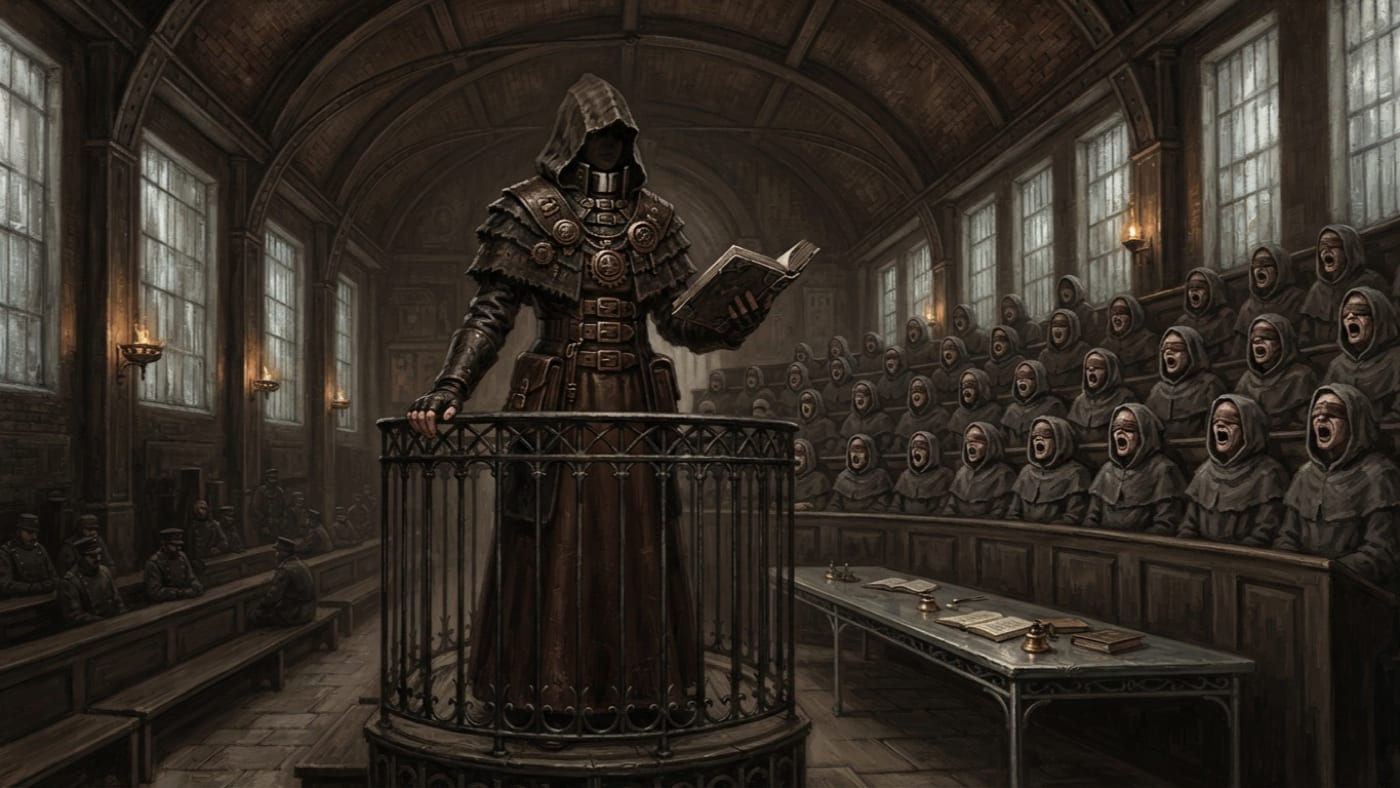
Ordinary Carmina
The verdict has a choir; the Ordinary keeps her silence
Ordinary Carmina of Ghent leaves verdicts to a blinded, tongueless witness choir. Her undated Wintering taught the Order of the Root how to cut families and revise the kinship that survived.
Codex Ref. III.2.01-2030
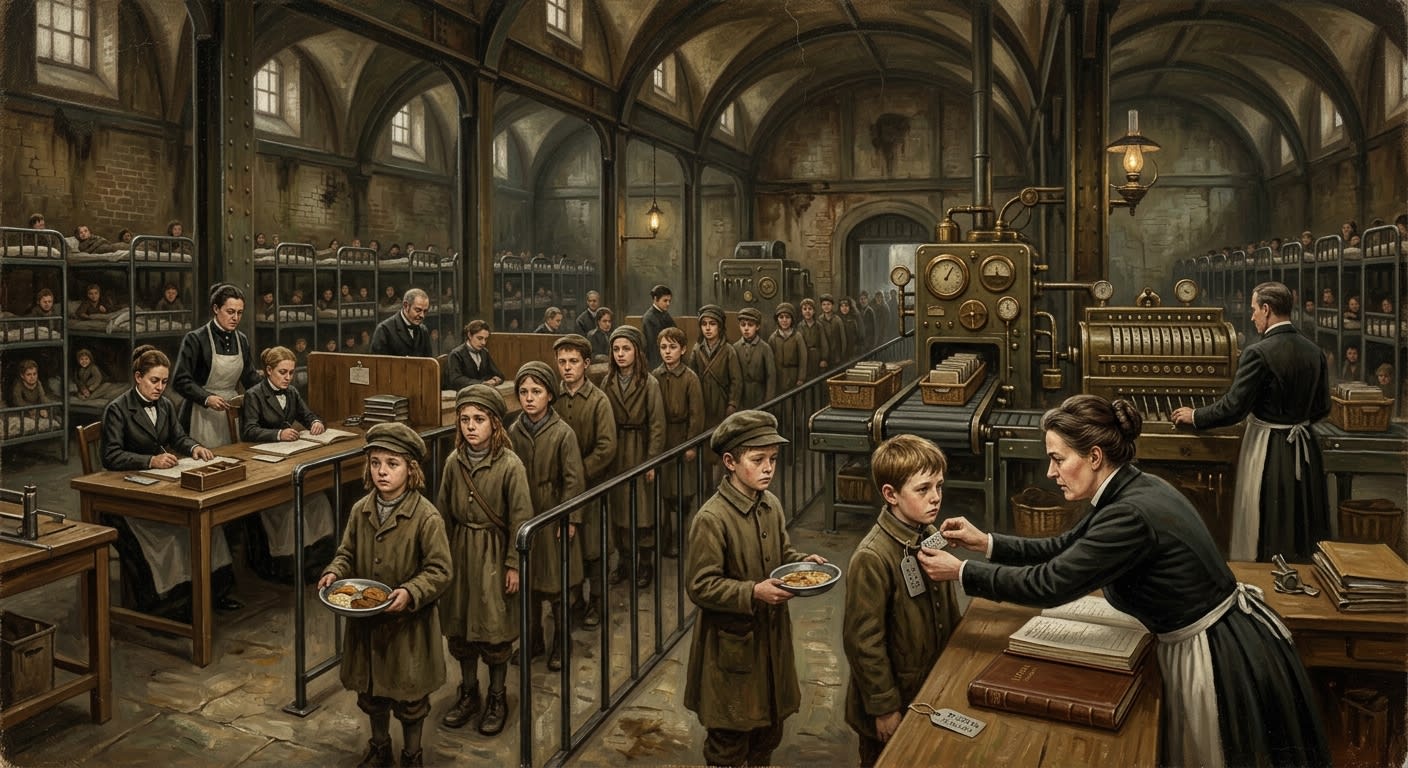
Orphanarii
Mercy with a cot, a tag-punch, and the legal courage to rename a child before breakfast
The Orphanarii are the Synod's state orphanage system: Mercy houses that wash, tag, rename, sort, feed, place, and sometimes erase children until grief becomes legible.
Codex Ref. VIII.2.12-134
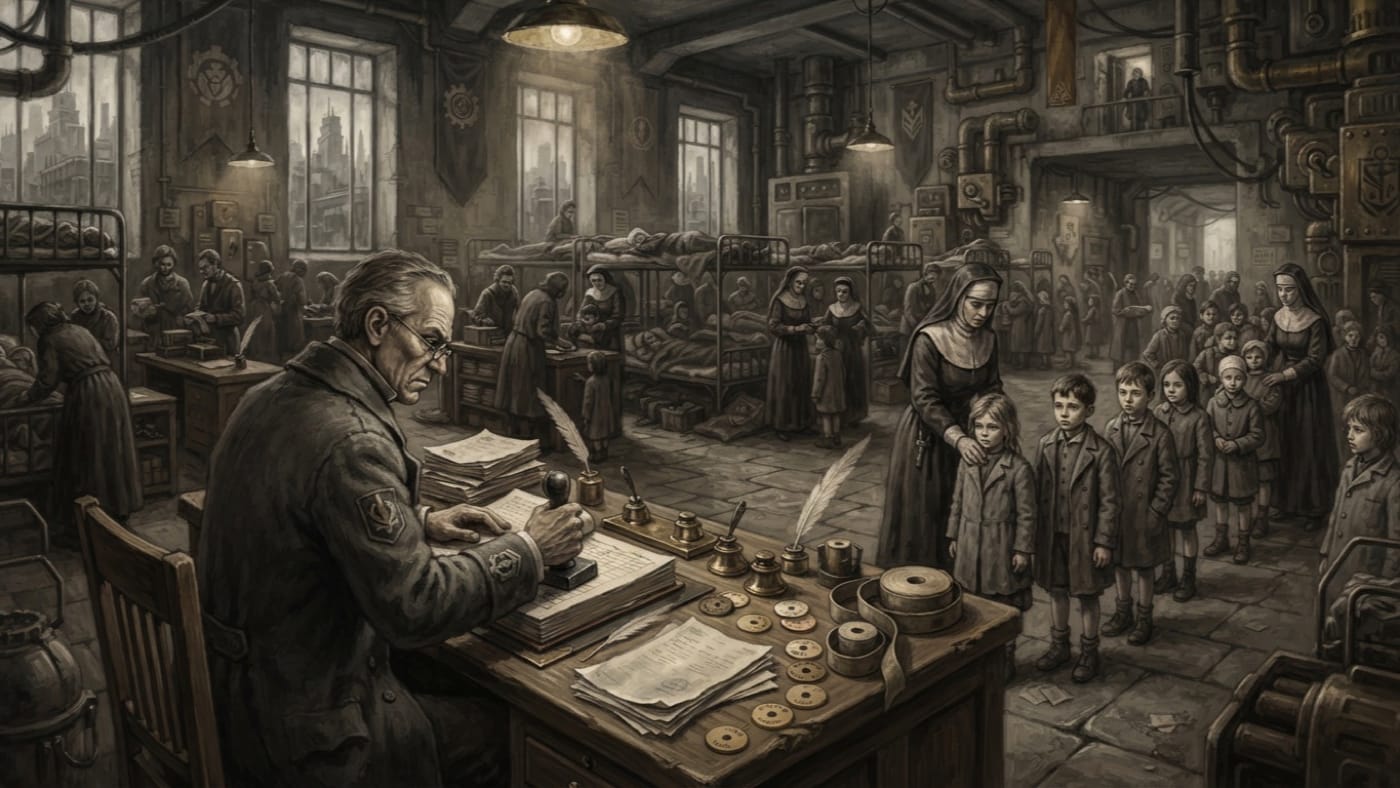
Pipeline Purists
The cot is a waiting room; the placement order is the purpose
The Pipeline Purists treat the Orphanarii as a route from cot to use: Registrars who prize swift placements, reconciled tags, and empty beds. The ledger records delivery more readily than harm.
Codex Ref. XI.1.05-004
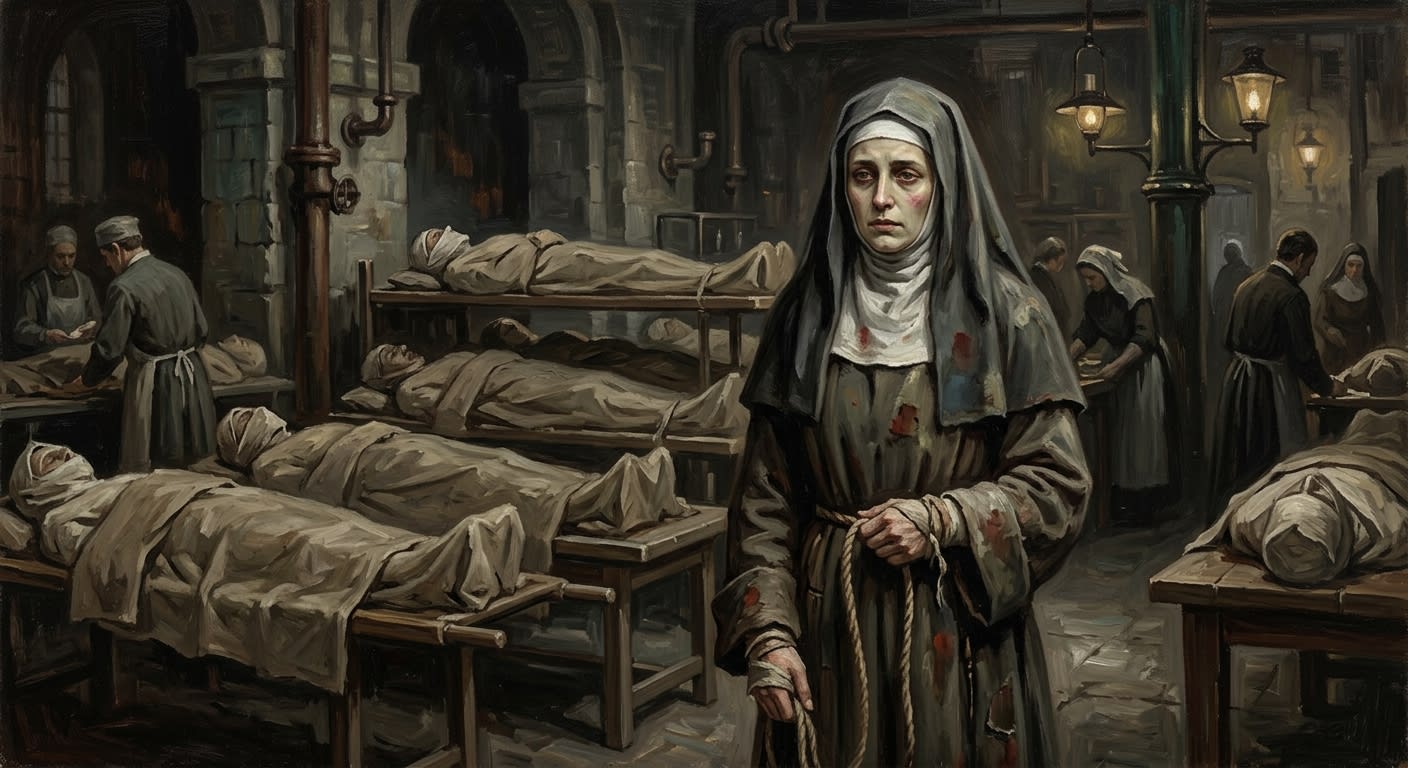
Saint Sabina of Ghent
The seamstress who gave Mercy its cloth and Doctrine its discomfort
Saint Sabina of Ghent bound eleven bodies after the Massacre at Saint-Malo, died of fever, and became Mercy's most useful rebuke.
Codex Ref. III.2.01-015
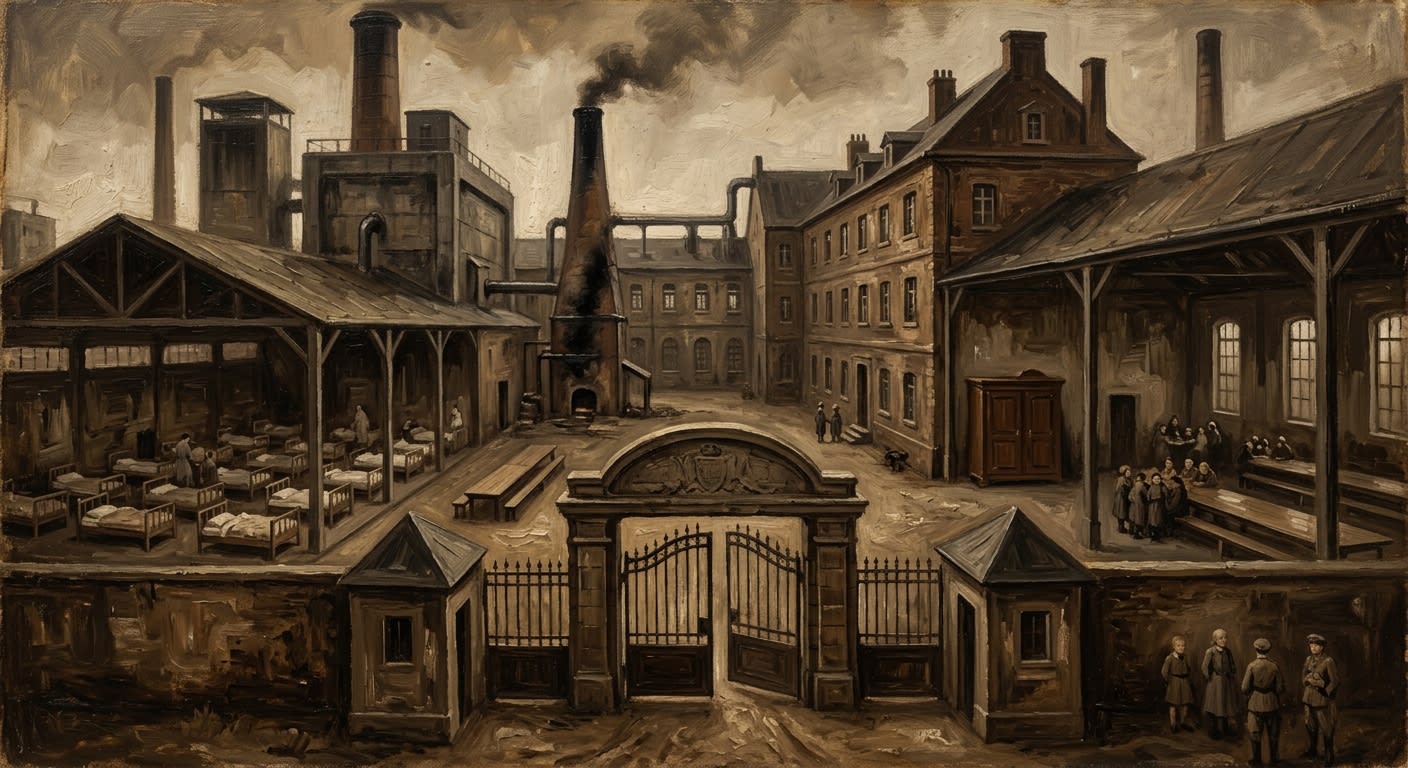
Strasbourg Central Orphanarium
No kin but the Synod, no cradle without a ledger
Strasbourg Central Orphanarium is Mercy's mother-house without mothers: gate, bench, tag kiln, sleep trial, placement hall, and cabinet.
Codex Ref. II.2.06-006
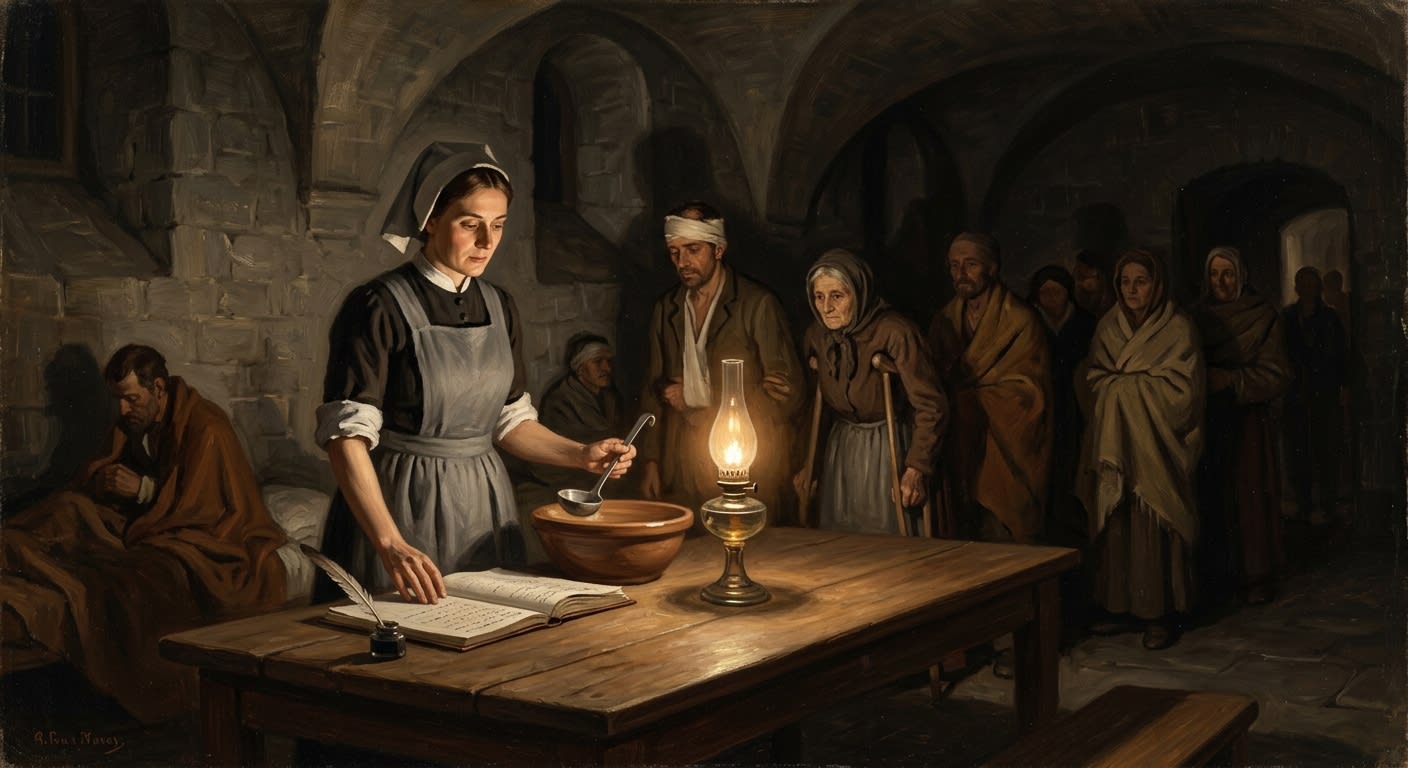
The Bureau of Mercy
Compassion Is a Ration. A Ration Is a Policy. A Policy Is the Synod's Will.
The Bureau of Mercy administers the Synod's hospitals, orphanages, broth-kitchens, and Hospices of Departure — every institution where subjects are at their most vulnerable and therefore most in need of documentation.
Codex Ref. VI.4.12-031
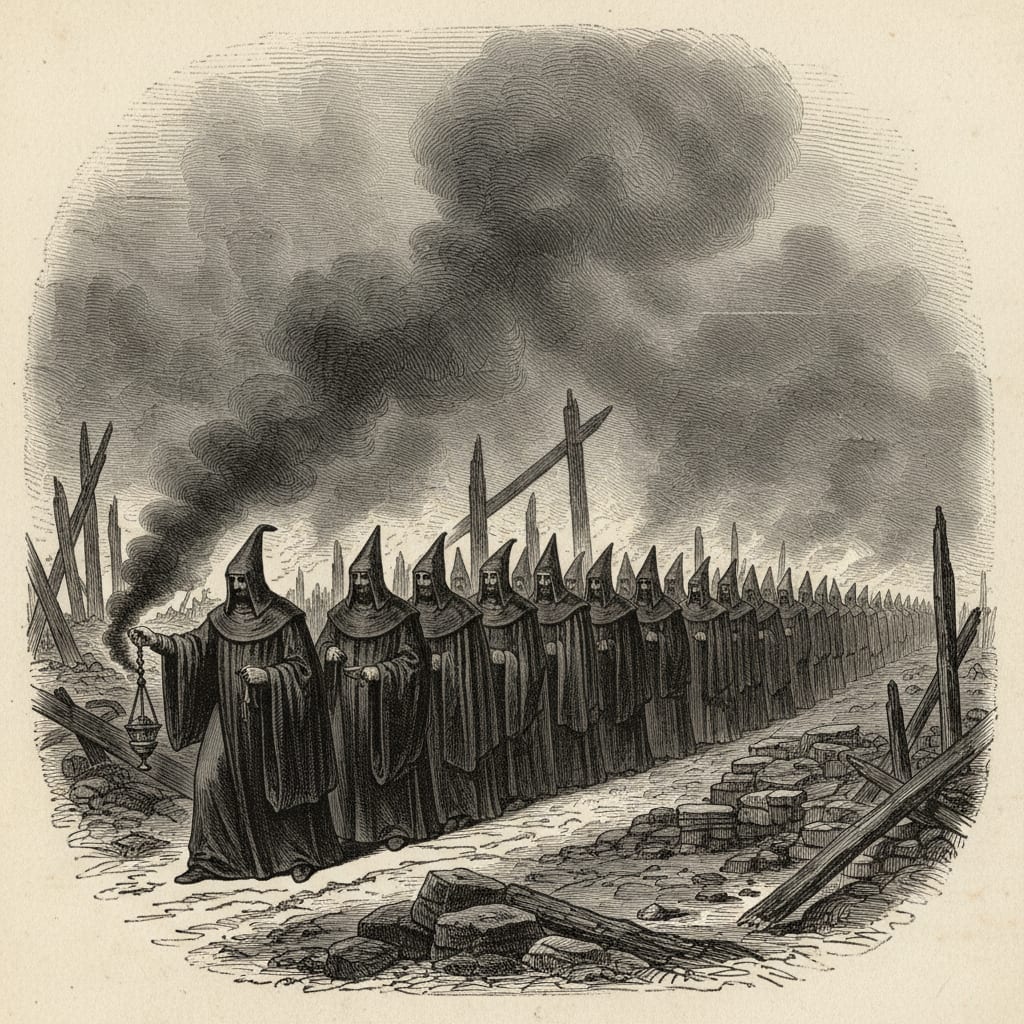
The Order of Ash
Liturgists of Fire, Archivists of Cinder
The Inquisition's first and fiercest instrument of annihilation. Where the Ashmen pass, the well-stones glass smooth and the children's slates bake into reliquaries of obedience.
Codex Ref. III.3.06-041
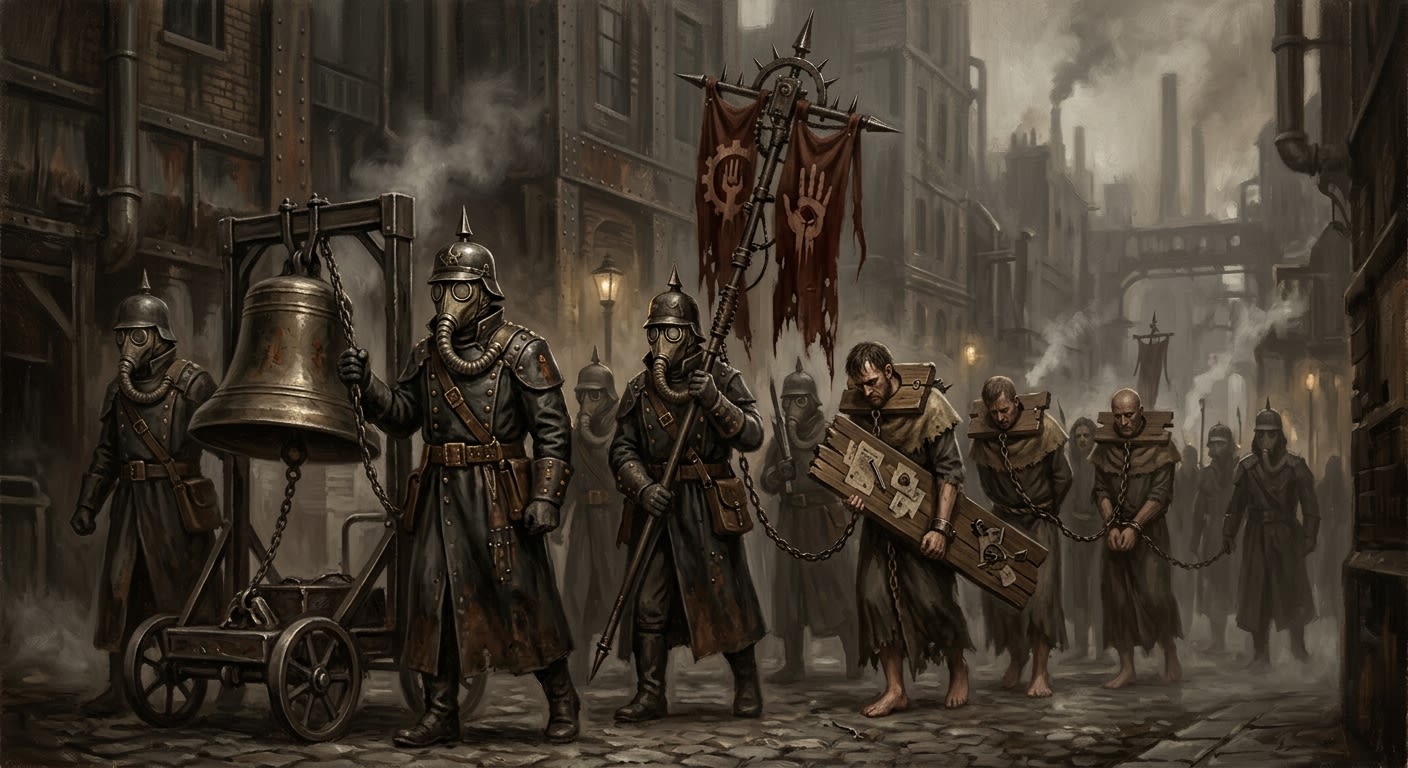
The Order of Saint Ephrath
Shame made visible is shame made useful
Ephrath displays Purity's hand. It nails error to doctrine, marches shame through the street, and files the crowd's instruction by bell.
Codex Ref. XI.6.01-002
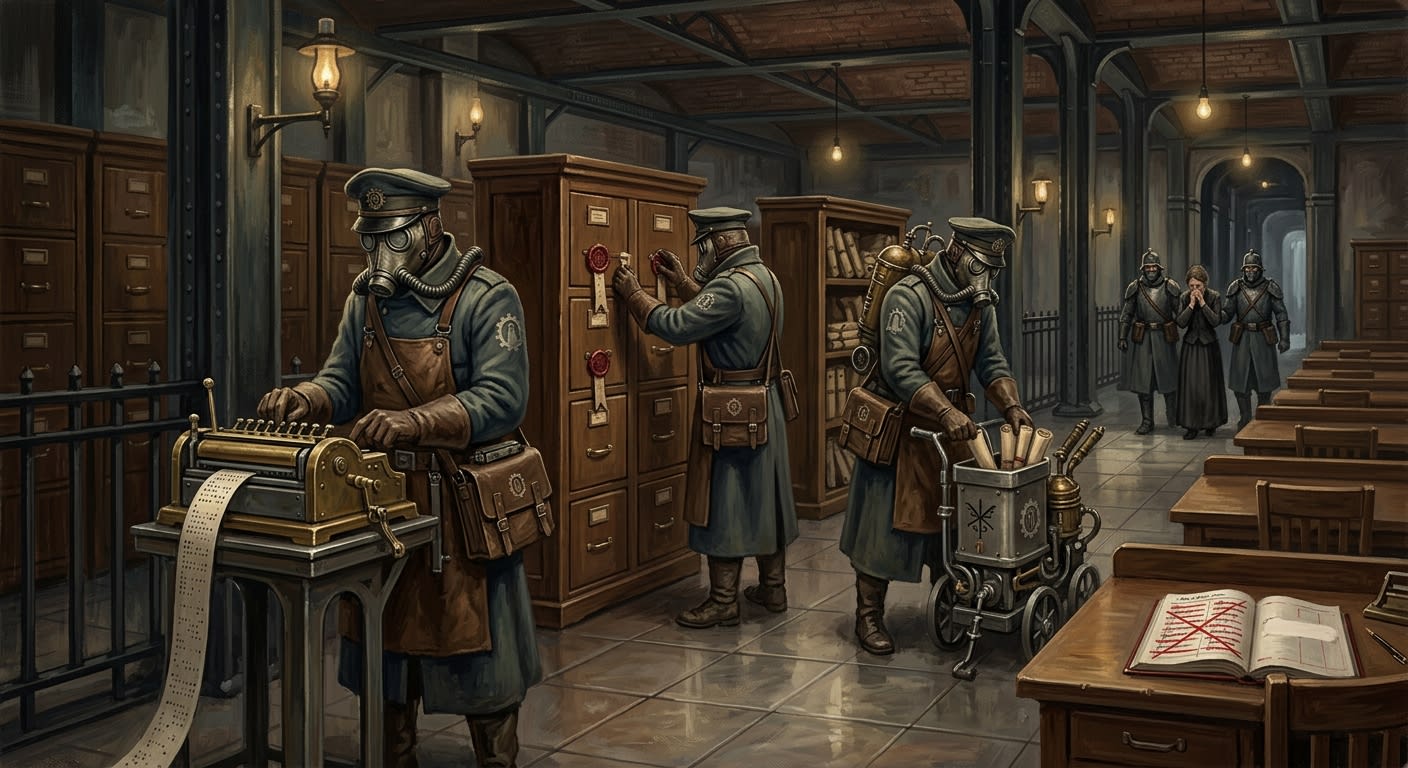
The Order of the Shroud
The mercy of no martyrs, delivered by black wagon
The Shroud does not burn heretics into warnings. It removes them into arithmetic, leaving tidy rooms, corrected rolls, and grief without permit.
Codex Ref. XI.6.01-001
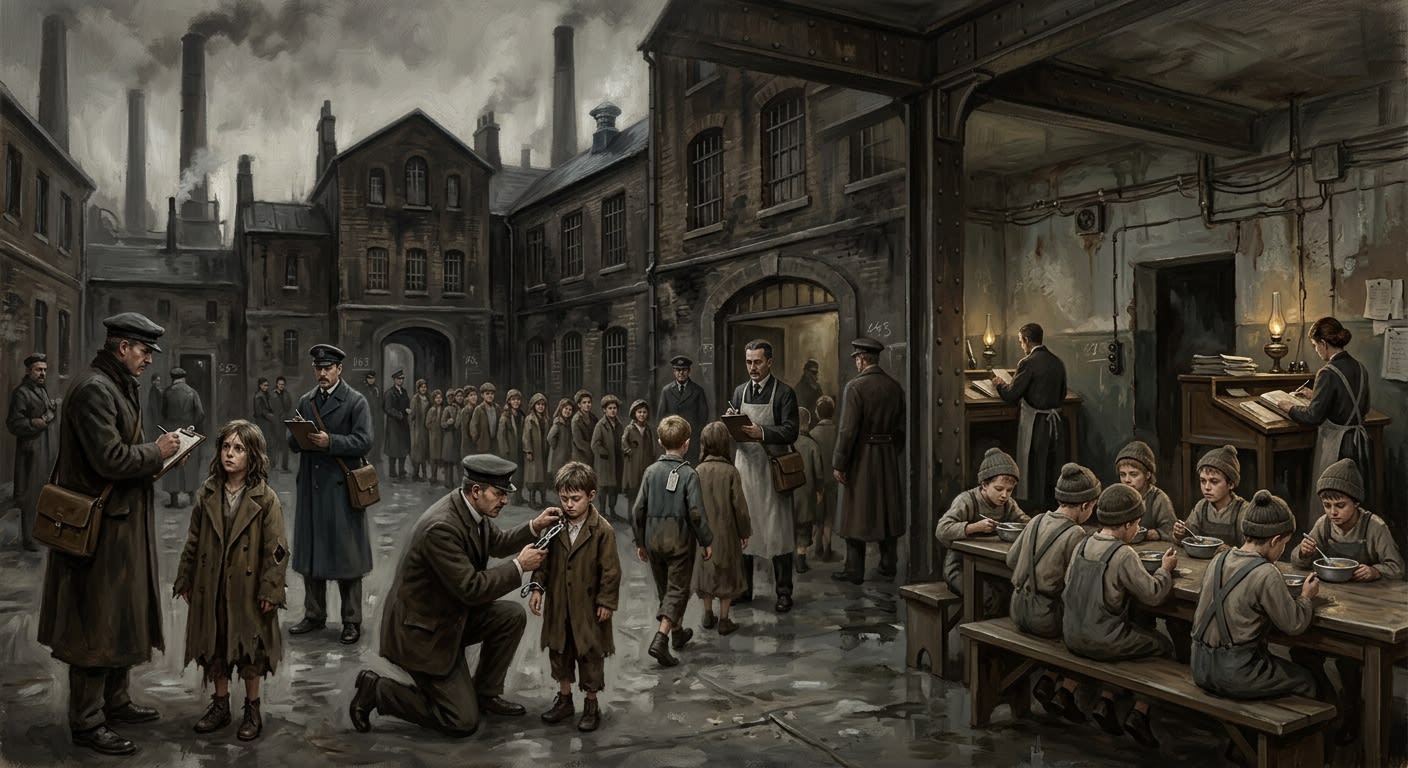
The Orphanarium
Mercy with hinges, locks, soup, and a tag cabinet
The Orphanarium receives children without acceptable custody and returns registered minors: washed, renamed, tagged, fed, placed, and corrected until Mercy can invoice itself.
Codex Ref. II.2.06-005
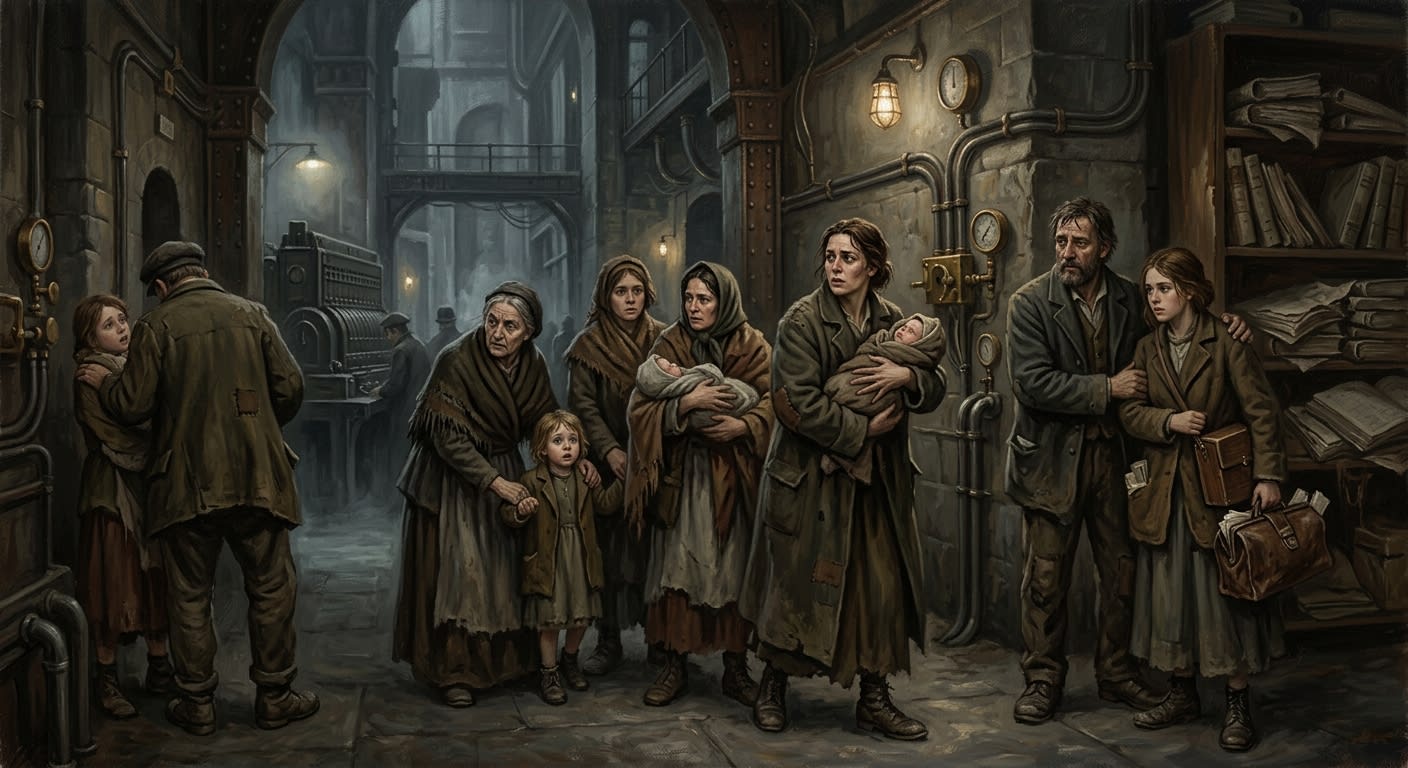
The Pale Kin
Where the cradle refuses its invoice
The Pale Kin are the proscribed cradle-resistance families who hide births, alter records, shelter unnumbered children, and make maternity a crime against arithmetic.
Codex Ref. XI.4.01-001

Void
The child survives when the gap is too dull to notice
Ash Registrar doctrine naming the document-thick gap between a living hidden child and the dead, misfiled, or duplicated child the Ledger believes in.
Codex Ref. XI.4.01-005
Ward-Builders
Another table, no blood-name, and the mercy of useful strangers
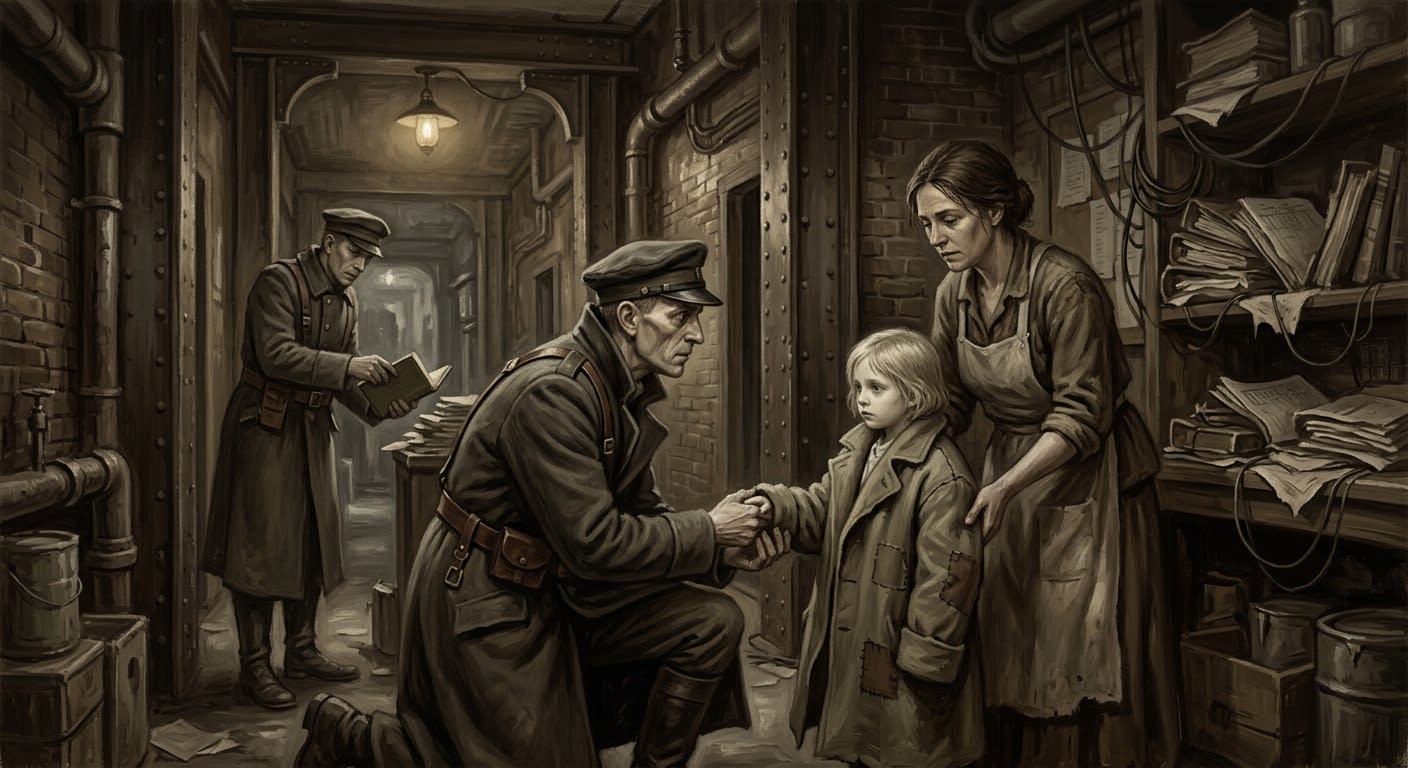
Pale Kin faction placing hidden children with tested strangers rather than blood, building survival from shared guilt, chores, false names, and audit-resistant mess.
Codex Ref. XI.4.01-003