

Reverse Index
Referencing “Grave-Field Shanty Broker”
Every codex entry that links to Grave-Field Shanty Broker. 22 entries.
Return to Grave-Field Shanty Broker
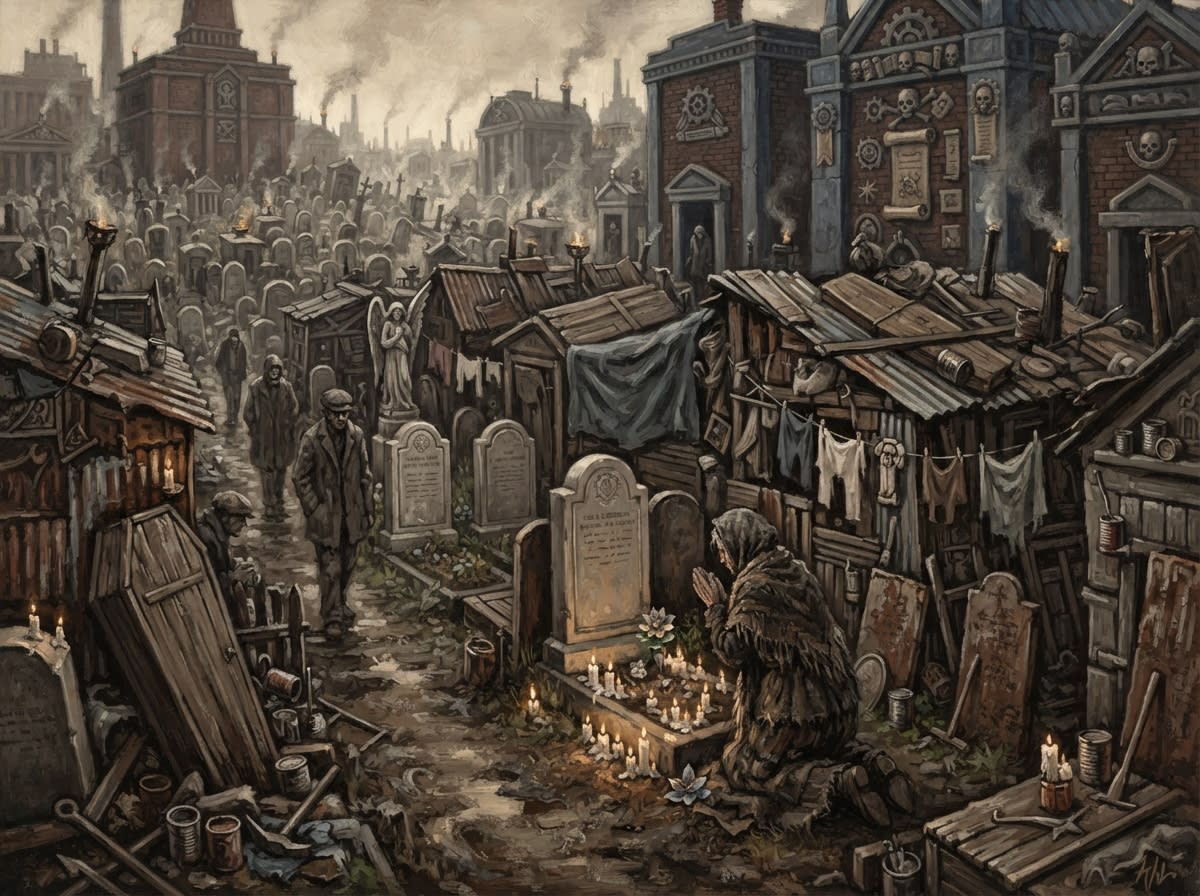
Anchor Graves
Where burial right does the work housing law refuses
Anchor graves are lawful family plots whose burial privileges let grave-field lanes pretend that shacks are caretaker shelters rather than homes.
Codex Ref. XIII.1.78-017
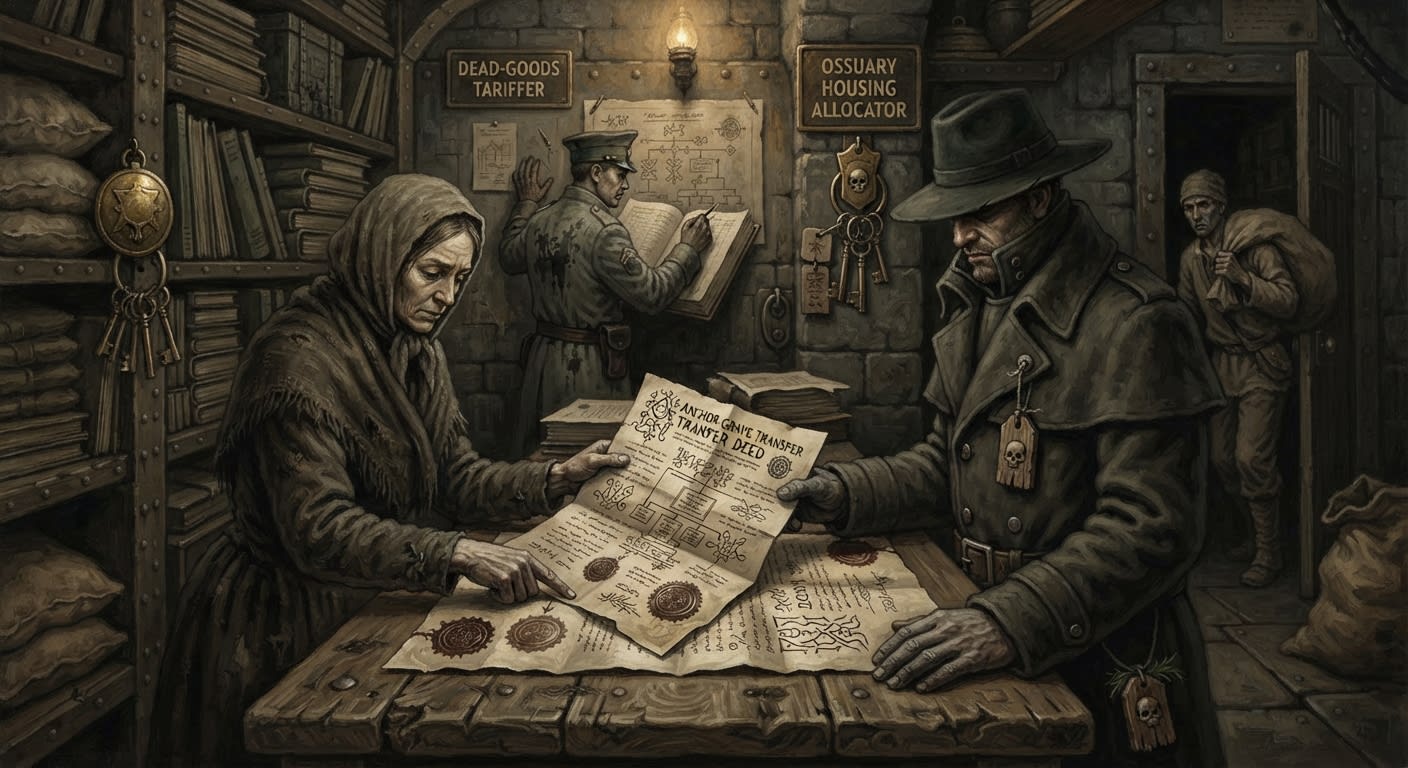
Anchor-Grave Transfer Deed
Where the grave becomes housing because hunger signs neatly
The anchor-grave transfer deed converts a family's burial claim into permitted ossuary presence, teaching grief to become tenancy and tenancy to remain revocable.
Codex Ref. XIII.1.78-178
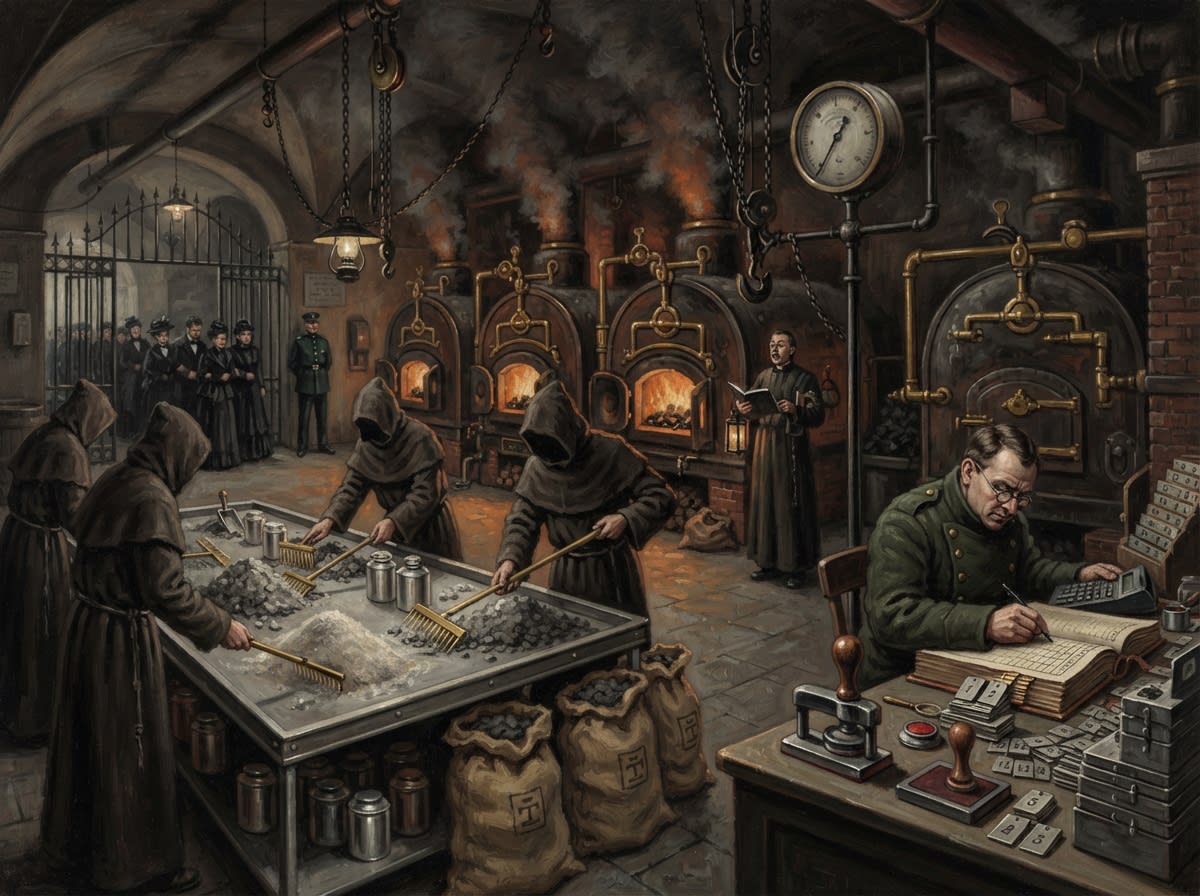
Ashbinders
The dead are sacred, and the receipt is extra
The Ashbinders burn the Synod's dead, sort the ash, sell the comfort, and accidentally perform one of the few procedures that keeps the cemeteries quiet.
Codex Ref. XII.41.01-001
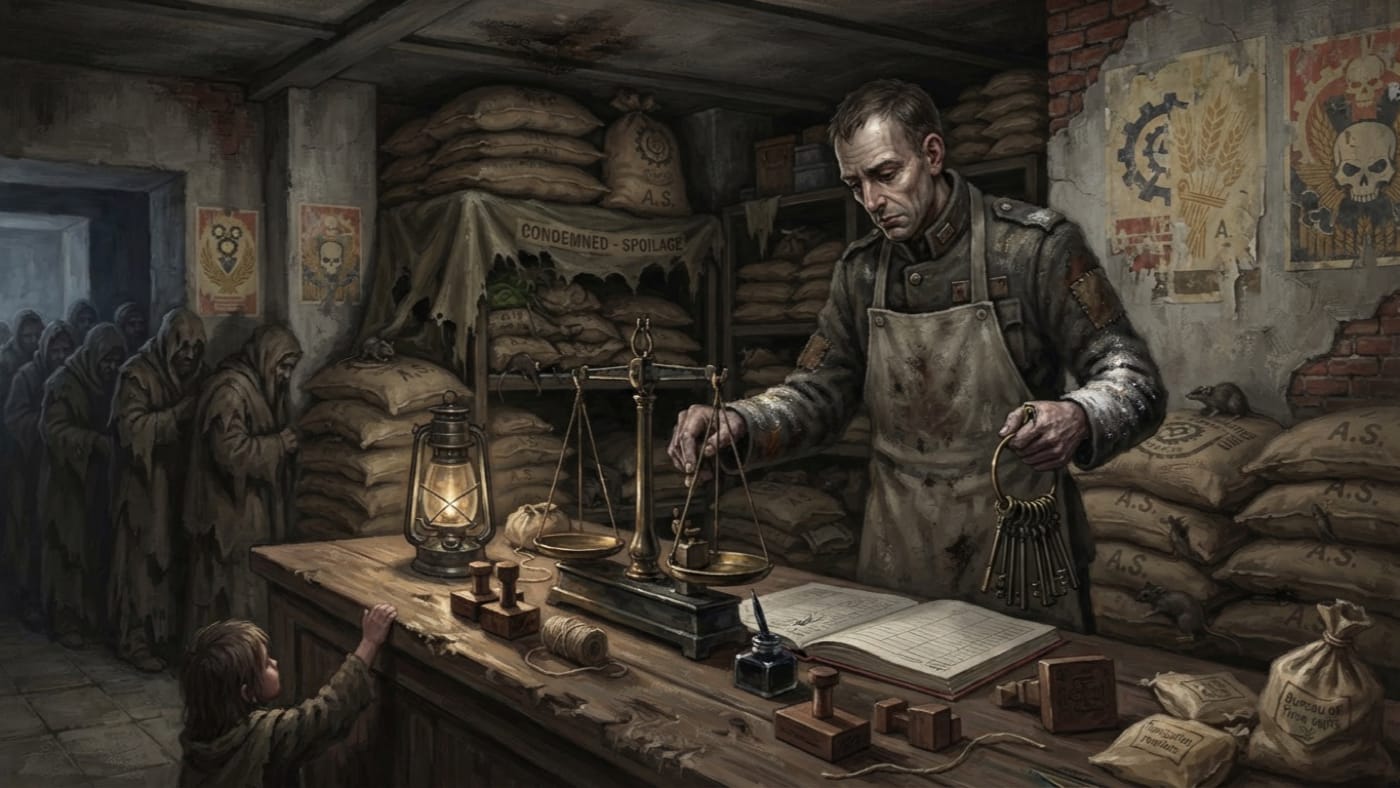
Auxiliary Store Warden
The keys are lawful; what they unlock is another question.
The licensed granary custodian whose scales, keys and ration ledgers give Grain Keepers lawful access to food. Some Wardens keep honest books; the Bureau cannot tell which by the flour on their sleeves.
Codex Ref. XII.8.02-001
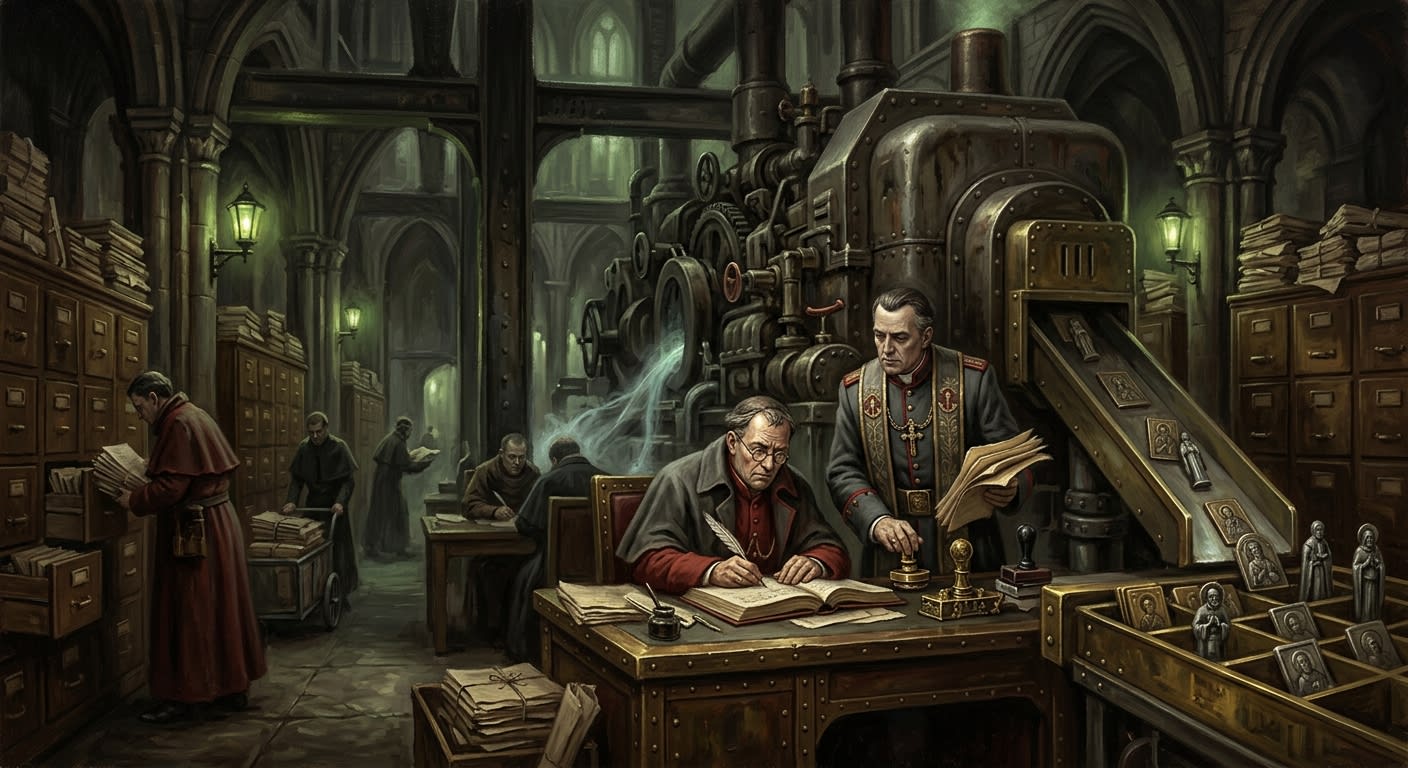
Bureau of Hagiography
The dead may vote only after editing
The Bureau of Hagiography edits the dead into useful saints, delaying, ratifying, taxing, suppressing, and polishing grief until it obeys.
Codex Ref. VIII.6.03-112
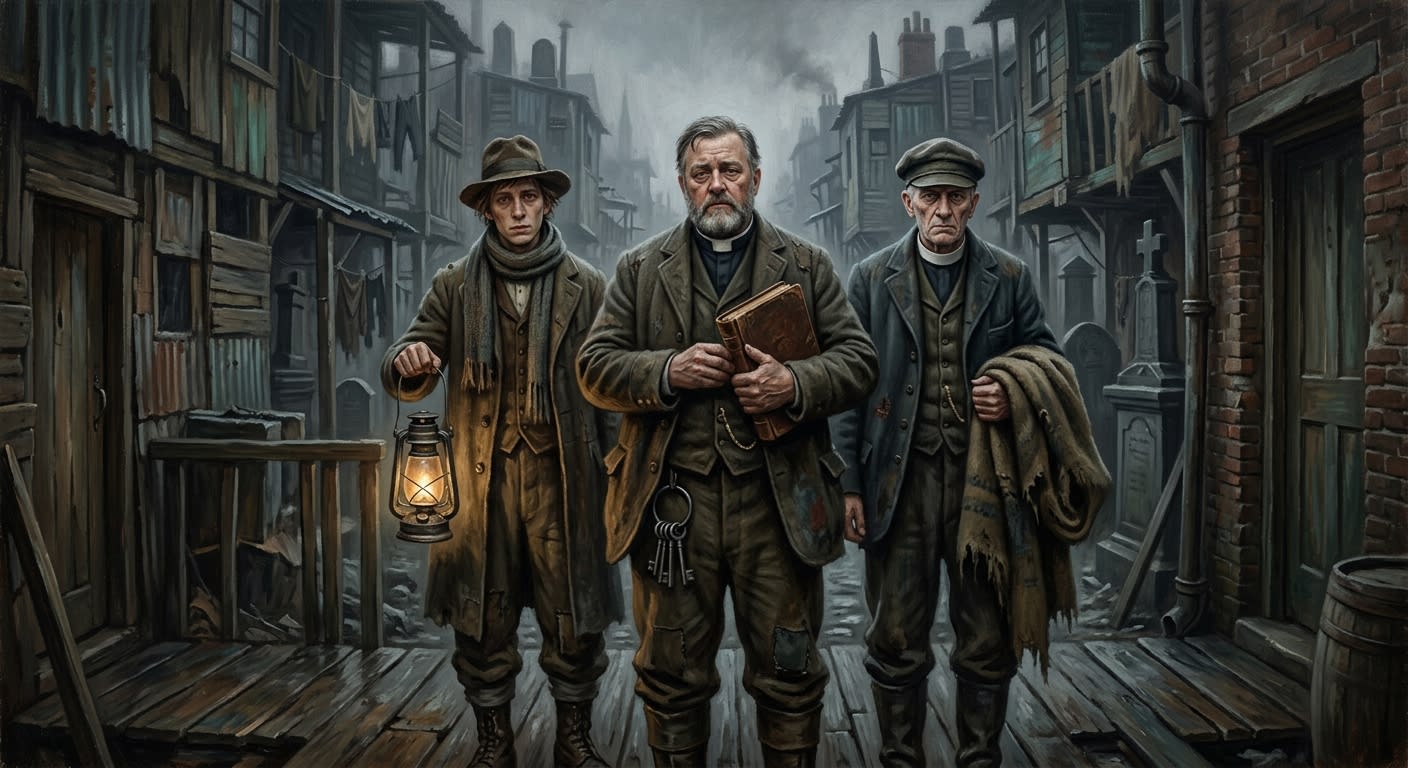
Caretaker Saints
Mercy with a rent book, a candle, and no licence whatsoever
Caretaker Saints are the conscience-stricken branch of Grave-Field Shanty Brokers: unchartered grave-lane landlords who keep rents low, names whispered, and mercy barely deniable.
Codex Ref. XII.27.02-001
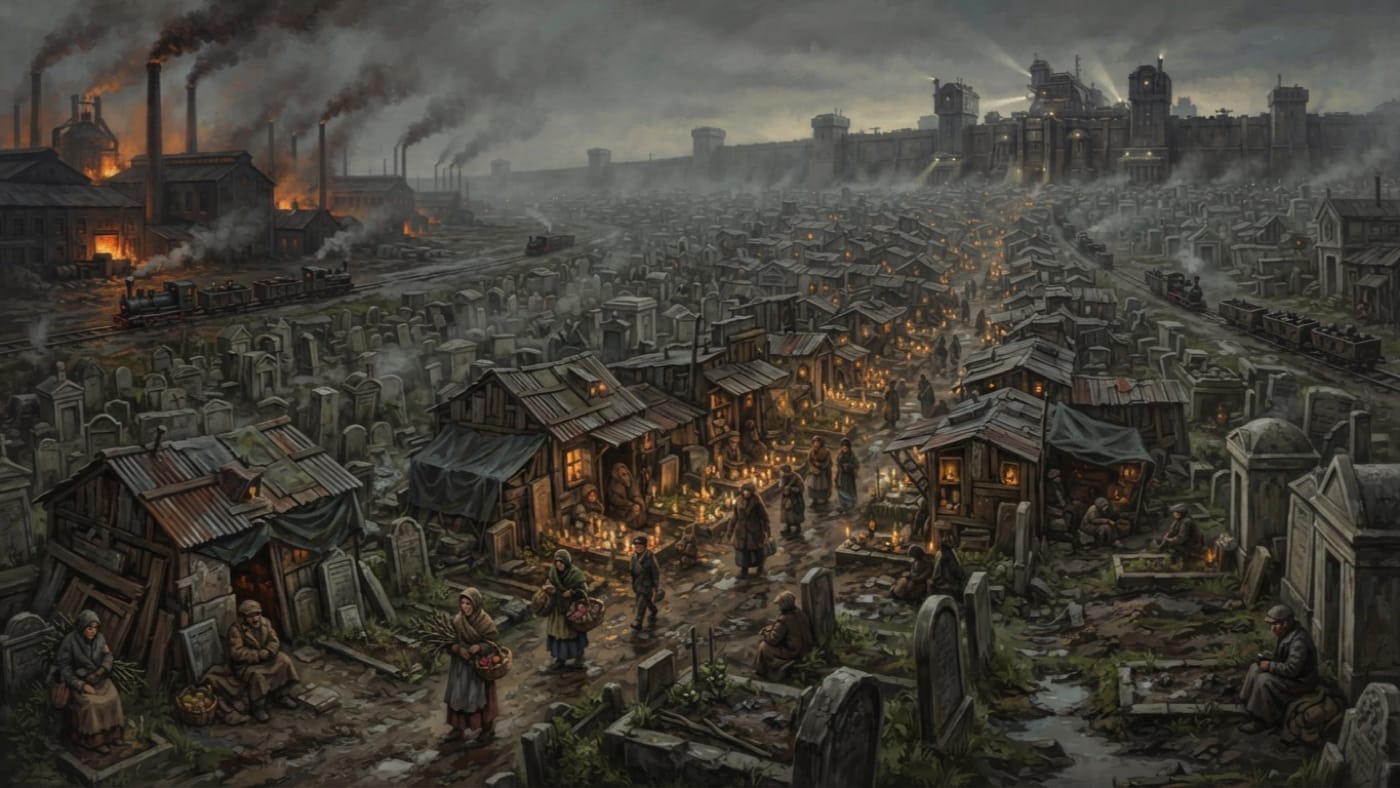
Constantinople Hintermark
The country that feeds the Last Lock and roofs its widows between graves
West of Bastion-Constantinople, the Hintermark sends fruit, castings and levy replacements to the southern anchor. Its widows and refugees find roofs between graves, where the paperwork recognises maintenance and denies habitation.
Codex Ref. II.3.06-201
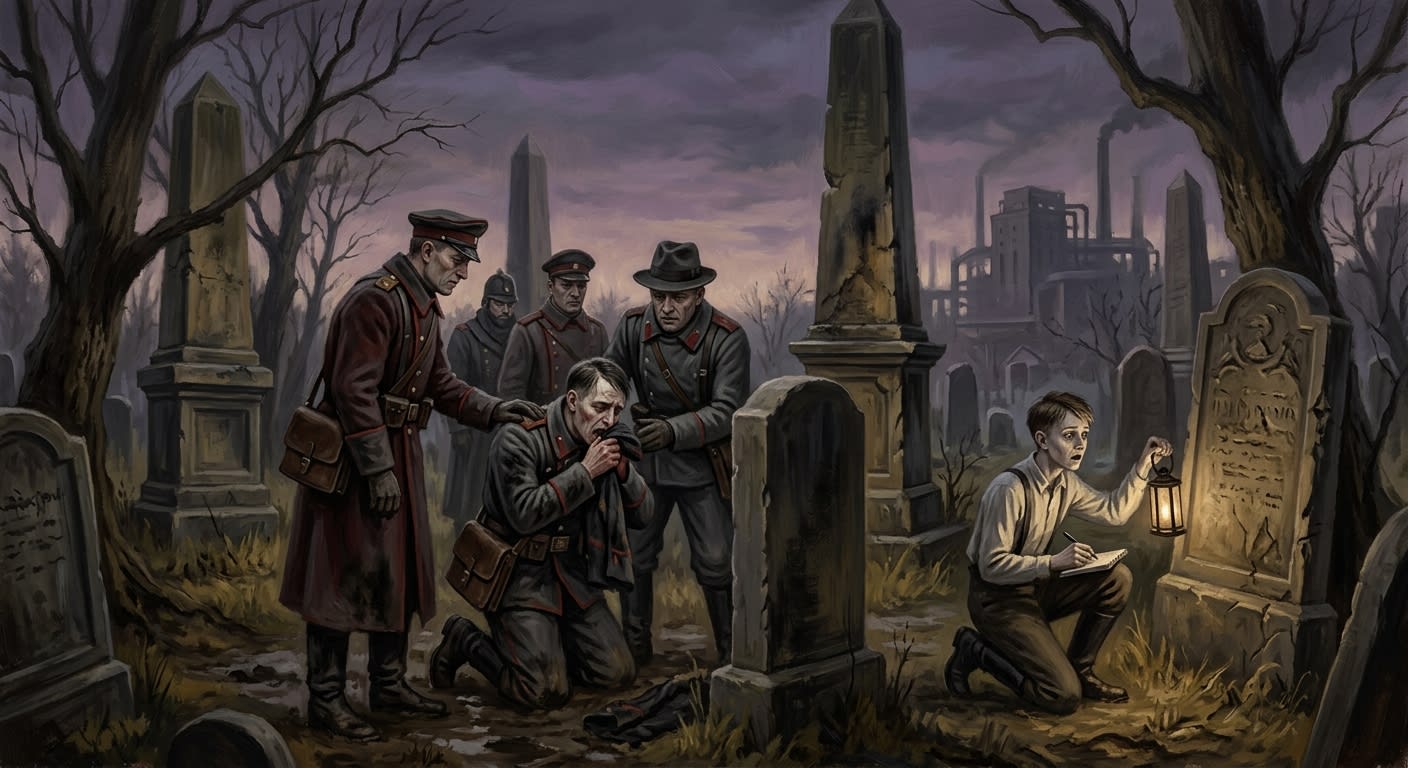
Epitaph Plague of Novi Sad
When the stones wrote first, the living learned to count backward
In A.S. 122, Novi Sad grave stones began carving living names before their deaths; Records called it weathering for fourteen years, then learned grammar can kill.
Codex Ref. VII.8.10-037
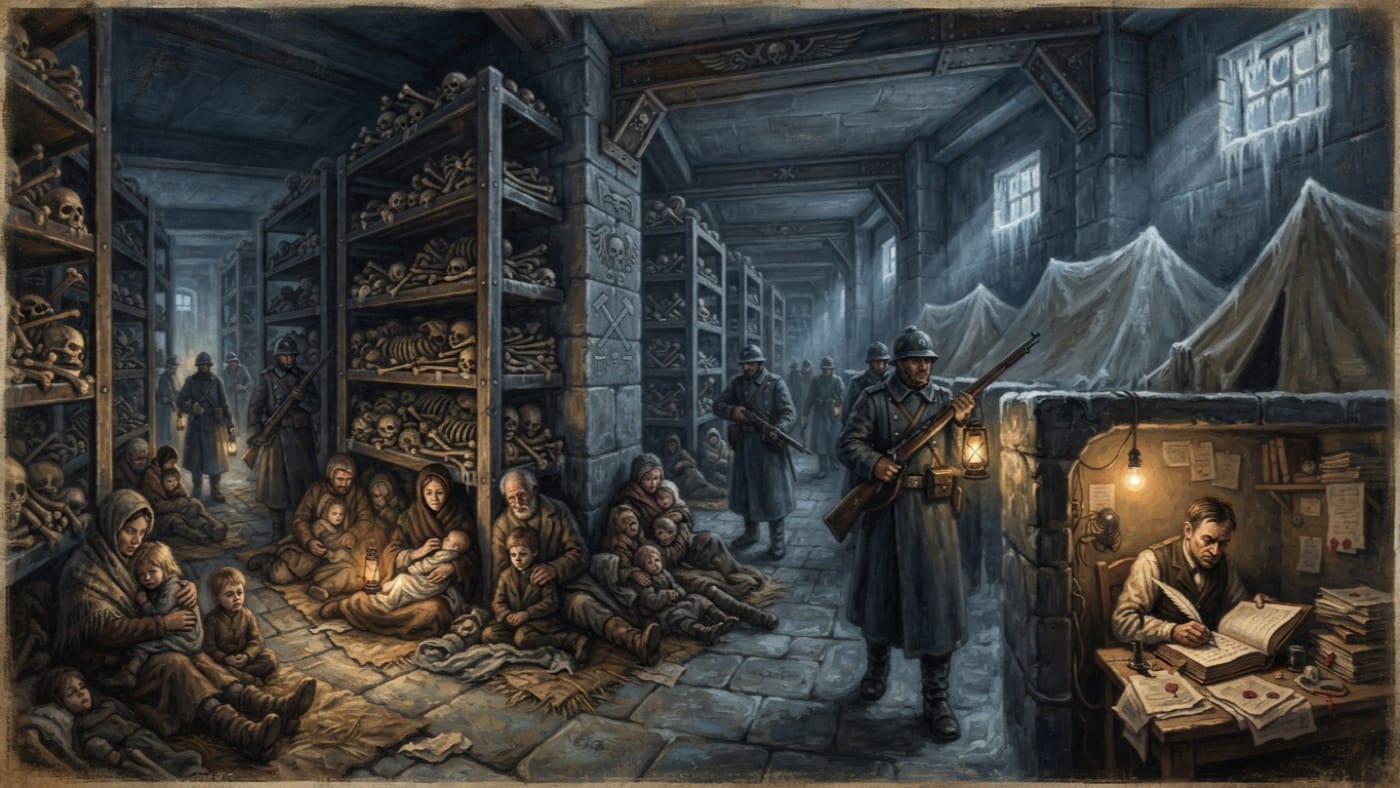
First Grave-Field Winter
The tents froze, and the shortage acquired a clerk
An A.S. 201 retrospective of an undated winter at three unnamed bastions, when frozen tents drove refugees into sanctified dead chambers. Four offices objected; shelter beside the dead acquired a clerk.
Codex Ref. VII.4.11-081
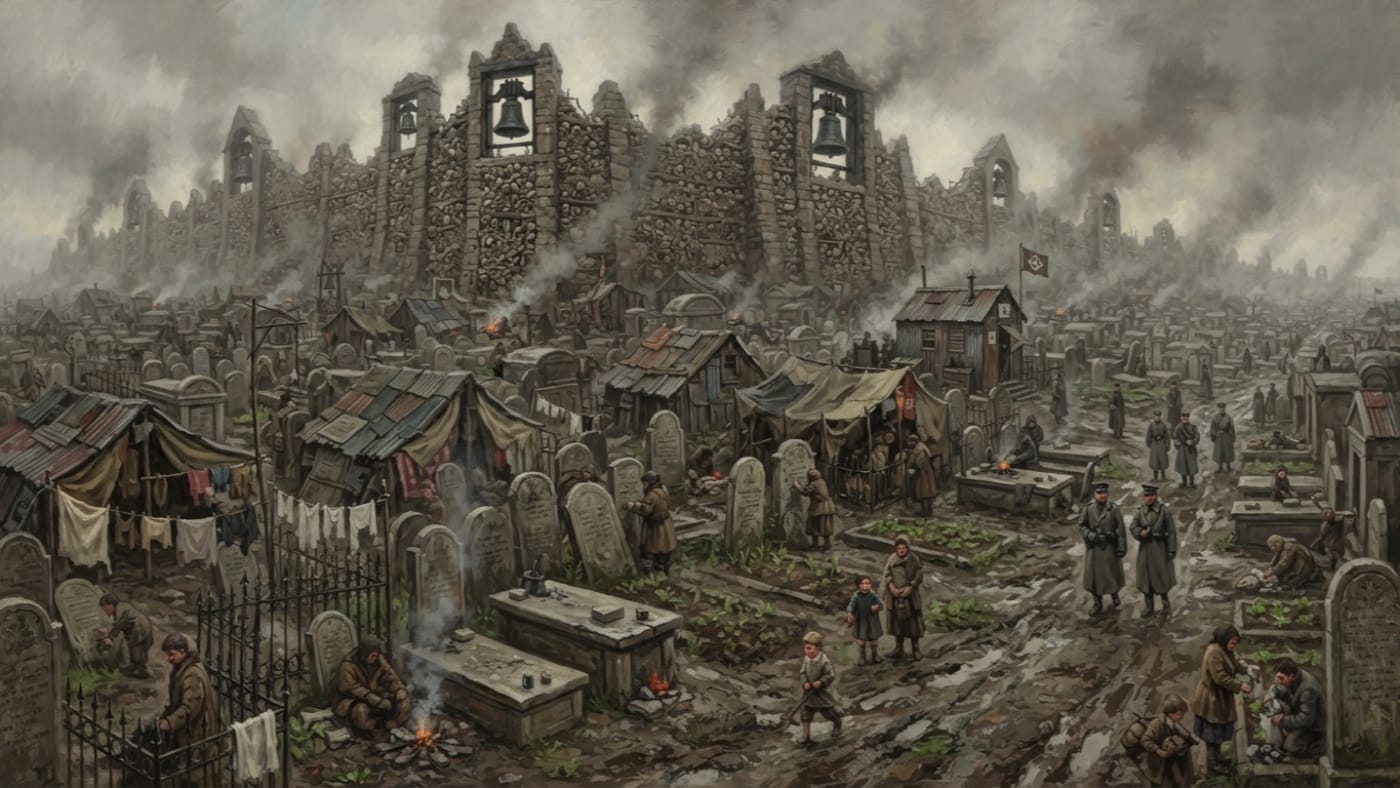
Grave-Fields
Occupancy temporary. Residents permanent.
Grave-fields house the living among the dead outside ossuary walls. Dry ground, bell coverage and renewable permits keep temporary residence permanent.
Codex Ref. III.2.04-1252
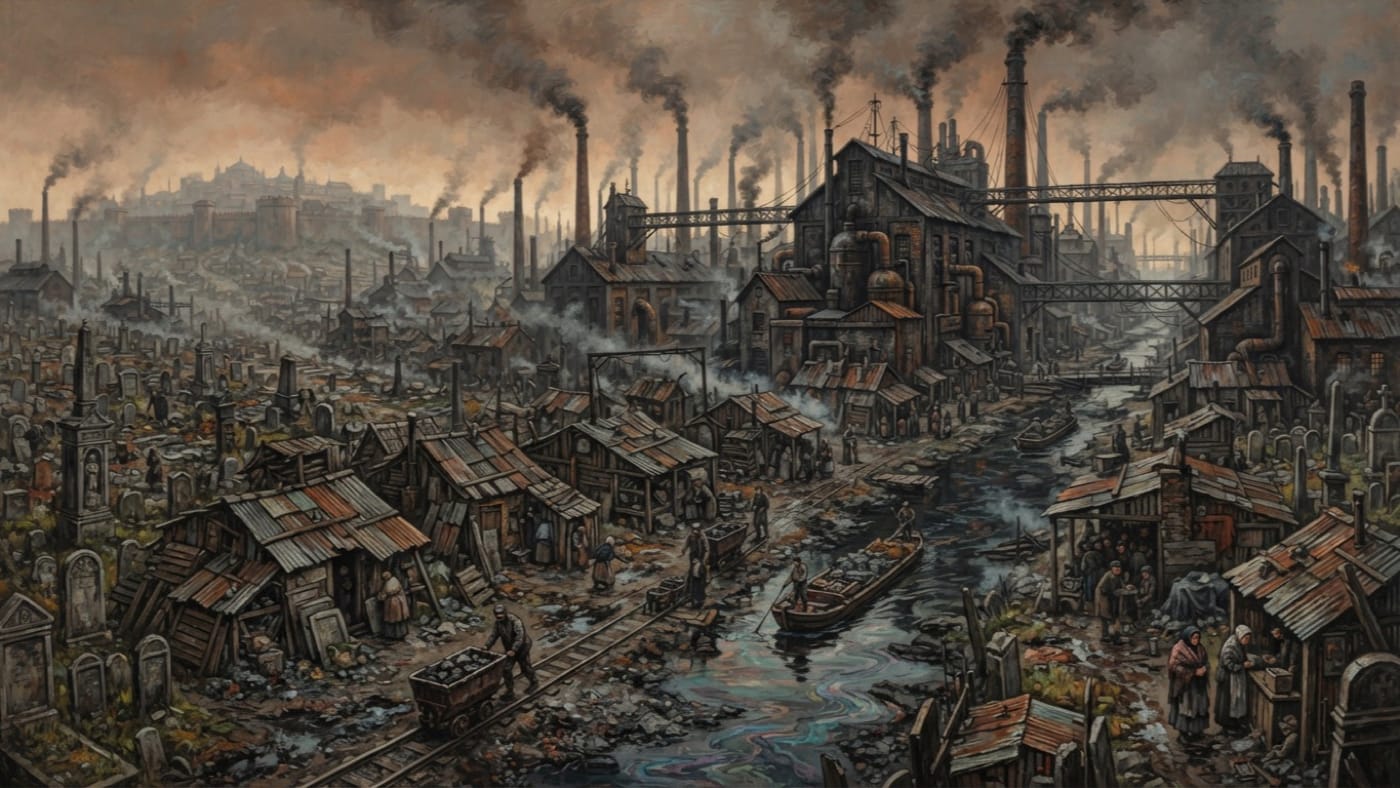
Hintermark settlements
The furnaces have addresses; their households do not
The Hintermark settlements keep Bastion-Constantinople supplied with iron, labour and coffin timber. A.S. 201 finds production continuing, registers disputed, and hungry households entered in the Black Ledger's second books.
Codex Ref. II.3.06-003
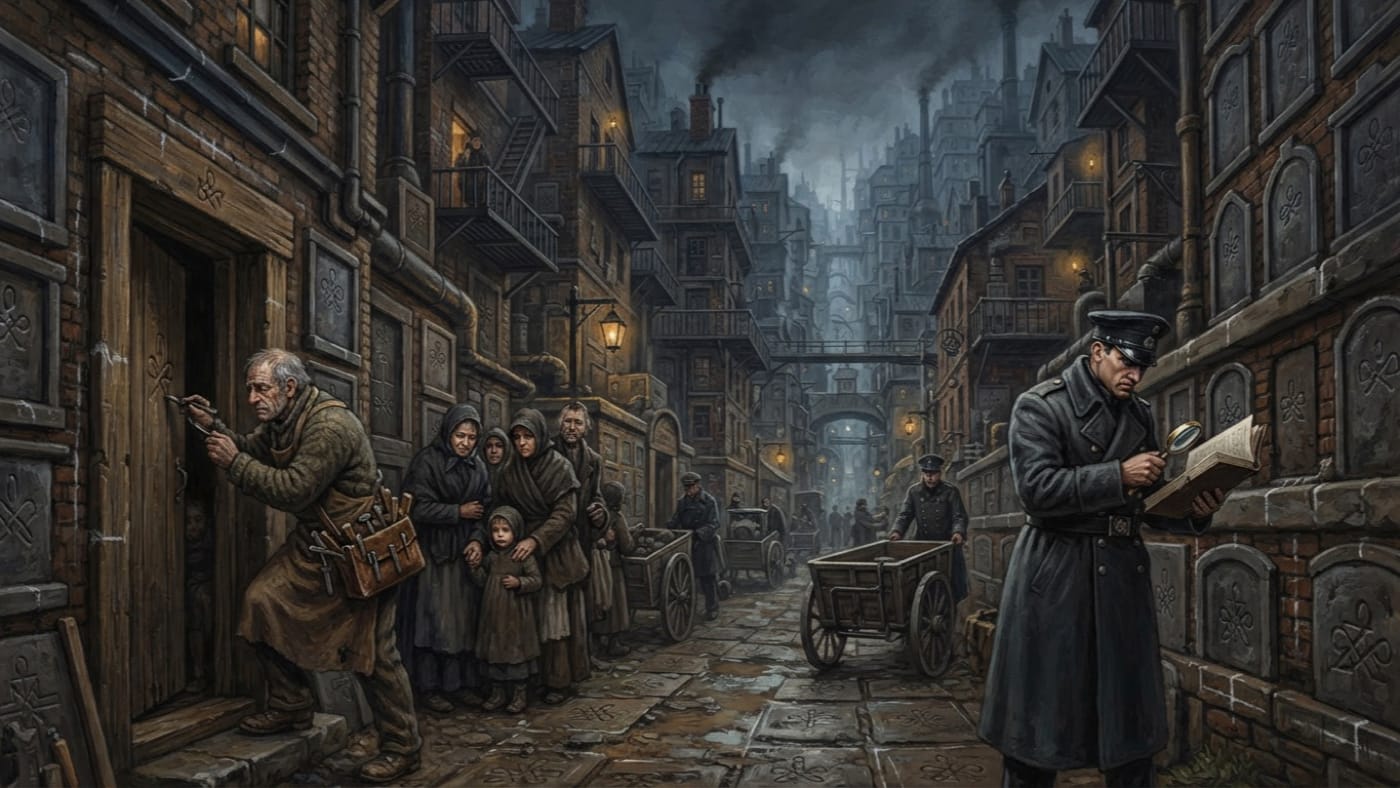
Housing and Burial Codes
A roof and a grave remain yours while the marks agree
The Housing and Burial Codes bind roofs and graves to the same ledger. A valid Triune Knot makes a household legible; a failed mark makes its stone available for confiscation.
Codex Ref. XIII.1.07-014
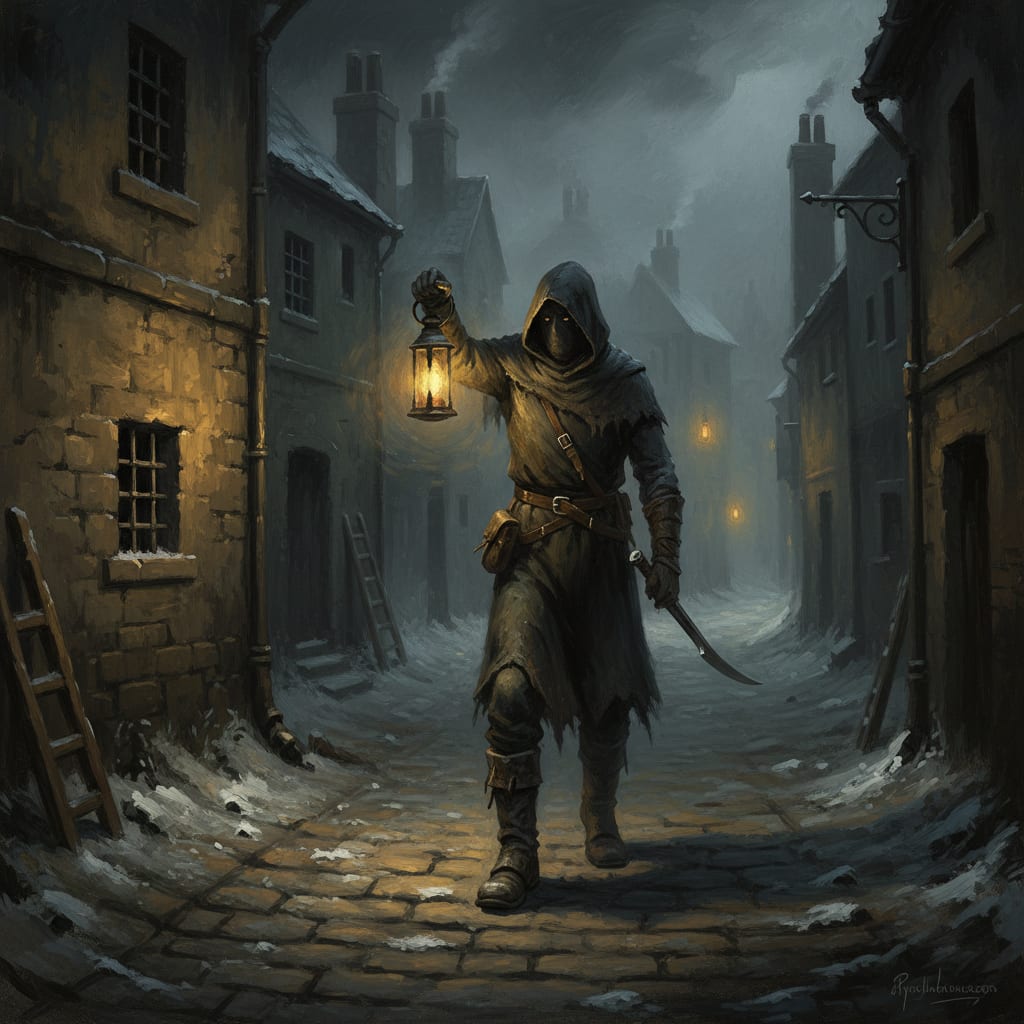
Lantern Brotherhood Vigilante
Eight thousand four hundred tolerated blades, licensed by a subordinate clause — the Synod's night made visible and officially nonexistent.
Eight thousand four hundred tolerated blades in five Watch Circles, licensed by a subordinate clause in a curfew ordinance — the Synod's night made visible and officially nonexistent.
Codex Ref. XII.25.01-001
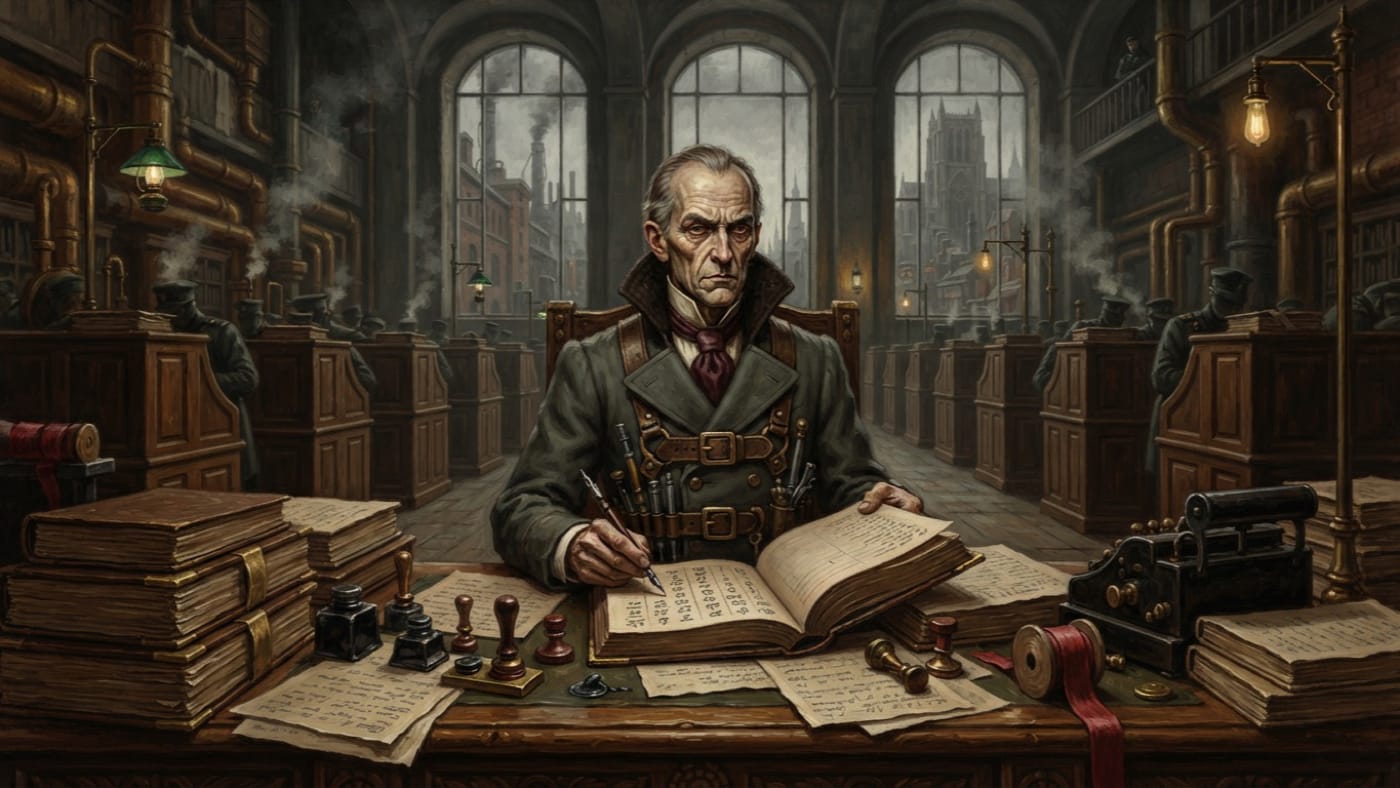
Ledger Prefect
The Captain kisses the hand and watches the nib.
The Ledger Prefect controls permits, paper and patronage. One signature equips a Pageant Captain; another ends his career. The same office may sponsor the city's irregular trades, provided the stability arrives without scandal.
Codex Ref. XII.33.02-001
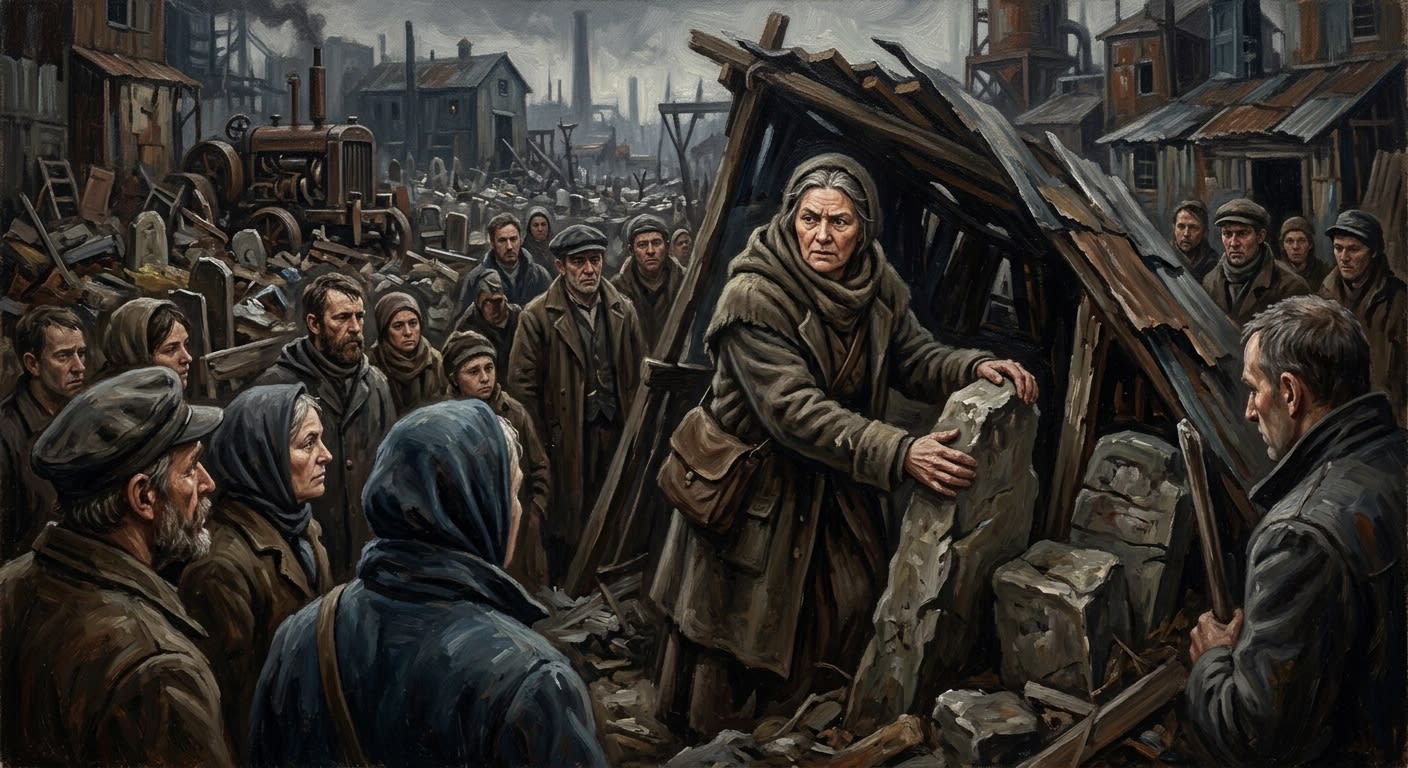
Mother Vell of the Crooked Stones
A plot is a promise, and promises have tenants
Uncanonised patron of Grave-Field Shanty Brokers, Mother Vell turns crooked stones, leased graves, and shelter fraud into a cult the Bureaus cannot afford to suppress.
Codex Ref. III.2.01-122
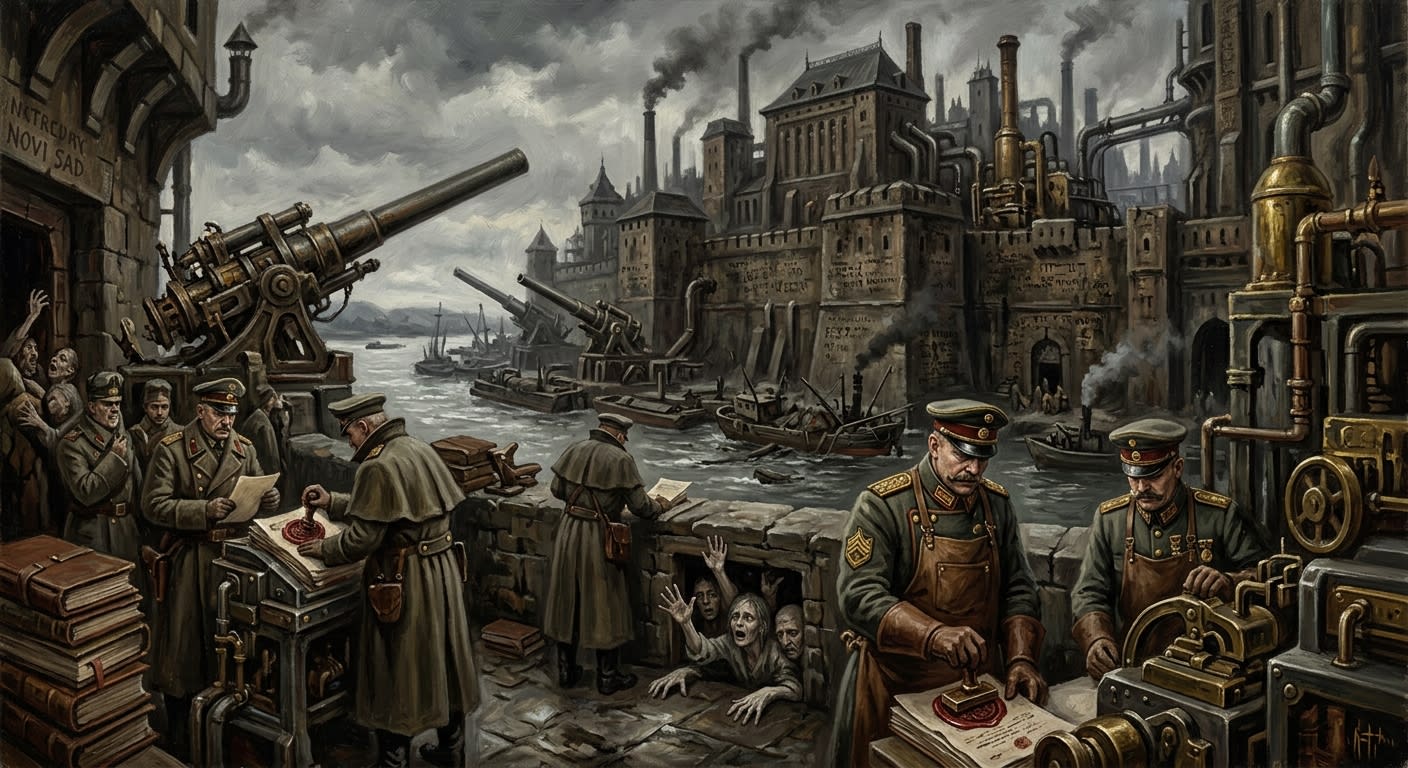
Novi Sad
The city where cannon, stone, and stamp each learned to fail
Novi Sad is a fallen Danube city whose cannon never fired, whose stones wrote living names, and whose valid seals once starved the bodies beneath them.
Codex Ref. II.4.09-045
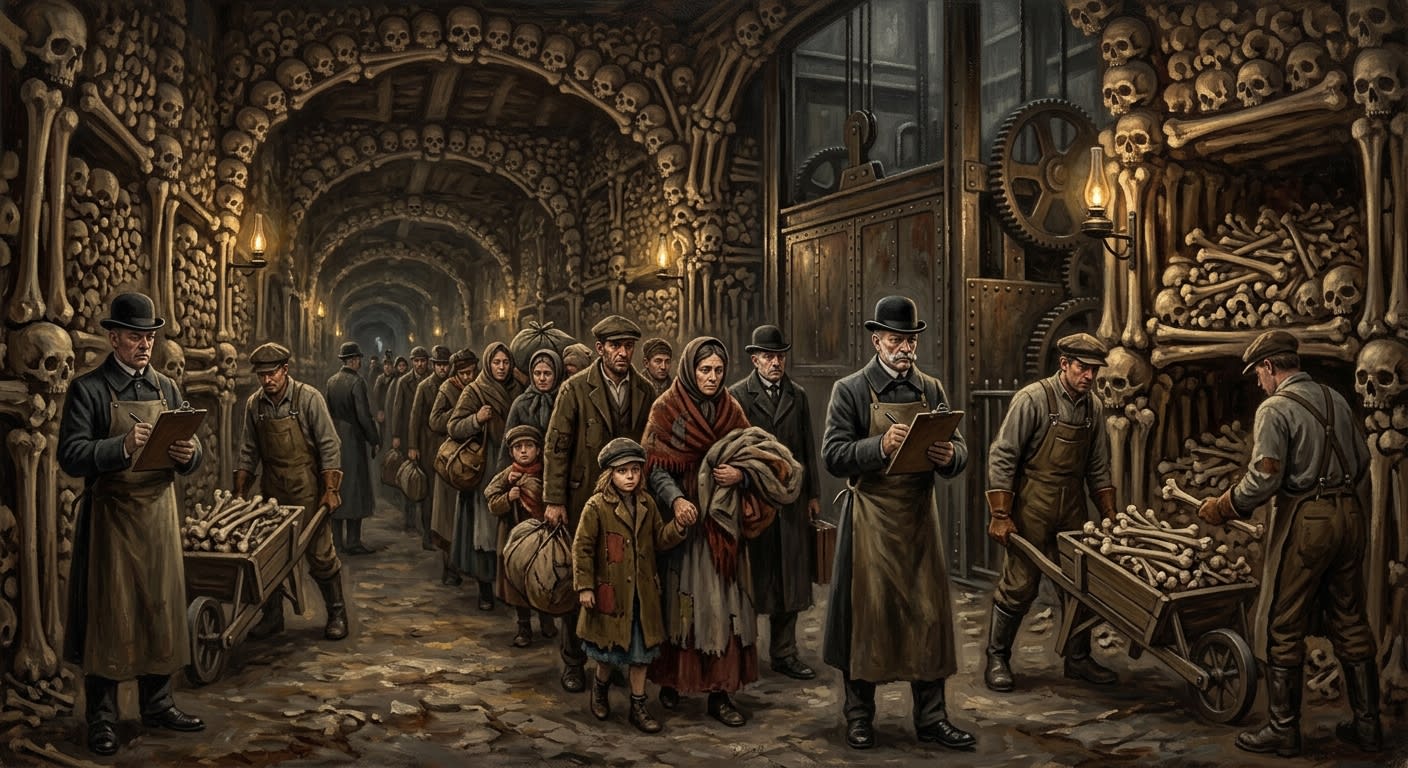
Ossuary Allies
Bring me your dead and I will find room for your living
Ossuary Allies convert grave-field claims into bone-walled tenancy, moving poor families from exposed graveside lanes into ossuary corridors at the price of their dead.
Codex Ref. XII.27.04-001
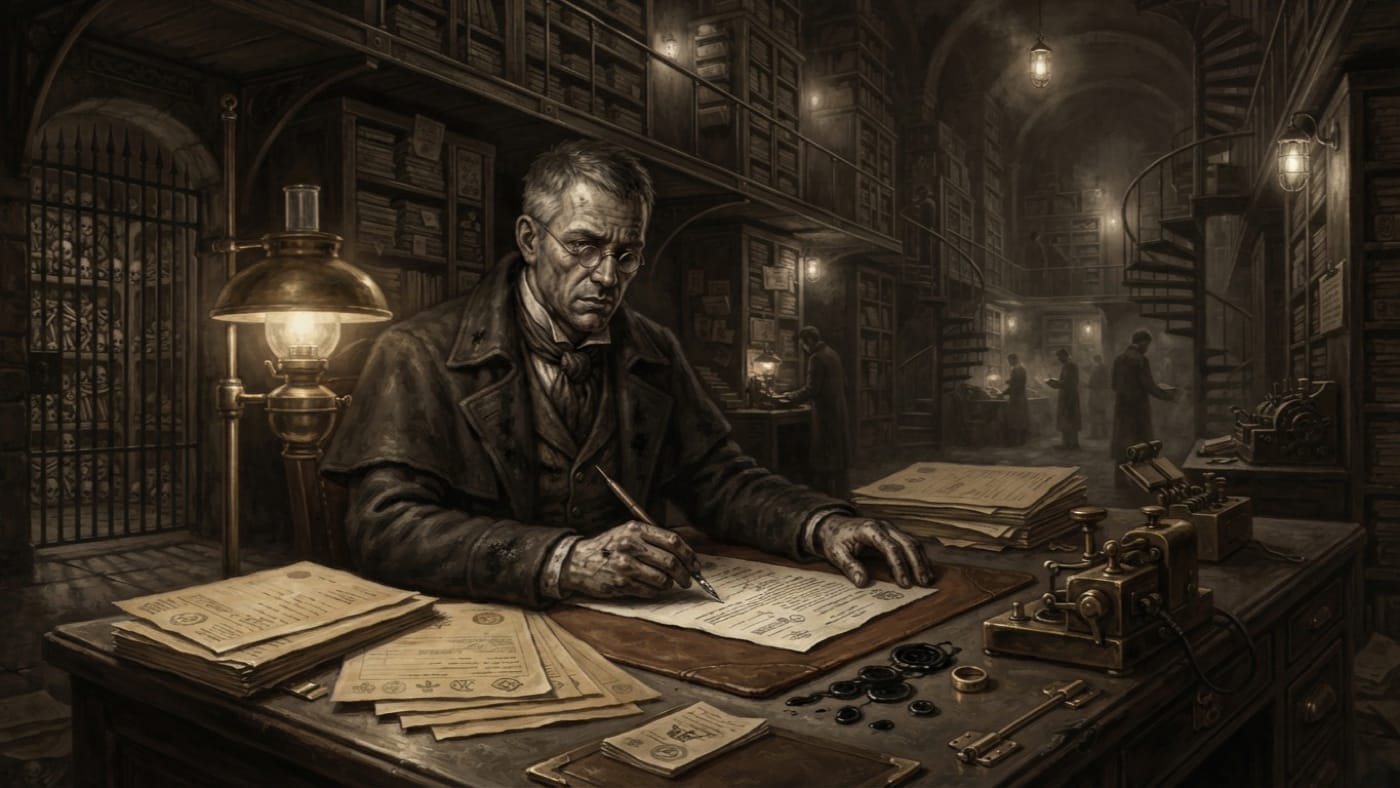
Ossuary-Nullity Adjudicator
The dead have reached the gate; their claim is still under review.
A higher specialist of the Office of Nullity determines whether a struck name retains a burial claim. A body is evidence of death; it is no guarantee of a grave.
Codex Ref. XII.14.01-002
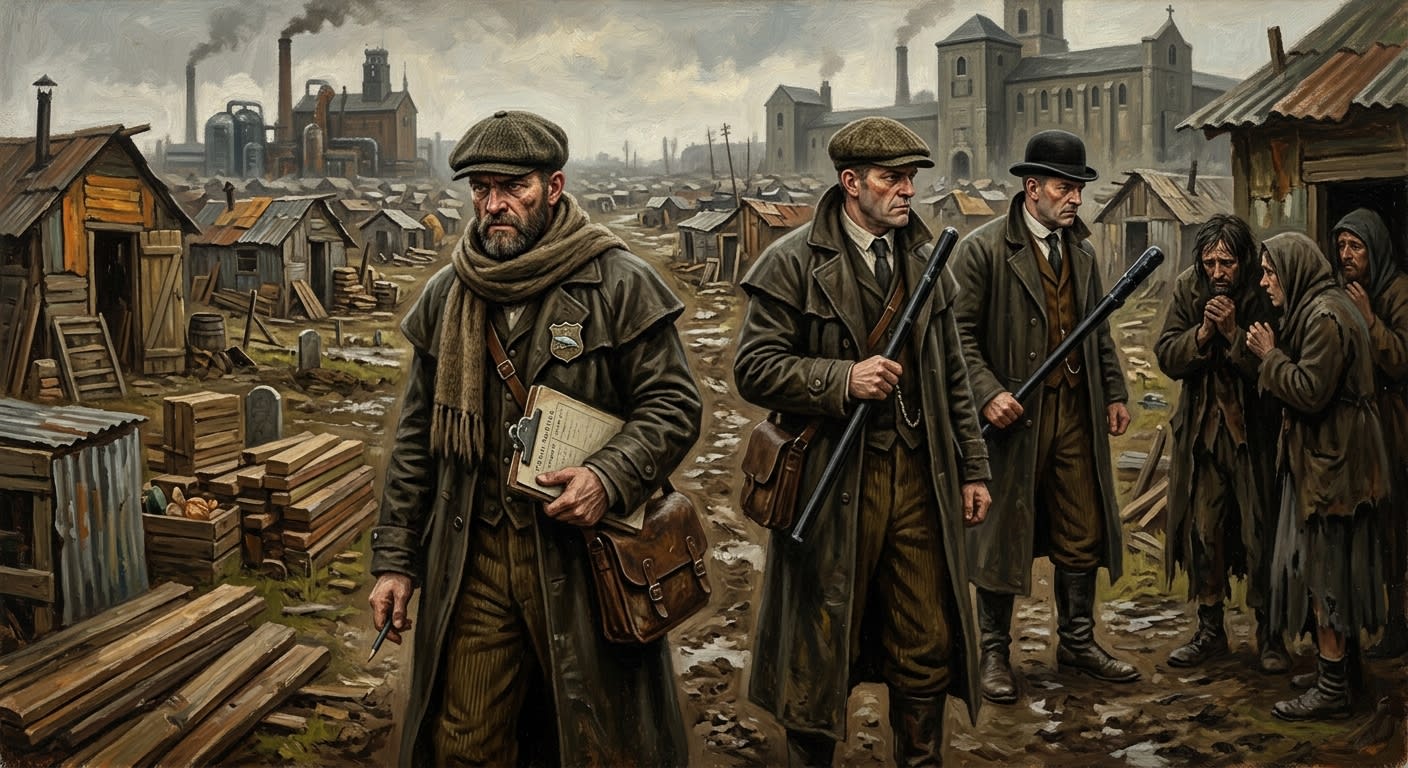
Stone Sharks
Safety by the inch, eviction by the weather, mercy by invoice
Stone Sharks are the profit-hardened branch of Grave-Field Shanty Brokers: orderly grave-lane landlords who sell safety, patrol blindness, and winter survival at predatory rates.
Codex Ref. XII.27.03-001
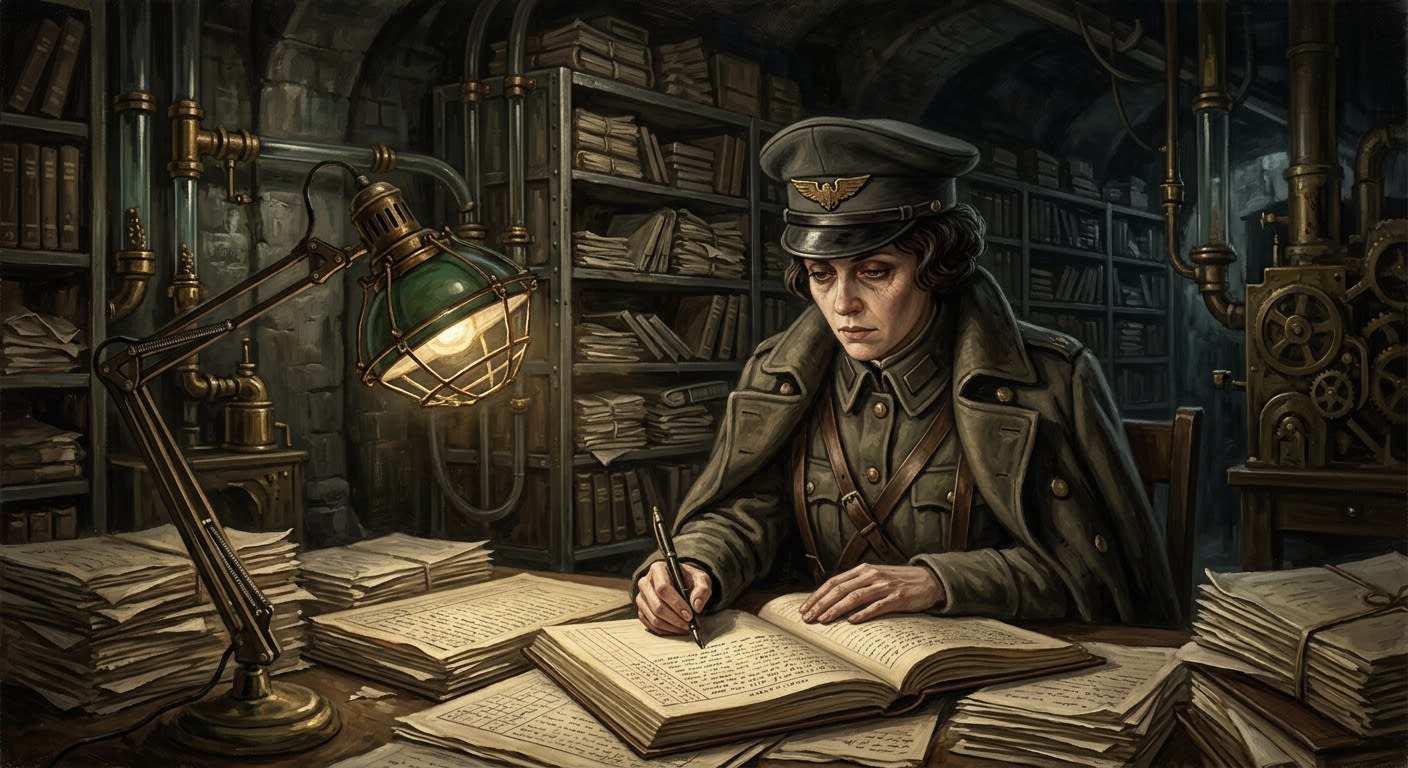
Sub-Archon Provisional Yvette Langres
The woman in the wine cellar who can tell you whether your city exists
Yvette Langres administers three hundred million addresses from a damp Strasbourg cellar; provisional since A.S. 194, indispensable since the first corrected line.
Codex Ref. III.2.01-013
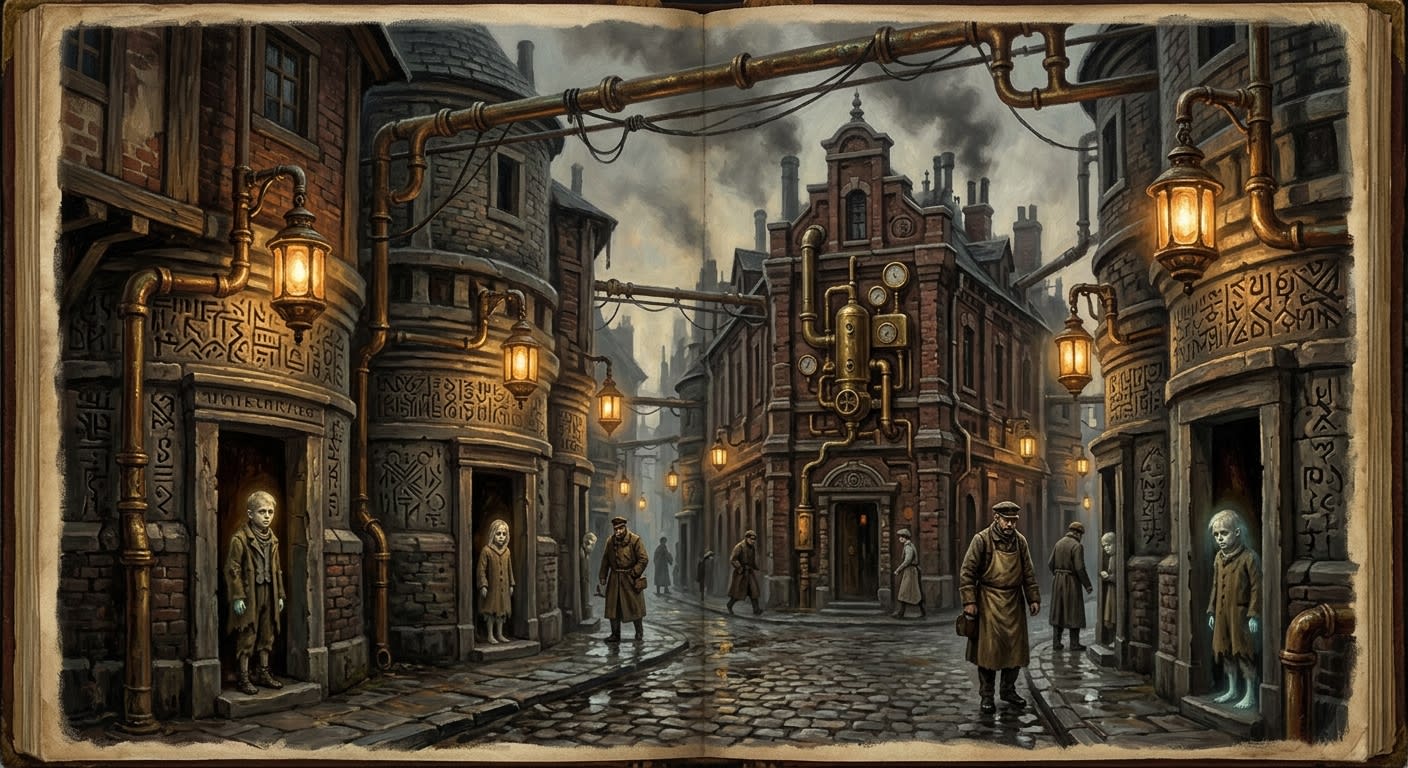
Târgu
The grave-ring town where walls learned doctrine
Târgu is the Przemyśl approach town where grave-rings house the living, walls recite through mortar, and surplus lamps taught children to glow.
Codex Ref. II.4.09-201
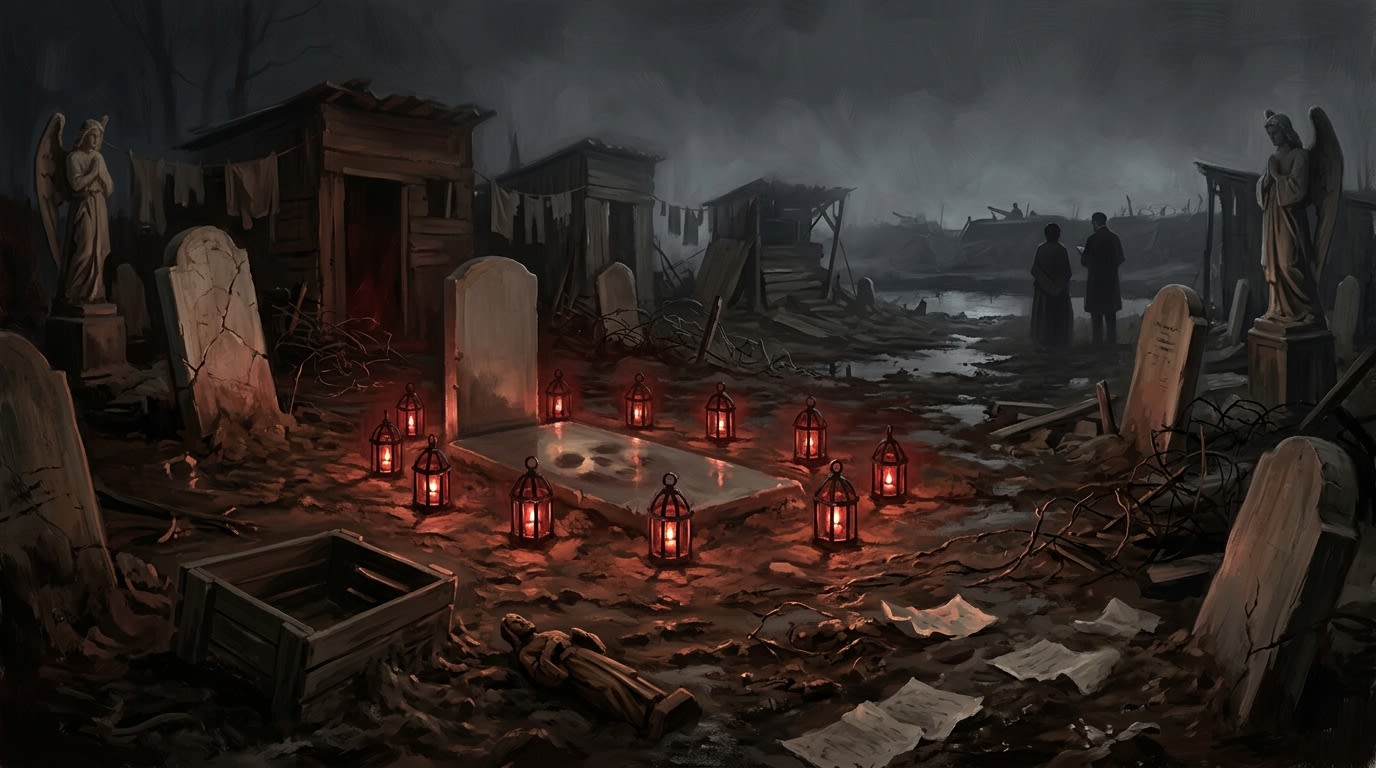
Târgu Child-Lamp Incident
Eleven small lights, and every Bureau suddenly blind
The Târgu Child-Lamp Incident began with surplus Engineering lamps and ended with eleven children requisitioned as battlefield light.
Codex Ref. VII.8.10-038